Warsaw, the capital and most populous city of Poland, feels darker and grittier than Kraków because World War II flattened over 85% of the city destroying its historic center.
Warsaw also carries the heavy trauma of the Warsaw Uprising, the 1944 World War II operation by the Polish Home Army to free Warsaw from German rule.
But the city was meticulously rebuilt by its citizens into an exact replica of its past with stark socialist-realist architecture and modern skyscrapers, contrasting with Kraków’s untouched Gothic and Renaissance charm. Today, it stands as a triumph of historic reconstruction and, like Kraków, is a UNESCO World Heritage site.
So, that’s just a little bit about Warsaw.
Here’s how my day got started. We thankfully arrived at the Kraków Glomy train station early because it took time to find the correct tracks for our more than two hour direct train ride to the Warsaw Central train station.
Once we arrived at the Warsaw Central train station, we followed the taxi signs. It was a cool, gray, rainy day and we all, Alice, Rosie, John and myself, had no intentions of walking to our hotels which were about a 30 minute walk away or a less than 10 minute taxi ride.
What we did not know at the time was that the taxis parked at the Warsaw Central train station were bogus. Since we were all staying at different hotels, we went in separate bogus taxis. And, even though they had taxi roof signs, once I got in, I knew something was wrong because he did not have a meter. He pretty much took me as close as he could to my hotel, but when he told me it was 98 PLN, $26 USD, I bitched. Then when I gave him a 100 PLN bill, he thought it would be okay to keep my change. I told him to give me my change. I’m not really sure who I was most pissed at, him for being such a cheater or me for choosing better. Live and learn. It could have been so much worse.
We all got stung with these high cost taxis. So, our first taste of Warsaw was unfortunately not a pleasant one.
It was just a short walk to my room at the centrally located Pokoje Gościnne Dom Literatury guesthouse in the historical center of Warsaw. The building originally dates back to the 1650s but was completely rebuilt after being destroyed in 1944. If nothing else, the location was definitely worth it but I did enjoy the homely character of the place.
Here’s to just getting started in Warsaw.
This scam taxi, which I picked up at the Warsaw Central train station, cost me an unbelievable 98 Polish Zloty or a little more than 100 USD for a less than 15 minute ride to within walking distance of my lodgings, the Pokoje Gościnne Dom Literatury guesthouse. This scammer did not even have a working meter, so I should have known better. (May 11, 2026)Views of the Tower and St. Ann’s Church in Old Town Warsaw from the main entrance door to my lodgings, the Pokoje Gościnne Dom Literatury guesthouse in the historical center of Warsaw. (May 11, 2026)Views of Old Town Warsaw and the Royal Castle from the main entrance door to my lodgings, the Pokoje Gościnne Dom Literatury guesthouse in the historical center of Warsaw. (May 11, 2026)The huge and heavy entrance door to my lodgings or room for the next seven nights at the Pokoje Gościnne Dom Literatury guesthouse at the historical center of Warsaw. (May 11, 2026)Walking through the hallway to enter the reception area of my lodgings/room at Pokoje Gościnne Dom Literatury guesthouse sits directly opposite Castle Square (Plac Zamkowy) at the edge of the historic Warsaw Old Town. The receptionist, an older woman, checked me in and made no effort to be helpful. I was definitely on my own to figure things out. (May 11, 2026)So it’s either the stairs or the manually operated elevator to my 3rd floor room at the Pokoje Gościnne Dom Literatury guesthouse in old town Warsaw. The only way the elevator worked was to keep my finger on the floor number until the elevator reached the floor and stopped automatically. (May 11, 2026)The elevator at the Pokoje Gościnne Dom Literatury guesthouse with its instructions on how to use the elevator. And, yes, I had to stand keep pressing my 3rd floor button and when the elevator arrived at the 3rd floor, it would automatically stop. (May 11, 2026)Arrived on the 3rd floor of the Pokoje Gościnne Dom Literatury guesthouse to the locked main guestroom door. I had trouble unlocking the door and had no intention of going back downstairs to ask the receptionist for help. Luckily, a man staying at one of the guestrooms arrived and opened the door. (May 11, 2026)The hallway and common area of the Pokoje Gościnne Dom Literatury guesthouse on the 3rd floor as I made my way to the smaller hallway towards my room. (May 11, 2026)My plane and simple 3rd floor of the Pokoje Gościnne Dom Literatury guesthouse in the historic center of Warsaw. (May 11, 2026)My plane and simple 3rd floor of the Pokoje Gościnne Dom Literatury guesthouse in the historic center of Warsaw. (May 11, 2026)My very nice sized bathroom in my 3rd floor of the Pokoje Gościnne Dom Literatury guesthouse in the historic center of Warsaw. (May 11, 2026)Views into the historic center of Warsaw from my 3rd floor guestroom of the Pokoje Gościnne Dom Literatury guesthouse in the historic center of Warsaw. (May 11, 2026)A view of St. Anne’s Church and bell tower from my 3rd floor room at the Pokoje Gościnne Dom Literatury guesthouse in the historic center of Warsaw. (May 11, 2026)A view of the Castle Square and the Royal Palace from the window of my 3rd floor room at the Pokoje Gościnne Dom Literatury guesthouse in the historic center of Warsaw. (May 11, 2026)Met Rosie, Alice and John here at Stolica, in Old Town Warsaw, about a 10 minute walk from my guesthouse, for dinner. (May 11, 2026)Started dinner with Zurek, the sour soup with smoked meat bits, egg and white sausage at Stolica in Old Town Warsaw. Cost: 32 Polish Zloty (PLN) or $9 USD. (May 11, 2026)And, for my main course for dinner at Stolica in Old Town Warsaw, I had the slow roasted pork ribs in BBQ sauce served with a baked potato and mixed salad. Cost: 64 PLN or $17 USD. (May 11, 2026)
The plan for this morning was a “Discover Warsaw: Essential Tour” which we started but cut short when the heavy rains hit. So we bid goodbye to our guide and the few tour members present and ducked into a nearby restaurant to get something to eat and wait out the storm.
The heavy rain did eventually stop but it was still a chilly early evening with light rain for our Warsaw Foodie Tour.
Come walk and eat some delicious Polish food with Alice, Rosie, John and myself in Warsaw.
Instead of continuing with our morning “Discover Warsaw: Essential Tour,” we ducked into the Godpoda restaurant on Nowy Świat (New World Street) one of Warsaw’s most famous historic thoroughfares. From left: me, Rosie, John and Alice. (May 12, 2026)Needed something to warm me up and this hot ginger tea and hen noodle soup definitely did it for me at the Godpoda restaurant, along Nowy Świat, part of the Warsaw’s prestigious Royal Route. (May 12, 2026)After returning back to our hotels and getting warmed up and dried out from our abbreviated morning walking tour, we made our way, by Uber, to the Palace of Culture and Science to meet up for our early evening Warsaw Foodie Tour. Still chilly out, with scattered rain but good food to be had. We began our warming up with our own individual bottles of some very tasty Vodka. And, yes it was still rather chilly with some light raindrops. From left, Rosie, Alice, John and me. (May 12, 2026)The Palace of Culture and Science, within the downtown district, is a massive 778-foot or 237-meter Stalinist skyscraper completed in 1955. Built as a “gift” from the Soviet Union under Joseph Stalin, it is the second-tallest building in Poland and a prominent, yet controversial, symbol of the city’s complex history. (May 12, 2026)Walking through central Warsaw, along Marszałkowska Street (Marshall Street) within the Śródmieście (Downtown) district. (May 12, 2026)Walking through central Warsaw, along Marszałkowska Street (Marshall Street) within the Śródmieście (Downtown) district. (May 12, 2026)Walking along the Film Stars Alley (Aleja Gwiazd) along Pasaż Wiecha, a shop and restaurant-lined street, in central Warsaw featuring brass and granite pavement plaques honoring international and Polish cinema legends. (May 12, 2026)Walking along the shops and restaurant-lined street of the Chmielna in central Warsaw. (May 12, 2026)Walking along the shops and restaurant-lined street of the Chmielna in central Warsaw. (May 12, 2026)Getting in a group photo at the “Warsaw in the Future” mural, a public artwork located in a courtyard gateway along Chmielna in Warsaw. The artwork is based on a popular 1910s postcard series that imagined what Warsaw would look like in the distant year 2000. From left: Alice, Rosie, me and John. (May 12, 2026)The “Warsaw in the Future” mural, a public artwork located in a courtyard gateway along Chmielna in Warsaw. The artwork is based on a popular 1910s postcard series that imagined what Warsaw would look like in the distant year 2000. (May 12, 2026)Continuing our walk to our first food tasting stop, along Chmielna street in central Warsaw, the Brackish bar mleczny or milk bar, a traditional, budget-friendly Polish cafeteria. (May 12, 2026)Standing in front of our 1st Warsaw Foodie Tour stop, the Bracki Bar Mleczny (milk bar), a traditional, budget-friendly Polish cafeteria originating from the early 20th century and heavily subsidized during the communist era. (May 12, 2026)Kompot, a traditional Polish sweet fruit drink made by simmering fresh or dried fruits like apples, pears, cranberries, and plums with sugar, was our hot treat at the 1st stop, the Bracki Bar Mleczny (milk bar). The drink was already semi-sweet and really did not need additional sugar. (May 12, 2026)Trying three different types of pierogi, a type of flour dough dumpling filled with a savory or sweet filling at the 1st Warsaw Foodie Tour stop, the Bracki Bar Mleczny (milk bar). Common fillings include mashed potatoes and cheese, sauerkraut, ground meat, mushrooms, or sweet fruits. The toppings were melted butter, pan-fried onions and crispy pork cracklings/lardons. (May 12, 2026)We were able to sample three different pierogi with toppings a type of flour dough dumpling filled with a savory or sweet filling at the 1st Warsaw Foodie Tour stop, the Bracki Bar Mleczny (milk bar). Common fillings include mashed potatoes and cheese, sauerkraut, ground meat, mushrooms, or sweet fruits. The toppings were melted butter, pan-fried onions and crispy pork cracklings/lardons. A traditional Central and Eastern European dish, pierogis are made by wrapping an unleavened flour dough around a savory or sweet filling, sealing it into a half-moon shape, and cooking it in boiling water. (May 12, 2026)Walking along Krucza Street in Warsaw. (May 12, 2026)Walking along Nowy Świat (New World Street) a historic thoroughfares in Warsaw that forms a key part of the city’s scenic Royal Route, connecting the historic Old Town area with the southern parts of the city. (May 12, 2026)Specially Regionalne, along Nowy Świat, the 2nd stop of our Warsaw Foodie Tour for more traditional polish cuisine. (May 12, 2026)Our Warsaw Foodie Tour group at our 2nd stop, Specially Regionalne along Nowy Świat, for more traditional polish cuisine. (May 12, 2026)For starters, we began with Żurek, the rich sour rye soup served with white sausage and an organic egg at Specially Regionalne along Nowy Świat, the 2nd stop of our Warsaw Foodie Tour. (May 12, 2026)Potato pancakes with cottage cheese was served at Specially Regionalne along Nowy Świat, the 2nd stop of our Warsaw Foodie Tour. (May 12, 2026)Vegan cabbage rolls served at Specially Regionalne along Nowy Świat, the 2nd stop of our Warsaw Foodie Tour. (May 12, 2026)Continuing our walk along Nowy Świat (New World Street) a historic thoroughfares in Warsaw that forms a key part of the city’s scenic Royal Route, connecting the historic Old Town area with the southern parts of the city. (May 12, 2026)Hopster Craft & Food (also known as NORKA by Hopster) our 3rd Warsaw Foodie Tour along Nowy Świat in Warsaw, features traditional Polish pickled cucumbers (ogórki kiszone) as a classic pairing alongside shots of pure vodka. (May 12, 2026)John, me and Rosie at our 3rd Warsaw Foodie Tour stop, the NORKA by Hopster along Nowy Świat, where we ate a traditional Polish pickled cucumber paired alongside shots of pure vodka. The vodka went down smoothly and warmed my insides going down. (May 12, 2026)Walking through the charming pedestrian and residential walkway of Ulica Kubusia Puchatka (Winnie-the-Pooh Street) in central Warsaw. Named after the Polish translation of Winnie-the-Pooh (Kubuś Puchatek), it is a unique local landmark chosen by children in a 1954 naming contest. (May 12, 2026)Walking along Plac Powstańców Warszawy in Warsaw towards our last food stop, this time for sweets at the flagship E. Wedel Chocolate Lounge. (May 12, 2026)The Napoleon Bonaparte Monument at the Warsaw Insurgents square, historically called Napoleon Square. It honors Napoleon’s historical role in creating the Duchy of Warsaw in 1807 out of Polish lands taken by Prussia during the partitions of Poland. The monument consists of a bronze bust of Napoleon wearing a military uniform. It was placed, together with two statues of eagles below it, on a tall pedestal. (May 12, 2026)Heading to the 4th and last stop of our Warsaw Foodie Tour, the flagship E. Wedel Chocolate Lounge. (May 12, 2026)The flagship E. Wedel Chocolate Lounge, the 4th and last stop of our Warsaw Foodie Tour. (May 12, 2026)The trademark at the top of the flagship E. Wedel Chocolate Lounge building at Szpitalna Street in Warsaw is the iconic “Boy on a Zebra” (chłopiec na zebrzie). Created in 1926 by Italian poster artist Leonetto Cappiello, it depicts a boy riding a striped zebra and carrying bars of chocolate. (May 12, 2026)Our Warsaw Foodie Tour guide handing out Ptasie Mleczko at the E. Wedel Chocolate Lounge. The famous Polish confectionery—a rectangular, chocolate-covered candy with a soft, sweet, marshmallow-like or soufflé center. Invented and trademarked by the historic Warsaw-based chocolate maker E. Wedel in 1936, its name literally translates to “bird’s milk,” an old idiom symbolizing an unattainable or mythical luxury delicacy. (May 12, 2026)Inside the historic old-fashioned store and first-ever chocolate lounge of the E. Wedel Chocolate Lounge in Warsaw. The chocolate roots began in 1851 when German confectioner Karol Wedel opened a small shop. The iconic flagship location on Szpitalna Street opened after Emil Wedel built the tenement in 1893. (May 12, 2026)The historic old-fashioned store and first-ever chocolate lounge of the E. Wedel Chocolate Lounge in Warsaw. (May 12, 2026)The historic old-fashioned store and first-ever chocolate lounge of the E. Wedel Chocolate Lounge in Warsaw. (May 12, 2026)
While getting my clothes together to head to the laundromat, I was notified by a man calling me on the odd sounding telephone in my guestroom at the Pokoje Gościnne Dom Literatury, and quite out of the blue at around 10:30 this morning, that I have to change rooms. What the fuck! Oh, yes, because the room belongs to someone else. Really? Because I’m the one in it. So, in the two days I’ve been in the room, not one person mentioned to me that I would need to change rooms. But all of this goes well with the oddity of staying here at the Pokoje Gościnne Dom Literatury.
The male receptionist, who was very apologetic, came up to my room and showed me the new room which was just outside the hall with similar views of Old Town Warsaw and about the same size as the one I was in. It didn’t really take me long to pack up because I had most of my clothes in my trusty foldable tote so I could get them washed. So, I quickly moved to my new room and then met John to head to the laundromat to finally get my clothes cleaned. Rosie was good with clean clothes and Alice was still not feeling well.
After a nice restful afternoon, in a new room and clean clothes, I met Rosie and John for dinner (Alice was still not feeling well) before heading to the Fryderyk Concert Hall in Old Town for a piano concert recital.
Here’s to another slow, yet productive day in Warsaw.
When you travel with a small suitcase for six weeks, the time comes when clothes need to get washed. While Alice was not feeling well, John and I did our clothes washing at this Speed Queen laundromat in Warsaw. (May 13, 2026)John and I took a Bolt, a ride-share app vehicle like Uber, to this Speed Queen laundromat about a 15-minute drive from our hotel/guesthouse in old town Warsaw. Since the debacle at the train station, with the scam taxi, we started using the Uber and Bolt ride-share apps. (May 13, 2026)Inside the very clean and rather easy to use washers and dryers at this Speed Queen in Warsaw. (May 13, 2026)My new room at the Pokoje Gościnne Dom Literatury guesthouse in Old Town Warsaw. (May 13, 2026)My new room at the Pokoje Gościnne Dom Literatury guesthouse in Old Town Warsaw. (May 13, 2026)This room had a bit of a hallway that led to the bathroom and bedroom at the Pokoje Gościnne Dom Literatury in Old Town Warsaw. (May 13, 2026)My rather high step up shower in my new bathroom at the Pokoje Gościnne Dom Literatury guesthouse in Old Town Warsaw. (May 13, 2026)And my ancient hair drier in my new moon at the Pokoje Gościnne Dom Literatury in Old Town Warsaw. (May 13, 2026)Still had the same views in my new room at the Pokoje Gościnne Dom Literatury guesthouse in Old Town Warsaw. (May 13, 2026)The similar views from my new room at the Pokoje Gościnne Dom Literatury guesthouse in Old Town Warsaw. (May 13, 2026)I had a nice quiet afternoon before heading out to meet Rosie and John for dinner before heading to the Chopin Concert at Fryderyk Concert Hall, all within walking distance of our hotel/guesthouses in Old Town Warsaw. (May 13, 2026)I took a break after washing clothes and met Rosie and John for dinner at Gosciniec before heading to the Chopin Concert at Fryderyk Concert Hall, all within walking distance of our hotel/guesthouses in Old Town Warsaw. (May 13, 2026)For dinner at Gosciniec in Old Town Warsaw, I had the traditional pork chop. It is a tenderized, breaded, and pan-fried pork loin cutlet very similar to a Viennese schnitzel. It is a staple of traditional Polish Sunday dinners, known for its golden, crunchy crust and juicy meat inside. (May 13, 2026)Walking along Podwale in Old Town Warsaw to the Fryderyk Concert Hall for a live piano recital celebrating the works of Poland’s most famous composer, Fryderyk Chopin. (May 13, 2026)Entering the inner courtyard area of the Fryderyk Concert Hall in Old Town Warsaw for our piano concert recital. (May 13, 2026)Inside the intimate, 19th-century style music venue of the Fryderyk Concert Hall in Old Town Warsaw for a live piano recital celebrating the works of Poland’s most famous composer, Fryderyk Chopin. It features a rotating roster of distinguished Polish and international concert pianists, professors from music academies and prize-winners of international piano competitions. (May 13, 2026)Inside the intimate, 19th-century style music venue of the Fryderyk Concert Hall in Old Town Warsaw for a live piano recital celebrating the works of Poland’s most famous composer, Fryderyk Chopin. (May 13, 2026)A portrait of Fryderyk Chopin inside the 19th-century style music venue of the Fryderyk Concert Hall in Old Town Warsaw where live piano recitals are held to celebrate the works of Poland’s most famous composer, Fryderyk Chopin. (May 13, 2026)Getting ready to enjoy the piano concert at the 19th-century style music venue of the Fryderyk Concert Hall in Old Town Warsaw. From left: Me, Rosie and John. (May 13, 2026)Getting a standing ovation, Professor Robert Skiera, our wonderful pianist for our concert at the 19th-century style music venue of the Fryderyk Concert Hall in Old Town Warsaw. (May 13, 2026)
With the weather varying throughout the day, we really packed in a full day just enjoying what the Old Town of Warsaw has to offer. And, that began in the morning when Rosie, John and myself visited the Royal Castle, the historic residence of Polish monarchs. Although it was blown up by the Nazi German forces in 1944, it was meticulously rebuilt from 1971 to 1984 using public funds. Today, it functions as a national museum showcasing lavish royal apartments and fine art.
With more than an hour to relax after touring the Royal Castle, we all met up again in the afternoon, as the day turned a little gray and chilly, for our free “Warsaw Old Town & Royal Route: Historic Center Walking Tour.” We walked the Royal Route along Krakowskie Przedmieście starting by the Copernicus Monument and covering some historic churches, the University of Warsaw, Presidential Palace, Royal Castle, and the Old Town Market Square, all rebuilt after the near-total destruction during World War II.
After the walking tour and with the skies clearing up, I decided to explore the city walls of Warsaw originally raised between the 13th and 16th centuries, then rebuilt from 1950 to 1963.
It was nice to spend the day really getting to know Old Town Warsaw. Come check it out with me.
Me starting the day with blue skies and views of the Royal Palace just outside the door or my guesthouse at the Pokoje Gościnne Dom Literatury in Old town Warsaw. (May 14, 2026)Before starting my tour of the Royal Castle, I began my morning with this breakfast at Costa Coffee just a short block away from my room at the Pokoje Gościnne Dom Literatury guesthouse in Old Town Warsaw. Cost: 37 PLZ or under $10 USD. (May 14, 2026)Started this beautiful morning with an audio guide tour through the Royal Castle in Old Town Warsaw. Originally a 14th century wooden and brick stronghold for the Dukes of Mazovia, the Royal Castle was transformed into a grand royal residence when King Sigismund III Vasa moved Poland’s capital from Kraków to Warsaw in 1596. The structure suffered severe destruction by German forces in World War II, but was meticulously rebuilt in 1971–1984 during which it regained its original 17th century appearance. In 1980, the Royal Castle and surrounding Old Town became a UNESCO World Heritage Site. (May 14, 2026)The side Main Gate courtyard entrance to the Royal Castle in Old Town Warsaw. We had purchased our tickets on-line but still ended up in a line with people purchasing tickets until we were told that there was another entrance through the courtyard for on-line ticket holders. (May 14, 2026)A view of the tower, St. Ann’s Church and my guesthouse in Old Town Warsaw from the side Main Gate courtyard entrance to the Royal Castle. (May 14, 2026)The Great Antechamber was the first of a number of ante rooms of the Royal Castle in Warsaw leading to the Great Assembly Hall. Here courtiers of lesser rank welcomed visitors who had been granted an audience in the Throne Room. (May 14, 2026)The Knights Hall of the Royal Castle in Warsaw. In 1832, by order of Emperor Nicholas of Russia, the interior furnishing of the Knights Hall was removed and transported to Russia only to be reclaimed in 1922. It survived the destruction of the German Invasion of September 1939 and was then seized by the German authorities. It was not until 1984 that the furnishings were returned to the Royal Castle. (May 14, 2026)The Knights Hall of the Royal Castle in Warsaw. (May 14, 2026)The Knights Hall of the Royal Castle in Warsaw. (May 14, 2026)The Knights Hall of the Royal Castle in Warsaw. (May 14, 2026)The Marble Room of the Royal Castle in Warsaw was designed in the years 1640-1642 during the reign of King Władysław Iv. It served as the second ante room leading to the Throne Room, and it was here courtiers of higher rank would gather during formal audiences. The Marble Room formed part of the Royal Apartments. (May 14, 2026)The Marble Room of the Royal Castle in Warsaw was designed in the years 1640-1642 during the reign of King Władysław Iv. It served as the second ante room leading to the Throne Room, and it was here courtiers of higher rank would gather during formal audiences. The Marble Room formed part of the Royal Apartments. (May 14, 2026)The ceiling painting in the Marble Room of the Royal Castle in Warsaw depicts the Goddess of Fame in the sky guarding the portraits of all the monarchs of Poland. (May 14, 2026)The Marble Room of the Royal Castle in Old Town Warsaw is a historic 17th-century state apartment featuring polished marble wall panels and a famous series of 22 royal portraits depicting Polish monarchs. (May 14, 2026)The Throne Room of the Royal Castle in Old Town Warsaw is where the most important visitors were granted an audience with King Stanistaw August, including foreign ambassadors and envoys. The Throne Room was restored with much of its original decoration and furniture. (May 14, 2026)The floors in the Throne Room of the Royal Palace in Warsaw are hand-laid wooden mosaic parquet blocks in a multi-toned geometric wood arrangement which was standard for royal staterooms of the late 18th century. (May 14, 2026)The Throne Room of the Royal Castle in Old Town Warsaw. (May 14, 2026)The Throne Room of the Royal Castle in Old Town Warsaw. (May 14, 2026)The Monarch’s Portrait Room of the Royal Palace in Old Town Warsaw. (May 14, 2026)Walking from the King’s Study into the King’s Dressing Room of the Royal Castle in Warsaw which was installed for King Stanistaw August before 1769. (May 14, 2026)The King’s Bedchamber was the private, residential part of the King’s Apartment inside the Royal Castle in Warsaw. (May 14, 2026)The King’s Bedchamber was the private, residential part of the King’s Apartment inside the Royal Castle in Warsaw. (May 14, 2026)The Audience Chamber of the Royal Palace in Old Town Warsaw served as a formal antechamber and receiving room where the king granted audiences before later moving primary formal events to the grand Throne Room. (May 14, 2026)The Audience Chamber of the Royal Palace in Old Town Warsaw. (May 14, 2026)The Canaletto Room inside the Royal Castle in Warsaw houses a collection of over 20 detailed 18th-century cityscapes painted by Bernardo Bellotto, the nephew and pupil of the famous Venetian master Canaletto. These hyper-realistic paintings served as crucial visual blueprints used to rebuild historic Warsaw after World War II. (May 14, 2026)The Canaletto Room inside the Royal Castle in Warsaw houses a collection of over 20 detailed 18th-century cityscapes painted by Bernardo Bellotto, the nephew and pupil of the famous Venetian master Canaletto. These hyper-realistic paintings served as crucial visual blueprints used to rebuild historic Warsaw after World War II. (May 14, 2026)One of the 20 Bernardo Bellotto (nephew and pupil of the famous Venetian painter Canaletto) paintings in the Canaletto Room of the Royal Castle depicting precise 18th-century views of Warsaw that later served as blueprints to rebuild the city after World War II. (May 14, 2026)One of the 20 Bernardo Bellotto (nephew and pupil of the famous Venetian painter Canaletto) paintings in the Canaletto Room of the Royal Castle depicting precise 18th-century views of Warsaw that later served as blueprints to rebuild the city after World War II. (May 14, 2026)One of the 20 Bernardo Bellotto (nephew and pupil of the famous Venetian painter Canaletto) paintings in the Canaletto Room of the Royal Castle depicting precise 18th-century views of Warsaw that later served as blueprints to rebuild the city after World War II. (May 14, 2026)One of the 20 Bernardo Bellotto (nephew and pupil of the famous Venetian painter Canaletto) paintings in the Canaletto Room of the Royal Castle depicting precise 18th-century views of Warsaw that later served as blueprints to rebuild the city after World War II. (May 14, 2026)One of the 20 Bernardo Bellotto (nephew and pupil of the famous Venetian painter Canaletto) paintings in the Canaletto Room of the Royal Castle depicting precise 18th-century views of Warsaw that later served as blueprints to rebuild the city after World War II. (May 14, 2026)One of the 20 Bernardo Bellotto (nephew and pupil of the famous Venetian painter Canaletto) paintings in the Canaletto Room of the Royal Castle depicting precise 18th-century views of Warsaw that later served as blueprints to rebuild the city after World War II. (May 14, 2026)The Chapel, where the King and his court attended everyday religious ceremonies at the Royal Palace in Old Town Warsaw, was originally designed in the 1770s, and has been restored with many of its original elements, including six of eight stucco columns, as well as fragments of the dome and the gilded panelling. (May 14, 2026)The Chapel, where the King and his court attended everyday religious ceremonies at the Royal Palace in Old Town Warsaw, was originally designed in the 1770s, and has been restored with many of its original elements, including six of eight stucco columns, as well as fragments of the dome and the gilded panelling. (May 14, 2026)The Chapel, where the King and his court attended everyday religious ceremonies at the Royal Palace in Old Town Warsaw, was originally designed in the 1770s, and has been restored with many of its original elements, including six of eight stucco columns, as well as fragments of the dome and the gilded panelling. (May 14, 2026)A beautiful long hallway inside the Royal Palace in Old Town Warsaw. (May 14, 2026)I’m always intrigued when I see People of Color portrayed in European art especially here at the Royal Palace in Old Town Warsaw. There are two large paintings in the antechamber of the King’s apartments, “Dalliance,” to the far left and “Lord Jonimo with the Moorish Woman Friederica” by Johann Samuel Mock, an 18th century German-Polish court painter. Both are circa 1730-1735 on loan from the National Museum in Warsaw. (May 14, 2026)“Lord Jonimo with the Moorish Woman Friederica” by Johann Samuel Mock, an 18th century German-Polish court painter. Created around 1730–1735, the large canvas (172 x 198 cm) was documented in the 1739 inventory of the art collection of Polish King Augustus II. The artwork depicts a seated nobleman, referred to as Lord or Senior Jonimo, alongside a Black woman named Friederica, historically noted in connection with the royal court’s household staff. (Avoiding the light glare was difficult.) (May 14, 2026)“Dalliance” an oil painting by Johann Samuel Mock, circa 1730-1735, in the antechamber of the King’s apartments at the Royal Palace in Old Town Warsaw. I could not find any specific information on who the two people are or even the meaning of the painting. (May 14, 2026)The Green Room of the Royal Palace in Old Town Warsaw. During the reign of King Stanistaw August it was redecorated in the Neo-classical style. The walls were covered with green damask hangings and decorated with 24 paintings of different schools. The Green Room was used by the King for meetings with government ministers and high ranking courtiers. (May 14, 2026)The Green Room of the Royal Palace in Old Town Warsaw. During the reign of King Stanistaw August it was redecorated in the Neo-classical style. The walls were covered with green damask hangings and decorated with 24 paintings of different schools. The Green Room was used by the King for meetings with government ministers and high ranking courtiers. (May 14, 2026)The Yellow Room of the Royal Palace in Old Town Warsaw. One of the first interiors to be redecorated under King Stanistaw Augustus using the Neo-classical à la grecque decoration. Described in a 1769 inventory – its walls were covered with white and yellow striped chinese damask hangings. It served as a dining room and on the walls once hung 55 paintings from the collection of the king of distinguished people who dined here. (May 14, 2026)The Yellow Room of the Royal Palace in Old Town Warsaw. One of the first interiors to be redecorated under King Stanistaw Augustus using the Neo-classical à la grecque decoration. Described in a 1769 inventory – its walls were covered with white and yellow striped chinese damask hangings. It served as a dining room and on the walls once hung 55 paintings from the collection of the king of distinguished people who dined here. (May 14, 2026)Entering the Senate Chamber in the Royal Castle in Warsaw is one of Poland’s most historically significant and richly decorated rooms. It is globally renowned as the site where Europe’s first modern codified constitution—the Constitution of May 3, 1791—was adopted. (May 14, 2026)The historic throne setup in the Senate Chamber of the Royal Castle in Warsaw when the monarch presided over the upper house of parliament. The interior suffered major damage after the November Uprising and during World War II, but was reconstructed using archival drawings and original saved elements like fragments of the royal throne. (May 14, 2026)Looking towards the royal throne setup and the senatorial armchairs and chairs placed according to strict 18th century parliamentary etiquette. The hall is famous as the site where the historic Constitution of May 3, 1791 enacted to fix political flaws by creating a constitutional monarchy with separated powers. It was Europe’s first modern codified national constitution and the second in the world after the United States. (May 14, 2026)Looking towards the exit of the Senate Chamber in the Royal Castle in Warsaw towards the entrance of the Wettin Gallery. The interior suffered major damage after the November Uprising and during World War II, but was reconstructed using archival drawings. (May 14, 2026)The Wettin Gallery, which connects to the Senate Chamber in the Royal Castle in Warsaw. It highlights the historical and artistic ties between Poland and the Saxon House of Wettin, whose monarchs (Augustus II the Strong and Augustus III) ruled the Polish-Lithuanian Commonwealth during the 18th century. (May 14, 2026)An embroidered chair decorating the Wettin Gallery, which connects to the Senate Chamber in the Royal Castle in Warsaw. (May 14, 2026)The Porcelain Gallery hallway of the Royal Castle in Warsaw. (May 14, 2026)The porcelain and porcelain-filled cabinets of the Porcelain Gallery hallway of the Royal Castle in Warsaw. (May 14, 2026)The Saxon ground floor wing of the Royal Castle in Warsaw houses the portraits and artifacts related to the Jagiellon dynasty which ruled Poland and neighboring Central European lands between the 14th and 16th centuries. (May 14, 2026)The Saxon ground floor wing of the Royal Castle in Warsaw houses the portraits and artifacts related to the Jagiellon dynasty which ruled Poland and neighboring Central European lands between the 14th and 16th centuries. (May 14, 2026)The Saxon ground floor wing of the Royal Castle in Warsaw houses the portraits and artifacts related to the Jagiellon dynasty which ruled Poland and neighboring Central European lands between the 14th and 16th centuries. (May 14, 2026)The Saxon ground floor wing of the Royal Castle in Warsaw houses the portraits and artifacts related to the Jagiellon dynasty which ruled Poland and neighboring Central European lands between the 14th and 16th centuries. (May 14, 2026)The Old Chamber of the Deputies of the Royal Castle in Warsaw is a ground-floor hall built in the late 16th century to house the elected delegates of the Polish-Lithuanian Commonwealth. It is positioned on the ground floor beneath the upper-level Senate Chamber to physically separate the two legislative bodies. (May 14, 2026)The Old Chamber of the Deputies of the Royal Castle in Warsaw is a ground-floor hall built in the late 16th century to house the elected delegates of the Polish-Lithuanian Commonwealth. (May 14, 2026)The Old Chamber of the Deputies of the Royal Castle in Warsaw is a ground-floor hall built in the late 16th century to house the elected delegates of the Polish-Lithuanian Commonwealth. (May 14, 2026)The highlight of the lower gallery or ground floor of the Royal Castle in Warsaw is the Lanckoroński Collection, containing two masterpieces by Rembrandt, “The Girl in a Picture Frame” and “The Scholar at the Lectern.” (May 14, 2026)“The Scholar at the Lectern” by Rembrandt van Rijn from 1641 in the Lanckoroński Collection on the ground floor of the Royal Castle in Warsaw. The painting was purchased for Stanistaw August’s royal collection in 1777, together with “Girl in a Picture Frame.” At the time, it was thought they depicted a father and daughter. Today, it is known that Rembrandt wanted to depict different types of people, a learned old man and a young girl, as opposed to specific individuals. (May 14, 2026)“Girl in a Picture Frame” by Rembrandt van Rijn from 1641 in the Lanckoroński Collection on the ground floor of the Royal Castle in Warsaw. At the time he painted this picture, Rembrandt was interested in how to show depth of perspective and convey movement in his works. The figure seems to lean out towards the viewer. She has already placed one hand on the frame and is just putting the other one down. (May 14, 2026)Exiting through a different door on another side of the Royal Palace onto Castle Square in Old Town Warsaw. (May 14, 2026)The Nicolaus Copernicus Monument in Warsaw, where we began our afternoon “Warsaw Old Town & Royal Route: Historic Center Walking Tour.” The bronze statue shows the renowned astronomer, positioned before the Polish Academy of Sciences. (May 14, 2026)Looking down the Royal Route along Krakowskie Przedmieście in Warsaw at the Nicolaus Copernicus Monument with views of the Holy Cross Church. (May 14, 2026)Walking down the Royal Route along Krakowskie Przedmieście in Warsaw with views of the Holy Cross Church. (More about the church tomorrow.) (May 14, 2026)Looking back at the Nicolaus Copernicus Monument and the Polish Academy of Sciences as we continued our walk along the Royal Route of Krakowskie Przedmieście in Warsaw. (May 14, 2026)Walking along Krakowskie Przedmieście with its wide pedestrian walkway towards Old Town Warsaw. (May 14, 2026)The Visitationist Church, a Roman Catholic Church, along the Royal Route of Krakowskie Przedmieście in Warsaw. Known for its stunning rococo facade and survival through major wars, it was built between 1728 and 1761 and famously had Fryderyk Chopin play its organ. (More about the church tomorrow.) (May 14, 2026)Walking along the Royal Route of Krakowskie Przedmieście with views of the Bristol Hotel towards Old Town Warsaw. (May 14, 2026)Walking along the Royal Route of Krakowskie Przedmieście past the Bristol Hotel towards Old Town Warsaw. (May 14, 2026)The Potocki Palace, across the street along the Royal Route of Krakowskie Przedmieście from the approaching Presidential Palace in Warsaw. (May 14, 2026)The Potocki Palace, across the street along the Royal Route of Krakowskie Przedmieście from the approaching Presidential Palace in Warsaw. (May 14, 2026)he Presidential Palace, along the Royal Route of Krakowskie Przedmieście, is the official residence of the Polish head of state and president. Originally constructed in 1643 as an aristocratic mansion, it was rebuilt and remodelled several times over the course of its existence by notable architects. The current neoclassical palace was completed in 1818. The equestrian statue of Prince Józef Poniatowski, who was a Polish military officer and politician who served in the French Revolutionary and Napoleonic Wars, is in the foreground of the Presidential Palace. (May 14, 2026)The Presidential Palace, along the Royal Route of Krakowskie Przedmieście, is the official residence of the Polish head of state and president. (May 14, 2026)The Presidential Palace, along the Royal Route of Krakowskie Przedmieście, is the official residence of the Polish head of state and president. (May 14, 2026)Walking along the Royal Route of Krakowskie Przedmieście towards Old Town Warsaw. (May 14, 2026)The Carmelite Church, officially the Church of the Assumption of the Virgin Mary and St. Joseph, features a prominent Neoclassical facade added in the late 18th century and unique twin bell towers shaped like censers. Built in the 17th century, the church is famous for surviving wars and like the Visitationist Church, hosted a young Frédéric Chopin, who played the organ and gave early recitals here. (More about the church tomorrow.) (May 14, 2026)Walking along Krakowskie Przedmieście of the Royal Route with its wide pedestrian walkway towards Old Town Warsaw. (May 14, 2026)Walking along Krakowskie Przedmieście of the Royal Route with its wide pedestrian walkway towards Old Town Warsaw. (May 14, 2026)The Adam Mickiewicz Square, along Krakowskie Przedmieście of the Royal Route, with views of the Carmelite Church in Warsaw. (May 14, 2026)The Adam Mickiewicz Square along Krakowskie Przedmieście of the Royal Route in Warsaw, which features a monument to the Polish poet, dramatist, essayist, publicist, translator and political activist Adam Mickiewicz 1798-1855). He is regarded as a national poet in Poland, Lithuania and Belarus. He was an activist, striving for a democratic and independent Poland. (May 14, 2026)The Adam Mickiewicz Square along Krakowskie Przedmieście of the Royal Route in Warsaw, which features a monument to the Polish poet, dramatist, essayist, publicist, translator and political activist Adam Mickiewicz 1798-1855). (May 14, 2026)Continuing our walk along Krakowskie Przedmieście of the Royal Route with its wide pedestrian walkway towards Old Town Warsaw. (May 14, 2026)Walking along Krakowskie Przedmieście of the Royal Route with its wide pedestrian walkway towards Old Town Warsaw. (May 14, 2026)The 18th-century “photos” of Warsaw along Krakowskie Przedmieście are actually detailed oil paintings by the Italian artist Bernardo Bellotto, who went by the famous pseudonym Canaletto. Serving as the court painter to Poland’s last king, his hyper-realistic works were later used to rebuild Warsaw after World War II. This photo, of a painting, depicts Krakowskie Przedmieście street towards the Sigismund II Column, circa 1774. (May 14, 2026)Approaching Warsaw’s Old Town from our walk along Krakowskie Przedmieście of the Royal Route St. Ann’s Church to the right, adjacent to the Castle Square. (May 14, 2026)Walking into Warsaw’s Old Town, a UNESCO World Heritage Site. (May 14, 2026)The Pokoje Gościnne Dom Literatury guesthouse where I am staying in the historical center of Warsaw. The building originally dates back to the 1650s but was completely rebuilt after being destroyed in 1944. If nothing else, the location was definitely worth it but I did enjoy the homely character of the place. (May 14, 2026)Castle Square in Old Town Warsaw with views of the Sigismund’s Column to the left and the Royal Palace to the right. The column and statue commemorate King Sigismund III Vasa, who in 1596 had moved Poland’s capital from Kraków to Warsaw. The Historic Center of Warsaw is a UNESCO World Heritage Site. (May 14, 2026)The bronze statue of King Sigismund III Vasa a top the Sigismund’s Column in Warsaw’s Castle Square in the Old Town is the city’s oldest and most famous secular monument. Wearing armor and a crown, while holding a cross in one hand and a sabre in the other, the King is honored for moving Poland’s capital from Kraków to Warsaw in 1596. (May 14, 2026)Me at Castle Square in the UNESCO World Heritage Site of Old Town Warsaw. (May 14, 2026)Castle Square in the UNESCO World Heritage Site of Old Town Warsaw. (May 14, 2026)Castle Square in the UNESCO World Heritage Site of Old Town Warsaw with views of the Royal Palace. (May 14, 2026)Castle Square in the UNESCO World Heritage Site of Old Town Warsaw with views of the Royal Palace. (May 14, 2026)Walking from Castle Square in the UNESCO World Heritage Site of Old Town Warsaw. (May 14, 2026)Walking along Piwna street in Old Town Warsaw. (May 14, 2026)Walking along Piwna street in Old Town Warsaw. (May 14, 2026)This stone carving of doves or pigeons over the doorway at Piwna 6 in Warsaw’s Old Town honors Kazimiera Majchrzak, a local resident who fed and protected the Old Town’s hundreds of pigeons through World War II and the ruins of post-war Warsaw. (May 14, 2026)A close-up of the bas-relief sculpture of the doves or pigeons stands as a quiet urban memory of the Kazimiera Majchrzak, a retired bank clerk who was known, before the war, for feeding pigeons in Old Town Warsaw. (May 14, 2026)Heading through this narrow walkway towards the historic 14th-century Brick Gothic Catholic Church of the Archcathedral Basilica of St. John the Baptist in the heart of Warsaw’s Old Town. (May 14, 2026)The Archcathedral Basilica of St. John the Baptist, a 14th-century Gothic red-brick cathedral on Świętojańska Street, is Warsaw’s oldest church-turned-archcathedral, serving as a national pantheon and a UNESCO World Heritage Site where royal coronations and funerals took place. (May 14, 2026)Inside the Archcathedral Basilica of St. John the Baptist in Old Town Warsaw. (May 14, 2026)Inside the Archcathedral Basilica of St. John the Baptist in Old Town Warsaw. (May 14, 2026)Inside the Archcathedral Basilica of St. John the Baptist in Old Town Warsaw. (May 14, 2026)The recumbent effigy of Duke Stanisław I and his brother Duke Janusz III, the final male rulers of the independent Duchy of Masovia inside the Archcathedral Basilica of St. John the Baptist in Old Town Warsaw. (May 14, 2026)The chapel sculptures of St. John the Baptist gesturing towards the Lamb of God inside the Archcathedral Basilica of St. John the Baptist in Old Town Warsaw. The church, like the chapel, is dedicated to the martyrdom of St. John the Baptist. (May 14, 2026)A close-up of the sculpture depicting Saint John the Baptist alongside the symbol of the Lamb of God at the chapel towards the entryway of the Archcathedral Basilica of St. John the Baptist in Old Town Warsaw. (May 14, 2026)The Old Town Market Square is the historic heart and oldest part of Warsaw. Laid out in the late 13th century, it features vibrant pastel-colored townhouses, it was meticulously rebuilt following its destruction in World War II. (May 12, 2026)The Old Town Market Square in Warsaw was meticulously reconstructed between 1949 and 1953 to match its 17th- and 18th-century appearance using historical paintings and records. (May 12, 2026)The Old Town Market Square in Warsaw with its pastel-toned historic merchant facades, is lined with open-air cafés and restaurants. (May 12, 2026)The Old Town Market Square in Warsaw with its pastel-toned historic merchant facades, is lined with open-air cafés and restaurants. (May 12, 2026)The Old Town Market Square in Warsaw with its pastel-toned historic merchant facades, is lined with open-air cafés and restaurants. (May 12, 2026)The Warsaw Mermaid (Syrenka) is a bronze 1855 statue in the center of the Old Town Market Square. It depicts a mythical warrior maiden with a fish tail, holding a raised sword and shield. (May 12, 2026)The Old Town Market Square in Warsaw with its pastel-toned historic merchant facades, is lined with open-air cafés and restaurants. (May 12, 2026)Me at the Old Town Market Square in Warsaw with its pastel-toned historic merchant facades is lined with open-air cafés and restaurants. (May 12, 2026)I took a little break after our afternoon “Warsaw Old Town & Royal Route: Historic Center Walking Tour,” and once the weather cleared, I checked out the medieval and Renaissance defensive city walls. This bronze statue of Jan Zachwatowicz at Castle Square in Old Town Warsaw along the city walls honors the Polish architect, architectural historian and conservator-restorer who led the effort in the reconstruction of Warsaw following its destruction in World War II. (May 14, 2026)A pathway from Castle Square to and through the medieval and Renaissance defensive city walls of Warsaw towards the barbican, a semicircular bastion, used in the defense of the city. (May 14, 2026)Walking towards the Warsaw Barbican, a historic, semicircular red-brick fortress built in 1540 from Castle Square. Designed by the Venetian architect Jan Baptist, it sits between the Old and New Towns as a remnant of Warsaw’s ancient defensive wall network. (May 14, 2026)Warsaw’s Barbican, guarding the entrance to the Old Town. Heavily ruined during World War II, it was carefully reconstructed in the 1950s using surviving original bricks. (May 14, 2026)Walking through the city wall pathway of Old Town Warsaw. (May 14, 2026)Walking through the city wall pathway to Old Town Warsaw. (May 14, 2026)Reaching the semicircular pathway of the barbican as seen from within the Warsaw Old Town’s city walls. (May 14, 2026)Walking along the city walls composed of two lines: inner and outer, with several gates around Old Town Warsaw. Originally raised between the 13th and 16th centuries, then rebuilt in 1950–1963, partly later. (May 14, 2026)Walking along the city walls composed of two lines: inner and outer, with several gates around Old Town Warsaw. Originally raised between the 13th and 16th centuries, then rebuilt in 1950–1963, partly later. (May 14, 2026)Walking along the city walls composed of two lines: inner and outer, with several gates around Old Town Warsaw. Originally raised between the 13th and 16th centuries, then rebuilt in 1950–1963, partly later. (May 14, 2026)Me with views of the Warsaw Barbican. (May 14, 2026)
In Kraków, we took a walking tour of the historic Jewish quarter of Kazimierz and the Jewish Ghetto of Podgórze while also stepping foot onto the reality of the Holocaust at the the Auschwitz-Birkenau Memorial and Museum, the largest Nazi concentration and extermination camp, where at least 1.1 million people—mostly Jews—were murdered during World War II.
Poland experienced the greatest absolute loss of its Jewish population during World War II. Approximately 3 million Polish Jews were murdered by the Nazi regime, accounting for roughly 90% of Poland’s pre-war Jewish community and half of the total six million Jews who perished in the Holocaust. And, Warsaw experienced the greatest loss of its Jewish population during World War II. Before the war, it was home to roughly 375,000 to 450,000 Jewish residents—the largest urban Jewish community in Europe. By the end of the war, an estimated 90% to 99% of them had been murdered through starvation, disease in the Warsaw Ghetto and mass deportations to the Treblinka extermination camp.
So for today, in Warsaw, we visited the the glass-walled building of the POLIN Museum of the History of Polish Jews, an incredible world-class cultural and educational center sharing and preserving a 1,000-year history of Jews in Poland. The museum sits in Muranów, on the site of the former Warsaw Ghetto, right across from the Monument to the Ghetto Heroes. There’s so much history to take in on how Polish Jews lived, thrived and built culture that I can’t possibly do it just in this post. Visiting the museum is the best way to take in all this history.
And after the museum visit, I went on my own in search of at least one of the three remaining walls of the Jewish Ghetto and while I did find it, I also came across a beautiful little mezuzah museum before taking an Uber to the Warsaw Uprising Monument and walking back to my guesthouse in Old Town.
Ended my day with a delicious dinner of Pork Knuckle at the Stars Kamienica Restaurant & Bar with Alice, Rosie and John and afterwards we were able to get a group photo at the colorful and bright display spelling out “WARSZAWA” (Warsaw in Polish), in view of my guest room at thePokoje Gościnne Dom Literatury guesthouse in the historical center of Warsaw.
Here’s to a thoughtful, educational day in Warsaw.
Ending our day back in Old Town Warsaw with a group photo in front of the bright lights of the colorful display spelling out “WARSZAWA” (Warsaw in Polish). (May 15, 2026)An angled view of the POLIN Museum of the History of Polish Jews, a cultural institution and museum dedicated to preserving the 1,000-year history of Jews in Poland. (May 15, 2026)The “wave” Inside at the entrance of the POLIN Museum of the History of Polish Jews is carved like a fluid, curving canyon symbolizing the fractured history of Polish Jews, while also evoking the biblical parting of the Red Sea. Using an audio guide, even though the signage was also in English, gave even more depth to the museum. (May 15, 2026)The first gallery of the POLIN Museum begins in a metaphorical forest, a space inspired by the legend about Jews from Western Europe arriving in the Polish lands. Allegedly, they heard birds singing “po-lin” which is Hebrew for “rest here”. The name of POLIN Museum refers to this very legend, recounted by Jews over the centuries. (May 15, 2026)Beginning of the Core Exhibition of the POLIN Museum of the History of Polish Jews in Warsaw that spans eight multimedia-rich galleries detailing a millennium of Jewish life, from early medieval trading settlements to the golden age of Polish Jewry, the devastation of the Holocaust, and the post-war revival. (May 15, 2026)In the 10th century the first Jews traveled across Poland as merchants. Five hundred years later, they were permanent residents in over 100 locations. From the 14th century, Kraków was the capital of the united Polish Kingdom and seat of the monarchy. The university in Kraków shaped the attitude of the Polish clergy to Judaism and Jews. By the 15th century, Kraków was home to the largest Jewish community in Poland, about 500 Jews. (May 15, 2026)A full-scale hand-painted reconstruction of the tiered ceiling and roof structure from the historic timber synagogue, the Gwoździec Synagogue at the POLIN Museum in Warsaw. It was built in the 17th century in Hvizdets, Ukraine, then part of the Polish-Lithuanian Commonwealth. The synagogue interior was covered floor to ceiling with prayer texts, zodiac signs, messianic symbols, and animals familiar and exotic. (May 15, 2026)A full-scale hand-painted reconstruction of the tiered ceiling and roof structure from the historic timber synagogue, the Gwoździec Synagogue at the POLIN Museum in Warsaw. The synagogue interior was covered floor to ceiling with prayer texts, zodiac signs, messianic symbols, and animals familiar and exotic. (May 15, 2026)The brightly painted wooden ceiling and tent-like dome of the 17th century Gwoździec Synagogue which was destroyed in 1941 but later famously reconstructed at the POLIN Museum in Warsaw. (May 15, 2026)At the POLIN Museum in Warsaw, marriage and wedding customs are featured within the Jewish Town (1648–1772) gallery. Rather than a single isolated “marriage room,” this section immerses visitors in a vibrant public square scene centered around a traditional wedding under a chuppah, a wedding canopy. (May 15, 2026)The “Encounters with Modernity (1771-1914) gallery at the POLIN Museum in Warsaw features young Jewish women working in factories and discussing their life experiences. For many girls this was a chance to get out of their traditional family home. Most of the workers at Janowski’s factory in Białystok and in Szereszewski’s factory in Grodno were women, and mostly Jewish women. (May 15, 2026)“On the Jewish Street” gallery at the POLIN Museum in Warsaw covers the interwar period from 1918 to 1939, recreating a bustling pre-World War II Jewish cobblestone street scene to showcase political, cultural, and social life through immersive reconstructions like a pre-war street, a café and a cinema. (May 15, 2026)“On the Jewish Street” multimedia gallery at the POLIN Museum in Warsaw covers the interwar period from 1918 to 1939, recreating the exact prewar location of Zamenhofa Street, the heart of the prewar Jewish neighborhood of Muranow. (May 15, 2026)“On the Jewish Street” multimedia gallery at the POLIN Museum in Warsaw covers the interwar period from 1918 to 1939, recreating the exact prewar location of Zamenhofa Street, the heart of the prewar Jewish neighborhood of Muranow. (May 15, 2026)A photo at the POLIN Museum in Warsaw of the intersection of Marszałkowska Street and Jerozolimskie Avenue in Warsaw during the German occupation. (May 15, 2026)A photo at the POLIN Museum in Warsaw of “the sorting process that went as follows: the railway cars were unloaded one after another. After depositing their baggage, the Jewish prisoners had to pass individually in front of an SS doctor, who decided on their physical fitness as they marched past him”, wrote Auschwitz commandant Rudolf Höss. Awaiting his trial in 1947, Auschwitz commandant Rudolf Hoss wrote his memoirs, setting down step by step the industrial process for killing the Jewish people. Höss personally supervised the extermination of 430,000 Hungarian Jews, code-named Aktion Höss. (May 15, 2026)A photo at the POLIN Museum in Warsaw shows “Jews selected for gassing were taken as quietly as possible to the crematoria. The men were already separated from the women”, wrote Auschwitz commandant Rudolf Höss. (May 15, 2026)A photo at the POLIN Museum in Warsaw shows that, “The most important thing, of course, was to maintain as much peace and quiet as possible during the process of arriving and undressing”, wrote Auschwitz commandant Rudolf Höss. (May 15, 2026)Today, many Jews who left Poland still feel a deep connection to the places their families hail from so in 2019, the POLIN Museum in Warsaw invited members of Polish Jewish communities worldwide to submit short films that reflect on their legacy. Several of these films are presented here. Each little house, dangling from the ceiling, symbolizes a place in the world where Polish Jews reside today. (May 15, 2026)Having spent a couple of hours walking through the minimalist glass-and-copper building of the POLIN Museum in Warsaw, we crossed over the courtyard to the Monument to the Ghetto Heroes. (May 15, 2026)
At dawn, on 19 April 1943, the Germans entered the ghetto. They were surprised by the gunfire. The uprising had begun. About 500 fighters of the Jewish Fighting Organisation (ZOB) and about 260 fighters of the Jewish Military Union (ZZW) faced 2,000 German soldiers.
After a few days of fighting, the Germans systematically set fire to the buildings. As the ghetto burned, civilians and fighters retreated into the bunkers. On 8 May, when the Germans discovered the bunker at 18 Miła Street, where Mordechai Anielewicz and the ZOB command were hiding, the Jewish leadership committed collective suicide.
The fighters knew that the uprising was doomed to failure. It was an act of heroism, desperation, and reprisal – and a protest against the world’s indifference.
The Monument to the Ghetto Heroes sculpture just outside of the POLIN Museum commemorates the Warsaw Ghetto Uprising of 1943 during World War II where the first armed clash of the uprising took place. (May 15, 2026)The Monument to the Ghetto Heroes sculpture just outside of the POLIN Museum commemorates the Warsaw Ghetto Uprising of 1943 during World War II where the first armed clash of the uprising took place. (May 15, 2026)
Jews were forced to live in isolated quarters called ghettoes. They were imprisoned there, often driven out of their own apartments, deprived of any sense of safety, pre-war living conditions and status, money and health. Struggling to survive became a daily reality. Despite the feelings of alienation, disorientation, despair, fear of death, hunger and suffering, every day life went on. Caring for the near and dear ones, worries big and small, longing for normalcy as well as love, friendship, dreams and hopes were still present in people’s lives.
After the museum, I went on my own in search of a fragment of a nearby ghetto wall and came to these two distinct black-and-white portrait murals of Jacek Jan Kuroń, a Polish social activist, politician and one of the most prominent democratic leaders of the opposition in the People’s Republic of Poland. Kuroń played a pivotal role in challenging Communist rule and advocating for democratic reforms during the latter half of the 20th century. The mural is within a few feet of the Warsaw Ghetto wall fragment. (May 15, 2026)Walking past the Jacek Jan Kuroń mural along Złota Street towards the fragment of the Jewish Ghetto Wall in Warsaw. (May 15, 2026)Walking through this tenement building off of Złota Street towards the fragment of the Jewish Ghetto Wall in Warsaw. (May 15, 2026)A fragment of a pre-war building wall at 62 Złota Street which once formed part of the boundary of the Warsaw Ghetto an area sealed off by the Nazis in 1940 to confine over 400,000 Jews in overcrowded, inhumane conditions. (May 15, 2026)The Sienna / Złota Courtyards in Warsaw, which was closed, showed in the distance the physical bricks of the original ghetto wall boundary preserved in this inner courtyard between two tenement houses and features commemorative plaques. (May 15, 2026)The Sienna / Złota Courtyards in Warsaw, which was closed, showed in the distance the physical bricks of the original ghetto wall boundary preserved in this inner courtyard between two tenement houses and features commemorative plaques. (May 15, 2026)While walking around, I came across this Jewish mini-museum, MI POLIN Mezuzah Center in Warsaw, the world’s first museum dedicated to the physical traces of mezuzahs left on doorframes in former Jewish homes and communities across Poland and neighboring countries. The mini museum is located right next to a surviving section of the historic Warsaw Ghetto Wall. Founded by Helena Czernek and Aleksander Prugar, the mini-museum preserves the hidden, lingering legacy of pre-war European Jewish life. (May 15, 2026)Inside the mini-museum, MI POLIN Mezuzah Center in Warsaw, the world’s first museum dedicated to the physical traces of mezuzahs left on doorframes in former Jewish homes and communities across Poland and neighboring countries. (May 15, 2026)Inside the mini-museum, MI POLIN Mezuzah Center in Warsaw, the world’s first museum dedicated to the physical traces of mezuzahs left on doorframes in former Jewish homes and communities across Poland and neighboring countries. (May 15, 2026)A display of mezuzahs inside the mini-museum, MI POLIN Mezuzah Center in Warsaw. Mezuzah literally means “doorpost” in Hebrew. It is a sacred ritual object consisting of a handwritten parchment scroll (klaf) placed inside a decorative case. Families affix it to the right doorpost of Jewish homes as a symbol of faith, a reminder of God’s commandments, and a sign of divine protection. (May 15, 2026)Leaving the fragment of the Jewish Ghetto Wall by Uber with views along Al Jana Pawla II, a major north-south thoroughfare and arterial road in Warsaw. (May 15, 2026)Leaving the fragment of the Jewish Ghetto Wall by Uber with views along Al Jana Pawla II, a major north-south thoroughfare and arterial road in Warsaw. (May 15, 2026)The Supreme Court of Poland is the highest court in the country for civil, criminal, labor, and military law. Located at Krasiński Square in Warsaw, its striking modern building features dramatic copper-clad columns inscribed with Roman law maxims and a large glass atrium. It sits directly behind the Warsaw Uprising Monument. (May 15, 2026)The Supreme Court of Poland is the highest court in the country for civil, criminal, labor, and military law. Located at Krasiński Square in Warsaw, its striking modern building features dramatic copper-clad columns inscribed with Roman law maxims and a large glass atrium. It sits directly behind the Warsaw Uprising Monument. (May 15, 2026)The Warsaw Uprising Monument in Warsaw is a massive 10-meter (33-foot) bronze and concrete sculpture in Krasiński Square. Unveiled on August 1, 1989, it honors the brave Polish resistance fighters who fought against Nazi occupation during the 63-day 1944 Warsaw Uprising. (May 15, 2026)The Warsaw Uprising Monument stands on the south wall of the Supreme Court in Warsaw. (May 15, 2026)The Warsaw Uprising Monument stands on the south wall of the Supreme Court in Warsaw. (May 15, 2026)The Field Cathedral of the Polish Army, across the street from the Warsaw Uprising Monument, is the main garrison church of Warsaw and the representative cathedral of the entire Polish Army. (May 15, 2026)Walking back into Old Town Warsaw. (May 15, 2026)The Katyń Pamiętamy (Katyn We Remember) monument on Podwale Street by the Old Town Warsaw city walls is a commemorative stone with a metal plaque. It honors Polish officers murdered by Soviet authorities in the 1940 Katyn massacre. (May 15, 2026)The Katyń Pamiętamy (Katyn We Remember) monument on Podwale Street by the Old Town Warsaw city walls is a commemorative stone with a metal plaque. It honors Polish officers murdered by Soviet authorities in the 1940 Katyn massacre. (May 15, 2026)The city walls of Old Town Warsaw with views of Castle Square and the Royal Castle. (May 15, 2026)The corner in Old Town, just across from the McDonald’s, where Alice, Rosie, John and I meet to catch our Uber rides. (My 15, 2026)Heading to dinner at the Stara Kamienica Restaurant & Bar, along Widok street, in Warsaw. (May 15, 2026)We took an Uber rides to dinner at the Stara Kamienica Restaurant & Bar at the beautiful Widok street tenement house. Build around 1902–1910, it is celebrated as one of the finest and most striking examples of Viennese Art Nouveau architecture in Warsaw. (May 15, 2026)A toast to our time together in Warsaw and to a delicious meal at the Stara Kamienica Restaurant & Bar at the beautiful Widok street tenement house. From left: me, Rosie, John and Alice. (May 15, 2026)I’ve had pork knuckle in Germany and wanted to try Poland’s version, baked in beer and honey, here at the Stara Kamienica Restaurant & Bar at the beautiful Widok street tenement house. Cost: 74 Zloty or $17.15 USD. (May 15, 2026)We all split a cheesecake with white chocolate on crunchy base at the Stara Kamienica Restaurant & Bar at the beautiful Widok street tenement house. (May 15, 2026)
In the light rain and for John’s last day with us, we (Alice, whose feeling a little better, Rosie and myself) walked down the Royal Route of Krakowskie Przedmieście from our hotels in Old Town Warsaw to begin our church visits. We began at the Holy Cross Church, then moved on to the Church of St. Joseph of the Visitationists and finished with the Church of the Assumption of the Virgin Mary and St. Joseph, commonly called the Carmelite Church in Warsaw.
All three churches have a connection to the Polish composer and virtuoso pianist, Frédéric François Chopin (1810-1849). A child prodigy, he grew up in Warsaw completing his musical education and even composing his early works before leaving Poland at age 20, settling in Paris at age 21.
Although Chopin’s embalmed heart, at his request was laid to rest at the Church of the Holy Cross,he is known to have played the organ at the Visitationists and the Carmelite churches.
After our morning church visits, we ate a delicious lunch at Nem Asian Fusion Restaurant and bid farewell to John.
With a clear early evening, Rosie and I took a walk to the Gardens of the Royal Palace which covers about 5 acres or over 2 hectares and consists of the Upper Garden, located closer to the residence on the roof of Kubicki Arcades and Lower Garden located below the castle slope, on the foreland of the Vistula River. A nice way to end an early evening in Warsaw.
One of the most notable Baroque churches in Poland’s capital, the Holy Cross Church, along the Royal Route of Krakowskie Przedmieście in Warsaw was built in the late 17th century and rebuilt after its World War II destruction. It is most noted for containing the embalmed heart of Polish composer and virtuoso pianist Frédéric Chopin. (May 16, 2026)The statue of Jesus Christ bearing His Cross and pointing to the sky placed outside of the Holy Cross Church along the Royal Route on Krakowskie Przedmieście in Warsaw. The Nazis, who destroyed up to 90% of the city’s buildings in response to the Warsaw Uprising, eventually toppled the statue. (May 16, 2026)The statue of Jesus Christ bearing His Cross was placed outside the Holy Cross Church along the Royal Route on Krakowskie Przedmieście in Warsaw. was placed outside the church in 1858, it remained standing during the Warsaw Uprising in 1944. (May 16, 2026)The gilded Baroque altar inside the Roman Catholic Church of the Holy Cross, along the Royal Route on Krakowskie Przedmieście in Warsaw, which contains the embalmed heart of Polish composer and virtuoso pianist Frédéric François Chopin (1810-1849). (May 16, 2026)The pillar containing the embalmed heart of Polish composer and virtuoso pianist Frédéric François Chopin (1810-1849) at the Holy Cross Church along the Royal Route on Krakowskie Przedmieście in Warsaw. His body is buried in Père Lachaise Cemetery in Paris. (May 16, 2026)The pillar containing the embalmed heart of Polish composer and virtuoso pianist Frédéric François Chopin (1810-1849) at the Holy Cross Church along the Royal Route on Krakowskie Przedmieście in Warsaw. The composer requested his heart be removed and returned to his native Poland after he died in Paris in 1849. His sister, Ludwika Jędrzejewiczowa, smuggled the preserved heart past Russian border guards, who controlled Warsaw at the time, hidden in a jar of alcohol. (May 16, 2026)The striking heavily gilded golden altarpiece dominating the front of the nave of the Holy Cross Church along the Royal Route on Krakowskie Przedmieście in Warsaw. (May 16, 2026)The striking heavily gilded golden altarpiece dominating the front of the nave of the Holy Cross Church along the Royal Route on Krakowskie Przedmieście in Warsaw. (May 16, 2026)A side view of the heavily golden chapels of the Holy Cross Church along the Royal Route on Krakowskie Przedmieście in Warsaw. (May 16, 2026)The National Altar (known in Polish as Ołtarz Ojczyzny, or the Altar of the Homeland) inside the Church of the Holy Cross in Warsaw is a historic altar built around 1700 that symbolizes national unity. (May 16, 2026)The National Altar (known in Polish as Ołtarz Ojczyzny, or the Altar of the Homeland) inside the Church of the Holy Cross in Warsaw is a historic altar built around 1700 that symbolizes national unity. (May 16, 2026)The devotional nice and memorial of Pope John Paul II inside Holy Cross Church in Warsaw honors Pope St. John Paul II and his historic 1979 apostolic journey to Poland. The display incorporates a relic of the late pontiff and a stone inscribed with Tu es Petrus (“You are Peter”). (May 16, 2026)Trying to get a quick group selfie between rain drops on John’s last day with us in Poland before returning home to Washington. Standing in front of the Church of St. Joseph of the Visitationists along the Royal Route of Krakowskie Przedmieście in Warsaw. Built between 1728 and 1761, it is famous for its unique rococo façade, boat-shaped pulpit, and historical ties to Polish composer and virtuoso pianist Frédéric François Chopin, who played the organ here. (May 16, 2026)The statue of Cardinal Stefan Wyszyński, primate of Poland from 1948 to 1981, in front of the baroque Church of the Visitationists along the Royal Route of Krakowskie Przedmieście in Warsaw. This is one of only two churches in the Old Town that was not demolished during World War II. (May 16, 2026)A painting of the Church of the Visitationists in Warsaw in 1780 by Bernardo Bellotto, an Italian landscape painter, the student and nephew of the renowned Giovanni Antonio Canal, known as Canaletto. A Public Domain photo.The nave and main altar of the Church of the Visitationists in Warsaw with its six side chapels in Baroque style and embellished with rich Rococo decorations. (May 16, 2026)The main altar of the Church of the Visitationists in Warsaw. (May 16, 2026)The main altar of the Church of the Visitationists in Warsaw. At its center hangs the 1759 painting The Visitation of the Blessed Virgin Mary by Tadeusz Kuntze-Konicz, complemented below by a rare 17th-century ebony and silver tabernacle. (May 16, 2026)The elaborate Rococo canopy above the altar shows God among golden clouds and putti, capped by statues of saints Anne, Joachim, Joseph and John the Baptist of the Church of the Visitationists in Warsaw. (May 16, 2026)The elaborate Rococo canopy above the altar shows God among golden clouds and putti, capped by statues of saints Anne, Joachim, Joseph and John the Baptist of the Church of the Visitationists in Warsaw. (May 16, 2026)A chapel and the ornate gilded Rococo interior with a boat-shaped pulpit of the Visitationist Church in Warsaw. (May 16, 2026)The boat-shaped gilded Rococo pulpit of the Visitationist Church in Warsaw. (May 16, 2026)A side chapel of the Visitationist Church in Warsaw with a Black Madonna painting. (May 16, 2026)A side chapel of the Visitationist Church in Warsaw with a portrait of the Black Madonna. (May 16, 2026)A side chapel of the Visitationist Church in Warsaw with a portrait of the Black Madonna. (May 16, 2026)The stunning chandelier and a side chapel of the Visitationist Church in Warsaw. (May 16, 2026)The wooden organ of the Church of the Visitationists in Warsaw where the young composer and virtuoso pianist Frédéric François Chopin regularly played the organ during mandatory Sunday and feast-day morning masses for students of the Warsaw Lyceum. (May 16, 2026)The wooden organ of the Church of the Visitationists in Warsaw where the young composer and virtuoso pianist Frédéric François Chopin regularly played the organ during mandatory Sunday and feast-day morning masses for students of the Warsaw Lyceum. (May 16, 2026)Walking past Twardowski Square with the bronze statue monument of Boleslaw Prus on the way to our way to the Carmelite Church along the Royal Route on Krakowskie Przedmieście in Warsaw. Prus was one of Poland’s greatest 19th-century novelists and journalists. (May 16, 2026)The bronze statue of Boleslaw Prus at Twardowski Square in Warsaw. Prus is one of Poland’s greatest 19th-century novelists and journalists. It depicts the writer as an elderly man holding a cane behind his back in a pensive walking pose. The statue stands where the editorial offices of Kurier Warszawski once operated—a newspaper where Prus famously worked. (May 16, 2026)The Carmelite Church, officially Thehe Church of the Assumption of the Virgin Mary and St. Joseph, along the Royal Route of Krakowskie Przedmieście in Warsaw, was built between 1661 and 1681. The church is famous for surviving wars and hosting a young Frédéric Chopin, who played the organ and gave early recitals features a prominent Neoclassical facade which was added between 1762 and 1780 along with its unique twin bell towers shaped like censers. (May 16, 2026)The nave of the Carmelite Church, the Royal Route of Krakowskie Przedmieście in Warsaw, dedicated to Saint Joseph with its magnificent Rococo main altar flanked by two side naves supported by impressive Corinthian columns. (May 16, 2026)The nave of the Carmelite Church, the Royal Route of Krakowskie Przedmieście in Warsaw, dedicated to Saint Joseph with its magnificent Rococo main altar flanked by two side naves supported by impressive Corinthian columns. (May 16, 2026)The magnificent Rococo main altar of the Carmelite Church in Warsaw is dedicated to Saint Joseph. (May 16, 2026)The magnificent Rococo main altar of the Carmelite Church in Warsaw is dedicated to Saint Joseph. (May 16, 2026)In addition to the main altar, there are 10 other altars inside the Carmelite Church in Warsaw, five on each side of the nave. This is one of the two side naves supported by impressive Corinthian columns. (May 16, 2026)In addition to the main altar, there are 10 other altars inside the Carmelite Church in Warsaw, five on each side of the nave. This is one of the two side naves supported by impressive Corinthian columns. (May 16, 2026)A side view of the Carmelite Church in Warsaw. (May 16, 2026)A side chapel of the Carmelite Church in Warsaw. (May 16, 2026)A side chapel of the Carmelite Church in Warsaw. (May 16, 2026)The entrance loft pipe organ choir of the Carmelite Church in Warsaw was the site of the young composer and pianist Frédéric Chopin’s first employment. He was invited to give a recital on the church’s organ. (May 16, 2026)After visiting the churches, we walked back towards Castle Square along the Royal Route of Krakowskie Przedmieście in Warsaw and stopped at Nem Asian Fusion Restaurant for a non-Polish food lunch. (May 16, 2026)After visiting the churches, we walked back towards Castle Square along the Royal Route of Krakowskie Przedmieście in Warsaw and stopped at Nem Asian Fusion Restaurant for a non-Polish food lunch. (May 16, 2026)We shared some Vietnamese fried veggie spring rolls at Nem Asian Fusion Restaurant along the Royal Route of Krakowskie Przedmieście in Warsaw. (May 16, 2026)I had the red curry salmon with coconut milk and Thai basil with rice at Nem Asian Fusion Restaurant along the Royal Route of Krakowskie Przedmieście in Warsaw. (May 16, 2026)After saying our goodbyes to John and relaxing while the weather cleared, Rosie and I decided to take a walk and check out the Gardens of the Royal Palace. This is a view, from my guest room at the Pokoje Gościnne Dom Literatury guesthouse, of the Royal Palace with the Copper-Roof Palace in the distance. (May 16, 2026)The Copper-Roof Palace from the window of my guest room at the Pokoje Gościnne Dom Literatury guesthouse in Warsaw. (May 16, 2026)We walked down the slope from the Castle Square past the Royal Palace to the Copper-Roof Palace, in Warsaw. (May 16, 2026)We took the elevator down from Castle Square in Old town Warsaw to the walkway heading to the Royal Castle Gardens behind the Royal Castle. (May 16, 2026)Looking back towards Old Town Warsaw while walking towards the Royal Palace Gardens in Warsaw. (May 16, 2026)The Royal Castle Gardens in Warsaw with an upper and lower garden. Standing at the lower large garden with its neat hedges and benches to enjoy the views. (May 16, 2026)The Royal Castle Gardens in Warsaw with an upper and lower garden. Standing at the lower large garden with its manicured hedges and benches to enjoy the views. (May 16, 2026)The manicured hedges and benches of the lower garden of the Royal Castle Gardens in Warsaw. (May 16, 2026)Walking up from the lower to the upper gardens of the Royal Castle Gardens in Warsaw. (May 16, 2026)Me at the upper garden of the Royal Castle Gardens behind the historic Royal Castle in Warsaw. (May 16, 2026)The eastern or back side of the Royal Castle and the upper Royal Castle Gardens in Warsaw. (May 16, 2026)The upper gardens of the Royal Castle Gardens in Warsaw. (May 16, 2026)Me at the upper gardens of the Royal Castle Gardens with views of the deep-red “Heart of Warsaw”tulips. (May 16, 2026)The upper gardens of the Royal Castle Gardens with views of the deep-red “Heart of Warsaw”tulips. (May 16, 2026)The crown-shaped, deep-red “Heart of Warsaw” fringed tulip beds of the upper gardens of the Royal Castle Gardens in Warsaw. (May 16, 2026)The crown-shaped, deep-red “Heart of Warsaw” fringed tulip beds of the upper gardens of the Royal Castle Gardens in Warsaw. (May 16, 2026)
We spent part of our last full day in Warsaw at the Warsaw Uprising Museum dedicated to honoring those who fought and died for an independent Poland during the 1944Warsaw Uprising .
After nearly five years of Nazi occupation, the Polish underground resistance undertook a major operation to liberate Warsaw from German occupation during World War II, through August and September of 1944.
The museum, which tells the story of the Polish underground 63-day resistance, opened on July 31, 2004 marking the 60th anniversary of the uprising.
After the museum, we headed back to our hotels/guest rooms to pack and rest before dinner at a Thai restaurant, something very different for our last meal in Warsaw.
Next stop, Gdansk.
Alice and Rosie outside of the Warsaw Uprising Museum building housed in the historic, repurposed red-brick building of the former Tramway Power Station in the Wola district. (May 17, 2026)The Warsaw Uprising Museum building housed in the historic, repurposed red-brick building of the former Tramway Power Station in the Wola district. (May 17, 2026)The exterior entrance of the Warsaw Uprising Museum building housed in the historic, repurposed red-brick building of the former Tramway Power Station in the Wola district. (May 17, 2026)Inside the exhibition hall of the Warsaw Uprising Museum with its B-24 Liberator bomber replica. It honors the dangerous supply missions flown by Allied aircrews. (May 17, 2026)Inside the exhibition hall of the Warsaw Uprising Museum with its B-24 Liberator bomber replica. It honors the dangerous supply missions flown by Allied aircrews. (May 17, 2026)Inside the exhibition hall of the Warsaw Uprising Museum with its B-24 Liberator bomber replica. It honors the dangerous supply missions flown by Allied aircrews. (May 17, 2026)Exhibits inside the Warsaw Uprising Museum. (May 17, 2026)In 1943, according to the Warsaw Uprising Museum text, during “the conference in Tehran, the leaders of the Big Three determine the postwar distribution of power. Polish leaders are not aware of this agreement. The Allies remain indifferent to the outbreak of the Rising. The British government is untruthful in reproaching the Polish authorities for the lack of coordination on the timing of the Rising. All throughout August the Allies procrastinate in recognizing the Home Army as an allied army, so the Germans feel free to murder the captured insurgents. The British press is silent at first, and then later a significant part underestimates the significance of the Rising and tries to justify Stalin’s actions.” (May 17, 2026)Exhibits inside the Warsaw Uprising Museum. (May 17, 2026)The Soviet section of the Warsaw Rising Museum. The Soviet Union played a dominant and often destructive role in modern Polish history, shifting from a military invader and partitioner in 1939 to an occupying force and political controller during the Cold War. (May 17, 2026)The Soviet section of the Warsaw Rising Museum. The Soviet Union played a dominant and often destructive role in modern Polish history, shifting from a military invader and partitioner in 1939 to an occupying force and political controller during the Cold War. (May 17, 2026)Syrenka (the Warsaw Mermaid) holding a sword and shield at the Warsaw Uprising Museum is the historical symbol and protector of the city. She is said to be the fact of Krystyna Krahelska who joined the Polish underground resistance during World War II. She served as a medical orderly and was fatally shot while rescuing wounded comrades. She died the following day, meaning the real-life woman who gave her face to Warsaw’s ultimate symbol of defense literally died defending it. (May 17, 2026)Insurgent uniforms on display at the Warsaw Uprising Museum. (May 17, 2026)Exhibits inside the Warsaw Uprising Museum. (May 17, 2026)This brick tunnel inside the Warsaw Uprising Museum is a reconstructed sewer tunnel where resistance fighters and civilians navigated underground during the 1944 battle. (May 17, 2026)Views from the cafe balcony at the Warsaw Uprising Museum. (May 17, 2026)Views from the cafe balcony at the Warsaw Uprising Museum. (May 17, 2026)Views from the cafe balcony at the Warsaw Uprising Museum. (May 17, 2026)A German cement combat bunker on the outside grounds of the Warsaw Uprising Museum. The German army constructed hundreds of these small, reinforced concrete bunkers across the city to defend against the advancing Soviet Red Army. This specific bunker was not originally built on the museum grounds. (May 17, 2026)A German cement combat bunker on the outside grounds of the Warsaw Uprising Museum. The German army constructed hundreds of these small, reinforced concrete bunkers across the city to defend against the advancing Soviet Red Army. This specific bunker was not originally built on the museum grounds. (May 17, 2026)The observation deck at the Warsaw Uprising Museum. (May 17, 2026)The Memory Wall, part of the Freedom Park or Open-Air Area of the Warsaw Uprising Museum, contains the names of over 11,500 fallen insurgents. (May 17, 2026)The Wall of Art, part of the Freedom Park or Open-Air Area of the Warsaw Uprising Museum, features murals created by prominent Polish artists. And, across from the art are colorized portraits and historical images of the young freedom fighters. (May 17, 2026)The Wall of Art, part of the Freedom Park or Open-Air Area of the Warsaw Uprising Museum, features murals created by prominent Polish artists. (May 17, 2026)Some 30 large outdoor posters of the Warsaw Uprising Museum’s Freedom Park rose garden features colorized photographs taken during the 63 days of the 1944 uprising. (May 17, 2026)Some 30 large outdoor posters of the Warsaw Uprising Museum’s Freedom Park rose garden features colorized photographs taken during the 63 days of the 1944 uprising. (May 17, 2026)The colorized poster in the Warsaw Uprising Museum’s Freedom Park a female Polish resistance fighter holding a is seen holding a Polish underground-produced Błyskawica submachine gun. (May 17, 2026)Some 30 large outdoor posters of the Warsaw Uprising Museum’s Freedom Park rose garden features colorized photographs taken during the 63 days of the 1944 uprising. (May 17, 2026)
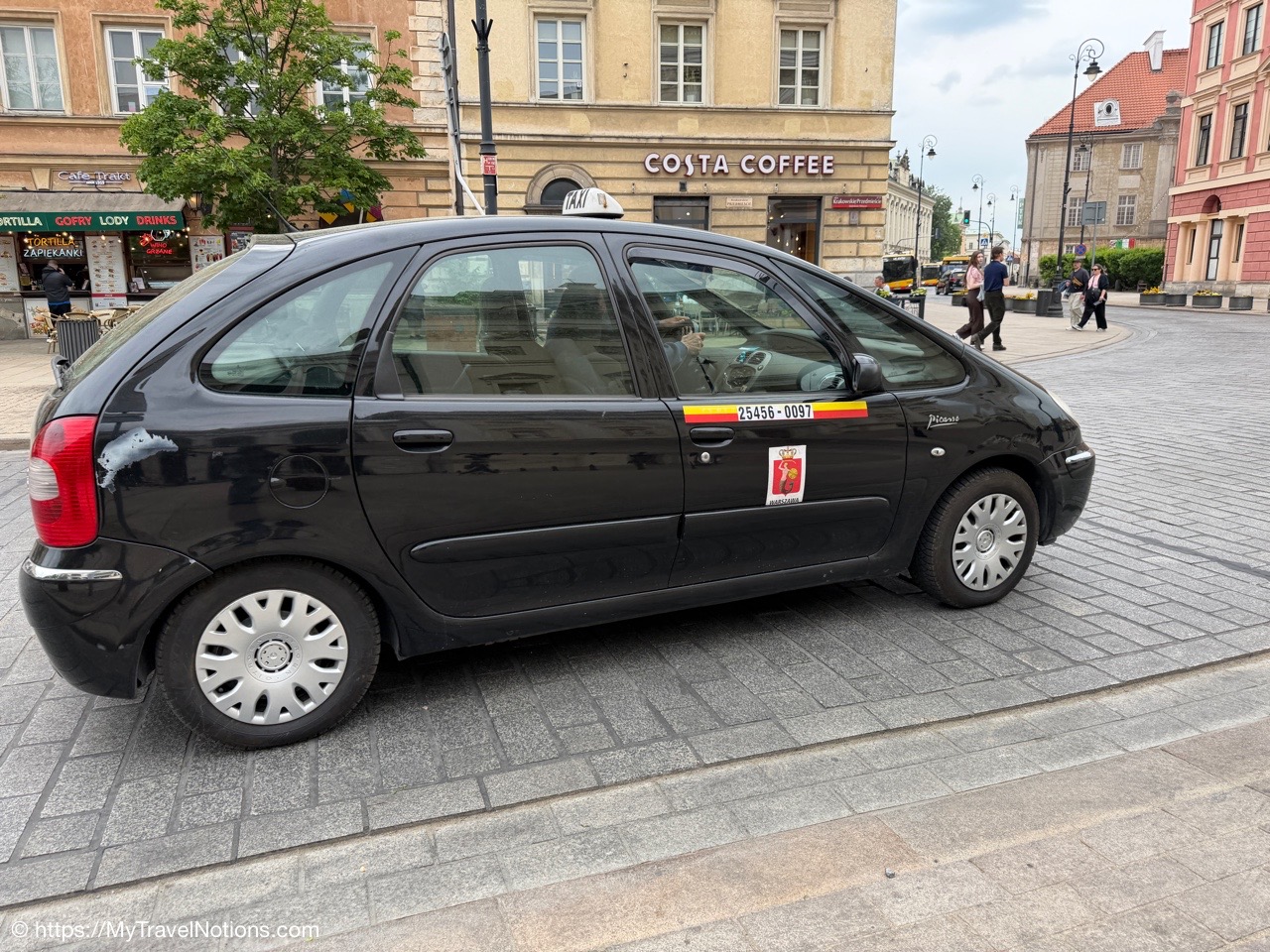
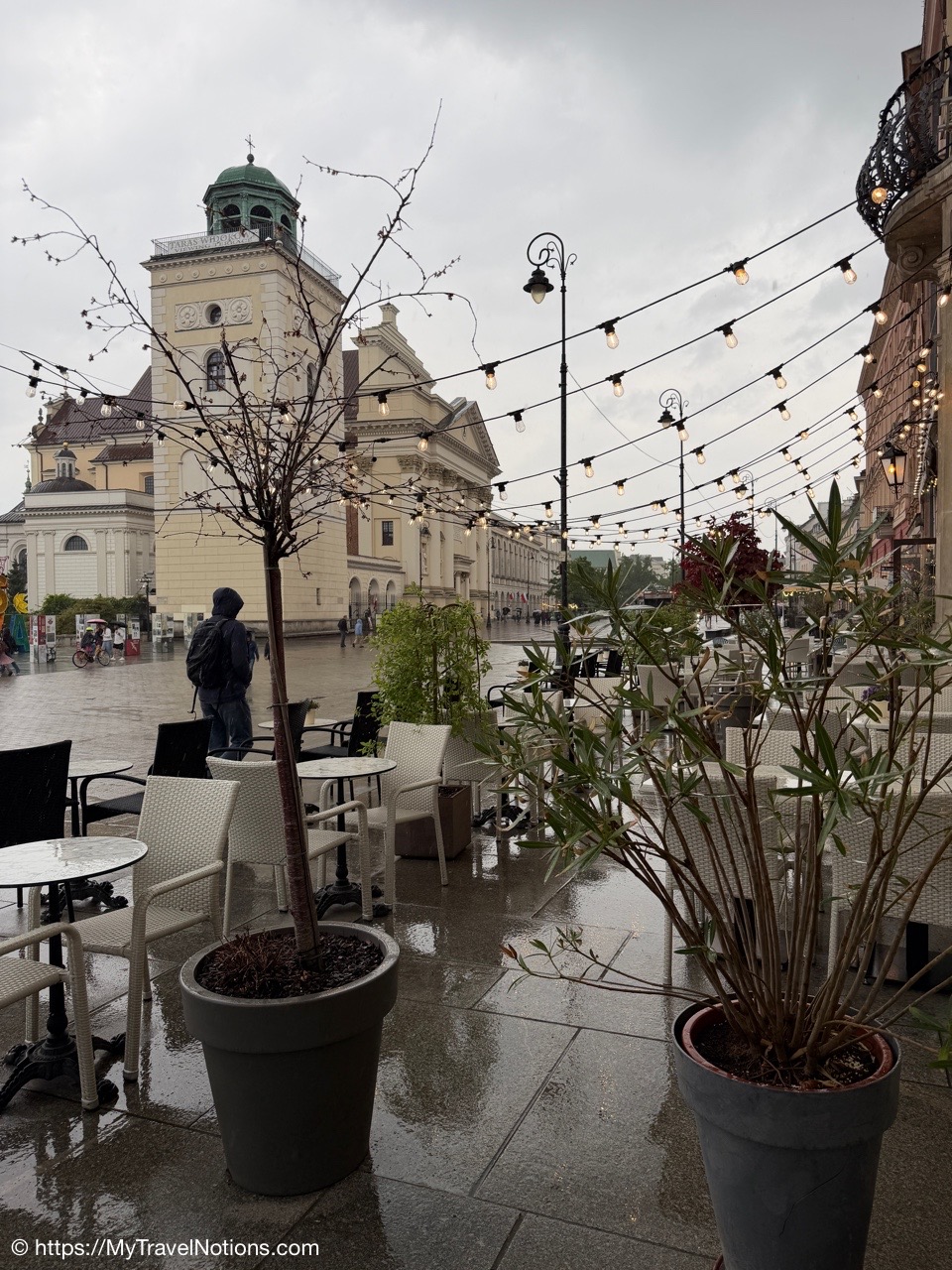
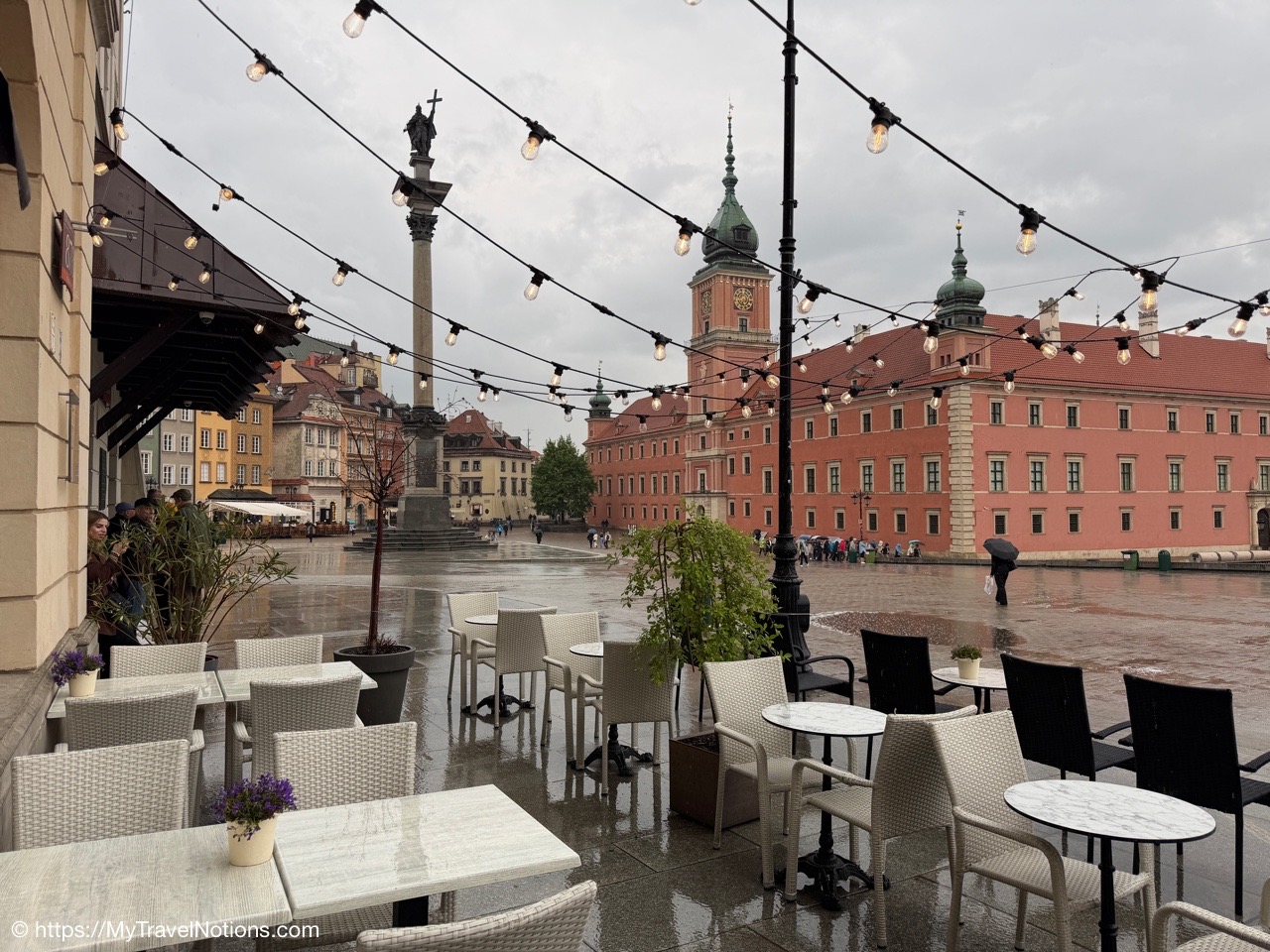
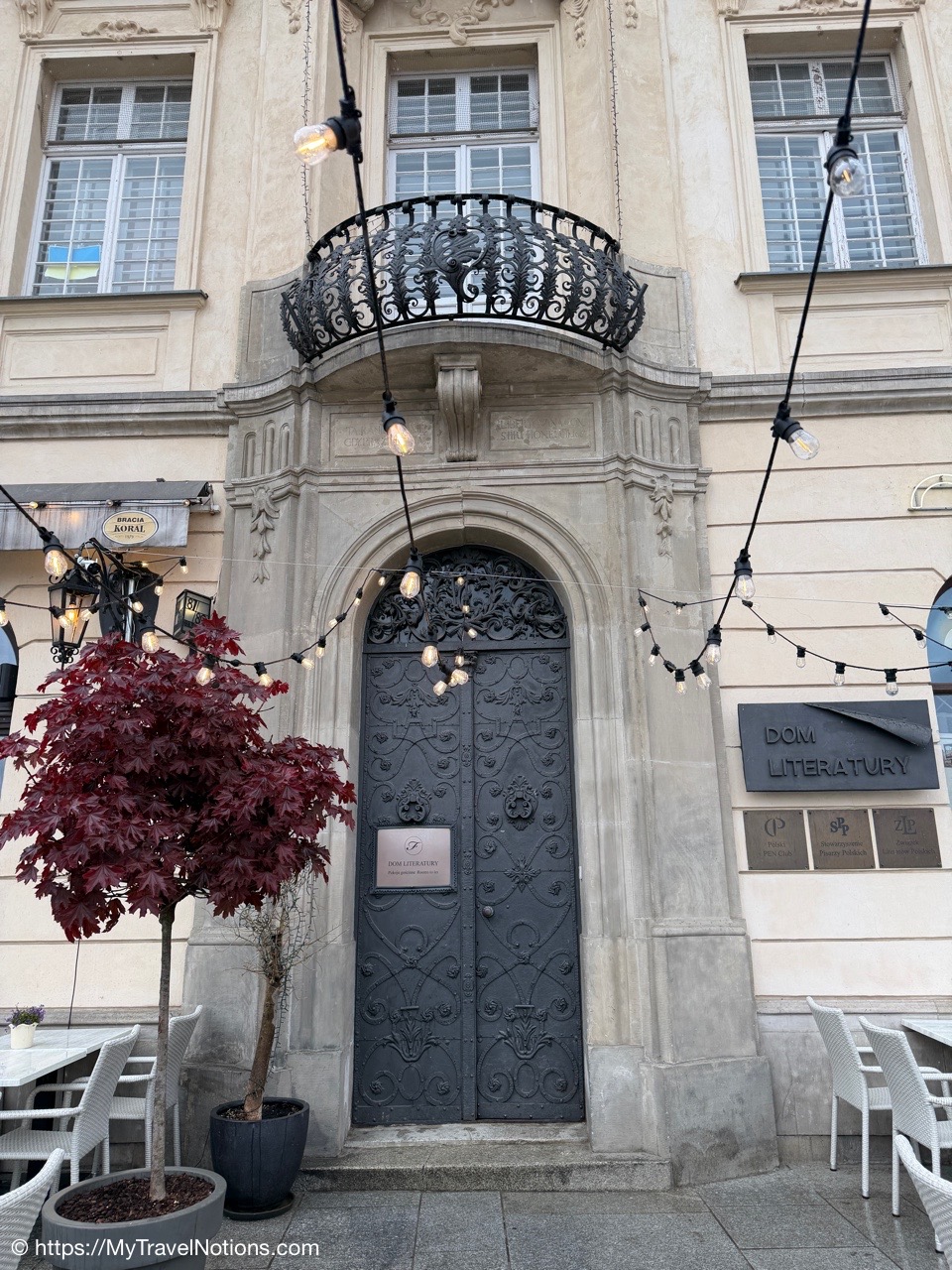
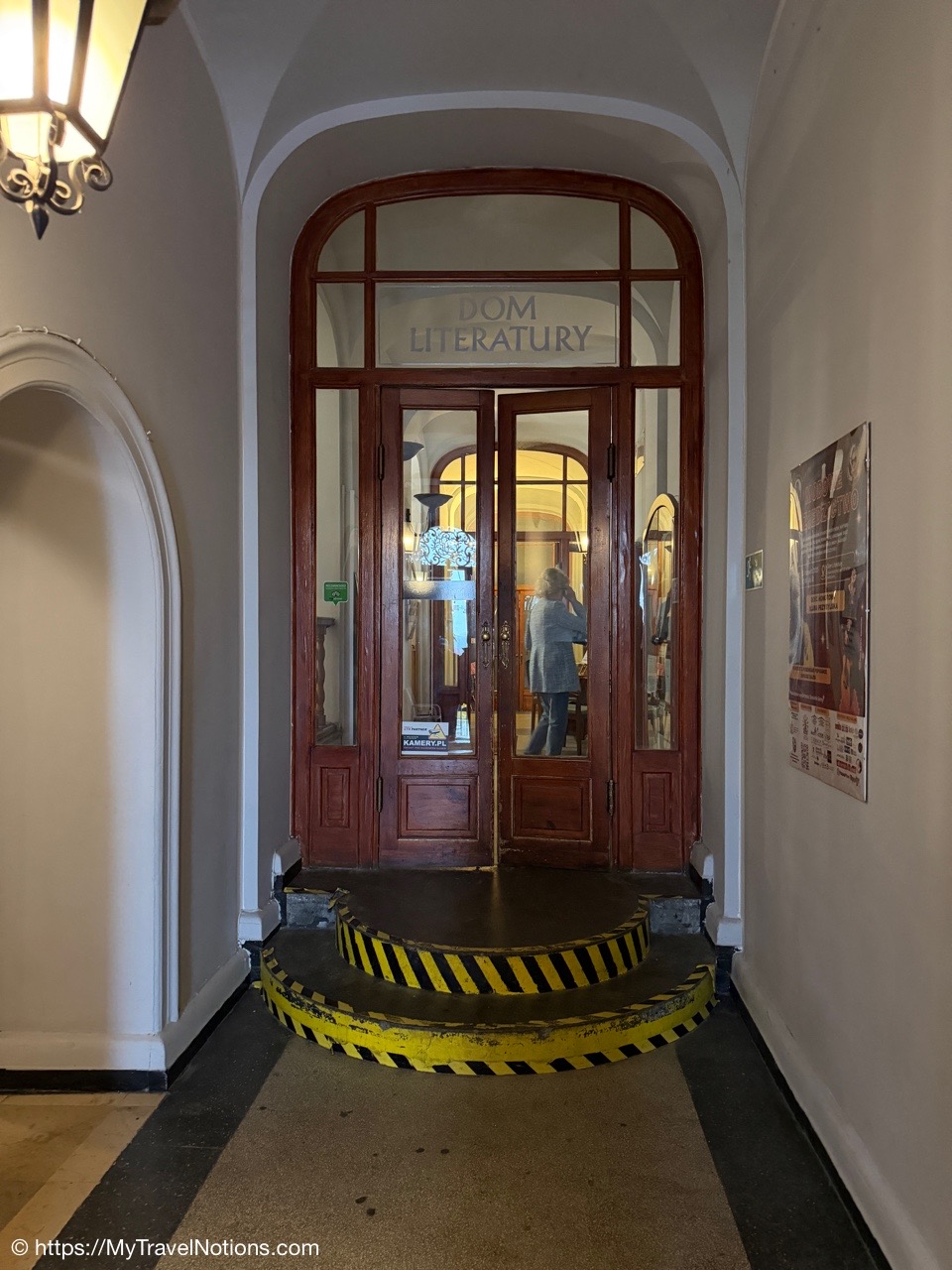
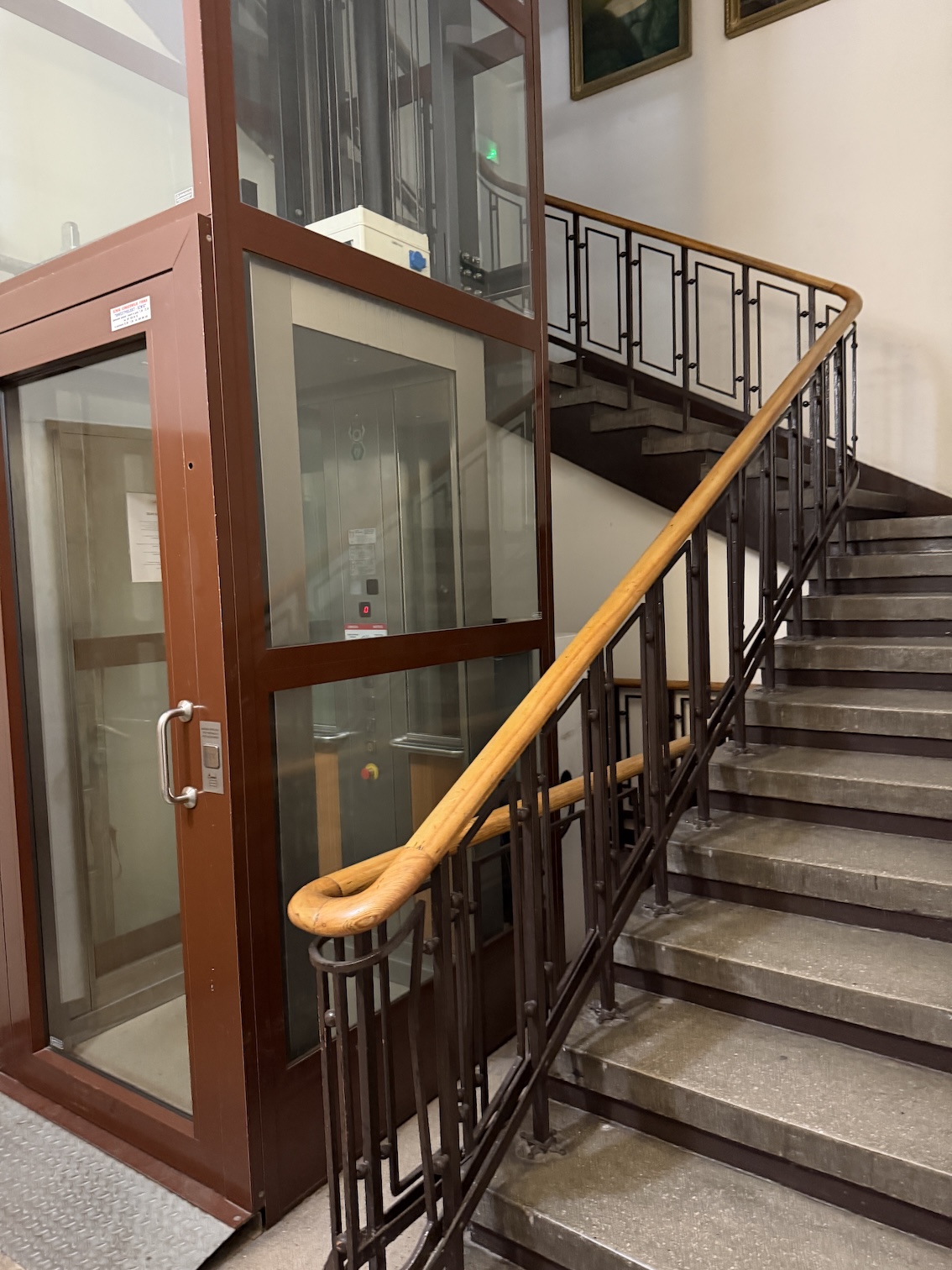
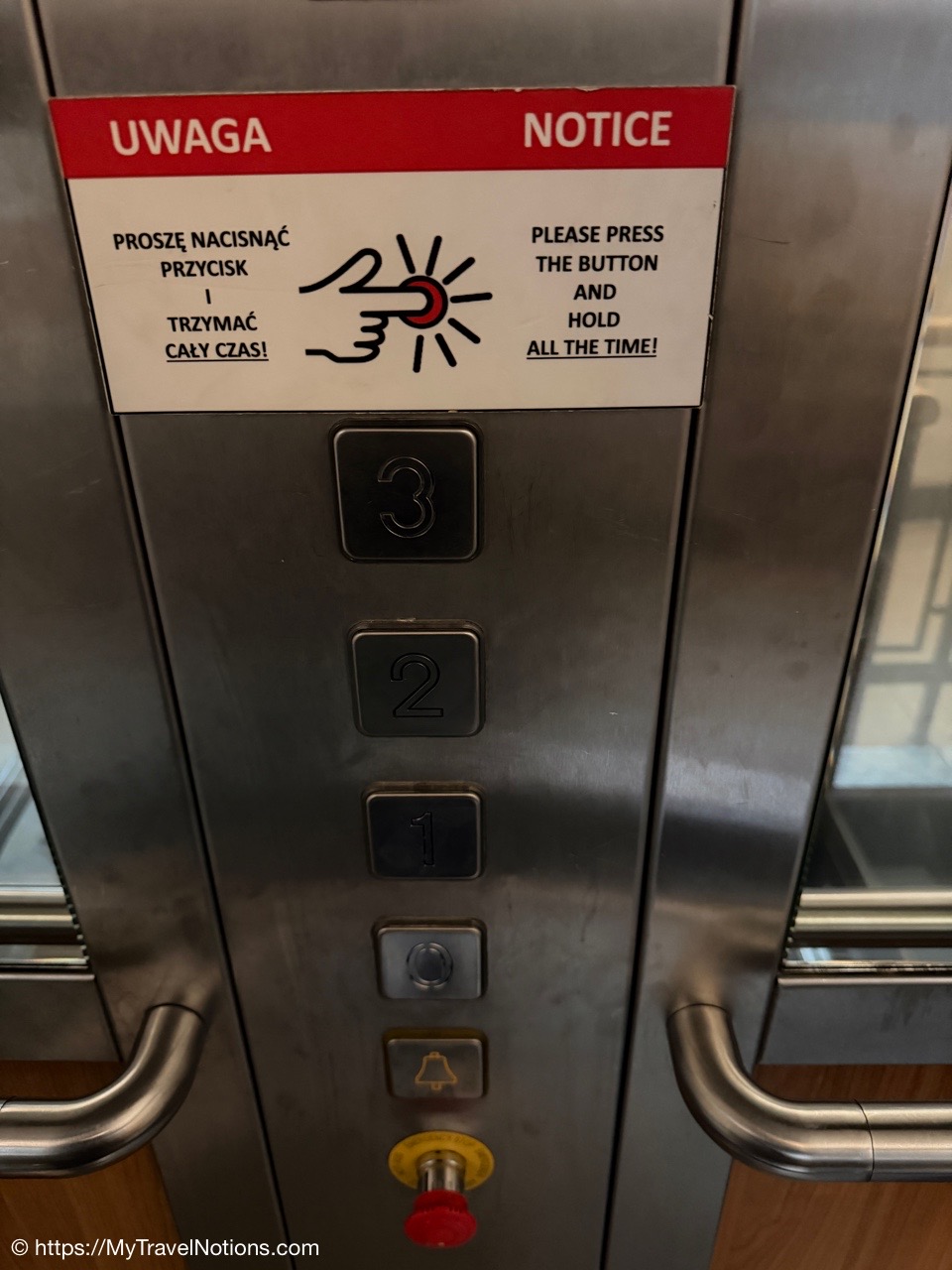
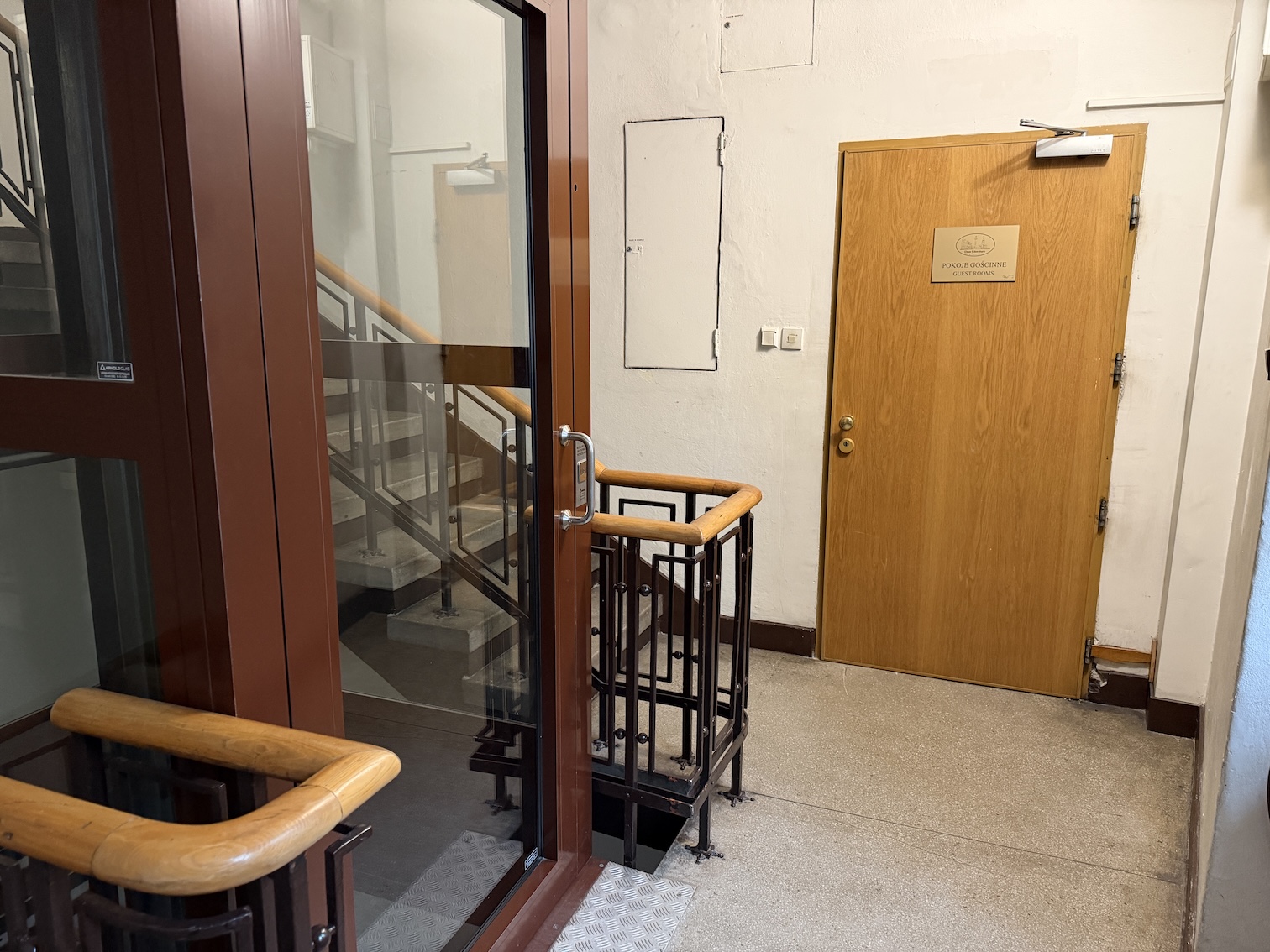
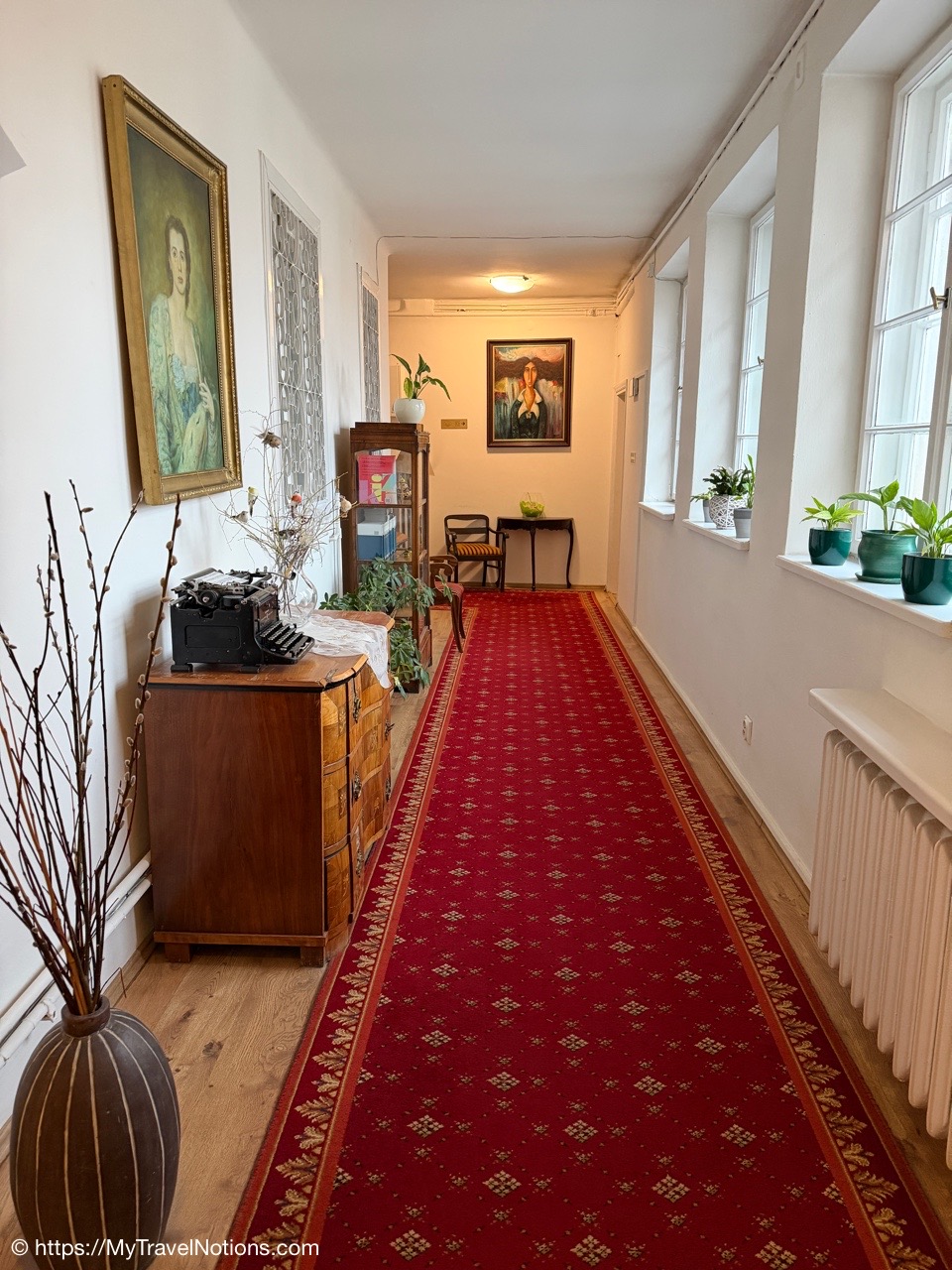
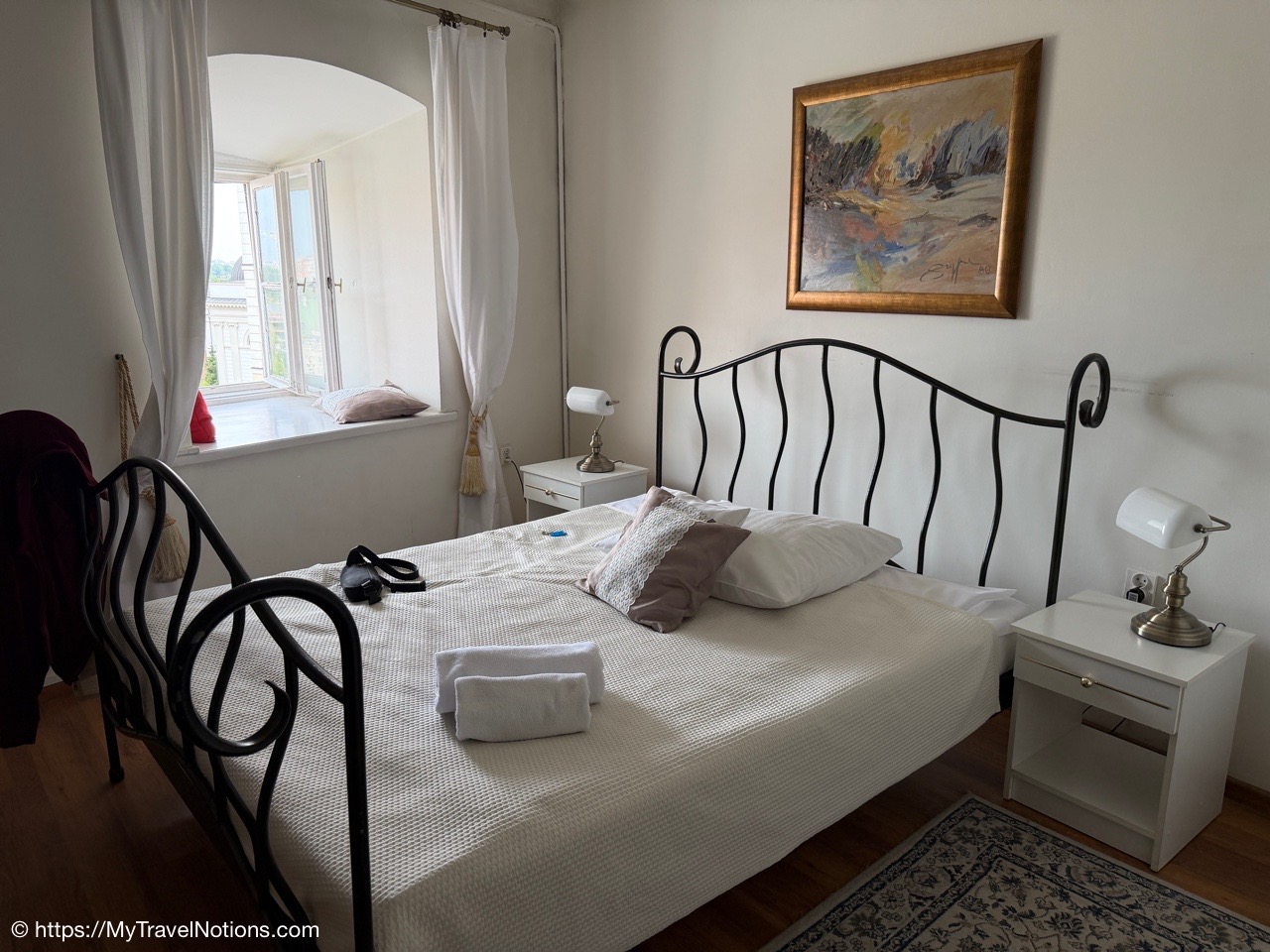
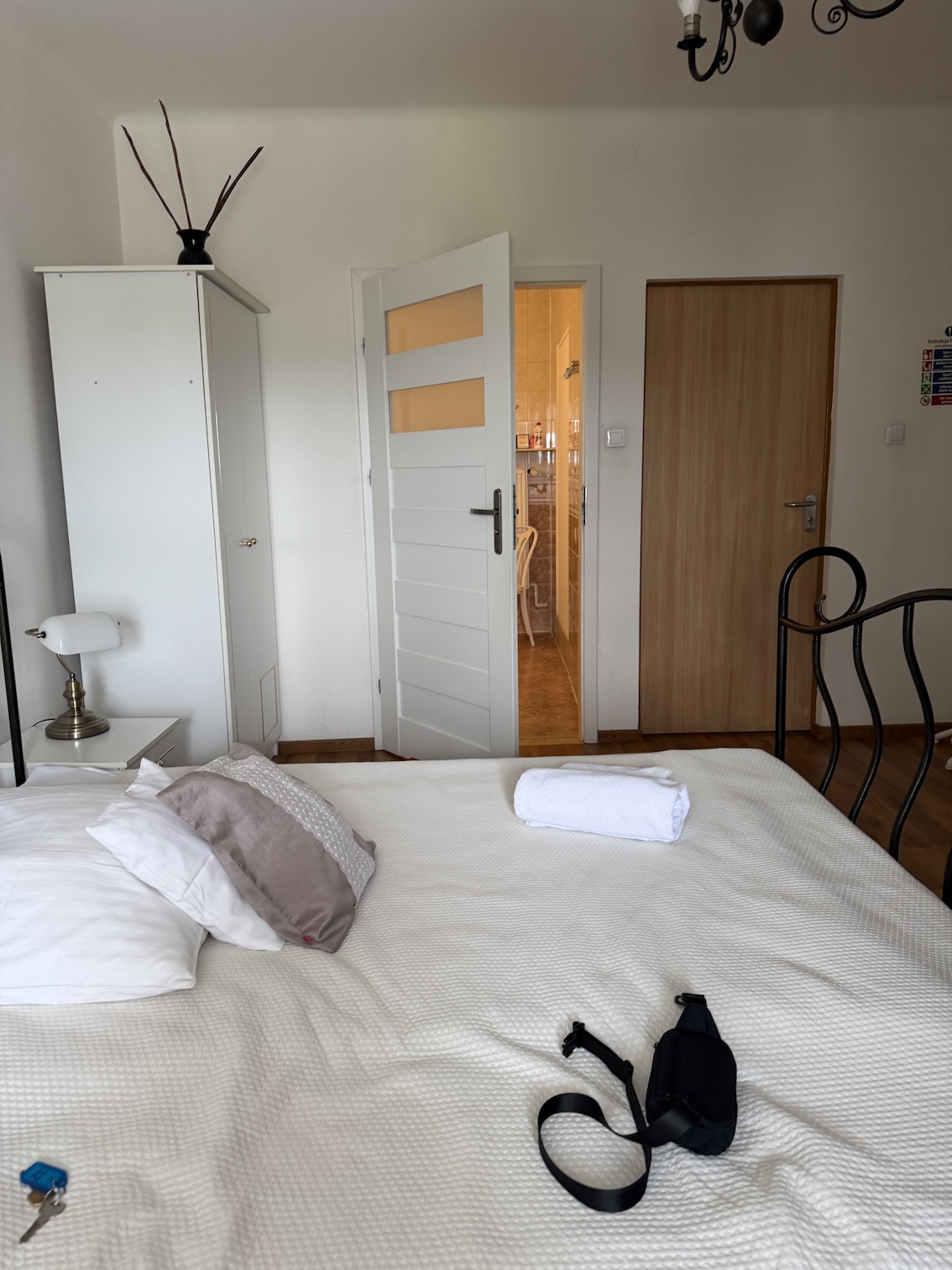
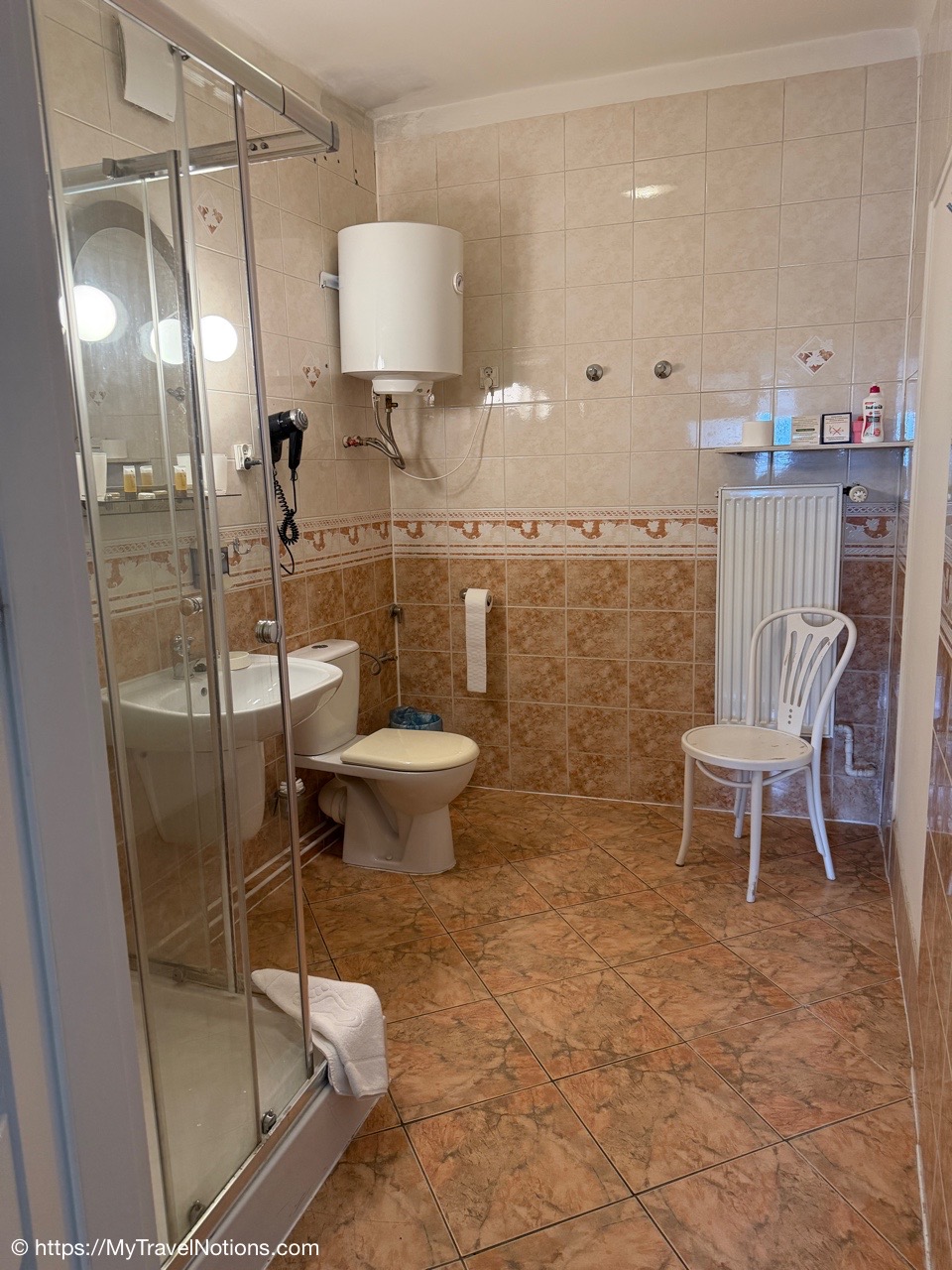
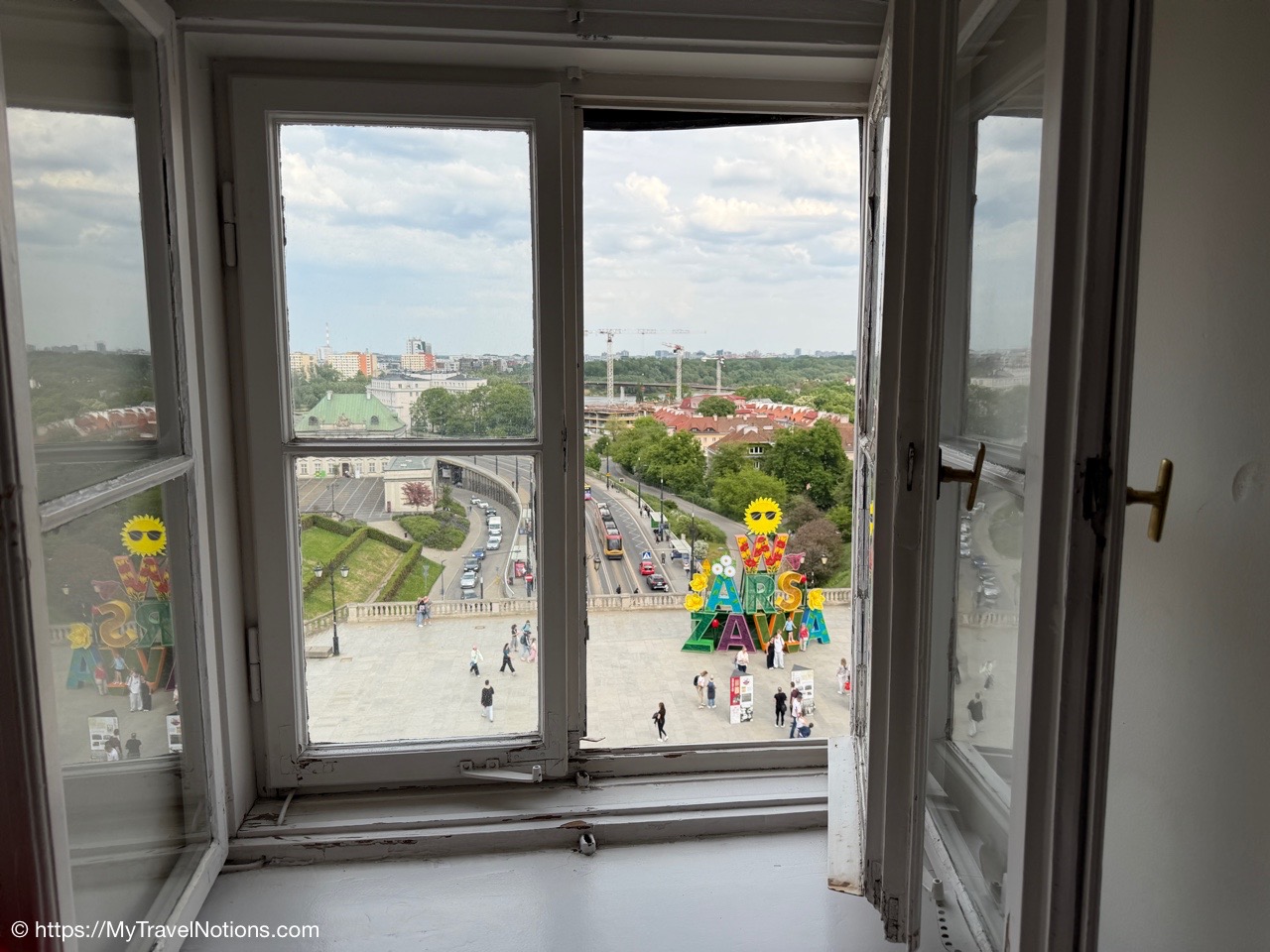
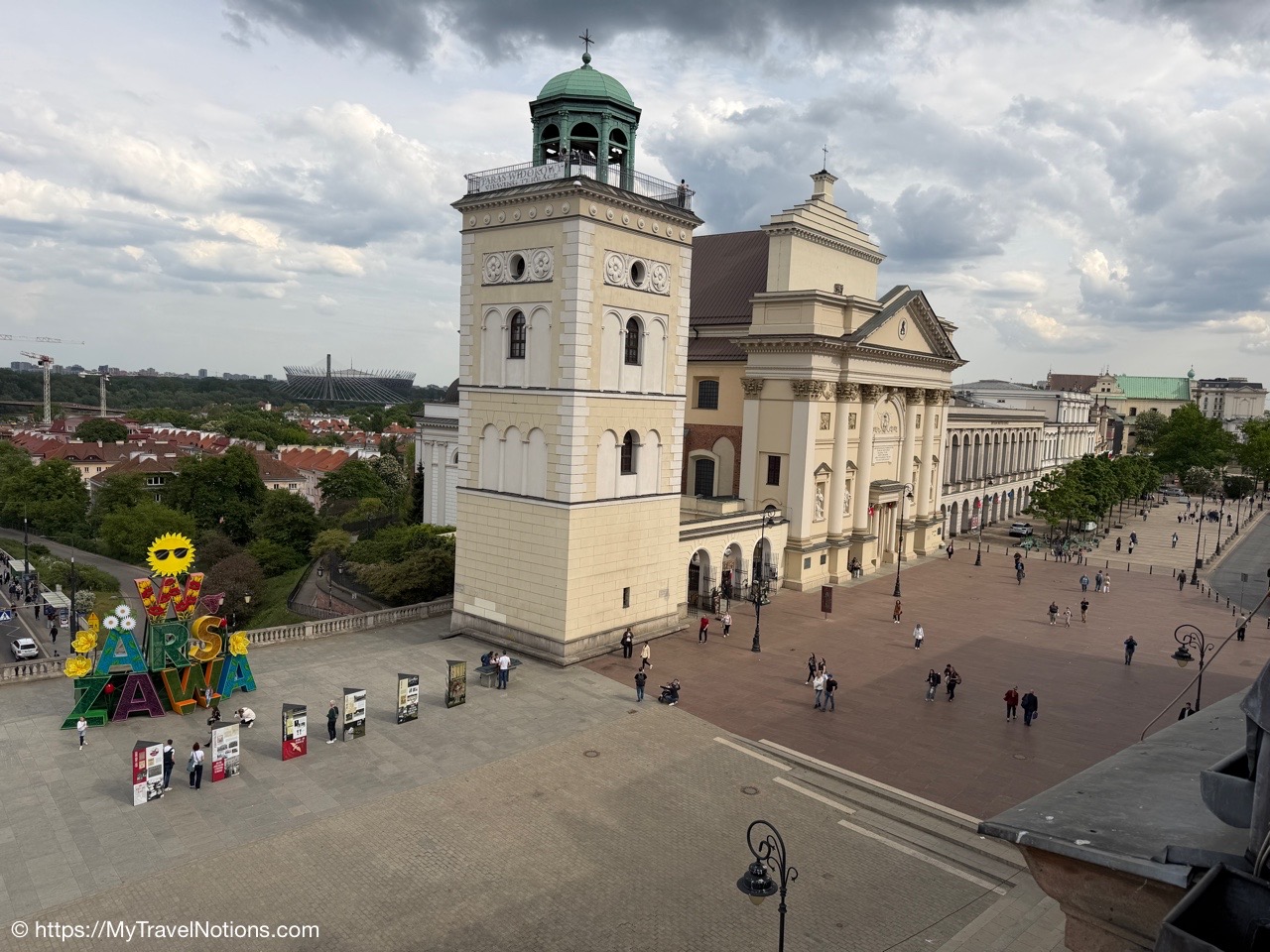
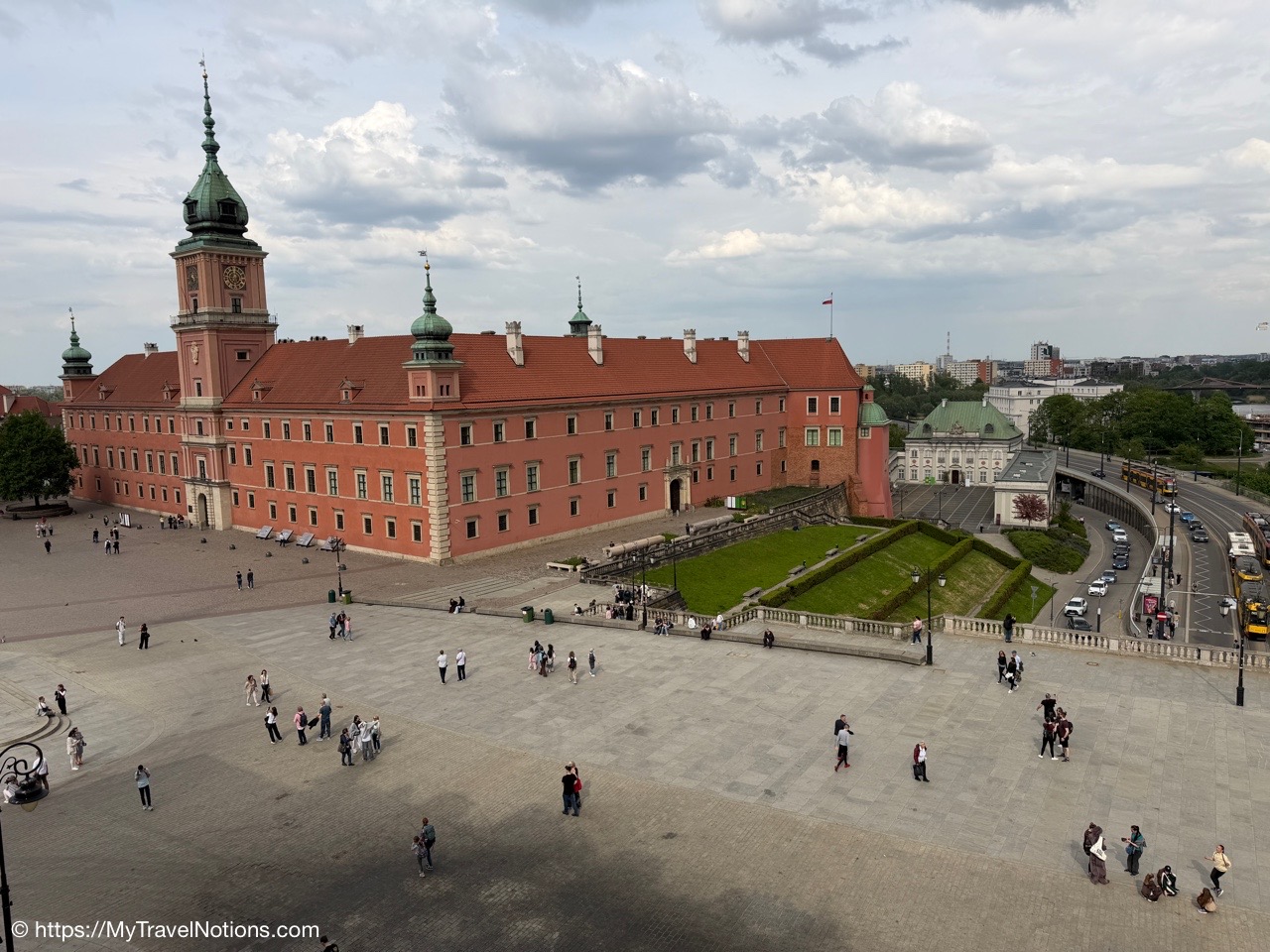
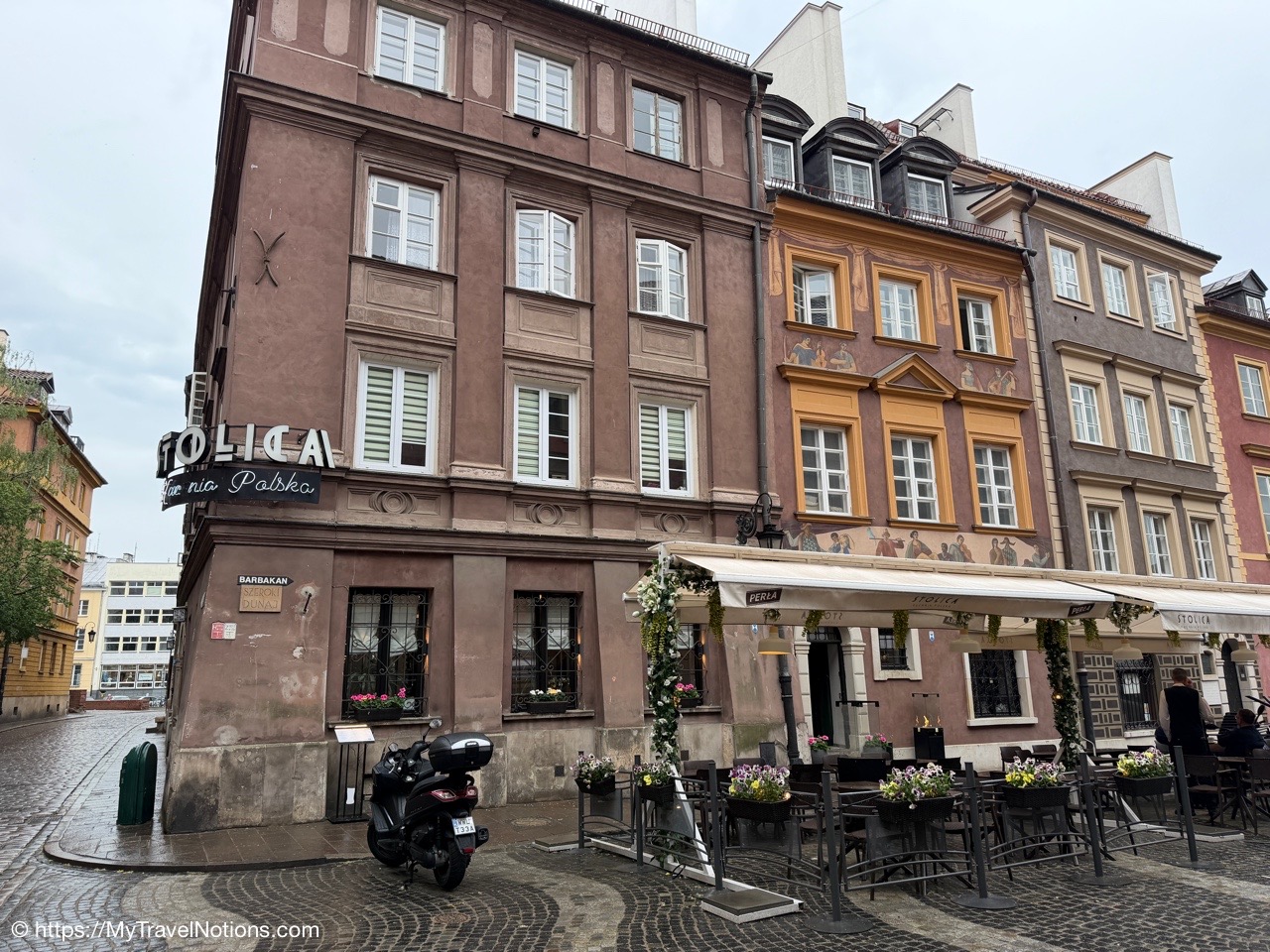
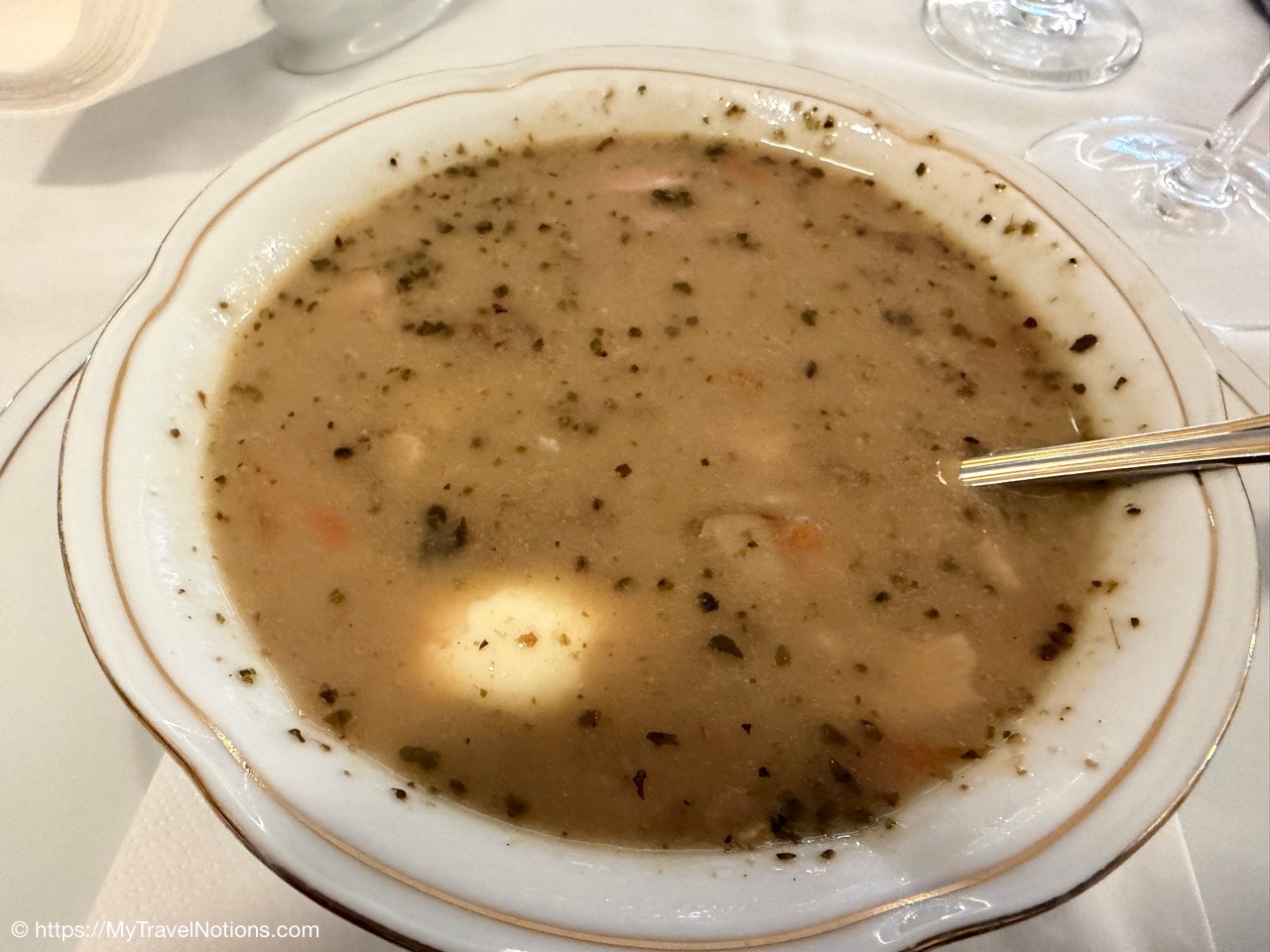
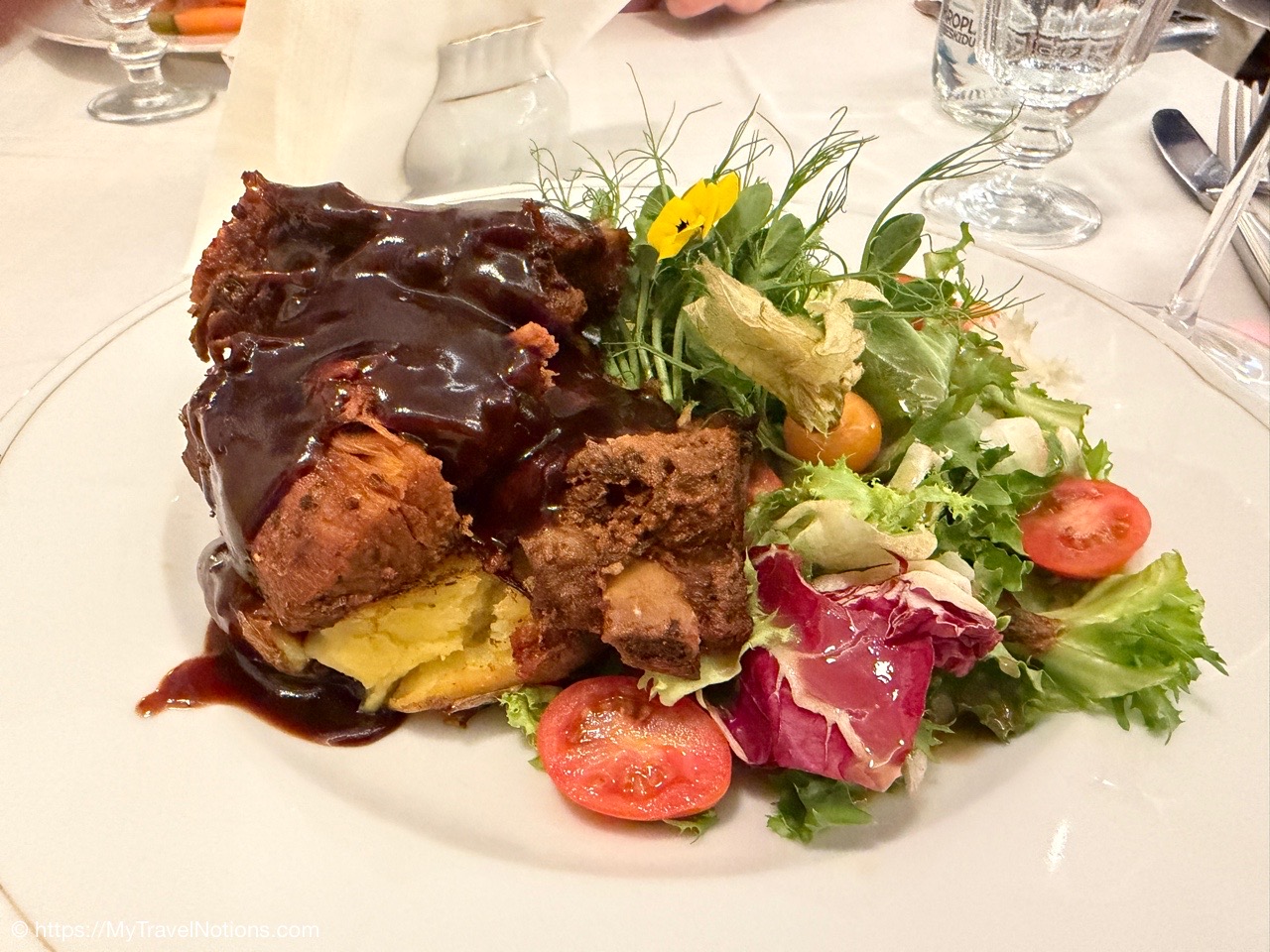
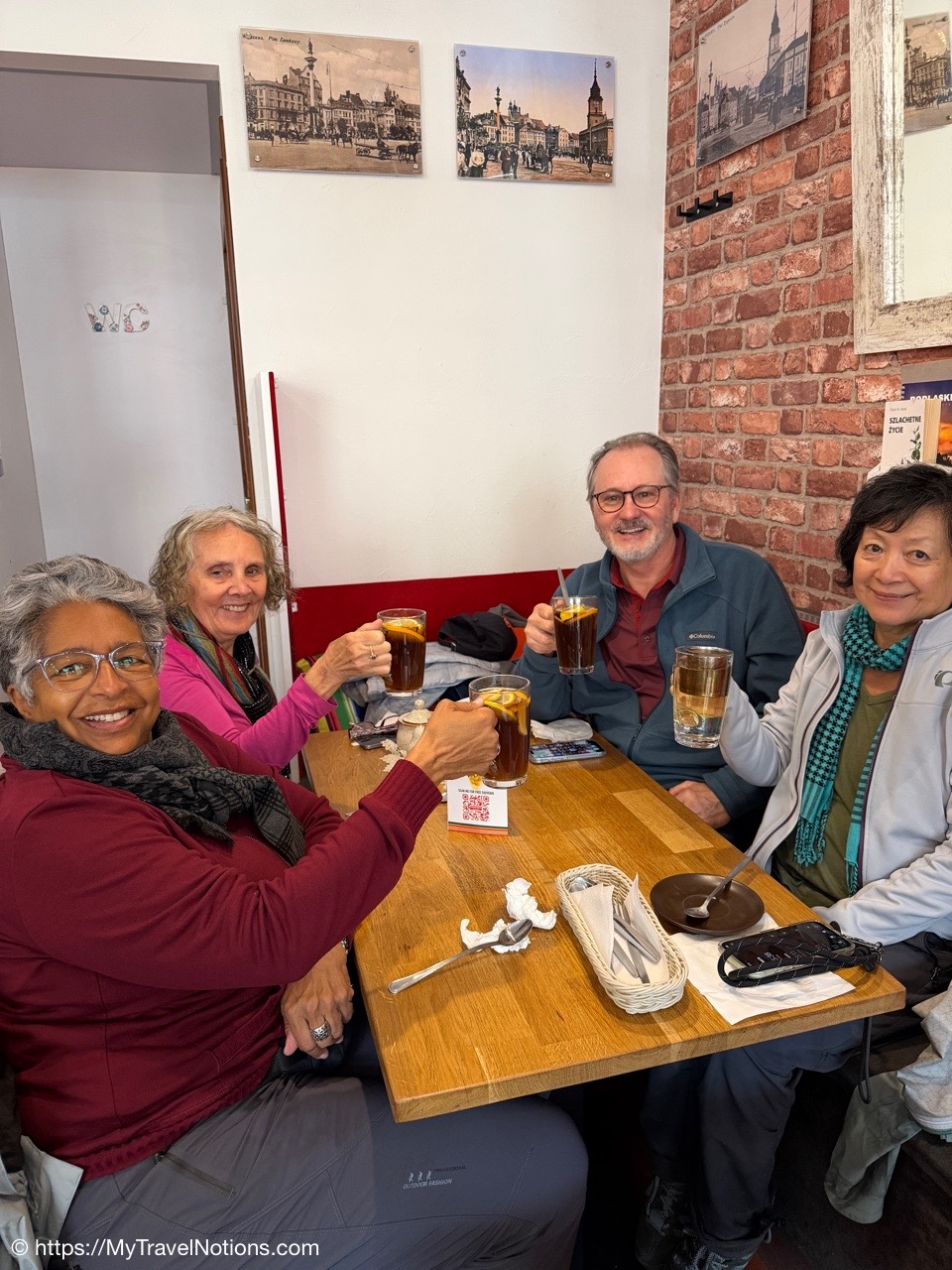
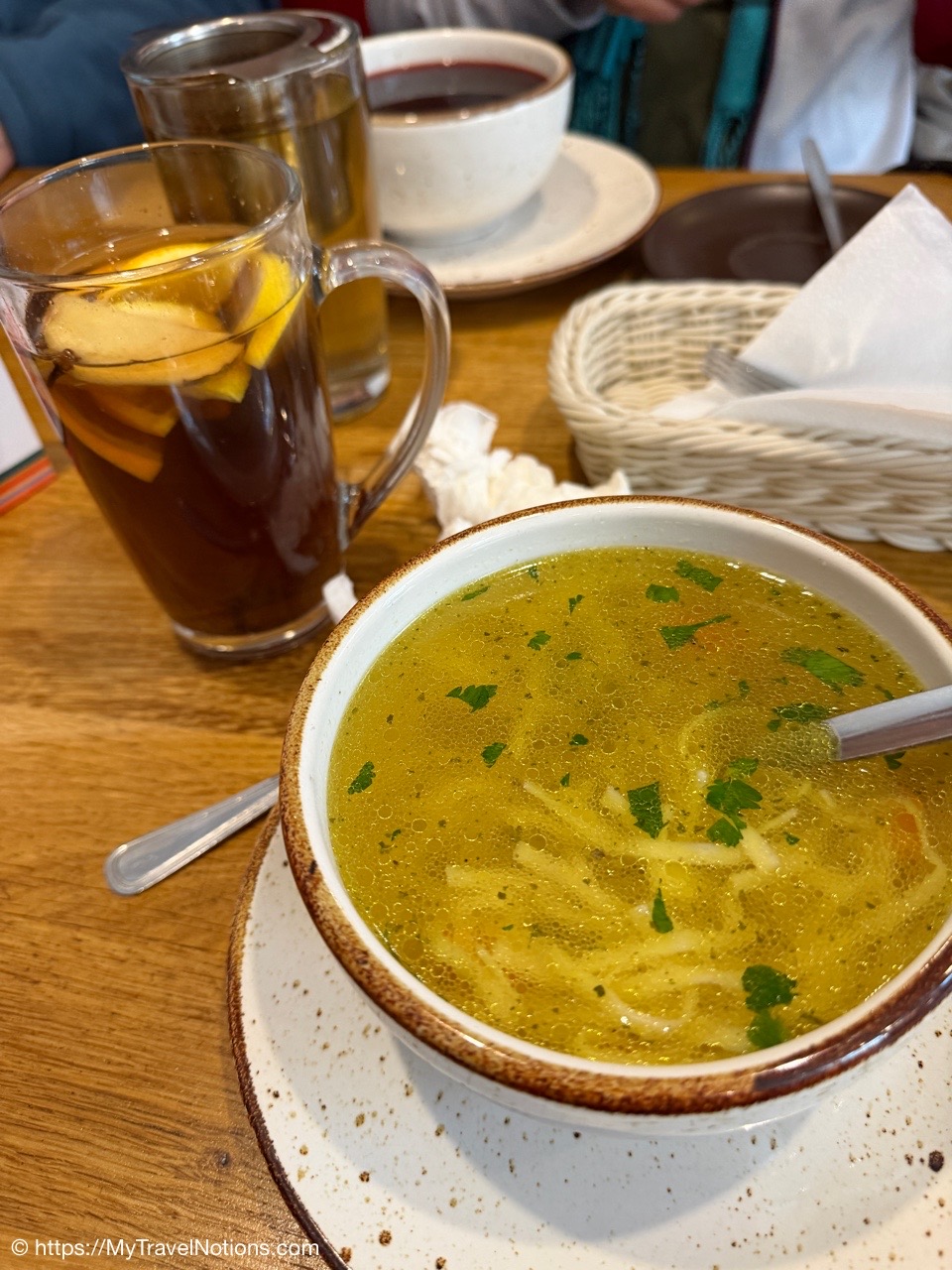
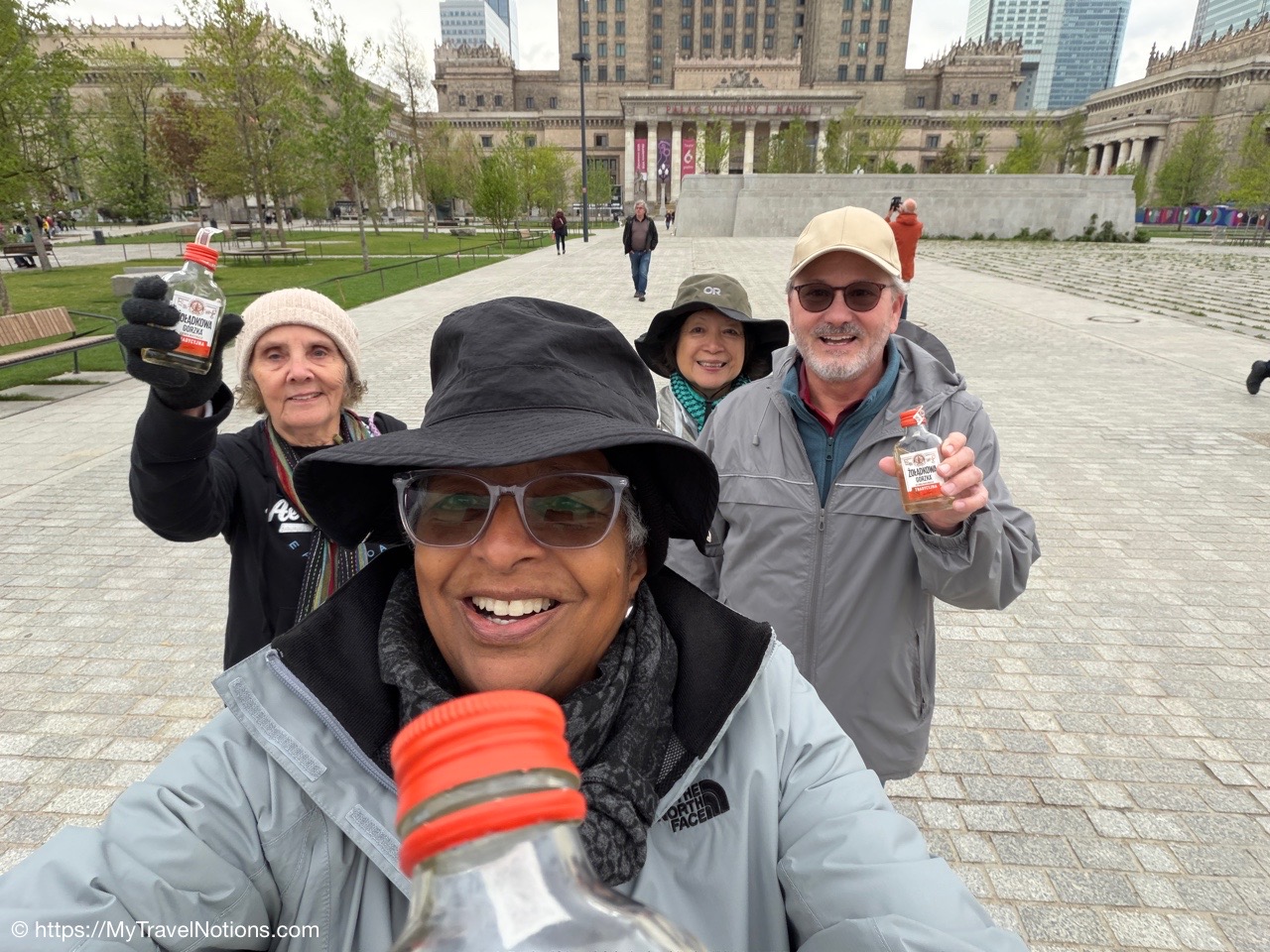
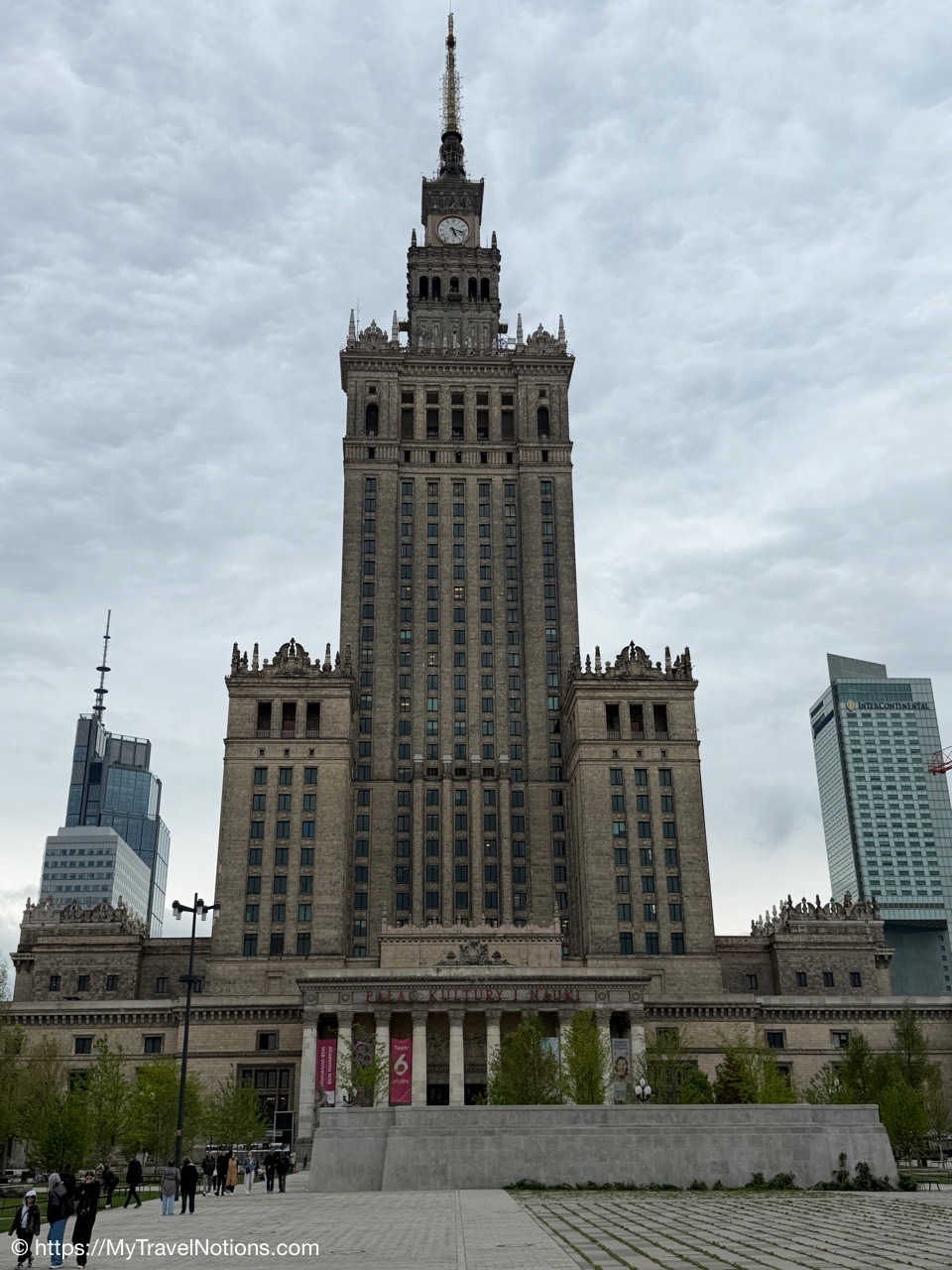
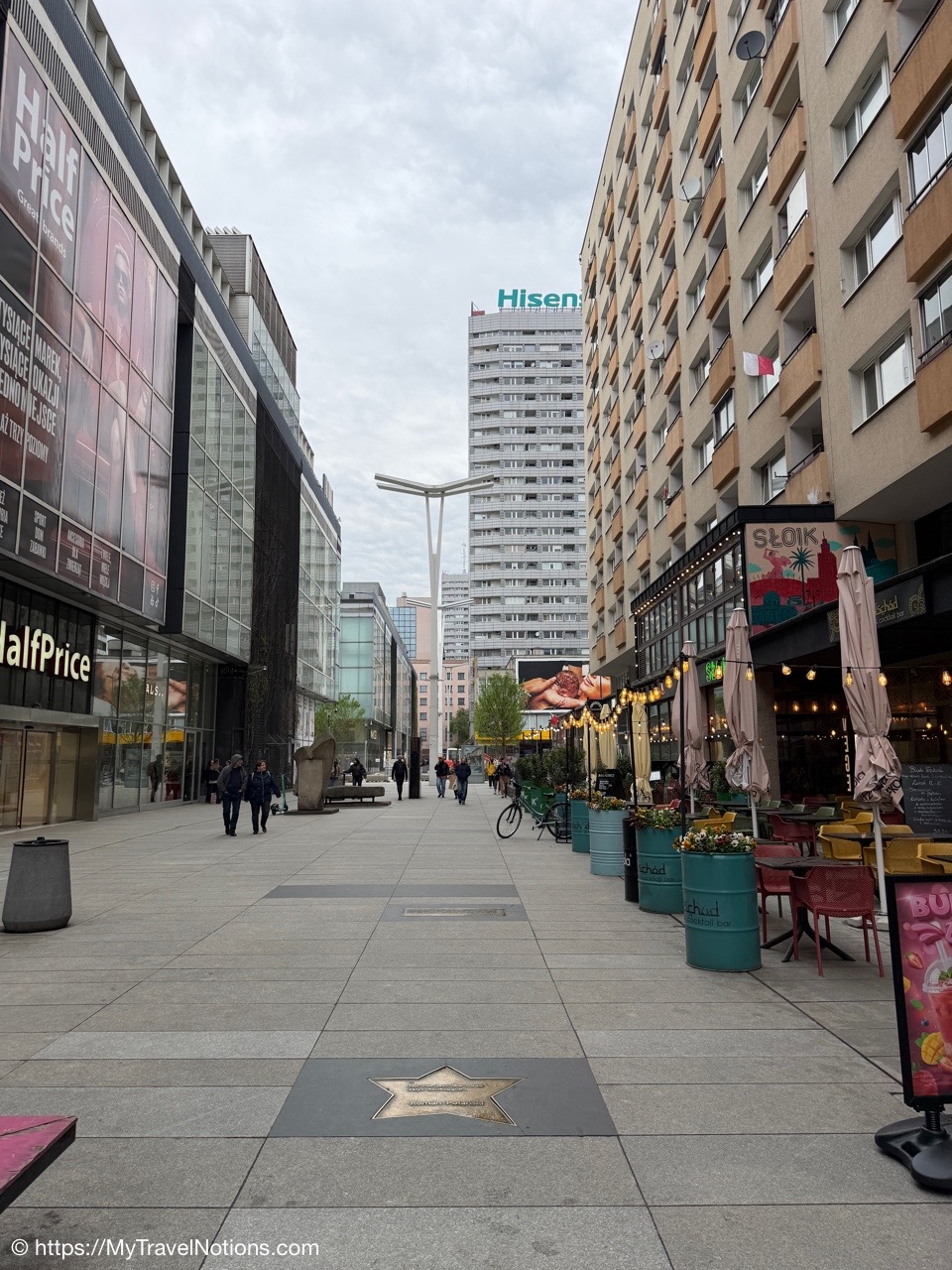
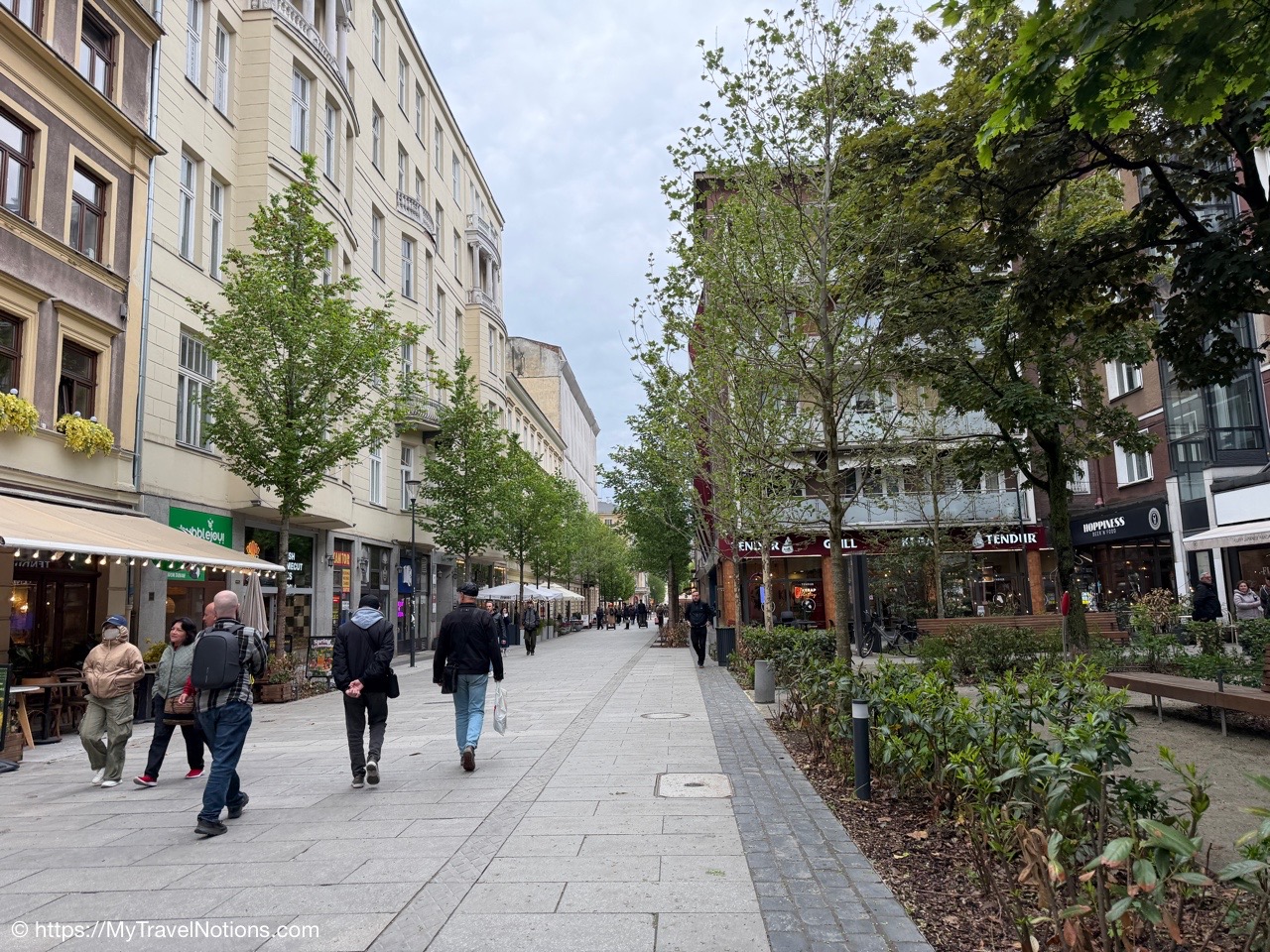
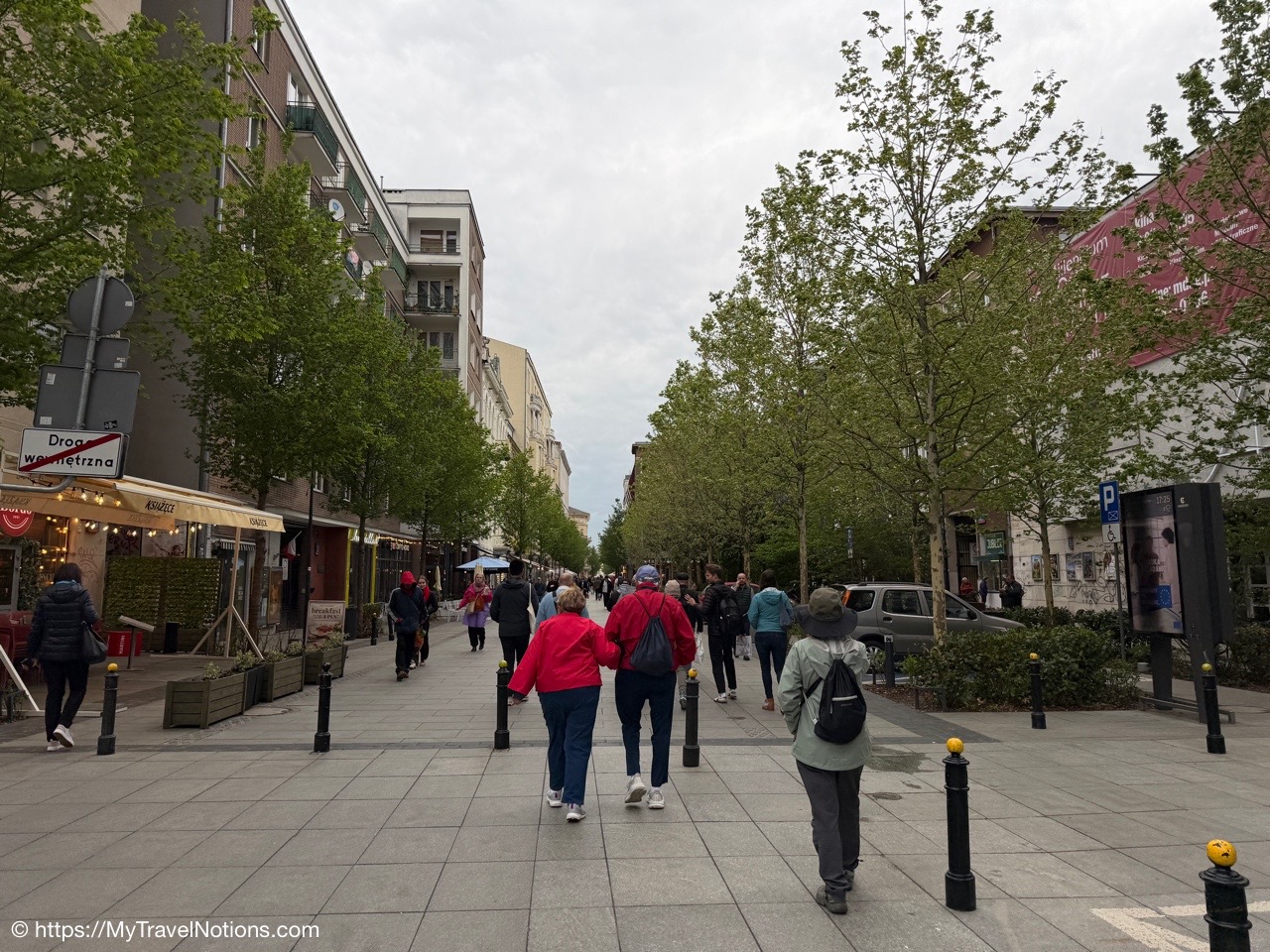
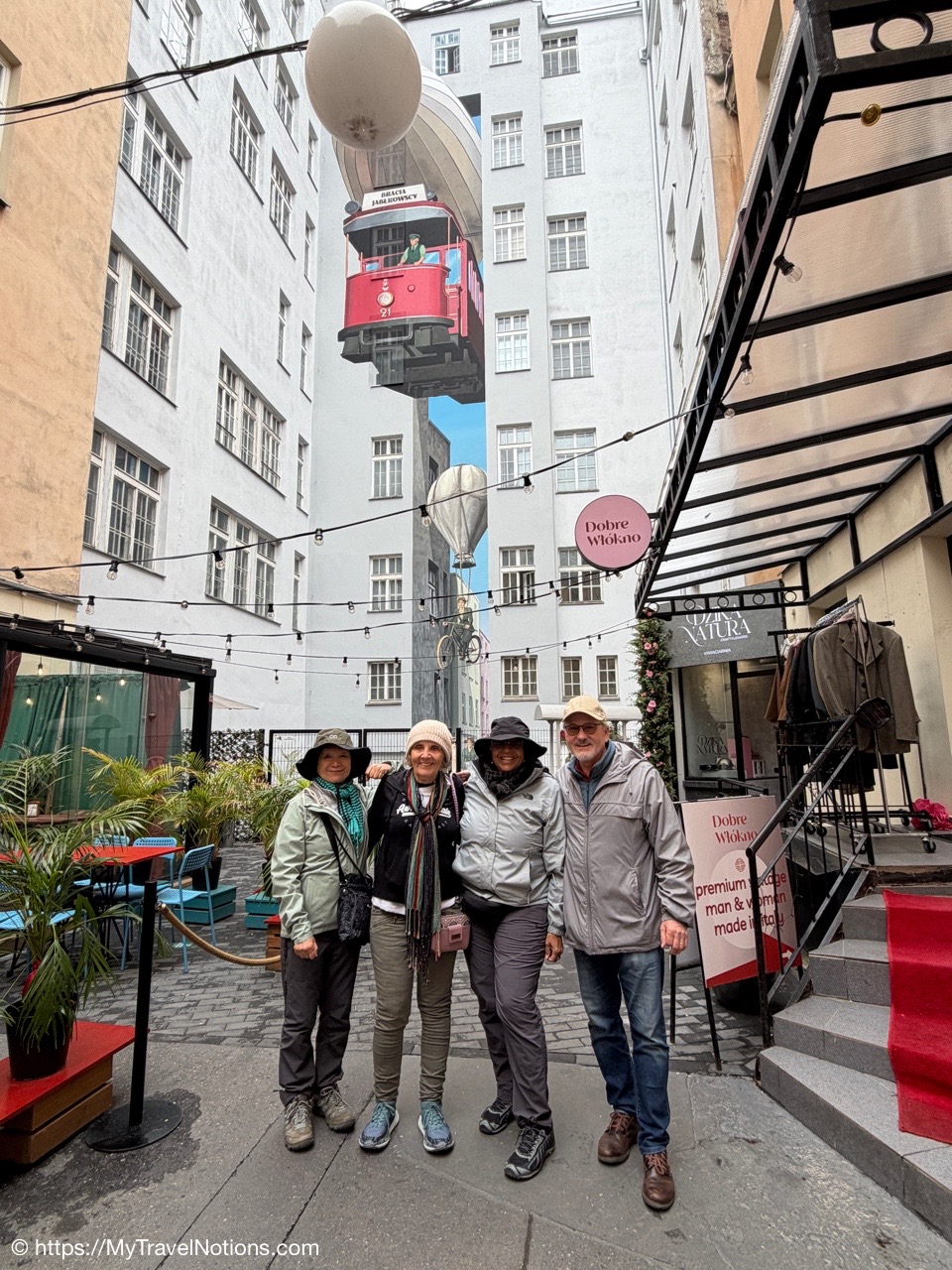
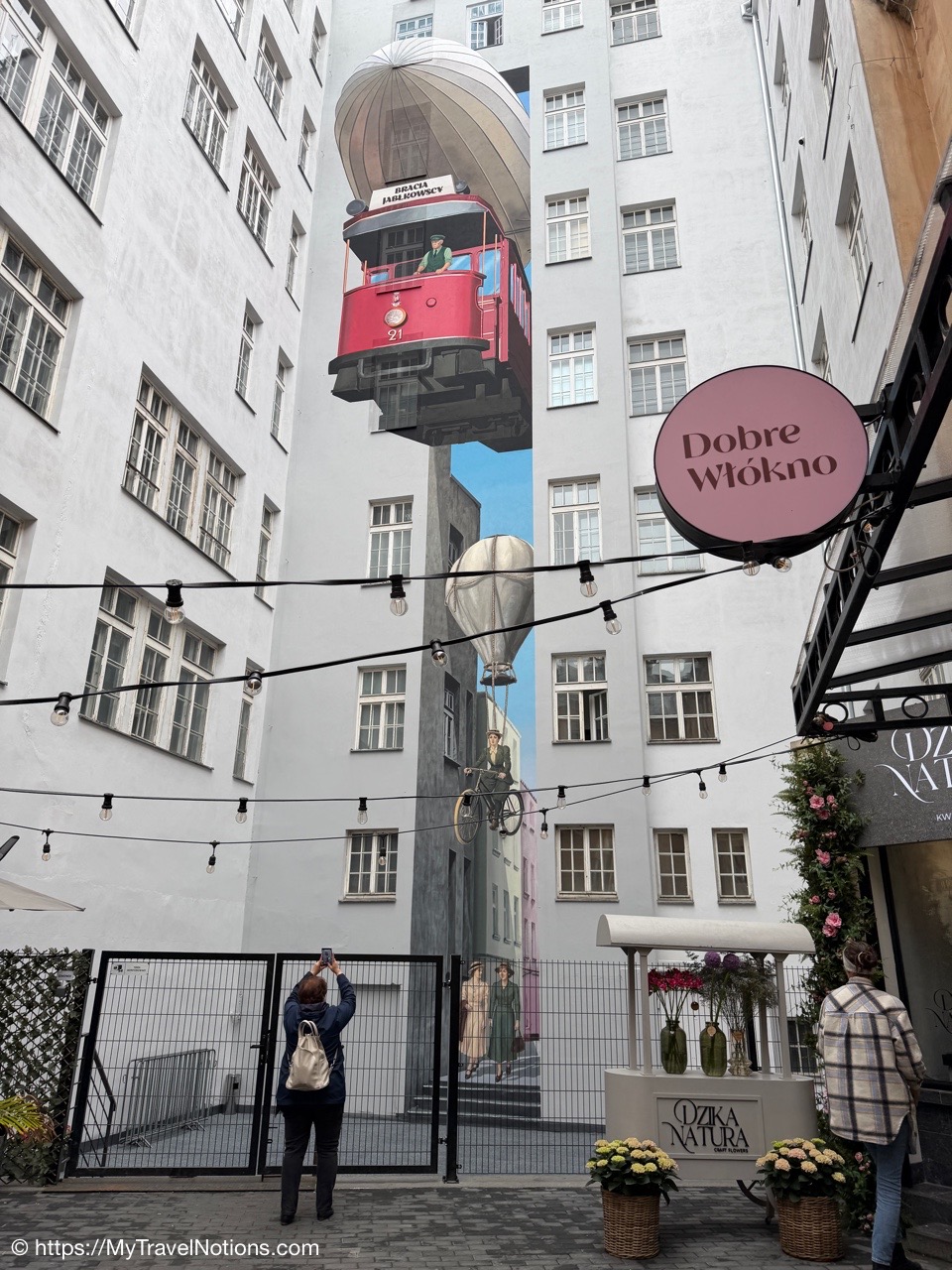
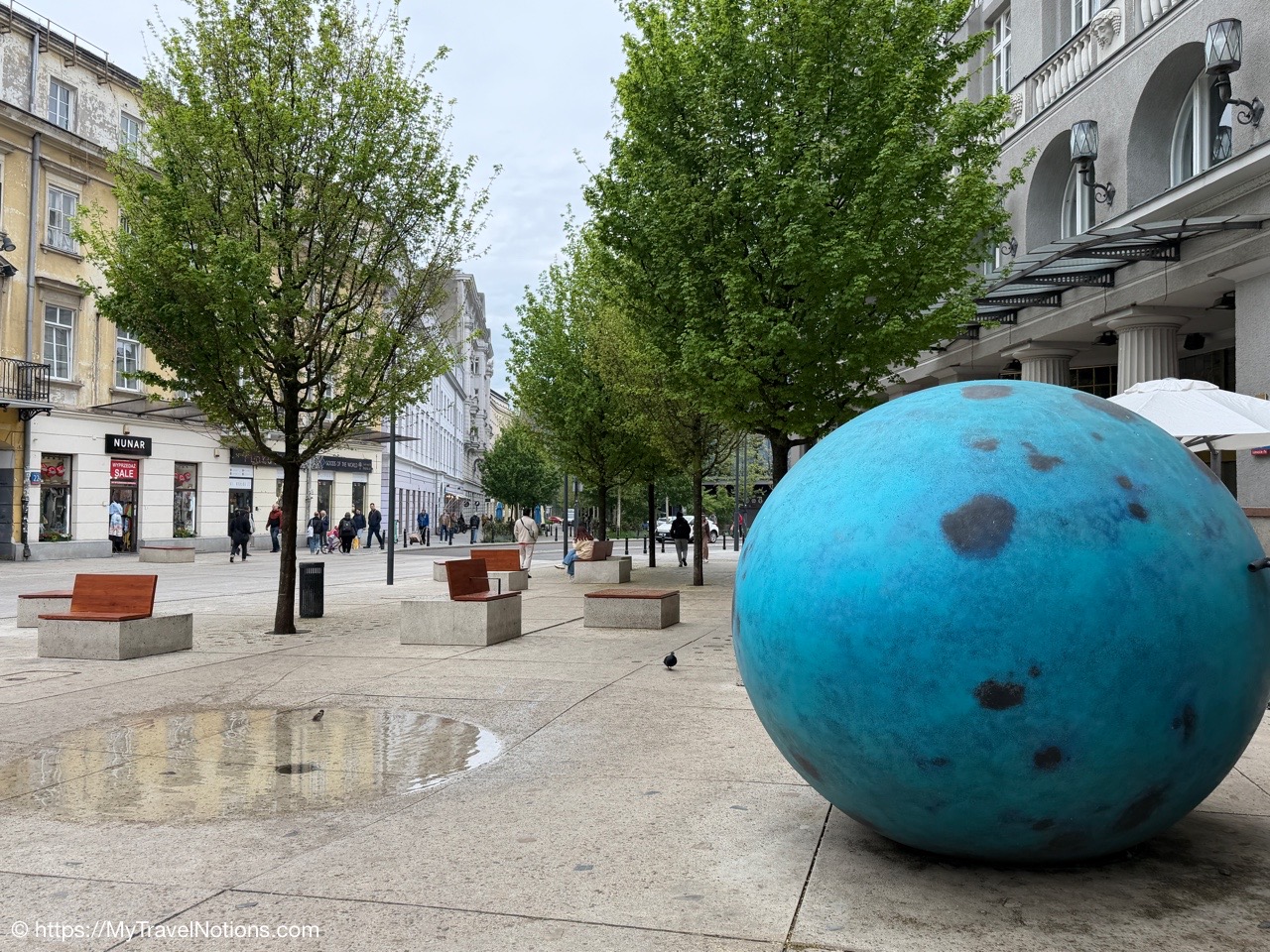
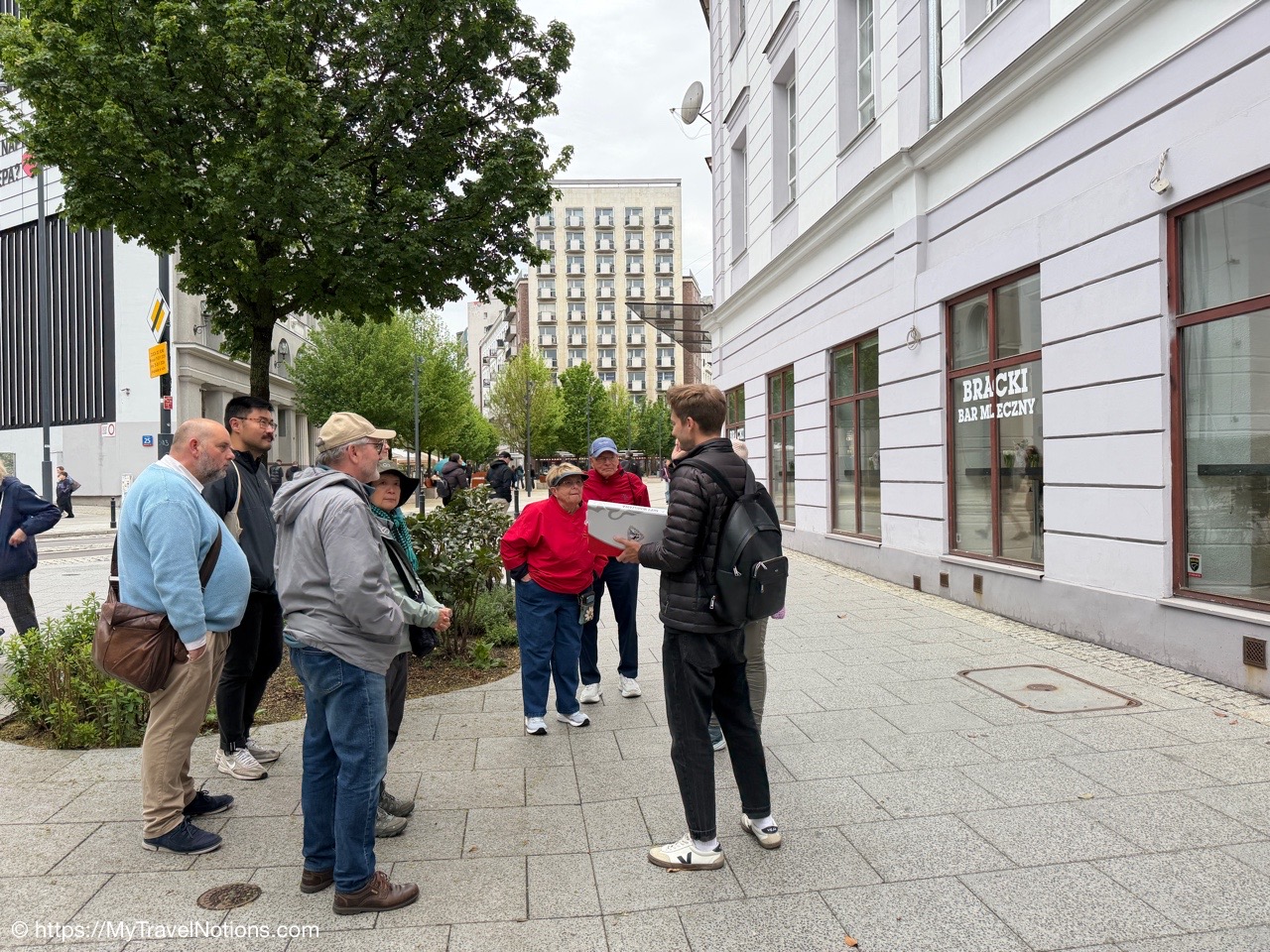
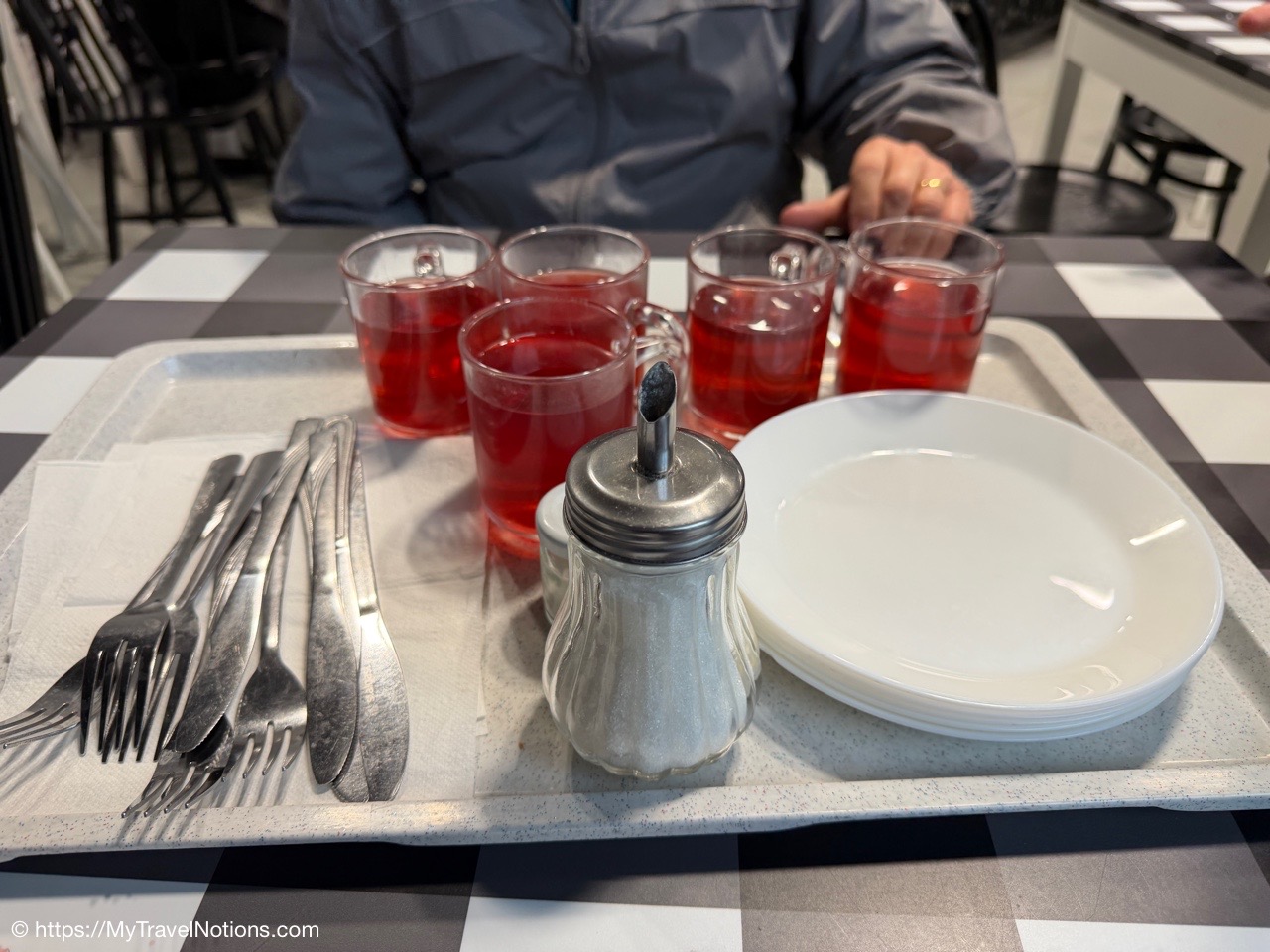
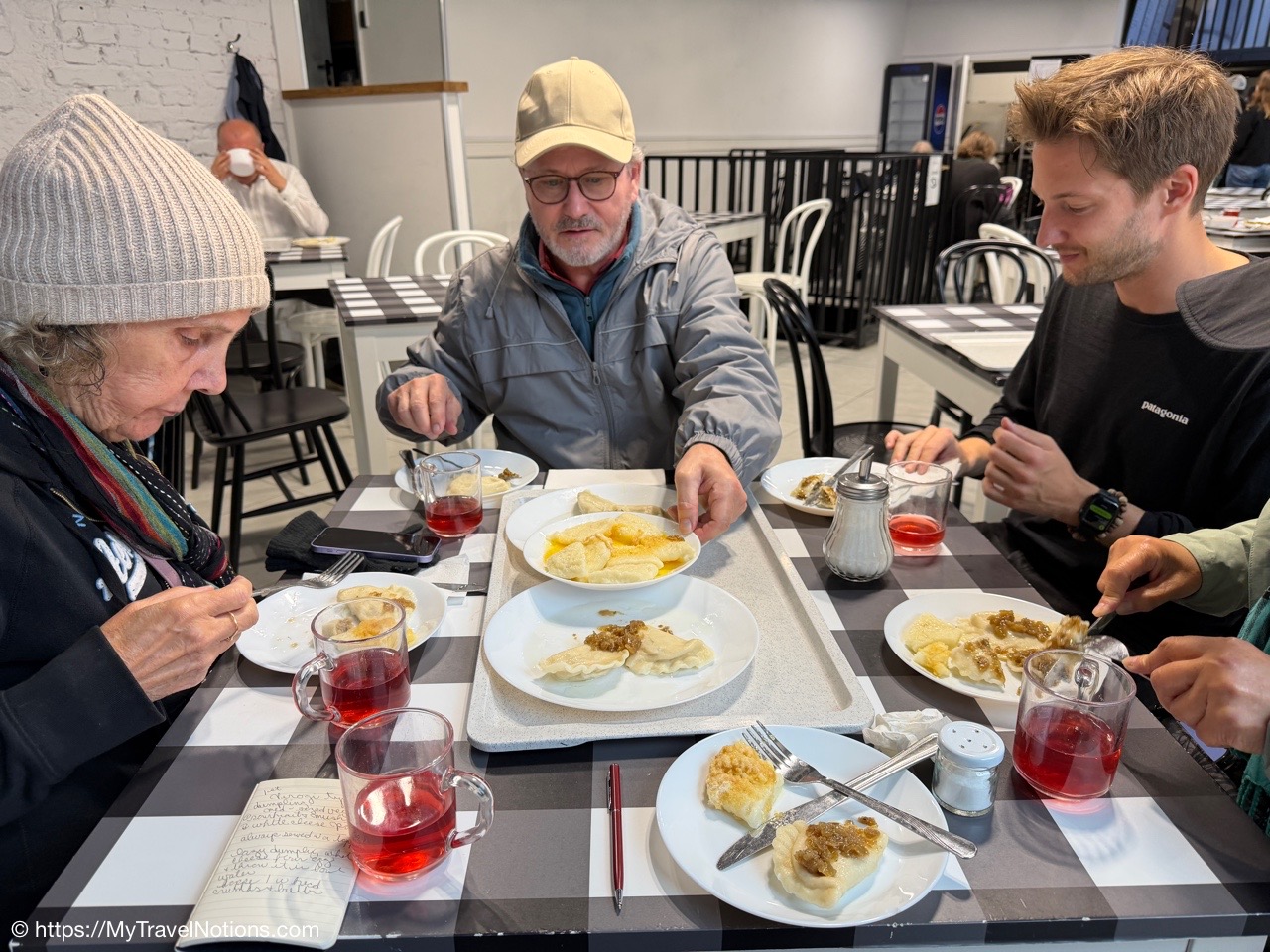
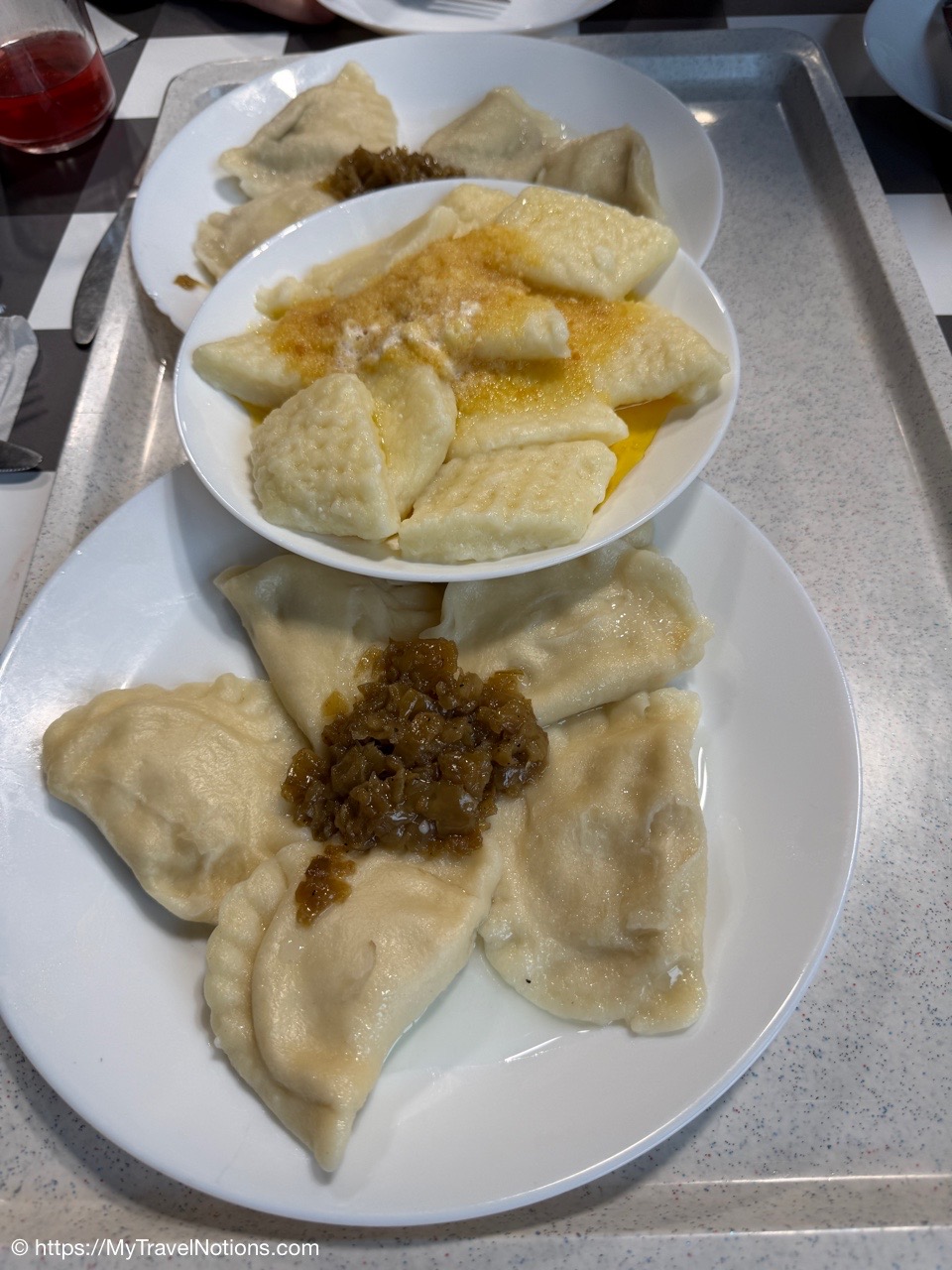
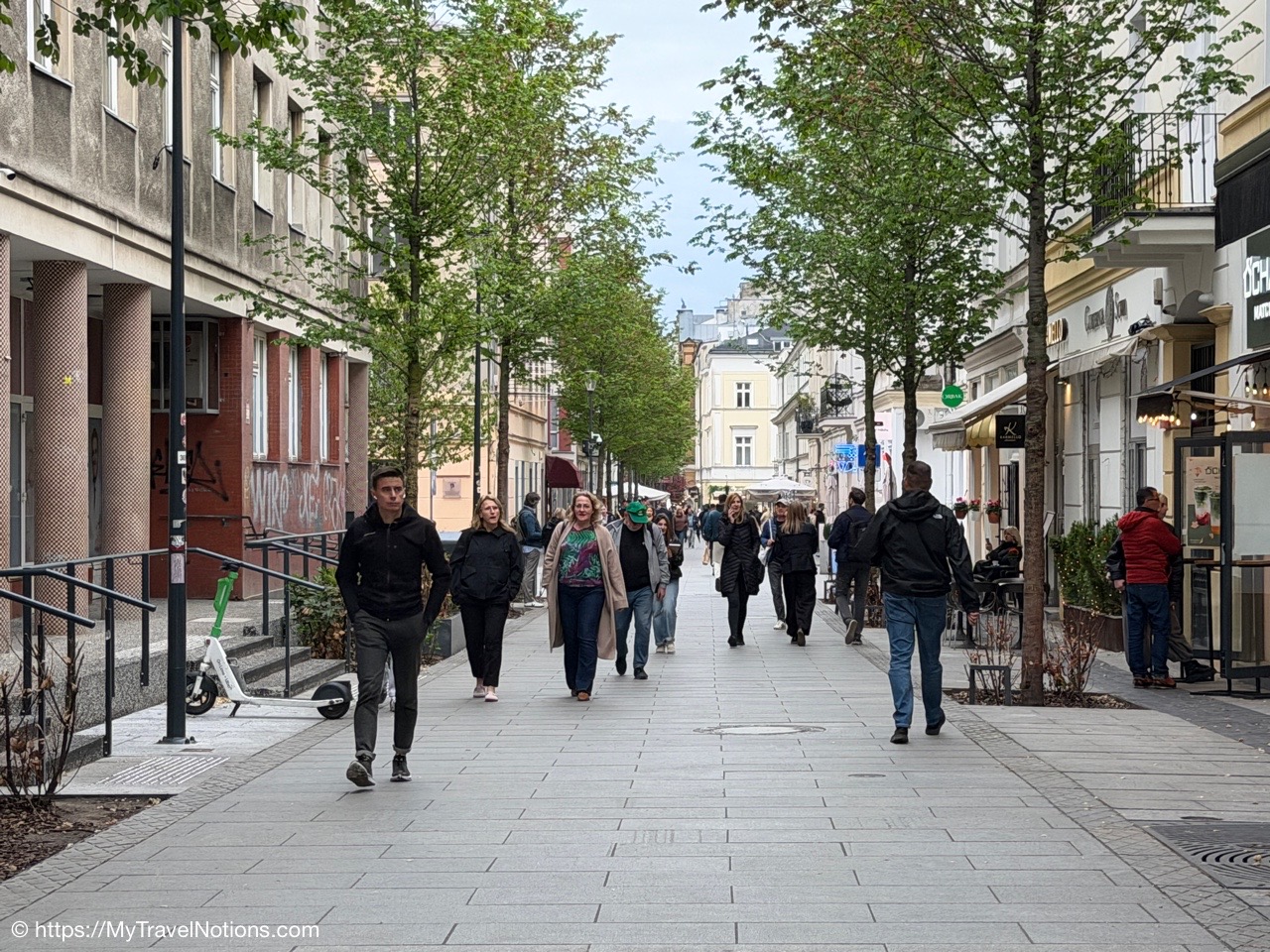
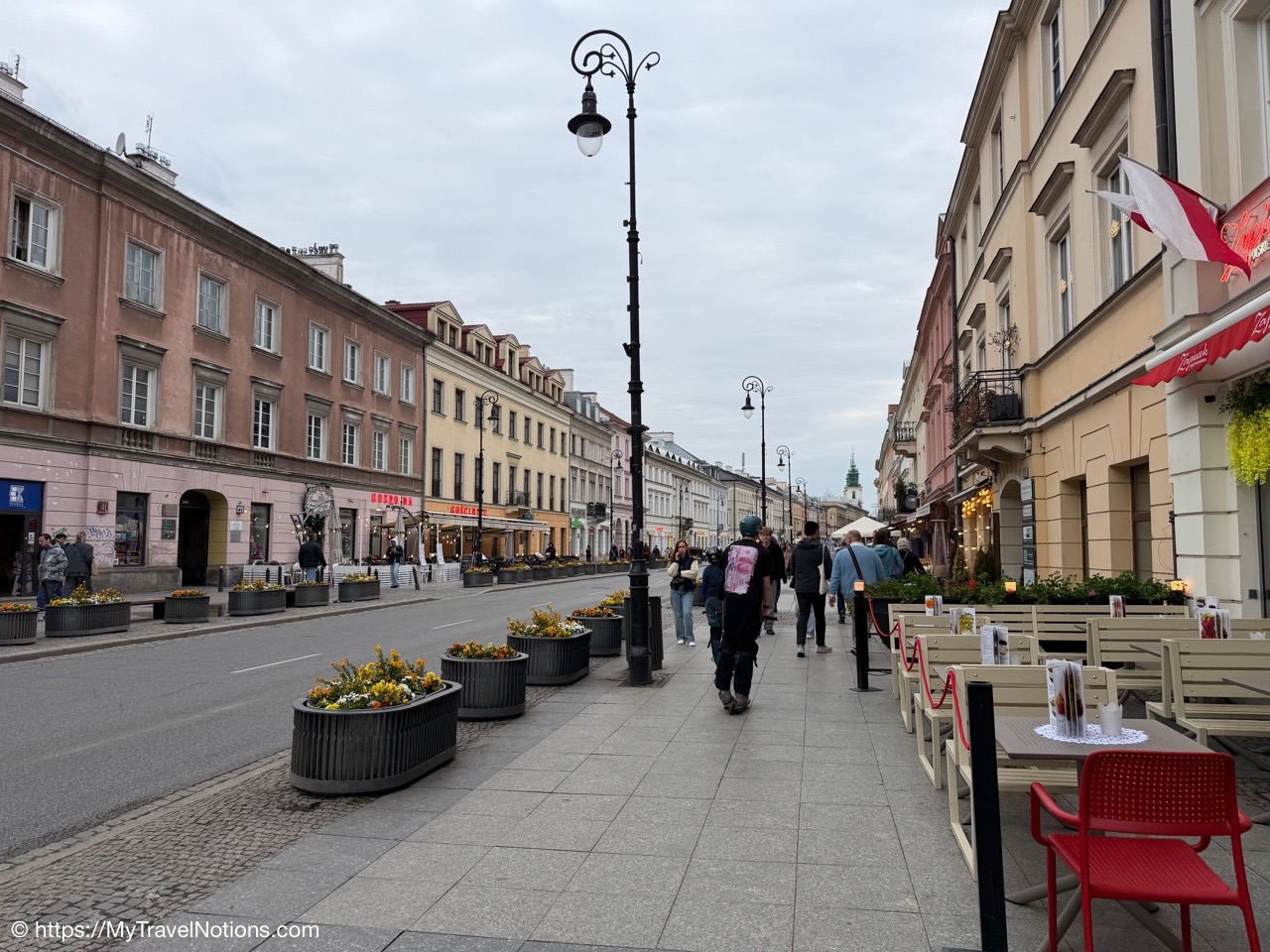
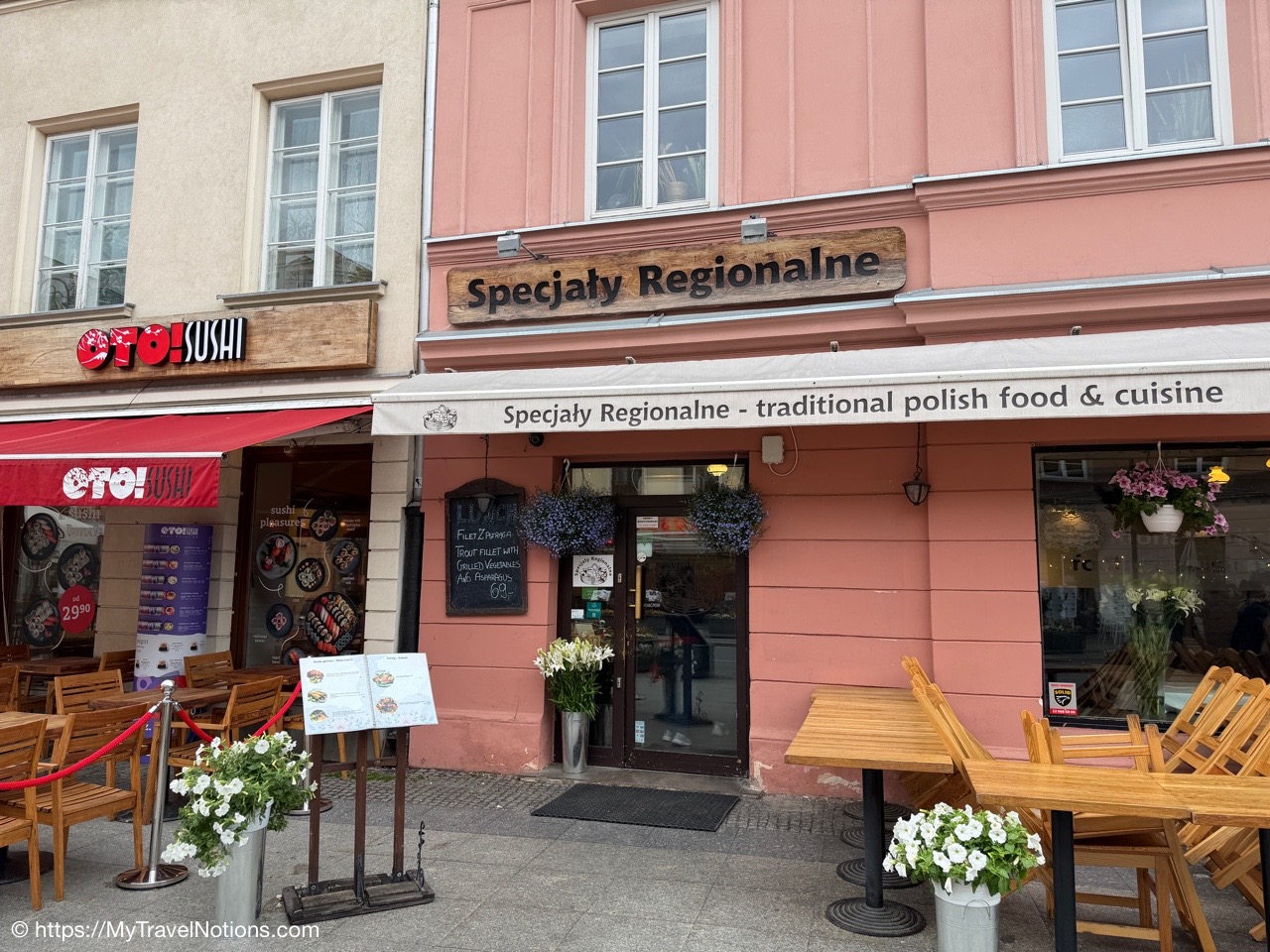
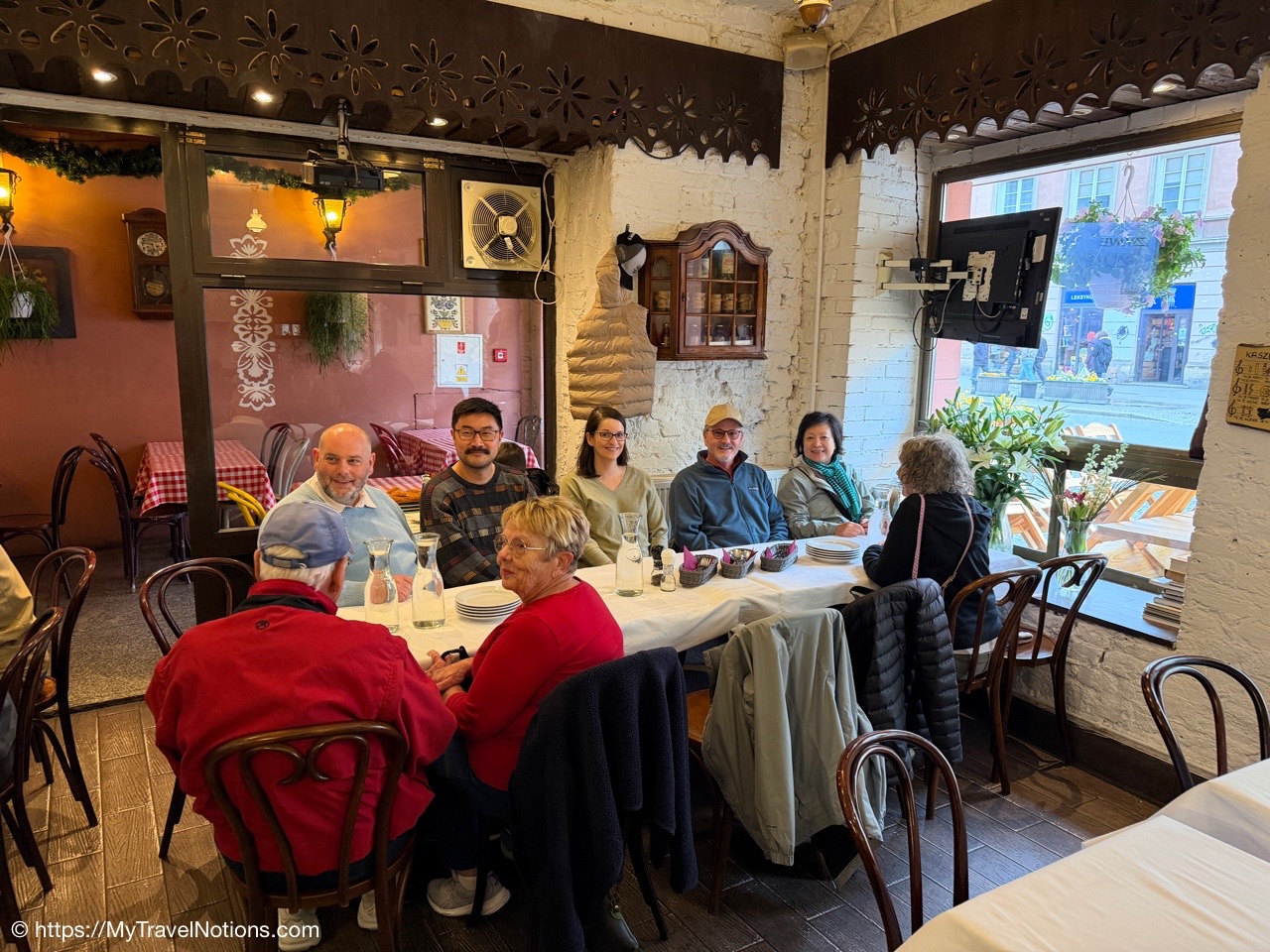
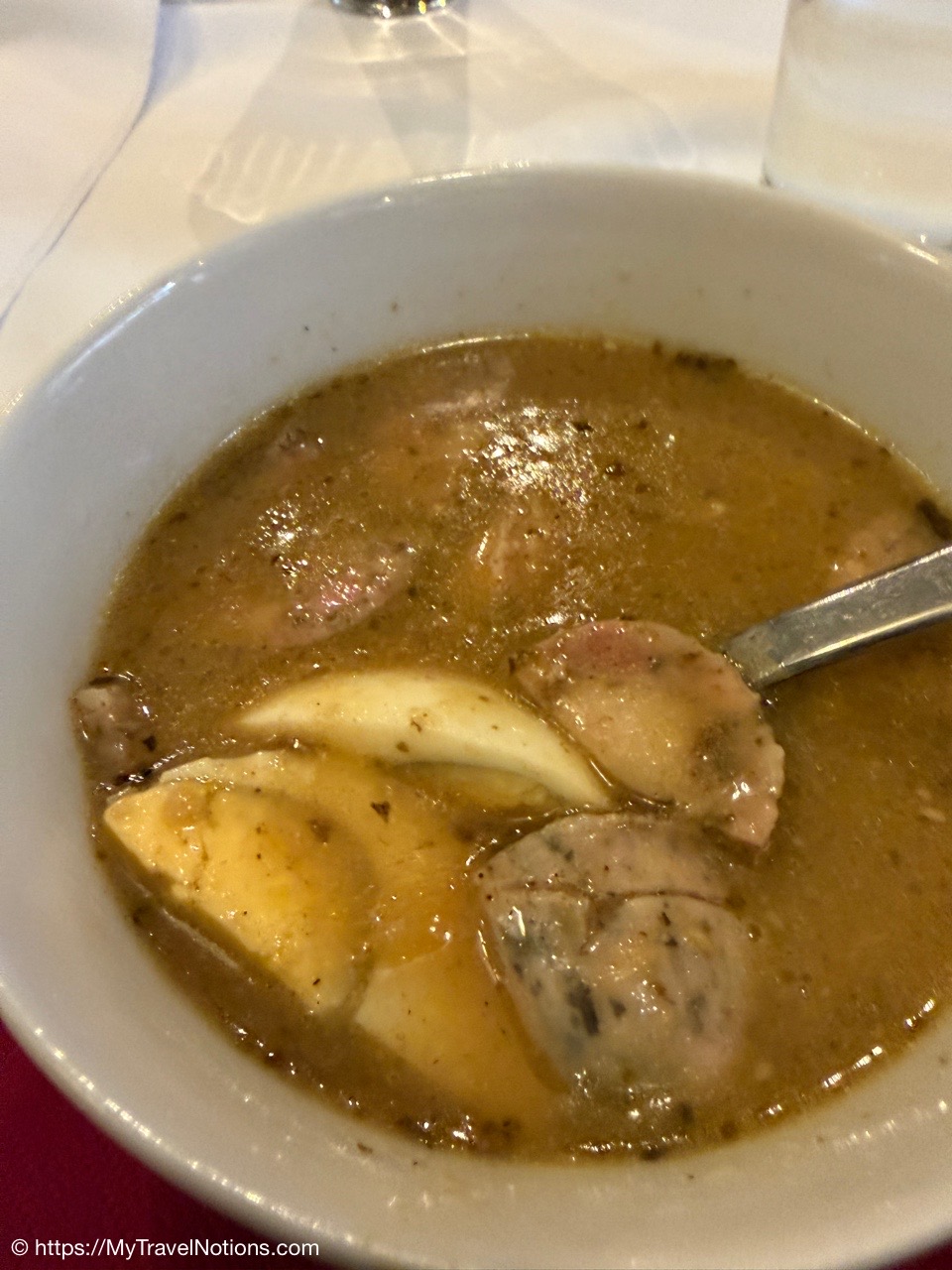
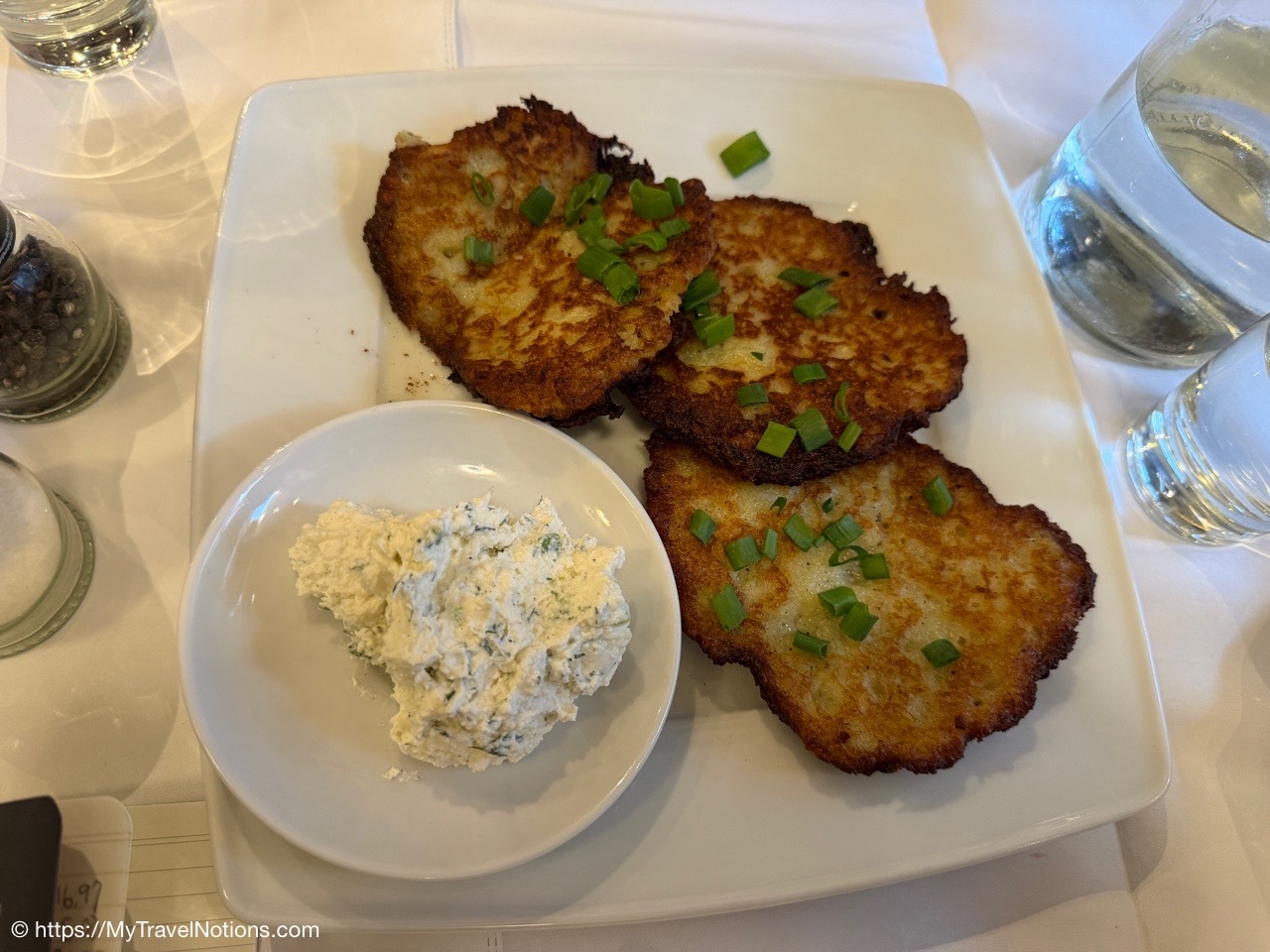
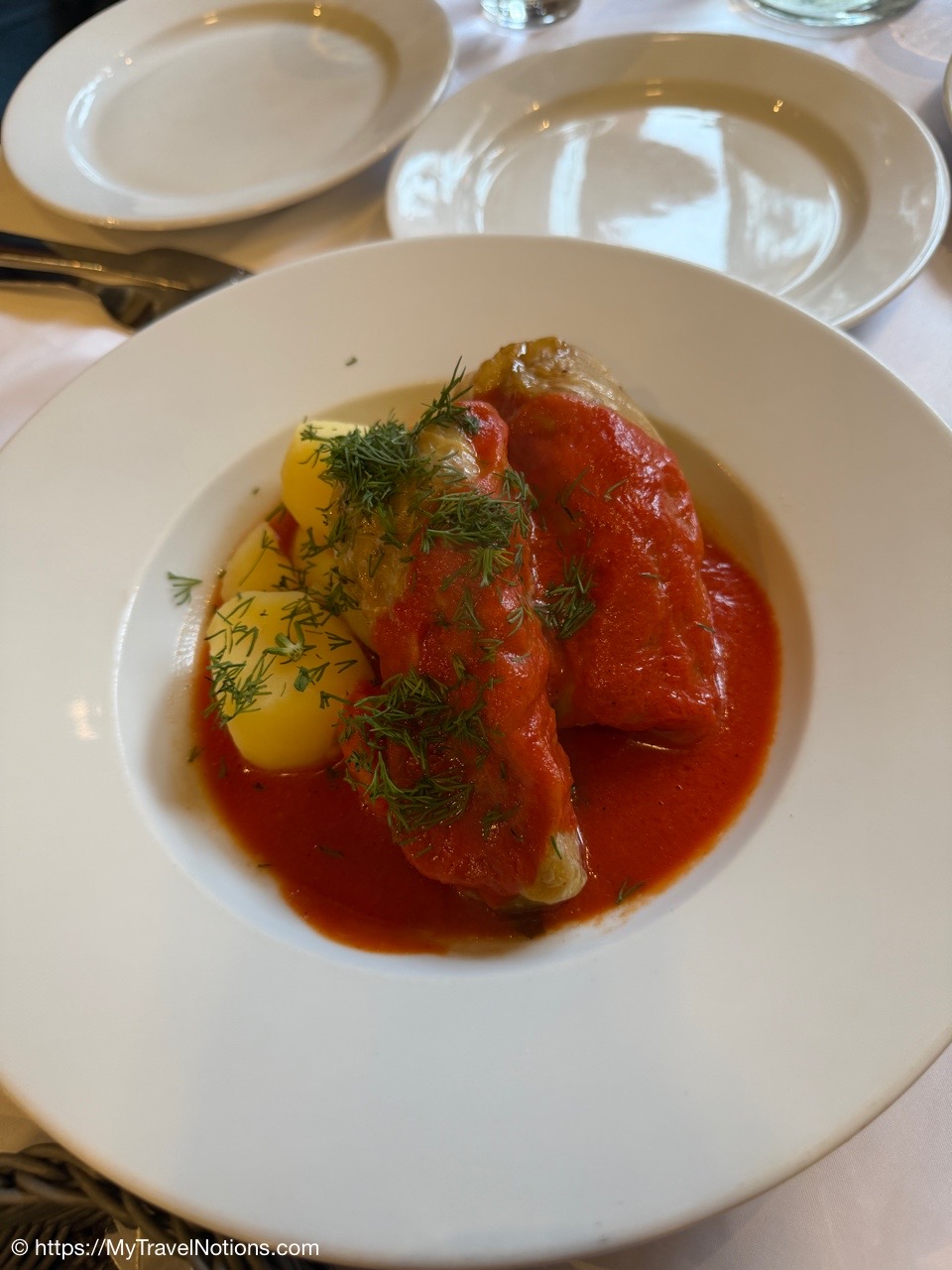
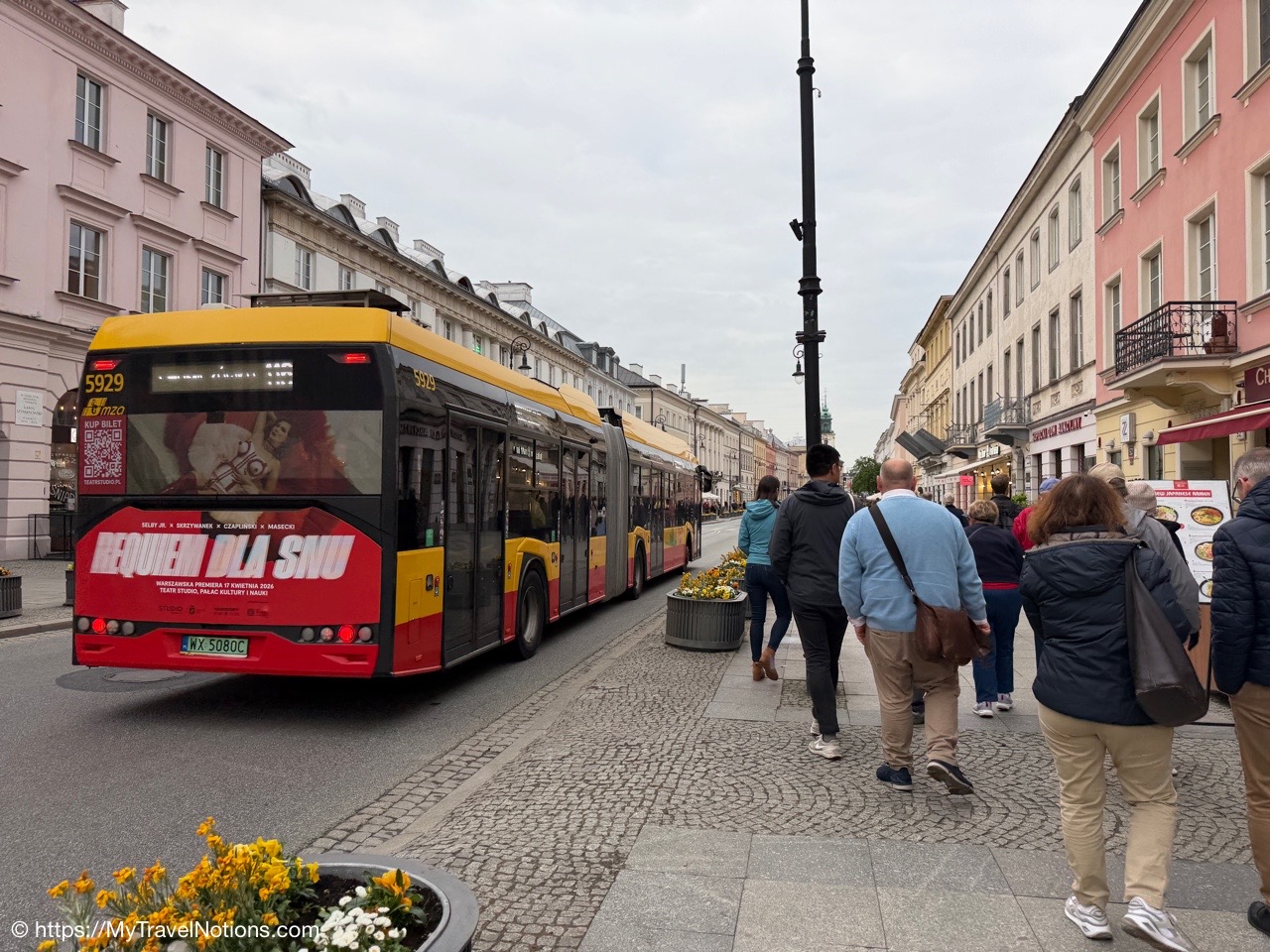
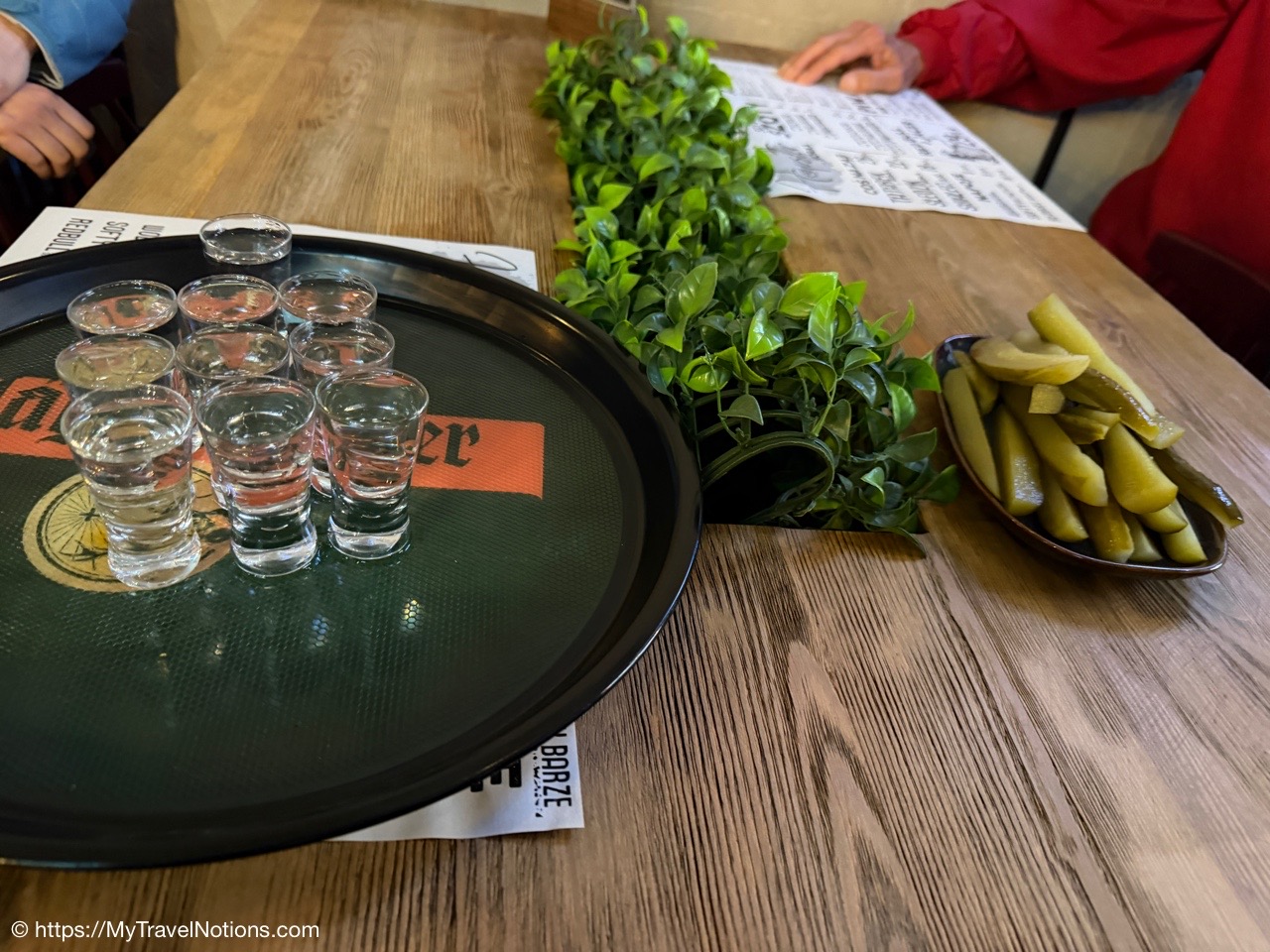
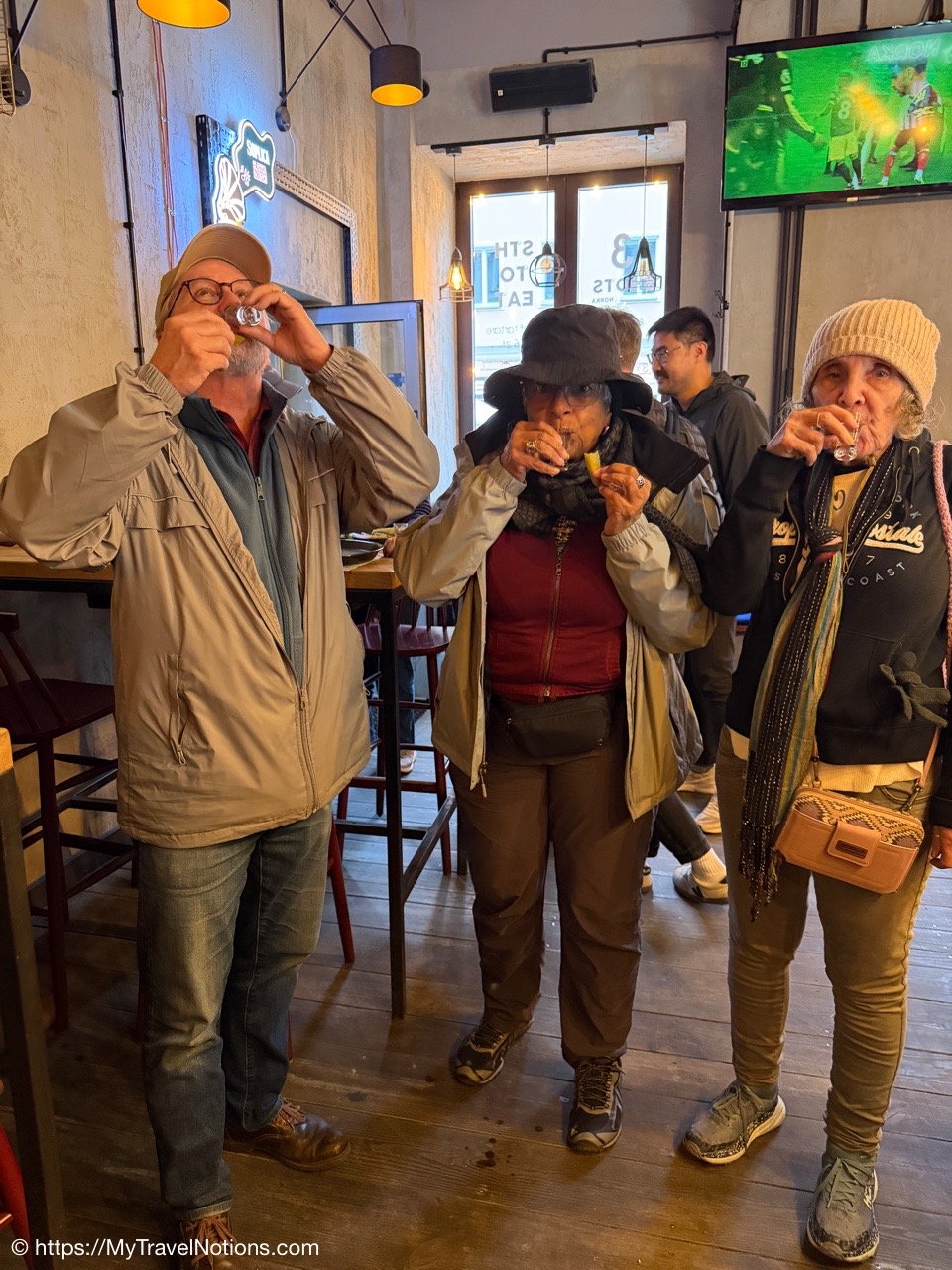
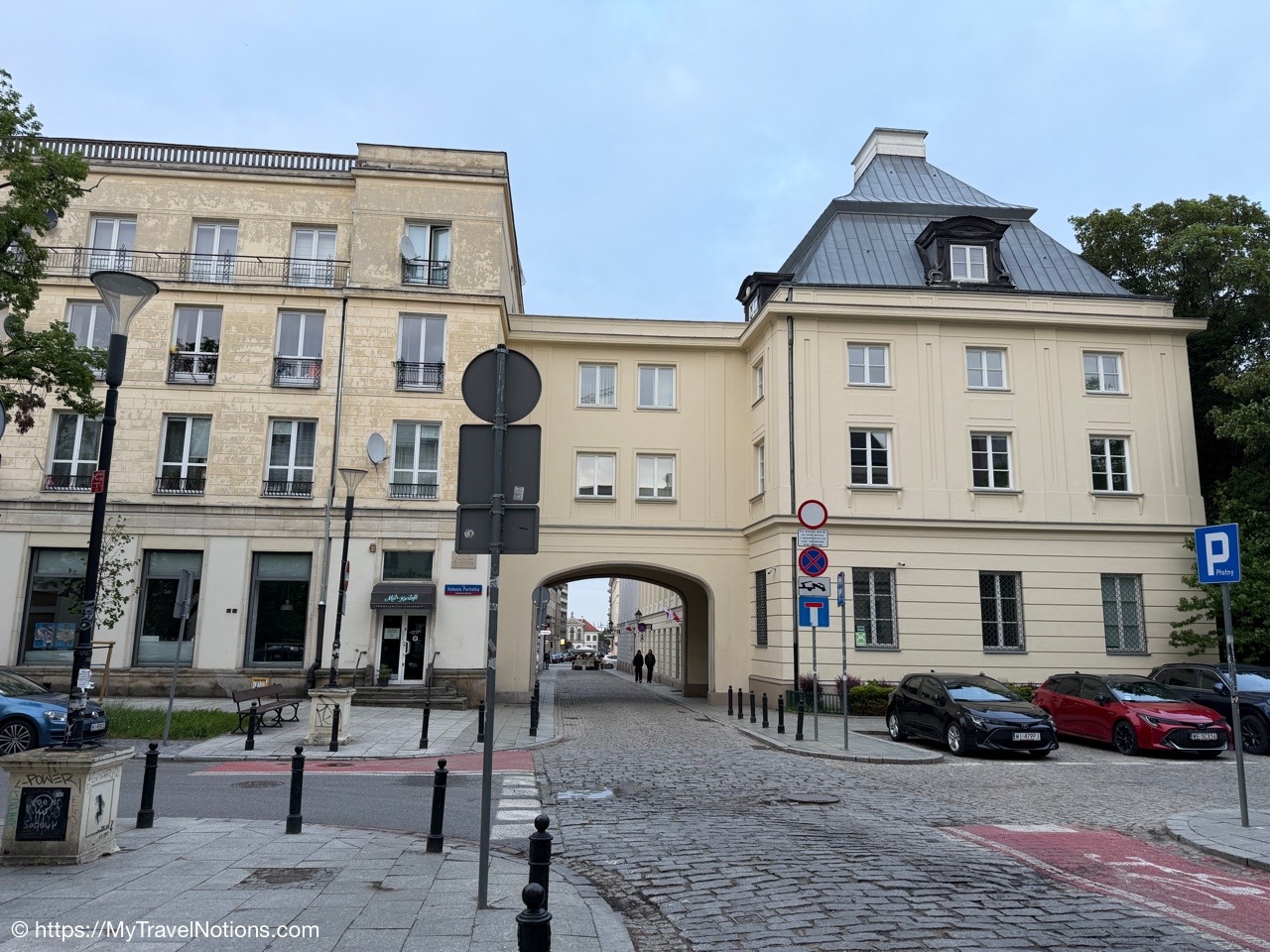
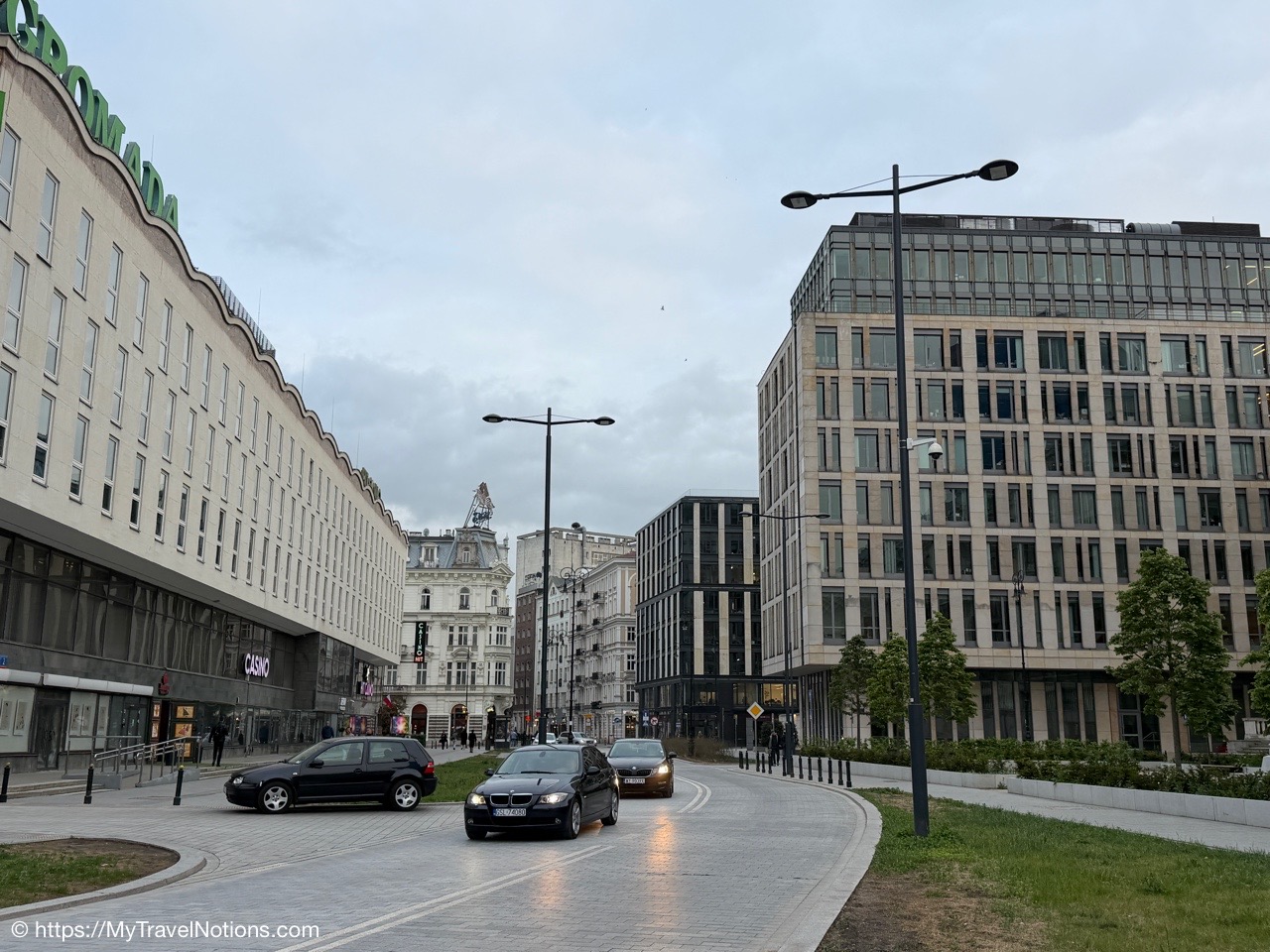
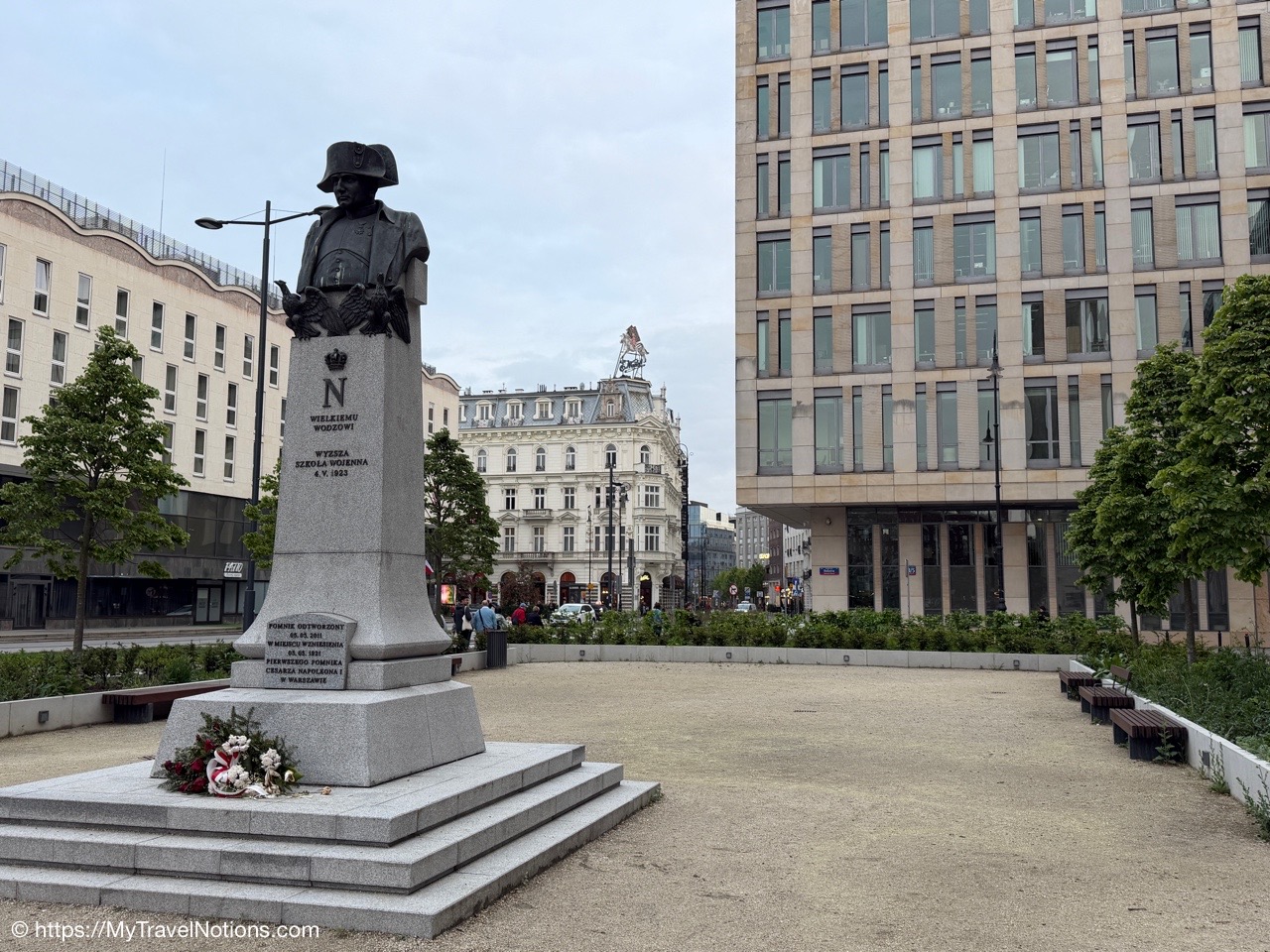
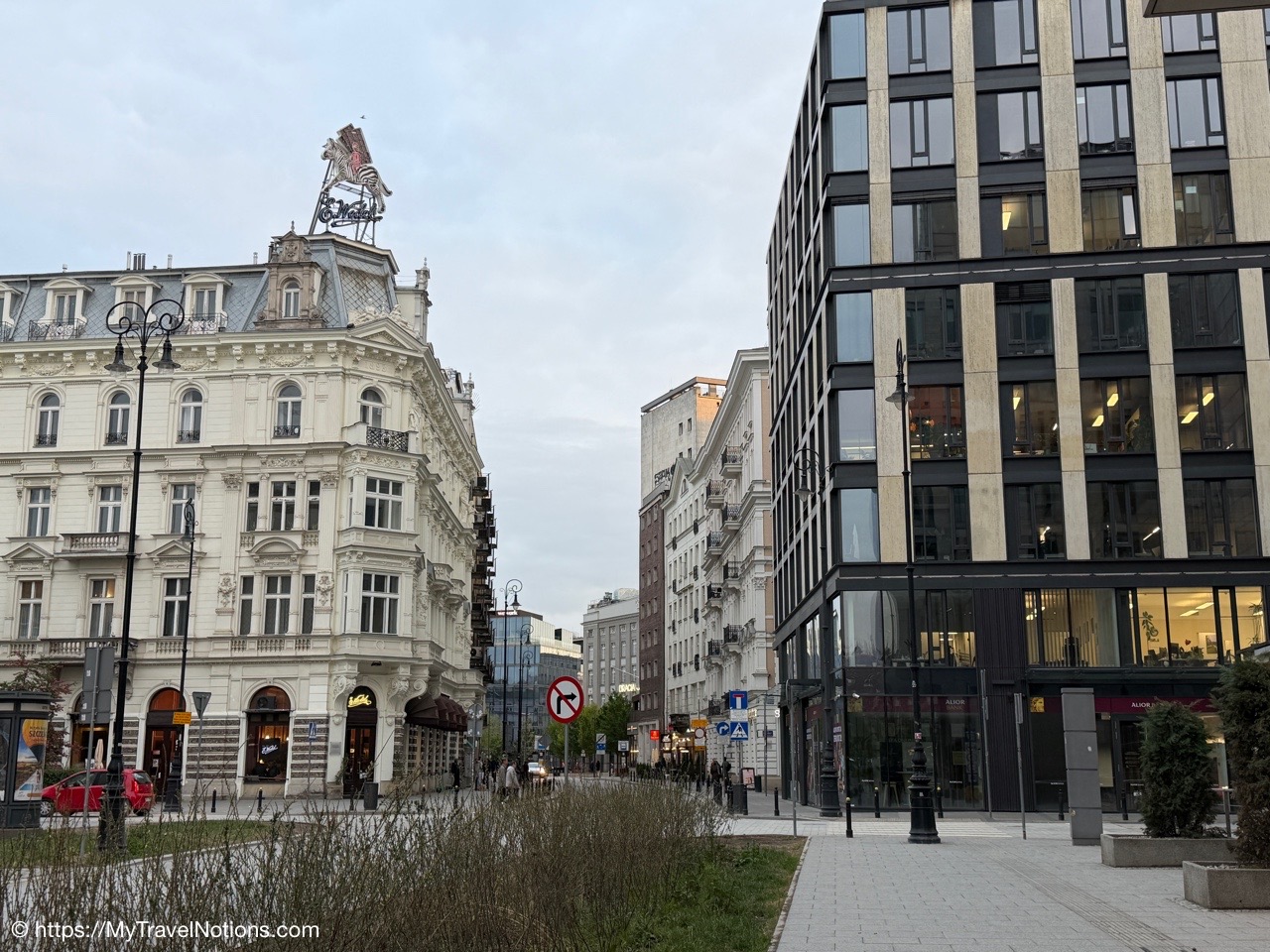
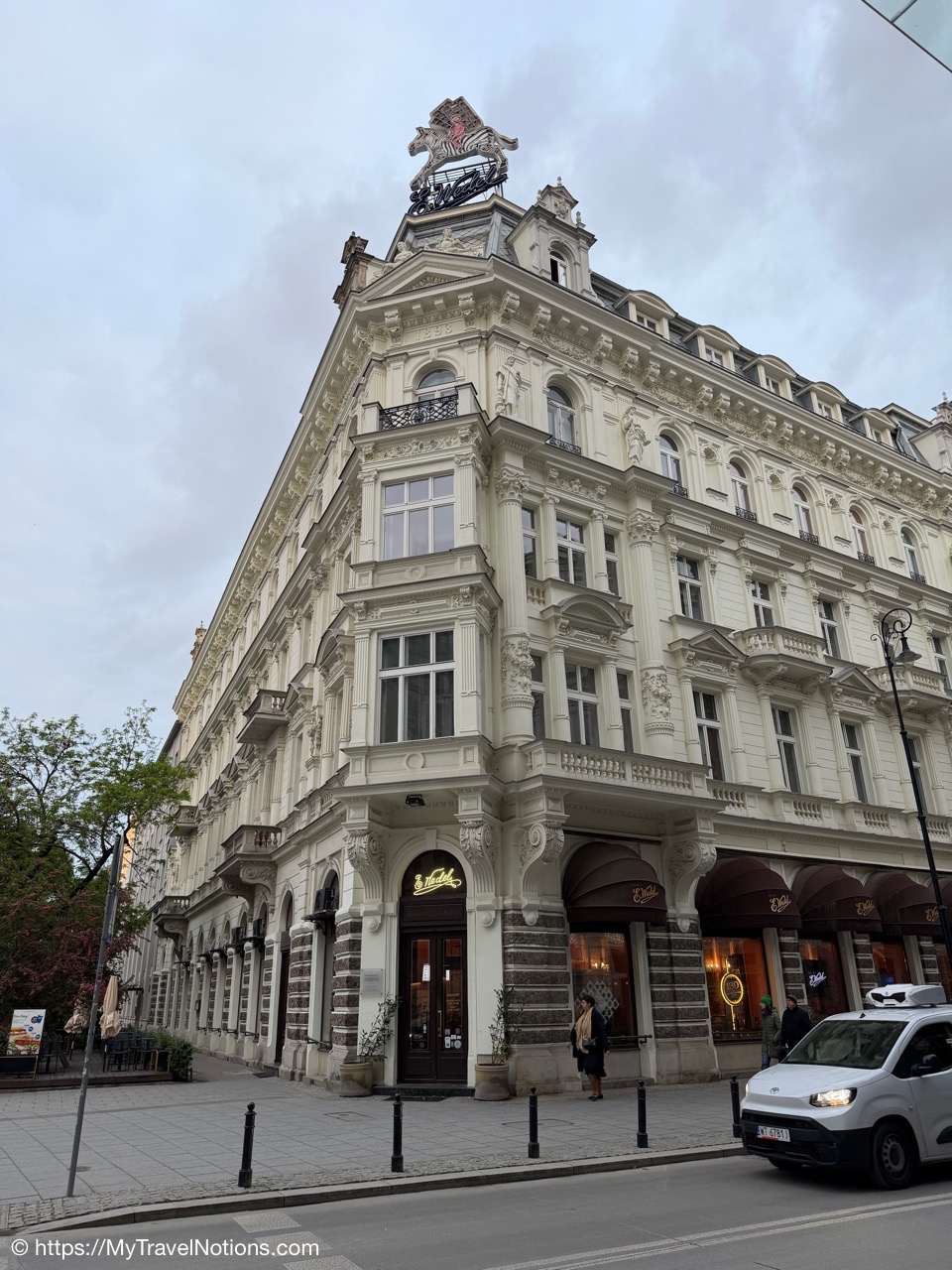
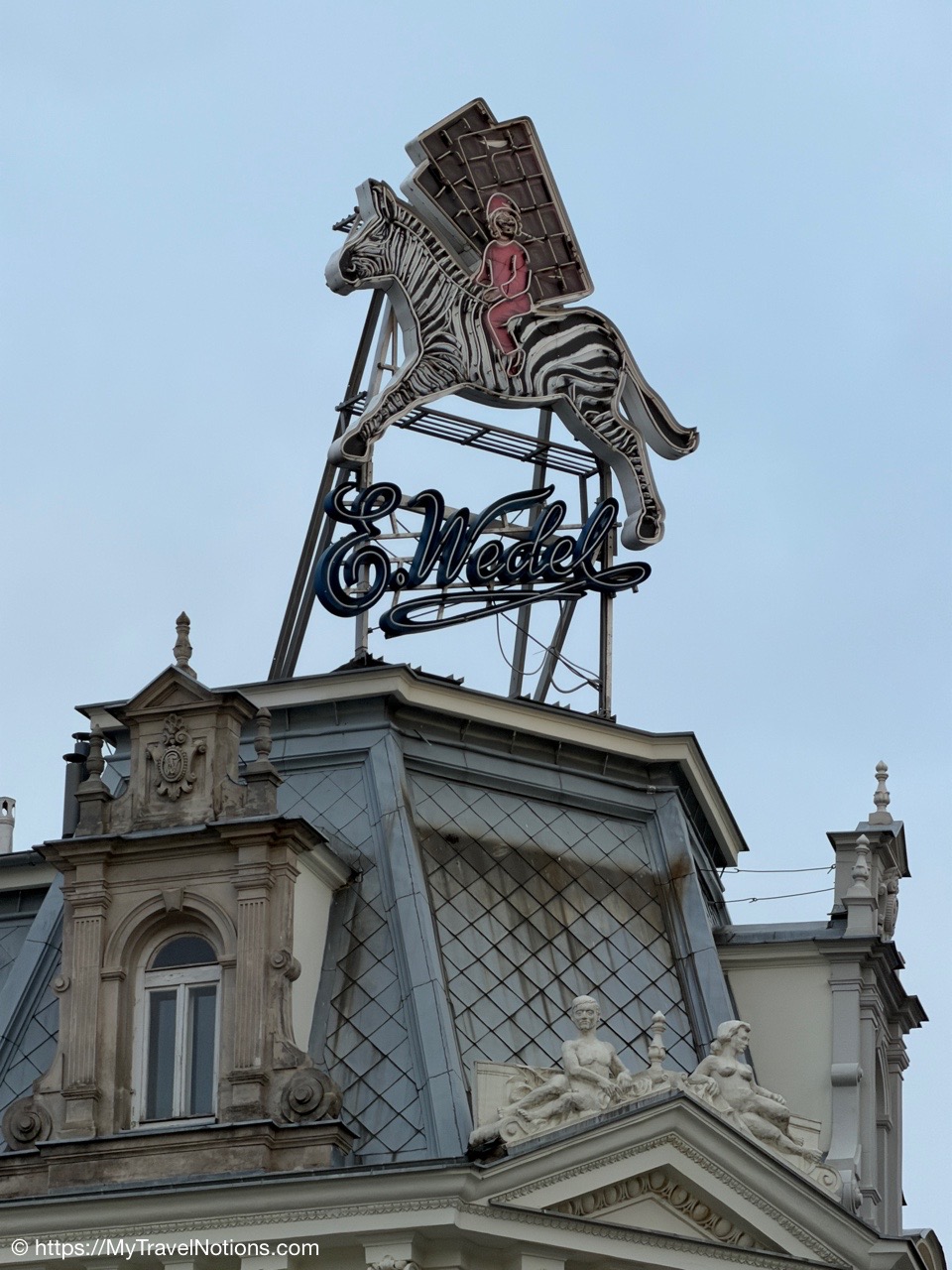
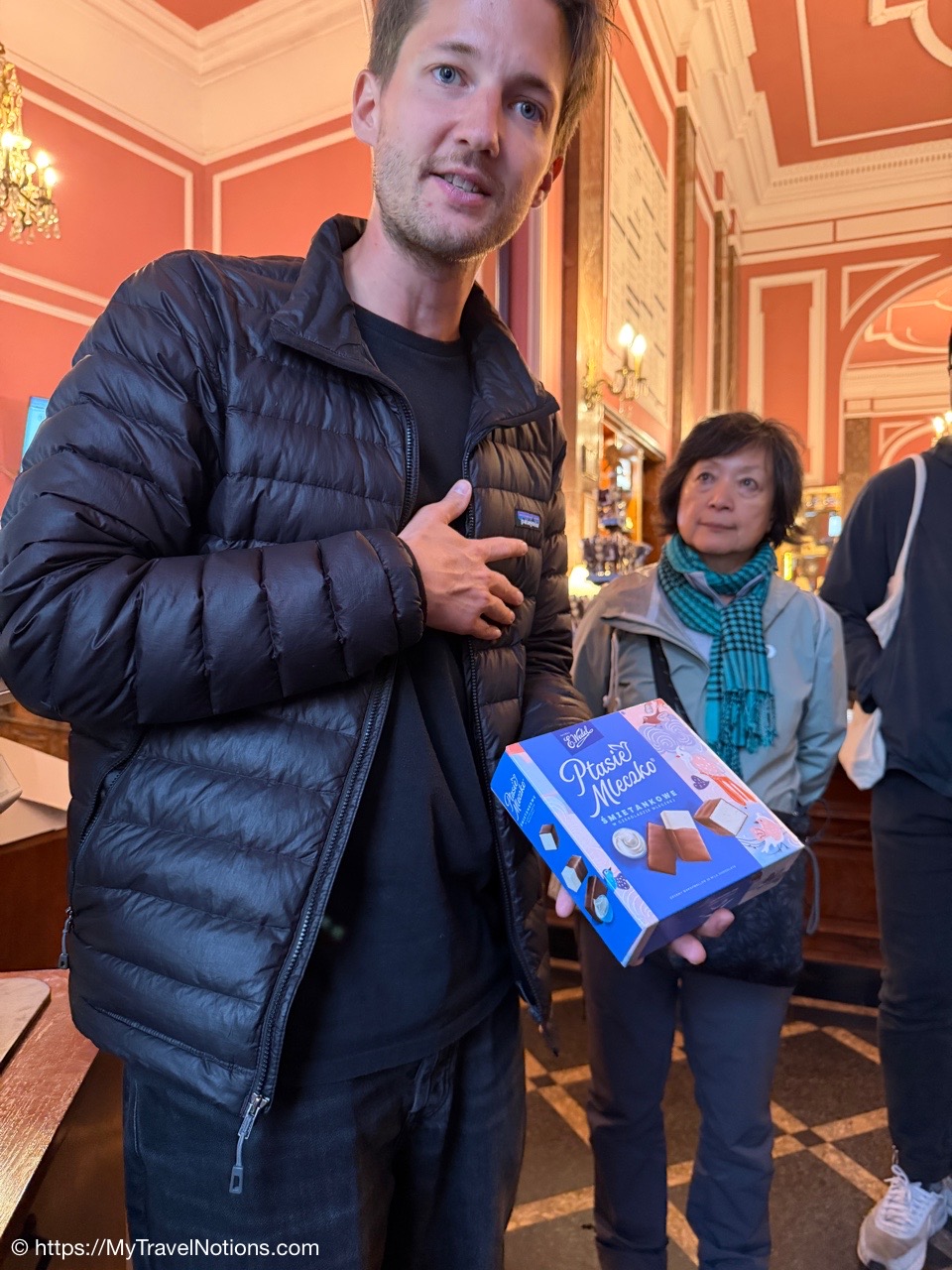
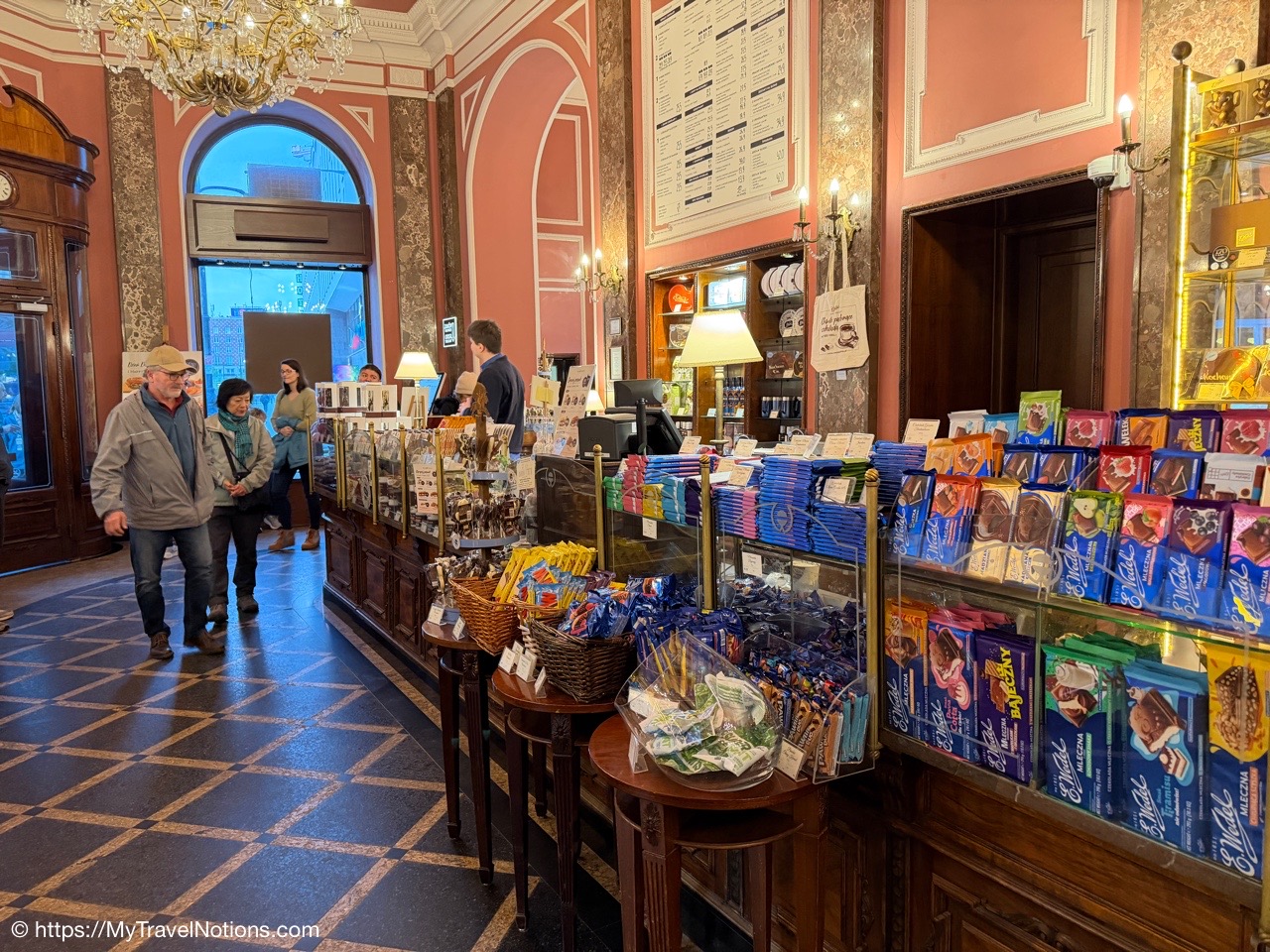
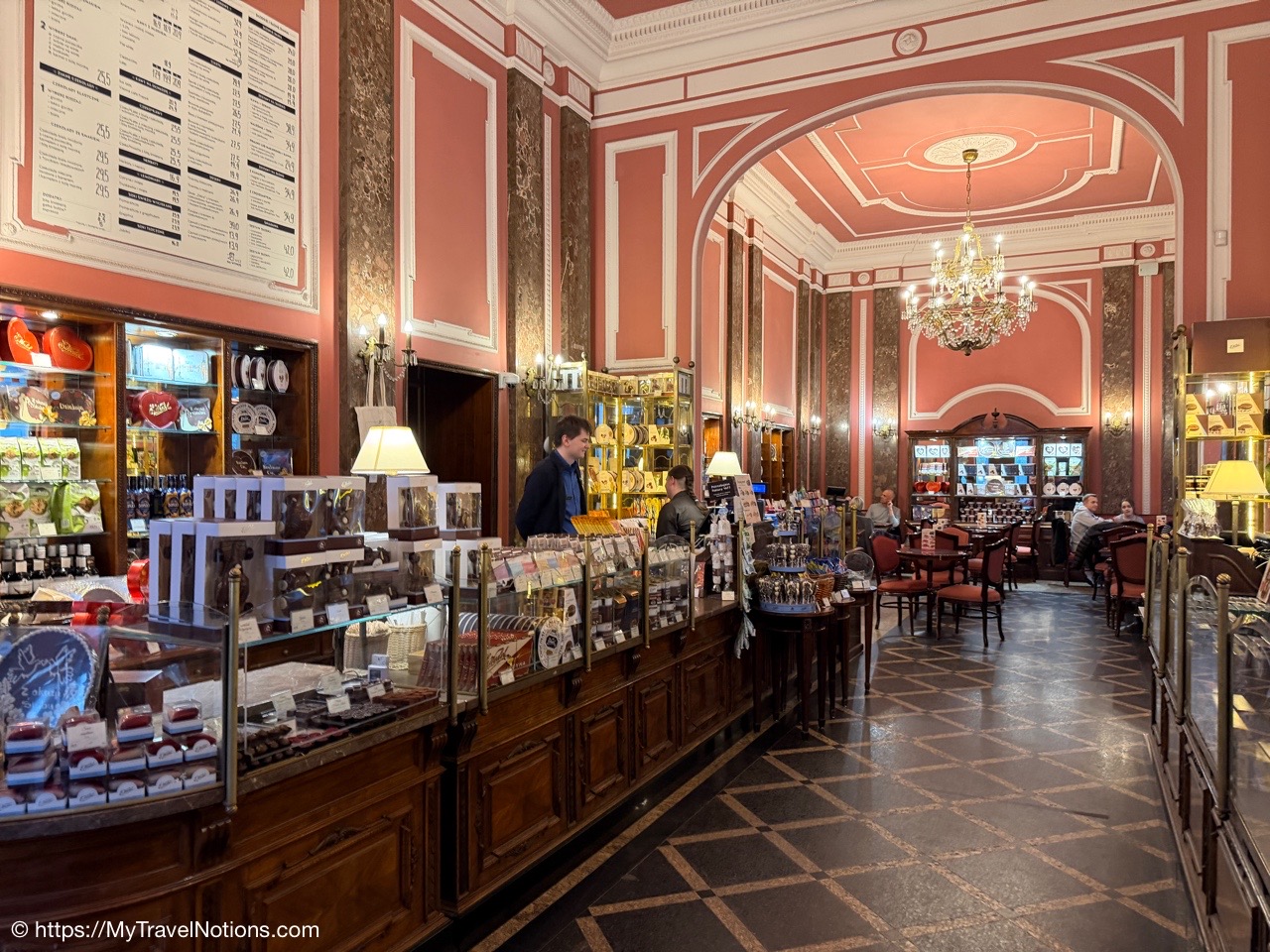
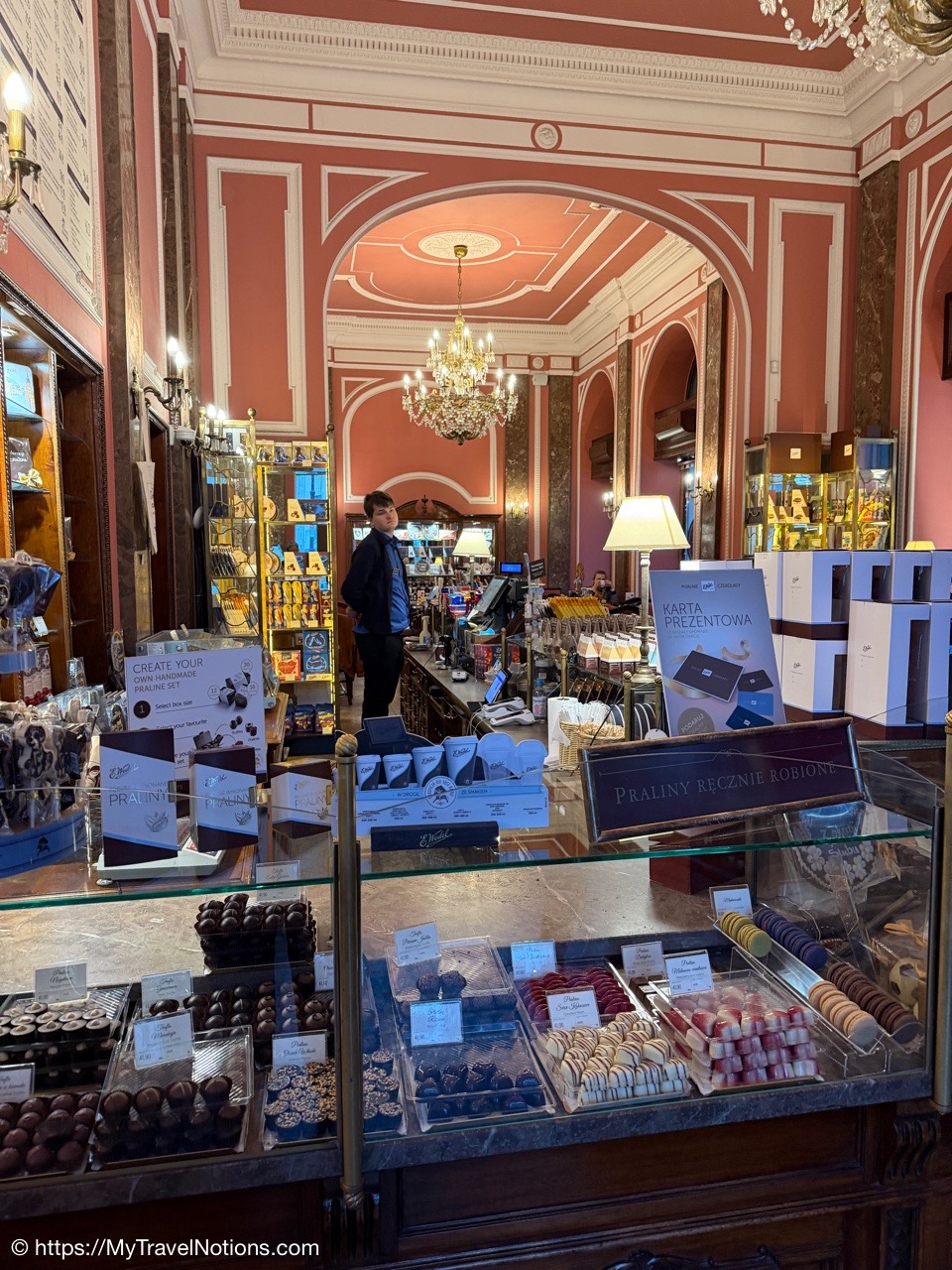
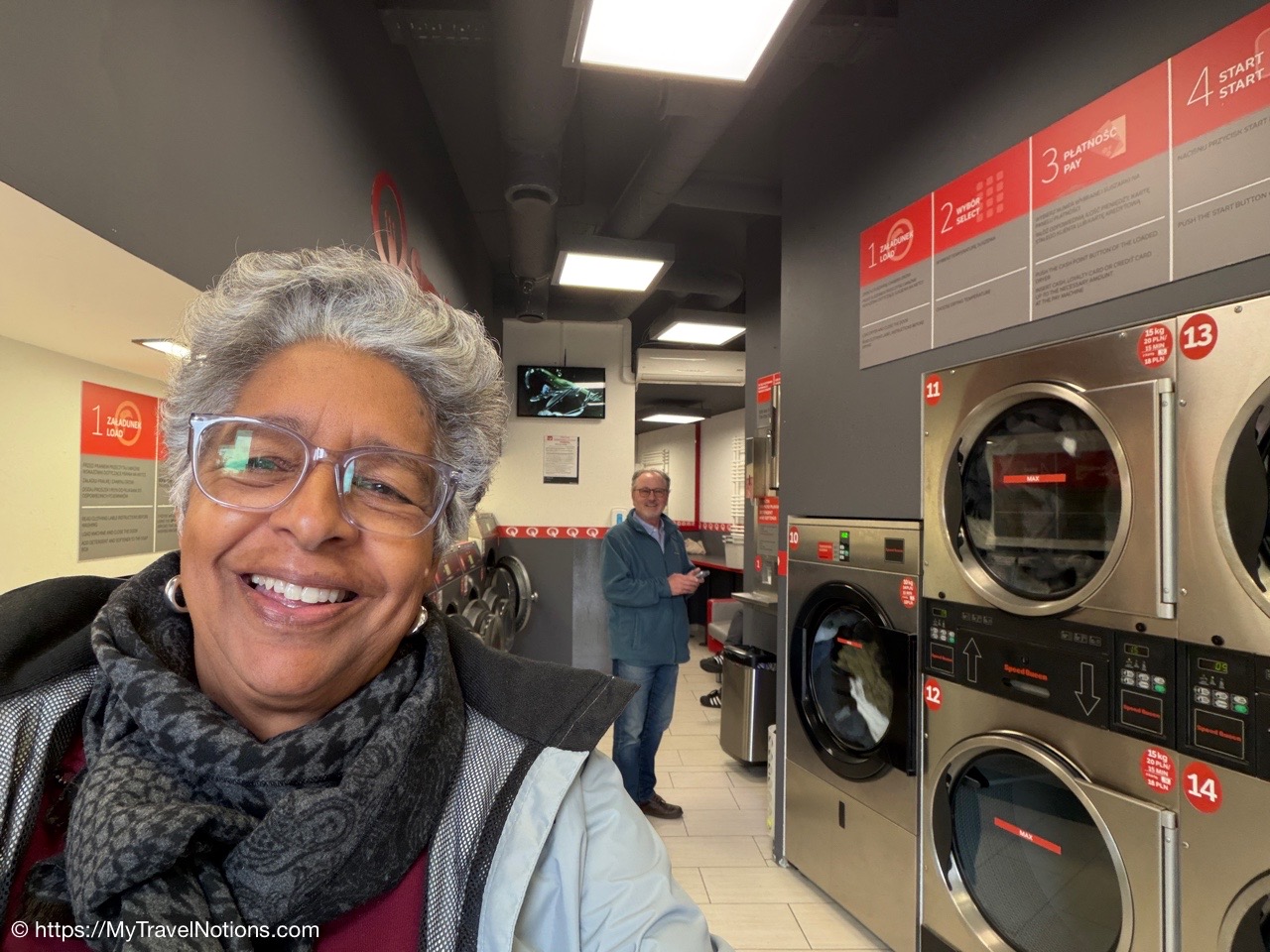
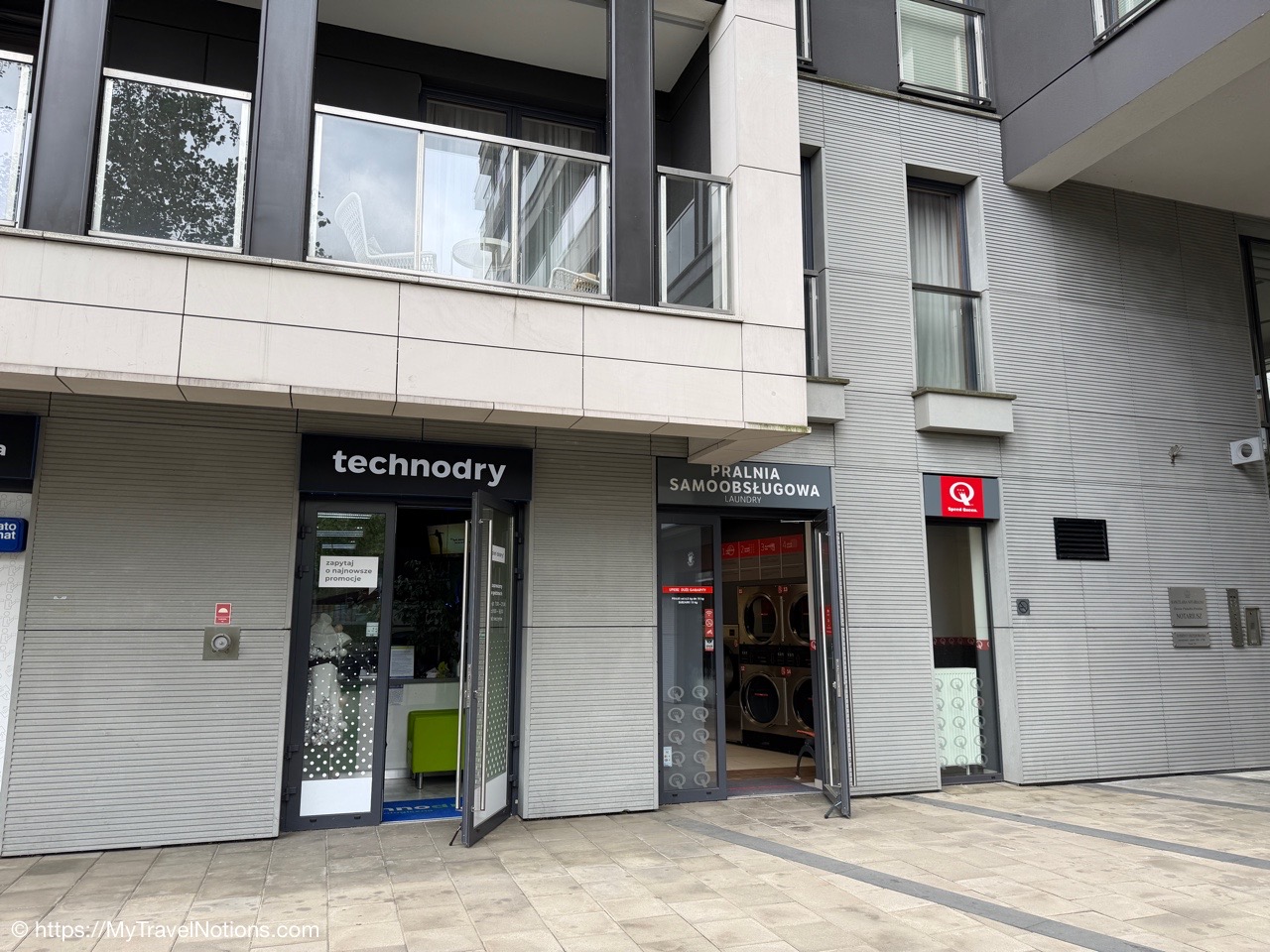
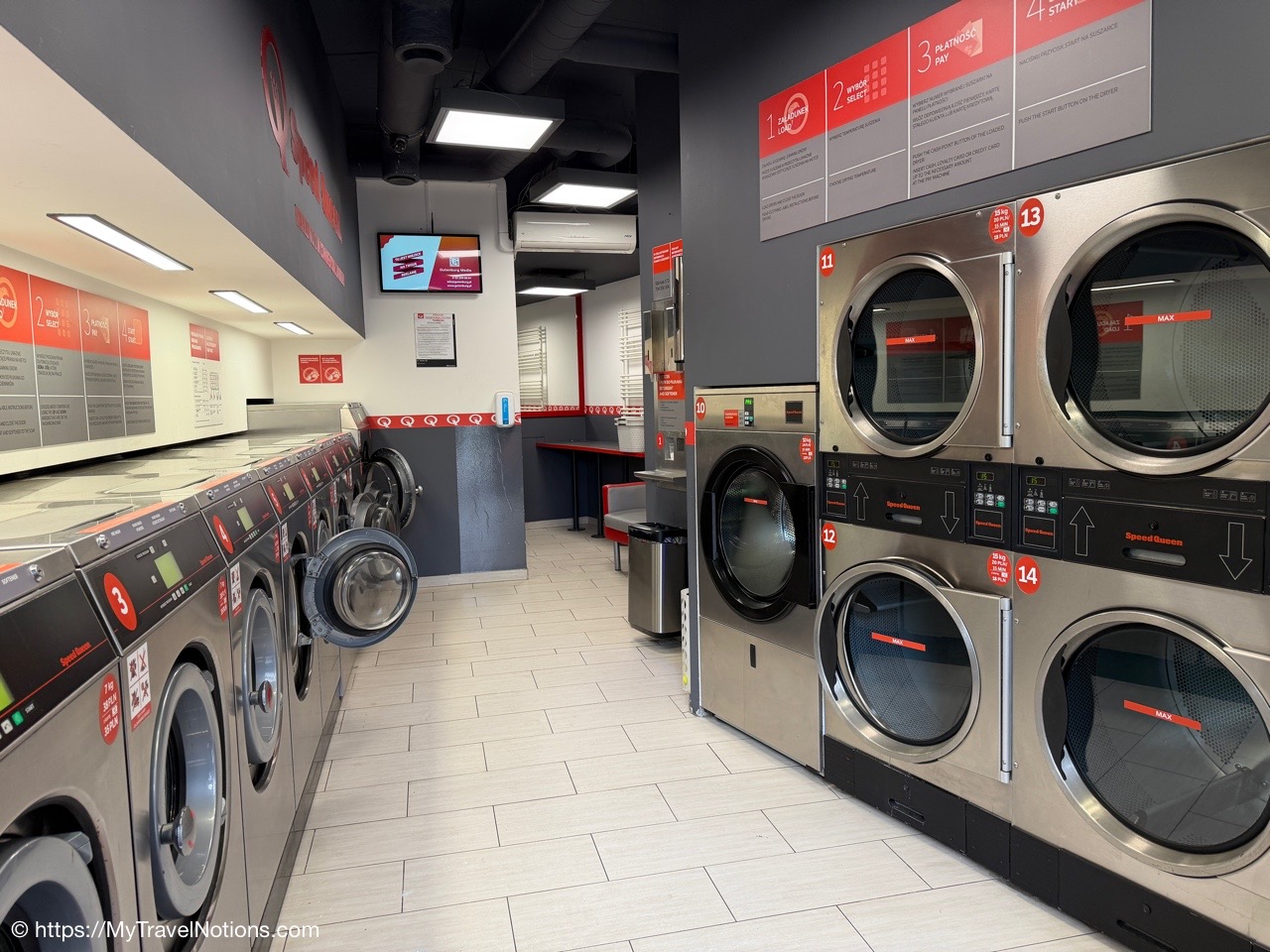
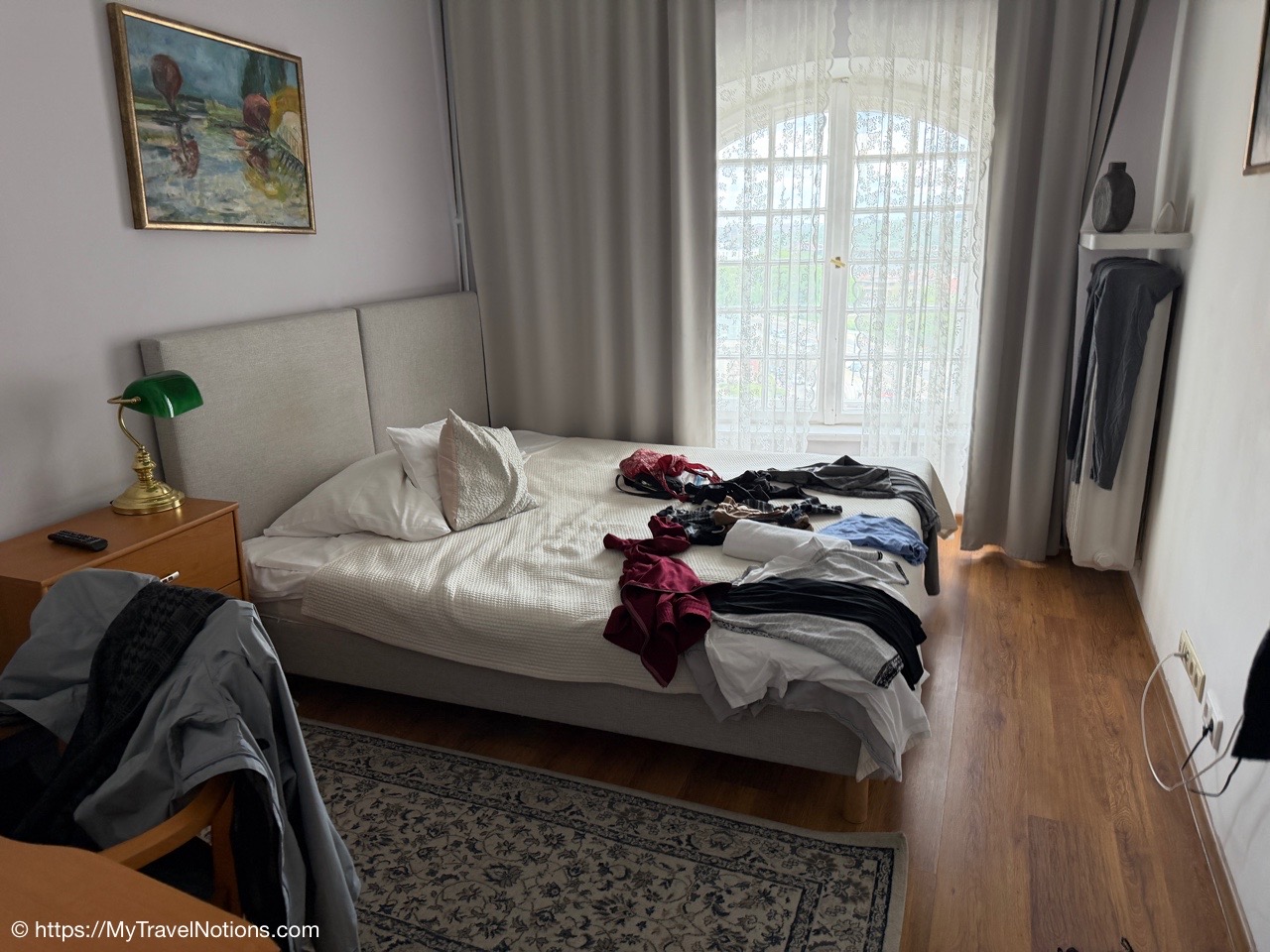
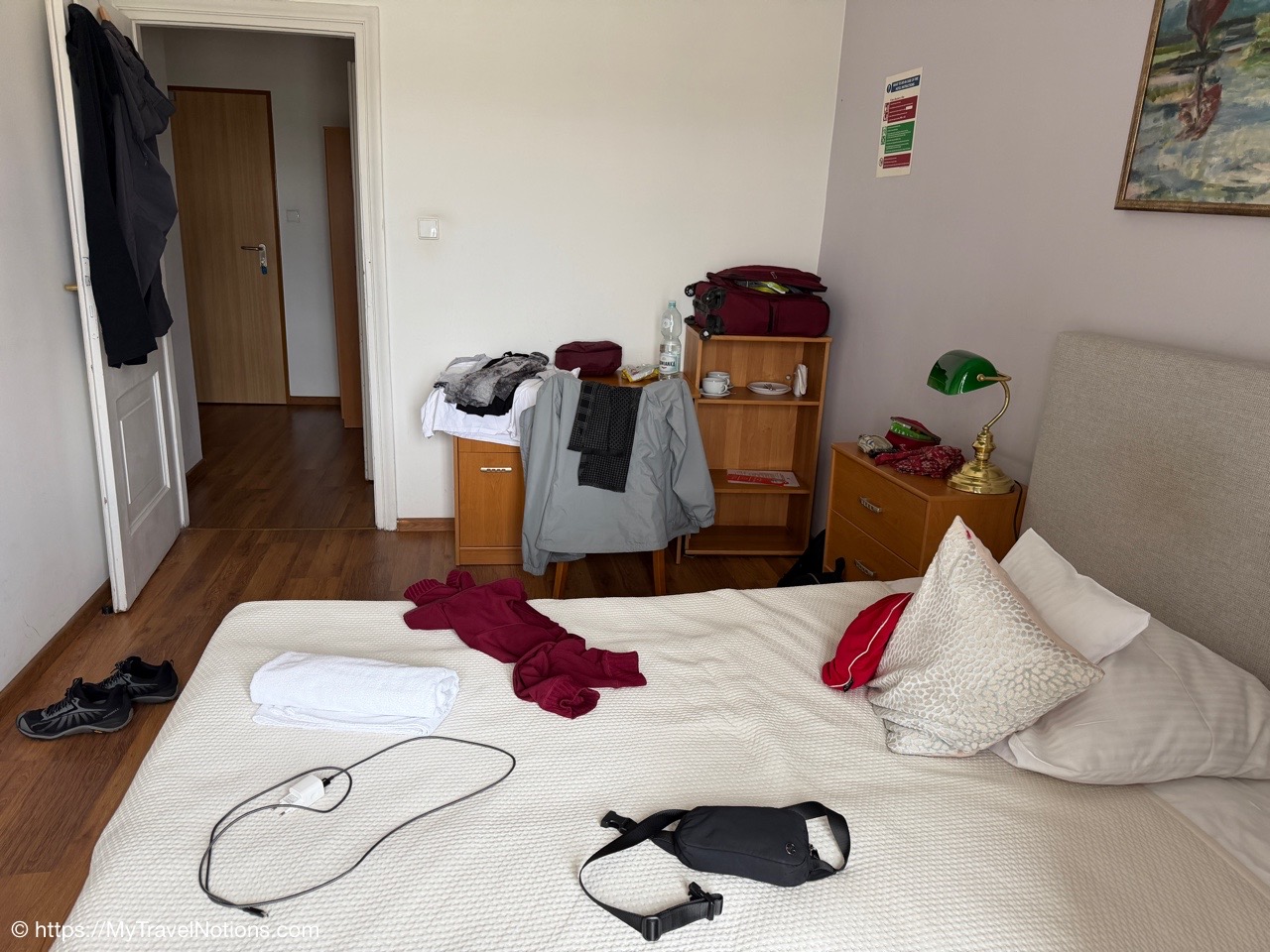
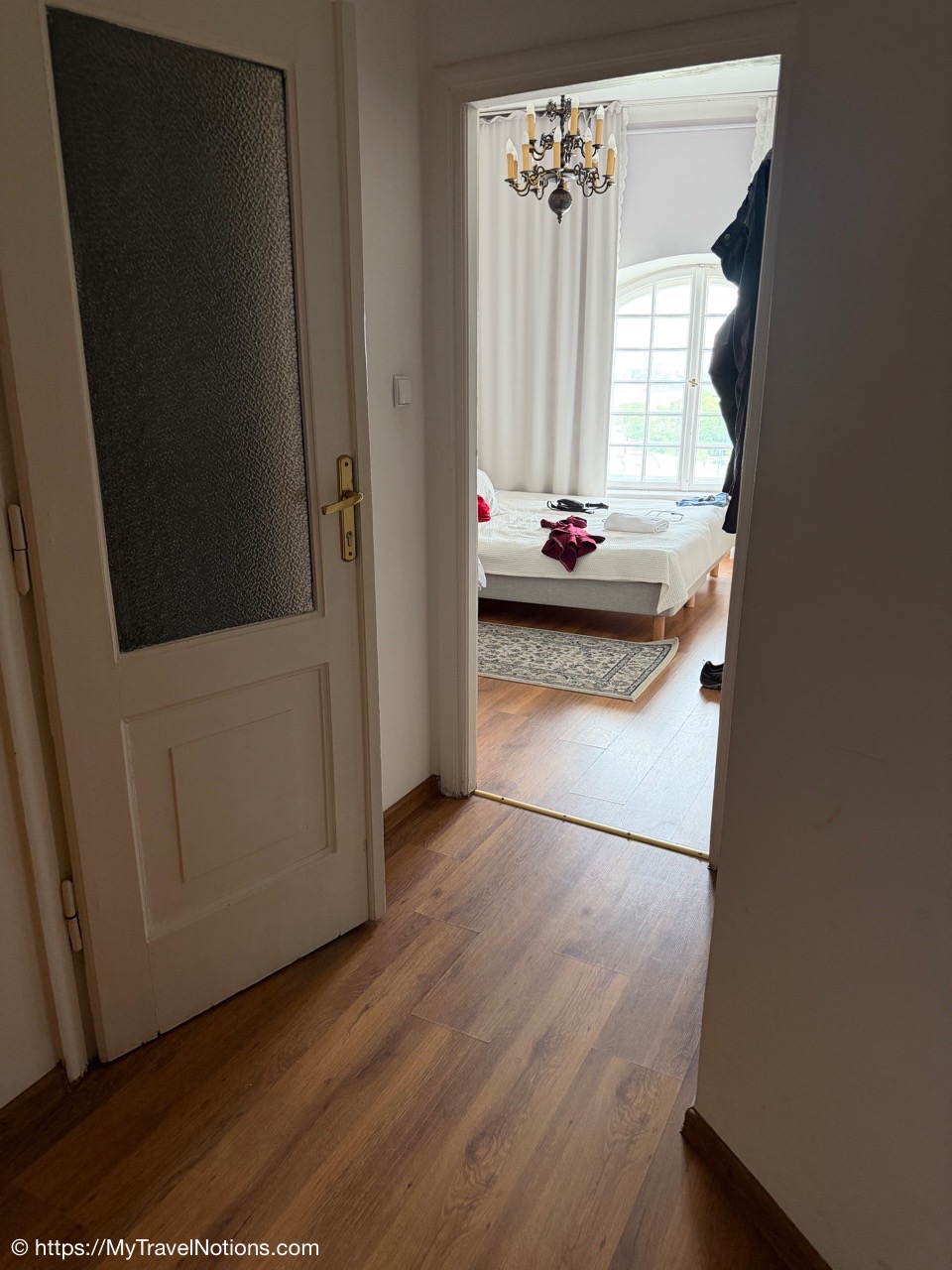
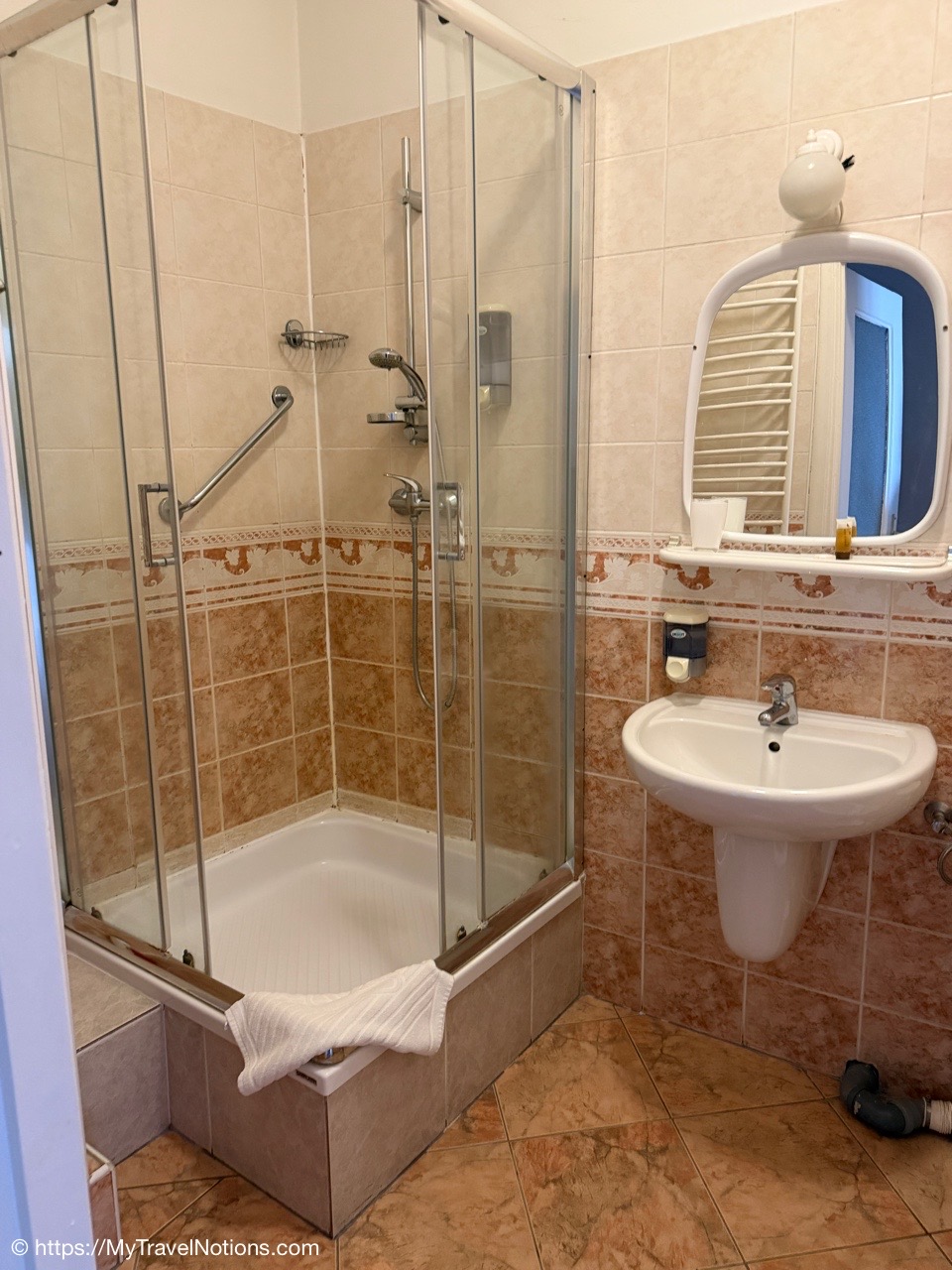
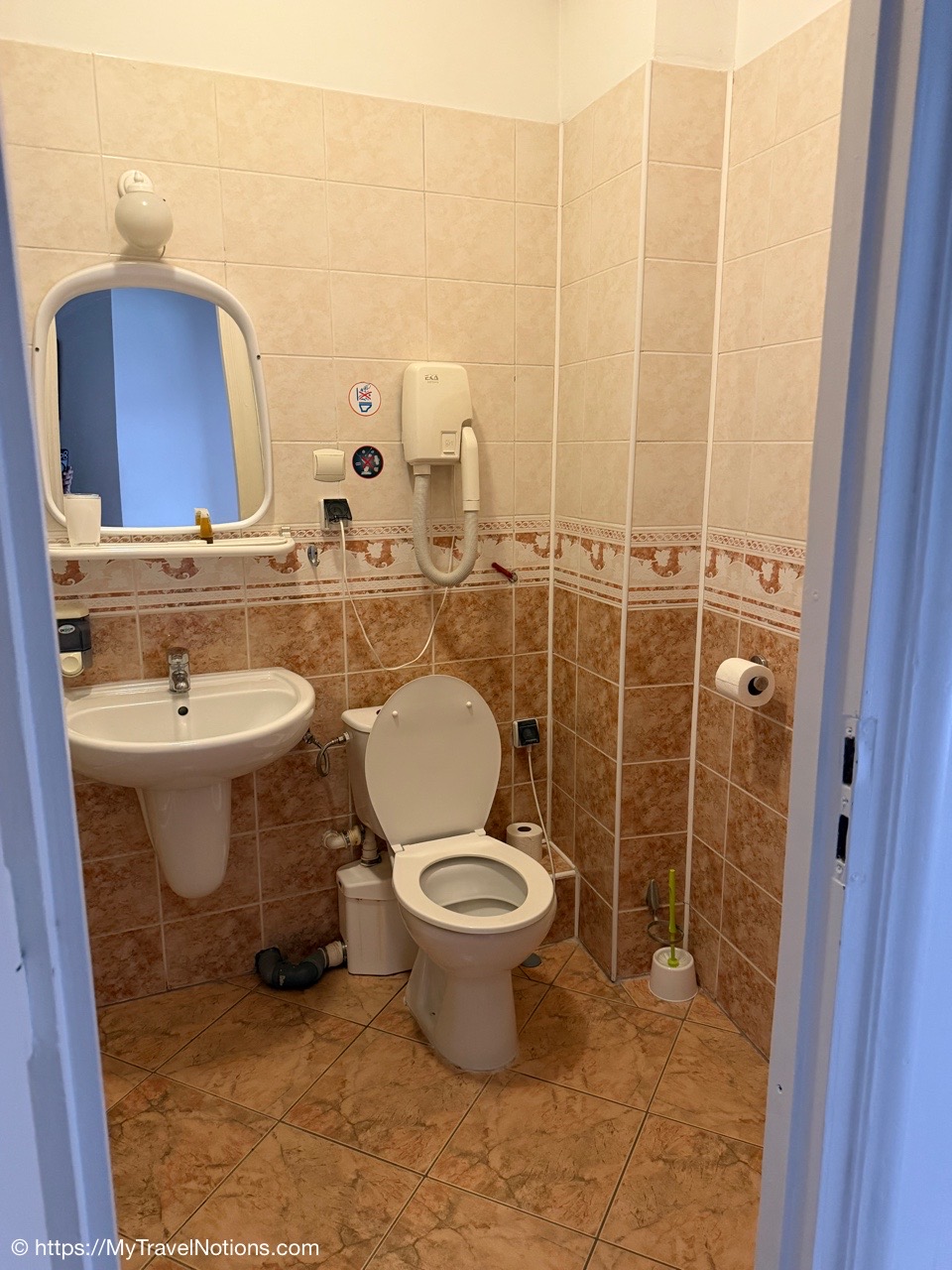
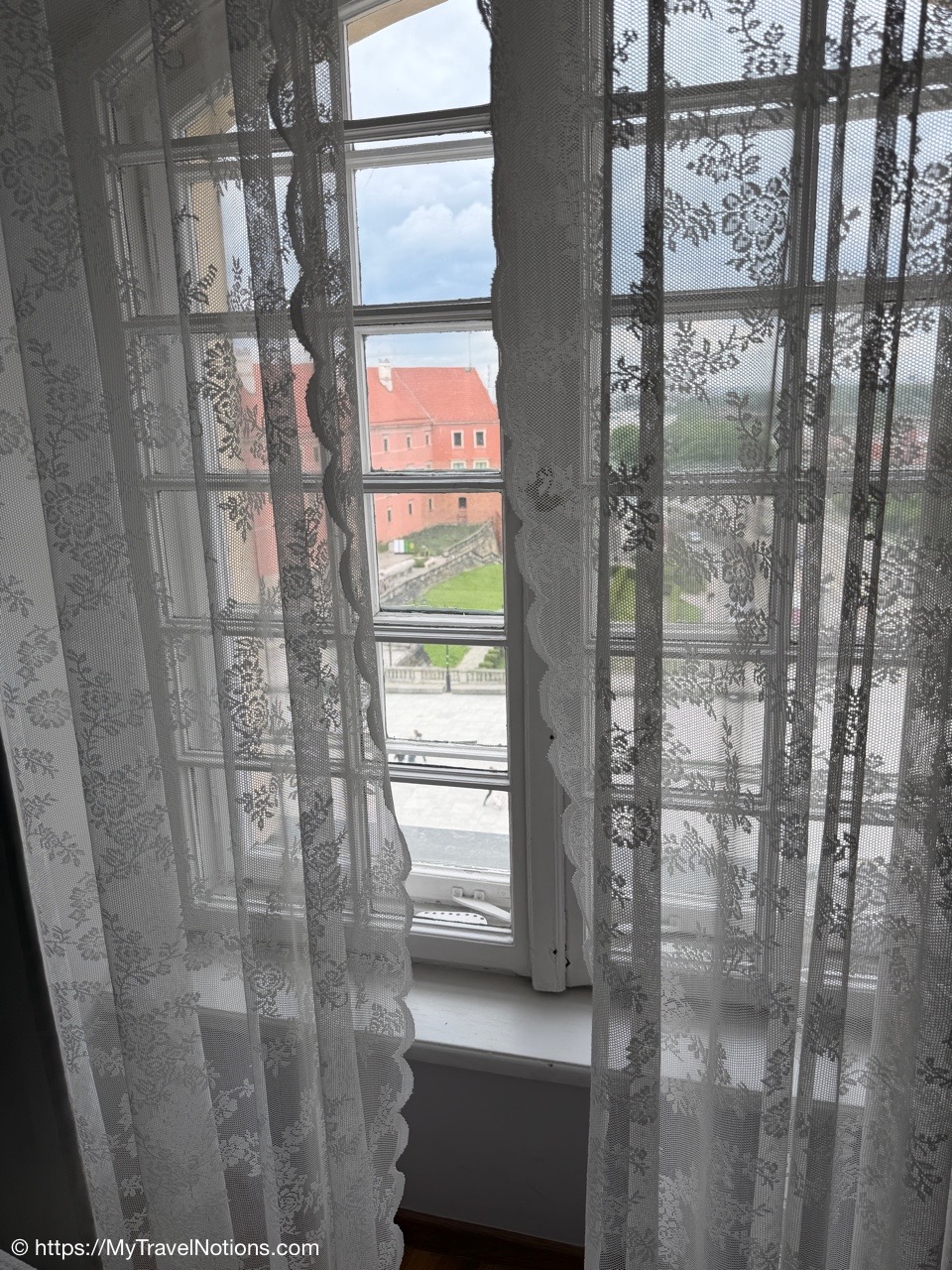
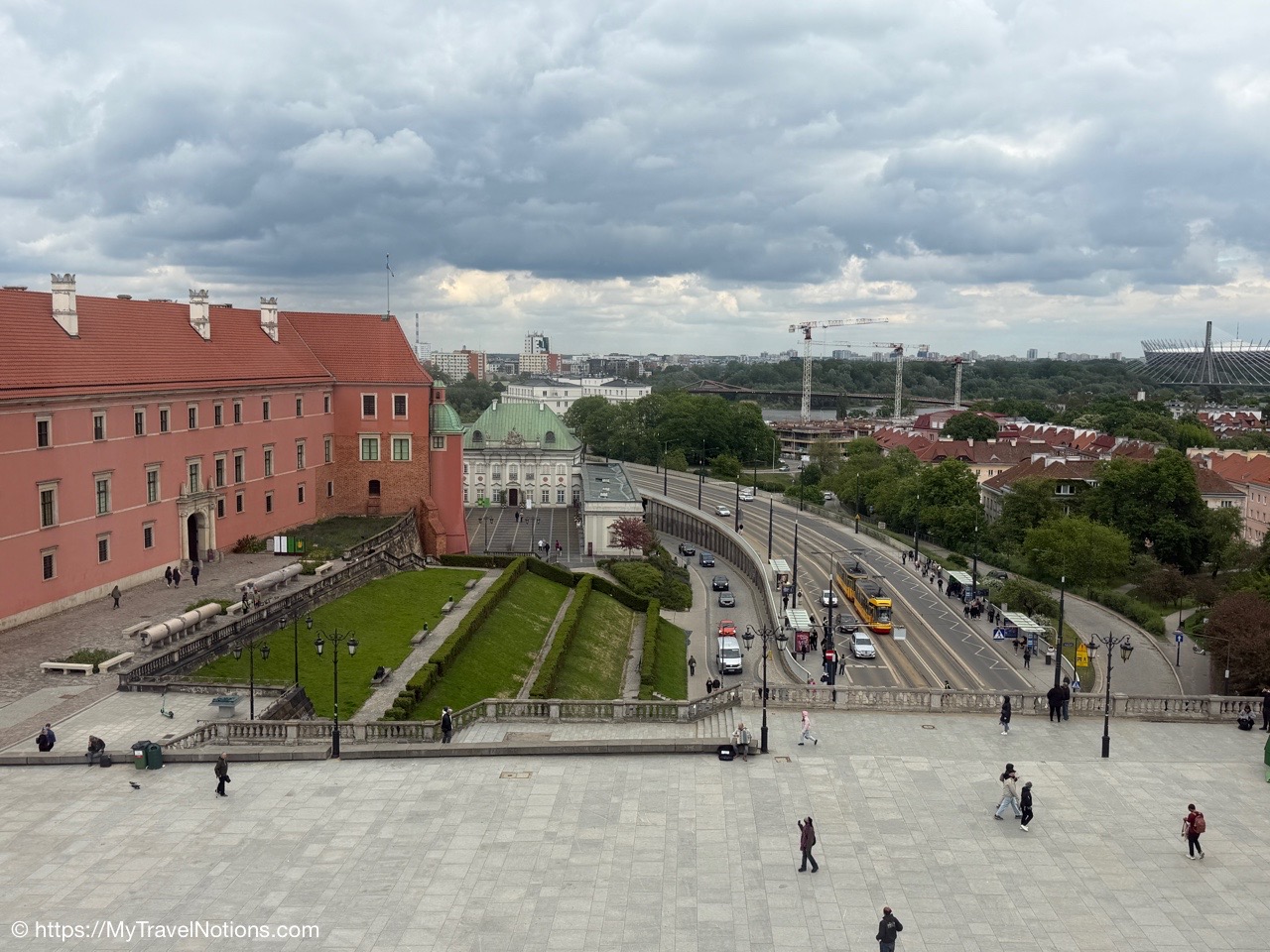
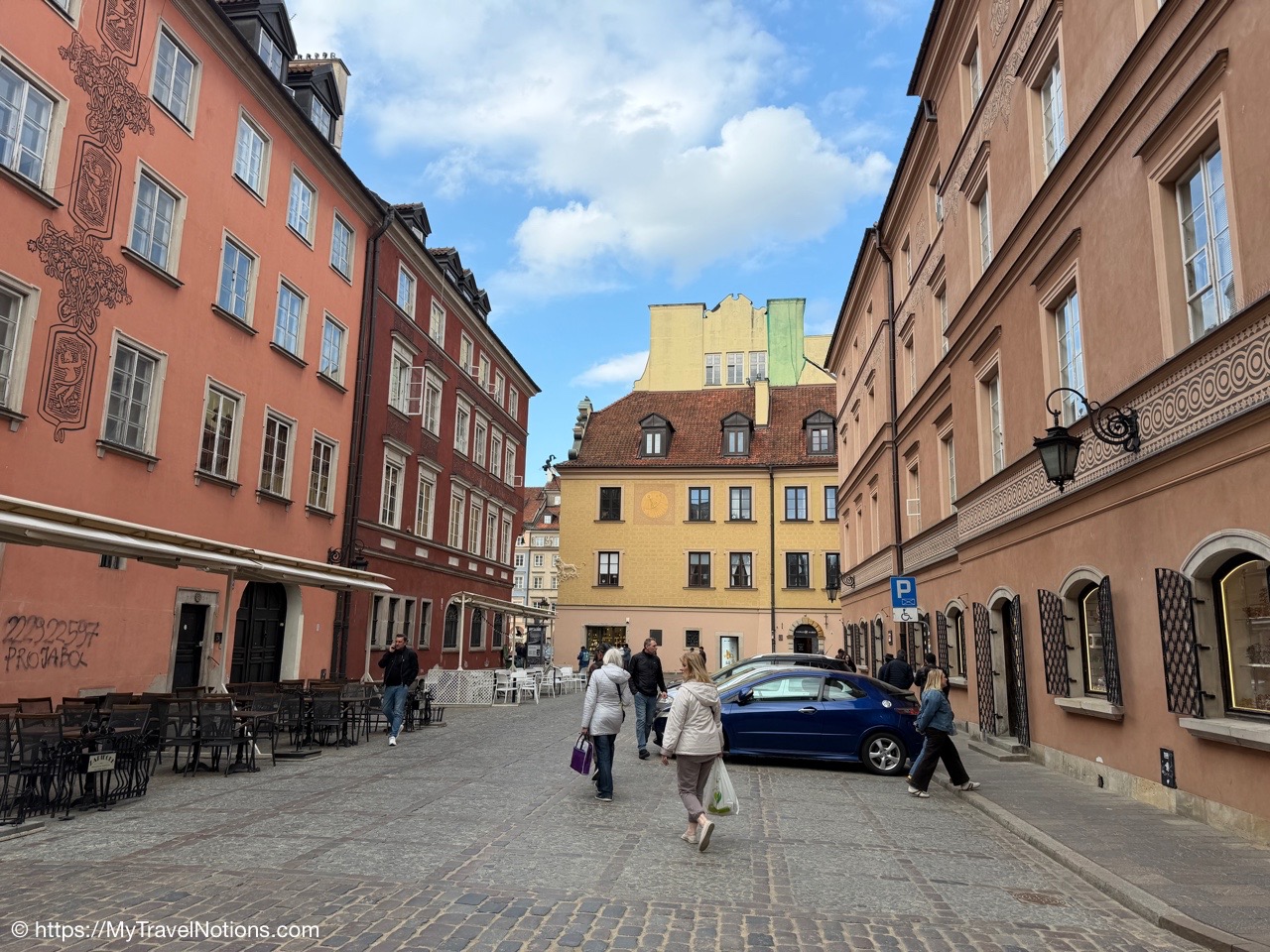
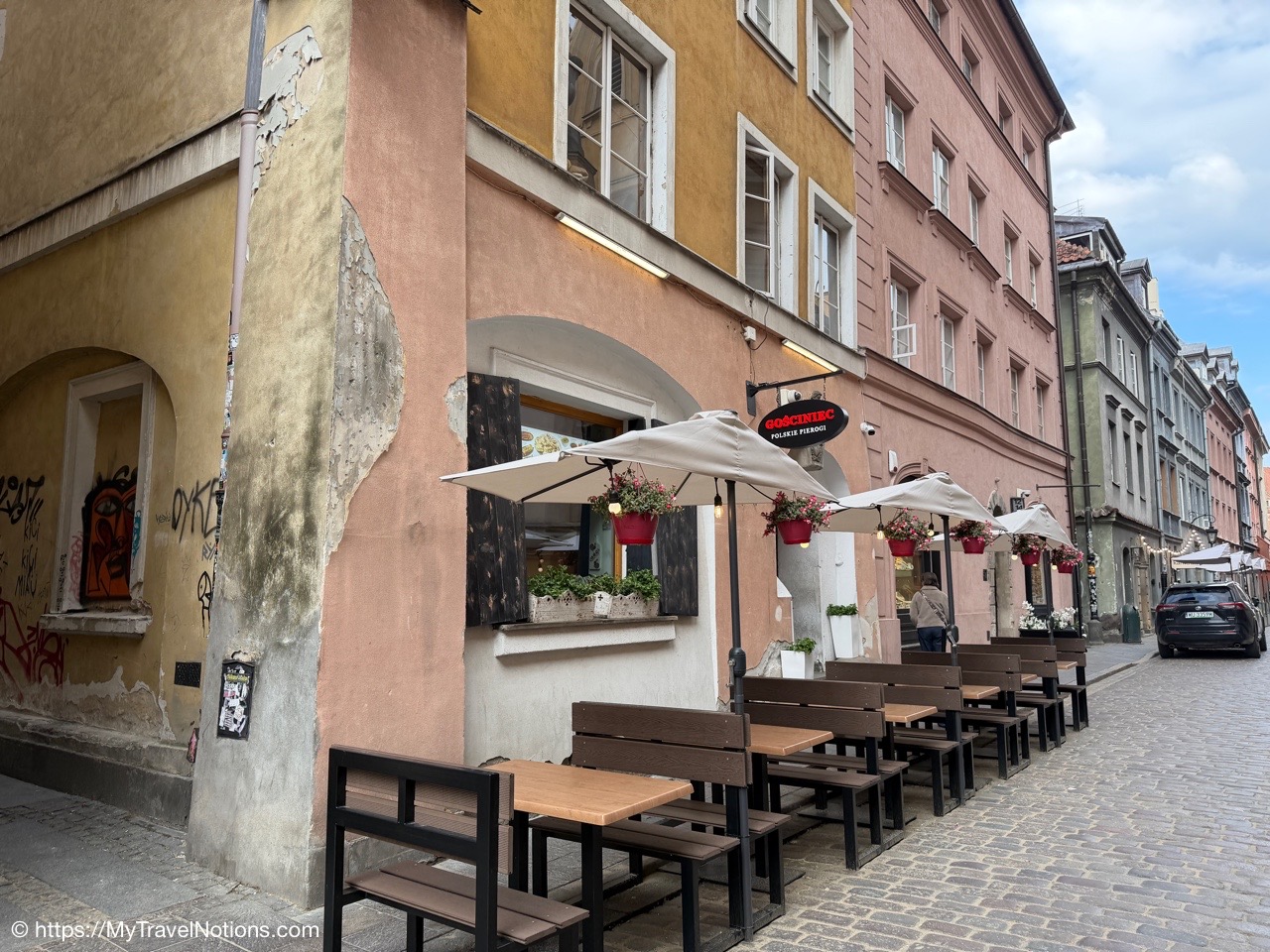
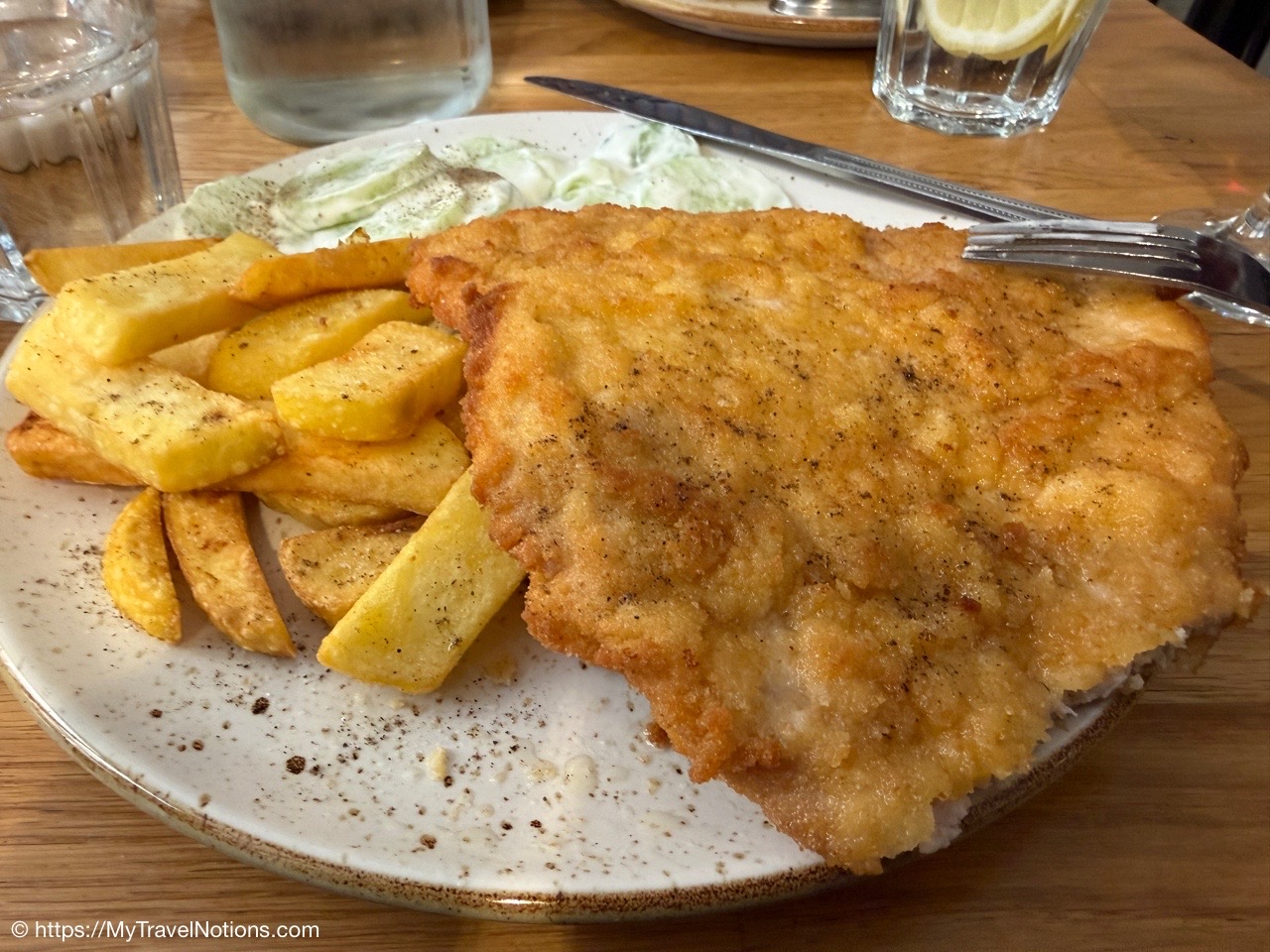
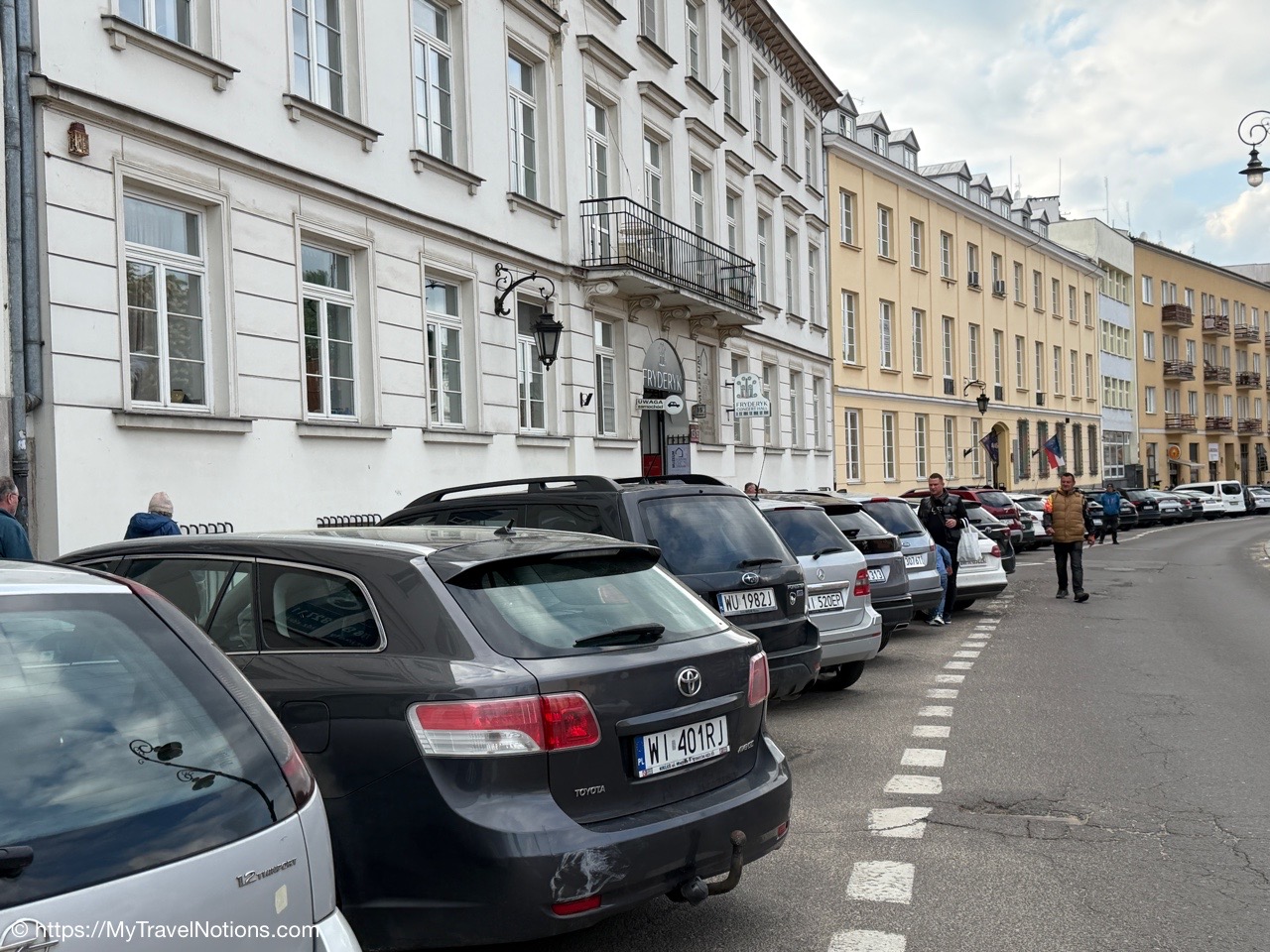
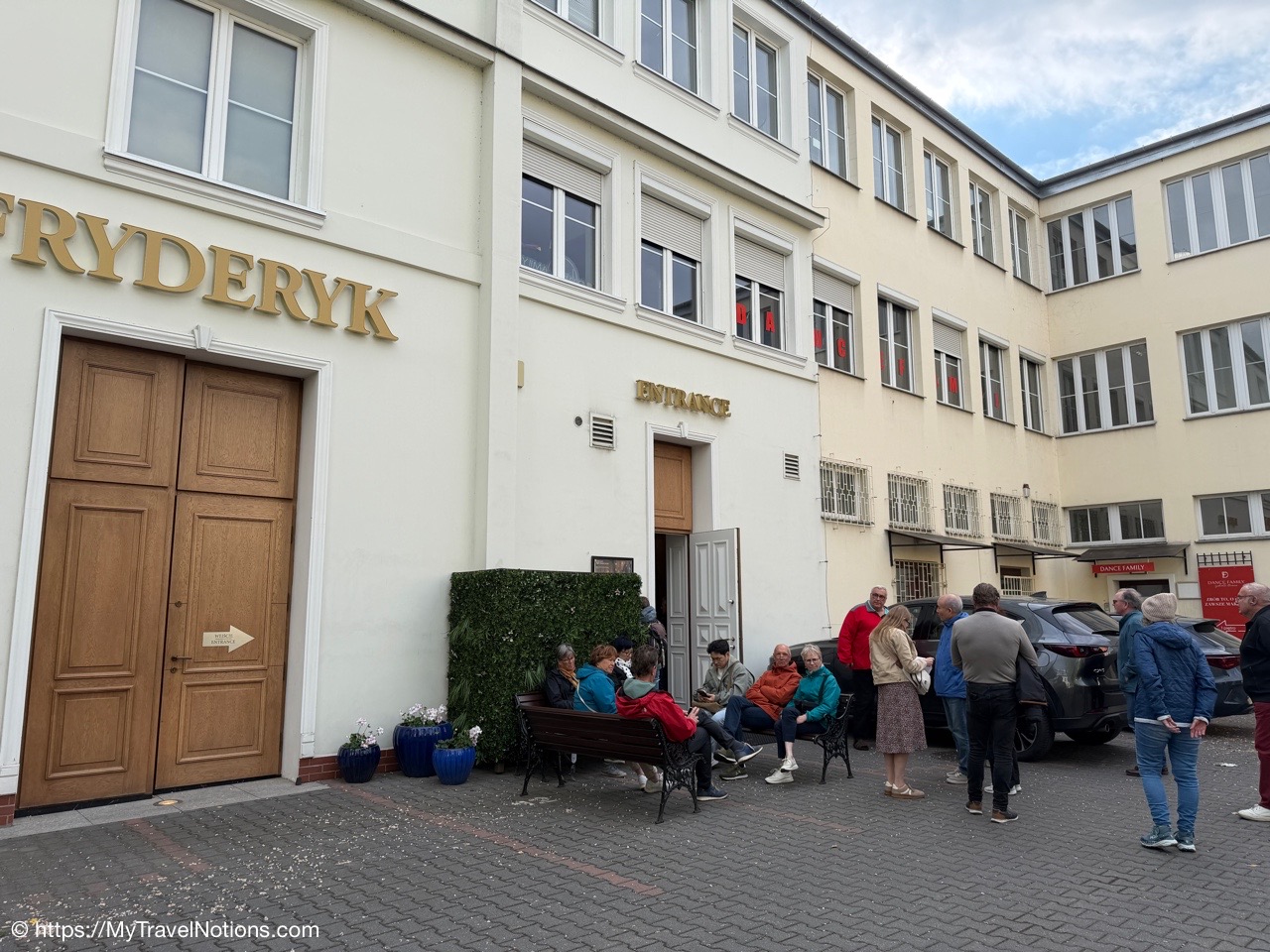
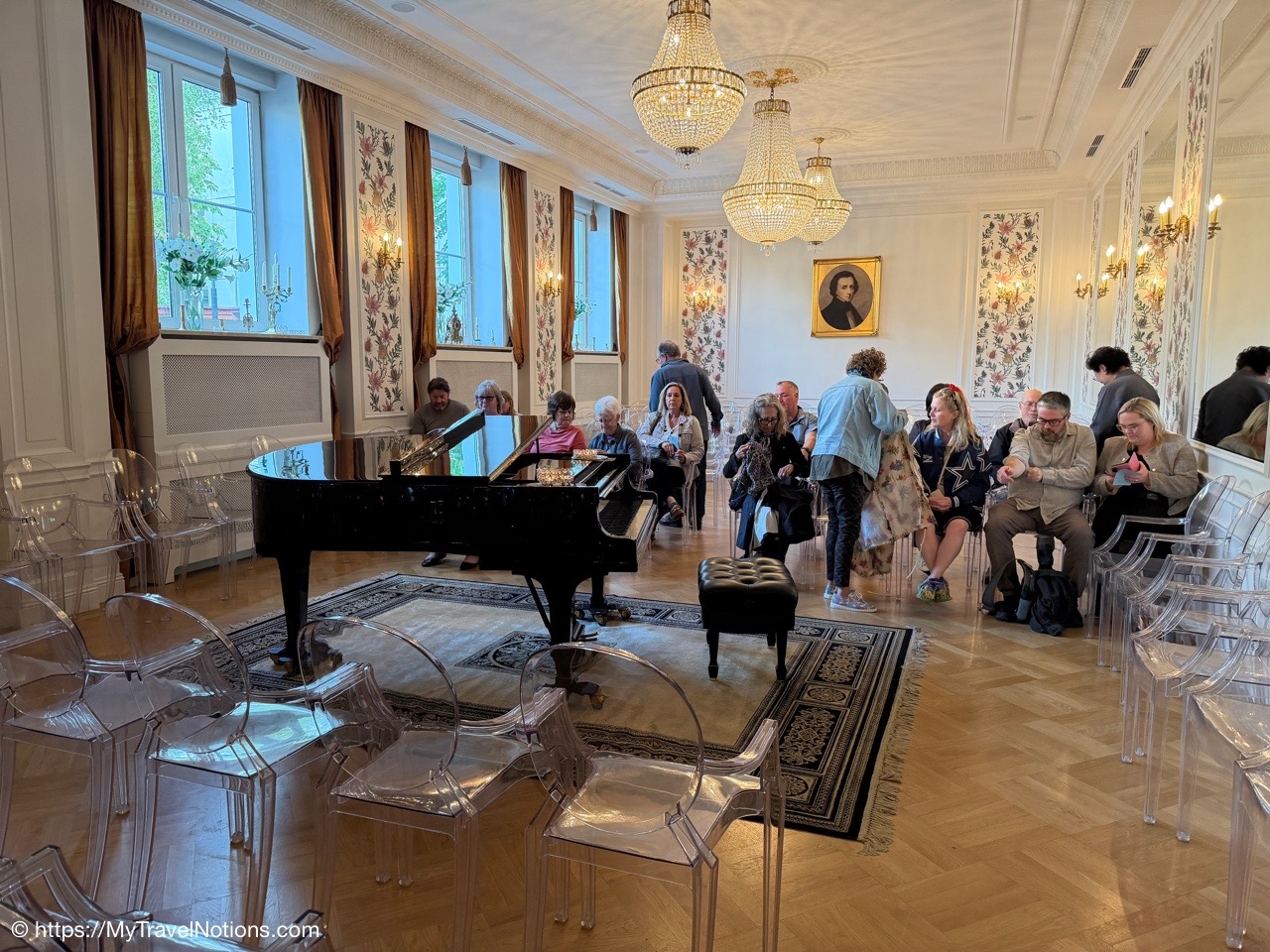
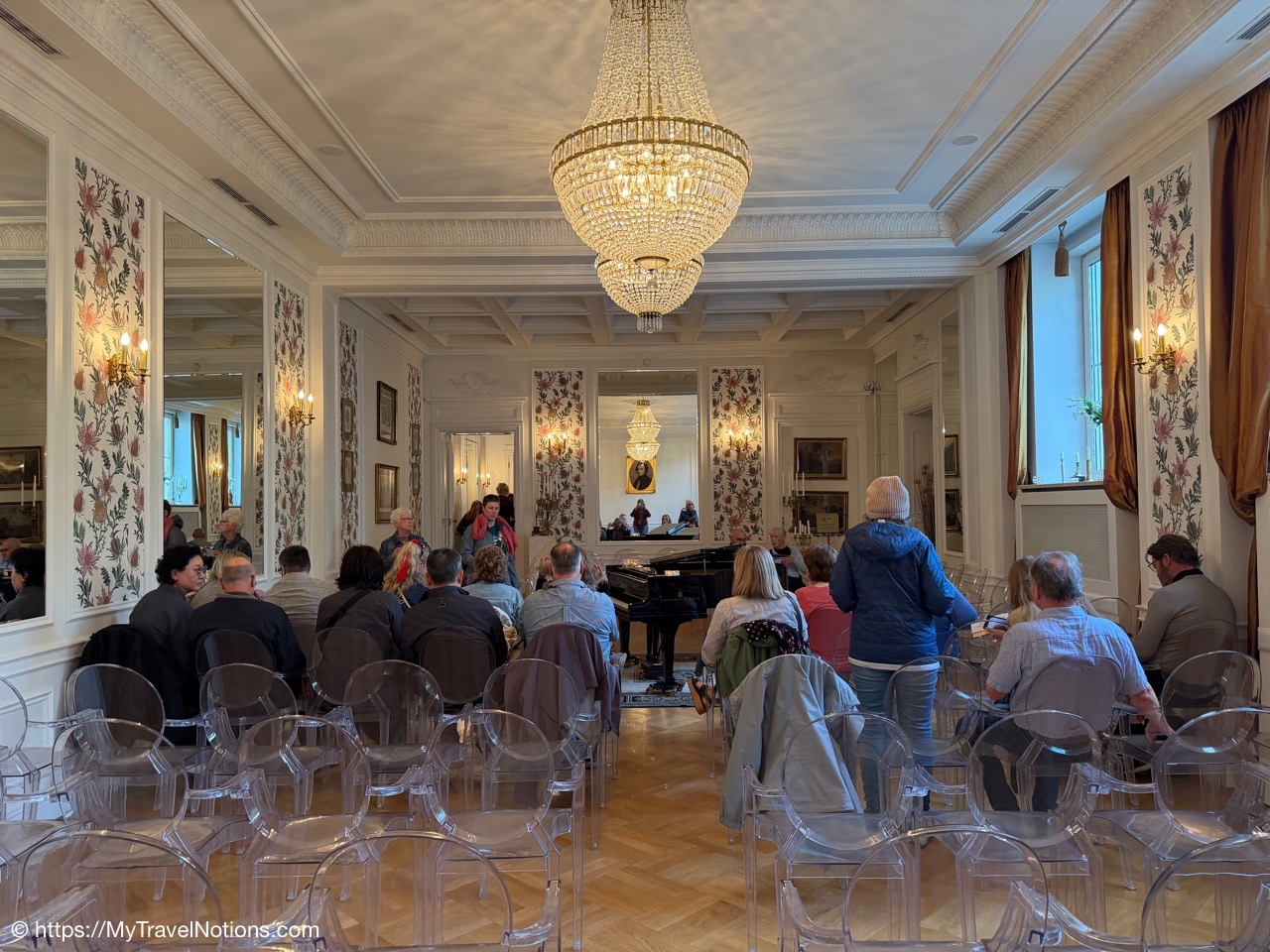
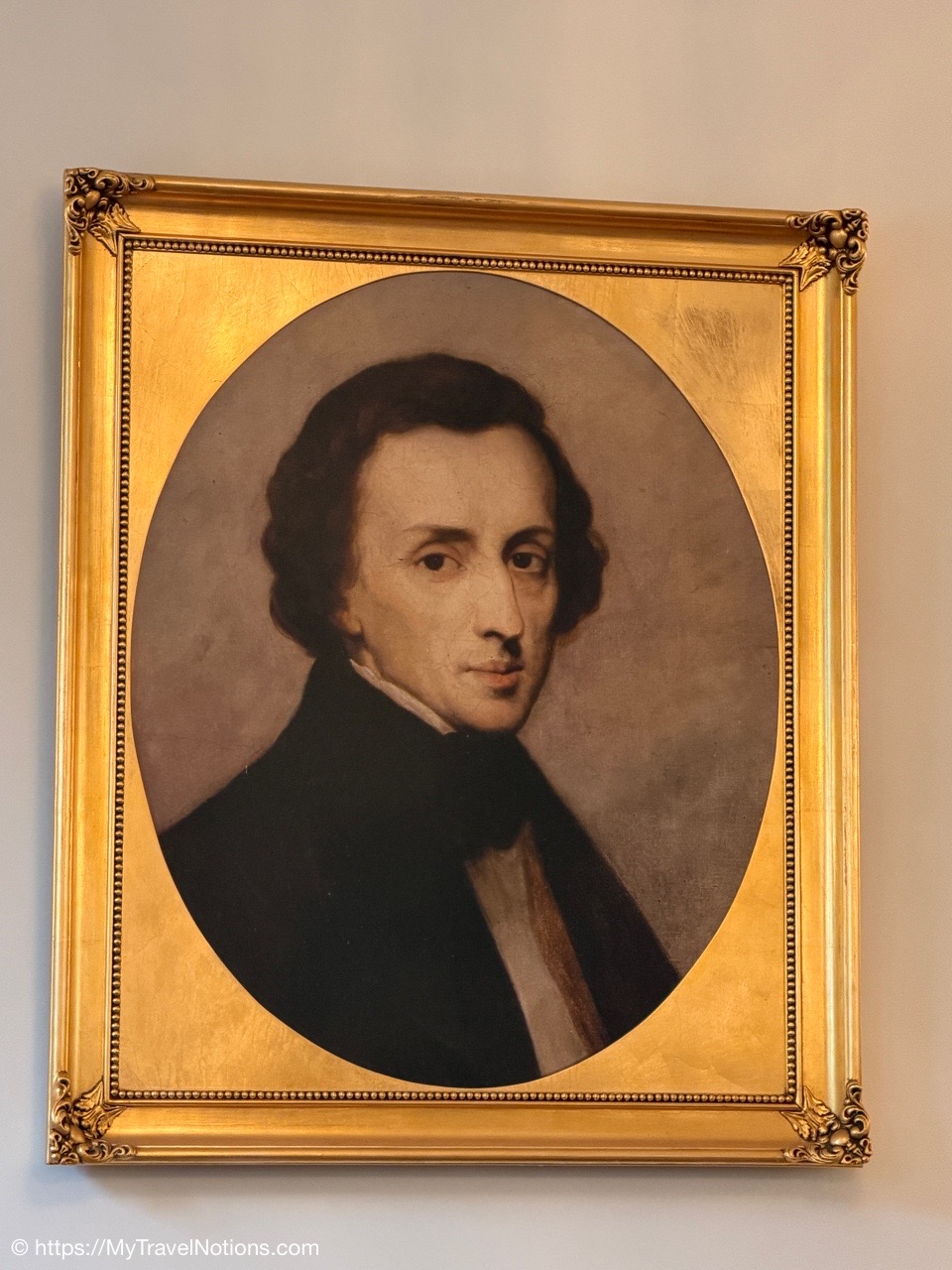
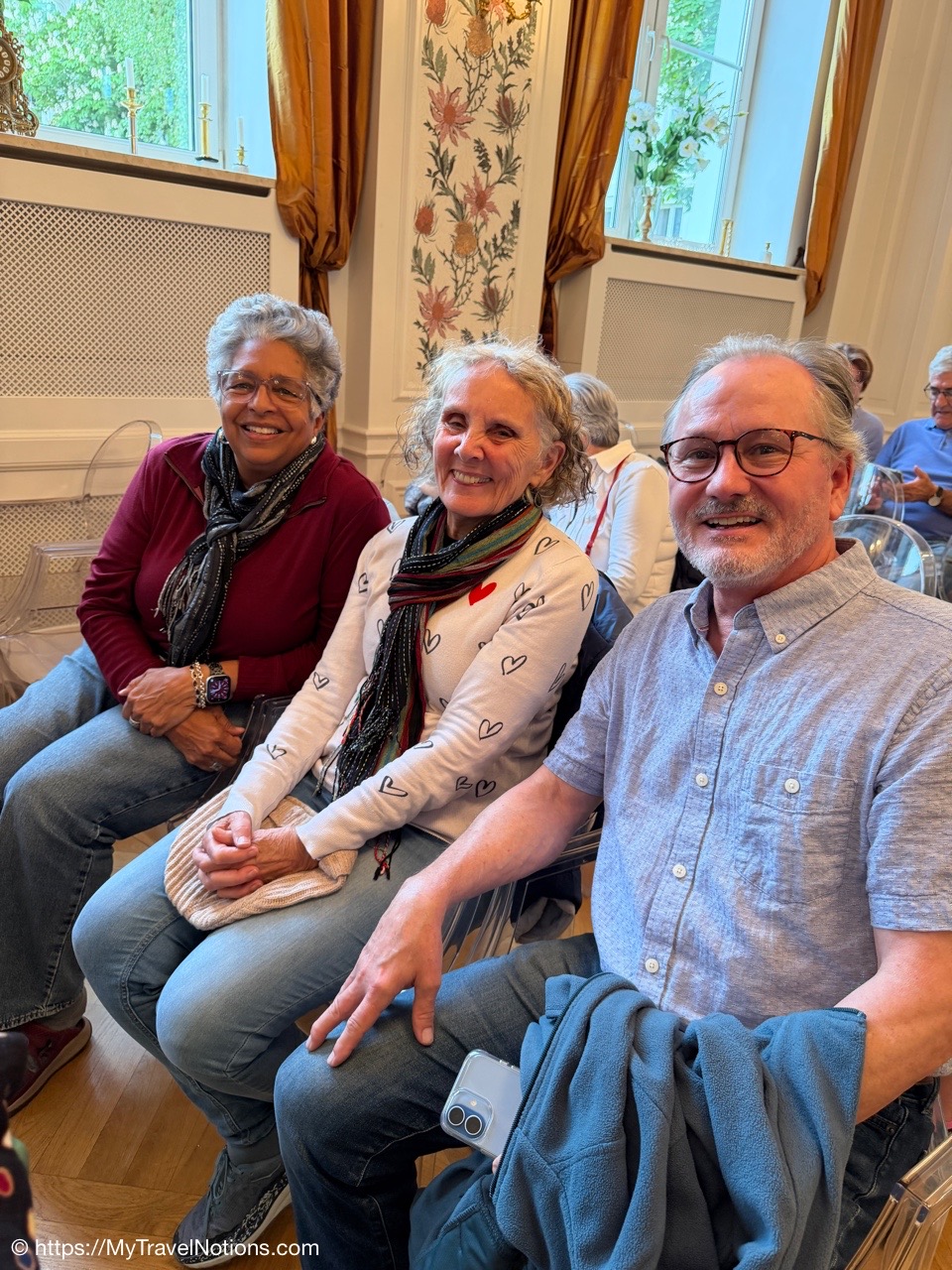
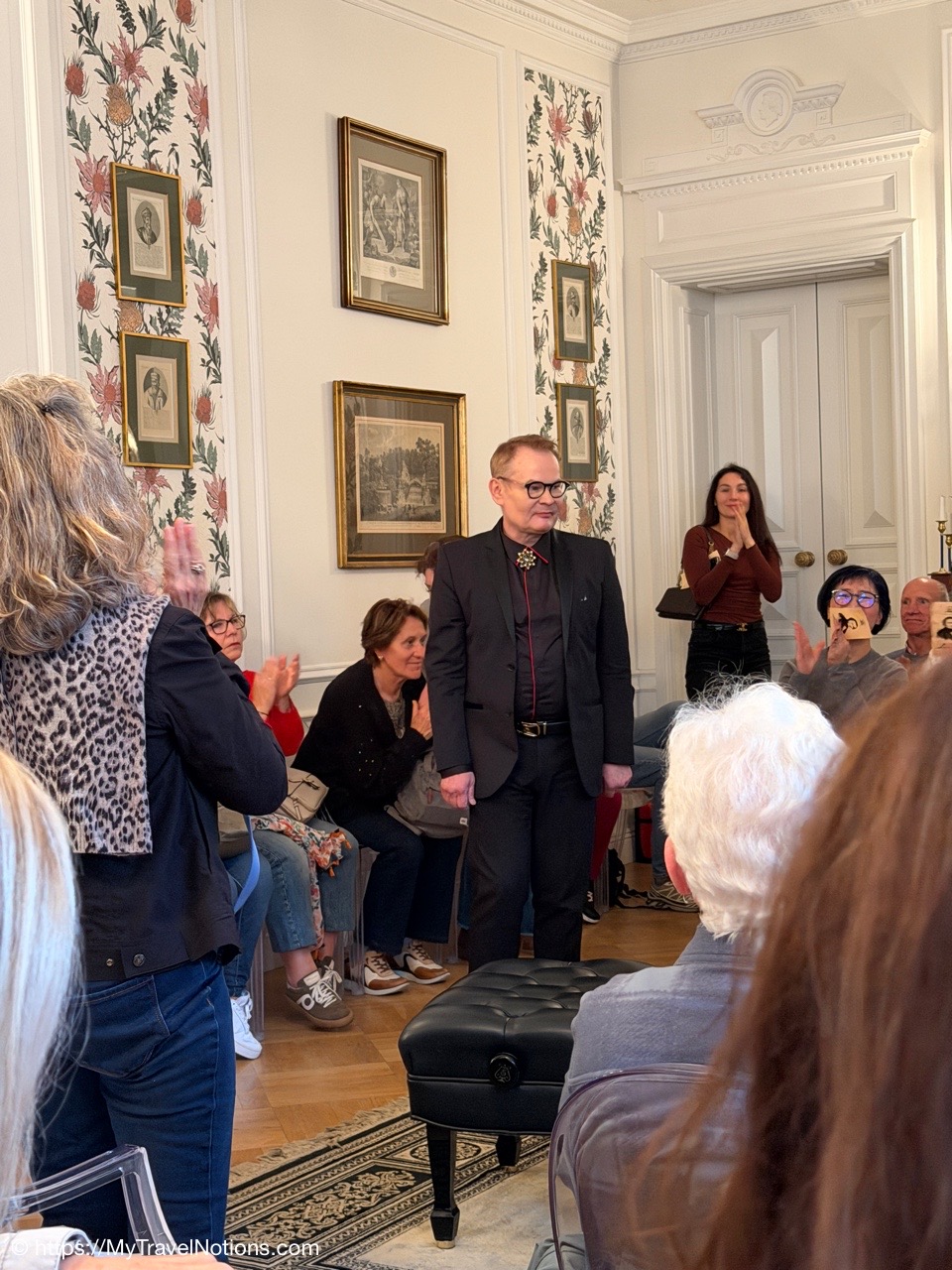
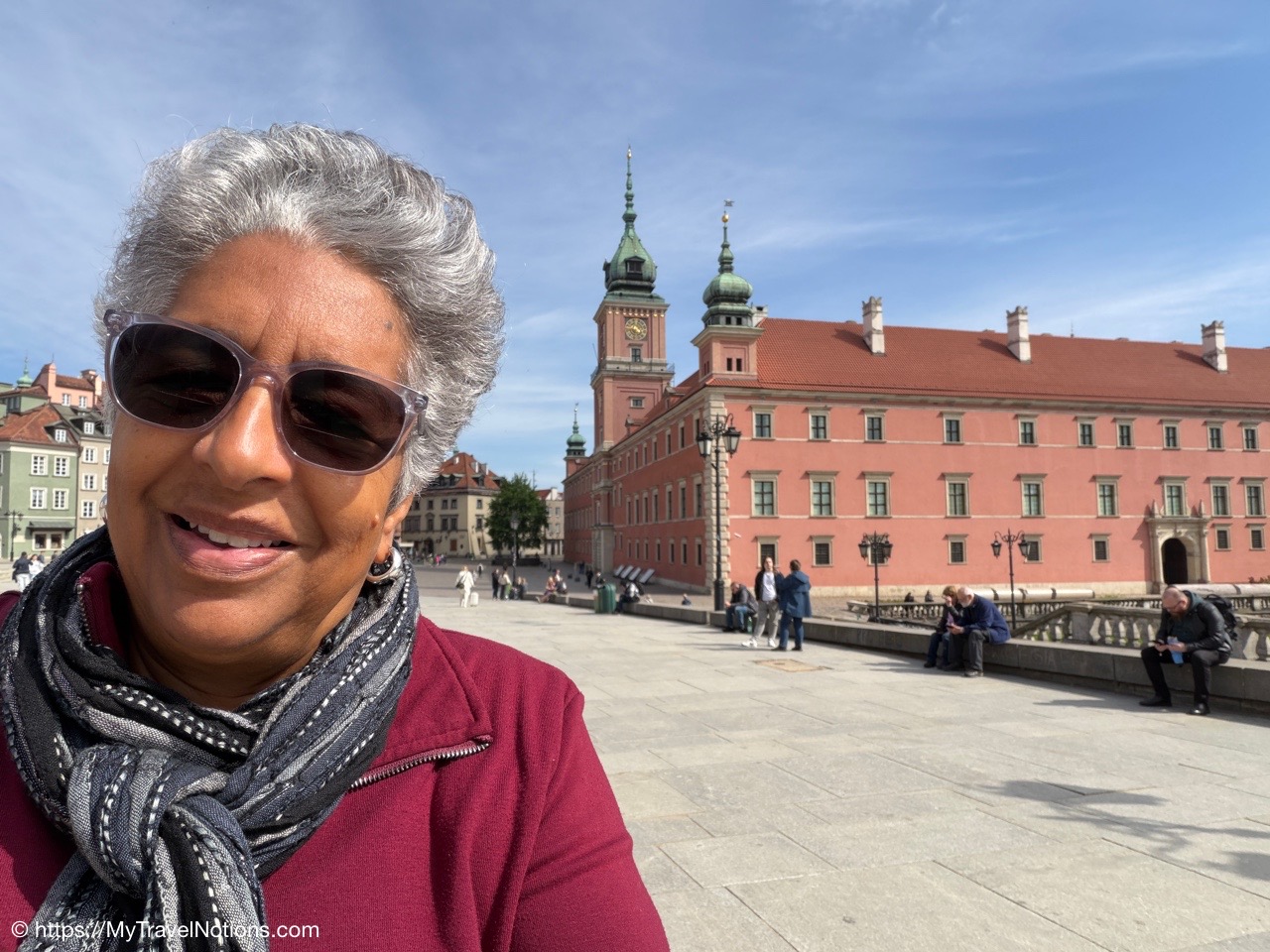
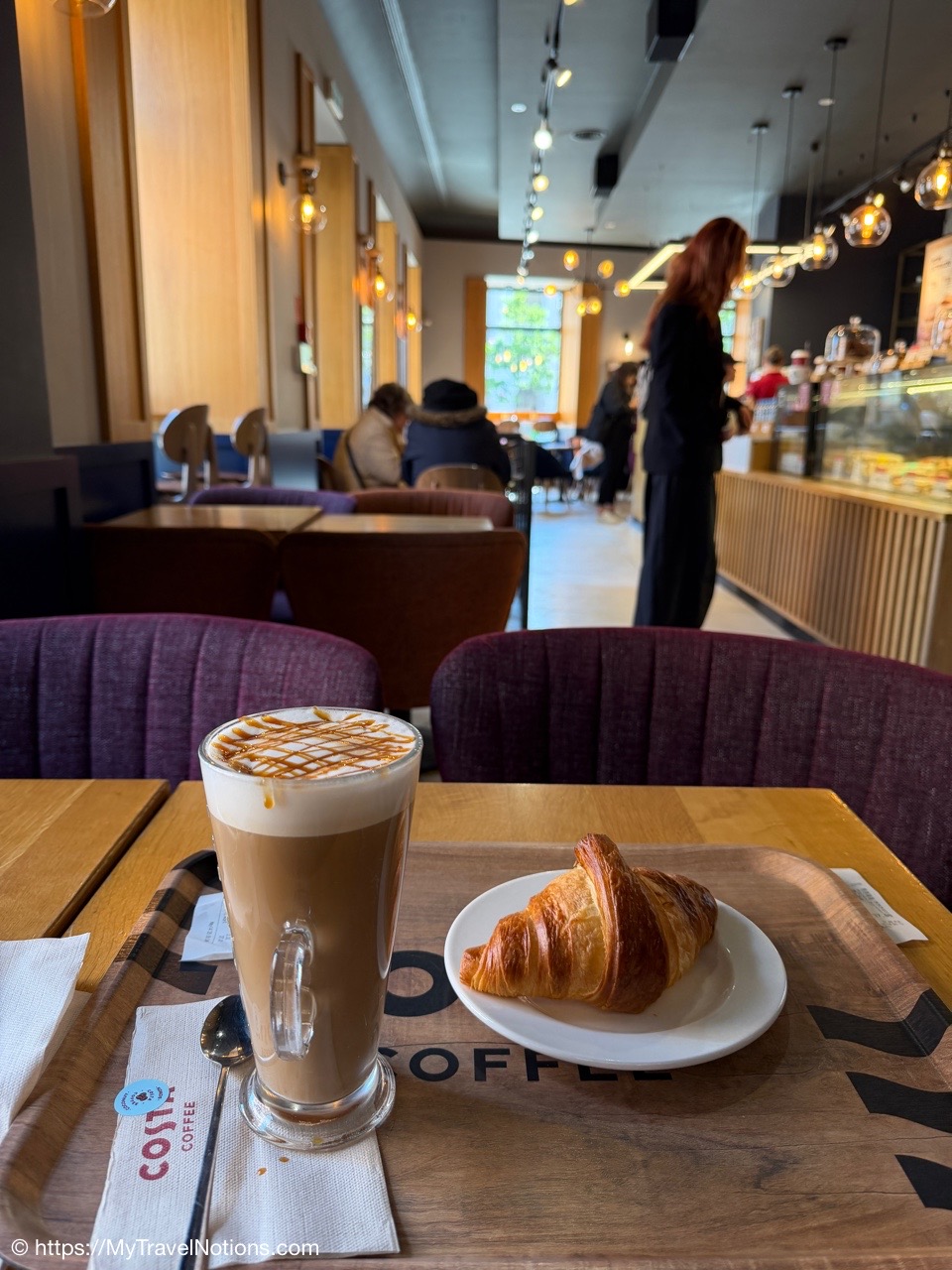
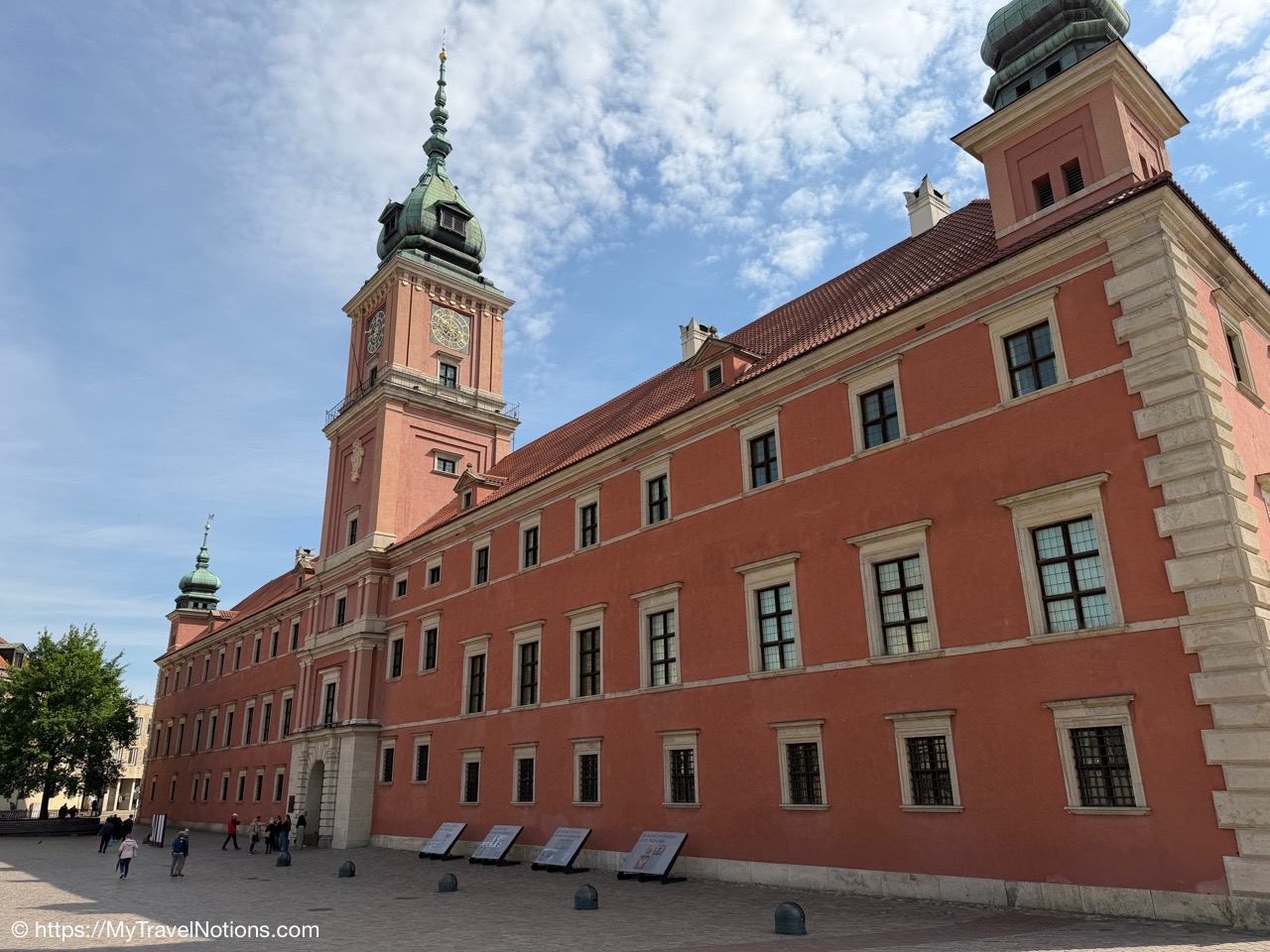
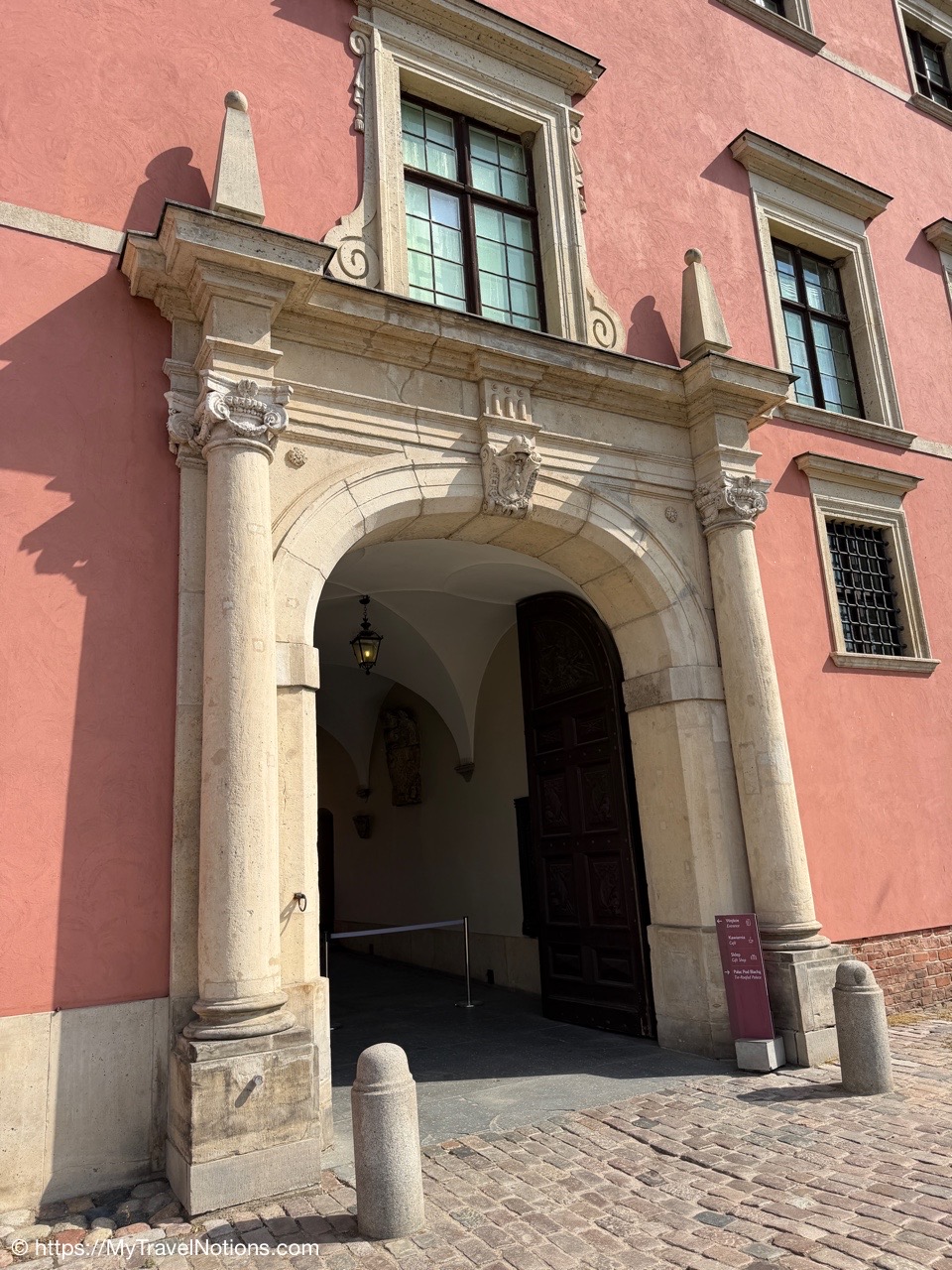
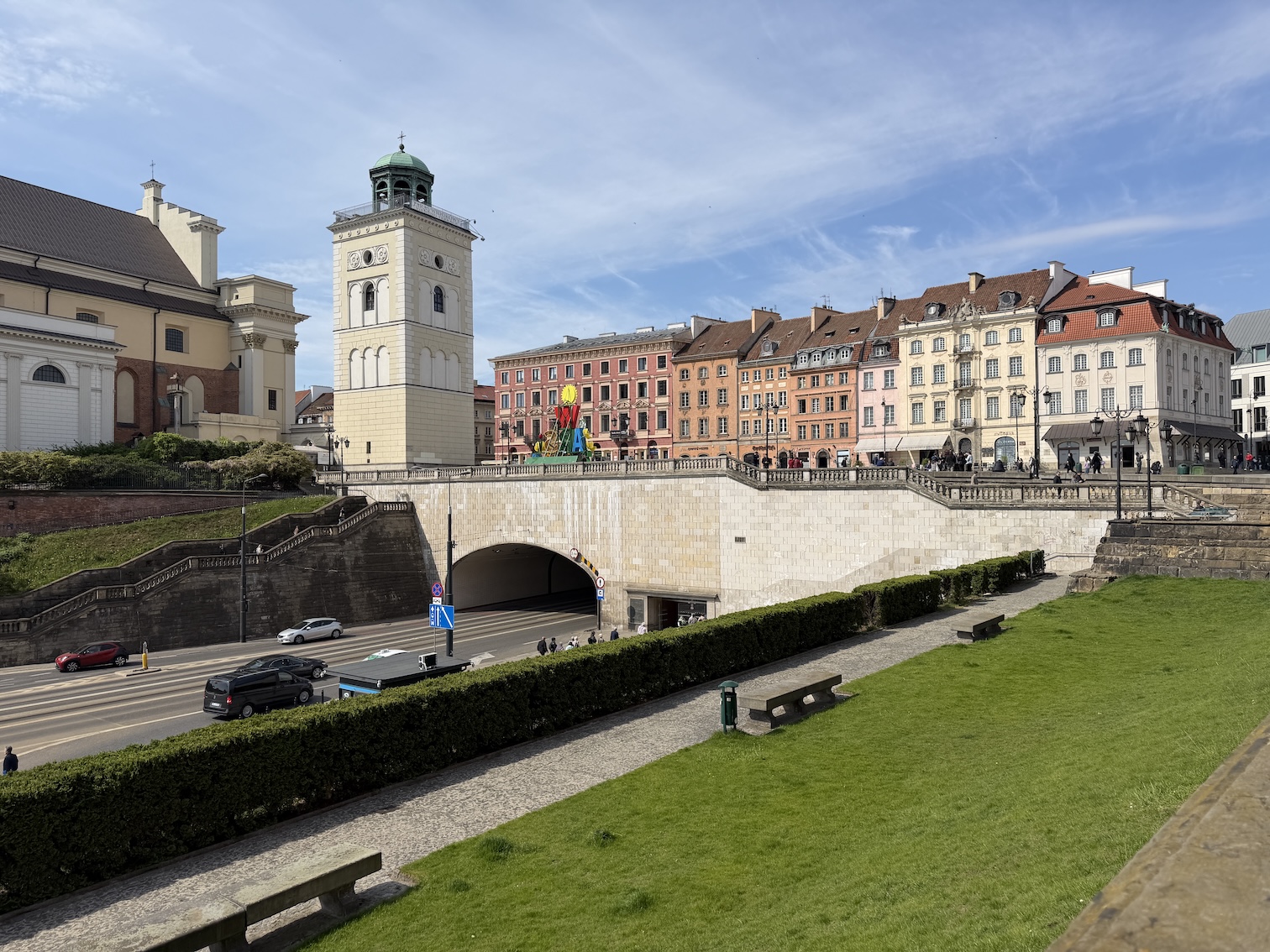
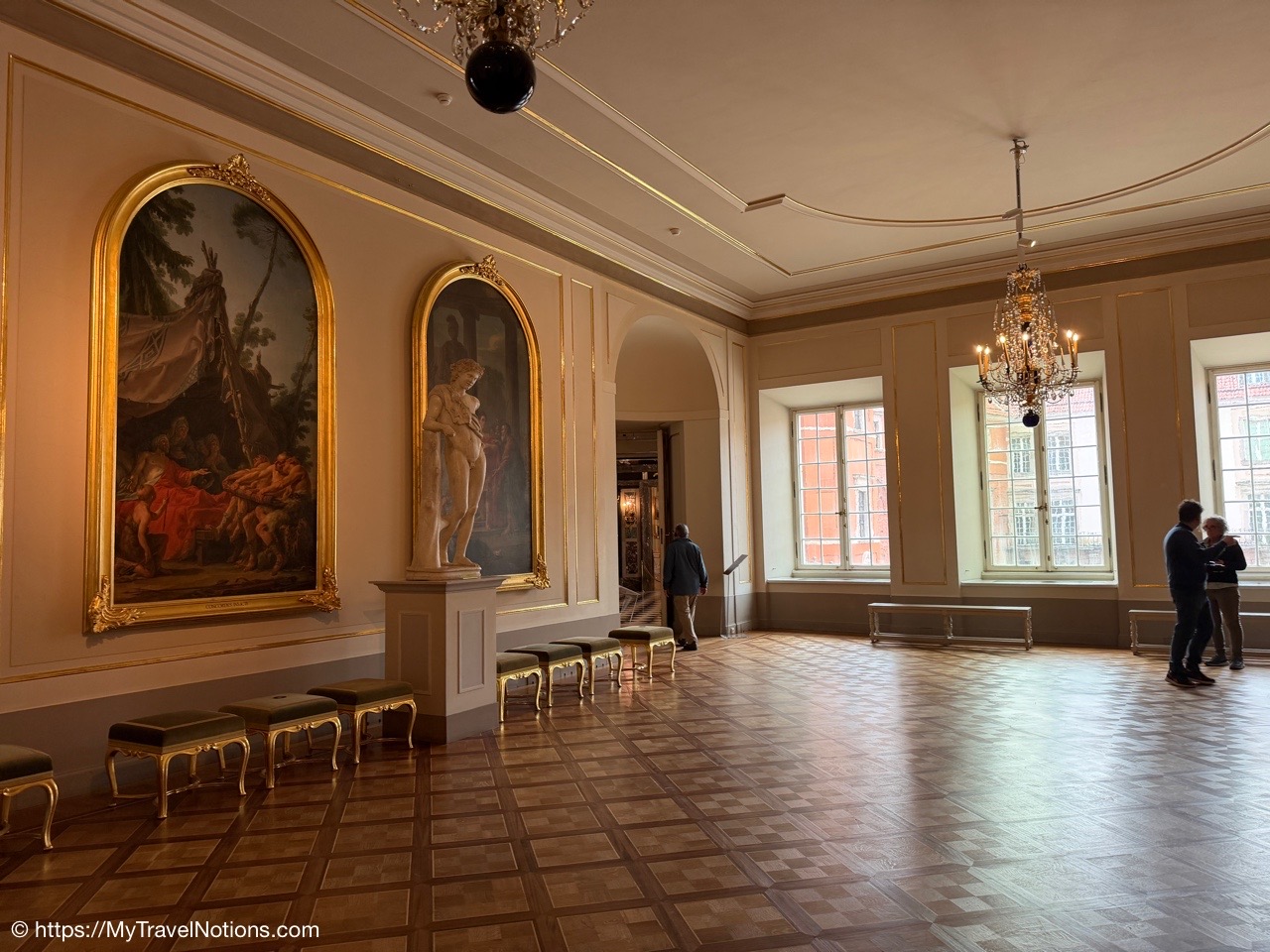
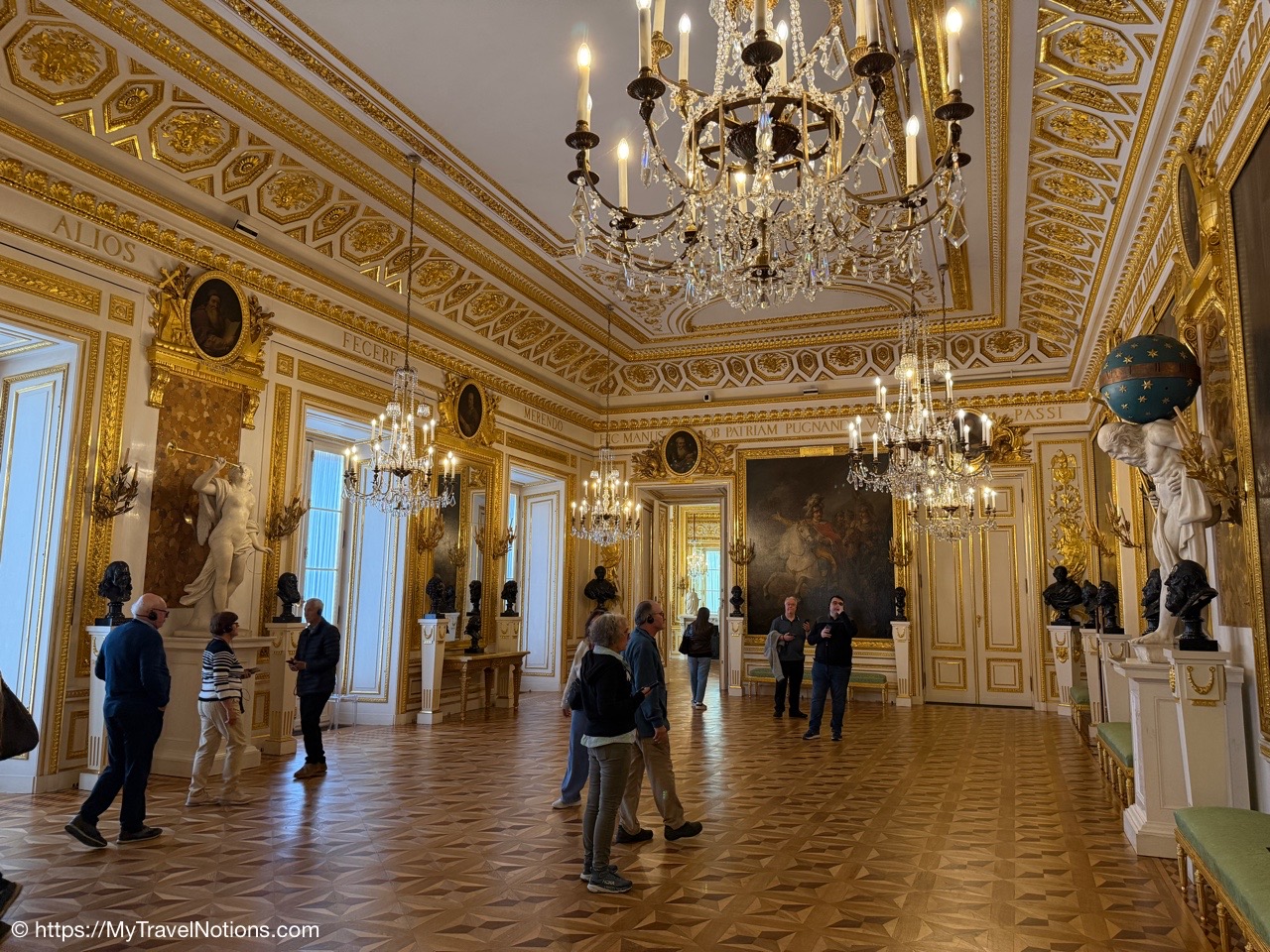
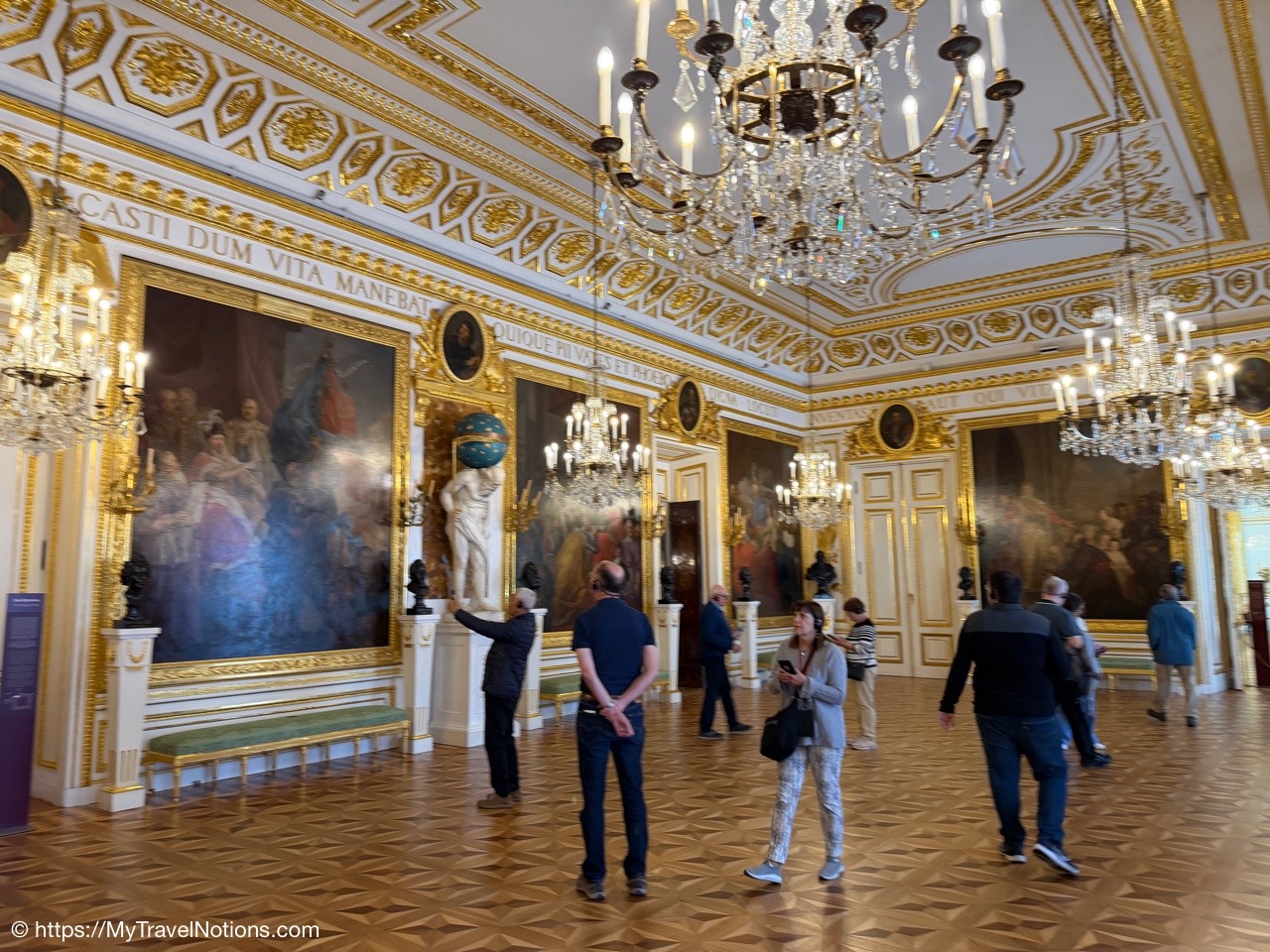
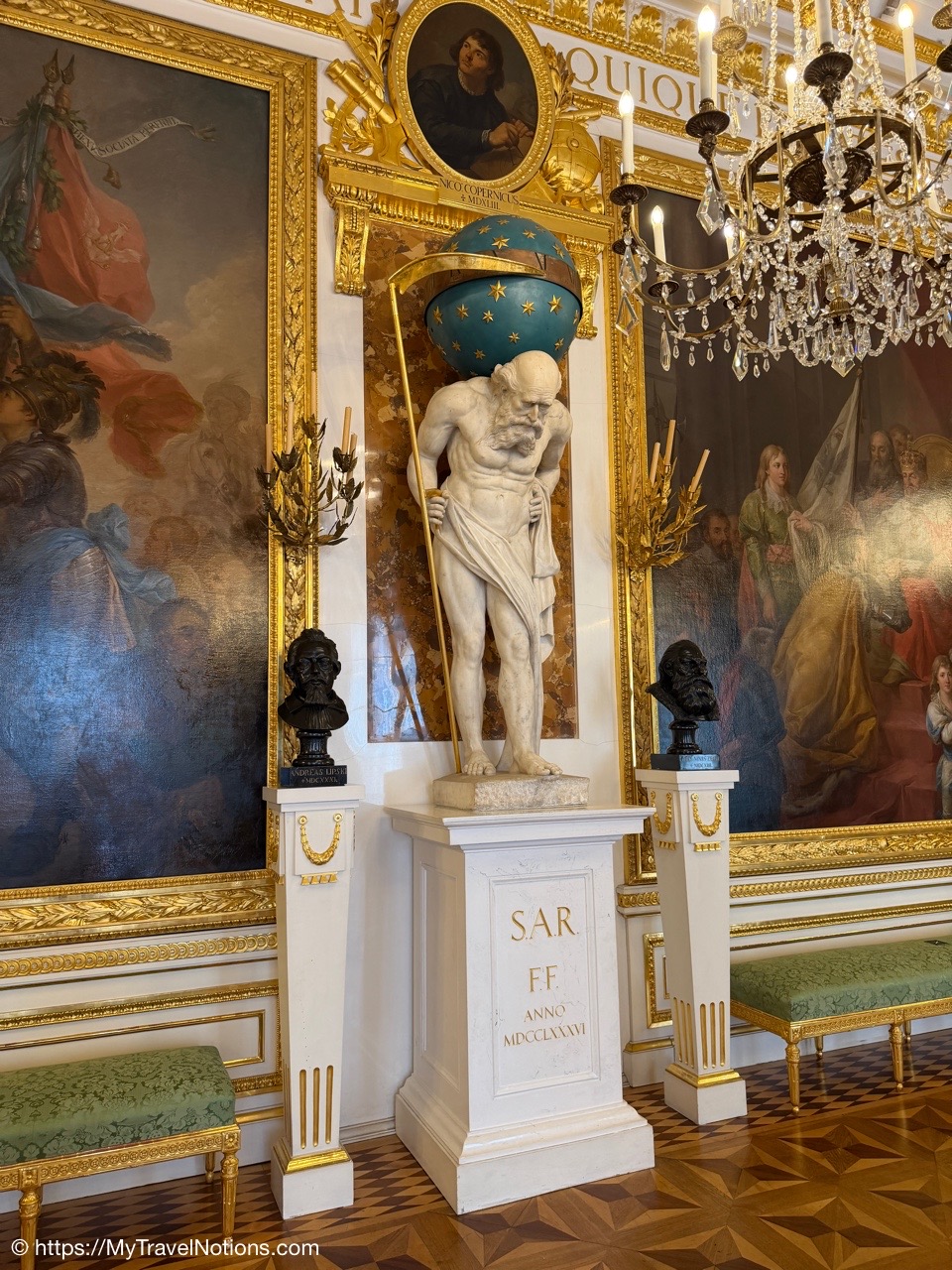
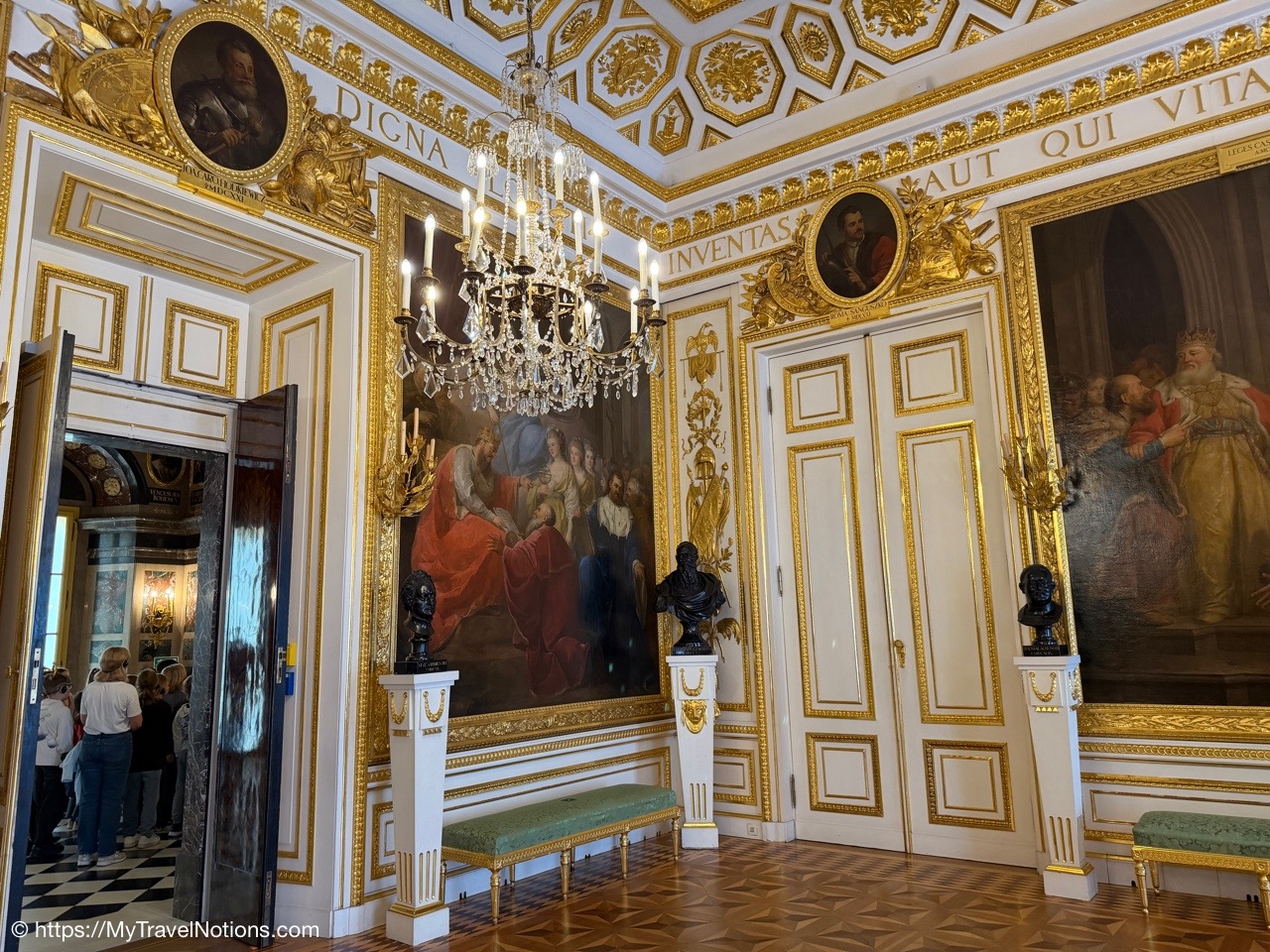
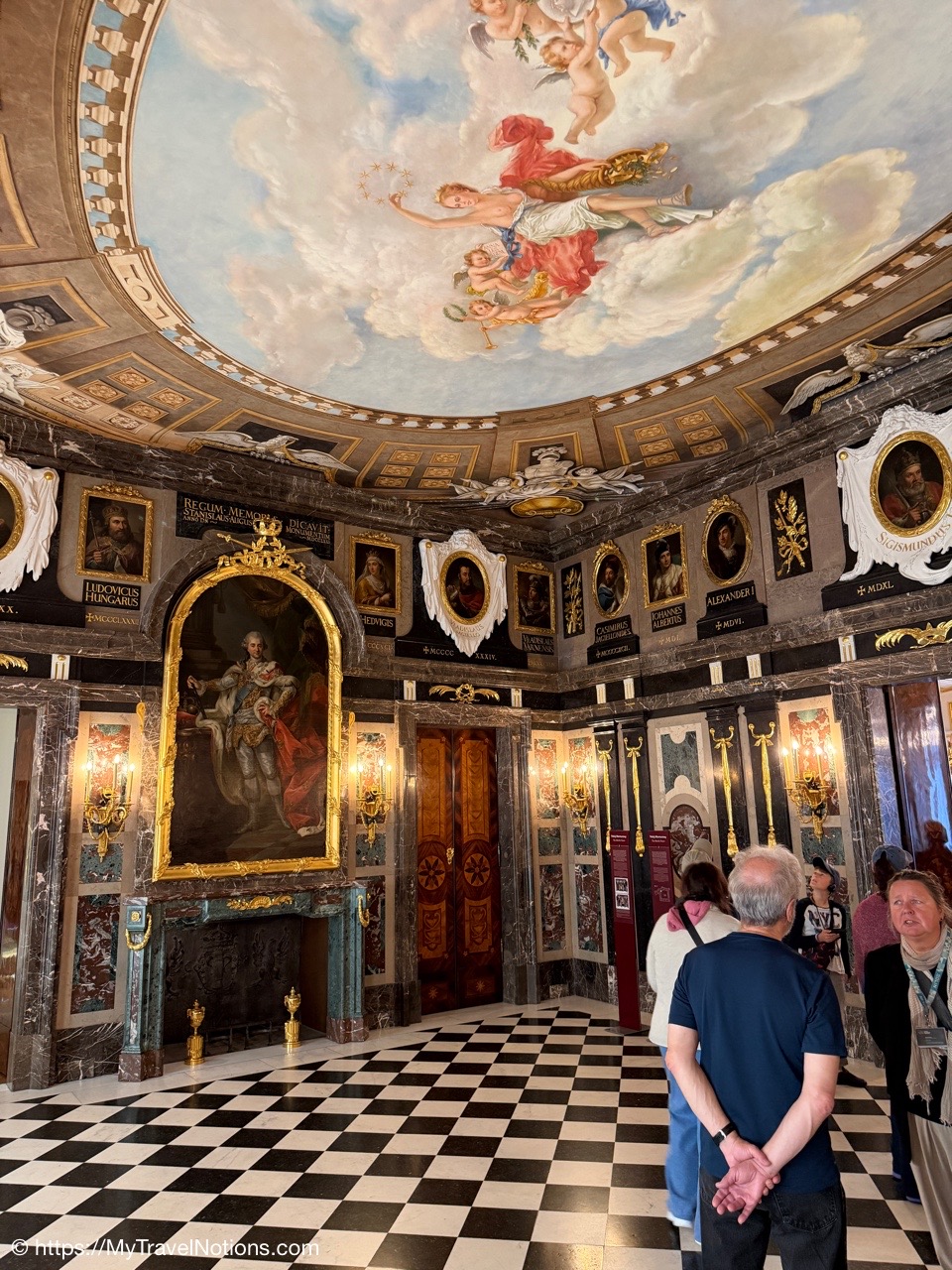
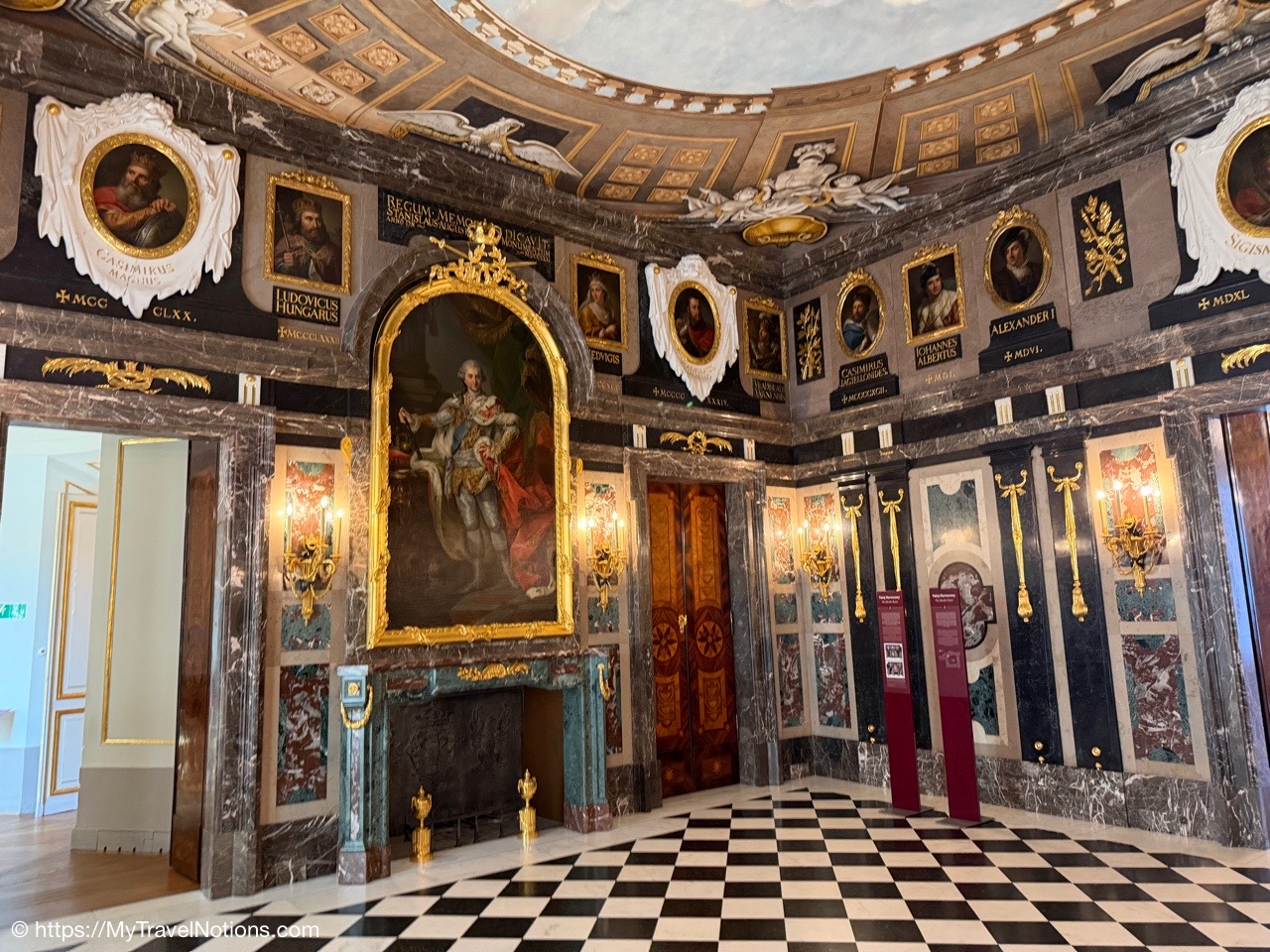
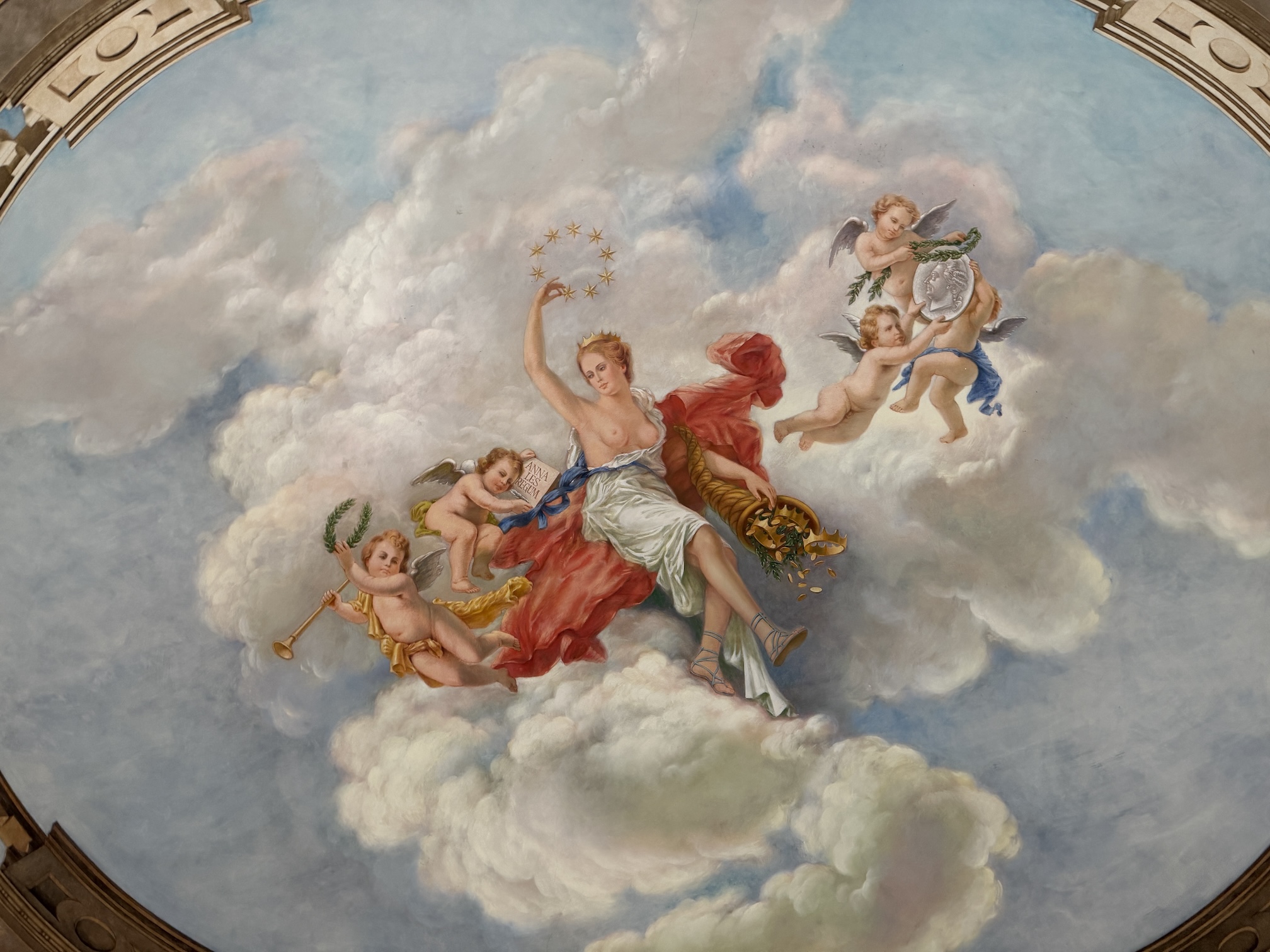
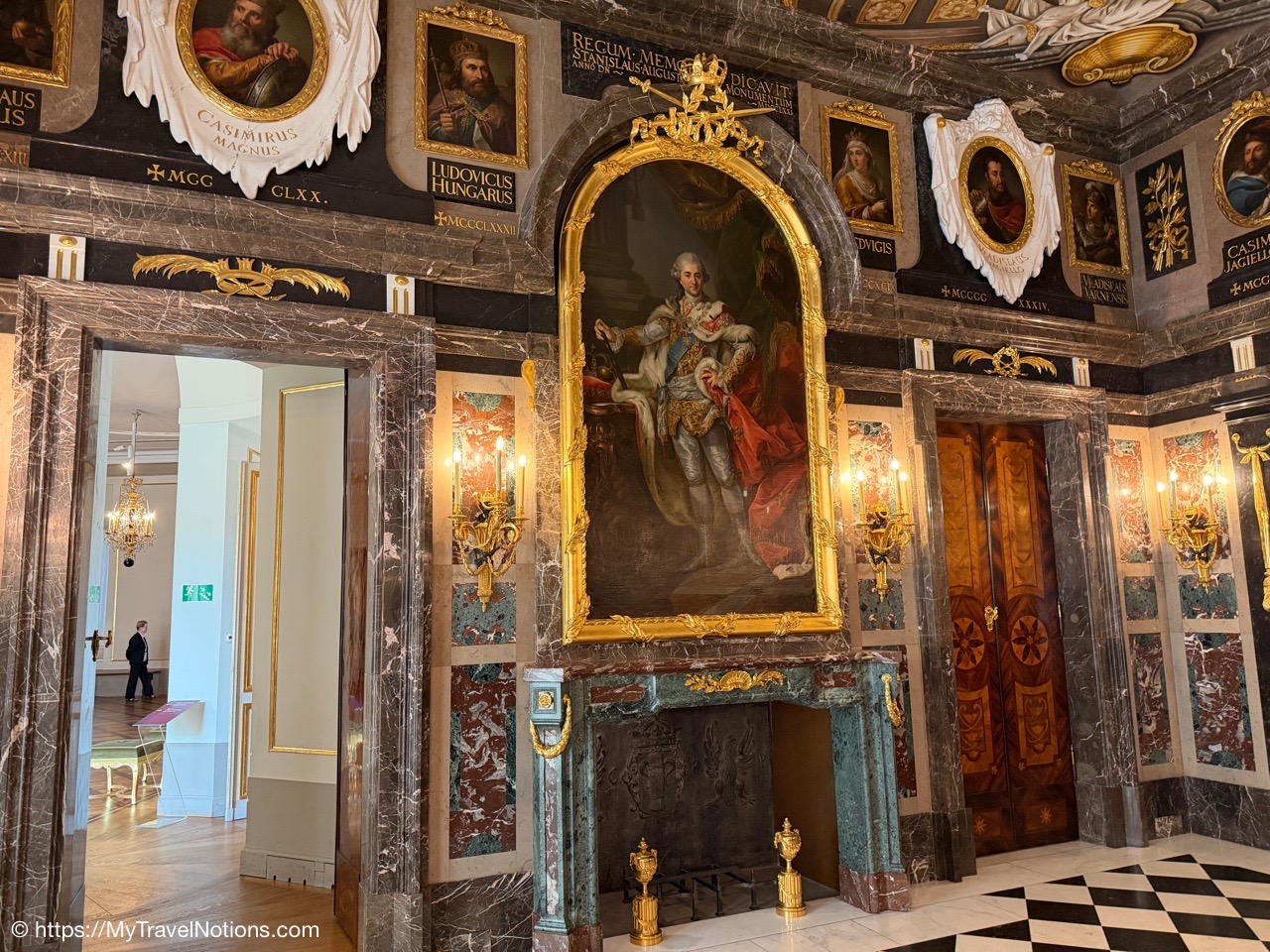
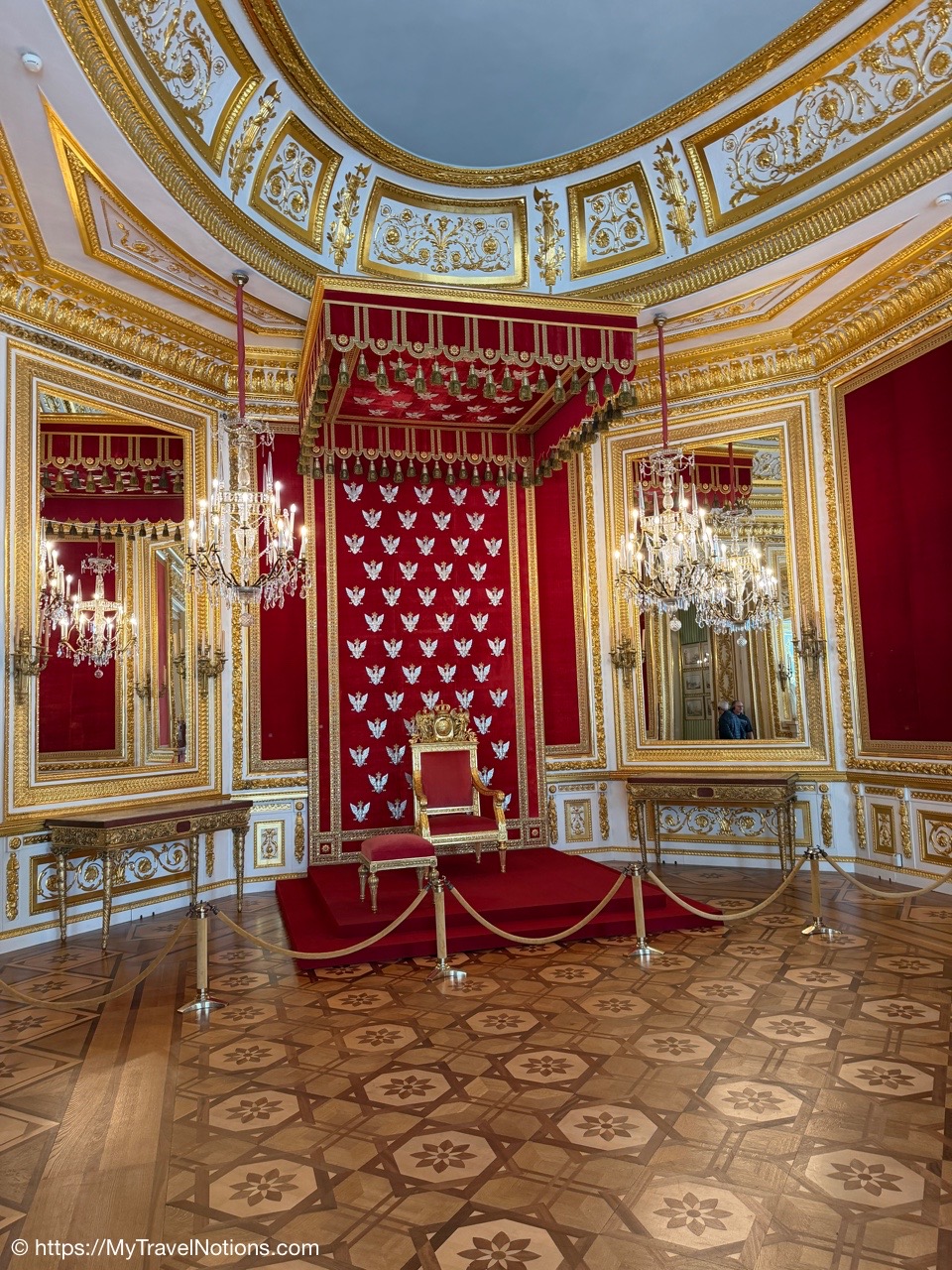
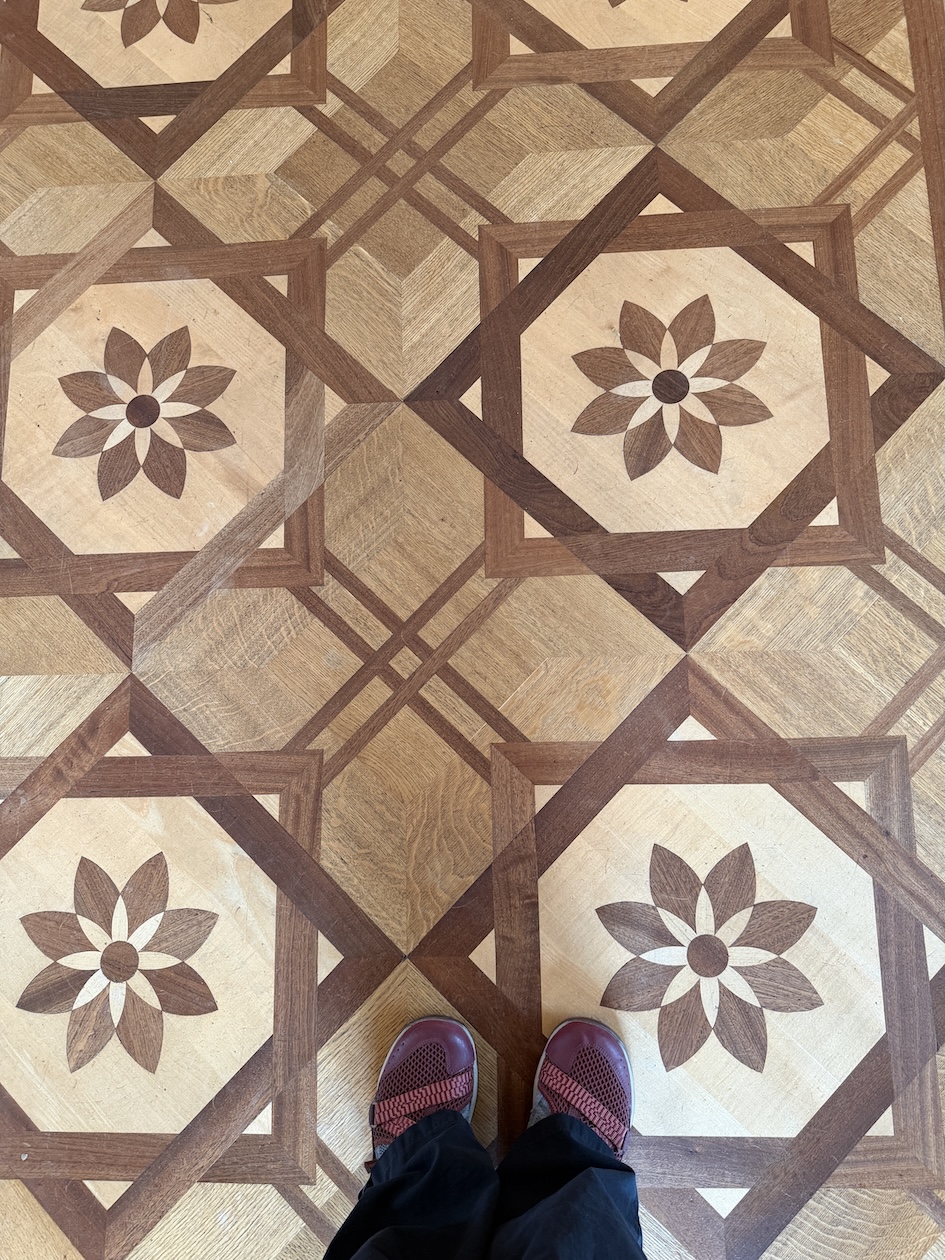
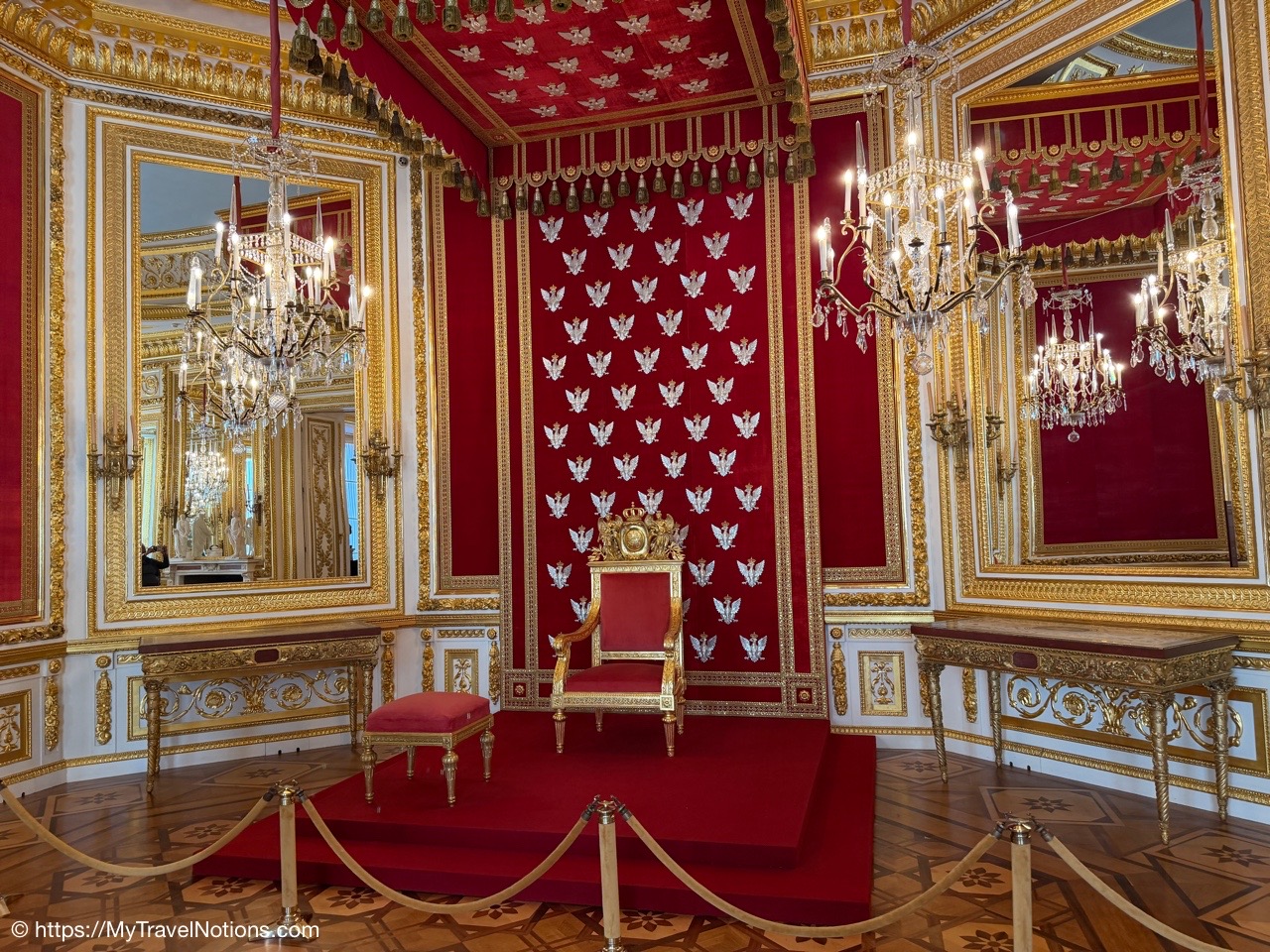
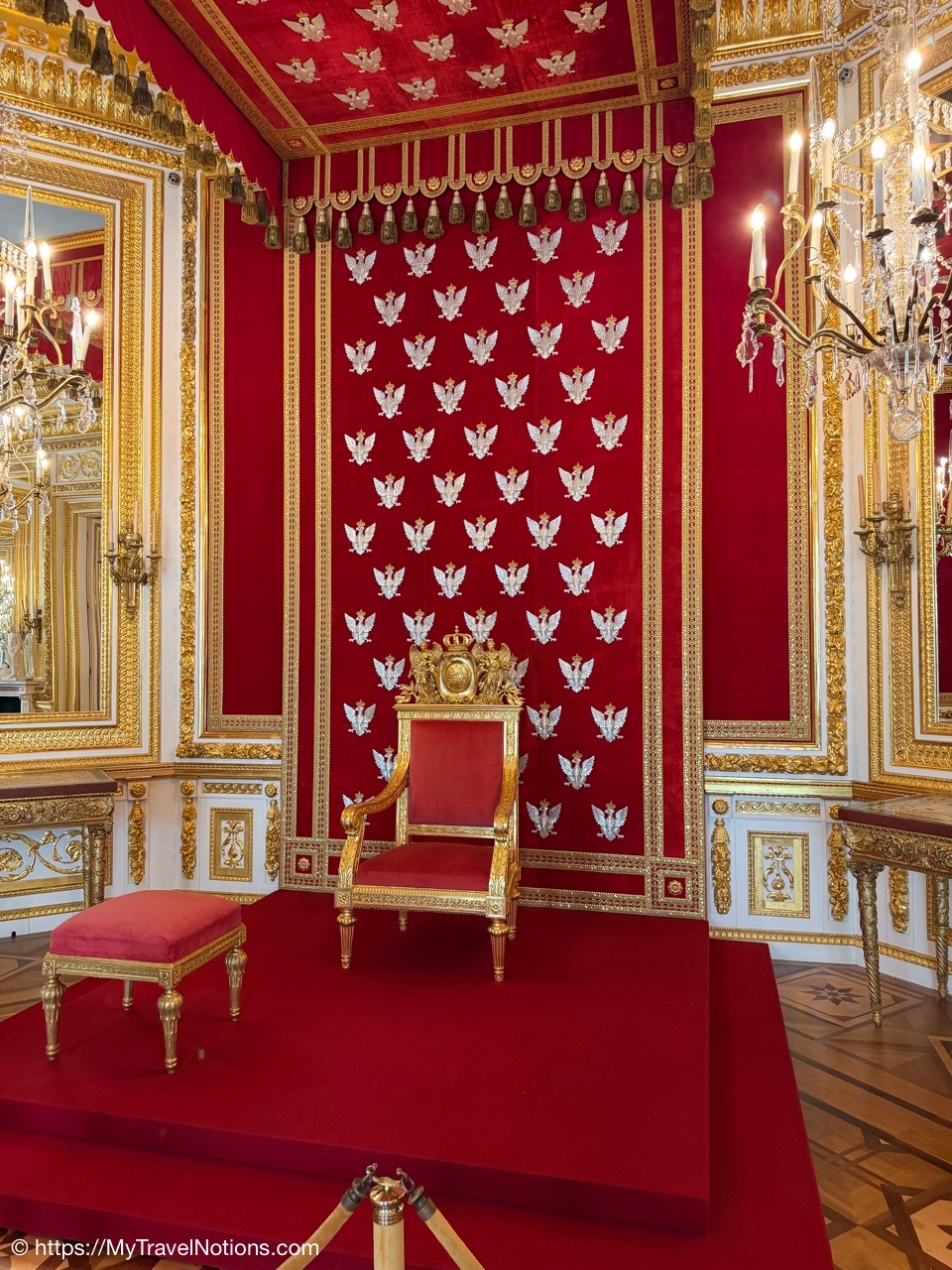
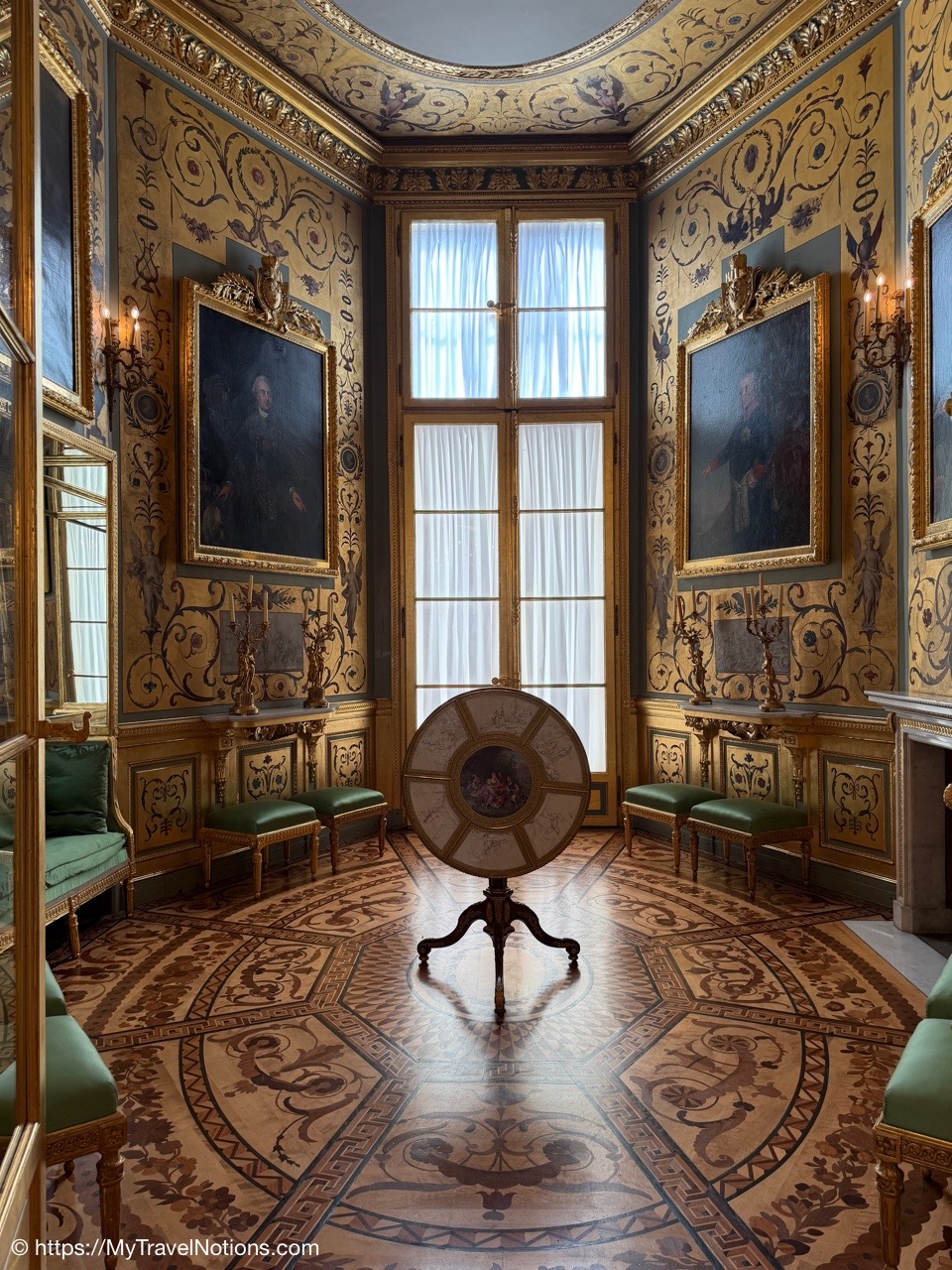
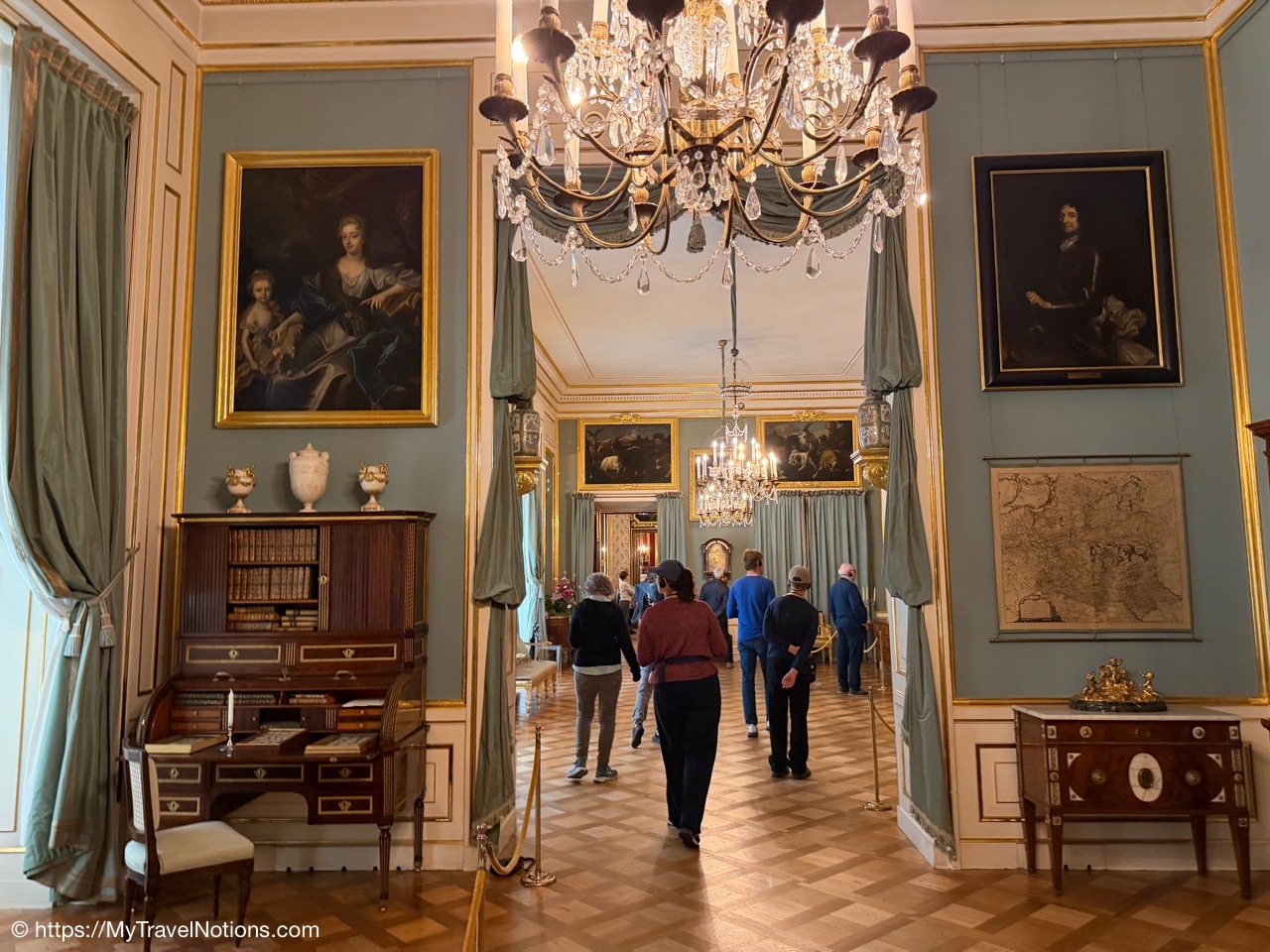
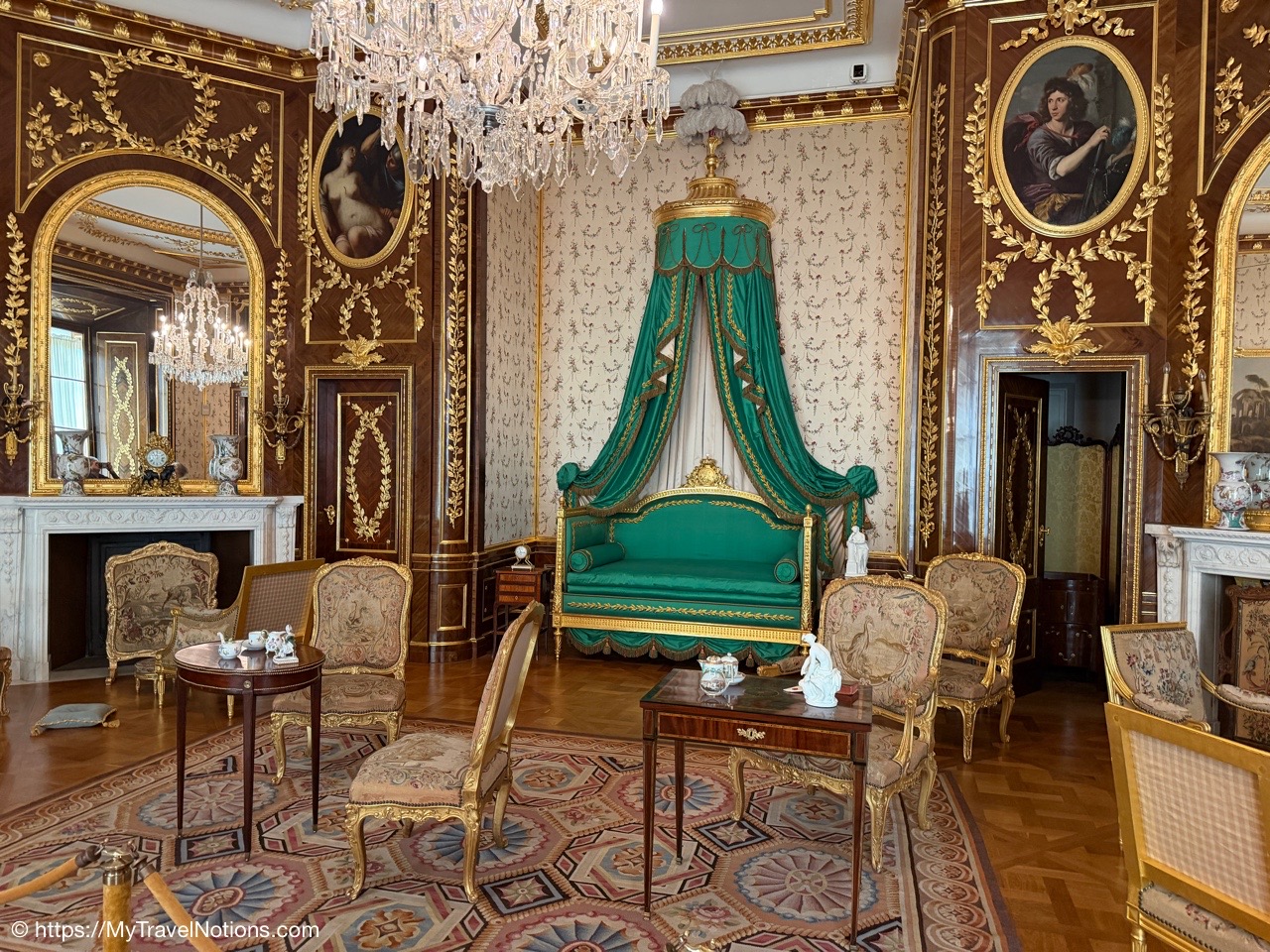
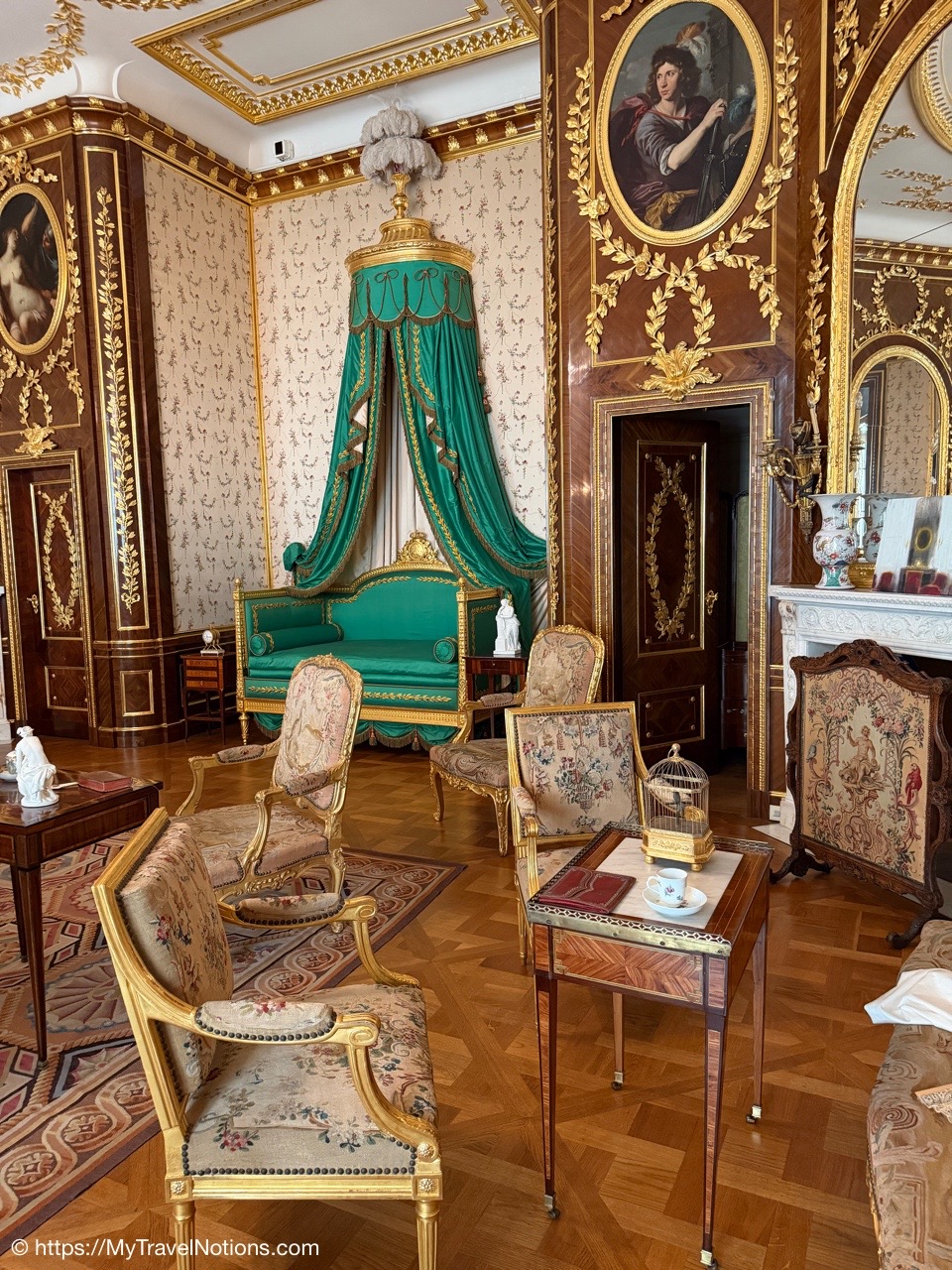
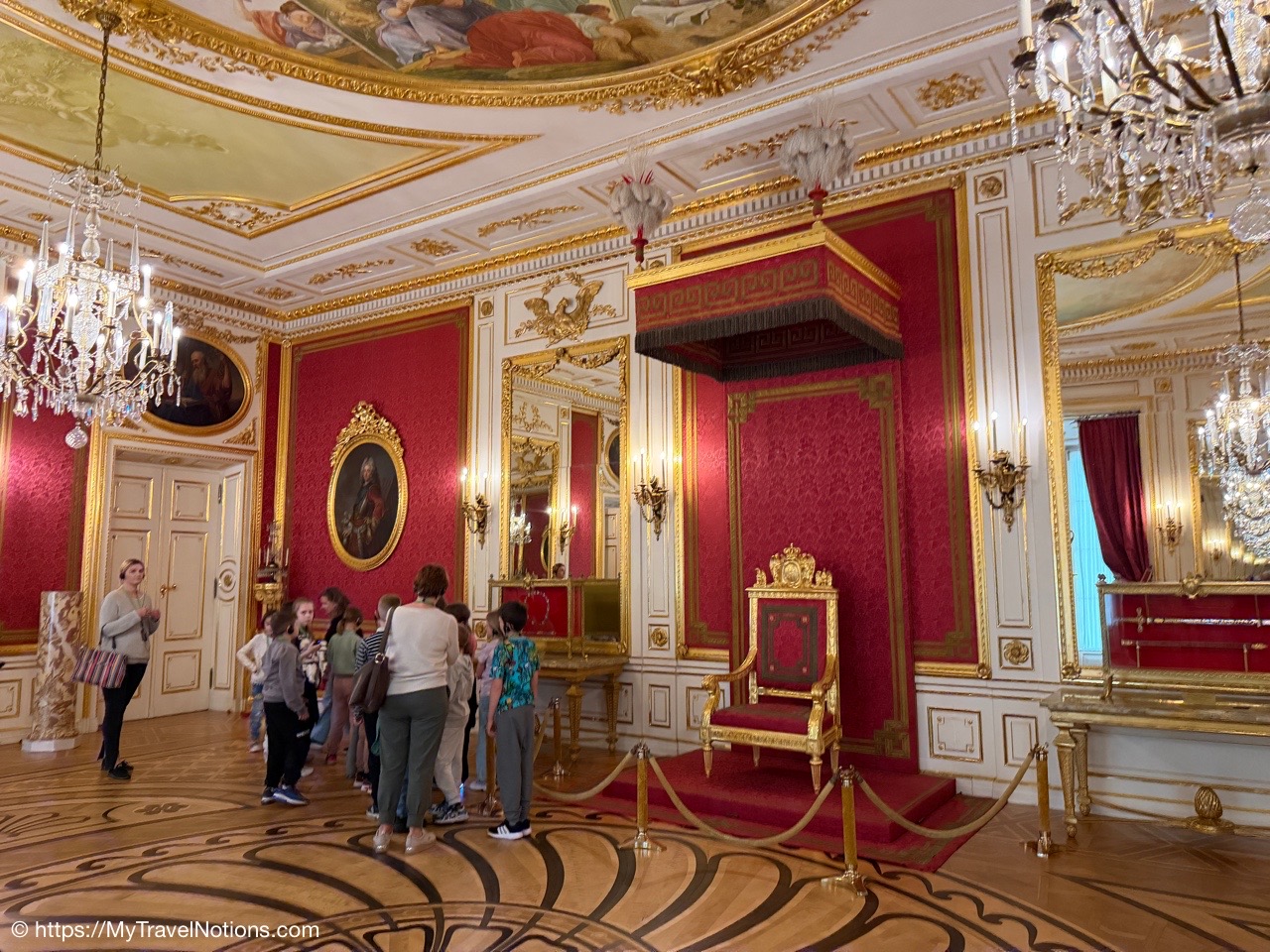
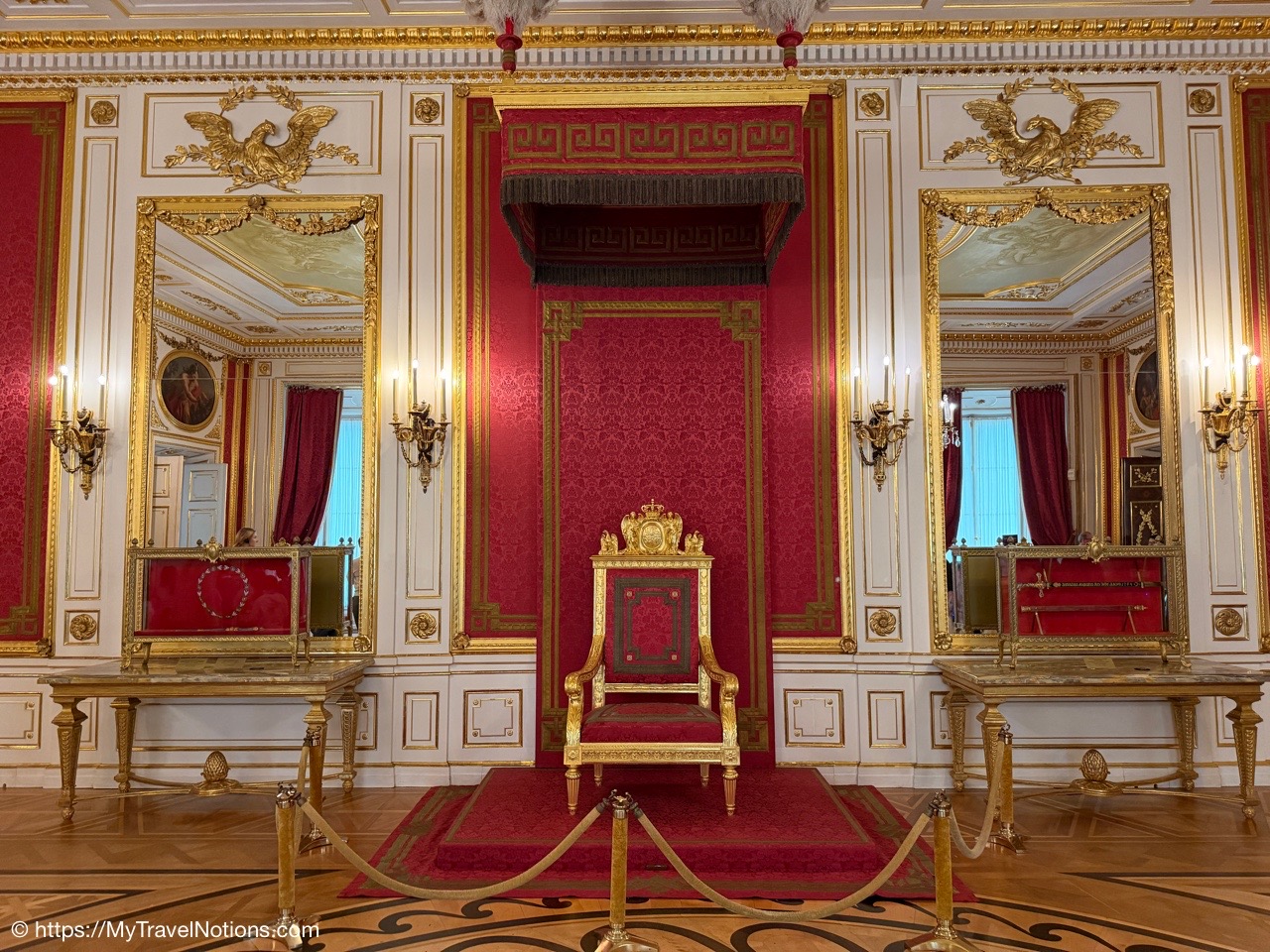
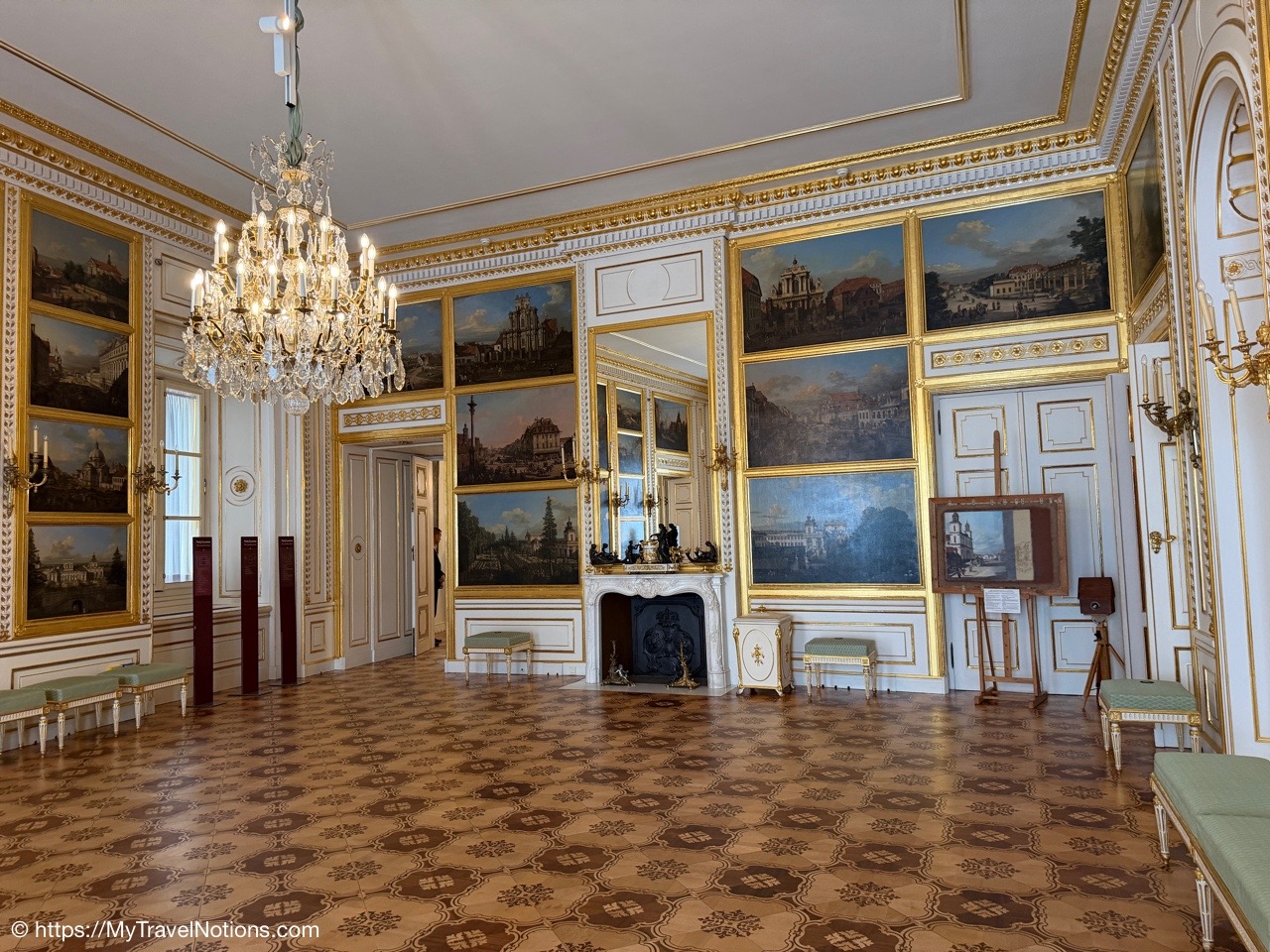
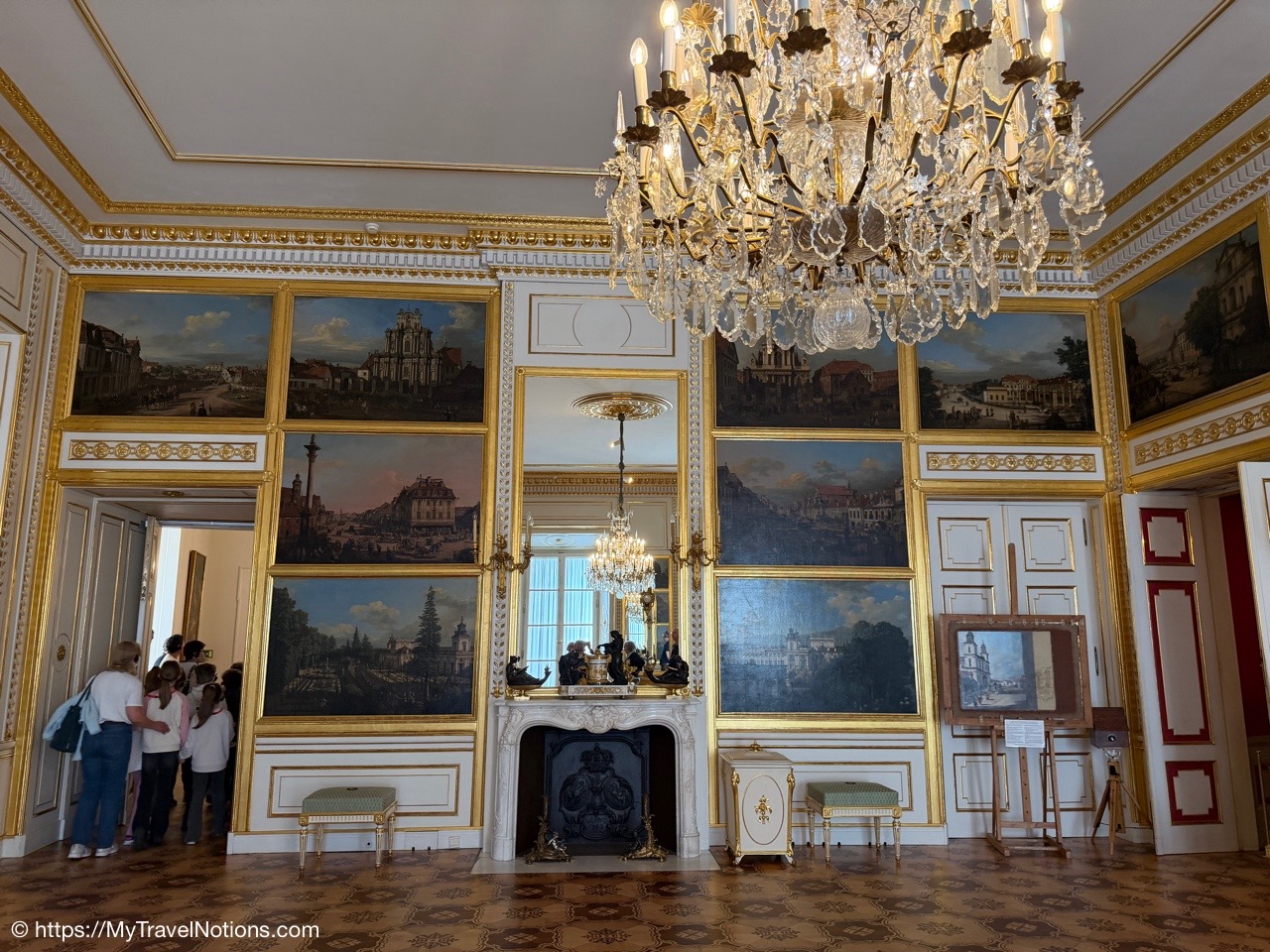
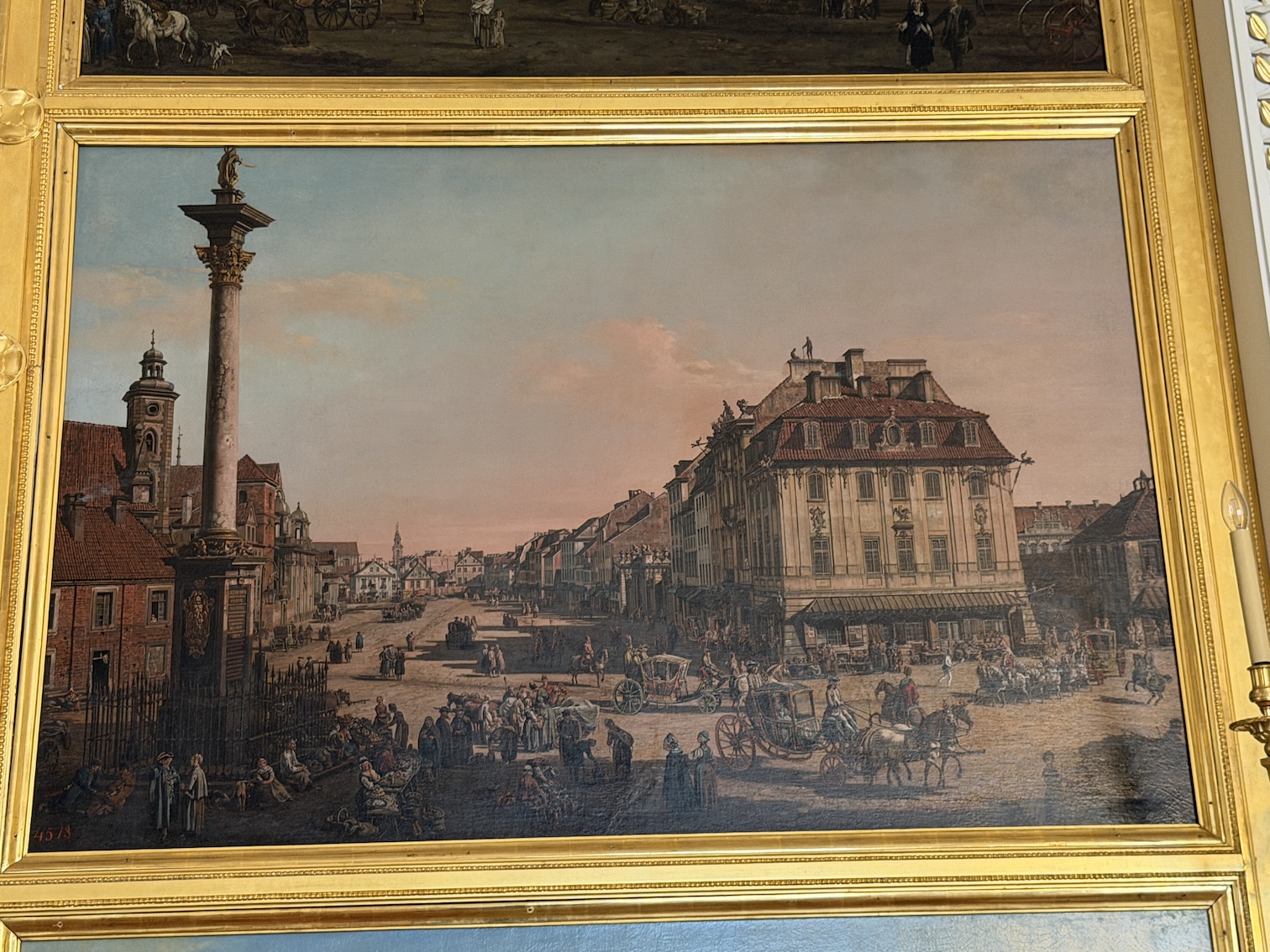
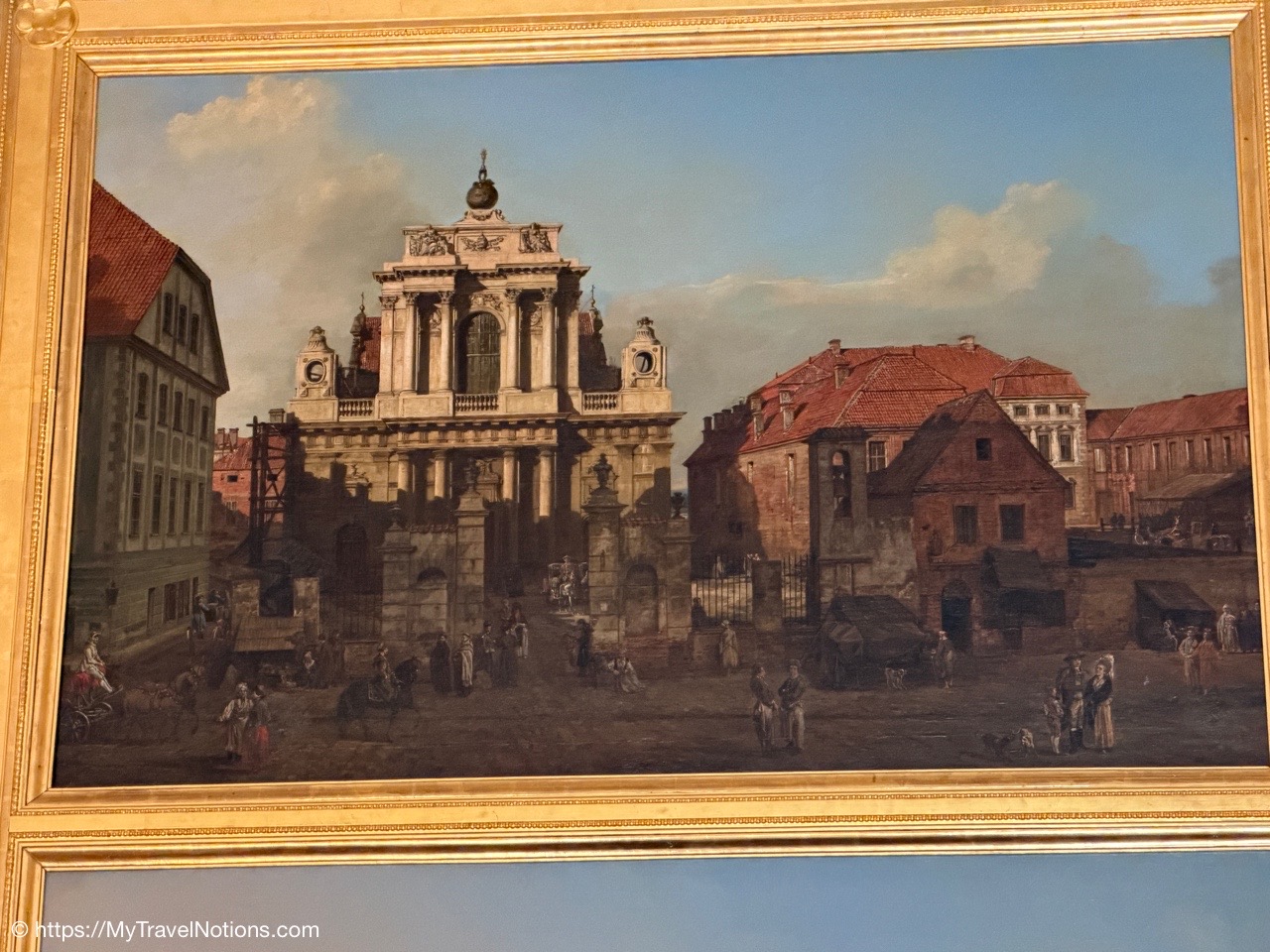
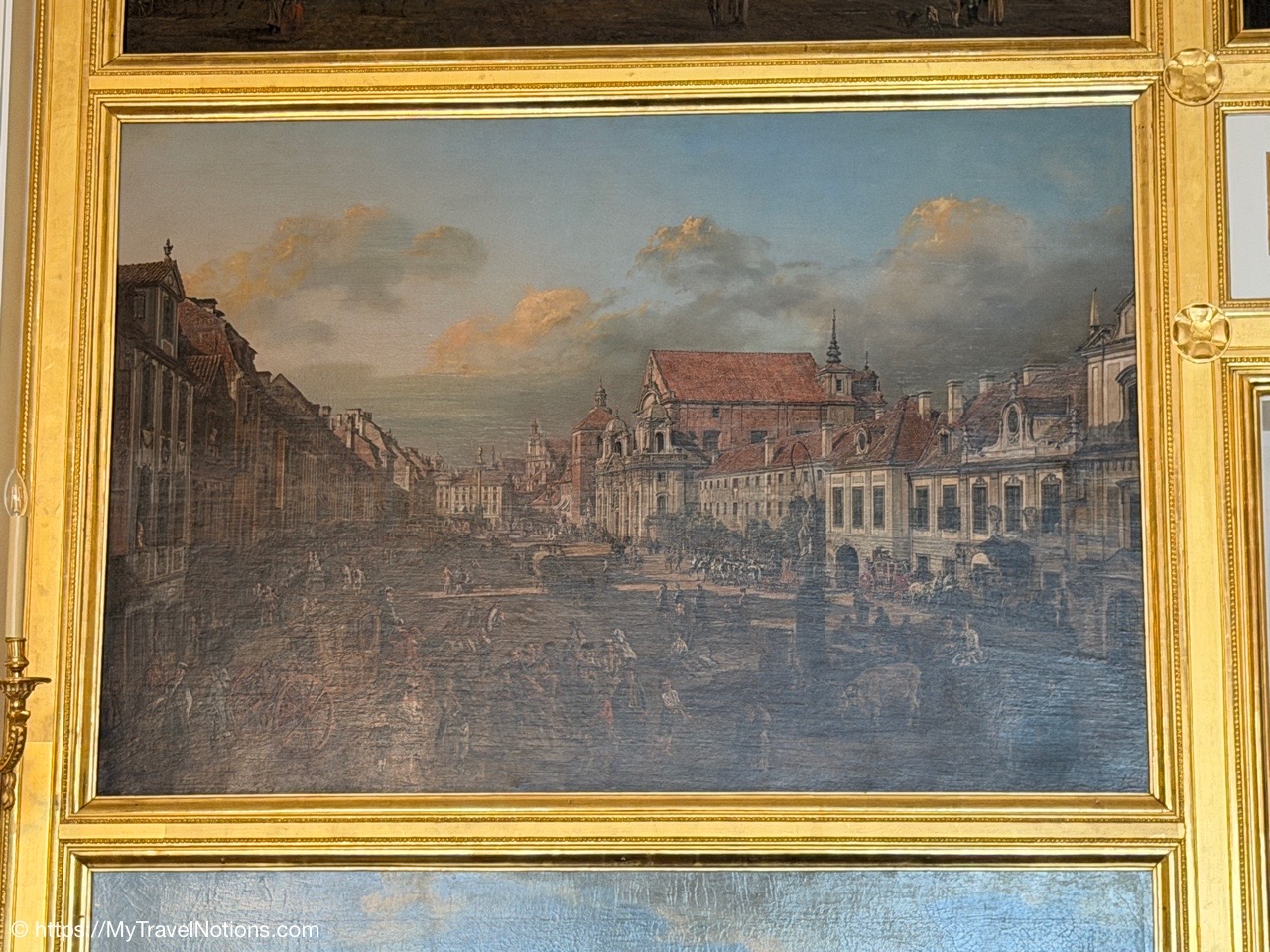
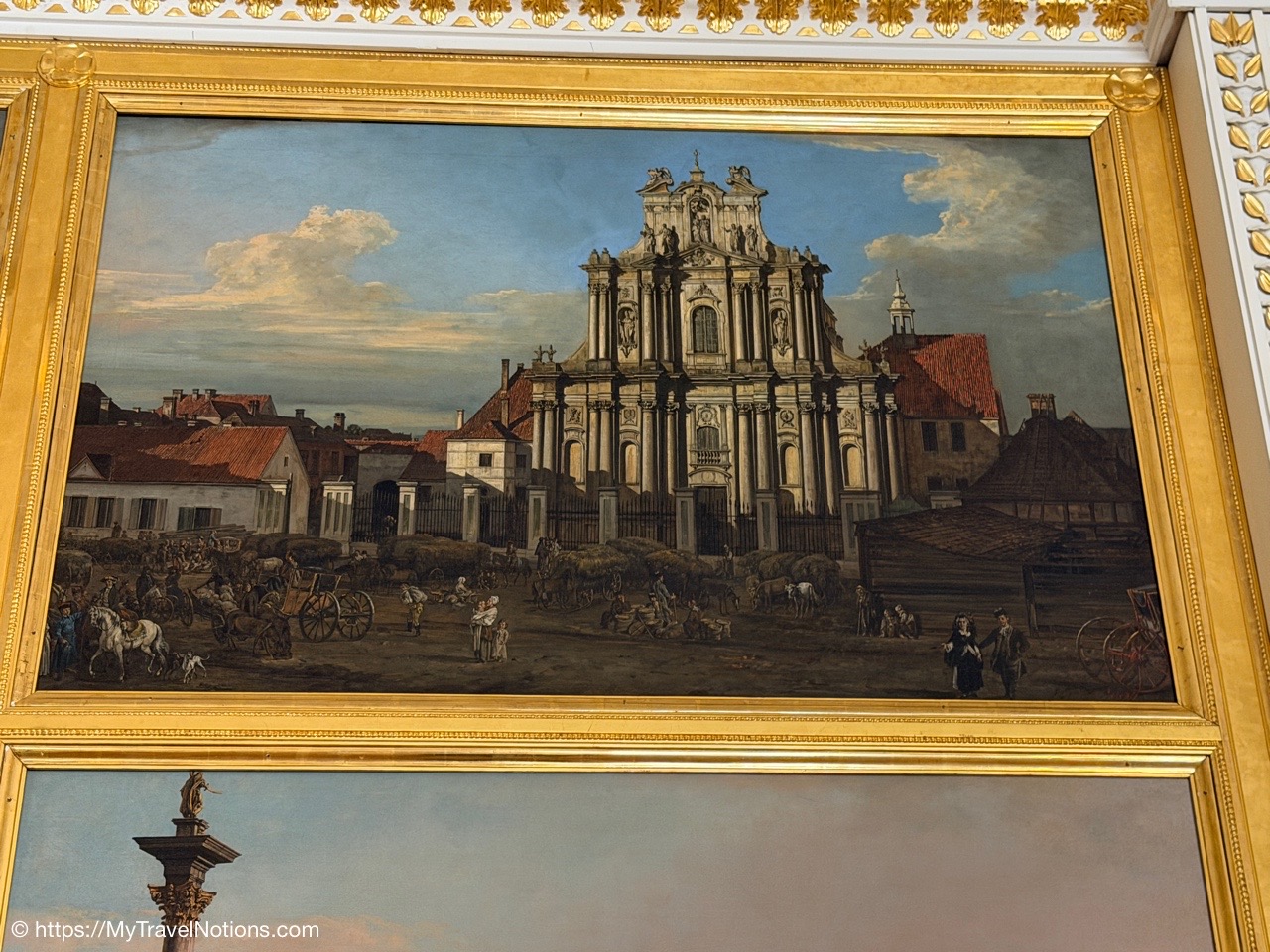
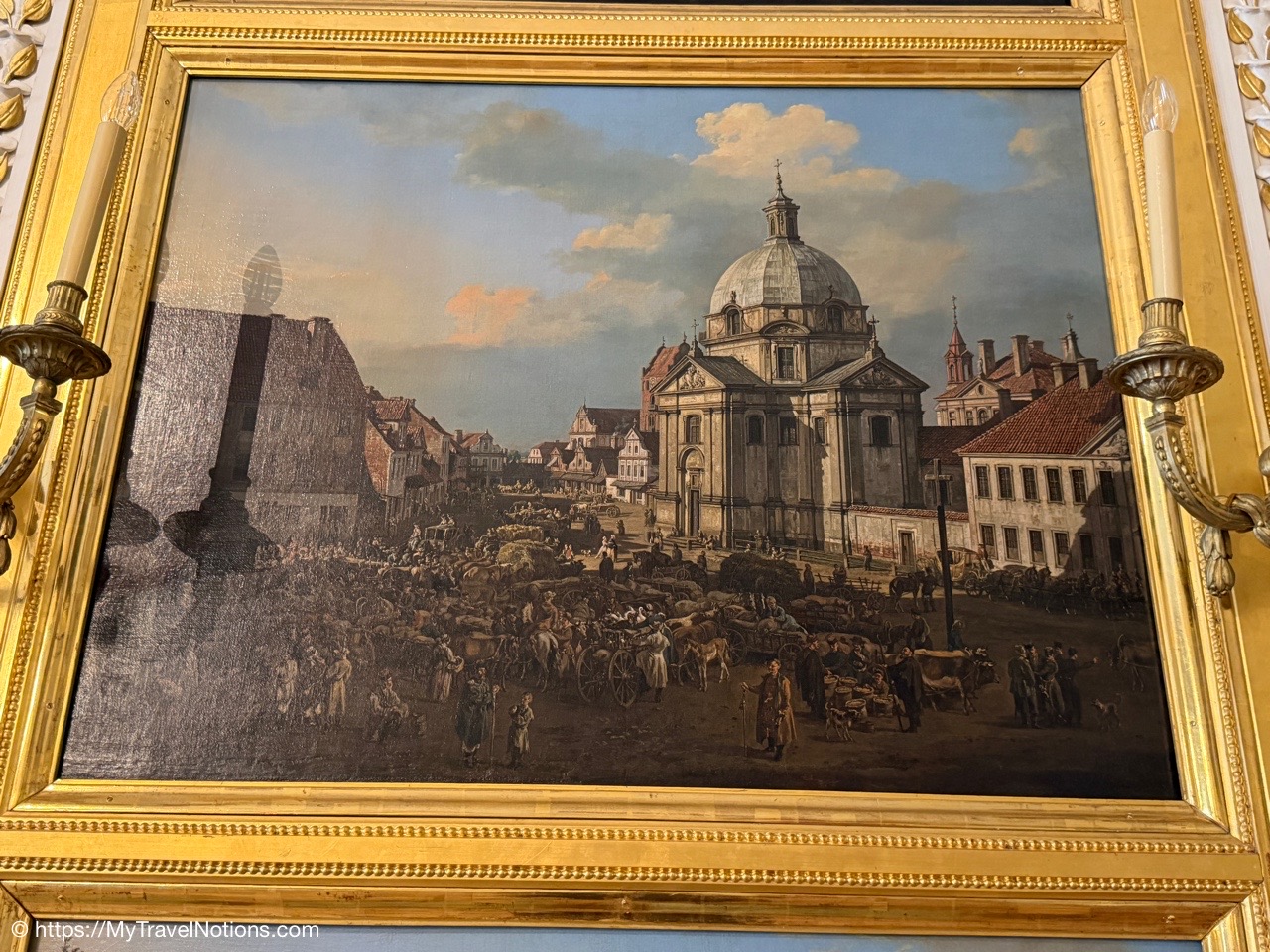
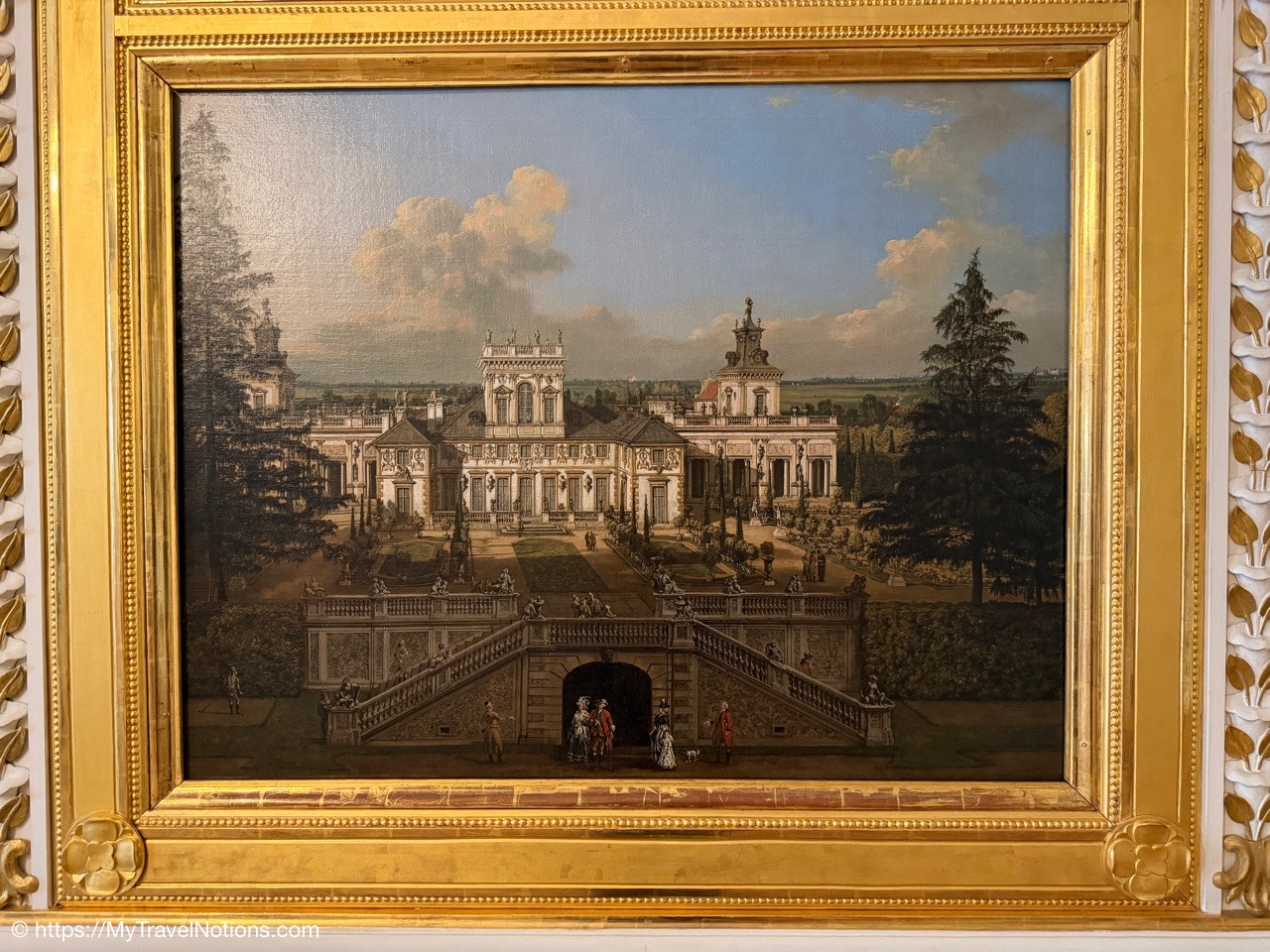
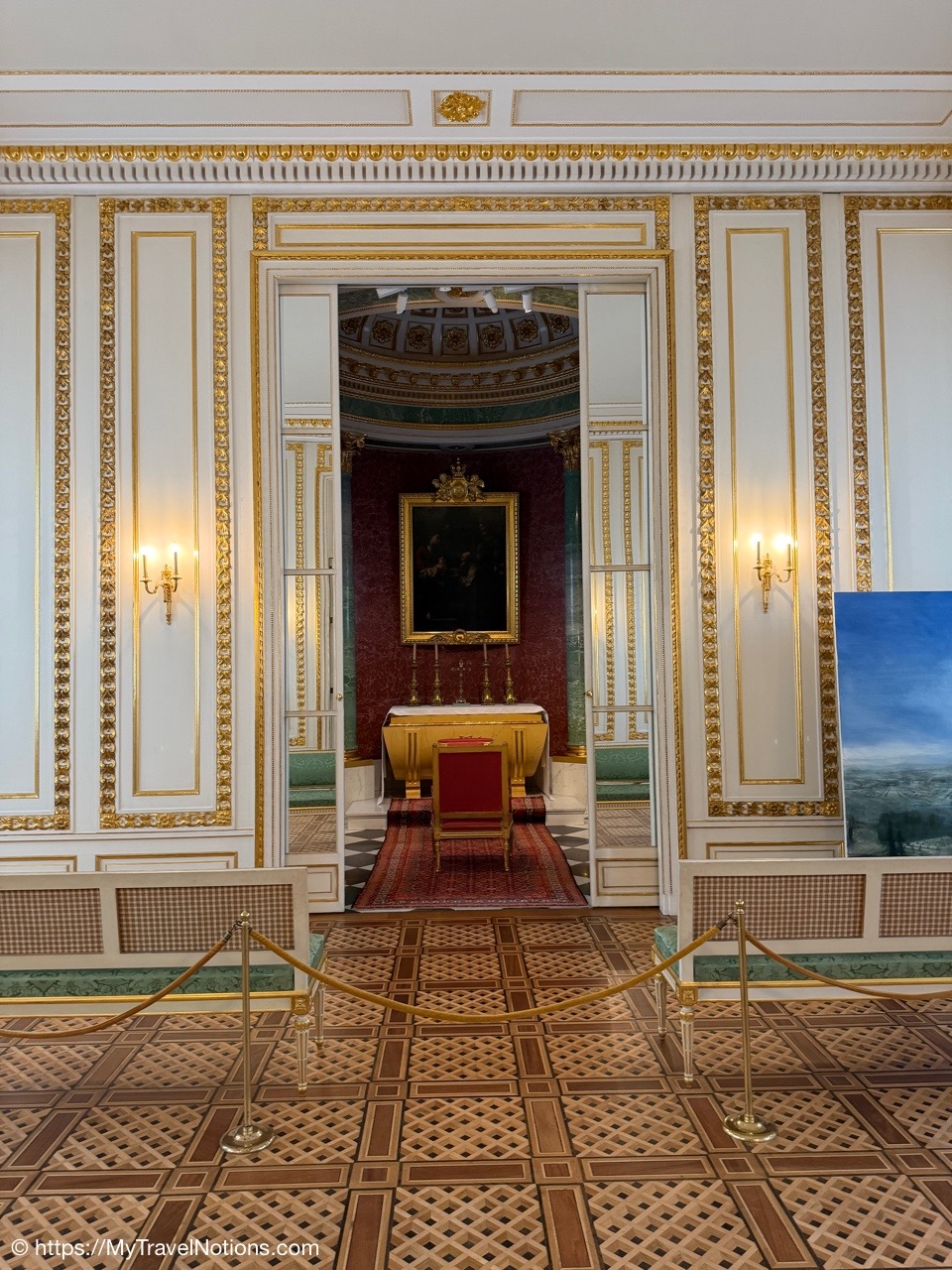
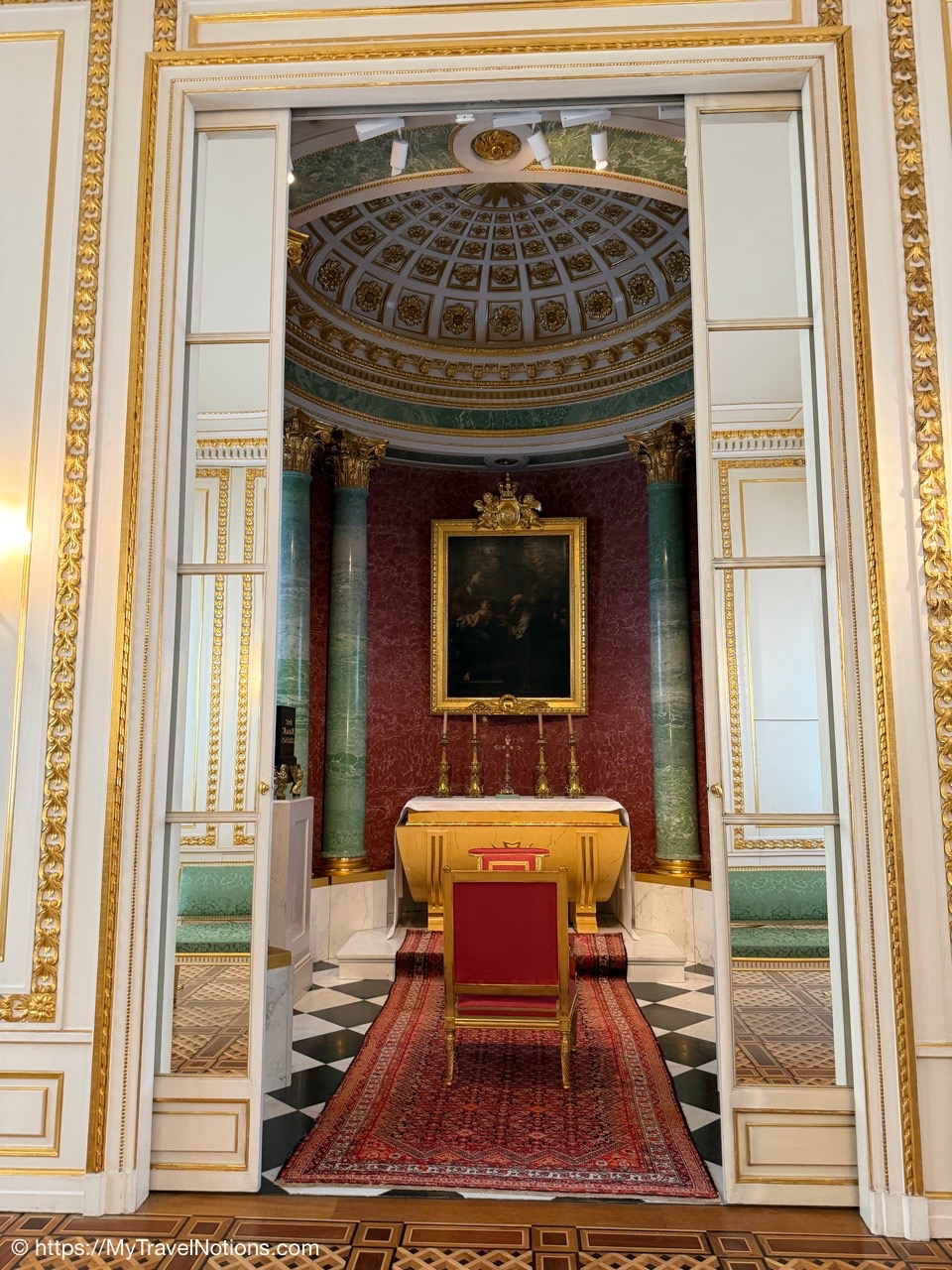
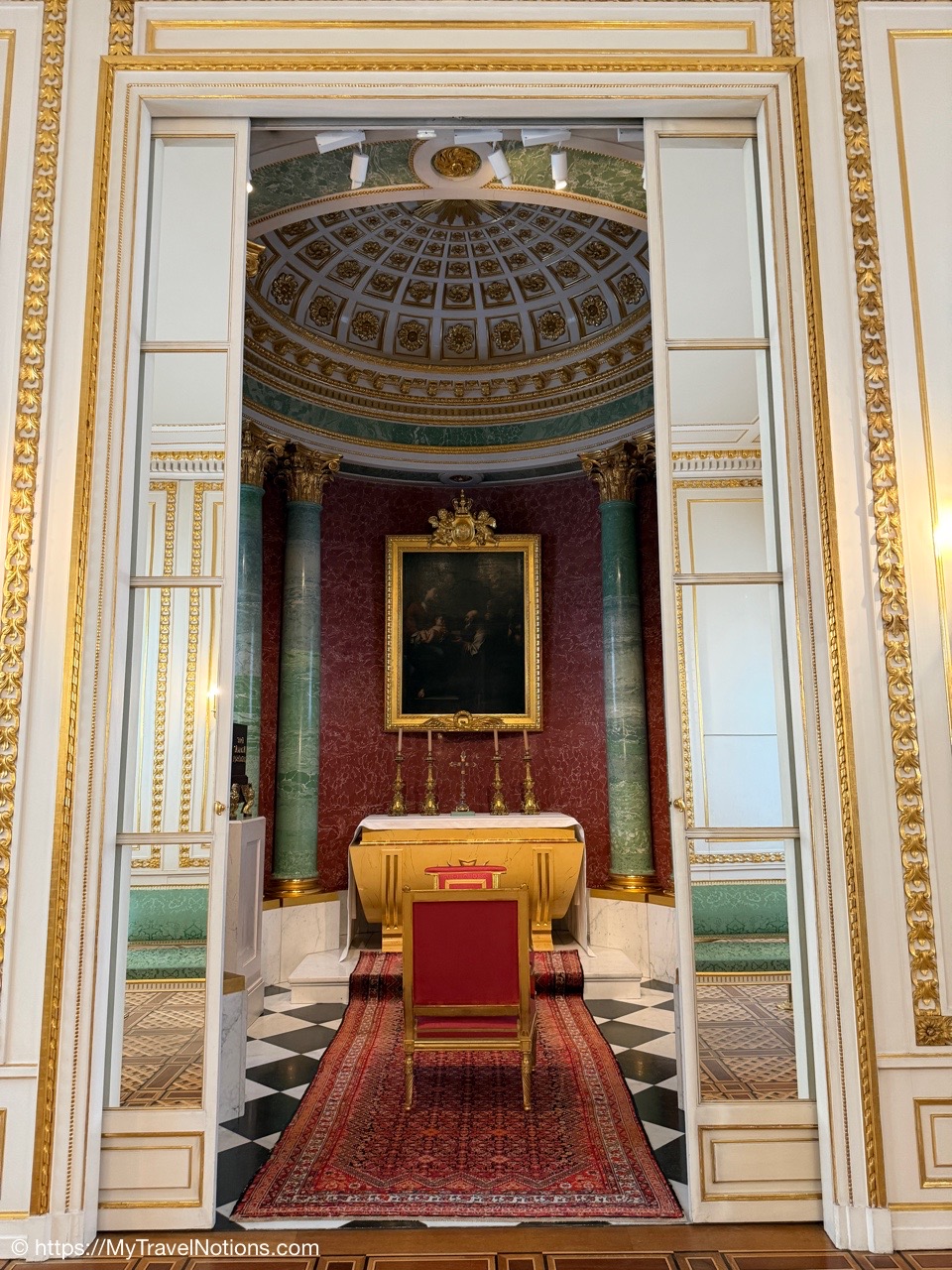
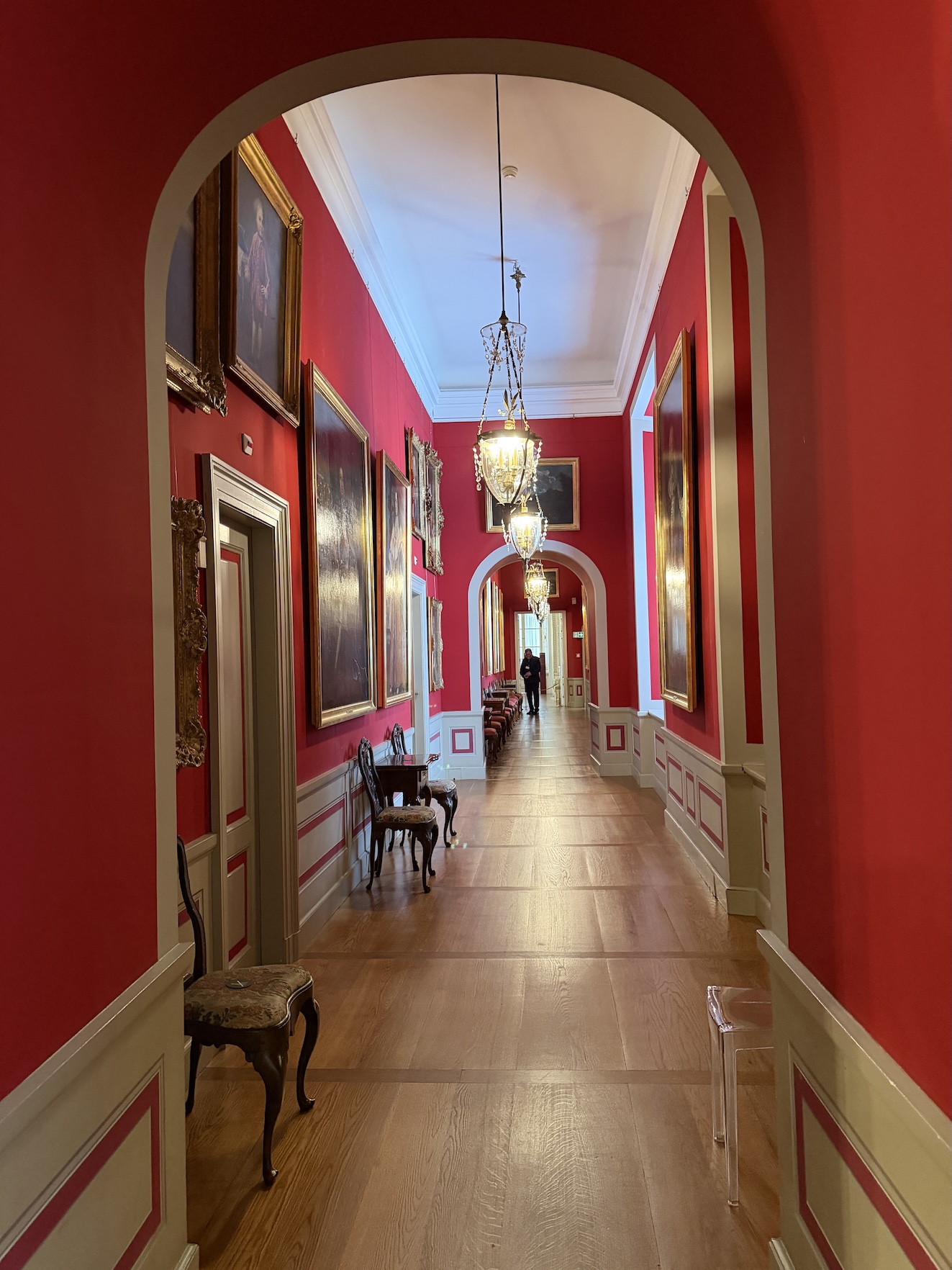
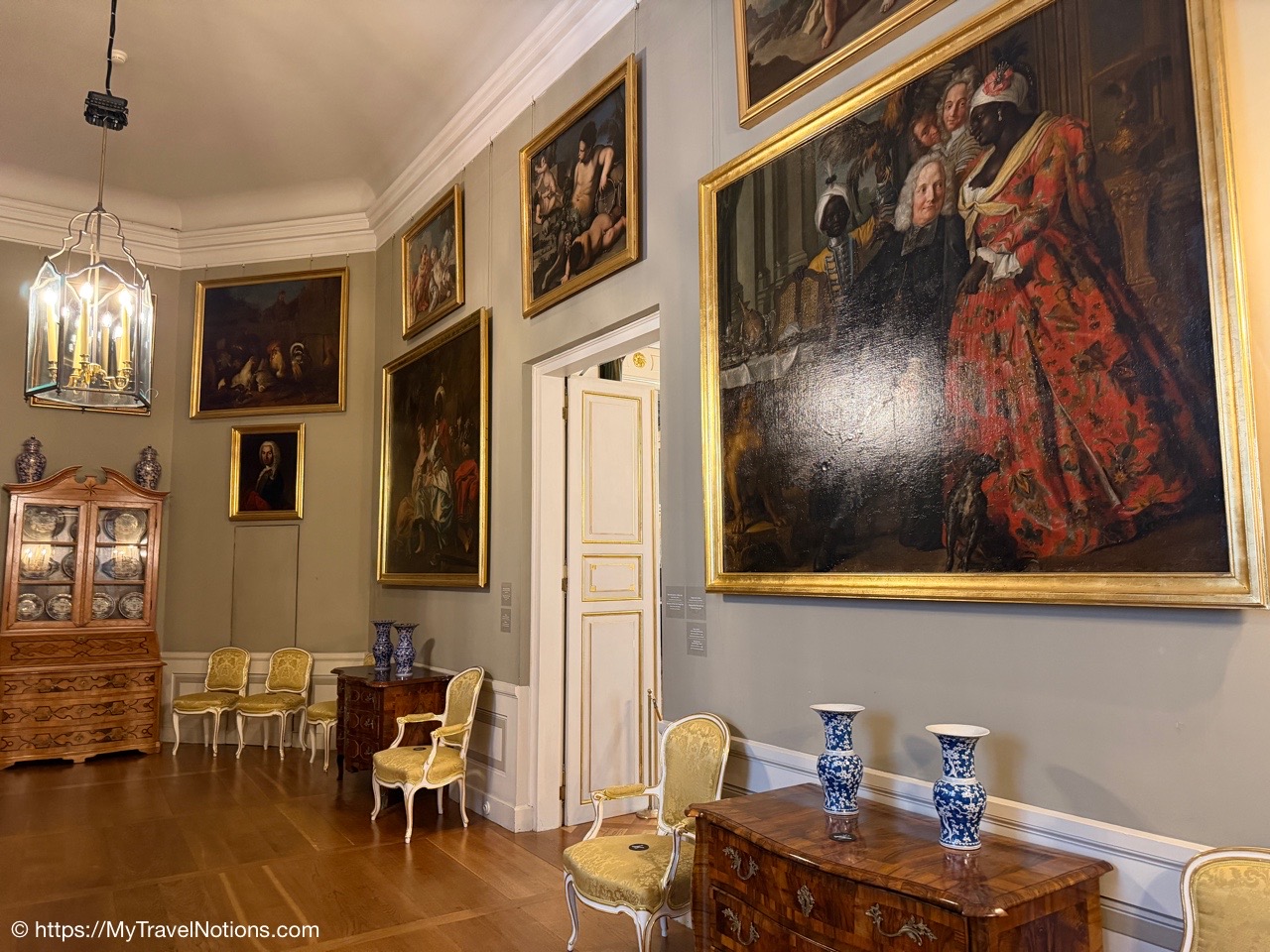
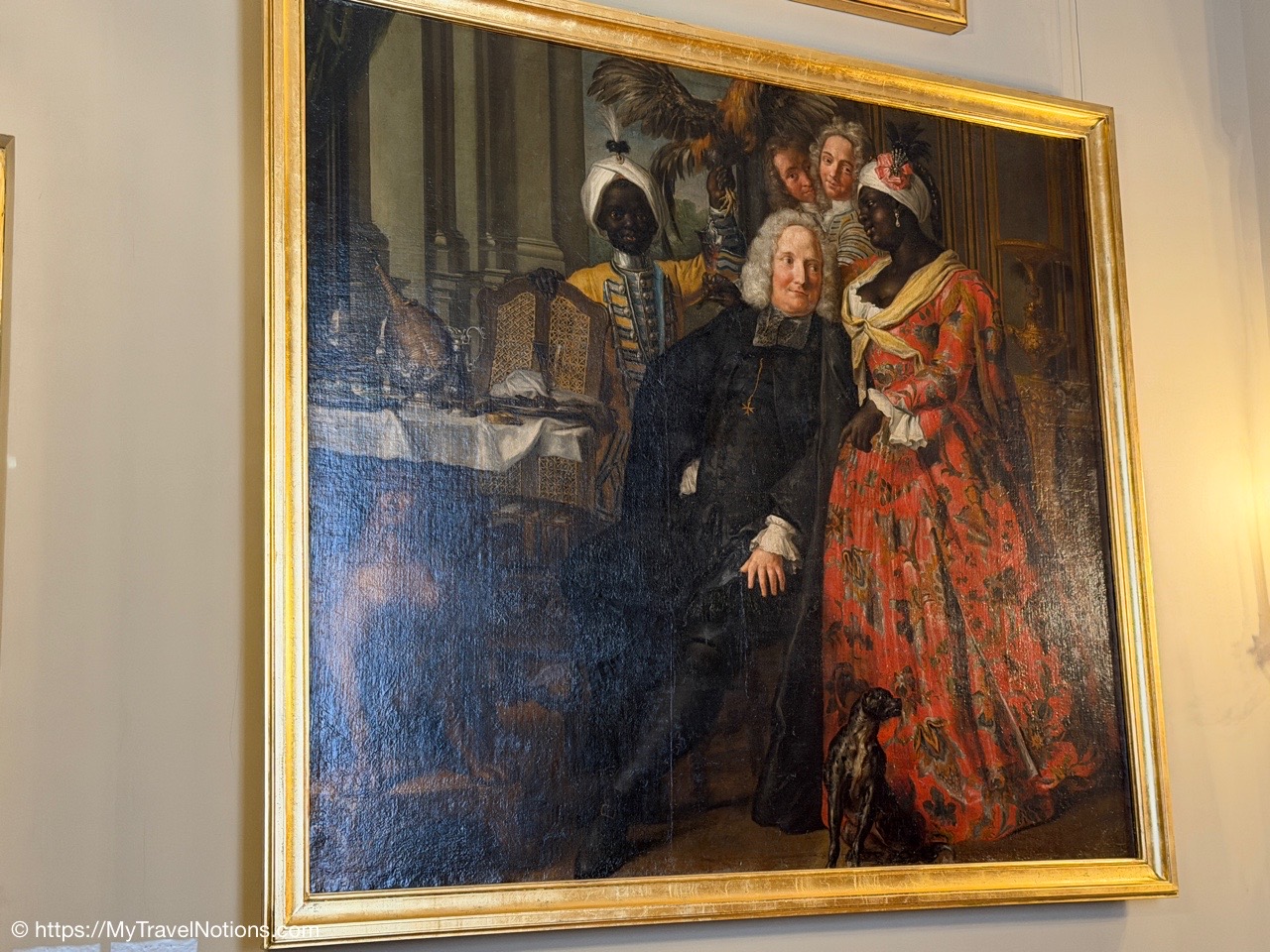
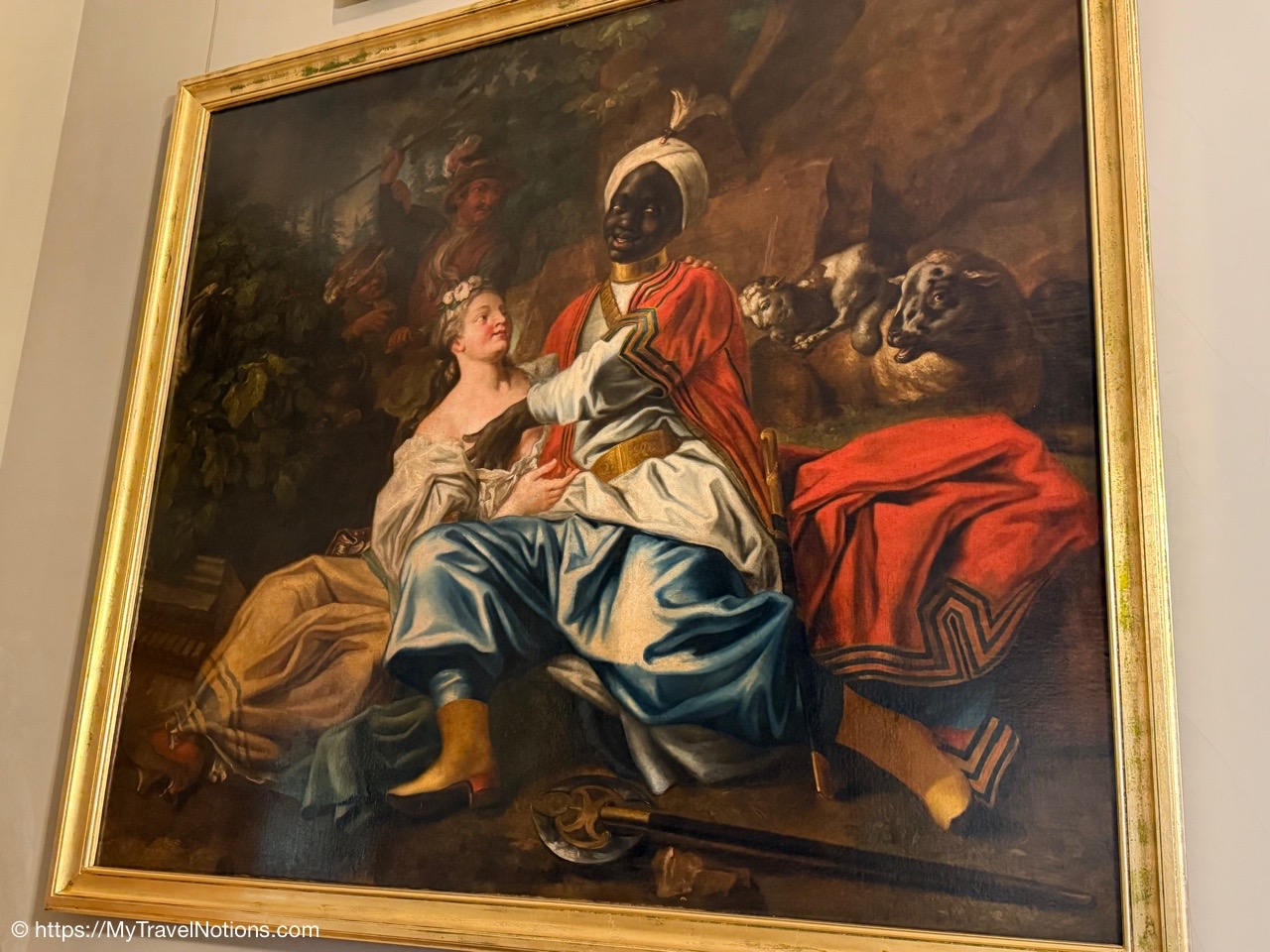
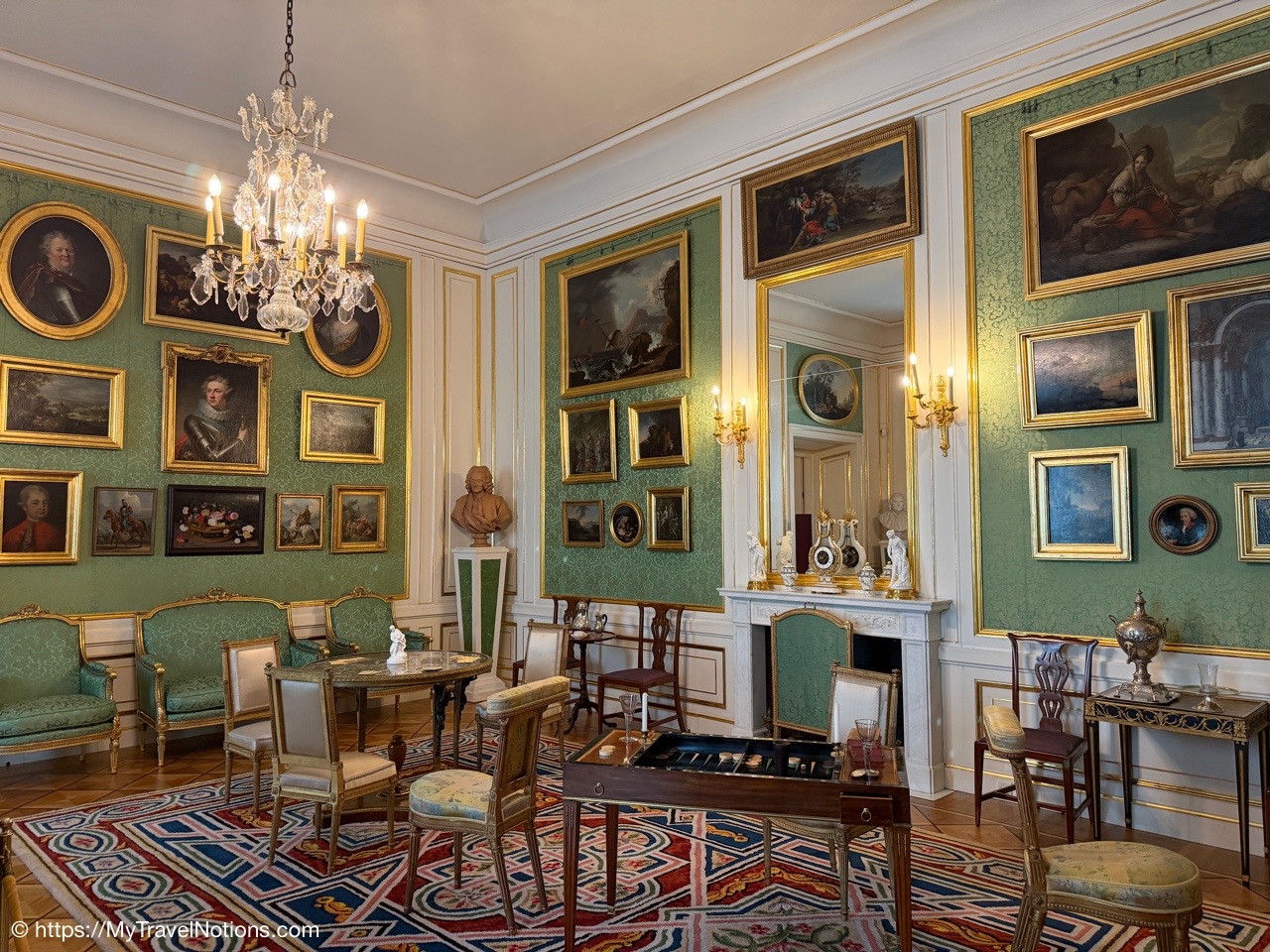
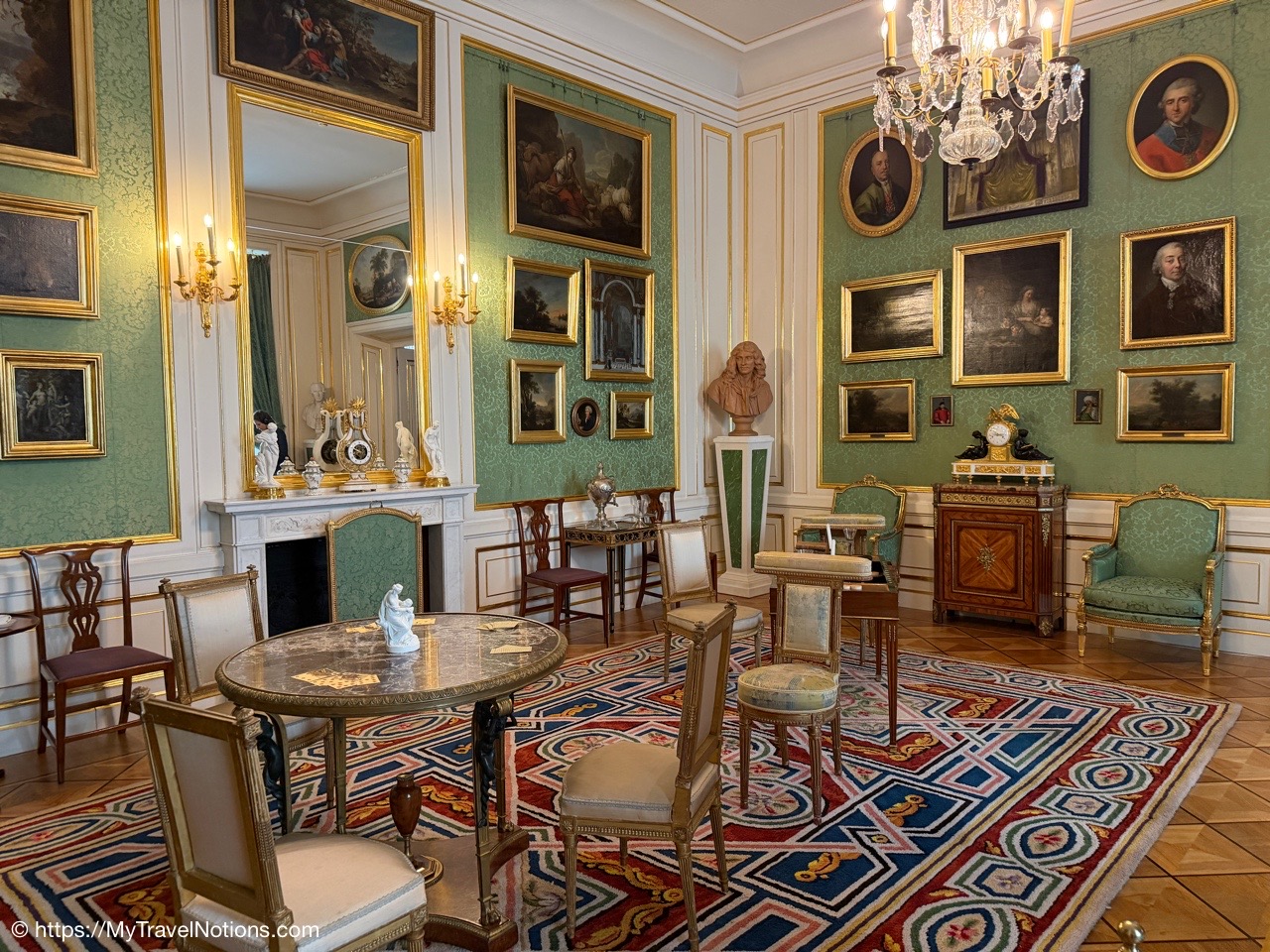
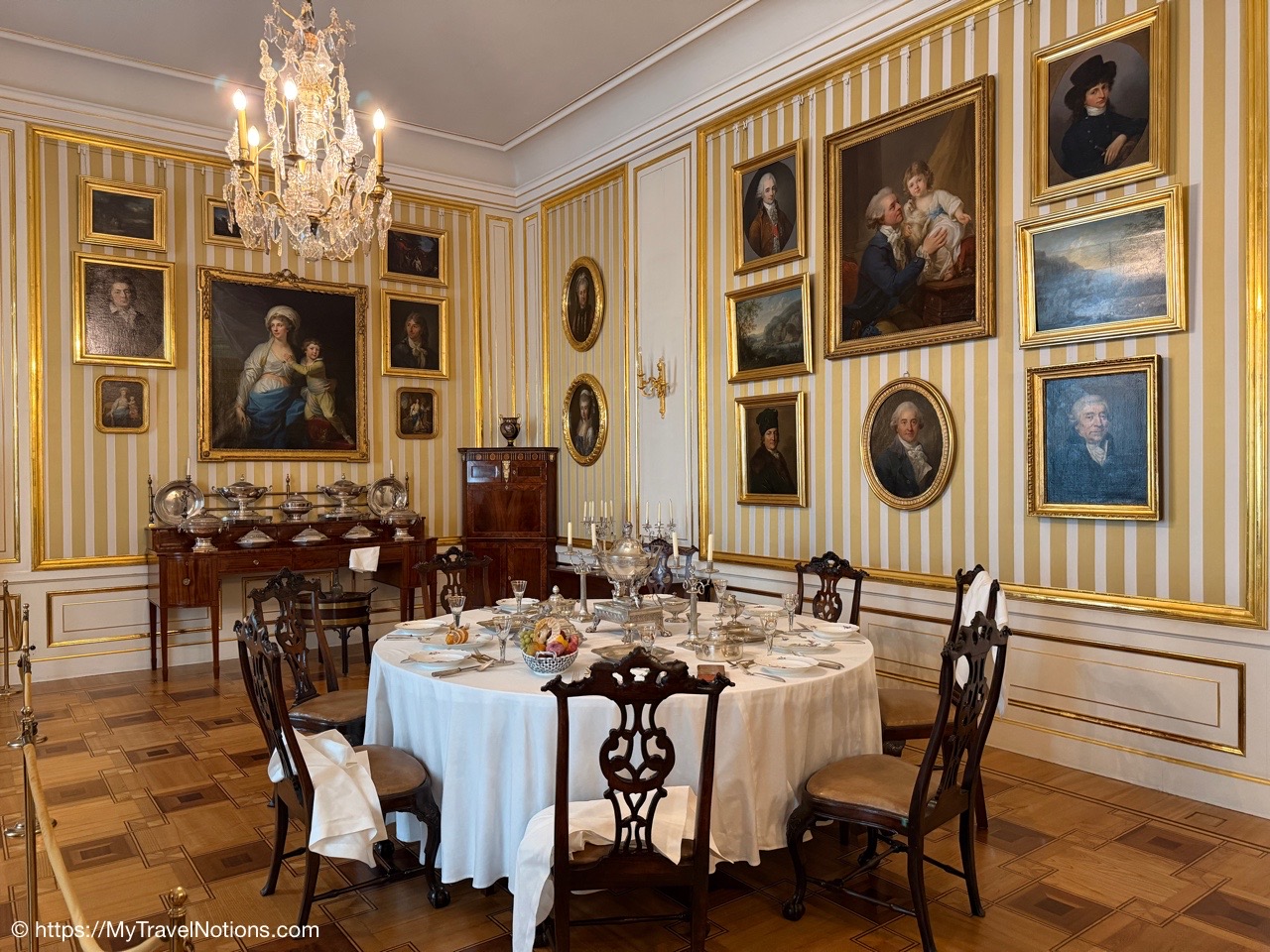
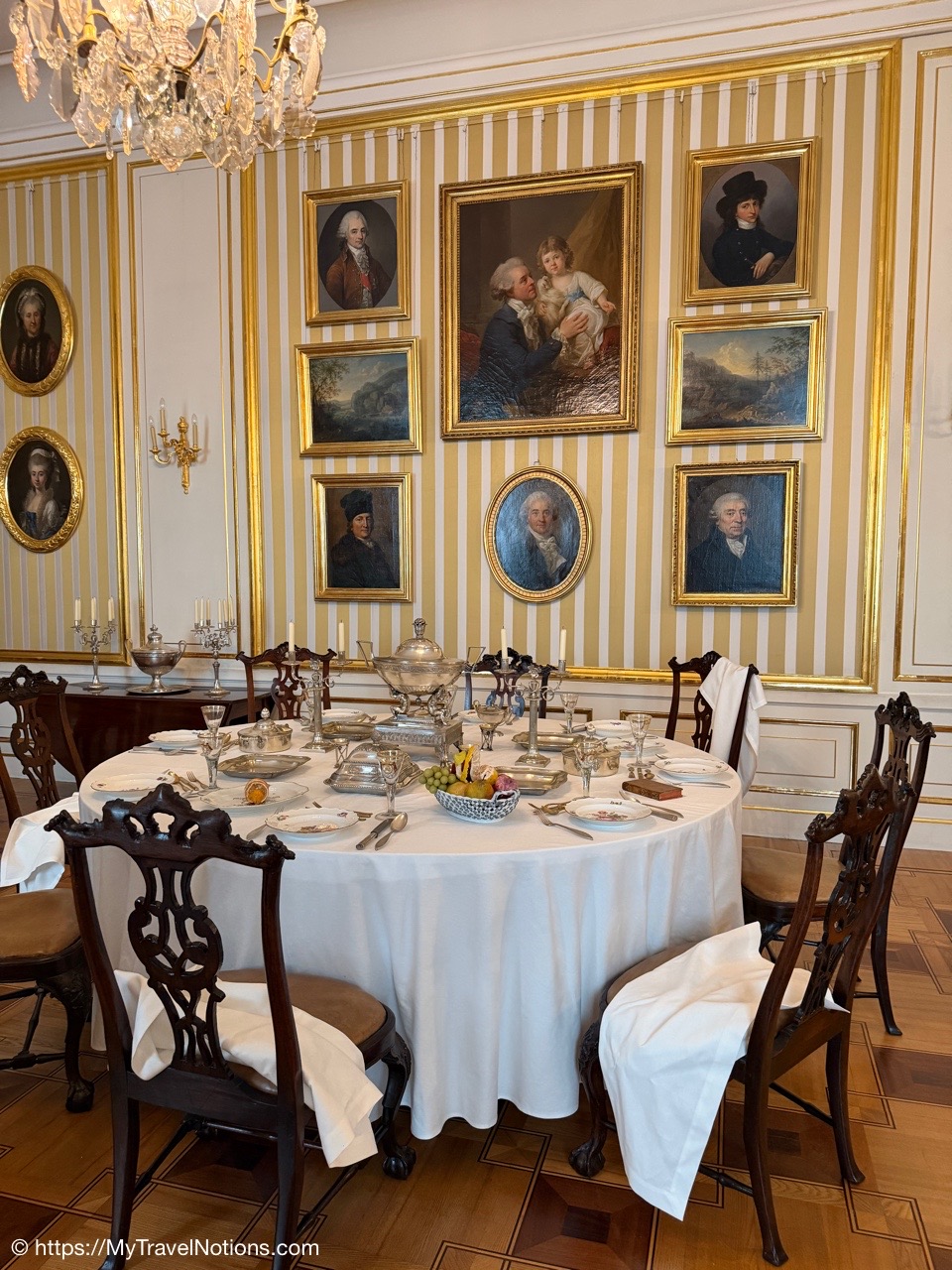
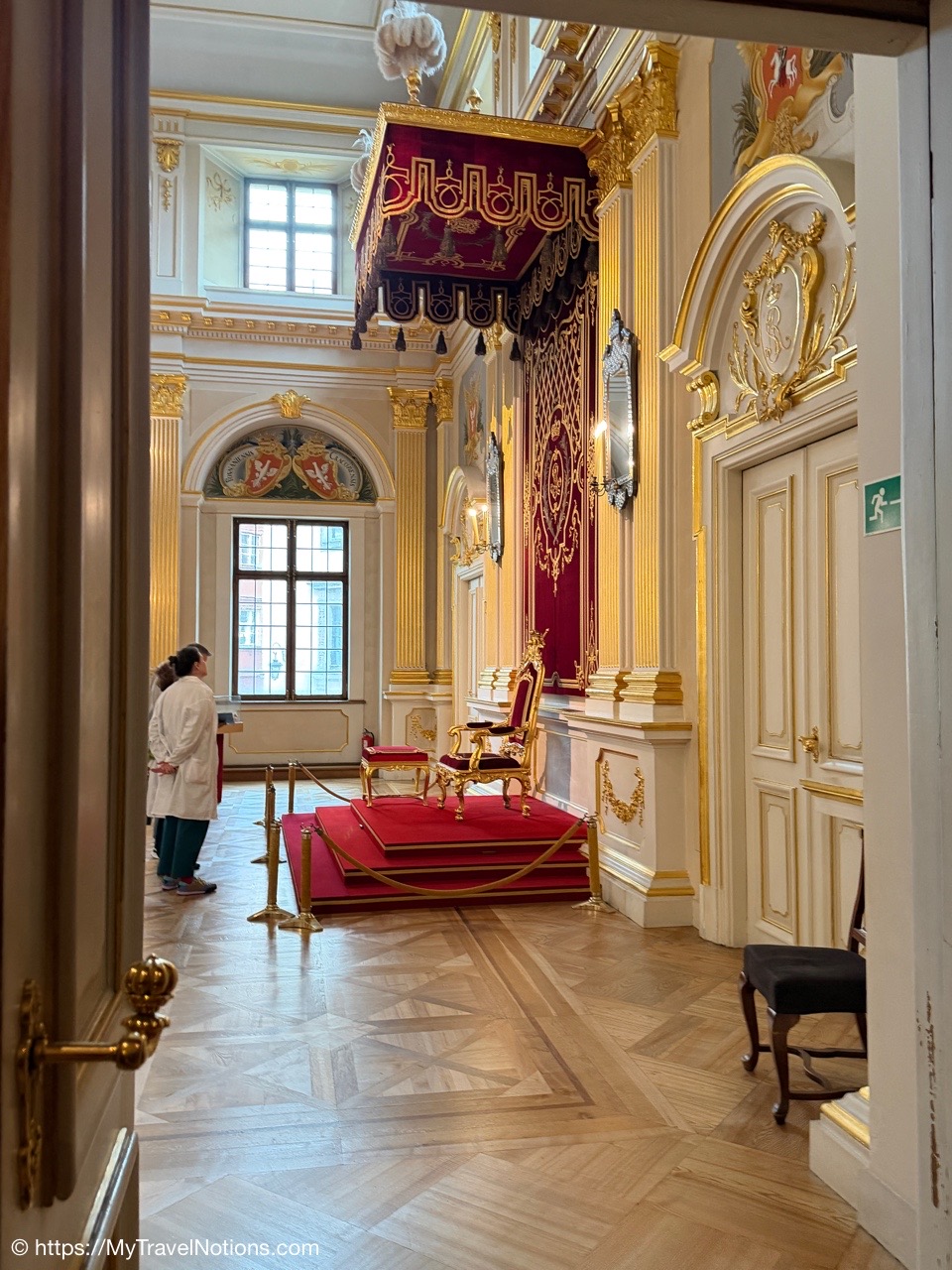
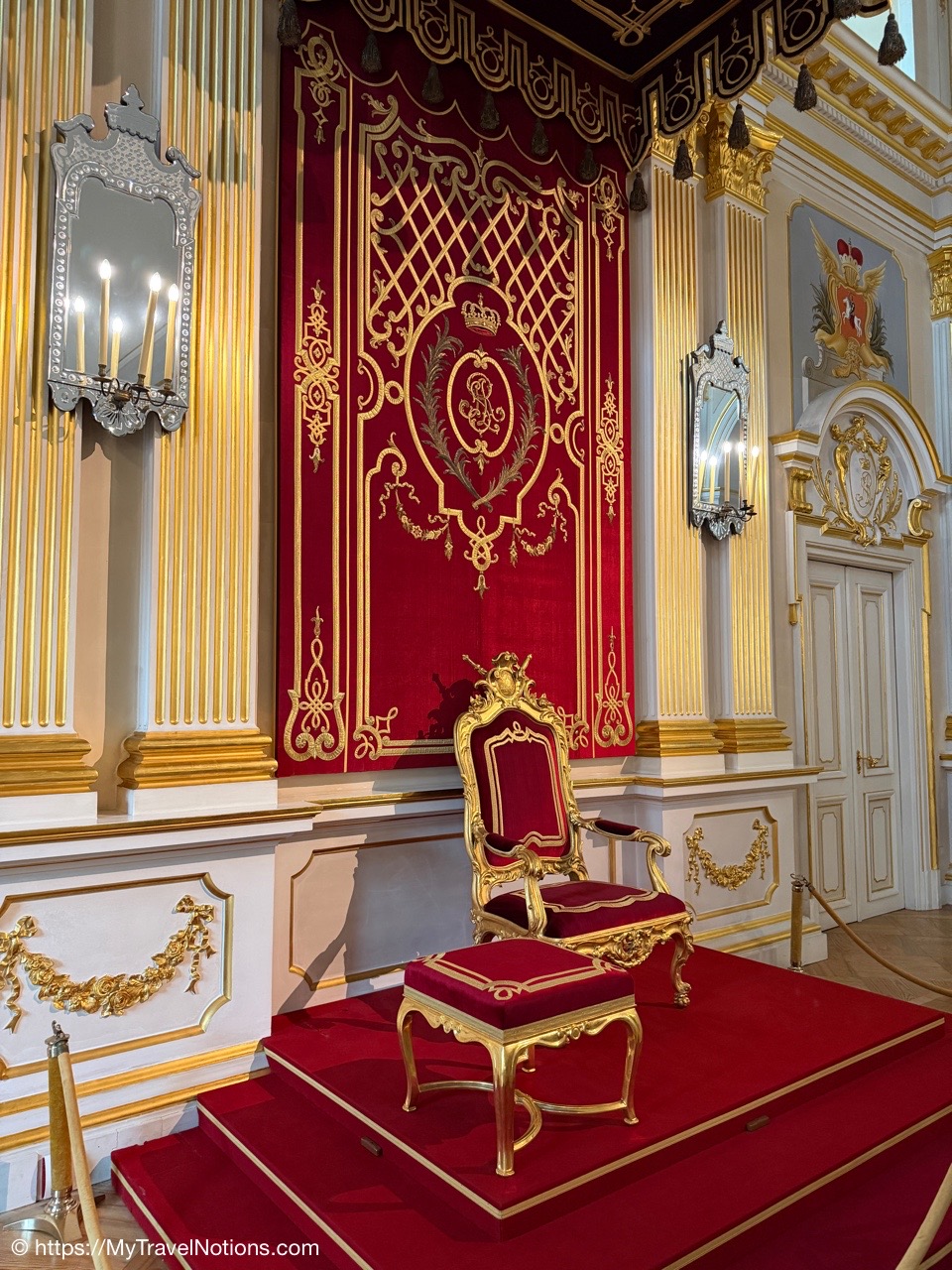
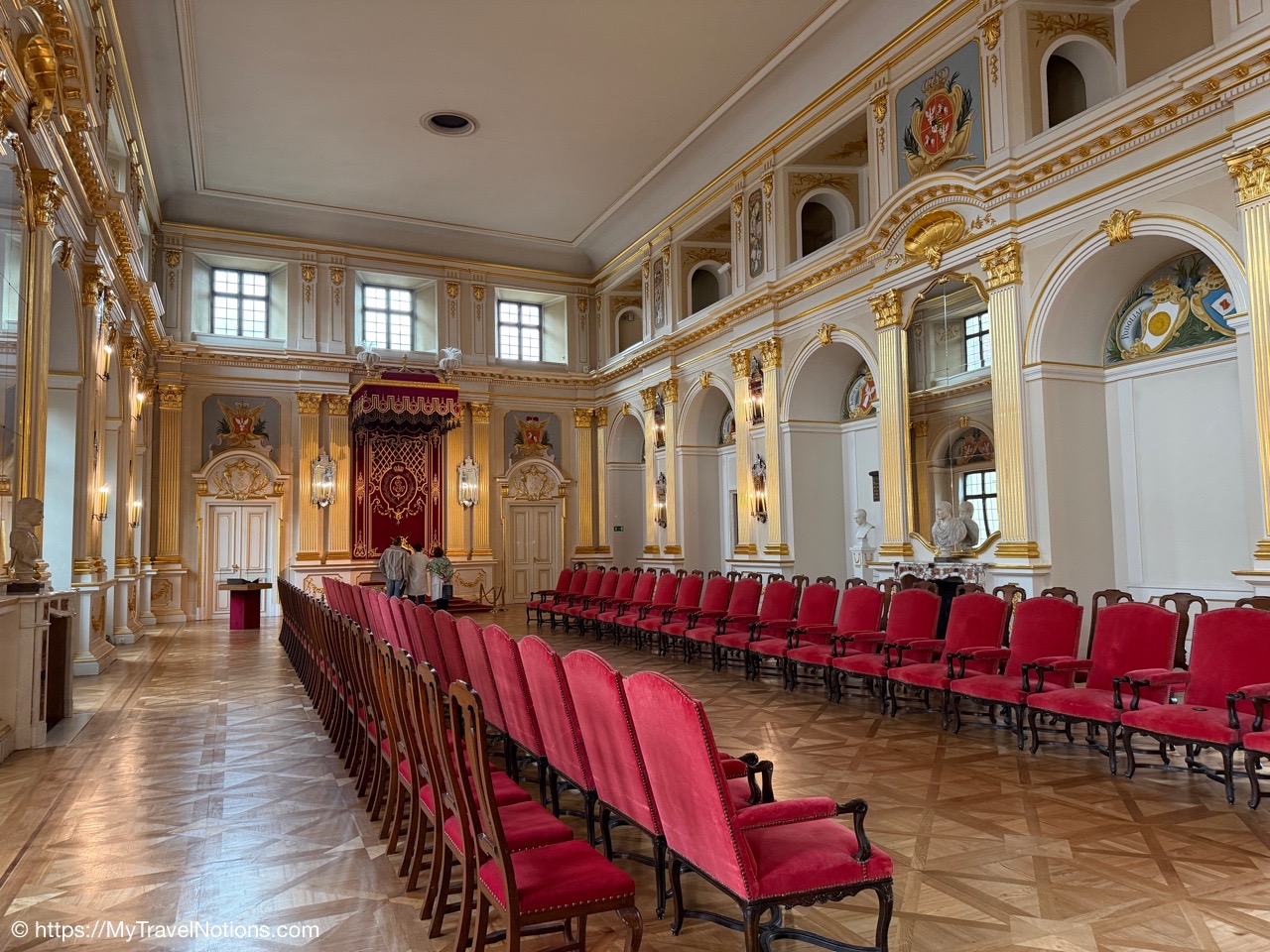
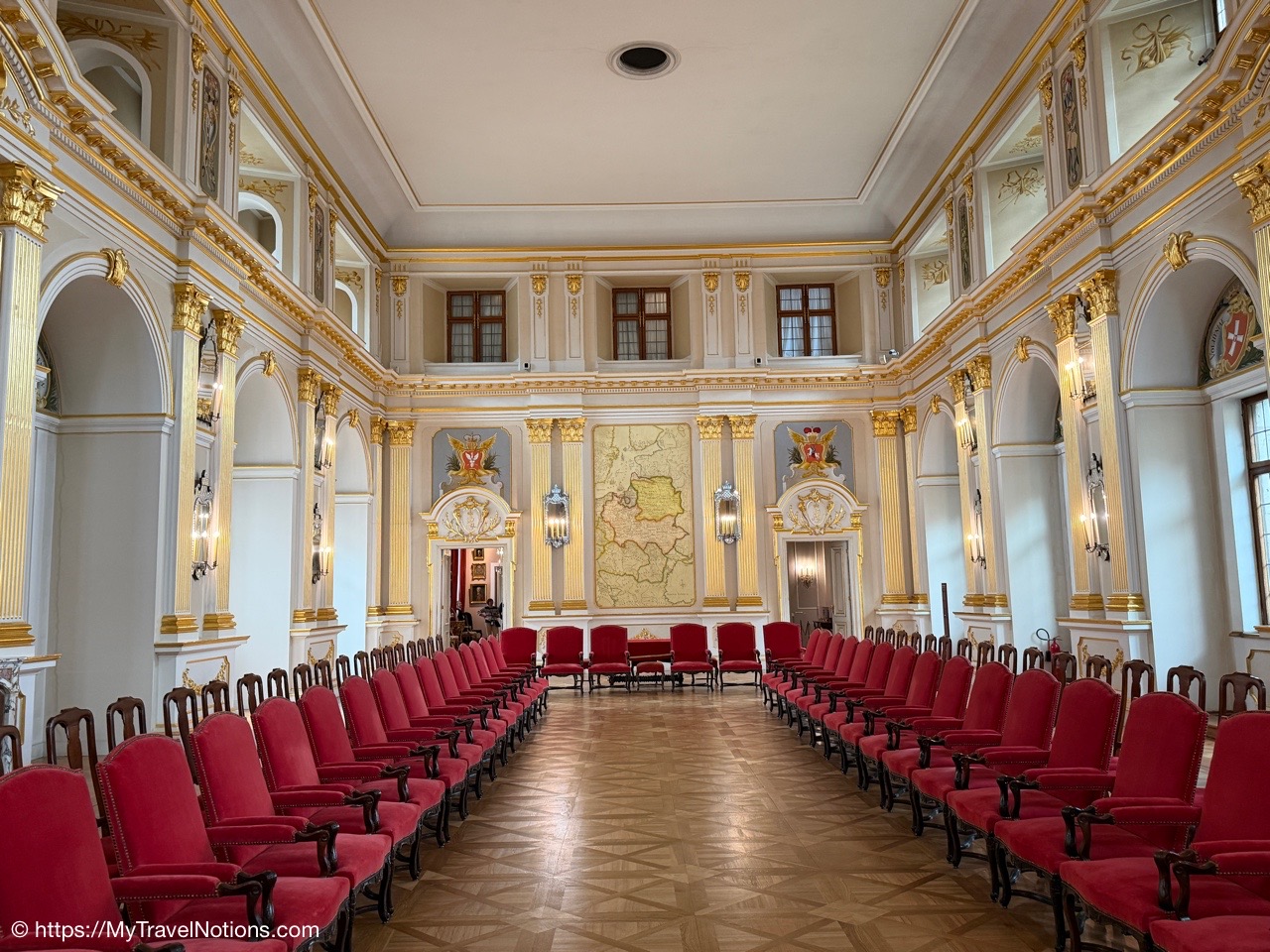
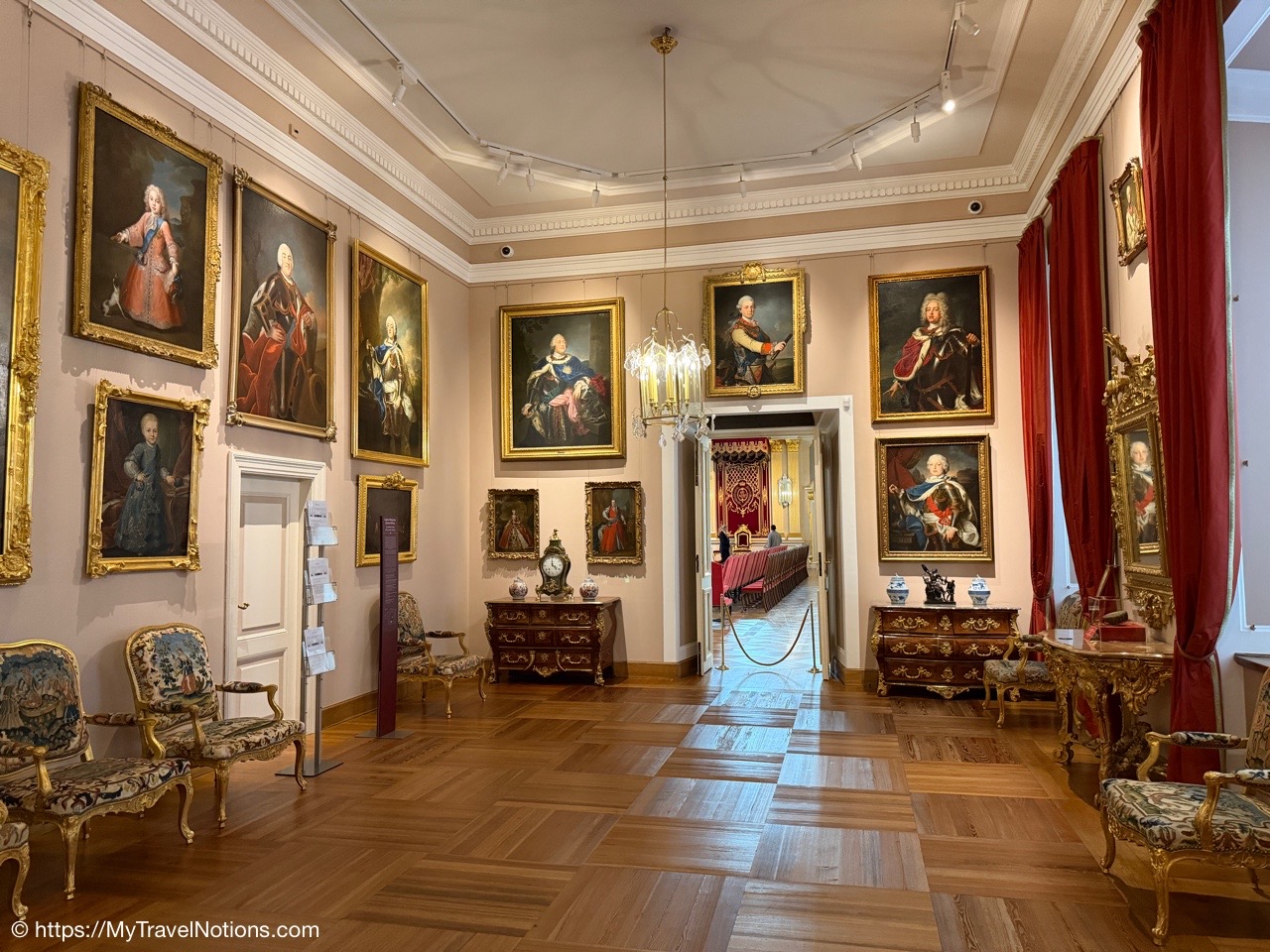
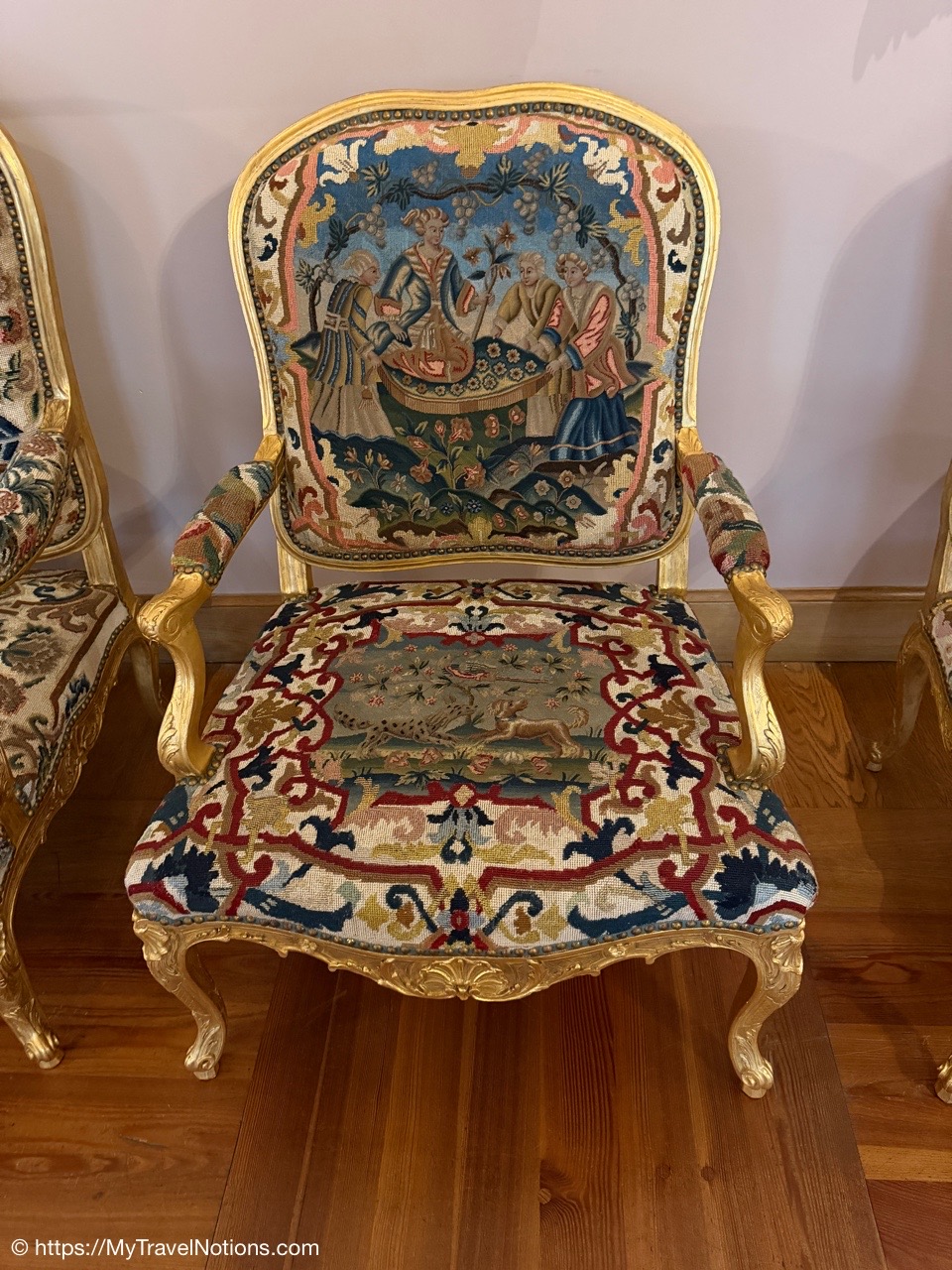
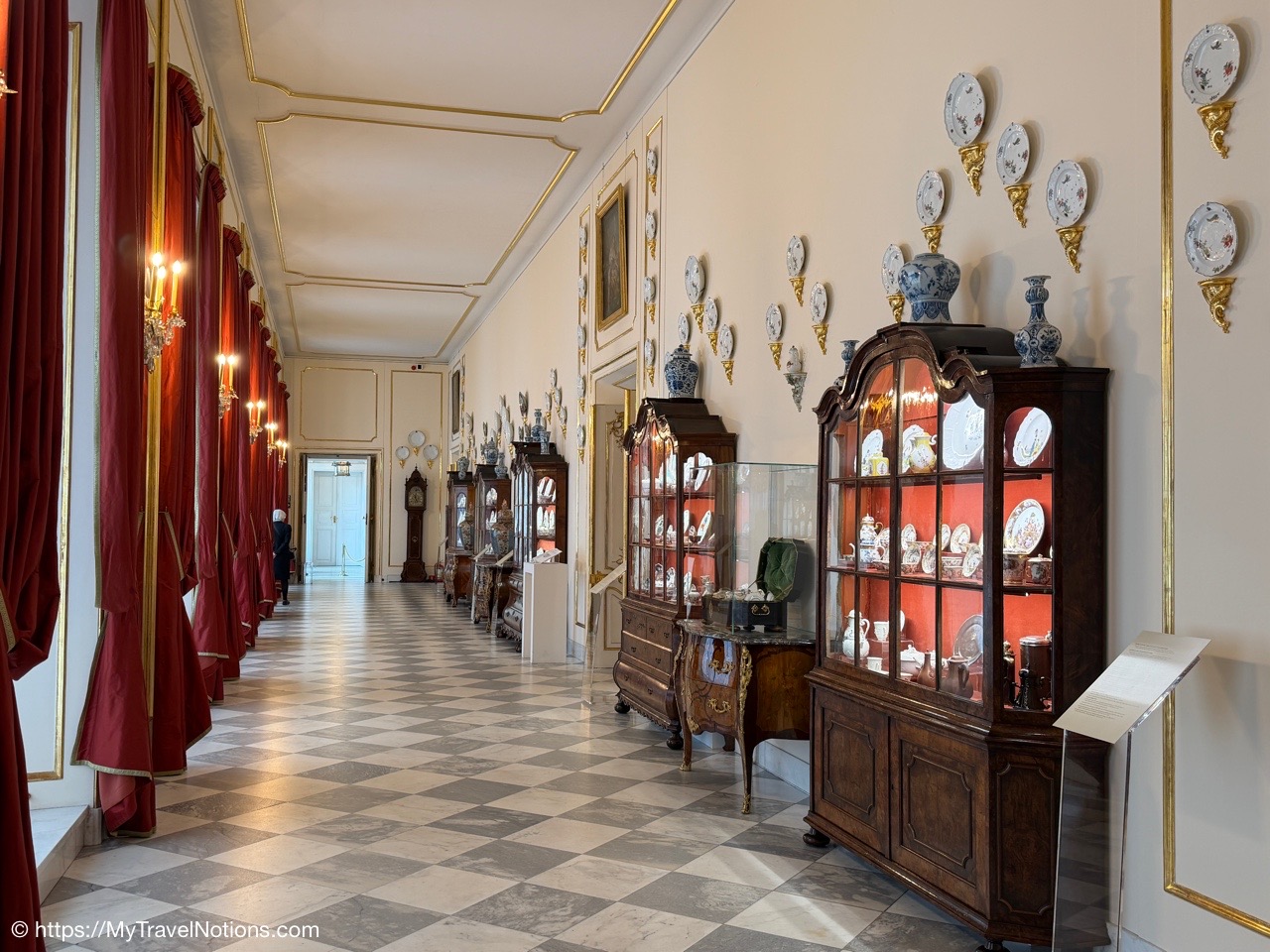
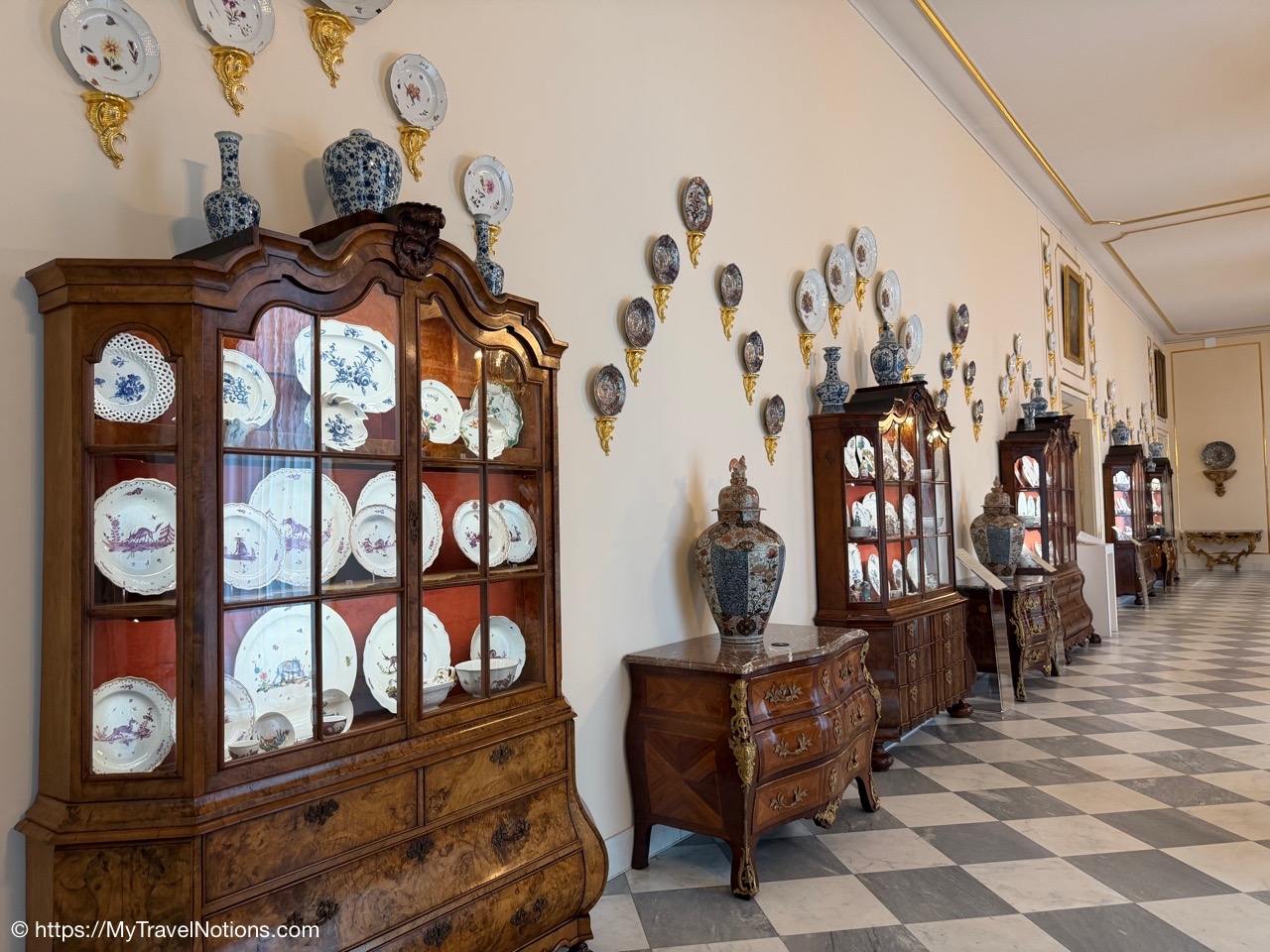
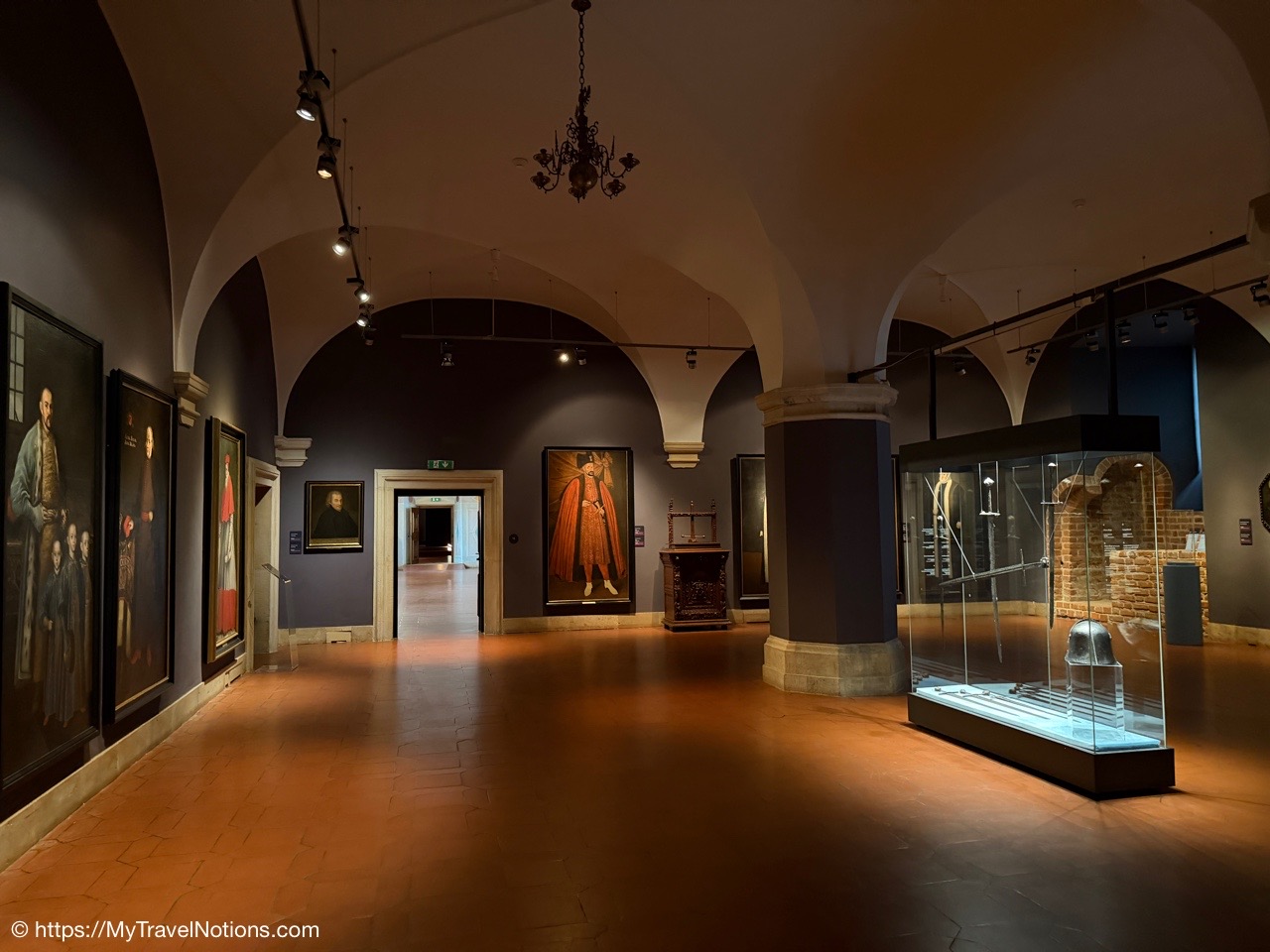
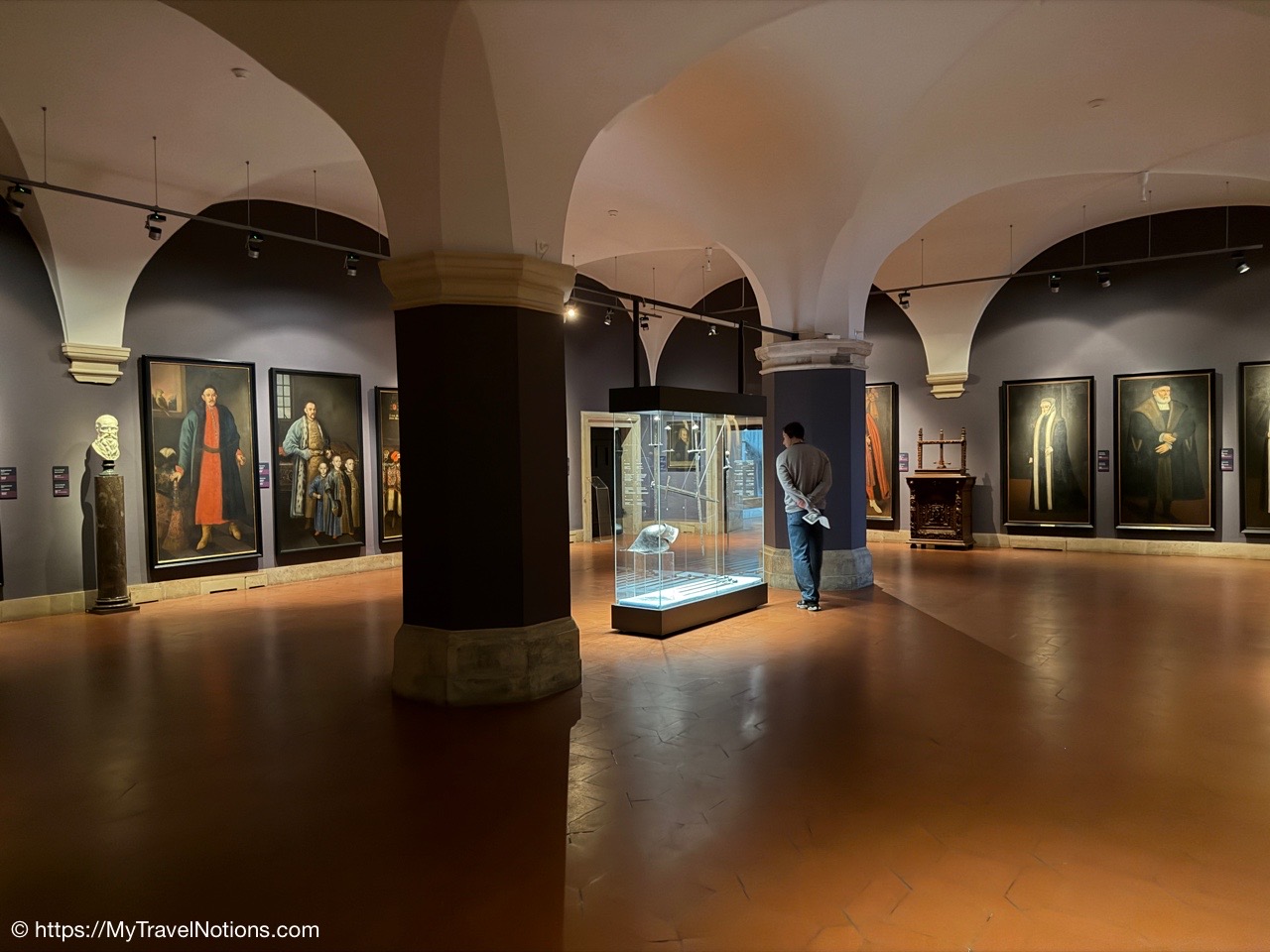
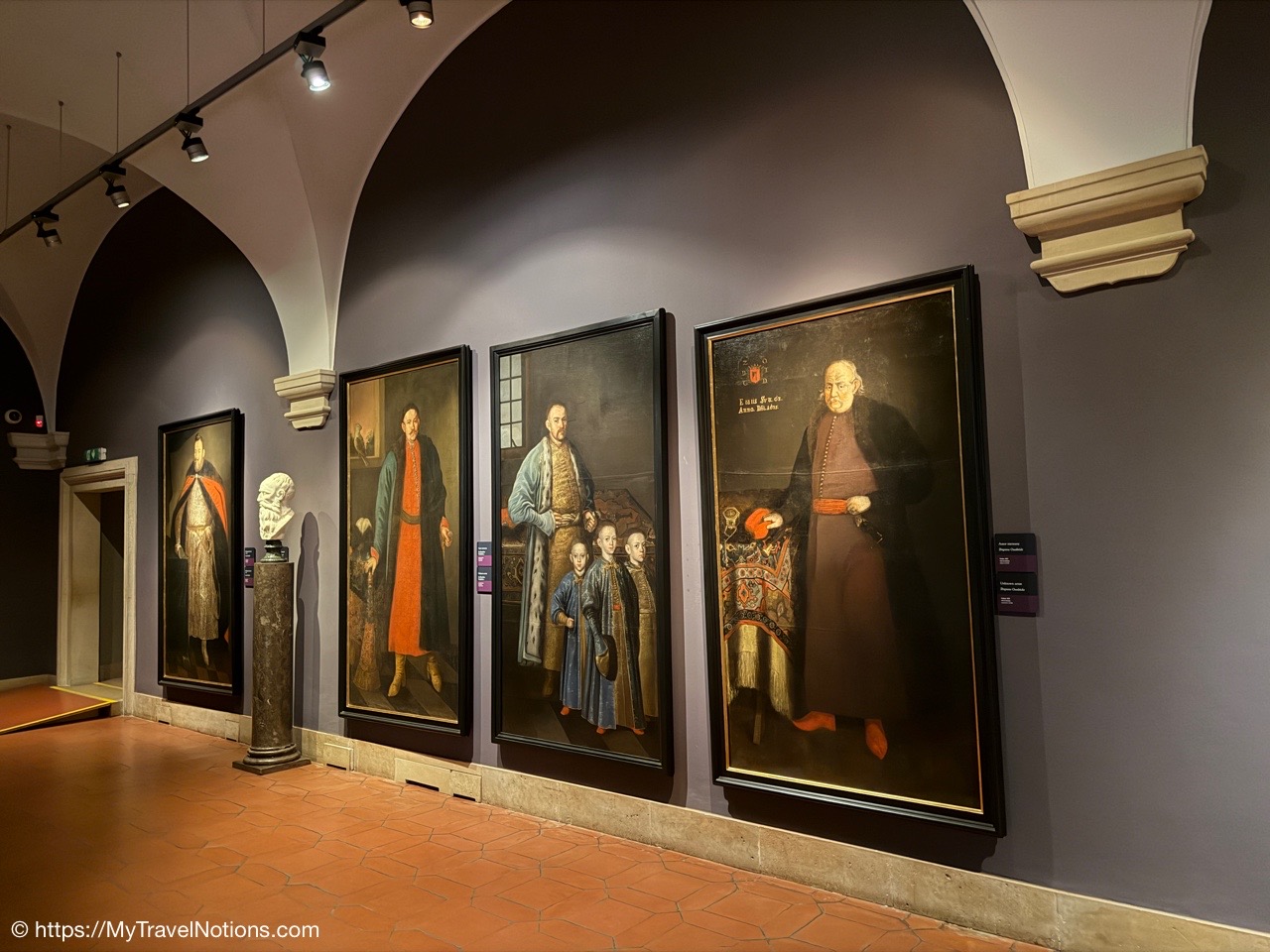
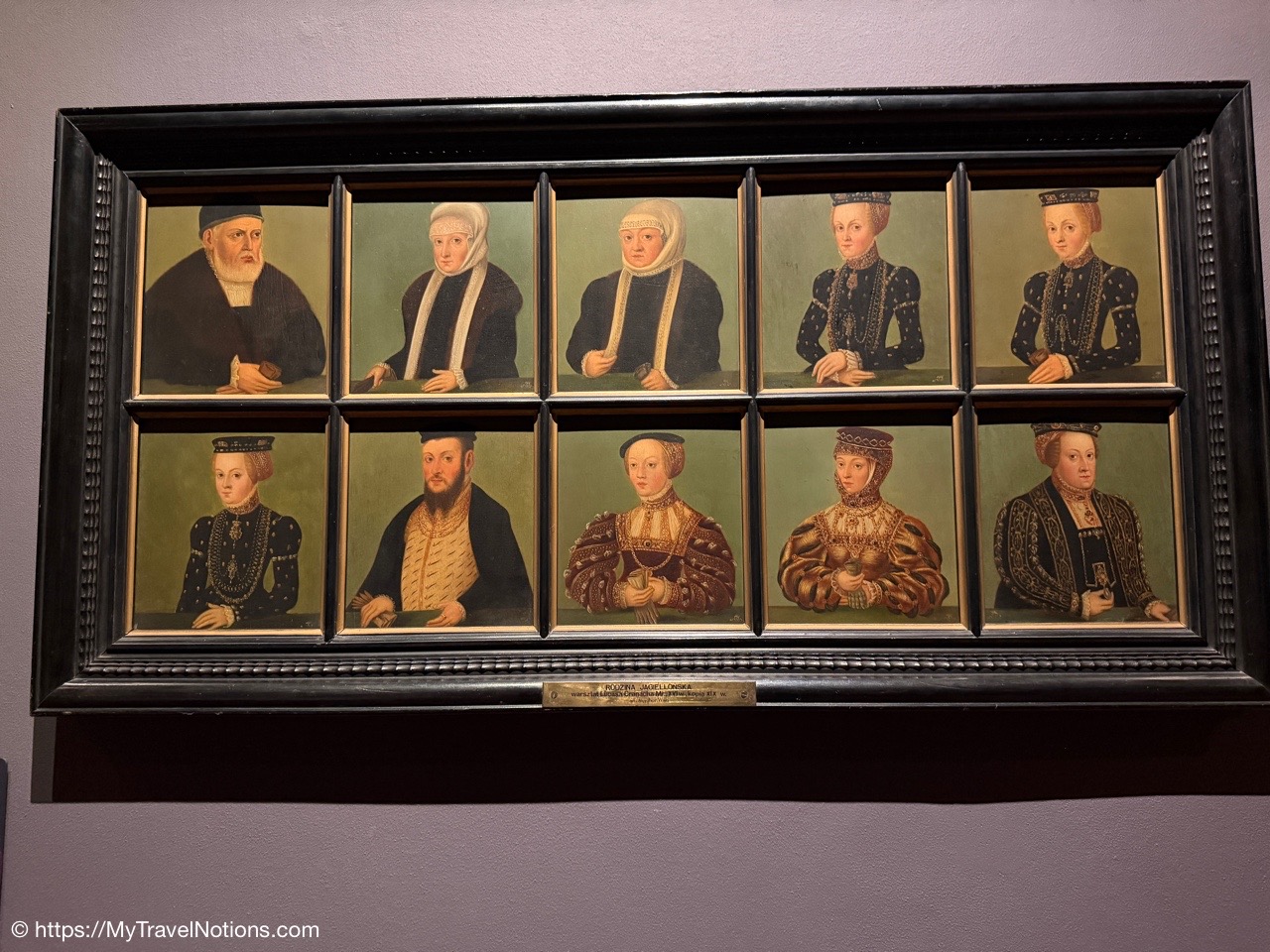
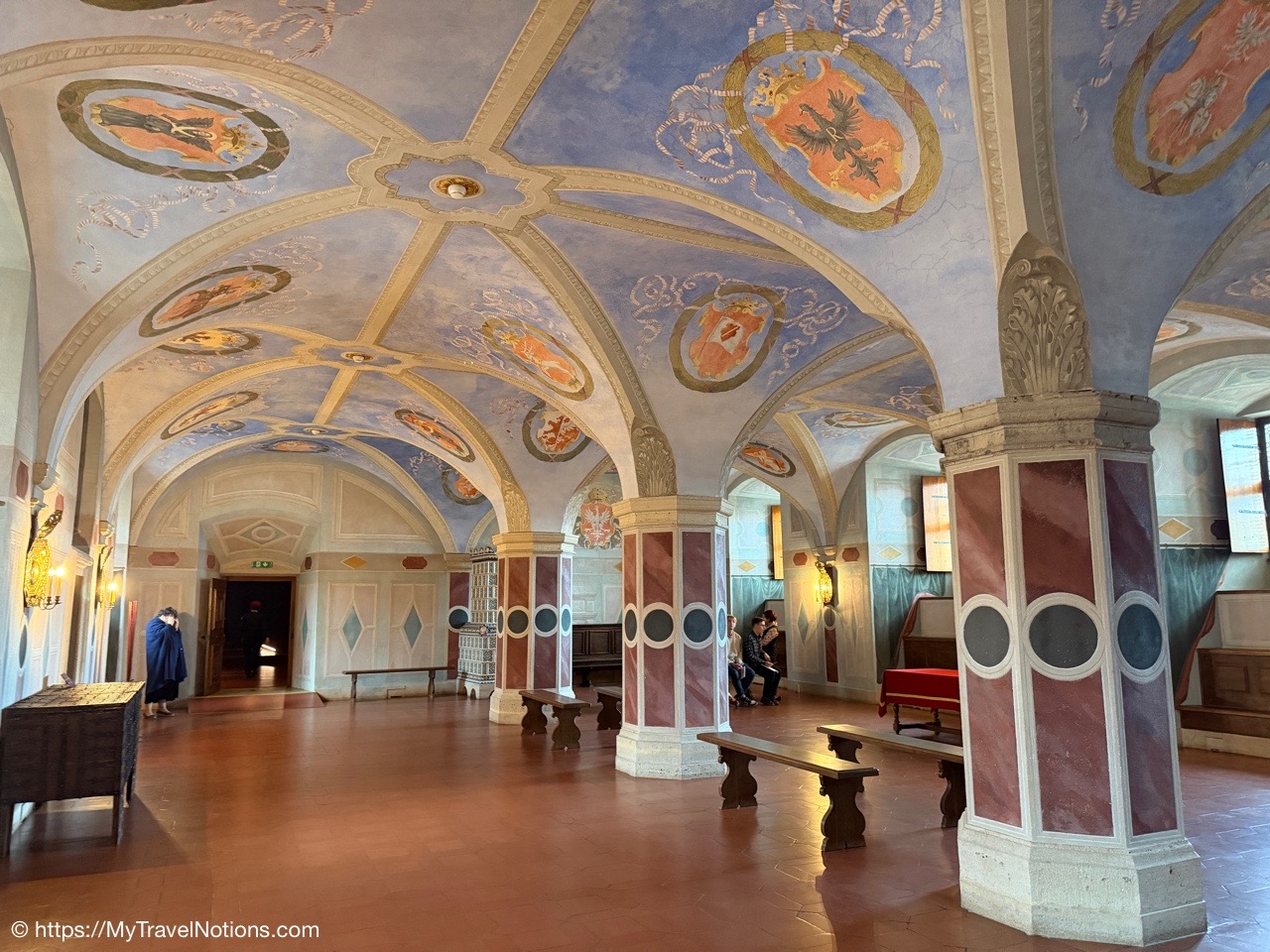
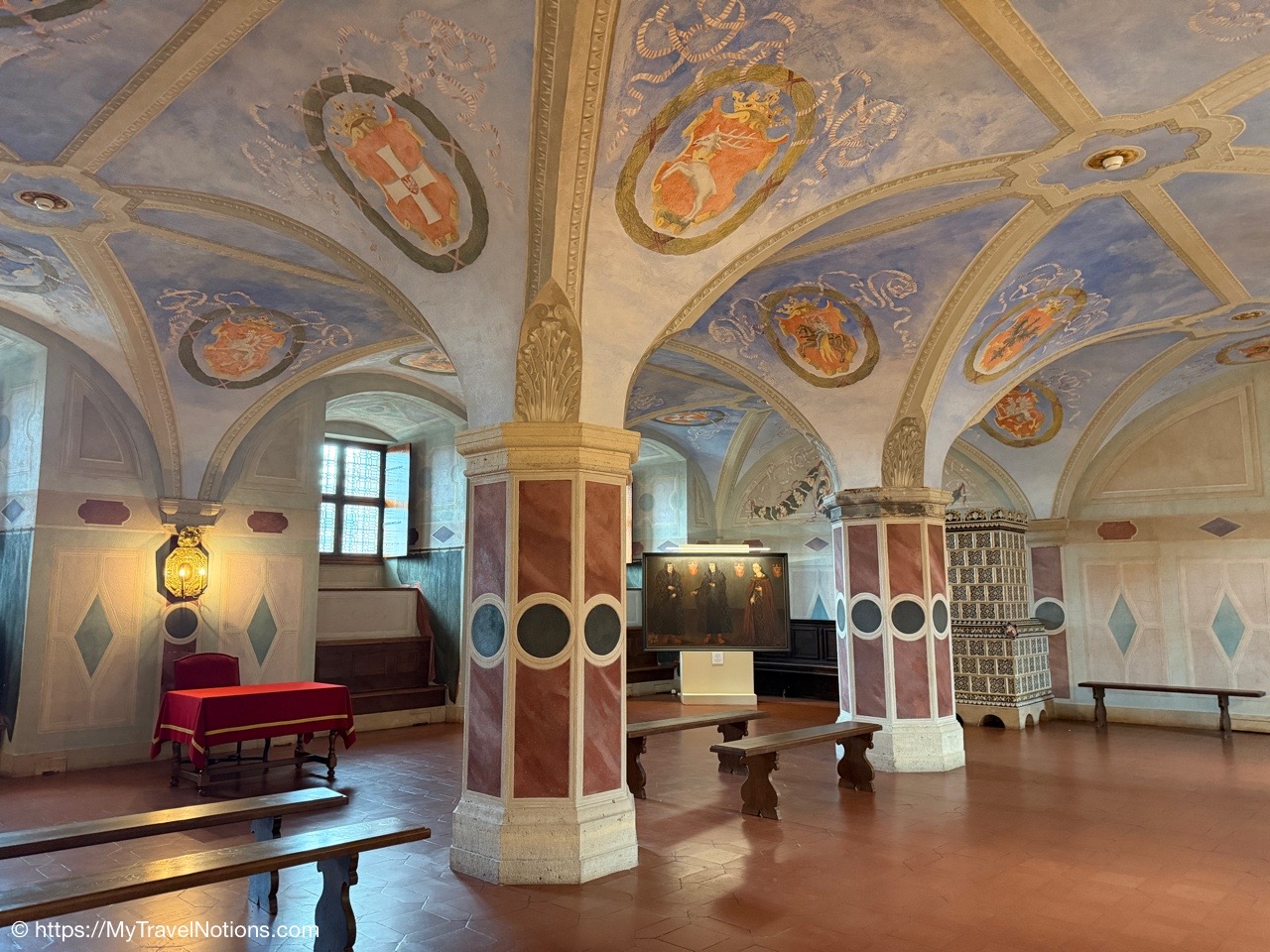
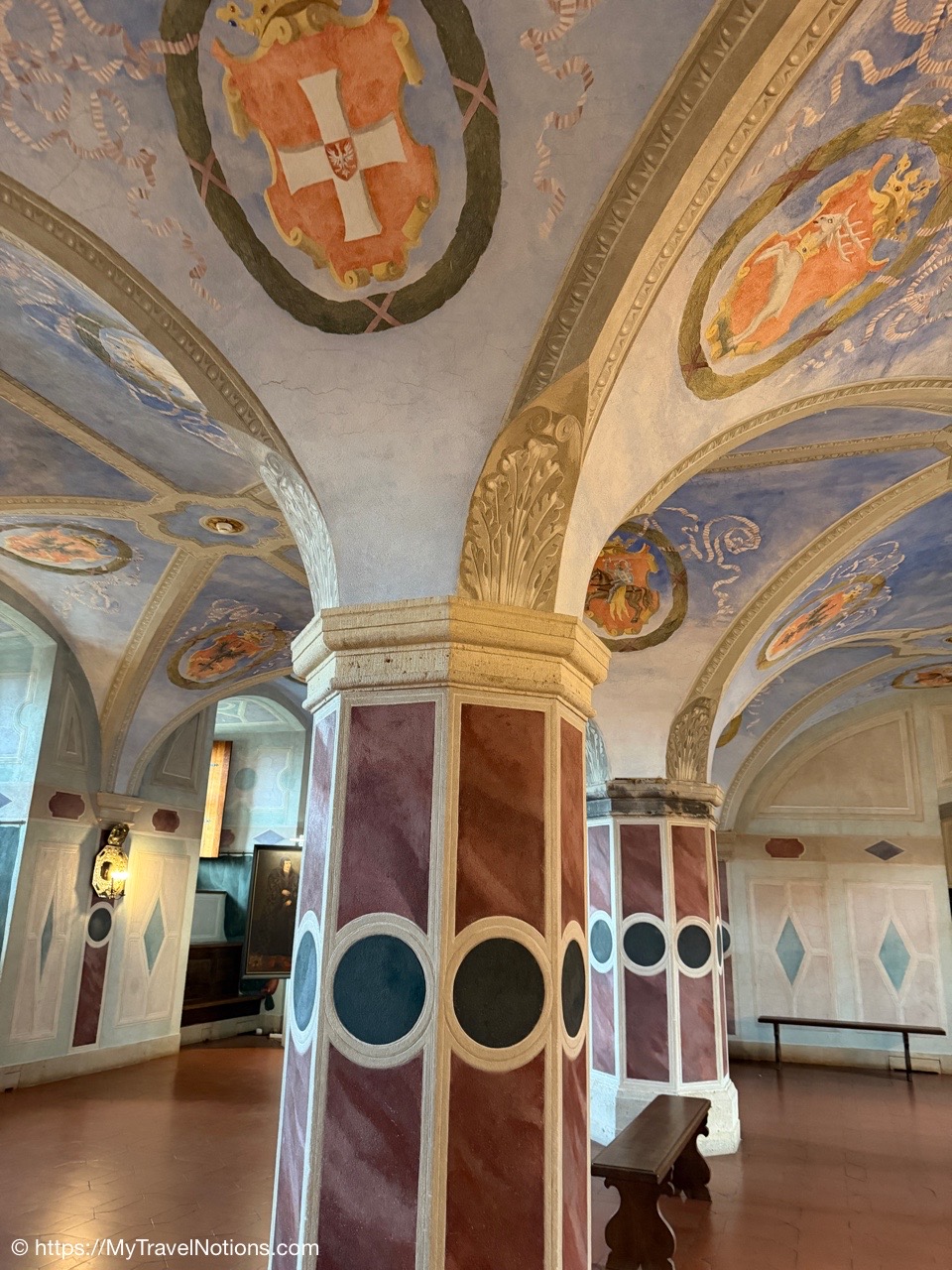
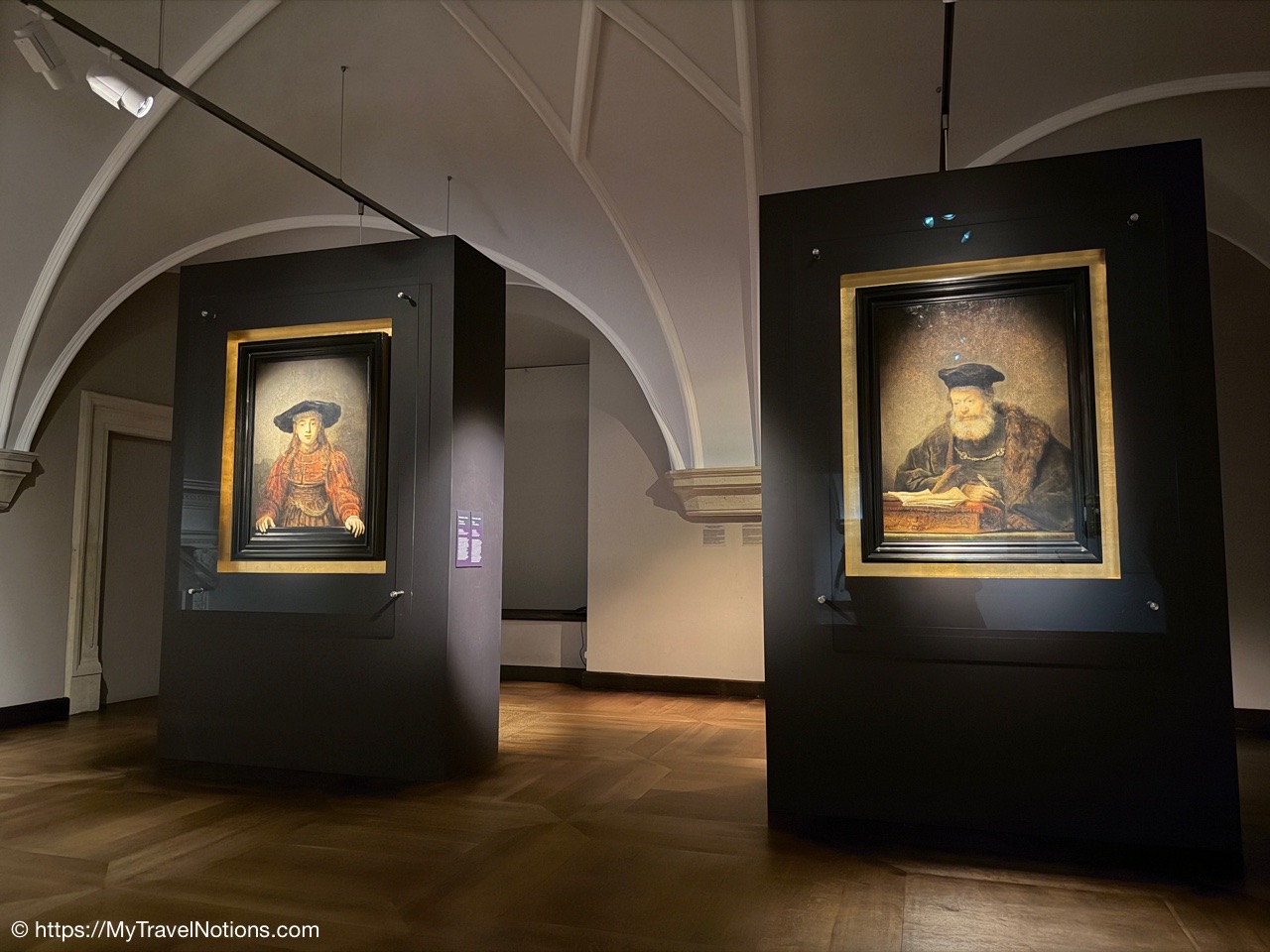
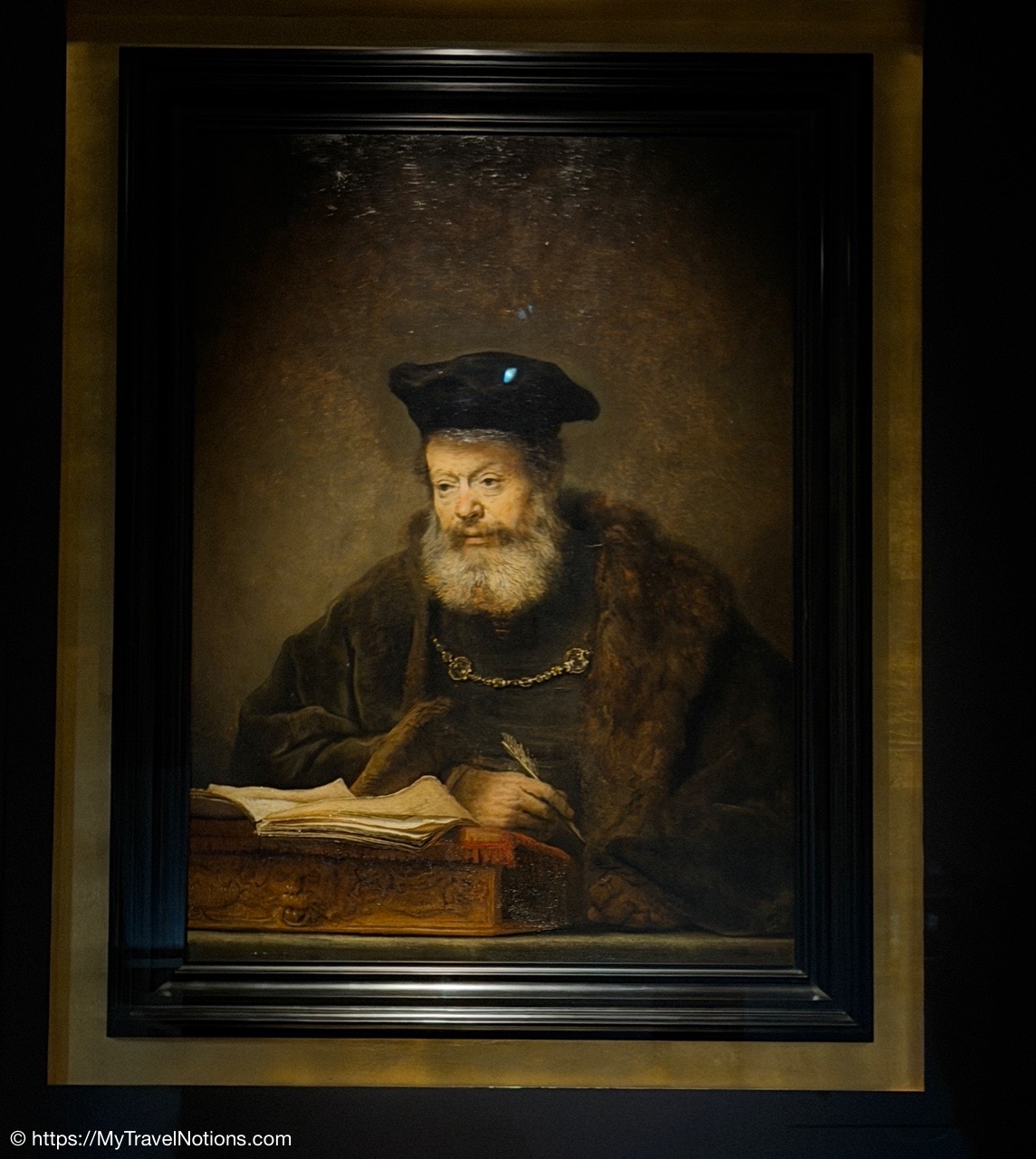
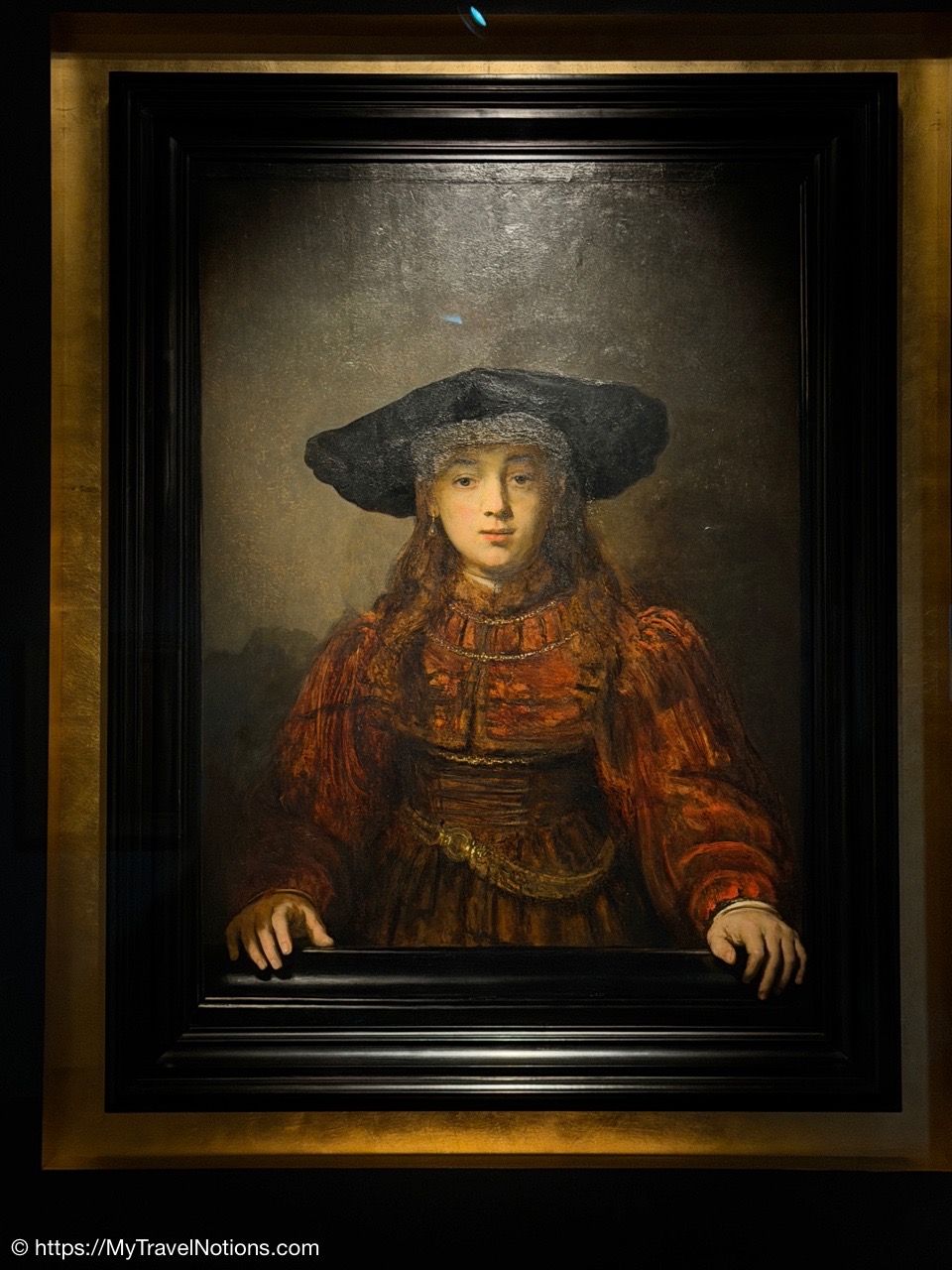
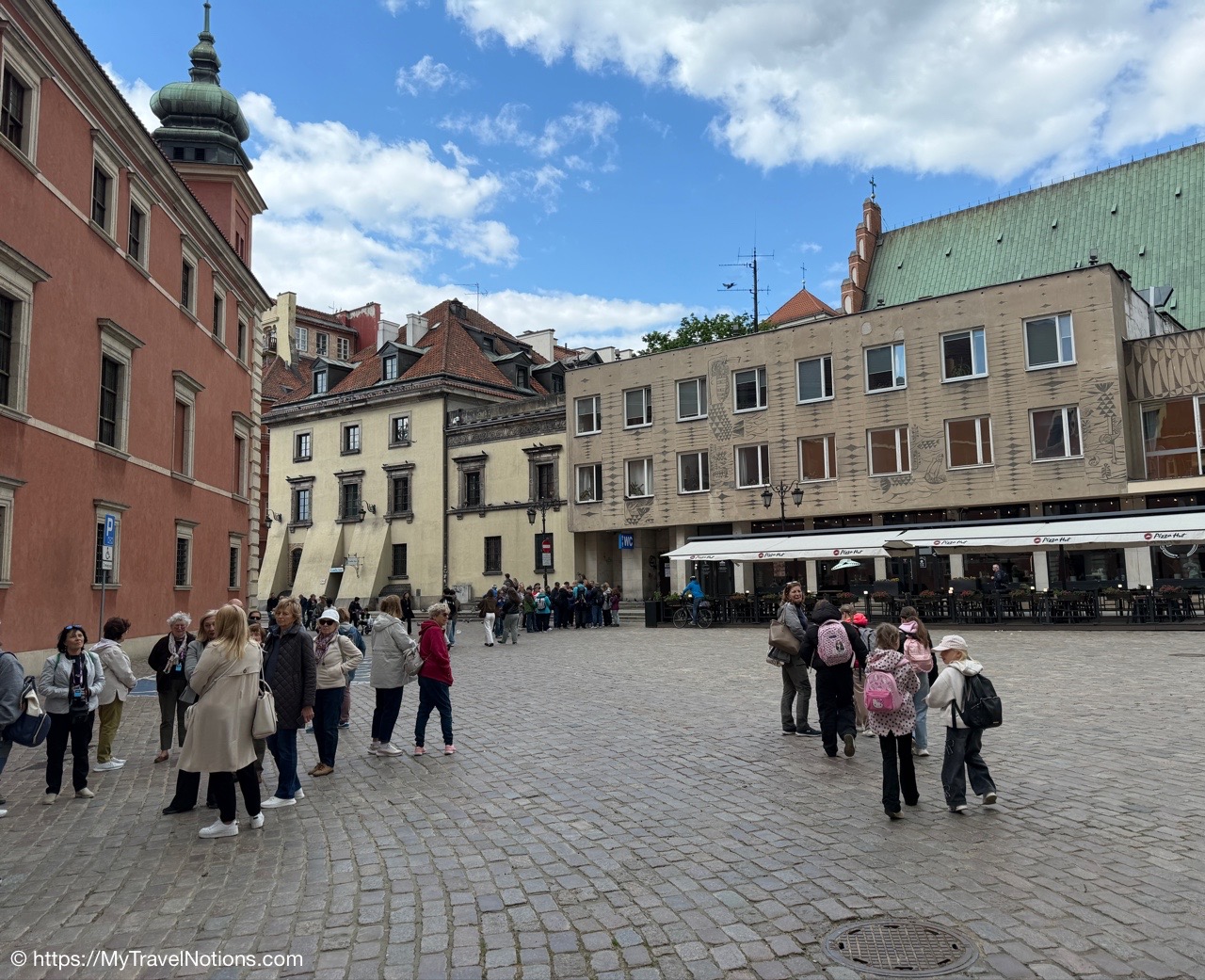
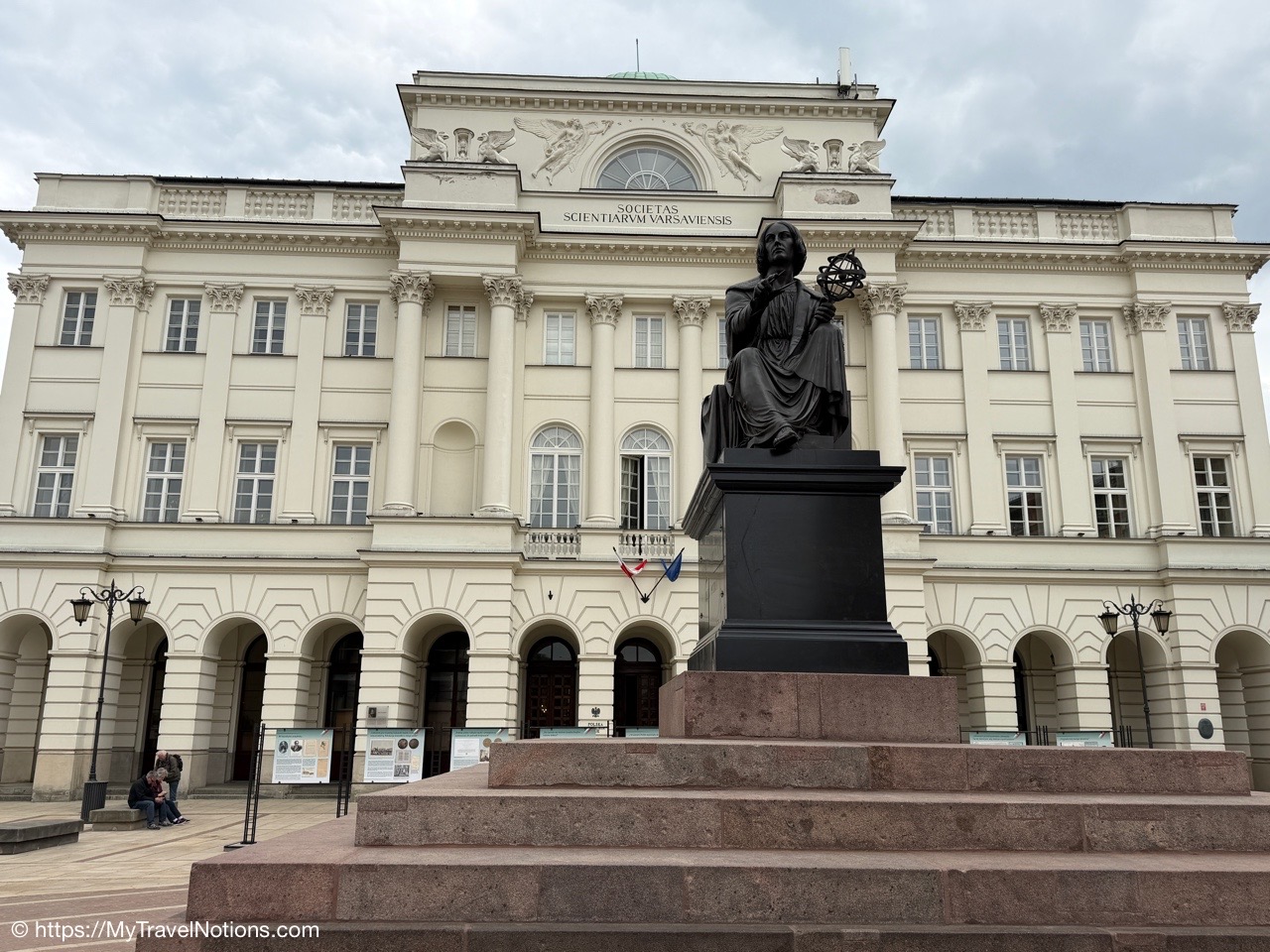
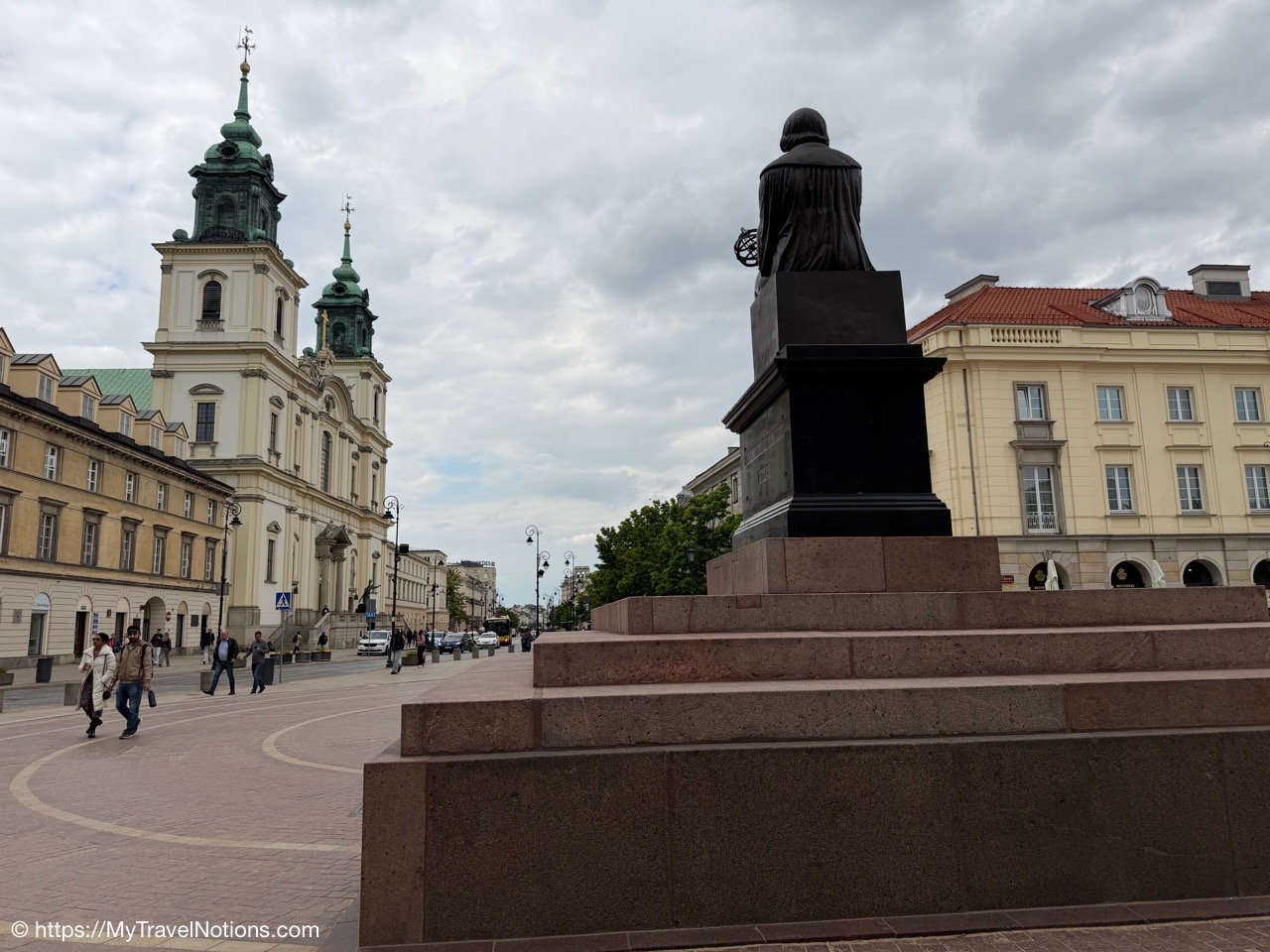
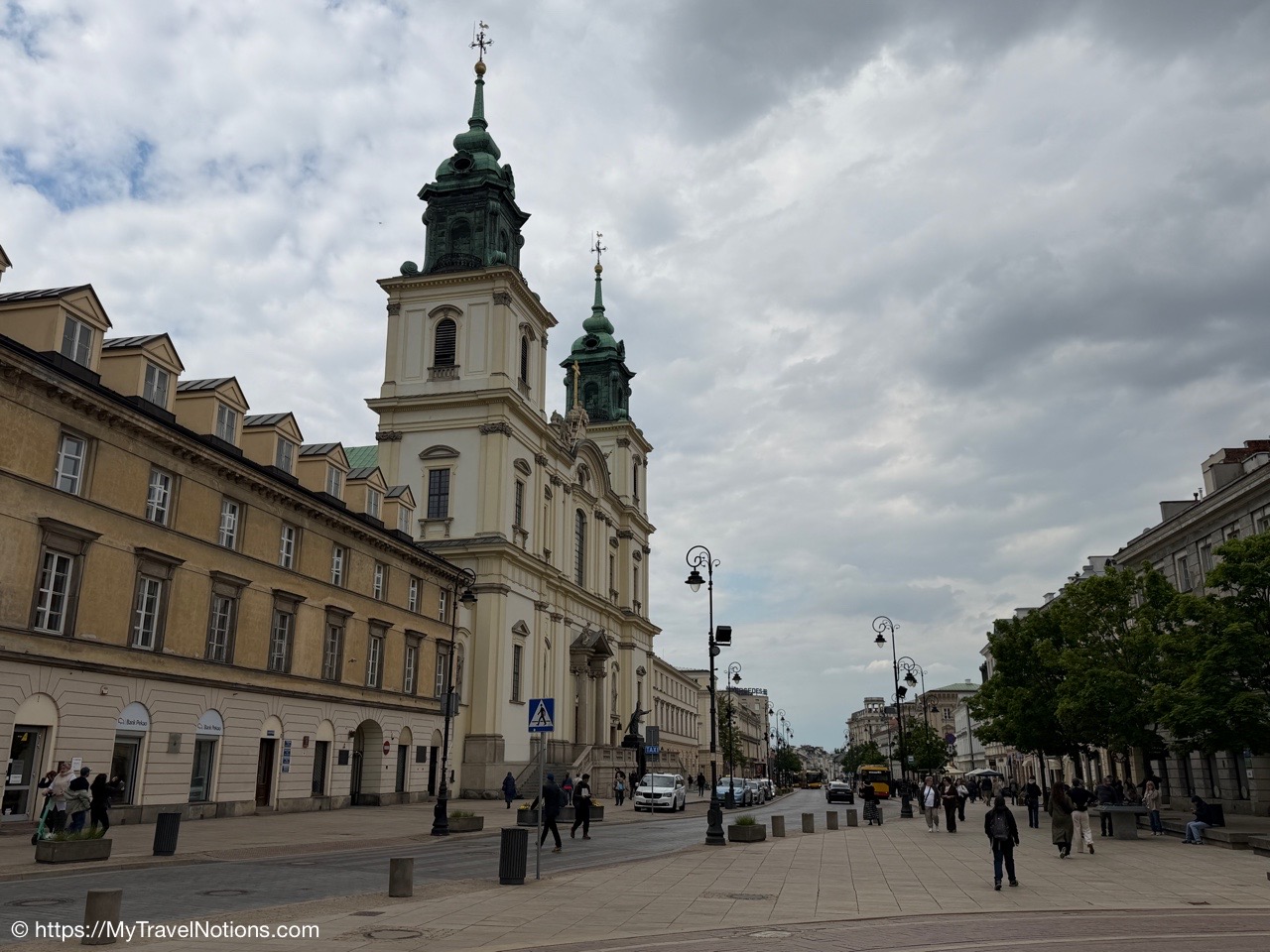
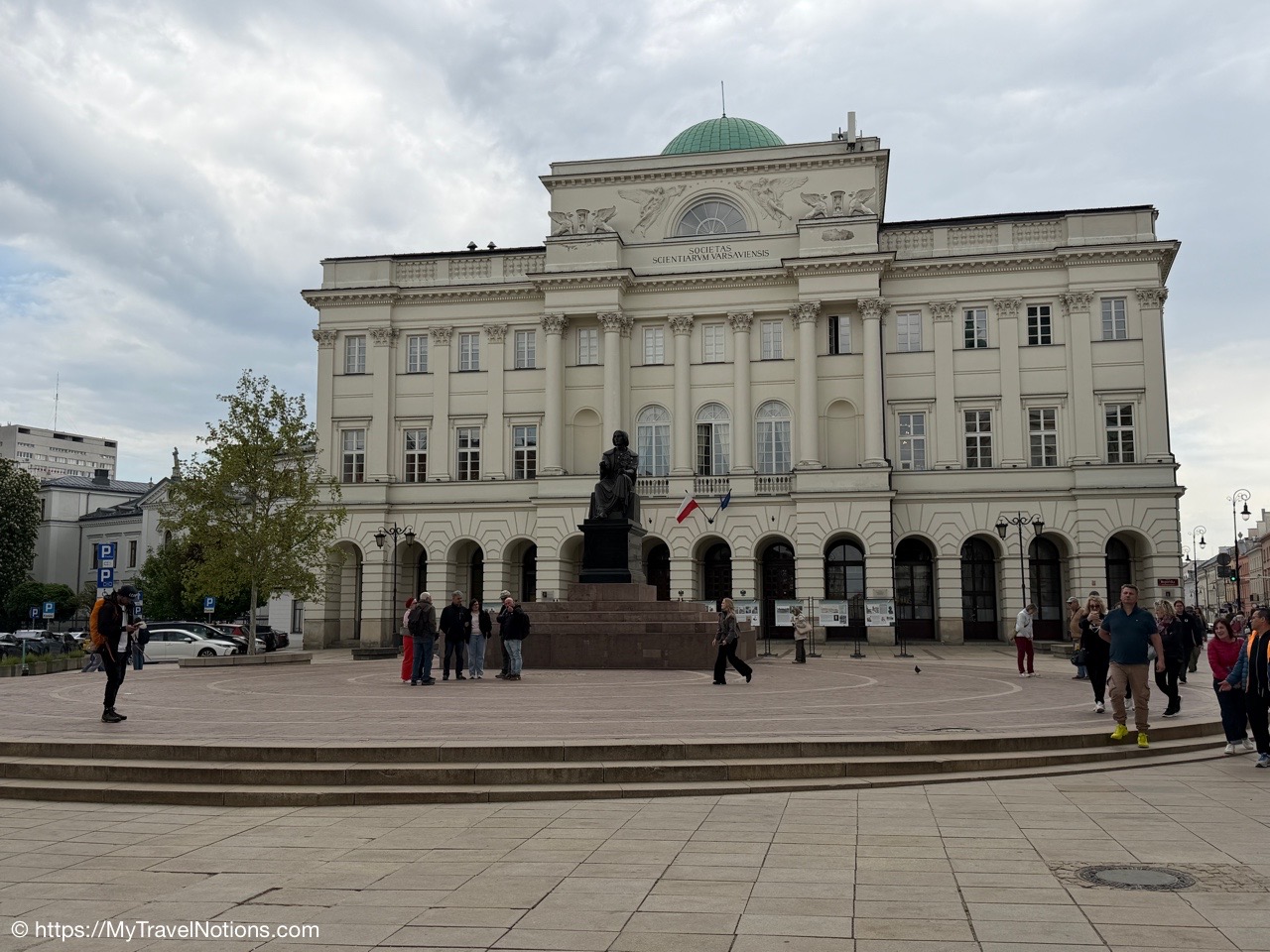
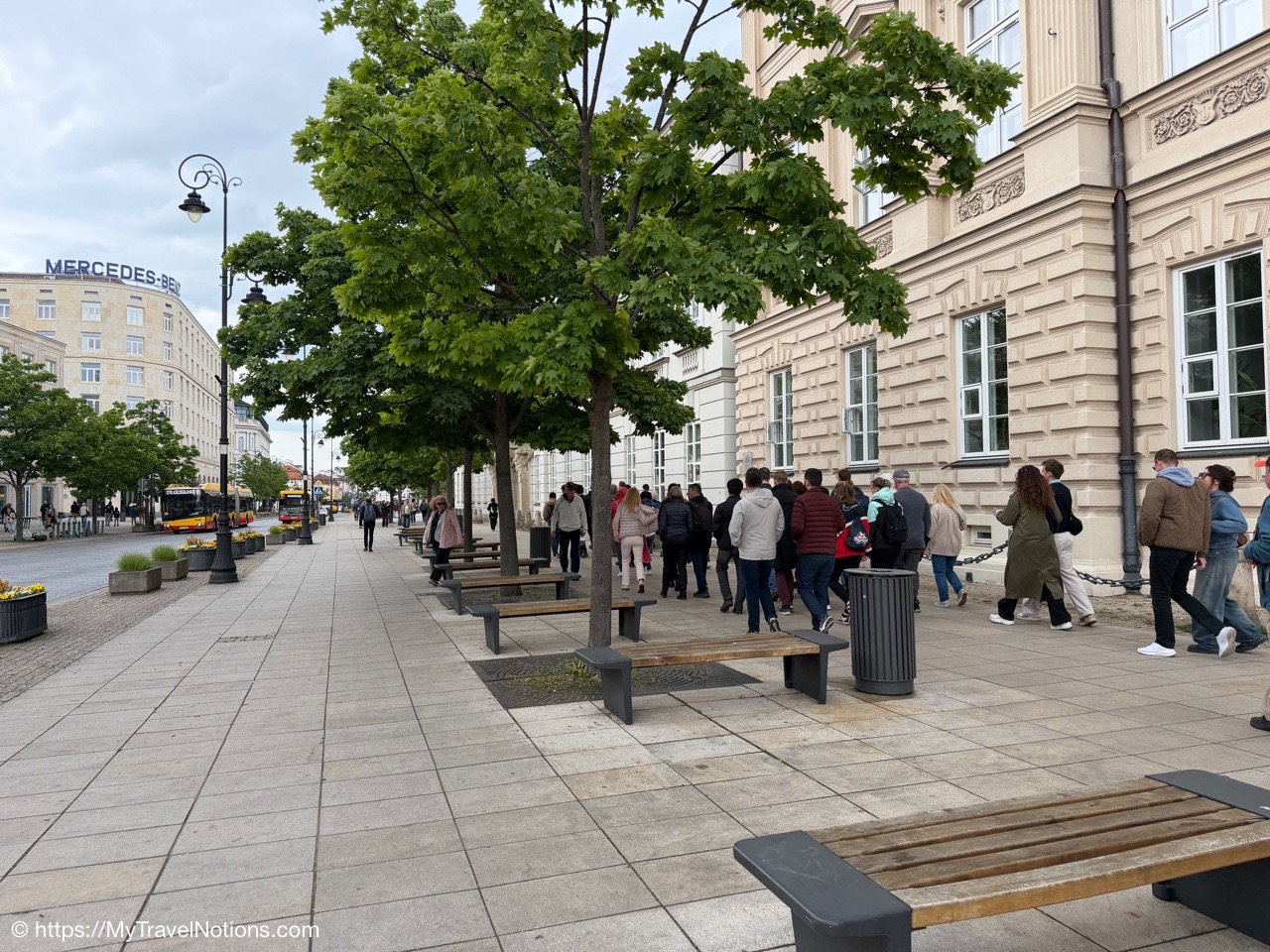
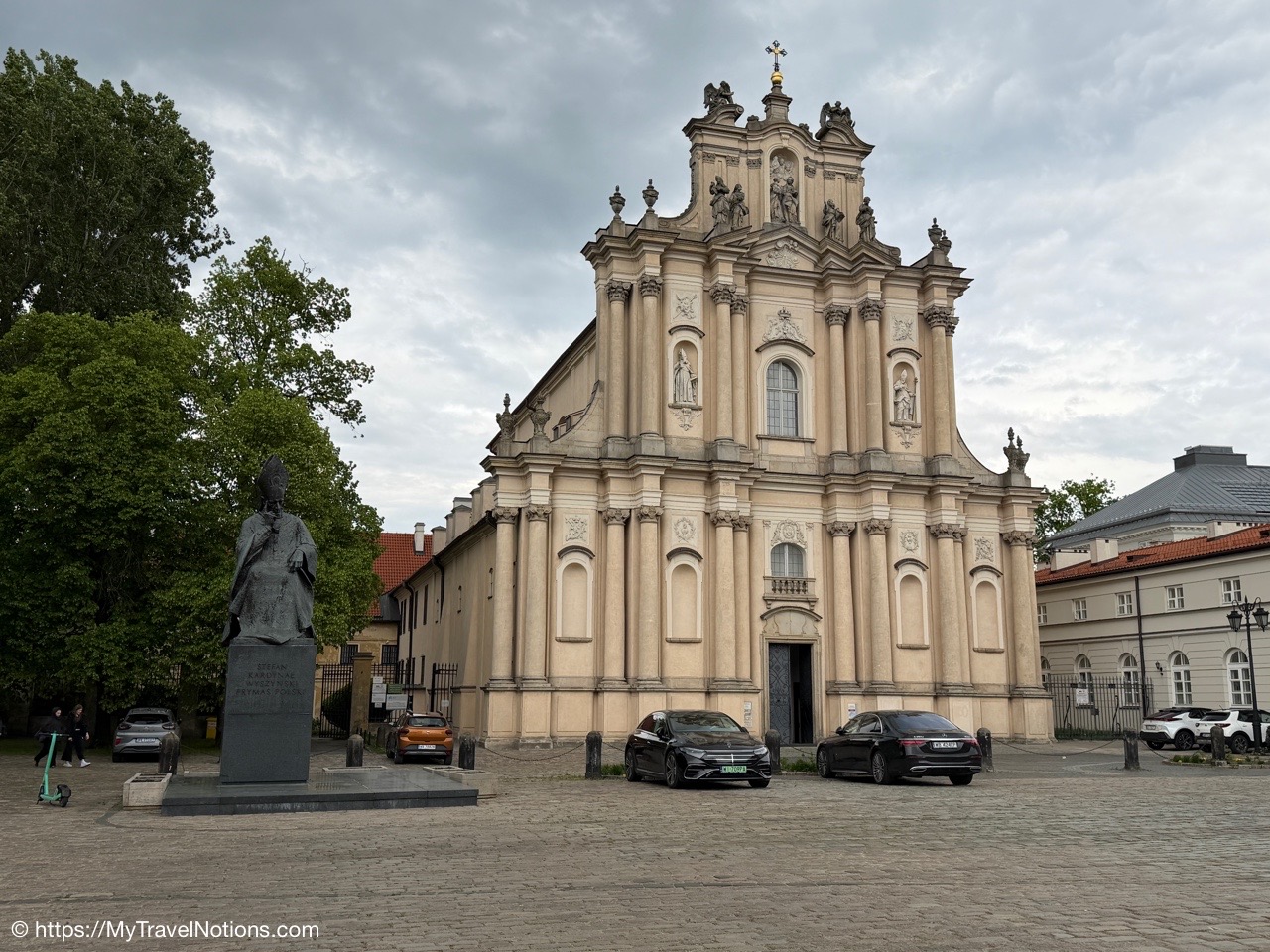
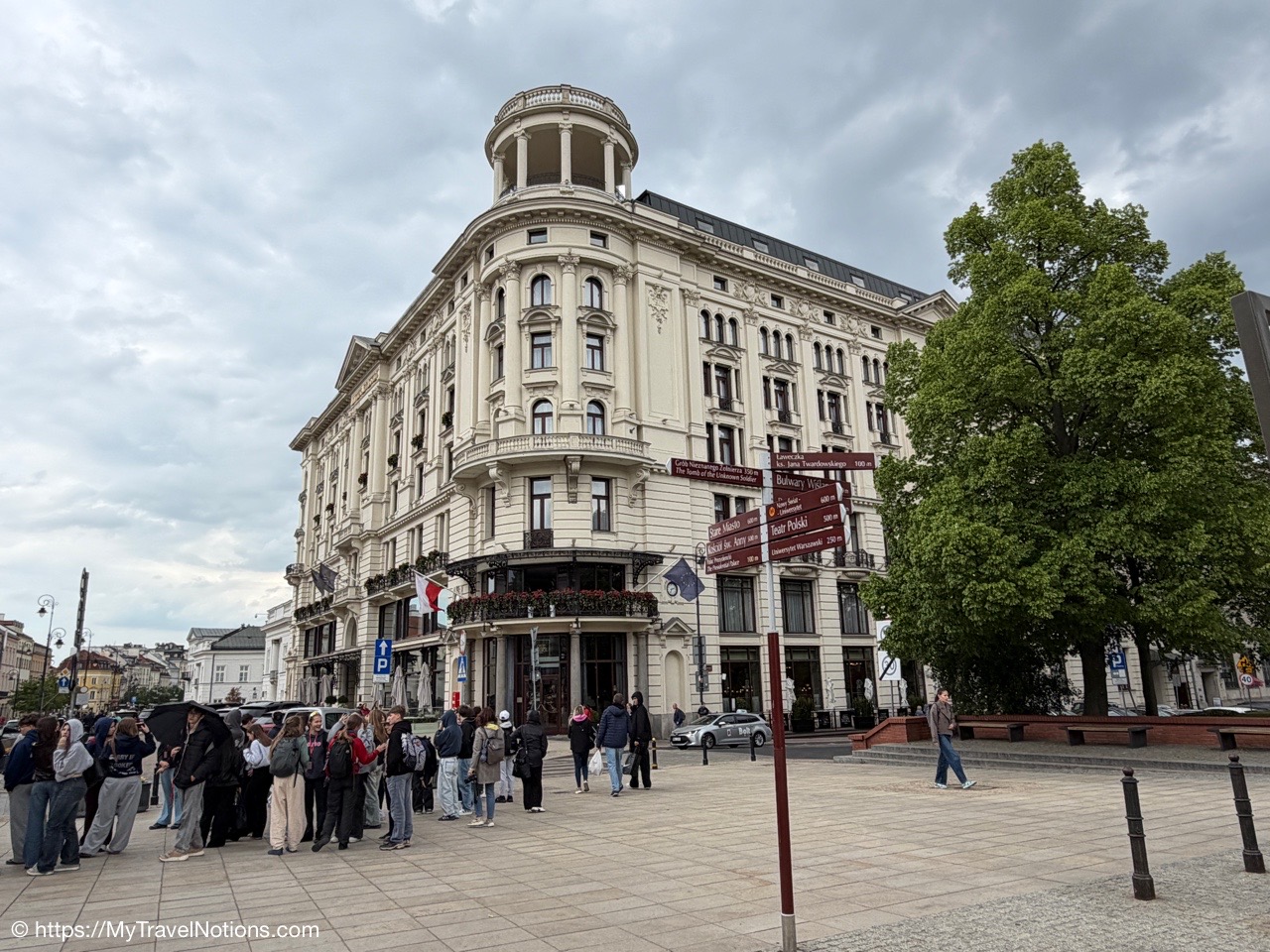
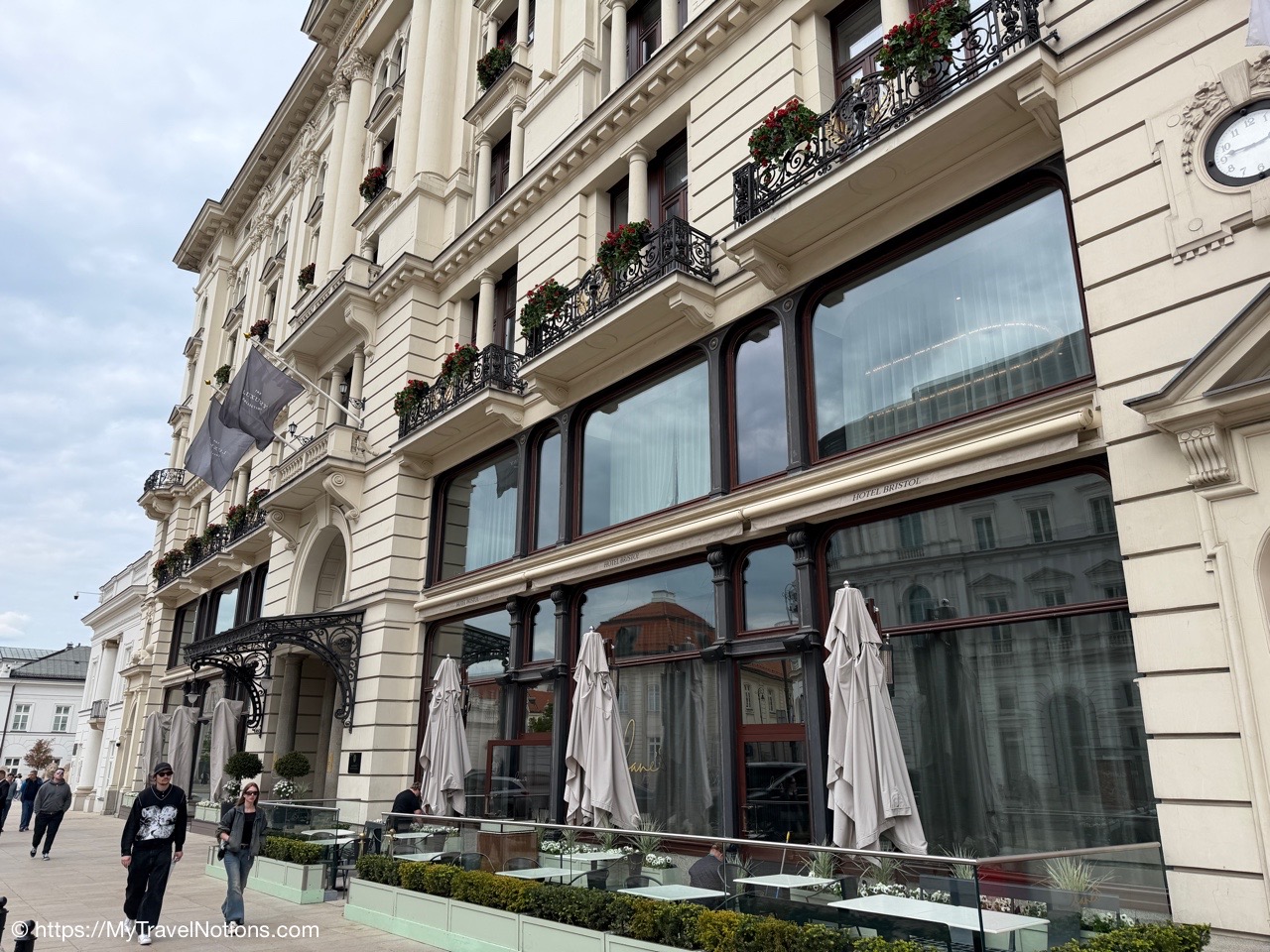
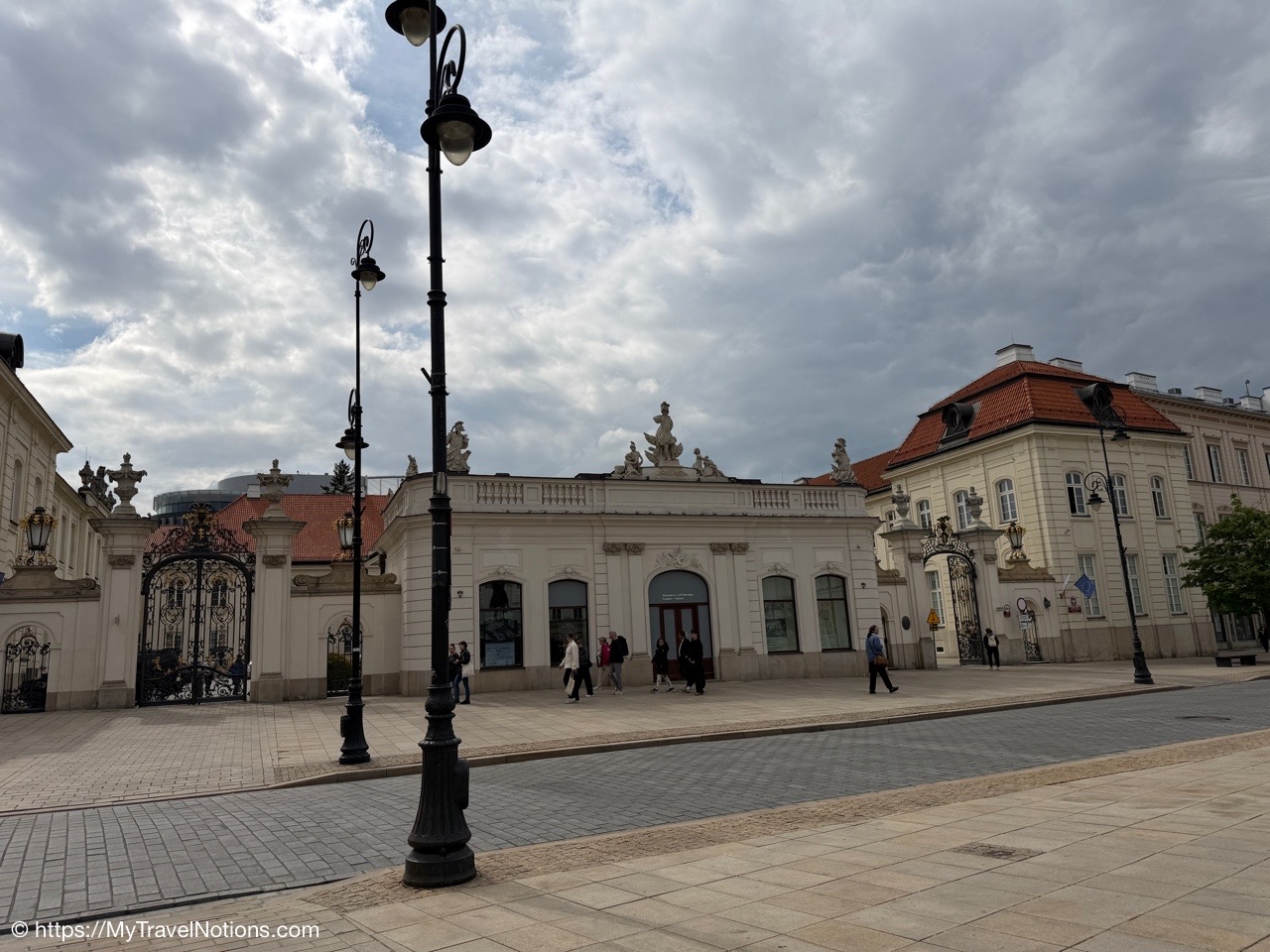
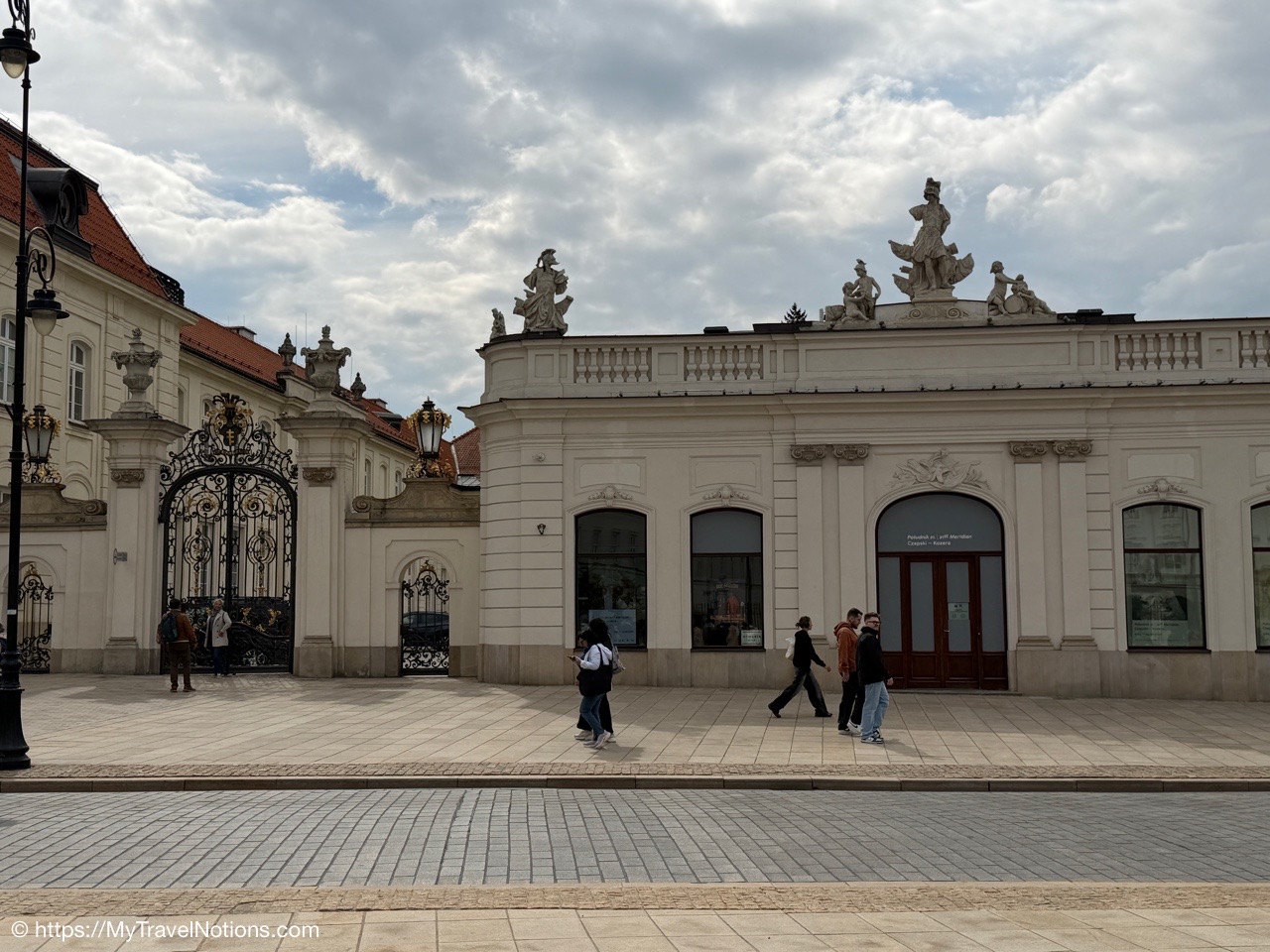
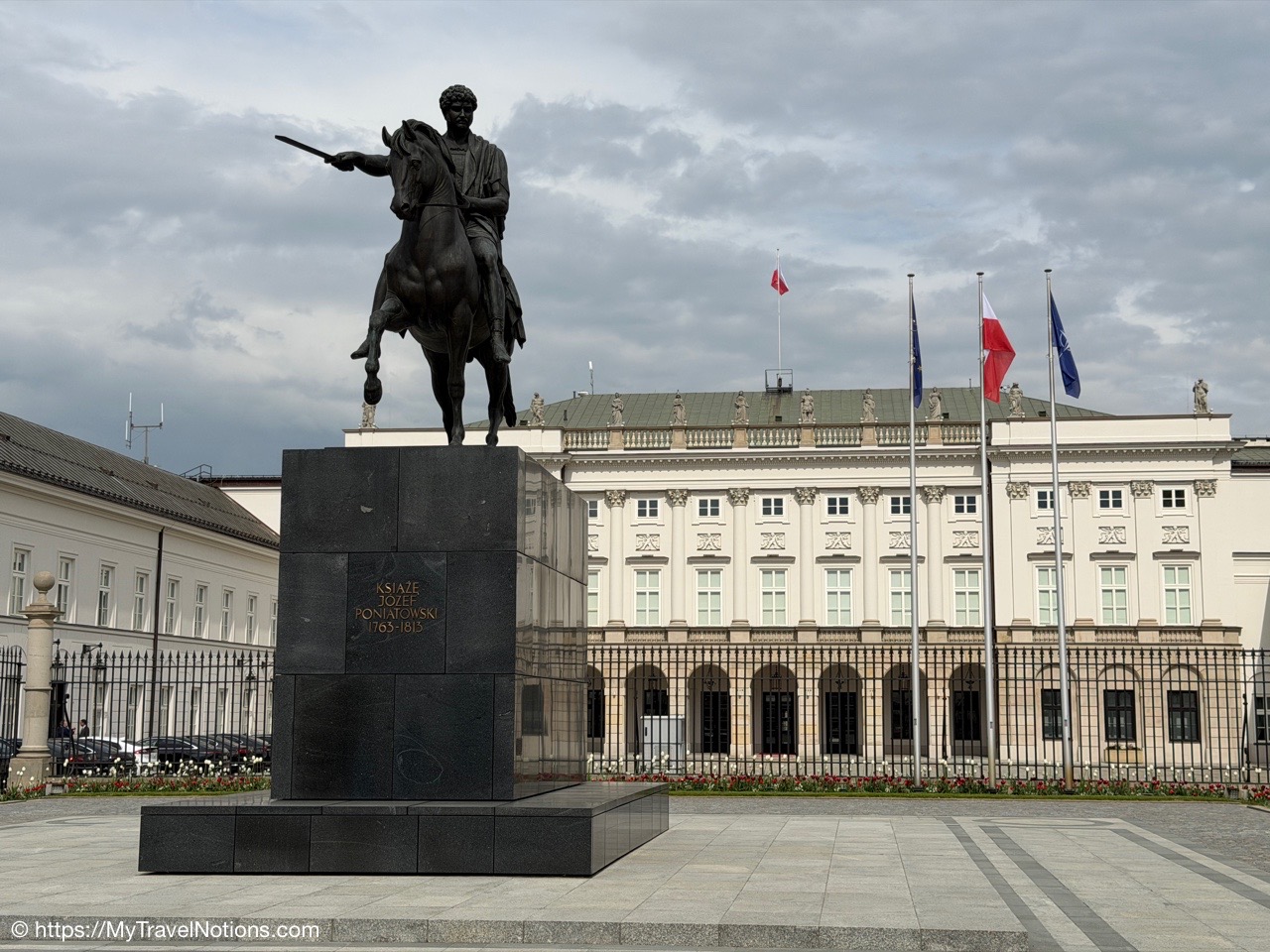
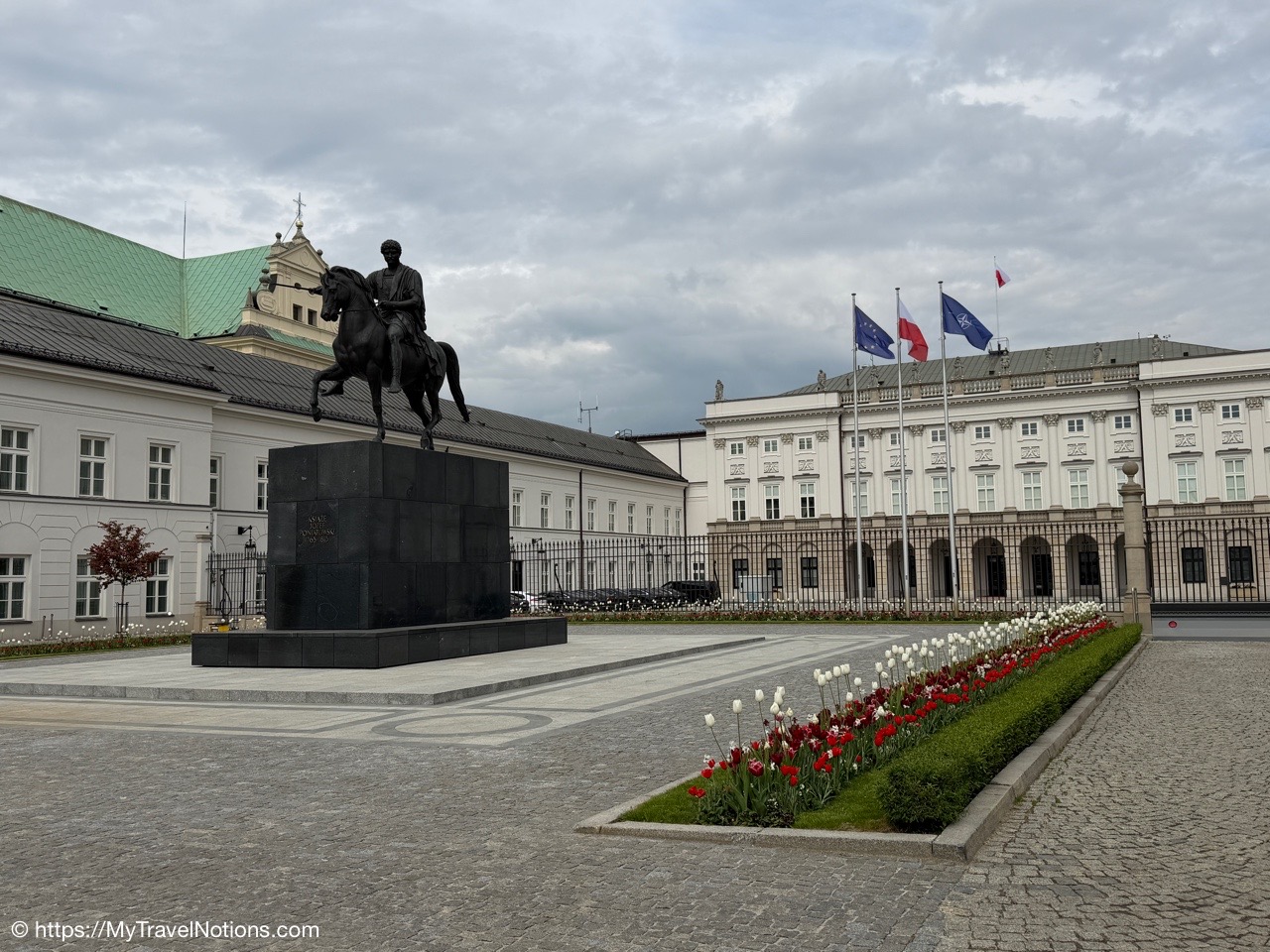
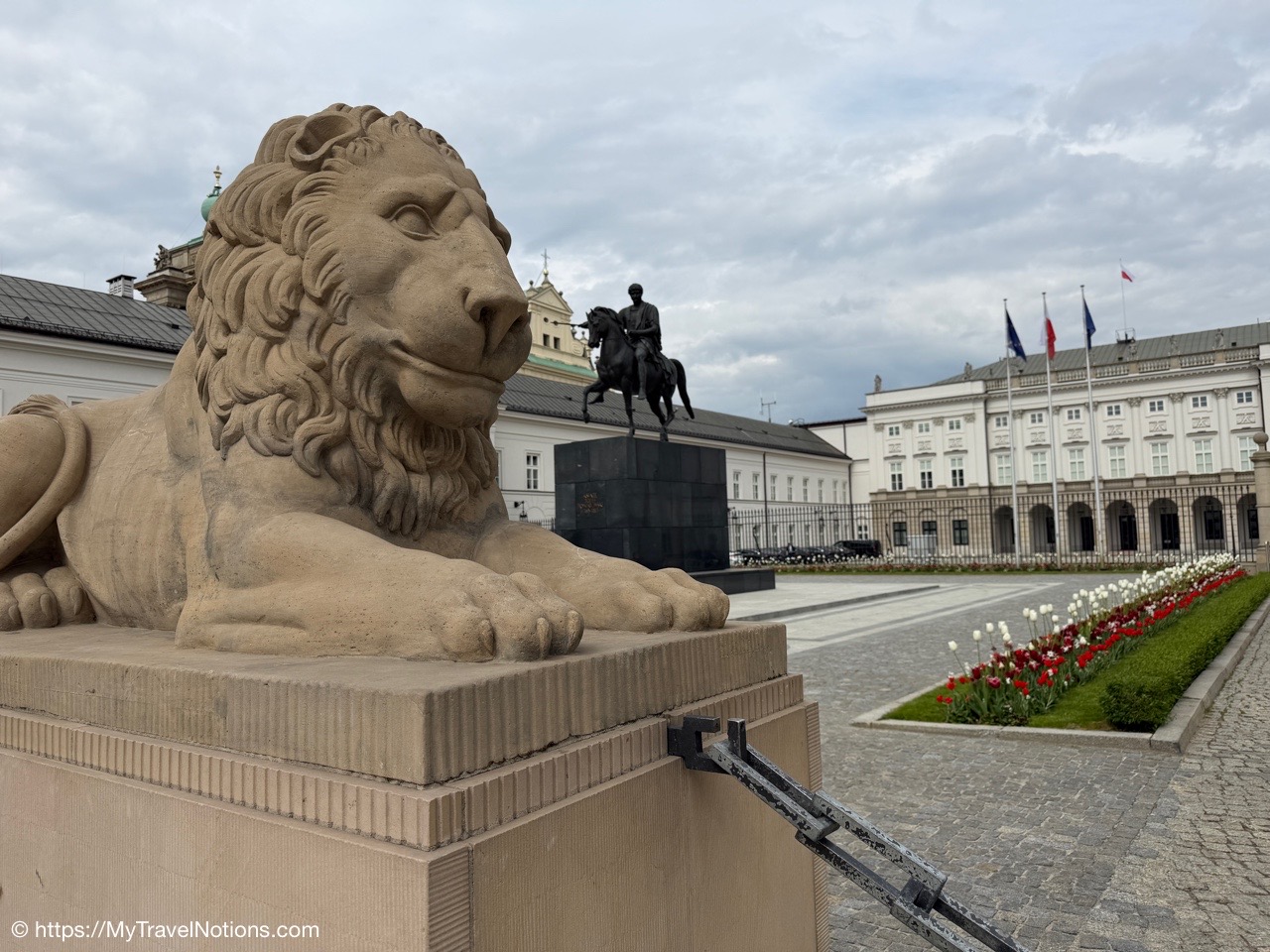
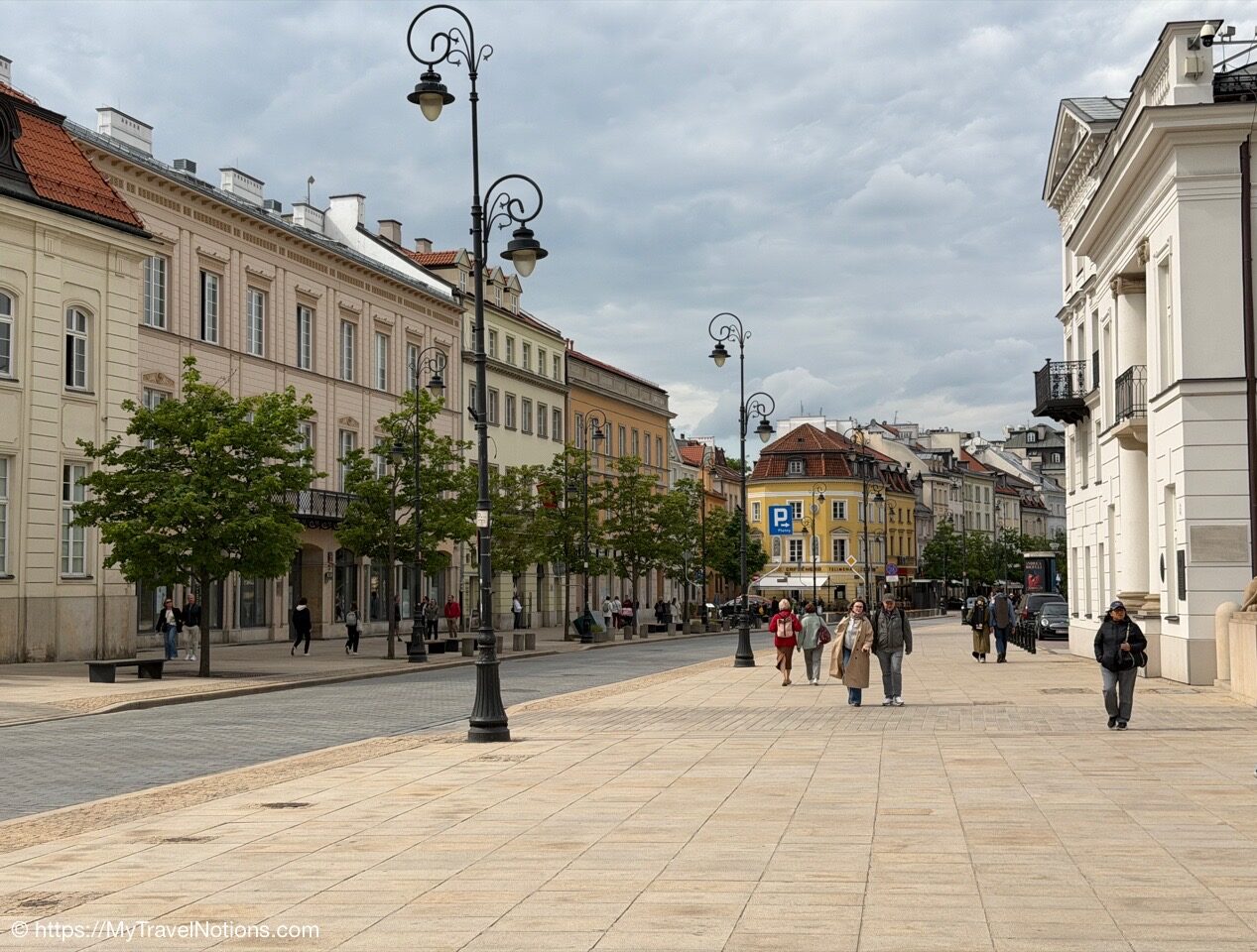
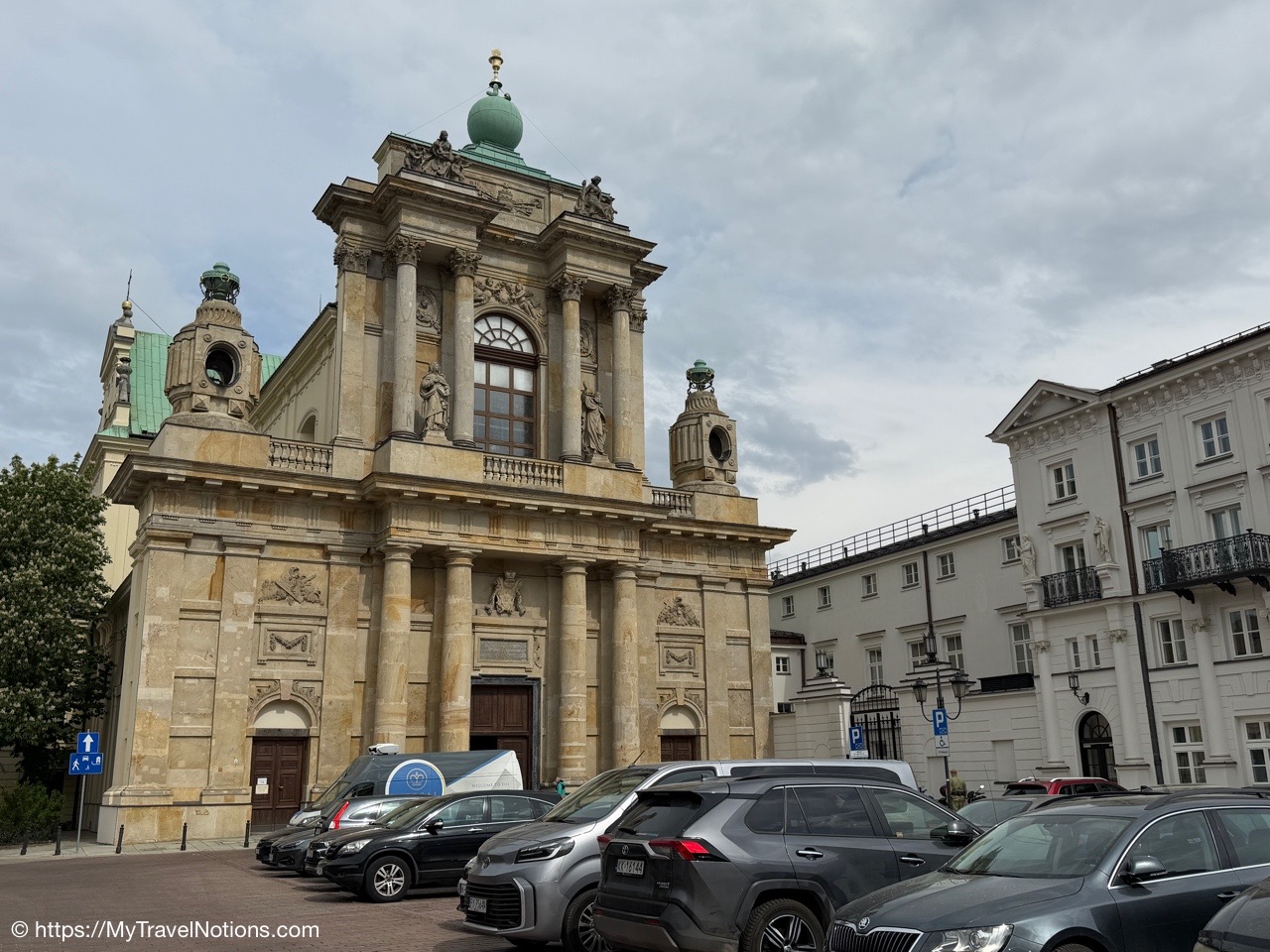
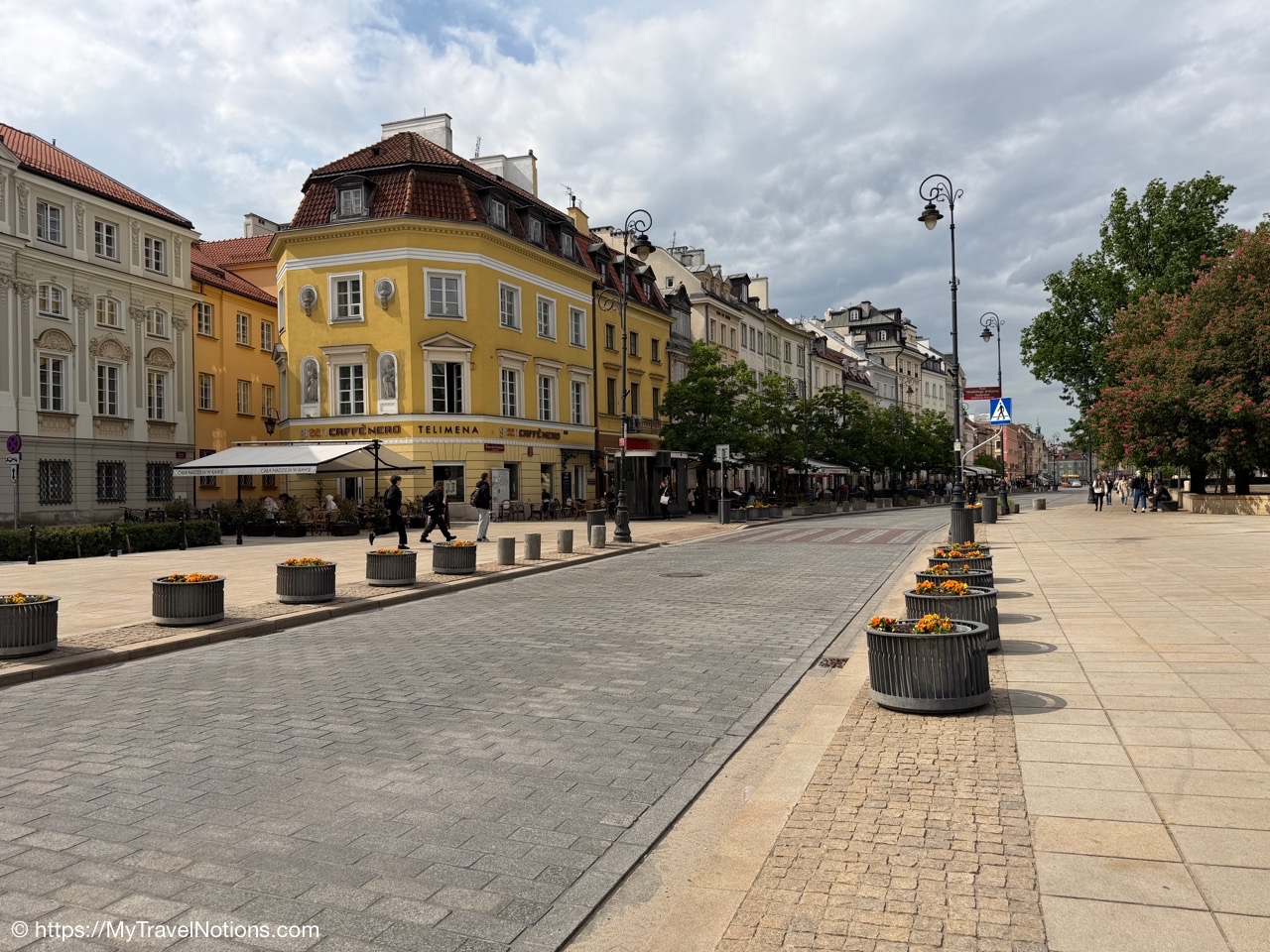
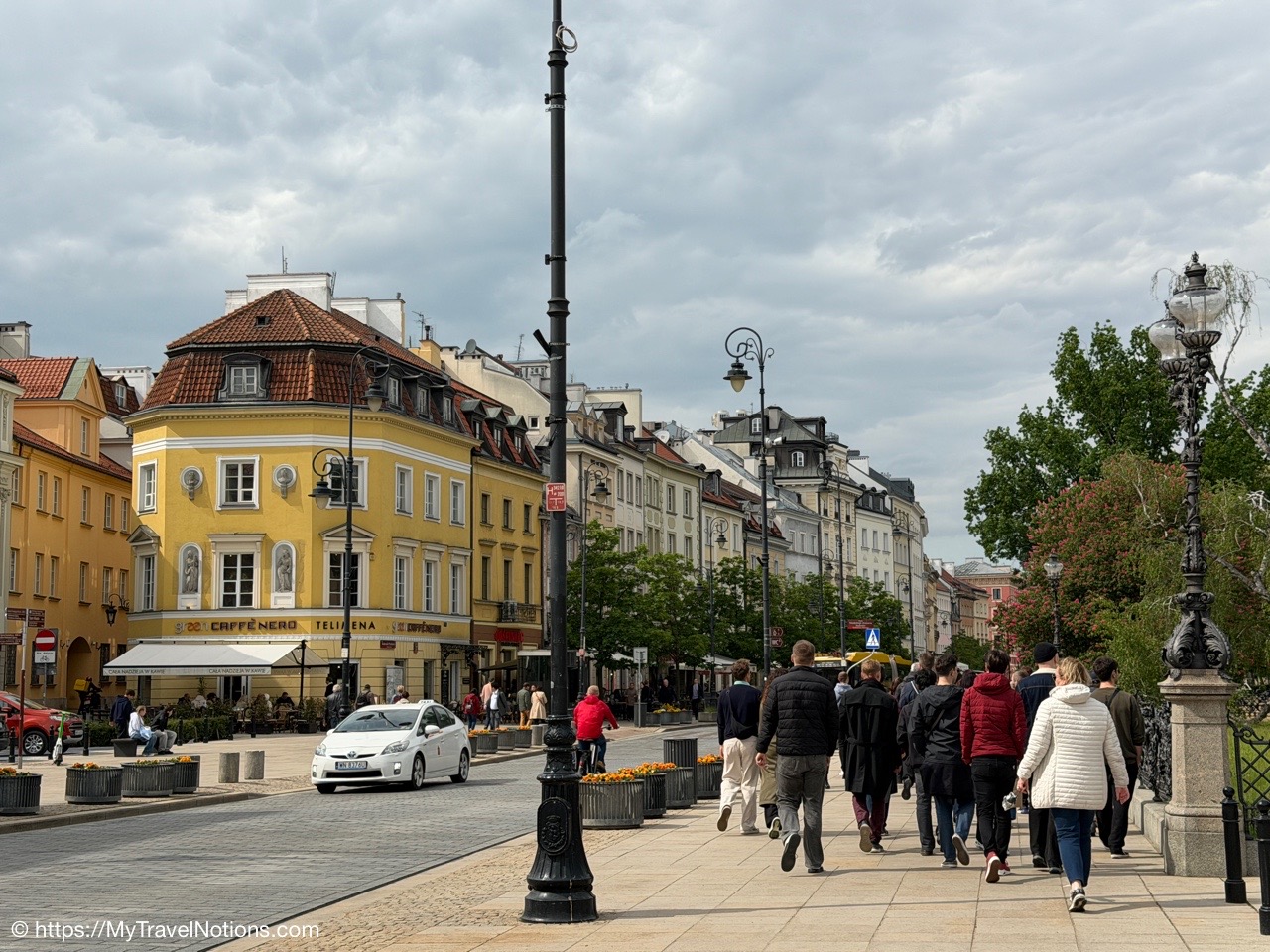
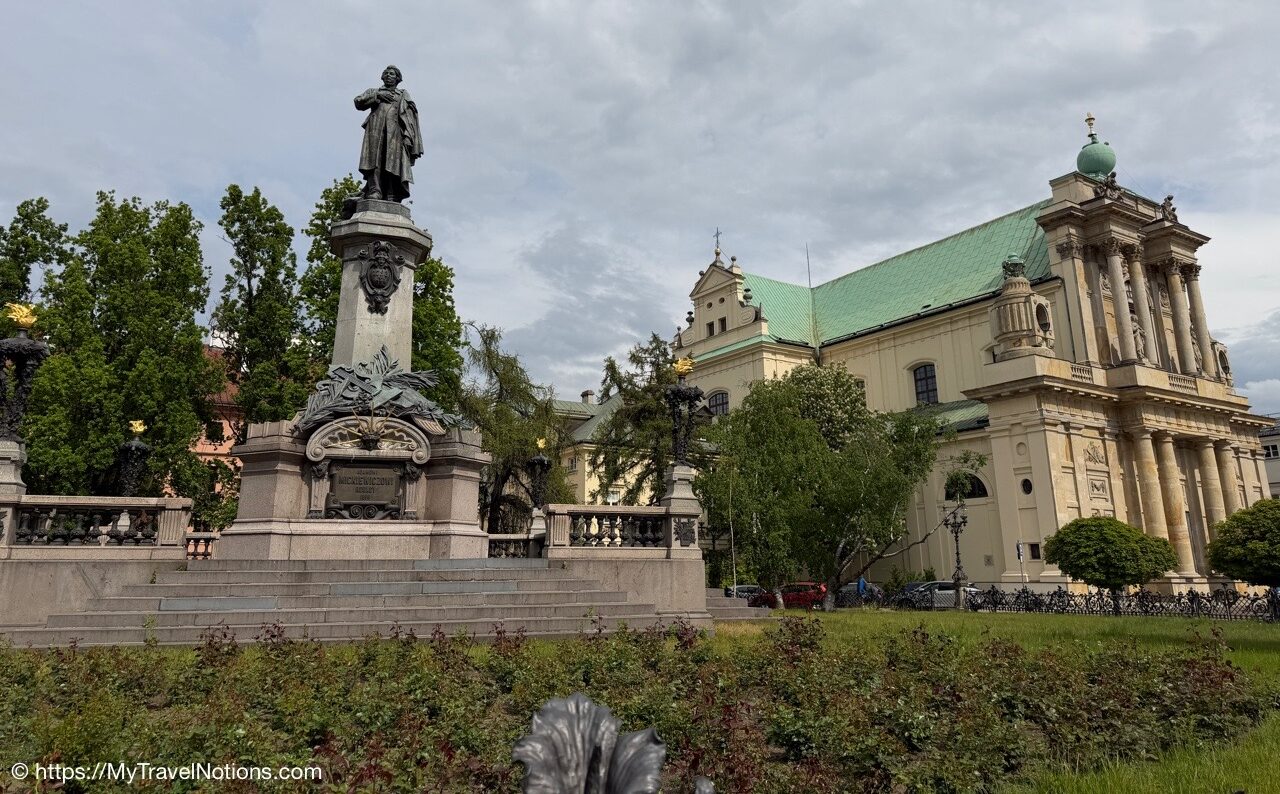
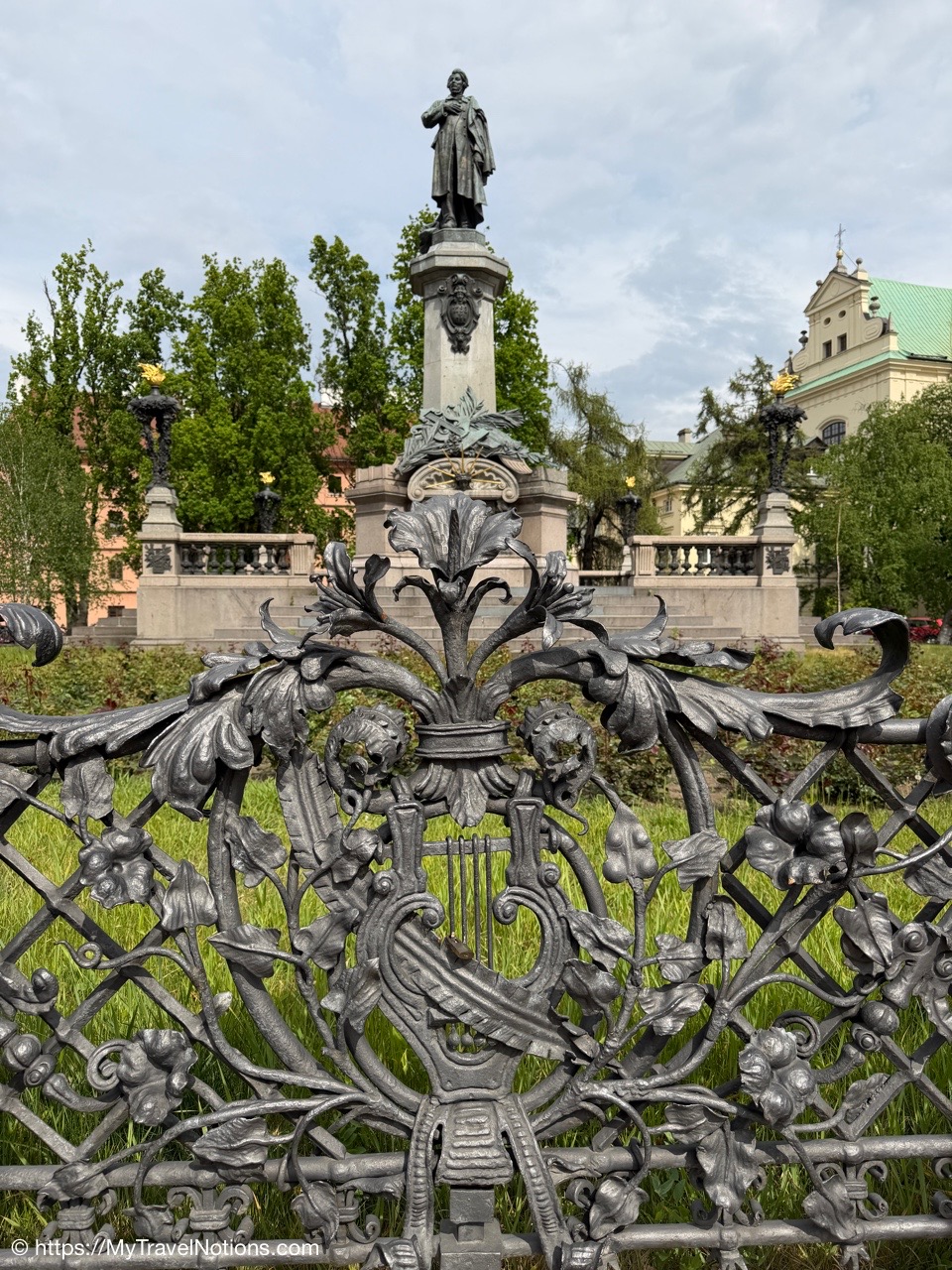
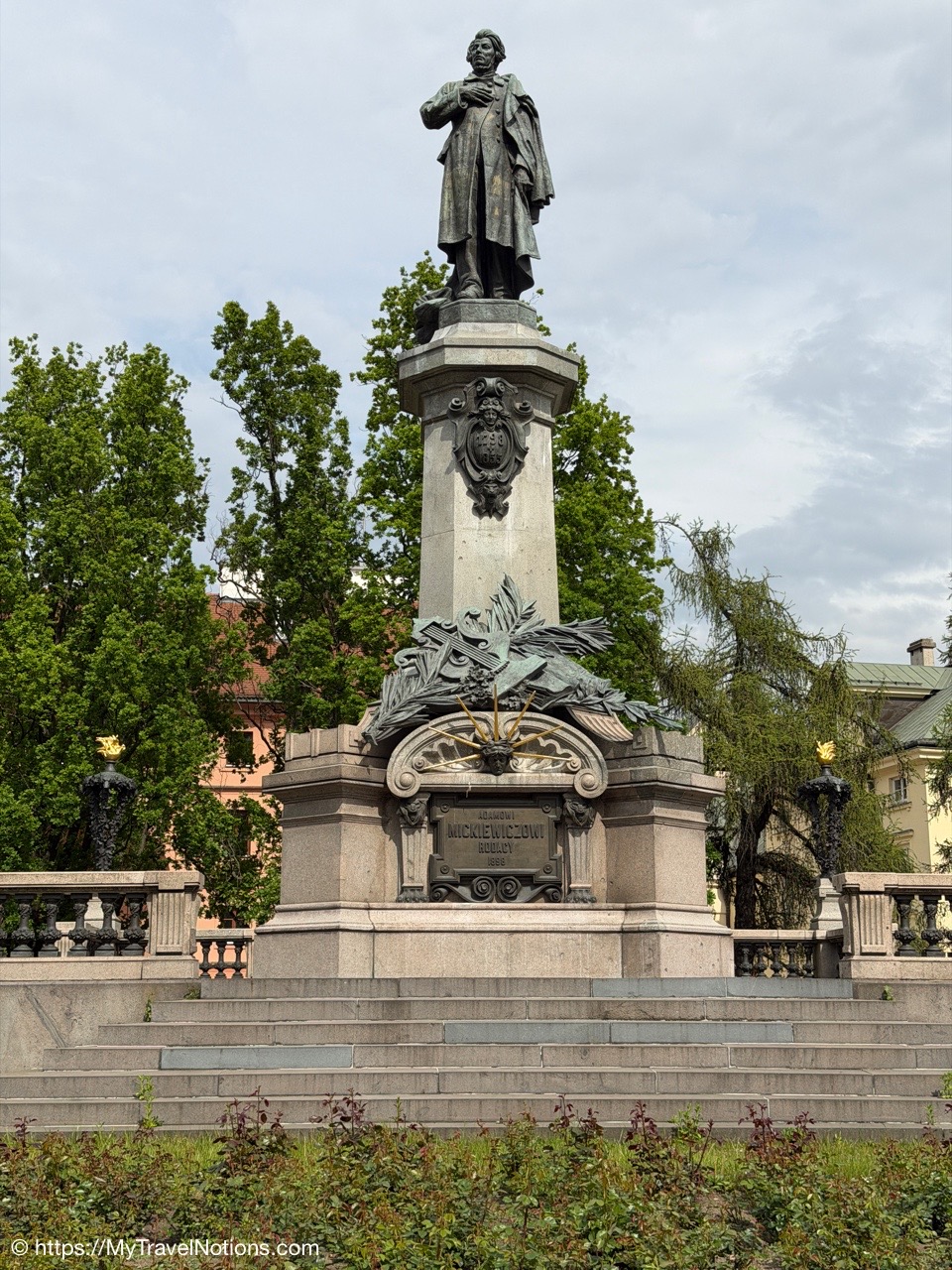
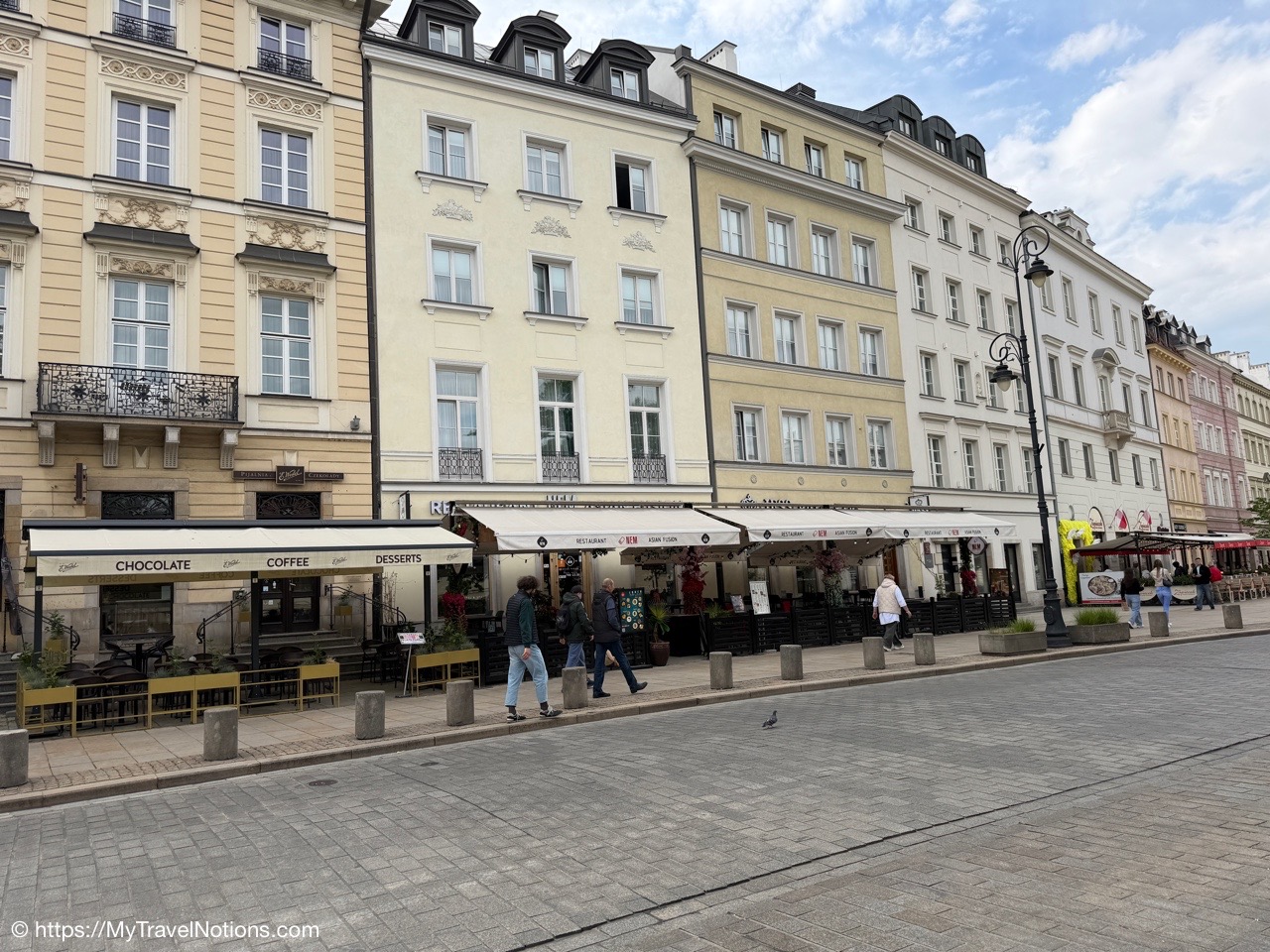
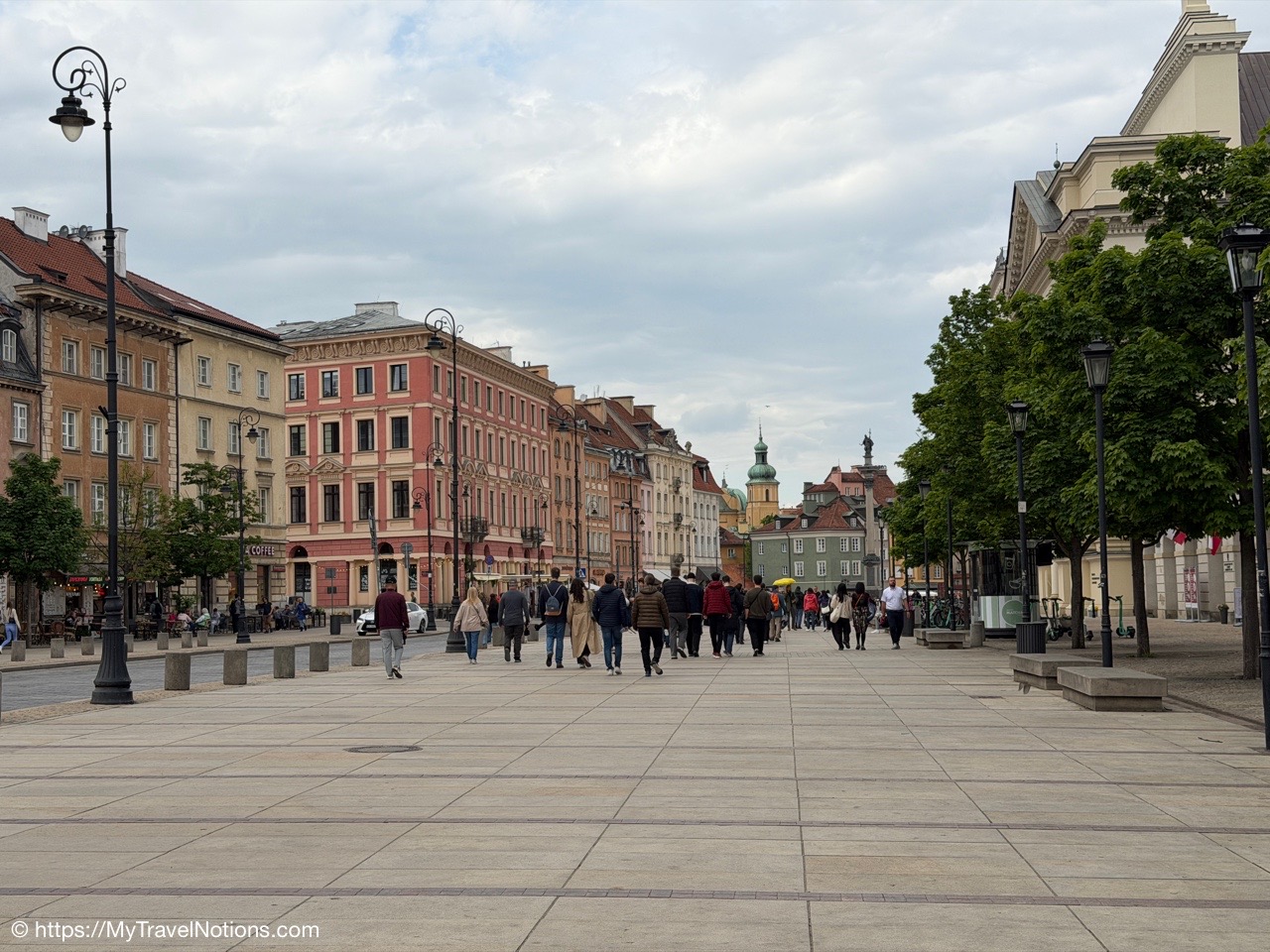
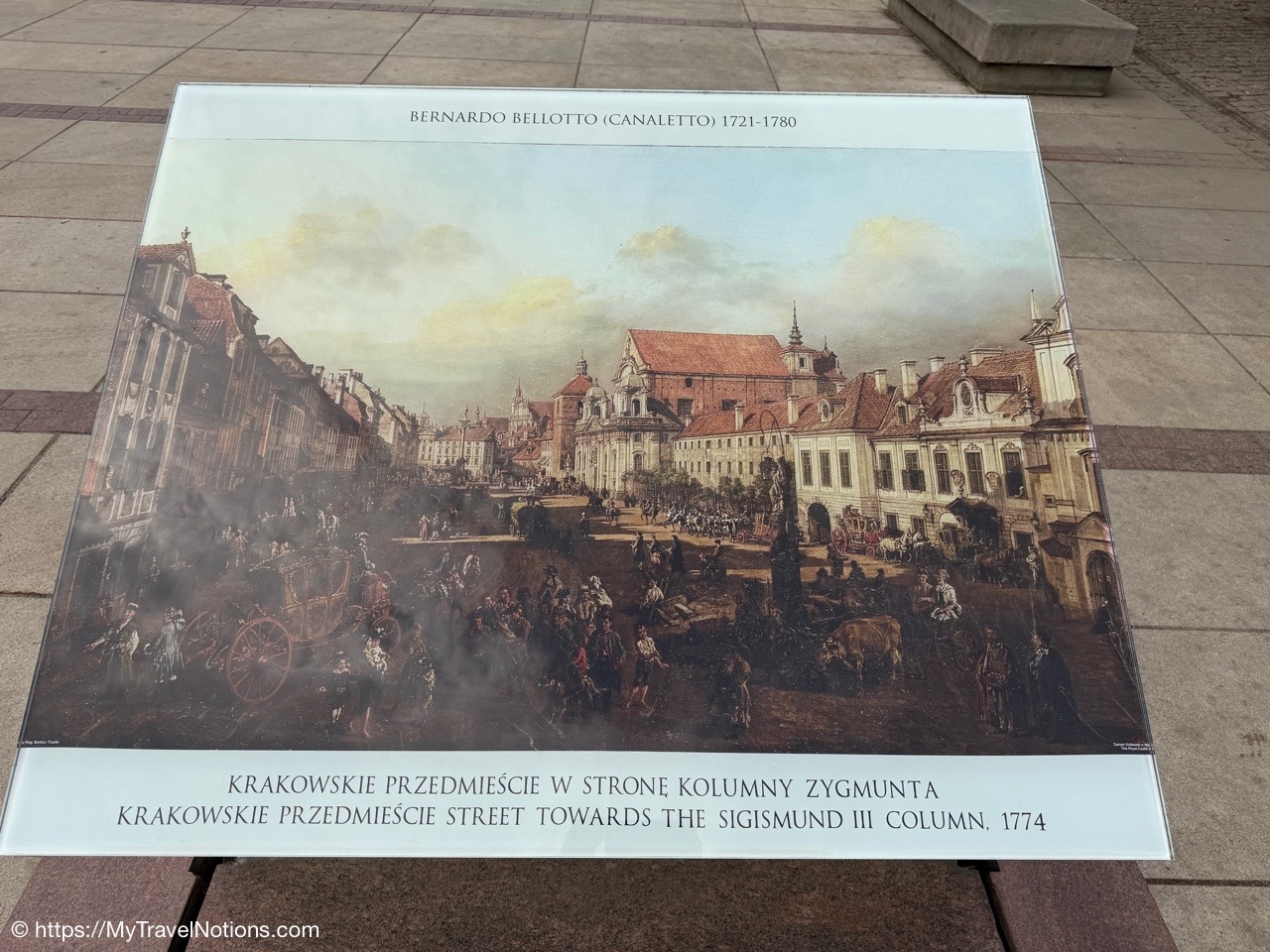
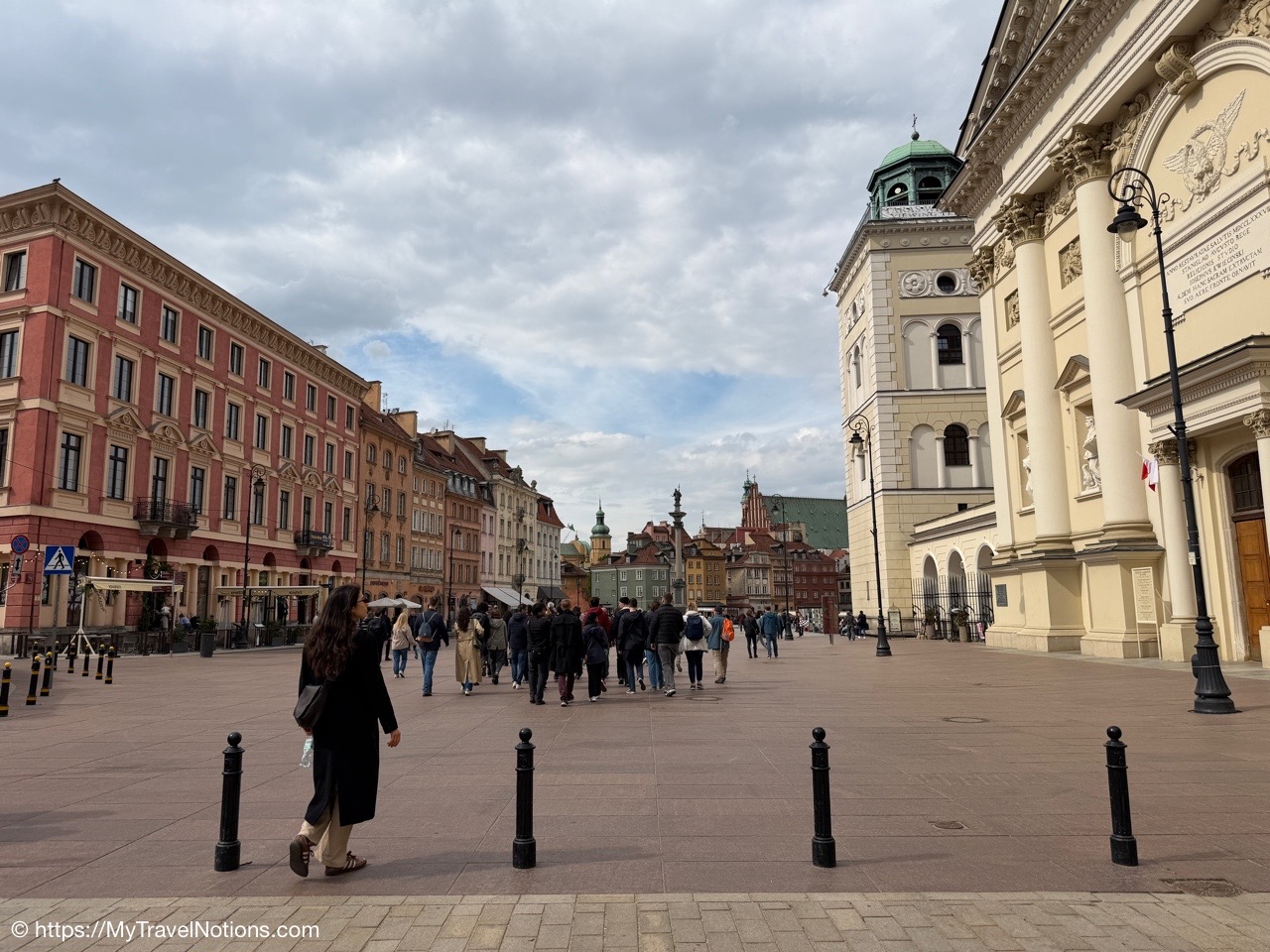
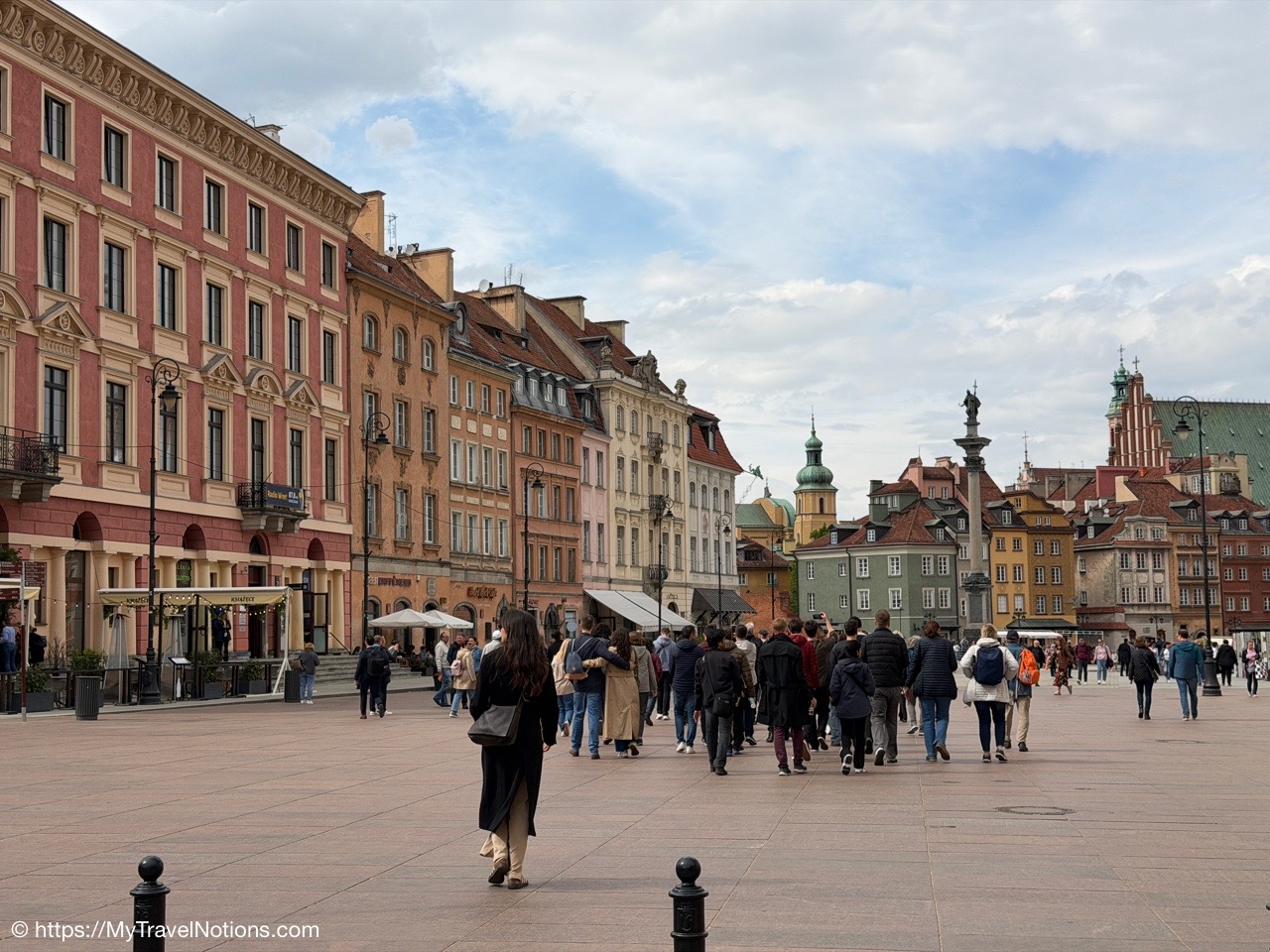
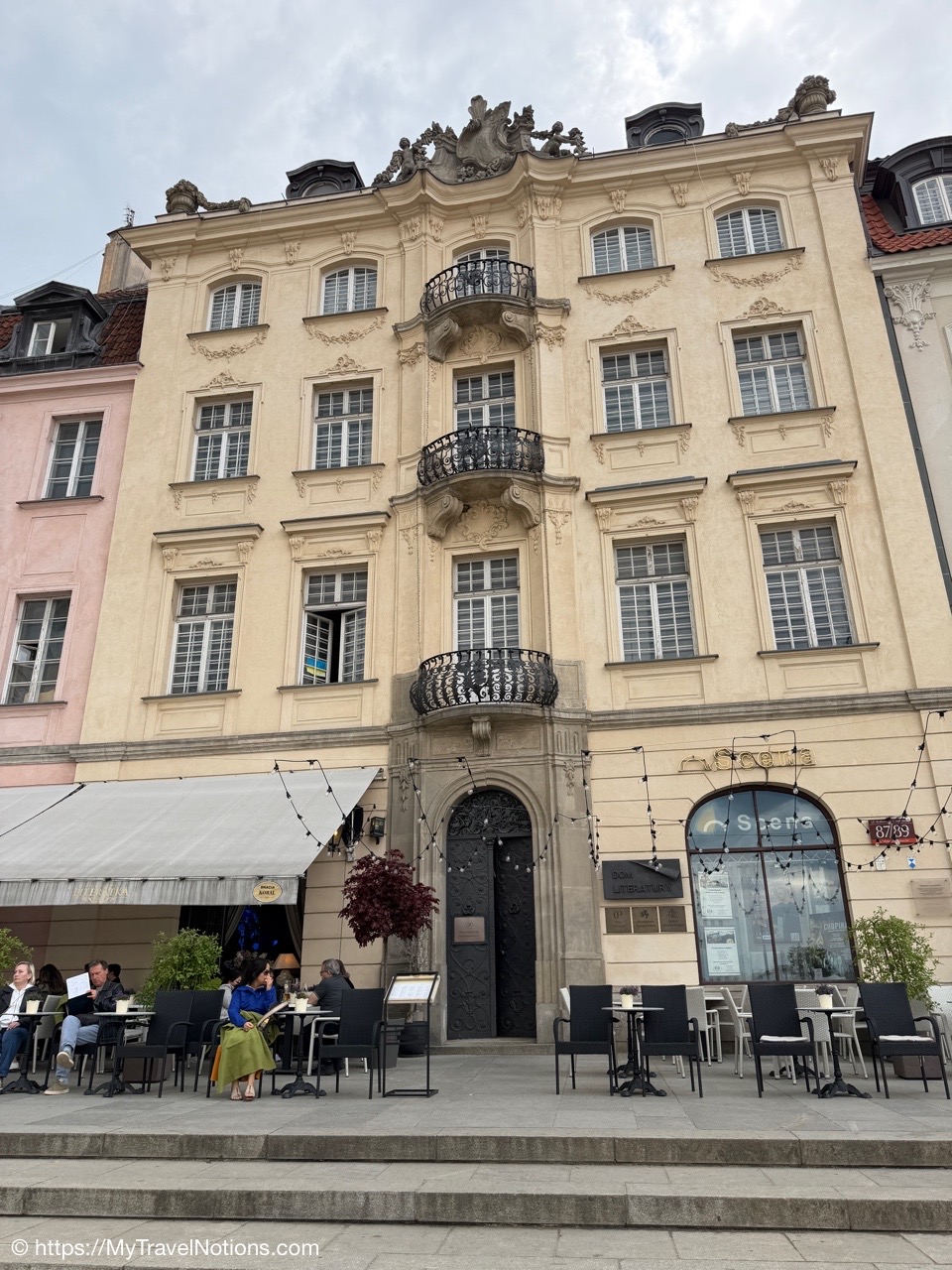
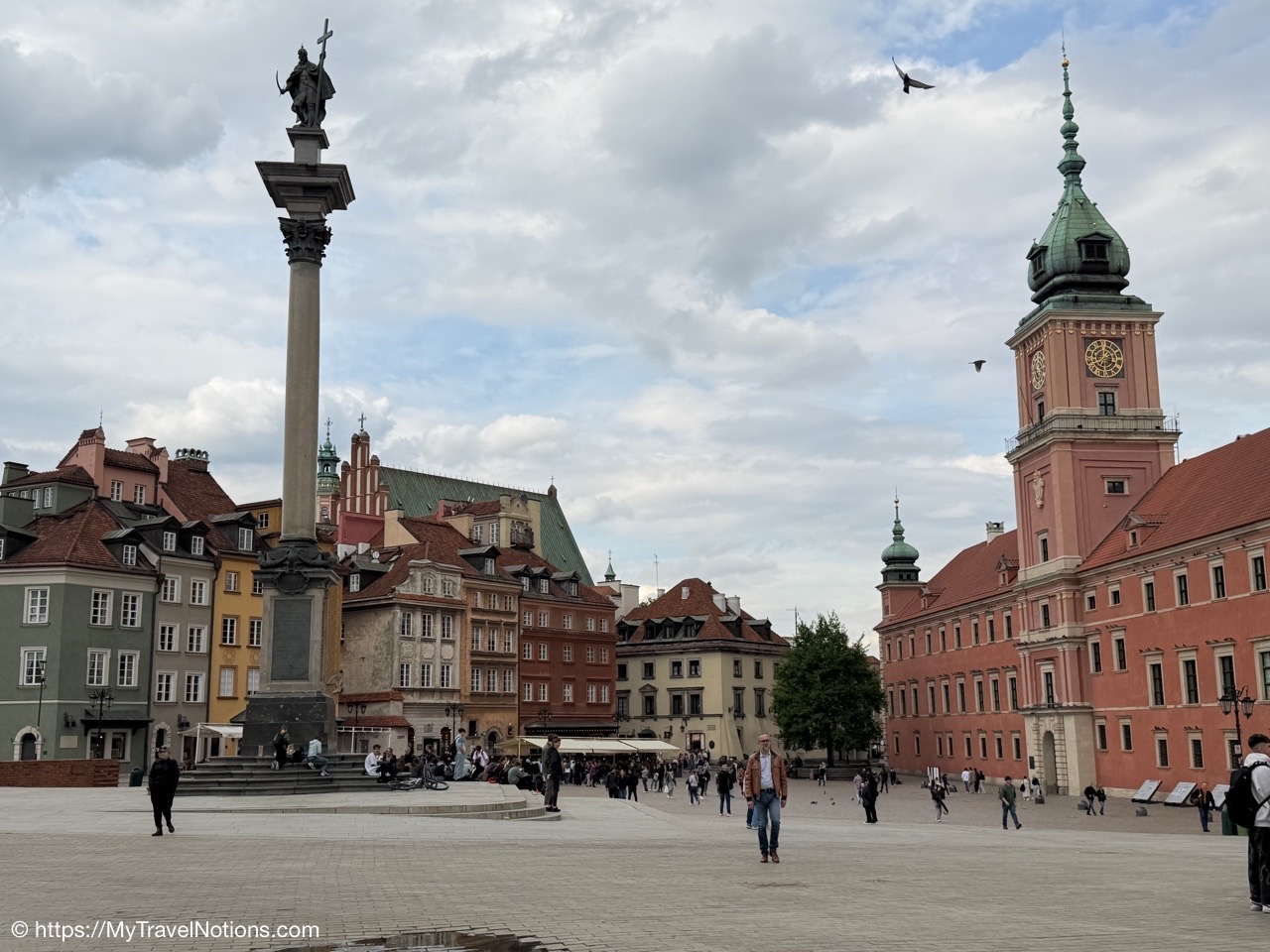
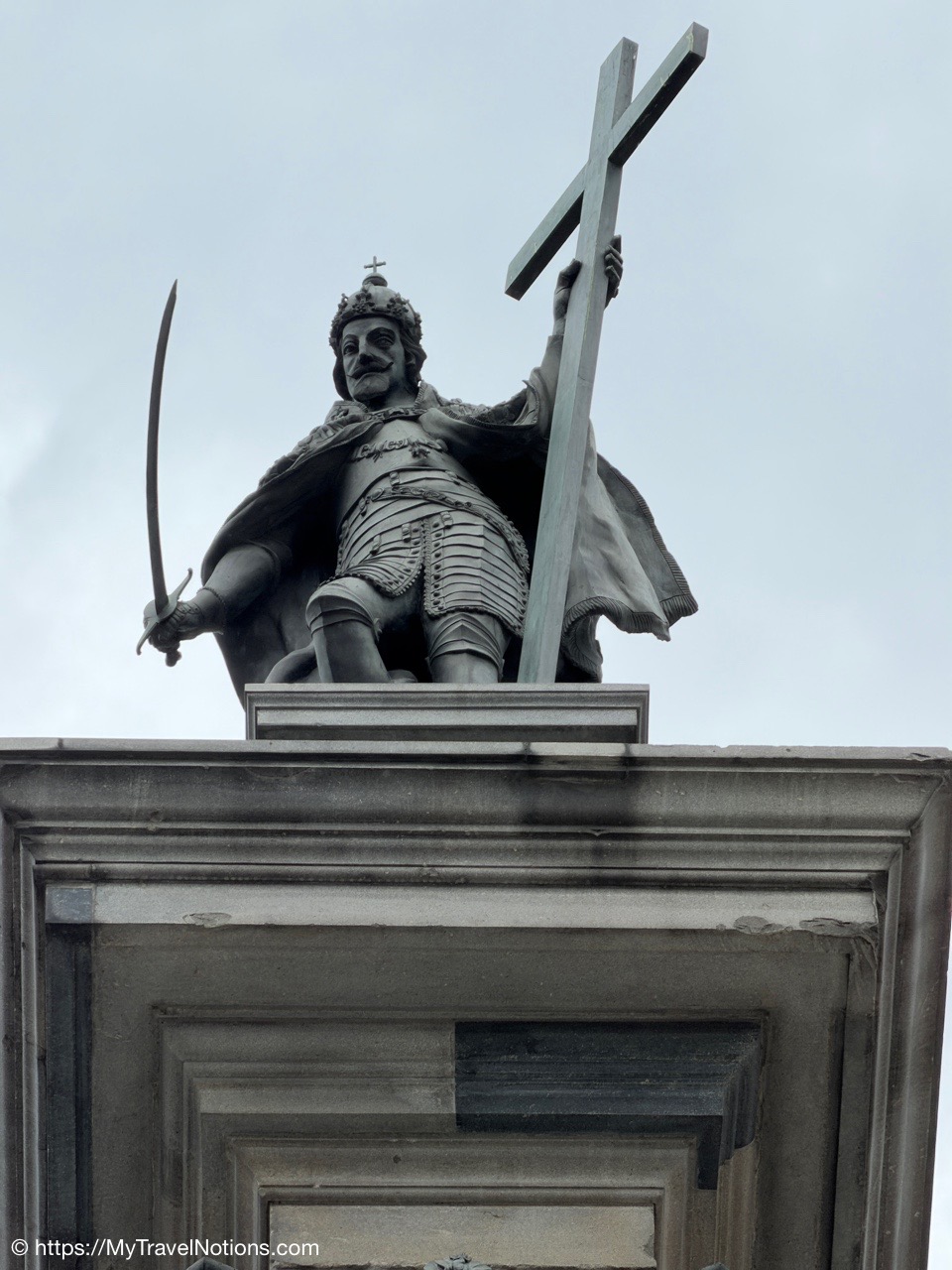
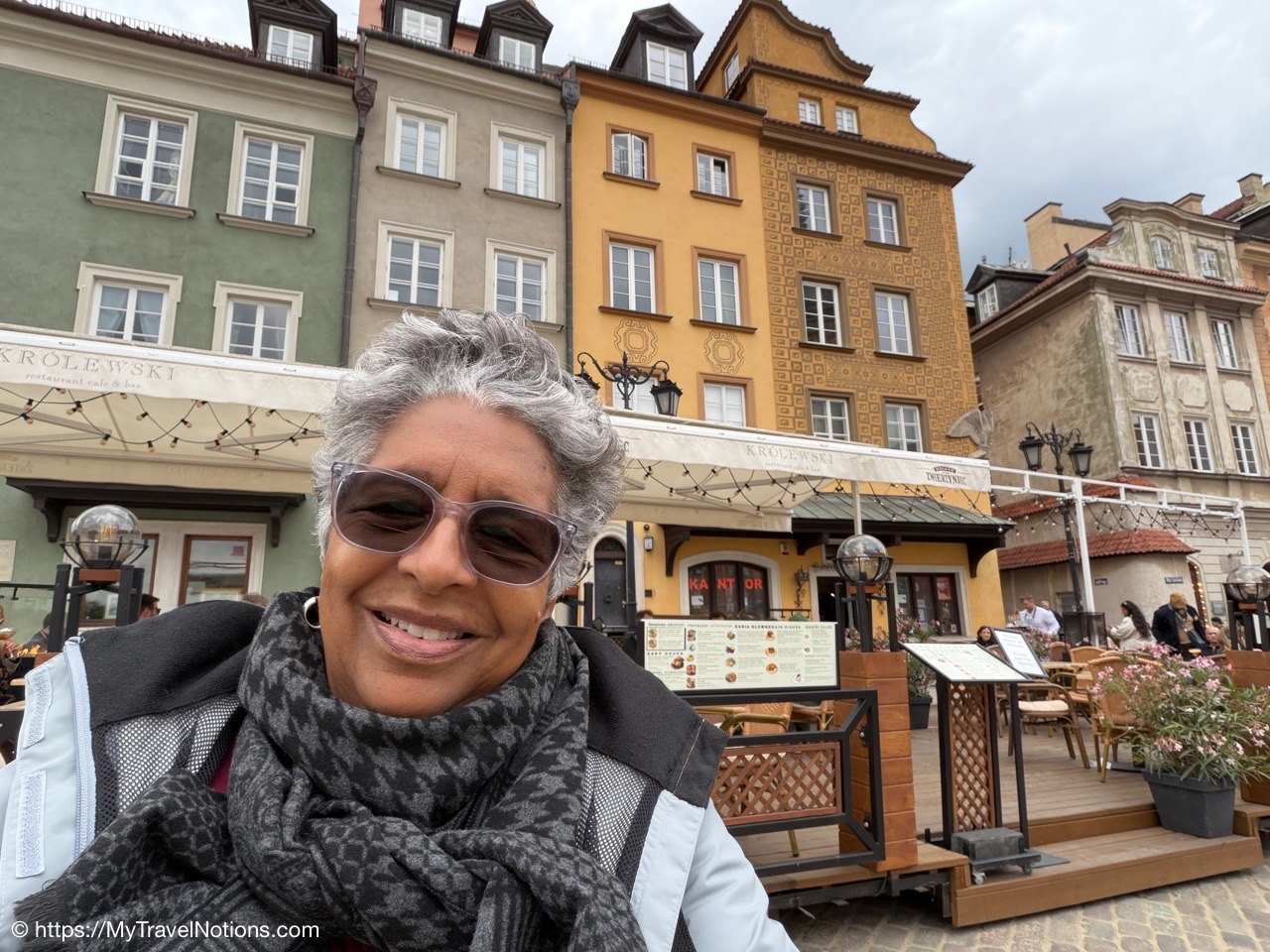
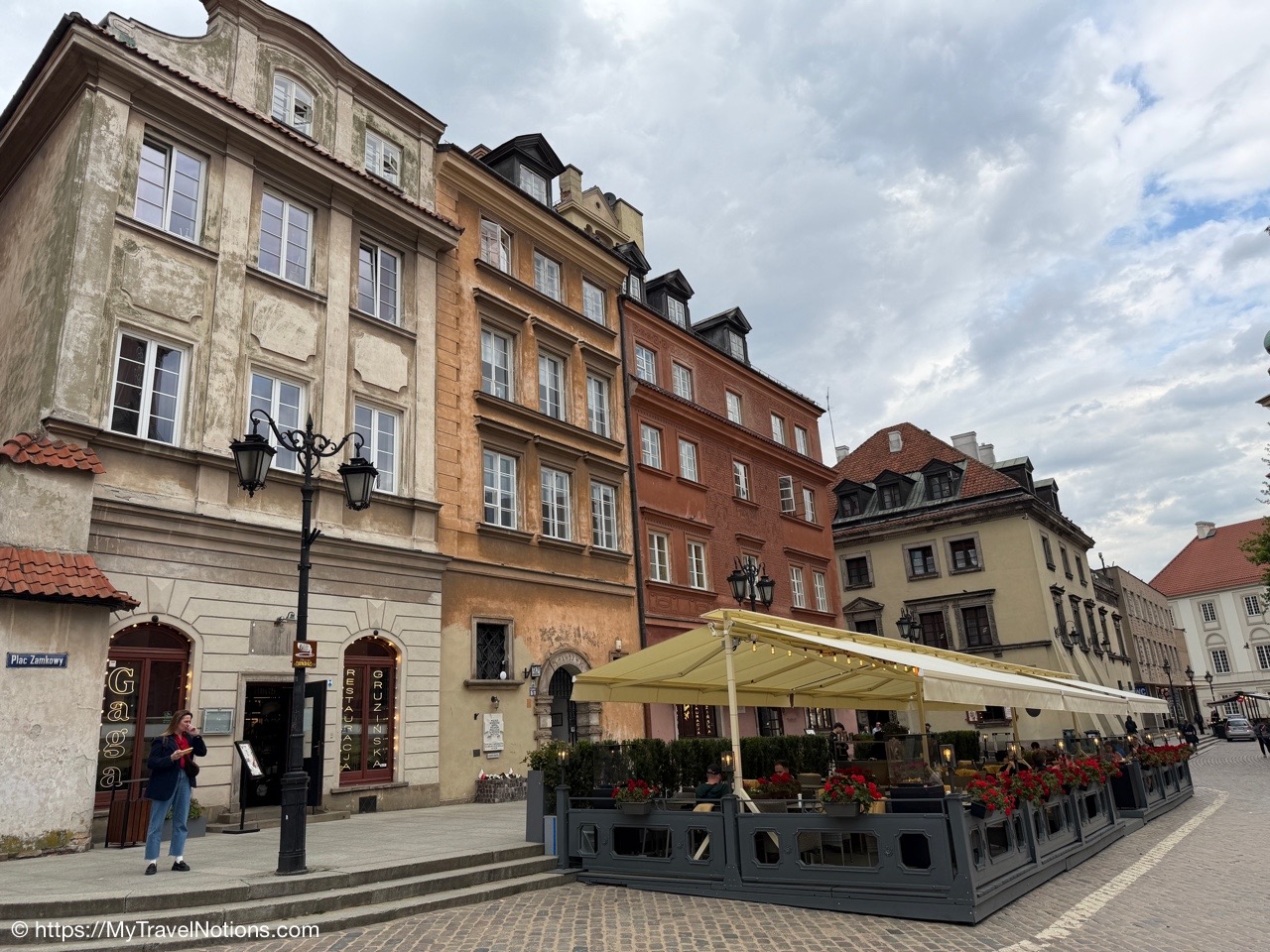
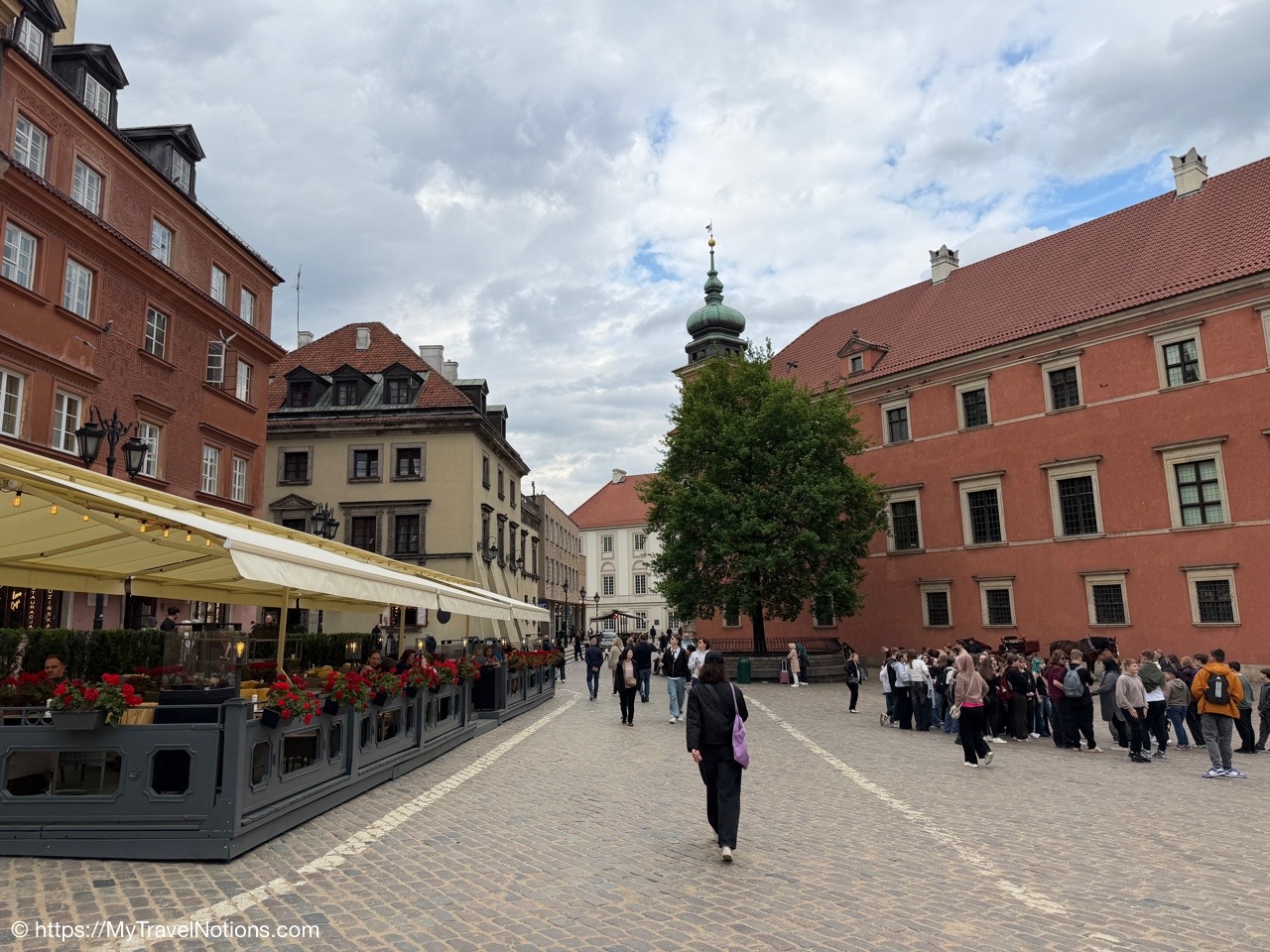
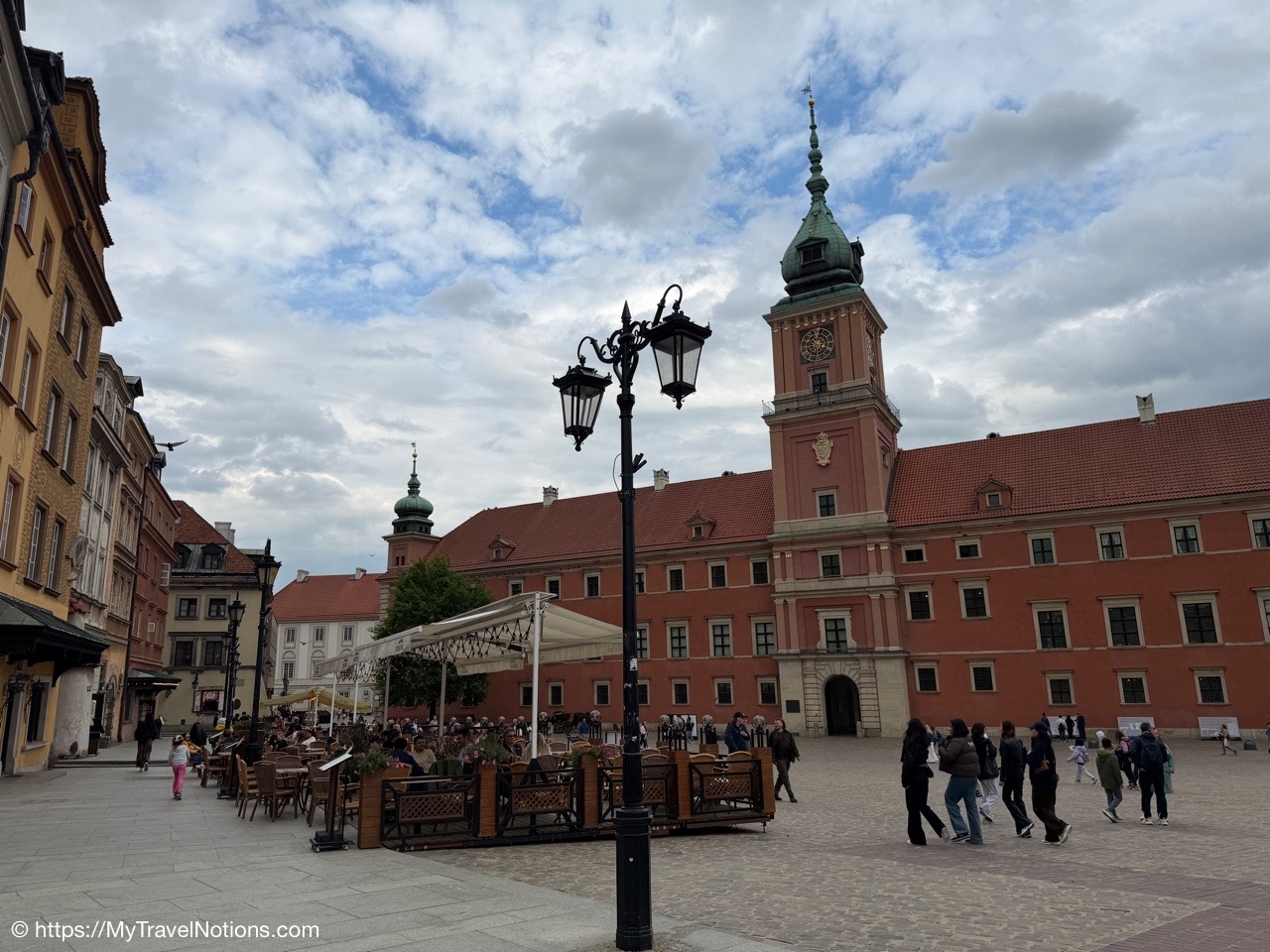
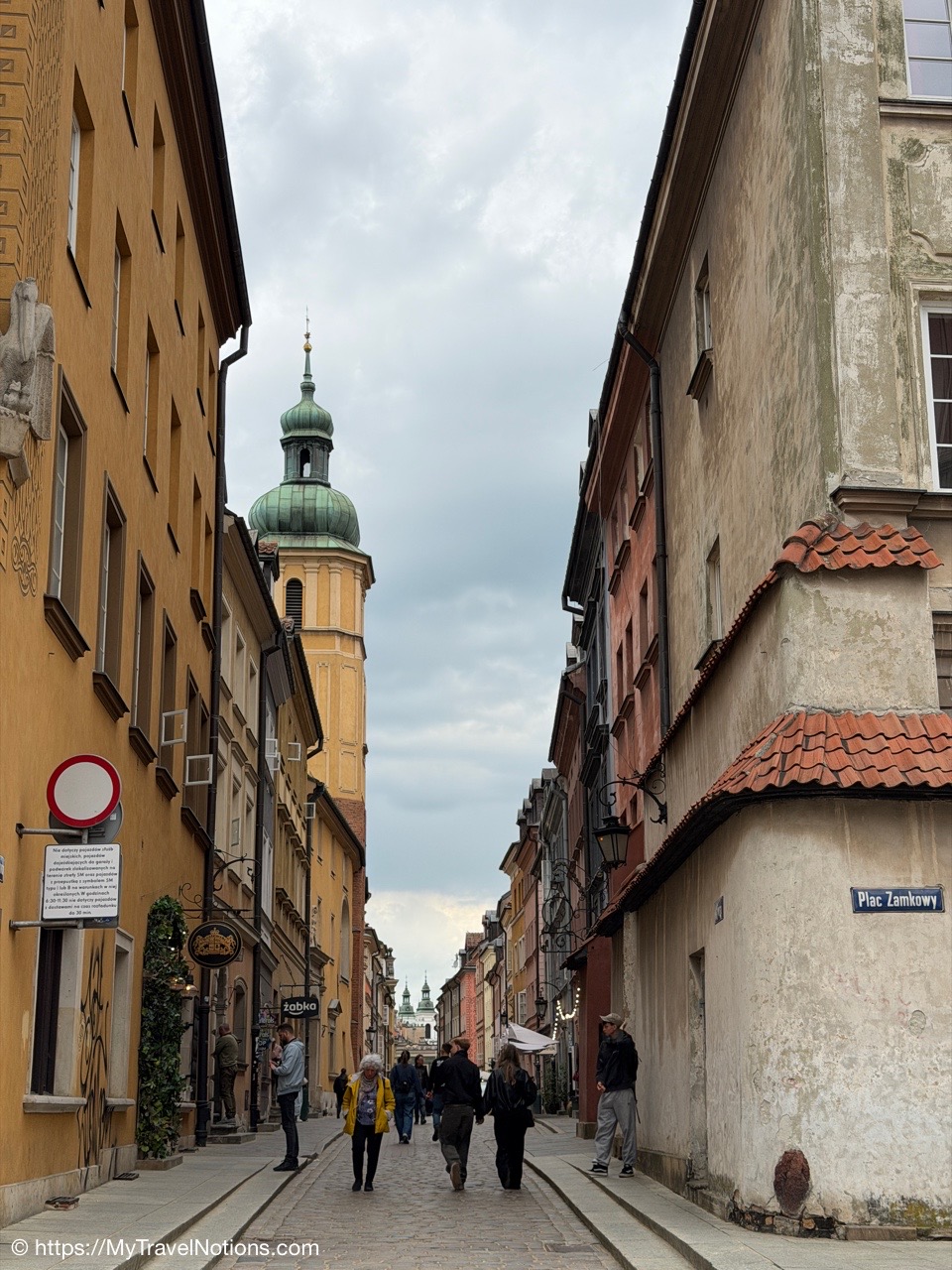
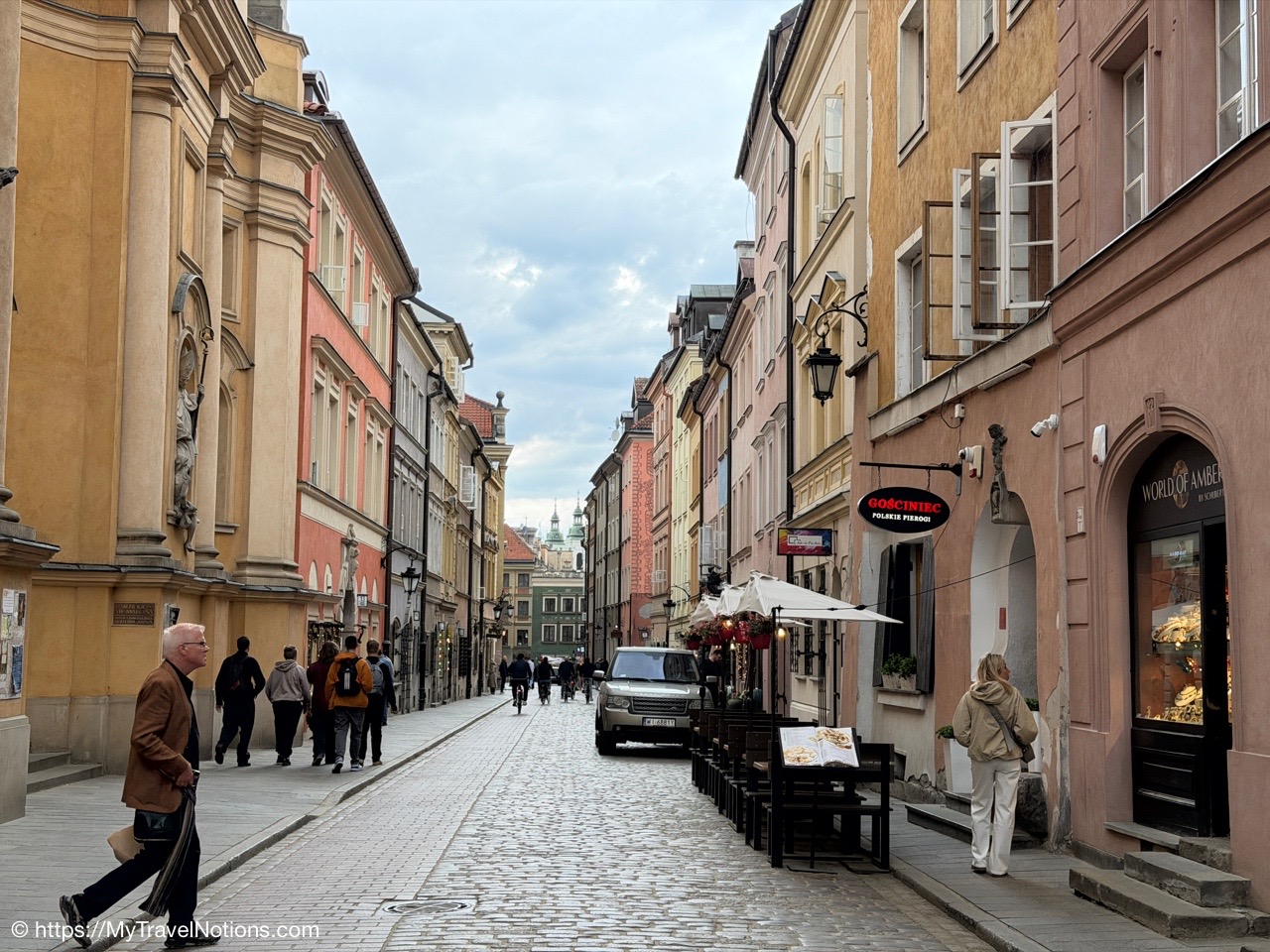
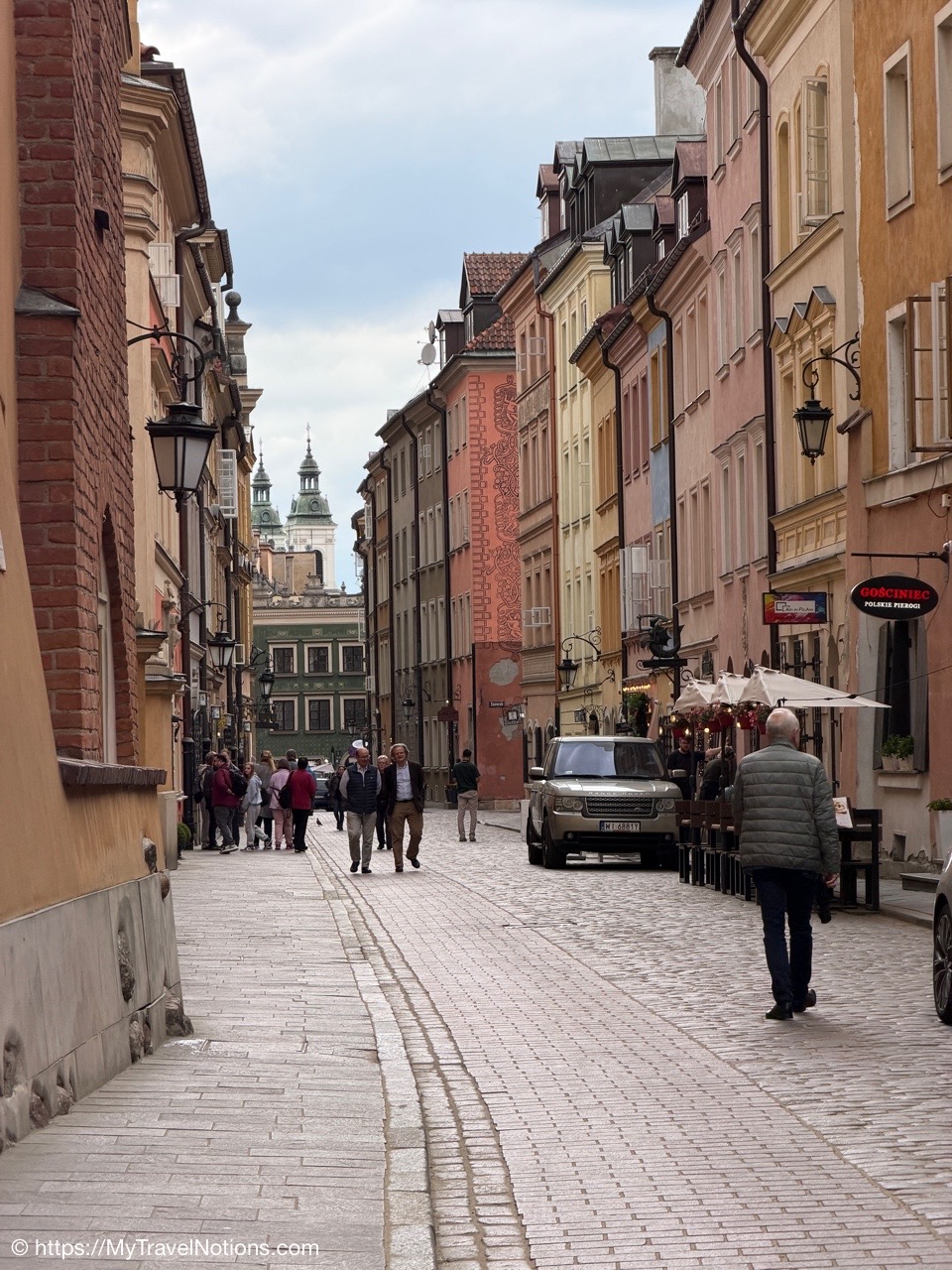
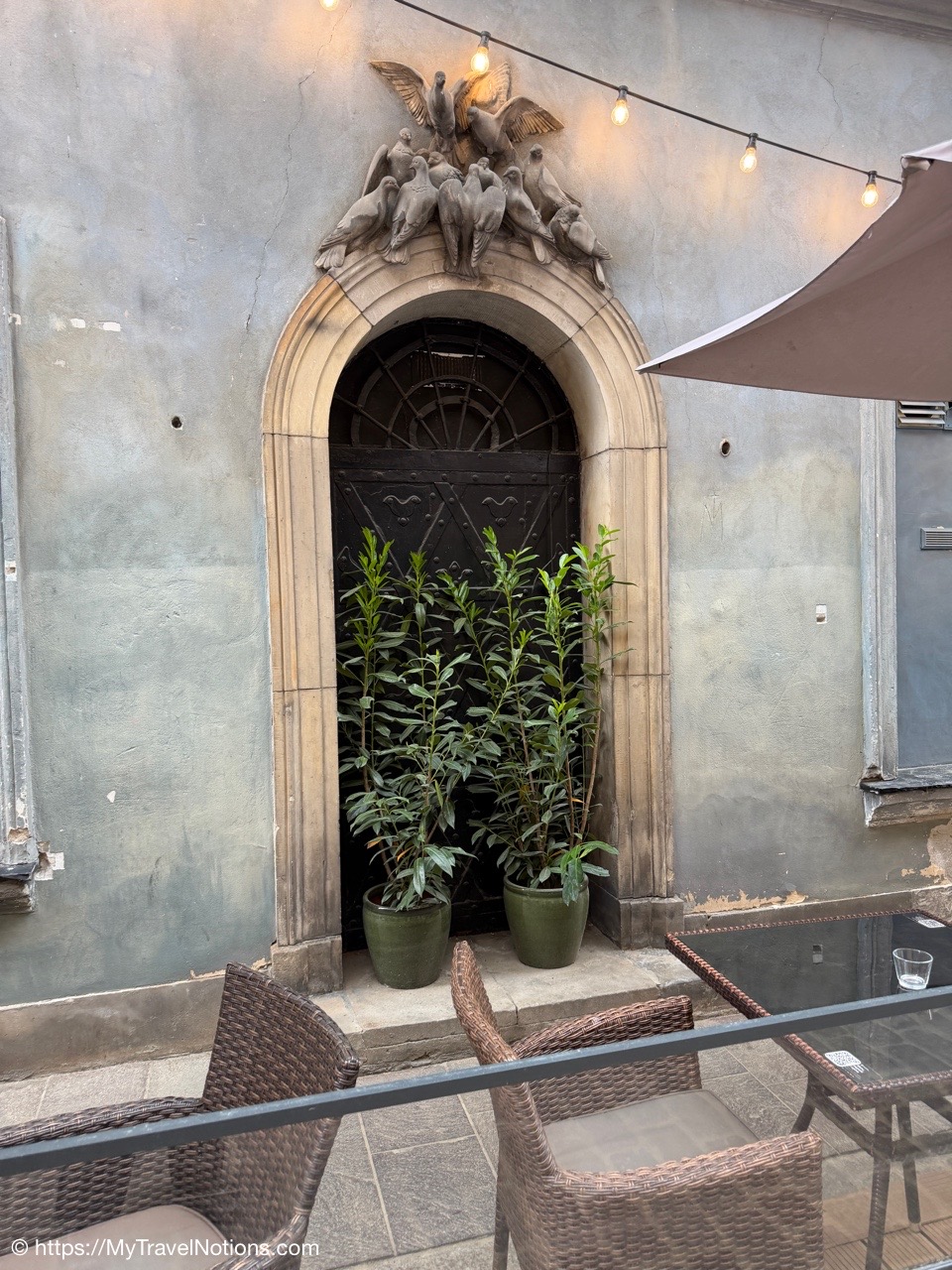
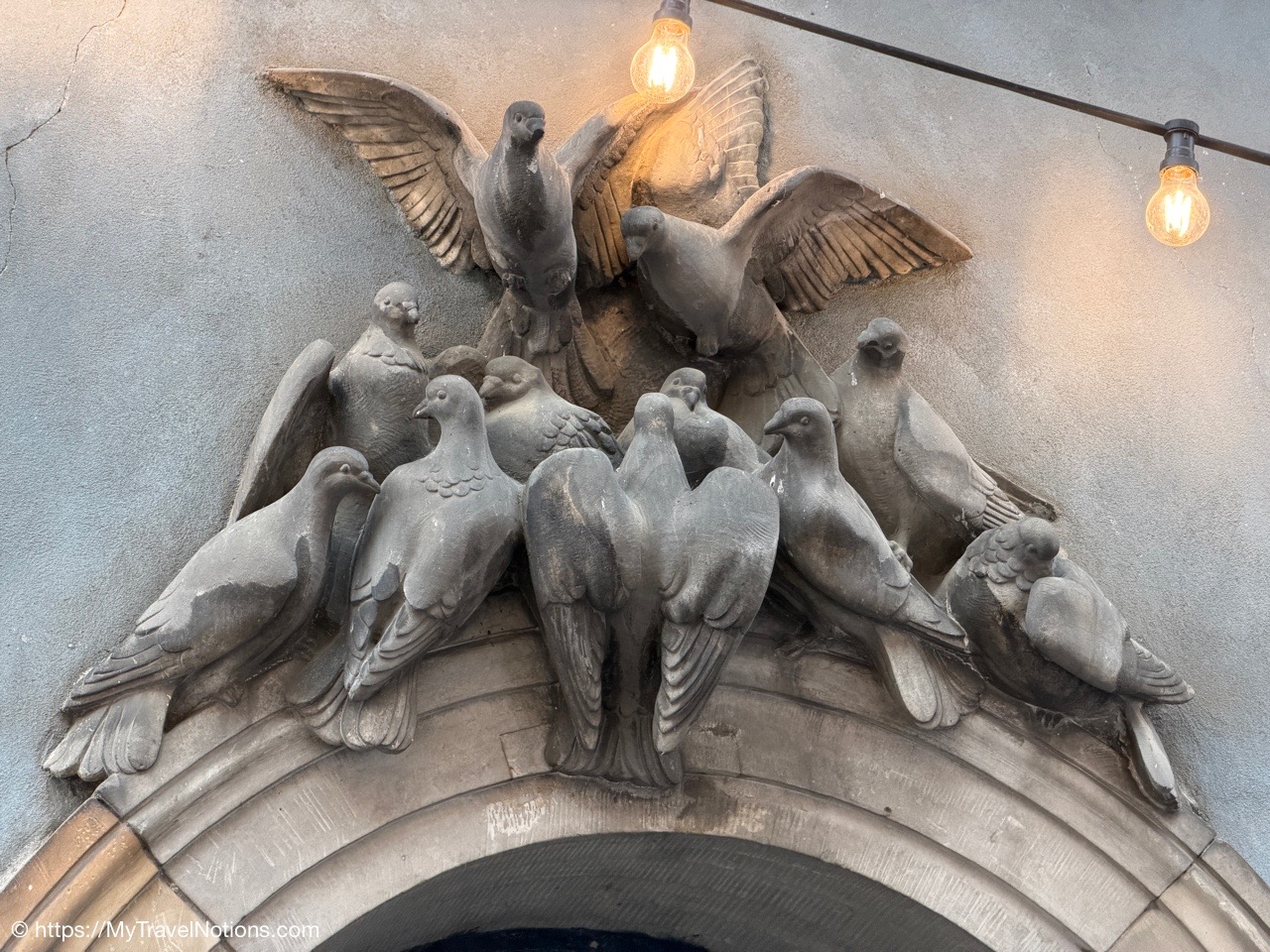
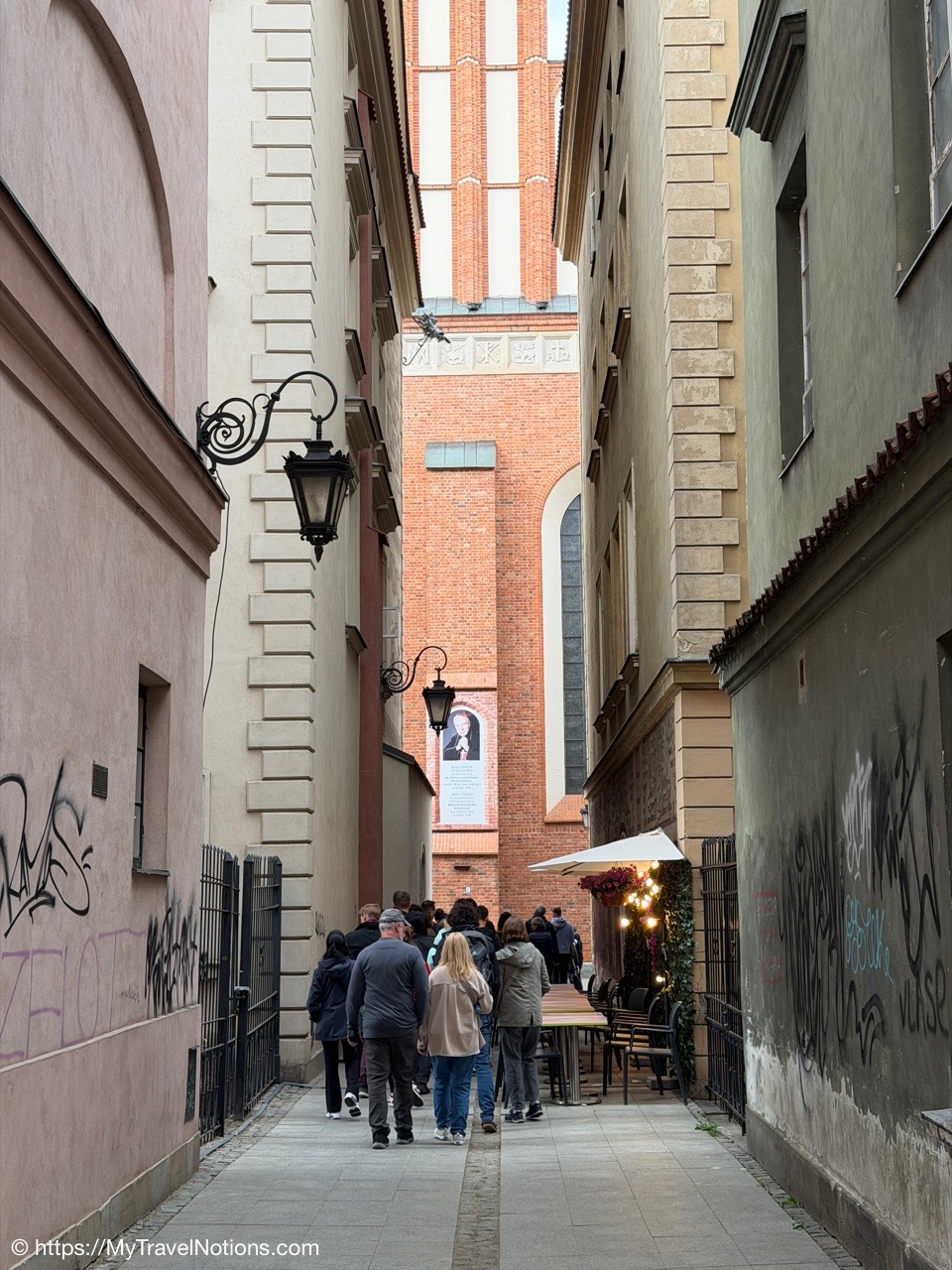
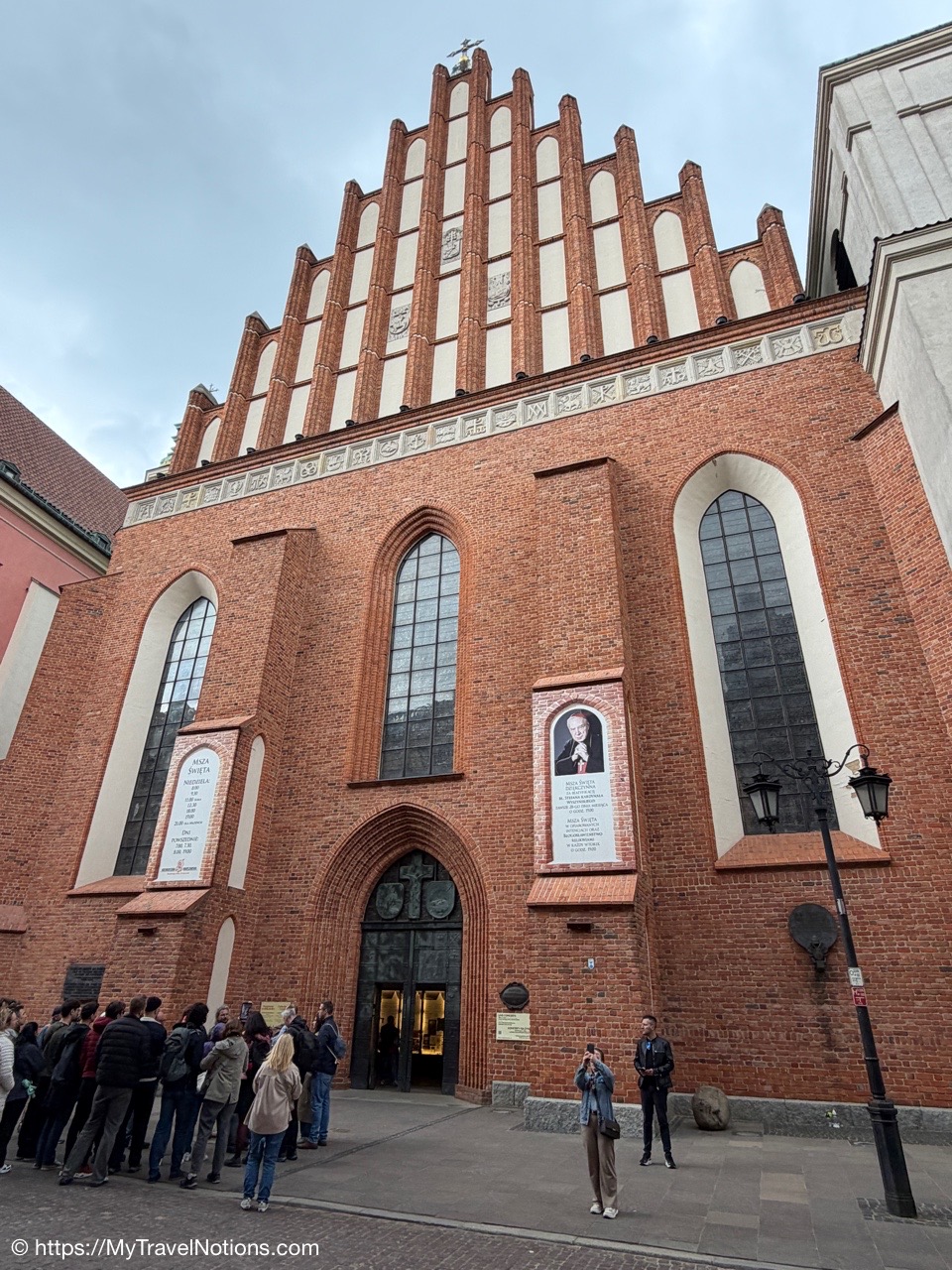
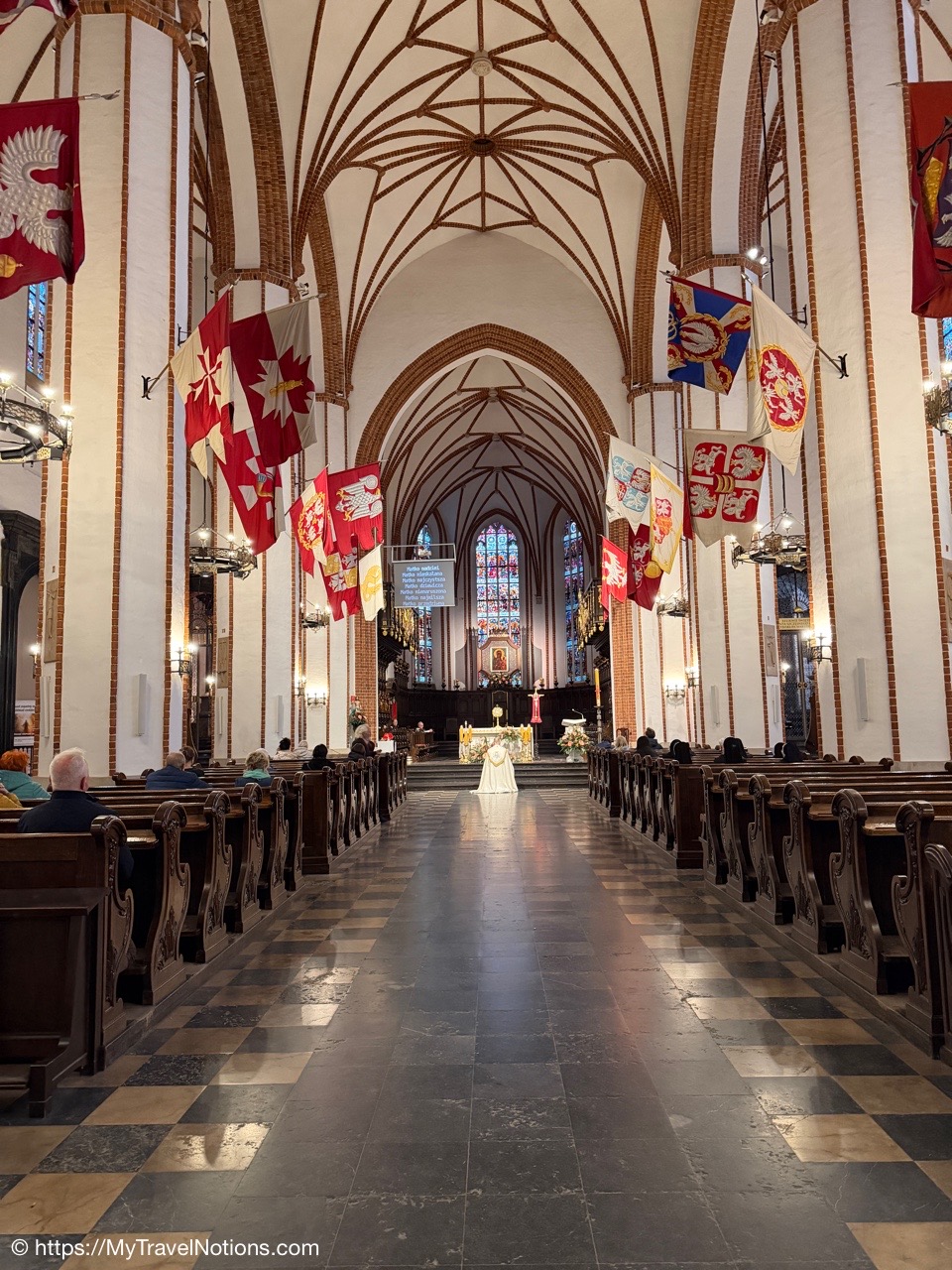
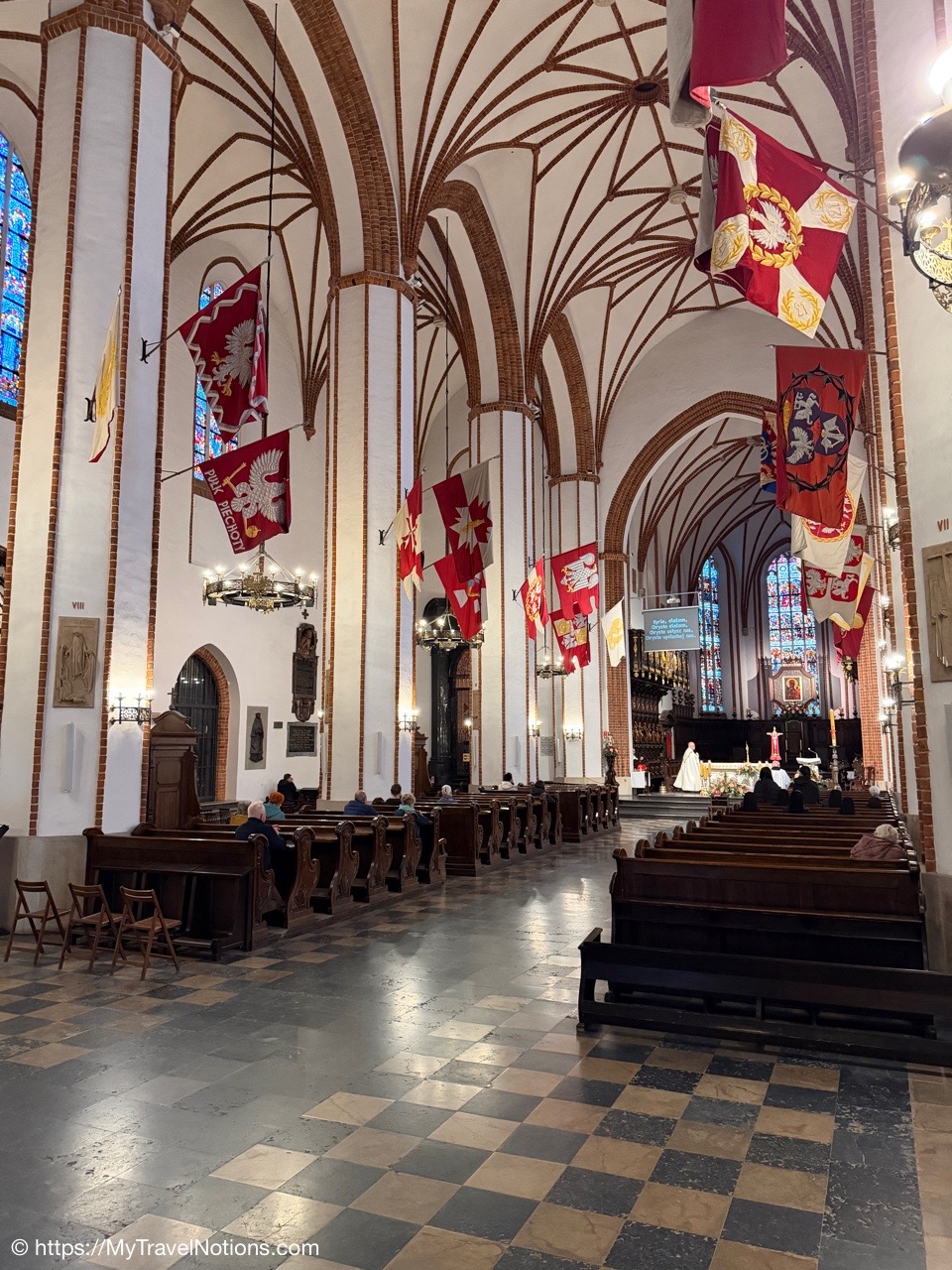
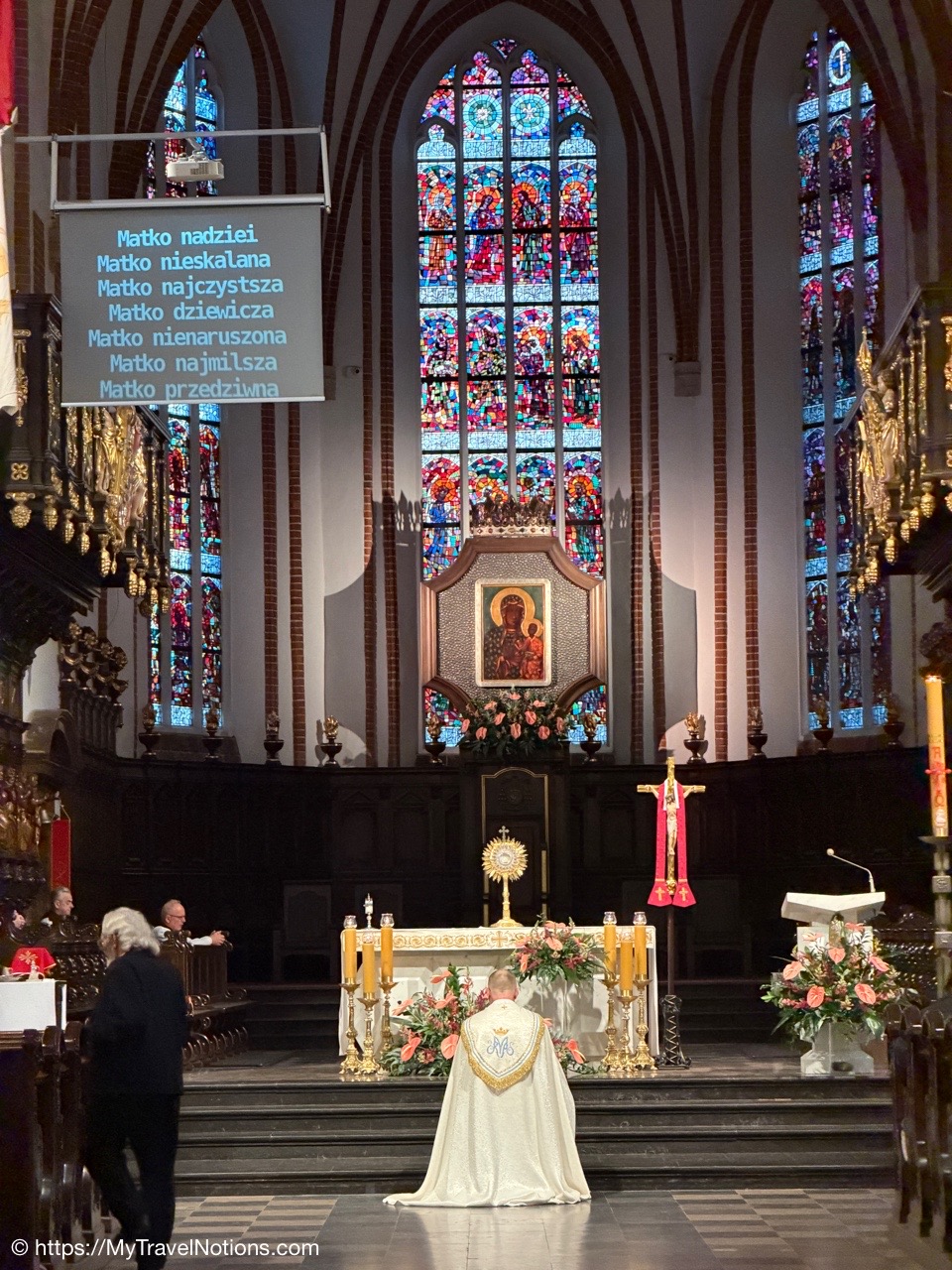
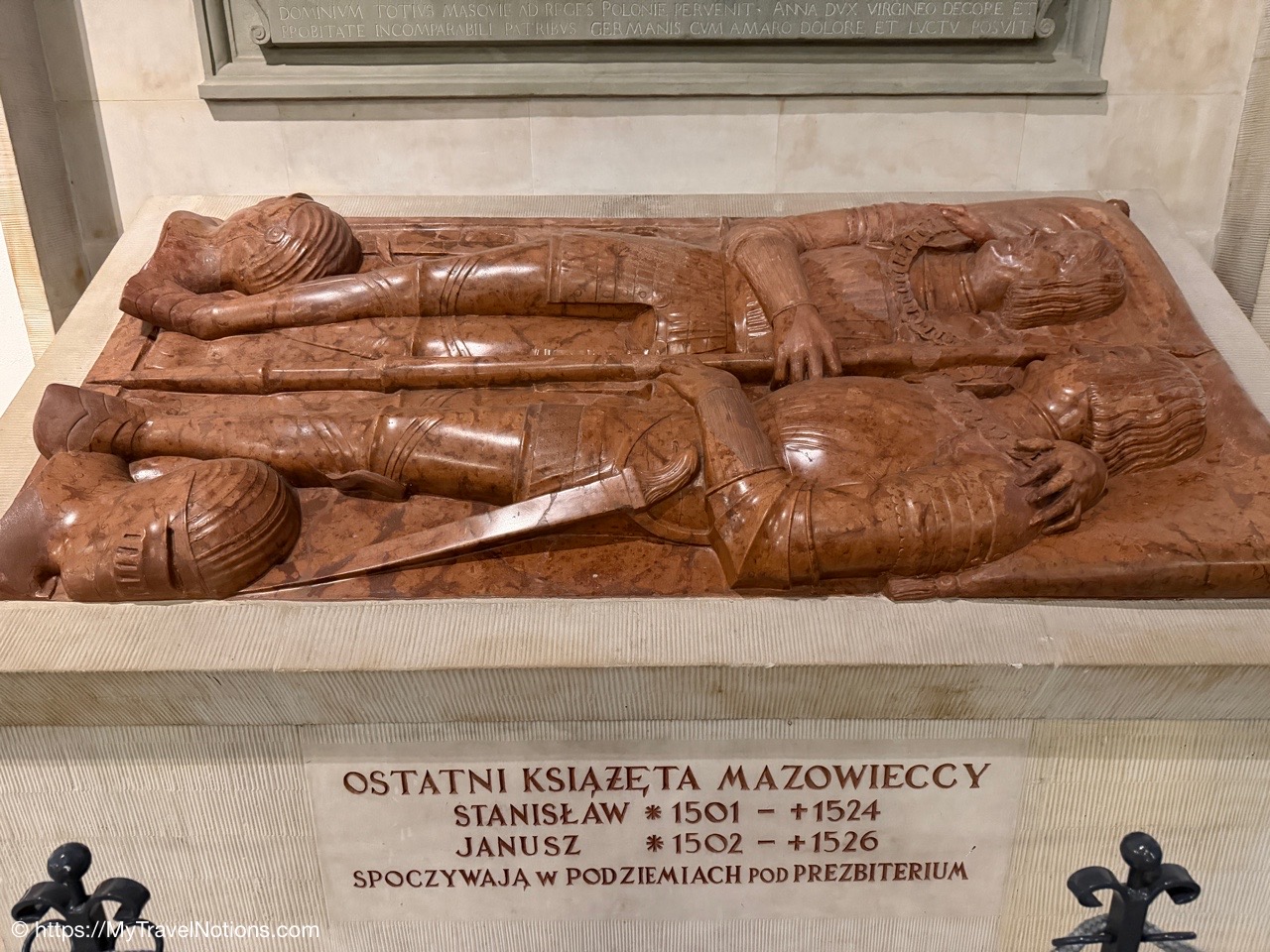
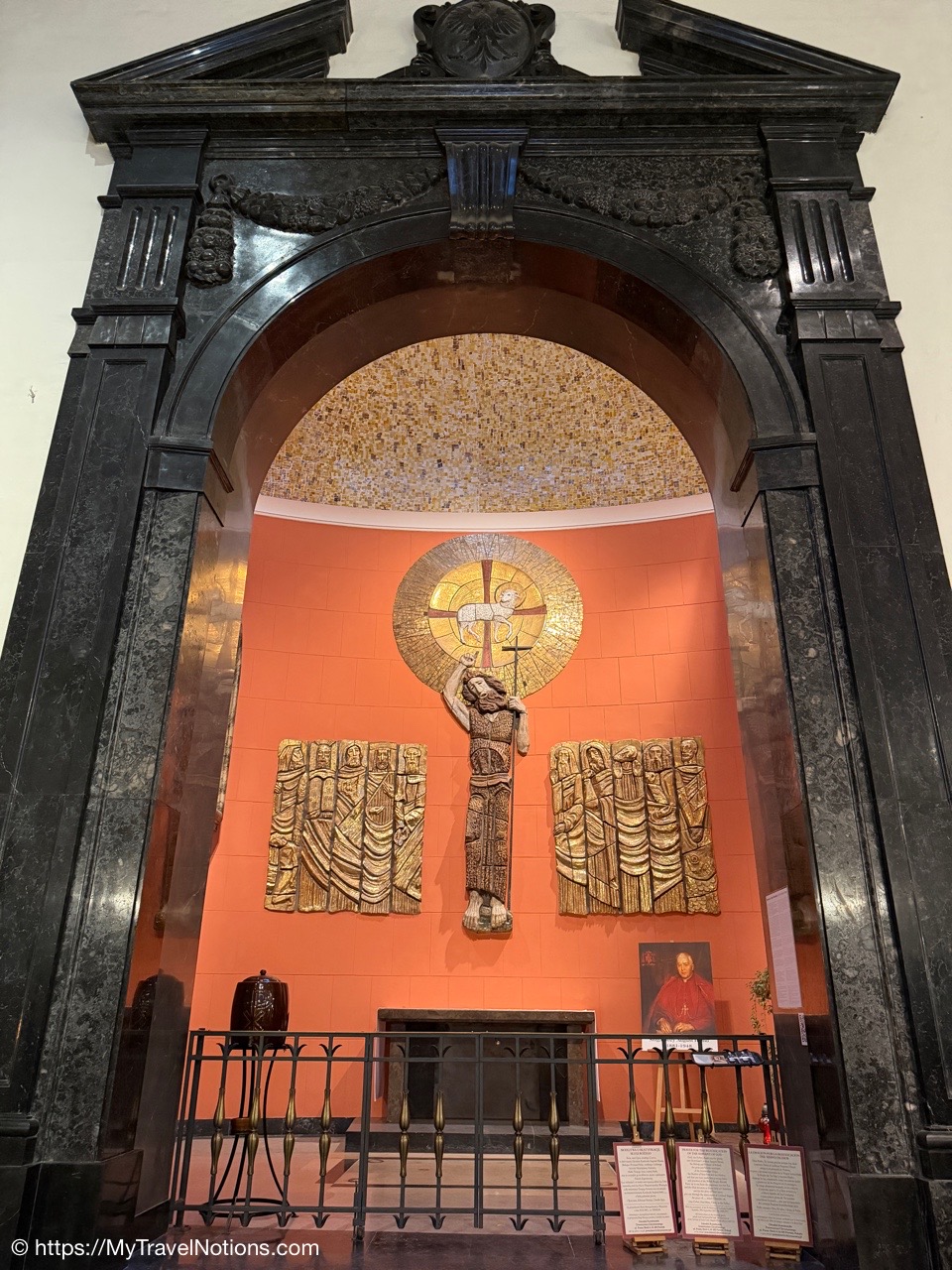
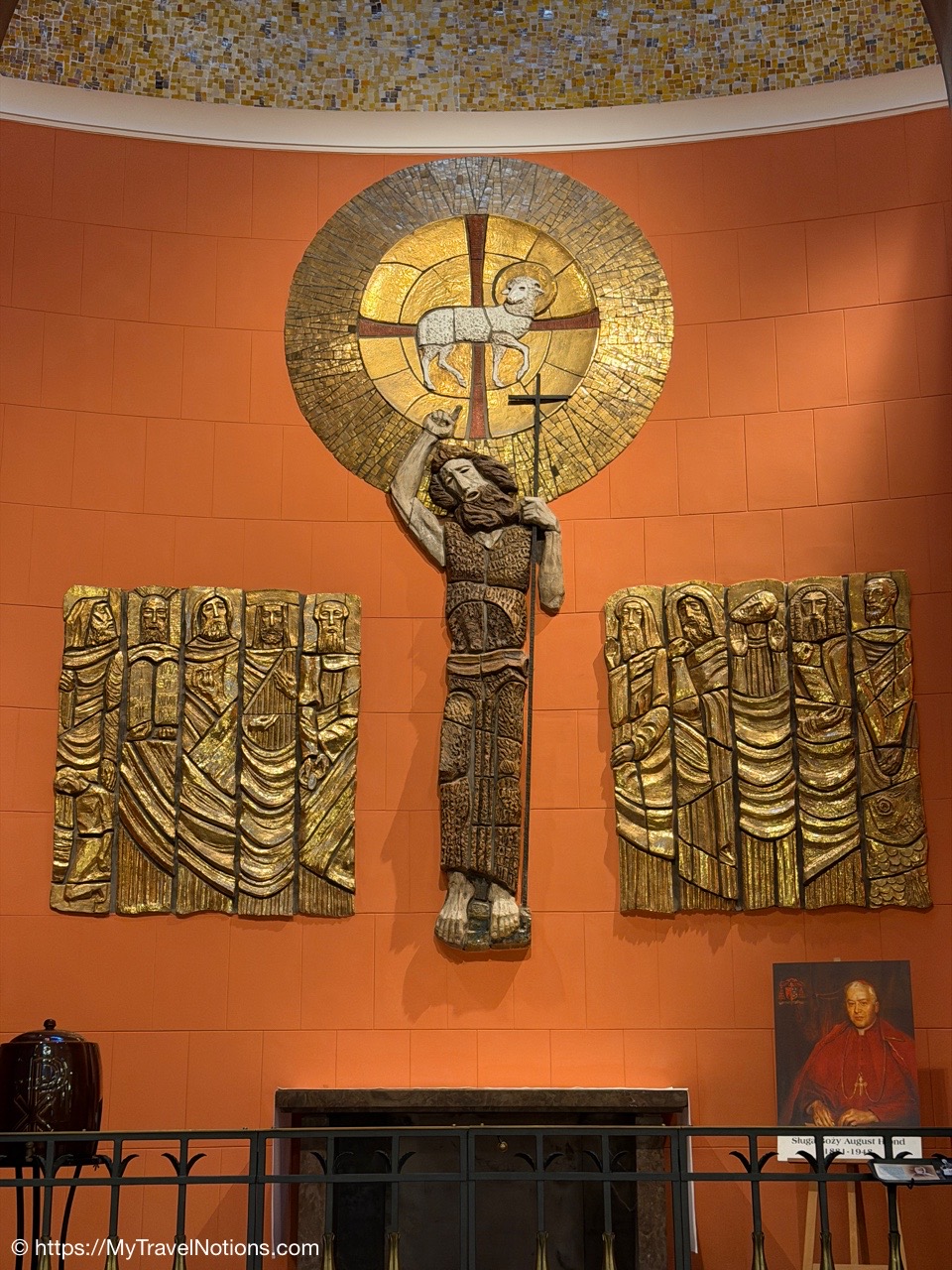
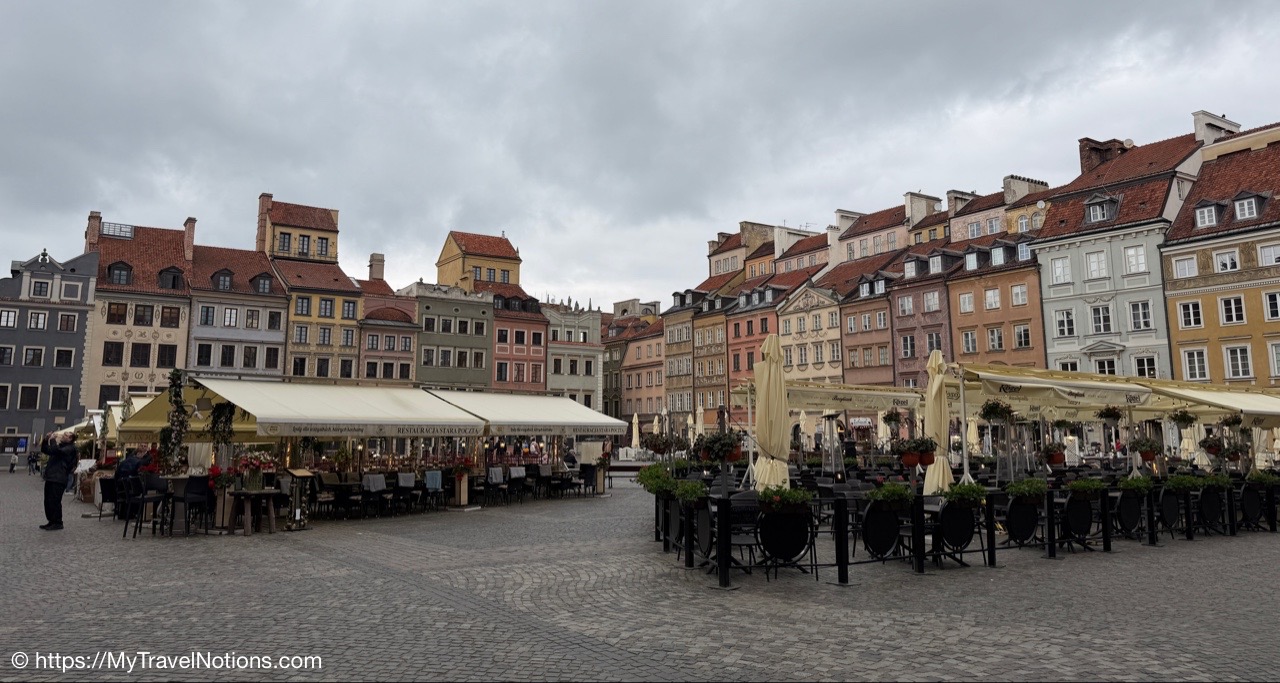
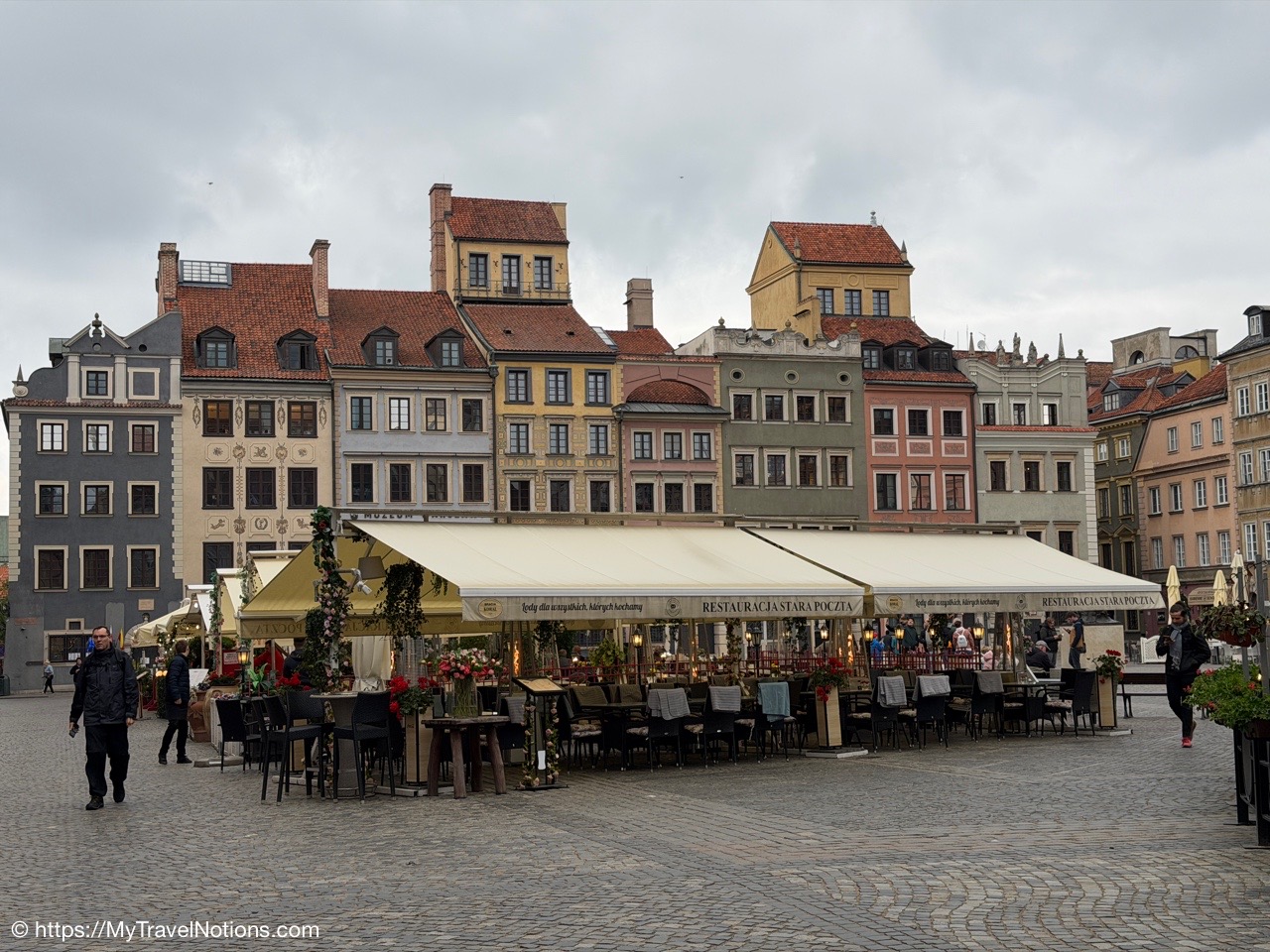
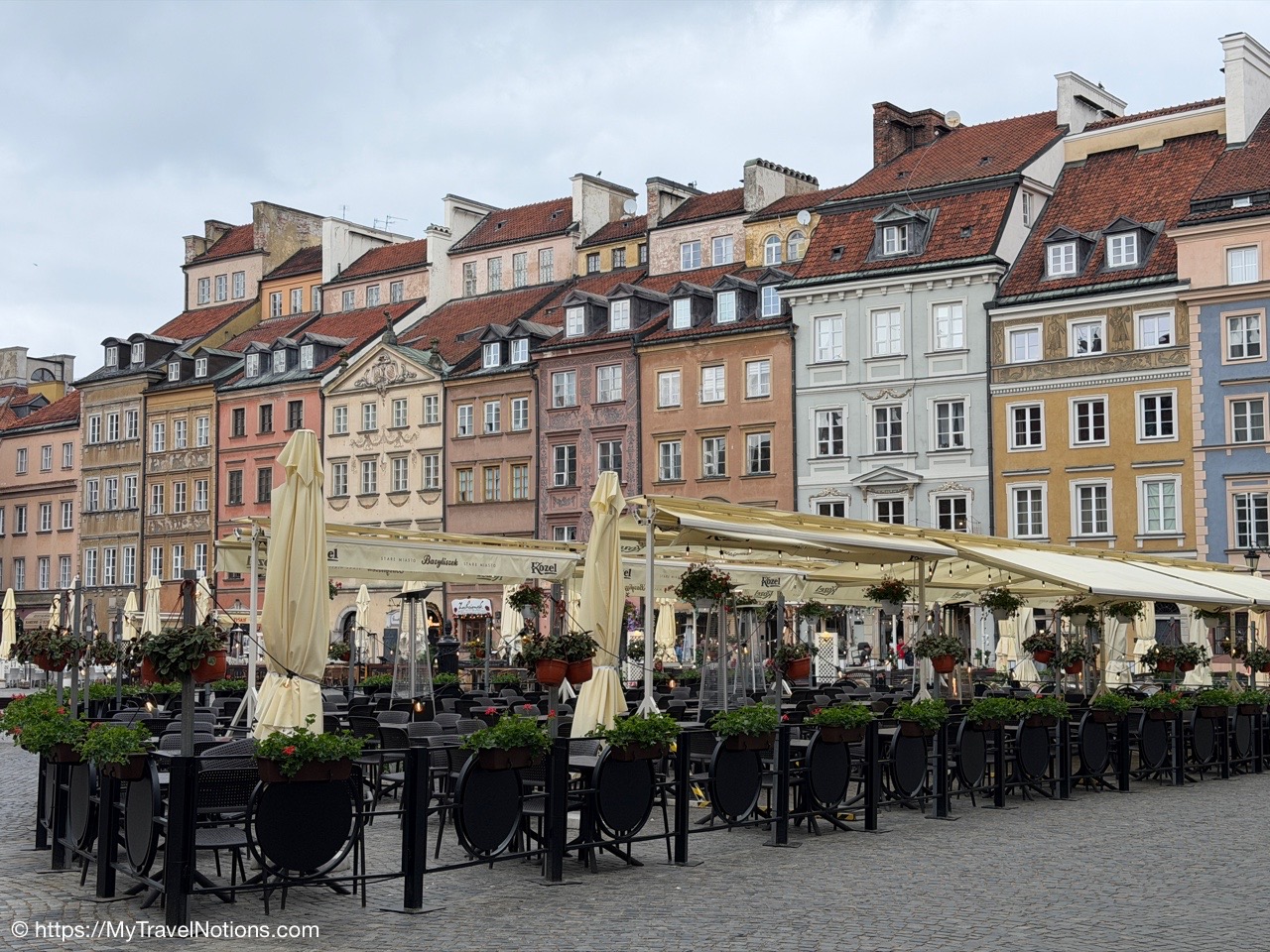
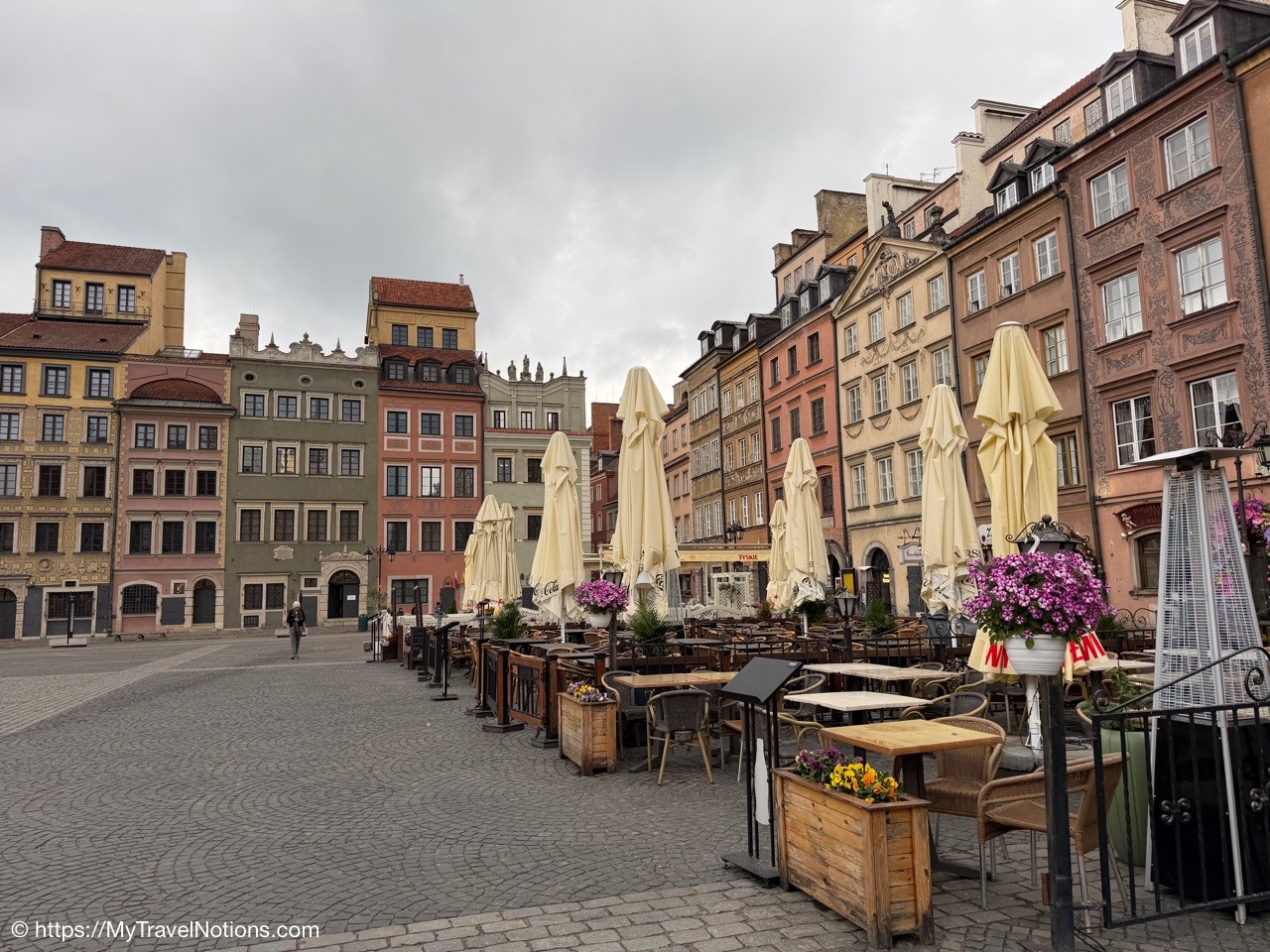
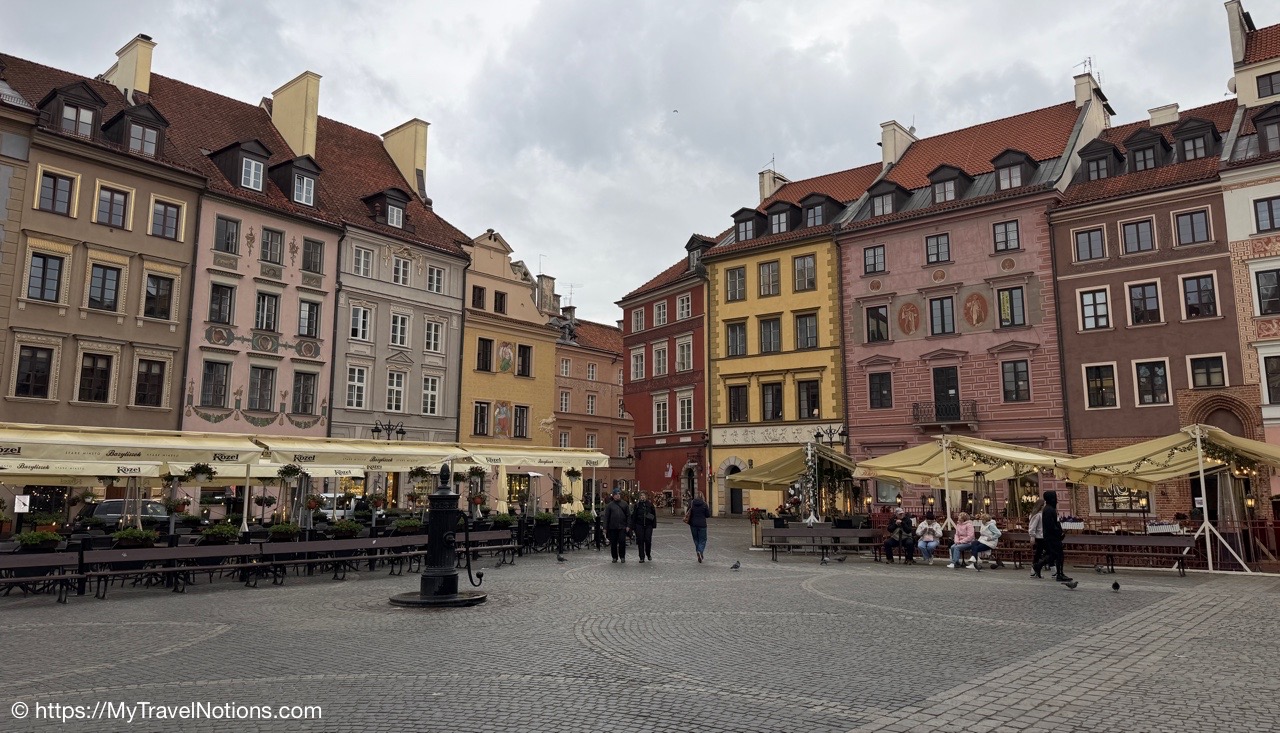
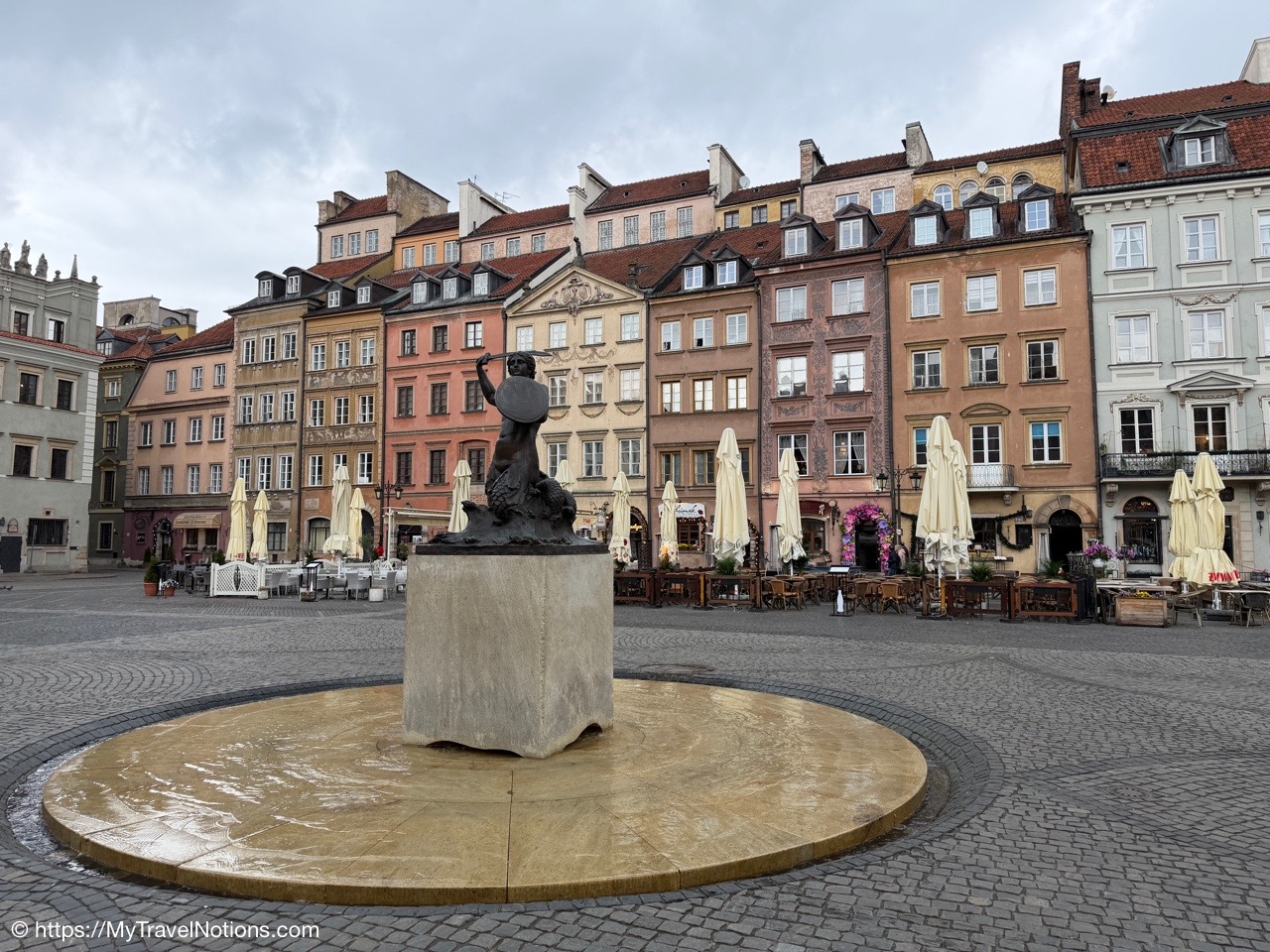
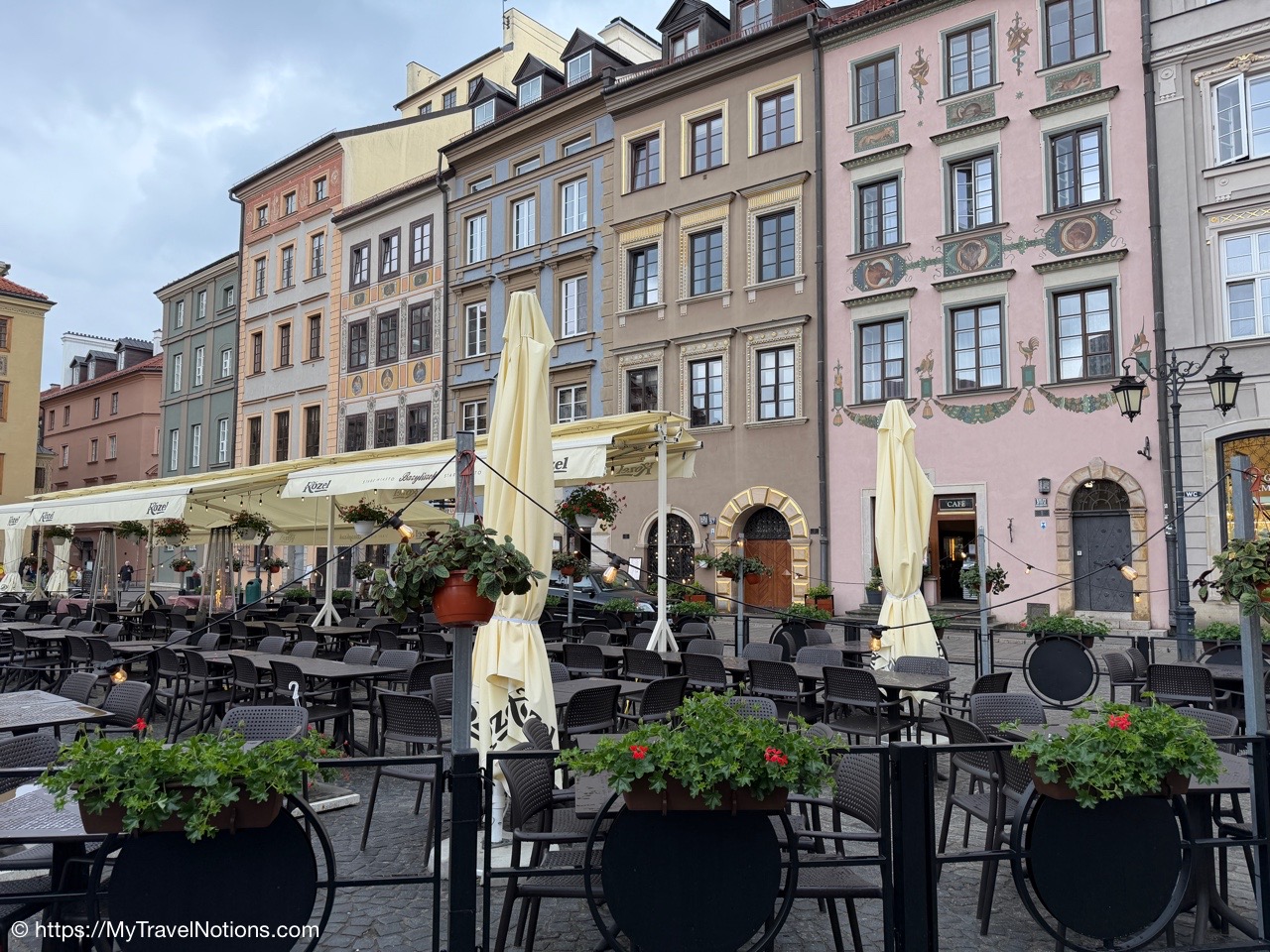
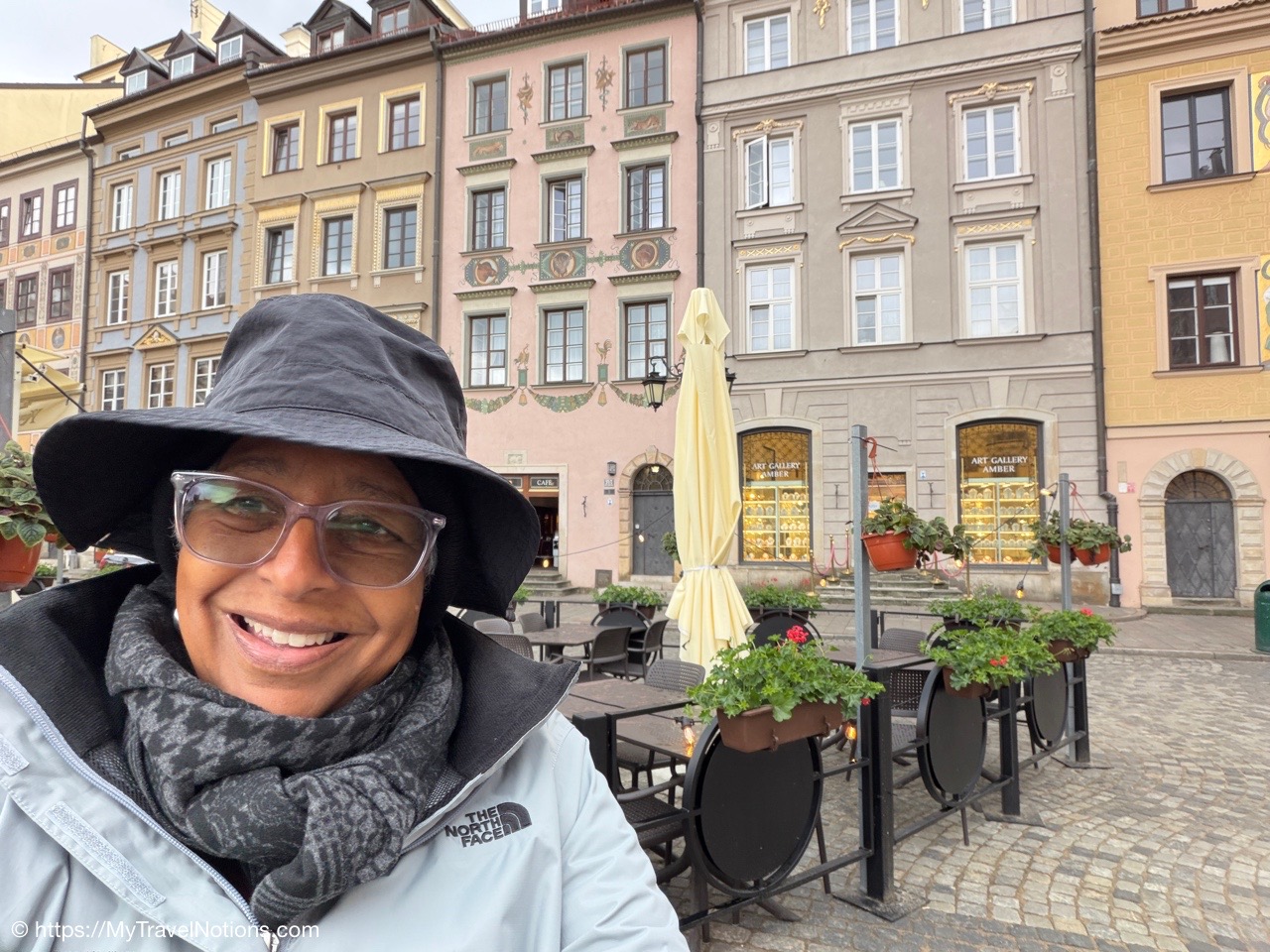
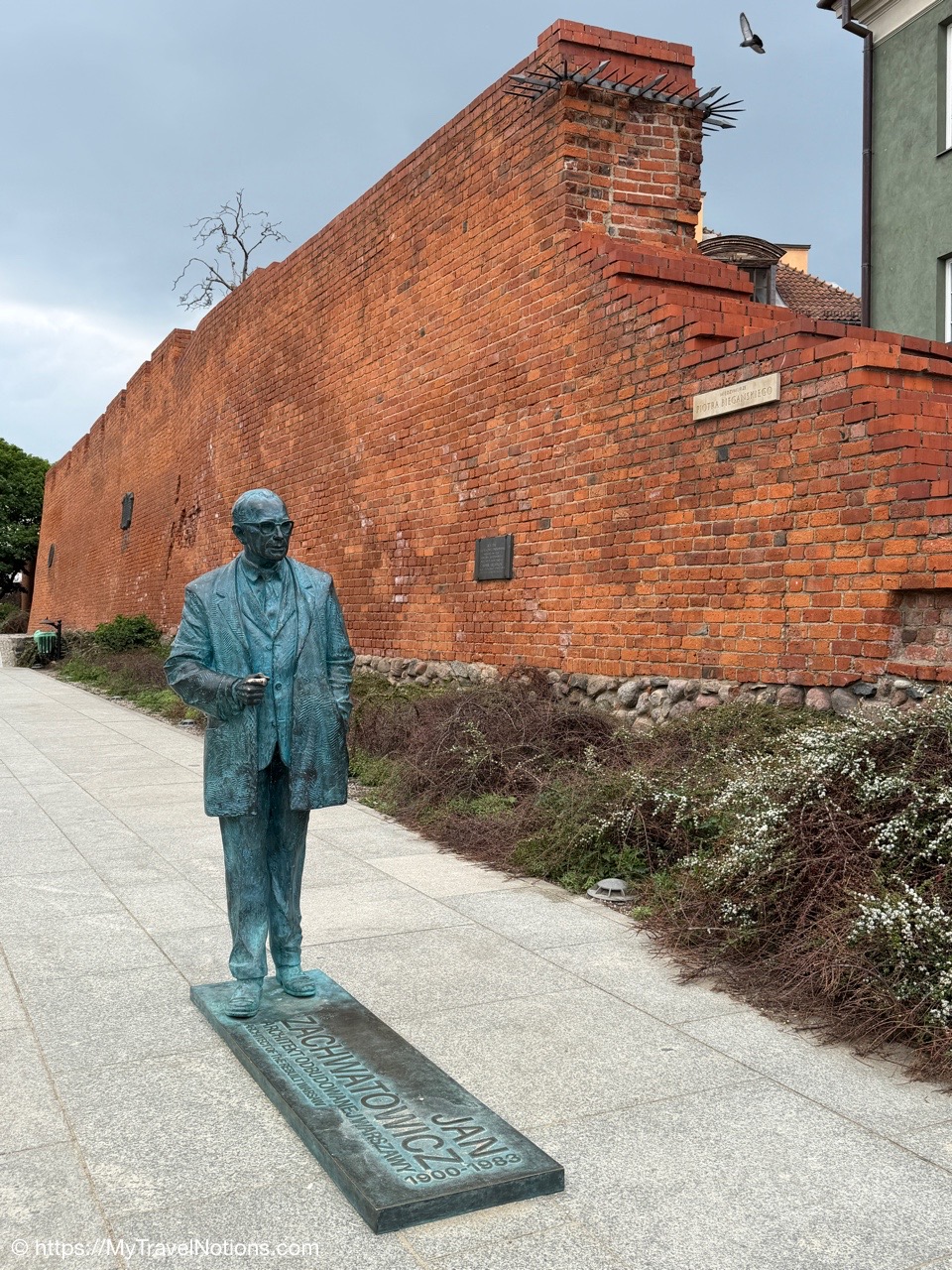
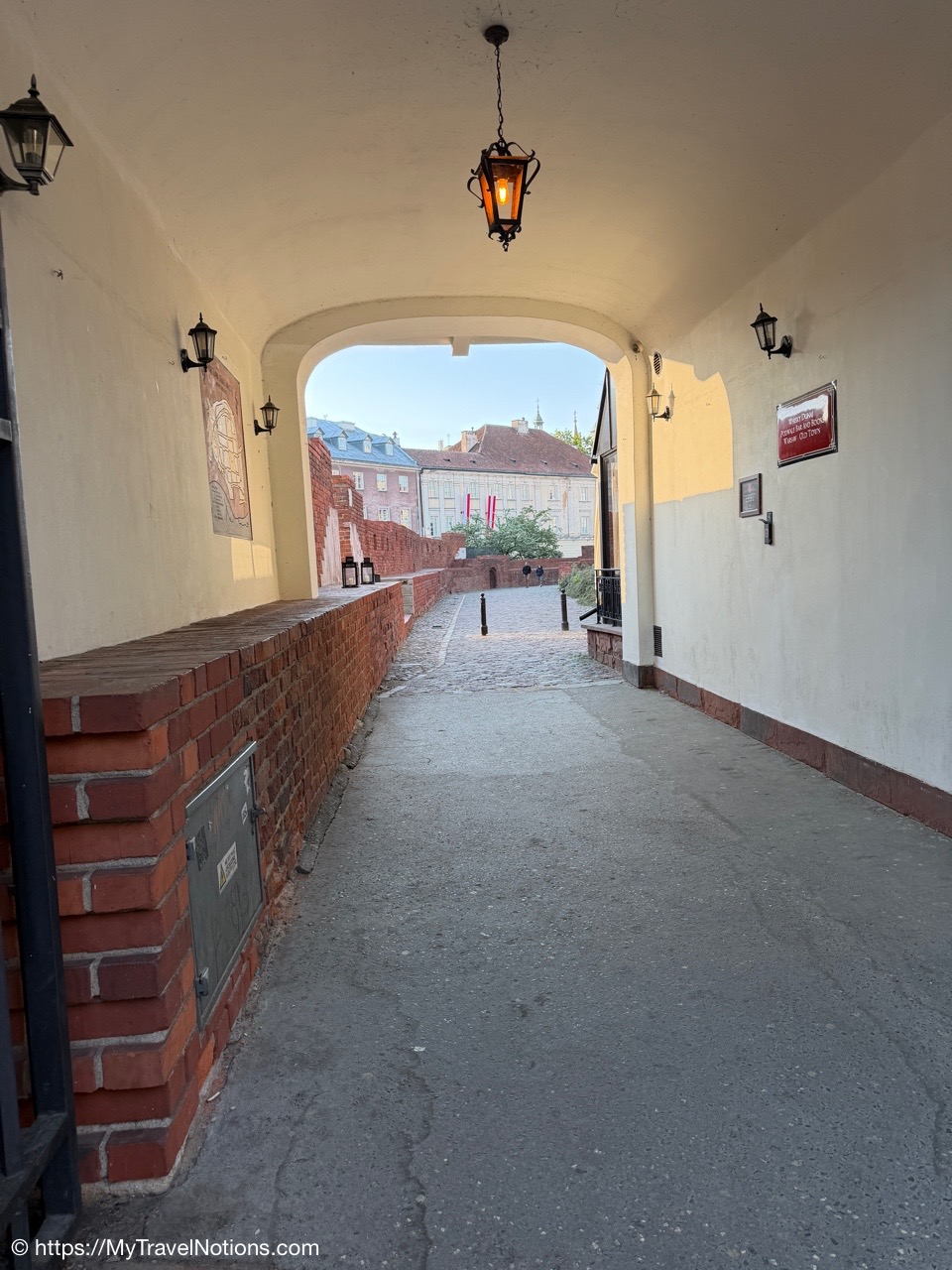
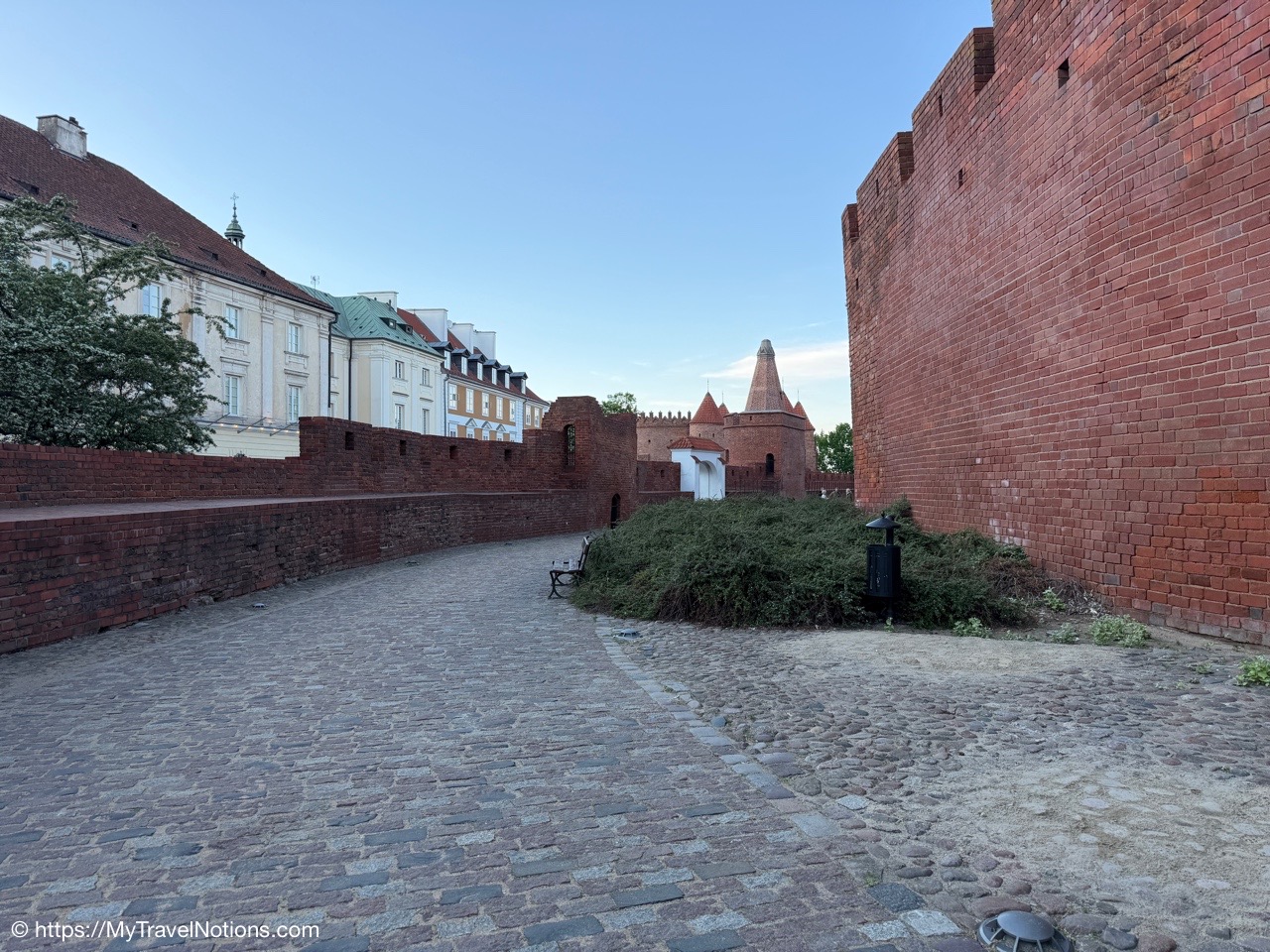
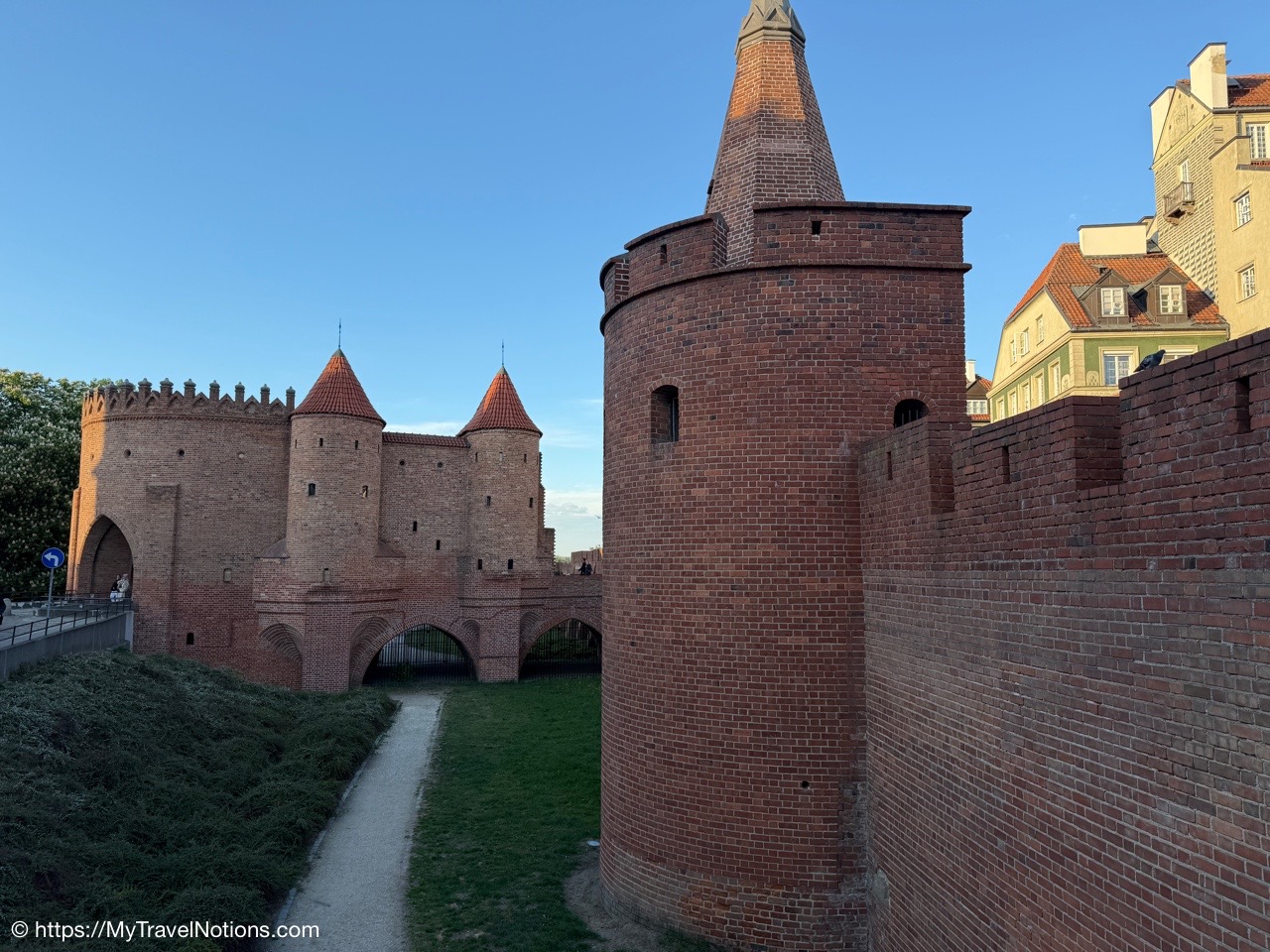
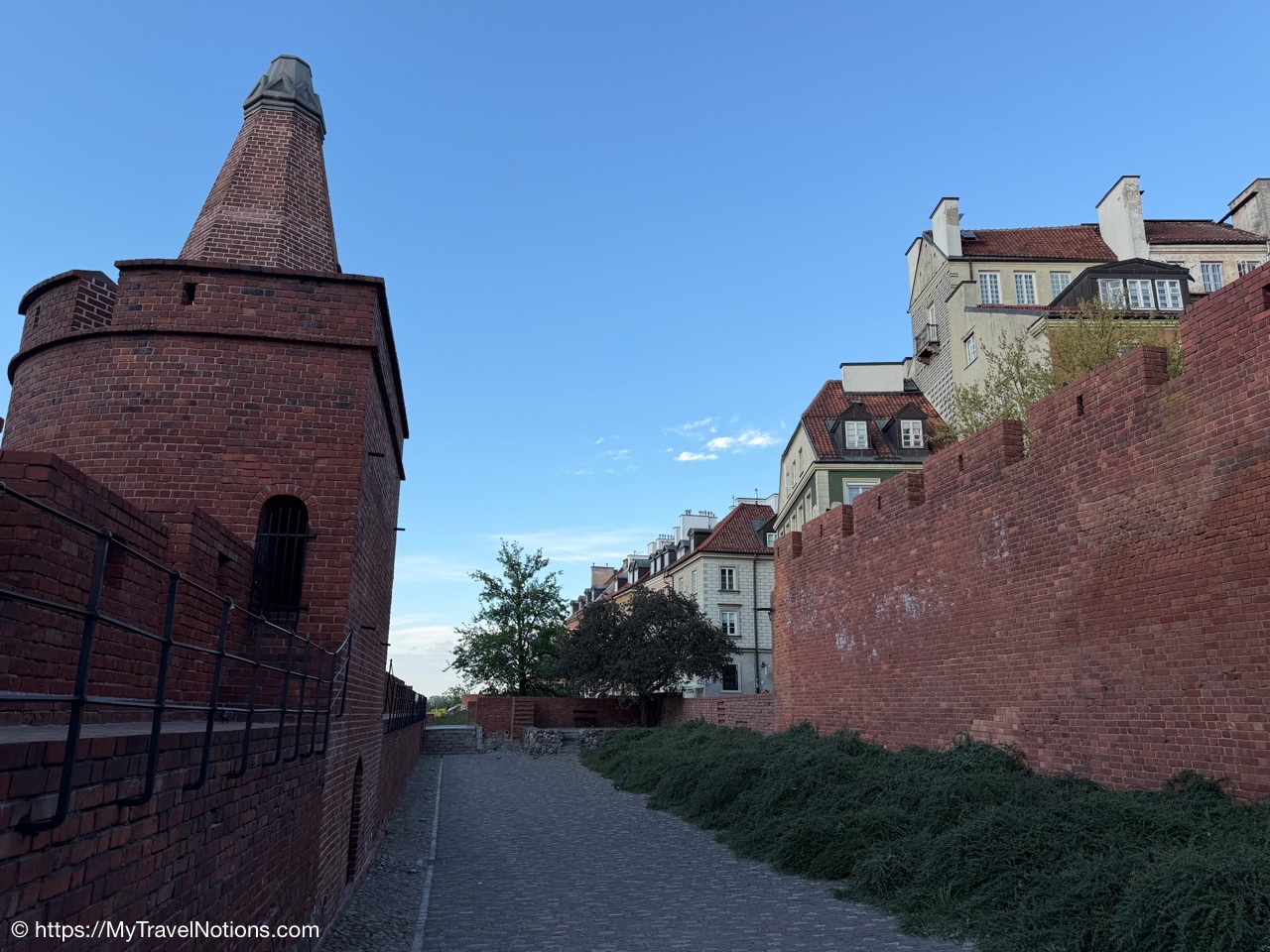
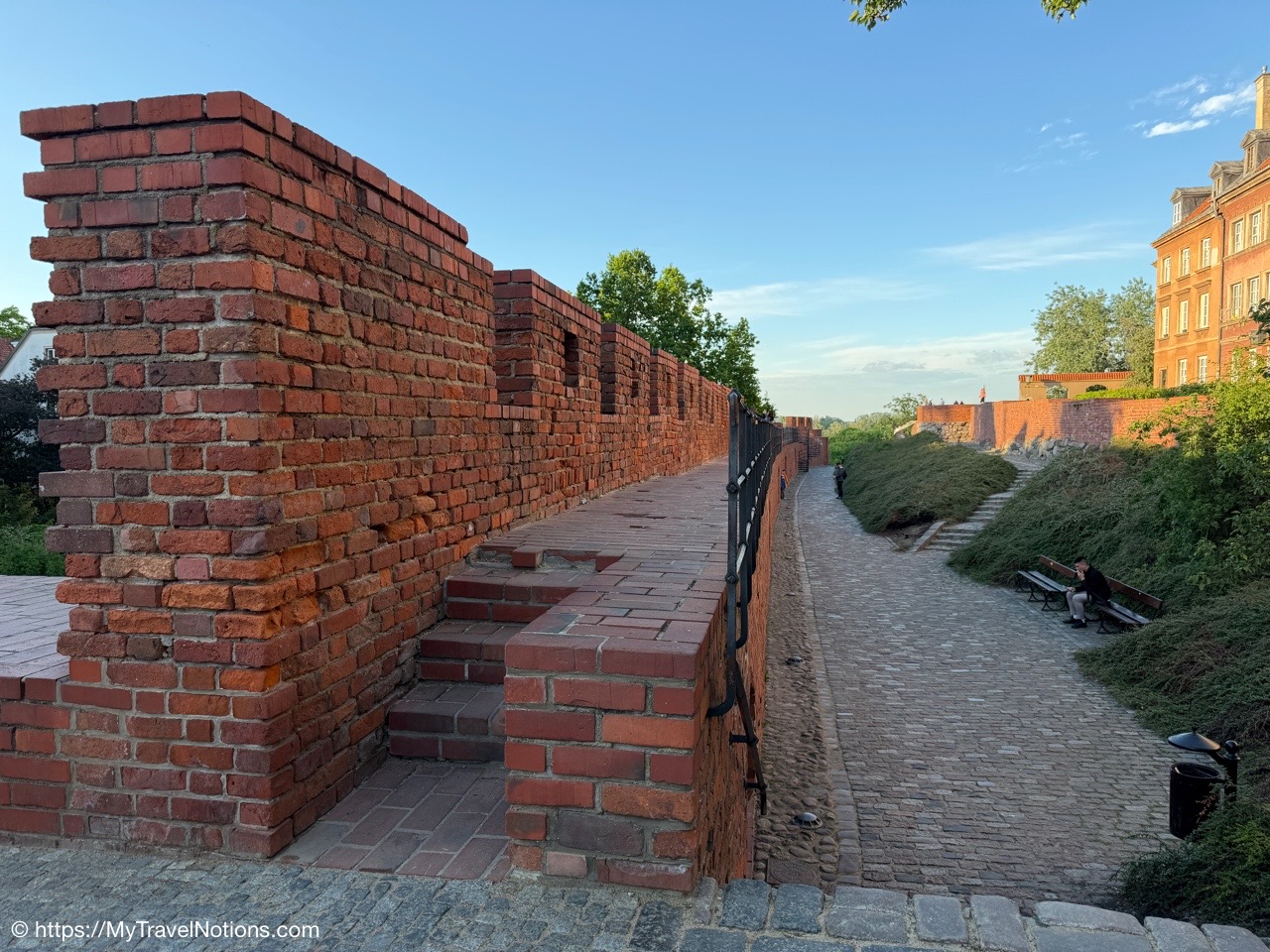
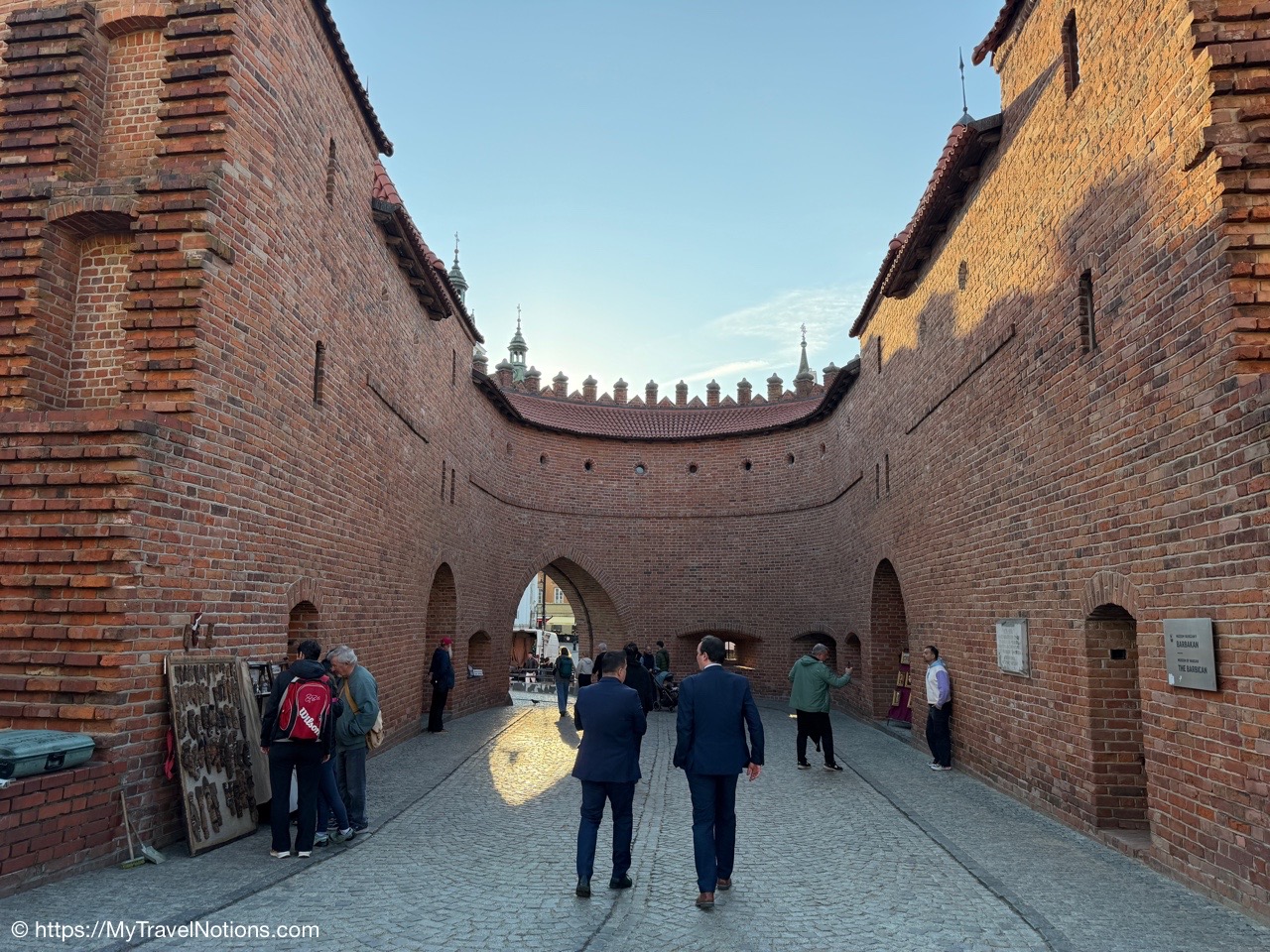
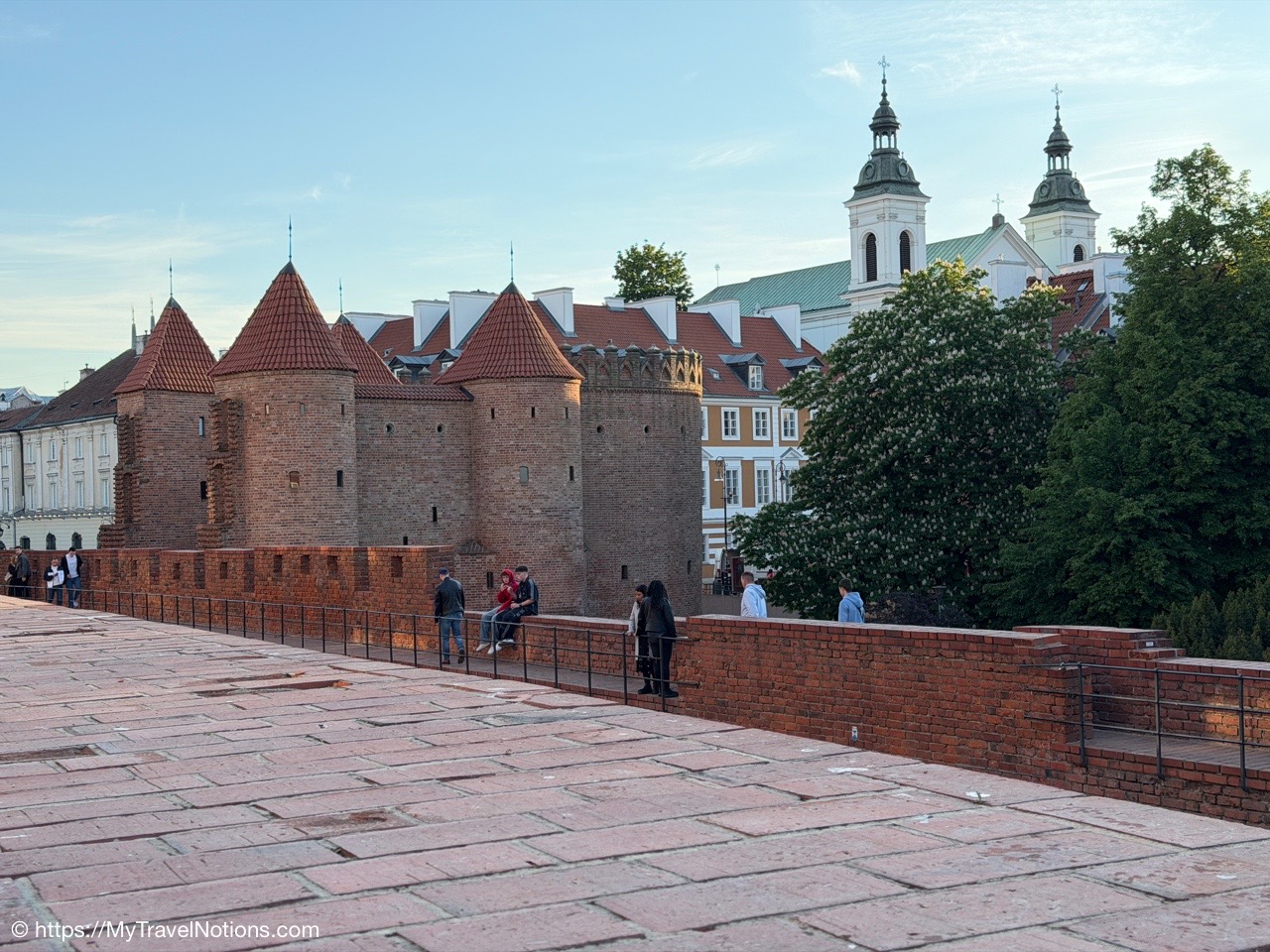
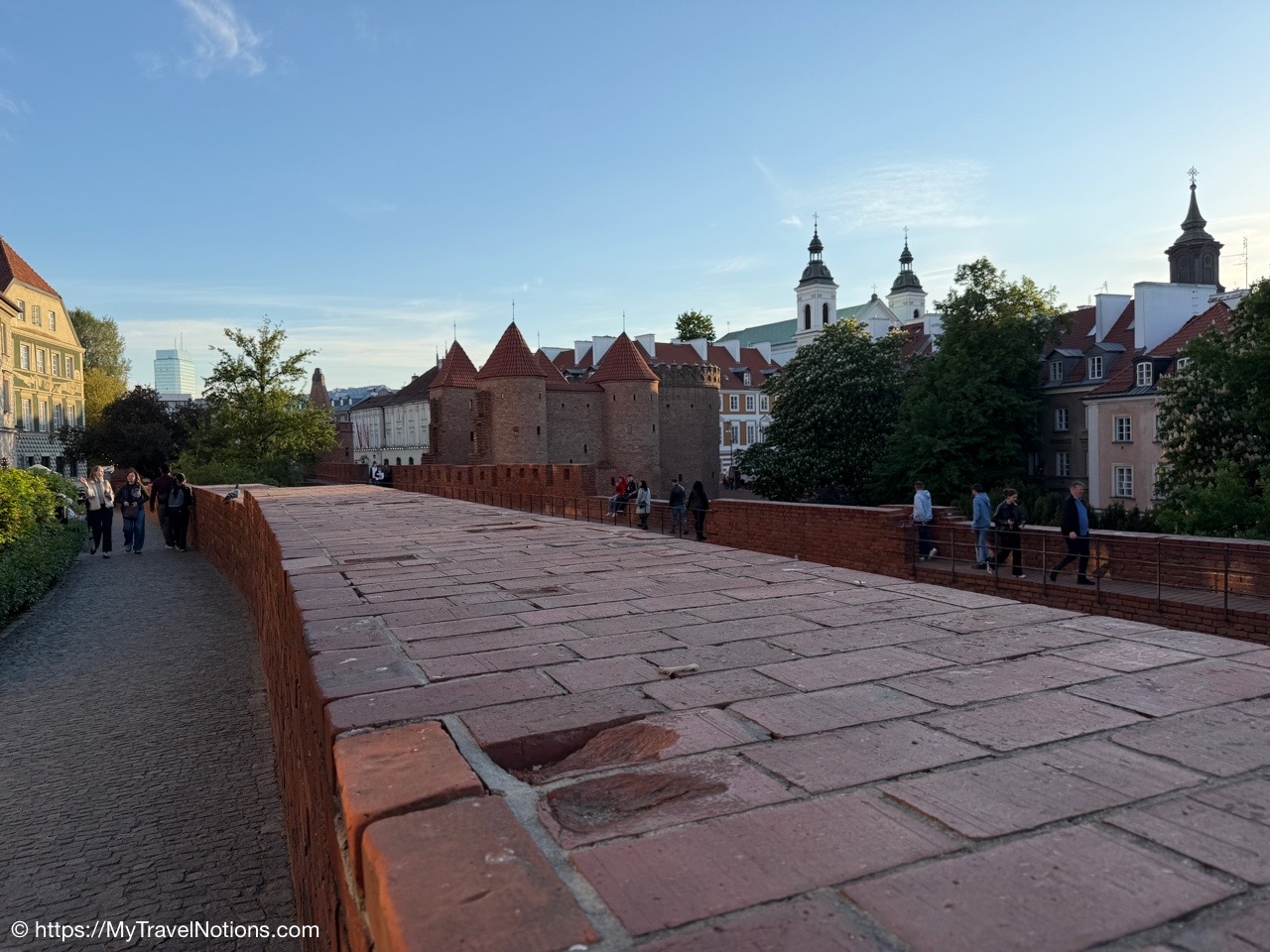
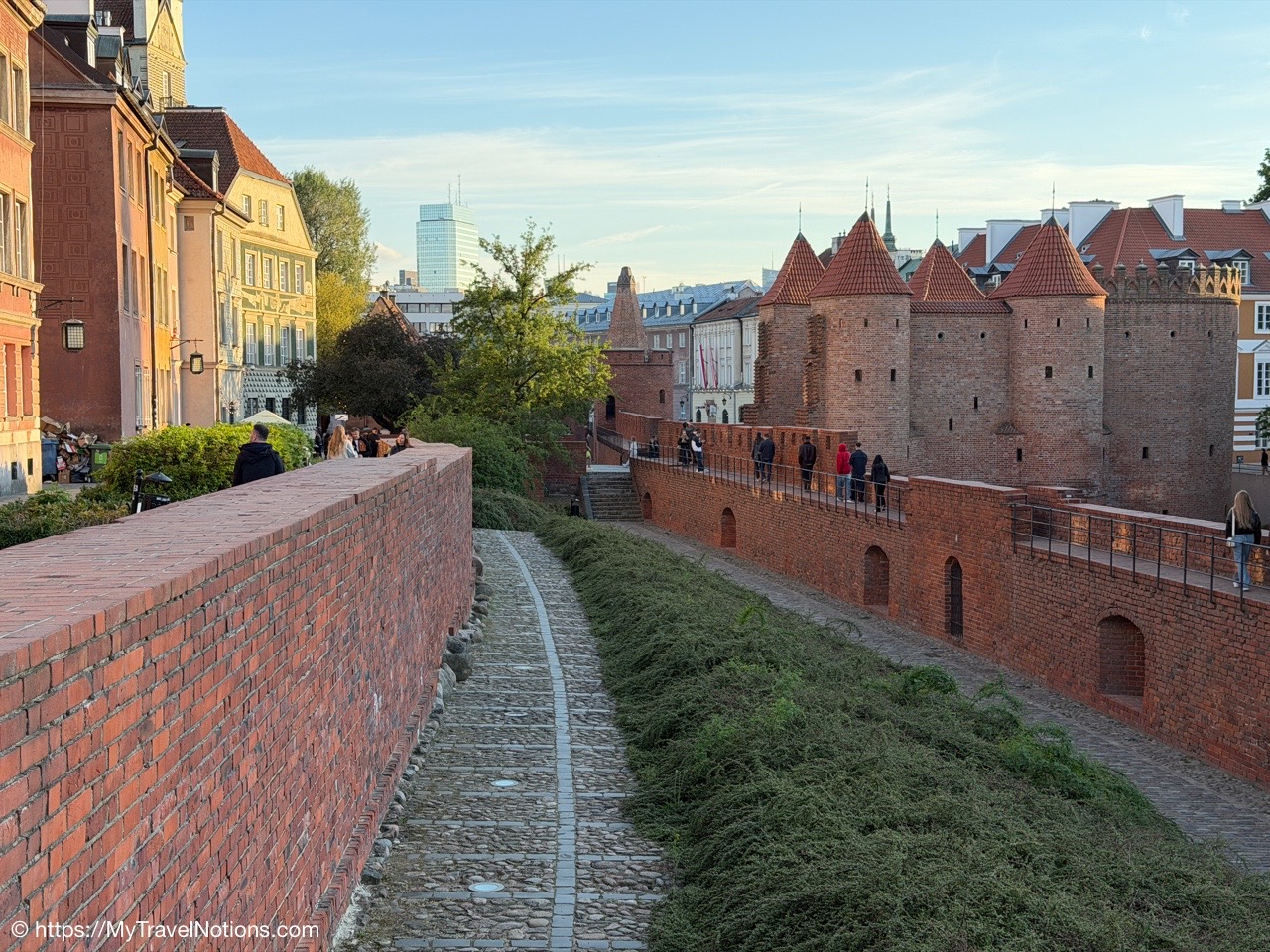
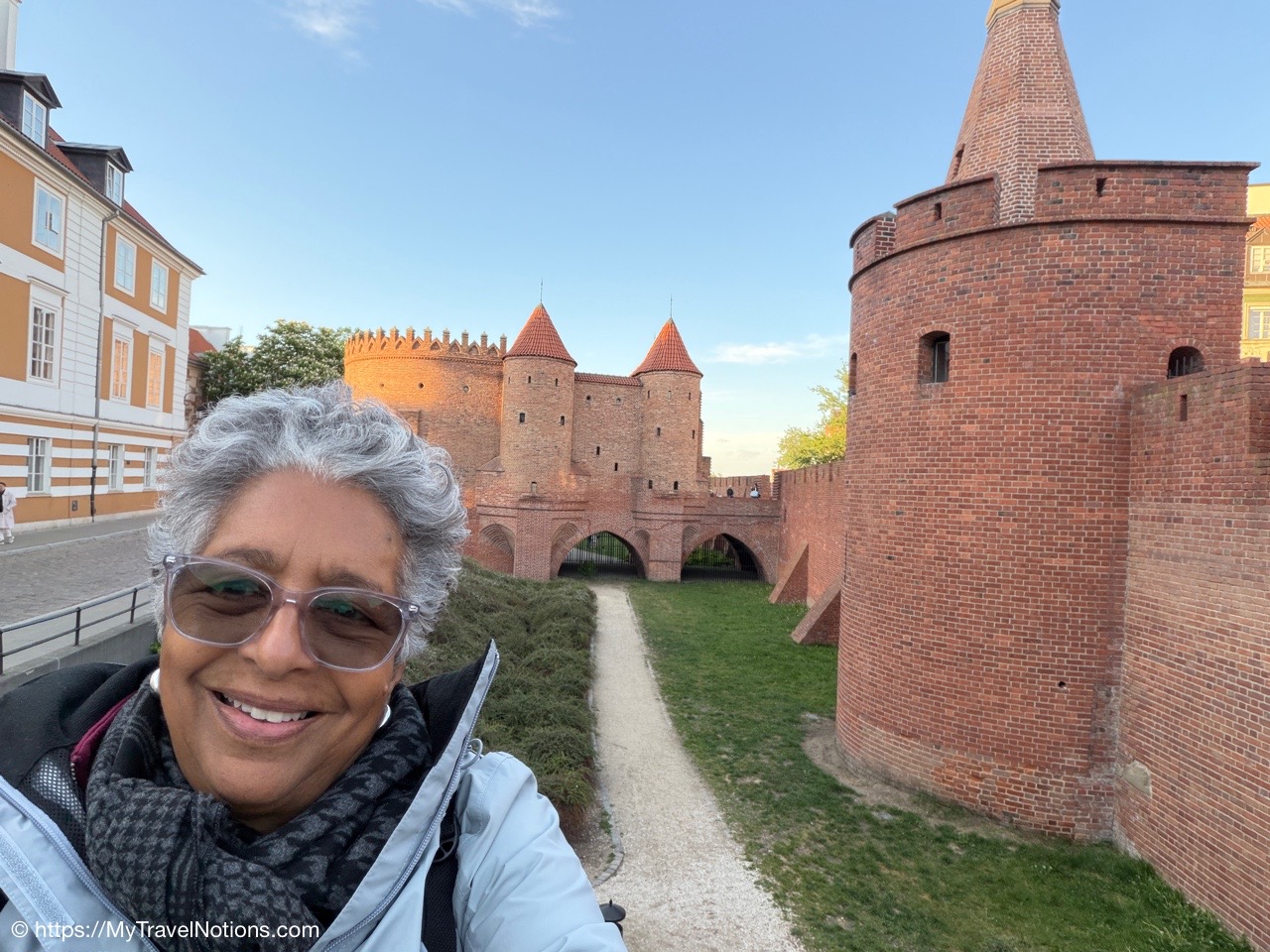
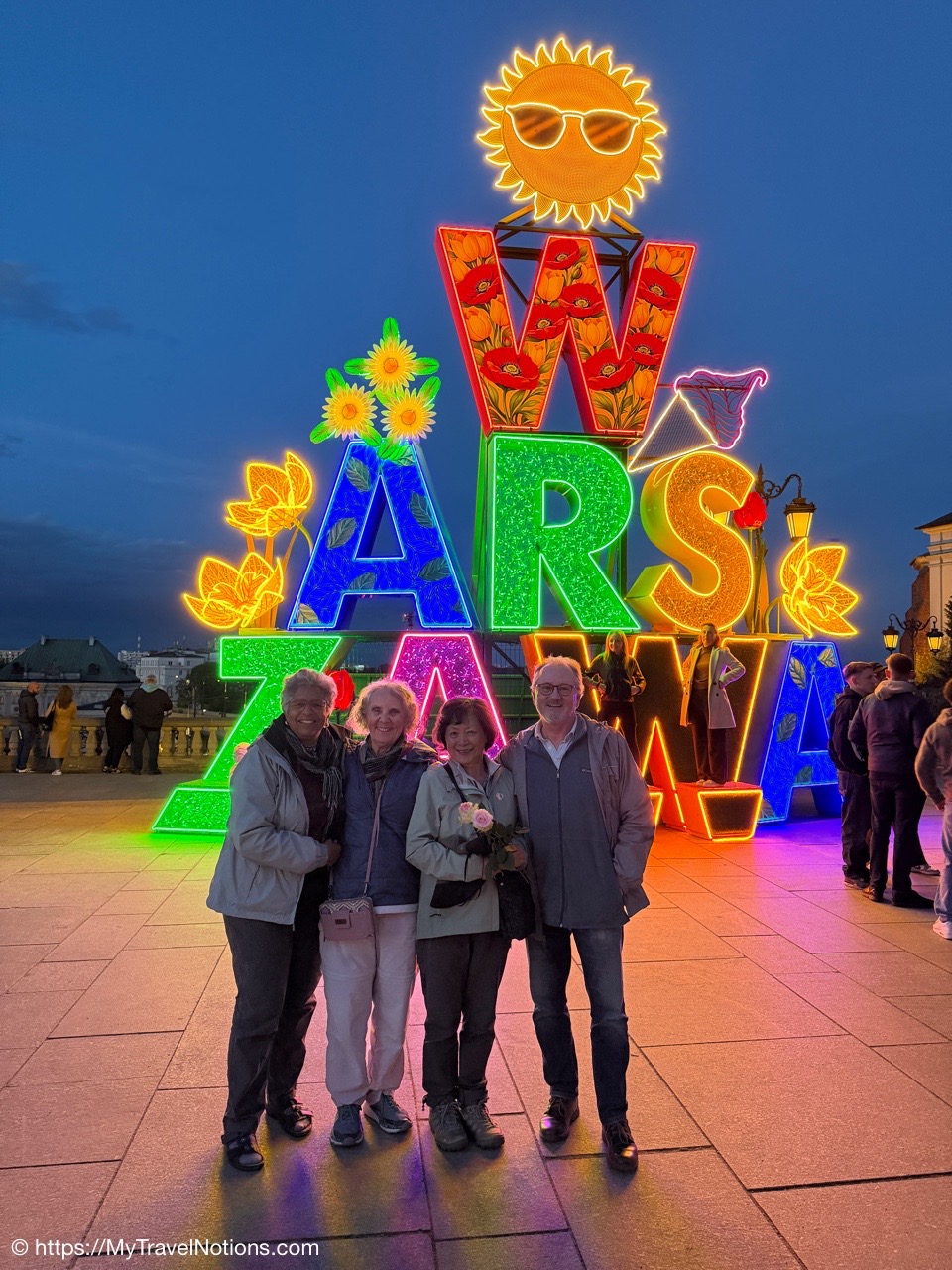
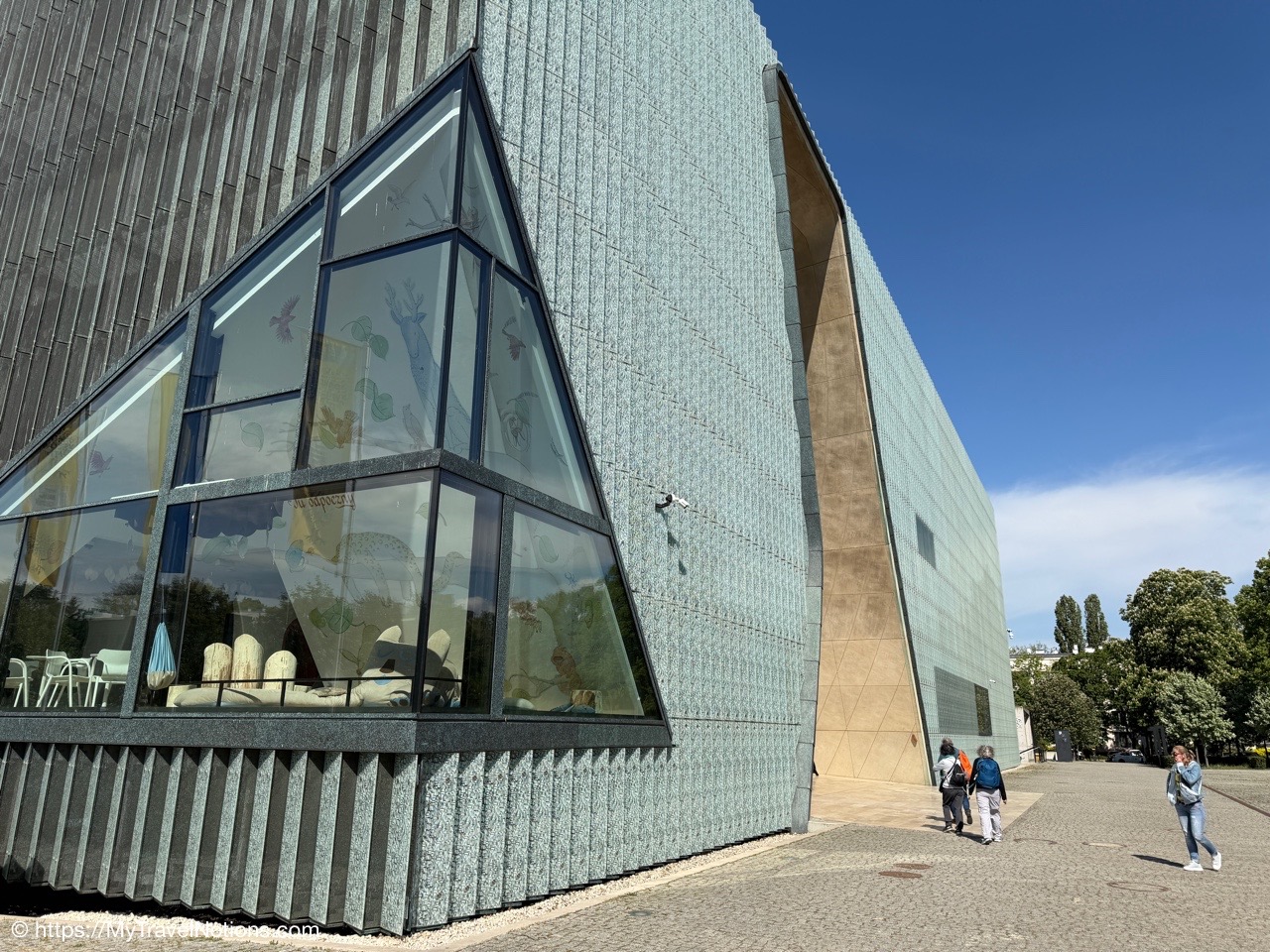
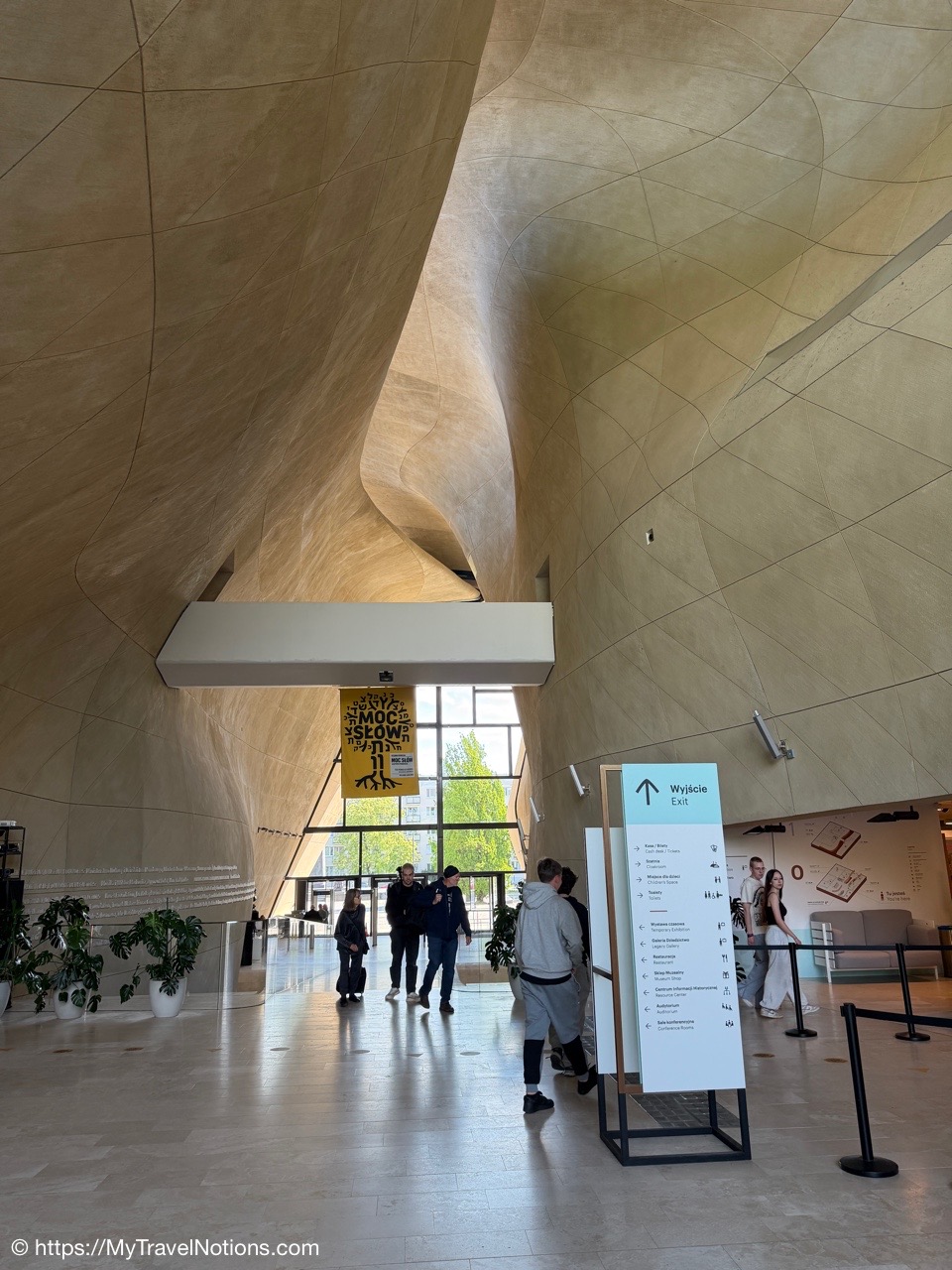
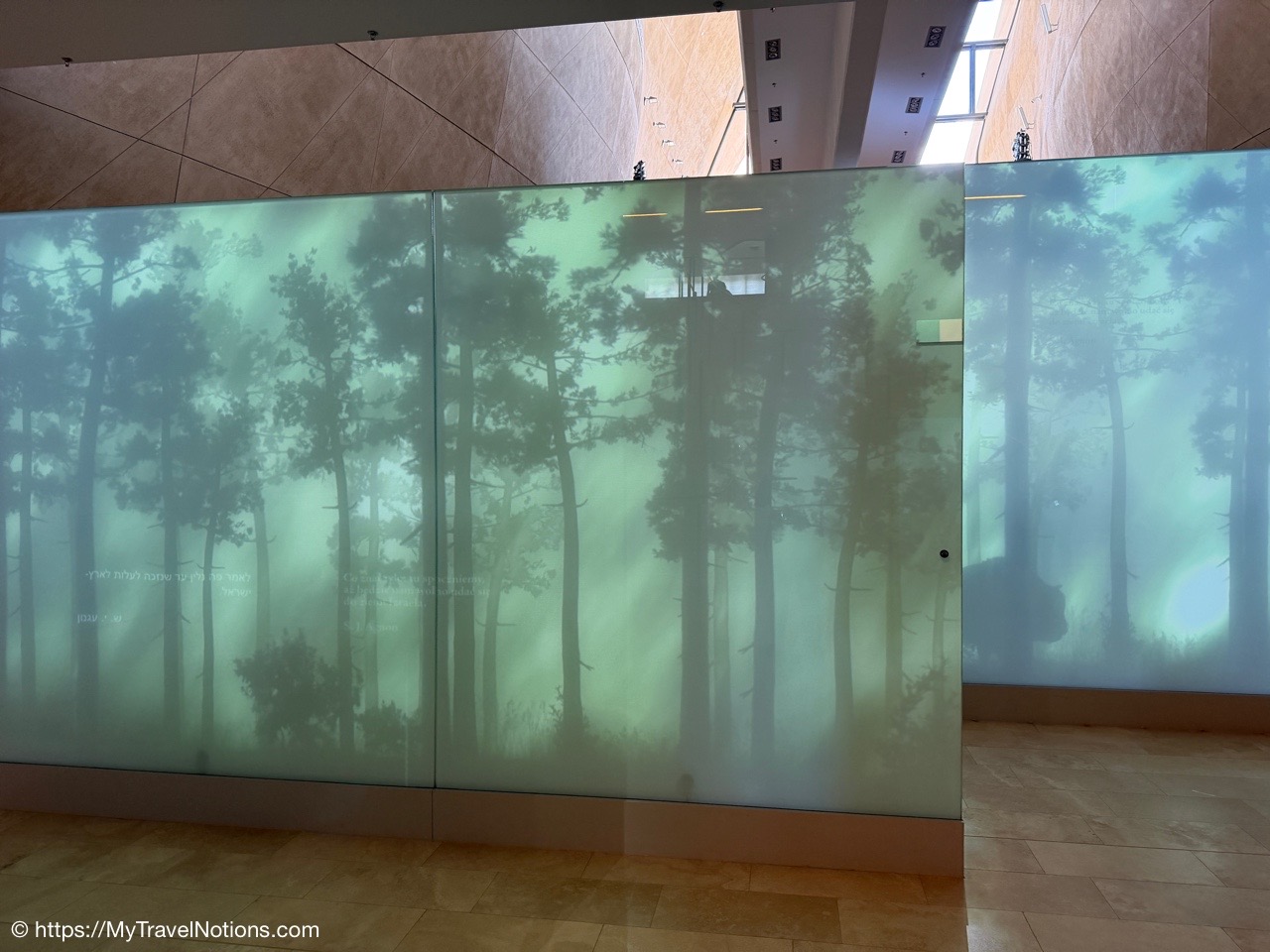
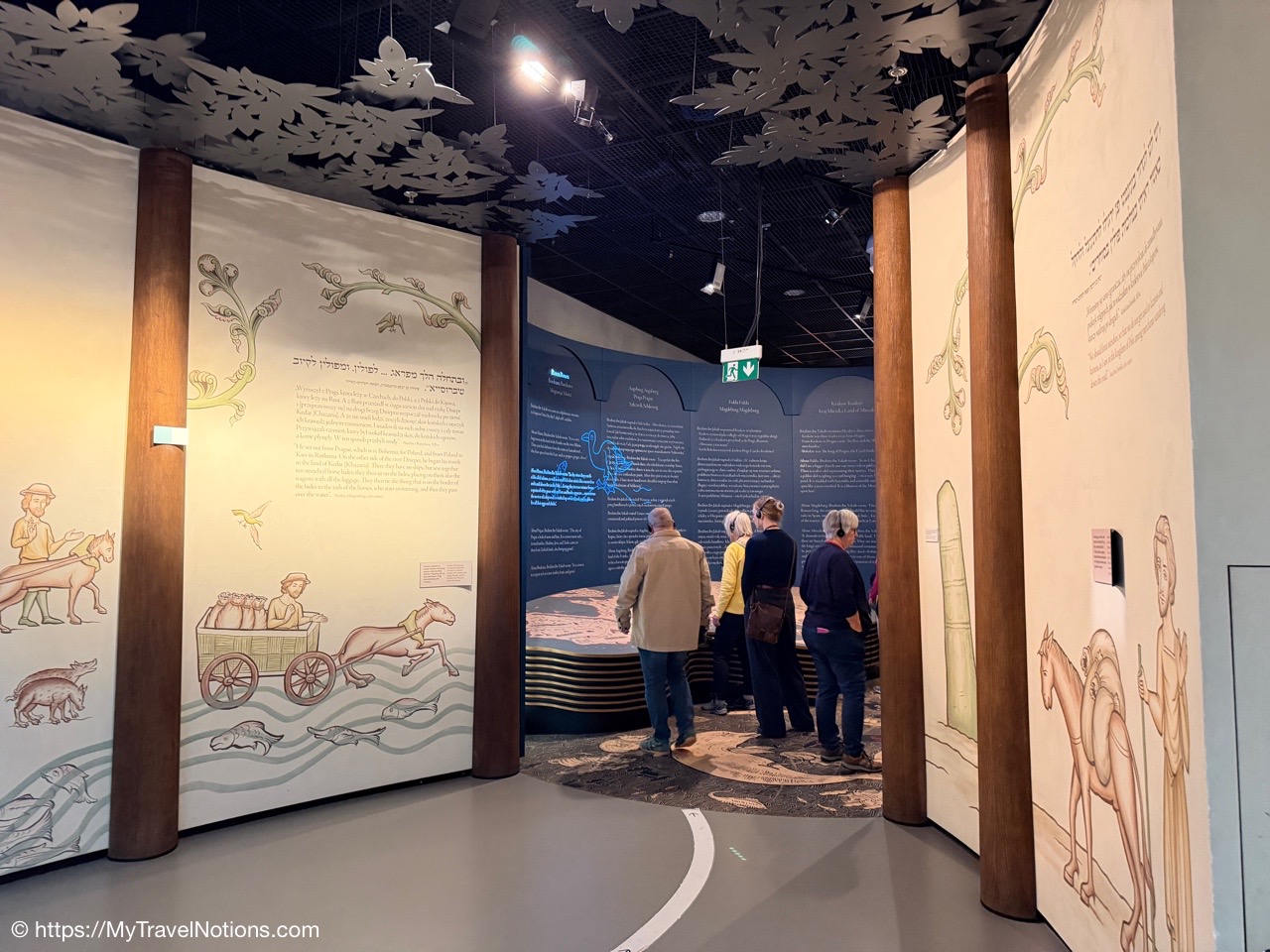
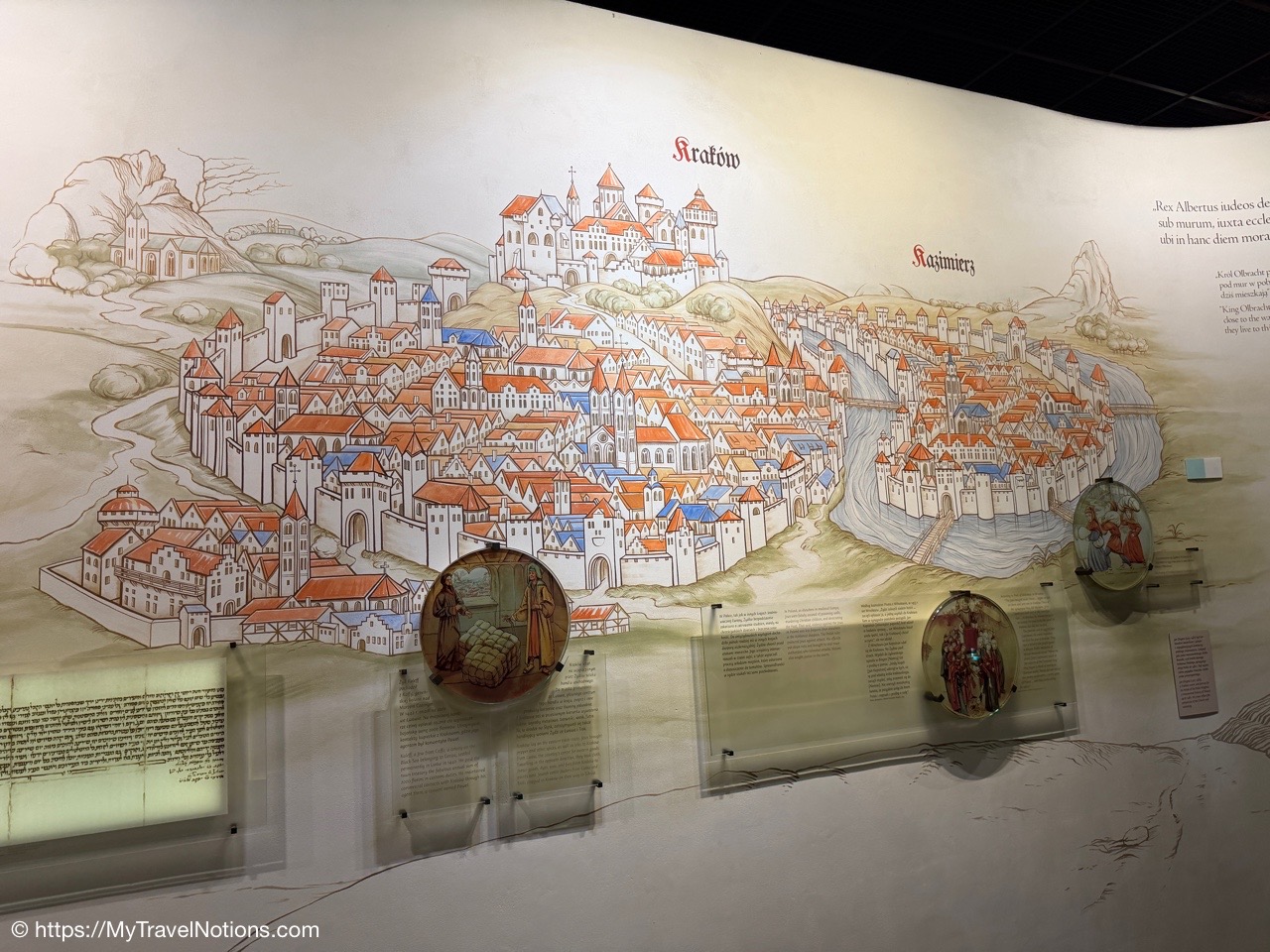
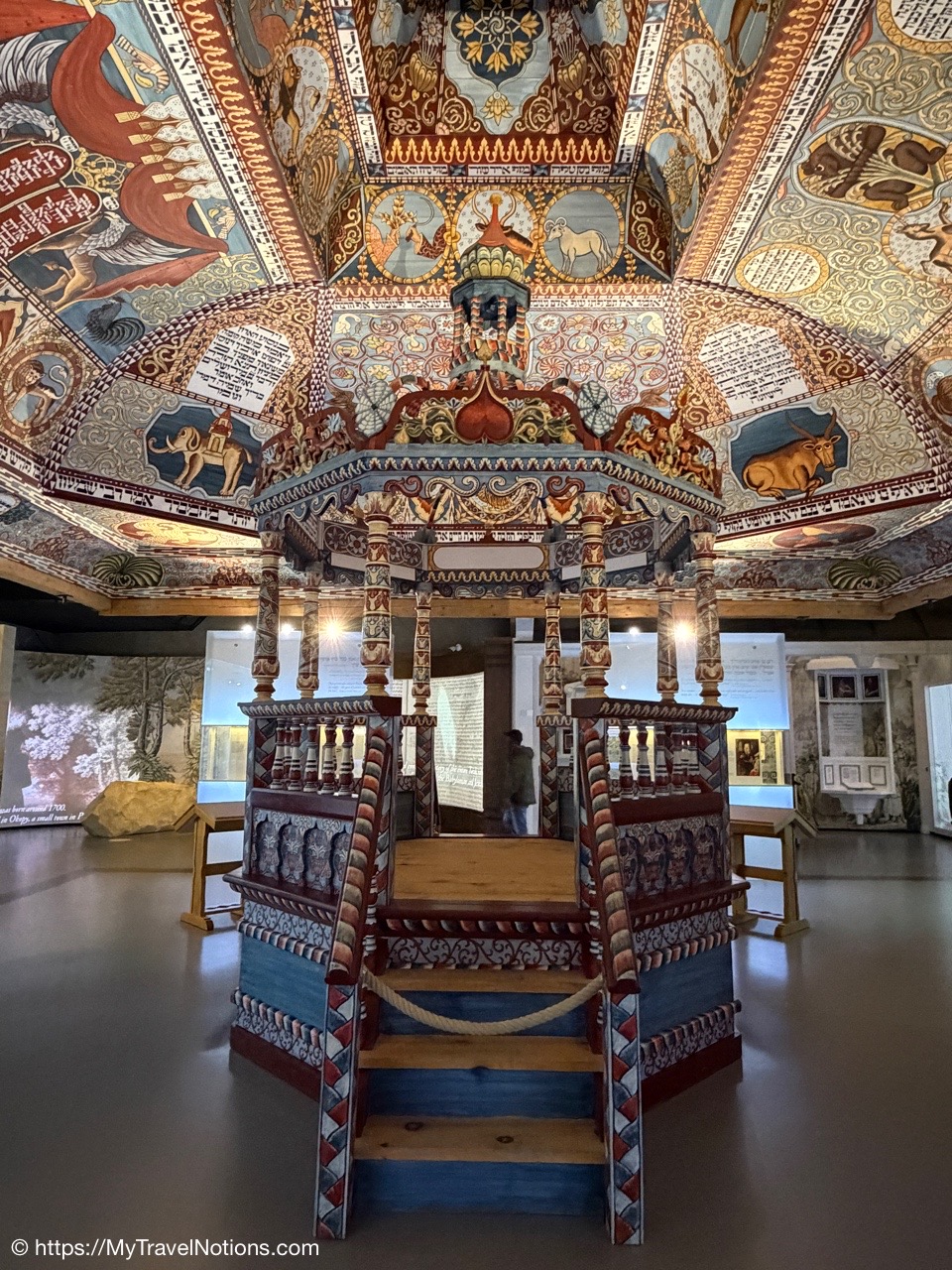
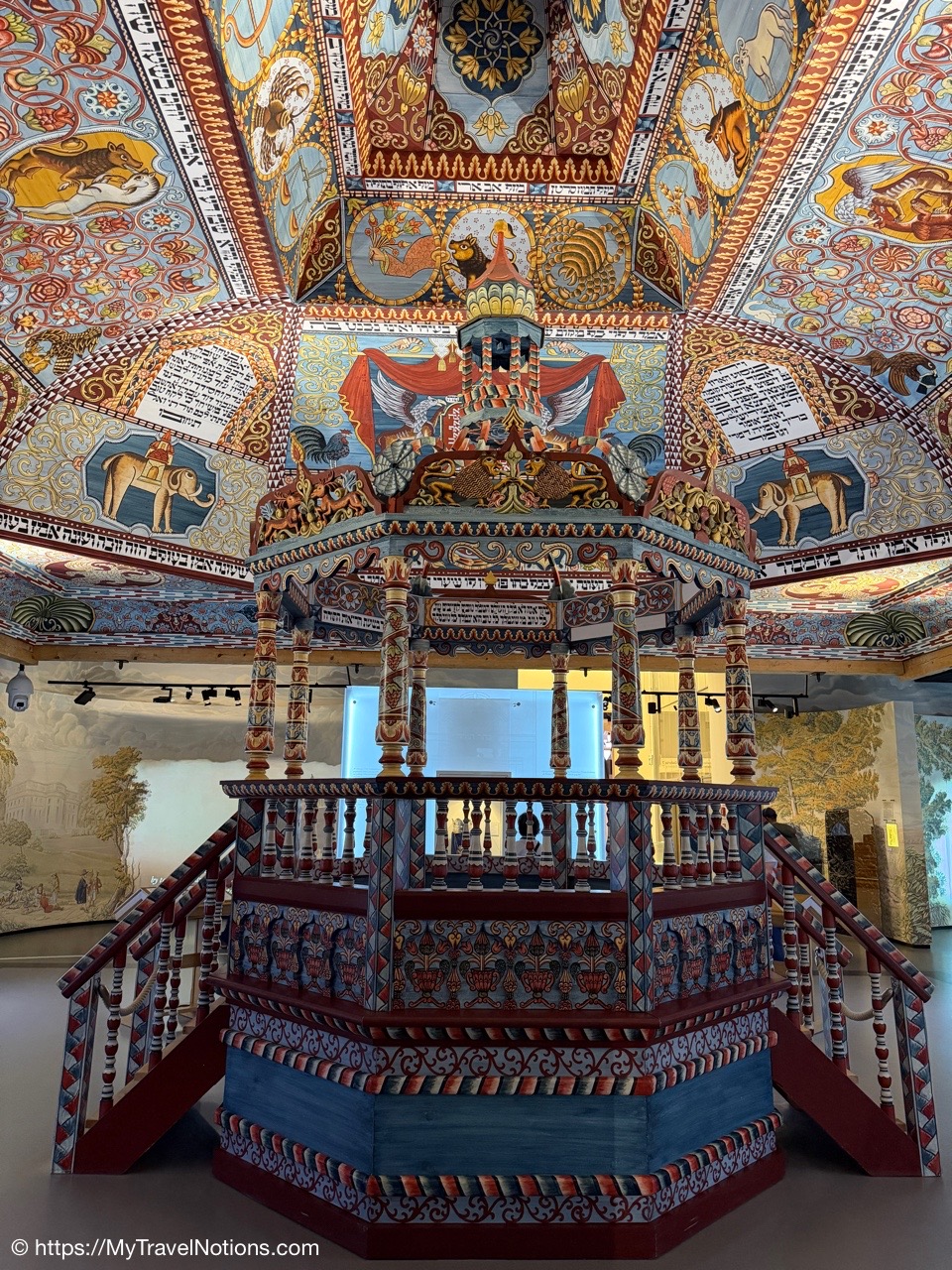
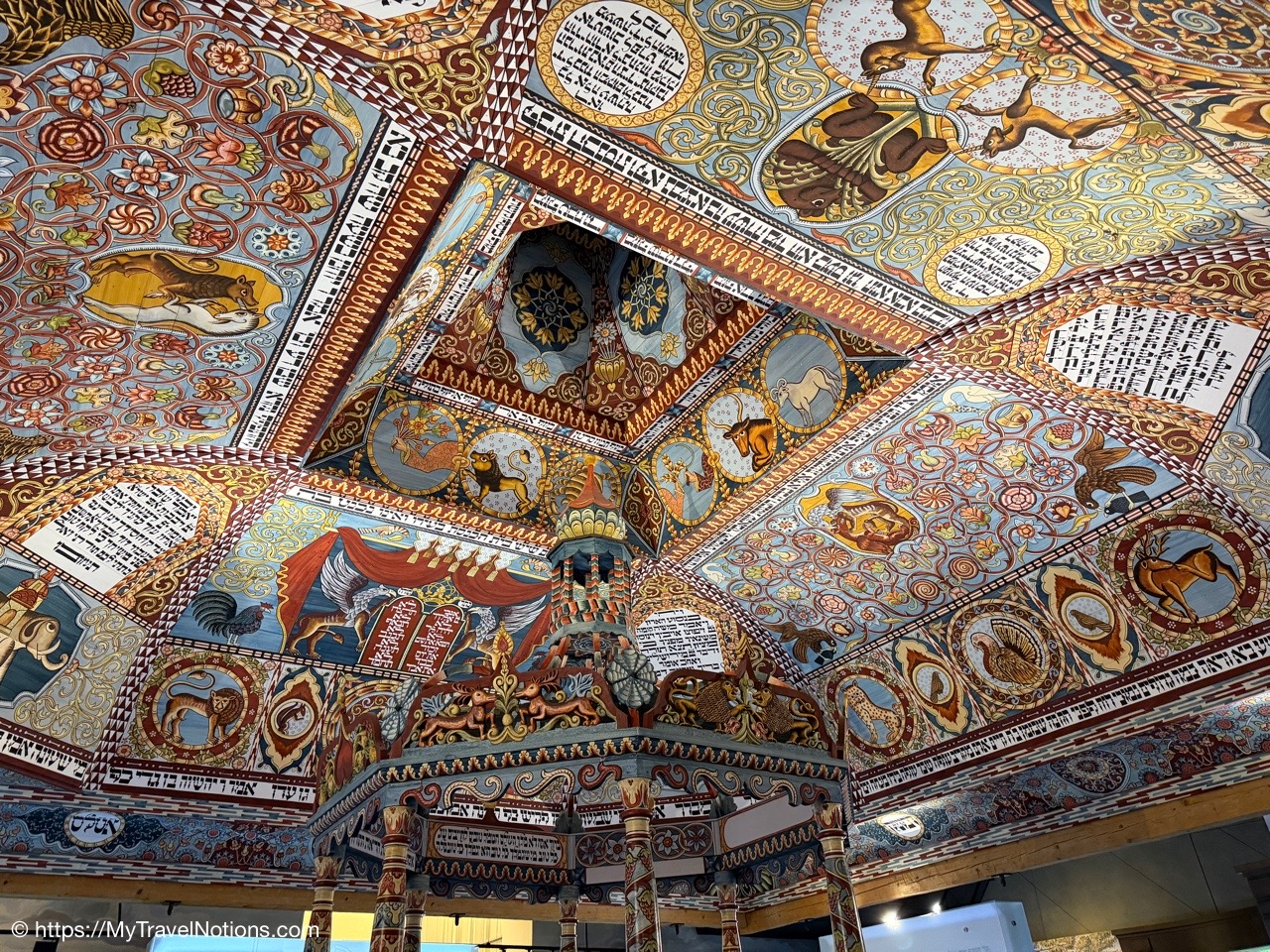
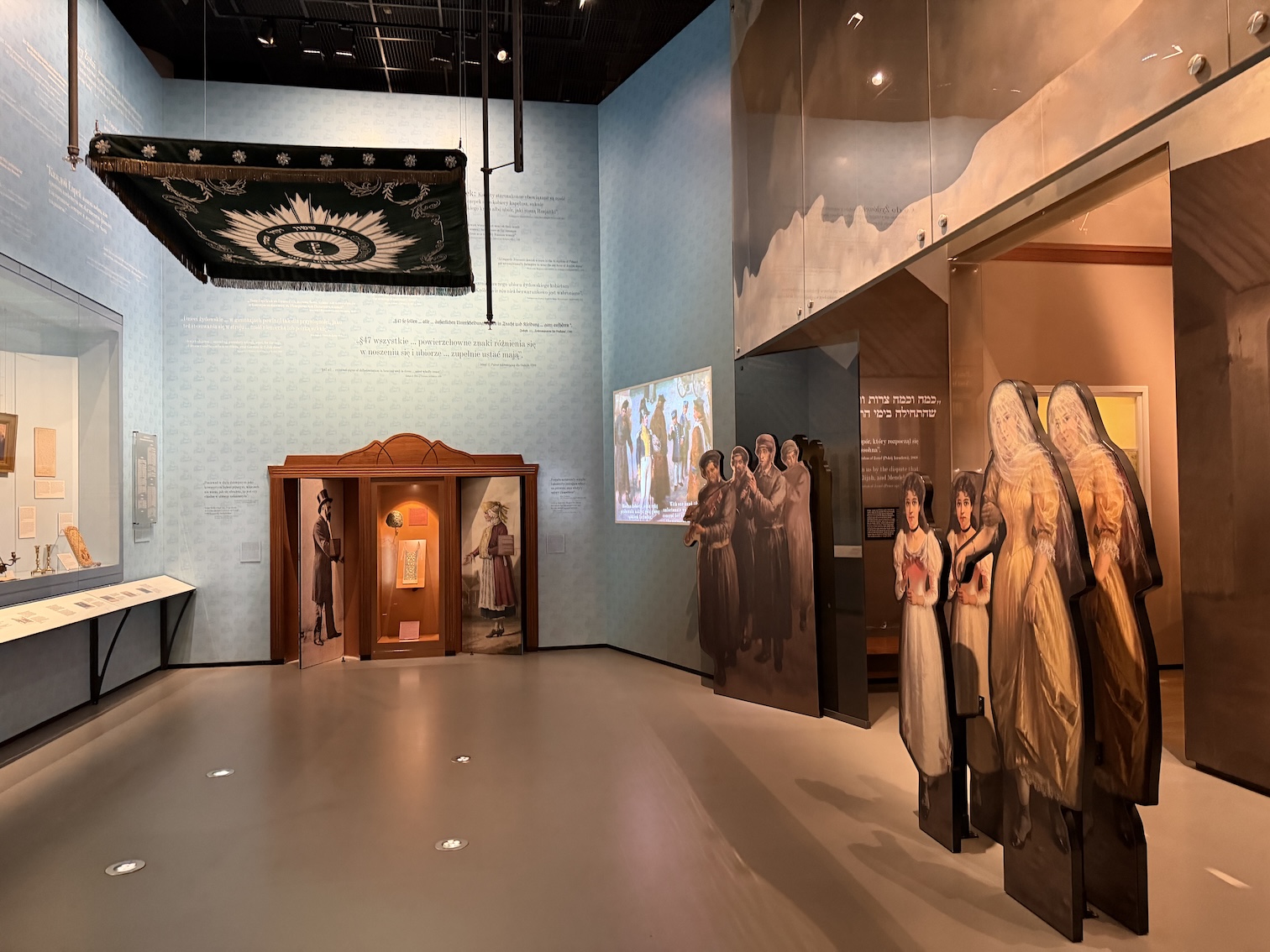
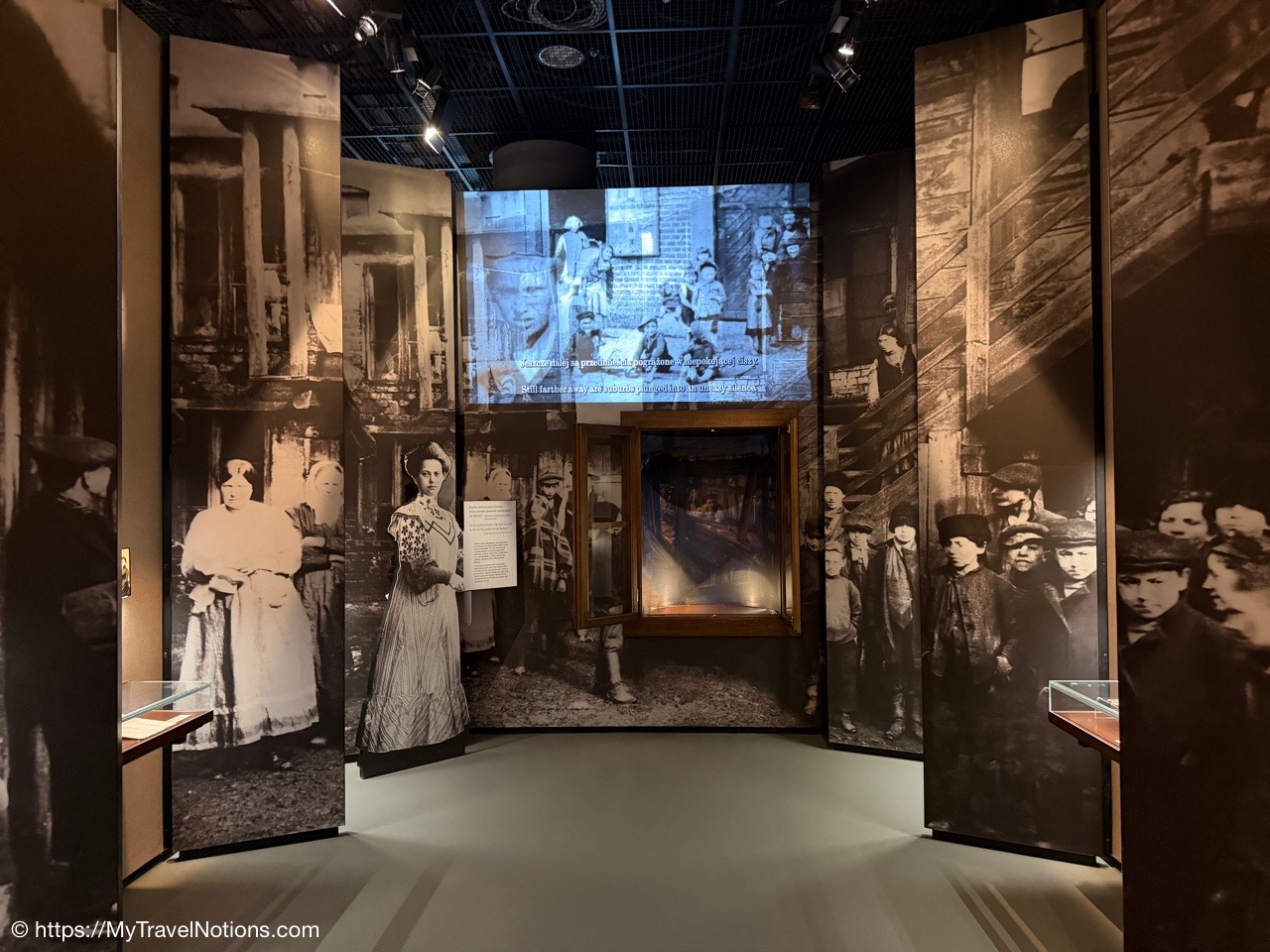
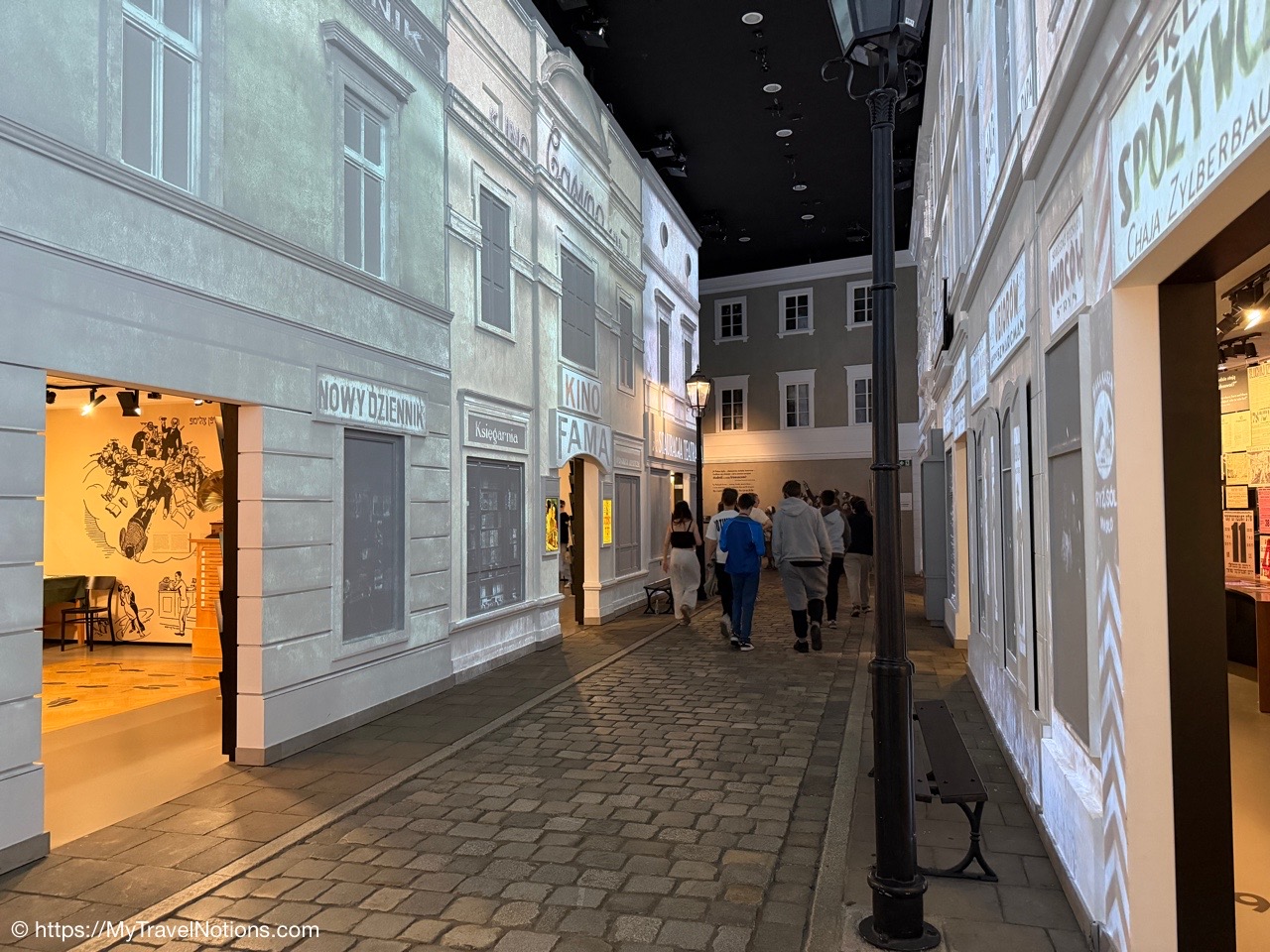
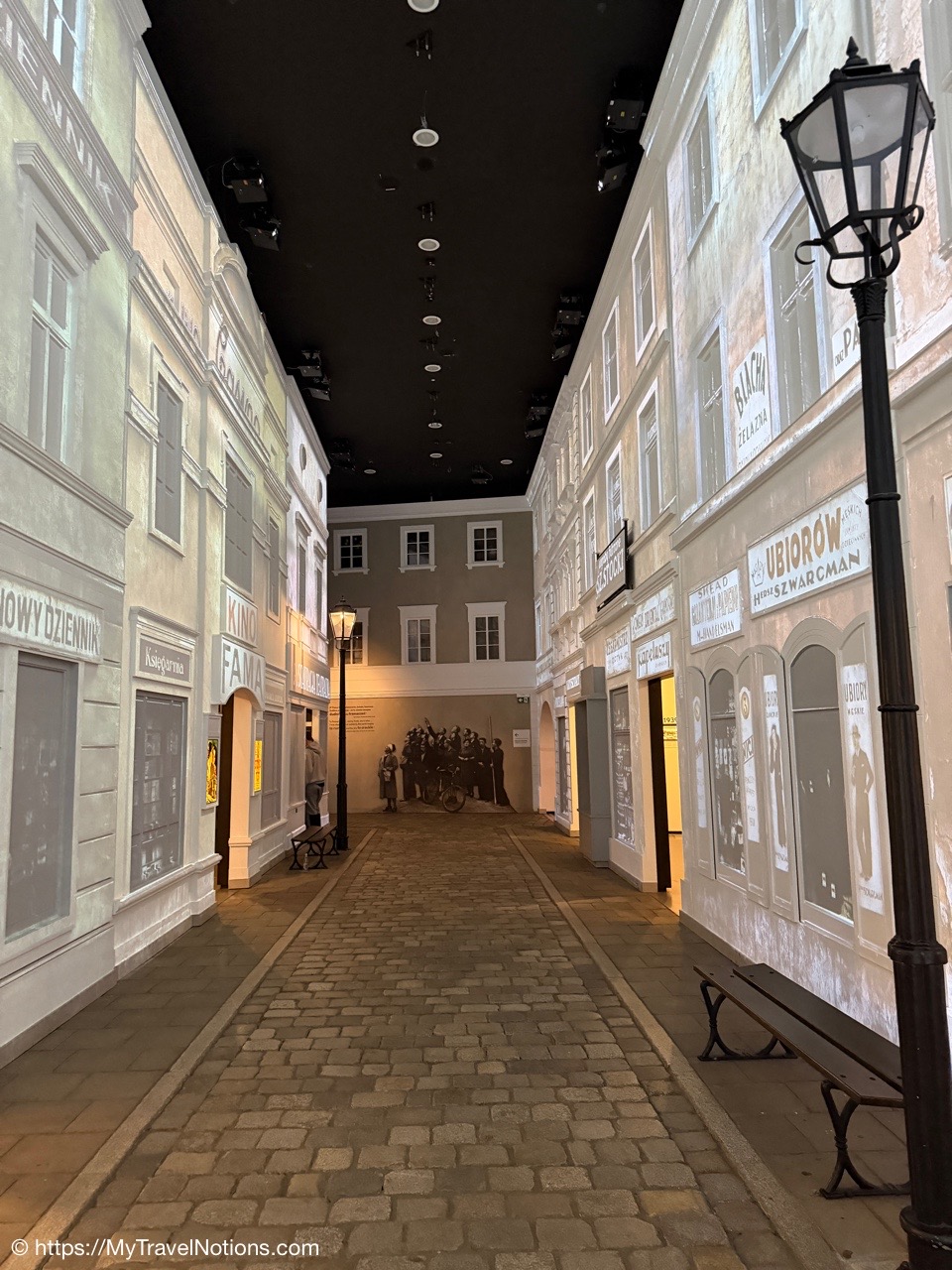
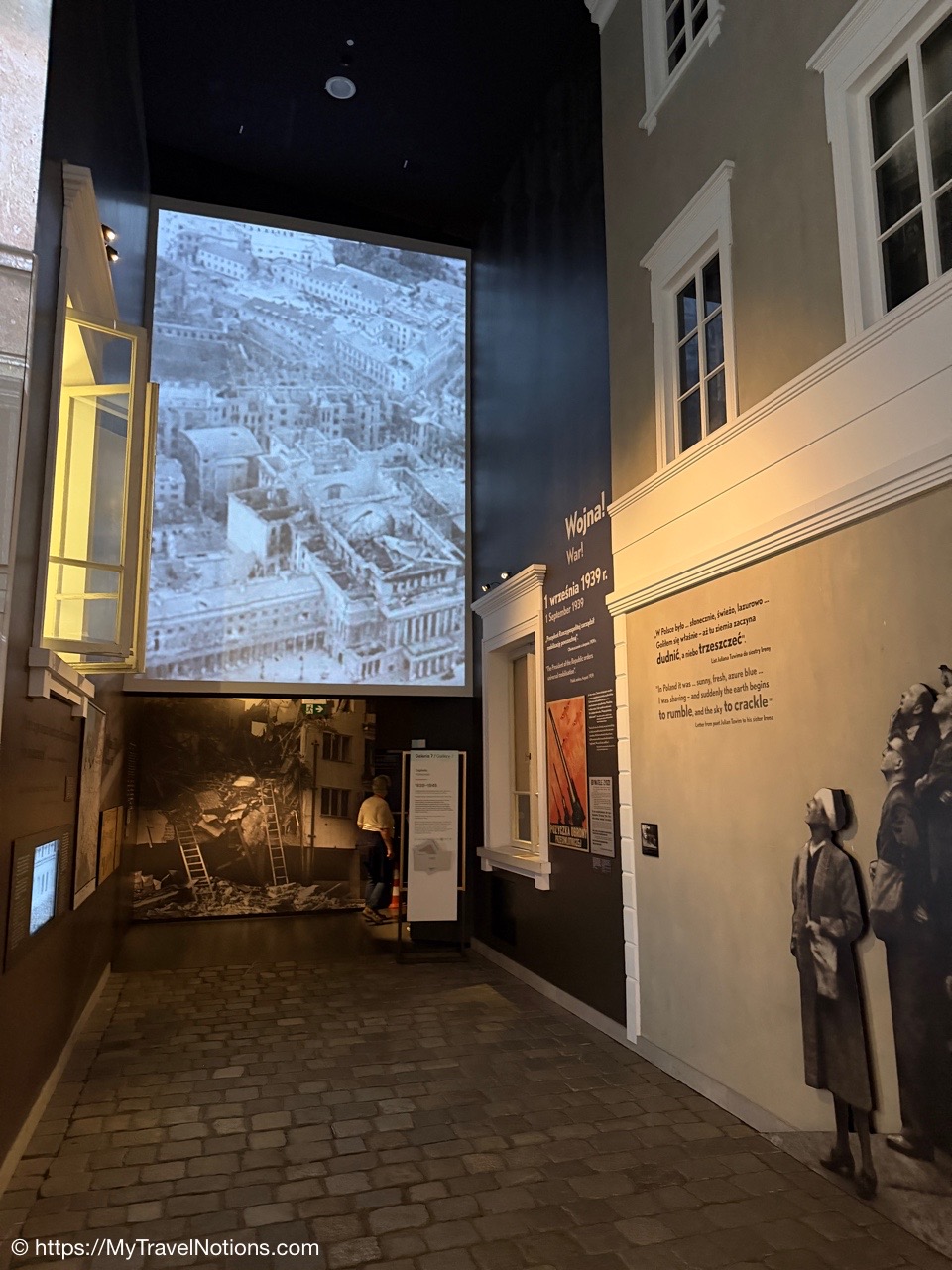
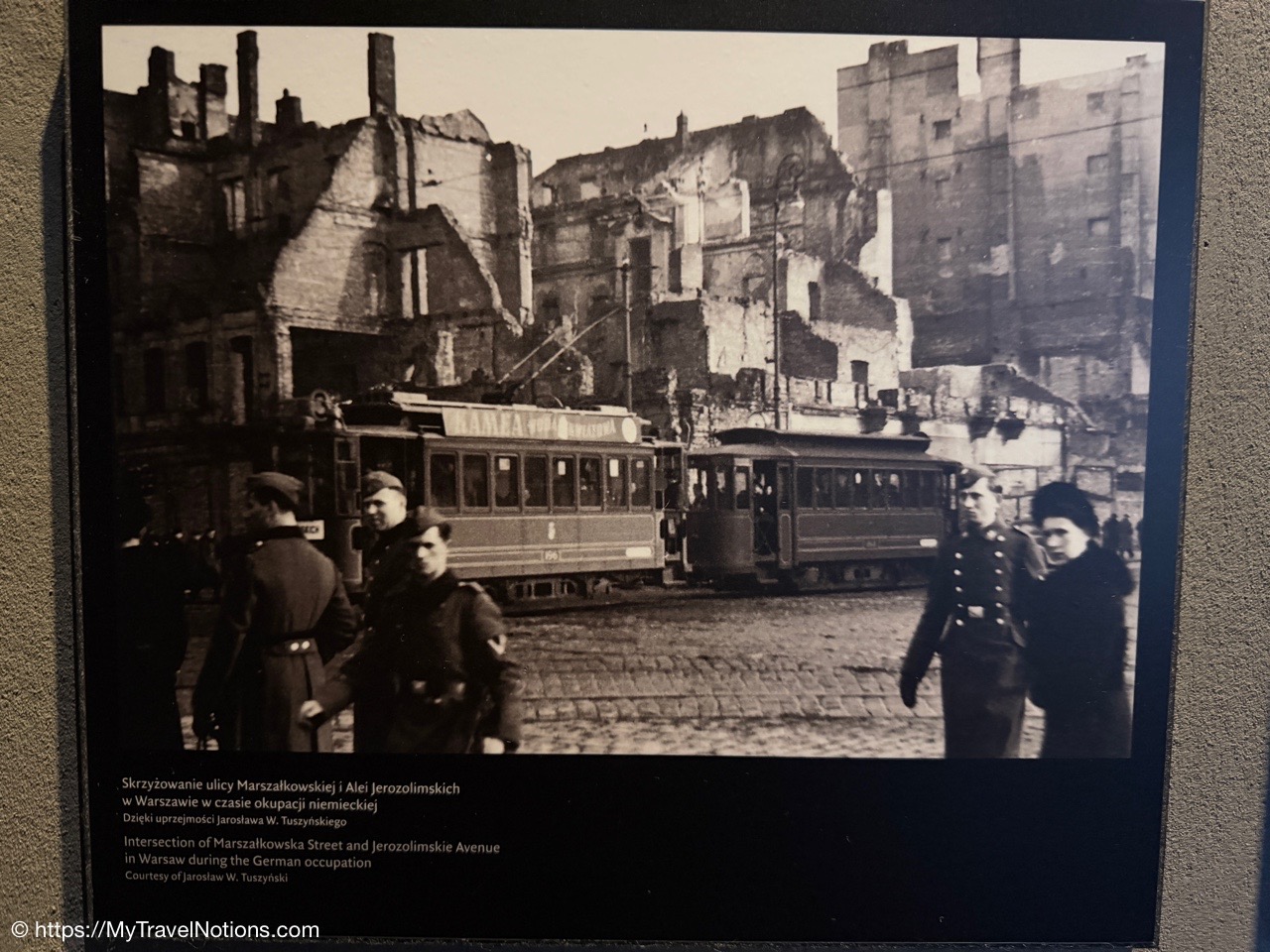
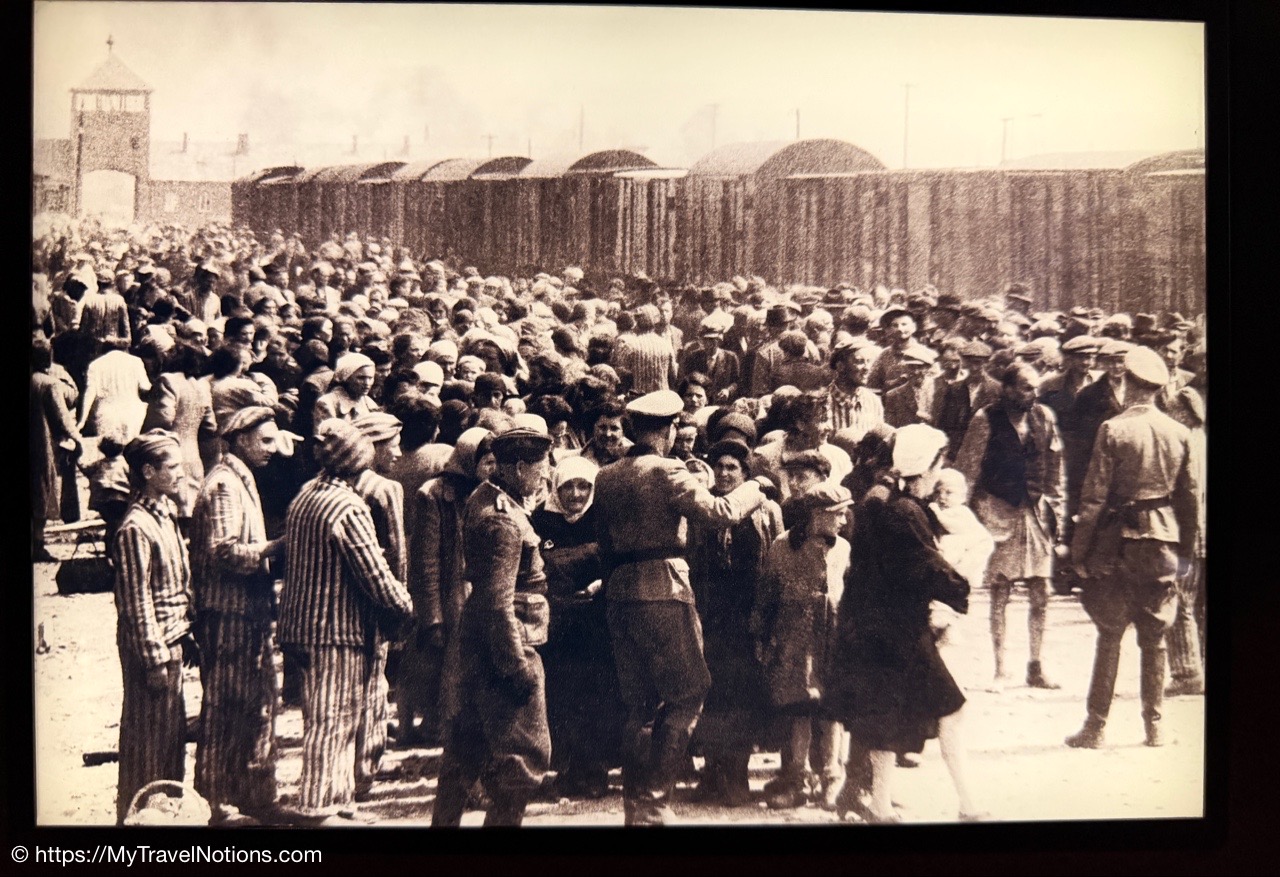
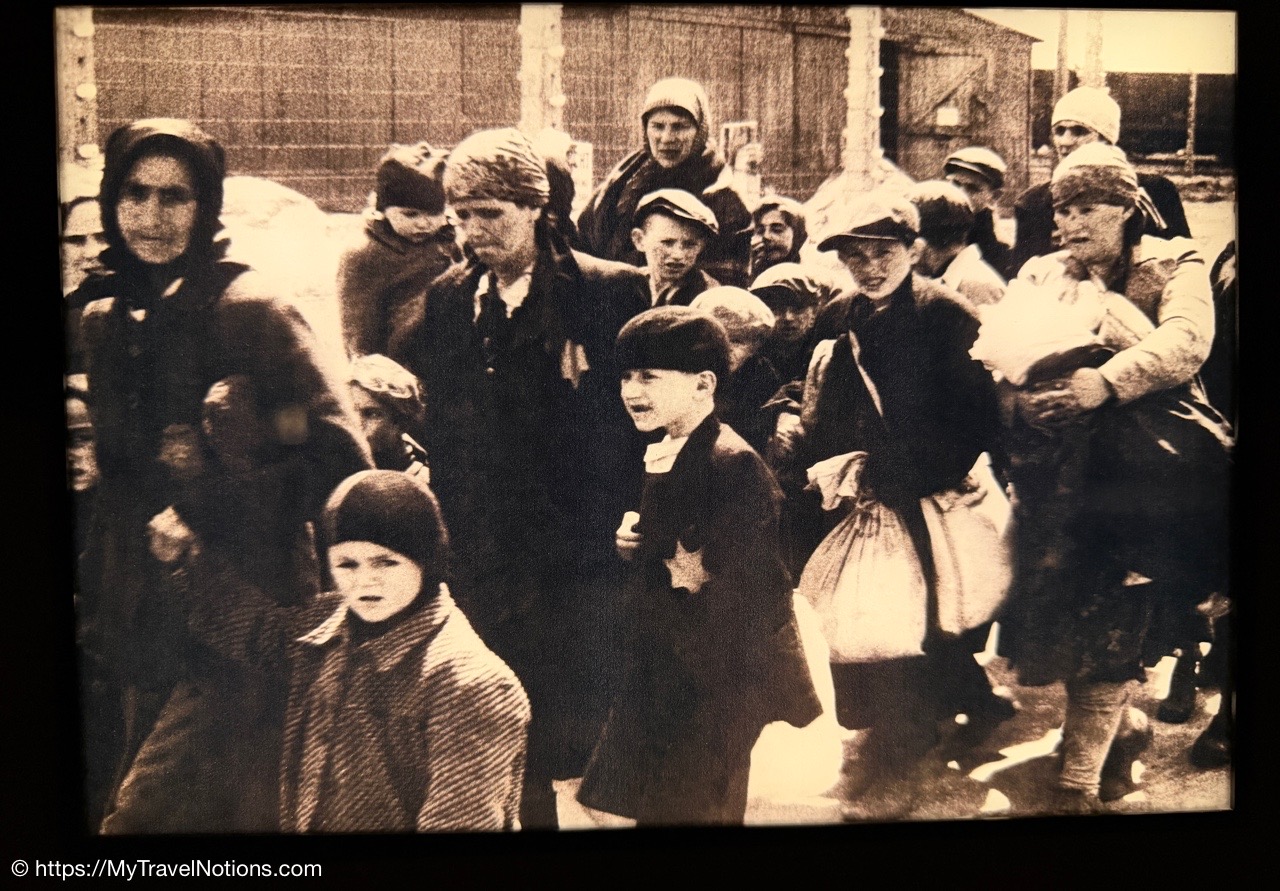
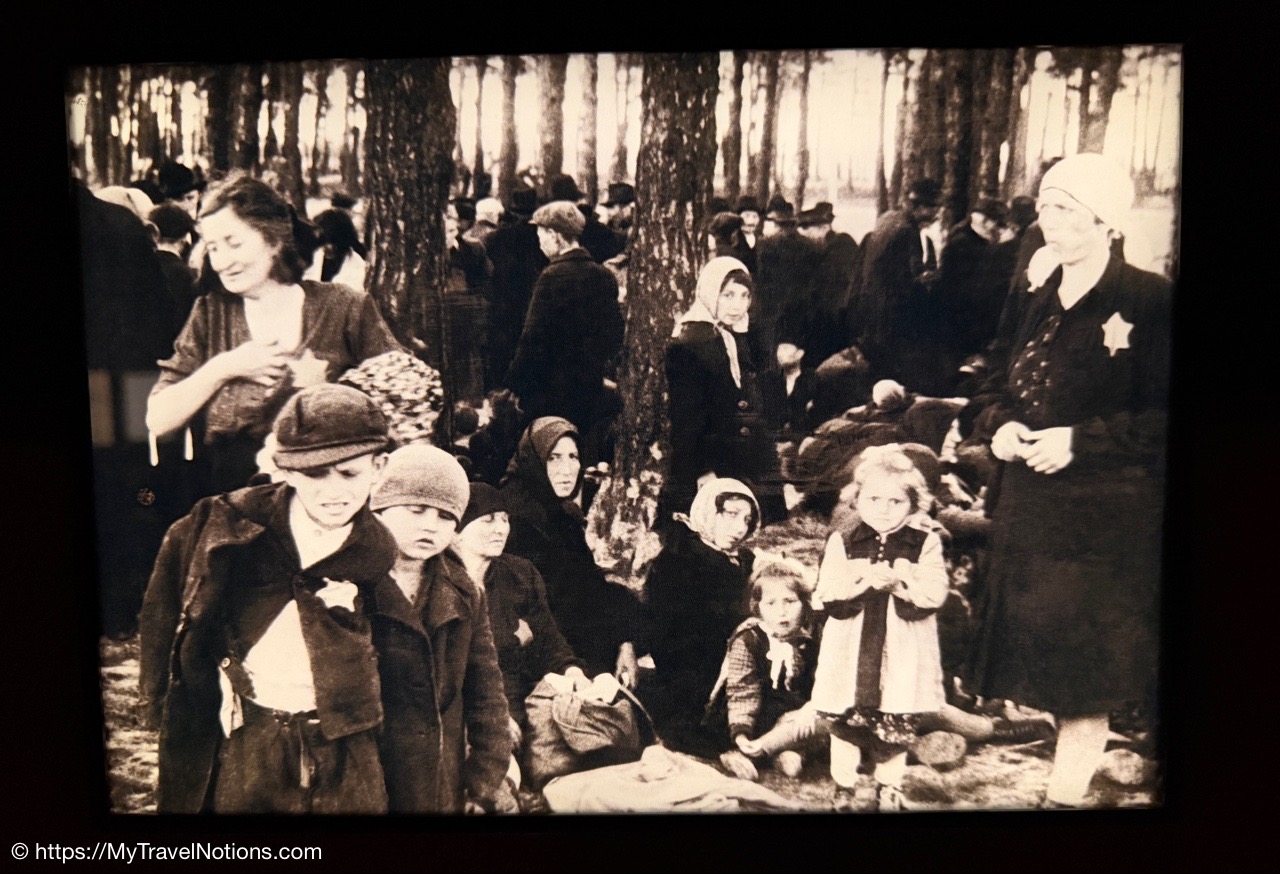
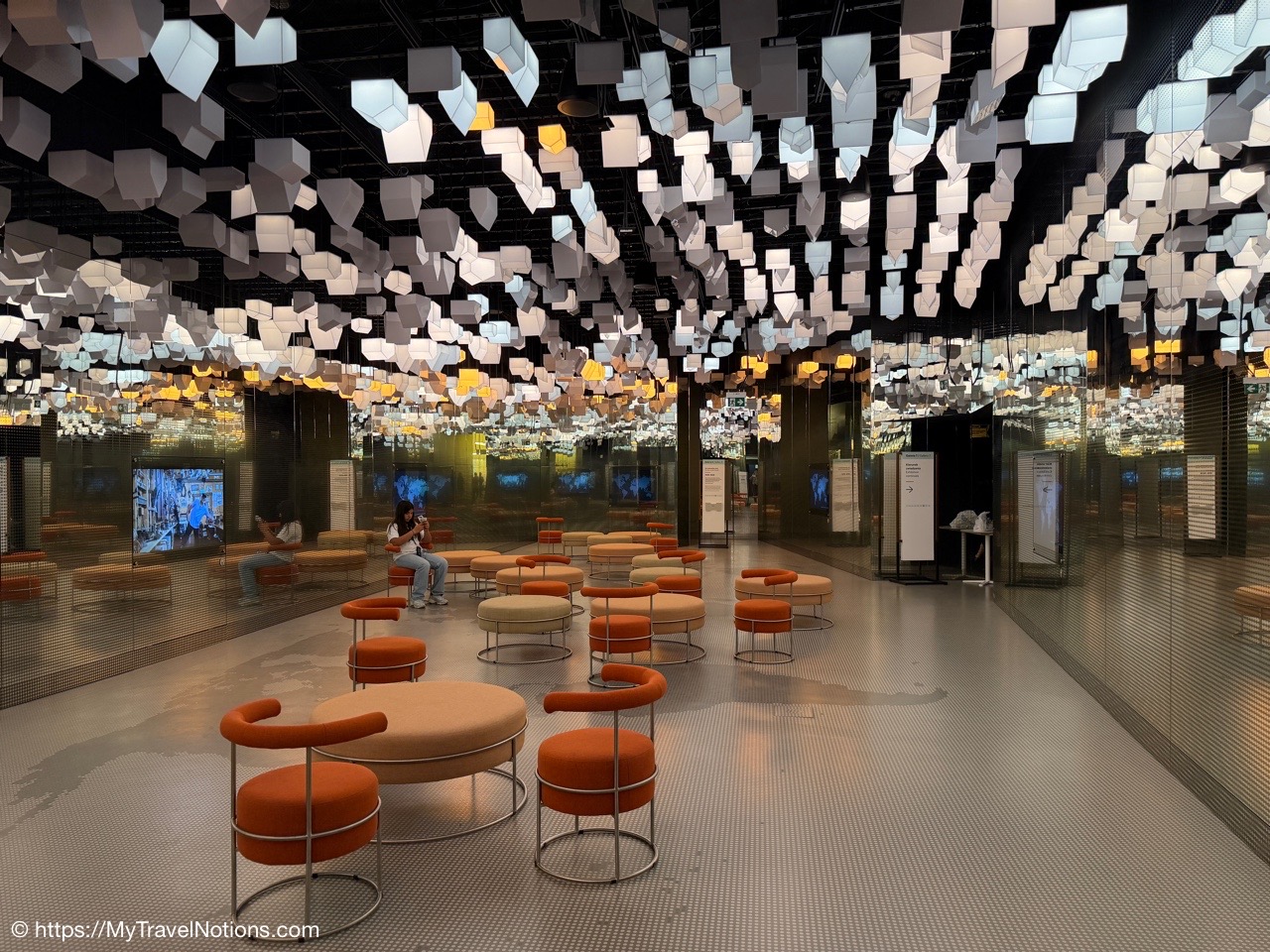
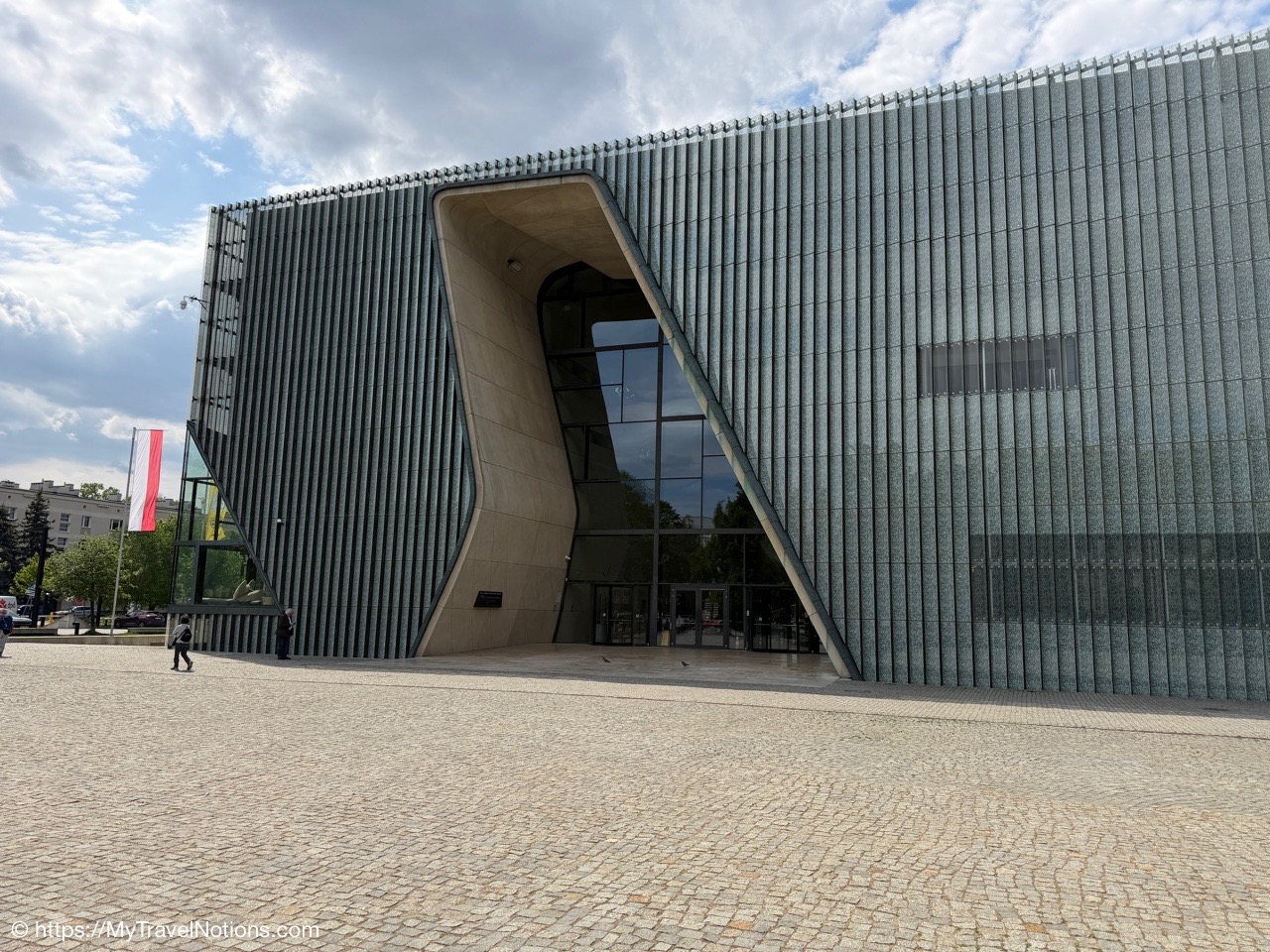
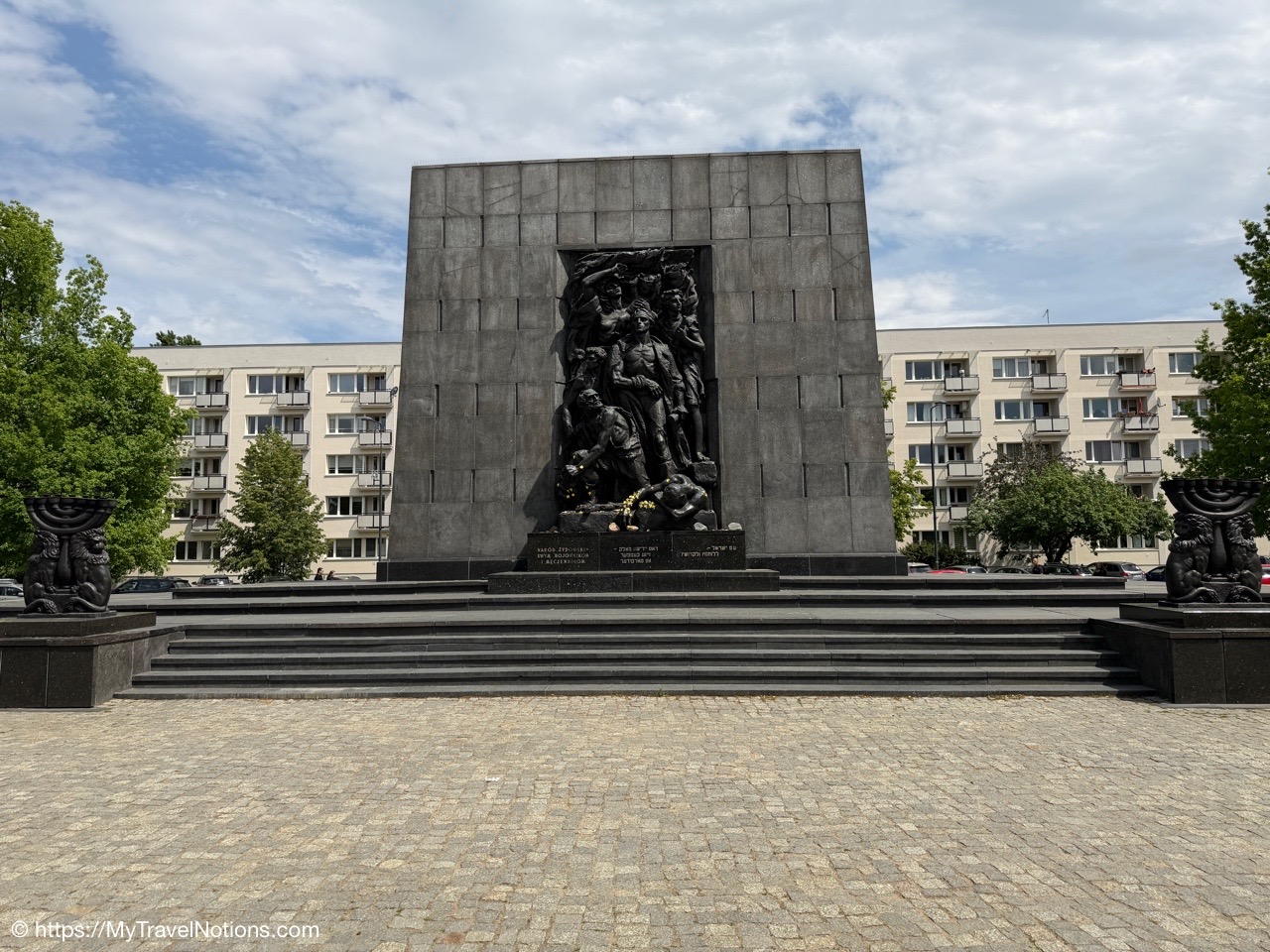
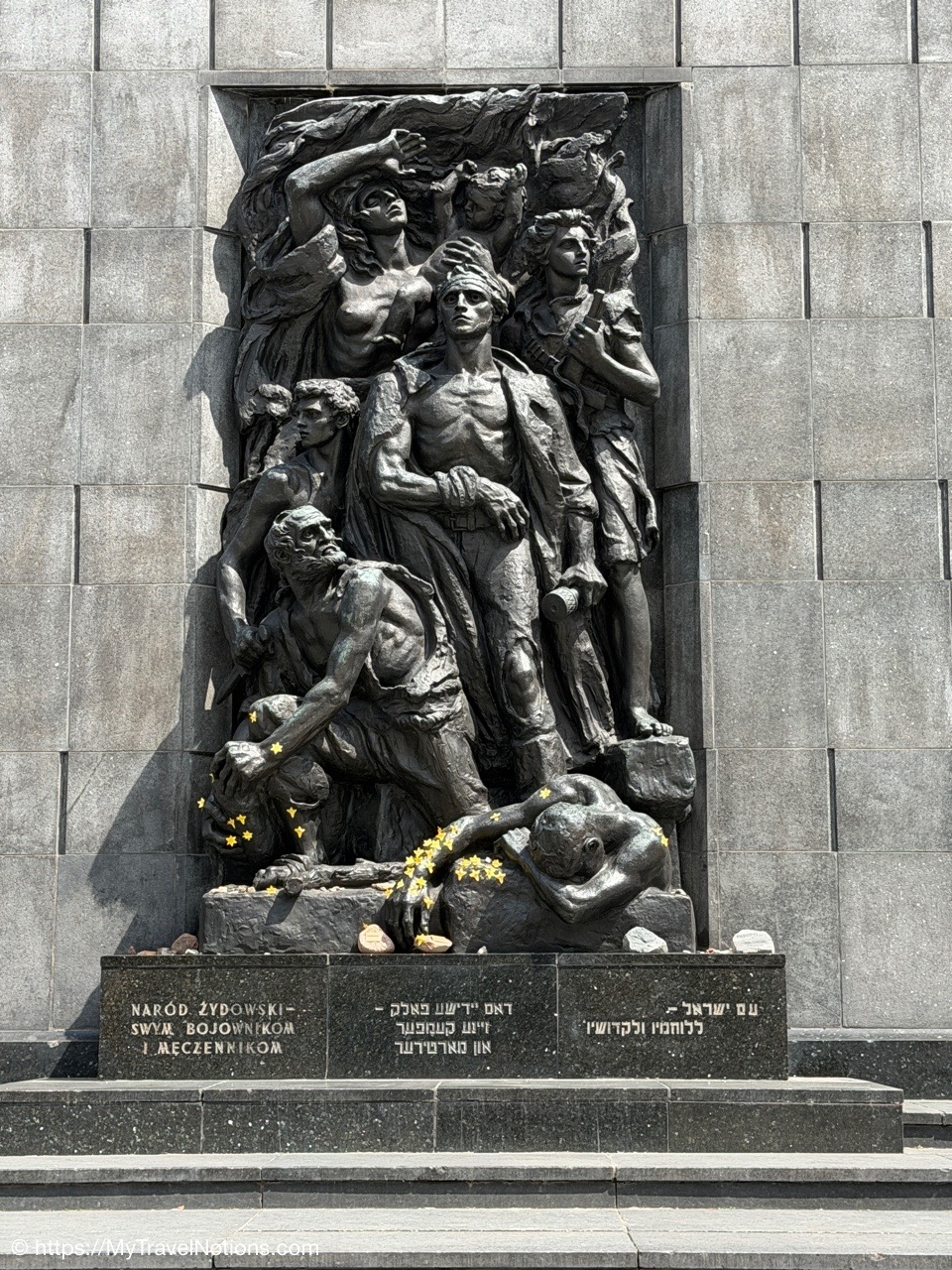
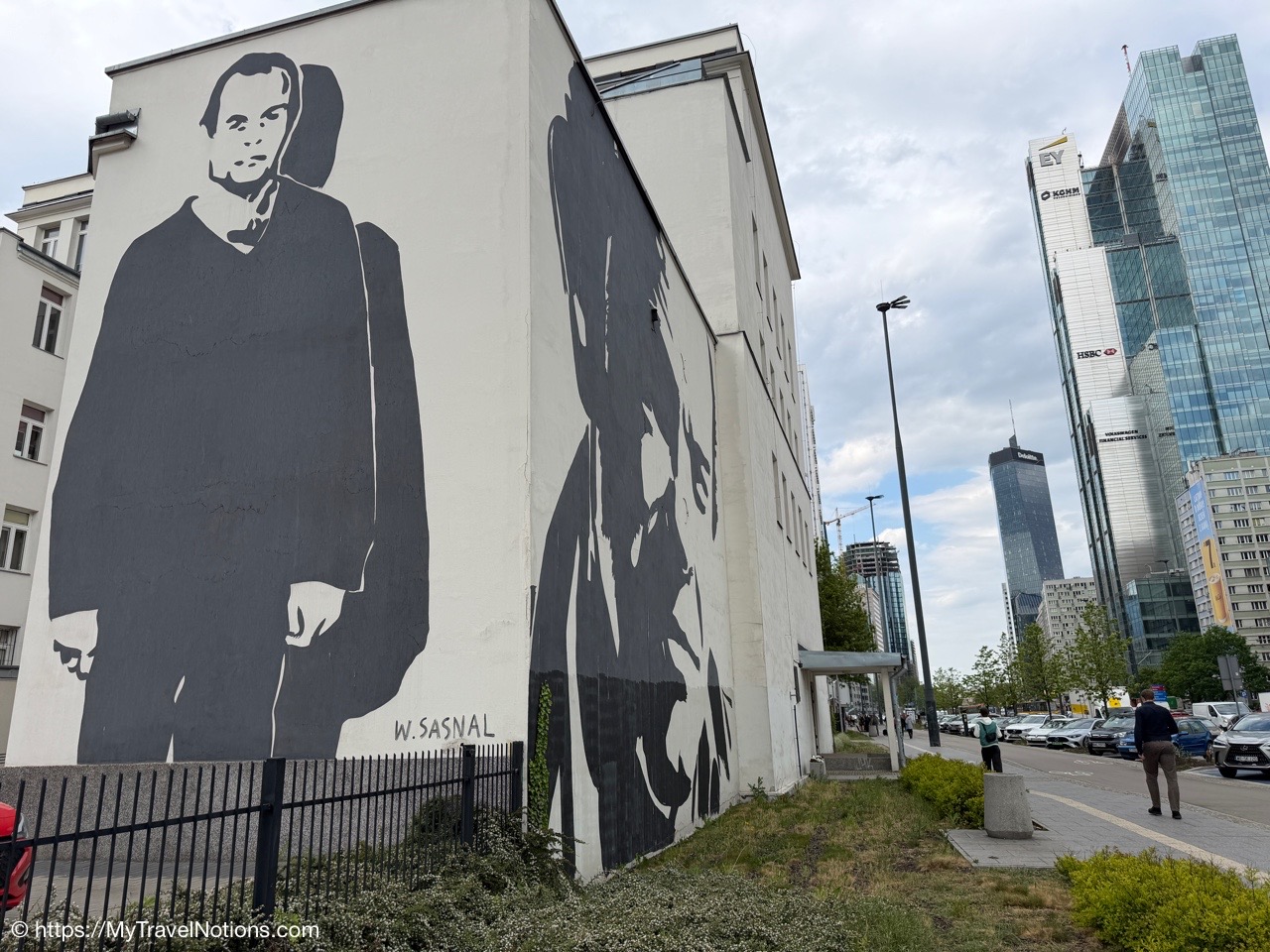
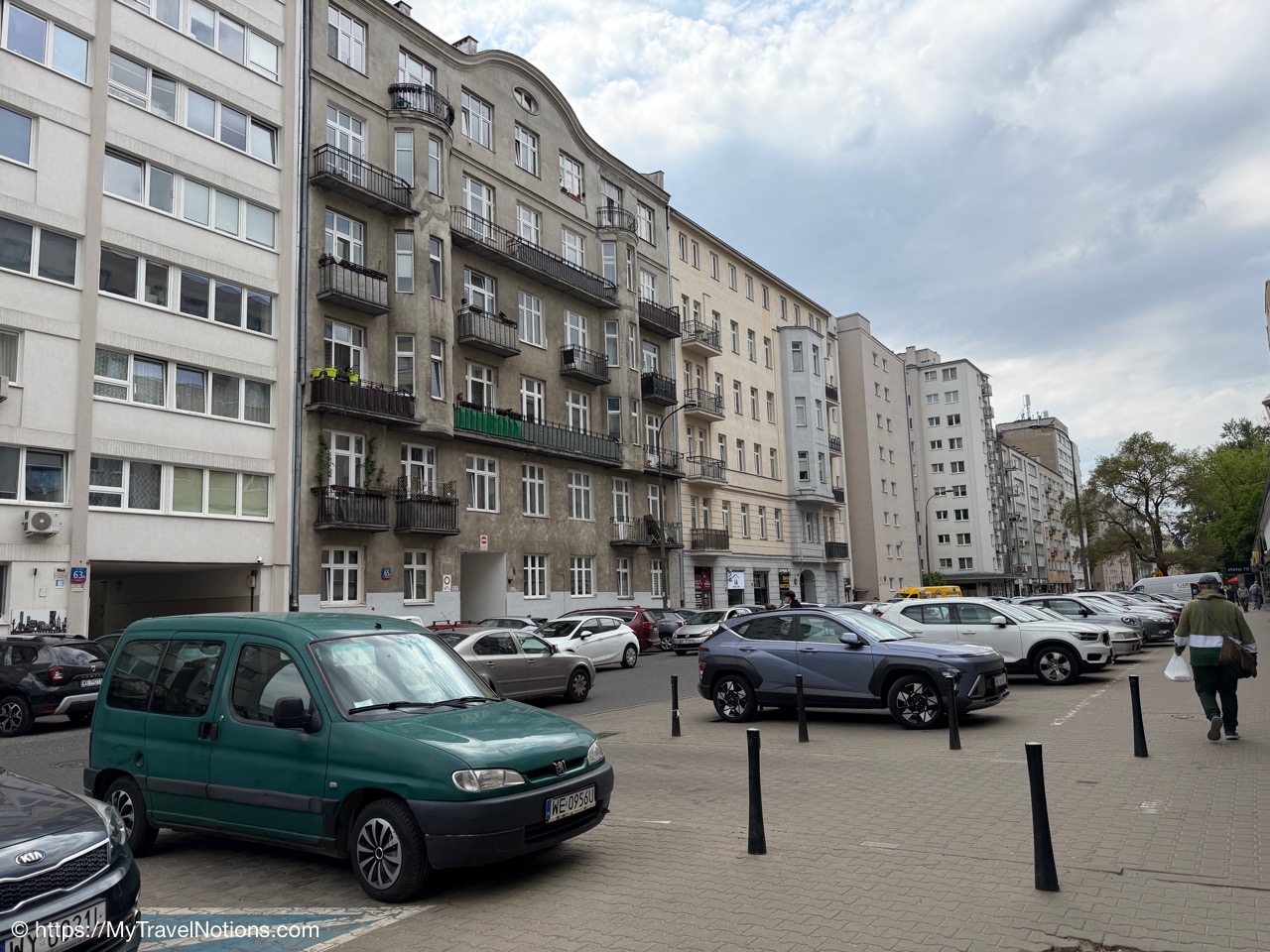
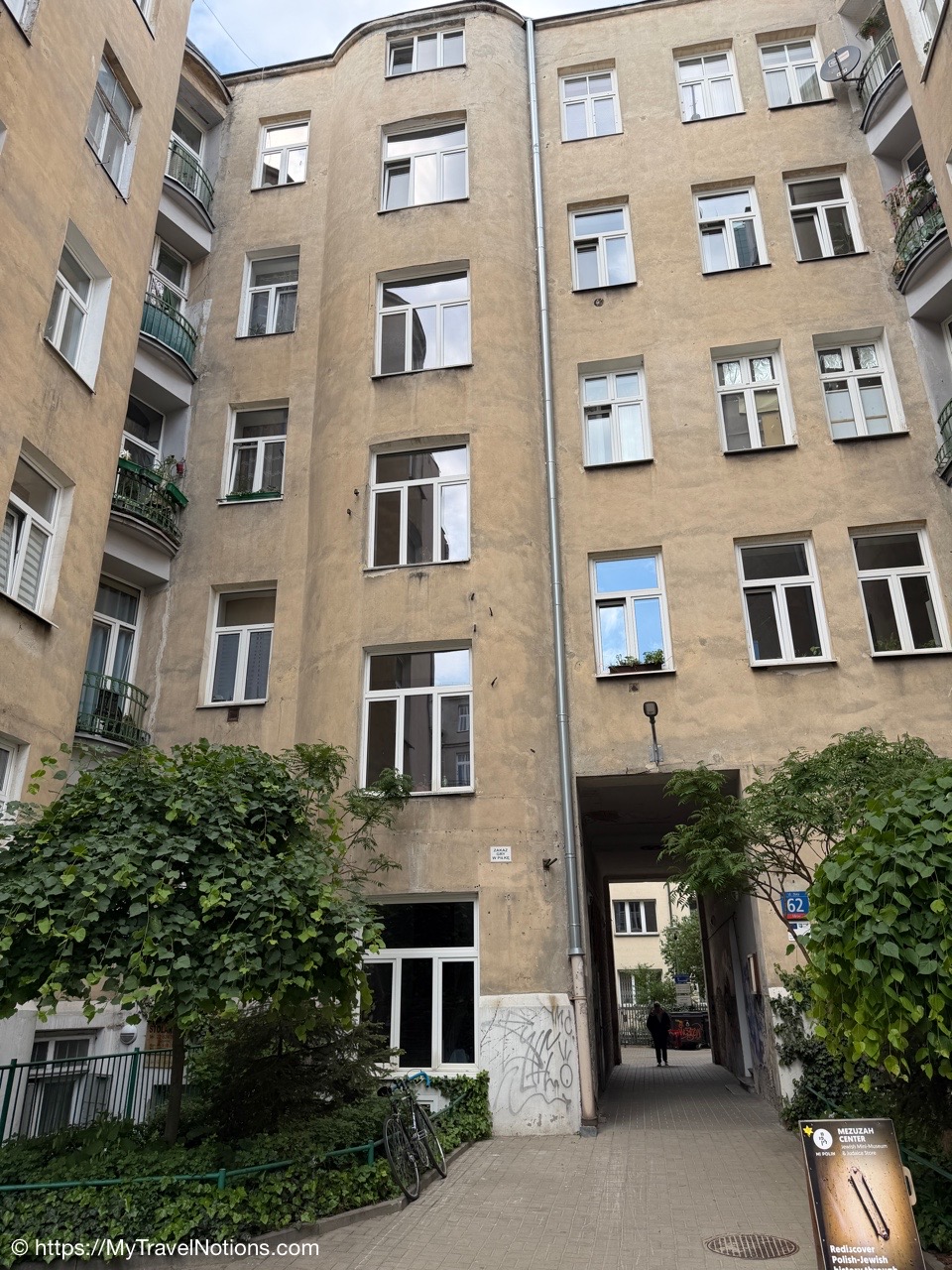
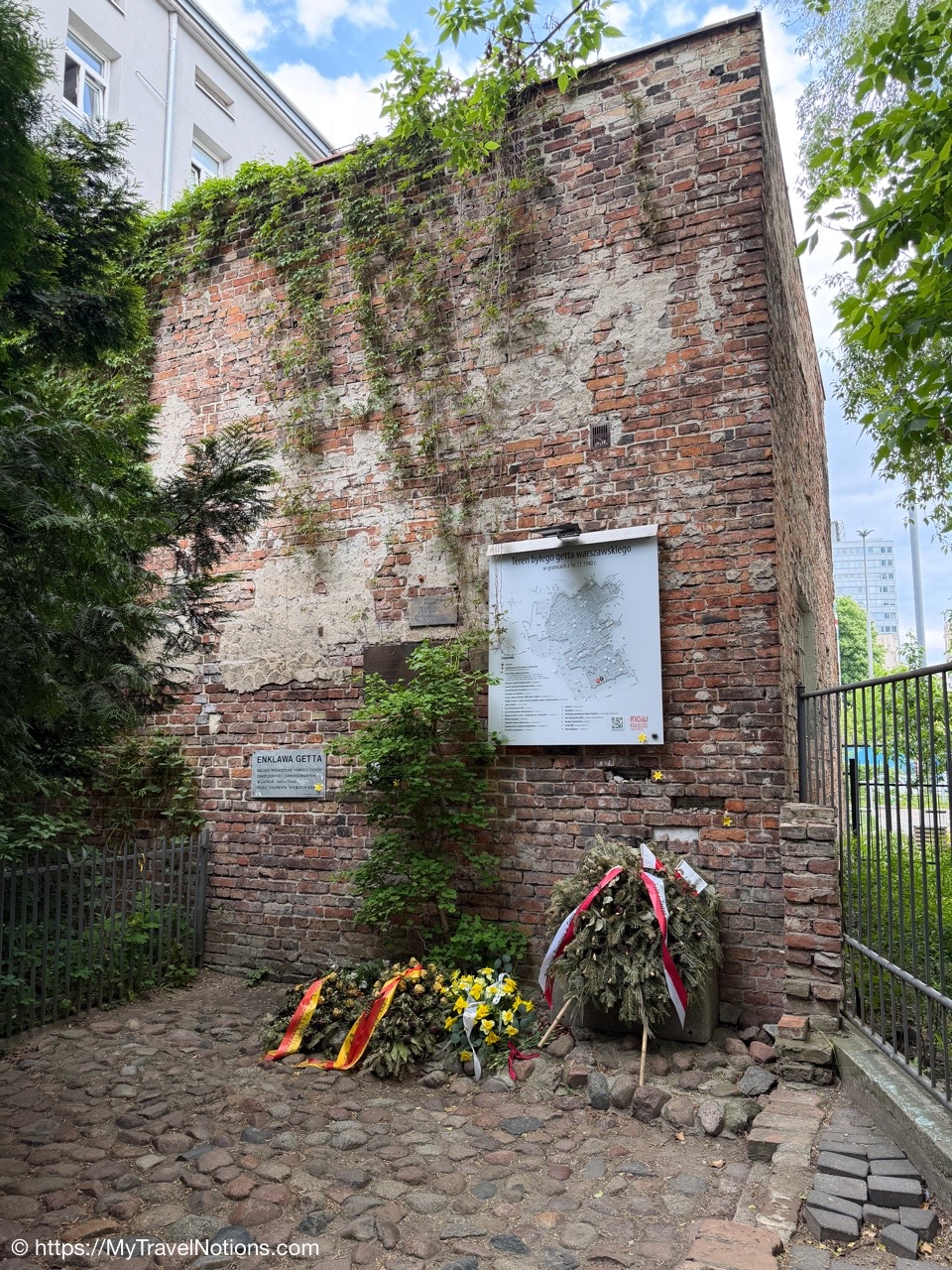
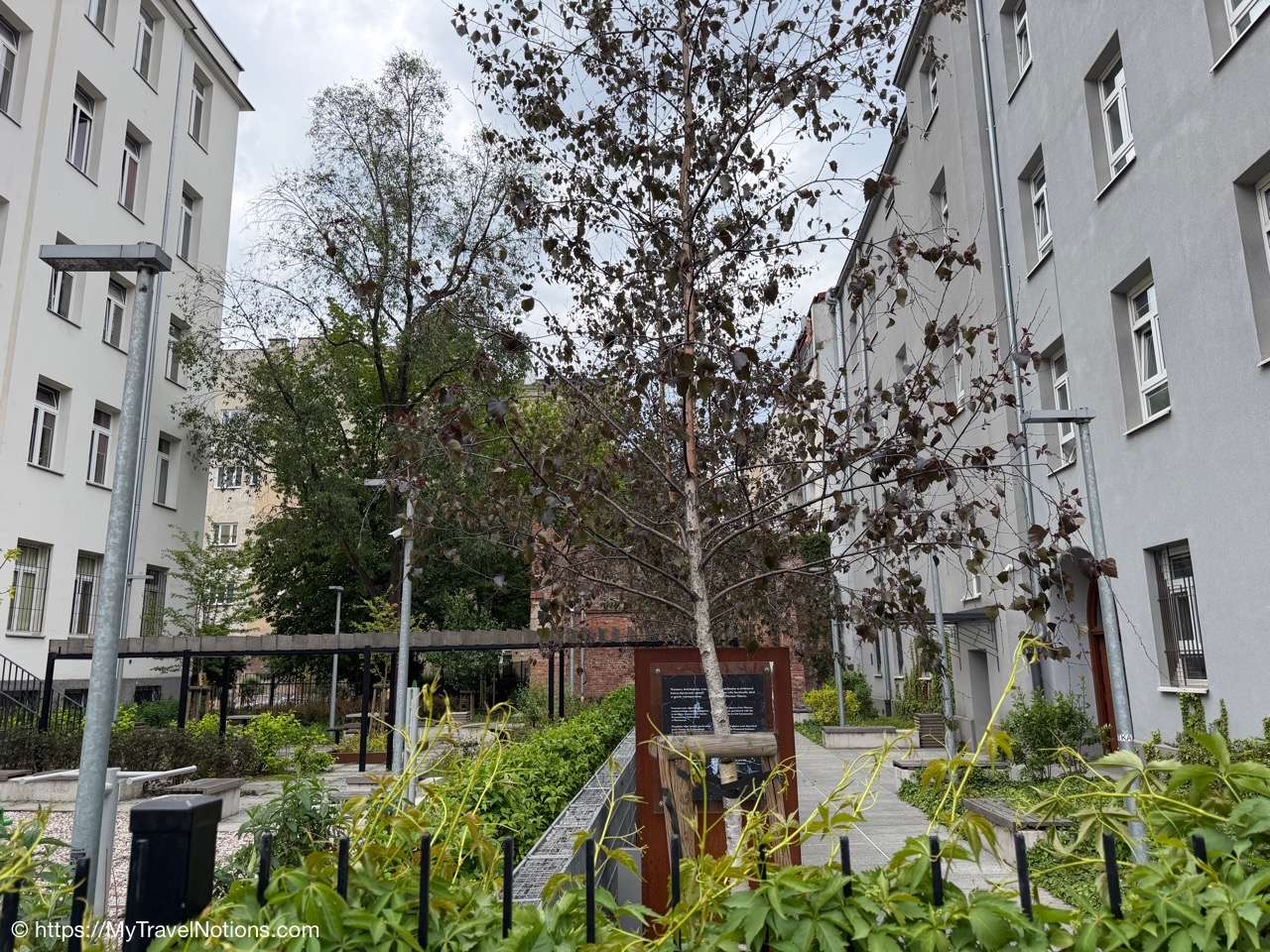
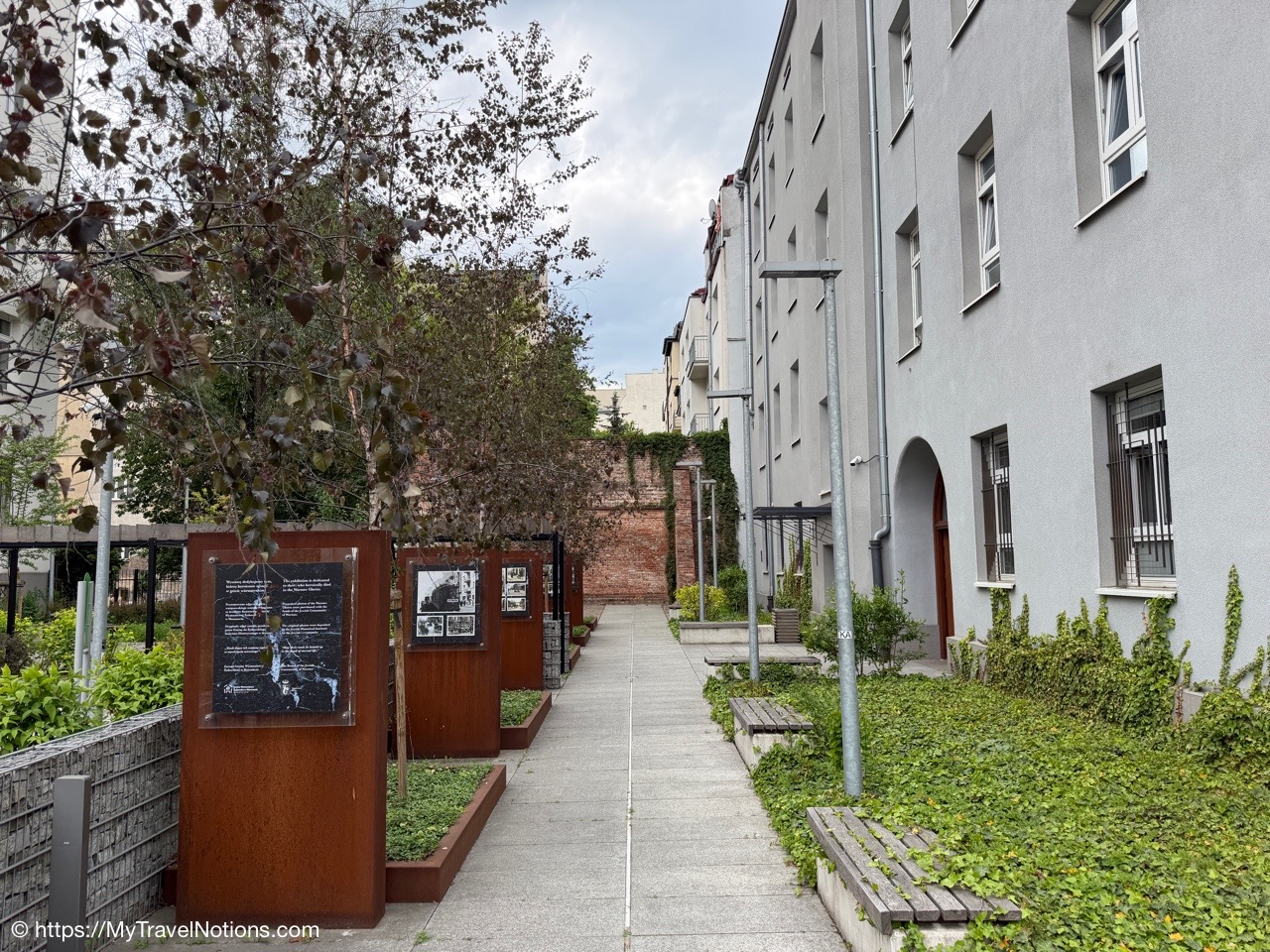
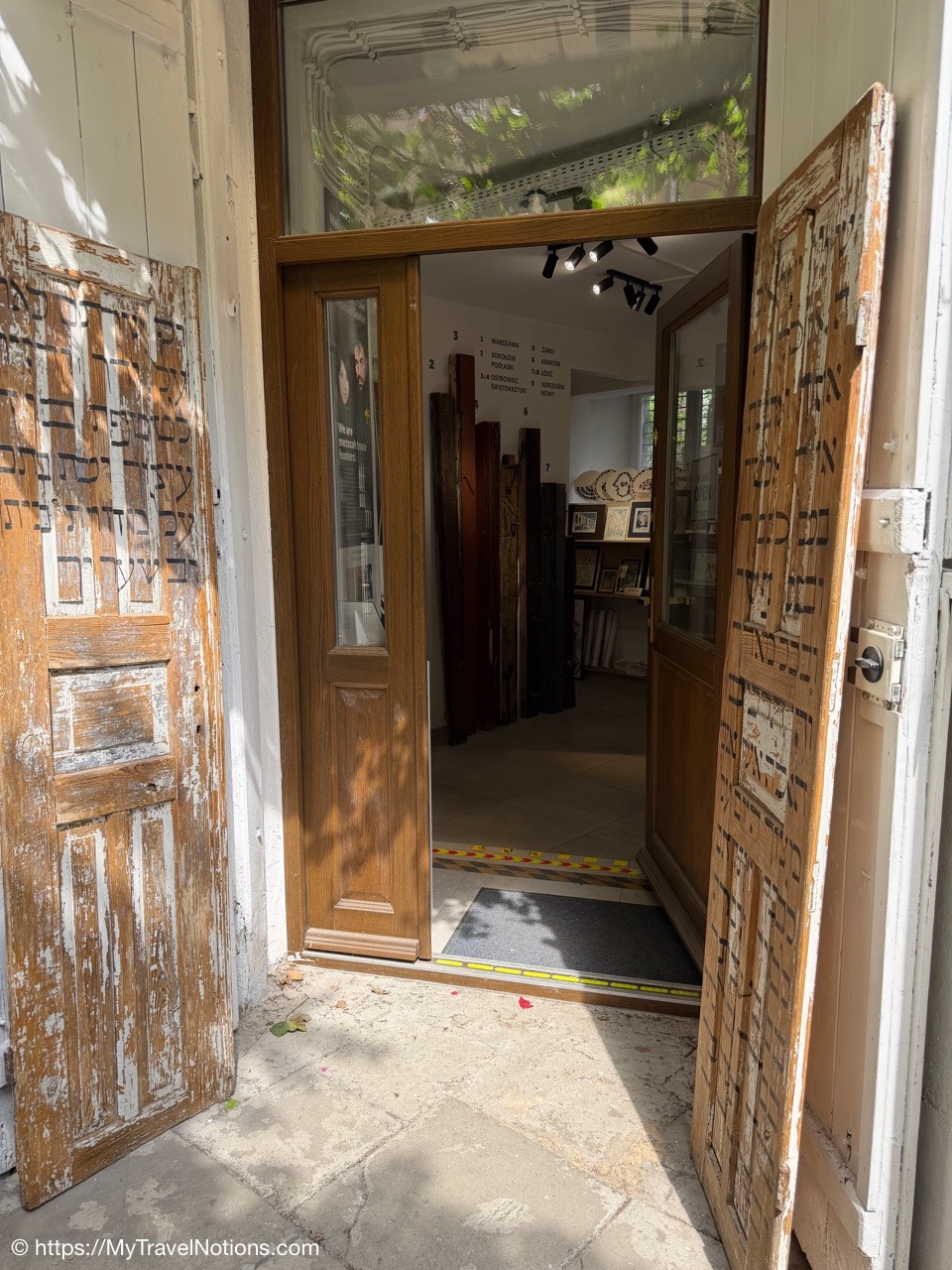
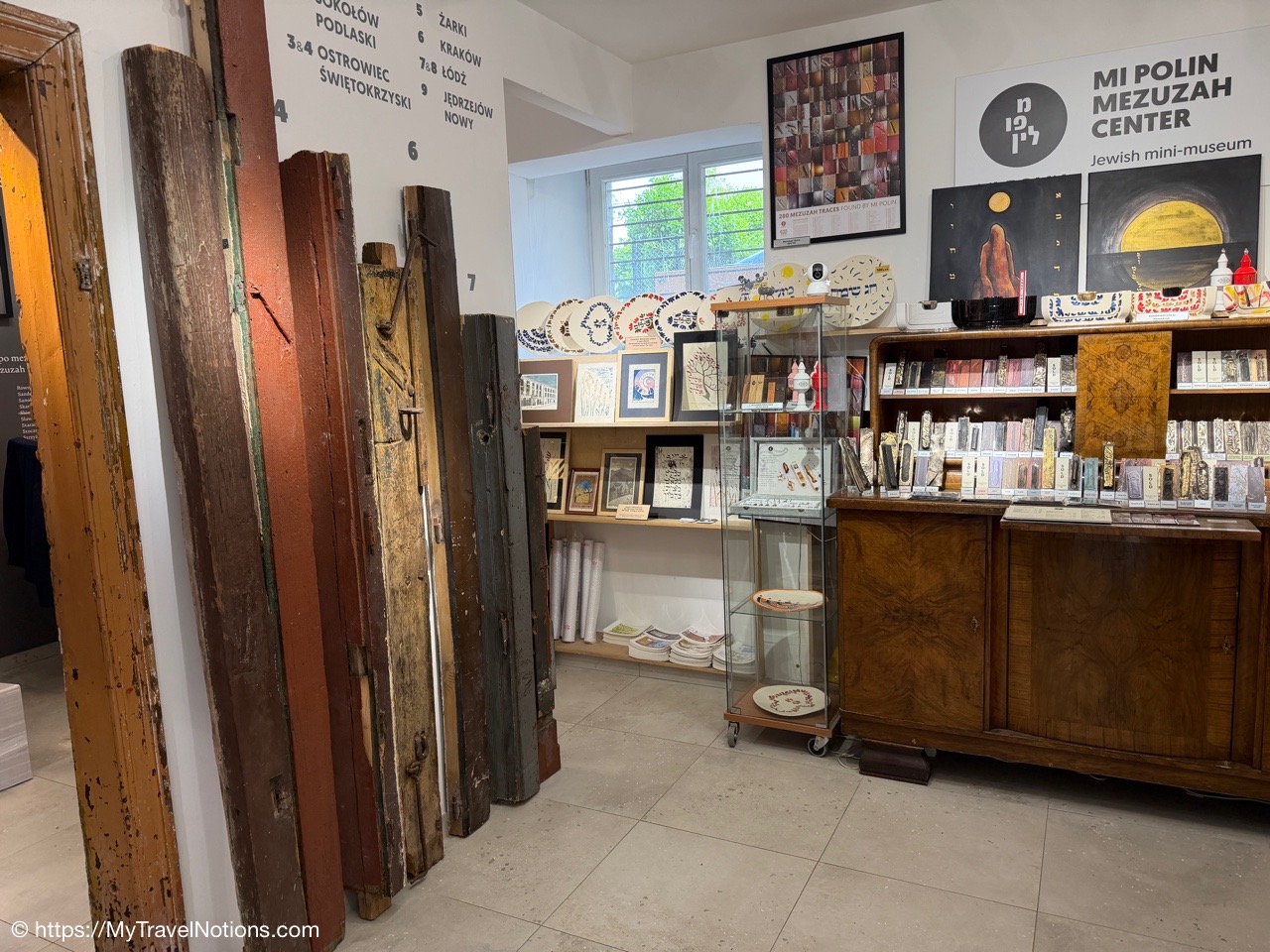
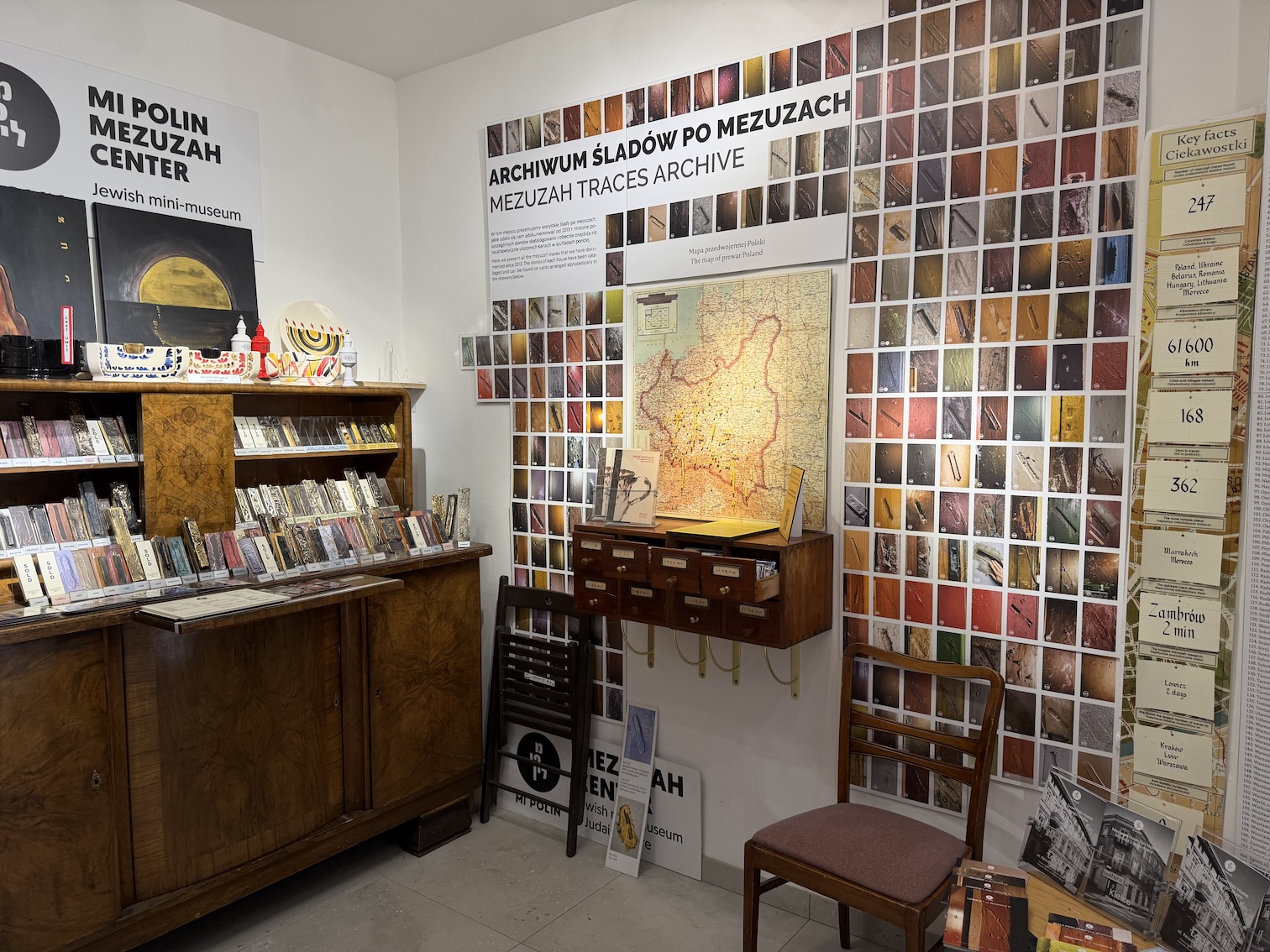
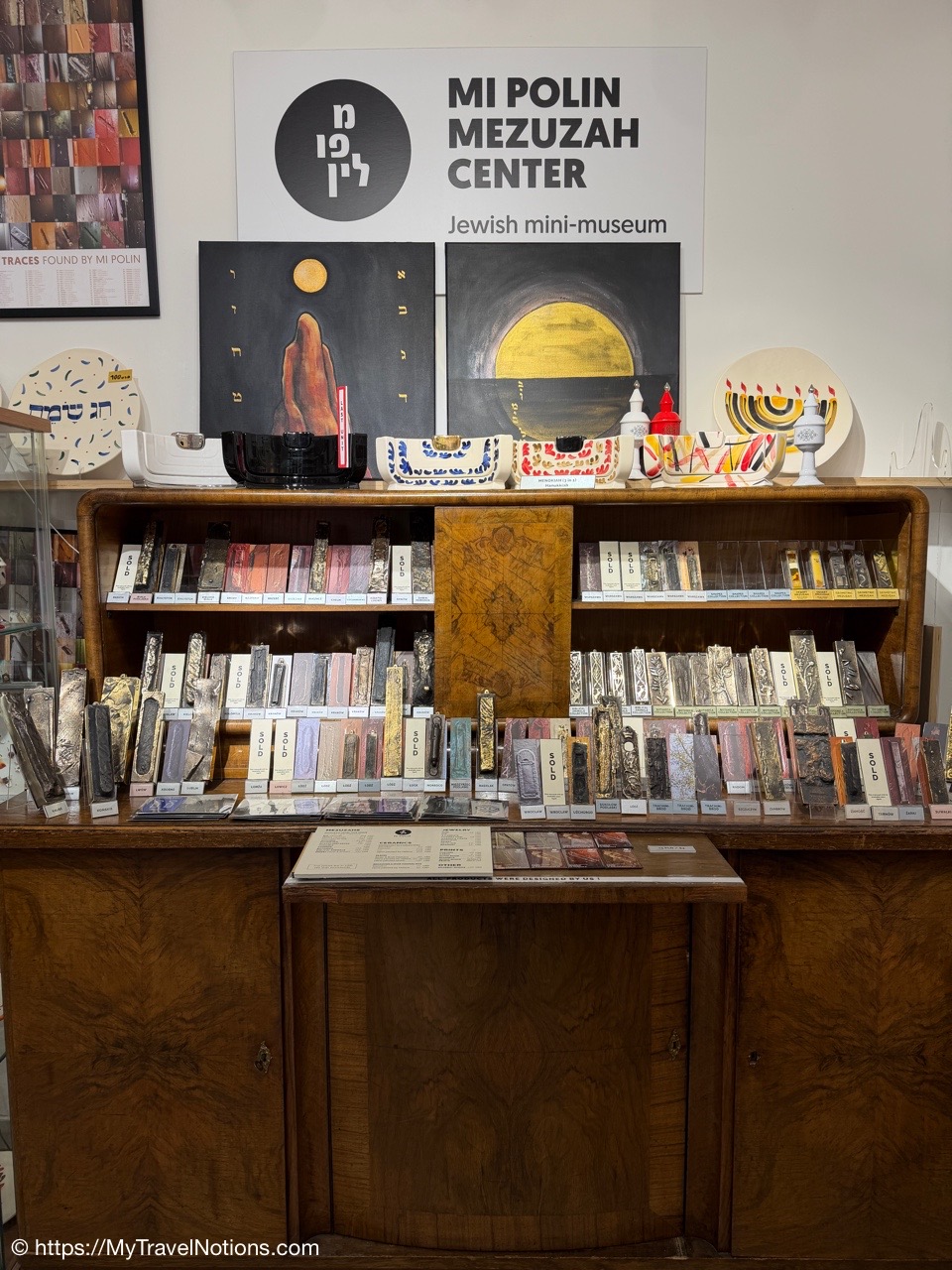
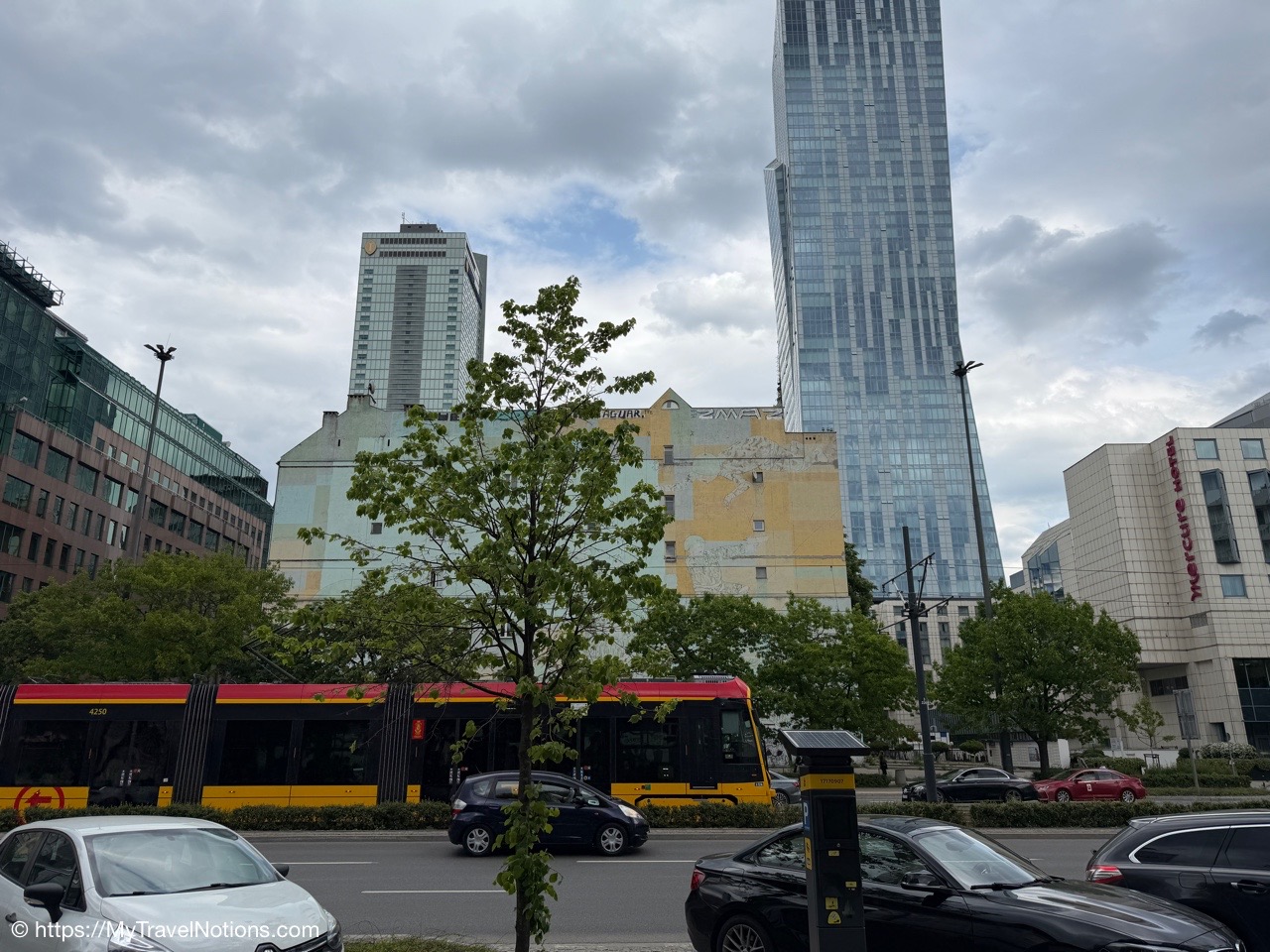
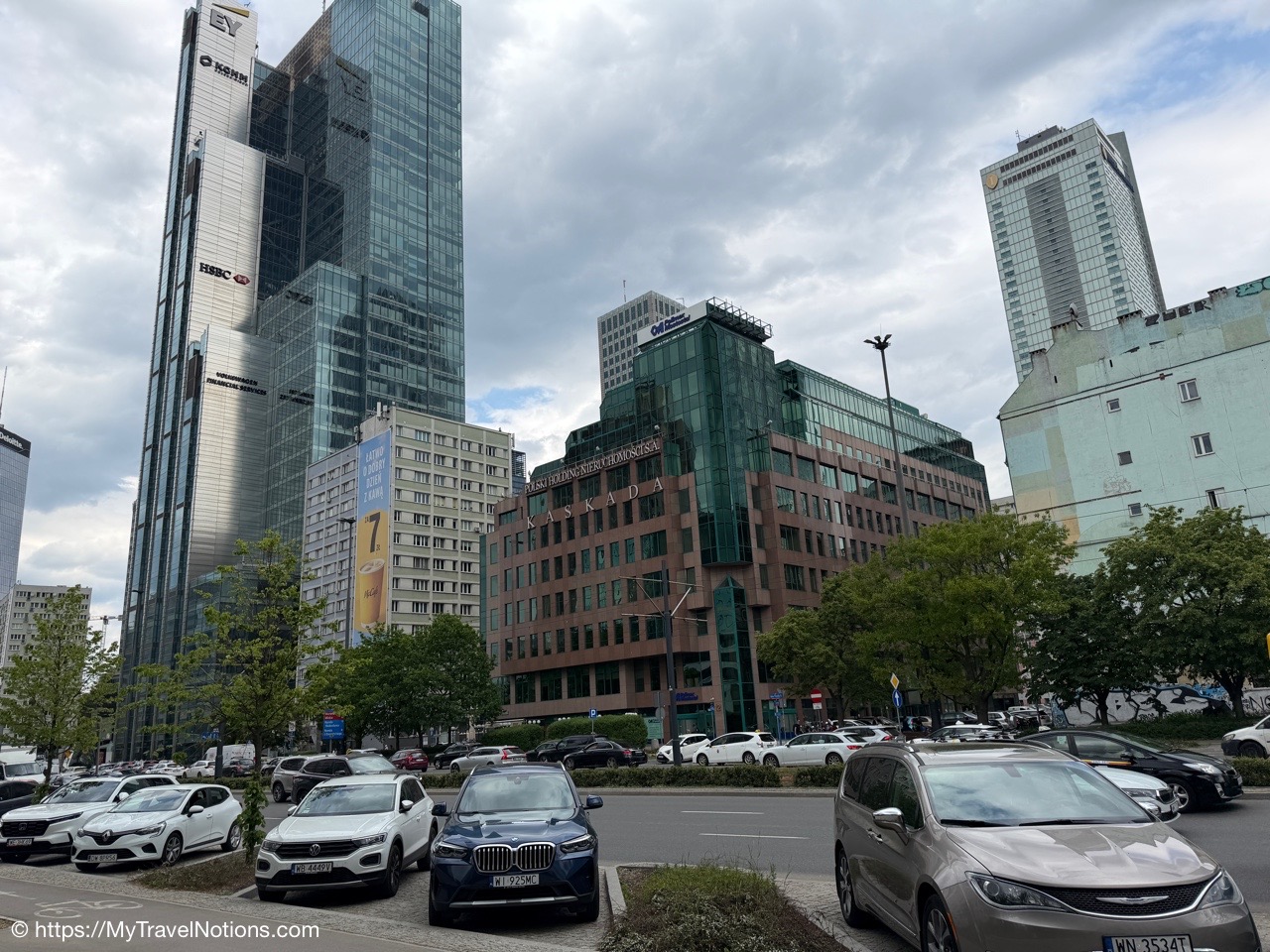
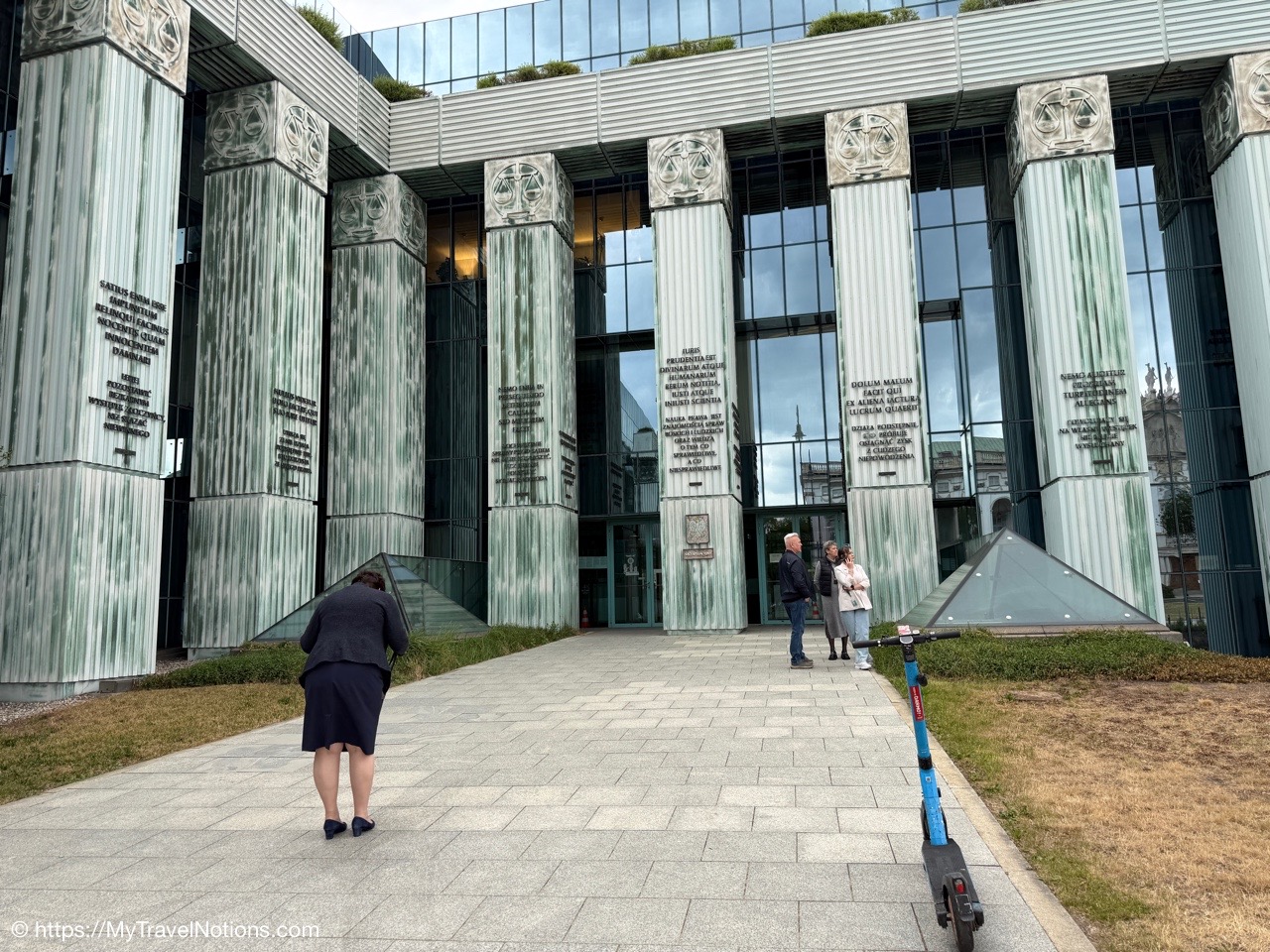
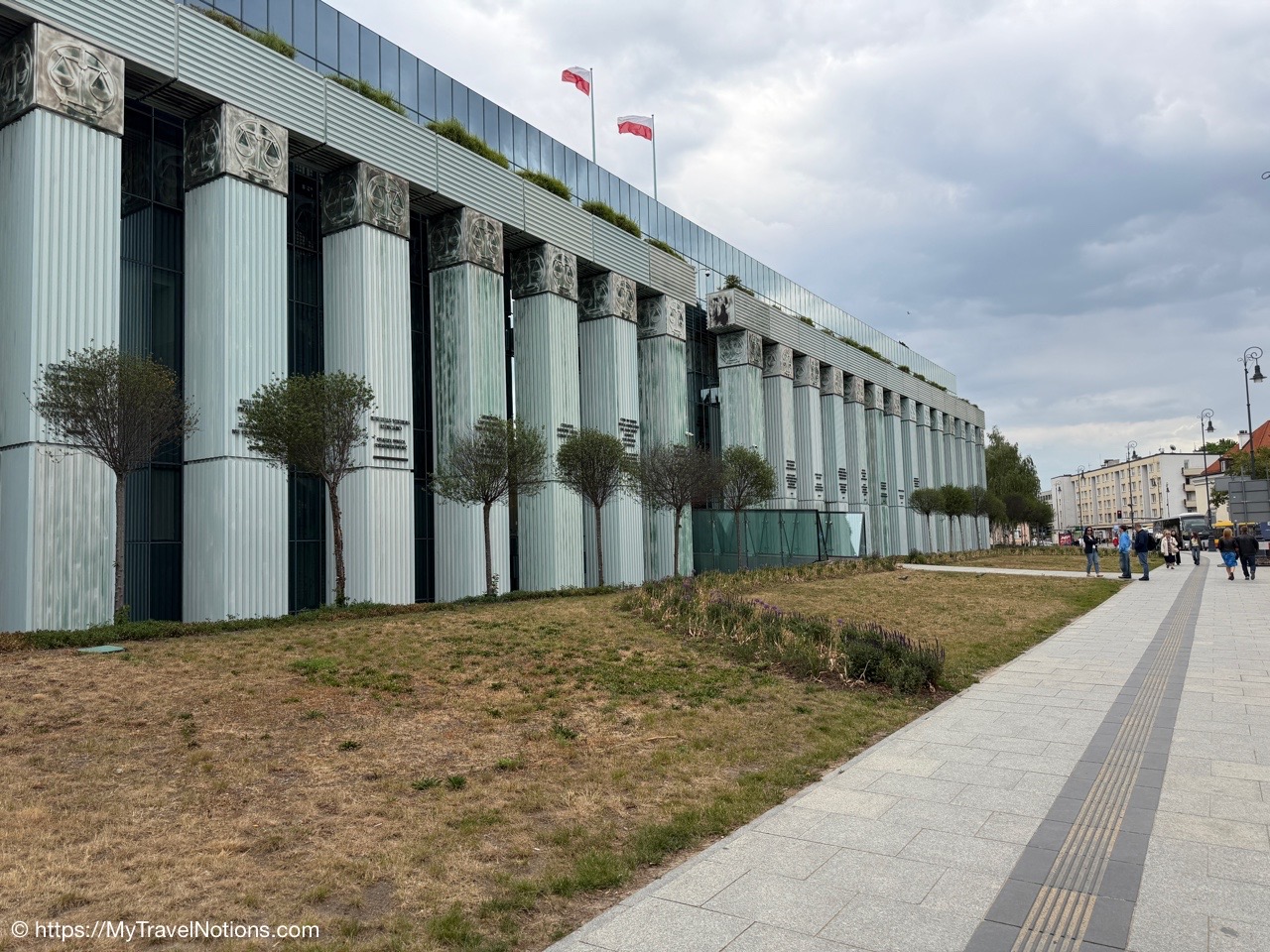
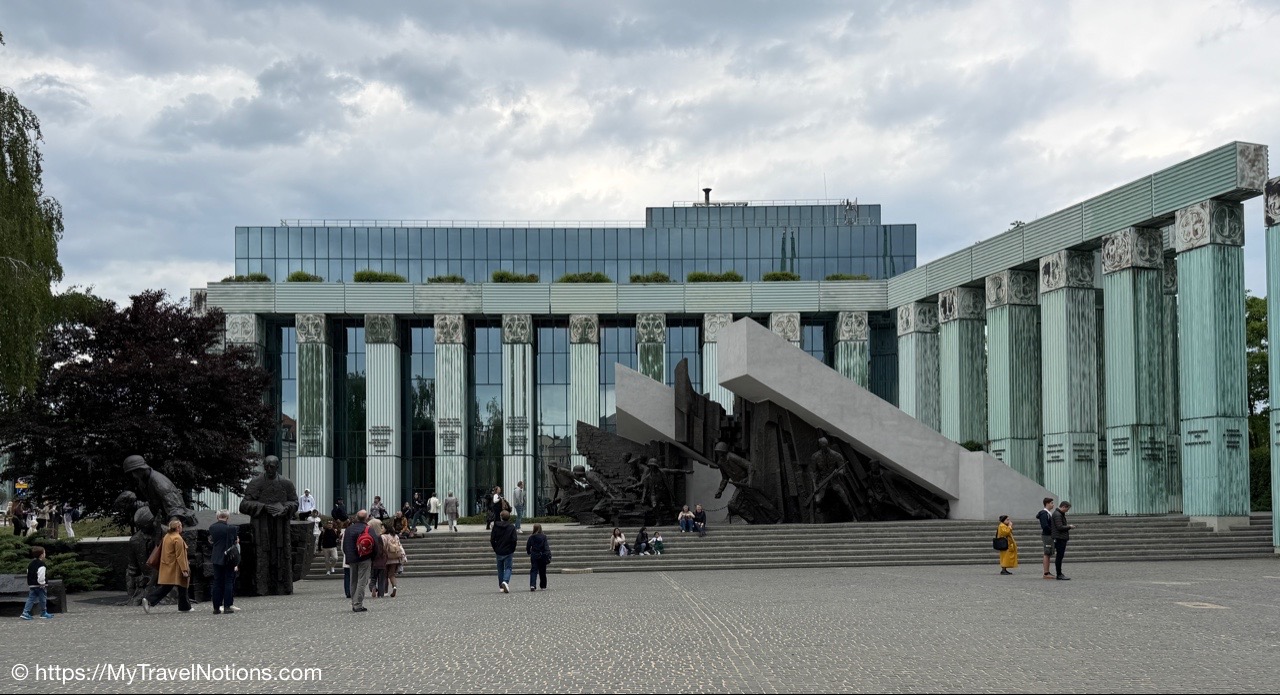
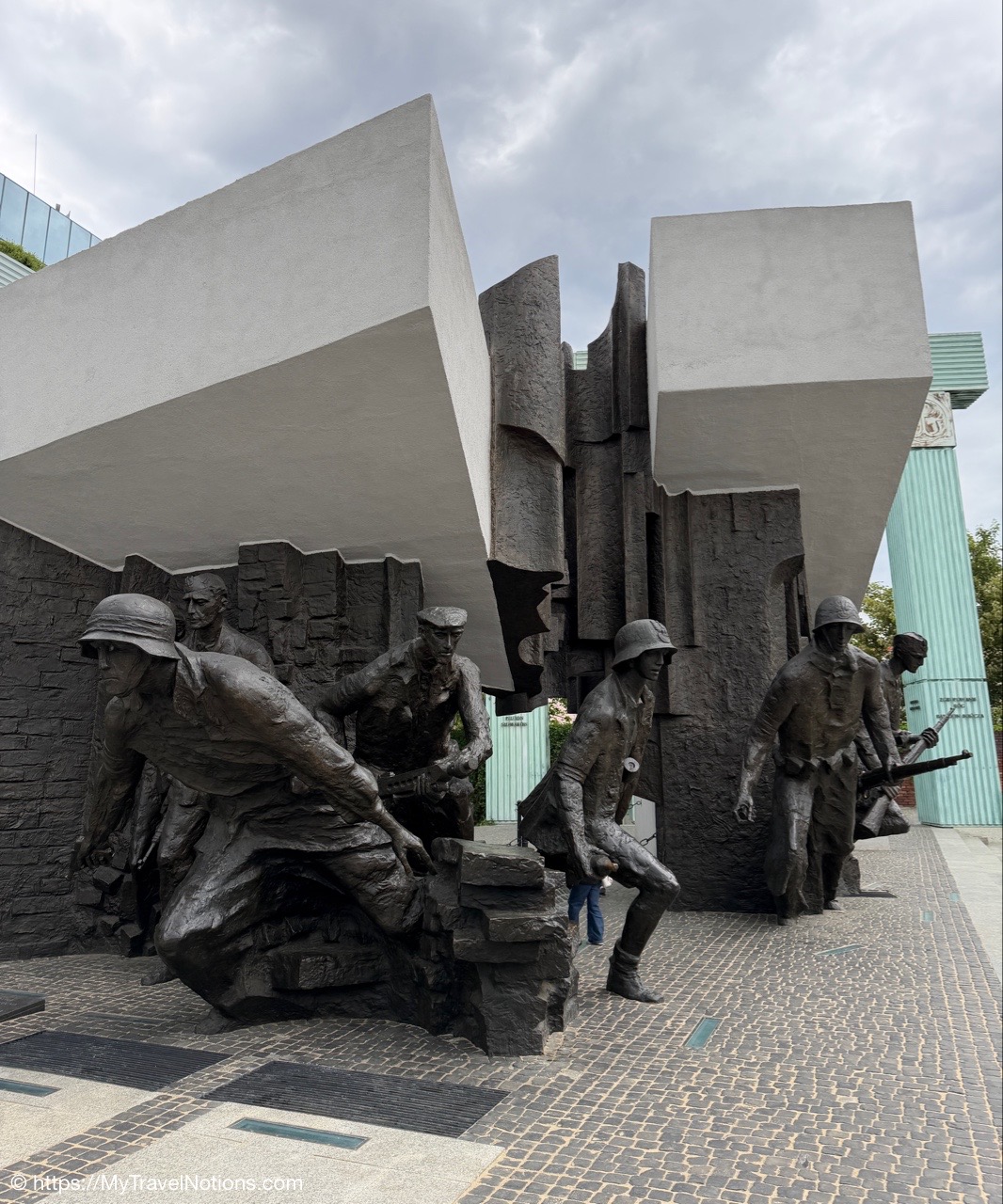
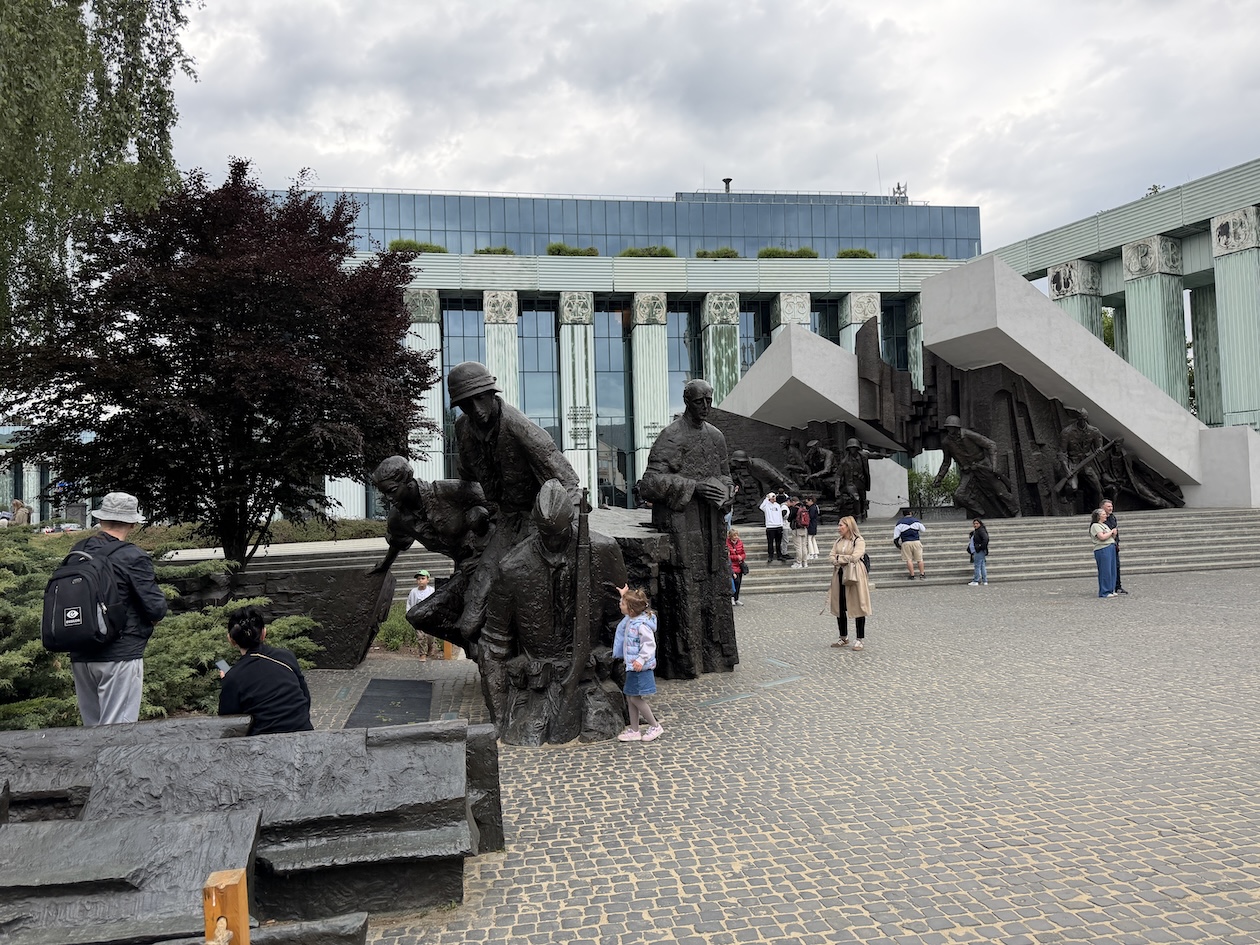
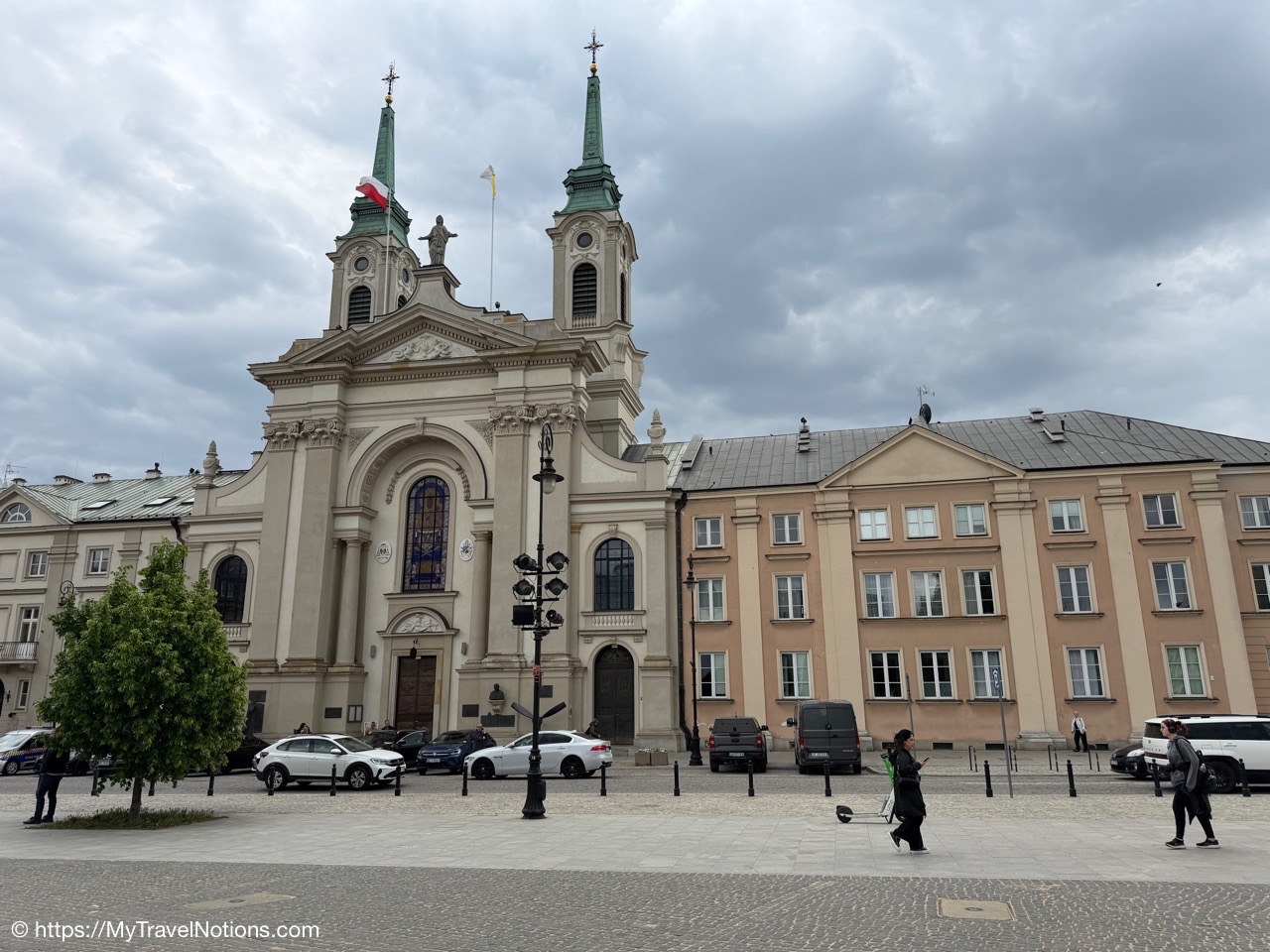
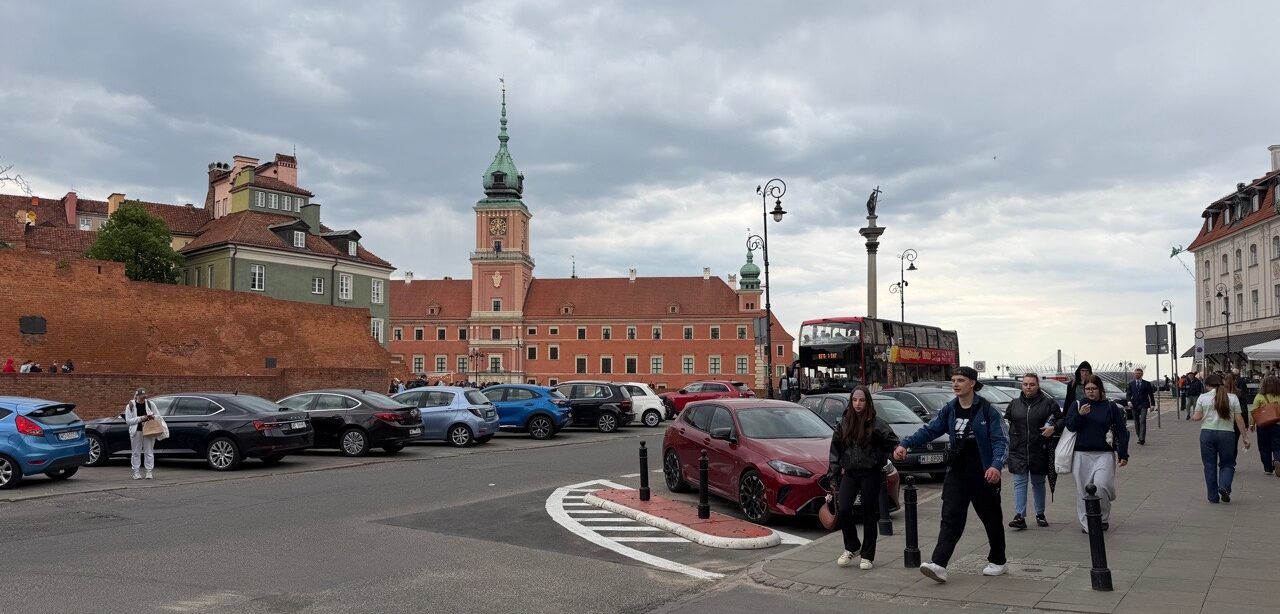
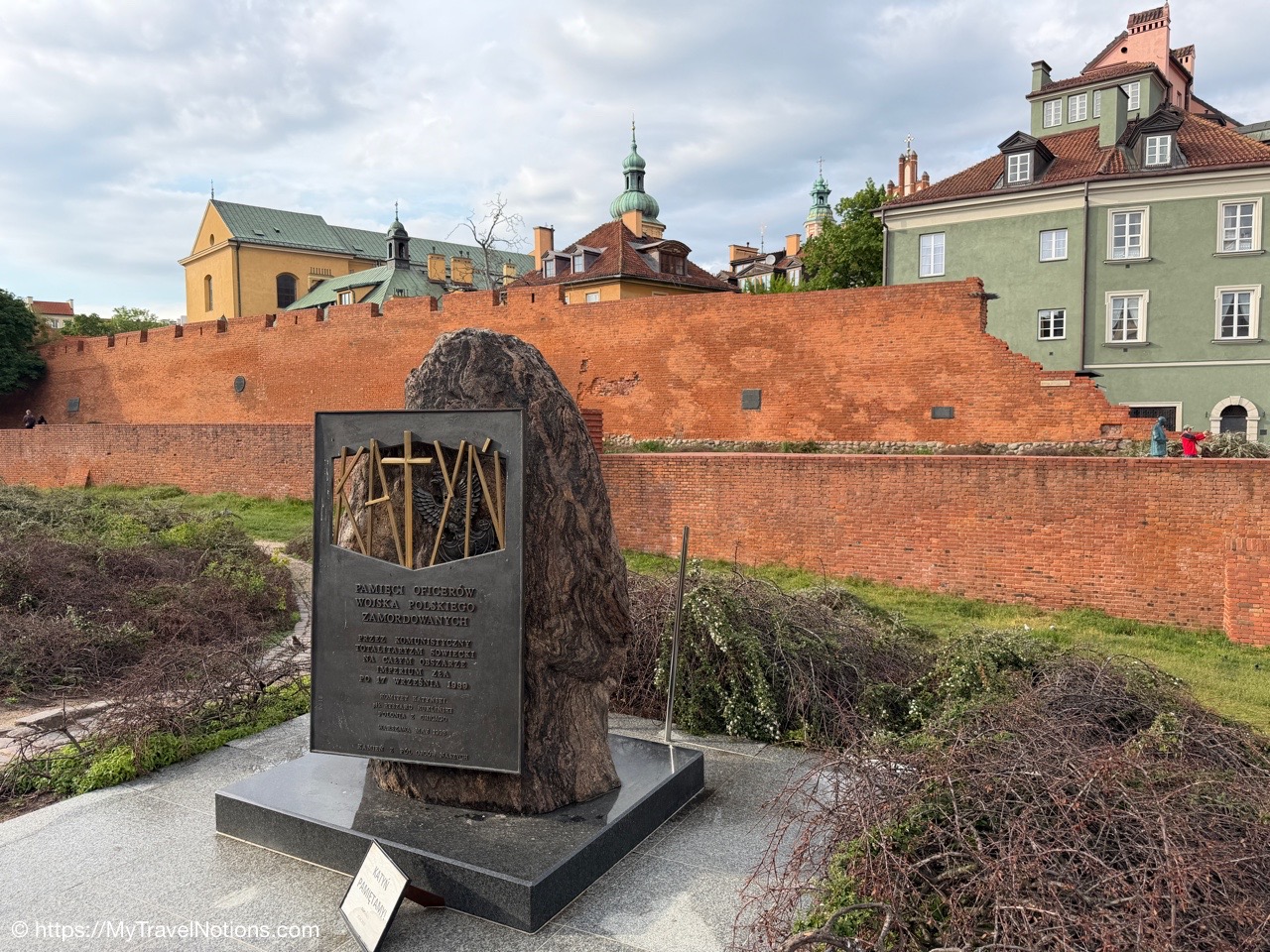
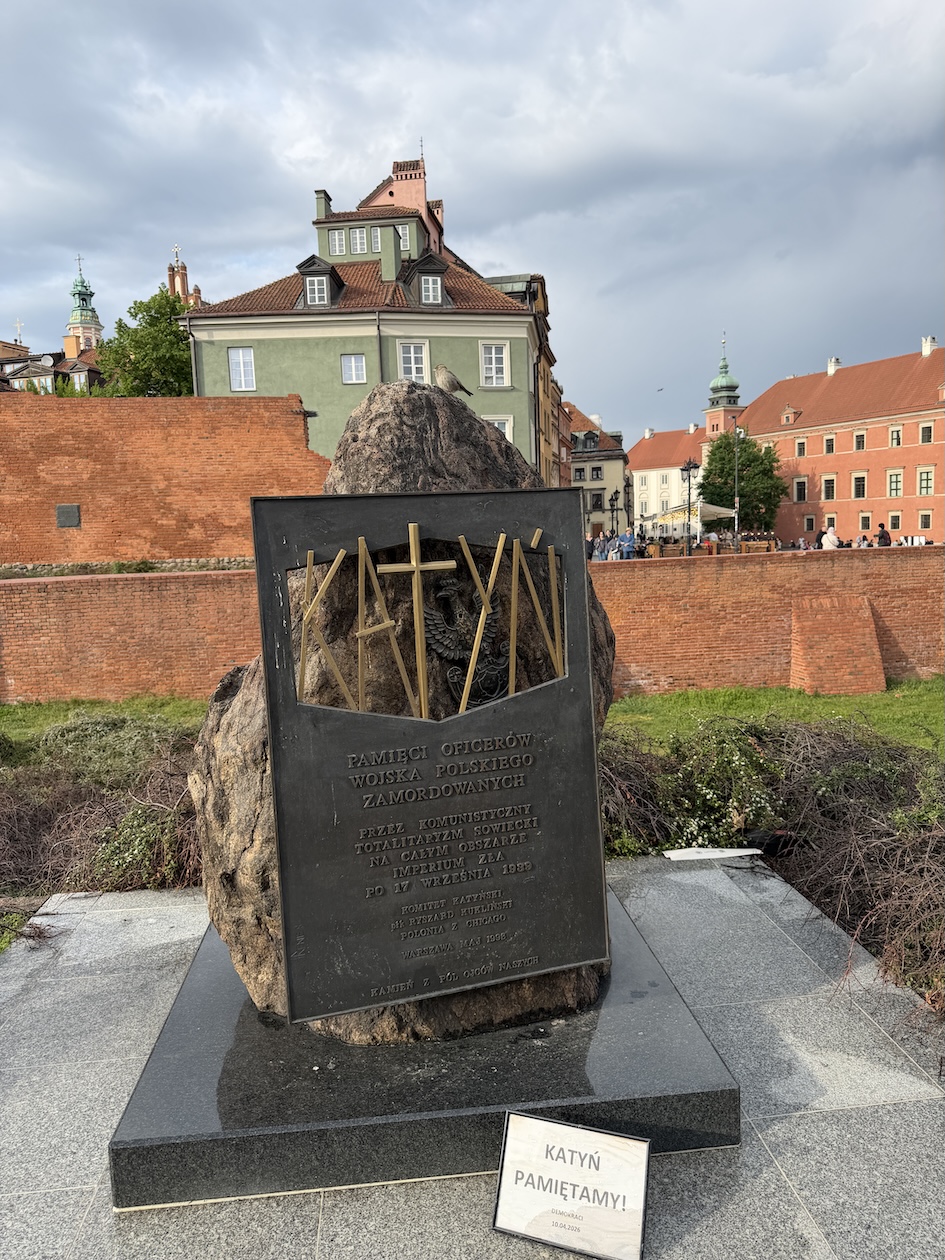
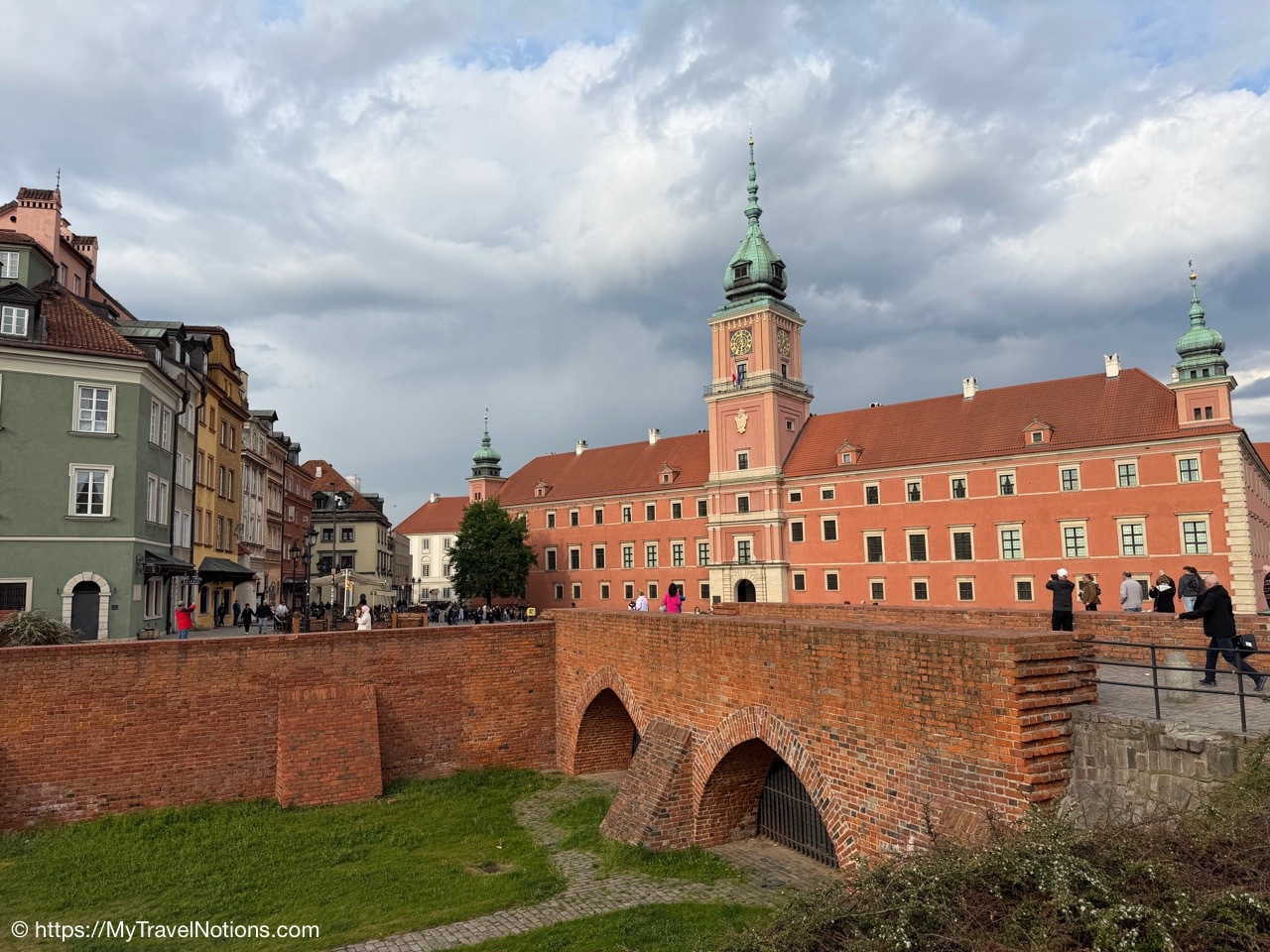
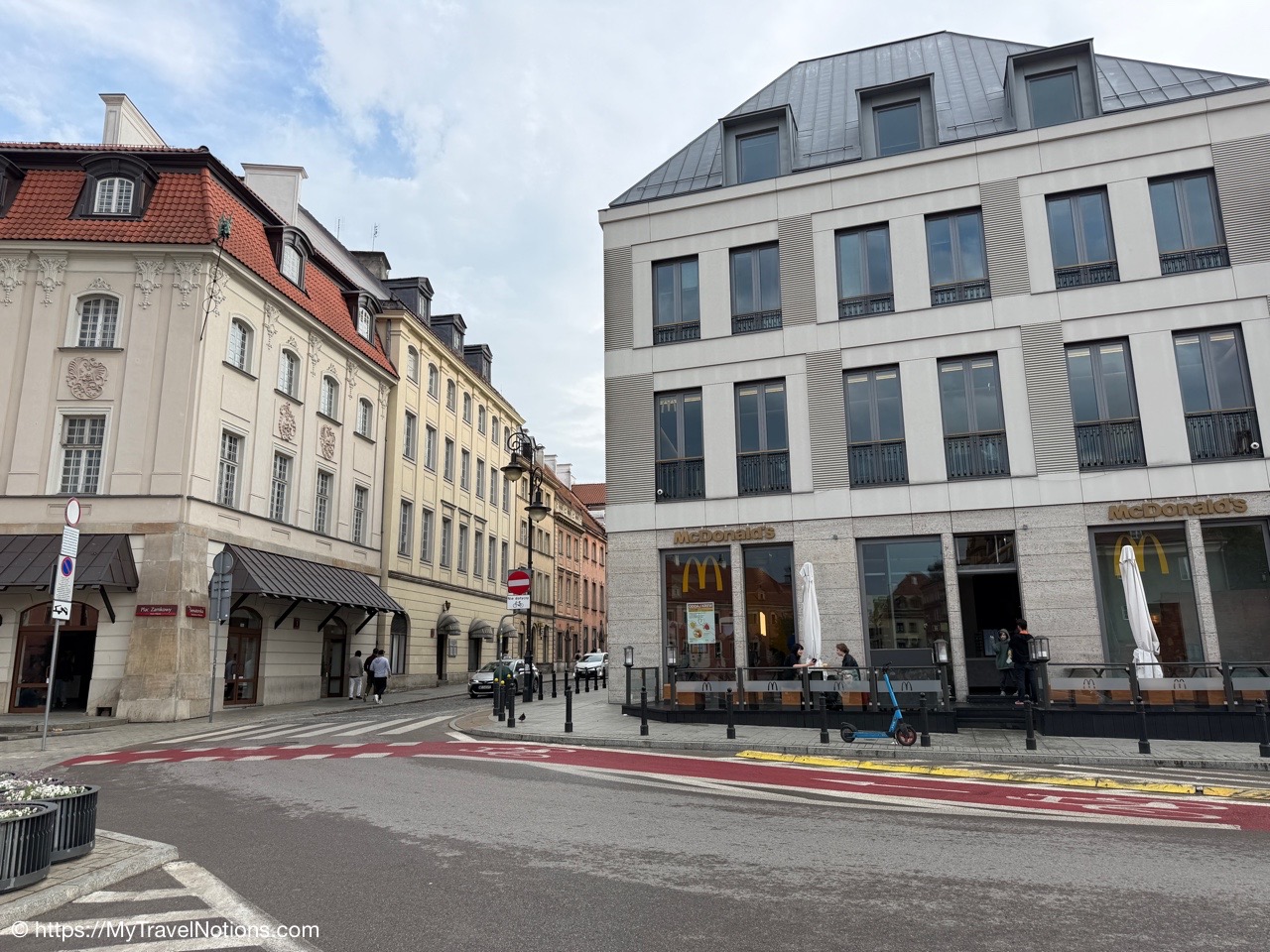
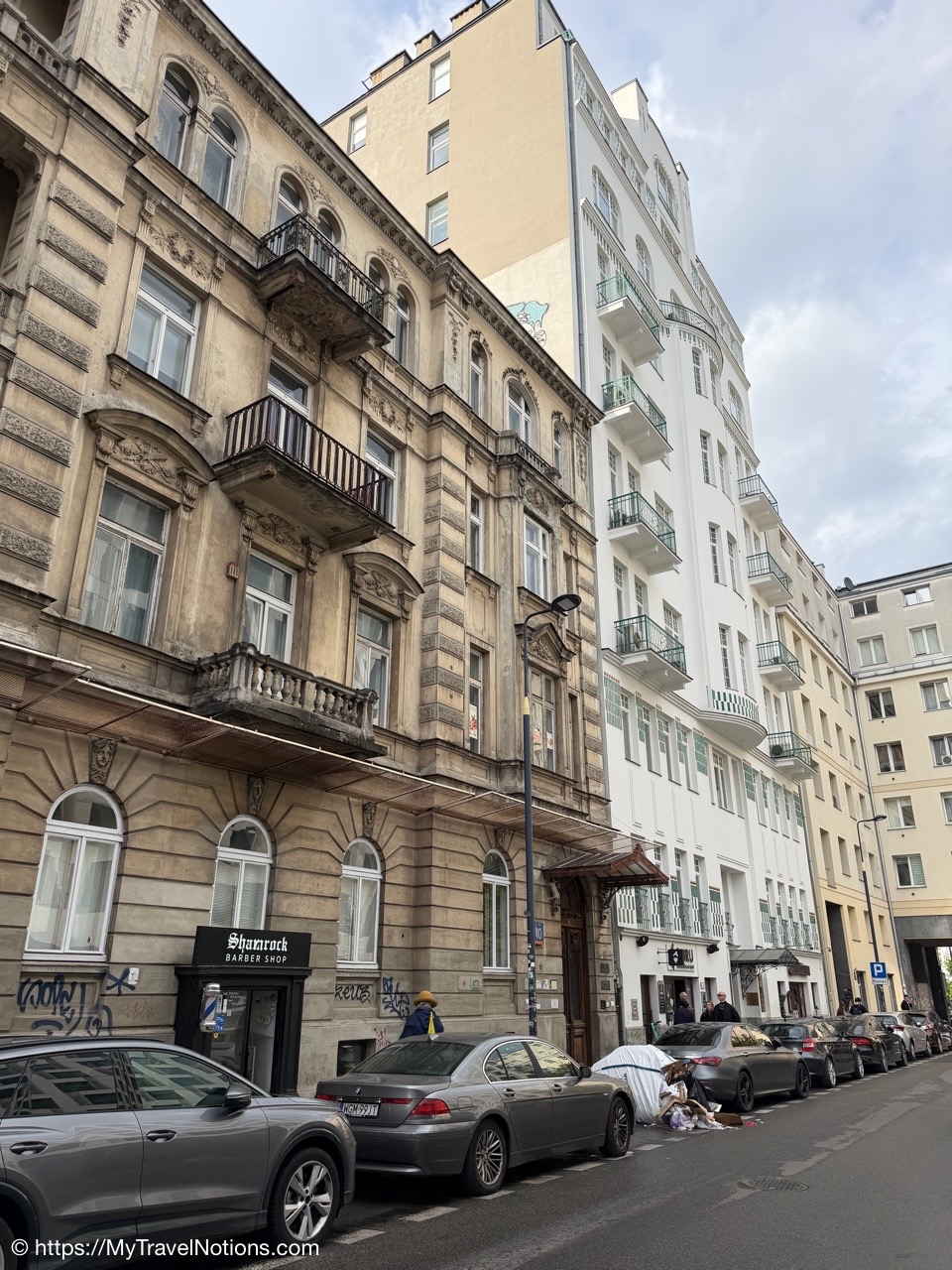
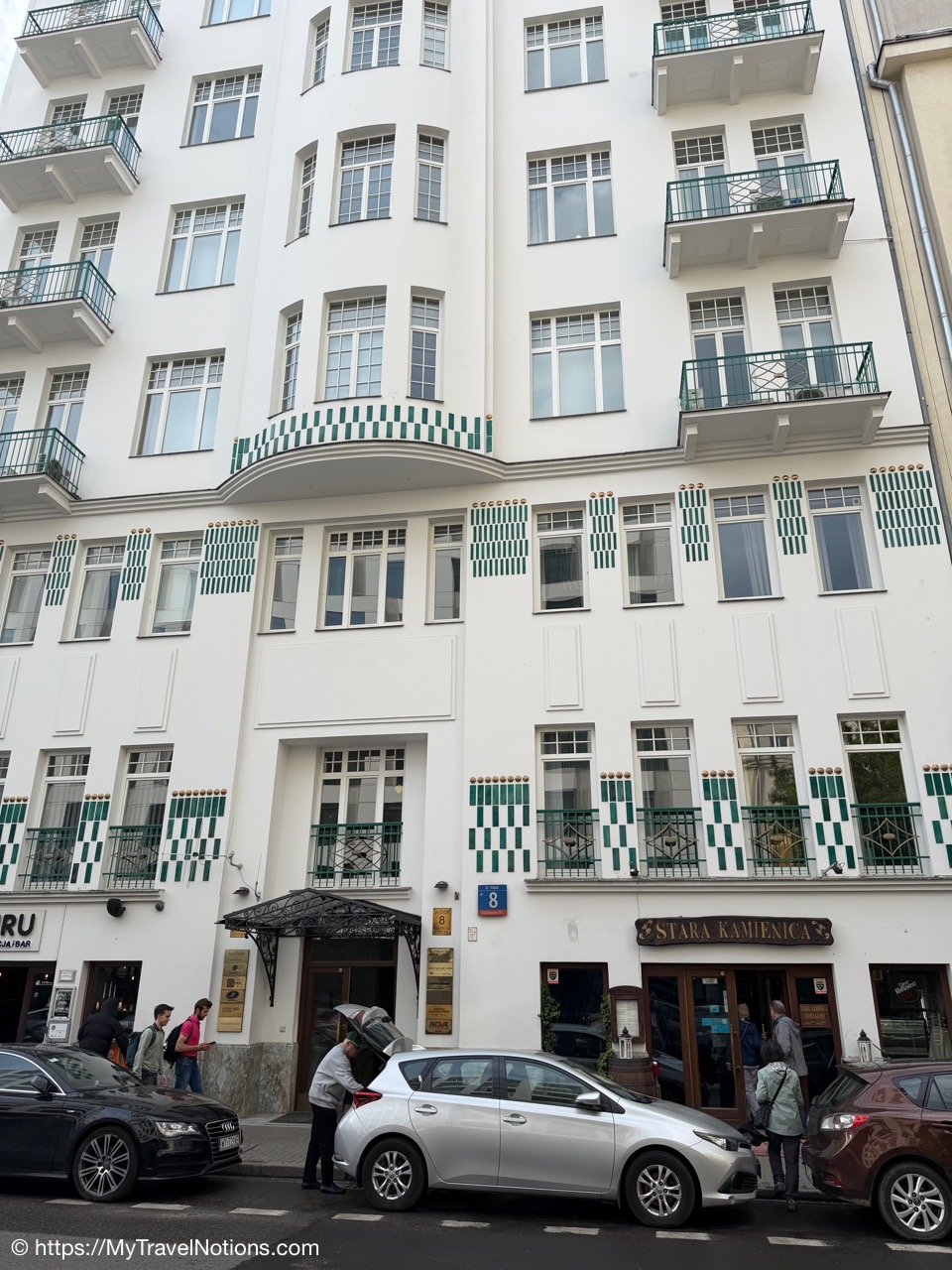
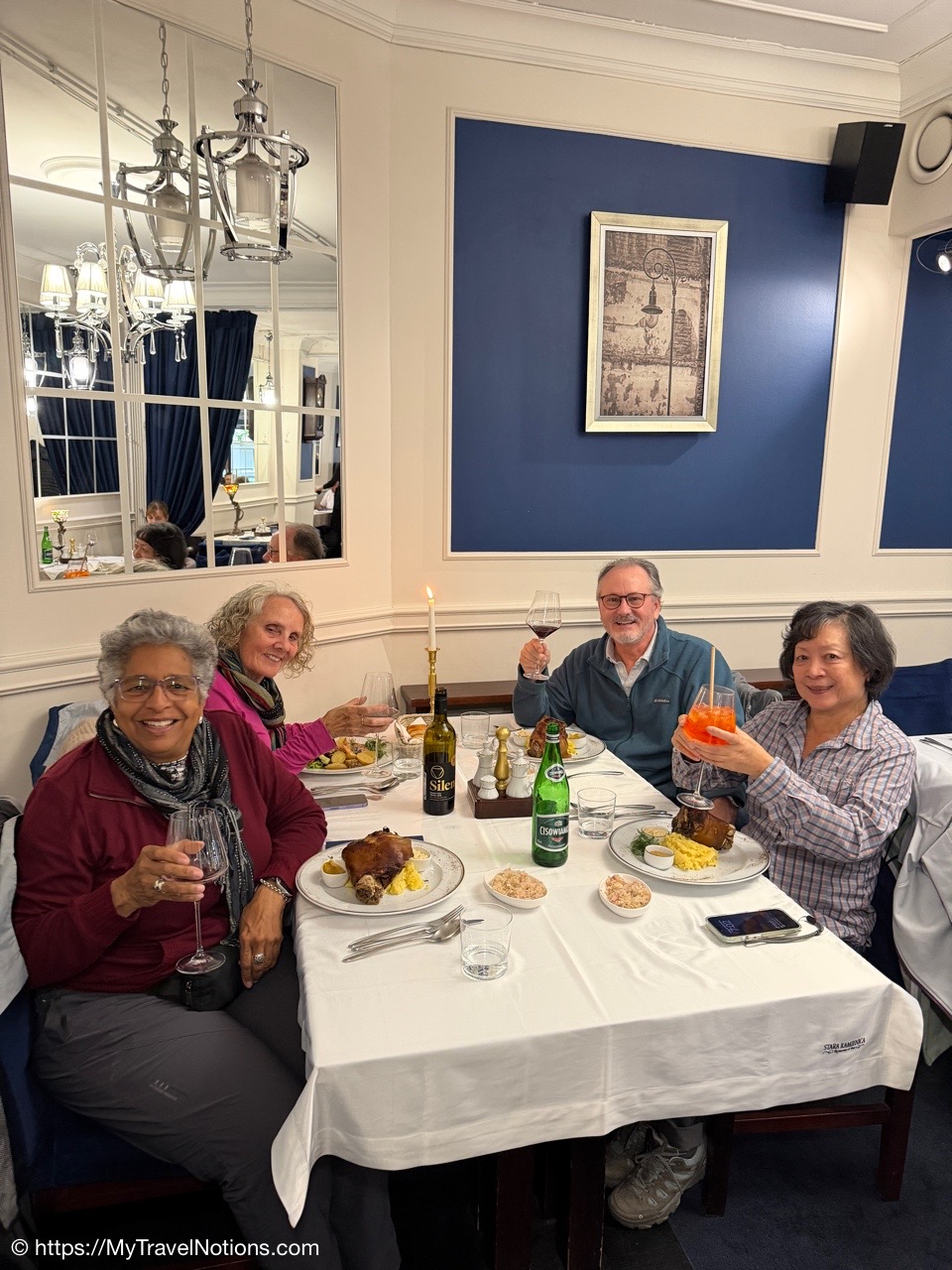
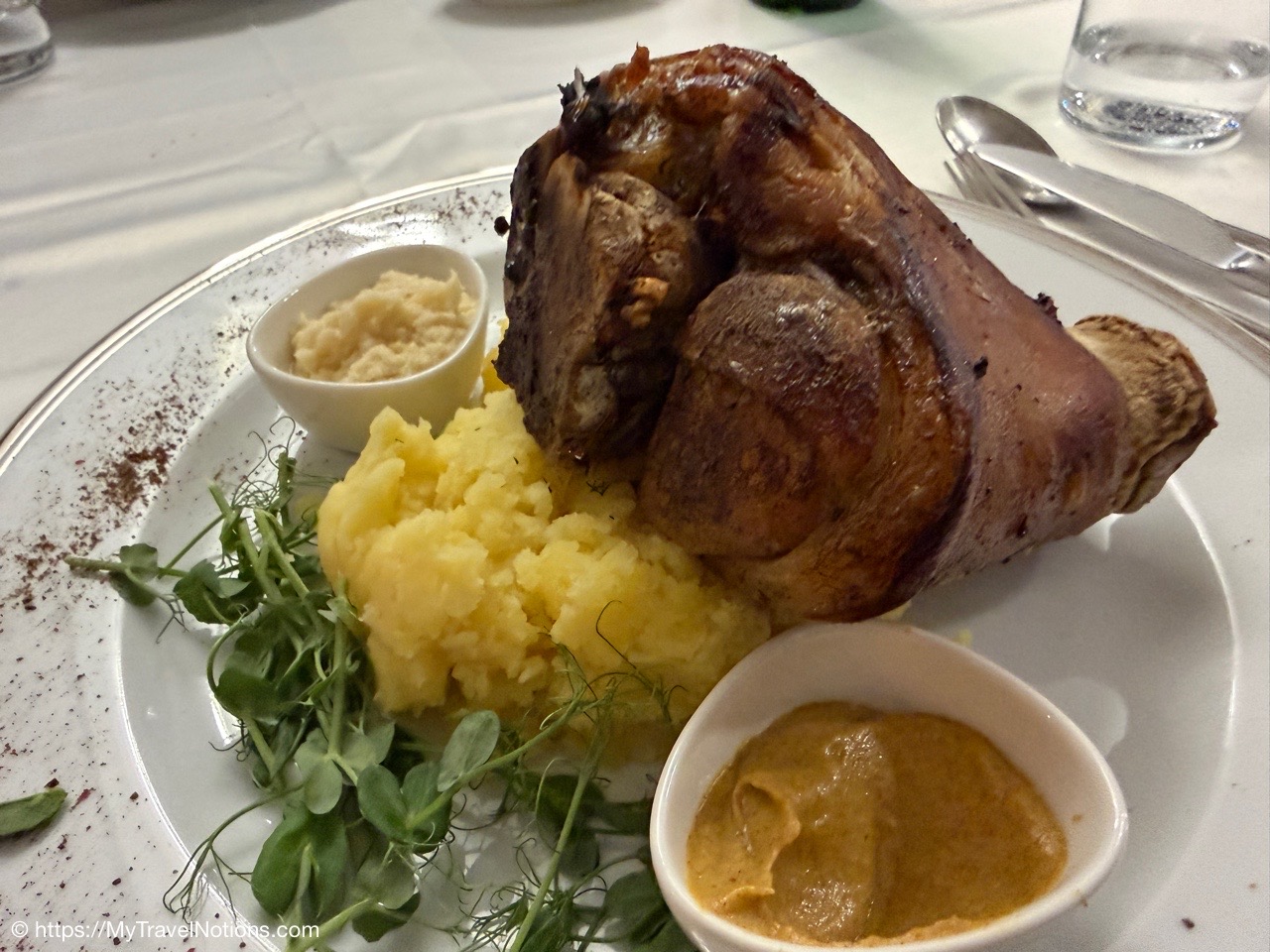
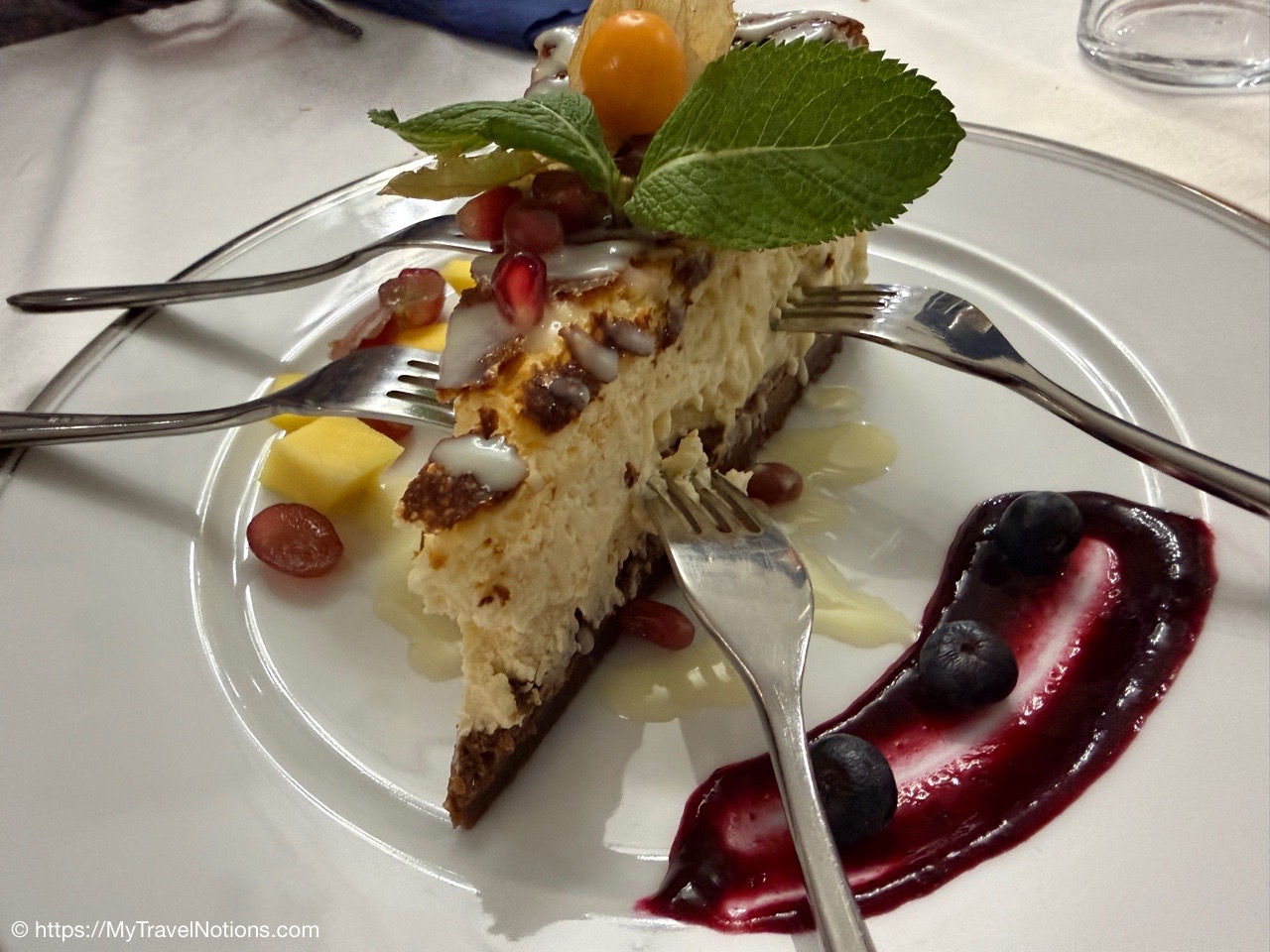
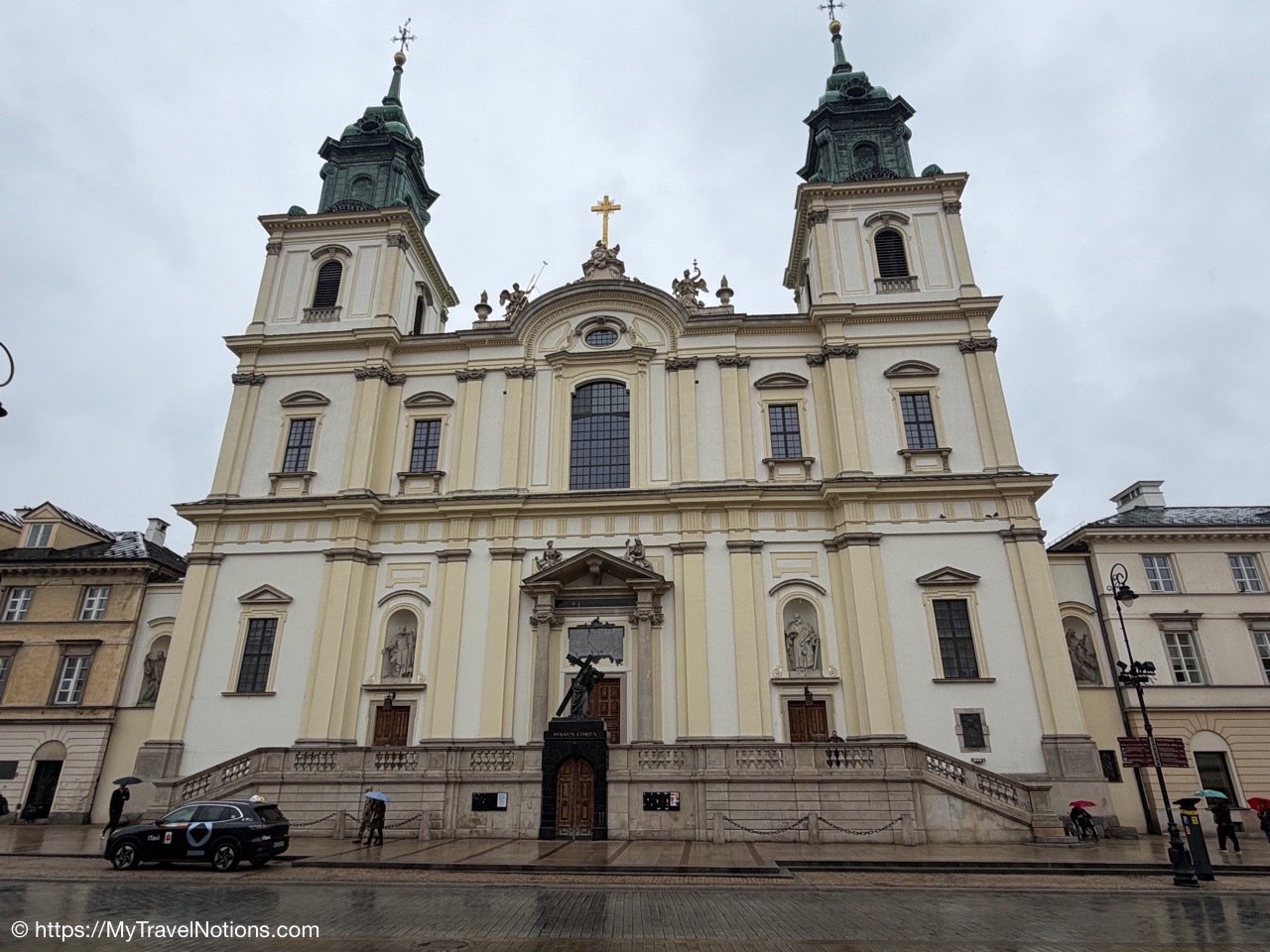
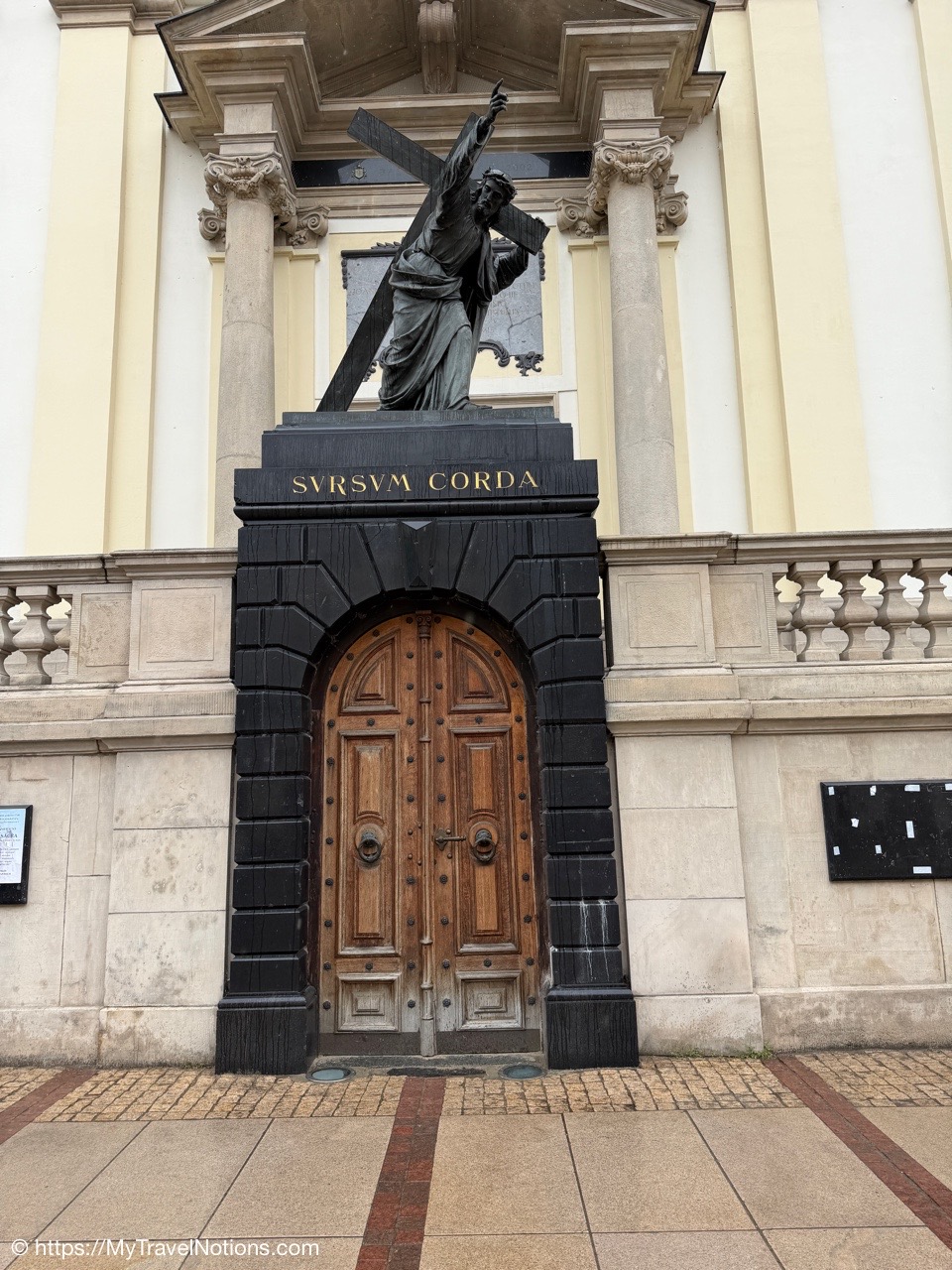
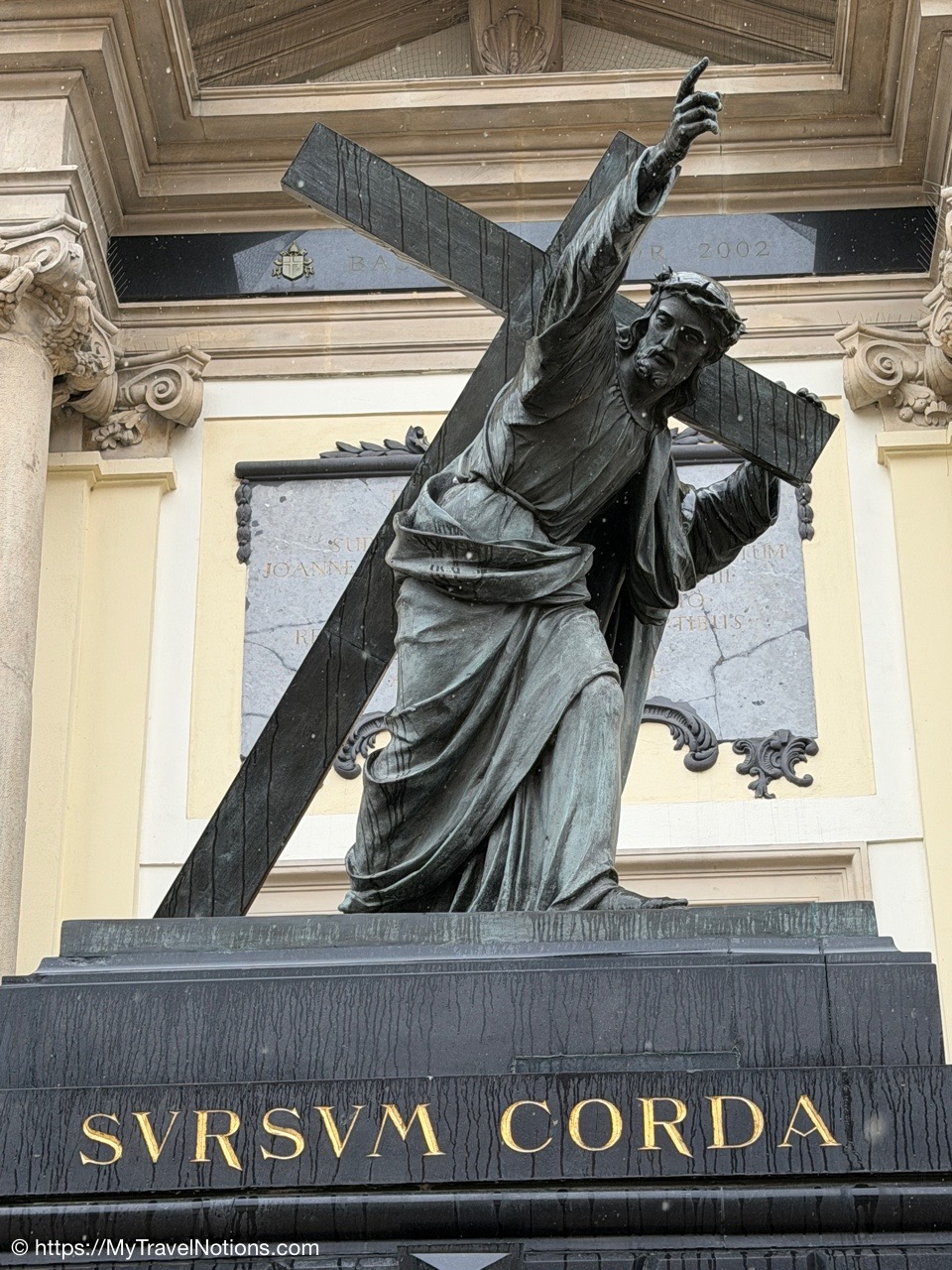
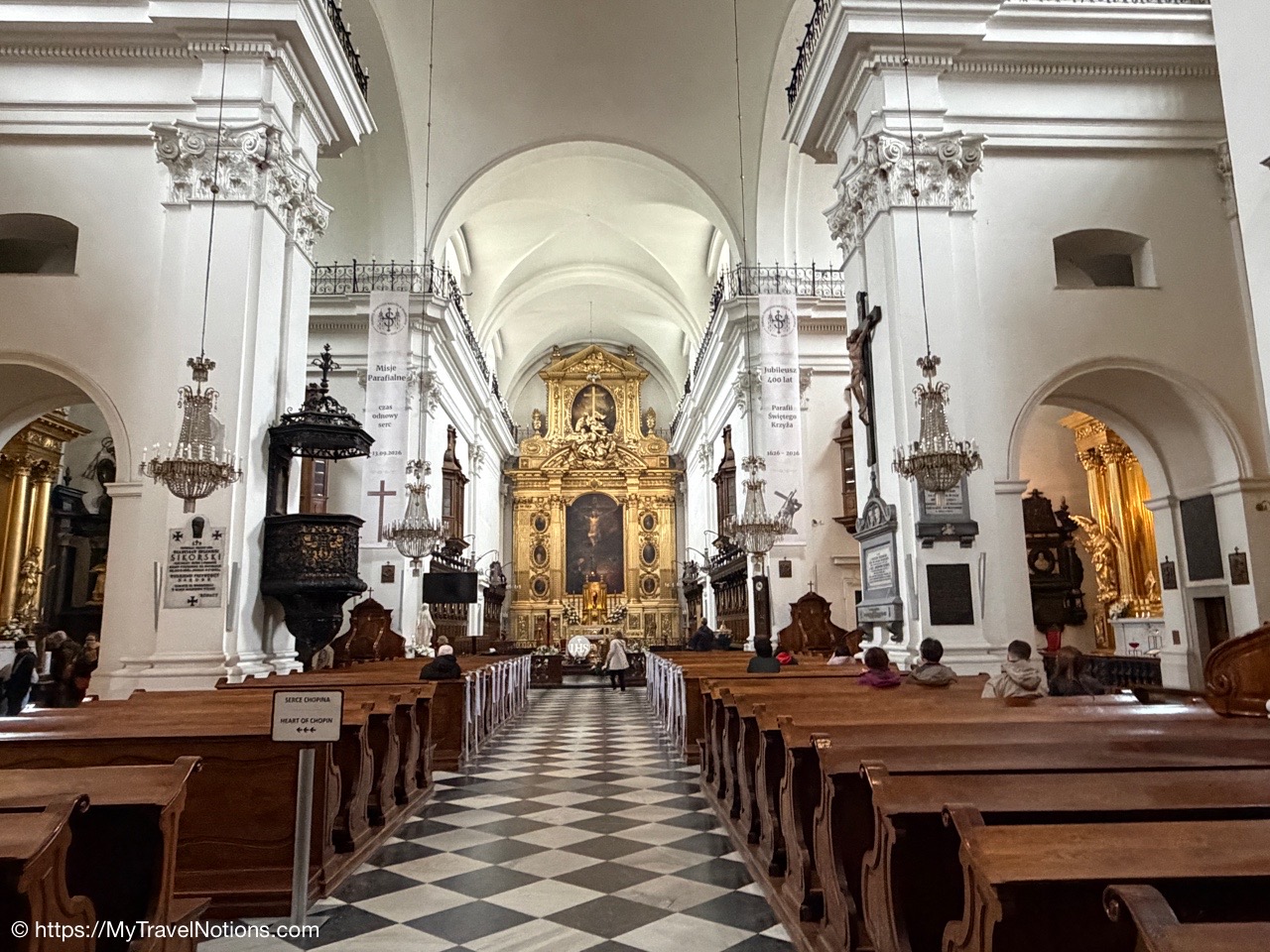
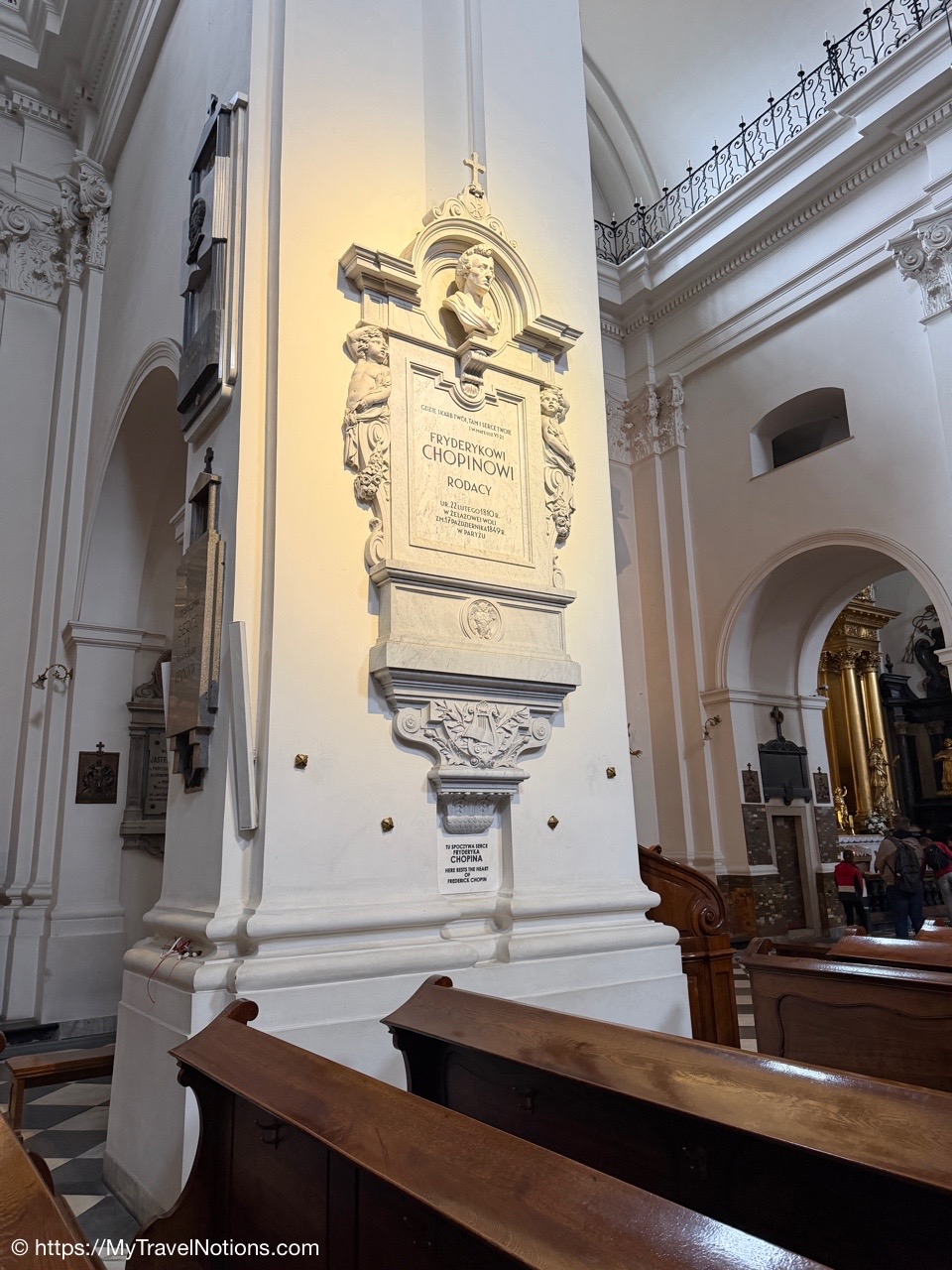
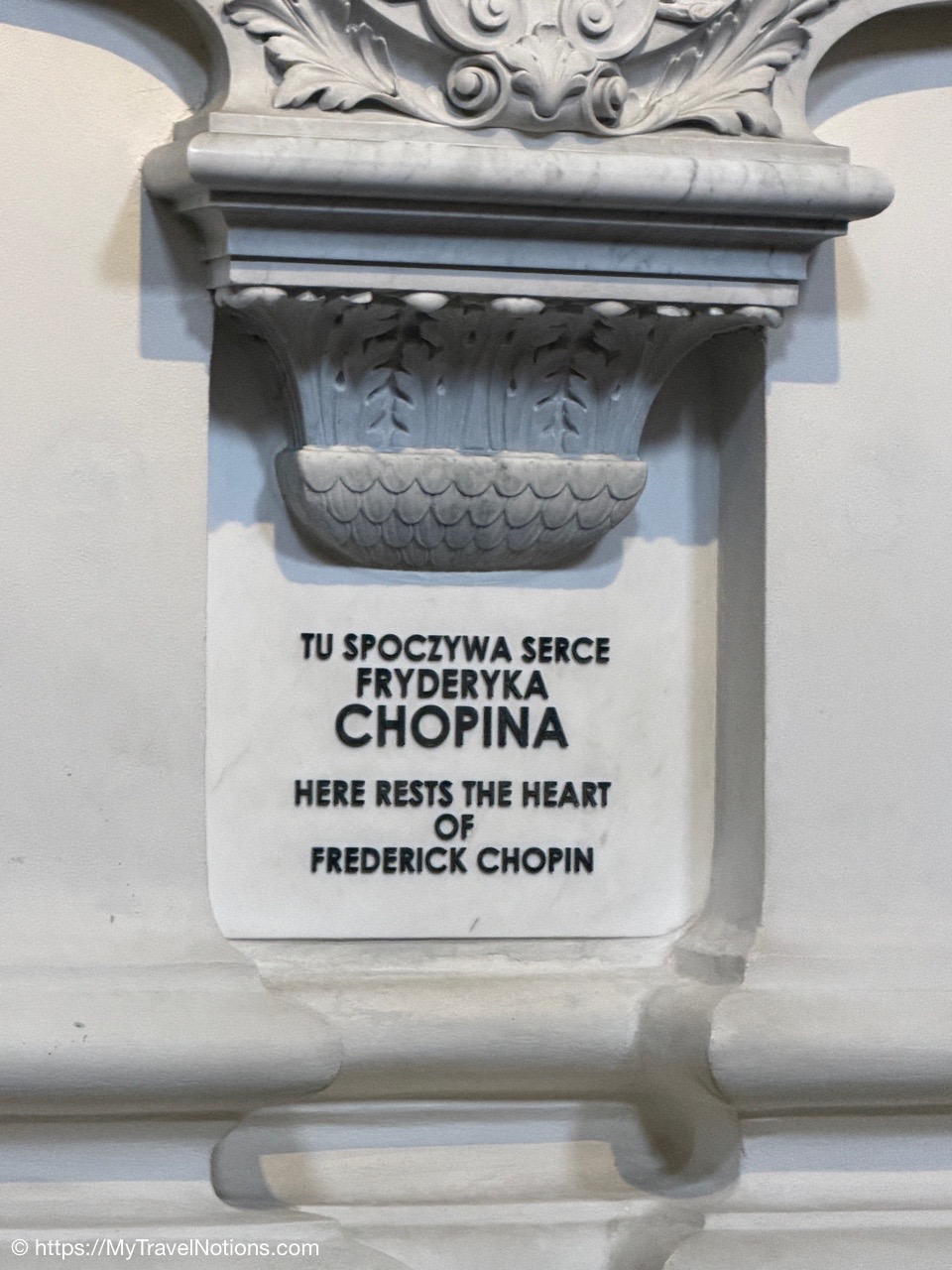
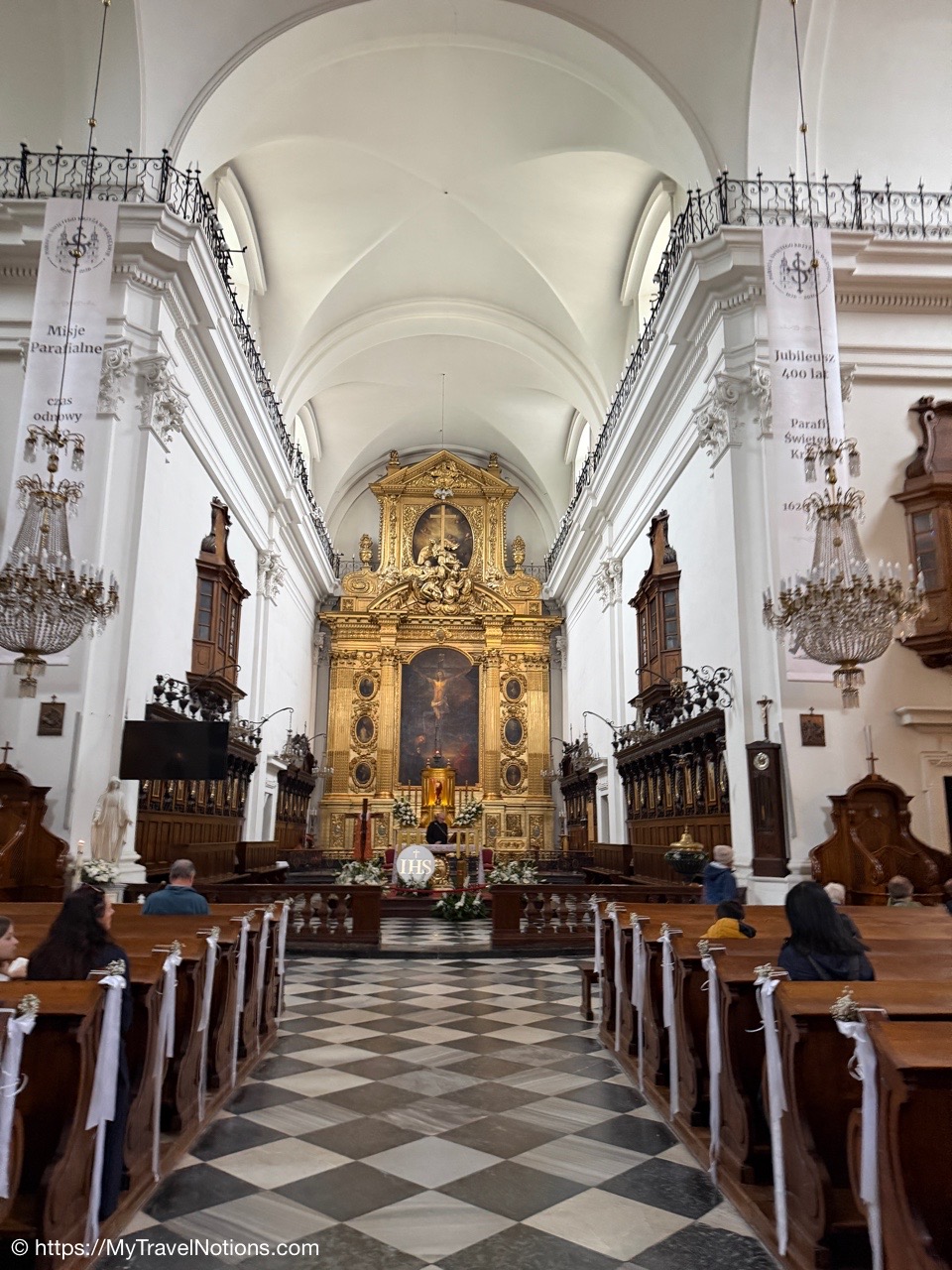
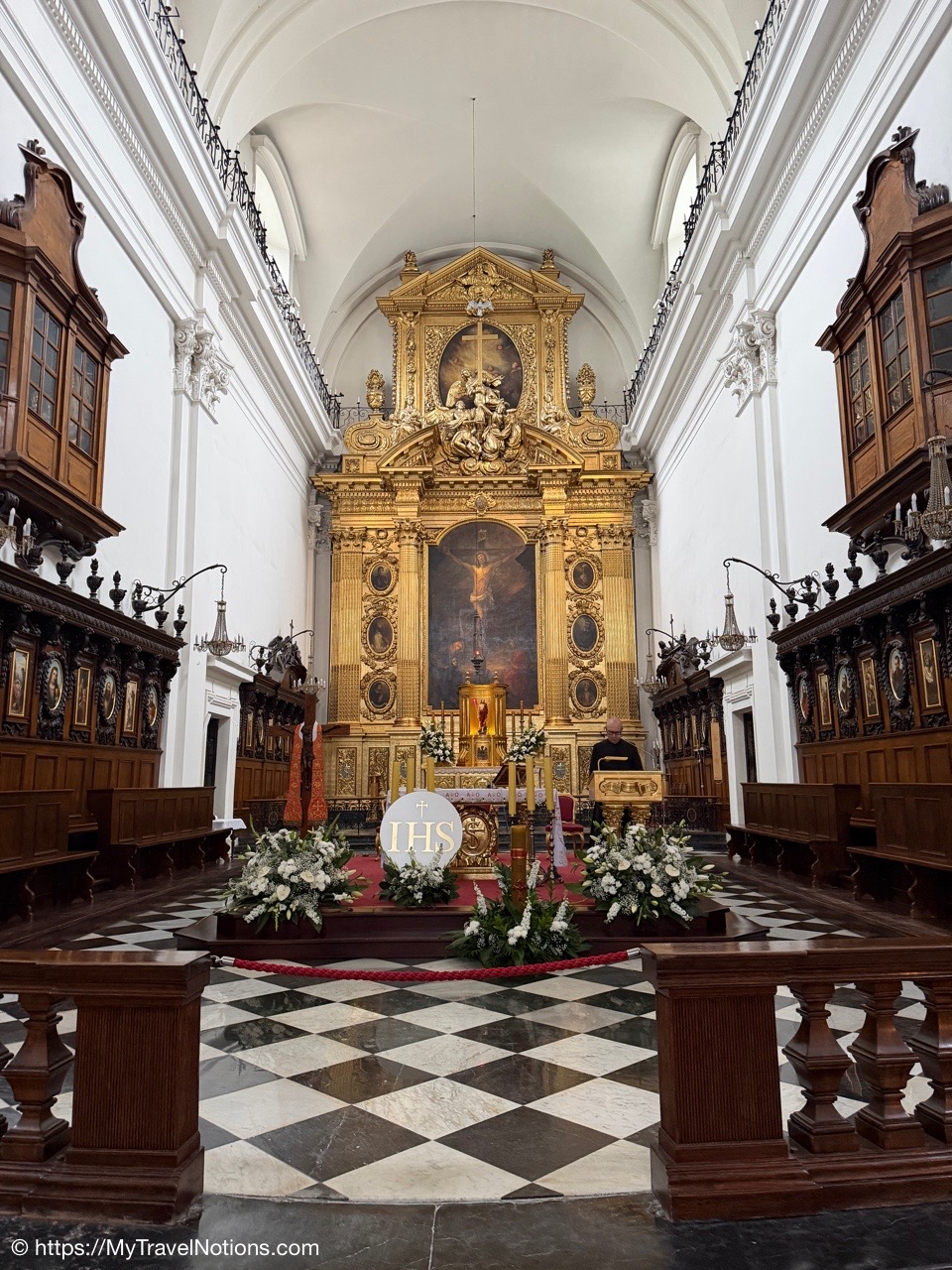
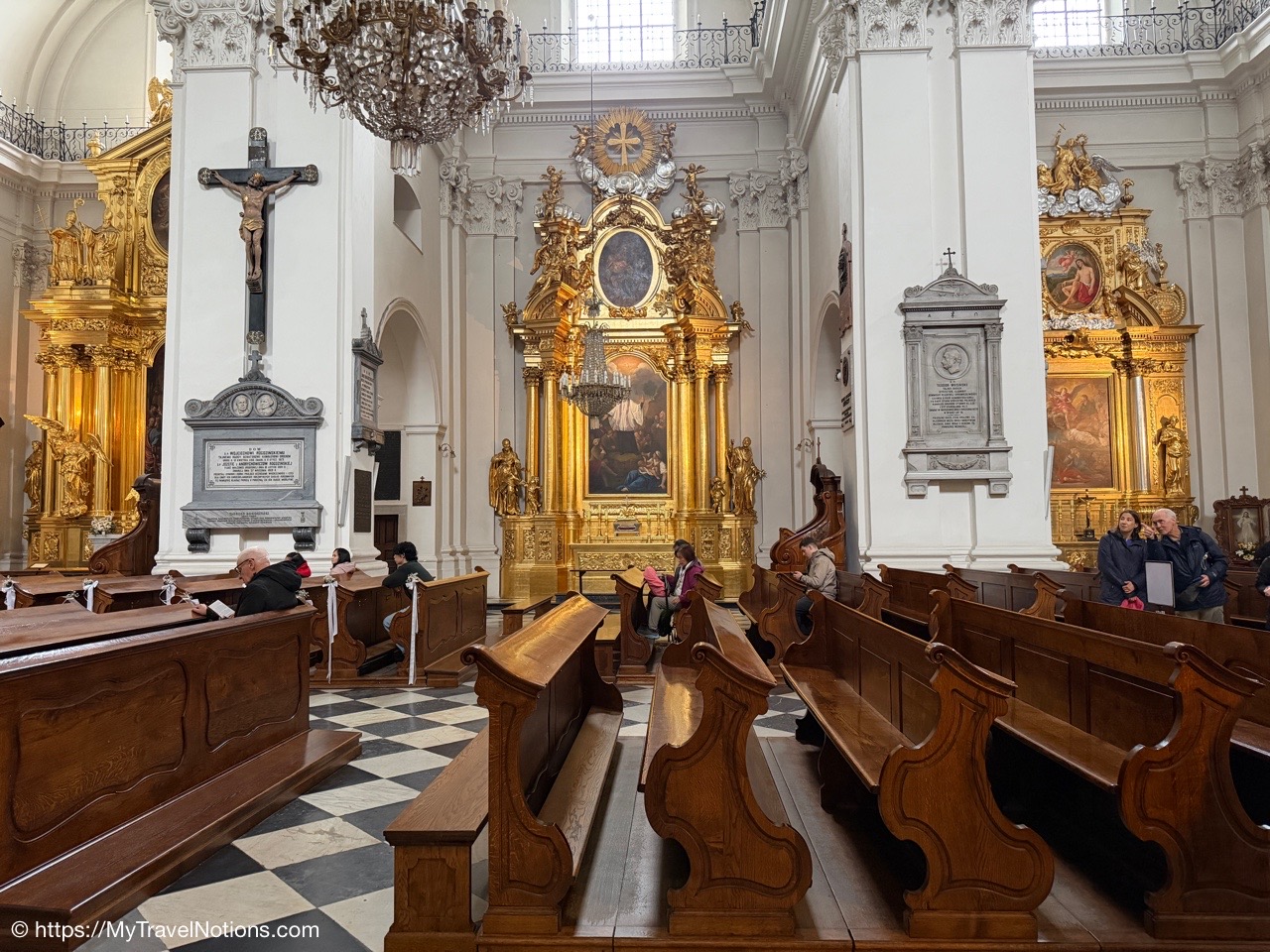
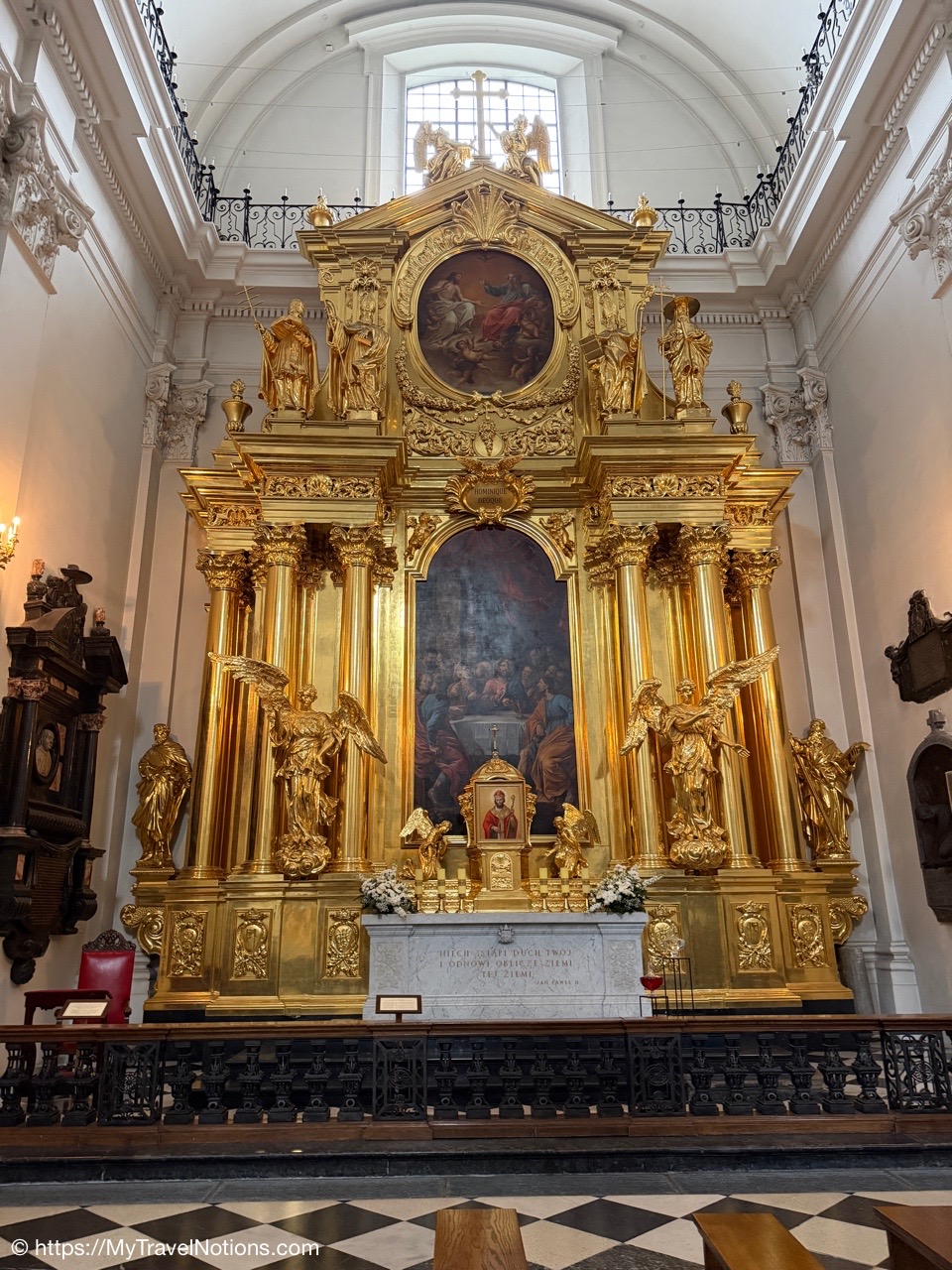
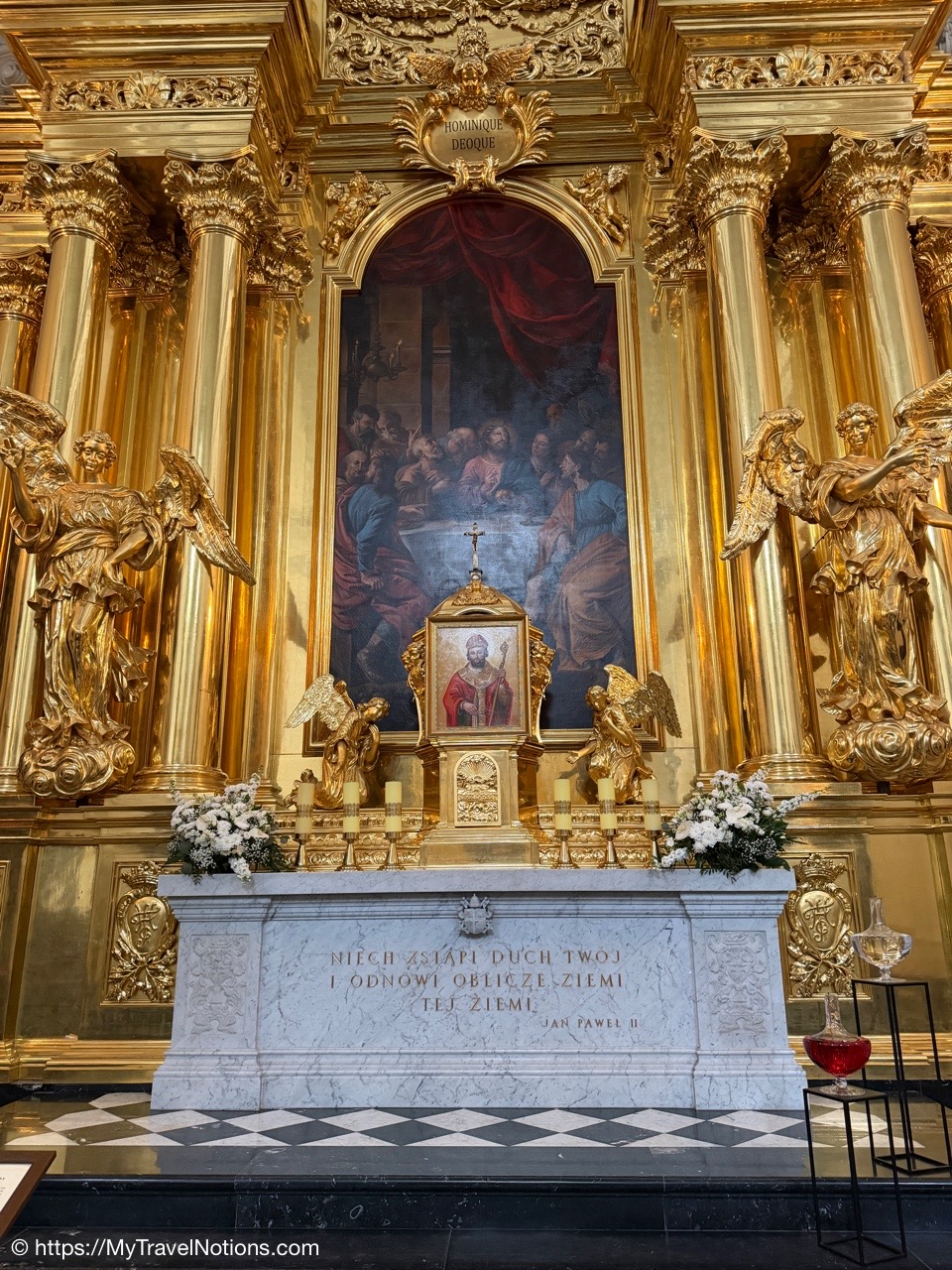
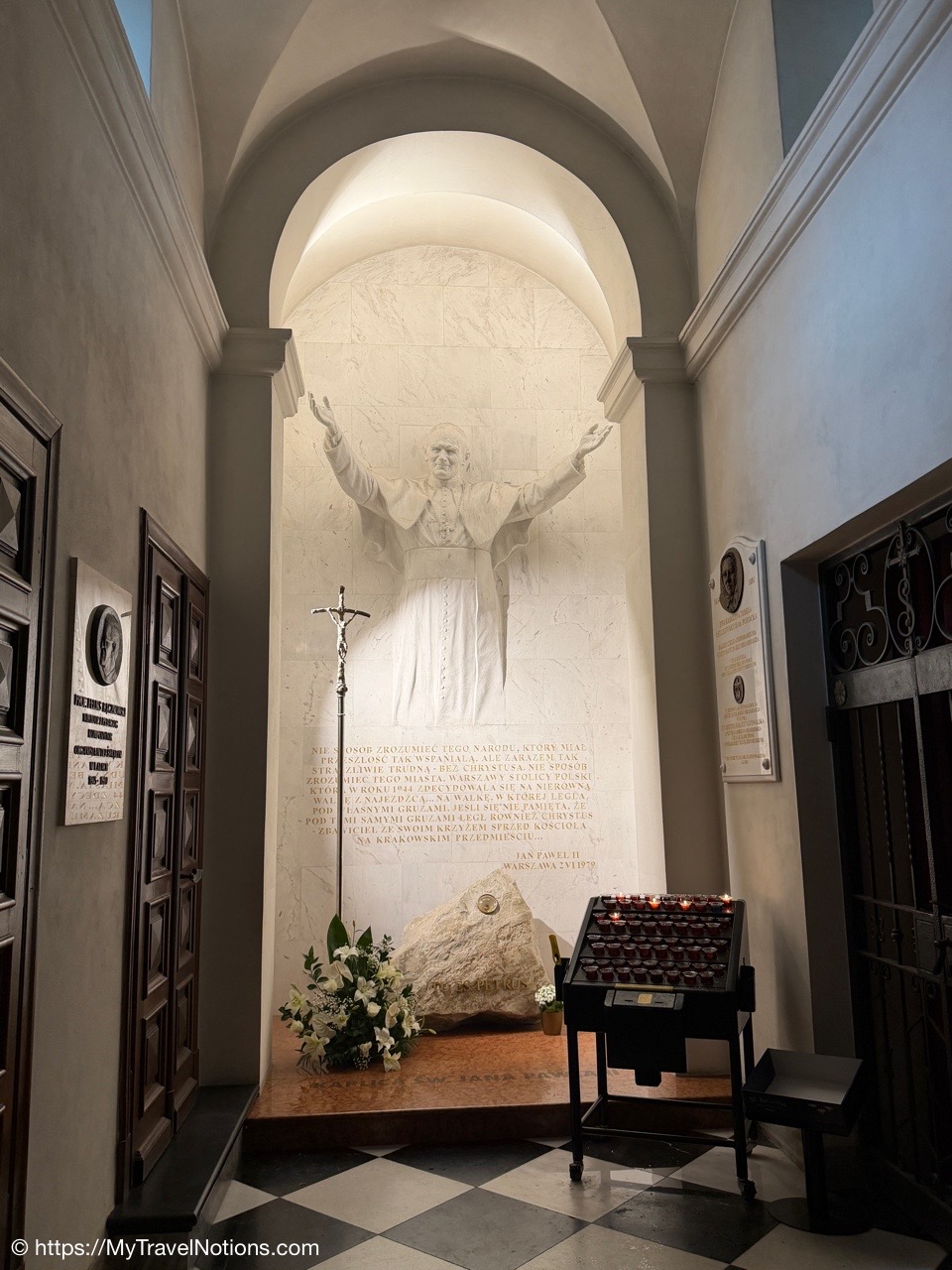
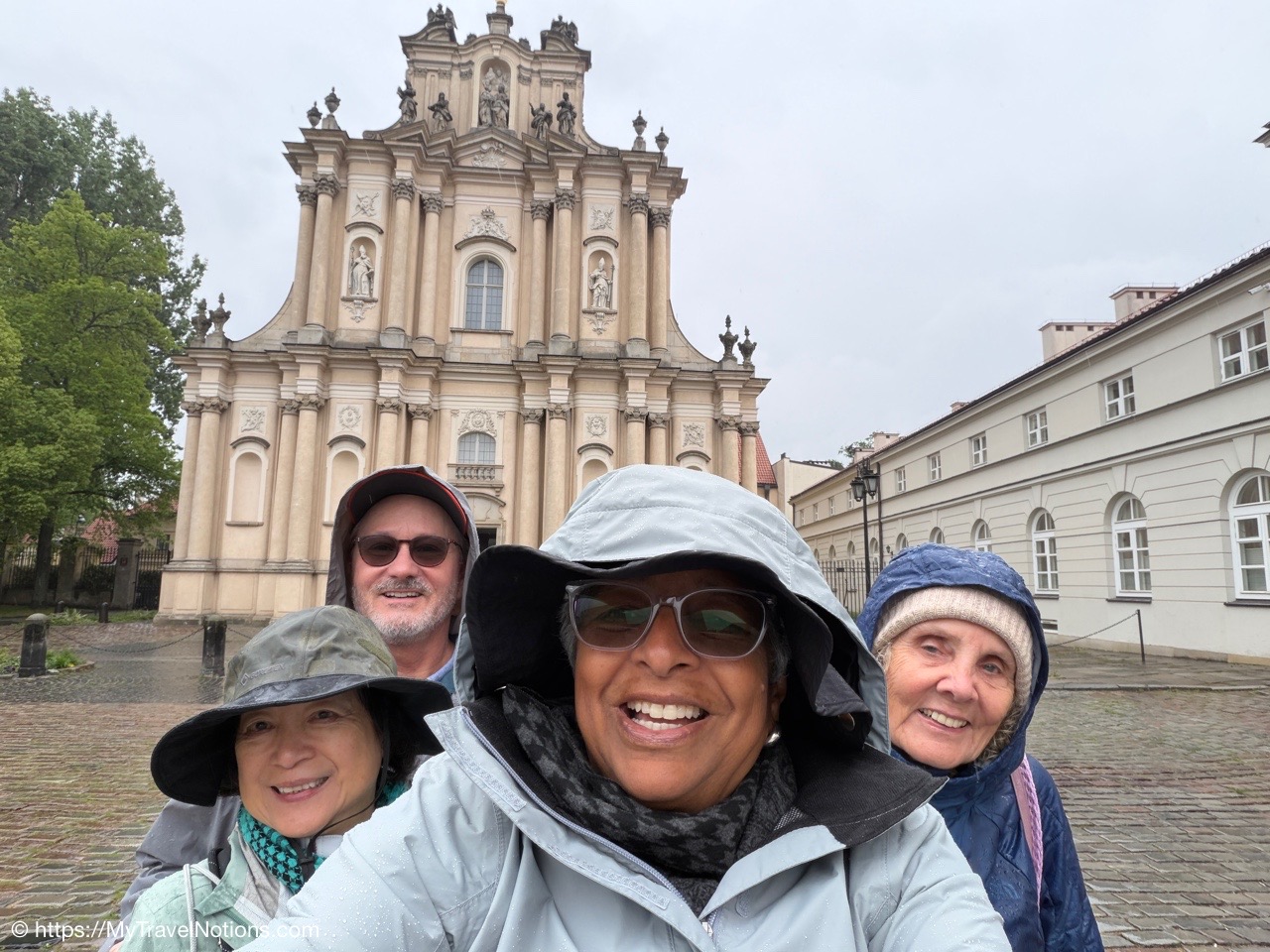
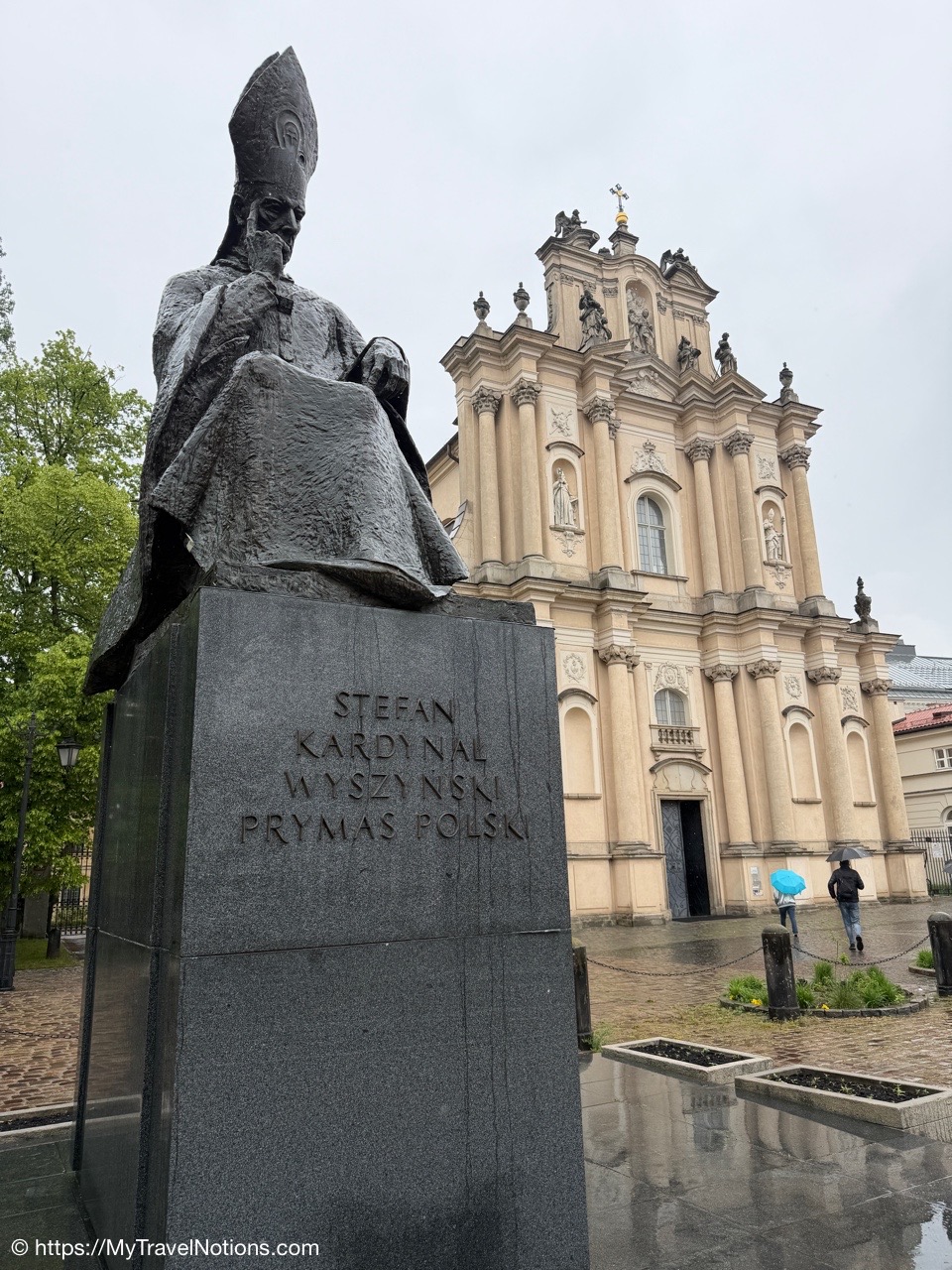
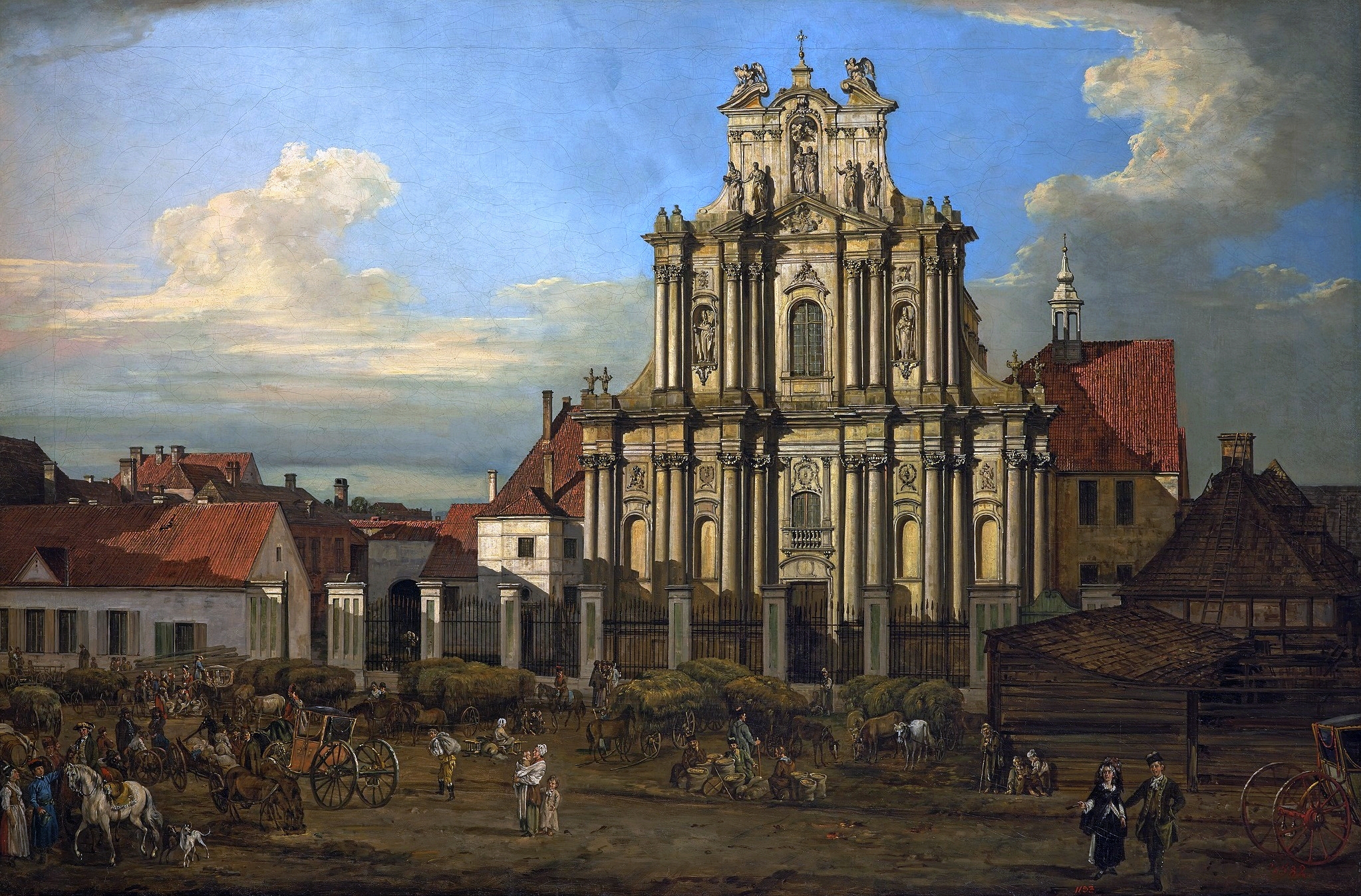
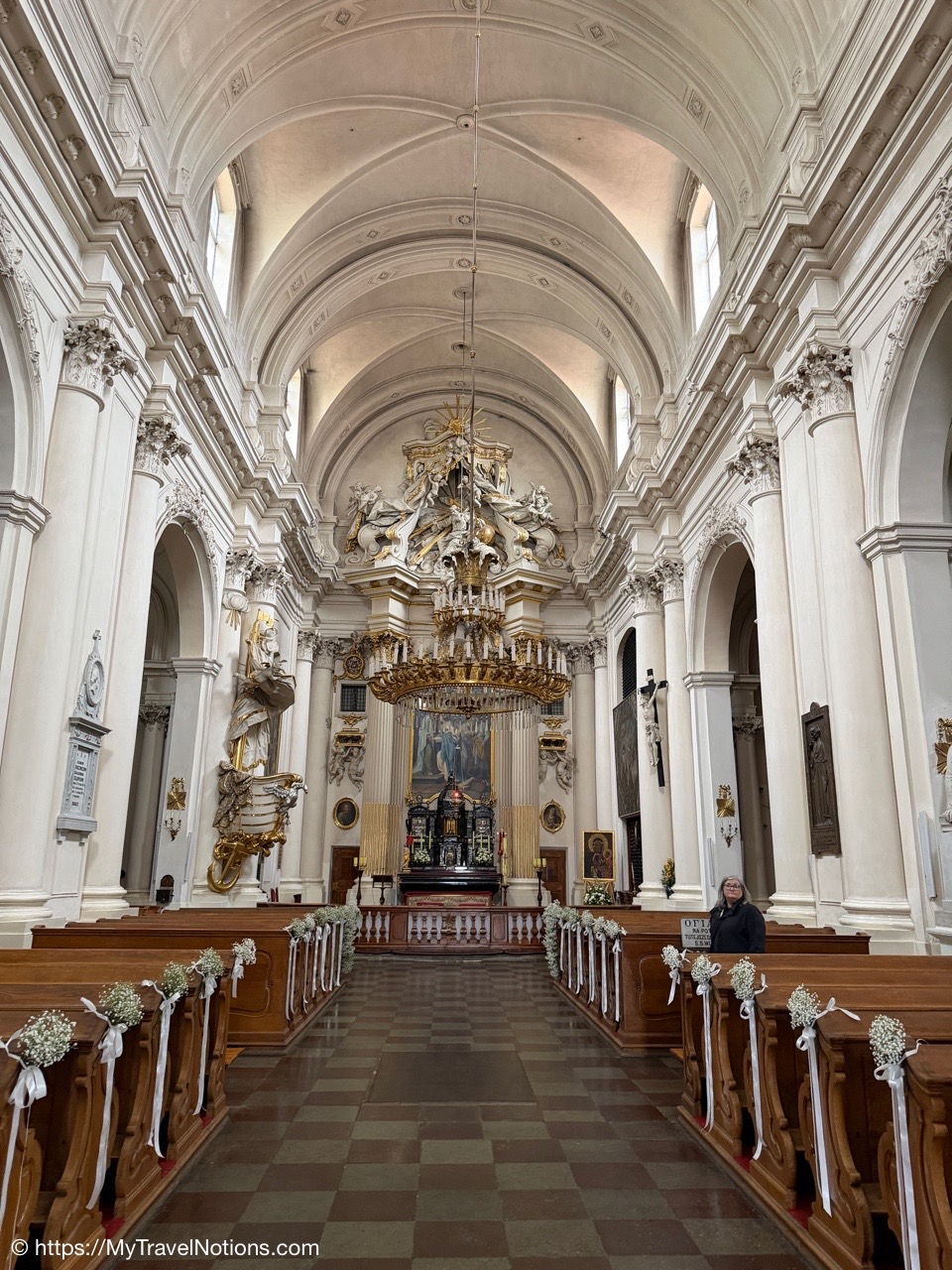
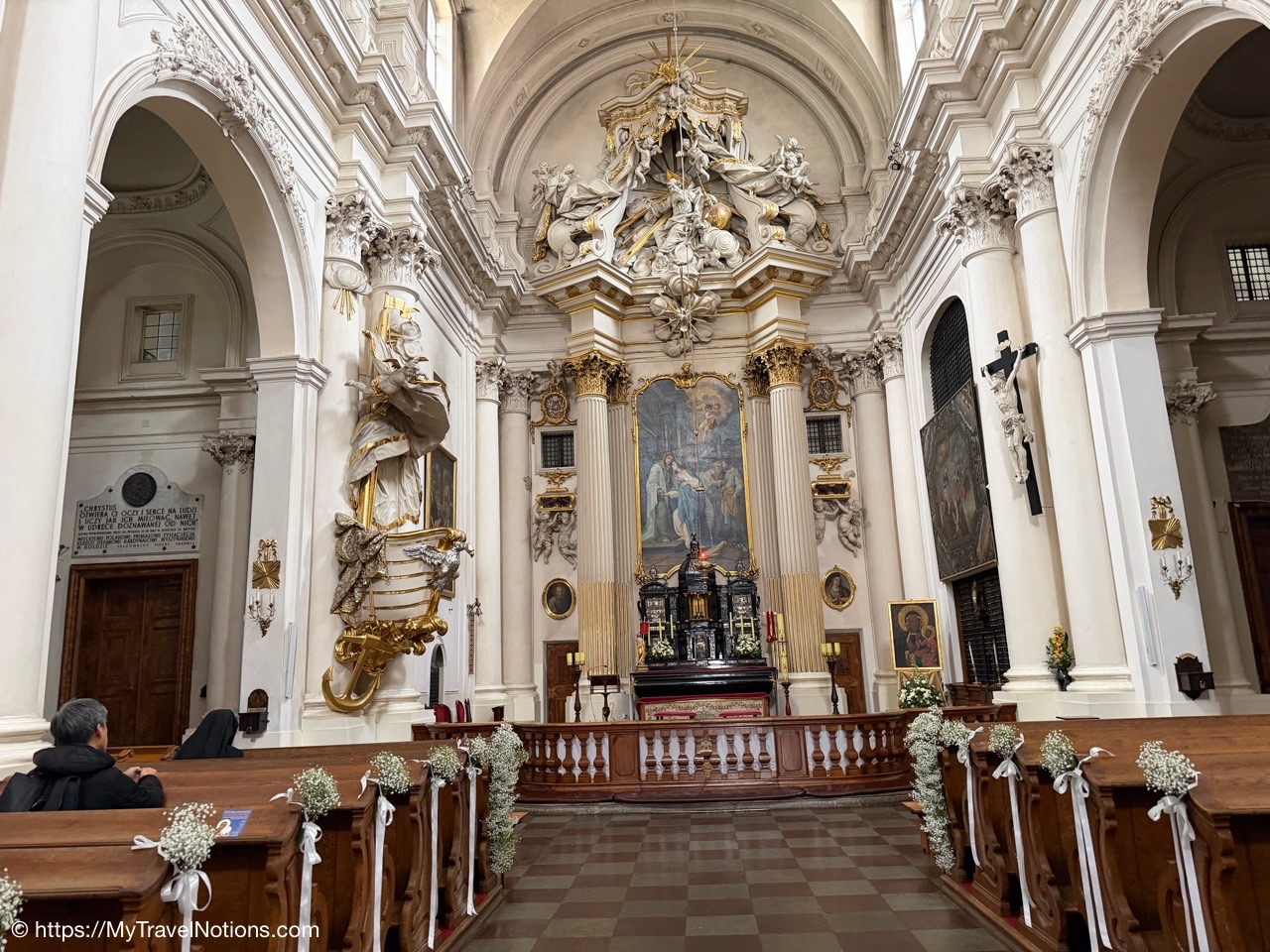
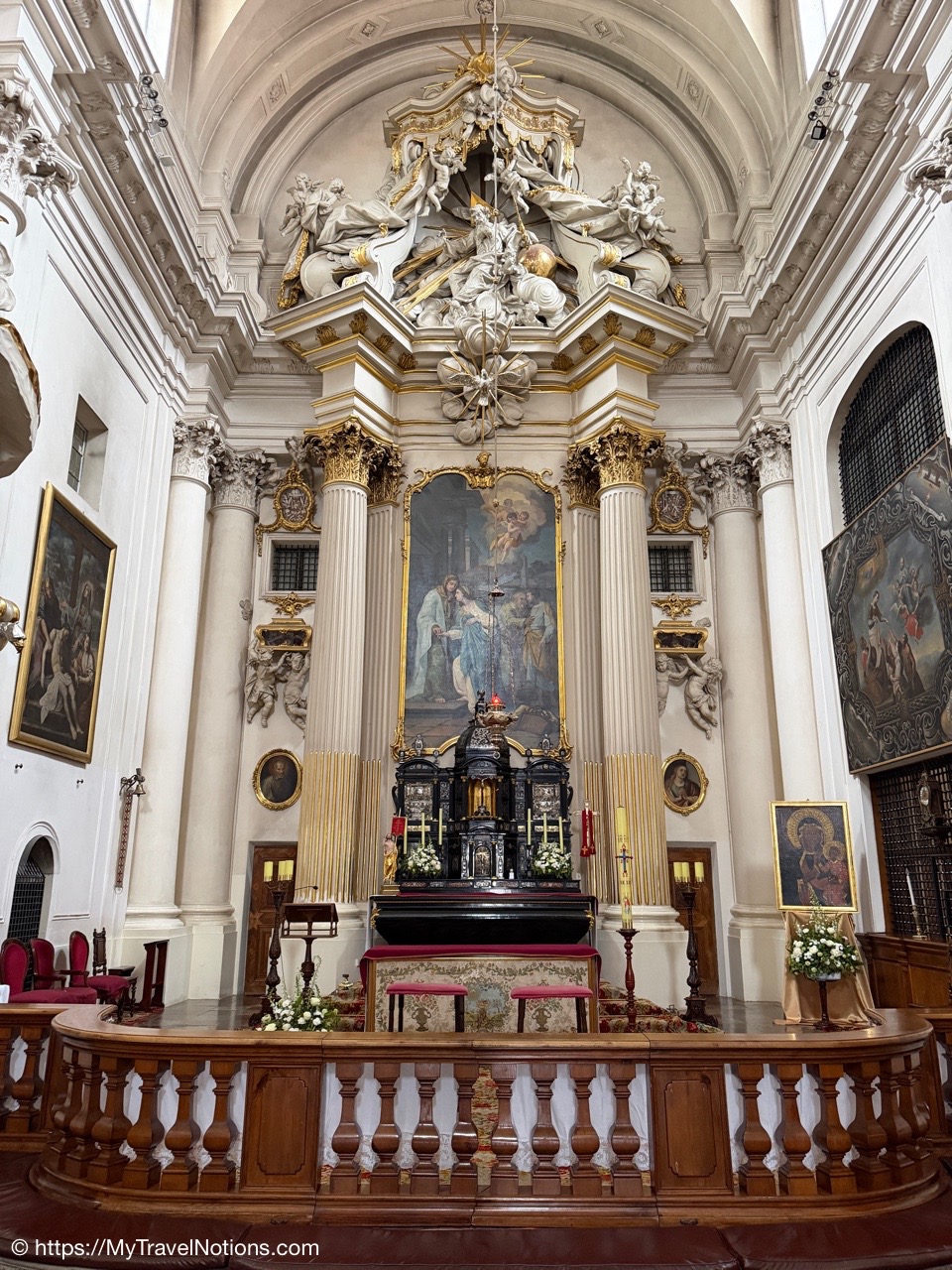
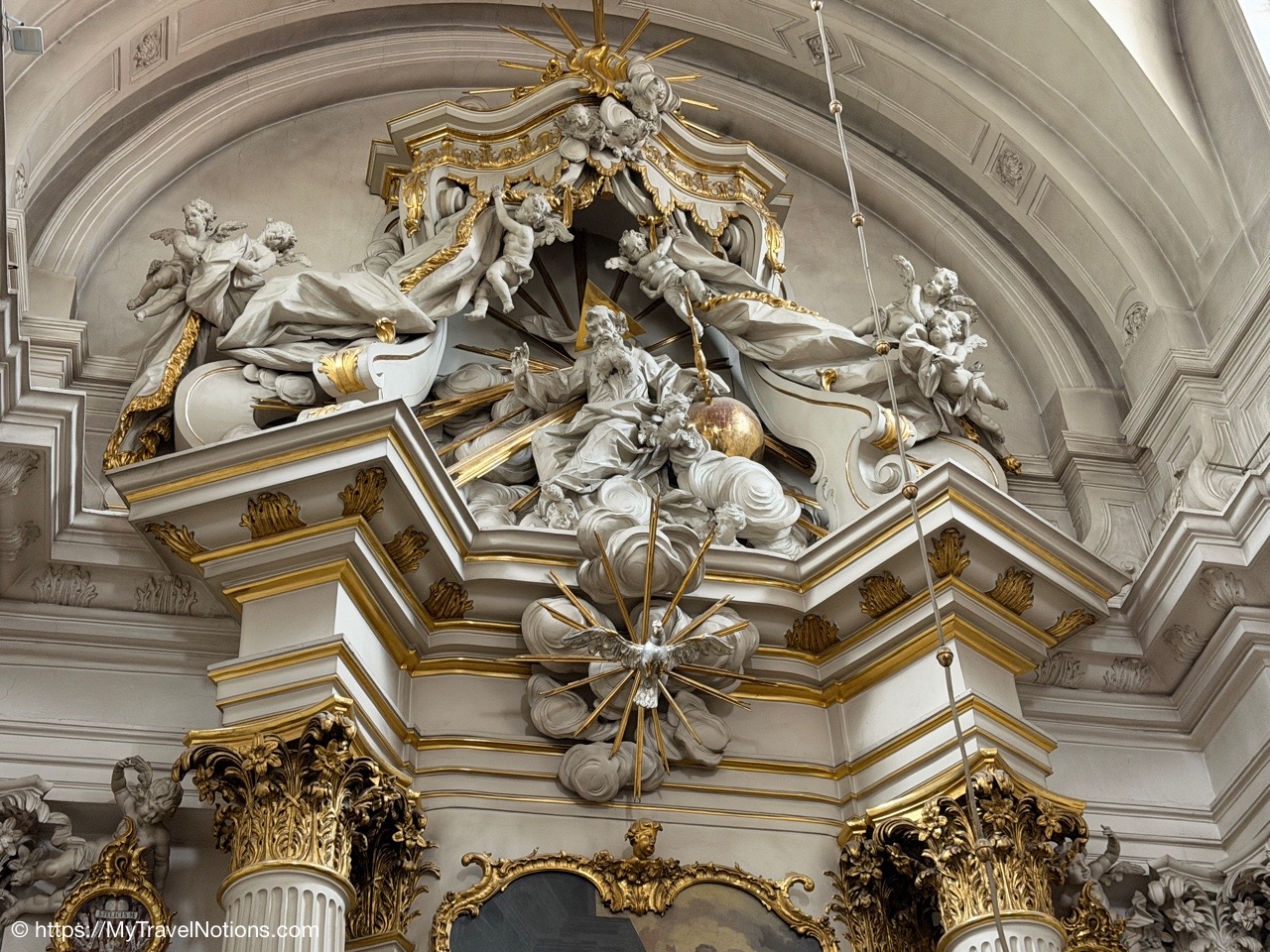
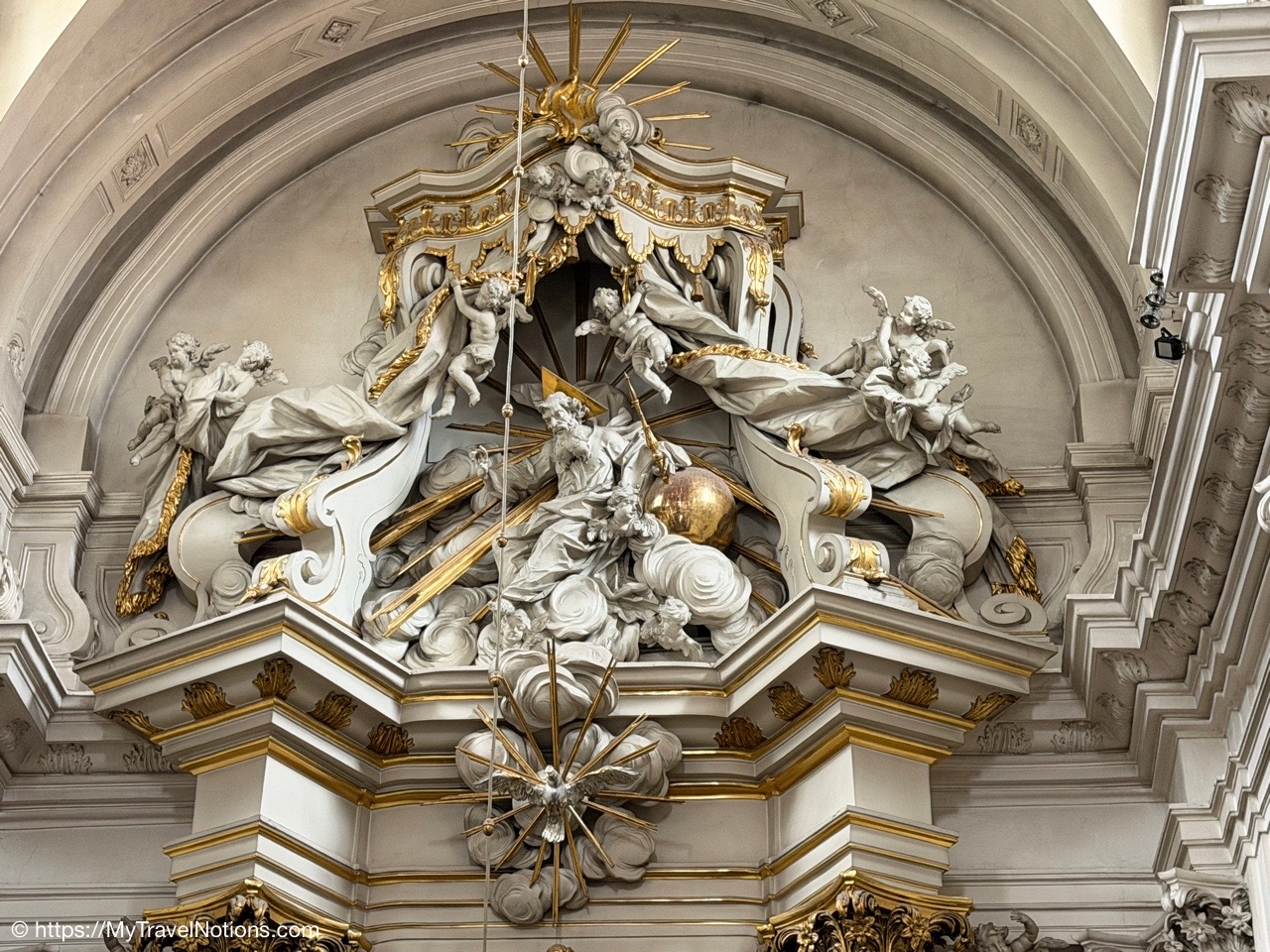
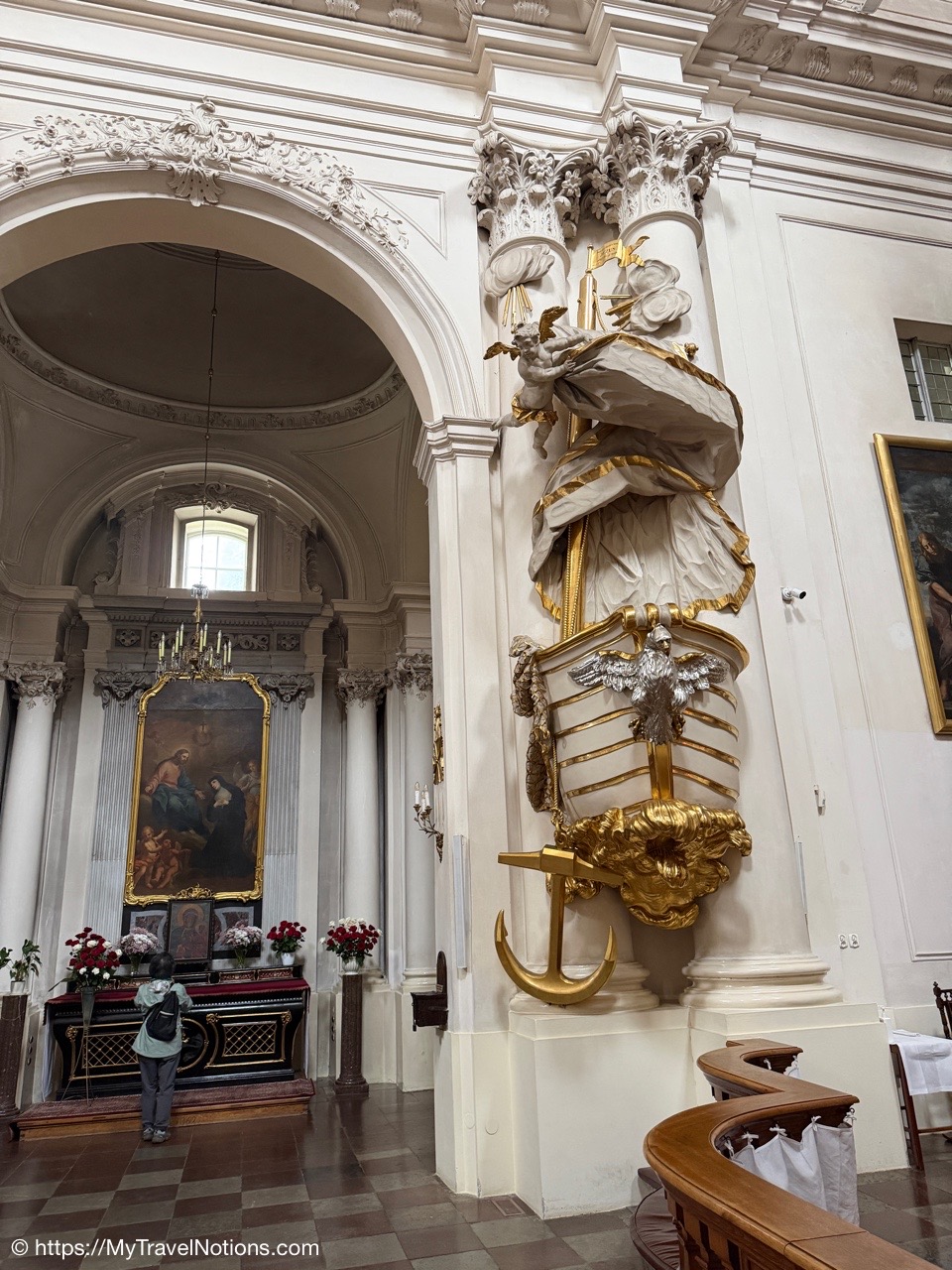
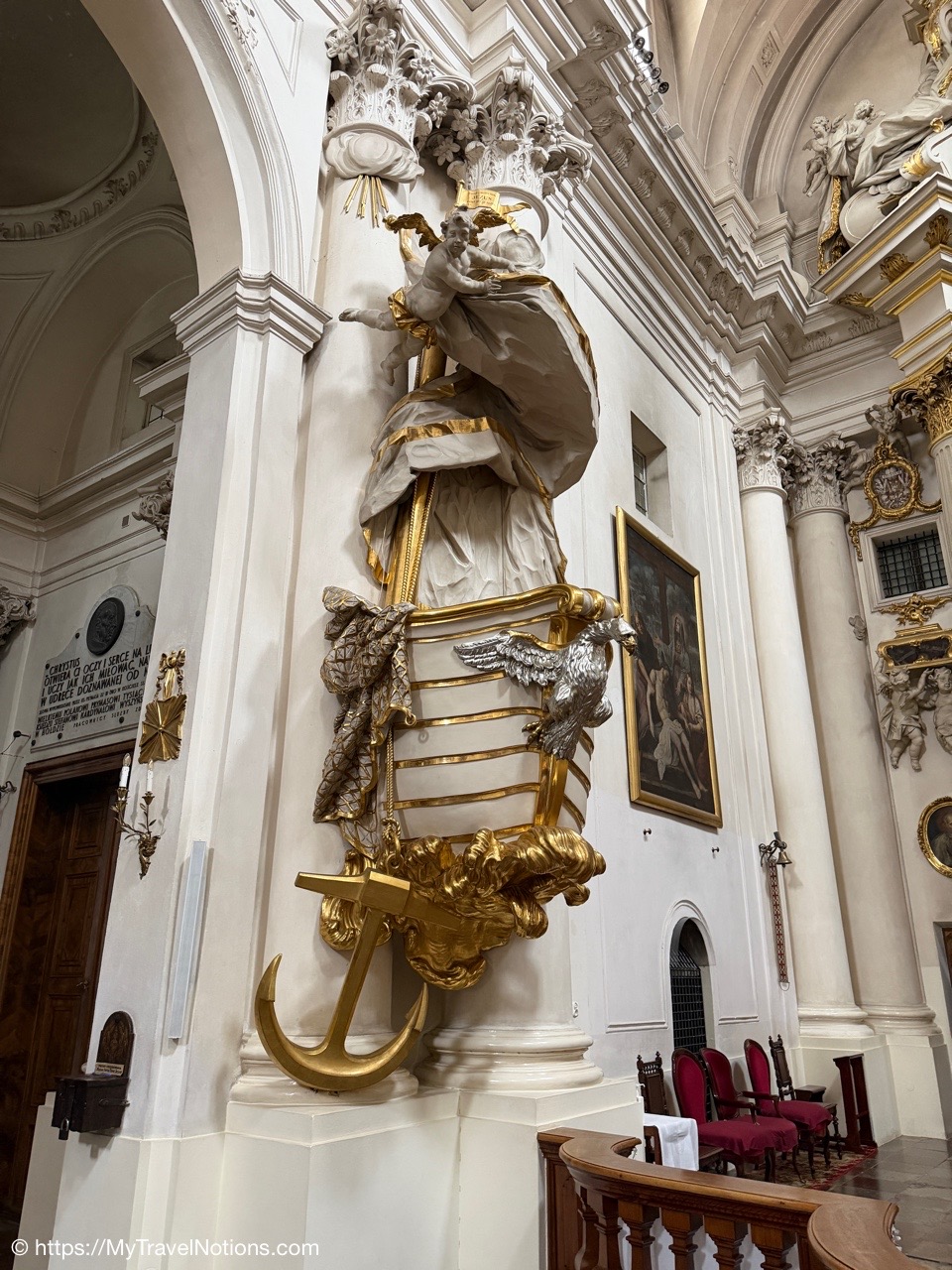
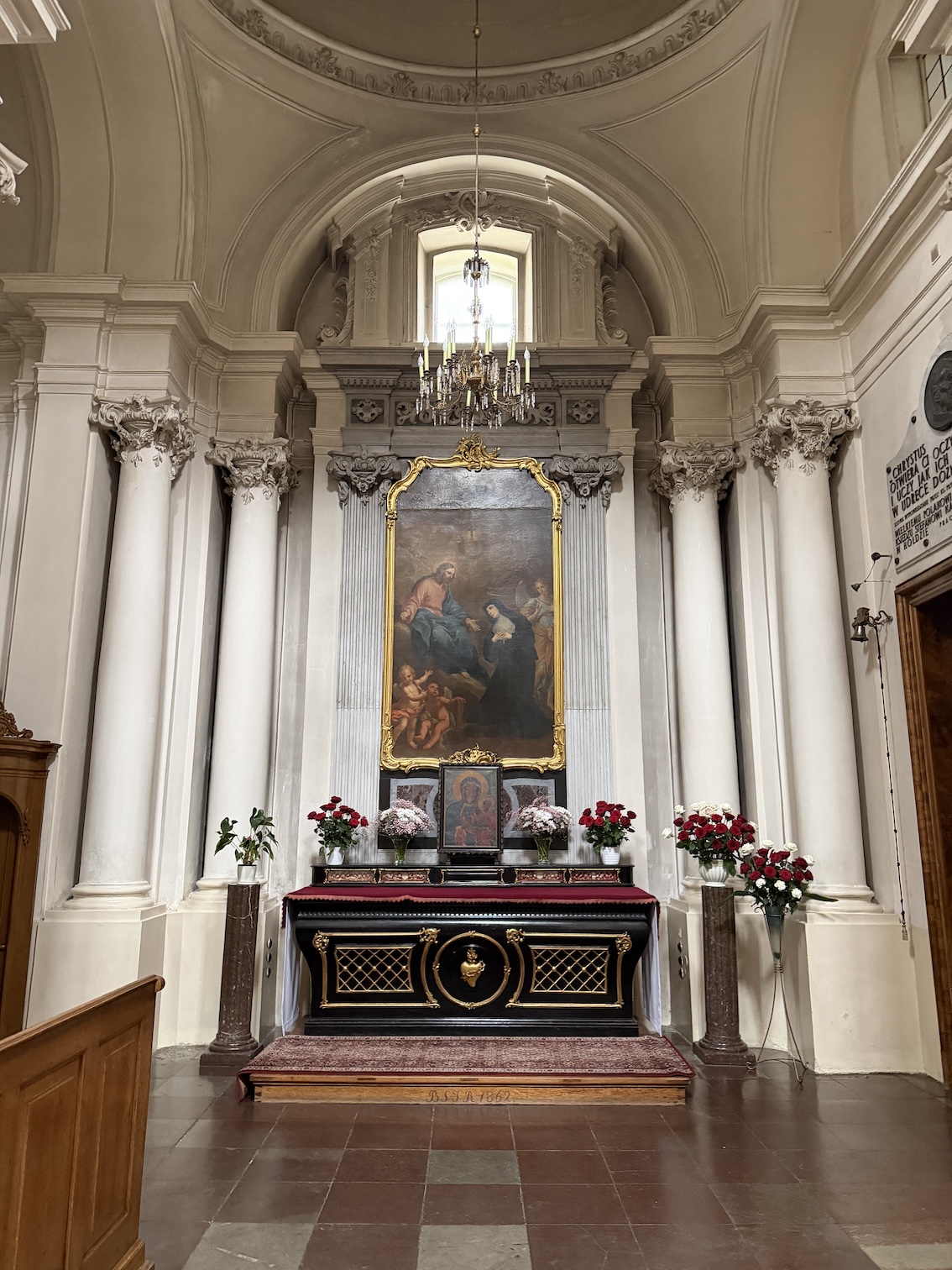
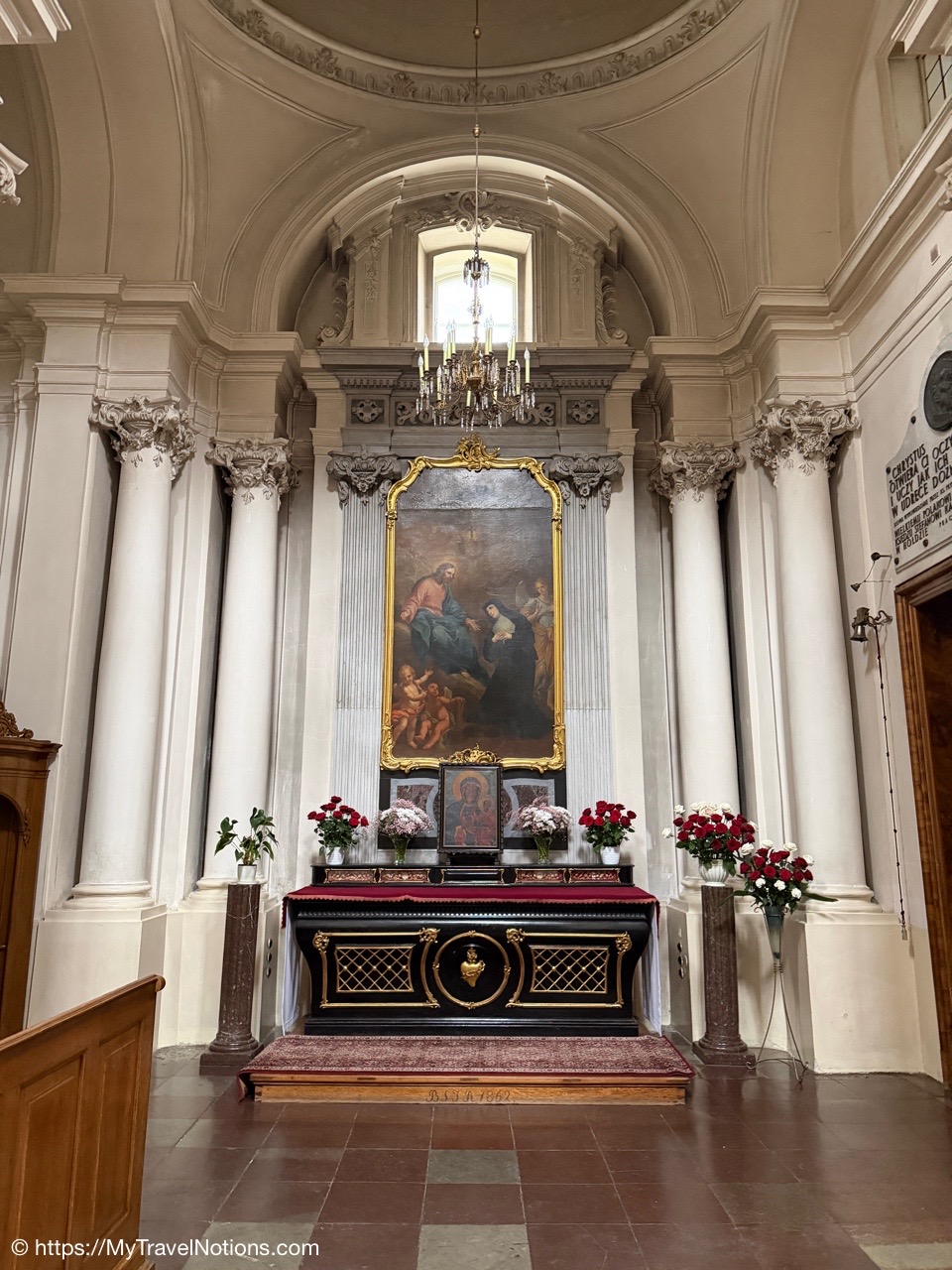
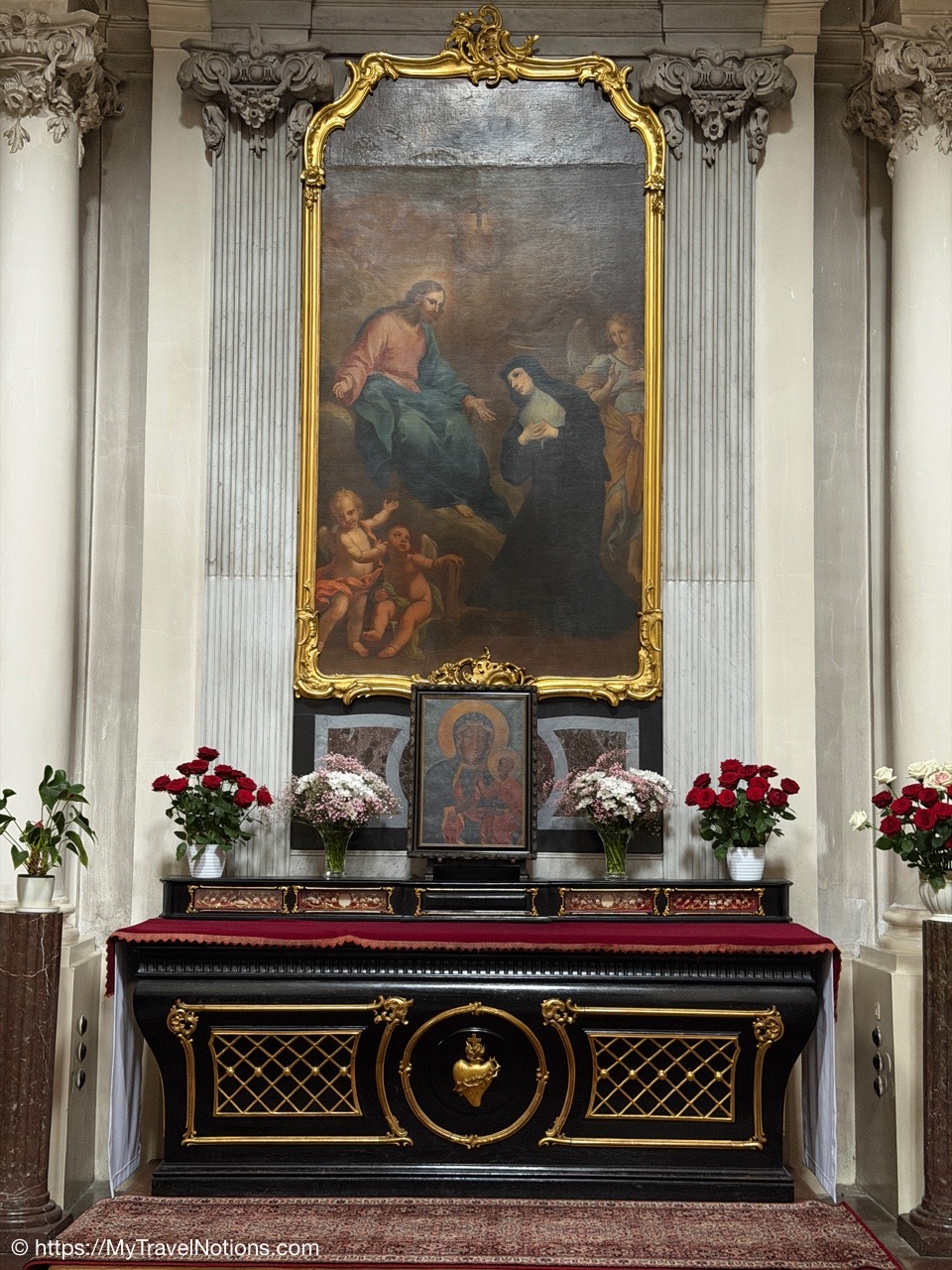
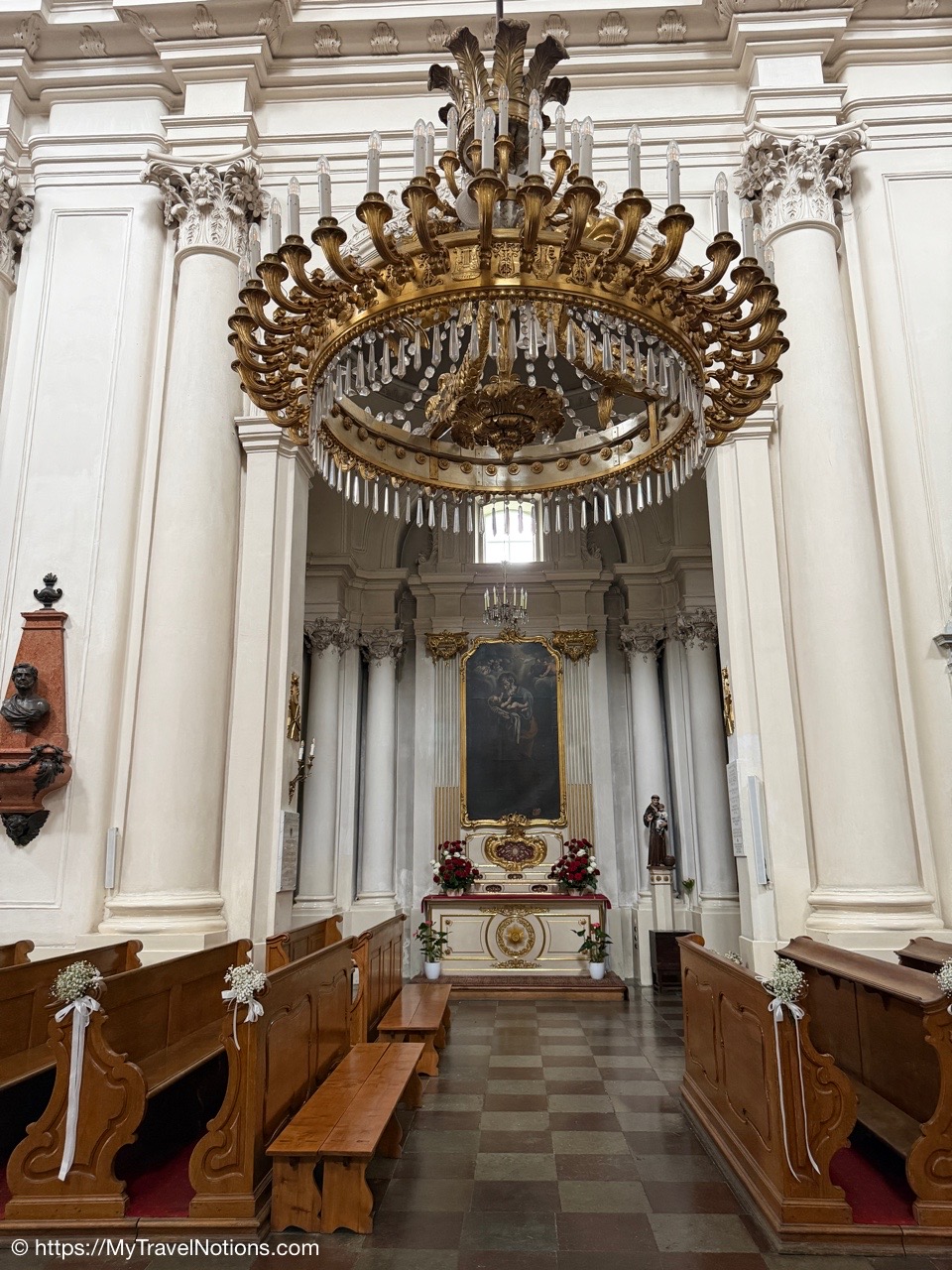
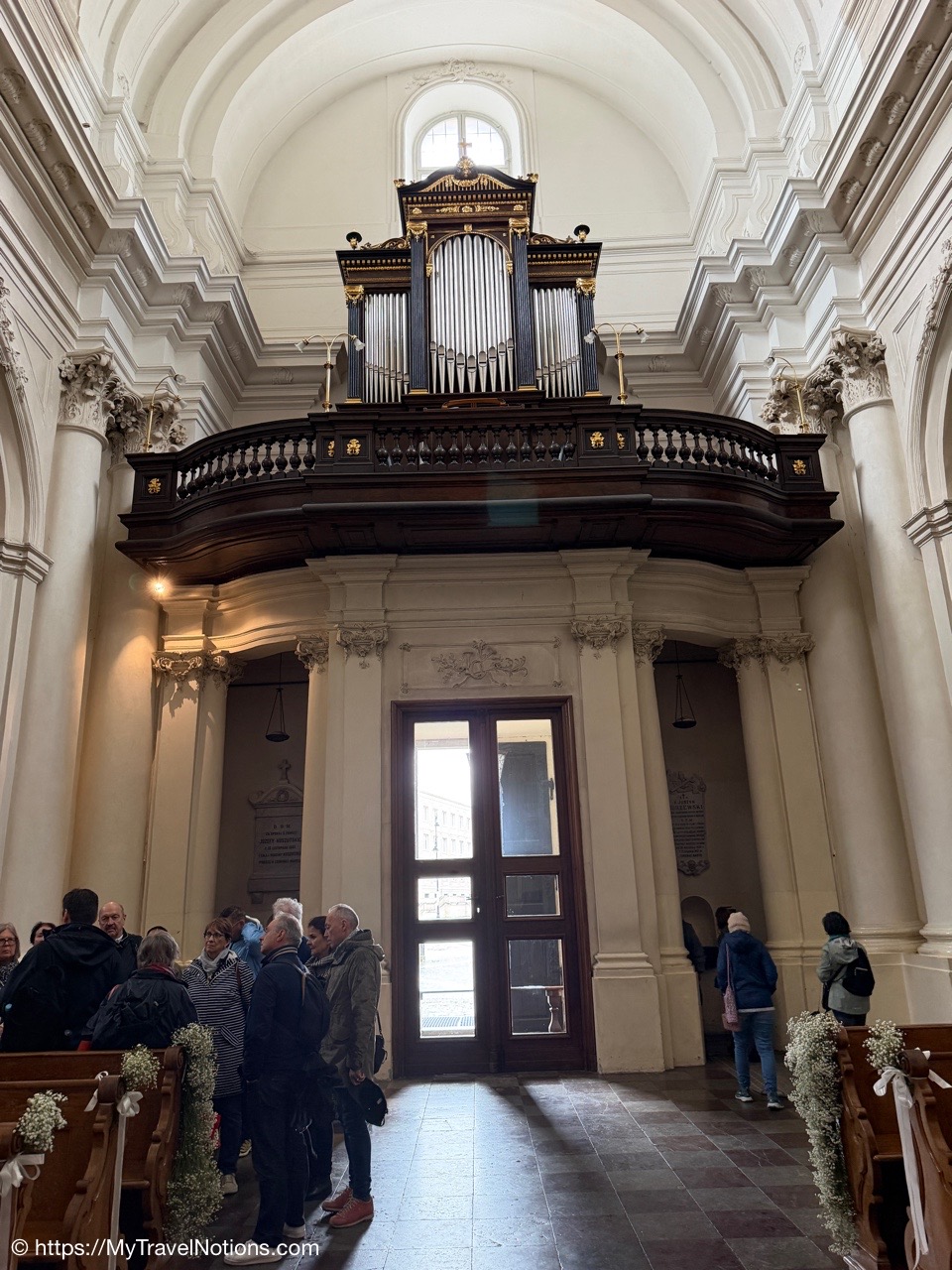
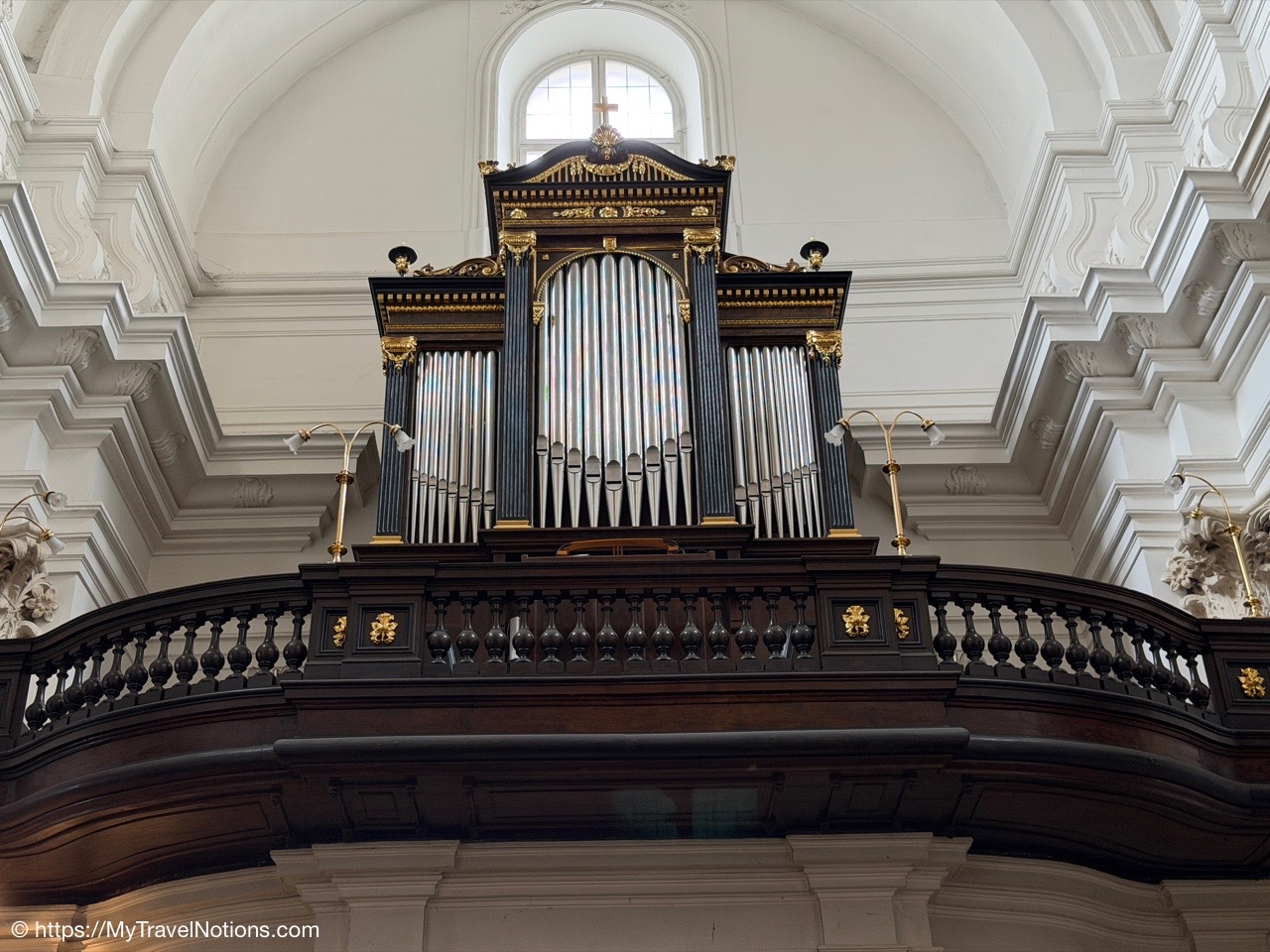
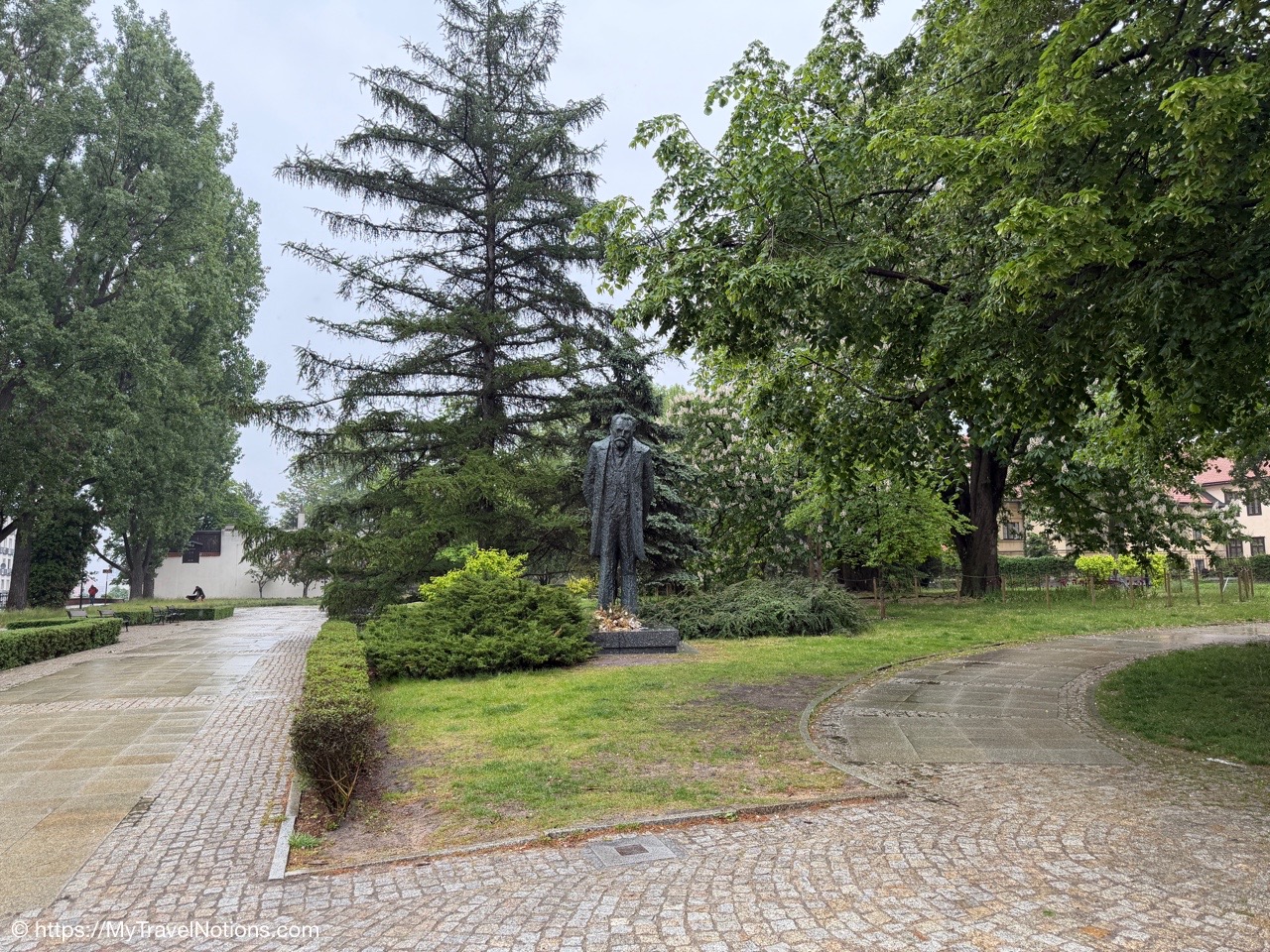
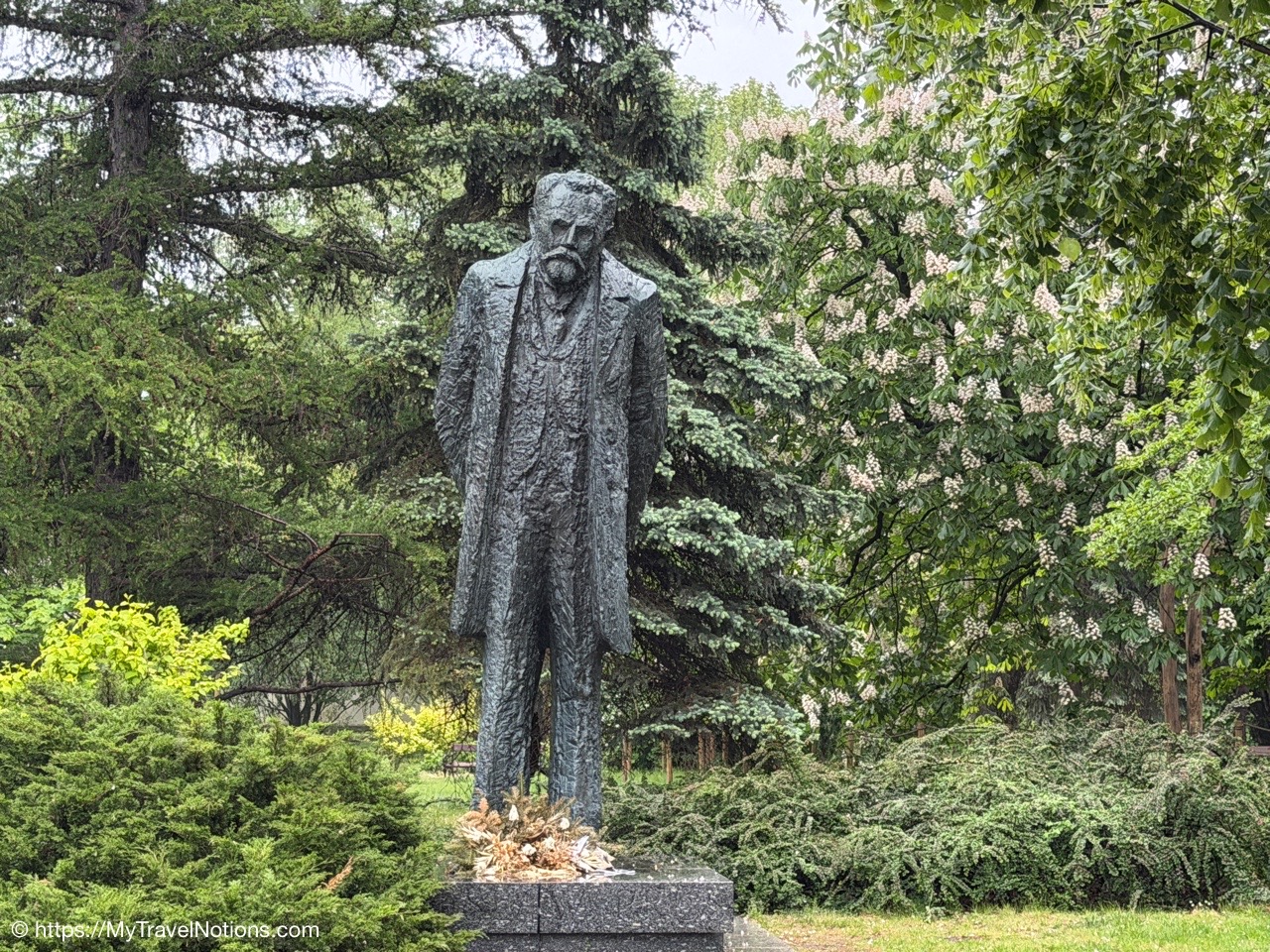
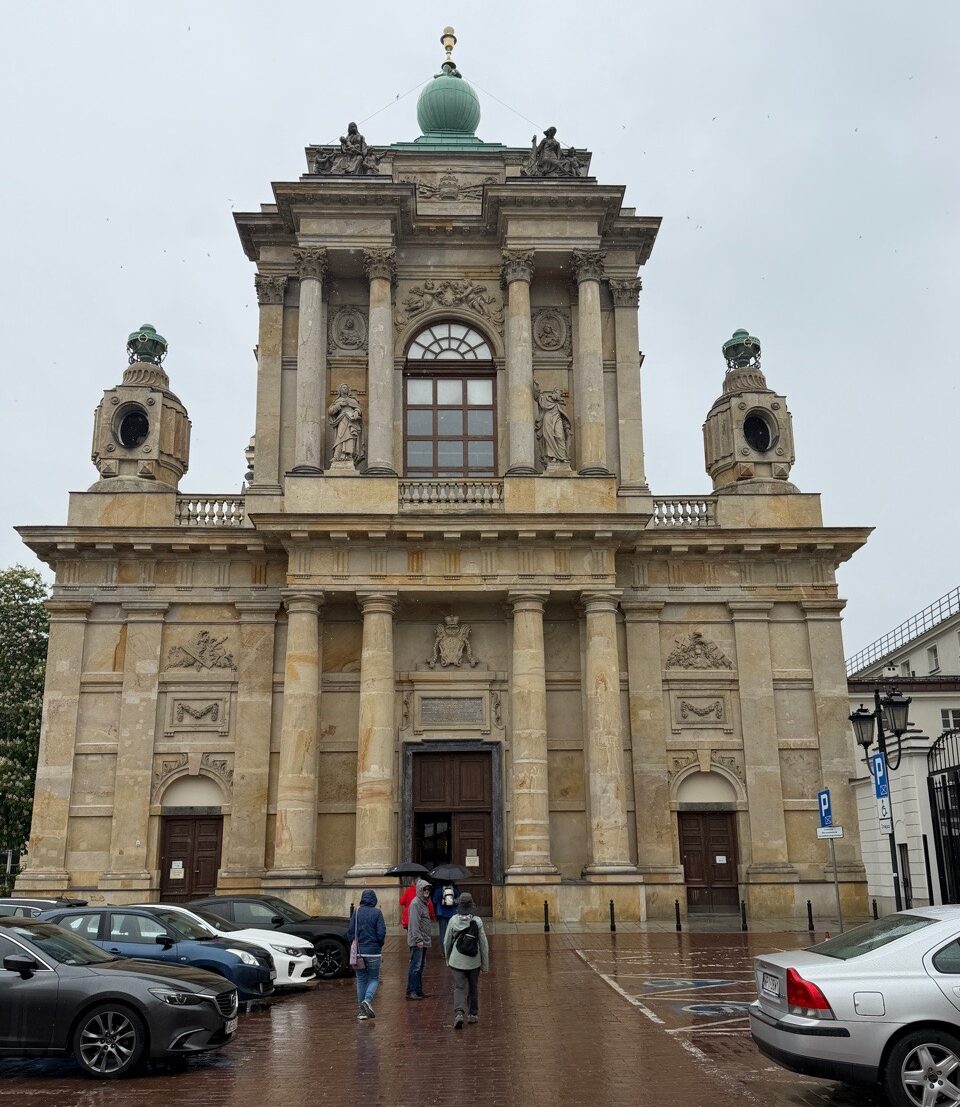
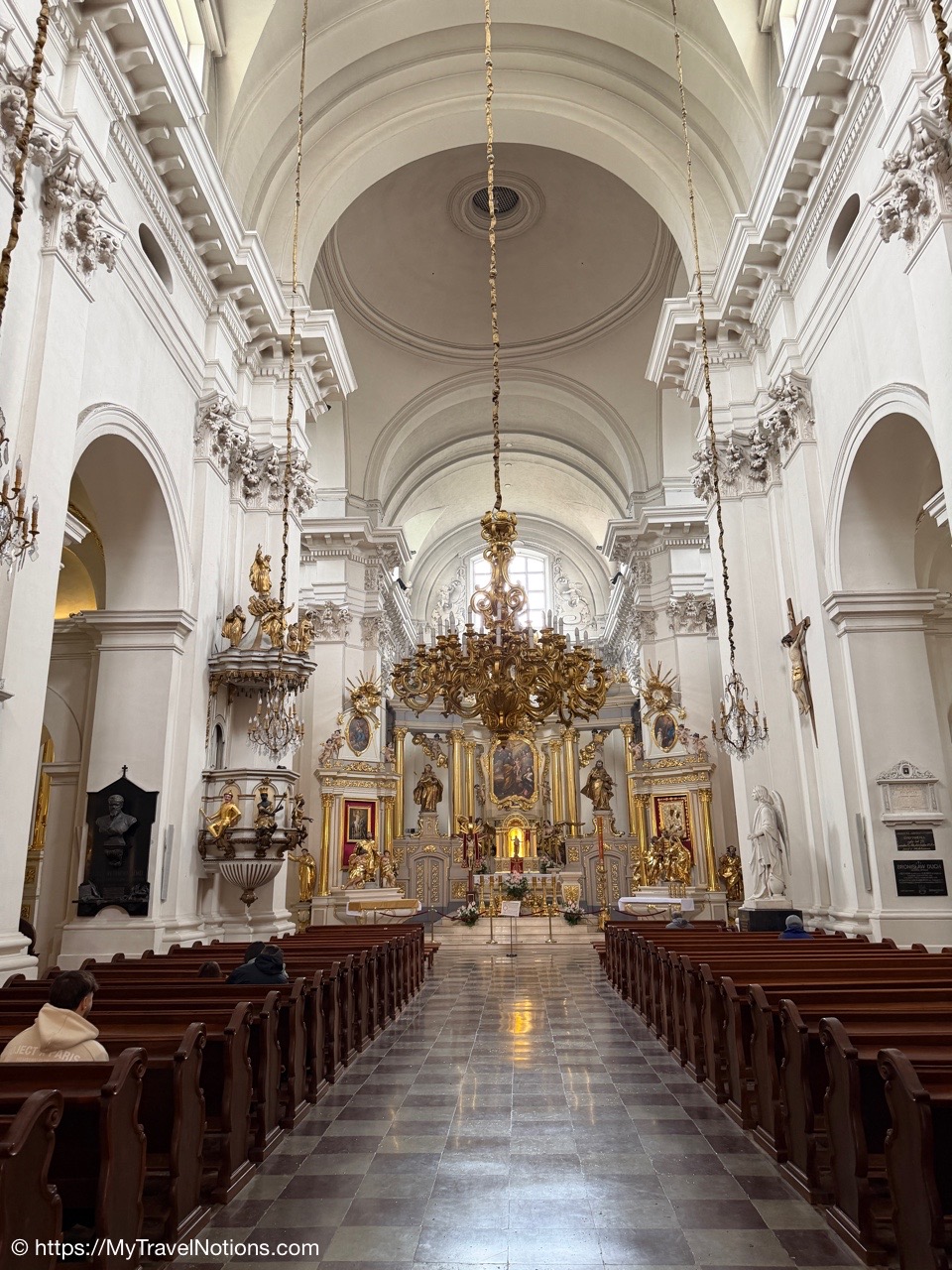
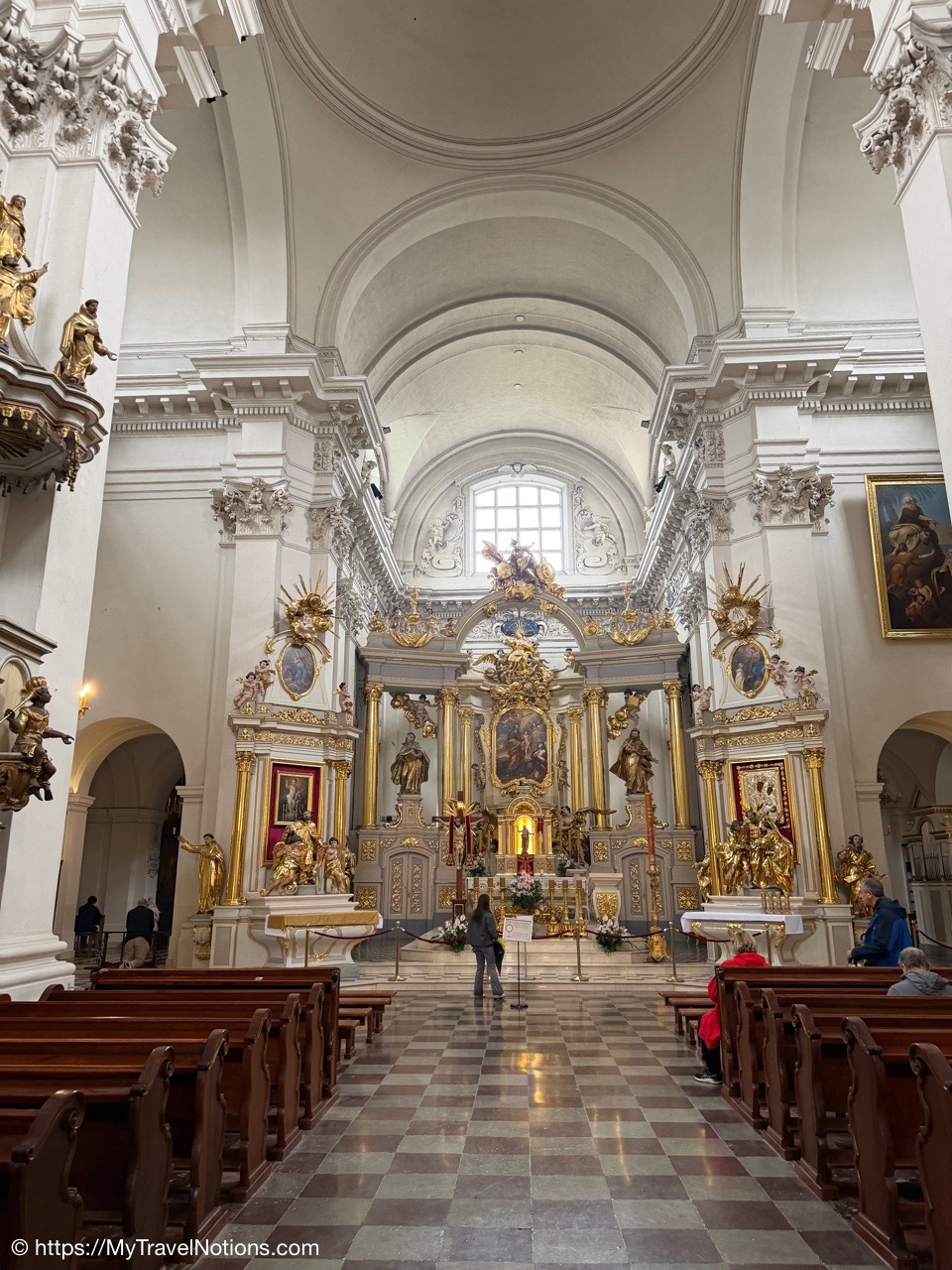
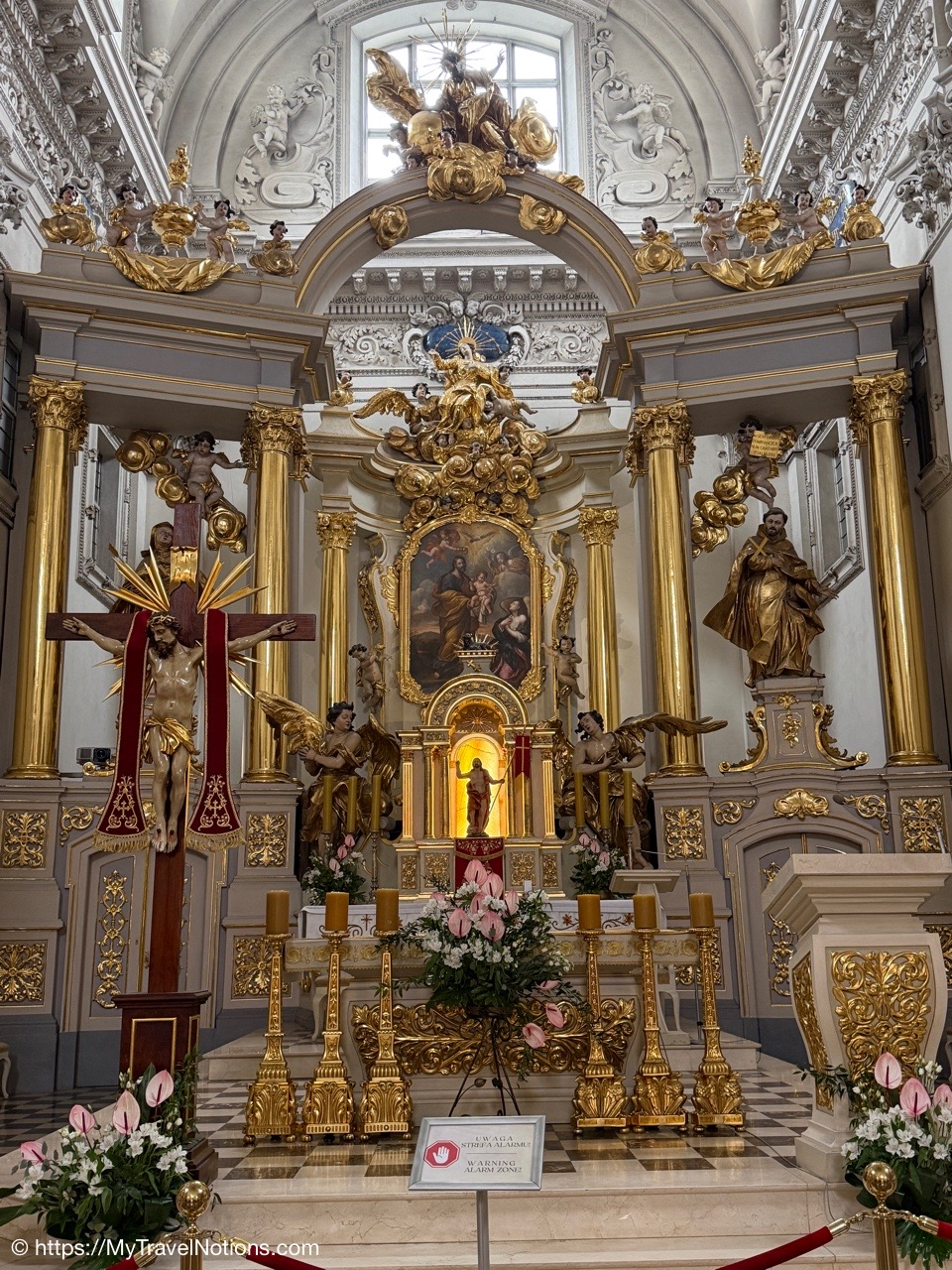
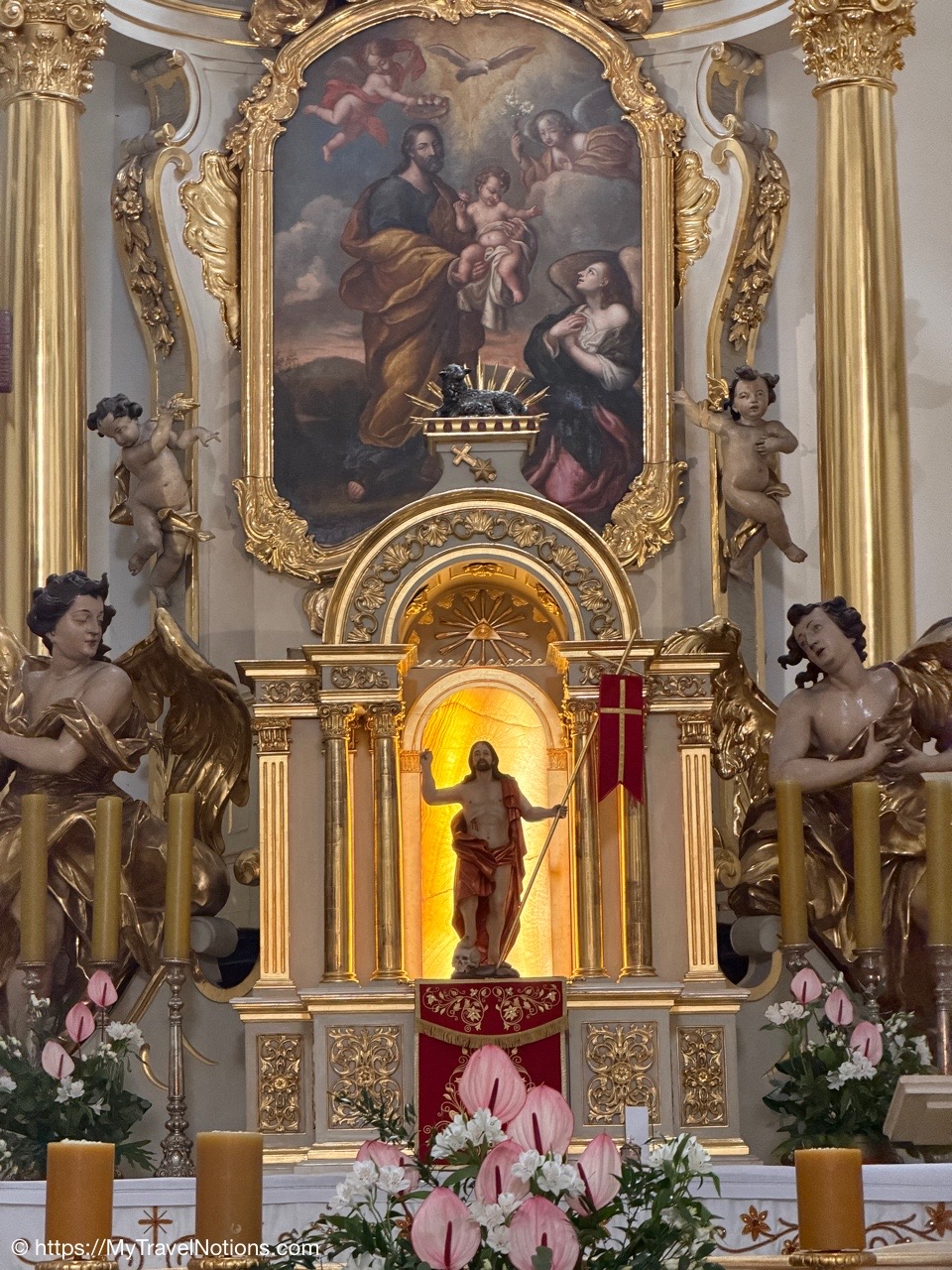
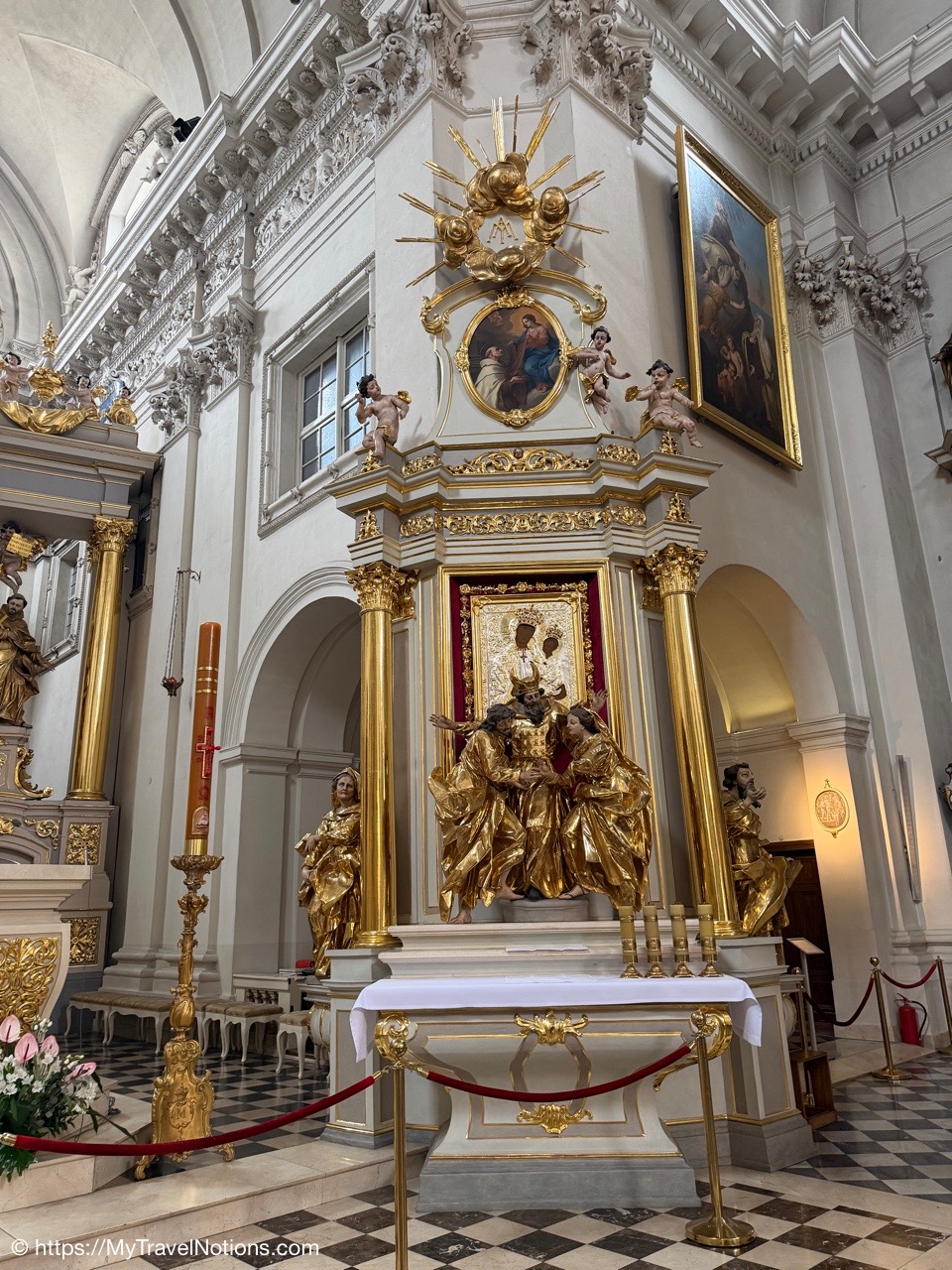
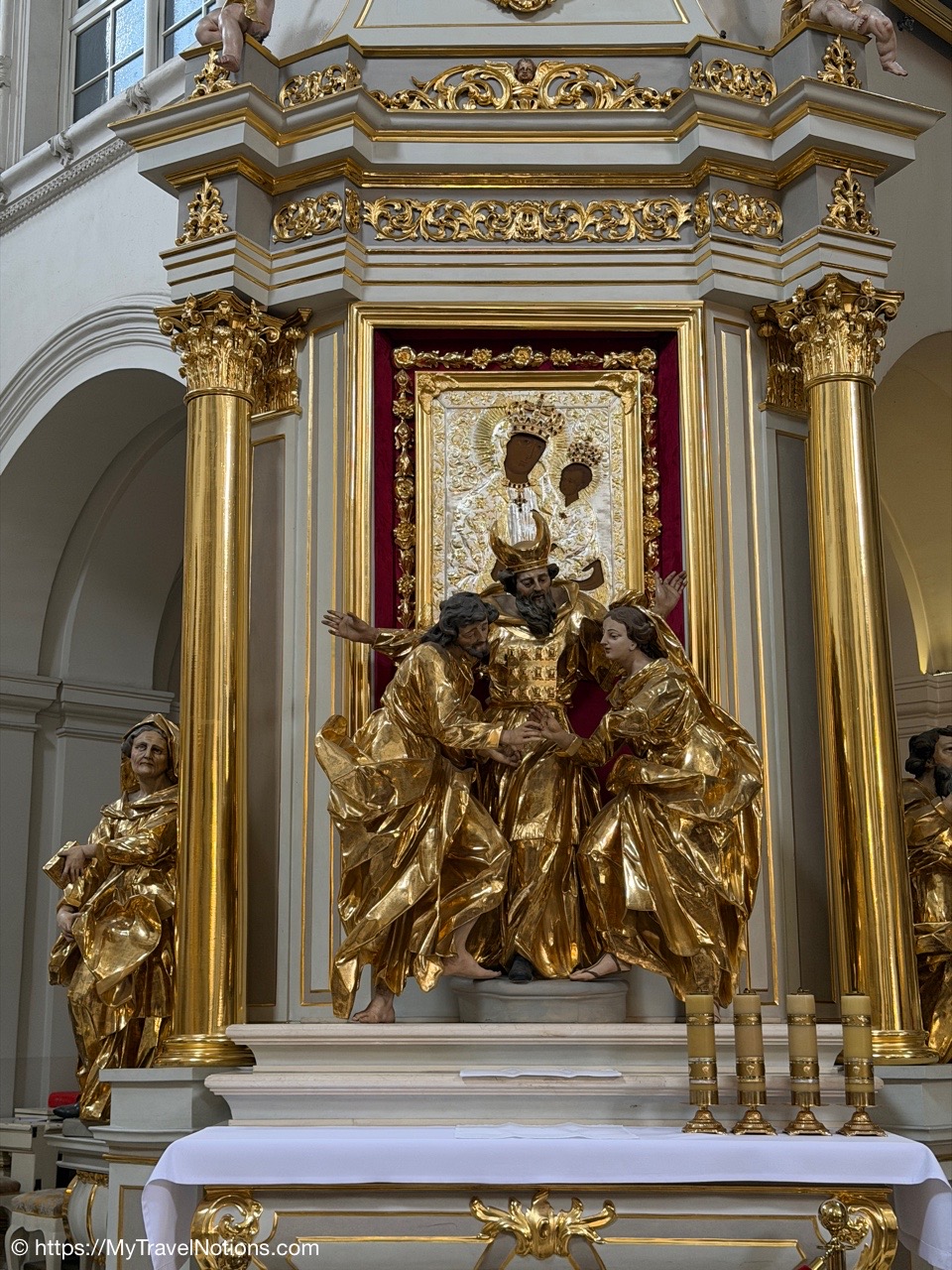
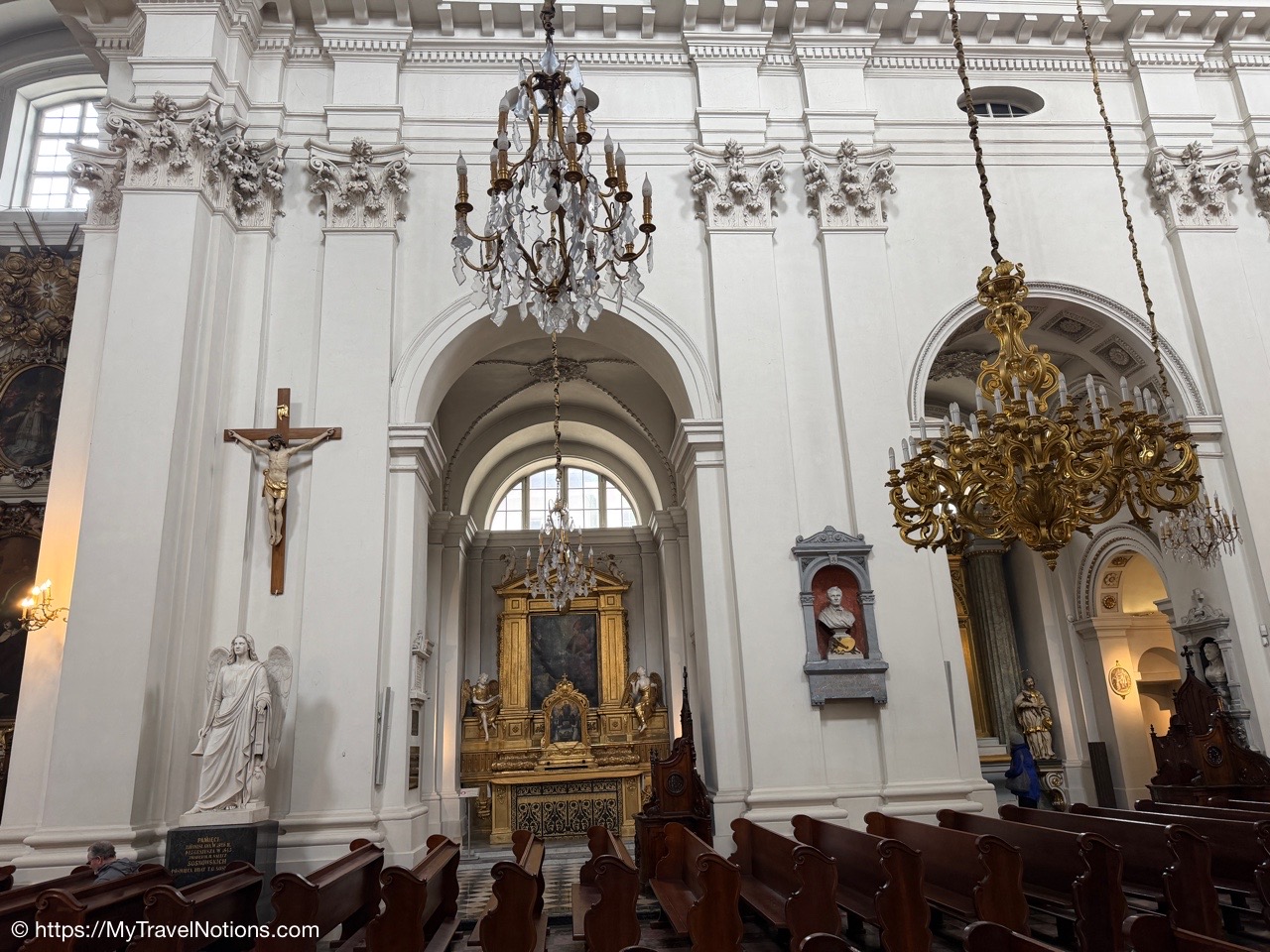
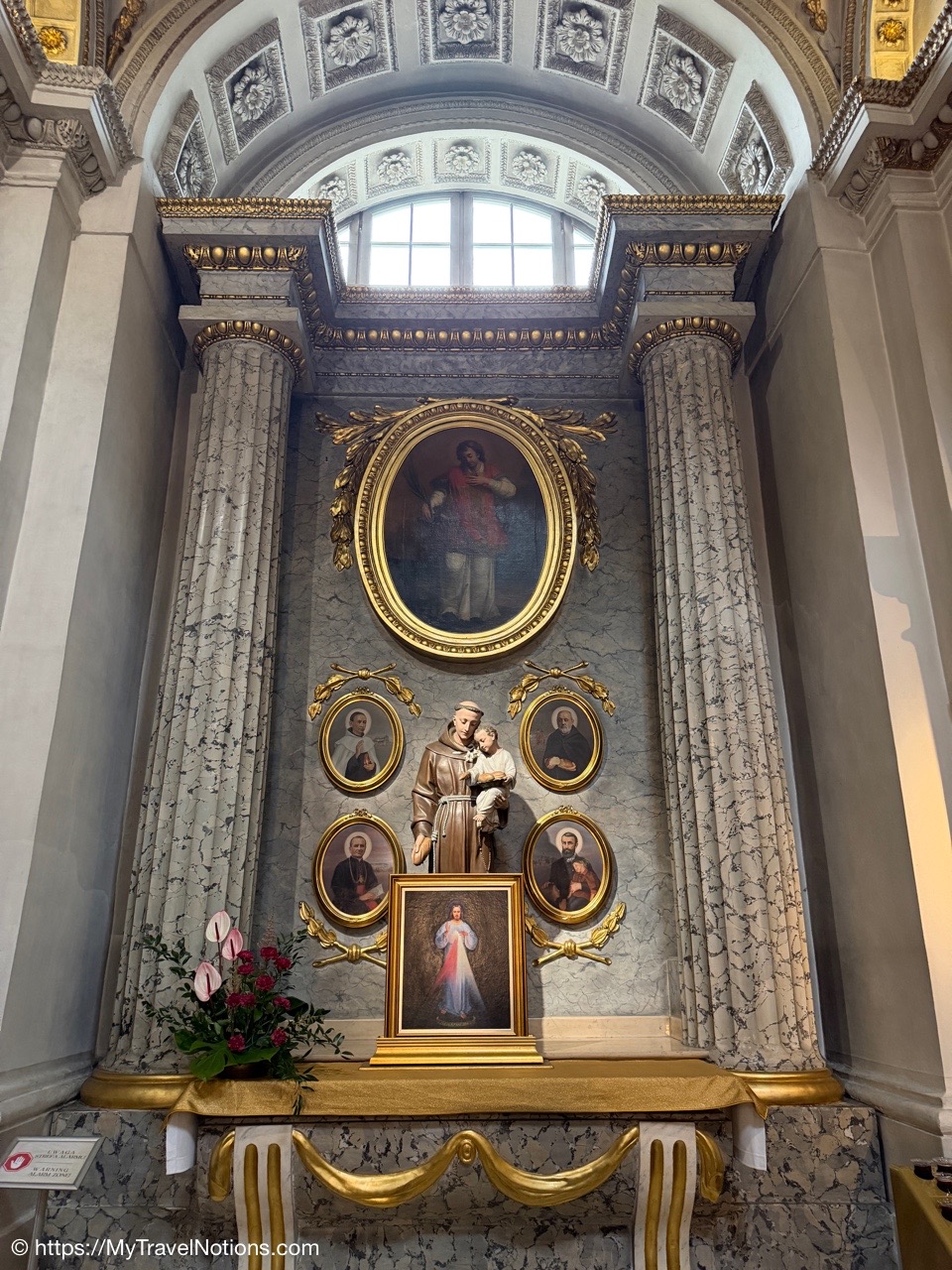
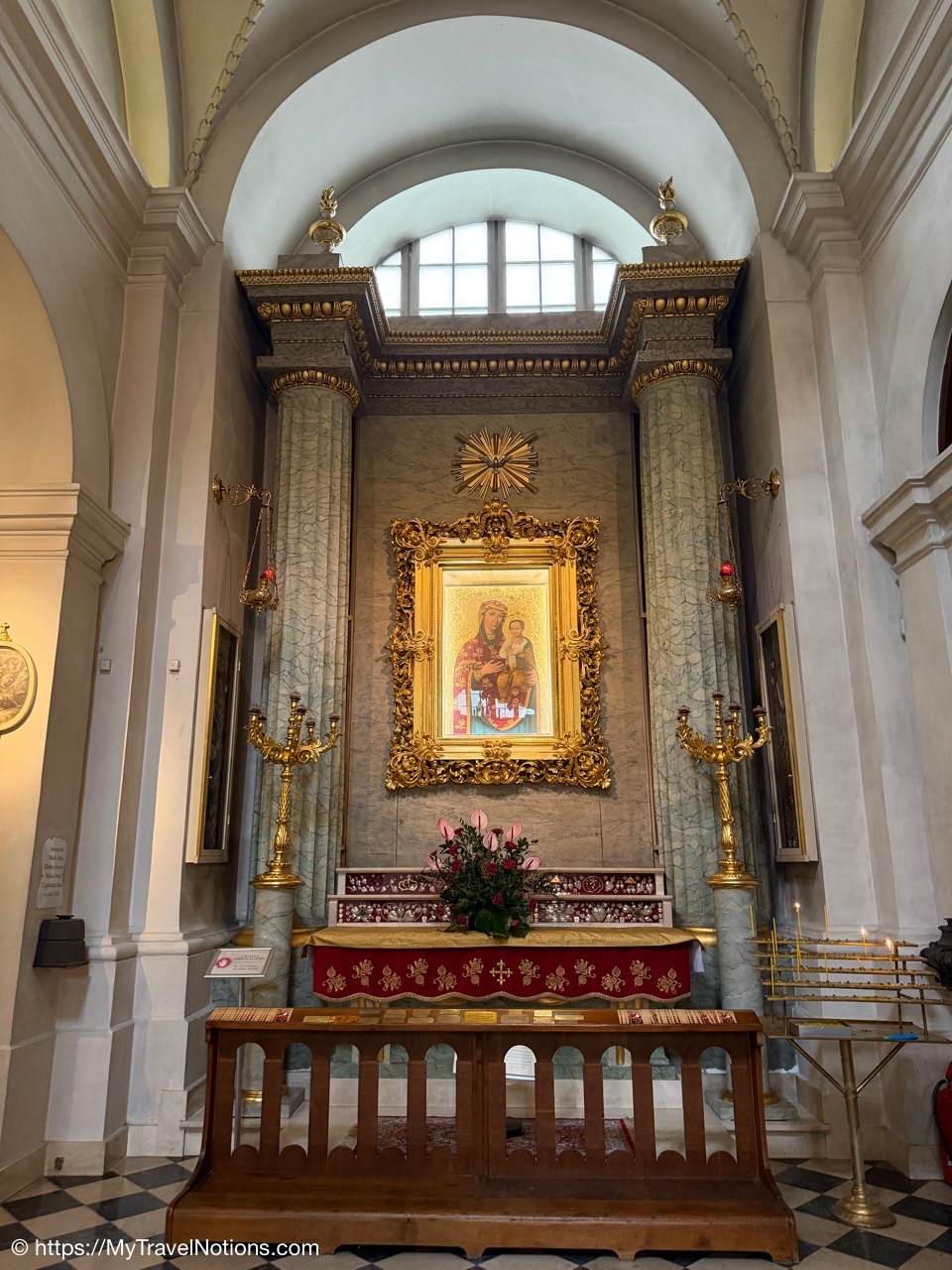
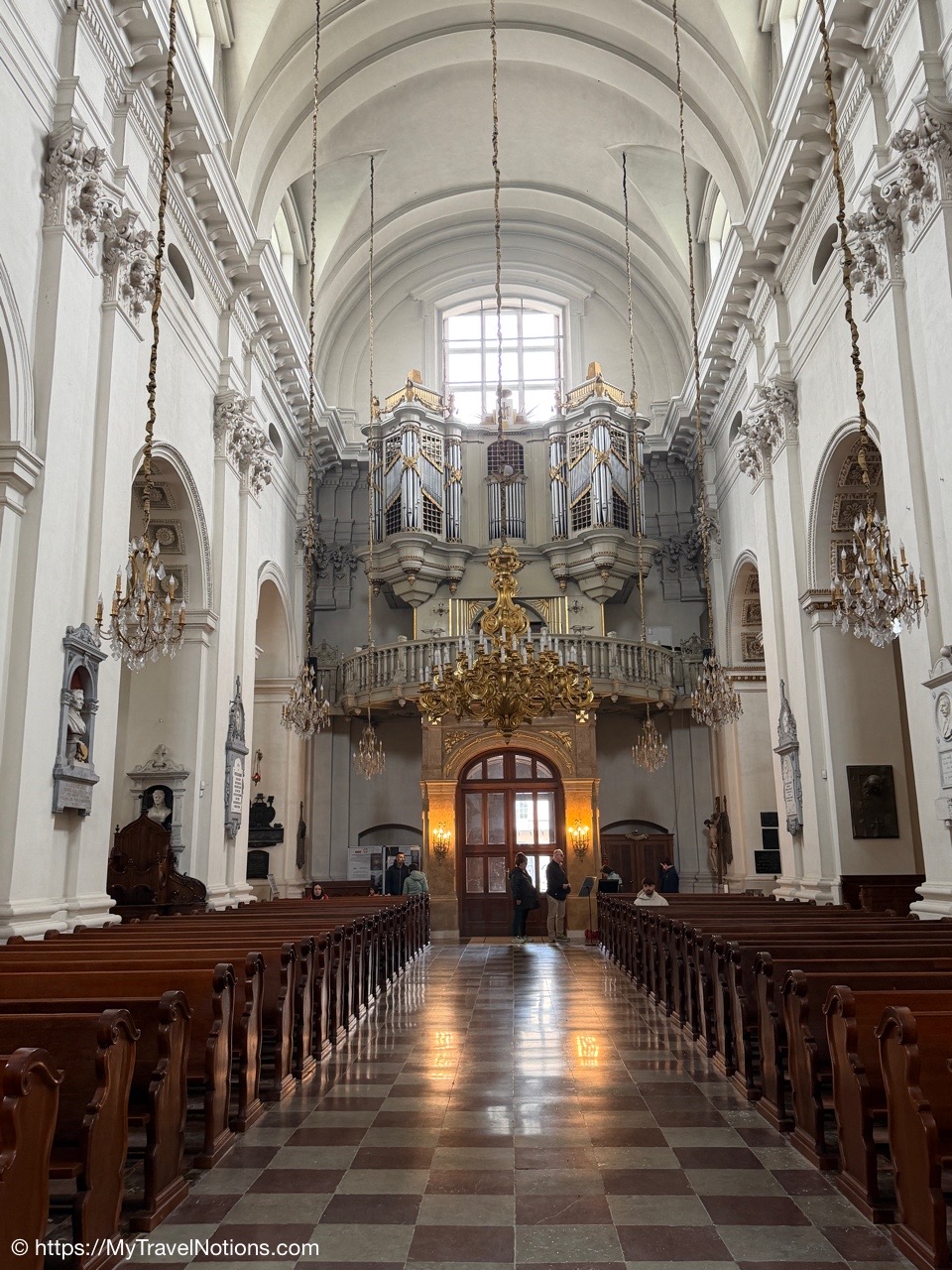
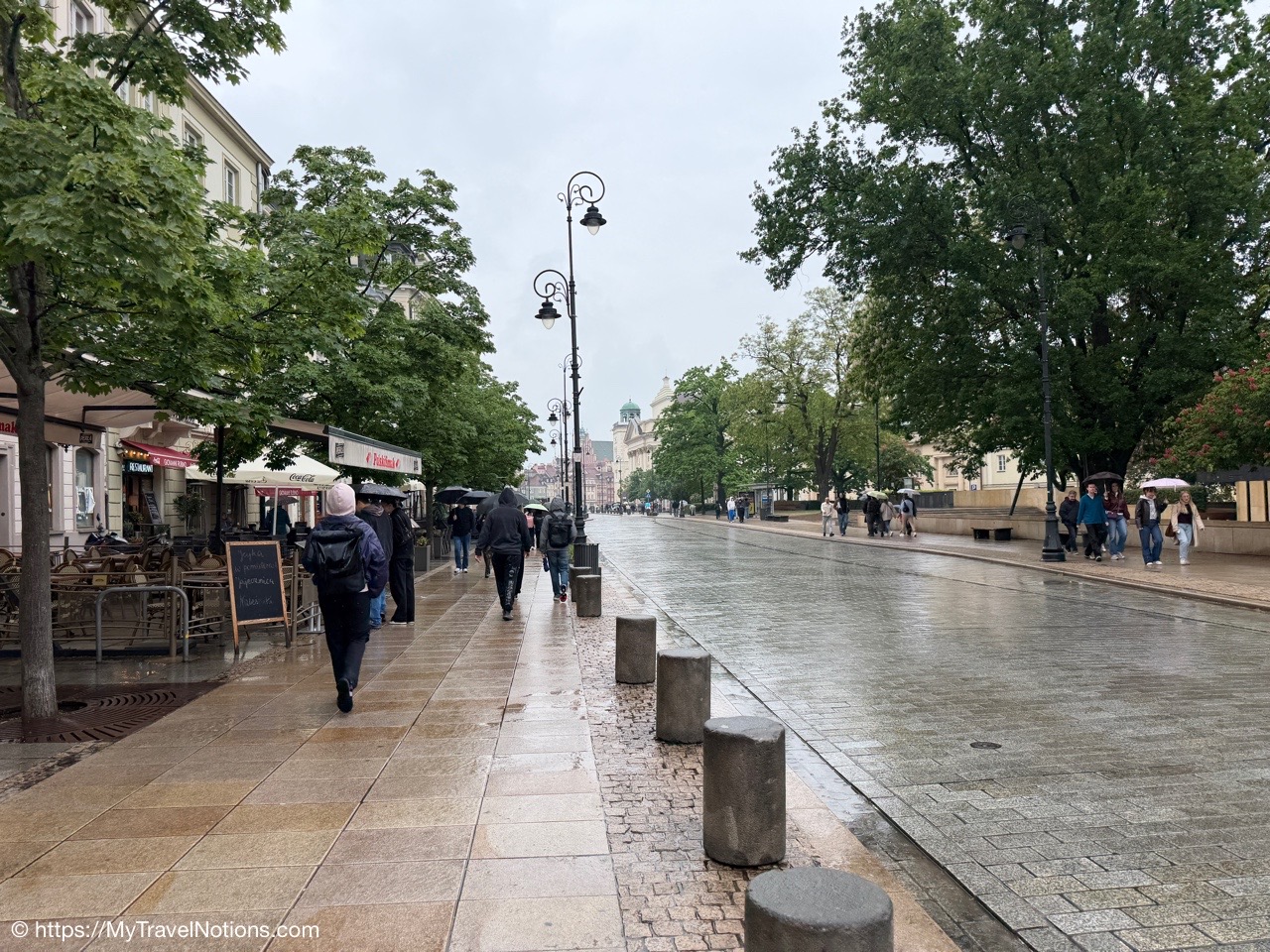
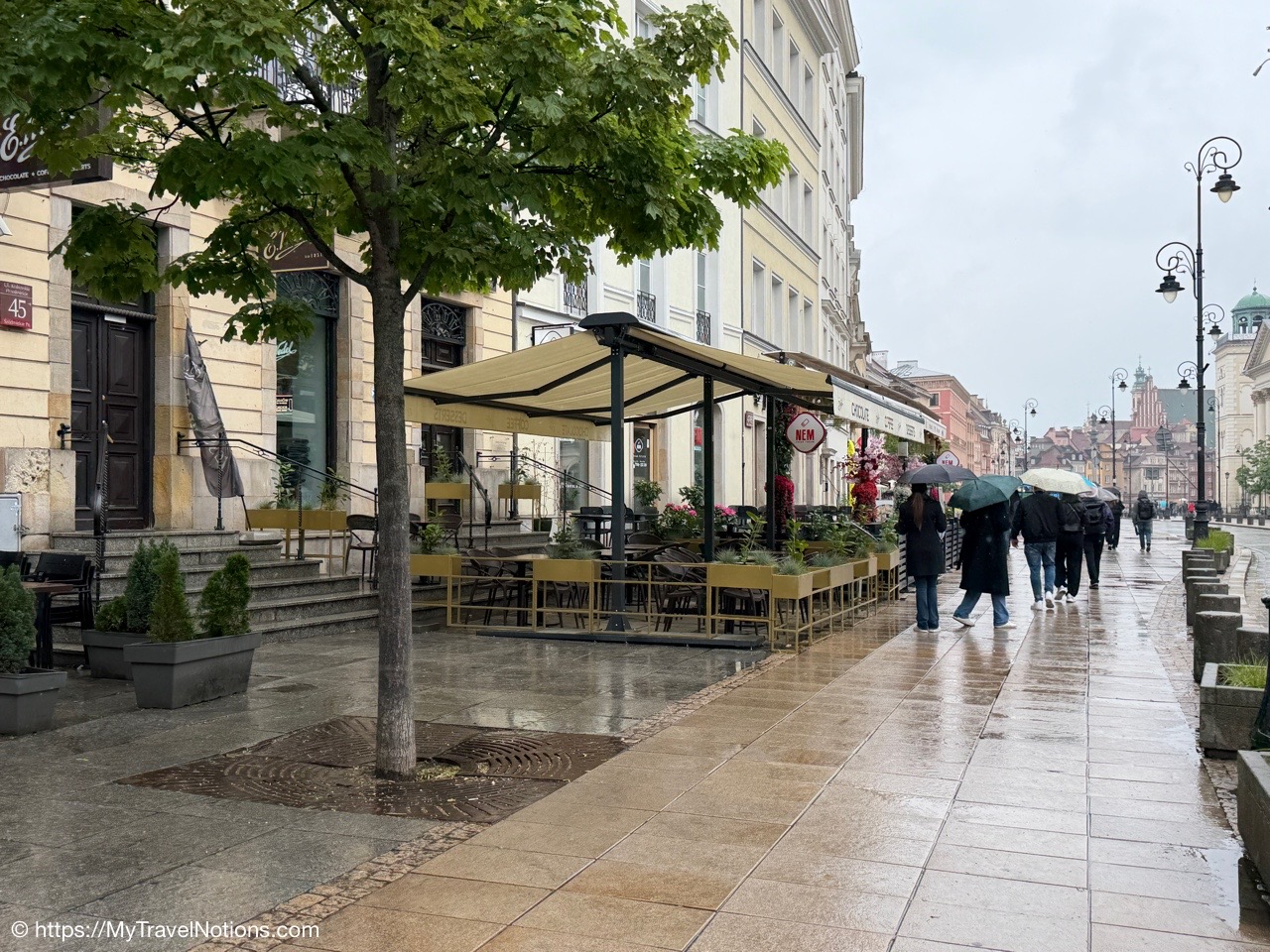
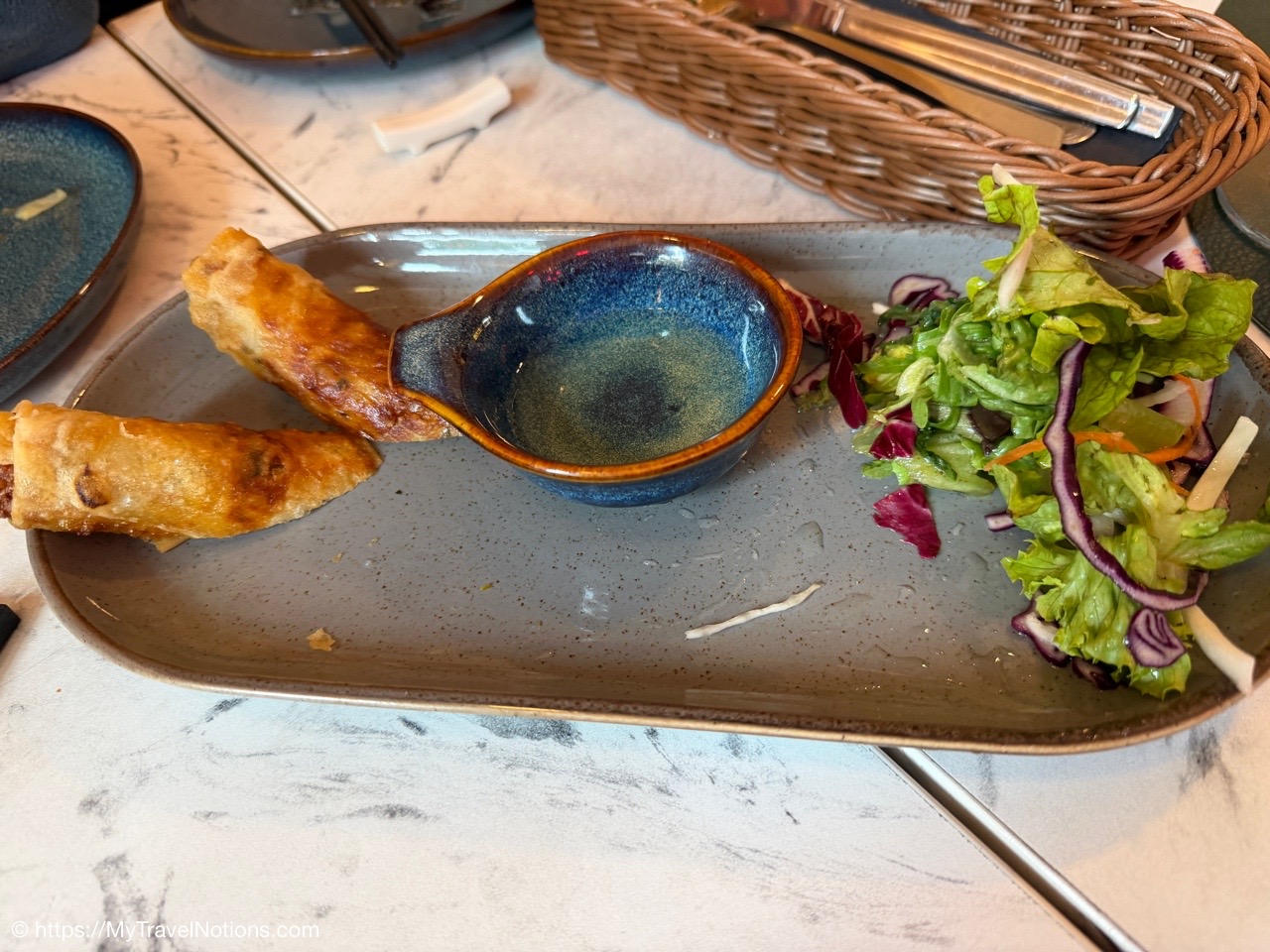
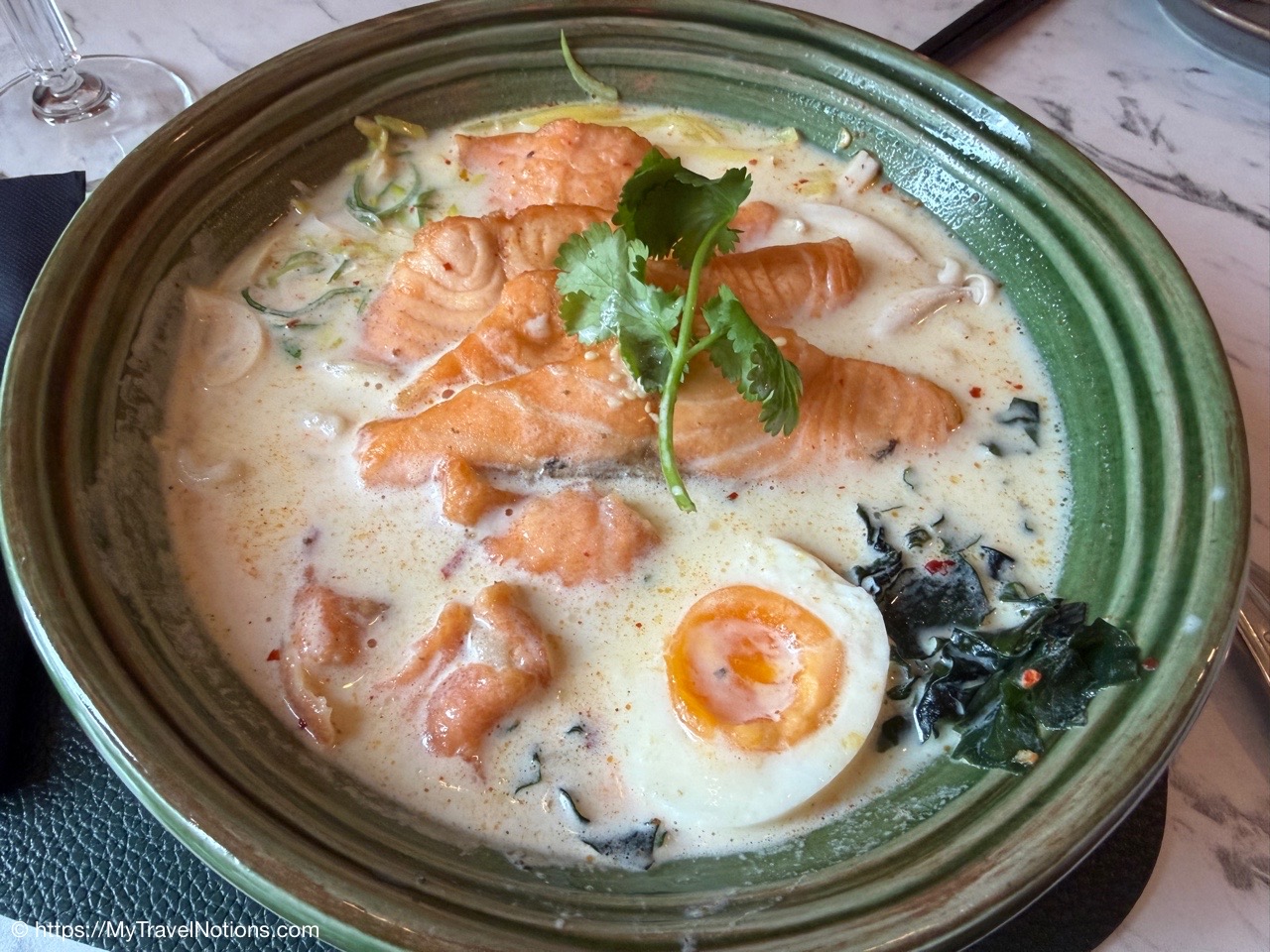
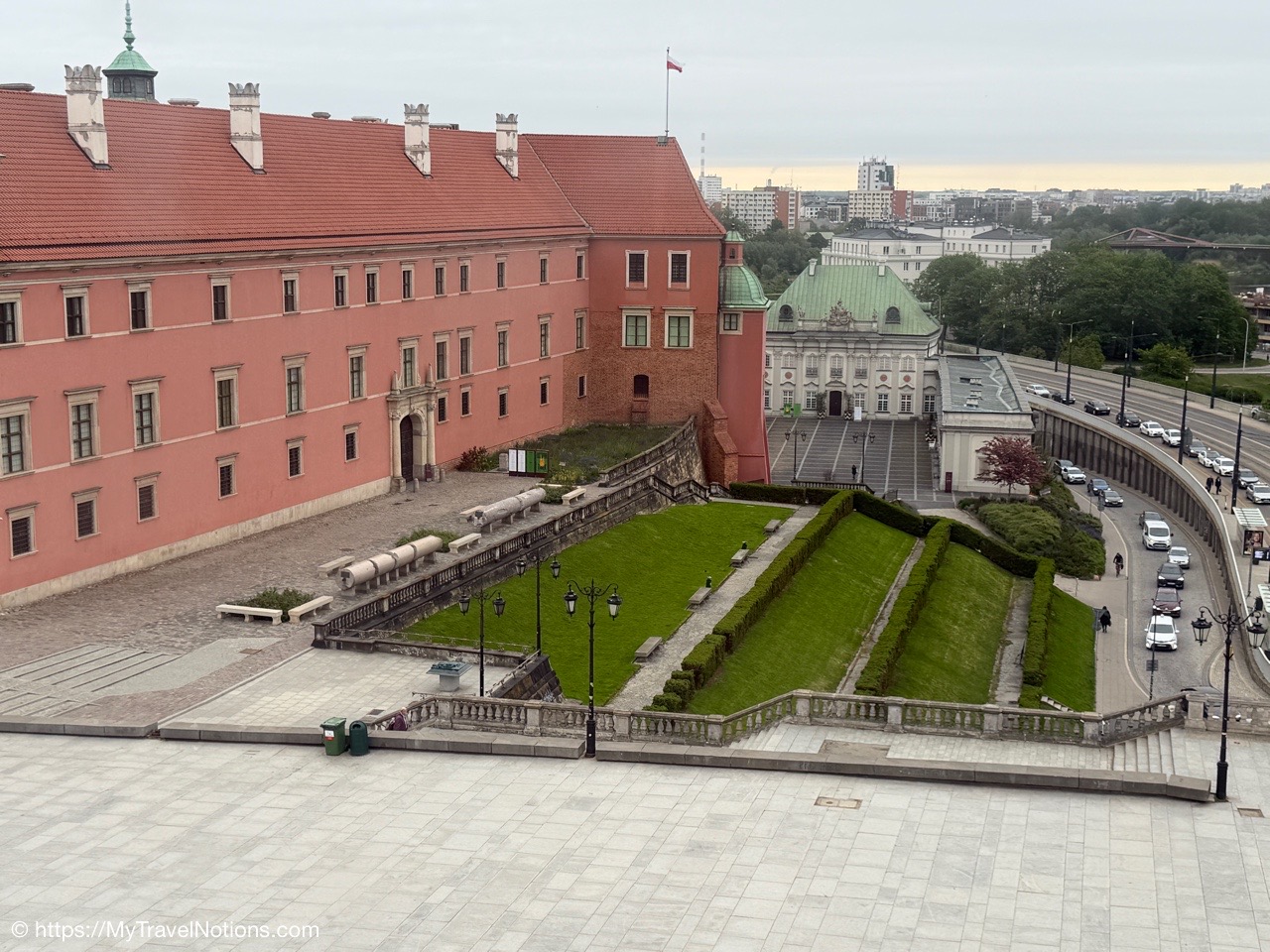
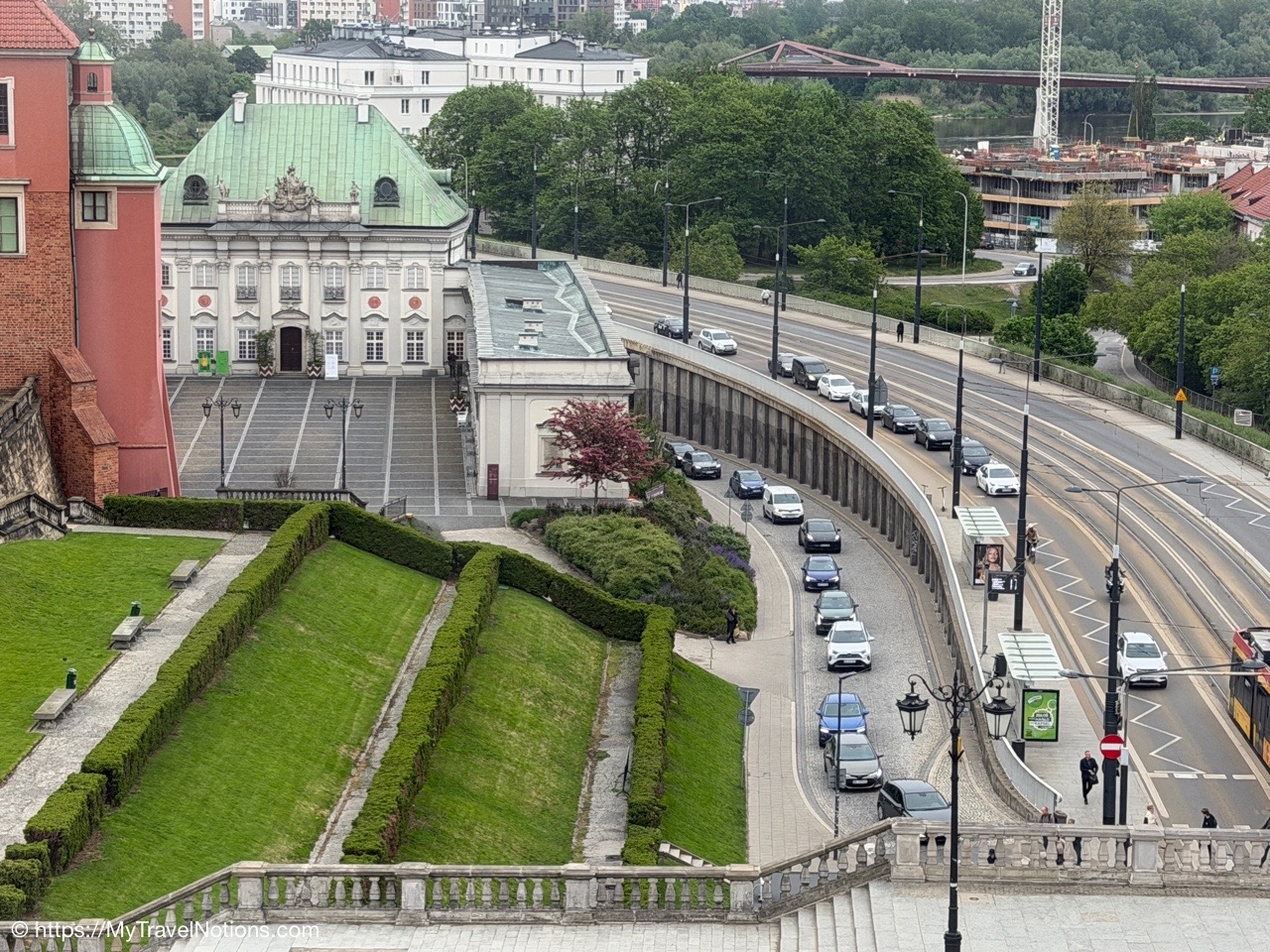
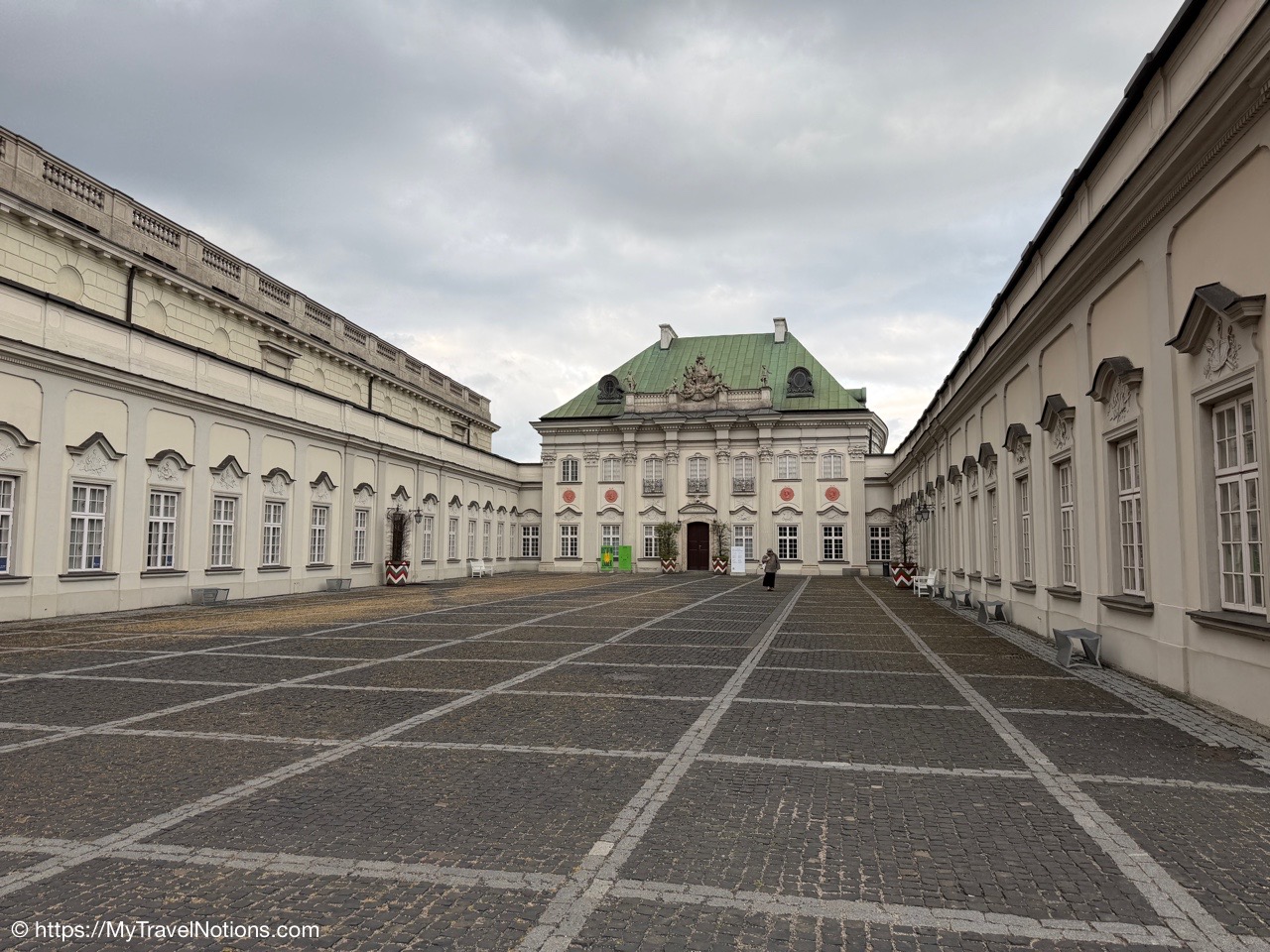
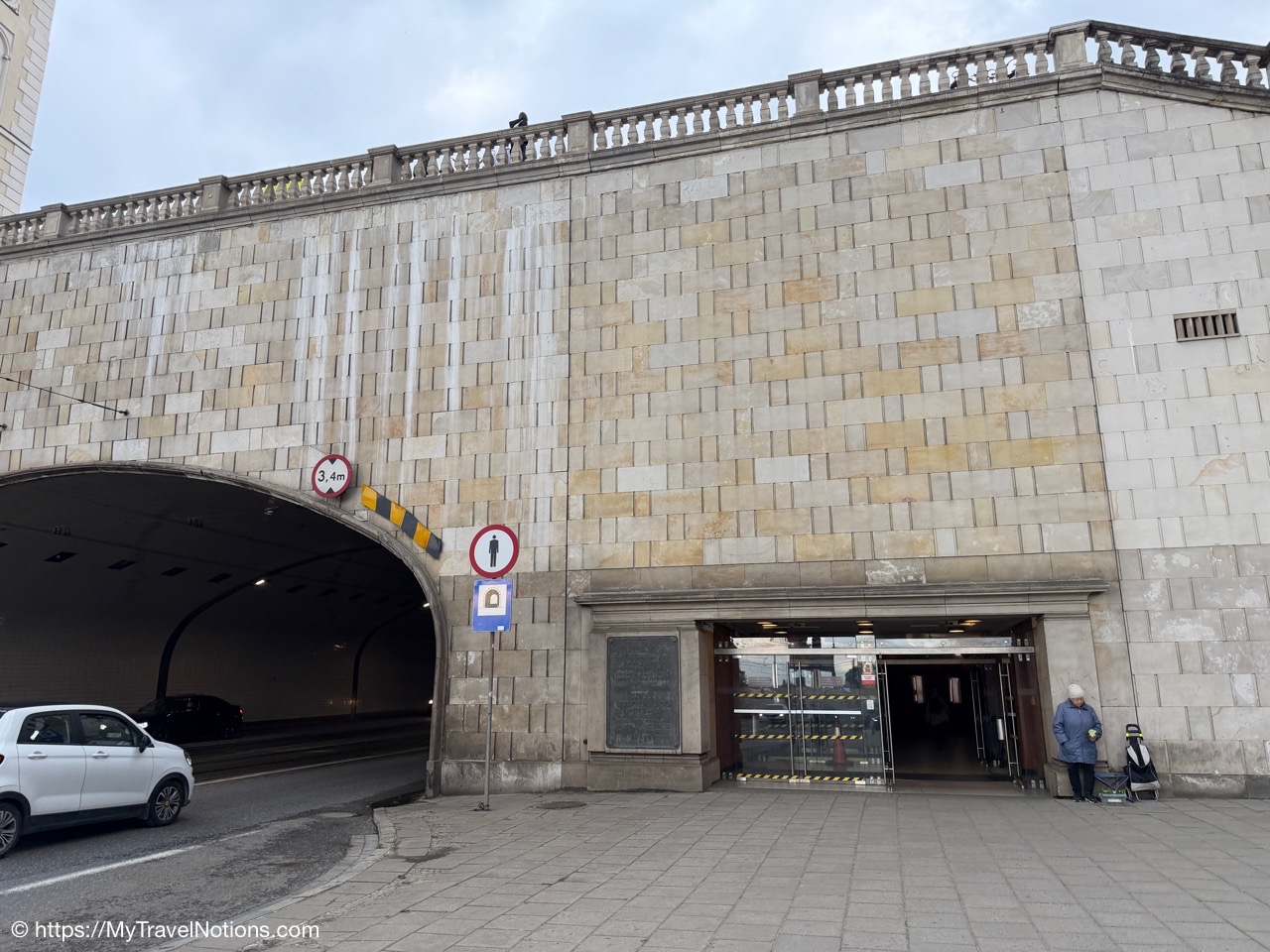
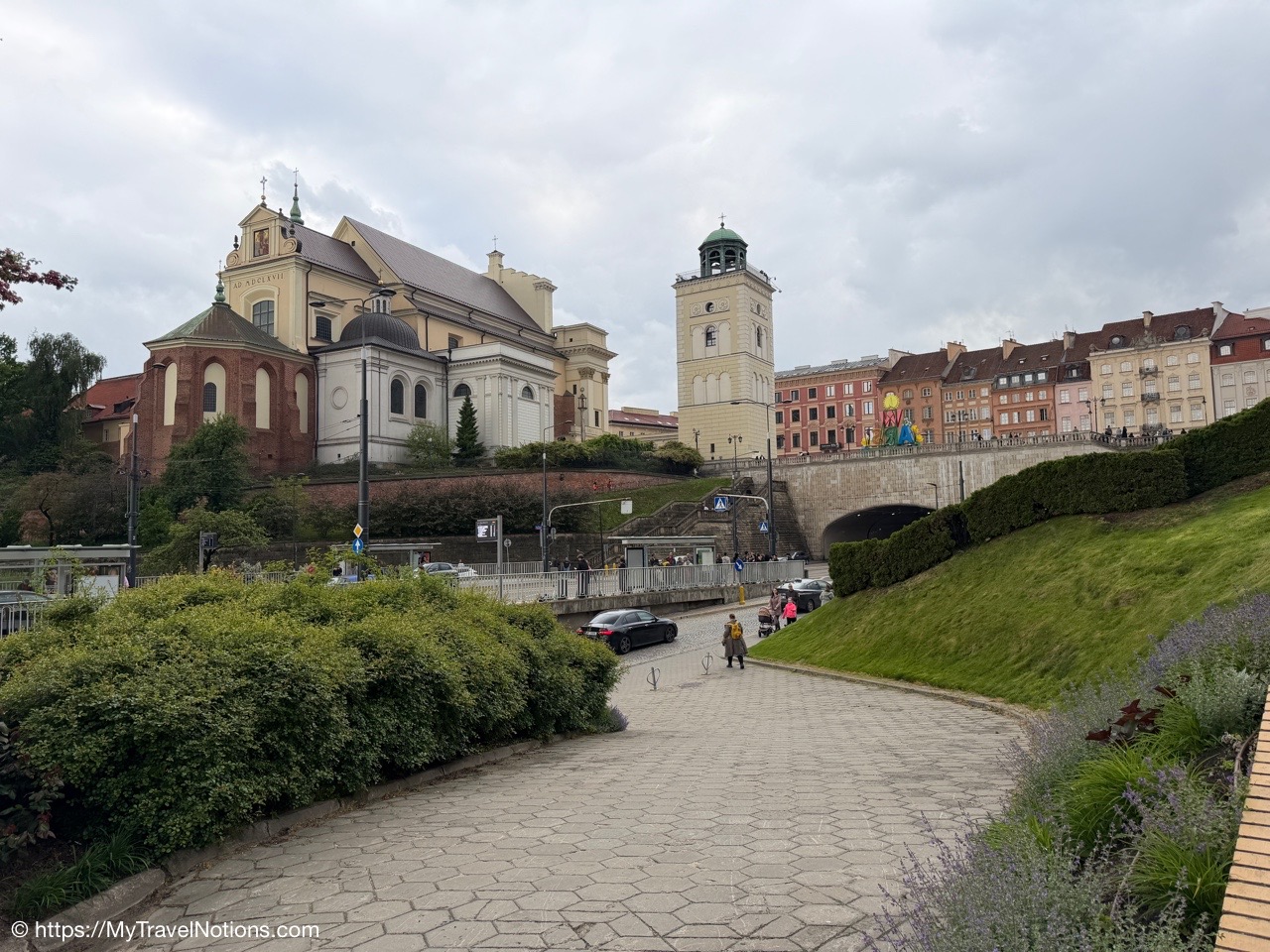
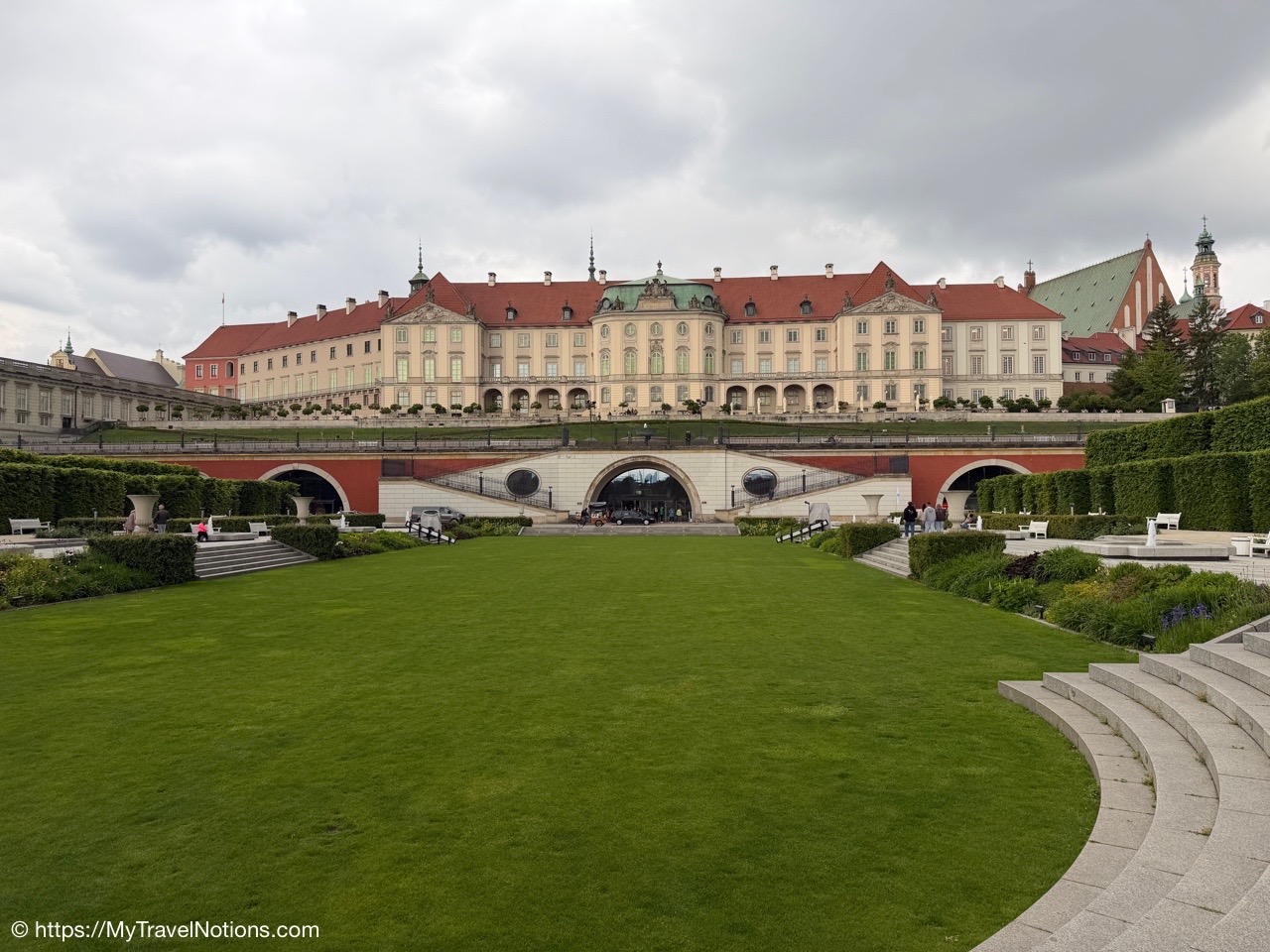
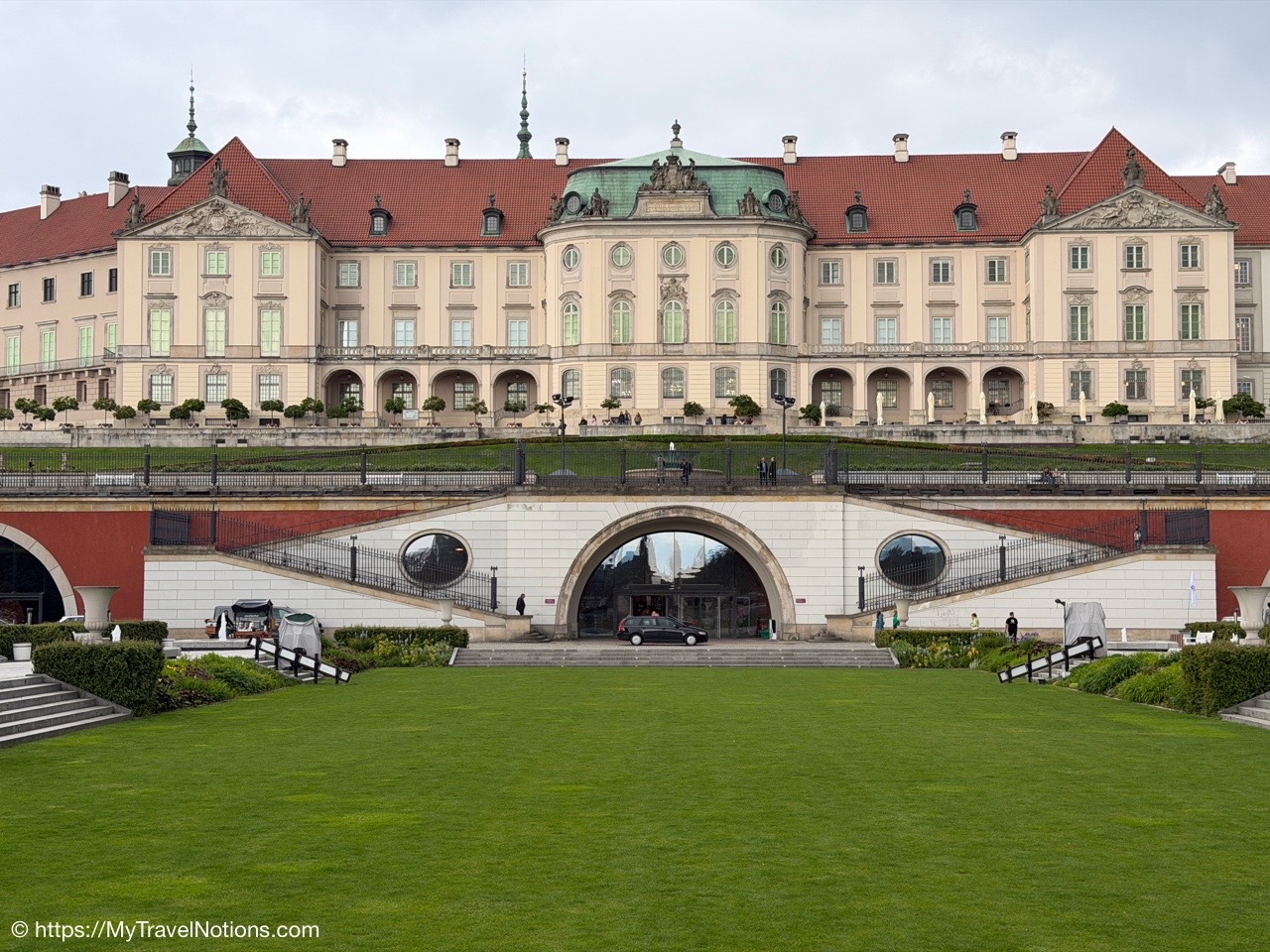
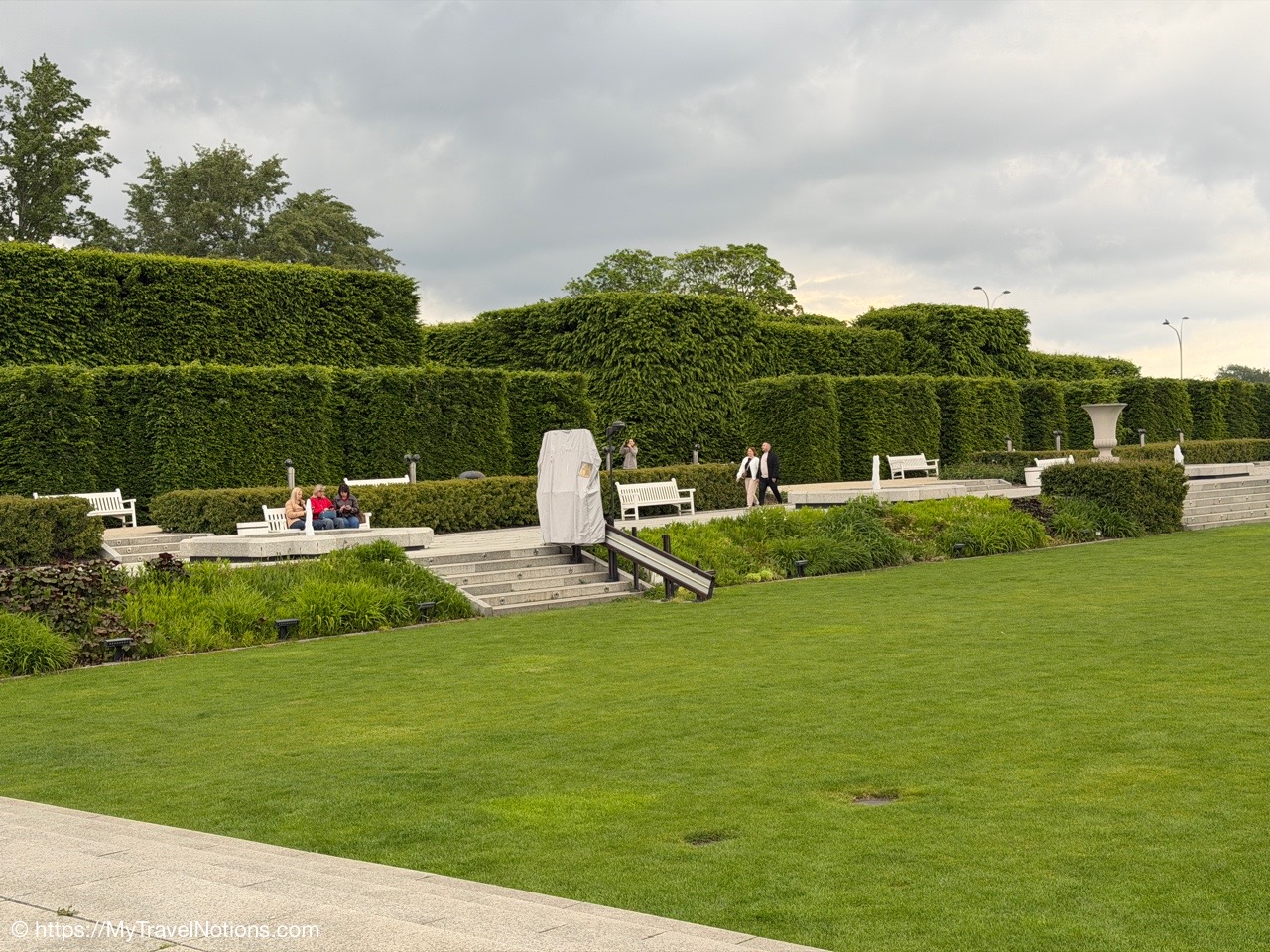
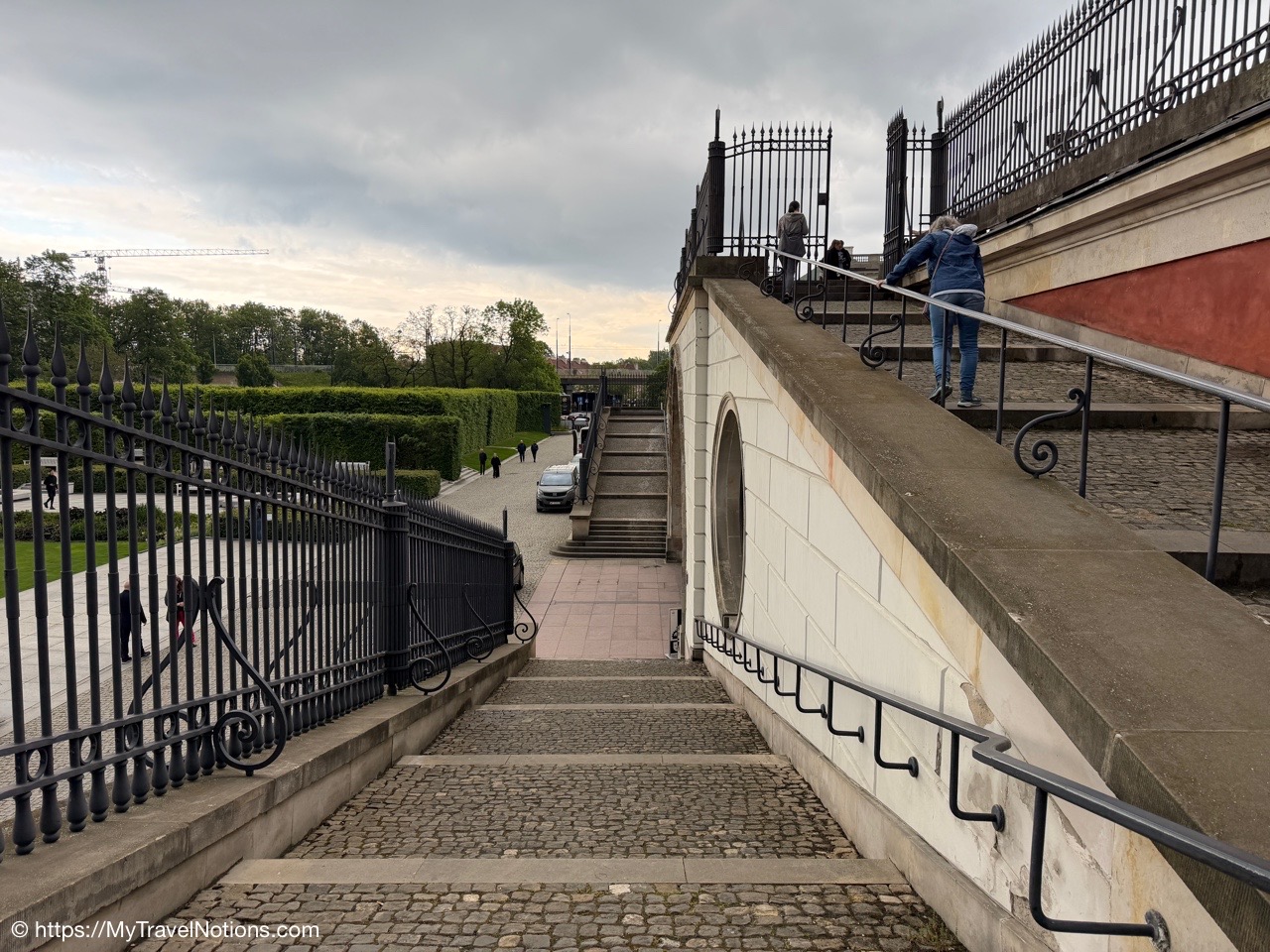
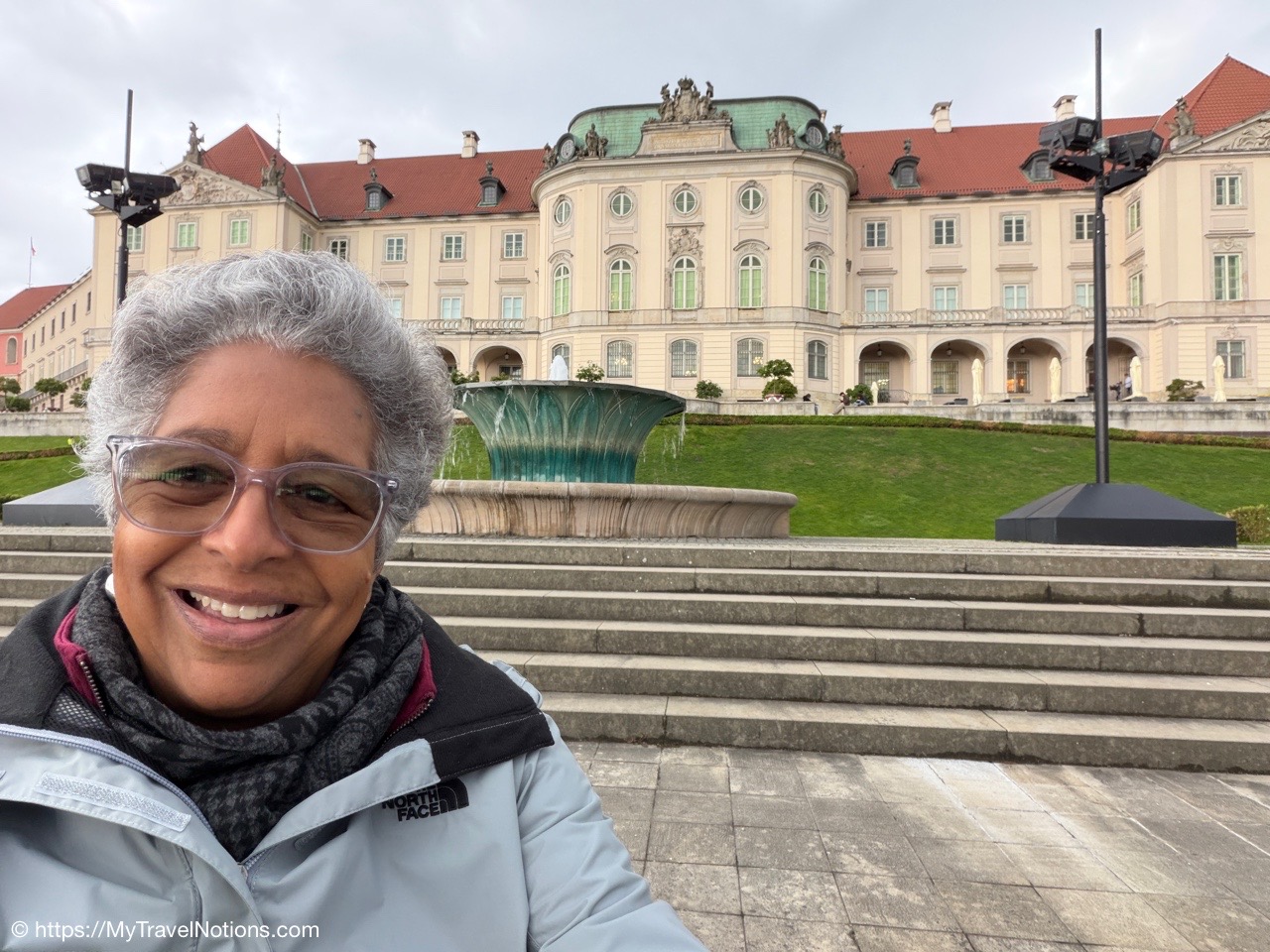
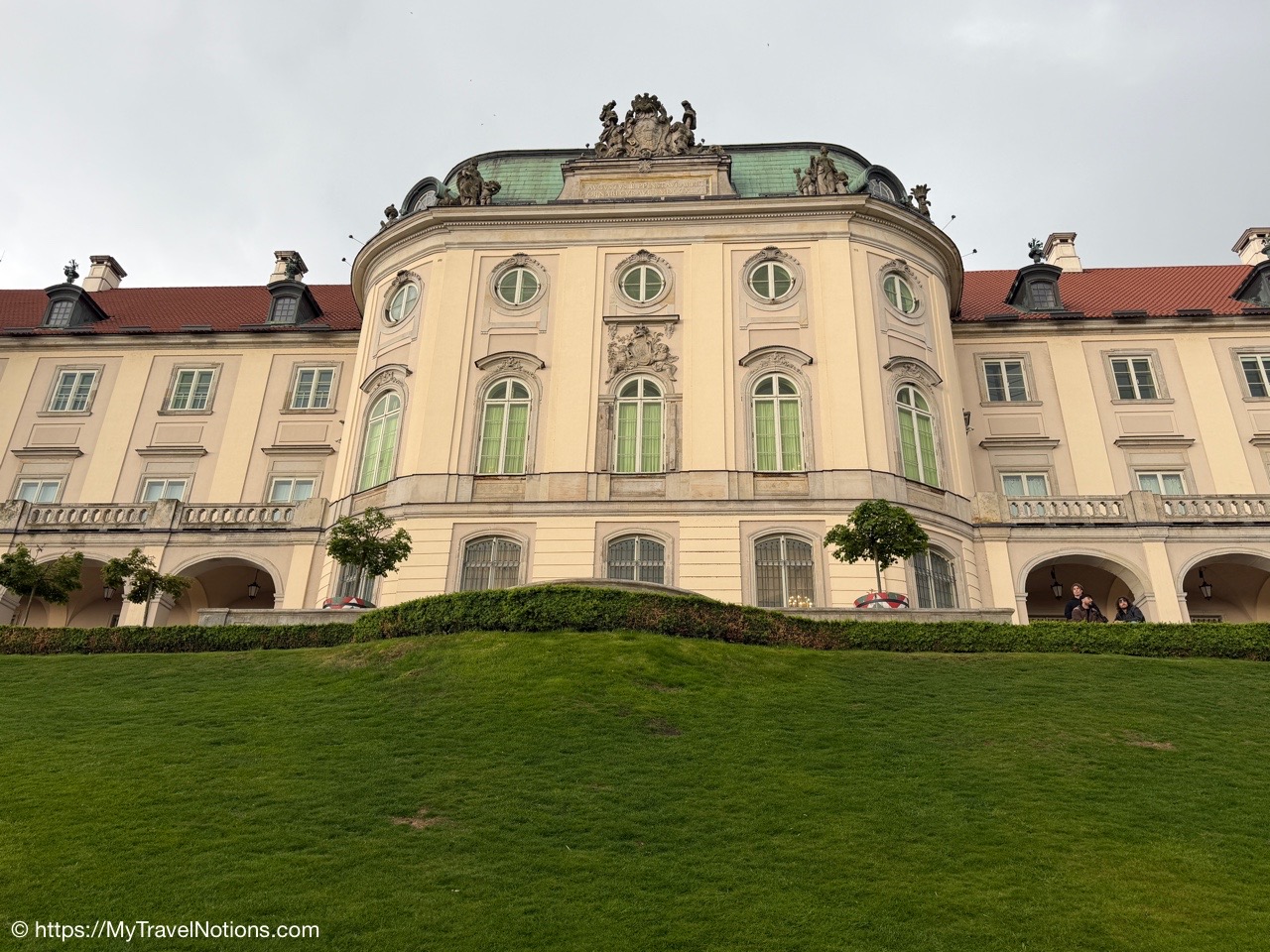
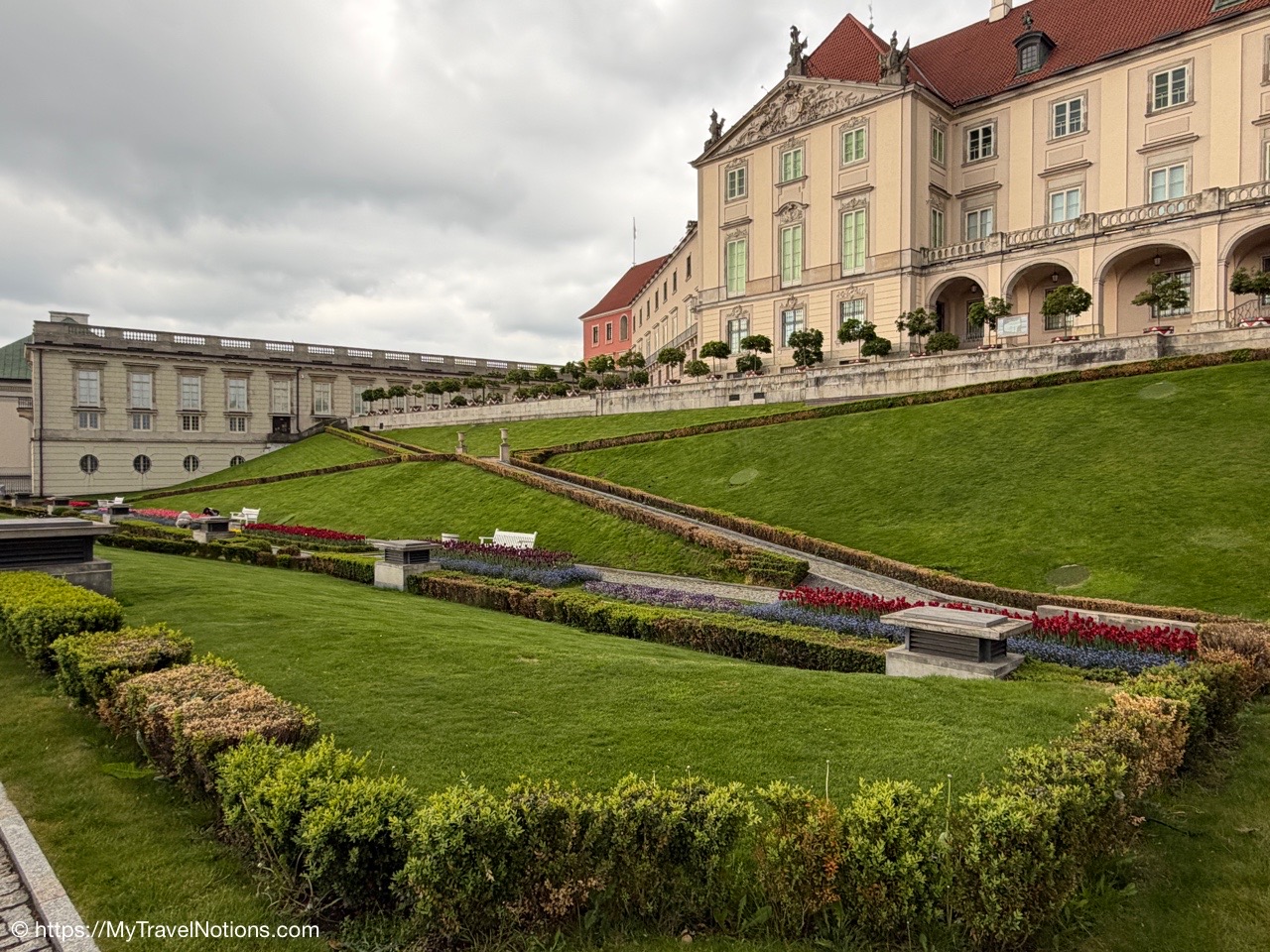
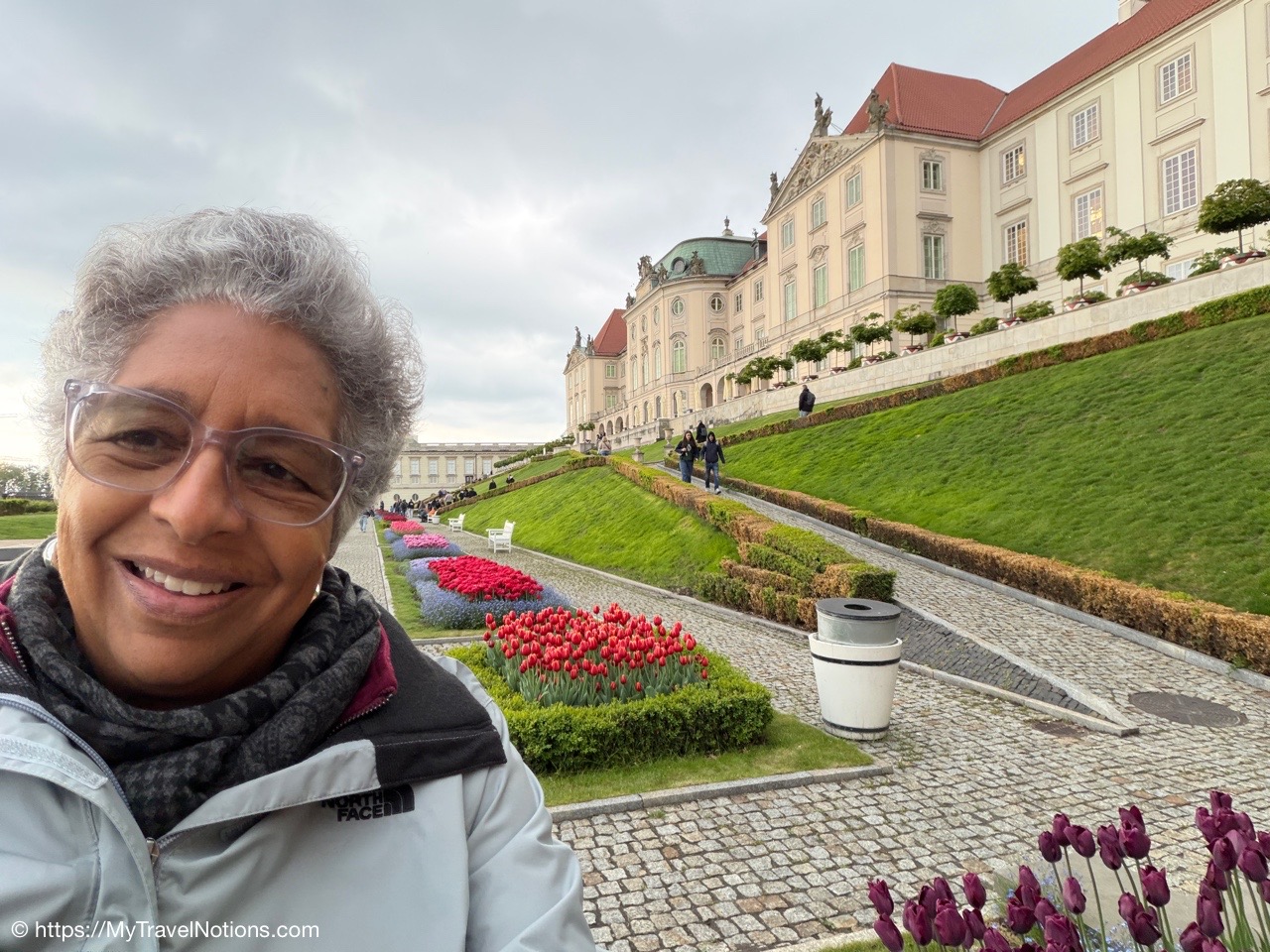
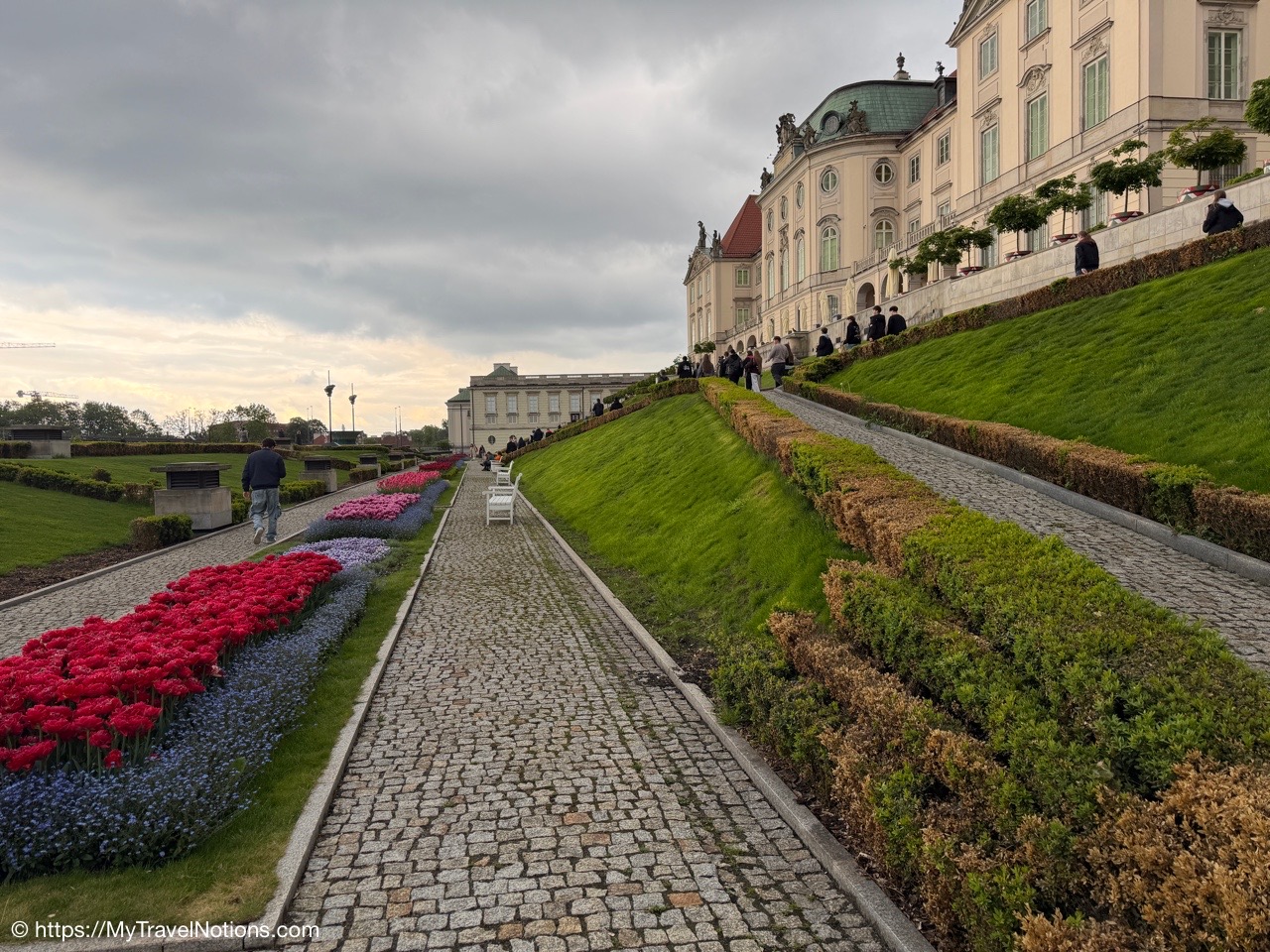
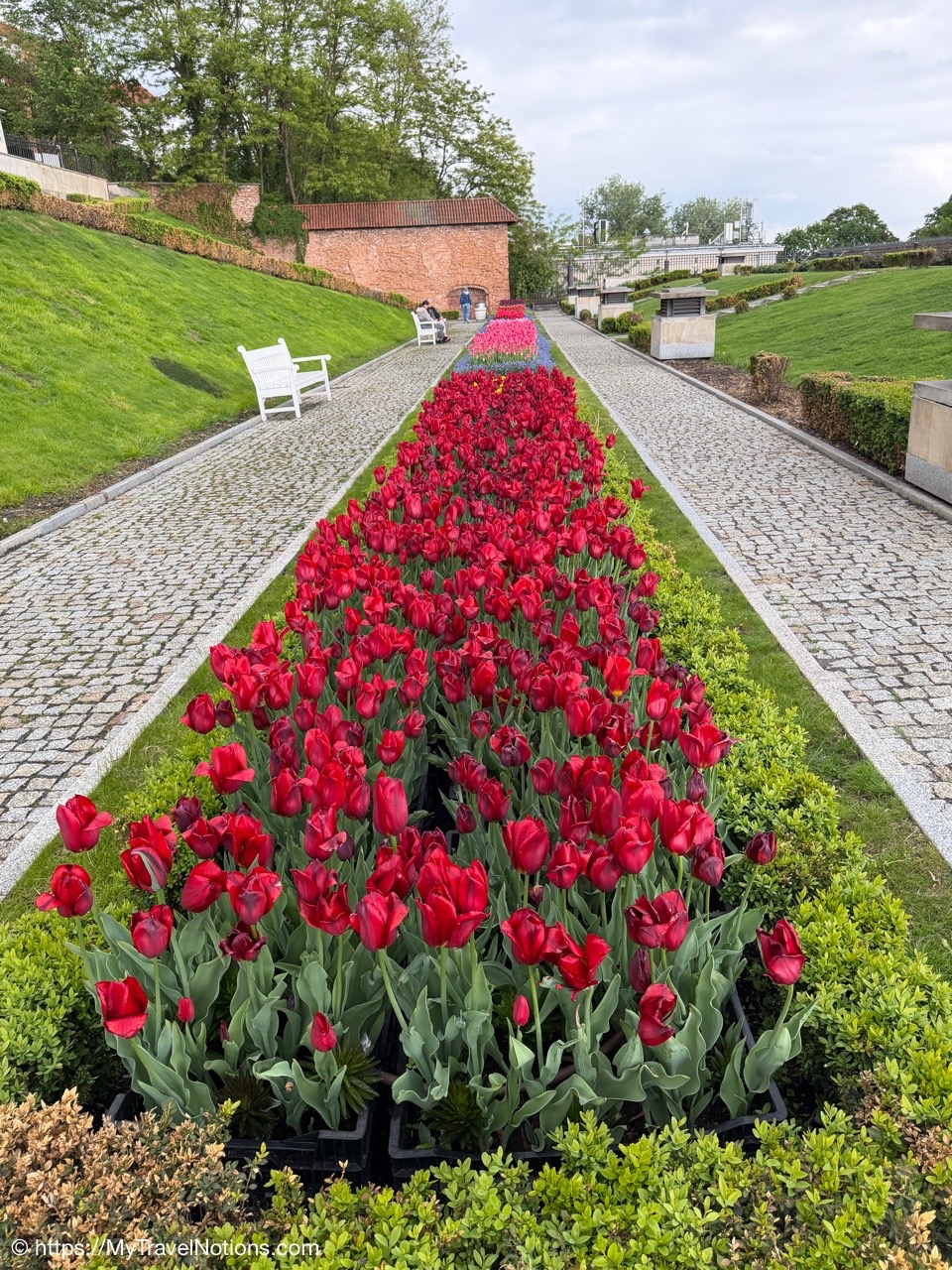
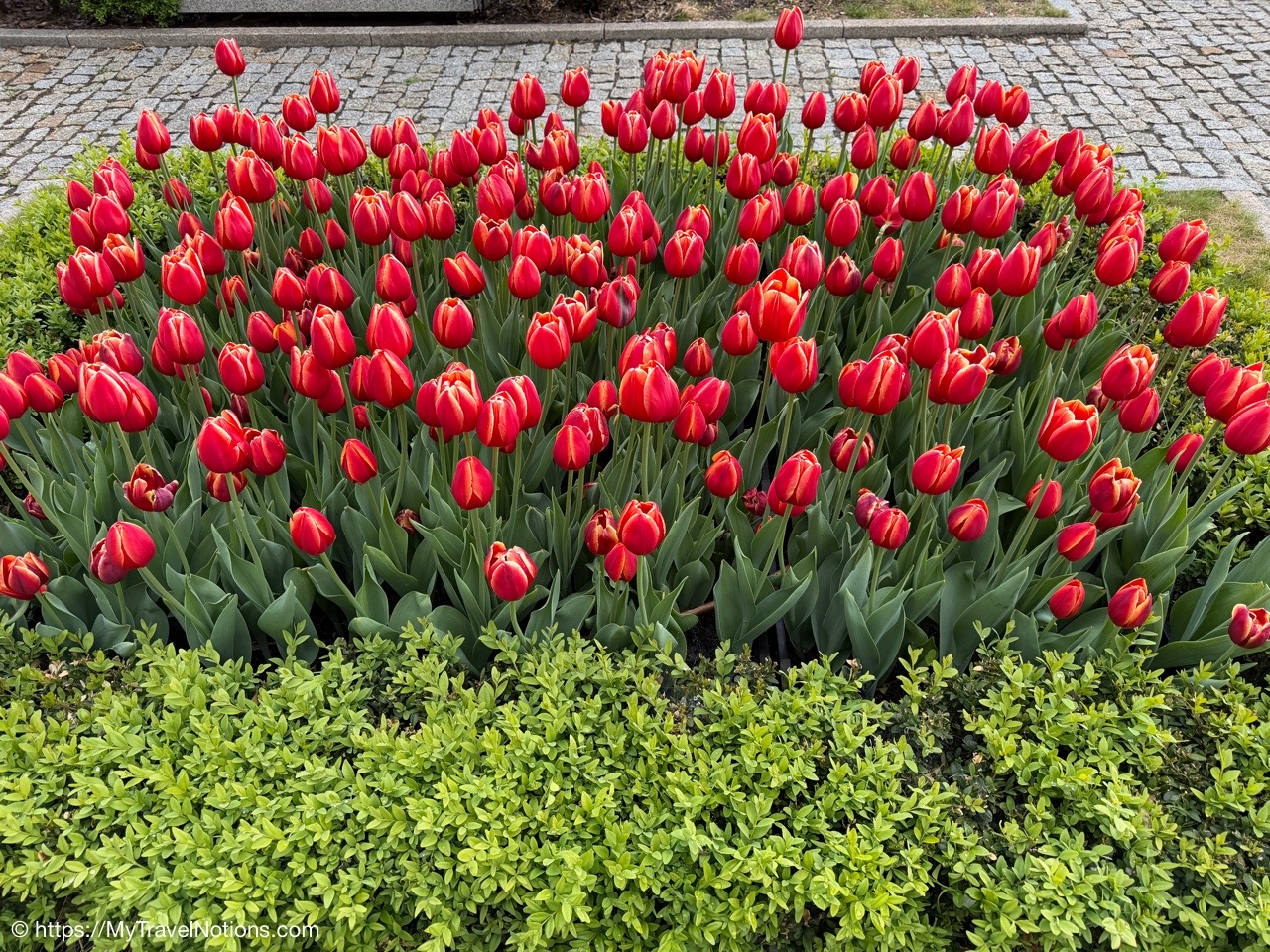
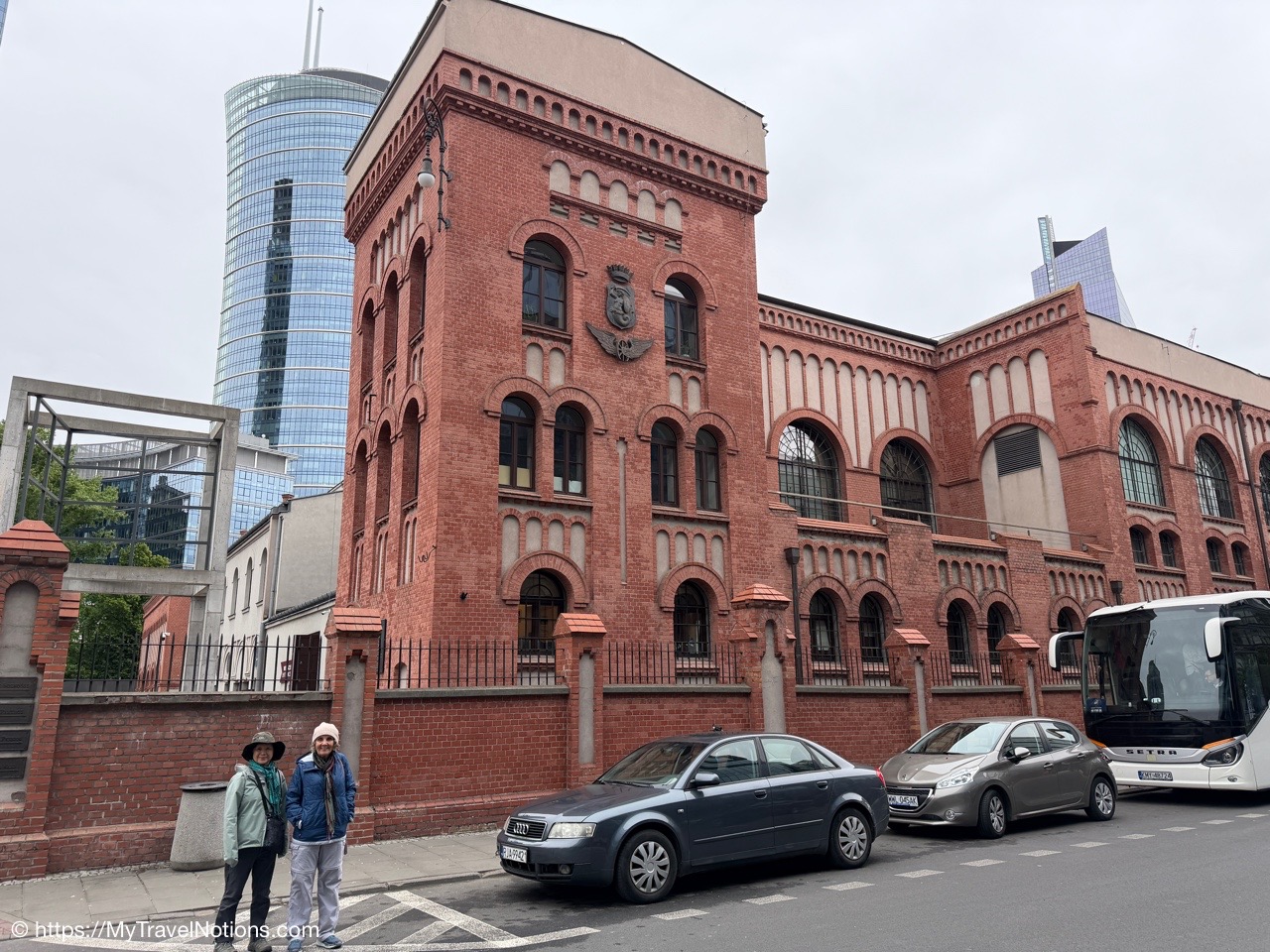
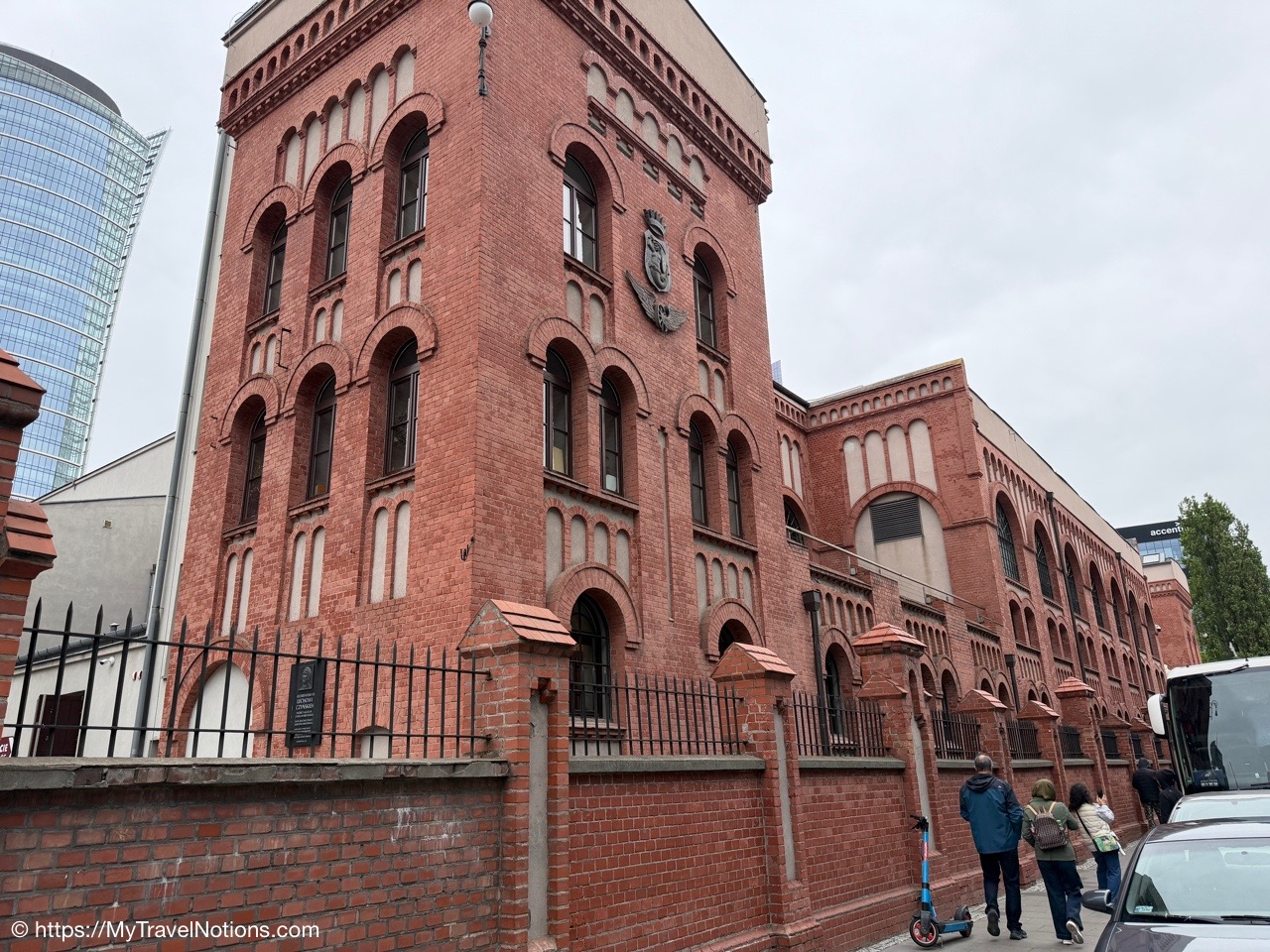
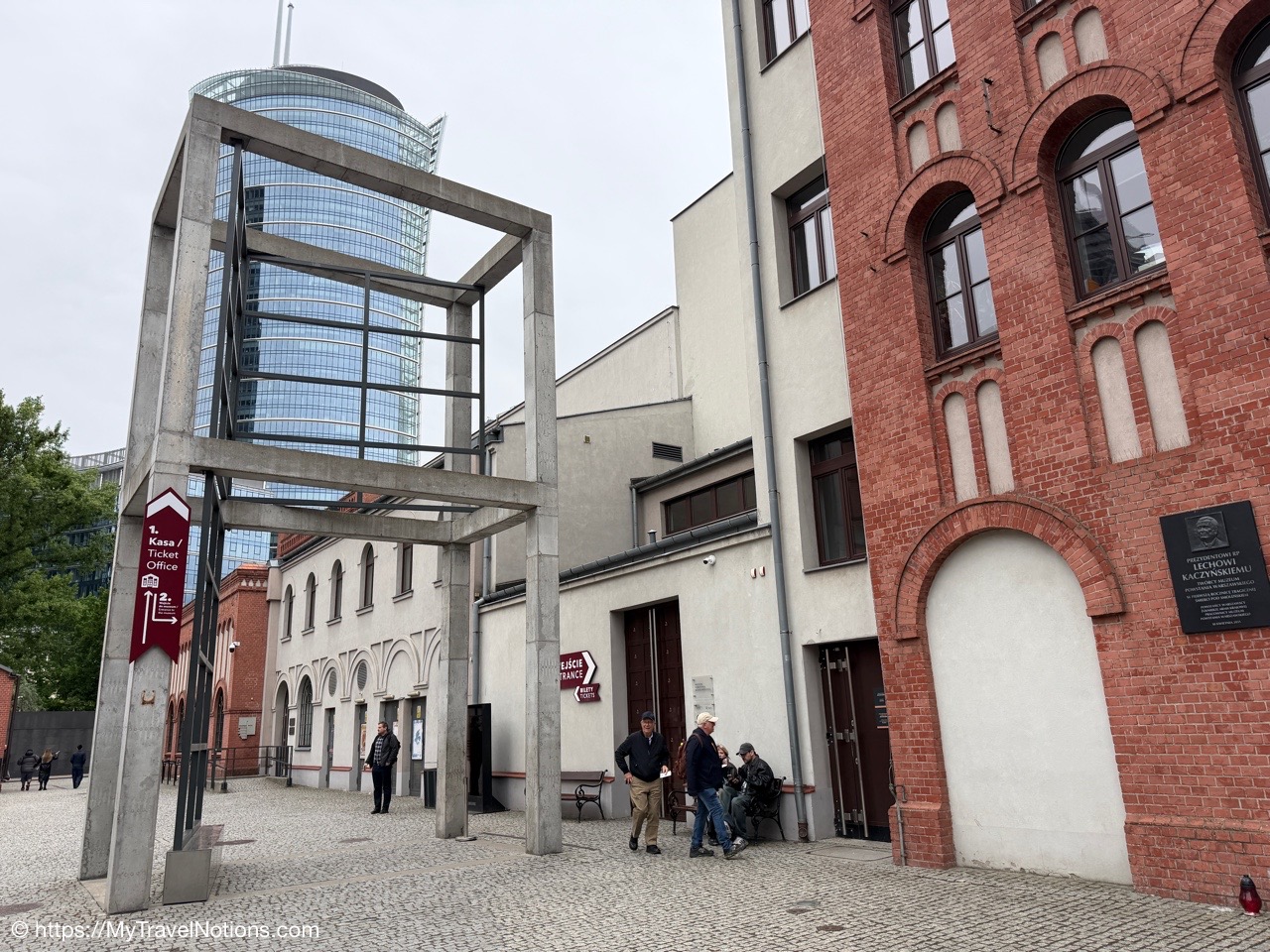
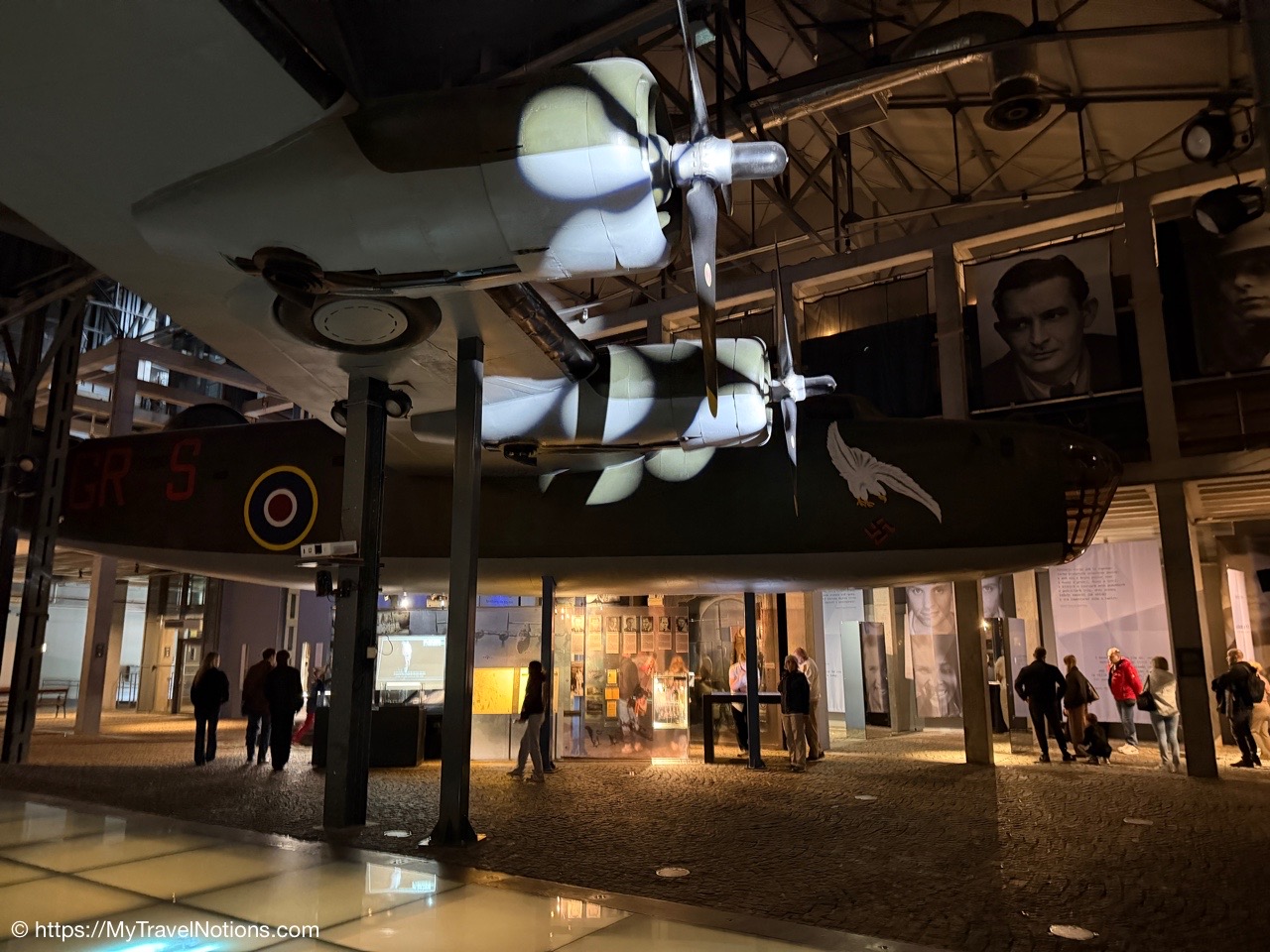
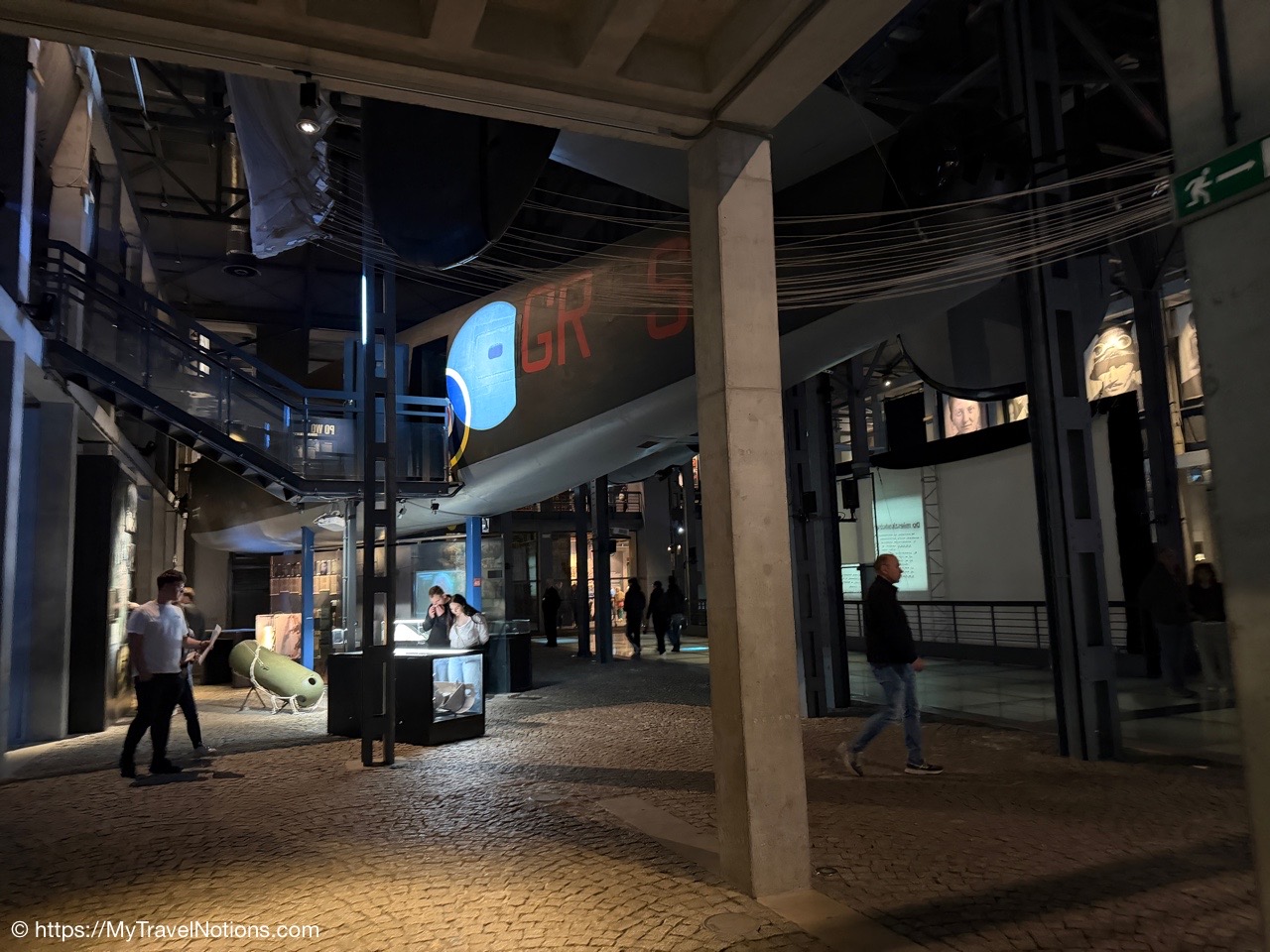
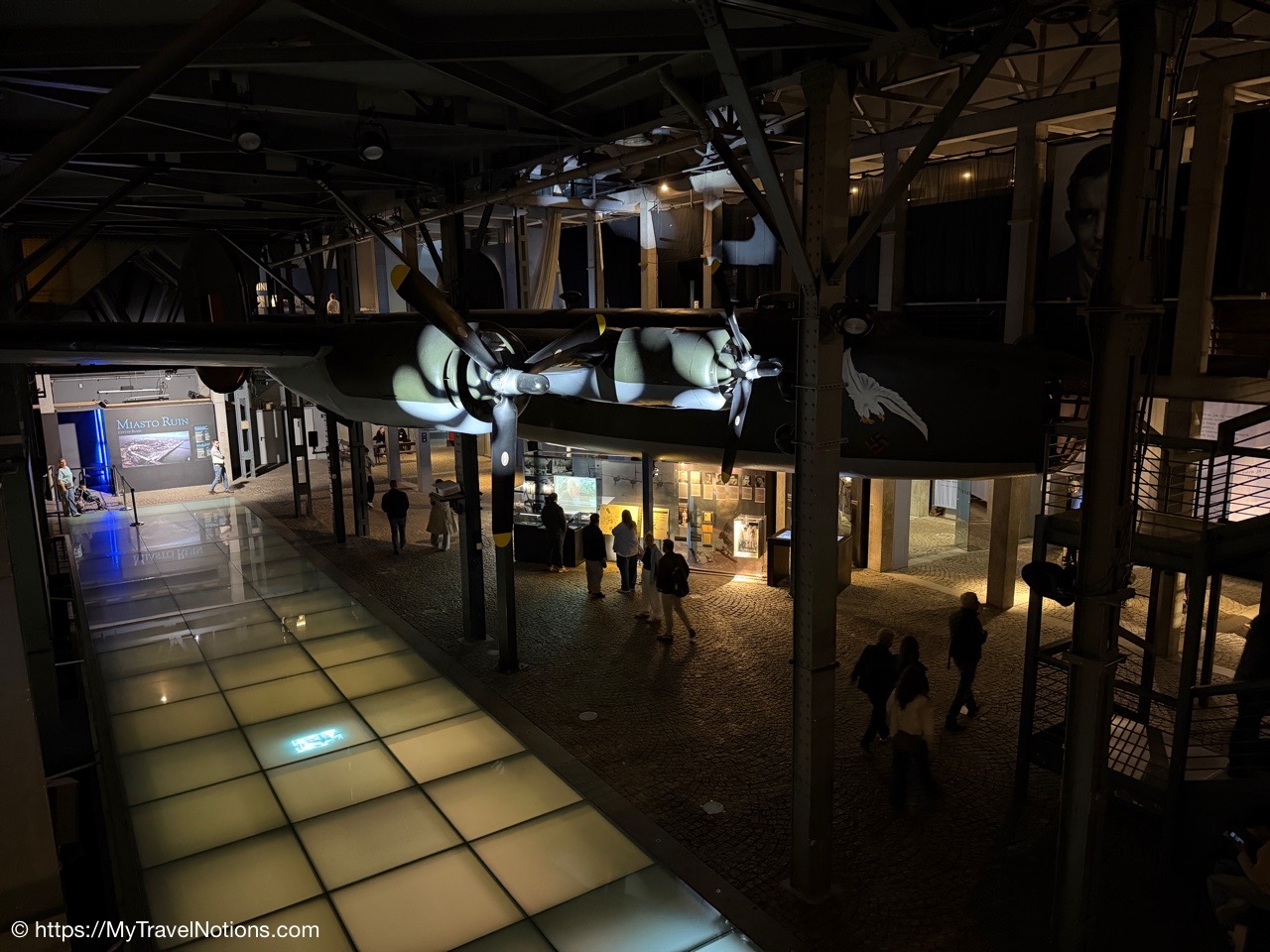
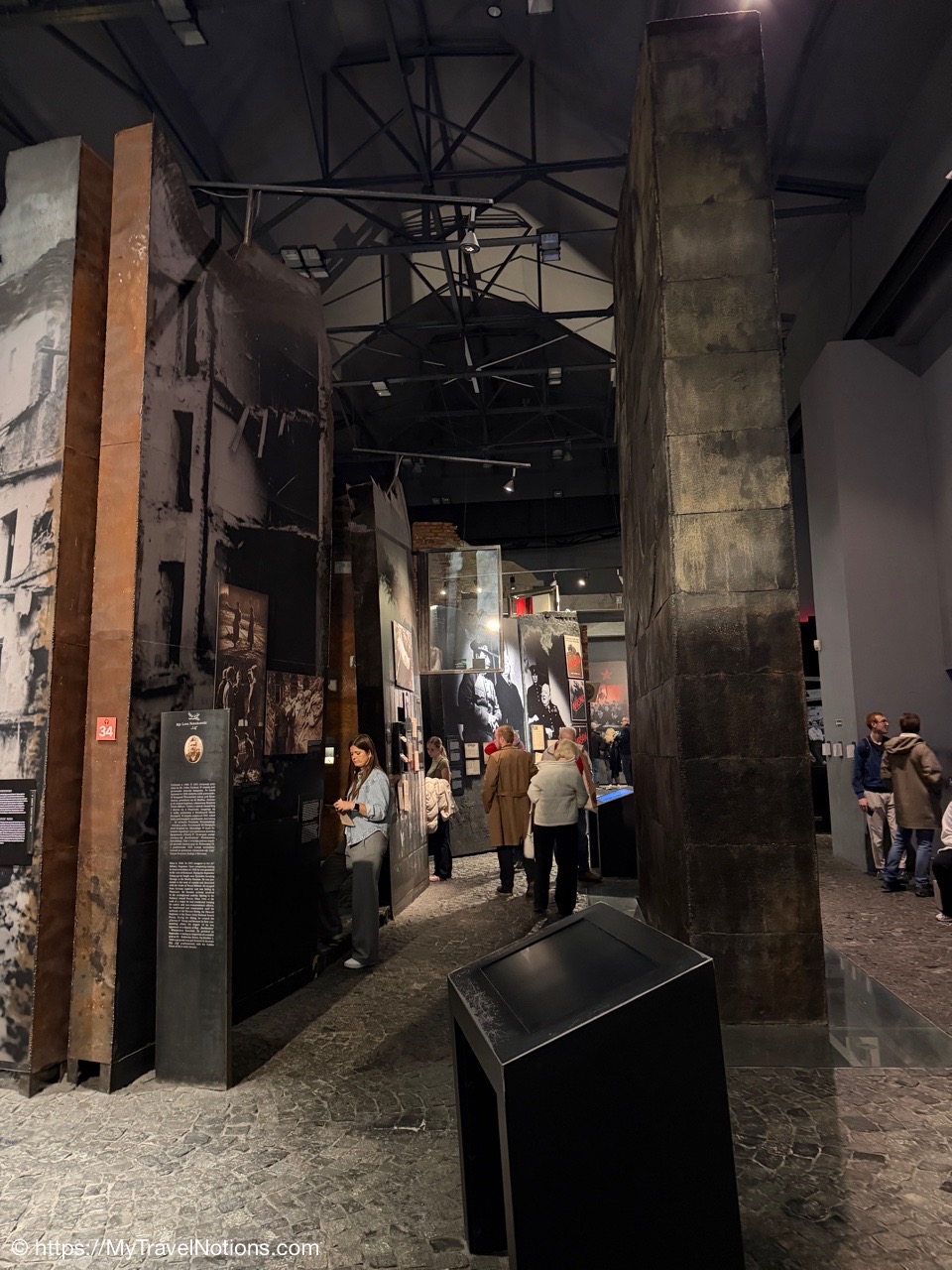
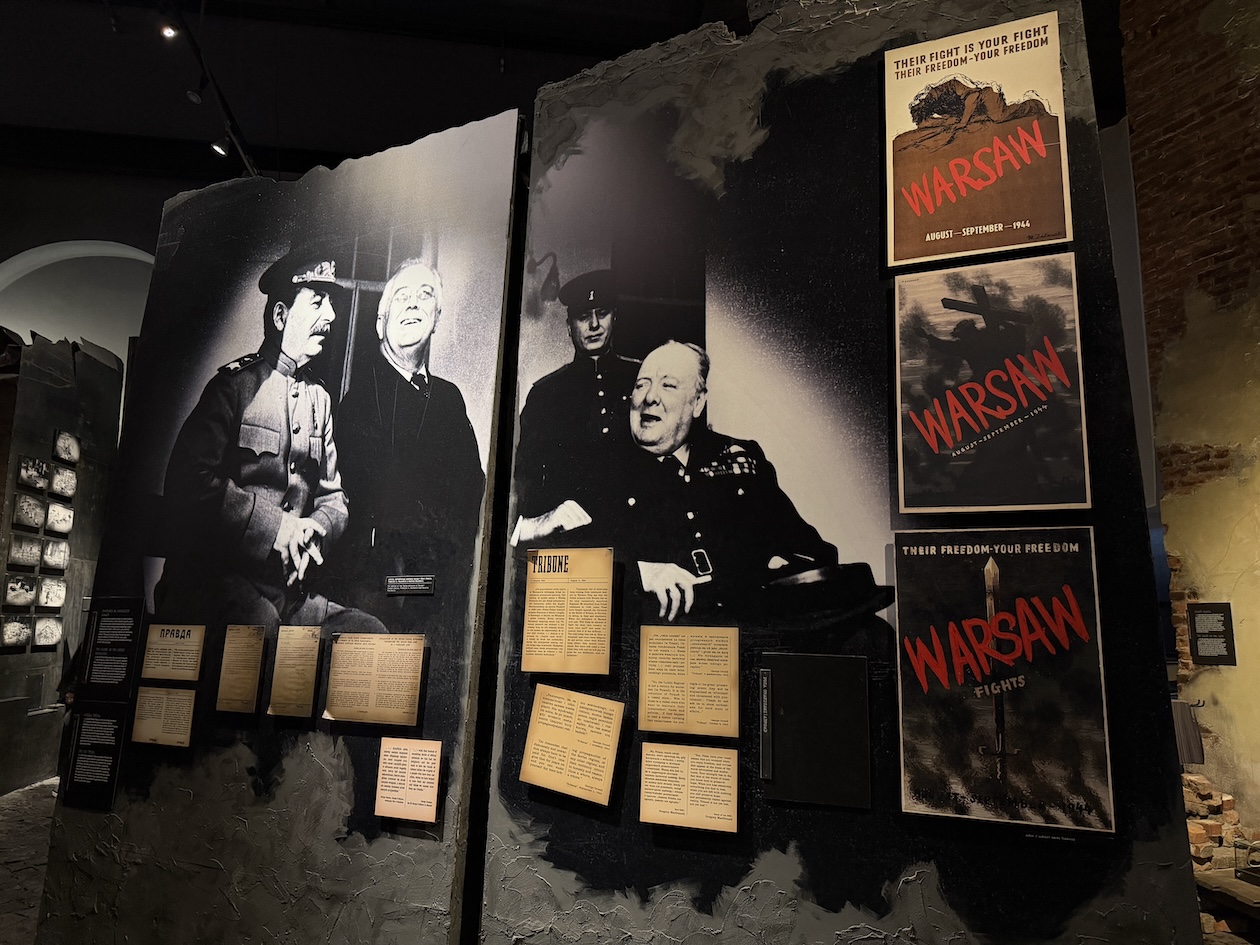
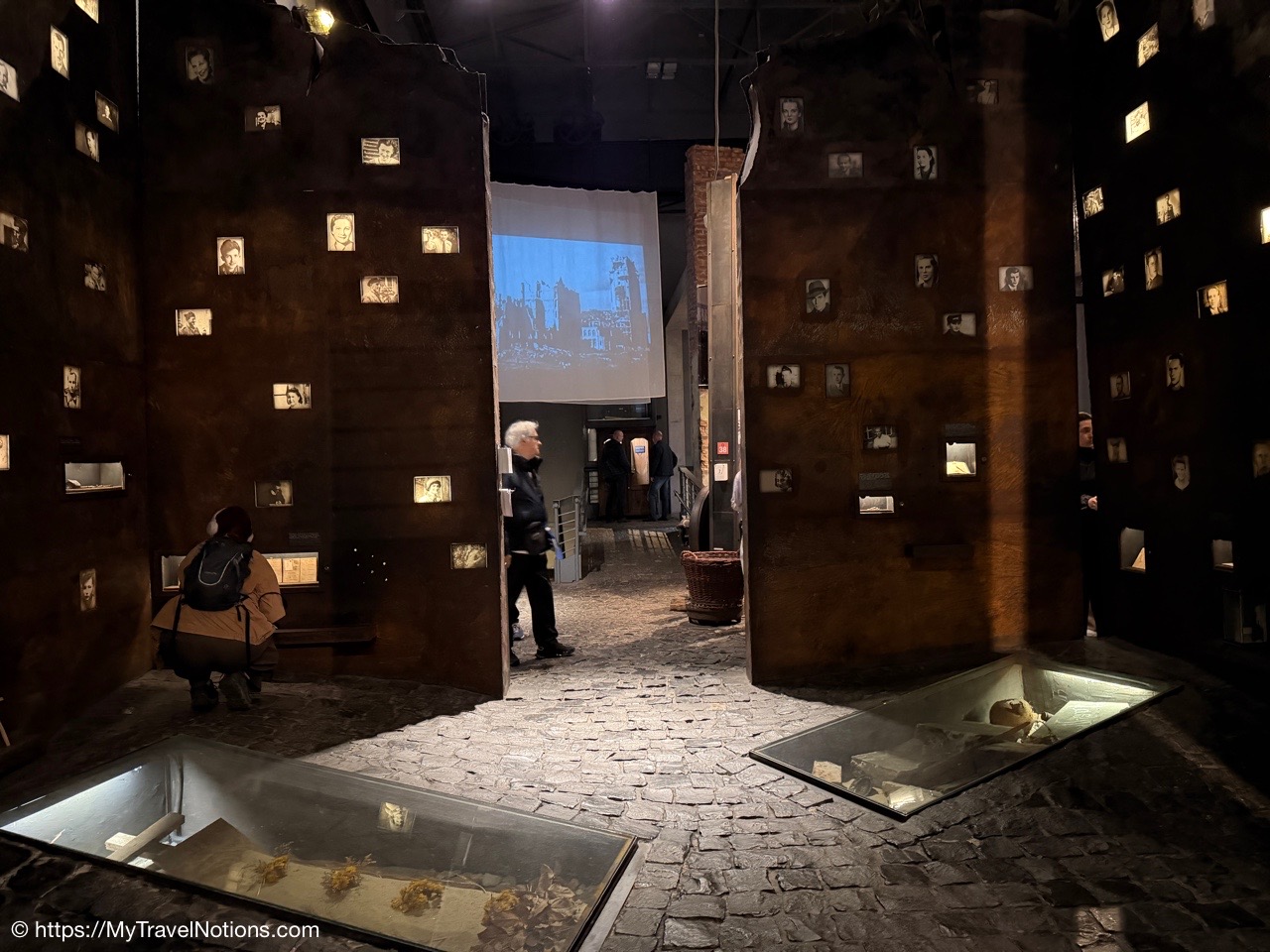
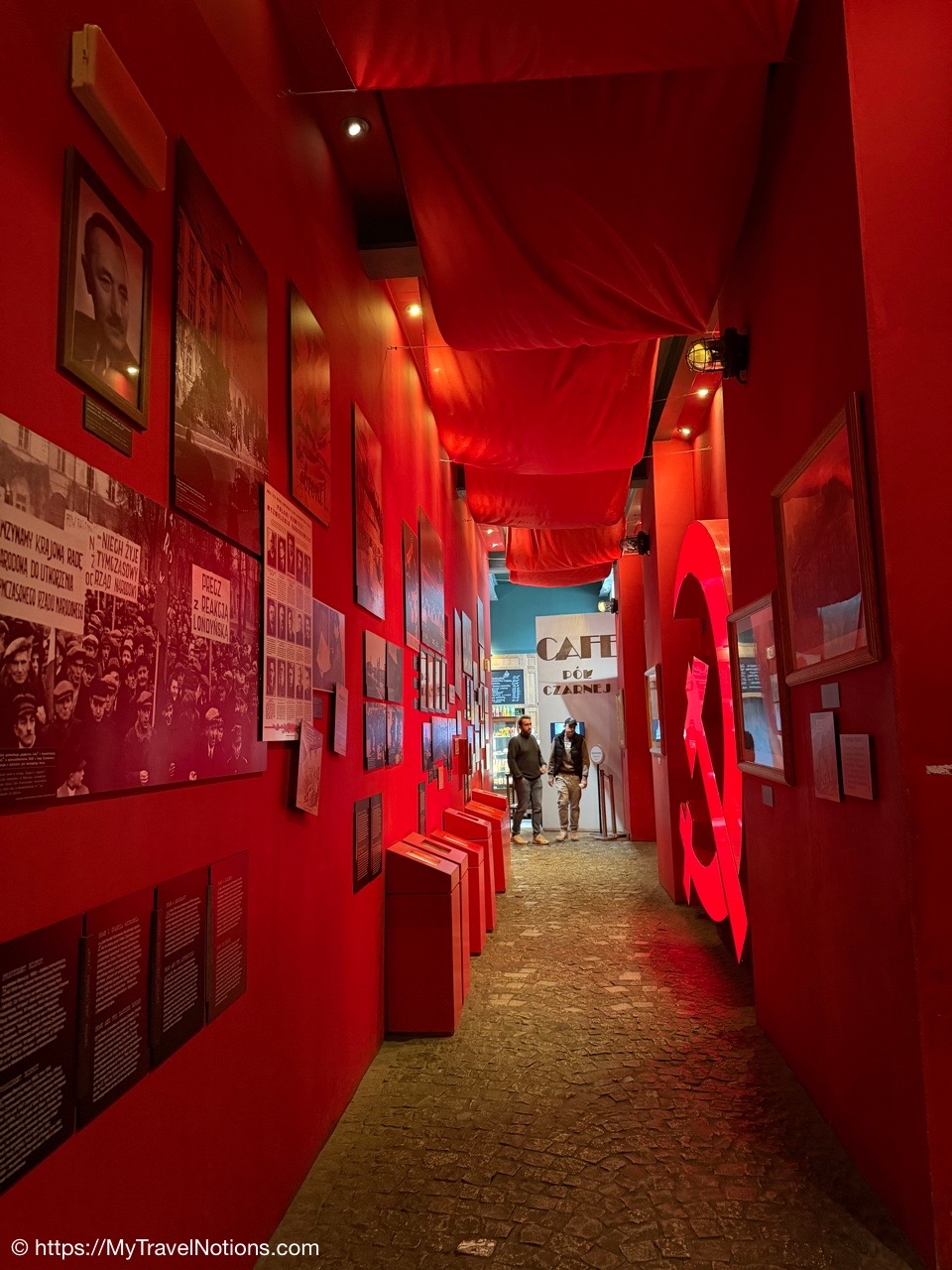
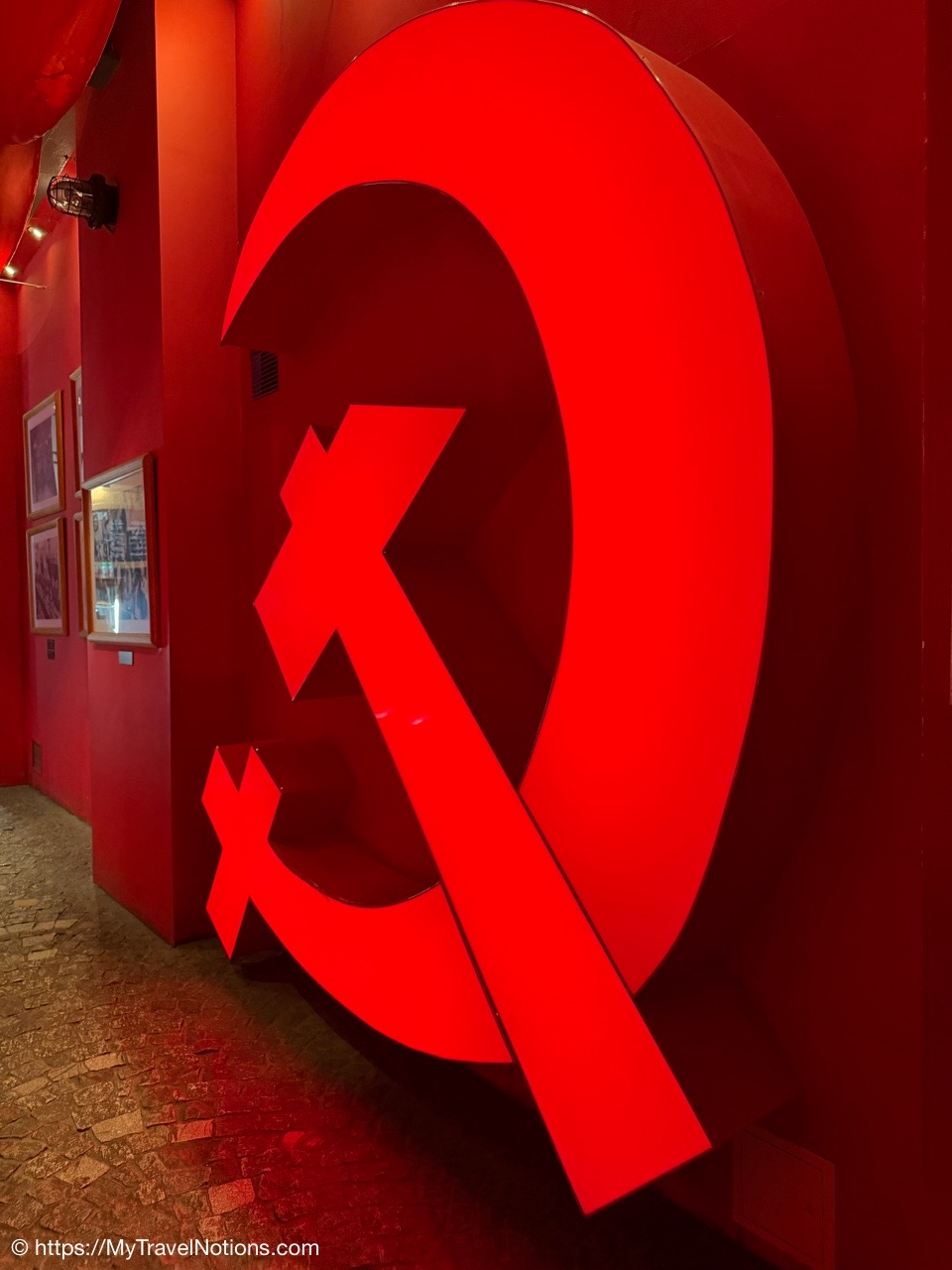
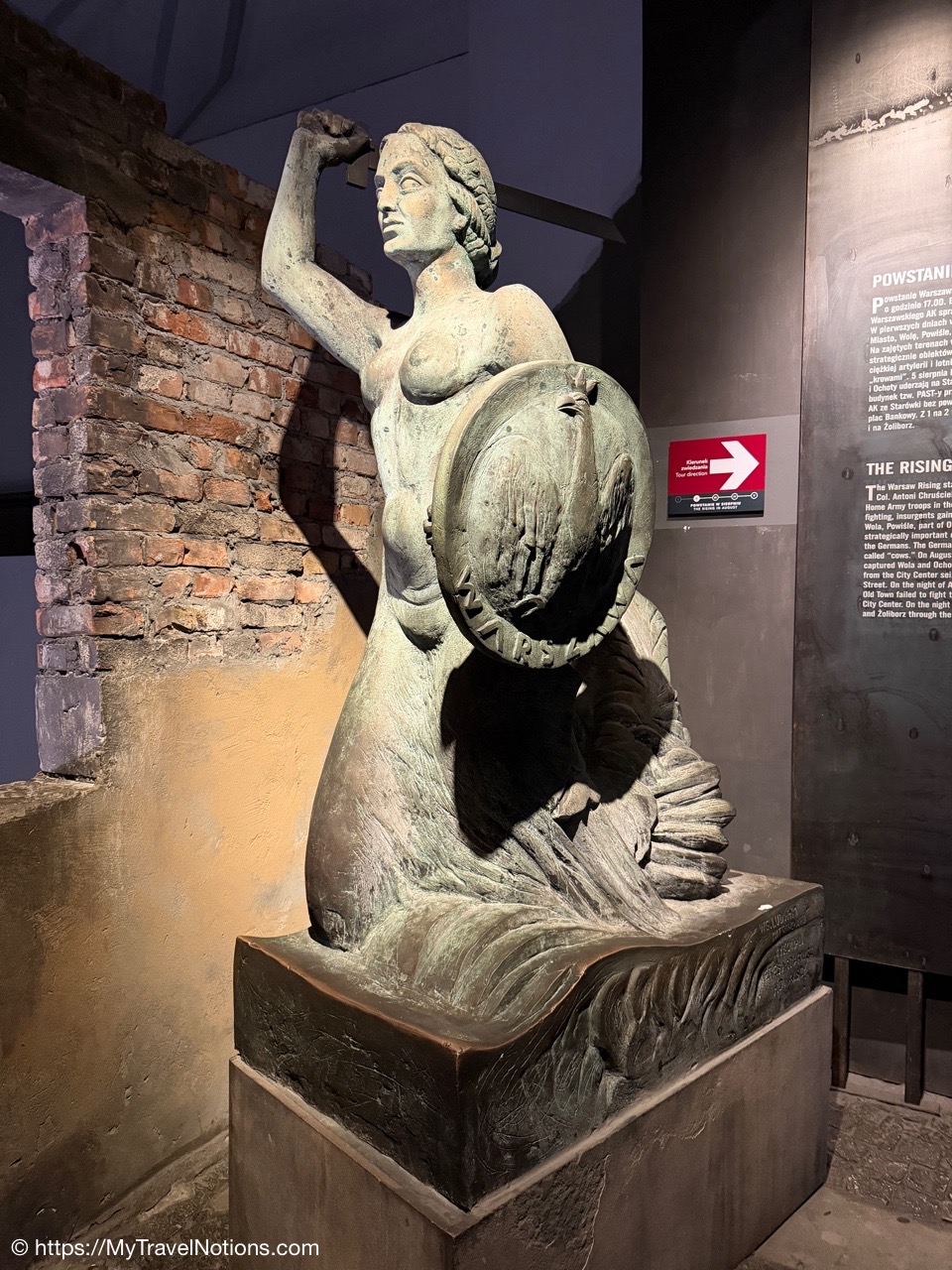
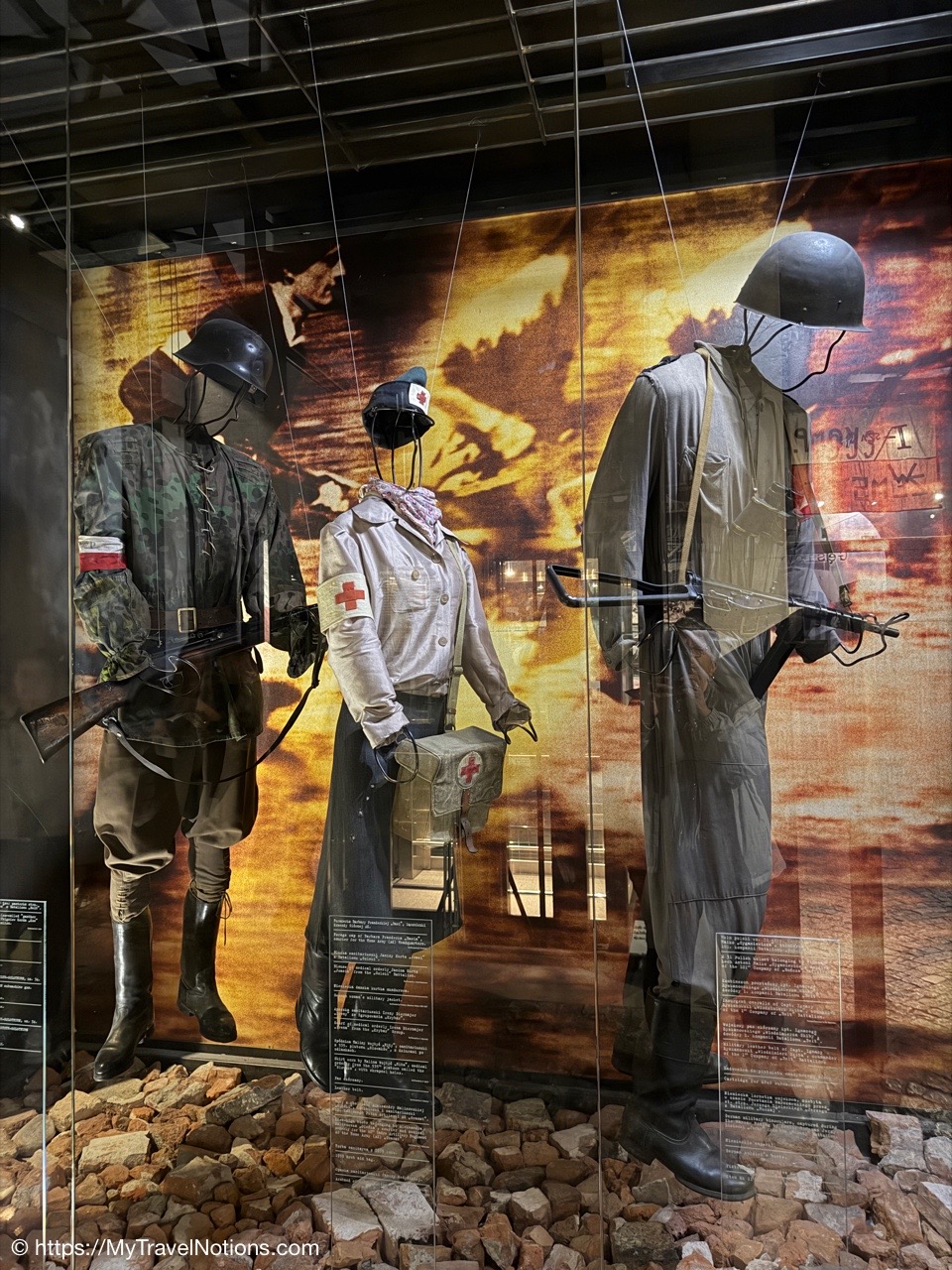
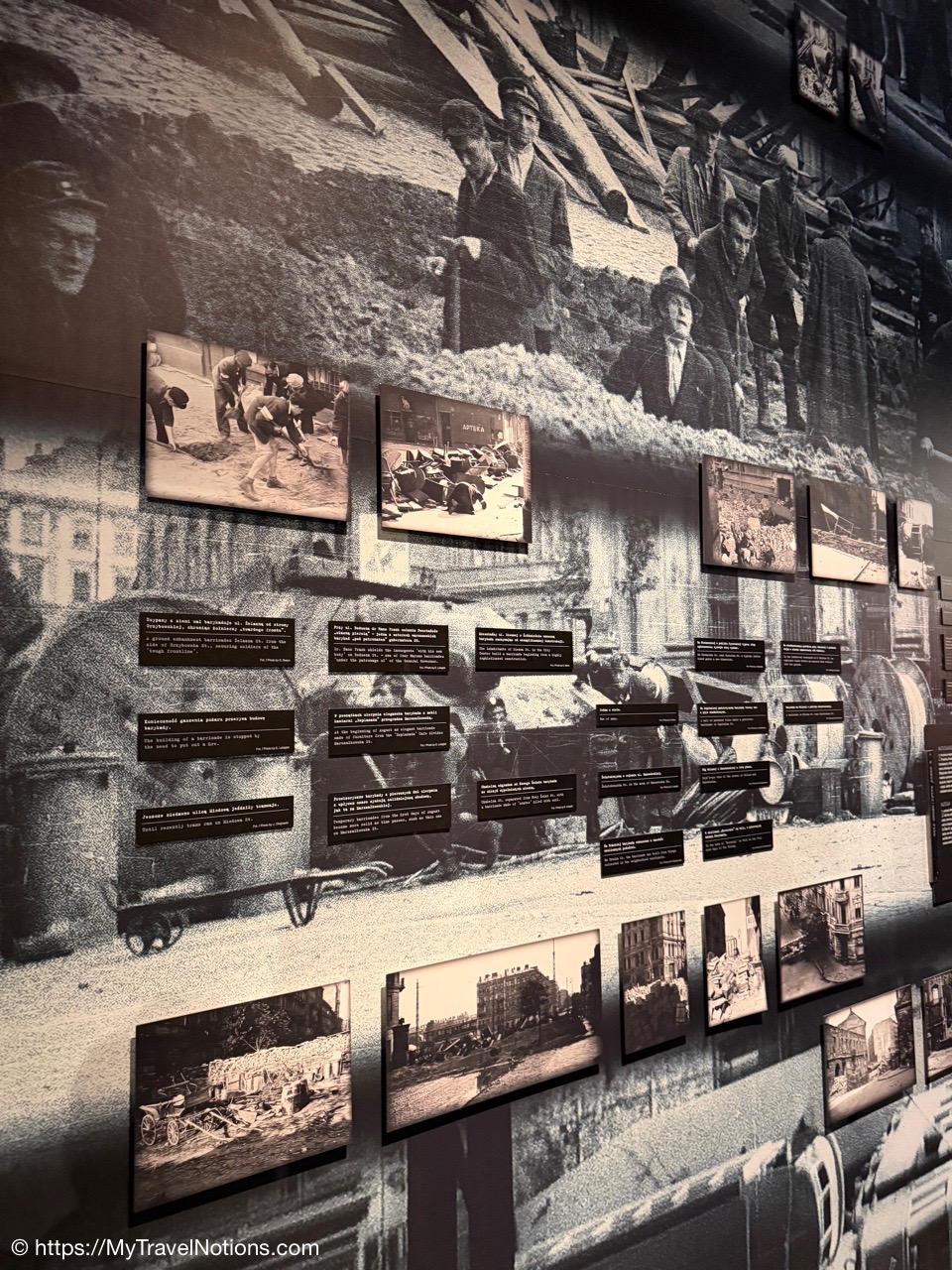
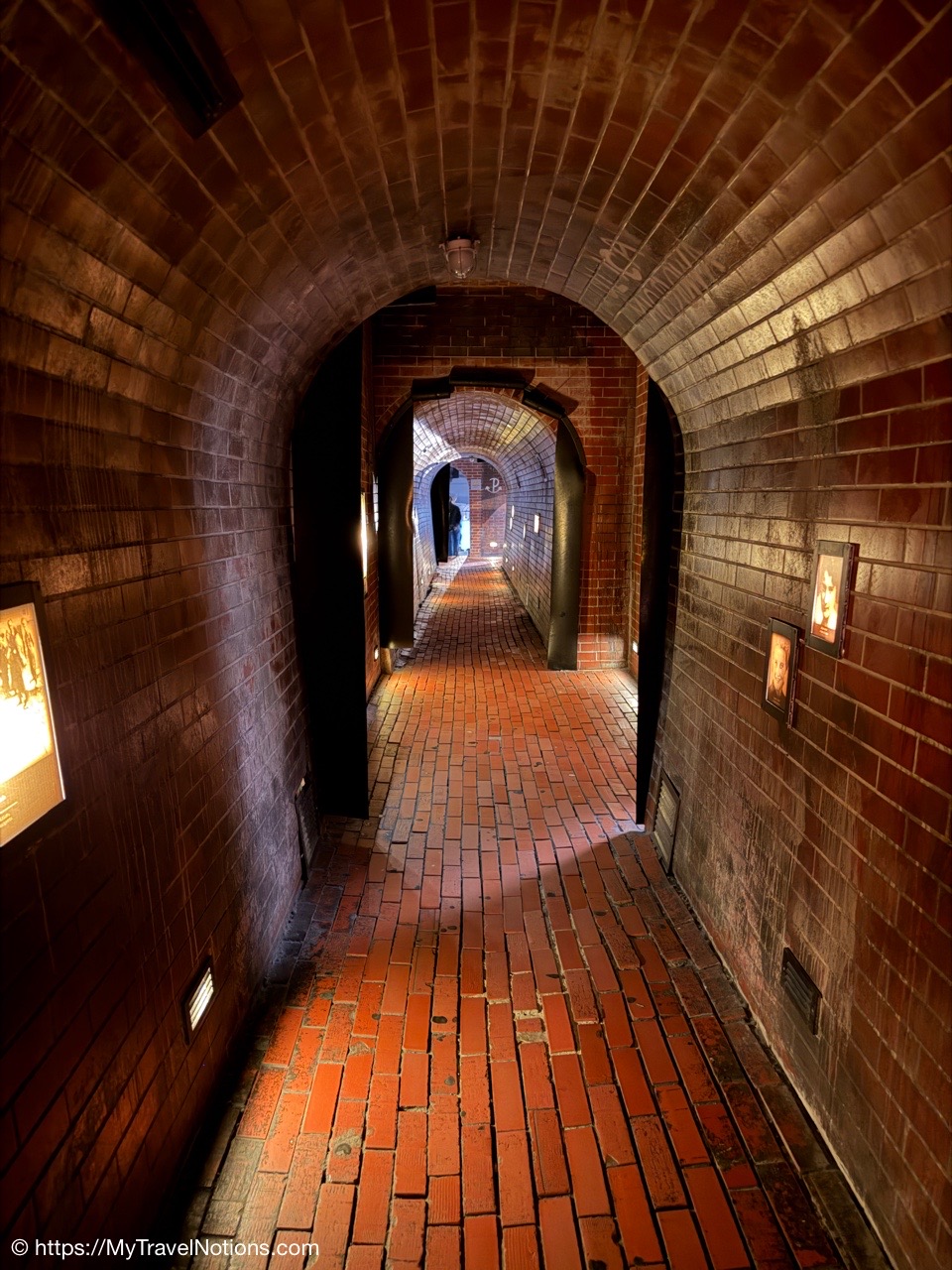
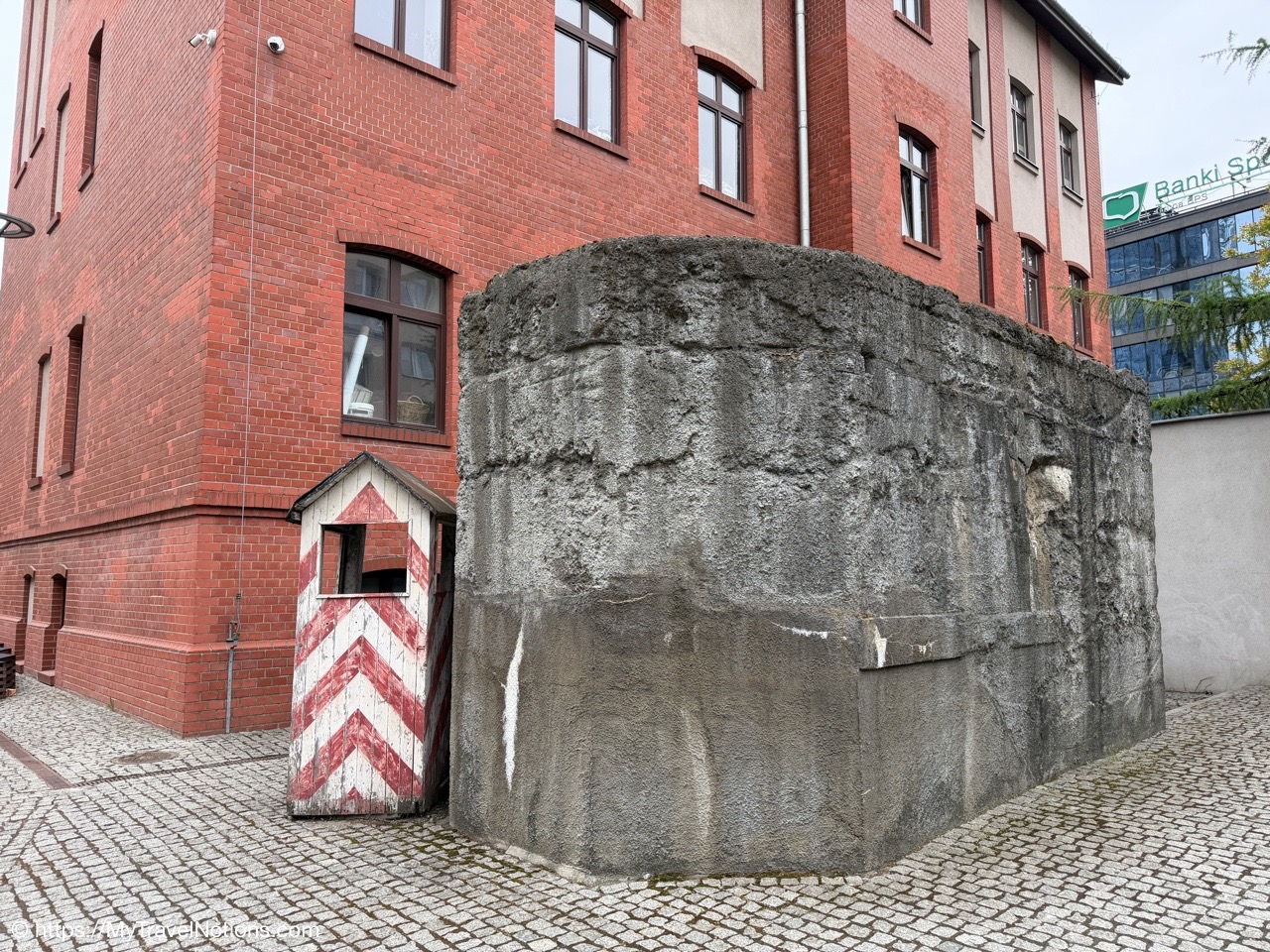
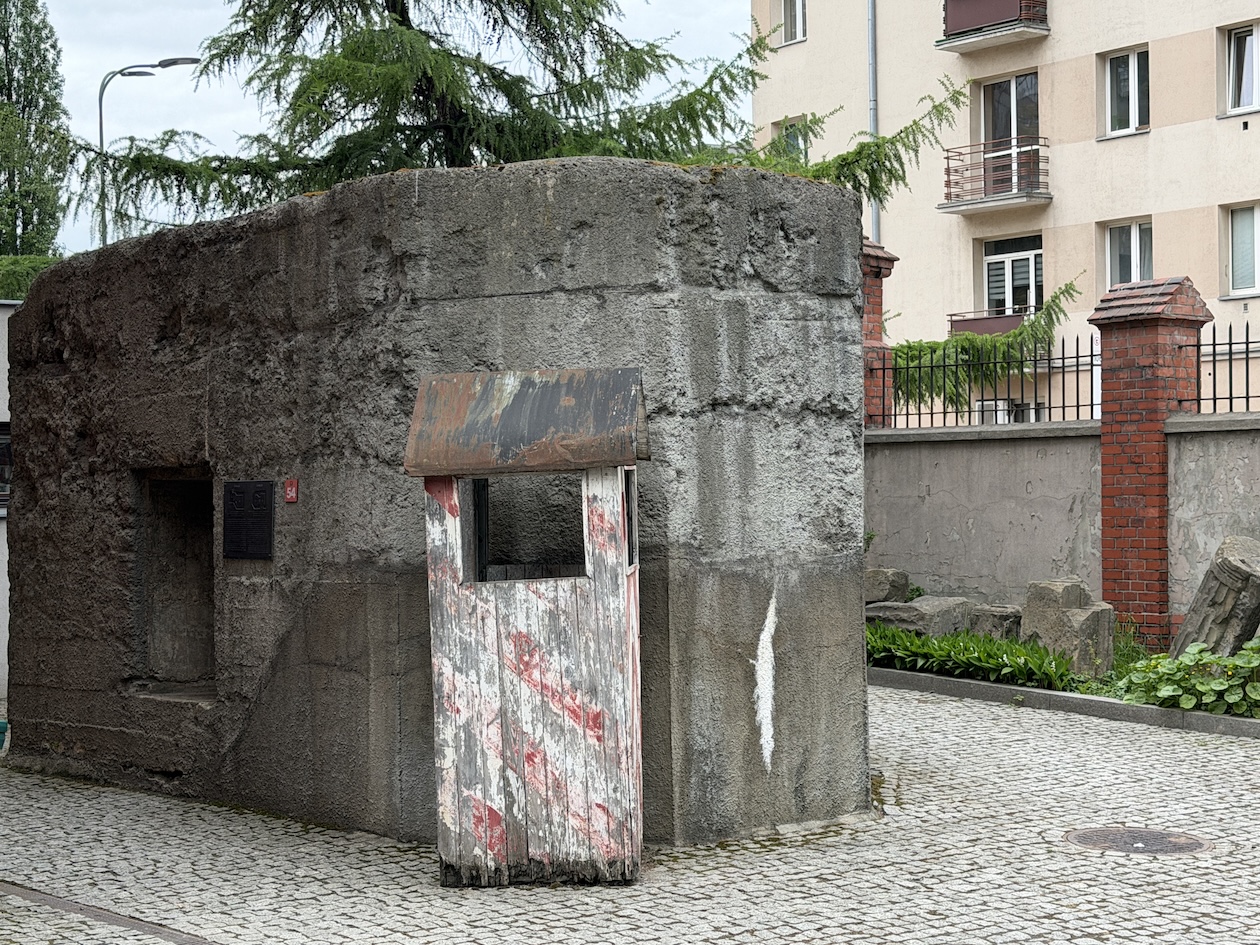
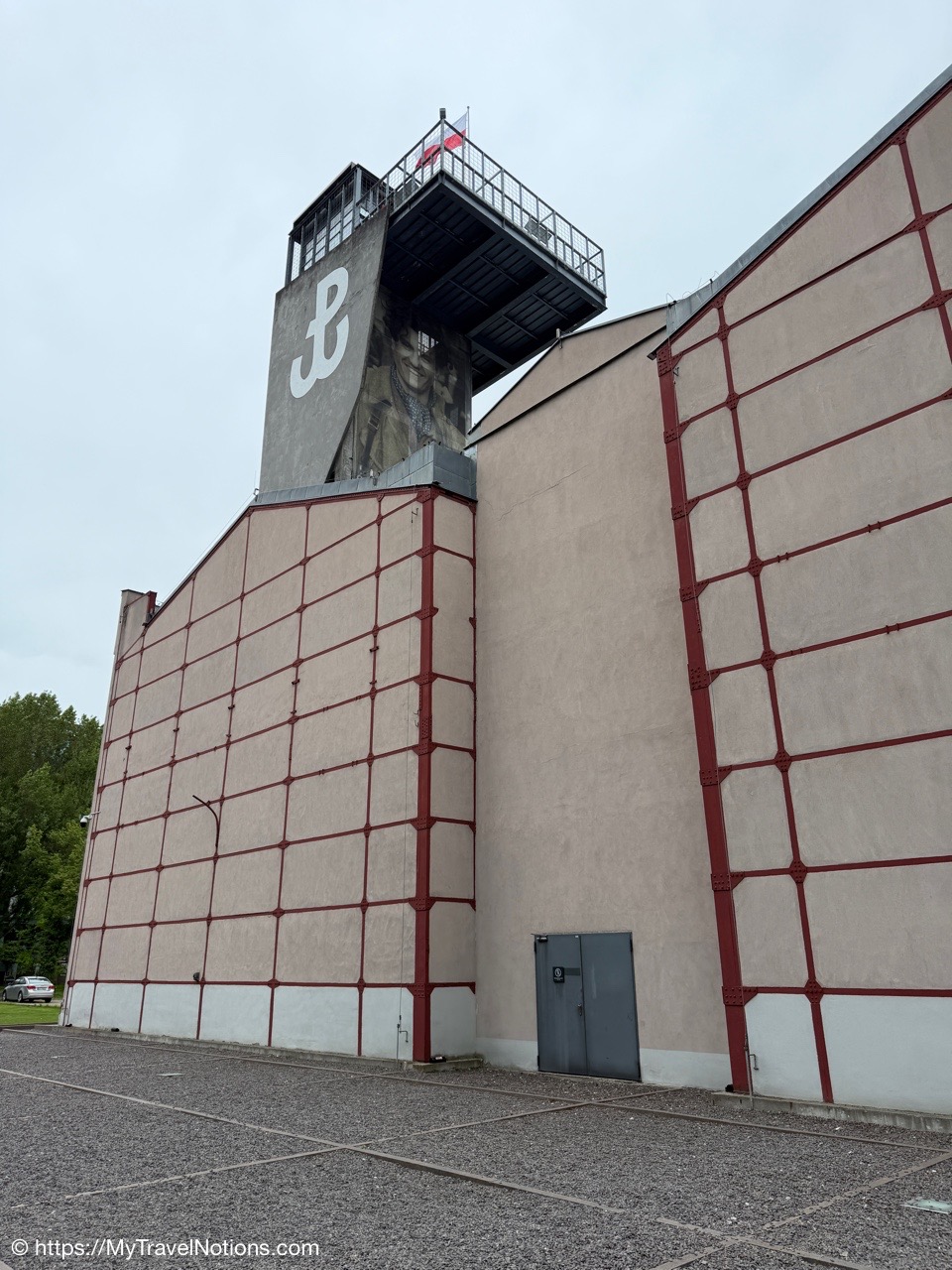
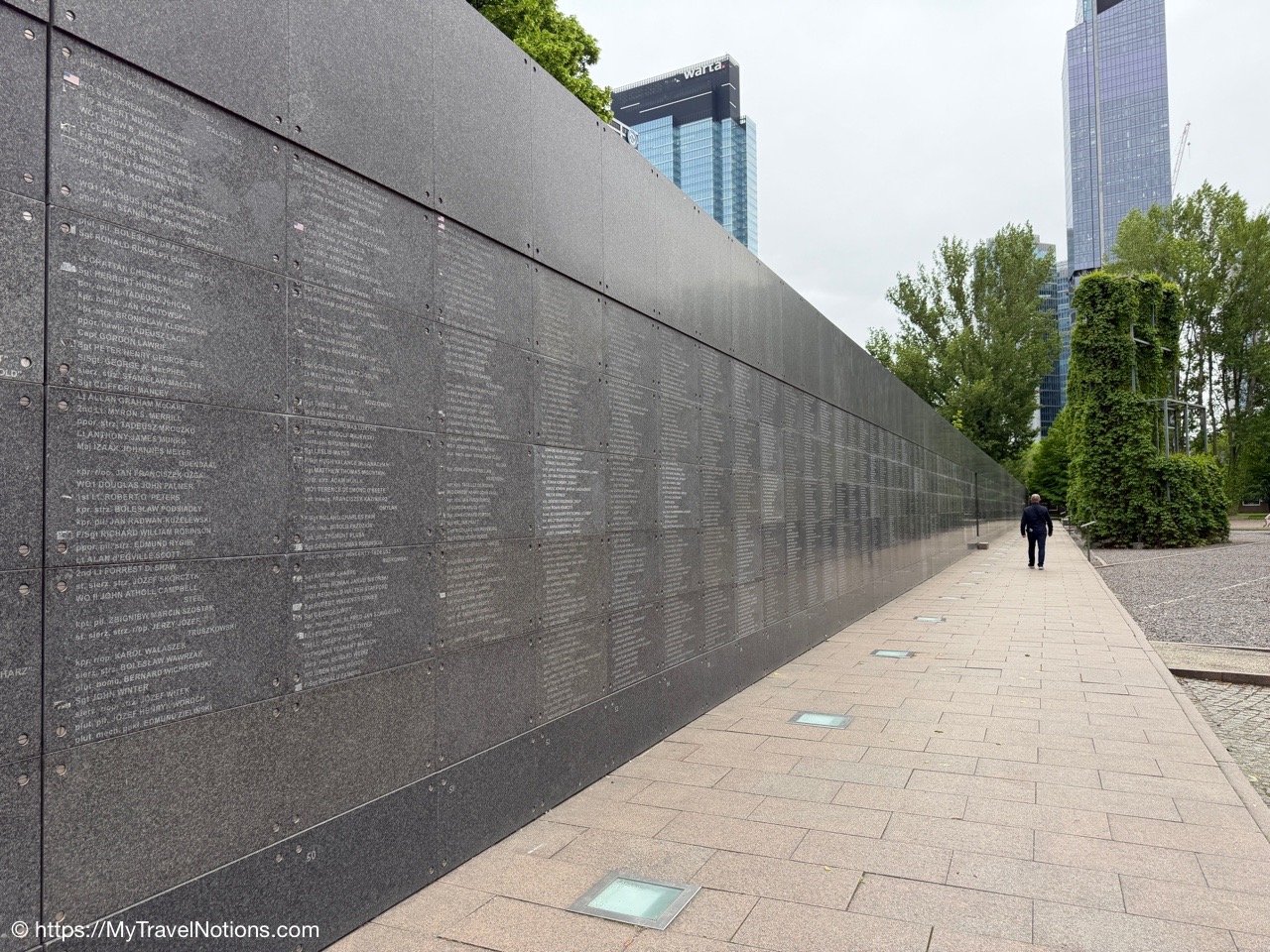
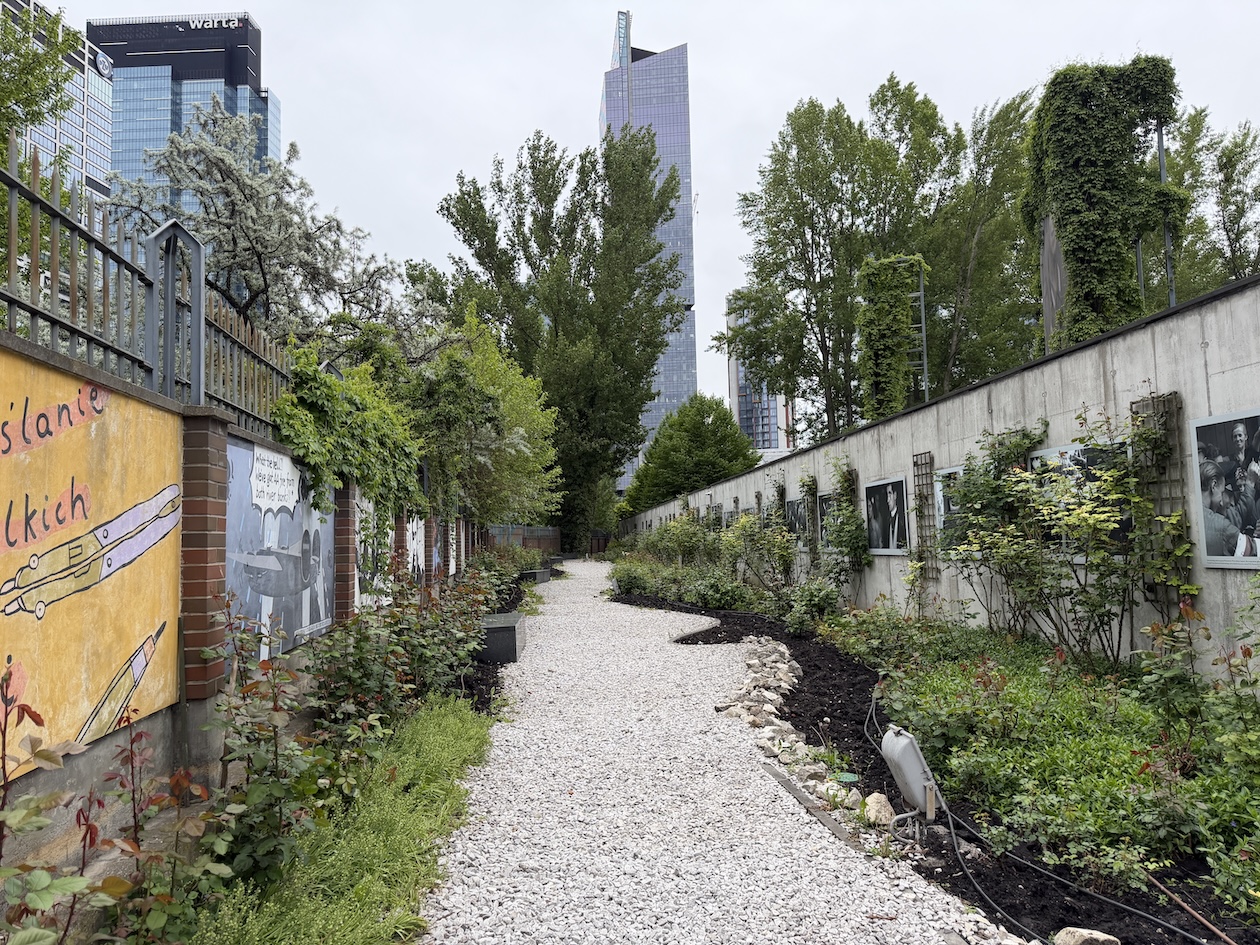
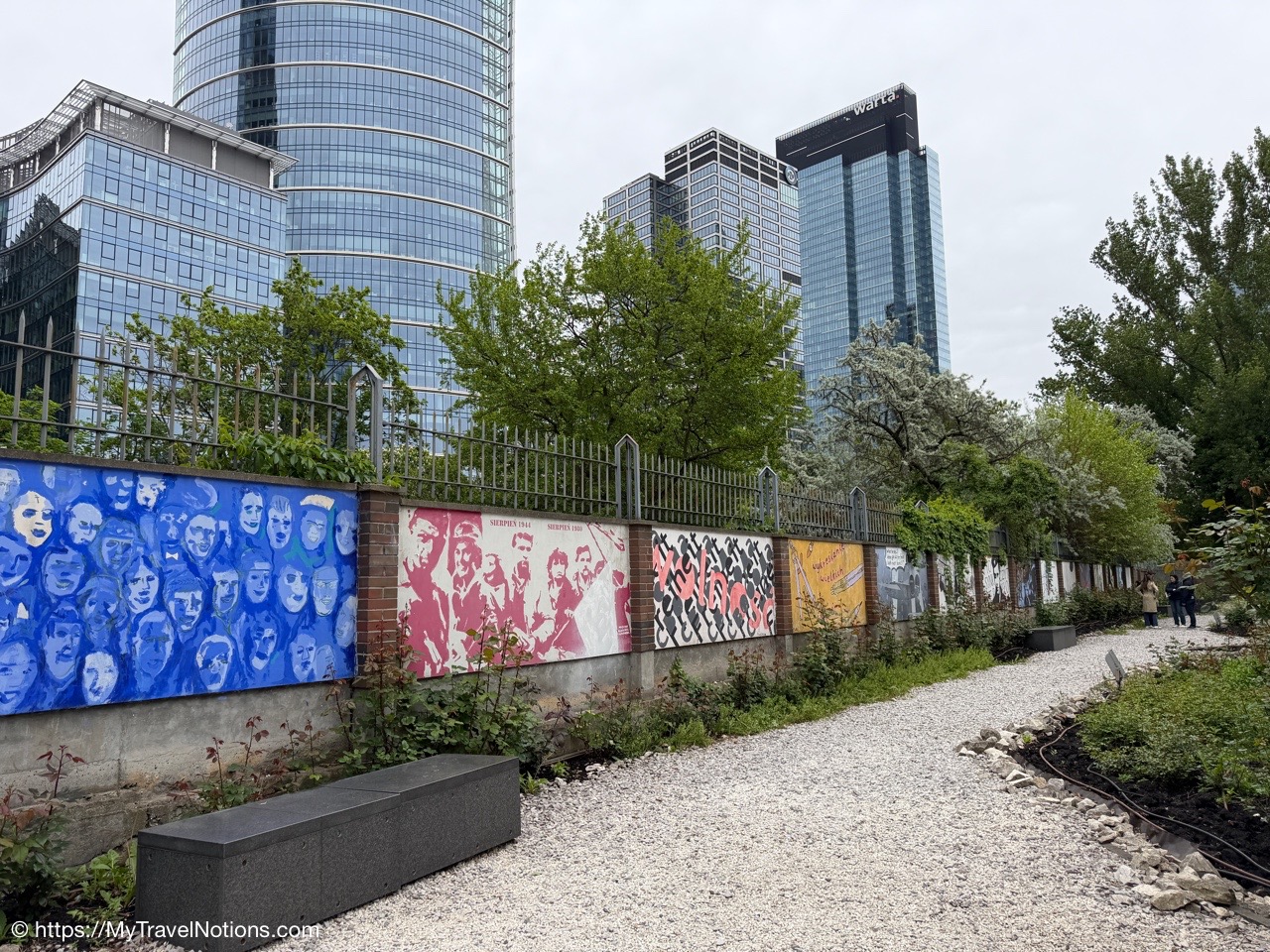
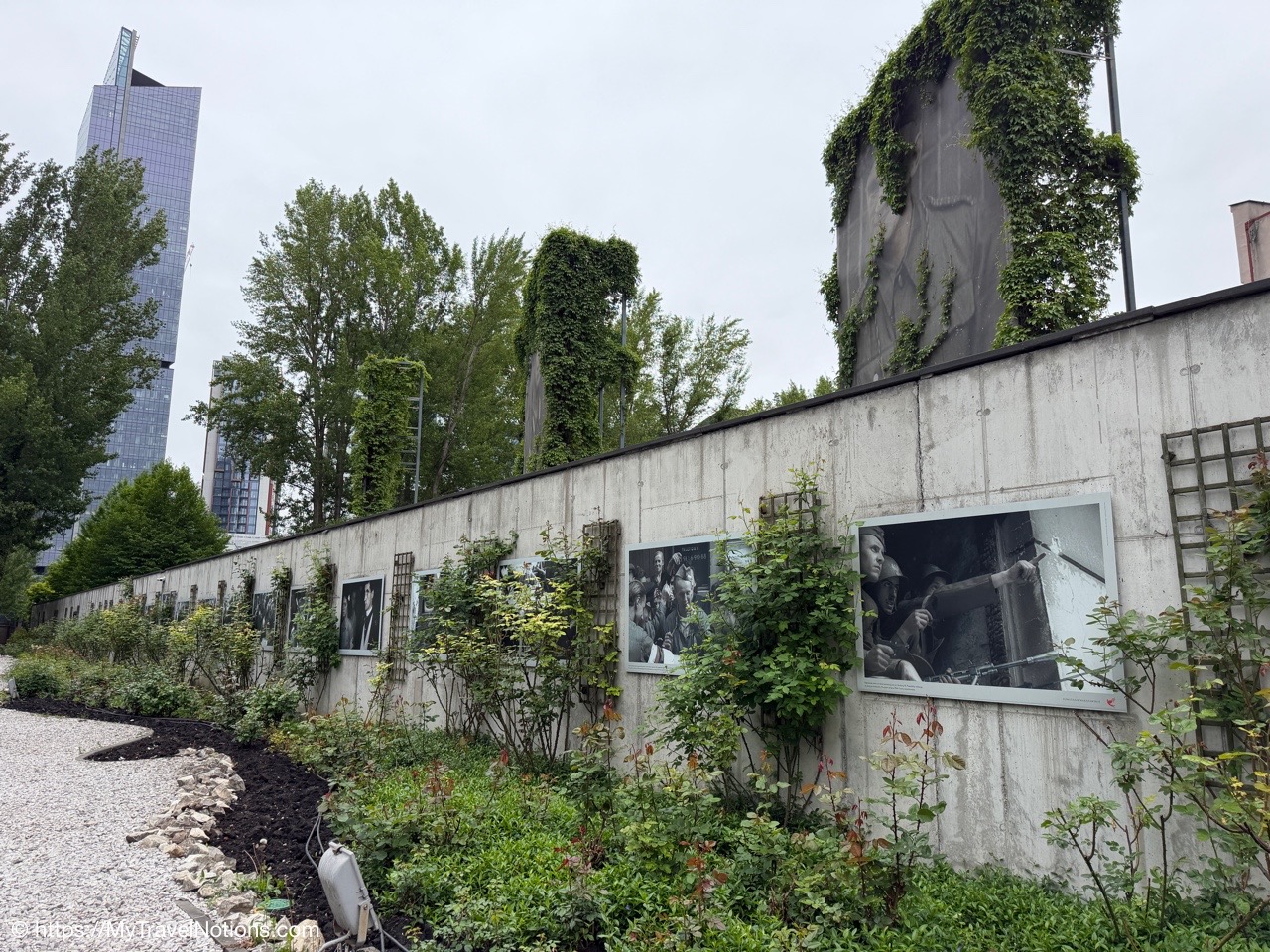
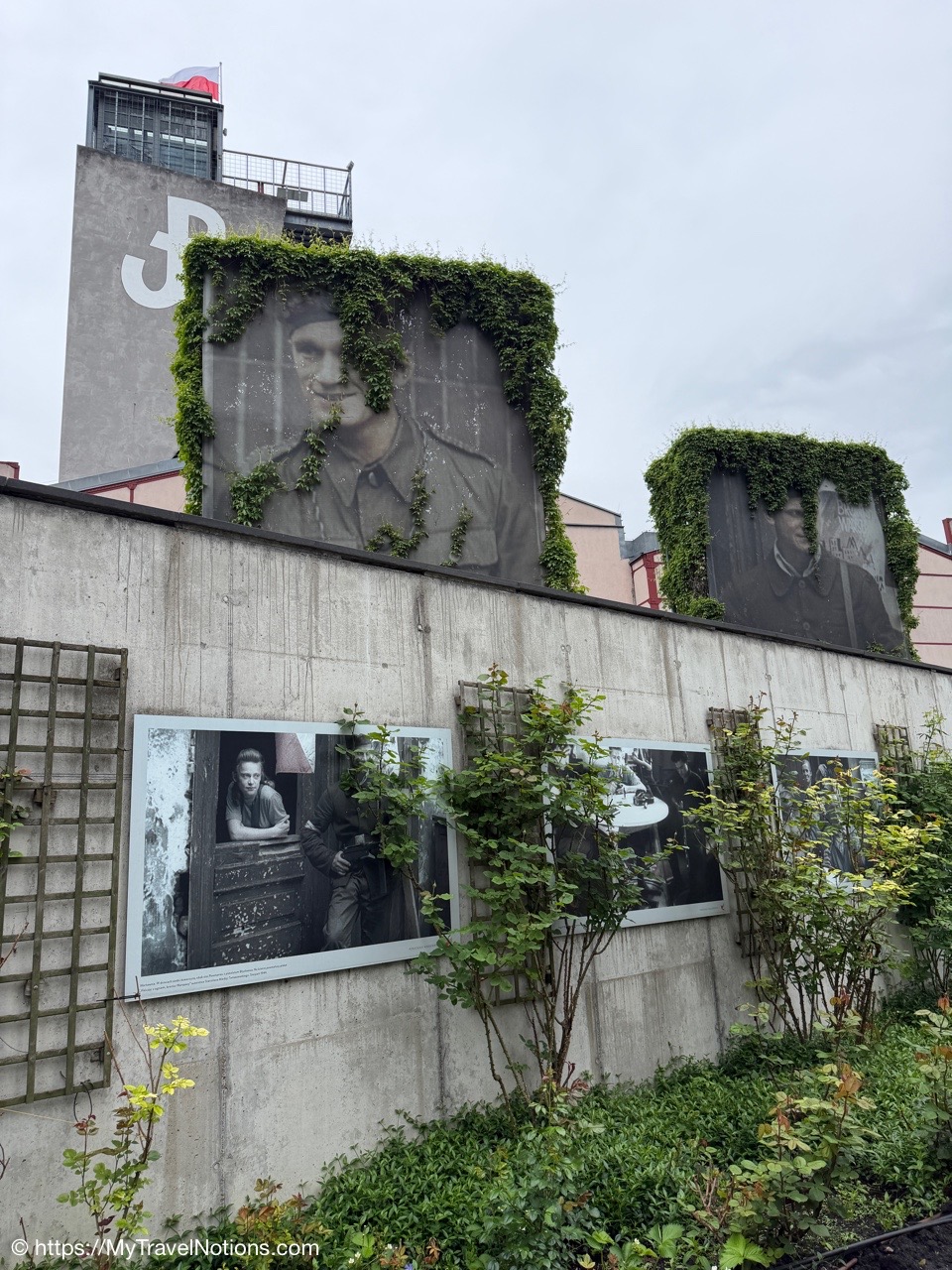
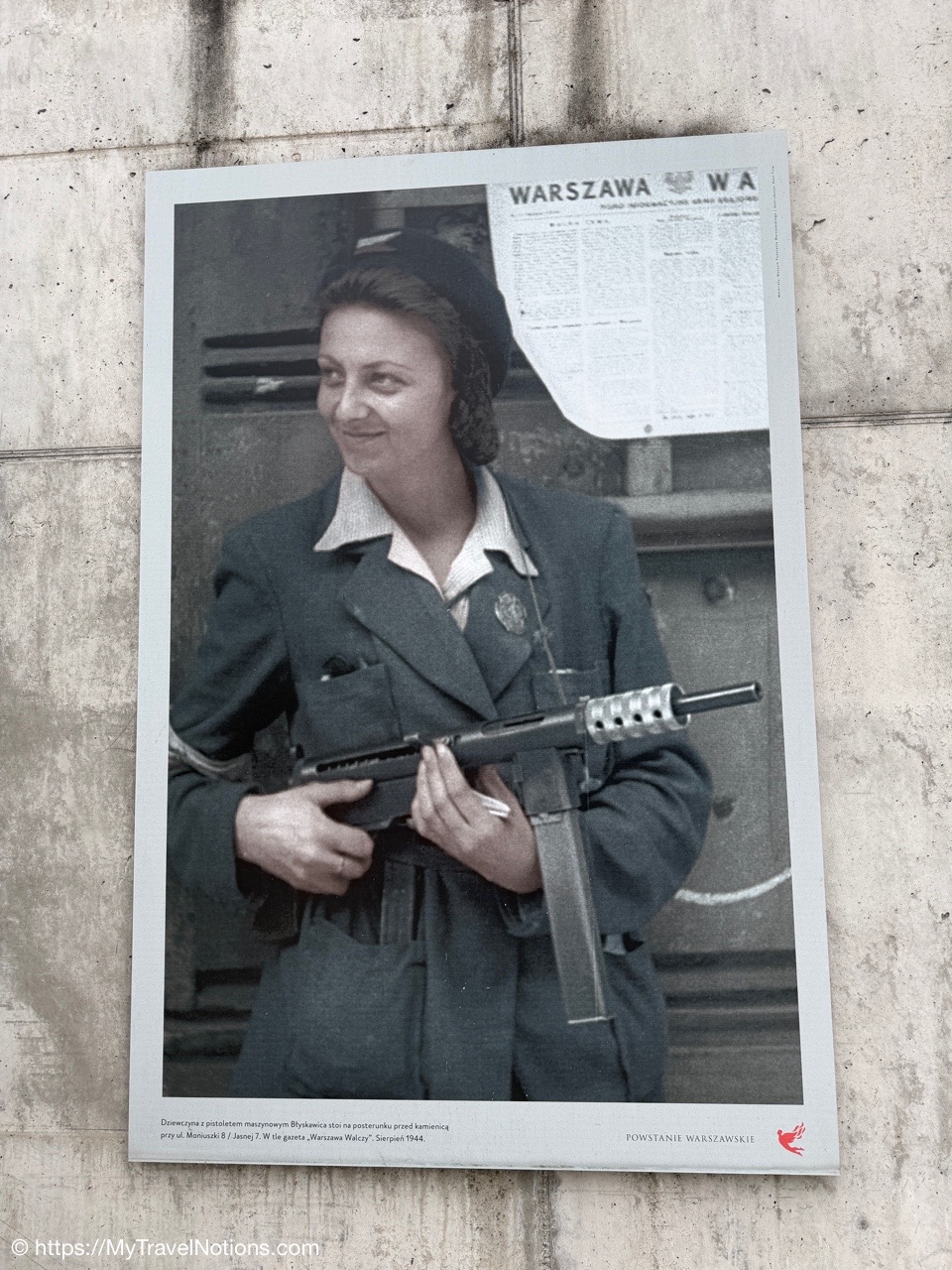
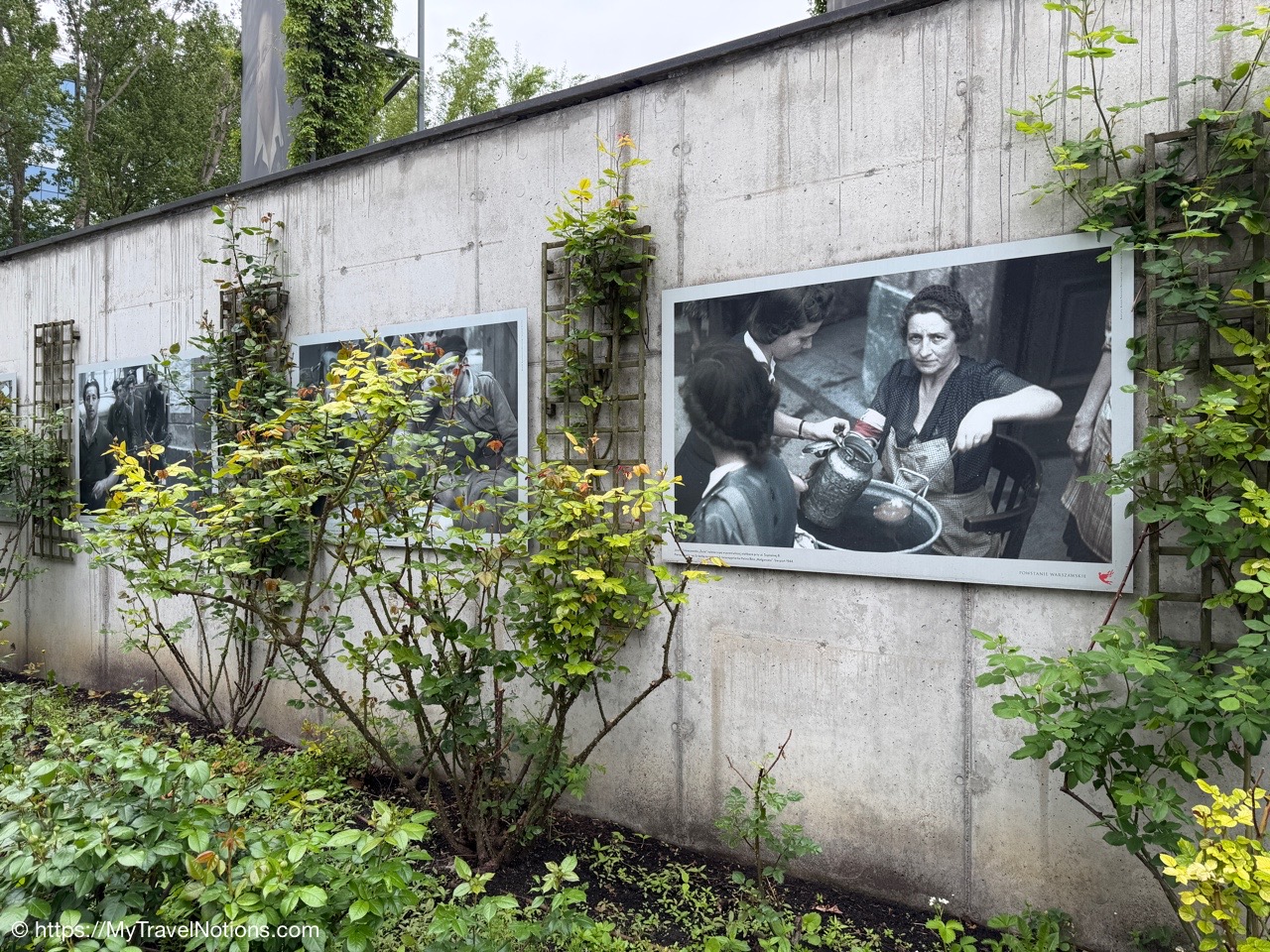
Thank you for reaching out.