We took a 2-hour flight on RyanAir from Naples, Italy to Kraków, Poland and the difference between these two countries, is more than just geographic, they feel different, have separate histories, cultures, language and certainly food. It’s a difference I’m looking forward to exploring. Why did we decide to pair the two? Alice mentioned Poland while we were all traveling in France last year and many of us thought…sure, why not.
I visited Kraków in 2016 on a Rick Steves tour of Central Europe for my 60-days of travel celebrating my 60th birthday and retiring after 28 years of working for the U.S. Department of Labor. I visited 12 countries in those 60 days, Czech Republic, Poland, Slovakia, Slovenia, Hungary, Croatia, Germany, Austria, Bosnia-Herzegovina, Bulgaria, Romania and Serbia. Traveling was the reason why I retired and continues to be what motivates me.
Founded in the 7th century, Kraków is one of Poland’s oldest cities and served as its capital from 1038 to 1596. Key periods include its rise as a royal seat under the Piast dynasty, destruction by Mongols in 1241, and its golden age in the 15th-16th centuries. Though losing capital status to Warsaw, it remained a center of Polish culture, surviving World War II largely intact to become a UNESCO site.
From its inception in the 14th century to the early 19th century, Kazimierz was an independent suburban village outside Krakow, located on the northern bank of the Vistula River and south of the Royal Castle on the Wawel Hill.
For many centuries, Kazimierz was a place where ethnic Polish and Jewish cultures coexisted and intermingled. In 1941, during World War II, the Jews of Kraków were forcibly relocated by the German occupying forces into the Kraków Jewish Ghetto just across the southern bank of the Vistula River in Podgórze. The area was eventually sealed off by walls. It served as a staging ground before victims were sent to concentration and extermination camps, including the nearby Plaszow camp, most did not survive the war.
Kazimierz has since become revived as a cultural, culinary and bohemian hotspot and Podgórze has transformed into one of the city’s trendiest neighborhoods.
Come walk with us through the Kazimierz and Podgórze areas of Kraków.
Getting in a selfie at the Father Bernatek footbridge that crosses the Vistula River linking the Kazimierz and Podgórze districts. The impressive steel arch bridge, built in 2010, is decorated with acrobatic sculptures by Jerzy Kędziory suspended in the air from the series “Between the Water and the Sky.” (May 4, 2026)The Old Synagogue in Kazimierz is Kraków’s historic Jewish quarter is the oldest in Poland, dating back to the 15th century. Today it houses a branch of the Historical Museum of Kraków. (May 4, 2026)Views of Kazimierz, the historic Jewish quarter of , Kraków. (May 4, 2026)Views of Kazimierz, the historic Jewish quarter of , Kraków. (May 4, 2026)The Remah Synagogue in Kazimierz, the historic Jewish quarter of Kraków, was built in 1557 by a wealthy royal banker, Israel Isserles, in memory of his first wife, Golda. It was dedicated to his son, the famous astronomer, philosopher, and Talmudic scholar Rabbi Moses Isserles (the ReMA). The smallest of Kazimierz’s historic synagogues, it is also the only active Jewish place of worship in Kraków. It is famed for its adjacent 16th-century cemetery and the shrine of the eminent scholar Rabbi Moses Isserles (ReMA). (May 4, 2026)The little park area across from the Remah Synagogue and the Holocaust Memorial Monument, a large meditation stone, at the northern end of Szeroka Street, the historical heart of Kazimierz in Krakow. (May 4, 2026)The Holocaust Memorial Monument, a large meditation stone, at the northern end of Szeroka Street in Kazimierz the historic Jewish quarter of Kraków. It reads: “Place of meditation upon the martyrdom of 65 thousand Polish citizens of Jewish nationality from Cracow and its environs killed by the Nazis during World War II.” (May 4, 2026)Views of Kazimierz, the historic Jewish quarter of Kraków. (May 4, 2026)International cosmetics brand founder, Helena Rubinstein (1872-1965), spent her childhood in a cramped tenement at Szeroka 14 in Kazimierz, the historic Jewish quarter of Kraków. Today, the building is painted light green and is a restaurant. Rubinstein created a global cosmetics empire by inventing the modern beauty industry. (May 4, 2026)A plaque of cosmetics giant in Helena Rubinstein, by her former home, now restaurant in Kazimierz. She was born Kraków (then part of the Austro-Hungarian Empire) in the suburb of Podgórze and grew up in the historic Jewish district of Kazimierz. In 1896, fleeing an arranged marriage, she emigrated to Australia. Armed with her mother’s face creams, she built a global cosmetics empire through aggressive marketing, pioneering “scientific” skincare, and bringing luxury beauty to the mass market. (May 4, 2026)International cosmetics brand founder, Helena Rubinstein (1872-1965), spent her childhood in a cramped tenement at Szeroka 14 in Kazimierz, the historic Jewish quarter of Kraków. Today, the building is painted light green and is a restaurant. Rubinstein created a global cosmetics empire by inventing the modern beauty industry. (May 4, 2026)Views of Kazimierz, the historic Jewish quarter of Kraków. (May 4, 2026)Views of Kazimierz, the historic Jewish quarter of Kraków. (May 4, 2026)Walking by Hotel Eden, a 15th century restored tenement building in the heart of Kazimierz, Krakow’s old Jewish Quarter, located at Ciemna 15. The hotel offers 27 rooms, a kosher-friendly restaurant, a salt grotto and is Poland’s only hotel with an operational mikveh, a Jewish ritual bath. (May 4, 2026)A mezuzah at the entrance of the Hotel Eden, a 15th century restored tenement building in the heart of Kazimierz, Krakow’s old Jewish Quarter, located at Ciemna 15. The mezuzah is a small case containing a handwritten parchment scroll and can be made of various materials like metal, glass, or ceramic. Wooden ones, like this, are very common. (May 4, 2026)Views of Kazimierz, the historic Jewish quarter of Kraków. (May 4, 2026)The Isaak Synagogue (Synagoga Izaaka), located at 14 Kupa Street in Kraków’s historic Kazimierz district, is the largest and once the most magnificent synagogue in the area. (May 4, 2026)The Isaak Synagogue (Synagoga Izaaka), located at 14 Kupa Street in Kraków’s historic Kazimierz district, is the largest and once the most magnificent synagogue in the area. (May 4, 2026)Views of Kazimierz, the historic Jewish quarter of Kraków. (May 4, 2026)Views of Kazimierz, the historic Jewish quarter of Kraków. (May 4, 2026)The Tempel Synagogue, a historic and still active Reform Jewish house of worship located at Kazimierz, the historic Jewish quarter of Kraków. Built between 1860 and 1862, it is an architectural blend of Moorish Revival and neo-Renaissance styles. (May 4, 2026)The Okrąglak: A distinctive circular brick building stands at the center of the Market Square, Plac Nowy or New Square, in Kazimierz the vibrant beating heart of the historic Jewish quarter. Originally built in 1900 as a poultry slaughterhouse, its outer ring of hatches is now famously dedicated to serving street food, primarily zapiekanki, a toasted open-face baguette. (May 4, 2026)The Market Square In Kazimierz with its lively outdoor flea market and the the Okrąglak—a central rotunda serving traditional Polish zapiekanki, a toasted open-face baguette. (May 4, 2026)The Market Square, known locally as Plac Nowy or New Square, in Kazimierz the vibrant beating heart of the historic Jewish quarter. It is famous for its lively outdoor flea market and the Okrąglak—a central rotunda serving traditional Polish zapiekanki, a toasted open-face baguette. (May 4, 2026)The Okrąglak: A distinctive circular brick building stands at the center of the Market Square, Plac Nowy or New Square, in Kazimierz the vibrant beating heart of the historic Jewish quarter. Originally built in 1900 as a poultry slaughterhouse, its outer ring of hatches is now famously dedicated to serving street food, primarily zapiekanki, a toasted open-face baguette. (May 4, 2026)Inside the Okrąglak, a 12-sided rotunda in the center of the Market Square or Plac Nowy in Kazimierz, the vibrant and history heart of Krakow’s Jewish quarter. This area functions as a circular, open-air communal prep and cooking space. (May 4, 2026)Views of Kazimierz, the historic Jewish quarter of Kraków. (May 4, 2026)Views of Kazimierz, the historic Jewish quarter of Kraków. (May 4, 2026)The narrow courtyard and passageway of the Schindler’s Passage in Kazimierz, the Jewish district of Kraków was one of the filming locations for the film Schindler’s List. It is associated with Oskar Schindler, the German businessman who saved over 1,200 Jews during World War II by employing them in his Enamel Factory (Deutsche Emailwarenfabrik), famously depicted in the Oscar-winning 1993 film, Schindler’s List. (May 4, 2026)Plaques along the wall of the Schindler’s Passage in the district of Kazimierz commemorate both the tragic history of the Holocaust and its role as a filming location for Steven Spielberg’s 1993 movie, Schindler’s List. (May 4, 2026)The narrow courtyard and passageway of the Schindler’s Passage in Kazimierz, the Jewish district of Kraków was one of the filming locations for the film Schindler’s List. (May 4, 2026)Views of Kazimierz, the historic Jewish quarter of Kraków. (May 4, 2026)The Corpus Christi Basilica is a massive, fortified Gothic and Baroque church in Kraków’s historic Kazimierz district. Founded by King Casimir the Great in 1335, it is famous for its towering red-brick exterior, the largest Baroque altarpiece in the city, and an ornate boat-shaped pulpit. (May 4, 2026)The Corpus Christi Basilica is a massive, fortified Gothic and Baroque church in Kraków’s historic Kazimierz district. Founded by King Casimir the Great in 1335, it is famous for its towering red-brick exterior, the largest Baroque altarpiece in the city, and an ornate boat-shaped pulpit. (May 4, 2026)Views of Kazimierz, the historic Jewish quarter of Kraków. (May 4, 2026)Views of Kazimierz, the historic Jewish quarter of Kraków. (May 4, 2026)During the Second World War, the Jews of Kraków, including those in Kazimierz, were forced by the Nazis into a crowded ghetto in Podgórze, situated on the southern bank of the Vistula River. This modern arch footbridge, the Father Bernatek Footbridge (Kładka Ojca Bernatka) connects the historic Kazimierz and Podgórze districts across the Vistula River. It is famous for its acrobatic sculptures by Polish artist Jerzy Kędziora. (May 4, 2026)The modern arch footbridge, the Father Bernatek Footbridge (Kładka Ojca Bernatka) connects the historic Kazimierz and Podgórze districts across the Vistula River. Designed by architect Andrzej Getter and opened in 2010, the 475 foot or 145-meter-long structure features a leaf-shaped twin walkway separating pedestrians and cyclists. (May 4, 2026)Ten gravity-defying, acrobatic figures are suspended from the arch and cables of the modern footbridge, the Father Bernatek Footbridge (Kładka Ojca Bernatka) that connects the historic Kazimierz and Podgórze districts across the Vistula River. The sculptures are part of a series called “Between Water and Sky” by Polish artist Jerzy ‘Jotki’ Kędziora are specifically designed to maintain balance in the wind. (May 4, 2026)Ten gravity-defying, acrobatic figures are suspended from the arch and cables of the modern footbridge, the Father Bernatek Footbridge (Kładka Ojca Bernatka) that connects the historic Kazimierz and Podgórze districts across the Vistula River. The sculptures are part of a series called “Between Water and Sky” by Polish artist Jerzy ‘Jotki’ Kędziora are specifically designed to maintain balance in the wind. (May 4, 2026)The “Romantic Dragon” (Smok Romantyczny), a small, charming bronze figurine located at the Podgórze side of the Father Bernatek Footbridge (Kładka Ojca Bernatka) in Kraków is part of a growing, resident-led Kraków Dragon Trail that features over a dozen unique dragon statues scattered across the city. (May 4, 2026)The “Romantic Dragon” (Smok Romantyczny), a small, charming bronze figurine located at the Podgórze side of the Father Bernatek Footbridge (Kładka Ojca Bernatka) in Kraków is part of a growing, resident-led Kraków Dragon Trail that features over a dozen unique dragon statues scattered across the city. (May 4, 2026)Podgórze, site of the former Jewish Ghetto, is south across the Vistula River from Kazimierz in Kraków. The city was established for the purpose of exploitation, terror, and persecution of local Polish Jews. The ghetto was later used as a staging area for separating the “able workers” from those to be deported to extermination camps in Operation Reinhard. (May 4, 2026)Views of Podgórze, site of the former Jewish Ghetto, south across the Vistula River from Kazimierz in Kraków. (May 4, 2026)Podgórze, site of the former Jewish Ghetto, is south across the Vistula River from Kazimierz in Kraków. The ghetto was liquidated between June 1942 and March 1943, with most of its inhabitants deported to the Belzec extermination camp as well as to Płaszów slave-labor camp, and Auschwitz concentration camp, 37 miles or 60 kilometres rail distance away. (May 4, 2026)Views of Podgórze, site of the former Jewish Ghetto, south across the Vistula River from Kazimierz in Kraków. (May 4, 2026)Views of Podgórze, site of the former Jewish Ghetto, south across the Vistula River from Kazimierz in Kraków. (May 4, 2026)Views of Podgórze, site of the former Jewish Ghetto, south across the Vistula River from Kazimierz in Kraków. (May 4, 2026)These traditional green metal painted house number and street name lanterns represents a unique aesthetic that has mostly been preserved in historic districts like Podgórze and Kazimierz in Krakow. (May 4, 2026)Views of Podgórze, site of the former Jewish Ghetto, south across the Vistula River from Kazimierz in Kraków. (May 4, 2026)The Ghetto Heroes Square or Plac Bohaterów Getta in the Podgórze district of Kraków features the striking Empty Chairs Memorial. From 1941–43, Podgórze bore witness to a savage and tragic stage in the extermination of Kraków’s Jews. Each steel chair represents 1,000 victims. (May 4, 2026)The Ghetto Heroes Square or Plac Bohaterów Getta in Podgórze, a district of Kraków, features the striking Empty Chairs Memorial. From 1941–43, Podgórze bore witness to a savage and tragic stage in the extermination of Kraków’s Jews. Each steel chair represents 1,000 victims. (May 4, 2026)The Ghetto Heroes Square or Plac Bohaterów Getta in the Podgórze district of Kraków features the striking Empty Chairs Memorial. From 1941–43, Podgórze bore witness to a savage and tragic stage in the extermination of Kraków’s Jews. Each steel chair represents 1,000 victims. (May 4, 2026)The Ghetto Heroes Square or Plac Bohaterów Getta in the Podgórze district of Kraków features the striking Empty Chairs Memorial. From 1941–43, Podgórze bore witness to a savage and tragic stage in the extermination of Kraków’s Jews. Each steel chair represents 1,000 victims. (May 4, 2026)For lunch, we ate at the Ramen Star in Kazimierz, the historic Jewish quarter of Kraków. I had the Ichiraku beef and pork ramen. (May 4, 2026)To the left is the entrance to my hotel, the Hotel Polski Pod Bialym Orlem in the heart of the historic Old Town district of Kraków with views of the Czartoryski Museum and the distinctive arch spanning the historic palace and the Piarist Monastery. The hotel was also steps away from the medieval City Walls and the Floriańska Gate. (May 4, 2026)Back at my hotel, the Hotel Polski Pod Bialym Orlem in the Old Town of Krakow, I had dinner on my own, a fried pork chop, potatoes and a nice glass of wine. (May 4, 2026)Entering my small but comfortable room at the Hotel Polski Pod Bialym Orem in the heart of Old Town, the historic center of Kraków. (May 3, 2026)My small but comfortable room at the Hotel Polski Pod Bialym Orem in the heart of Old Town, the historic center of Kraków. (May 3, 2026)My bathroom at the Hotel Polski Pod Bialym Orem in the heart of Old Town, the historic center of Kraków. (May 3, 2026)
It was a full day private walking tour, with our guide Monika, of Krakówwith the usual gang of Rosie, Alice, John and myself with friends of Alice and John, Eric and Karen who flew in from their home in Scotland.
The day included the Collegium Maius, the Jagiellonian University’s public museum; the Old Town or historic district of Kraków including St. Mary’s Basilica, the iconic 14th-century brick Gothic church located in the northeastern corner of the Main Market Square; the Basilica of St. Francis of Assisi in Kraków and lastly for the day, the Sanctuary of Saint John Paul II located in the Southern part of Kraków, called Lagiewniki before returning to the Main Market Square for a delicious early dinner at the Piano Rouge.
Come see even more sites of Kraków.
Here we are in Kraków, with two new travelers, Karen and Eric, friends of Alice and John from Scotland. We’re at our first private tour stop for the day, the Collegium Maius, the Jagiellonian University’s public museum. It is the university’s the oldest building dating back to the 14th century. Nicolas Copernicus (1473–1543), a Polish astronomer, mathematician, and economist studied at the University. From left: Me, Rosie, John, Karen, Eric and Alice. (May 5, 2026)View from Jagiellońska Street where the Collegium Maius building is located in Kraków. Founded in 1364 by King Casimir III the Great, Jagiellonian University (UJ) in Kraków is considered to be Poland’s oldest university and one of the oldest in the world. (May 5, 2026)The Courtyard inside the Collegium Maius, the oldest building of the Jagiellonian University in Kraków, dating back to the 14th century. (May 5, 2026)The Courtyard inside the Collegium Maius, the oldest building of the Jagiellonian University in Kraków, dating back to the 14th century. (May 5, 2026)The Old Library Chamber inside the Collegium Maius, the oldest building of the Jagiellonian University, dating back to the 14th century. (May 5, 2026)The Old Library Chamber inside the Collegium Maius, the oldest building of the Jagiellonian University in Kraków, dating back to the 14th century. (May 5, 2026)The Old Library Chamber inside the Collegium Maius, the oldest building of the Jagiellonian University in Kraków, dating back to the 14th century. (May 5, 2026)The Old Library Chamber inside the Collegium Maius, the oldest building of the Jagiellonian University, dating back to the 14th century. (May 5, 2026)The Old Library Chamber book shelves from the 1700s inside the Collegium Maius, the oldest building of the Jagiellonian University in Kraków, dating back to the 14th century. (May 5, 2026)The Old Library Chamber inside the Collegium Maius, the oldest building of the Jagiellonian University in Kraków, dating back to the 14th century. (May 5, 2026)Bust of Nicolas Copernicus (1473–1543) was a Polish astronomer, mathematician, and economist who once studied liberal arts, including astronomy and mathematics, from 1491 to 1495 at the Jagiellonian University in Kraków. (May 5, 2026)The professors common room inside the Collegium Maius, the oldest building of the Jagiellonian University in Kraków, dating back to the 14th century. (May 5, 2026)The professors common room inside the Collegium Maius, the oldest building of the Jagiellonian University, dating back to the 14th century. (May 5, 2026)The Copernicus room inside the Collegium Maius, the oldest building of the Jagiellonian University, dating back to the 14th century. (May 5, 2026)The Copernicus room inside the Collegium Maius, the oldest building of the Jagiellonian University in Kraków, dating back to the 14th century. (May 5, 2026)The Jagiellonian Globe in the Copernicus Room inside the Collegium Maius, the oldest building of the Jagiellonian University in Kraków dates to approximately 1510. It is historically significant for being the oldest globe to feature the name “America” (specifically marked as “America noviter reperta”) at the bottom. (May 5, 2026)The Assembly Hall inside the Collegium Maius, the oldest building of the Jagiellonian University in Kraków, dating back to the 14th century. (May 5, 2026)The intricately decorated woodwork inside the Assembly Hall of the Collegium Maius, the oldest building of the Jagiellonian University in Kraków, dating back to the 14th century. (May 5, 2026)A close-up of the intricately decorated woodwork inside the Assembly Hall of the Collegium Maius, the oldest building of the Jagiellonian University in Kraków, dating back to the 14th century. (May 5, 2026)More views of the Jagiellonian University founded in Kraków in 1364 by King Casimir III the Great. It is considered to be Poland’s oldest university and one of the oldest in the world. (May 5, 2026)Walking through the Old Town, the historical district of Kraków. (May 5, 2026)Walking through the Planty Park, a historic urban park around Old Town, the historical district of Kraków. (May 5, 2026)Walking through the Planty Park, a historic urban park around Old Town, the historical district of Kraków. (May 5, 2026)Walking through the Planty Park, a historic urban park around Old Town, the historical district of Kraków. (May 5, 2026)Walking through the Old Town, the historic district of Kraków. This small blue cart is iconic because Obwarzanek Krakowski, a traditional, braided, ring-shaped bread that is sold from these carts. Boiled and then baked, it is chewy on the inside with a crunchy exterior, similar to a mix between a bagel and a pretzel. Then they are commonly topped with salt, poppy seeds, or sesame seeds. (May 5, 2026)Walking through Old Town, the historical district of Kraków. (May 5, 2026)The Cloth Hall in the Main Market Square in the Old Town of Kraków owes its name to the cloth trade, one of the most important goods sold here. (May 5, 2026)The Main Market Square in the Old Town historical district of Kraków dates back to 1257 and is considered the largest medieval town square in Europe. It is also a UNESCO World Heritage Site that covers more than 430,000 square feet or 40,000 square meters surrounded by historic townhouses, cafes, museums and features the Cloth Hall, St. Mary’s Basilica and the Town Hall Tower. The Adam Mickiewicz Monument stands in the center the square. Adam Mickiewicz (1798–1855), a poet, dramatist, and activist. (May 5, 2026)St. Mary’s Basilica, (right) the iconic 14th-century brick Gothic church located in the northeastern corner of Kraków’s Main Market Square in Old Town. (May 5, 2026)Inside of St. Mary’s Basilica in Kraków with its stunning star-painted blue ceiling is the Veit Stoss Altarpiece at the main altar. In this view, the covered panels are closed and show scenes from the life of the Holy Family, including the Annunciation, Nativity, and Adoration of the Magi. (May 5, 2026)This is the fully opened Veit Stoss Altarpiece of the main altar inside St. Mary’s Basilica in Kraków. This center main scene shows the Dormition of Jesus’ mother, Mary, in the presence of the Twelve Apostles. The upper centre part illustrates the Assumption of the Madonna. The side panels show the six scenes of the Joys of Mary. The altarpiece was carved between 1477 and 1489 by the German-born sculptor Veit Stoss who lived and worked in the city for over 20 years. (May 5, 2026)A close-up of the center Veit Stoss Altarpiece, the Dormition of MaryMother of Jesus, in the presence of the Twelve Apostles at the main altar inside St. Mary’s Basilica in Kraków’s Old Town. (May 5, 2026)A close-up of the left side of the fully opened Veit Stoss Altarpiece at the main altar inside St. Mary’s Basilica in Kraków’s Old Town. (May 5, 2026)A close-up of the right side of the fully opened Veit Stoss Altarpiece at the main altar inside St. Mary’s Basilica in Kraków’s Old Town. (May 5, 2026)Enjoying a quick street food snack of the a traditional, braided, ring-shaped bread, the Obwarzanek Krakowski, that is boiled and then baked. The outside, topped with salt, poppy seeds or sesame seed, is a crunchy exterior while the inside is chewy. From left: Eric, Karen, Rosie, Alice, me and John with views of the Town Hall Tower in Krakow’s Main Market Square. It is a 14th-century Gothic remnant of the demolished original town hall, serving today as a tourist viewpoint and branch of the Kraków Museum. (May 5, 2026)The Basilica of St. Francis of Assisi in Kraków is a 13th-century Franciscan church renowned for its Gothic architecture, stunning Art Nouveau stained-glass windows by Stanisław Wyspiański, and deep connections to Pope John Paul II. (May 5, 2026)Inside the nave of the Basilica of St. Francis of Assisi in Kraków. (May 5, 2026)The main altar inside the Basilica of St. Francis of Assisi in Kraków. (May 5, 2026)The back of the nave inside the Basilica of St. Francis of Assisi in Kraków. Renowned Polish artist, playwright, and painter Stanisław Wyspiański (1869–1907) created the church’s vibrant Art Nouveau floral and geometric interior polychrome paintings. (May 5, 2026)The Saint Francis stained glass inside the Basilica of St. Francis of Assisi in Kraków was created by renowned Polish artist, playwright, and painter Stanisław Wyspiański (1869–1907). He is portrayed standing barefoot among the branches of a shrub with his face raised towards heaven. (May 5, 2026)The beautiful stained glass inside the Basilica of St. Francis of Assisi in Kraków. (May 5, 2026)The Blessed Salome of Poland (1211/1212–1268) stained glass inside the Basilica of St. Francis of Assisi in Kraków was created by renowned Polish artist, playwright, and painter Stanisław Wyspiański (1869–1907). Blessed Salome was a Polish princess of the Piast dynasty, Queen of Galicia (Halych) by marriage, and a Franciscan nun known for her piety. She was beatified in 1672 by Pope Clement X. (May 5, 2026)A close-up of the Blessed Salome of Poland (1211/1212–1268) stained glass inside the Basilica of St. Francis of Assisi in Kraków was created by renowned Polish artist, playwright, and painter Stanisław Wyspiański (1869–1907). (May 5, 2026)The most famous stained glass inside the Basilica of St. Francis of Assisi in Kraków is the “God the Father – Let There Be!” window by Stanisław Wyspiański located above the entrance. God is depicted as an elderly man with a white beard, in a coat. (May 5, 2026)The most famous stained glass inside the Basilica of St. Francis of Assisi in Kraków is the “God the Father – Let There Be!” window by Stanisław Wyspiański located above the entrance. God is depicted as an elderly man with a white beard, in a coat. (May 5, 2026)The beautiful stained glass and art work inside the Basilica of St. Francis of Assisi in Kraków. (May 5, 2026)Inside the Basilica of St. Francis of Assisi in Kraków. (May 5, 2026)The dedicated pew where Pope John Paul II prayed inside the Basilica of St. Francis of Assisi in Kraków is marked with a special commemorative plaque. It is the exact spot where Karol Wojtyła frequently prayed as Cardinal and Archbishop of Kraków while residing at the adjacent Archbishop’s Palace. (May 5, 2026)The Bishop’s Palace, the residence of Kraków’s bishops and best known as the home of Pope John Paul II before he became the Pope. (May 5, 2026)A portrait of Pope John Paul II above the entrance of the Bishop’s Palace, the residence of Kraków’s bishops and best known as the home of Pope John Paul II before he became the Pope. (May 5, 2026)Walking through the Old Town of Kraków. (May 5, 2026)Walking through Old Town, the historical district of Kraków. (May 5, 2026)Walking through the Old Town along Kanonicza Street (Ulica Kanonicza) considered the oldest, most picturesque street in Kraków leading directly to the foot of Wawel Castle. It was once the main path for royal processions and dignitaries accessing the castle from the city. (May 5, 2026)Walking through the Old Town along Kanonicza Street (Ulica Kanonicza) considered the oldest, most picturesque street in Kraków leading directly to the foot of Wawel Castle. It was once the main path for royal processions and dignitaries accessing the castle from the city. (May 5, 2026)The Wawel Royal Castle located on a limestone hill in Kraków, was not built at one specific time, but evolved over centuries. The earliest stone structures date back to the 10th/11th century, with the primary gothic, royal residence developed in the 14th century under Casimir III the Great. The current Renaissance-style was largely constructed in the early 16th century. It is the former residence of Polish kings (1038–1596) and a coronation site. (May 5, 2026)The Wawel Royal Castle located on a limestone hill in Kraków. (May 5, 2026)
The Sanctuary of Saint John Paul II
The last stop of our private group tour was the Sanctuary of Saint John Paul II located in the Southern part of Kraków, called Lagiewniki. It was built in 2013 directly on the grounds of the former Solvay Soda Plant where the young young Karol Wojtyła (the future Pope John Paul II) worked as a laborer in this chemical factory during World War II, specifically between 1940 and 1944. (May 5, 2026)The Sanctuary of Saint John Paul II is located in Kraków specifically in Łagiewniki. The the Catholic Church built the sanctuary to commemorate the former Polish Pope and Saint John Paul II. (May 5, 2026)The nave inside the Sanctuary of Saint John Paul II in Kraków. Consecrated in 2016, it consists of this upper church adorned with extensive mosaics by the Centro Aletti and a lower church, the Church of the Relics. (May 5, 2026)Inside the Sanctuary of Saint John Paul II in Kraków. (May 5, 2026)The main altar inside the upper church of the Sanctuary of St John Paul II in Kraków. (May 5, 2026)A side chapel containing the blood-stained cassock from the Pope’s May 13, 1981 assassination attempt, is displayed in a glass case inside an upper church chapel of the Sanctuary of St John Paul II in Kraków. (May 5, 2026)A side chapel containing the blood-stained cassock from the Pope’s May 13, 1981 assassination attempt, is displayed in a glass case inside an upper church chapel of the Sanctuary of St John Paul II in Kraków. (May 5, 2026)A close-up of the blood-stained cassock from the Pope’s May 13, 1981 assassination attempt, is displayed in a glass case inside an upper church chapel of the Sanctuary of St. John Paul II in Kraków. (May 5, 2026)A portrait of Pope John Paul II inside the upper church of the Sanctuary of St. John Paul II in Kraków. Born Karol Józef Wojtyła (1920–2005), he was the head of the Catholic Church and sovereign of the Vatican City from October 16, 1978, until his death on April 2, 2005. (May 5, 2026)A replica of the Black Madonna of Częstochowa in a side chapel of the upper church of the Sanctuary of St. John Paul II in Kraków. (May 5, 2026)A close-up replica of the Black Madonna of Częstochowa inside an upper church of the Sanctuary of St. John Paul II in Kraków. She is considered to be the most revered religious icon in Poland, and the copies are known as replicas or venerated images can be found in countless churches, chapels, and homes throughout the country. (May 5, 2026)A close-up replica of the Black Madonna of Częstochowa inside an upper church of the Sanctuary of St. John Paul II in Kraków. She is considered to be the most revered religious icon in Poland, and the copies are known as replicas or venerated images can be found in countless churches, chapels, and homes throughout the country. (May 5, 2026)A side chapel of the upper church inside the Sanctuary of St John Paul II in Kraków. (May 5, 2026)A side chapel of the upper church inside the Sanctuary of St John Paul II in Kraków. (May 5, 2026)The blood of St. John Paul II is enclosed in a glass container within the marble altar center of the octagonal lower church’s Chapel of the Relics inside the Sanctuary of St John Paul II in Kraków. The blood was taken from the pope during one of the last examinations before his death at the Gemelli Clinic. (May 5, 2026)A close-up of the blood taken from Pope John Paul II during one of the last examinations before his death at the Gemelli Clinic. It is enclosed in a glass container within the marble altar center of the octagonal lower church’s Chapel of the Relics inside the Sanctuary of St John Paul II in Kraków. (May 5, 2026)The octagonal lower church’s Chapel of the Relics inside the Sanctuary of St John Paul II in Kraków. (May 5, 2026)In the Priests’ Chapel of the lower church inside the Sanctuary of St John Paul II in Kraków is the marble slab from the grave of St. John Paul II in the Vatican Grottos of St. Peter’s Basilica in Rome. Placed on the slab is a reliquary in the form of an open Gospel Book, whose pages were turned by the wind during the Pope’s funeral. (May 5, 2026)In the Priests’ Chapel of the lower church inside the Sanctuary of St John Paul II in Kraków is the marble slab from the grave of St. John Paul II in the Vatican Grottos of St. Peter’s Basilica in Rome. Placed on the slab is a reliquary in the form of an open Gospel Book, whose pages were turned by the wind during the Pope’s funeral. (May 5, 2026)In the Priests’ Chapel of the lower church inside the Sanctuary of St John Paul II in Kraków is the marble slab from the grave of St. John Paul II in the Vatican Grottos of St. Peter’s Basilica in Rome. Placed on the slab is a reliquary in the form of an open Gospel Book, whose pages were turned by the wind during the Pope’s funeral. (May 5, 2026)The St. Kinga Salt Chapel of the lower church inside the Sanctuary of St. John Paul II in Kraków. The art in this chapel used to create the artwork came directly from the historic Wieliczka Salt Mine about a 30-minute drive from Kraków. The intricate salt relief sculptures, altarpieces, and the central figure of St. Kinga were carved by the mine’s own miners and sculptors. (May 5, 2026)Heading back into the Old Town of Kraków with views of St. Mary’s Basilica, both tired and hungry, in the hopes of getting an early dinner at the Piano Rouge. (May 5, 2026)Politics of the U.S. is never far away, even in the Old Town of Kraków. (May 5, 2026)We arrived back in the Old Town of Krakow just in-time to hear and see the St. Mary’s Basilica Trumpet Call, a traditional 5-note Polish bugle call played every hour on the hour from the highest tower. When the trumpeter finishes, they step to the window and wave to the crowds gathered in the Main Market Square below. (May 5, 2026)We arrived back in the Old Town of Krakow just in-time to hear and see the St. Mary’s Basilica Trumpet Call, a traditional 5-note Polish bugle call played every hour on the hour from the highest tower. When the trumpeter finishes, they step to the window and wave to the crowds gathered in the Main Market Square below. (May 5, 2026)We arrived back in the Old Town of Krakow just in-time to hear and see the St. Mary’s Basilica Trumpet Call, a traditional 5-note Polish bugle call played every hour on the hour from the highest tower. When the trumpeter finishes, they step to the window and wave to the crowds gathered in the Main Market Square below. (May 5, 2026)Heading to an early dinner at the Piano Rouge in the Main Market Square of Kraków’s Old Town. (May 5, 2026)Heading to an early dinner at the Piano Rouge in the Main Market Square of Kraków’s Old Town. (May 5, 2026)Inside the Piano Rouge in the Main Market Square of Kraków’s Old Town. (May 5, 2026)Inside the Piano Rouge in the Main Market Square of Kraków’s Old Town. (May 5, 2026)Dinner at the Piano Rouge in the Main Market Square of Kraków’s Old Town. From left: Eric, Karen, me, Rosie, Alice and John. (May 5, 2026)I had Beef Cheeks at the Piano Rouge in Kraków. Just the name alone made me skeptical, but this was delicious. It’s braised beef cheeks with red wine sauce, creamy potatoes, fried beans and pickled onions. (May 5, 2026)I ate as much as I could of my delicious Beef Cheeks at the Piano Rouge restaurant in Kraków. (May 5, 2026)
What should have been a train ride to see Our Lady of Częstochowa, the Black Madonna at the Jasna Góra Monastery in Częstochowa, ended up being a train fiasco that actually turned into a slow, easy day for me in the Old Town of Kraków. Feels like the Madonna had other plans in mind for me today. Hopefully our paths will cross in the future. But for today, it was an absolute pleasure to just roam around freely.
But I still got a chance to see the Black Madonna, at least a copy of her, on the ground floor of the bell tower inside St. Mary’s Basilica in her own Chapel. Who is the Black Madonna and why is she so revered and deeply worshipped in Poland? It’s because she’s viewed as the spiritual Queen and Protector of the Nation.
Here’s to a leisurely day in the Old Town of Kraków.
The Church of the Assumption of the Blessed Virgin Mary, commonly as St. Mary’s Basilica, in the Main Market Square in the Old Town of Kraków. A brick Gothic Roman Catholic Church built in the 14th century. It’s also a UNESCO World Heritage site along with Kraków’s historical Old Town. (May 6, 2026)A copy of the Black Madonna of Częstochowa in the Chapel of the Black Madonna on the ground floor of the St. Mary’s Basilica bell tower in the Old Town of Kraków. The Black Madonna is deeply worshipped because she is seen as the miraculous protector, queen, and spiritual heart of the Polish nation during times of war, foreign invasion, and national struggle. (May 6, 2026)The main altar with its opened Gothic altarpiece by Veit Stoss inside St. Mary’s Basilica in the Old Town of Kraków. (May 6, 2026)The main altar with its opened Gothic altarpiece by Veit Stoss inside St. Mary’s Basilica in the Old Town of Kraków. (May 6, 2026)A close-up of the main altar inside St. Mary’s Basilica is the Veit Stoss Altarpiece, the largest Gothic altarpiece in the world. Carved between 1477 and 1489 by the German master Veit Stoss, this 42 foot or 13-meter tall masterpiece features over 200 brightly gilded limewood figures depicting the Dormition and Assumption of the Virgin Mary. (May 7, 2026)The cross above the main altar inside St. Mary’s Basilica in the Old Town of Kraków. (May 6, 2026)The choir view and back tower entrance to the Chapel of the Black Madonna inside St. Mary’s Basilica in the Old Town of Kraków. (May 6, 2026)A side altar with crucifix inside St. Mary’s Basilica in the Old Town of Kraków. (May 6, 2026)Inside St. Mary’s Basilica in the Old Town of Kraków. (May 6, 2026)Inside St. Mary’s Basilica in the Old Town of Kraków. (May 6, 2026)Inside St. Mary’s Basilica in the Old Town of Kraków. (May 6, 2026)Inside St. Mary’s Basilica in the Old Town of Kraków. (May 6, 2026)The beautiful stained class inside St. Mary’s Basilica in the Old Town of Kraków. (May 6, 2026)The beautiful stained class inside St. Mary’s Basilica in the Old Town of Kraków. (May 6, 2026)Inside St. Mary’s Basilica in the Old Town of Kraków. (May 6, 2026)The the Main Market Square in Old Town of Kraków. (May 6, 2026)The Cloth Hall, which dates back to the 13th century, is located in the center of the Main Market Square in Old Town of Kraków. It evolved from simple wooden stalls into a grand Gothic building in 1358, and was later rebuilt in the Renaissance style after a major fire in 1555. (May 6, 2026)The Cloth Hall, which dates back to the 13th century, is located in the center of the Main Market Square in Old Town of Kraków. It evolved from simple wooden stalls into a grand Gothic building in 1358, and was later rebuilt in the Renaissance style after a major fire in 1555. (May 6, 2026)The Cloth Hall, which dates back to the 13th century, is located in the center of the Main Market Square in Old Town of Kraków. It evolved from simple wooden stalls into a grand Gothic building in 1358, and was later rebuilt in the Renaissance style after a major fire in 1555. (May 6, 2026)The market stalls inside the Cloth Hall in the center of the Main Market Square in Old Town of Kraków. (May 6, 2026)The market stalls inside the Cloth Hall in the center of the Main Market Square in Old Town of Kraków. (May 6, 2026)After a nice, easy day strolling around the Main Market Square in Old Town Krakow, I met up for dinner with the gang at Morski Oko, just a few minutes walk from my hotel in Old Town Kraków. From left: Eric, Karen, me, Rosie, Alice and John. (May 6, 2026)I had the grilled fillet steak at Morski Oko, just a few minutes walk from my hotel in Old Town Kraków. This was delicious. As far as cost is concerned this was 99 Polish Zloty, which equals to $26 USD. (May 6, 2026)Alice had the half roasted duck with cherry sauce at Morski Oko, just a few minutes walk from my hotel in Old Town Kraków. (May 6, 2026)
It was another easy day in Kraków, which was lovely. Taking time to slow down is actually the best way to keep going when I’m traveling for weeks at a time. Plus, the weather today was less than ideal, chilly and gray.
The only things on the agenda for today was a walk through the Princes Czartoryski Museum one of the country’s oldest museums is located just a few steps from my my hotel, the Hotel Polski Pod Bialym Orlem. Spent the afternoon taking it easy before having a nice dinner at The Black Duck thentaking a 15-minute walk to the Royal Chopin Hall for the Queen Classic Concert by candlelight.
Come join my leisurely day.
The most renowned painting at the Czartoryski Museum in Kraków is one of Leonardo da Vinci’s best-known works, the Lady with an Ermine. Painted around 1489-1491 in oils on a panel of walnut wood, the lady is Cecilia Gallerani, a mistress of Ludovico Sforza, the Duke of Milan. (May 7, 2026)Tucked just inside the city walls near the Floriańska Gate, and just a few steps from my hotel, is the the Princes Czartoryski Museum in Kraków, which includes this archway, containing what is probably Poland’s most valuable art collection. (May 7, 2026)Tucked just inside the city walls near the Floriańska Gate, and just a few steps from my hotel, is the the Princes Czartoryski Museum in Kraków, which includes this archway, containing what is probably Poland’s most valuable art collection. Although the museum entrance is to the right, it extends through the archway into the building on the left too. (May 7, 2026)Portrait of Princess Izabela Czartoryska (née von Flemming; 1746–1835) at the Czartoryski Museum in Kraków. She was a prominent Polish noblewoman, writer, and art patron of the Enlightenment. She traveled through war-torn lands gathering and preserving royal relics, manuscripts, and national mementos to keep Polish identity alive. (May 7, 2026)This historical armor dated 1768 to 1772 at the Czartoryski Museum in Kraków, is called a gorget and was designed to protect the throat and neck of a person and includes the image of the Black Madonna of Częstochowa. (May 7, 2026)A view onto the city walls near the Floriańska Gate from the archway of the Czartoryski Museum in Kraków. (May 7, 2026)The Municipal Arsenal and Ceremonial Weapons room inside Czartoryski Museum in Kraków. (May 7, 2026)The Municipal Arsenal and Ceremonial Weapons room inside Czartoryski Museum in Kraków. (May 7, 2026)Looking down into the entryway and atrium inside Czartoryski Museum in Kraków. (May 7, 2026)The ‘Lady with an Ermine’ by Leonardo da Vinci painted around 1489-1491 in its own dark and protected room inside Czartoryski Museum in Kraków. (May 7, 2026)The ‘Landscape with the Good Samaritan’ from 1638 is the prominent confirmed original work by Rembrandt iinside Czartoryski Museum in Kraków. (May 7, 2026)The Church of the Transfiguration, directly opposite the Princes Czartoryski Museum in Kraków, was built between 1718 and 1728, is a hidden Baroque gem. Although the exterior door was open, I could only look into the church through the glass. (May 7, 2026)The Church of the Transfiguration, directly opposite the Princes Czartoryski Museum in Krakow, is a hidden Baroque gem. Built between 1718 and 1728, the vaulted ceilings and walls are adorned with beautiful Roman-inspired frescoes. (May 7, 2026)We had dinner at The Black Duck in the Old Town of Kraków. (May 7, 2026)And, for dessert, we shared this hot apple pie with vanilla ice cream at The Black Duck in the Old Town of Kraków. It was 34 Polish Zloty or a little less than $9 USD. (May 7, 2026)Walking to the Royal Chopin Hall for our Queen Classic Concert by candlelight past the Wawel Royal Castle in Old Town Kraków. (May 7, 2026)Walking to the Royal Chopin Hall for our Queen Classic Concert by candlelight in Old Town Kraków. (May 7, 2026)Entering the Royal Chopin Hall for the Queen Classic Concert by candlelight in Kraków. (May 7, 2026)The Royal Chopin Hall for the Queen Classic Concert by candlelight in Kraków. (May 7, 2026)The Royal Chopin Hall for the Queen Classic Concert by candlelight in Kraków. (May 7, 2026)
Stained Glass Workshop
I’ve always appreciated the art and beauty of stained glass so getting to visit a stained glass workshop and make a simple stained glass piece. And what better place to learn the basics of making stained glass than in Kraków, considered as the undisputed stained-glass capital of Poland.
Stained glass has been used for thousands of years, beginning with the Ancient Romans and Egyptians, who produced small objects made from coloured glass. Although the process of making a stained-glass window begins with a design, it is still difficult to pinpoint the origins of the first stained glass windows. It is suggested that the technique arose from jewellery making and mosaics.
The S.G. Żeleński Stained Glass Workshop and Museum in Kraków has been in continuous operation since 1902 making it the oldest stained glass studio in Poland. Its originator was Stanisław Gabriel Żeleński,an architect by profession who decided to create the first significant stained-glass workshop in Poland.
The workshop functions as a “living museum” where traditional stained glass art is still being made. Itallows visitors to watch artisans create, repair and design stained glass. And, in our case, participate in a hands on experience of what it takes to make a small stained glass piece.
Come join us as we learn about and dabble in the art of stained glass making at the G. Żeleński Stained Glass Workshop also known as the muWi Stained Glass Museum in Kraków. And thanks Alice for arranging this tour and the workshop. This turned out to be a learning and creatively fun experience.
Me in action during our stained glass workshop at the muWi Stained Glass Museum in Kraków. I’m getting ready to cut the stained glass pieces, according to the template. Although marking the glass with the cutting lines helps, trying to cut deep enough along the straight line was difficult. (May 8, 2026)The muWi Stained Glass Museum in Kraków is a unique “living museum” and active studio established in 1902 that showcases the art of stained glass. (May 8, 2026)The muWi Stained Glass Museum in Kraków is a unique “living museum” and active studio established in 1902 that showcases the art of stained glass. (May 8, 2026)The first part of our experience at the muWi Stained Glass Museum and Workshop in Kraków was a tour of the workshop areas and a brief overview of the art of stain glass making with our guide and soon-to-be instructor, Lucyna. (May 8, 2026)Inside the Painting Room of the 124-year-old Żeleński Stained Glass Workshop which has since become the muWi Stained Glass Museum and Workshop in Kraków. This first floor workshop area is where artisans sketch, paint and lay out the segments of glass to bring intricate designs to life. (May 8, 2026)The variety of labeled colored glass the artists at the muWi Stained Glass Museum and Workshop in Kraków use to create their stained glass panels or windows. (May 8, 2026)Inside the Painting Room workshop of the muWi Stained Glass Museum and Workshop in Kraków. (May 8, 2026)The first thing needed to create a stained glass is the design. These are just a few examples of designs at the muWi Stained Glass Museum and Workshop in Kraków. (May 8, 2026)The design is then enlarged to create a pattern that is used to cut the glass to size as demonstrated by our guide at the muWi Stained Glass Museum and Workshop in Kraków. (May 8, 2026)Our guide demonstrating the use of a handheld glass cutting tool to score the glass at muWi Stained Glass Museum and Workshop in Kraków. (May 8, 2026)Industry standard is to use a cutter with a tungsten carbide wheel due to its durability, hardness and moderate cost, but there are also glass cutters made with steel or diamond cutting wheels. (May 8, 2026)One of the artists at work hand-cutting glass pieces for a project at the muWi Stained Glass Museum and Workshop in Kraków. This is where the artisans sketch, paint, and lay out the segments of glass to bring intricate designs to life. The historic workshop is a working studio that’s been operating since 1902 creating works of art, the same kind that decorate Kraków’s churches and historic buildings. (May 8, 2026)One of the artists at work sketching and painting the glass pieces for a project at the muWi Stained Glass Museum and Workshop in Kraków. The historic workshop is a working studio that’s been operating since 1902 creating works of art, the same kind that decorate Kraków’s churches and historic buildings. (May 8, 2026)One of the artists at work hand-cutting glass pieces for a project at the muWi Stained Glass Museum and Workshop in Kraków. This is where the artisans sketch, paint, and lay out the segments of glass to bring intricate designs to life. The historic workshop is a working studio that’s been operating since 1902 creating works of art, the same kind that decorate Kraków’s churches and historic buildings.One of the artists at work hand-cutting glass pieces for a project at the muWi Stained Glass Museum and Workshop in Kraków. This is where the artisans sketch, paint, and lay out the segments of glass to bring intricate designs to life. The historic workshop is a working studio that’s been operating since 1902 creating works of art, the same kind that decorate Kraków’s churches and historic buildings.So , what is a stained glass? It is a colored or painted glass used to create decorative windows and objects, typically assembled from small pieces held together by strips of lead to form intricate pictures or patterns. Here our guide, Lucyna, shows us a finished stained glass piece at the muWi Stained Glass Museum and Workshop in Kraków. (May 8, 2026)Watching Lucyna demonstrating the painting of stained glass at the muWi Stained Glass Museum and Workshop in Kraków.The glass kiln, on another floor, is used to permanently fuse the paint into the surface of the glass at the muWi Stained Glass Museum and Workshop in Kraków. Traditional stained glass artists use specialized vitreous paints to add fine details, shading, or texturing to their glass which must be fired in a kiln at high temperatures. (May 8, 2026)Another part of the tour was getting to see the Exhibition Hall inside the muWi Stained Glass Museum and Workshop in Kraków. This is Polonia. The artwork was designed by Stanisław Wyspiański in the years 1894-1904 as a commission from the Lviv Cathedral, but was never made into glass unless until the worship artists made the painted vision into a stained glass called the “Polonia in the Making.” (May 8, 2026)Polonia in the Gallery of Young Poland’s Stained Glass Masters inside the Exhibition Hall of the muWi Stained Glass Museum and Workshop in Kraków. (May 8, 2026)Although the original “Apollo: The Copernican Solar System” stained glass window by Stanisław Wyspiański is at the Kraków Medical Society House, this historically accurate re-creation of the window is displayed at the Gallery of Young Poland’s Stained Glass Masters inside the Exhibition Hall of the muWi Stained Glass Museum and Workshop. Designed by Wyspiański in 1904, it remains his only secular stained-glass project. (May 8, 2026)Here we are ready to go to work making our stained glass piece at the muWi Stained Glass Museum and Workshop in Kraków. We were given step by step instructions along with all the materials needed to make a stained glass window and protective gear. (May 8, 2026)Picking out my glass design and the individual colored glass pieces to surround it during the beginning of our stained glass making workshop at the muWi Stained Glass Museum and Workshop in Kraków. (May 8, 2026)Alice and Rosie getting geared up to start cutting their stained glass pieces at the muWi Stained Glass Museum and Workshop in Kraków. (May 8, 2026)I used the white pattern to mark the glass to the size I need and then cut the glass. The rest are my tools, a pen to mark the pattern onto the glass, the glass cutter, pliers to break the cut glass and gloves to protect my delicate fingers. (May 8, 2026)Eric, John and Karen at work on their stained glass pieces at the muWi Stained Glass Museum and Workshop in Kraków. (May 8, 2026)Here I am after marking my piece of glass with the template so I can cut the glass with the cutting tool. Trying to cut a deep, straight line is not easy and takes a great deal of practice. (May 8, 2026)I’m cutting my glass pieces while Eric and John are using the grinder, a mini wet sander, to smooth razor-sharp jagged edges, correct minor cutting inaccuracies, and create a roughened surface that helps the copper foil adhere more securely. (May 8, 2026)Eric and John are using the grinder, a mini wet sander, to smooth razor-sharp jagged edges, correct minor cutting inaccuracies, and create a roughened surface that helps the copper foil adhere more securely. (May 8, 2026)Here are my pieces after grinding them and placing the sticky copper foil tape evenly along the edges of my glass pieces. Copper foil (the sticky copper tape used to wrap glass edges) adheres and wraps much better on a smoothed, slightly roughened surface than on a raw, slick factory edge. (May 8, 2026)And, the final step is the soldering, basically the melting of lead (specifically a combination of tin/lead) to hold the stained glass pieces, wrapped in copper foil, together which is exactly what Alice and Rosie are doing. In one hand, you hold the heating iron and in the other hand the lead solder that melts to a liquid state onto the seams linking the pieces together. (May 8, 2026)Me with my very wonky finished stained glass piece from our workshop at the muWi Stained Glass Museum and Workshop in Kraków. I would really like to try this again. Not sure where in the U.S. I could find such a place but you never know. (May 8, 2026)After a very enjoyable afternoon, I was rather hungry and took myself out to dinner back at the Piano Rouge in the Main Market Square of Kraków’s Old Town. Had to have their beef cheeks again. (May 8, 2026)I had Beef Cheeks again at the Piano Rouge in Kraków. Just the name alone initially made me skeptical, but this was delicious. It’s braised beef cheeks with red wine sauce, creamy potatoes, fried beans and pickled onions. (May 8, 2026)Cleaned my plate of Beef Cheeks at the Piano Rouge in Kraków. I ate quite a bit of pasta and seafood in Italy and now I’m enjoying being a carnivore in Poland. This braised beef cheeks with red wine sauce, creamy potatoes, fried beans and pickled onions were delicious. And, I don’t normally clean my plate like this. (May 8, 2026)
Kraków Food Walking Tour
Although it turned out to be a cool and gloomy day, it was certainly brightened by doing a food walking tour with Eat Polska.
I left early for our meetup point at the Plac Wolnica in Kazimierz, the vibrant beating heart of the historic Jewish quarter in Kraków, so I could make a couple of stops along the way to see the two churches next to one another, the grand baroque Church of Saints Apostles Peter and Paul and the Saint Andrew’s Church.
Let’s go check out some sites and eat some good, hearty food in Kraków.
Here we are trying out the Zapiekanki, a traditional and popular Polish street food consisting of a toasted, open-faced baguette topped with sautéed white mushrooms, melted cheese, and a drizzle of ketchup, during our Eat Polska food walking tour at Market Square, known locally as Plac Nowy or New Square, in Kazimierz the historic Jewish quarter in Kraków. Often called “Polish pizza”, it originated during the 1970s. (May 9, 2026)Walking through Kraków along Grodzka on this overcast and coolish afternoon to meet up at the Plac Wolnica in Kazimierz for the Eat Polska food walking tour in Kraków. (May 9, 2026)Walking through Kraków along Grodzka on this overcast and coolish afternoon to meet up at the Plac Wolnica in Kazimierz for the Eat Polska food walking tour in Kraków. (May 9, 2026)The grand baroque Church of Saints Apostles Peter and Paul (left) and the Saint Andrew’s Church (right) in Kraków. (May 9, 2026)The grand baroque Church of Saints Apostles Peter and Paul is a historic Roman Catholic Polish baroque church located along Grodzka Street in Old Town Kraków that was built between 1597 and 1619. (May 9, 2026)The life-sized stone statues lining the front fence entrance of the grand baroque Church of Saints Apostles Peter and Paul in Kraków depicts the Twelve Apostles. The originals, damaged by acid rain, were carved from Pińczów limestone by Dawid Heel around 1722, and today’s versions are modern replicas made by Kazimierz Jęczmyk. (May 9, 2026)Another view of the grand baroque Church of Saints Apostles Peter and Paul in Kraków. (May 9, 2026)The doorway entrance into the grand baroque Church of Saints Apostles Peter and Paul in Kraków with niches on the sides that hold statues of four key Jesuits. (May 9, 2026)The doorway entrance into the grand baroque Church of Saints Apostles Peter and Paul in Kraków with niches on the sides that hold statues of four key Jesuits. (May 9, 2026)Inside the grand baroque Church of Saints Apostles Peter and Paul in Kraków. (May 9, 2026)The main altar inside the grand baroque Church of Saints Apostles Peter and Paul in Kraków. (May 9, 2026)A side chapel featuring a portrait of the Madonna and Child inside the grand baroque Church of Saints Apostles Peter and Paul in Kraków. (May 9, 2026)A side chapel featuring a portrait of the Madonna and Child inside the grand baroque Church of Saints Apostles Peter and Paul in Kraków. (May 9, 2026)A close-up of the Madonna and Child portrait of a side chapel inside the grand baroque Church of Saints Apostles Peter and Paul in Kraków. (May 9, 2026)The Chapel of the Last Supper featuring a Black Madonna and Child painting inside the grand baroque Church of Saints Apostles Peter and Paul in Kraków. (May 9, 2026)A close-up of the Black Madonna and Child painting of the Chapel of the Last Supper, dating back to 1671, inside the grand baroque Church of Saints Apostles Peter and Paul in Kraków. (May 9, 2026)The choir and pipe organ inside the grand baroque Church of Saints Apostles Peter and Paul in Kraków. (May 9, 2026)Just next to the grand baroque Church of Saints Apostles Peter and Paul is the Saint Andrew’s Church in Kraków. This fortress church built between 1079 and 1098, features a Romanesque stone architecture, defensive windows and a rich Baroque interior. It is considered as one of the Kraków’s oldest and best-preserved buildings. (May 9, 2026)Saint Andrew’s Church in Kraków. This fortress church built between 1079 and 1098, features a Romanesque stone architecture, defensive windows and a rich Baroque interior. It is considered as one of the Kraków’s oldest and best-preserved buildings. (May 9, 2026)Entering the fortress Saint Andrew’s Church in Kraków. (May 9, 2026)Could not enter into the closed gate of the Saint Andrew’s Church chapel in Kraków. (May 9, 2026)A view of the chapel inside the Saint Andrew’s Church in Kraków. (May 9, 2026)Walking towards the Eat Polska food walking tour meetup point at Plac Wolnica in Kazimierz, the old Jewish quarter of Kraków. (May 9, 2026)Walking towards the Eat Polska food walking tour meetup point at Plac Wolnica in Kazimierz, the old Jewish quarter of Kraków. (May 9, 2026)Walking towards the Eat Polska food walking tour meetup point at Plac Wolnica in Kazimierz, the old Jewish quarter of Kraków. (May 9, 2026)Walking towards the Eat Polska food walking tour meetup point at Plac Wolnica in Kazimierz, the old Jewish quarter of Kraków with views of the Kazimierz town hall, to the left. (May 9, 2026)Walking by the Kazimierz Town Hall at the Plac Wolnica towards the Eat Polska food walking tour meetup point in Kazimierz, the old Jewish quarter of Kraków. (May 9, 2026)The Plac Wolinca formed after Kazimierz, the old Jewish Quarter, became a part of Kraków in 1800. (May 9, 2026)Our meeting point of the Plac Wolnica by this statue of the ‘Three Musicians’ and historic main market square of the former independent city of Kazimierz (now a district of Kraków, Poland), founded in 1335 by King Casimir the Great. Today, it functions as a spacious, quieter public plaza known for hosting the Kazimierz Town Hall. The historic 14th-century Gothic building was the former seat of local government and now houses the Seweryn Udziela Ethnographic Museum. (May 9, 2026)The ‘Three Musicians’ in the south-easter section of Wolnica Square, our Eat Polska meeting point, in Kazimierz, the old Jewish quarter of Kraków. (May 9, 2026)The ‘Three Musicians’ in the south-easter section of Wolnica Square, our Eat Polska meeting point, in Kazimierz, the old Jewish quarter of Kraków. (May 9, 2026)Starting with soup during the 1st stop during our Eat Polska food walking tour at Kuchina n Doroty in Kazimierz, the vibrant beating heart of the historic Jewish quarter in Kraków. Poland has more than 200 varieties of soup. (May 9, 2026)We began with Żurek, a Polish sour fermented rye soup with eggs and white sausage at the Kuchnia u Doroty in Kraków. (May 9, 2026)Not my favorite but I’m glad I got to try this beetroot soup with meat filled dumplings during the 1st stop during our Eat Polska food walking tour at Kuchina n Doroty in Kazimierz, the vibrant beating heart of the historic Jewish quarter in Kraków. (May 9, 2026)My Eat Polska food walking tour group and guide, Tomek, having completed our soups during the 1st stop food tasting stop at Kuchina n Doroty in Kazimierz, the vibrant beating heart of the historic Jewish quarter in Kraków. (May 9, 2026)Walking through the neighborhood of Kazimierz, to our 2nd food stop in Kraków. (May 9, 2026)Stopping at the Pasaż Listy Schindlera, which translates to Schindler’s List Passage in English, as we walked to our 2nd food tasting top. It is a famous, narrow historic courtyard and alleyway located in Kazimierz, the historic Jewish quarter in Kraków. It is immortalized as a key filming location in Steven Spielberg’s 1993 Academy Award-winning film, Schindler’s List. While not an official wartime site of the factory itself, the whitewashed archway-lined lane and its stone staircases served as the backdrop for chaotic, emotional scenes of Jewish families packing and fleeing during brutal Nazi raids. (May 9, 2026)Stopping at the Pasaż Listy Schindlera, which translates to Schindler’s List Passage in English, as we walked to our 2nd food tasting top. It is a famous, narrow historic courtyard and alleyway located in Kazimierz, the historic Jewish quarter in Kraków. It is immortalized as a key filming location in Steven Spielberg’s 1993 Academy Award-winning film, Schindler’s List. (May 9, 2026)Stopping at the Pasaż Listy Schindlera, which translates to Schindler’s List Passage in English, as we walked to our 2nd food tasting top. It is a famous, narrow historic courtyard and alleyway located in Kazimierz, the historic Jewish quarter in Kraków. It is immortalized as a key filming location in Steven Spielberg’s 1993 Academy Award-winning film, Schindler’s List. (May 9, 2026)Stopping at the Pasaż Listy Schindlera, which translates to Schindler’s List Passage in English, as we walked to our 2nd food tasting top. It is a famous, narrow historic courtyard and alleyway located in Kazimierz, the historic Jewish quarter in Kraków. It is immortalized as a key filming location in Steven Spielberg’s 1993 Academy Award-winning film, Schindler’s List. (May 9, 2026)Arrived at the Market Square, known locally as Place Nowy, the 2nd stop of our Eat Polska food walking tour to sample the Zapiekanki, a traditional and popular Polish street food consisting of a toasted, open-faced baguette topped with sautéed white mushrooms, melted cheese, and a drizzle of ketchup in Kazimierz, the historic Jewish quarter in Kraków. The Okrąglak, the 12-sided brick rotunda, serving the toasted open-face baguette. (May 9, 2026)People lined up around the Okrąglak—the central rotunda serving traditional Polish zapiekanki, to order their toasted open-face baguette at the Market Square known locally as Plac Nowy, in Kazimierz, the historic Jewish quarter of Kraków. (May 9, 2026)Our Eat Polska food walking tour guide, Tomek, standing in line at the Okrąglak, the 12-sided brick rotunda located in the middle of Plac Nowy, the Market Square, within the historic Kazimierz district of Kraków. Meaning “the round one,” it functions as the city’s ultimate street food hub, best known for walk-up windows serving traditional Polish zapiekanki, a toasted, open-faced baguette topped with sautéed white mushrooms, melted cheese and a drizzle of ketchup. (May 9, 2026)The Market Square, known locally as Plac Nowy, in Kazimierz, the historic Jewish quarter of Kraków. Is also famous for its lively outdoor flea market and the Okrąglak—the central rotunda serving traditional Polish zapiekanki, a toasted open-face baguette. (May 9, 2026)The Market Square, known locally as Plac Nowy, in Kazimierz, the historic Jewish quarter of Kraków. Is also famous for its lively outdoor flea market and the Okrąglak—the central rotunda serving traditional Polish zapiekanki, a toasted open-face baguette. (May 9, 2026)A close-up of the traditional Polish zapiekanki, a toasted, open-faced baguette or pizza-style street food topped with sautéed white mushrooms, melted cheese and a drizzle of ketchup at Market Square, known locally as Plac Nowy, in Kazimierz the historic Jewish quarter in Kraków. (May 9, 2026)Walking through the central pavilion of the Okrąglak rotunda at the Market Square, known locally as Plac Nowy, in Kazimierz, the historic Jewish quarter of Kraków. (May 9, 2026)Walking to our 3rd food stop during our Eat Polska tour in Kraków. (May 9, 2026)Walking through the Planty Park, the 52-acre green space of walking paths, dozens of historic statues, and shady trees in Old Town Kraków to our 3rd Eat Polska food stop. (May 9, 2026)Walking through the Planty Park, the 52-acre green space of walking paths, dozens of historic statues, and shady trees in Old Town Kraków to our 3rd Eat Polska food stop. (May 9, 2026)Walking through the Planty Park, the 52-acre green space of walking paths, dozens of historic statues, and shady trees in Old Town Kraków to our 3rd Eat Polska food stop. (May 9, 2026)Back walking through the Main Market Square in the Old Town of Kraków towards our 3rd food walking tour stop. (May 9, 2026)Back walking through the Main Market Square in the Old Town of Kraków, with views of the Cloth Hall, towards our 3rd food walking tour stop. (May 9, 2026)Back walking through the Main Market Square in the Old Town of Kraków towards our 3rd food walking tour stop. (May 9, 2026)Back walking through the Main Market Square in the Old Town of Kraków towards our 3rd food walking tour stop. (May 9, 2026)Back walking through the Main Market Square in the Old Town of Kraków, with views of Saint Mary’s Basilica, towards our 3rd food walking tour stop. (May 9, 2026)Our Eat Polska food guide, Tomka, waiting outside the 3rd stop of our food walking tour, Gościnna Chata, in the Old Town of Kraków. (May 9, 2026)We had quite a display of food at the 3rd Eat Polska food walking tour stop at Gościnna Chata in the Old Town of Kraków. The food included pork schnitzel, fermented cabbage rolls, caramelized beets, pierogis and potato dumplings. (May 9, 2026)Pierogis are a ruthenian, sauerkraut and mushroom dumplings at the 3rd Eat Polska food walking tour stop at Gościnna Chata in the Old Town of Kraków. (May 9, 2026)Fermented cabbage rolls at the 3rd Eat Polska food walking tour stop at Gościnna Chata in the Old Town of Kraków. (May 9, 2026)Regional potato dumplings at the 3rd Eat Polska food walking tour stop at Gościnna Chata in the Old Town of Kraków. (May 9, 2026)Walking through the Szczepański Square with views of the Narodowy Stary Teatr and the former Wolnego Tenement House in the Old Town of Kraków to our 4th and last Eat Polska food walking tour stop. (May 9, 2026)Walking past the side of the Pałac Sztuki or Palace of Art at the Szczepański Square in the Old Town of Kraków is the building of the Kraków Society of Friends of Fine Arts. (May 9, 2026)Walking to the last and final stop of our Eat Polska food walking tour in the Old Town of Kraków. (May 9, 2026)Walking to the last and final stop of our Eat Polska food walking tour in the Old Town of Kraków. (May 9, 2026)Walking to the last and final stop of our Eat Polska food walking tour in the Old Town of Kraków. (May 9, 2026)Ending our Eat Polska food walking tour at Cukiernia Czarodziej in Kraków for our 4th food tasting, a dessert. (May 9, 2026)Ending our Eat Polska food walking tour at Cukiernia Czarodziej in Kraków with a delicious cream cake made with soft puff pastry layers and a rich filling of dual creams, finished with a dusting of powdered sugar and a scoop of home made chocolate ice cream. (May 9, 2026)
Wieliczka Salt Mine
Our last full day in Kraków turned out to be a long incredible day visiting two distinctly but remarkable UNESCO World Heritage sites near Kraków. Our first stop was the Wieliczka Salt Mine, one of the world’s oldest and fascinating operating salt mines with carved salt art showing the creative beauty of humanity toAuschwitz-Birkenau the largest Nazi concentration and extermination camp complex,
The first stop of the day was the Wieliczka Salt Mine, located in the town of Wieliczka, just a 30-minute ride outside of Kraków, where we descended more than 800 steps into the salt mine. Considered as one of the world’s oldest operating salt mines, it was excavated beginning in the 13th century and produced table salt continuously until 1996.
The Auschwitz-Birkenau complex consisted of Auschwitz I (the main camp), Auschwitz II-Birkenau (the mass killing center) and one we did not visit, the Auschwitz III-Monowitz (forced labor camp) operating in occupied Poland from 1940 to 1945, showing the true moral depravity of humanity. It served as a primary site for the systematic mass murder of European Jews alongside forced labor and imprisonment for other targeted groups. The camp turned the killing of human beings into an efficient, factory-like process using gas chambers and crematoria. Out of at least 1.3 million people sent to the complex, roughly 1.1 million—mostly Jews, alongside Poles, Roma, and Soviet prisoners—were murdered there.
By the end of the day, I was completely worn out. I witnessed the very best and the very worst of us. And, yet I am so grateful for the opportunity to live, learn and travel.
Here’s to our last day in Kraków as we move on to Warsaw.
Me at the massive underground church, 330 feet or 101 meters below ground, of St. Kinga’s Chapel in the Wieliczka Salt Mine. Carved entirely by hand, it is the largest underground sanctuary of its kind, featuring salt-crystal chandeliers, intricate bas-reliefs of biblical scenes and a carved salt altar. Located in the town of Wieliczka, just a 30-minute ride outside of Kraków. (May 10, 2026)The main external entrance into the Wieliczka Salt Mine located in the town of Wieliczka, just a 30-minute ride outside of Kraków. (May 10, 2026)Entering the Tourist Route of the Wieliczka Salt Mine, built at the turn of the 18th and 19th centuries, just a 30-minute ride outside of Kraków. (May 10, 2026)Heading down the 850 stairs of the Wieliczka Salt Mine’s Tourist Route built at the turn of the 18th and 19th centuries, just a 30-minute ride outside of Kraków. (May 10, 2026)Beginning the Tourist Route, after the 850 steps into the Wieliczka Salt Mine just a 30-minute ride outside of Kraków. The Route consists of mining workings located from level | (about 210 feet or 64 meters deep) to level III (about 443 feet or 135 meters deep). It encompasses chambers, chapels, ramps, underground lakes, galleries and passages between levels with a total length of about 1.2 miles or 2 kilometers. (May 10, 2026)A mid-17th century shaft inside the Wieliczka Salt Mine. (May 10, 2026)Walking through an upper chamber excavated between 1649 to 1685 deep into the Wieliczka Salt Mine. (May 10, 2026)The historic wooden winch or horse-powered hoist inside the Wieliczka Salt Mine was used to haul heavy blocks of rock salt from deep underground shafts to the surface. (May 10, 2026)The salt statue of the Nicolaus Copernicus Chamber at the Wieliczka Salt Mine honors the famous astronomer who visited the working salt mine around 1493 as a student. Sculpted and unveiled in 1973 to mark the 500th anniversary of his birth. (May 10, 2026)The Legend of the Ring salt sculptures in the Janowice Chamber of the Wieliczka Salt Mine visually tells the legendary story of a miner presenting the first lump of salt to Princess Kinga of Hungary containing her lost engagement ring. (May 10, 2026)The Legend of the Ring salt sculptures in the Janowice Chamber of the Wieliczka Salt Mine visually tells the legendary story of a miner presenting the first lump of salt to Princess Kinga of Hungary containing her lost engagement ring. (May 10, 2026)The Legend of the Ring salt sculptures in the Janowice Chamber of the Wieliczka Salt Mine visually tells the legendary story of a miner presenting the first lump of salt to Princess Kinga of Hungary containing her lost engagement ring. (May 10, 2026)Walking through the Gorsko Passage excavated in the 17th century deep into the Wieliczka Salt Mine. (May 10, 2026)The wooden poles and beams inside the Wieliczka Salt Mine were painted white with lime to prevent wood corrosion from moisture and salt to protect against fire and better able to reflect light from small oil lamps. (May 10, 2026)The Sielec Chamber, excavated before 1642, deep into the Wieliczka Salt Mine showcases how horses were utilized underground starting in the 17th century to pull heavy salt loads through tunnels. (May 10, 2026)The Sielec Chamber, excavated before 1642, deep into the Wieliczka Salt Mine showcases how horses were utilized underground starting in the 17th century to pull heavy salt loads through tunnels. (May 10, 2026)The Casimir the Great Chamber in the Wieliczka Salt Mine, excavated before 1743, includes a majestic salt-carved statue of the 14th-century Polish monarch along with historical mining artifacts and the reconstruction of old timber extraction equipment. (May 10, 2026)The reconstruction of antique mining devices, including a horse-powered treadmill inside the Casimir the Great Chamber in the Wieliczka Salt Mine. (May 10, 2026)This large, detailed bust sculpted entirely from grey rock salt of King Casimir III the Great, who ruled Poland from 1333 to 1370, in the Casimir the Great Chamber in the Wieliczka Salt Mine. Casimir the Great took control of the salt mine, making it a state-owned asset, in the 1300s using mine revenues to fund the state and local universities. In 1368, the king provided a legal framework regulating salt trading, mining procedures and management rights and granted special privileges to miners. (May 10, 2026)The Tourist Route inside the Wieliczka Salt Mine initially began at the start with a deep descent down a massive wooden staircase, featuring about 380 but as we continued there were still more steps going down totaling roughly 800 stairs throughout the entire underground tour. (May 10, 2026)The Kunegunda Shaft Bottom, excavated at the beginning of the 19th century, inside the Wieliczka Salt Mine. (May 10, 2026)The Kunegunda Shaft Bottom, excavated at the beginning of the 19th century, inside the Wieliczka Salt Mine. (May 10, 2026)The Holly Cross Chapel, excavated in 1860, inside the Wieliczka Salt Mine. (May 10, 2026)The Holly Cross Chapel, excavated in 1860, inside the Wieliczka Salt Mine. (May 10, 2026)Peering down into the underground Saint Kinga’s Chapel deep in the Wieliczka Salt Mine where the walls, floors, statues and chandeliers are carved entirely out of rock salt in honor of Saint Kinga, the patron saint of salt miners in Poland. The chapel was carved gradually by miners from the 17th to the 20th century. (May 10, 2026)Walking down more stairs into the underground Saint Kinga’s Chapel deep in the Wieliczka Salt Mine where the walls, floors, statues and chandeliers are carved entirely out of rock salt in honor of Saint Kinga, the patron saint of salt miners in Poland. (May 10, 2026)The altar inside the underground St. Kinga’s Chapel deep in the Wieliczka Salt Mine featuring the glowing statue of Saint Kinga. The salt rock floor is carved to mimic the look of decorative ceramic tiles and the chandelier are monumental light fixtures made entirely out of raw salt crystals harvested from the mine. (May 10, 2026)Me at the altar of the massive underground church, 330 feet or 101 meters below ground, of St. Kinga’s Chapel in the Wieliczka Salt Mine. Carved entirely by hand, it is the largest underground sanctuary of its kind, featuring salt-crystal chandeliers, intricate bas-reliefs of biblical scenes and a carved salt altar. Located in the town of Wieliczka, just a 30-minute ride outside of Kraków. (May 10, 2026)Me at the massive underground church, 330 feet or 101 meters below ground, of St. Kinga’s Chapel in the Wieliczka Salt Mine. Carved entirely by hand, it is the largest underground sanctuary of its kind, featuring salt-crystal chandeliers, intricate bas-reliefs of biblical scenes and a carved salt altar. Located in the town of Wieliczka, just a 30-minute ride outside of Kraków. (May 10, 2026)The salt-crystal chandelier of the St. King’s Chapel deep in the Wieliczka Salt Mine just outside of Krakow. (May 10, 2026)The altar inside the underground St. Kinga’s Chapel deep in the Wieliczka Salt Mine featuring the glowing statue of Saint Kinga. (May 10, 2026)The salt sculptures and intricately sculpted bas-relief carvings of biblical scenes alongside the wall of St. Kinga’s Chapel deep inside the Wieliczka Salt Mine. (May 10, 2026)The salt sculptures and intricately sculpted bas-relief carvings of biblical scenes alongside the wall of St. Kinga’s Chapel deep inside the Wieliczka Salt Mine. (May 10, 2026)The salt sculptures and intricately sculpted bas-relief carvings of biblical scenes alongside the wall of St. Kinga’s Chapel deep inside the Wieliczka Salt Mine. (May 10, 2026)The salt sculptures and intricately sculpted bas-relief carvings of biblical scenes alongside the wall of St. Kinga’s Chapel deep inside the Wieliczka Salt Mine. (May 10, 2026)The salt sculptures and intricately sculpted bas-relief carvings of biblical scenes alongside the wall of St. Kinga’s Chapel deep inside the Wieliczka Salt Mine. (May 10, 2026)The beautifully carved religious salt sculptures carvings inside St. Kinga’s Chapel deep inside the Wieliczka Salt Mine. (May 10, 2026)The beautifully carved religious salt sculptures carvings inside St. Kinga’s Chapel deep inside the Wieliczka Salt Mine. (May 10, 2026)Intricate salt-carved bas-reliefs replicating Leonardo da Vinci’s famous masterpiece, The Last Supper, on the chapel walls of St. King’s Chapel deep in the Wieliczka Salt Mine just outside of Krakow. (May 10, 2026)Looking towards the altar of St. King’s Chapel deep in the Wieliczka Salt Mine as we exit the chapel. (May 10, 2026)Moving towards the exit of St. King’s Chapel deep in the Wieliczka Salt Mine. (May 10, 2026)A lifelike rock salt sculpture honoring the Polish pontiff, Pope John Paul II, located along the underground exit path of St. King’s Chapel deep in the Wieliczka Salt Mine just outside of Krakow. (May 10, 2026)A lifelike close-up rock salt sculpture honoring the Polish pontiff, Pope John Paul II, located along the underground exit path of St. King’s Chapel deep in the Wieliczka Salt Mine just outside of Krakow. (May 10, 2026)Exiting St. King’s Chapel deep in the Wieliczka Salt Mine through another tunneled passageway. (May 10, 2026)The Erazm Barącz Chamber beneath the surface of the historic Wieliczka Salt Mine was excavated between 1846 and 1866. It is best known for holding this deep, glowing green-to-turquoise subterranean saltwater brine lake. This saltwater chamber is said to have a salt density even higher than that of the Dead Sea. (May 10, 2026)The Erazm Barącz Chamber beneath the surface of the historic Wieliczka Salt Mine was excavated between 1846 and 1866. It is best known for holding this deep, glowing green-to-turquoise subterranean saltwater brine lake. This saltwater chamber is said to have a salt density even higher than that of the Dead Sea. (May 10, 2026)The Michalowice Chamber inside the Wieliczka Salt Mine is a stunning multi-story wooden interior considered to be the tallest room in the mine is held up by thick wood scaffoldings. It sits 361 feet or 110 meters below the ground surface and was built by traditional mining carpenters to secure the high ceiling and walls. (May 10, 2026)The Michalowice Chamber inside the Wieliczka Salt Mine is a stunning multi-story wooden interior considered to be the tallest room in the mine is held up by thick wood scaffoldings. It sits 361 feet or 110 meters below the ground surface and was built by traditional mining carpenters to secure the high ceiling and walls. (May 10, 2026)The Michalowice Chamber inside the Wieliczka Salt Mine is a stunning multi-story wooden interior considered to be the tallest room in the mine is held up by thick wood scaffoldings. It sits 361 feet or 110 meters below the ground surface and was built by traditional mining carpenters to secure the high ceiling and walls. (May 10, 2026)The Jozef Pilsudski Grotto excavated between 1810 and 1830 less than a mile or 130 meters underground at the Wieliczka Salt Mine leading to the Jozef Pilsudski Chamber with his salt-carved statue. Józef Piłsudski was a major Polish military leader and the first head of state of modern Poland. (May 10, 2026)The Jozef Pilsudski Chamber, excavated between 1810 and 1830, less than a mile or 130 meters underground at the Wieliczka Salt Mine. (May 10, 2026)The Stanislaw Staszic Chamber, excavated before 1866, is an incredibly large chamber with souvenir shops inside the Wieliczka Salt Mine. This massive space is named after the pioneering Polish geologist Stanislaw Staszic. (May 10, 2026)The Stanislaw Staszic Chamber, excavated before 1866, is an incredibly large chamber with souvenir shops inside the Wieliczka Salt Mine. This massive space is named after the pioneering Polish geologist Stanislaw Staszic. (May 10, 2026)The Stanislaw Staszic Chamber, excavated before 1866, is an incredibly large chamber with souvenir shops inside the Wieliczka Salt Mine. This massive space is named after the pioneering Polish geologist Stanislaw Staszic. (May 10, 2026)The Stanislaw Staszic Chamber, excavated before 1866, is an incredibly large chamber with souvenir shops inside the Wieliczka Salt Mine. This massive space is named after the pioneering Polish geologist Stanislaw Staszic. (May 10, 2026)Standing in line to exit the Wieliczka Salt Mine and to make our way to the miner’s elevator shaft to go up to the surface. (May 10, 2026)Walking towards the exit of the Wieliczka Salt Mine to make our way to the miner’s elevator shaft to go up to the surface. (May 10, 2026)Waiting in a chamber before entering the Danilowicz Shaft Bottom to take the miner’s lift up the 210 feet or 64 meters to the ground-leveled entrance and crowded gift shop of the Wieliczka Salt Mine. (May 10, 2026)Waiting in a long line to use the fast miners’ life hoist system at the Danilowicz Shaft Bottom in the Wieliczka Salt Mine. (May 10, 2026)Waiting in a long line to use the fast miners’ life hoist system at the Danilowicz Shaft Bottom in the Wieliczka Salt Mine. (May 10, 2026)About to enter the miner’s lift for a very tight squeeze with seven other people as we make our way up the 210 feet or 64 meters to the ground-leveled entrance and crowded gift shop of the Wieliczka Salt Mine. (May 10, 2026)Leaving the Wieliczka Salt Mine, a UNESCO World Heritage Site, to visit another UNESCO site, the Memorial and Museum of the Auschwitz-Birkenau complex, a little more than an hour outside of Kraków. (May 10, 2026)
Auschwitz-Birkenau Memorial and Museum – Auschwitz I
We took the more than hour’s drive from Wieliczka Salt Mine to begin our tour at Auschwitz 1 of the Auschwitz-Birkenau Memorial and Museum, which consists of two distinct sites, Auschwitz I and Auschwitz II-Birkenau.
Auschwitz I served as the main administrative center and concentration camp for Polish political prisoners while Auschwitz II-Birkenau was built to hold Soviet prisoners of war, and both eventually functioned as mass extermination center.
Starvation, beating, backbreaking labor, awful living conditions, illnesses, and epidemics caused rapid physical deterioration for the people imprisoned at two camps are located less than two miles or about 3 kilometers away from one another.
Prisoners perished as a result of punishment, torture, and criminal medical experiments, as well as by execution. Those incapable of work by reason of illness or exhaustion were sent to the gas chambers or killed by phenol injection.
This is just some of Auschwitz 1 in Poland.
Walking through the modern concrete passageway and tunnel of Auschwitz I, the main administrative camp, originally used for Polish political prisoners, to the historic iron gate bearing the infamous “Arbeit macht frei” (“Work sets you free”) inscription. (May 10, 2026)Walking through the modern concrete passageway and tunnel of Auschwitz I, the main administrative camp, originally used for Polish political prisoners, to the historic iron gate bearing the infamous “Arbeit macht frei” (“Work sets you free”) inscription. (May 10, 2026)Entering the historic portion of Auschwitz I’s main administrative camp, originally used for Polish political prisoners. (May 10, 2026)Approaching the Auschwitz I historic iron gate bearing the infamous “Arbeit macht frei” (“Work sets you free”) inscription. (May 10, 2026)Passing through the infamous iron “Arbeit macht frei” (Work sets you free sign at Auschwitz I into the original brick camp to see permanent historical exhibitions, the Death Wall and Crematorium I. (May 10, 2026)After entering the Auschwitz I gate are these double lines of what were electrically charged razor-sharped barbed wire fences and poles to keep prisoners inside the camp. (May 10, 2026)Walking through the historic brick blocks (barracks) of the Auschwitz I camp which originally opened with only 20 brick buildings but eventually consisted of 28 two-story brick blocks. (May 10, 2026)Looking back at the massive brick Death Gate entrance and railroad tracks through which trains brought victims directly into the heart of the Auschwitz II-Birkenau camp. (May 10, 2026)Walking through the historic brick blocks (barracks) of the Auschwitz I camp. (May 10, 2026)At Auschwitz I in Block 4 are historical details of the mass killings of European Jews with displays of visual proof of these atrocities. (May 10, 2026)At Auschwitz I in Block 4 are historical details of the mass killings of European Jews with displays of visual proof of these atrocities. (May 10, 2026)At Auschwitz I in Block 4 are historical details of the mass killings of European Jews with displays of visual proof of these atrocities. (May 10, 2026)At Auschwitz I in Block 4 are historical details of the mass killings of European Jews with displays of visual proof of these atrocities. (May 10, 2026)At Auschwitz I in Block 4 are historical details of the mass killings of European Jews with displays of visual proof of these atrocities. (May 10, 2026)At Auschwitz I in Block 4 are historical details of the mass killings of European Jews with displays of visual proof of these atrocities. (May 10, 2026)At Auschwitz I in Block 4 are historical details of the mass killings of European Jews with displays of visual proof of these atrocities. (May 10, 2026)A model of the gas chamber and crematorium II, on display in Block 5 at Auschwitz I, which was in use from March 1943 until November 1944 in Auschwitz II-Birkenau. (May 10, 2026)A model of the furnaces used to burn the bodies removed from the gas chamber used from March 1943 until November 1944 in Auschwitz II-Birkenau. (May 10, 2026)The gas canisters which contained Zyklon B, a pesticide used for killing prisoners in the gas chambers used from March 1943 until November 1944 in Auschwitz II-Birkenau. (May 10, 2026)Kitchen utensils of pots, pans, and various other eating and cooking tools inside Block 5 at Auschwitz I where displays of the belongings plundered from the prisoners by the SS were found after the liberation of the camp in 1945. (May 10, 2026)A shoe case inside Block 5 of Auschwitz I displays some 43,000 pairs of shoes belonging to the murdered prisoners and discovered after the liberation of the camp in 1945. (May 10, 2026)Artificial limbs and orthopedic devices taken from people with physical disabilities are on display in Block 5 of Auschwitz I. (May 10, 2026)Thousands of suitcases and wicker baskets on display in Block 5 of Auschwitz I were marked with the names, birth dates, and addresses were packed under the false belief the deportees were being resettled. (May 10, 2026)Thousands of suitcases and wicker baskets on display in Block 5 of Auschwitz I were marked with the names, birth dates, and addresses were packed under the false belief the deportees were being resettled. (May 10, 2026)Thousands of suitcases and wicker baskets on display in Block 5 of Auschwitz I were marked with the names, birth dates, and addresses were packed under the false belief the deportees were being resettled. (May 10, 2026)Entering Block 8 of Auschwitz I featuring modernized exhibitions of striped uniforms, personal information cards and thousands of camp registration photographs. (May 10, 2026)Standard prison garments issued after the confiscation of personal civilian belongings inside Block 8 of Auschwitz I. (May 10, 2026)Personal information cards and camp photographs displayed in Block 8 at Auschwitz I. (May 10, 2026)The archival records documenting the initial intake and data of the arriving prisoners display in Block 8 at Auschwitz I. (May 10, 2026)Thousands of preserved registration photographs in Block 8 of the faces of men and women imprisoned in the Auschwitz I camp. These mugshots document the brutal human toll, showing shaved heads, striped prisoner uniforms and expressions marked by abuse and despair. (May 10, 2026)Thousands of preserved registration photographs in Block 8 of the faces of men and women imprisoned in the Auschwitz I camp. These mugshots document the brutal human toll, showing shaved heads, striped prisoner uniforms and expressions marked by abuse and despair. (May 10, 2026)Entering Black 9 of Auschwitz I featured a dedicated space with faces and brief biographical details of registered prisoners who died in the camp and personal testimony displays. (May 10, 2026)The Remembrance Archive, located in the first room of Auschwitz I Block 9, is part of the exhibition “Auschwitz – Experiences of Camp Prisoners” displaying personal testimonies and memoirs. (May 10, 2026)The Remembrance Archive, located in the first room of Auschwitz I Block 9, is part of the exhibition “Auschwitz – Experiences of Camp Prisoners” displaying personal testimonies and memoirs. (May 10, 2026)The Memorial Corridor in Block 9 of Auschwitz I features the faces and short biographical details of registered prisoners who died, showing that every camp number belonged to a real person. (May 10, 2026)The Memorial Corridor in Block 9 of Auschwitz I features the faces and short biographical details of registered prisoners who died, showing that every camp number belonged to a real person. (May 10, 2026)The Memorial Corridor in Block 9 of Auschwitz I features the faces and short biographical details of registered prisoners who died, showing that every camp number belonged to a real person. (May 10, 2026)The Memorial Corridor in Block 9 of Auschwitz I features the faces and short biographical details of registered prisoners who died, showing that every camp number belonged to a real person. And, the clear vase contains real human ash recovered from the camp’s crematoria. (May 10, 2026)The clear vase containing real human ash recovered from the camp’s crematoria in the Memorial Corridor of Block 9 at Auschwitz I. (May 10, 2026)Walking through the historic brick blocks (barracks) of the Auschwitz I camp. (May 10, 2026)This courtyard between Blocks 10 and 11, from 1941 to 1943, was where thousands of people were executed and the “death wall” at Auschwitz I. The “death wall” showing the death-camp flag, the blue-and-white stripes signifying the Auschwitz uniform of political prisoners. (May 10, 2026)This courtyard between Blocks 10 and 11, from 1941 to 1943, was where thousands of people were executed and the “death wall” at Auschwitz I. The “death wall” showing the death-camp flag, the blue-and-white stripes signifying the Auschwitz uniform of political prisoners. (May 10, 2026)Camp street and guard tower inside Auschwitz I. (May 10, 2026)The Auschwitz I camp street where roll-calls took place. If prisoners were missing, the remaining had to stand at attention for long periods of time, regardless of weather conditions. To intimidate prisoners, the SS also carried out public hangings here. (May 10, 2026)Walking through the historic brick blocks (barracks) of the Auschwitz I camp. (May 10, 2026)More of the double lines of what were electrically charged razor-sharped barbed wire fences and poles around Auschwitz I to keep prisoners inside the camp. (May 10, 2026)Entering the Kerman I gas chamber and crematorium at Auschwitz I. (May 10, 2026)Walking through a portion of the reconstructed Krema I gas chamber in the Auschwitz I camp. Using the gas produced by pellets of Zyklon B, many thousands of Jews were murdered here by the SS within hours of their arrival at Auschwitz I. The original gas chamber had been converted by the Germans into an air raid shelter in September 1944. The reconstruction was done by the Soviet Union in 1947. (May 10, 2026)After walking through the gas chamber is the reconstructed Crematorium I in Auschwitz I. (May 10, 2025.After walking through the gas chamber is the reconstructed Crematorium I in Auschwitz I. (May 10, 2025.Exiting through the original entrance of the Crematorium I and gas chamber of Auschwitz I. (April 10, 2025)
Auschwitz-Birkenau Memorial and Museum – Auschwitz II-Birkenau
After visiting Auschwitz I, the main administrative center and concentration camp for Polish political prisoners, we arrived at Auschwitz II-Birkenau of the Auschwitz-Birkenau Memorial and Museum later in the afternoon in the height of the heat. This massive complex is a completely open site with almost no natural shade, which made for a really hot day.
Unlike Auschwitz I, where our tour group moved through brick buildings, Auschwitz II-Birkenau requires you to stay outdoors. The heat and the discomfort of Auschwitz II-Birkenau made me realize that the discomfort I was feeling was nothing in comparison to the human beings who suffered at the hands of the Nazi’s and whose lives were cruelly taken away.
Auschwitz II-Birkenau was built to expand the original Auschwitz camp as a large facility for Soviet prisoners of war and to serve as a massive center for the mass murder of Jewish people. This vast camp consists of 346 acres with 300 barracks and other buildings, 10 miles of barbed wire and four gas chambers with crematoriums.
This is Auschwitz II-Birkenau in Poland.
Walking towards the massive brick Death Gate through which trains brought victims directly into the heart of the Auschwitz II-Birkenau death camp that led towards the gas chambers. (May 10, 2026)The Auschwitz II-Birkenau brick Death Gate, part of the Auschwitz-Birkenau Memorial and Museum which consists of two distinct sites, Auschwitz I and this one, Auschwitz II-Birkenau. (May 10, 2026)Looking back at the massive brick Death Gate entrance and railroad tracks through which trains brought victims directly into the heart of the Auschwitz II-Birkenau camp. (May 10, 2026)Simple wooden watch towers equipped with searchlights and machine guns were positioned along the barbed-wire fences used by SS guards during attacks or escape attempts at Auschwitz II-Birkenau. (May 10, 2026)The vast 346 acre Auschwitz II-Birkenau camp with 300 barracks and other buildings, 10 miles of barbed wire and four gas chambers with crematoriums. (May 10, 2026)The vast 346 acre Auschwitz-Birkenau camp with 300 barracks and other buildings, 10 miles of barbed wire and four gas chambers with crematoriums. (May 10, 2026)This freight car was placed here to commemorate the Jews deported from Hungary who were murdered by German Nazis in the Auschwitz II-Birkenau death camp. More than 400,000 Jewish men, women and children were deported from Hungary in similar freight cars, in more than 100 transports during the spring and summer of 1944. On arrival, most of them were murdered in the gas chambers here. (May 10, 2026)The end of the rail line which extended through the iconic “Gate of Death” directly into the interior of the Auschwitz II-Birkenau camp where prisoner selections took place before victims were sent to the nearby gas chambers and crematoria. (May 10, 2026)This large stone and bronze sculpture, the International Monument at Auschwitz II-Birkenau, which sits at the western end of the railway tracks, was built in 1967 and updated in 1995. It bears plaques in 23 languages declaring a warning to humanity about the 1.5 million people murdered at the camp. (May 10, 2026)This large stone and bronze sculpture, the International Monument at Auschwitz II-Birkenau, which sits at the western end of the railway tracks, was built in 1967 and updated in 1995. (May 10, 2026)One of the bronze plaques at the International Monument at Auschwitz II-Birkenau written in 23 different languages representing the origins and native tongues of the people whose lives were taken in this horrific place. The updated 1995 inscription reading: “Forever let this place be a cry of despair and a warning to humanity, where the Nazis murdered about one and a half million men, women, and children, mainly Jews.” (May 10, 2026)The remains of the crematoria and gas chambers at Auschwitz II-Birkenau consist of concrete ruins, twisted metal, and broken brick structures that were blown up by the retreating SS in January 1945. (May 10, 2026)The remains of the crematoria and gas chambers at Auschwitz II-Birkenau consist of concrete ruins, twisted metal, and broken brick structures that were blown up by the retreating SS in January 1945. (May 10, 2026)The remains of the crematoria and gas chambers at Auschwitz II-Birkenau consist of concrete ruins, twisted metal, and broken brick structures that were blown up by the retreating SS in January 1945. (May 10, 2026)The remains of the crematoria and gas chambers at Auschwitz II-Birkenau consist of concrete ruins, twisted metal, and broken brick structures that were blown up by the retreating SS in January 1945. (May 10, 2026)These rows of brick chimneys and stoves stretch across Auschwitz II-Birkenau mark the exact footprints and long-gone rows where hundreds of wooden horse-stable-style wooden prisoner barracks once stood. (May 10, 2026)The entrance to one of the 30 brick residential prisoner barracks built at the Auschwitz II-Birkenau camp. These surviving original brick and wooden residential barracks show the inhumane living conditions of the prisoners. (May 10, 2026)Inside a brick residential prisoner barrack built at the Auschwitz II-Birkenau camp. Although designed to hour over 700 prisoners per building with four prisoners to sleep in each partition, the numbers often exceeded 1,000 people crammed into a single barrack. (May 10, 2026)Inside a brick residential prisoner barrack built at the Auschwitz II-Birkenau camp. Although designed to hour over 700 prisoners per building with four prisoners to sleep in each partition, the numbers often exceeded 1,000 people crammed into a single barrack. (May 10, 2026)Made it back to Kraków, tired and hungry. (May 10, 2026)I treated myself to dinner again at the Piano Rouge in the Main Market Square of Kraków’s Old Town. It was such a beautiful day, I decided to sit outside. I’ve really enjoyed staying in Kraków. (May 10, 2026)I had to have the beef cheeks again at the Piano Rouge in Kraków. Just the name alone initially made me skeptical, but once again, this was delicious. It’s braised beef cheeks with red wine sauce, creamy potatoes, fried beans and pickled onions. Thank you Kraków for introducing me to this delicious dish. (May 10, 2026)
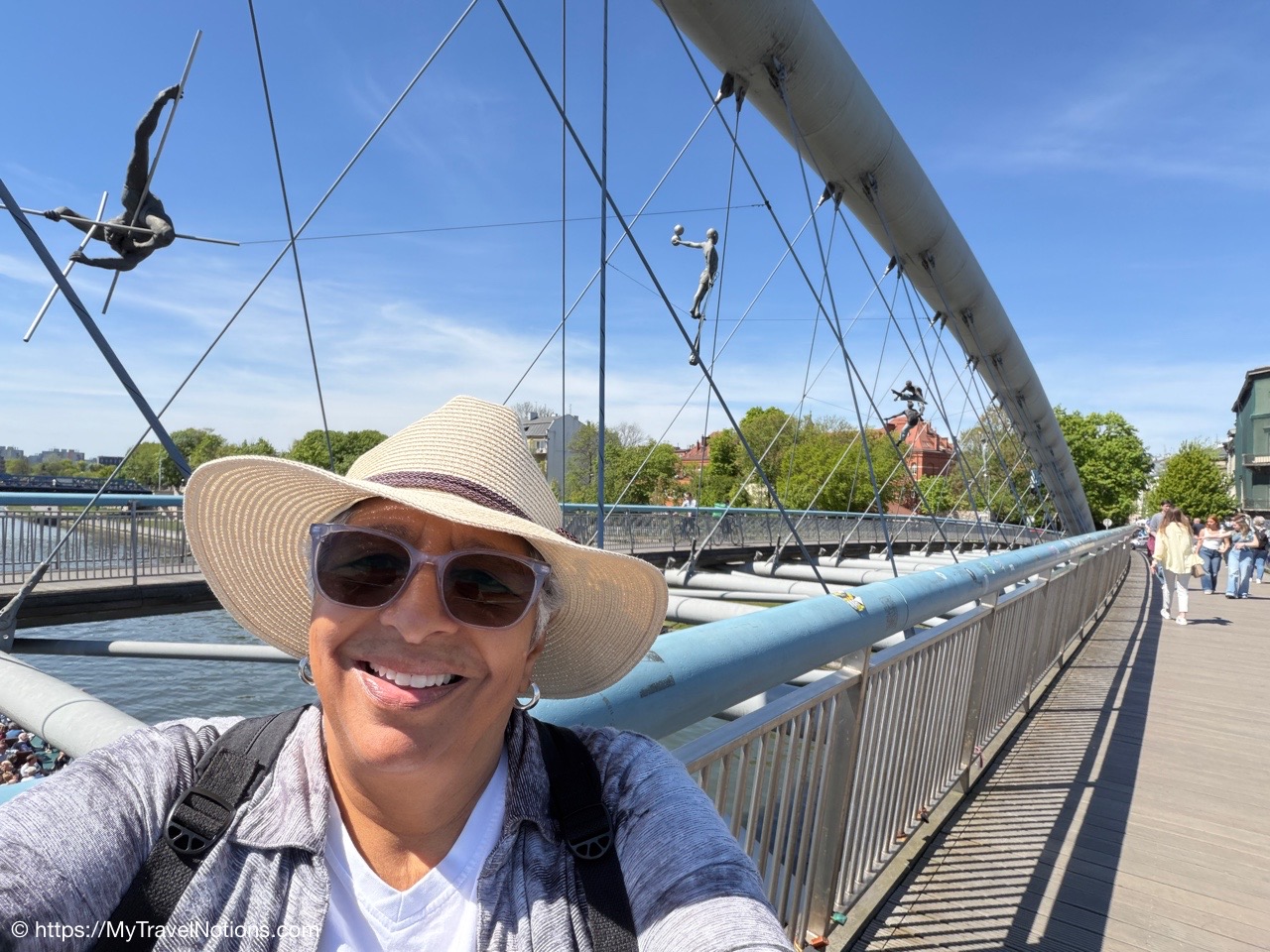
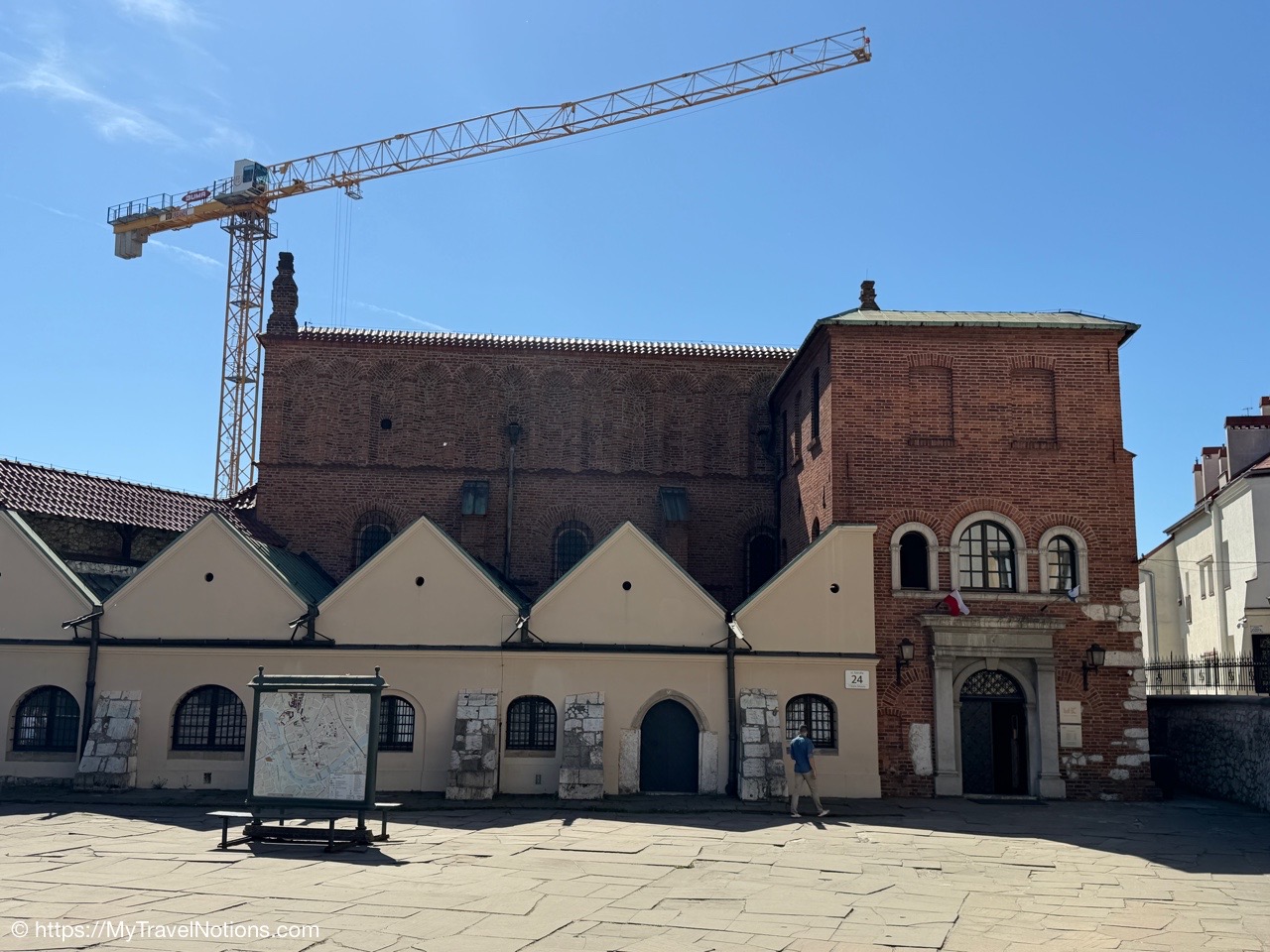
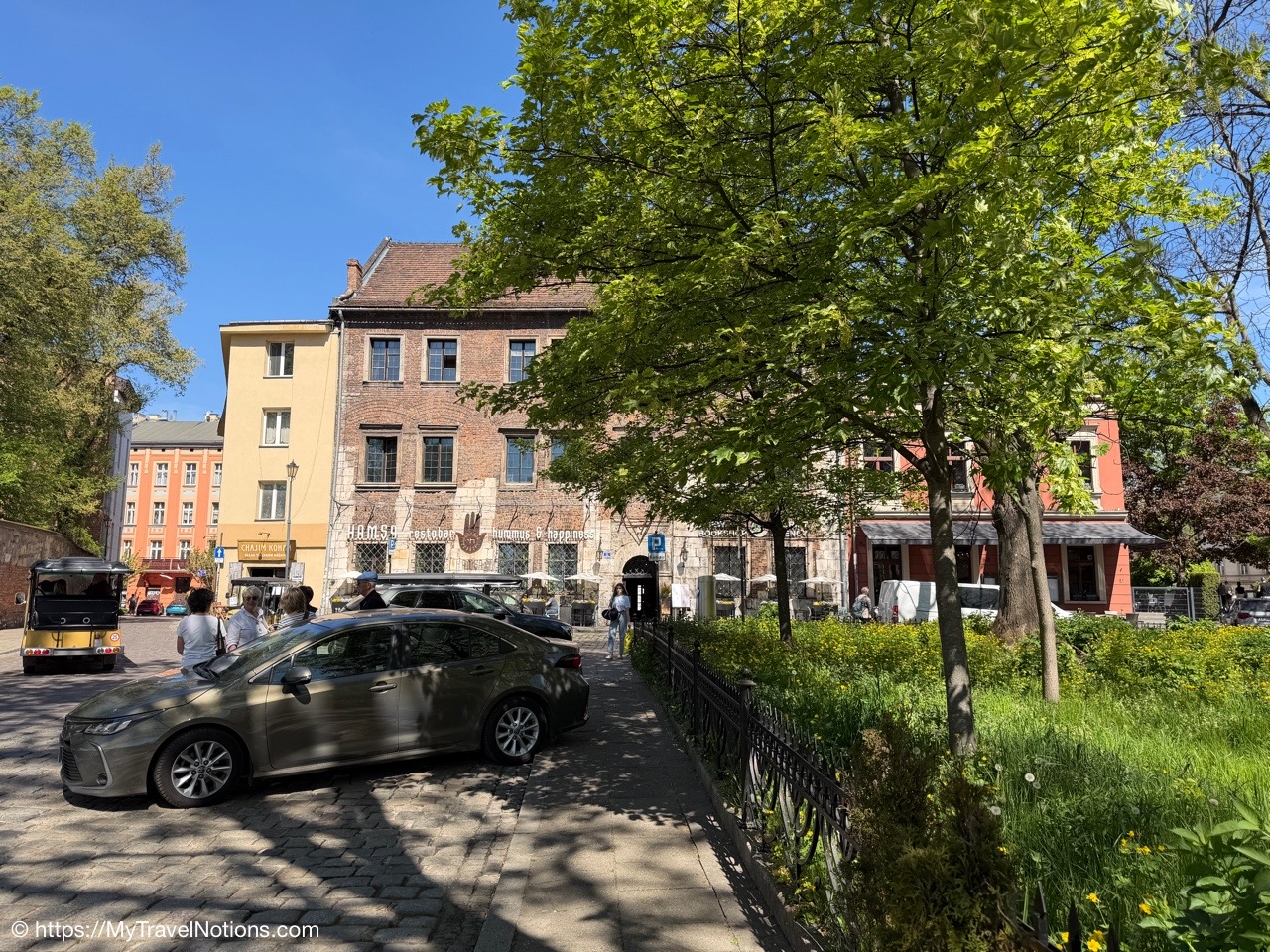
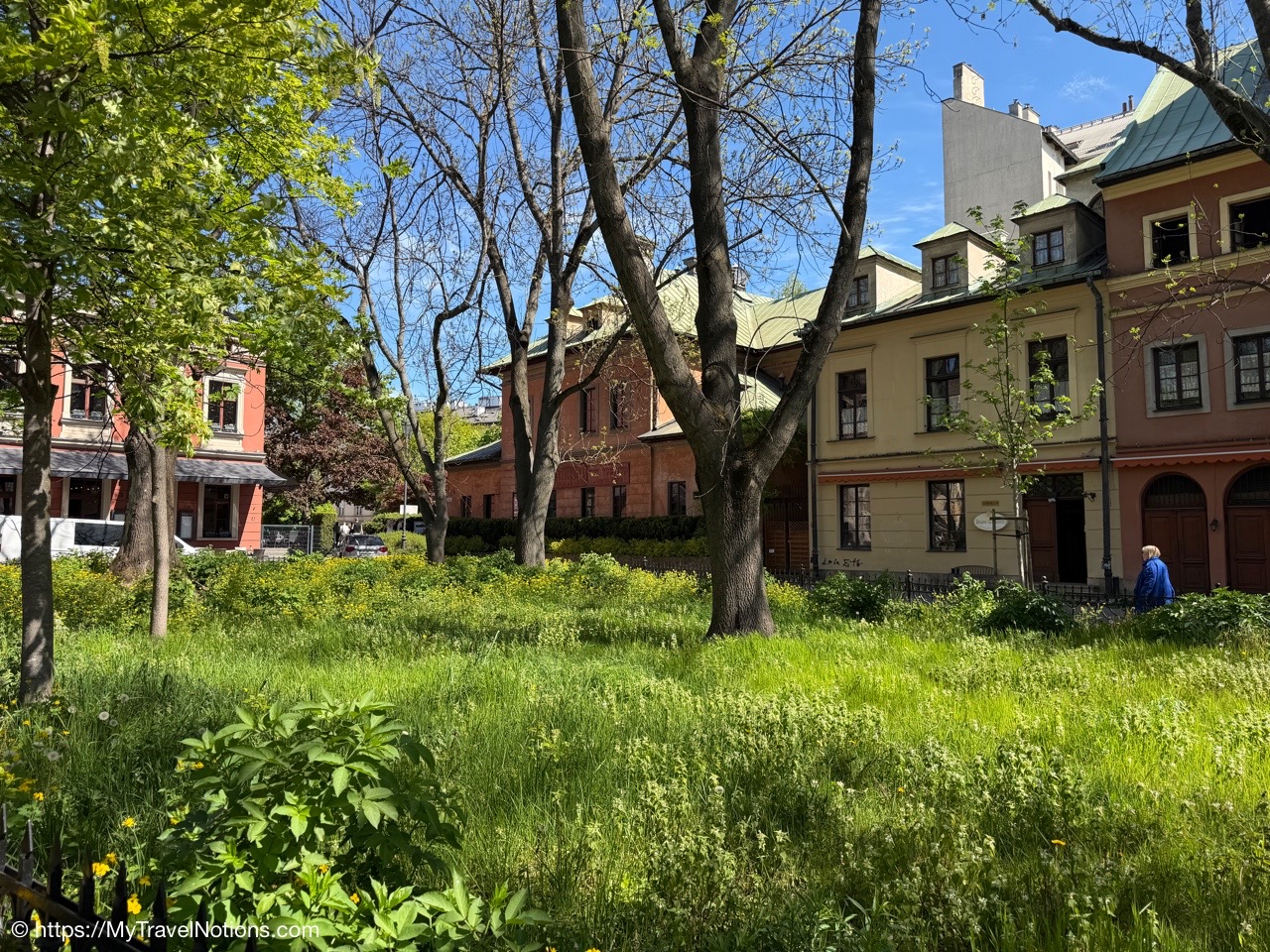
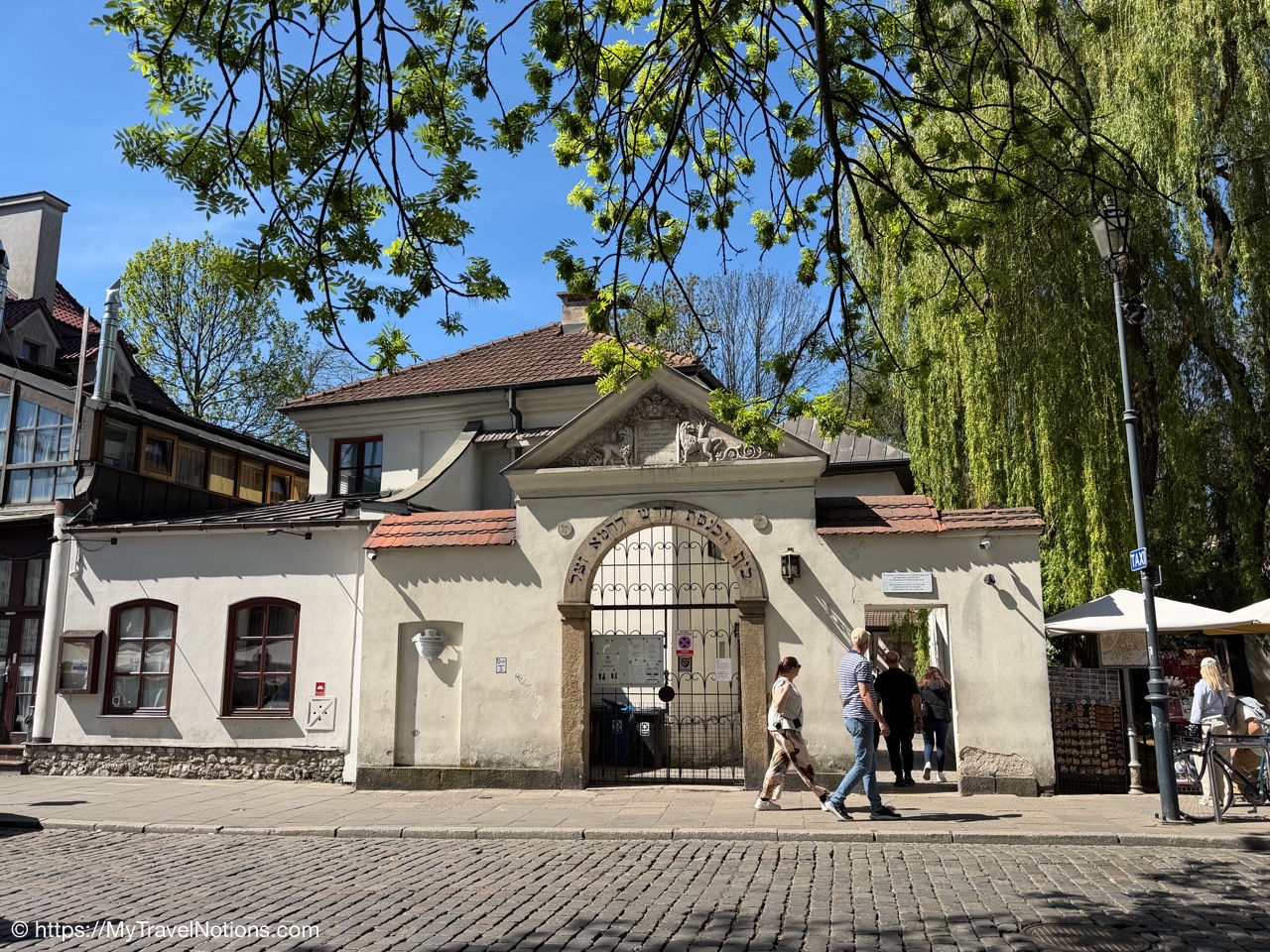
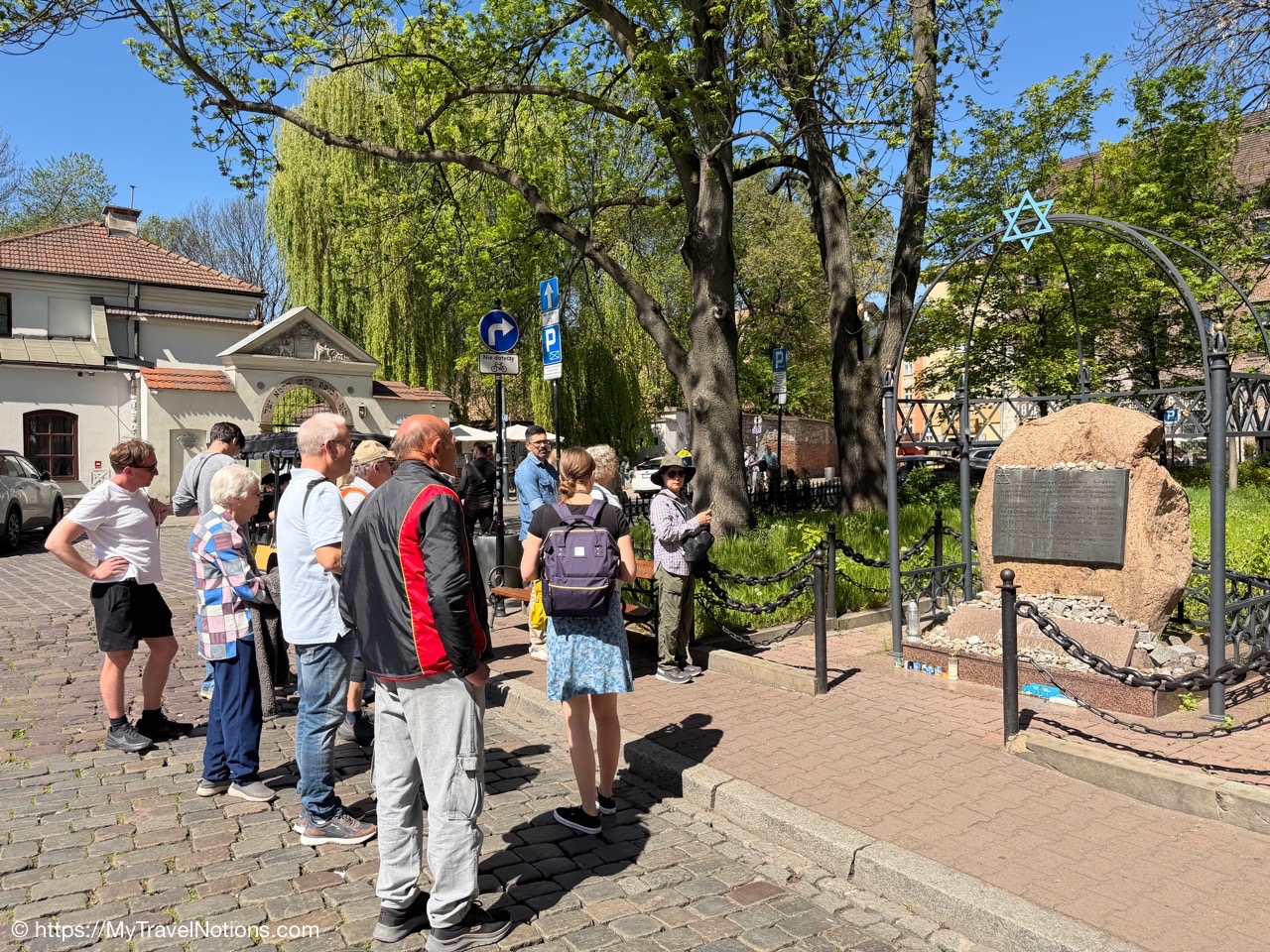
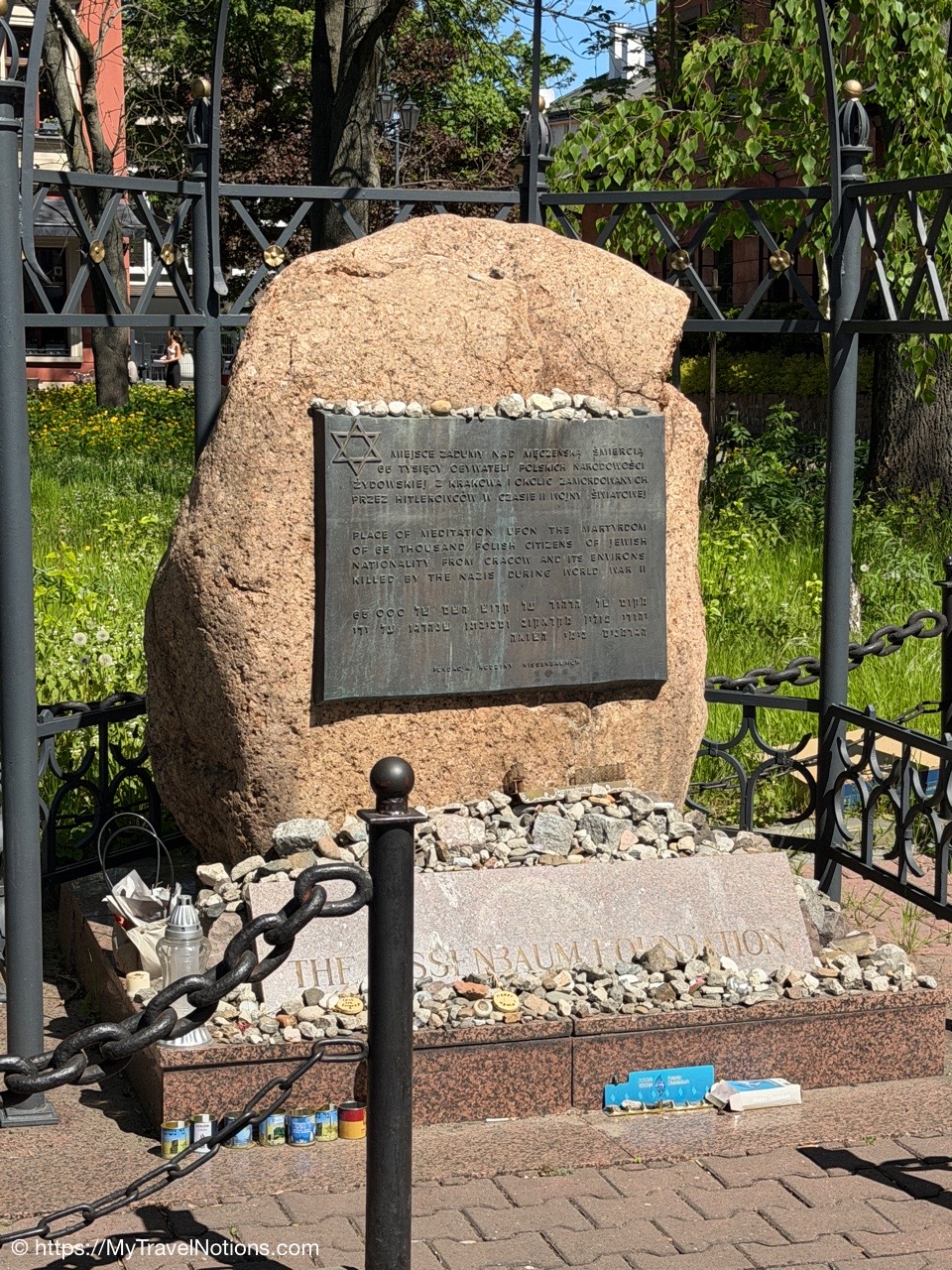
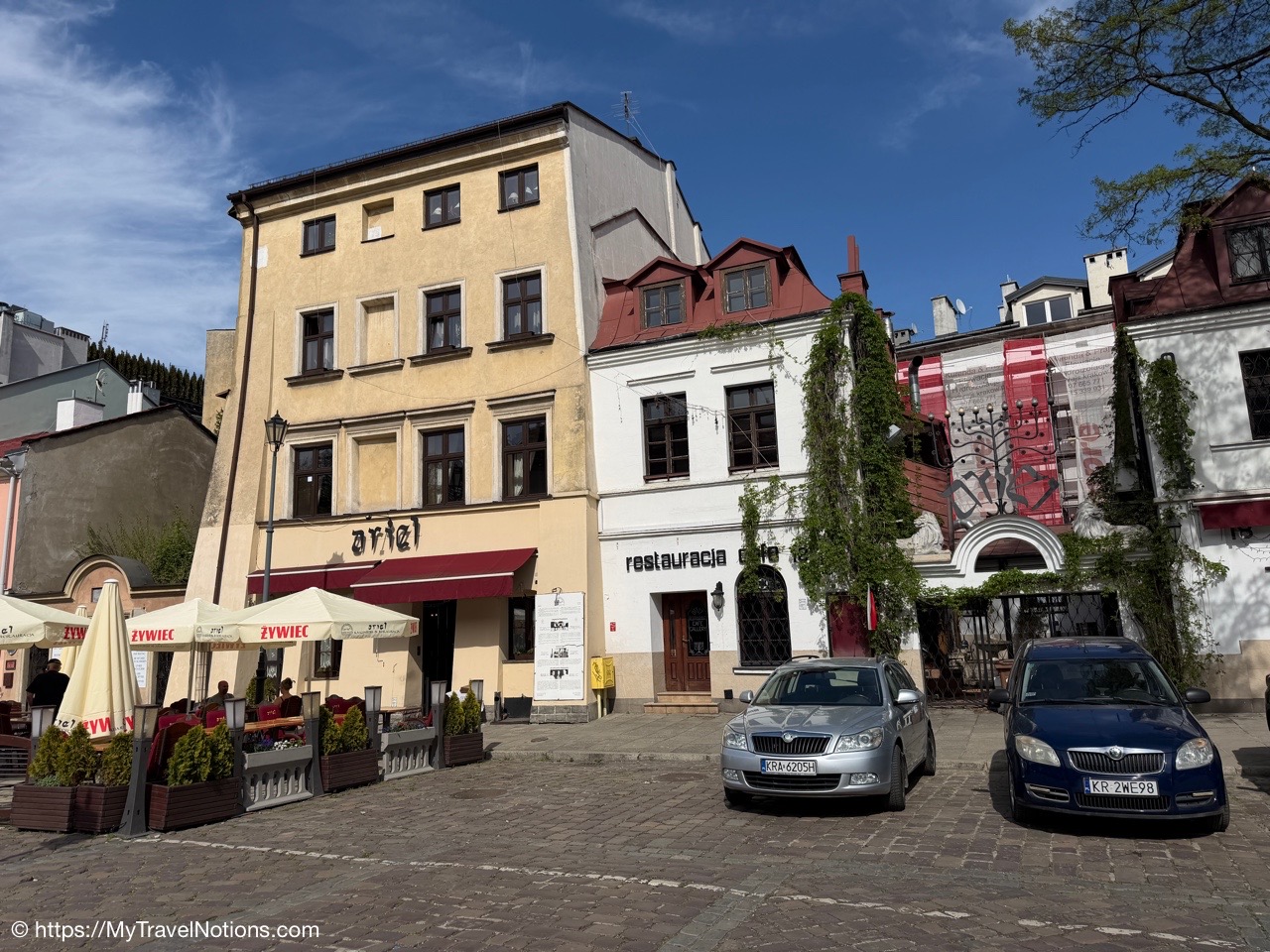
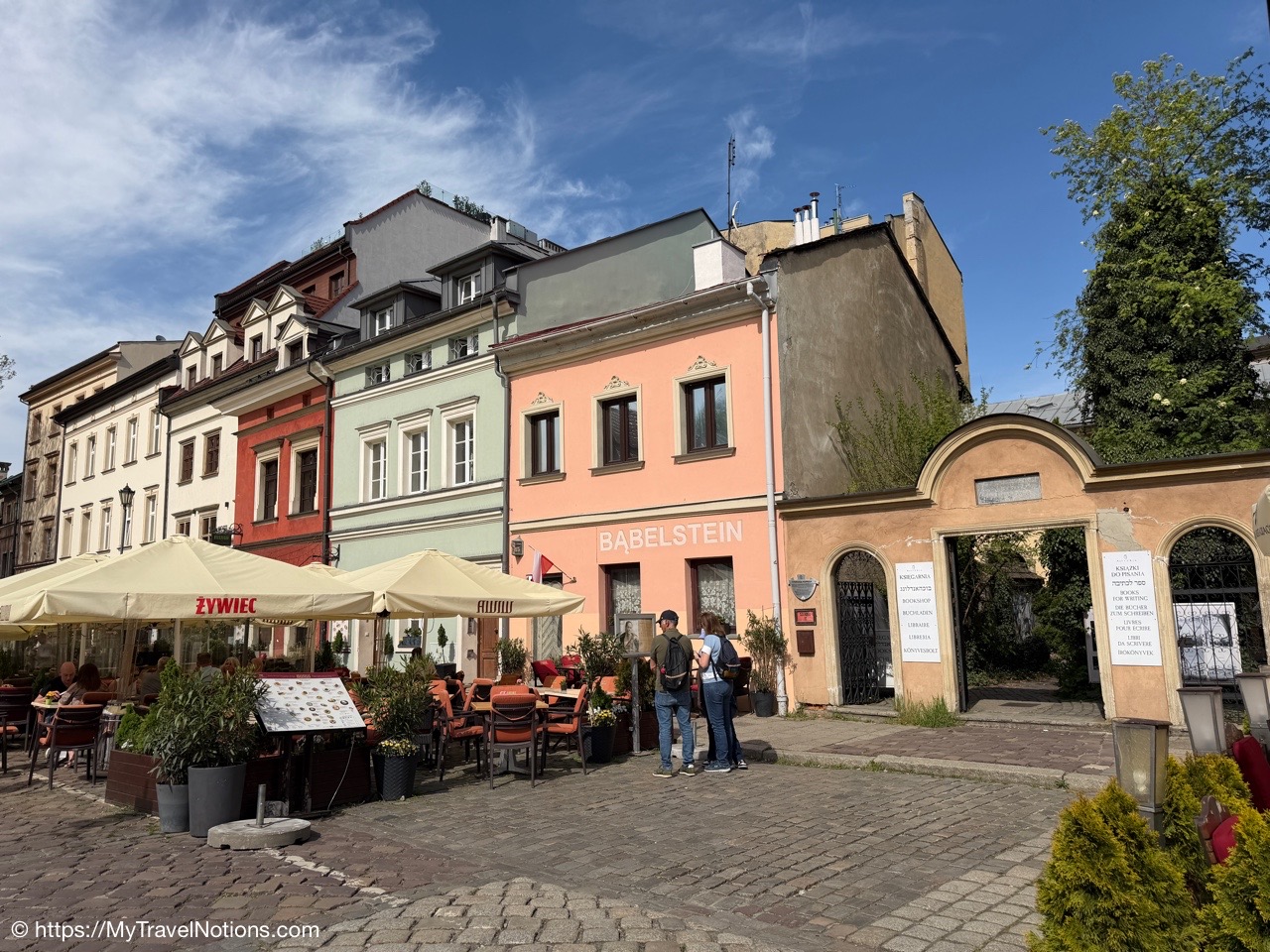
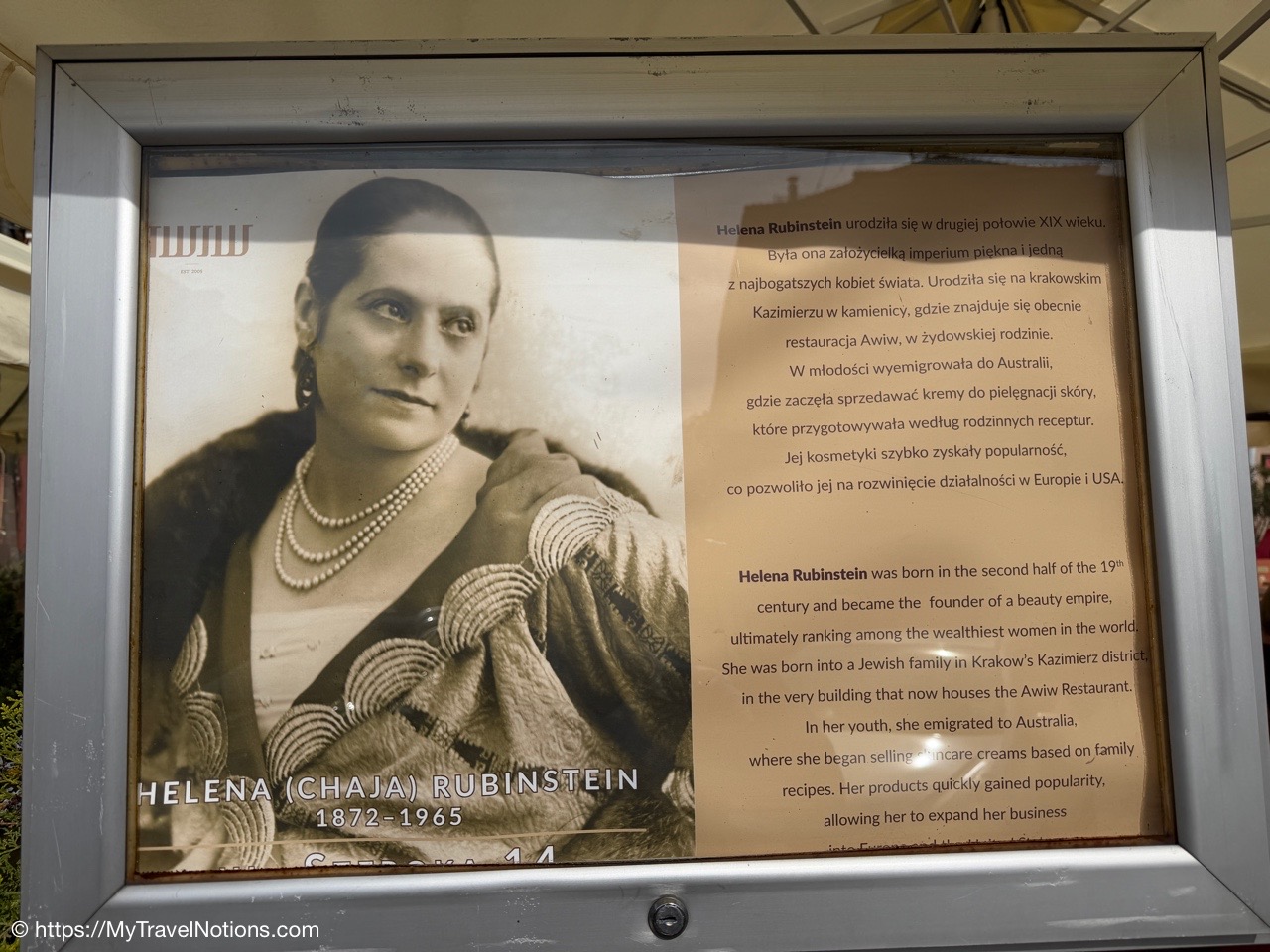
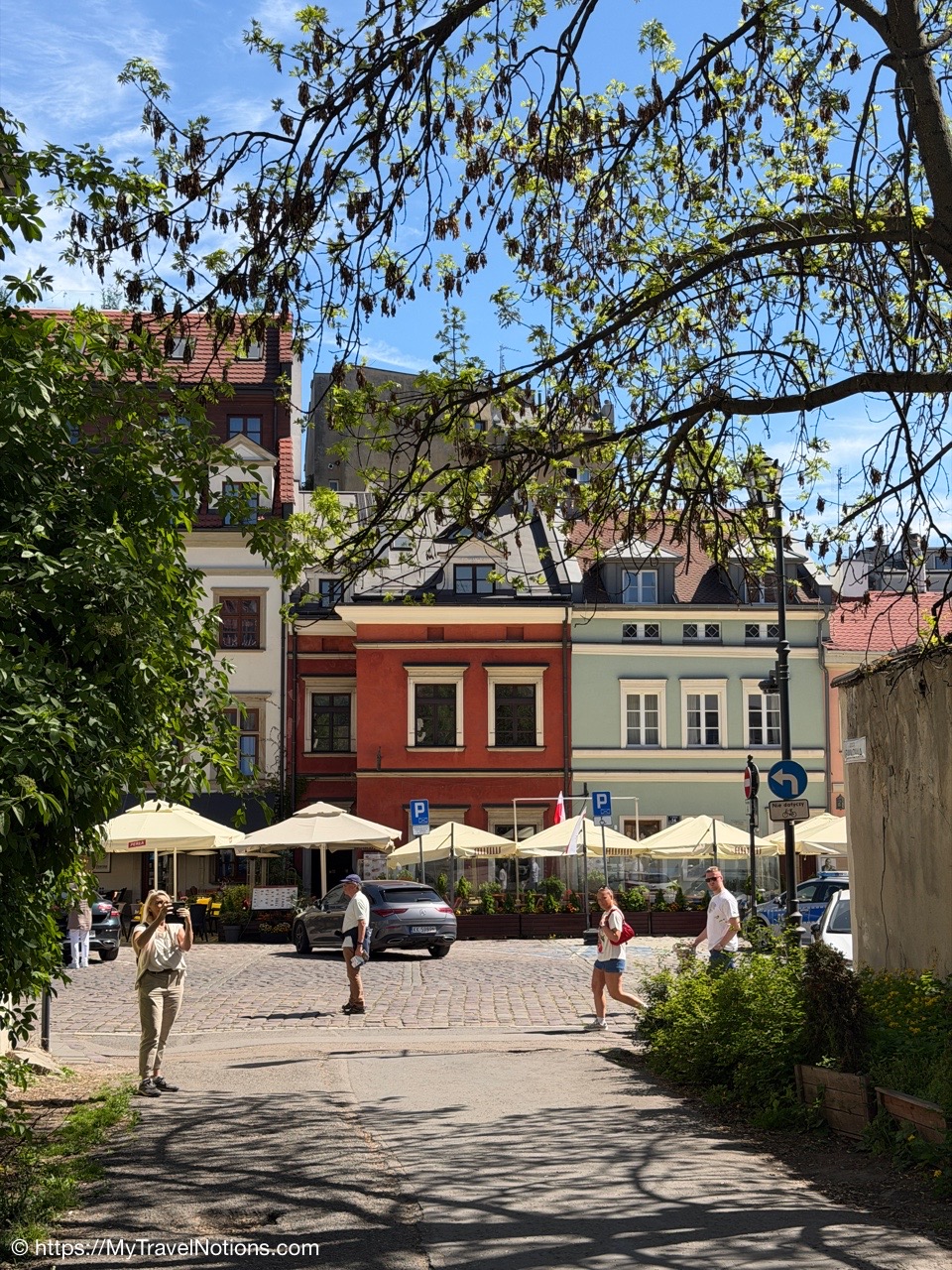
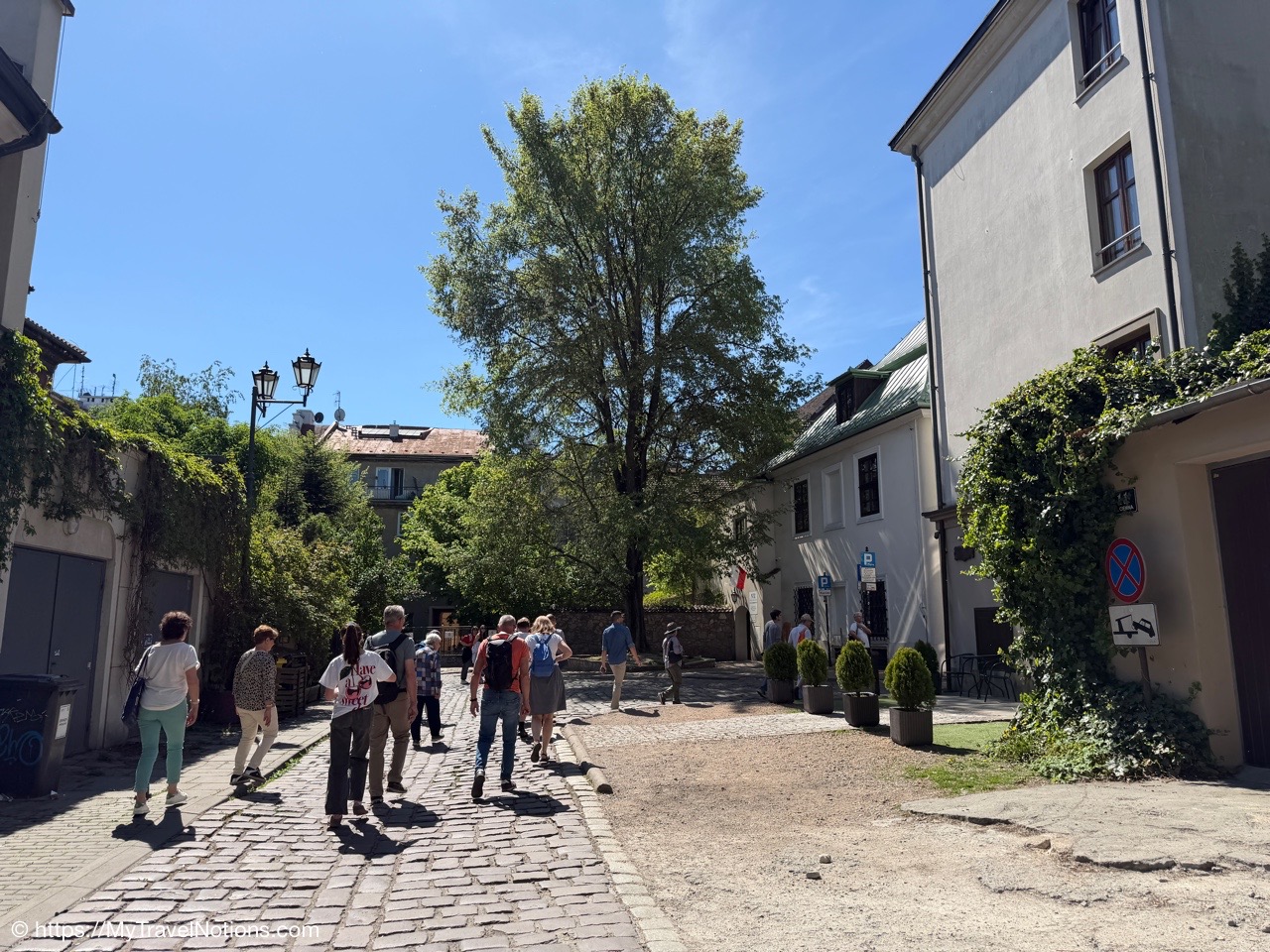
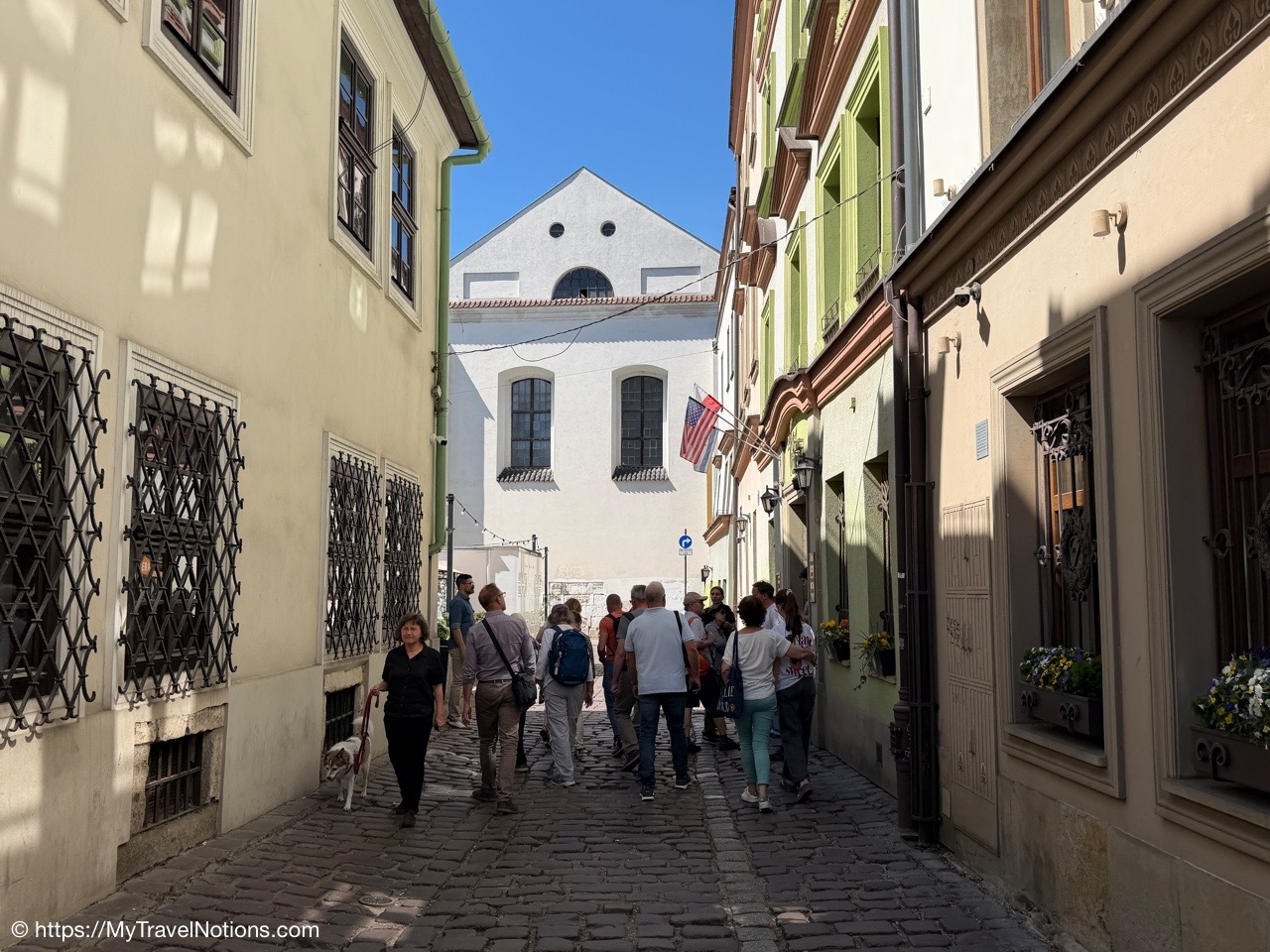
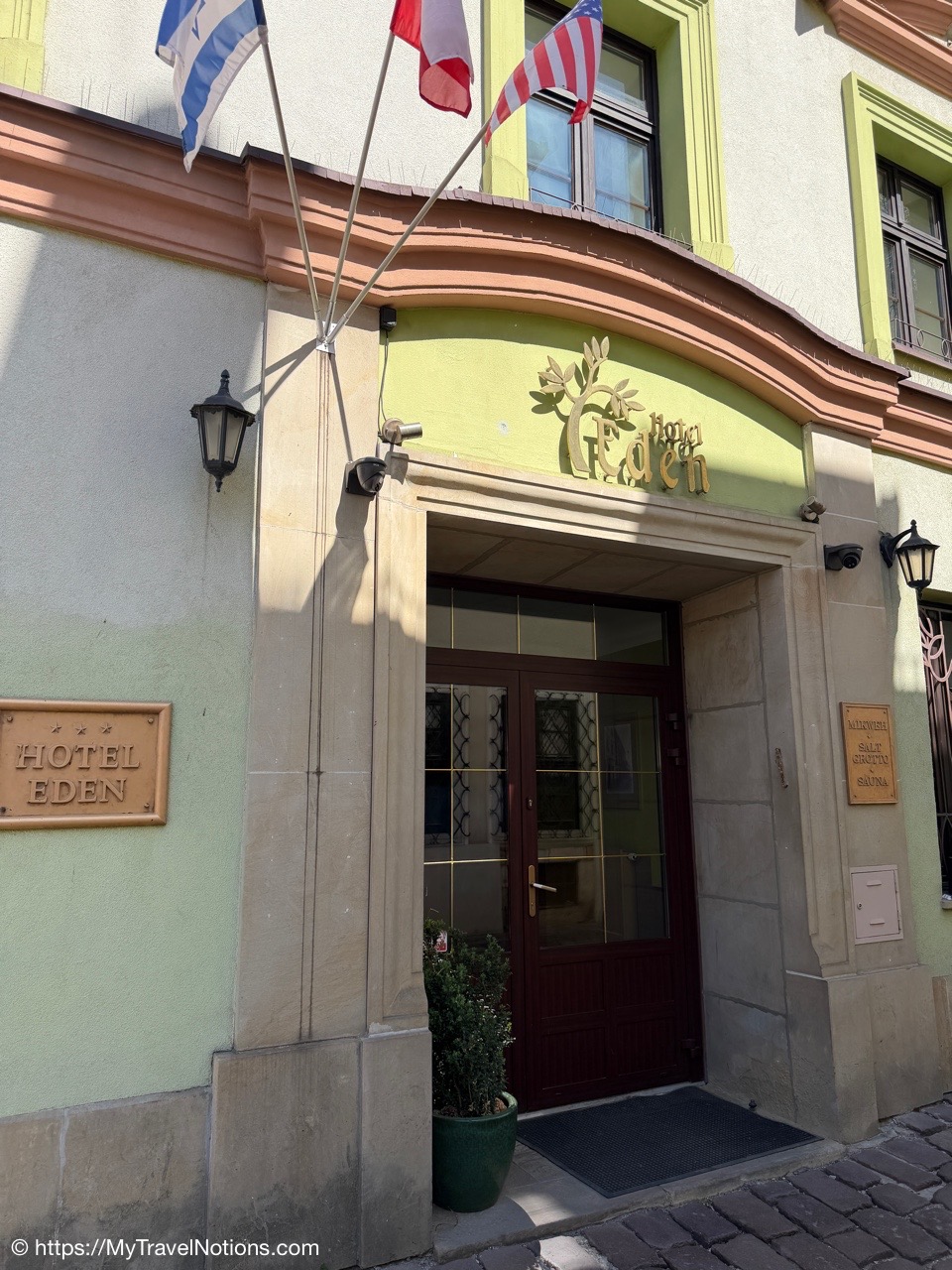
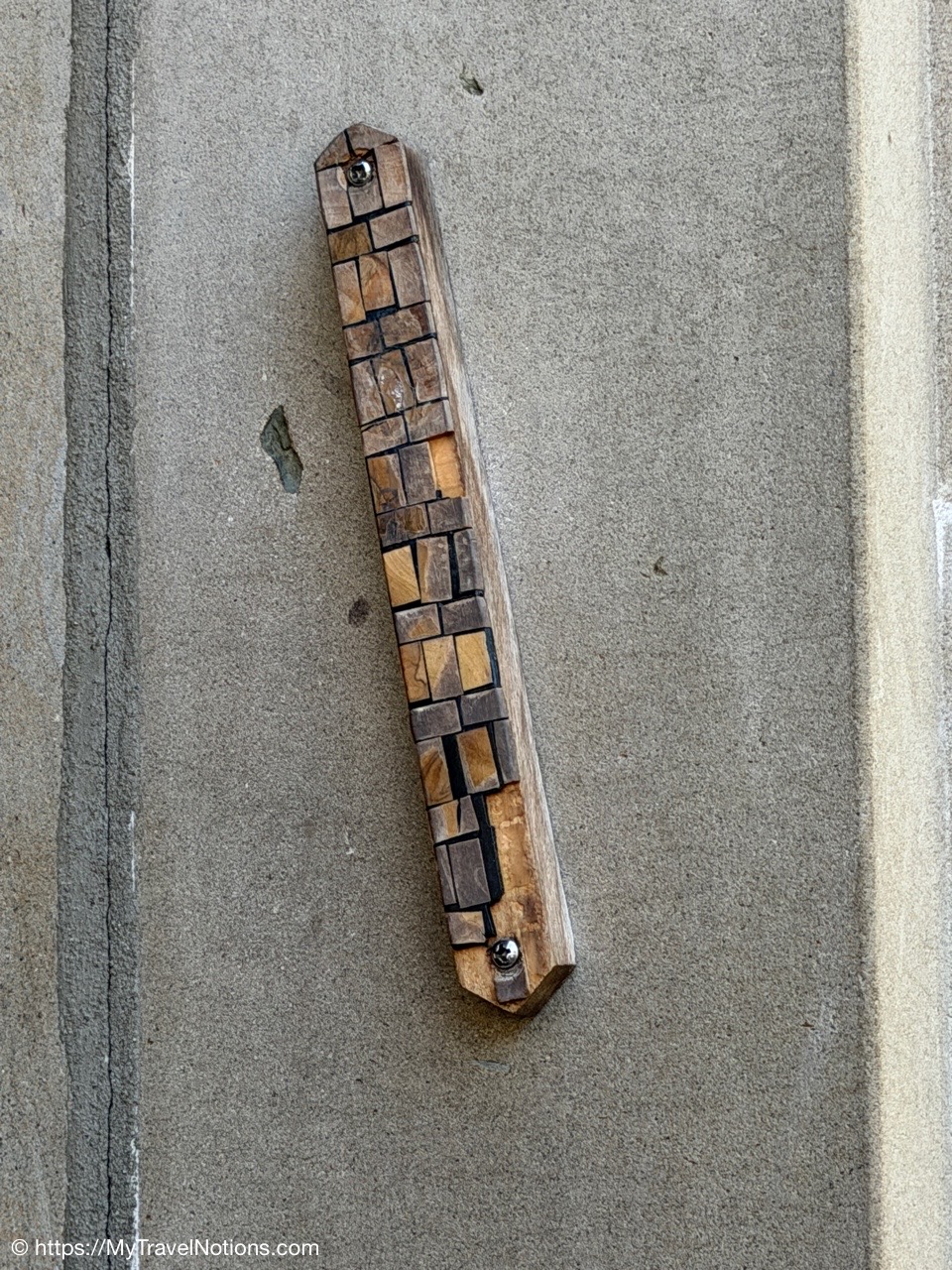
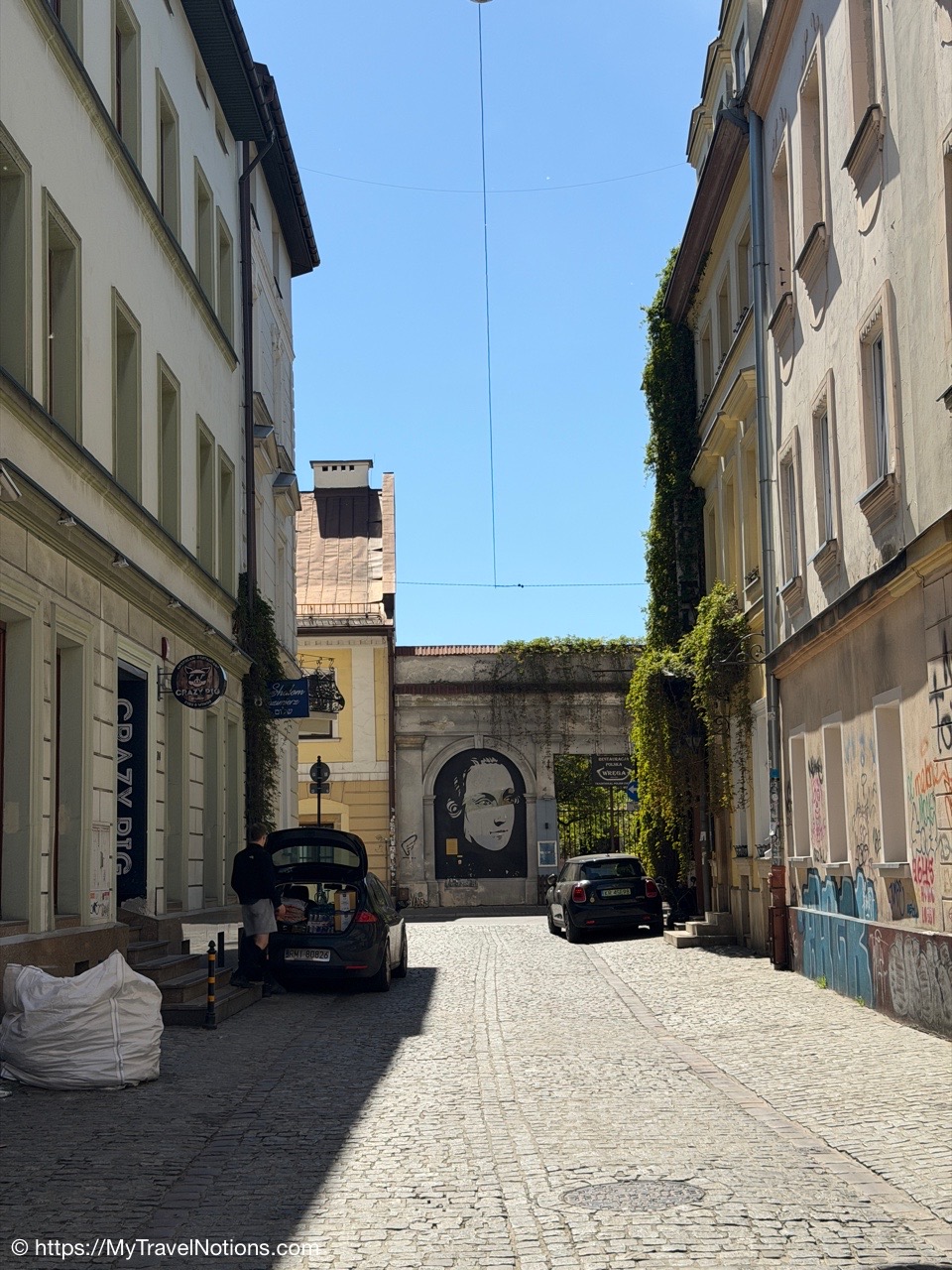
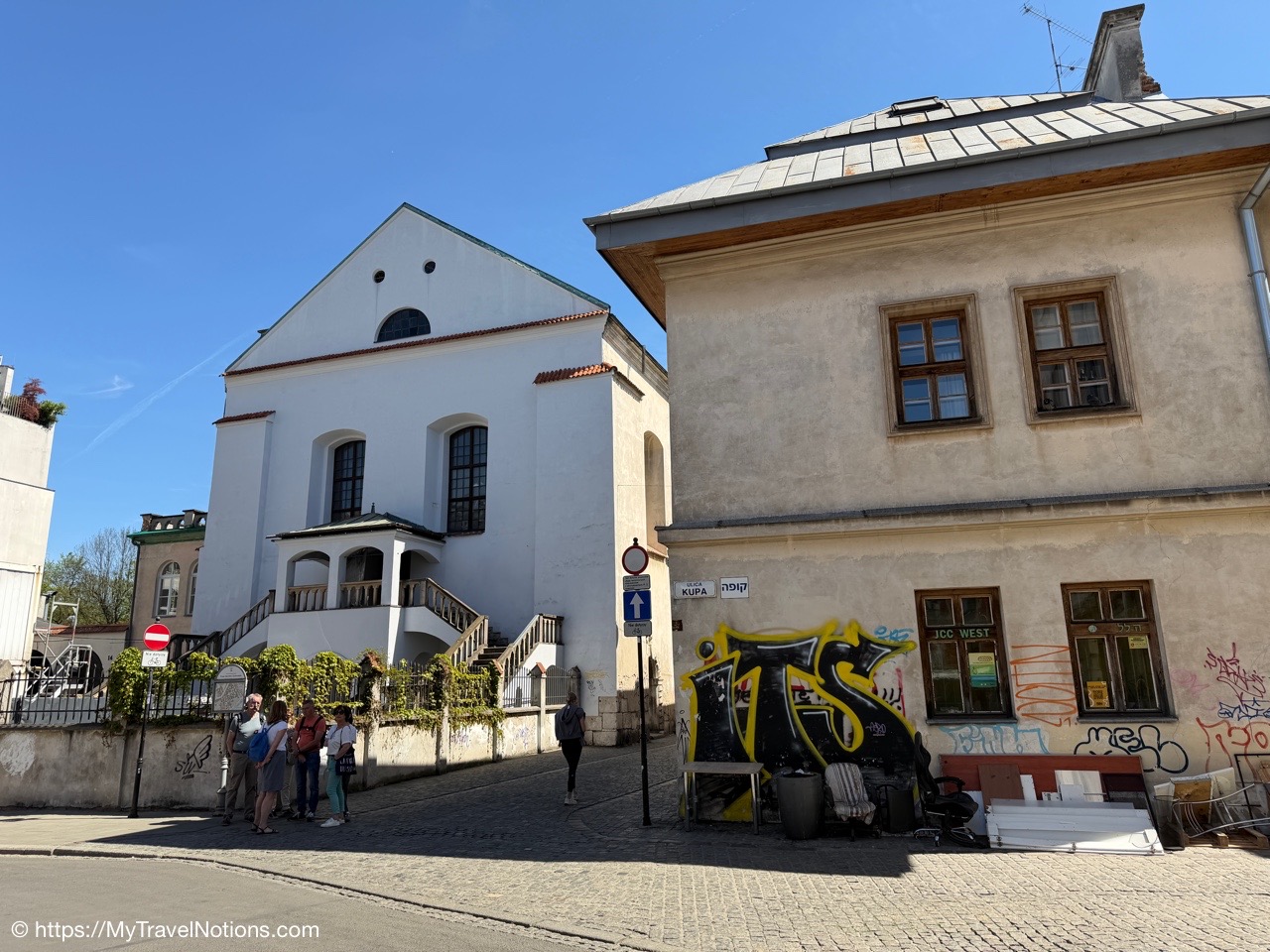
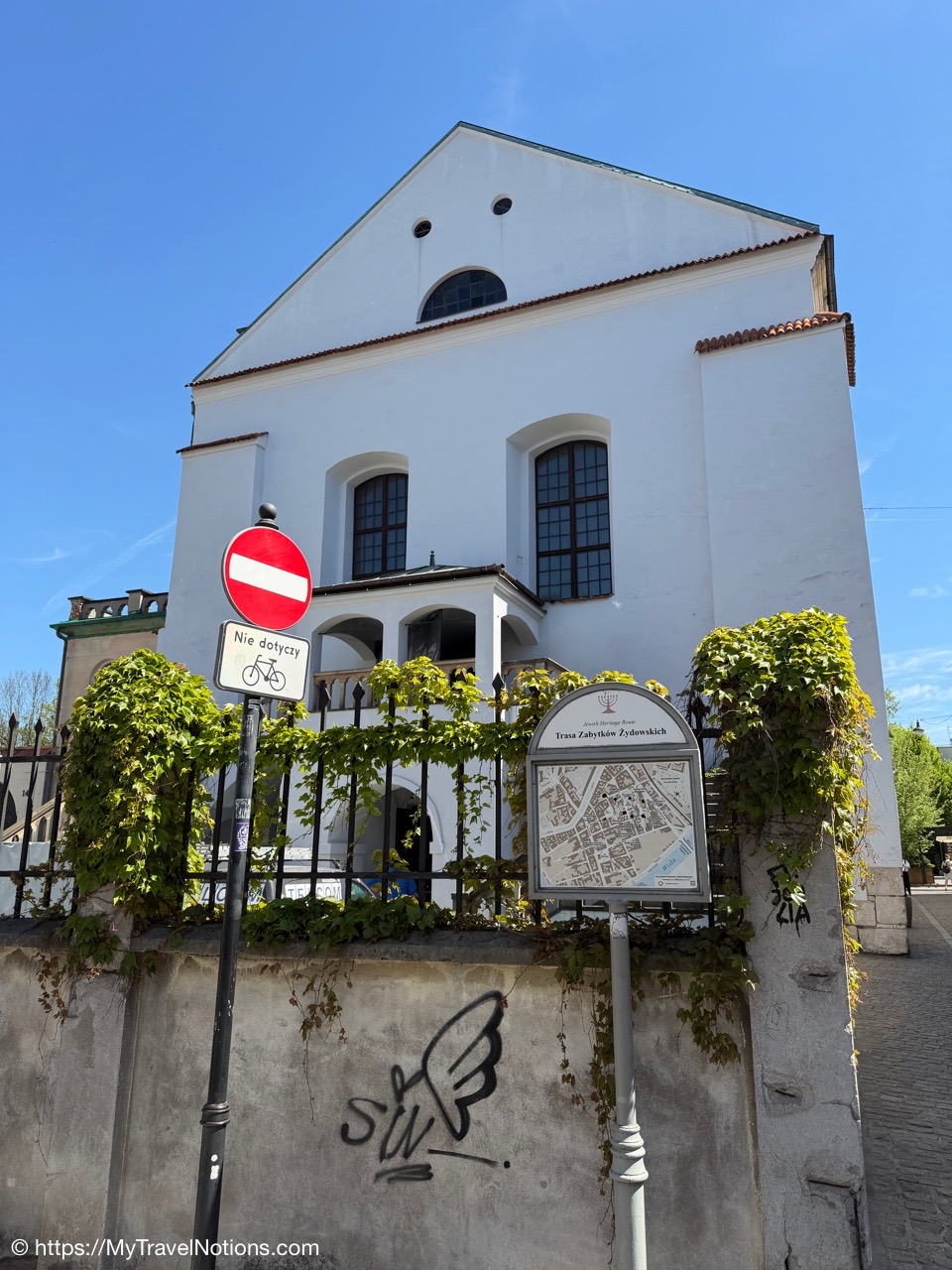
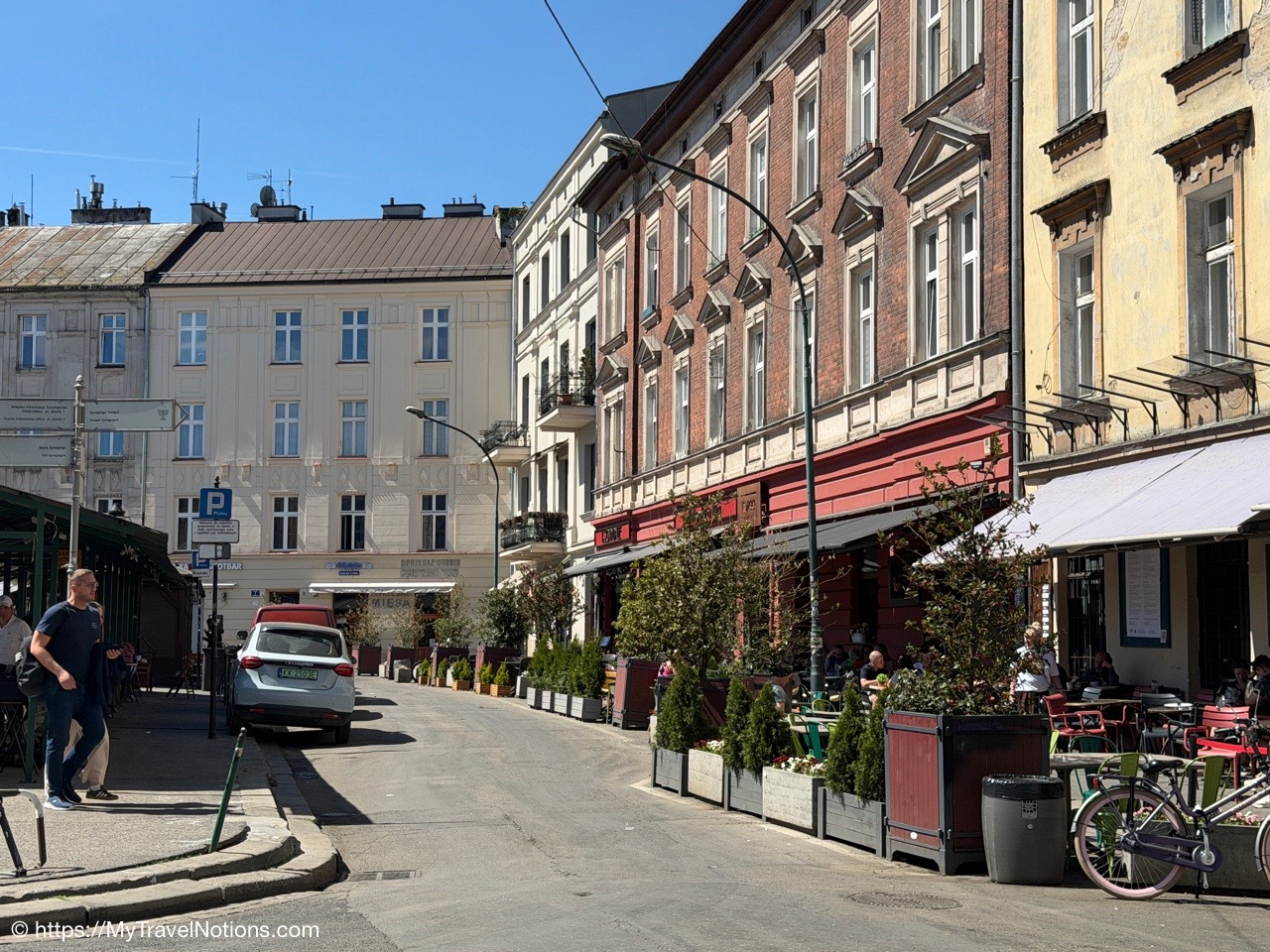
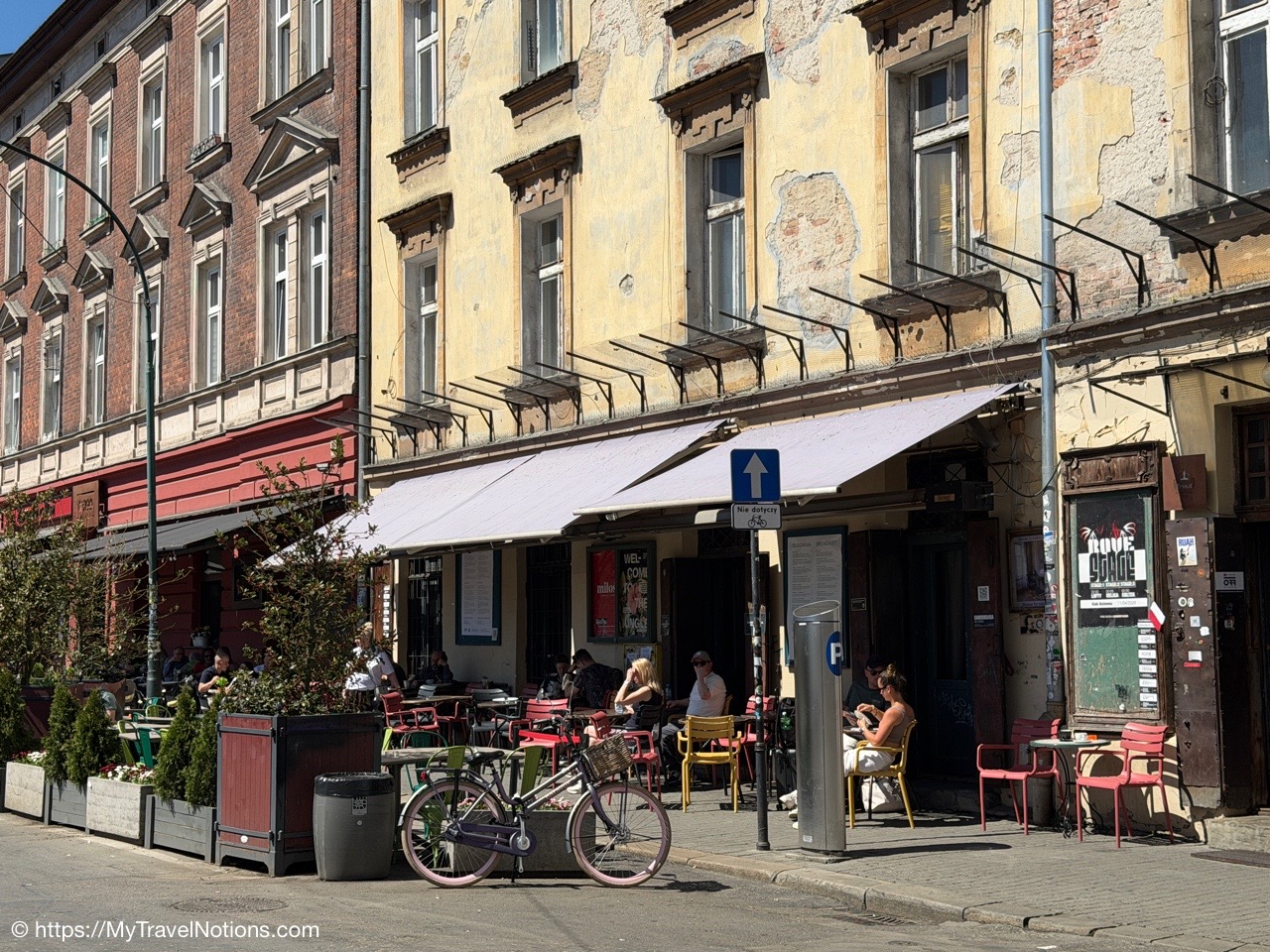
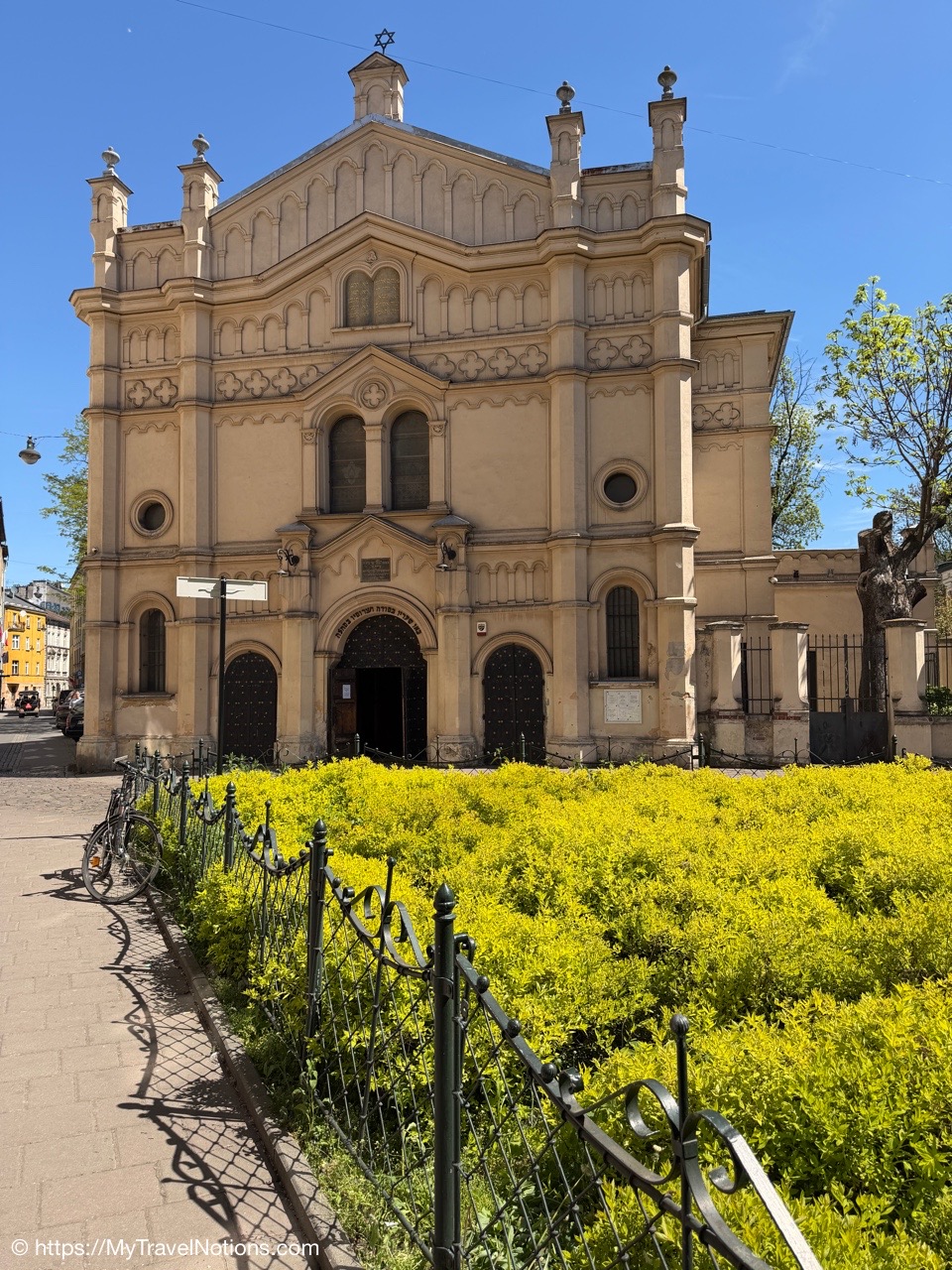
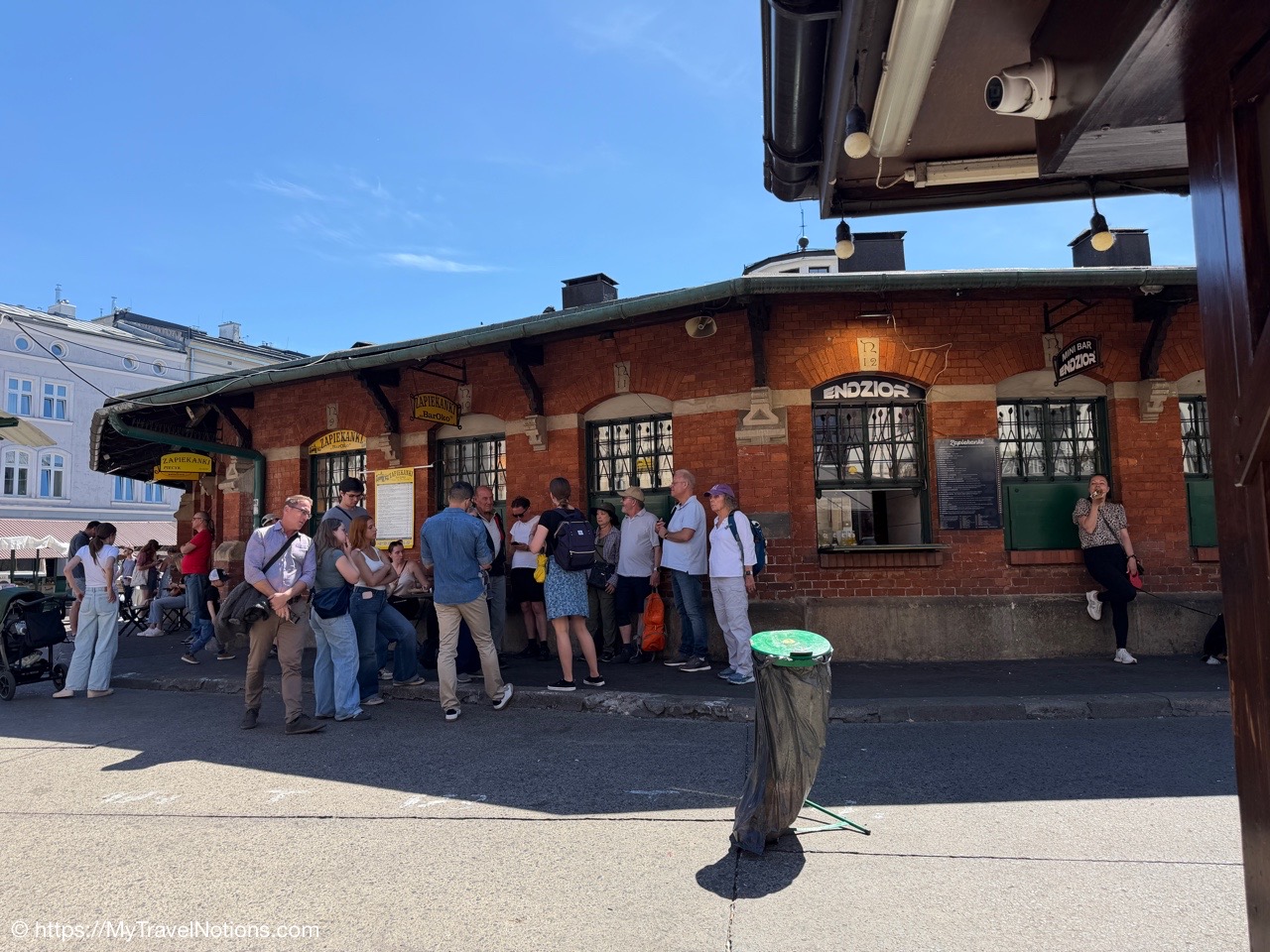
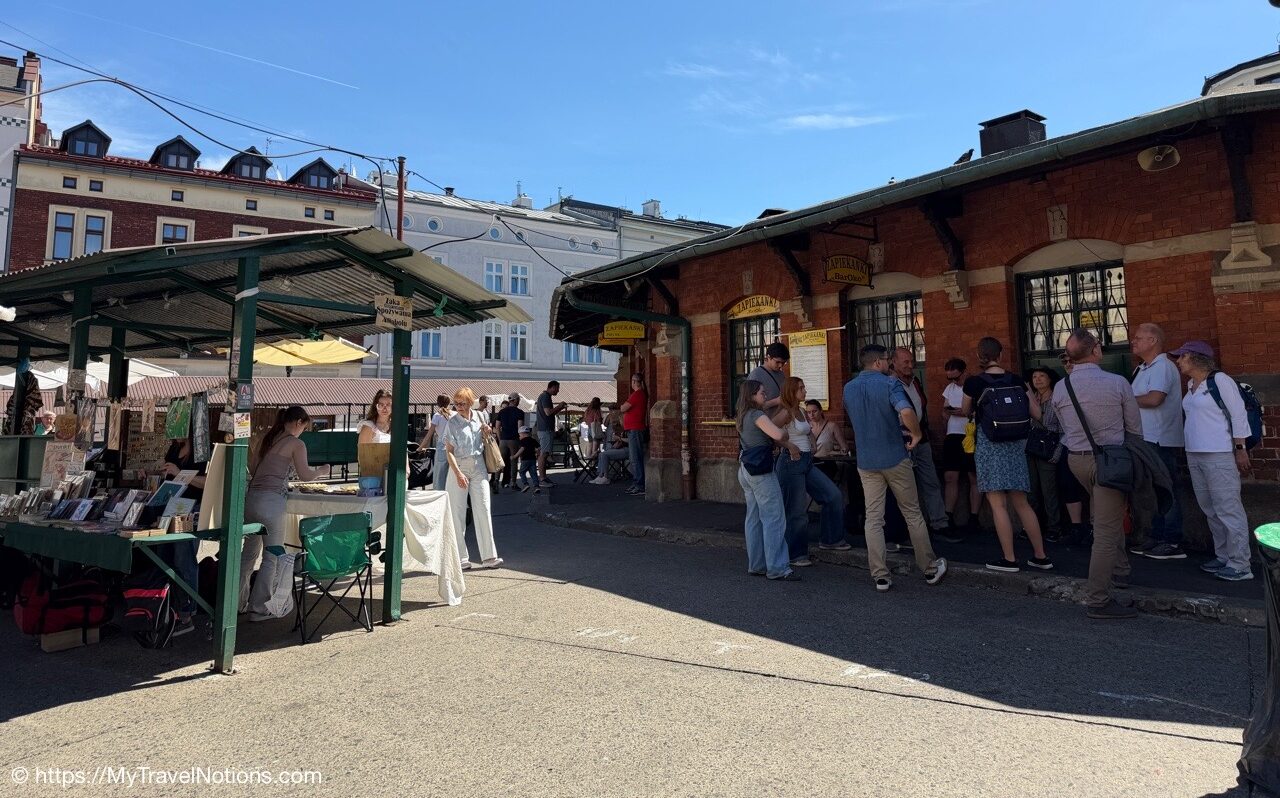
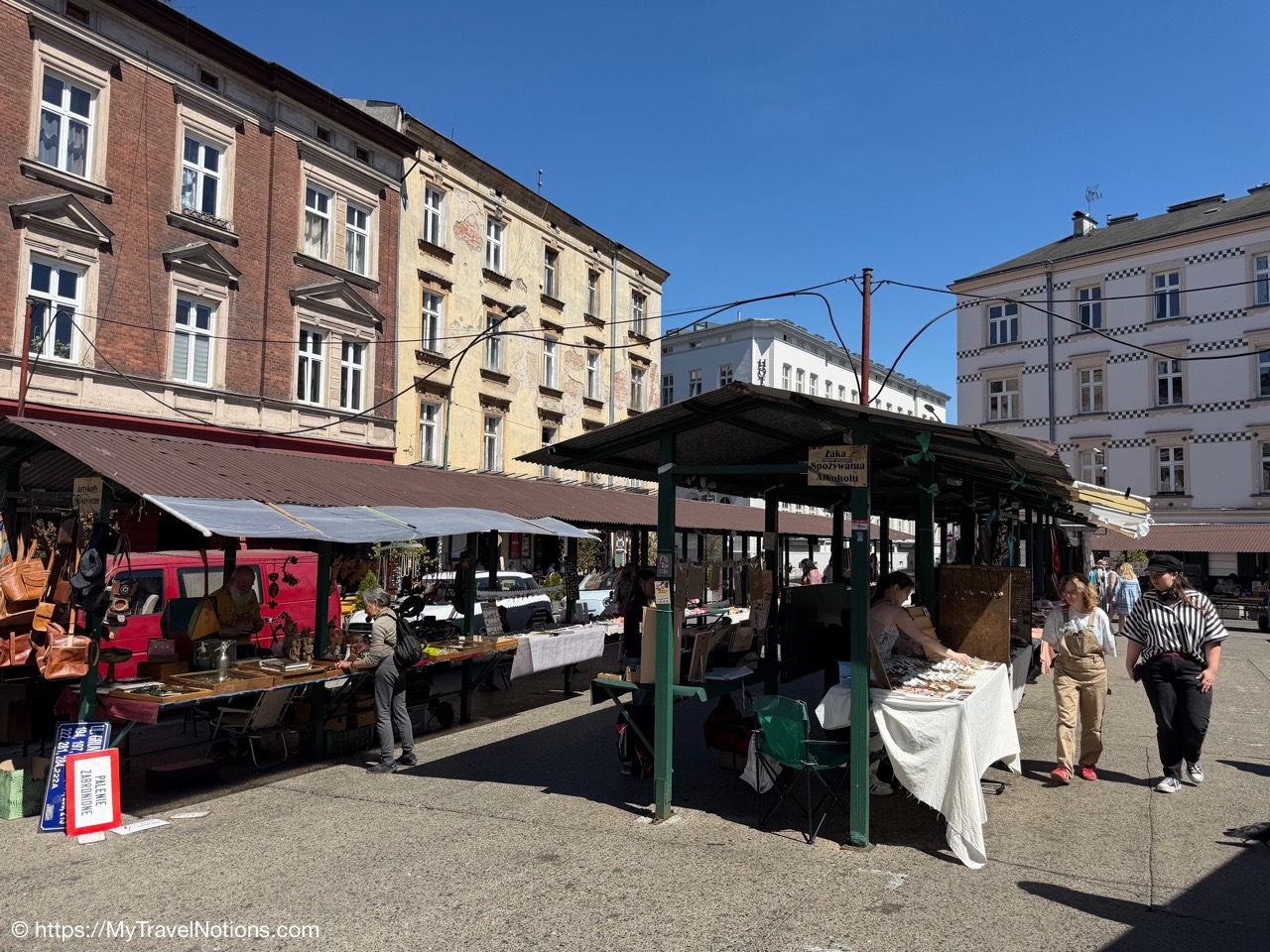
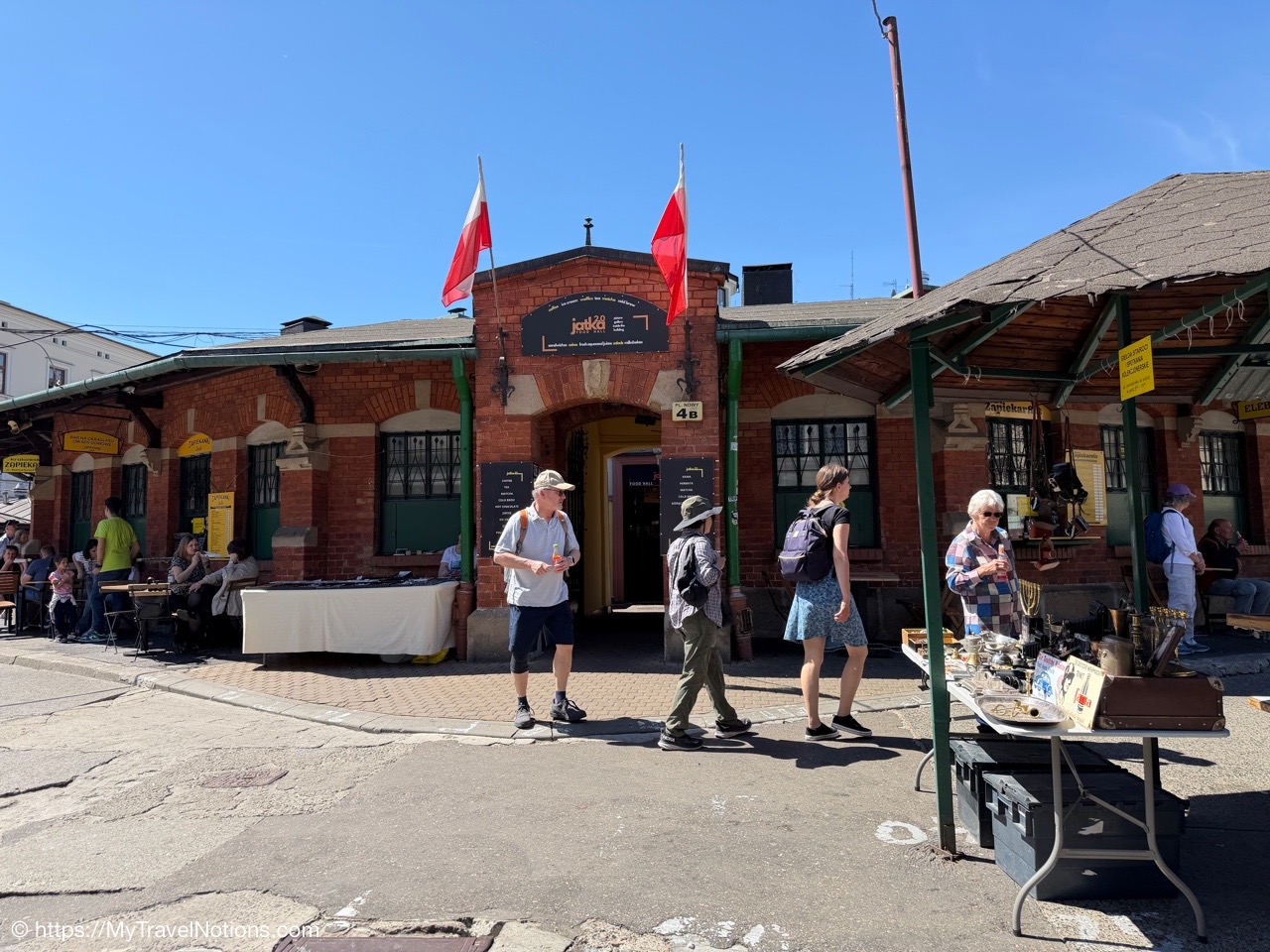
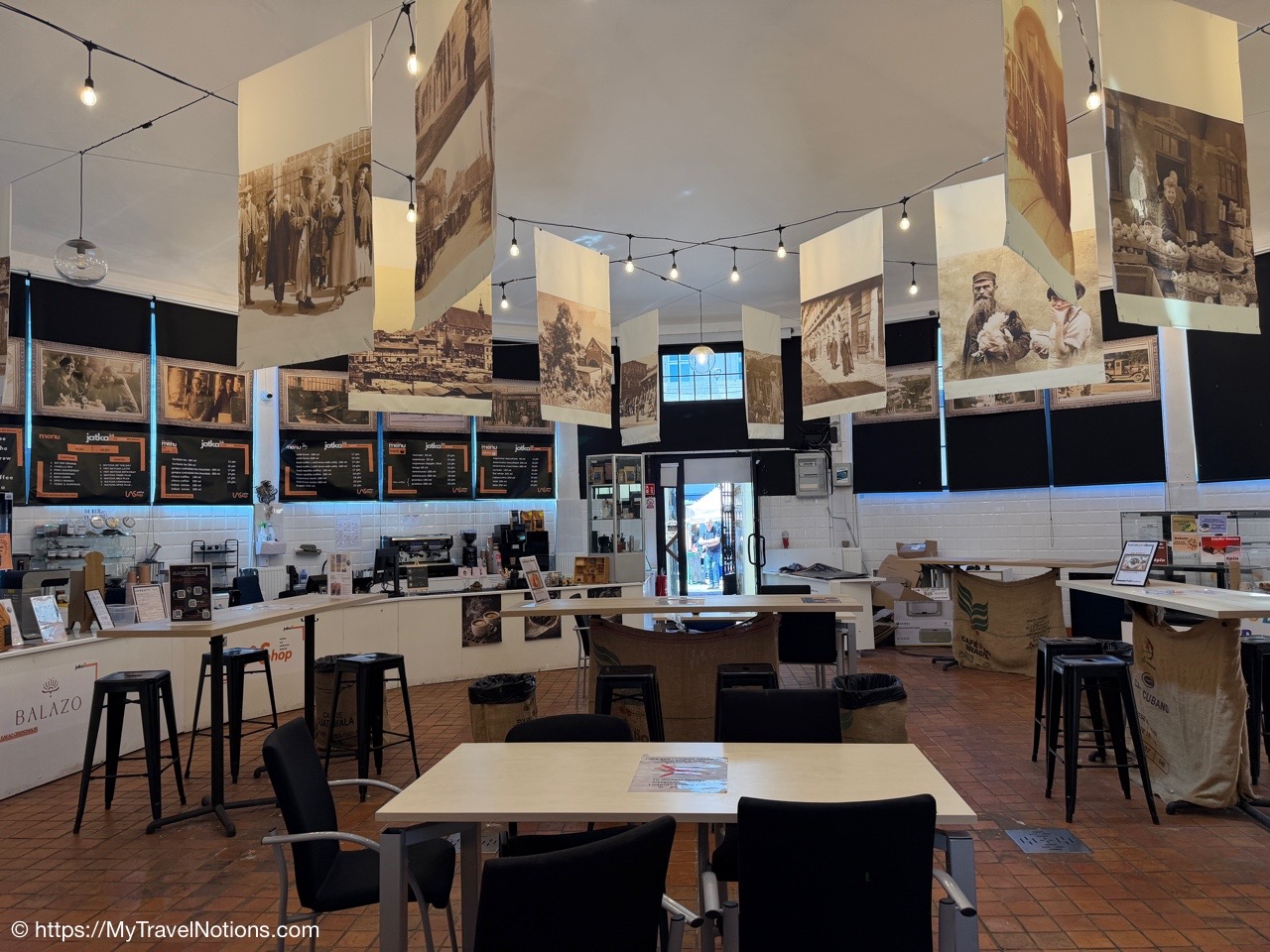
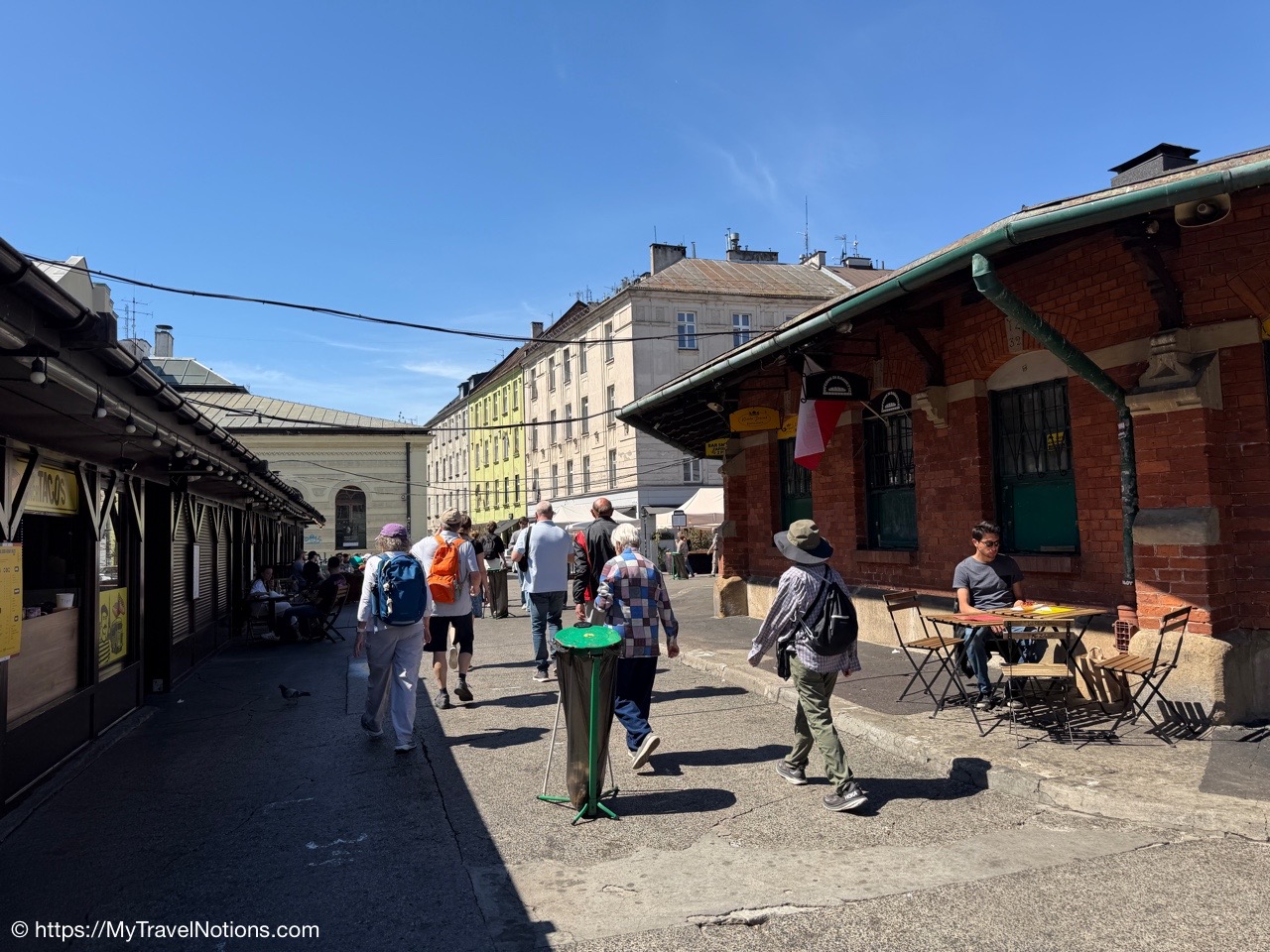
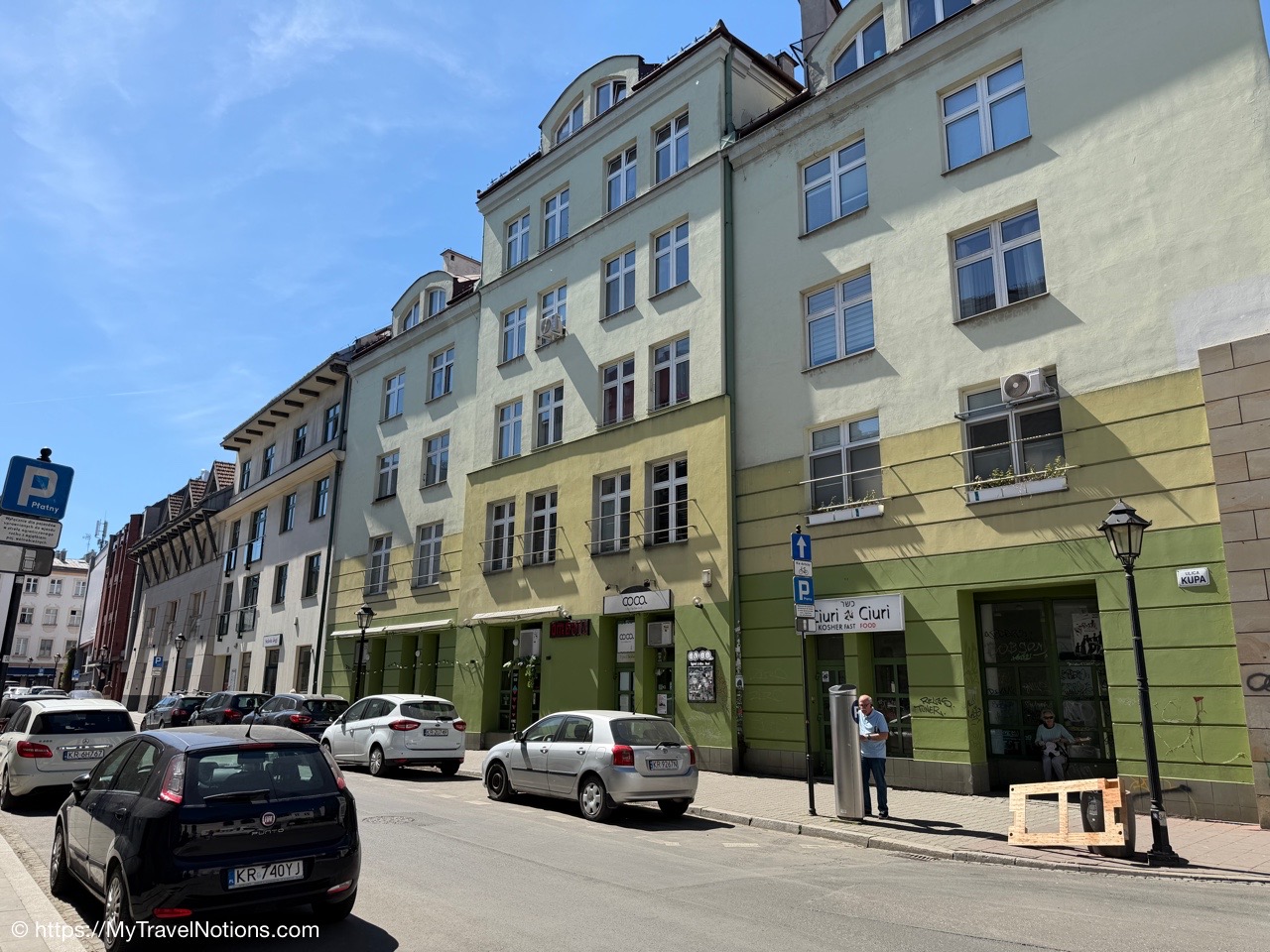
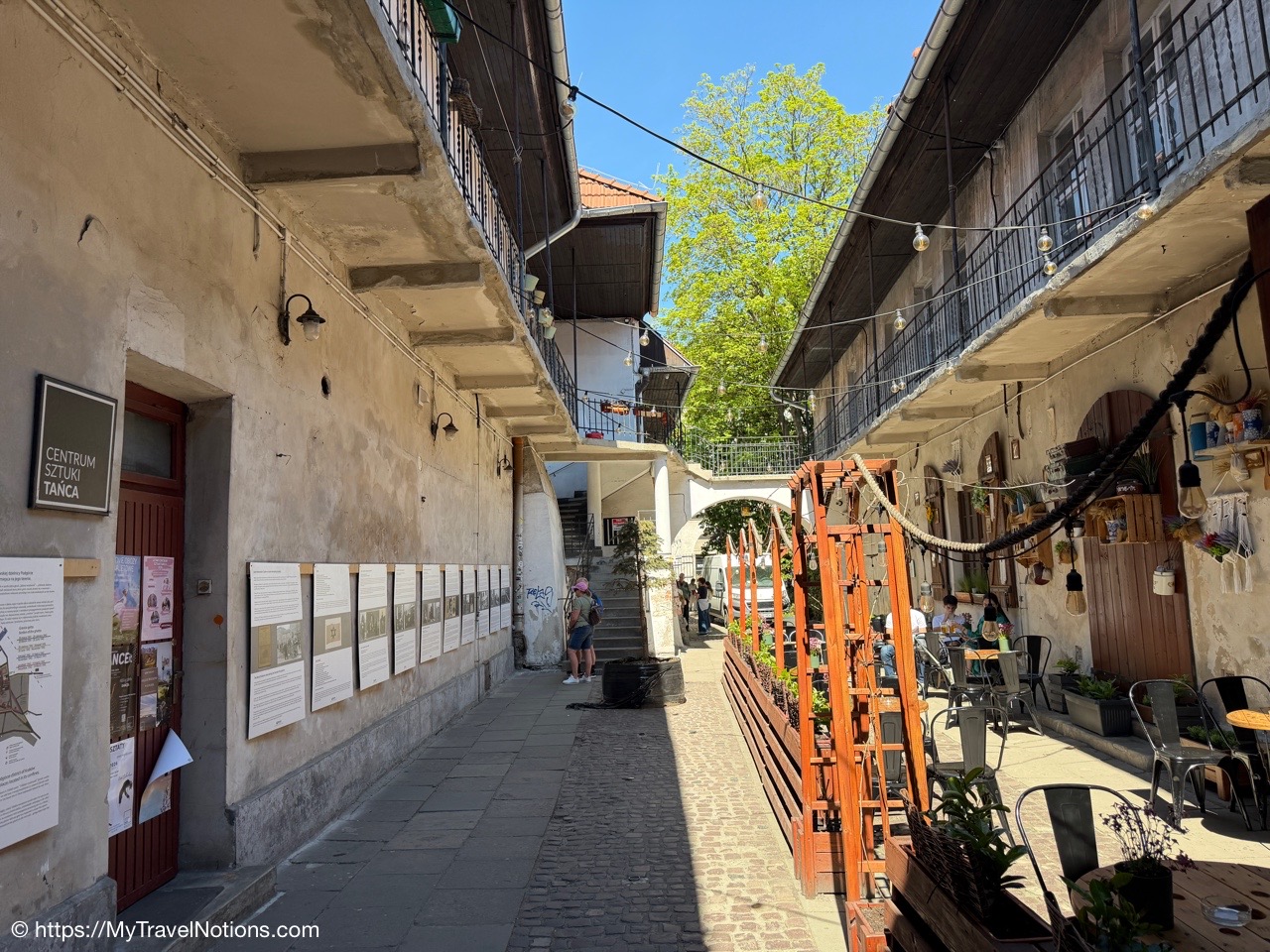
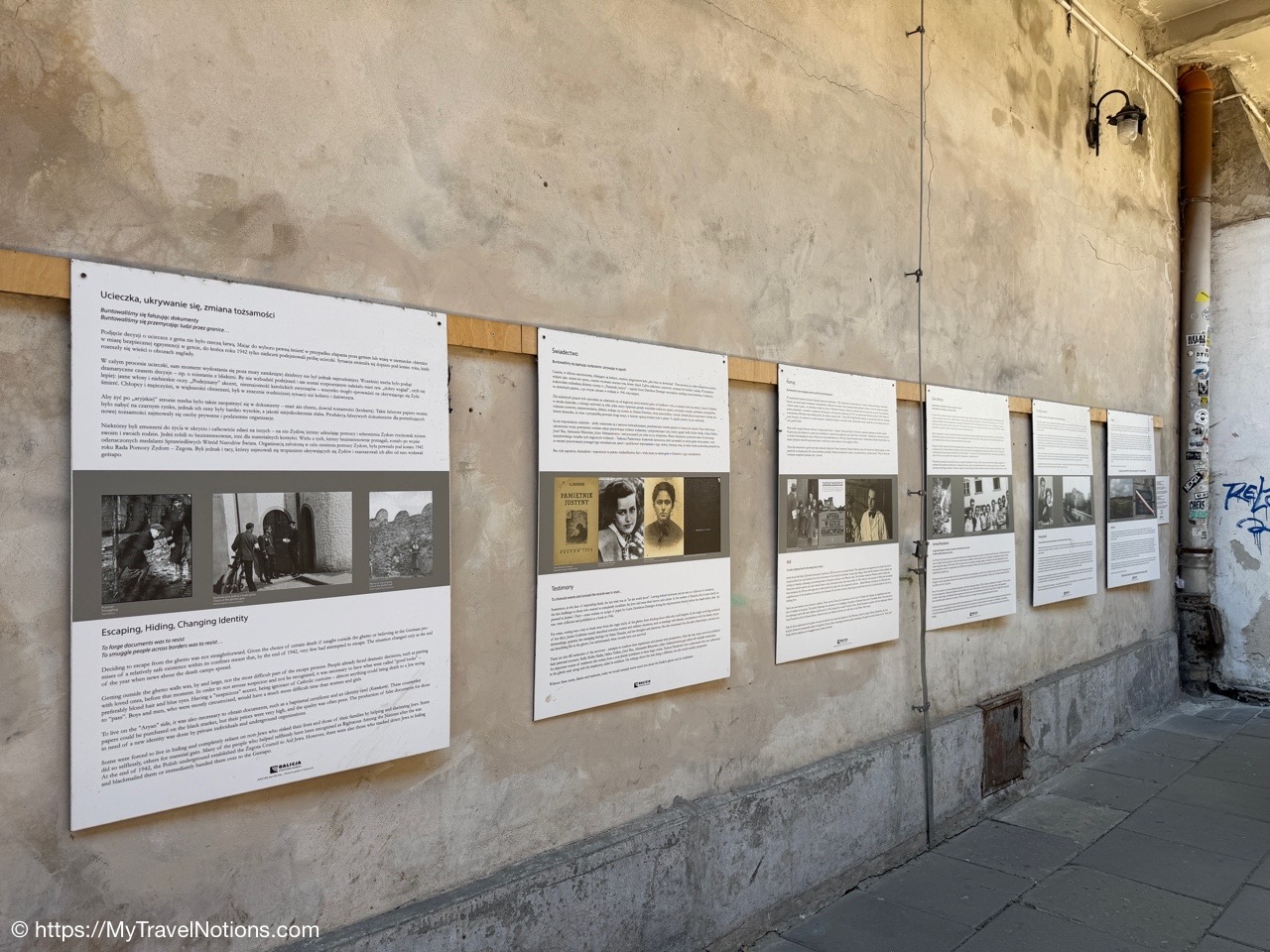
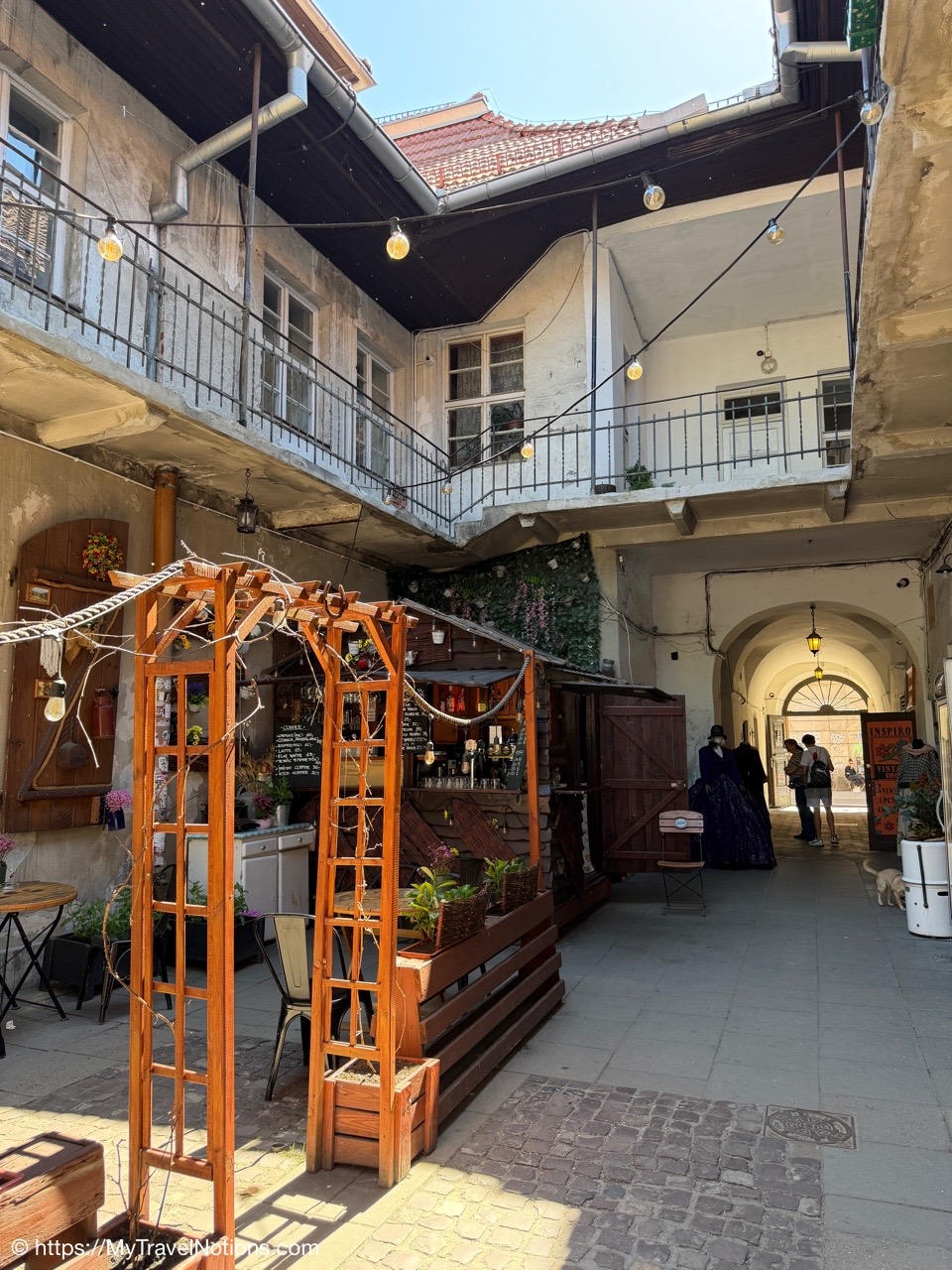
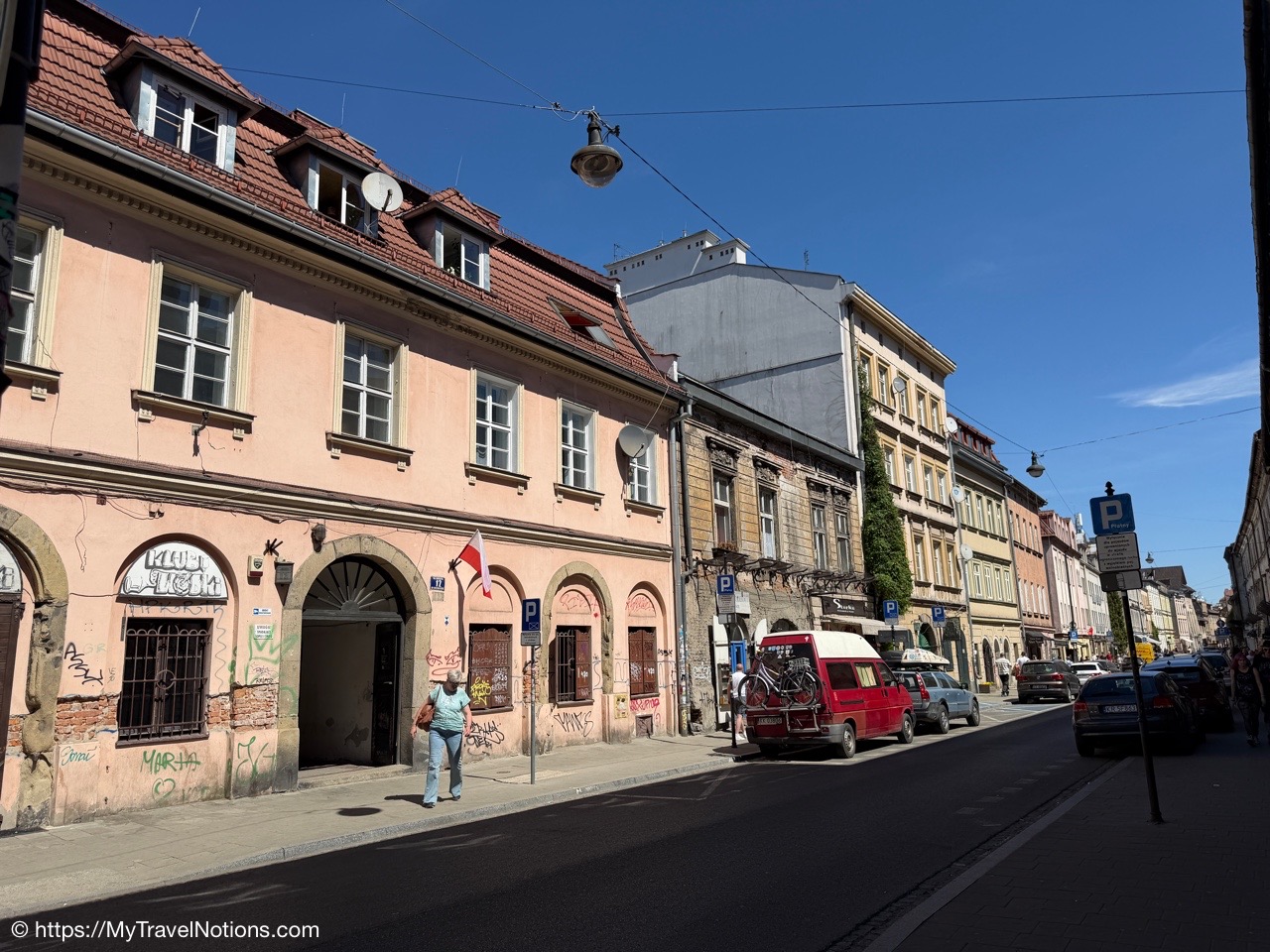
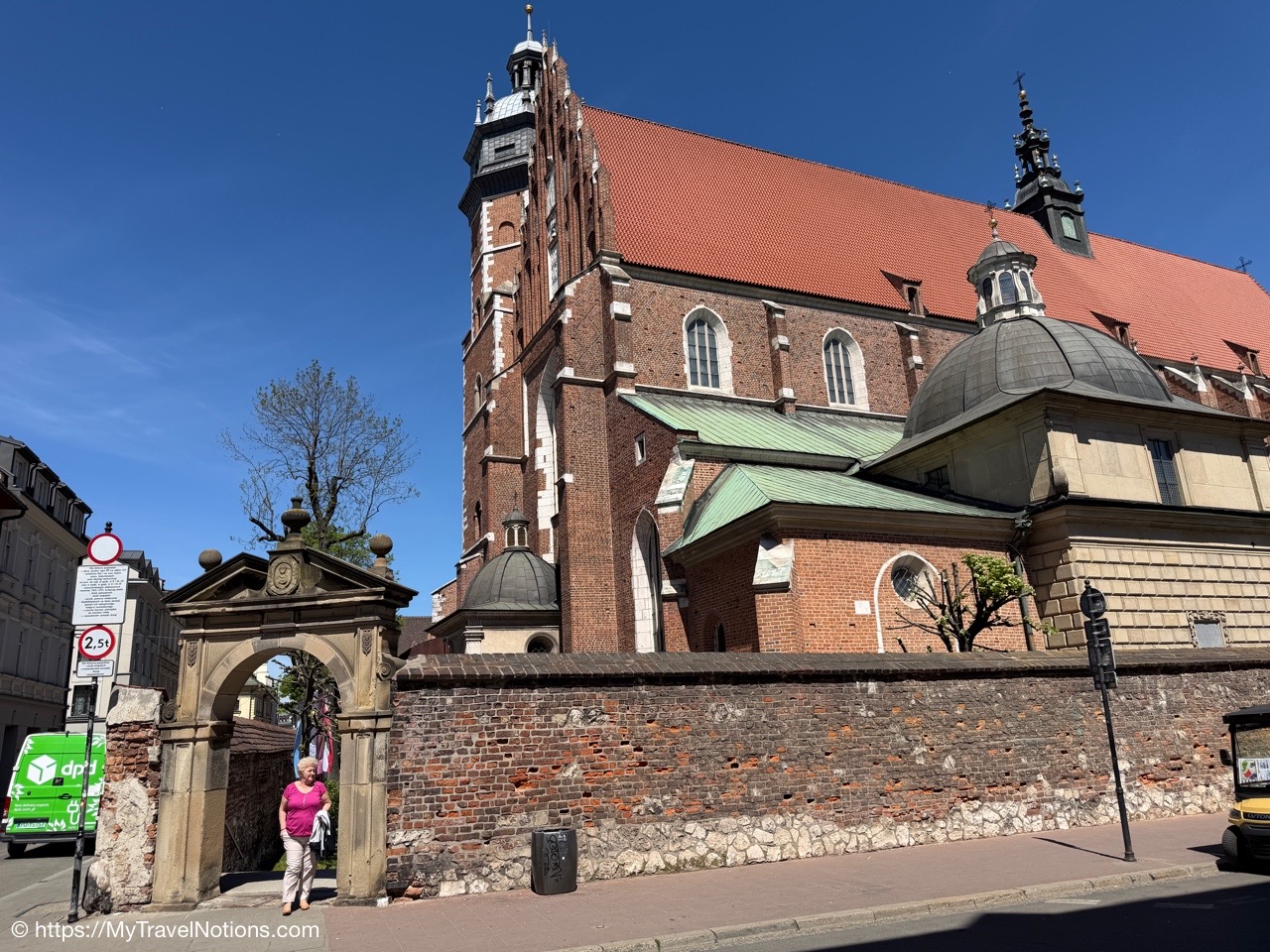
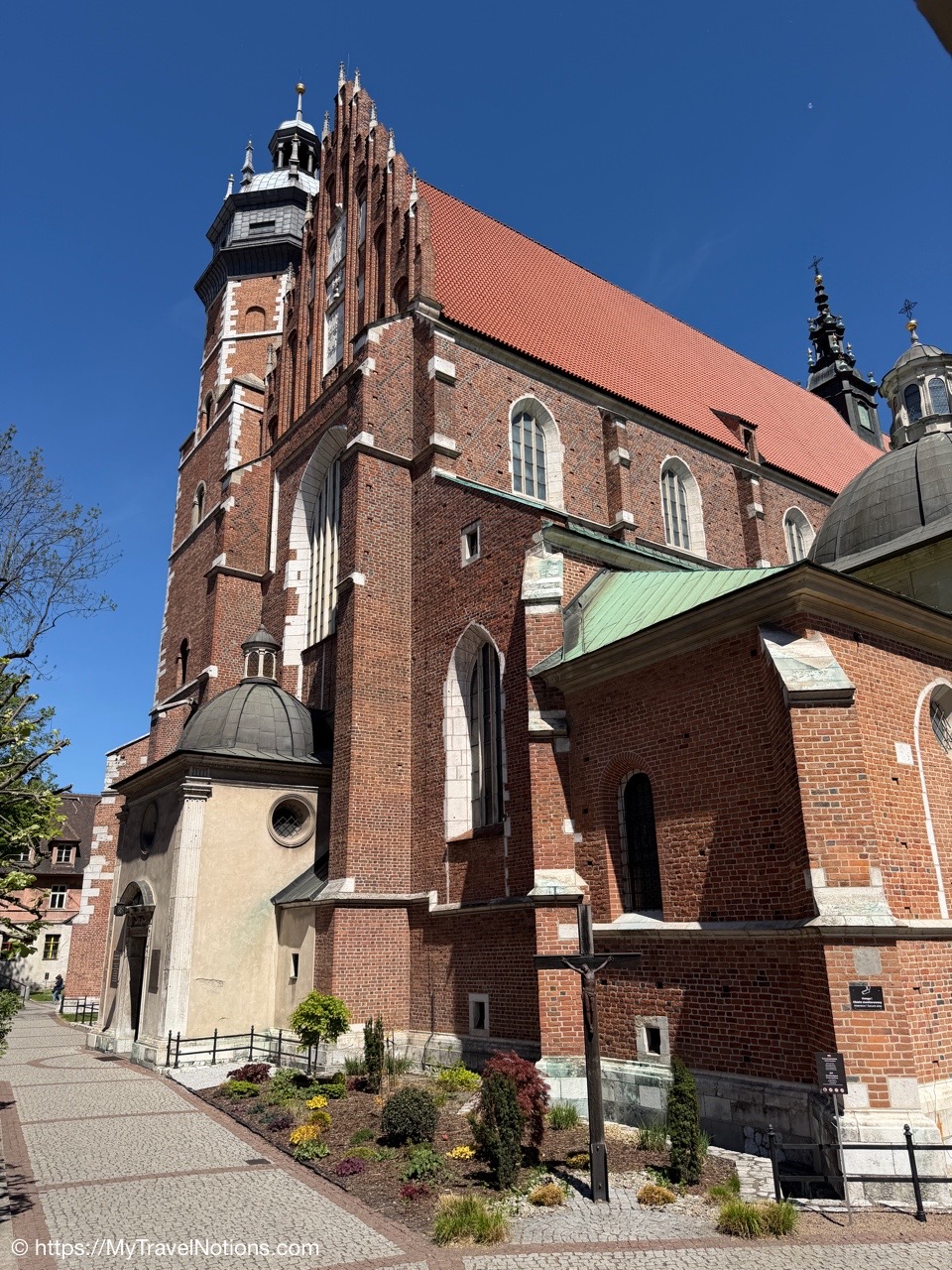
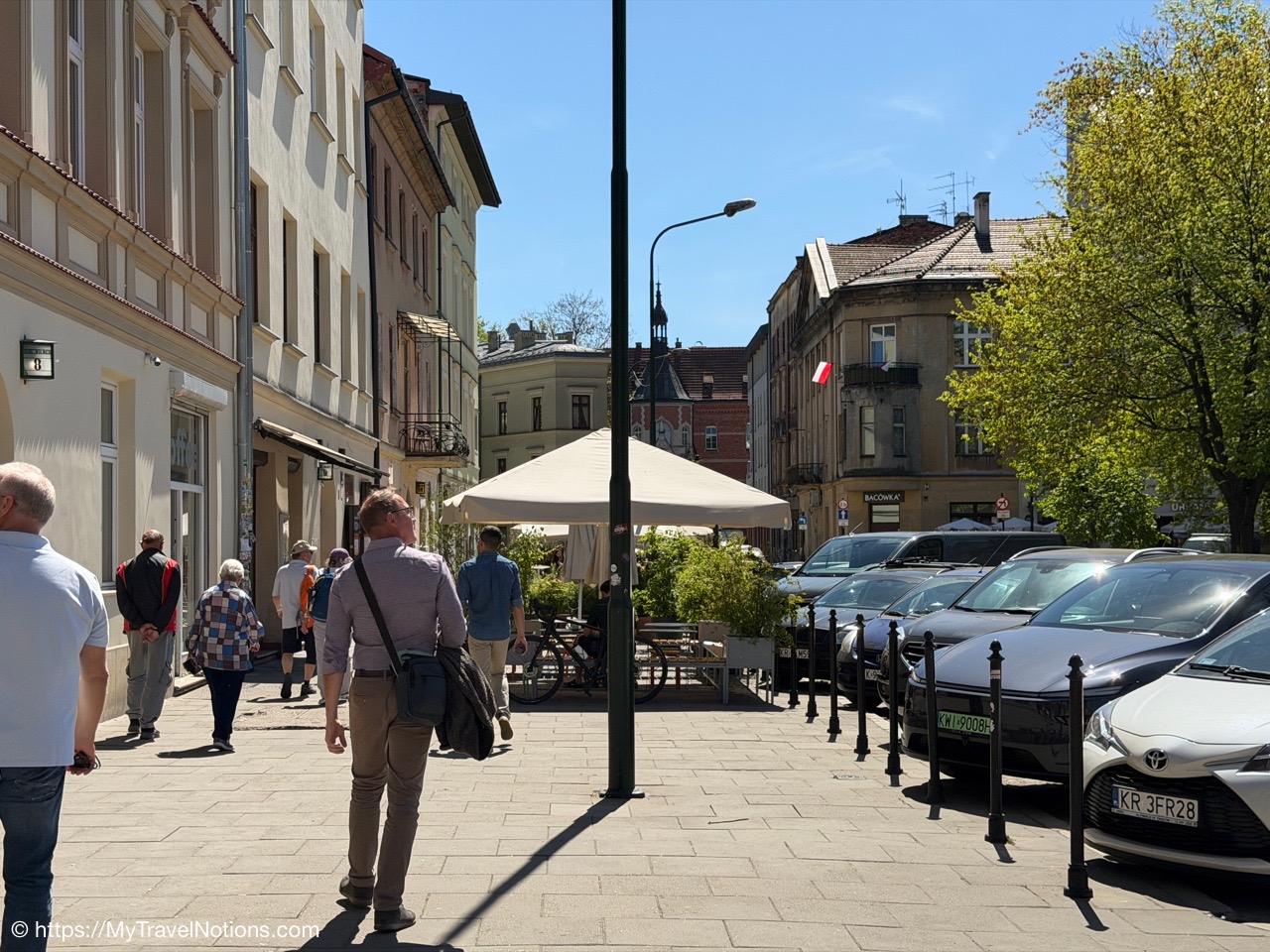
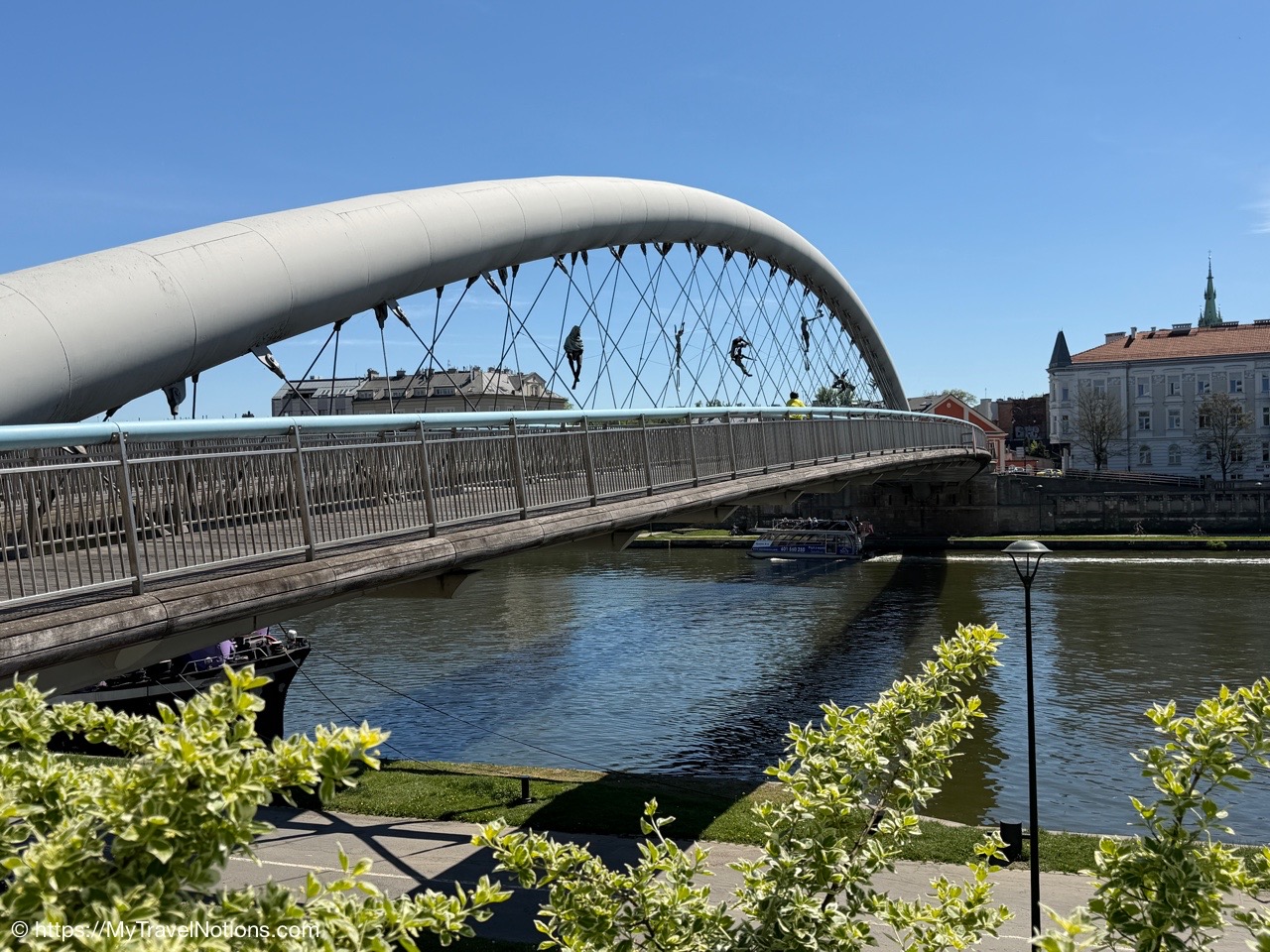
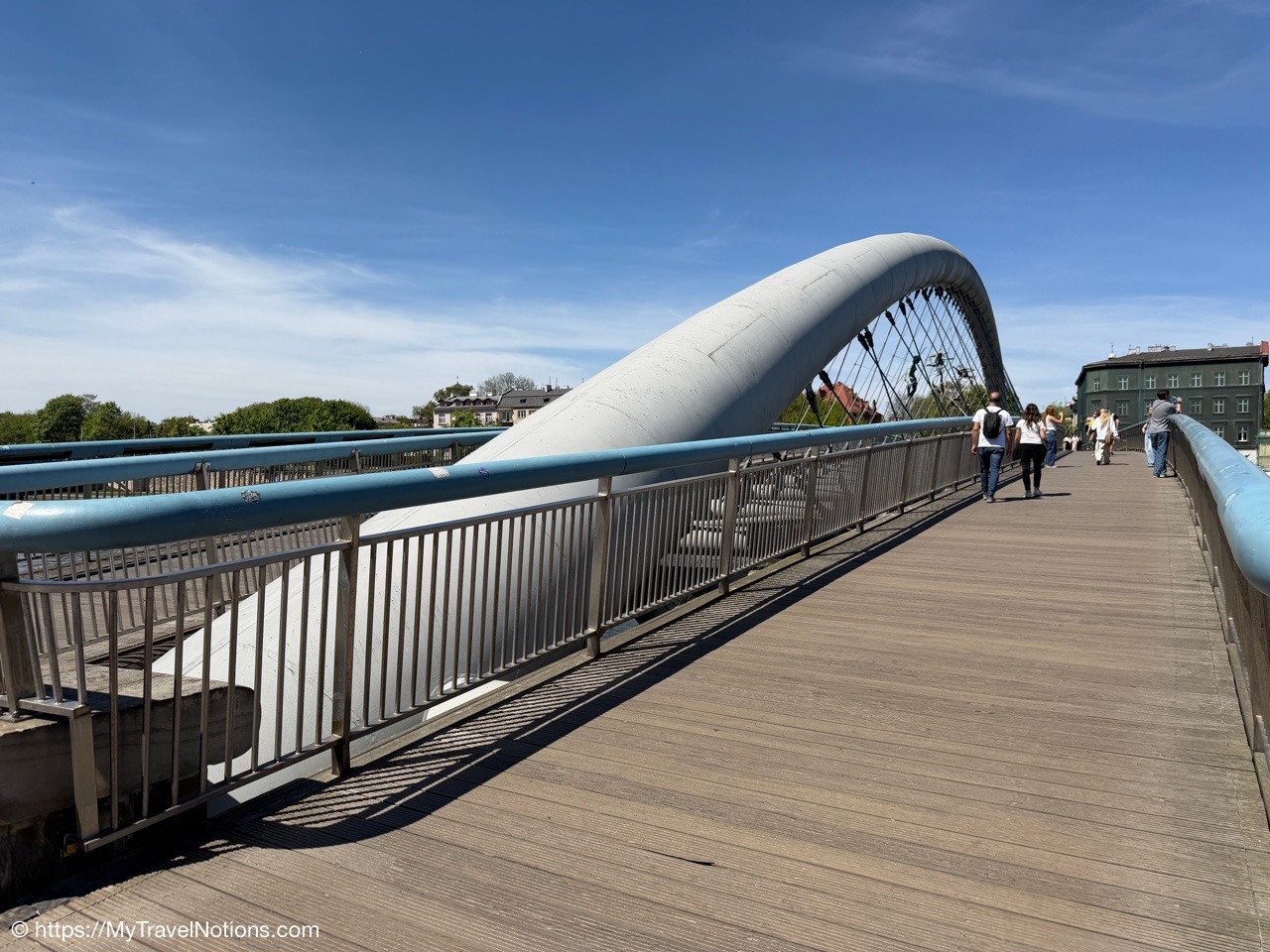
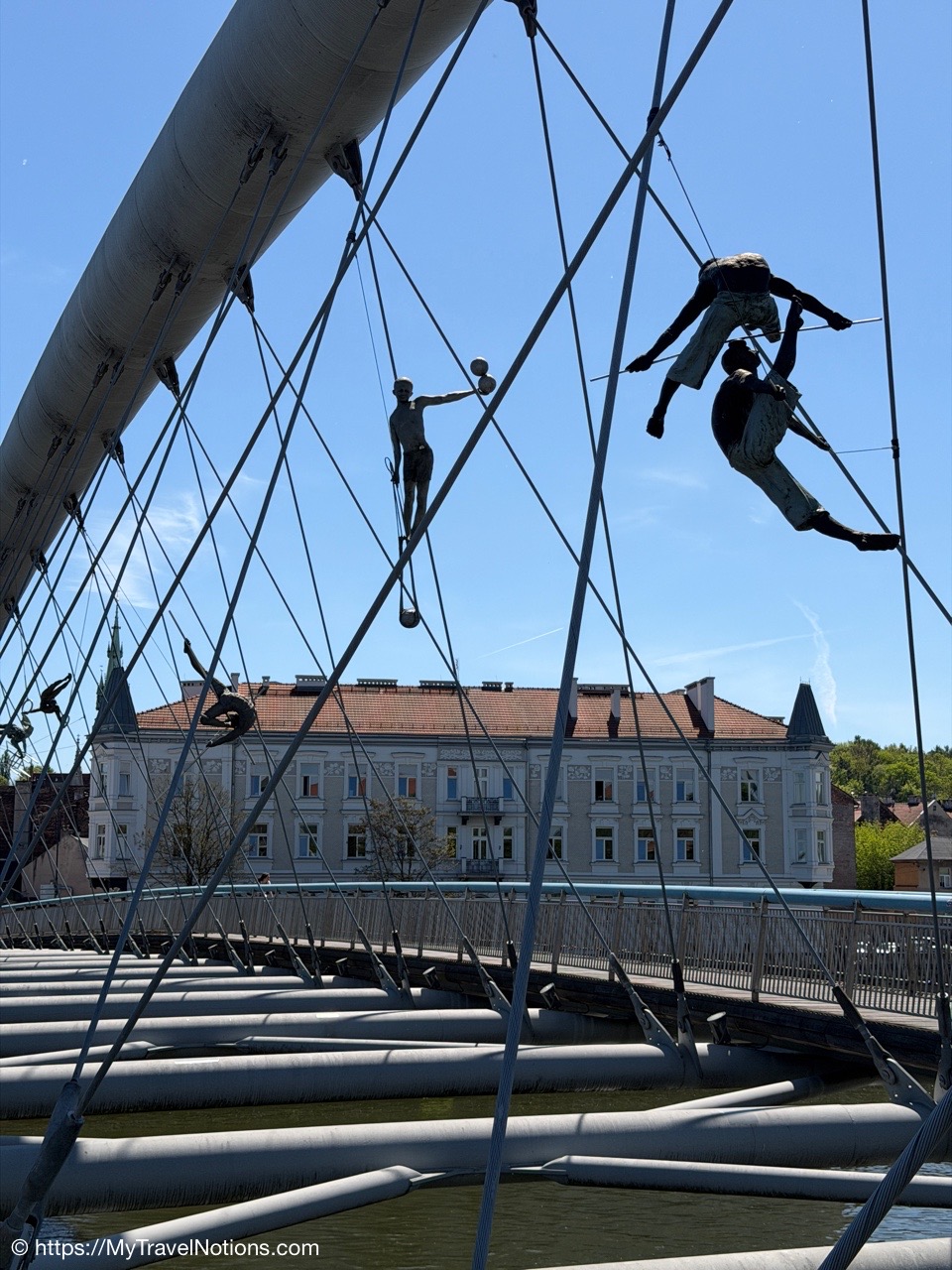
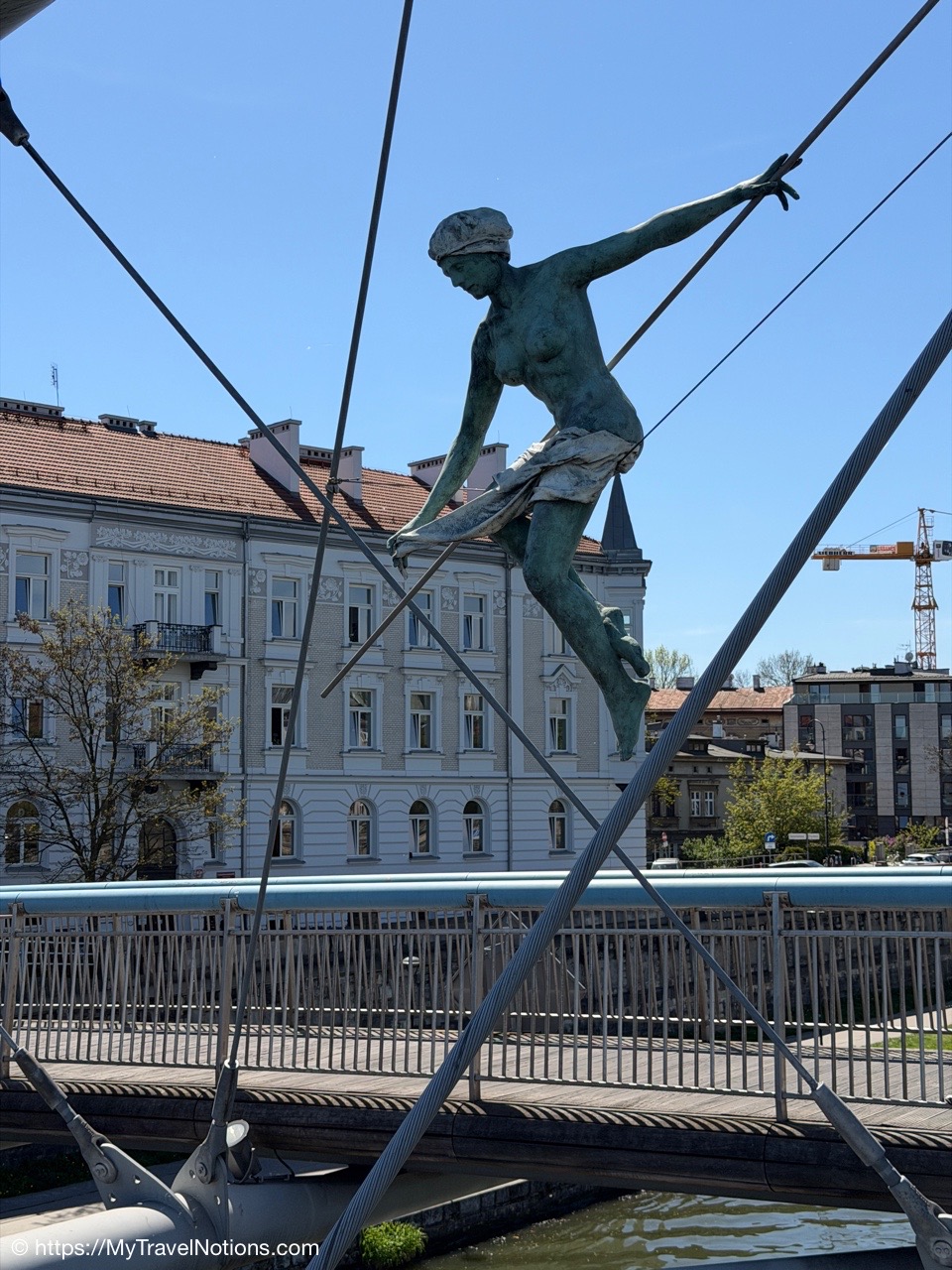
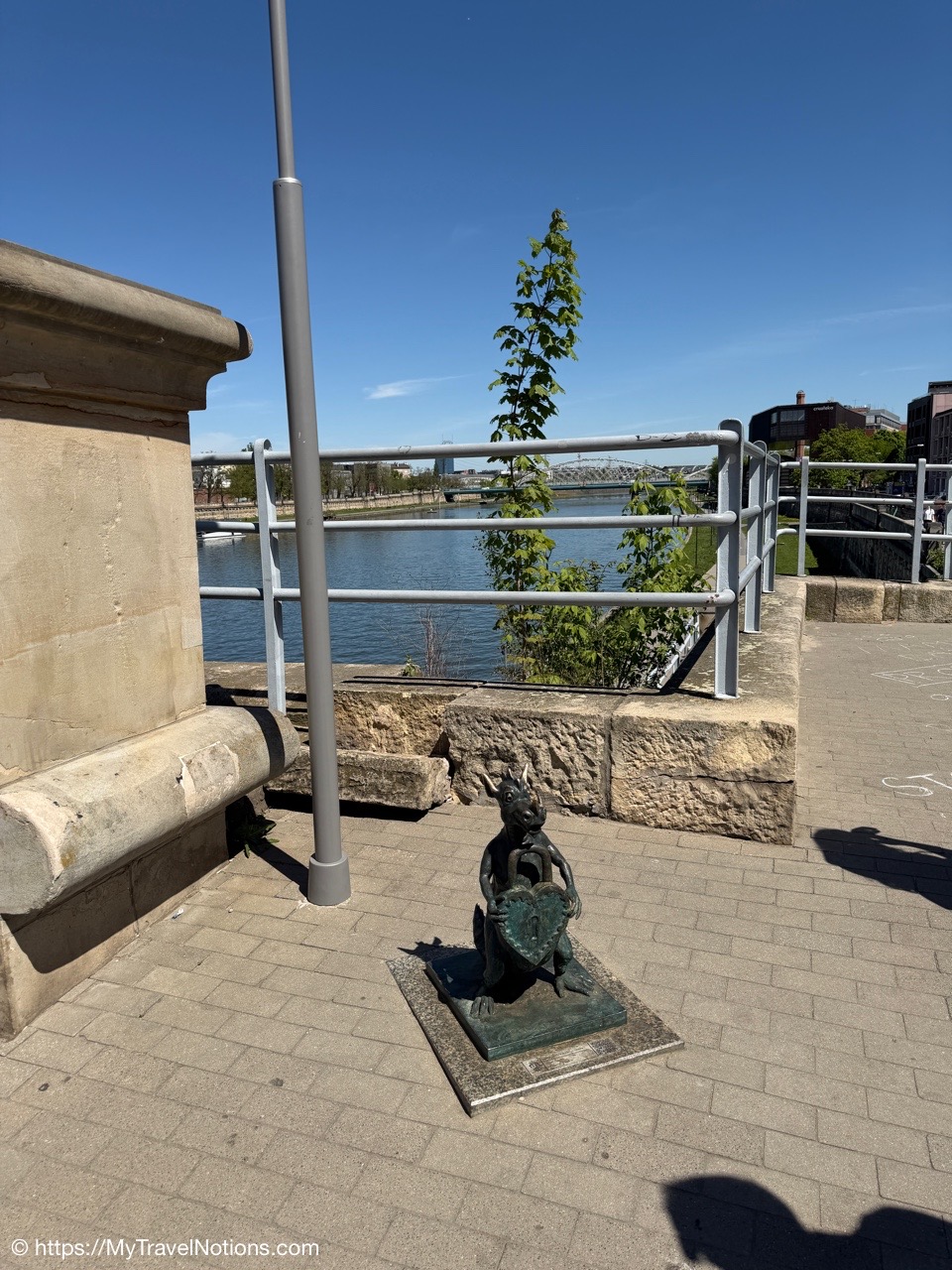
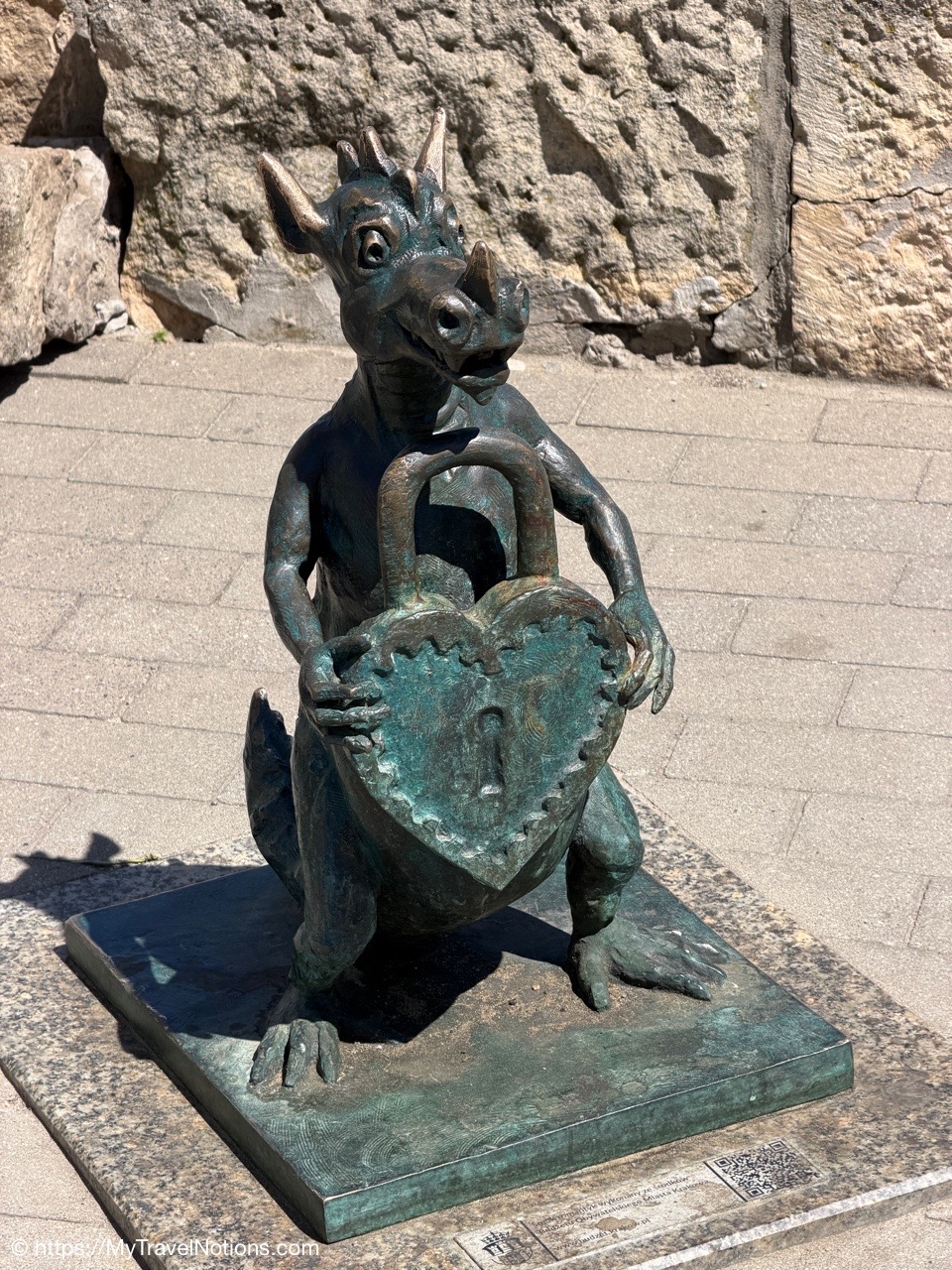
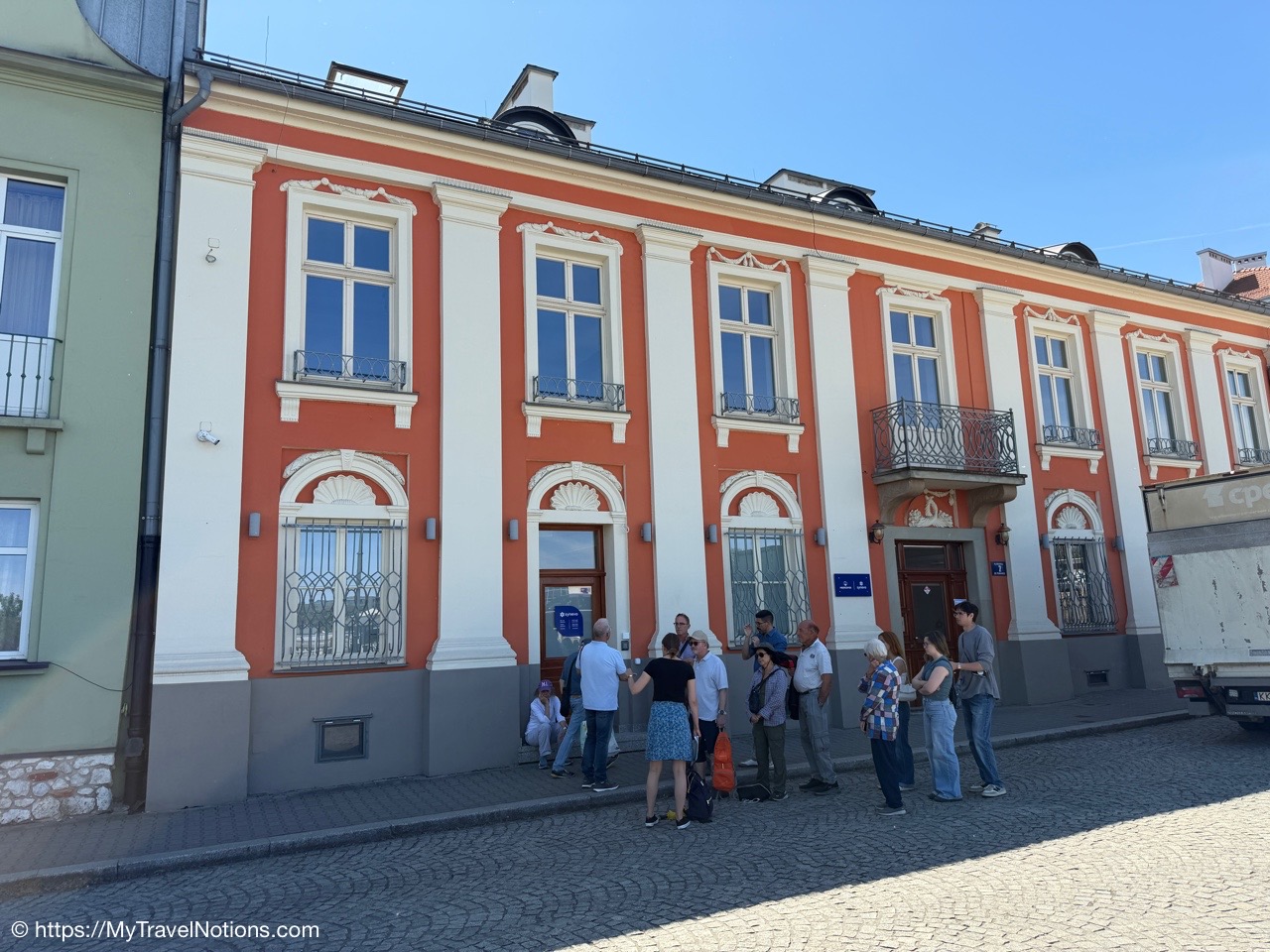
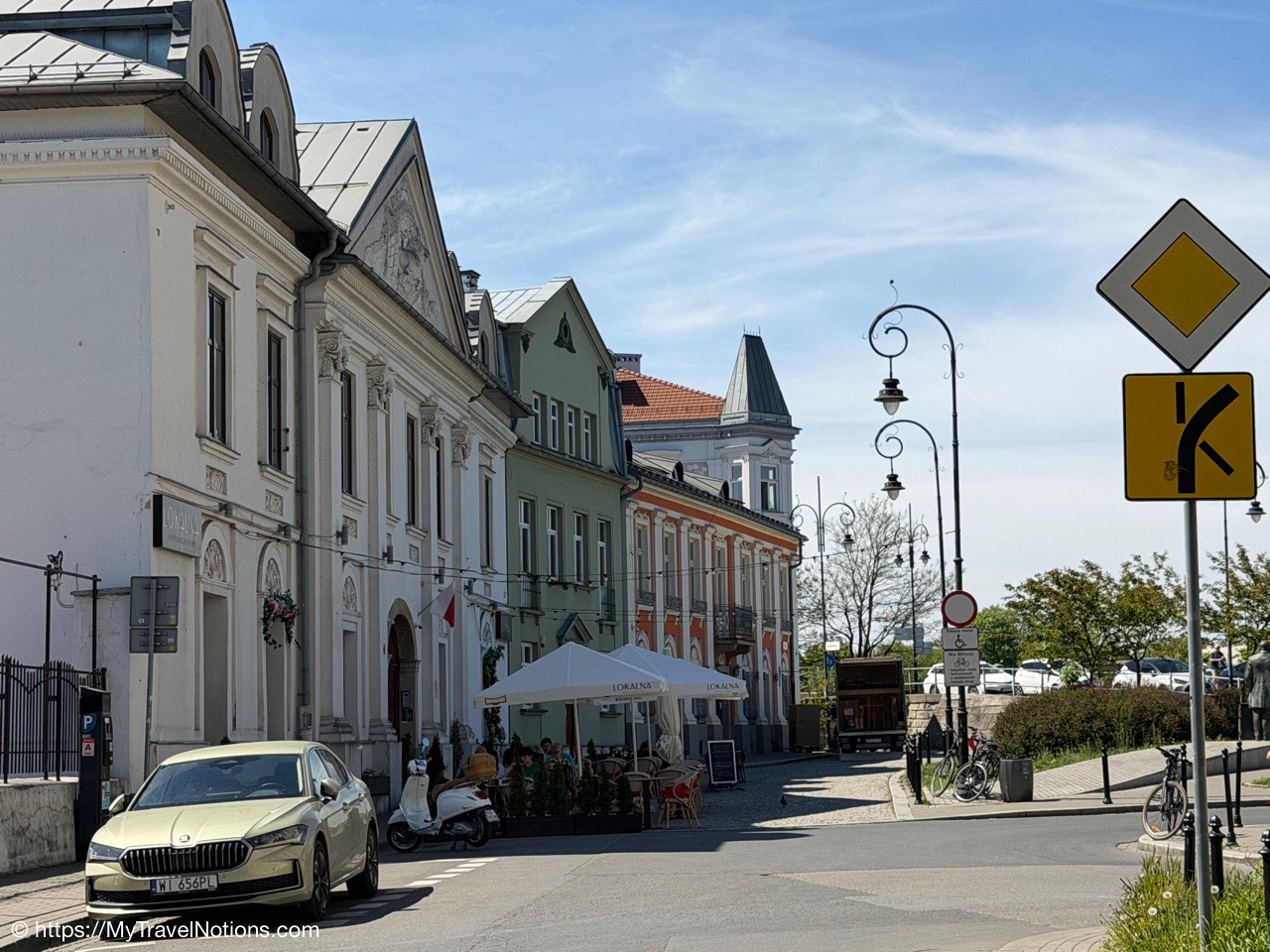
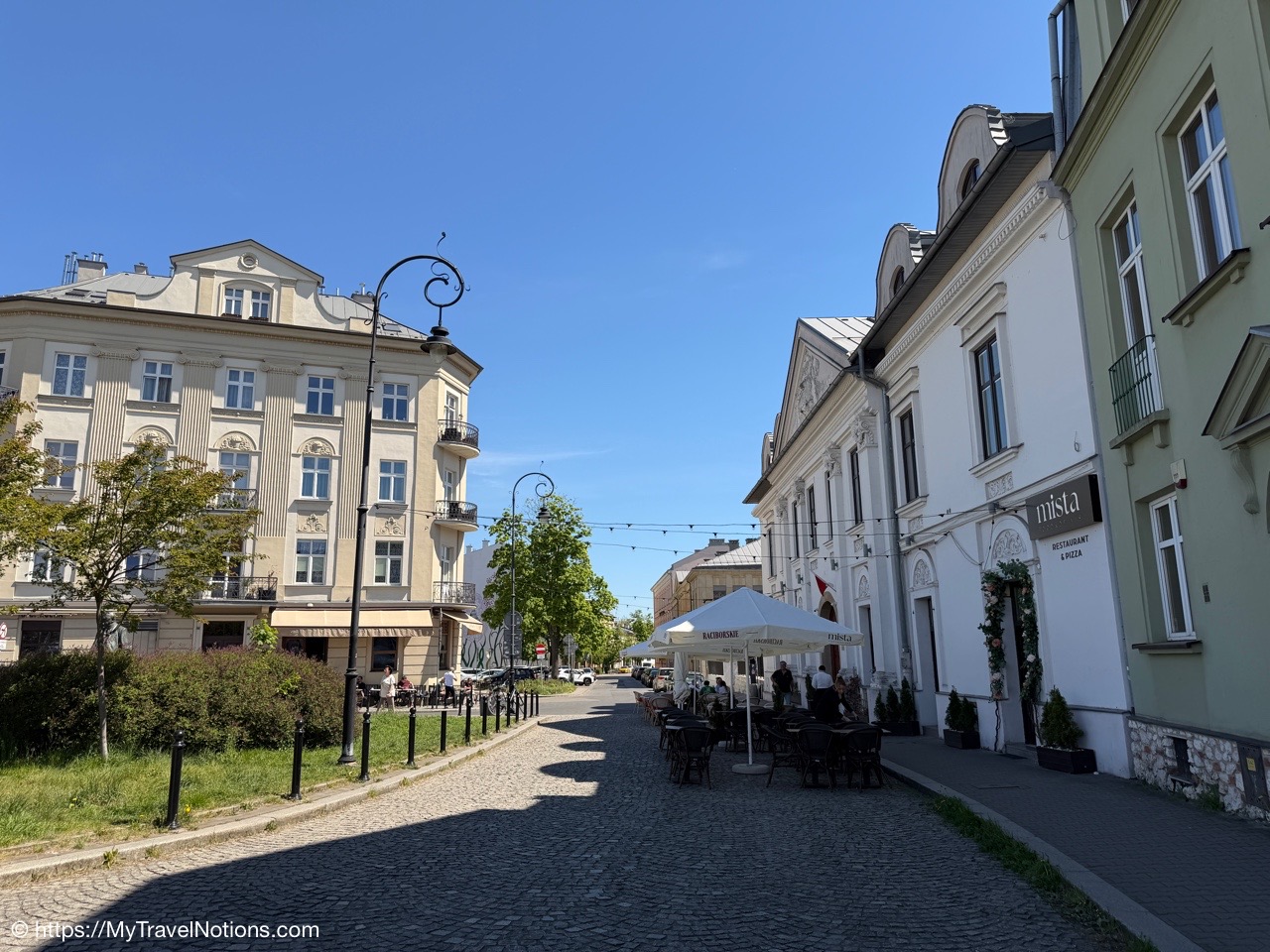
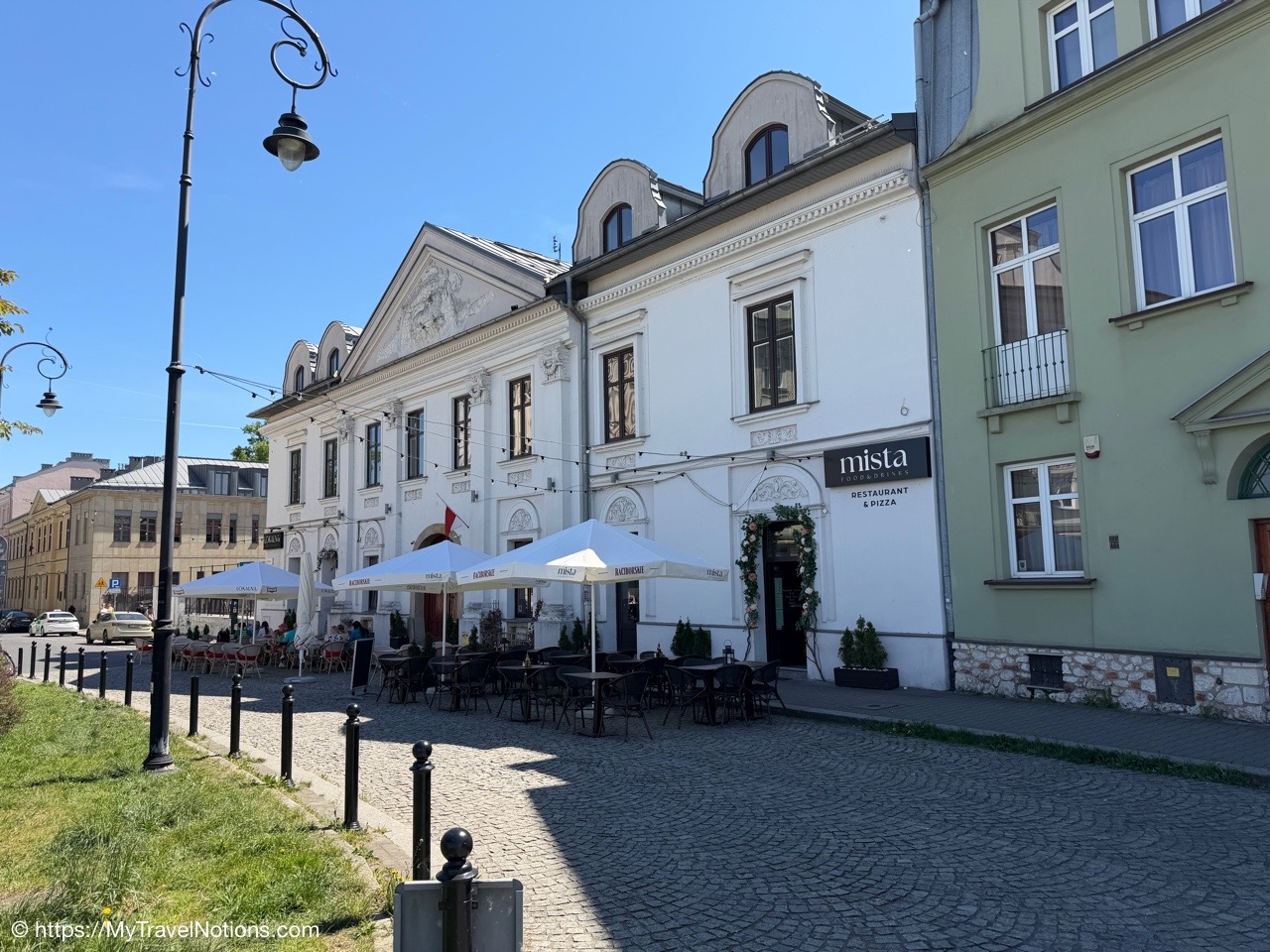
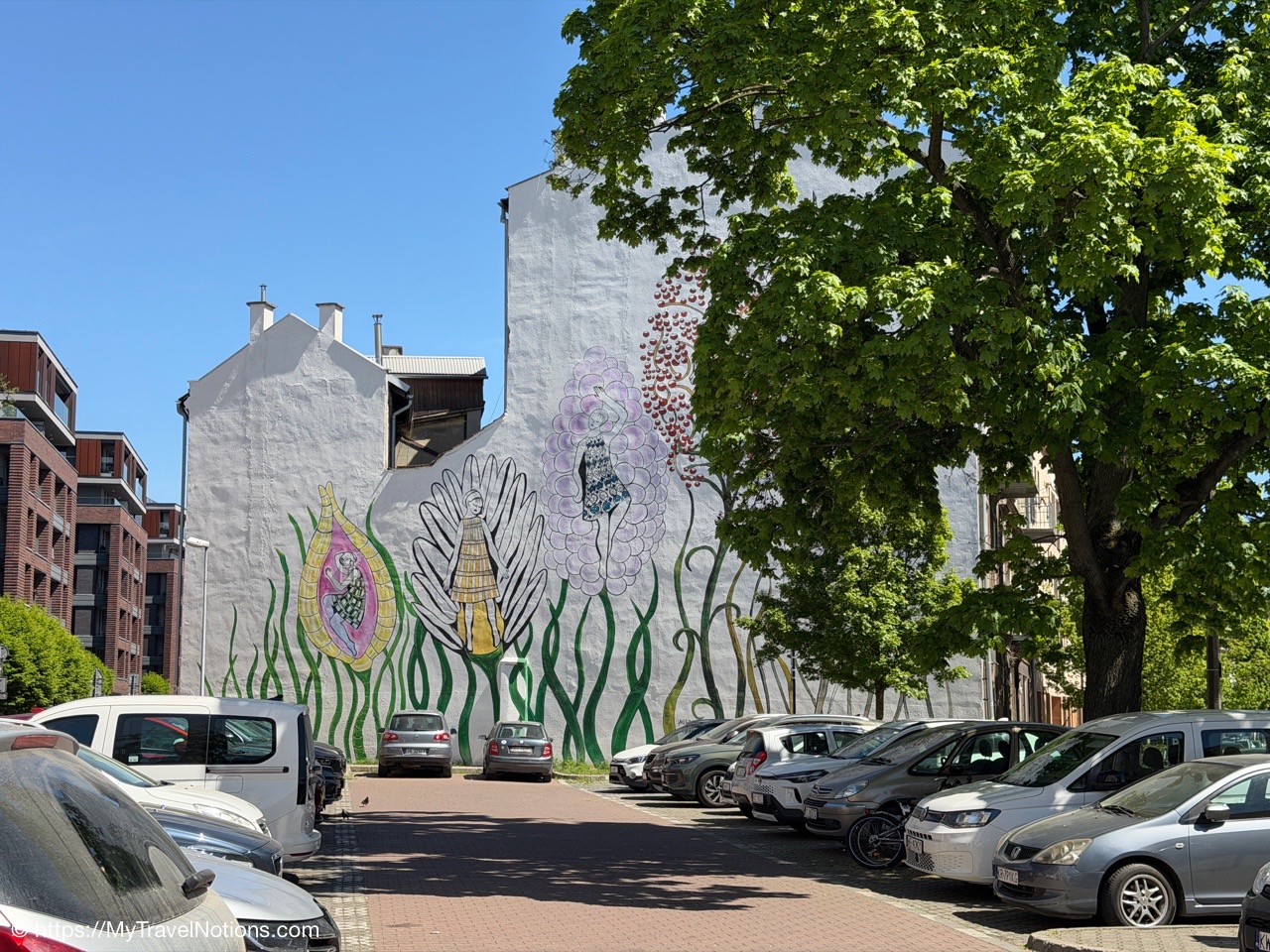
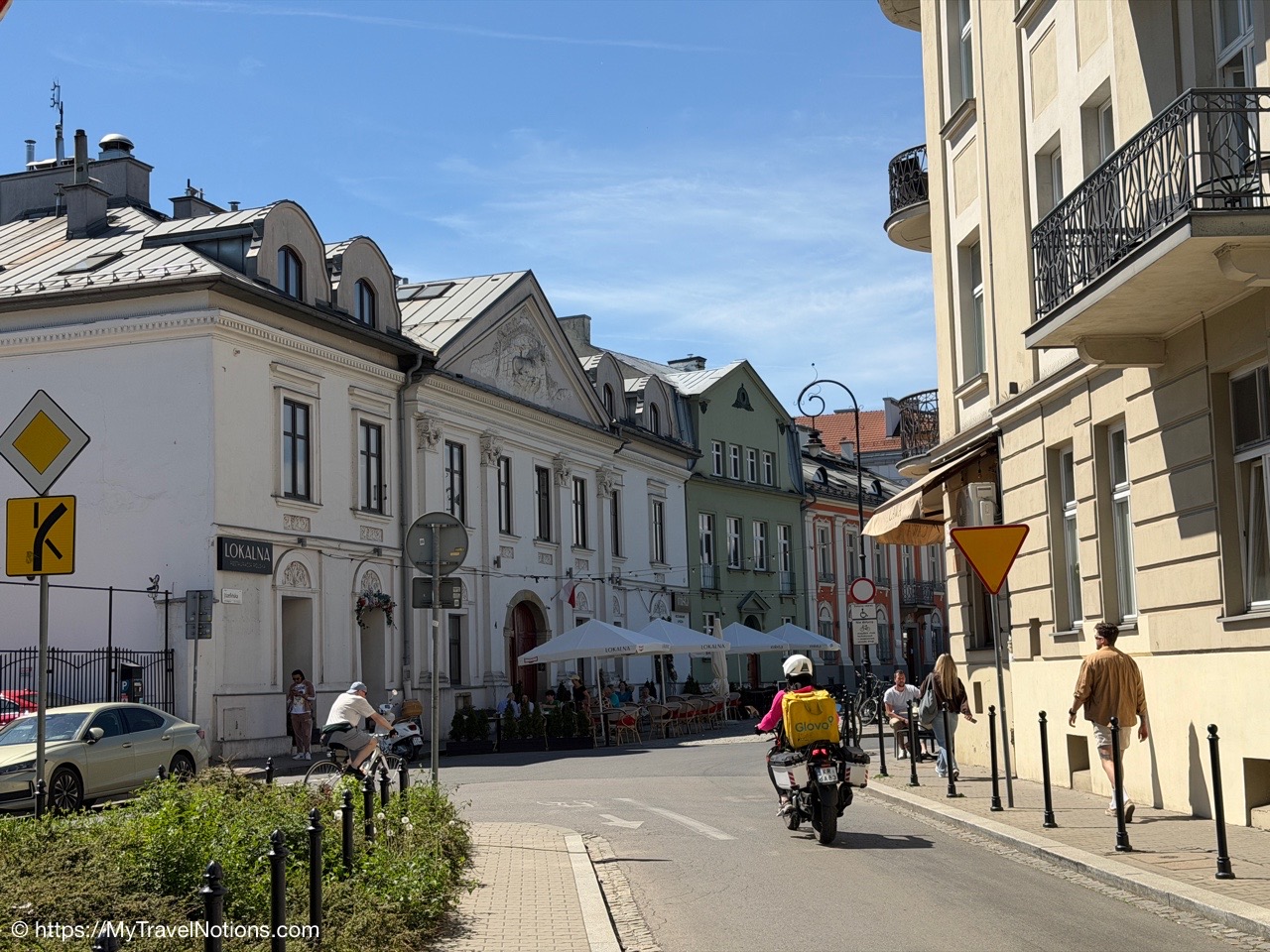
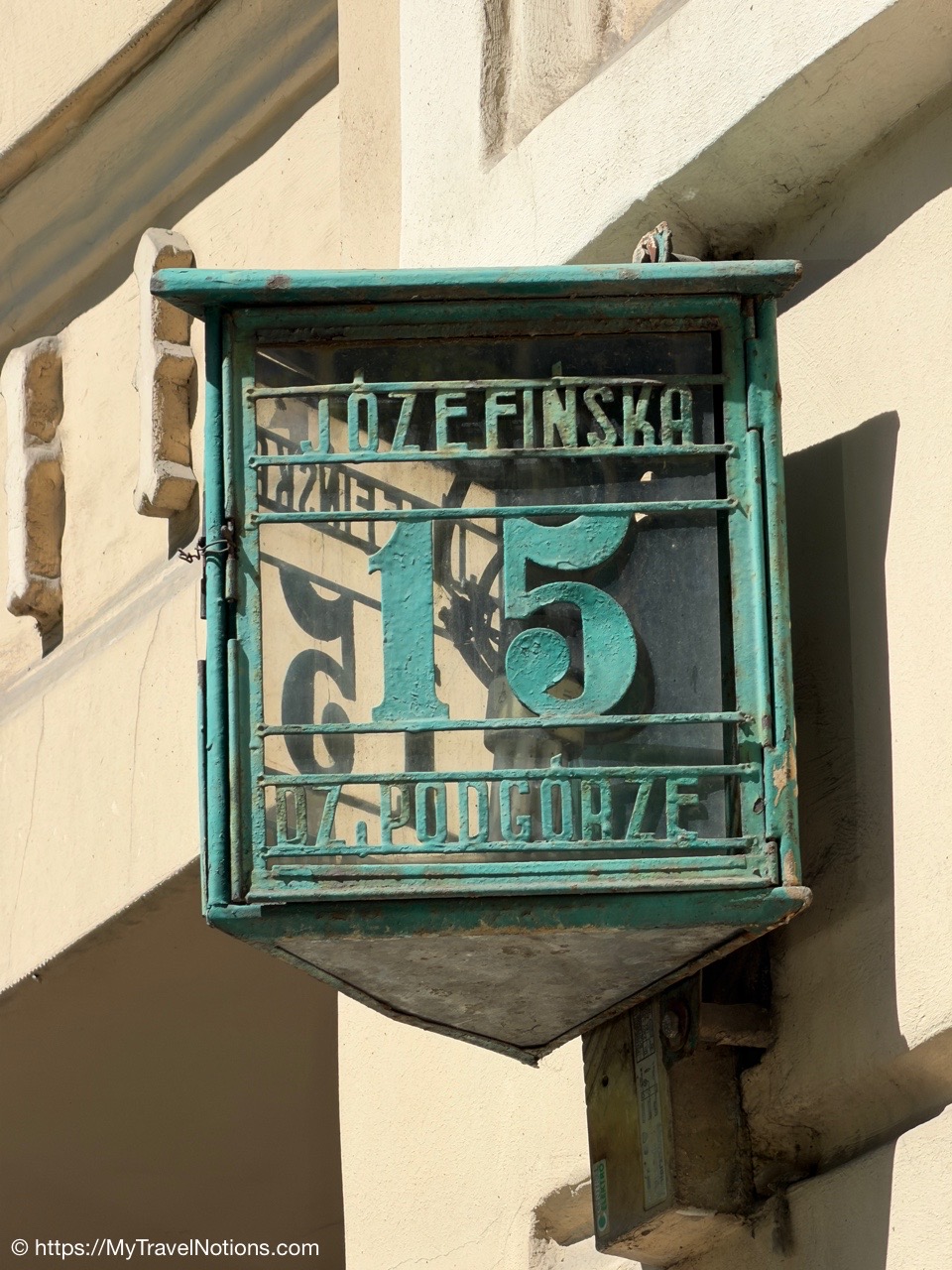
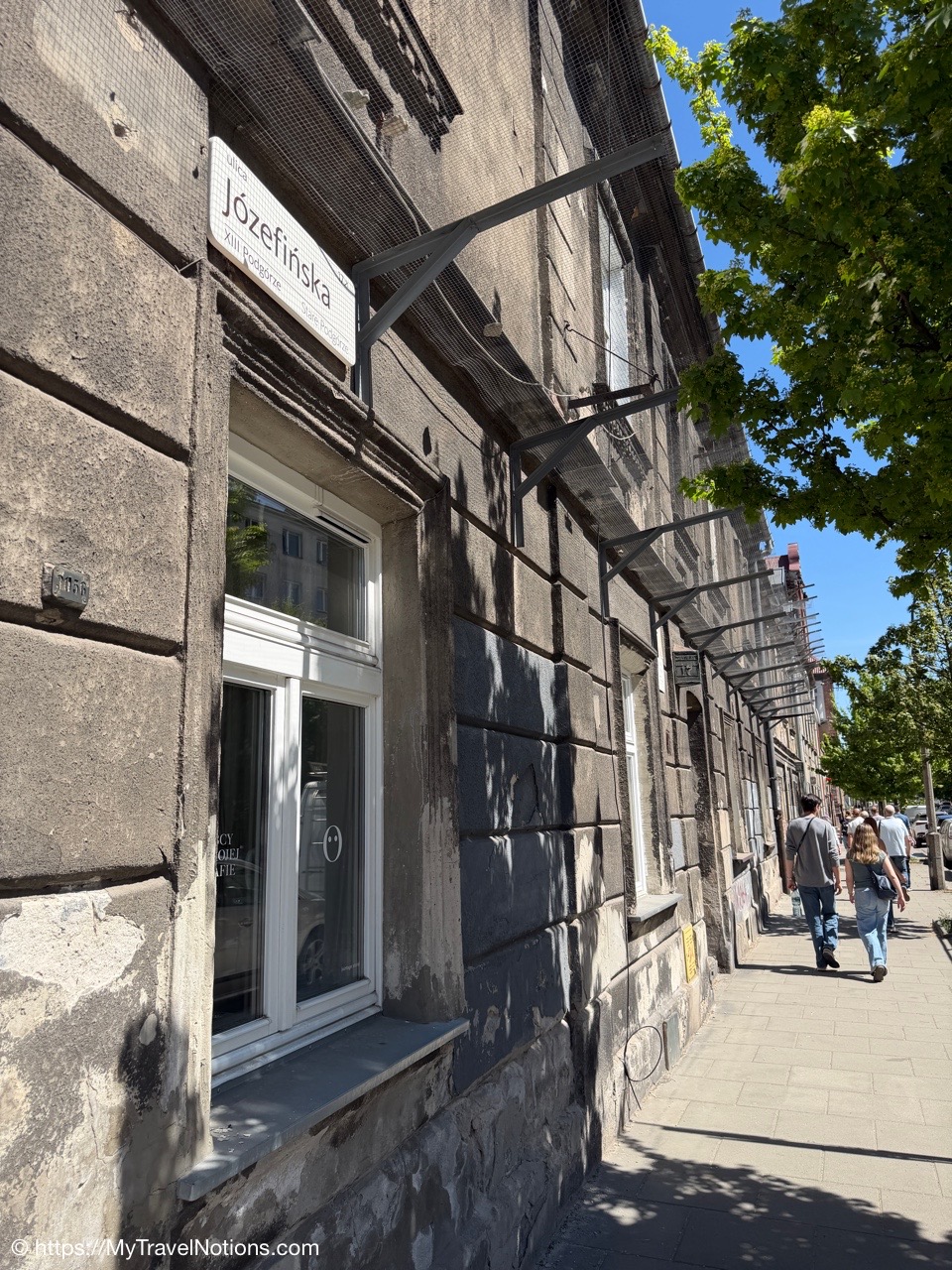
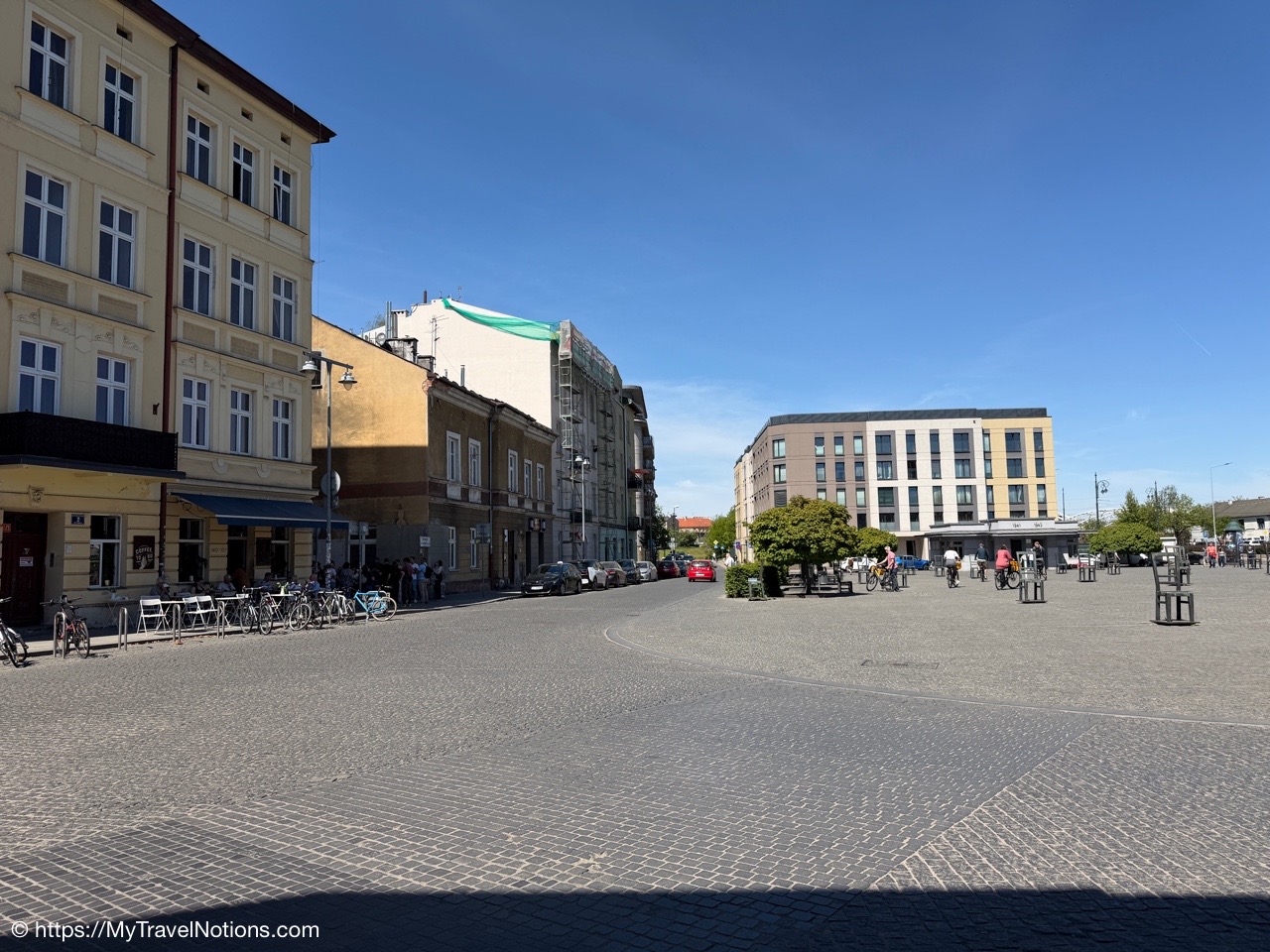
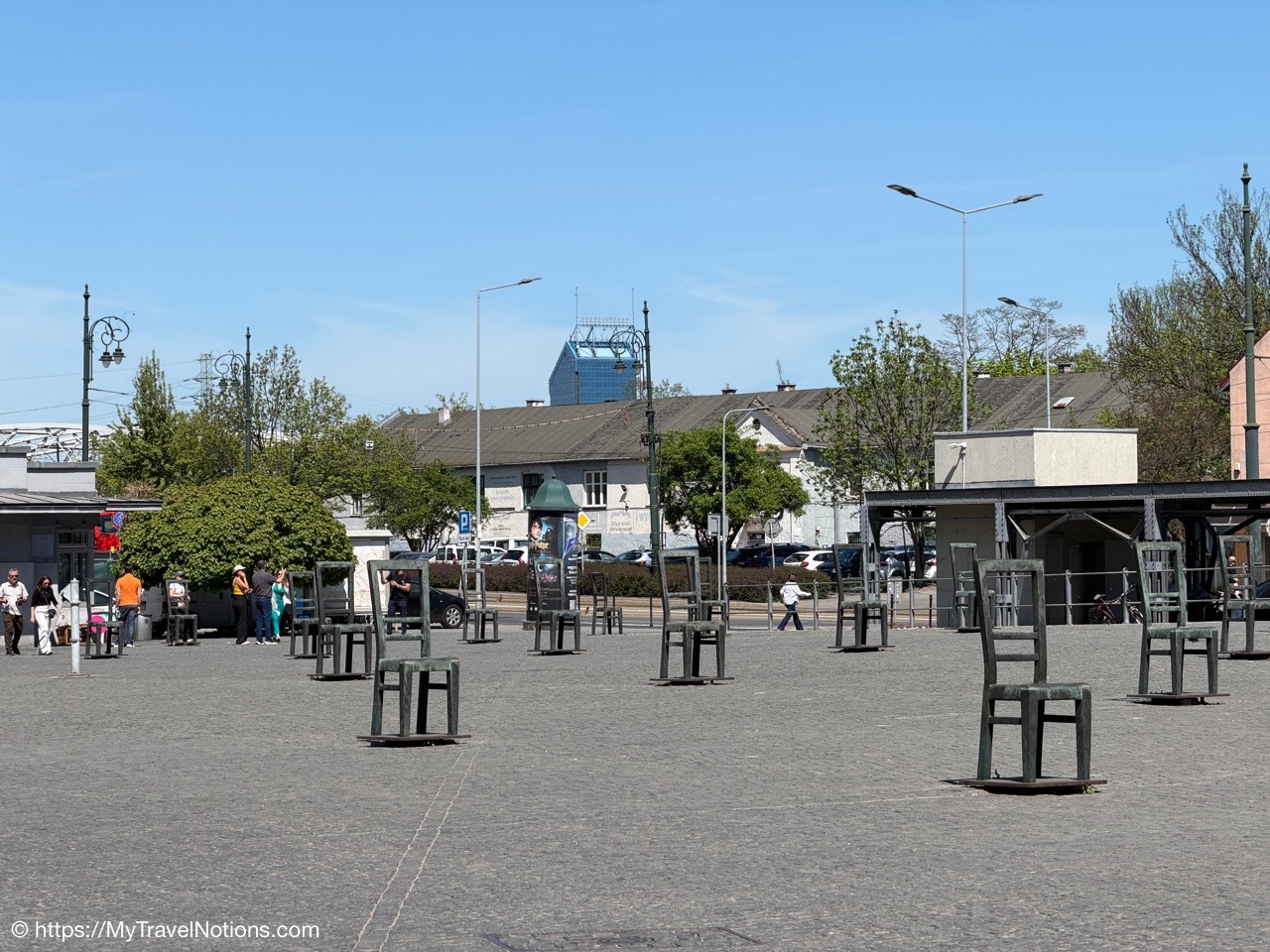
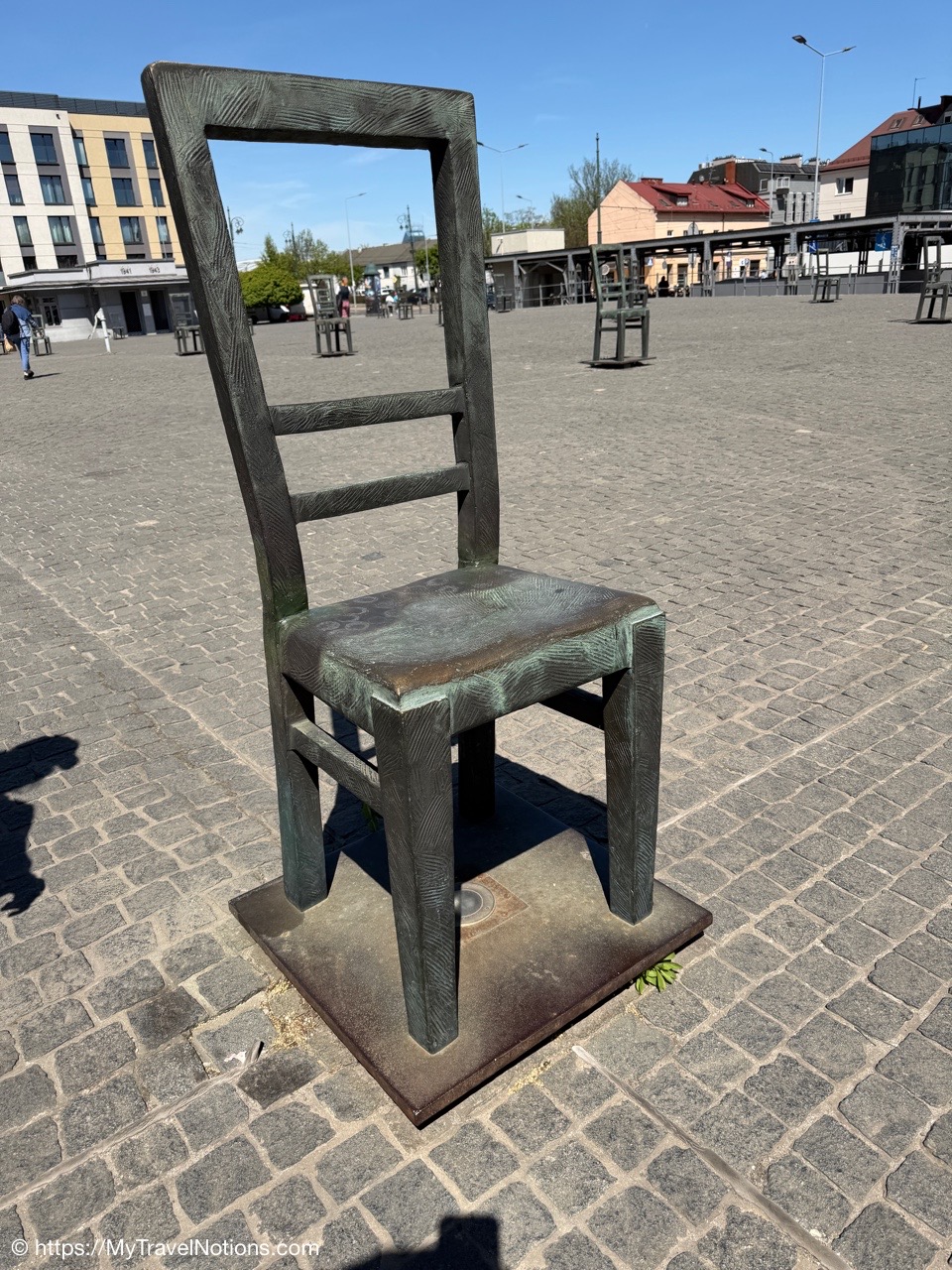
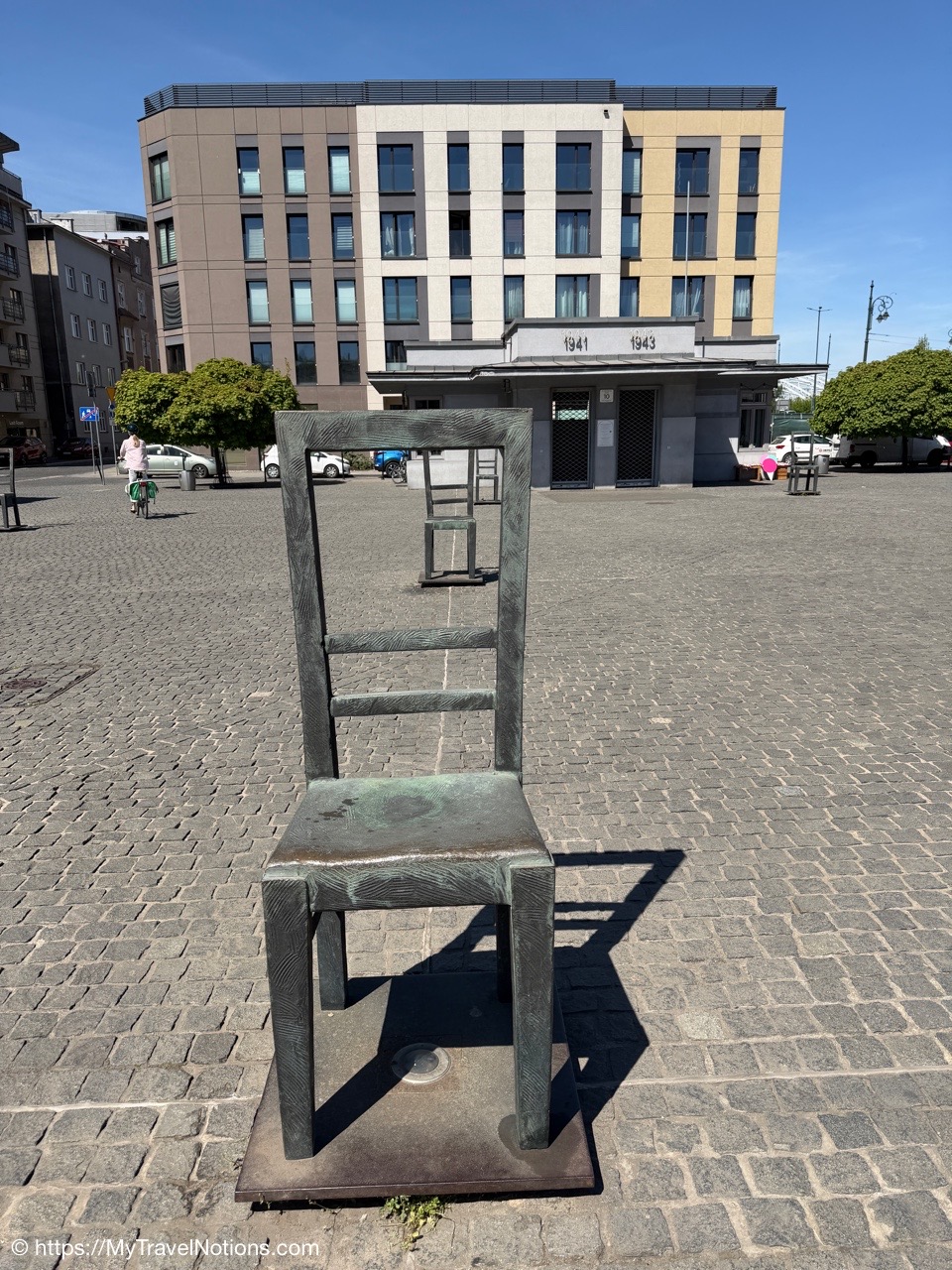
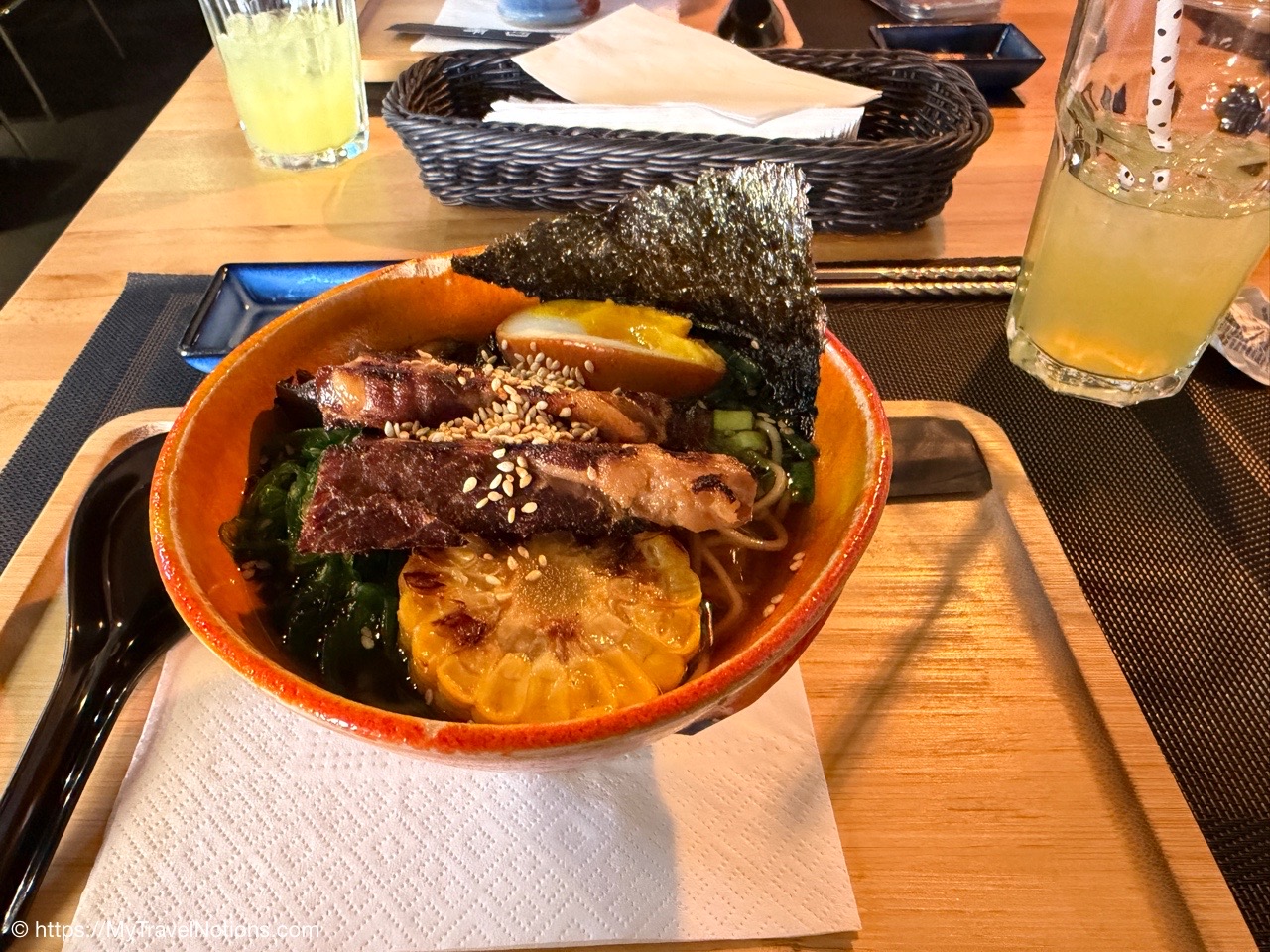
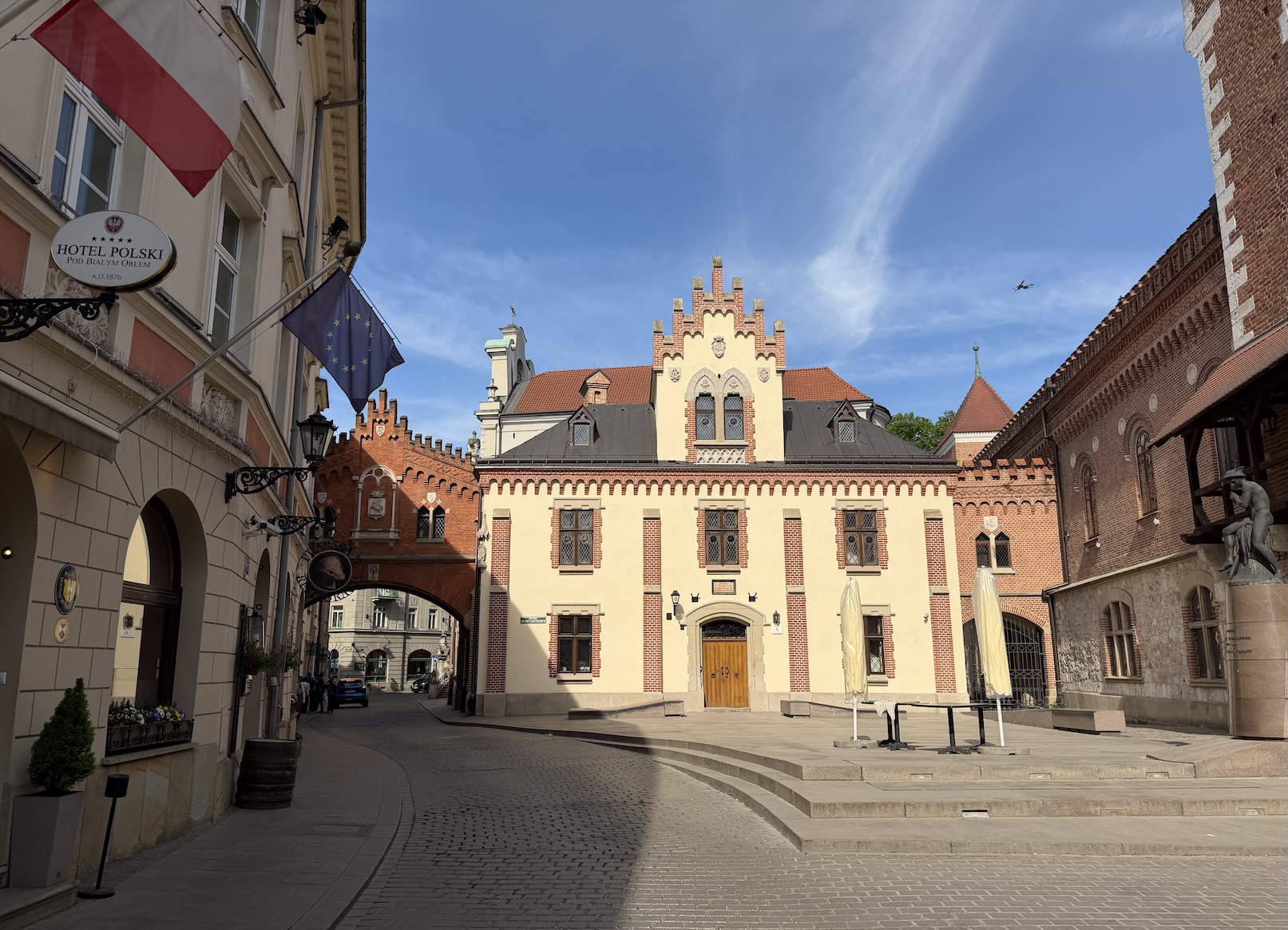
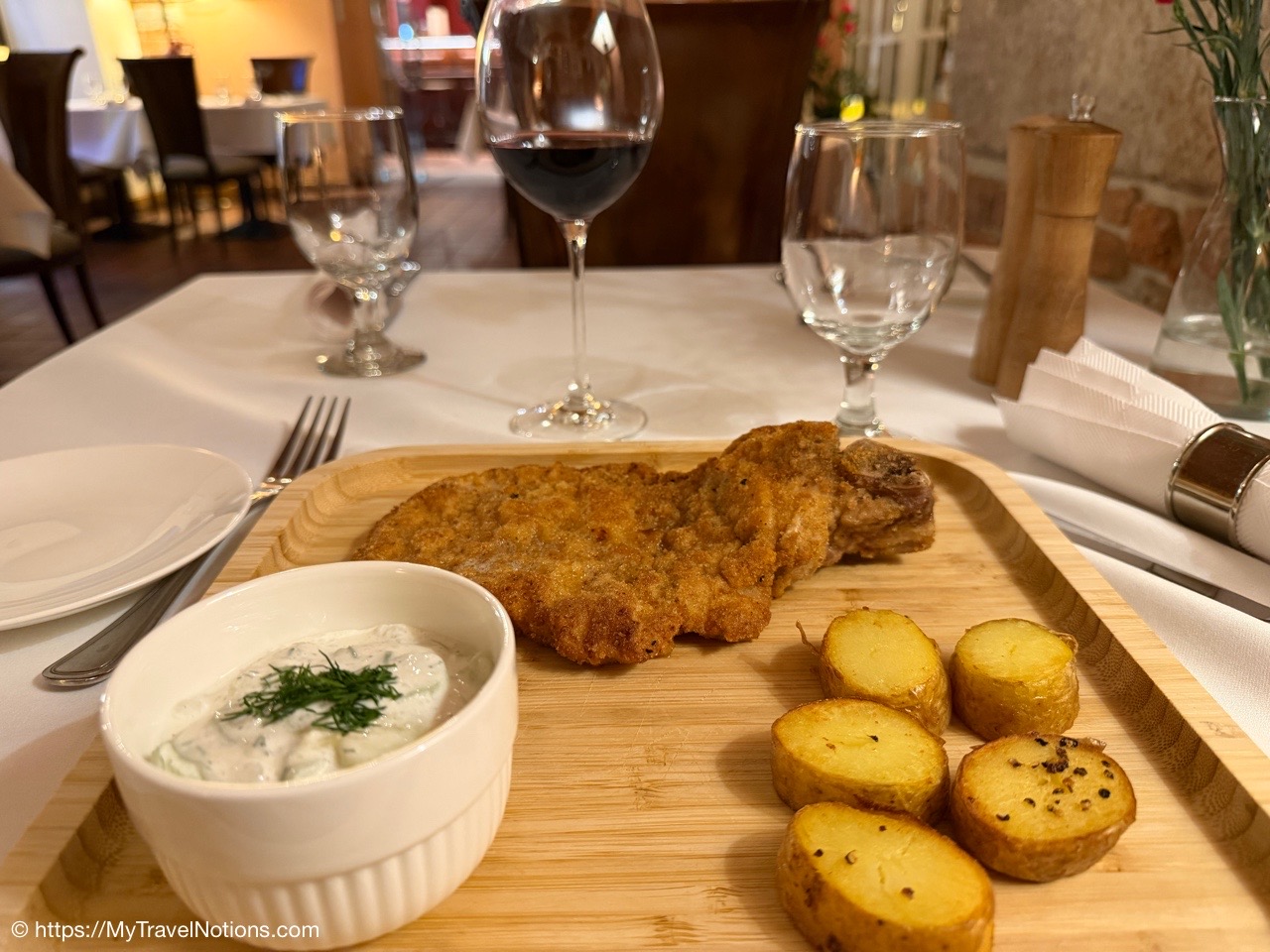
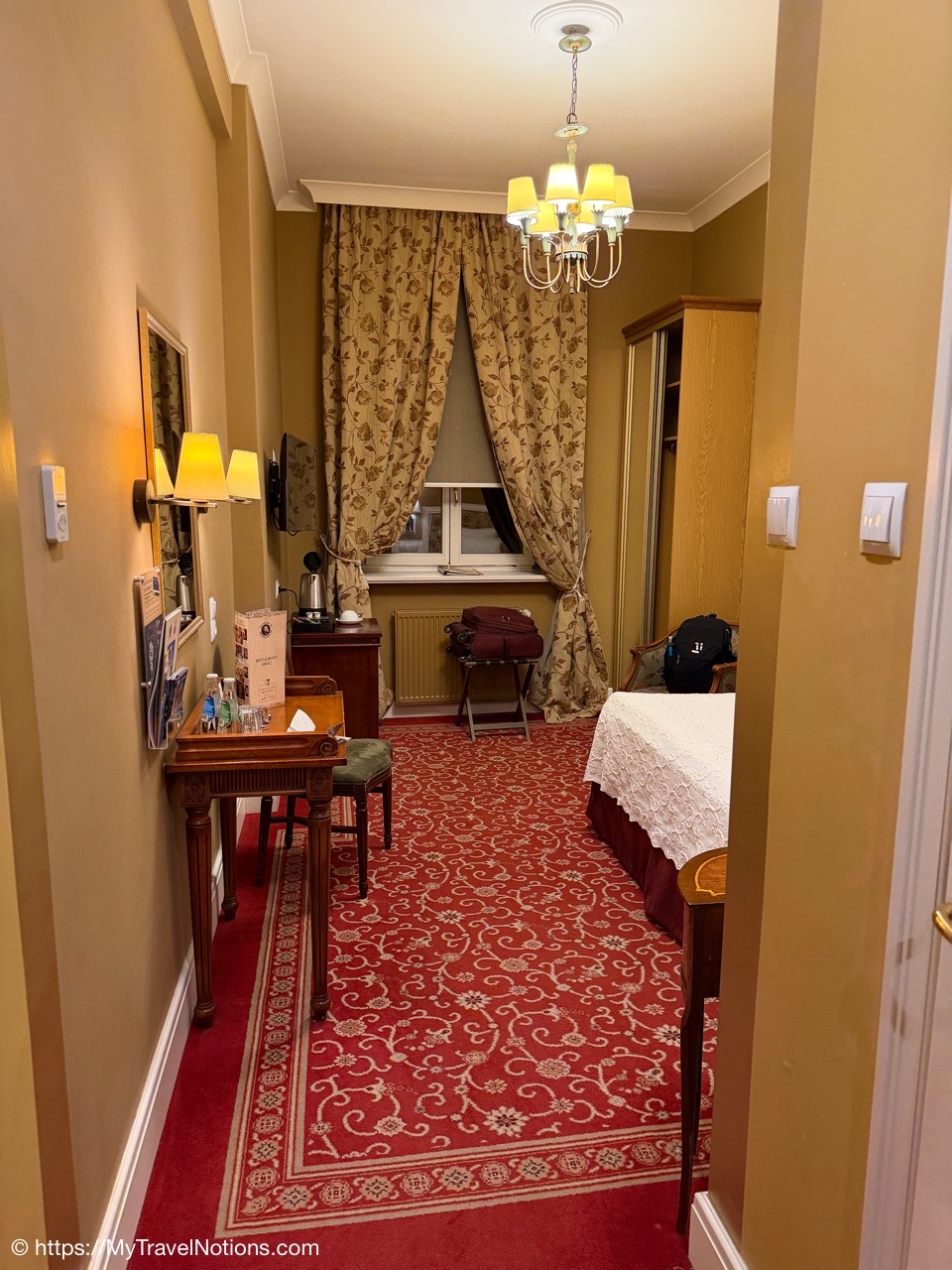
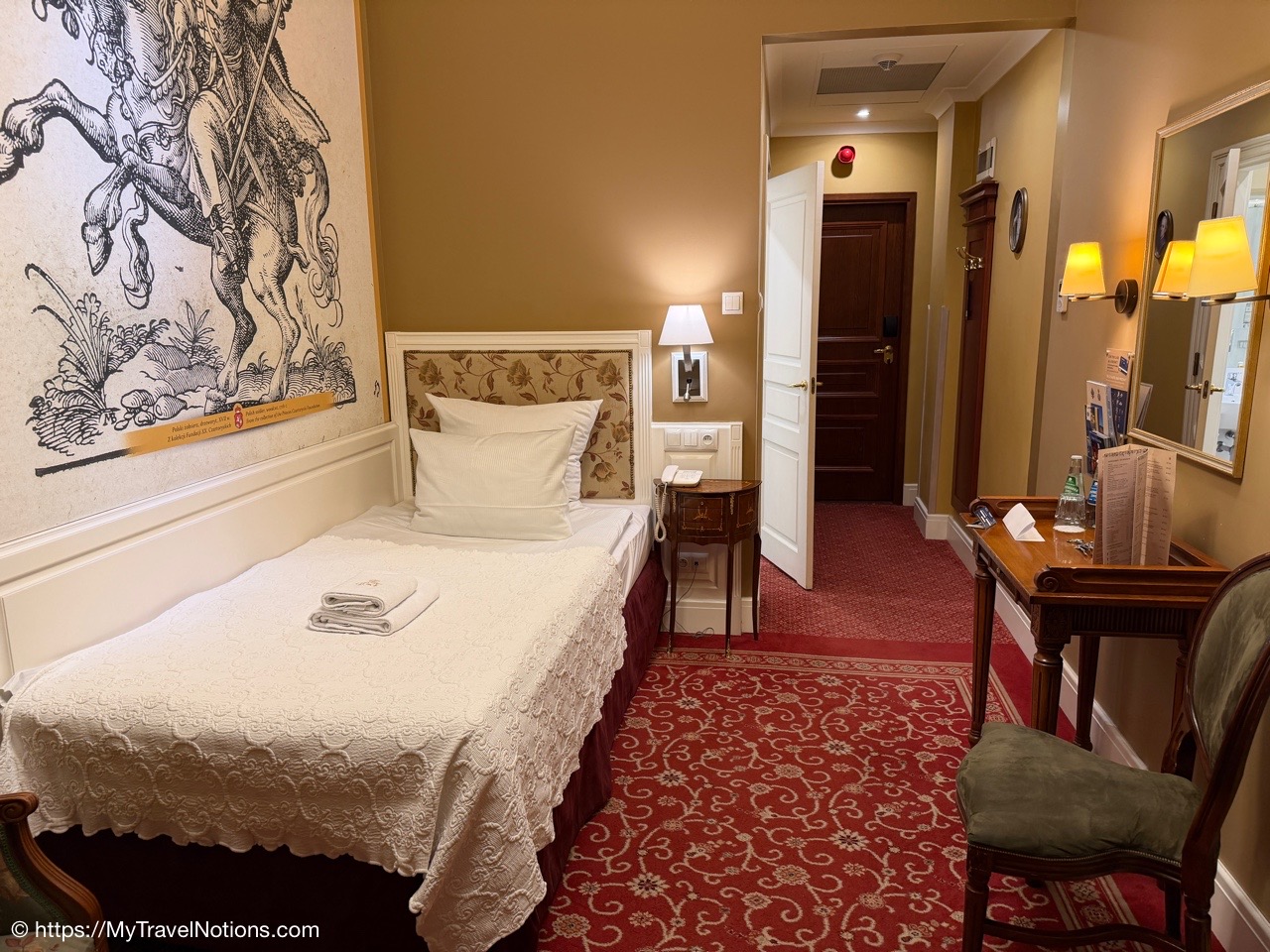
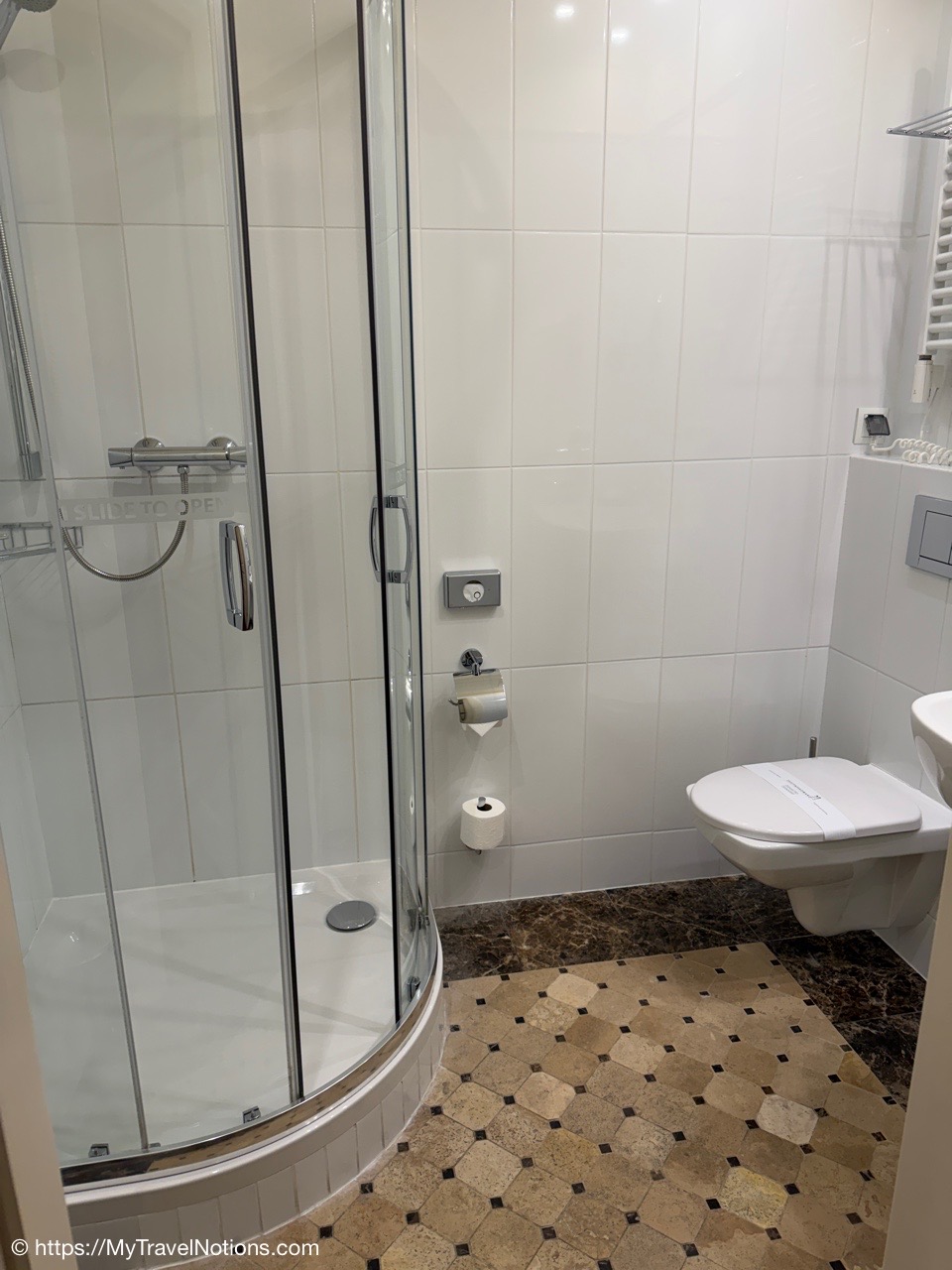
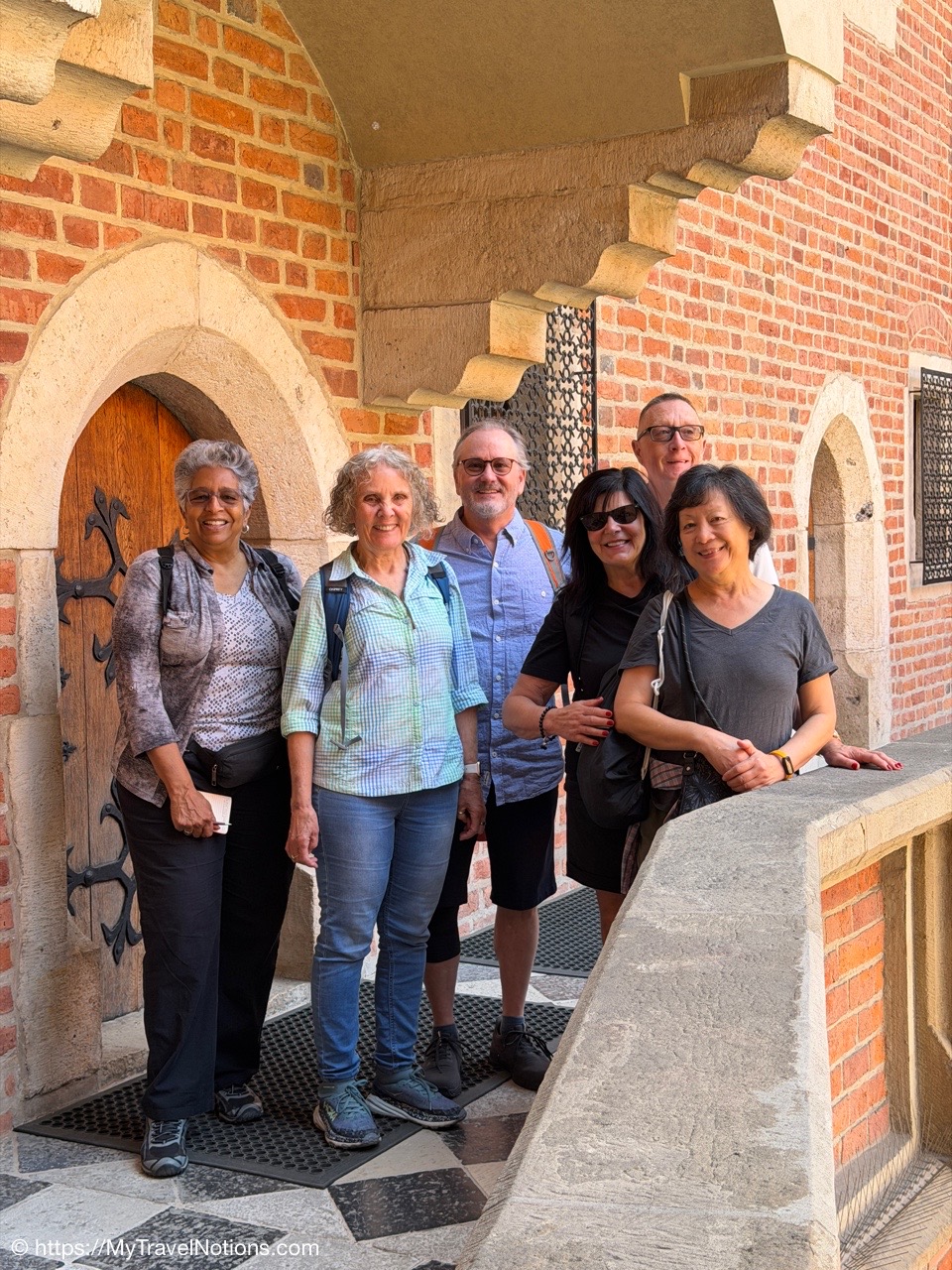
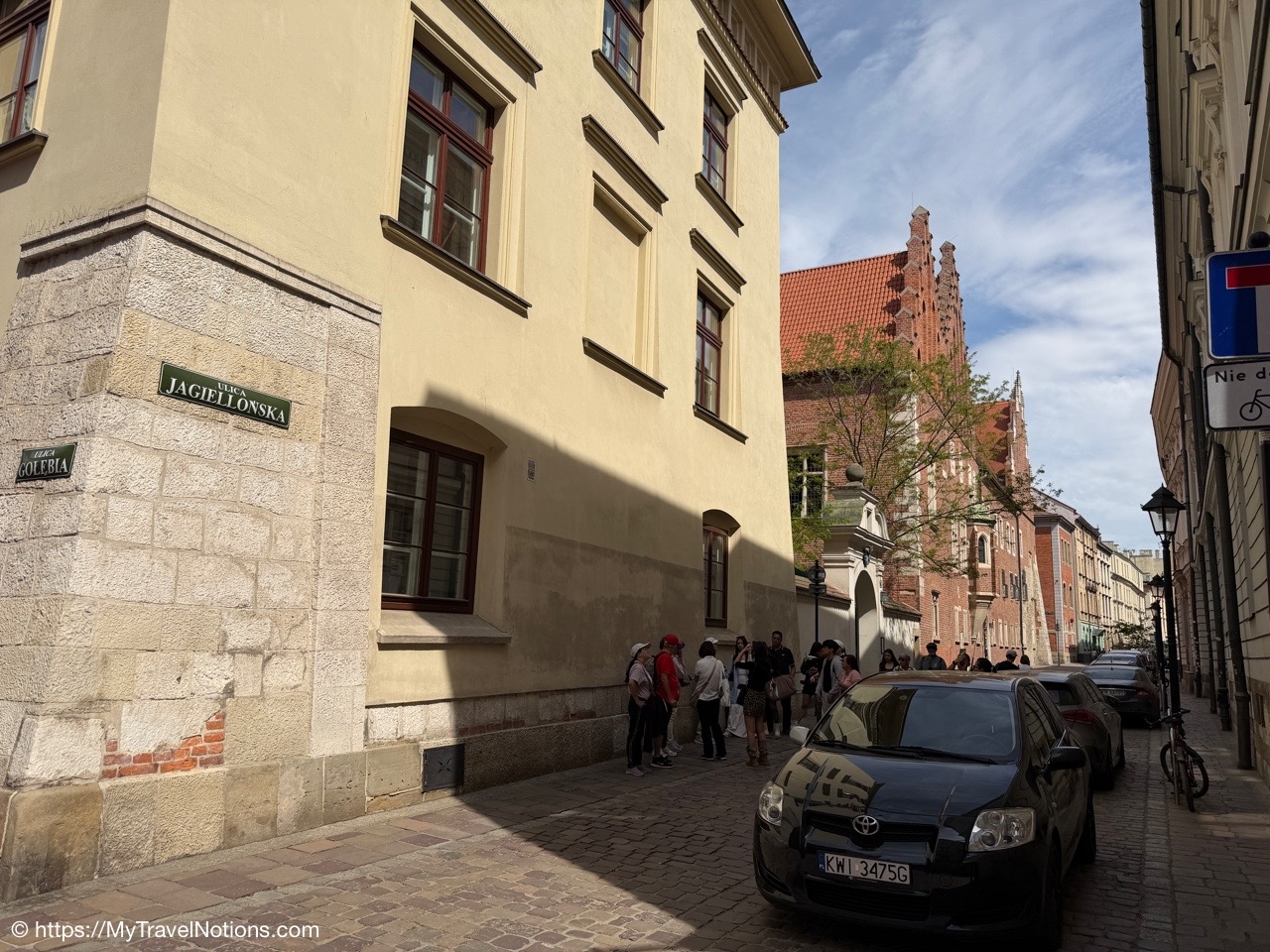
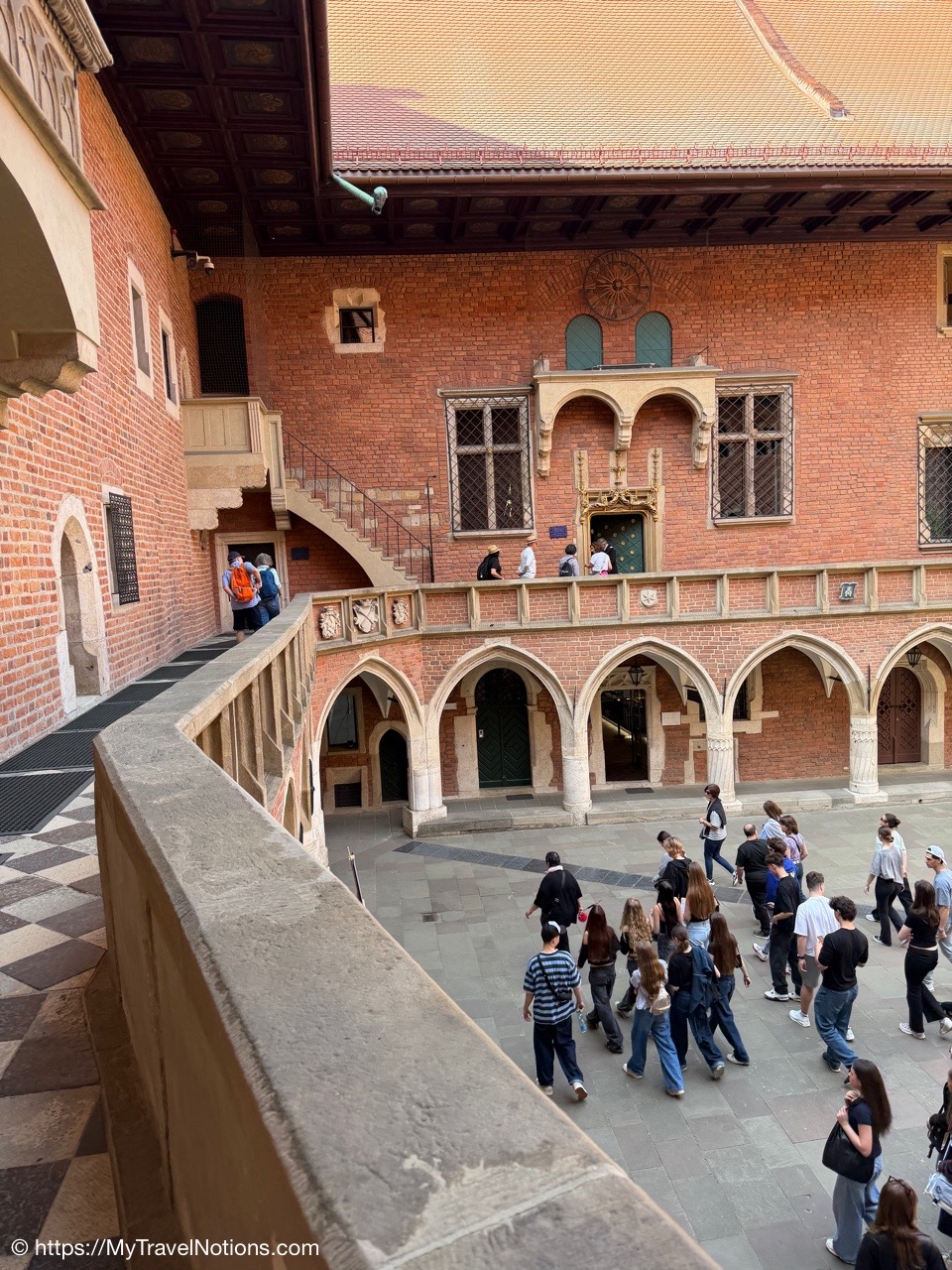
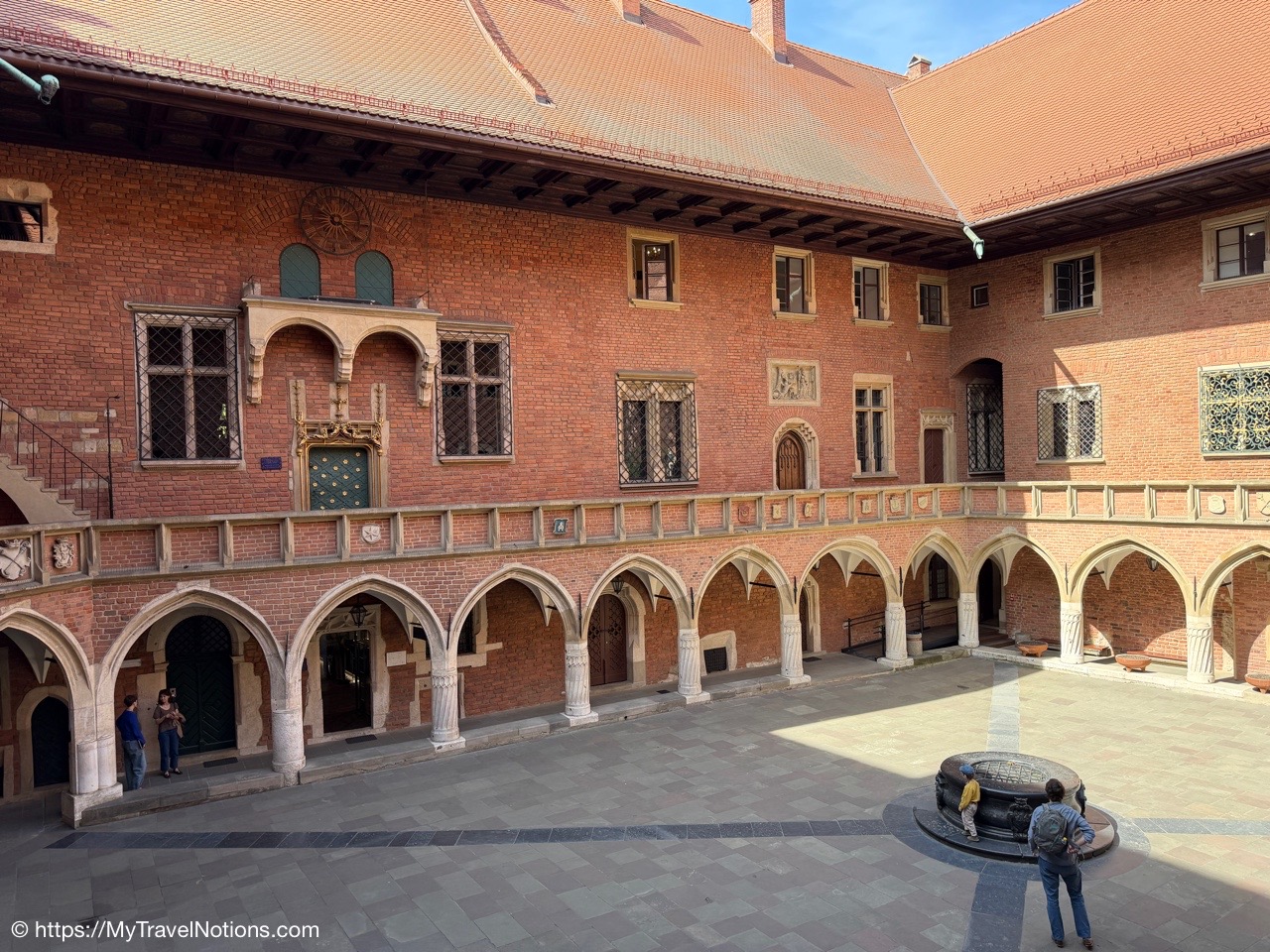
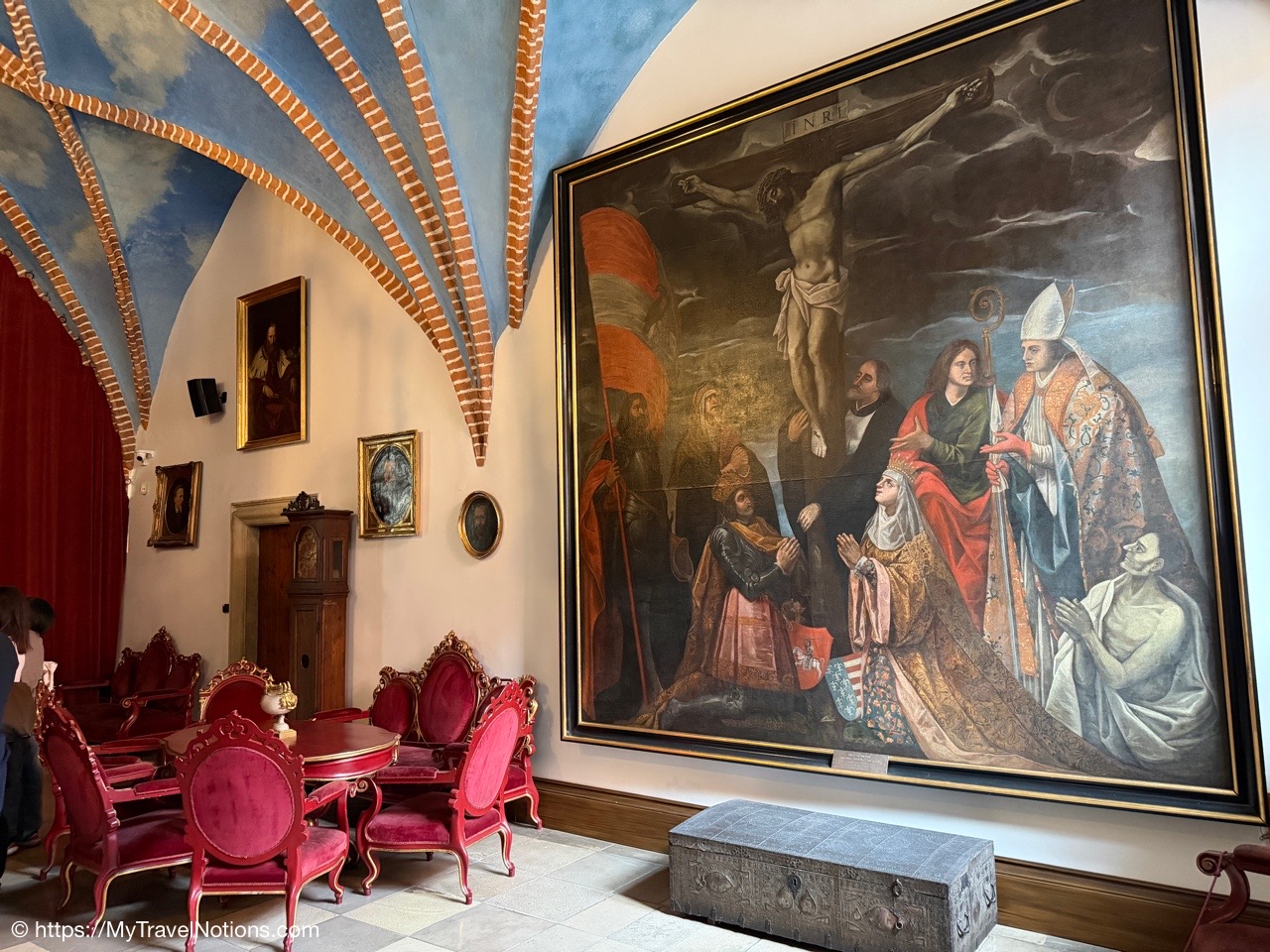
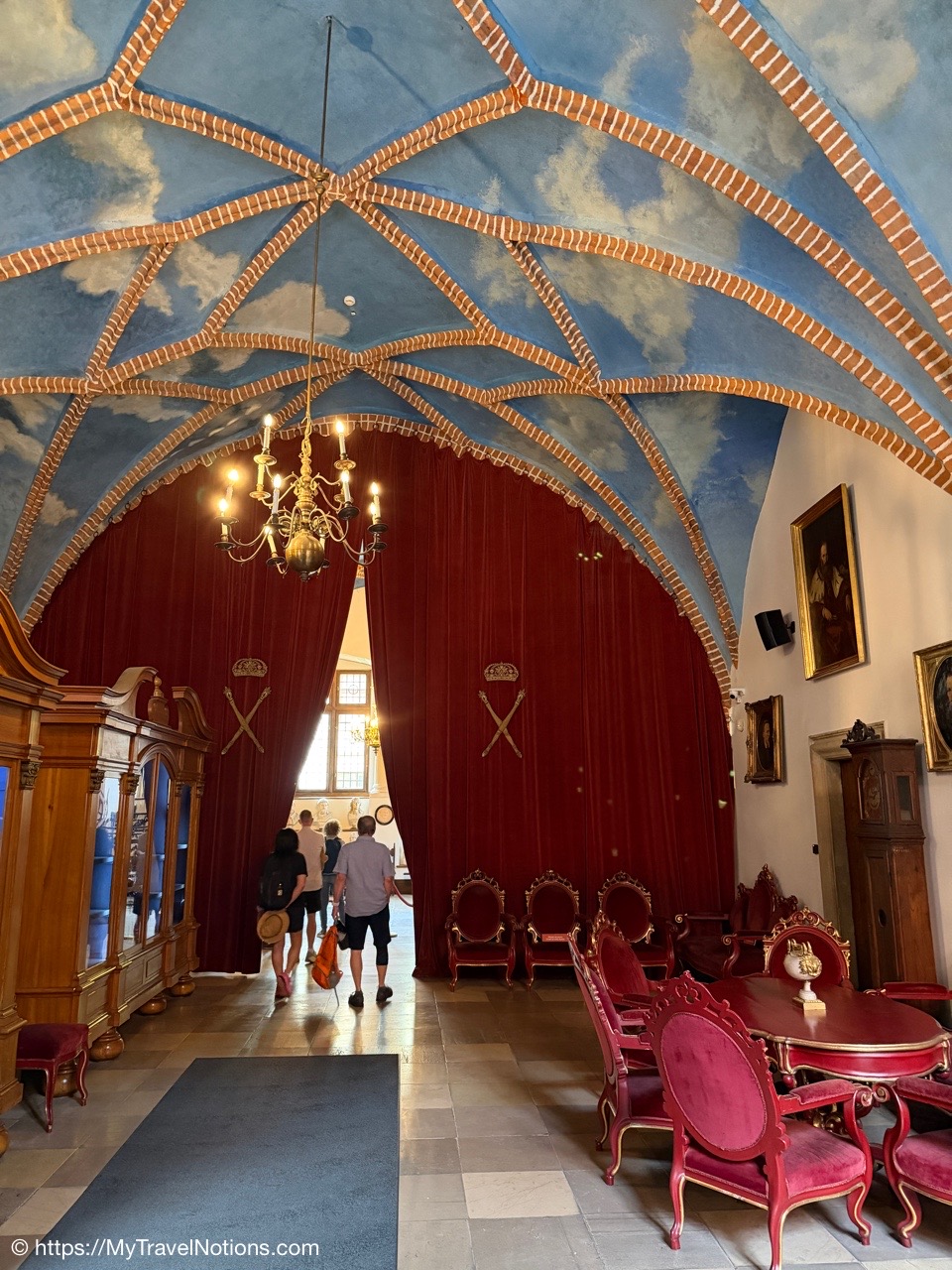
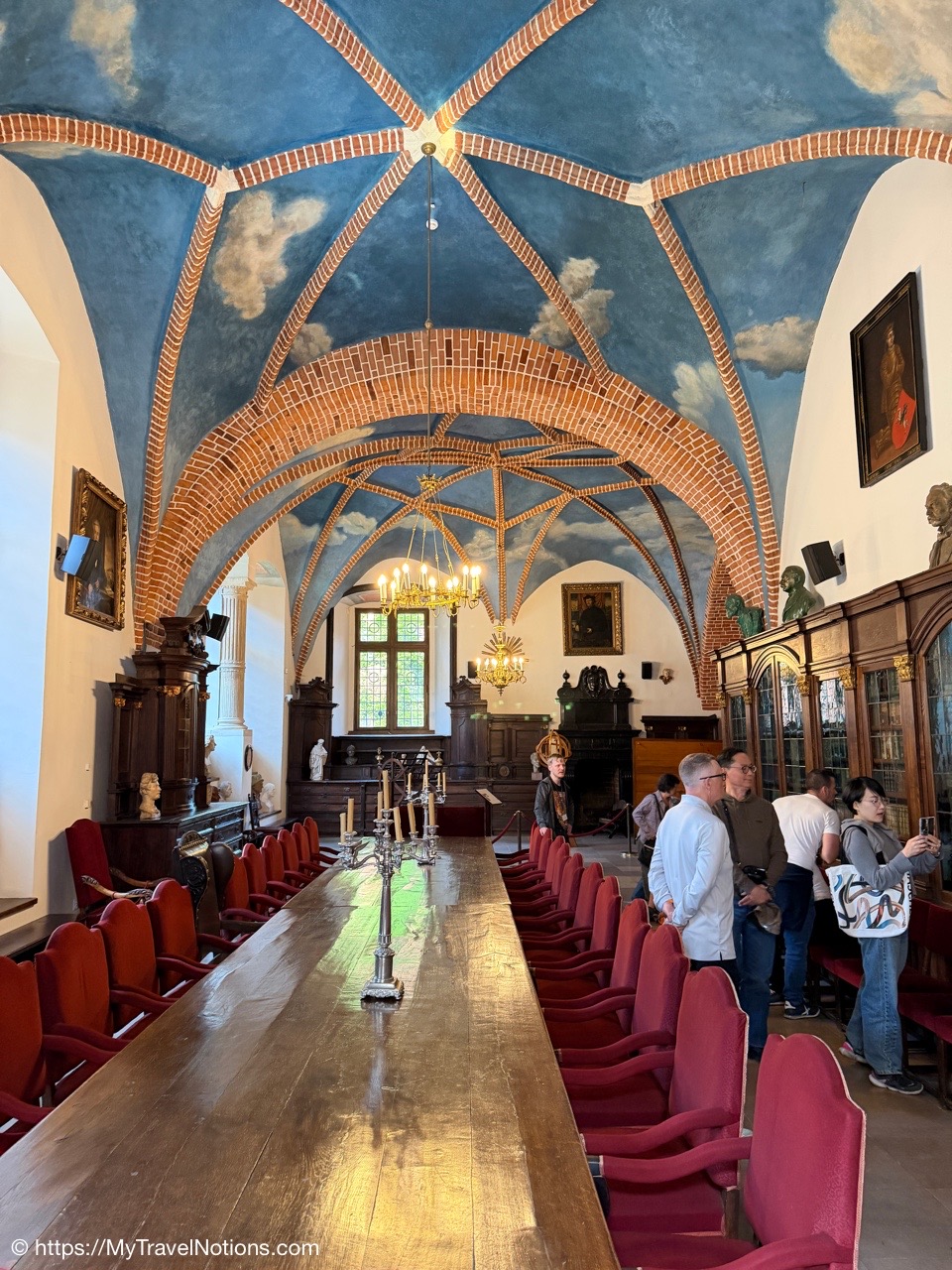
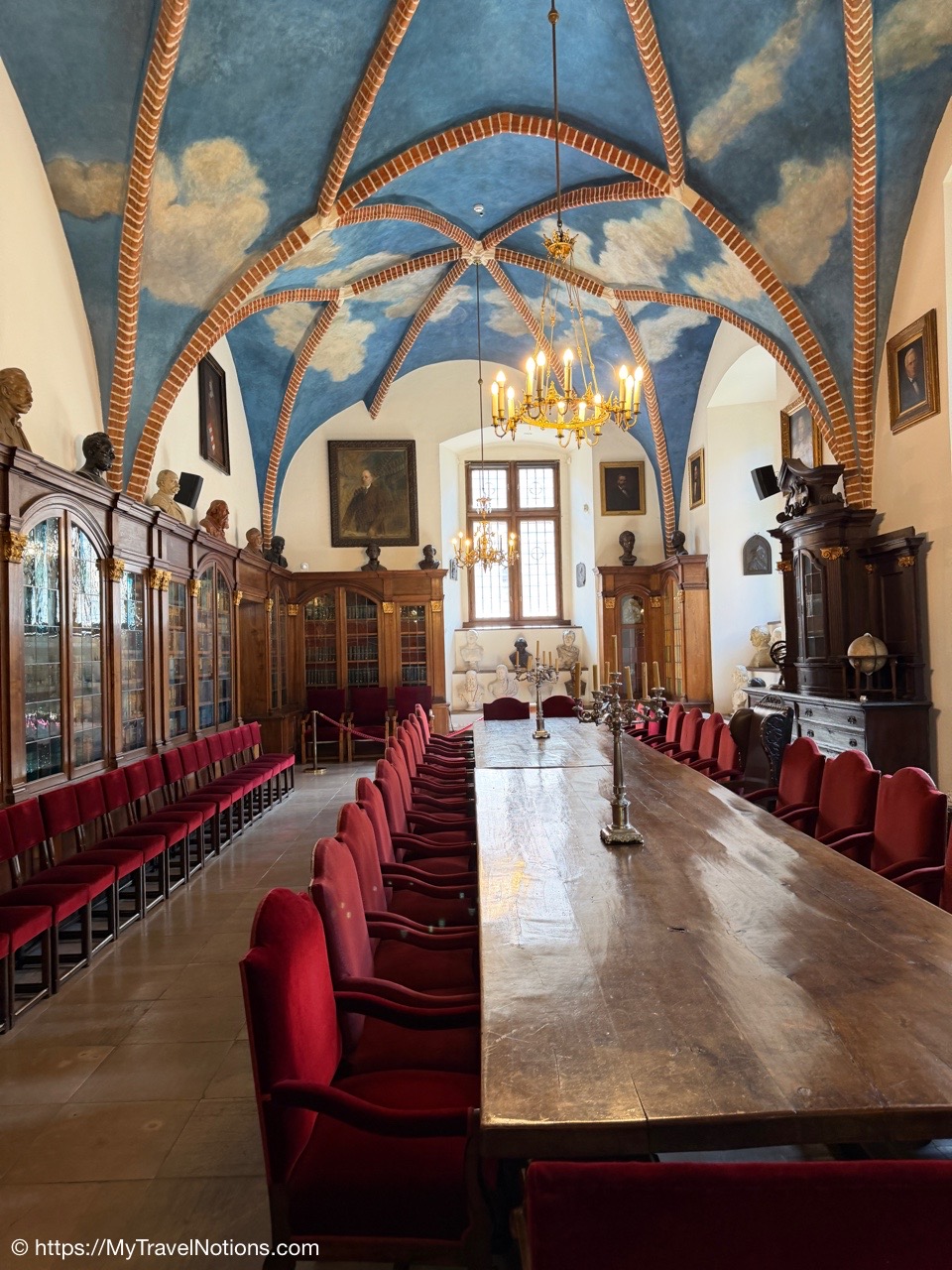
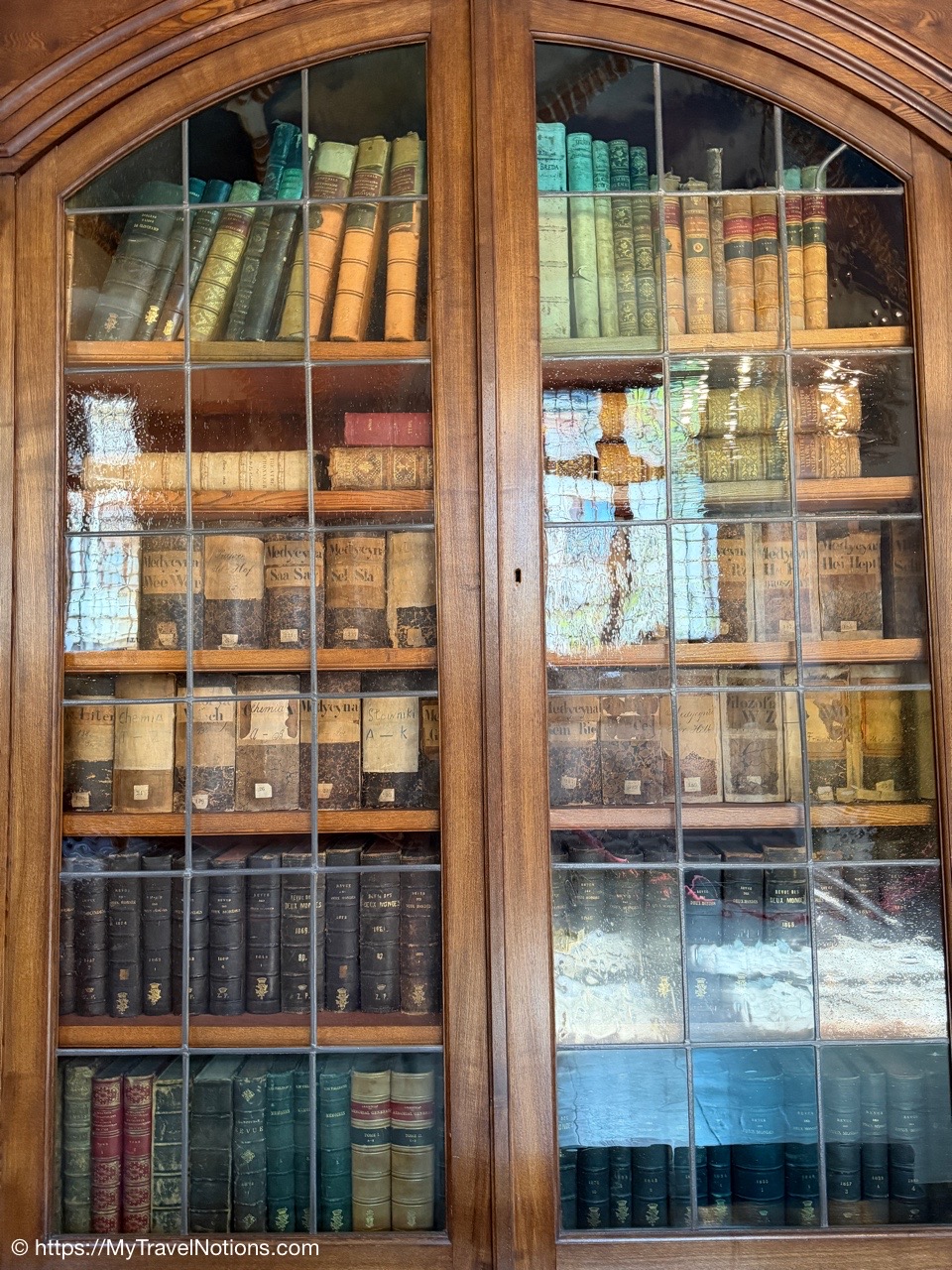
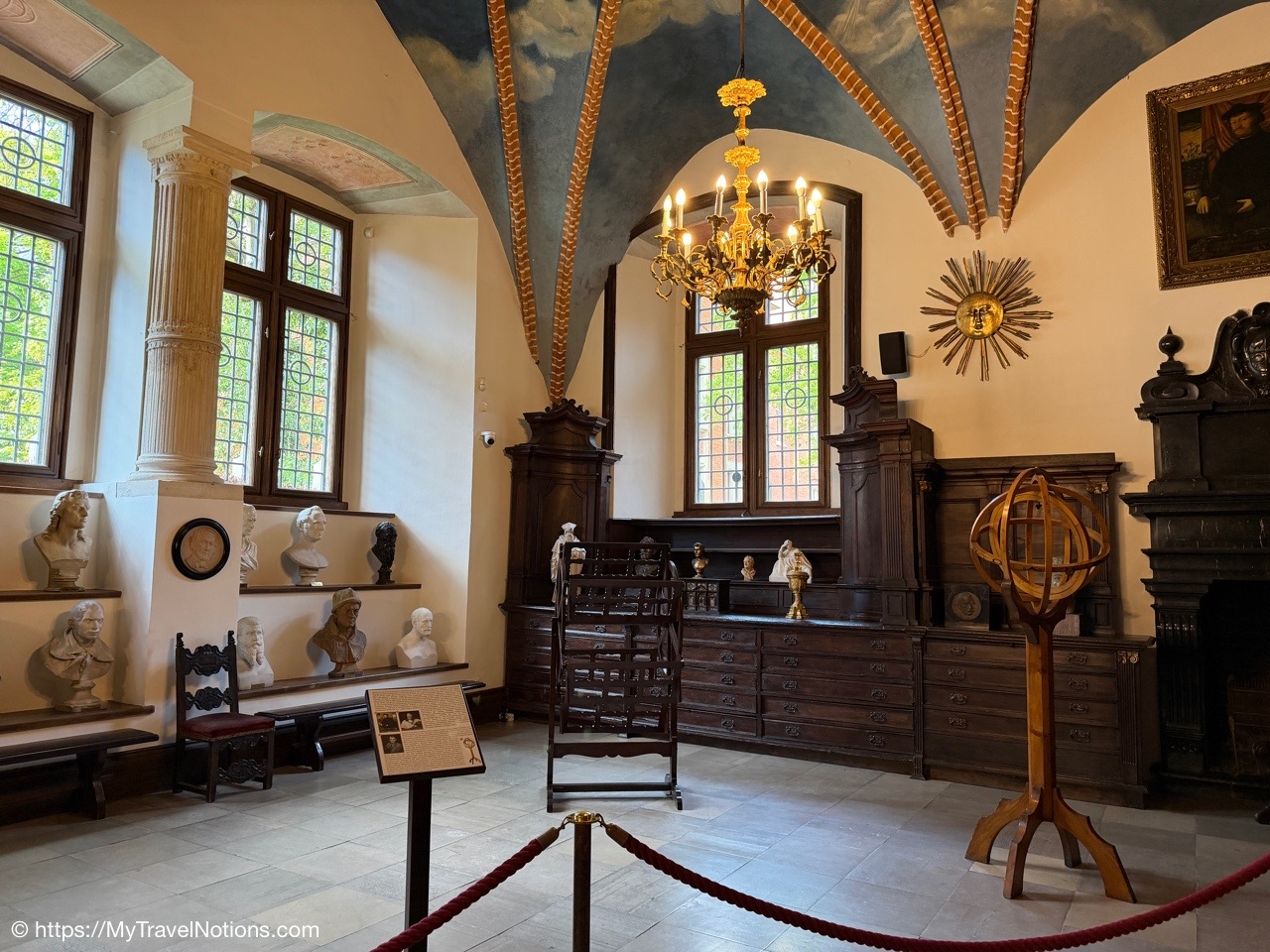
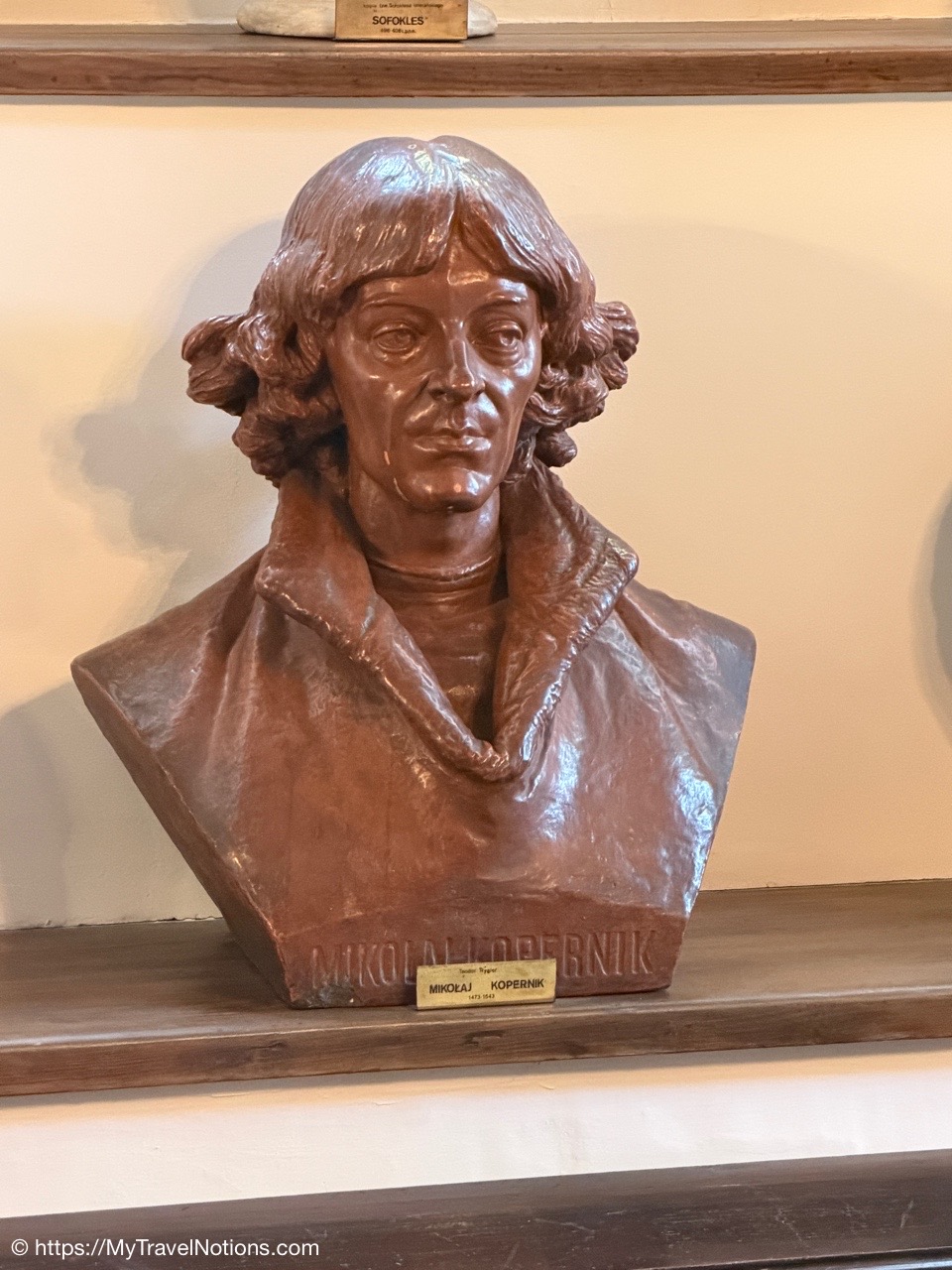
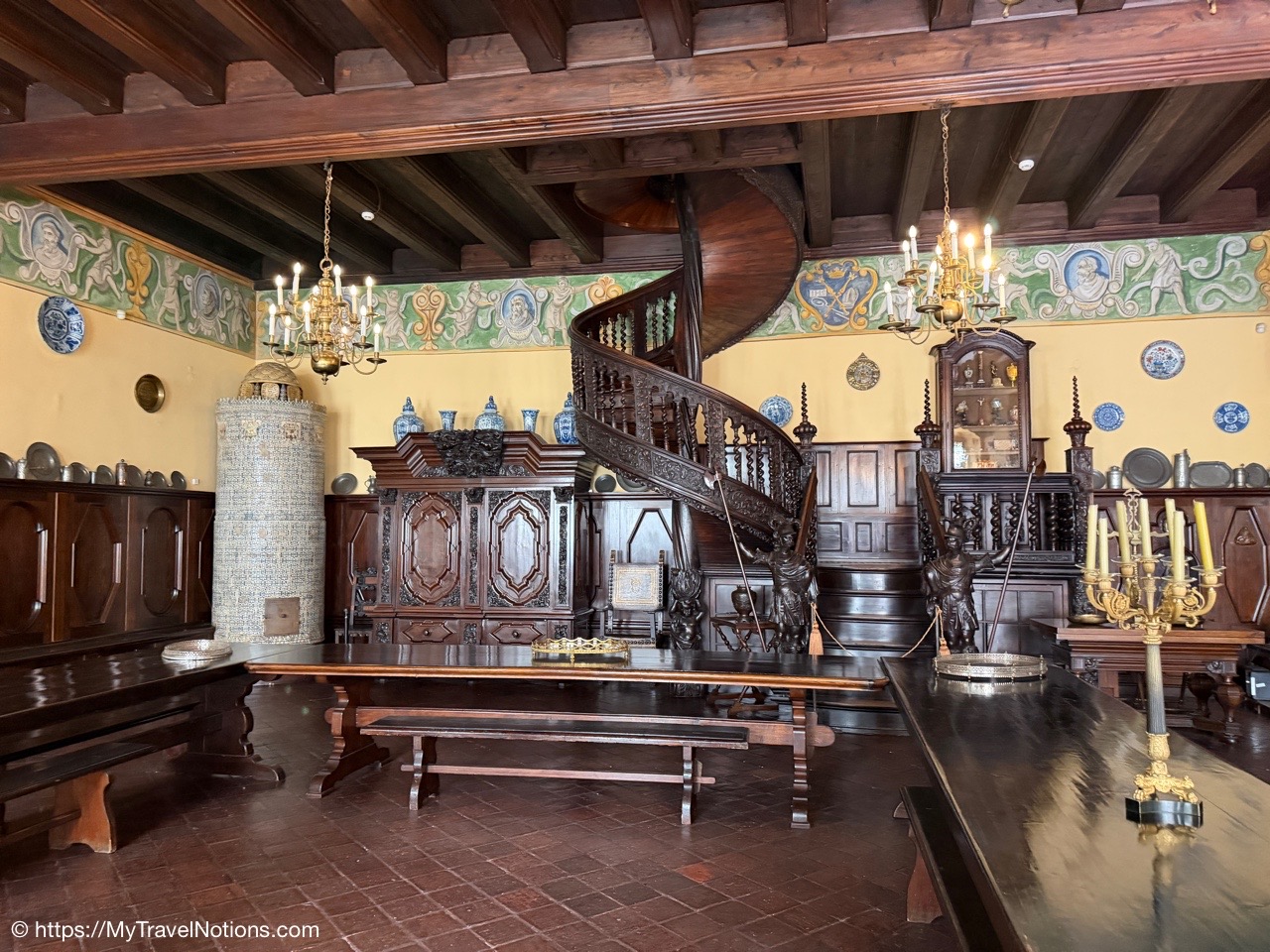
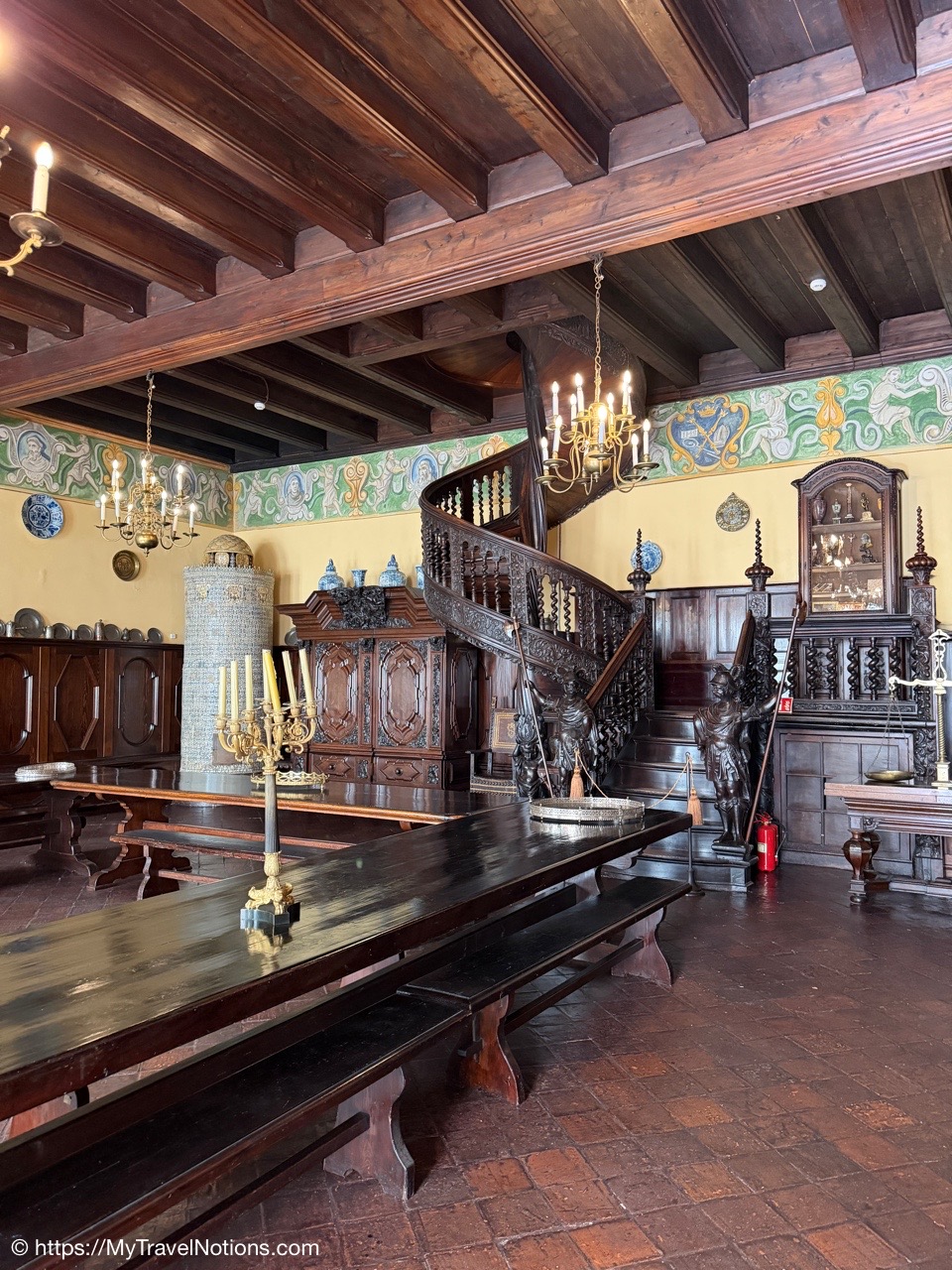
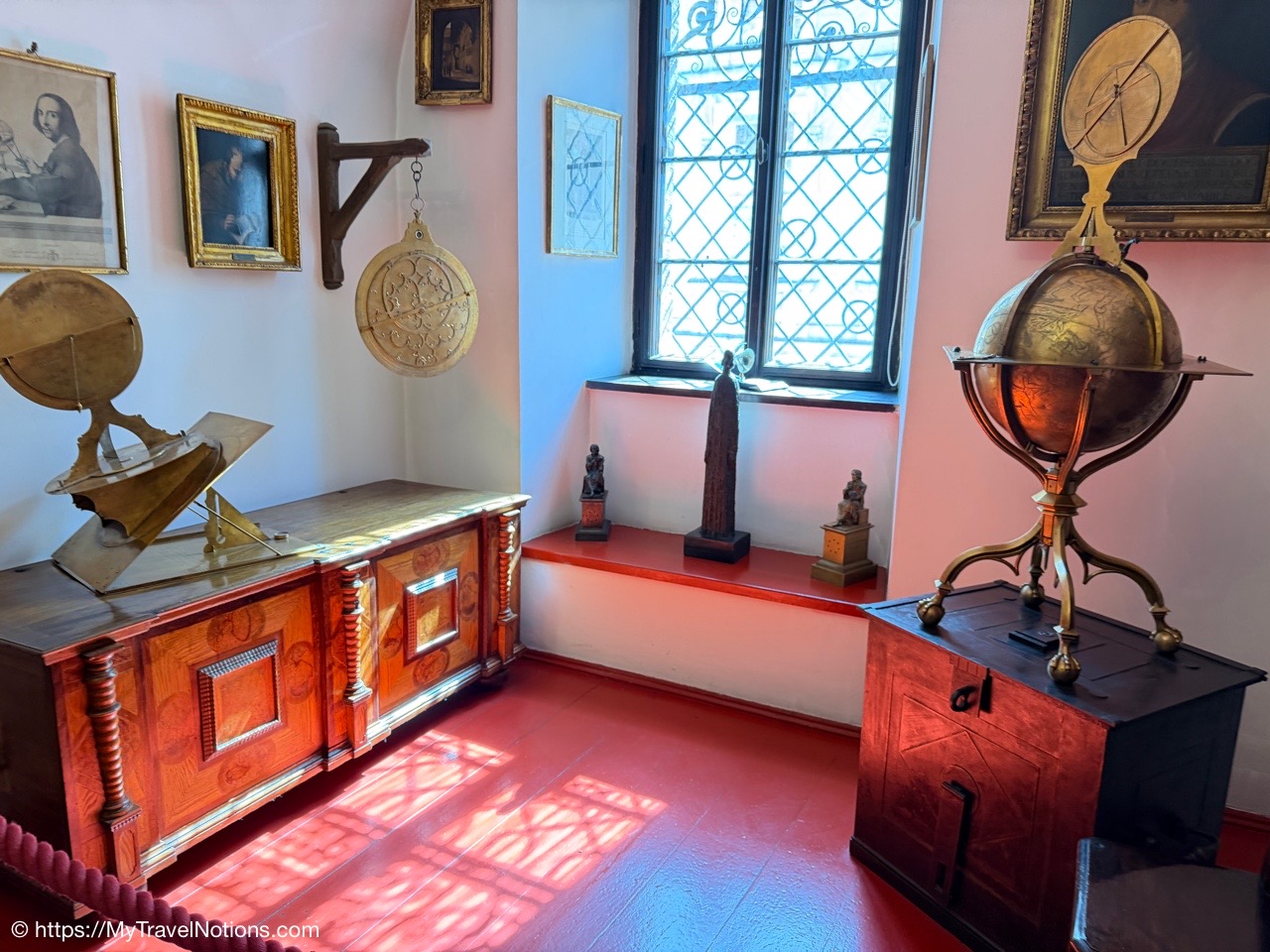
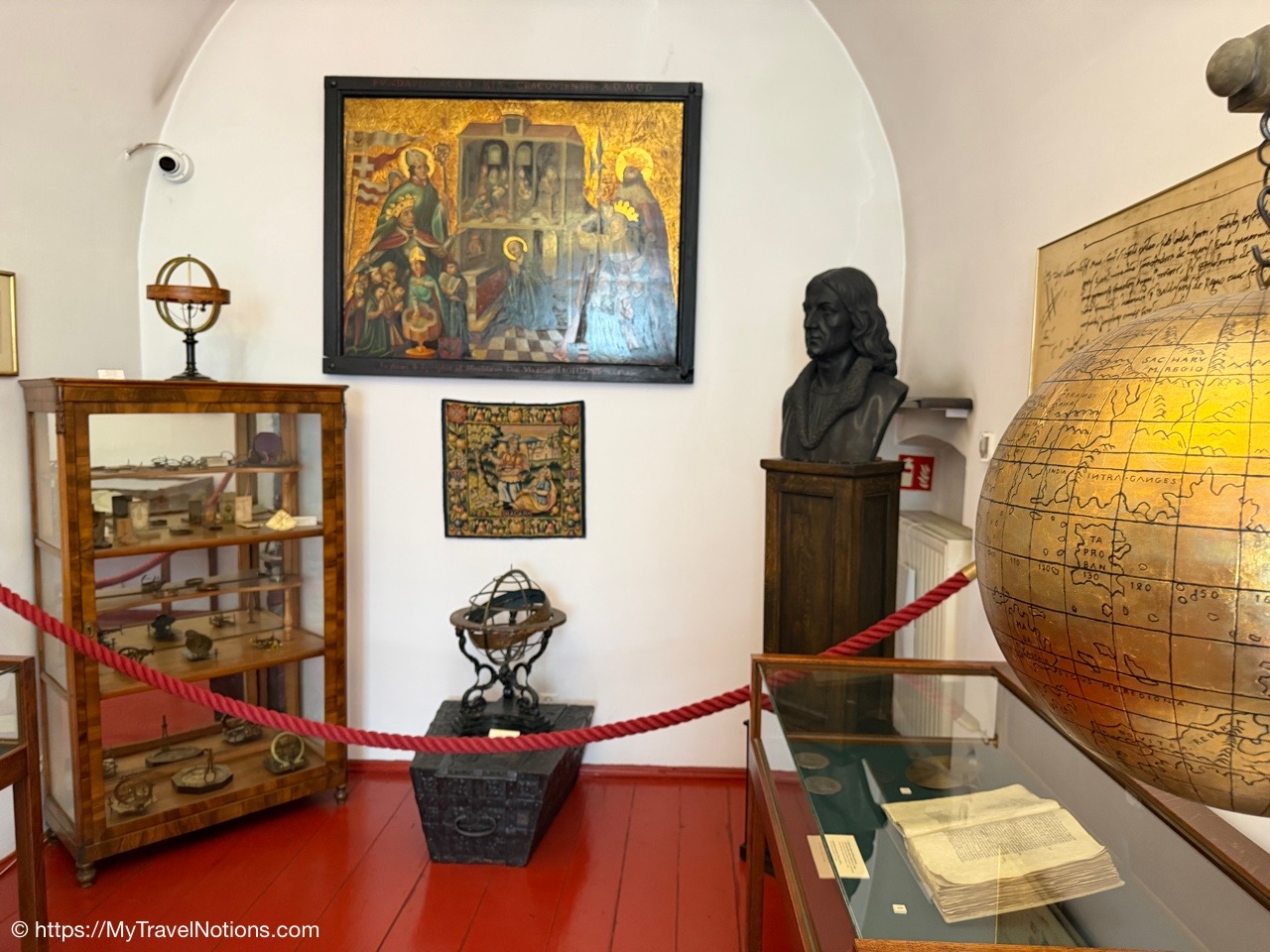
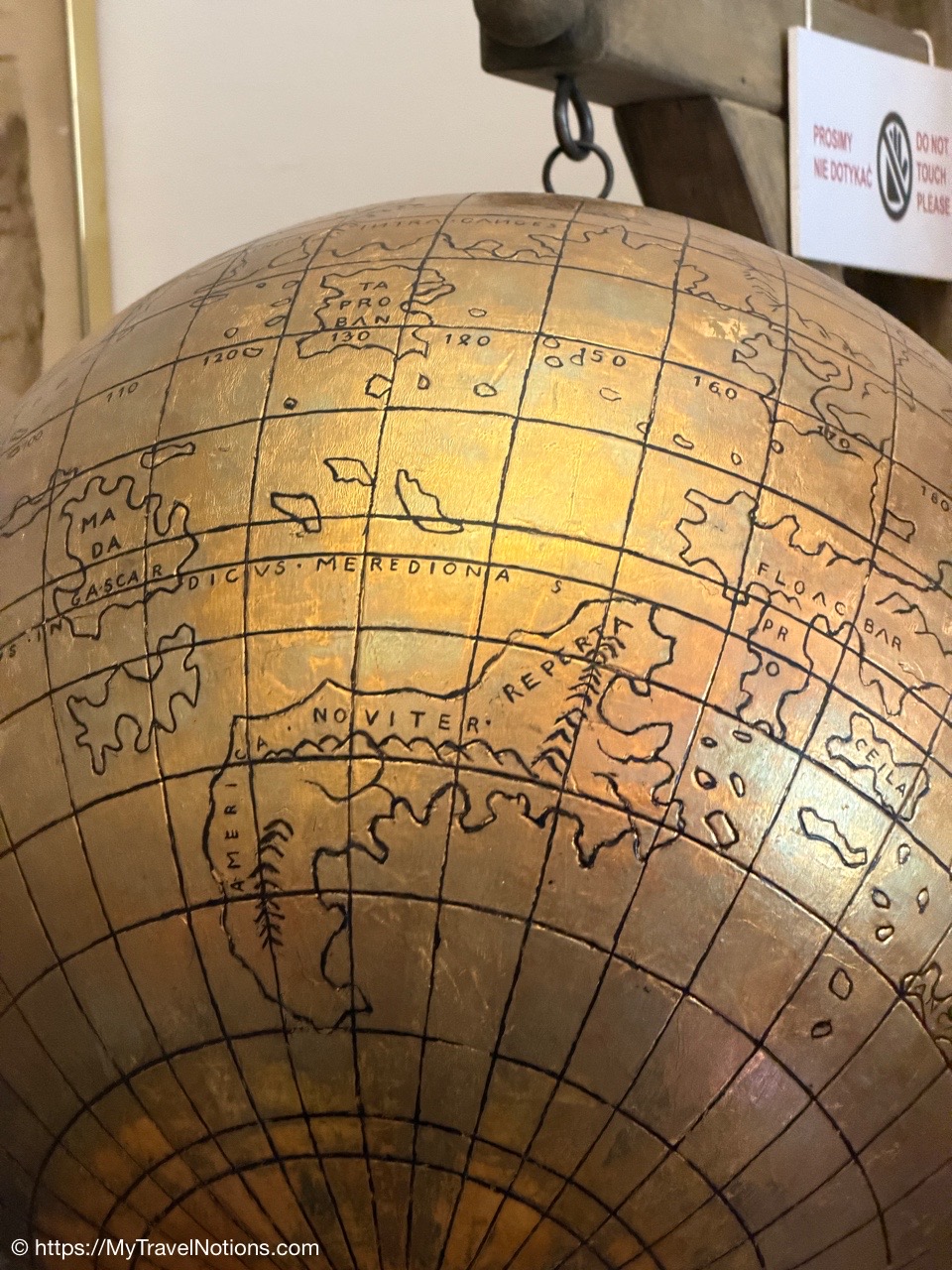
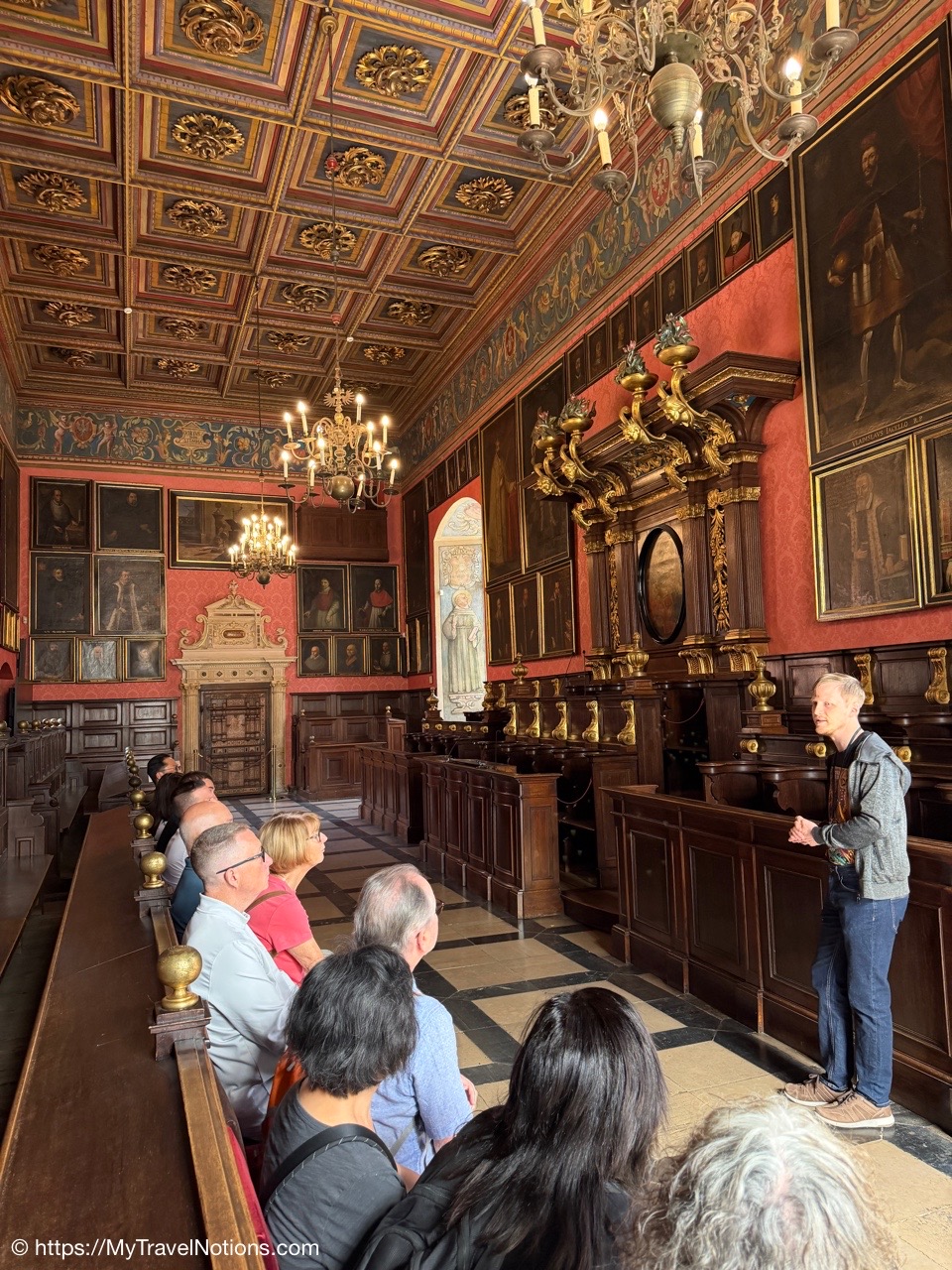
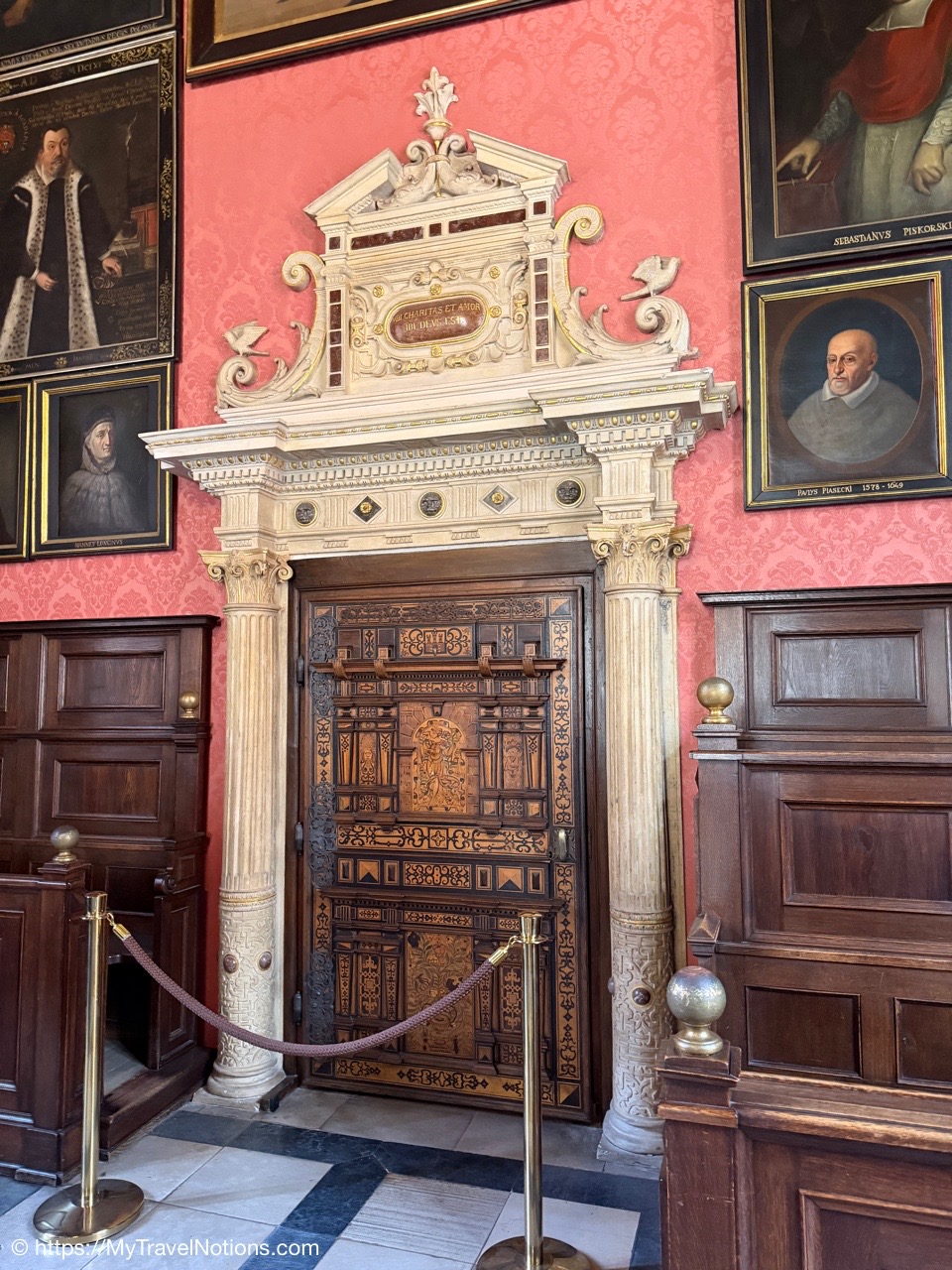
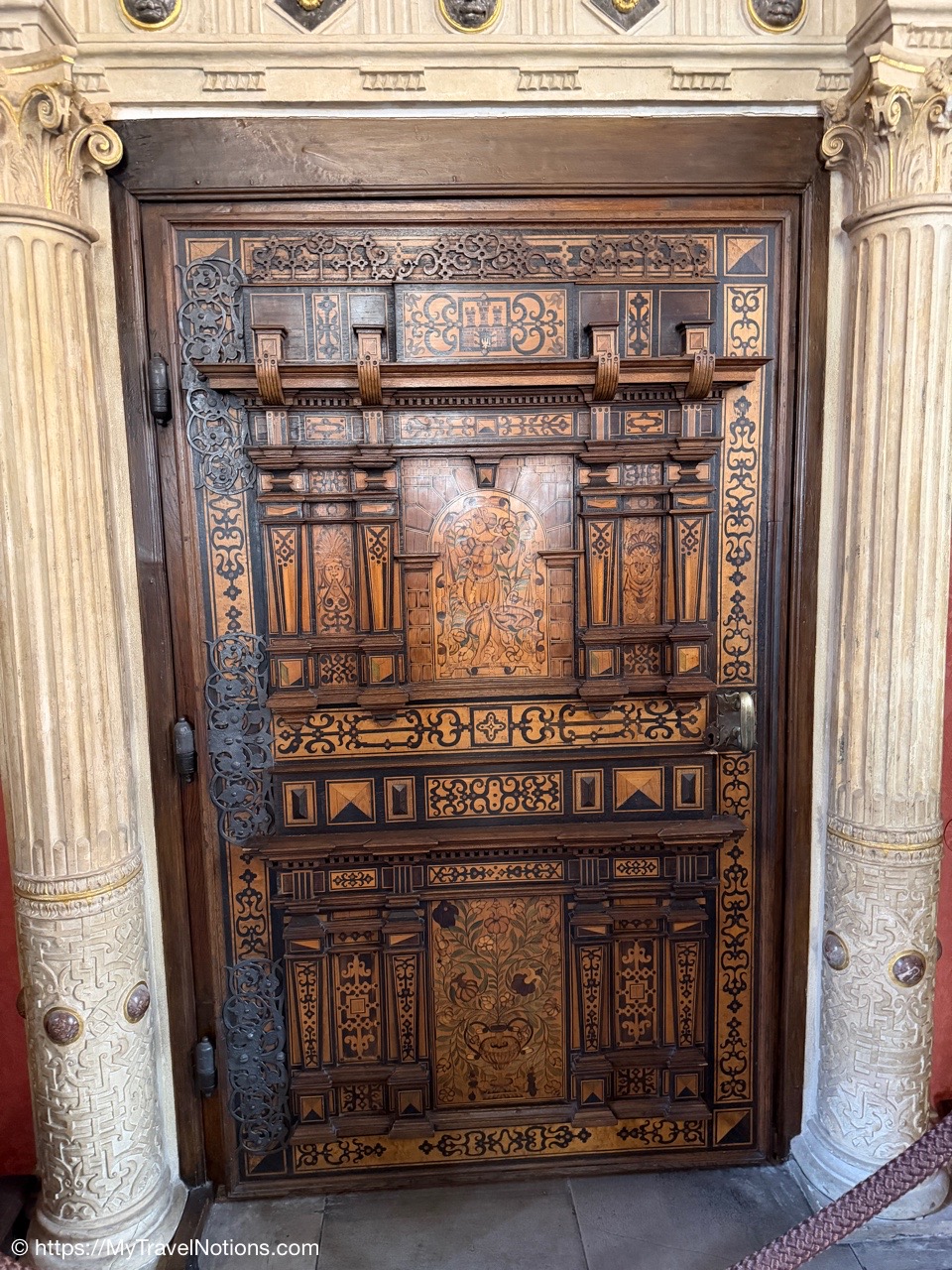
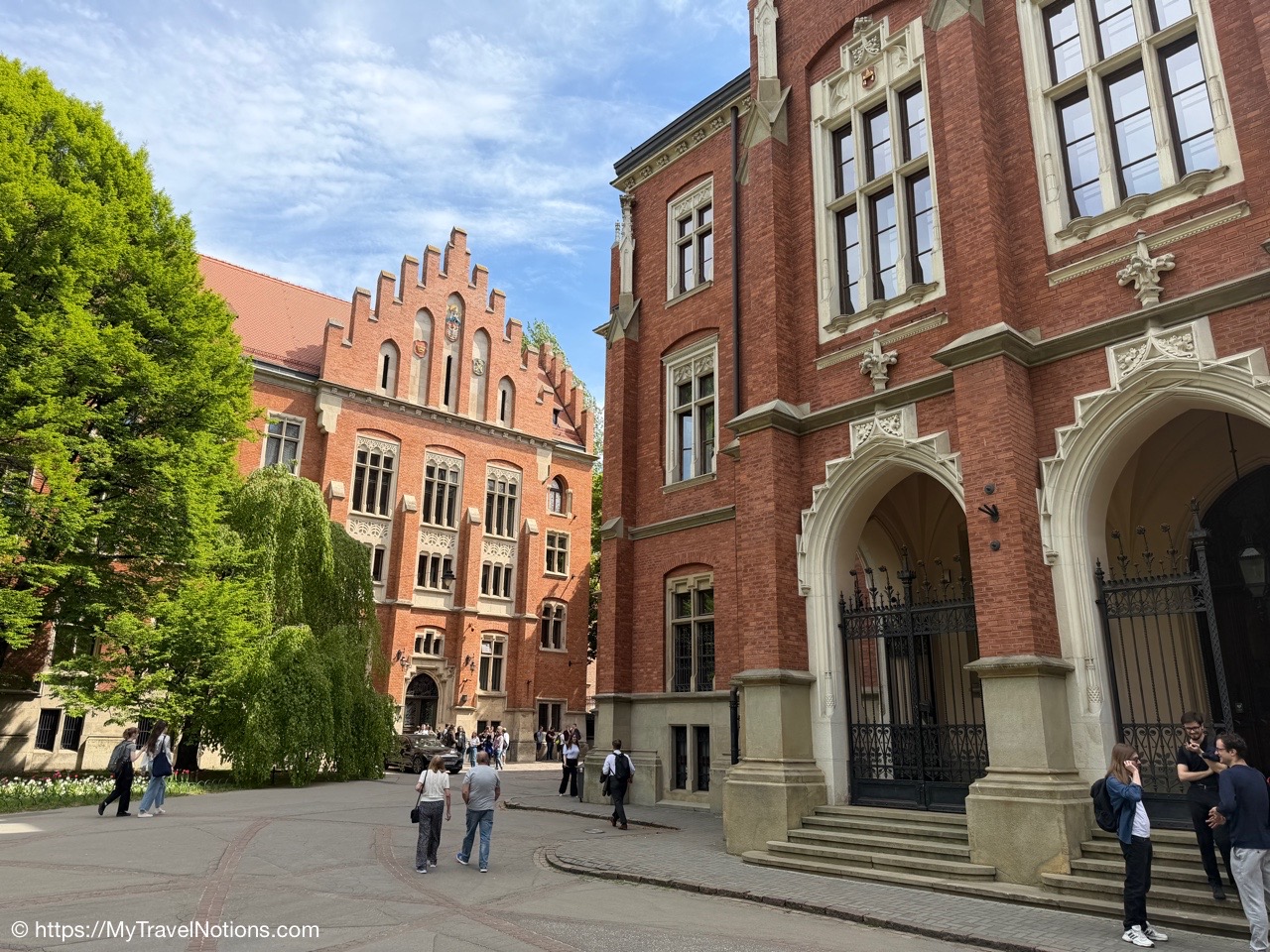
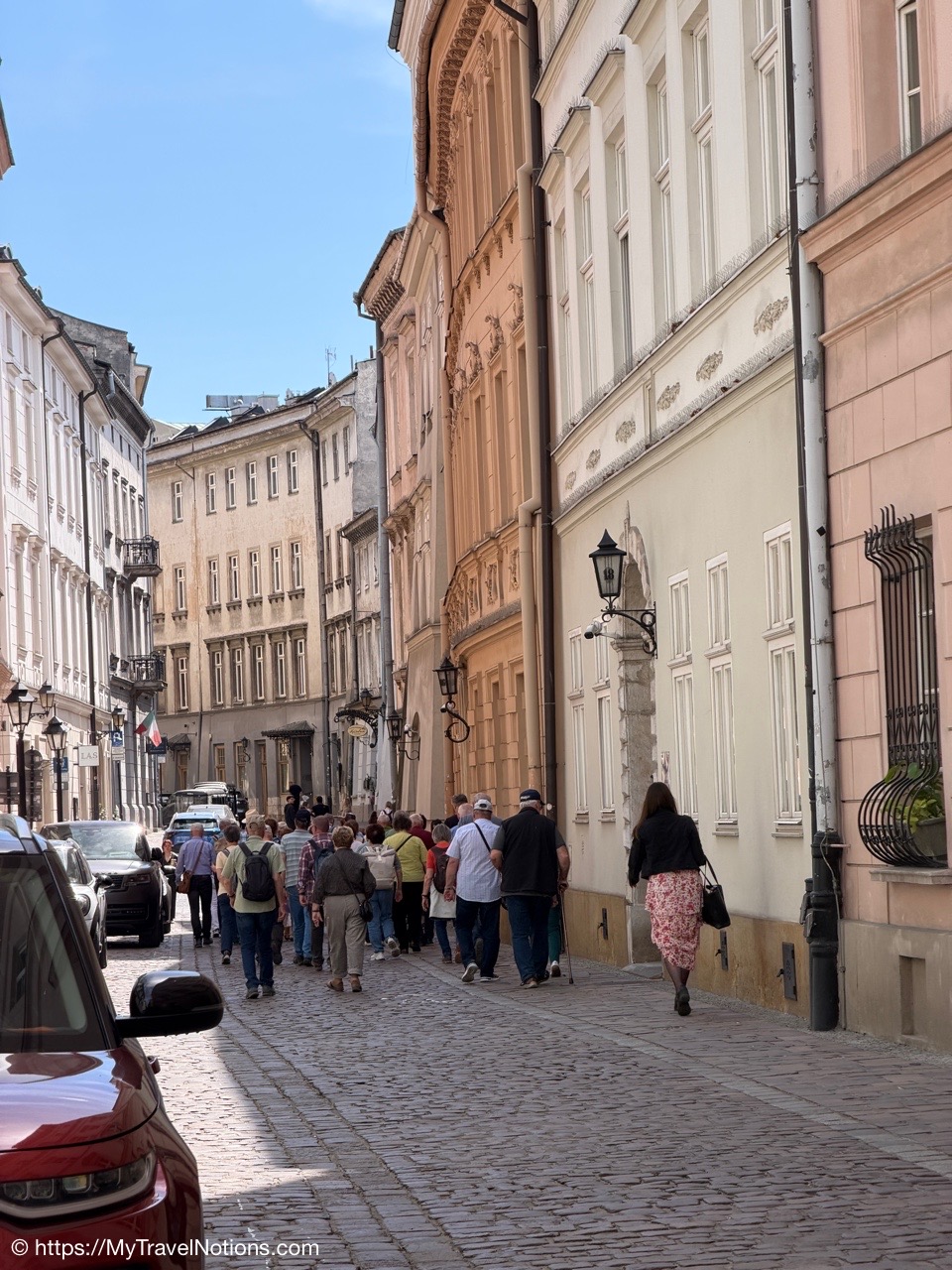
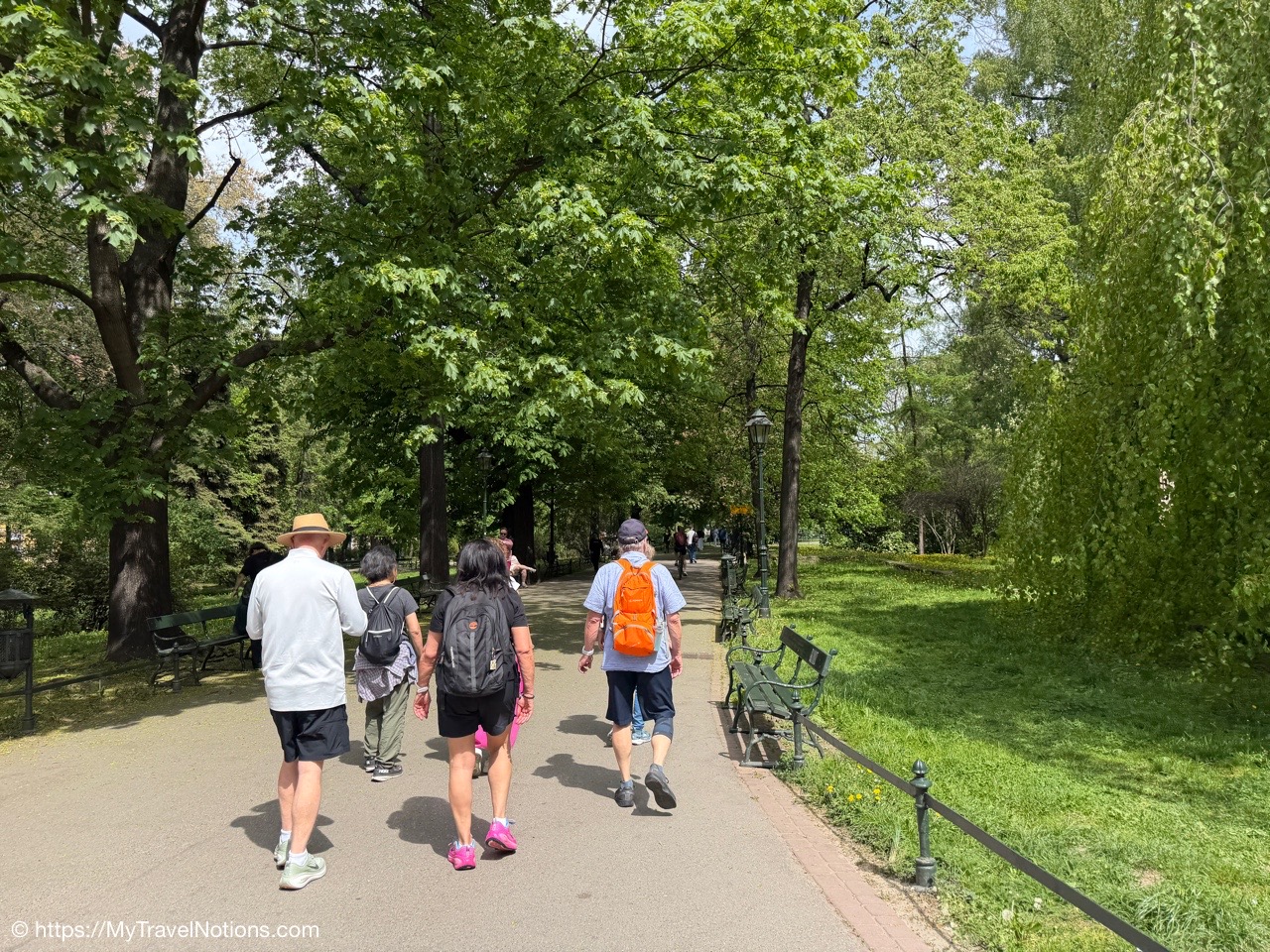
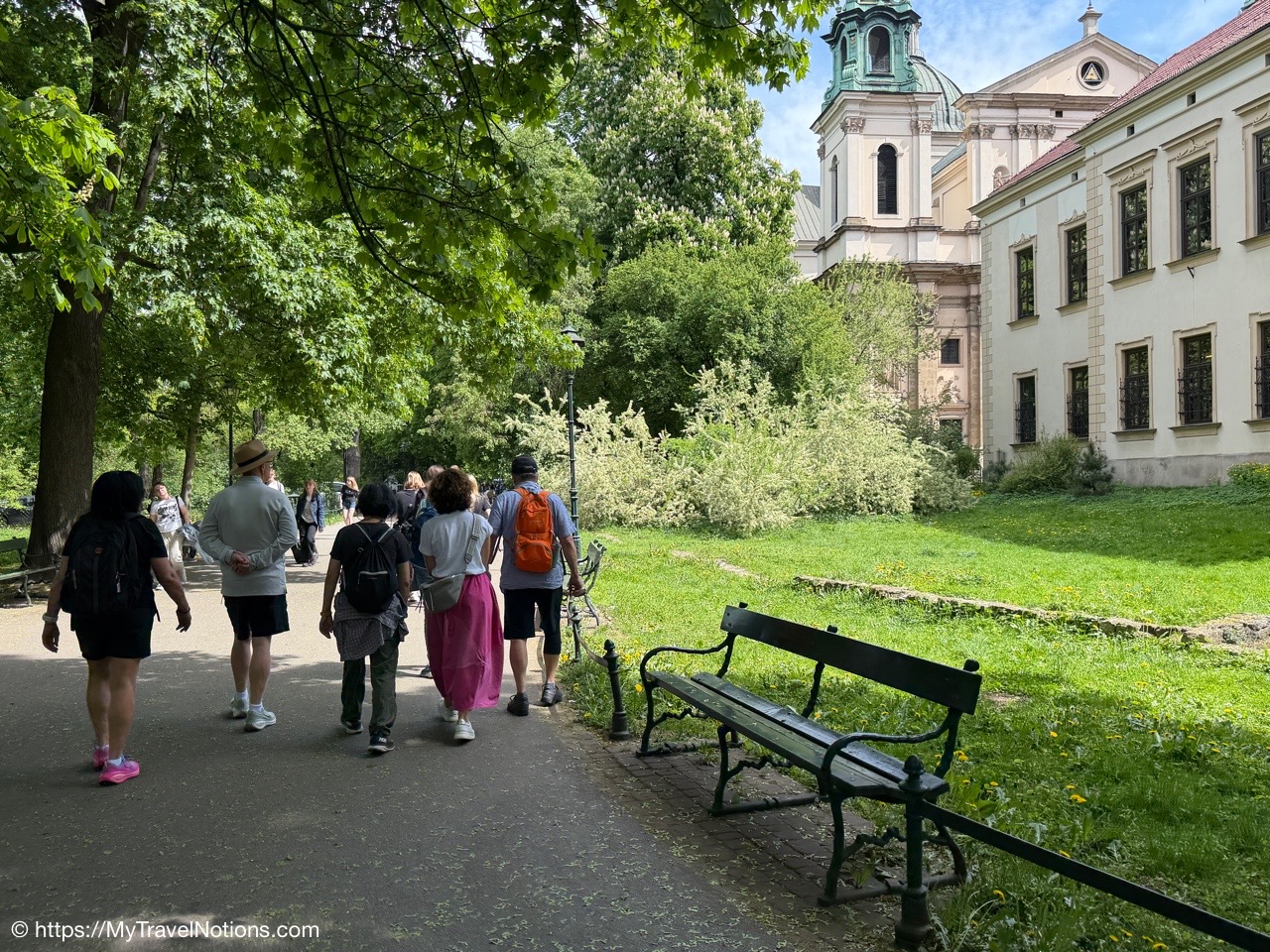
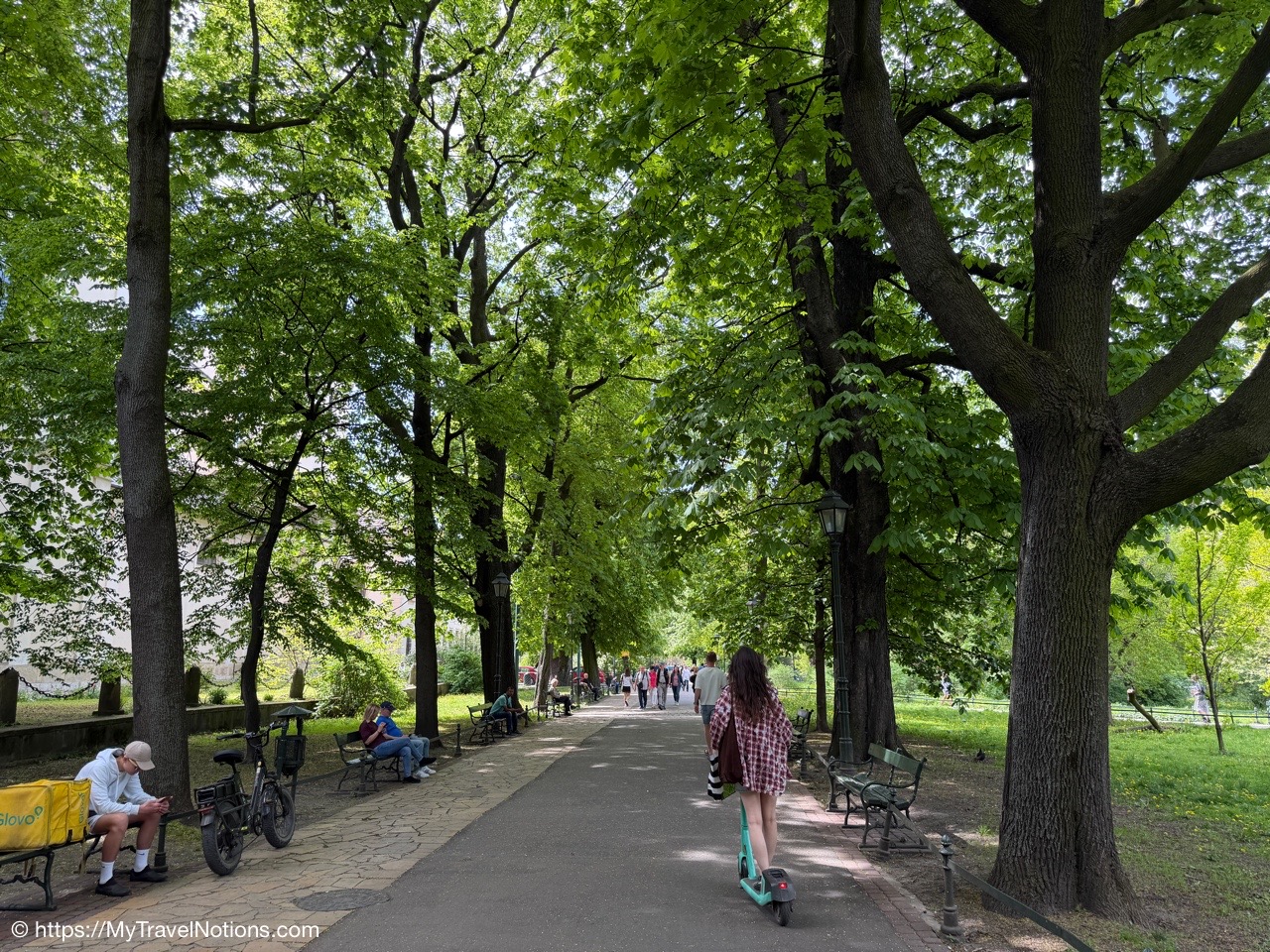
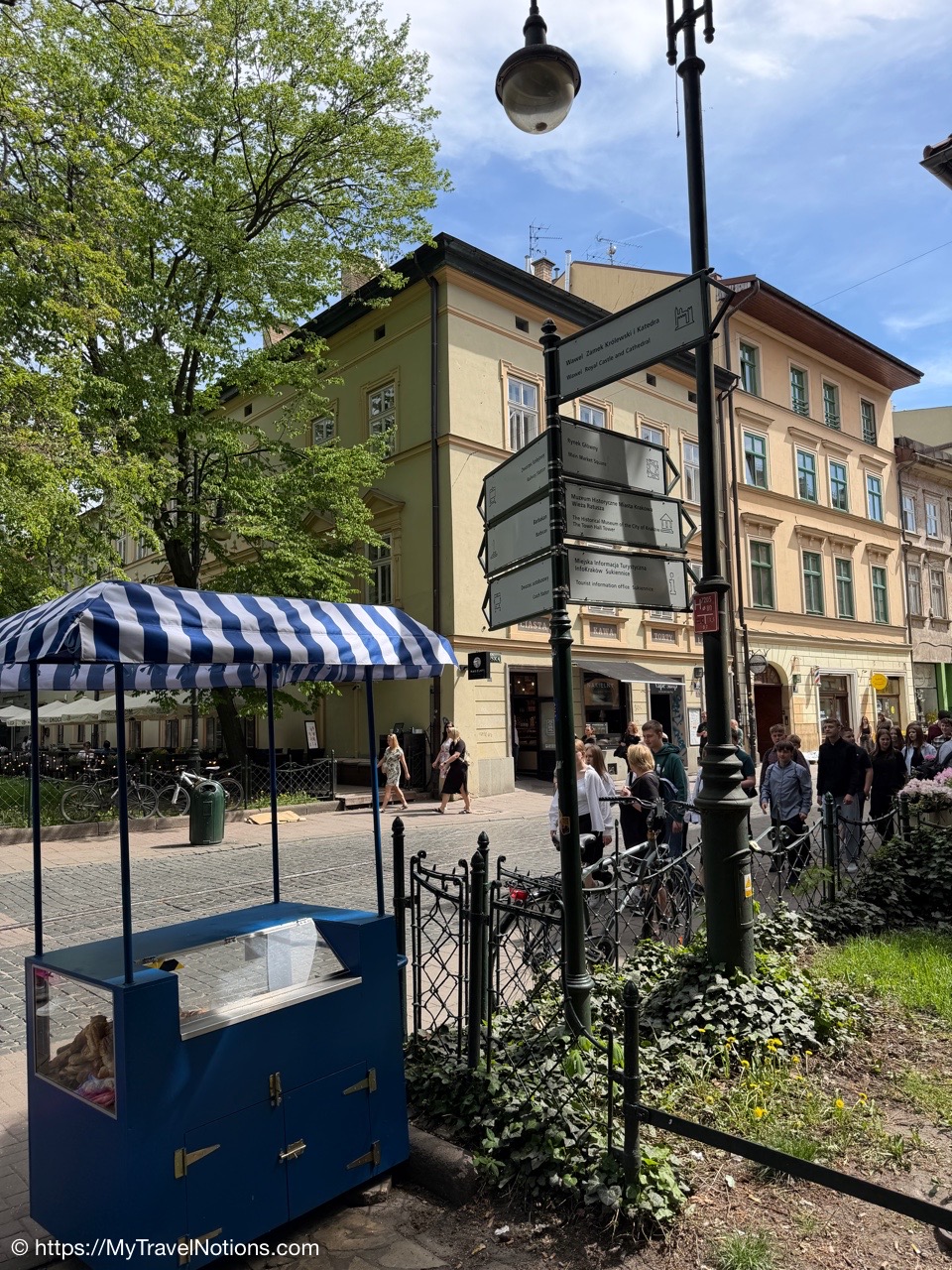
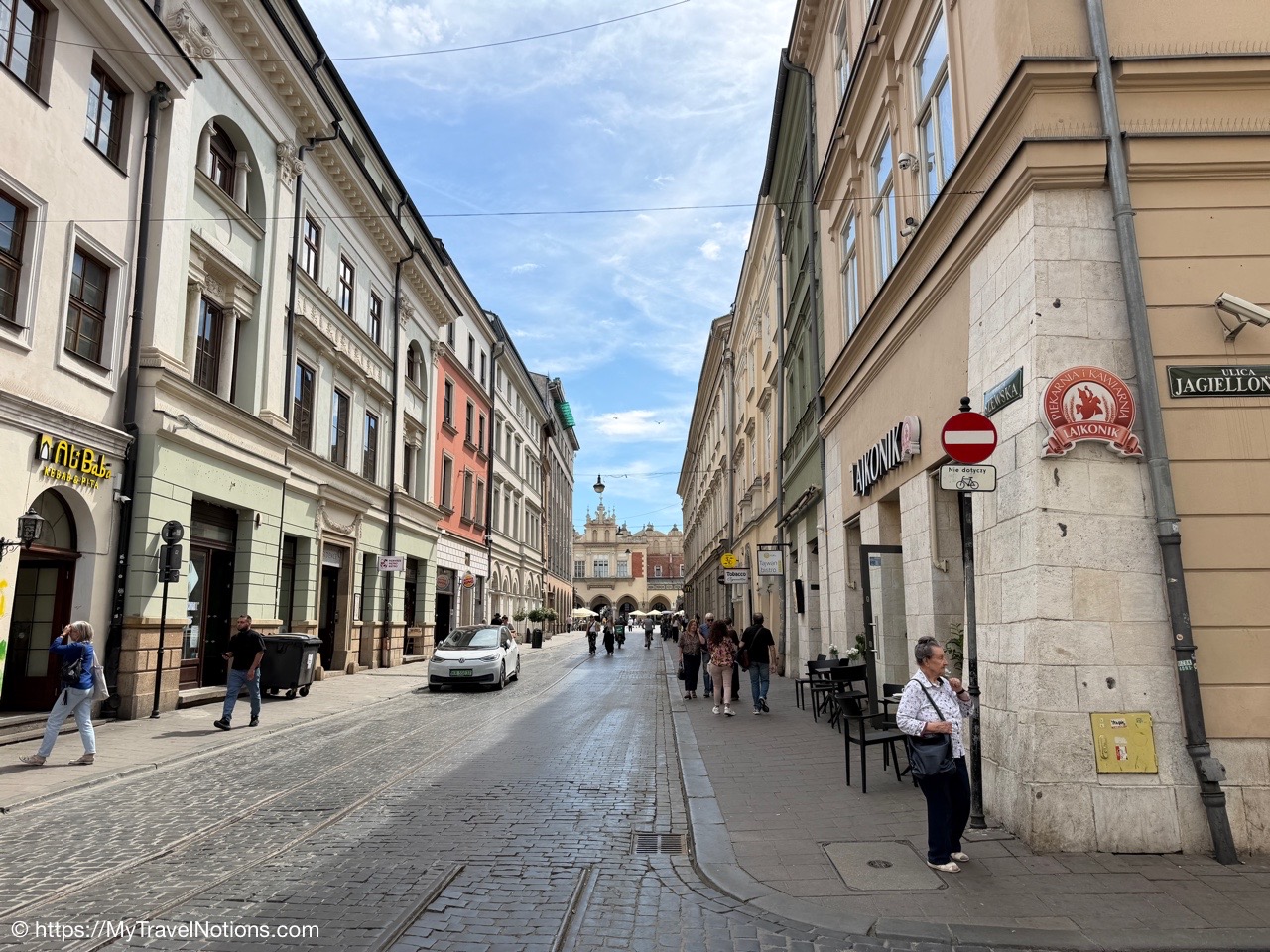
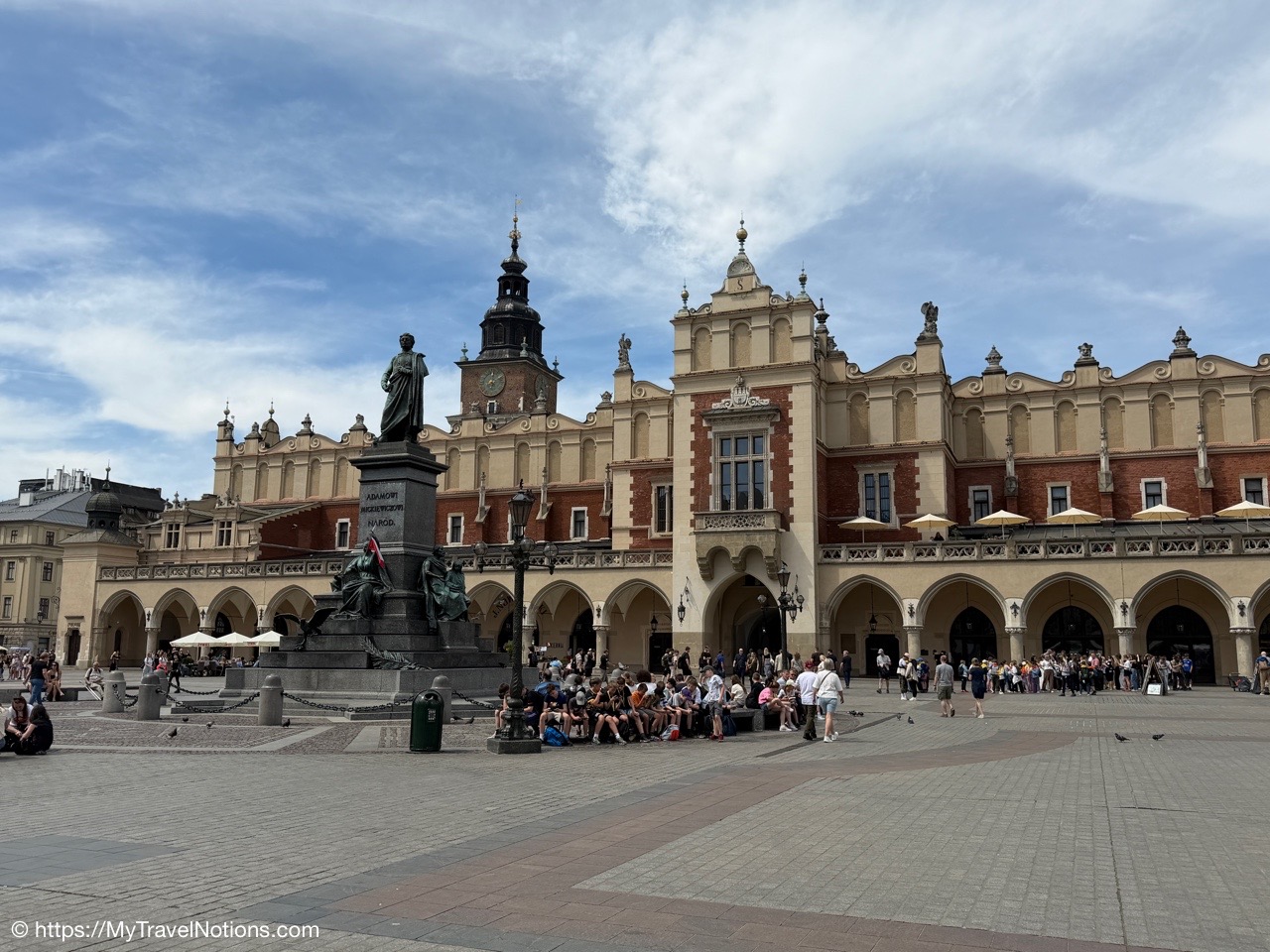
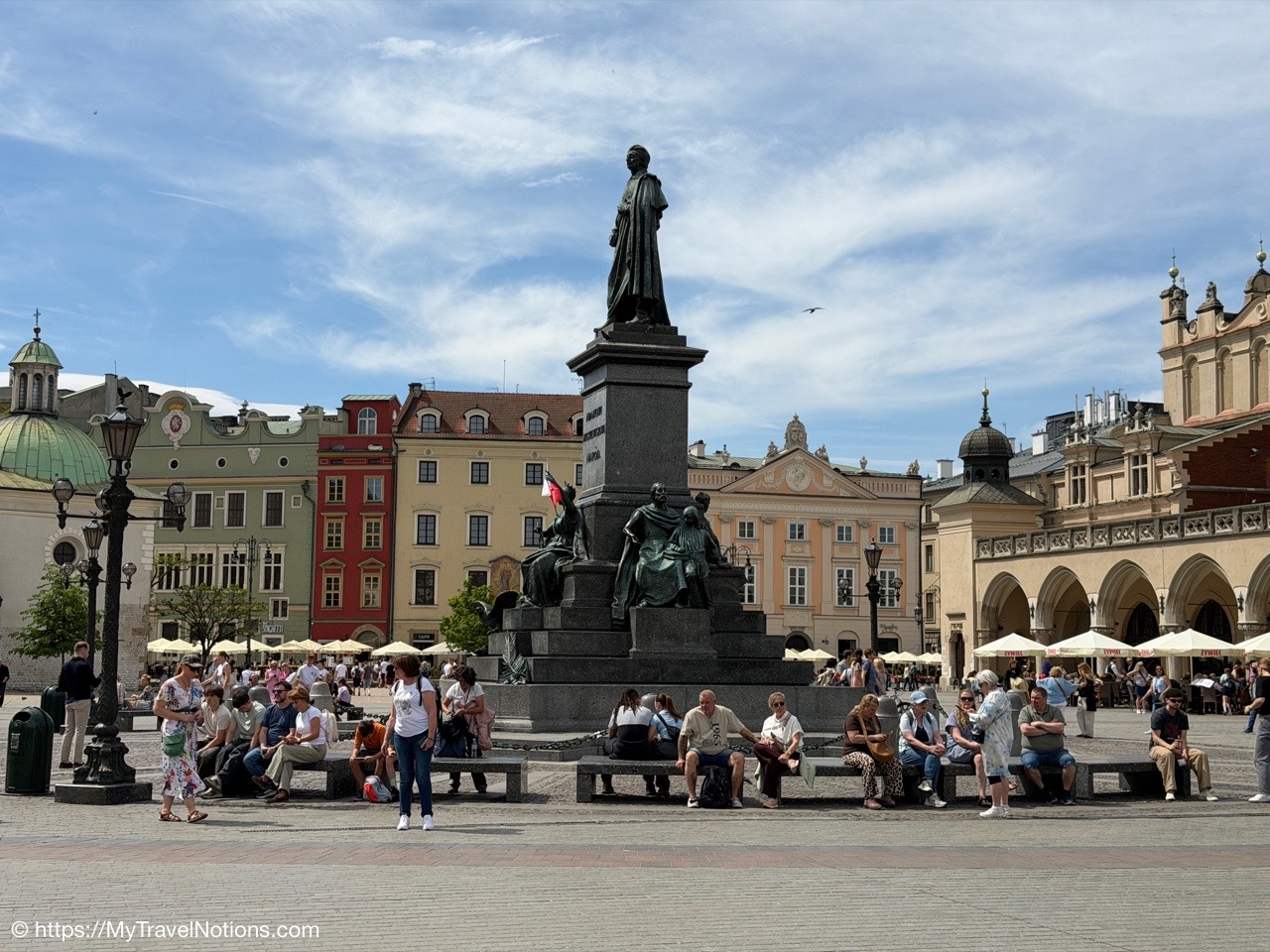
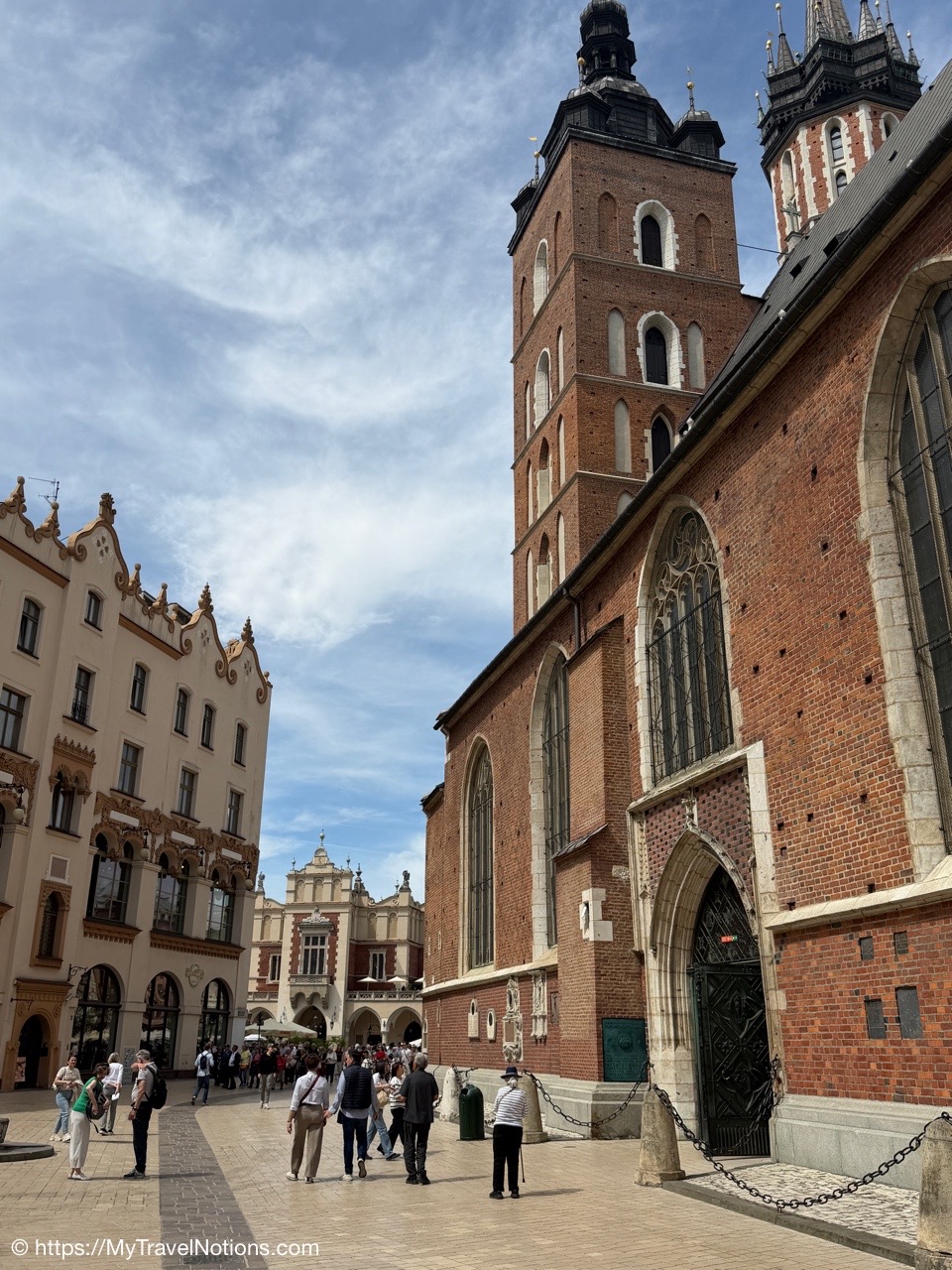
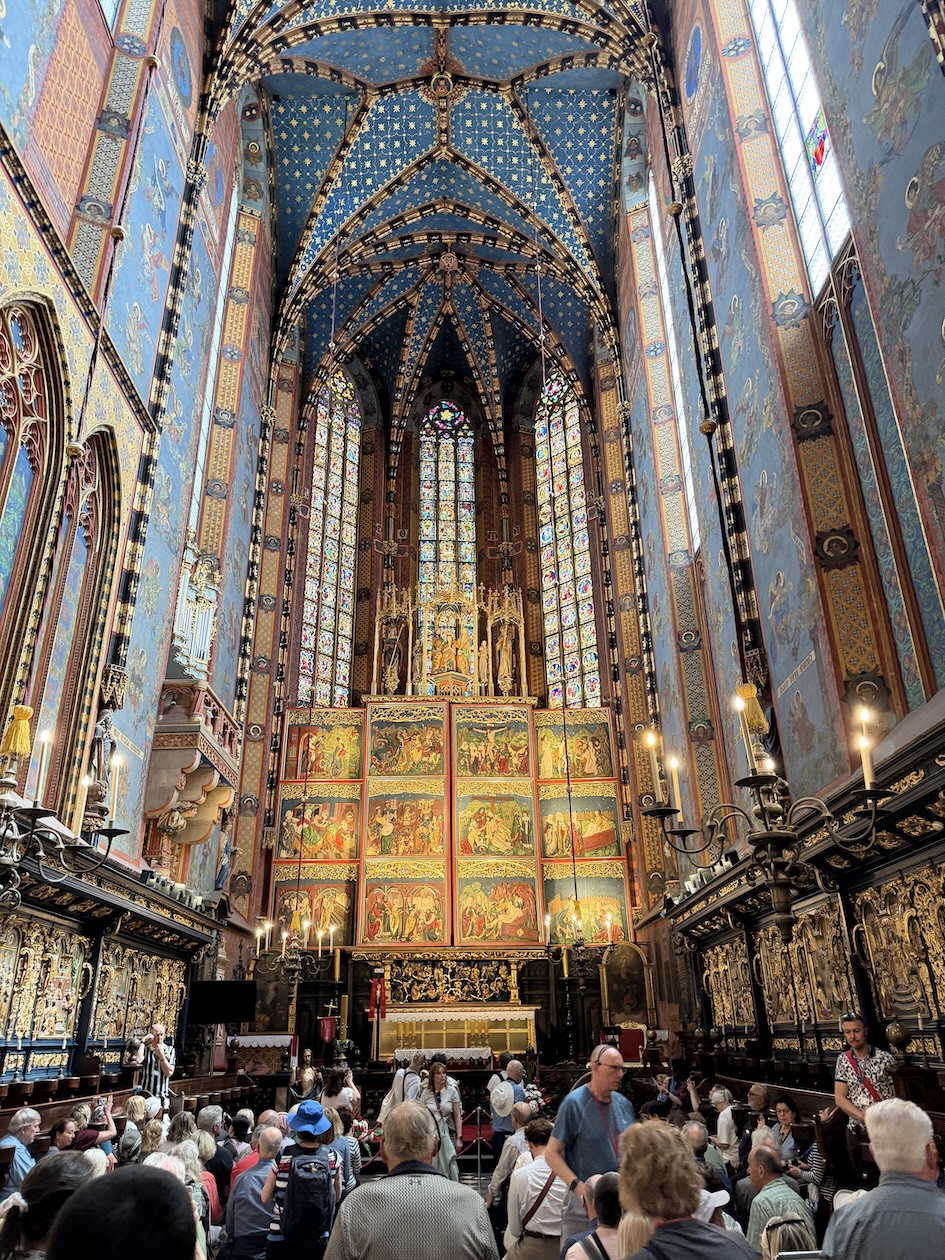
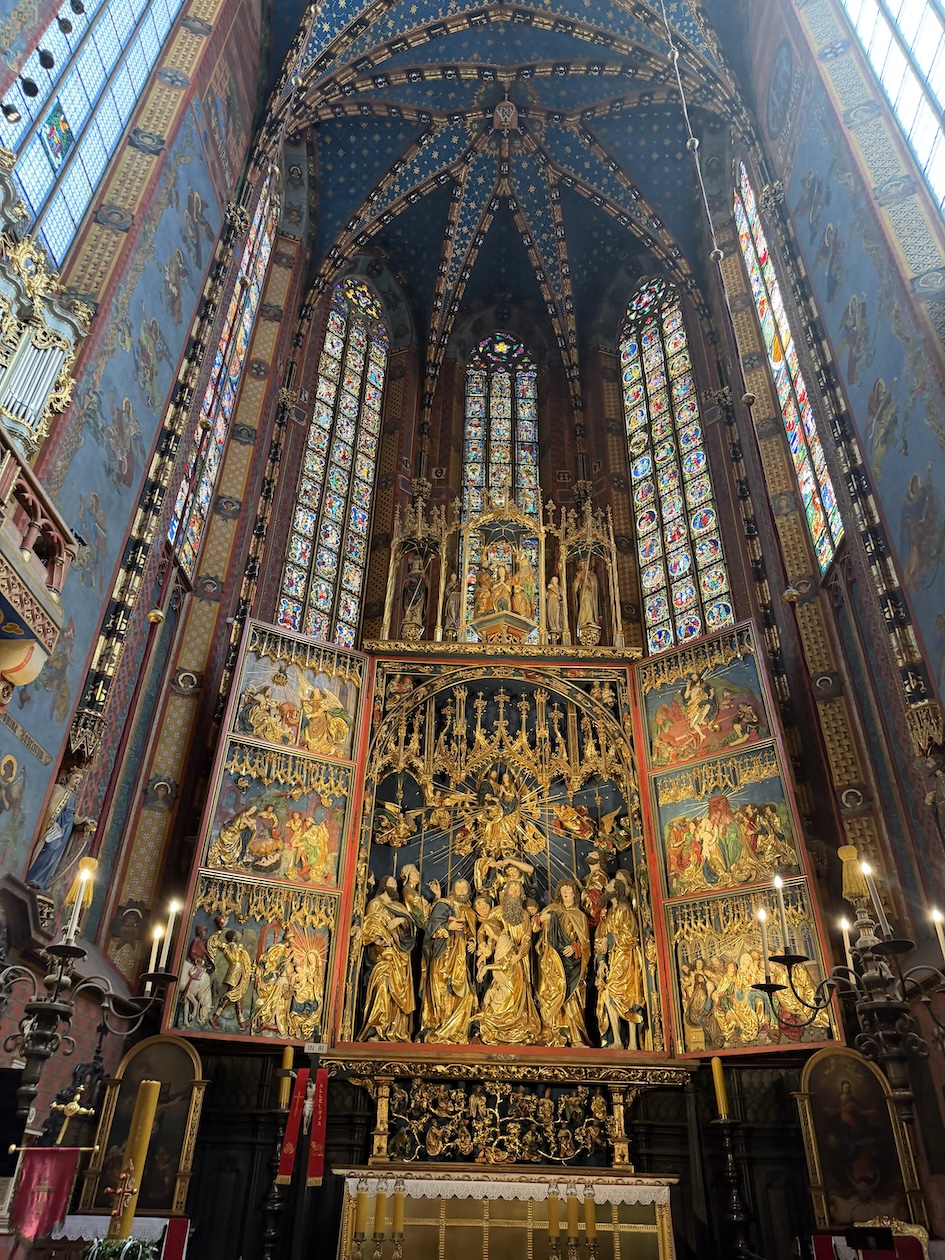
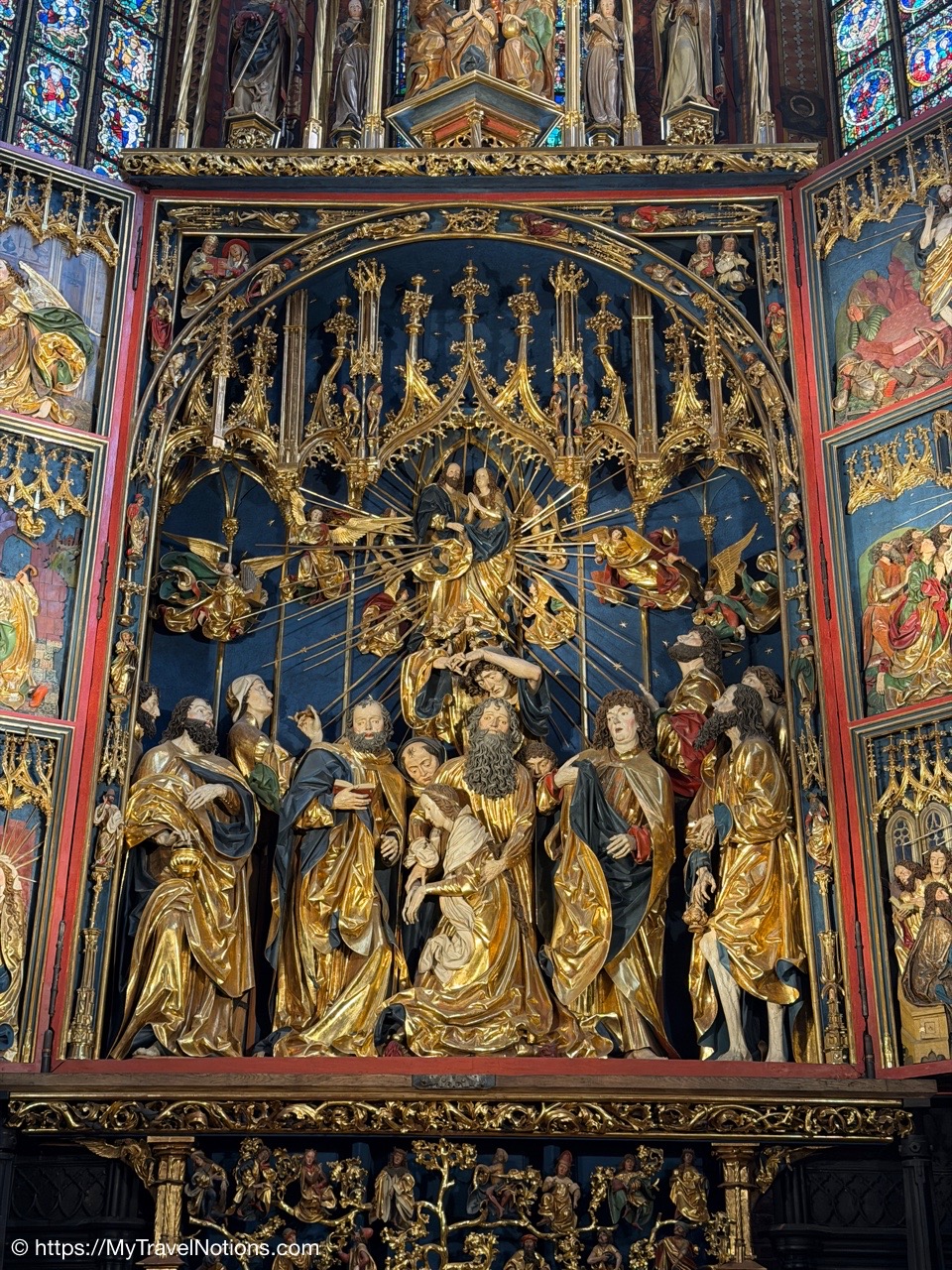
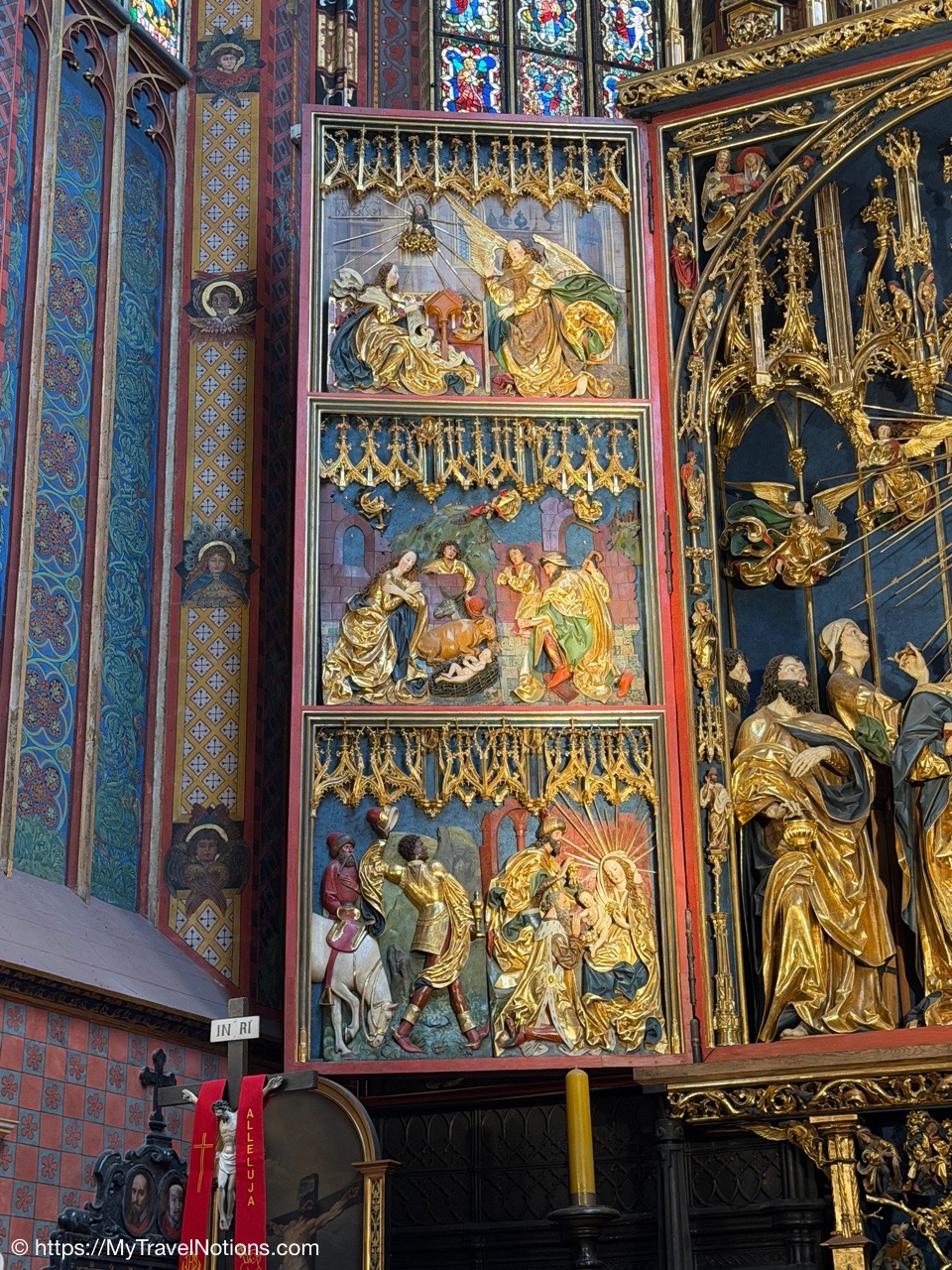
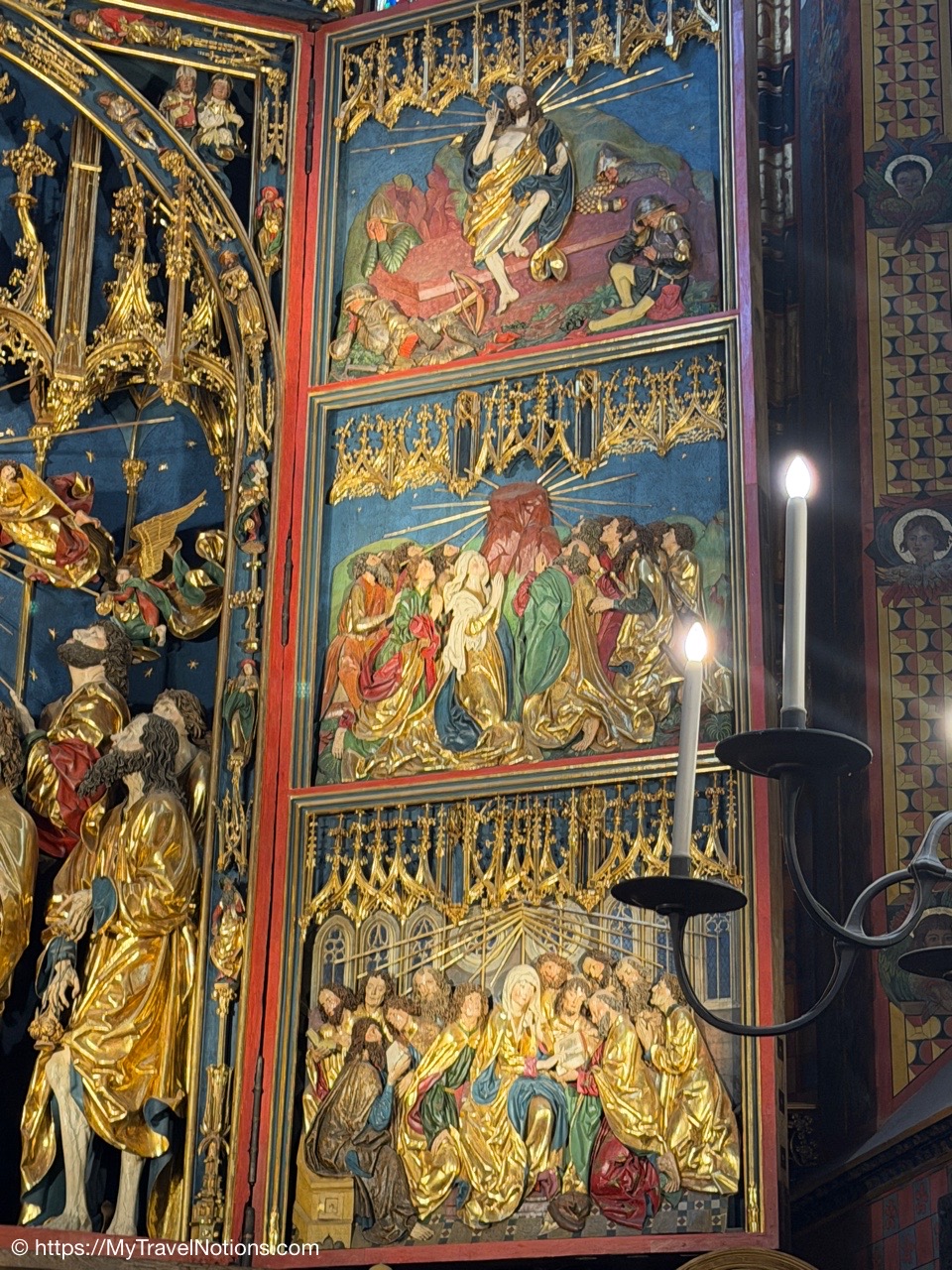
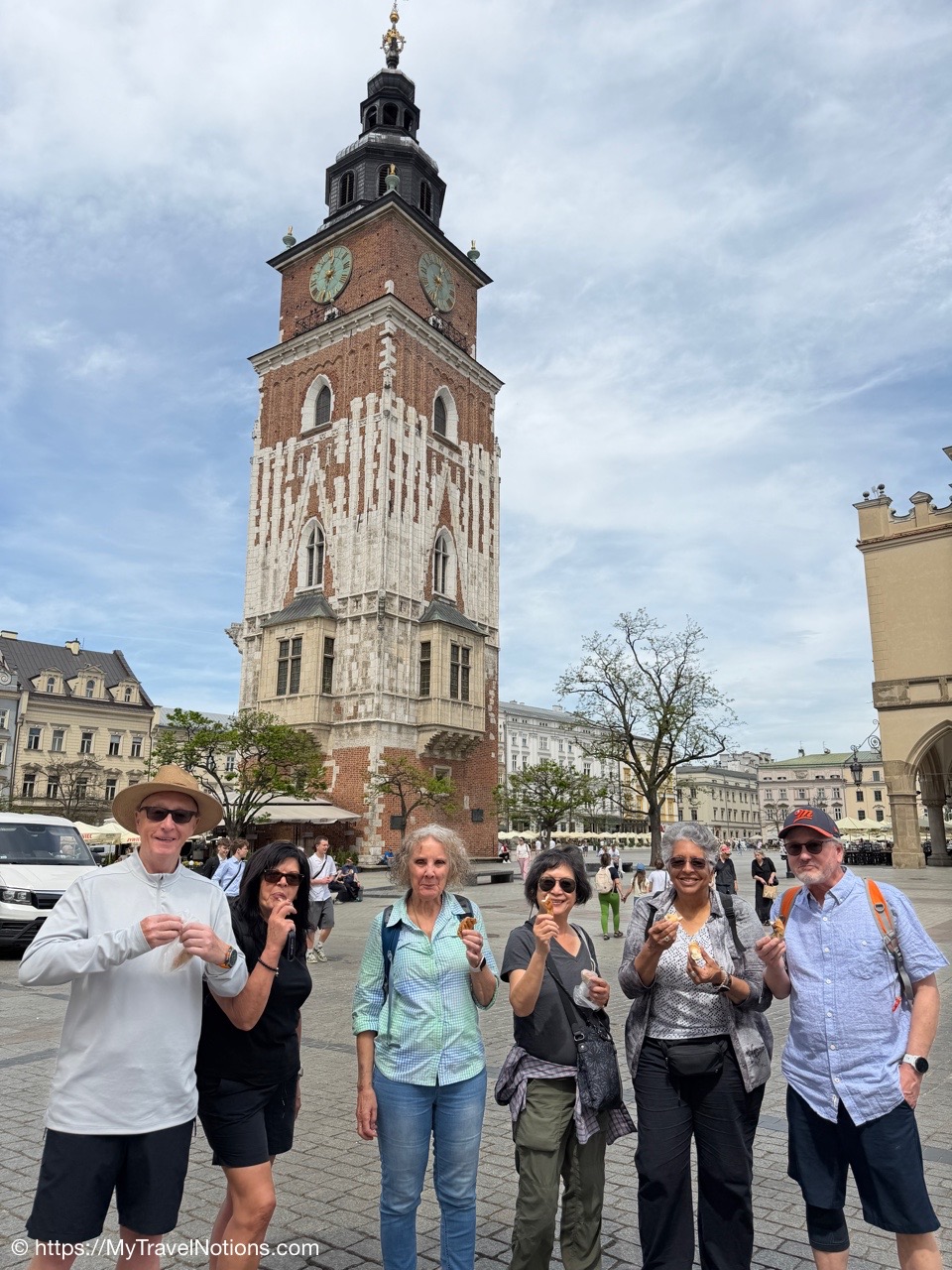
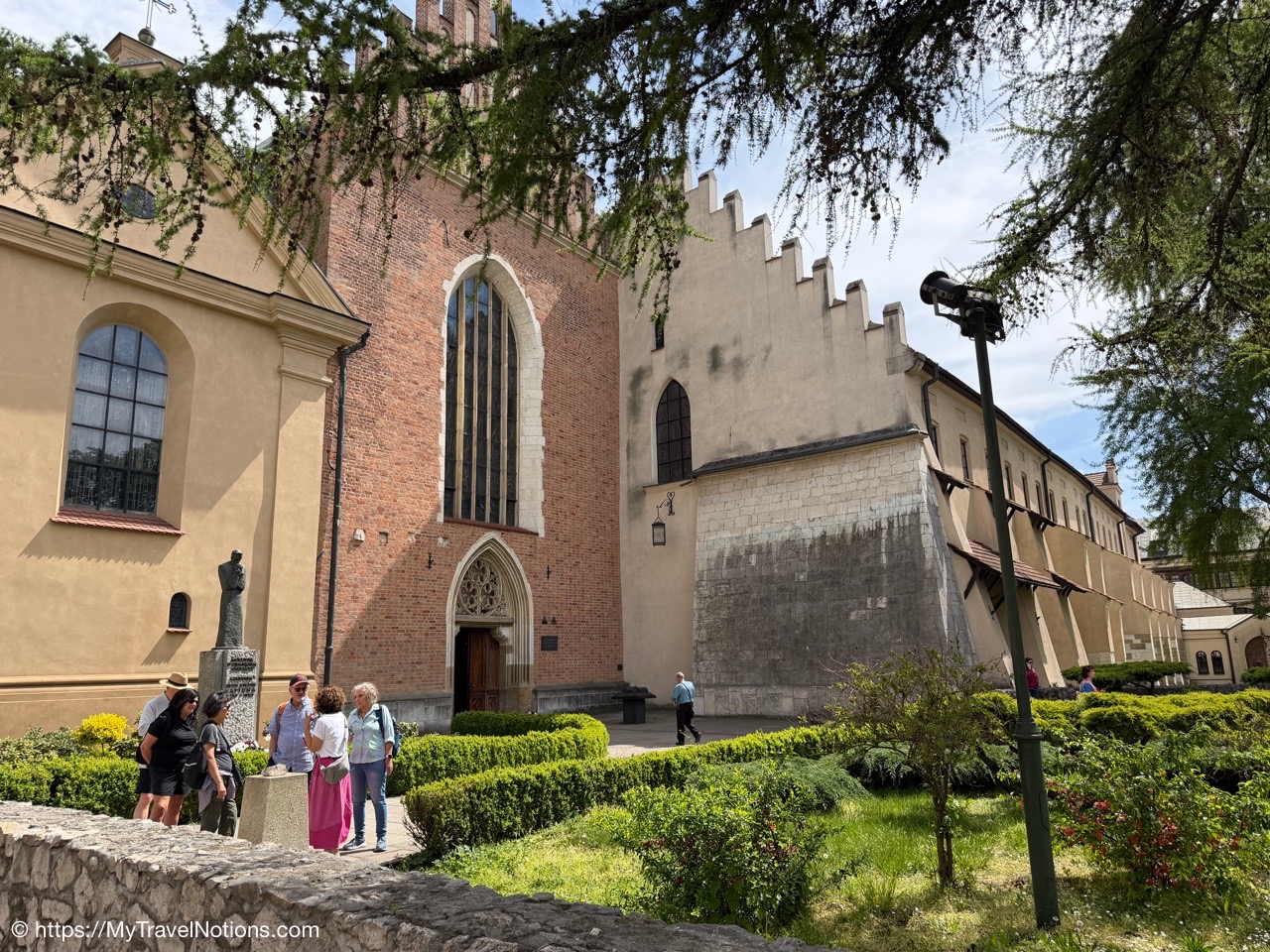
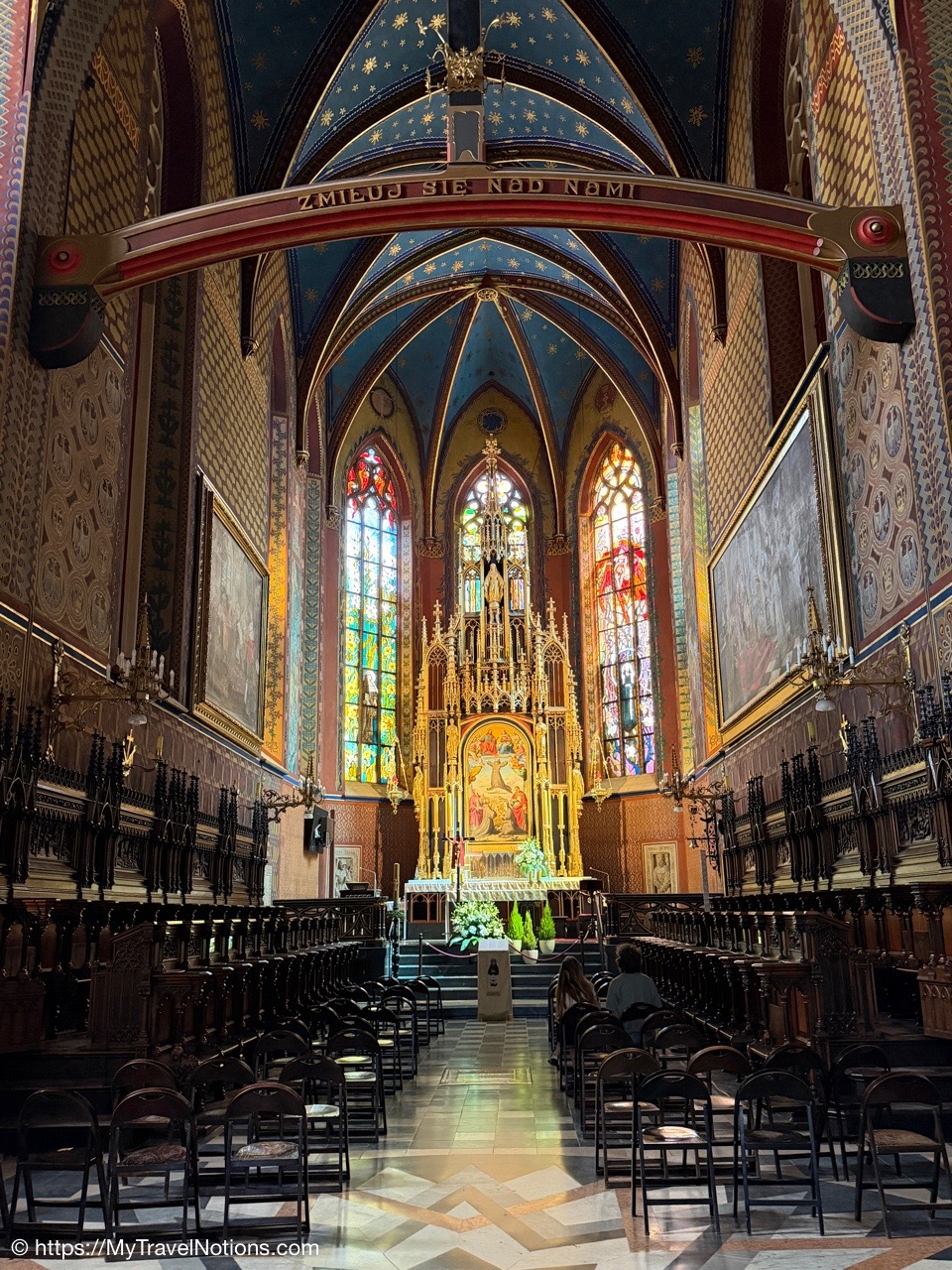
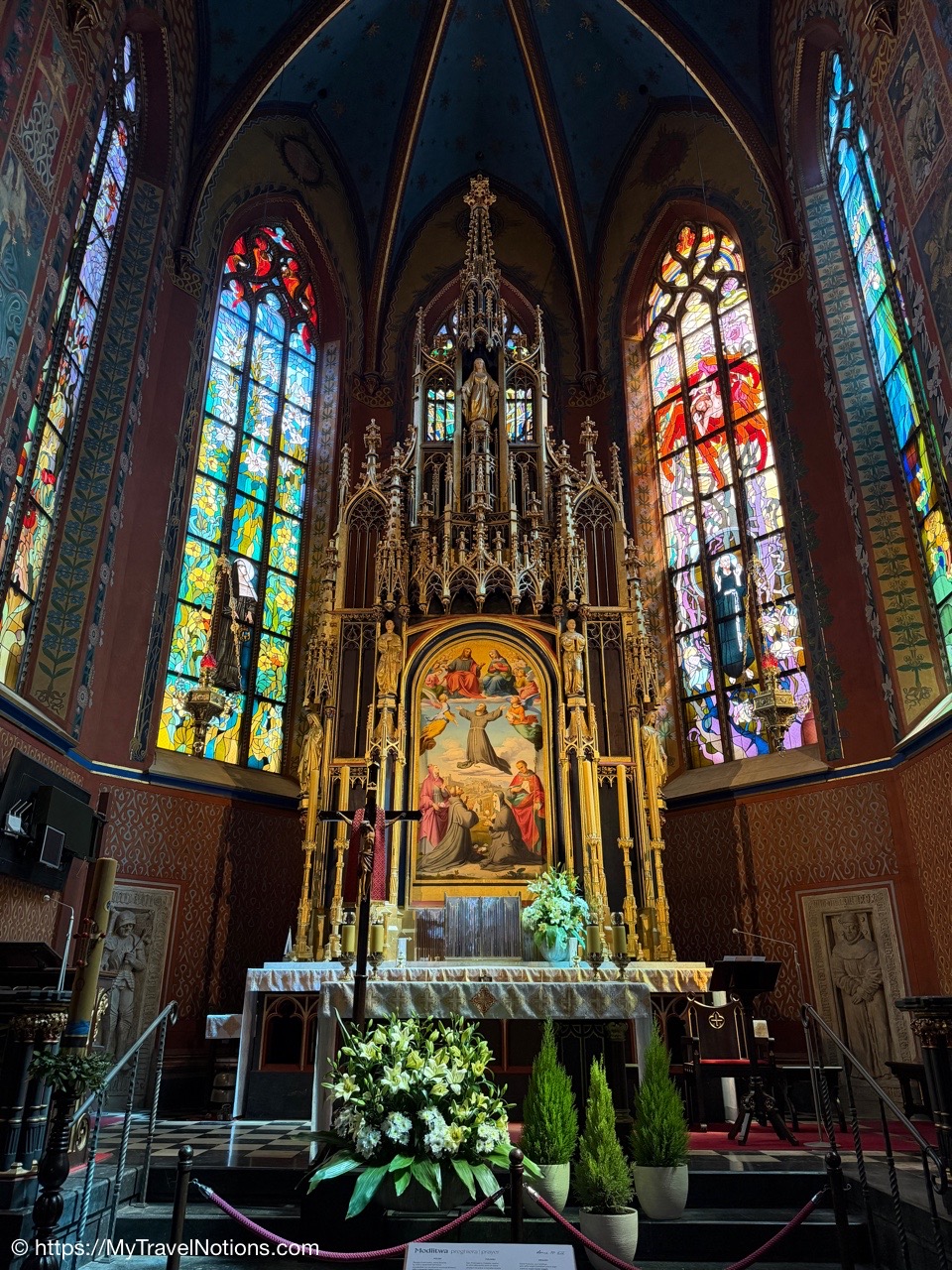
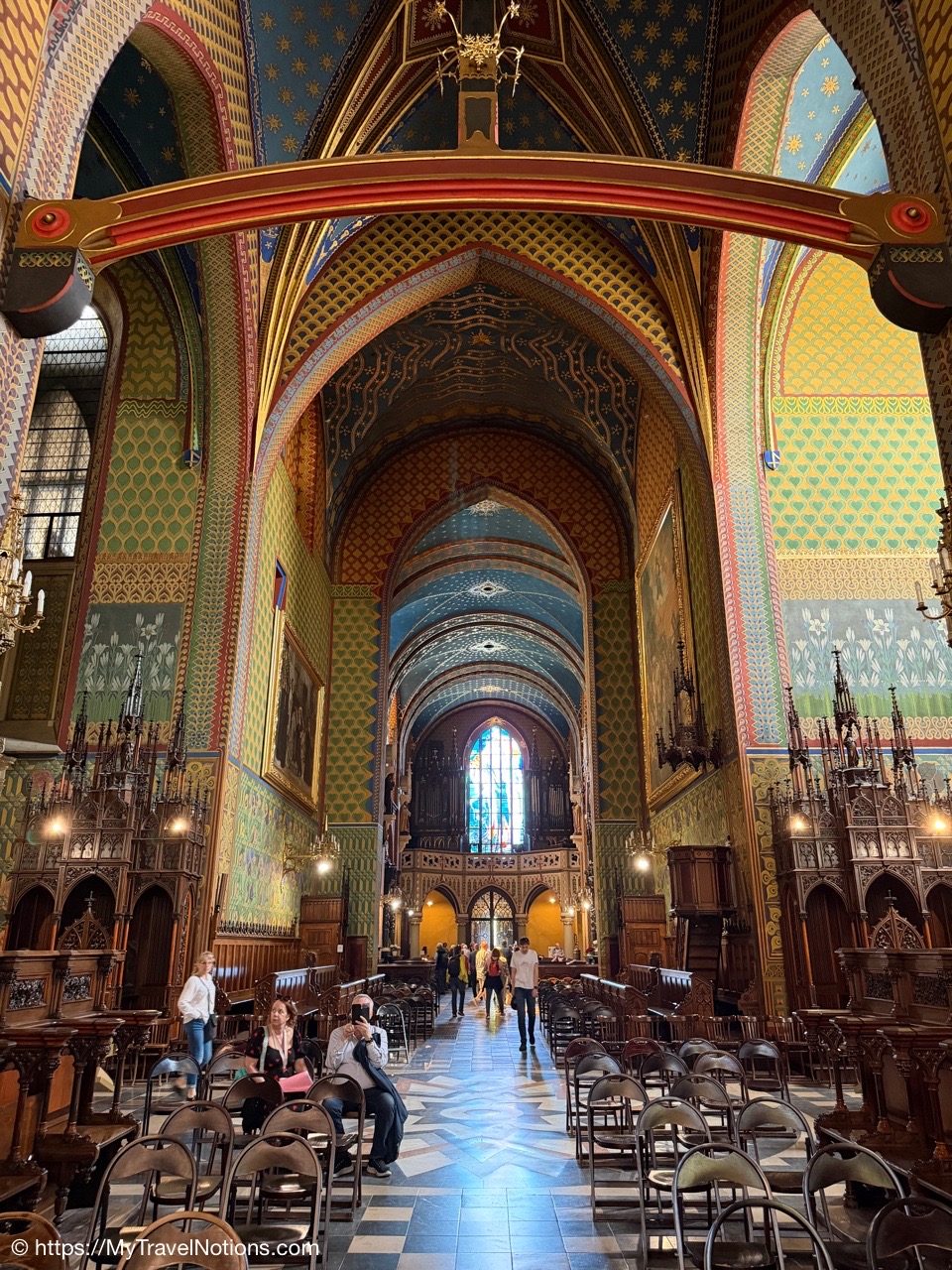
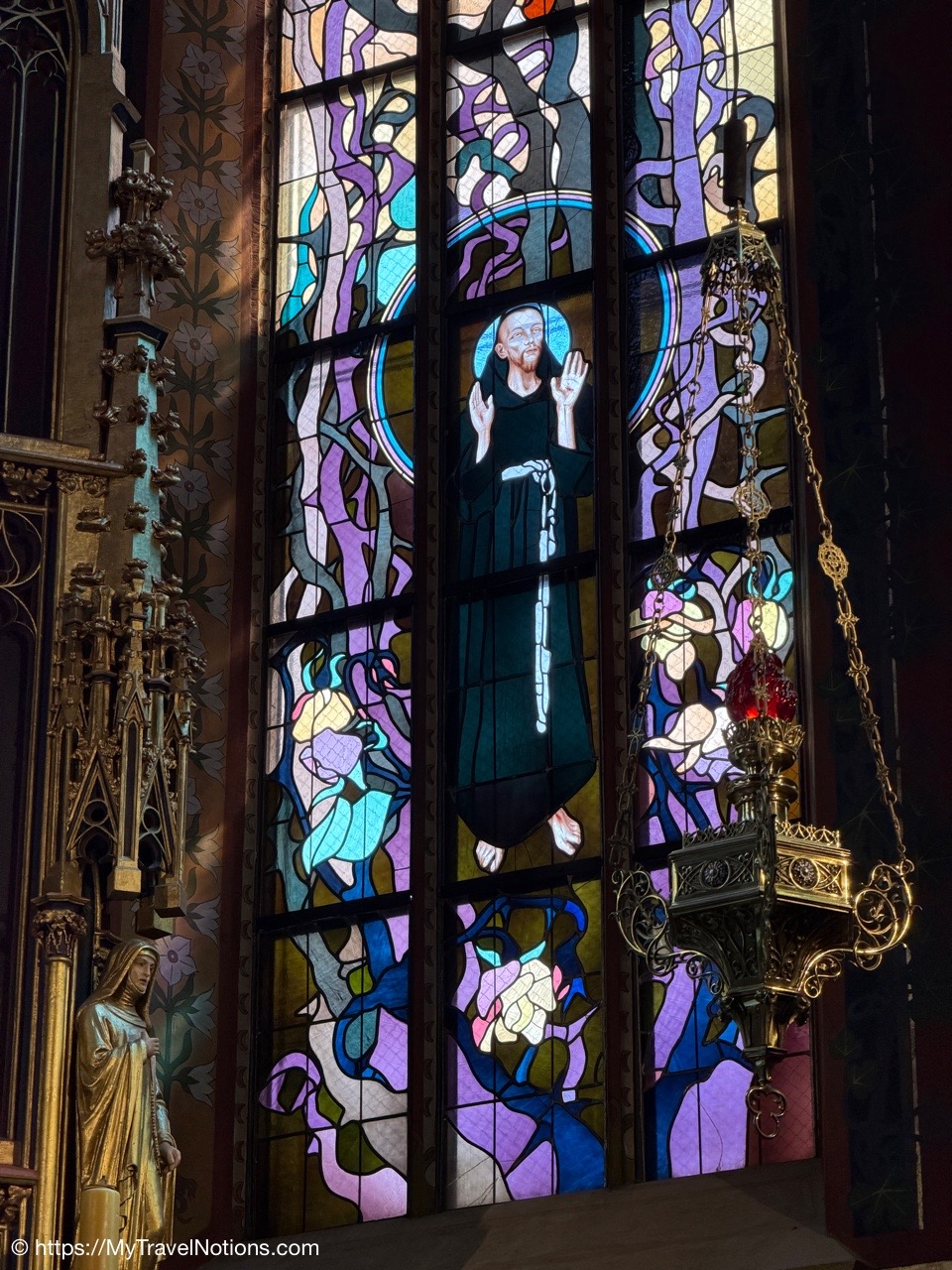
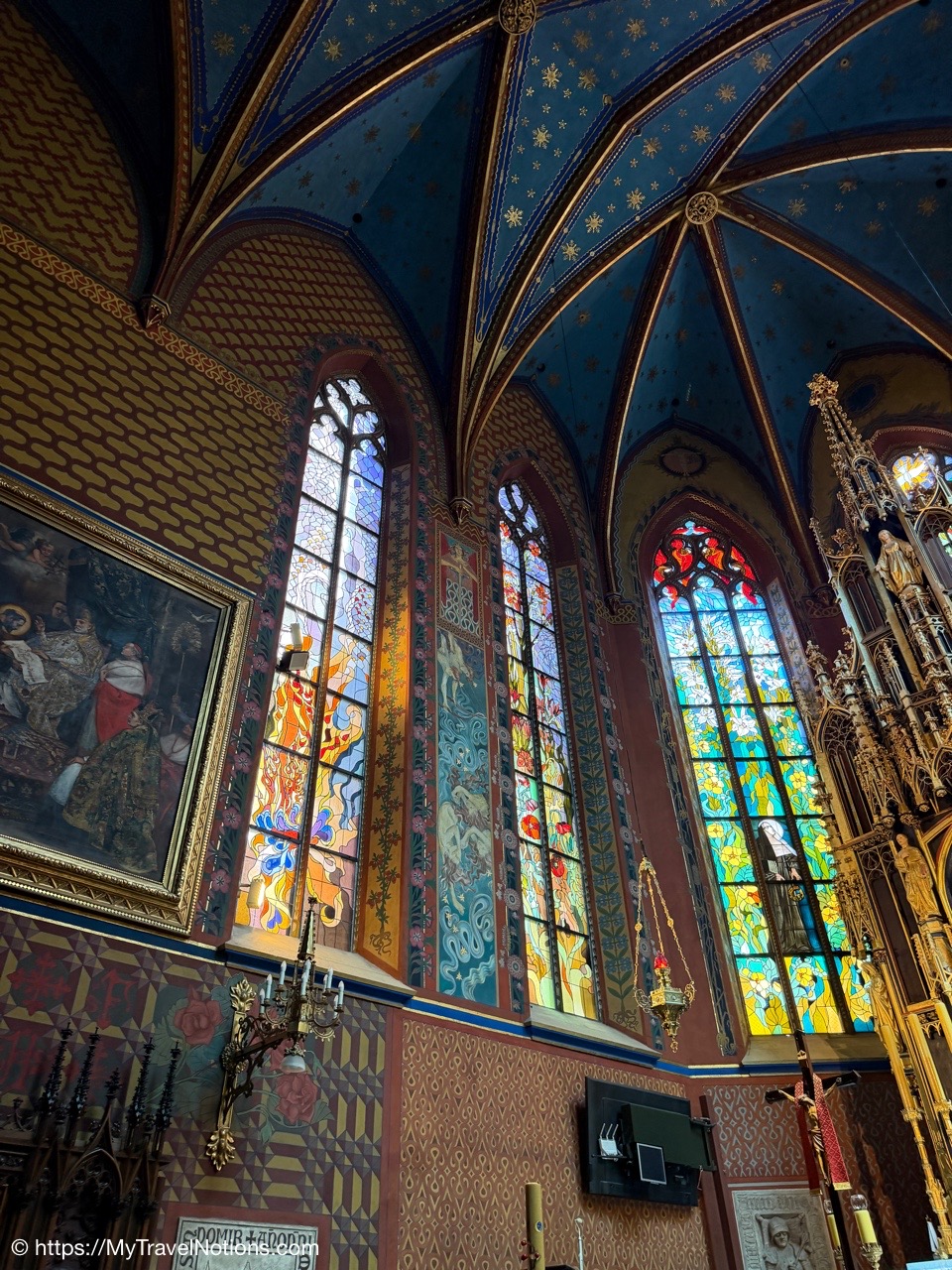
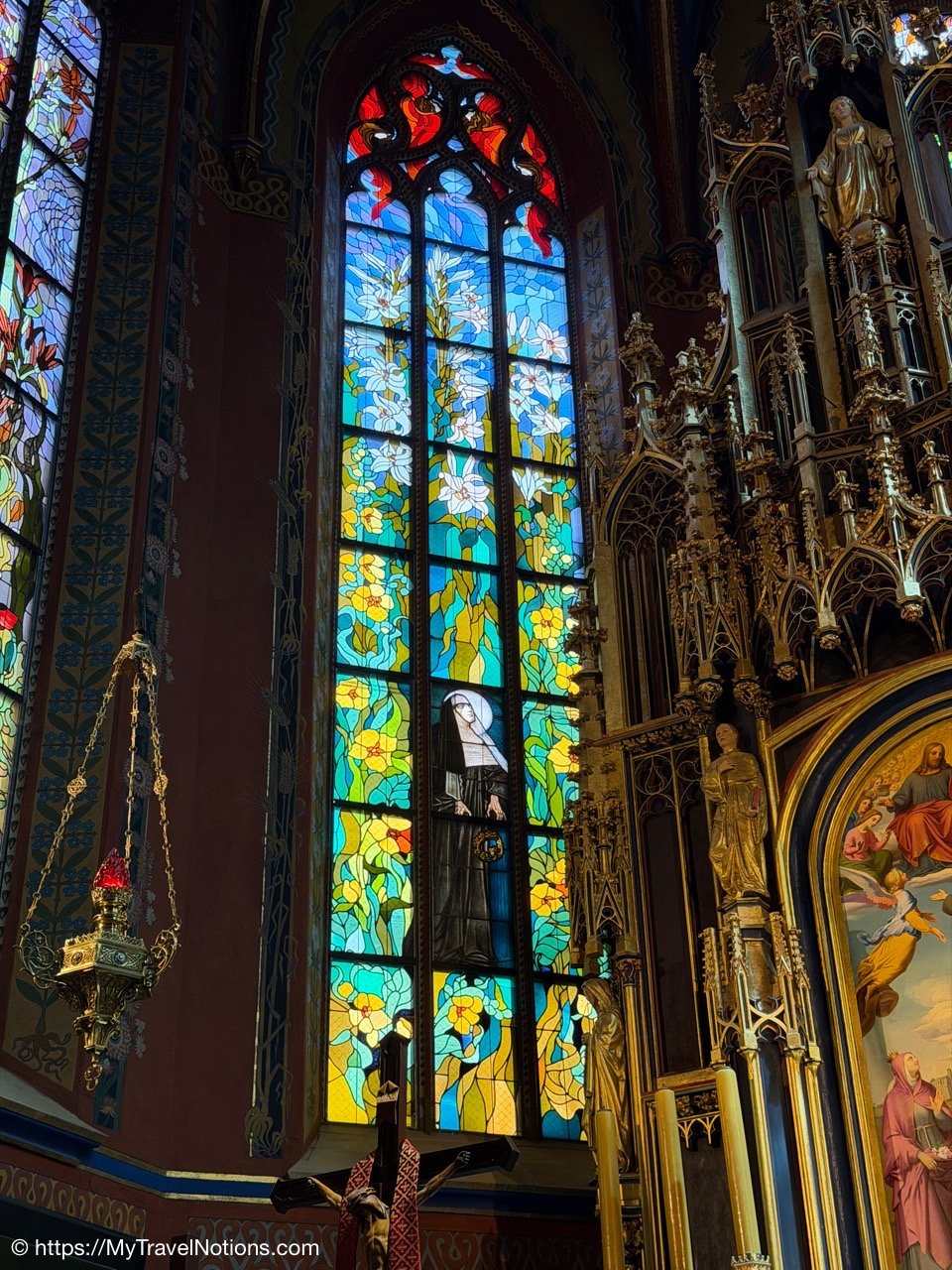
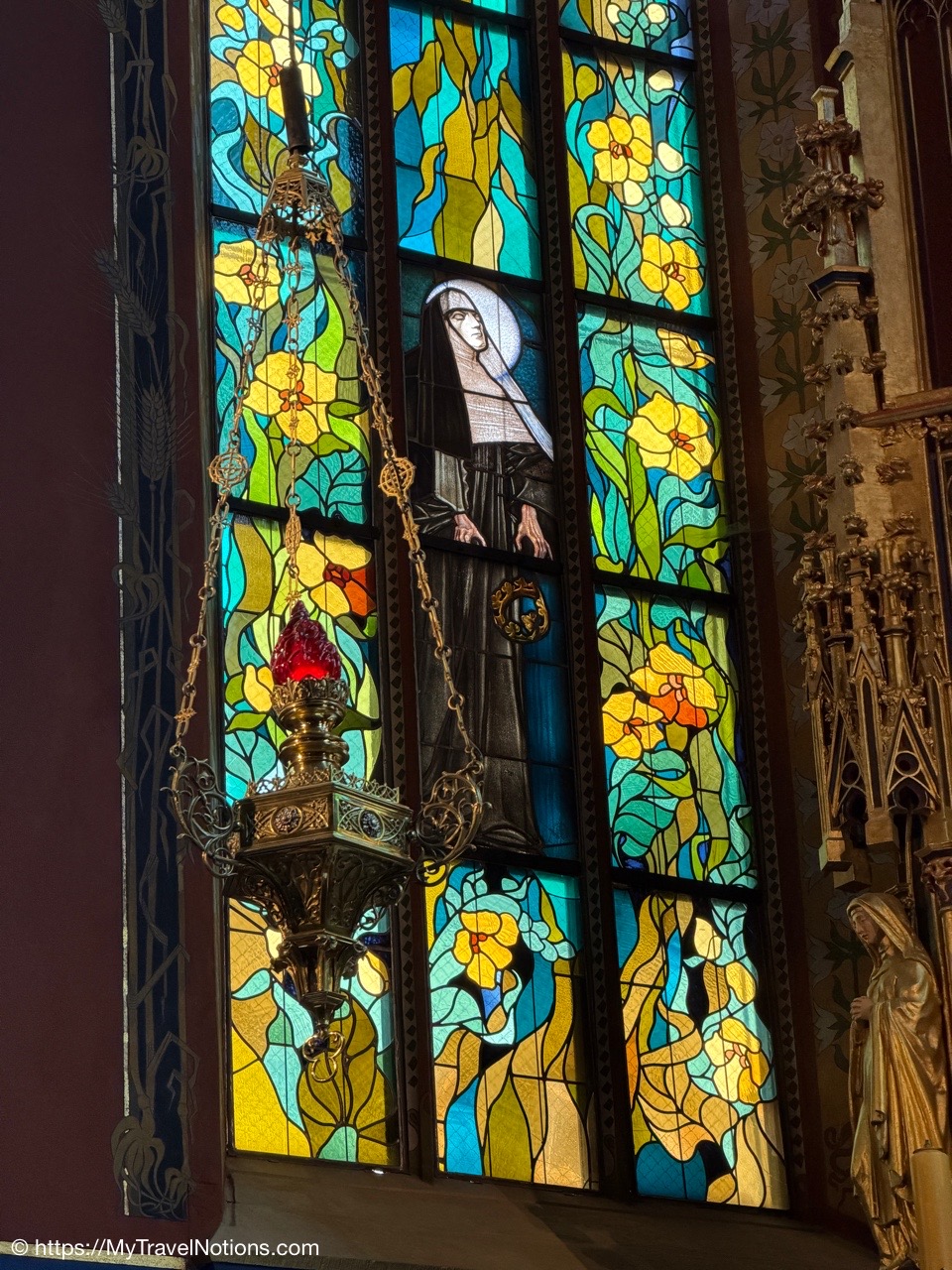
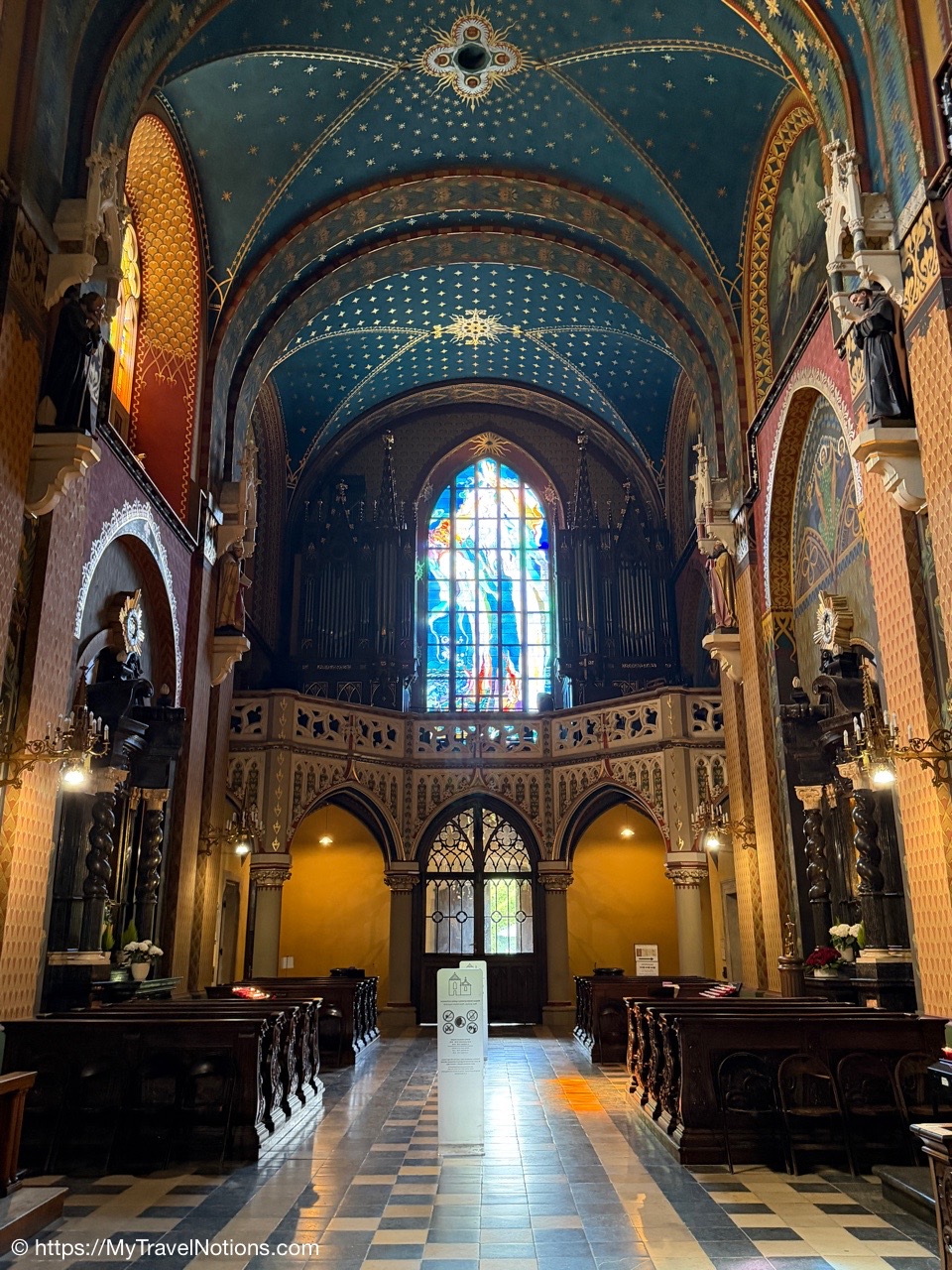
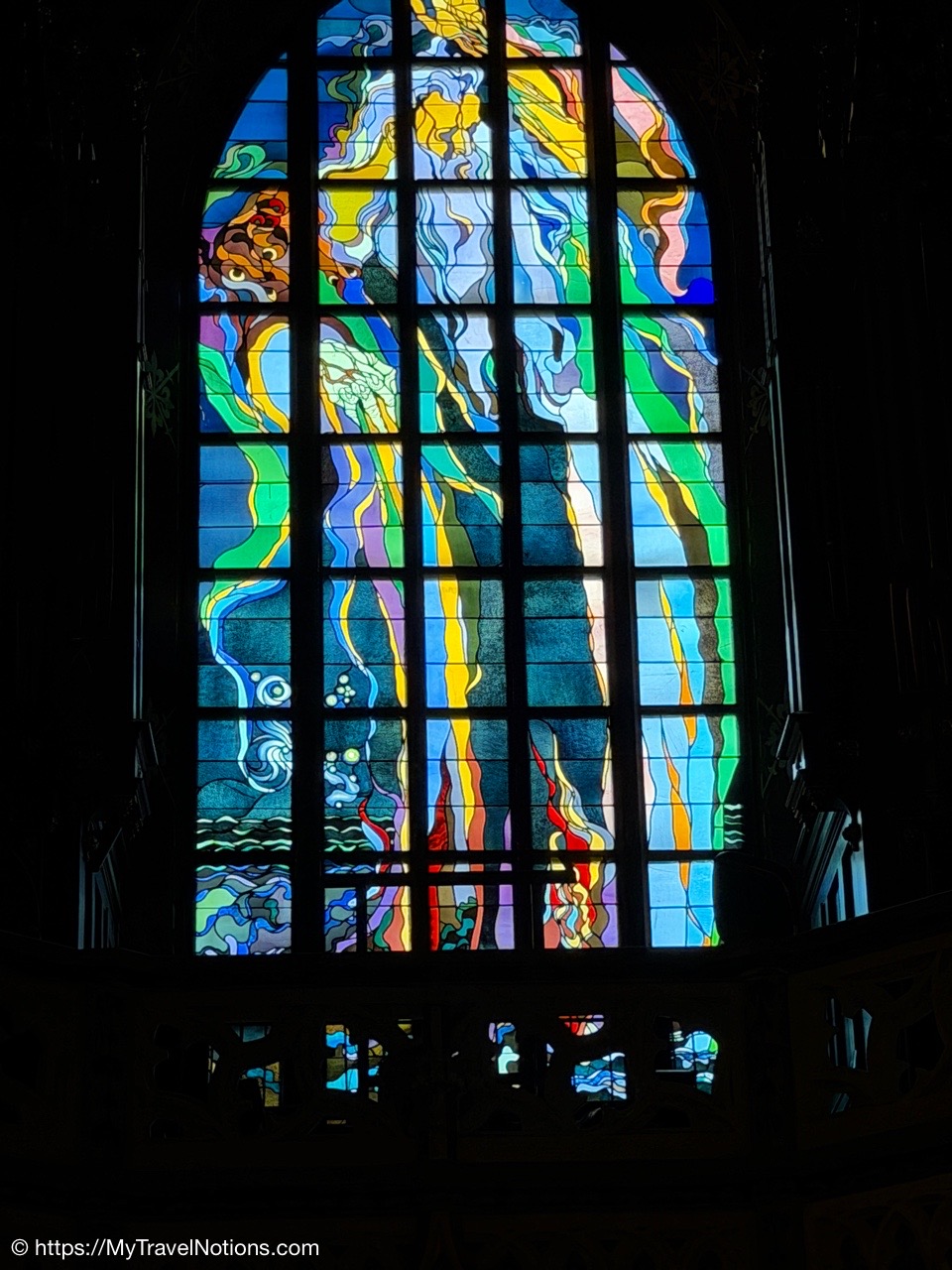
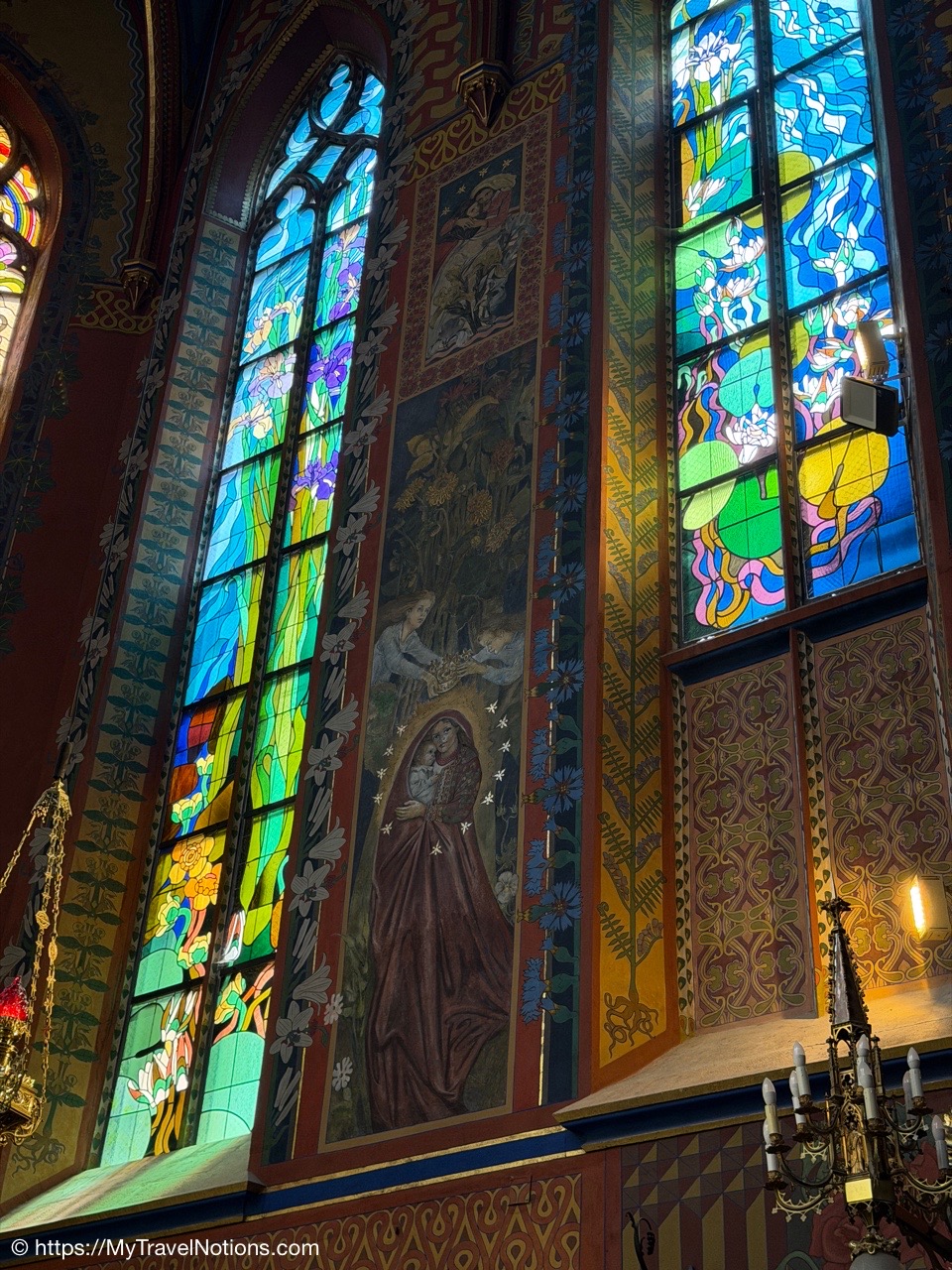
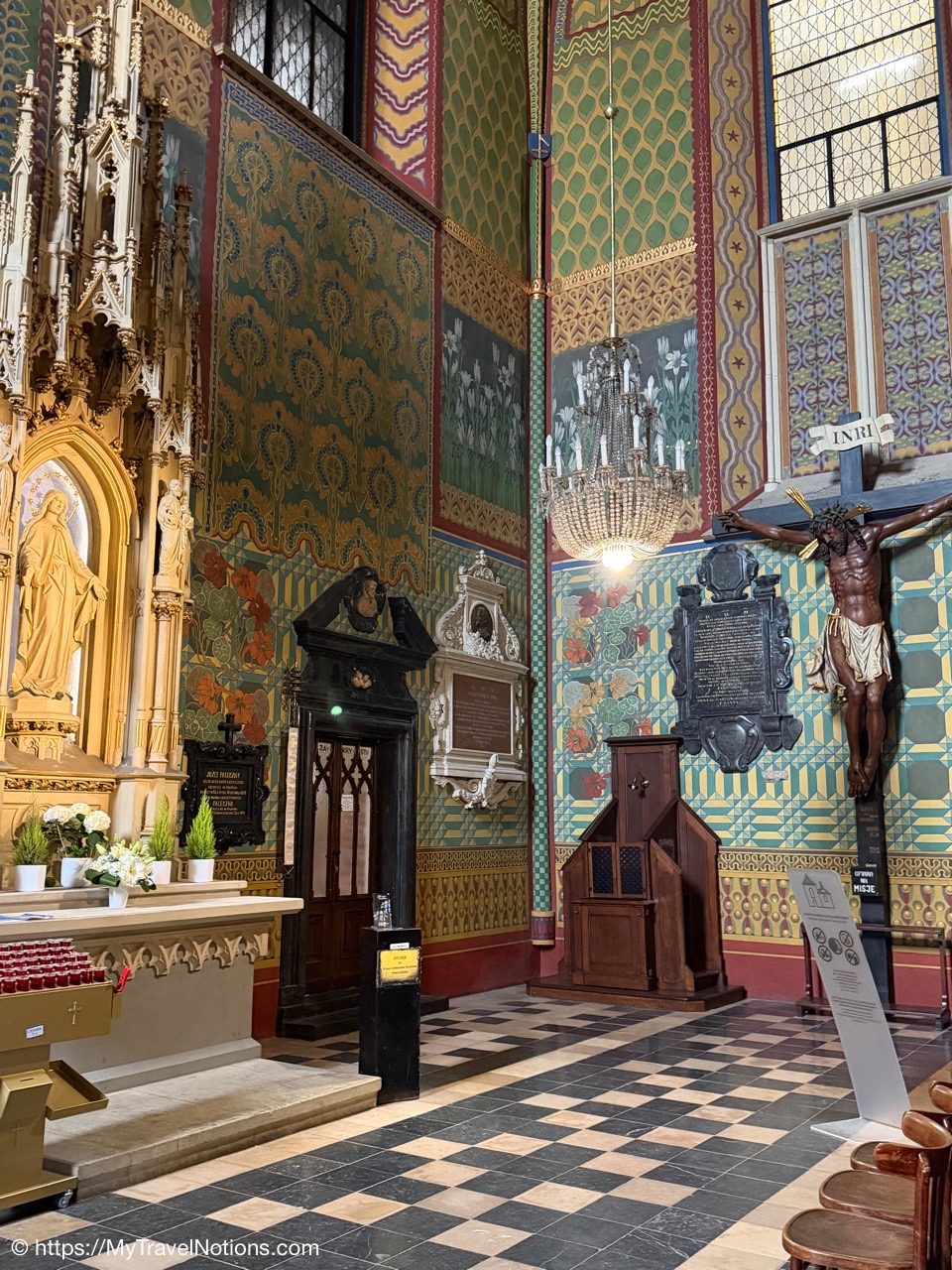
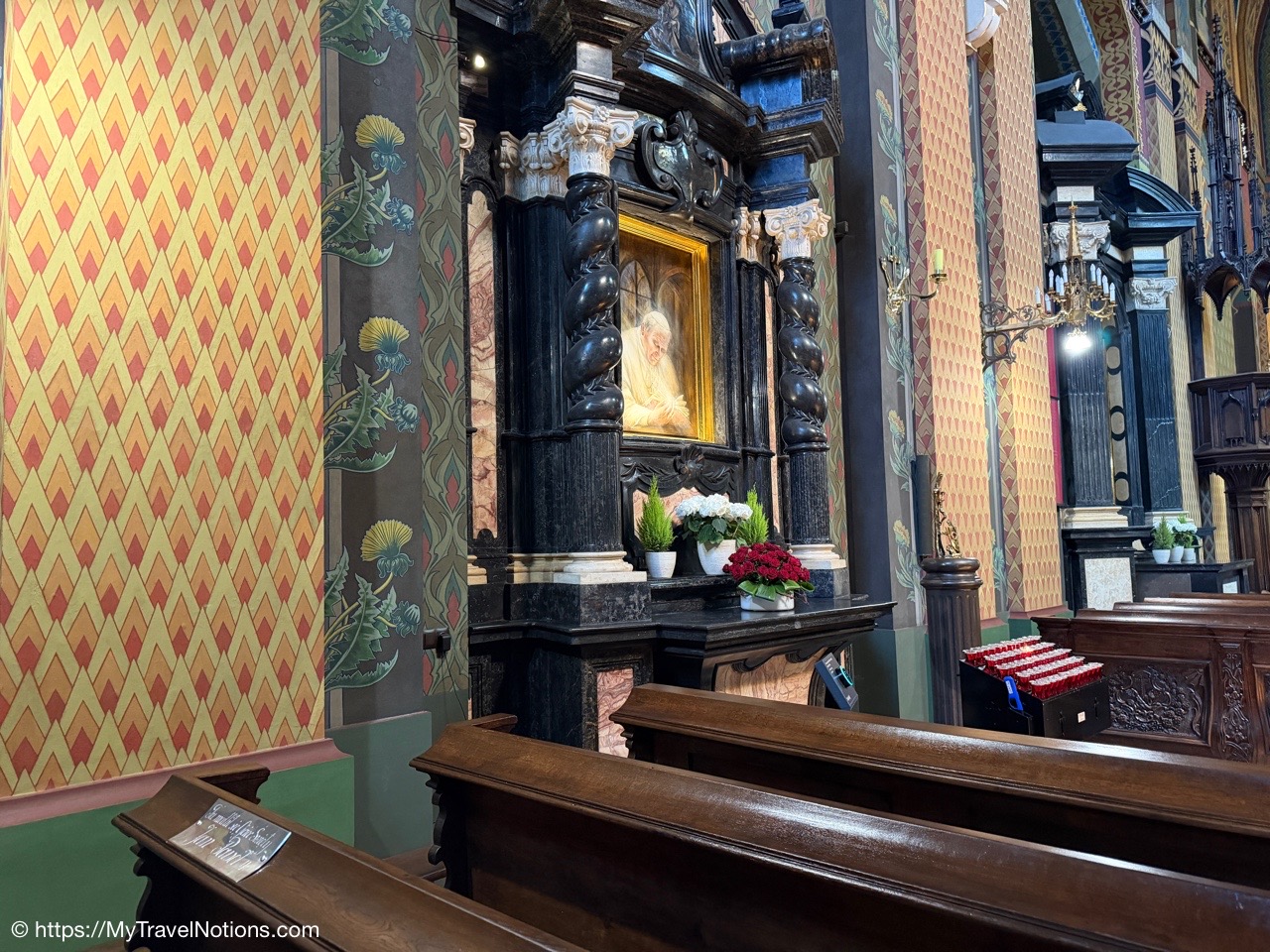
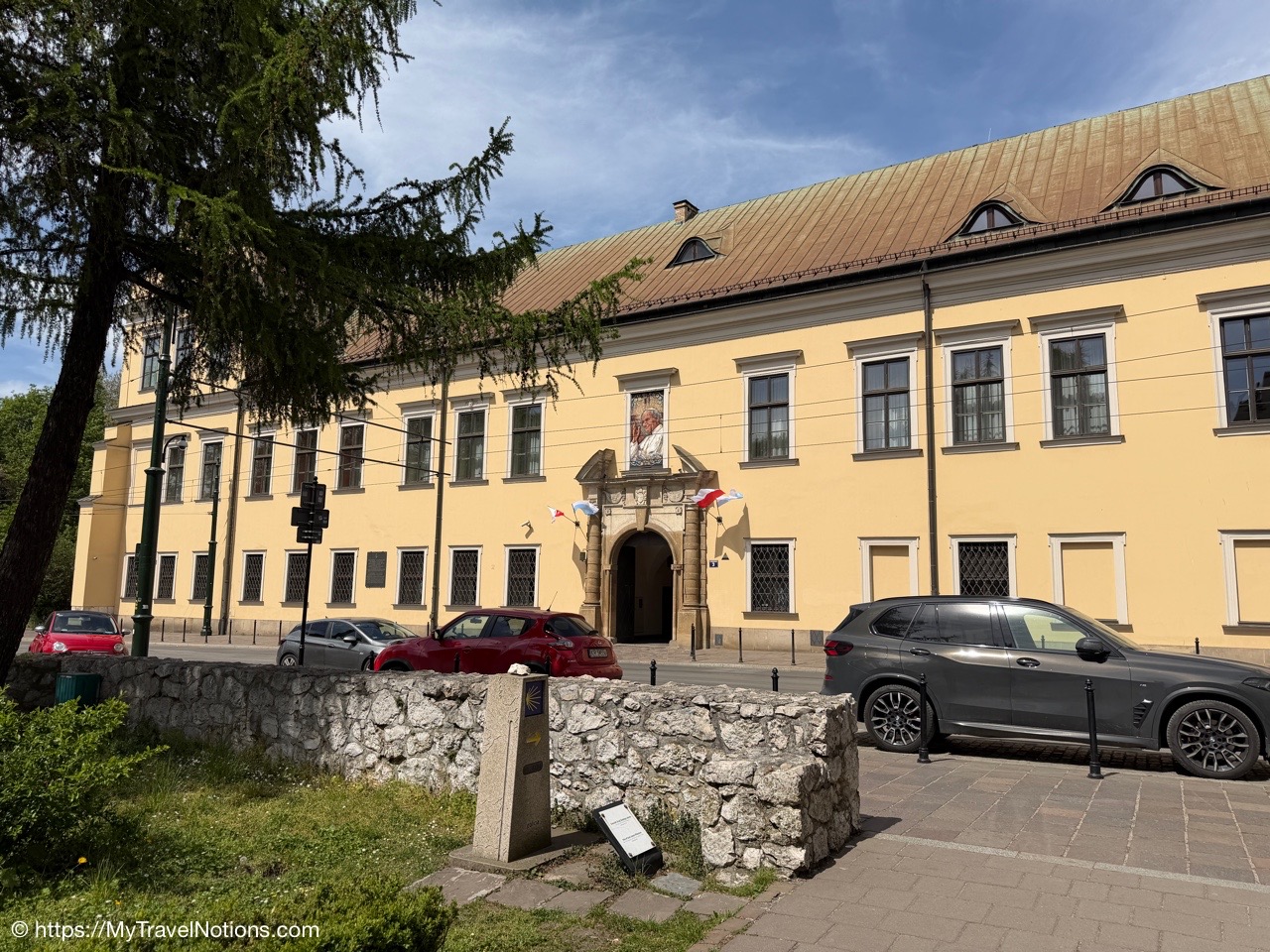
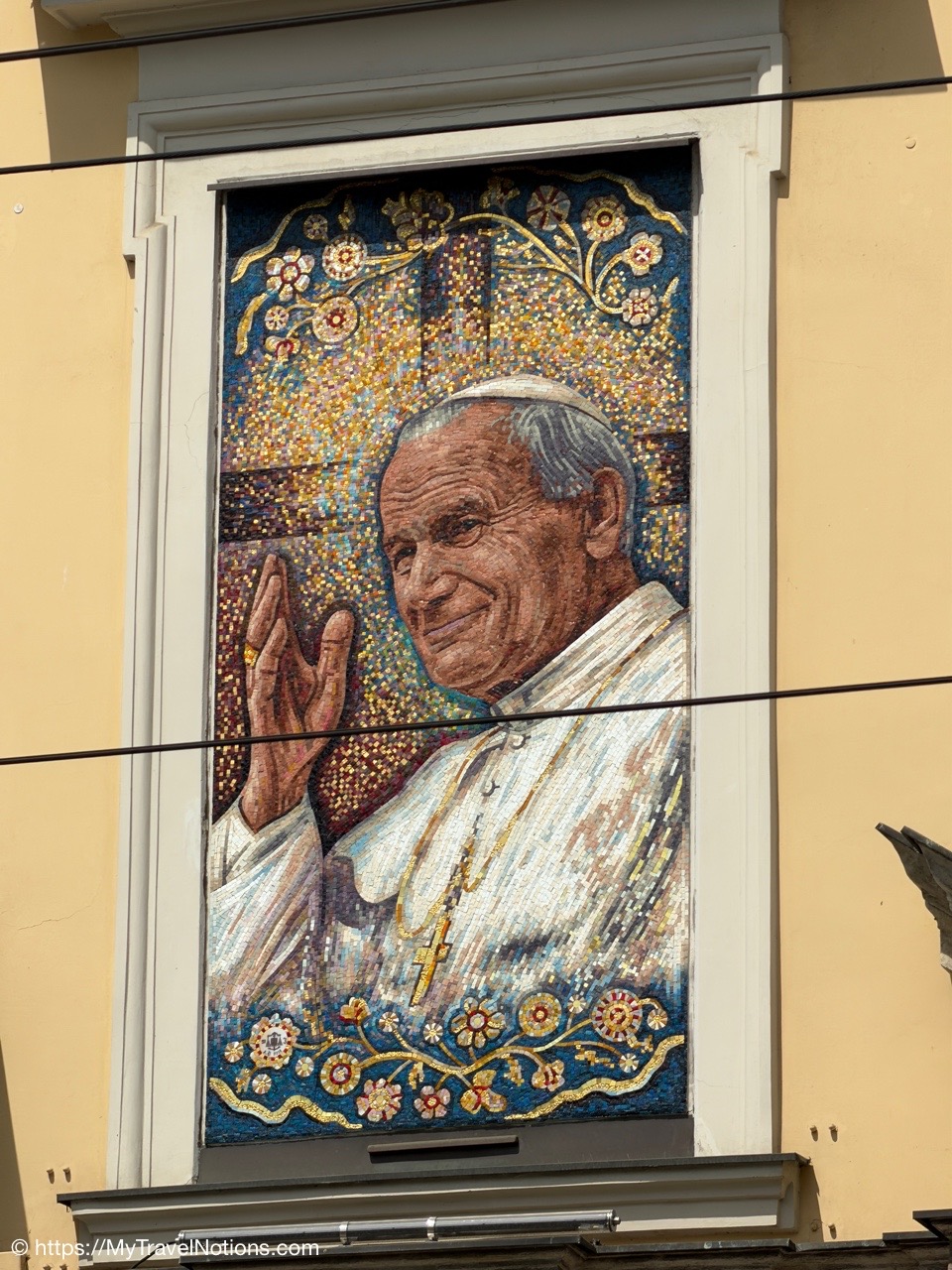
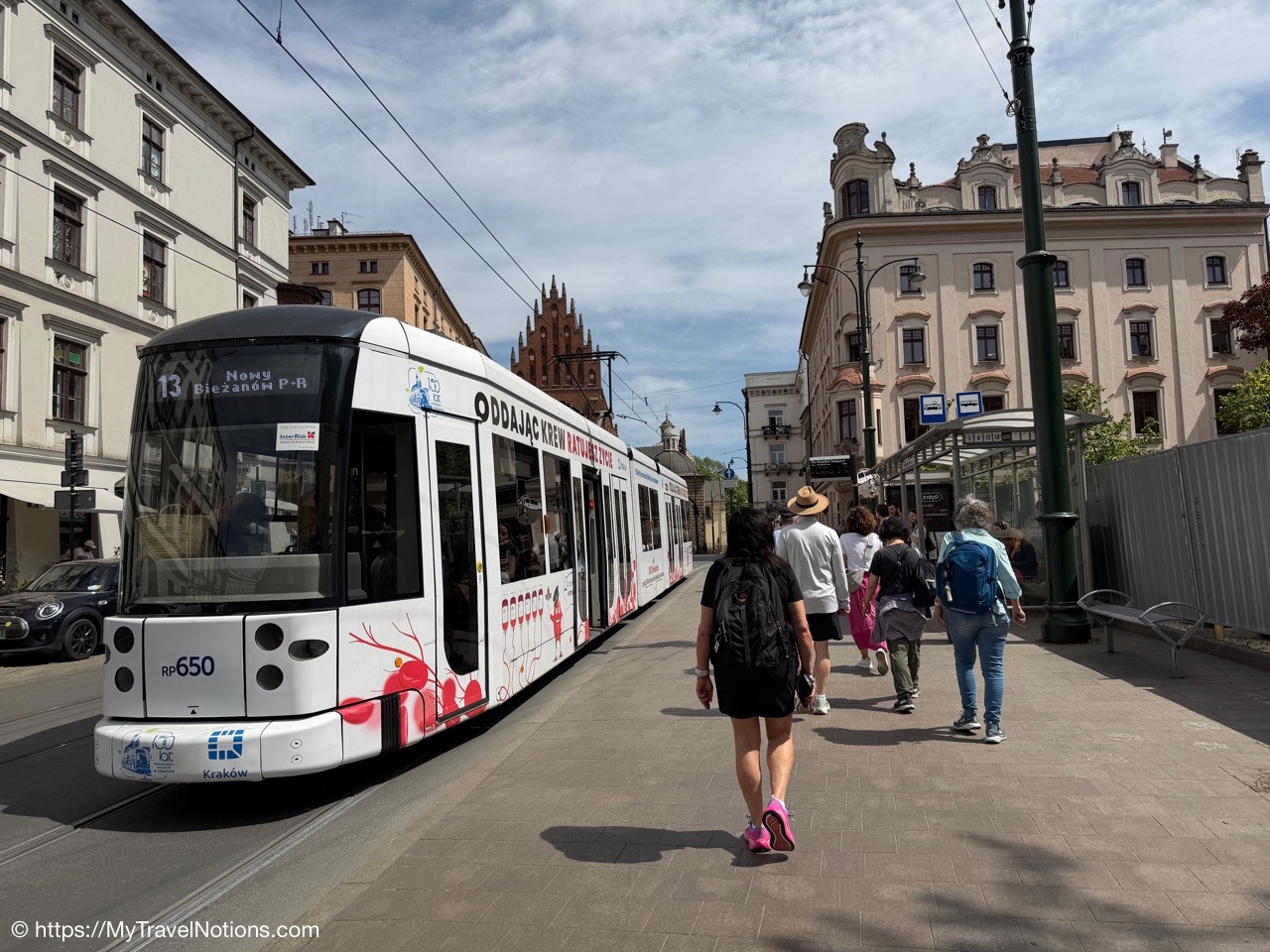
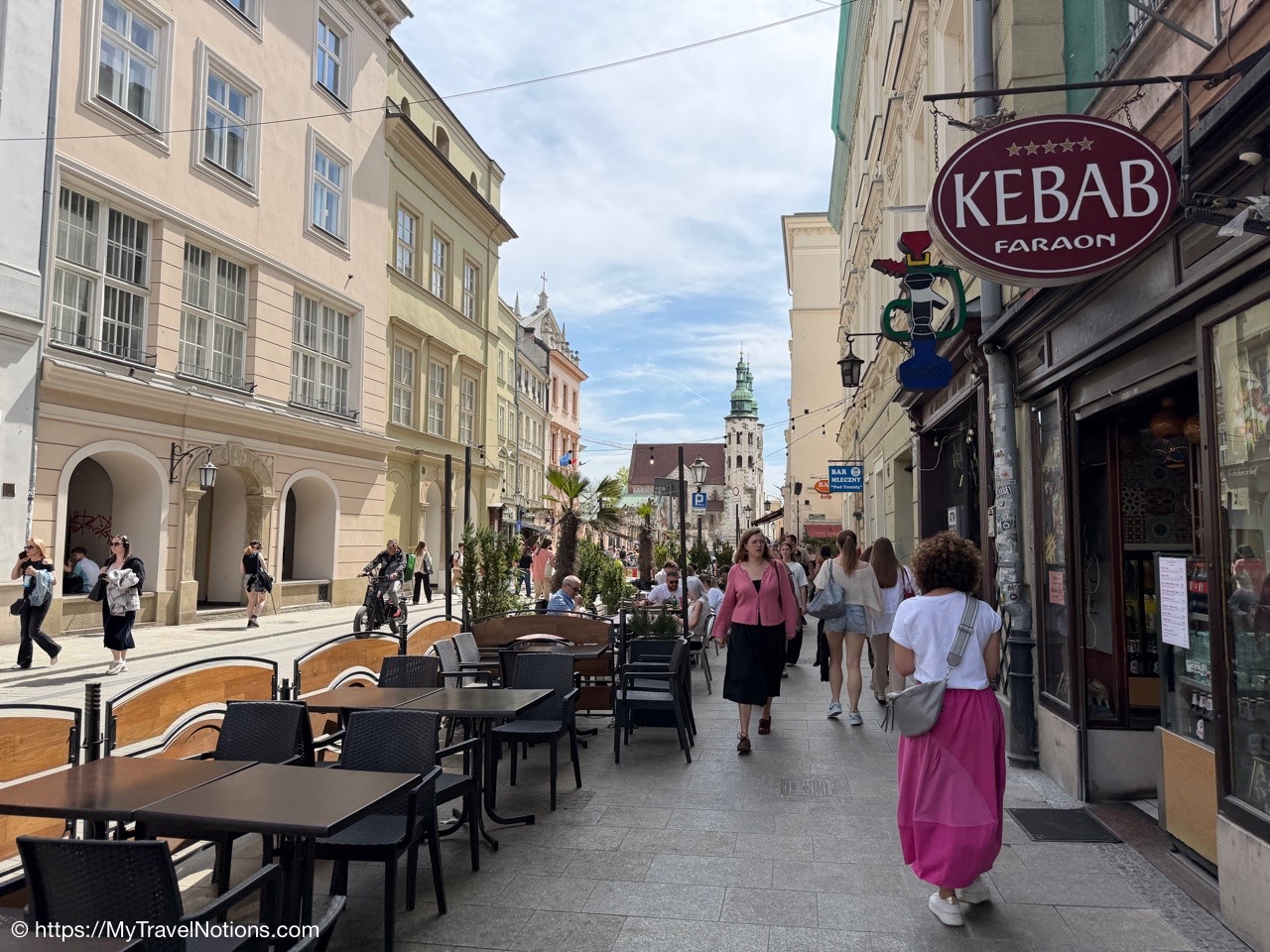
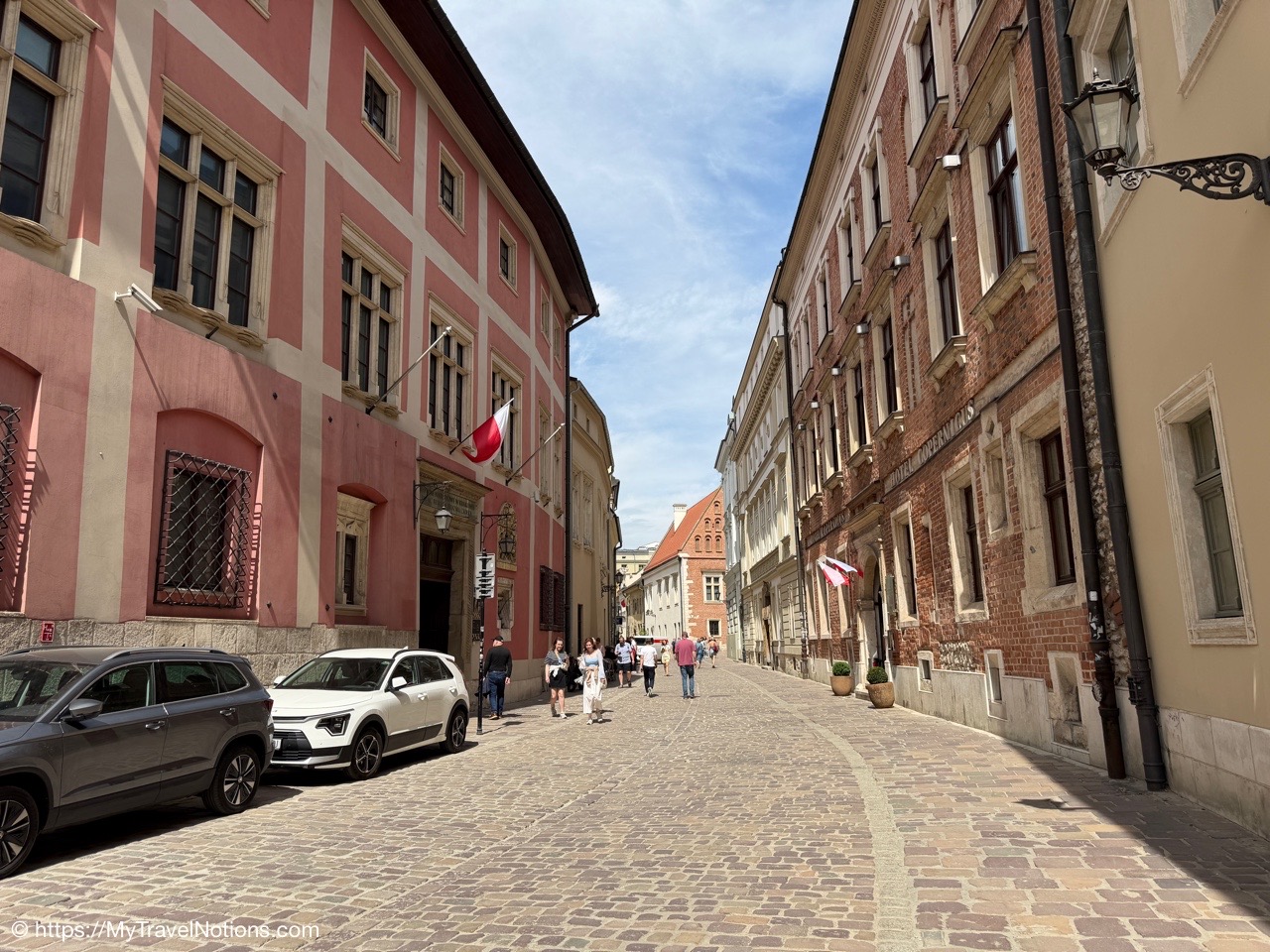
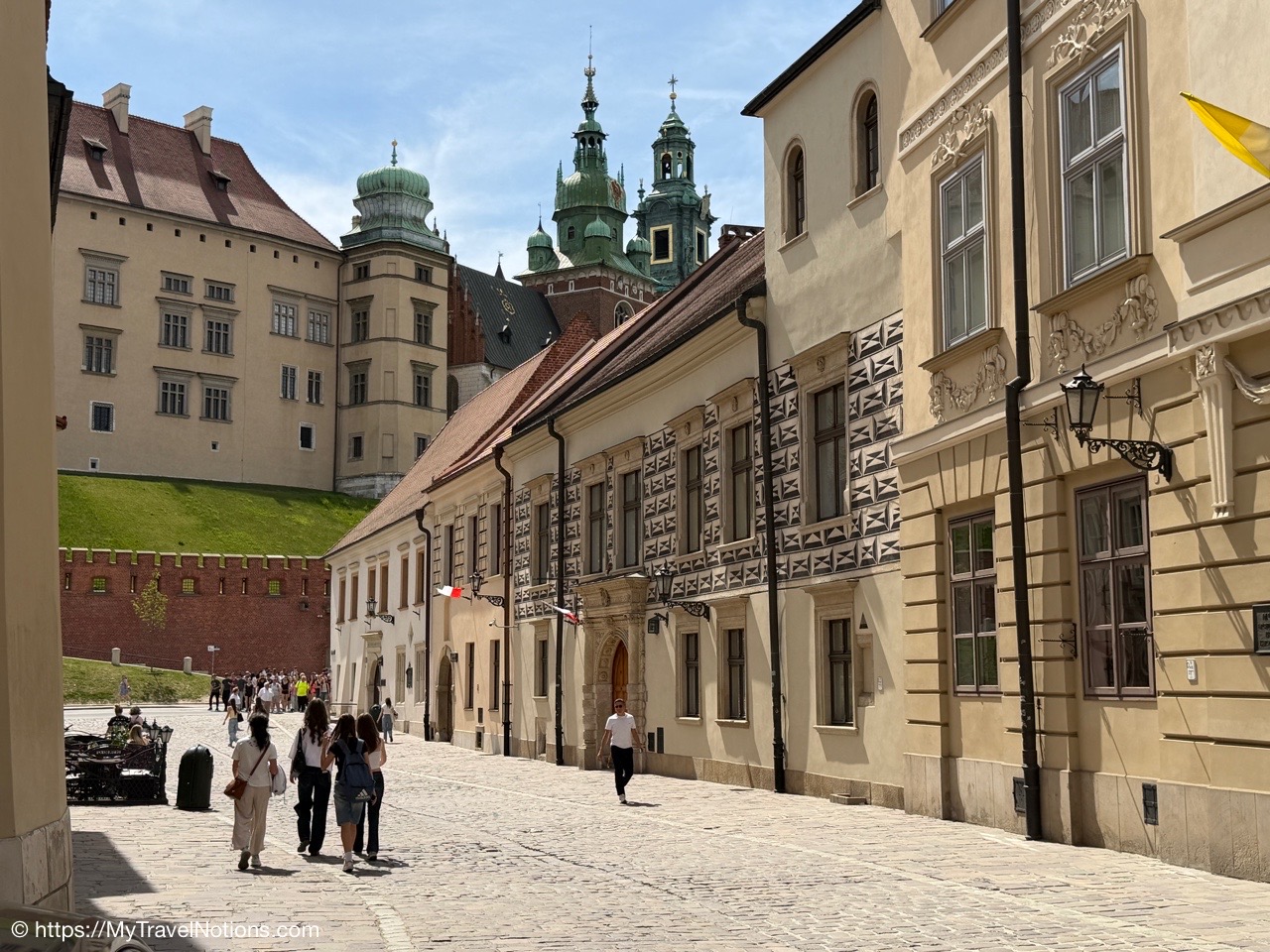
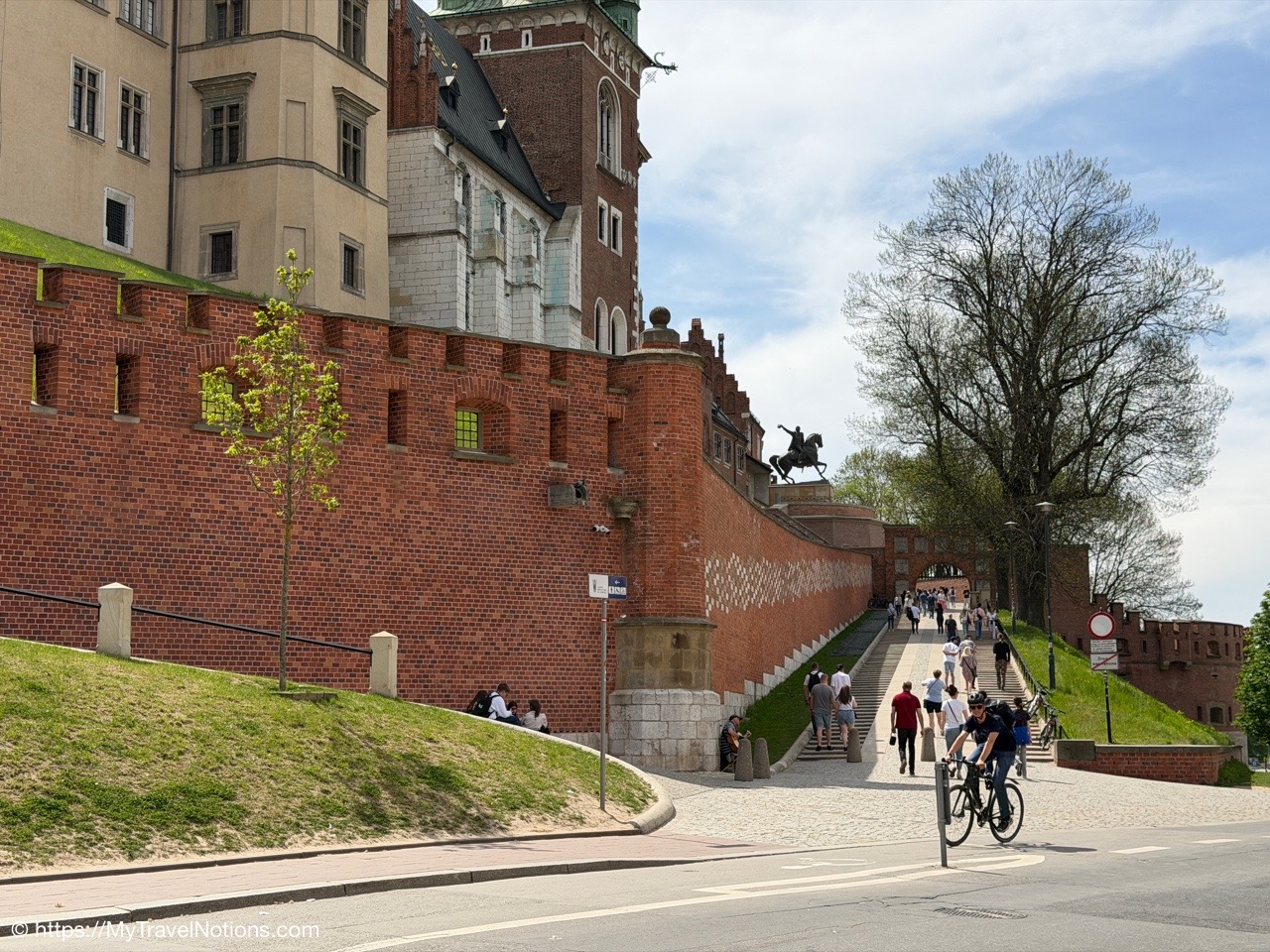
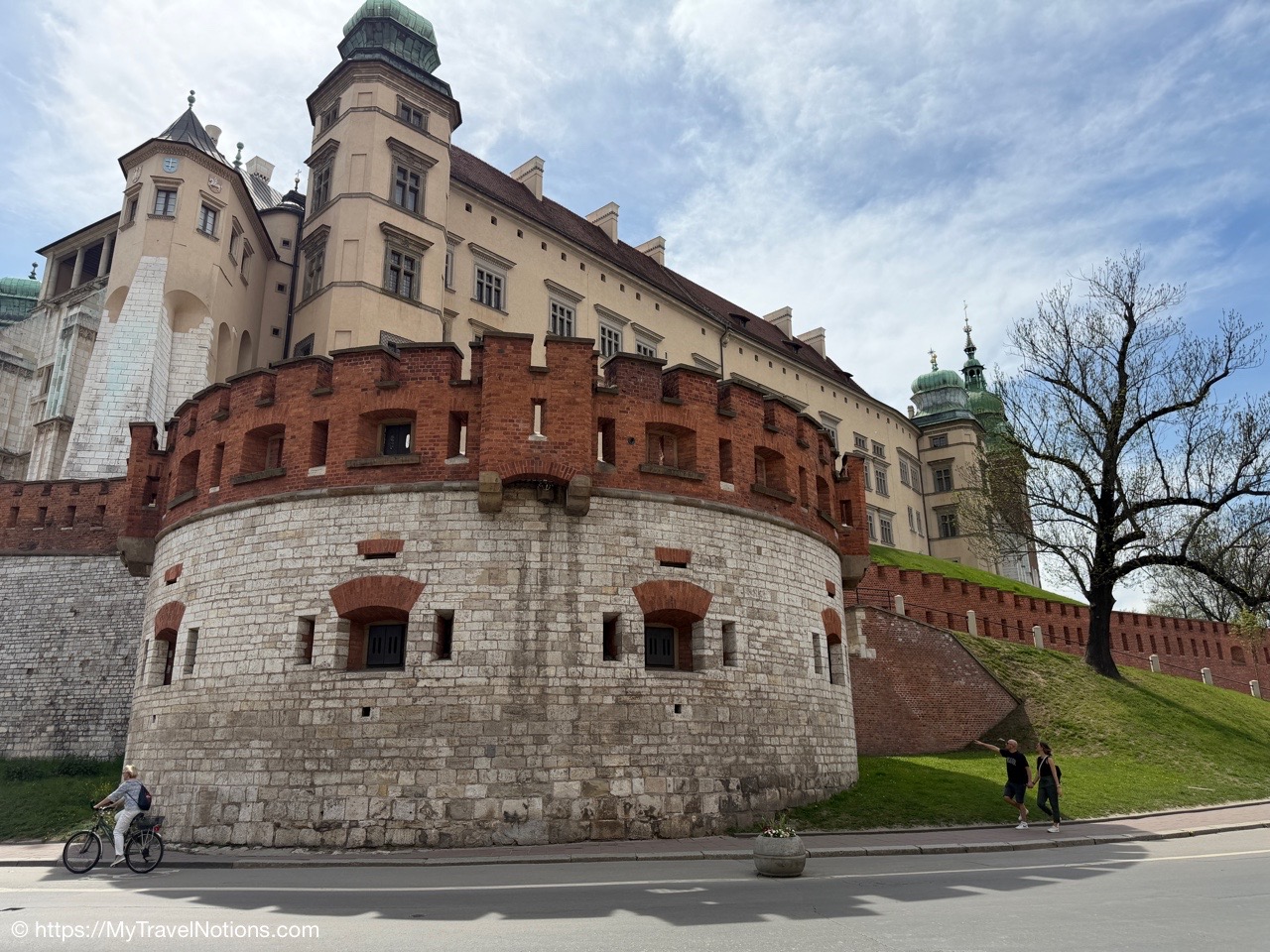
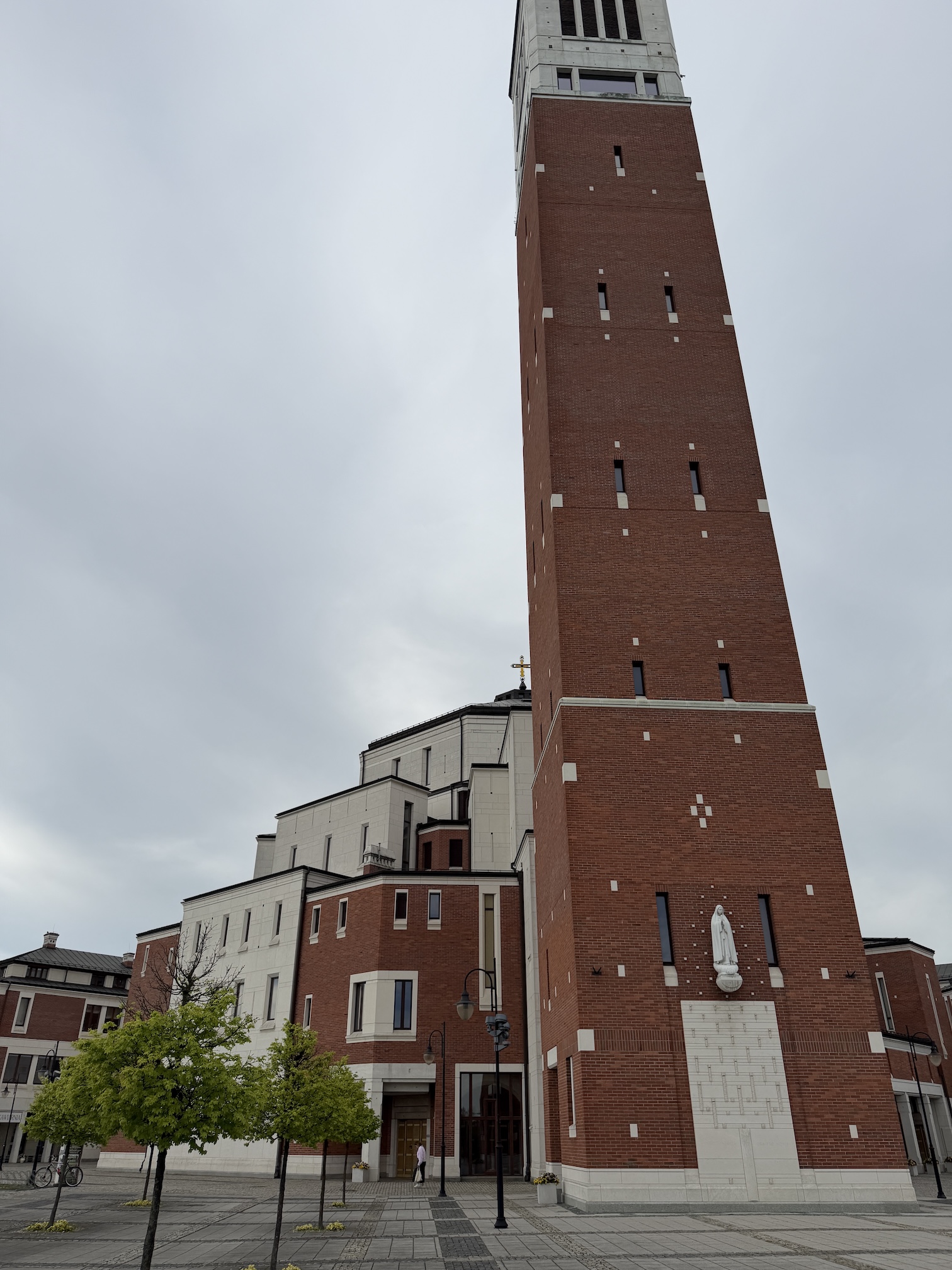
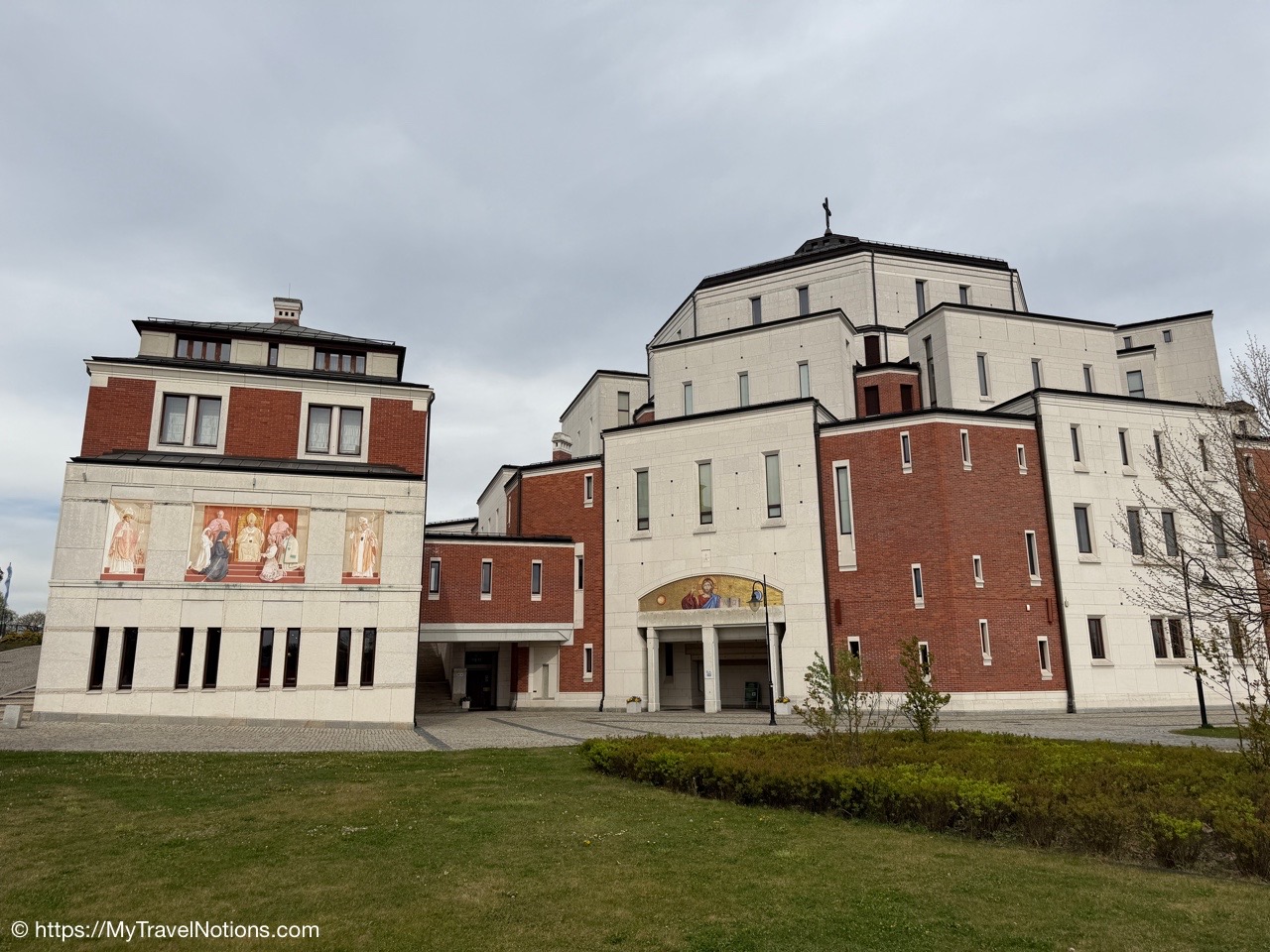
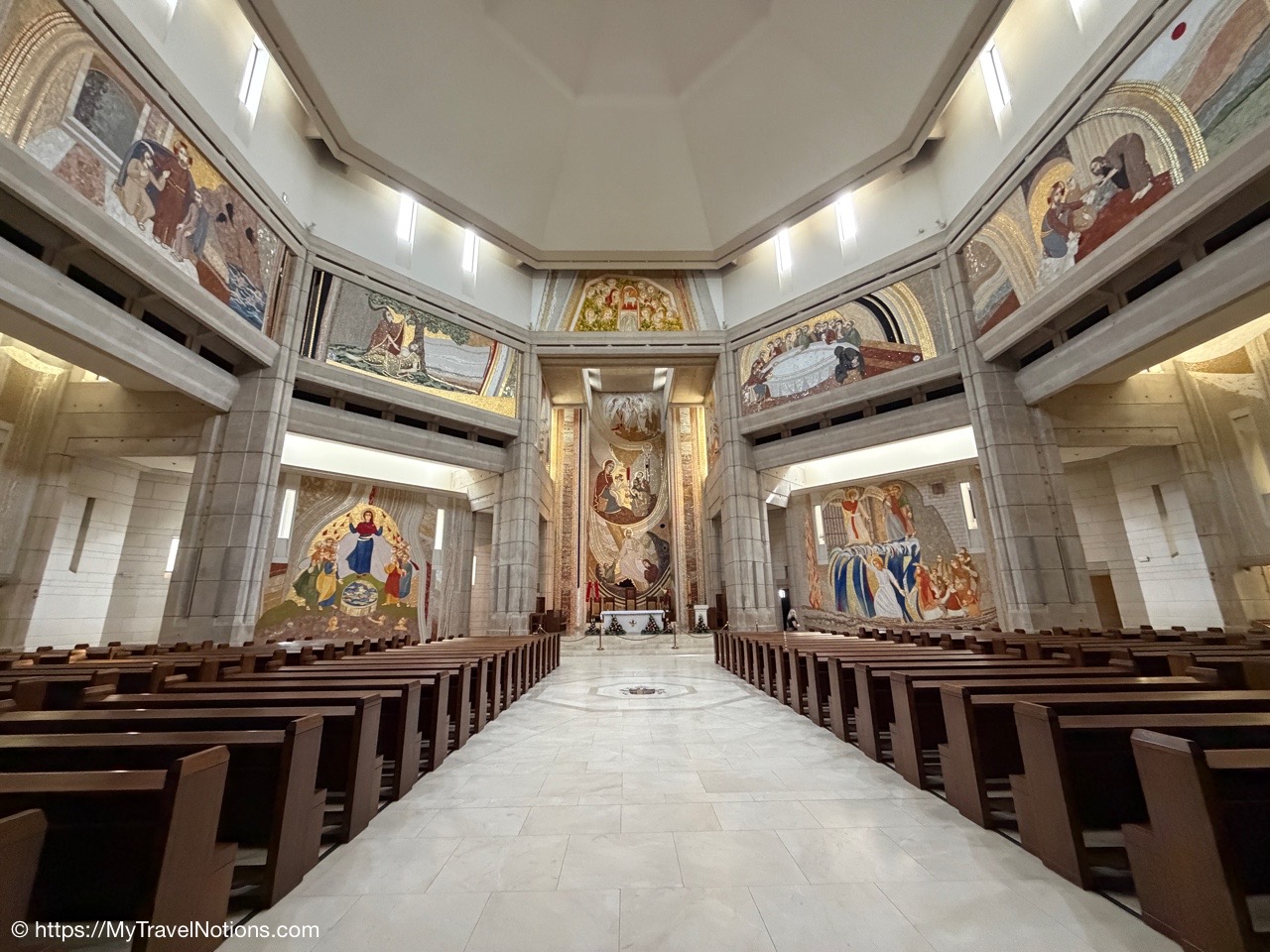
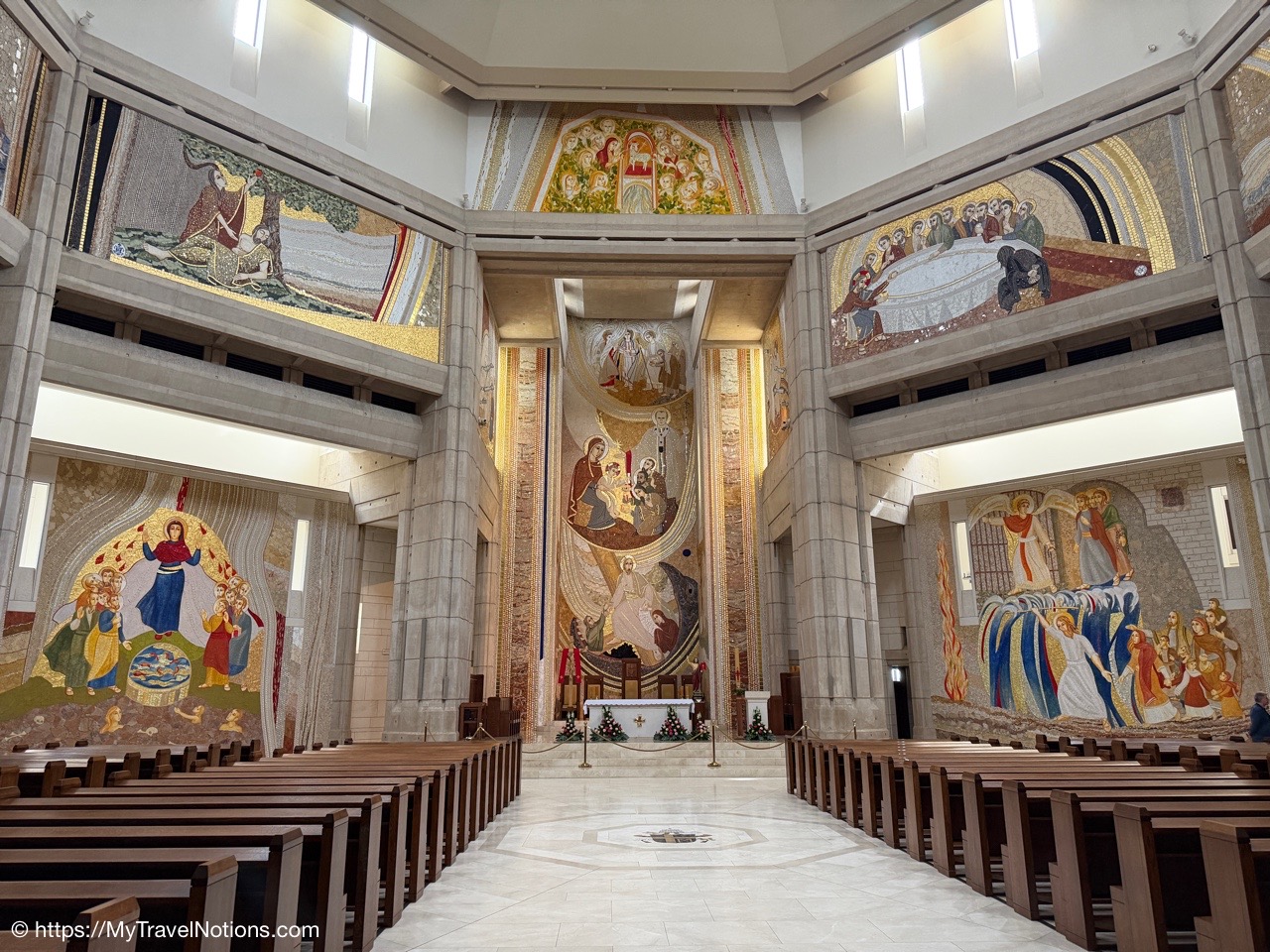
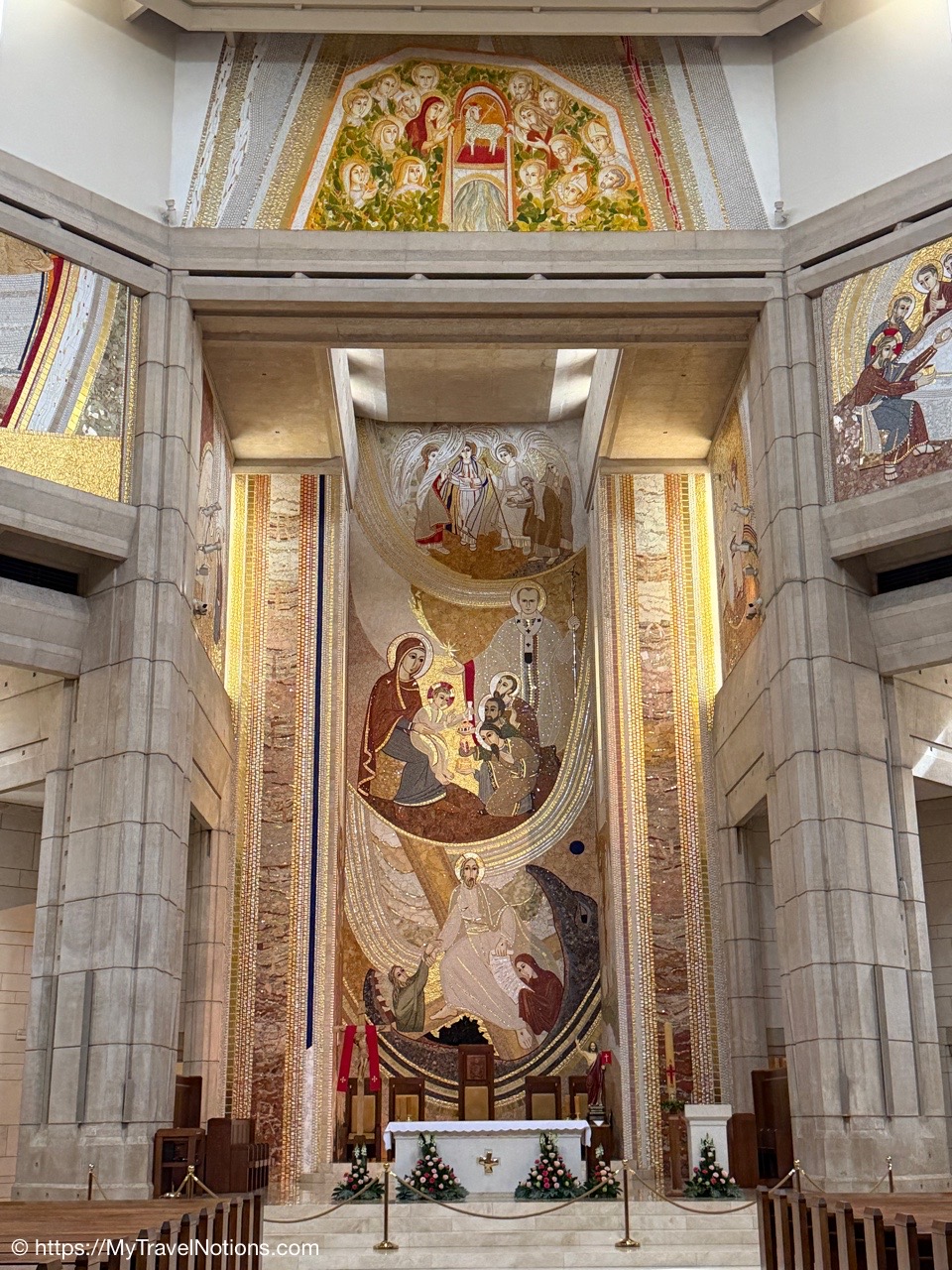
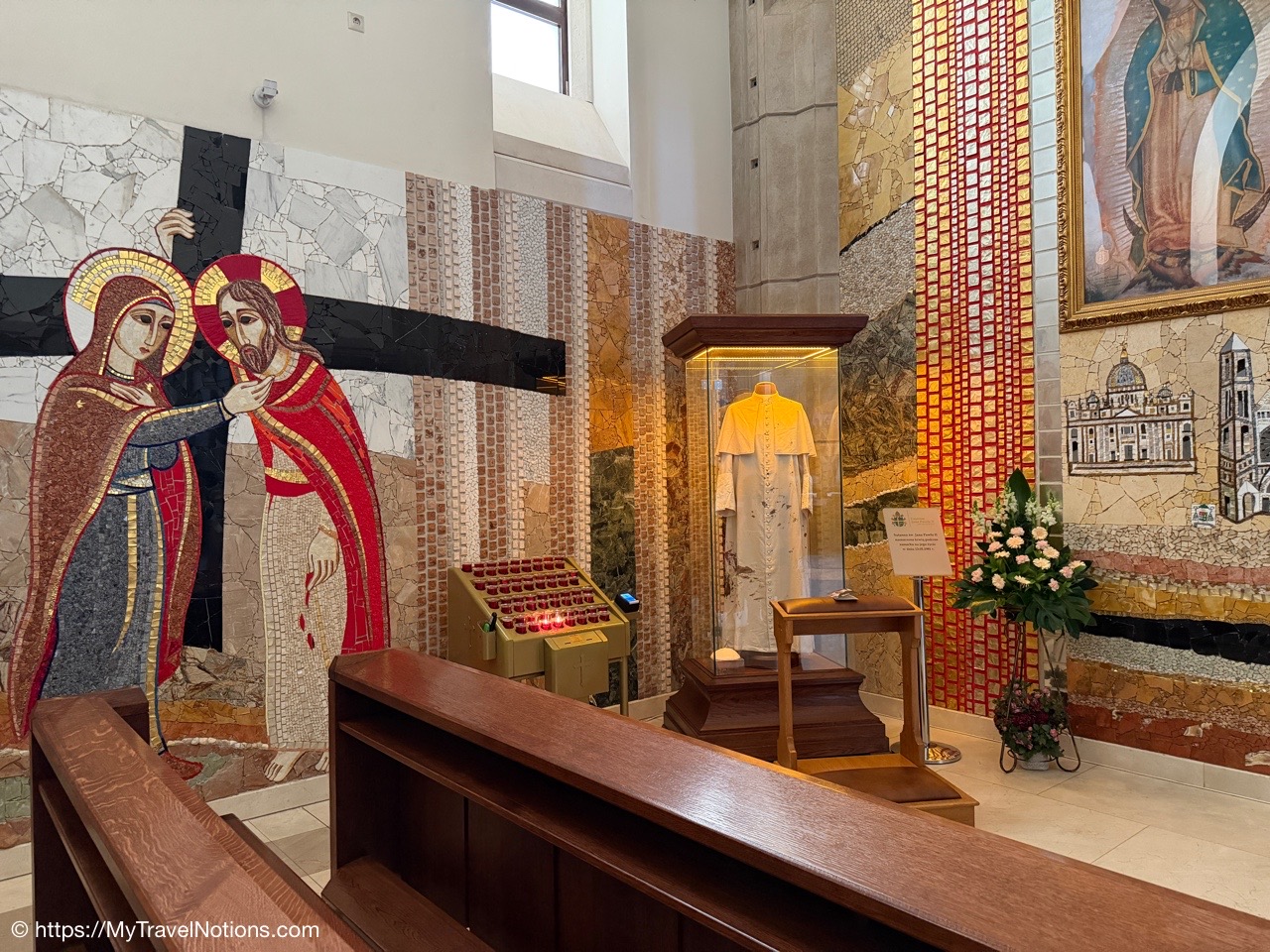
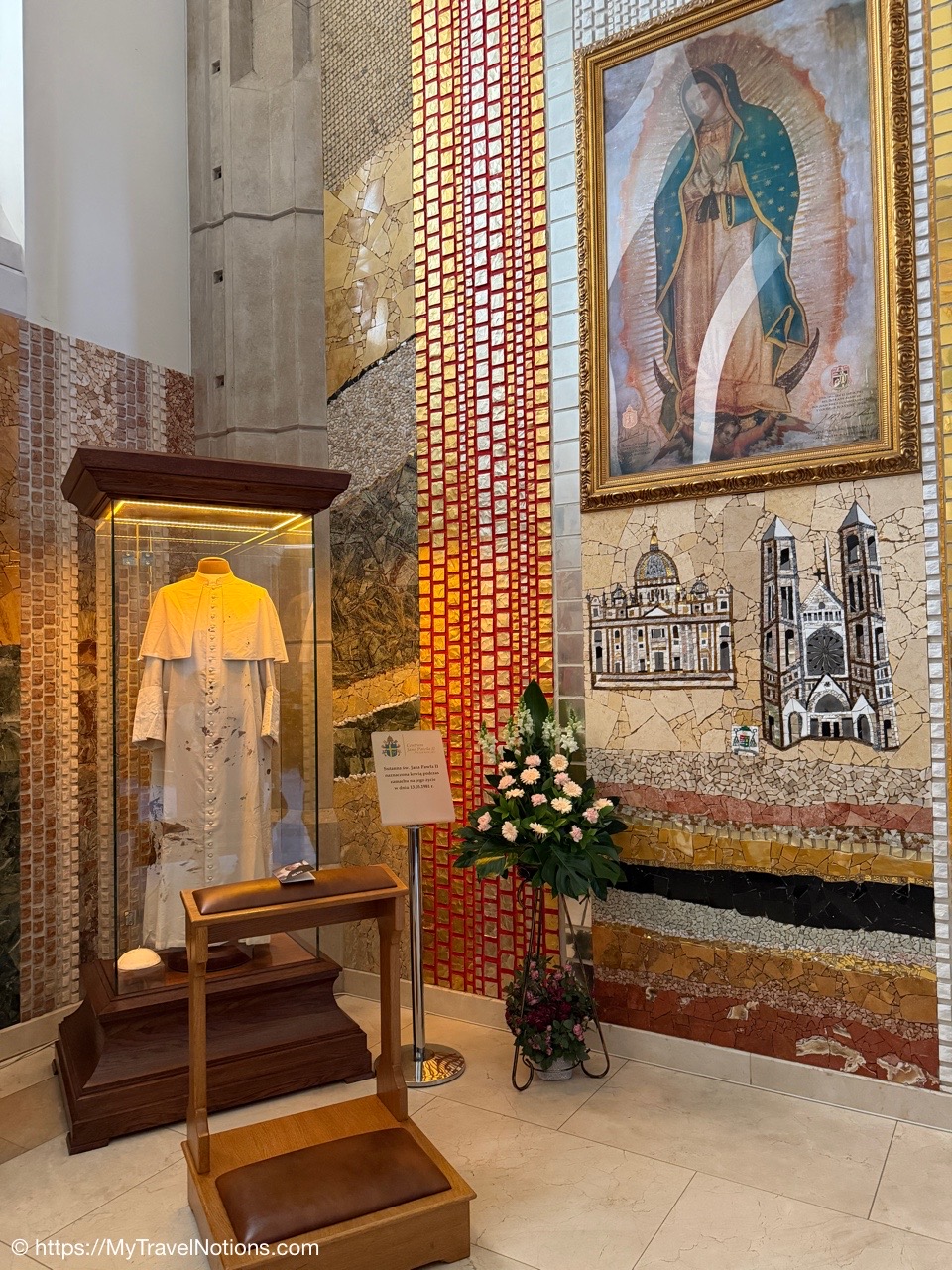
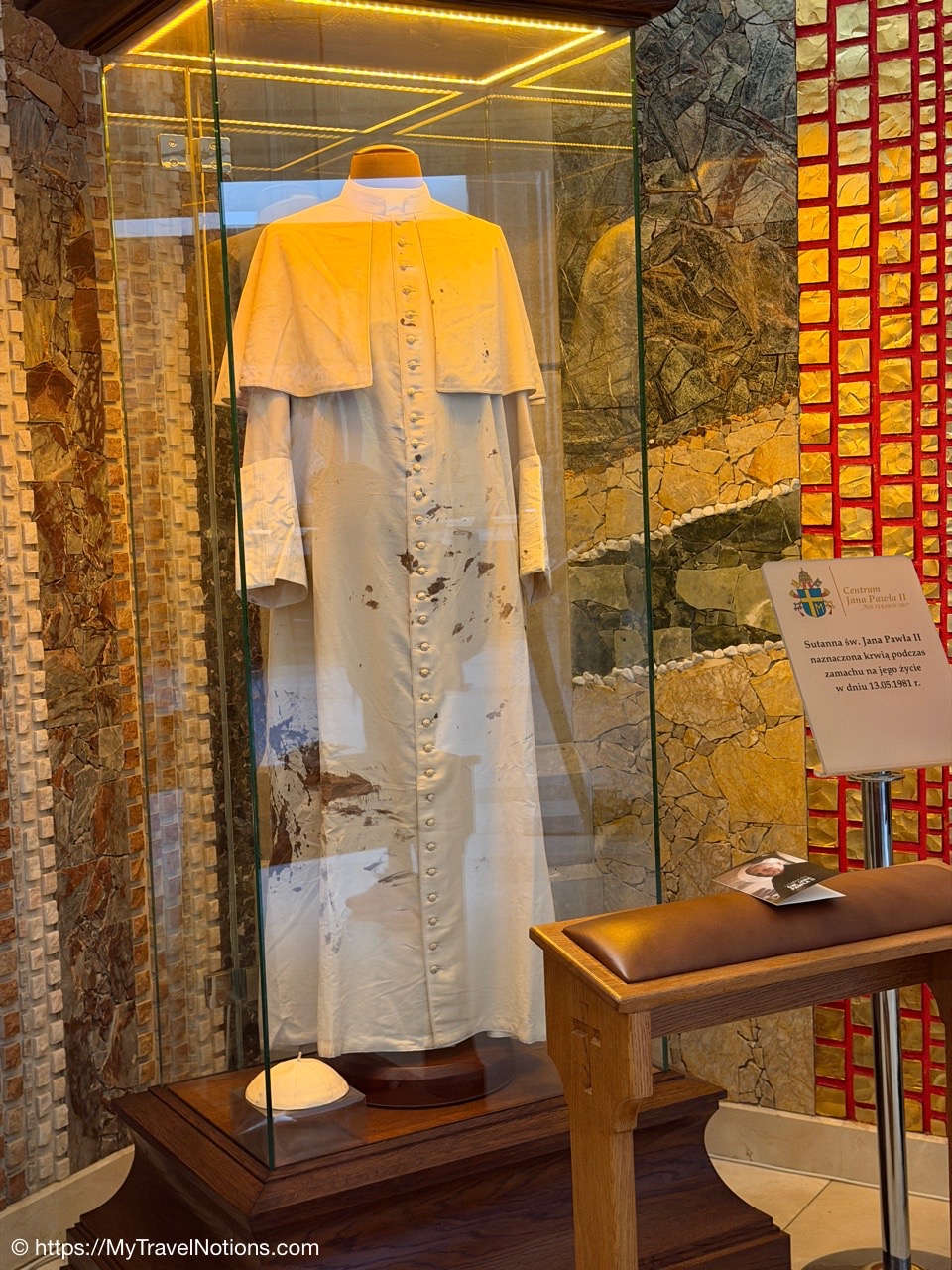
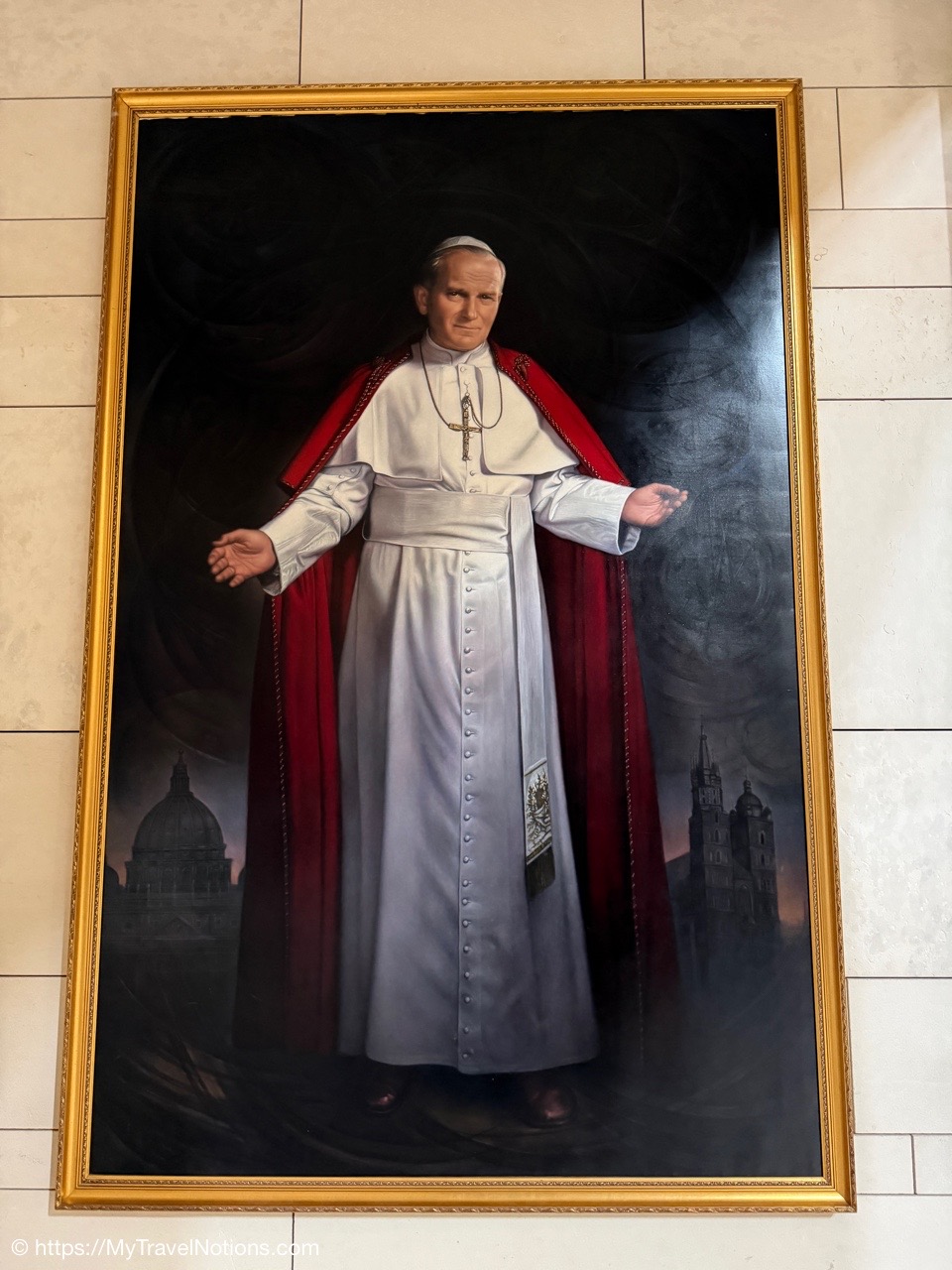
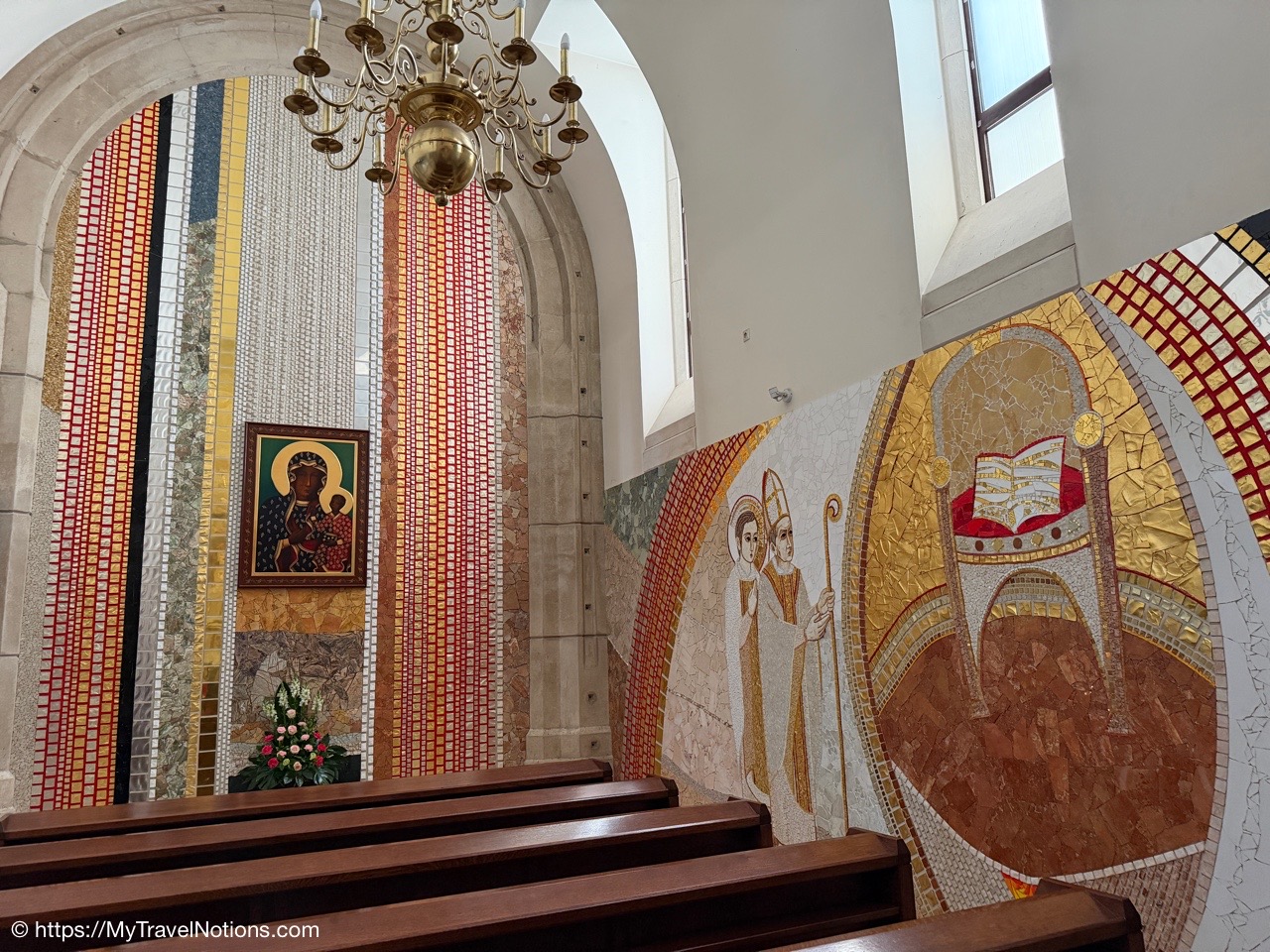
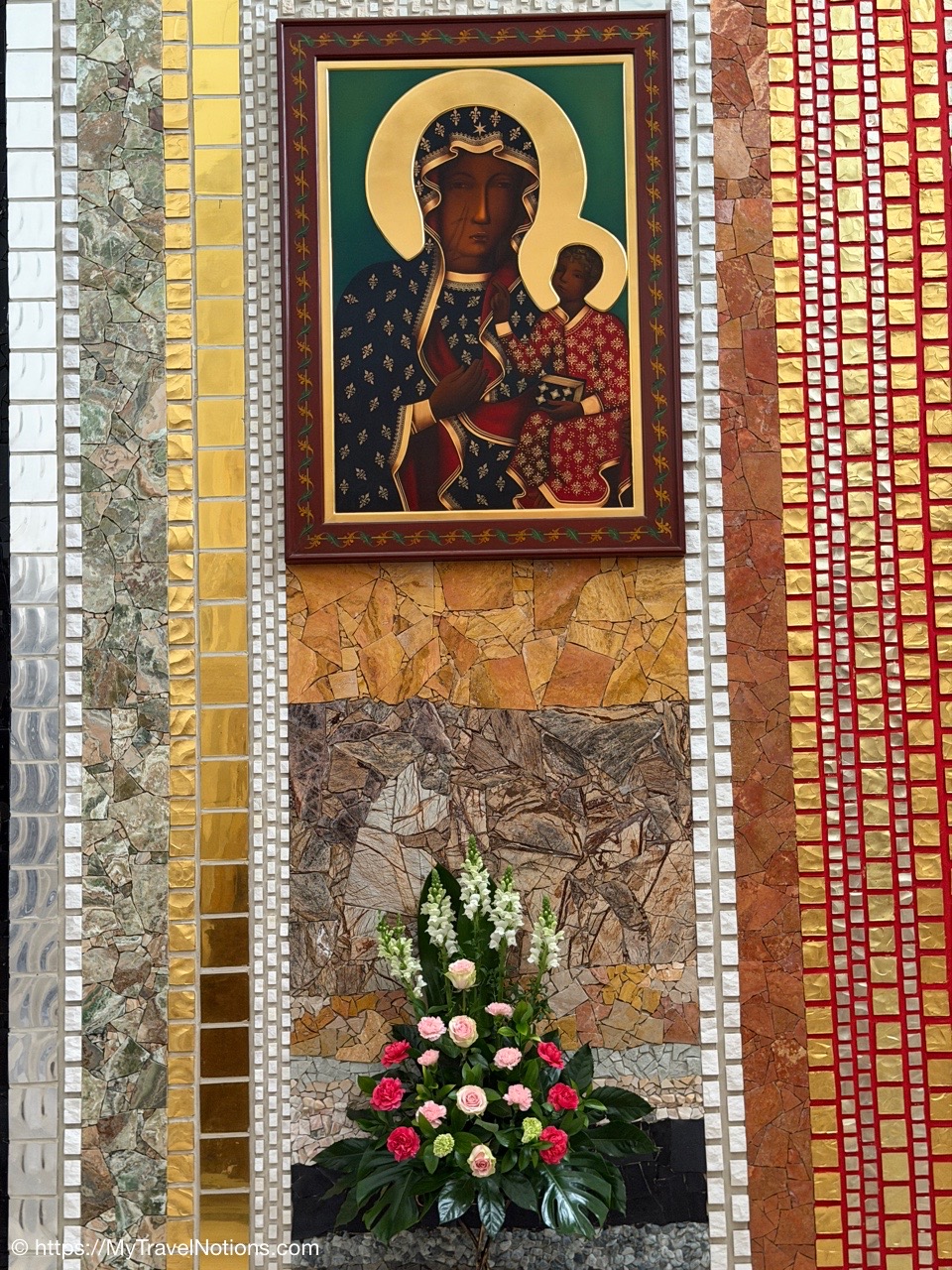
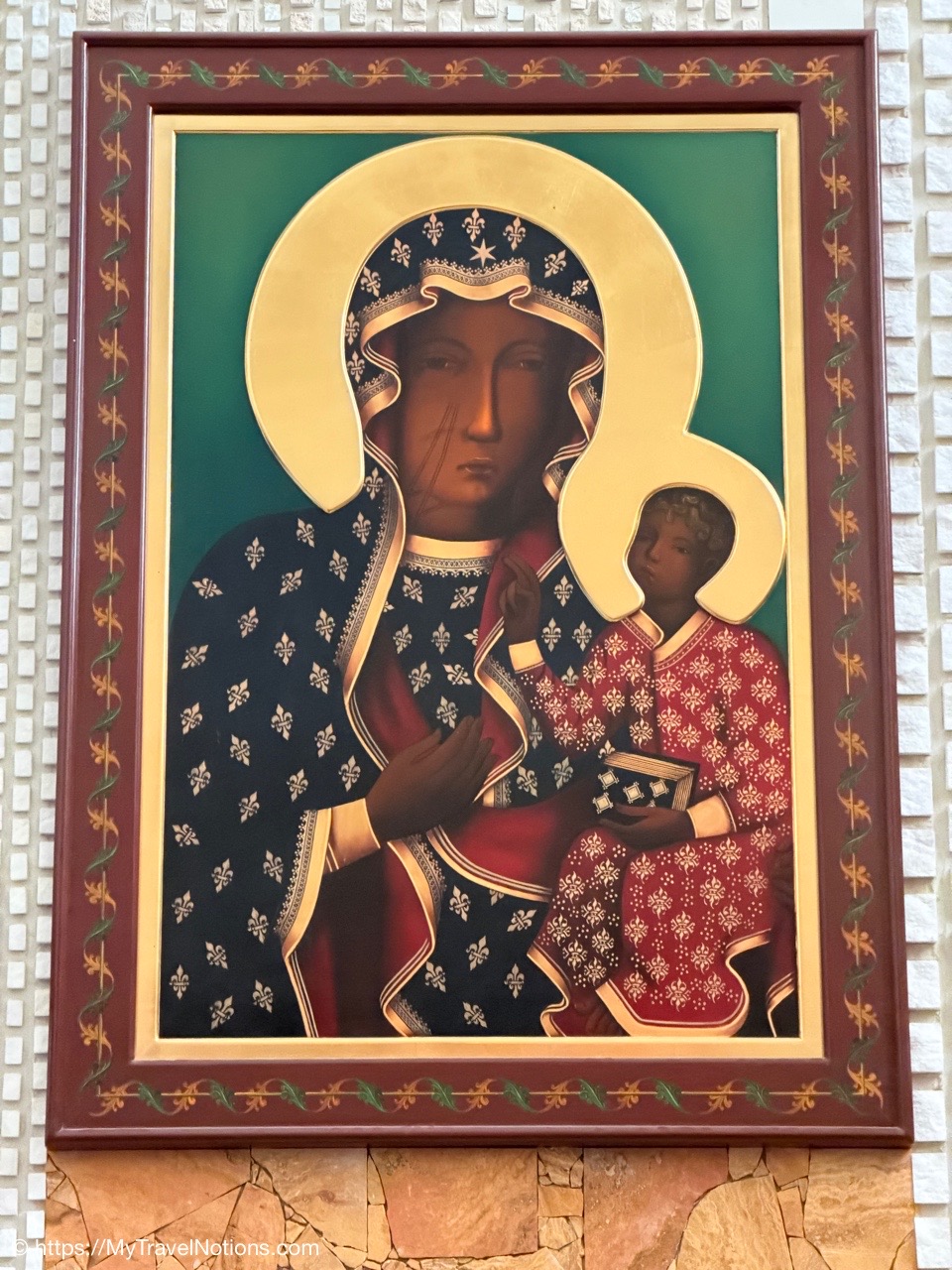
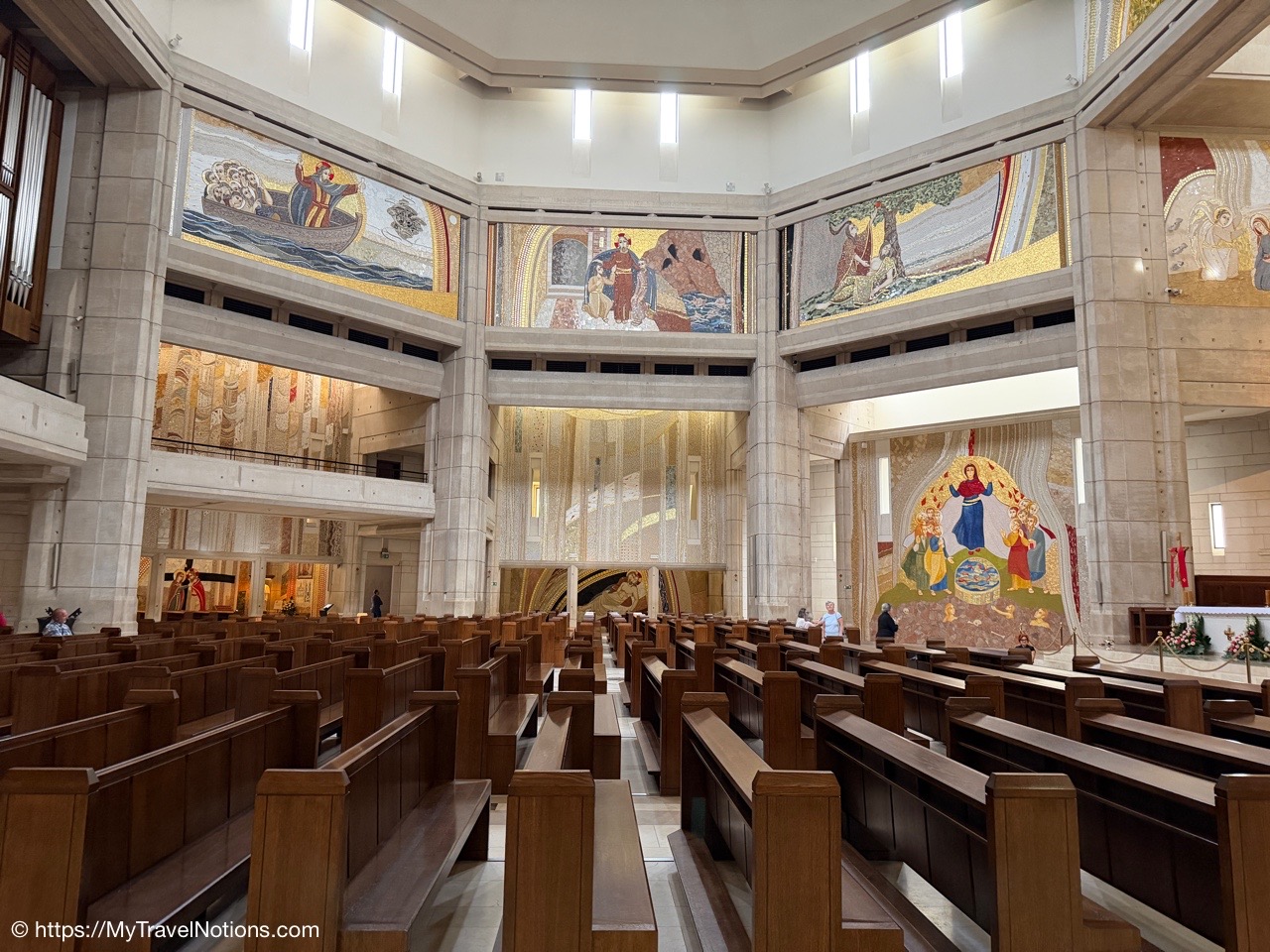
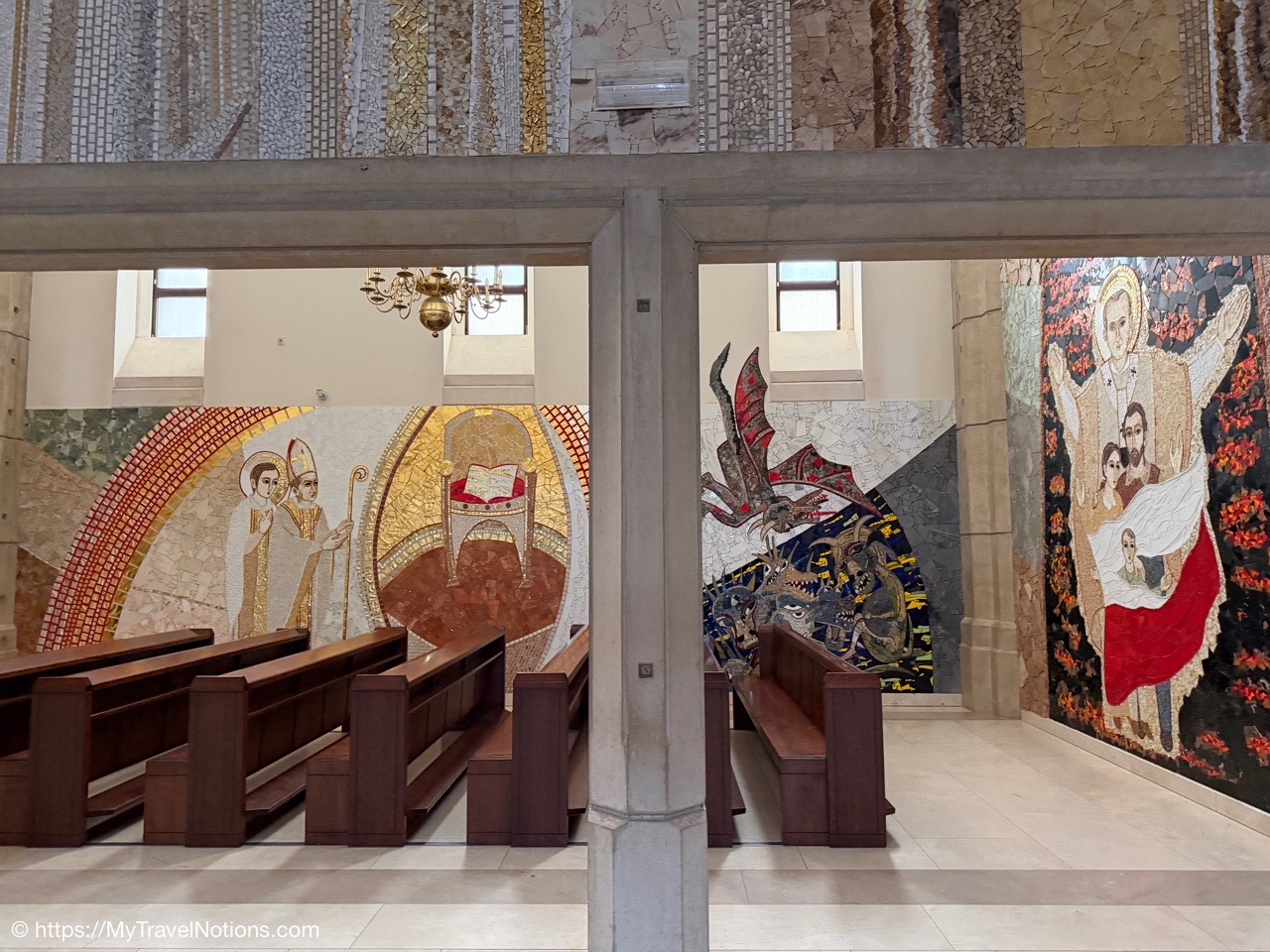
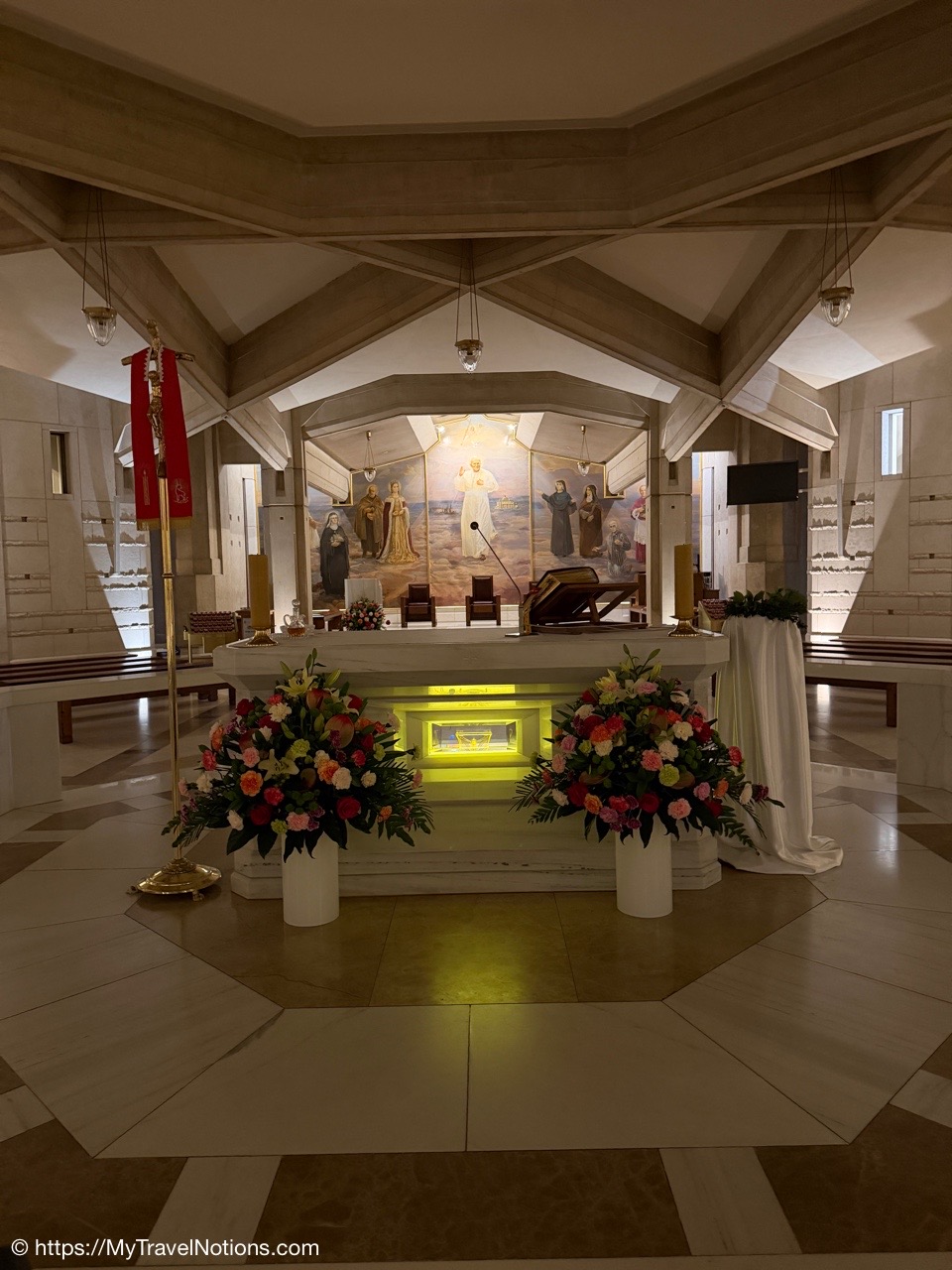
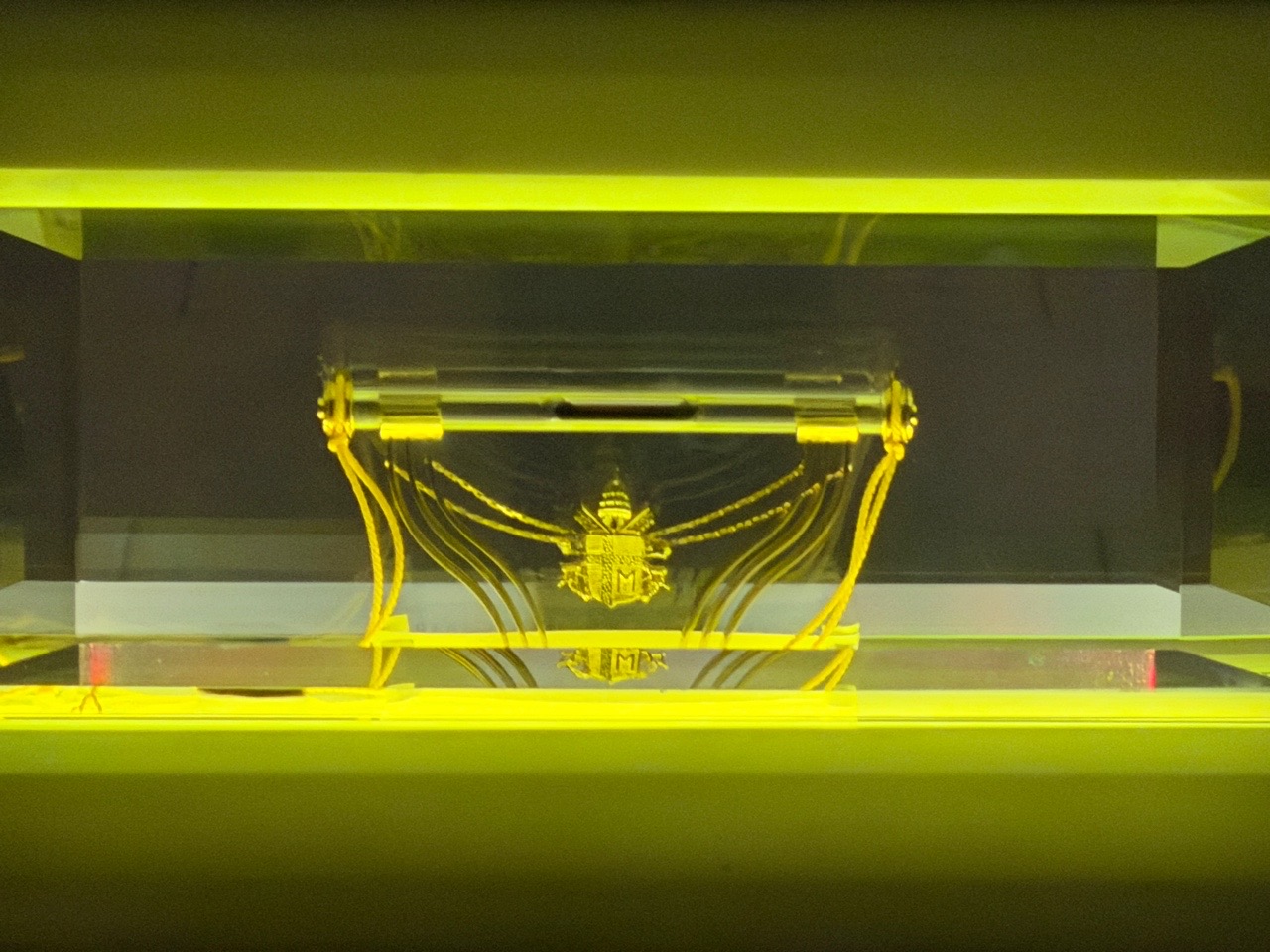
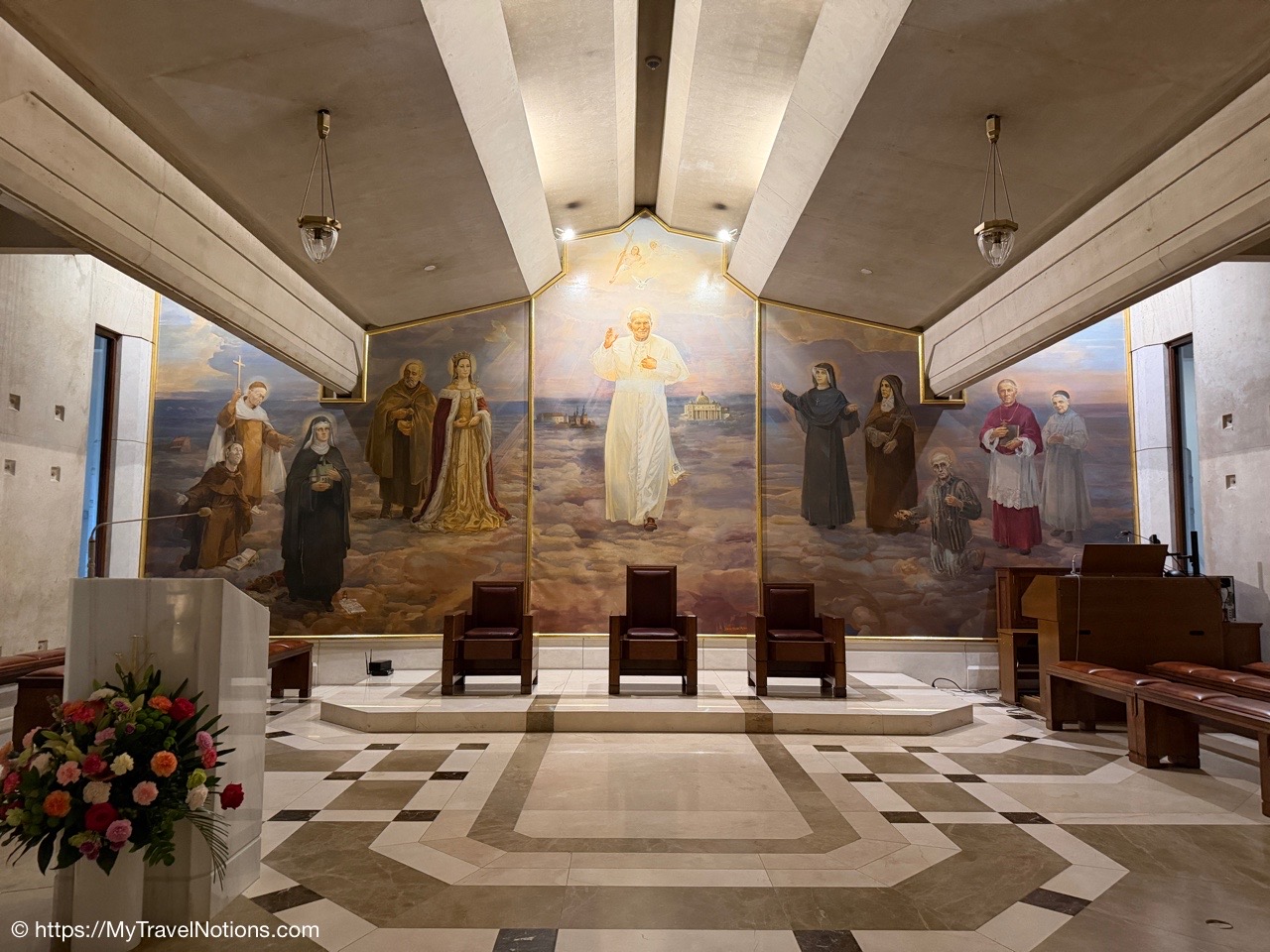
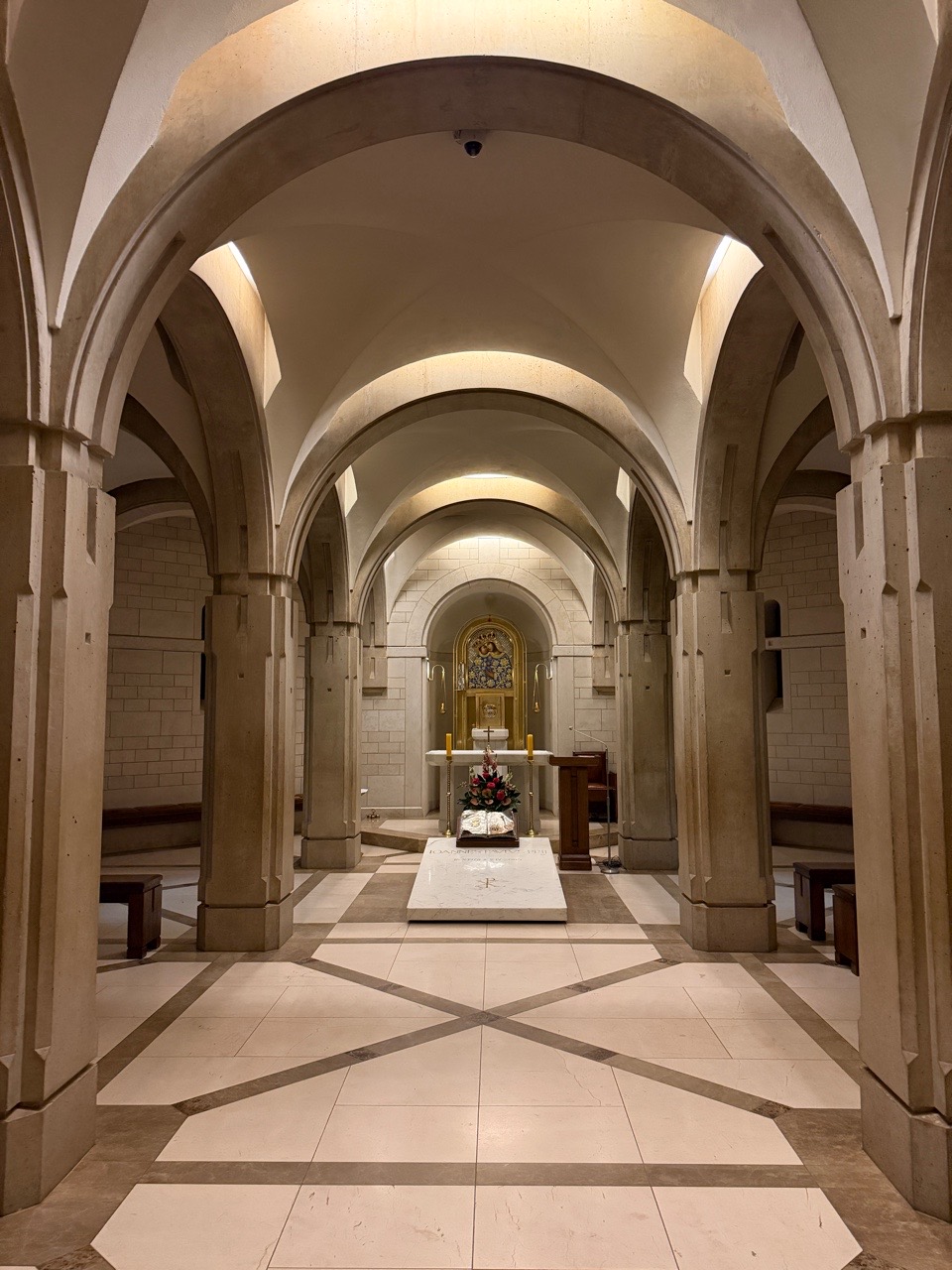
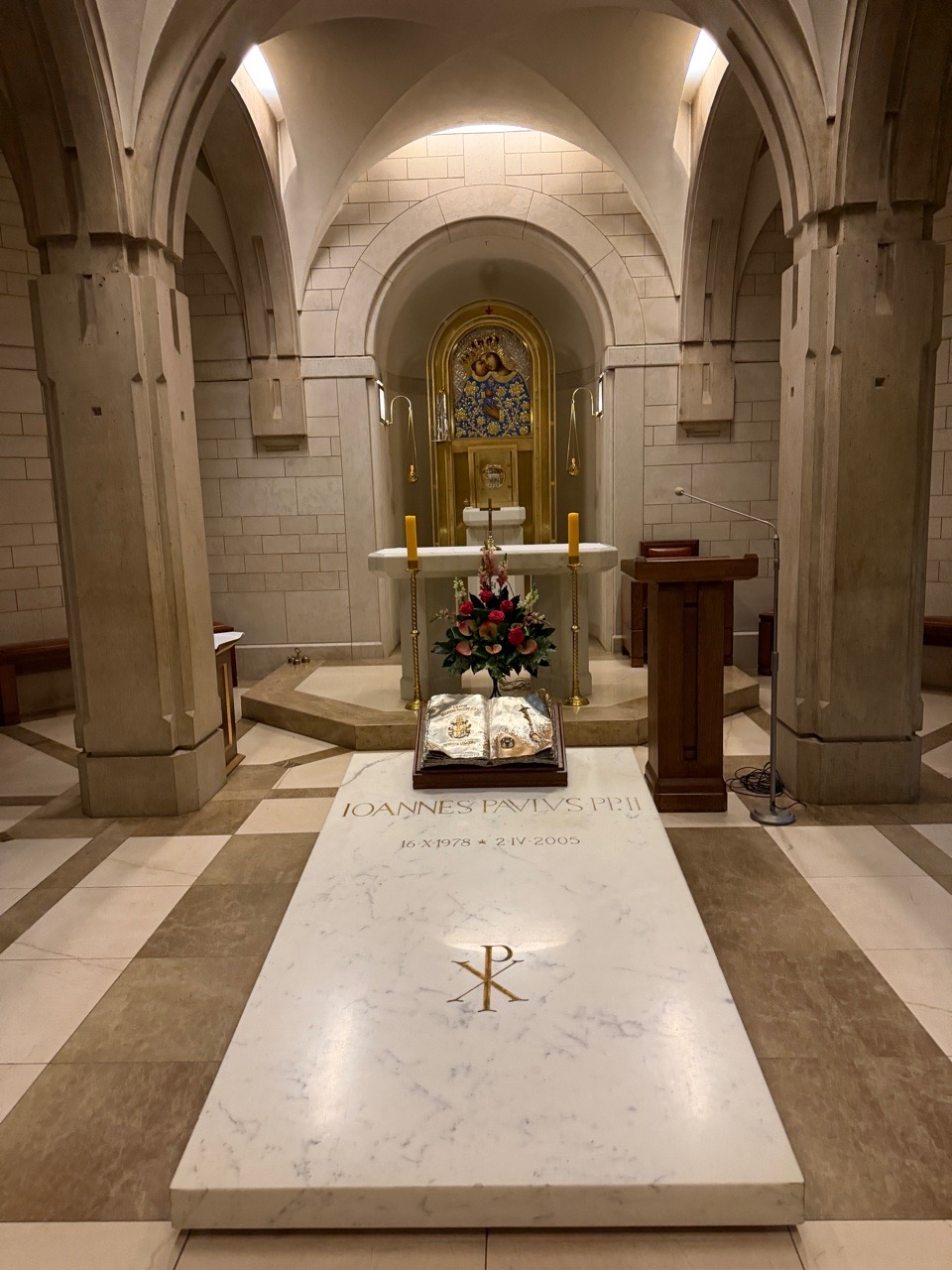
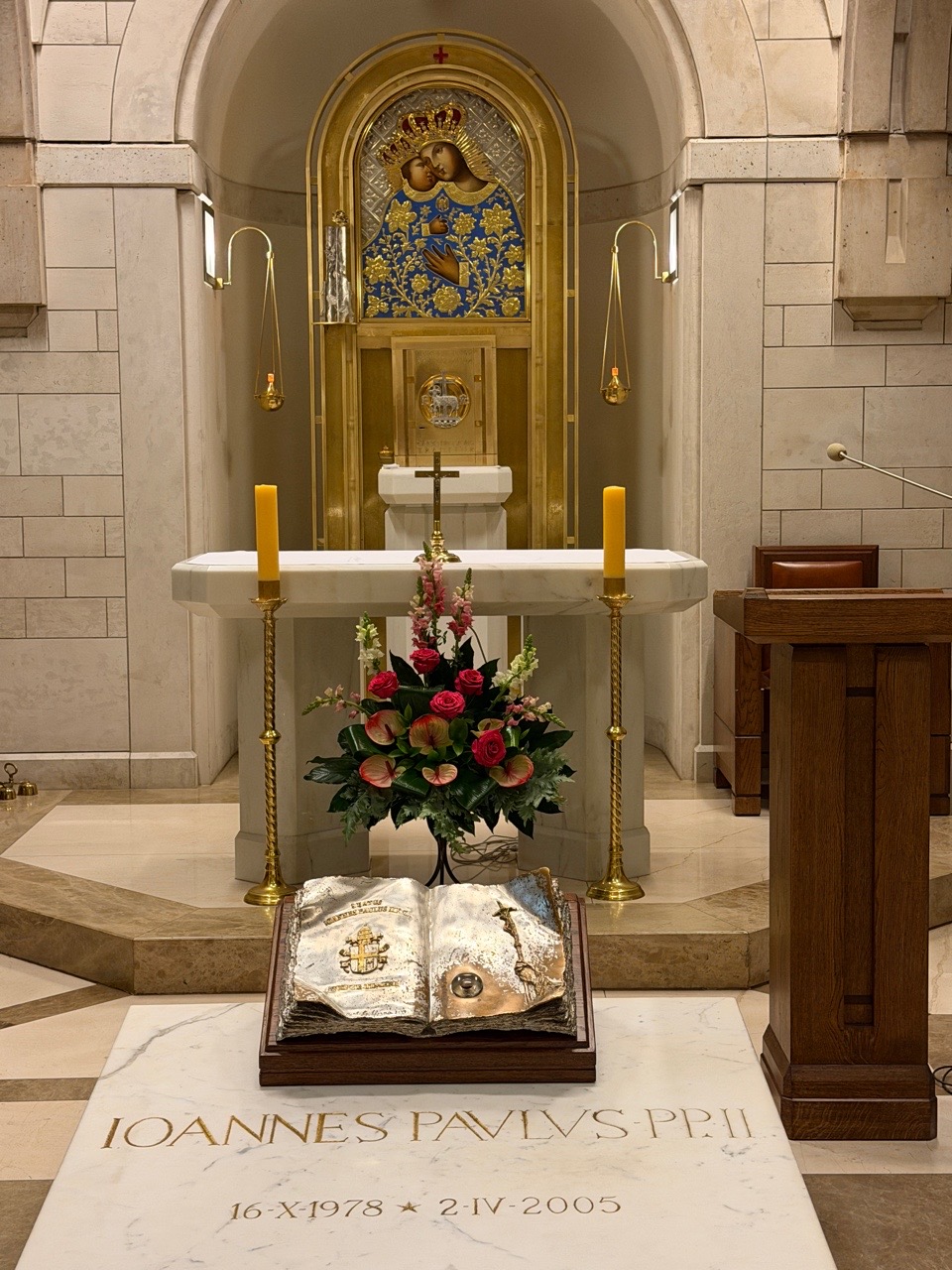
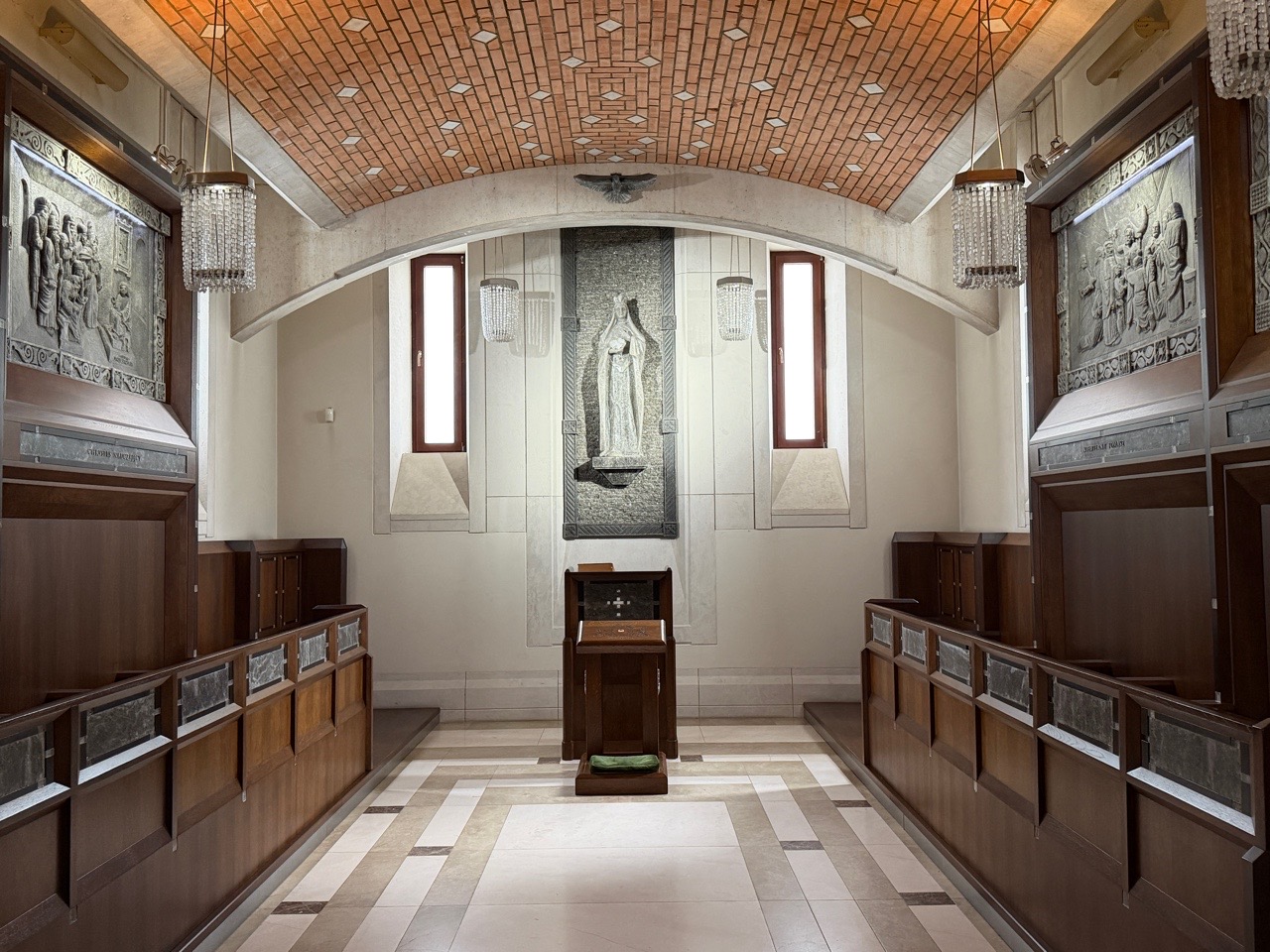
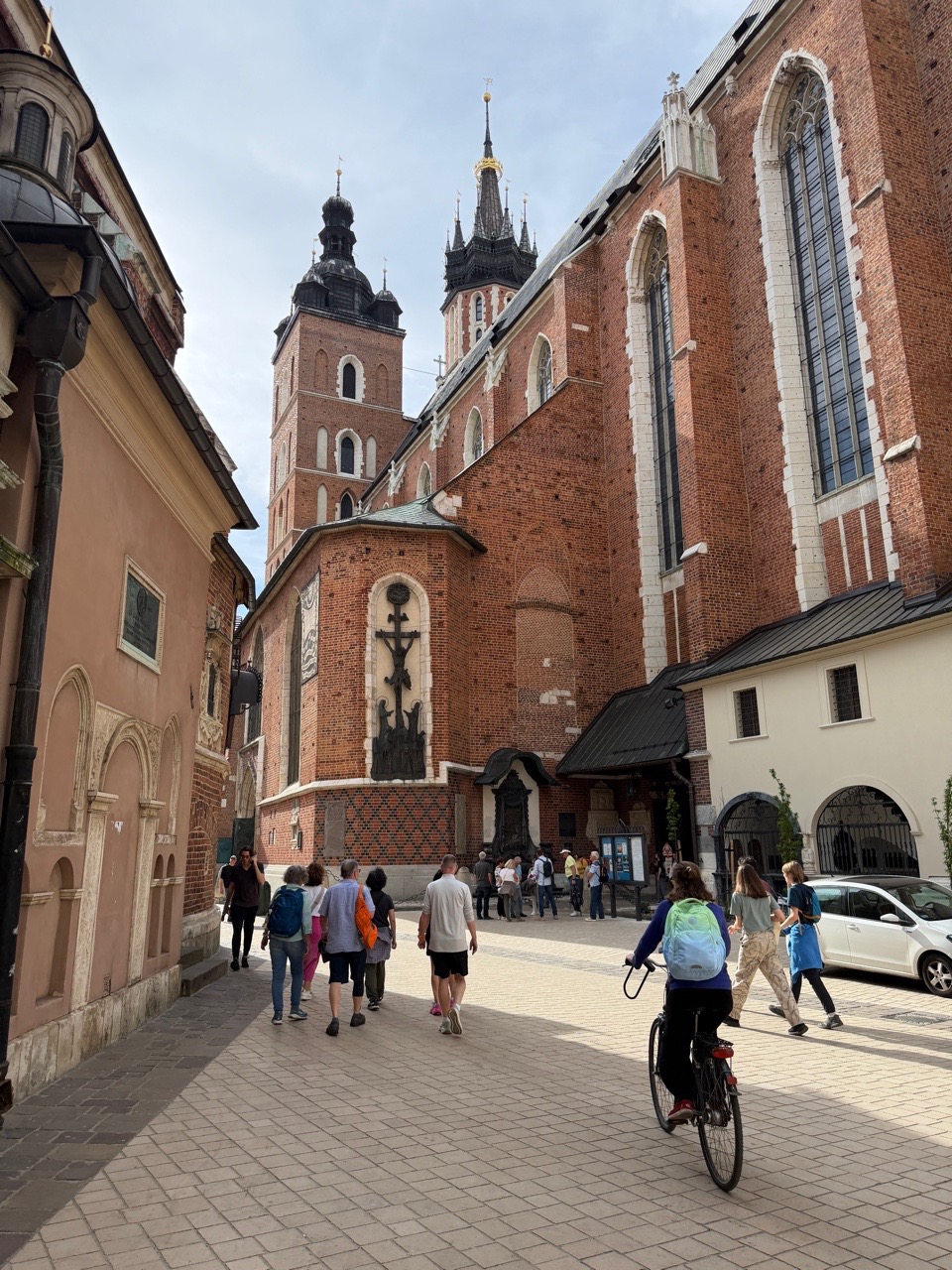

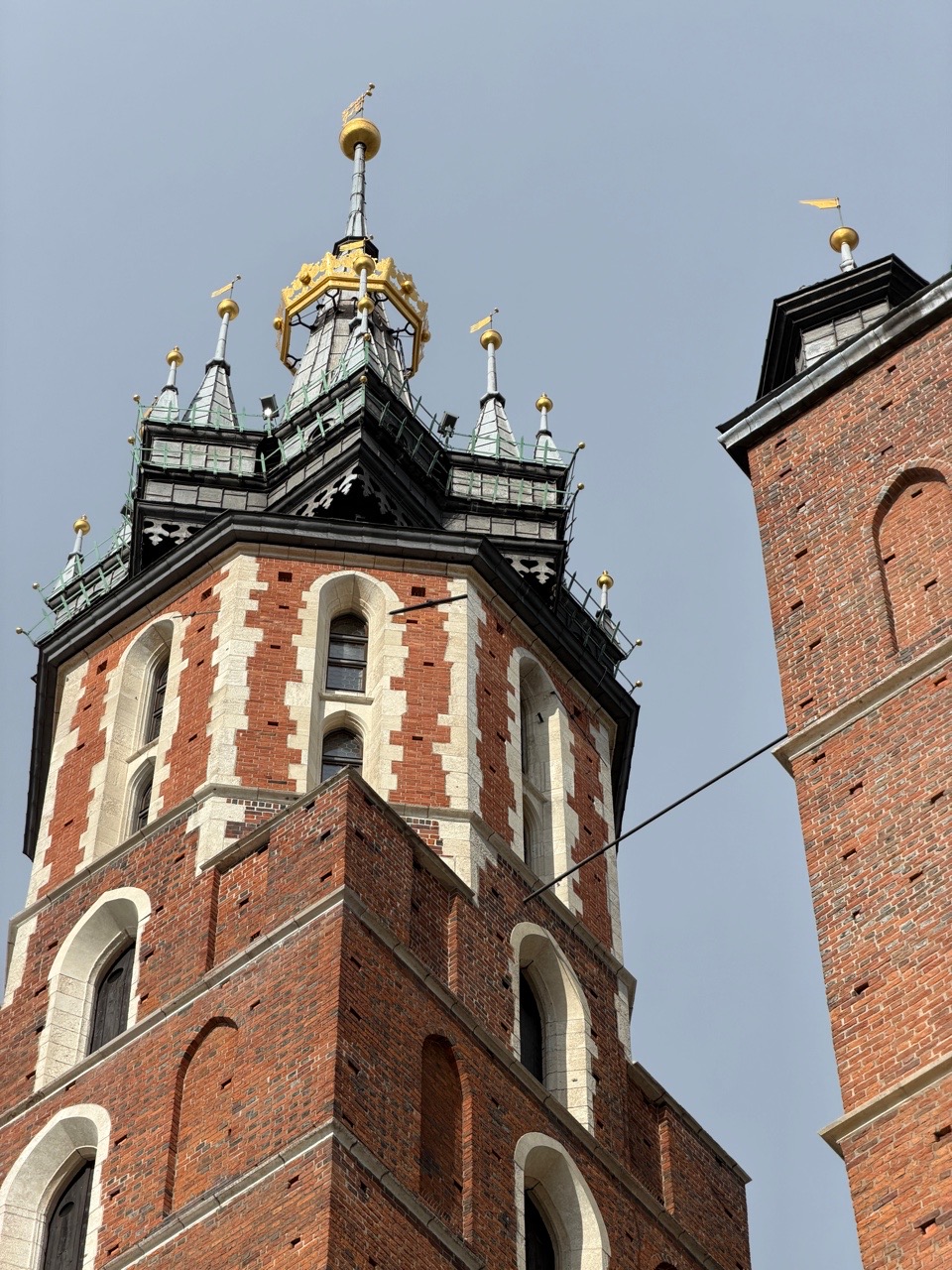
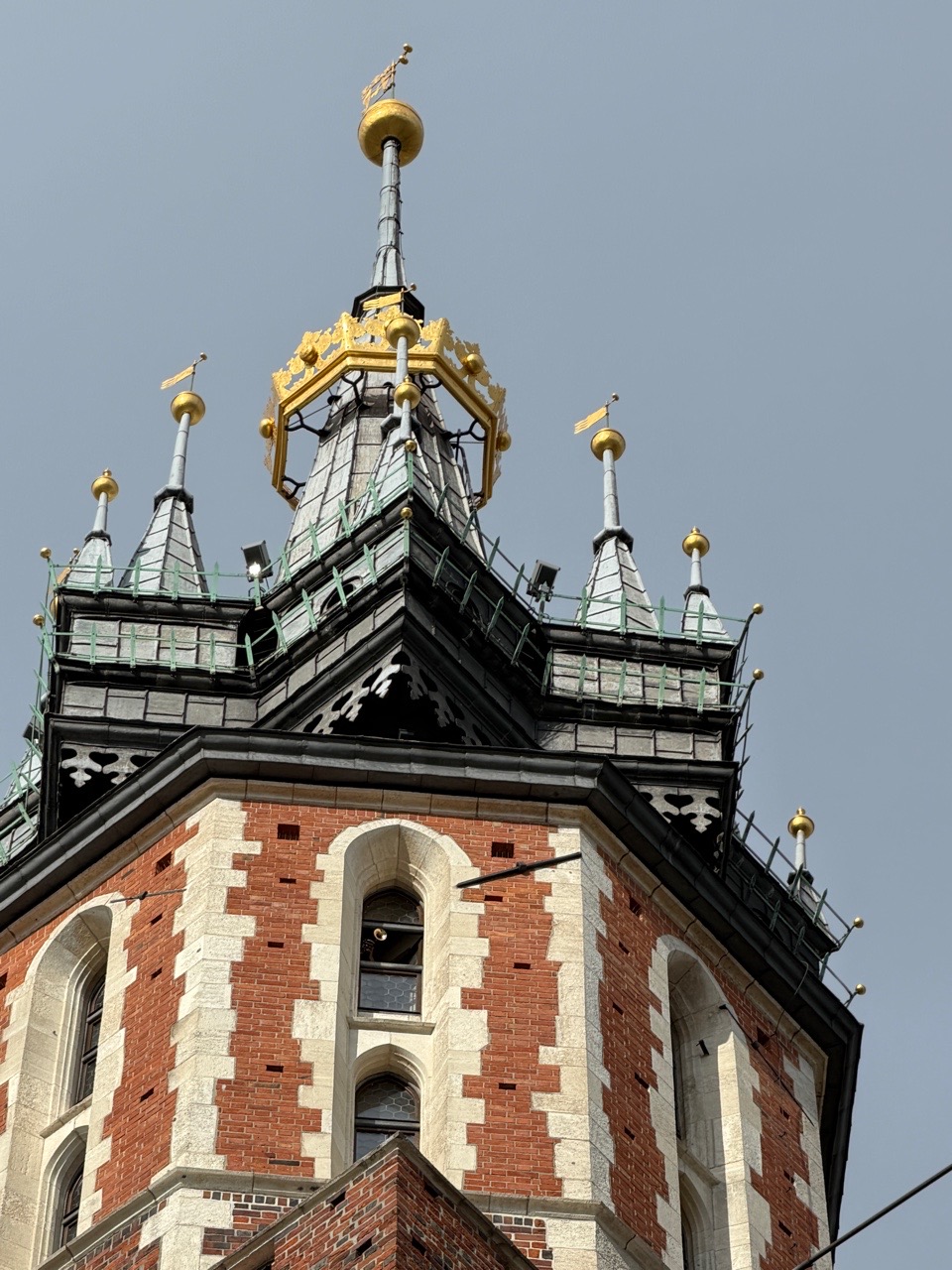
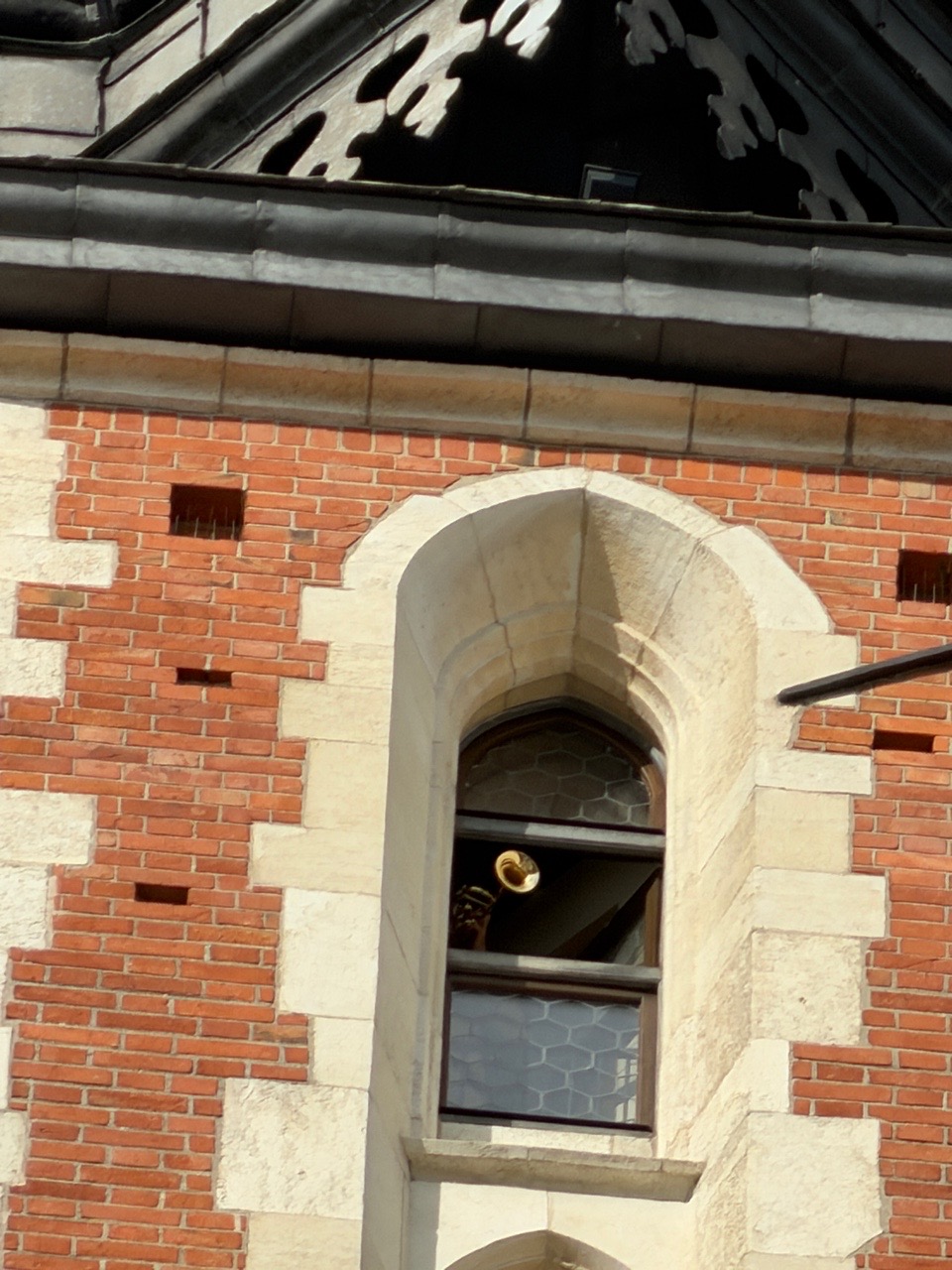
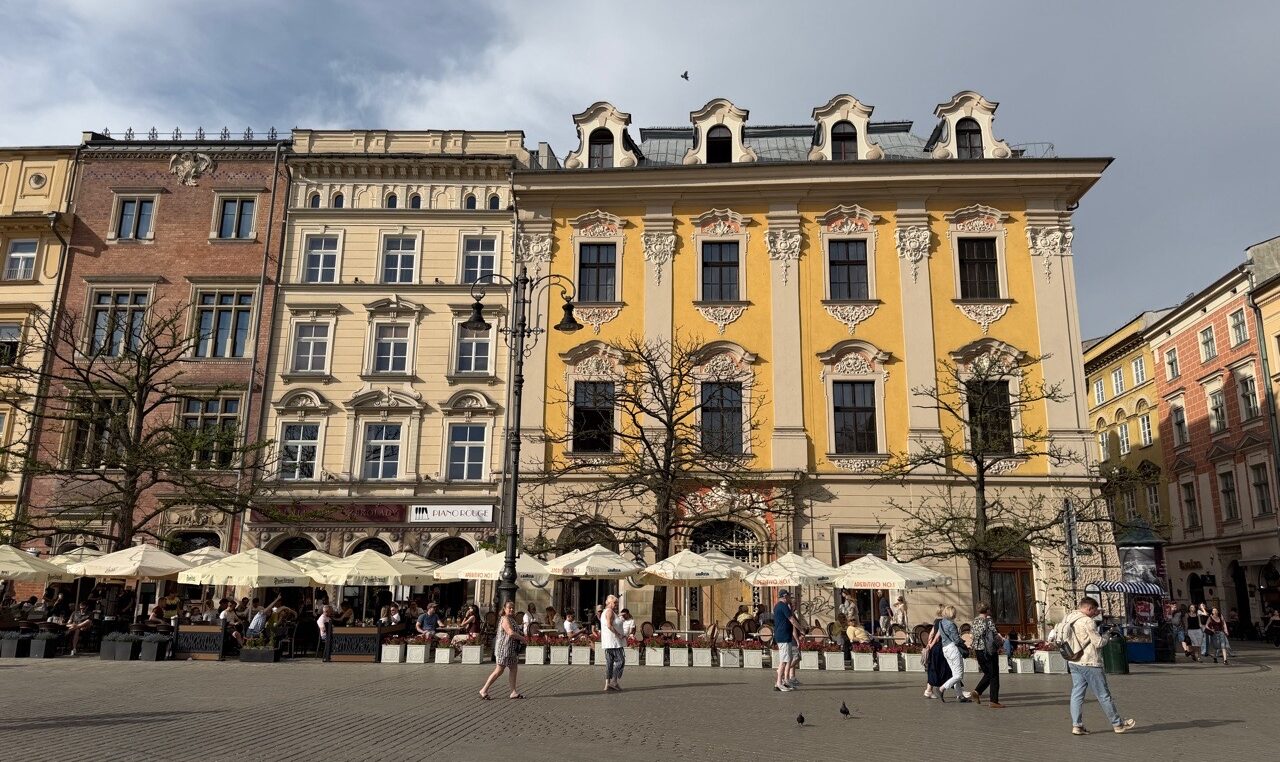
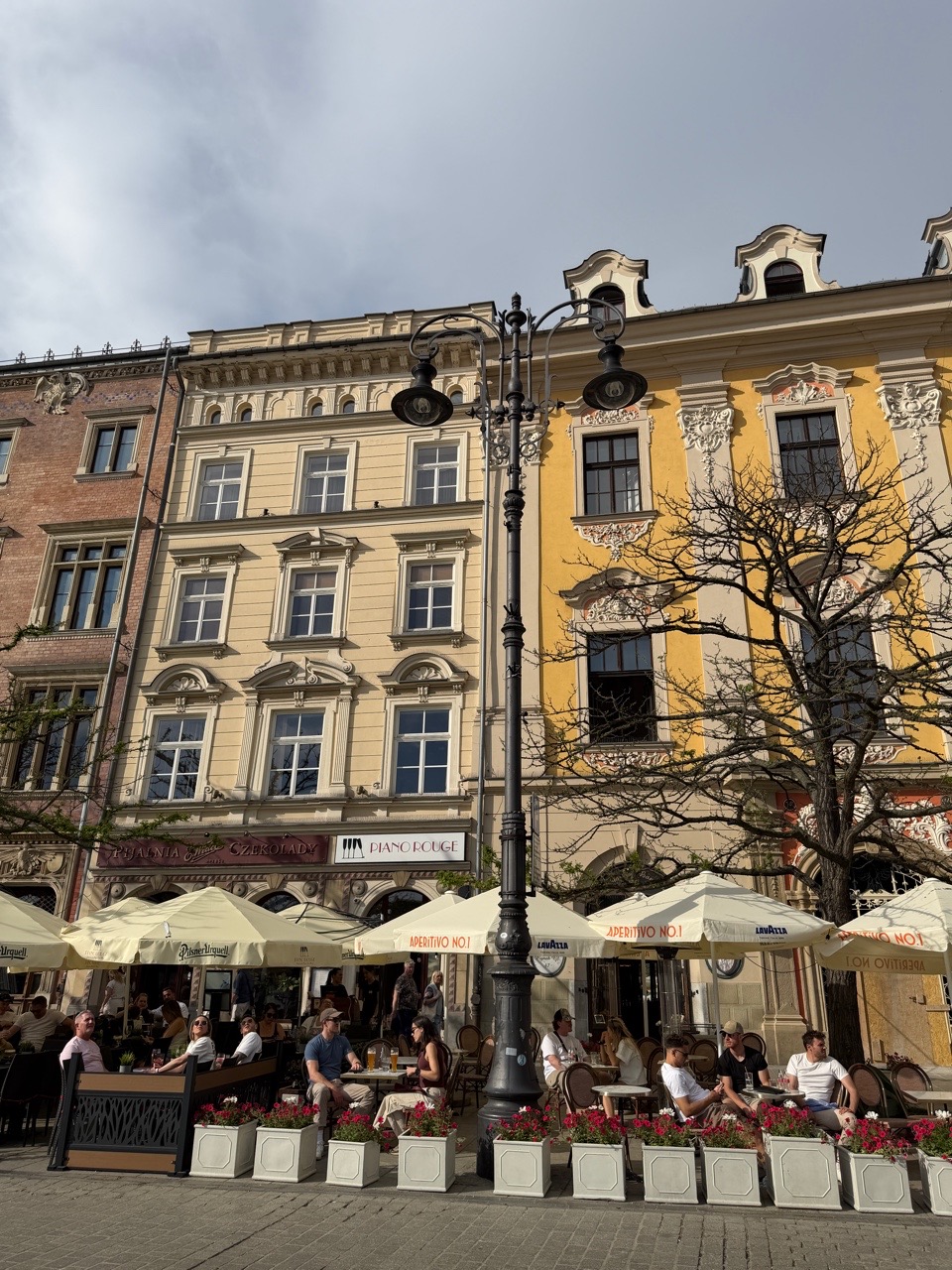
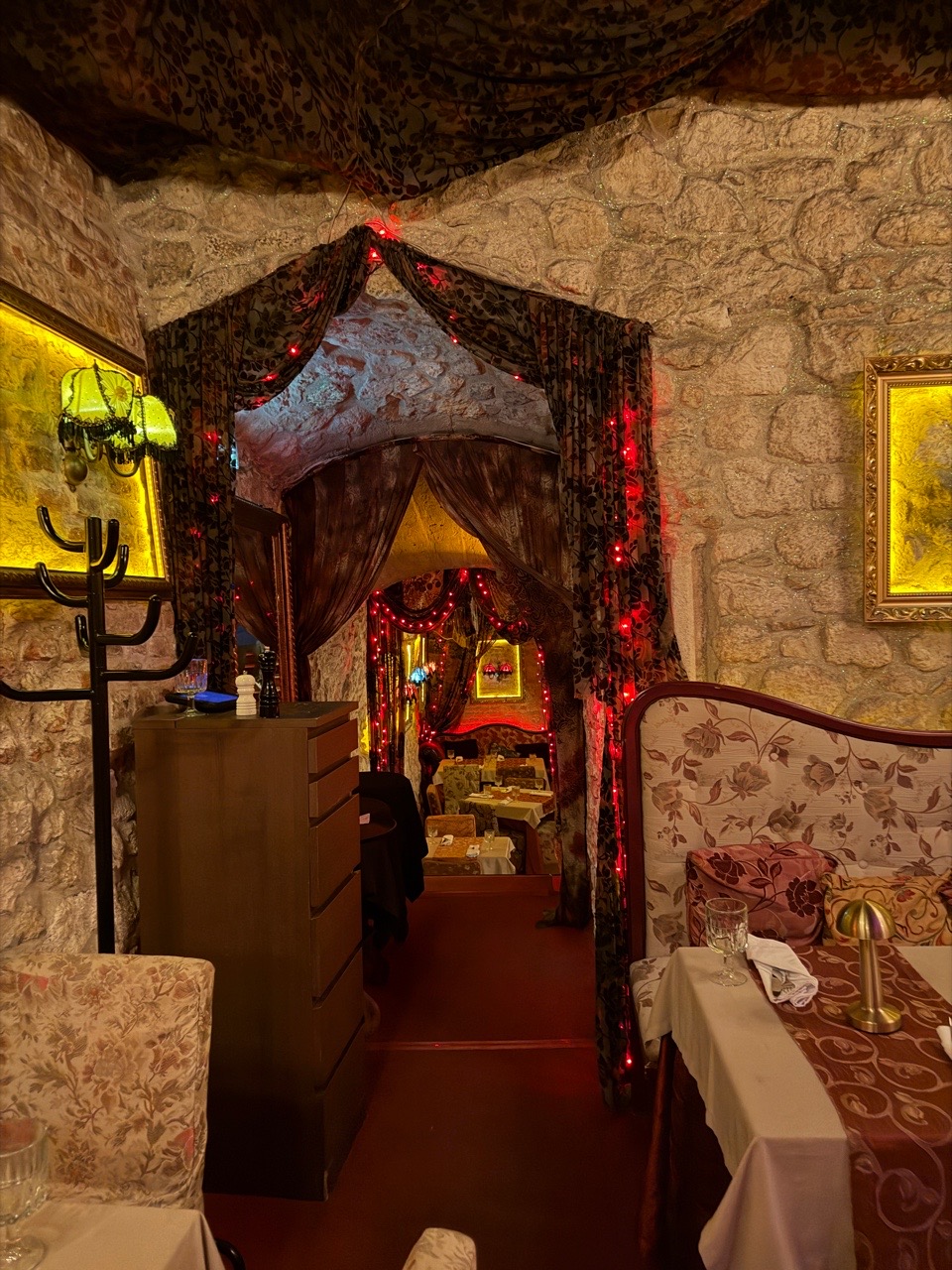
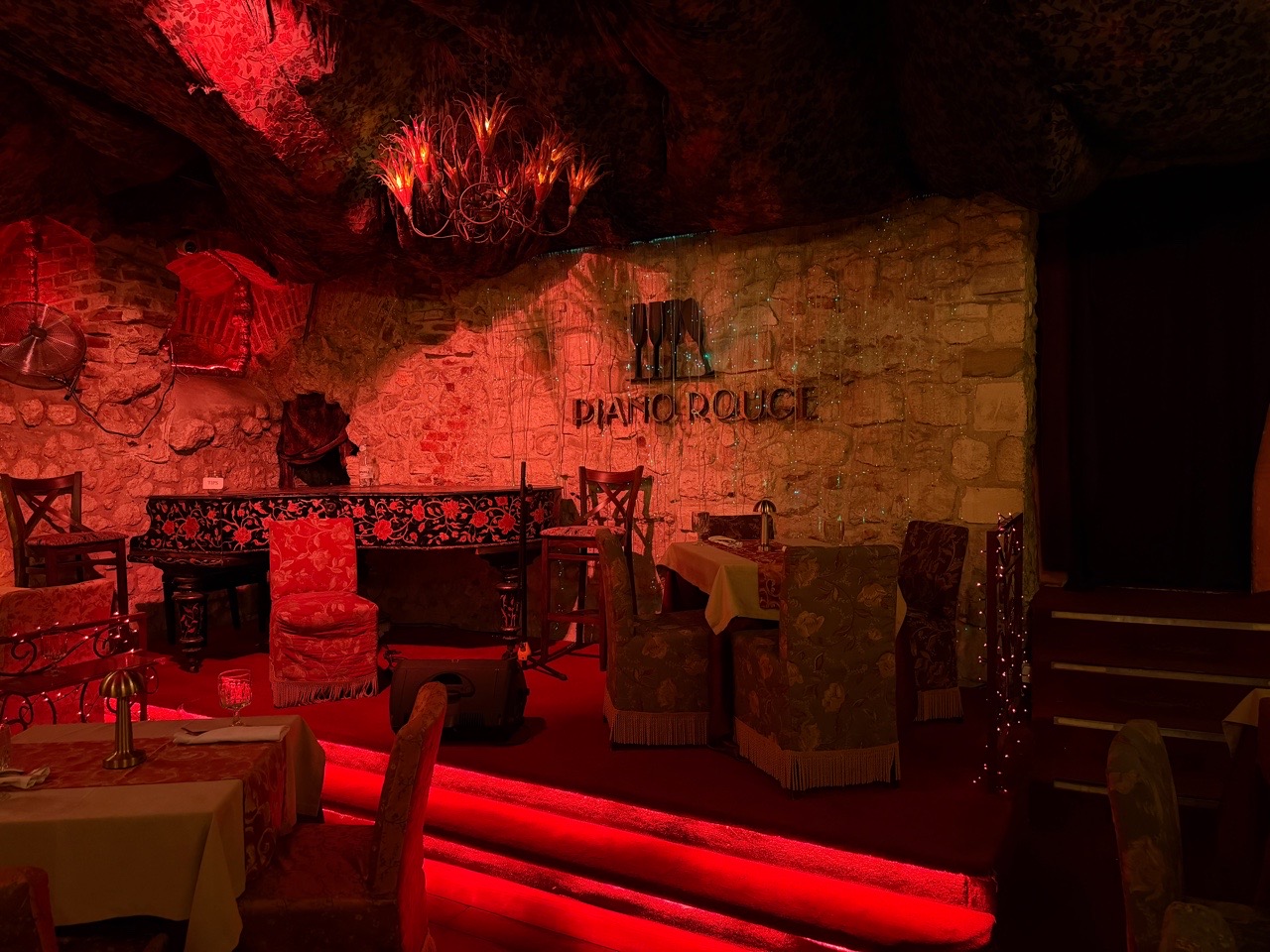
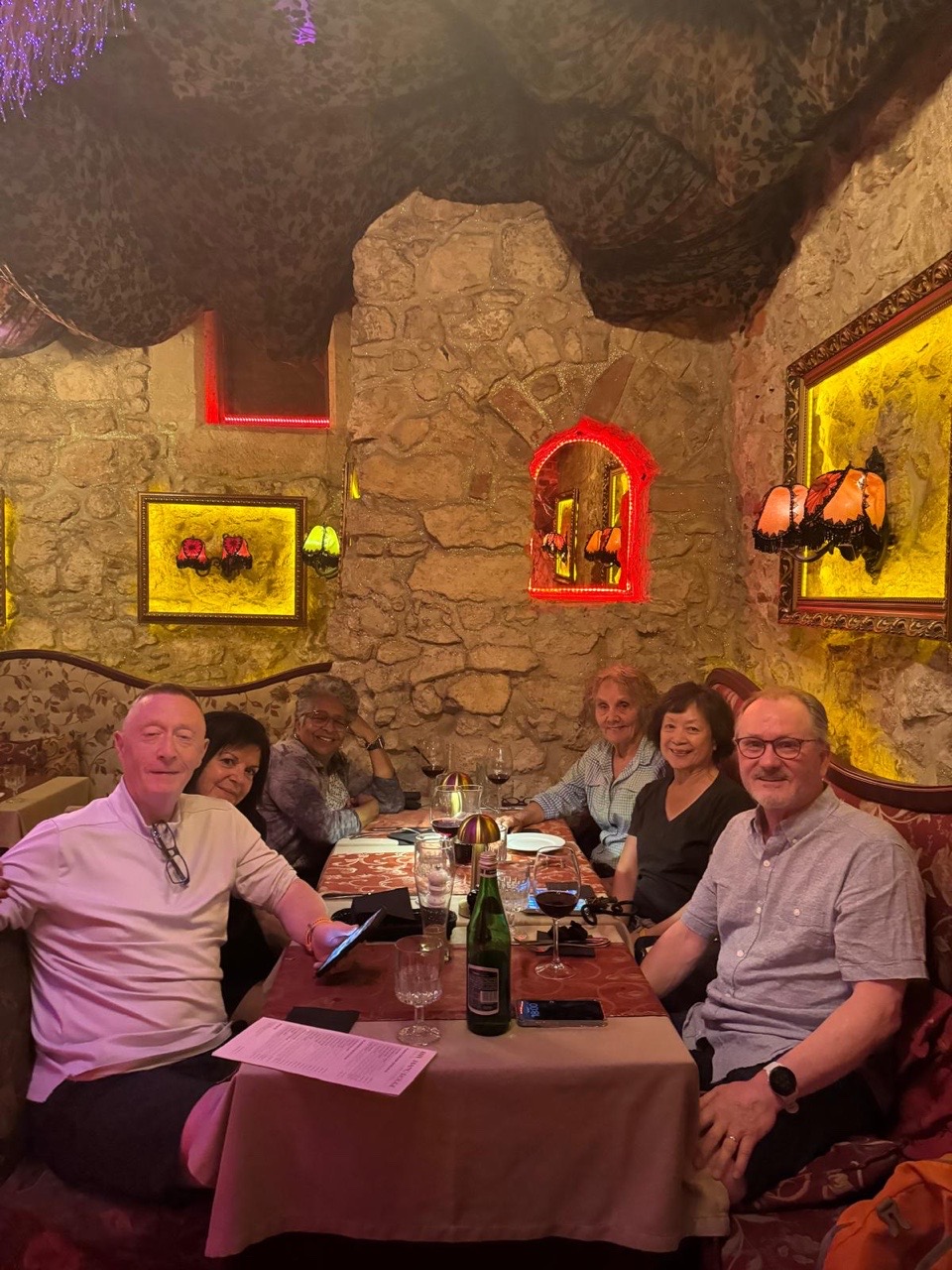
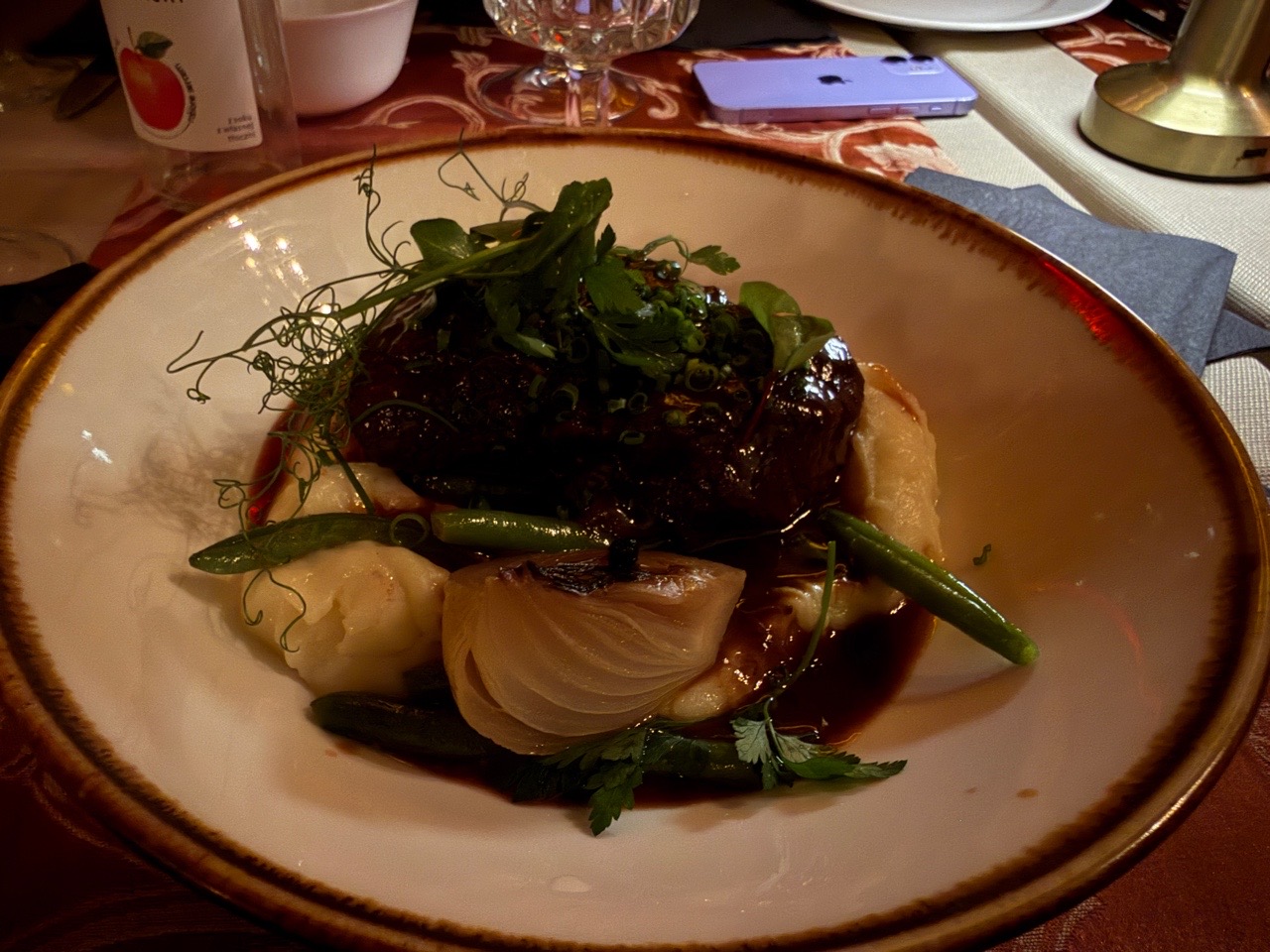
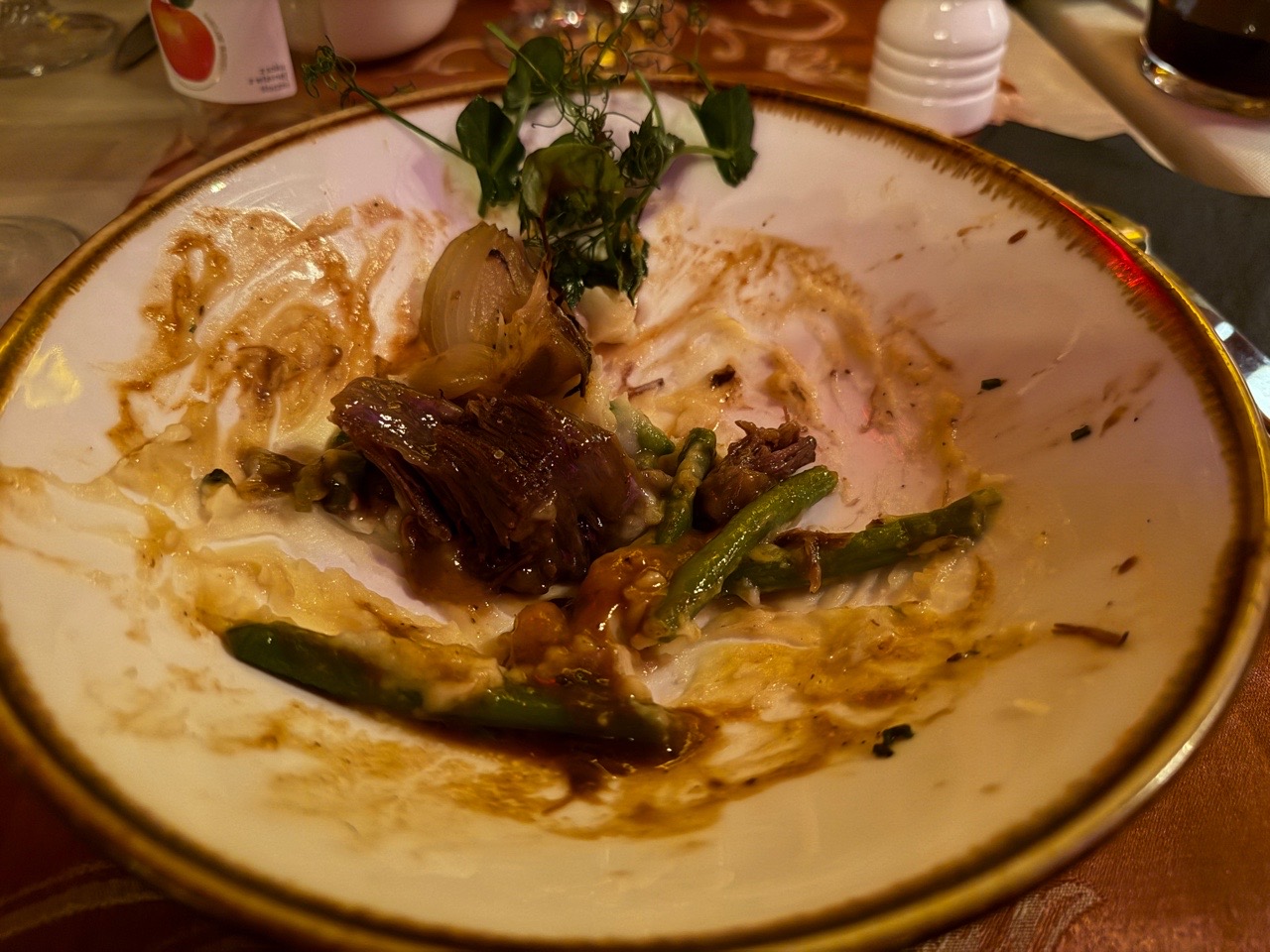
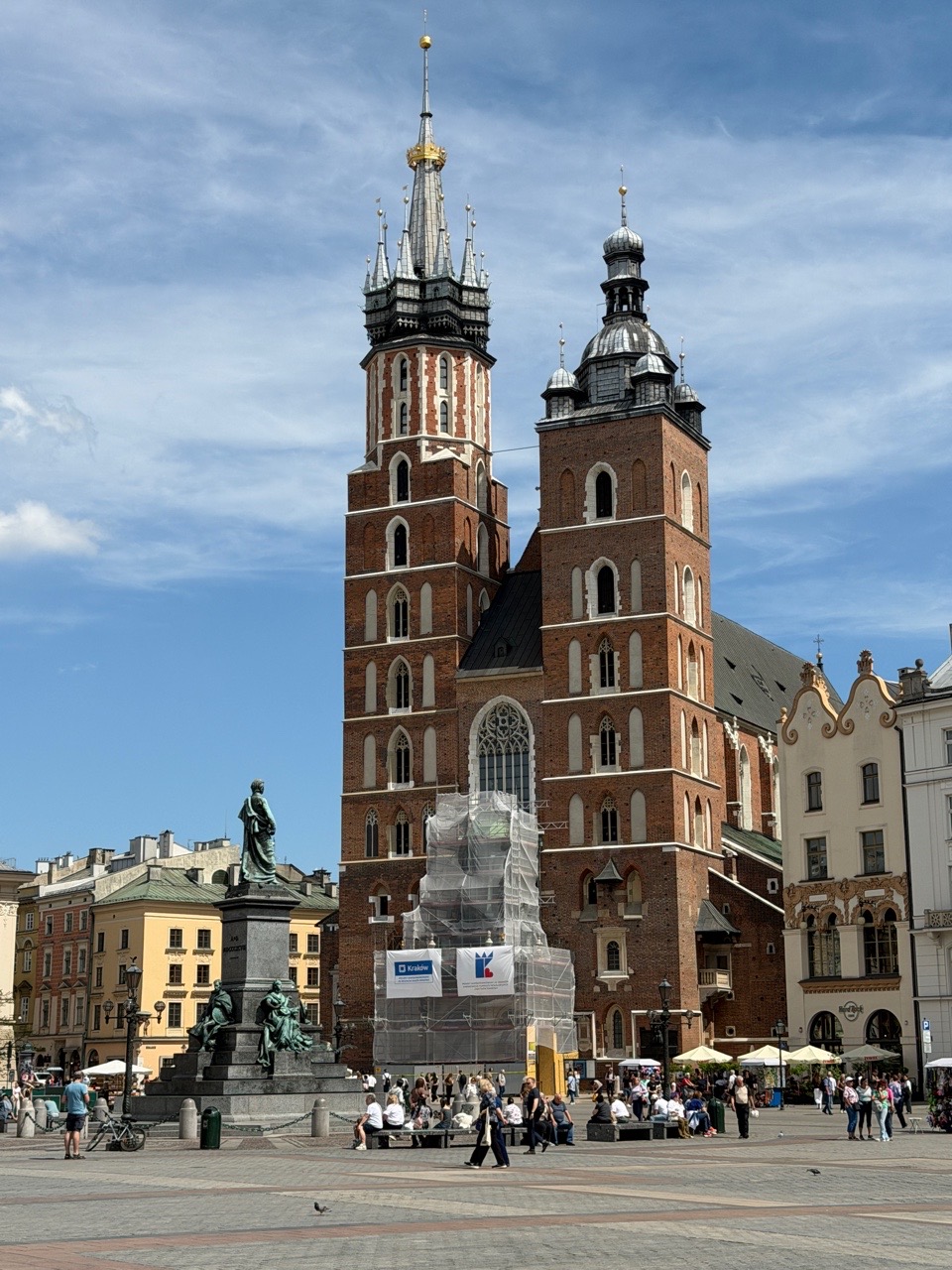
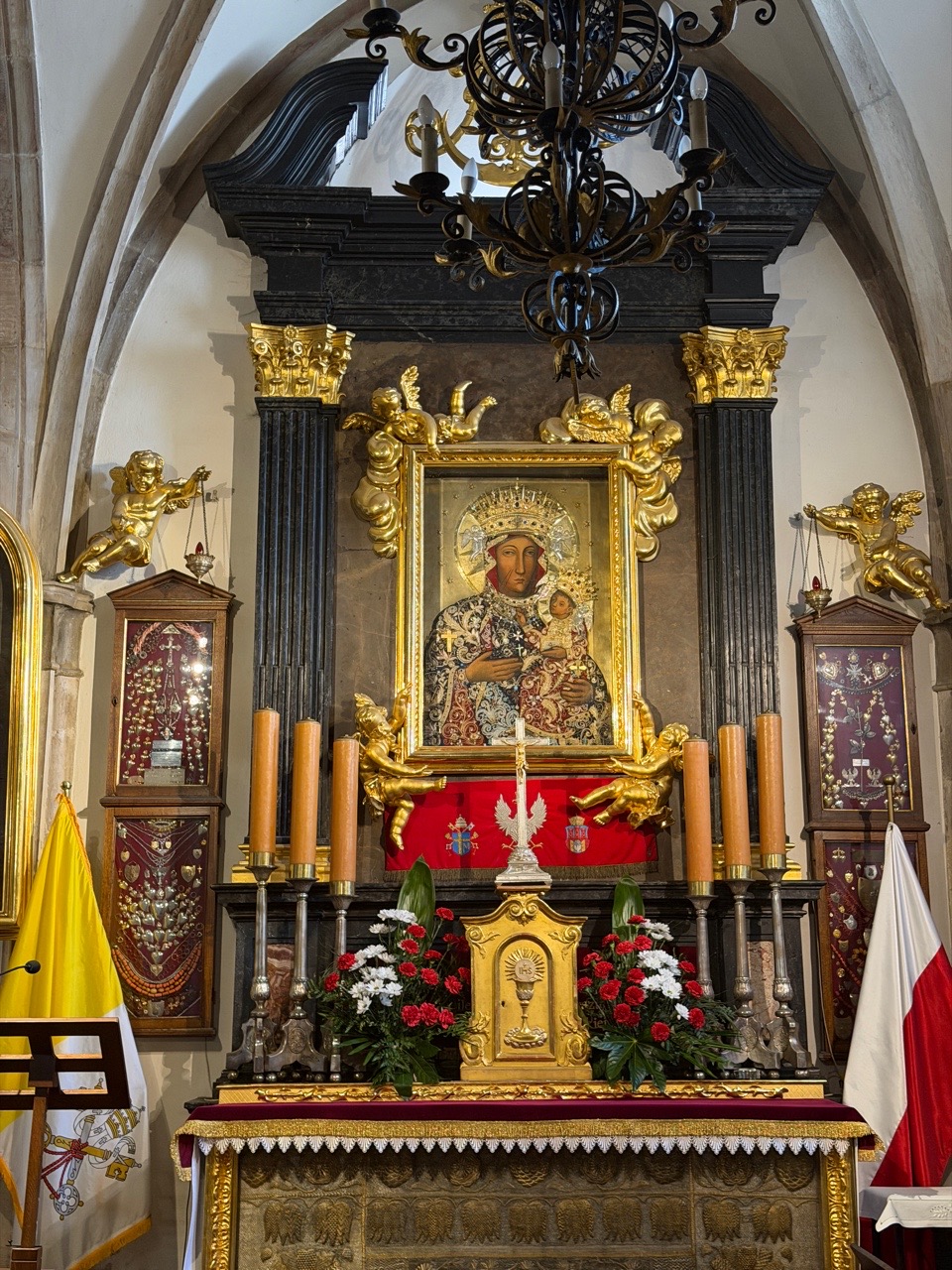
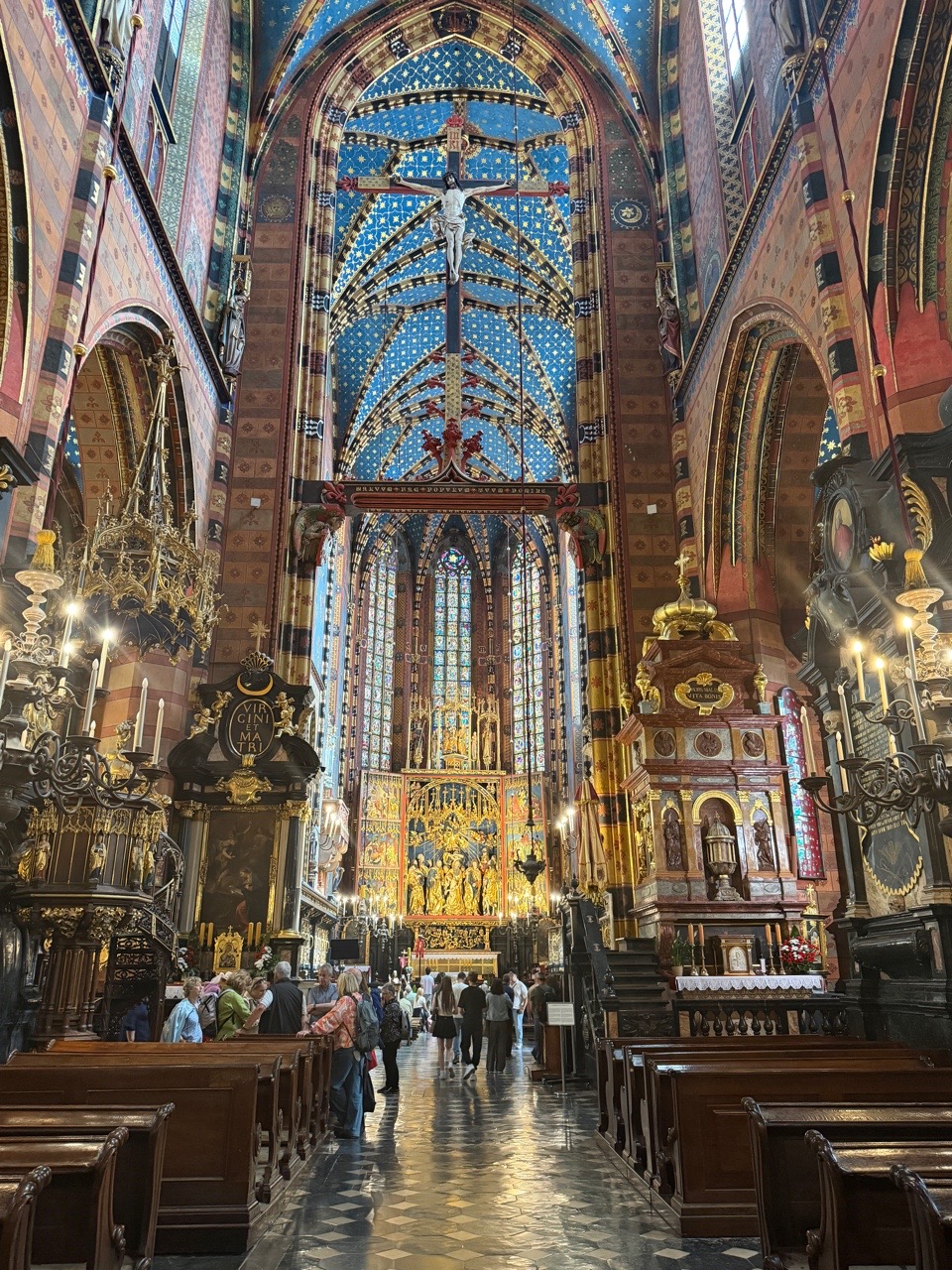
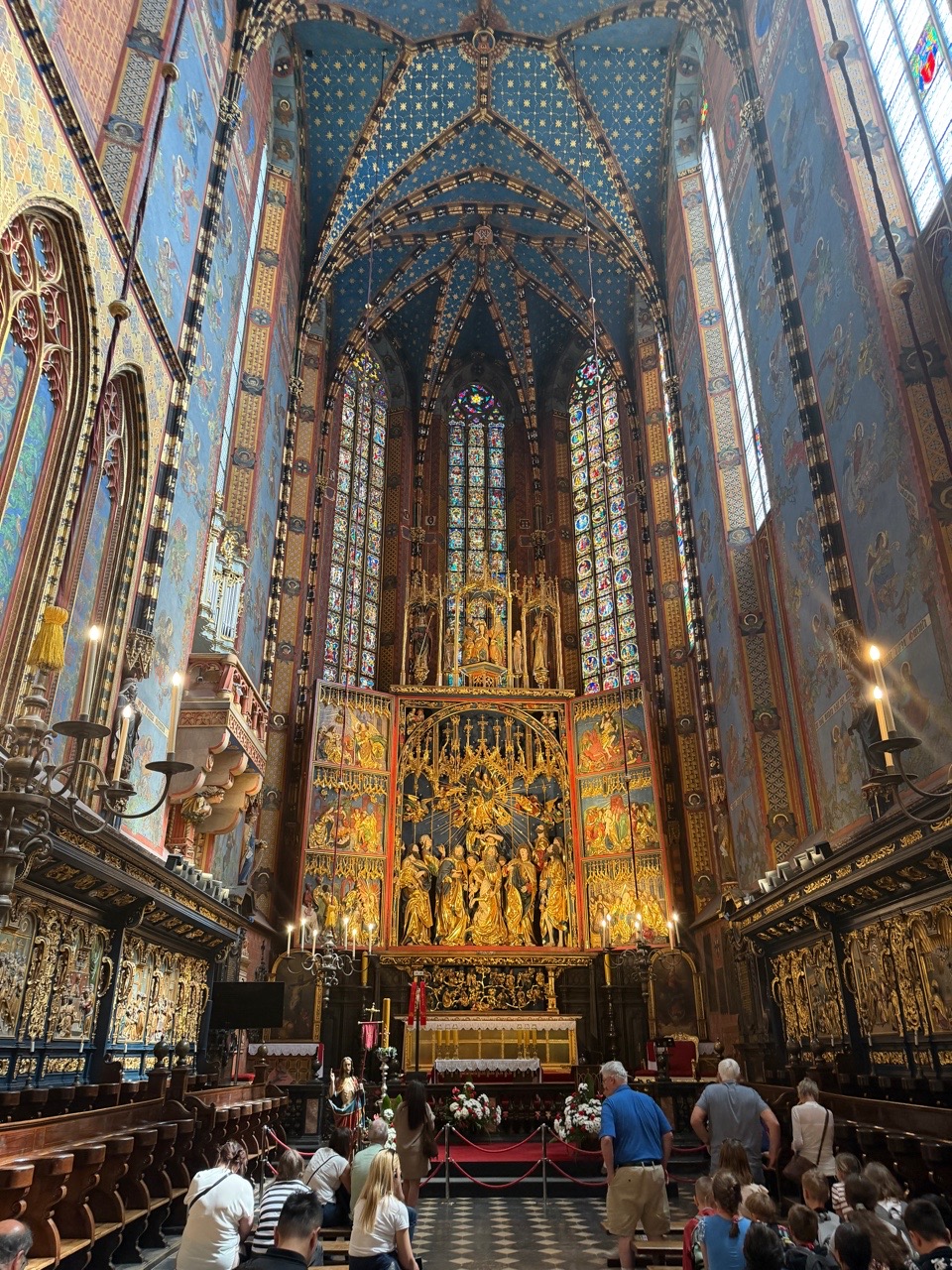
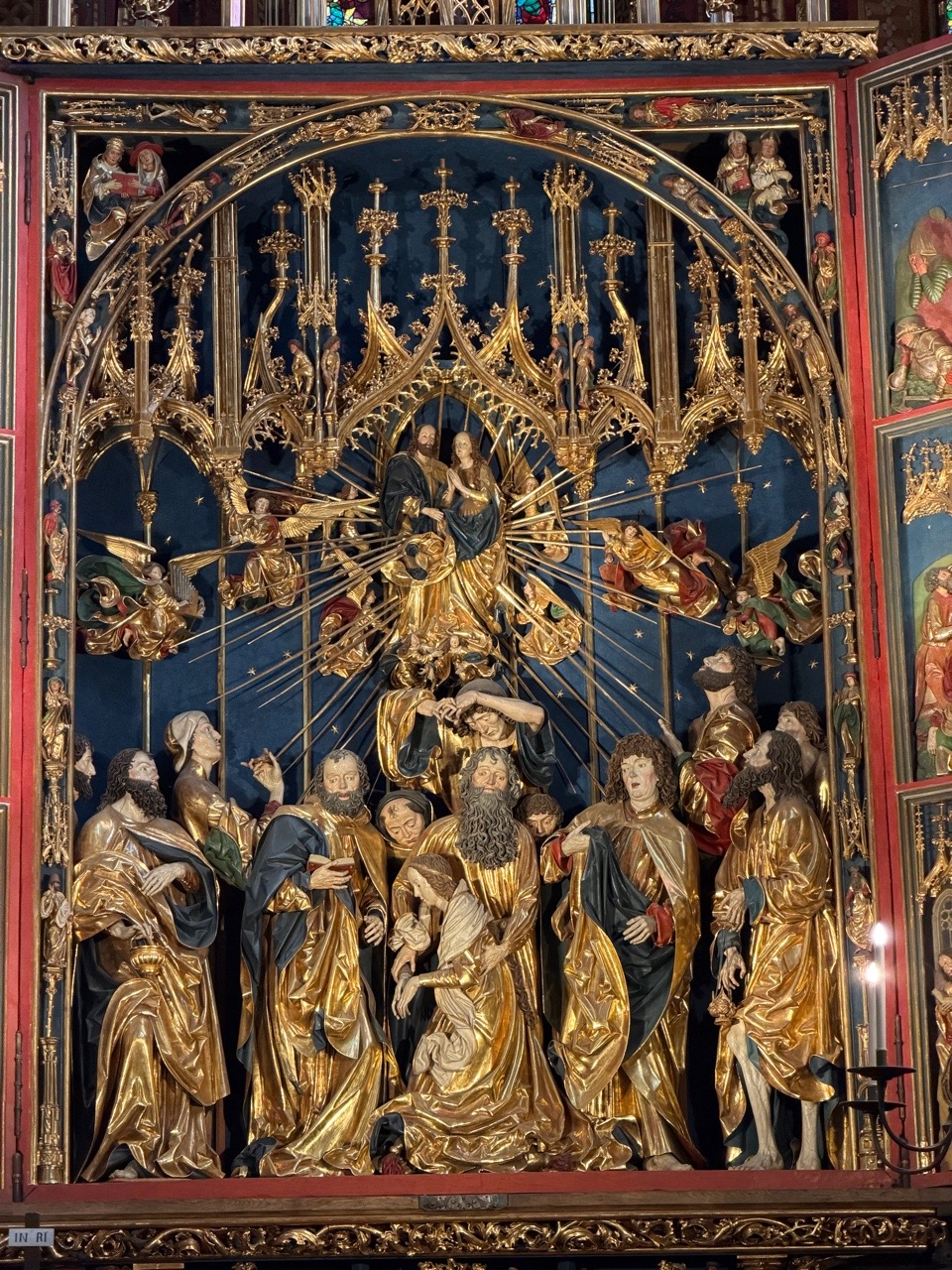
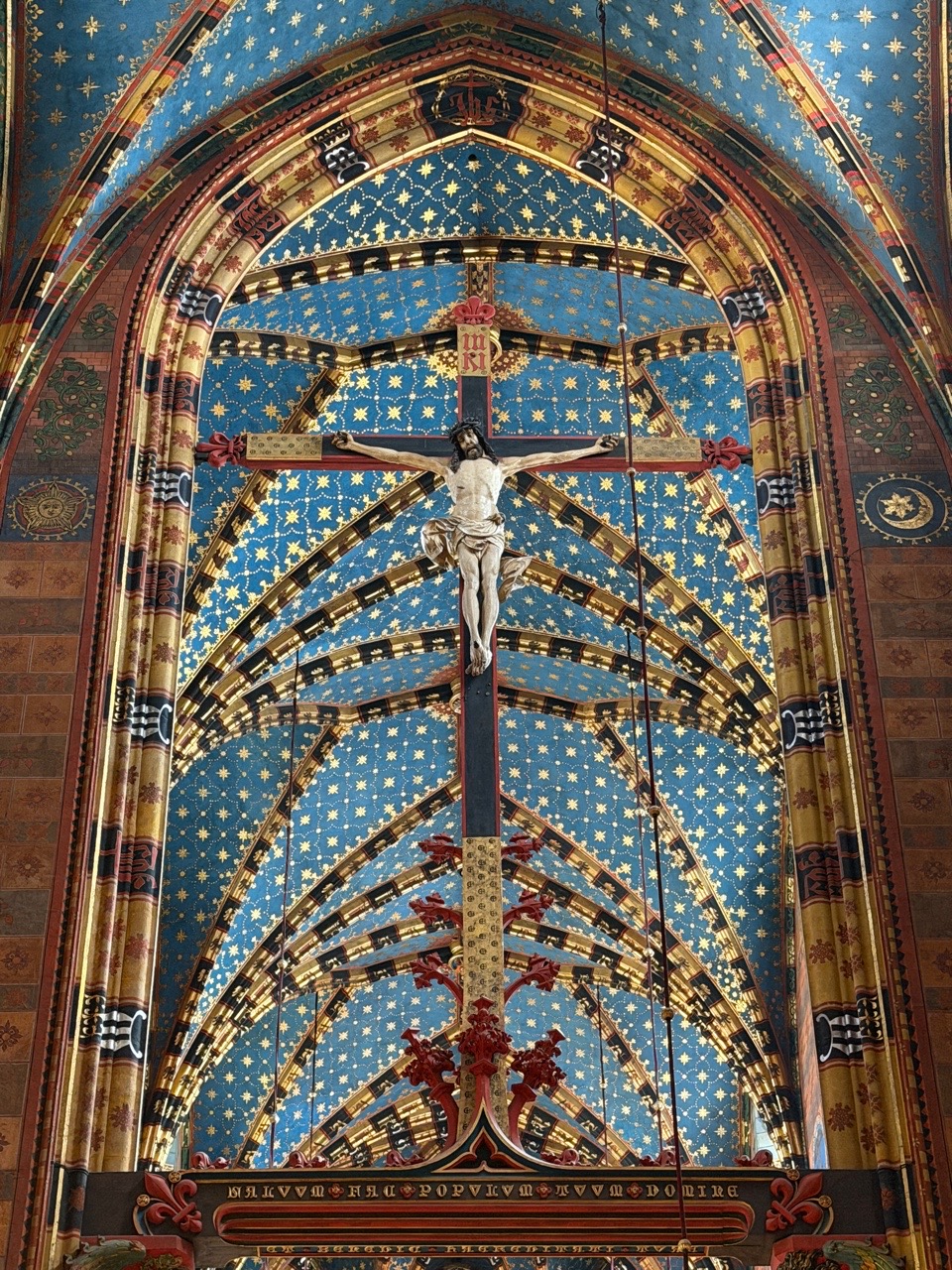
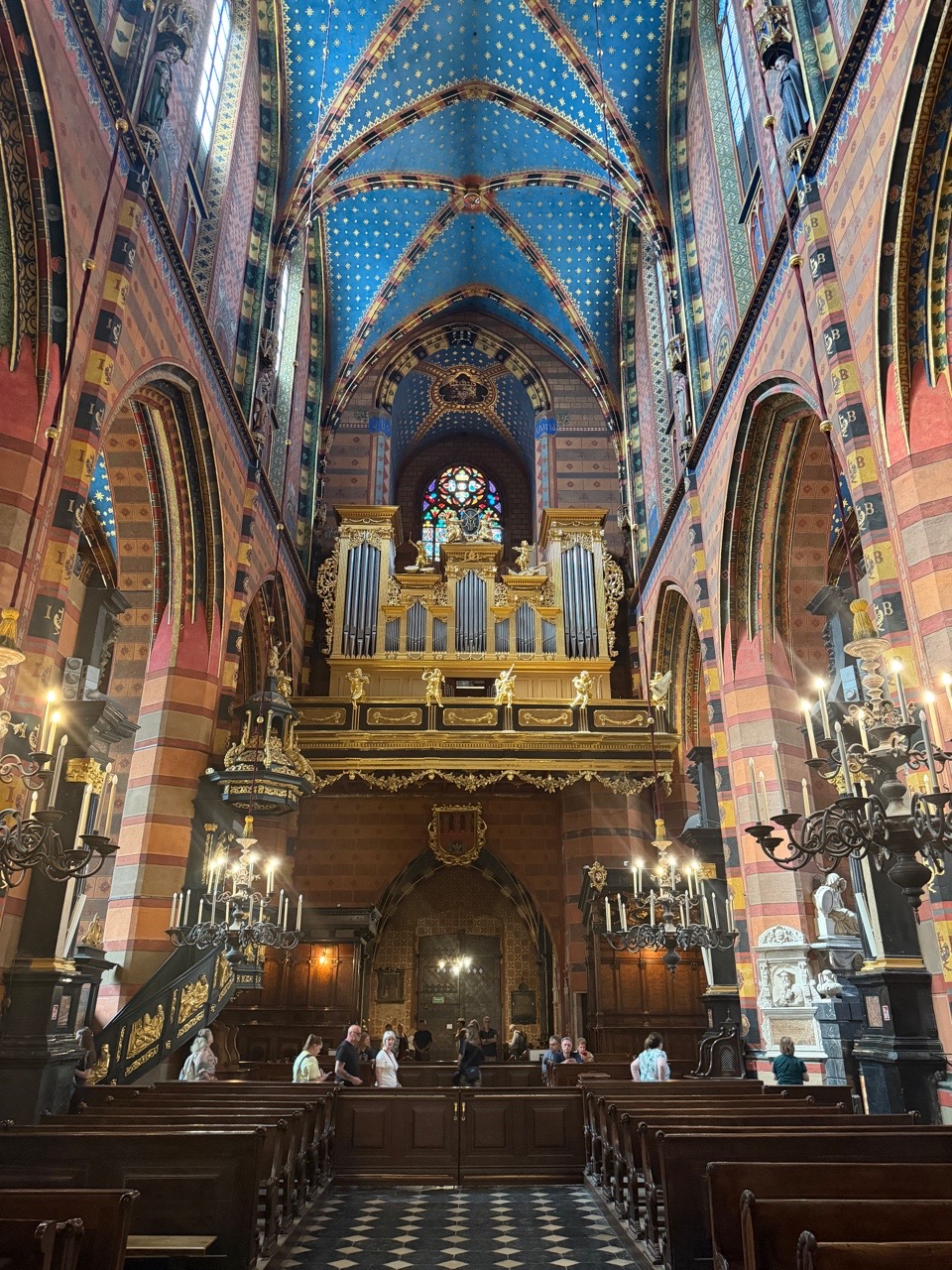
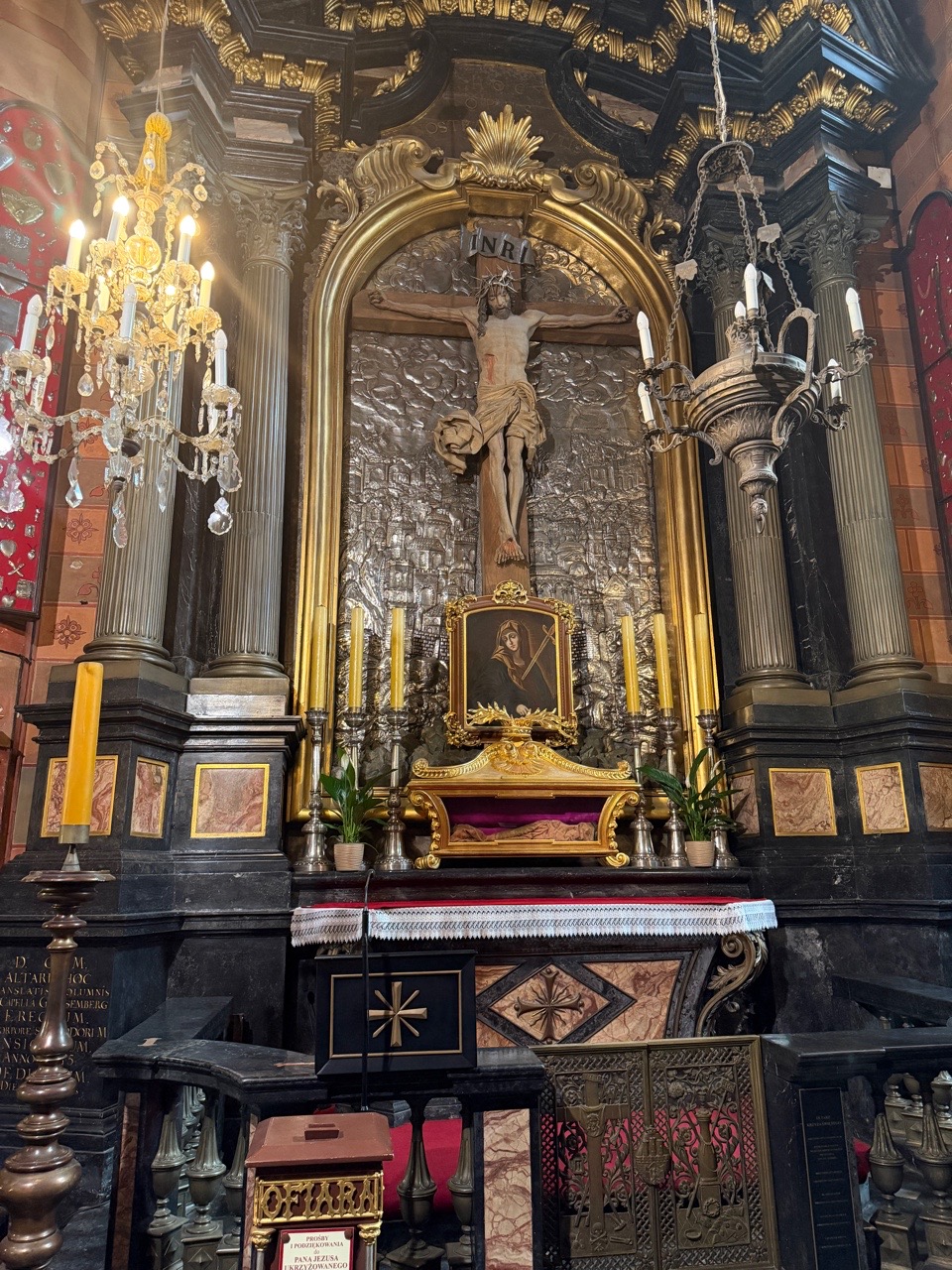
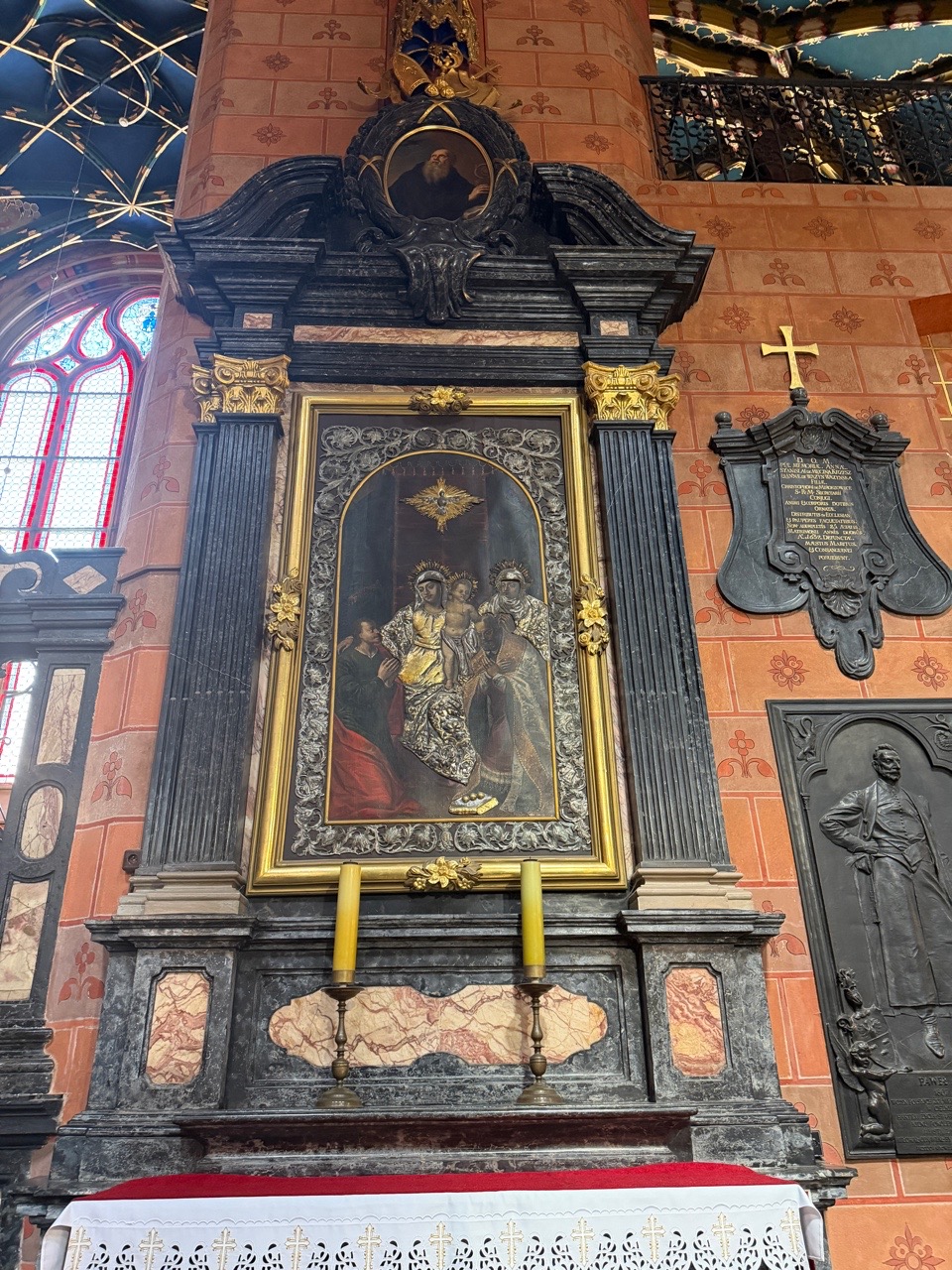
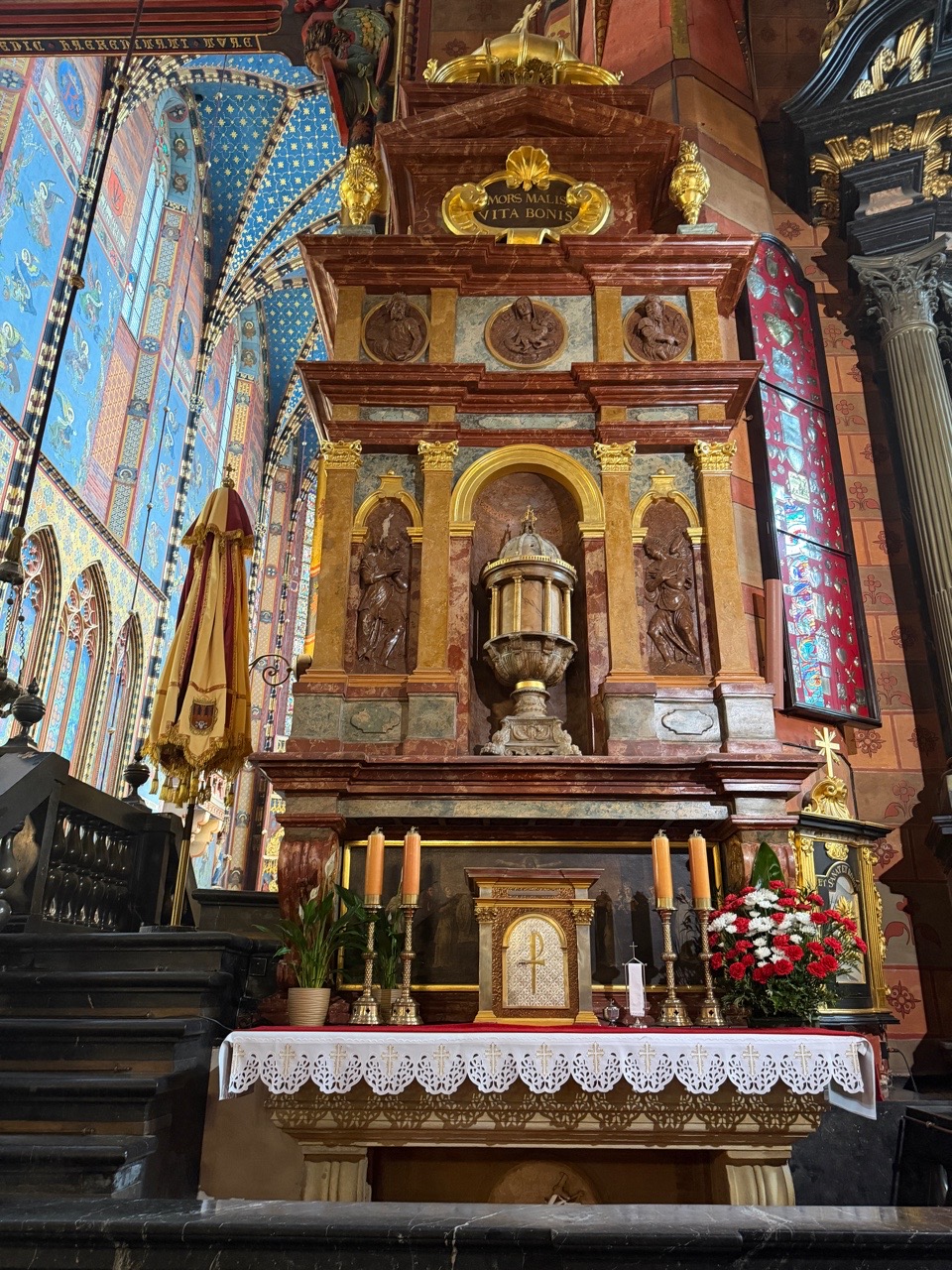
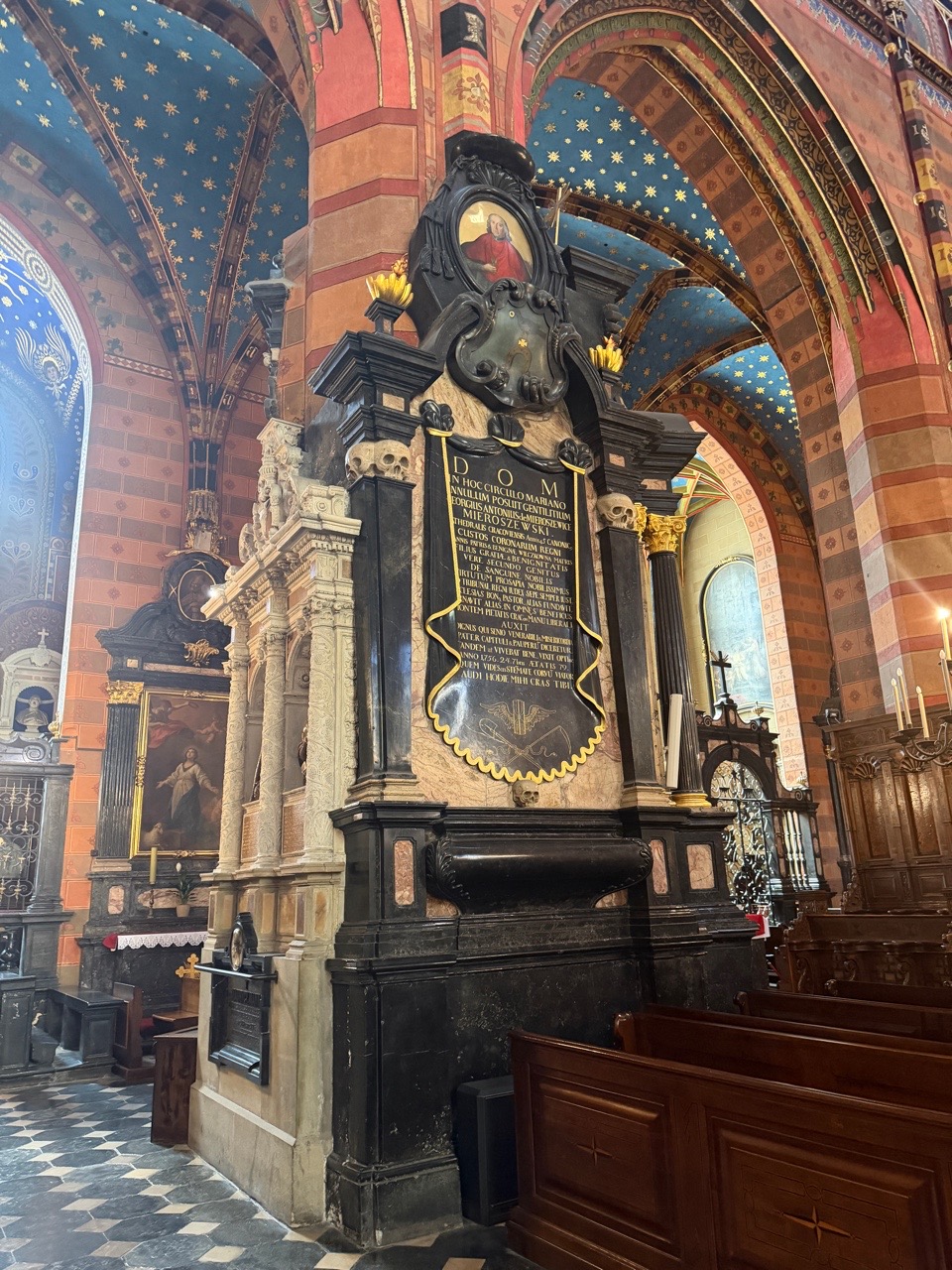
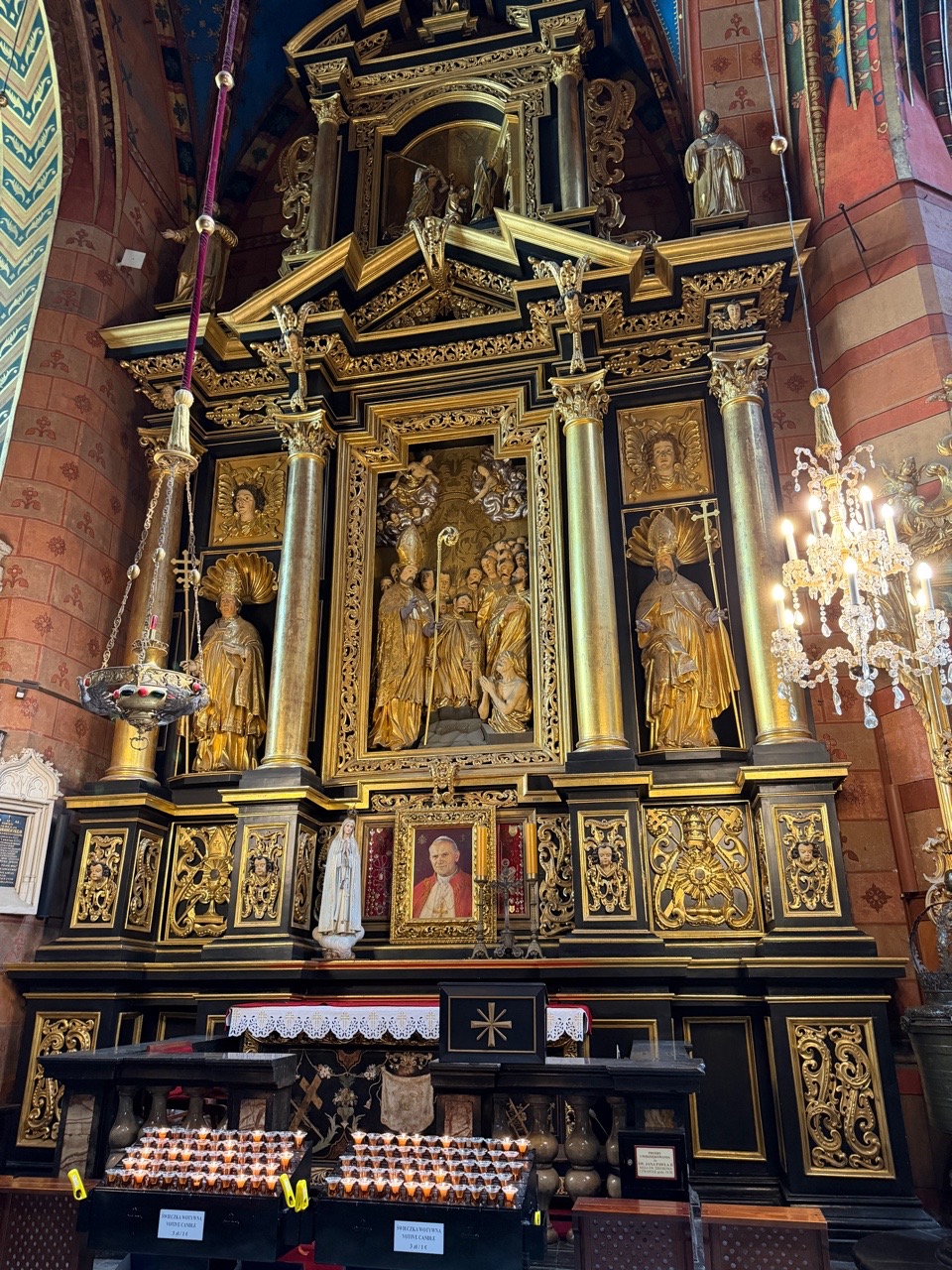
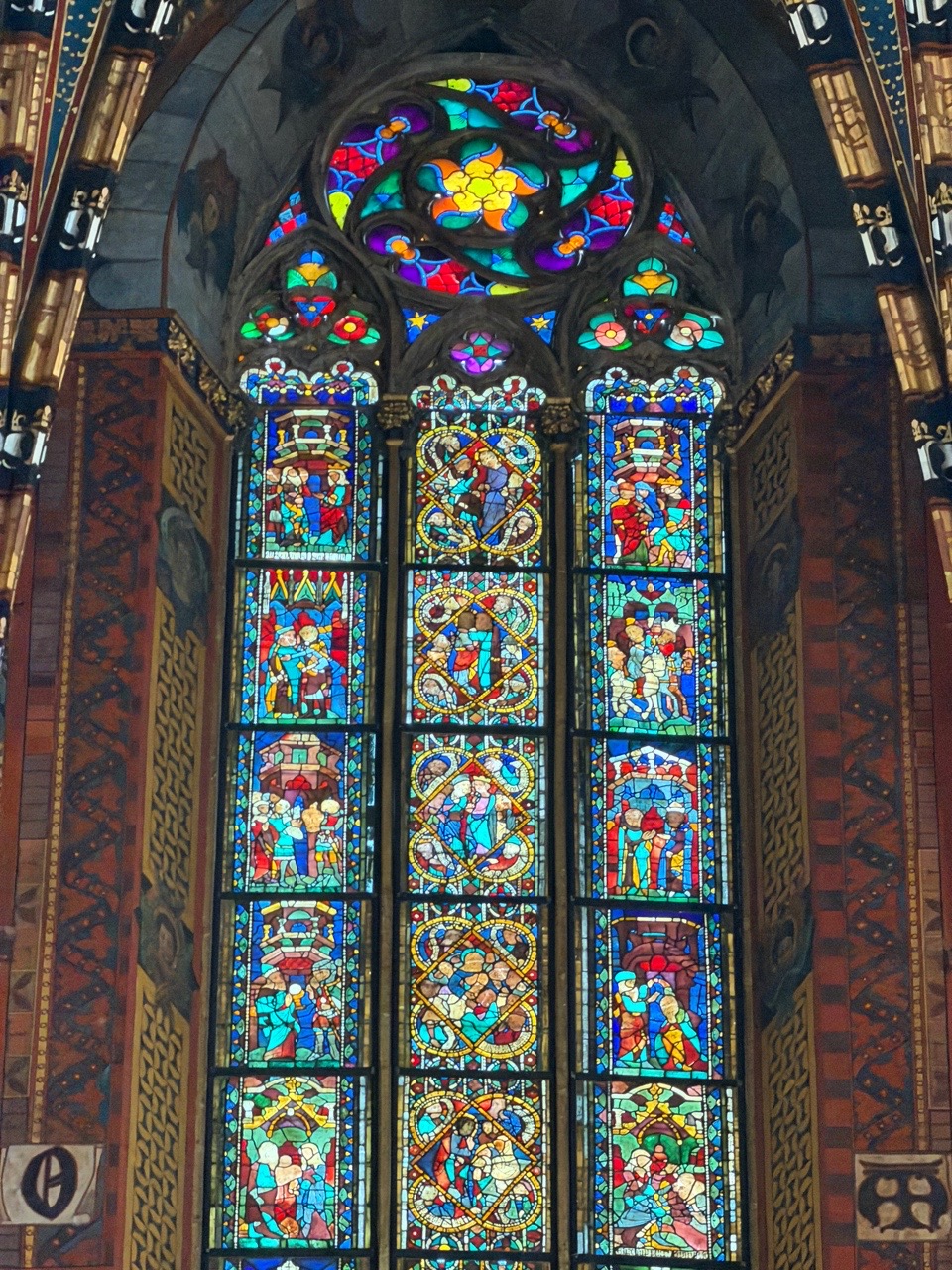
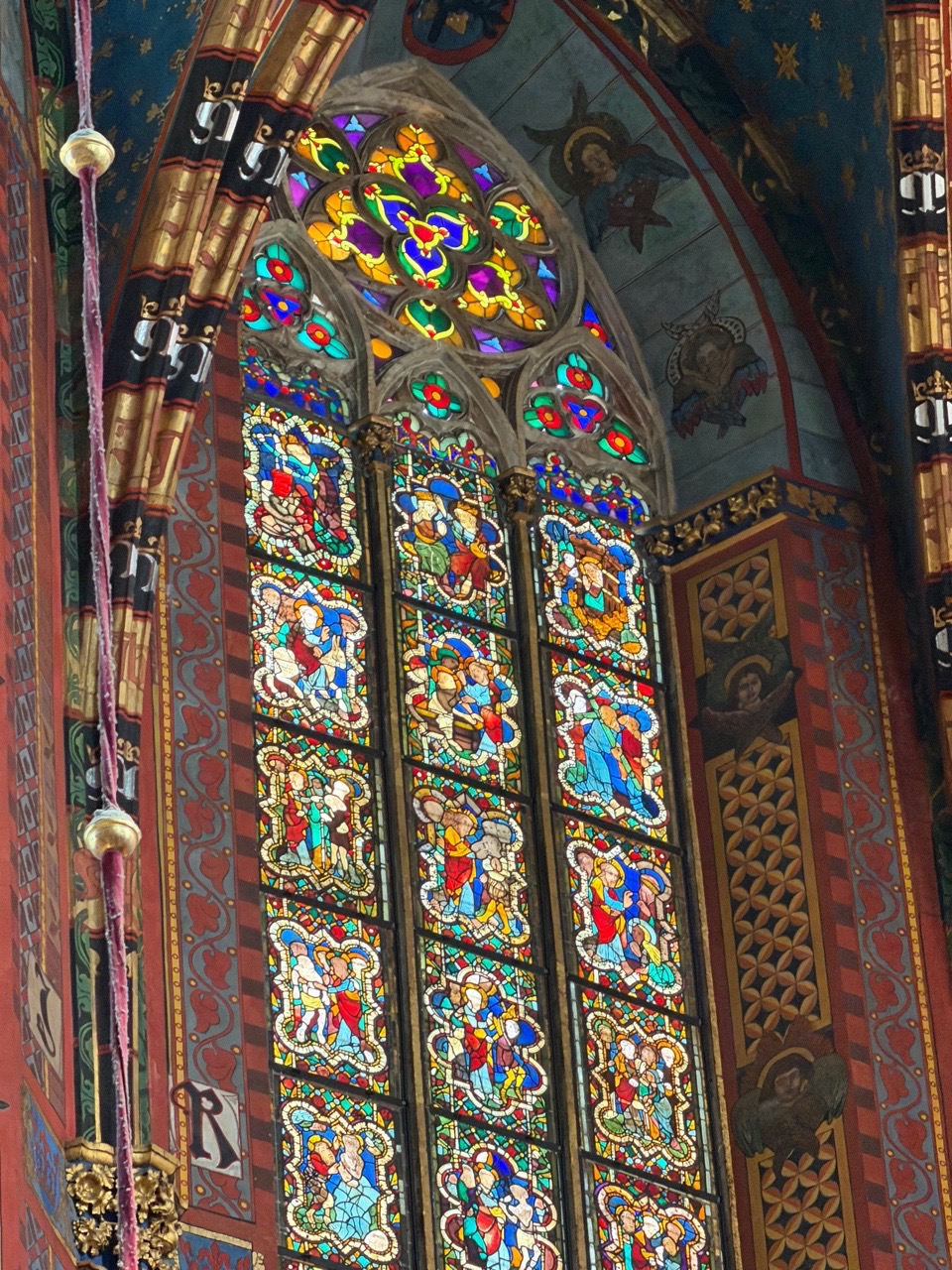
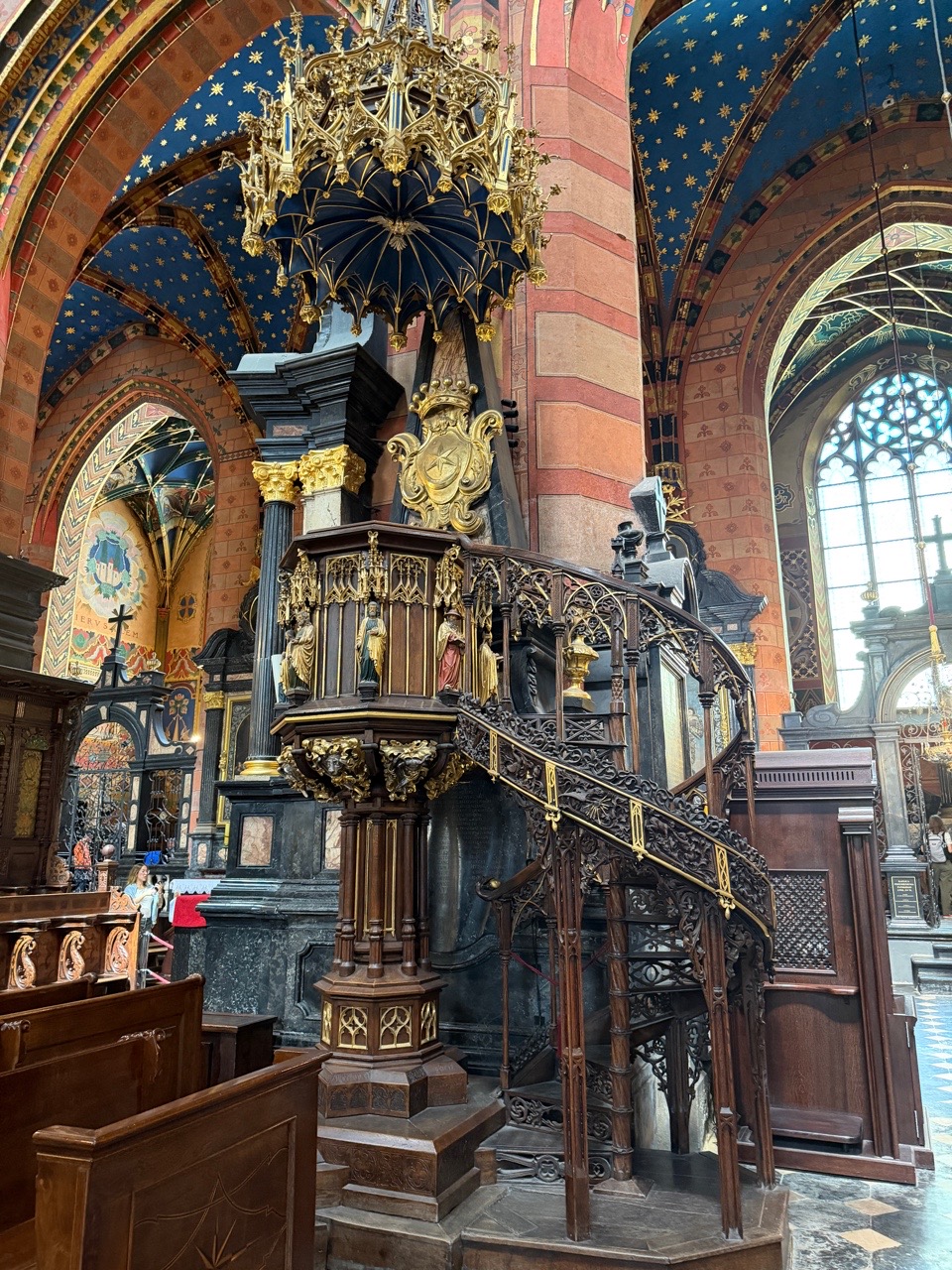
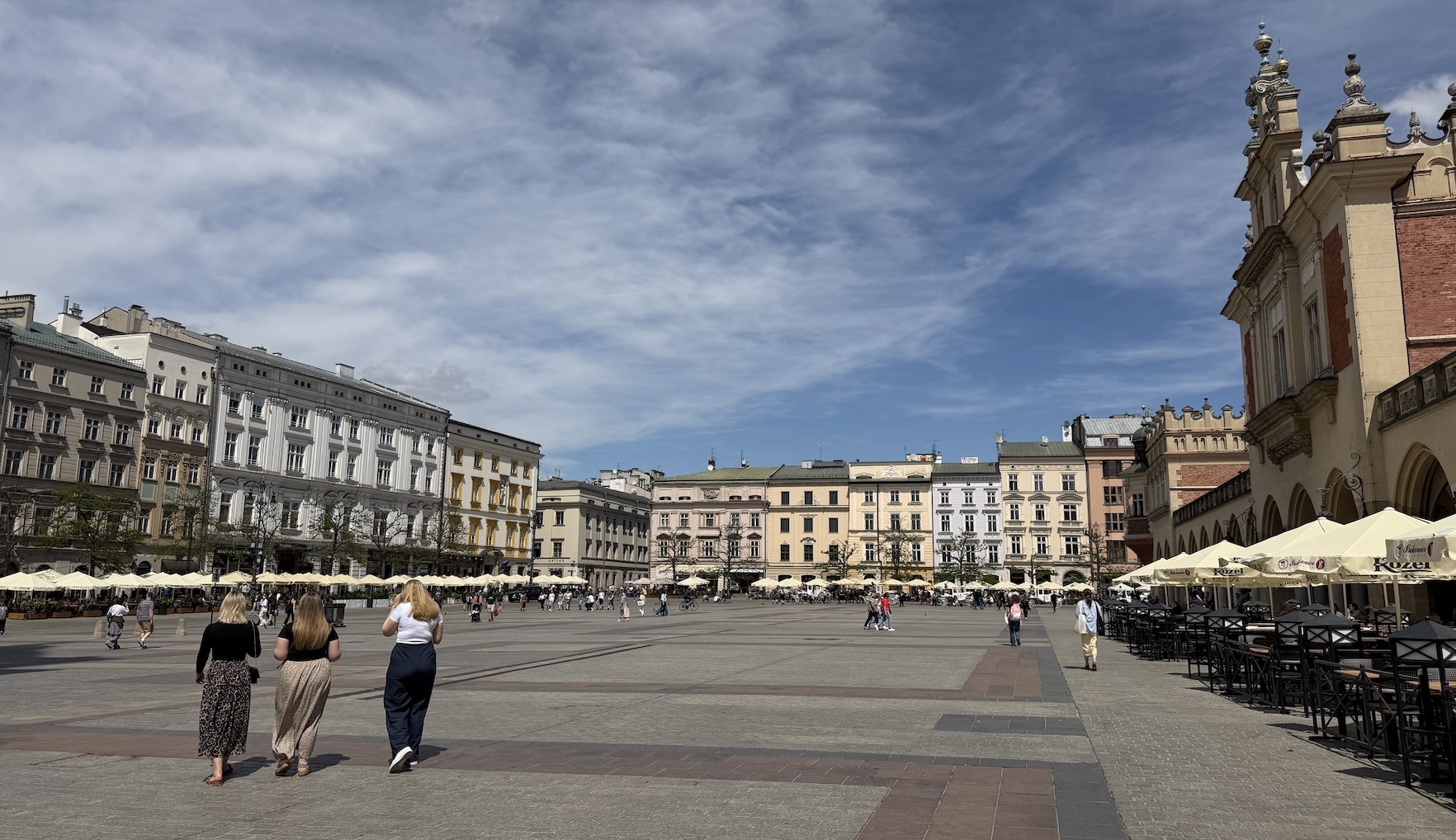
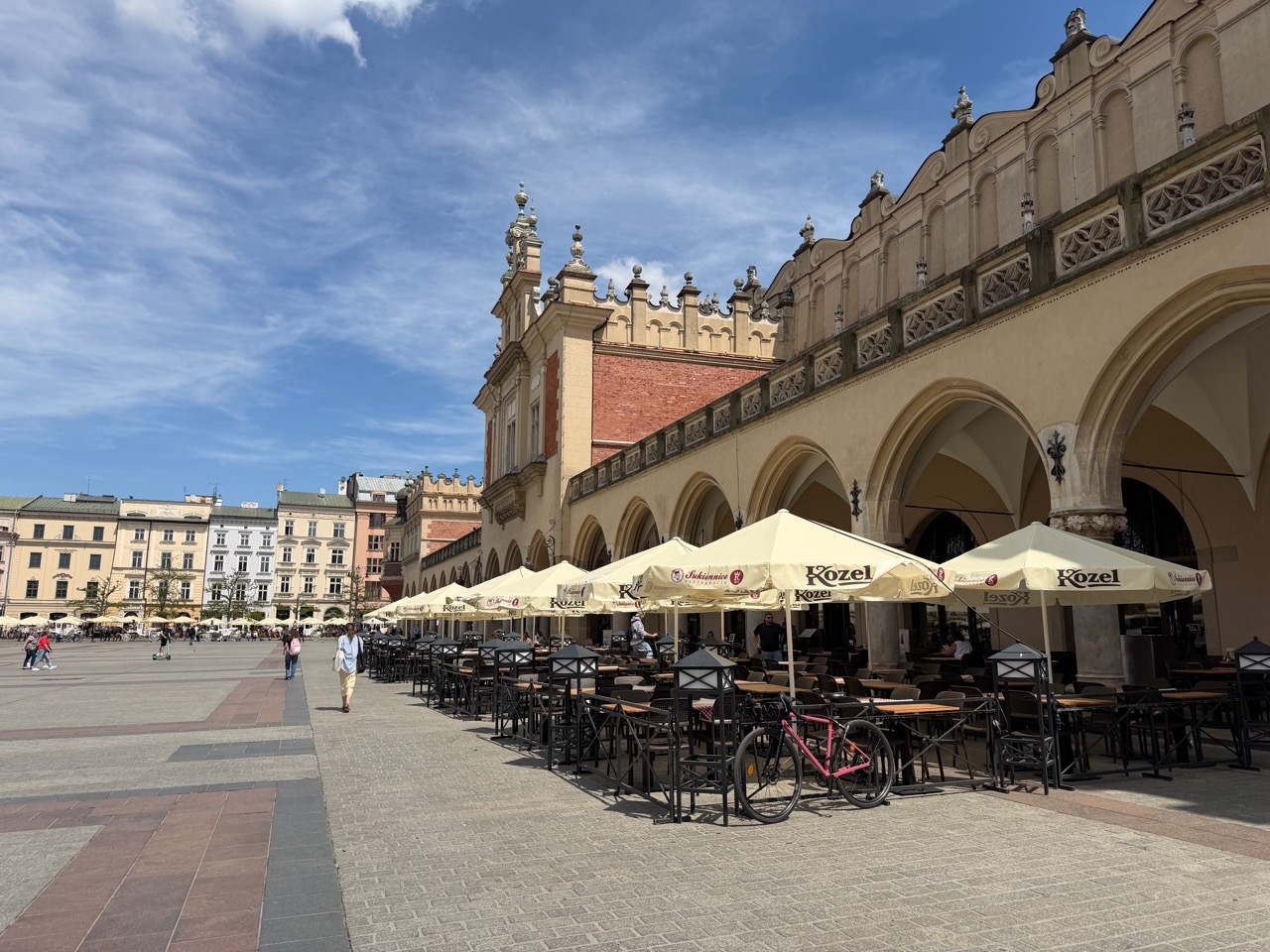
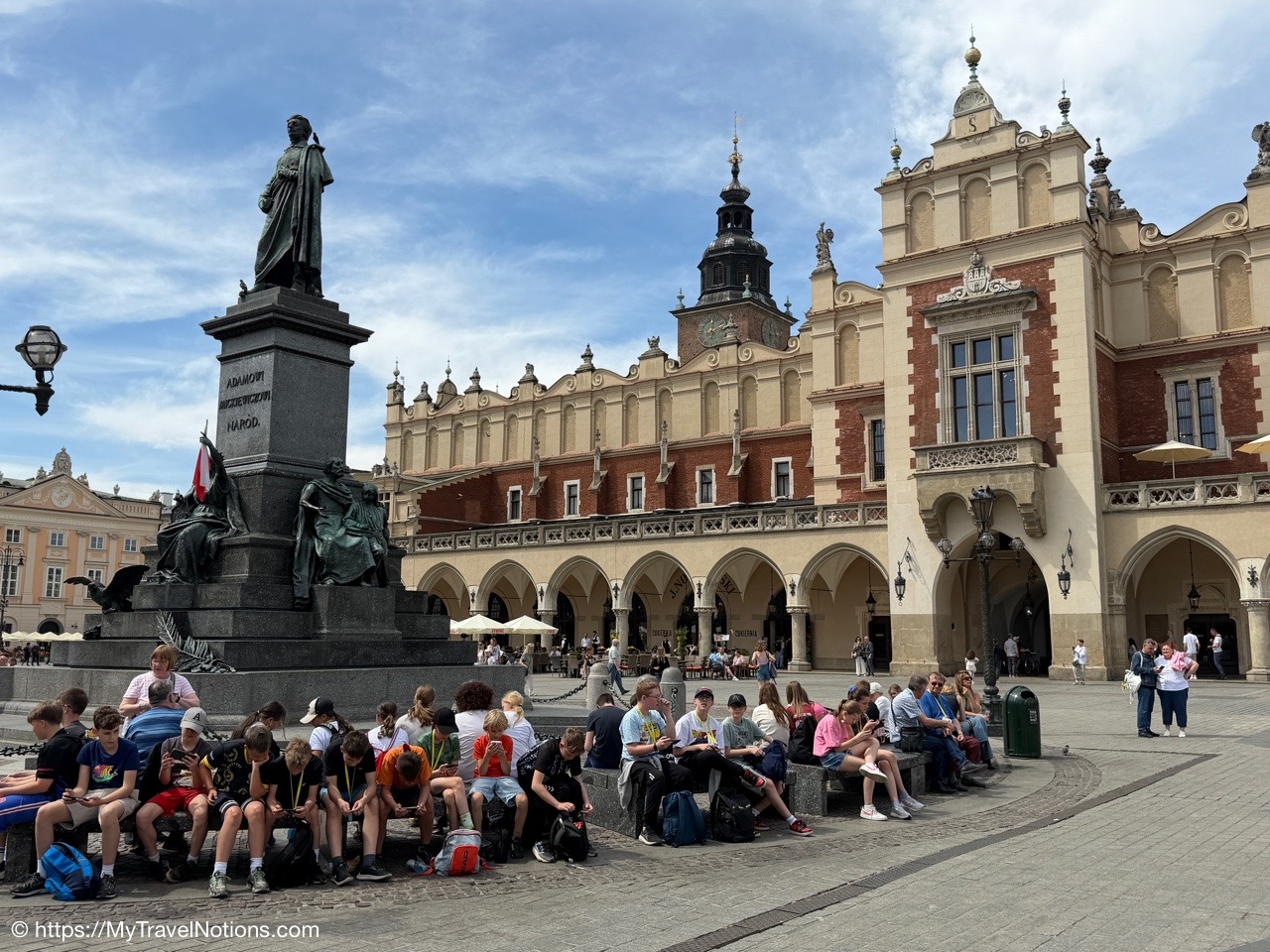
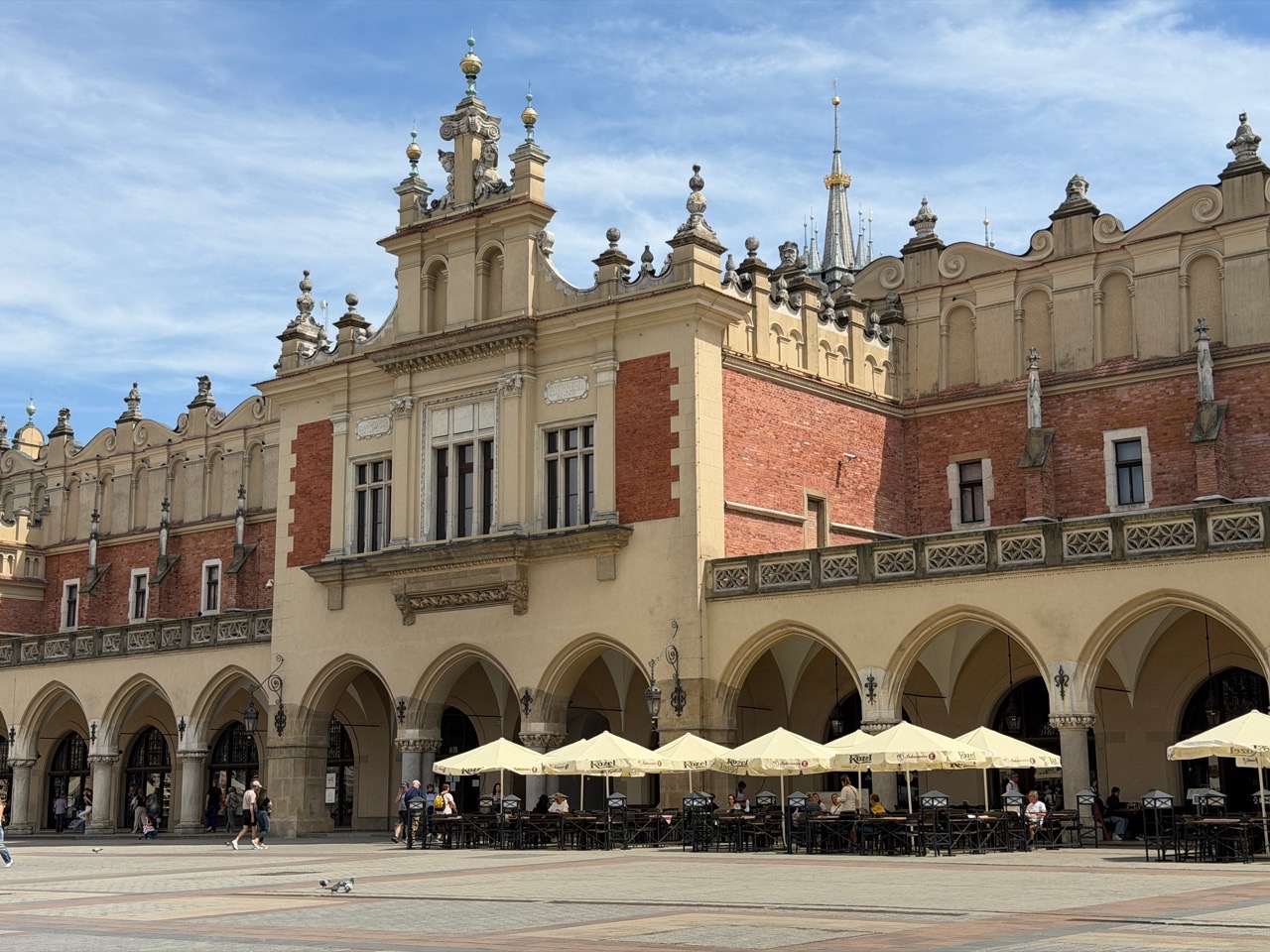
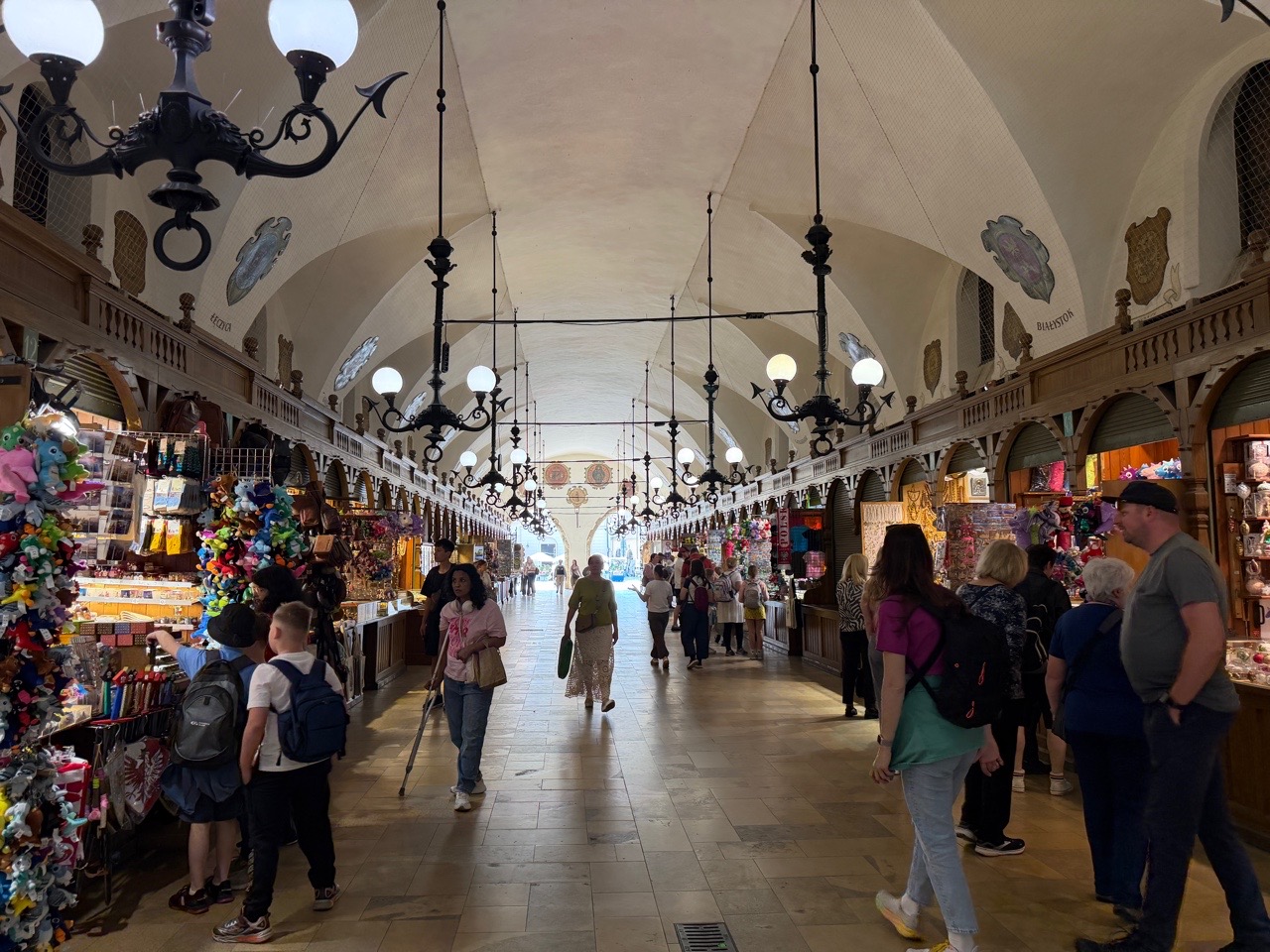
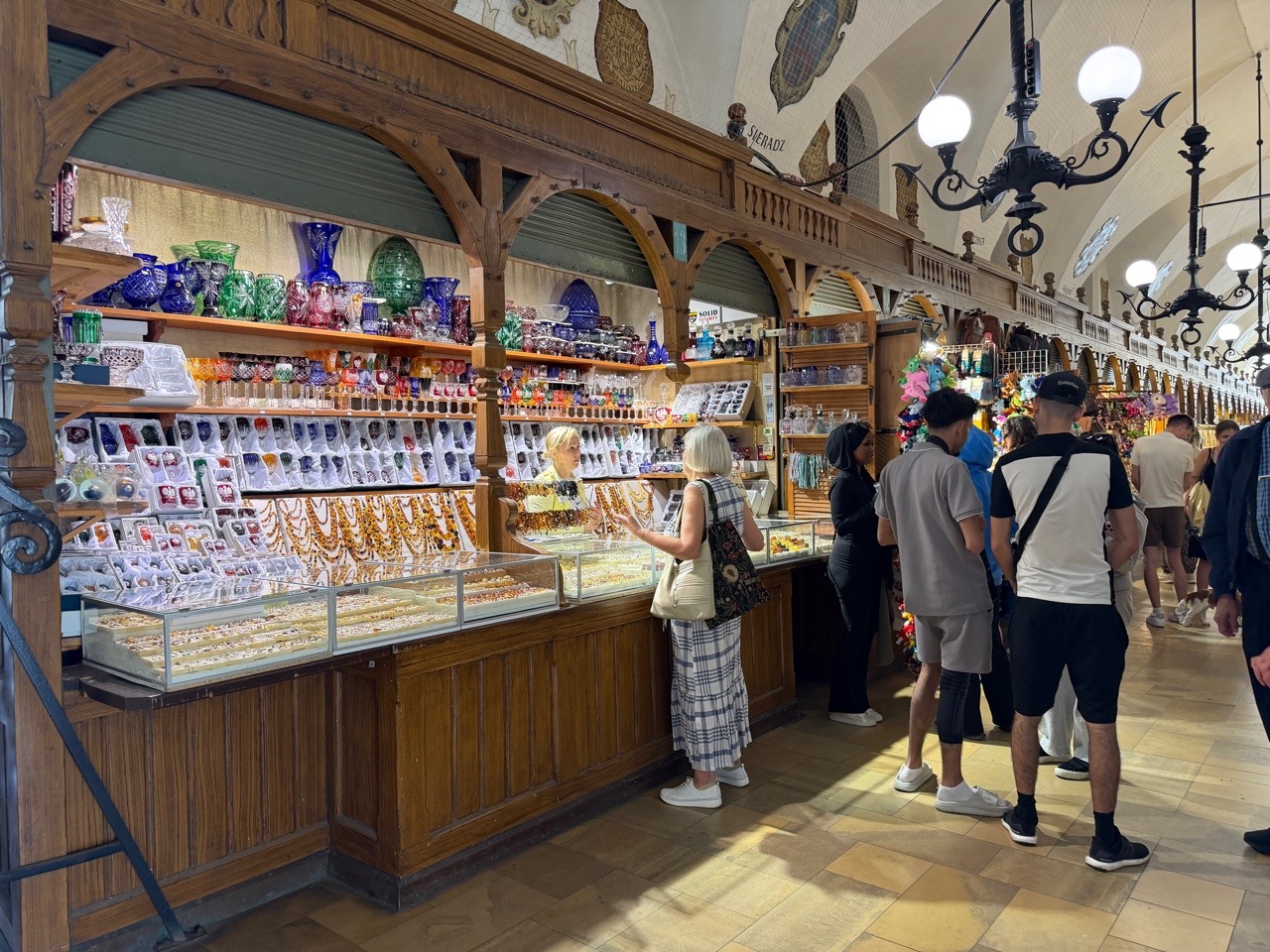
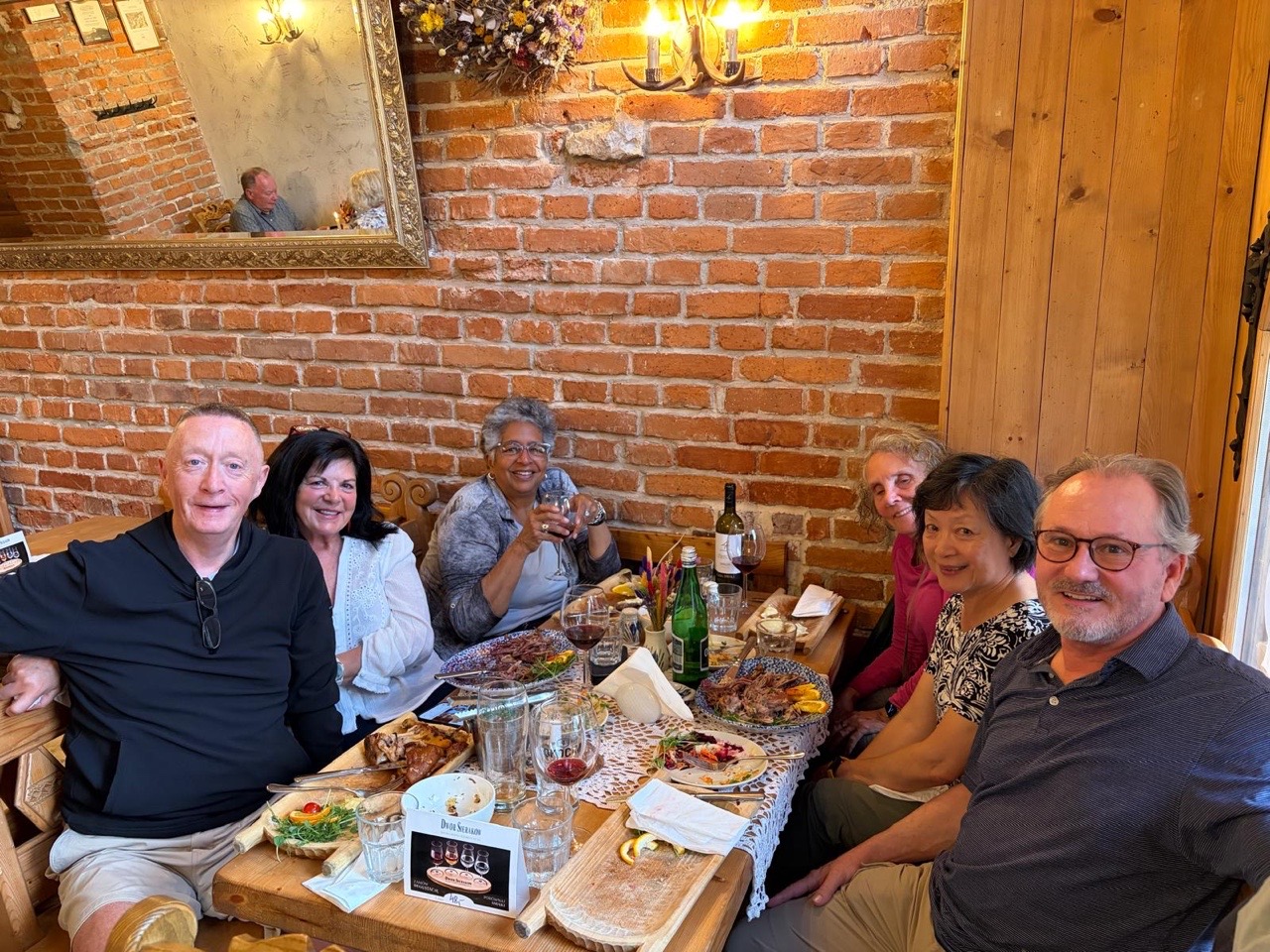
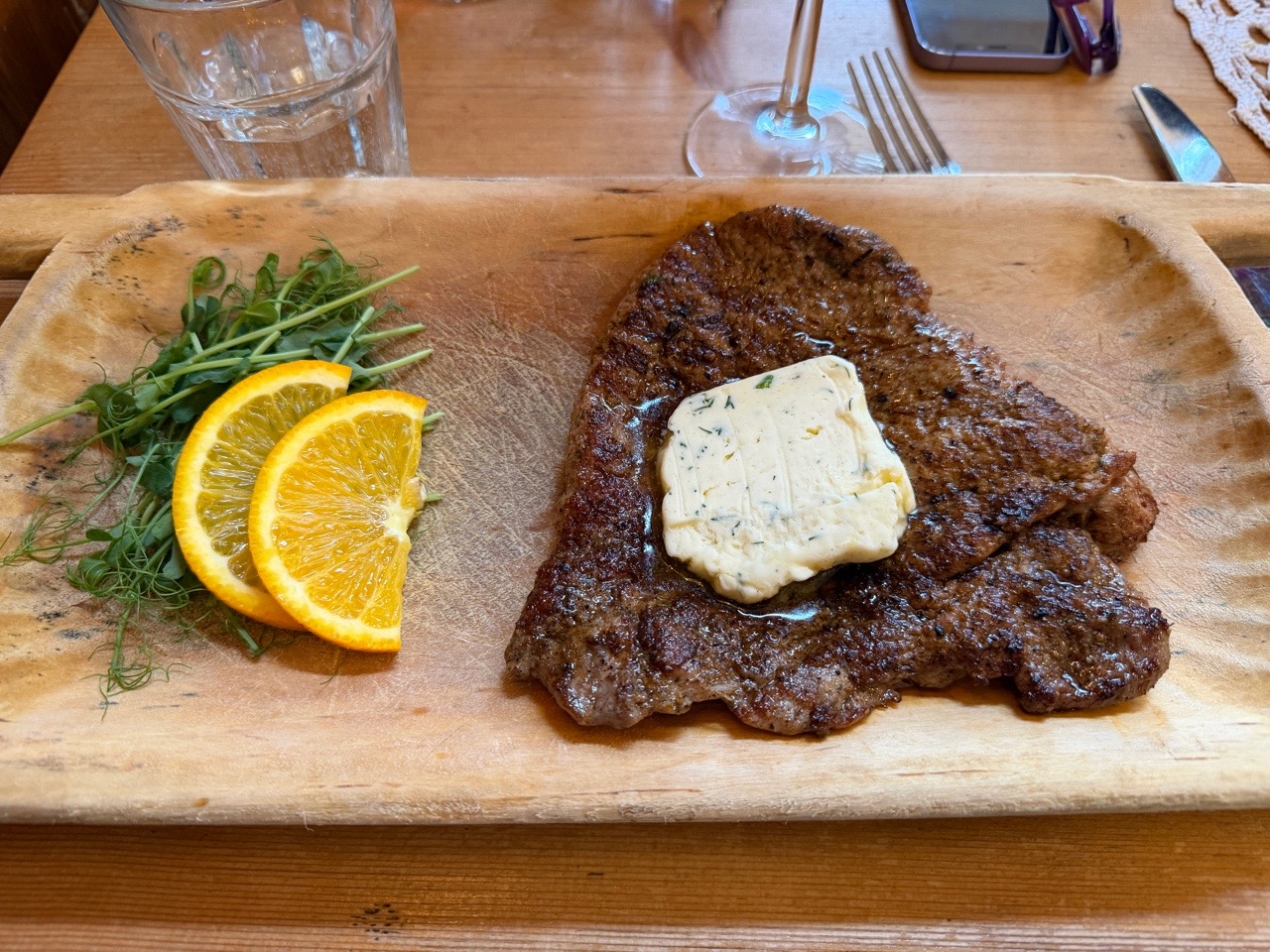
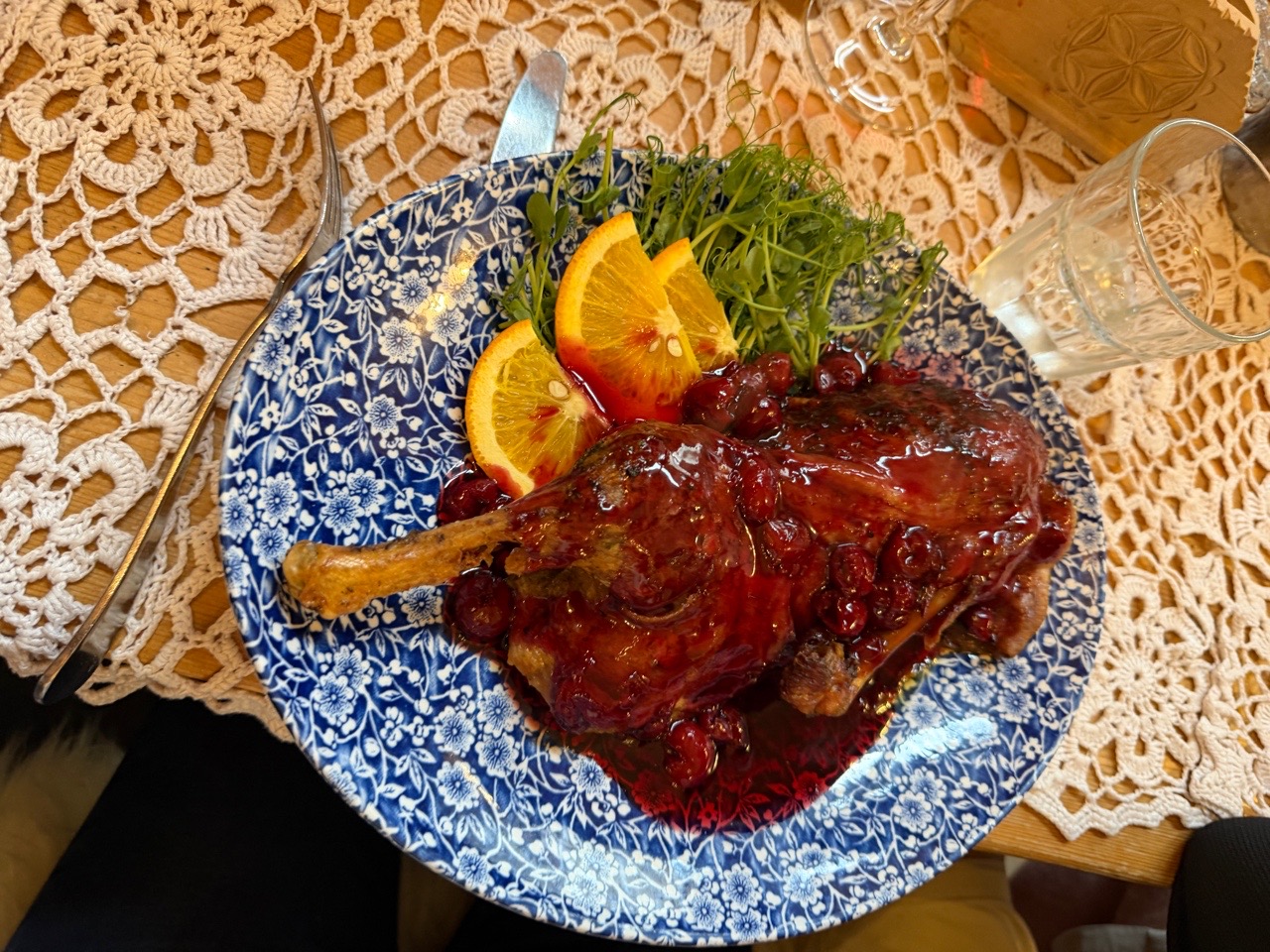
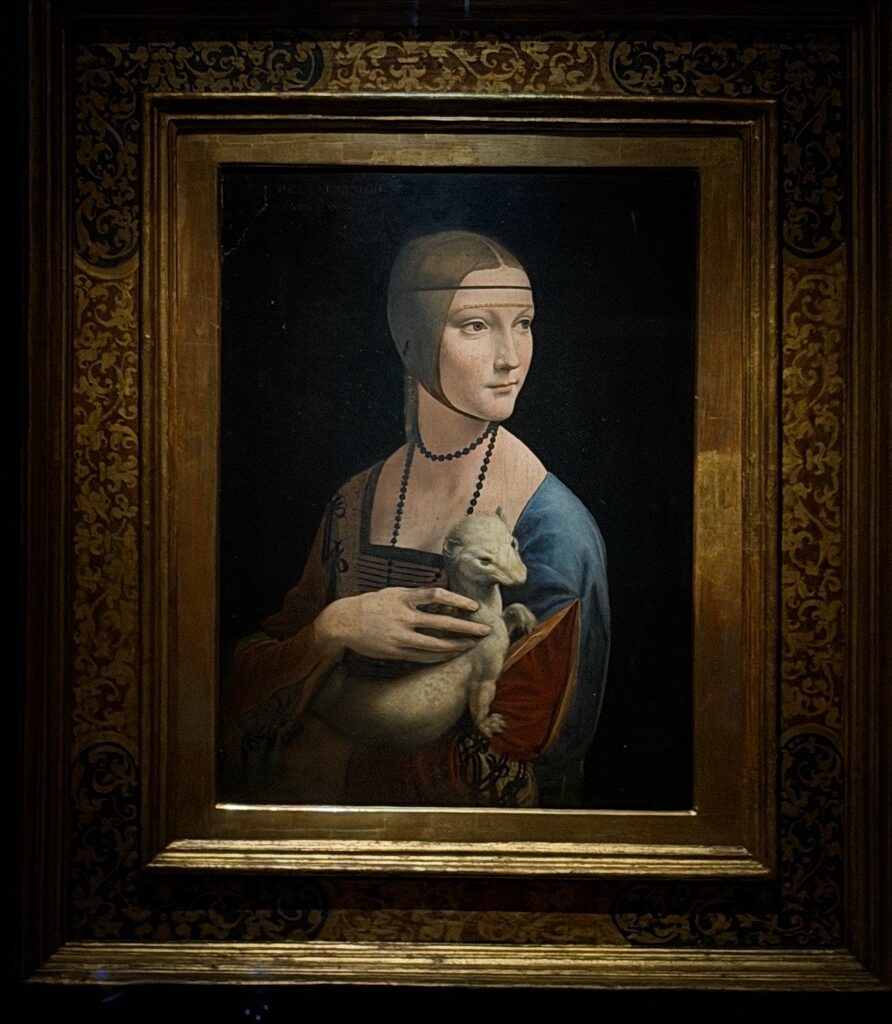
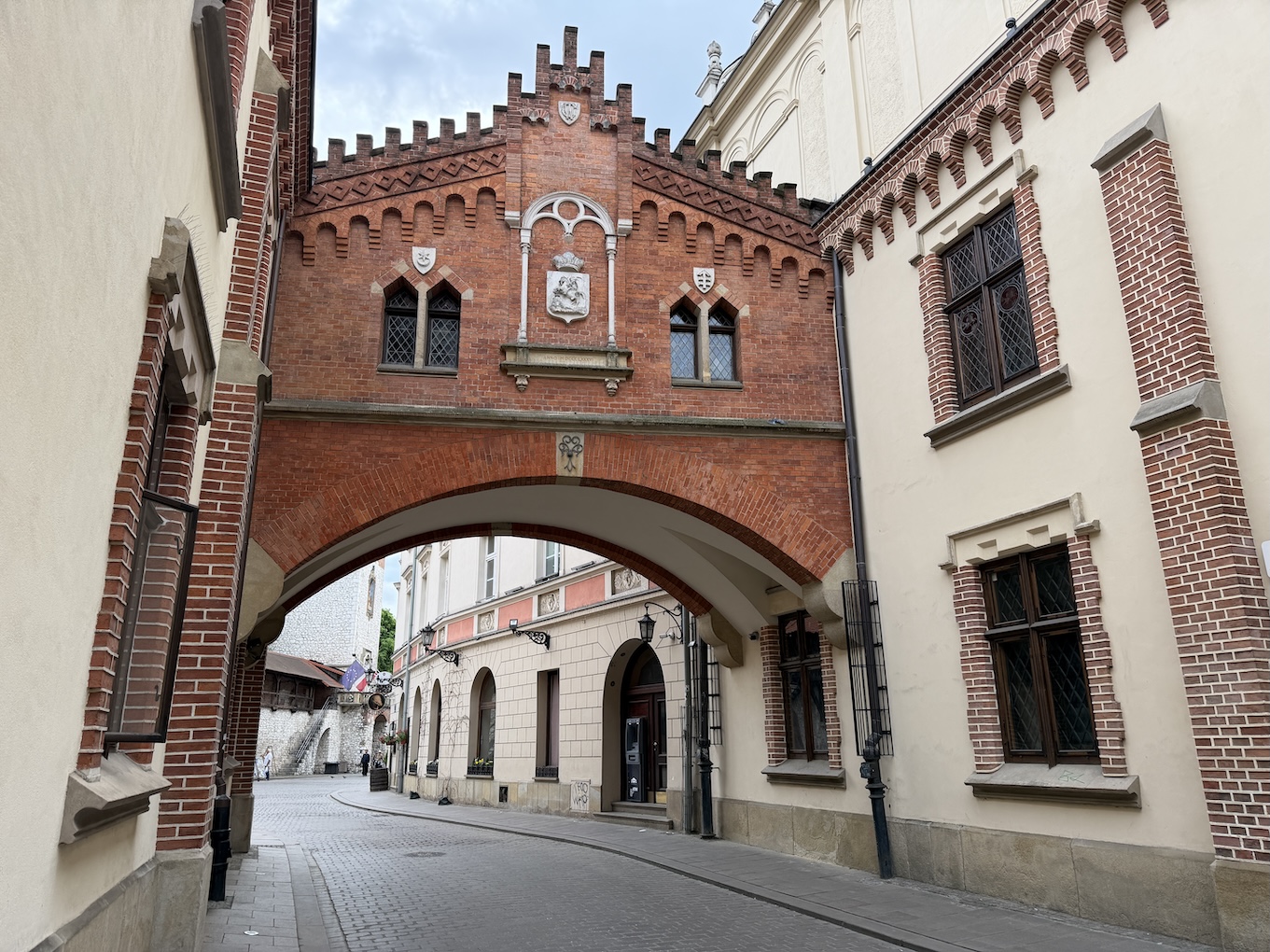
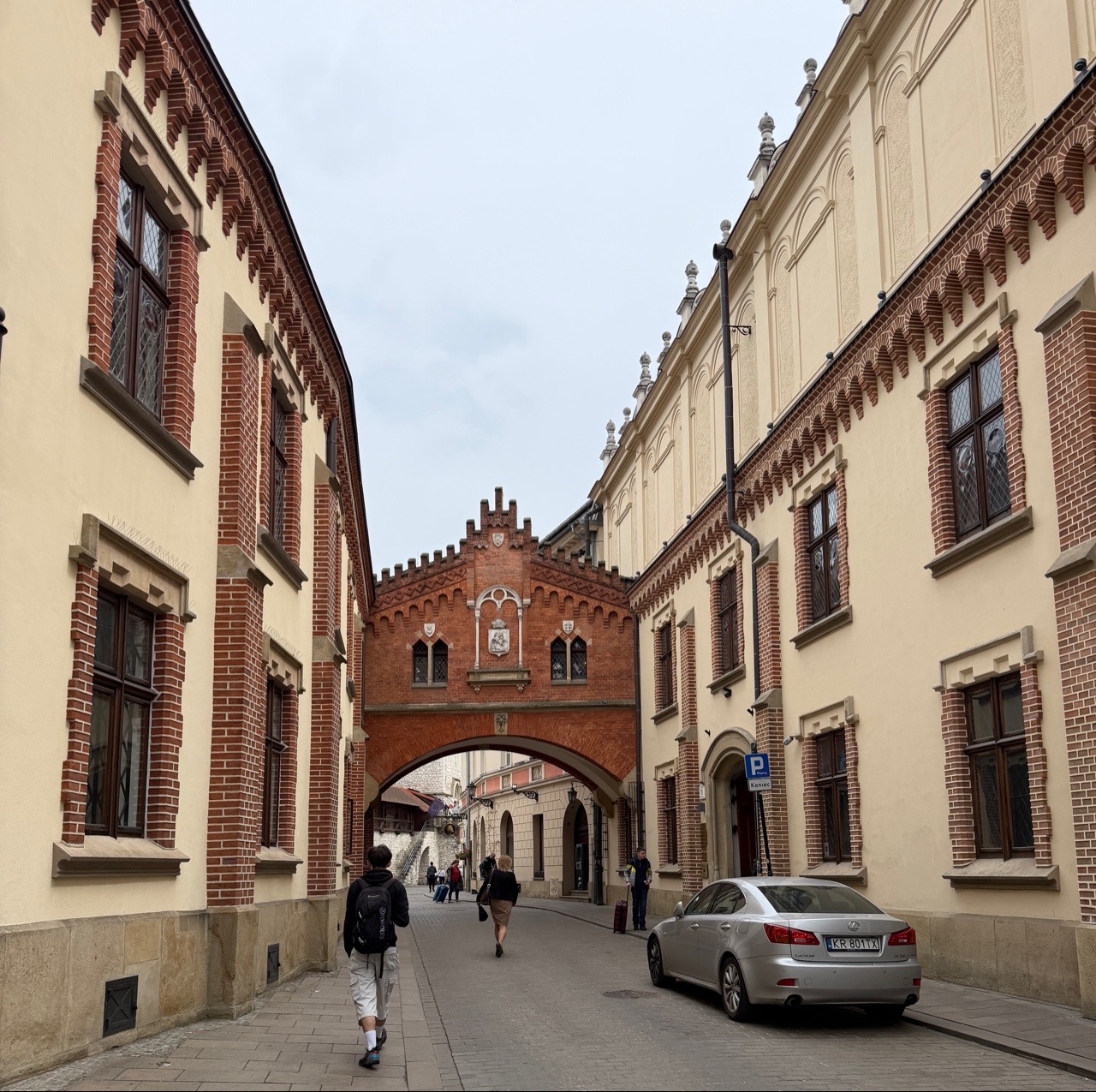
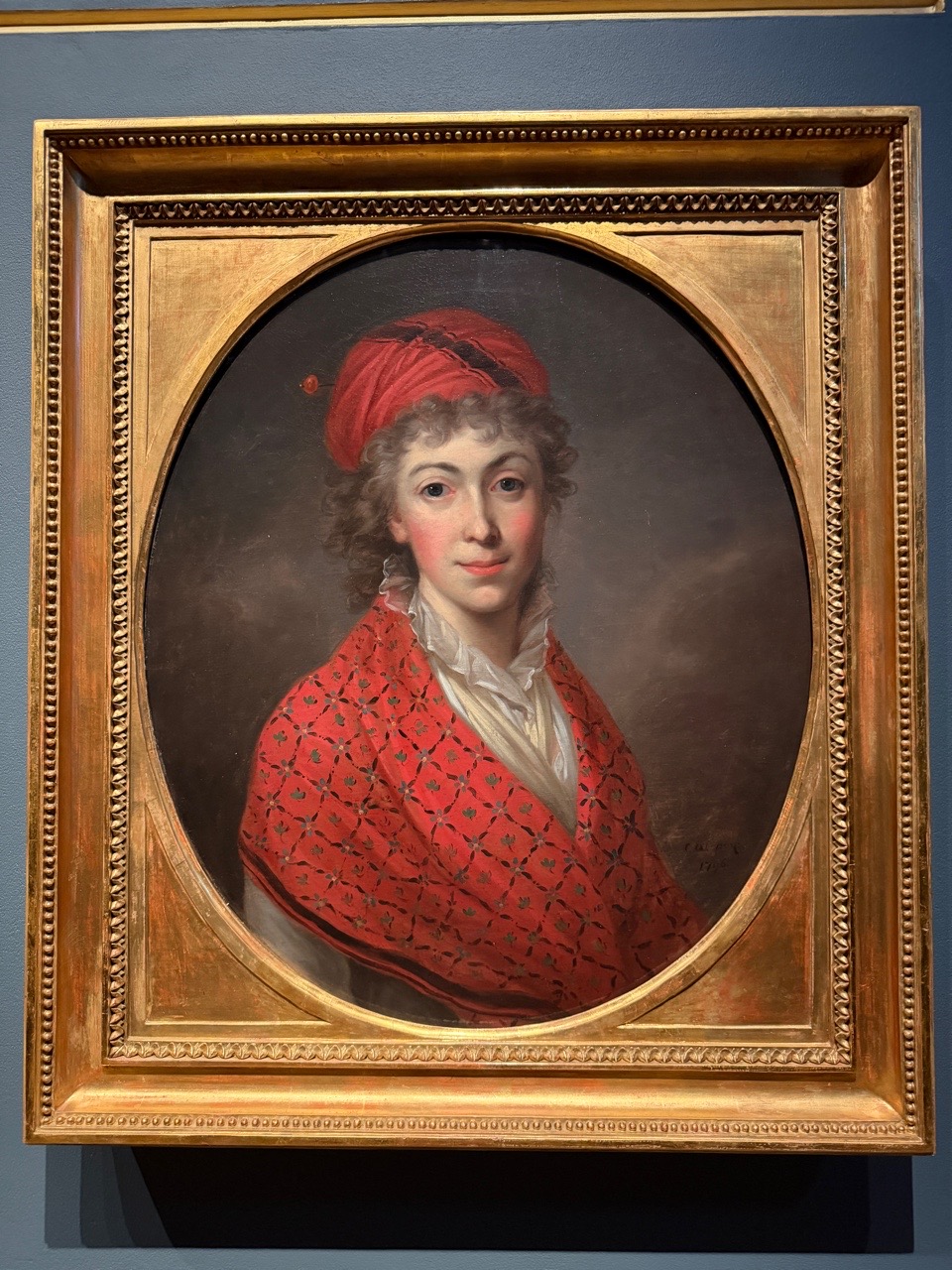
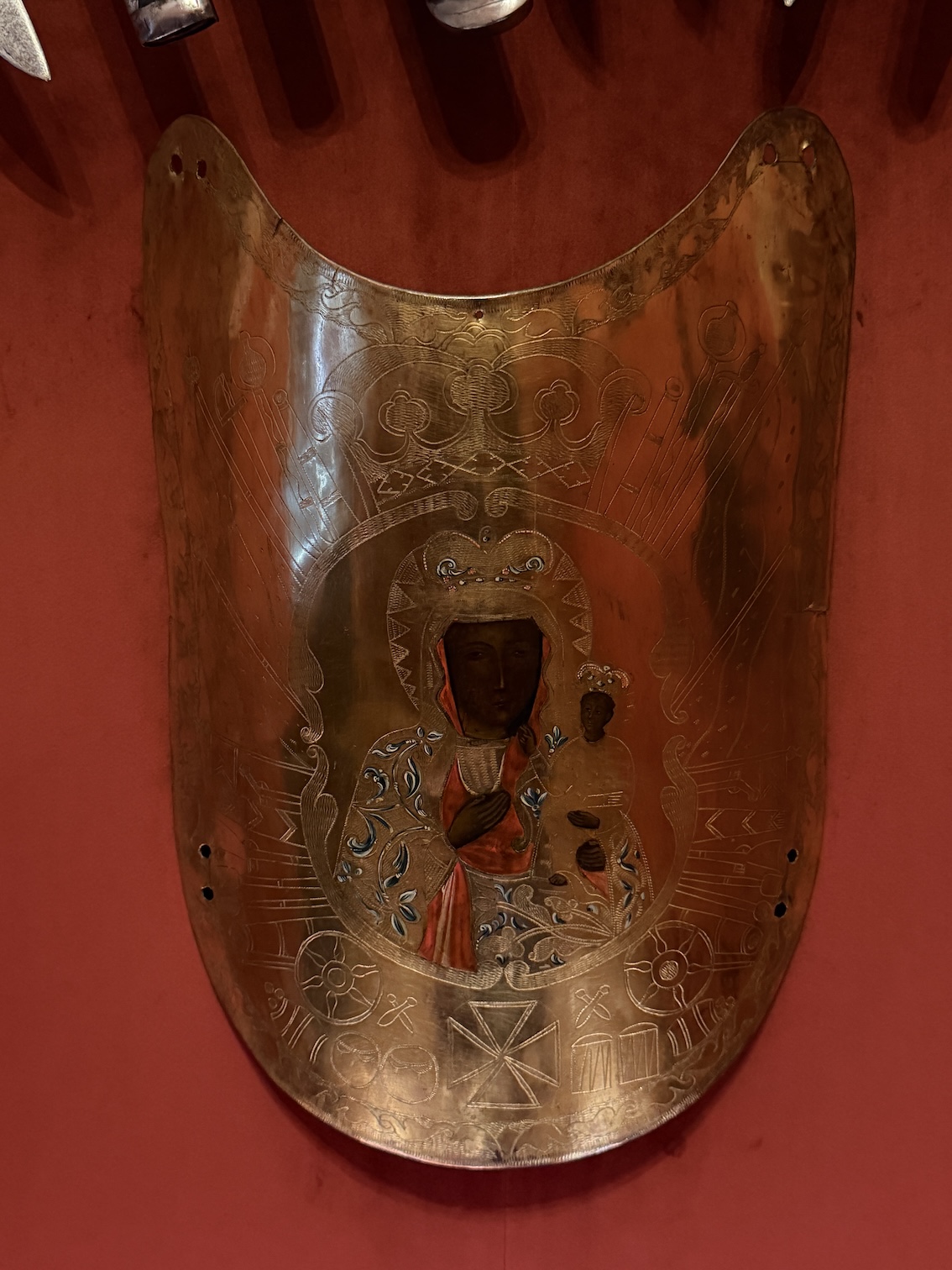
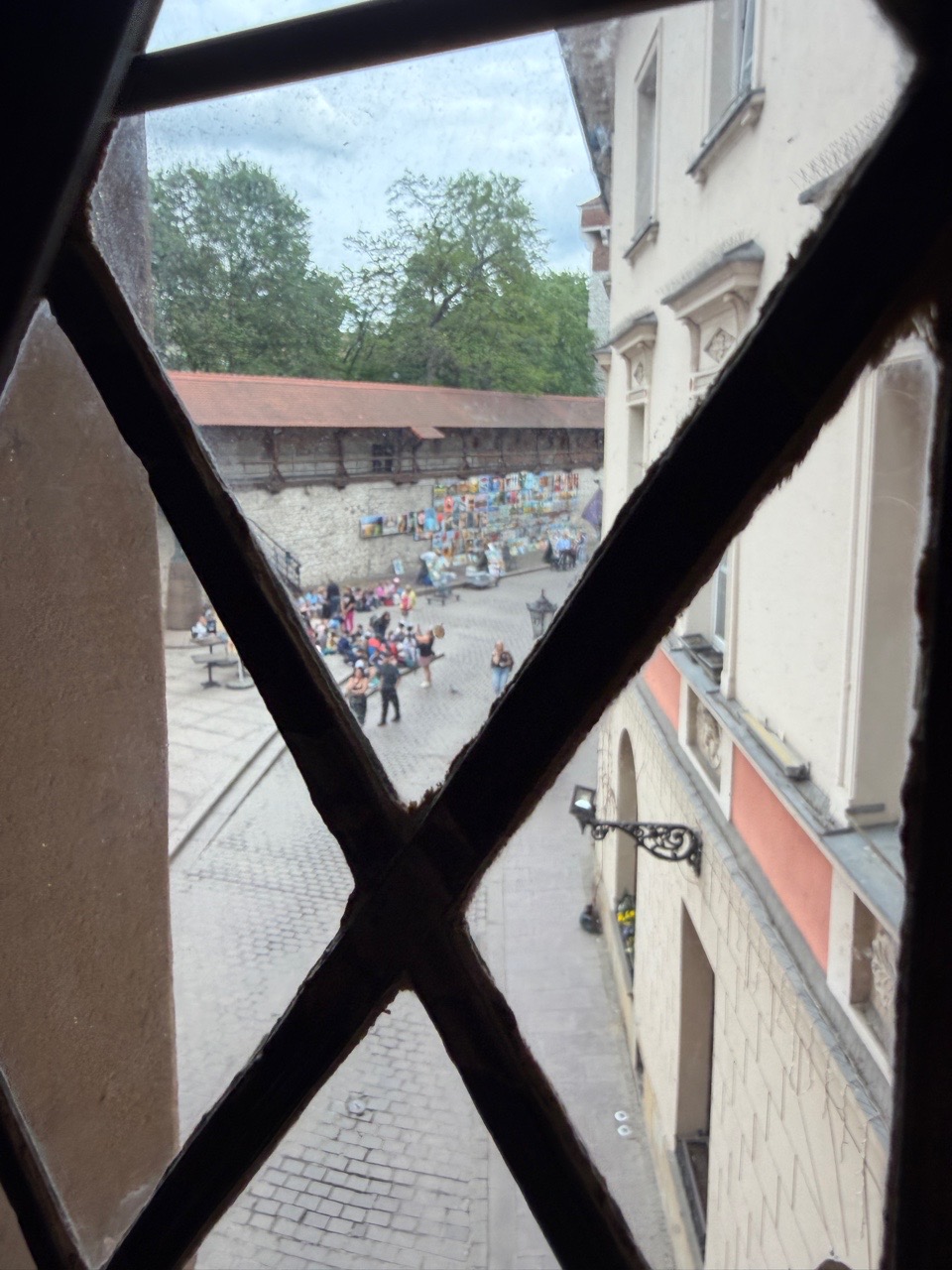
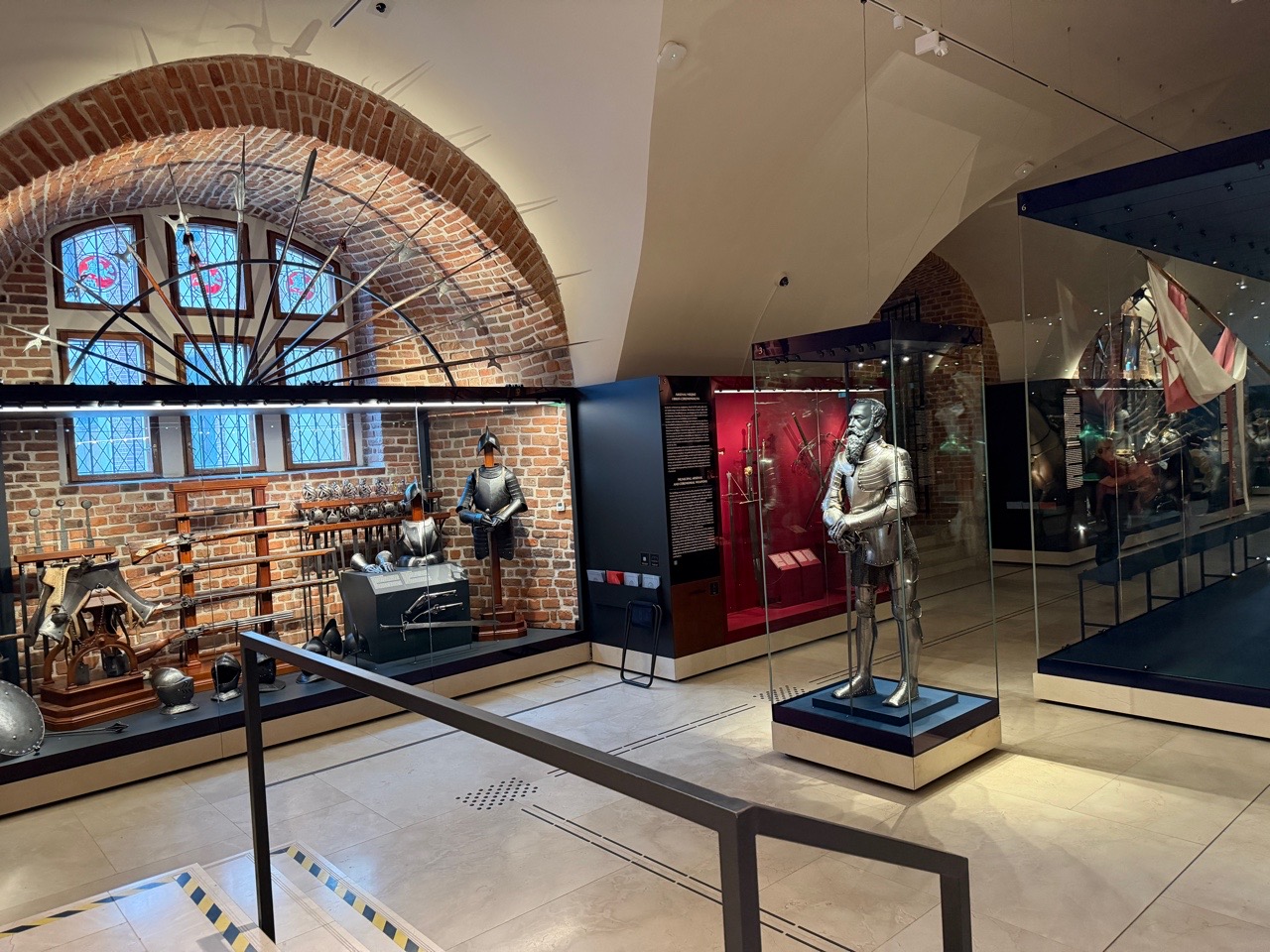
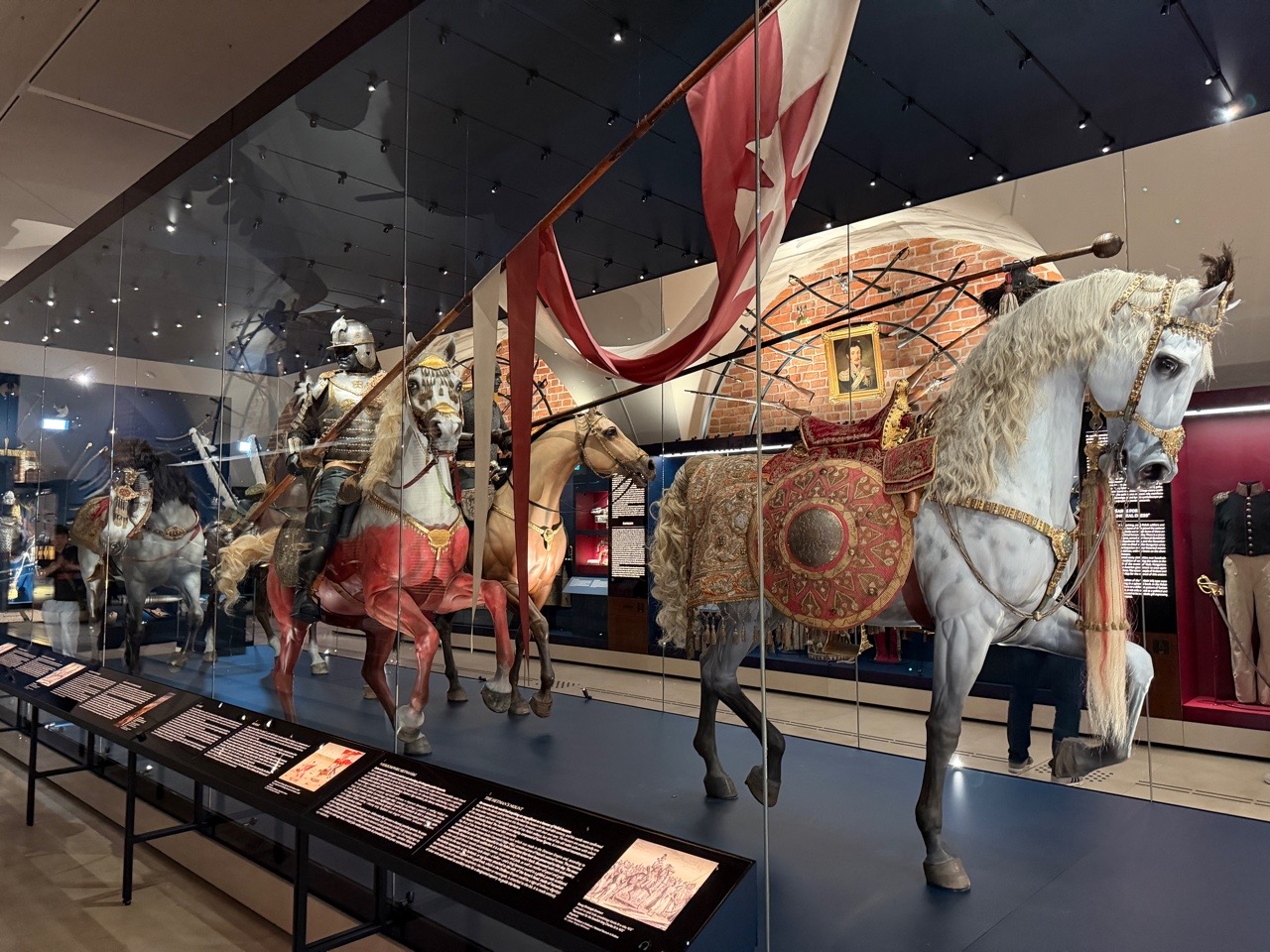
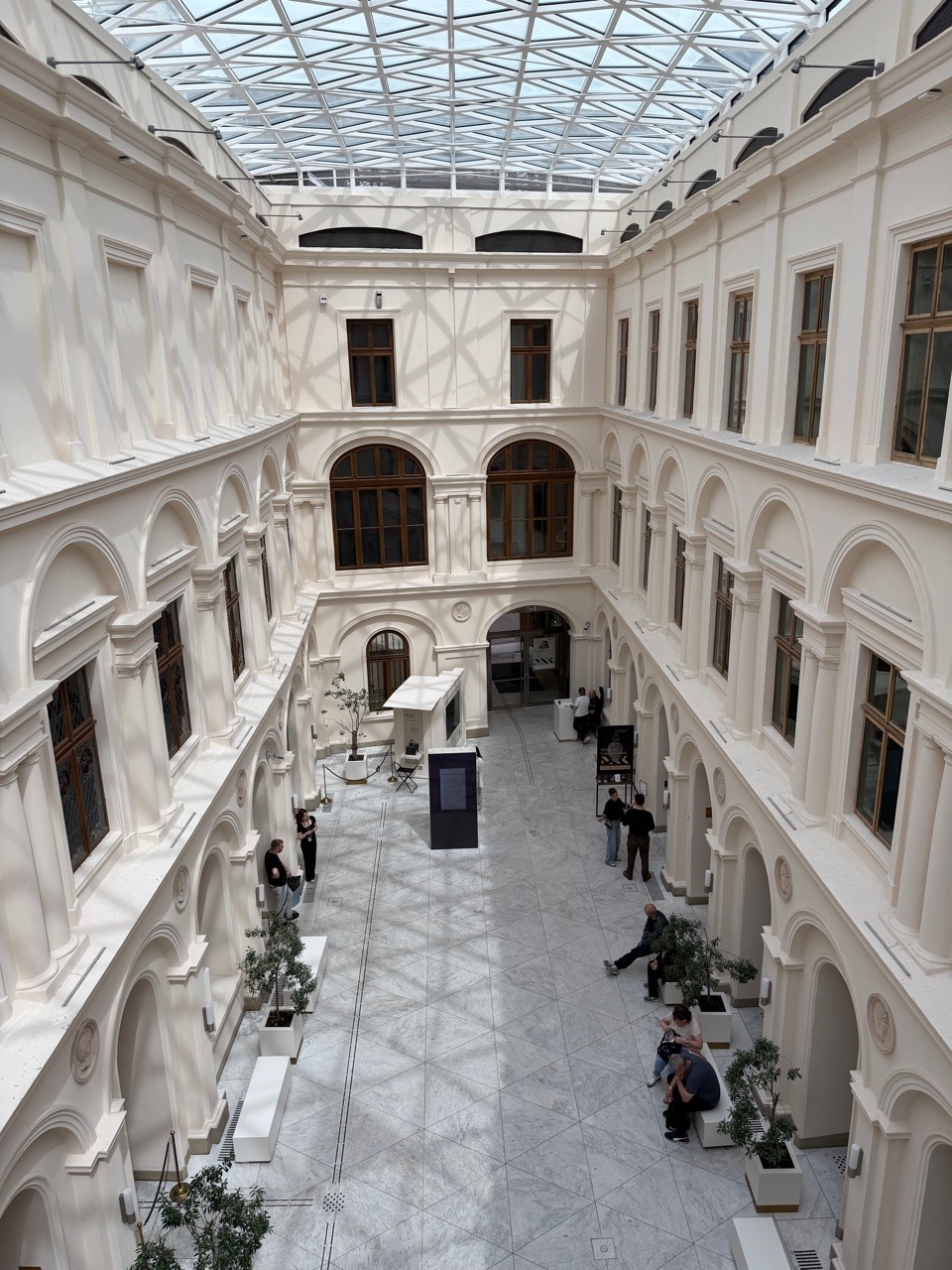
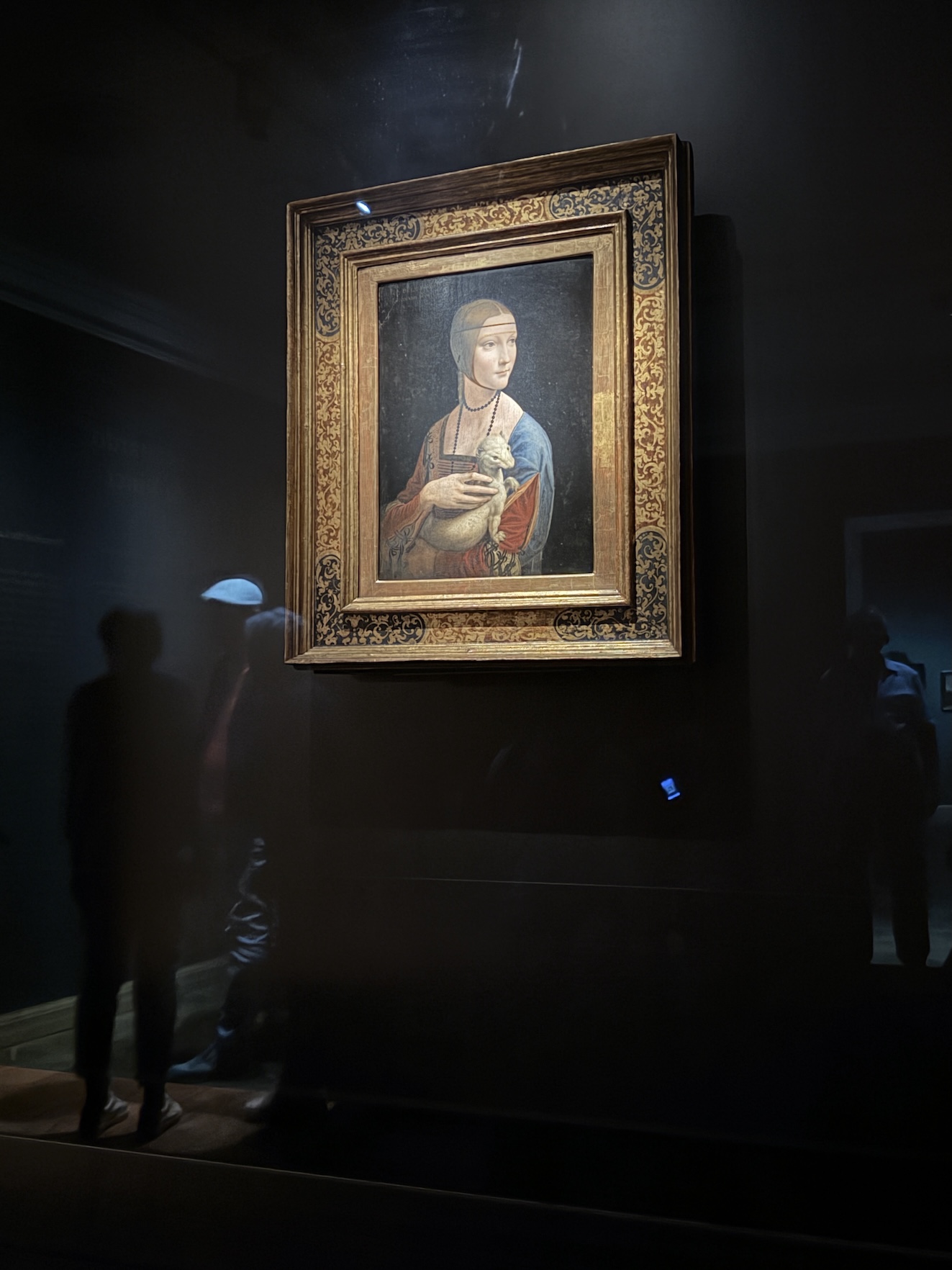
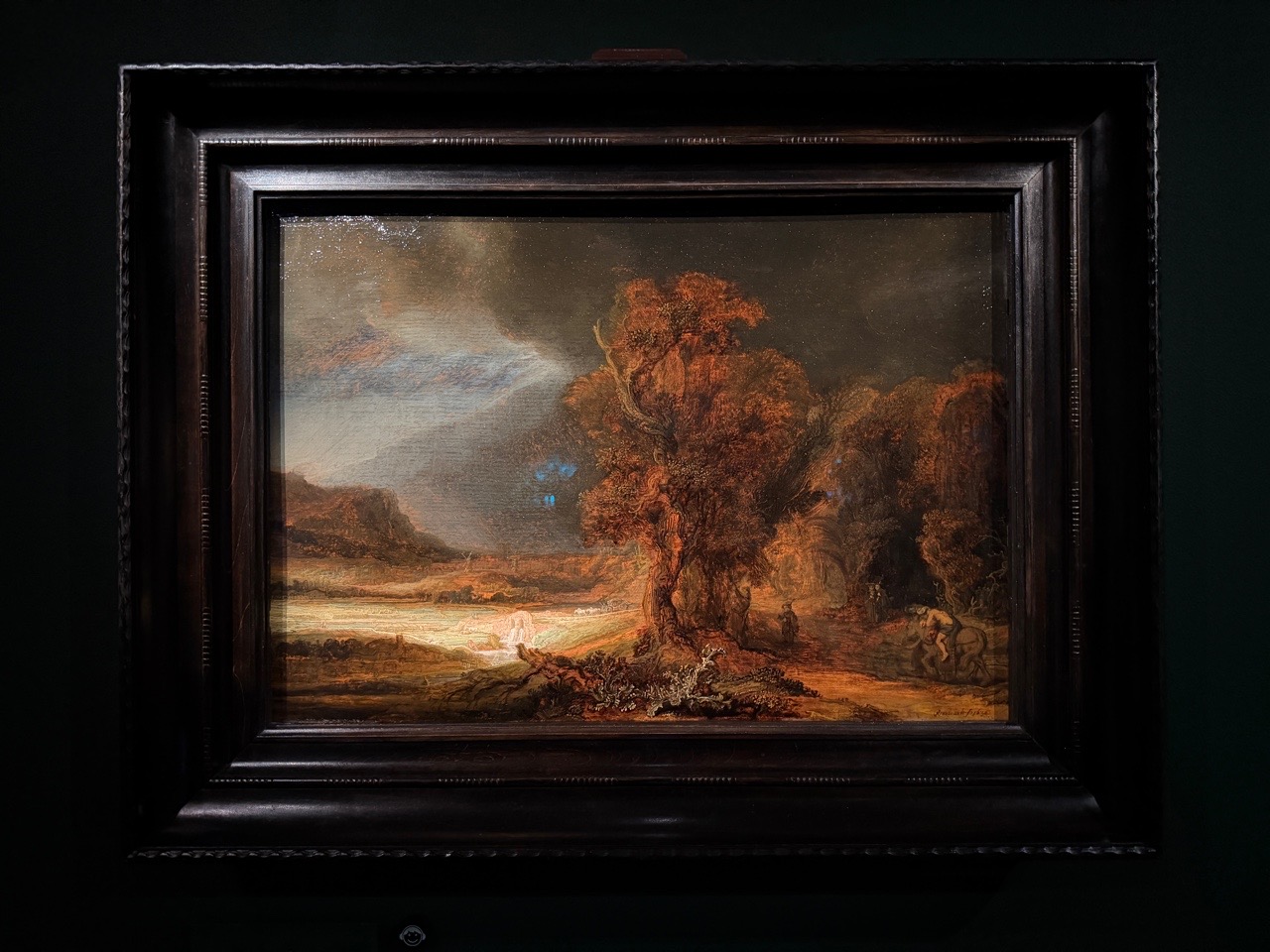
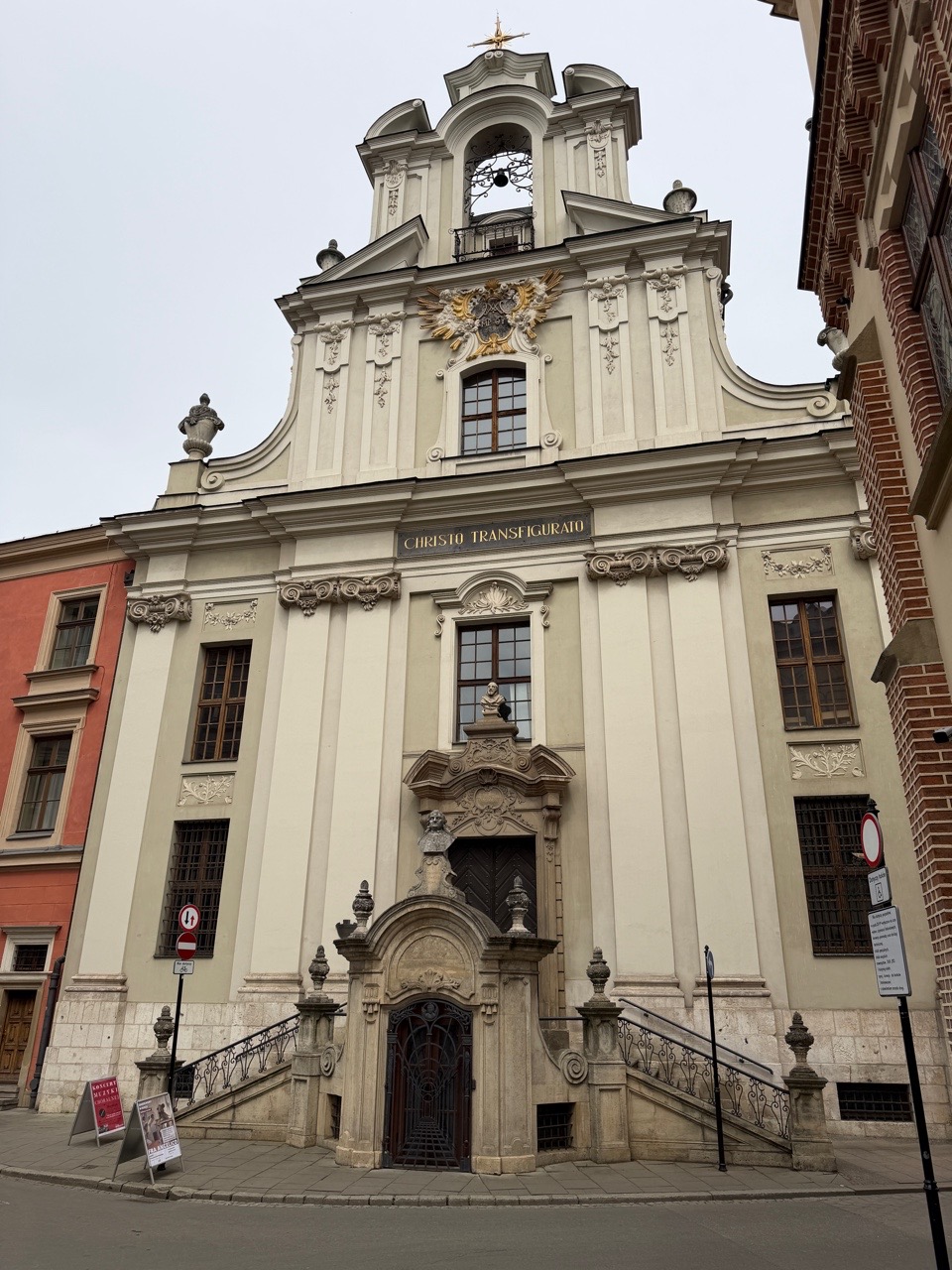
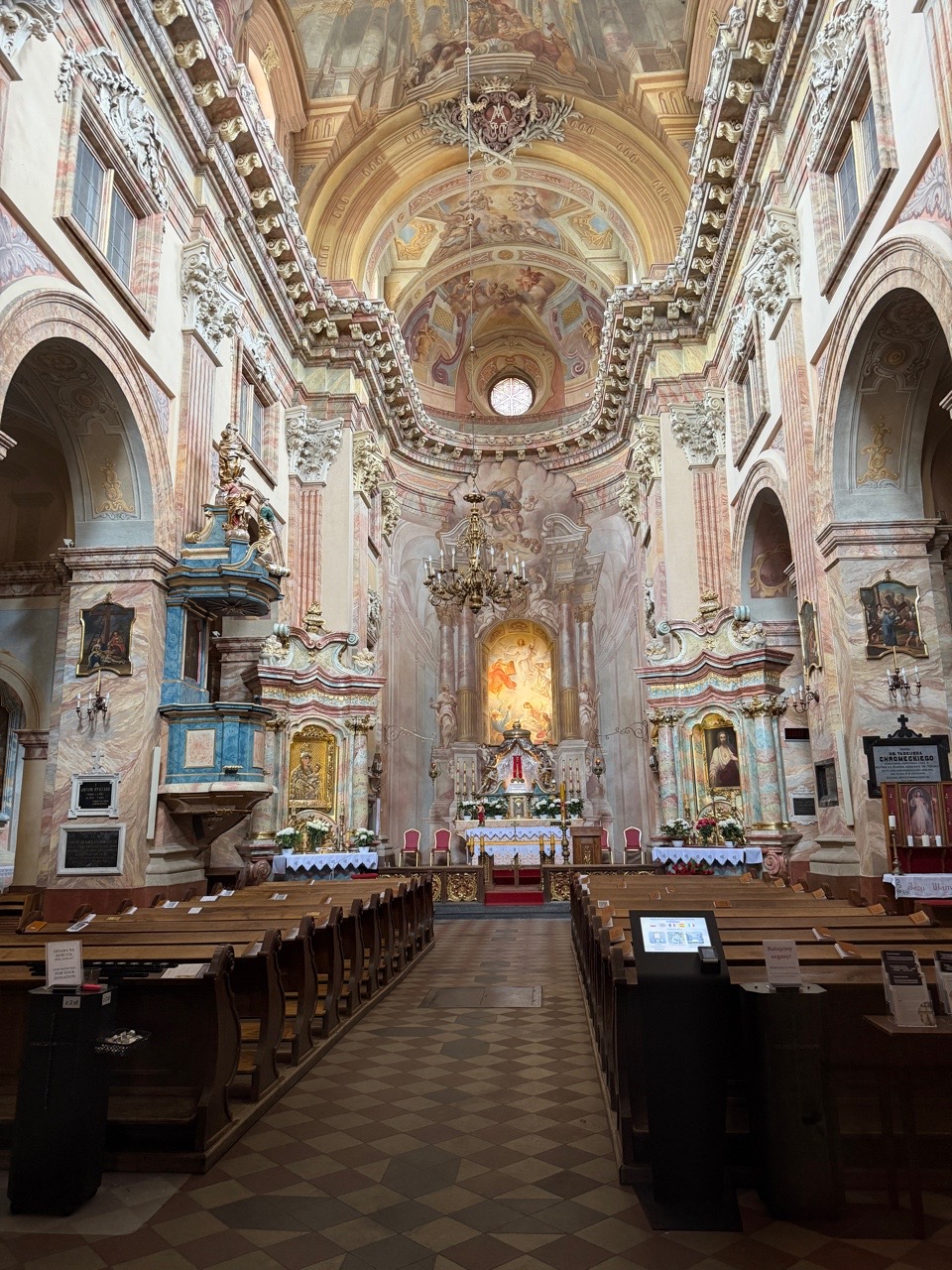
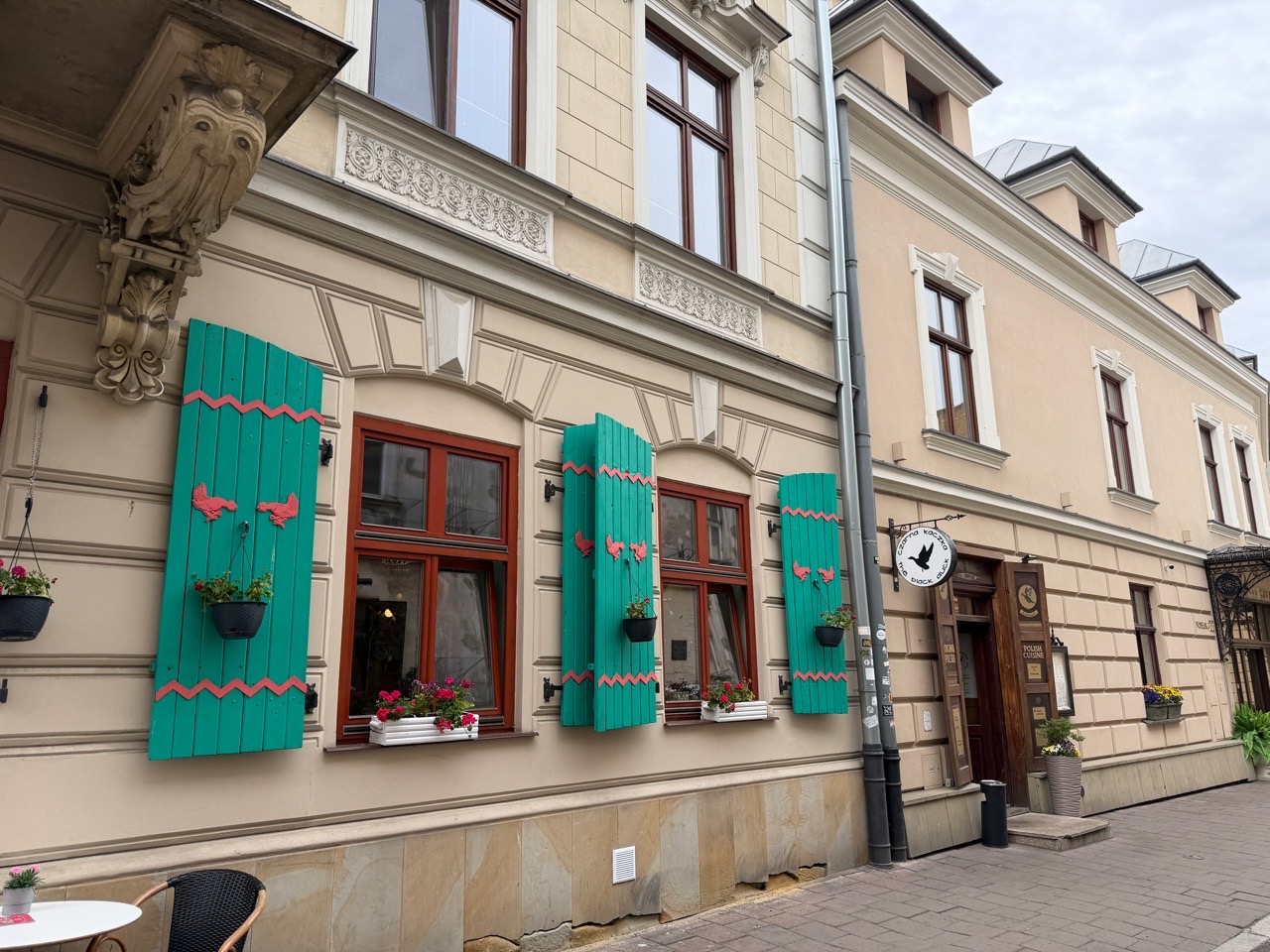
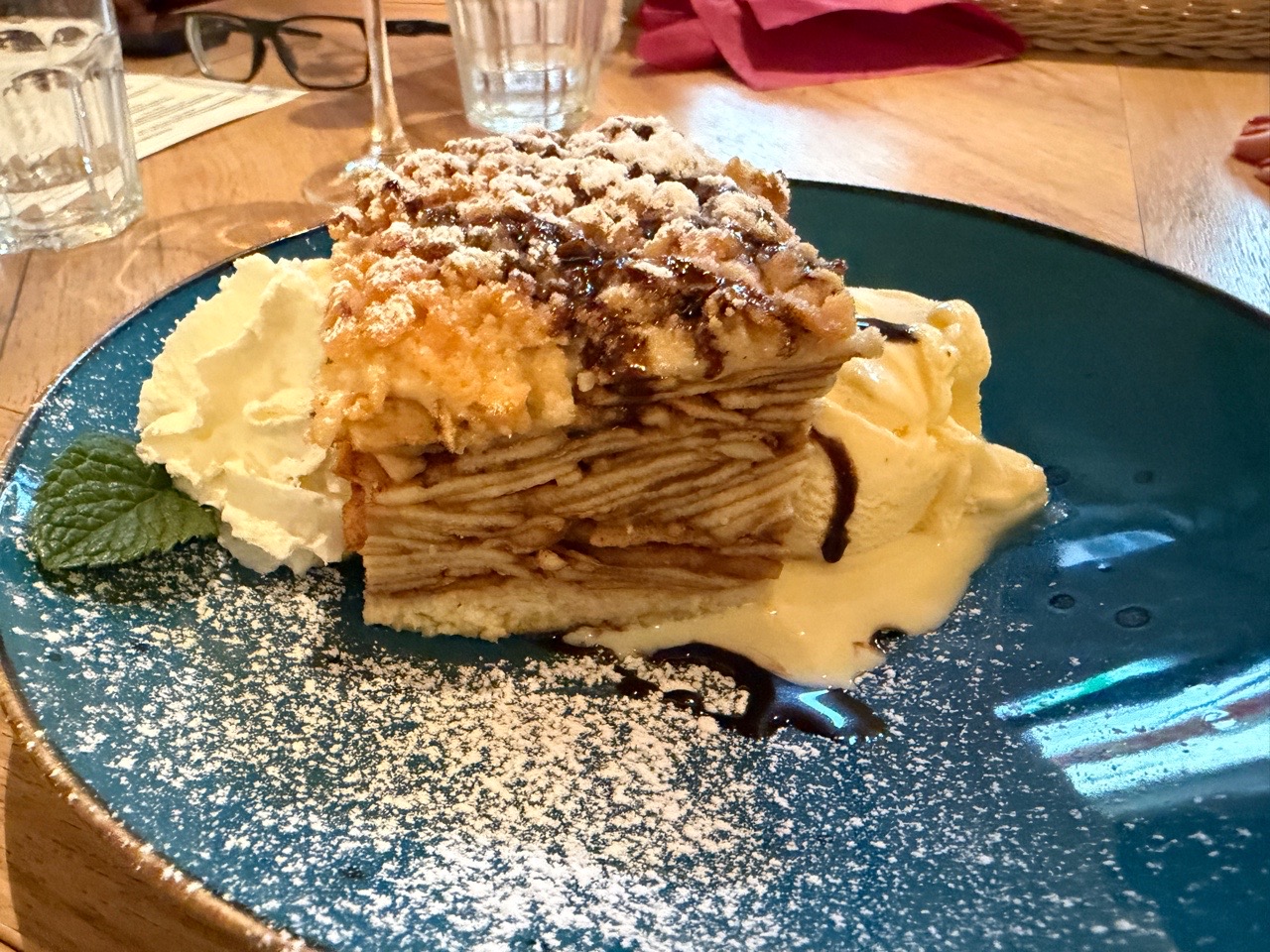
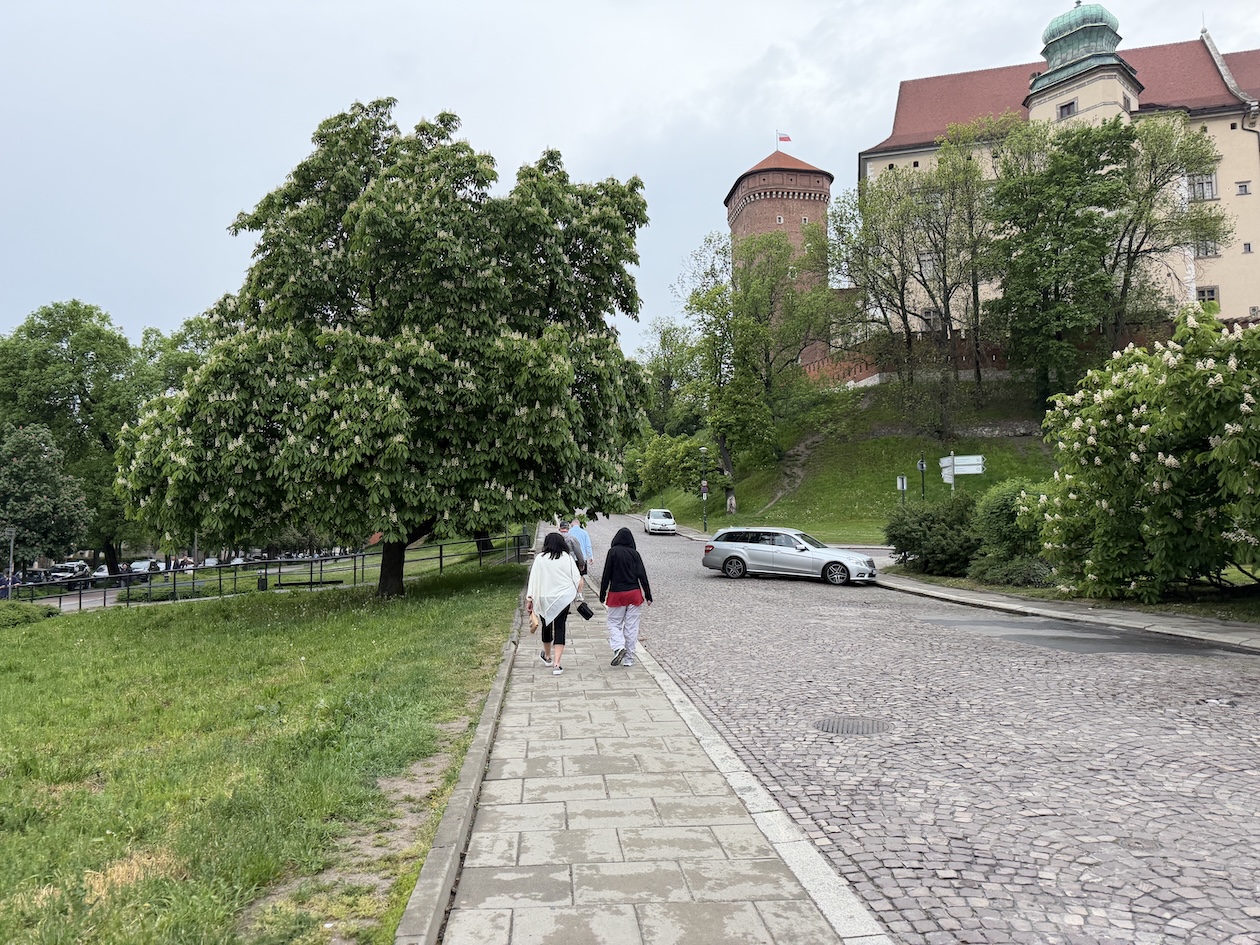
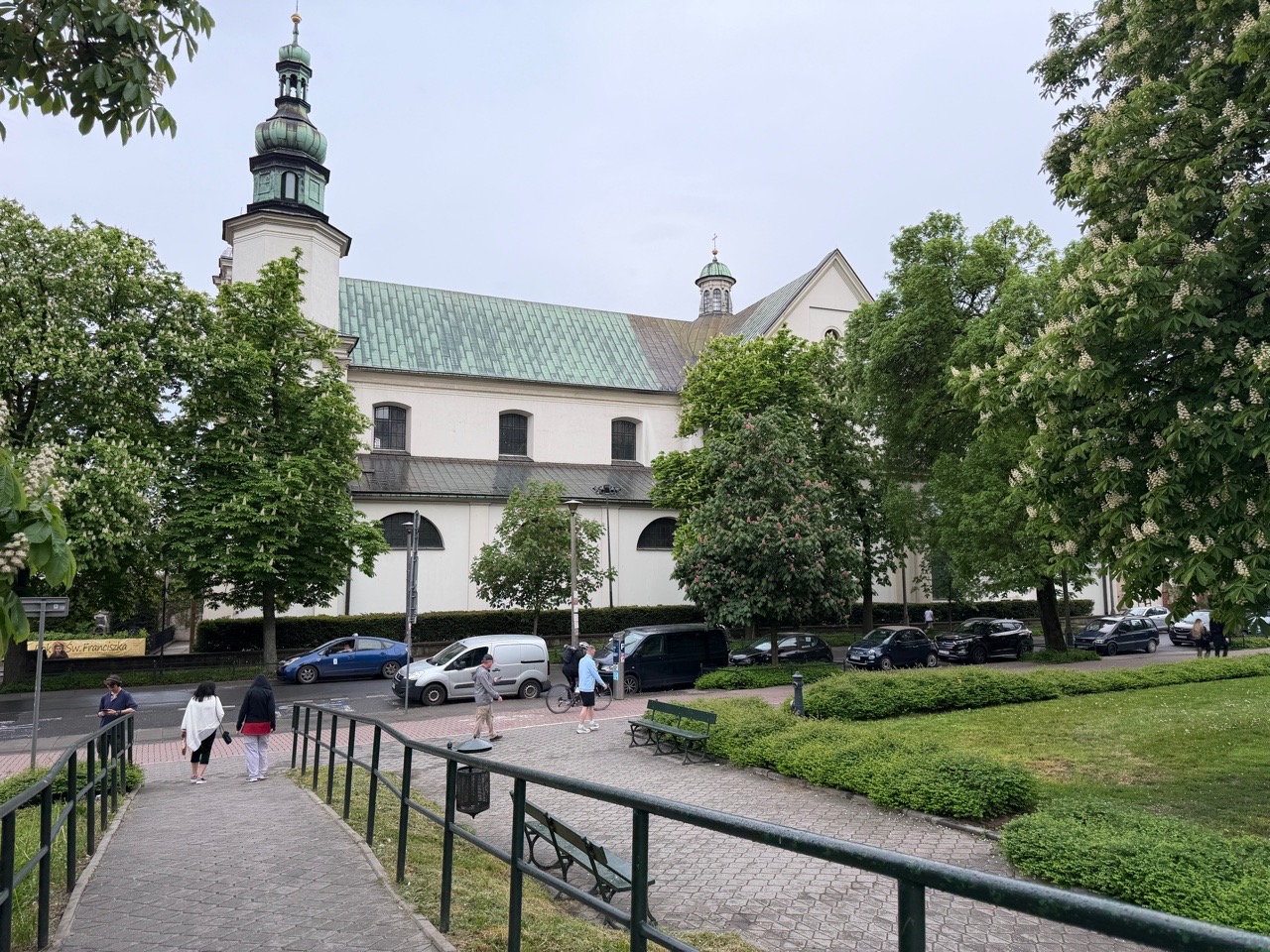
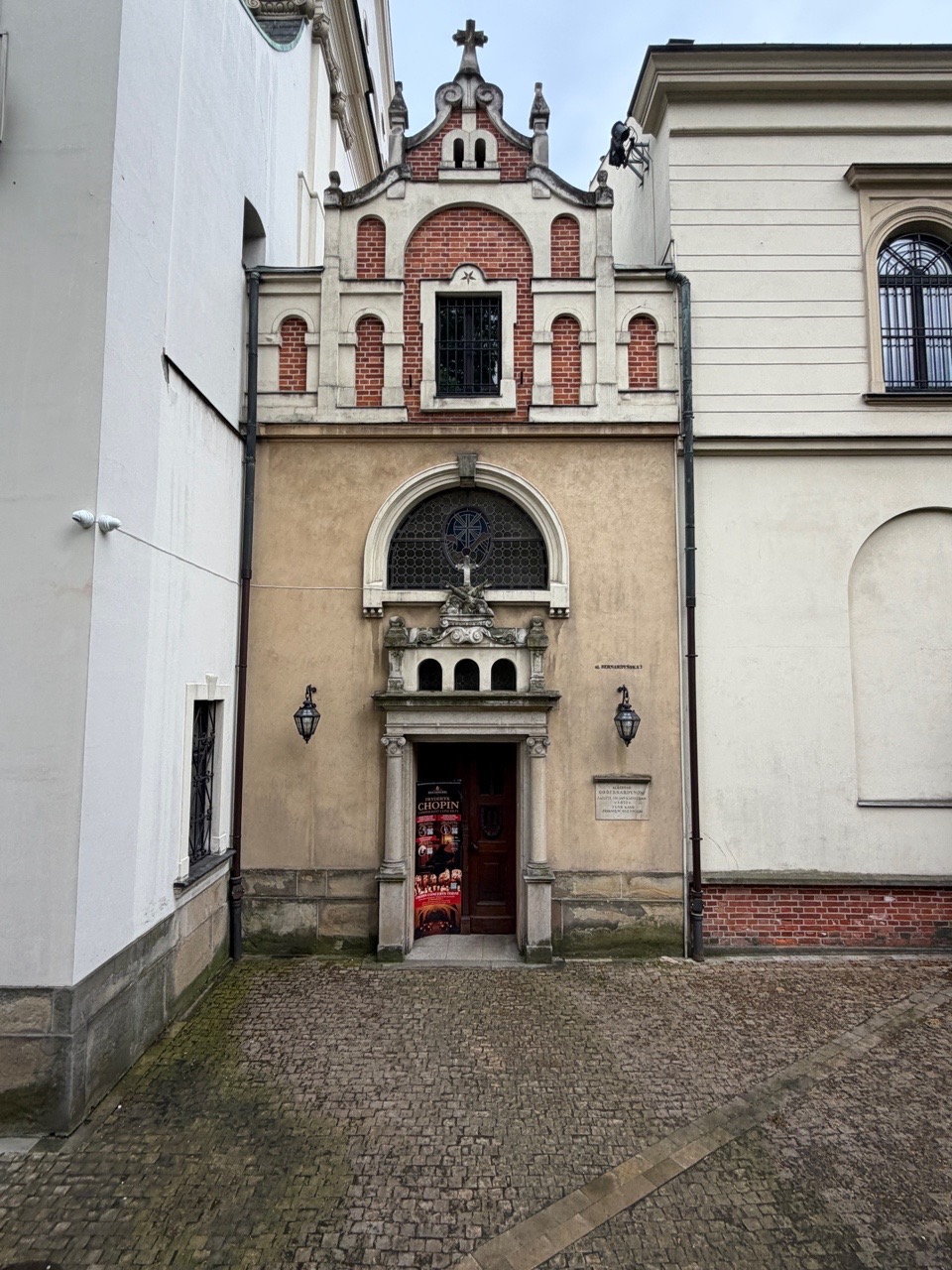
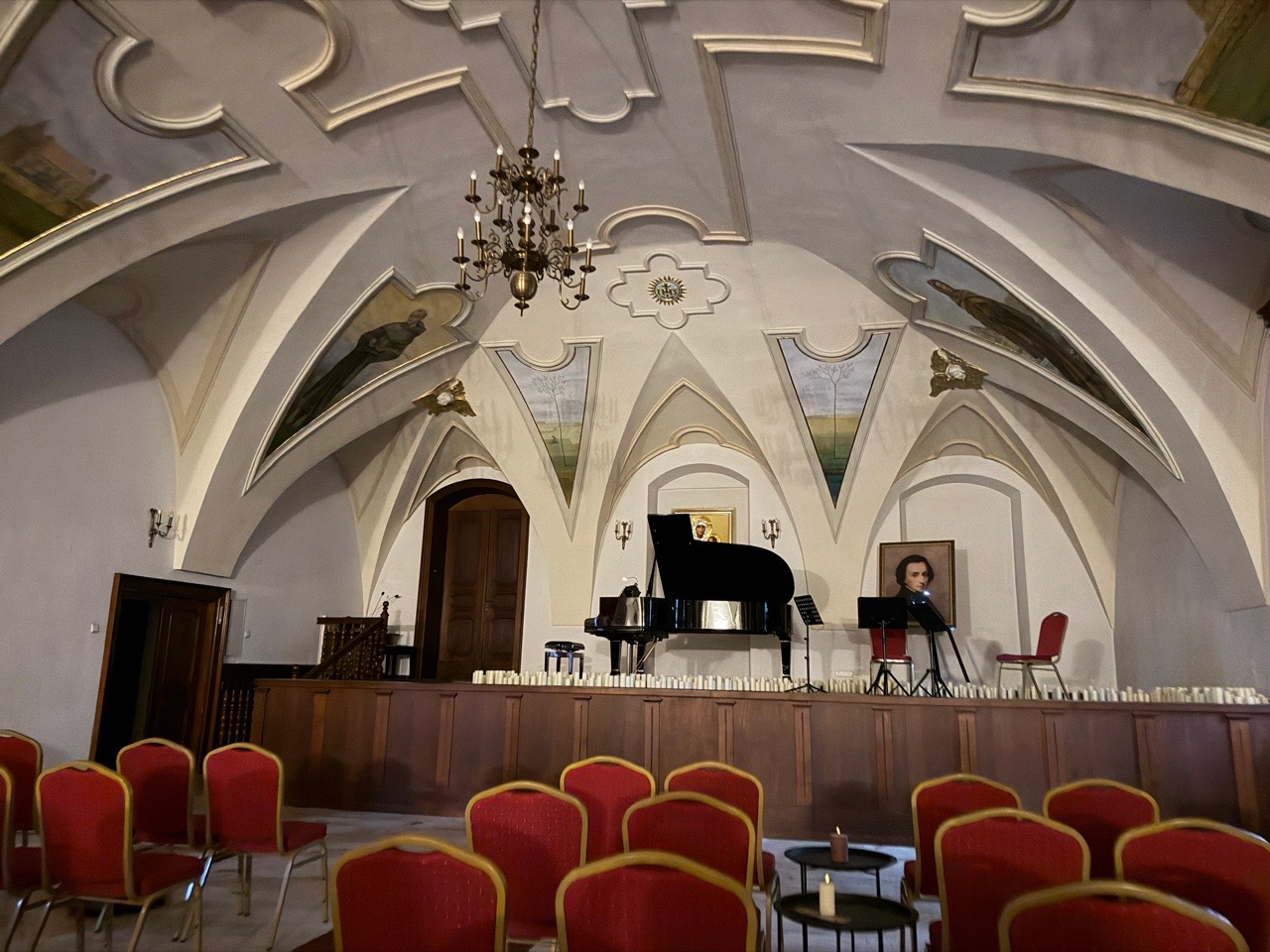
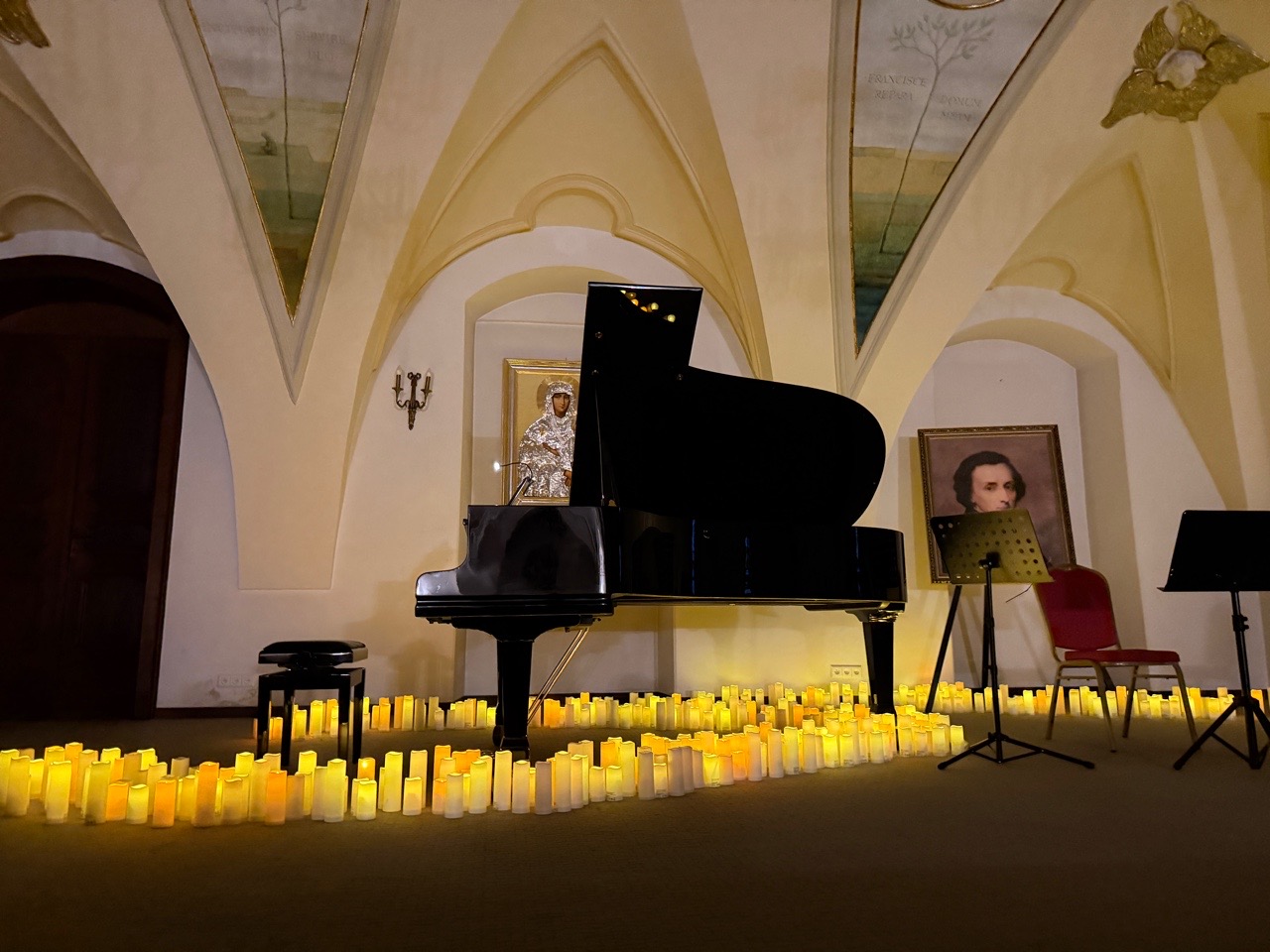
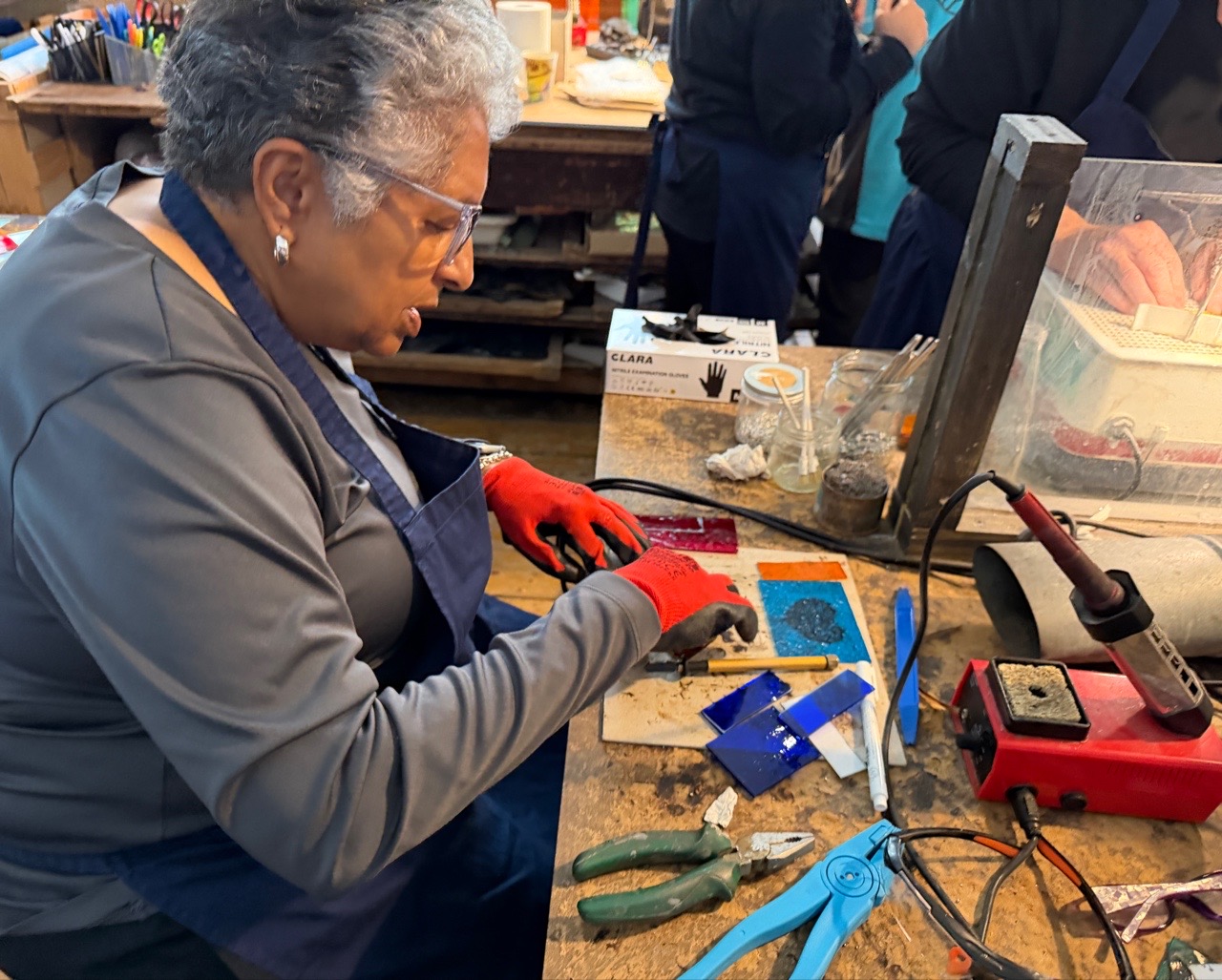
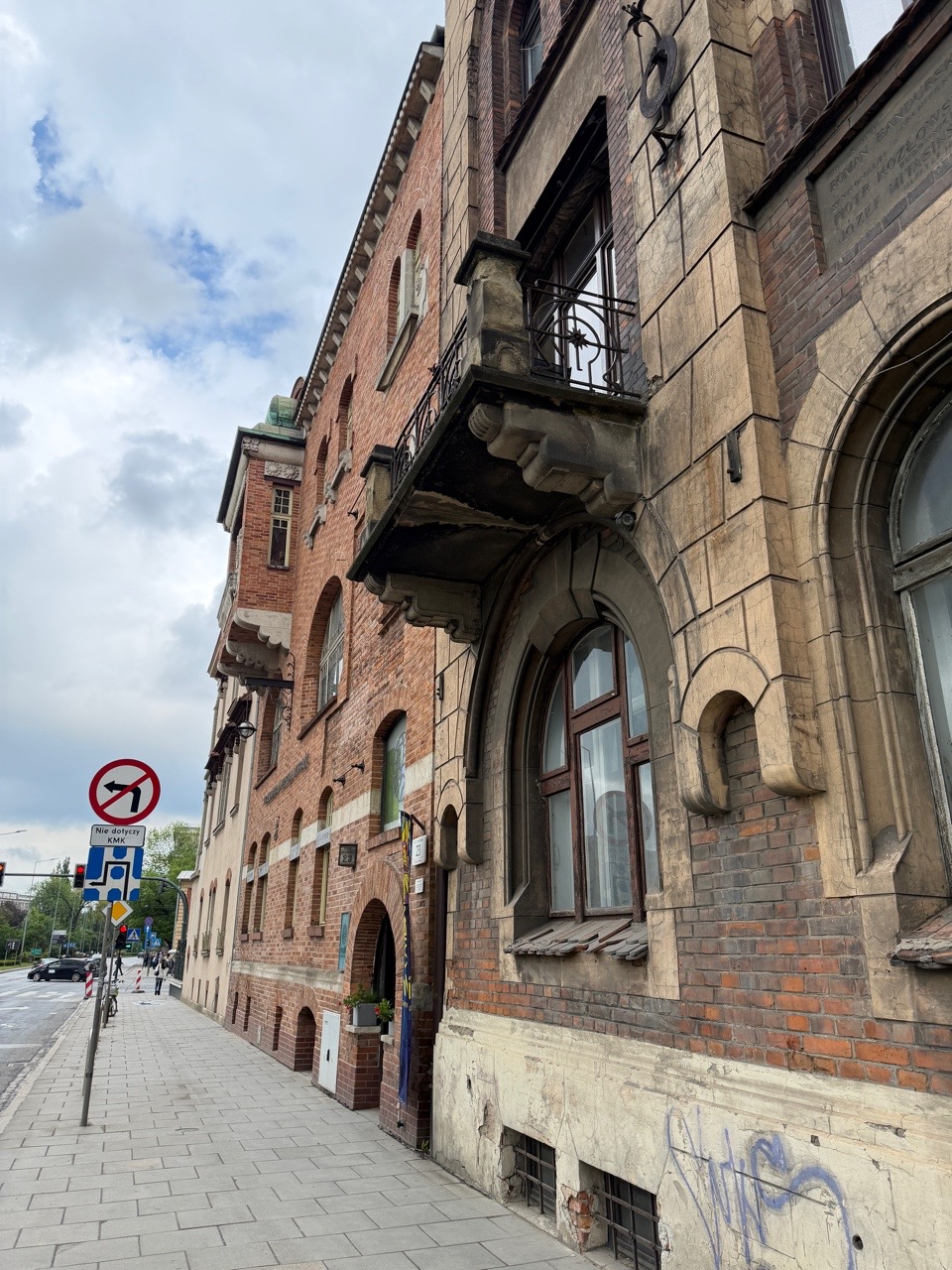
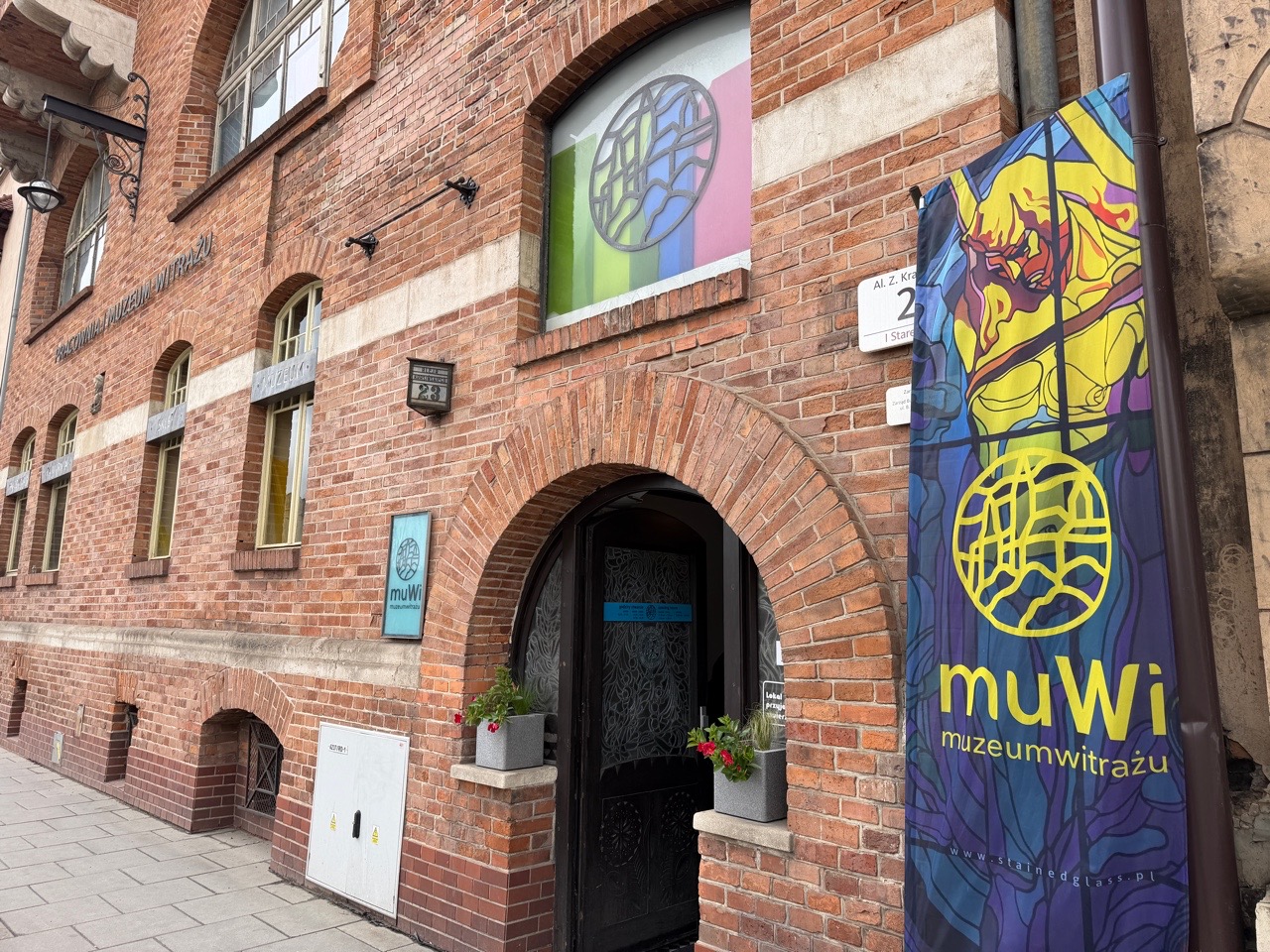
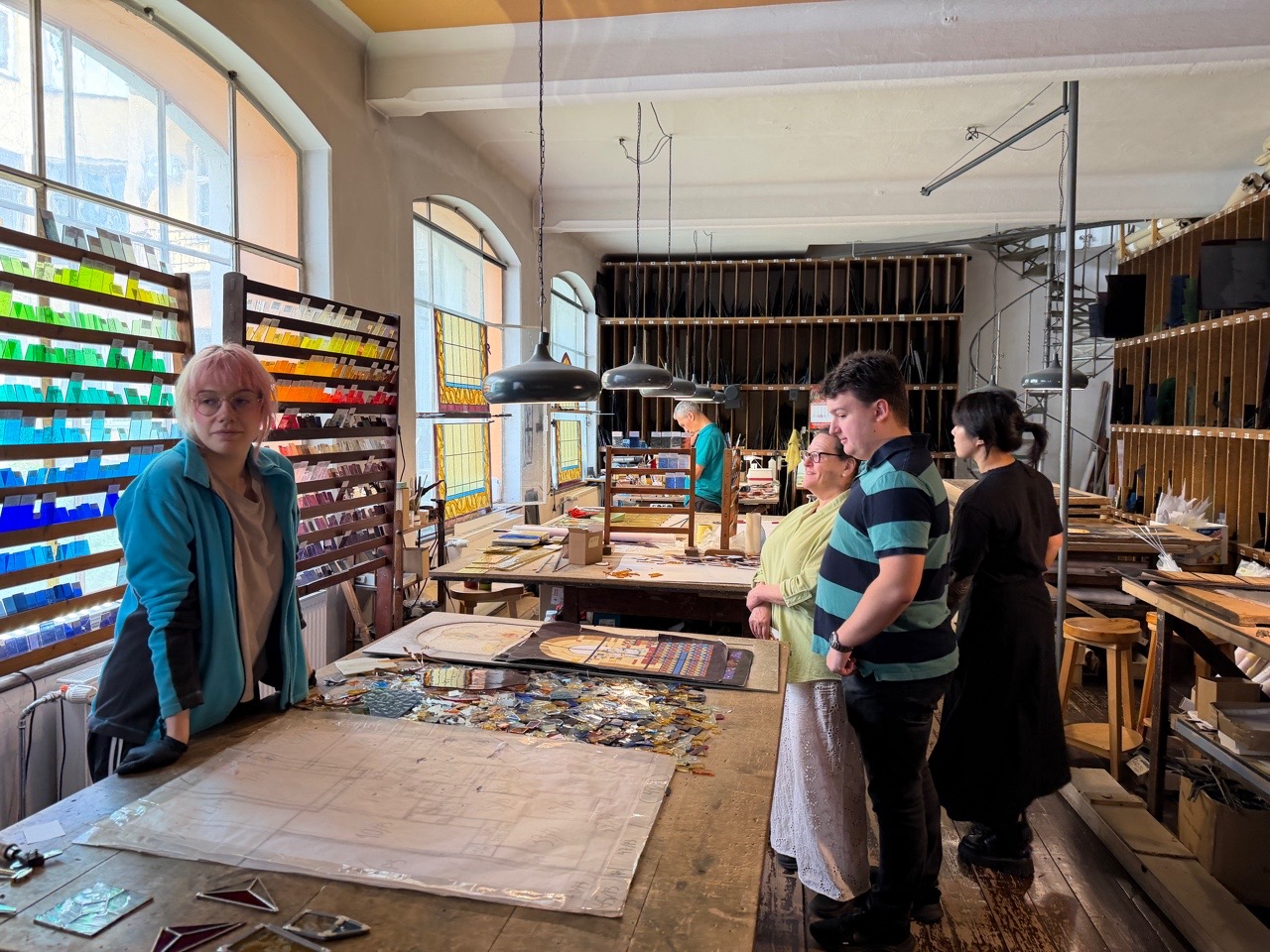
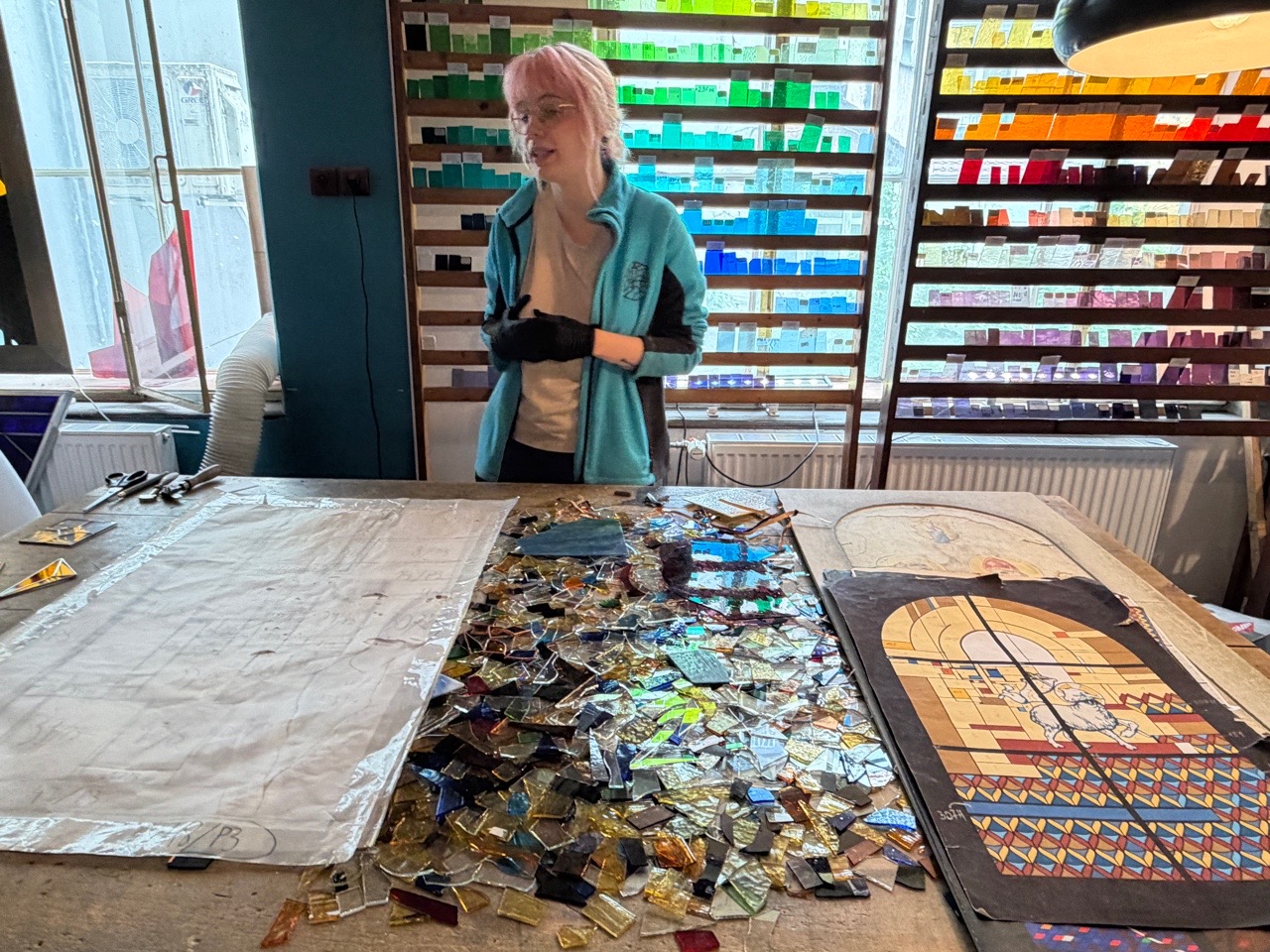
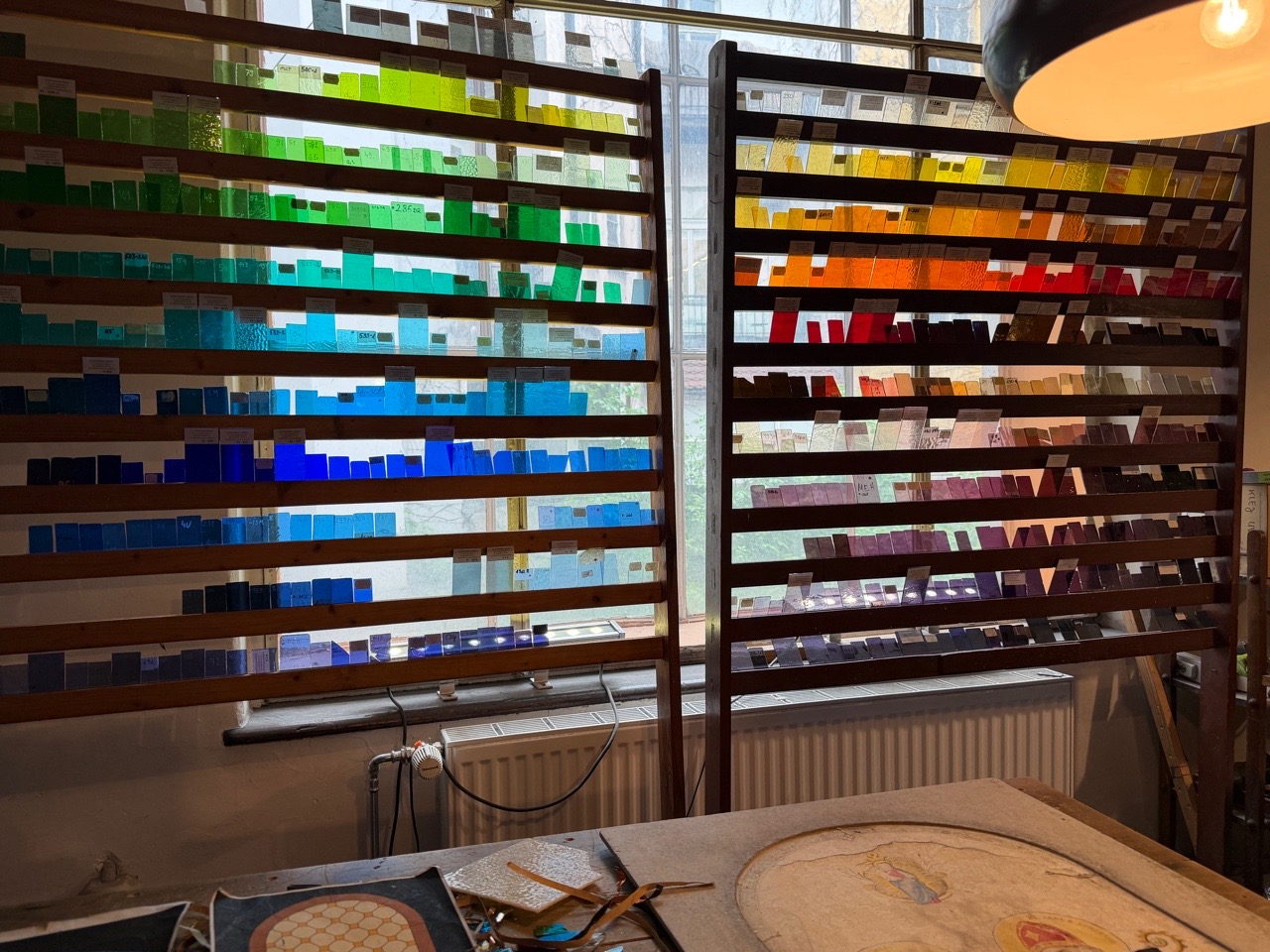
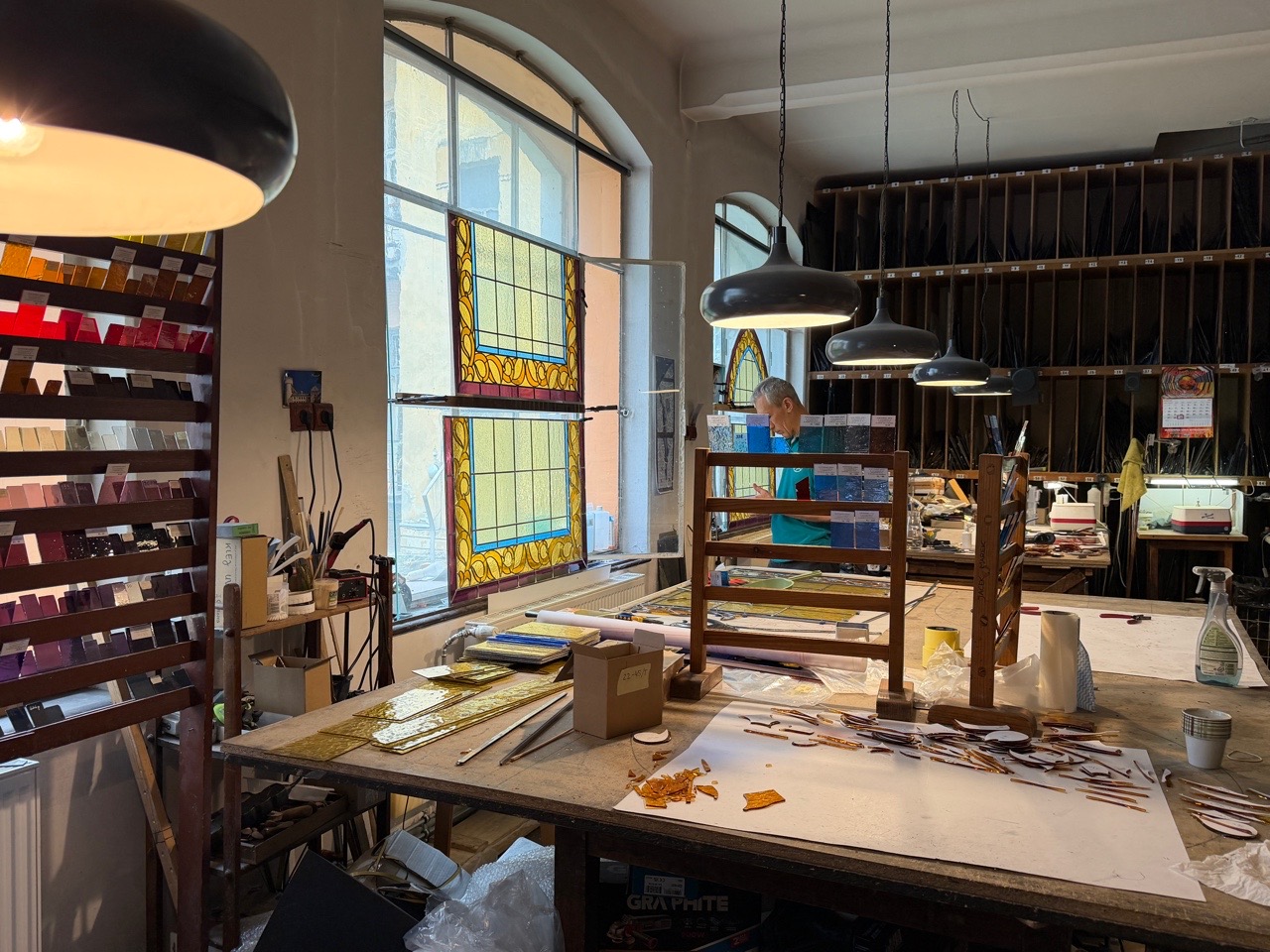
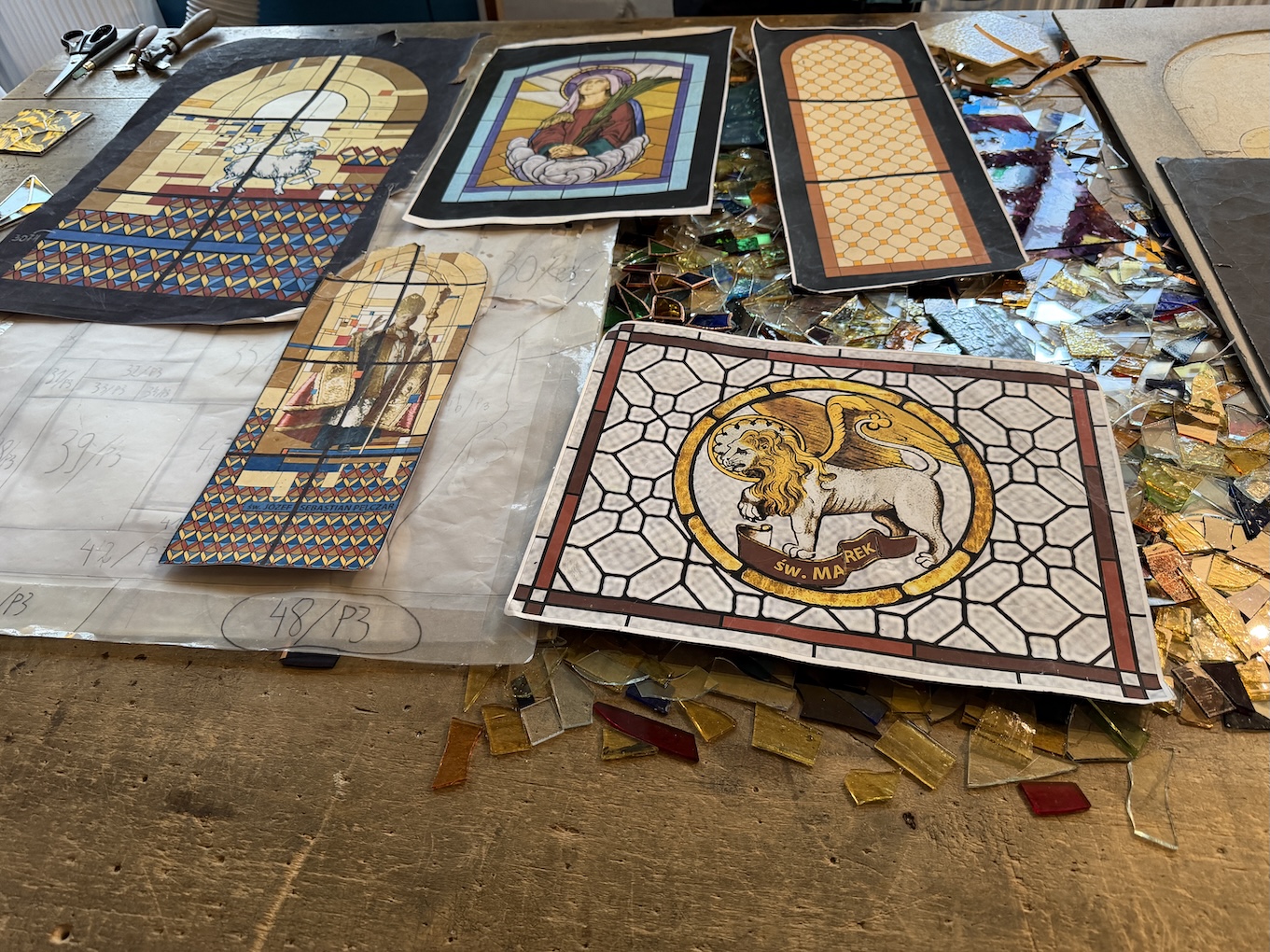
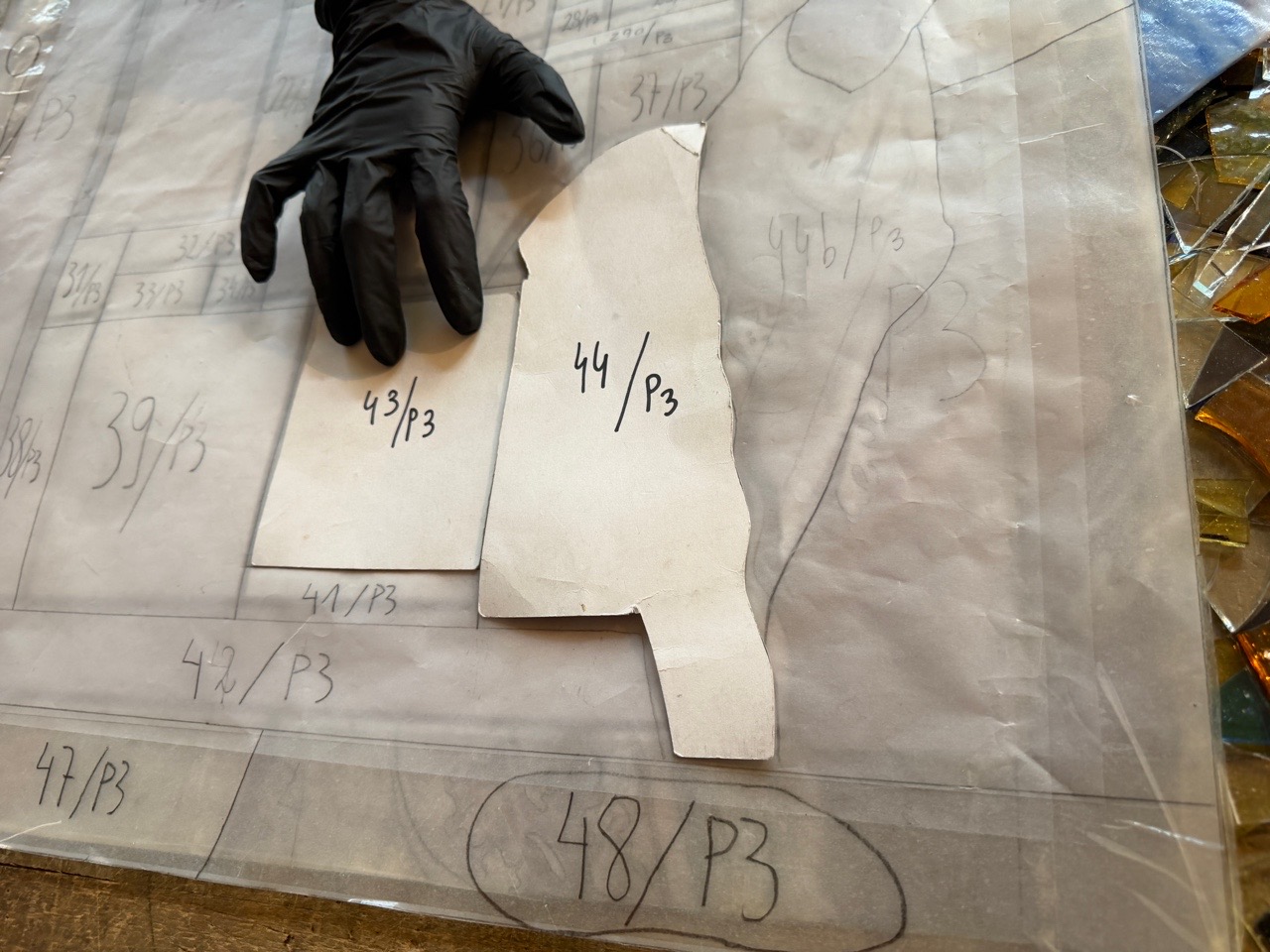
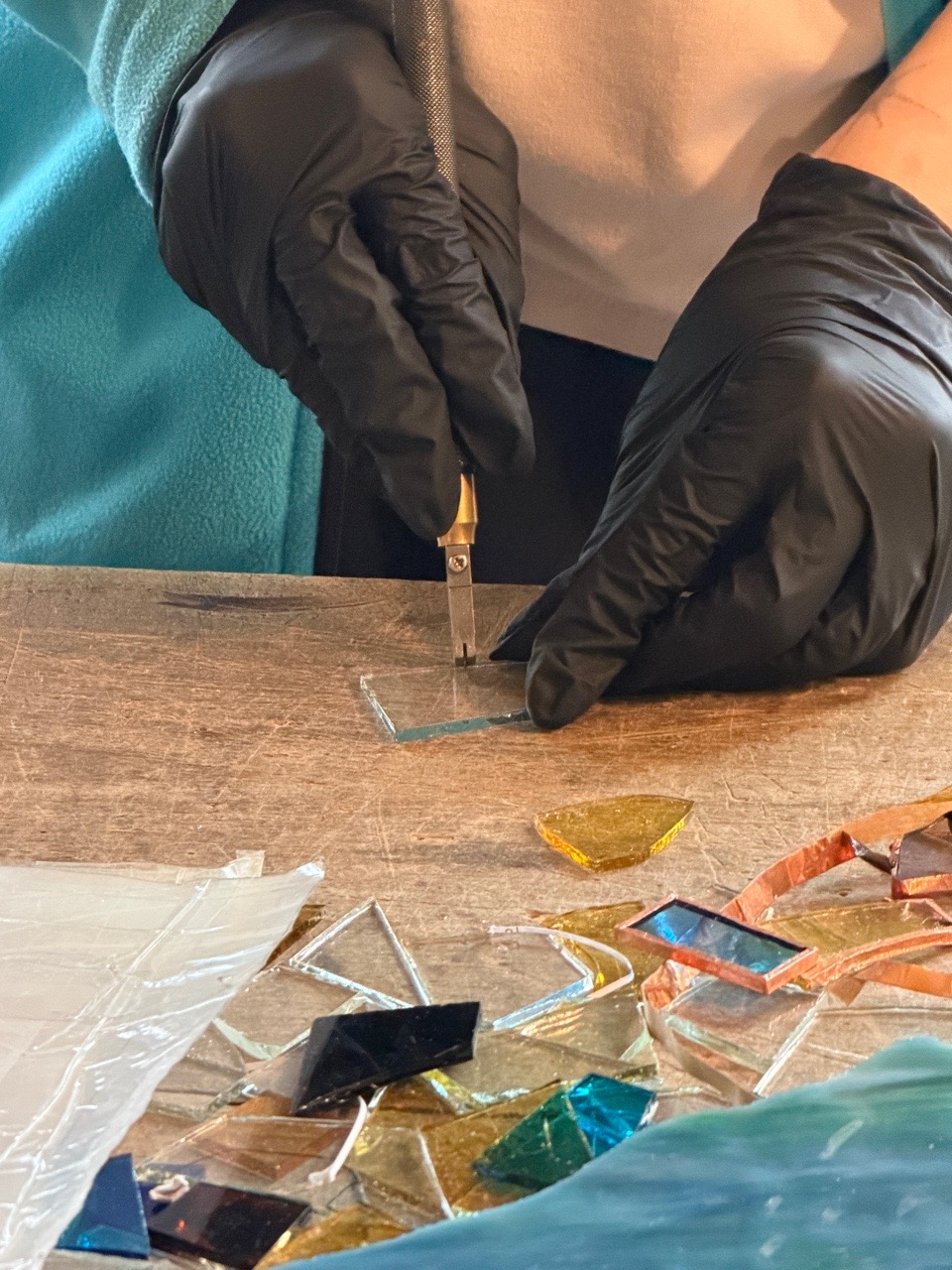
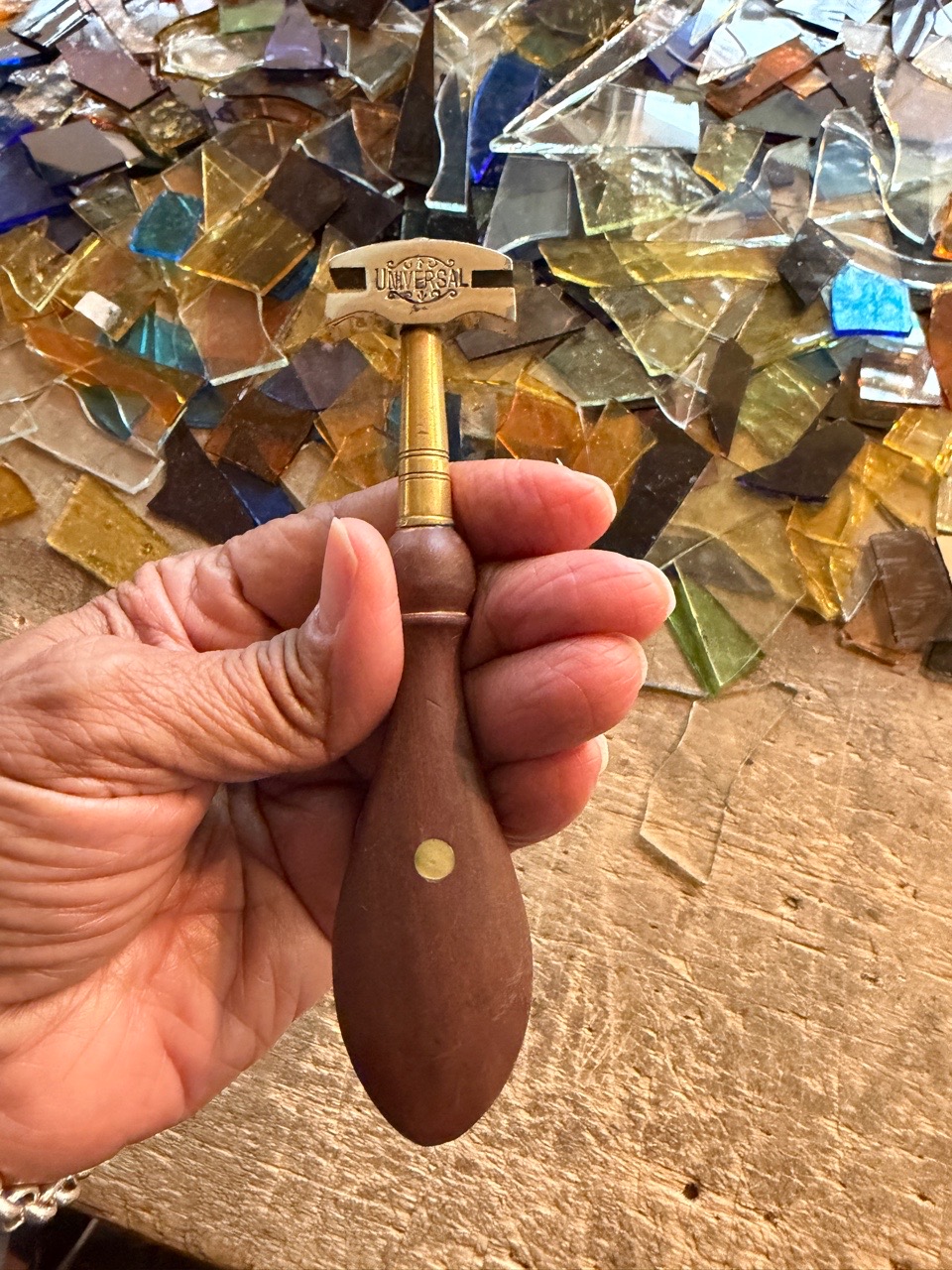
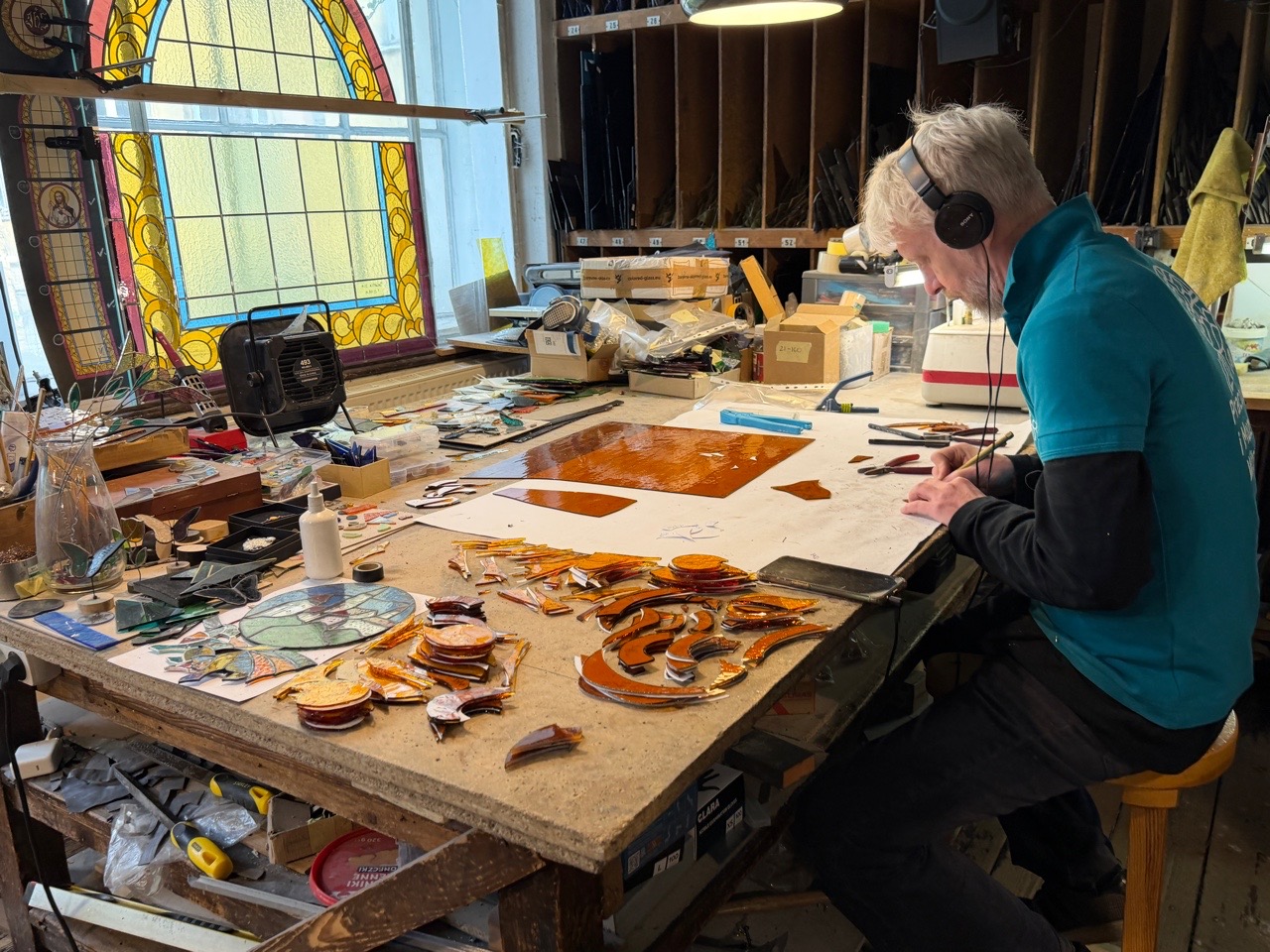
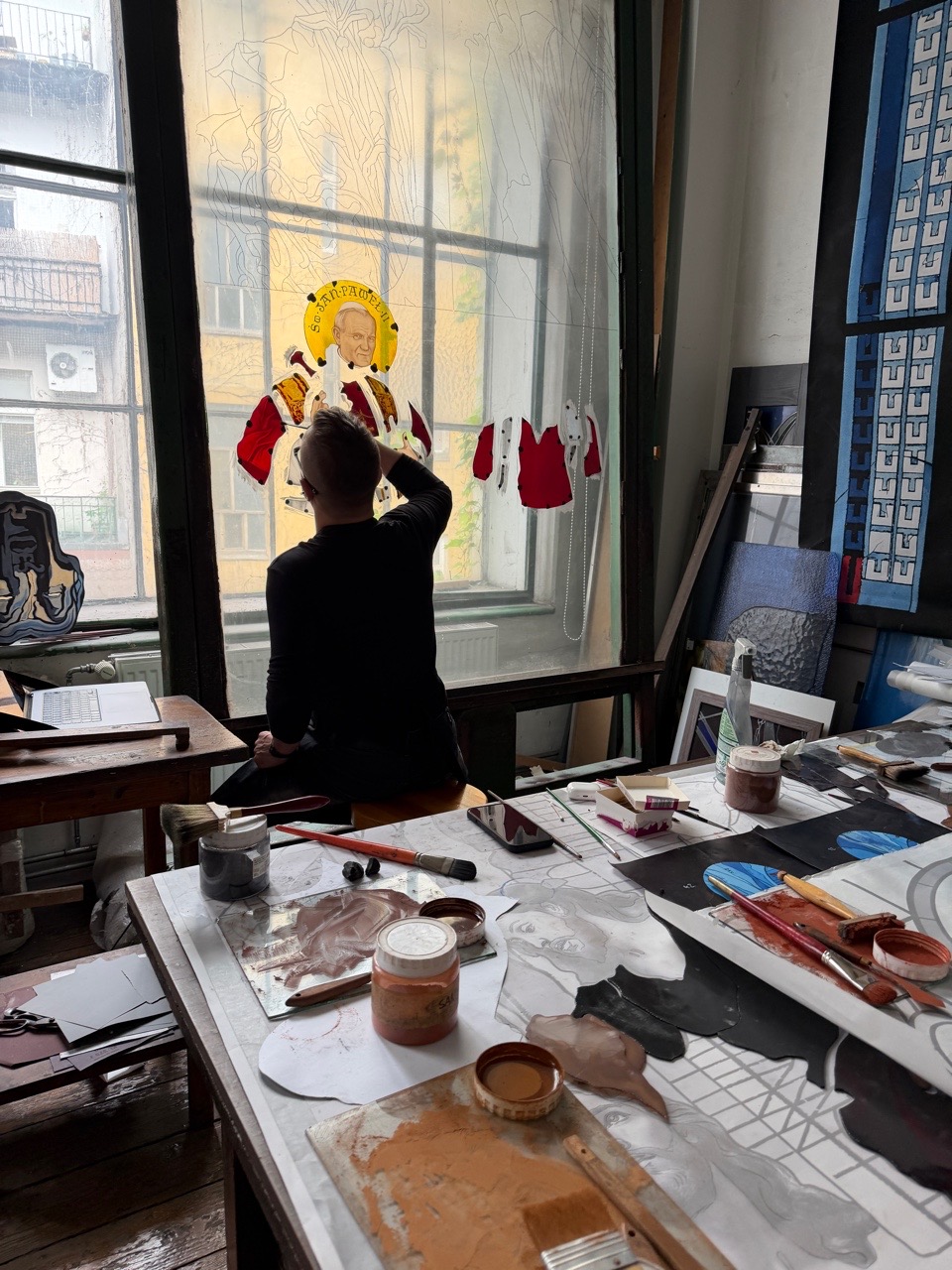
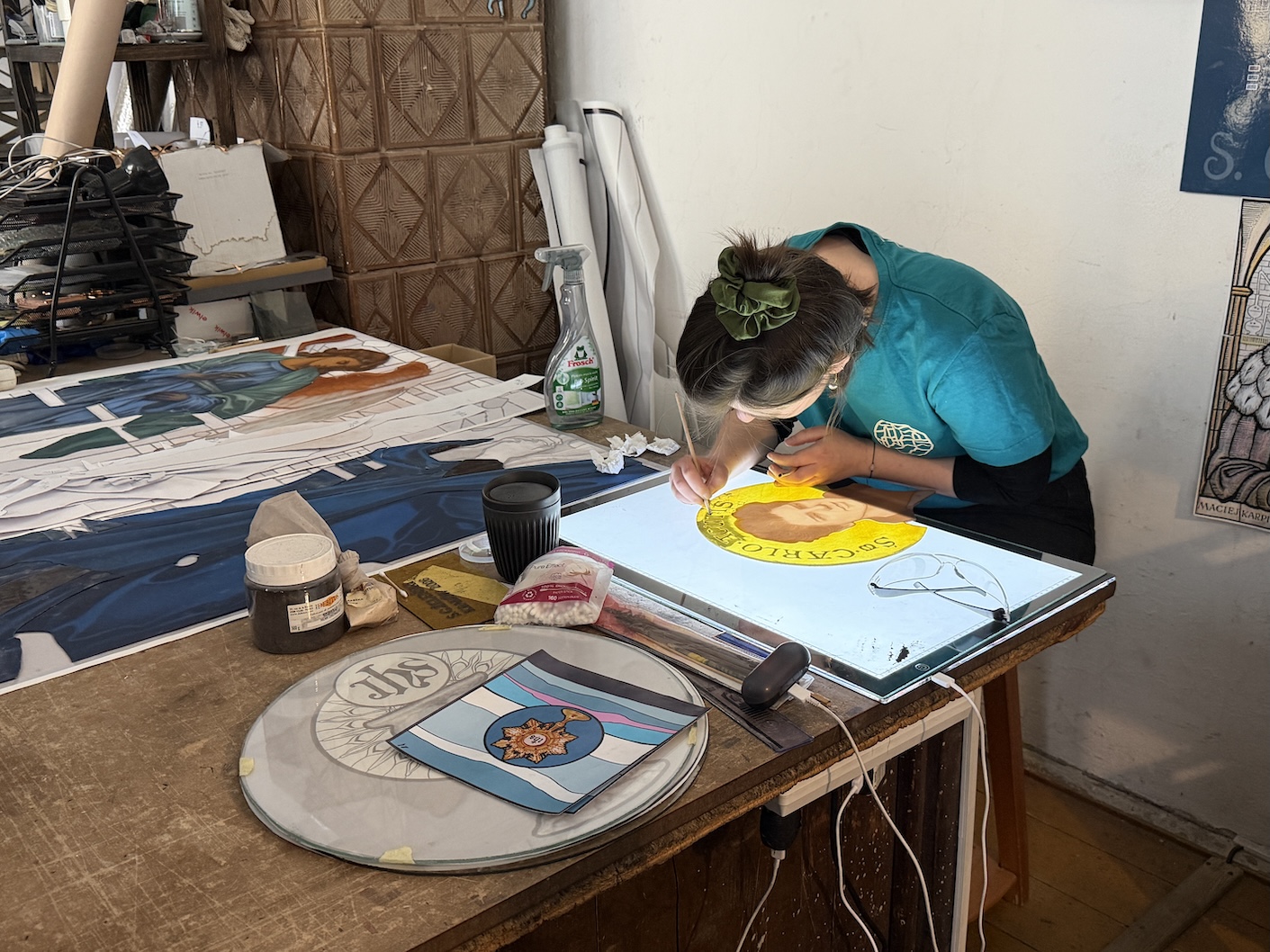
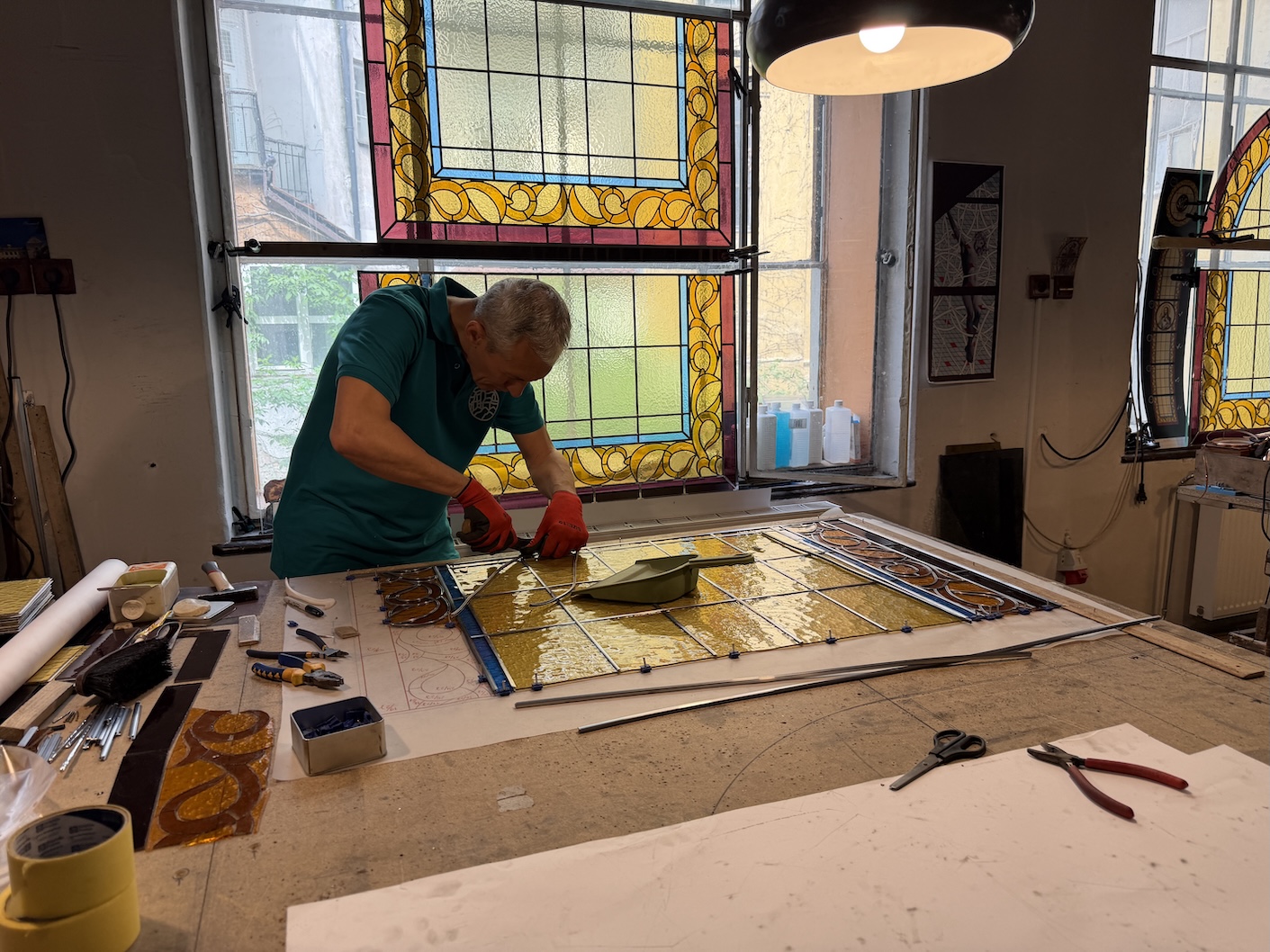
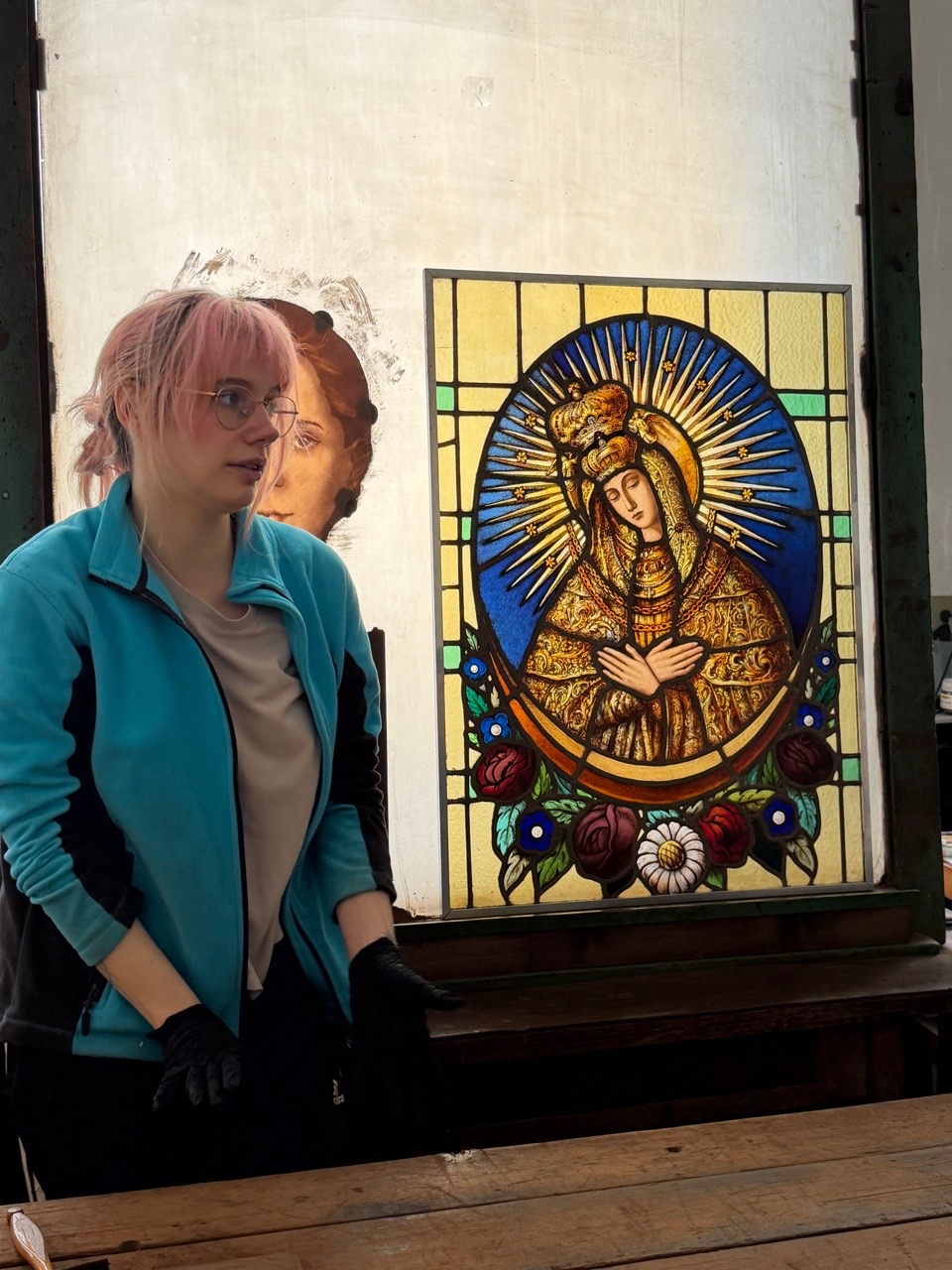
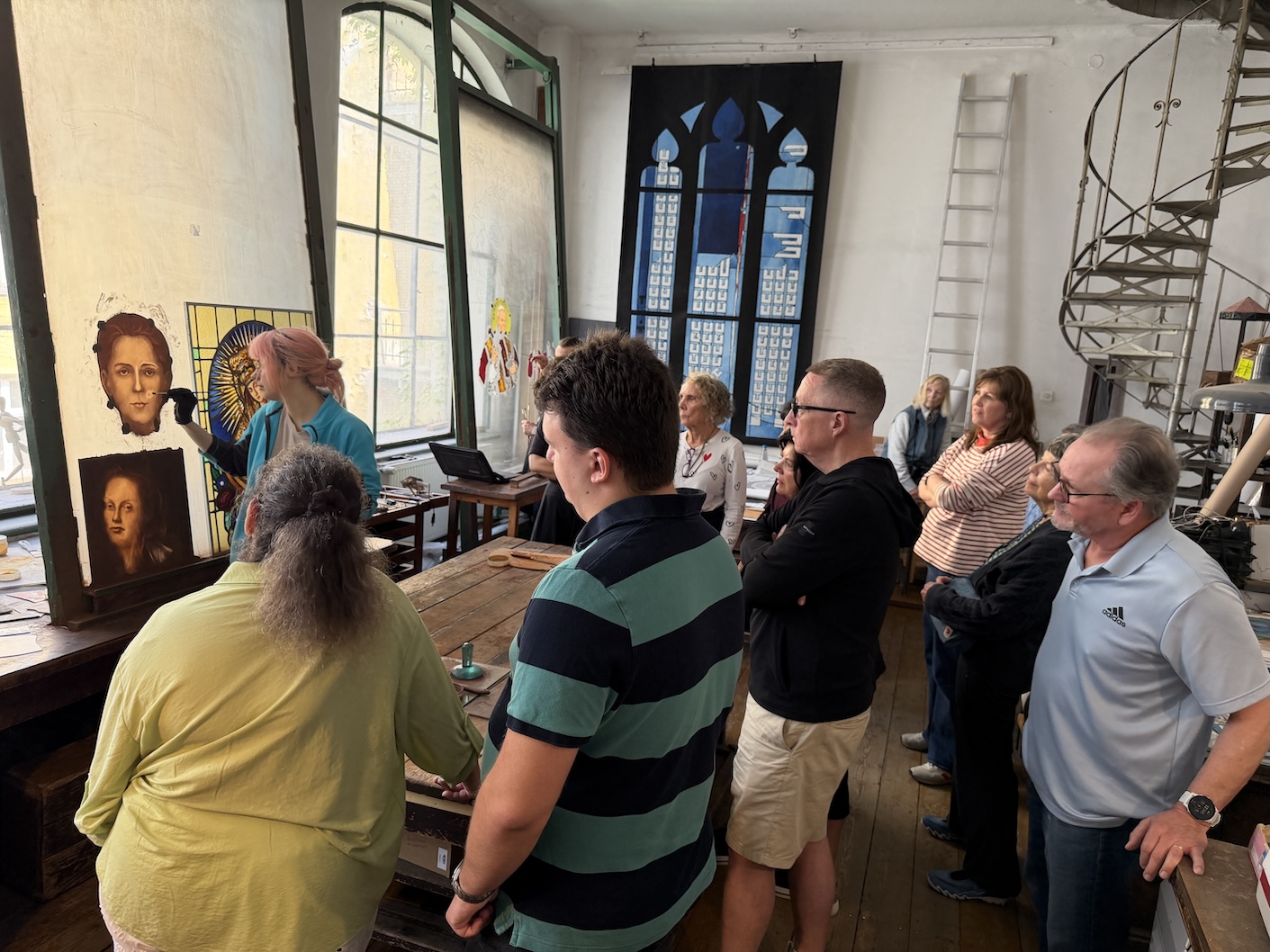
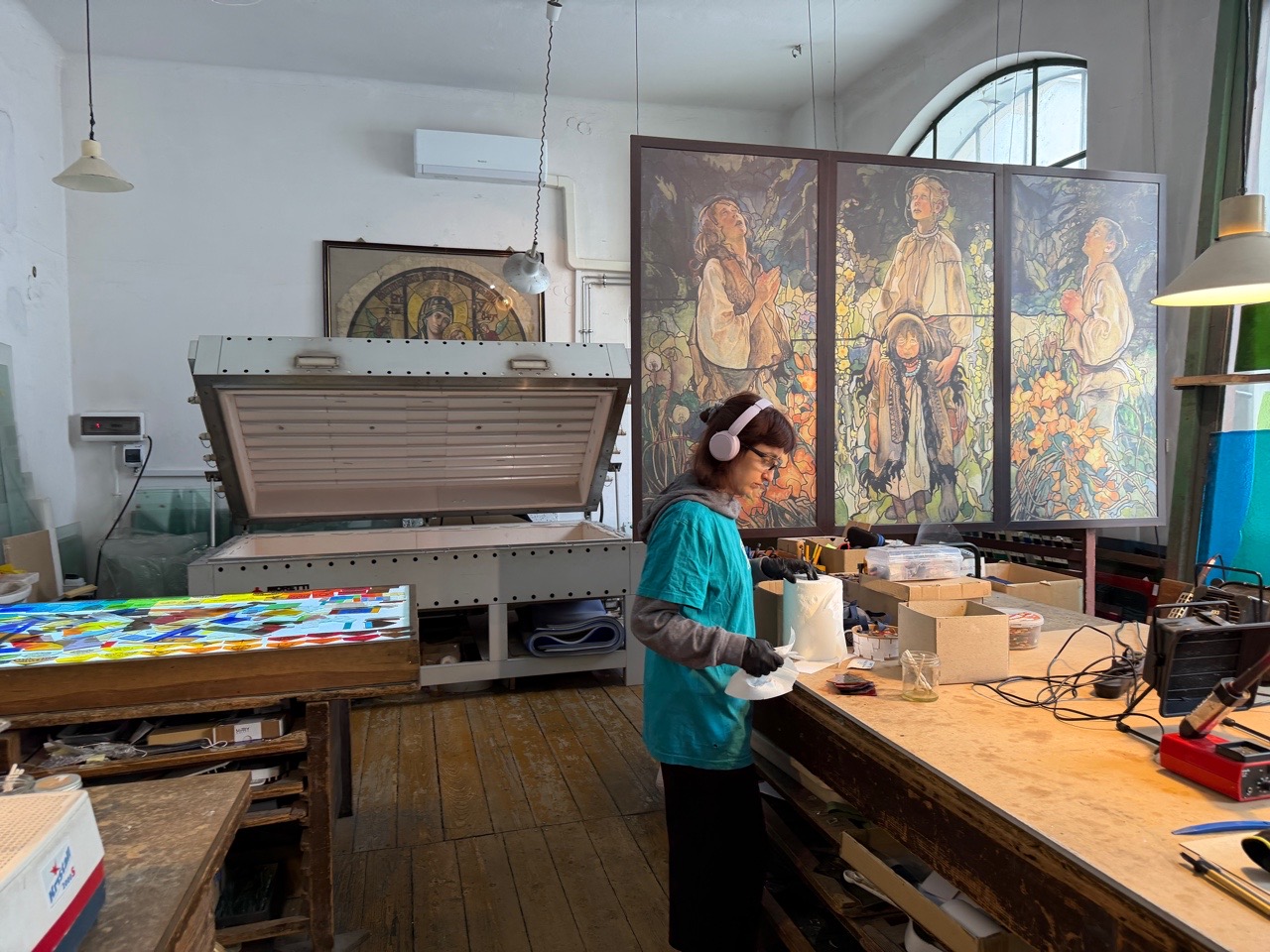
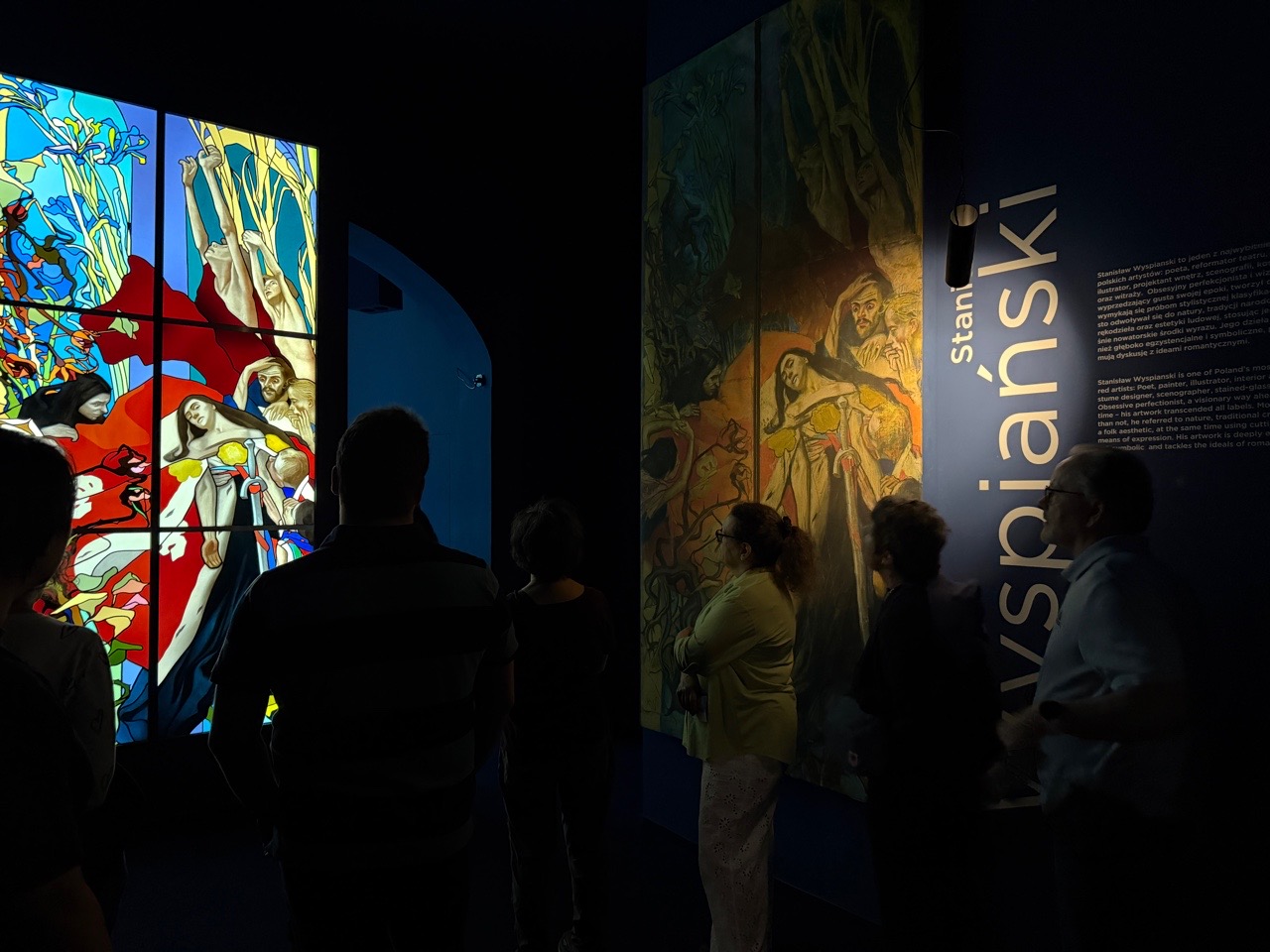
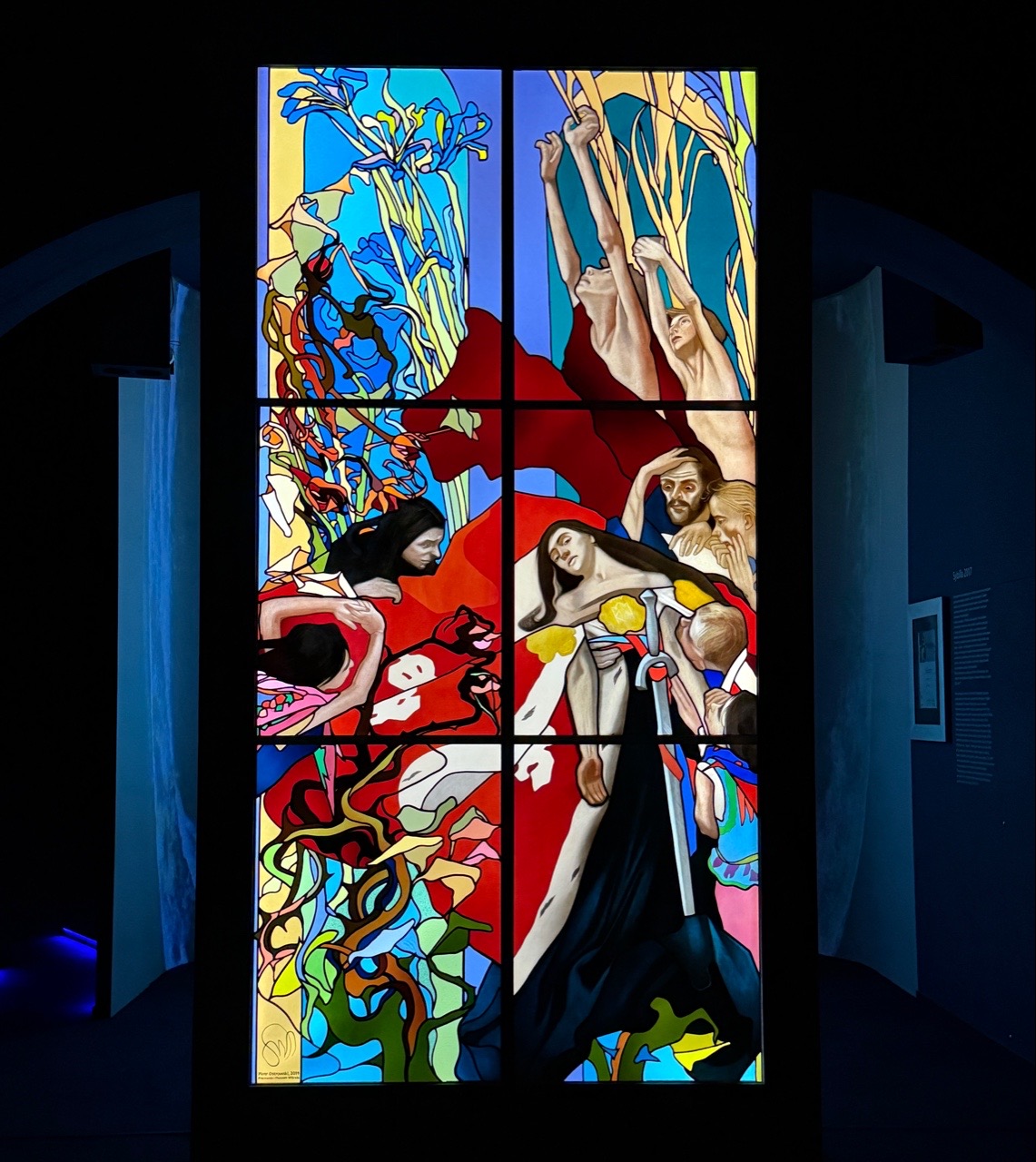
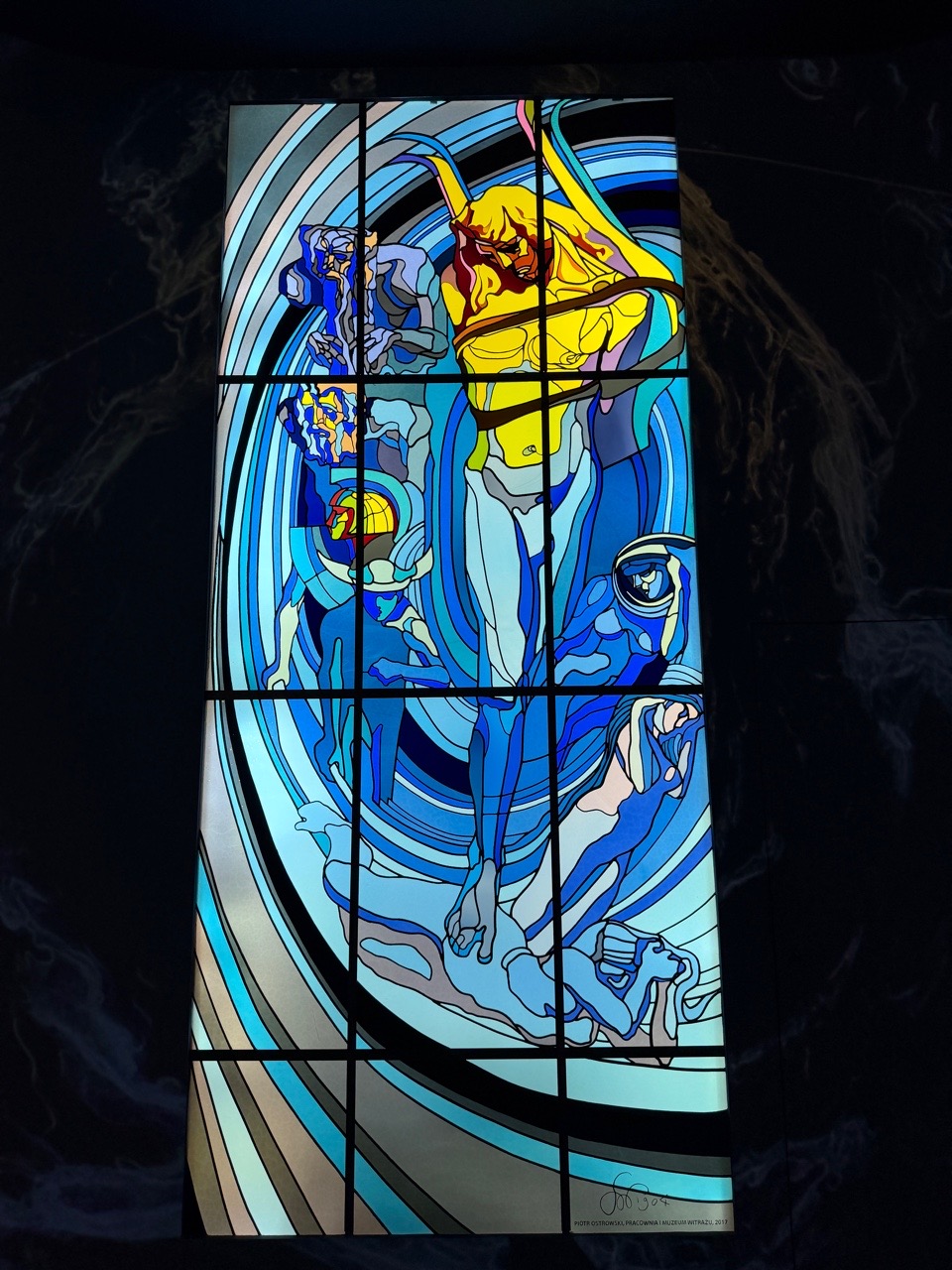
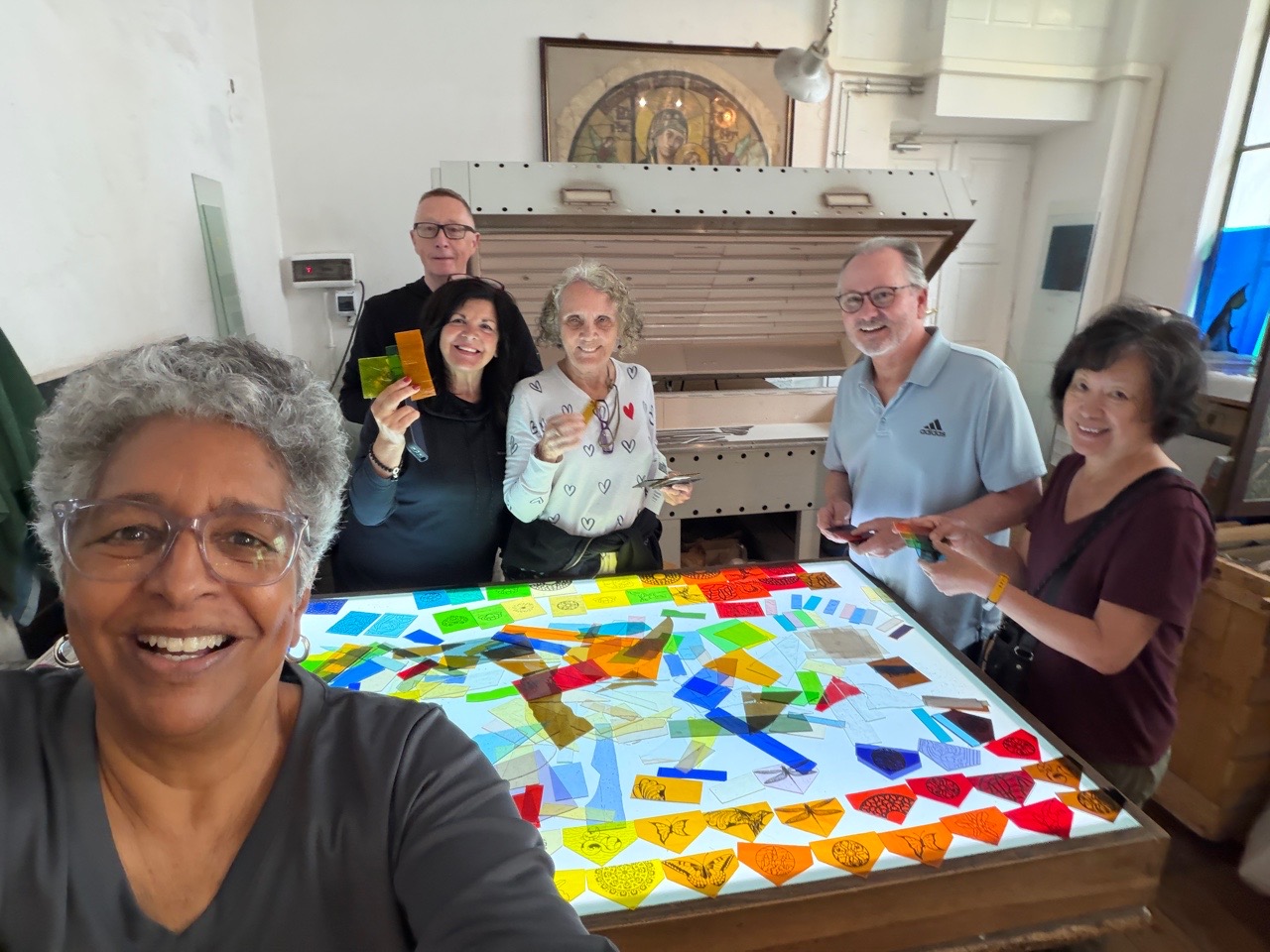
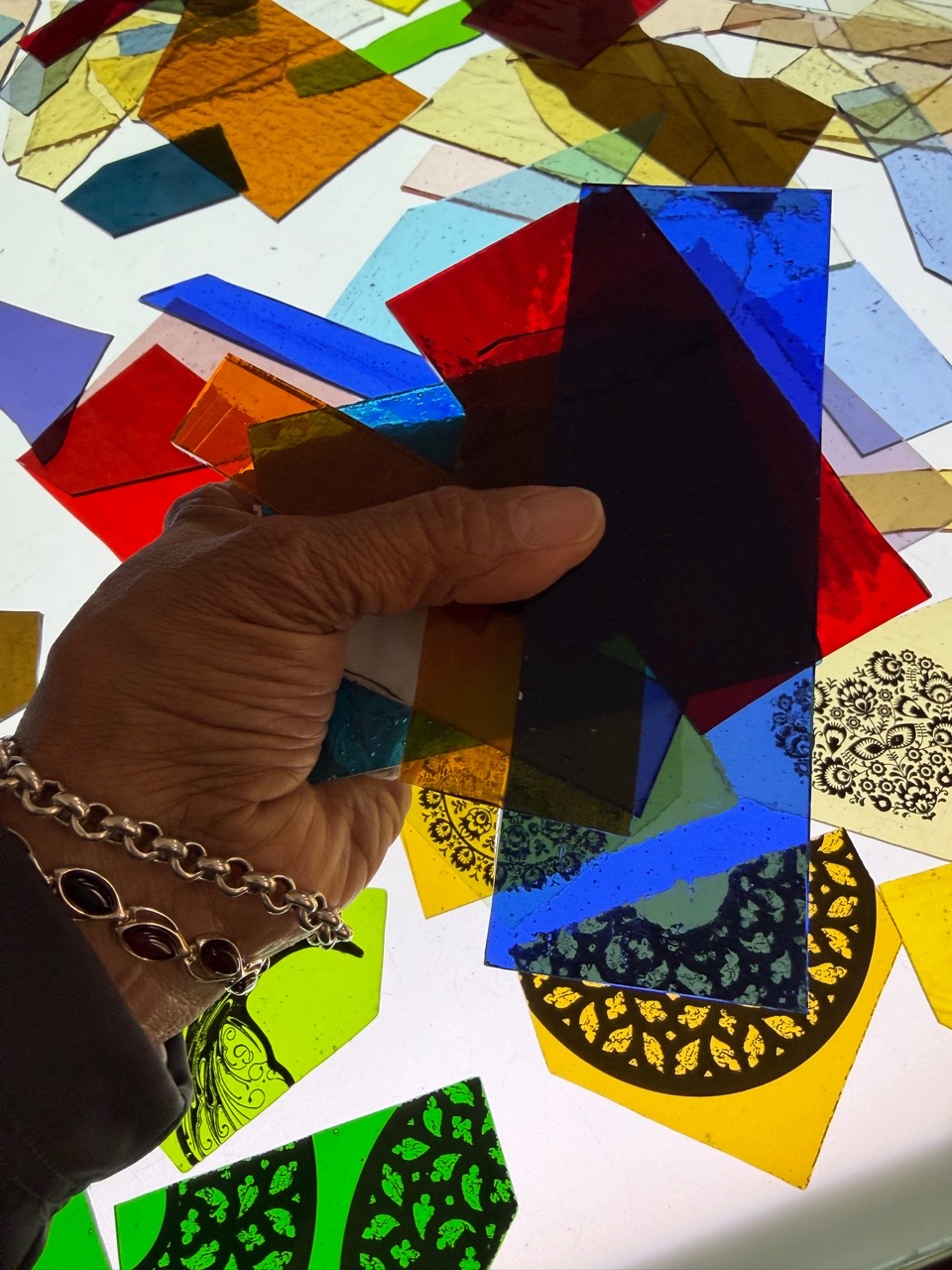
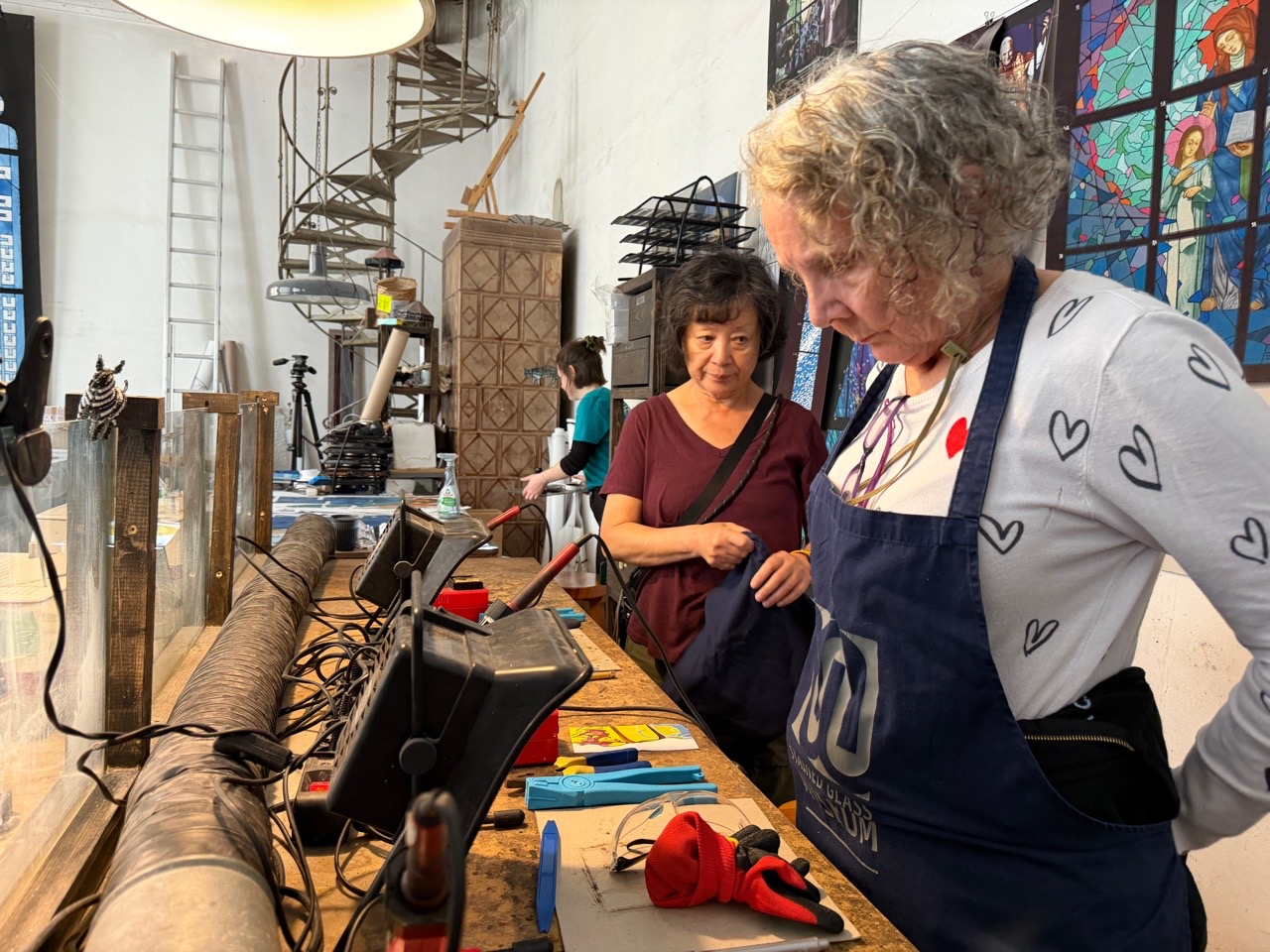
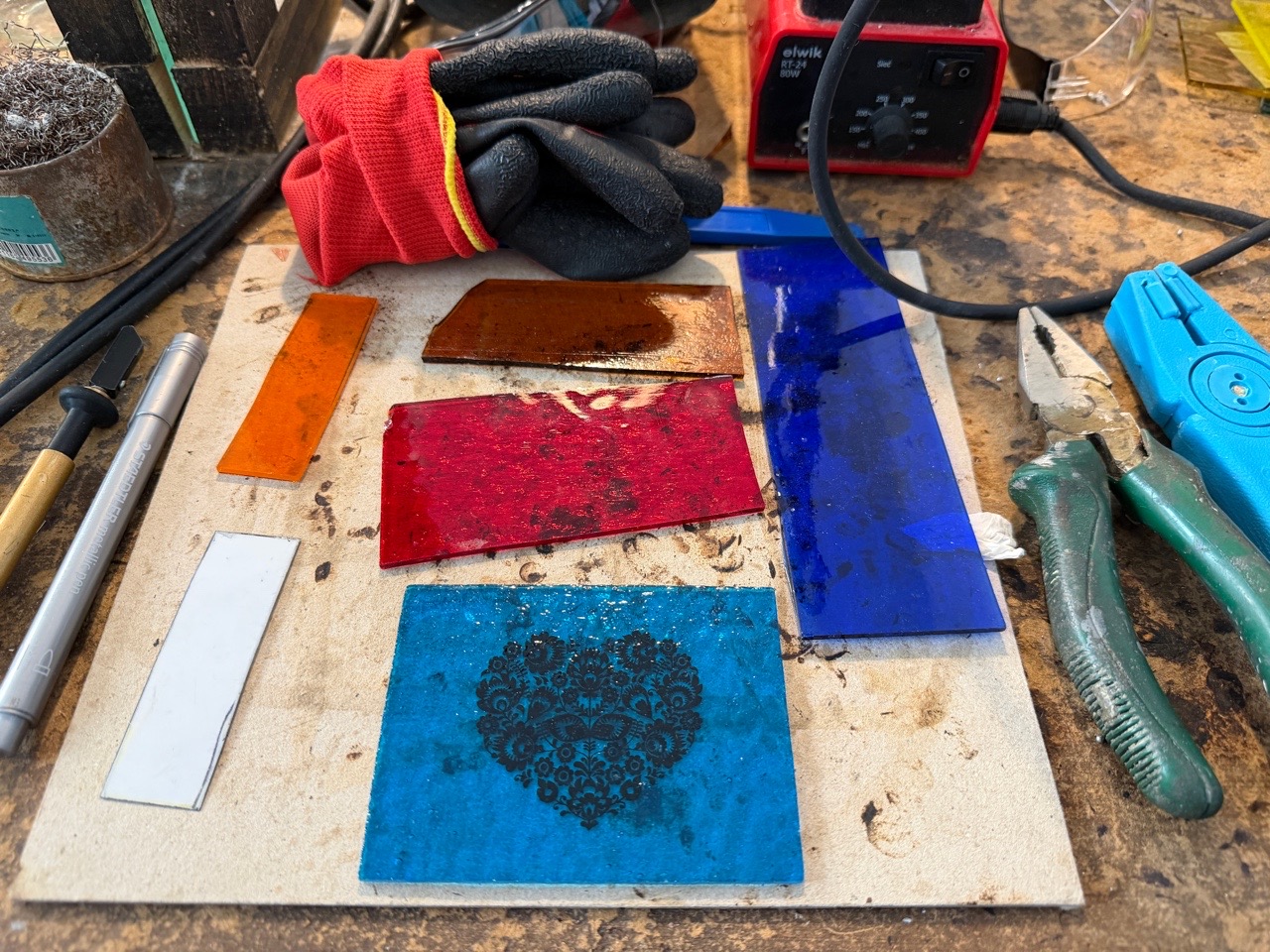
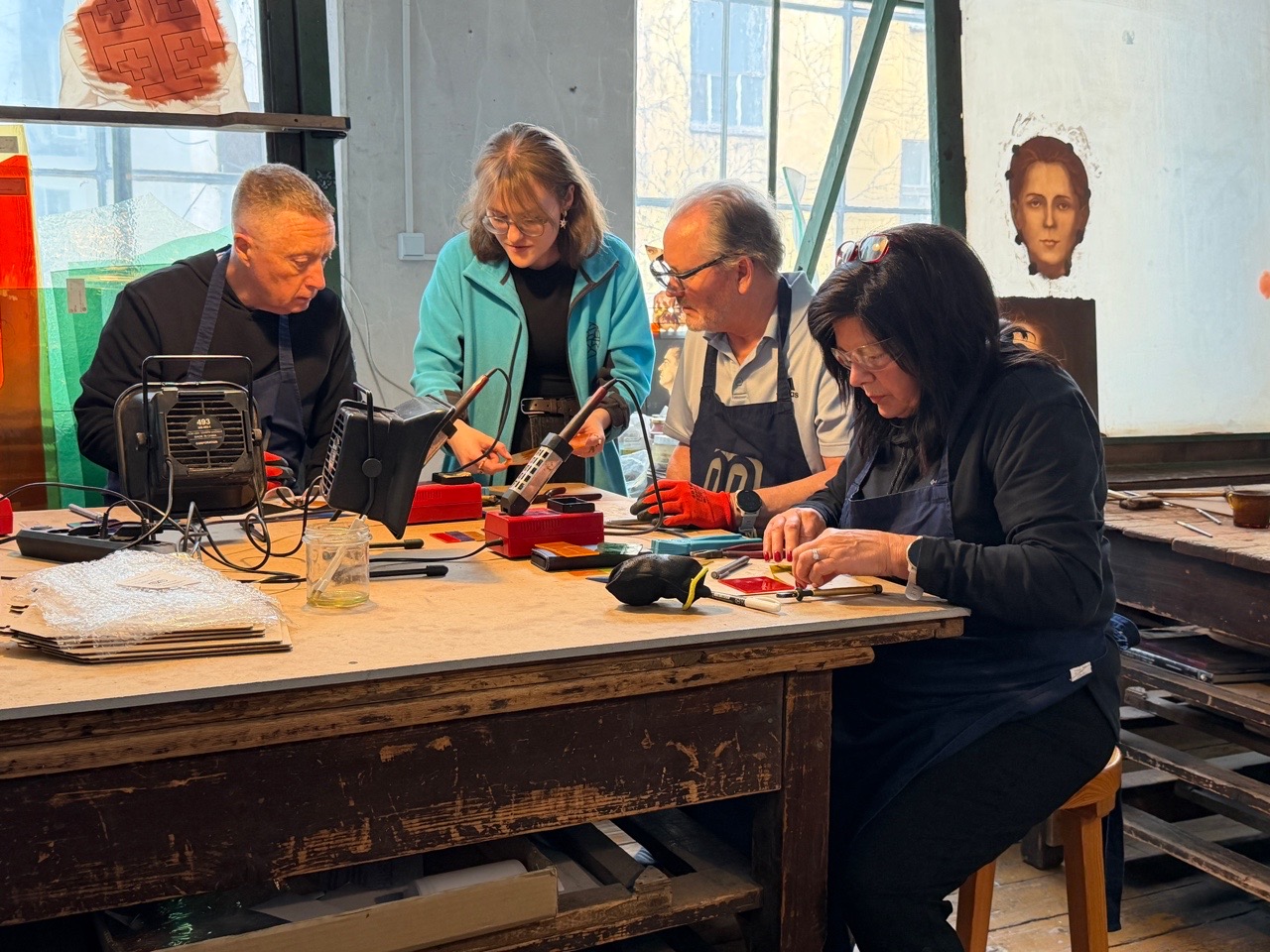
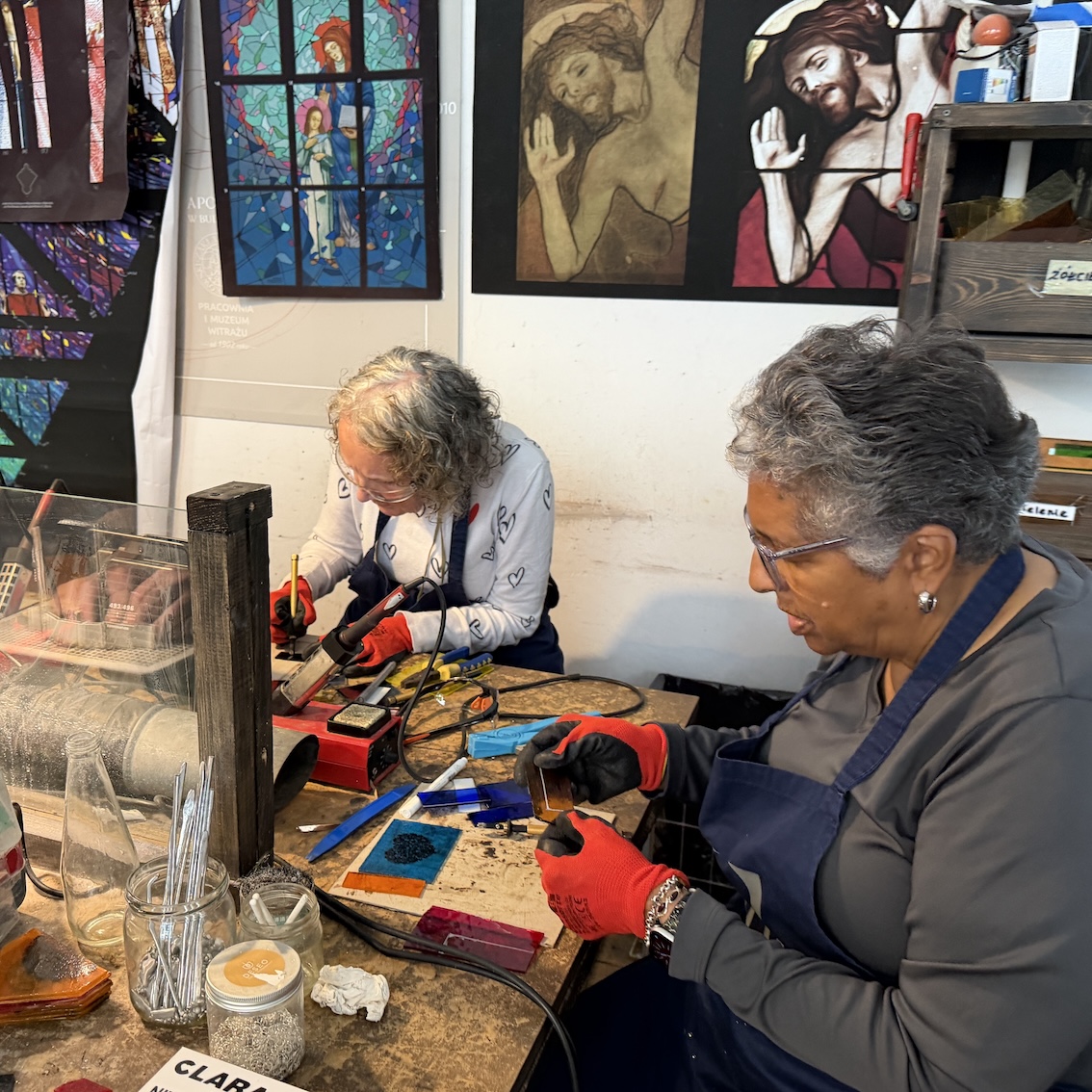
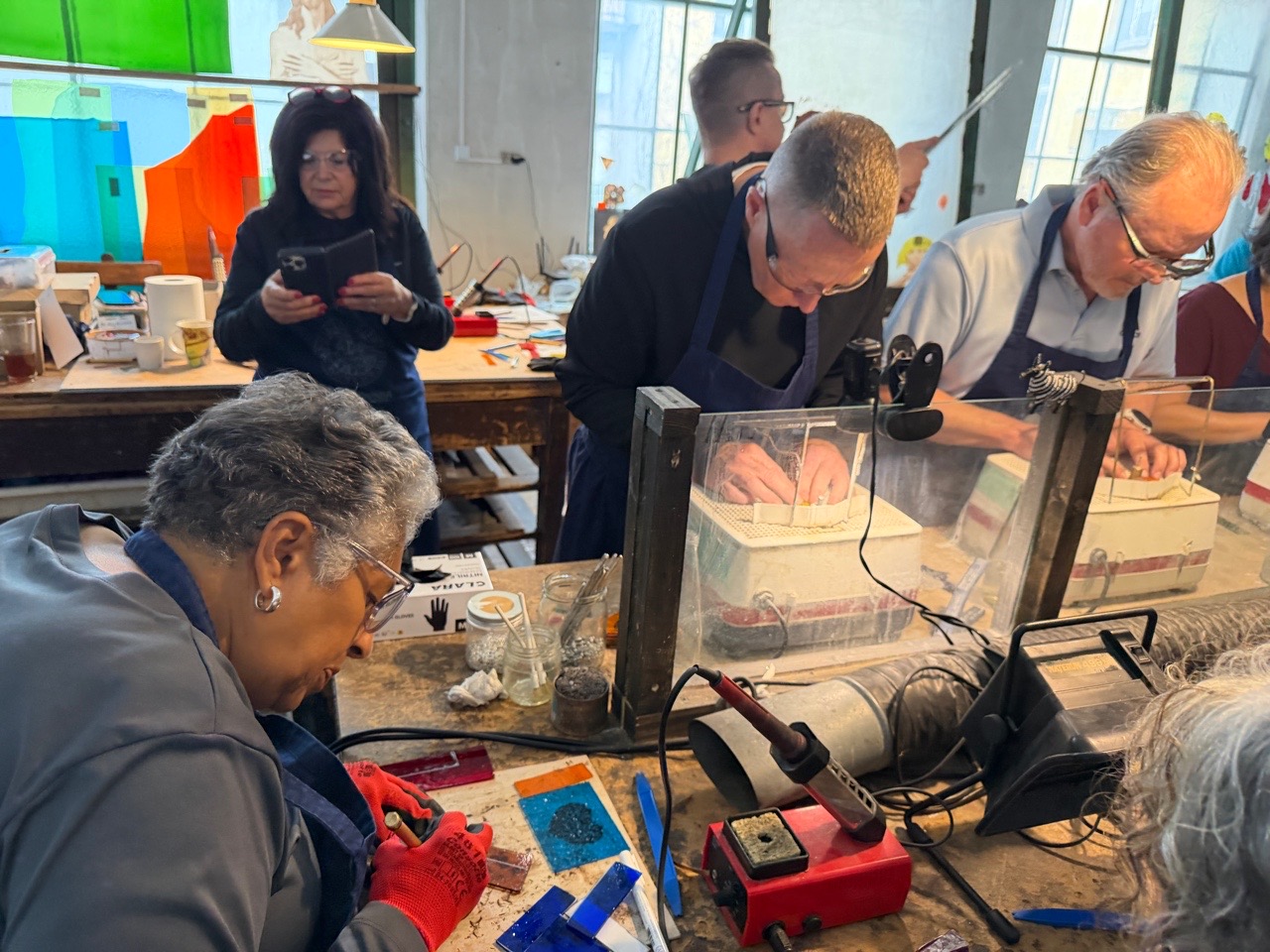
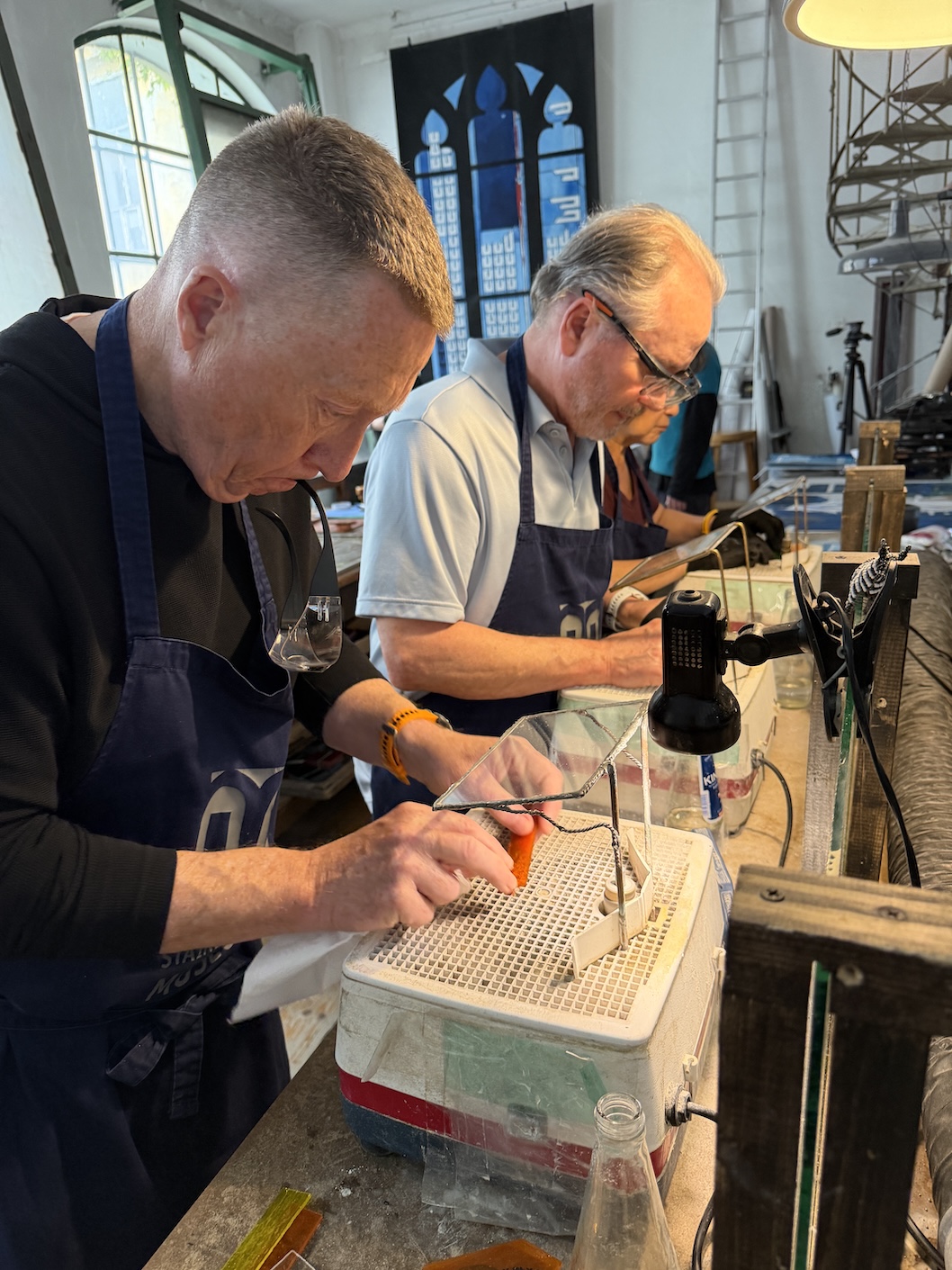
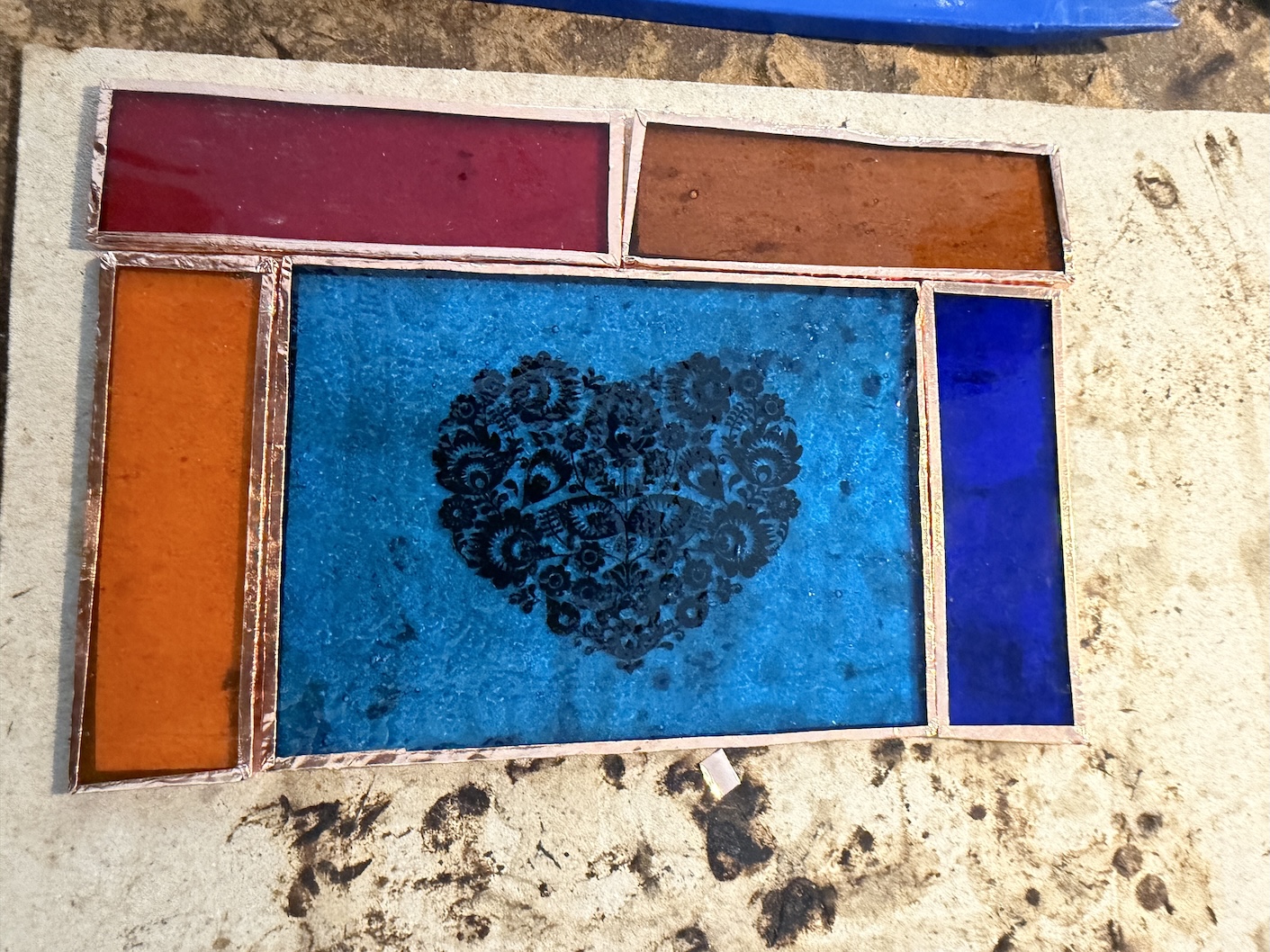
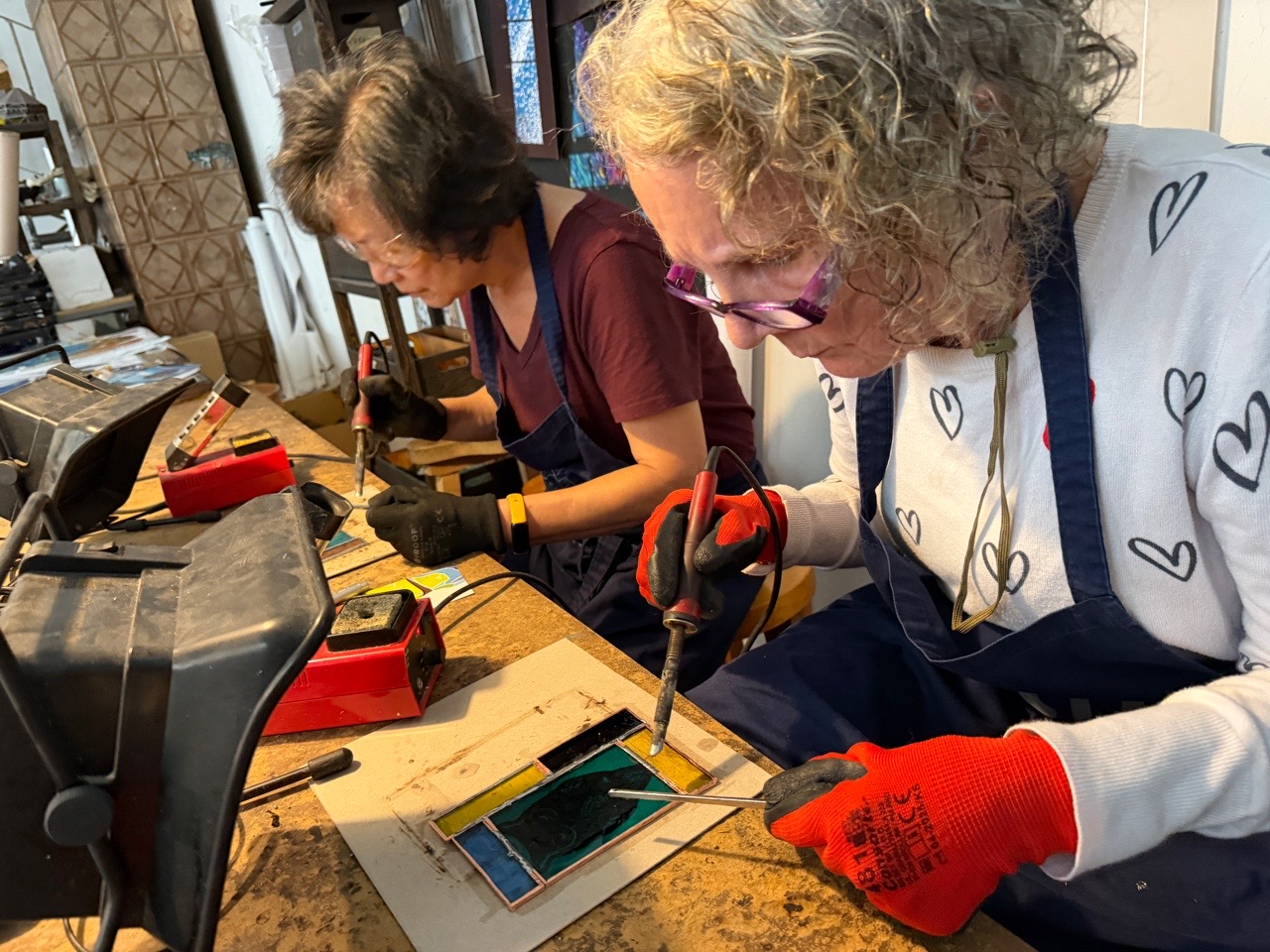
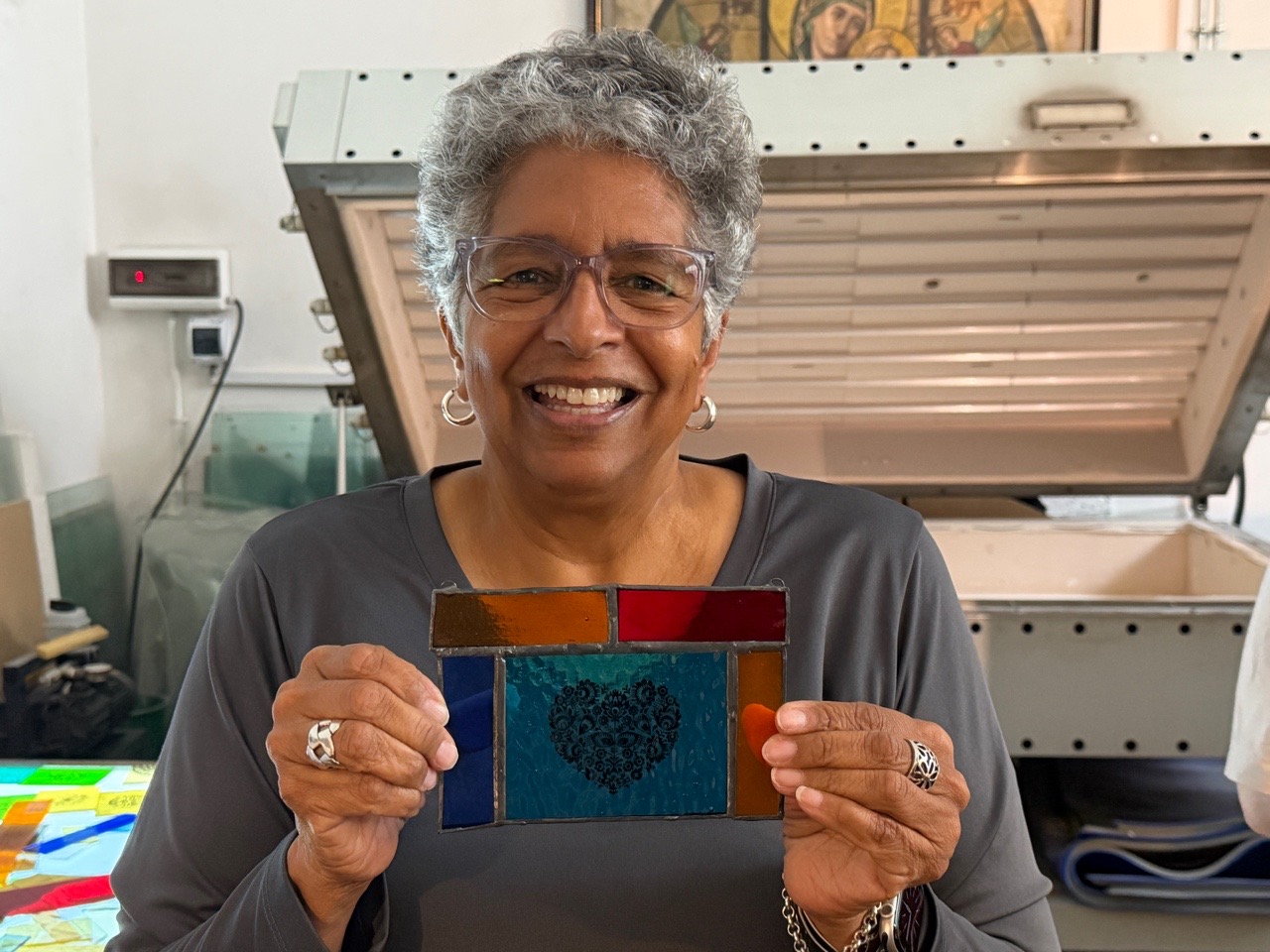
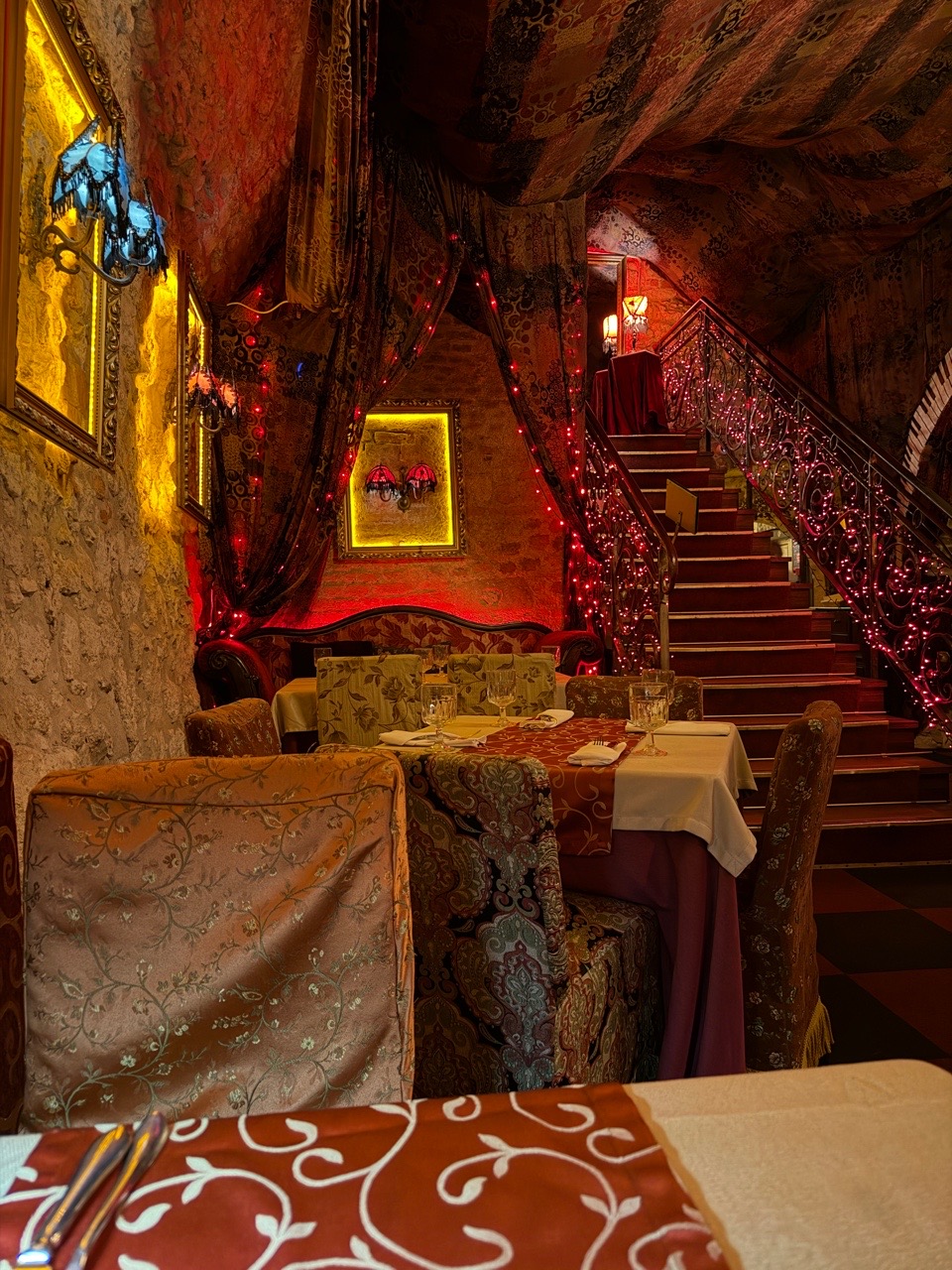
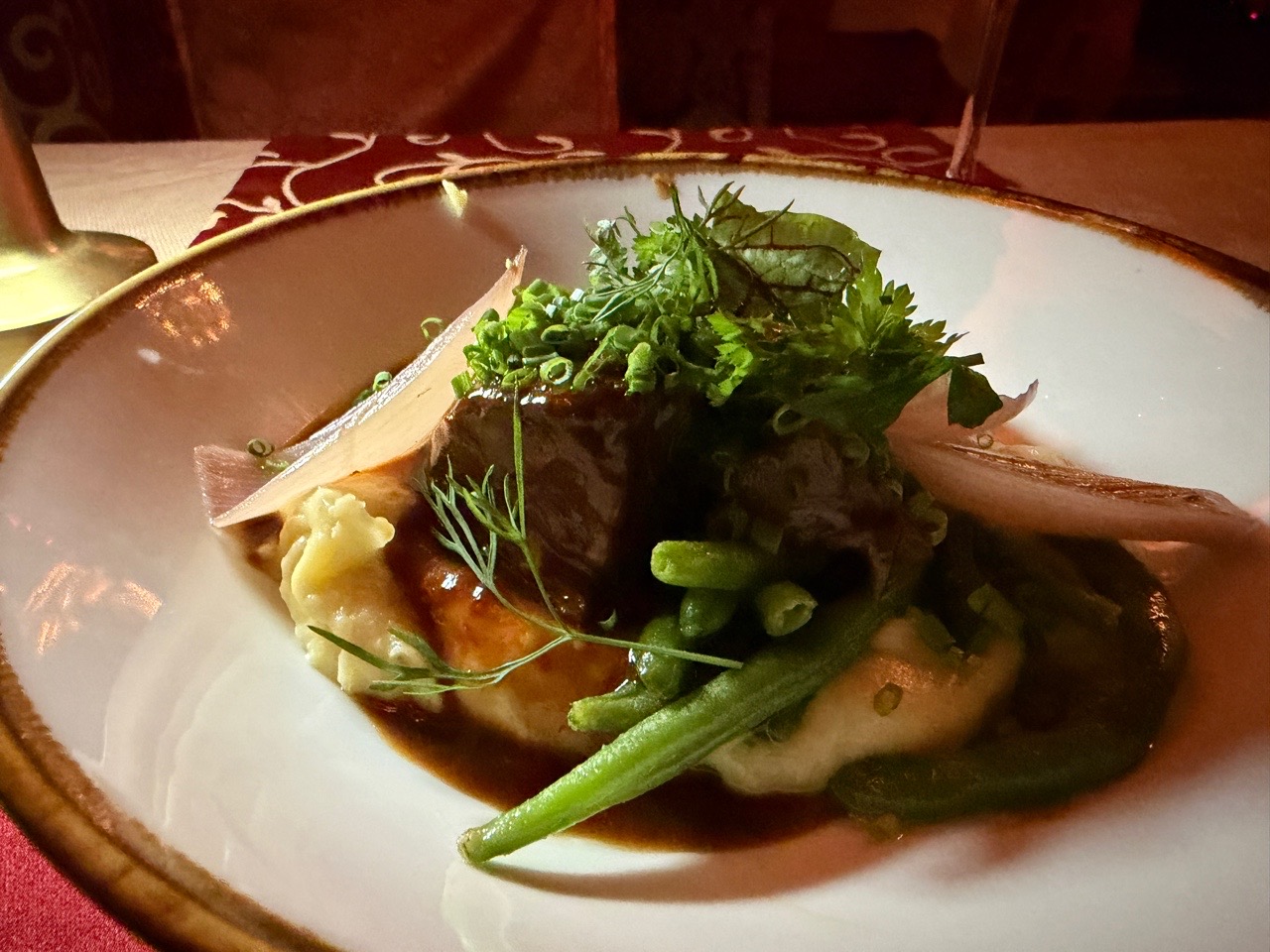
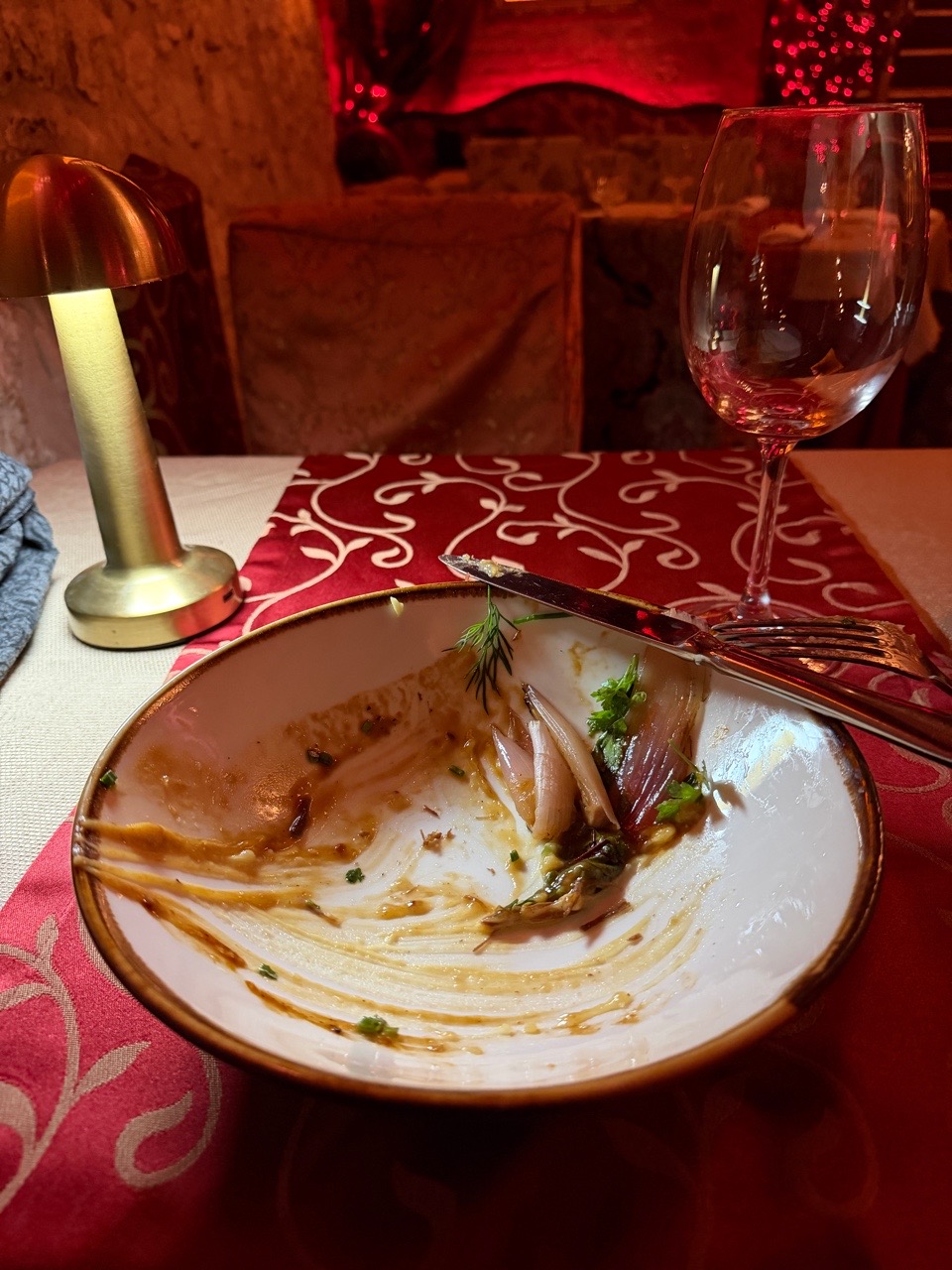
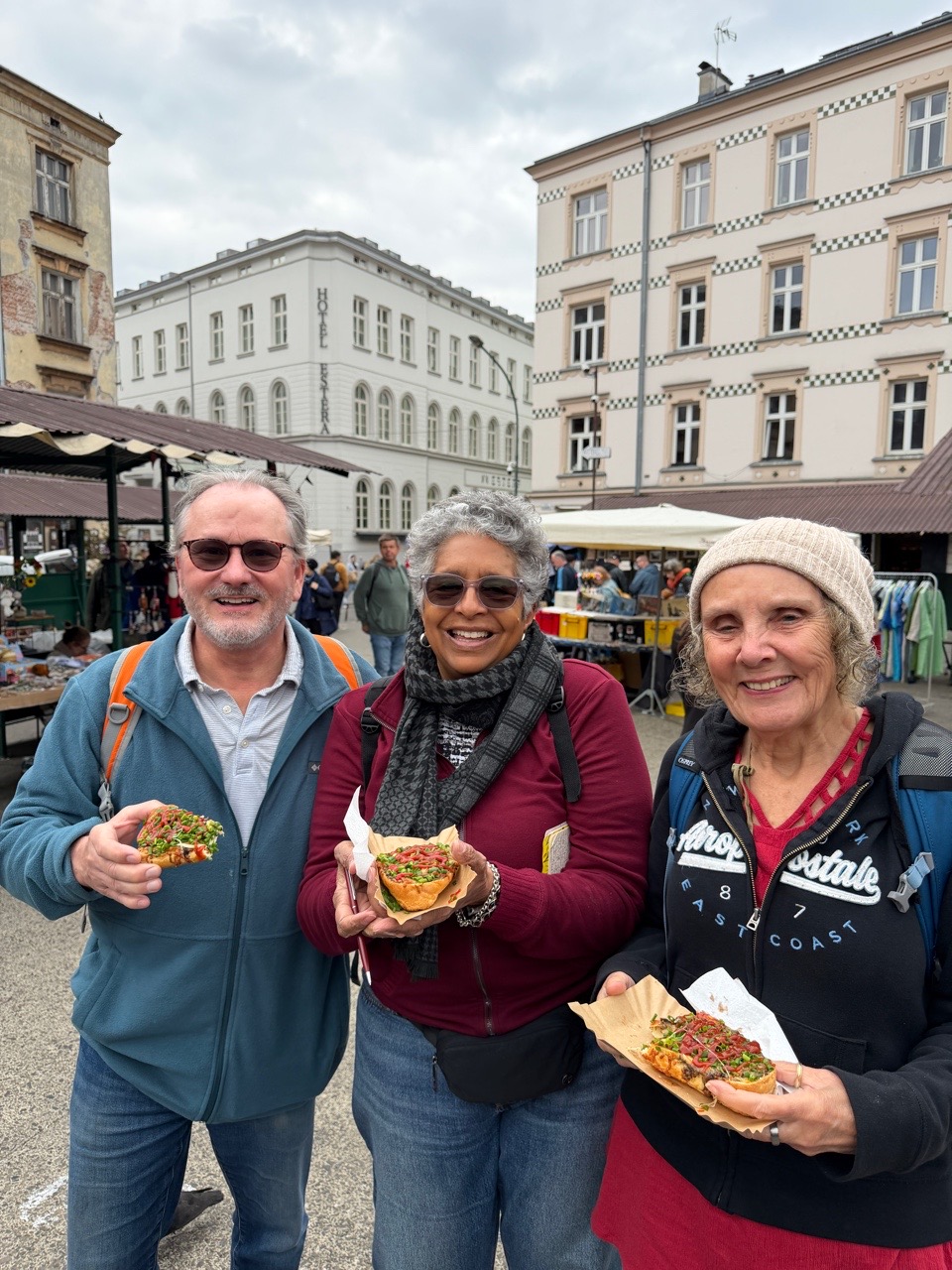
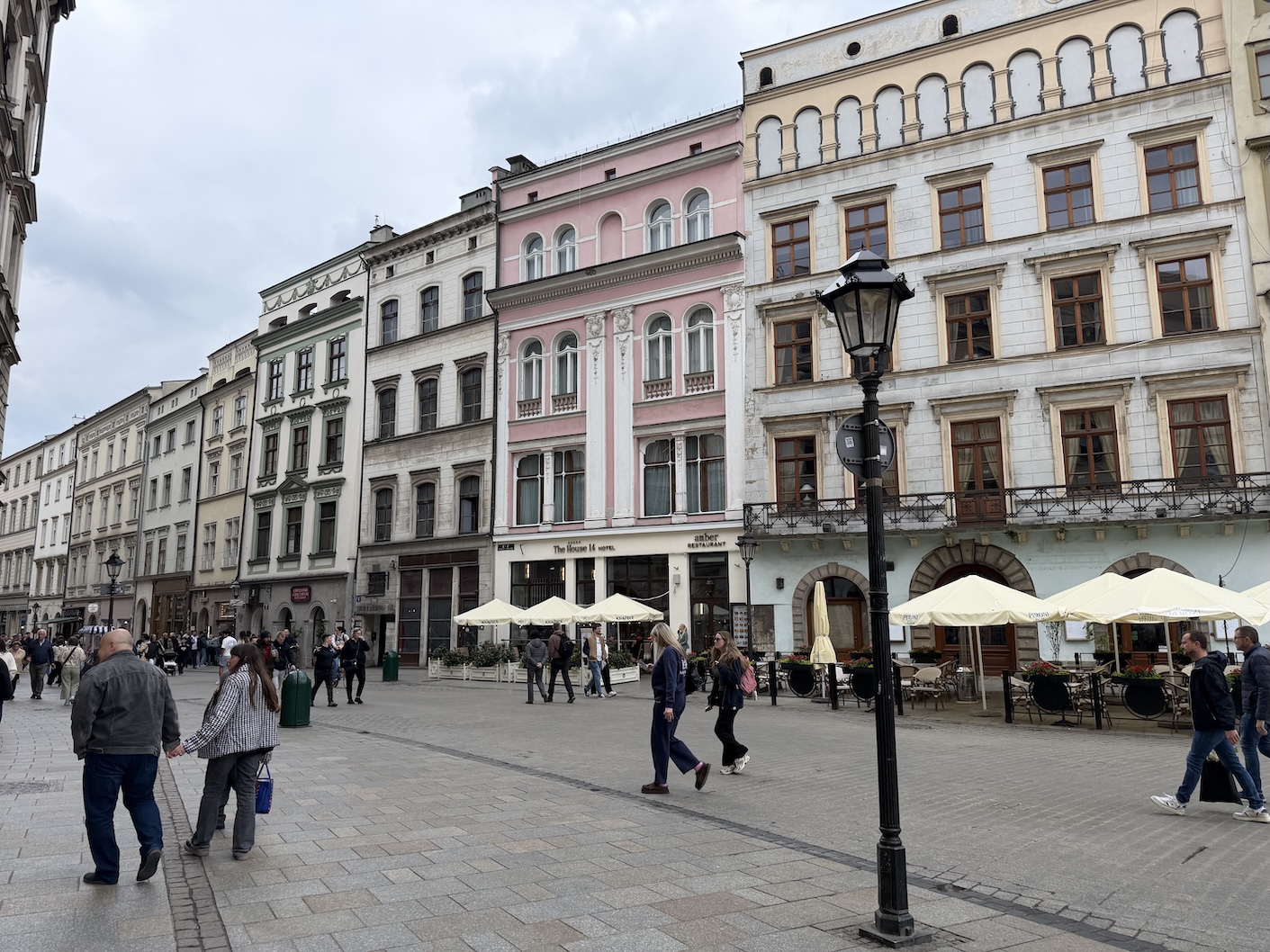
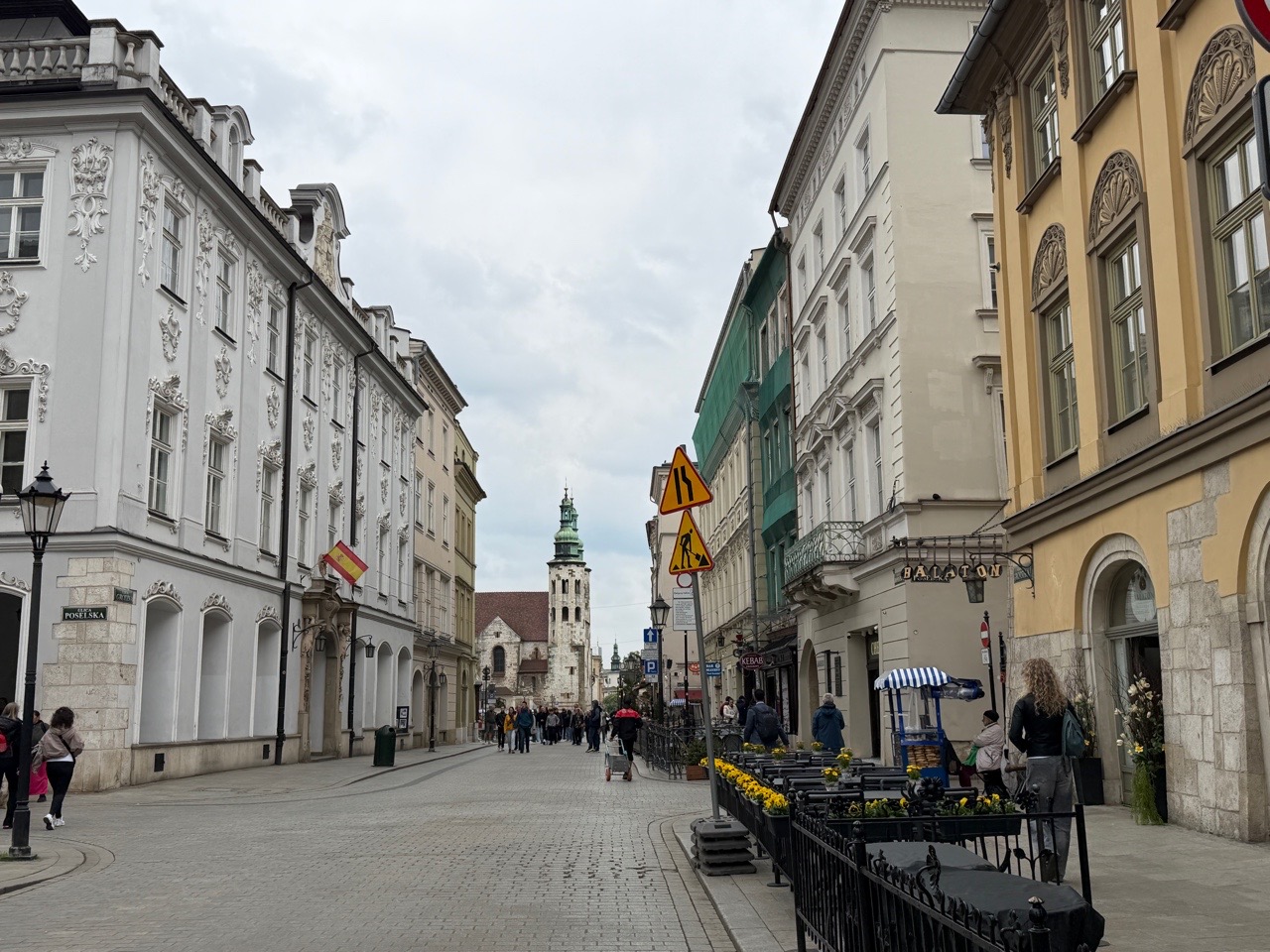
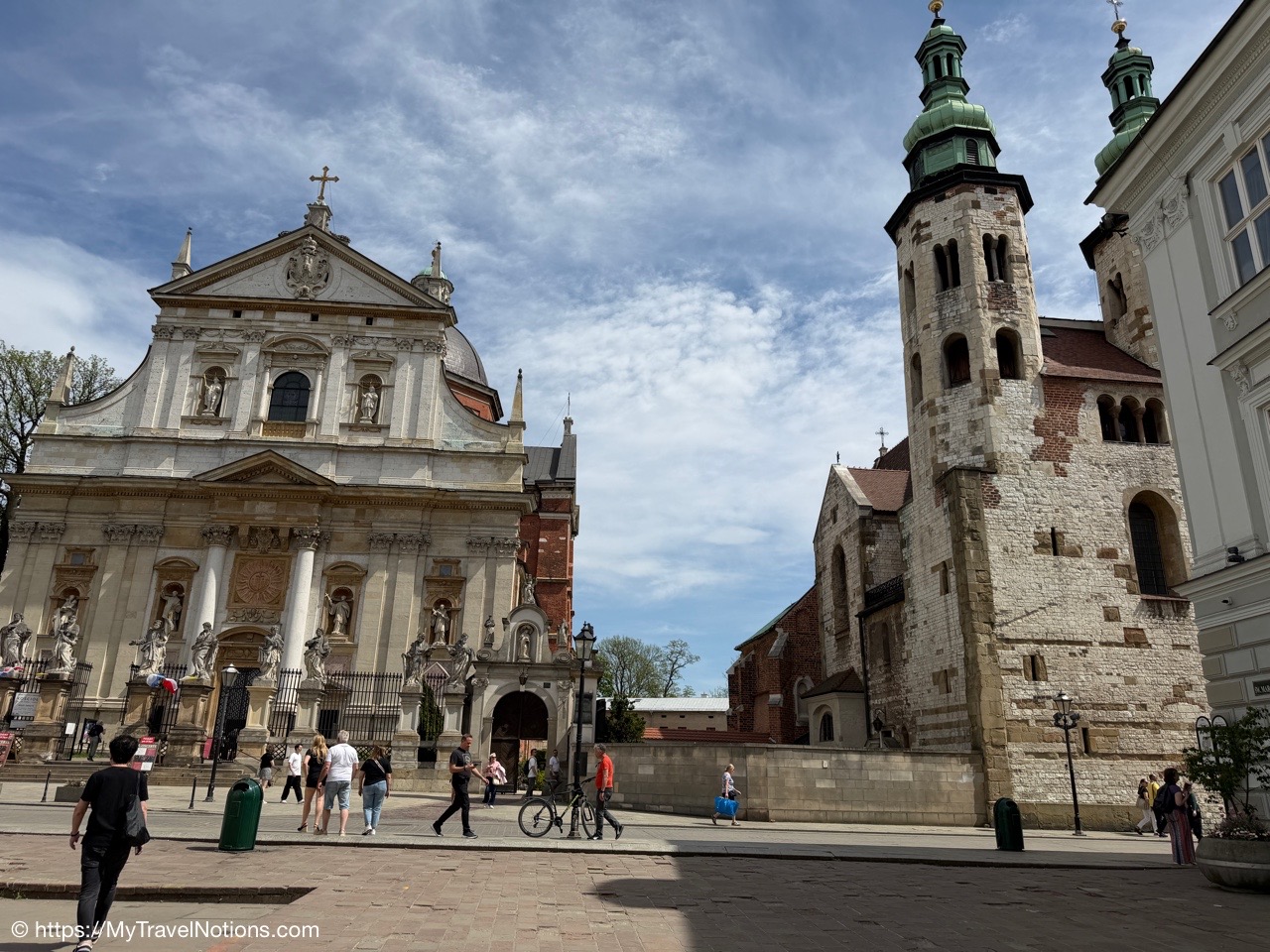
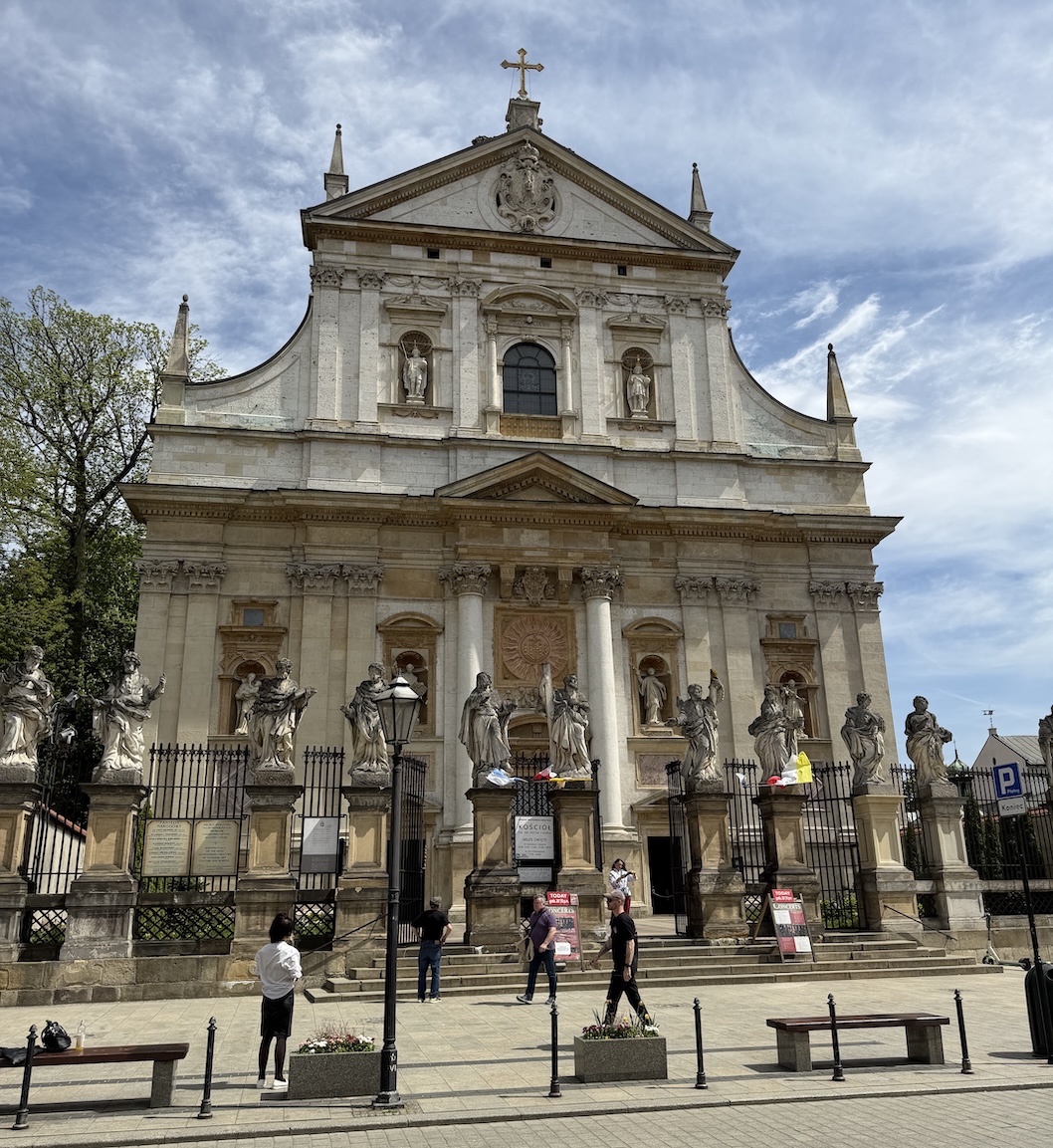
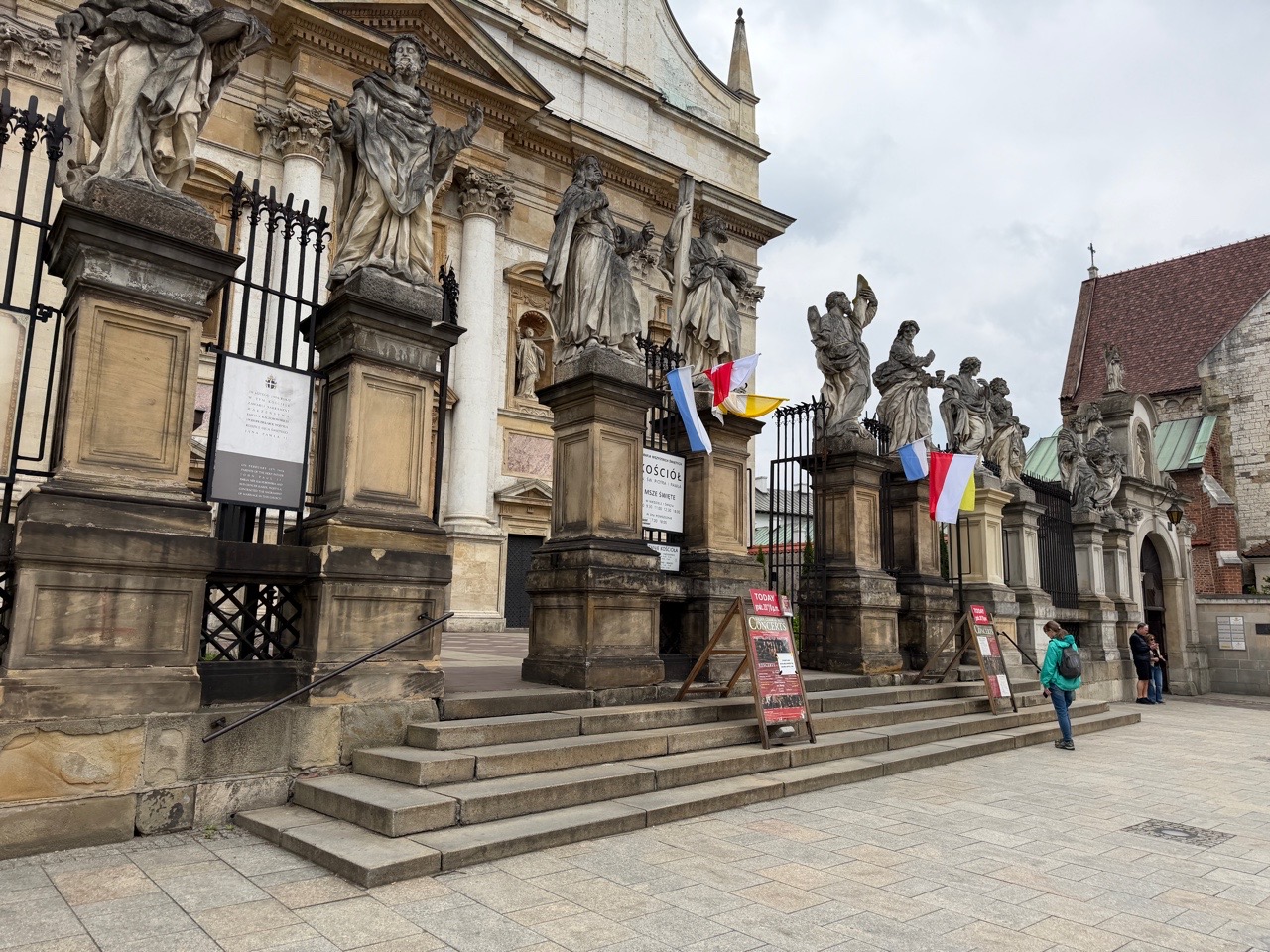
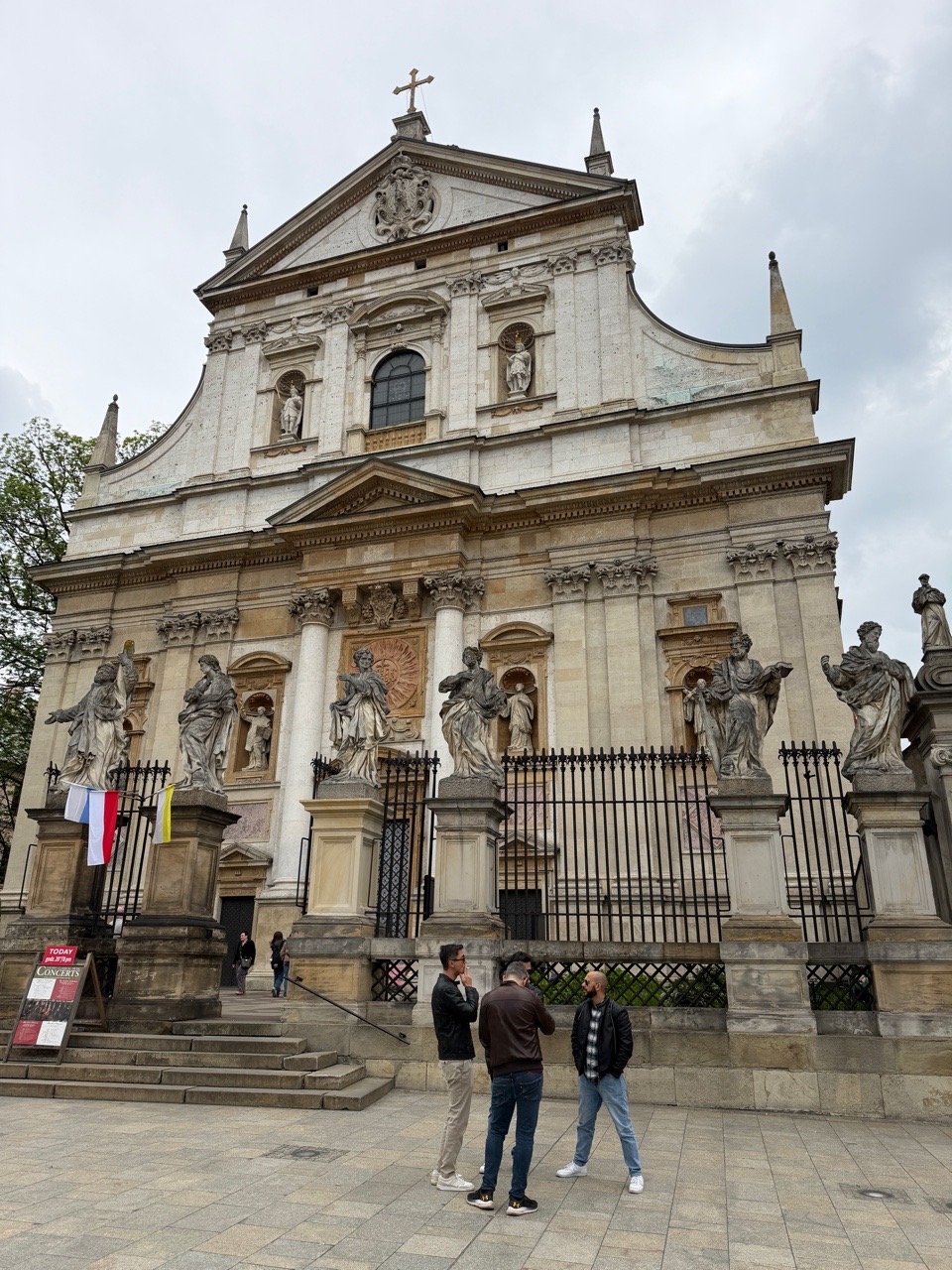
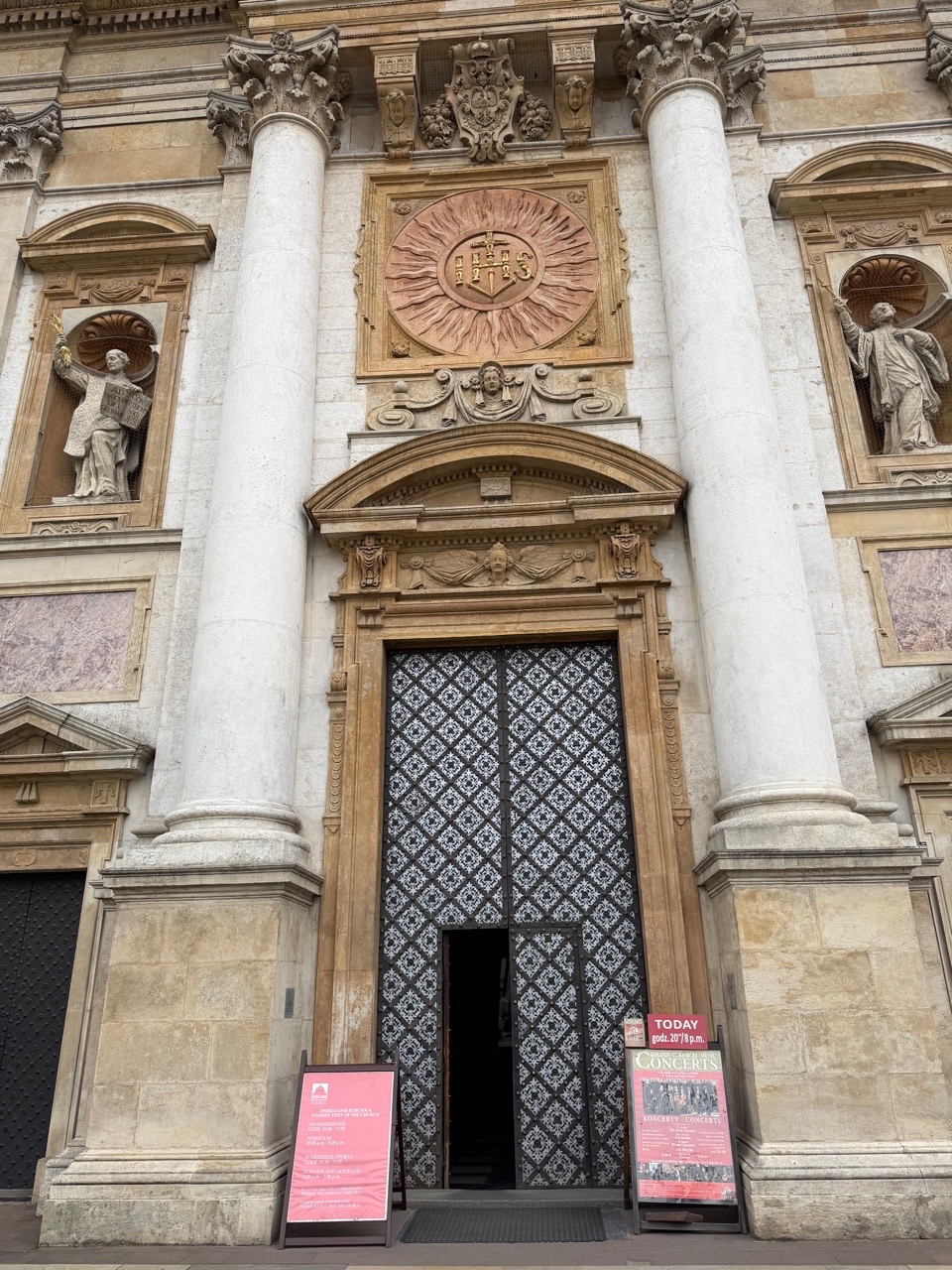
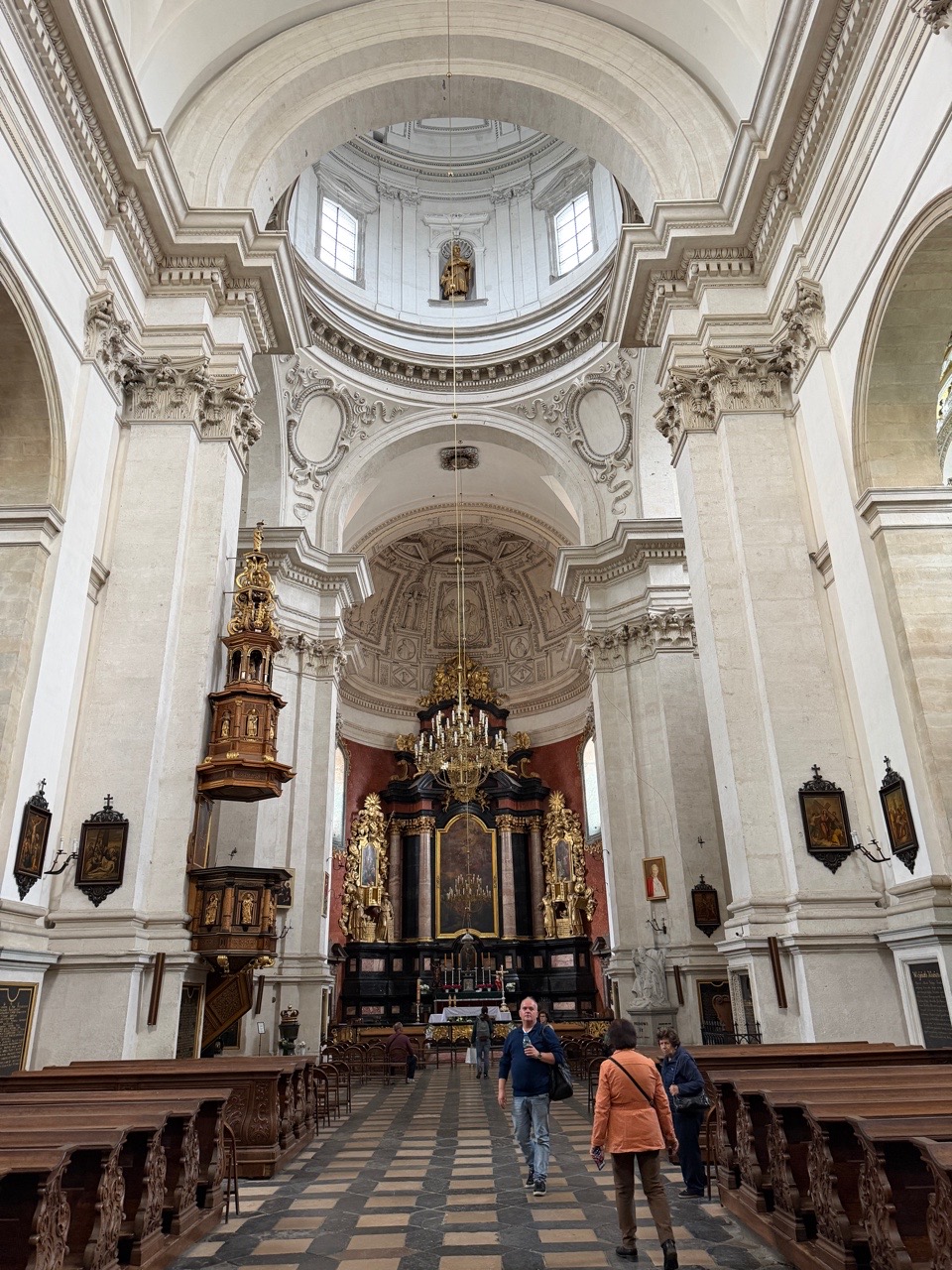
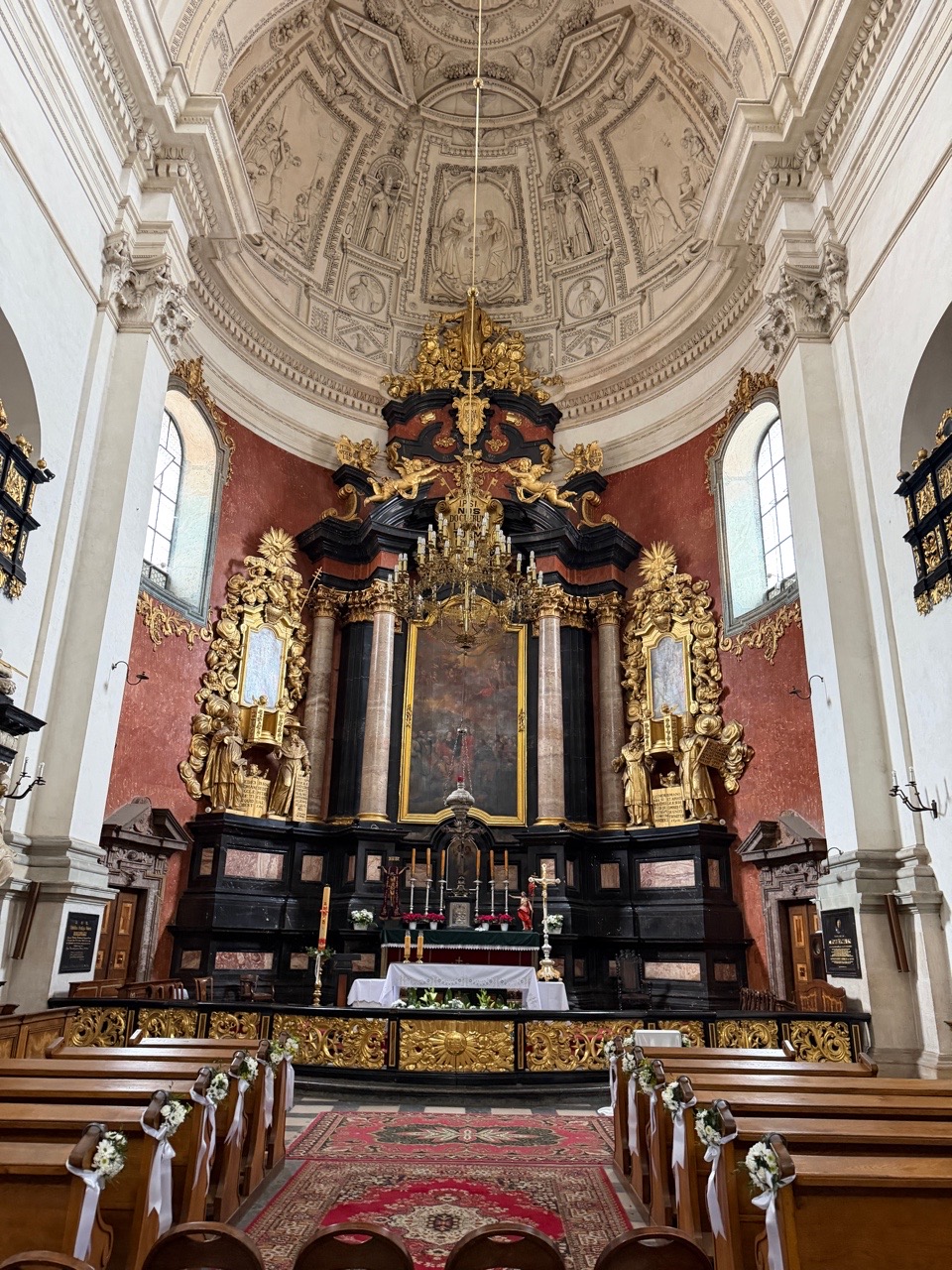
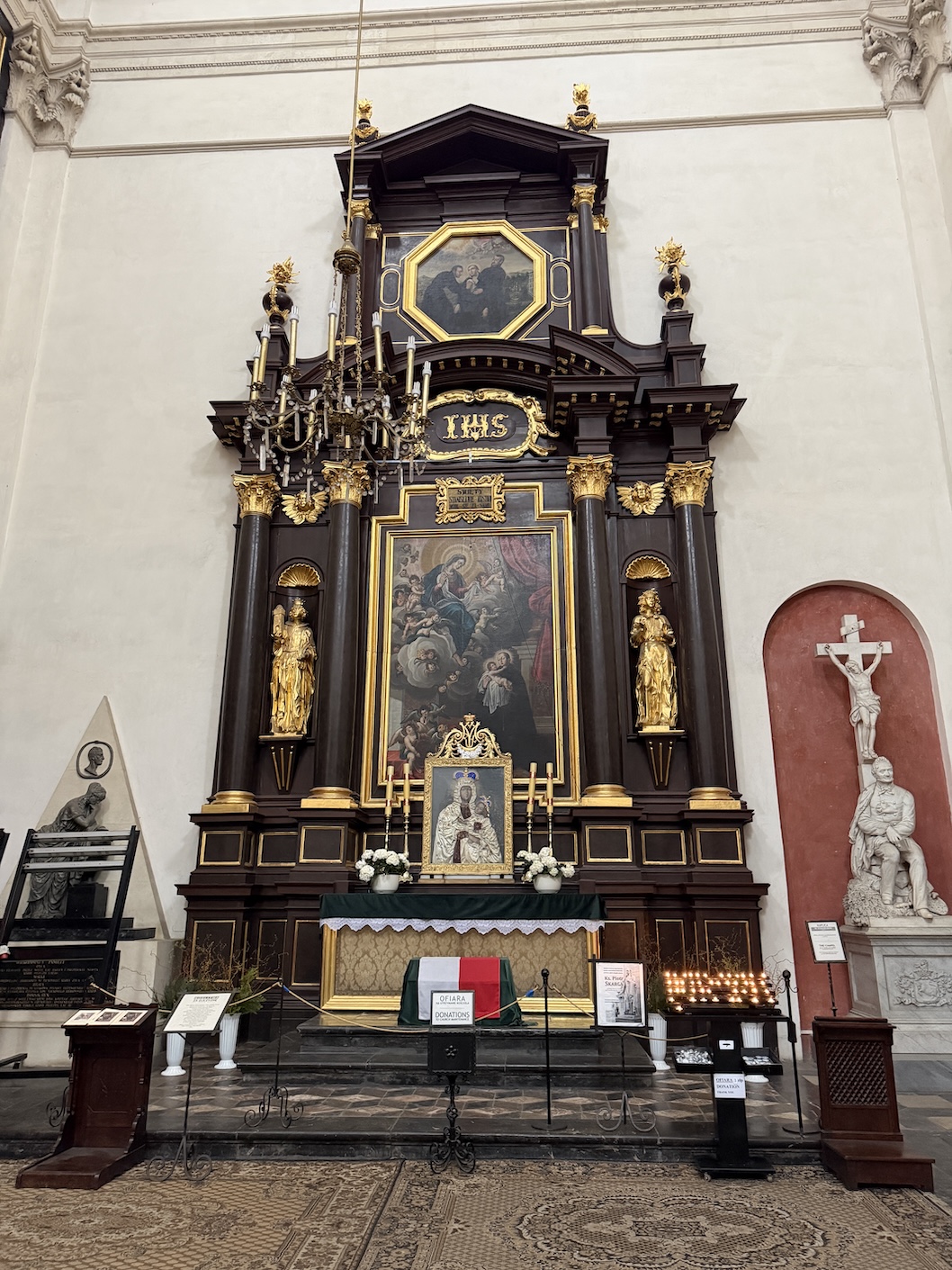
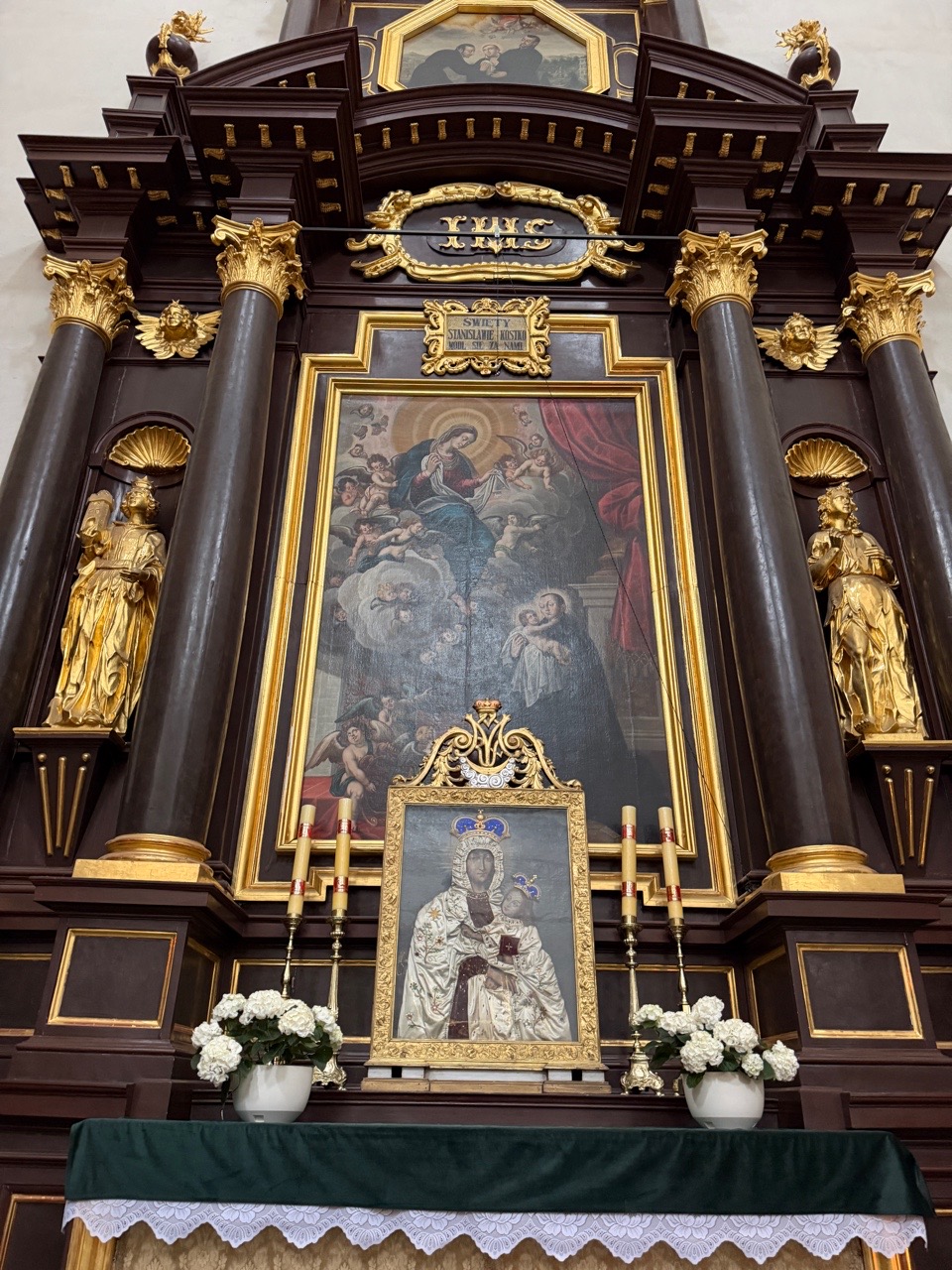
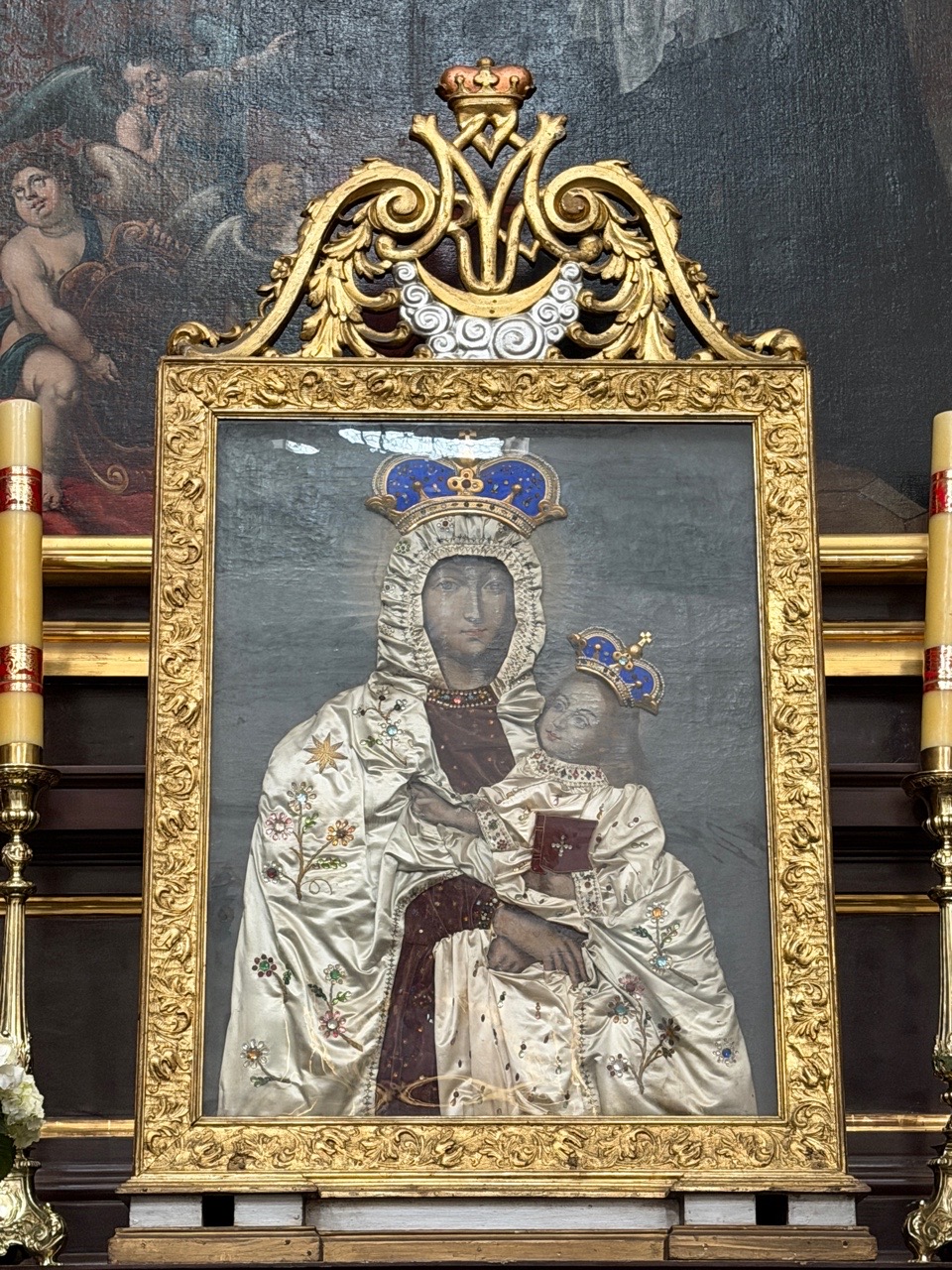
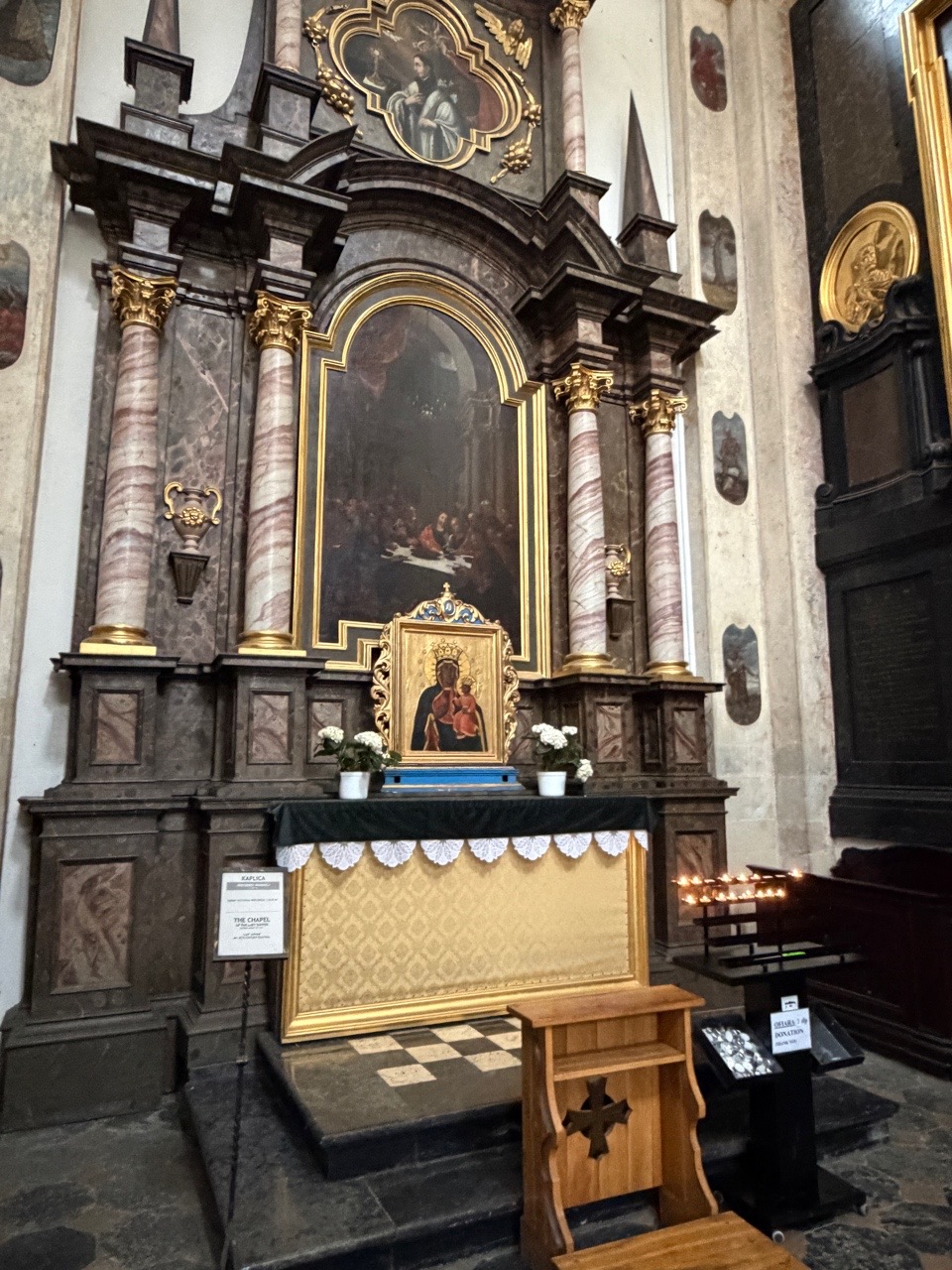
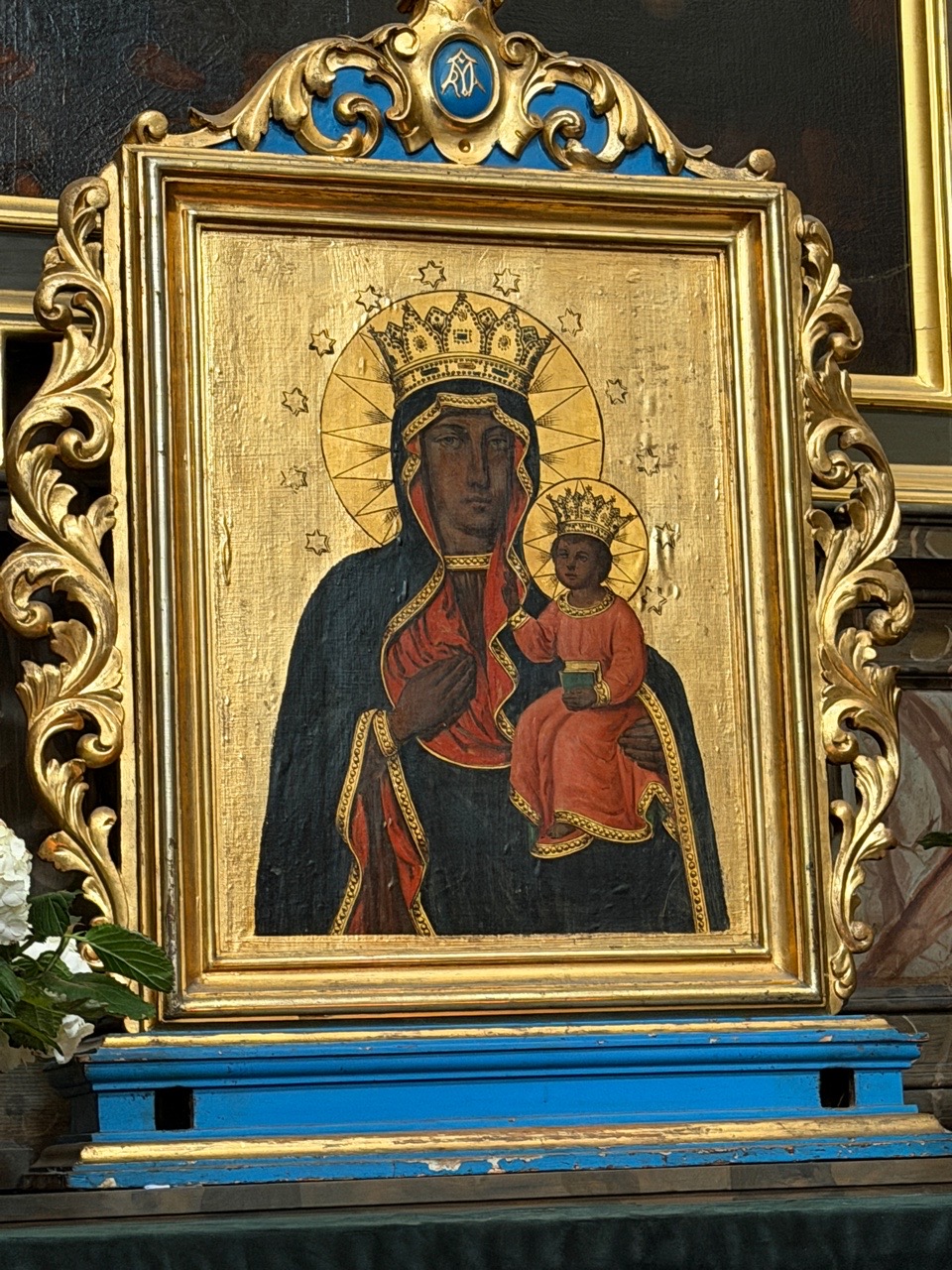
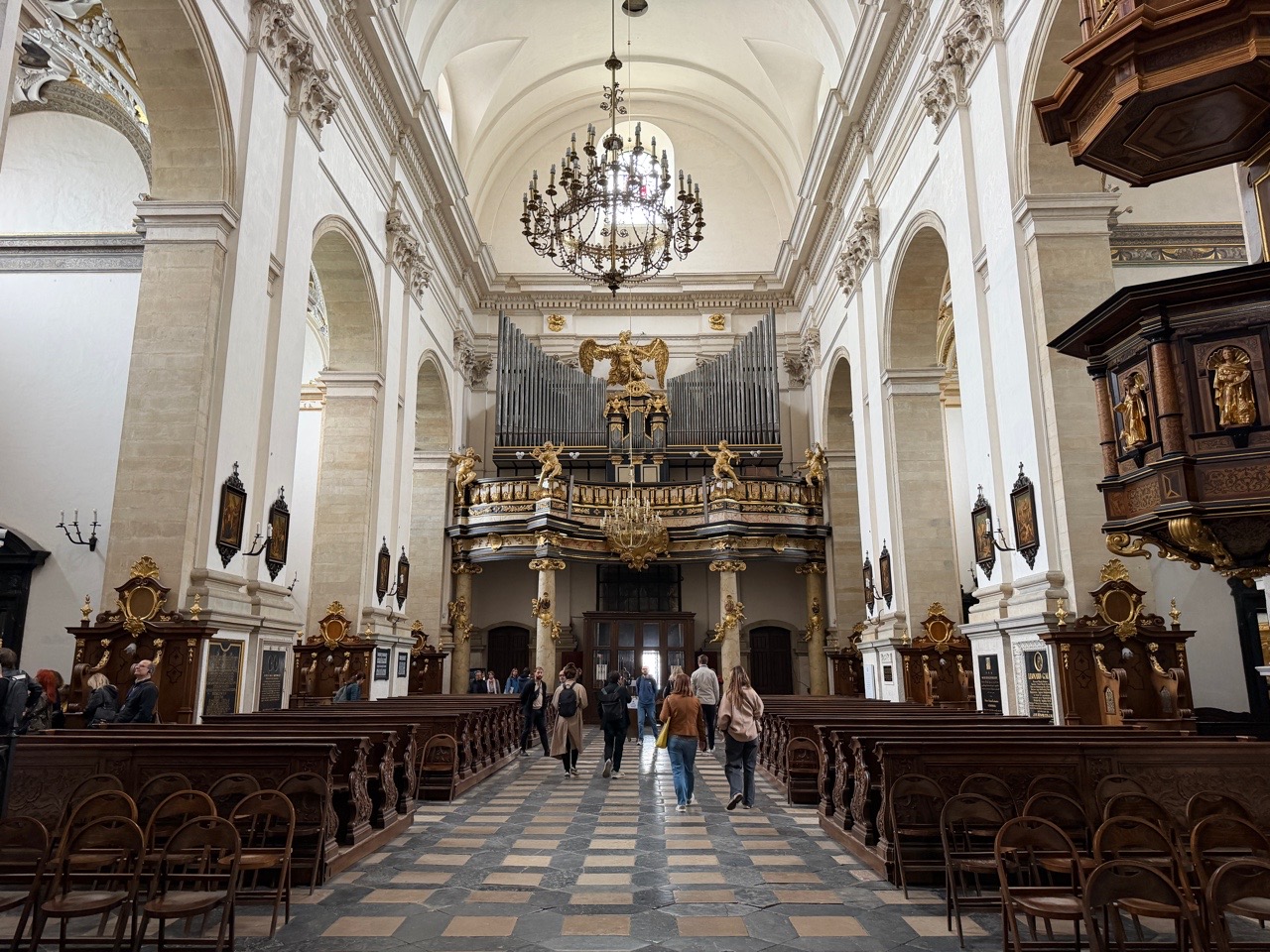
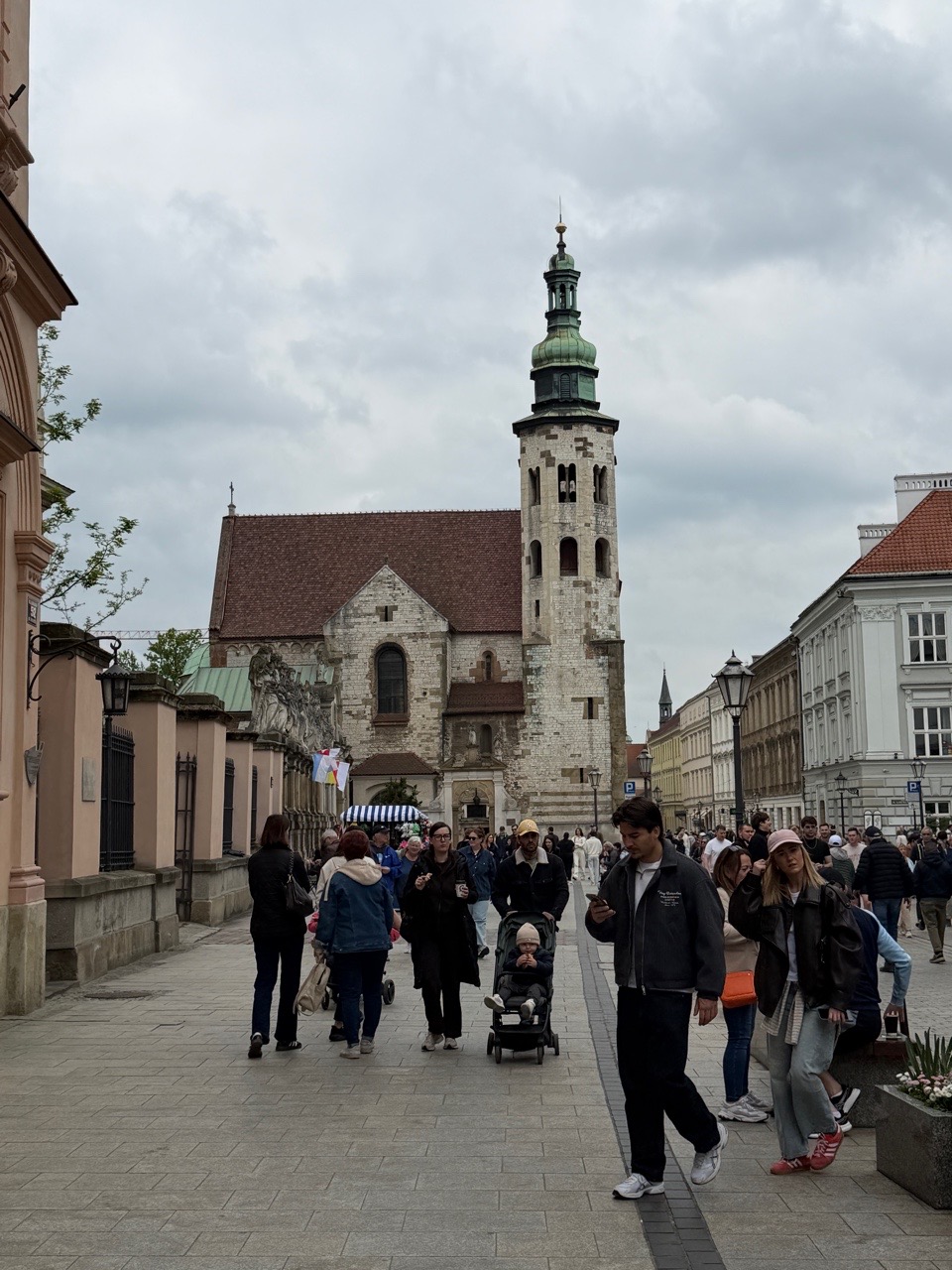
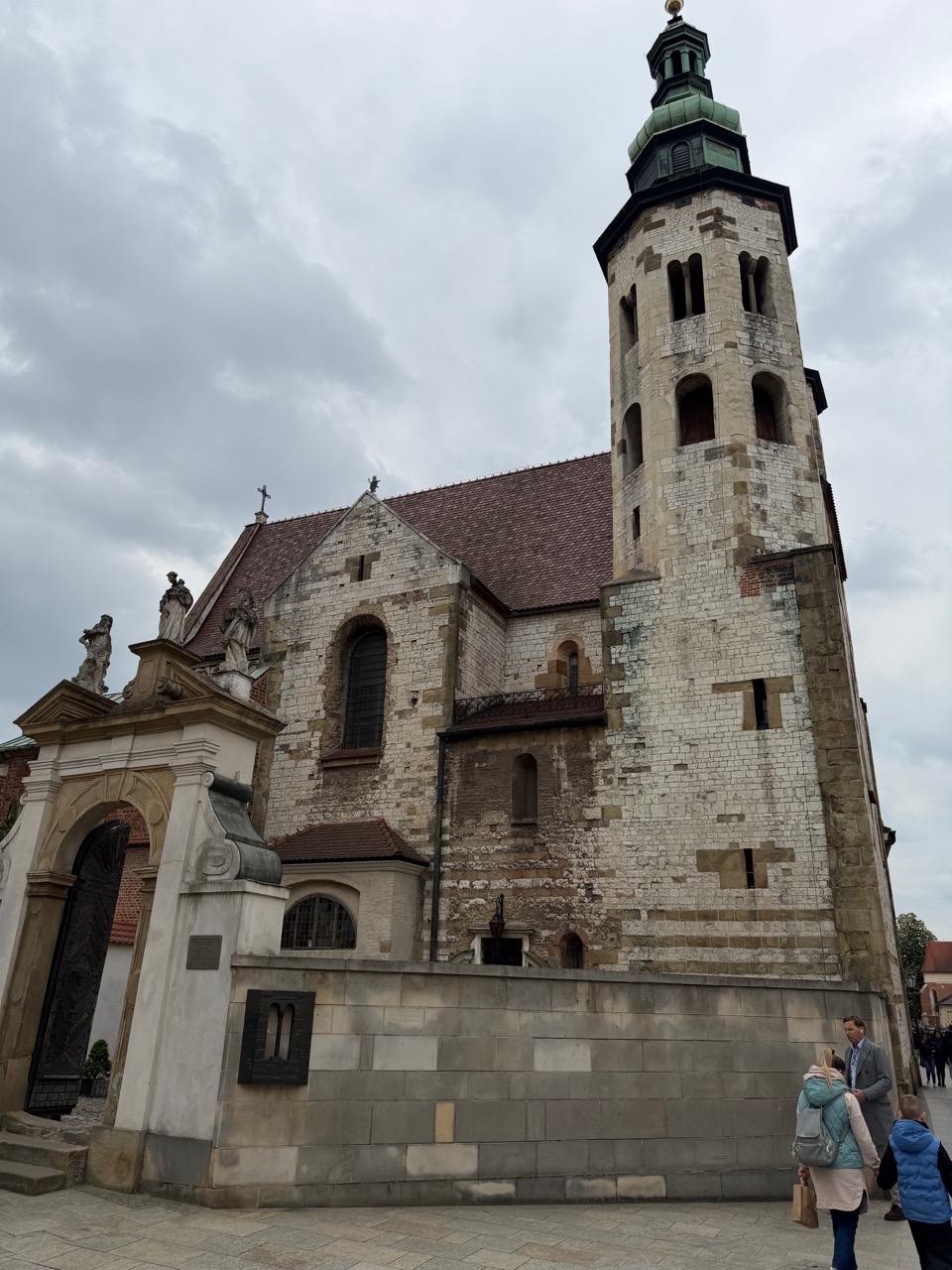
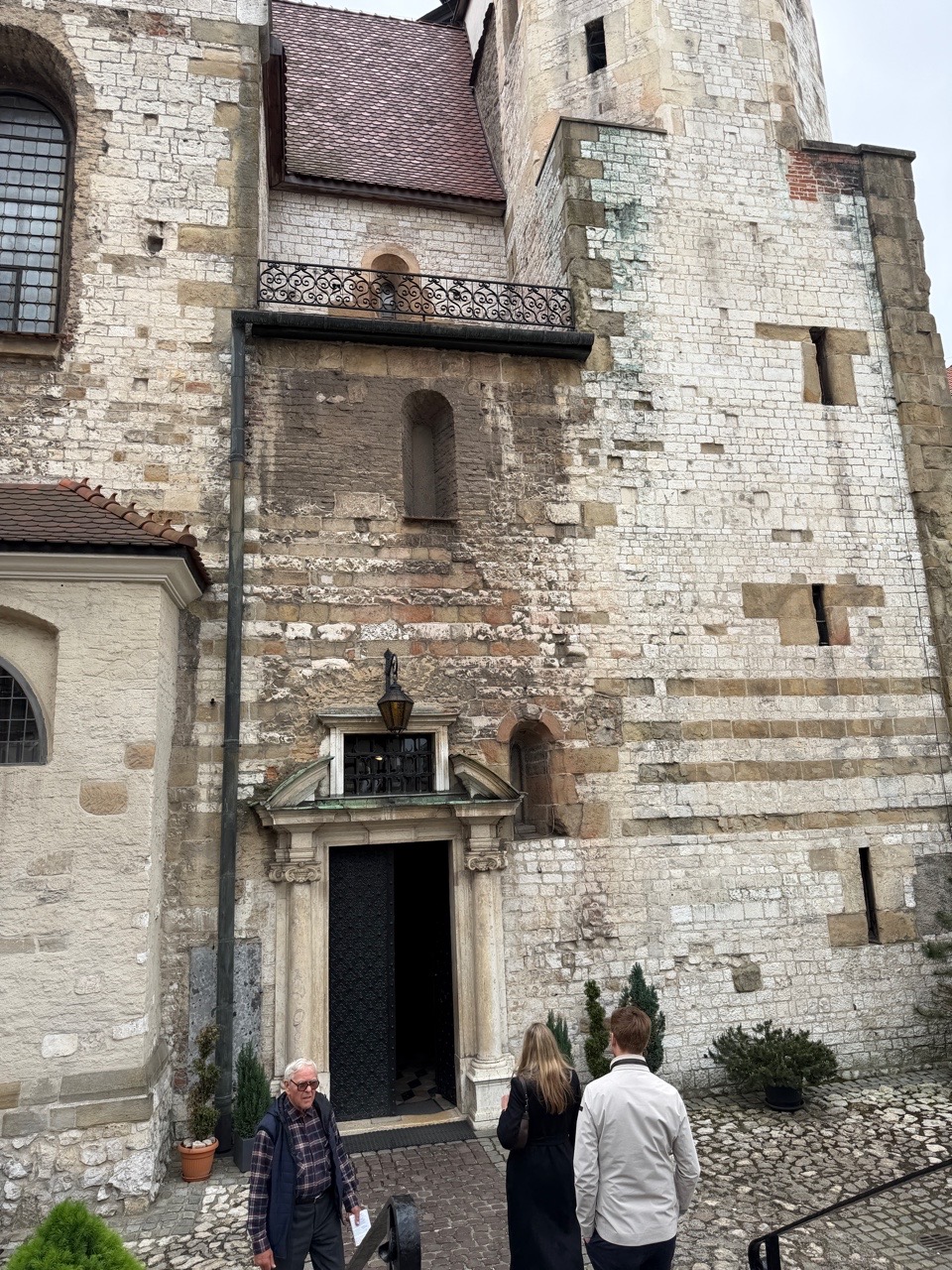
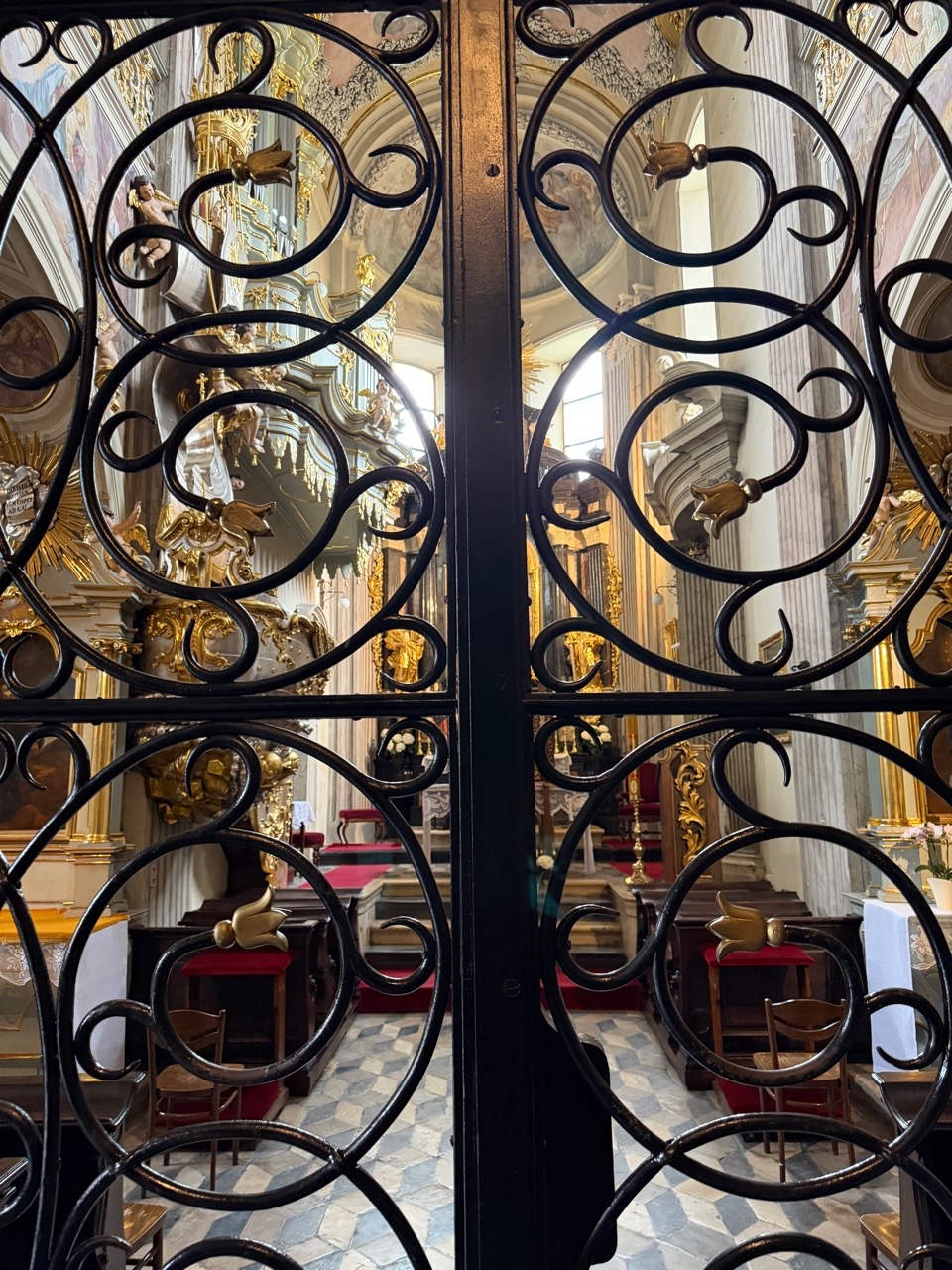
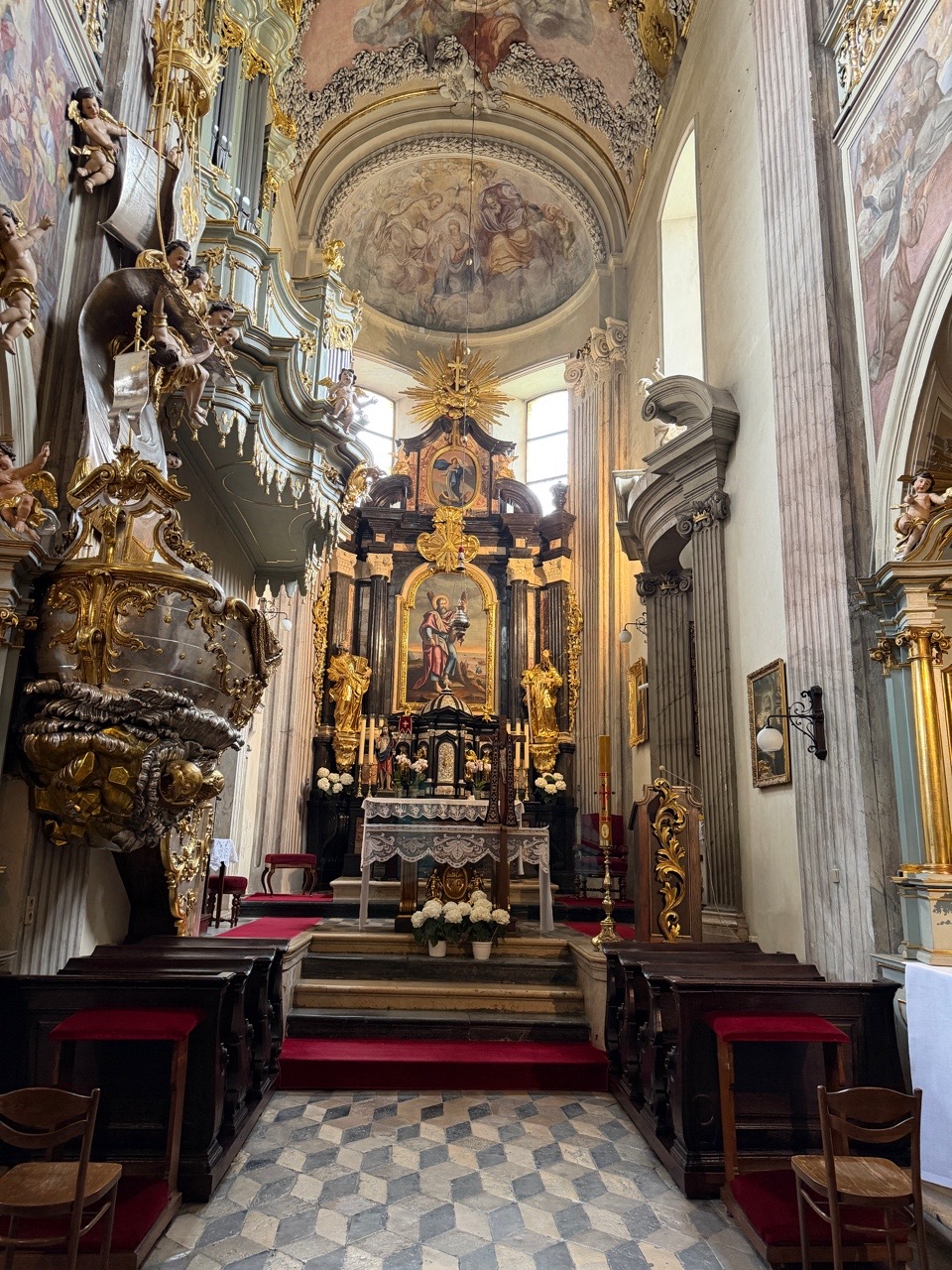
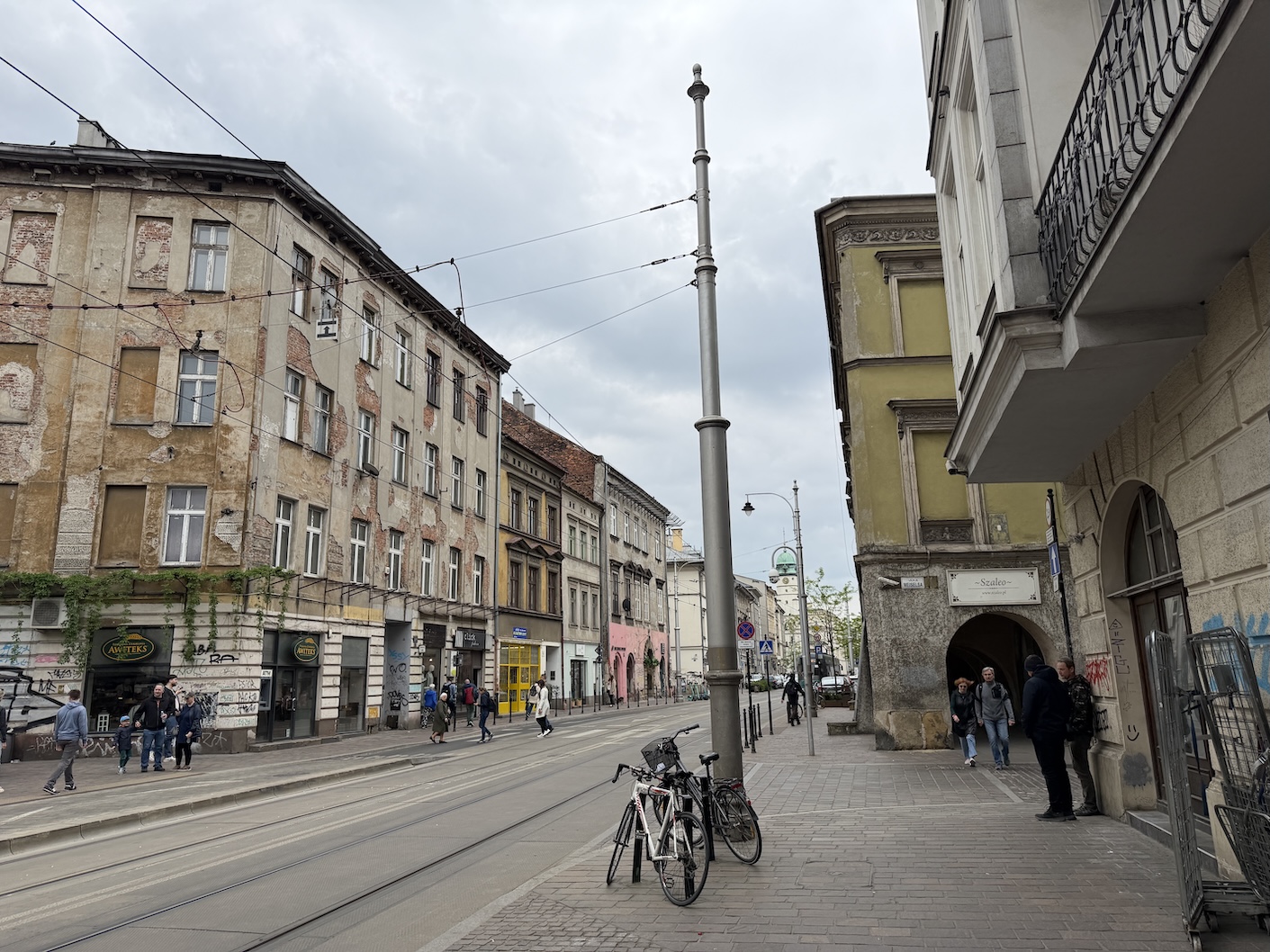
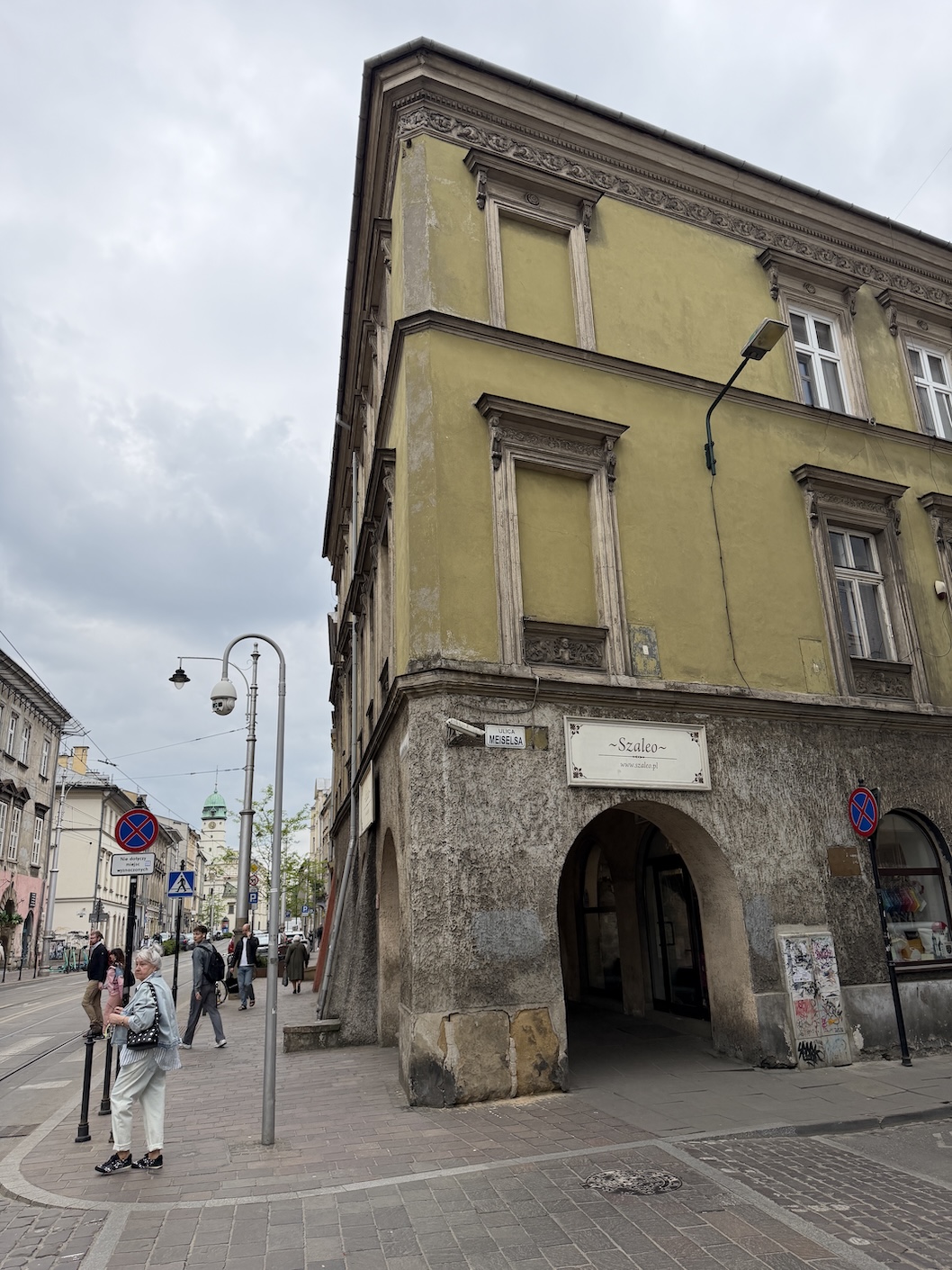
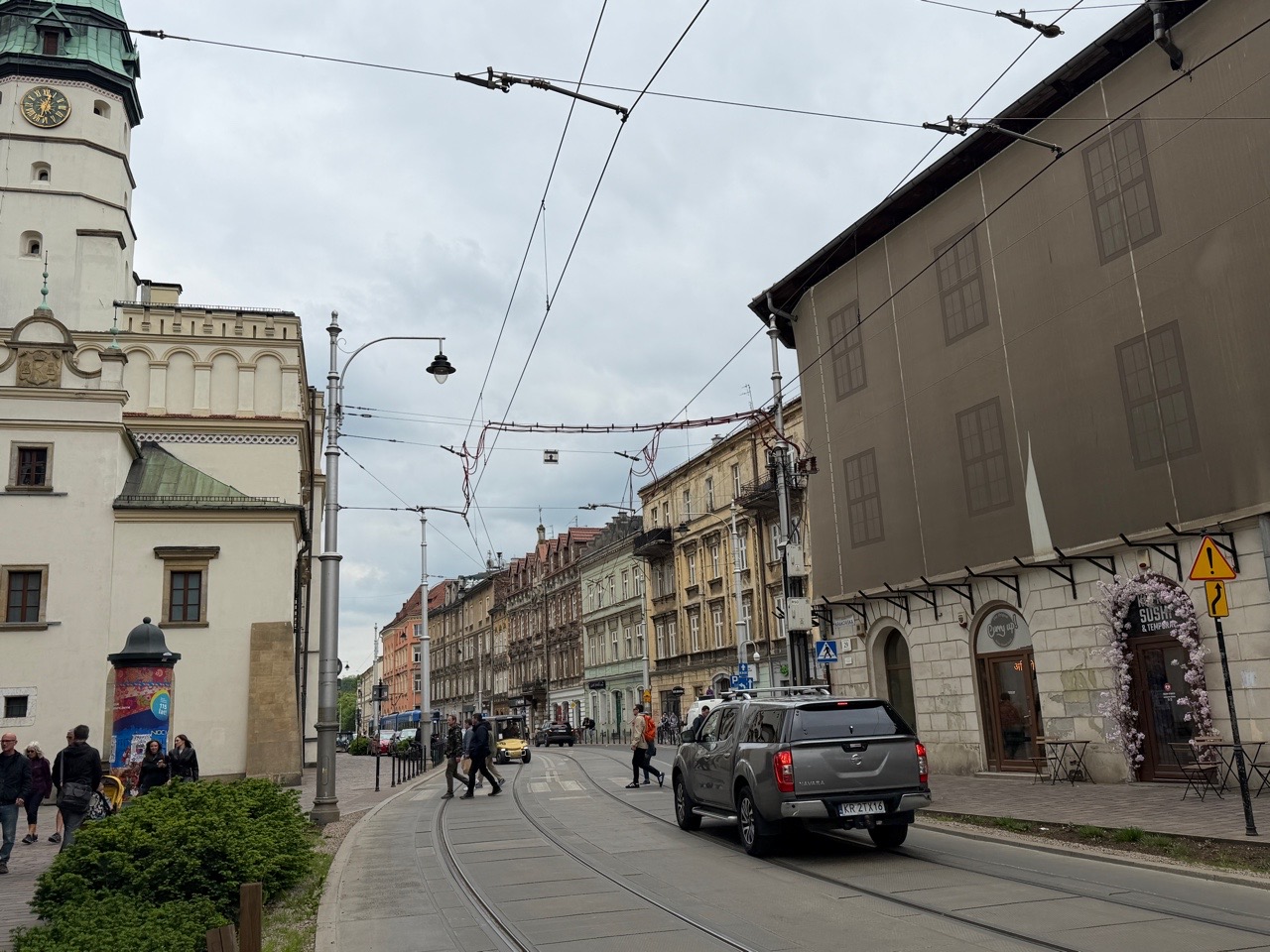
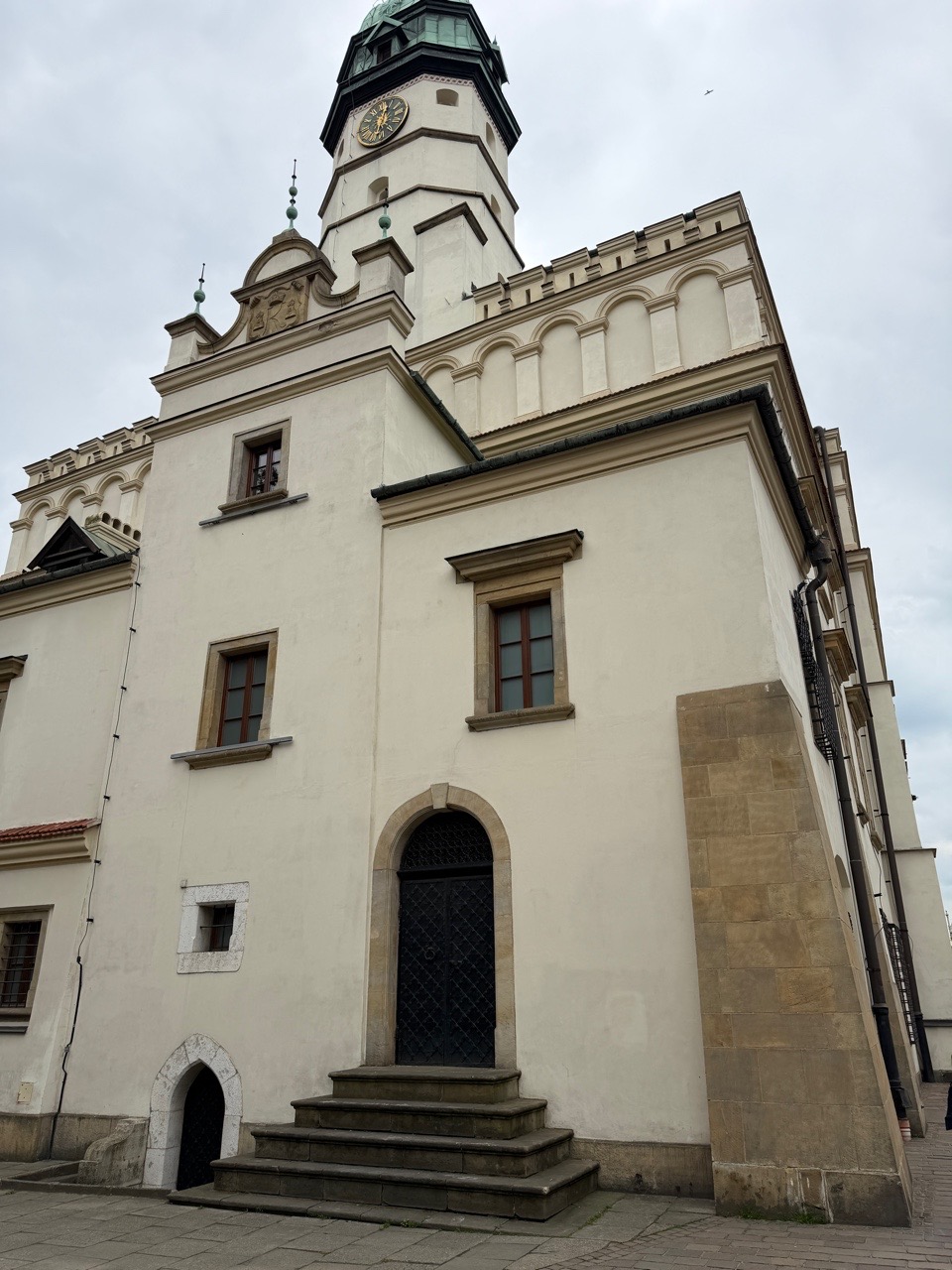
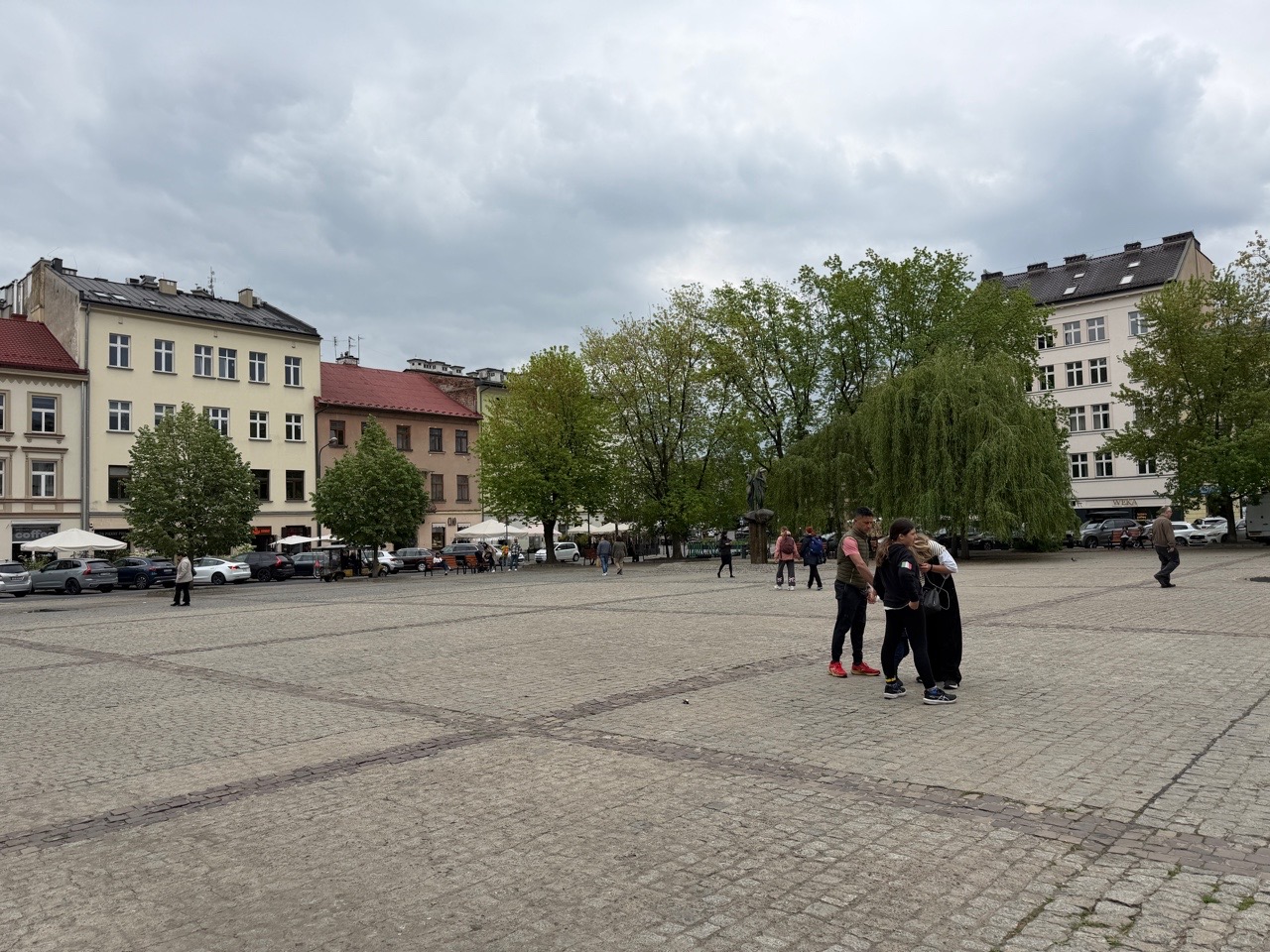
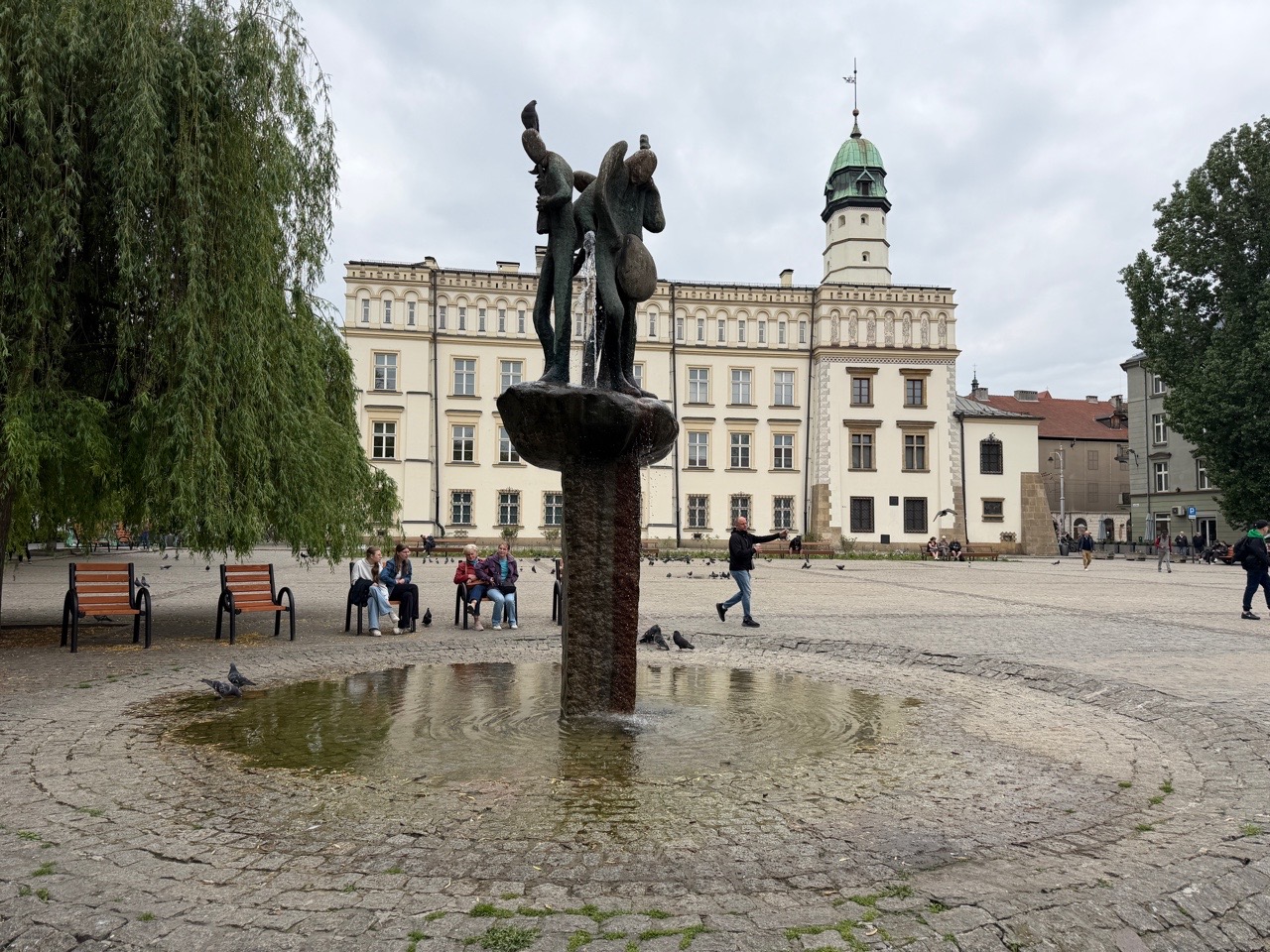
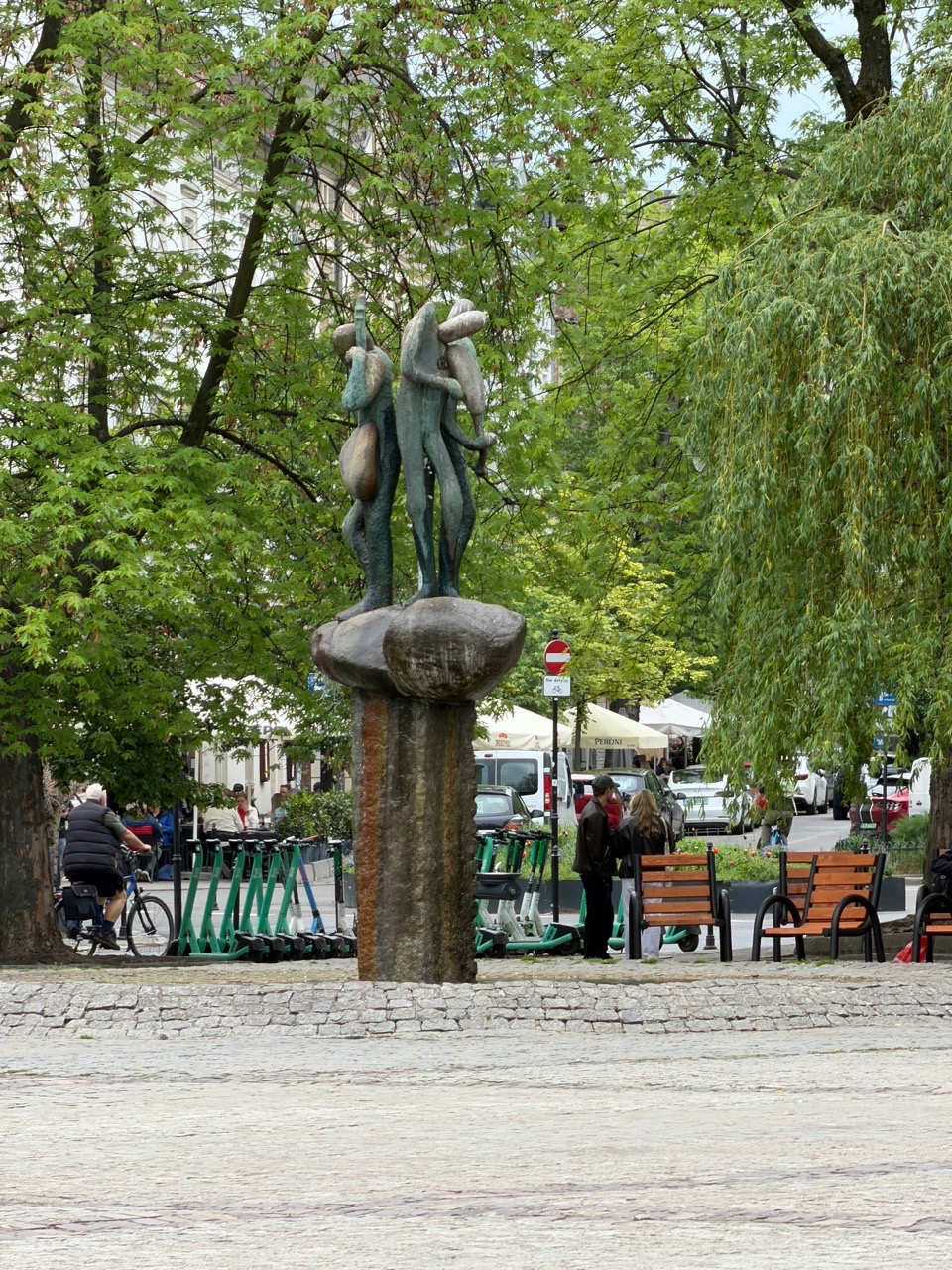
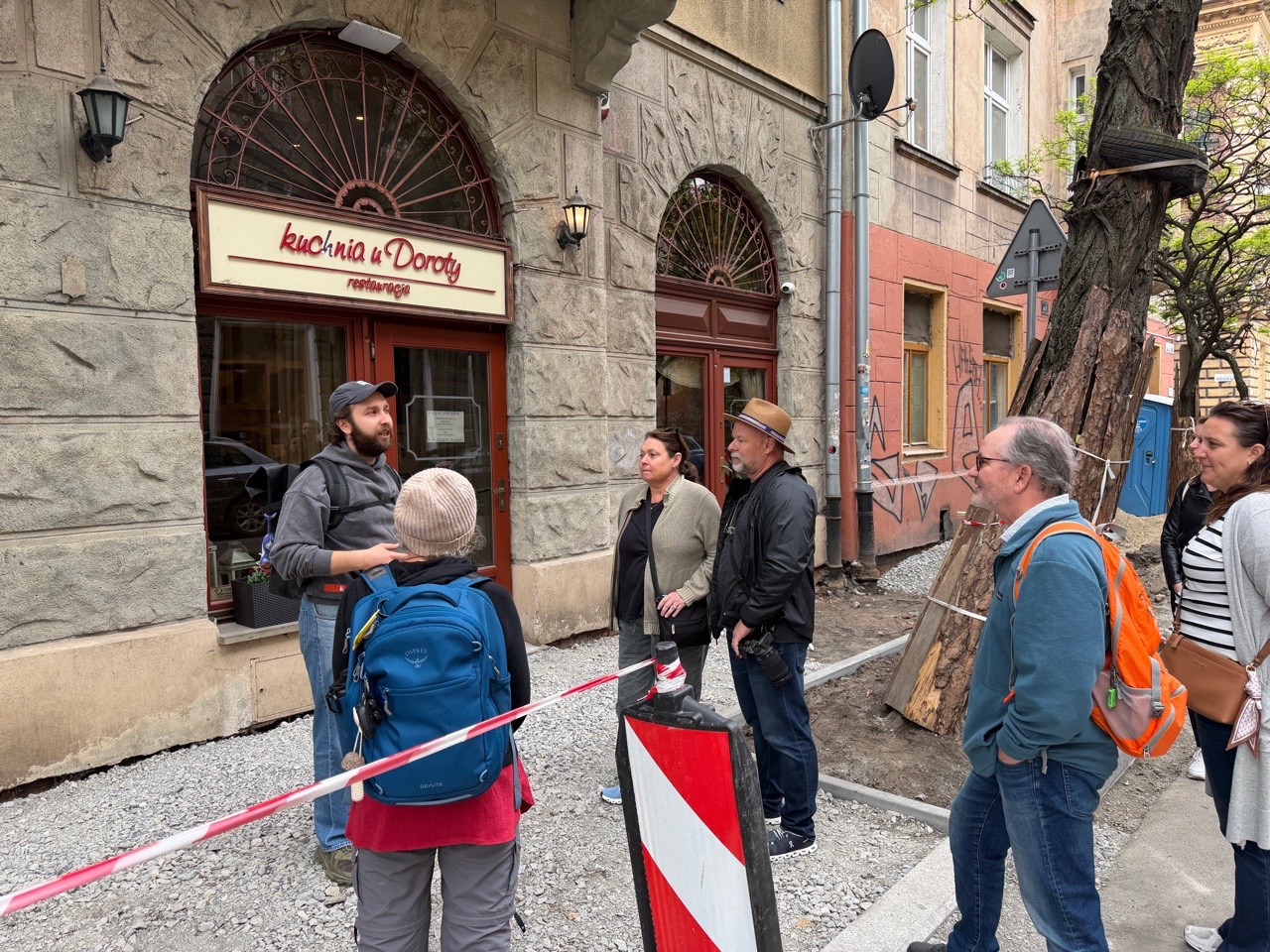
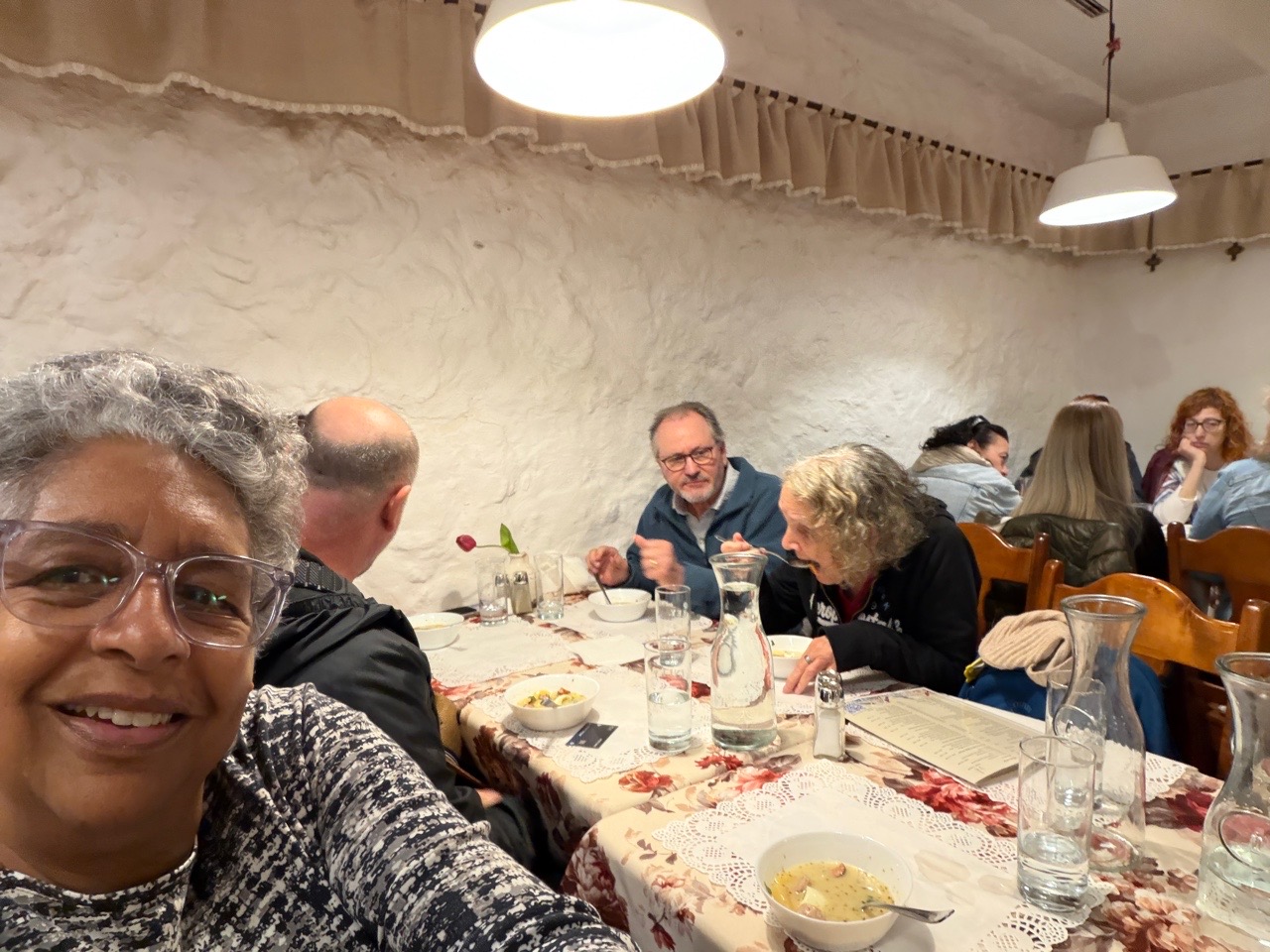
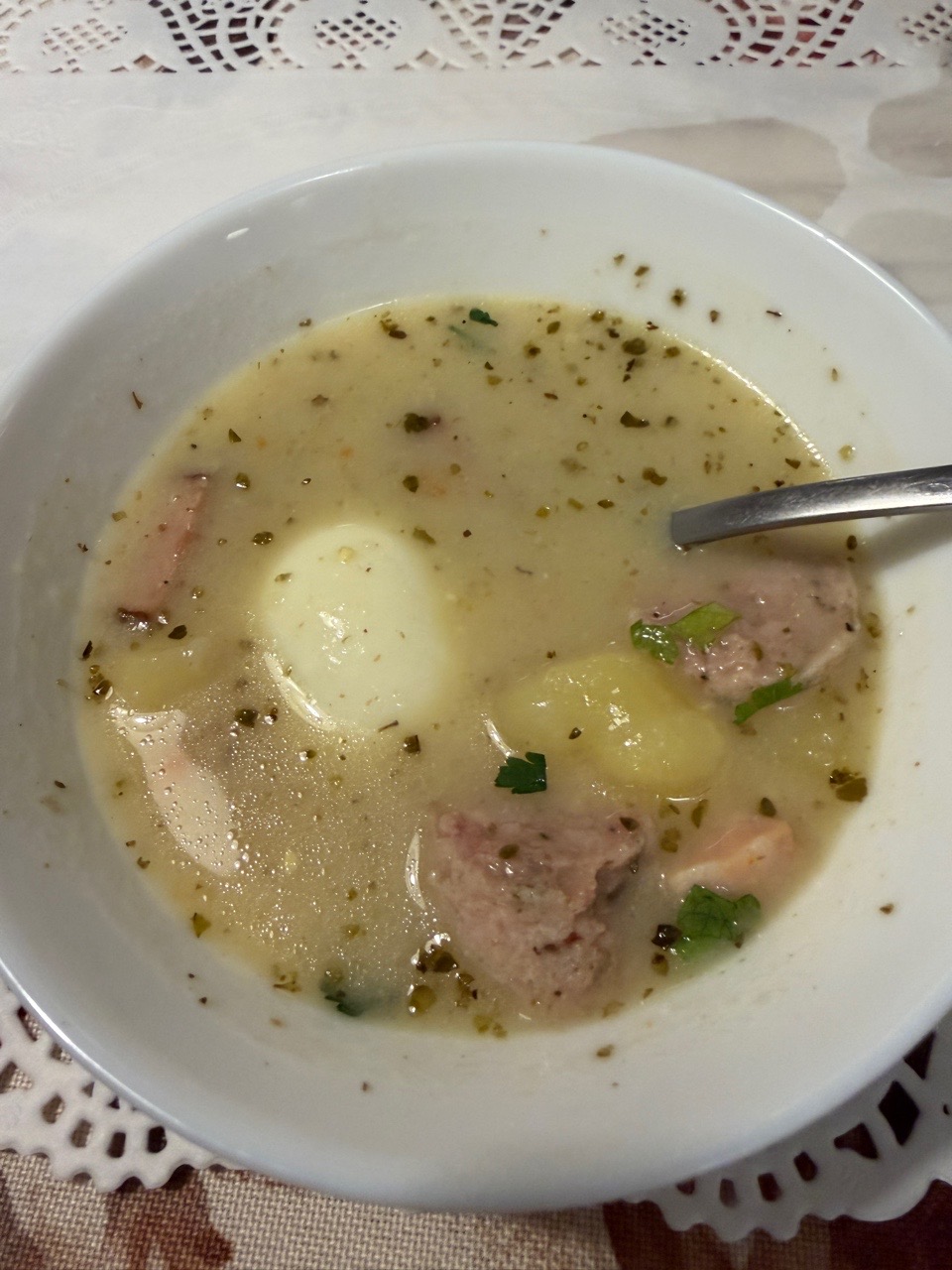
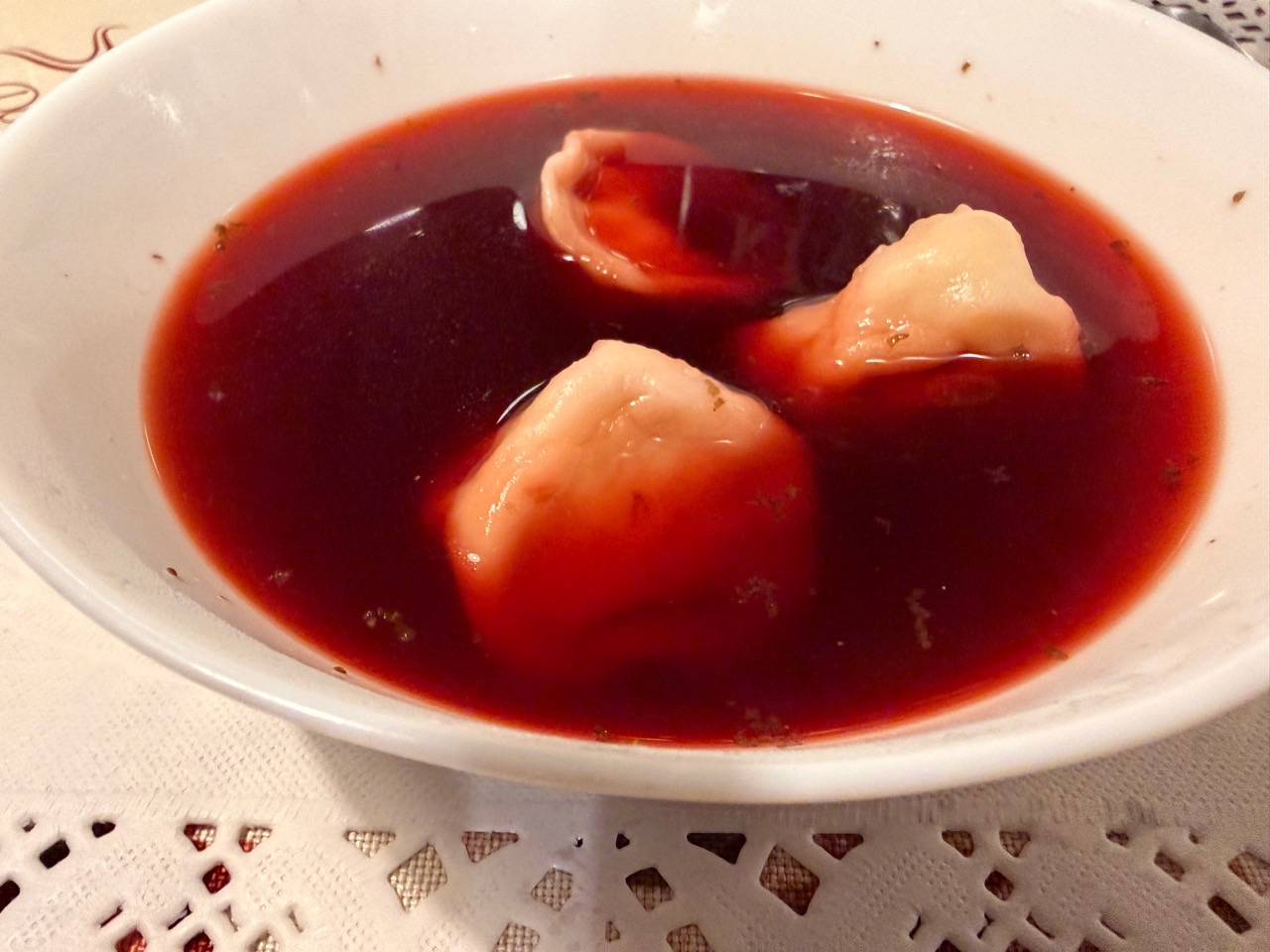
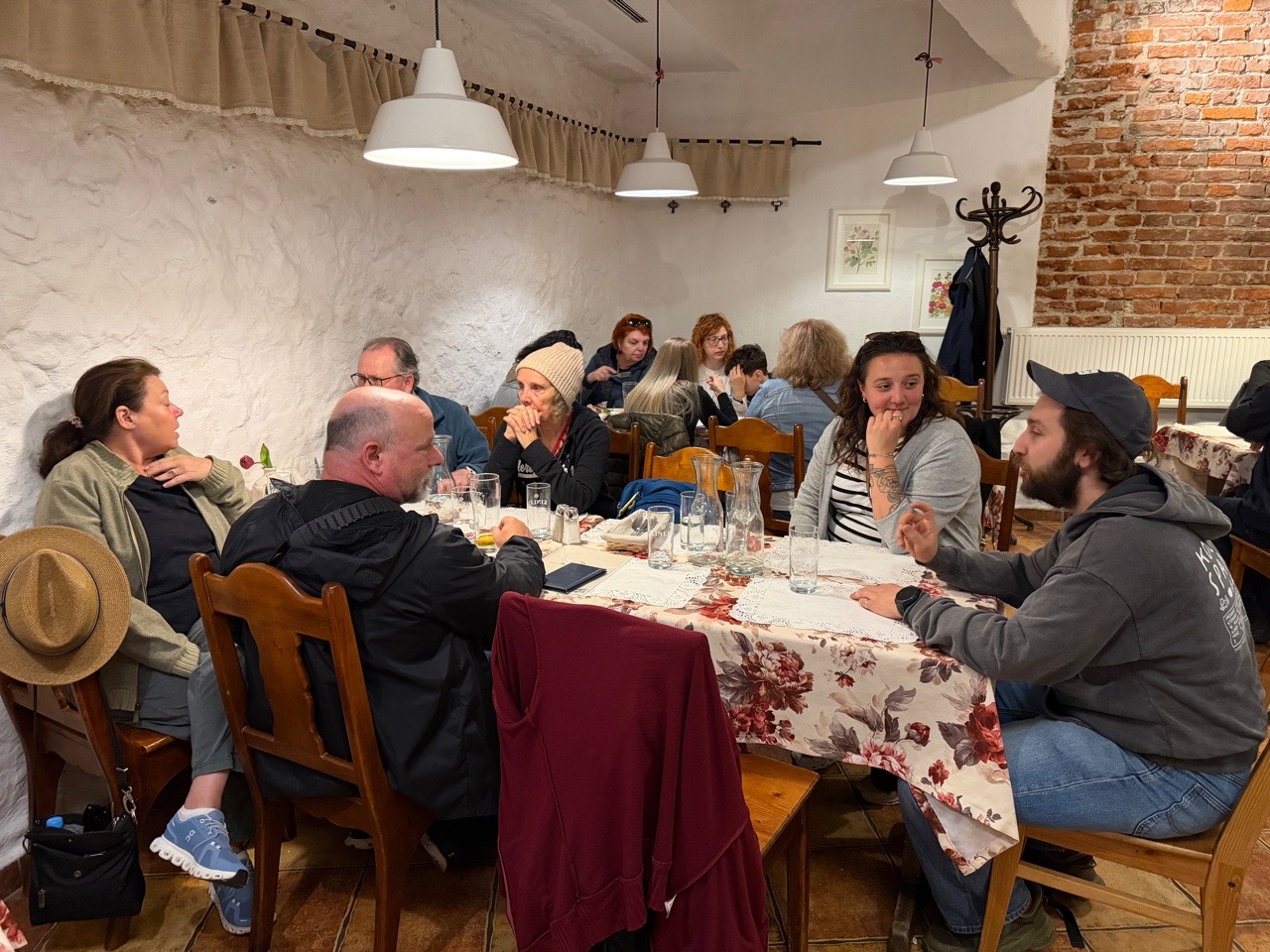
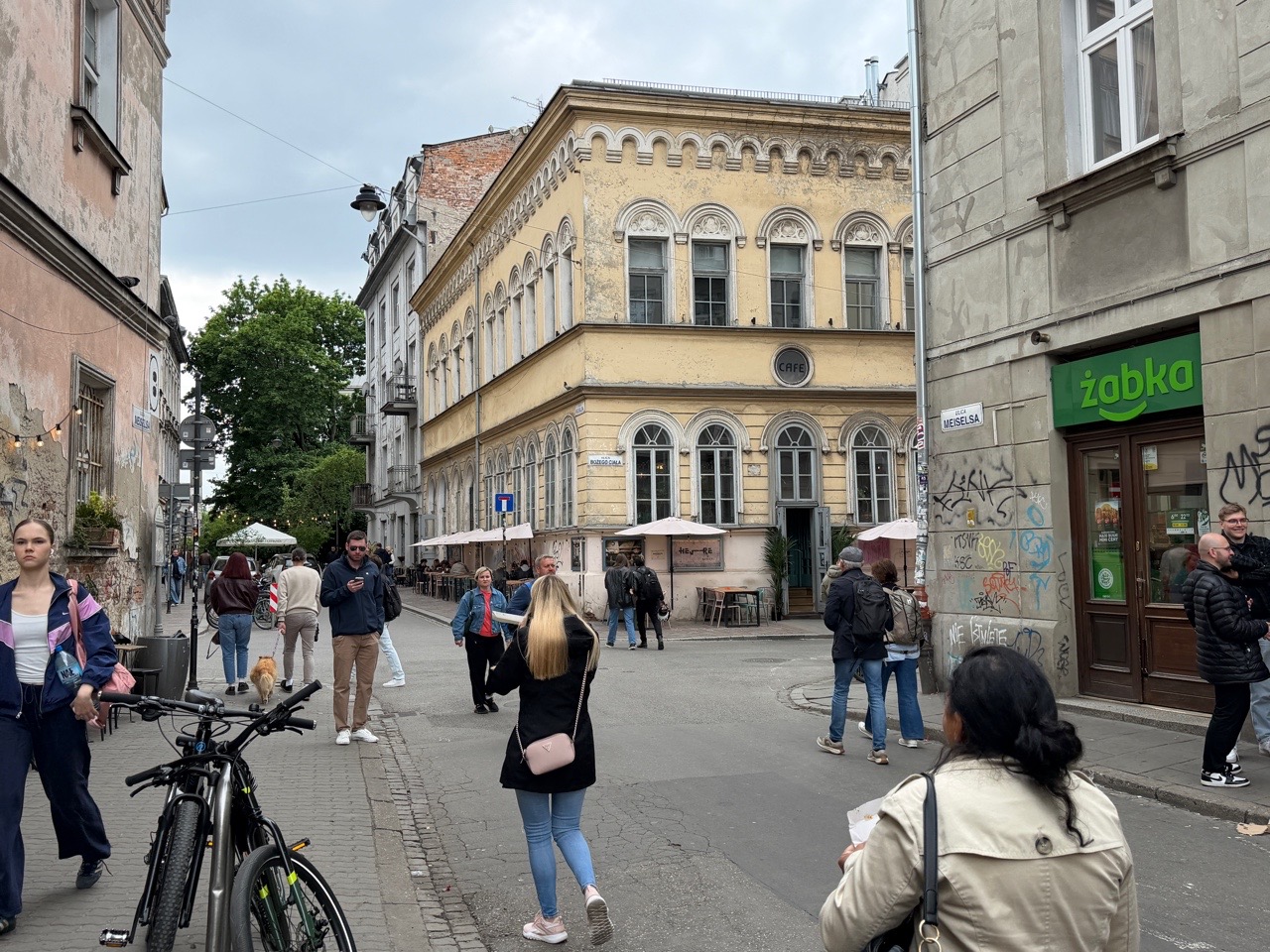
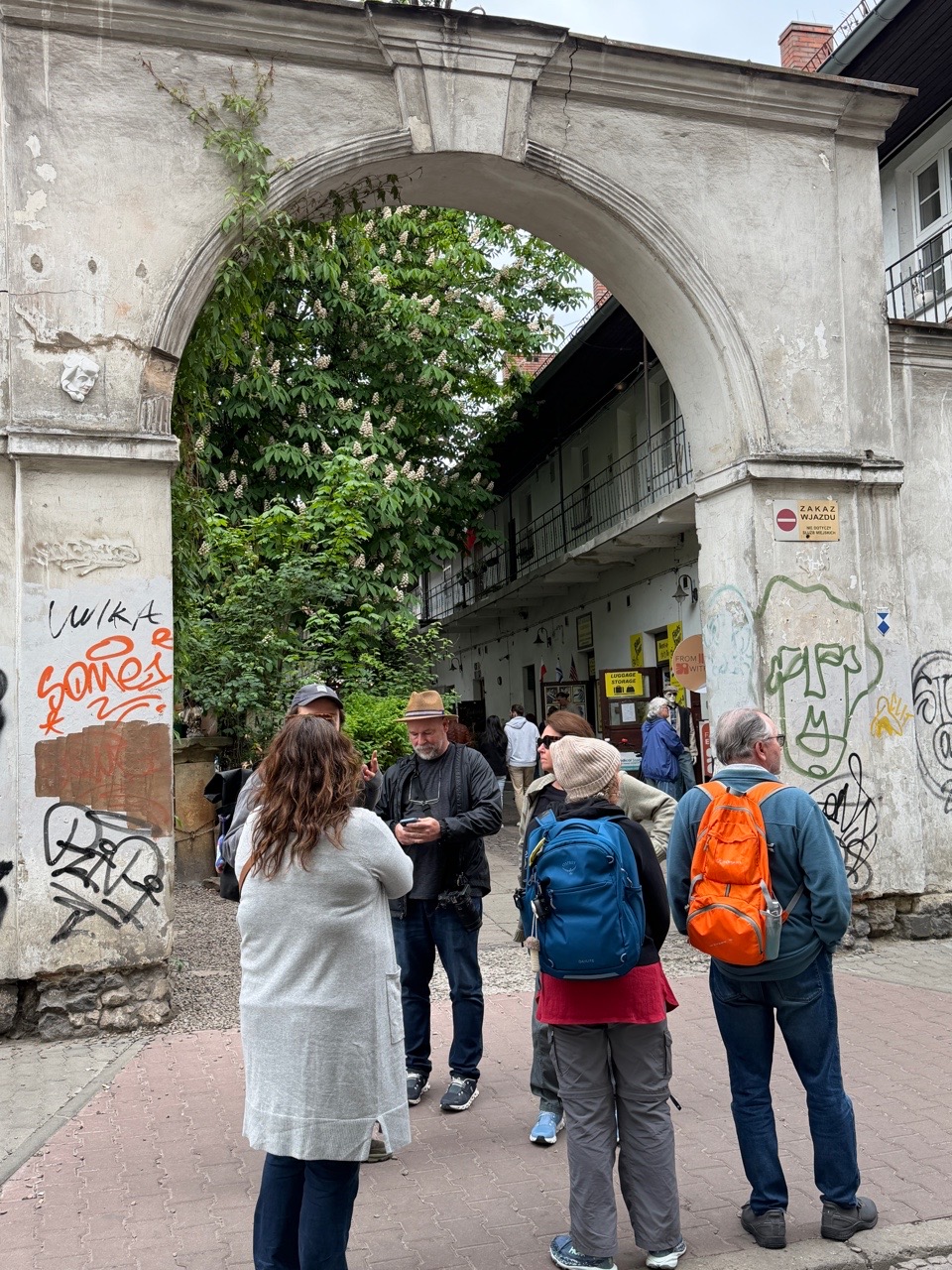
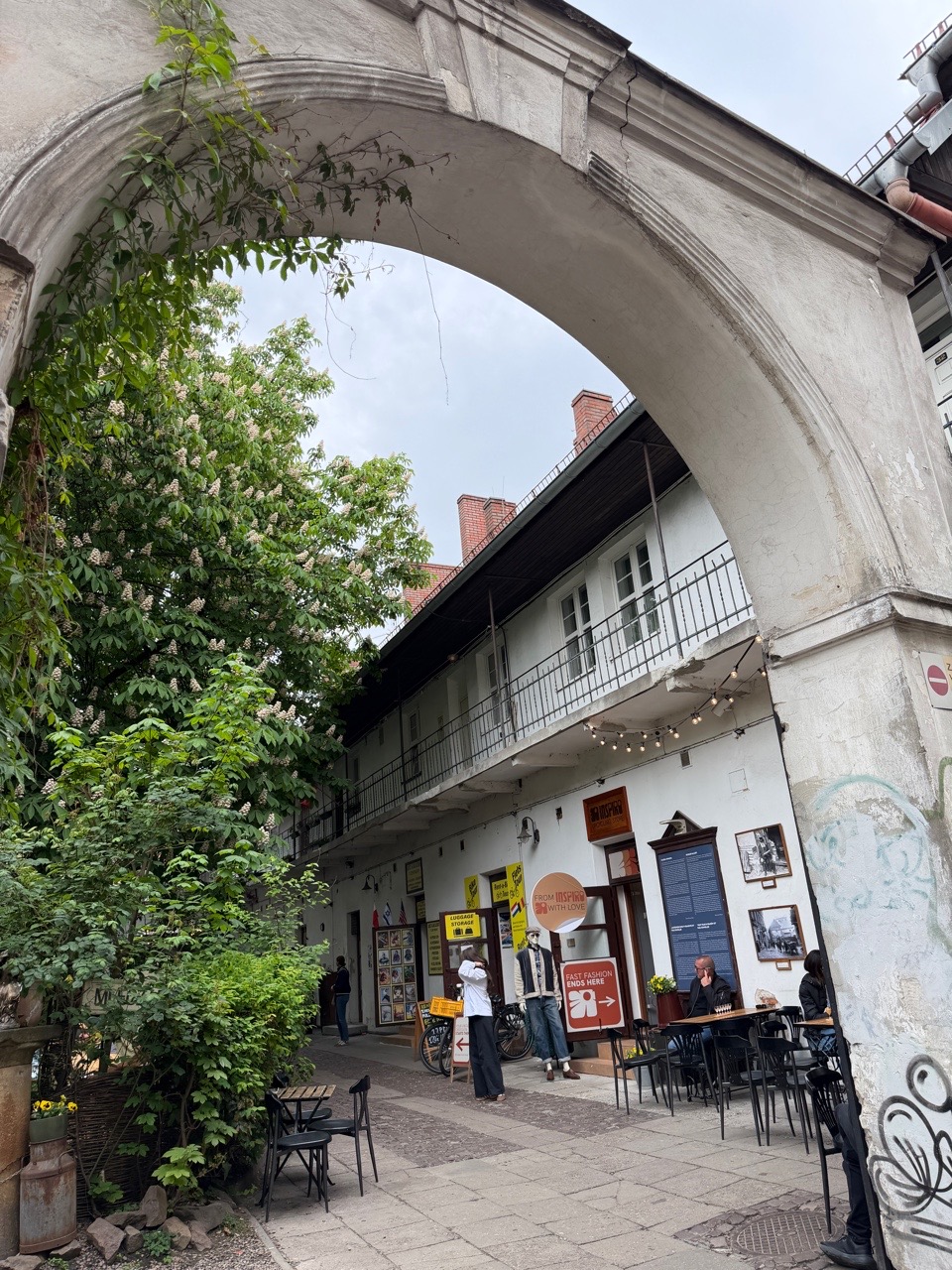
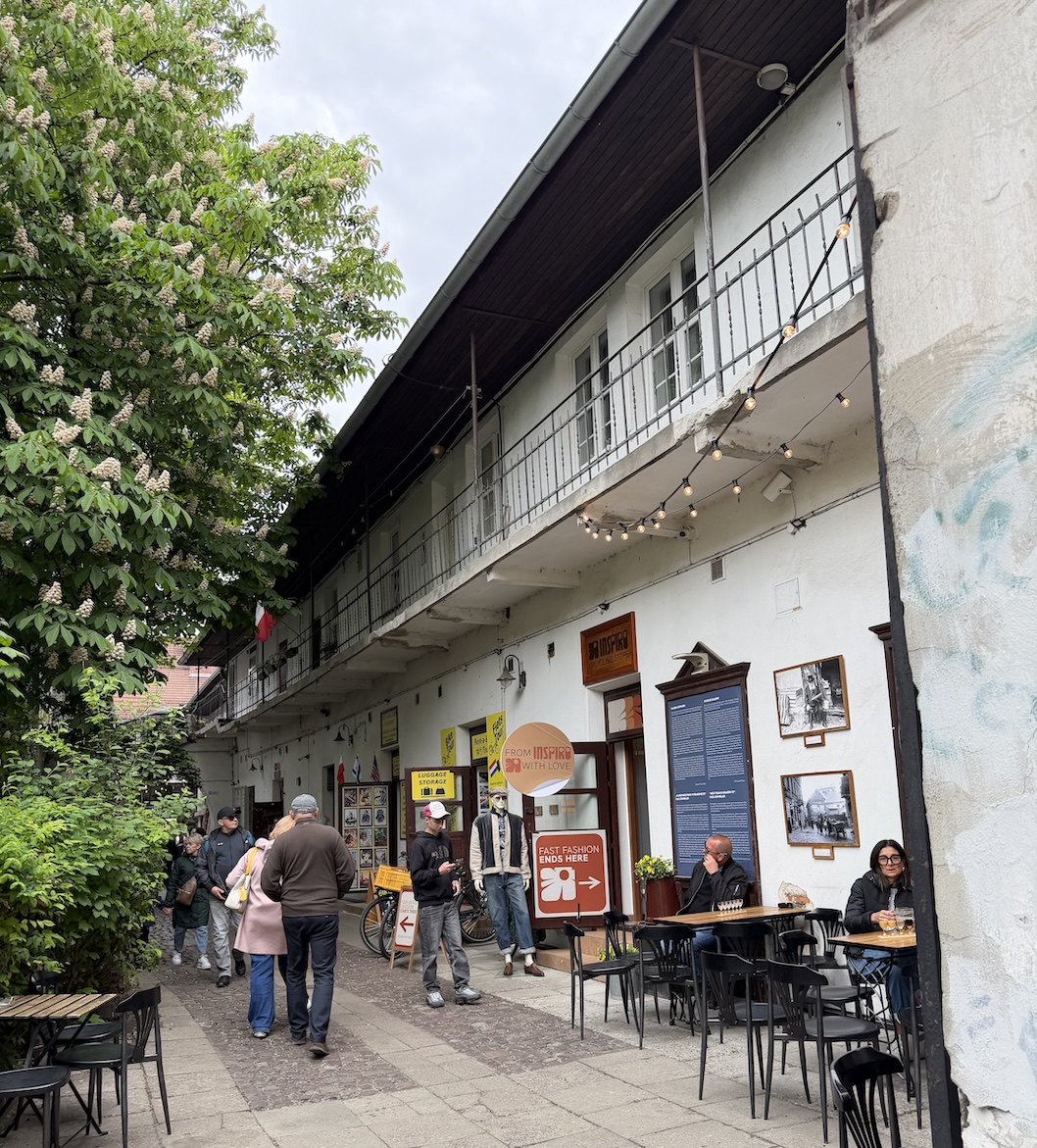
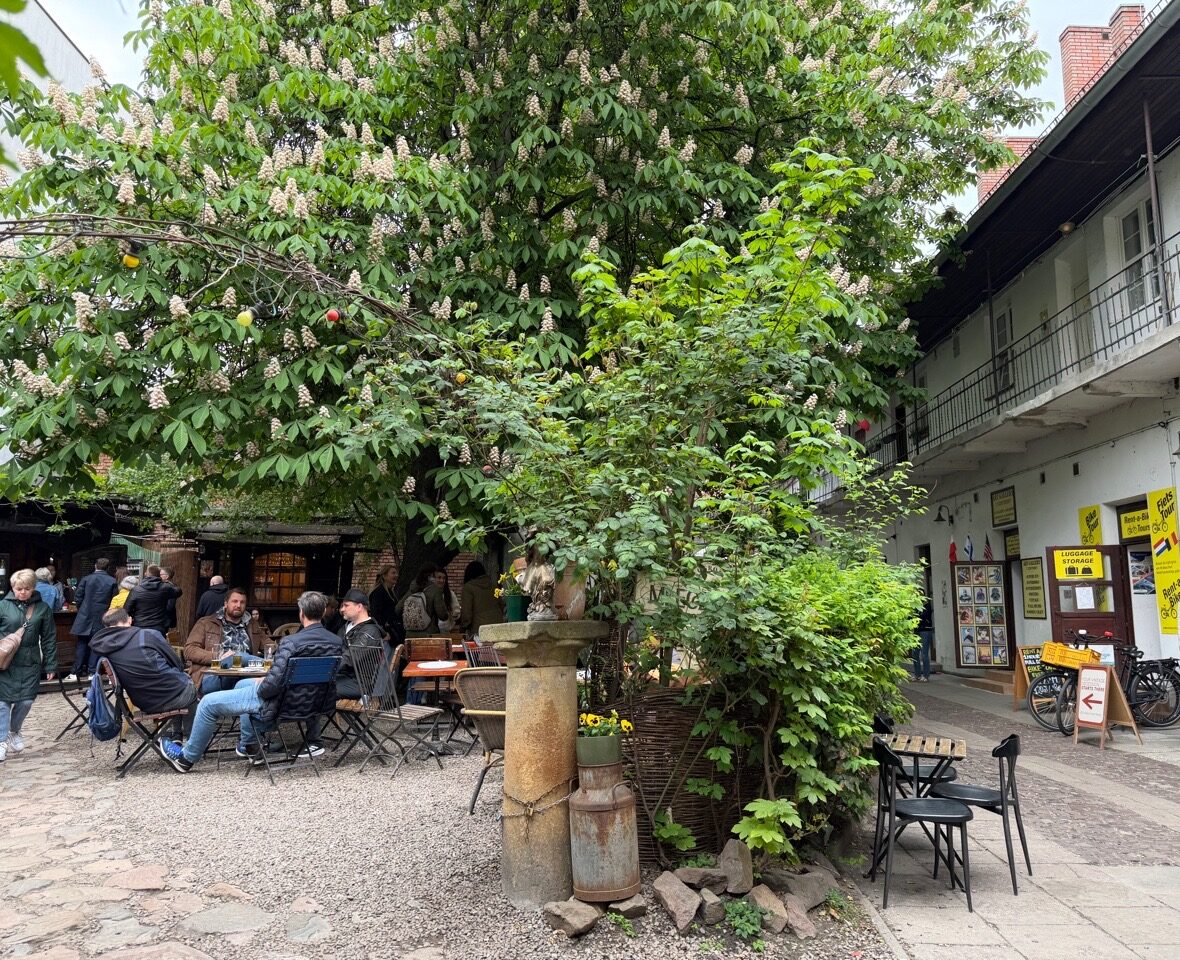
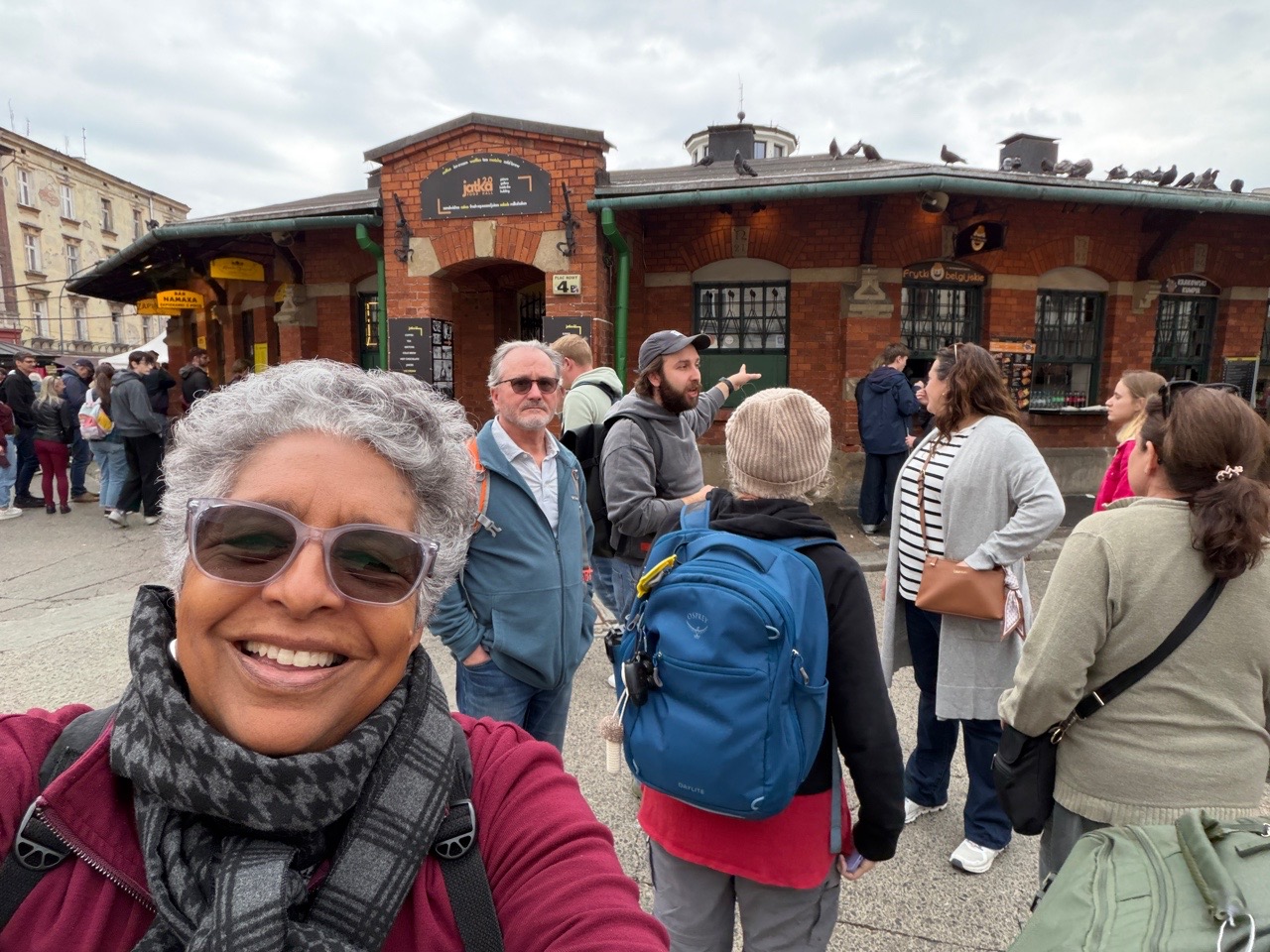
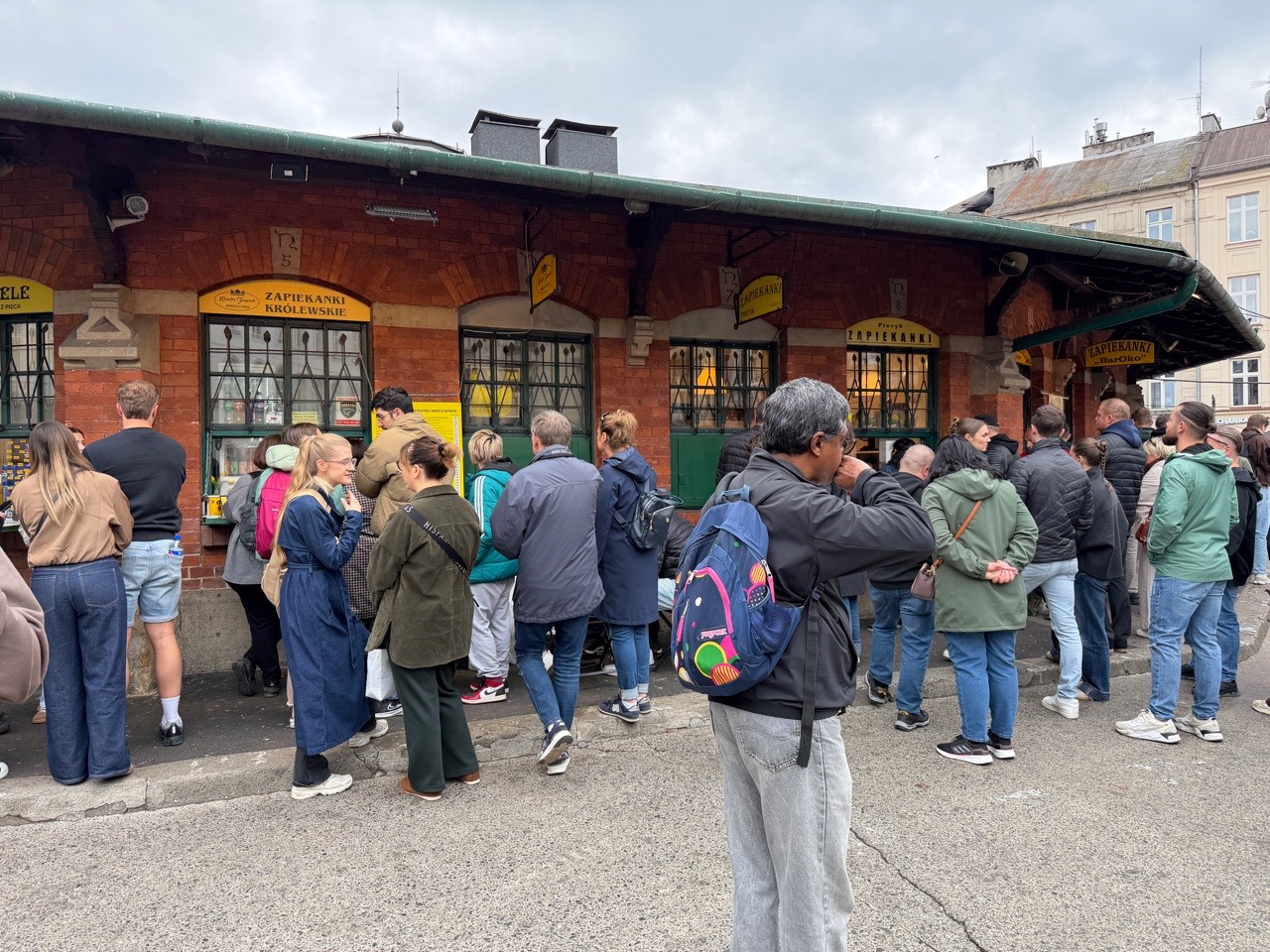
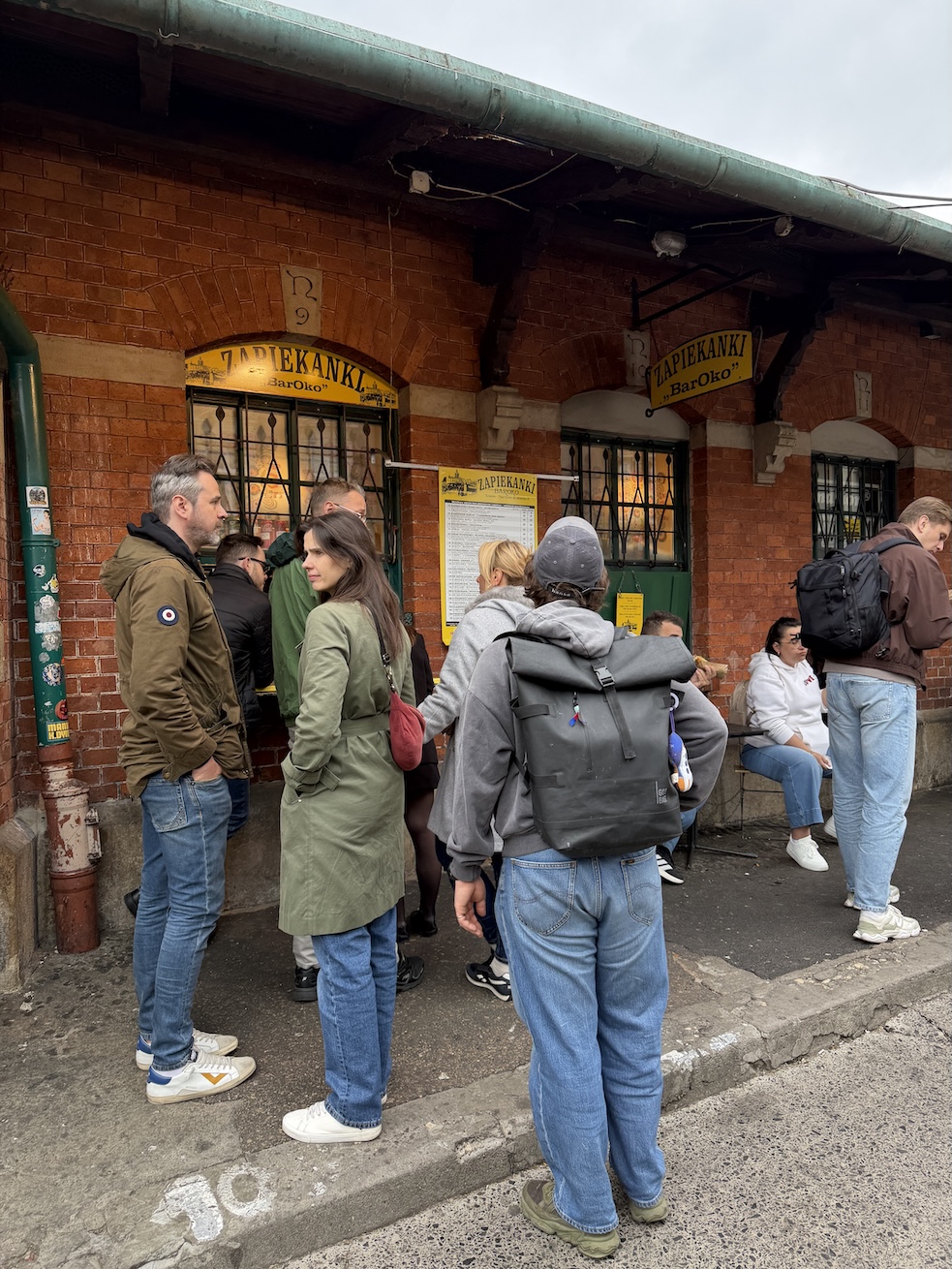
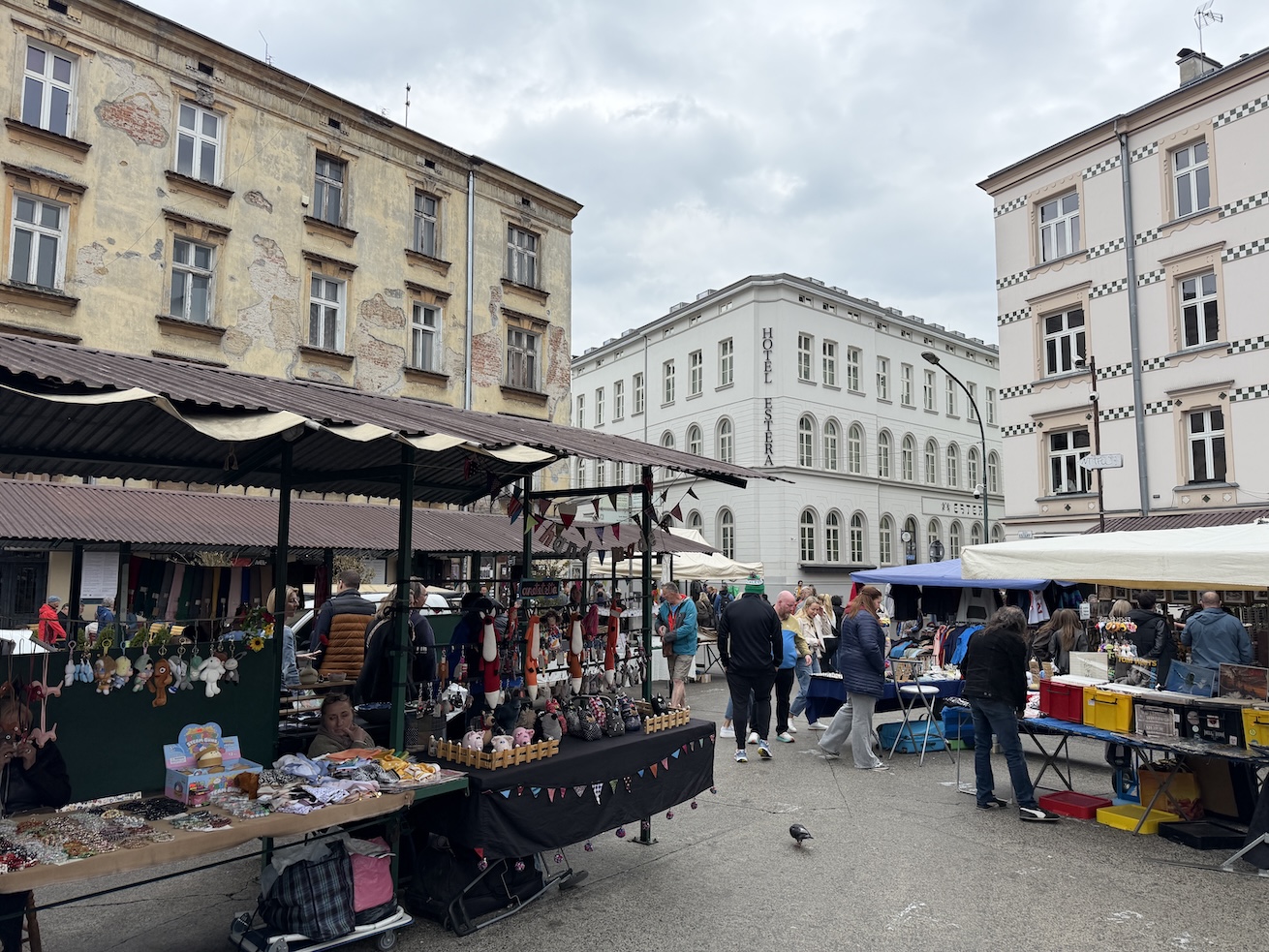
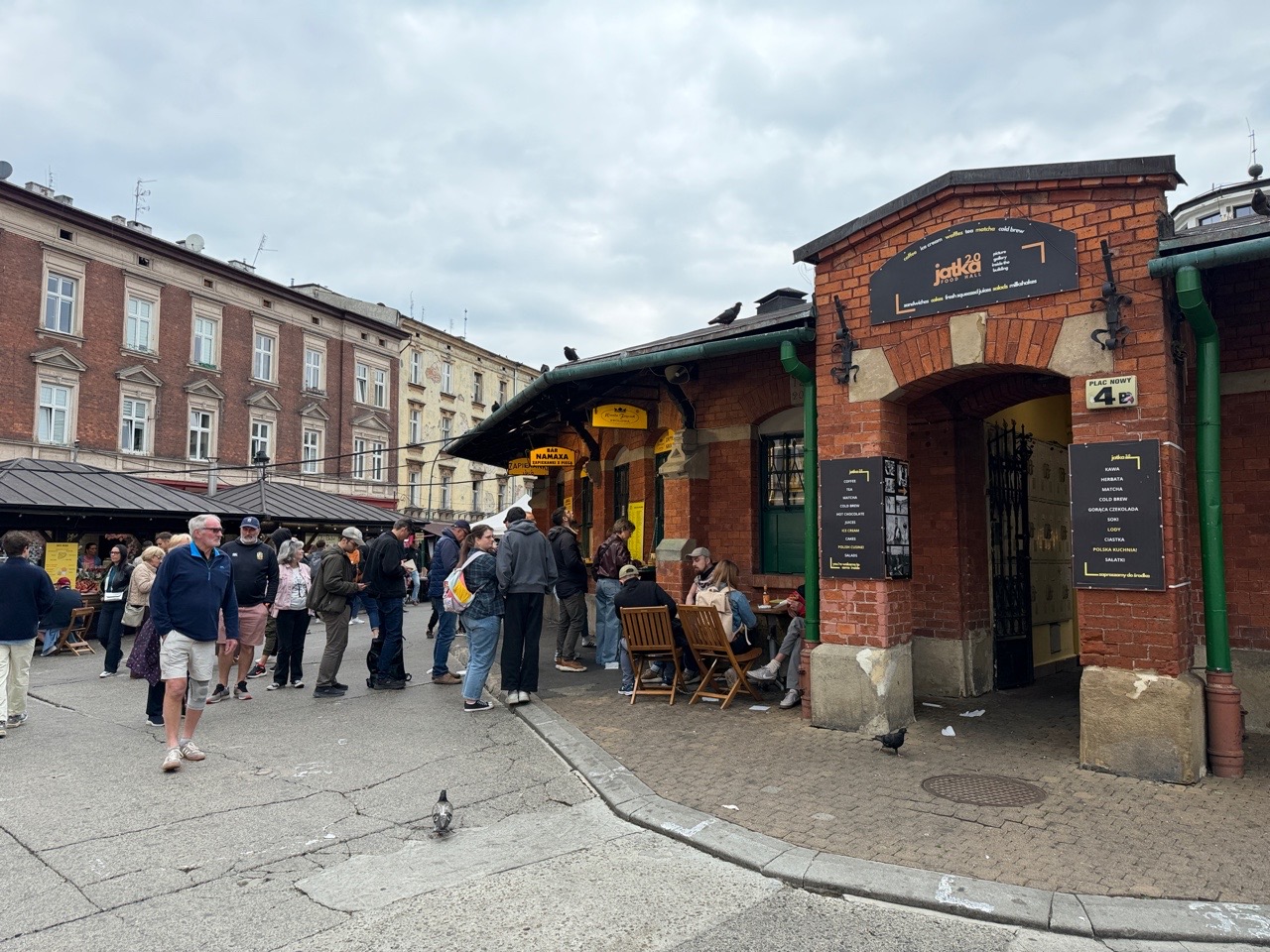
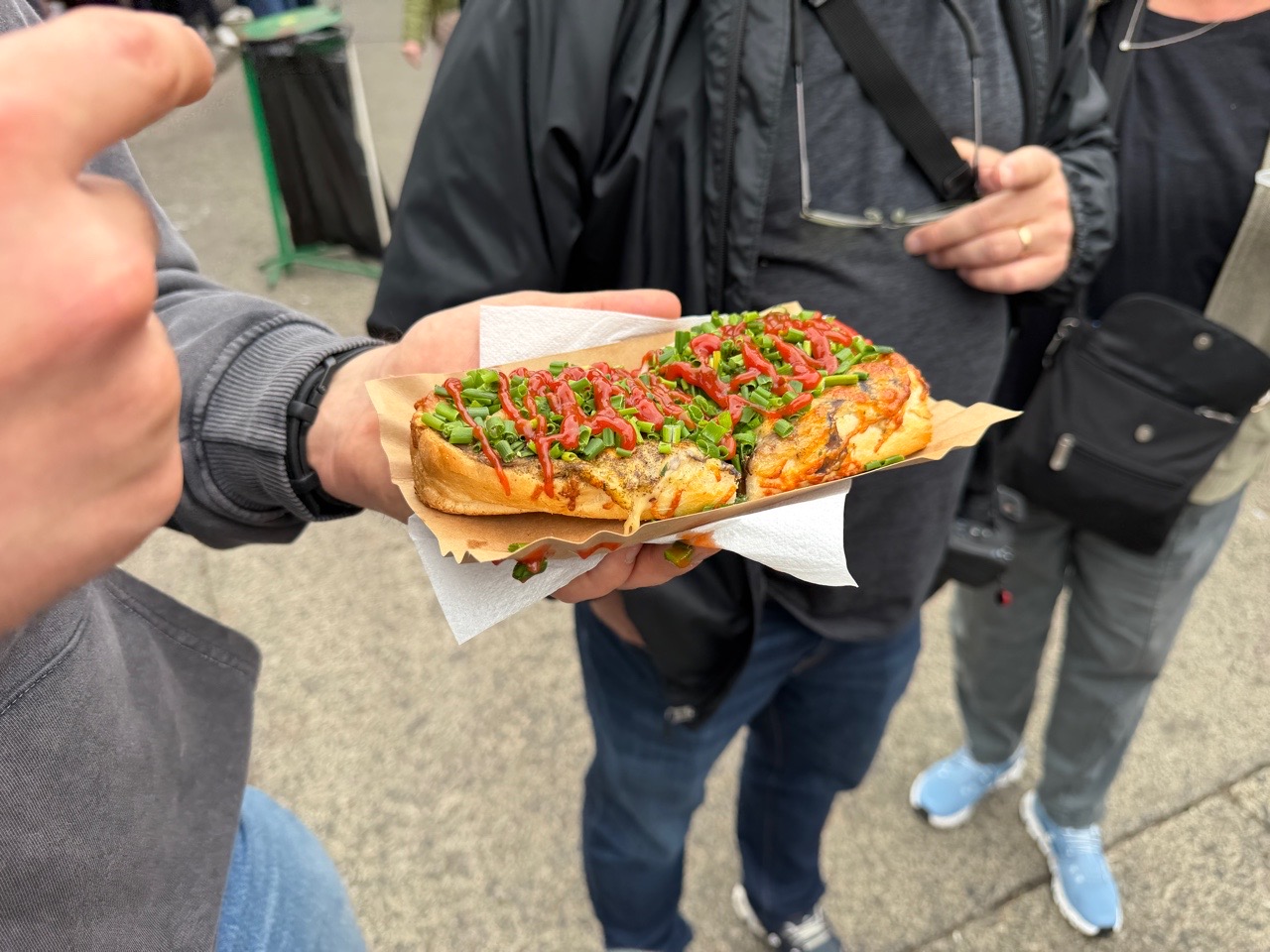
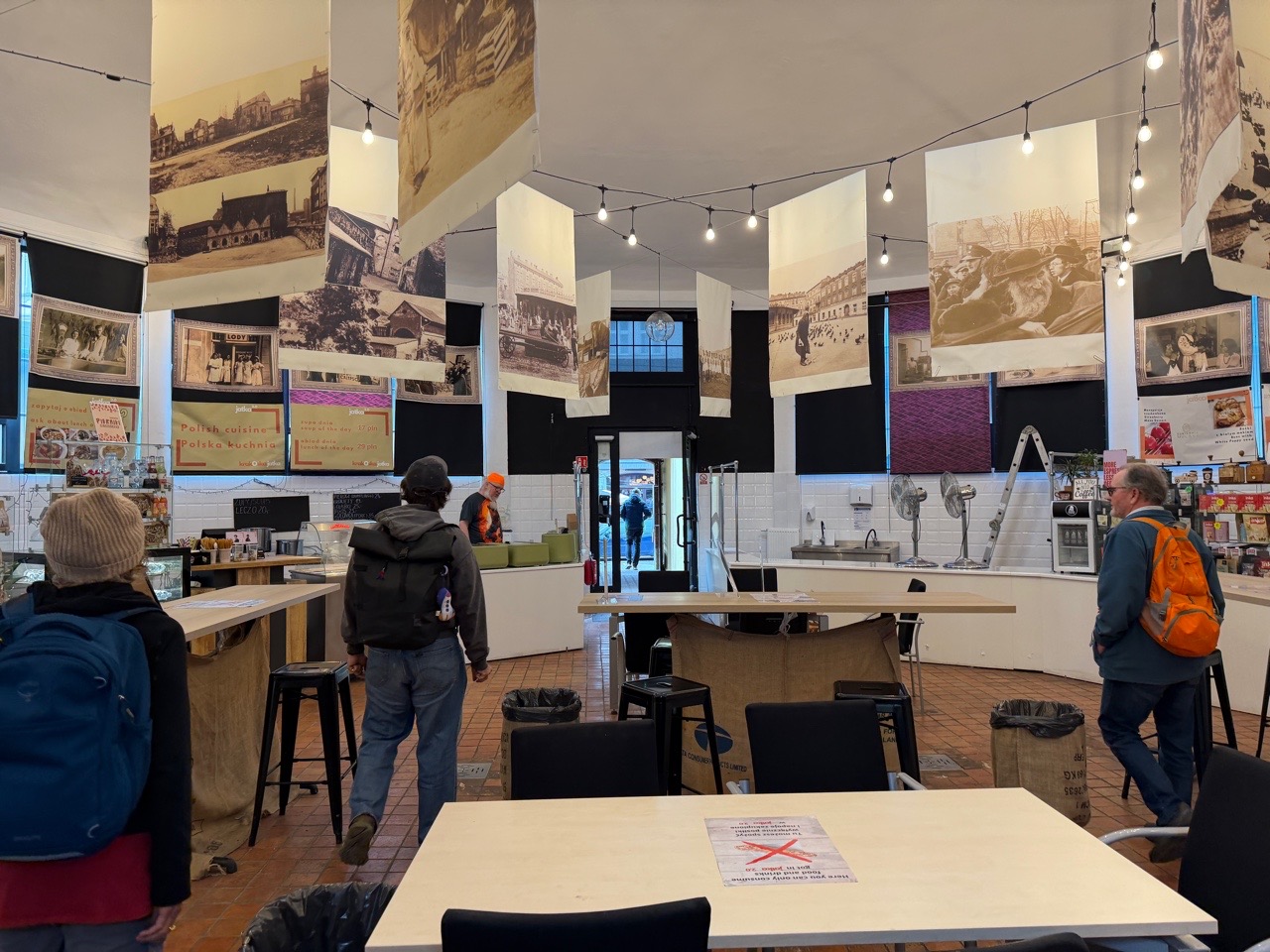
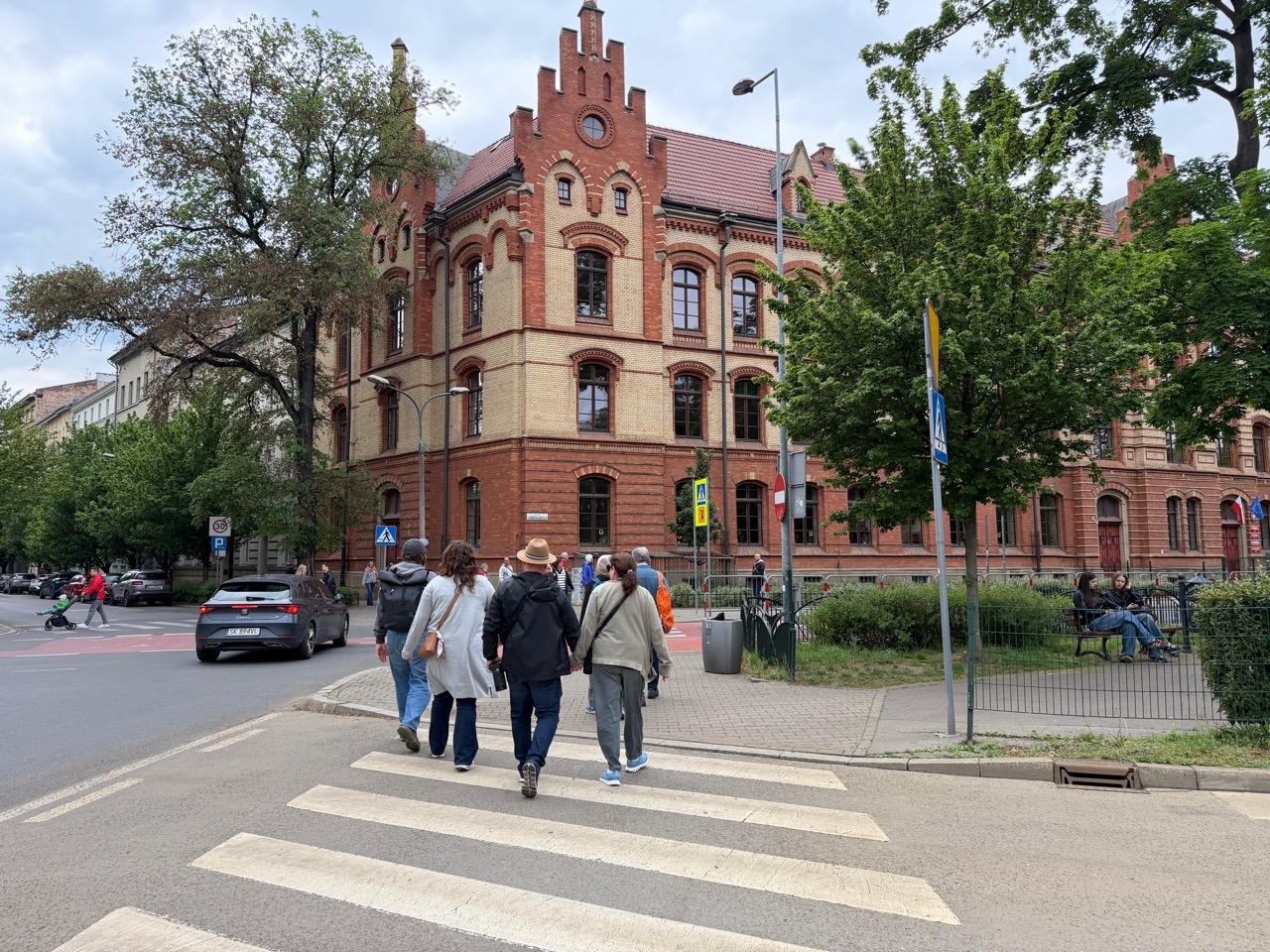
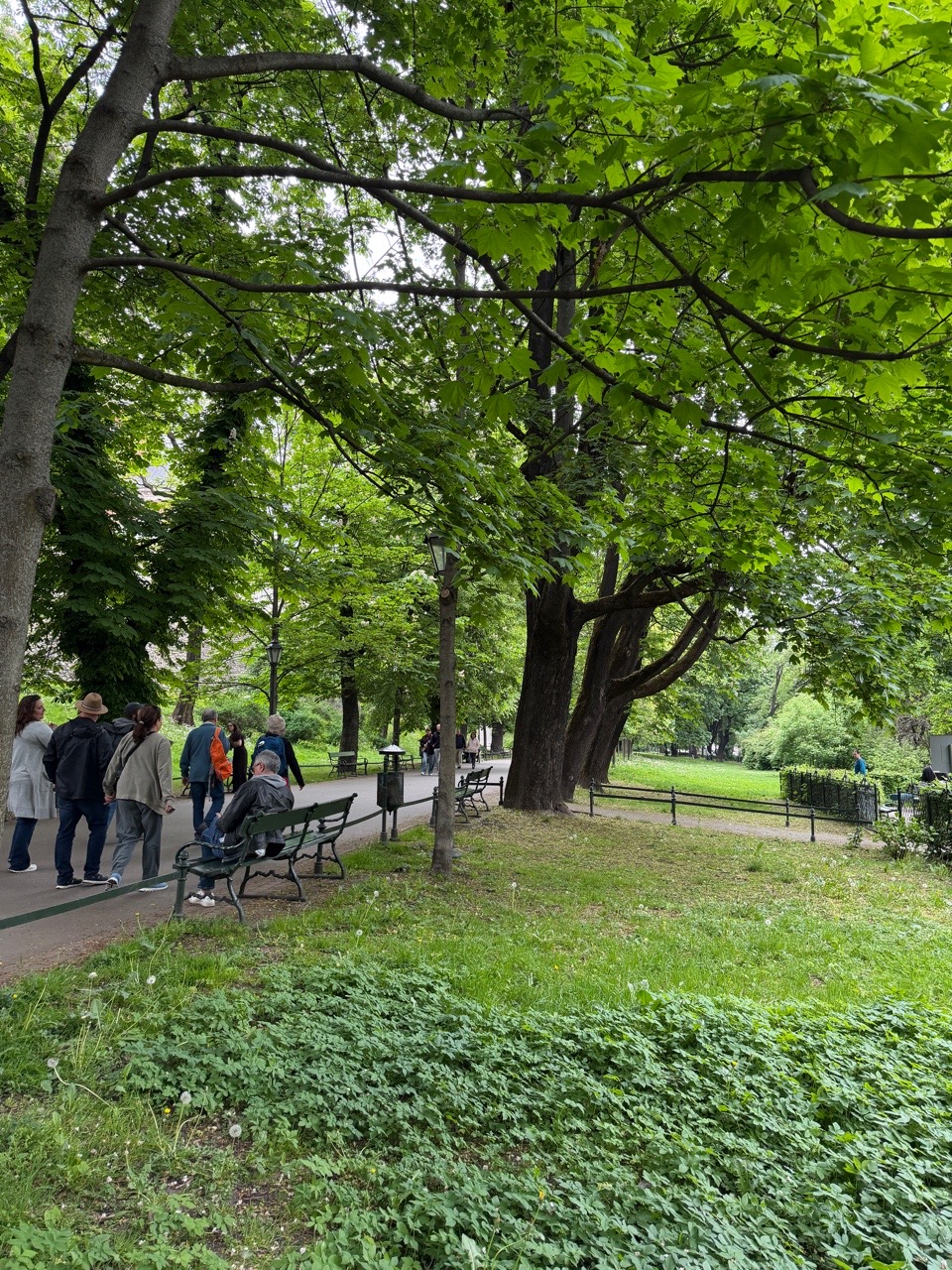
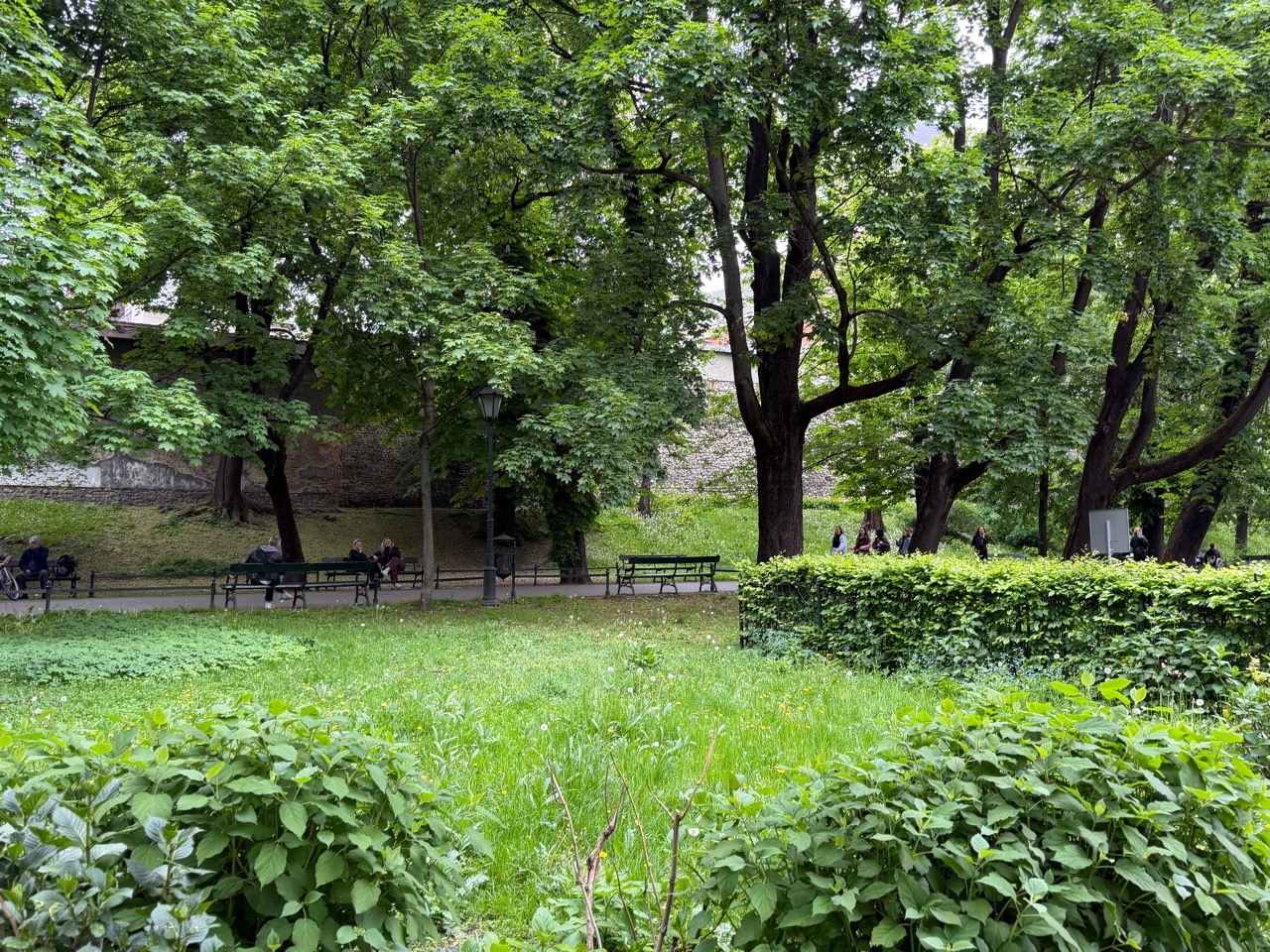
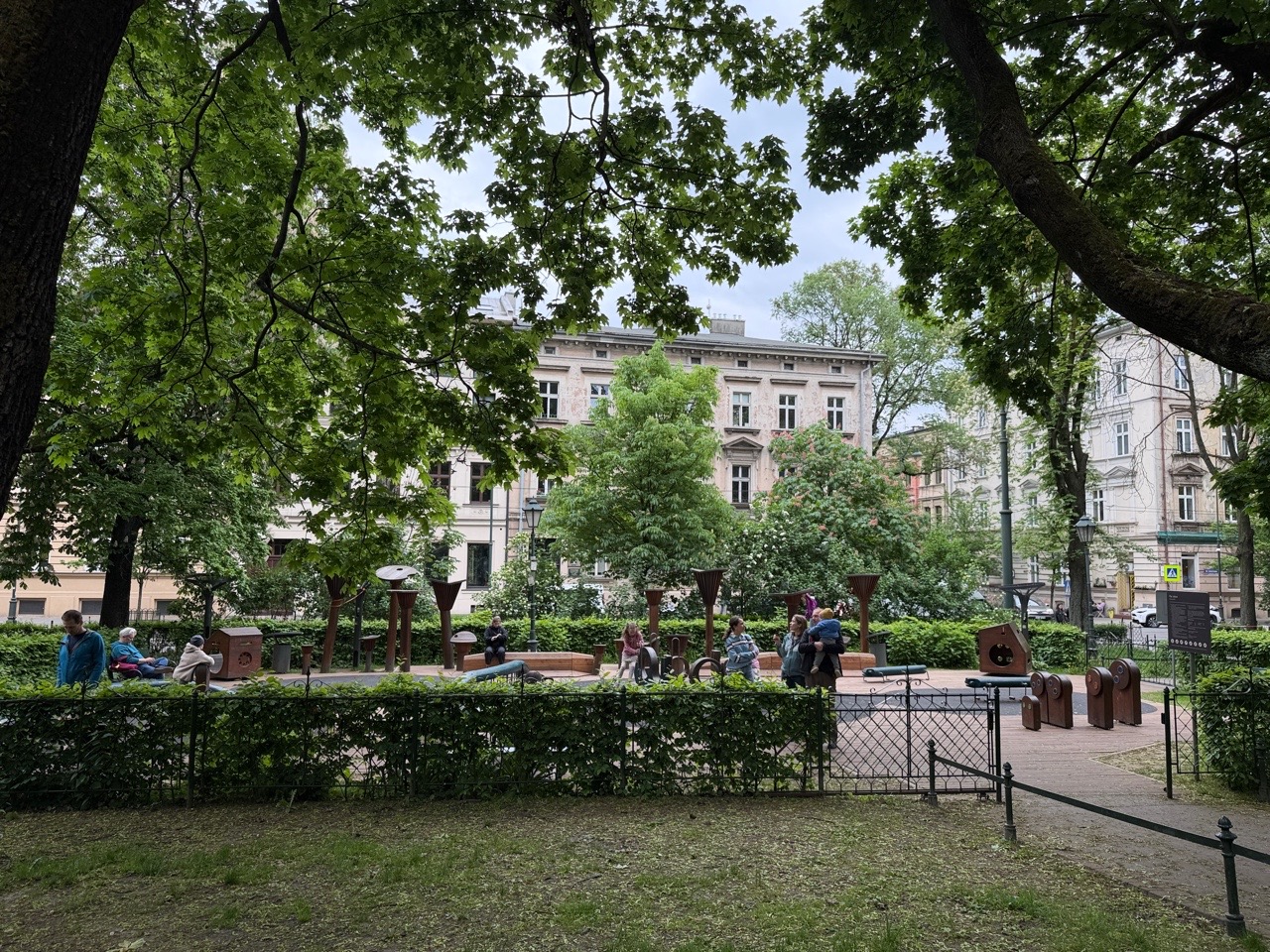
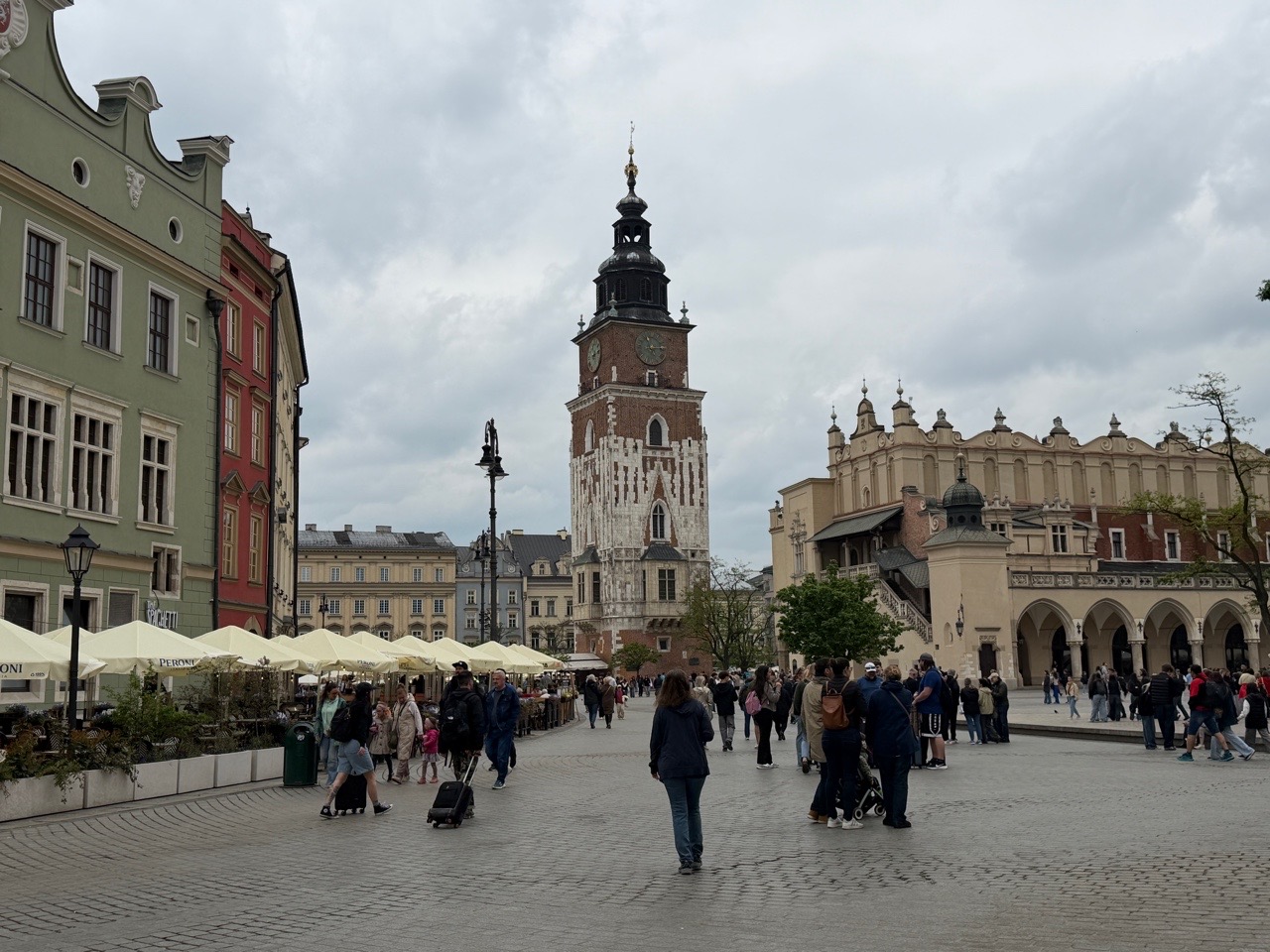
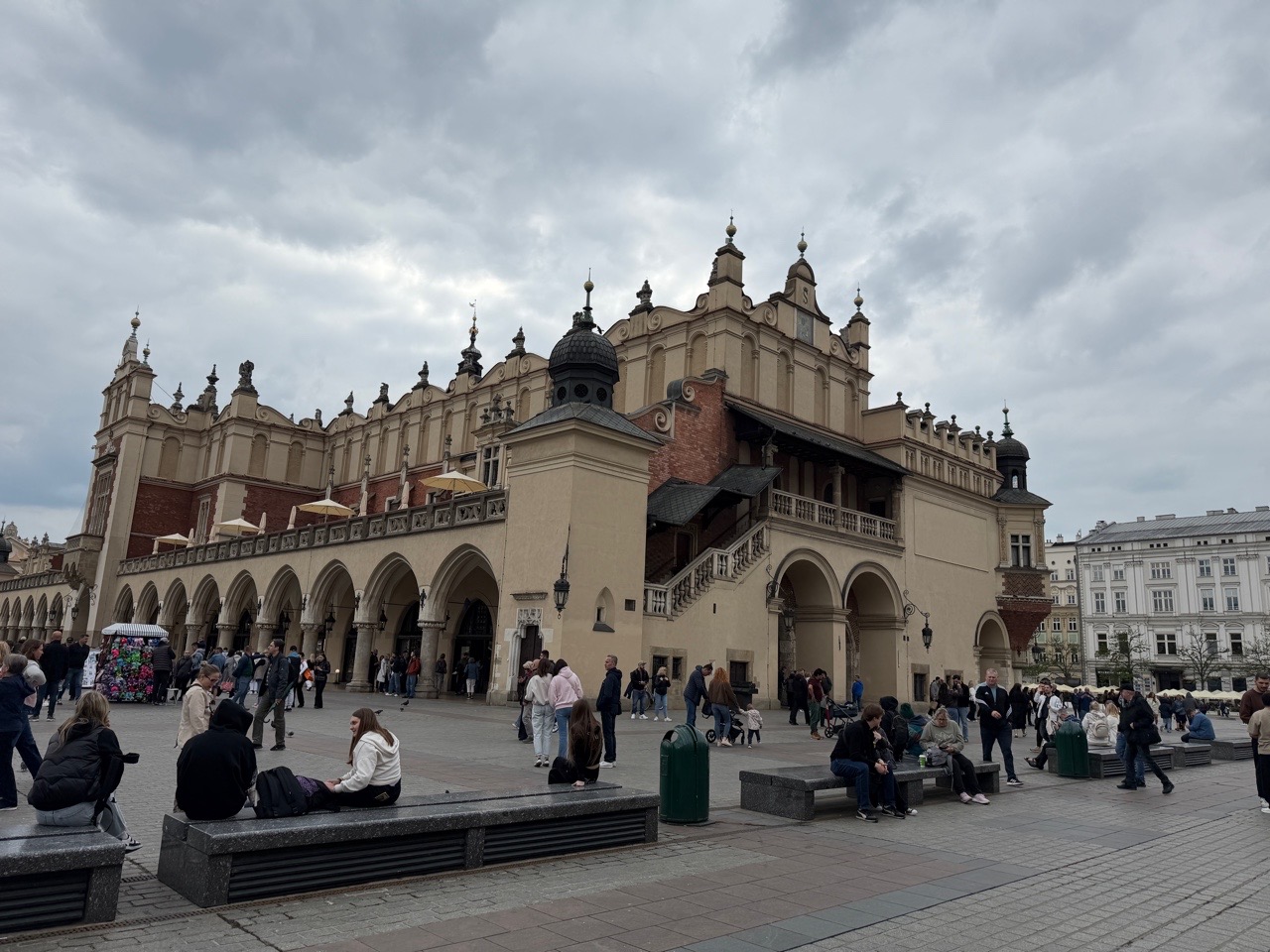
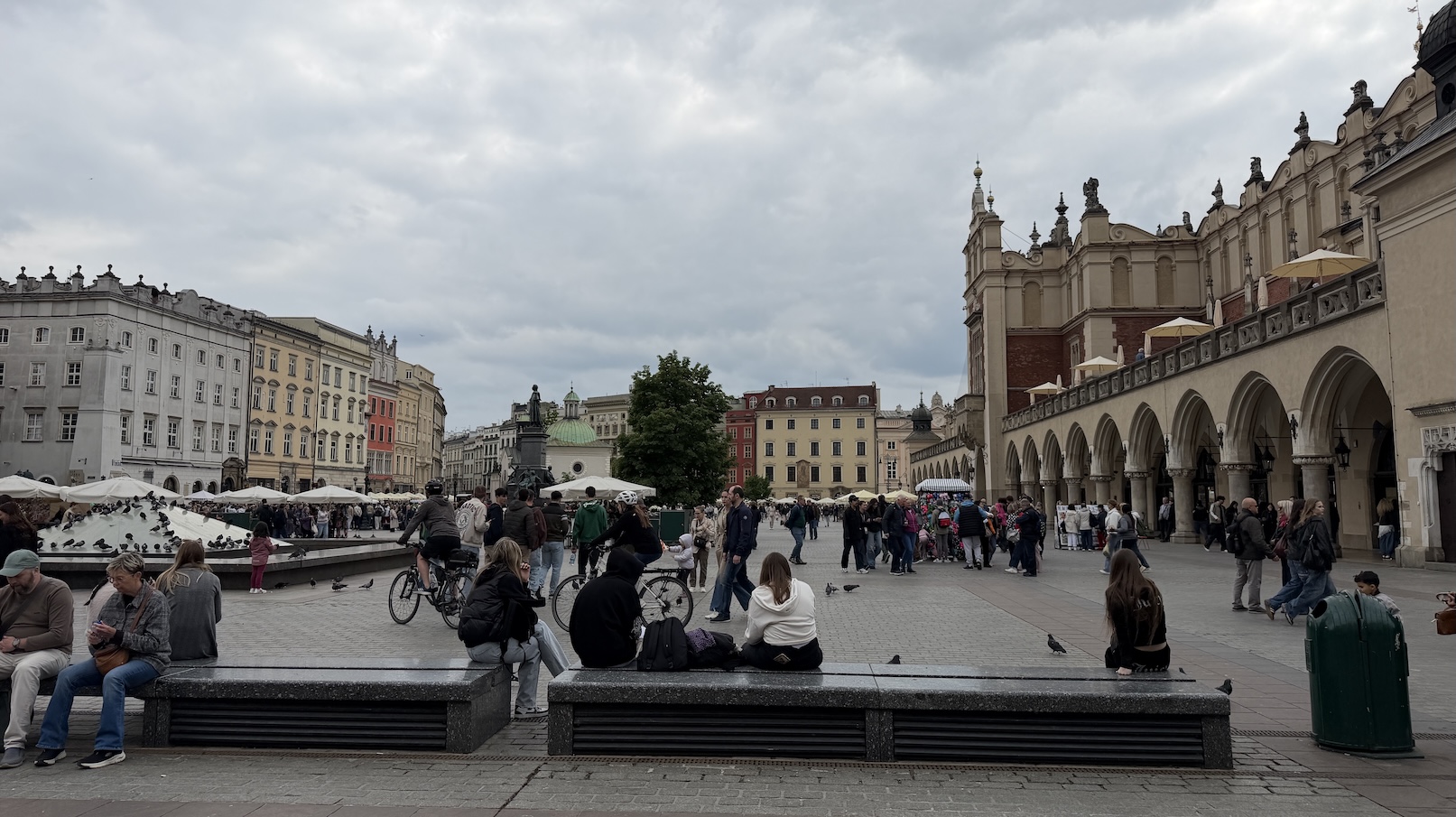
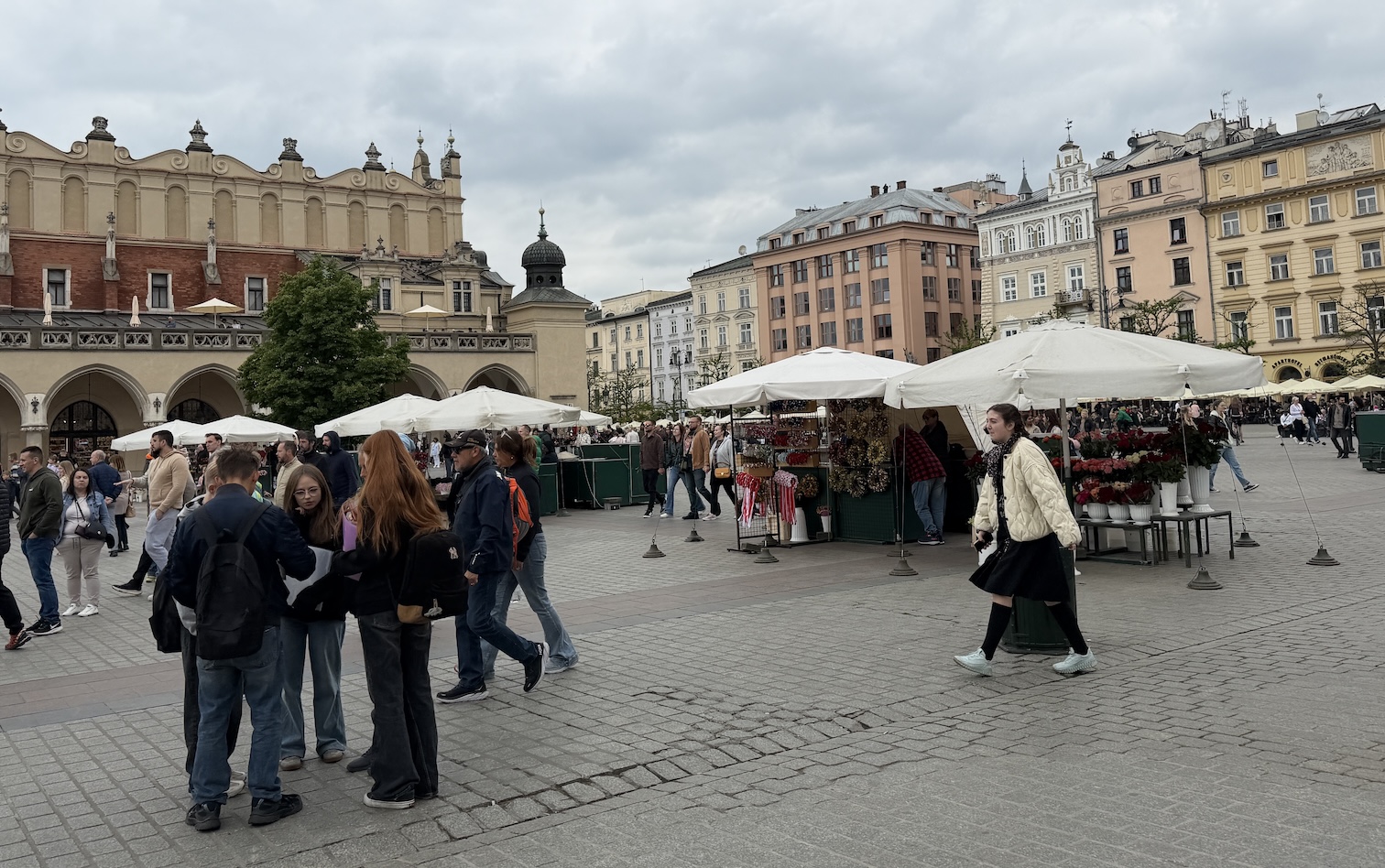
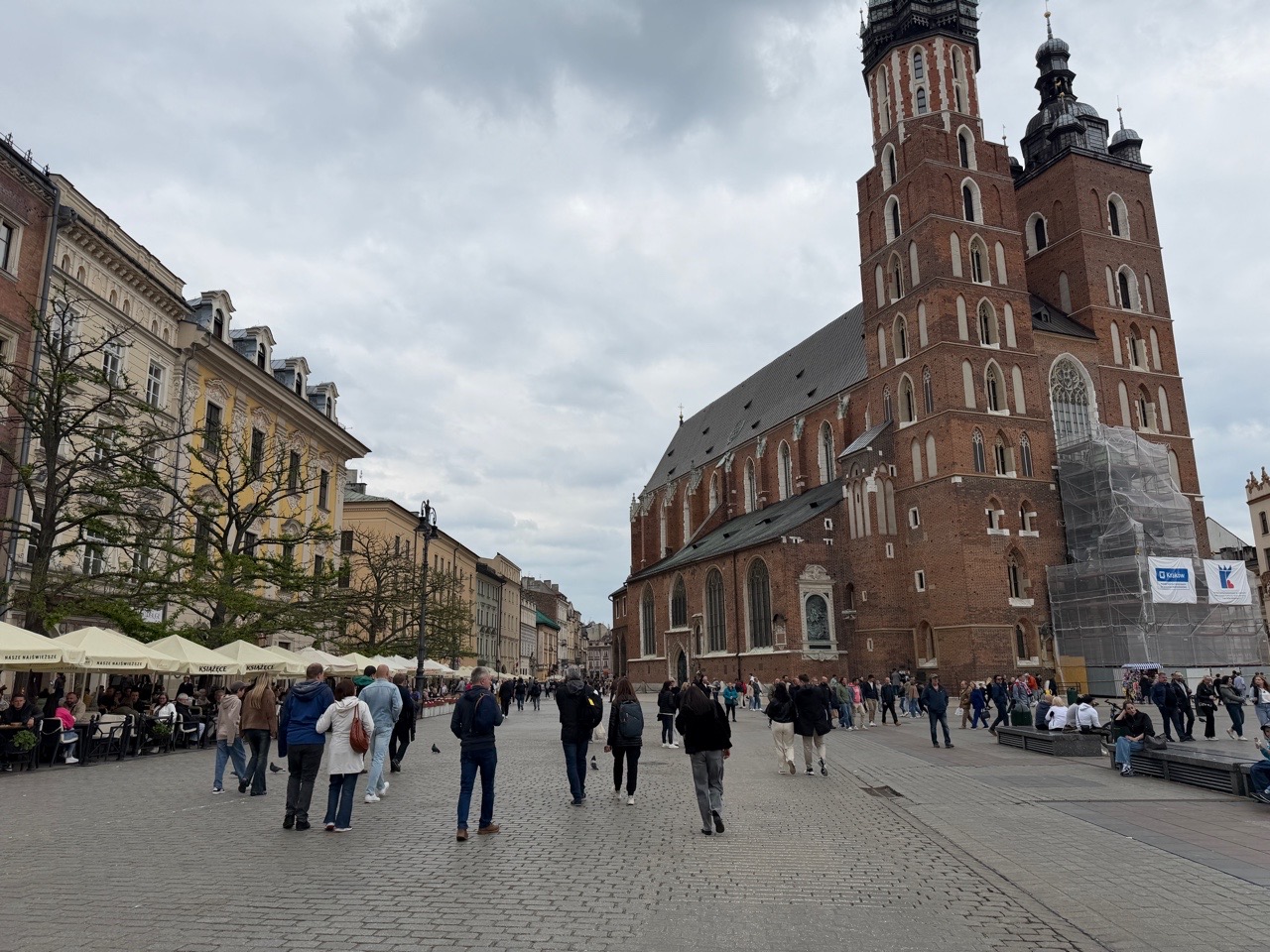
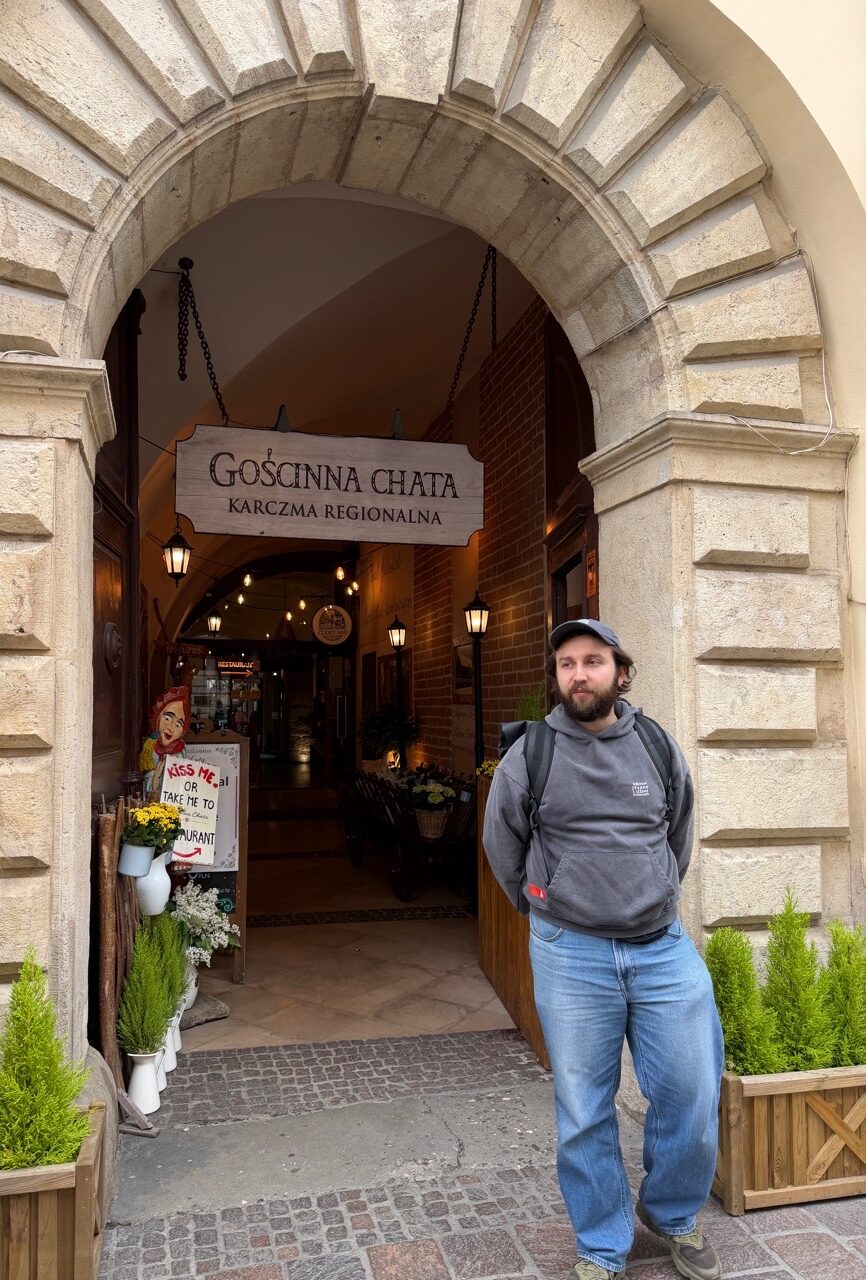
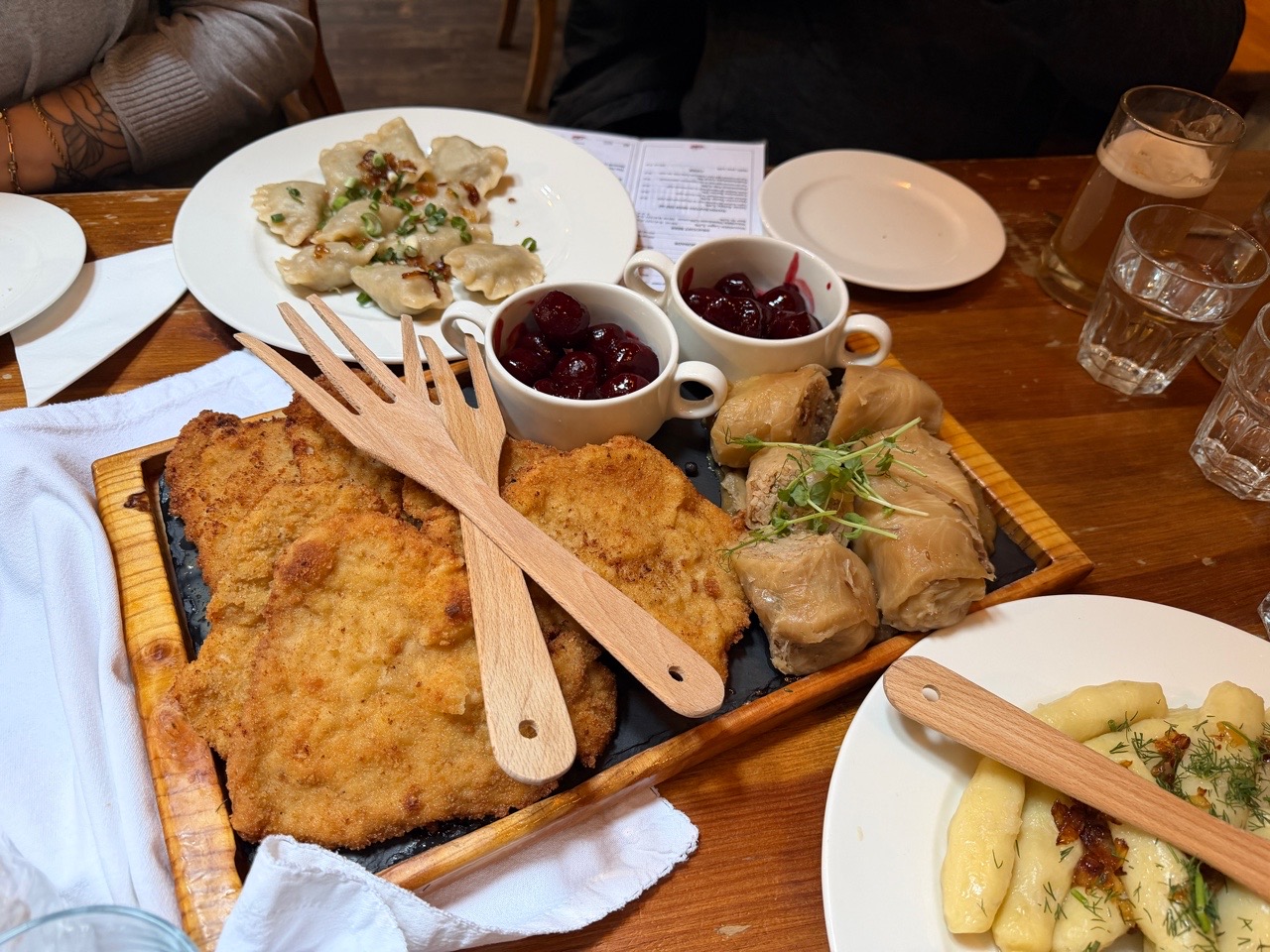
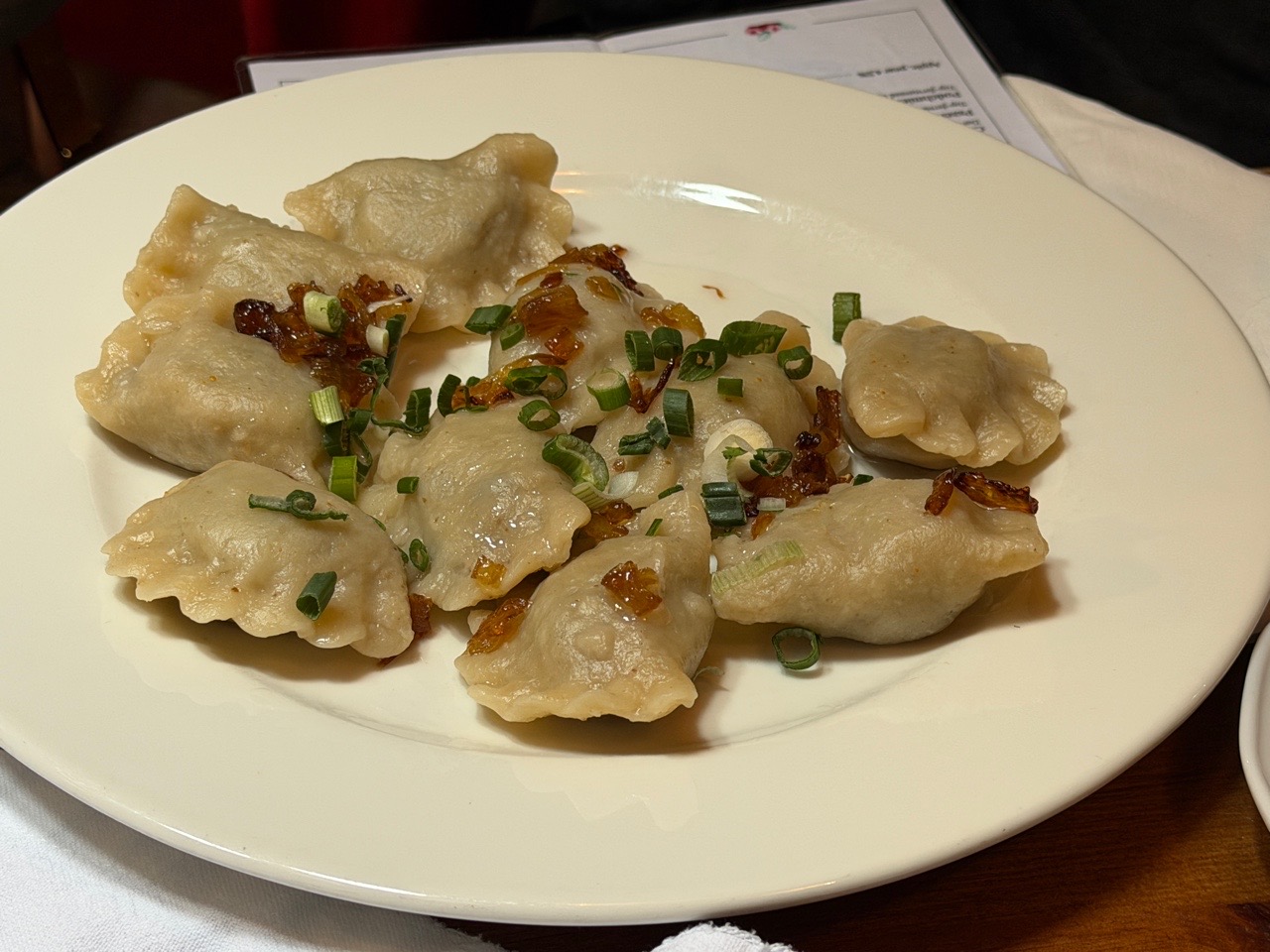
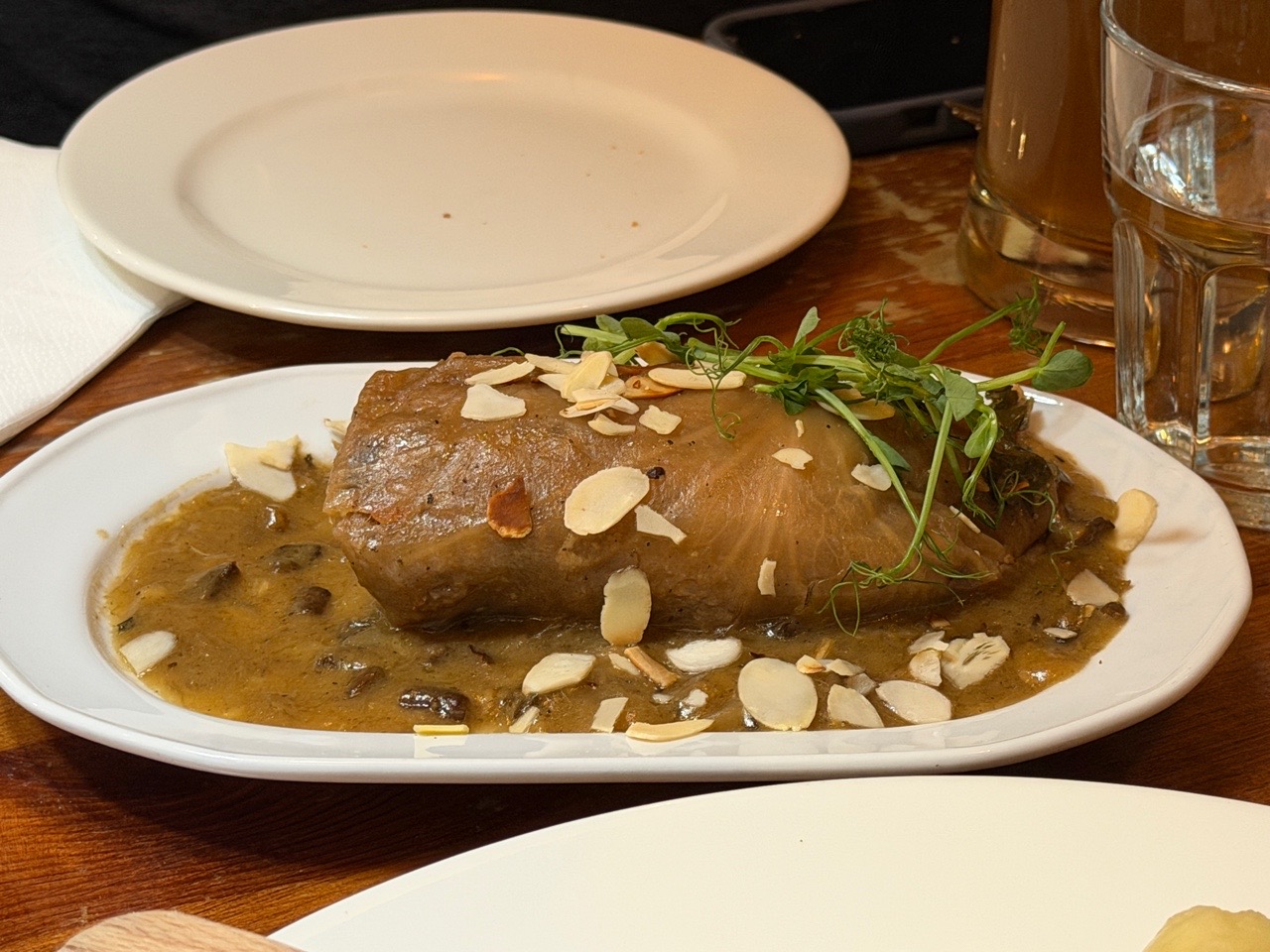
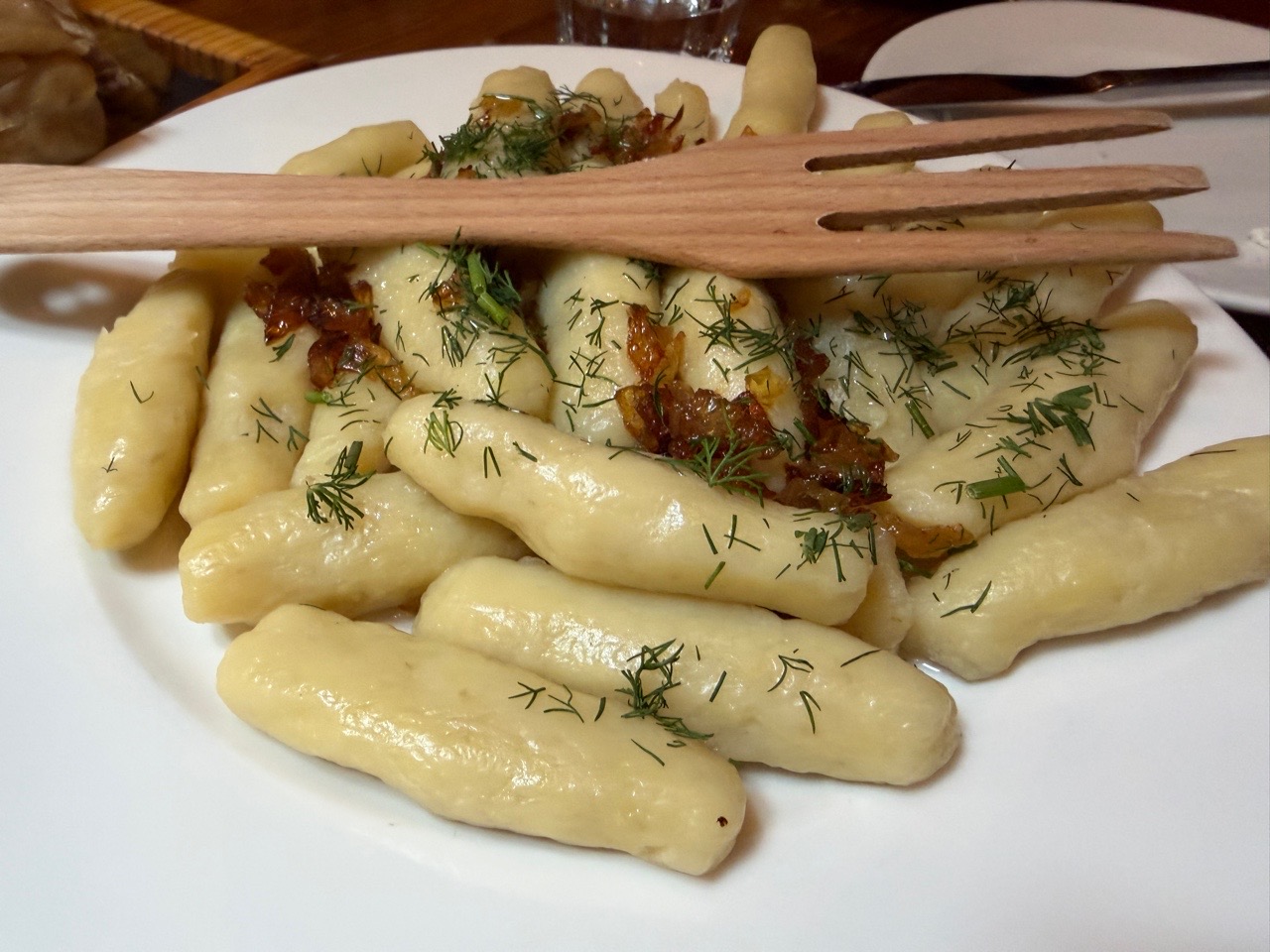
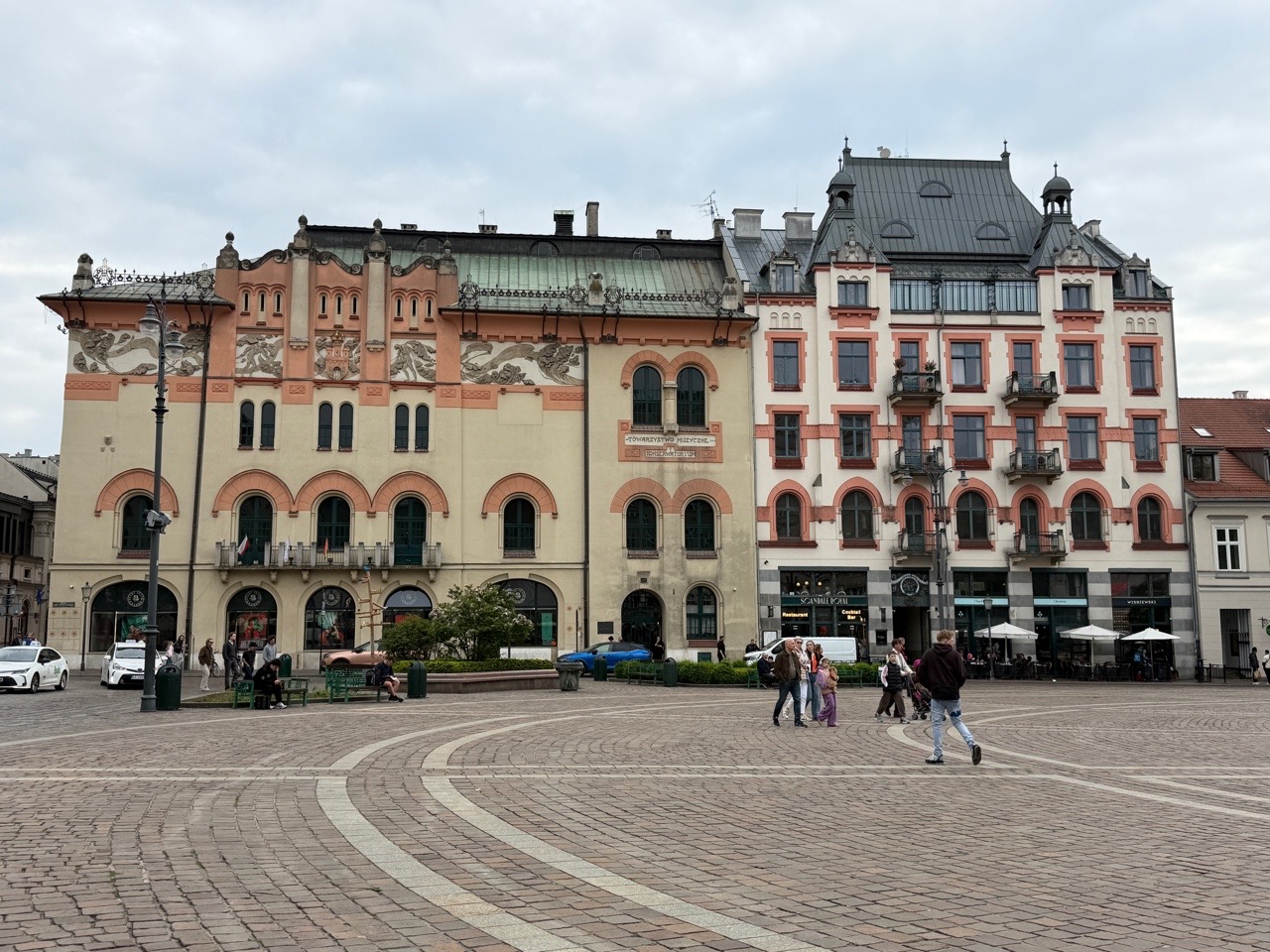
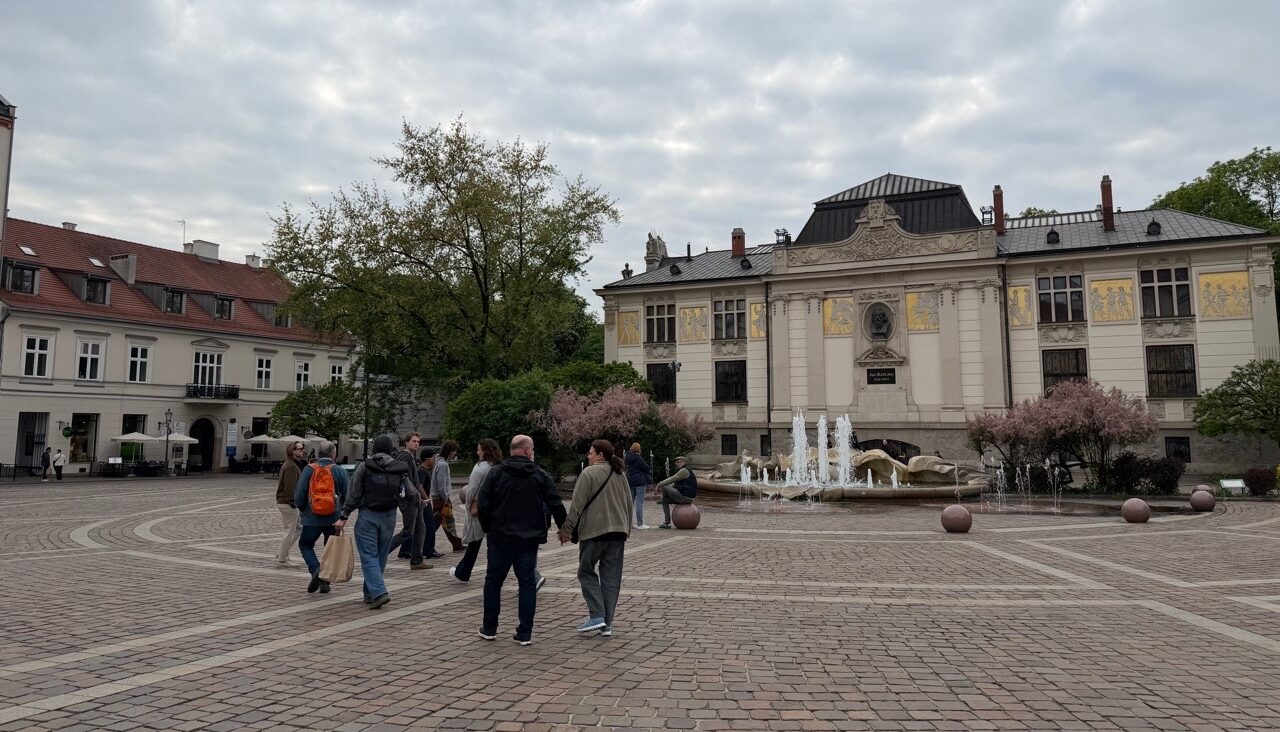
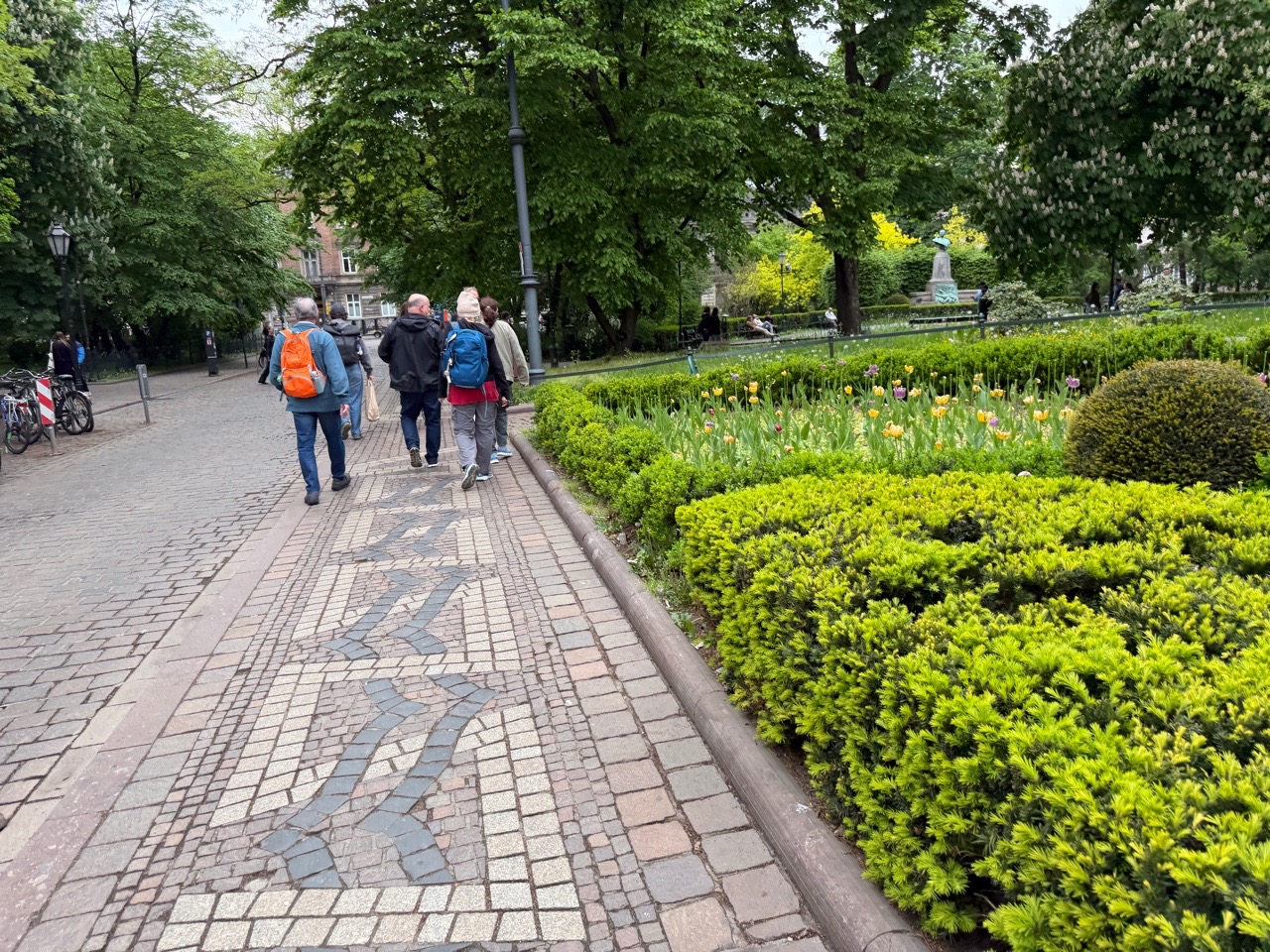
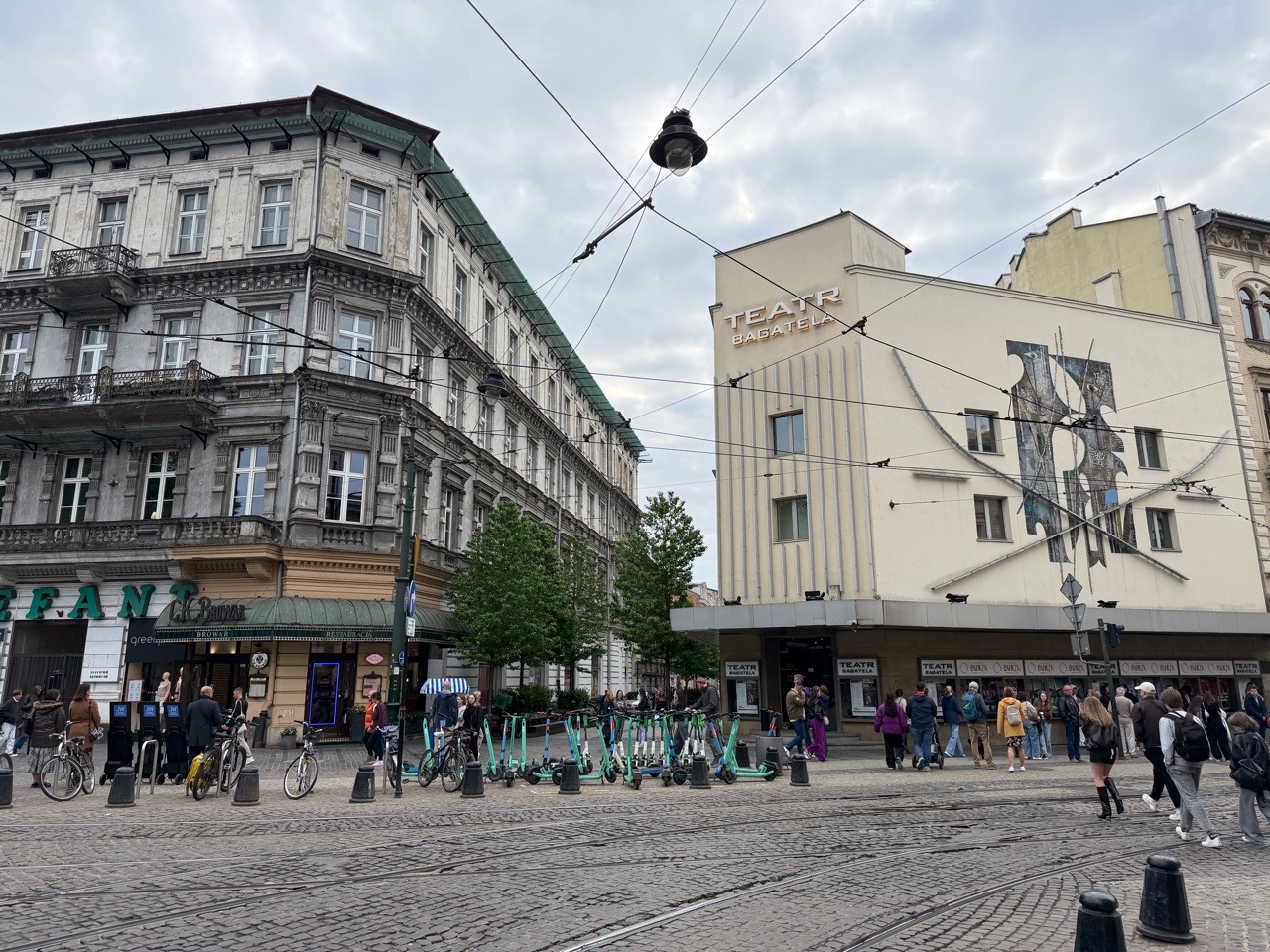
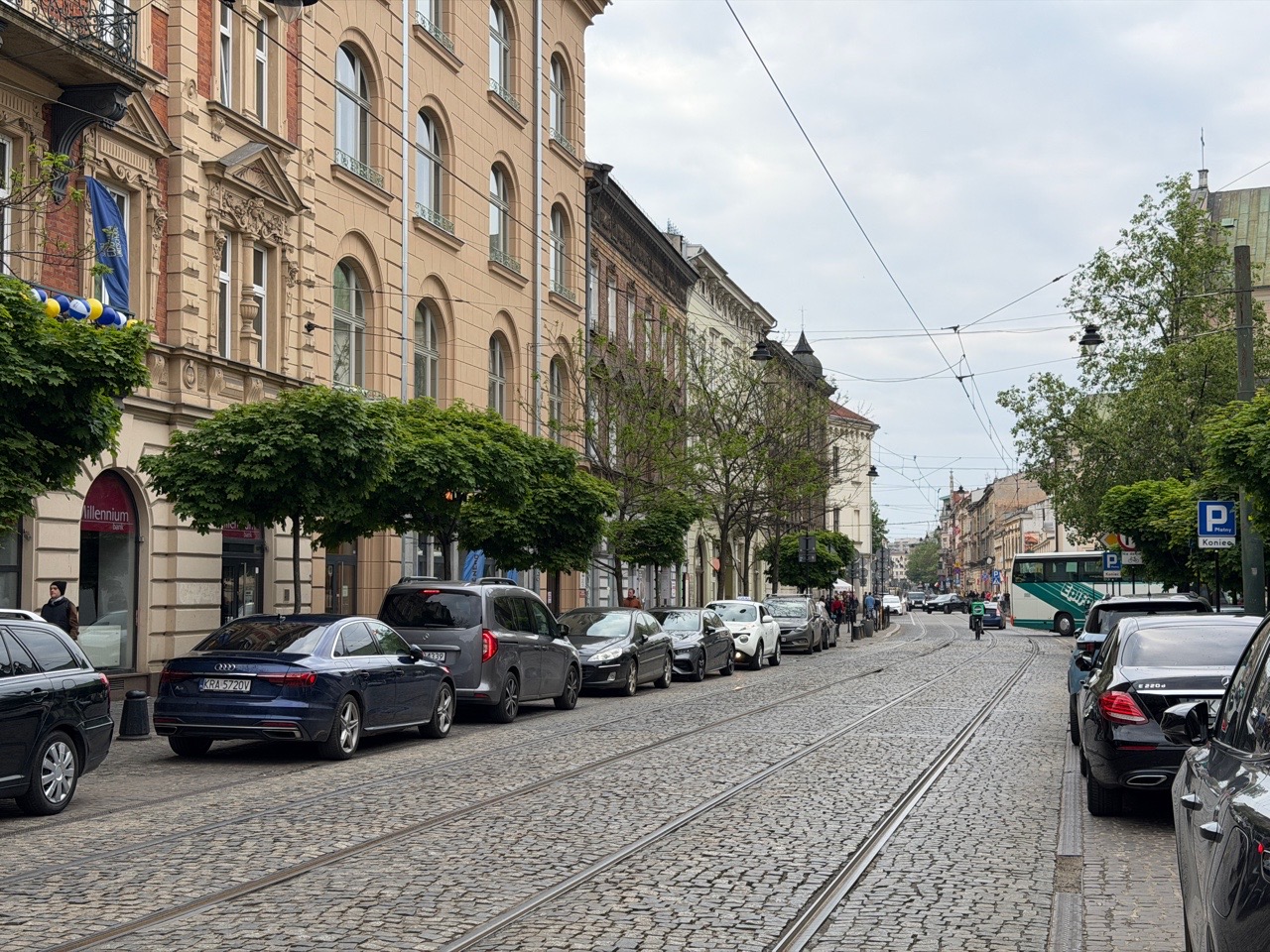
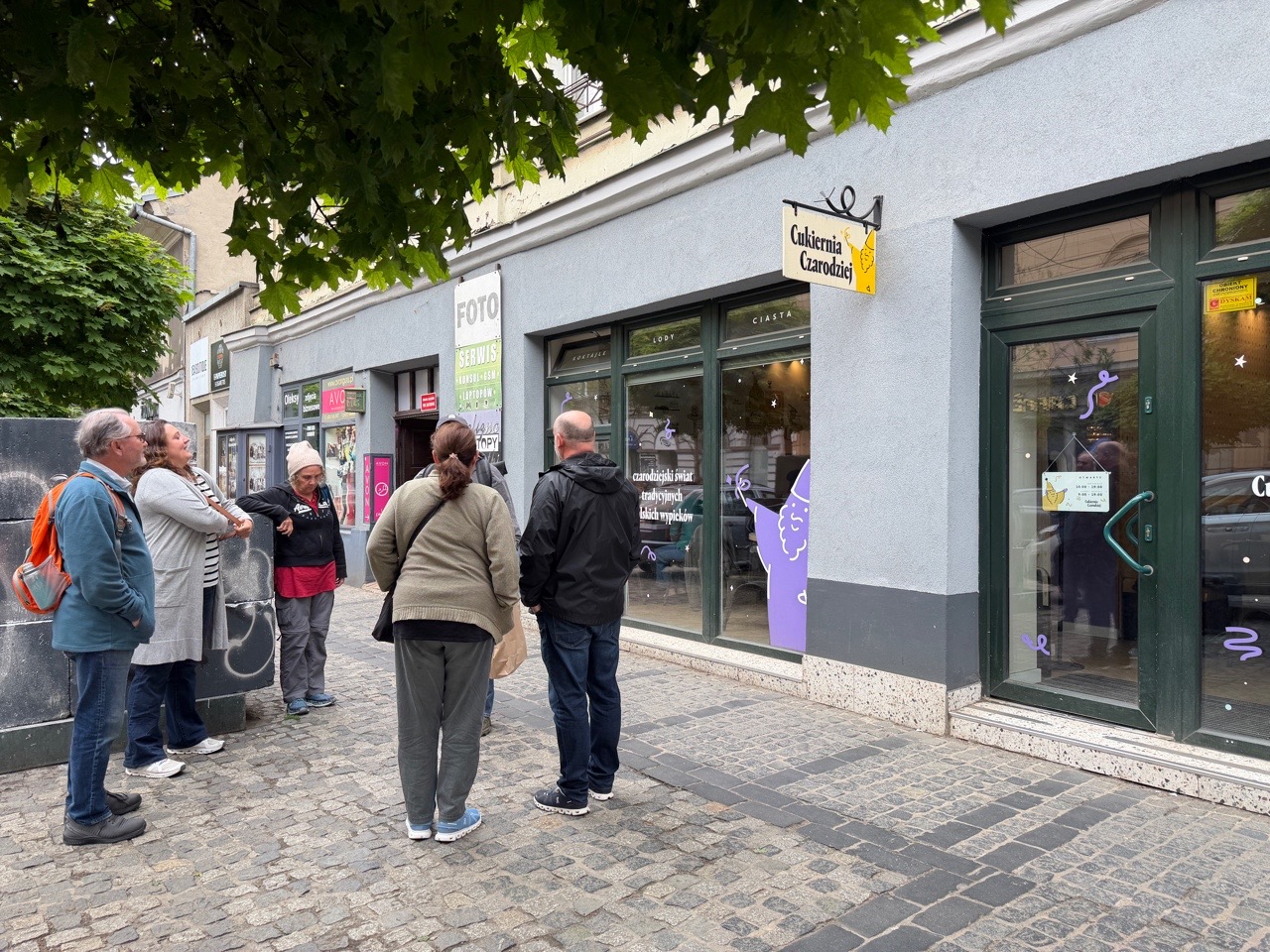
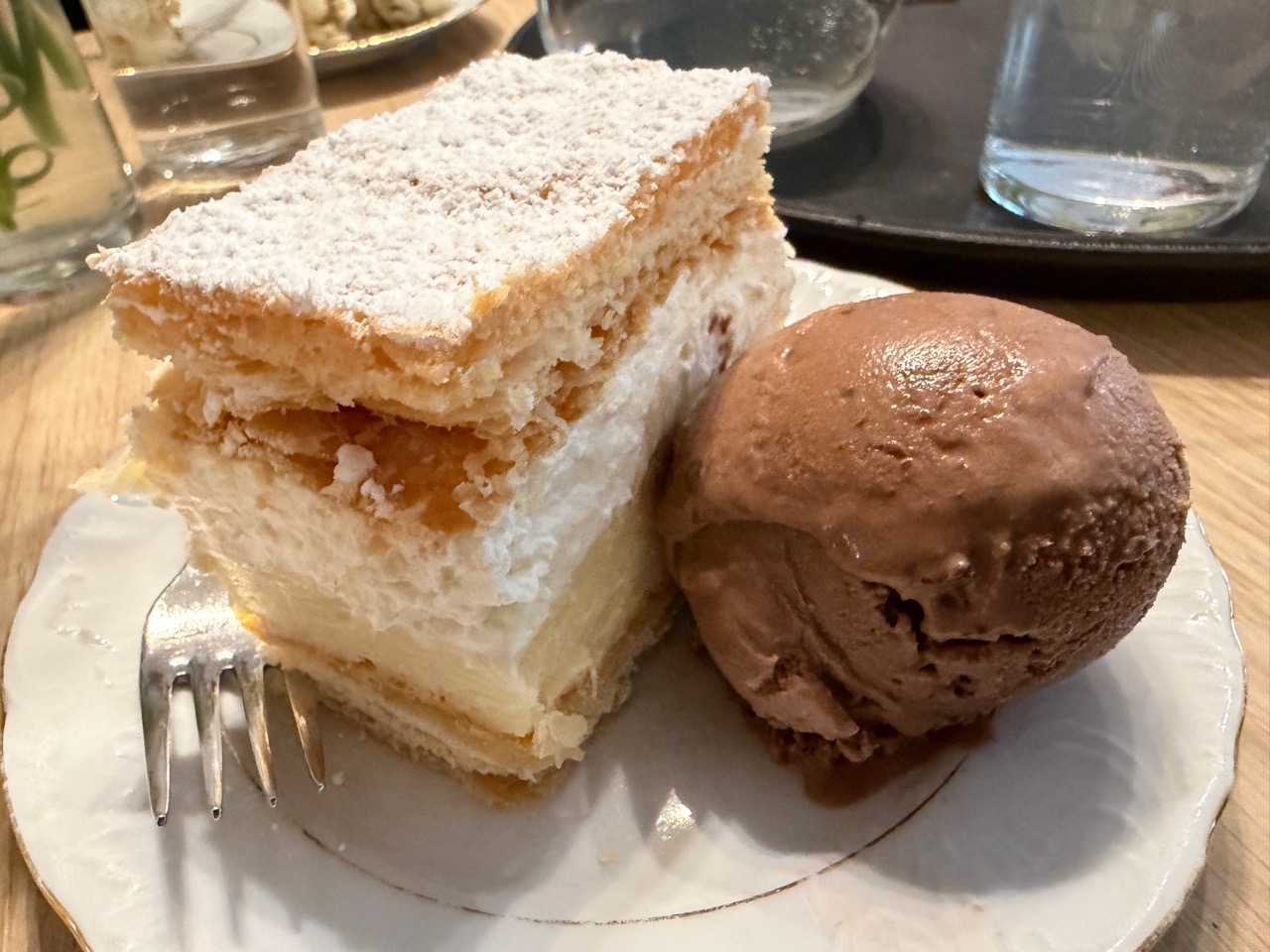
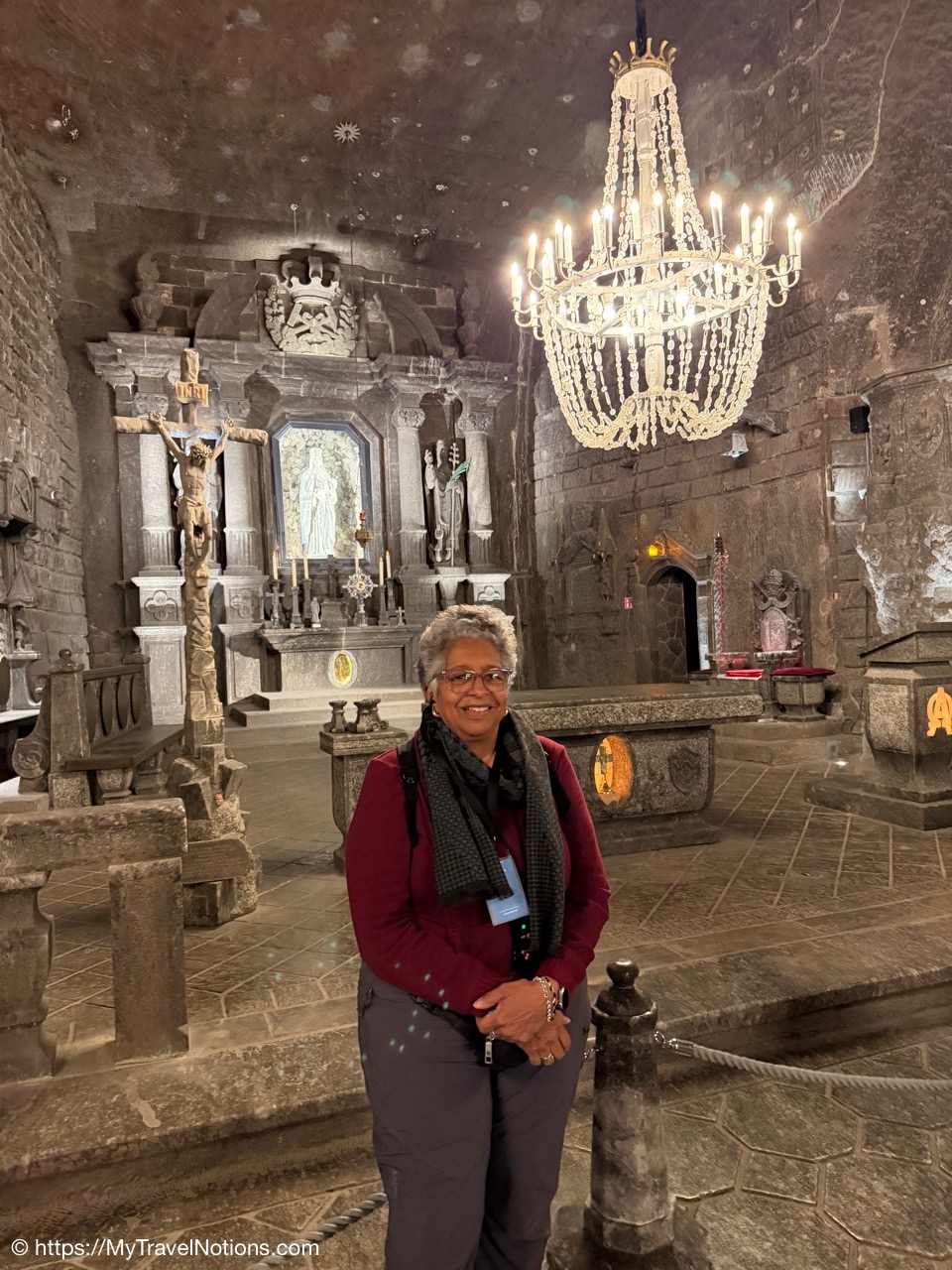
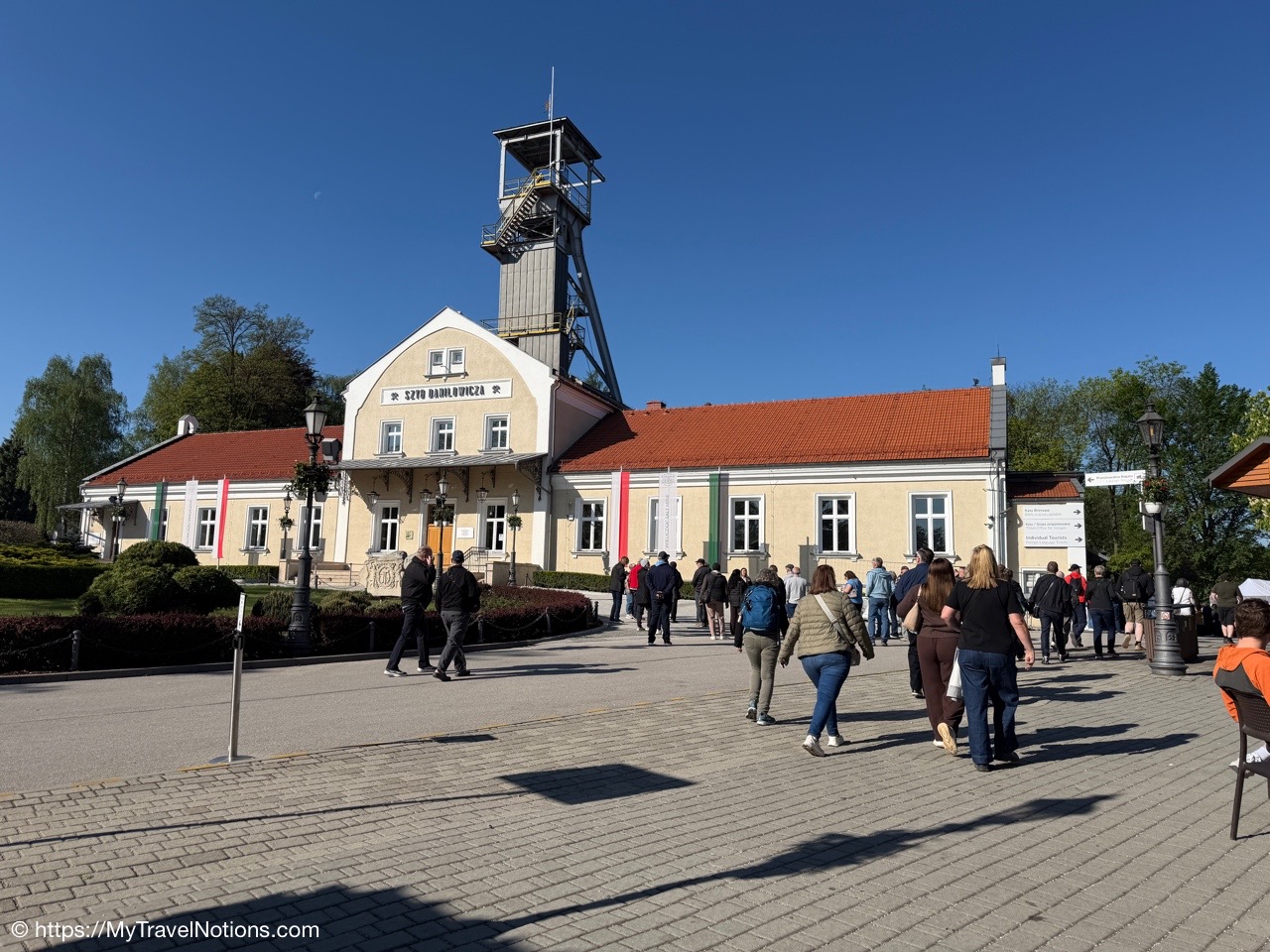
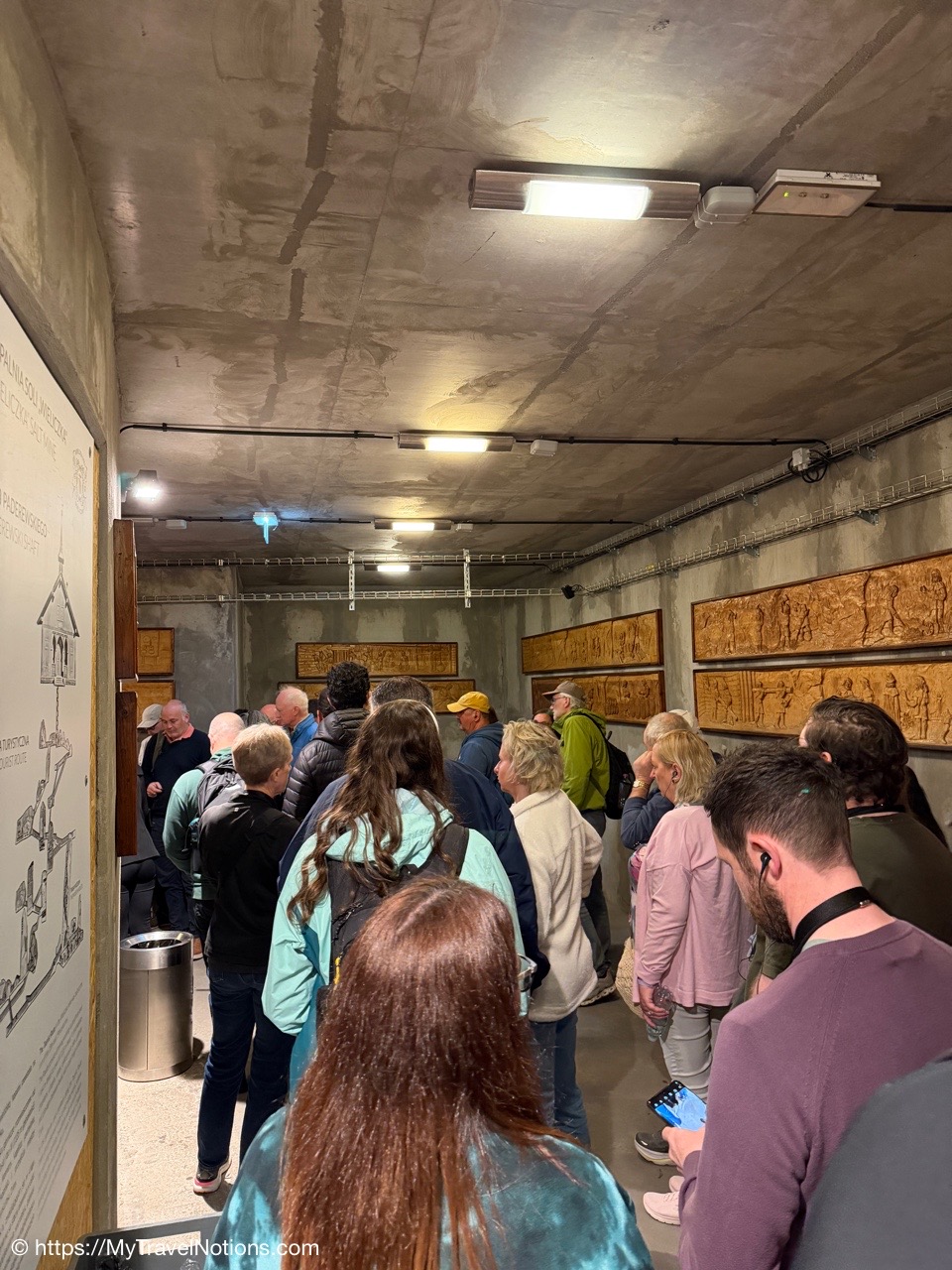
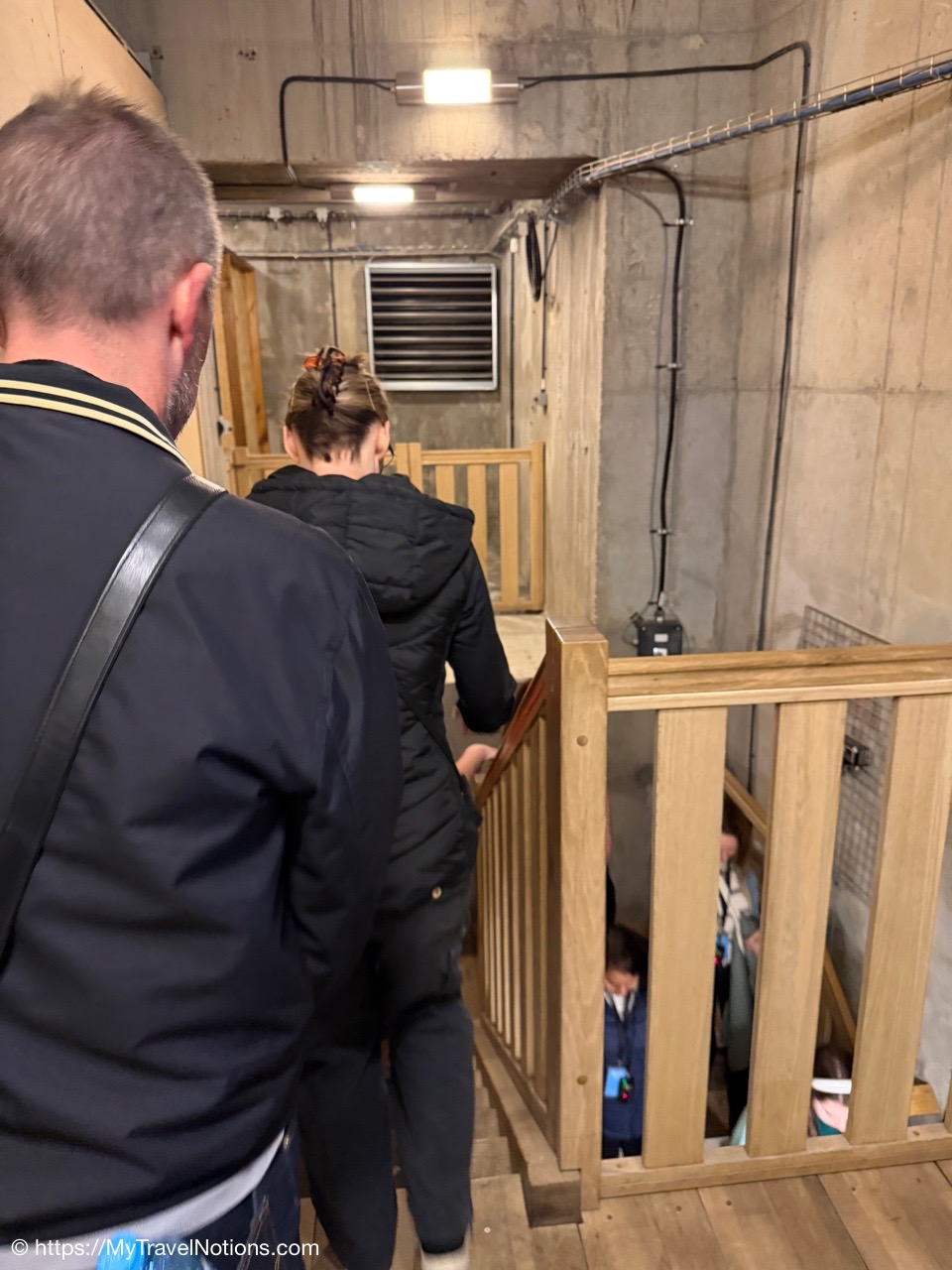
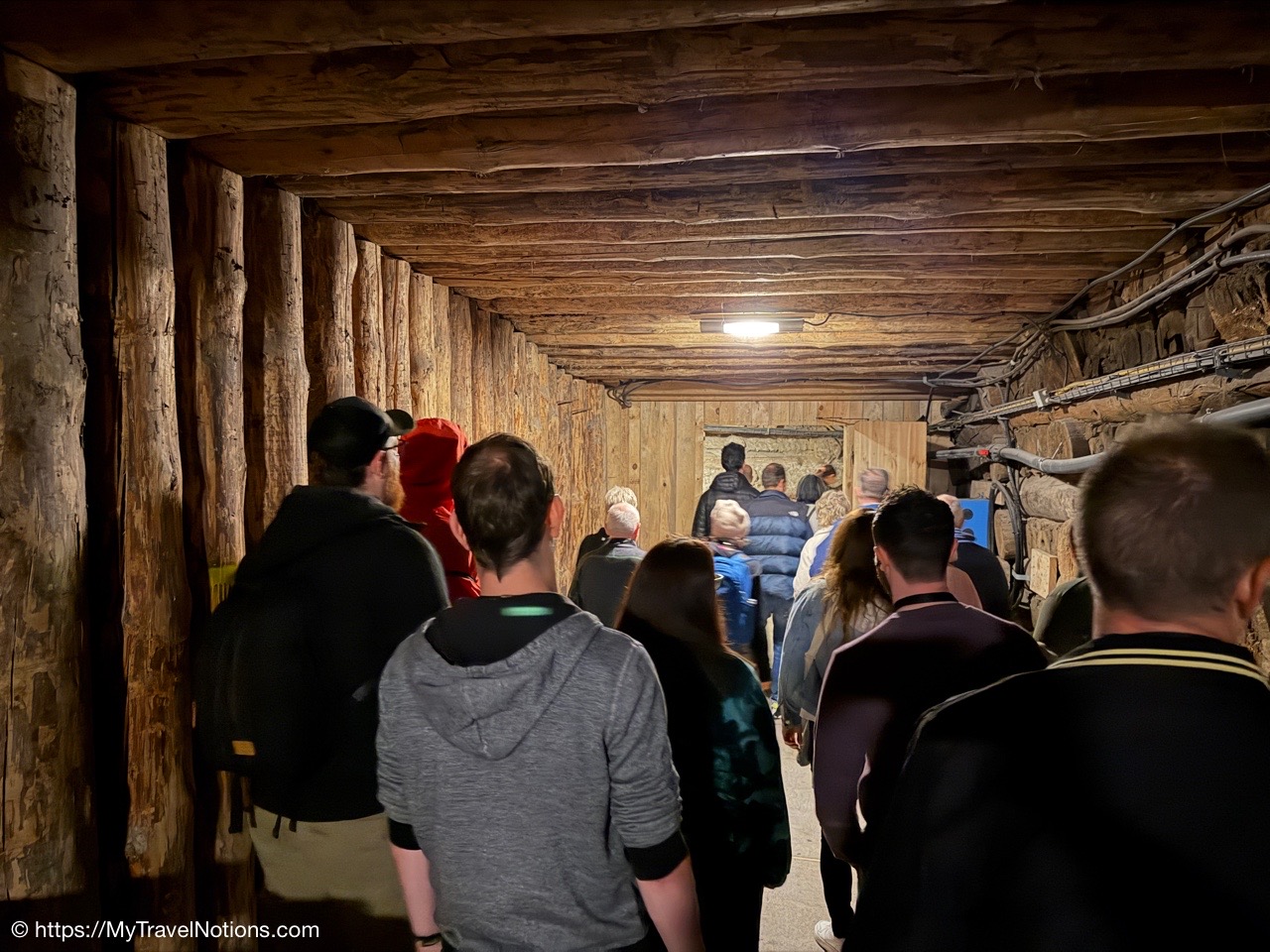
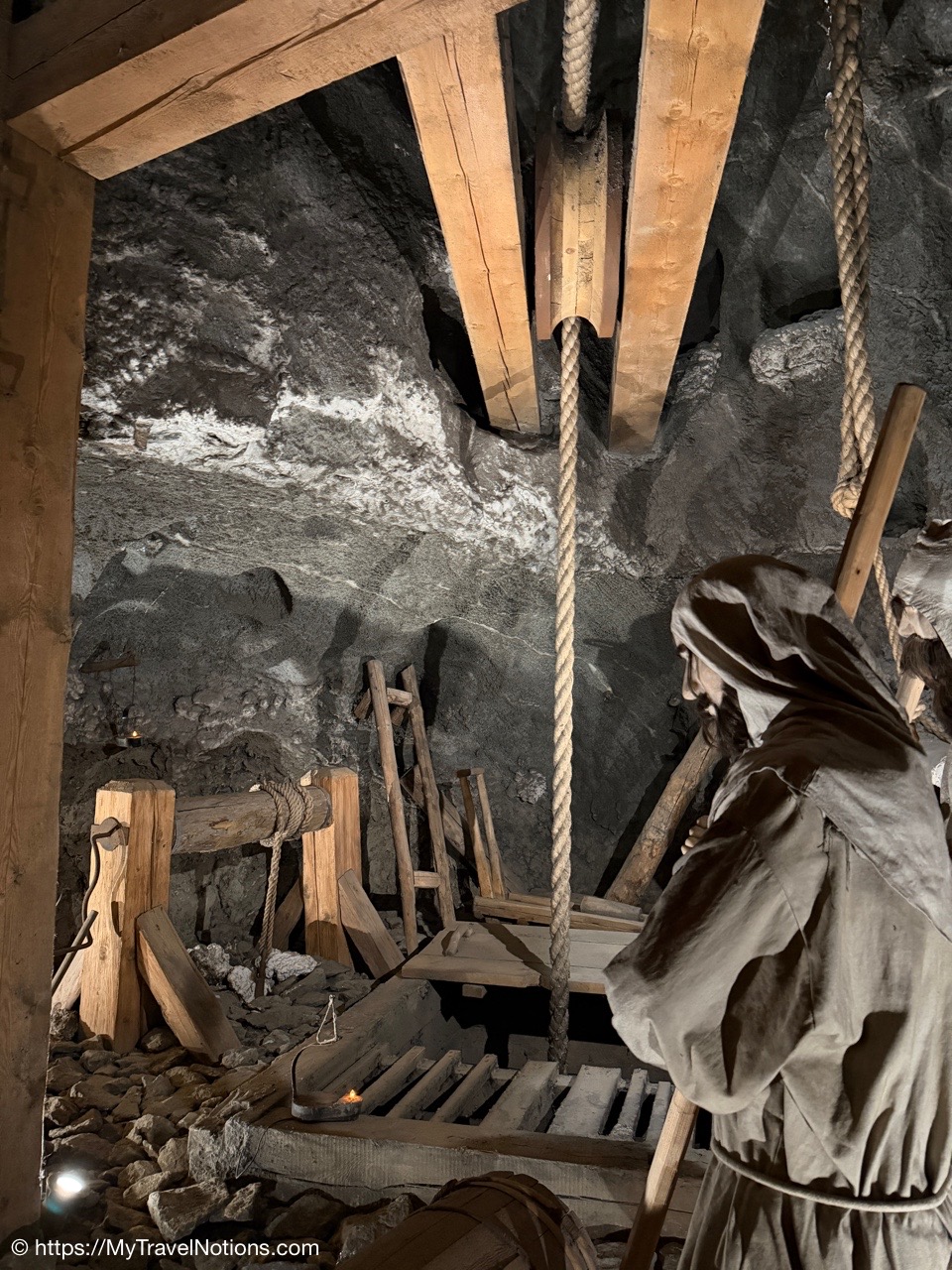
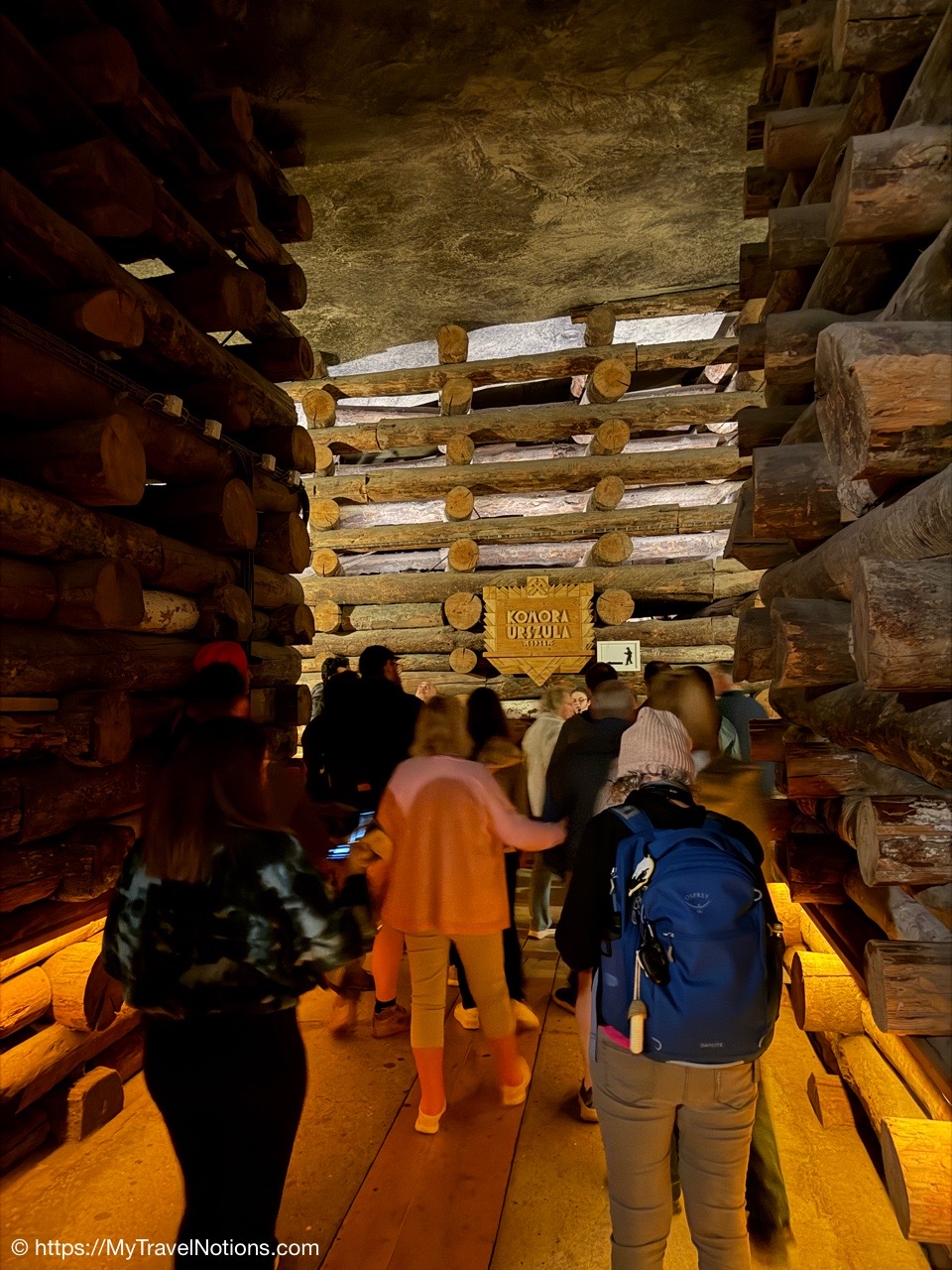
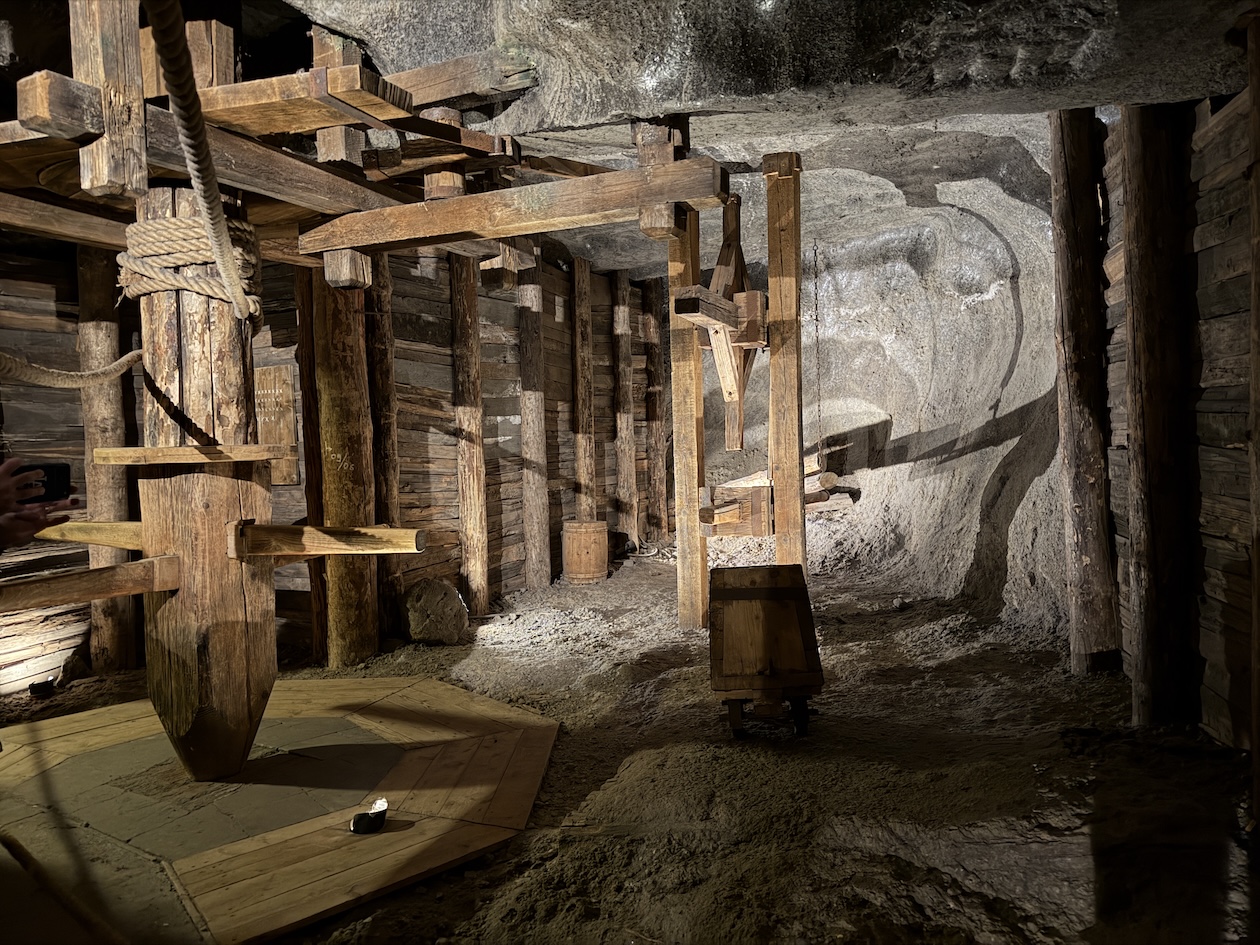
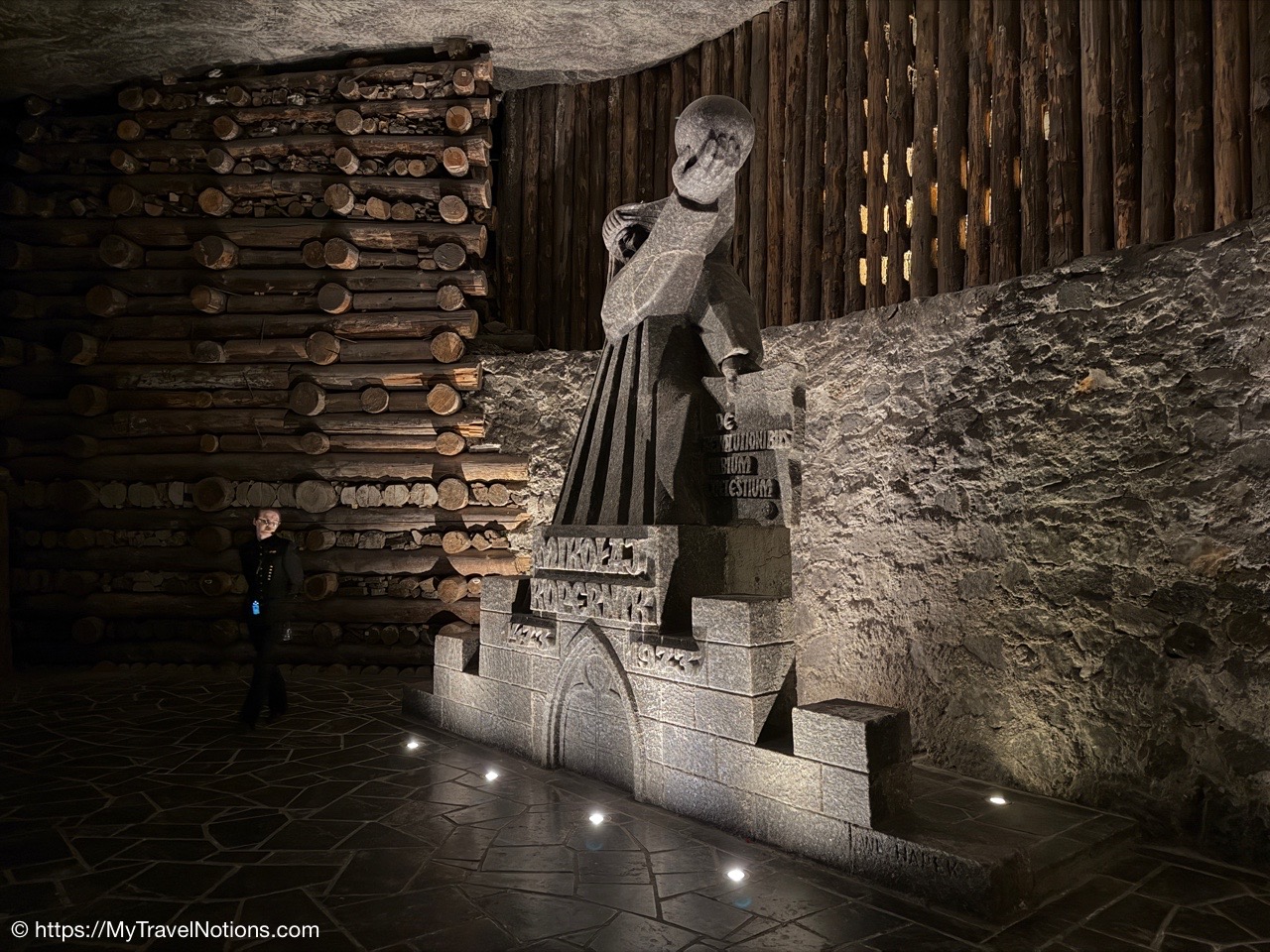
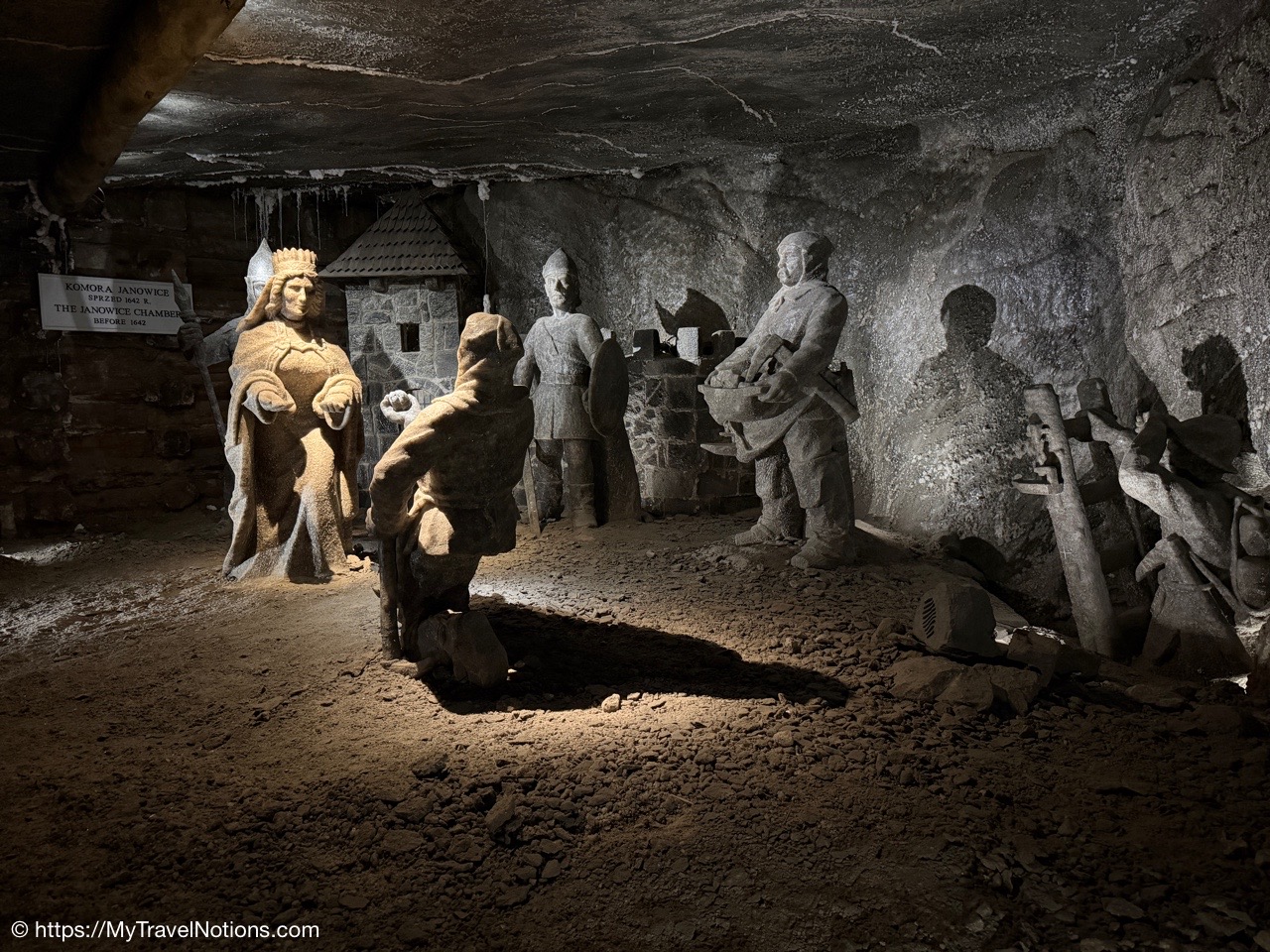
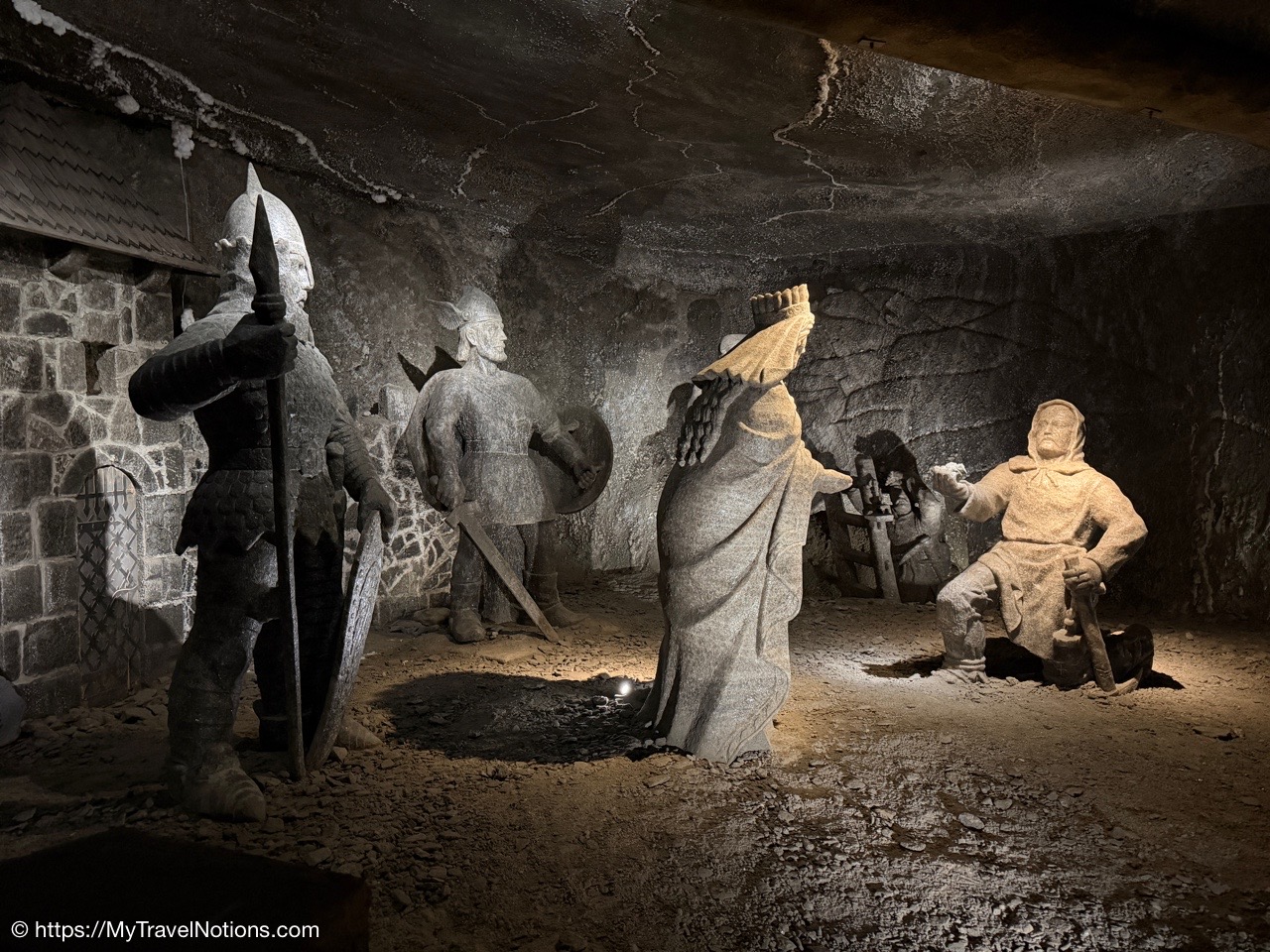
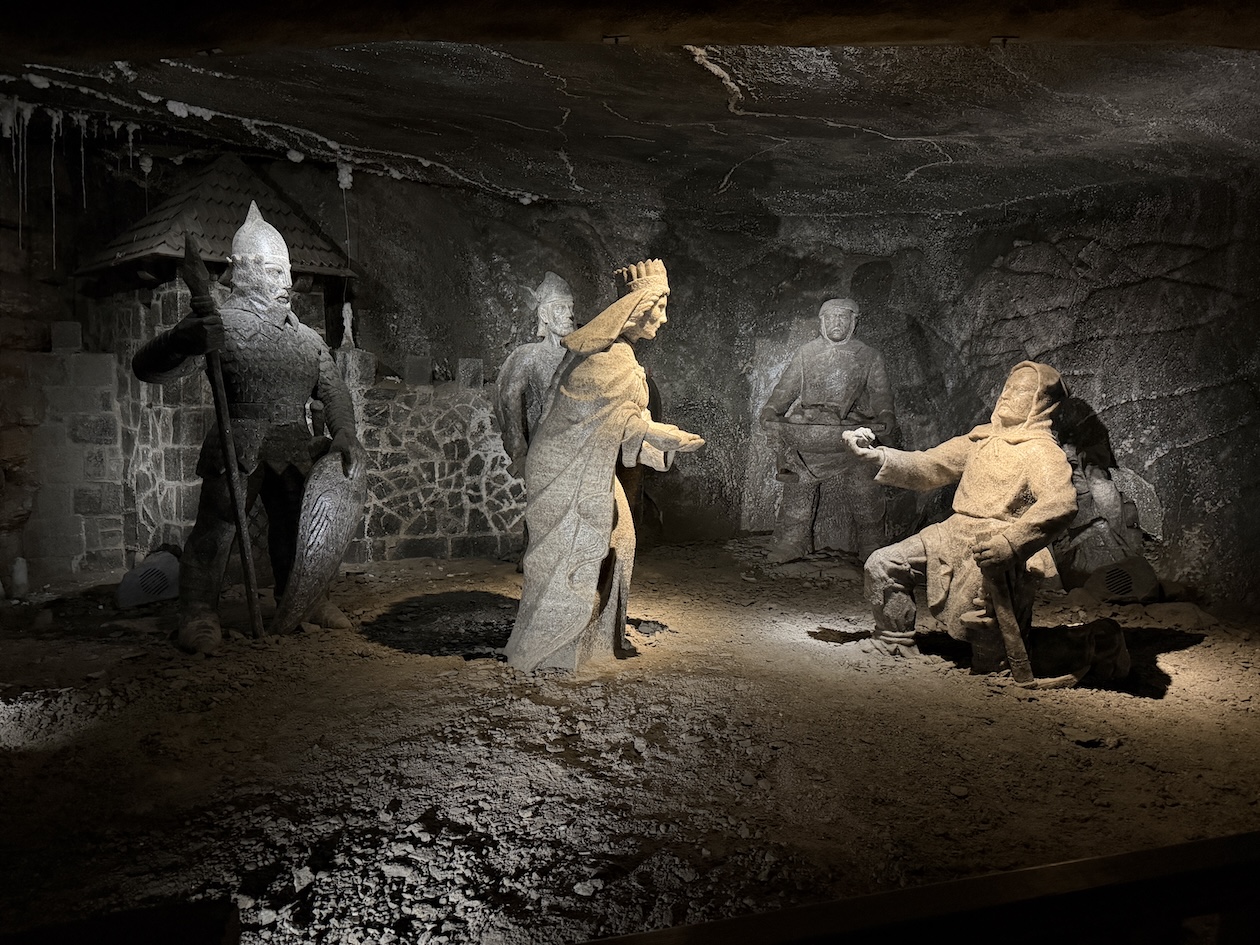
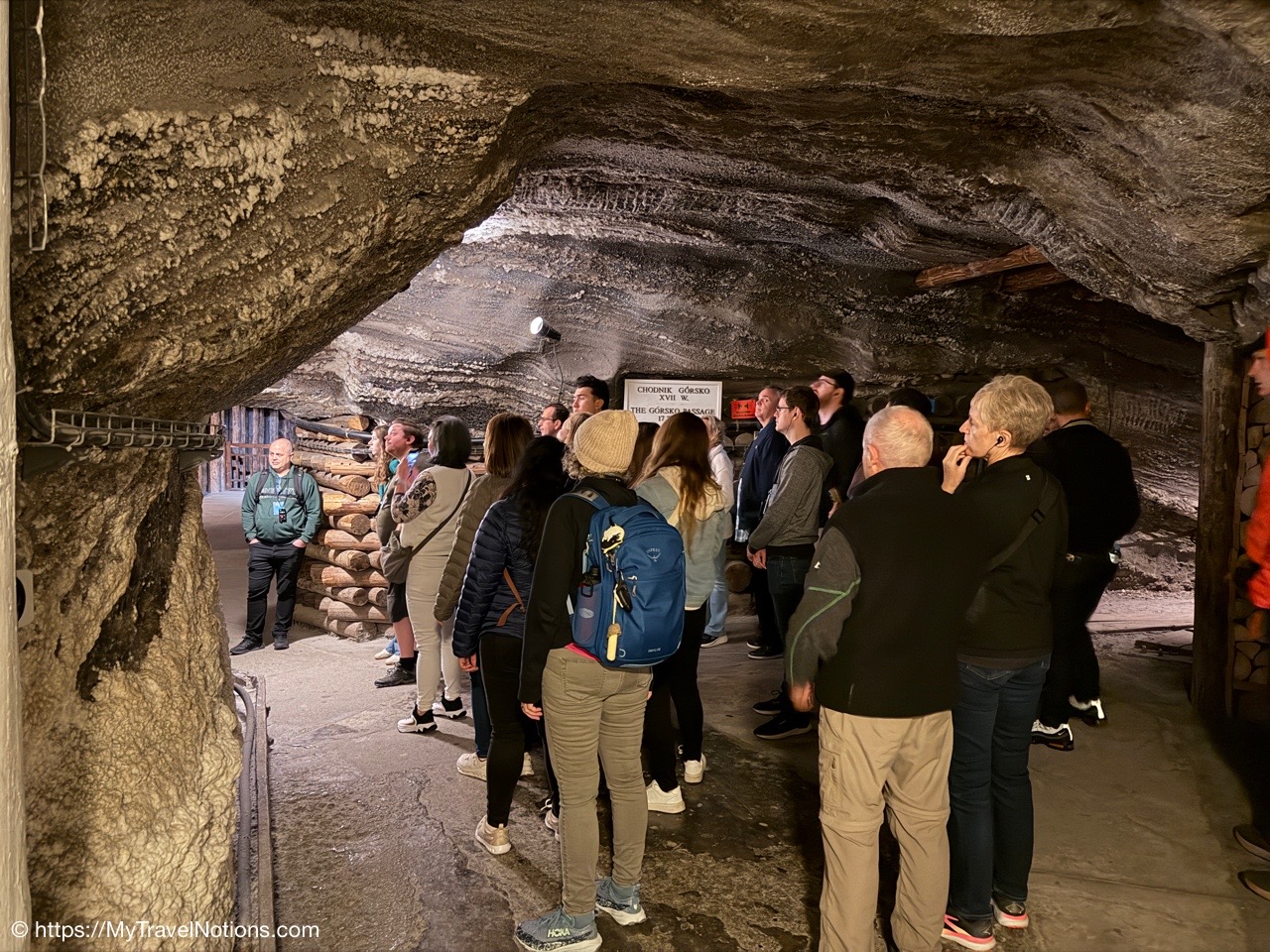
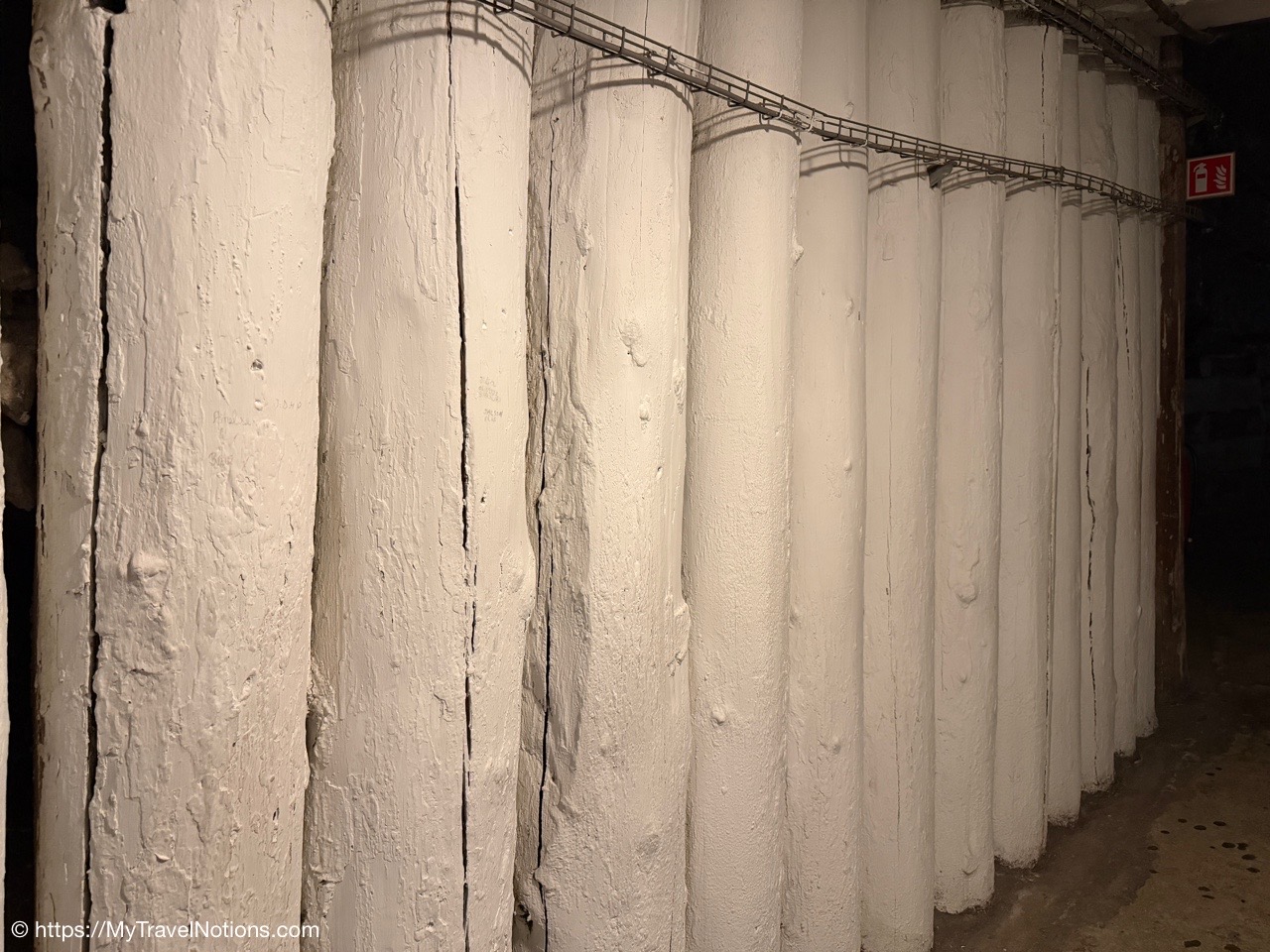
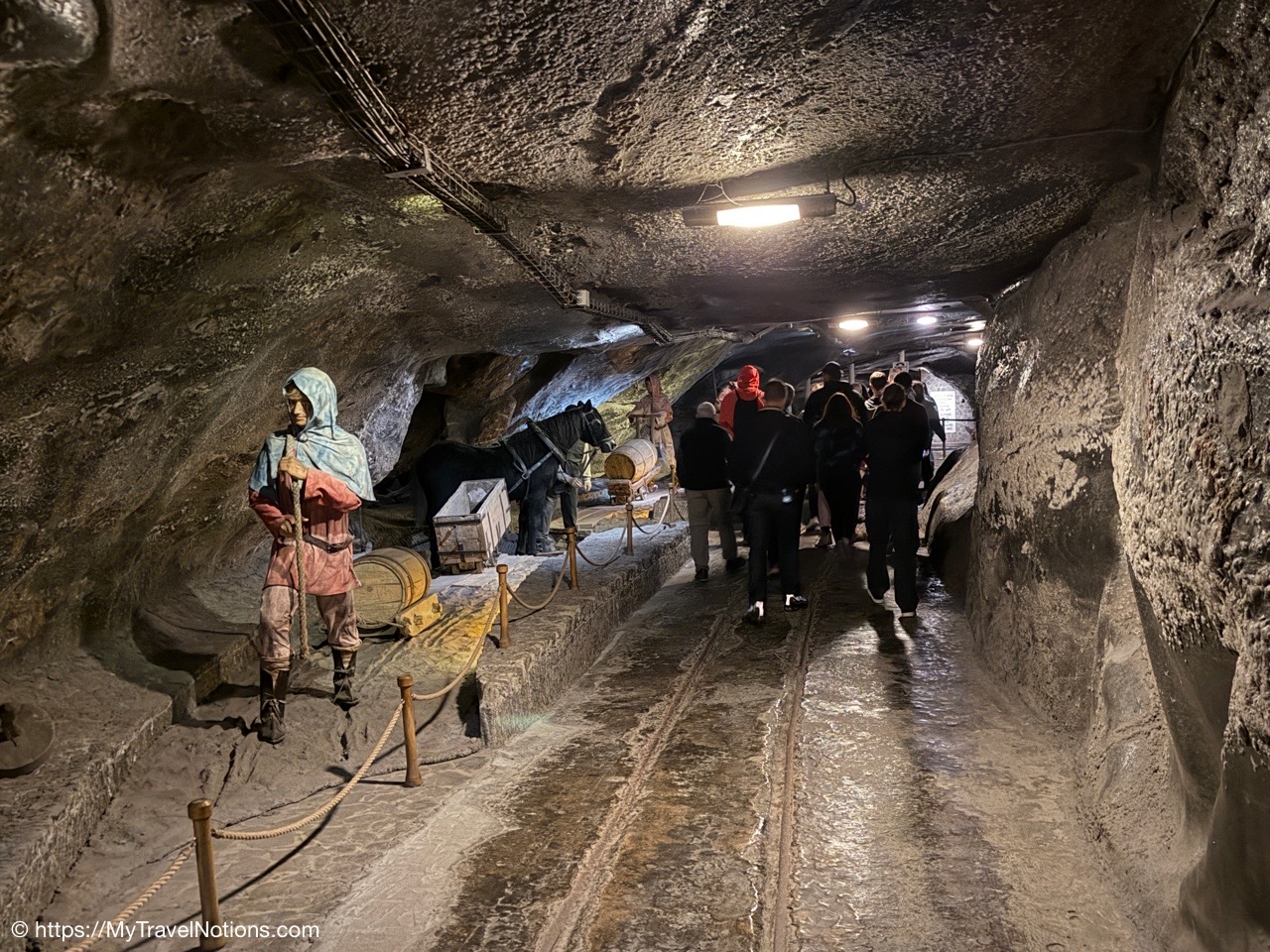
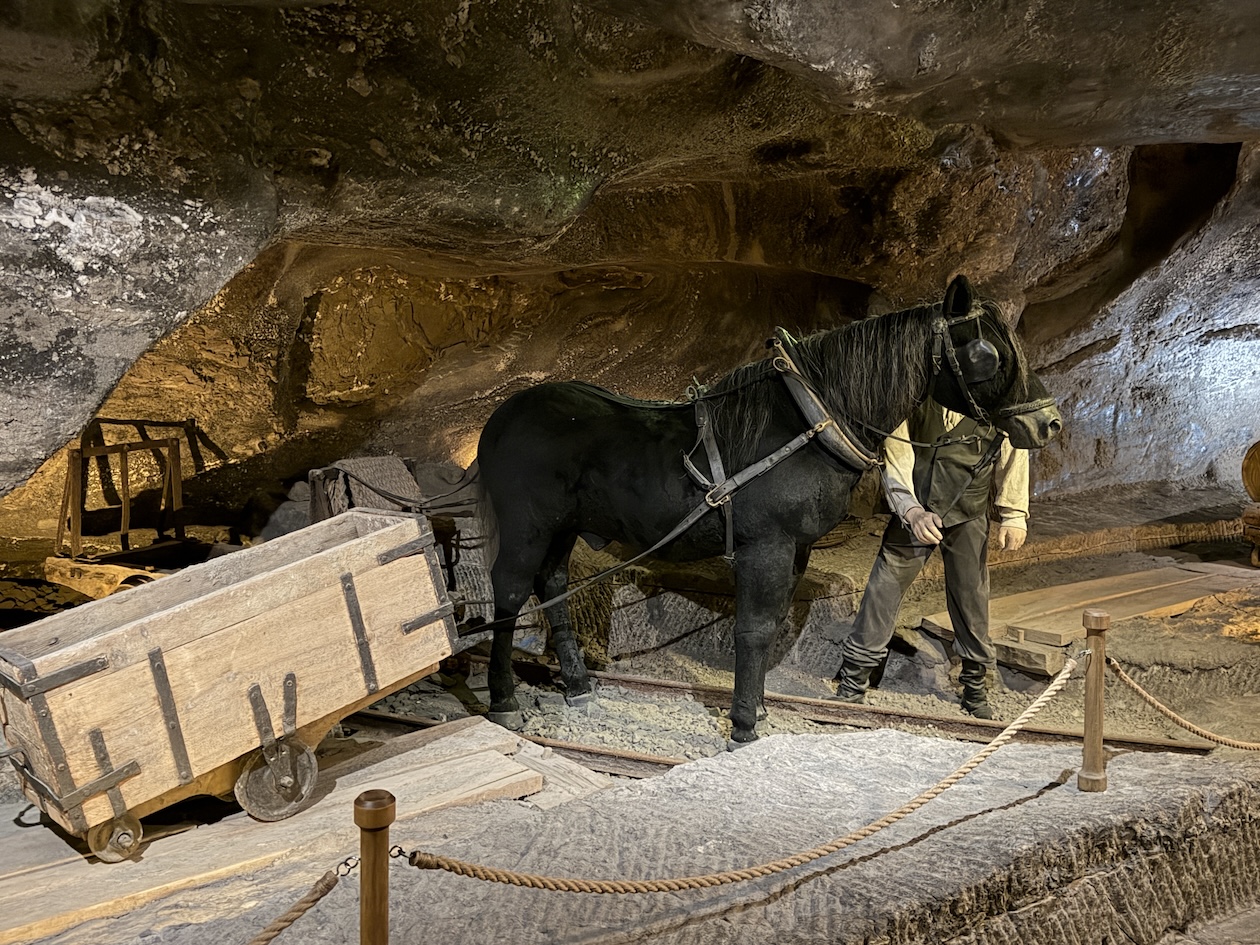
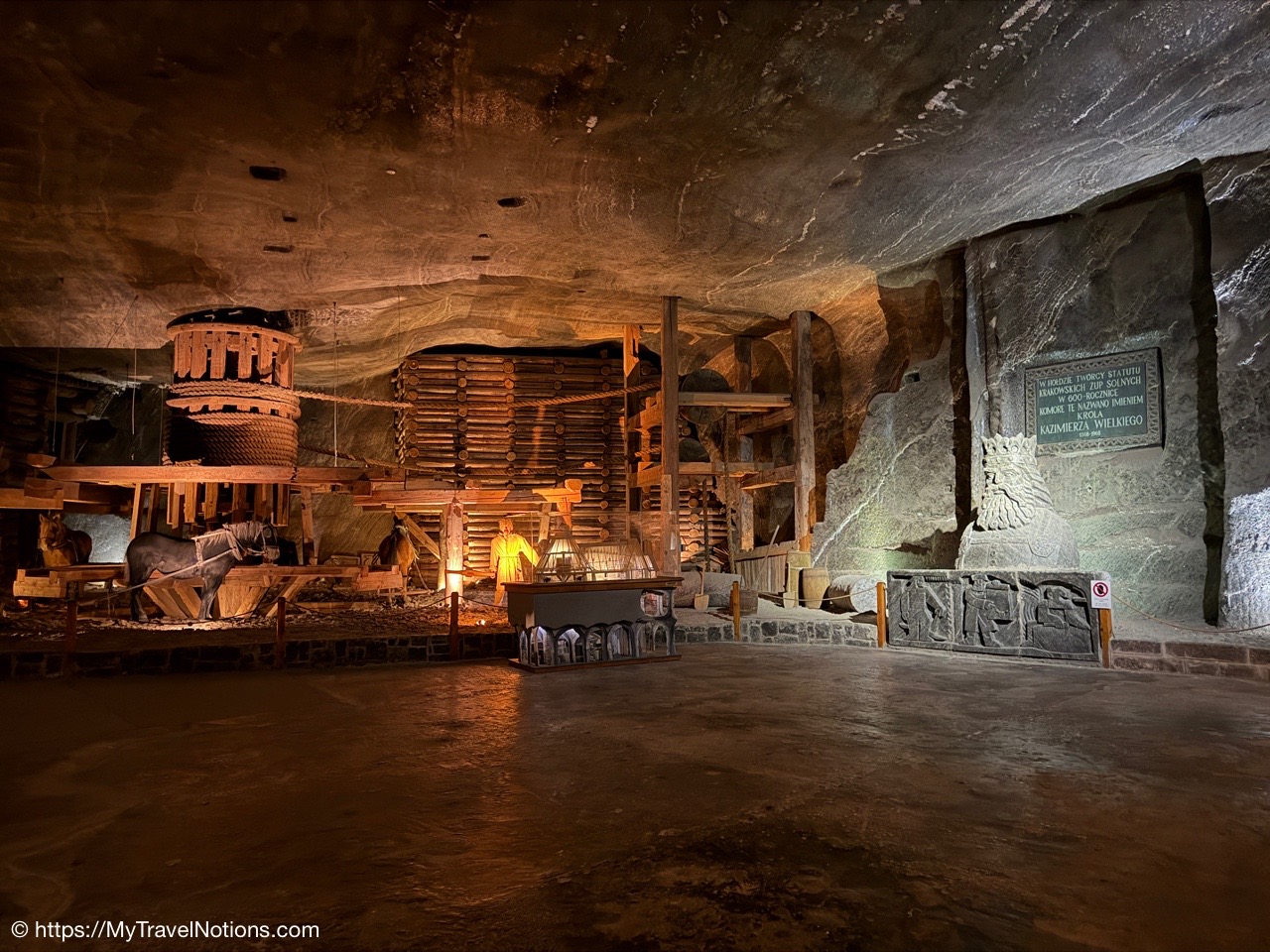
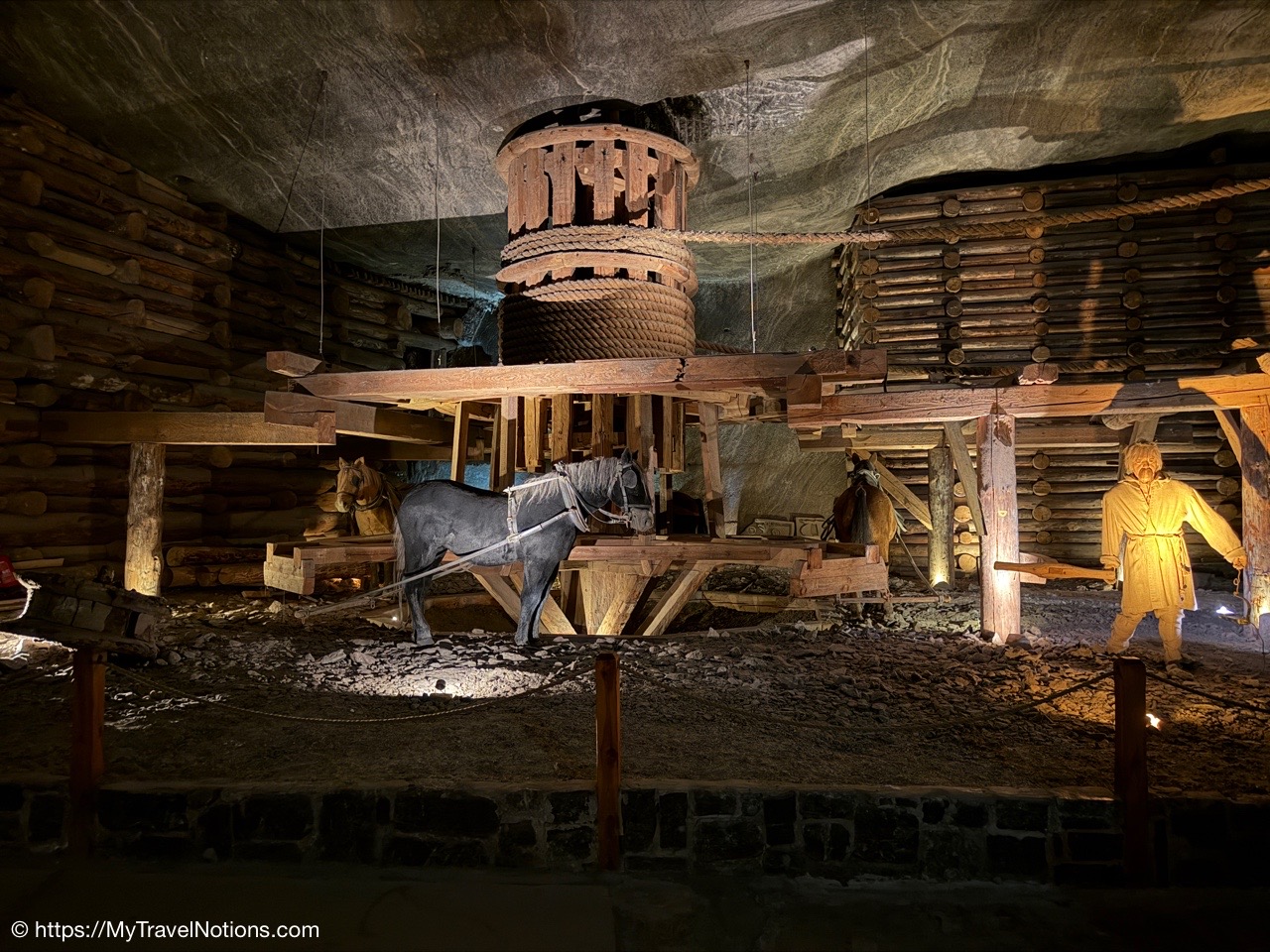
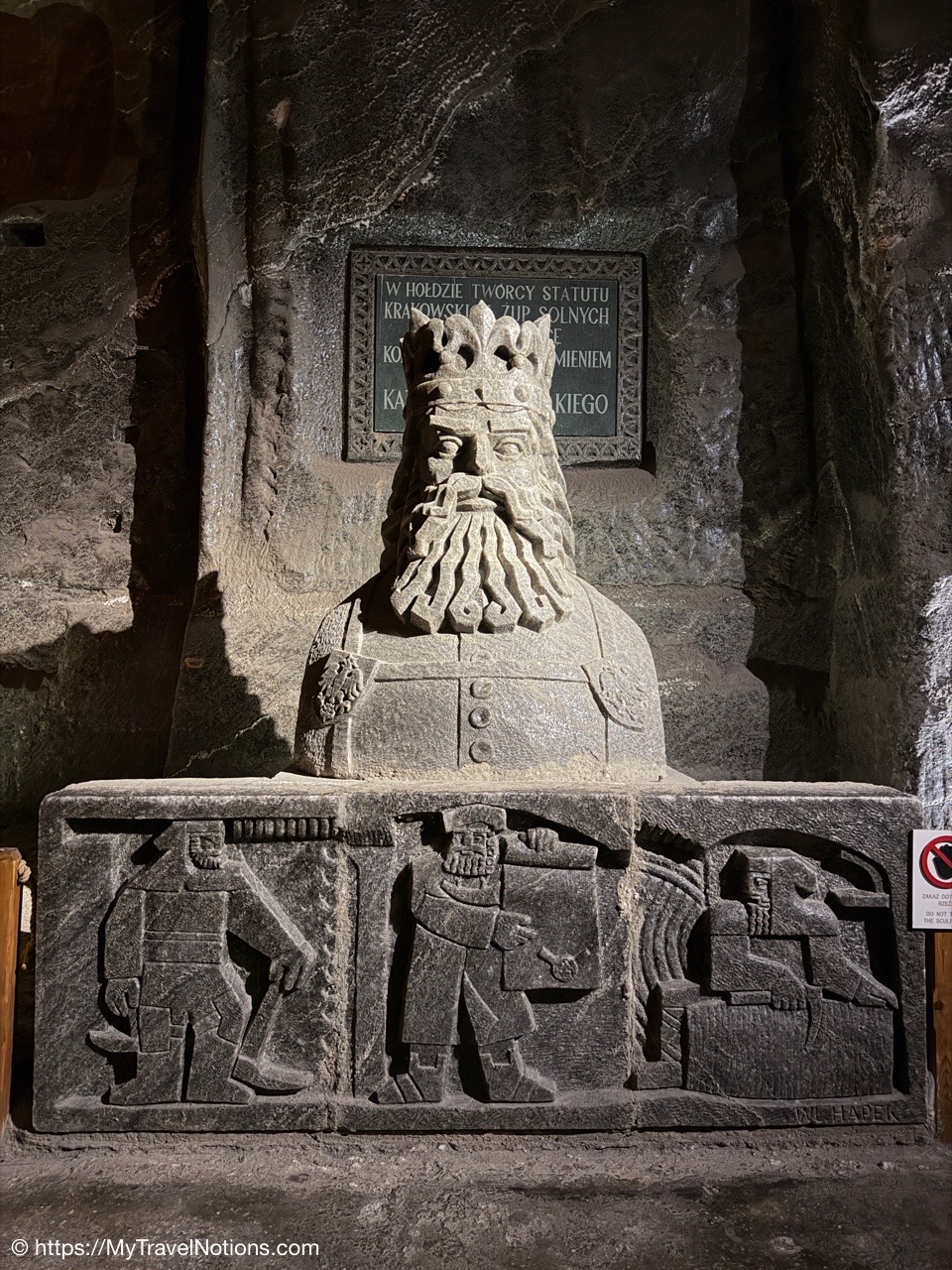
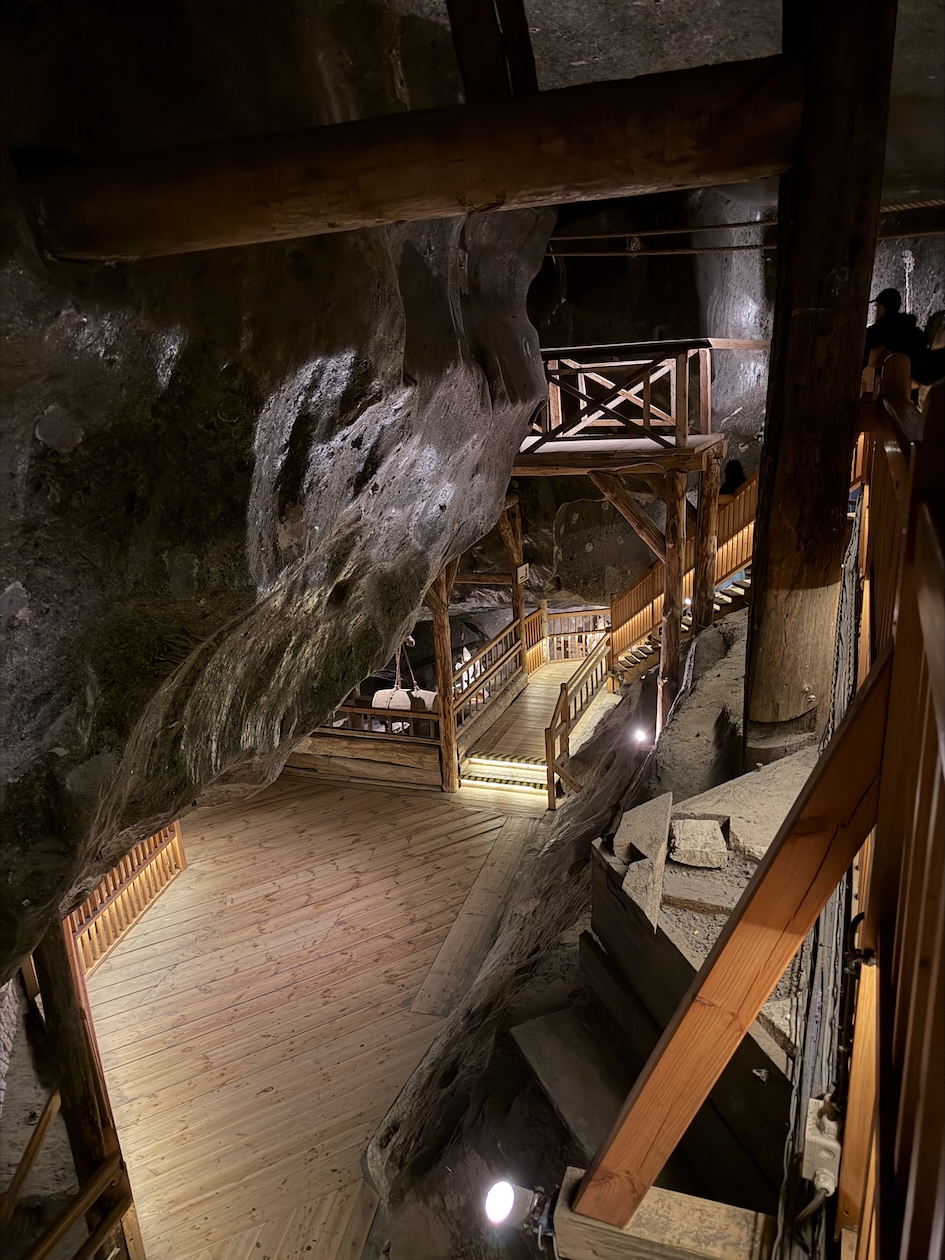
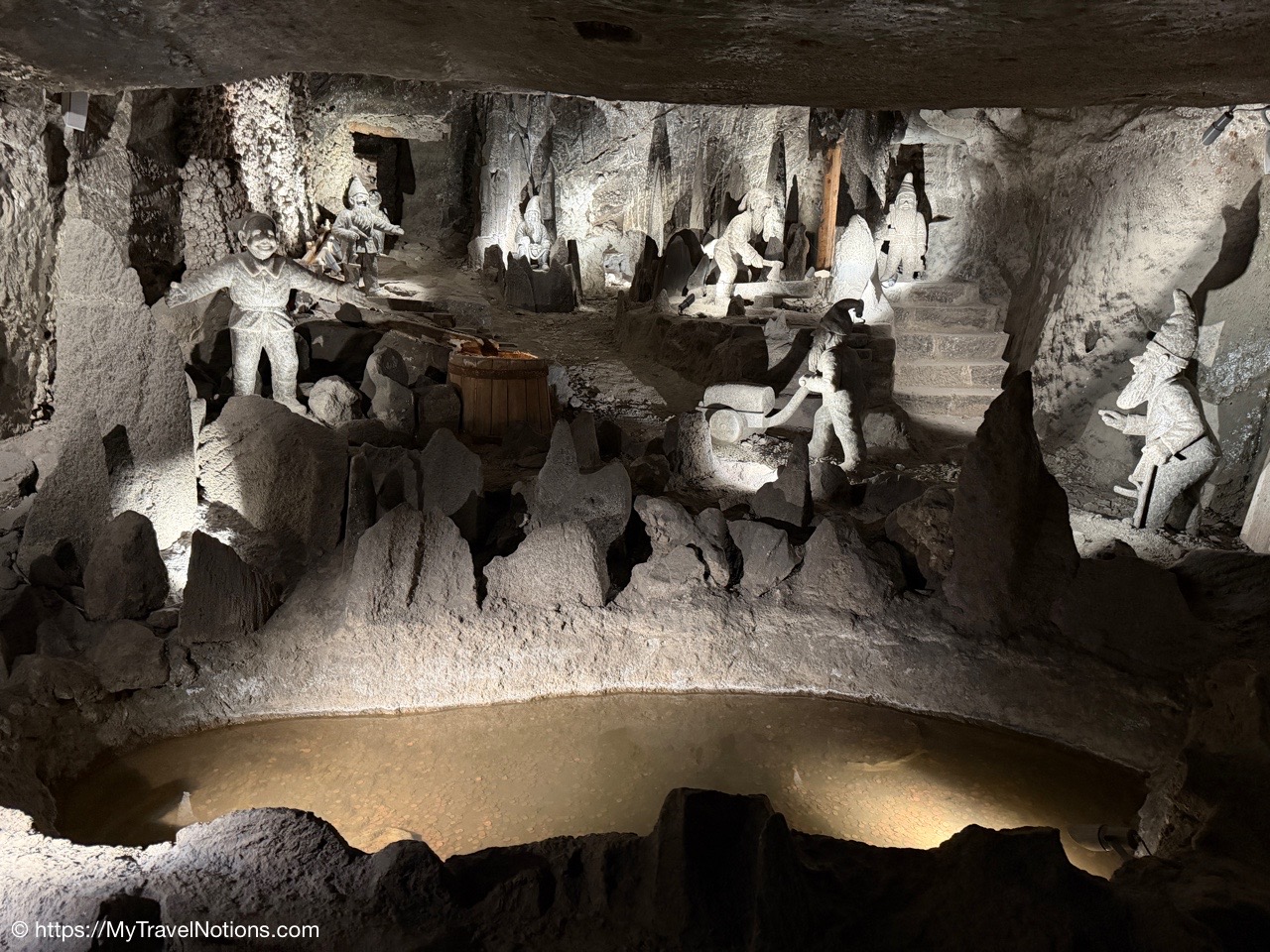
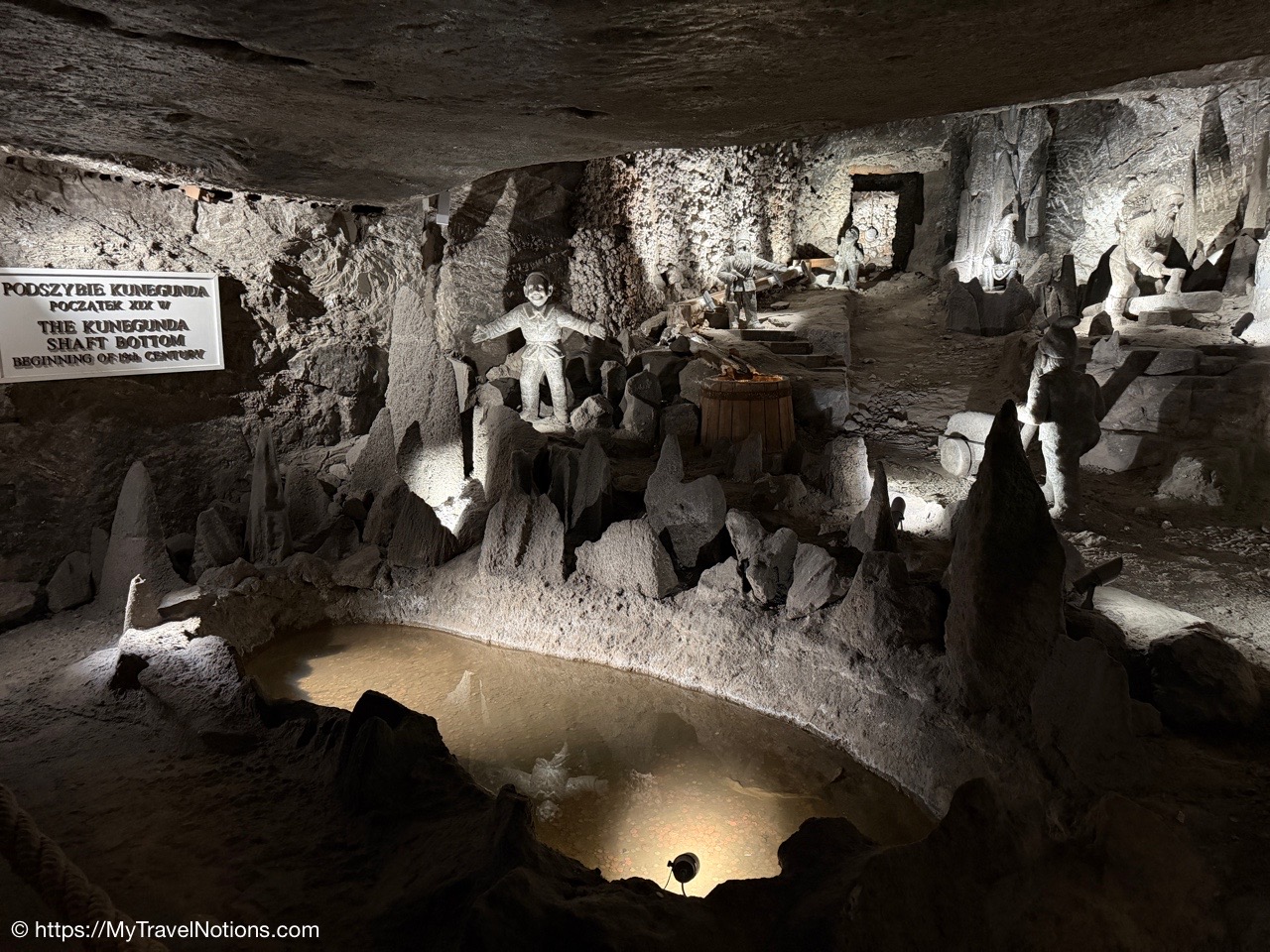
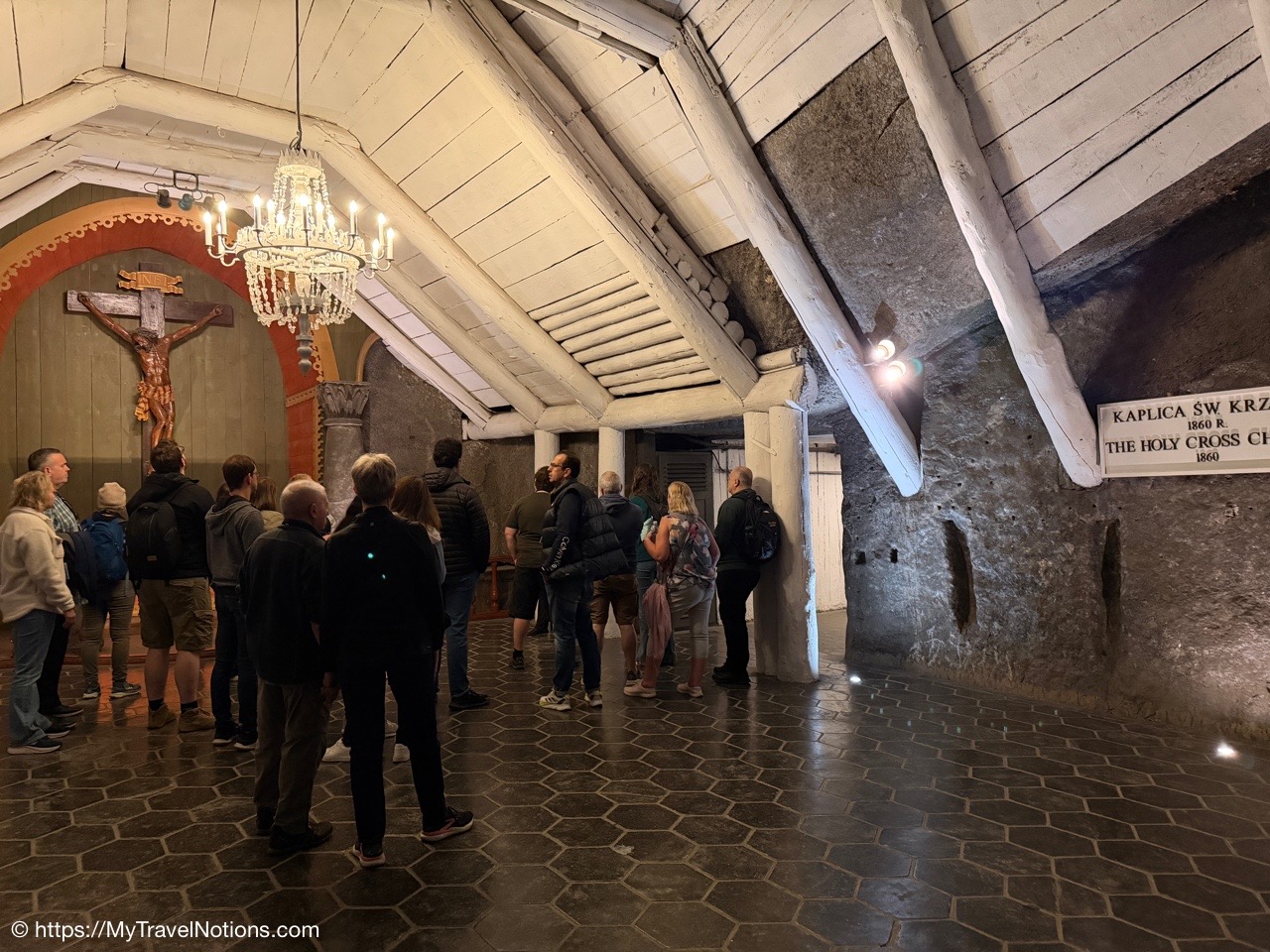
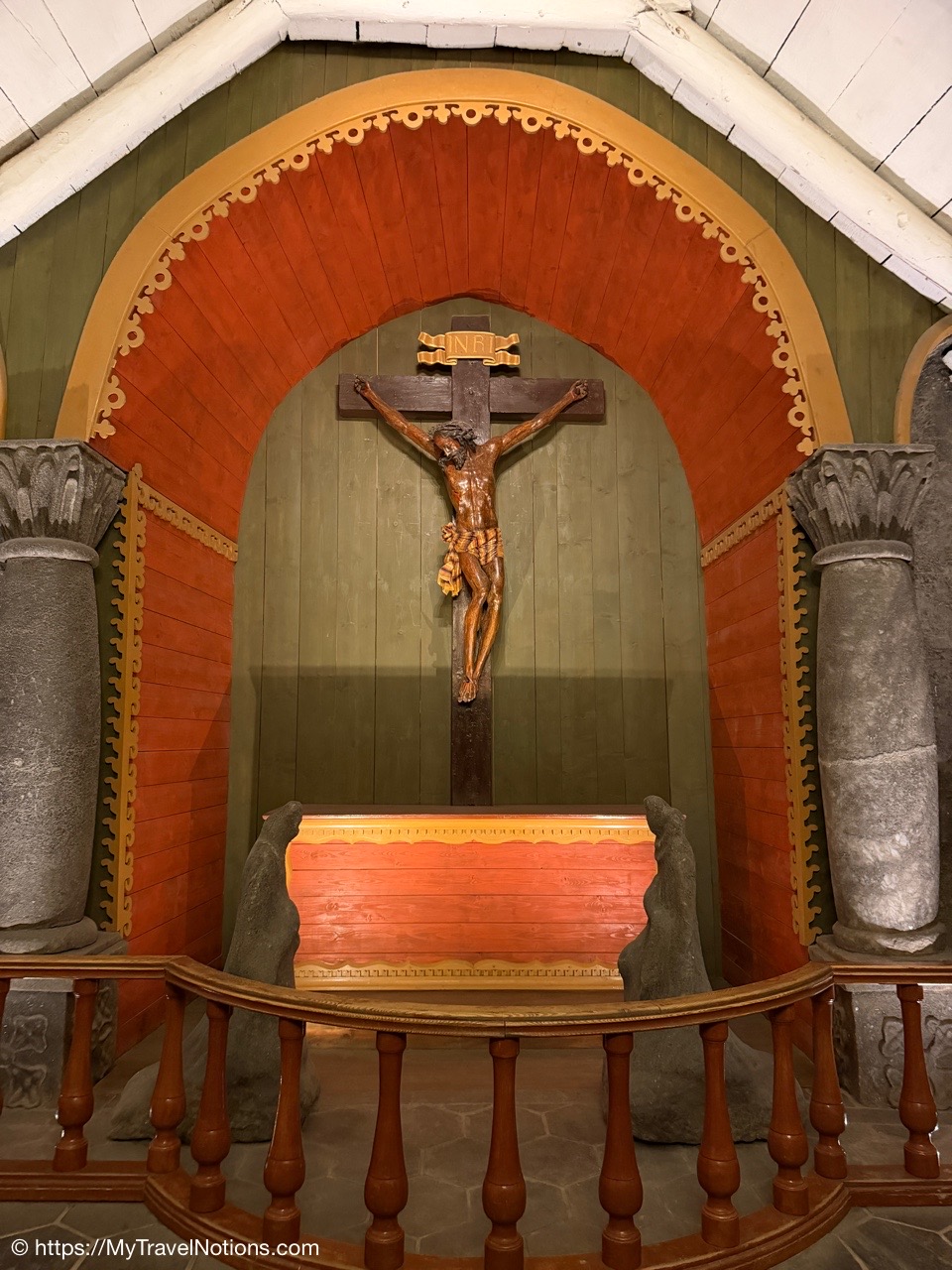
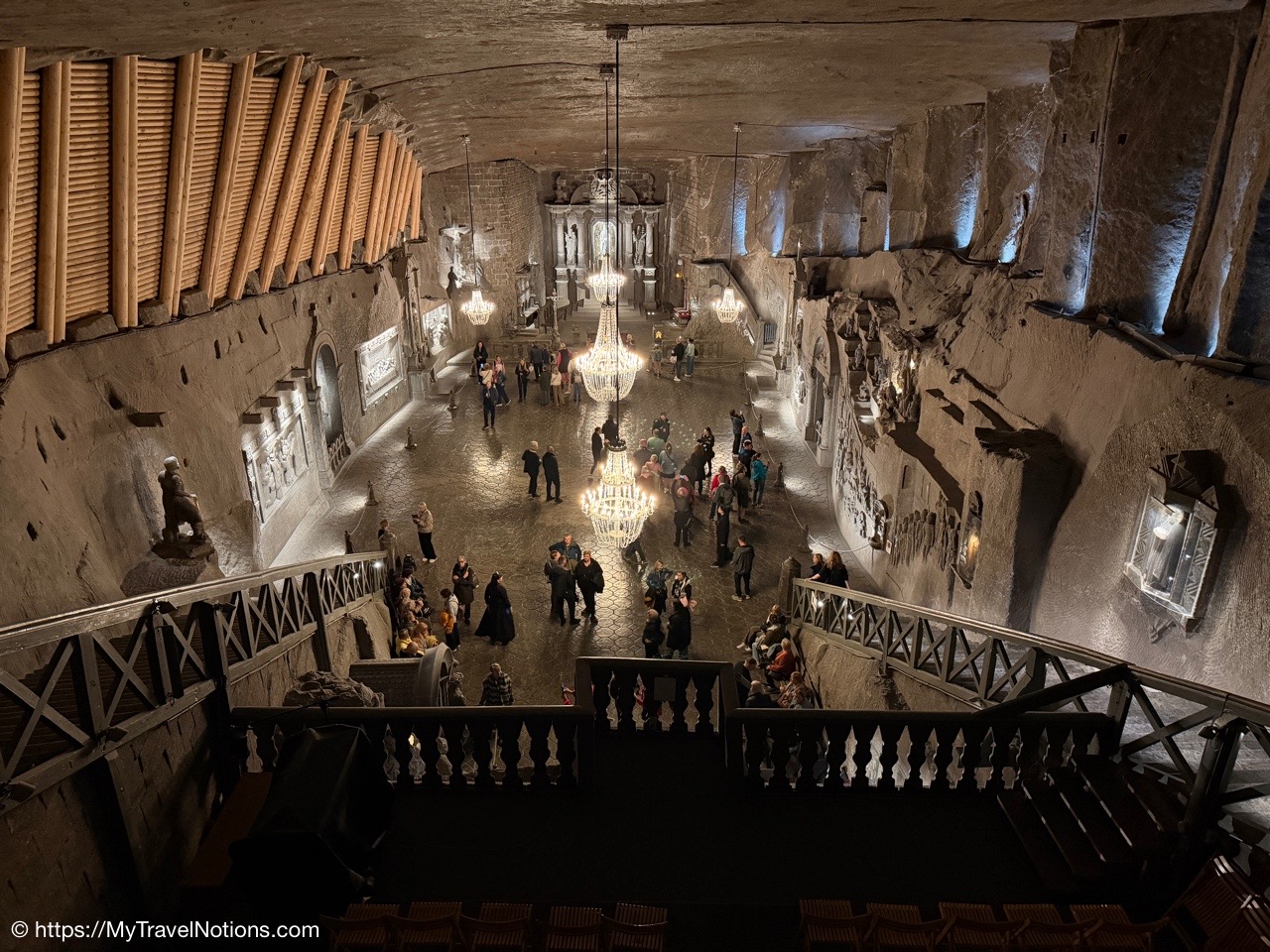
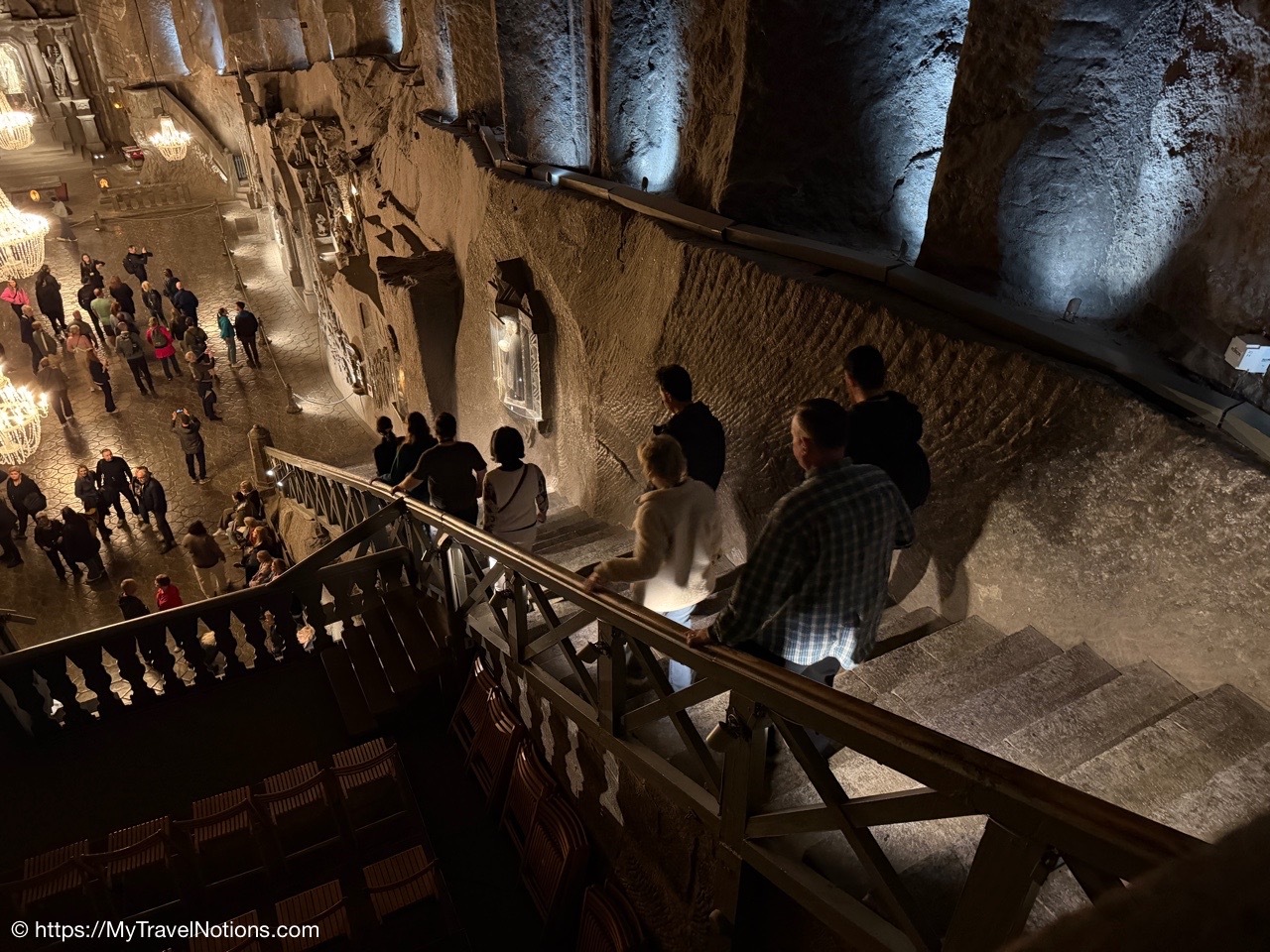
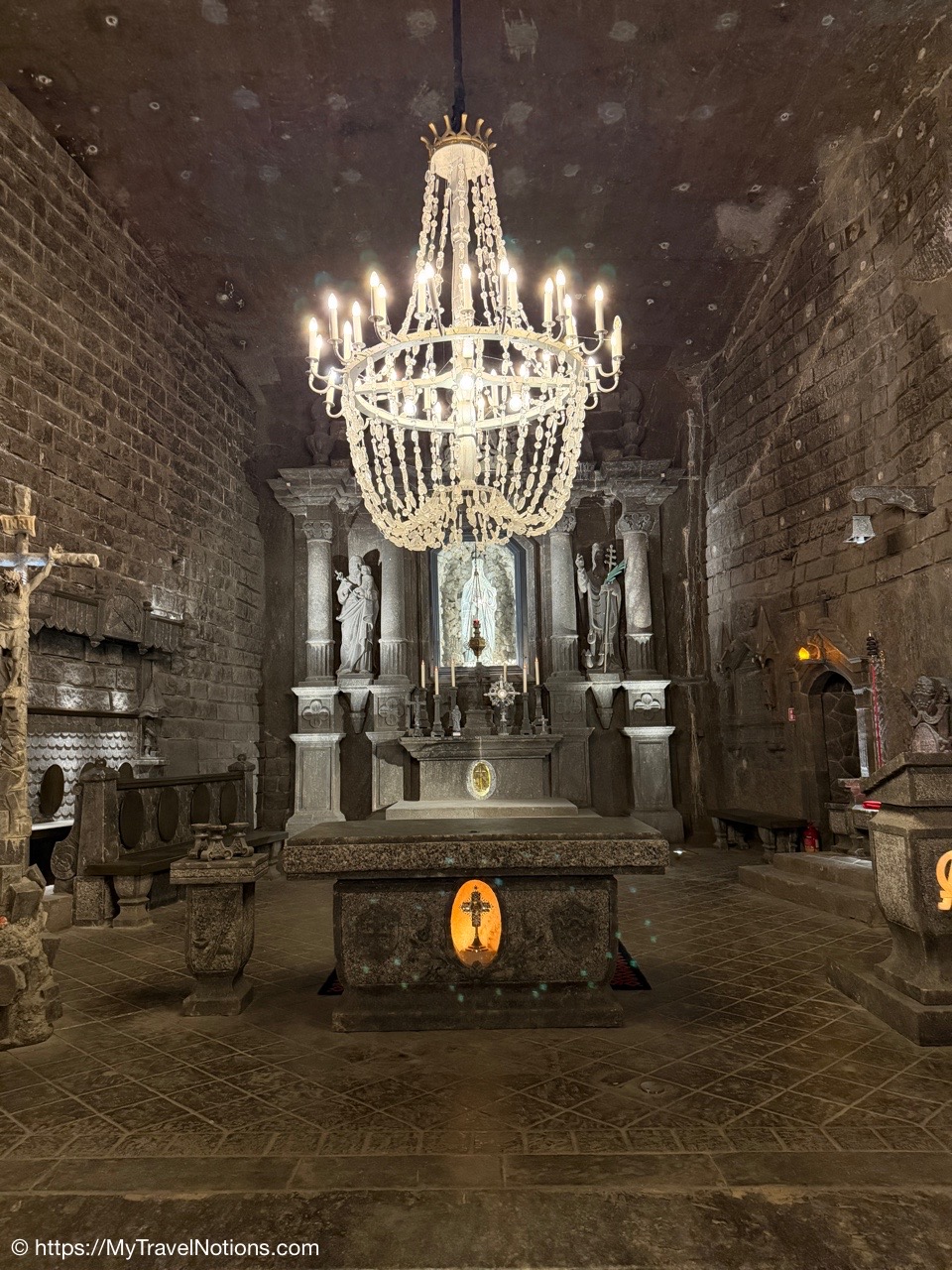
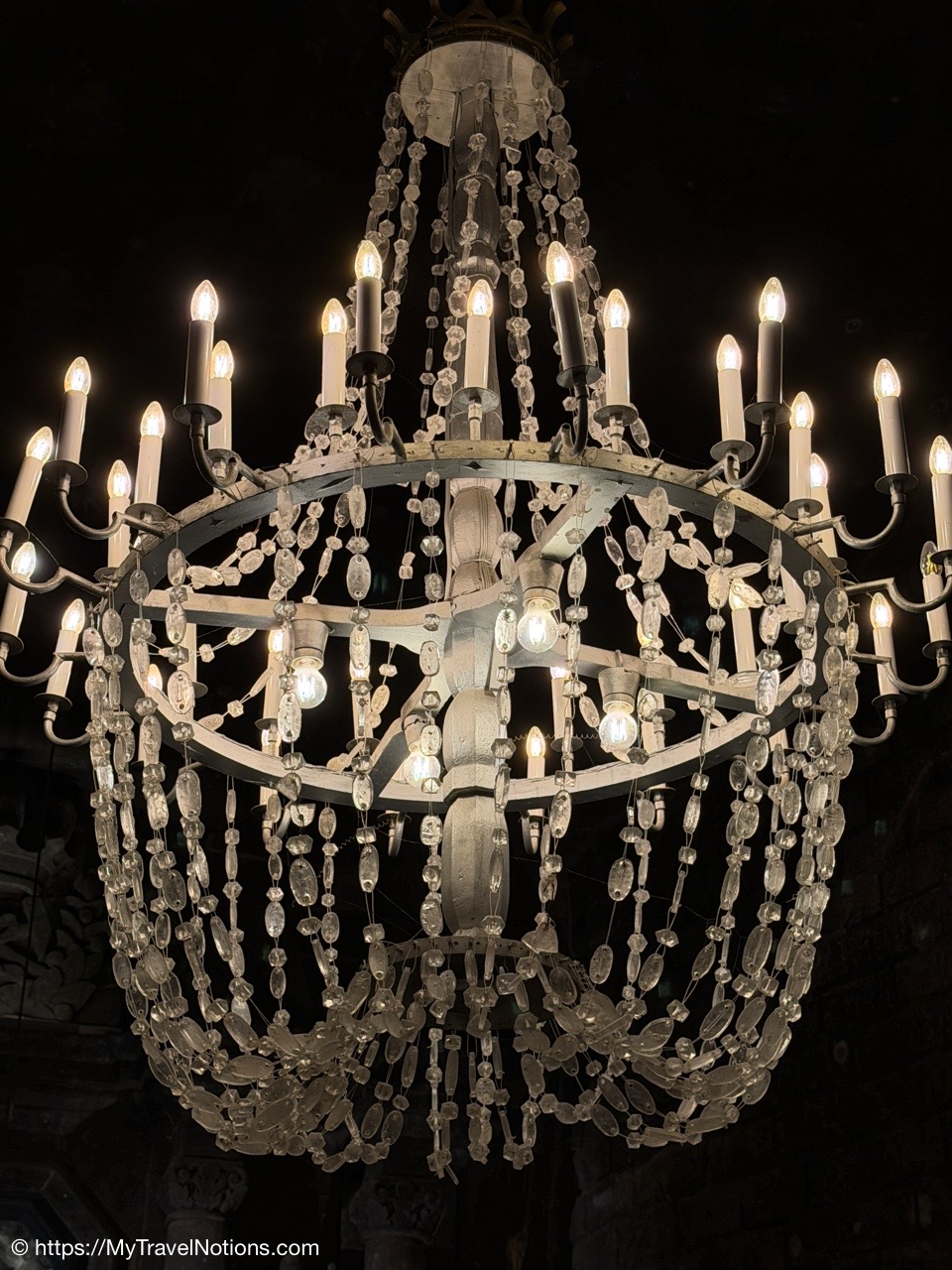
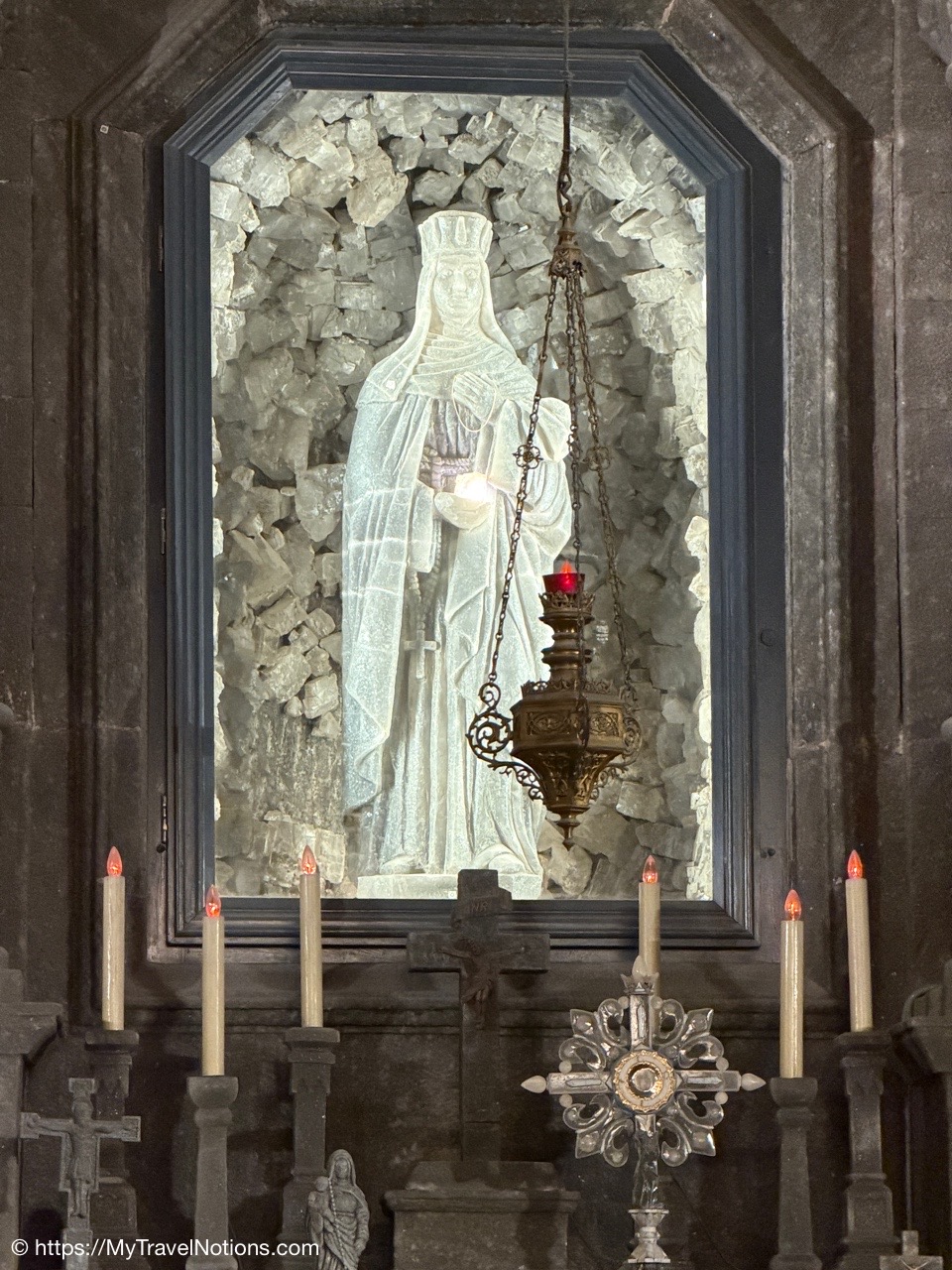
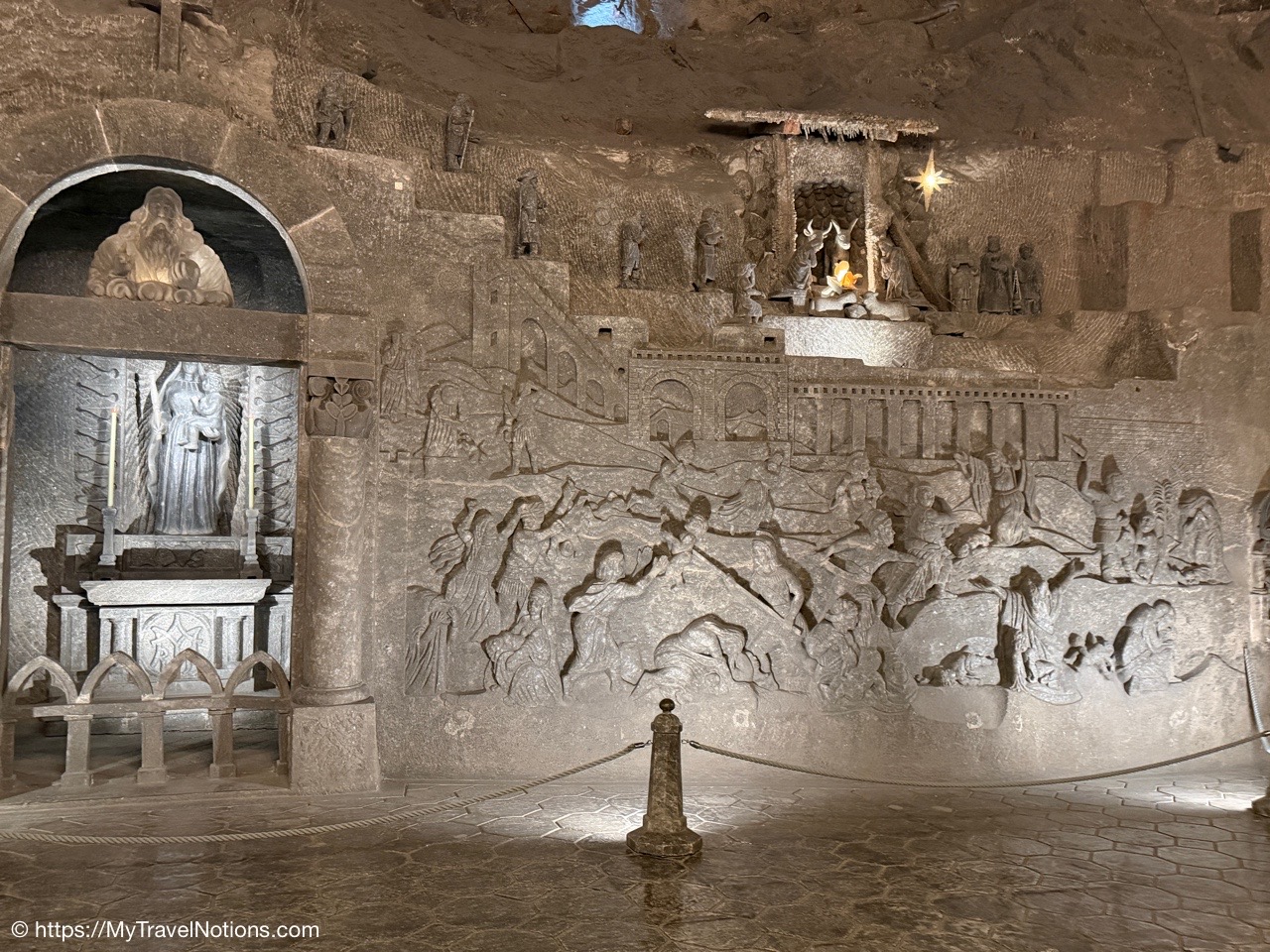
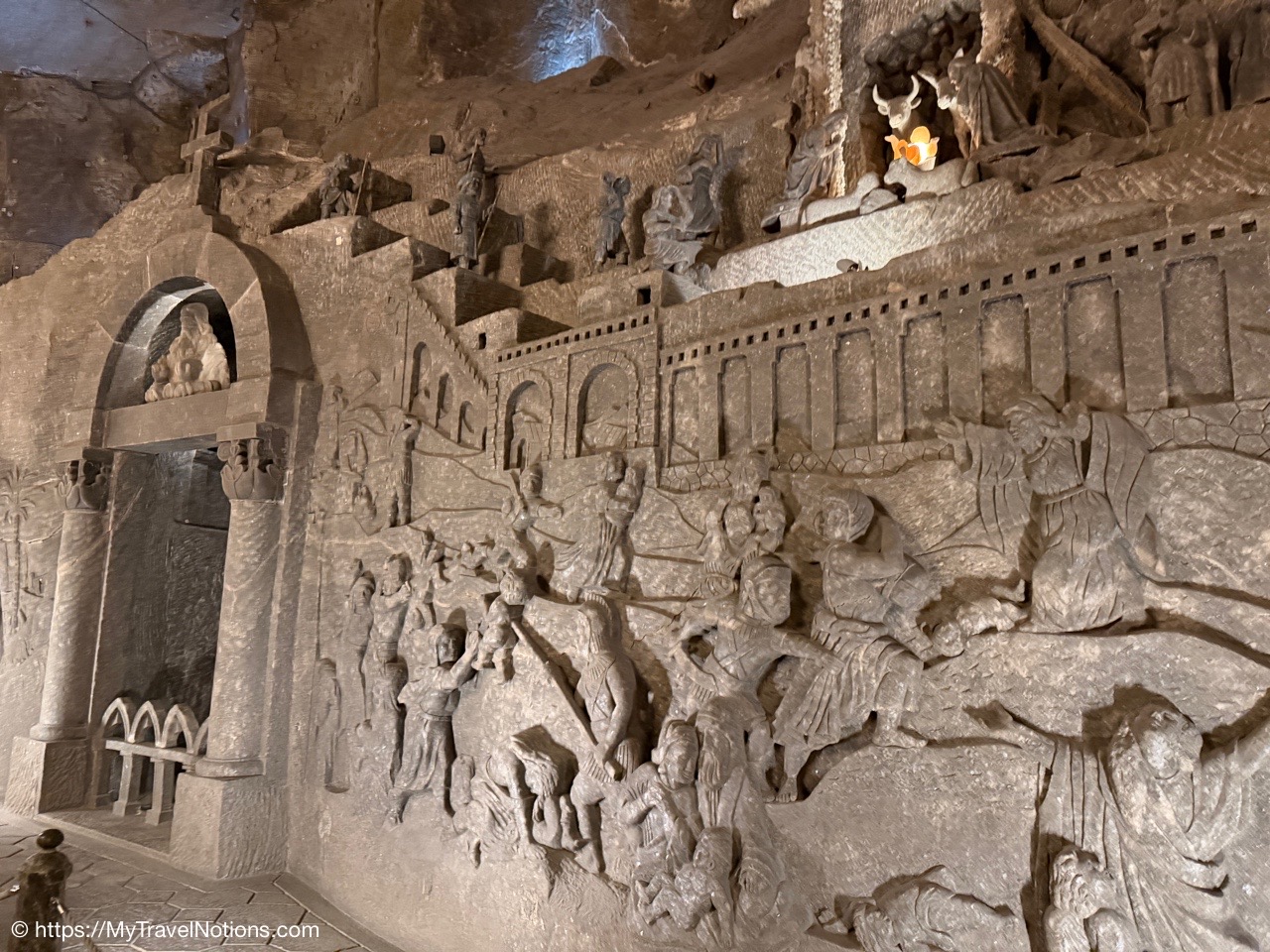
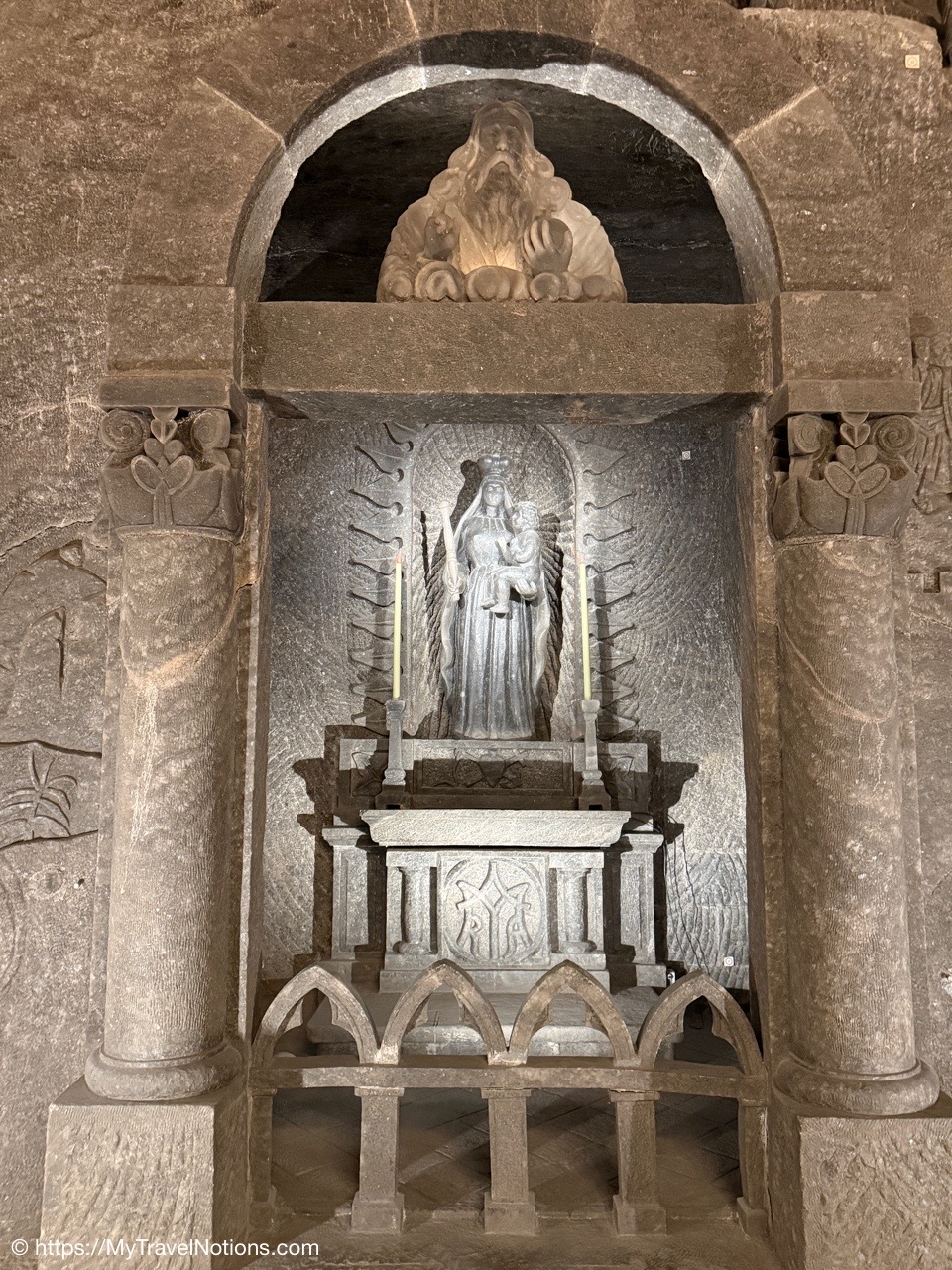
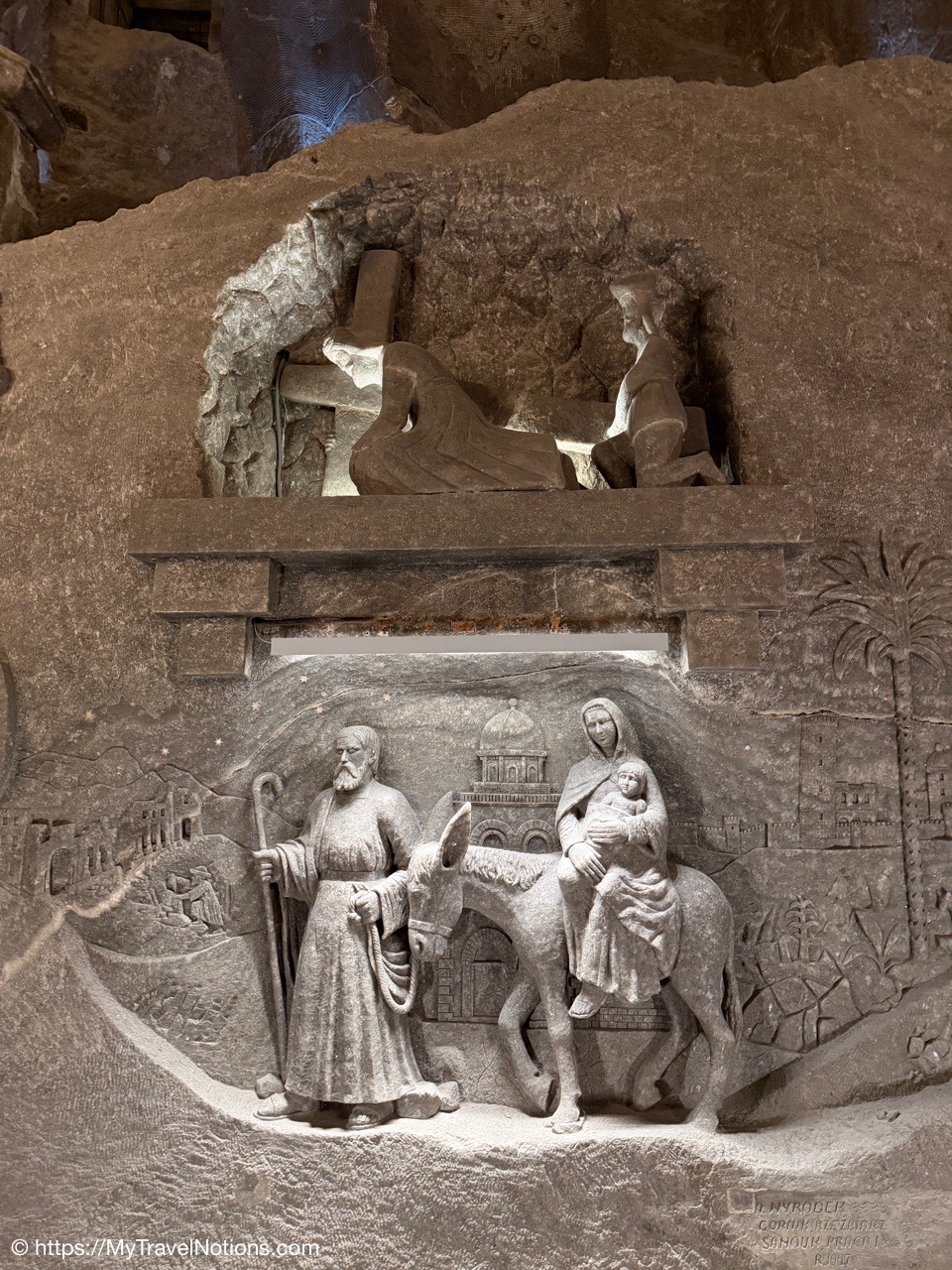
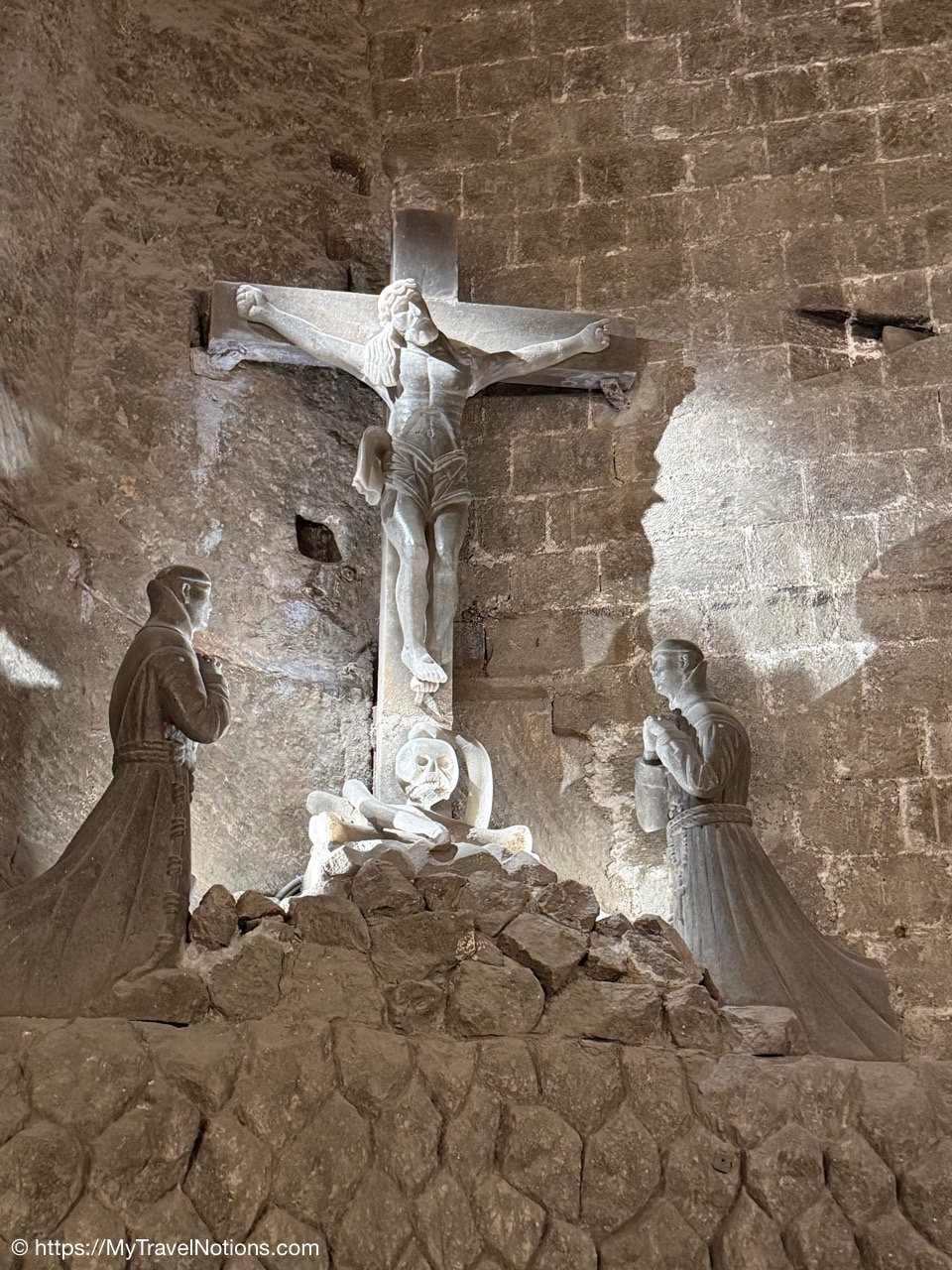
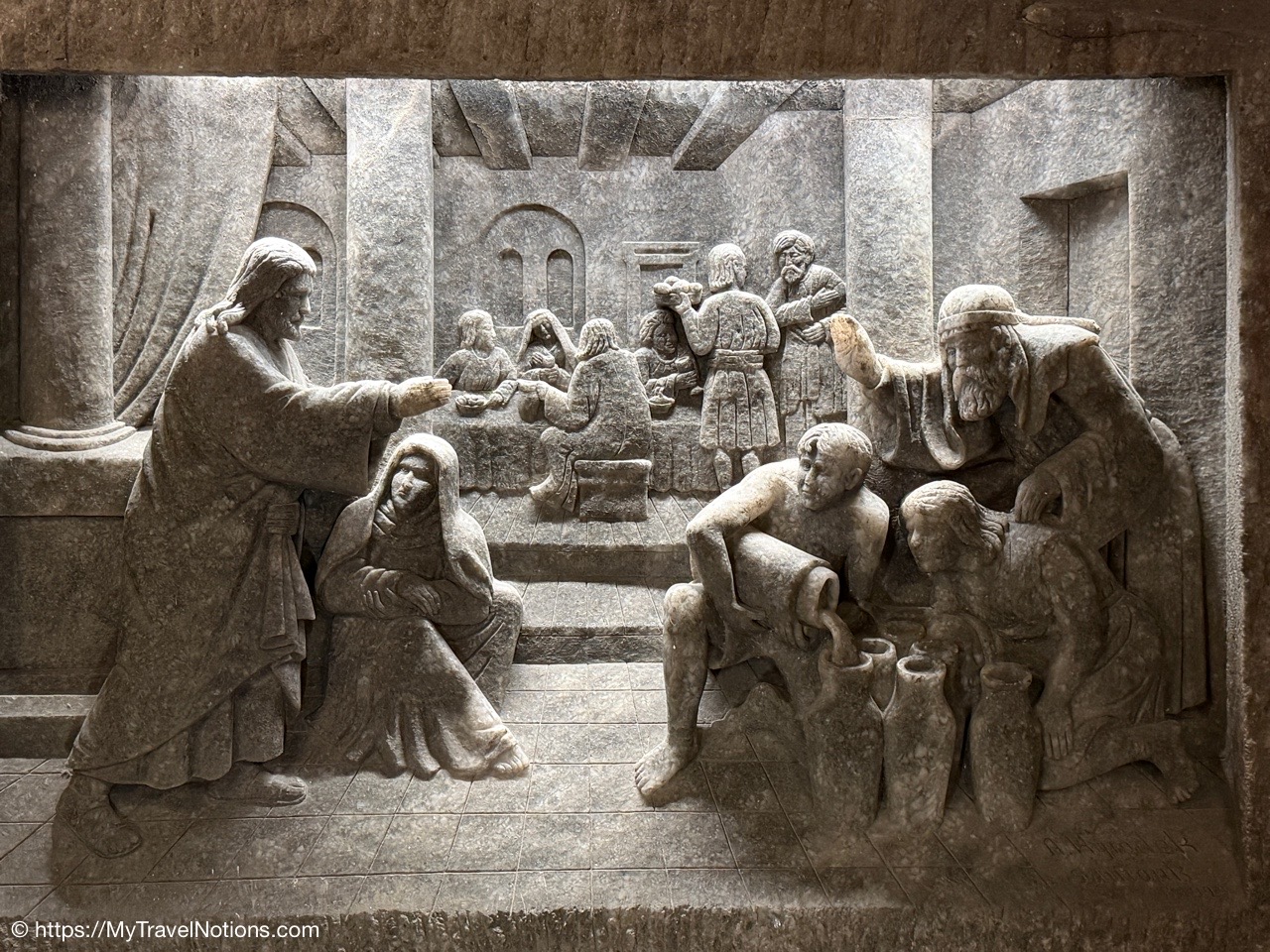
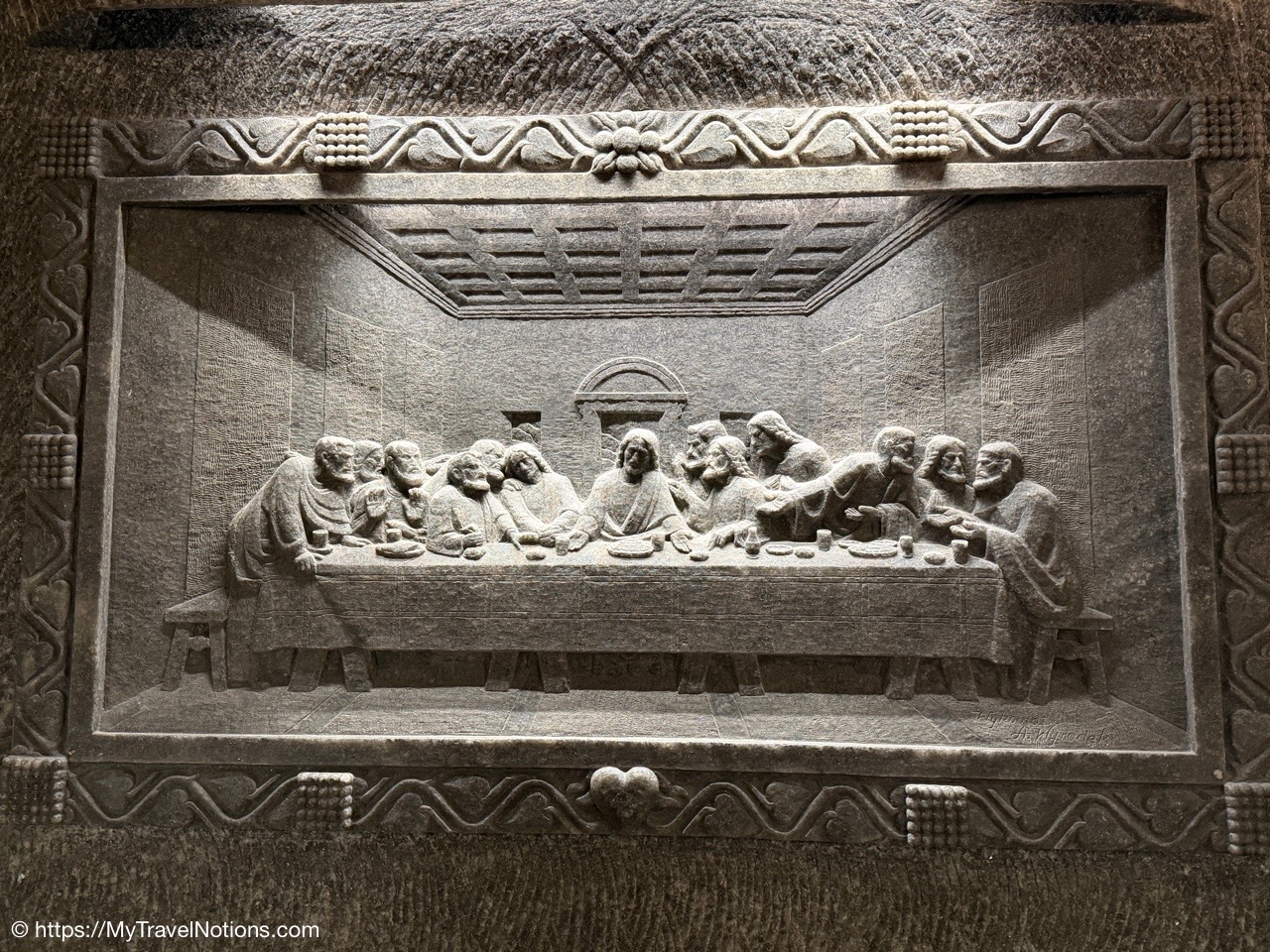
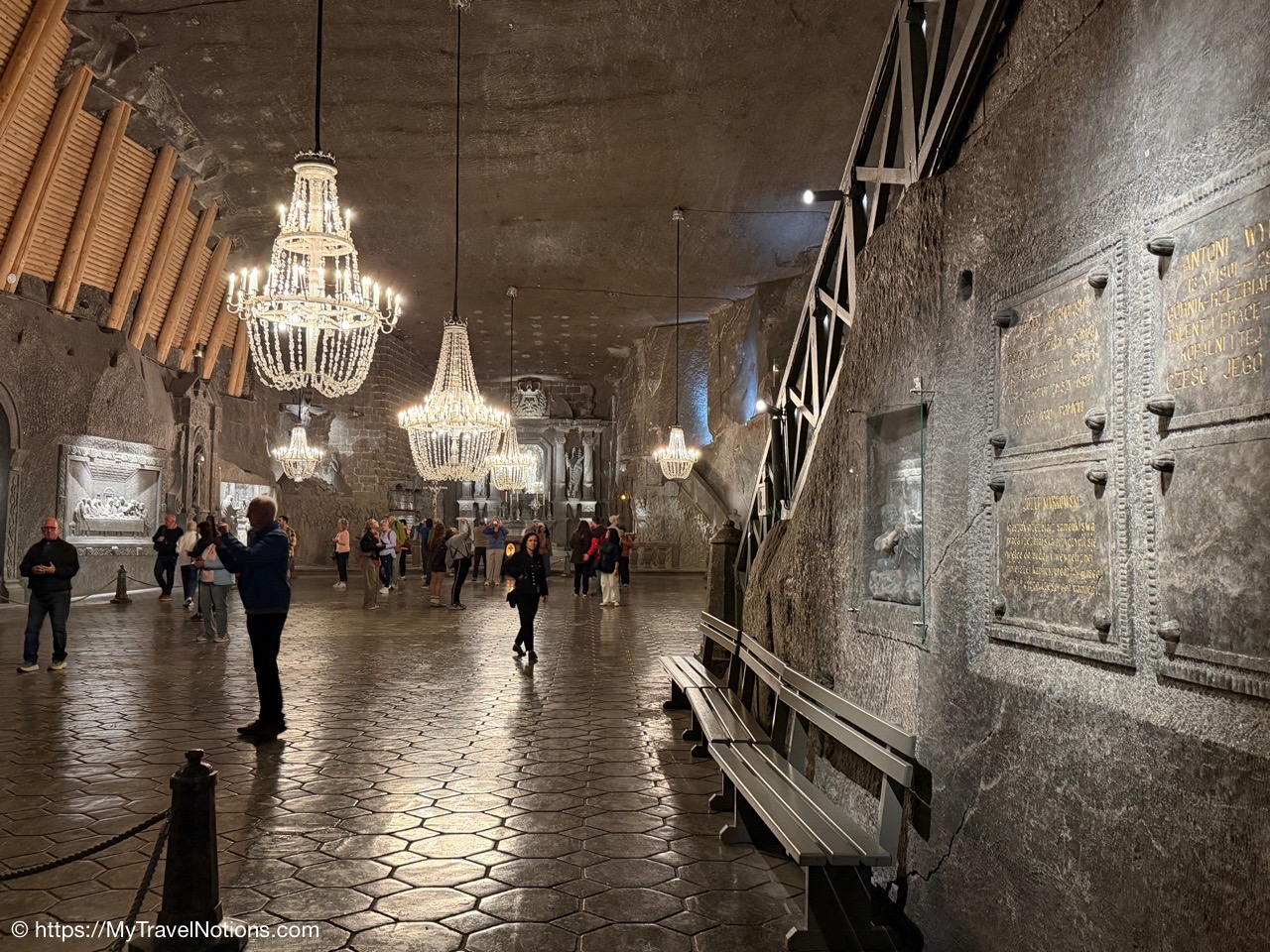
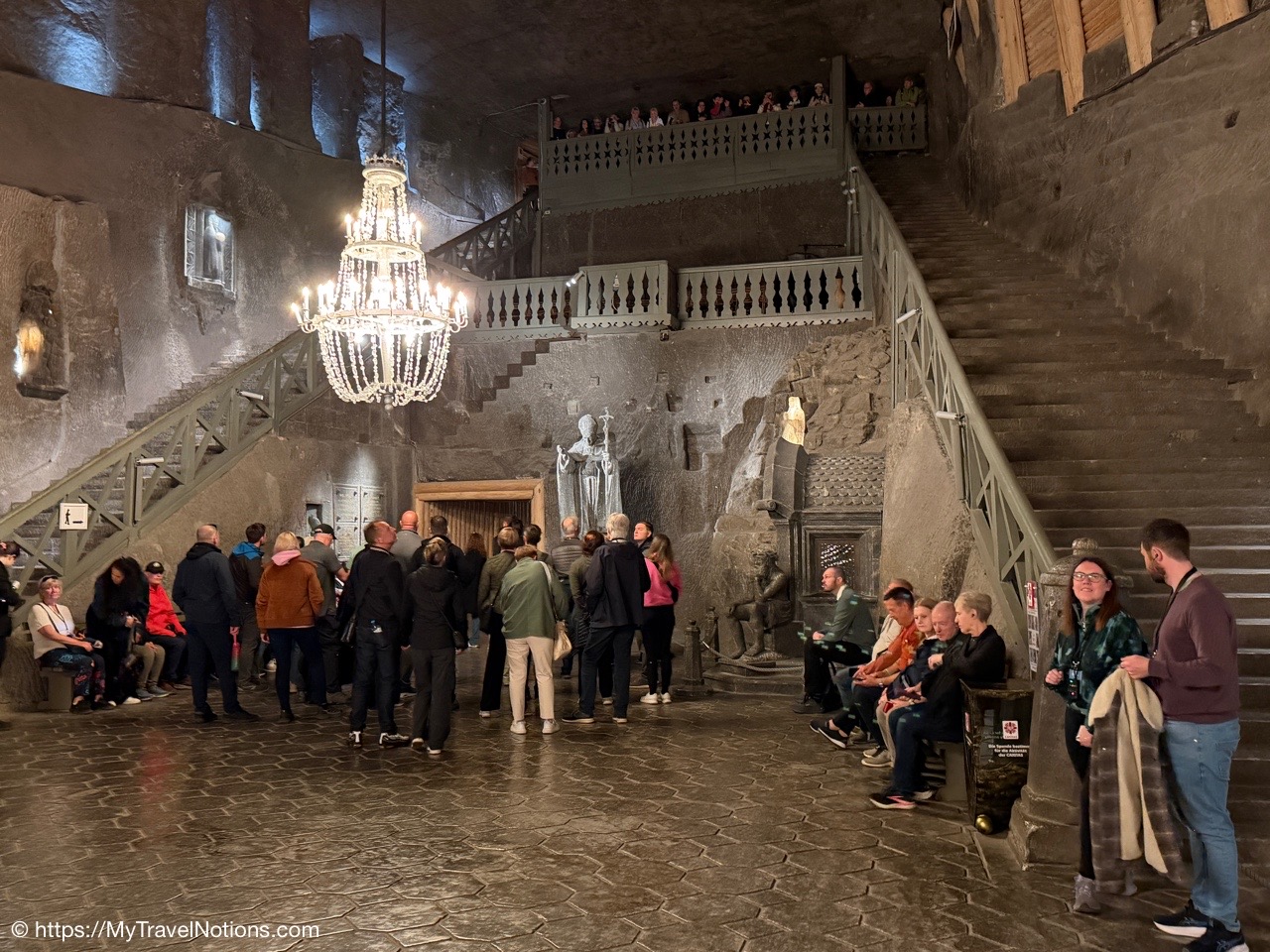
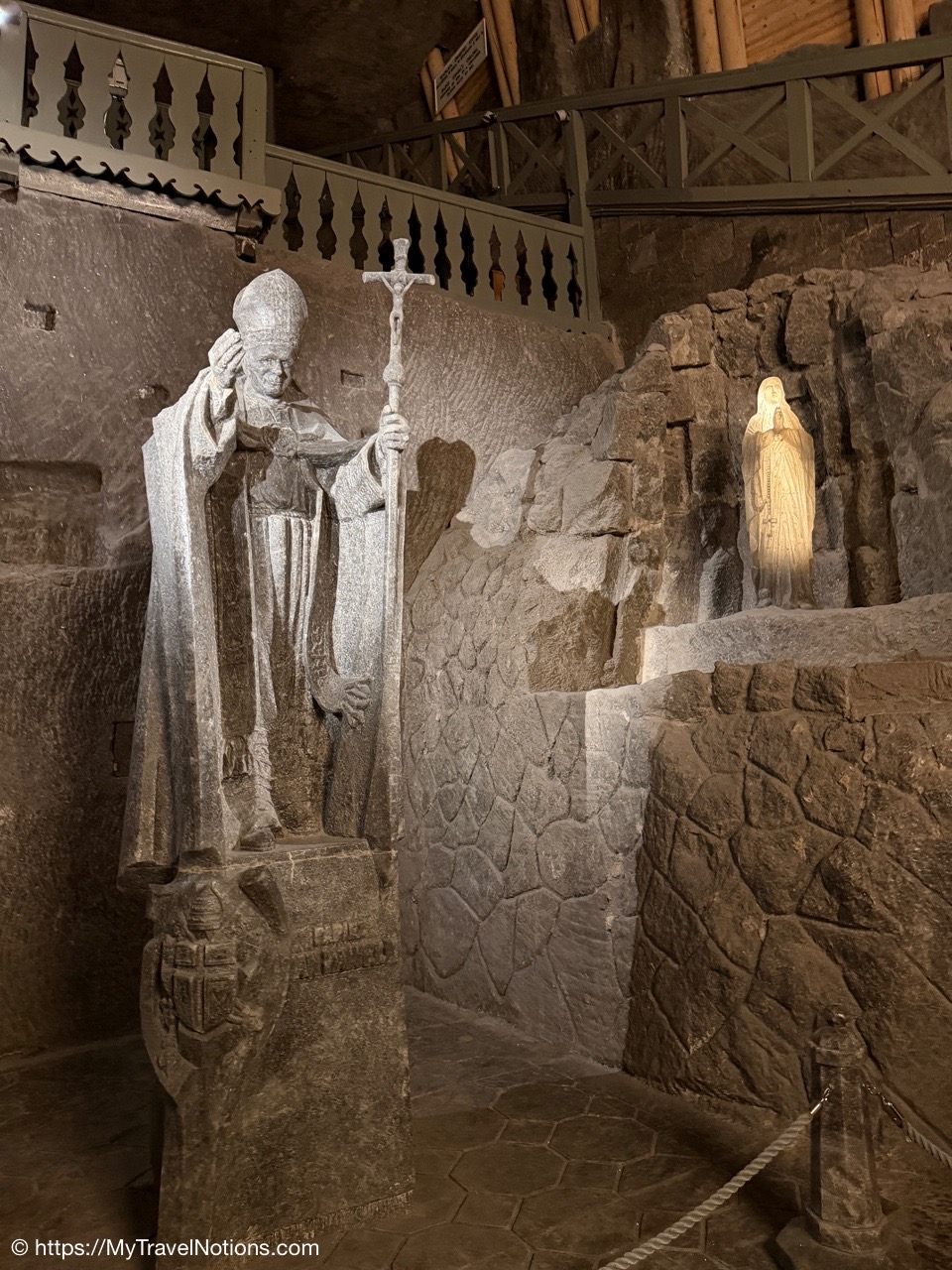
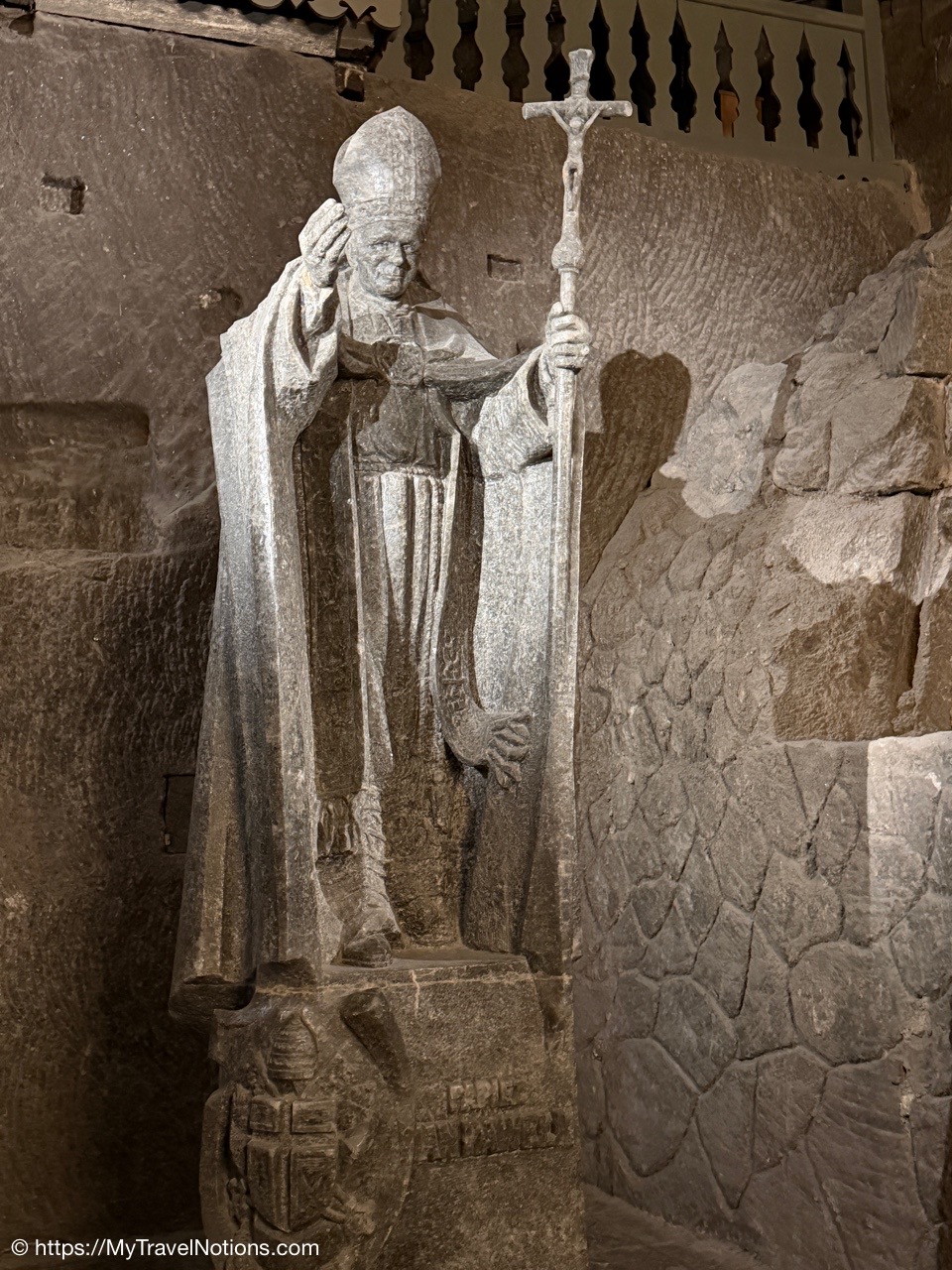
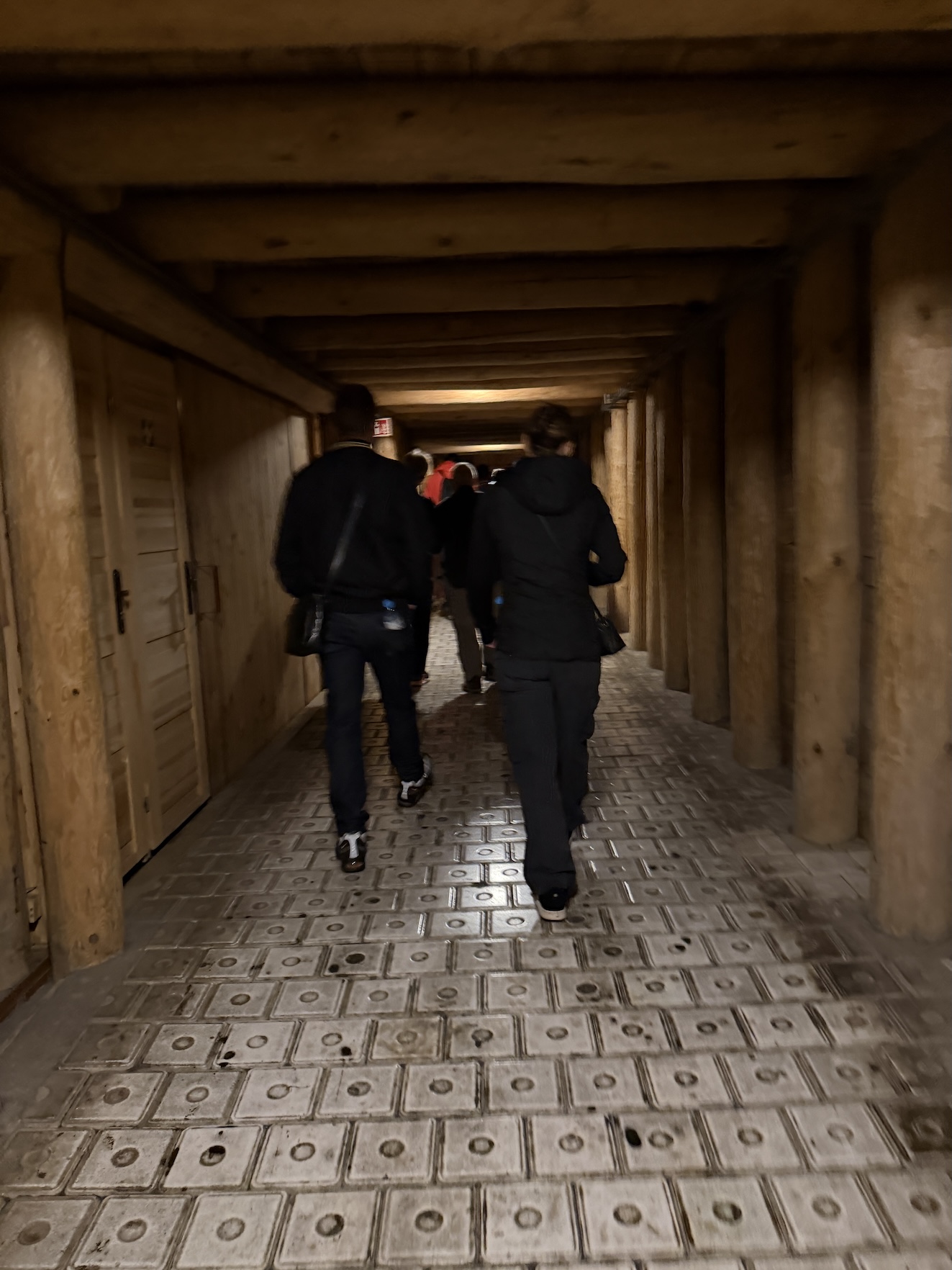
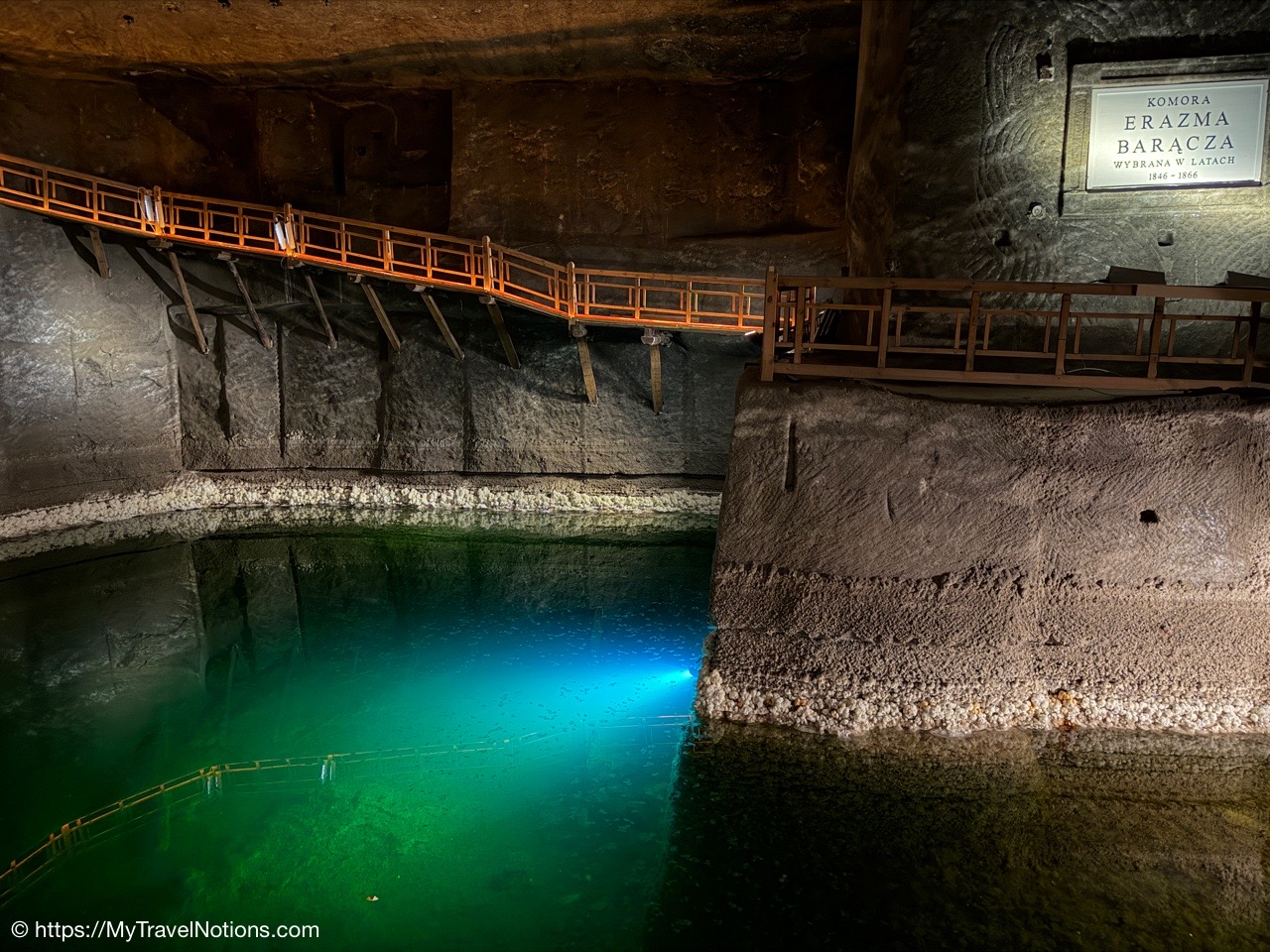
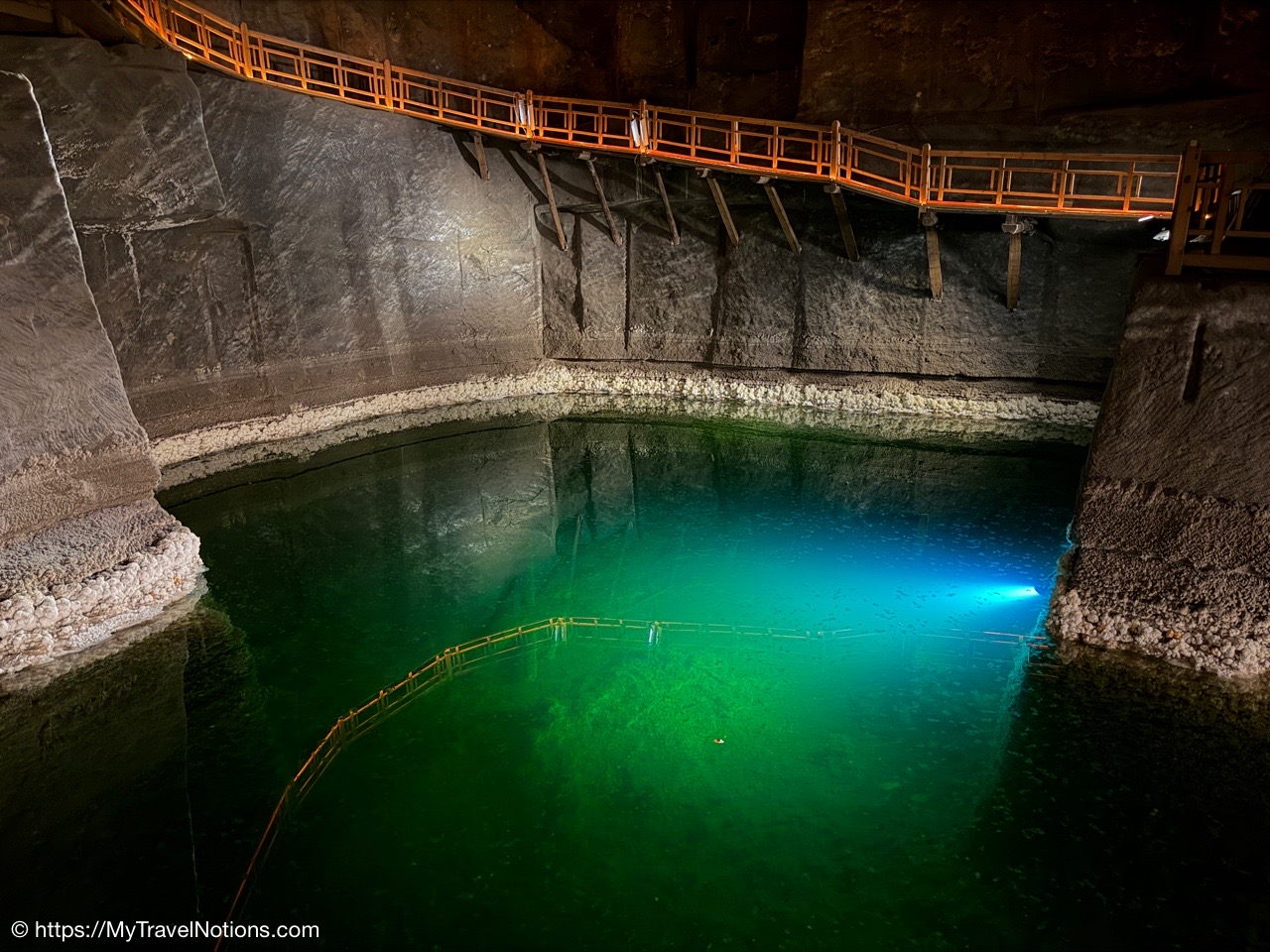
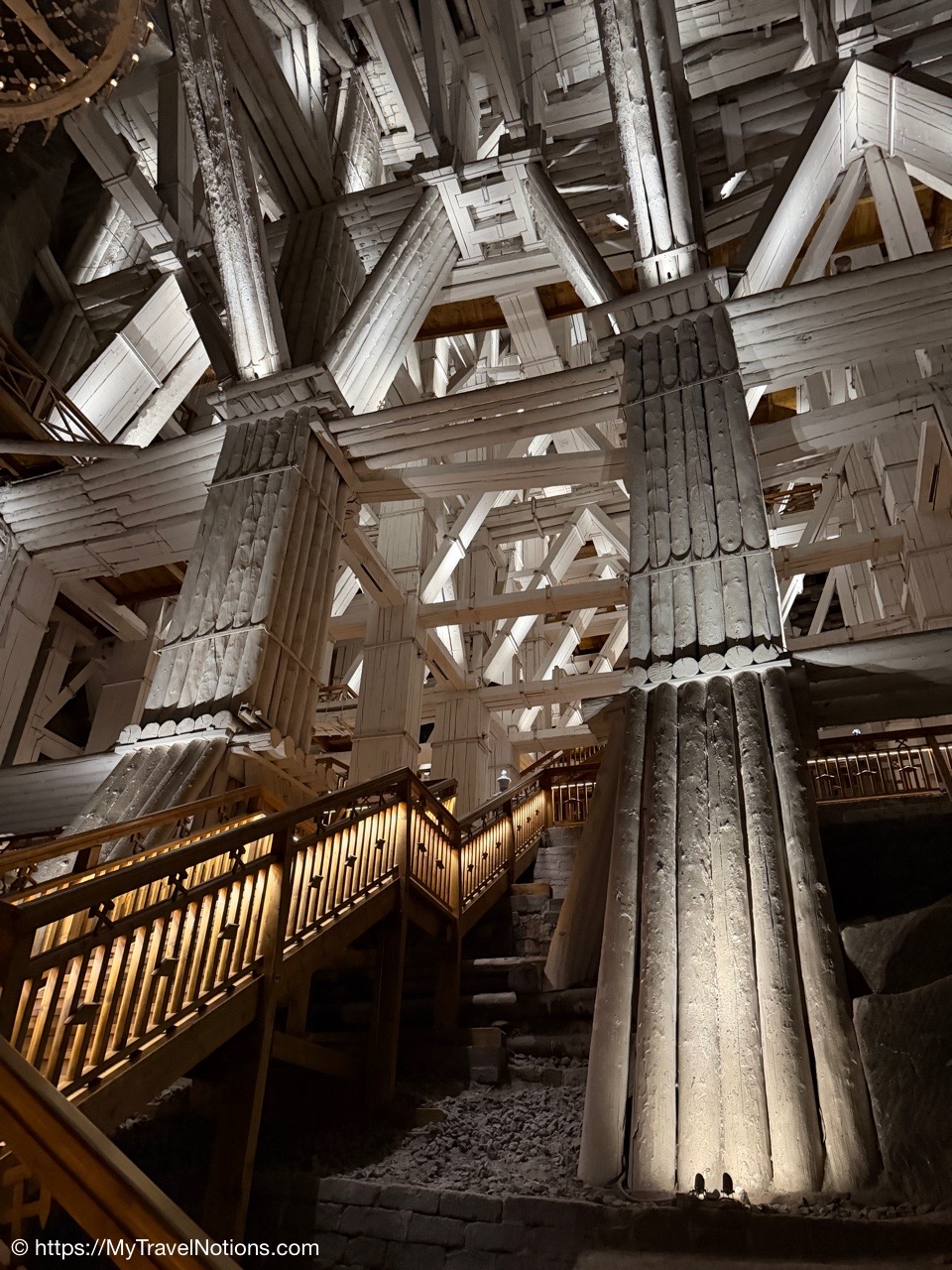
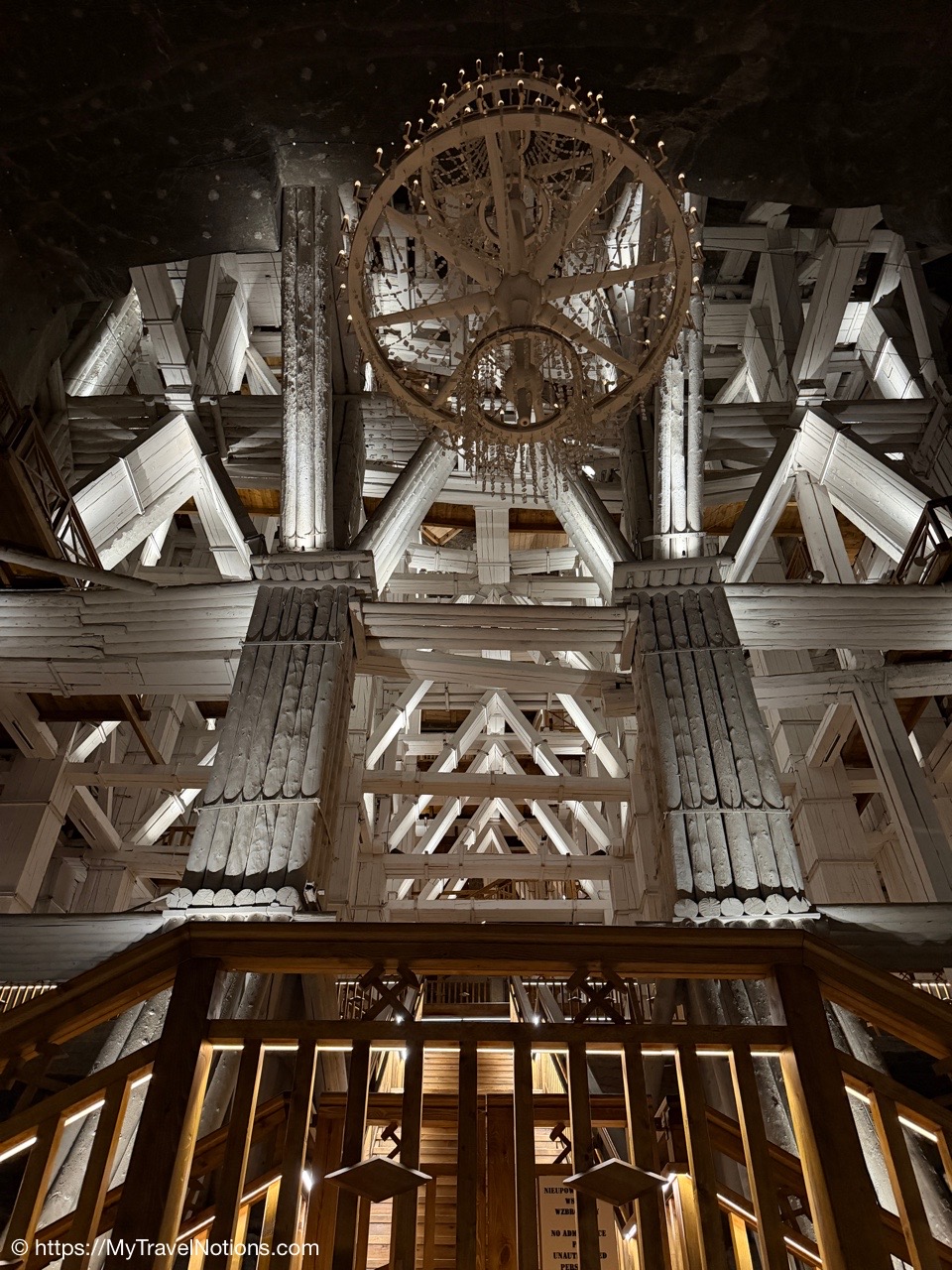
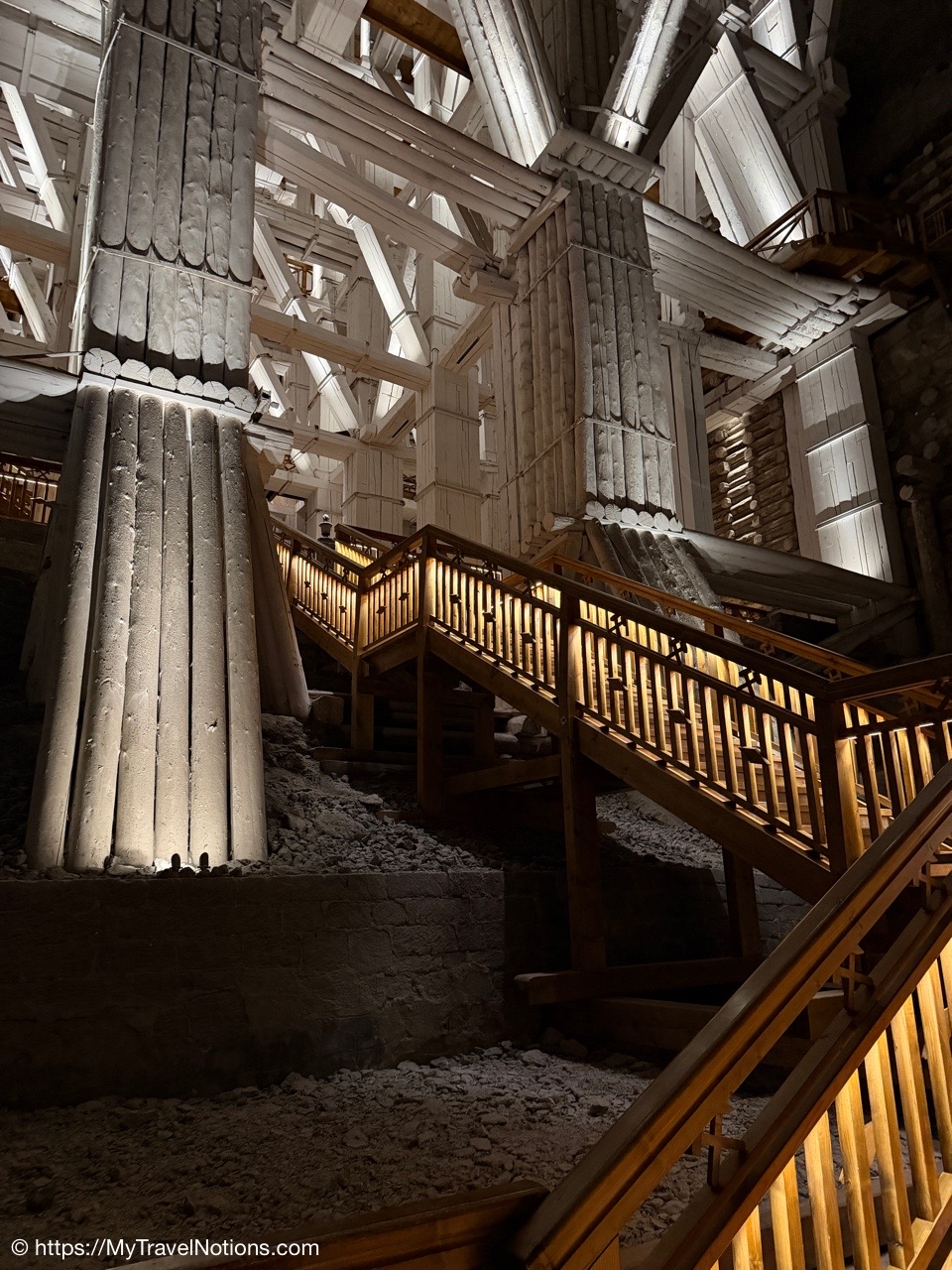
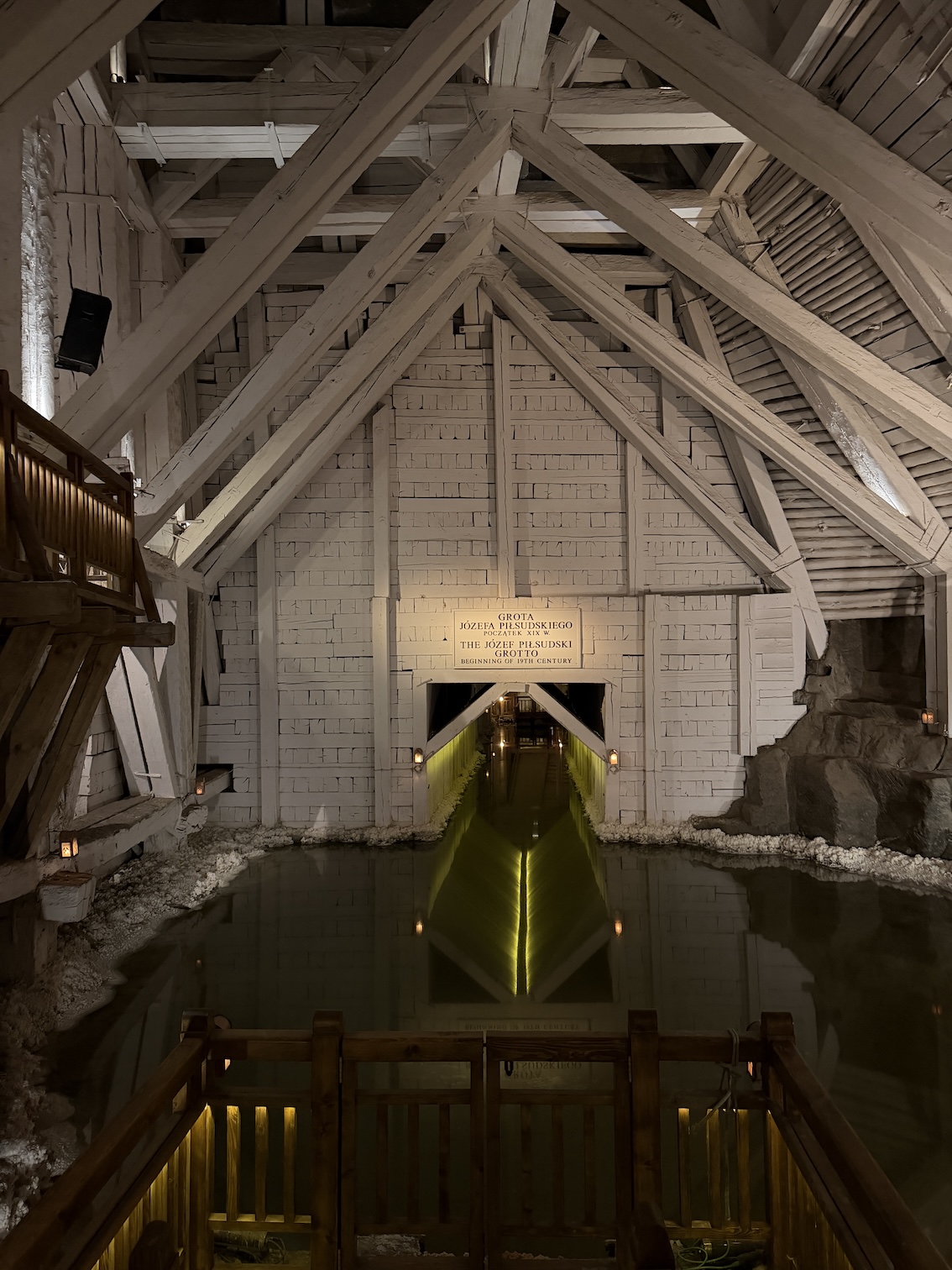
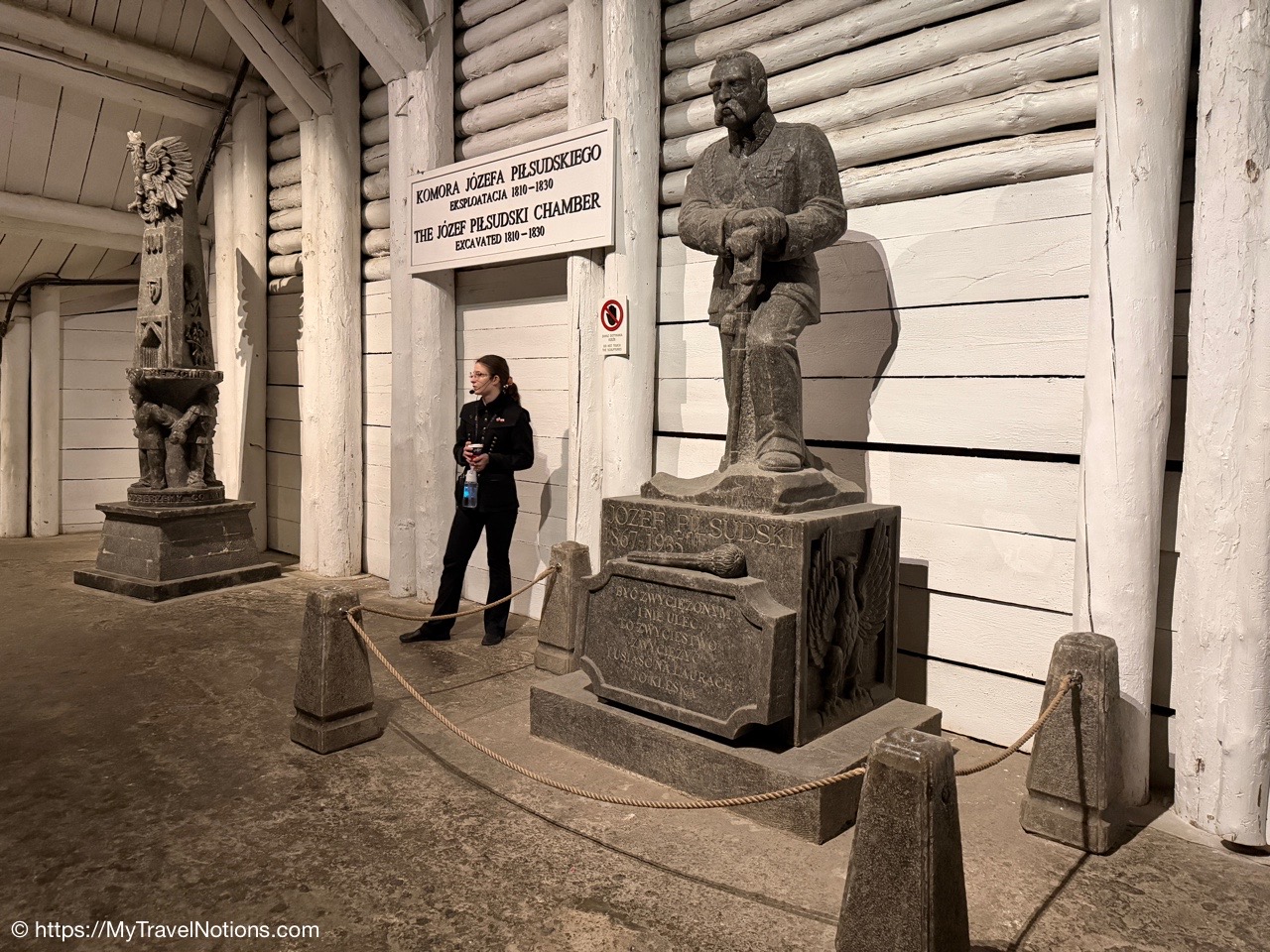
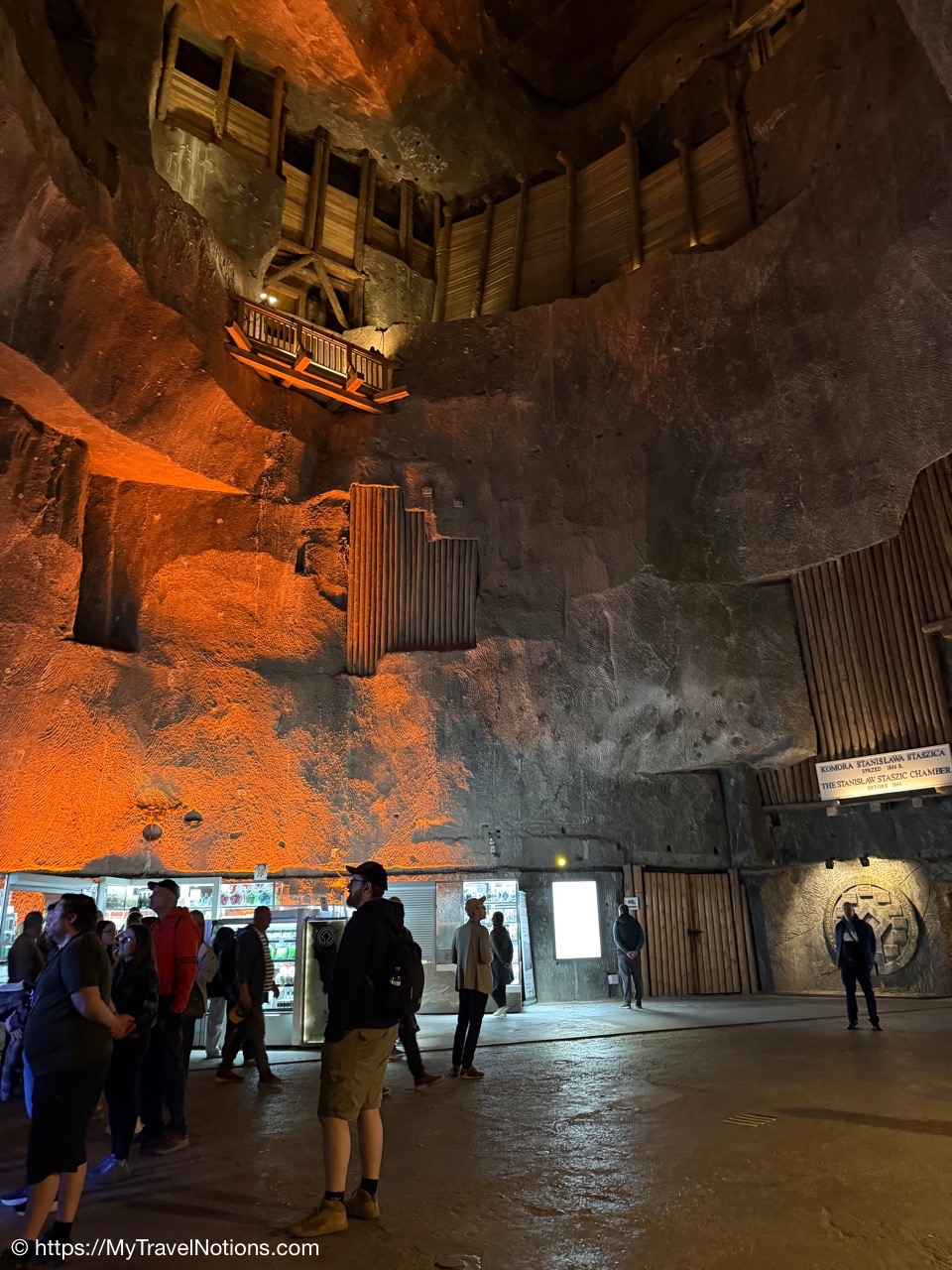
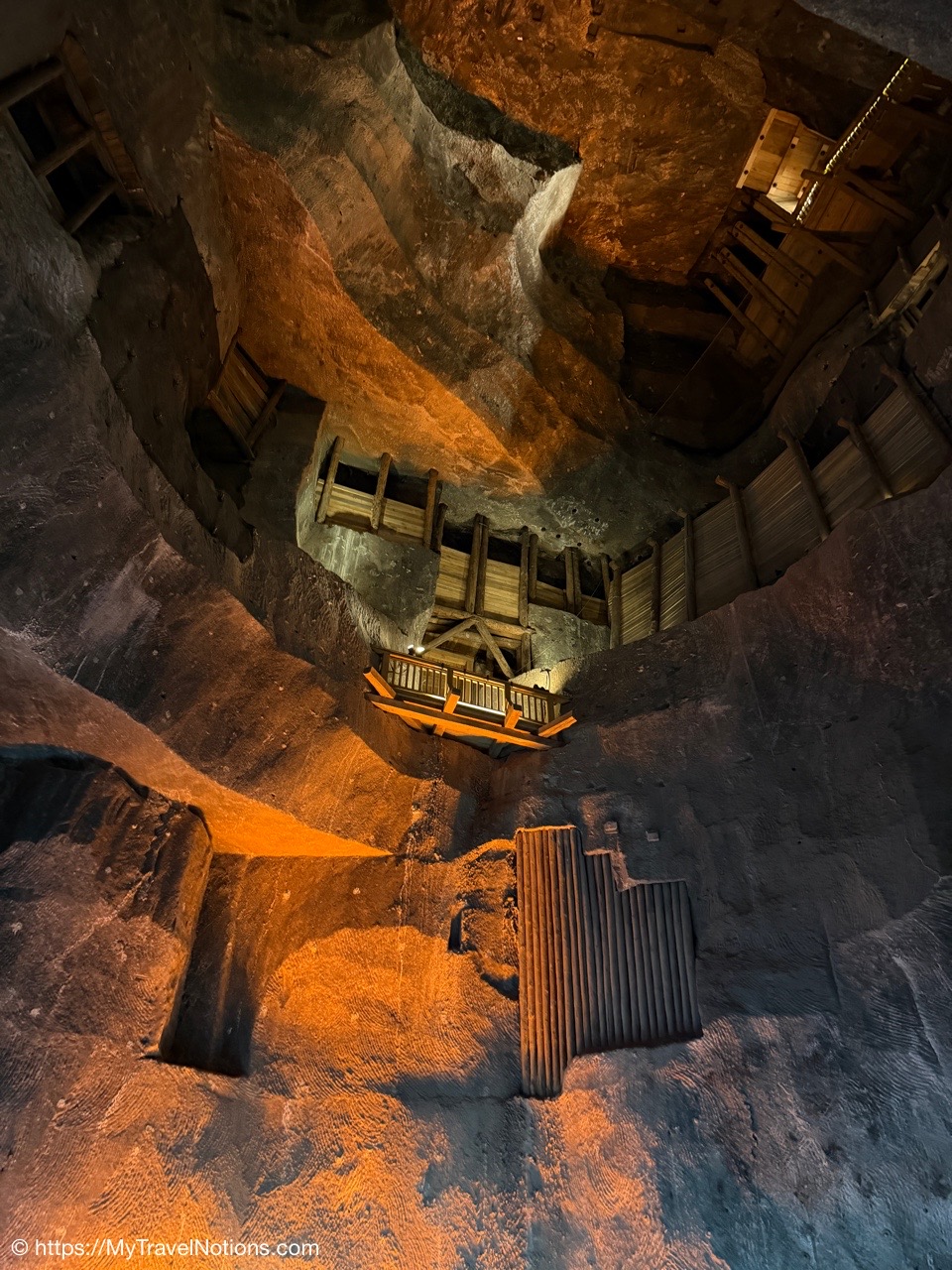
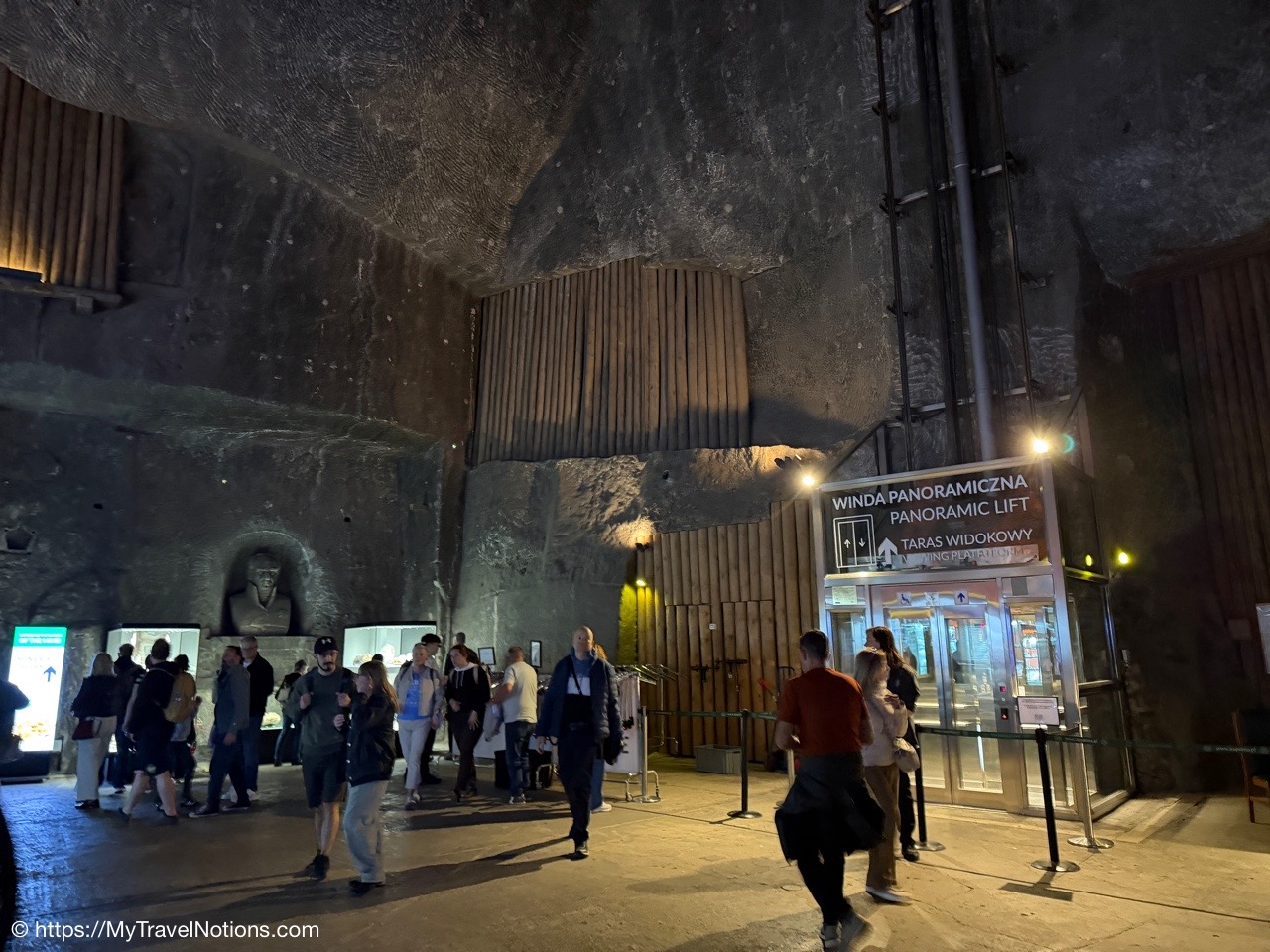
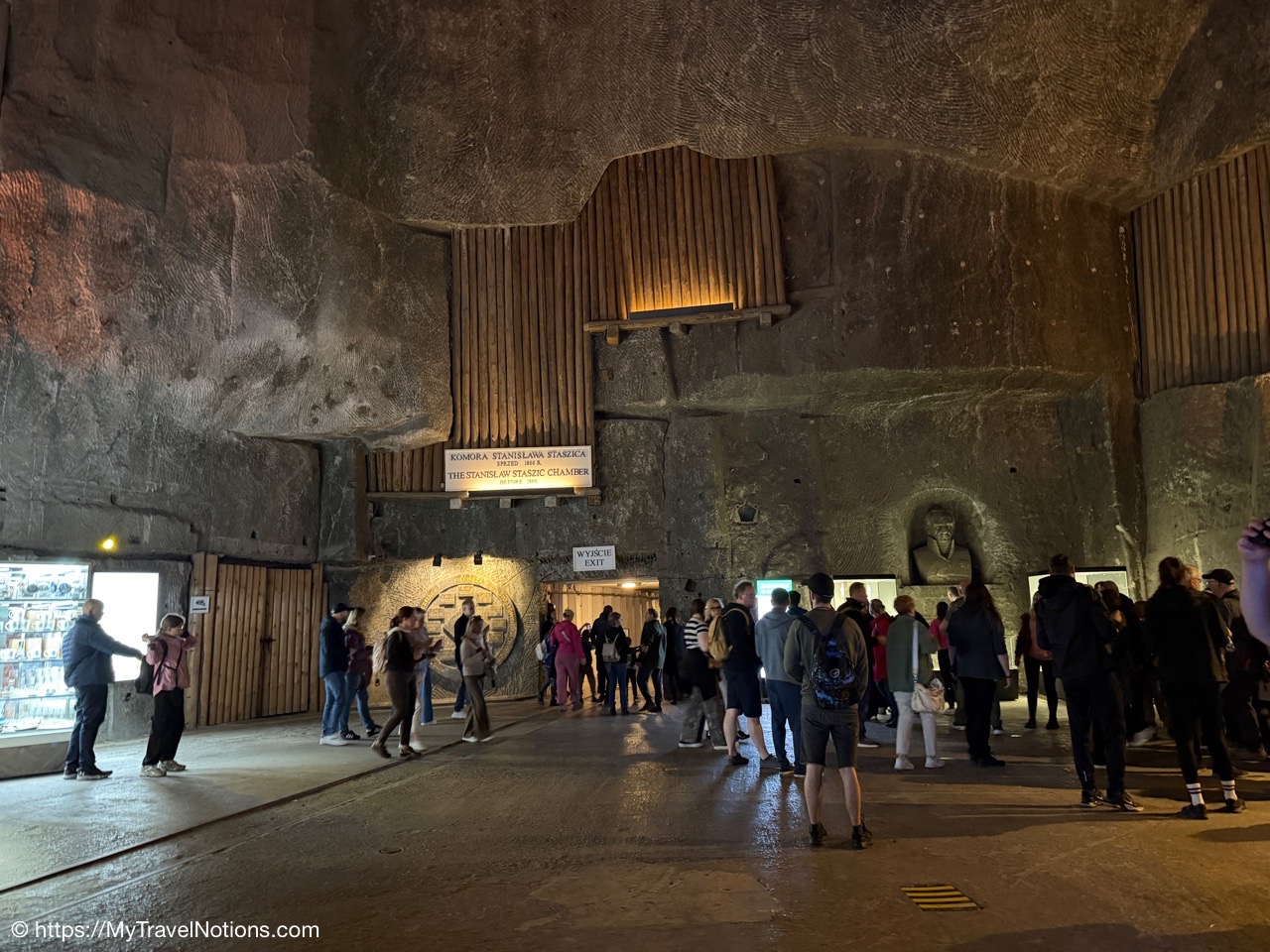
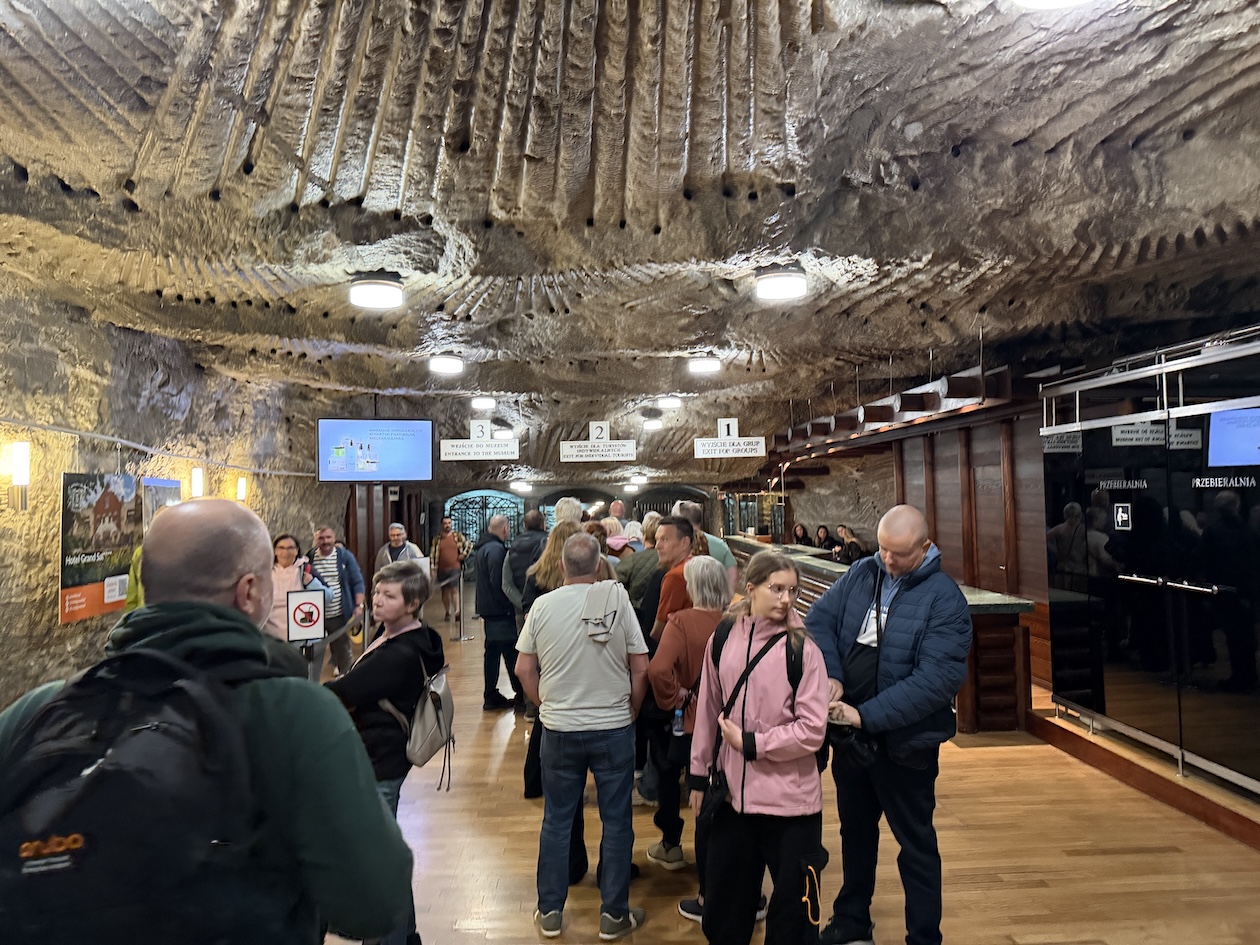
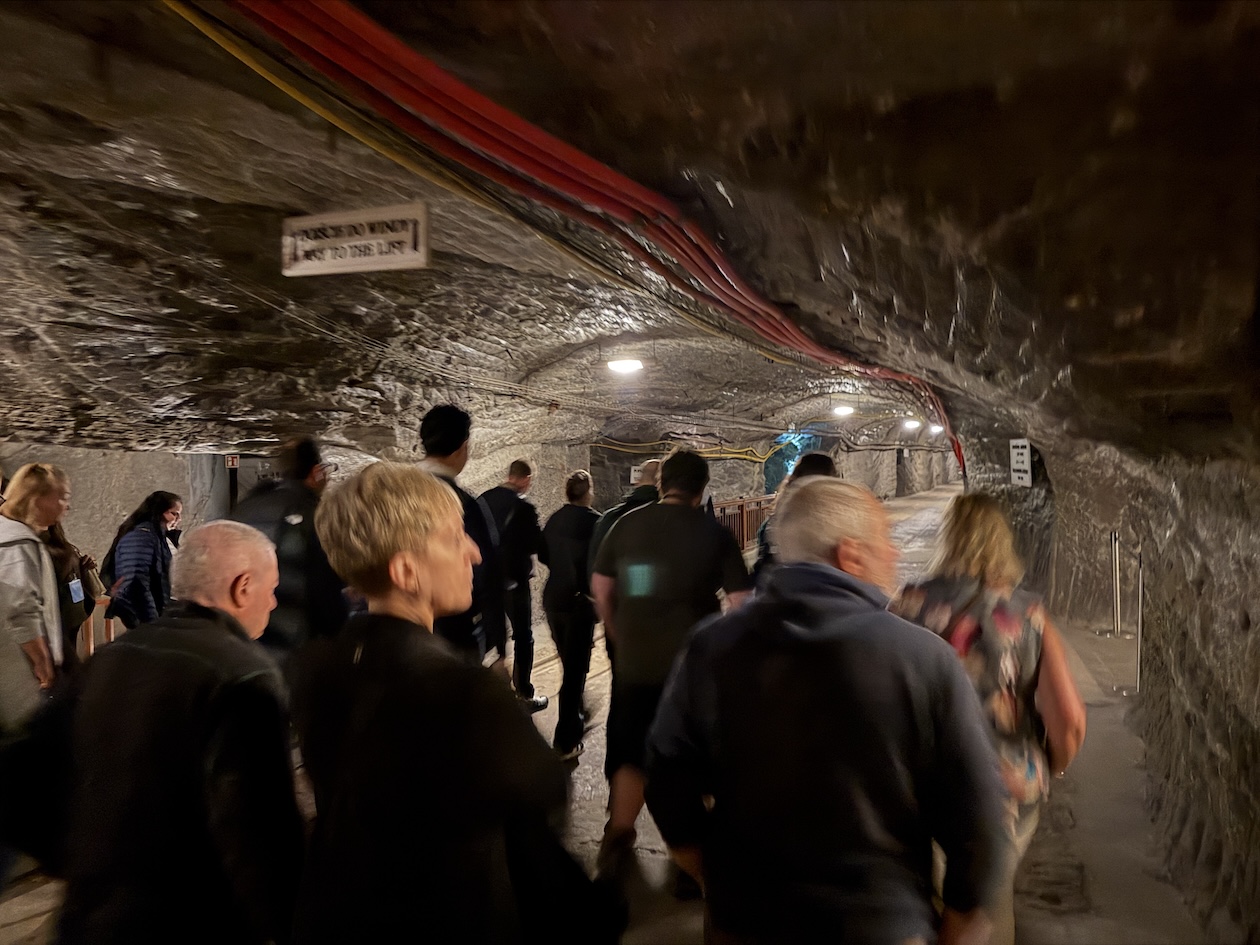
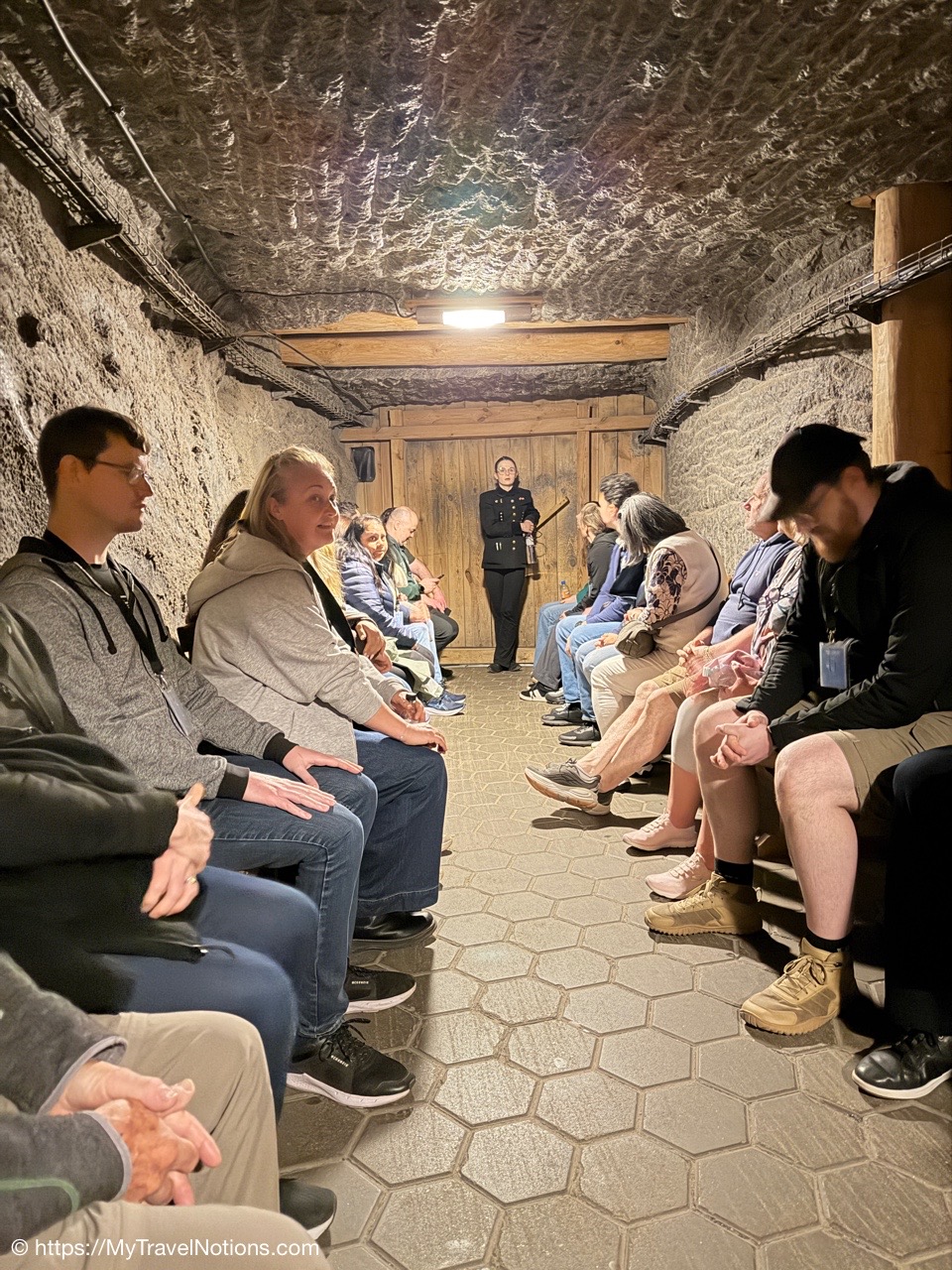
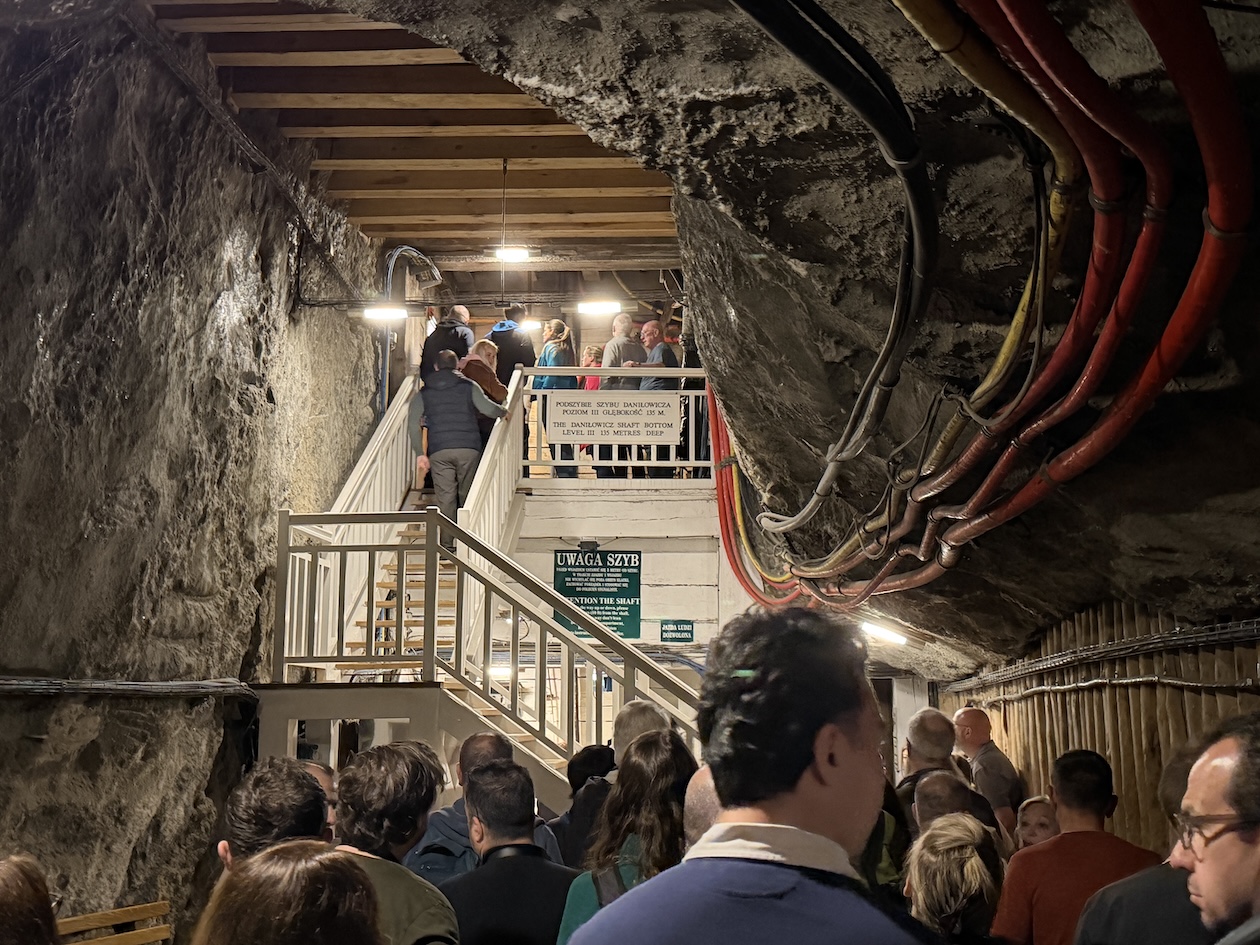
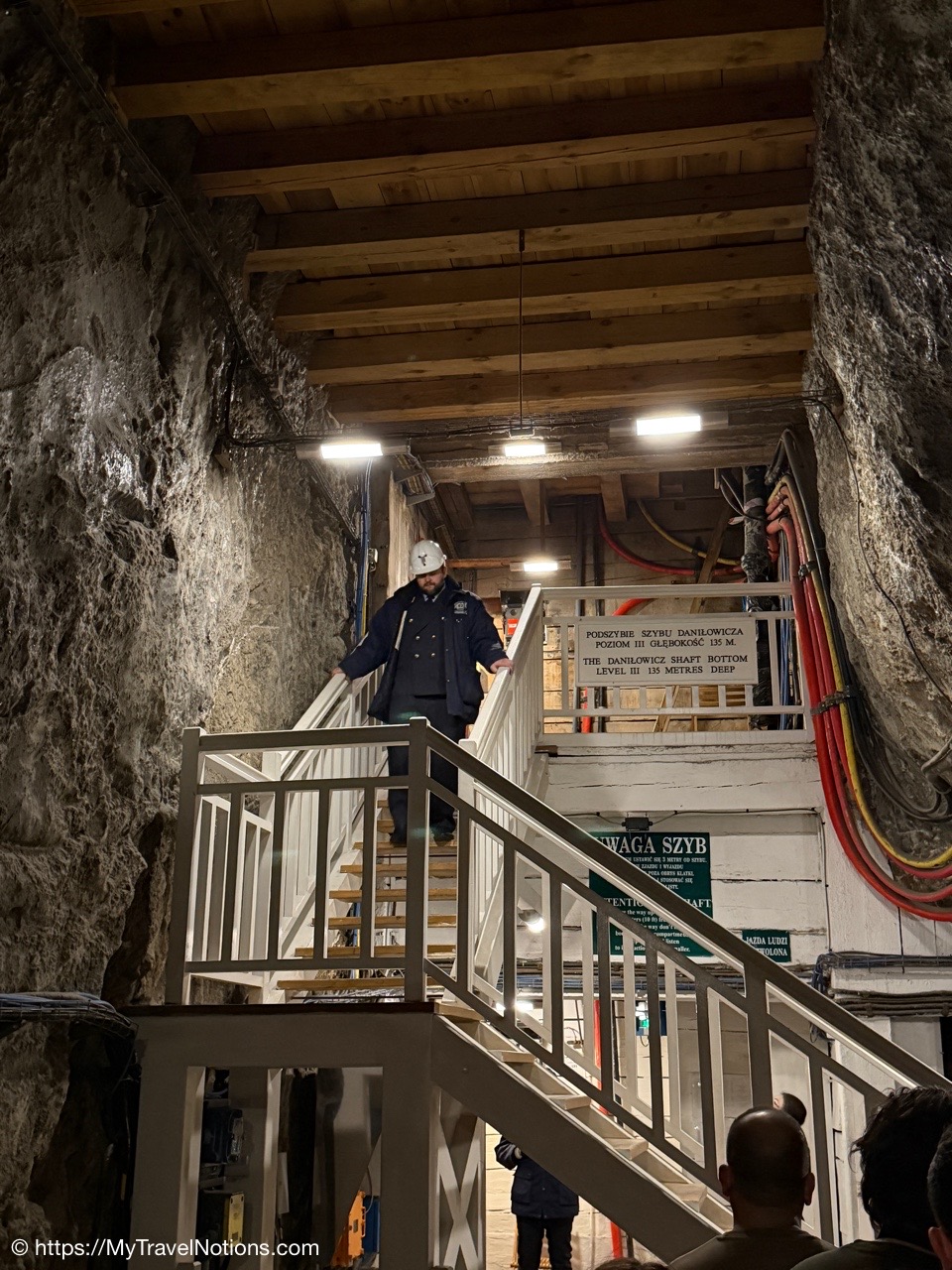
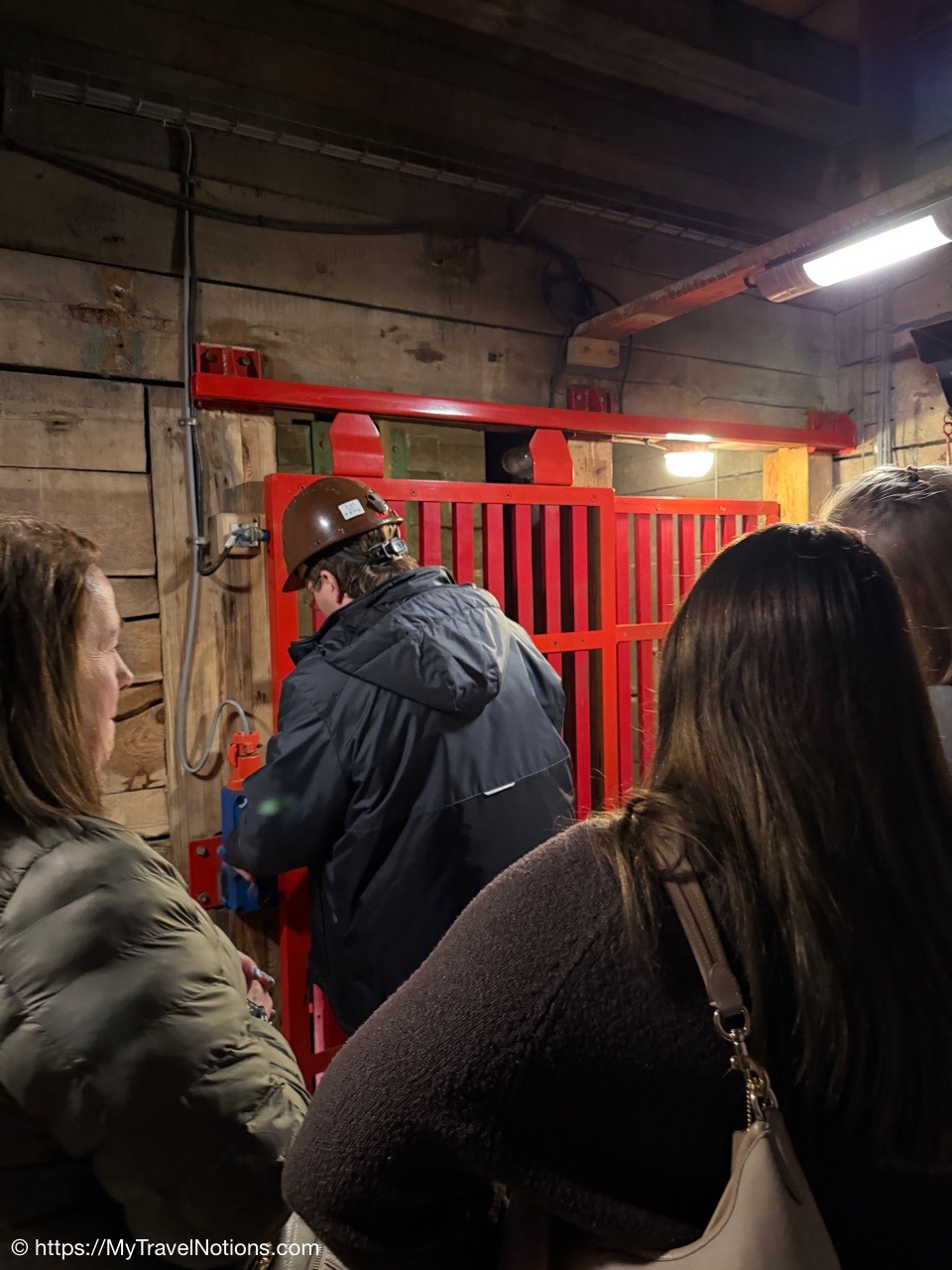
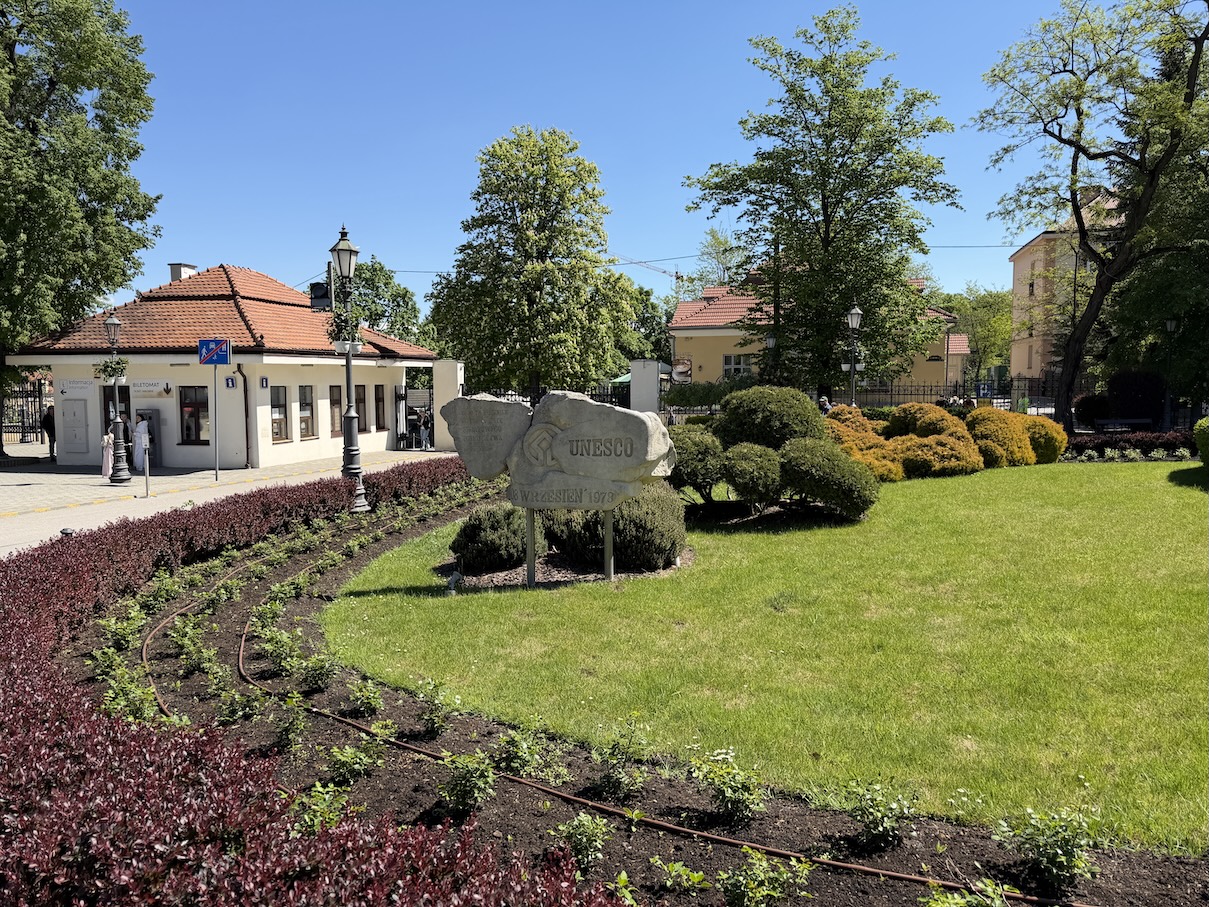
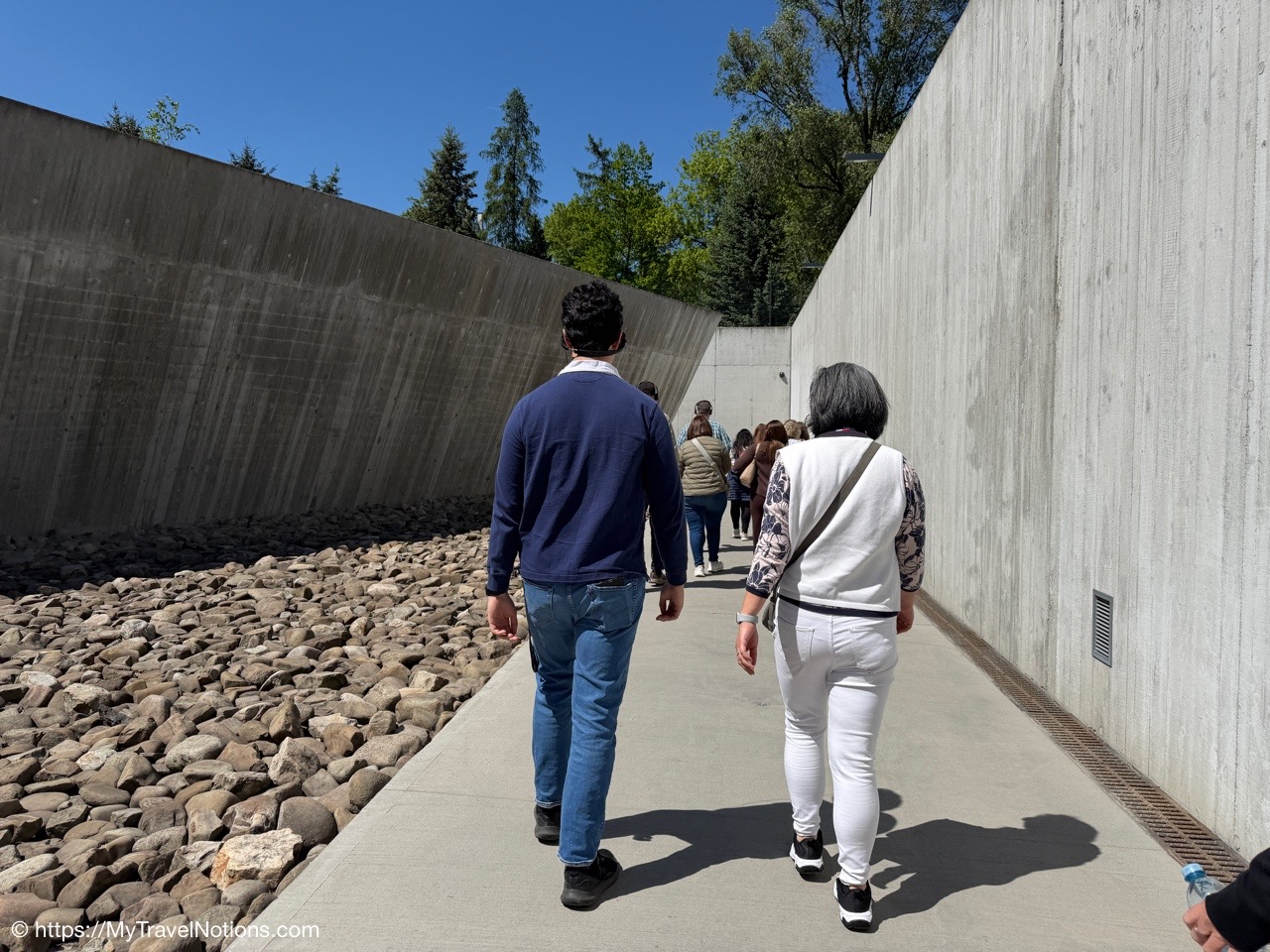
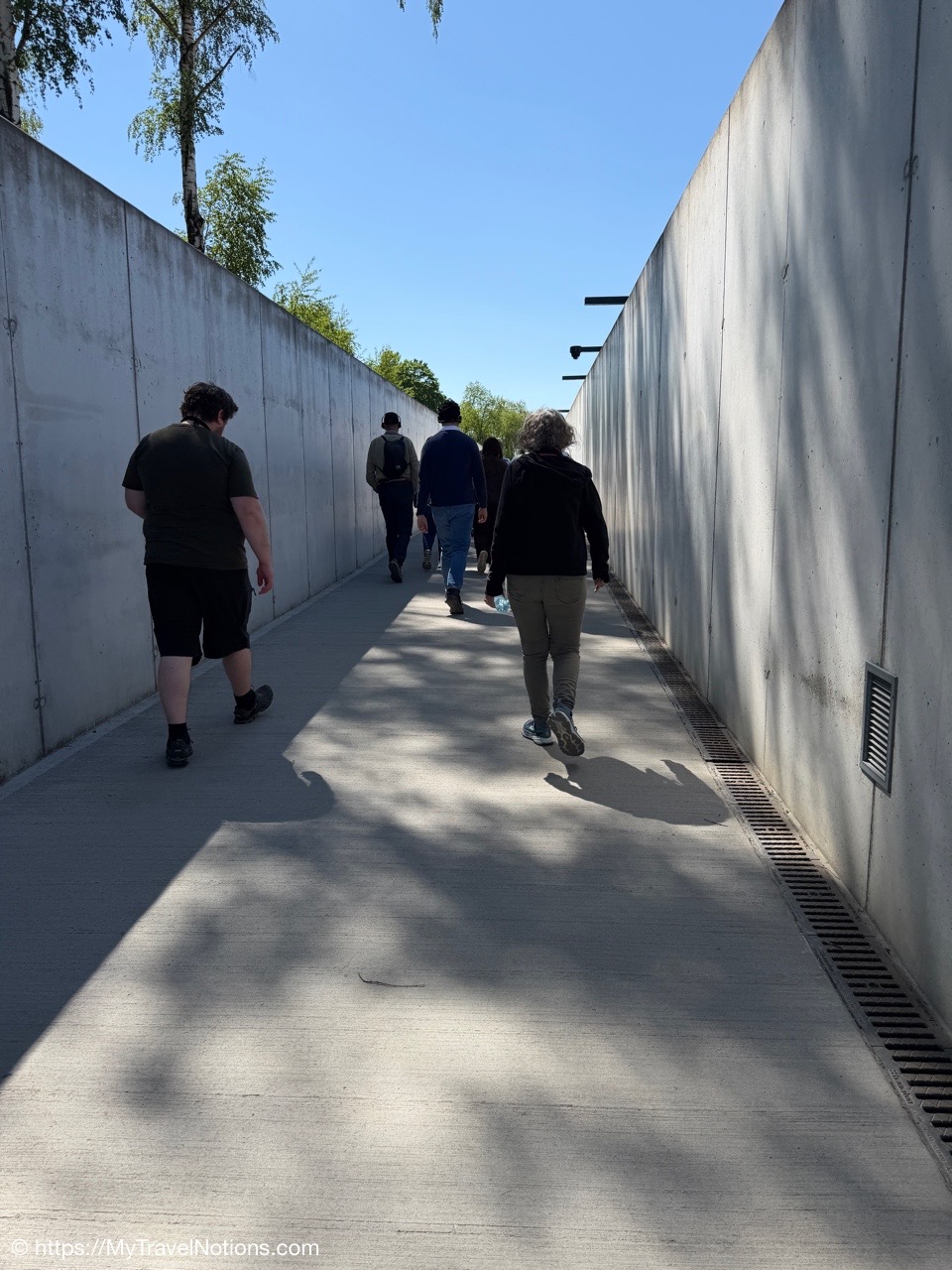
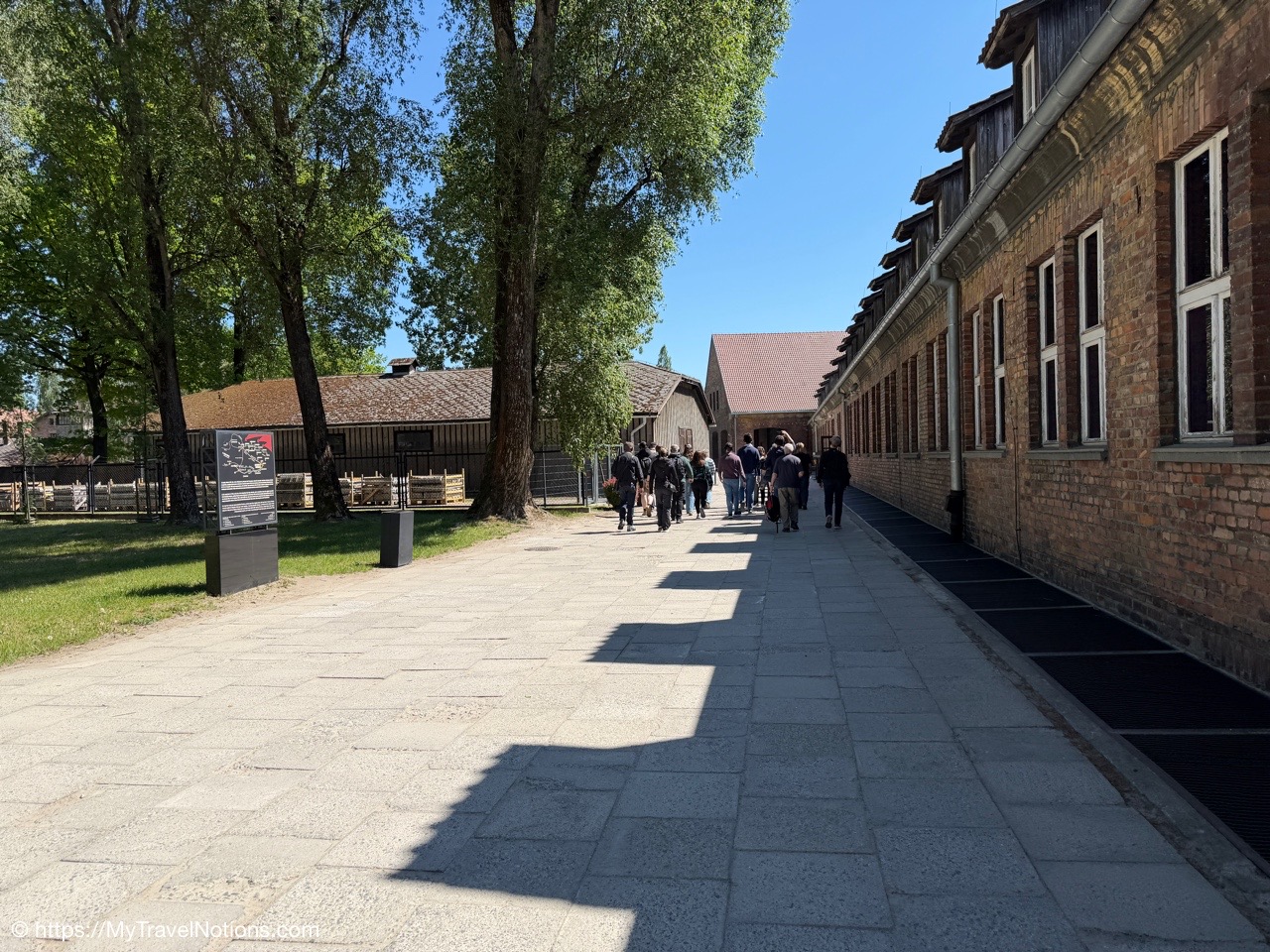
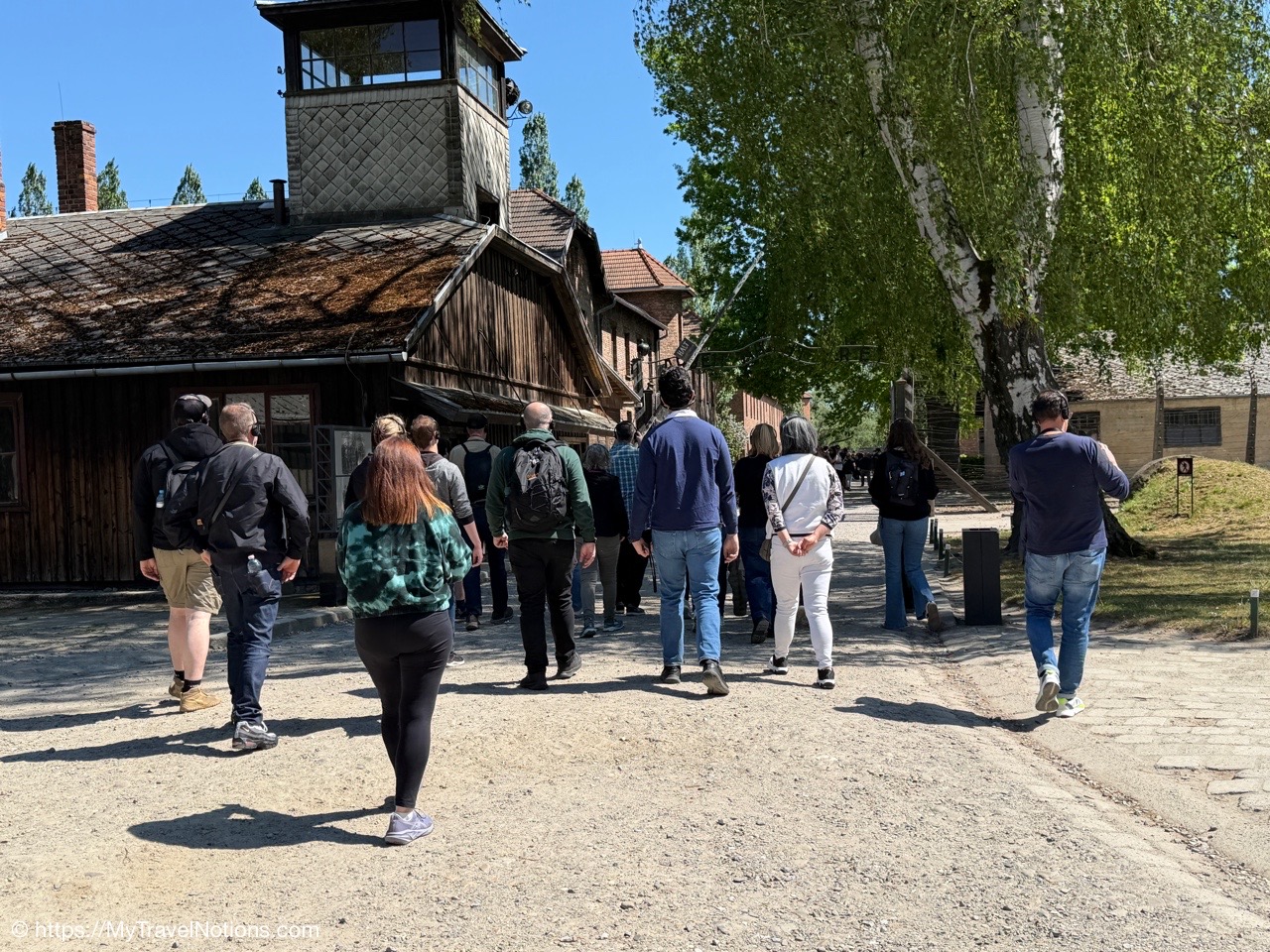
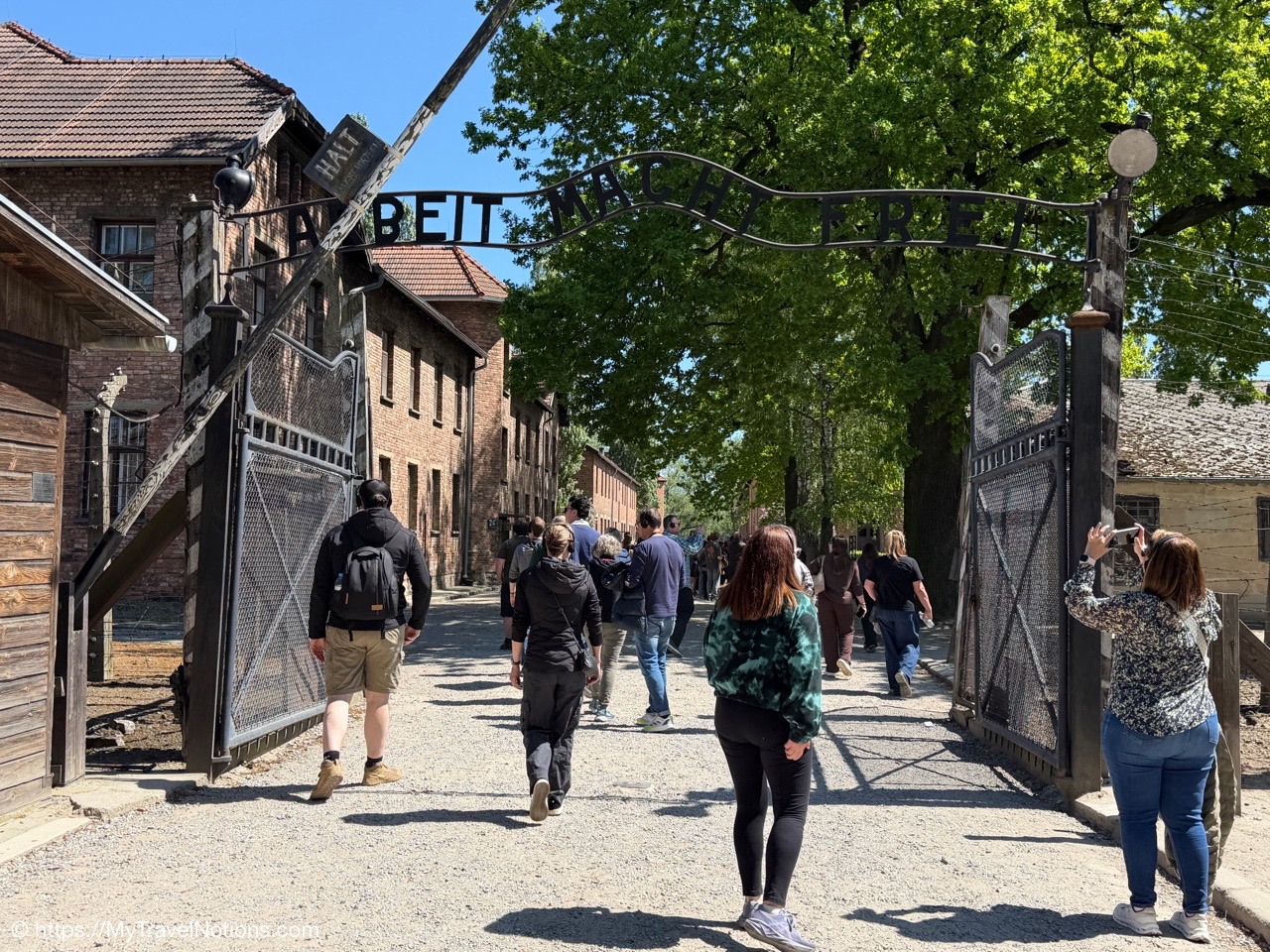
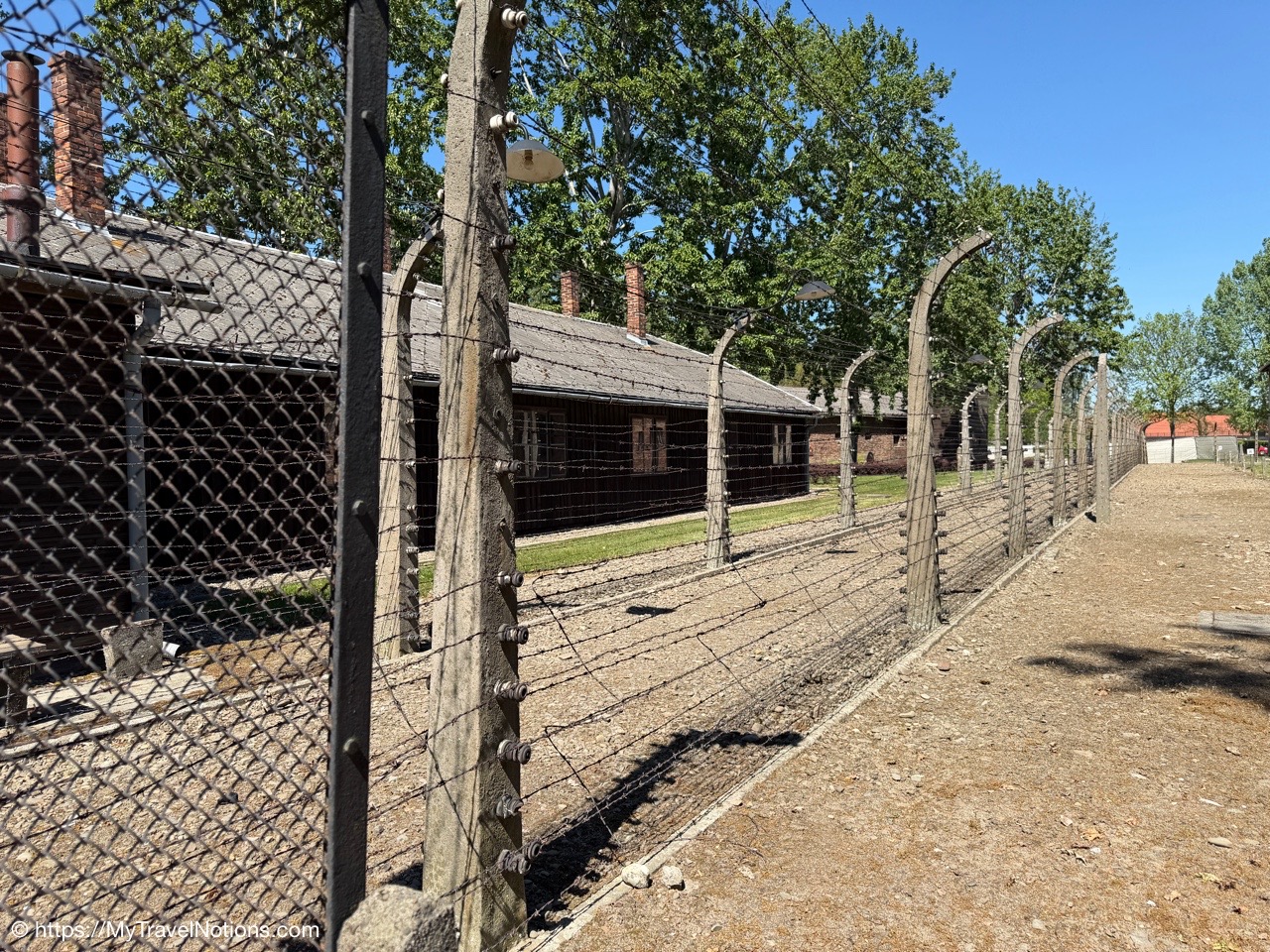
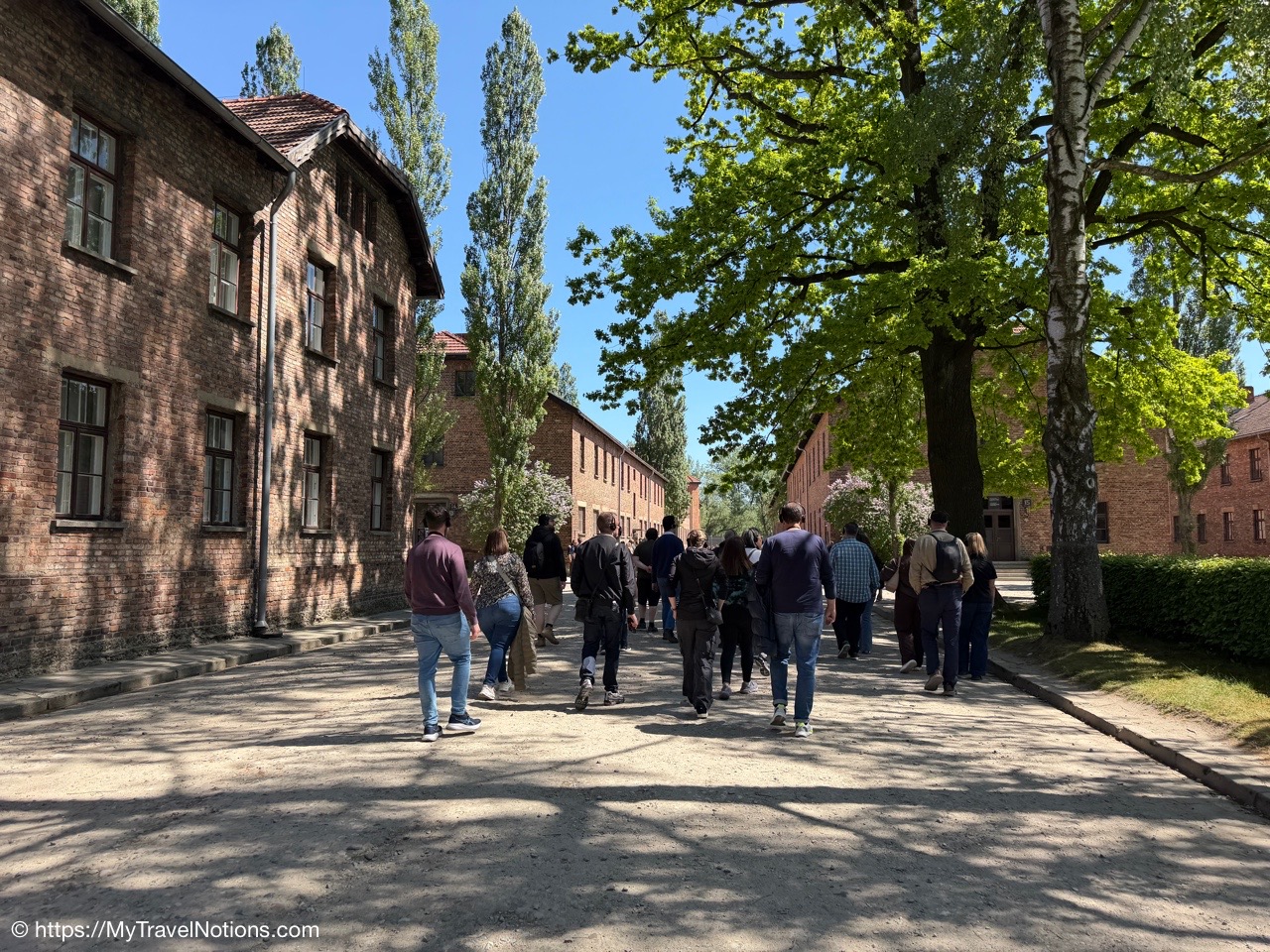
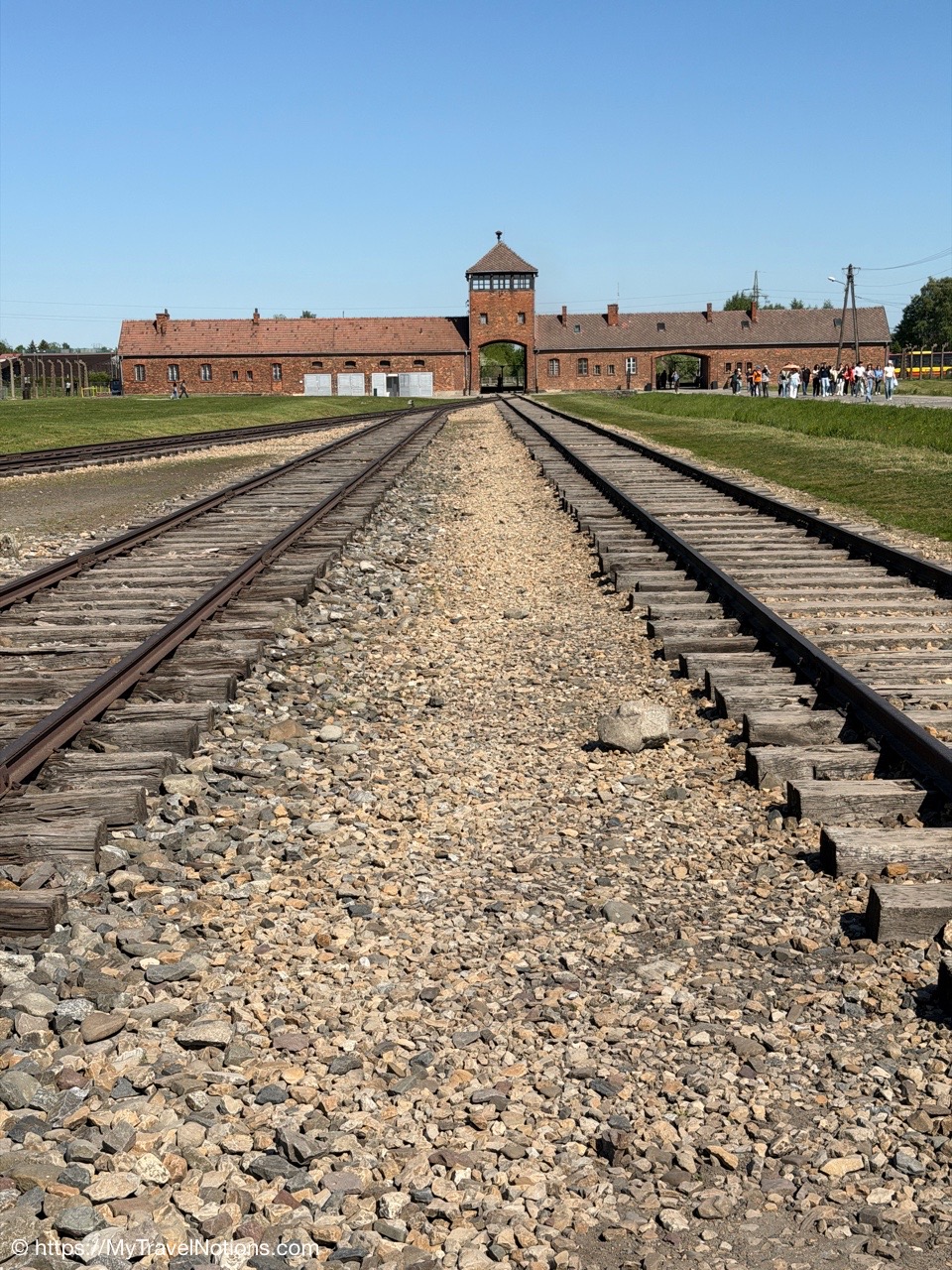
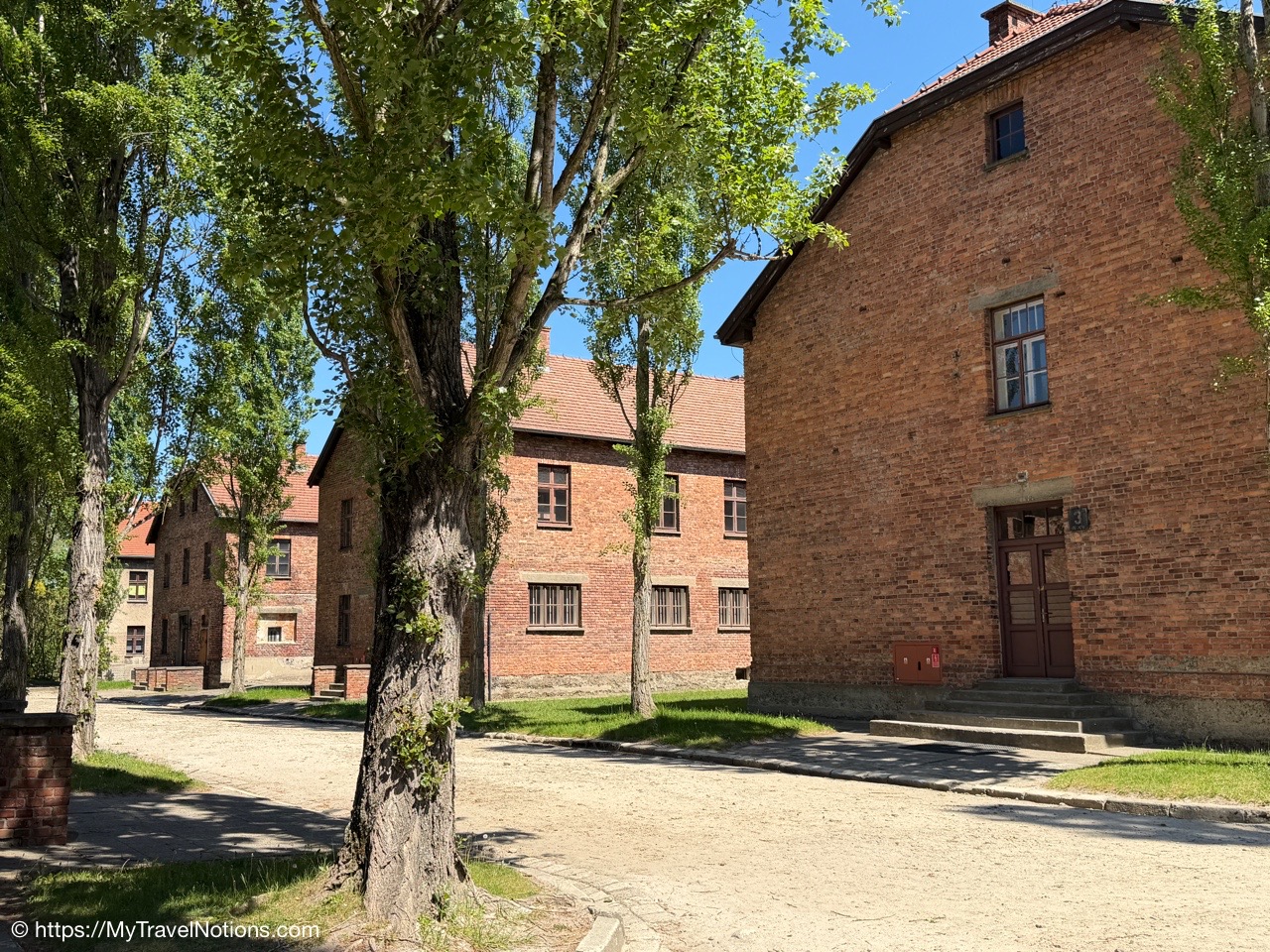
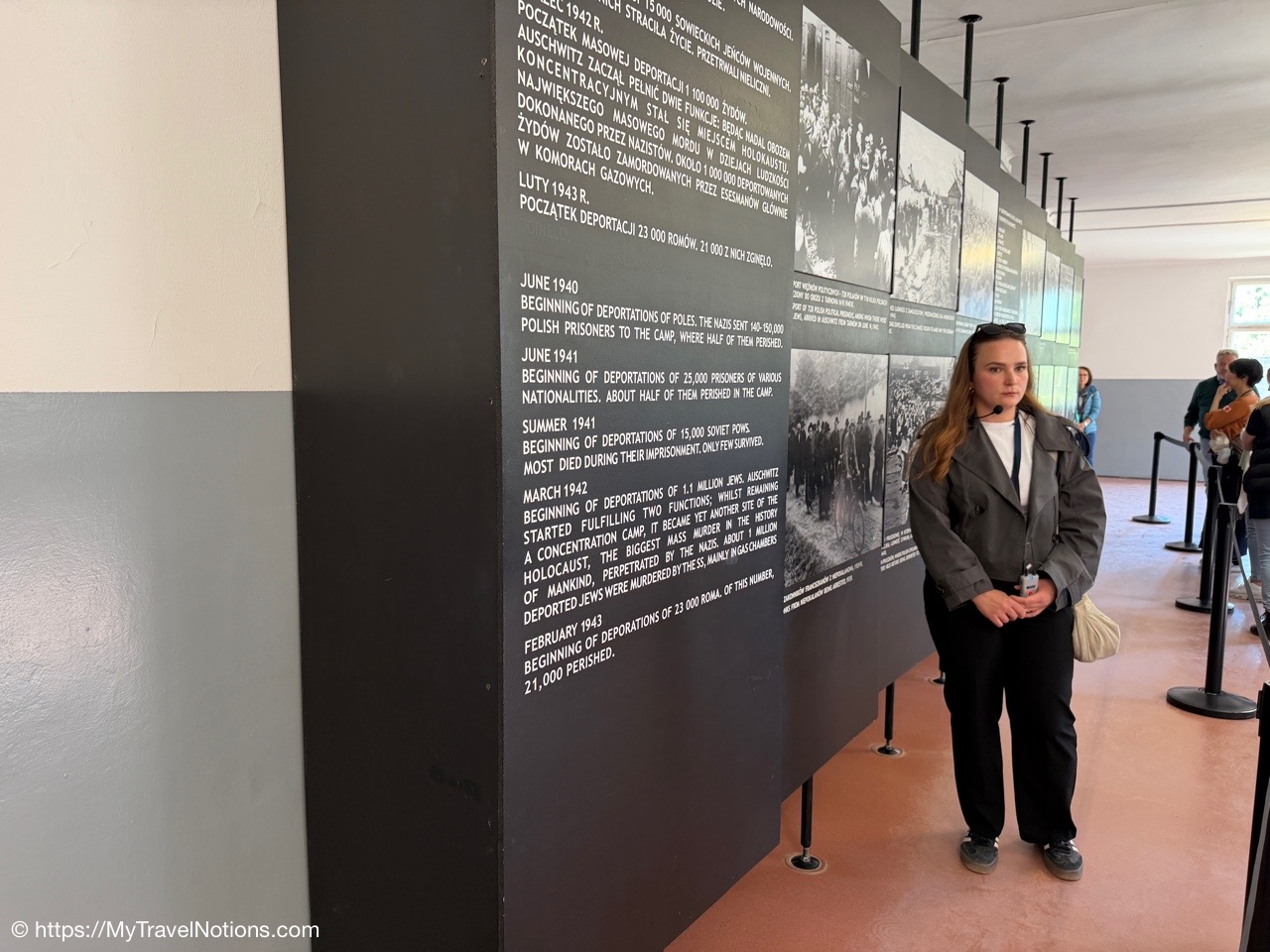
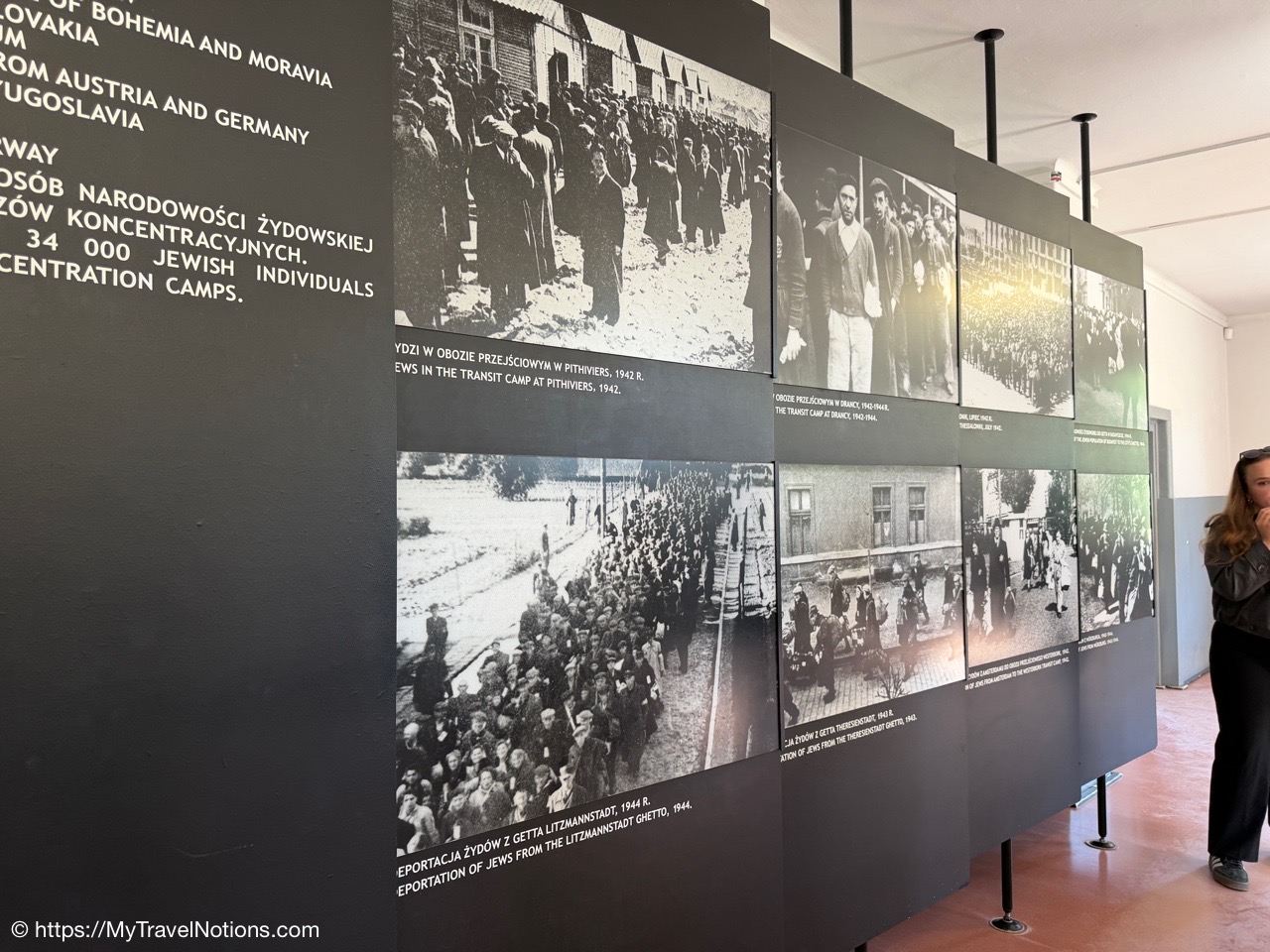
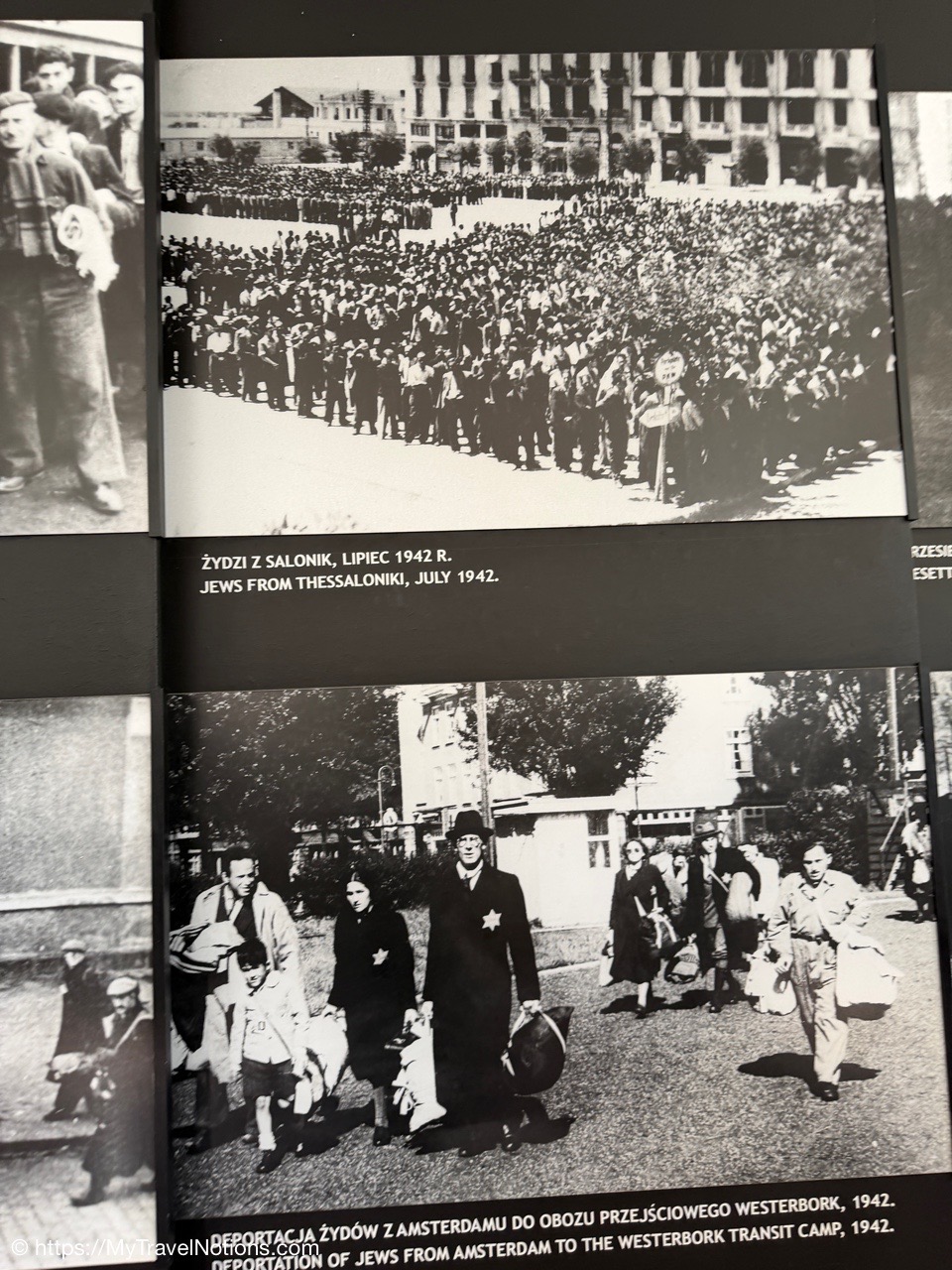
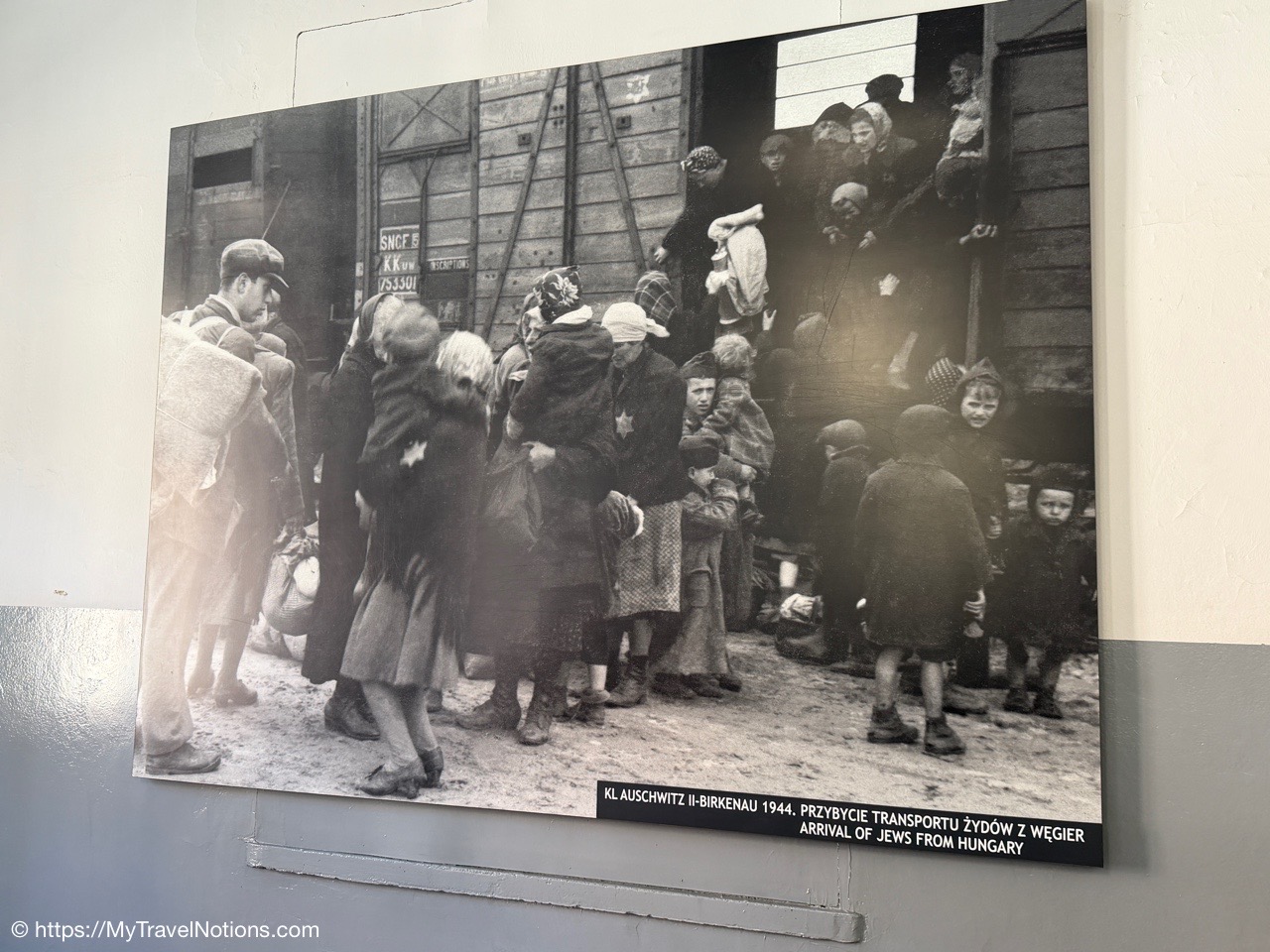
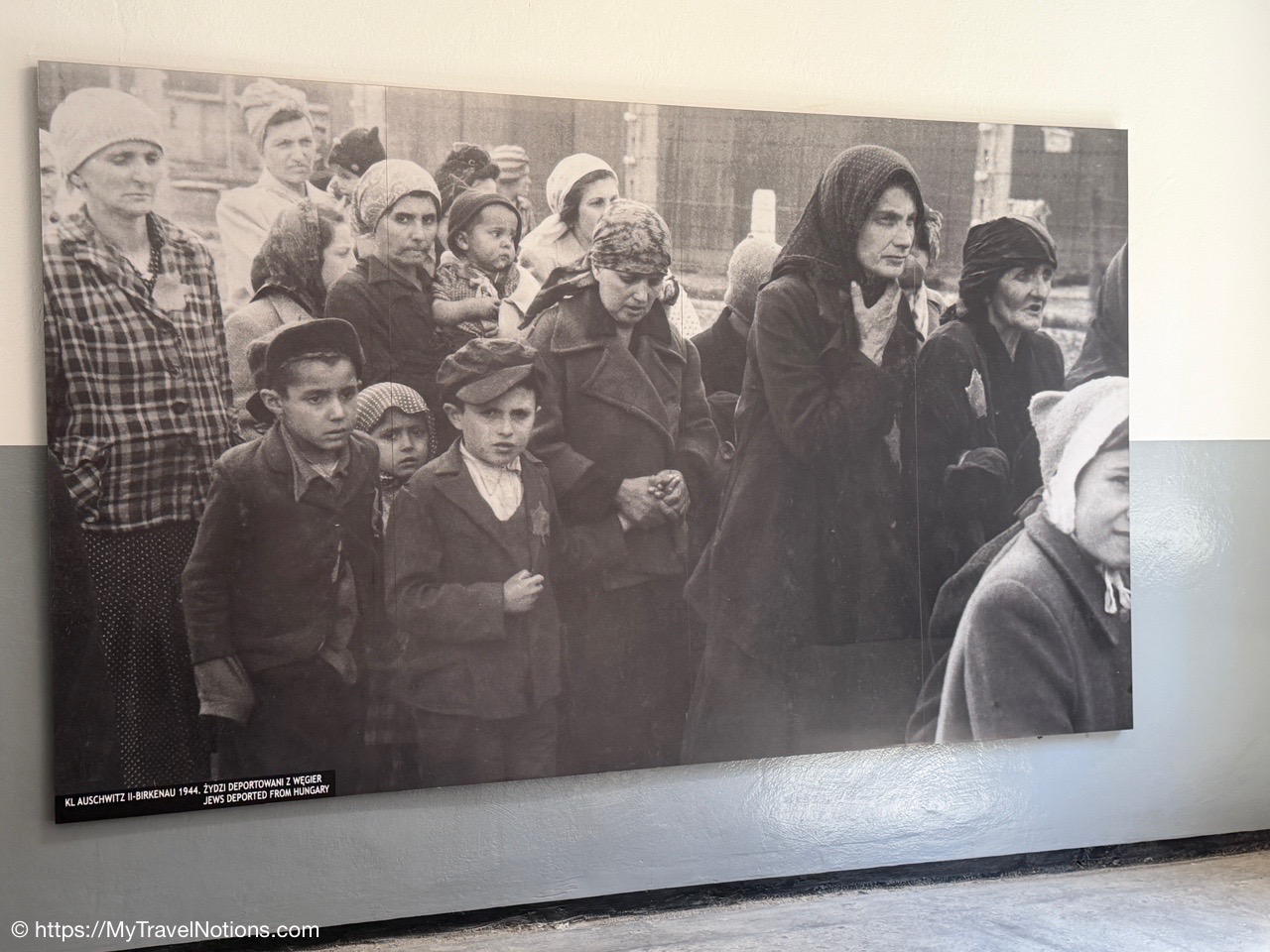
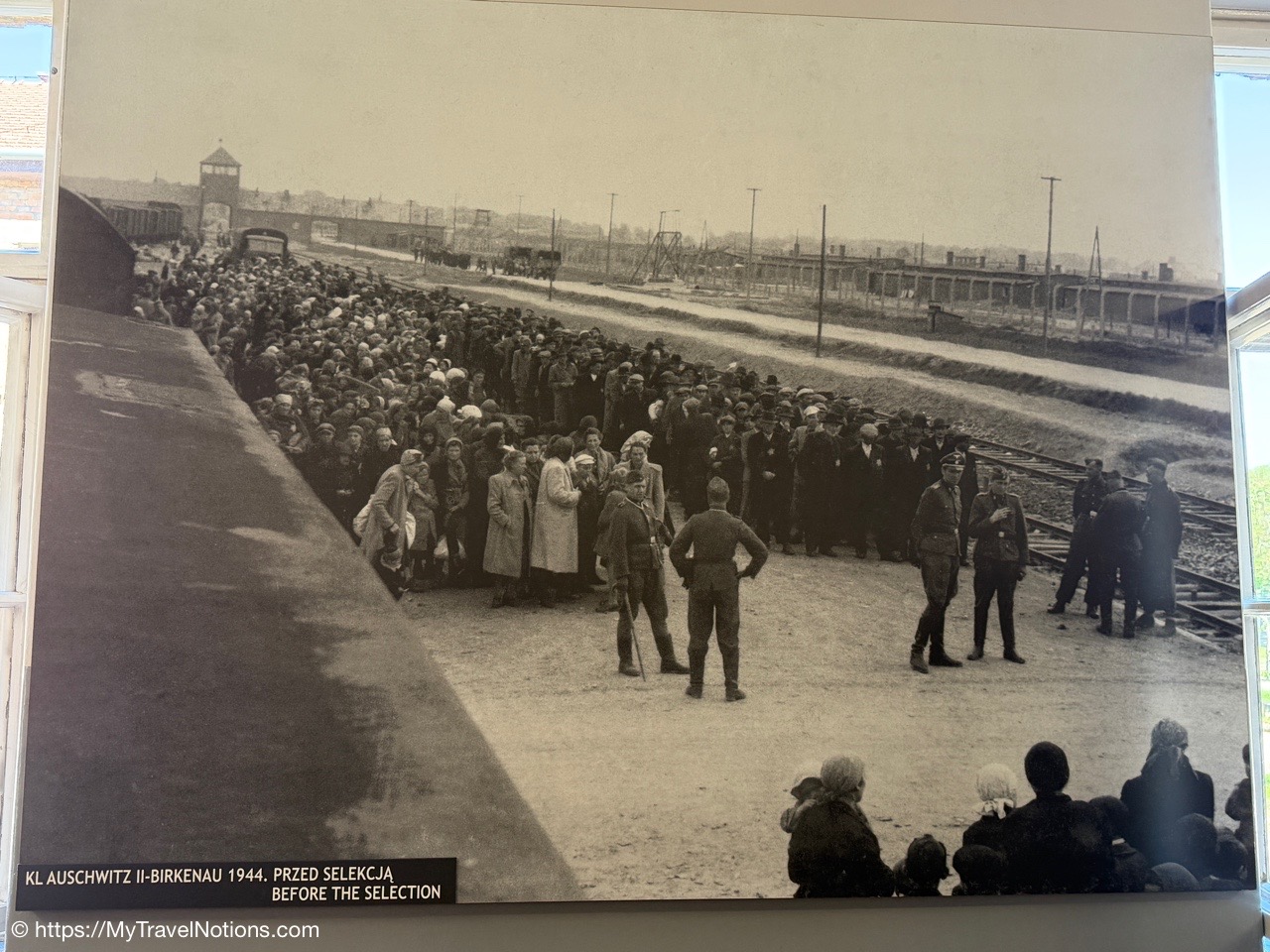
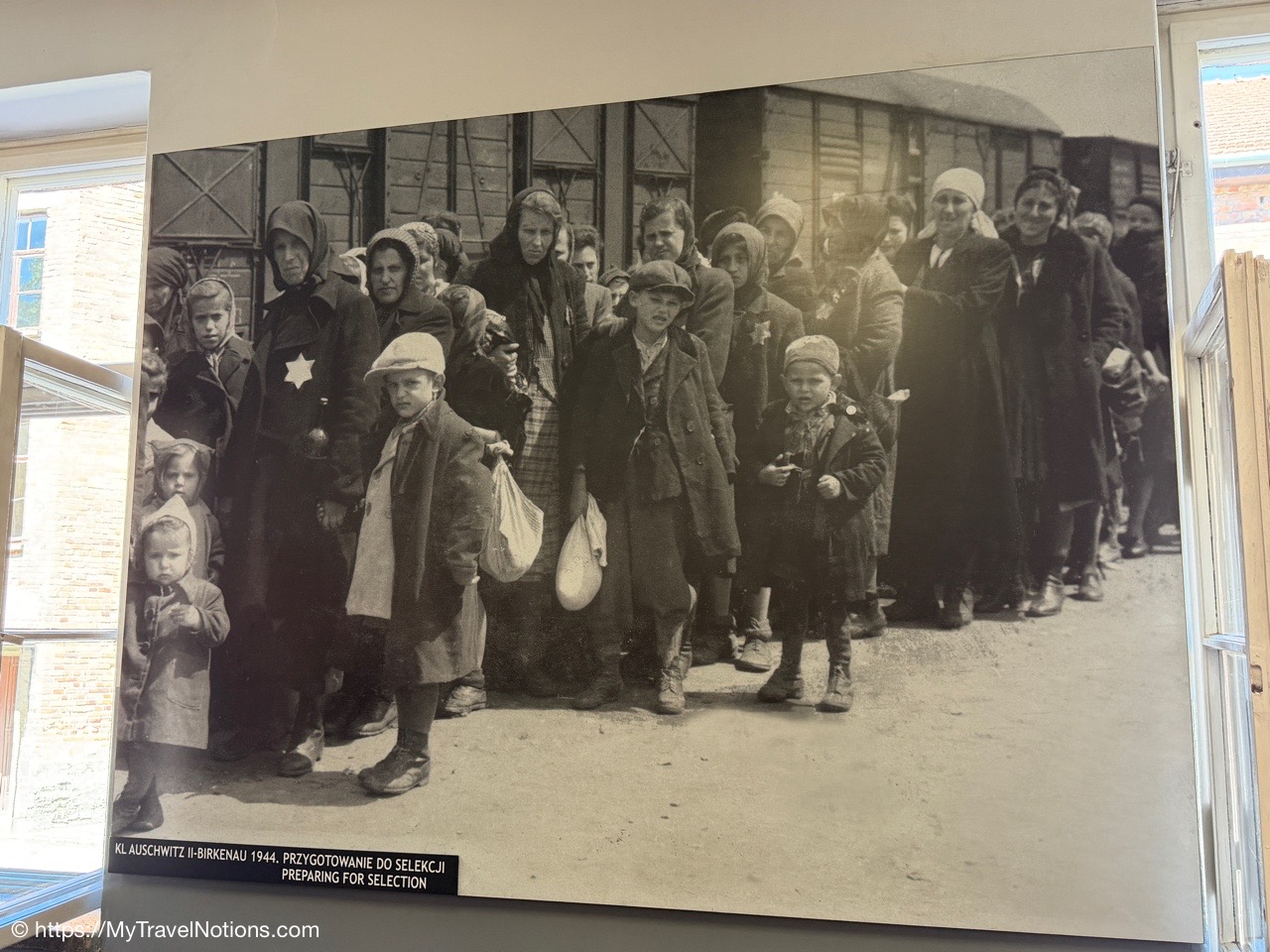
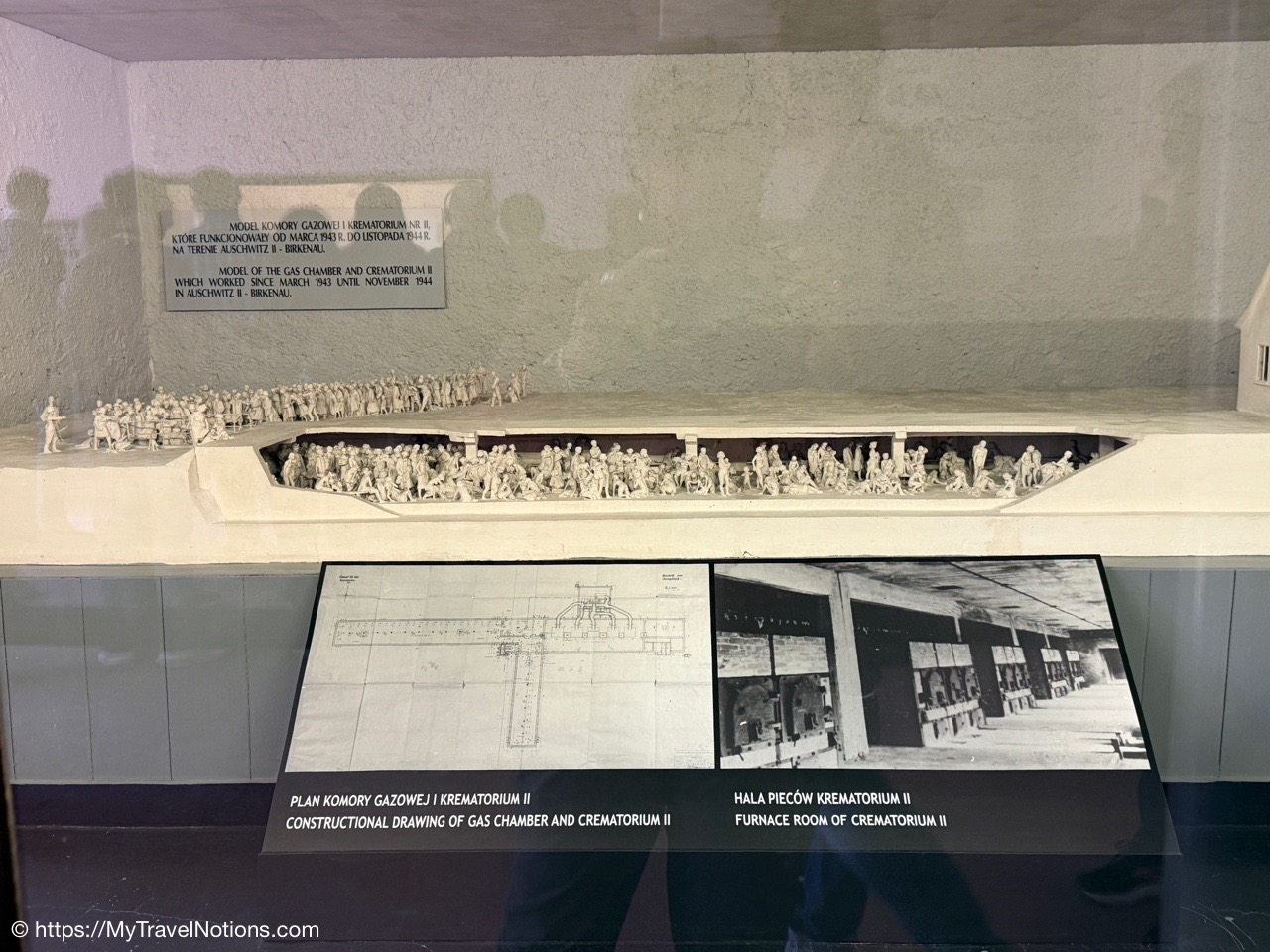
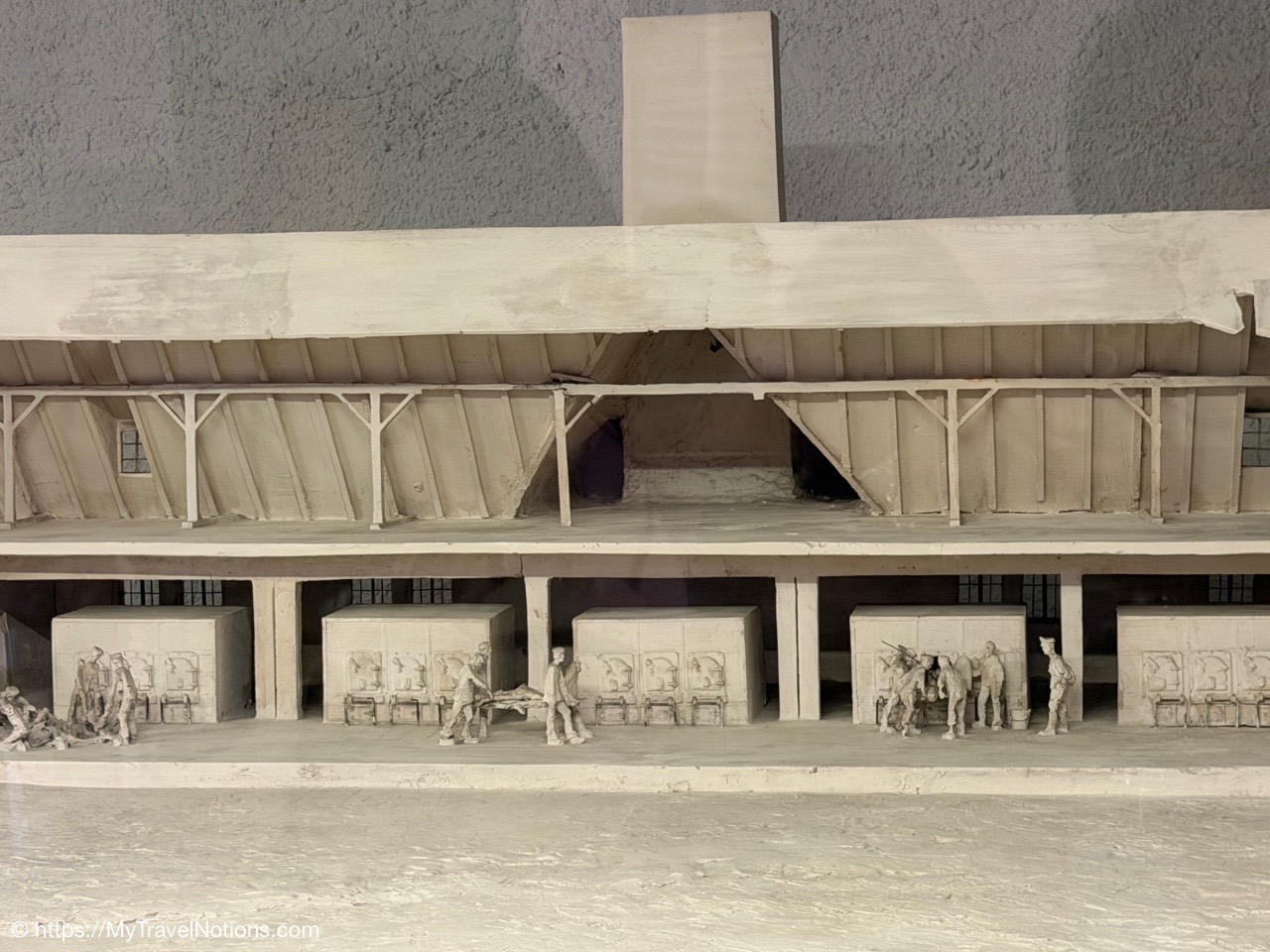
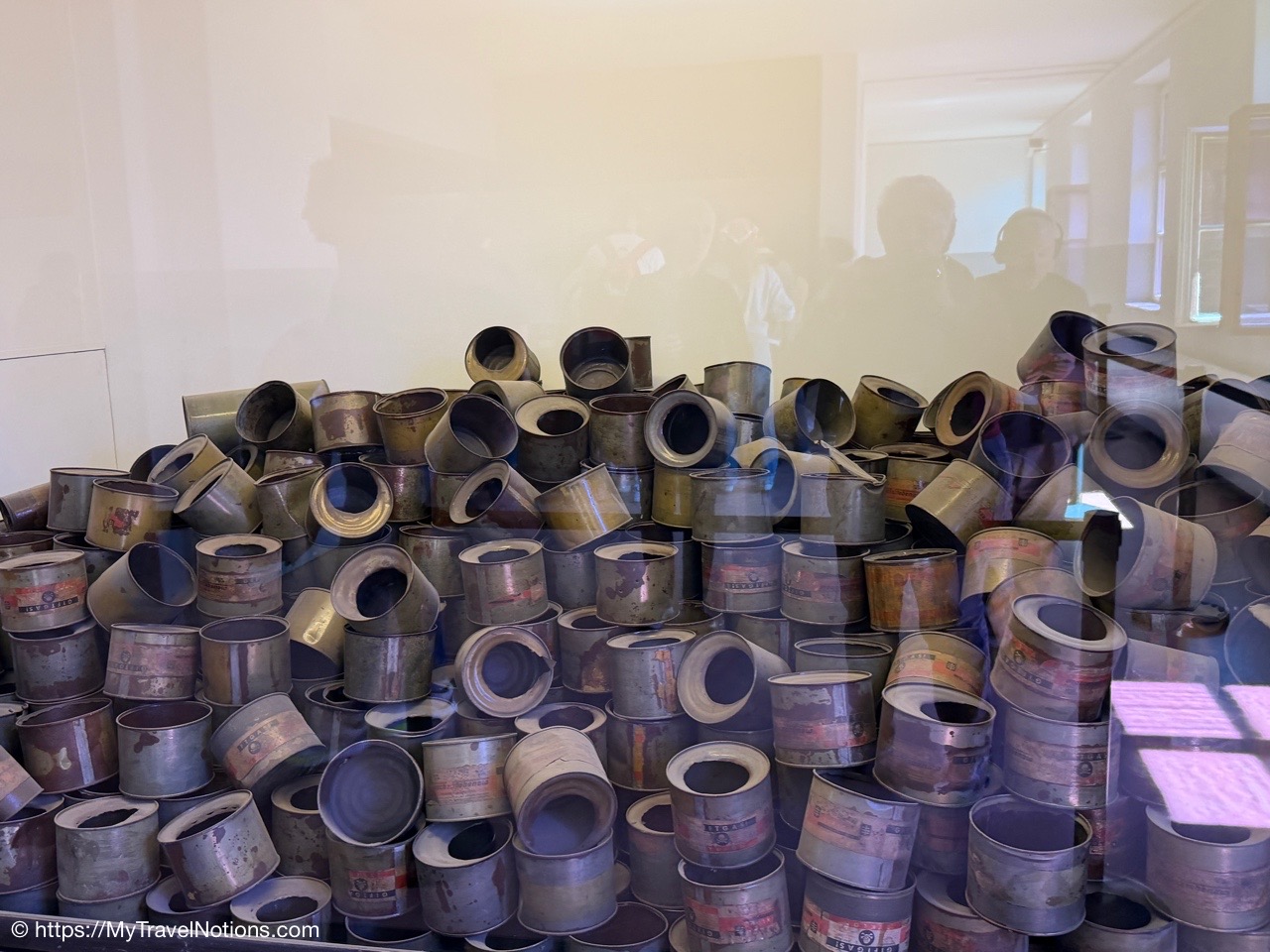
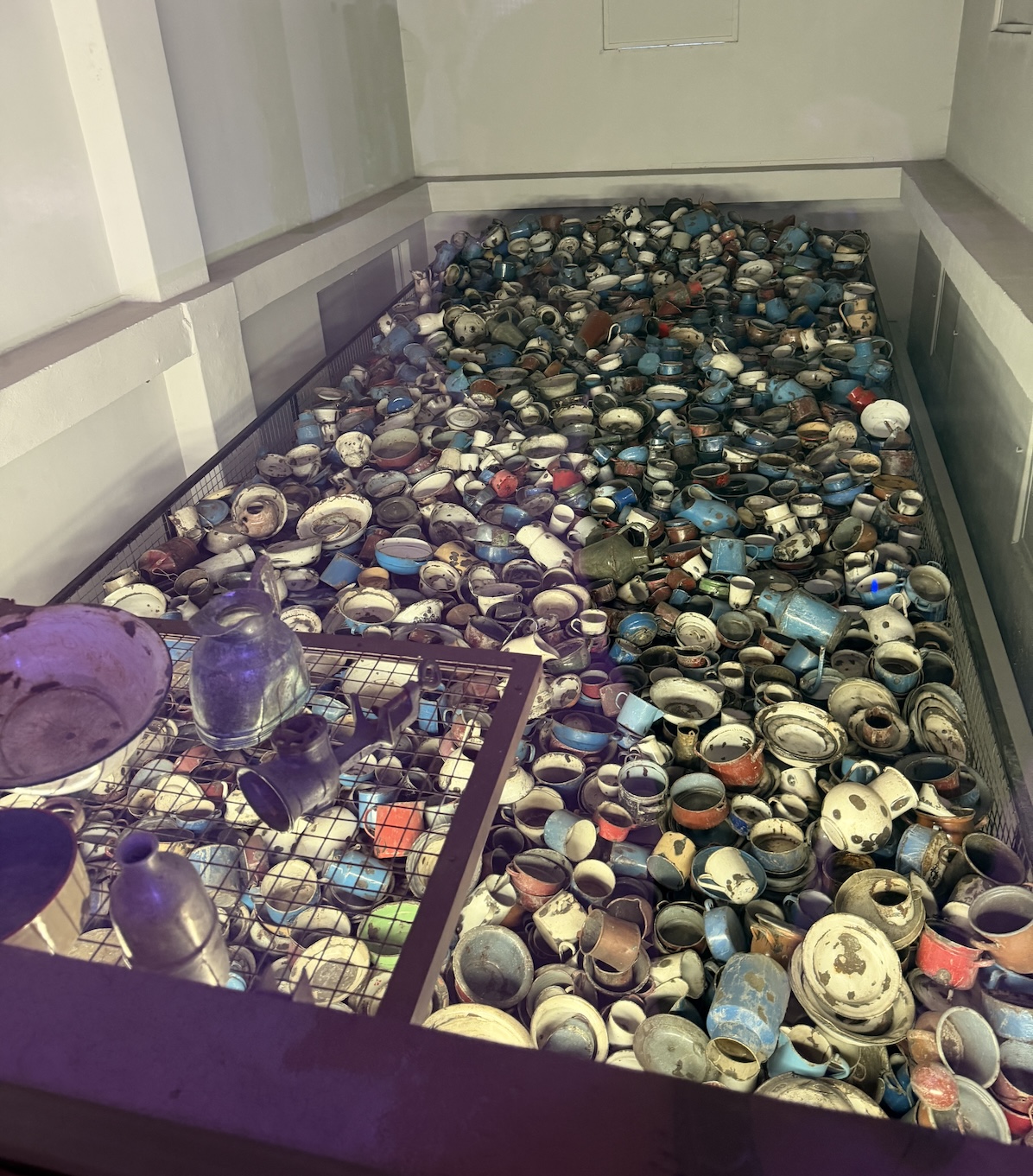
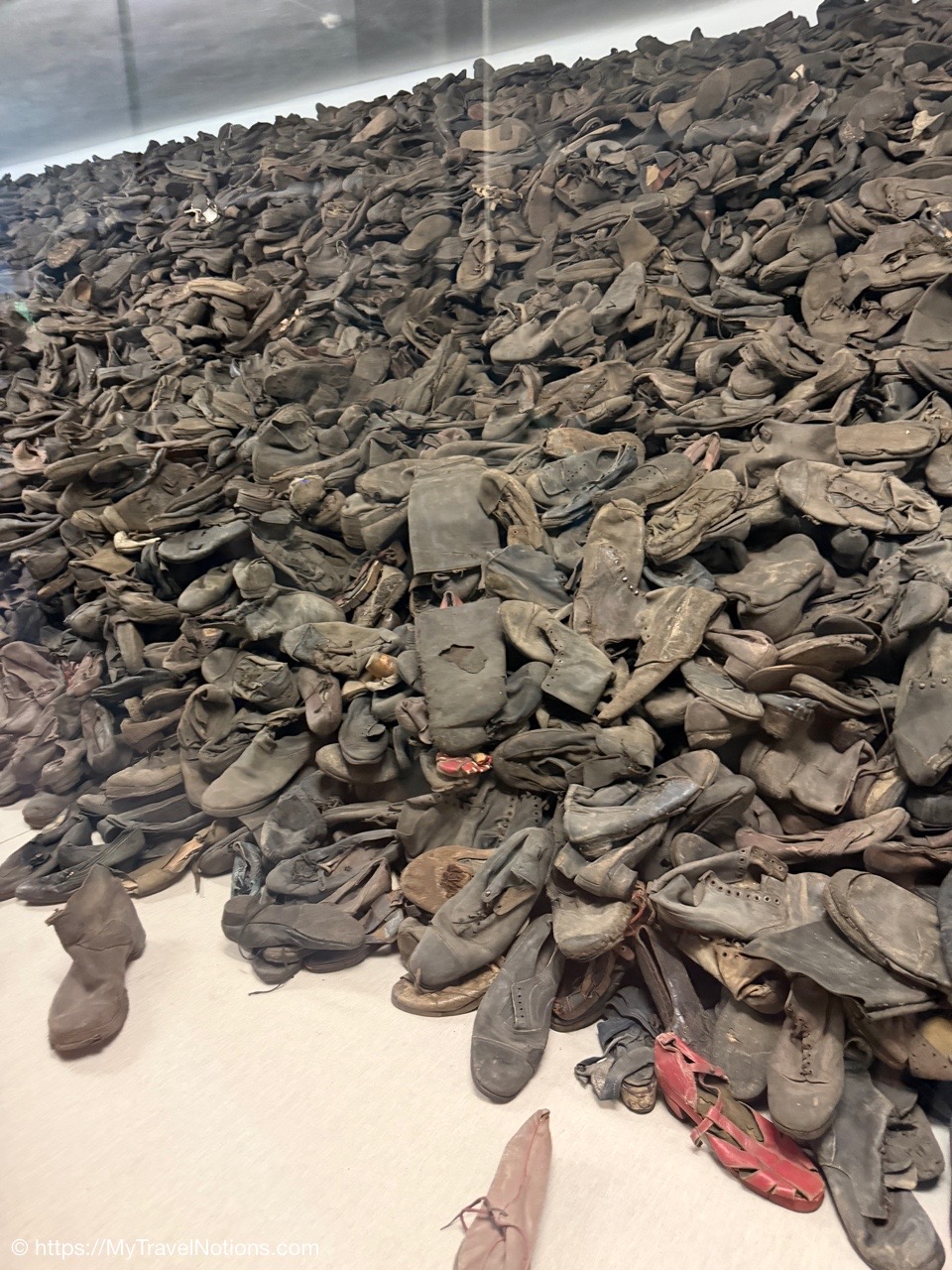
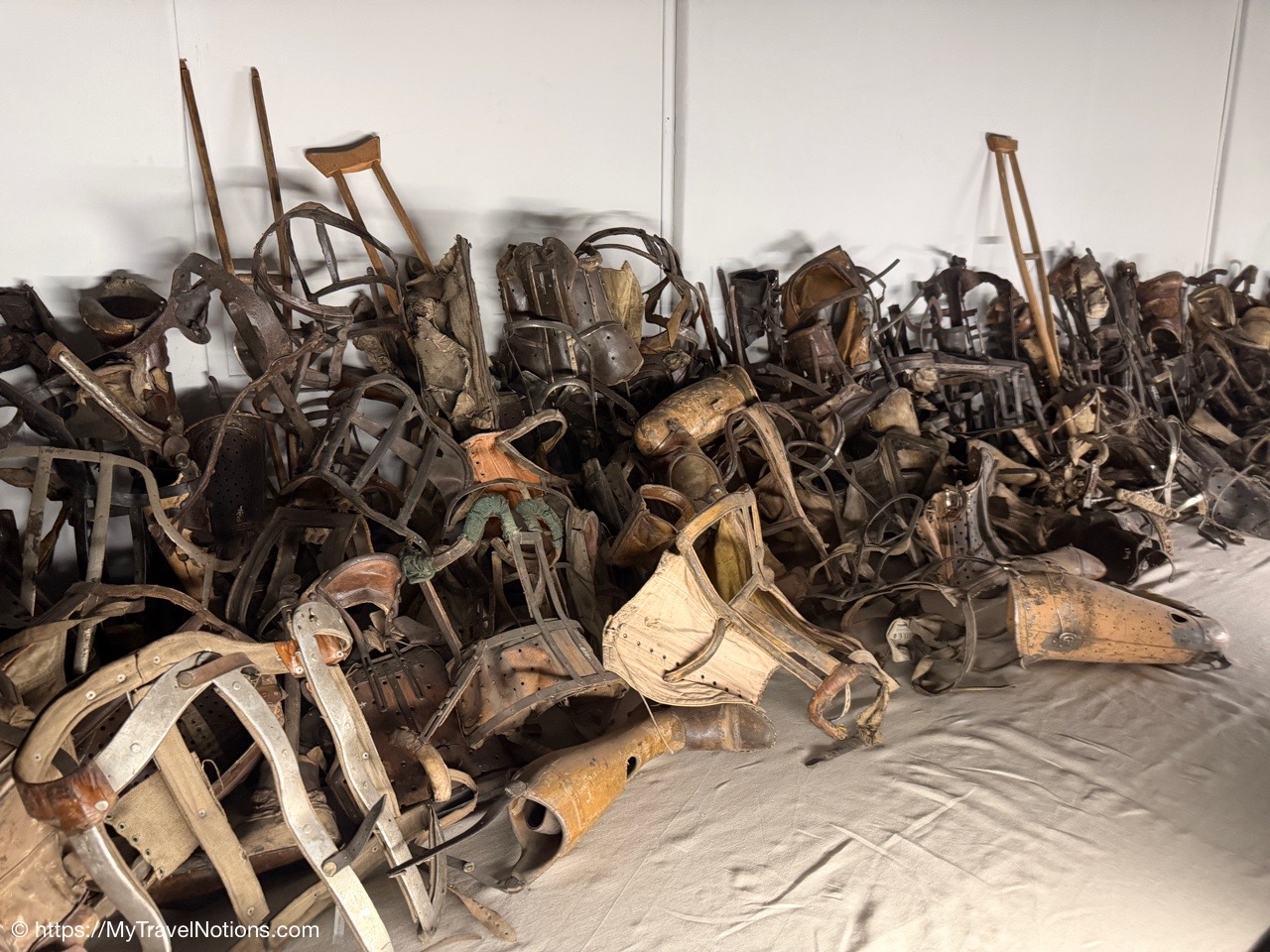
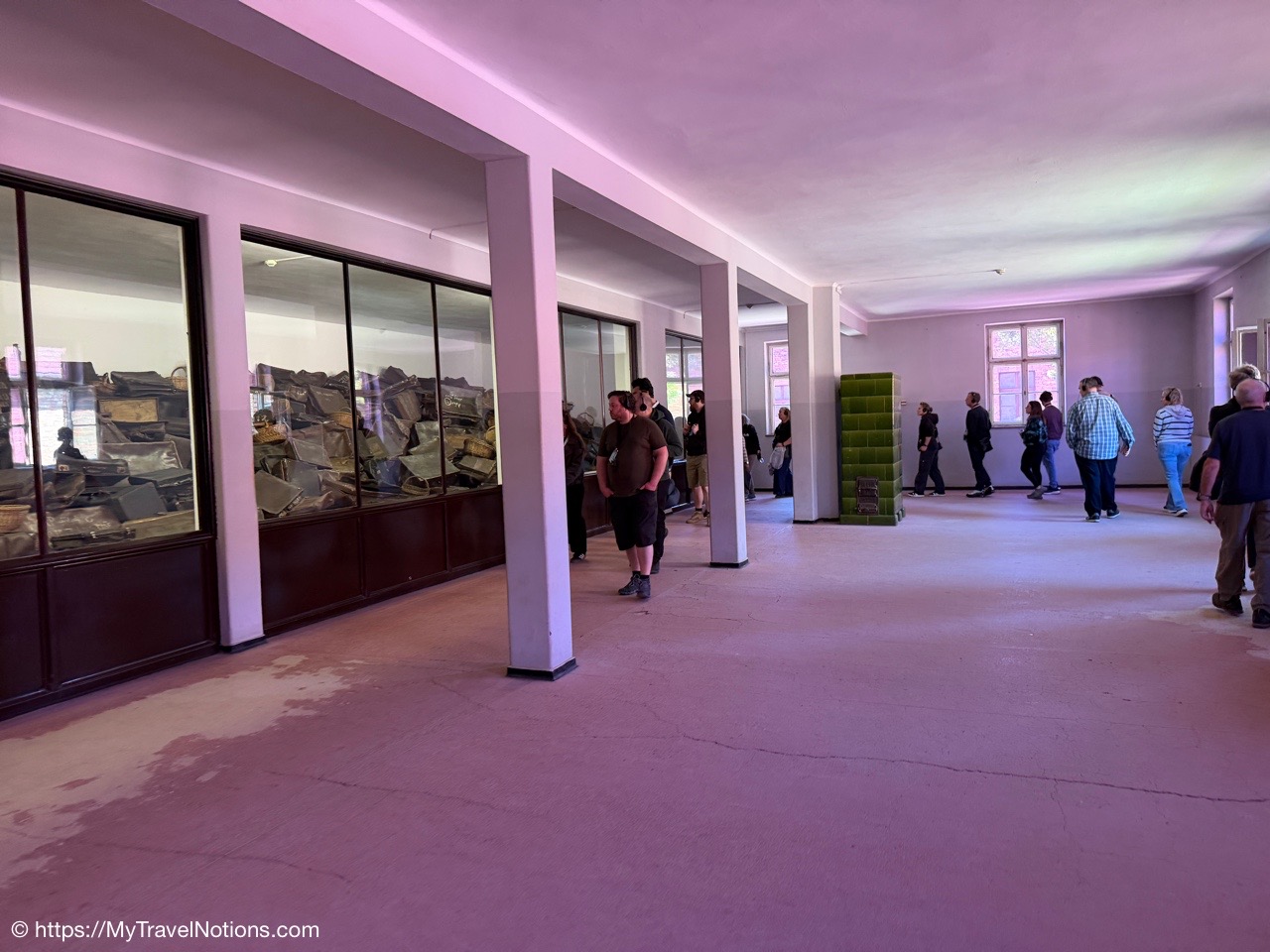
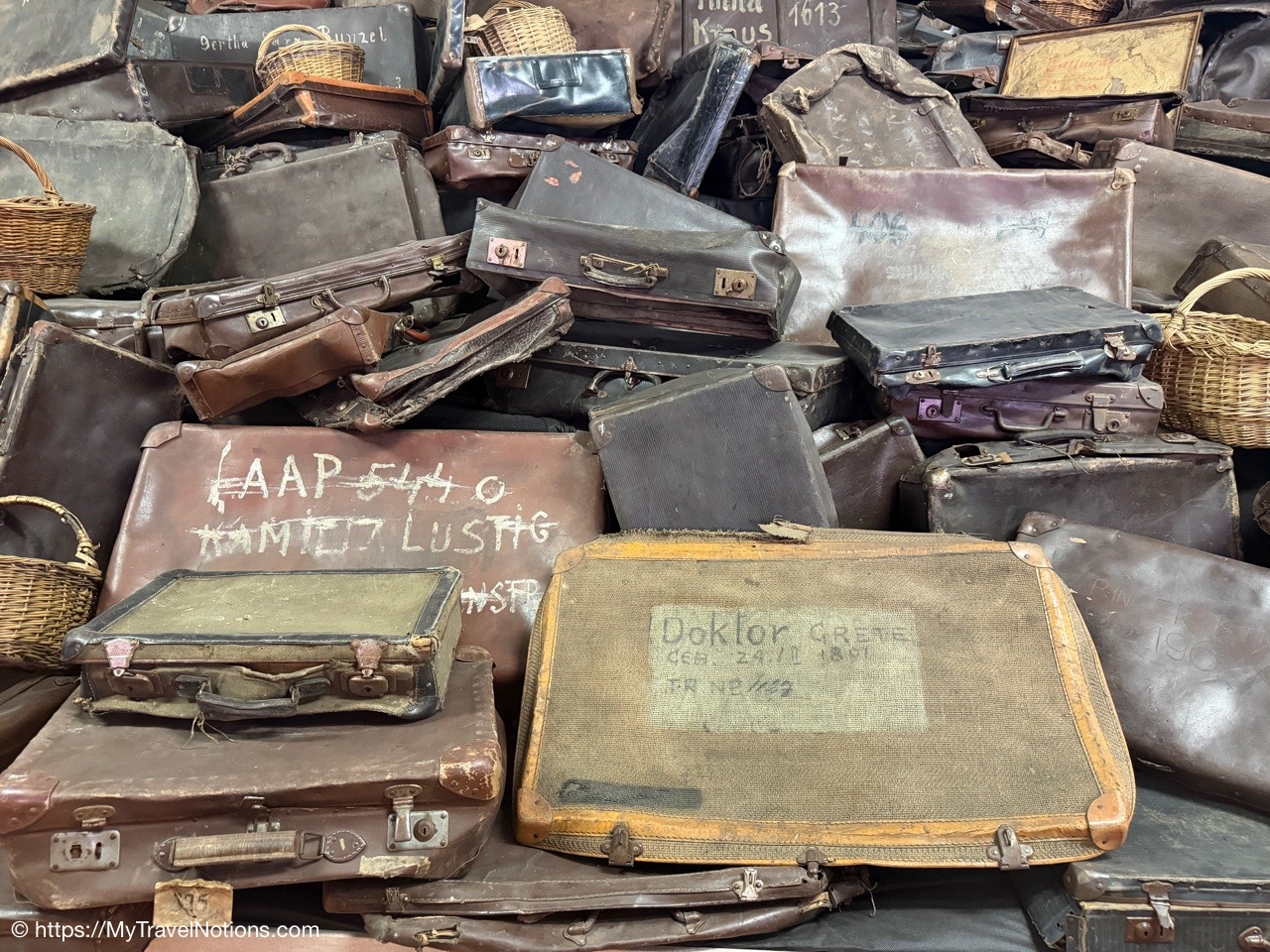
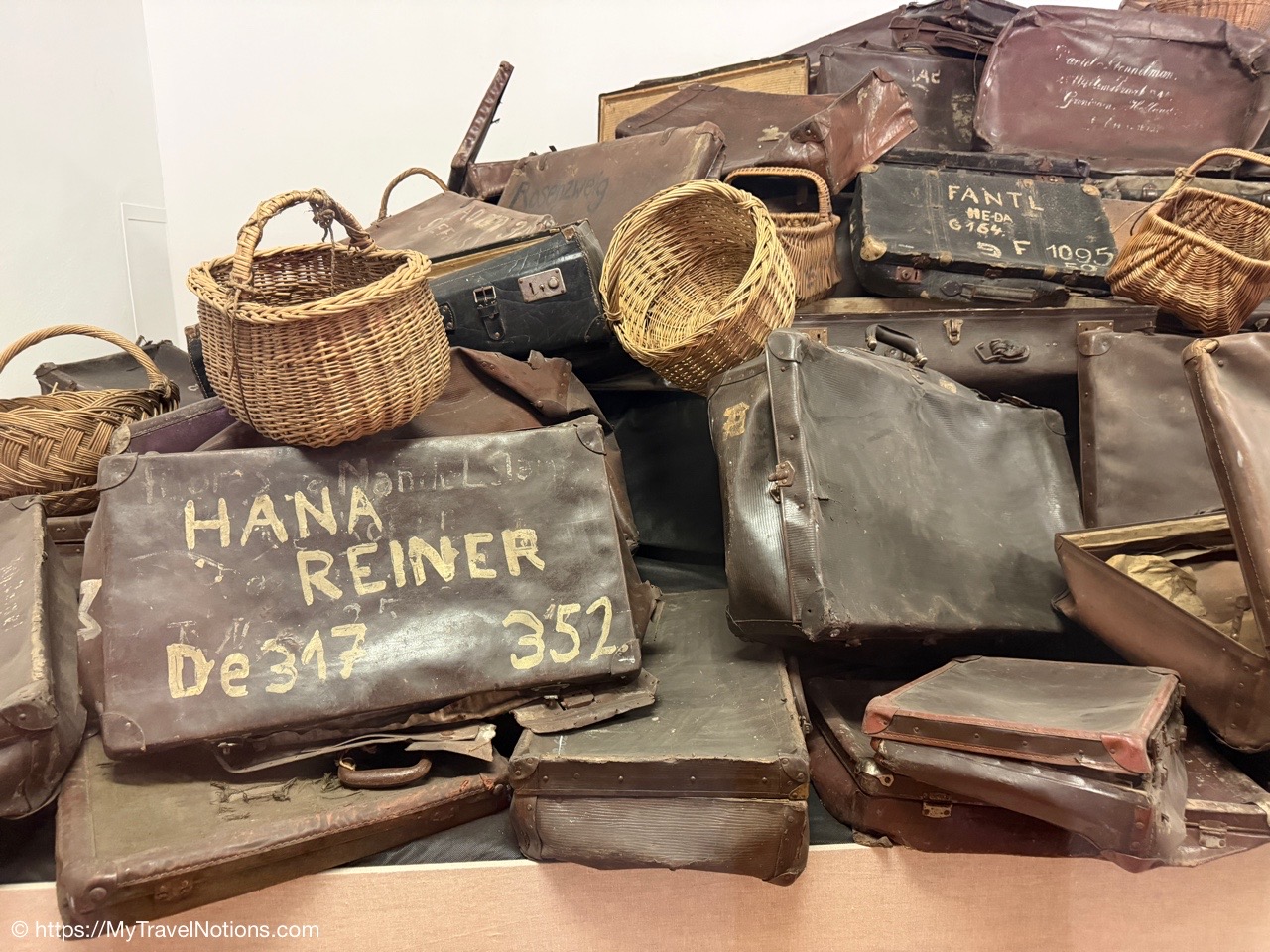

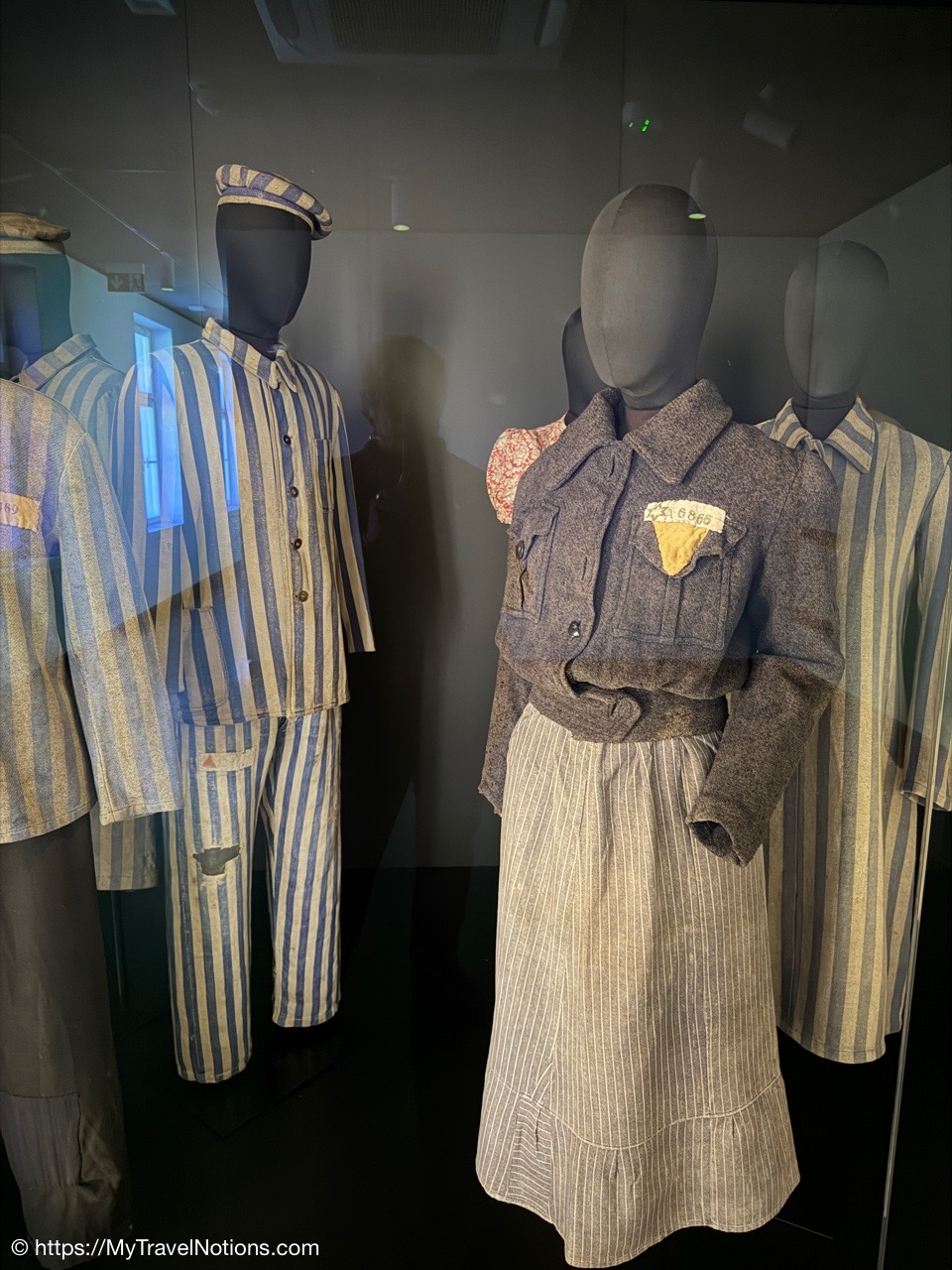
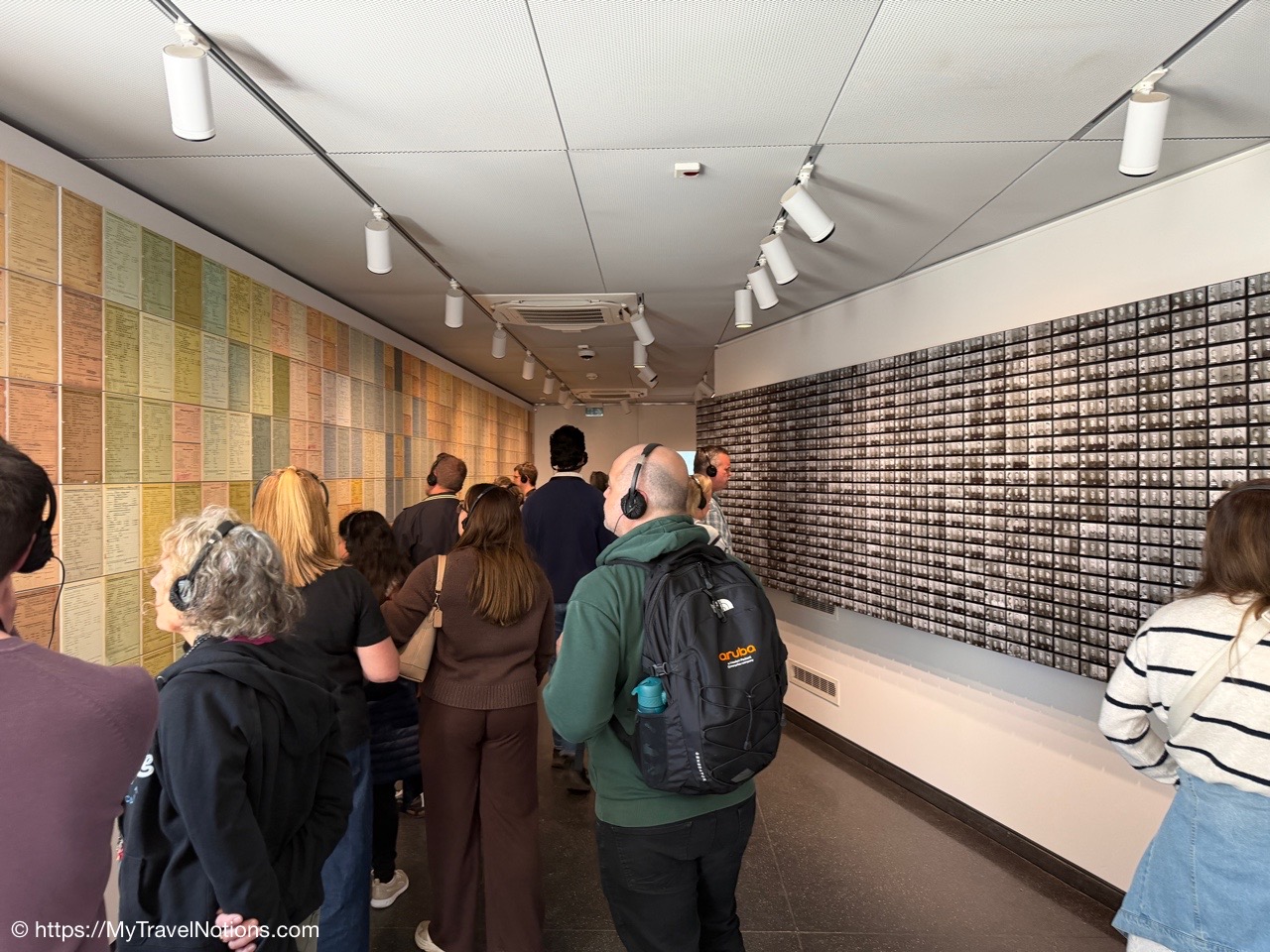
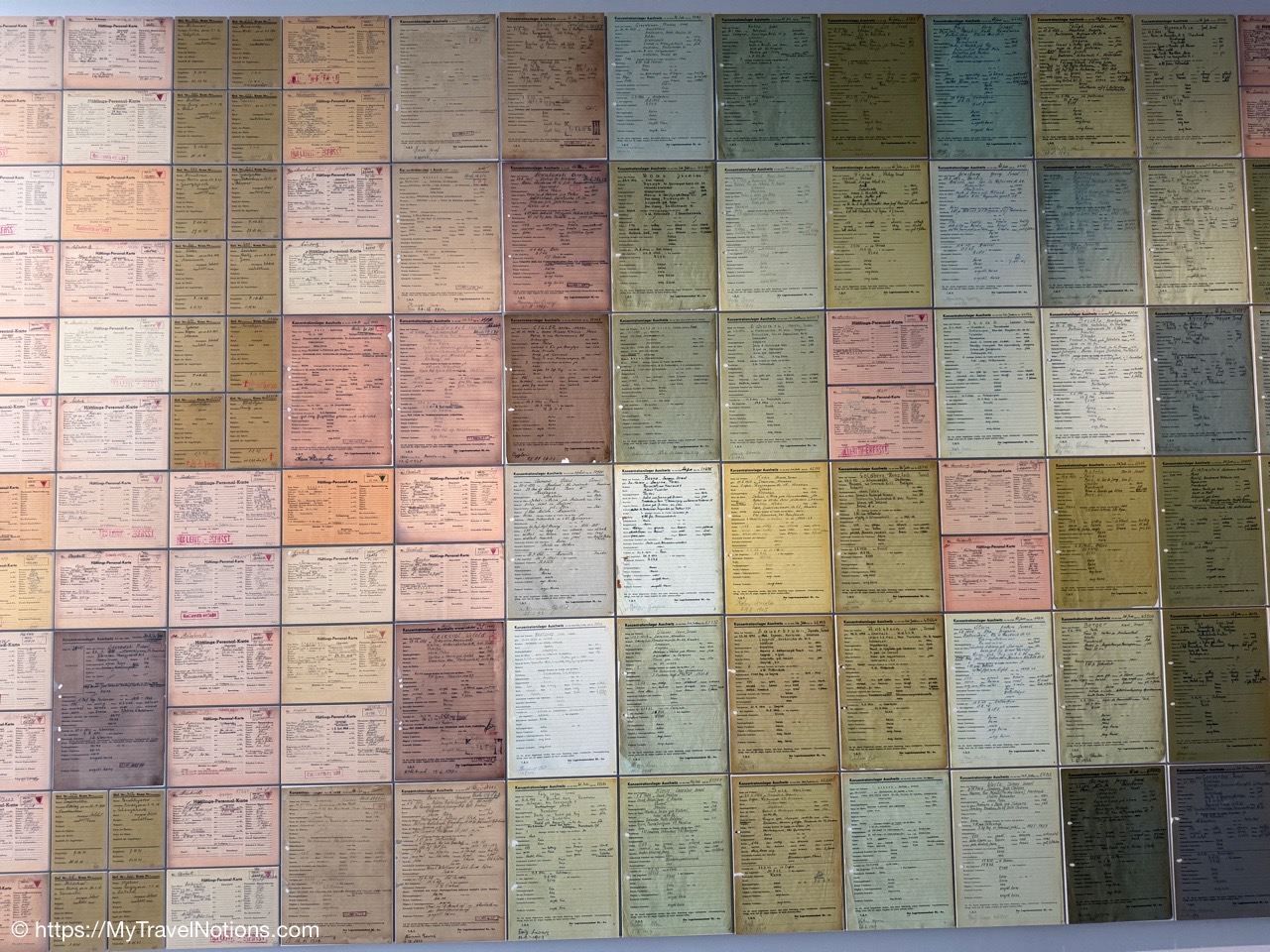
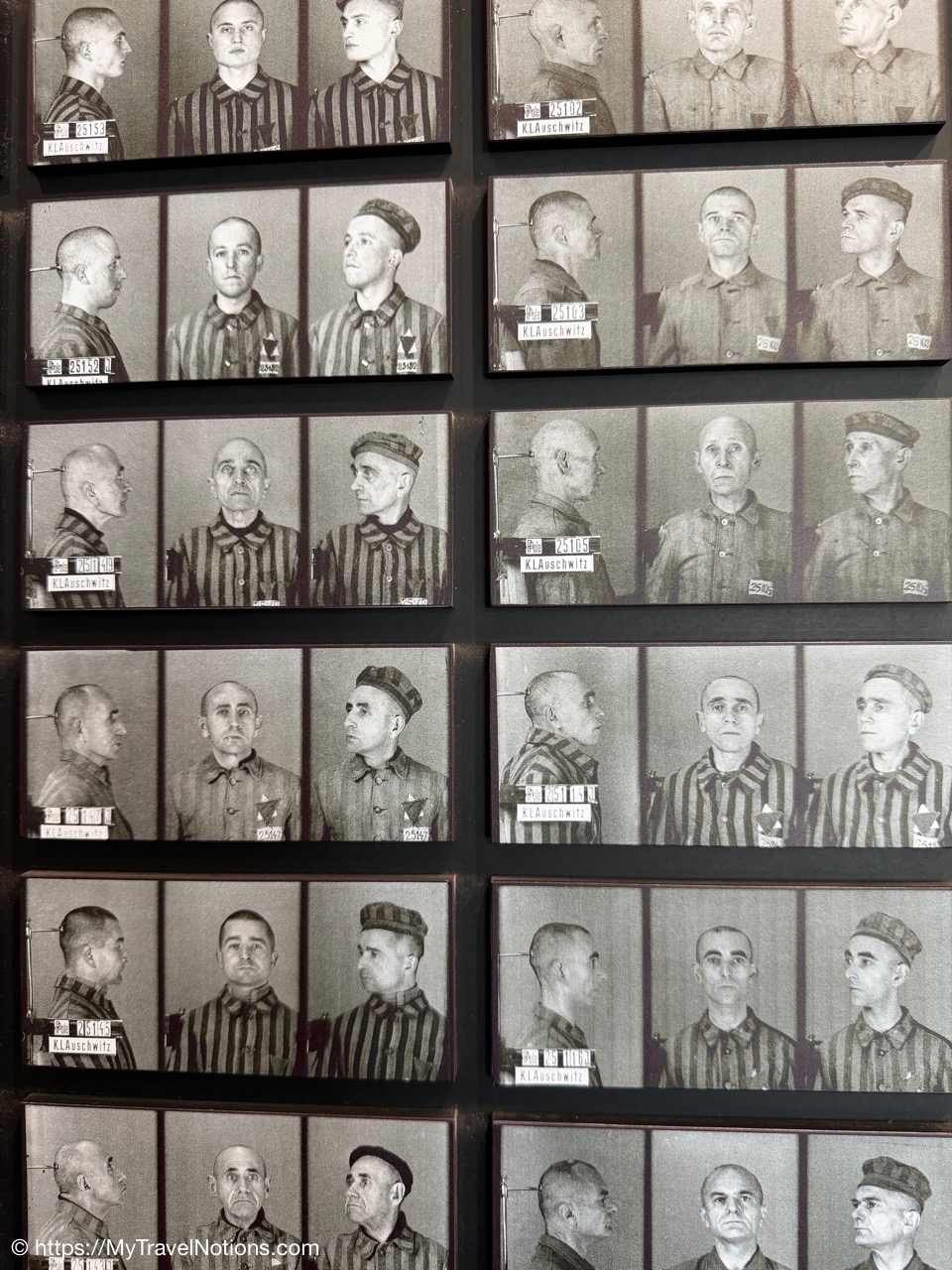
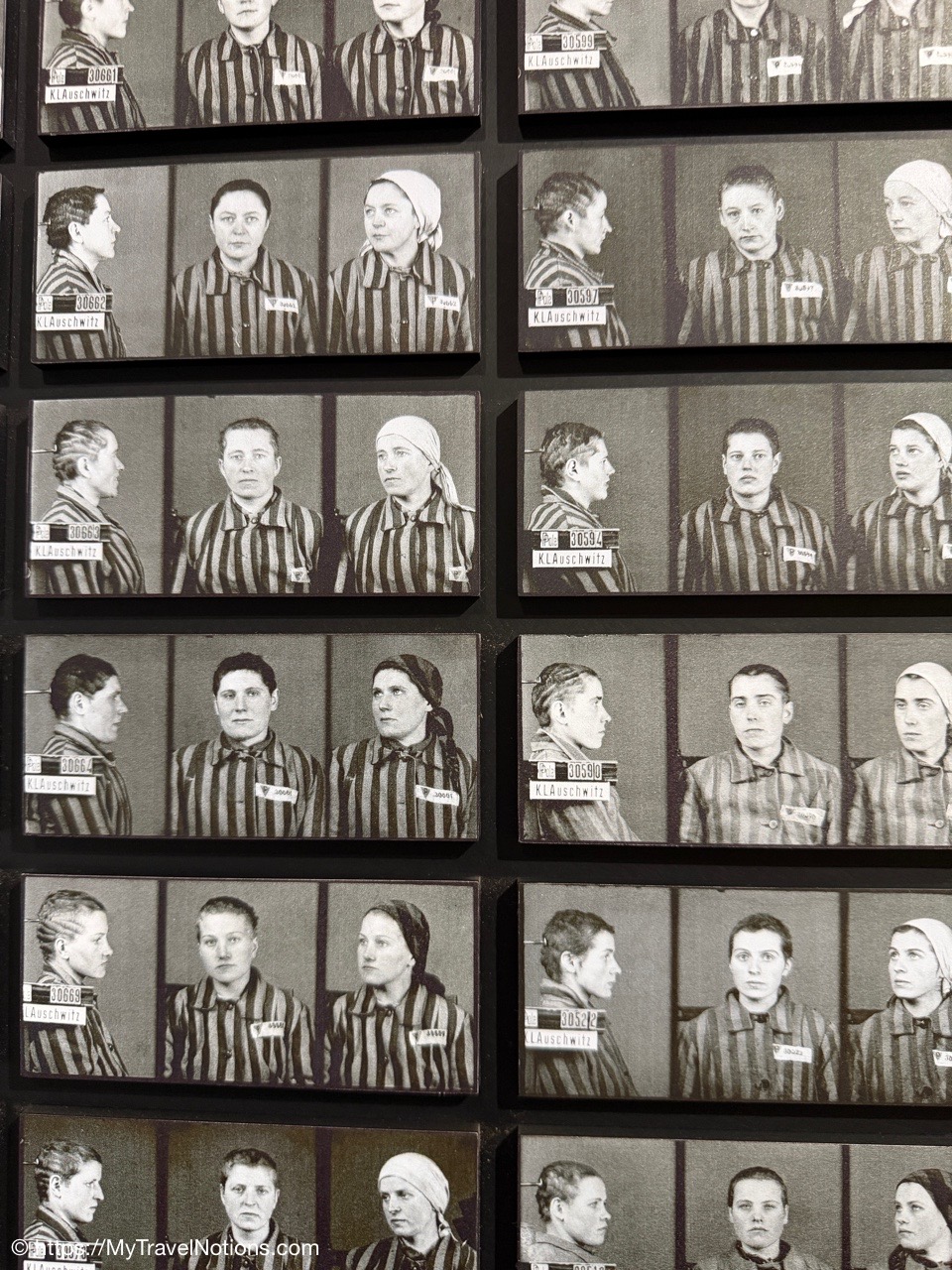
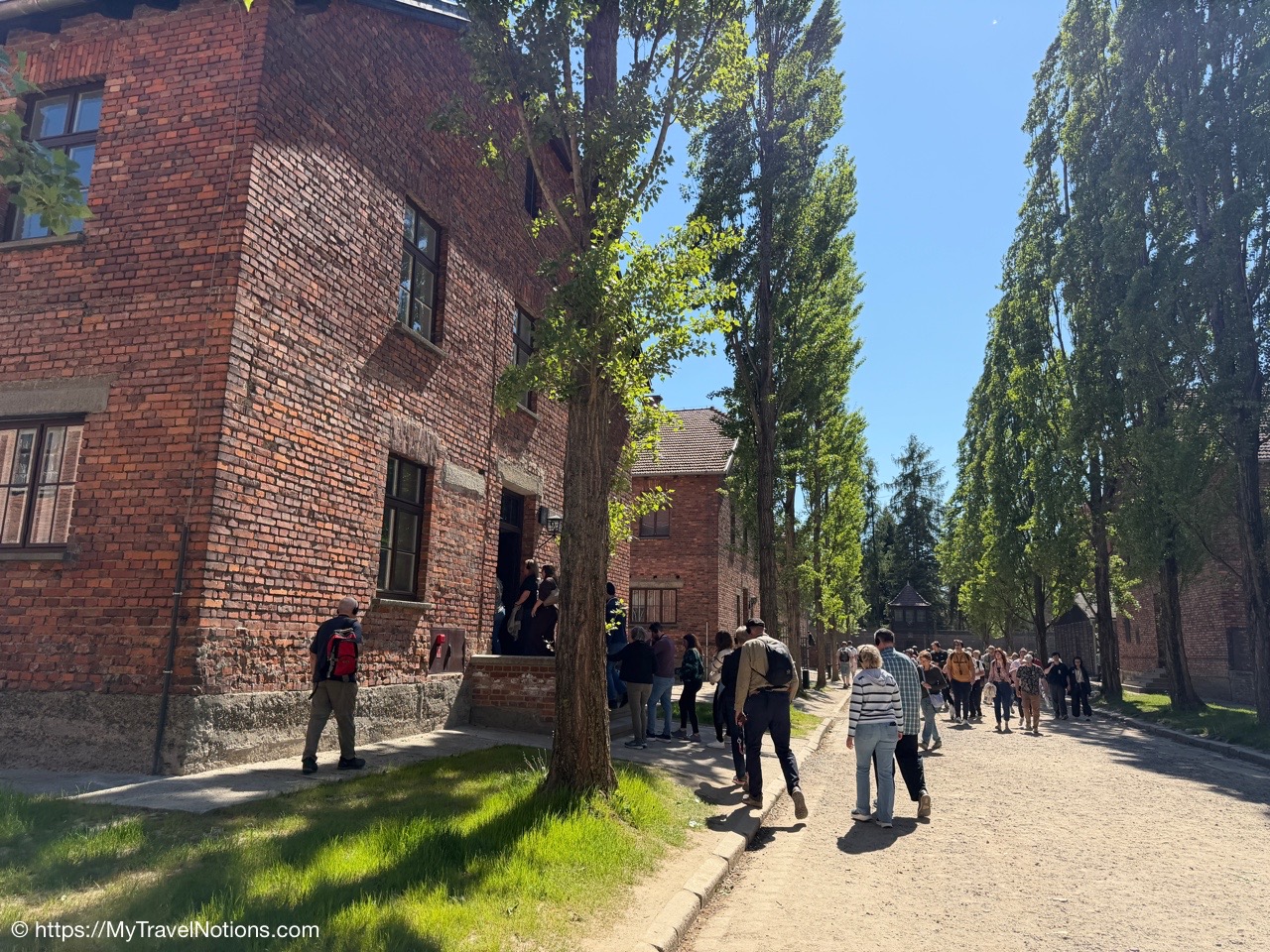
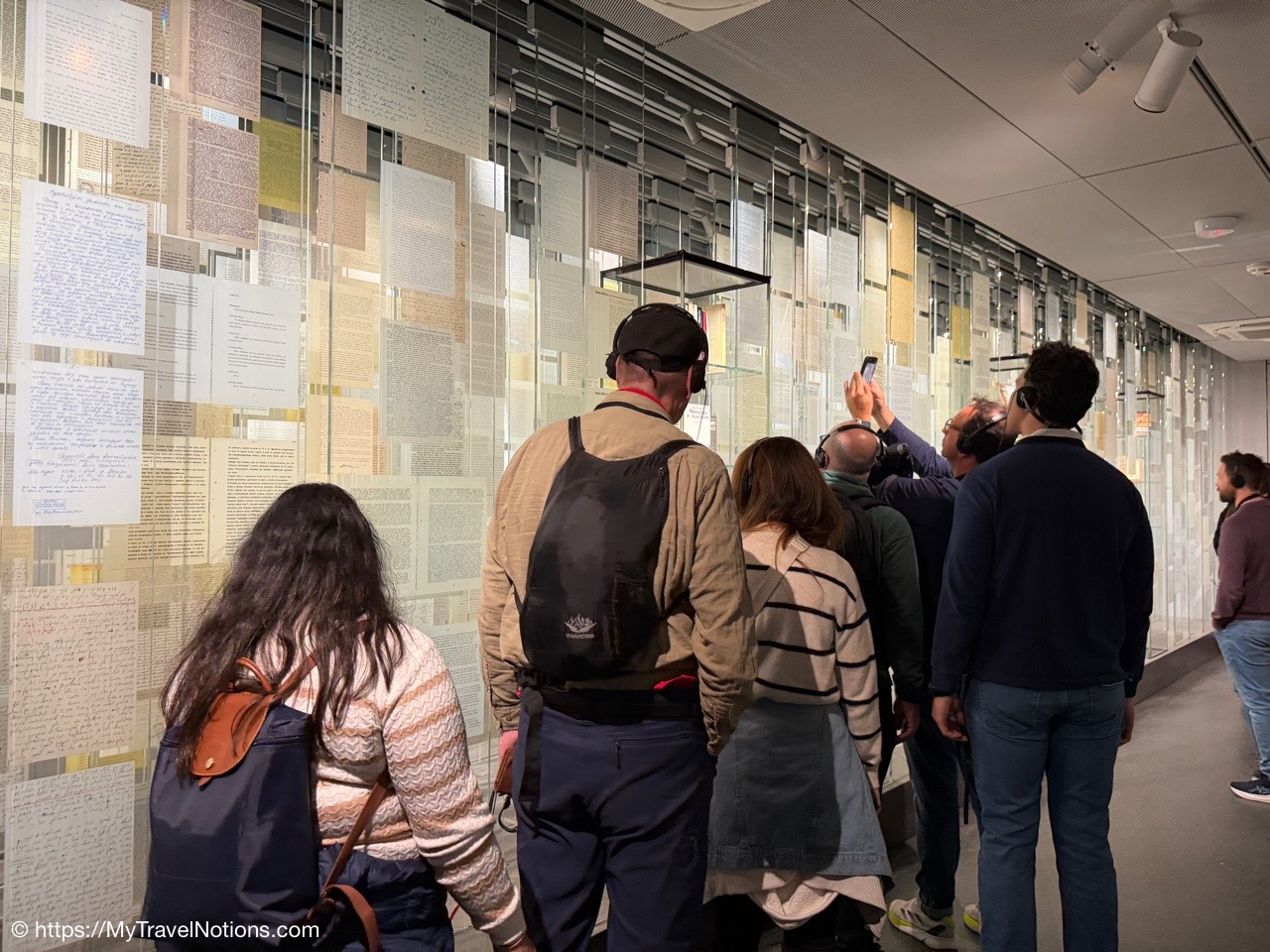
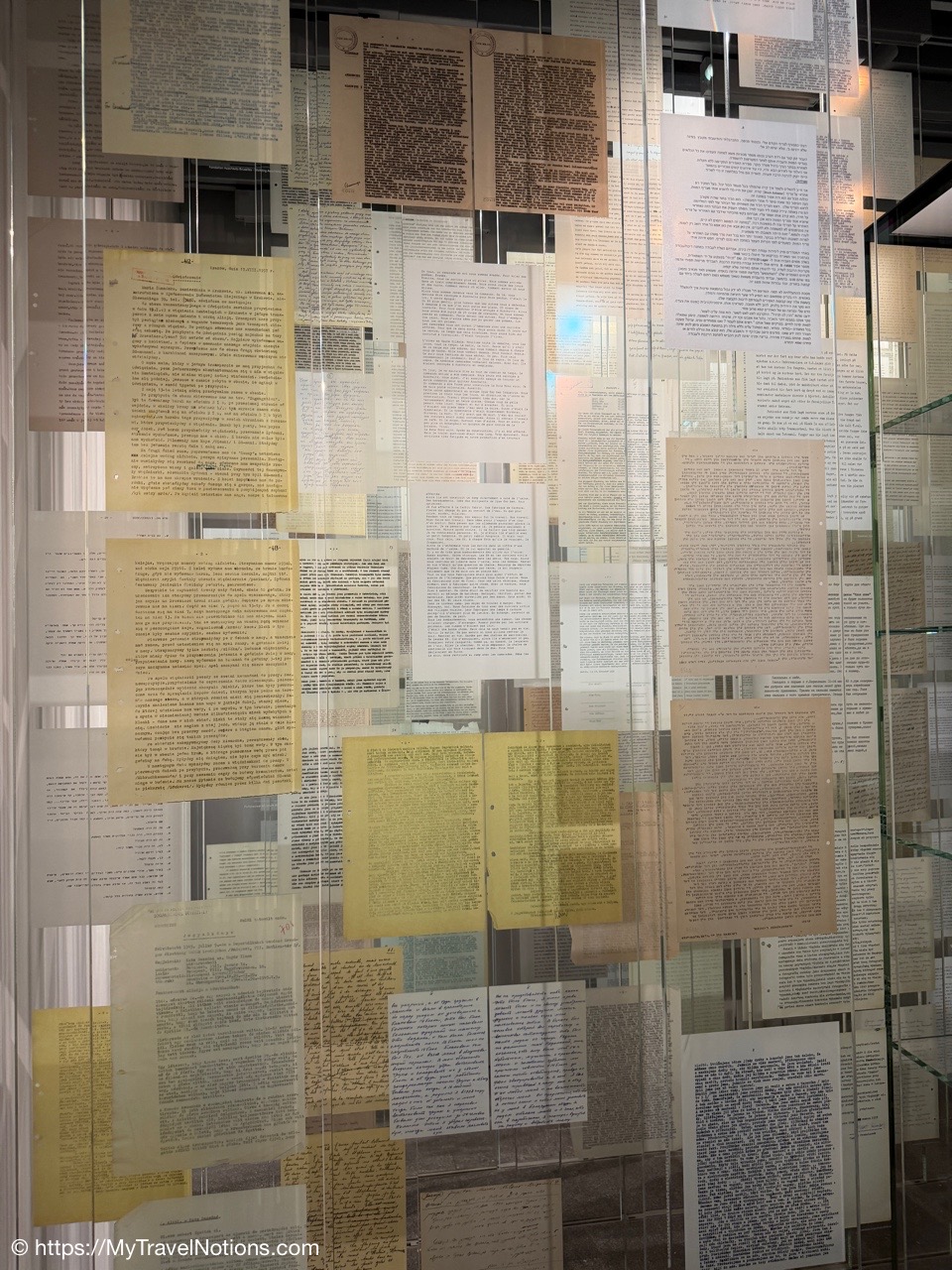
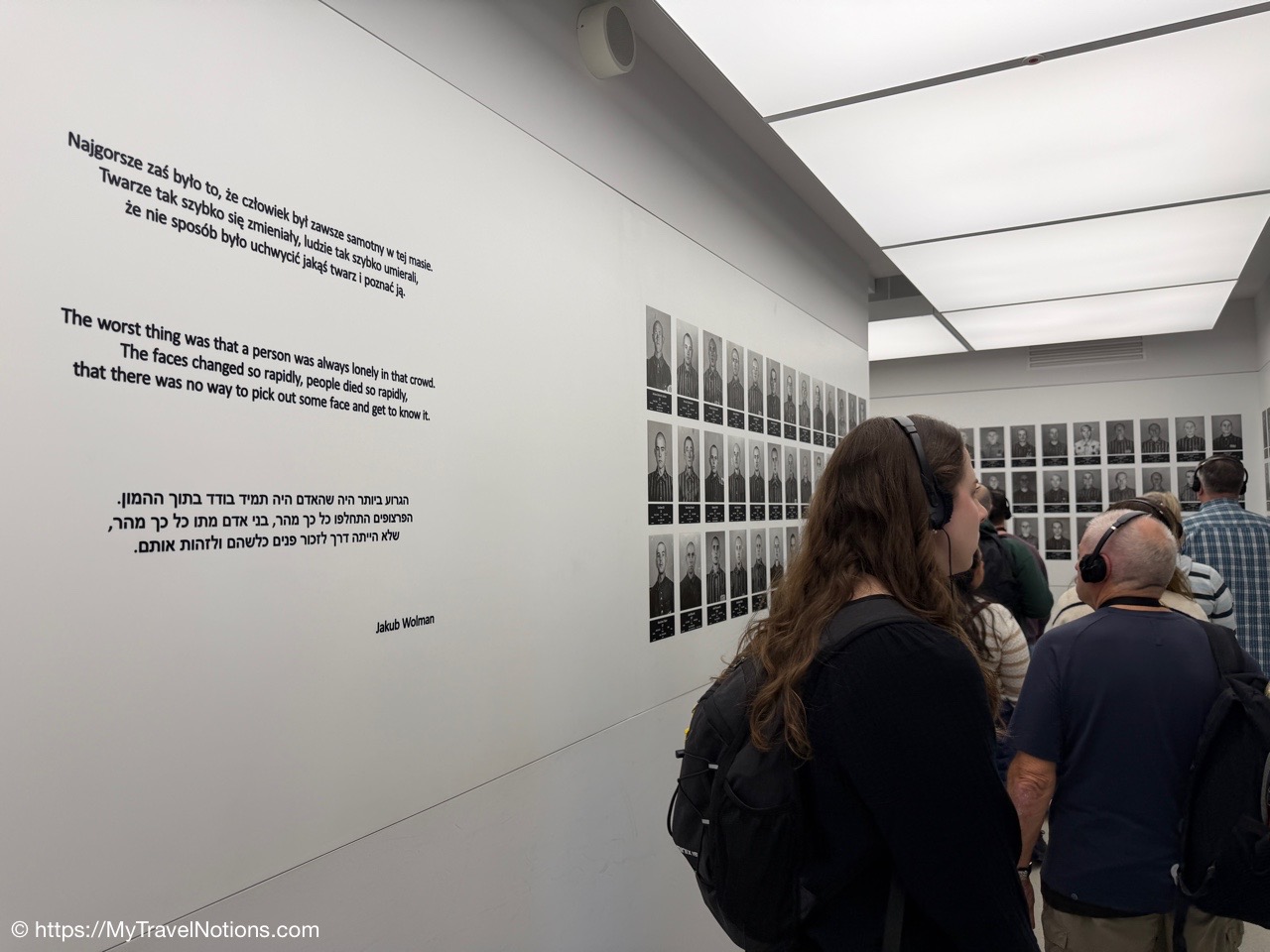
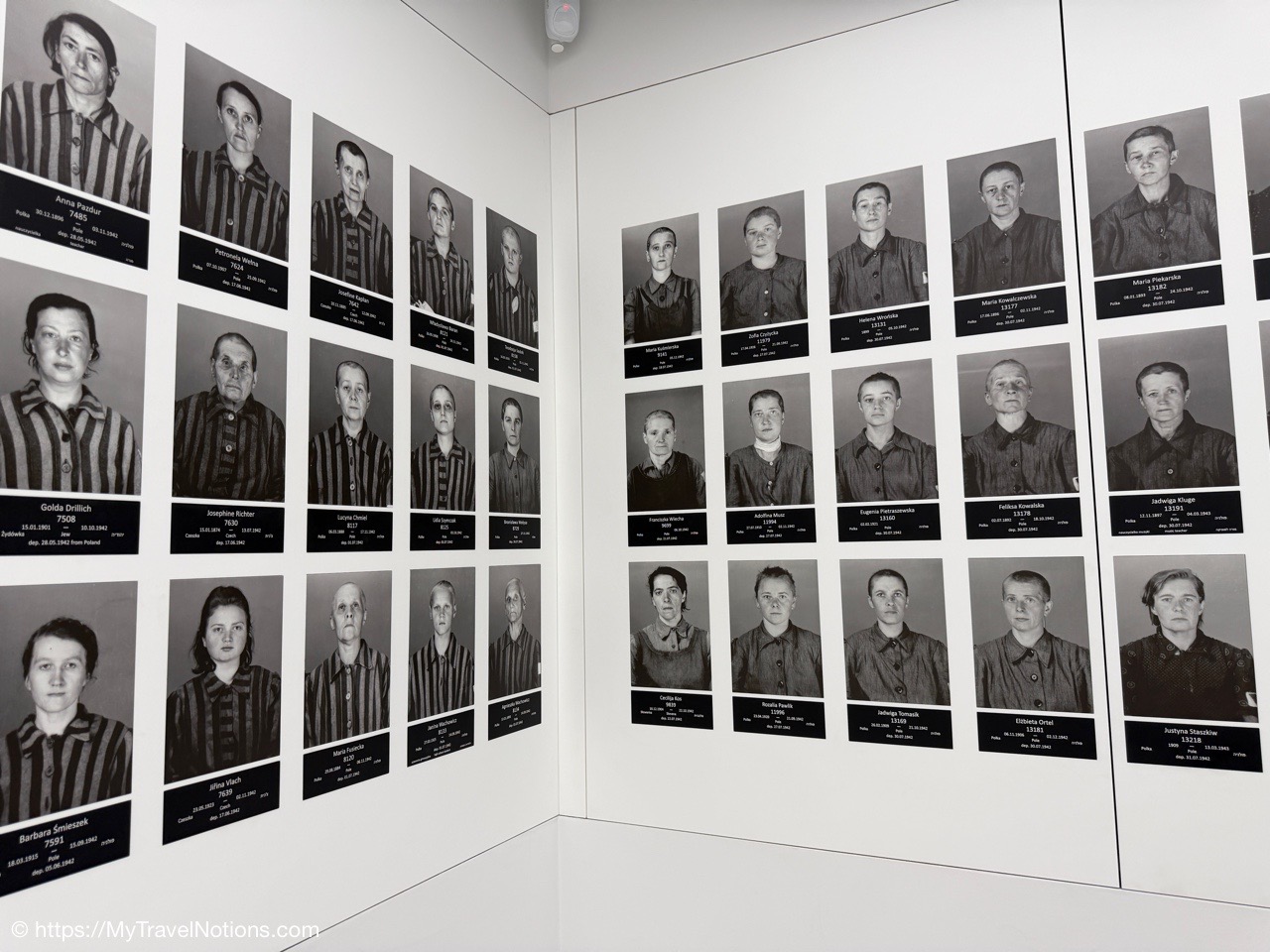
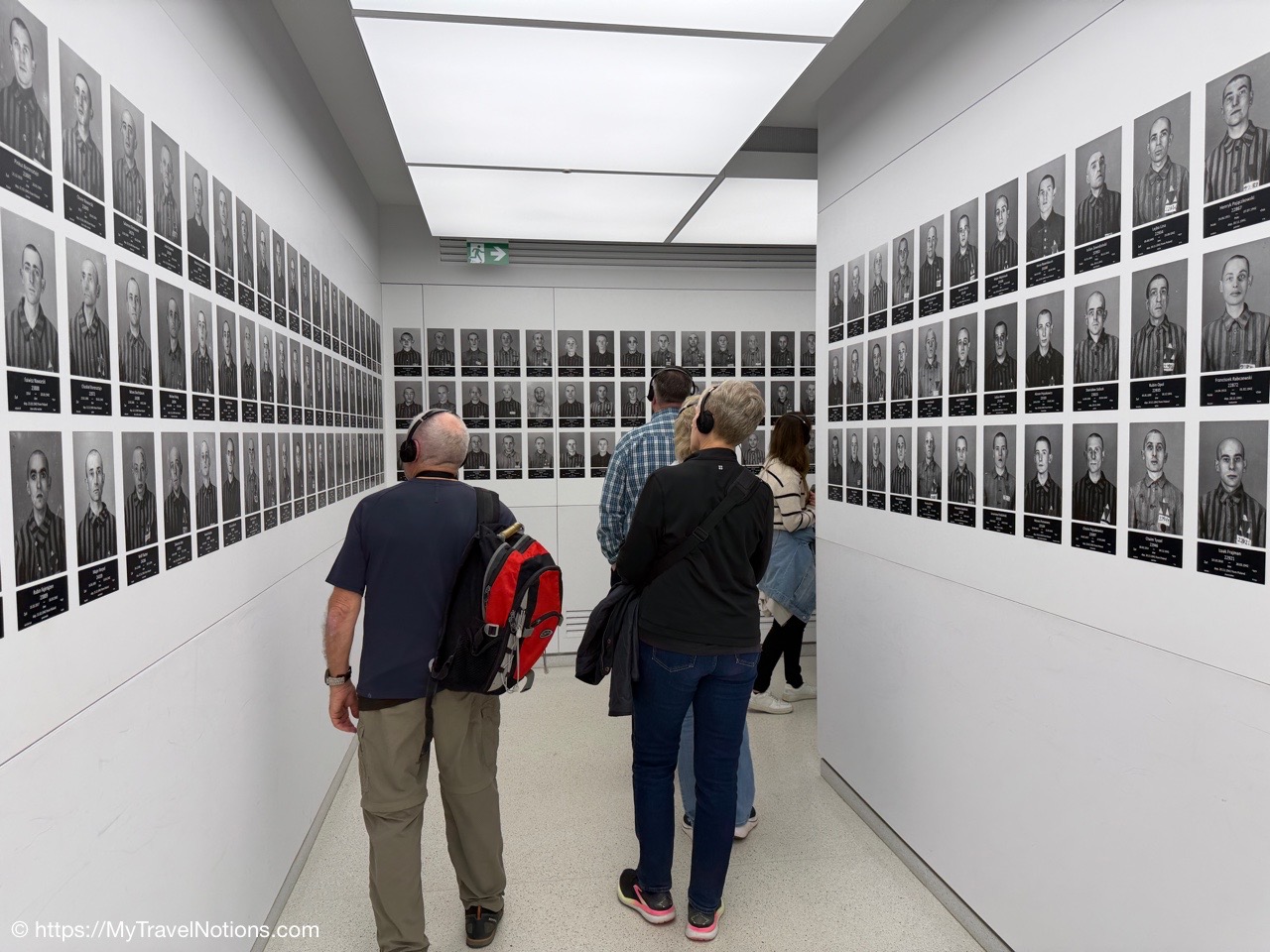
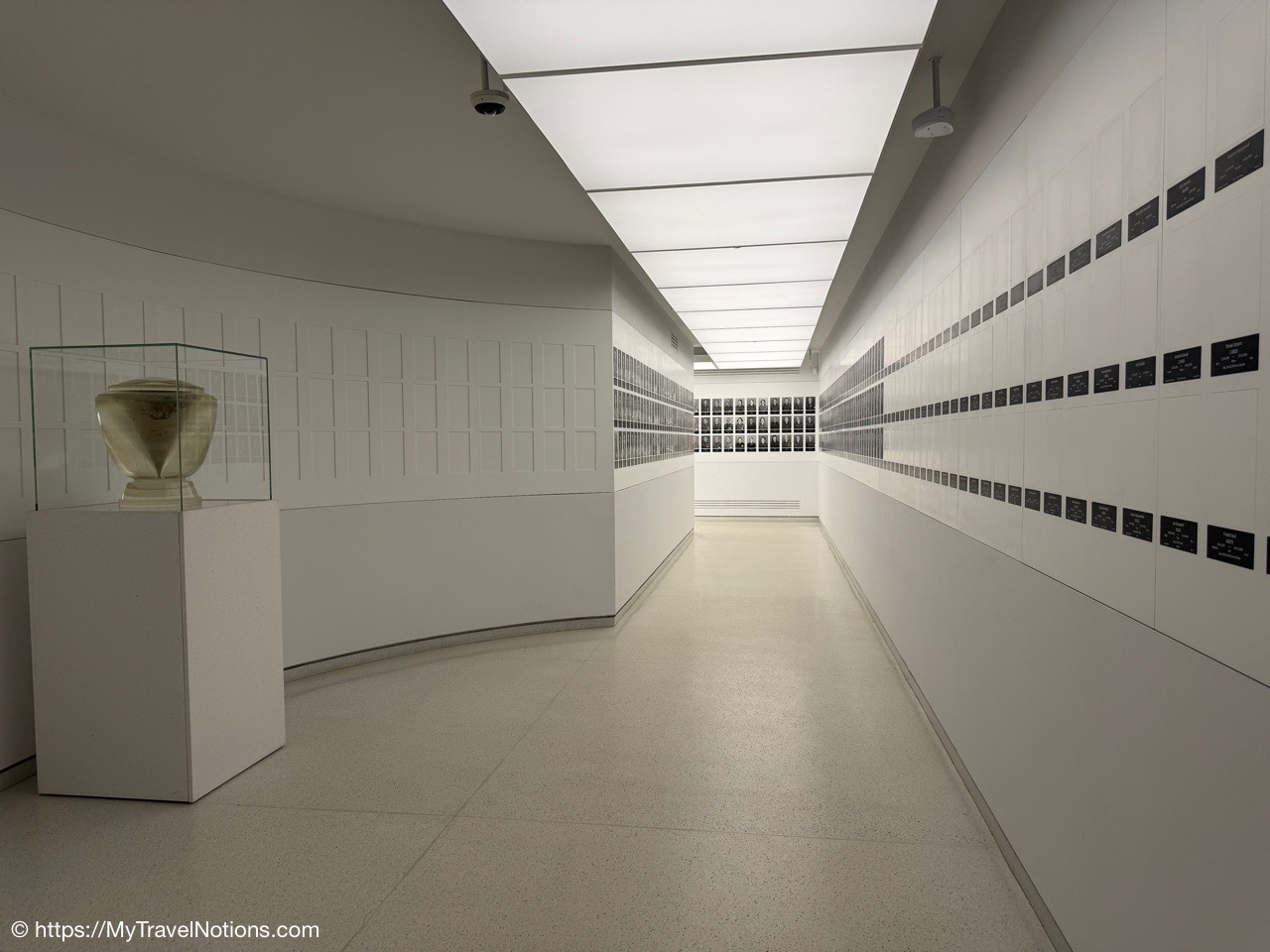
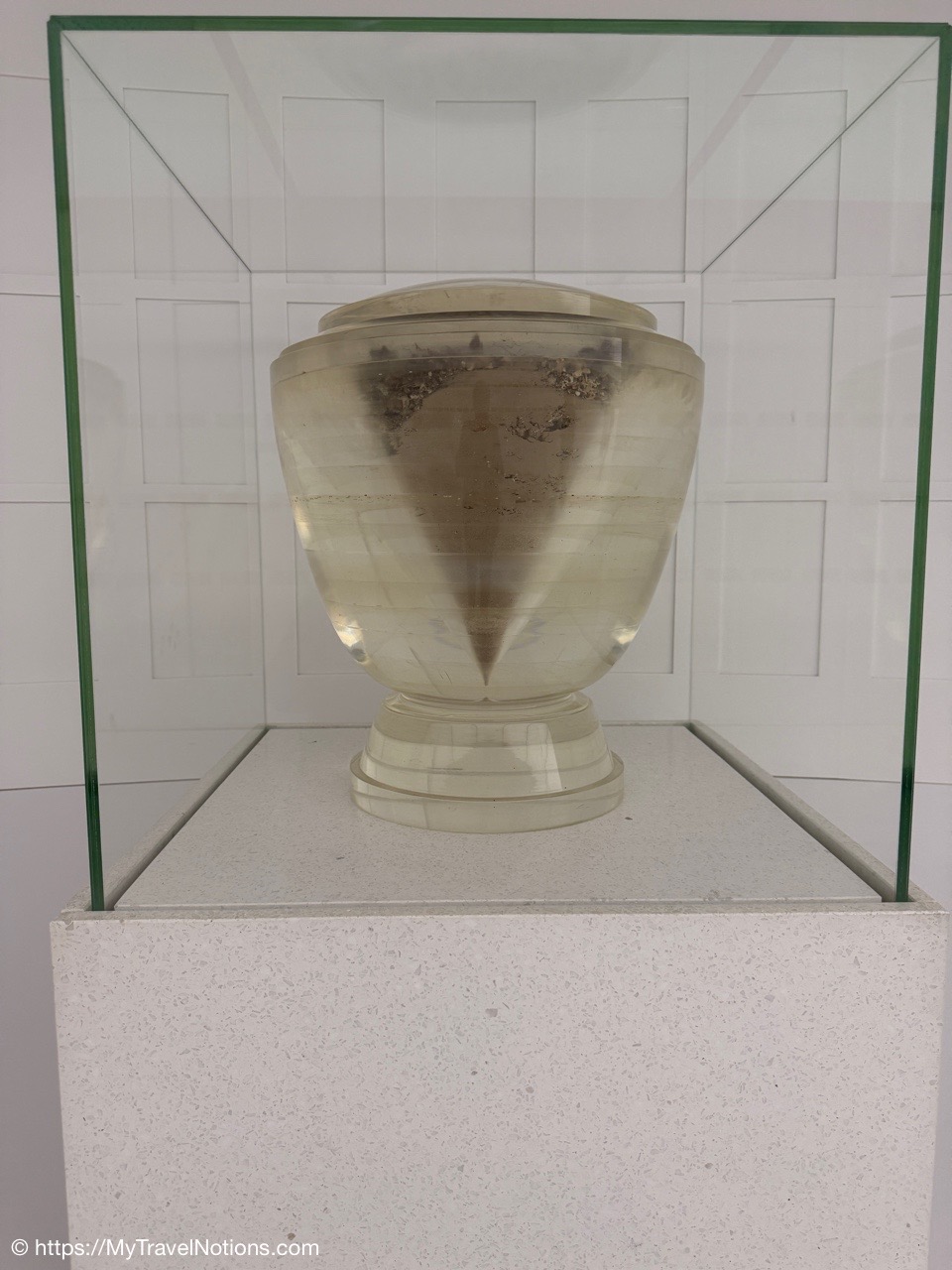
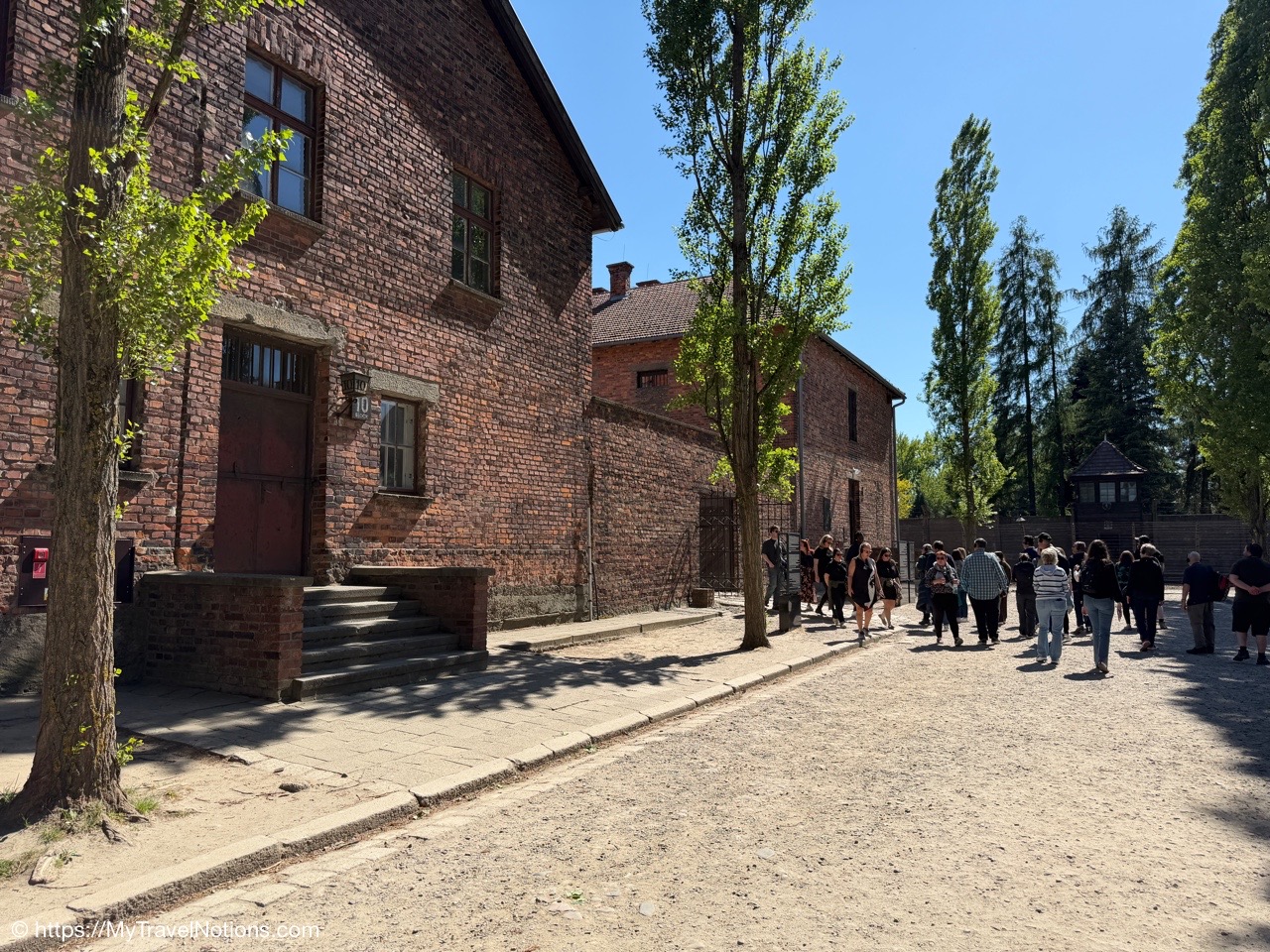
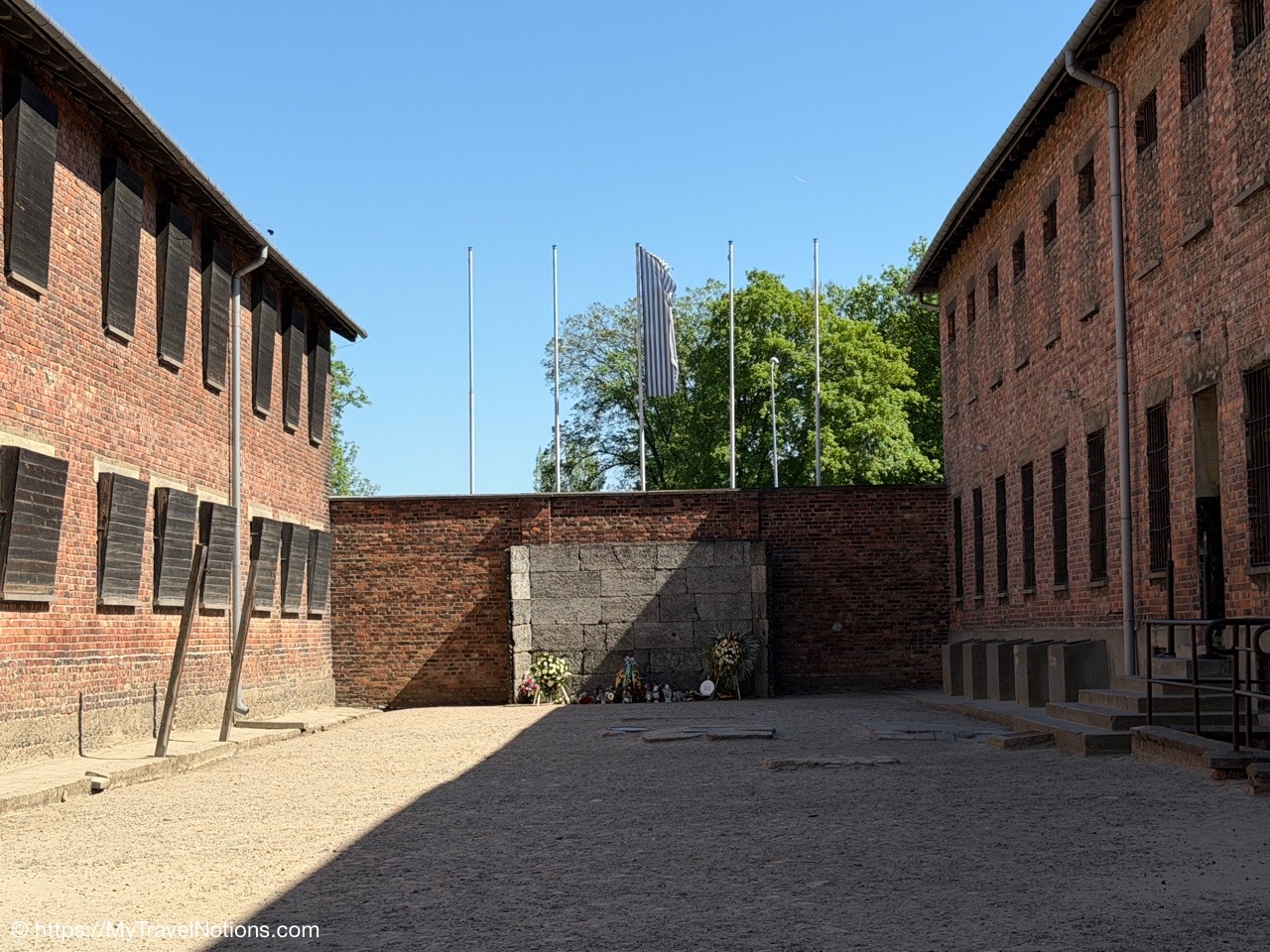
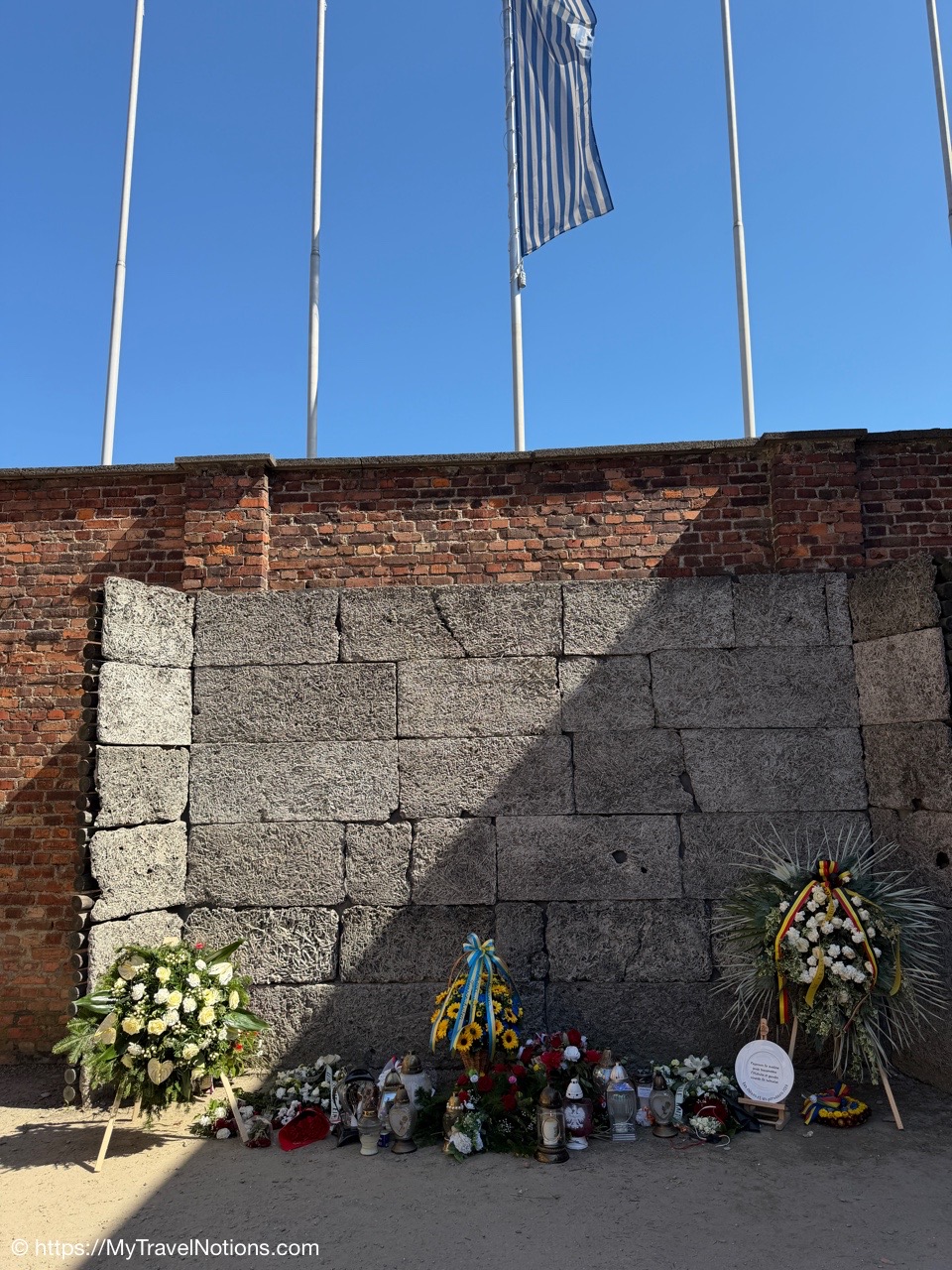
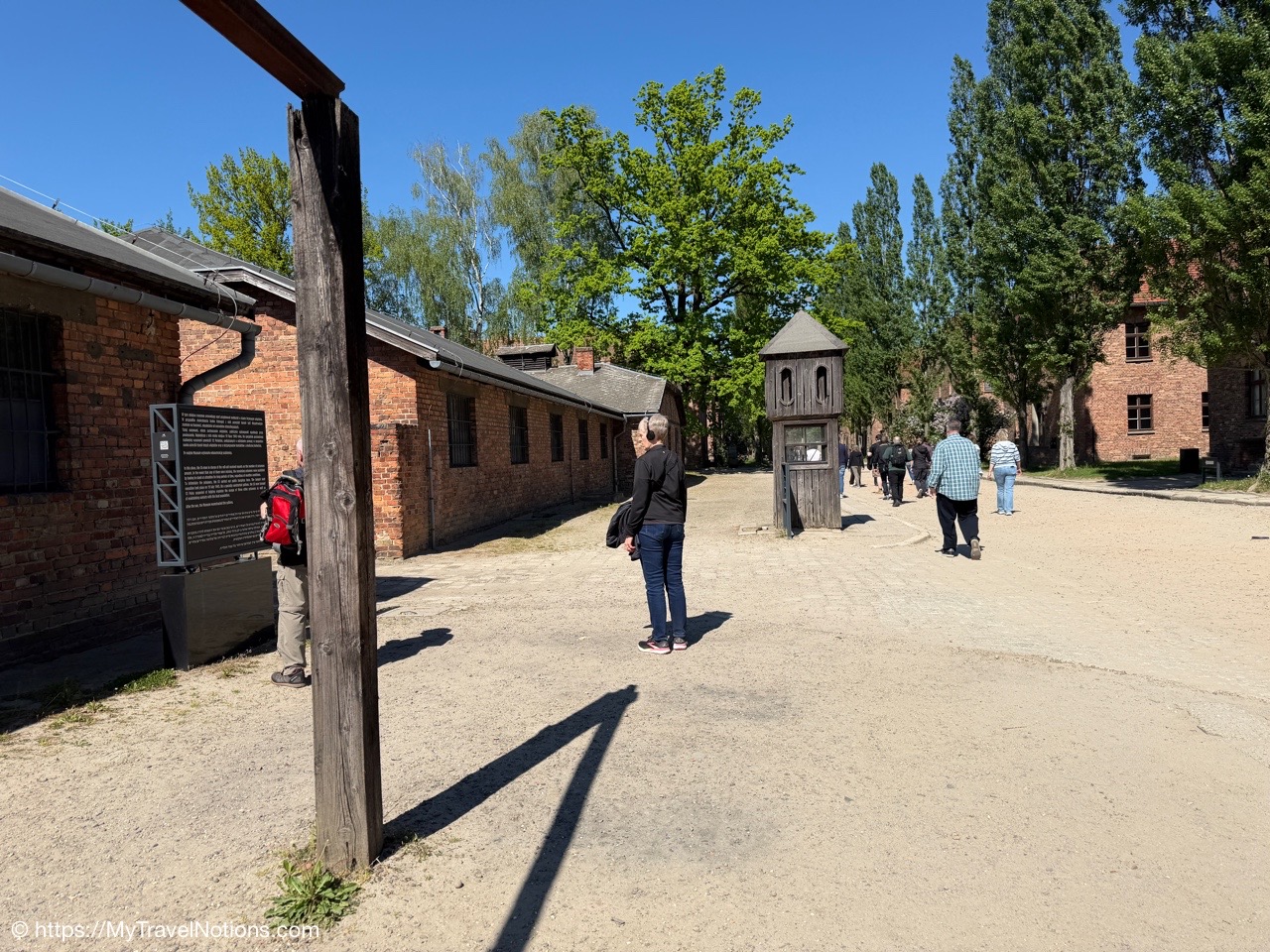
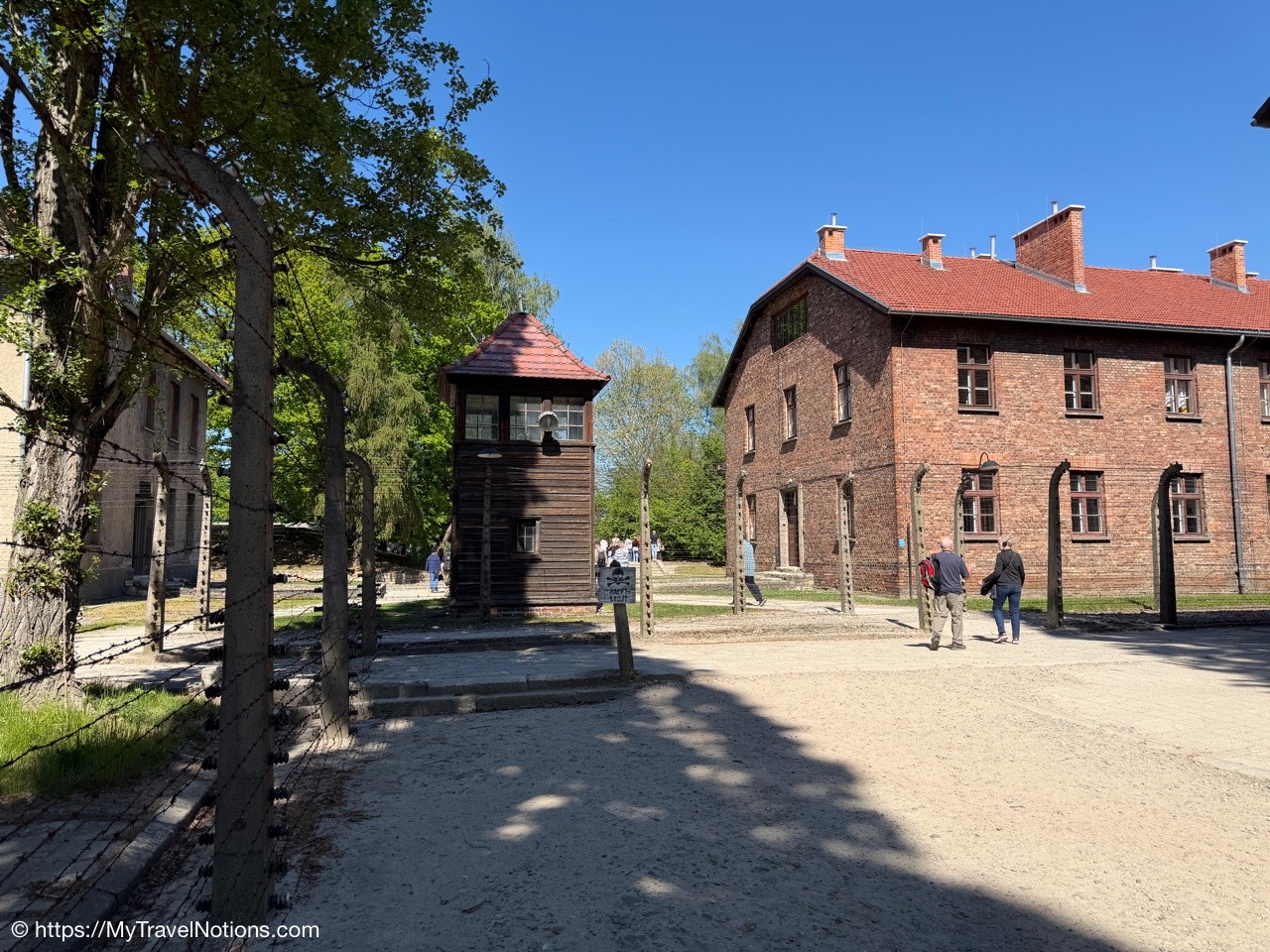
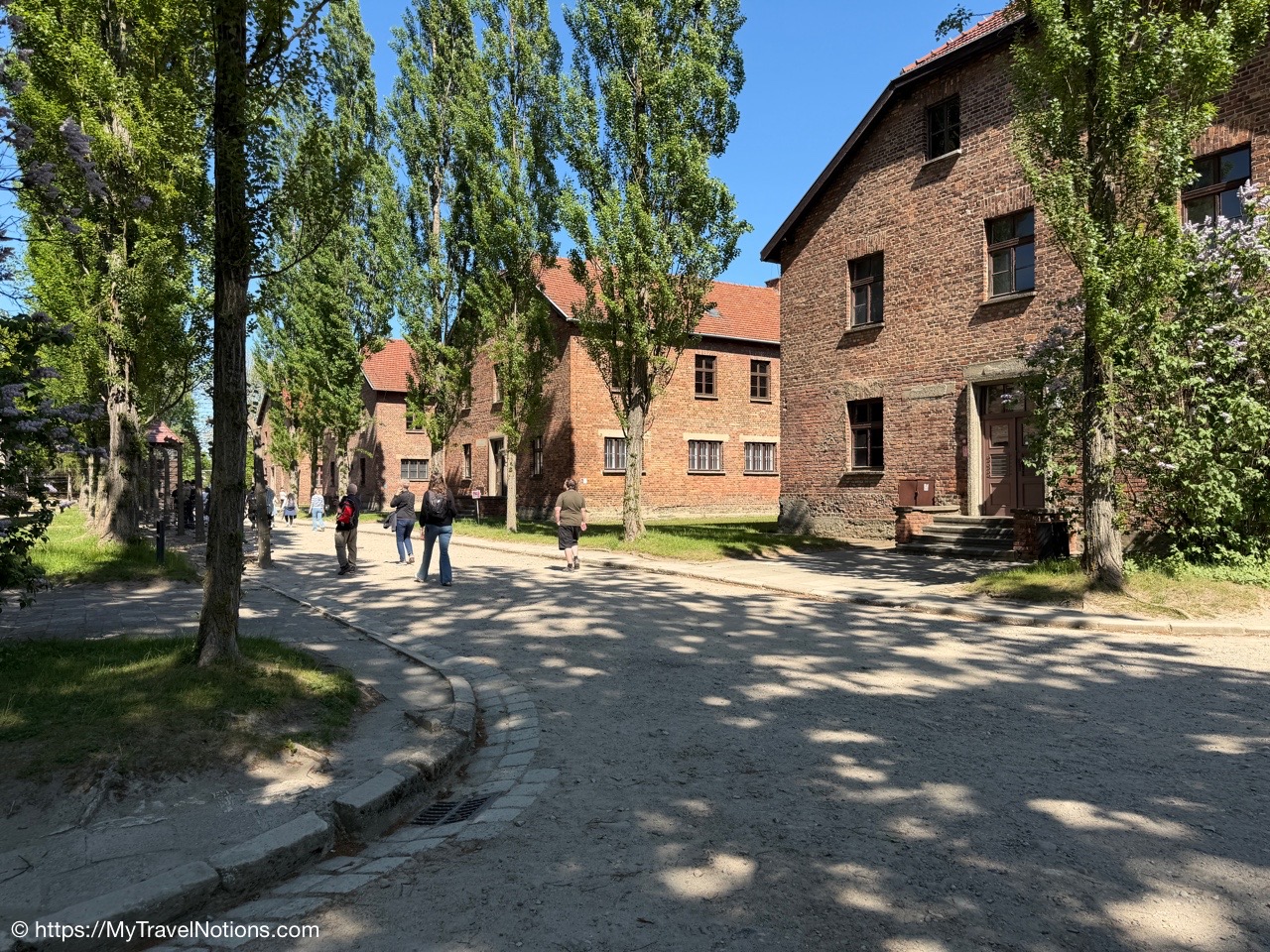
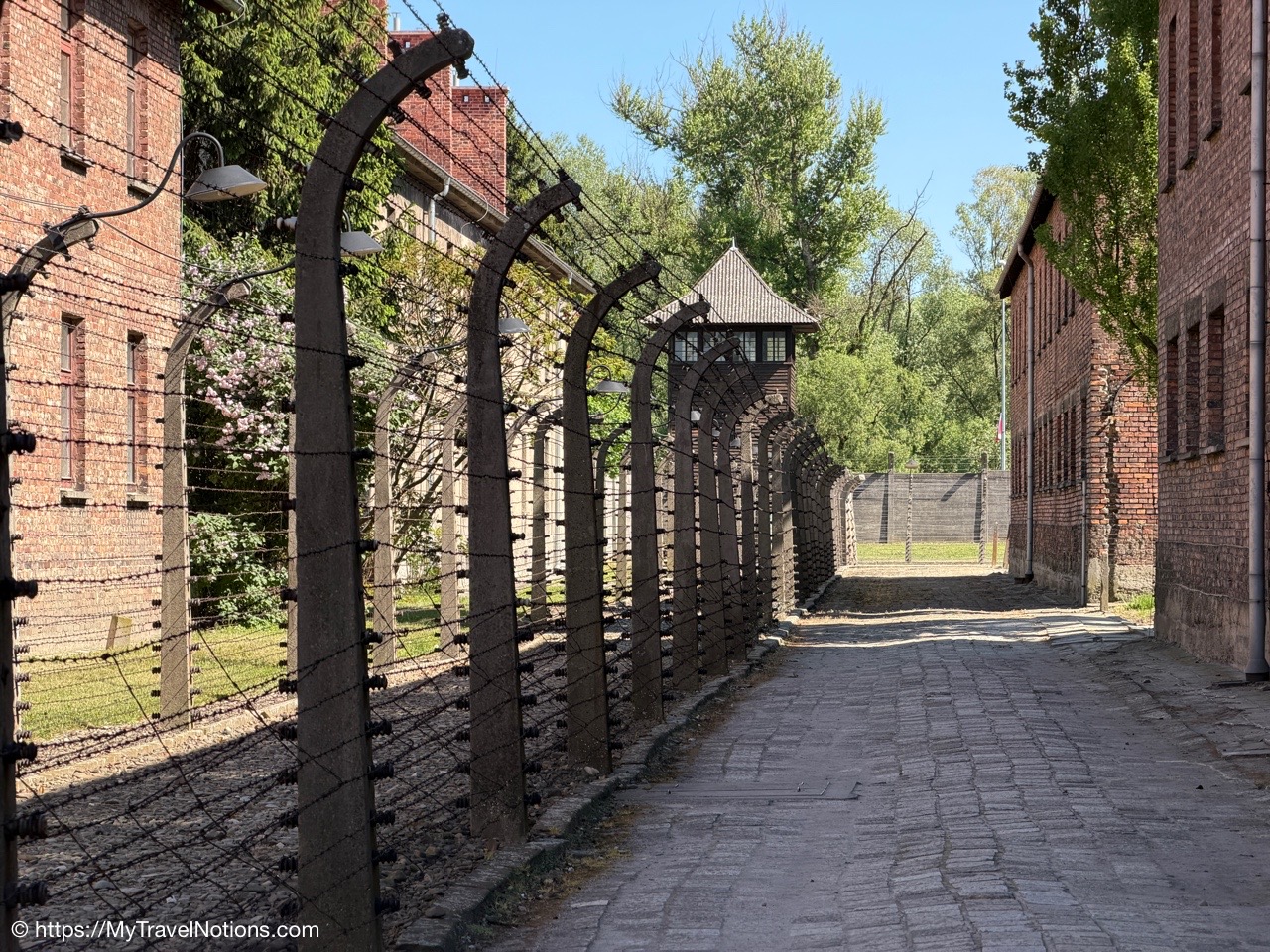
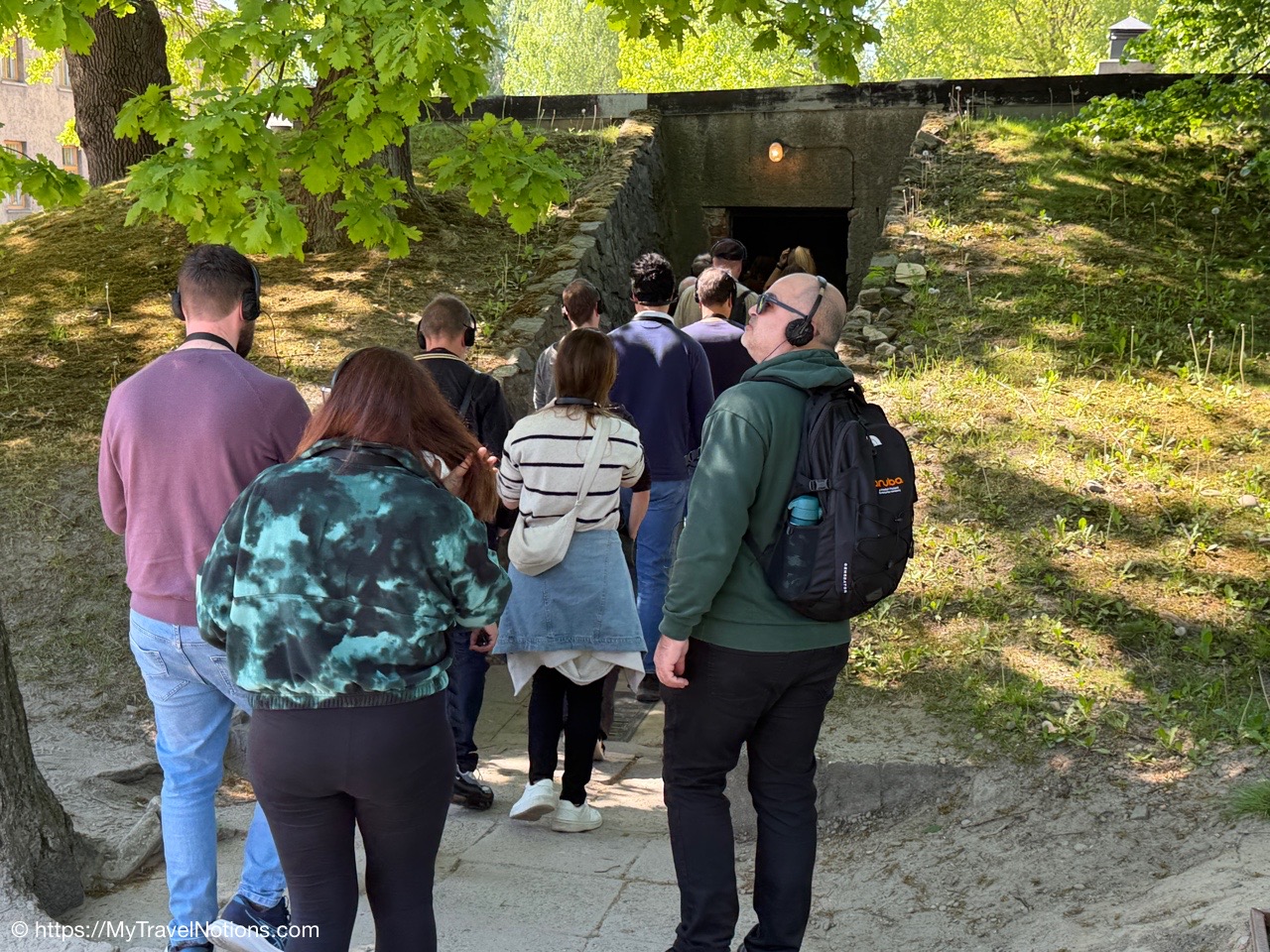
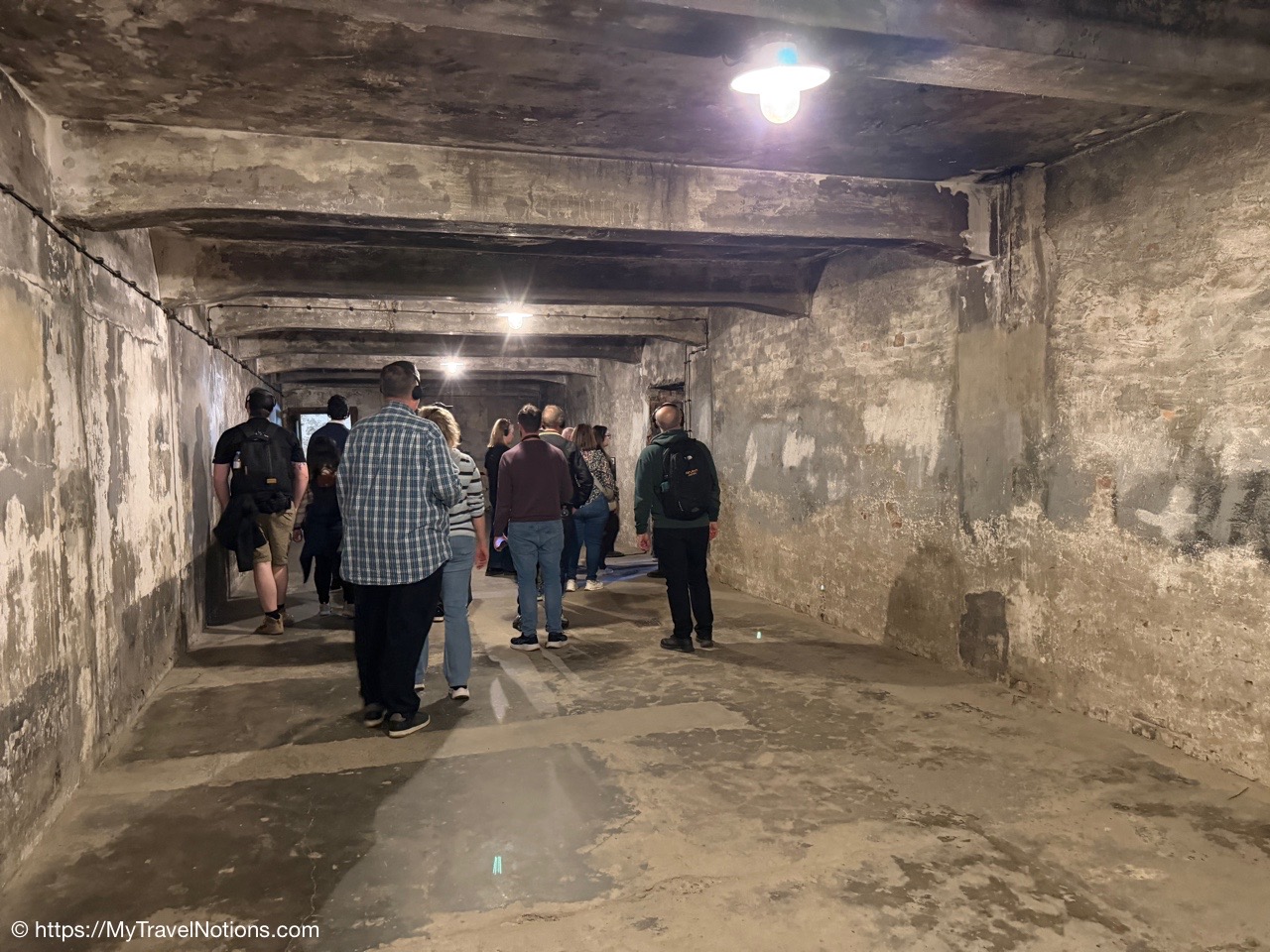
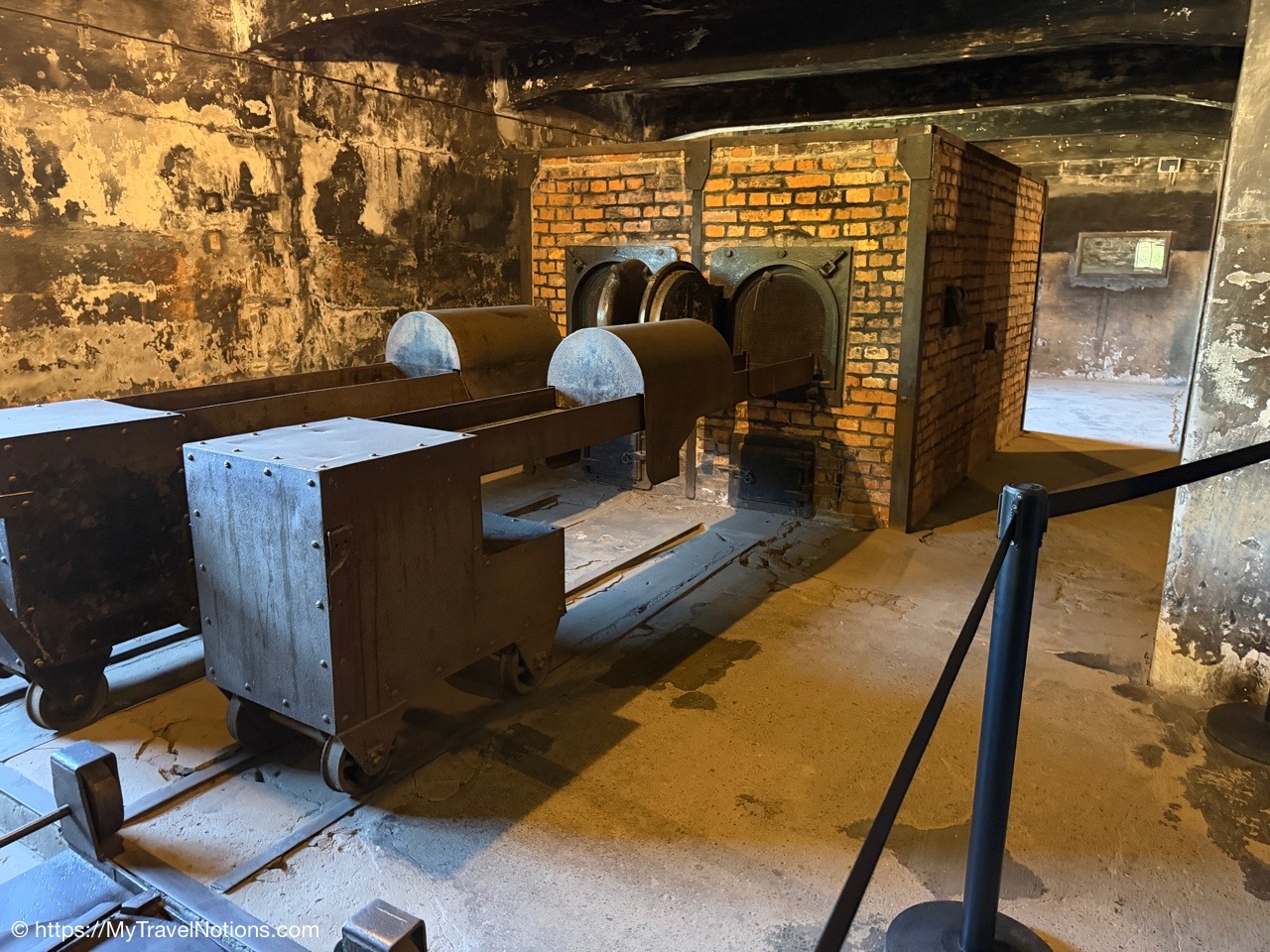
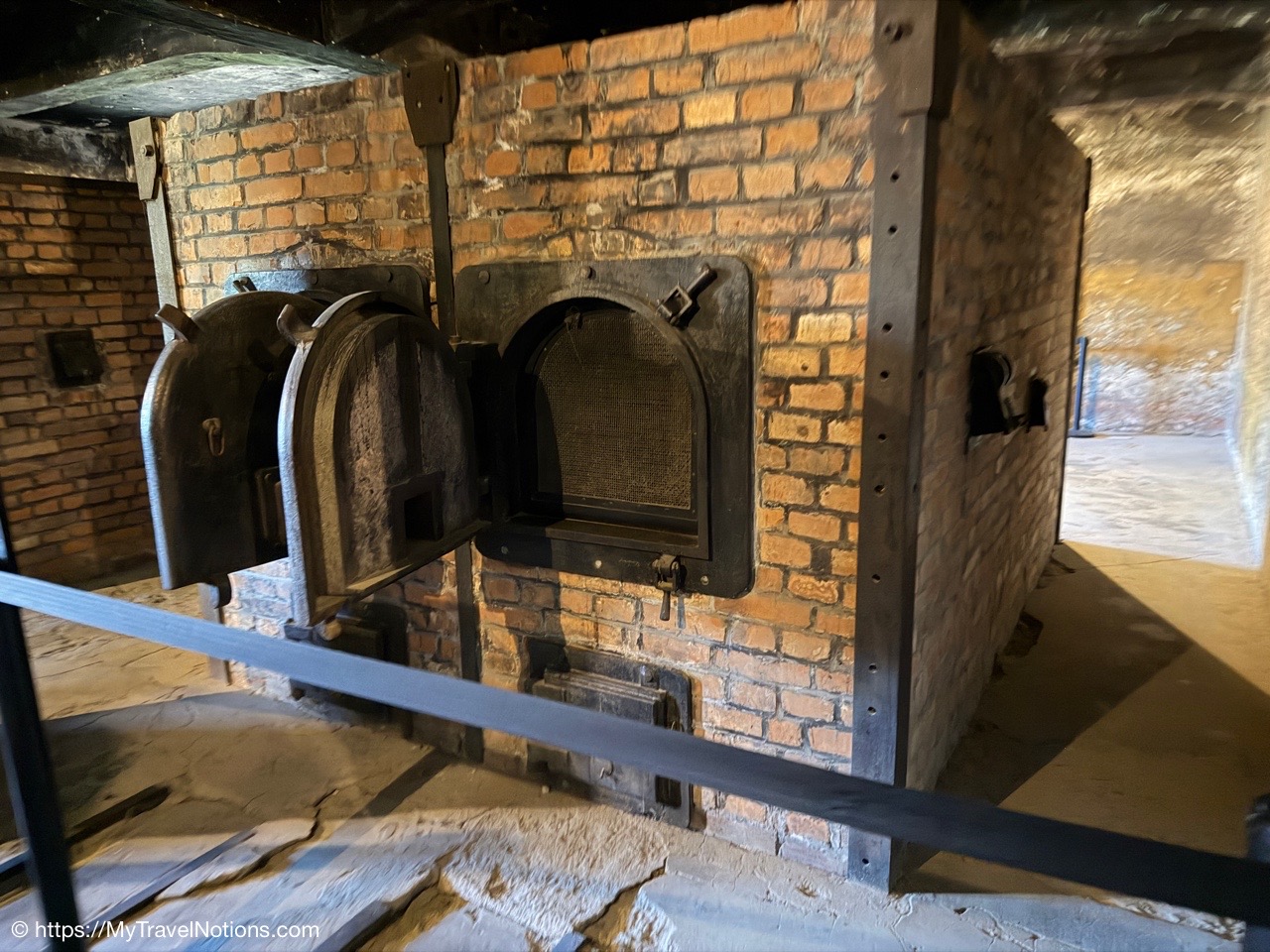
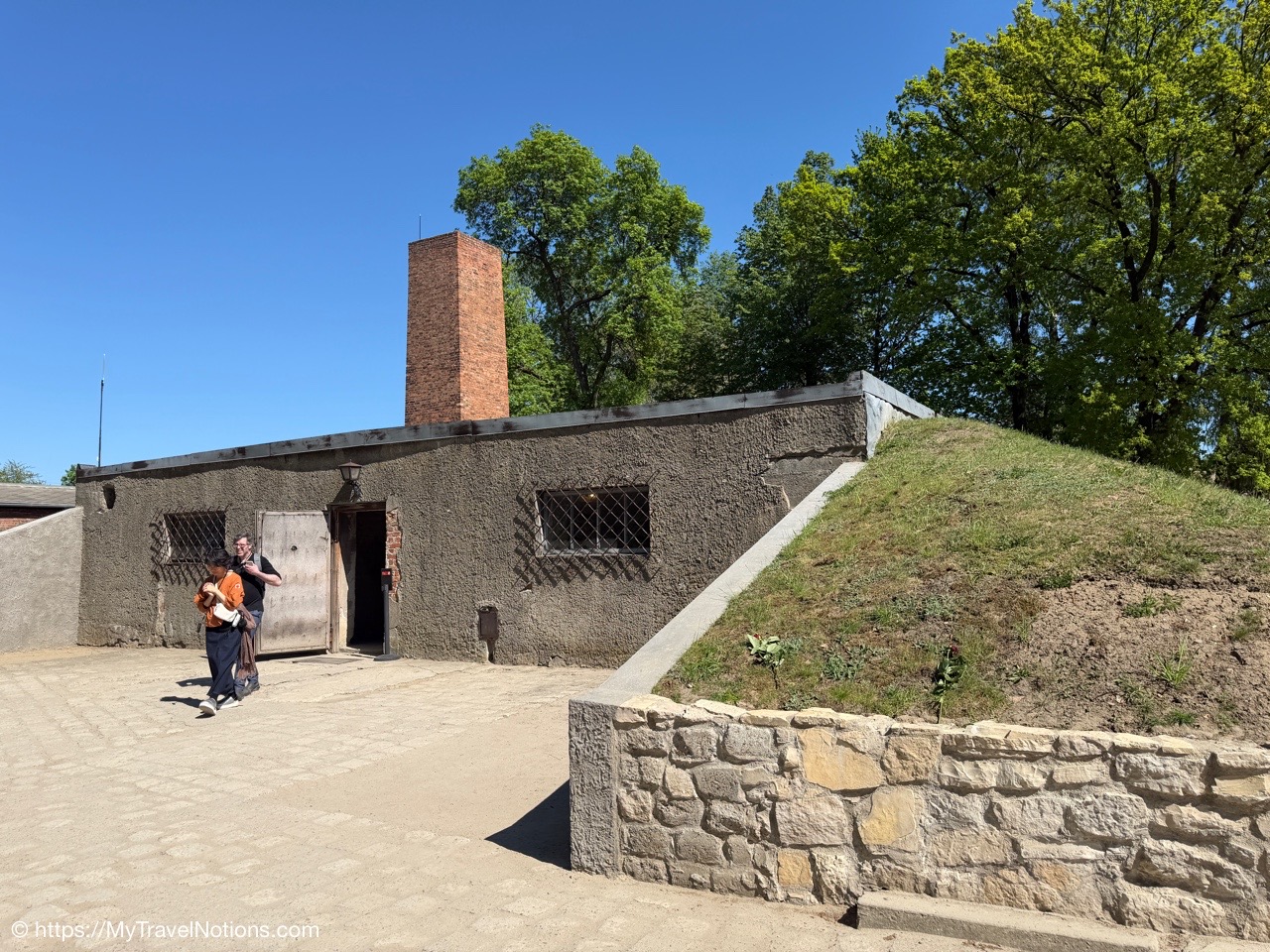
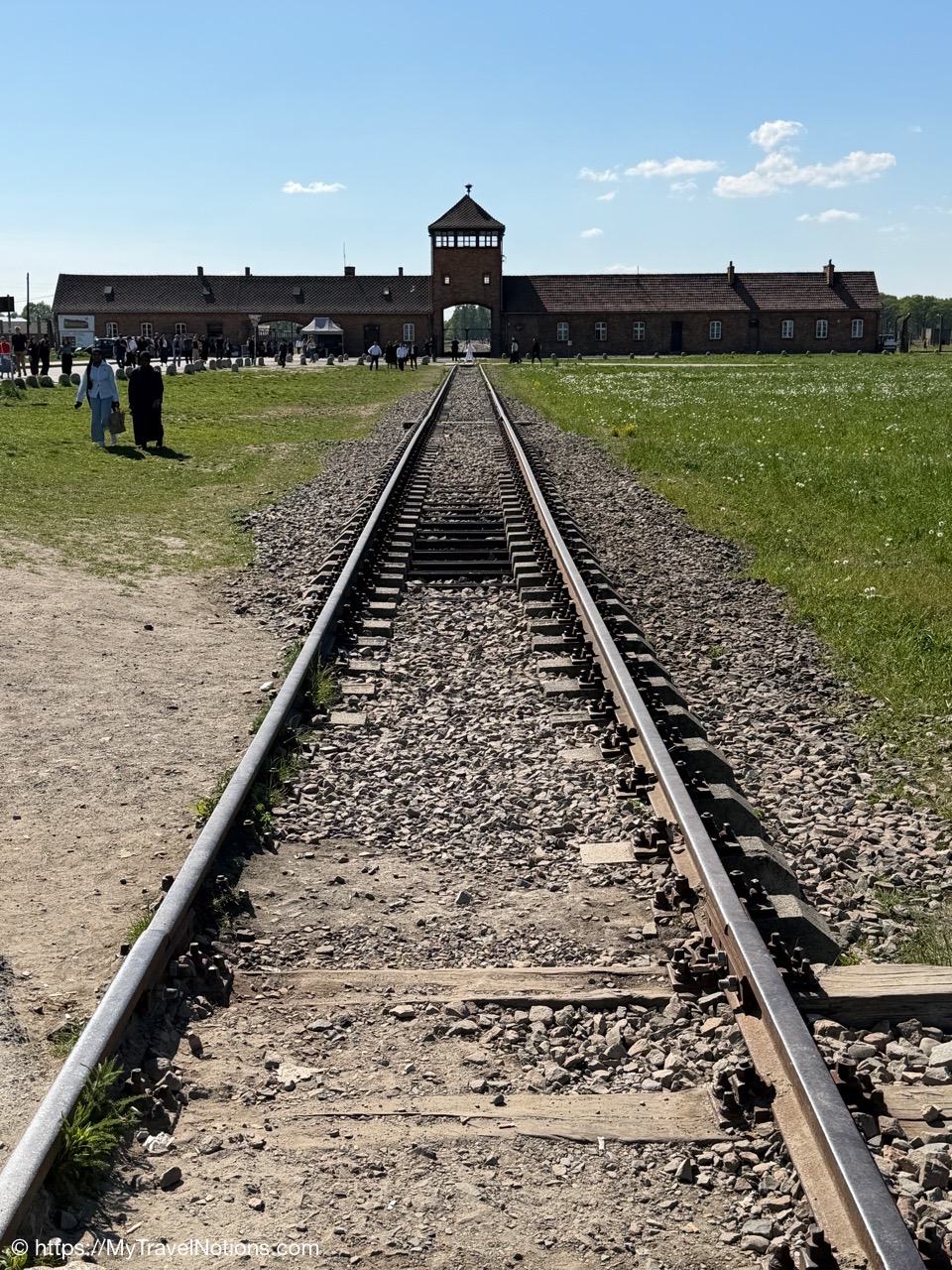
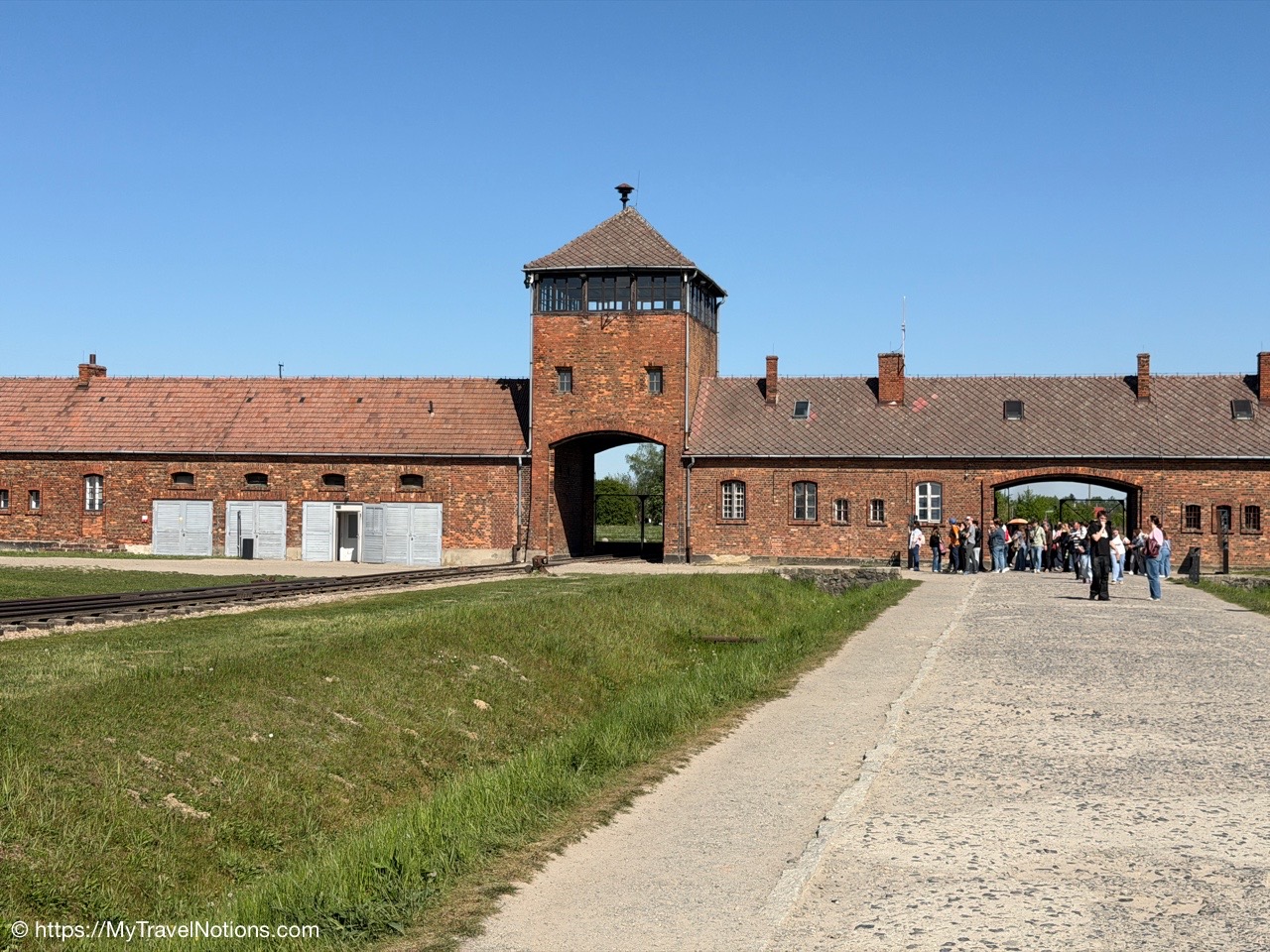
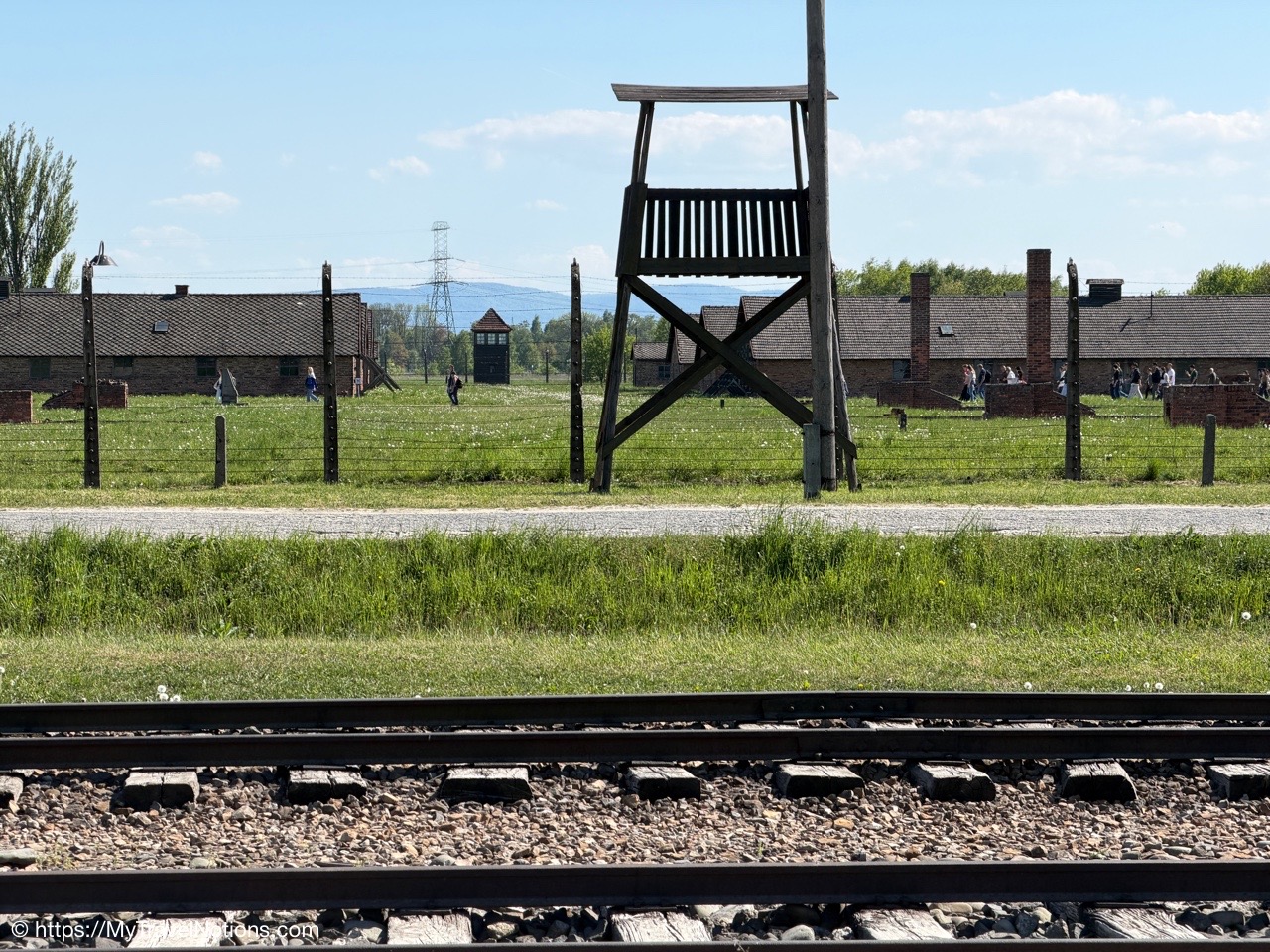
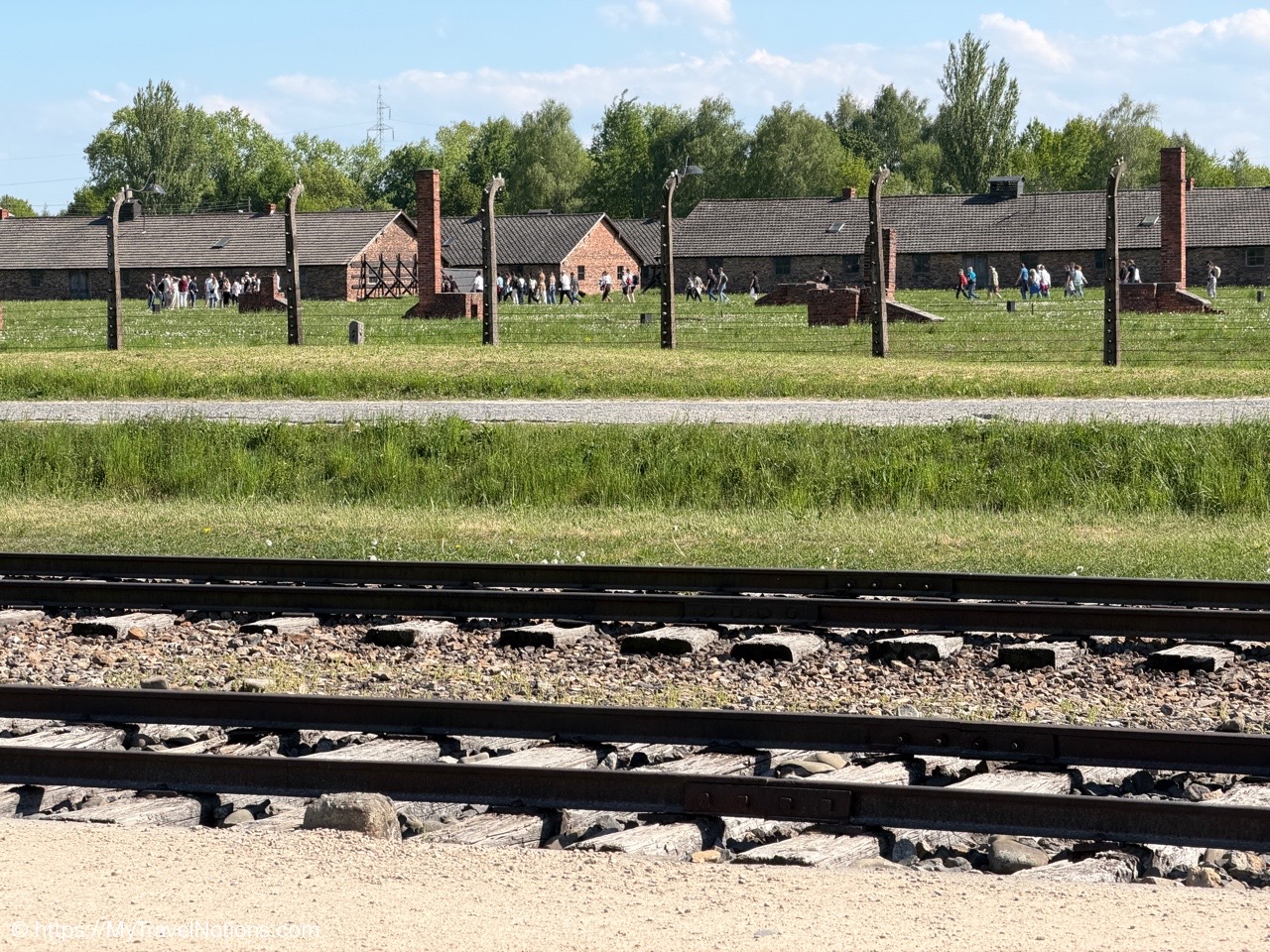
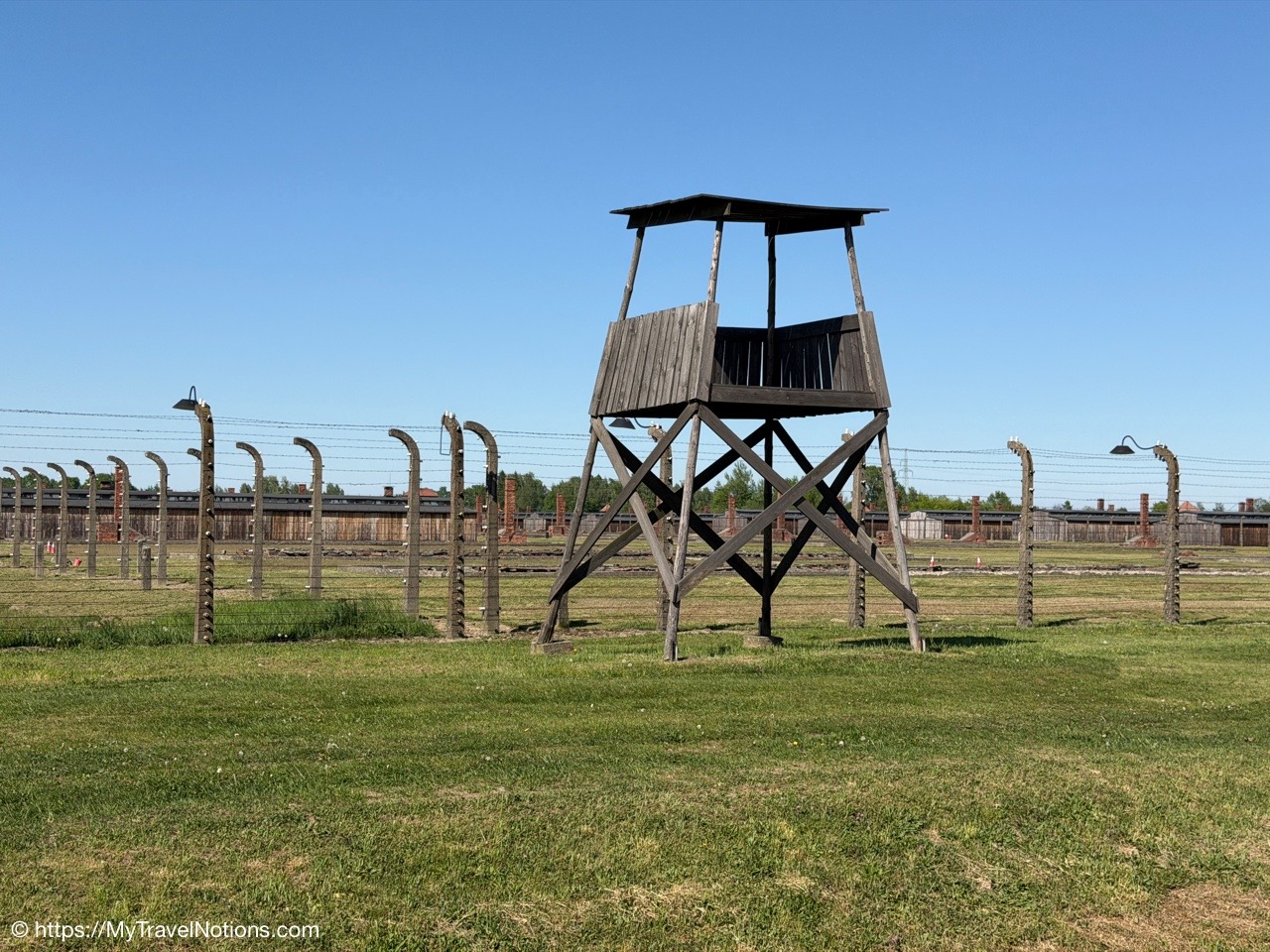
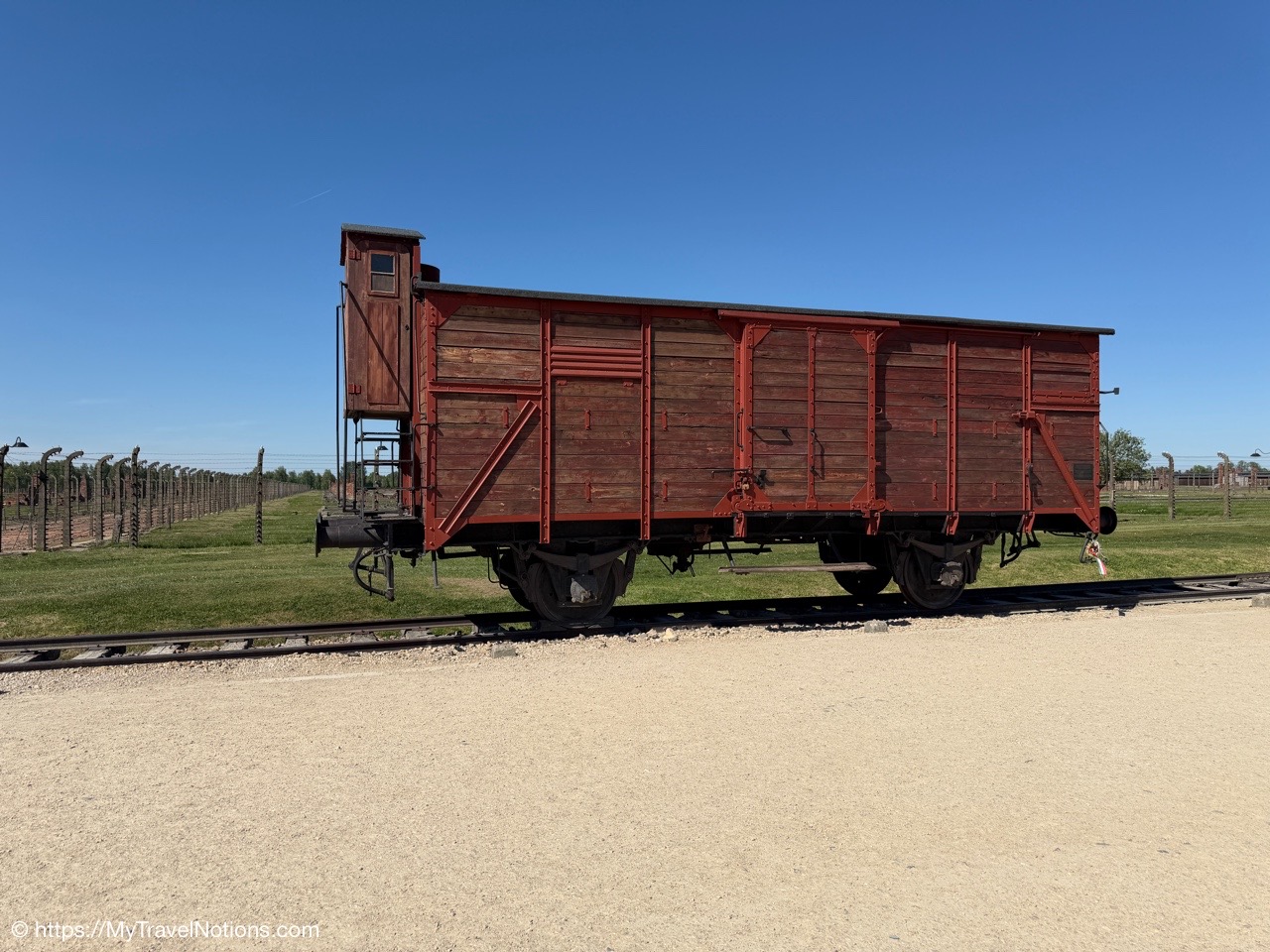
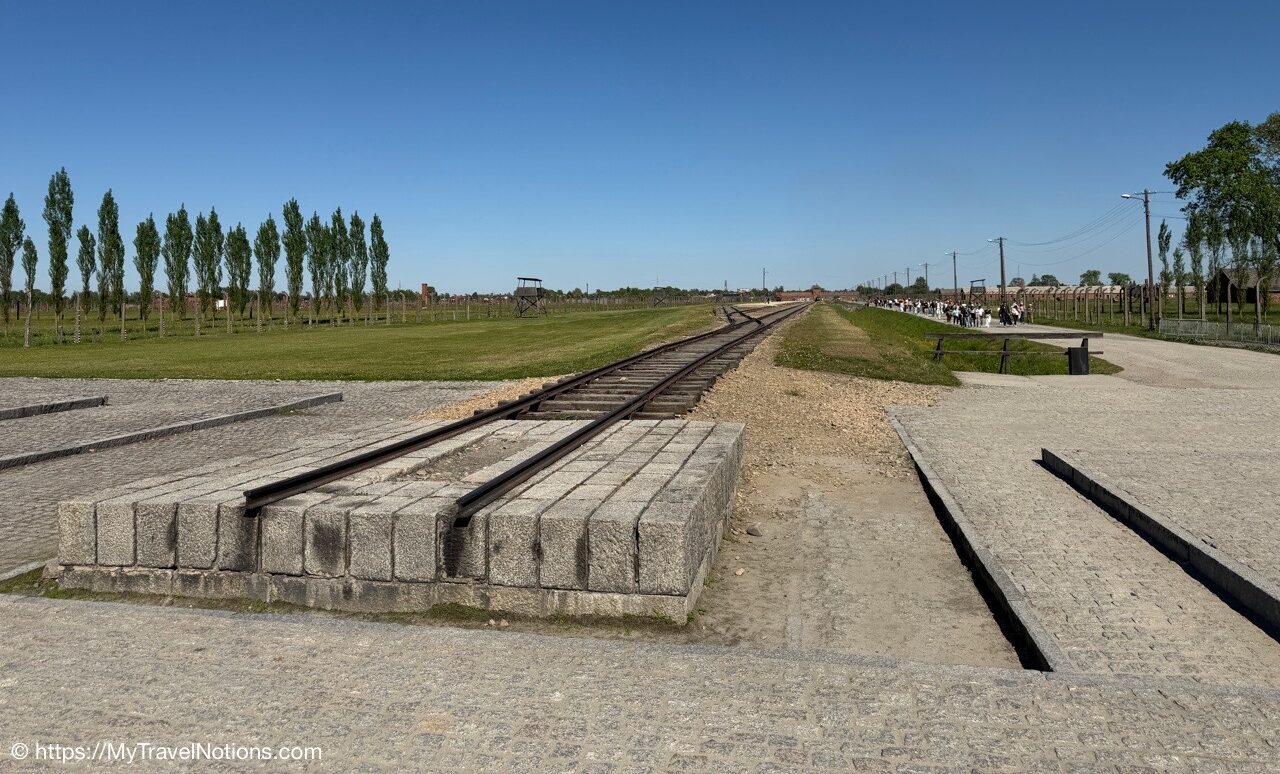
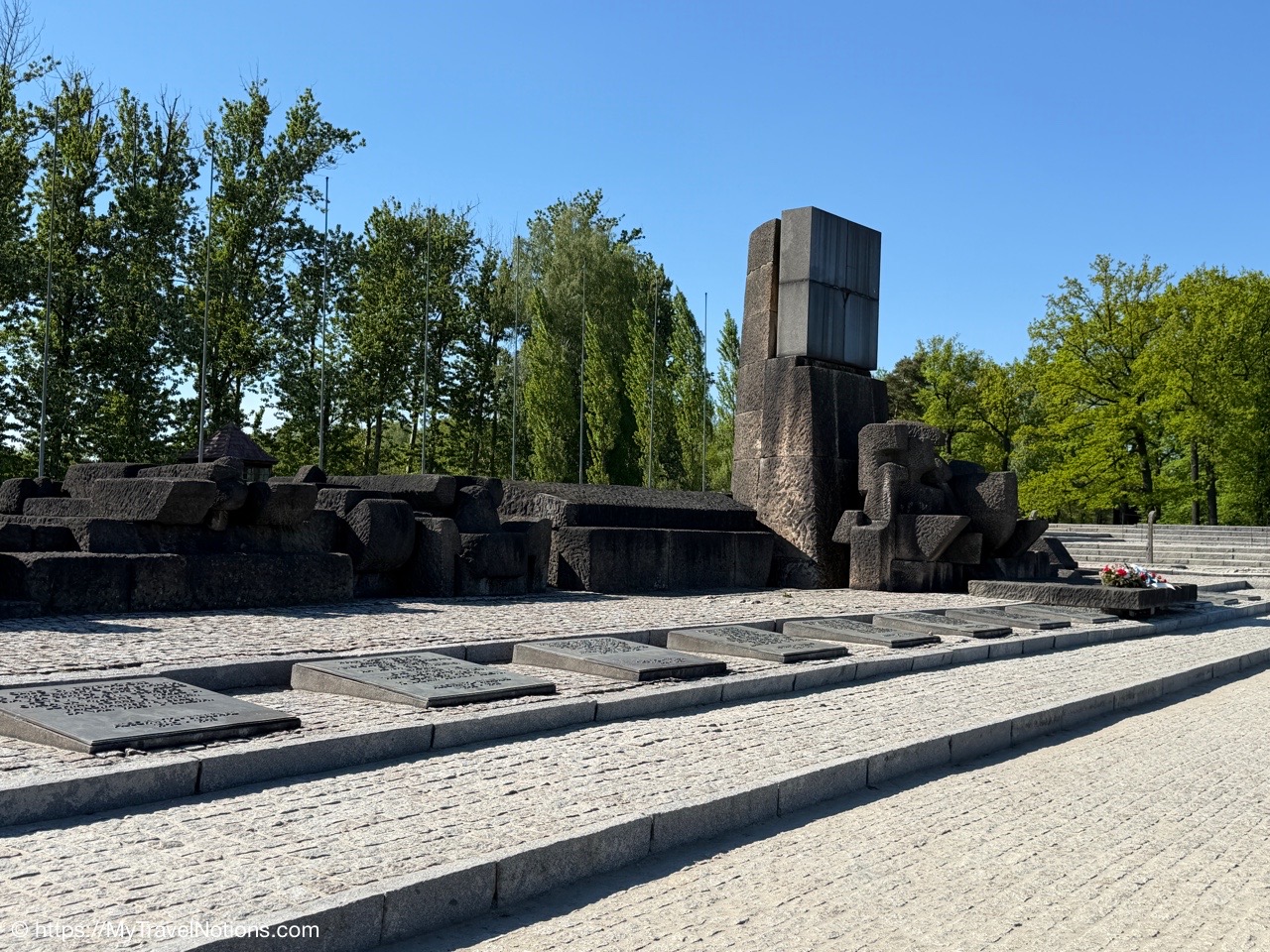
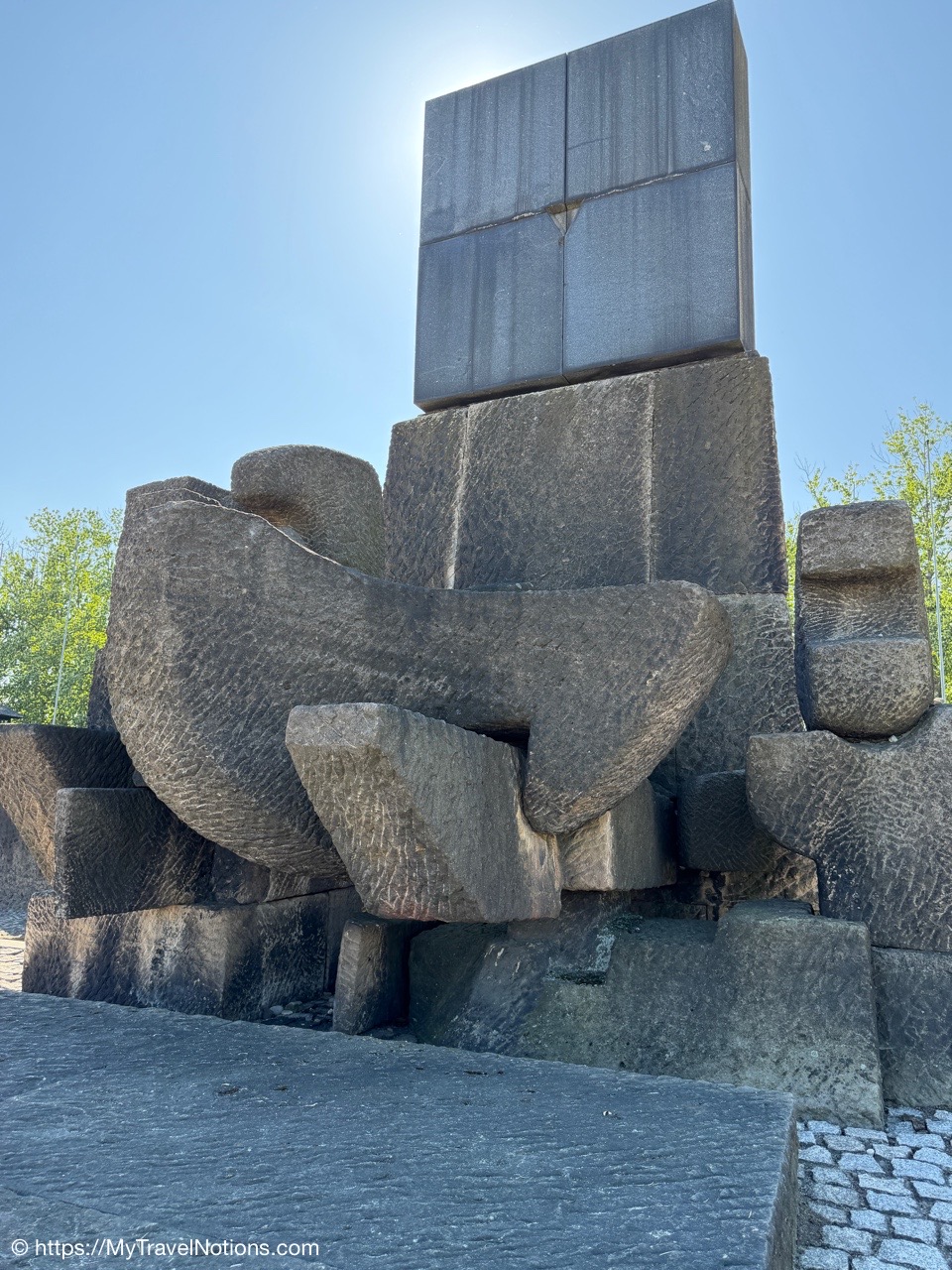
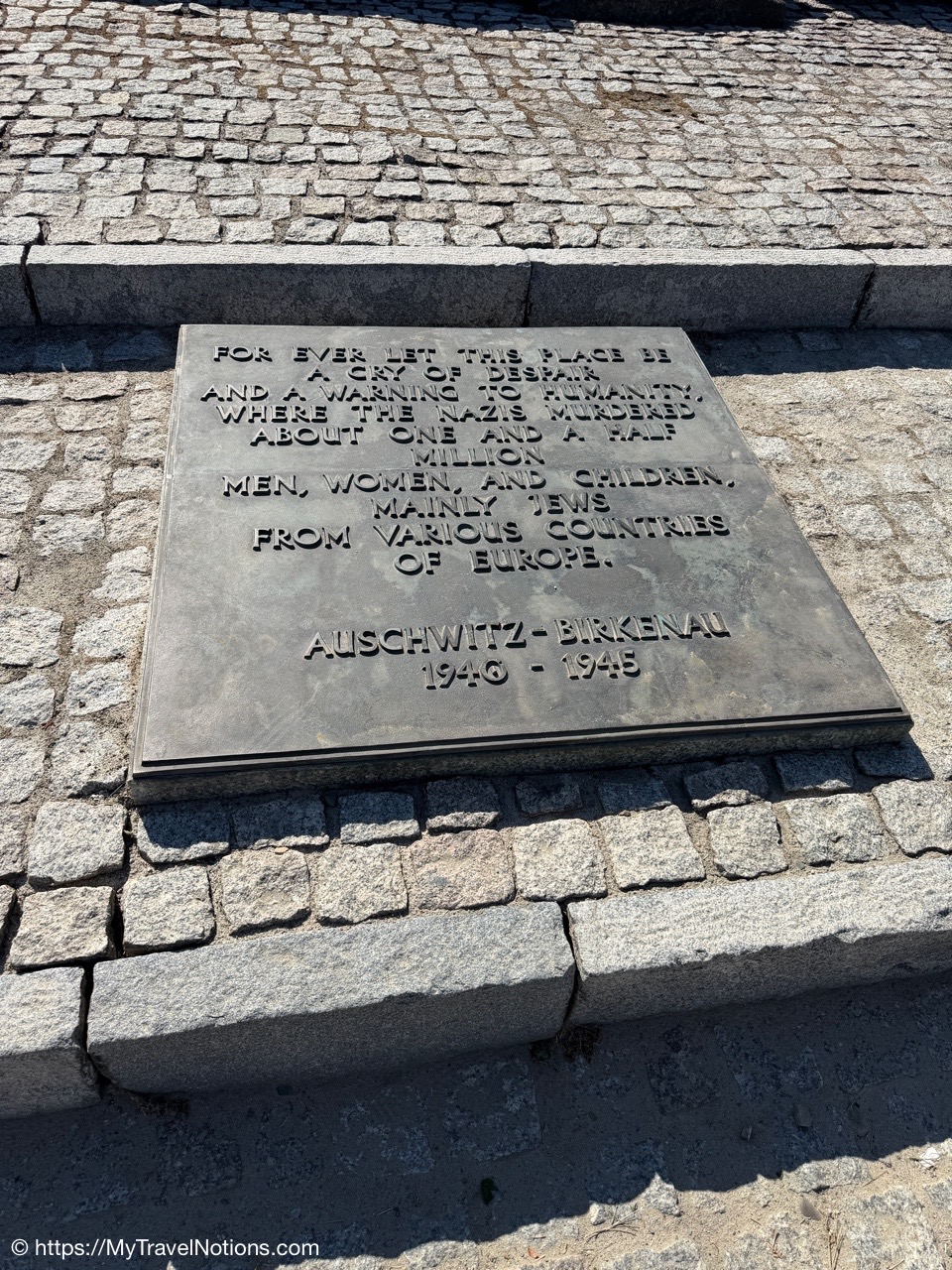
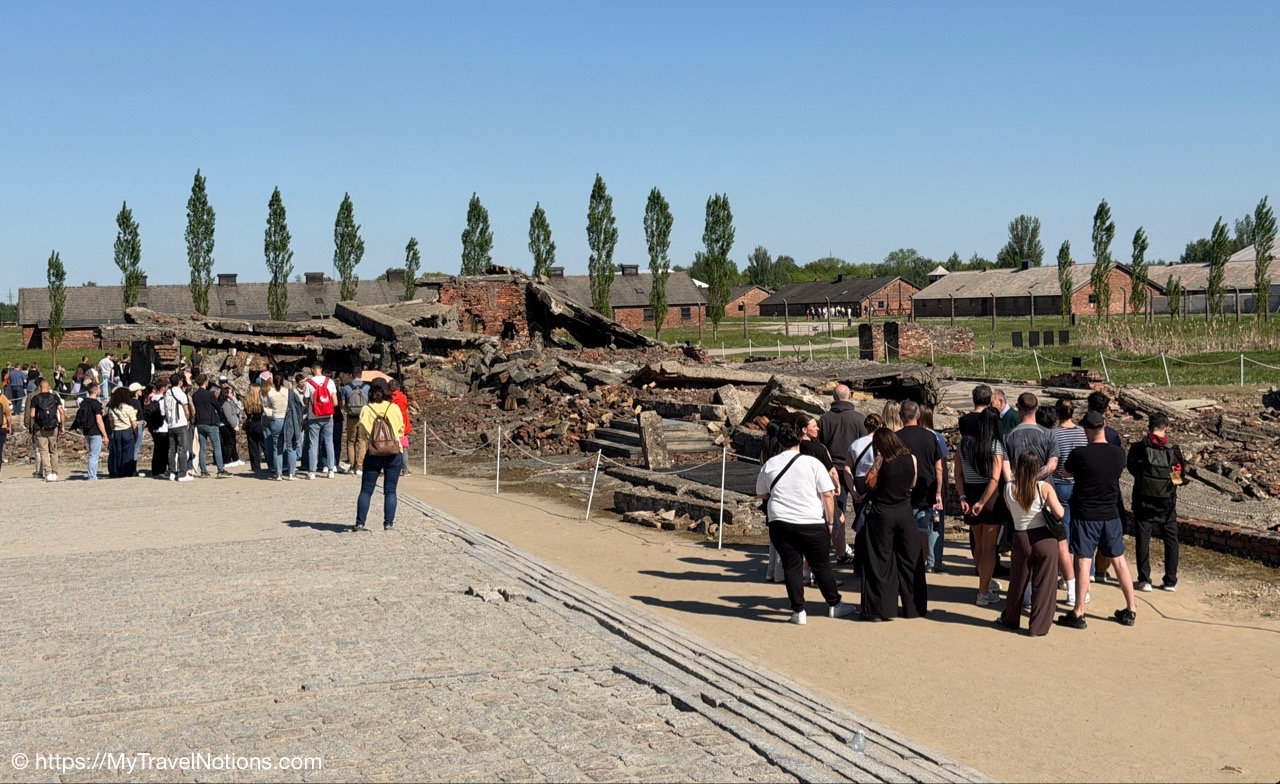
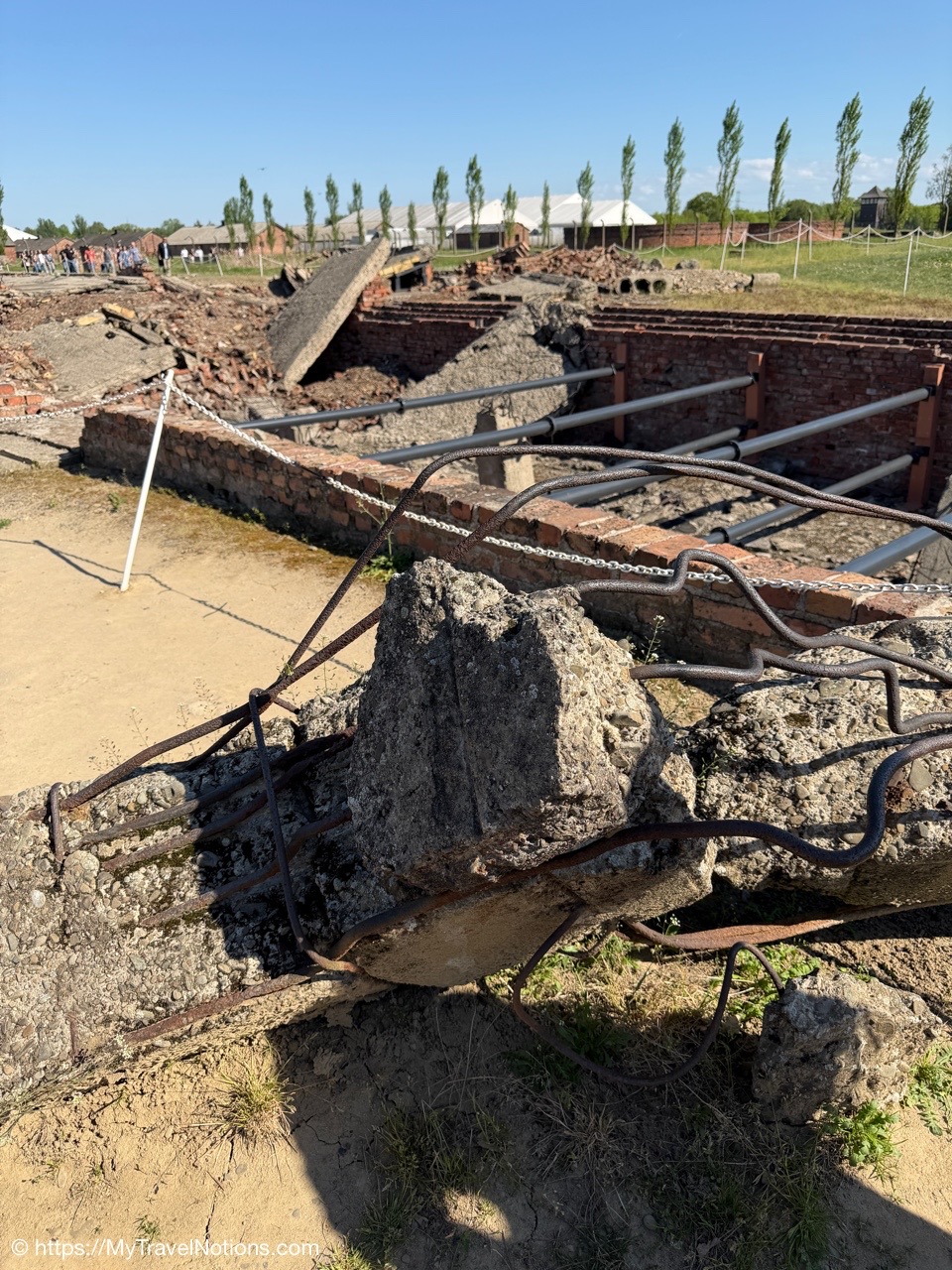
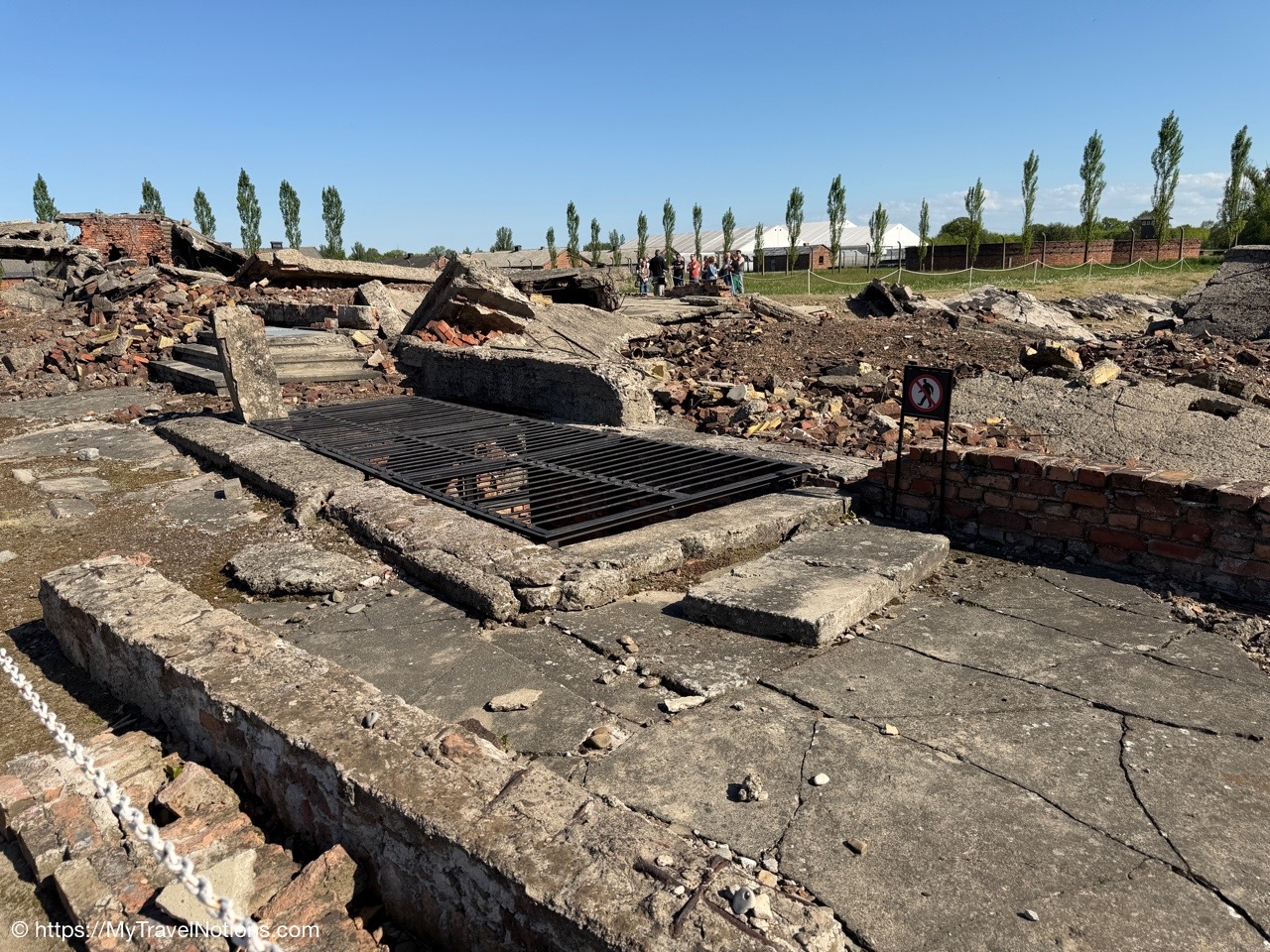
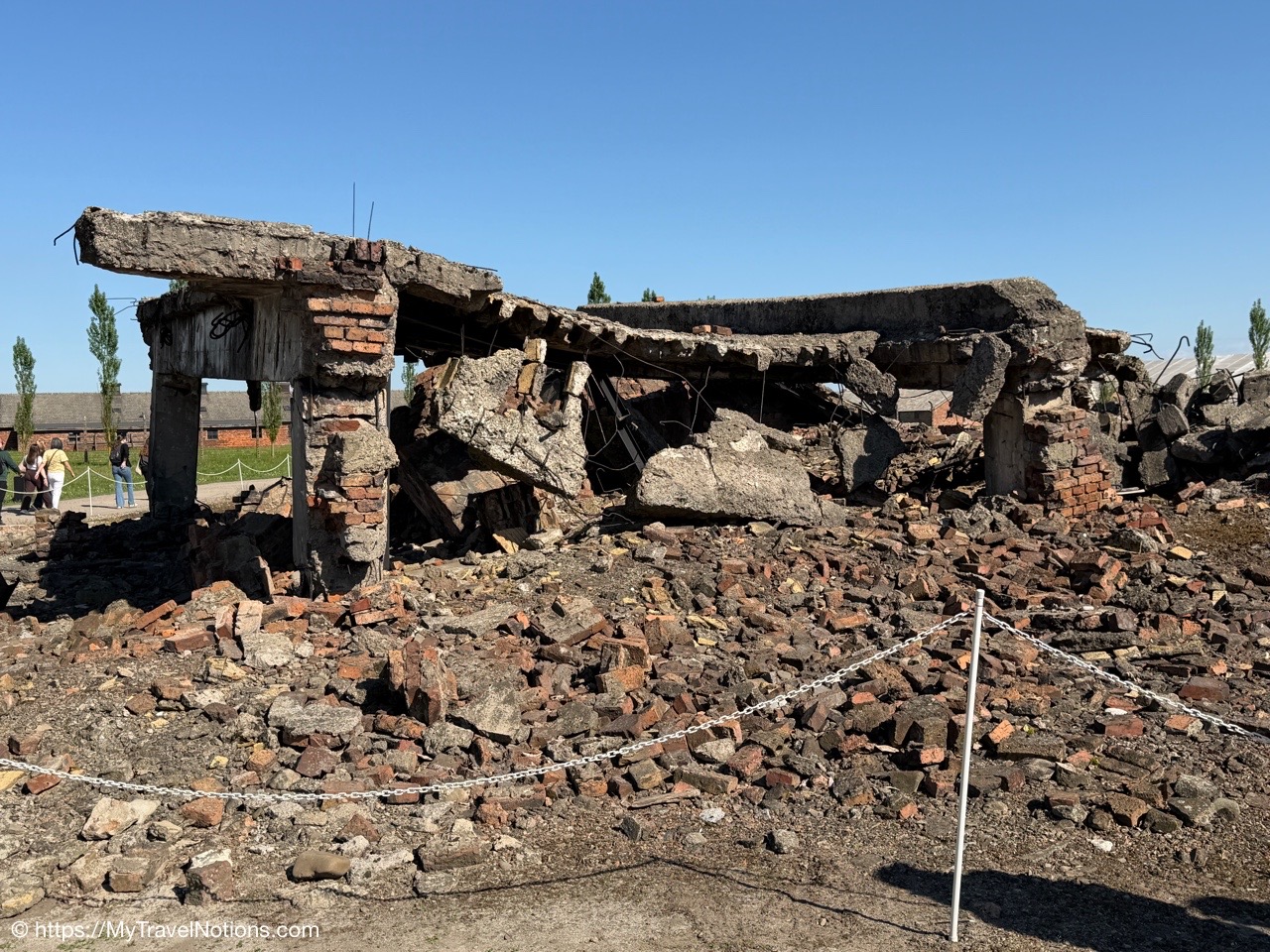
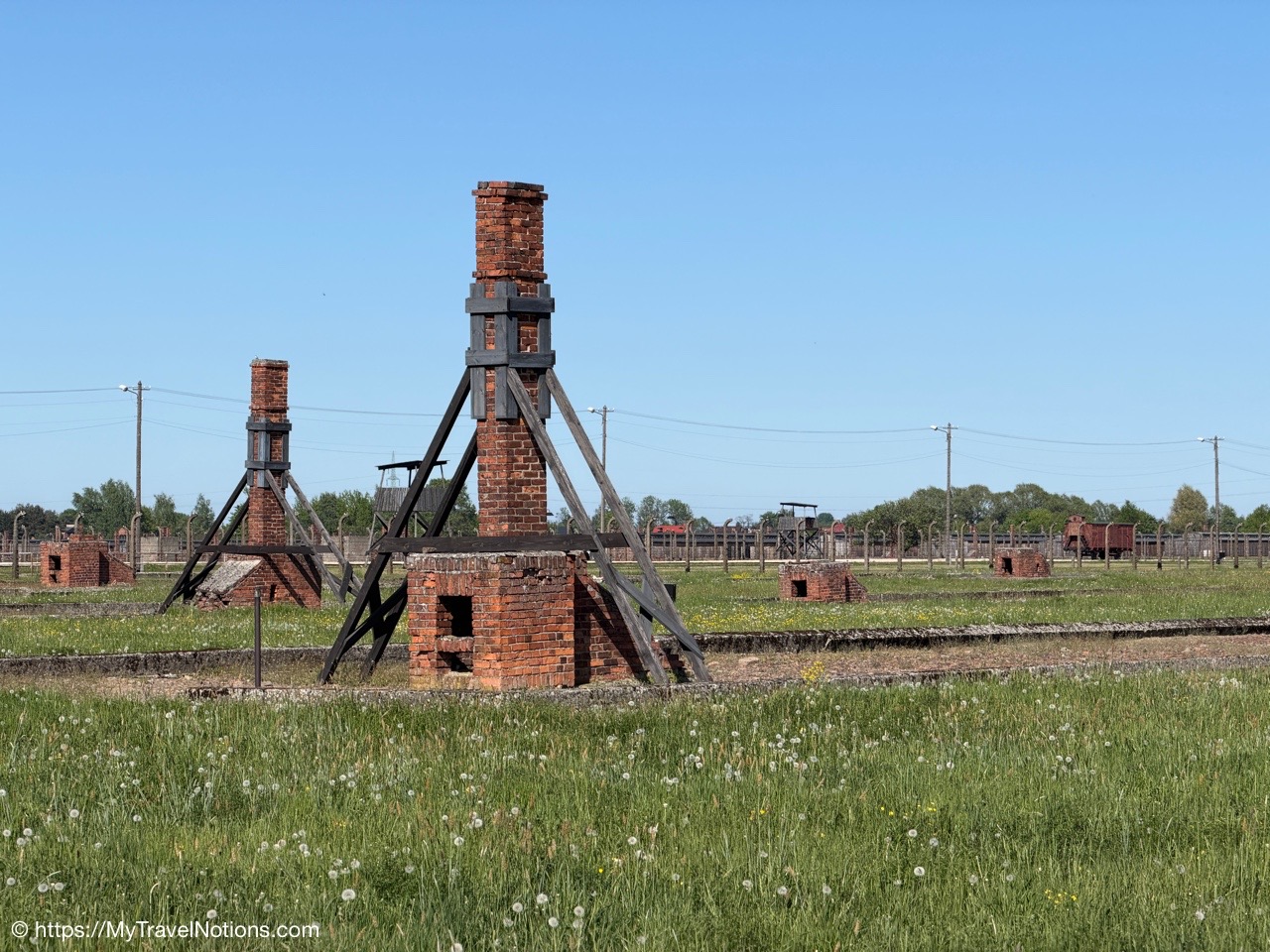
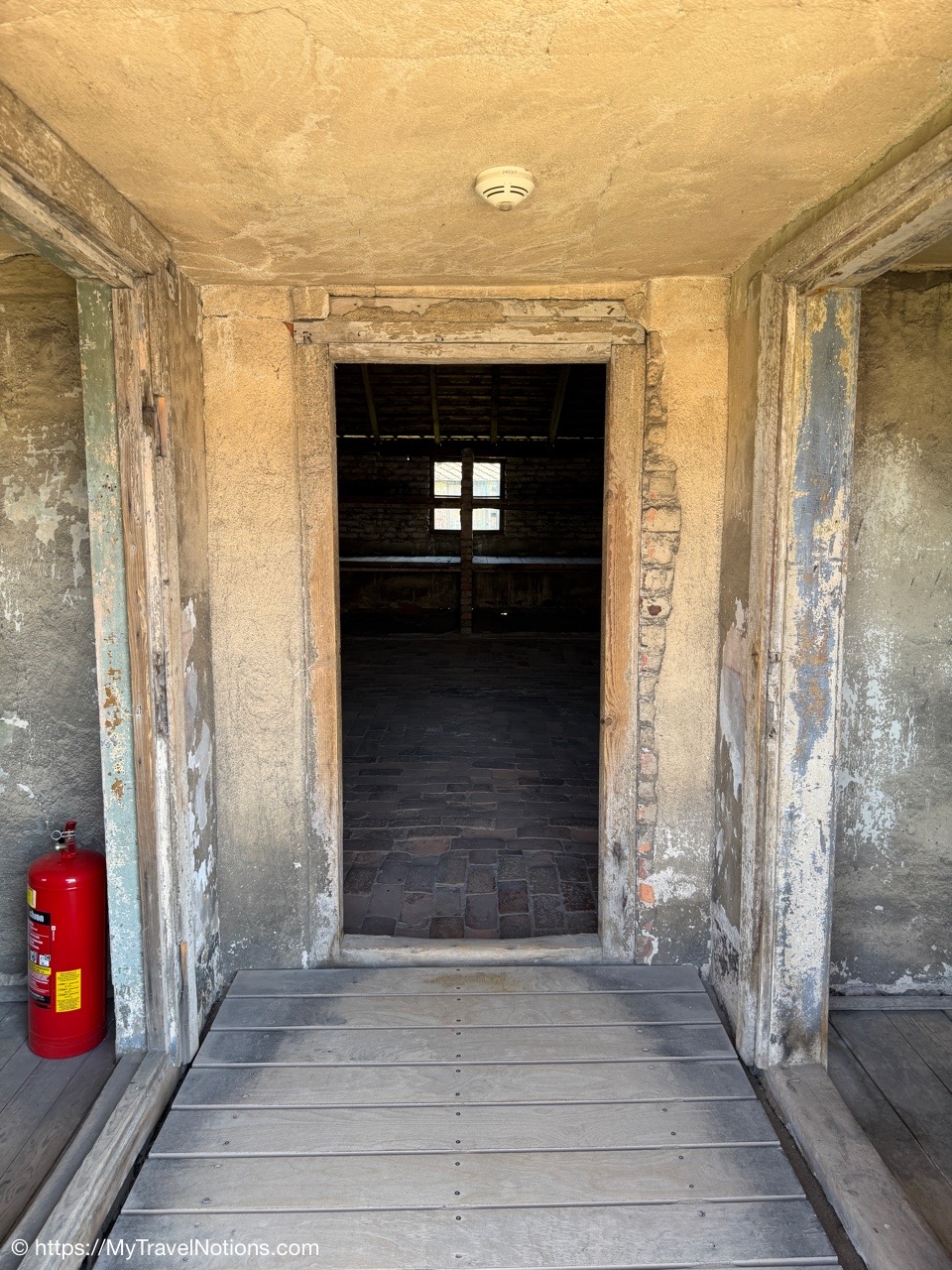
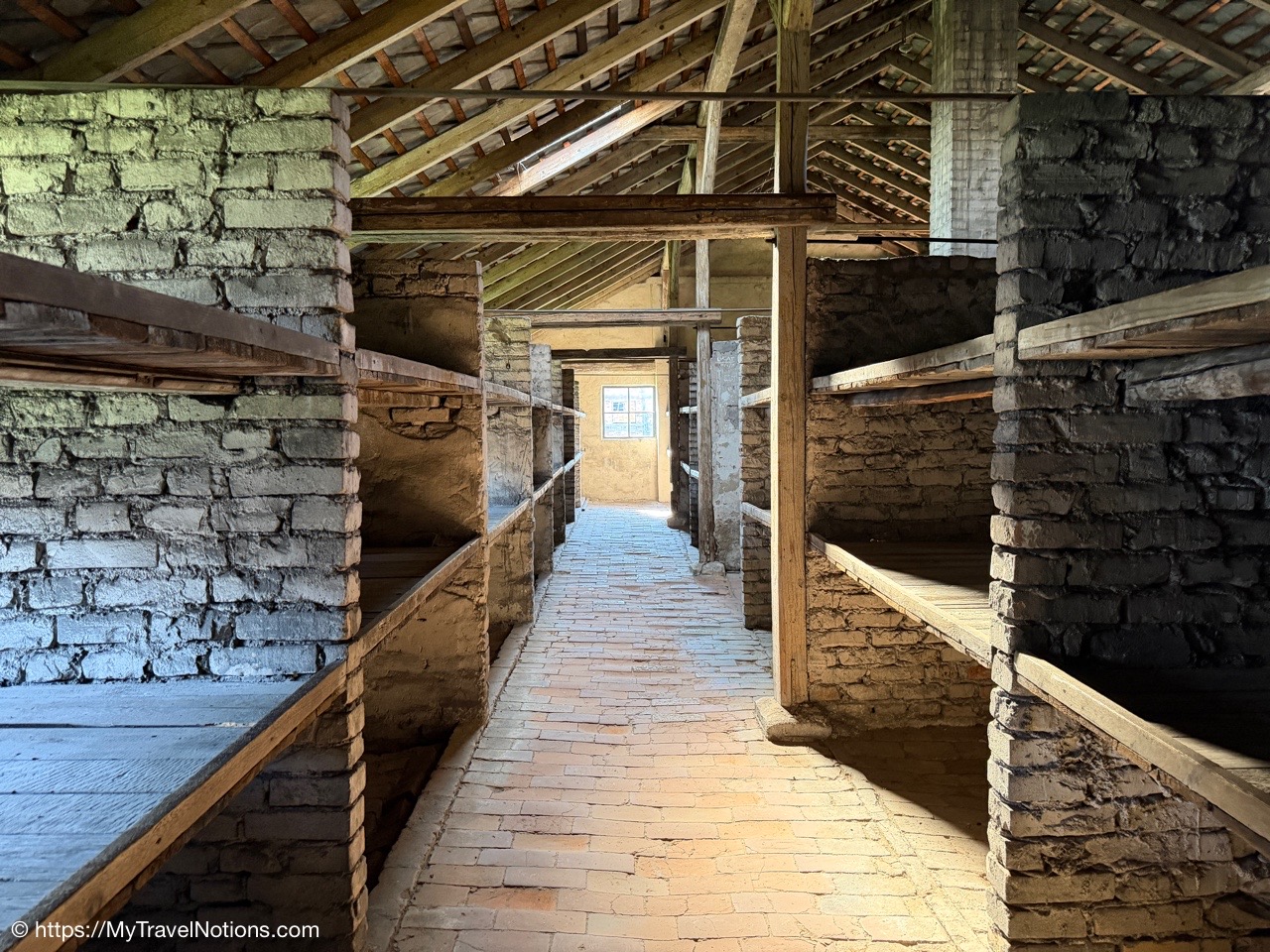
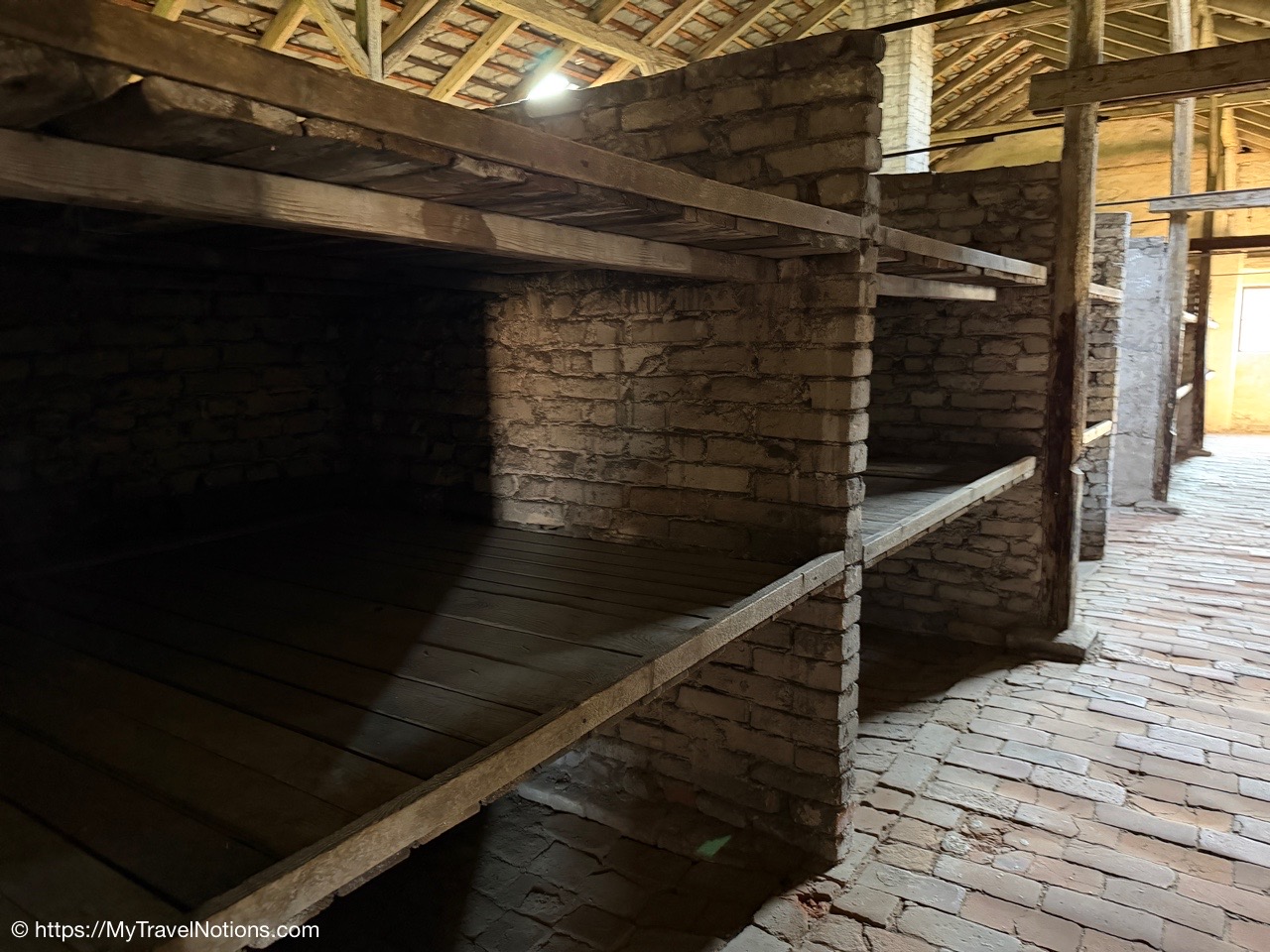
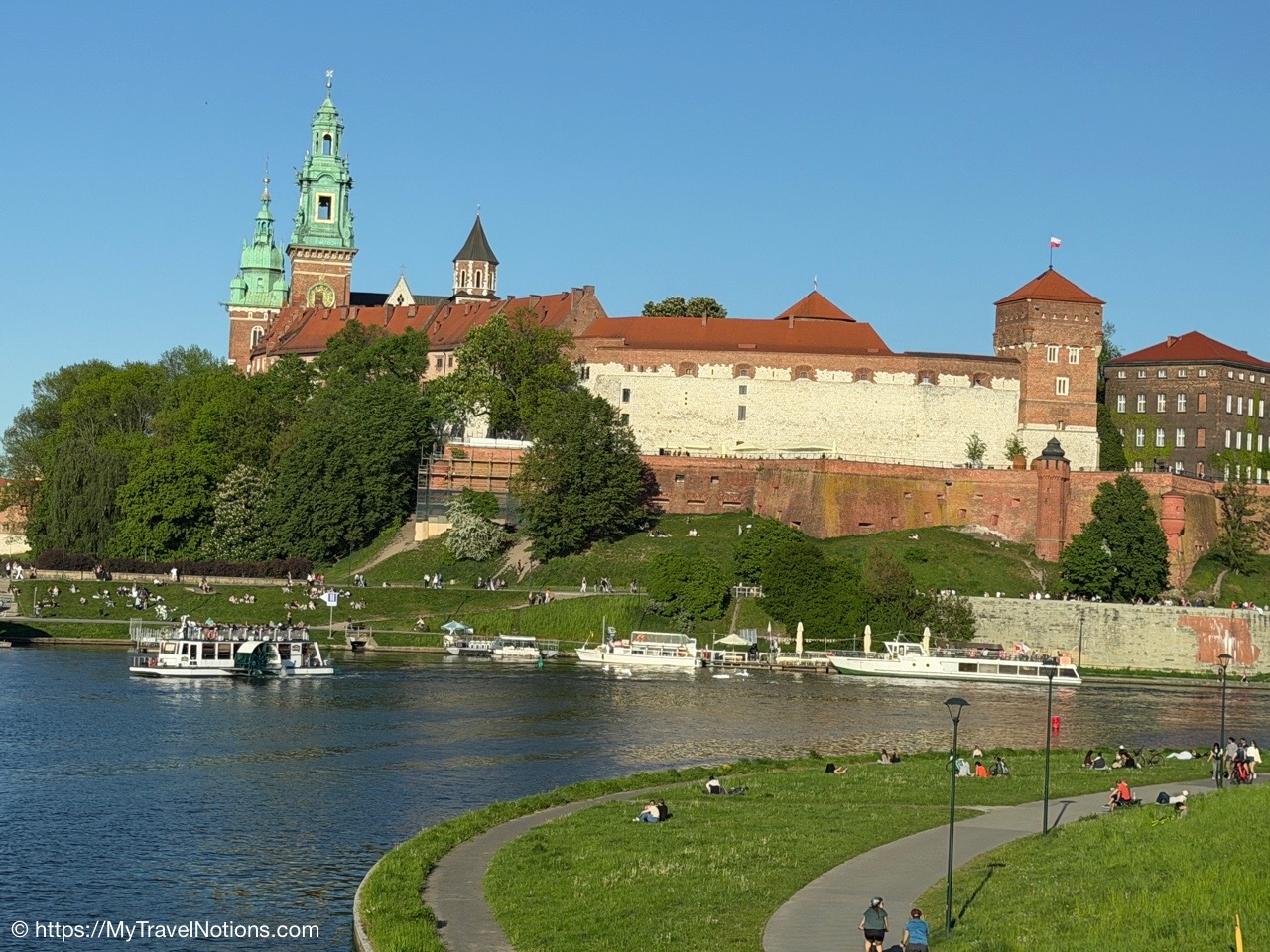

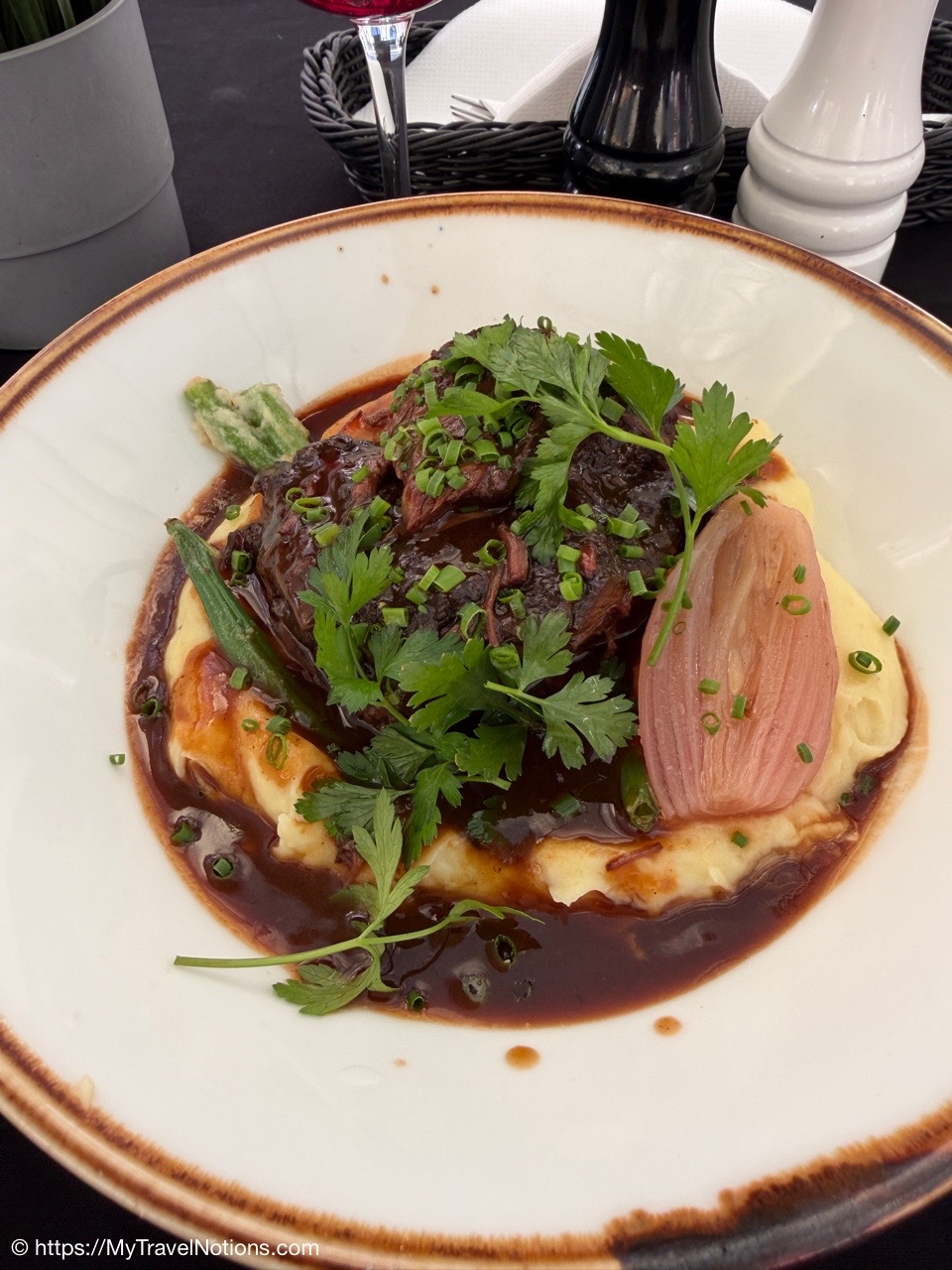
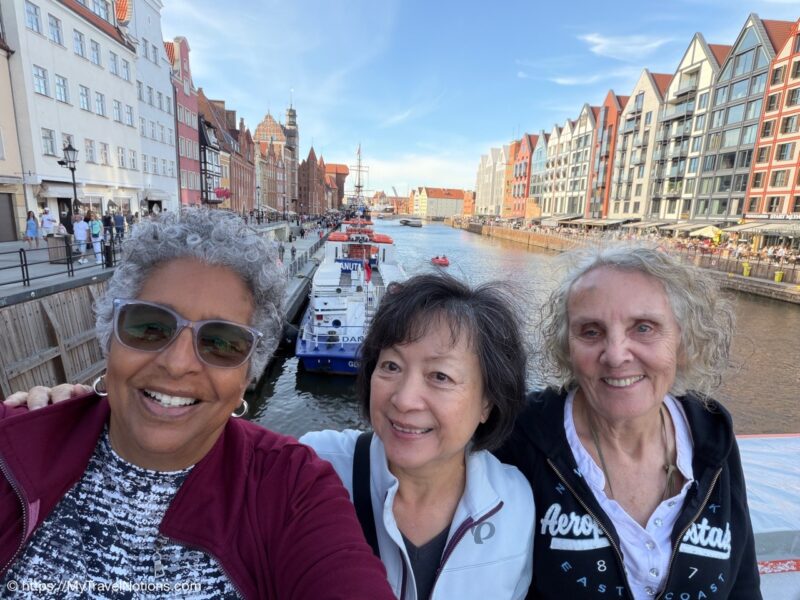
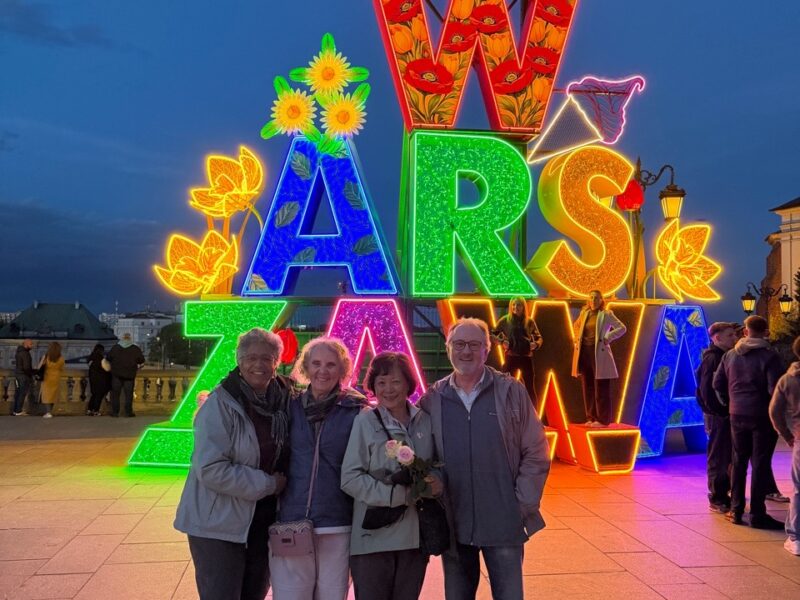
Thank you for reaching out.