I’m in Indonesia, my 99th United Nations country, in the capital city of Jakarta on an 11-day Premium Java and Bali tour with Intrepid Travel.
One of the perks of a Premium Intrepid Travel tour is the complimentary transfer service from the airport to the hotel, which needs to be arranged in advance of arrival and which I did. However, my flight from Singapore arrived much later than planned and no one for my complimentary transfer service was waiting. Usually there’s someone with an Intrepid sign with my name on it, but not today.
Instead, I hit the ATM machine to make sure I had some local currency, scoped the place to find the best way and deal to get to my hotel and used a flat rate taxi service to get me to my hotel, the Mercure Jakarta Batavia just 15 minutes from the airport. Easy.
I’ve reached the point in my travels where I don’t worry too much about things. I’ve traveled enough to know that sometimes plans don’t work out and when that’s the case, I just need to calmly and intellectually pivot.
I arrived here Sunday afternoon from my solo trip in Singapore and just in time to get checked into the Mercure Jakarta Batavia and meet my Intrepid Travel group and leader at the 6:00 p.m. ‘Welcome Meeting,’ to begin my 11-day Premium Java and Bali tour. Once we completed the meeting at our hotel, our group walked over to the House of Tugu in Old Town Jakarta for an authentic Indonesian dinner at a special restaurant that’s housed in a Dutch mansion.
Here’s just a quick recap.
The map of my Intrepid Travel ‘Premium Java and Bali’ 11-day tour of Indonesia that began in Jakarta and ended in Sanur.The exterior entrance of the House of Tugu in Old Town Jakarta where our Intrepid Travel group enjoyed an included authentic Indonesian group dinner at this special restaurant housed in a Dutch mansion. (Sept. 21, 2025)Entering the House of Tugu in Old Town Jakarta where our Intrepid Travel group enjoyed an included authentic Indonesian group dinner at this special restaurant housed in a Dutch mansion. (Sept. 21, 2025)Inside the House of Tugu in Old Town Jakarta where our Intrepid Travel group had our first tour group dinner. I arrived in Jakarta late in the afternoon from my solo travels in Singapore. (Sept. 21, 2025)Inside the House of Tugu in Old Town Jakarta where our Intrepid Travel group had our first tour group dinner. I arrived in Jakarta late in the afternoon from my solo travels in Singapore. (Sept. 21, 2025)Inside the House of Tugu in Old Town Jakarta where our Intrepid Travel group had our first tour group dinner. I arrived in Jakarta late in the afternoon from my solo travels in Singapore. (Sept. 21, 2025)An appetizer of ‘Salted Egg Crispy Tofu Cubes’ at the House of Tugu in Old Town Jakarta where our Intrepid Travel group had our first tour group dinner. (Sept. 21, 2025)The soup, Soto Ayam With A Twist, described as a truffle burrer masted chicken, grated shrimp crumbs, flat rice noodles & 62 degrees egg in fragrant rummeric, lime & coriander broth, part of our ‘Taste of Indonesia’ menu at the House of Tugu in Old Town Jakarta where our Intrepid Travel group had our first tour group dinner. (Sept. 21, 2025)The Main Course, Babah House Chicken Claypot Rice with lapchiong sausages, drunken shirake, japanese tofu, steamed nuts, pickled lotus roots, baby kaclan, and fried ginger part of our ‘Taste of Indonesia’ menu at the House of Tugu in Old Town Jakarta where our Intrepid Travel group had our first tour group dinner. (Sept. 21, 2025)And, the Cendol Panna Cotta for dessert made of coconur milk panna con, pandan-flavored cendol jelly and gula melaka palm syrup at the House of Tugu in Old Town Jakarta where our Intrepid Travel group had our first tour group dinner. (Sept. 21, 2025)Our first Intrepid Travel tour group photo at our first group dinner at the House of Tugu in Old Town Jakarta. One member, the woman at the front of the table, ended up leaving the group after this dinner. (Sept. 21, 2025)
Day 2 – Jakarta
I find Jakarta to be big, crowded and in all honesty, not my cup of tea, kind of a city. It feels like a place where the governmental officials in charge cleaned out the coffers and left the people hanging to deal with the mess.
Although we spent most of the day seeing a few sights in Jakarta, I had a difficult time finding the city itself impressive. Albeit, my time in the city was short, but I’ve traveled enough to acquire a feel for a place and the feel of Jakarta just was not for me.
I look for the good in every place I travel to because oftentimes there’s plenty good but the over arching feel about Jakarta…for me… is pretty uninspiring. It’s crowded, junky, dingy and decaying. It has its modern touches scattered about but it feels like a place that’s left to decay.
In history, Jakarta was also the capital of the former Dutch East Indies, now Indonesia. Although Indonesia declared its freedom from the Netherlands or Dutch control and proclaimed its independence on August 17, 1945, it still took four years of armed struggles from 1945 to 1949, the Indonesian National Revolution, to end the colonial rule and establish the Republic of Indonesia.
With only one full day in Jakarta, the two main sites we visited today was Istiqlal Mosque, the largest mosque in Southeast Asia and the 9th largest mosque in the world in terms of worshipper capacity; and the Cathedral of Our Lady of the Assumption in Jakarta, the main Catholic place of worship in Jakarta and the seat of the Archbishop. We also visited Chinatown and participated in a traditional Chinese tea demonstration before walking through Fatahillah Square and heading back to our hotel.
Come join me for a quick day in Jakarta, Indonesia.
Me inside the Masjid Istiqlal in Jakarta with views of the grand domed prayer hall, supported by 12 concrete columns with stainless steel designs. The concrete mosque was completed in 1978. Its Arabic name “Istiqlal” means “independence”. Located next to the Jakarta Cathedral, the mosque is a national landmark and a significant cultural and architectural treasure, capable of holding about 120,000 worshippers. (Sept. 22, 2025)Views of Jakarta while inside Intrepid’s compact van for a day tour around the sights of Jarkarta where motorcycles are an important form of transportation around the city. (Sept. 22, 2025)We made a quick stop to see the Monas National Monument symbolizing the nation’s struggle for independence and unity was built between 1961 and 1975 to commemorate the long fight against colonial rule. Located in Merdeka Square, it features a golden flame at its apex and houses a historical museum and observation deck offering panoramic city views. (sept. 22, 2025)The ceremonial cavalry unit of the Indonesian Presidential Security Force (Paspampres) performing their duties during a state event at the Istana Merdeka Merdeka or Merdeka Palace in Jakarta. Indonesia has a presidential system where the president is both the head of state and head of government, directly elected by the people for a maximum of two five-year terms. (Sept. 22, 2025)The Masjid Istiqlal in Jakarta, which oddly enough looks like the exterior of a concrete office building with open-looking spaces for ventilation, is a modern, minimalist style mosque with clean lines, contrasting with traditional mosque designs. (Sept. 22, 2025)Inside the grand domed prayer hall, supported by 12 concrete columns with stainless interior, of the Masjid Istiqlal in Jakarta. Designed by Christian architect Frederich Silaban and built between 1961-1978, the mosque symbolizes unity with its grand scale, able to hold about 120,000 people. (Sept. 22, 2025)Inside the grand domed prayer hall, supported by 12 concrete columns with stainless interior, of the Masjid Istiqlal in Jakarta. Designed by Christian architect Frederich Silaban and built between 1961-1978, the mosque symbolizes unity with its grand scale, able to hold about 120,000 people. (Sept. 22, 2025)Inside the grand domed prayer hall, supported by 12 concrete columns with stainless interior, of the Masjid Istiqlal in Jakarta. Designed by Christian architect Frederich Silaban and built between 1961-1978, the mosque symbolizes unity with its grand scale, able to hold about 120,000 people. (Sept. 22, 2025)A close-up of the Mihrab inside the grand domed prayer hall of the Masjid Istiqlal in Jakarta. (Sept. 22, 2025)Inside the grand domed prayer hall, supported by 12 concrete columns with stainless interior, of the Masjid Istiqlal in Jakarta. Designed by Christian architect Frederich Silaban and built between 1961-1978, the mosque symbolizes unity with its grand scale, able to hold about 120,000 people. (Sept. 22, 2025)The large concrete columns with stainless designed inside the grand domed prayer hall of the Masjid Istiqlal in Jakarta. (Sept. 22, 2025)My Intrepid Tour group and myself inside the Masjid Istiqlal in Jakarta. From left: Victoria, Alex, Nicole, Clive, Glen, me, Bill, Frances, Rob, Mike, David and our Intrepid Travel tour group leader, Sherly. (Sept. 22, 2025)Me inside the Masjid Istiqlal in Jakarta. (Sept. 22, 2025)Views of the Masjid Istiqlal in Jakarta from inside the courtyard. (Sept. 22, 2025)The Jakarta Cathedral, officially the Cathedral of Our Lady of the Assumption just across from the and the Masjid Istiqlal, or Istiqlal Mosque in Jakarta. The close proximity showcases religious harmony, a key tenet of the Muslim-majority country’s national identity. A tunnel connecting the Cathedral and the Mosque was constructed between 2020 and 2021. (Sept. 22, 2025)The Jakarta Cathedral, officially the Cathedral of Our Lady of the Assumption, was built between 1891 and 1901. The spirals (spires) on top of Jakarta Cathedral are neo-Gothic iron structures representing religious symbolism. (Sept. 22, 2025)The main entrance of the Church of Our Lady of the Assumption or the Jakarta Cathedral was consecrated in 1901 and built between 1891 and 1901 in the Neo-Gothic style. The spirals (spires) on top of Jakarta Cathedral are neo-Gothic iron structures representing religious symbolism. (Sept. 22, 2025)Inside the Jakarta Cathedral, officially the Cathedral of Our Lady of the Assumption, in Jakarta, Indonesia. (Sept. 22, 2025)The Altar inside the Jakarta Cathedral, officially the Cathedral of Our Lady of the Assumption. (Sept. 22, 2025)Inside the Jakarta Cathedral, officially the Cathedral of Our Lady of the Assumption. (Sept. 22, 2025)Inside the Jakarta Cathedral, officially the Cathedral of Our Lady of the Assumption. (Sept. 22, 2025)Inside the Jakarta Cathedral, officially the Cathedral of Our Lady of the Assumption. (Sept. 22, 2025)The Stations of the Cross in the Jakarta Cathedral are depicted through a series of paintings arranged around the interior walls. This is number V, Simon of Cyrene helps Jesus carry the Cross. (Sept. 22, 2025)The Stations of the Cross in the Jakarta Cathedral are depicted through a series of paintings arranged around the interior walls. This is number X, Jesus is stripped of His garments. (Sept. 22, 2025)The Pietà inside the Jakarta Cathedral. (Sept. 22, 2025)The “Homeless Jesus” sculpture by Canadian sculptor Timothy Paul Schmalz outside a side entrance into the Jakarta Cathedral in Jakarta. The sculpture shoes Jesus sleeping on this concrete slab covered by a blanket, with only the stigmata (nail wounds) on his feet visible. The translated inscription reads: WHAT DID YOU DO WHEN I WAS SICK, HOMELESS, HUNGRY AND THIRSTY, HAD NO CLOTHES, AND WAS IN PRISON…? That powerful question comes from the Gospel of Matthew 25:35-46, specifically Jesus’s teaching on the Final Judgment, where He says serving the needy (hungry, thirsty, stranger, naked, sick, imprisoned) is serving Him. (Sept. 22, 2025)A close-up of the “Homeless Jesus” sculpture by Canadian sculptor Timothy Paul Schmalz outside a side entrance into the Jakarta Cathedral in Jakarta. The sculpture shoes Jesus sleeping on this concrete slab covered by a blanket, with only the stigmata (nail wounds) on his feet visible. (Sept. 22, 2025)This 1807 Chinese-Dutch mansion in West Jakarta, below the Green Central City superblock of offices and apartments is called the Chandra Naya. It features a traditional curving roof, a Tou-Kung roof frame with its moon gates. It’s also an example of heritage buildings preserved and converted, in this case, into a restaurant. (Sept. 22, 2025)The colorful koi pond and fountain of the 1807 Chinese-Dutch mansion in West Jakarta, below the Green Central City superblock of offices and apartments, called the Chandra Naya. It features a traditional curving roof, a Tou-Kung roof frame with its moon gates. It’s also an example of heritage buildings preserved and converted, in this case, into a restaurant. (Sept. 22, 2025)The colorful koi pond and fountain of the 1807 Chinese-Dutch mansion in West Jakarta, below the Green Central City superblock of offices and apartments, called the Chandra Naya. It features a traditional curving roof, a Tou-Kung roof frame with its moon gates. It’s also an example of heritage buildings preserved and converted, in this case, into a restaurant. (Sept. 22, 2025)We took a brief walk through Jakarta’s Chinatown, known as Glodok, is a bustling, historic, fusion of Chinese traditions. (Sept. 22, 2025)We took a brief walk through Jakarta’s Chinatown, known as Glodok, is a bustling, historic, fusion of Chinese traditions. (Sept. 22, 2025)We took a brief walk through Jakarta’s Chinatown, known as Glodok, is a bustling, historic, fusion of Chinese traditions. (Sept. 22, 2025)The shops at Jakarta’s Chinatown, known as Glodok, is a bustling, historic fusion of Chinese traditions. (Sept. 22, 2025)A candy shop at Jakarta’s Chinatown, known as Glodok, is a bustling, historic fusion of Chinese traditions. (Sept. 22, 2025)Our Intrepid Tour leader, Sherly, at one of the candy shops at Jakarta’s Chinatown, known as Glodok, is a bustling, historic fusion of Chinese traditions. (Sept. 22, 2025)The shops at Jakarta’s Chinatown, known as Glodok, is a bustling, historic fusion of Chinese traditions. (Sept. 22, 2025)The shops at Jakarta’s Chinatown, known as Glodok, is a bustling, historic fusion of Chinese traditions. (Sept. 22, 2025)I’m not much of a tea person, but tea is woven into the daily culture and social norms of Indonesia along with being a major crop. Here we’re visiting the Pantjoran Tea House in Jakarta where they offer a traditional Chinese tea culture experience. (Sept. 22, 2025)The art of preparing traditional Chinese tea at the Pantjoran Tea House in Jakarta where everything is sterilized with hot water. The tea house is a beautifully restored, historic building in the Glodok (Chinatown) area, operating in a former 1928 pharmacy, offering a traditional Chinese tea culture experience with premium teas. (Sept. 22, 2025)Our next quick stop was to see the traditional wooden ships located at the Sunda Kelapa Port, also known as the Old Port of Jakarta. (Sept. 22, 2025)The old teakwood boats at the Sunda Kelapa Port, also known as the Old Port of Jakarta. (Sept. 22, 2025)The old teakwood boats at the Sunda Kelapa Port, also known as the Old Port of Jakarta. (Sept. 22, 2025)Walking back to our hotel, the Mercure Jakarta Batavia, past the Jakarta History Museum, the major building located on the south of the Fatahillah Square in Jakarta. The square is the historical center of the old Jakarta’s Old Town or Batavia. (Sept. 22, 2025)The Jakarta History Museum, the major building located on the south of the Fatahillah Square in Jakarta. The square is the historical center of the old Jakarta’s Old Town or Batavia. (Sept. 22, 2025)Walking back to our hotel past the Museum of Fine Arts and Ceramics on the east side of Fatahillah Square in Jakarta. The square is the historical center of the old Jakarta’s Old Town or Batavia. (Sept. 22, 2025)Continuing our walk back to our hotel, Mercure Jakarta Batavia, past a local clothing or souvenir shop to the right. (Sept. 22, 2025)Continuing our walk back to our hotel, Mercure Jakarta Batavia, and stopping in at a local clothing or souvenir shop along the way. (Sept. 22, 2025)Walking back to our hotel, the Mercure Jakarta Batavia along the Grand Canal, a historic Dutch-built waterway in Jakarta’s Old Town (Kota Tua) area. Once a bustling commercial hub connecting the port to the city, lined with colonial buildings, and now revitalized as a scenic boardwalk and cultural spot with museums, sculptures, and cafes, reflecting Jakarta’s colonial past and ongoing urban development. (Sept. 22, 2025)Walking back to our hotel, the Mercure Jakarta Batavia along the Grand Canal, a historic Dutch-built waterway in Jakarta’s Old Town (Kota Tua) area. Once a bustling commercial hub connecting the port to the city, lined with colonial buildings, and now revitalized as a scenic boardwalk and cultural spot with museums, sculptures, and cafes, reflecting Jakarta’s colonial past and ongoing urban development. (Sept. 22, 2025)Walking back to our hotel, the Mercure Jakarta Batavia along the Grand Canal, a historic Dutch-built waterway in Jakarta’s Old Town (Kota Tua) area. Once a bustling commercial hub connecting the port to the city, lined with colonial buildings, and now revitalized as a scenic boardwalk and cultural spot with museums, sculptures, and cafes, reflecting Jakarta’s colonial past and ongoing urban development. (Sept. 22, 2025)My hotel room at the the Mercure Jakarta Batavia. (Sept. 21, 2025)My very modern bathroom inside my hotel room at the the Mercure Jakarta Batavia. (Sept. 21, 2025)After a long day of sightseeing with my Intrepid Travel tour group in Jakarta, I decided to have a nice solo dinner at my hotel’s, the Mercure Jakarta Batavia, restaurant where I consumed this delicious bowl of Oxtail soup. (Sept. 22, 2025)After a long day of sightseeing with my Intrepid Travel tour group in Jakarta, I decided to have a nice solo dinner at my hotel’s, the Mercure Jakarta Batavia, restaurant where I consumed this delicious bowl of Oxtail soup. (Sept. 22, 2025)
Day 3 – From Jakarta to Yogyakarta
Basically today can be broken down into two main parts, the early morning, close to a 7-hour train ride to Yogyakarta from Jakarta; and the late afternoon visit at the Prambanan, an ancient 9th-century Hindu temple on the outskirts of Yogyakarta.
spend three nights and see two UNESCO World Heritage Sites.
Yogyakarta, located southeast of Jakarta, is Indonesia’s cultural heart, a historic city on the island of Java known as the center for Javanese arts and traditions. It’s also the gateway to the UNESCO World Heritage temples of Prambanan and Borobudur, my main reasons for picking this tour and for coming to Indonesia.
After arriving in Yogyakarta, where we will spend three night, got checked into our quite modern hotel at the Royal Ambarrukmo Yogyakarta before heading out to the magnificent Prambanan Temple, the largest Hindu complex in Java.
And, for the evening, our travel group dined, buffet-style, at the Rama Shinta Garden Resto with its stunning evening views of the illuminated Prambanan Temple before heading to an outdoor performance of the Ramayana Ballet Prambanan.
Step into my full day on the way to Yogyakarta and while there on just my first day.
Waiting at the Gambir Station in Jakarta to board our early morning, close to 7-hour train ride, to Yogyakarta. (Sept. 23, 2025)Waiting at the Gambir Station in Jakarta to board our early morning, close to 7-hour train ride, to Yogyakarta. (Sept. 23, 2025)My Intrepid Travel tour group getting settled in our train carriage seats for our close to 7-hour train ride from Jakarta to Yogyakarta. (Sept. 23, 2025)Views along my almost 7-hour train ride from Jakarta to Yogyakarta, Indonesia, with its diverse landscapes, villages, rice paddies and locals on about their day’s plans. (Sept. 23, 2025)Views along my almost 7-hour train ride from Jakarta to Yogyakarta, Indonesia, with its diverse landscapes, villages, rice paddies and locals on about their day’s plans. (Sept. 23, 2025)Views along my almost 7-hour train ride from Jakarta to Yogyakarta, Indonesia, with its diverse landscapes, villages, rice paddies and locals on about their day’s plans. (Sept. 23, 2025)Views along my almost 7-hour train ride from Jakarta to Yogyakarta, Indonesia, with its diverse landscapes, villages, rice paddies and locals on about their day’s plans. (Sept. 23, 2025)Views along my almost 7-hour train ride from Jakarta to Yogyakarta, Indonesia, with its diverse landscapes, villages, rice paddies and locals on about their day’s plans. (Sept. 23, 2025)Views along my almost 7-hour train ride from Jakarta to Yogyakarta, Indonesia, with its diverse landscapes, villages, rice paddies and locals on about their day’s plans. (Sept. 23, 2025)Views along my almost 7-hour train ride from Jakarta to Yogyakarta, Indonesia, with its diverse landscapes, villages, rice paddies and locals on about their day’s plans. (Sept. 23, 2025)Views along my almost 7-hour train ride from Jakarta to Yogyakarta, Indonesia, with its diverse landscapes, villages, rice paddies and locals on about their day’s plans. (Sept. 23, 2025)Views along my almost 7-hour train ride from Jakarta to Yogyakarta, Indonesia, with its diverse landscapes, villages, rice paddies and locals on about their day’s plans. (Sept. 23, 2025)Views along my almost 7-hour train ride from Jakarta to Yogyakarta, Indonesia, with its diverse landscapes, villages, rice paddies and locals on about their day’s plans. (Sept. 23, 2025)Views along my almost 7-hour train ride from Jakarta to Yogyakarta, Indonesia, with its diverse landscapes, villages, rice paddies and locals on about their day’s plans. (Sept. 23, 2025)Views along my almost 7-hour train ride from Jakarta to Yogyakarta, Indonesia, with its diverse landscapes, villages, rice paddies and locals on about their day’s plans. (Sept. 23, 2025)Views along my almost 7-hour train ride from Jakarta to Yogyakarta, Indonesia, with its diverse landscapes, villages, rice paddies and locals on about their day’s plans. (Sept. 23, 2025)Views along my almost 7-hour train ride from Jakarta to Yogyakarta, Indonesia, with its diverse landscapes, villages, rice paddies and locals on about their day’s plans. (Sept. 23, 2025)Views along my almost 7-hour train ride from Jakarta to Yogyakarta, Indonesia, with its diverse landscapes, villages, rice paddies and locals on about their day’s plans. (Sept. 23, 2025)Views along my almost 7-hour train ride from Jakarta to Yogyakarta, Indonesia, with its diverse landscapes, villages, rice paddies and locals on about their day’s plans. (Sept. 23, 2025)Views along my almost 7-hour train ride from Jakarta to Yogyakarta, Indonesia, with its diverse landscapes, villages, rice paddies and locals on about their day’s plans. (Sept. 23, 2025)Views along my almost 7-hour train ride from Jakarta to Yogyakarta, Indonesia, with its diverse landscapes, villages, rice paddies and locals on about their day’s plans. (Sept. 23, 2025)Views along my almost 7-hour train ride from Jakarta to Yogyakarta, Indonesia, with its diverse landscapes, villages, rice paddies and locals on about their day’s plans. (Sept. 23, 2025)Arriving in Yogyakarta after an almost 7-hour train ride from Jakarta for our three-night stay in Yogyakarta. (Sept. 23, 2025)Exiting the train in Yogyakarta after an almost 7-hour train ride from Jakarta for our three-night stay in Yogyakarta. (Sept. 23, 2025)Got checked into my hotel room at the Royal Ambarrukmo Yogyakarta before heading out to see the 9th century Prambanan Temple. (Sept. 23, 2025)Got checked into my hotel room at the Royal Ambarrukmo Yogyakarta before heading out to see the 9th century Prambanan Temple. (Sept. 23, 2025)Me at the Prambanan Temple complex in Yogyakarta is known for its towering, pointed spires dedicated to the Trimurti (Shiva, Vishnu, Brahma) and intricate Ramayana reliefs, built in the 9th century, showcasing classical Javanese Hindu art and architecture, with the main structures surrounded by numerous smaller temples, forming a significant spiritual and cultural landmark on Java Island. The UNESCO World Heritage Hindu temple complex, built in the 9th century, is considered the largest in Indonesia with some 240 temples or structures. (Sept. 23, 2025)The Prambanan Temple complex the Java Island cultural landmark in Yogyakarta. The UNESCO World Heritage Hindu temple complex, built in the 9th century, is known for its towering, pointed spires dedicated to the Trimurti (Shiva, Vishnu, Brahma) and intricate Ramayana reliefs. Although abandoned in the 10th century, the temple has experienced volcanic eruptions and earthquakes. It was not until the 1930s when proper restoration efforts took place. As per February 2023, from originally 224 pervara temples, (smaller, ancillary shrines) only 6 of them are completely reconstructed. Most of the pervara temples remain unrestored ruins, though some foundations are visible, highlighting the immense scale of the original site. (Sept. 23, 2025)The Prambanan Temple complex the Java Island cultural landmark in Yogyakarta. The UNESCO World Heritage Hindu temple complex, built in the 9th century, is known for its towering, pointed spires dedicated to the Trimurti (Shiva, Vishnu, Brahma) and intricate Ramayana reliefs. Although abandoned in the 10th century, the temple has experienced volcanic eruptions and earthquakes. It was not until the 1930s when proper restoration efforts took place. As per February 2023, from originally 224 pervara temples, (smaller, ancillary shrines) only 6 of them are completely reconstructed. Most of the pervara temples remain unrestored ruins, though some foundations are visible, highlighting the immense scale of the original site. (Sept. 23, 2025)Entering the Shiva Temple at the Prambanan Temple complex in Yogyakarta. (Sept. 23, 2025)Entering the Shiva Temple at the Prambanan Temple complex in Yogyakarta. (Sept. 23, 2025)The Shiva Temple at the Prambanan Temple complex in Yogyakarta. (Sept. 23, 2025)The statue of Shiva in a central chamber of the Shiva Temple at the Prambanan Temple complex in Yogyakarta. Shiva, a Hindu deity, is the Supreme Lord who creates, protects and transforms the universe. (Sept. 23, 2025)The Shiva Temple at the Prambanan Temple complex in Yogyakarta. (Sept. 23, 2025)The intricate stone carvings and narrative bas-reliefs at the Shiva Temple at the Prambanan Temple complex in Yogyakarta. The carvings most famously depict scenes from the Ramayana epic and figures of Hindu deities and celestial guardians.(Sept. 23, 2025)The intricate stone carvings and narrative bas-reliefs at the Shiva Temple at the Prambanan Temple complex in Yogyakarta. The carvings most famously depict scenes from the Ramayana epic and figures of Hindu deities and celestial guardians.(Sept. 23, 2025)The intricate stone carvings and narrative bas-reliefs at the Shiva Temple at the Prambanan Temple complex in Yogyakarta. The carvings most famously depict scenes from the Ramayana epic and figures of Hindu deities and celestial guardians.(Sept. 23, 2025)Getting in a selfie at the Shiva Temple at the Prambanan Temple complex in Yogyakarta. (Sept. 23, 2025)The Lokapala god stone carving on a wall of the Shiva Temple at the Prambanan Temple complex in Yogyakarta. (Sept. 23, 2025)A close-up of the Lokapala god stone carving on a wall of the Shiva Temple at the Prambanan Temple complex in Yogyakarta. (Sept. 23, 2025)Me at the Shiva Temple at the Prambanan Temple complex in Yogyakarta. (Sept. 23, 2025)Inside the Shiva Temple, dedicated to the Hindu god Shiva, at the Prambanan Temple complex in Yogyakarta while listening to our guide telling us stories and legends of the temple. (Sept. 23, 2025)Inside the Shiva Temple, dedicated to the Hindu god Shiva, at the Prambanan Temple complex in Yogyakarta while listening to our guide telling us stories and legends of the temple. (Sept. 23, 2025)The Statue of Shiva’s son Ganesha at the Shiva Temple at the Prambanan Temple complex in Yogyakarta. (Sept. 23, 2025)The Shiva Temple at the Prambanan Temple complex in Yogyakarta. (Sept. 23, 2025)The statue of Durga Mahisasuramardini, another important Hindu deity inside a Shiva Temple chamber at the Prambanan Temple complex in Yogyakarta. Durga is seen as a motherly figure and often depicted as a warrior, with many arms, each carrying a weapon and defeating demons while riding a lion or tiger. (Sept. 23, 2025)Me at a different exterior view of the Shiva Temple, dedicated to the Hindu deity Shiva at the Prambanan Temple complex in Yogyakarta. (Sept. 23, 2025)Another exterior view of the Shiva Temple, dedicated to the Hindu deity Shiva at the Prambanan Temple complex in Yogyakarta. (Sept. 23, 2025)The sunsetting at the Prambanan Temple complex in Yogyakarta. (Sept. 23, 2025)The sunsetting at the Prambanan Temple complex in Yogyakarta. (Sept. 23, 2025)Passing through a market area at the Prambanan Temple complex in Yogyakarta. (Sept. 23, 2025)Walking through a market area at the Prambanan Temple complex in Yogyakarta. (Sept. 23, 2025)Walking through a market area at the Prambanan Temple complex in Yogyakarta. (Sept. 23, 2025)Walking through a market area at the Prambanan Temple complex in Yogyakarta. (Sept. 23, 2025)Heading to the Rama Shinta Garden Resto (right) for a buffet dinner by the Ramayana Ballet Prambanan at Yogyakarta where we’ll see a Javanese dance-drama performance. (Sept. 23, 2025)Our buffet-style dinner at the Rama Shinta Garden Resto with views of the Prambanan Temple complex in Yogyakarta. (Sept. 23, 2025)Our buffet-style dinner at the Rama Shinta Garden Resto with views of the Prambanan Temple complex in Yogyakarta. (Sept. 23, 2025)The Rama Shinta Garden Resto with views of the Prambanan Temple complex in Yogyakarta. (Sept. 23, 2025)Views of the Prambanan Temple complex from the Rama Shinta Garden Resto in Yogyakarta. (Sept. 23, 2025)The main entrance to the Ramayana Ballet Prambanan at Yogyakarta just a short walk from our buffet-dinner at the Rama Shinta Garden Resto in Yogyakarta. (Sept. 23, 2025)The main entrance to the Ramayana Ballet Prambanan at Yogyakarta just a short walk from our buffet-dinner at the Rama Shinta Garden Resto in Yogyakarta. (Sept. 23, 2025)Entering the main entrance into the Ramayana Ballet Prambanan in Yogyakarta, an outdoor open-air stage with views of the Prambanan Temple as the backdrop for the Javanese dance-drama performance we were scheduled to see. (Sept. 23, 2025)Entering the outdoor theater area the Ramayana Ballet Prambanan in Yogyakarta. (Sept. 23, 2025)The seating area of the Ramayana Ballet Prambanan open-air theater with Prambanan Temple as the backdrop during the dry season (May-Oct) and indoors at the Trimurti Theater during the rainy season (Nov-Apr). I’m in luck with being here during the dry season and getting to see the performance outdoors. (Sept. 23, 2025)The seating area of the Ramayana Ballet Prambanan open-air theater with Prambanan Temple as the backdrop during the dry season (May-Oct) and indoors at the Trimurti Theater during the rainy season (Nov-Apr). I’m in luck with being here during the dry season and getting to see the performance outdoors. (Sept. 23, 2025)The seating area of the Ramayana Ballet Prambanan open-air theater with Prambanan Temple as the backdrop during the dry season (May-Oct) and indoors at the Trimurti Theater during the rainy season (Nov-Apr). I’m in luck with being here during the dry season and getting to see the performance outdoors. (Sept. 23, 2025)The Ramayana Ballet Prambanan open-air theater with Prambanan Temple views as the backdrop. (Sept. 23, 2025)The Javanese dance-drama performance, combining elements of dance, drama, and live Javanese gamelan music, at the Ramayana Ballet Prambanan open-air theater with views of the Prambanan Temple as the backdrop in Yogyakarta. The epic Ramayana story, of Prince Rama’s quest to rescue his wife Sita from the demon king Ravana, is told and shown without dialogue, using traditional music, intricate choreography, and colorful costumes. showcasing the story. (Sept. 23, 2025)The Javanese dance-drama performance, combining elements of dance, drama, and live Javanese gamelan music, at the Ramayana Ballet Prambanan open-air theater with views of the Prambanan Temple as the backdrop in Yogyakarta. The epic Ramayana story, of Prince Rama’s quest to rescue his wife Sita from the demon king Ravana, is told and shown without dialogue, using traditional music, intricate choreography, and colorful costumes. showcasing the story. (Sept. 23, 2025)The Javanese dance-drama performance, combining elements of dance, drama, and live Javanese gamelan music, at the Ramayana Ballet Prambanan open-air theater with views of the Prambanan Temple as the backdrop in Yogyakarta. The epic Ramayana story, of Prince Rama’s quest to rescue his wife Sita from the demon king Ravana, is told and shown without dialogue, using traditional music, intricate choreography, and colorful costumes. showcasing the story. (Sept. 23, 2025)The Javanese dance-drama performance, combining elements of dance, drama, and live Javanese gamelan music, at the Ramayana Ballet Prambanan open-air theater with views of the Prambanan Temple as the backdrop in Yogyakarta. The epic Ramayana story, of Prince Rama’s quest to rescue his wife Sita from the demon king Ravana, is told and shown without dialogue, using traditional music, intricate choreography, and colorful costumes. showcasing the story. (Sept. 23, 2025)The Javanese dance-drama performance, combining elements of dance, drama, and live Javanese gamelan music, at the Ramayana Ballet Prambanan open-air theater with views of the Prambanan Temple as the backdrop in Yogyakarta. The epic Ramayana story, of Prince Rama’s quest to rescue his wife Sita from the demon king Ravana, is told and shown without dialogue, using traditional music, intricate choreography, and colorful costumes. showcasing the story. (Sept. 23, 2025)The Javanese dance-drama performance, combining elements of dance, drama, and live Javanese gamelan music, at the Ramayana Ballet Prambanan open-air theater with views of the Prambanan Temple as the backdrop in Yogyakarta. The epic Ramayana story, of Prince Rama’s quest to rescue his wife Sita from the demon king Ravana, is told and shown without dialogue, using traditional music, intricate choreography, and colorful costumes. showcasing the story. (Sept. 23, 2025)
Day 4 – Yogyakarta
It was a full morning but not a long, drawn out day, which I appreciated. Along with seeing the Prambanan Temple yesterday, seeing the Borobudur Temple today were the two temples on my list of temples I wanted to see while in Indonesia. The Borobudur is a Mahayana Buddhist temple just northwest of the city of Yogyakarta.
Constructed between about 778 and 850 CE of stone, the temple consists of nine stacked platforms and decorated with more than 2,600 relief panels through an extensive system of stairways and corridors on the walls and the balustrades. The temple was buried under volcanic ash from about 1000 CE and overgrown with vegetation until discovered by the English lieutenant governor Thomas Stamford Raffles in 1814. A team of Dutch archaeologists restored the site in 1907–11. A second restoration was completed by 1983.
Borobudur is the largest Buddhist temple in the world and the monument was designated a UNESCO World Heritage site in 1991.
After our tour through the Borobudur Temple, we took a 2-hour walking tour through the traditional Javanese village of Candirejo Village a traditional Javanese village close to the Borobudur Temple near Yogyakarta. The village is considered a cultural and eco-tourism destination, offering visitors an authentic glimpse into rural life.
Let’s experience more Javanese history and culture.
Me at the bell-shaped perforated stupas at the very top of the Borobudur Temple. (Sept. 24, 2025)The entrance of the Borobudur Temple, the world’s largest Buddhist temple is a massive 9th-century stone monument built as a three-dimensional mandala representing the path to enlightenment. It features nine stacked platforms (six square, three circular) adorned with thousands of intricate narrative relief, serving as both a major pilgrimage site and a UNESCO World Heritage Site. (Sept. 24, 2025)Me with a view of the entrance to the Borobudur Temple with my upanat sandals, required wearing to protect the ancient stone steps when climbing the monument near Yogyakarta. The slippers come with the entrance ticket and can be taken home as a souvenir and required to protect the ancient stone steps while climbing the monument. The disadvantage is that I had to carry around my actual shoes inside the provided red tote bag. I found them to be uncomfortable and ended up leaving them in my hotel room. (Sept. 24, 2025)Climbing the initial stairs to access the base of the Borobudur Temple near Yogyakarta. (Sept. 24, 2025)The base level where we began our assent up the steep stone steps to the different upper levels or terraces of the Borobudur Temple near Yogyakarta. The different levels or terraces represent stages of consciousness, culminating at the top with views of stupas and surrounding landscapes. (Sept. 24, 2025)Me at the base level where we began our assent up the steep stone steps to the different upper levels or terraces of the Borobudur Temple near Yogyakarta. The different levels represent stages of consciousness, culminating at the top with views of stupas and surrounding landscapes. (Sept. 24, 2025)A view of the various levels or terraces of the Borobudur Temple near Yogyakarta. (Sept. 24, 2025)On the first terrace or Rupadhatu Level (Square Terraces) of the Borobudur Temple near Yogyakarta. (Sept. 24, 2025)There use to be some 432 Buddha statues hidden within the arches or niches in the balustrades on the Rupadhatu Level (Square Terraces) of the Borobudur Temple. The statues within the niches on the Rupadhatu level often display different hand gestures (mudras), reflecting various aspects of Buddhist teachings. Below the Buddha are the water spouts as mythological sea creatures designed to channel heavy monsoon rainwater away from the structure, preventing erosion and damage, showcasing advanced ancient engineering for a mortarless stone structure. (Sept. 24, 2025)Me sitting at a corner of the on the Rupadhatu Level (Square Terraces) of the Borobudur Temple. (Sept. 24, 2025)The steeped arched stairways of the Borobudur Temple. Climbing the stairs represents the Buddhist path to enlightenment, with different levels representing stages of consciousness. The entire top section represents the Arupadhatu (realm of formlessness), the final stage of spiritual ascent in Buddhist cosmology, leading to enlightenment. (Sept. 24, 2025)Reliefs along the corridor walls on the terraces of the Borobudur Temple. (Sept. 24, 2025)Reliefs along the corridor walls on the terraces of the Borobudur Temple. (Sept. 24, 2025)Reliefs along the corridor walls on the terraces of the Borobudur Temple. (Sept. 24, 2025)Reliefs along the corridor walls on the terraces of the Borobudur Temple. (Sept. 24, 2025)Reliefs along the corridor walls on the terraces of the Borobudur Temple. (Sept. 24, 2025)Reliefs along the corridor walls on the terraces of the Borobudur Temple. (Sept. 24, 2025)Reliefs along the corridor walls on the terraces of the Borobudur Temple. (Sept. 24, 2025)Reliefs along the corridor walls on the terraces of the Borobudur Temple. (Sept. 24, 2025)Reliefs along the corridor walls on the terraces of the Borobudur Temple. (Sept. 24, 2025)Reliefs along the corridor walls on the terraces of the Borobudur Temple. (Sept. 24, 2025)Reliefs along the corridor walls on the terraces of the Borobudur Temple. (Sept. 24, 2025)Our Intrepid Travel tour group at the very top of the Borobudur. From left: Our guide, (Sept. 24, 2025)The bell-shaped perforated stupas at the very top of the Borobudur Temple represents Nirvana. (Sept. 24, 2025)The bell-shaped perforated stupas at the very top of the Borobudur Temple represents Nirvana. (Sept. 24, 2025)Me at the bell-shaped perforated stupas at the very top of the Borobudur Temple. (Sept. 24, 2025)The bell-shaped perforated stupas at the very top of the Borobudur Temple represents Nirvana. (Sept. 24, 2025)The bell-shaped perforated stupas at the very top of the Borobudur Temple is surrounded by mountains, including twin volcanoes Mount Merbabu and Mount Merapi. (Sept. 24, 2025)The bell-shaped perforated stupas at the very top of the Borobudur Temple is surrounded by mountains, including twin volcanoes Mount Merbabu and Mount Merapi. (Sept. 24, 2025)The bell-shaped perforated stupas at the very top of the Borobudur Temple represents Nirvana. (Sept. 24, 2025)The bell-shaped perforated stupas at the very top of the Borobudur Temple represents Nirvana. (Sept. 24, 2025)The bell-shaped perforated stupas at the very top of the Borobudur Temple represents Nirvana. (Sept. 24, 2025)The Buddhas inside the perforated stupas at the top of Borobudur symbolize the path to enlightenment. (Sept. 24, 2025)The Buddhas inside the perforated stupas at the top of Borobudur symbolize the path to enlightenment. (Sept. 24, 2025)Saying goodbye to my visit at the Borobudur Temple near Yogyakarta. (Sept. 24, 2025)The second part of our day was a 2-hour walking tour through the traditional Javanese village of Candirejo close to the Borobudur Temple near Yogyakarta. The village is considered a cultural and eco-tourism destination, offering visitors an authentic glimpse into rural life. (Sept. 24, 2025)Walking through the Candirejo Village close to the Borobudur Temple near Yogyakarta. It is known for its traditional Javanese culture and village life. (Sept. 24, 2025)The Candirejo Village close to the Borobudur Temple near Yogyakarta. It is known for its traditional Javanese culture and village life. (Sept. 24, 2025)The Candirejo Village close to the Borobudur Temple near Yogyakarta. It is known for its traditional Javanese culture and village life. (Sept. 24, 2025)The Candirejo Village close to the Borobudur Temple near Yogyakarta. It is known for its traditional Javanese culture and village life. (Sept. 24, 2025)Getting instructions on how to play the traditional gamelan music with the help of our local Candirejo Village guide. (Sept. 24, 2025)Trying my hand at playing the saron at the Candirejo Village close to the Borobudur Temple near Yogyakarta. The saron is an Indonesian musical instrument used in the traditional ensemble music called gamelan that consists mainly of tuned percussion instruments like bronze gongs, metallophones and drums. The sarons normally have seven bronze bars placed on top of a resonating frame (rancak) and is played on the floor by a seated performer. The sarons are struck with a wooden mallet (tabuh). Typically the striking mallet is angled to the right to produce a fuller sound. (Sept. 24, 2025)Me trying to play the saron at the Candirejo Village close to the Borobudur Temple near Yogyakarta. The numbers on the keys correspond to the numbers of the tune we were playing. I honestly don’t have any musical talent, but it was fun trying to play this instrument. (Sept. 24, 2025)Another instrument in a gamelan musical ensemble is this kempul at the Candirejo Village close to the Borobudur Temple near Yogyakarta. It is a set of pitched hanging gongs, often made of bronze, wood and cords. (Sept. 24, 2025)The Candirejo Village close to the Borobudur Temple near Yogyakarta. (Sept. 24, 2025)Walking through the Candirejo Village close to the Borobudur Temple near Yogyakarta. It is known for its traditional Javanese culture and village life. (Sept. 24, 2025)Walking through the Candirejo Village close to the Borobudur Temple near Yogyakarta. It is known for its traditional Javanese culture and village life. (Sept. 24, 2025)Walking through the Candirejo Village close to the Borobudur Temple near Yogyakarta. It is known for its traditional Javanese culture and village life. (Sept. 24, 2025)Farming Oyster mushrooms, a nutritious food source high in protein, is a significant part of the local economy and cuisine in Candirejo Village. The mushrooms are grown in plastic bags filled with sawdust and stored in a special shelter called a “Kombong Jamur”. (Sept. 24, 2025)Farming Oyster mushrooms, a nutritious food source high in protein, is a significant part of the local economy and cuisine in Candirejo Village. The mushrooms are grown in plastic bags filled with sawdust and stored in a special shelter called a “Kombong Jamur”. (Sept. 24, 2025)Farming Oyster mushrooms, a nutritious food source high in protein, is a significant part of the local economy and cuisine in Candirejo Village. The mushrooms are grown in plastic bags filled with sawdust and stored in a special shelter called a “Kombong Jamur”. (Sept. 24, 2025)Farming Oyster mushrooms, a nutritious food source high in protein, is a significant part of the local economy and cuisine in Candirejo Village. The mushrooms are grown in plastic bags filled with sawdust and stored in a special shelter called a “Kombong Jamur”. (Sept. 24, 2025)Walking through the Candirejo Village close to the Borobudur Temple near Yogyakarta. It is known for its traditional Javanese culture and village life. (Sept. 24, 2025)Walking through the Candirejo Village close to the Borobudur Temple near Yogyakarta. It is known for its traditional Javanese culture and village life. (Sept. 24, 2025)The traditional eco-friendly craft of pandan leaves weaving is one of the crafts at the Candirejo Village. The process starts with stripping spiky thorns and fibrous inner parts, then softening, boiling (sometimes with dyes), drying in the sun until pliable, and finally weaving strips into intricate, geometric designs for mats, bags, and other items. The pandan weaving is considered a supplementary source of income alongside their agricultural pursuits. (Sept. 24, 2025)The traditional eco-friendly craft of pandan leaves weaving is one of the crafts at the Candirejo Village. The process starts with stripping spiky thorns and fibrous inner parts, then softening, boiling (sometimes with dyes), drying in the sun until pliable, and finally weaving strips into intricate, geometric designs for mats, bags, and other items. The pandan weaving is considered a supplementary source of income alongside their agricultural pursuits. (Sept. 24, 2025)Our group heading to lunch during our visit of the Candirejo Village, close to the Borobudur Temple near Yogyakarta. (Sept. 24, 2025)Lunch during our visit of the Candirejo Village, close to the Borobudur Temple near Yogyakarta. (Sept. 24, 2025)Lunch during our visit of the Candirejo Village, close to the Borobudur Temple near Yogyakarta. (Sept. 24, 2025)Lunch during our visit of the Candirejo Village, close to the Borobudur Temple near Yogyakarta. (Sept. 24, 2025)My lunch plate during our visit of the Candirejo Village, close to the Borobudur Temple near Yogyakarta. (Sept. 24, 2025)Since we had such a busy and full day, I did not want to go out for dinner. Instead, I had dinner on my own at our hotel, the Royal Ambarrukmo Yogyakarta in its very nice Samazana Restaurant. A glass of red wine and their version of chips and different, delicious salsas. (Sept. 24, 2025)As an appetizer, I had the delicious crispy soft shell crab tacos at the Samazana Restaurant inside my hotel, the Royal Ambarrukmo Yogyakarta. The doughy taco shell was not to my taste, but the soft shell crabs and asian slaw were delicious. (Sept. 24, 2025)And, as my main meal, I had this delicious bowl of ‘Sopbuntut’, Indonesian beef oxtail soup at the Samazana Restaurant inside my hotel, the Royal Ambarrukmo Yogyakarta. (Sept. 24, 2025)
Day 5 – Historic neighborhood of Kotagede, near Yogyakarta
We spent the early part of the day visiting the historic sites of the city district and historic neighborhood of Kotagede, near Yogyakarta. In the 16th century, Kotagede was the center of the Islamic Mataram Kingdom. Combining classical Javanese art and architecture, the city grew into a center of trade and culture. Some of the sites we visited included the historic market, the royal mosque and cemetery, walks through the traditional Javanese neighborhoods and a visit to a silver store where artists create various silver pieces.
And, one of the best parts of the day, that I was especially looking forward to was the batik workshop.Batik is a UNESCO-recognized art form with roots tracing back centuries in the Indonesian culture.
We ended the full day with a group dinner and an evening tuk tuk ride back to our hotel in Yogyakarta.
Come join me for another beautiful day in Yogyakarta.
We began our morning with a walk along the busy streets of Kotagede, the historic district in the Special Region of Yogyakarta, towards the Pasar Legi Kotagede, the oldest market in Yogyakarta serving as a historic, lively hub for traditional foods, groceries, and local snacks. (Sept. 25, 2025)Walking along the busy streets of Kotagede, the historic district in the Special Region of Yogyakarta, towards the Pasar Legi Kotagede, the oldest market in Yogyakarta serving as a historic, lively hub for traditional foods, groceries, and local snacks. (Sept. 25, 2025)Walking along the busy streets of Kotagede, the historic district in the Special Region of Yogyakarta, towards the Pasar Legi Kotagede, the oldest market in Yogyakarta serving as a historic, lively hub for traditional foods, groceries, and local snacks. The Pasar Legi, to the left, offers an authentic glimpse into Javanese daily life and culture. Built in 1578, it’s one of the oldest markets in the Mataram Sultanate Kingdom era of the 16th to 18th centuries. (Sept. 25, 2025)Vendors just outside of the Pasar Legi Kotagede, the oldest market in Yogyakarta serving as a historic, lively hub for traditional foods, groceries, and local snacks. (Sept. 25, 2025)Vendors just outside of the Pasar Legi Kotagede, the oldest market in Yogyakarta serving as a historic, lively hub for traditional foods, groceries, and local snacks. (Sept. 25, 2025)Inside the Pasar Legi Kotagede, the oldest market in Yogyakarta serving as a historic, lively hub for traditional foods, groceries, and local snacks. (Sept. 25, 2025)Inside the Pasar Legi Kotagede, the oldest market in Yogyakarta serving as a historic, lively hub for traditional foods, groceries, and local snacks. (Sept. 25, 2025)Inside the Pasar Legi Kotagede, the oldest market in Yogyakarta serving as a historic, lively hub for traditional foods, groceries, and local snacks. (Sept. 25, 2025)Inside the Pasar Legi Kotagede, the oldest market in Yogyakarta serving as a historic, lively hub for traditional foods, groceries, and local snacks. (Sept. 25, 2025)Inside the Pasar Legi Kotagede, the oldest market in Yogyakarta serving as a historic, lively hub for traditional foods, groceries, and local snacks. (Sept. 25, 2025)Inside the Pasar Legi Kotagede, the oldest market in Yogyakarta serving as a historic, lively hub for traditional foods, groceries, and local snacks. These women sell natural cures. (Sept. 25, 2025)Inside the Pasar Legi Kotagede, the oldest market in Yogyakarta serving as a historic, lively hub for traditional foods, groceries, and local snacks. (Sept. 25, 2025)Inside the Pasar Legi Kotagede, the oldest market in Yogyakarta serving as a historic, lively hub for traditional foods, groceries, and local snacks. (Sept. 25, 2025)Inside the Pasar Legi Kotagede, the oldest market in Yogyakarta serving as a historic, lively hub for traditional foods, groceries, and local snacks. (Sept. 25, 2025)Inside the Pasar Legi Kotagede, the oldest market in Yogyakarta serving as a historic, lively hub for traditional foods, groceries, and local snacks. (Sept. 25, 2025)Inside the Pasar Legi Kotagede, the oldest market in Yogyakarta serving as a historic, lively hub for traditional foods, groceries, and local snacks. (Sept. 25, 2025)Selling coal inside the Pasar Legi Kotagede, the oldest market in Yogyakarta serving as a historic, lively hub for traditional foods, groceries, and local snacks. (Sept. 25, 2025)Walking through the narrow, charming alleys of a neighborhood by the Pasar Legi Kotagede market featuring traditional Joglo and Kalang houses from the 18th and 19th centuries with a blend of Javanese and European styles. (Sept. 25, 2025)Walking through the narrow, charming alleys of a neighborhood by the Pasar Legi Kotagede market featuring traditional Joglo and Kalang houses from the 18th and 19th centuries with a blend of Javanese and European styles. (Sept. 25, 2025)Walking through the narrow, charming alleys of a neighborhood by the Pasar Legi Kotagede market featuring traditional Joglo and Kalang houses from the 18th and 19th centuries with a blend of Javanese and European styles. (Sept. 25, 2025)Walking through the narrow, charming alleys of a neighborhood by the Pasar Legi Kotagede market featuring traditional Joglo and Kalang houses from the 18th and 19th centuries with a blend of Javanese and European styles. (Sept. 25, 2025)Walking through the narrow, charming alleys of a neighborhood by the Pasar Legi Kotagede market featuring traditional Joglo and Kalang houses from the 18th and 19th centuries with a blend of Javanese and European styles. (Sept. 25, 2025)Entering the east gate of what is known as “Between Two Gates” in Kotagede, Yogyakarta. It is a historic residential alley in Kampung Alun-Alun flanked by two entrance gates (east and west). Built around 1840, it features a row of traditional Joglo houses sharing a communal, narrow path, representing high-value Javanese communal living. (Sept. 25, 2025)Walking through the historic residential alleyway “Between Two Gates” in Kotagede, Yogyakarta. Built around 1840, it features a row of traditional Joglo houses sharing a communal, narrow path, representing high-value Javanese communal living. (Sept. 25, 2025)Walking through the historic residential alleyway “Between Two Gates” in Kotagede, Yogyakarta. Built around 1840, it features a row of traditional Joglo houses sharing a communal, narrow path, representing high-value Javanese communal living. (Sept. 25, 2025)Walking through the historic residential alleyway “Between Two Gates” in Kotagede, Yogyakarta. Built around 1840, it features a row of traditional Joglo houses sharing a communal, narrow path, representing high-value Javanese communal living. (Sept. 25, 2025)Walking through the historic residential alleyway “Between Two Gates” in Kotagede, Yogyakarta. Built around 1840, it features a row of traditional Joglo houses sharing a communal, narrow path, representing high-value Javanese communal living. (Sept. 25, 2025)Walking through the historic residential alleyway “Between Two Gates” in Kotagede, Yogyakarta. Built around 1840, it features a row of traditional Joglo houses sharing a communal, narrow path, representing high-value Javanese communal living. (Sept. 25, 2025)Walking through the historic residential alleyway “Between Two Gates” in Kotagede, Yogyakarta. Built around 1840, it features a row of traditional Joglo houses sharing a communal, narrow path, representing high-value Javanese communal living. (Sept. 25, 2025)Walking through the historic residential alleyway “Between Two Gates” in Kotagede, Yogyakarta. Built around 1840, it features a row of traditional Joglo houses sharing a communal, narrow path, representing high-value Javanese communal living. (Sept. 25, 2025)Walking through the historic residential alleyway “Between Two Gates” in Kotagede, Yogyakarta. Built around 1840, it features a row of traditional Joglo houses sharing a communal, narrow path, representing high-value Javanese communal living. (Sept. 25, 2025)Murals along the streets in a Kotagede, Yogyakarta neighborhood. (Sept. 25, 2025)Murals along the streets in a Kotagede, Yogyakarta neighborhood. (Sept. 25, 2025)Murals along the streets in a Kotagede, Yogyakarta neighborhood. (Sept. 25, 2025)Murals along the streets in a Kotagede, Yogyakarta neighborhood. (Sept. 25, 2025)Me approaching the gated entrance to the Mataram Grand Mosque complex in Kotagede, the historic neighborhood and district in Yogyakarta, famous as the first capital of the Mataram Sultanate in the 16th century and now a thriving center for traditional Javanese silver craftsmanship, featuring narrow streets, historic architecture, and important cultural sites like the old royal cemetery and mosque. (Sept. 25, 2025)Approaching the gated entrance to the Mataram Grand Mosque complex in Kotagede, the historic neighborhood and district in Yogyakarta, famous as the first capital of the Mataram Sultanate in the 16th century and now a thriving center for traditional Javanese silver craftsmanship, featuring narrow streets, historic architecture, and important cultural sites like the old royal cemetery and mosque. (Sept. 25, 2025)The other side of the gated entrance to the Mataram Grand Mosque complex in Kotagede, the historic neighborhood and district in Yogyakarta, famous as the first capital of the Islamic Mataram Kingdom Mataram Sultanate in the 16th century. (Sept. 25, 2025)The other side of the gated entrance to the Mataram Grand Mosque complex in Kotagede, the historic neighborhood and district in Yogyakarta, famous as the first capital of the Islamic Mataram Kingdom Mataram Sultanate in the 16th century. (Sept. 25, 2025)
The Mataram Grand Mosque in Kotagede, Yogyakarta, is the oldest mosque in the region, established around 1575. It serves as a significant historical site and still functions as a place of worship, showcasing unique Javanese architecture with Hindu-Buddhist influences and proximity to the royal tombs of the Mataram Kingdom. We could not go in today because there was a wedding taking place. (Sept. 25, 2025)Me at the entrance between the Mataram Grand Mosque and the royal cemetery or the early rulers and nobles of the powerful 16th-century Mataram Sultanate in Kotagede, near Yogyakarta. (Sept. 25, 2025)At the entrance gate between the Mataram Grand Mosque and the royal cemetery or the early rulers and nobles of the powerful 16th-century Mataram Sultanate in Kotagede, near Yogyakarta. (Sept. 25, 2025)Continuing our walk through another gate to the royal cemetery or the early rulers and nobles of the powerful 16th-century Mataram Sultanate in Kotagede, near Yogyakarta. (Sept. 25, 2025)My Intrepid tour group and myself at another gate between the Mataram Grand Mosque and the royal cemetery or the early rulers and nobles of the powerful 16th-century Mataram Sultanate in Kotagede, near Yogyakarta. (Sept. 25, 2025)The Mataram Tomb Complex of the kings of Mataram in Kotagede, near Yogyakarta. (Sept. 25, 2025)The entrance to the Tombs of the Kings of Mataram, the royal cemetery, in Kotagede, near Yogyakarta. The cemetery was established between 1589 and 1606 as the final resting place for the first Mataram Sultanate kings, including founder Panembahan Senopati. Our group did not enter, but visitors must wear traditional Javanese attire (surjan/shirt and sarong), enter barefooted, and respect limited opening hours. (Sept. 25, 2025)Our group standing with the newlyweds who were just married inside the Great Mataram Kotagede Mosque in Kotagede, near Yogyakarta. (Sept. 25, 2025)The gorgeous bride and groom who were just married at the Great Mataram Kotagede Mosque in Kotagede, near Yogyakarta. (Sept. 25, 2025)Walking past the Great Mataram Kotagede Mosque in Kotagede, near Yogyakarta after the wedding festivities. (Sept. 25, 2025)On our neighborhood walk from the historical complex of the Mataram Sultanate Mataram Grand Mosque to the Harto Suharto or HS Silver silversmiths workshop and store in Kotagede, Yogyakarta. (Sept. 25, 2025)On our neighborhood walk from the historical complex of the Mataram Sultanate Mataram Grand Mosque to the Harto Suharto or HS Silver silversmiths workshop and store in Kotagede, Yogyakarta. (Sept. 25, 2025)On our neighborhood walk from the historical complex of the Mataram Sultanate Mataram Grand Mosque to the Harto Suharto or HS Silver silversmiths workshop and store in Kotagede, Yogyakarta. (Sept. 25, 2025)Getting in a photo on our neighborhood walk from the historical complex of the Mataram Sultanate Mataram Grand Mosque to the Harto Suharto or HS Silver silversmiths workshop and store in Kotagede, Yogyakarta. (Sept. 25, 2025)Getting in a photo on our neighborhood walk from the historical complex of the Mataram Sultanate Mataram Grand Mosque to the Harto Suharto or HS Silver silversmiths workshop and store in Kotagede, Yogyakarta. (Sept. 25, 2025)On our neighborhood walk from the historical complex of the Mataram Sultanate Mataram Grand Mosque to the Harto Suharto or HS Silver silversmiths workshop and store in Kotagede, Yogyakarta. (Sept. 25, 2025)Mural paintings on the alleyway walls through our neighborhood walk from the historical complex of the Mataram Sultanate Mataram Grand Mosque to the Harto Suharto or HS Silver silversmiths workshop and store in Kotagede, Yogyakarta. (Sept. 25, 2025)Walking through the neighborhood alleyways from the historical complex of the Mataram Sultanate Mataram Grand Mosque to the Harto Suharto or HS Silver silversmiths workshop and store in Kotagede, Yogyakarta. (Sept. 25, 2025)Mural paintings on the alleyway walls through our neighborhood walk from the historical complex of the Mataram Sultanate Mataram Grand Mosque to the Harto Suharto or HS Silver silversmiths workshop and store in Kotagede, Yogyakarta. (Sept. 25, 2025)Walking into the Harto Suharto or HS Silver, a silversmiths workshop and store in Kotagede, Yogyakarta. Kotagede residents worked as silversmiths to produce jewelry designs for the royal families which is why it is known as “The Heart of Silver” in Yogyakarta. produces beautiful silver tea sets, bracelets and necklaces, and fine filigree brooches. (Sept. 25, 2025)Inside the HS Silver, a silversmith workshop and store in Kotagede, Yogyakarta, offers designs distinguished by Javanese motifs, influenced with bold (solid) heavily textured and silver string wires techniques (filigree). During the colonial period of the 1930s, silverworks and silver handicrafts prospered in Kotagede. (Sept. 25, 2025)Inside the HS Silver, a silversmith workshop and store in Kotagede, Yogyakarta, offers designs distinguished by Javanese motifs, influenced with bold (solid) heavily textured and silver string wires techniques (filigree). During the colonial period of the 1930s, silverworks and silver handicrafts prospered in Kotagede. (Sept. 25, 2025)Talented craftswomen at HS Silver, a silversmith workshop and store in Kotagede, Yogyakarta. (Sept. 25, 2025)Talented craftswomen at HS Silver, a silversmith workshop and store in Kotagede, Yogyakarta. (Sept. 25, 2025)The retail shop of the HS Silver in Kotagede, Yogyakarta. (Sept. 25, 2025)Arriving at the Leksa Ganesha Batik Gallery in the village of Tembi, Yogyakarta, known for promoting the art of batik, emphasizing the cultural significance of and techniques involved. Also, where our tour group members got to dabble in the art of batik-making. (Sept. 25, 2025)Getting basic batik making instructions on how to use the hot wax bowl and brush at the Leksa Ganesha Batik Gallery in the village of Tembi, Yogyakarta, where our group got hands-on experiences in traditional Javanese batik art, including painting on fabric using natural dyes. (Sept. 25, 2025)I am not much of a drawing artist so being able to pick an already drawn design on white canvas was the right decision for me at the Leksa Ganesha Batik Gallery in the village of Tembi, Yogyakarta, where our group got hands-on experiences in traditional Javanese batik art. The liquid filled container is a wax melting pot. (Sept. 25, 2025)Not doing a very good job, but attempting to use the wax pen/brush to outline the design design at the Leksa Ganesha Batik Gallery in the village of Tembi, Yogyakarta, where our group got hands-on experiences in traditional Javanese batik art. (Sept. 25, 2025)Outlining this design should have been easy, but it was not. Using a wax pen, with melted wax to thoroughly outline the design at the Leksa Ganesha Batik Gallery in the village of Tembi, Yogyakarta, where our group got hands-on experiences in traditional Javanese batik art. (Sept. 25, 2025)One of the batik artists at the Leksa Ganesha Batik Gallery in the village of Tembi, Yogyakarta, correcting my tax outline mistakes before the color dyes are applied to the design. (Sept. 25, 2025)I was not able to apply the colored dye myself at the Leksa Ganesha Batik Gallery in the village of Tembi, Yogyakarta, which obviously is messy and requires skills I don’t have but I was able to suggest colors and watch while the dye was being applied. (Sept. 25, 2025)I was not able to apply the colored dye myself at the Leksa Ganesha Batik Gallery in the village of Tembi, Yogyakarta, which obviously is messy and requires skills I don’t have but I was able to suggest colors and watch while the dye was being applied. (Sept. 25, 2025)My completed painted batik art piece at the Leksa Ganesha Batik Gallery in the village of Tembi, Yogyakarta. (Sept. 25, 2025)Me washing out the wax on my batik piece in a hot water wash bowl that melts the wax and helps to fix the colors at the Leksa Ganesha Batik Gallery in the village of Tembi, Yogyakarta. (Sept. 25, 2025)Hanging up my finished batik on a clothes line to dry so that I can bring it home with me. (Sept. 25, 2025)Tonight, after a very full day of visiting the historic neighborhood of Kotagede and getting an introduction to the art of batiking, we had a group dinner at Gadjah Wong. To me, the atmosphere was more impressive than the food. (Sept. 25, 2025)I’m not one for fancy foods. Although the surroundings of the Gadjah Wong restaurant where we had our group dinner was nice, the food was just not to my taste. (Sept. 25, 2025)What was nice, after our group dinner, was taking this Trishawa traditional 3-wheeled, pedal-powered pedicab, from the restaurant back to our hotel, the Royal Ambarrukmo Yogyakarta. (Sept. 25, 2025)Views from my Trishawa or tuk tuk ride, a traditional 3-wheeled, pedaled or motorized powered pedicab, from the restaurant back to our hotel, the Royal Ambarrukmo Yogyakarta. (Sept. 25, 2025)Views from my Trishawa or tuk tuk ride, a traditional 3-wheeled, pedaled or motorized powered pedicab, from the restaurant back to our hotel, the Royal Ambarrukmo Yogyakarta. (Sept. 25, 2025)Views from my Trishawa or tuk tuk ride, a traditional 3-wheeled, pedaled or motorized powered pedicab, from the restaurant back to our hotel, the Royal Ambarrukmo Yogyakarta. (Sept. 25, 2025)Views from my Trishawa or tuk tuk ride, a traditional 3-wheeled, pedaled or motorized powered pedicab, from the restaurant back to our hotel, the Royal Ambarrukmo Yogyakarta. (Sept. 25, 2025)My Intrepid travel group members arriving back to our hotel, the Royal Ambarrukmo Yogyakarta. (Sept. 25, 2025)
Day 6 – Flight from Yogyakarta to Ubud
After breakfast at our hotel, the Royal Ambarrukmo Yogyakarta, our group took an hour and 30 minute morning flight to Bali for our 3-night stay in Ubud at the Ubud Village Hotel along the busy Monkey Forest Road in the center of Ubud. Basically Ubud is Bali’s main arts and cultural center.
The van ride from the airport to the hotel was more than a 3-hour drive through neighborhoods and village streets because there are no highways. Although this is considered as Intrepid’s Premium tour, the van rides have been packed. Our group of 11, which was supposed to have been 12 but one person backed out after our first day in Jakarta, has had to fit rather tightly and snugly into a van.
Ubud is a thriving hub of markets and shops along streets with few areas for pedestrians to walk.With nature, like rice terraces and lush jungles said to be close by, Ubud is considered to be a wonderful place to experience what makes Bali such a popular destination. Getting here from the airport what I mainly saw was the congested, touristy packed one long main street of shops, people and traffic.
Although it took most of the day to arrive to our featured hotel stay in Ubud, at least the Ubud Village Hotel was worth the time to get to. And, hopefully the rest of our stay in Ubud will bring more pleasant. Tomorrow is another day.
Making our way from the I Gusti Ngurah Rai International Airport (DPS), commonly known as Denpasar Airport or Bali Airport to Ubud for our stay in Bali at the Ubud Village Hotel. (Sept. 26, 2025)The Ubud Village Hotel along the busy Monkey Forest Road in Ubud. (Sept. 26, 2025)The interior of the Ubud Village Hotel. (Sept. 26, 2025)My room at the Ubud Village Hotel. (Sept. 26, 2025)My room at the Ubud Village Hotel. (Sept. 26, 2025)
Day 7 – Mount Batur; village walk, cremation ceremony & cooking class in Bali
We left the Ubud Village Hotel at 5:00 a.m. to begin our long and wonderful day starting at the Caldera Hotel and Restaurant in Bali for early morning views of Mount Batur and a delicious breakfast with views.
From the Mountain View’s, we made our way to the village of Undisan for a walk through the rice fields and forest. We also cooked our own lunch during a cooking class. Getting to see this side of Bali gave me an incredible appreciation for this less touristy, more authentic and traditional side.
And, something wholly unexpected, during our walk through the village, was a family and the community prepared for a Hindu cremation ceremony. This Balinese Hindu ritual transforms the body’s physical elements back into the cosmos, freeing the soul from its physical body and earthly bonds allowing the soul to achieve its liberation and journey to the afterlife.
Come join me for an incredible day experiencing a Balinese village life.
Early morning views of Mount Batur from the Caldera Hotel and Restaurant is an active volcano in Kintamani, Northeast Bali. (Sept. 27, 2025)Early morning views of Mount Batur and Lake Batur from the Caldera Hotel and Restaurant, an active volcano in Kintamani, Northeast Bali. (Sept. 27, 2025)Early morning views of Mount Batur and Lake Batur from the Caldera Hotel and Restaurant, an active volcano in Kintamani, Northeast Bali. (Sept. 27, 2025)Early morning views of Mount Batur and Lake Batur from the Caldera Hotel and Restaurant, an active volcano in Kintamani, Northeast Bali. (Sept. 27, 2025)Early morning views of Mount Batur and Lake Batur from the Caldera Hotel and Restaurant, an active volcano in Kintamani, Northeast Bali. (Sept. 27, 2025)Early morning views of Mount Batur and Lake Batur from the Caldera Hotel and Restaurant, an active volcano in Kintamani, Northeast Bali. (Sept. 27, 2025)Early morning views of Mount Batur and Lake Batur from the Caldera Hotel and Restaurant, an active volcano in Kintamani, Northeast Bali. (Sept. 27, 2025)Me at the Caldera Hotel and Restaurant, an active volcano in Kintamani, Northeast Bali. (Sept. 27, 2025)From our morning views of Mount Babur, we made our way to the village of Undisan to begin our village walk. (Sept. 27, 2025)Me wearing the traditional Javanese cone-shaped straw hat, known as Caping Gunung (or simply Caping), made from bamboo or dried palm leaves. These durable, breathable hats are widely used by farmers in Java, Indonesia, to protect against sun and rain, these durable and they are a staple of rural life and agricultural work. Thanks Nicole for the photo. (Sept. 27, 2025)Walking through the Balinese village of Undisan. (Sept. 27, 2025)Women walking through the village of Undisan with offerings of food on their heads. (Sept. 27, 2025)Morning offerings are one of the many spiritual aspects of Balinese culture during our walk through the village of Undisan. Along with flower petals, it’s also common to see food items — such as crackers, cookies, or candies placed inside coconut leaves as the base for the offering. When placed on the streets everything should be edible so that the offerings can simultaneously (and safely) serve the purpose of feeding stray dogs, monkeys and other animals. (Sept. 27, 2025)Walking through the Balinese village of Undisan. (Sept. 27, 2025)Walking through the Balinese village of Undisan. (Sept. 27, 2025)Walking through the Balinese village of Undisan. (Sept. 27, 2025)Walking through the Balinese village of Undisan. (Sept. 27, 2025)Walking through the Balinese village of Undisan. (Sept. 27, 2025)Walking through the Balinese village of Undisan. (Sept. 27, 2025)Walking through the Balinese village of Undisan. (Sept. 27, 2025)Walking through the Balinese village of Undisan. (Sept. 27, 2025)Walking through the Balinese village of Undisan. (Sept. 27, 2025)Walking through the village of Undisan where locals in traditional Balinese attire were playing music in preparation for cremation procession. (Sept. 27, 2025)Walking through the village of Undisan where locals in traditional Balinese attire were playing music in preparation for cremation procession. (Sept. 27, 2025)During our walk through the village of Undisan, we were welcomed to the preparations for a Balinese Hindu cremation ceremony for that afternoon. The men of the village and other villagers, in traditional Balinese attire, preparing for the cremation procession. (Sept. 27, 2025)The family home area of the deceased person in preparation for the cremation procession in the village of Undisan. (Sept. 27, 2025)The remains of the deceased person, at the family home in preparation for the cremation procession in the village of Undisan. (Sept. 27, 2025)The remains of the deceased person, at the family home in preparation for the cremation procession in the village of Undisan. (Sept. 27, 2025)The remains of the deceased person, at the family home in preparation for the cremation procession in the village of Undisan. (Sept. 27, 2025)Outside of the family home, in the village of Undisan, the community prepared for the Balinese Hindu cremation ceremony for that afternoon. The ceremony is to celebrate the soul’s release rather than mourning the death. Village processions feature massive, colorful cremation towers and bull-shaped sarcophagi carried to the cremation site, often accompanied by lively music, spinning at crossroads to confuse spirits, and final purification by fire. The men make the decorations and the women make the offerings of food. (Sept. 27, 2025)During our walk through the village of Undisan, we were welcomed to the preparations for a Balinese Hindu cremation ceremony for that afternoon. The men of the village make the decorations and the women make the offerings of food. Villagers carry the deceased in an elaborate tower that holds the body that is then transferred to a bull-shaped sarcophagus for burning. (Sept. 27, 2025)During our walk through the village of Undisan, we were welcomed to the preparations for a Balinese Hindu cremation ceremony for that afternoon. The men of the village make the decorations and the women make the offerings of food. Villagers carry the deceased in an elaborate tower that holds the body that is then transferred to a bull-shaped sarcophagus for burning. (Sept. 27, 2025)During our walk through the village of Undisan, we were welcomed to the preparations for a Balinese Hindu cremation ceremony for that afternoon. The men of the village make the decorations and the women make the offerings of food. Villagers carry the deceased in an elaborate tower that holds the body that is then transferred to a bull-shaped sarcophagus for burning. (Sept. 27, 2025)More offerings on the sides of the street in the village of Undisan during our walk towards the cremation area and rice fields. (Sept. 27, 2025)Instead of burying the deceased in the ground, the dead are placed on the ground for cremation at the village of Undisan for a Balinese Hindu cremation ceremony. (Sept. 27, 2025)Instead of burying the deceased in the ground, the dead are placed on the ground for cremation at the village of Undisan for a Balinese Hindu cremation ceremony. (Sept. 27, 2025)Me at the rice fields during our walk through the forests of Undisan village an authentic, Balinese village. (Sept. 27, 2025)Walking through the rice fields and forests of Undisan village an authentic, Balinese village. (Sept. 27, 2025)Walking through the forests and rice fields of Undisan village an authentic, Balinese village. (Sept. 27, 2025)Walking through the forests and rice fields of Undisan village an authentic, Balinese village. (Sept. 27, 2025)Walking through the forests and rice fields of Undisan village an authentic, Balinese village. (Sept. 27, 2025)Walking through the forests and rice fields of Undisan village an authentic, Balinese village. (Sept. 27, 2025)Walking through the authentic Balinese village of Undisan in Bali. (Sept. 27, 2025)Walking through the authentic Balinese village of Undisan in Bali. (Sept. 27, 2025)Me walking through more rice fields of Undisan village, an authentic Balinese village. (Sept. 27, 2025)Walking through the rice fields of Undisan village an authentic, Balinese village. (Sept. 27, 2025)Walking through the rice fields of Undisan village an authentic, Balinese village. (Sept. 27, 2025)Walking through the serene rice fields and forests to the De Klumpu Bali eco-resort in Bangli, Bali, for cooking lessons and how to make an offering. (Sept. 27, 2025)Walking through the serene rice fields and forests to the De Klumpu Bali eco-resort in Bangli, Bali, for cooking lessons and how to make an offering. (Sept. 27, 2025)Walking through the serene rice fields and forests to the De Klumpu Bali eco-resort in Bangli, Bali, for cooking lessons and how to make an offering. (Sept. 27, 2025)Walking through the serene rice fields and forests to the De Klumpu Bali eco-resort in Bangli, Bali, for cooking lessons and how to make an offering. (Sept. 27, 2025)Holding a rice leaf as we’re walking through the serene rice fields and forests to the De Klumpu Bali eco-resort in Bangli, Bali, for cooking lessons and how to make an offering. (Sept. 27, 2025)Our host and guide at the De Klumpu Bali eco-resort in Bangli, Bali, preparing to make a Tumeric/Ginger drink prior to our group making an offering before our Balinese cooking class. (Sept. 27, 2025)Draining the grated turmeric for our Tumeric/Ginger drink prior to our group making an offering before our Balinese cooking class at the De Klumpu Bali eco-resort in Bangli, Bali. This medicinal bright orange drink typically includes turmeric, ginger, and often lemon or lime and honey. (Sept. 27, 2025)Pouring the Tumeric/Ginger drink into coconut cups prior to our group making an offering before our Balinese cooking class at the De Klumpu Bali eco-resort in Bangli, Bali. This medicinal bright orange drink typically includes turmeric, ginger, and often lemon or lime and honey. (Sept. 27, 2025)Before beginning our cooking class, at the DeKlumpu Bali eco-resort in Bangli, Bali, where we were given instructions on how to arrange or create an offering. Coconut leaves are the base of the offering like a basket of sorts and each item placed is decorative, deliberate and meaningful. The colour and placement of the flowers also bears significance; white petals to the east representing the god Iswara, red petals to the south for Brahma, yellow flowers to the west for Mahadeva, and blue or green ones to the north for Vishnu. (Sept. 27, 2025)My offering, where every piece in the arrangement is selected for what it symbolizes, or which specific Hindu god it represents. (Sept. 27, 2025)My Intrepid Travel group with our prepared offerings for Ganesh) at the De Klumpu Bali eco-resort in Bangli, Bali. From left: me, Rob, Alex, Victoria, Glen, Clive, Nicole, Bill, Mike David, Frances and our Intrepid Travel tour leader, Sheryl. Thanks Nicole for the photo. (Sept. 27, 2025)Our group offerings are placed in front of the statue of Ganesha (or Ganesh) at the De Klumpu Bali eco-resort in Bangli, Bali, is the widely revered Hindu elephant-headed deity, known as the remover of obstacles, patron of arts and sciences, and lord of beginnings, wisdom, and intellect. (Sept. 27, 2025)After our offerings, we rolled up our sleeves, donned our aprons and got to work preparing our lunch during our Balinese cooking class at the De Klumpu Bali eco-resort in Bangli, Bali. (Sept. 27, 2025)The fresh ingredients ready for use to prepare our lunch during our Balinese cooking class at the De Klumpu Bali eco-resort in Bangli, Bali. Thanks Nicole for the photo. (Sept. 27, 2025)After our offerings, we rolled up our sleeves, donned our aprons and got to work preparing our lunch during our Balinese cooking class at the De Klumpu Bali eco-resort in Bangli, Bali. (Sept. 27, 2025)After our offerings, we rolled up our sleeves, donned our aprons and got to work preparing our lunch during our Balinese cooking class at the De Klumpu Bali eco-resort in Bangli, Bali. (Sept. 27, 2025)The peaceful surroundings as we prepare our lunch during our Balinese cooking class at the De Klumpu Bali eco-resort in Bangli, Bali. (Sept. 27, 2025)After our offerings, we rolled up our sleeves, donned our aprons and got to work preparing our lunch during our Balinese cooking class at the De Klumpu Bali eco-resort in Bangli, Bali. (Sept. 27, 2025)Getting in a quick selfie before washing my hands and helping my fellow travelers prepare our lunch during our Balinese cooking class at the De Klumpu Bali eco-resort in Bangli, Bali. (Sept. 27, 2025)Preparing Balinese Sate of spiced minced chicken molded around flat bamboo during our Balinese cooking class at the De Klumpu Bali eco-resort in Bangli, Bali. (Sept. 27, 2025)Our Balinese Sate of spiced minced chicken molded around flat bamboo, being cooked on the grill during our Balinese cooking class at the De Klumpu Bali eco-resort in Bangli, Bali. (Sept. 27, 2025)The outdoor dining area of the De Klumpu Bali eco-resort in Bangli, Bali, where we enjoyed both the scenery and the meal prepared during our Balinese cooking class. (Sept. 27, 2025)The outdoor dining area of the De Klumpu Bali eco-resort in Bangli, Bali, where we enjoyed both the scenery and the meal prepared during our Balinese cooking class. (Sept. 27, 2025)My lunch plate from our Balinese cooking class on the serene and beautiful grounds of the De Klumpu Bali eco-resort in Bangli, Bali. (Sept. 27, 2025)Views of the rice fields surrounding and beautiful grounds surrounding the De Klumpu Bali eco-resort in Bangli, Bali, where we enjoyed both the scenery and the meal prepared during our Balinese cooking class. (Sept. 27, 2025)Views of the rice fields surrounding and beautiful grounds surrounding the De Klumpu Bali eco-resort in Bangli, Bali, where we enjoyed both the scenery and the meal prepared during our Balinese cooking class. (Sept. 27, 2025)Views of the rice fields surrounding and beautiful grounds surrounding the De Klumpu Bali eco-resort in Bangli, Bali, where we enjoyed both the scenery and the meal prepared during our Balinese cooking class. (Sept. 27, 2025)Half of my Intrepid Travel group in one van and the other half in another van heading back to our hotel, the Ubud Village Hotel. From left: Mike, Bill, David, Glen and me. (Sept. 27, 2025)Views of Ubud, Bali on our van drive back from our day at Undisan village to our Ubud Village Hotel. (Sept. 27, 2025)Views of Ubud, Bali on our van drive back from our day at Undisan village to our Ubud Village Hotel. (Sept. 27, 2025)Views of Ubud, Bali on our van drive back from our day at Undisan village to our Ubud Village Hotel. (Sept. 27, 2025)Views of Ubud, Bali on our van drive back from our day at Undisan village to our Ubud Village Hotel. (Sept. 27, 2025)Views of Ubud, Bali on our van drive back from our day at the peaceful Undisan village to our Ubud Village Hotel. (Sept. 27, 2025)Views of Ubud, Bali on our van drive back from our day at the peaceful Undisan village to our Ubud Village Hotel. (Sept. 27, 2025)Views of Ubud, Bali on our van drive back from our day at the peaceful Undisan village to our Ubud Village Hotel. (Sept. 27, 2025)Views of Ubud, Bali on our van drive back from our day at the peaceful Undisan village to our Ubud Village Hotel. (Sept. 27, 2025)
Day 8 – Royal dinner with Legong Dance Performance in Bali
After a late breakfast at our Ubud Village Hotel, I took it easy. I did get out for a little walk, but along with it already being hot and muggy, the traffic around the hotel was busy and I honestly don’t like walking in the narrow streets while the cars and motorbikes are driving pretty much alongside me. After checking out a couple of shops, I returned to the hotel and got some writing done.
I actually enjoyed this very casual and relaxing day before our group’s royal Balinese dinner at Ubud Palace (Puri Saren Agung) where we were dressed, over our western clothing, with a traditional sarong outfit.
The palace in its present form, was built in traditional Balinese style during the reign of Tjokorda Putu Kandel (1800–1823). After the 1917 earthquake, palace structures suffered significant damage, but since it was the residence of the royal family it was quickly restored, before being opened to foreign guests in 1928.
This was just an incredibly lovely way to spend an evening.
Me inside the exterior courtyard at Ubud Palace, officially Puri Saren Agung, a historical building complex situated in Ubud, Gianyar Regency of Bali, Indonesia wearing a traditional Balinese sarong. (Sept. 28, 2025)After being fitted with our traditional Balinese sarongs at the exterior courtyard of Ubud Palace, officially Puri Saren Agung, we’re all waiting to get our photos taken. (Sept. 28, 2025)After being fitted with our traditional Balinese sarongs at the exterior courtyard of Ubud Palace, officially Puri Saren Agung, we’re all waiting to get our photos taken. (Sept. 28, 2025)Walking through the interior gates of Ubud Palace, officially Puri Saren Agung. (Sept. 28, 2025)Walking through the interior gates of Ubud Palace, officially Puri Saren Agung. (Sept. 28, 2025)Walking through the interior gates of Ubud Palace, officially Puri Saren Agung. (Sept. 28, 2025)Walking through the interior gates of Ubud Palace, officially Puri Saren Agung. (Sept. 28, 2025)Standing at another gated entrance into Ubud Palace, officially Puri Saren Agung. (Sept. 28, 2025)Coming into the courtyard while live Javanese gamelan music was playing at Ubud Palace, officially Puri Saren Agung. (Sept. 28, 2025)Our host and Balinese royal family member Pak Anak Agung Ari, welcoming us to Ubud Palace, officially Puri Saren Agung, and introducing us to the intricate and culturally significant Legong dance. (Sept. 28, 2025)The intricate and culturally significant Legong dance and gamelan musicians at Ubud Palace, officially Puri Saren Agung. The Balinese Legong is a highly refined, classical court dance characterized by intricate finger movements, complicated footwork, expressive facial gestures, and, often, the use of fans. (Sept. 28, 2025)The intricate and culturally significant Legong dance and gamelan musicians at Ubud Palace, officially Puri Saren Agung. The Balinese Legong is a highly refined, classical court dance characterized by intricate finger movements, complicated footwork, expressive facial gestures, and, often, the use of fans. (Sept. 28, 2025)The intricate and culturally significant Legong dance and gamelan musicians at Ubud Palace, officially Puri Saren Agung. The Balinese Legong is a highly refined, classical court dance characterized by intricate finger movements, complicated footwork, expressive facial gestures, and, often, the use of fans. (Sept. 28, 2025)A group photo with our Ubud Palace royal host, Pak Anak Agung Ari, the Legong dancers and the gamelan musicians at Ubud Palace (Puri Saren Agung). From left: Clive, Nicole, Glen, Victoria, Bill, Rob, Frances, Alex, David, Mike, me and Pak Anak Agung Ari, a member of the Balinese royal family. (Sept. 28, 2025)Walking through the courtyard up to our table for dinner at Ubud Palace officially Puri Saren Agung. (Sept. 28, 2025)Enjoying our Balinese dinner with Pak Anak Agung Ari, a member of the Balinese royal family at Ubud Palace officially Puri Saren Agung in Bali. (Sept. 28, 2025)A view of the courtyard where we enjoyed the Legong dancers performance and gamelan music inside the royal Ubud Palace officially Puri Saren Agung in Bali. (Sept. 28, 2025)Our first dinner entry with a member of the Balinese royal family at Ubud Palace officially Puri Saren Agung in Bali. (Sept. 28, 2025)Our next meal entry with a member of the Balinese royal family at Ubud Palace officially Puri Saren Agung in Bali. (Sept. 28, 2025)Our main meal entry with a member of the Balinese royal family at Ubud Palace officially Puri Saren Agung in Bali. (Sept. 28, 2025)Our dessert with a member of the Balinese royal family at Ubud Palace officially Puri Saren Agung in Bali. (Sept. 28, 2025)After dinner drinks and conversation the royal Ubud Palace officially Puri Saren Agung in Bali. Thanks Nicole for the photo. (Sept. 28, 2025)A view of the our dining area inside the royal Ubud Palace officially Puri Saren Agung in Bali. (Sept. 28, 2025)Our after dinner photo at Ubud Place officially Puri Saren Agung in Bali. From left: David, Mike, Bill, Glen, Nicole, Clive, Frances, Rob, Victoria, Alex, me, our host and member of the royal family, Pak Anak Agung Ari and our dear Intrepid Travel leader, Sherly. (Sept. 28, 2025)
Day 9 – Drive from Ubud to end our tour in Sanus with stops along the way.
We left our Ubud Valley Hotel at around 10 a.m. to make our way to our next and final stay in Bali and Indonesia, the town of Sanur – a relaxing seaside town in the south of Bali.
Sometimes for me, the best part of getting from one place to another, especially on shorter drives like this, is observing how locals, and in this case, tourists too, go about their day.
On the way to Sanur, we stopped to do some local souvenir shopping and then visited the Taman Ayun Mengwi Temple. This 17th-century Balinese temple, gardens and shrine complex, of the Mengwi Empire, is a UNESCO World Heritage site that was once only accessible to the royals.
We made it to our hotel, the 101 Bali Oasis Sanur, around 5:00 p.m. and although a group purification ritual was scheduled, I chose not to participate and to rest instead.
Views of our late morning drive from Ubud to Sanur, Bali. (Sept. 29, 2025)Views of our late morning drive from Ubud to Sanur, Bali. (Sept. 29, 2025)Views of our late morning drive from Ubud to Sanur, Bali. (Sept. 29, 2025)Views of our late morning drive from Ubud to Sanur, Bali. (Sept. 29, 2025)Views of our late morning drive from Ubud to Sanur, Bali. (Sept. 29, 2025)Views of our late morning drive from Ubud to Sanur, Bali. (Sept. 29, 2025)Views of our late morning drive from Ubud to Sanur, Bali. (Sept. 29, 2025)Views of our late morning drive from Ubud to Sanur, Bali. (Sept. 29, 2025)A quick stop at the Windhu Sari Art Market, on our drive from Ubud to Sanur, to check out some local souvenirs. (Sept. 29, 2025)Inside the Windhu Sari Art Market, on our drive from Ubud to Sanur, to check out some local souvenirs. I actually bought a red and white silk scarf. (Sept. 29, 2025)Inside the Windhu Sari Art Market, on our drive from Ubud to Sanur, to check out some local souvenirs. (Sept. 29, 2025)Driving into the Balinese temple, gardens and shrine complex of the Pura Taman Ayun, the sanctuary of the ancient Kingdom of Mengwi, a compound of Balinese temple and garden located in the Mengwi district in Badung Regency, Bali. (Sept. 29, 2025)Entering the Pura Taman Ayun, the sanctuary of the ancient Kingdom of Mengwi, is a Balinese temple, gardens and shrine compound located in the Mengwi district in Badung Regency, Bali. Its water features are an integral part of the local subak system. Subak governs water distribution through temples and canals to ensure equitable, sustainable water access for the community of farmers and rice fields. (Sept. 29, 2025)Entering the Pura Taman Ayun, the sanctuary of the ancient Kingdom of Mengwi, is a Balinese temple, gardens and shrine compound located in the Mengwi district in Badung Regency, Bali. Its water features are an integral part of the local subak system. Subak governs water distribution through temples and canals to ensure equitable, sustainable water access for the community of farmers and rice fields. (Sept. 29, 2025)Entering the Pura Taman Ayun, the sanctuary of the ancient Kingdom of Mengwi, is a Balinese temple, gardens and shrine compound located in the Mengwi district in Badung Regency, Bali. Its water features are an integral part of the local subak system. Subak governs water distribution through temples and canals to ensure equitable, sustainable water access for the community of farmers and rice fields. (Sept. 29, 2025)The beautiful and serene area of the Pura Taman Ayun, a Balinese temple, gardens and shrine complex located in the Mengwi district in Badung Regency, Bali. (Sept. 29, 2025)Entering the Pura Taman Ayun a Balinese temple, gardens and shrine compound located in the Mengwi district in Badung Regency, Bali. (Sept. 29, 2025)The Pura Taman Ayun, is the sanctuary of the ancient Kingdom of Mengwi in Bali. (Sept. 29, 2025)The entrance to the inner sanctum of the Pura Taman Ayun, a temple, gardens and shrine complex located in Mengwi district in Badung Regency, Bali. (Sept. 29, 2025)Me standing at the entrance to the inner sanctum of the Pura Taman Ayun, a temple, gardens and shrine complex located in Mengwi district in Badung Regency, Bali. (Sept. 29, 2025)Inside the inner sanctum of the Pura Taman Ayun, a Balinese temple, gardens and shrine complex located in Mengwi district in Badung Regency, Bali. The temple’s name literally means “Temple of the Garden on the Water”. (Sept. 29, 2025)Inside the inner sanctum of the Pura Taman Ayun, a Balinese temple, gardens and shrine complex located in Mengwi district in Badung Regency, Bali. (Sept. 29, 2025)Inside the inner sanctum of the Pura Taman Ayun, a Balinese temple, gardens and shrine complex located in Mengwi district in Badung Regency, Bali. The temple’s name literally means “Temple of the Garden on the Water”. (Sept. 29, 2025)Inside the inner sanctum of the Pura Taman Ayun, a Balinese temple, gardens and shrine complex located in Mengwi district in Badung Regency, Bali. The temple’s name literally means “Temple of the Garden on the Water”. (Sept. 29, 2025)Inside the inner sanctum of the Pura Taman Ayun, a Balinese temple, gardens and shrine complex located in Mengwi district in Badung Regency, Bali. The temple’s name literally means “Temple of the Garden on the Water”. (Sept. 29, 2025)The Meru towers and pagoda-like shrines inside the inner sanctum of the Pura Taman Ayun, a temple, gardens and shrine compound in the Mengwi district of Badung Regency, Bali. (Sept. 29, 2025)The Meru towers and pagoda-like shrines inside the inner sanctum of the Pura Taman Ayun, a temple, gardens and shrine compound in the Mengwi district of Badung Regency, Bali. (Sept. 29, 2025)A Garuda shrine inside the inner sanctum of the Pura Taman Ayun. In Hinduism, Garuda is a divine eagle-like sun bird and the king of birds who is generally portrayed as a protector with the power to swiftly travel anywhere, ever vigilant and an enemy of every serpent. (Sept. 29, 2025)Walking through the inner sanctum of the Pura Taman Ayun, the royal temple of the Mengwi dynasty. (Sept. 29, 2025)Shri Devi, at the Pura Taman Ayun temple is considered the “Rice Mother” and is essential to ensuring a good harvest. She controls the cycle of life, fertility, and wealth. (Sept. 29, 2025)This elaborate Barong, a Balinese is a mythical lion-like creature, at the pavilion of Pura Taman Ayun, the royal temple of the Mengwi dynasty. (Sept. 29, 2025)There were all kinds of flowers and plants at the Pura Taman Ayun, the sanctuary of the ancient Kingdom of Mengwi in Bali including these Parrot’s Beak, featuring bright red, orange, or yellow bracts that resemble a parrot’s beak. (Sept. 29, 2025)There were all kinds of flowers and plants at the Pura Taman Ayun, the sanctuary of the ancient Kingdom of Mengwi in Bali including these Parrot’s Beak, featuring bright red, orange, or yellow bracts that resemble a parrot’s beak. (Sept. 29, 2025)Heading to our hotel in Sanur, the 101 Bali Oasis Sanur where we spent our last two nights in Indonesia. (Sept. 29, 2025)Heading to our hotel in Sanur, the 101 Bali Oasis Sanur where we spent our last two nights in Indonesia. (Sept. 29, 2025)Heading to our hotel in Sanur, the 101 Bali Oasis Sanur where we spent our last two nights in Indonesia. (Sept. 29, 2025)Heading to our hotel in Sanur, the 101 Bali Oasis Sanur where we spent our last two nights in Indonesia. (Sept. 29, 2025)Arriving at our hotel in Sanur, the 101 Bali Oasis Sanur where we spent our last two nights in Indonesia. (Sept. 29, 2025)
Day 10 – A sunset dinner cruise for my last night in Bali and Indonesia.
It was another late starting day, but that was just fine with me. I enjoyed a late, not rushed breakfast, at our very comfortable 101 Bali Oasis Sanur hotel. After breakfast, I did do a little walk to some shops but once again, the crowded traffic street with the addition of construction, just made it unpleasant and uncomfortable.
Our last group event for our 11-day Premium Java and Bali tour was to board a private yacht and
take in Bali’s southern coastline around Nusa Dua and the Bukit Peninsula for a relaxing final adventure.
Here’s to ending my stay in Indonesia, my 99th U.N. country and to heading back home to prepare for my next adventure….my 100th country and 7th Continent of Australia.
Our wonderful Intrepid Travel tour leader, Sheryl, for Indonesia and me during our sunset dinner cruise and our last night as a group before moving on to our different destinations. Thanks Nicole for the photo. (Sept. 30, 2025)The beautiful lobby of our hotel, the 101 Bali Oasis Sanur where we spent our last two nights in Indonesia. (Sept. 30, 2025)The beautiful lobby of our hotel, the 101 Bali Oasis Sanur where we spent our last two nights in Indonesia. (Sept. 30, 2025)I left the hotel, 101 Bali Oasis Sanur, for a short walk along the main street of Jalan Dana’s Tamblingan with construction on one side of the street in Sanur, Bali. (Sept. 30, 2025)I left the hotel, 101 Bali Oasis Sanur, for a short walk along the main street of Jalan Dana’s Tamblingan with construction on one side of the street in Sanur, Bali. (Sept. 30, 2025)I left the hotel, 101 Bali Oasis Sanur, for a short walk along the main street of Jalan Dana’s Tamblingan with construction on one side of the street in Sanur, Bali. (Sept. 30, 2025)I left the hotel, 101 Bali Oasis Sanur, for a short walk along the main street of Jalan Dana’s Tamblingan with construction on one side of the street in Sanur, Bali. (Sept. 30, 2025)Back at the 101 Bali Oasis Sanur hotel, with balcony views, where we spent our last two nights in Indonesia. (Sept. 30, 2025)My room at the101 Bali Oasis Sanur where we spent our last two nights in Indonesia. This is exactly why I pay the single supplement when I do my group travels, so that I can have the room and a big bed to myself while having space for all my stuff. (Sept. 30, 2025)Arriving at the Pelabuhan Serangan marina for our sunset dinner cruise for our last group’s night together in Indonesia. (Sept. 30, 2025)Walking towards our yacht, the Haraku, for our sunset dinner cruise on our last group’s night together in Indonesia. (Sept. 30, 2025)Walking towards our yacht, the Haraku, for our sunset dinner cruise on our last group’s night together in Indonesia. (Sept. 30, 2025)Walking towards our yacht, the Haraku, for our sunset dinner cruise on our last group’s night together in Indonesia. (Sept. 30, 2025)Boarding our yacht, the Haraku, for our sunset dinner cruise on our last group’s night together in Indonesia. (Sept. 30, 2025)Watching a couple paragliding in the Selat Benoa in Bali during our sunset dinner cruise on our last group’s night together in Indonesia. (Sept. 30, 2025)Watching a couple return to their boat after paragliding in the Selat Benoa in Bali during our sunset dinner cruise on our last group’s night together in Indonesia. (Sept. 30, 2025)Watching a couple return to their boat after paragliding in the Selat Benoa in Bali during our sunset dinner cruise on our last group’s night together in Indonesia. (Sept. 30, 2025)Watching a couple return to their boat after paragliding in the Selat Benoa in Bali during our sunset dinner cruise on our last group’s night together in Indonesia. (Sept. 30, 2025)Watching a couple return to their boat after paragliding in the Selat Benoa in Bali during our sunset dinner cruise on our last group’s night together in Indonesia. (Sept. 30, 2025)Watching a couple return to their boat after paragliding in the Selat Benoa in Bali during our sunset dinner cruise on our last group’s night together in Indonesia. (Sept. 30, 2025)Seafood, chicken, rice and salad were on the menu for our sunset dinner cruise aboard a yacht on our last group’s night together in Indonesia. (Sept. 30, 2025)Seafood, chicken, rice and salad were on the menu for our sunset dinner cruise aboard a yacht on our last group’s night together in Indonesia. (Sept. 30, 2025)Saying goodbye to our yacht for our sunset cruise for our last night in Bali and Indonesia. (Sept. 30, 2025)
Day 11 – Sleeping through an earthquake and heading back home to Dallas
Although I felt a slight shaking, I actually slept through last night’s earthquake. While the earthquake occurred over 311 miles or 500 km from where I was staying in Sanur, the strong tremor was felt in Bali. I did hear a big bang while I was sleeping, but nothing happened and thought it came from the level above me even though there is an upstairs bedroom in my hotel room.
Happy to have visited Indonesia and quite happy that I did not make plans for after the tour.
Arriving at the international terminal of I Gusti Ngurah Rai Bali International Airport (DPS) airport for my flight from Bali to Dubai (DXB) and from there to home, the Dallas/Fort Worth International Airport (DFW). Both flights on Emirates. (Oct. 1, 2025)Walking through duty-free, as always, before getting to my gate at the international terminal of I Gusti Ngurah Rai Bali International Airport (DPS) airport for my flight from Bali to Dubai (DXB) and from there to home, the Dallas/Fort Worth International Airport (DFW). Both flights on Emirates. (Oct. 1, 2025)
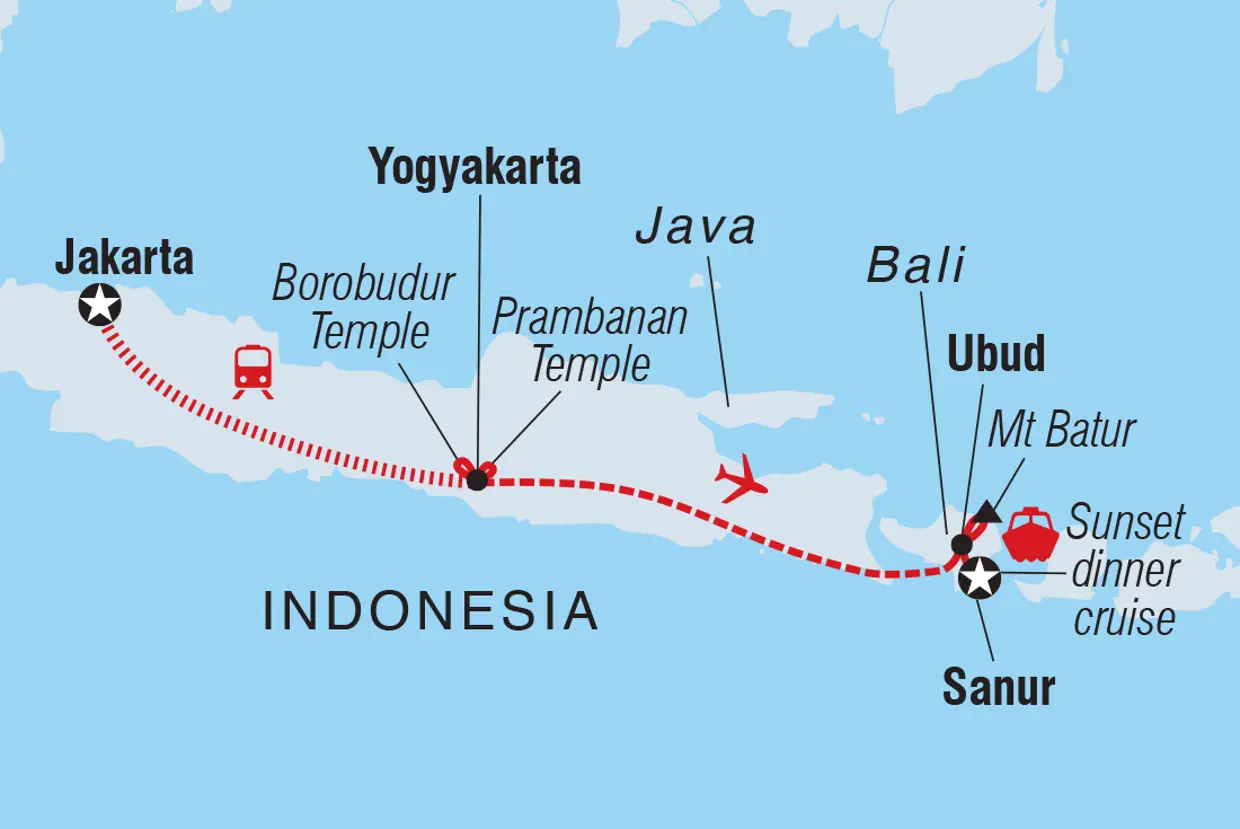
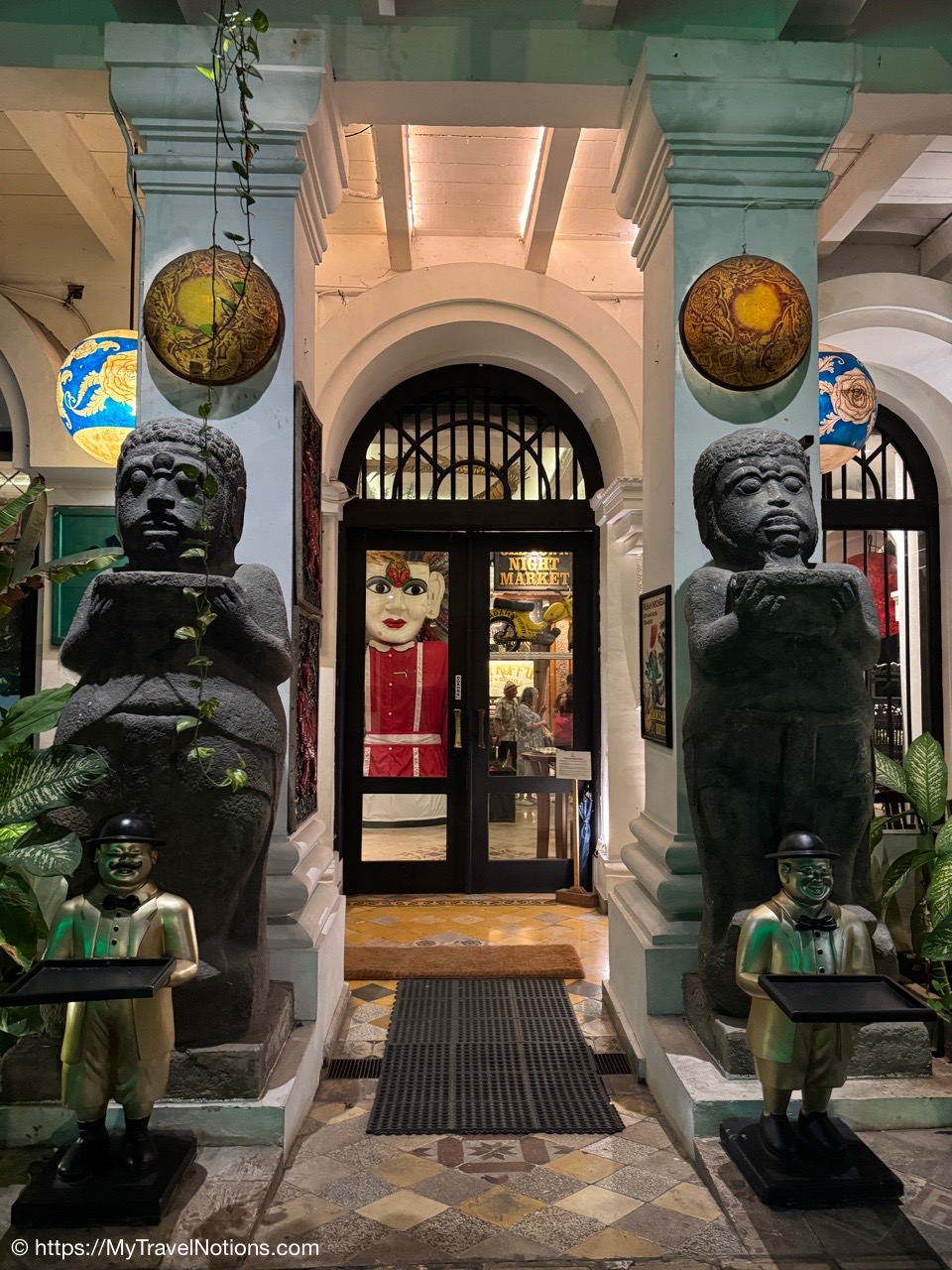
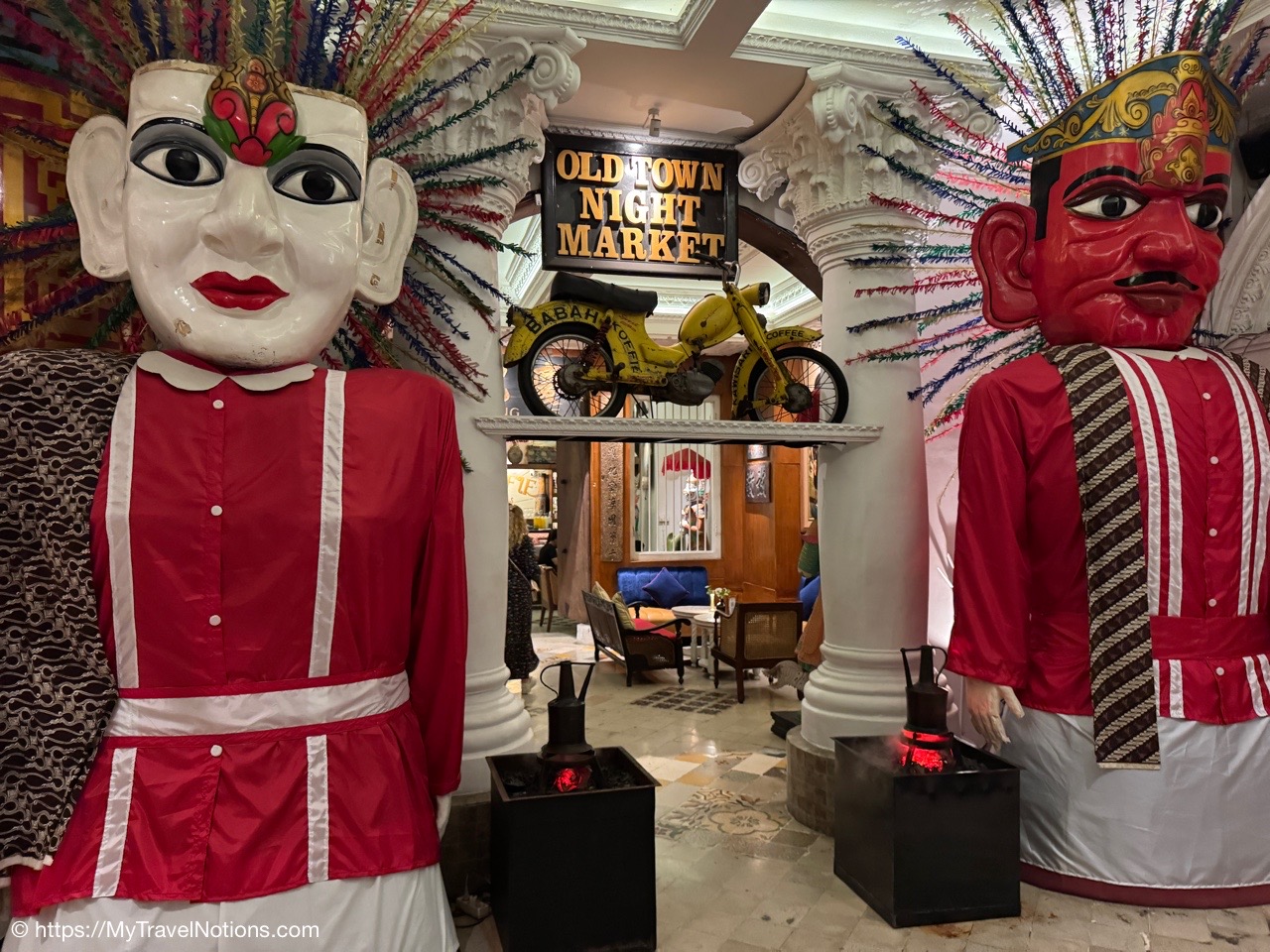
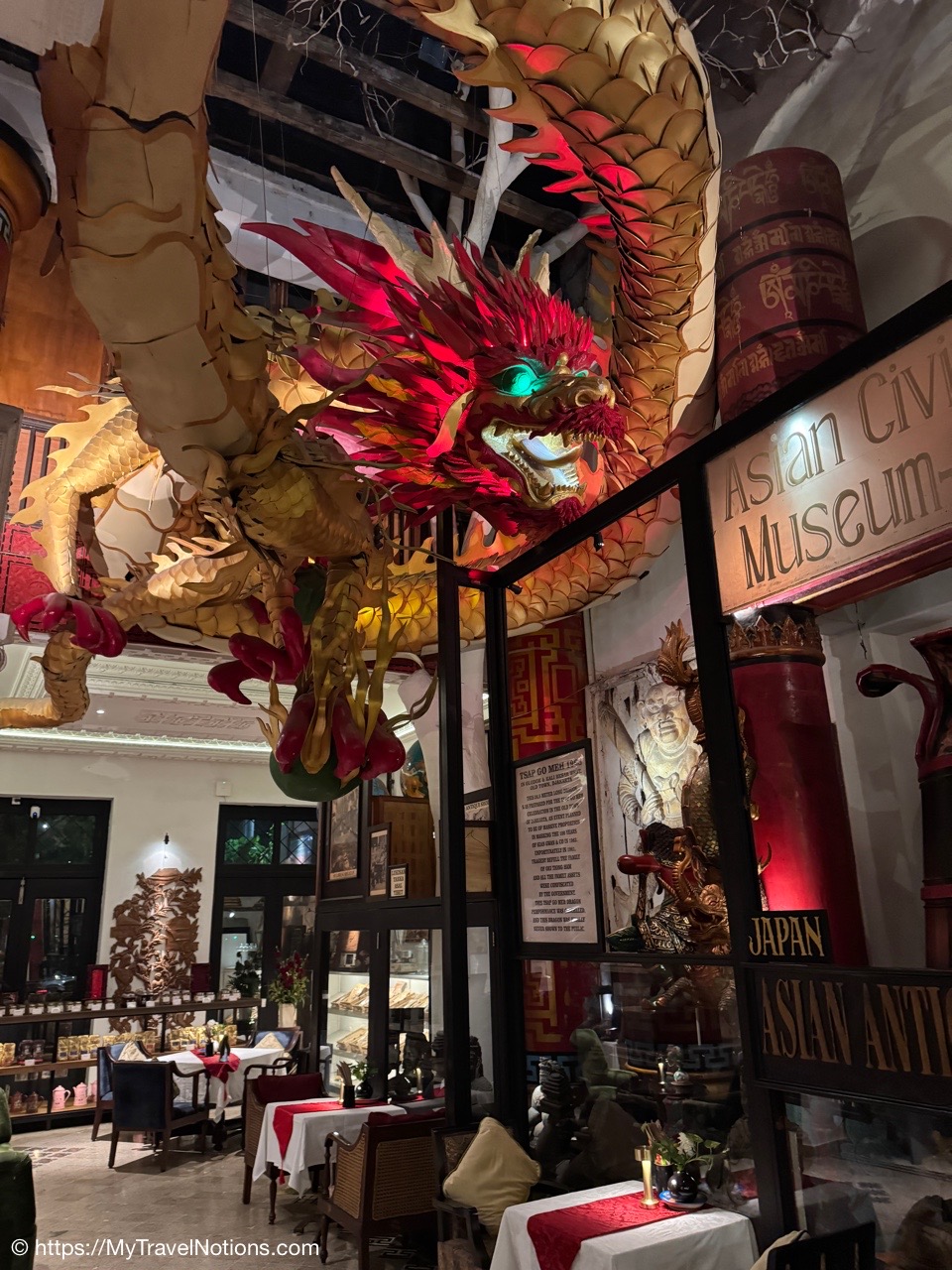
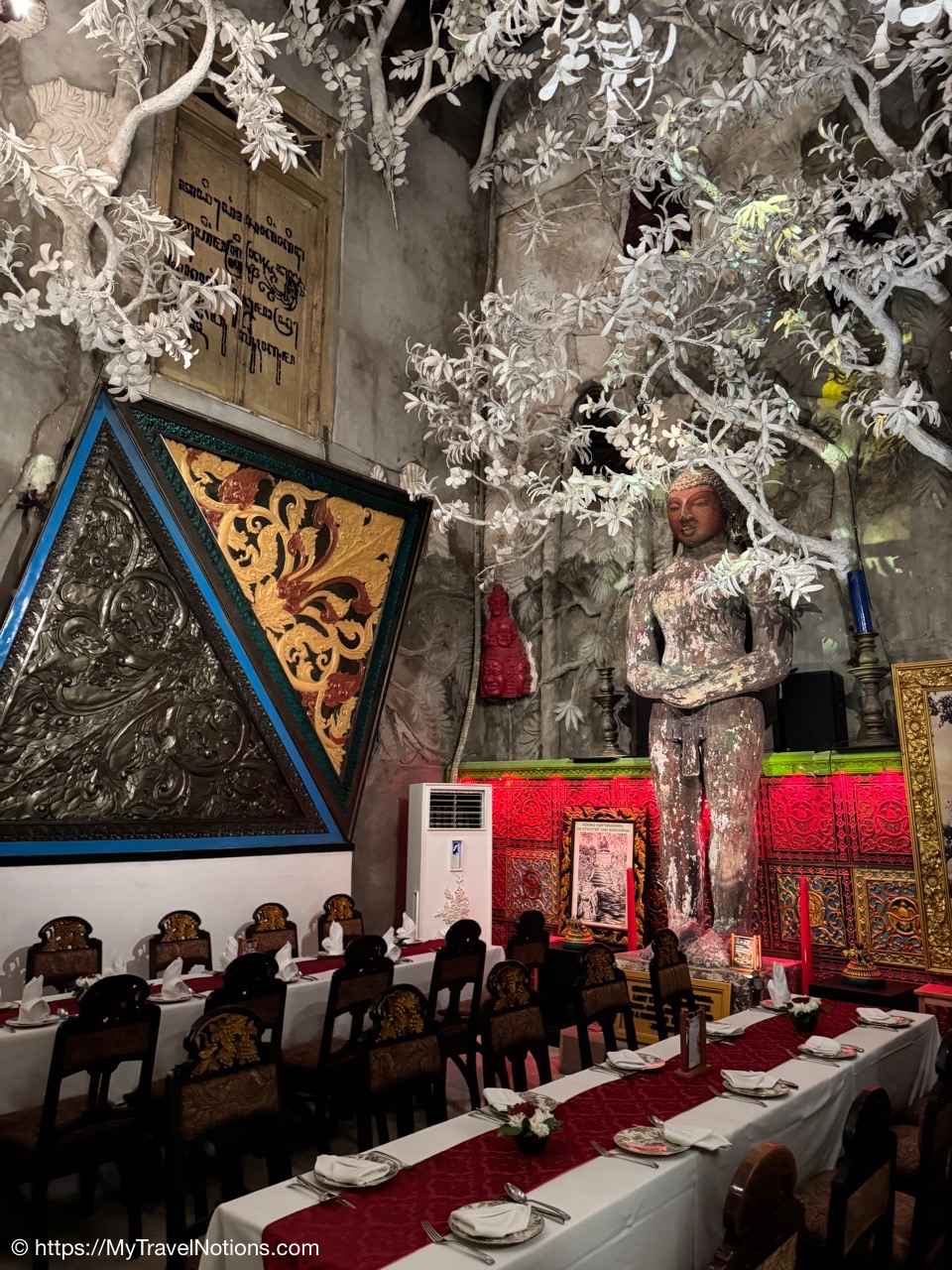
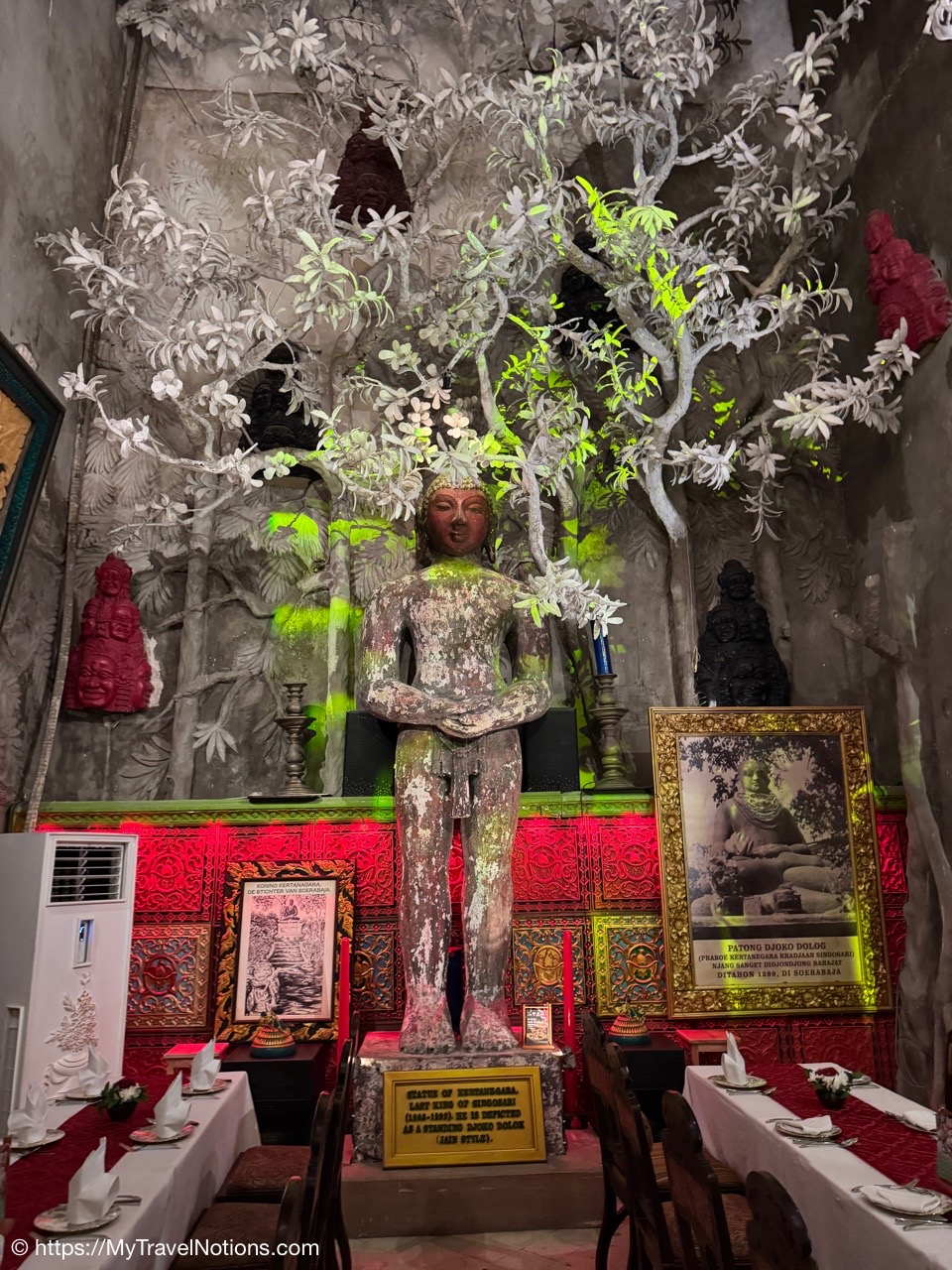
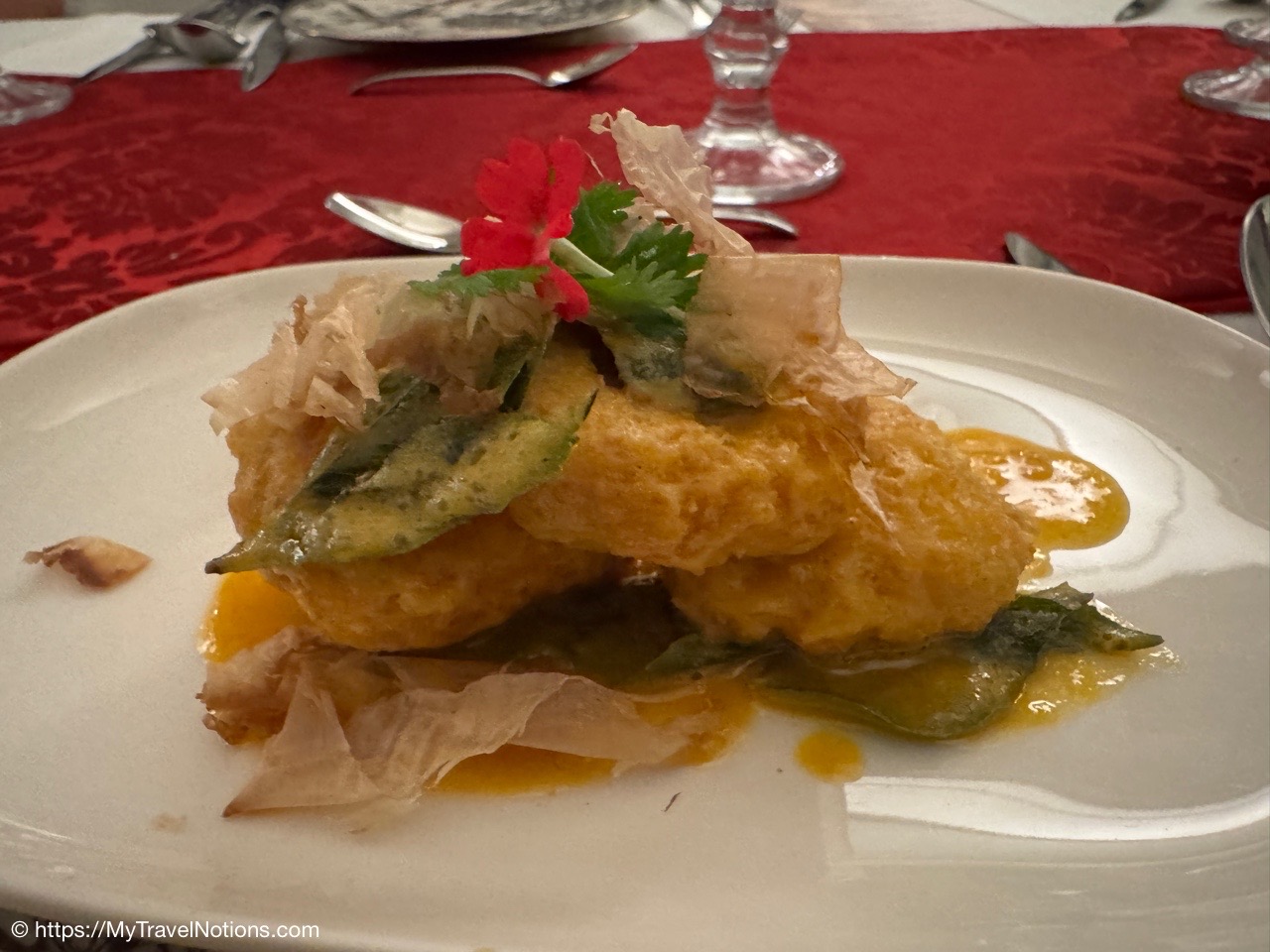
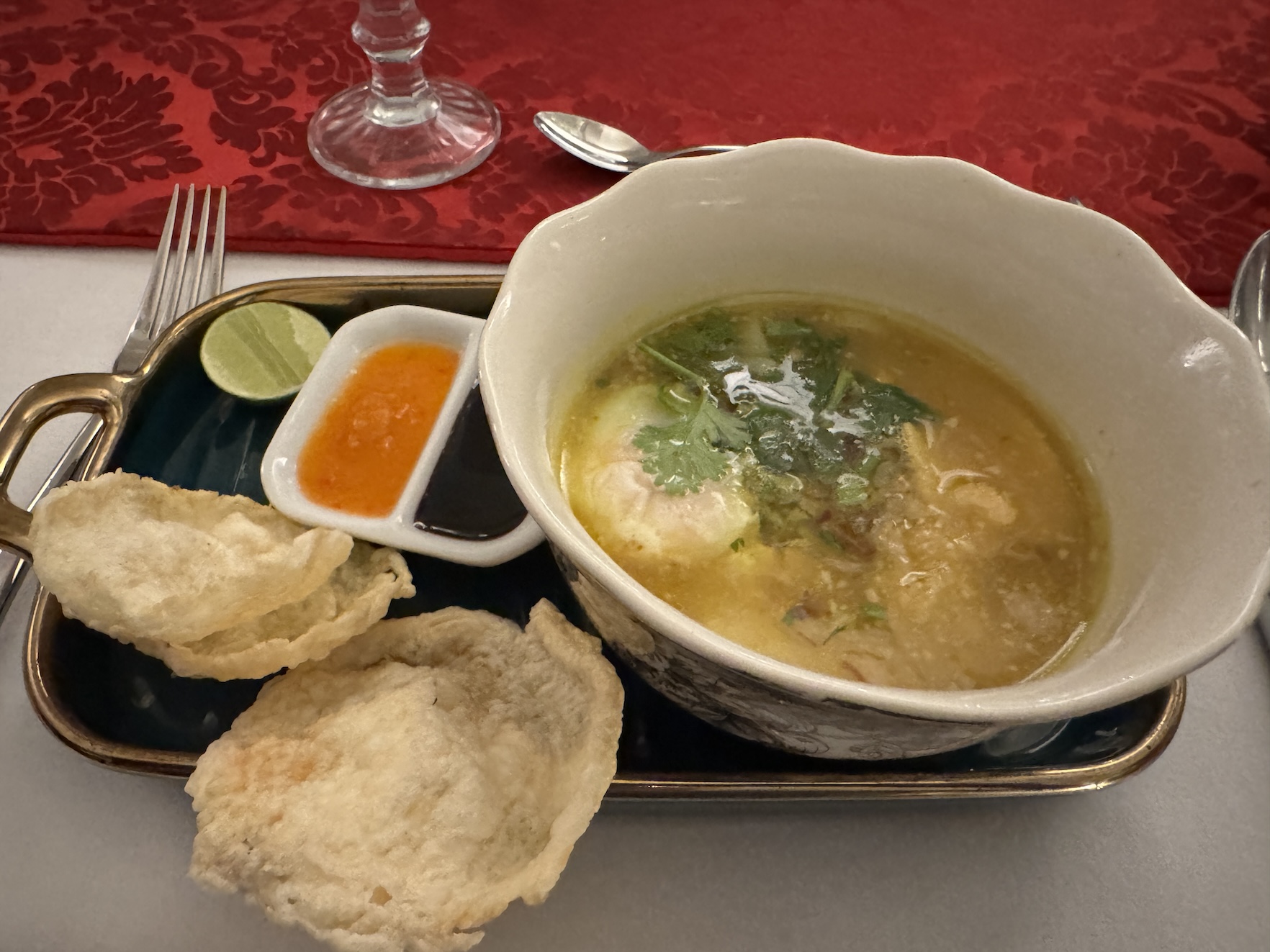
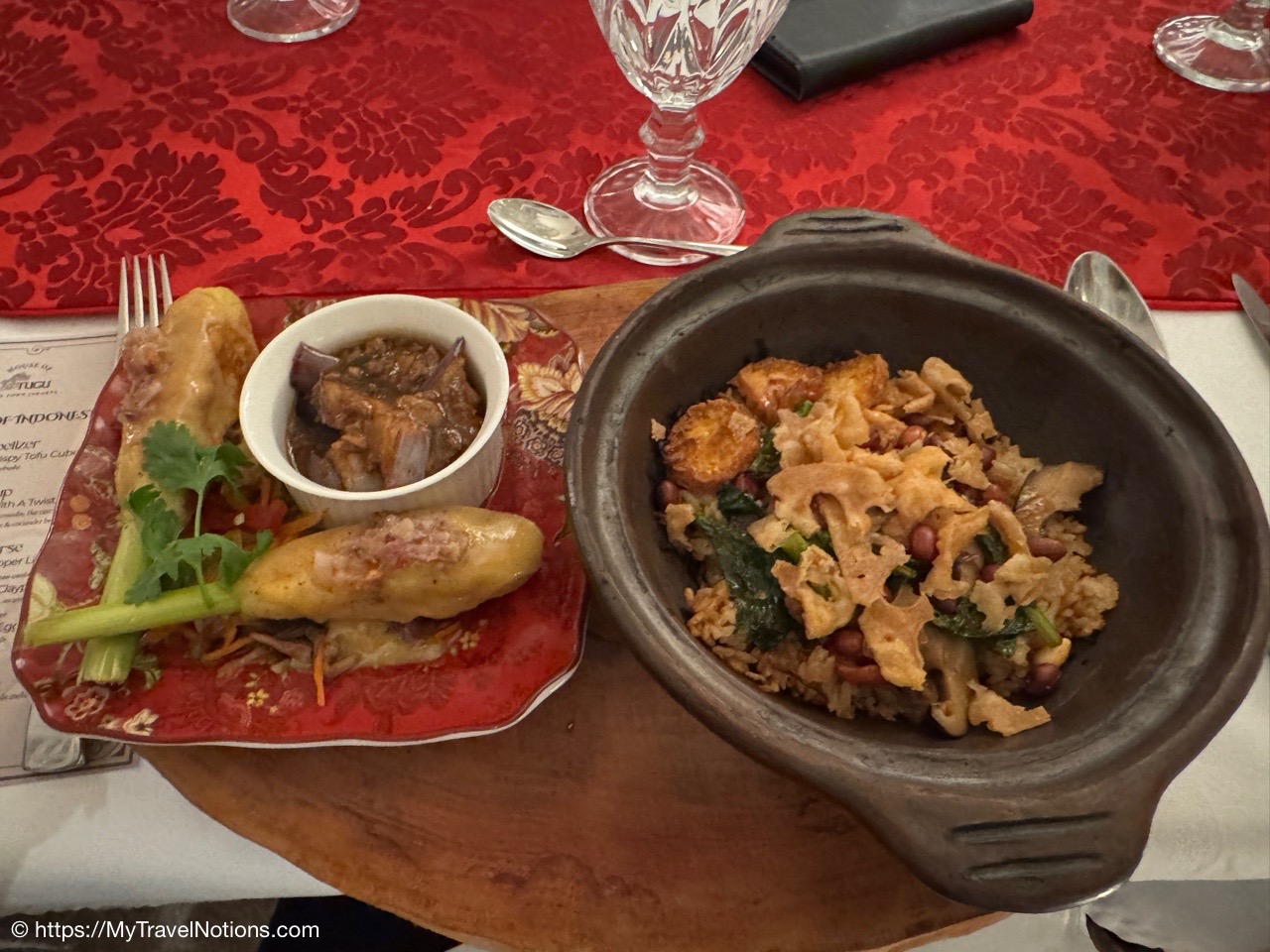
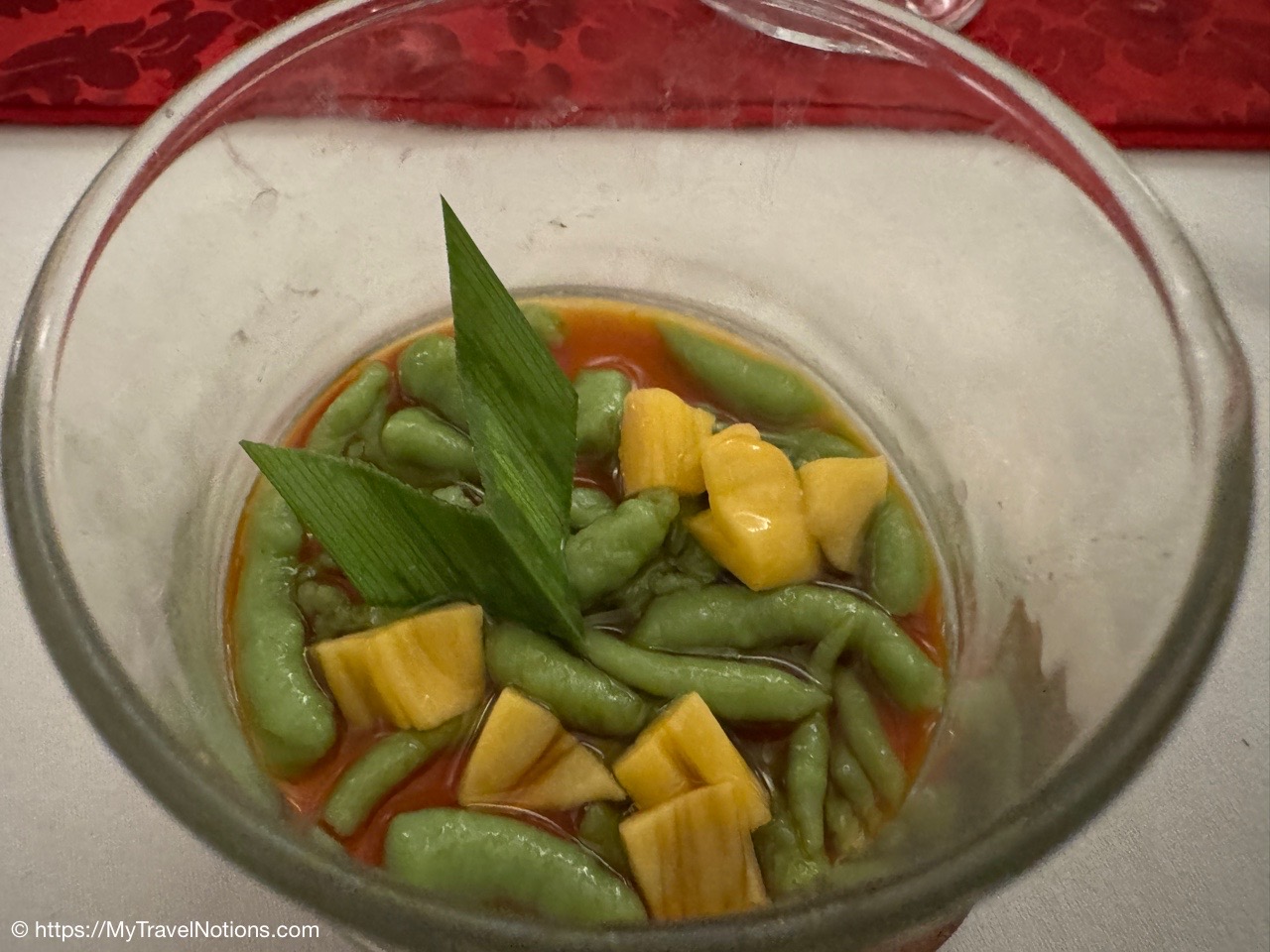
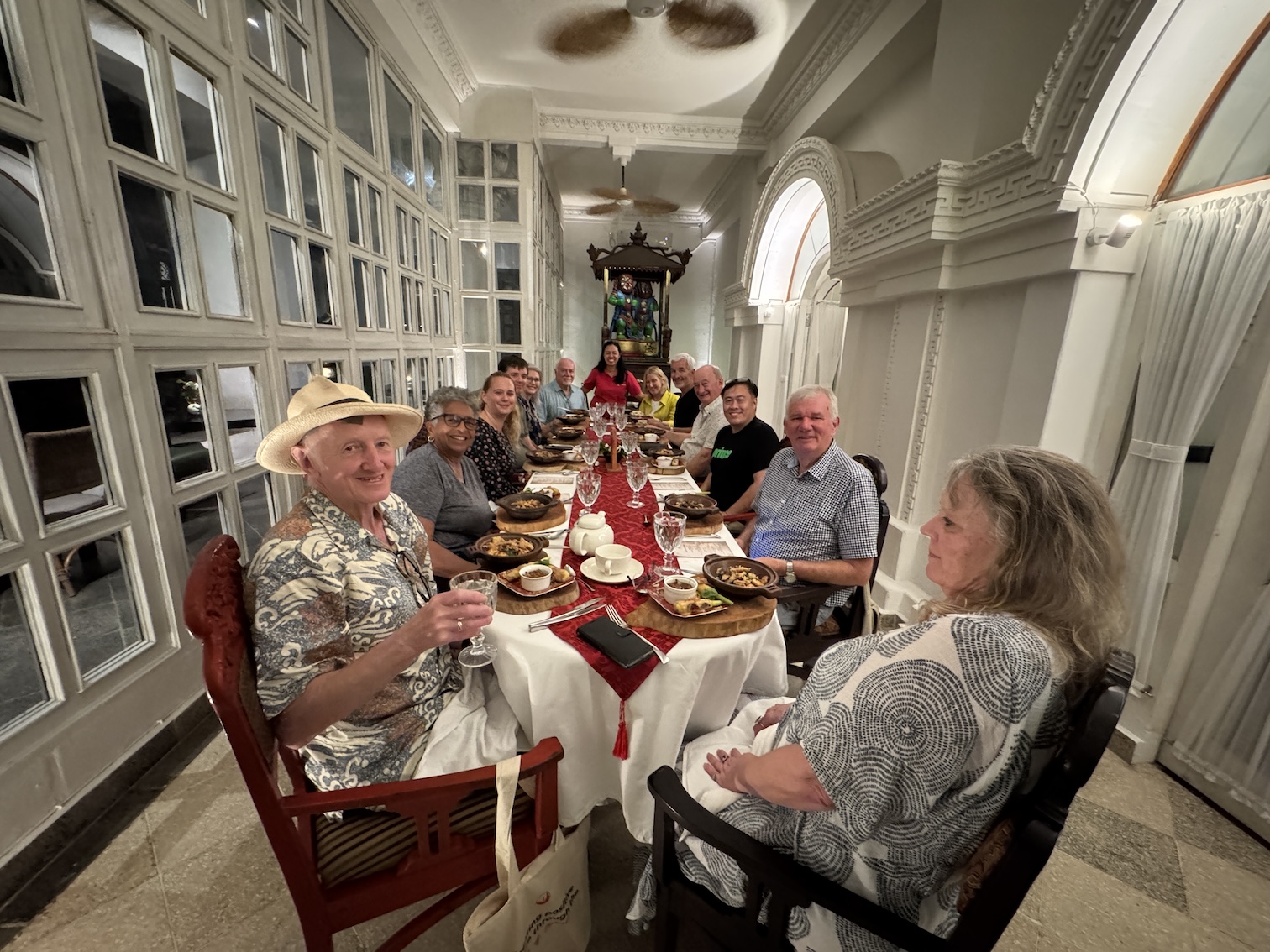
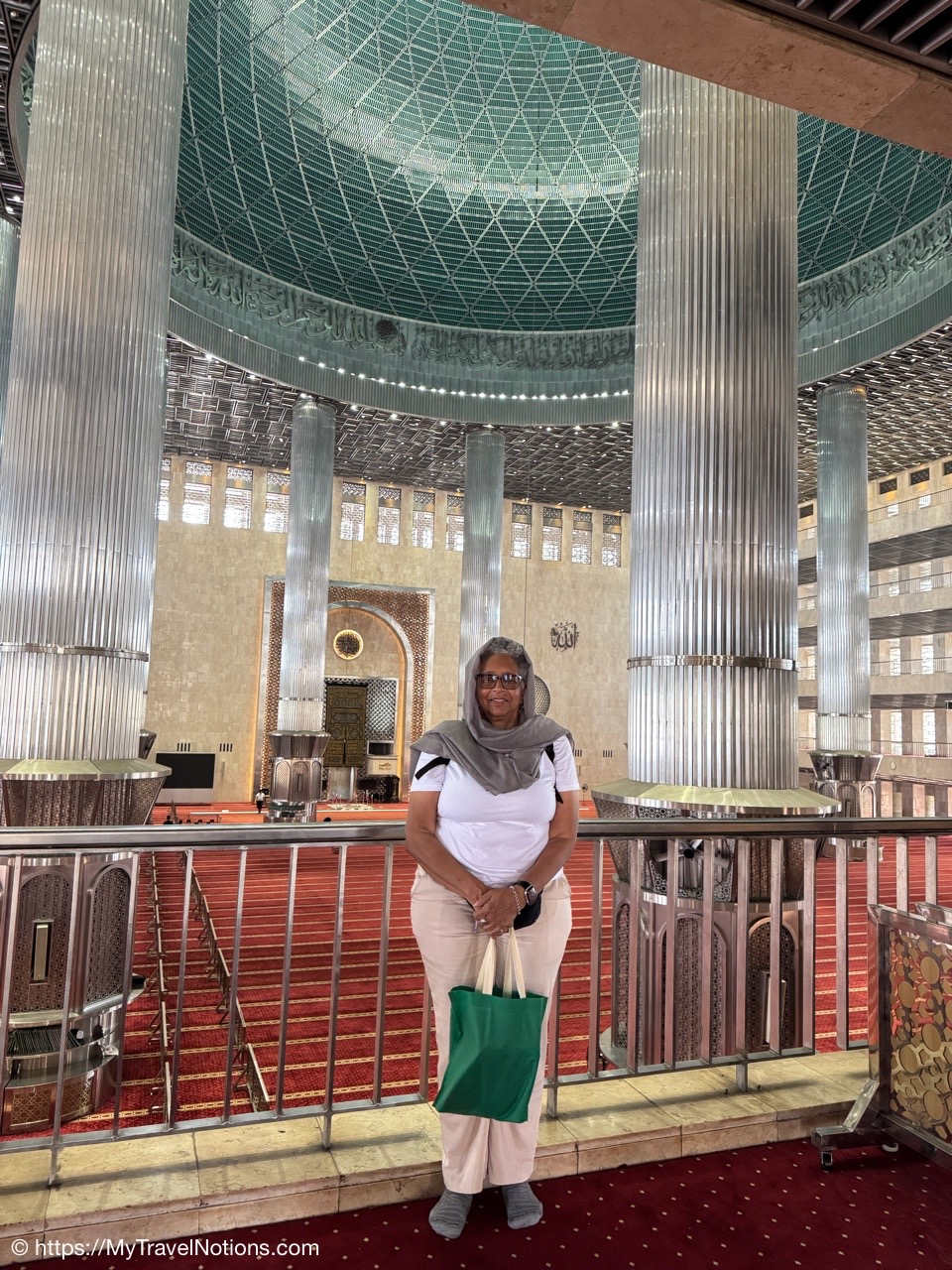
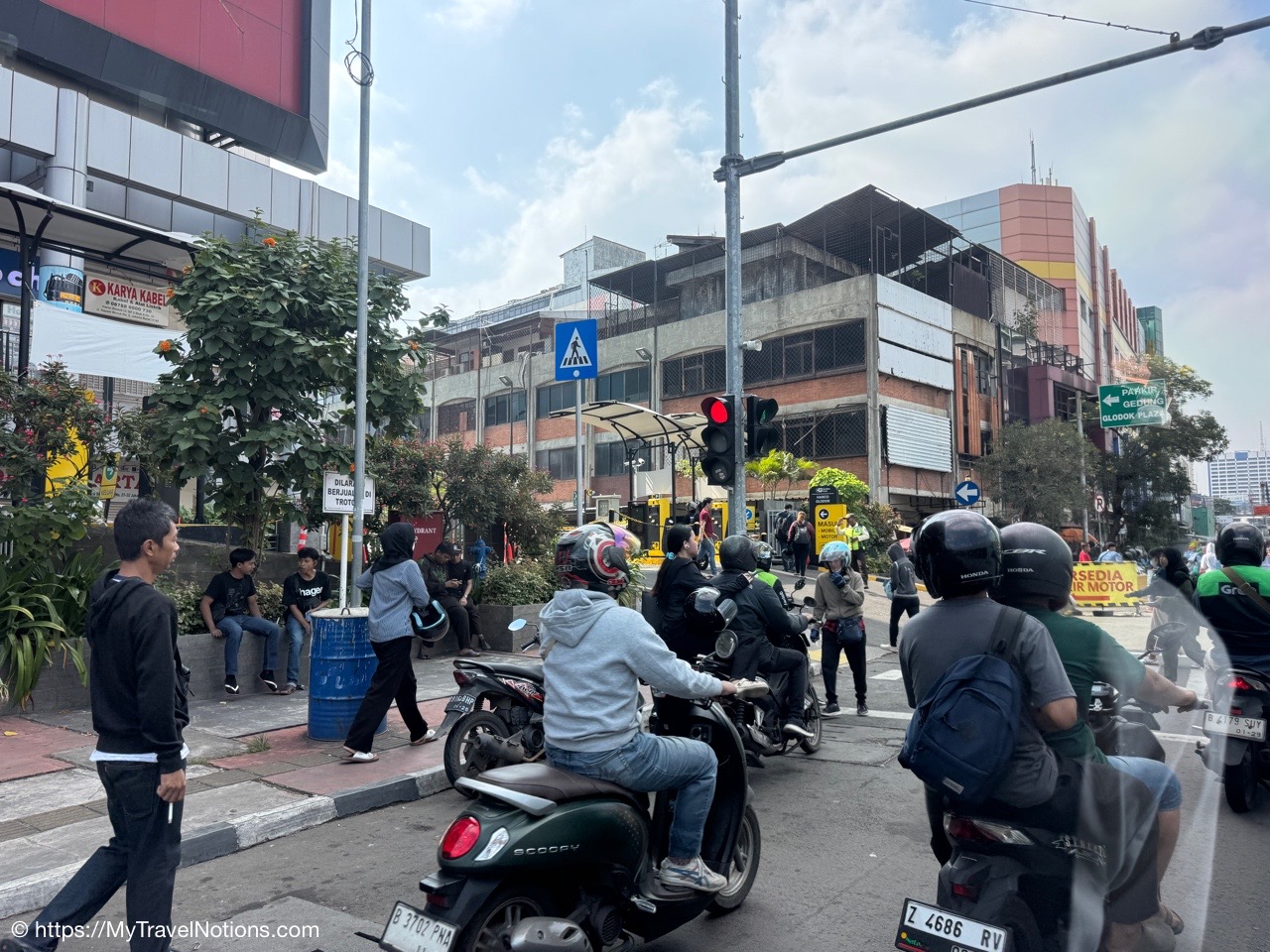
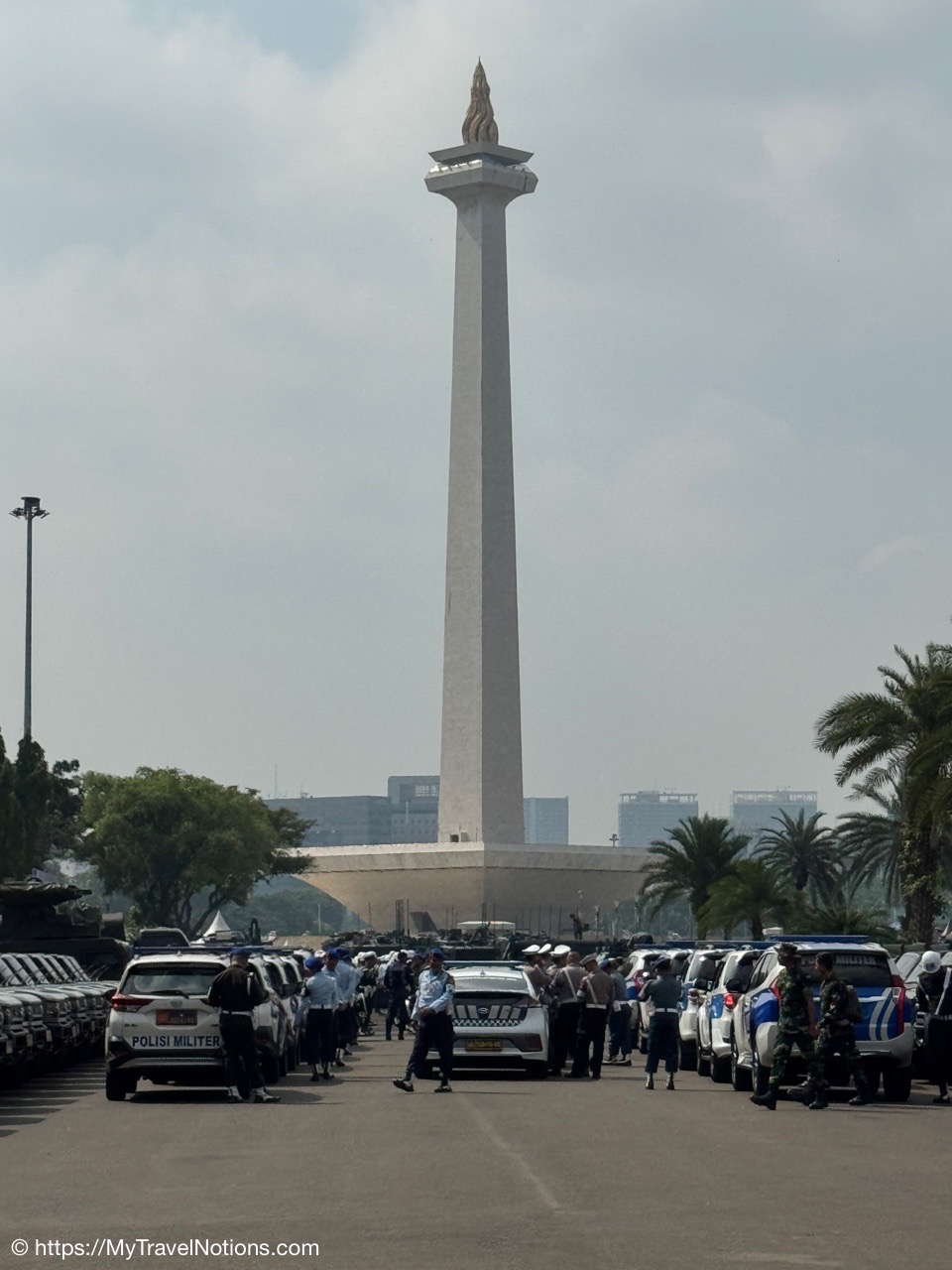
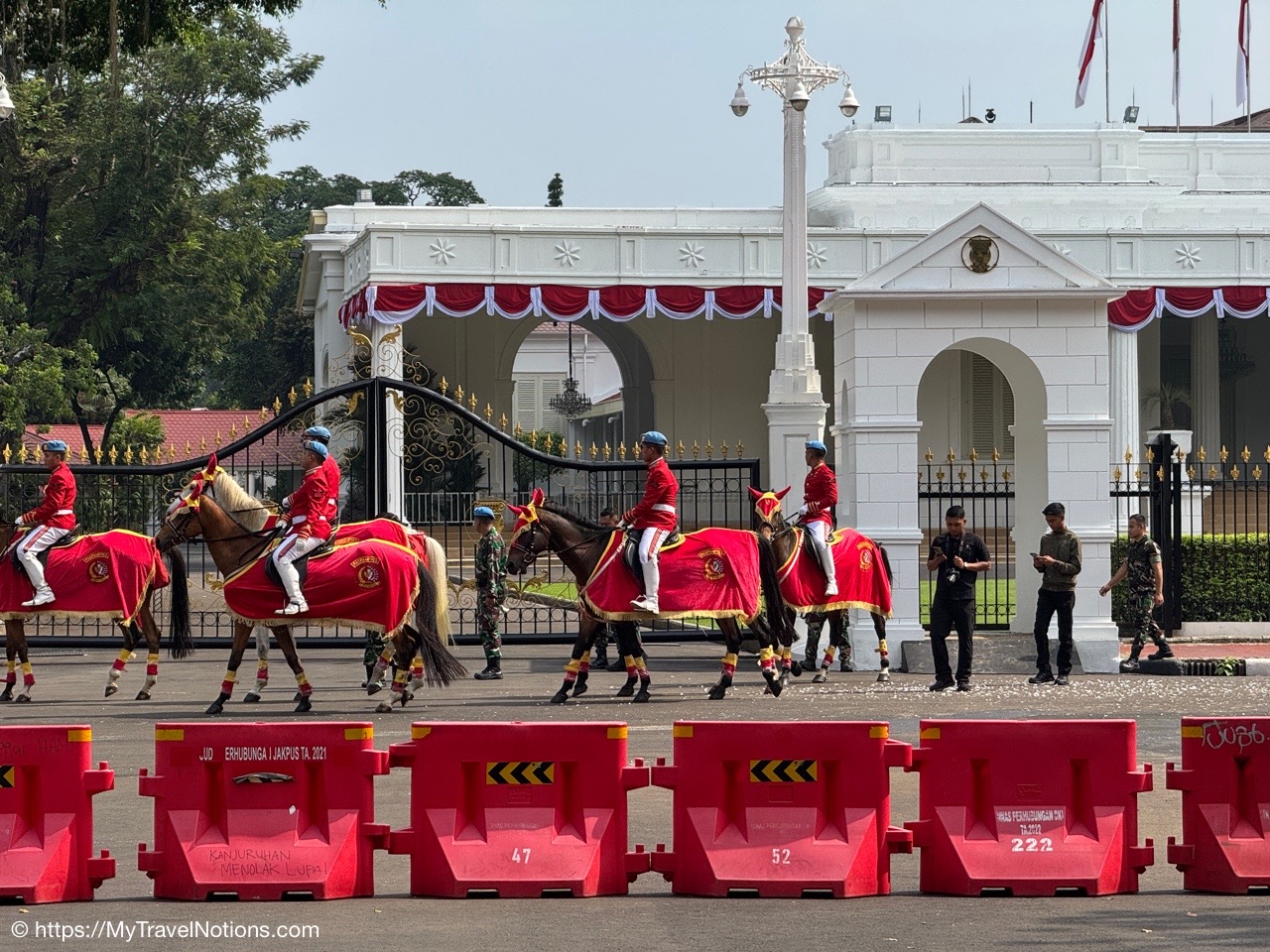
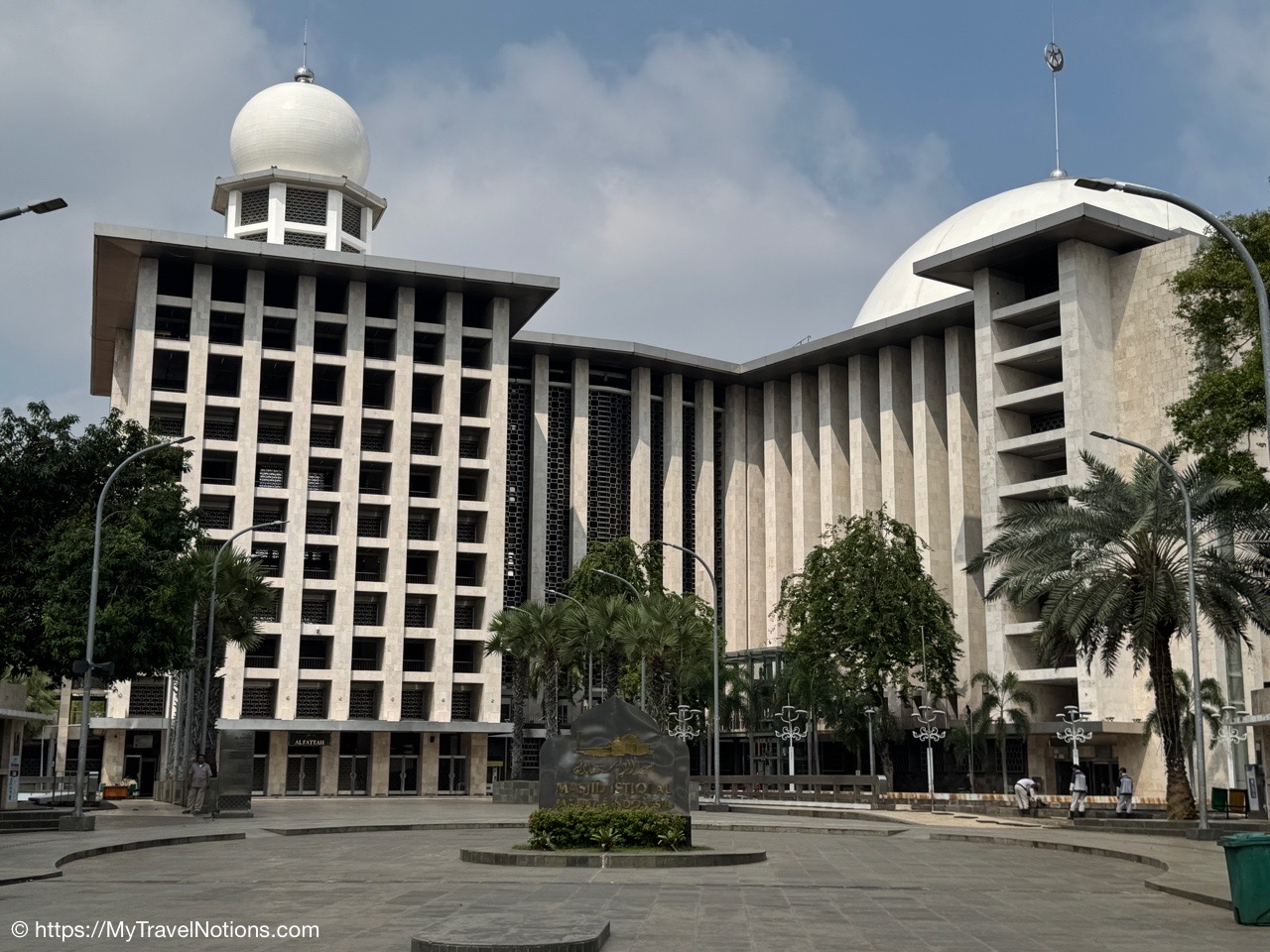
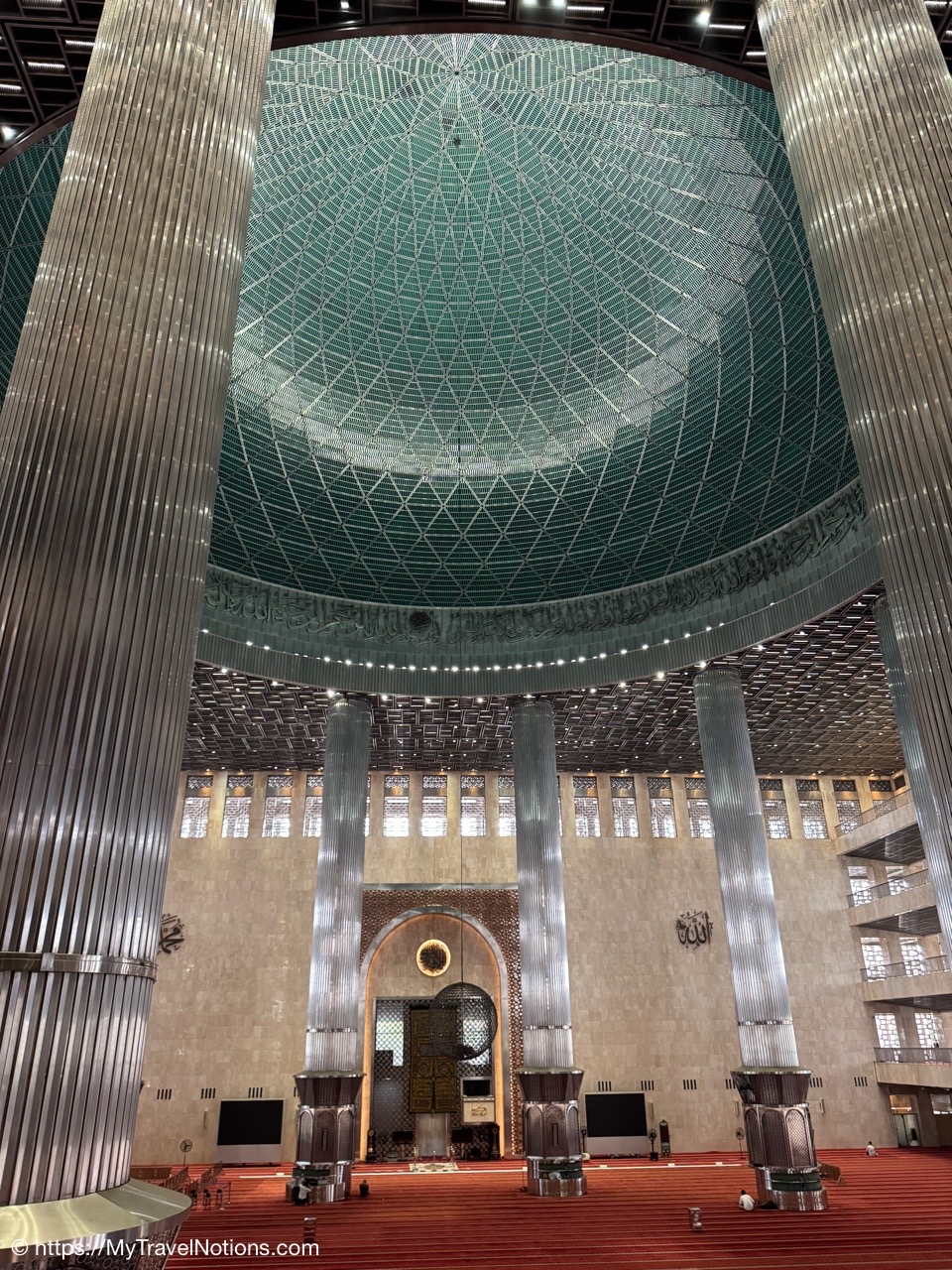
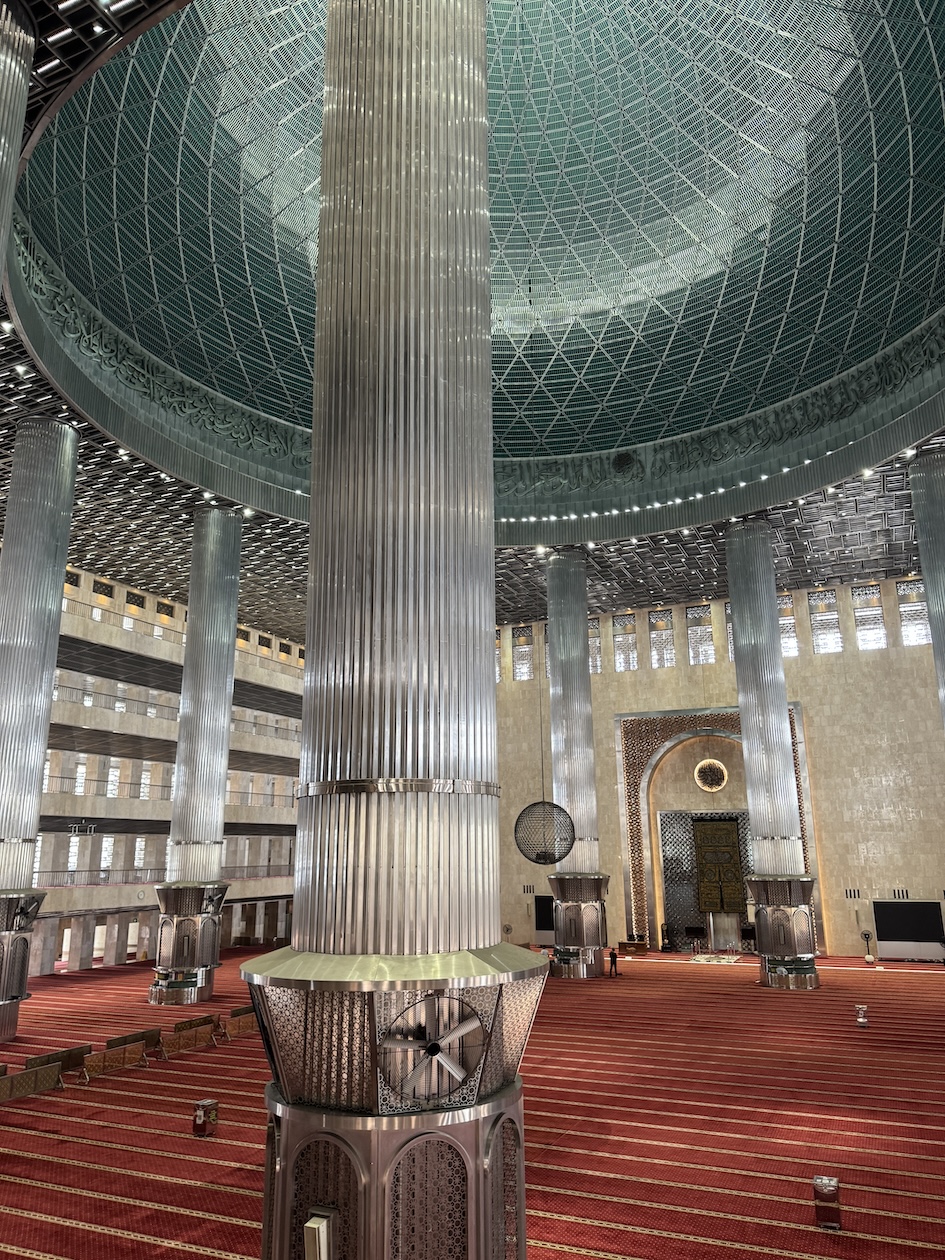
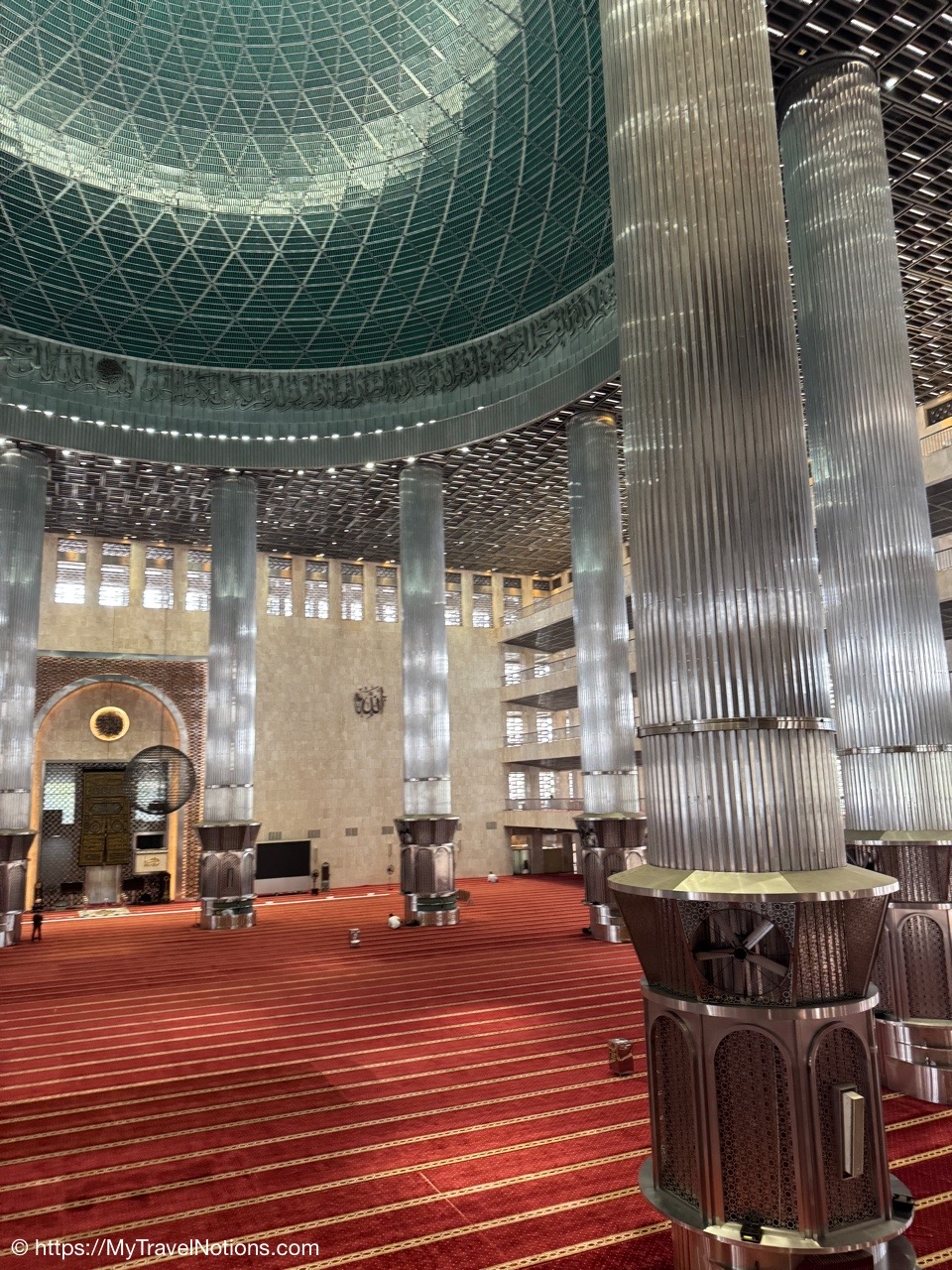
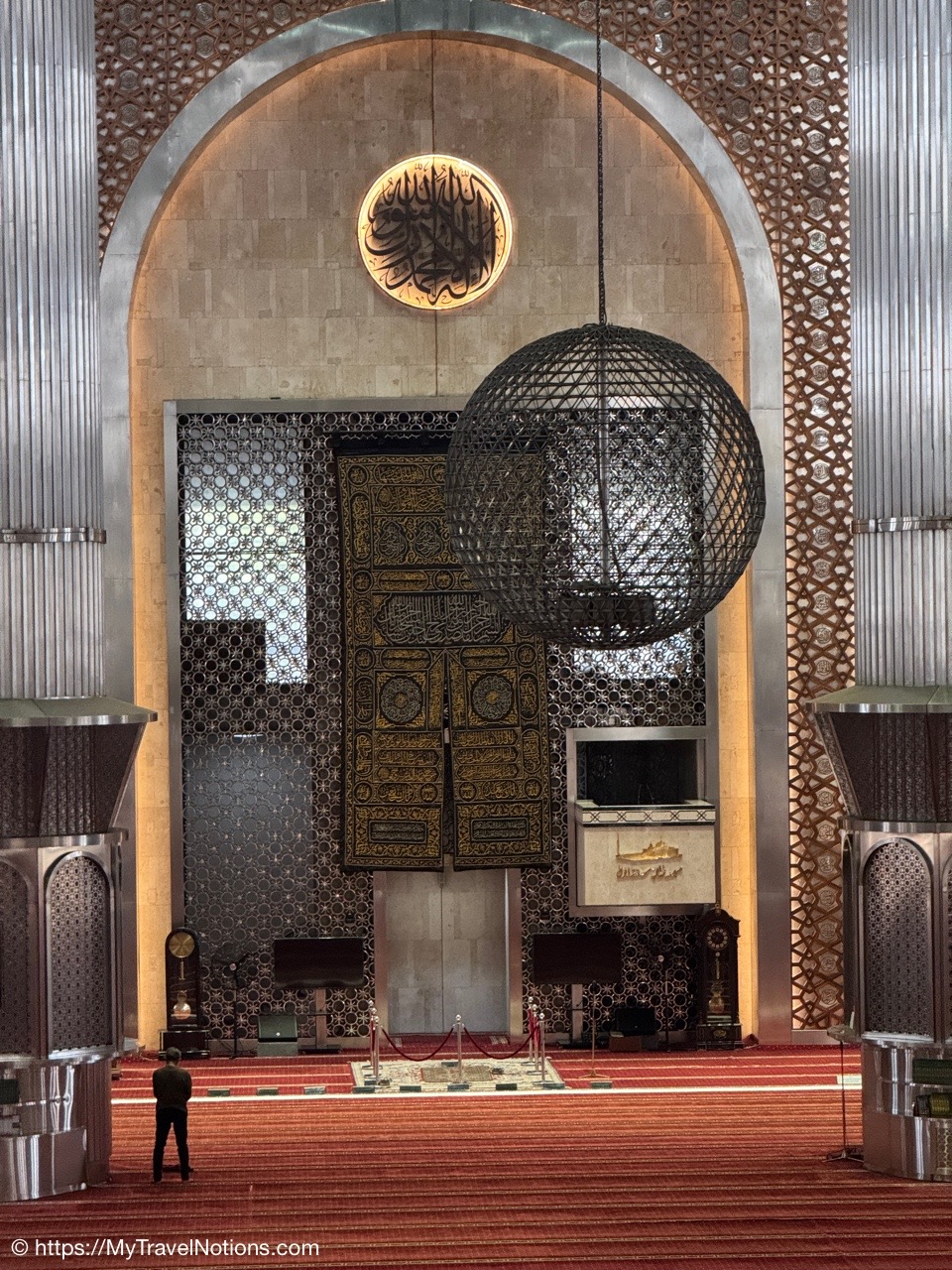
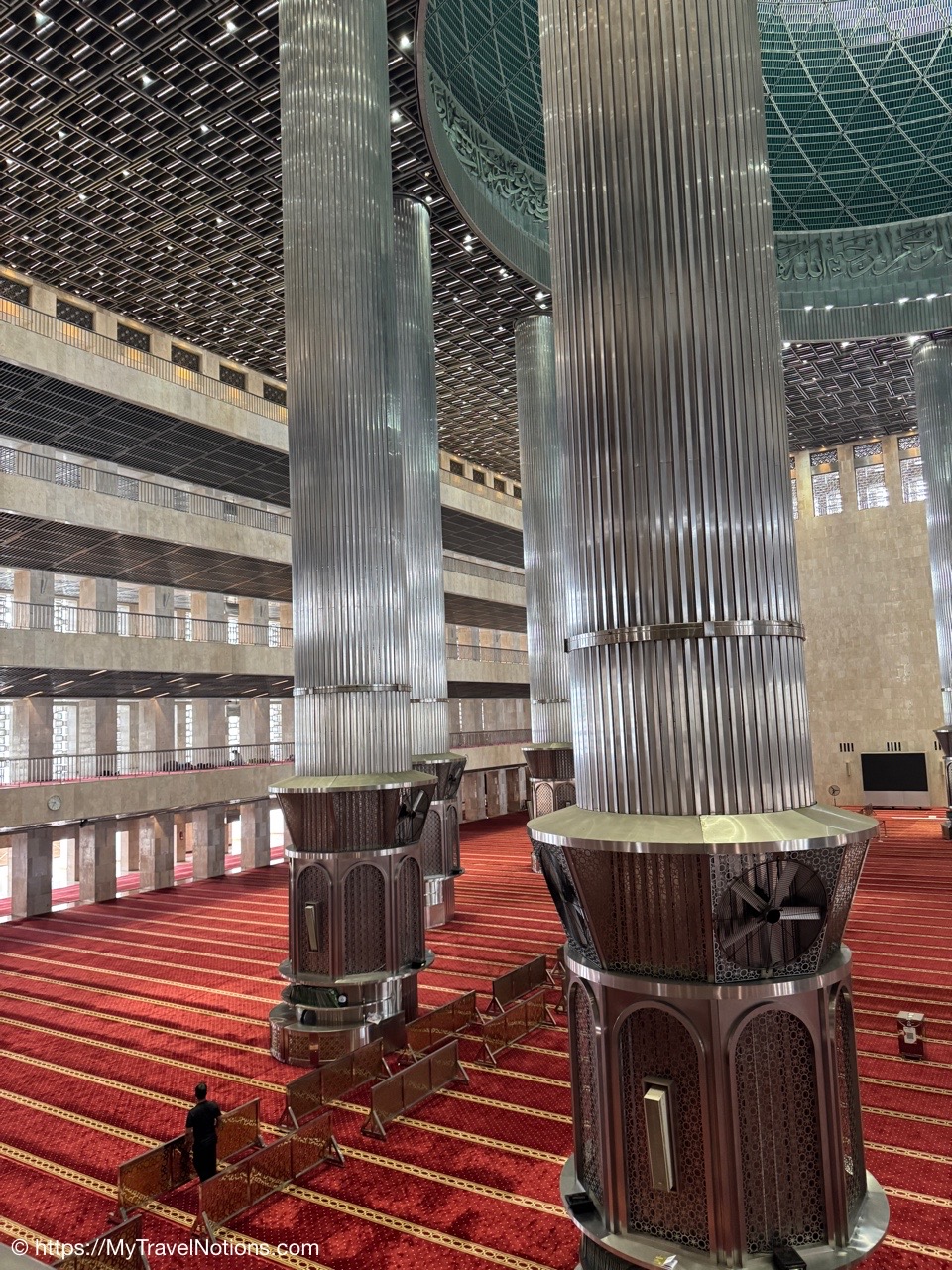
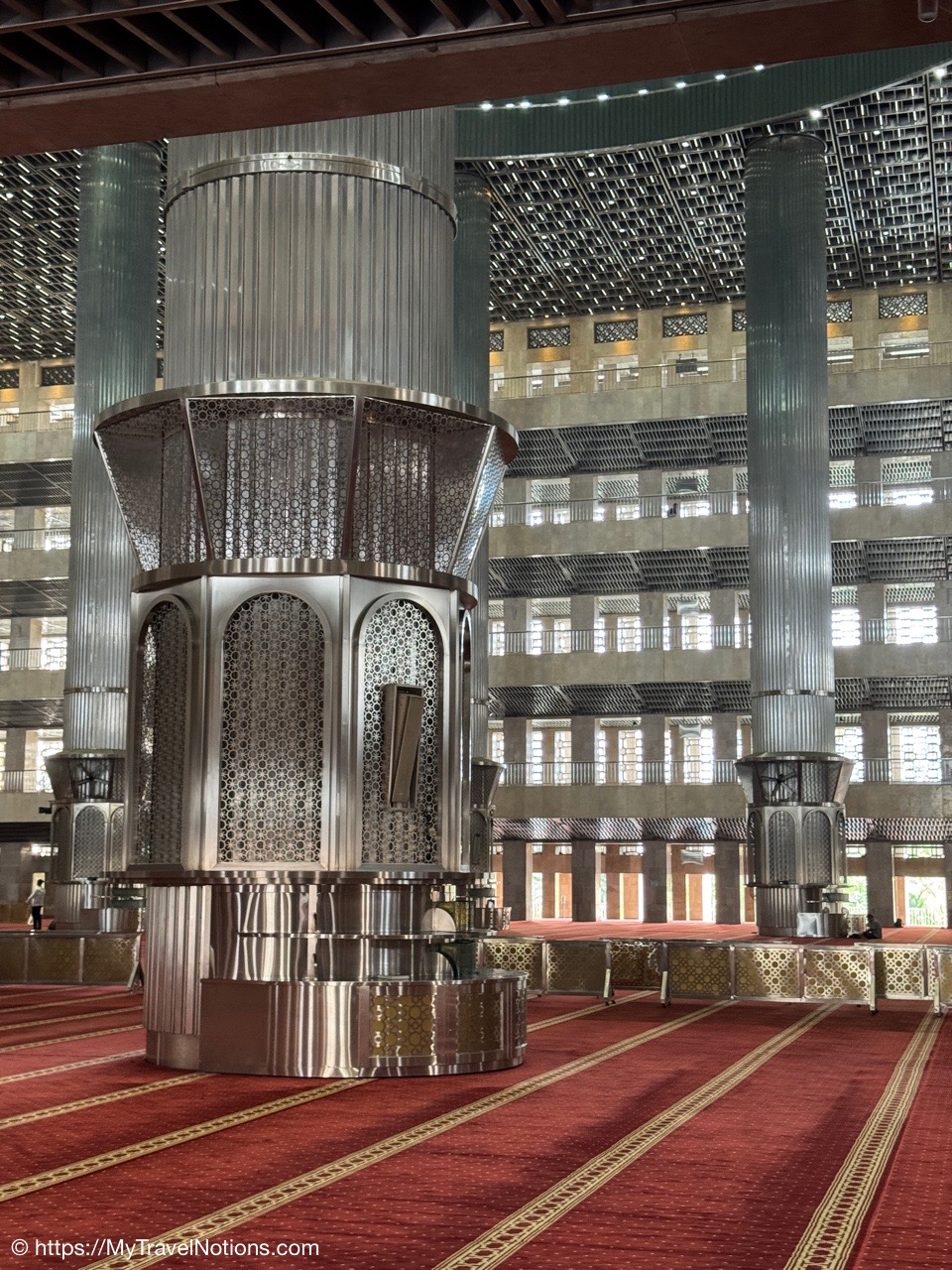
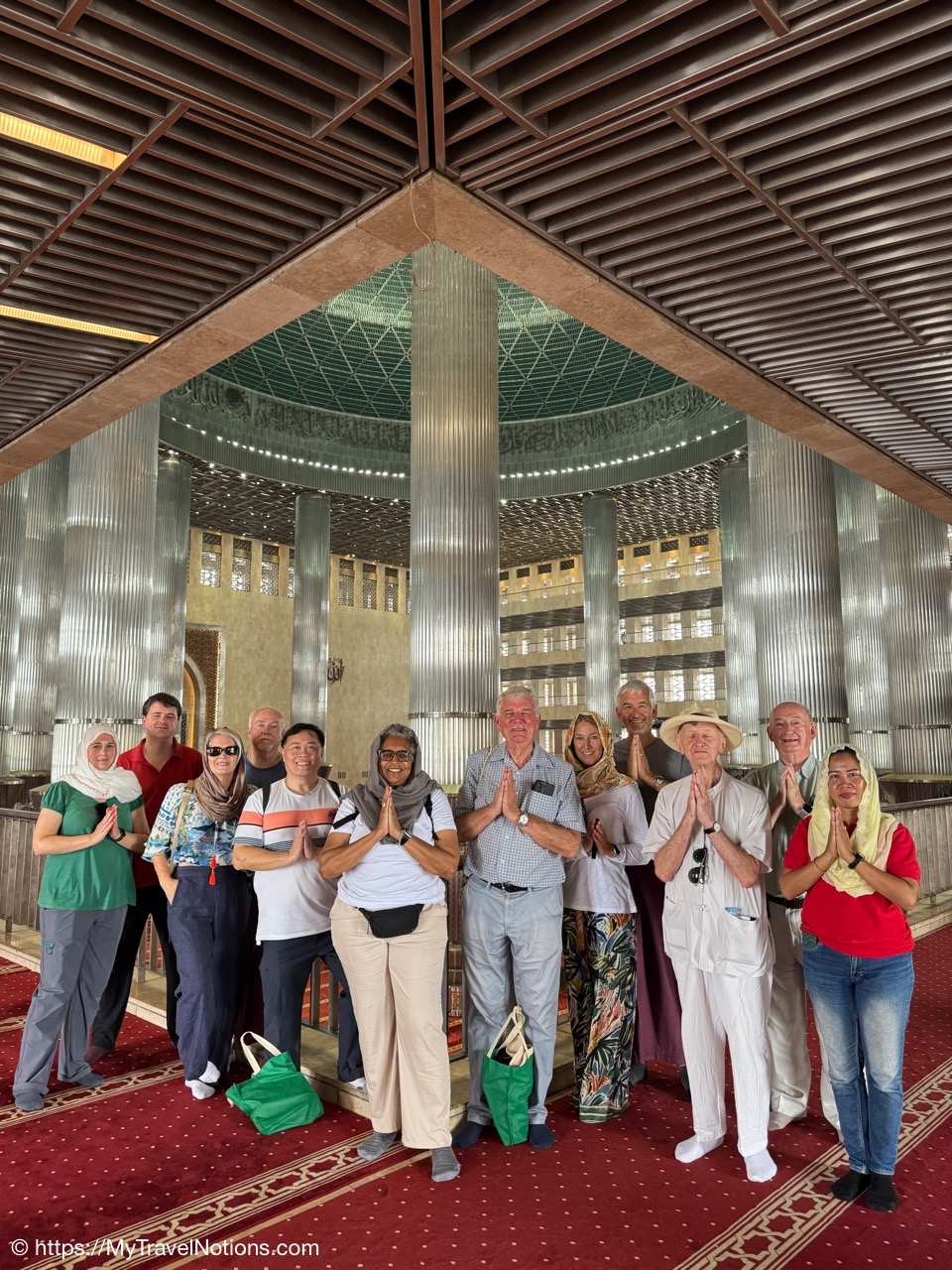
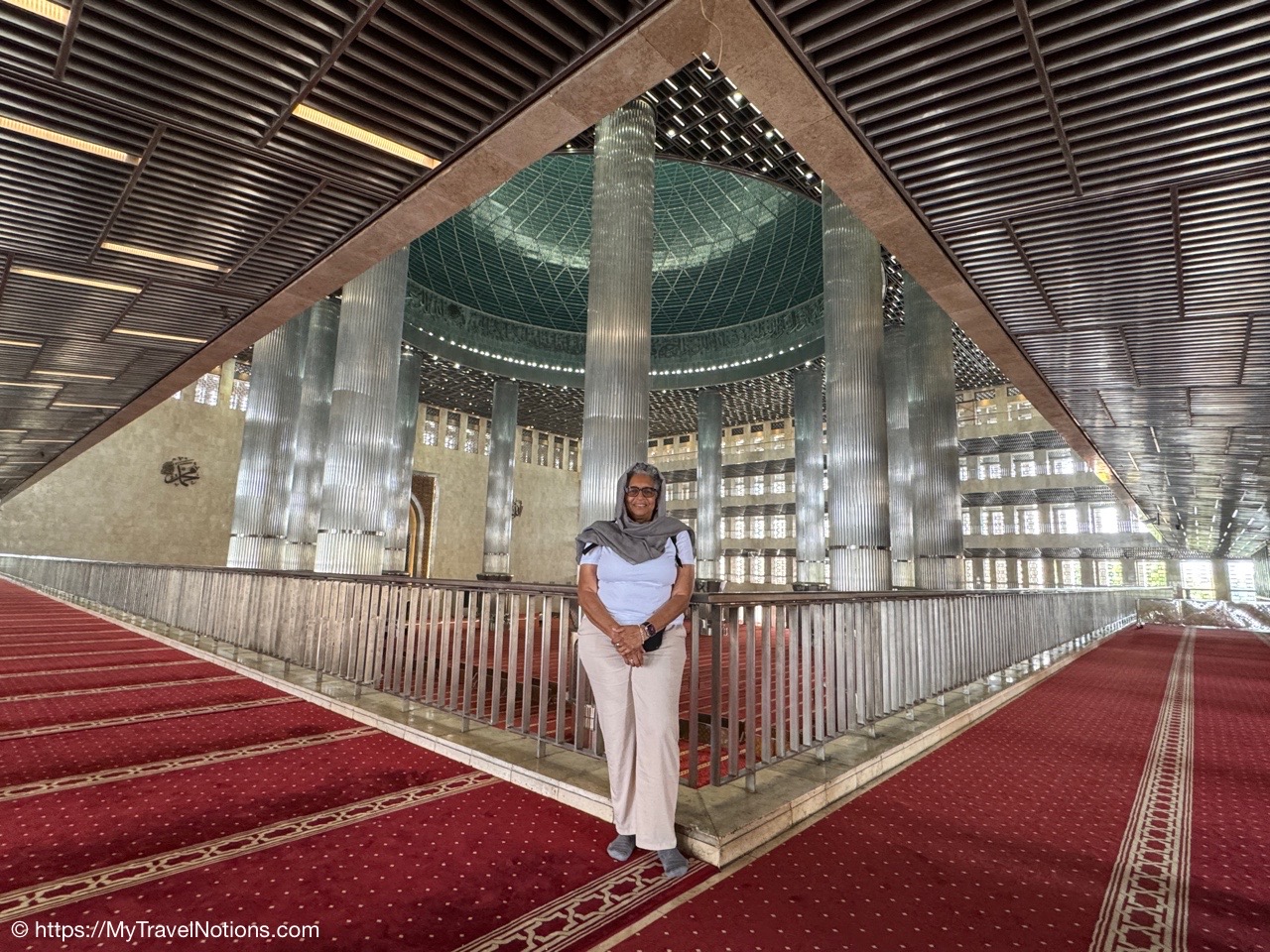
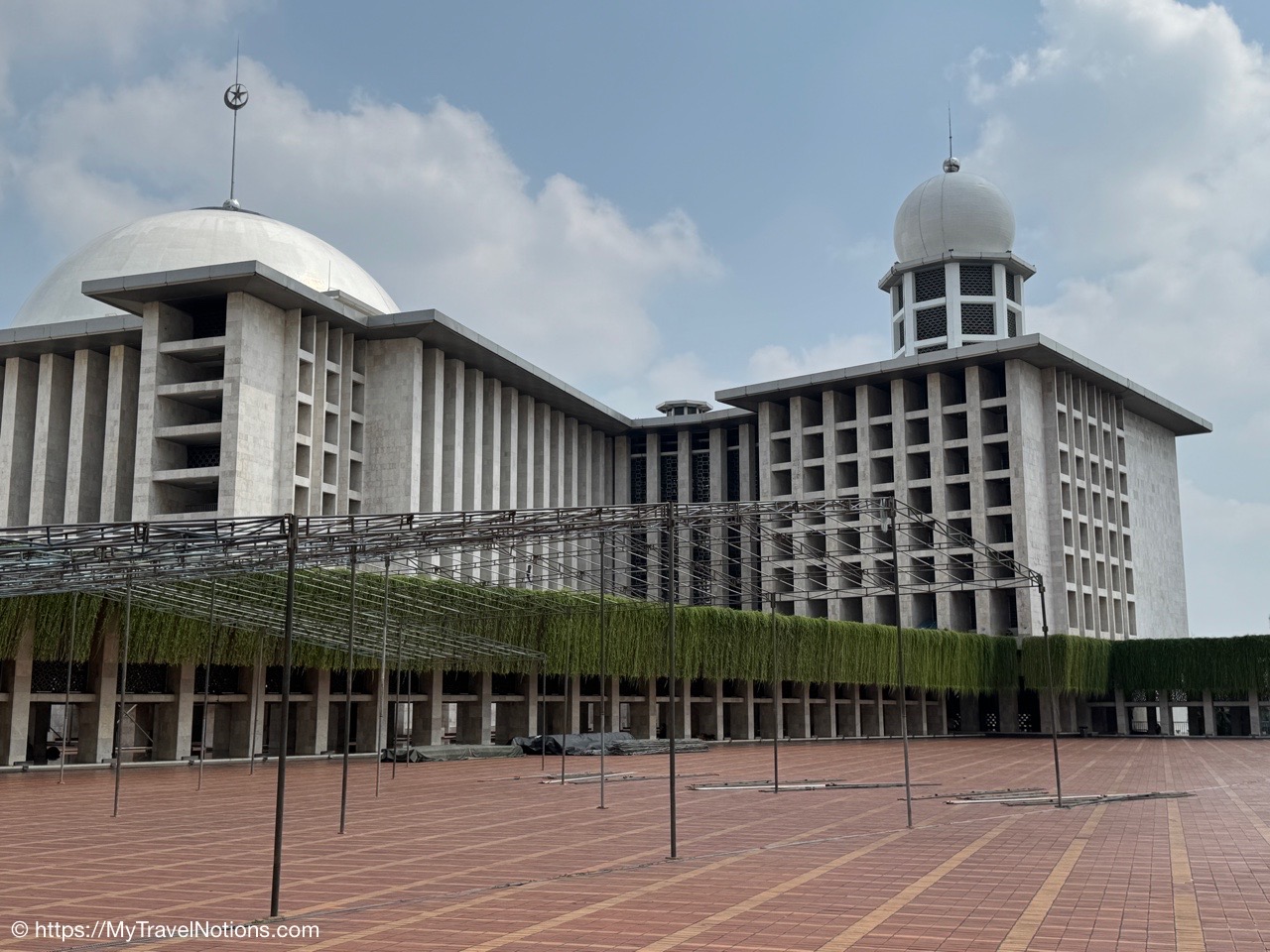
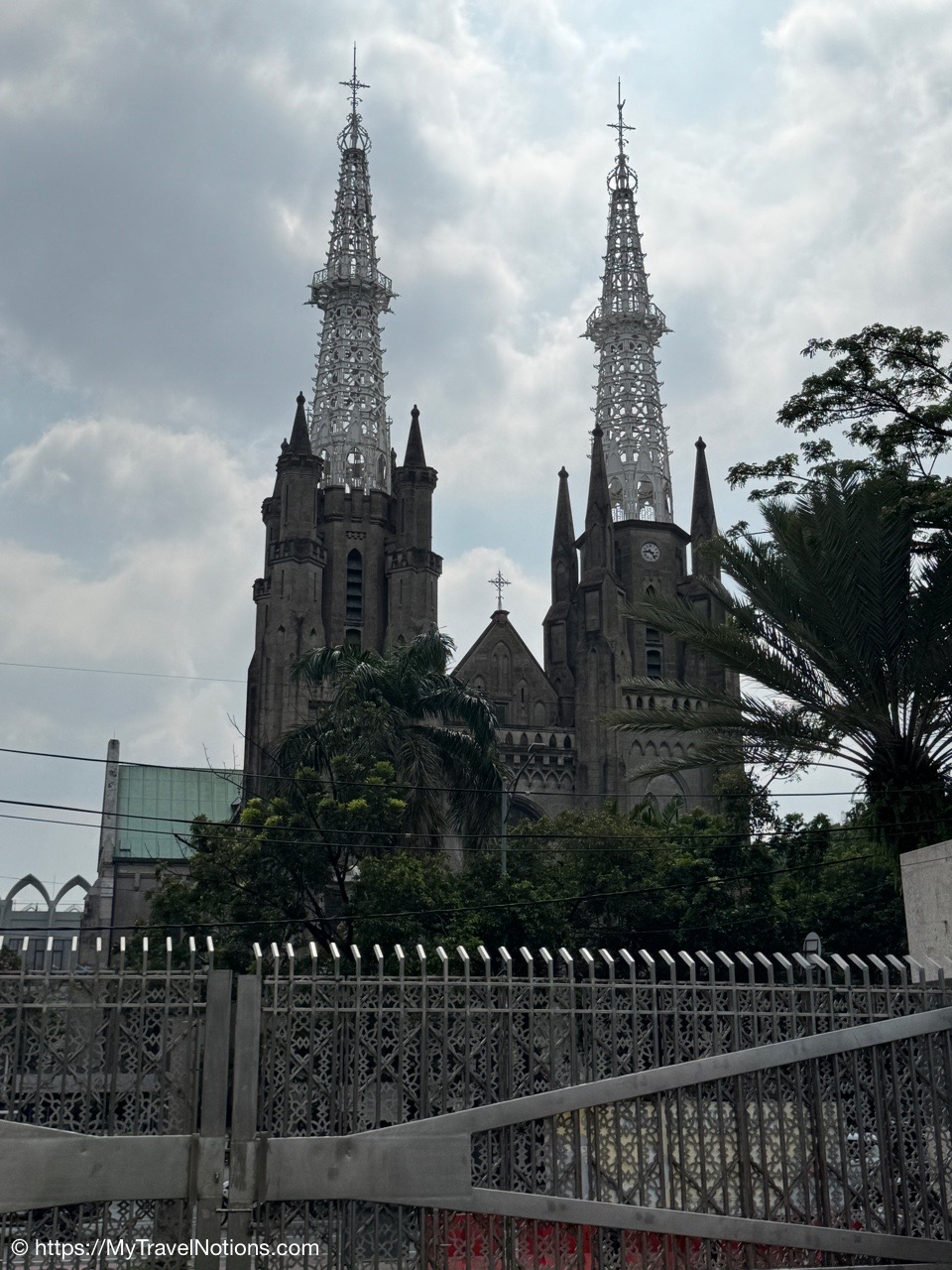
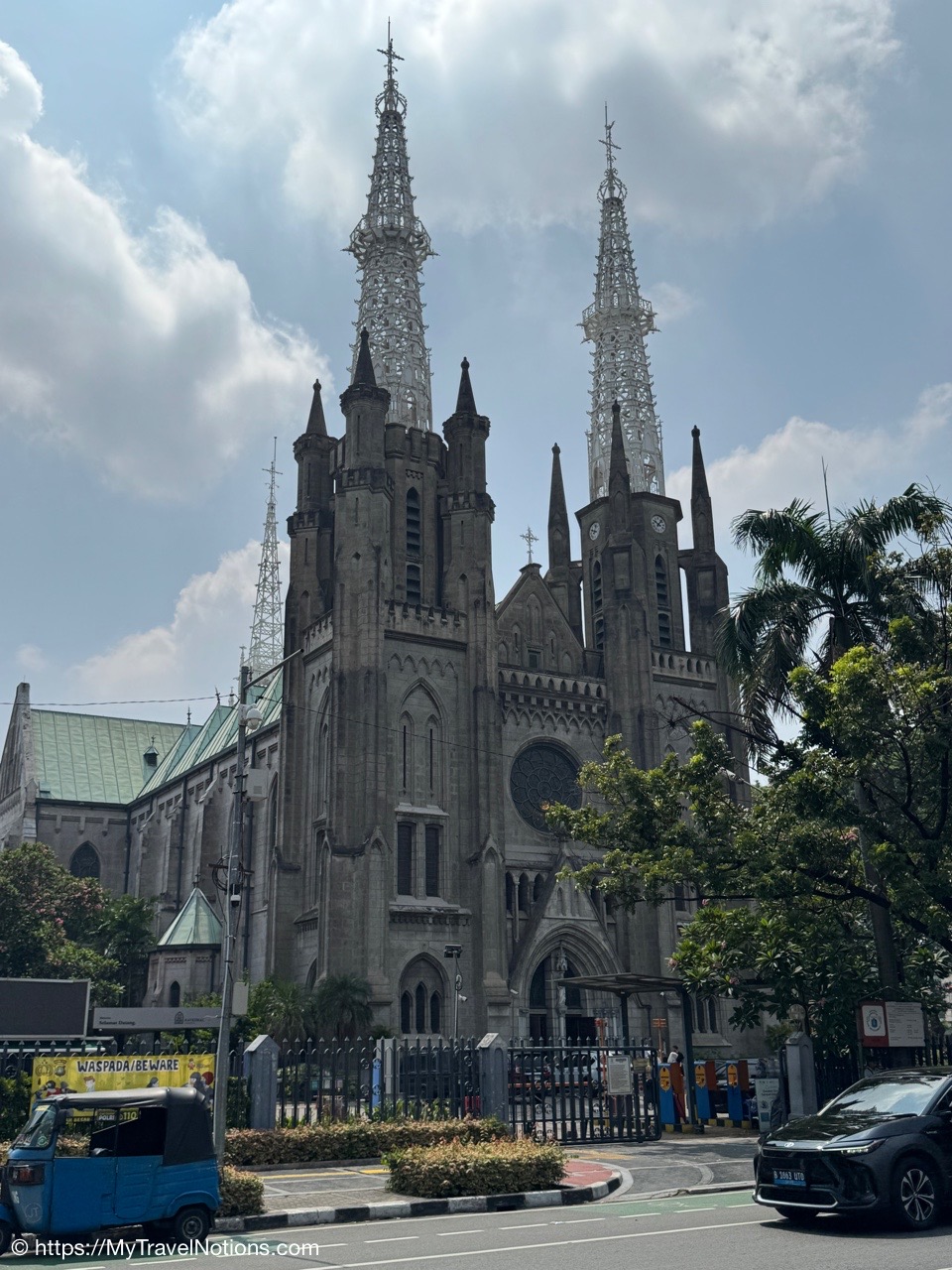
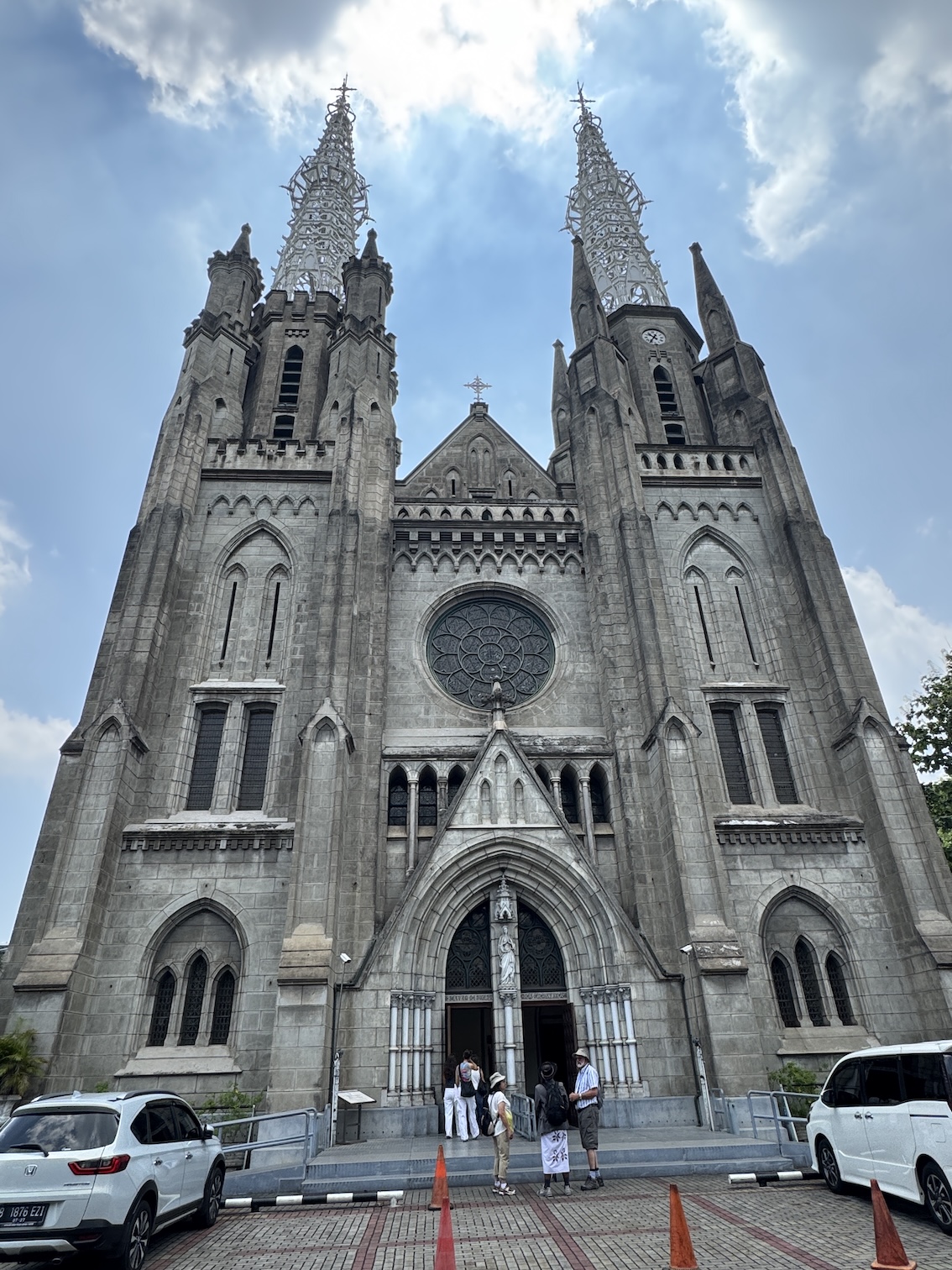
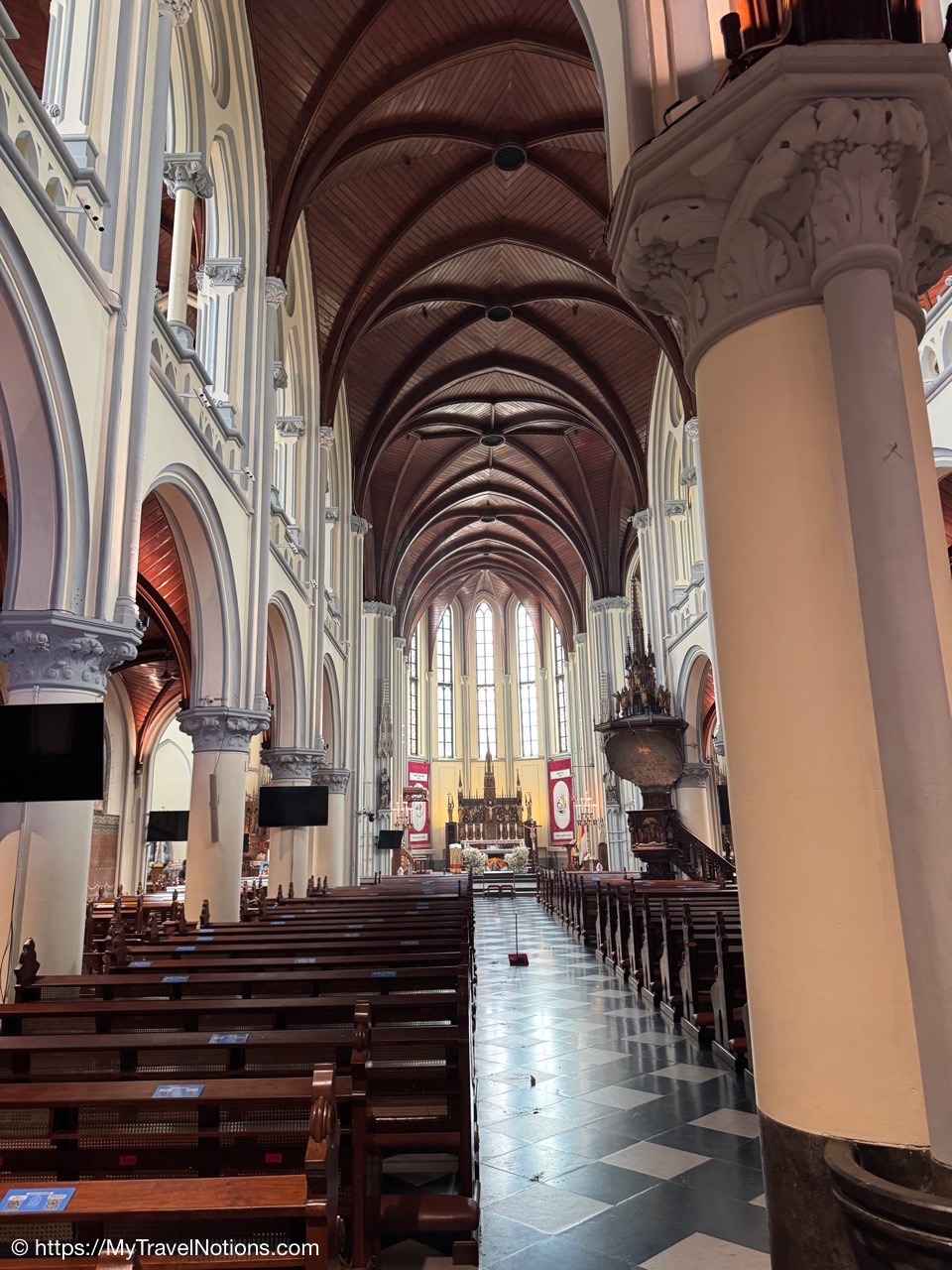
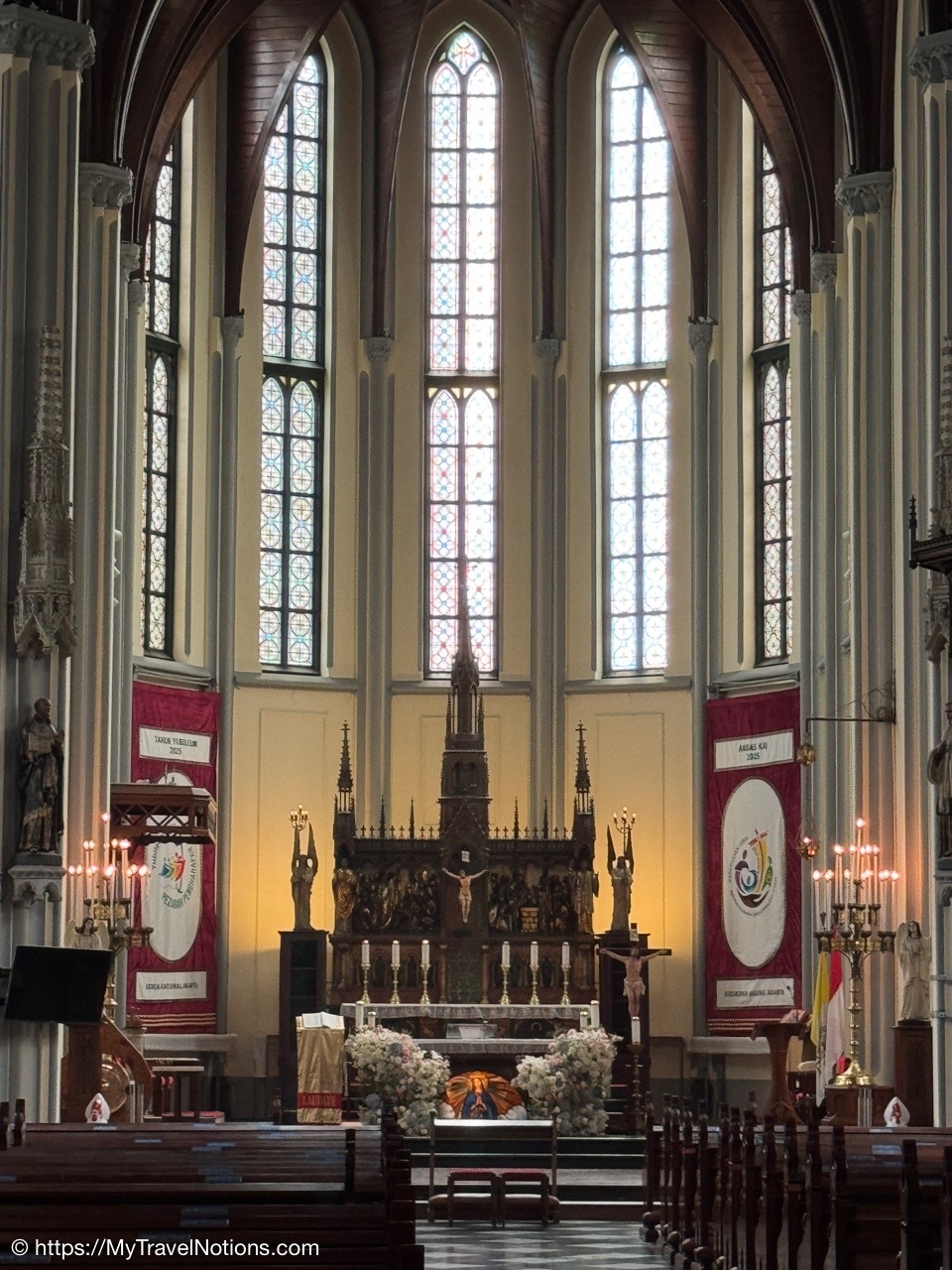
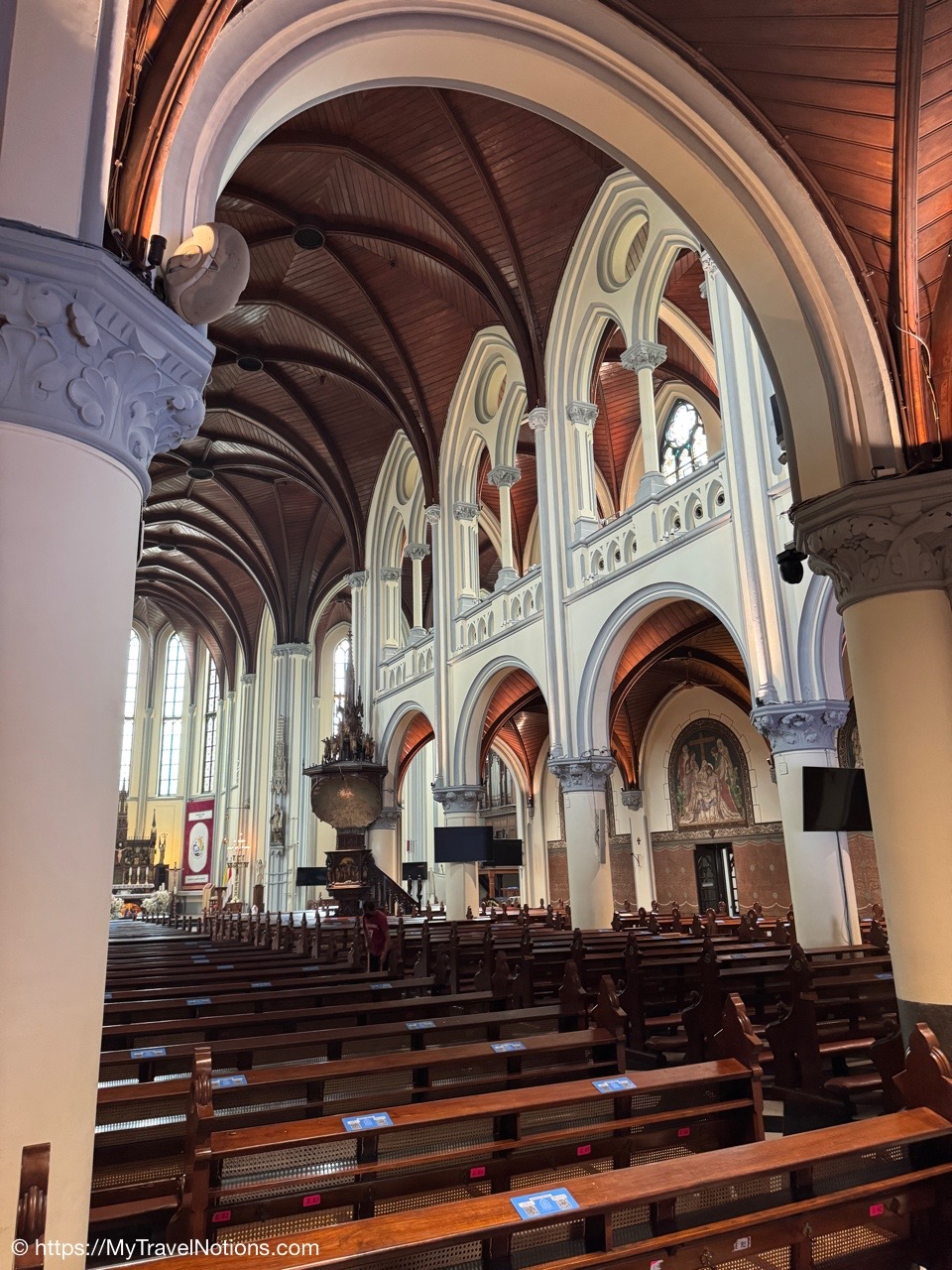
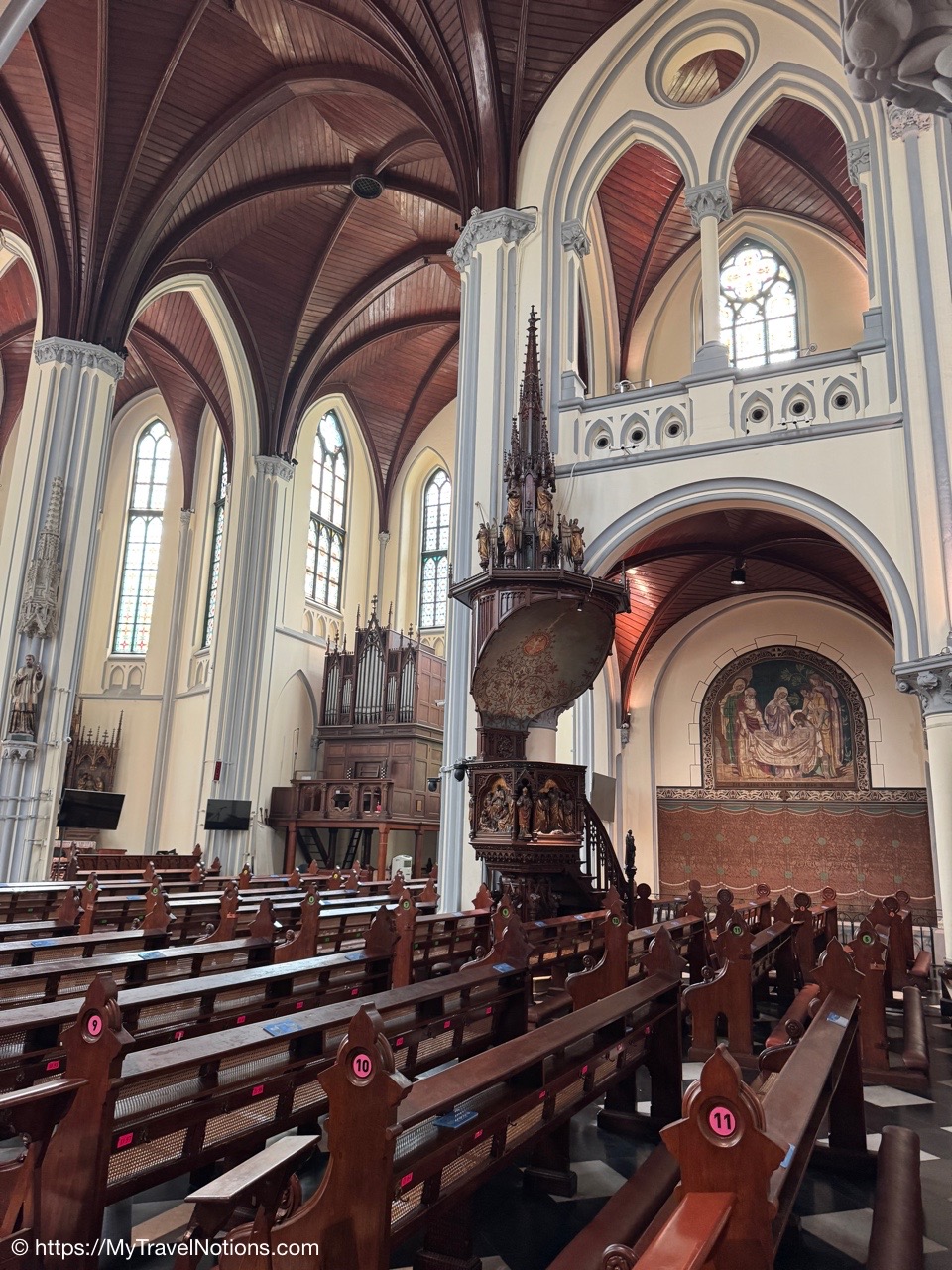
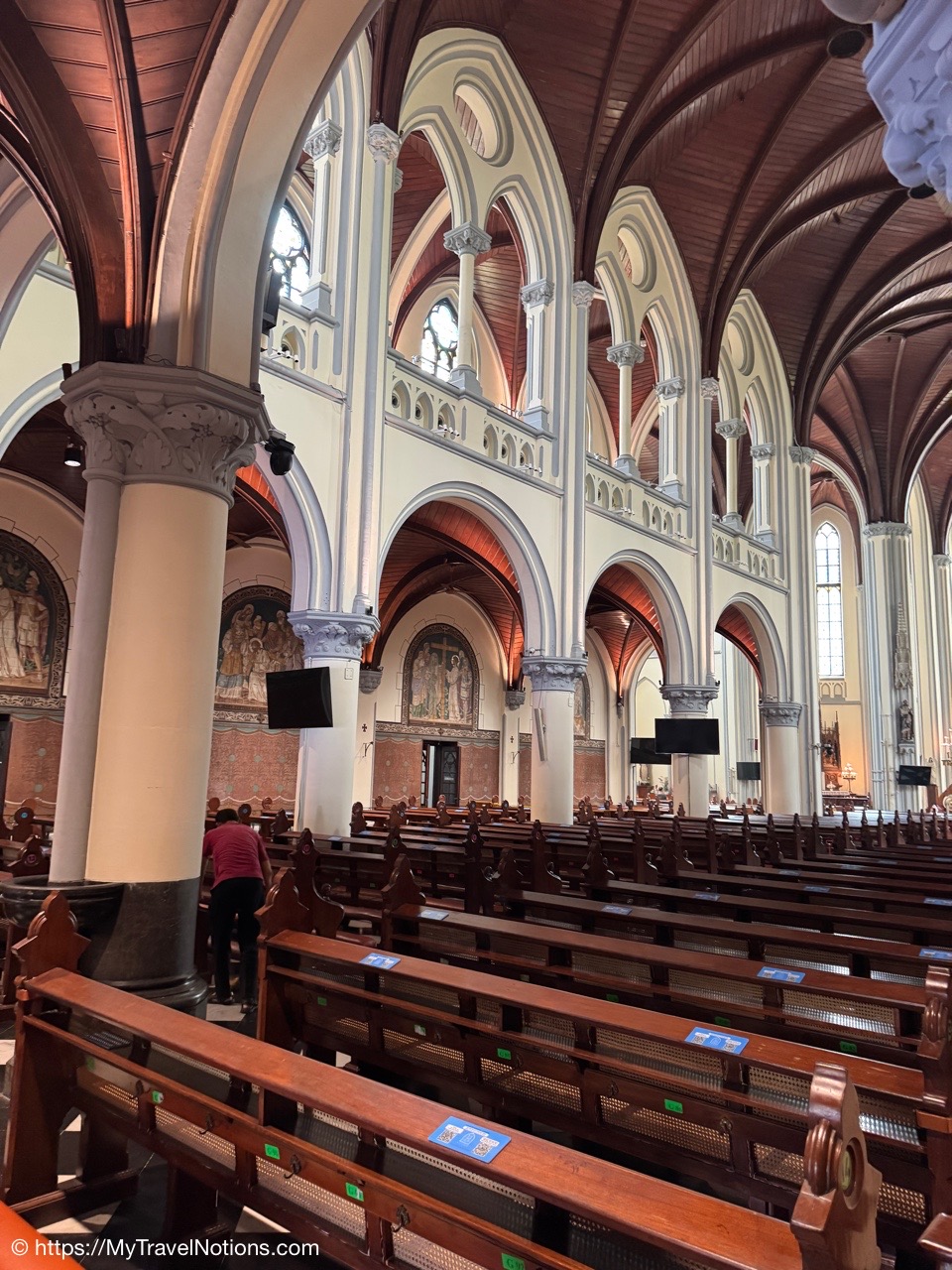
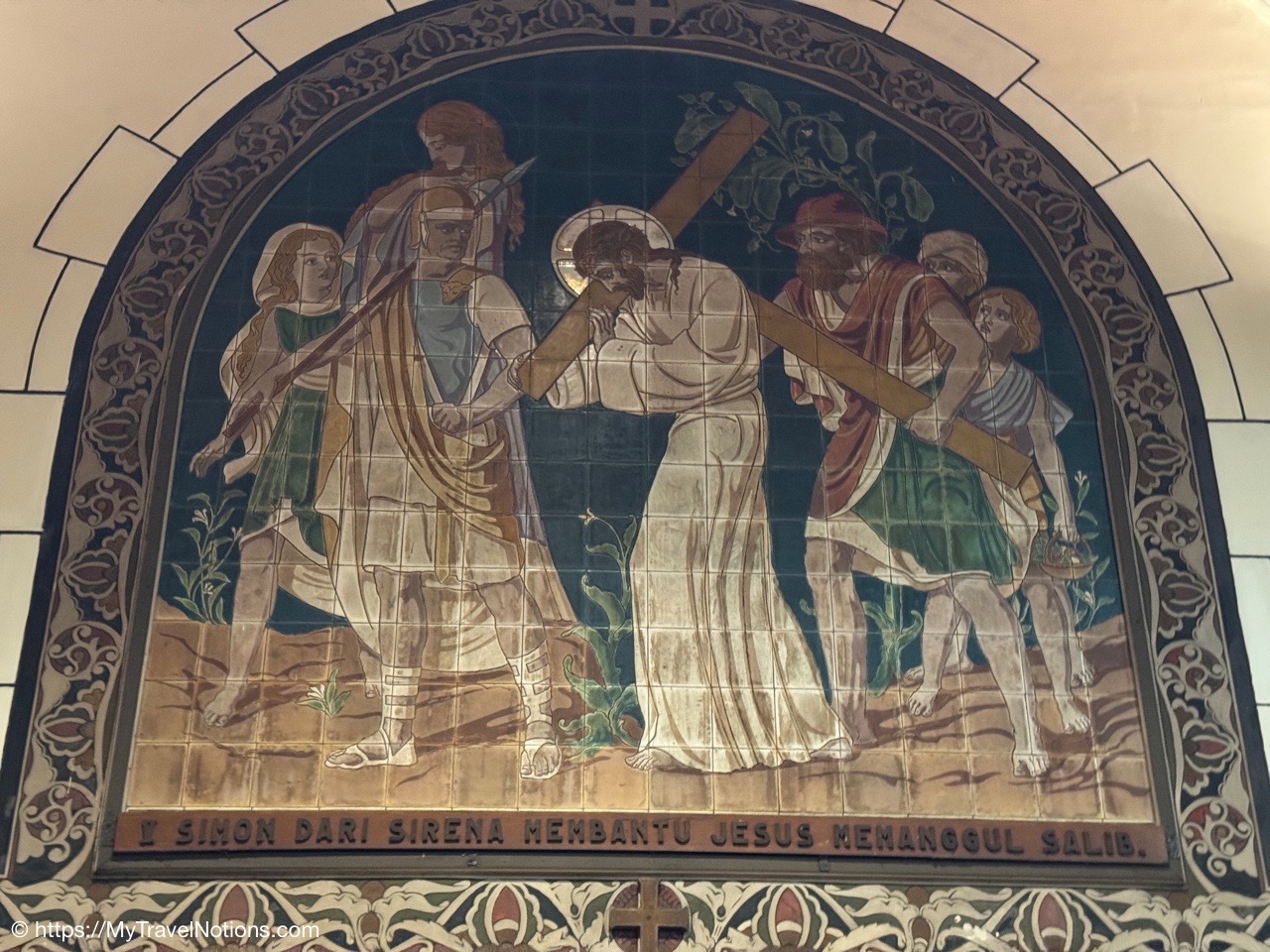
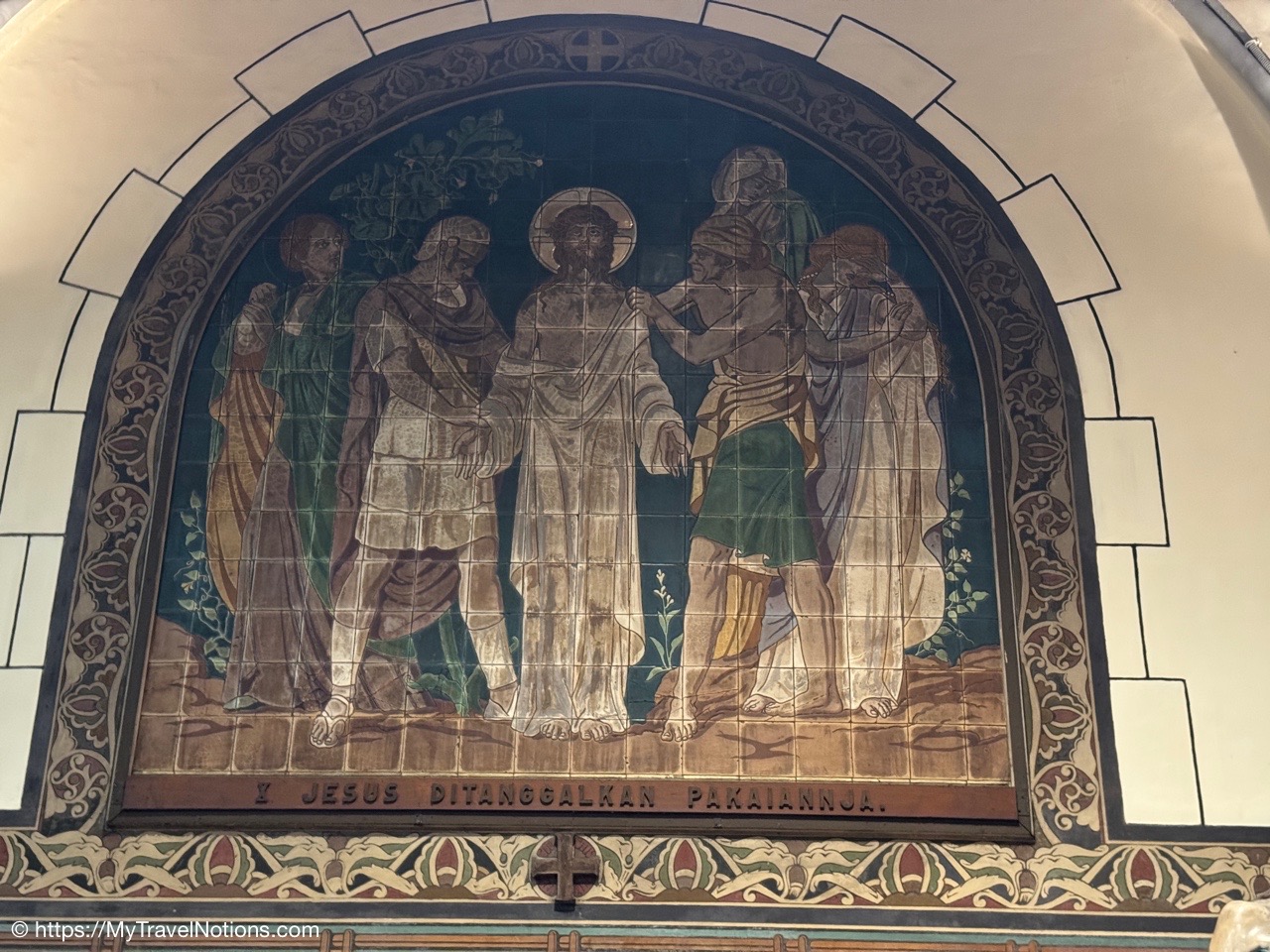
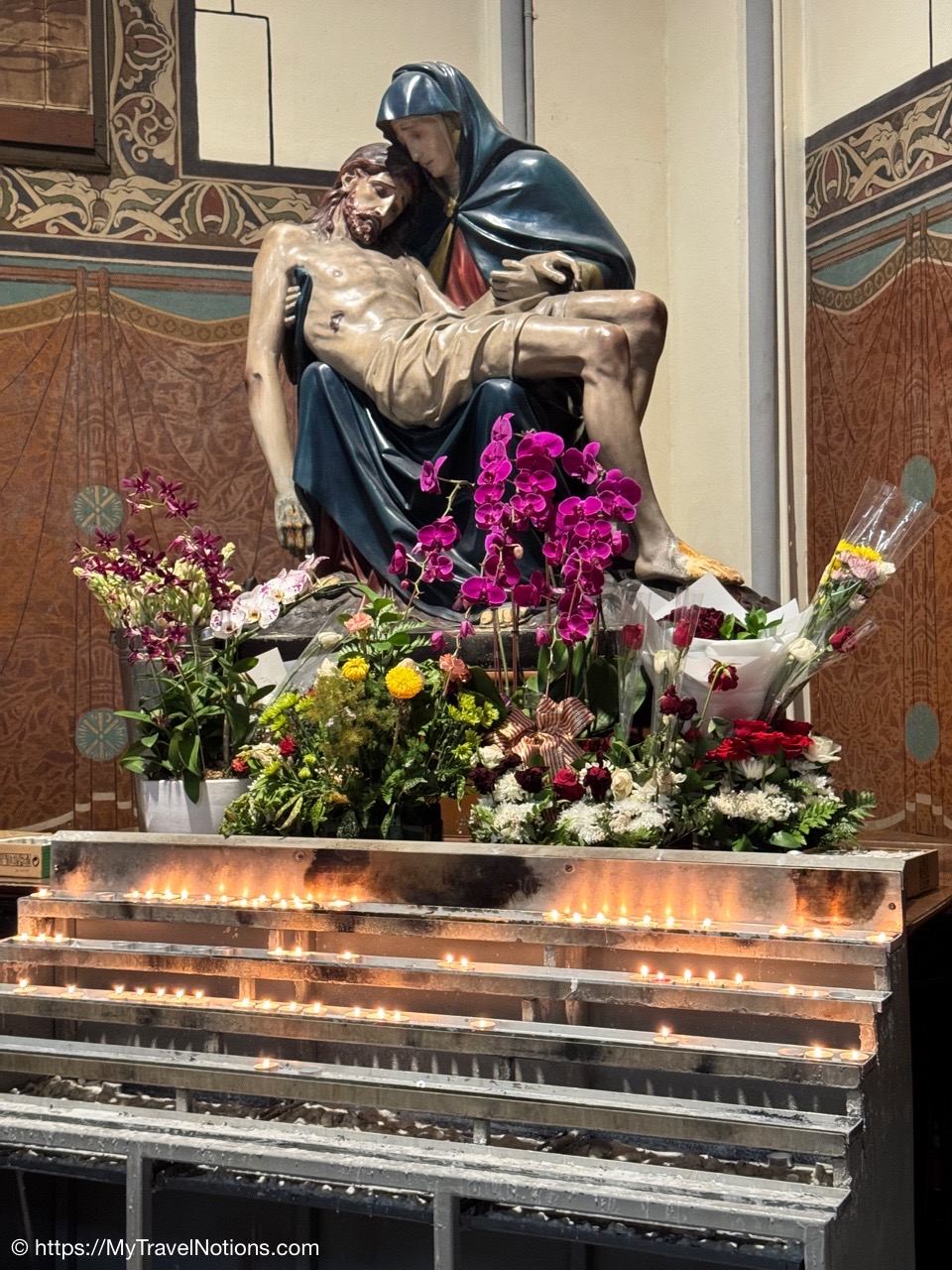
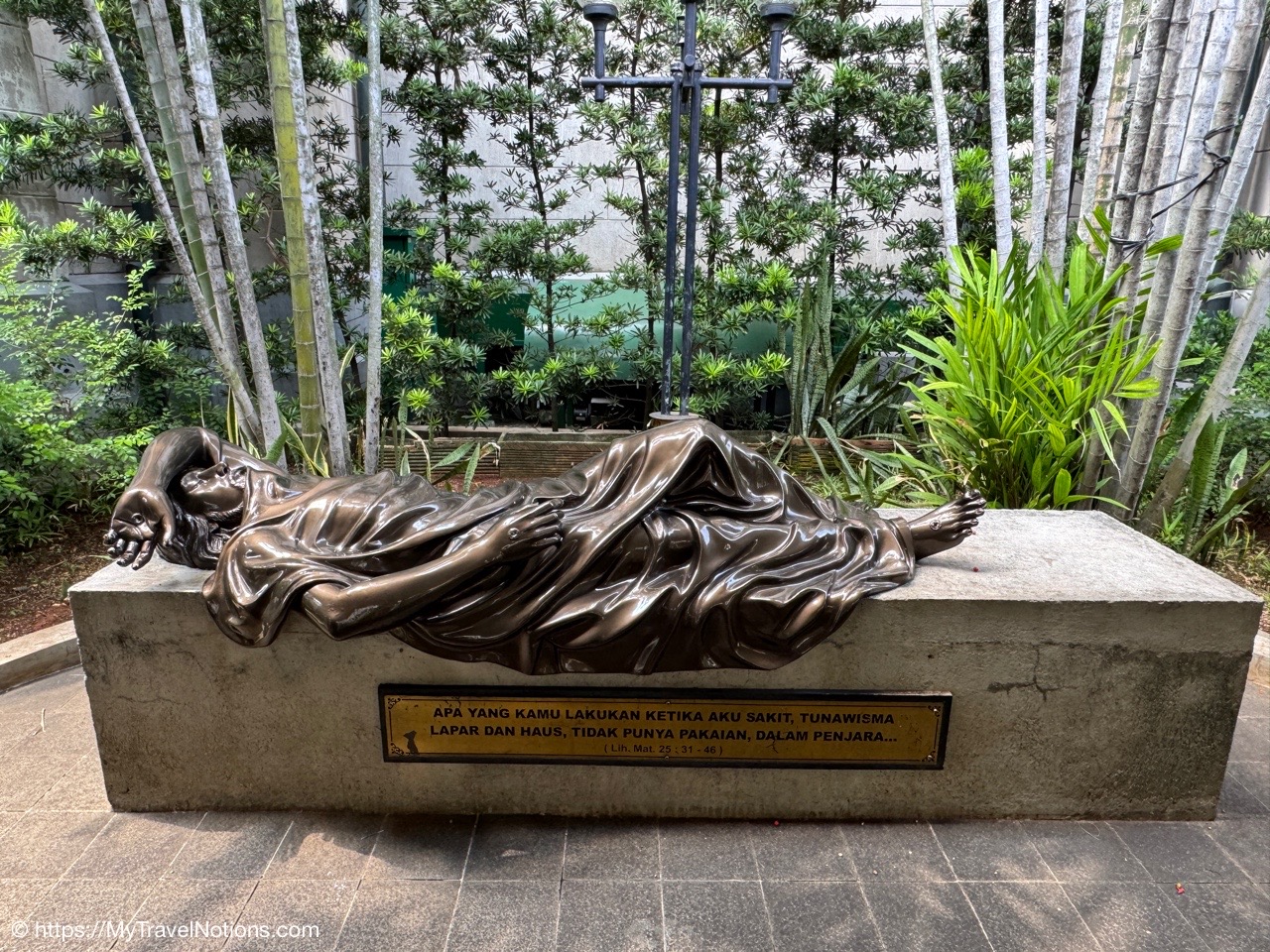
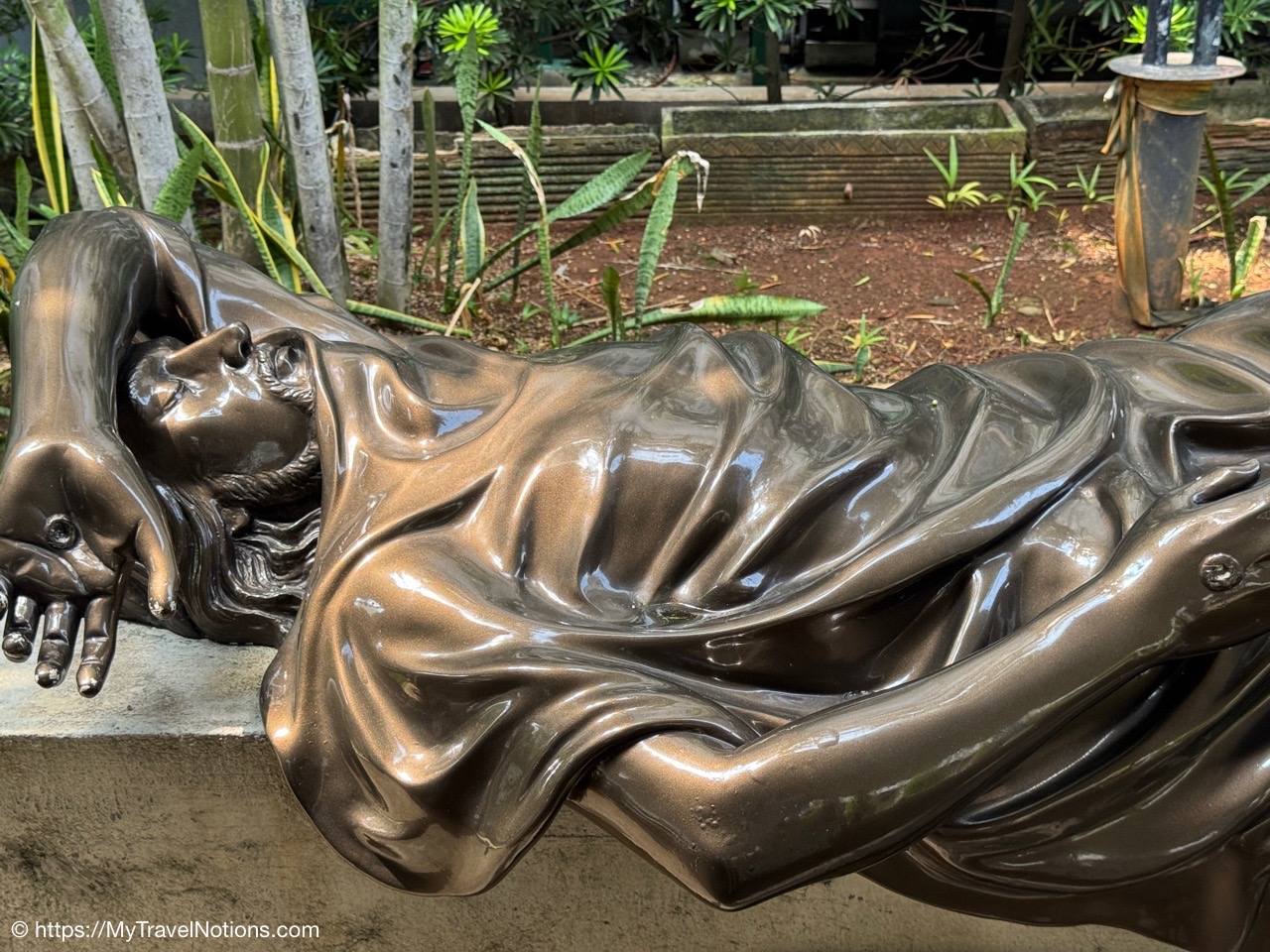
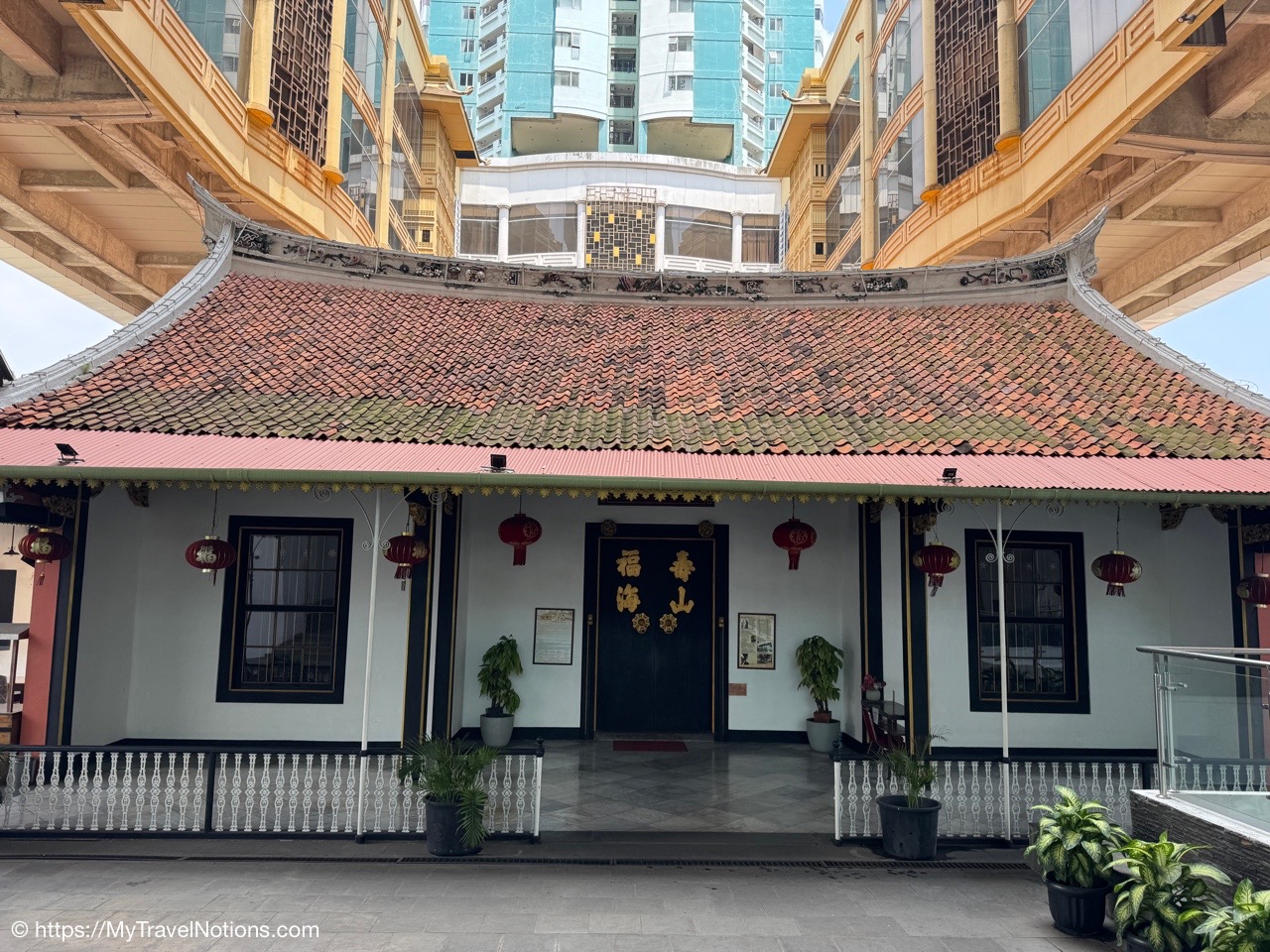
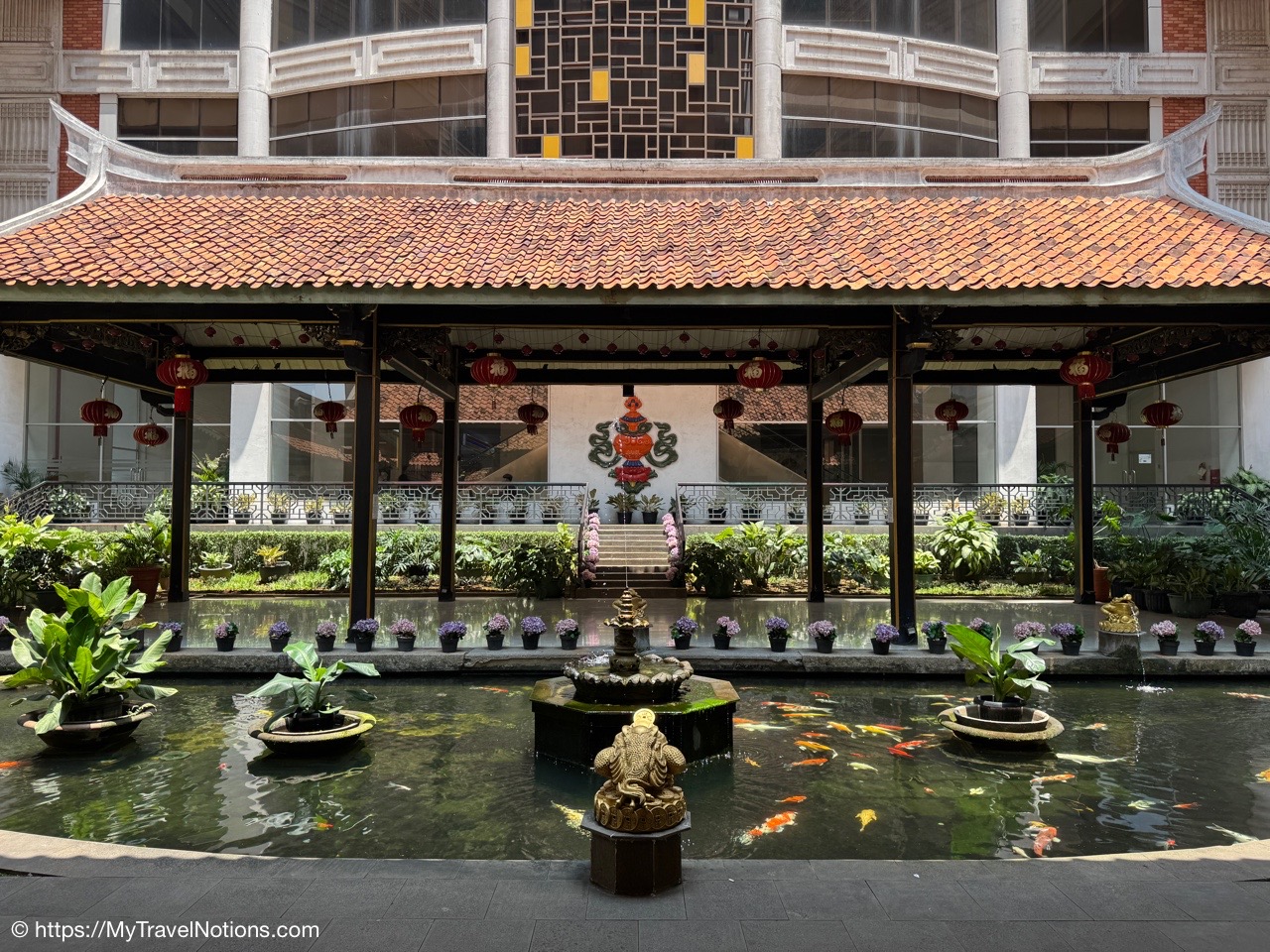
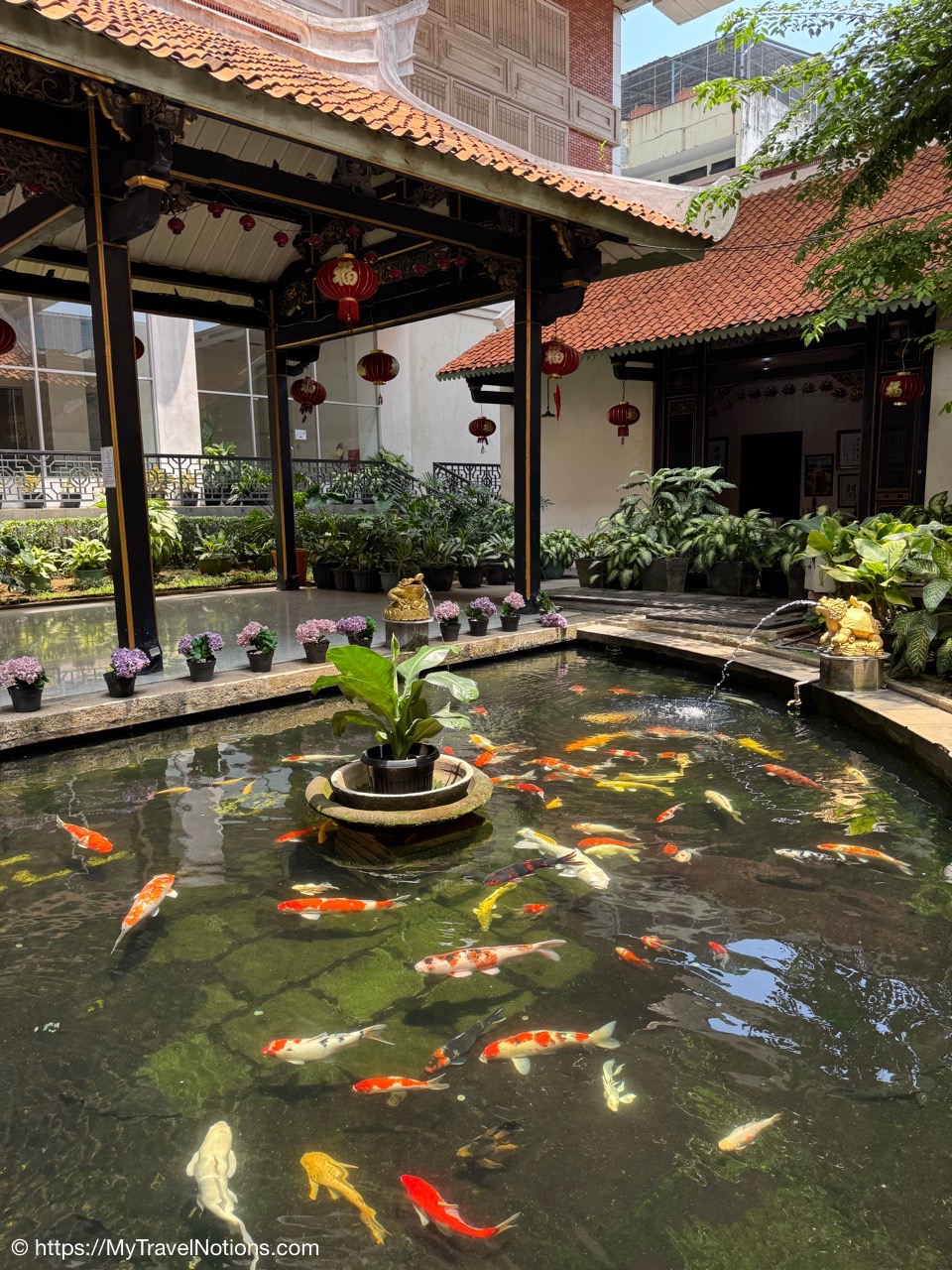
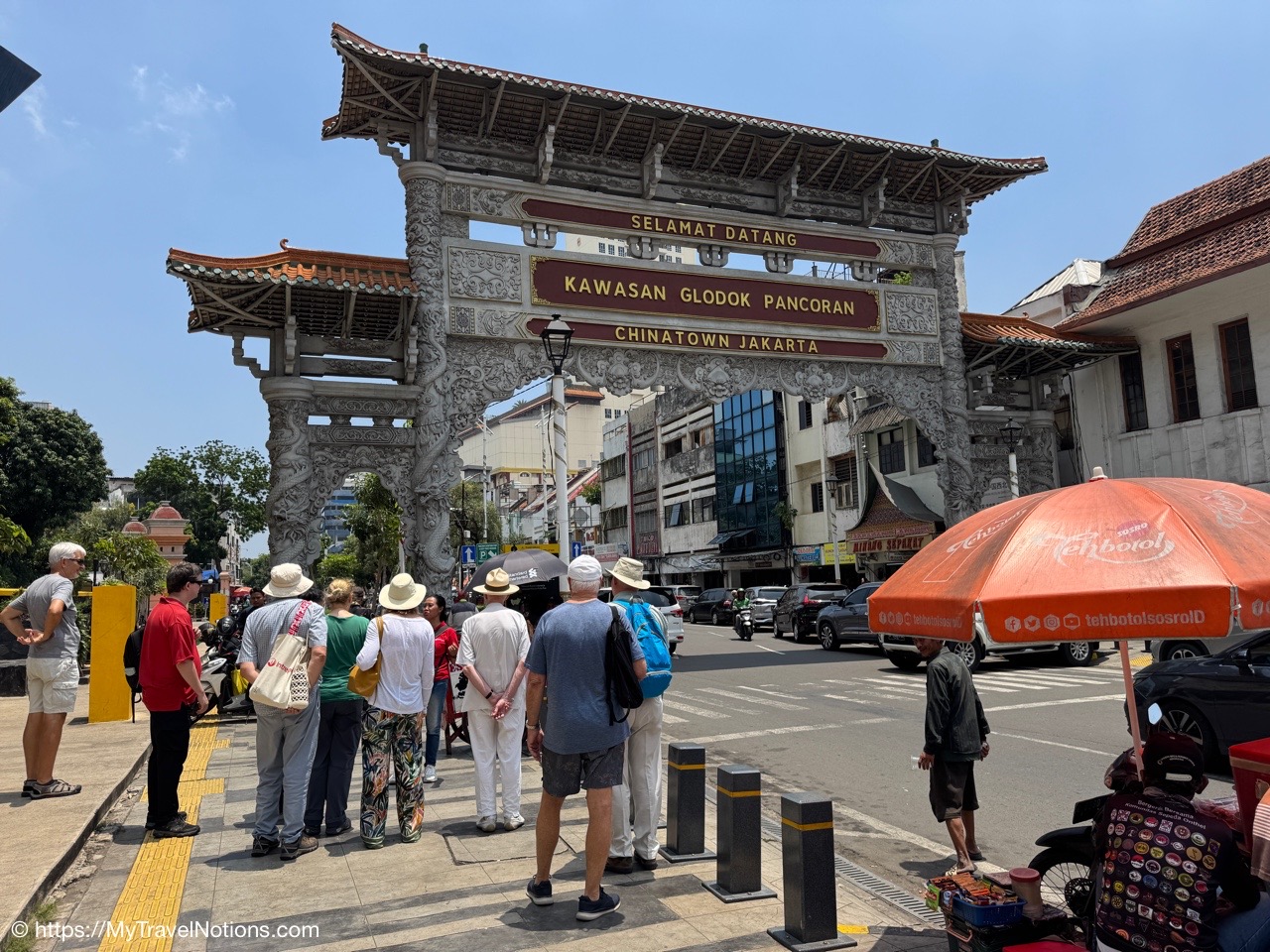
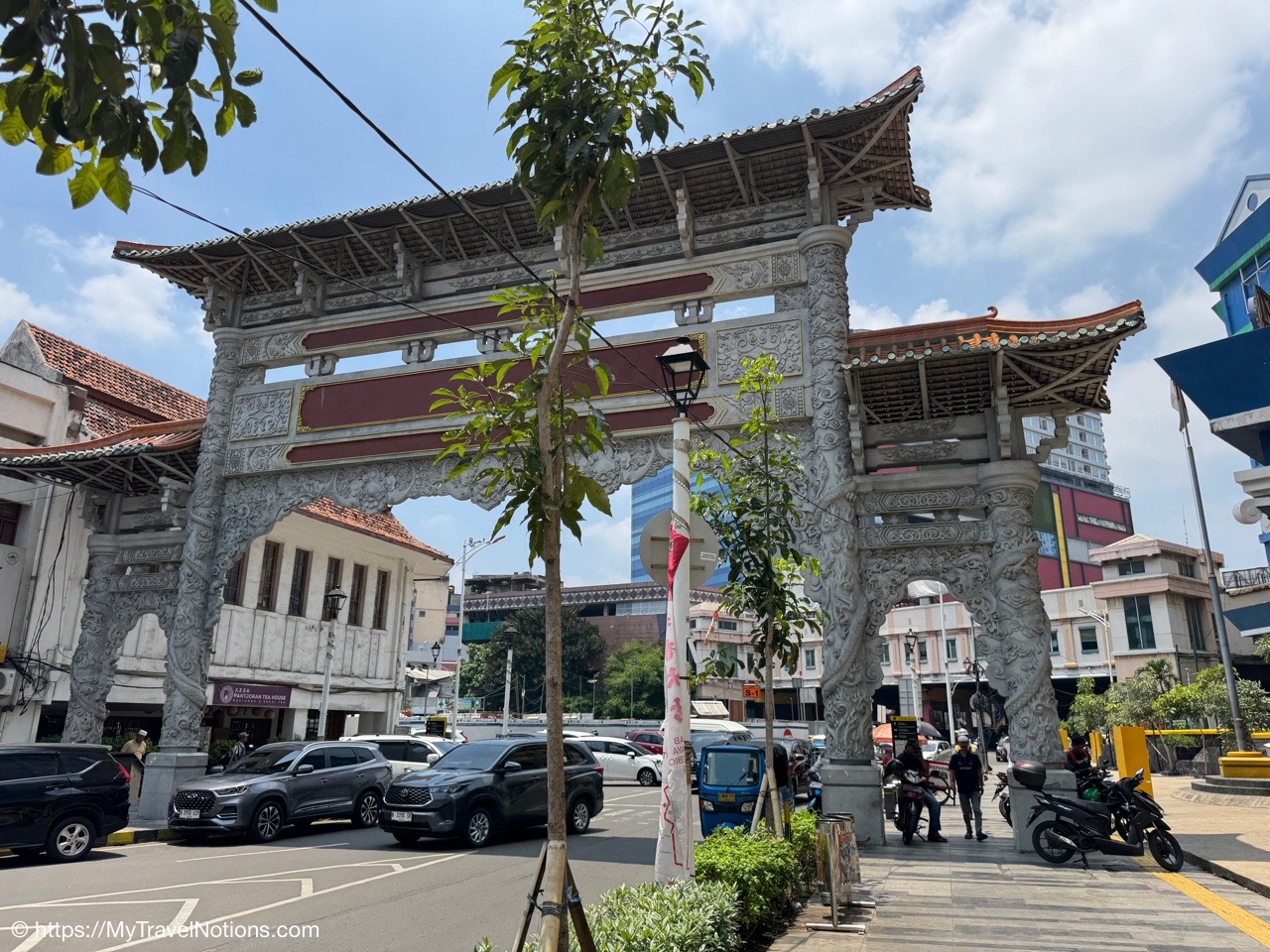
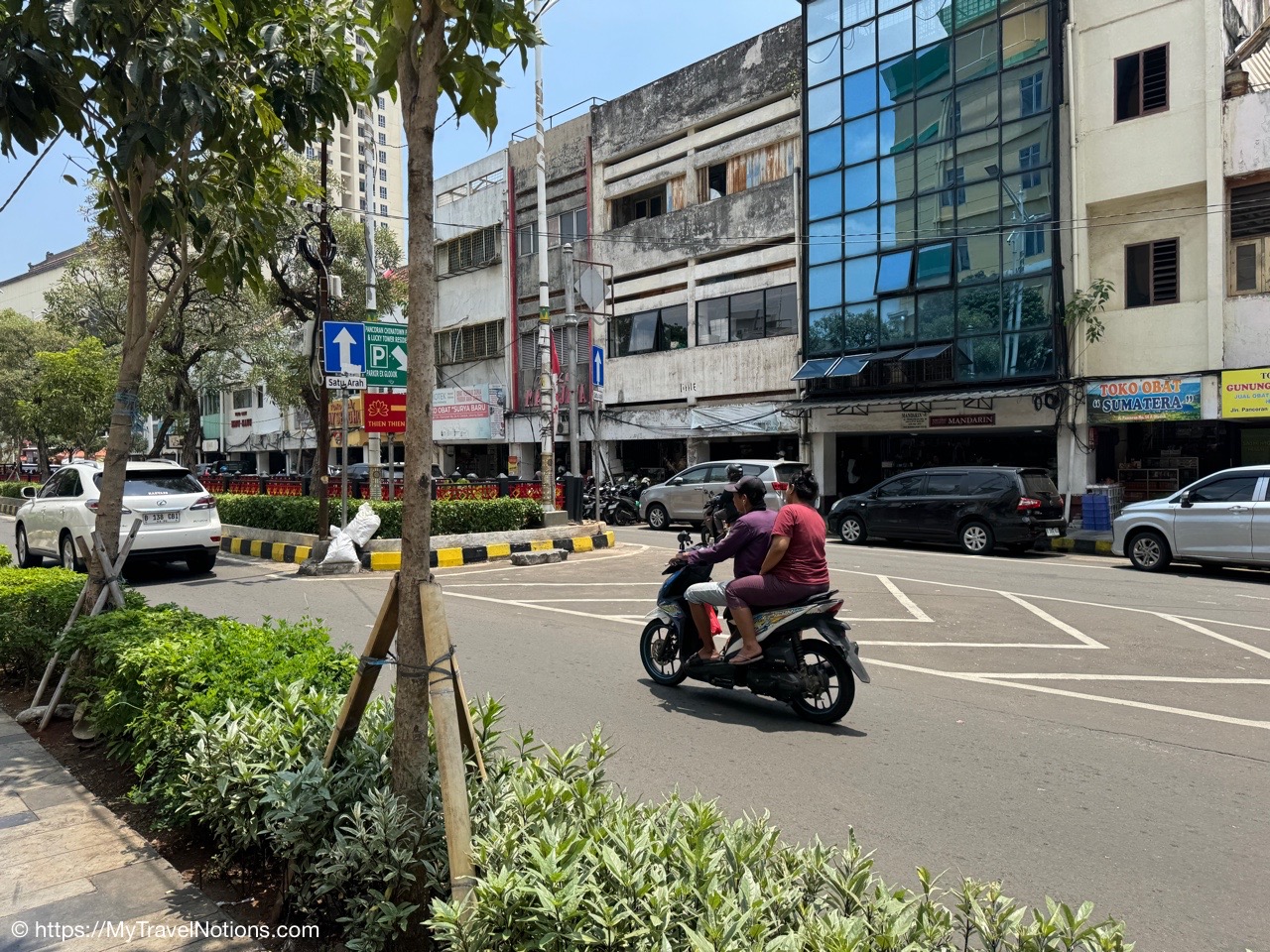
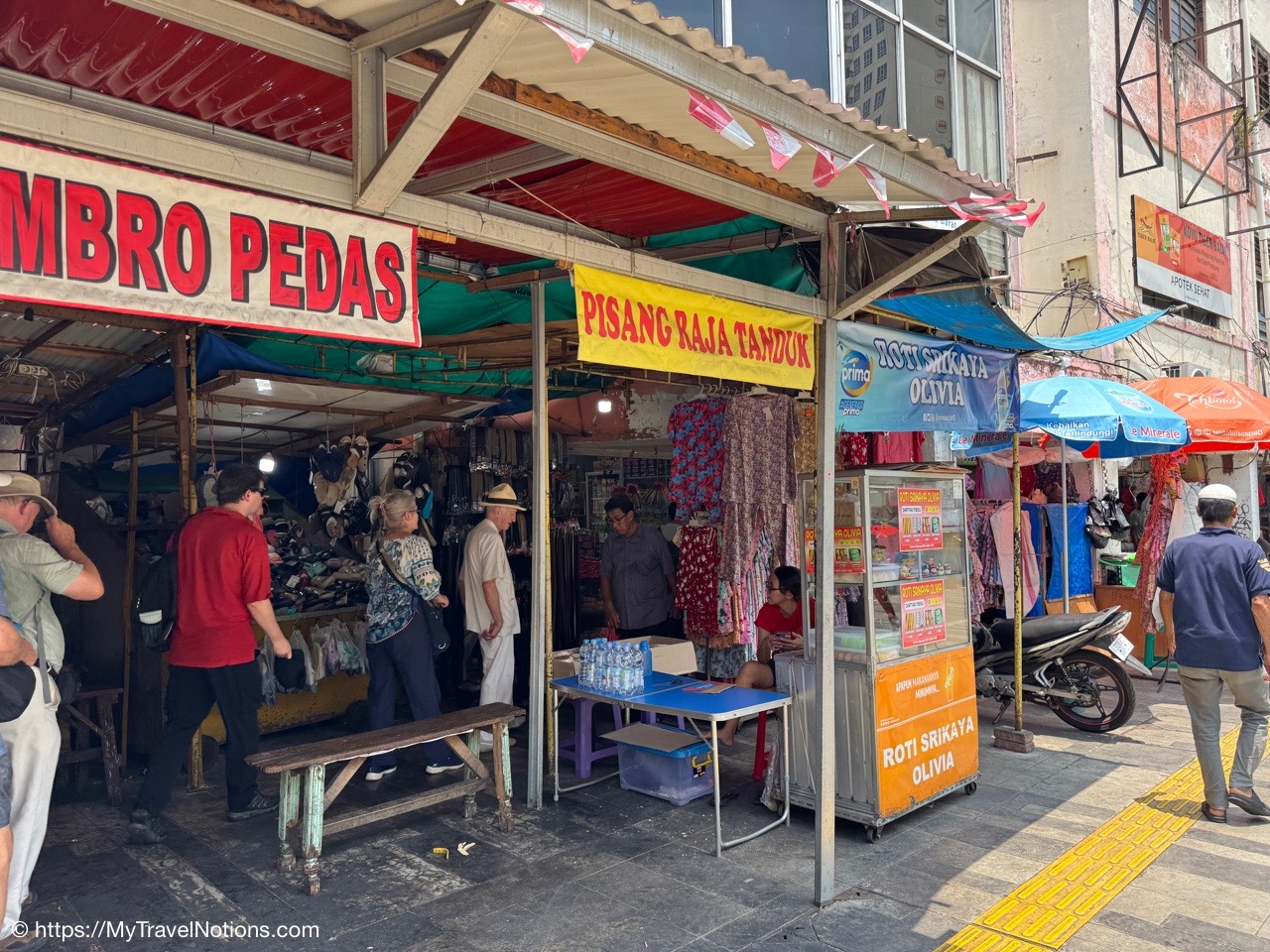
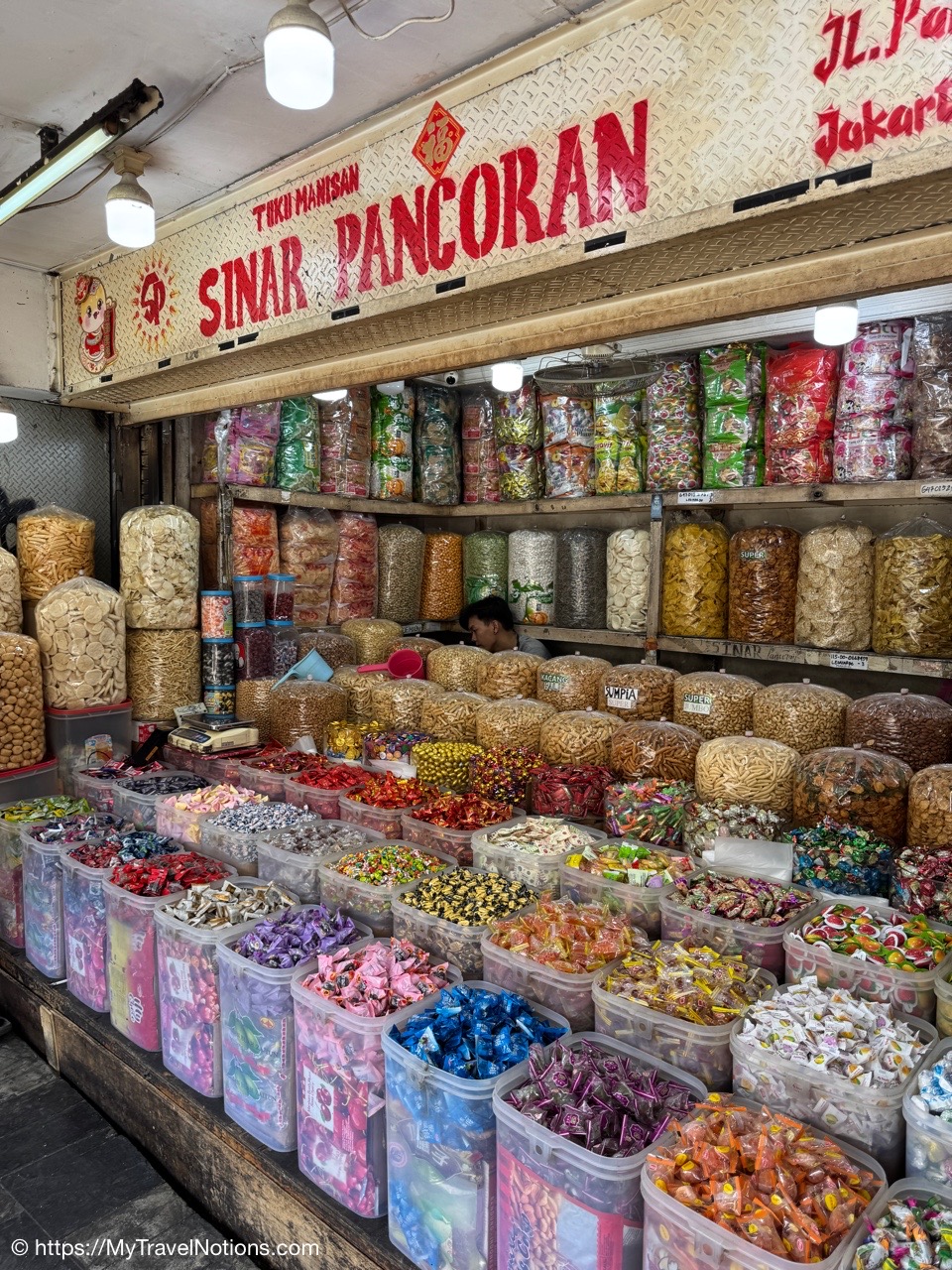
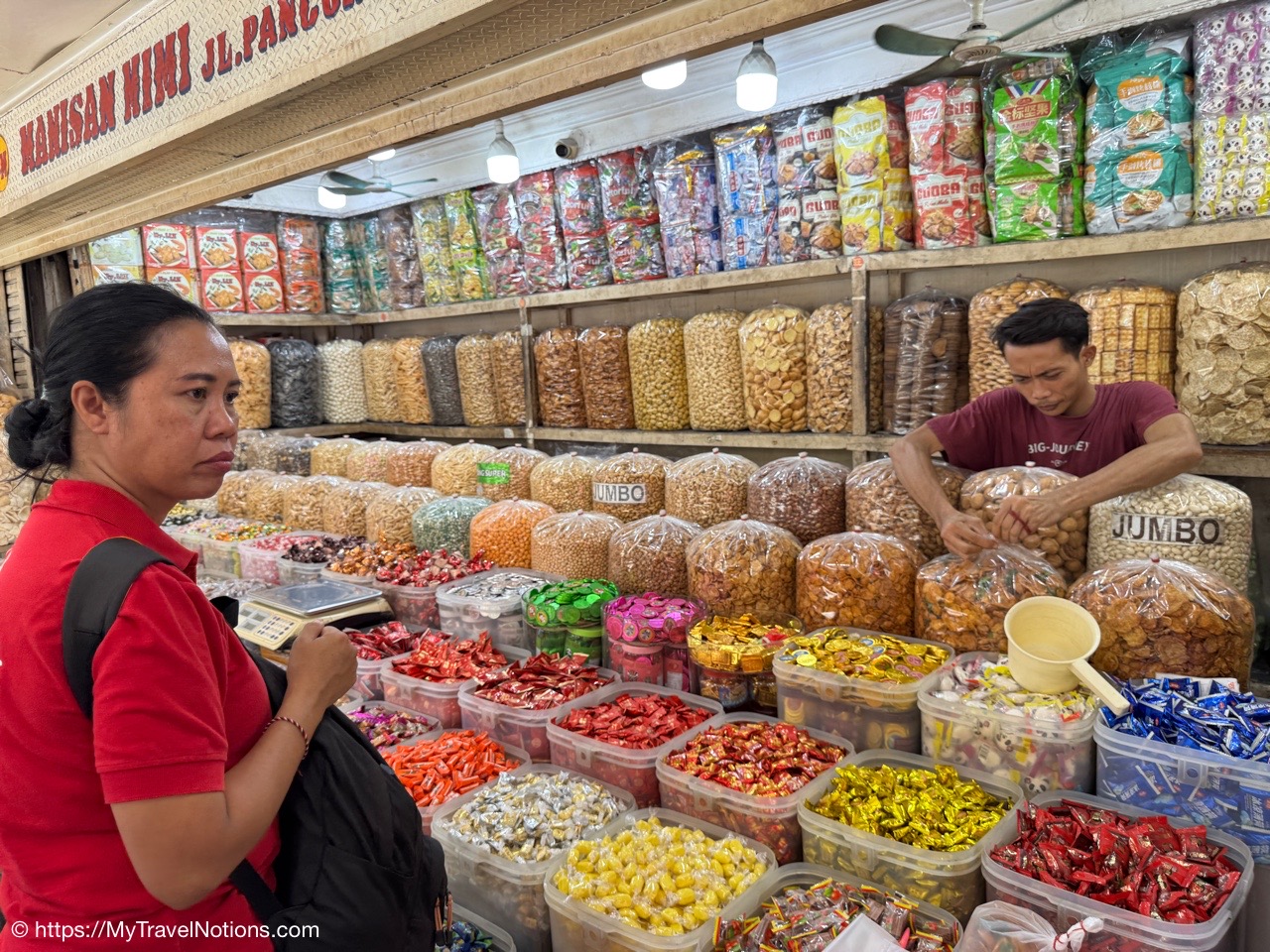
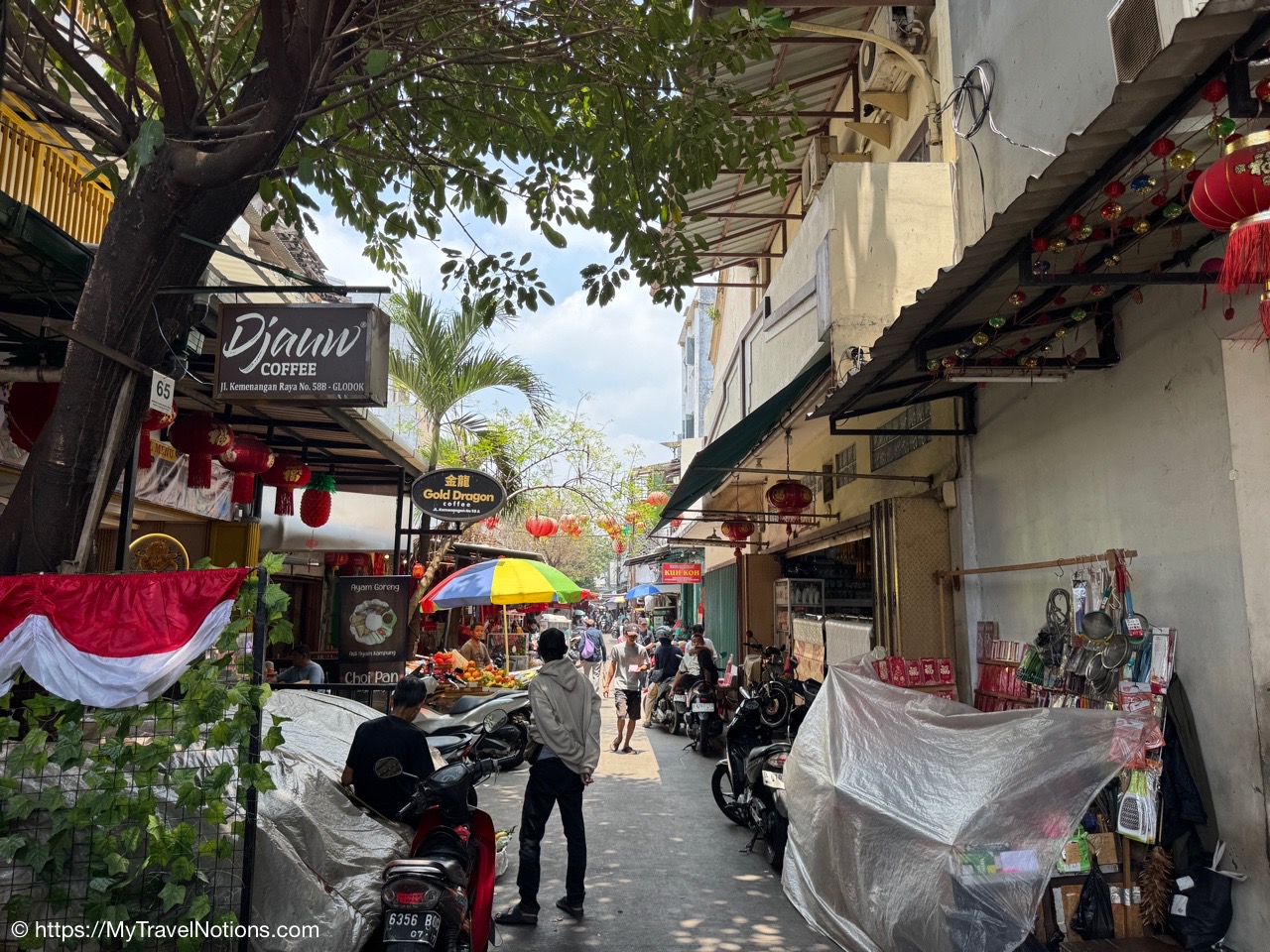
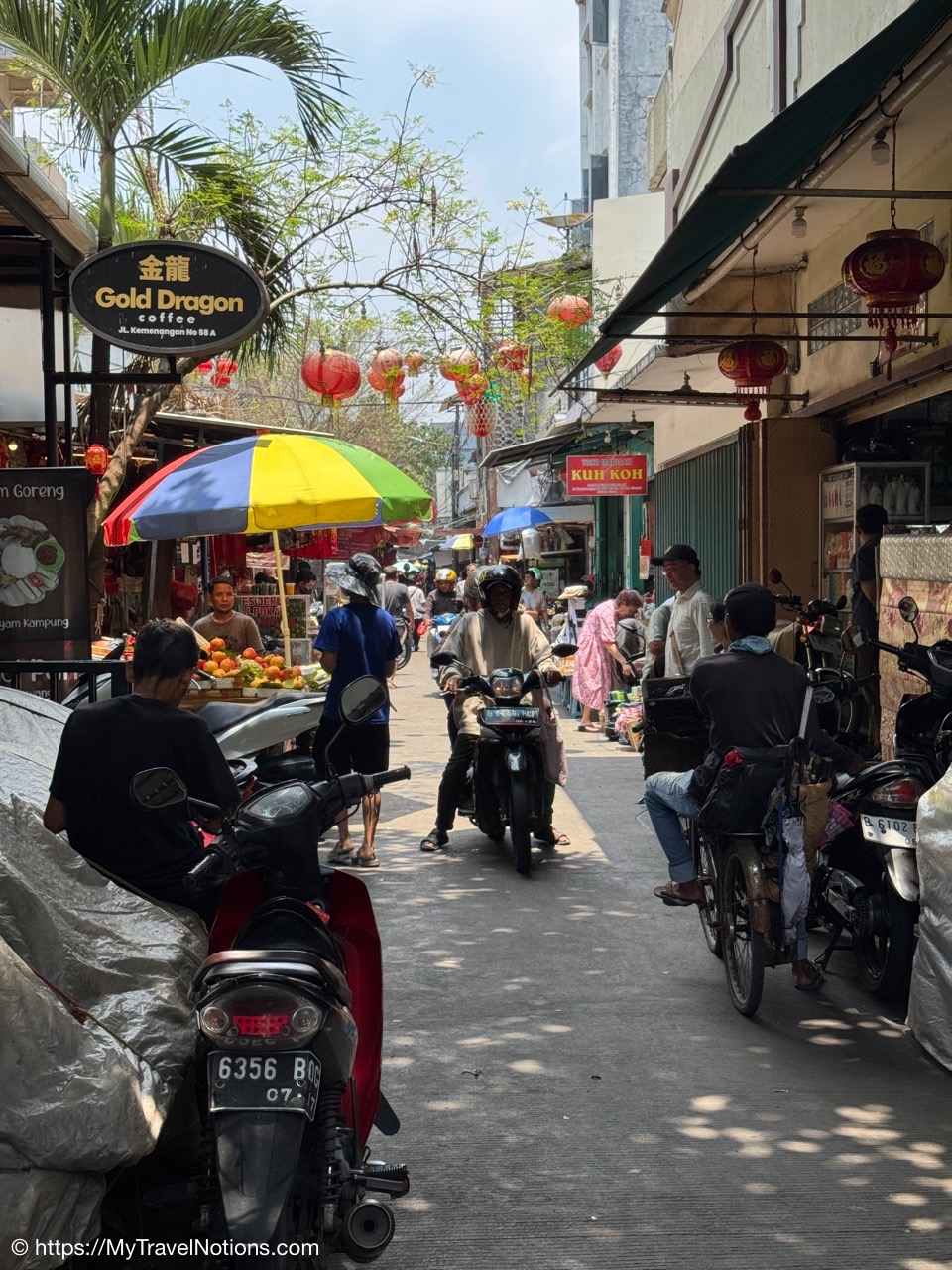
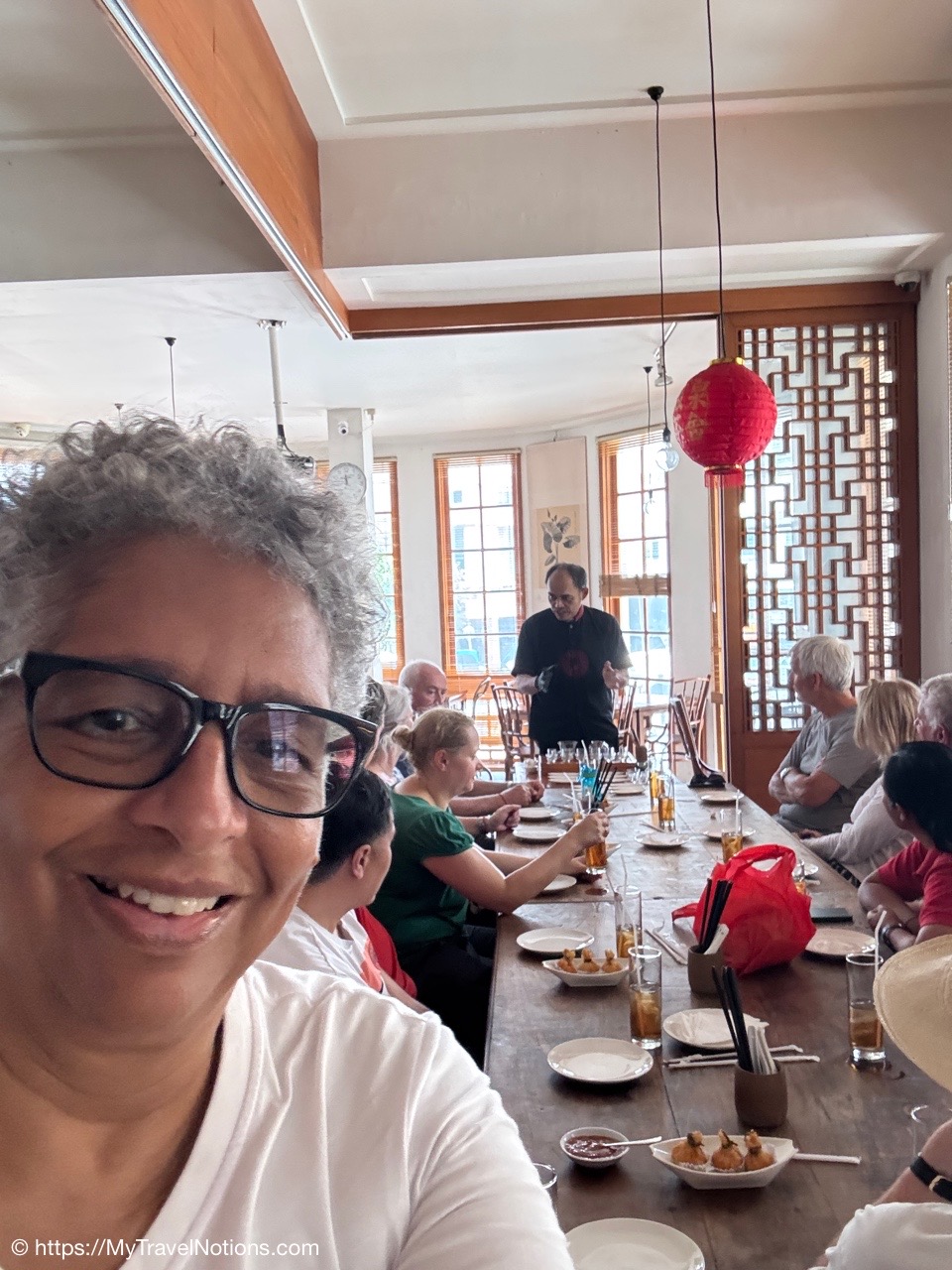
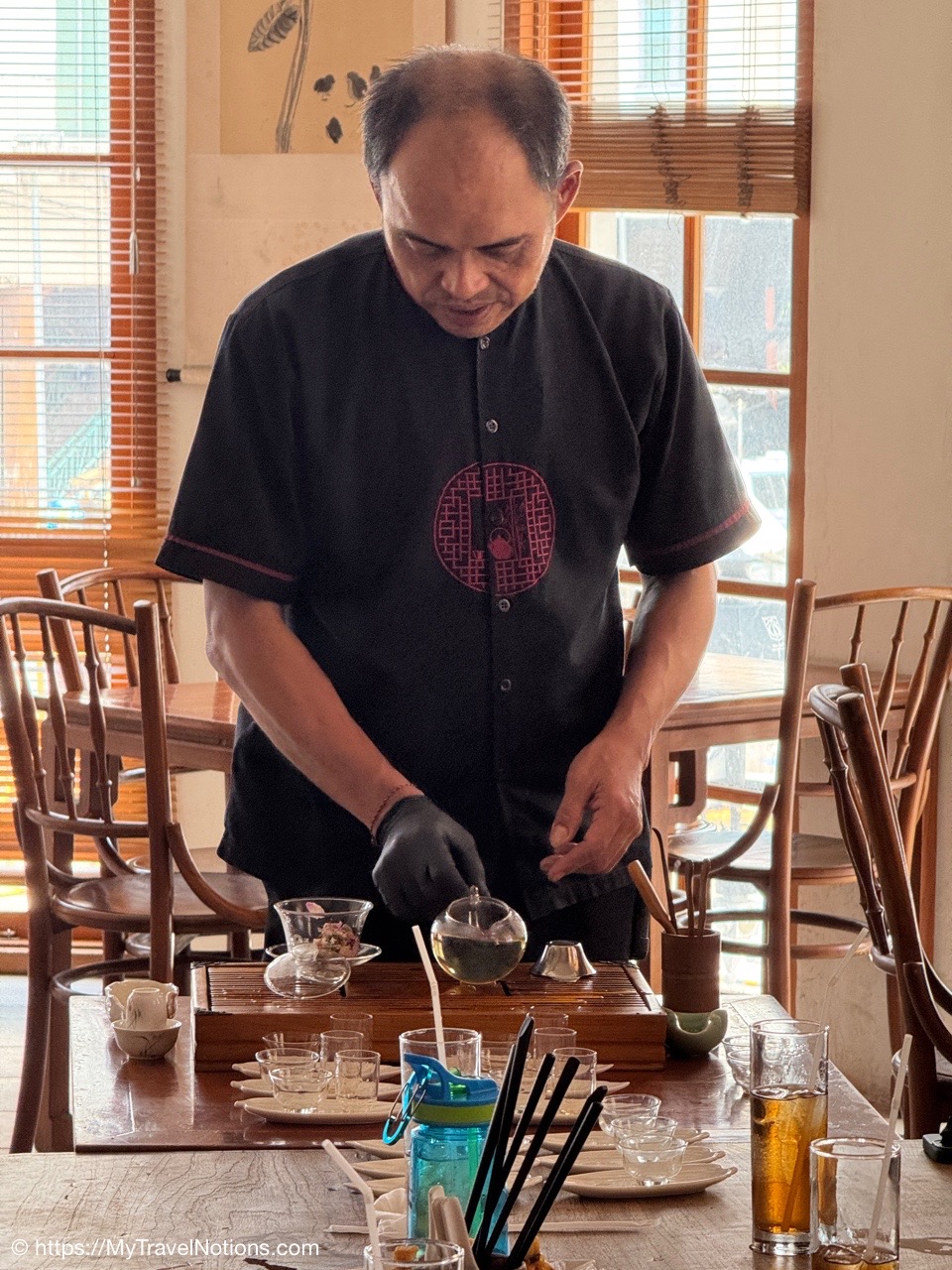
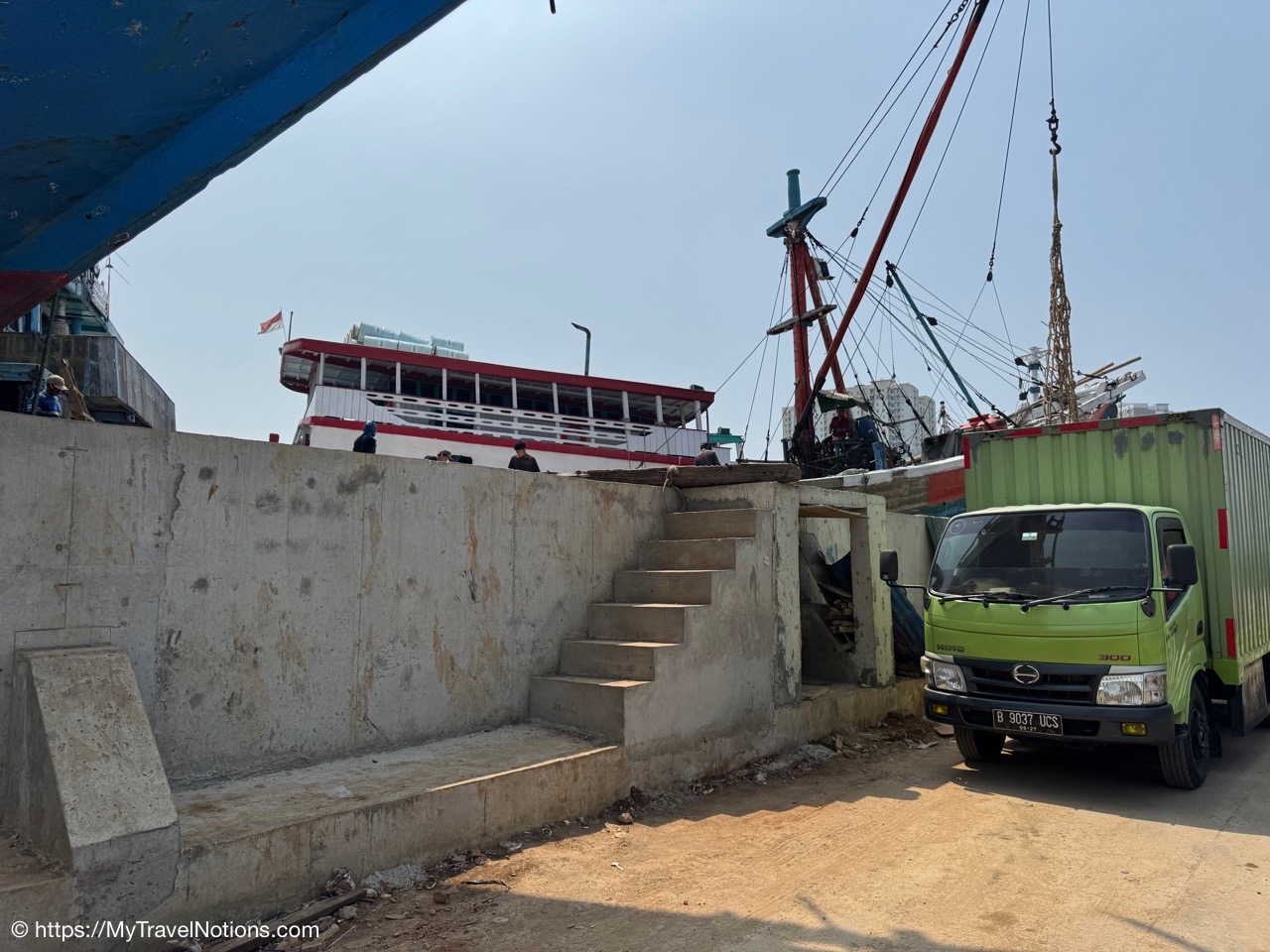
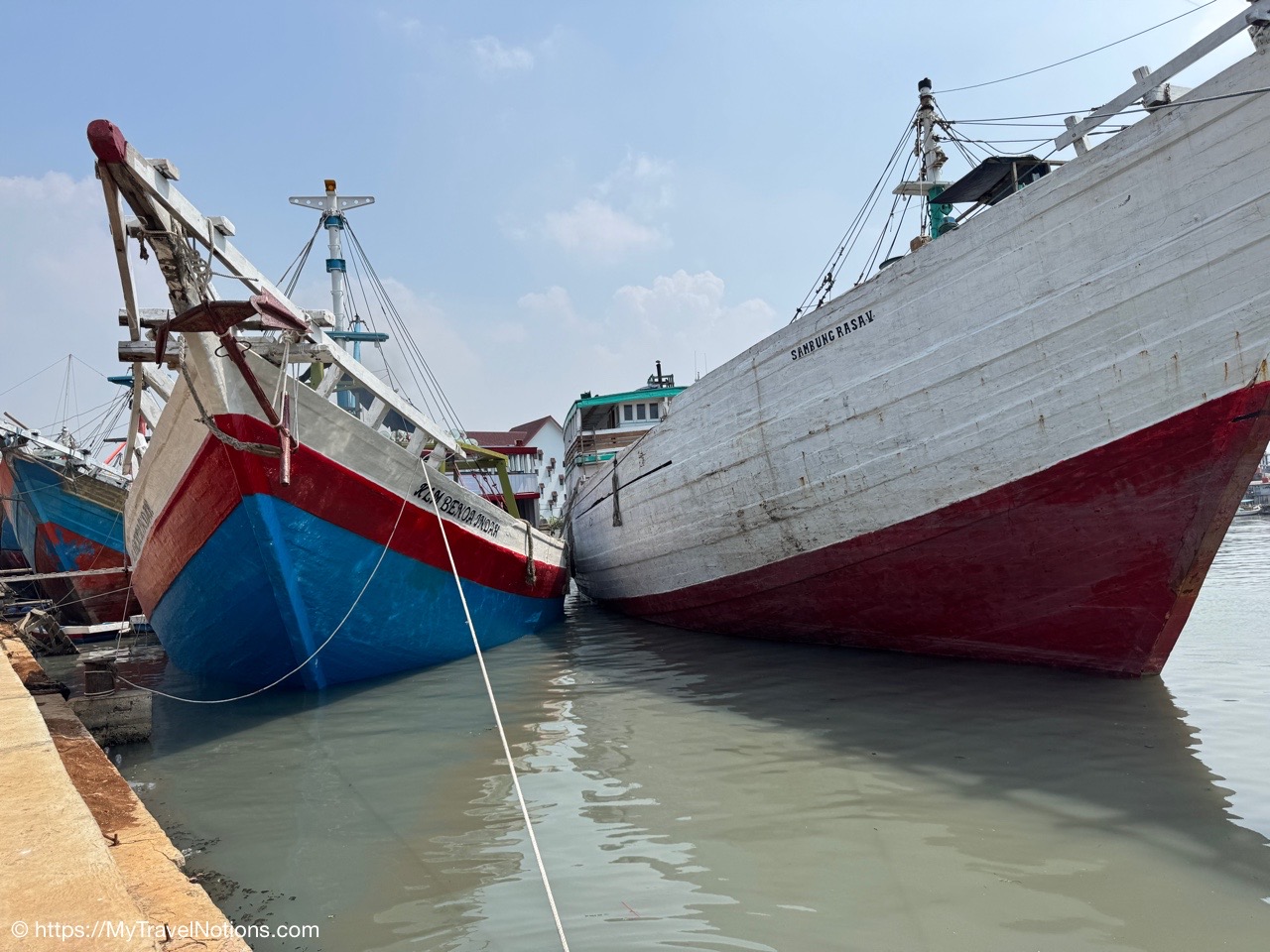
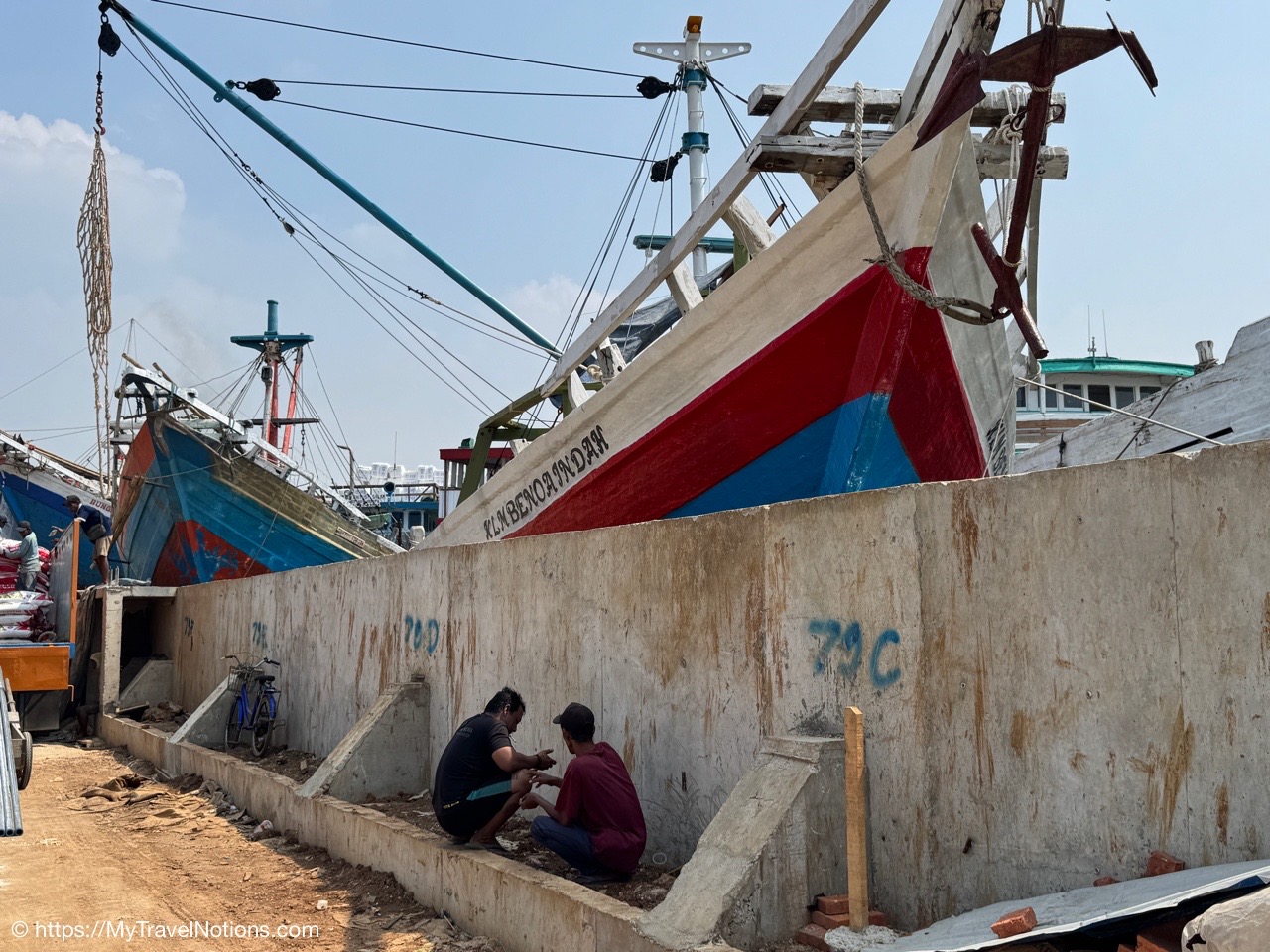
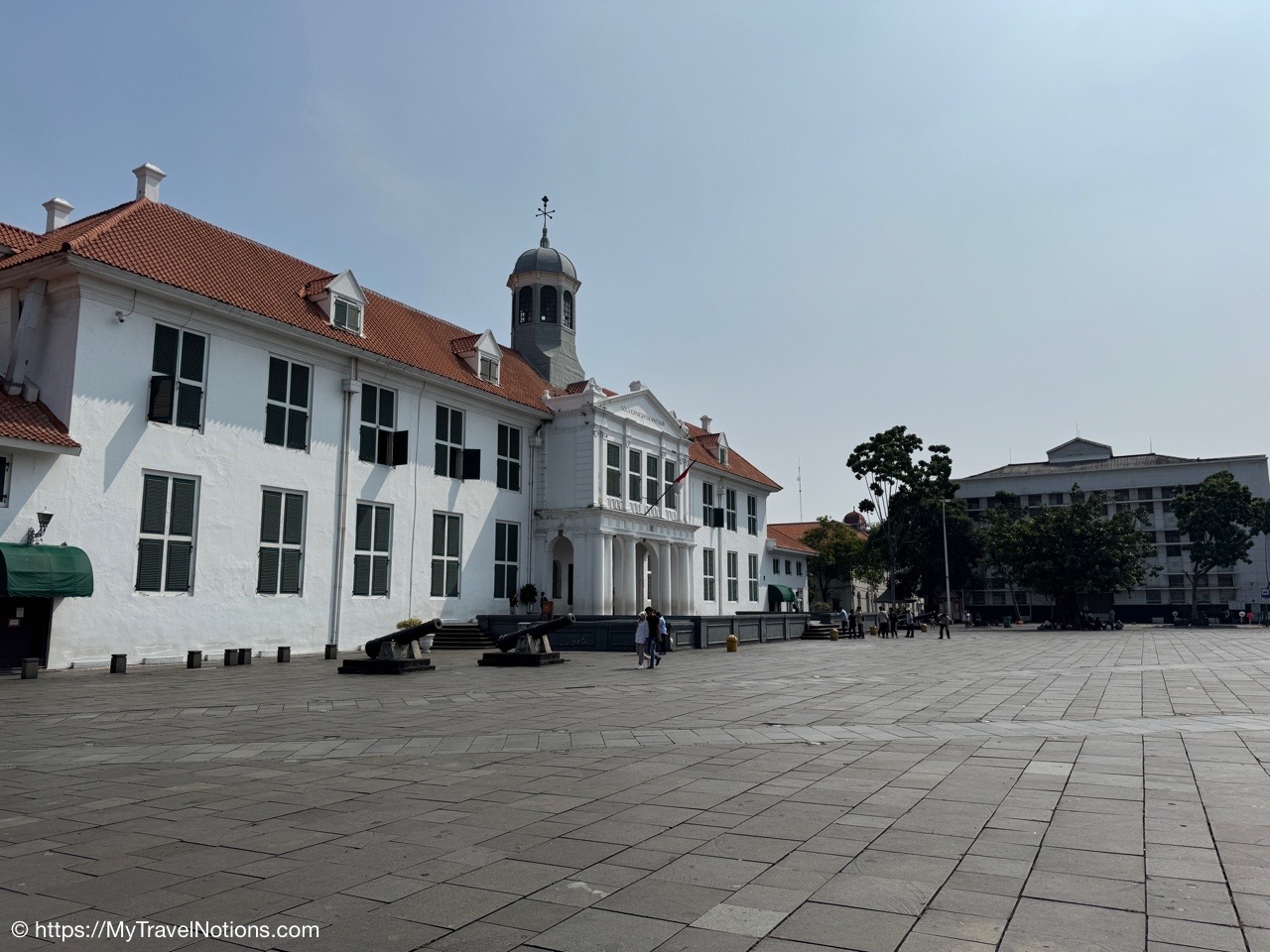
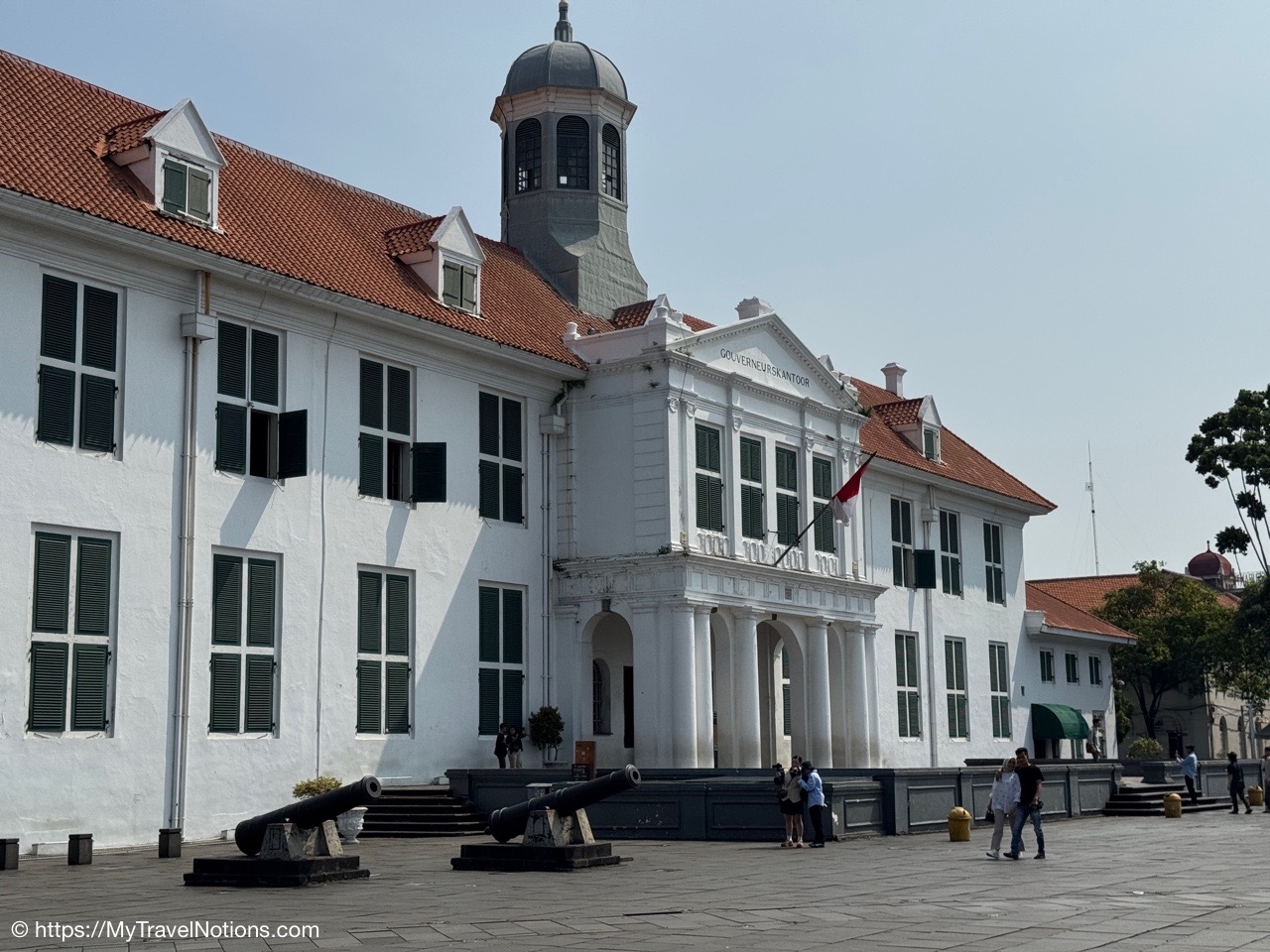
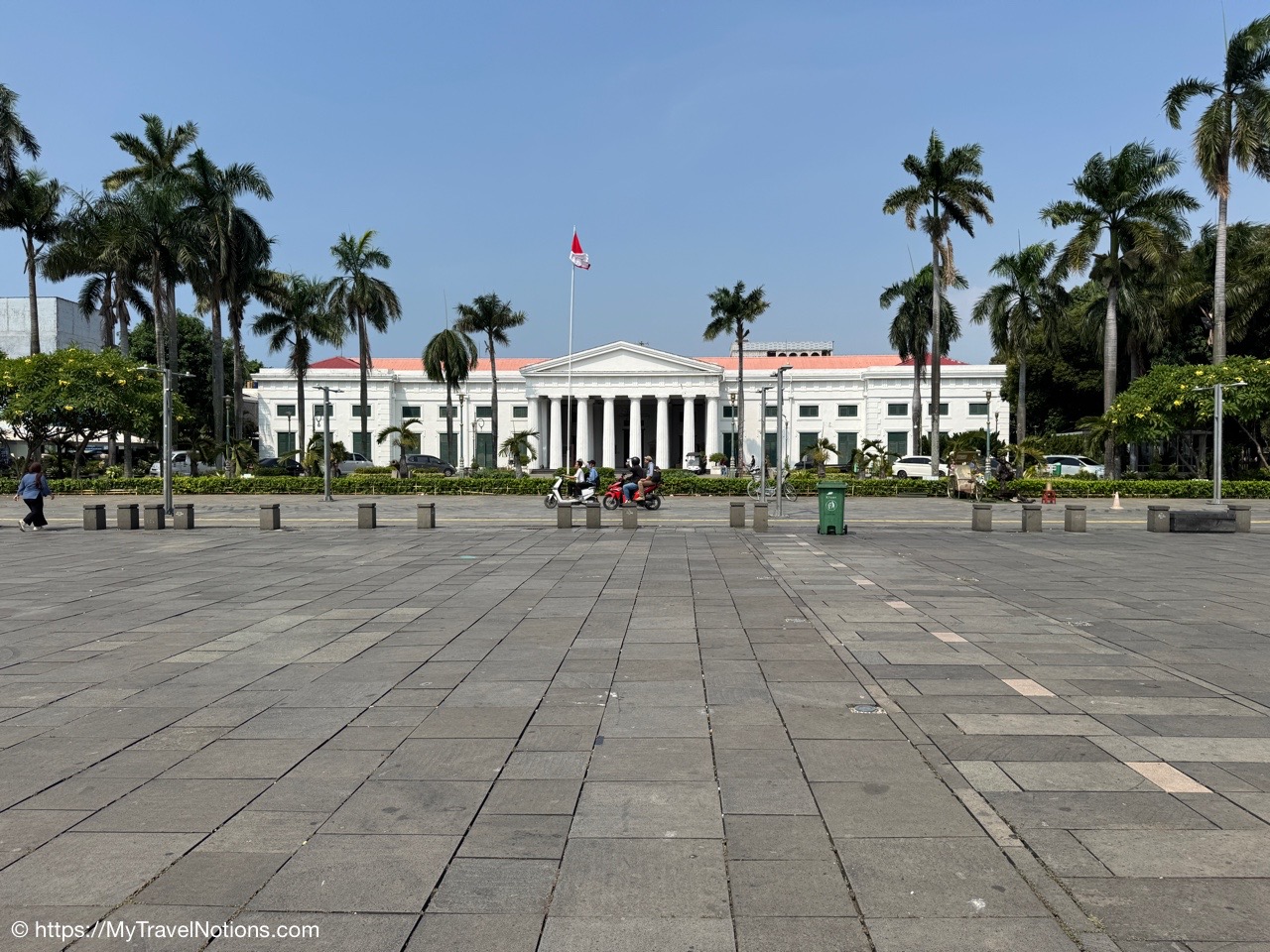
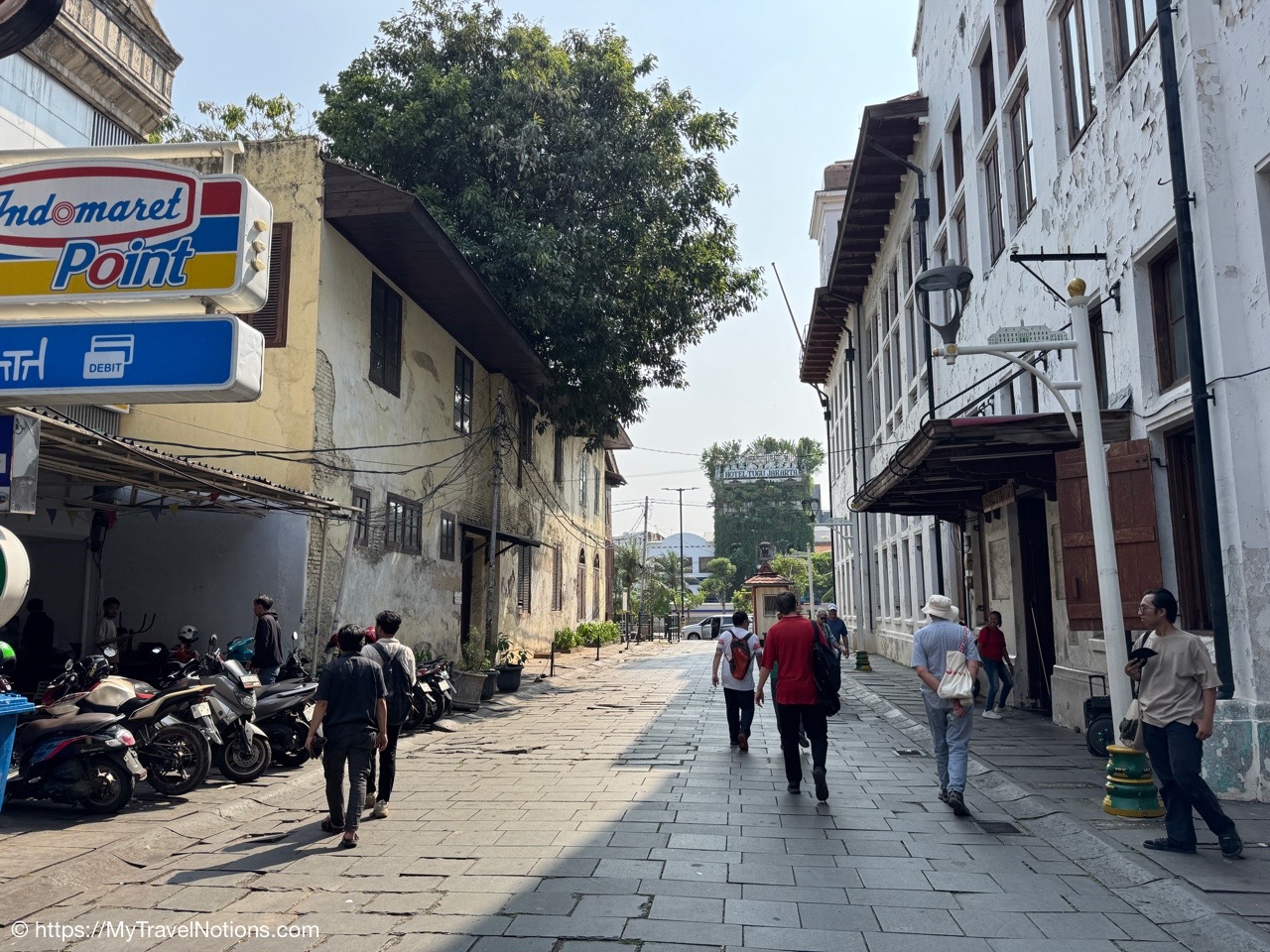
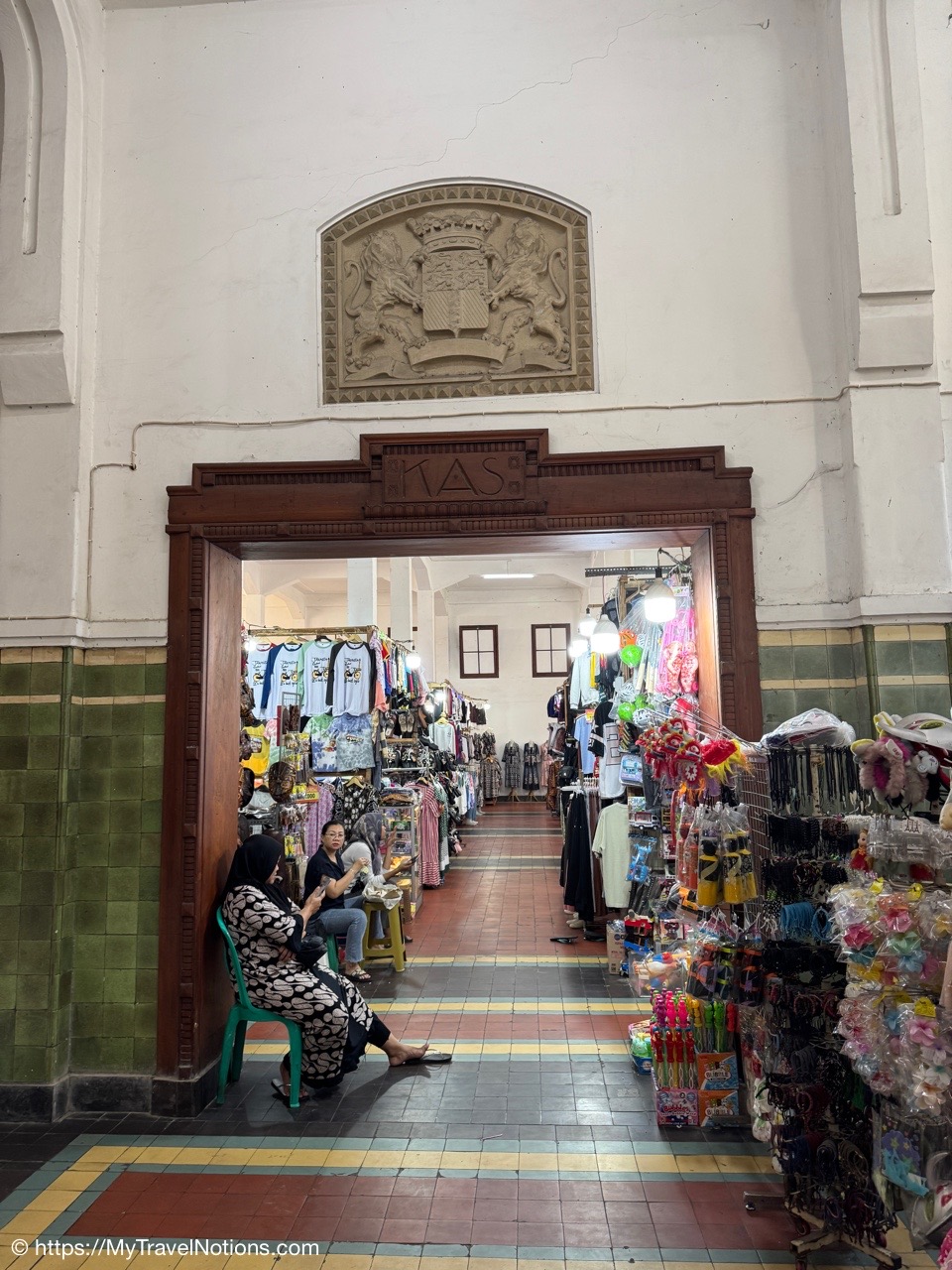
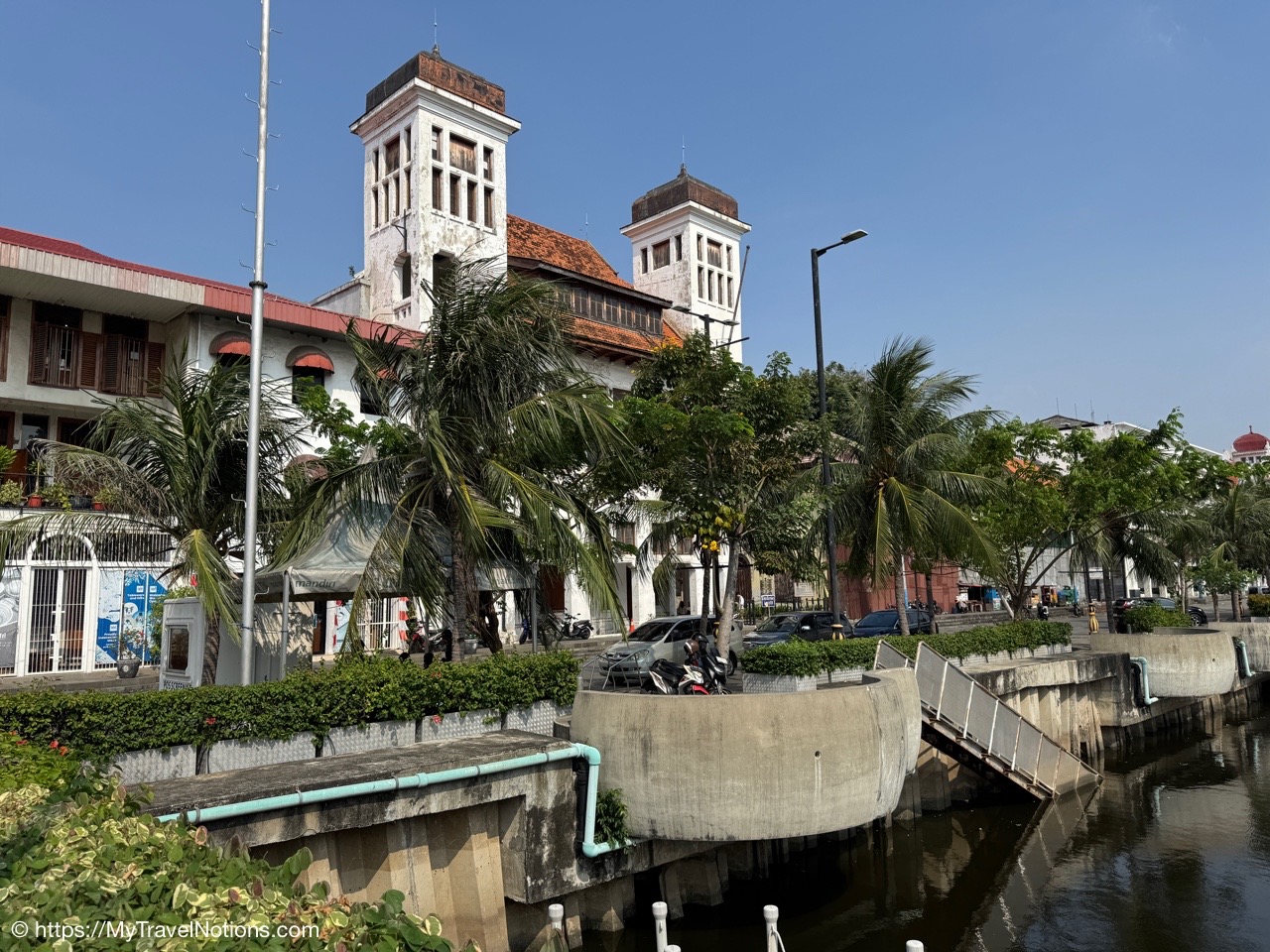
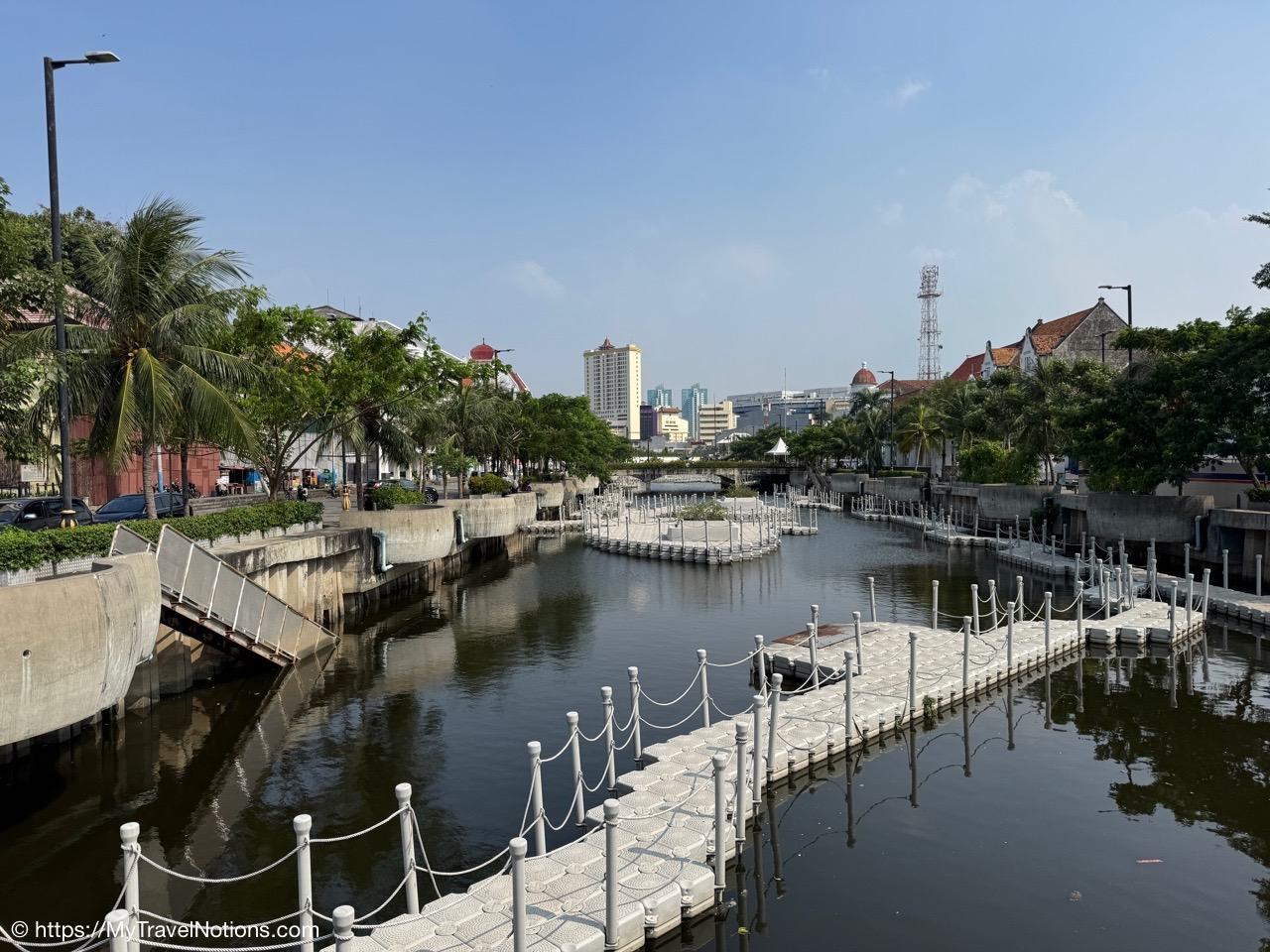
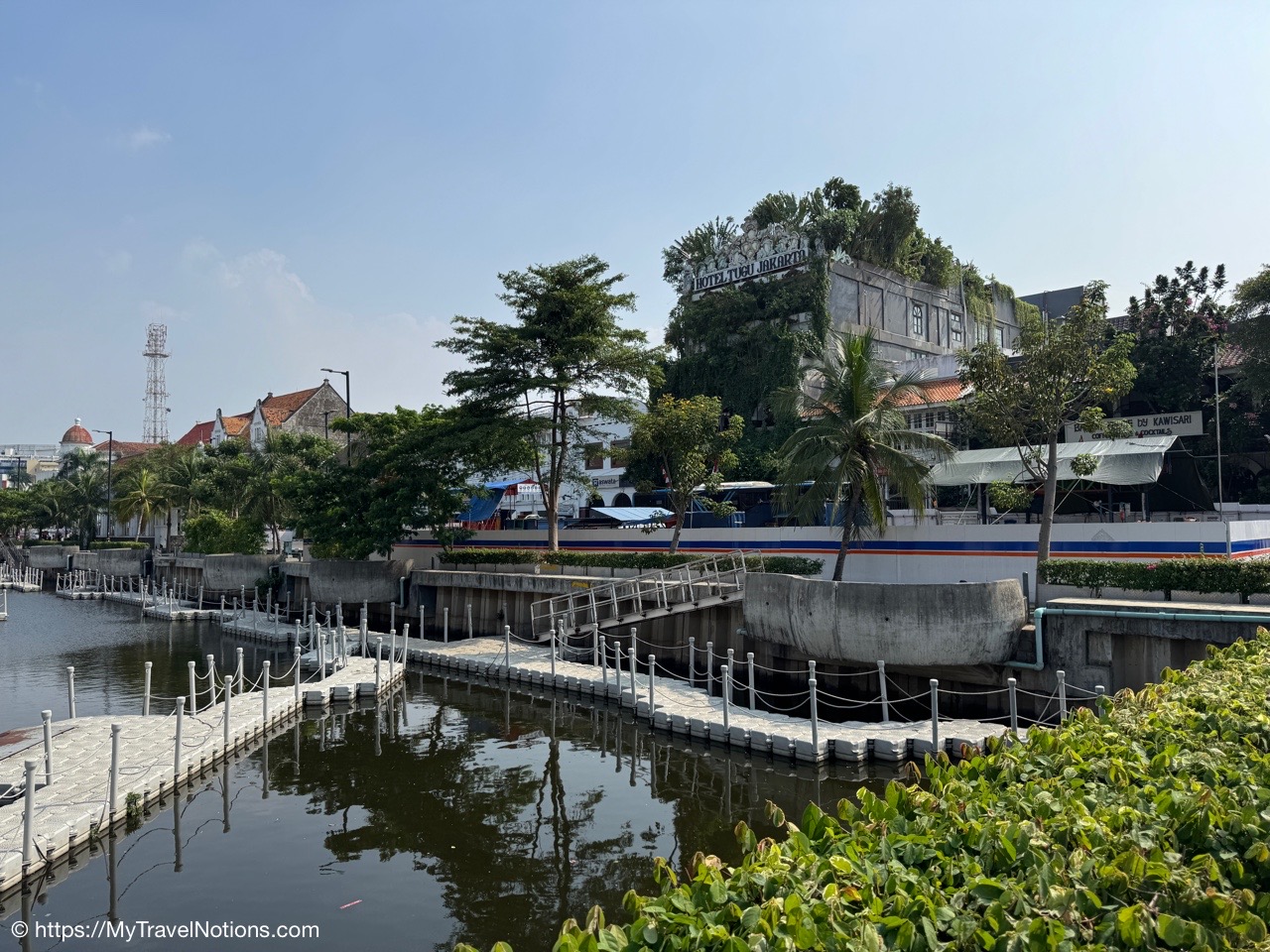
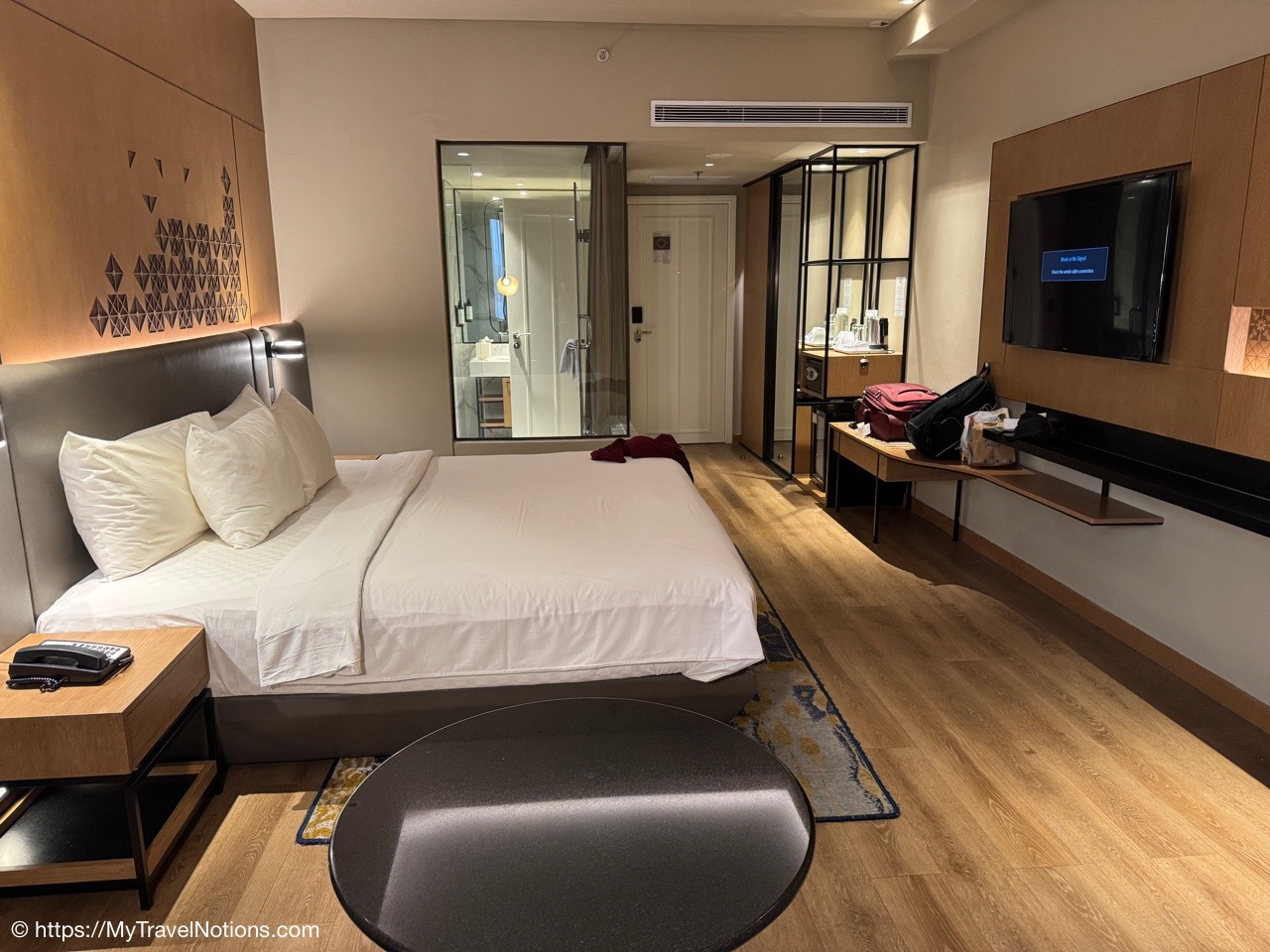
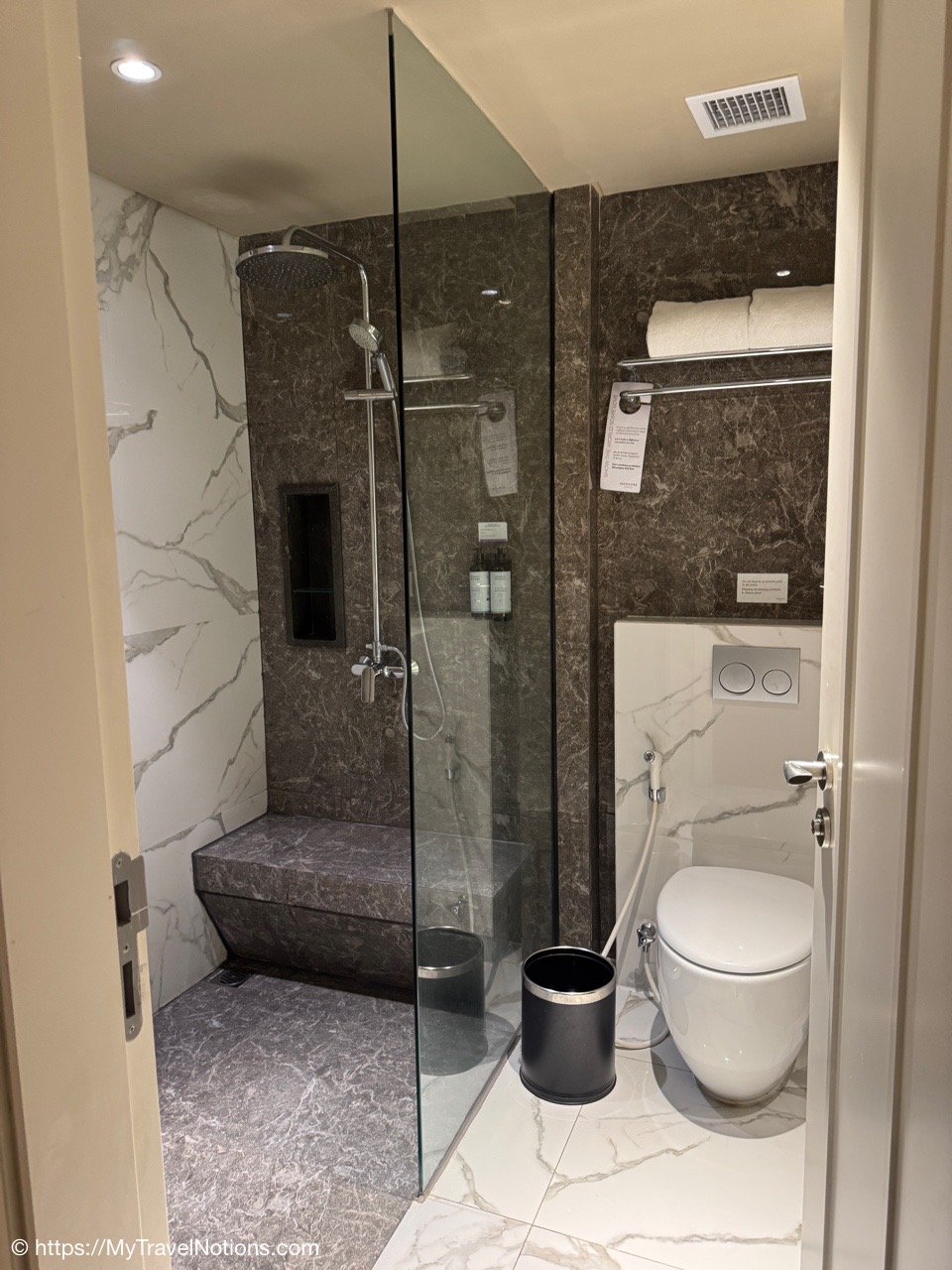
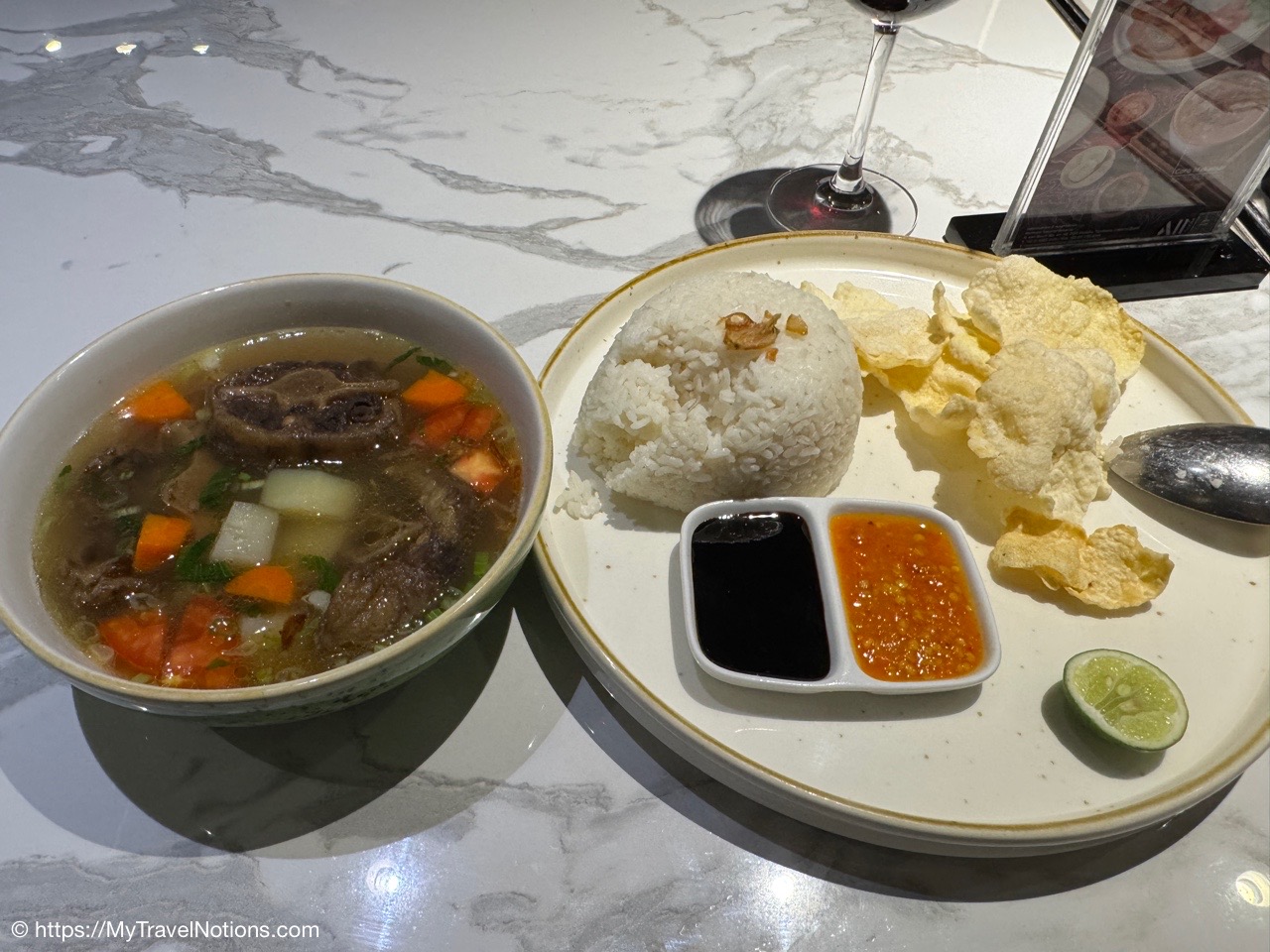
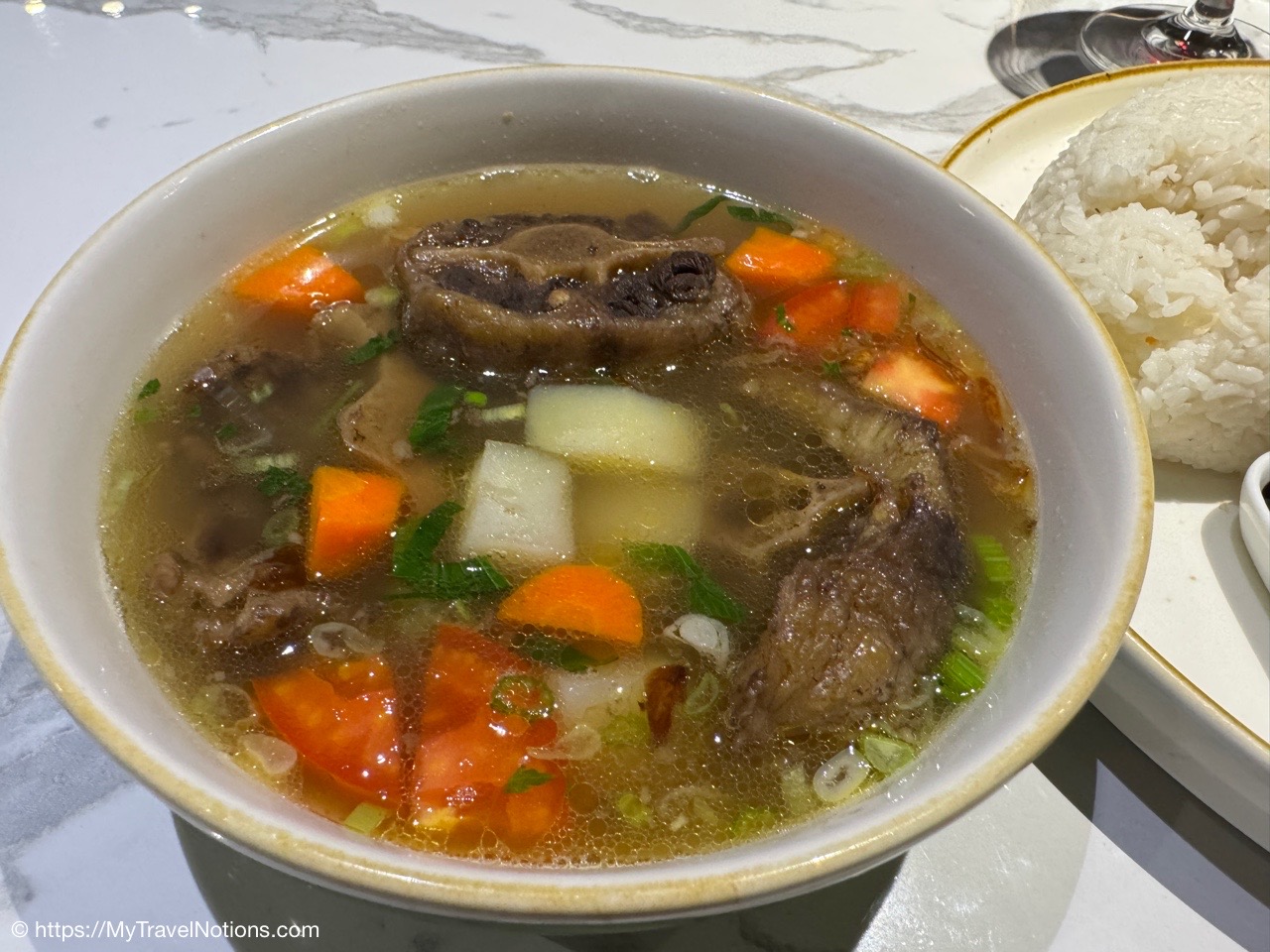
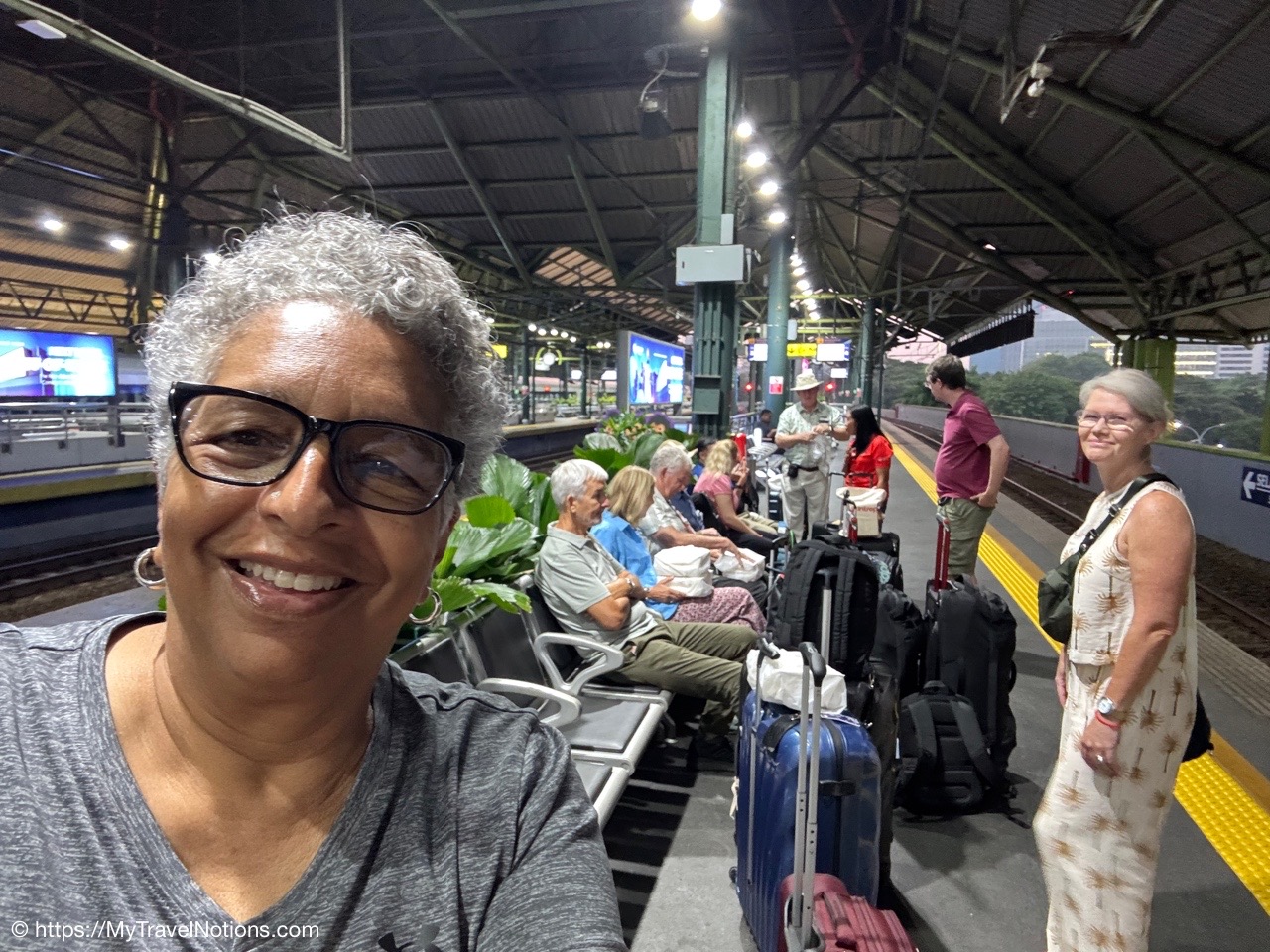
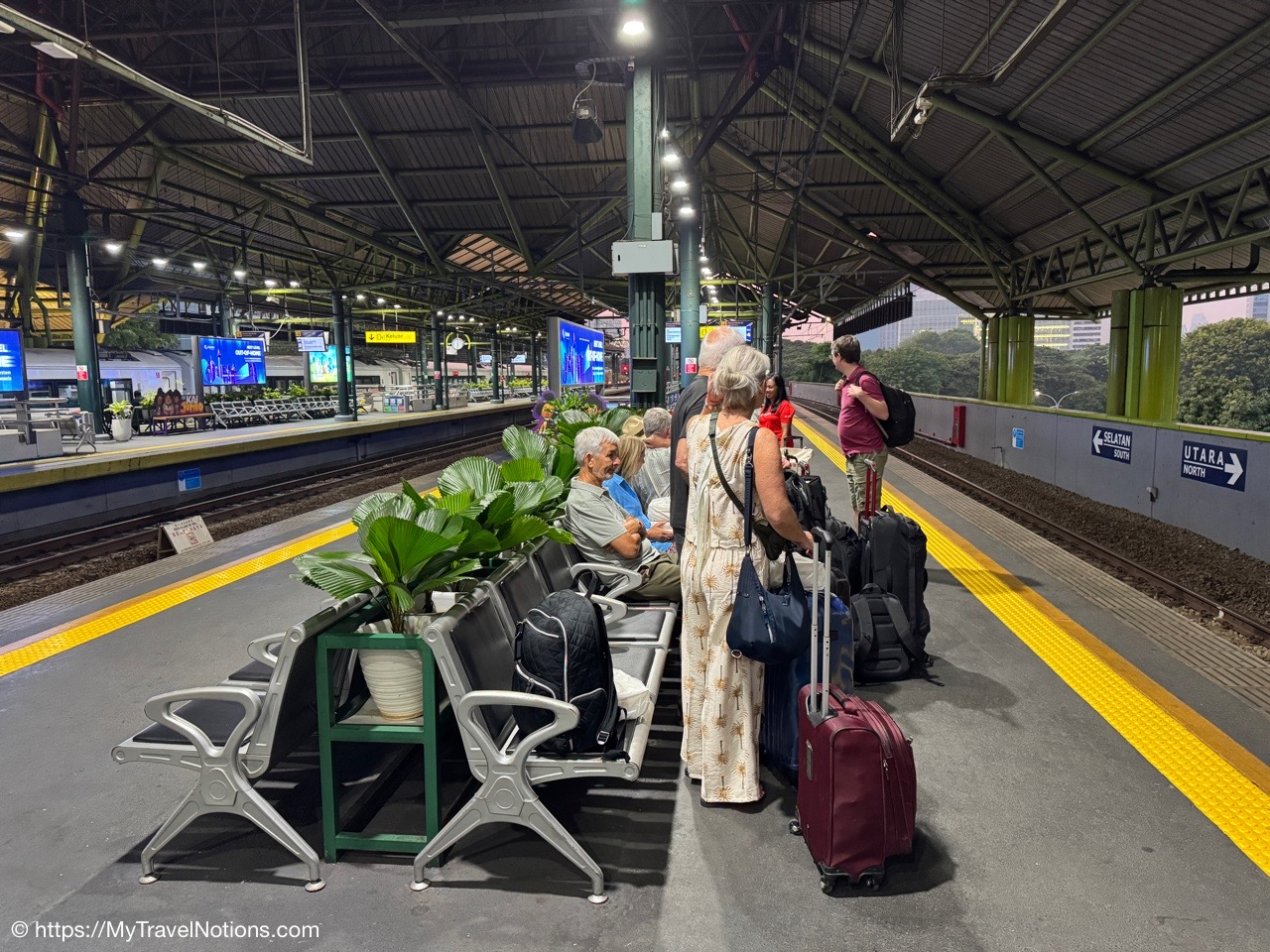
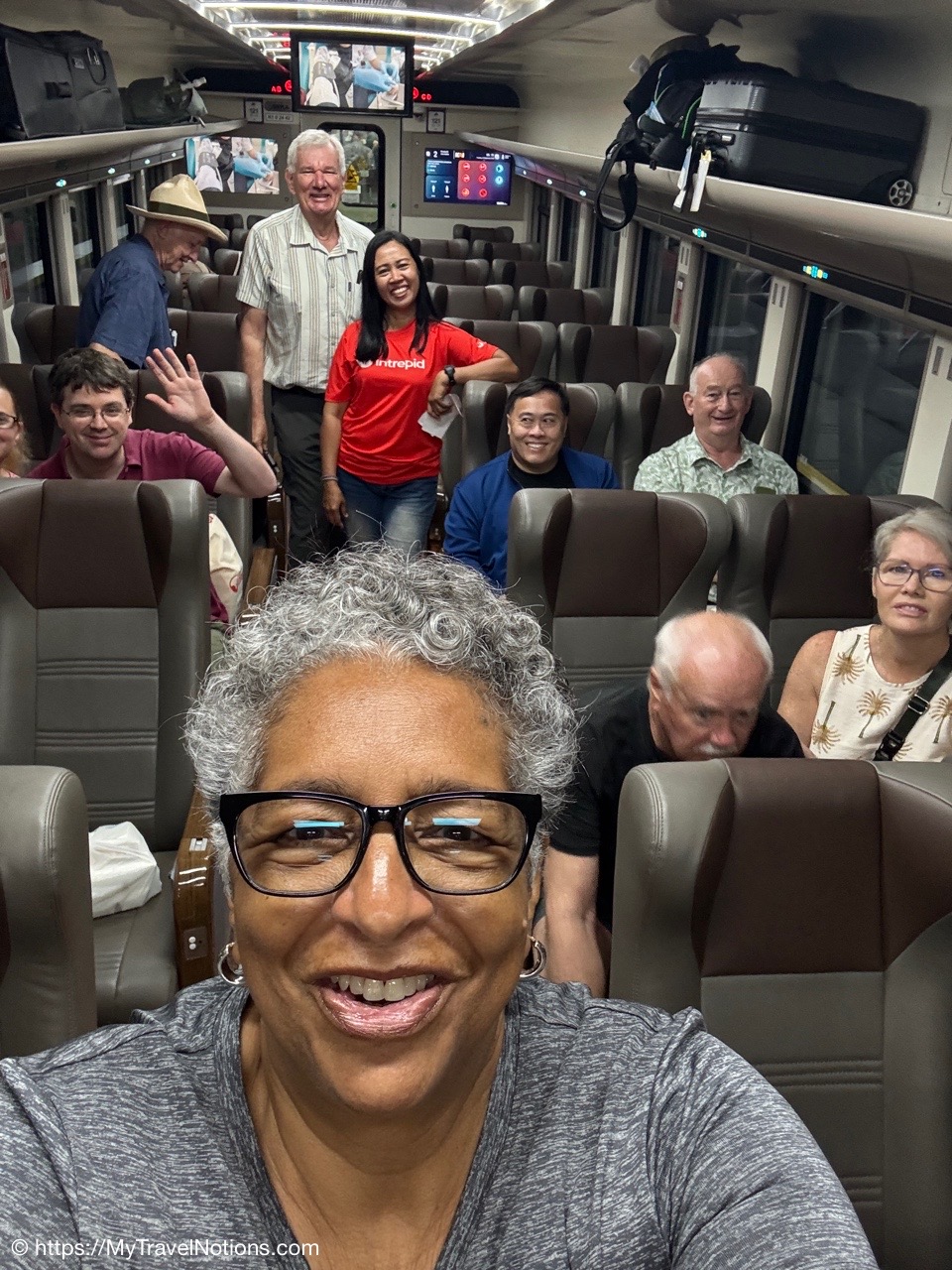
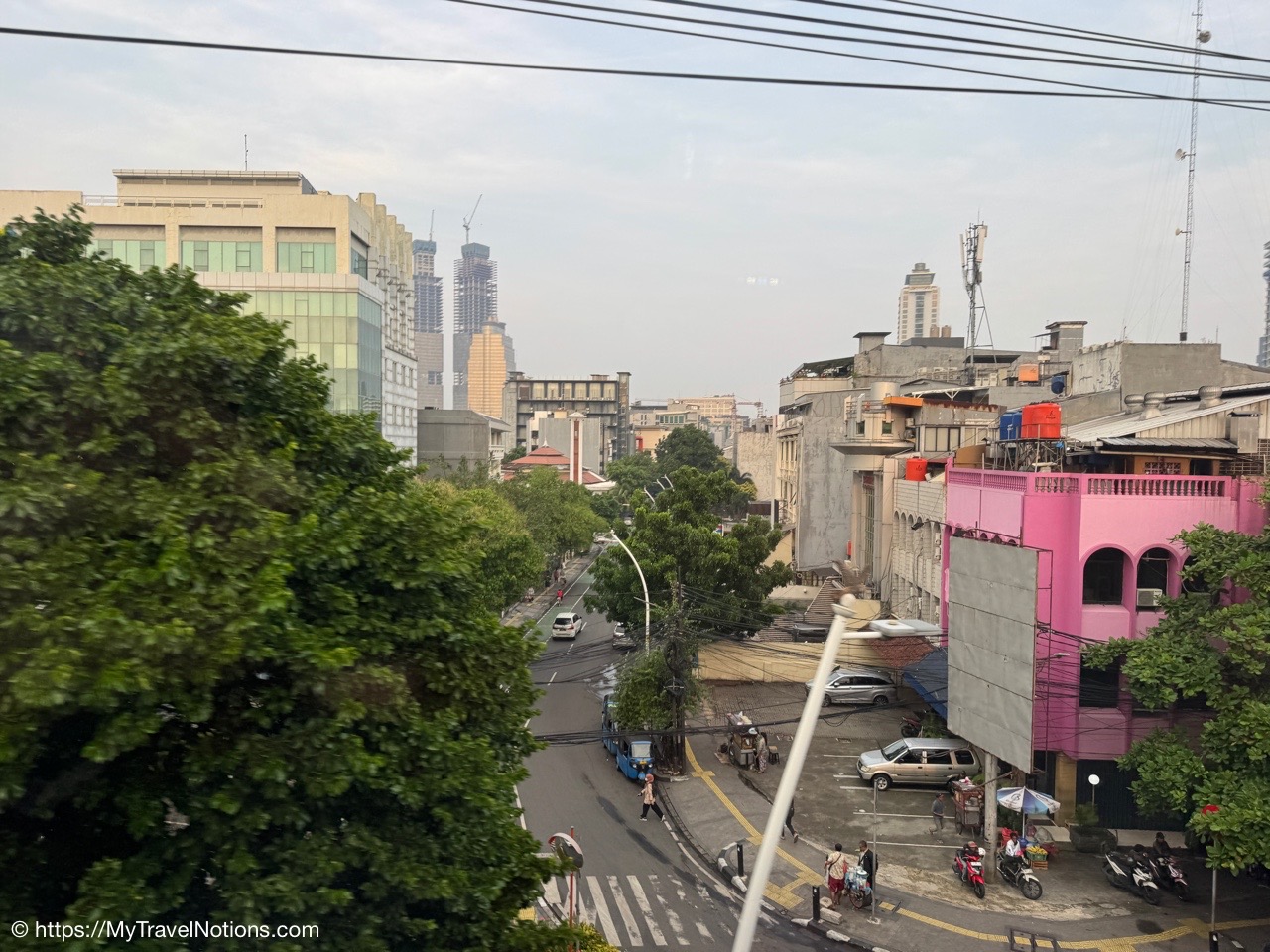
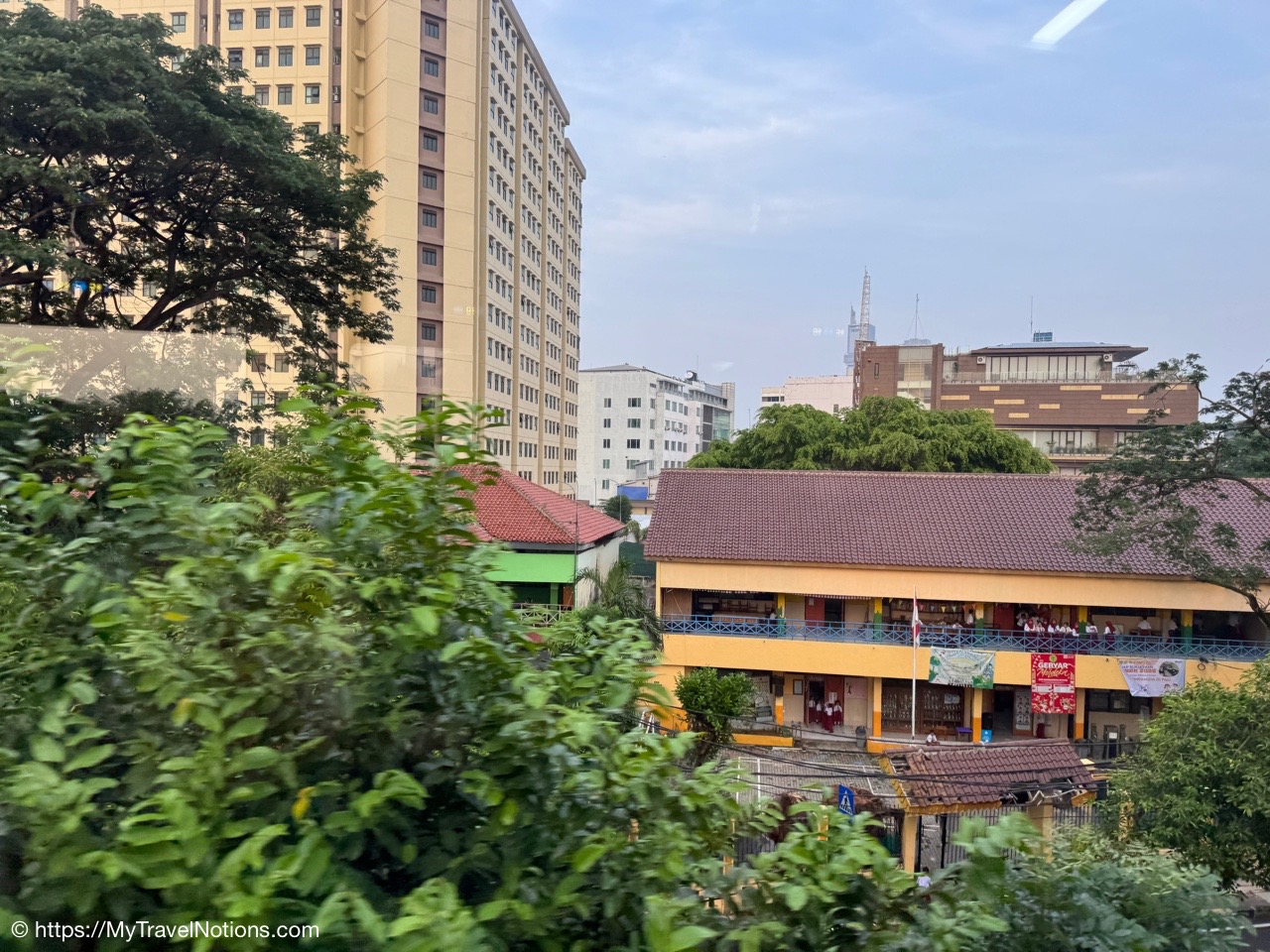
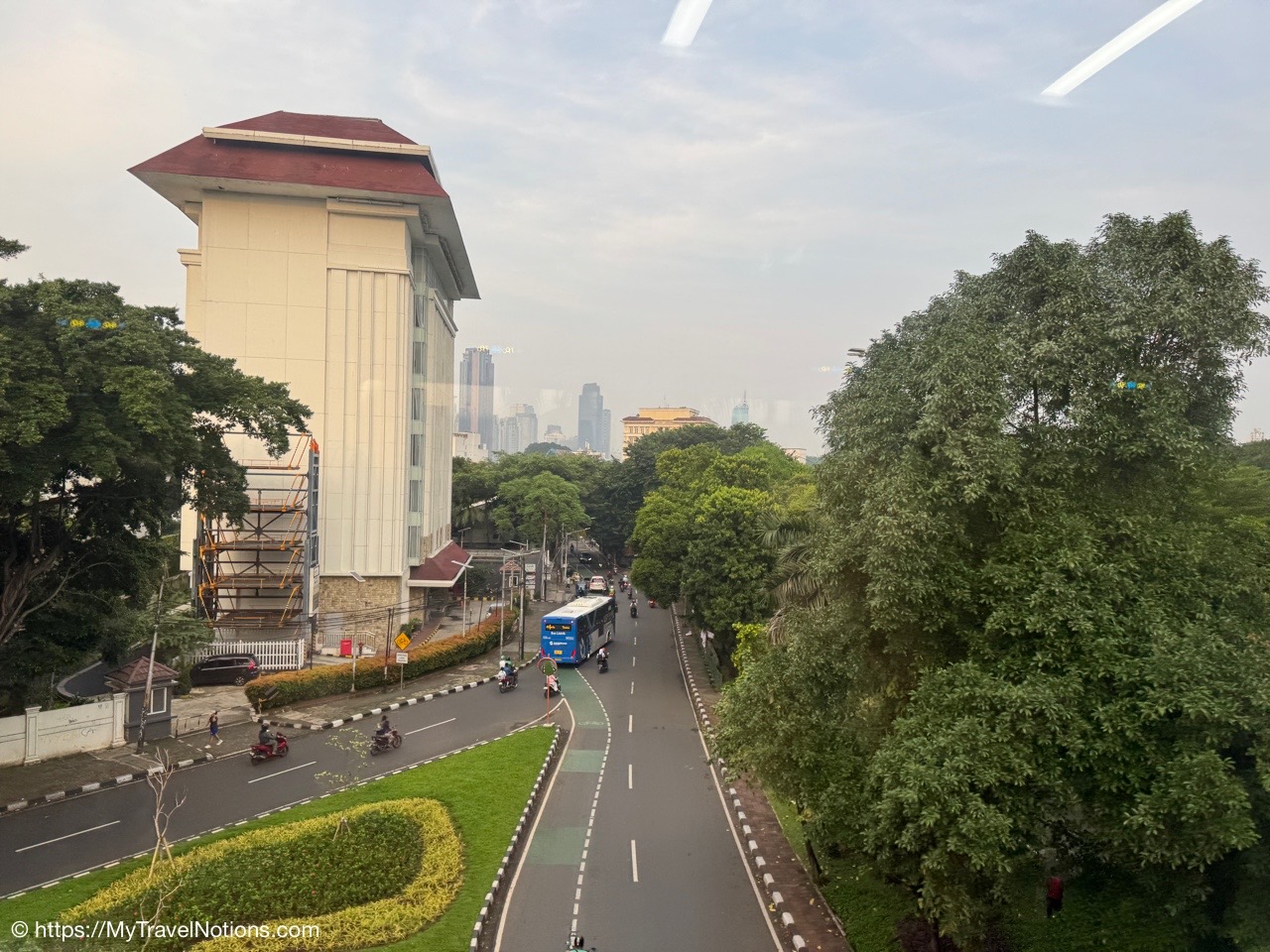
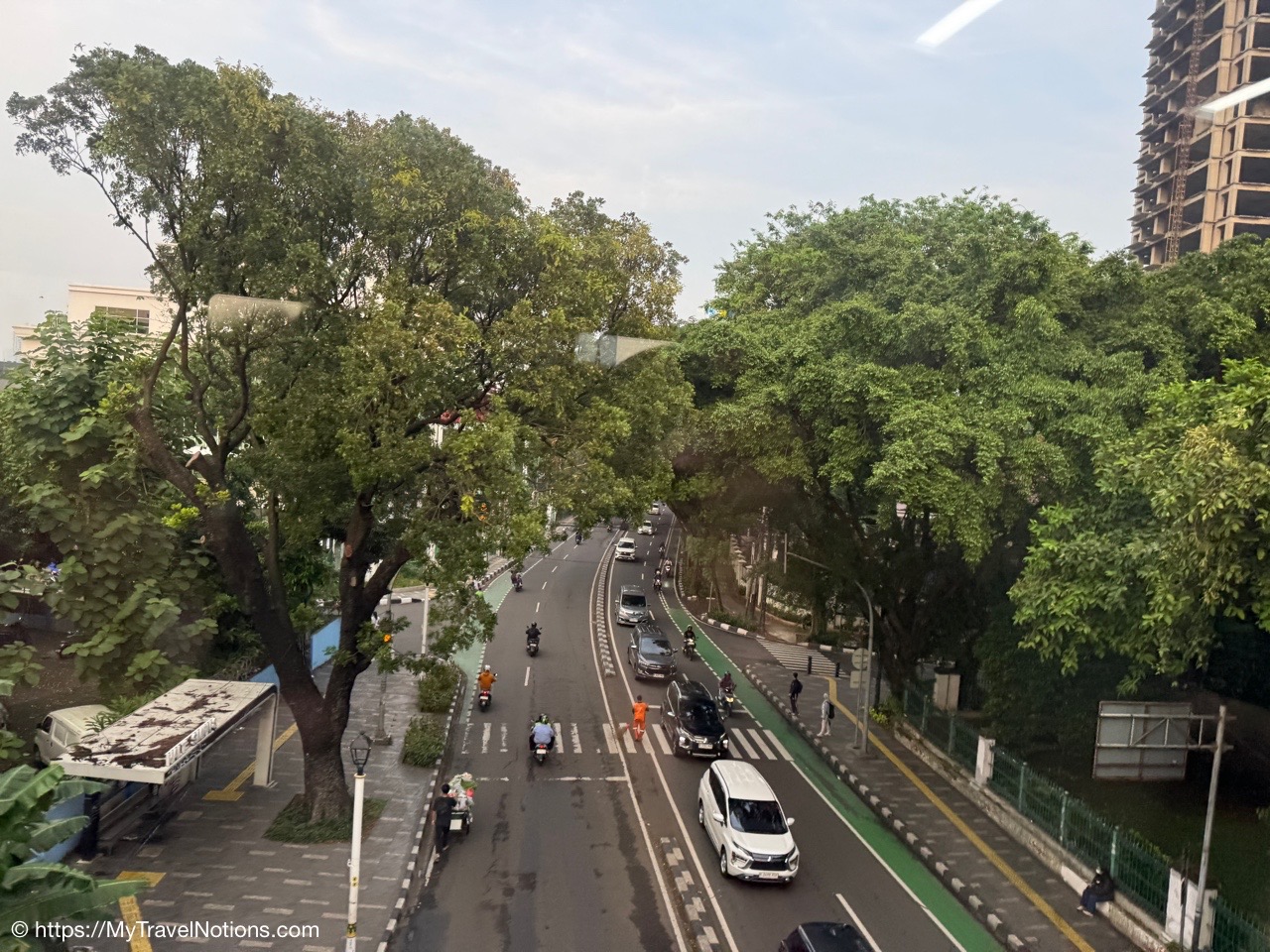
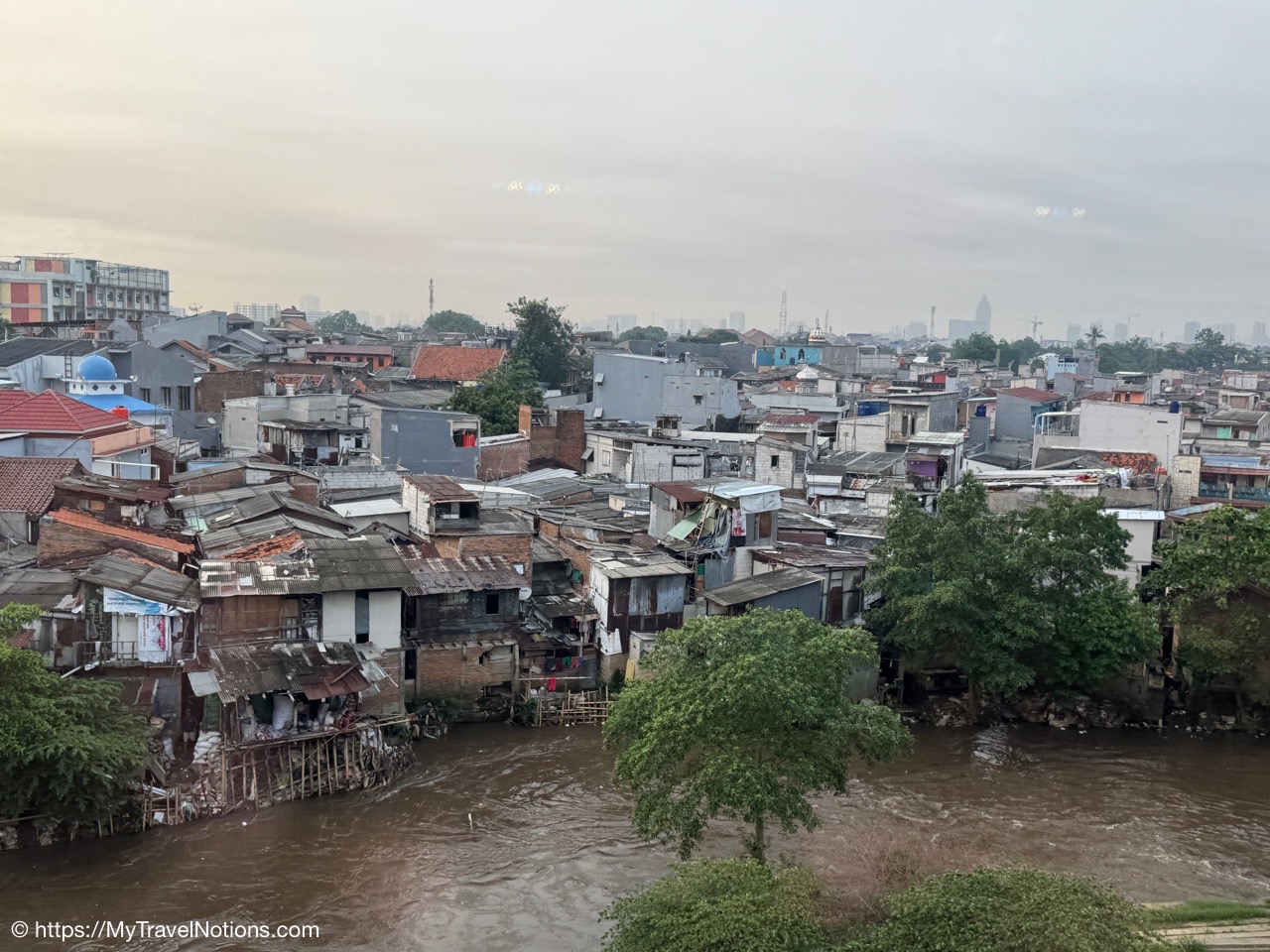
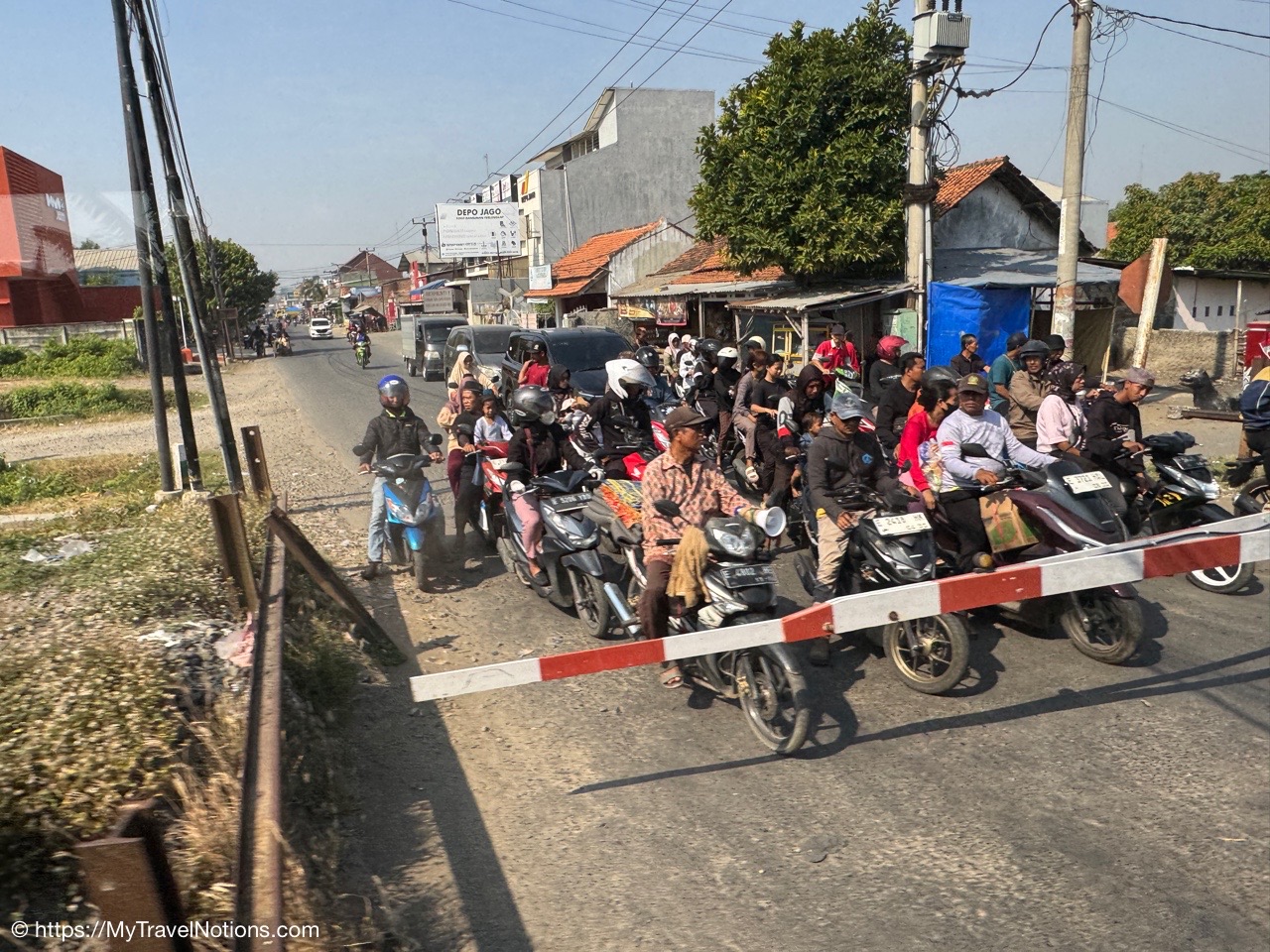
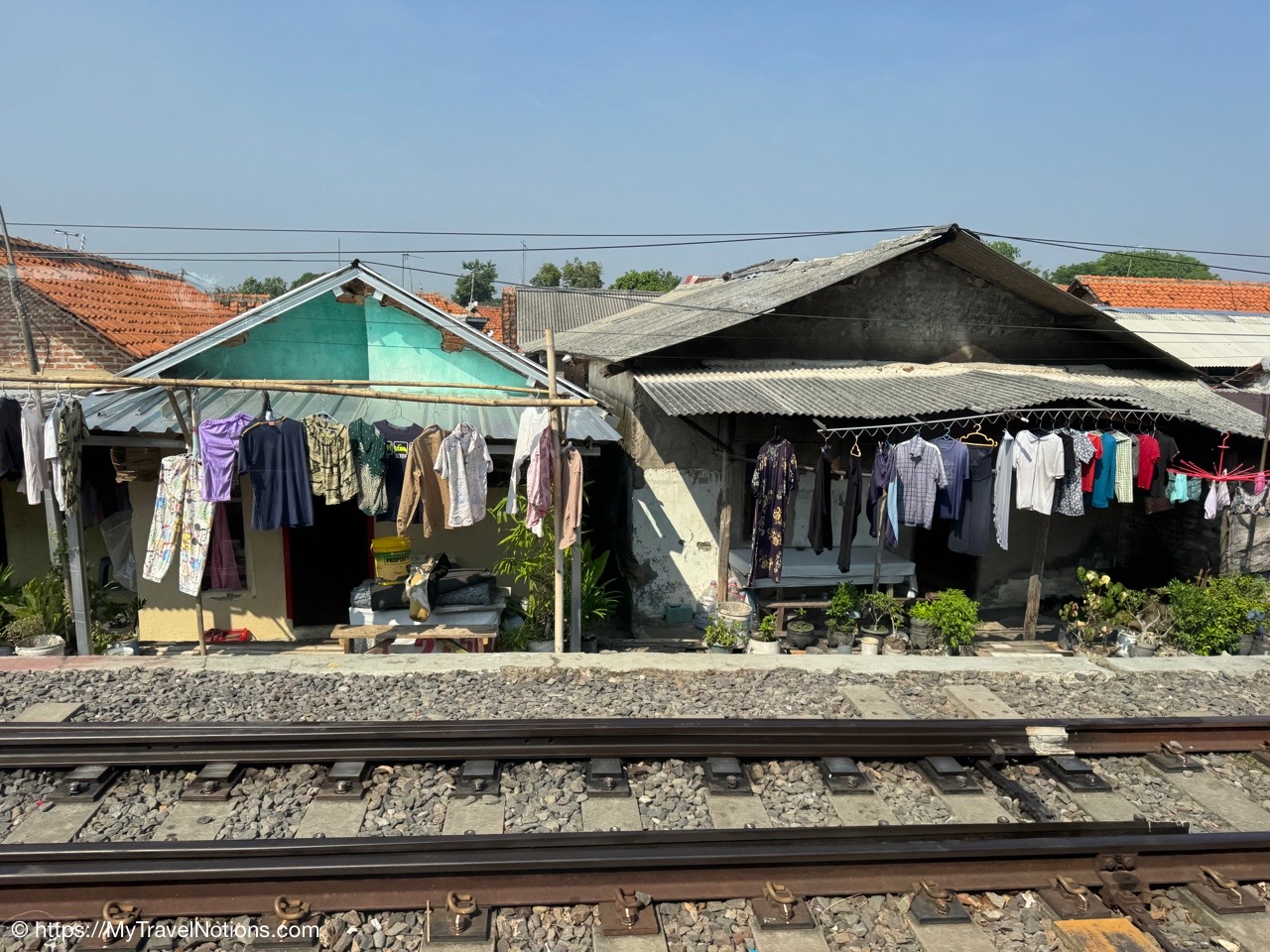
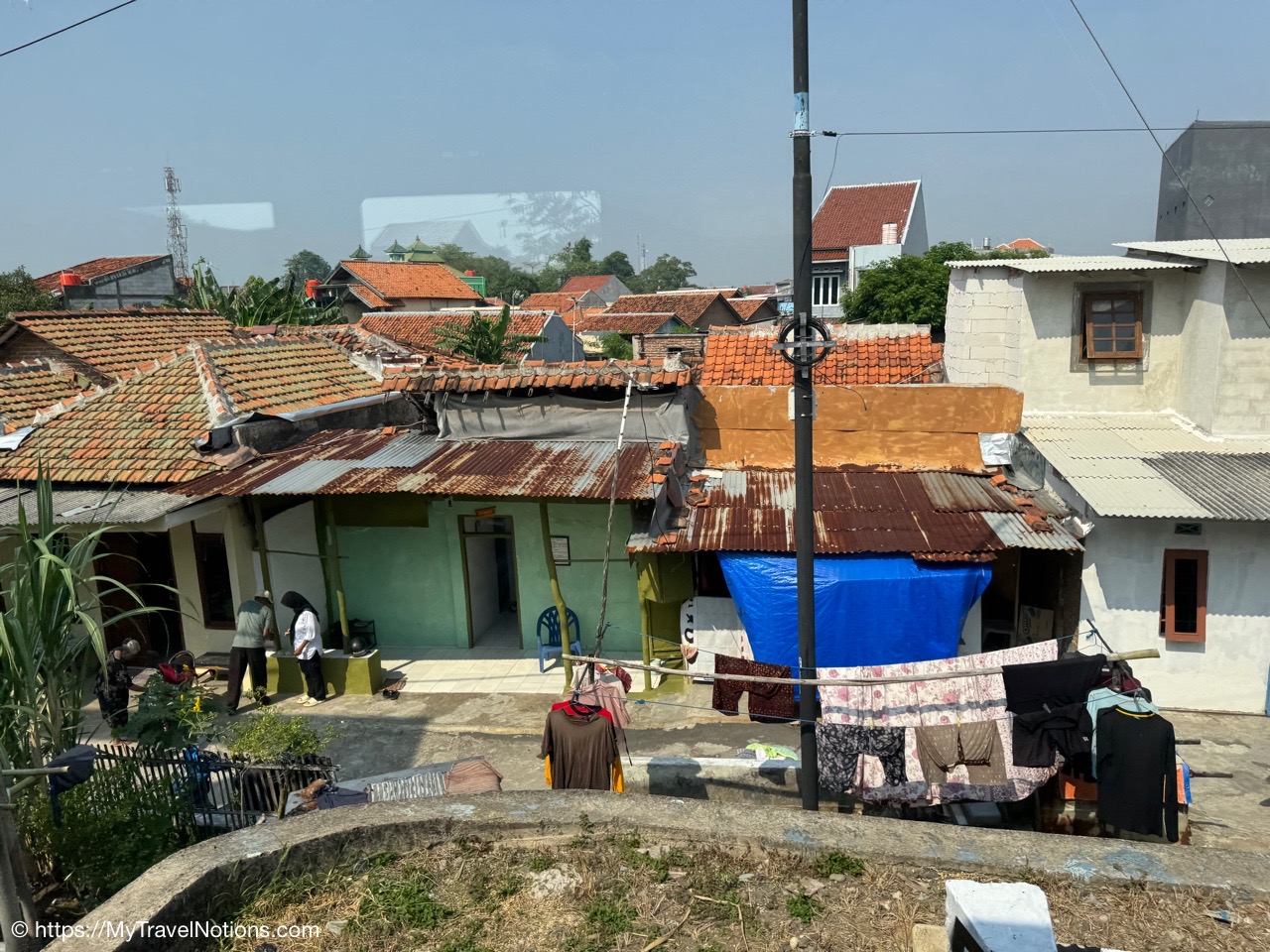
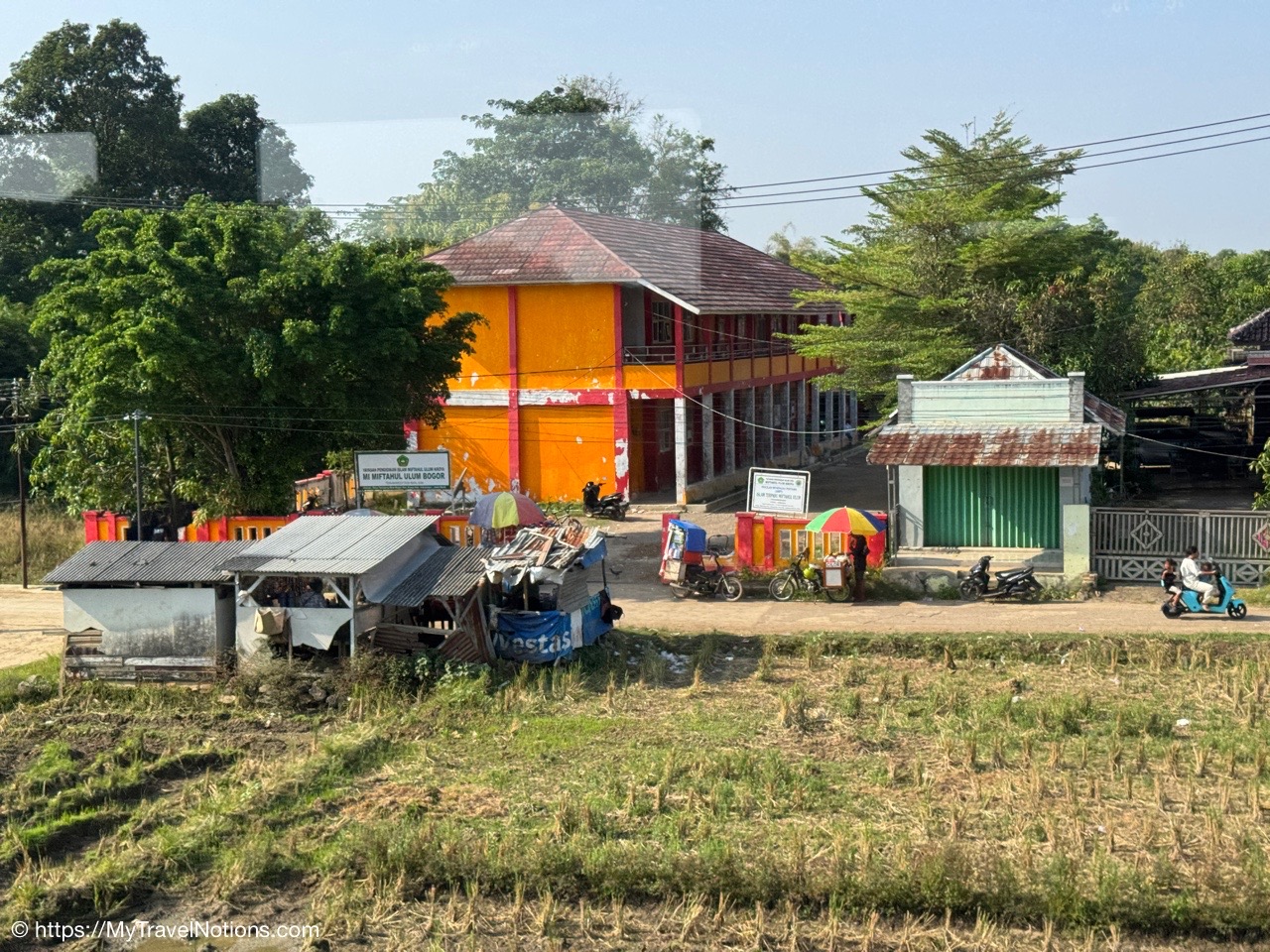
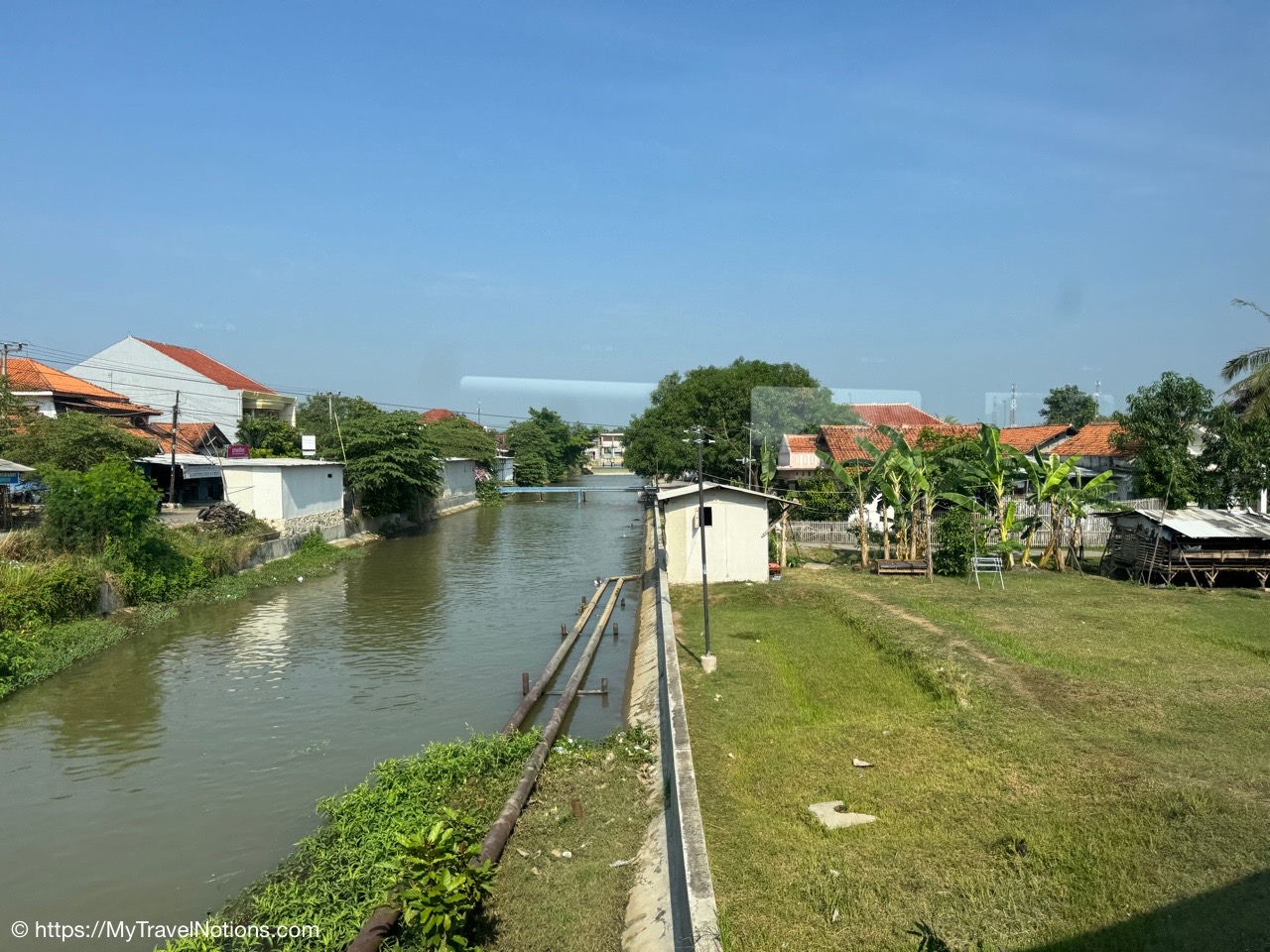
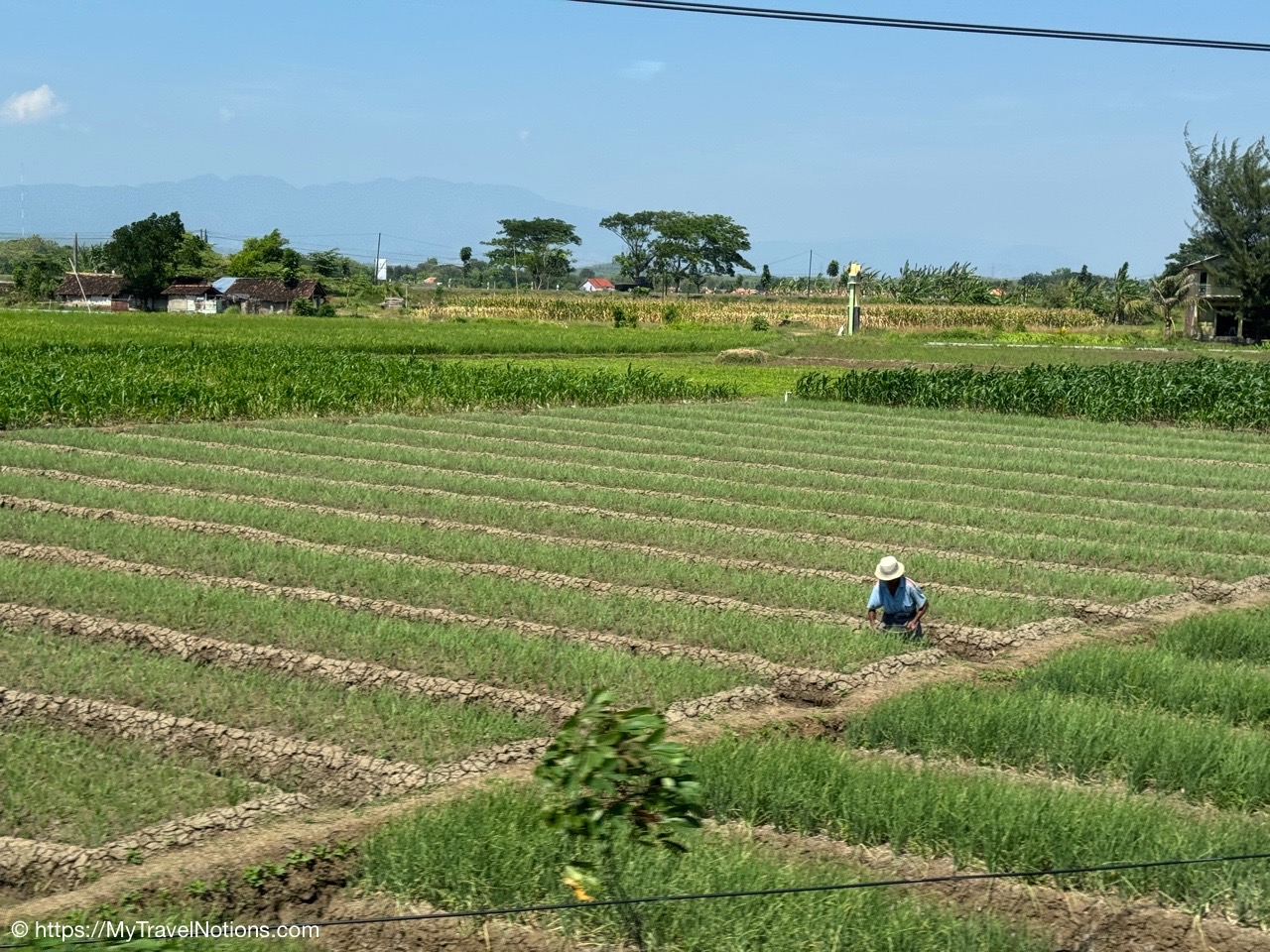
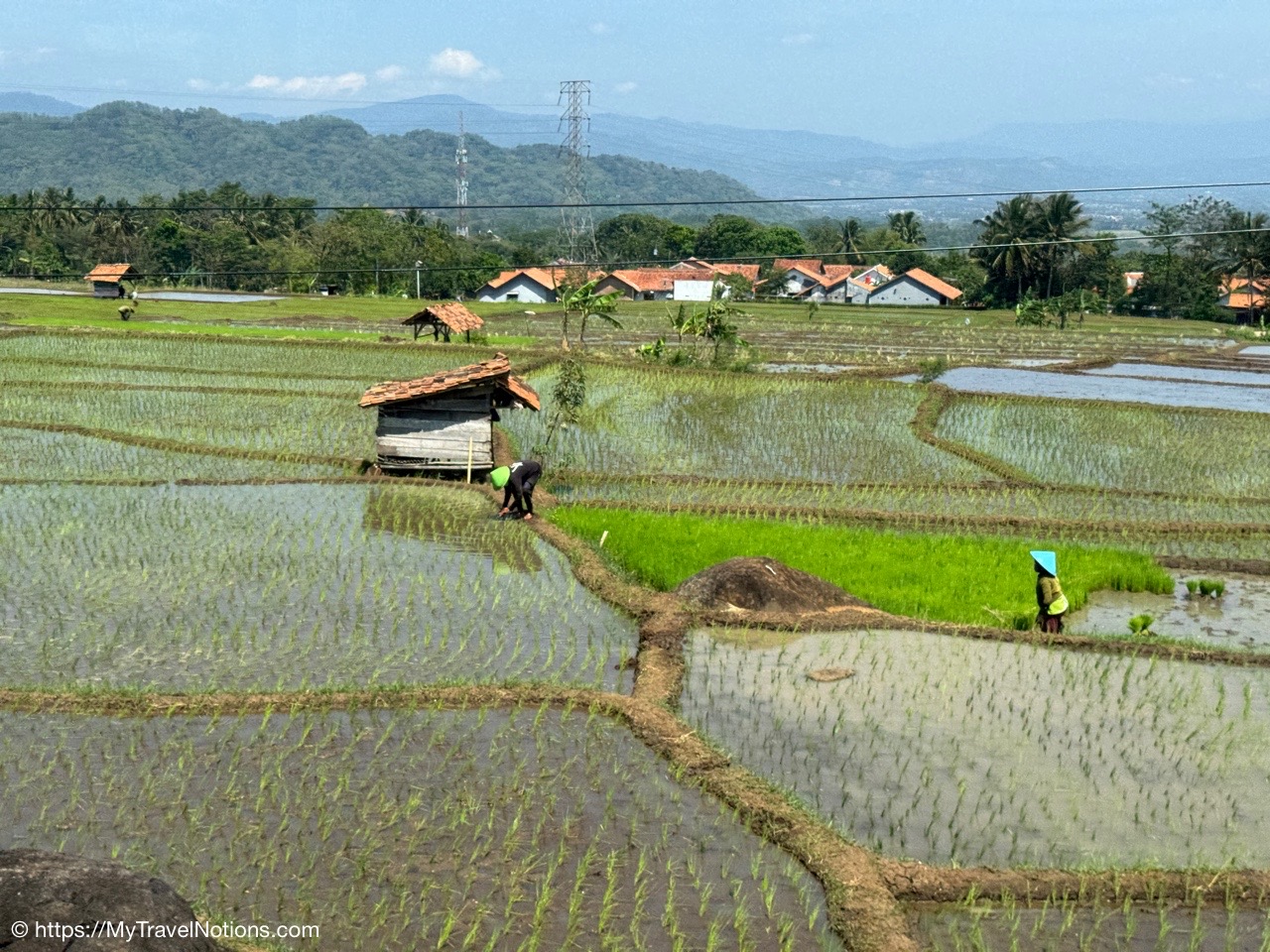
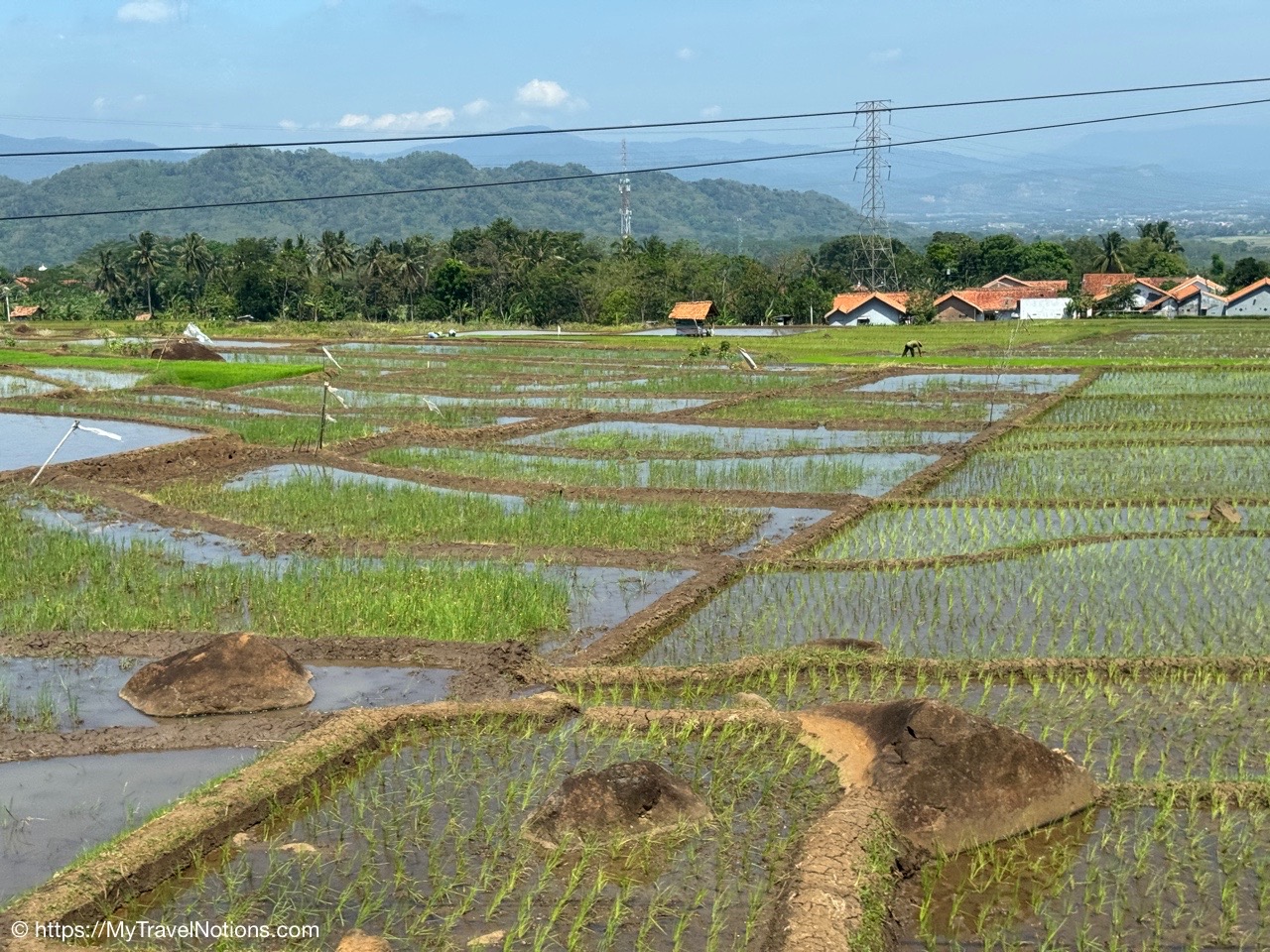
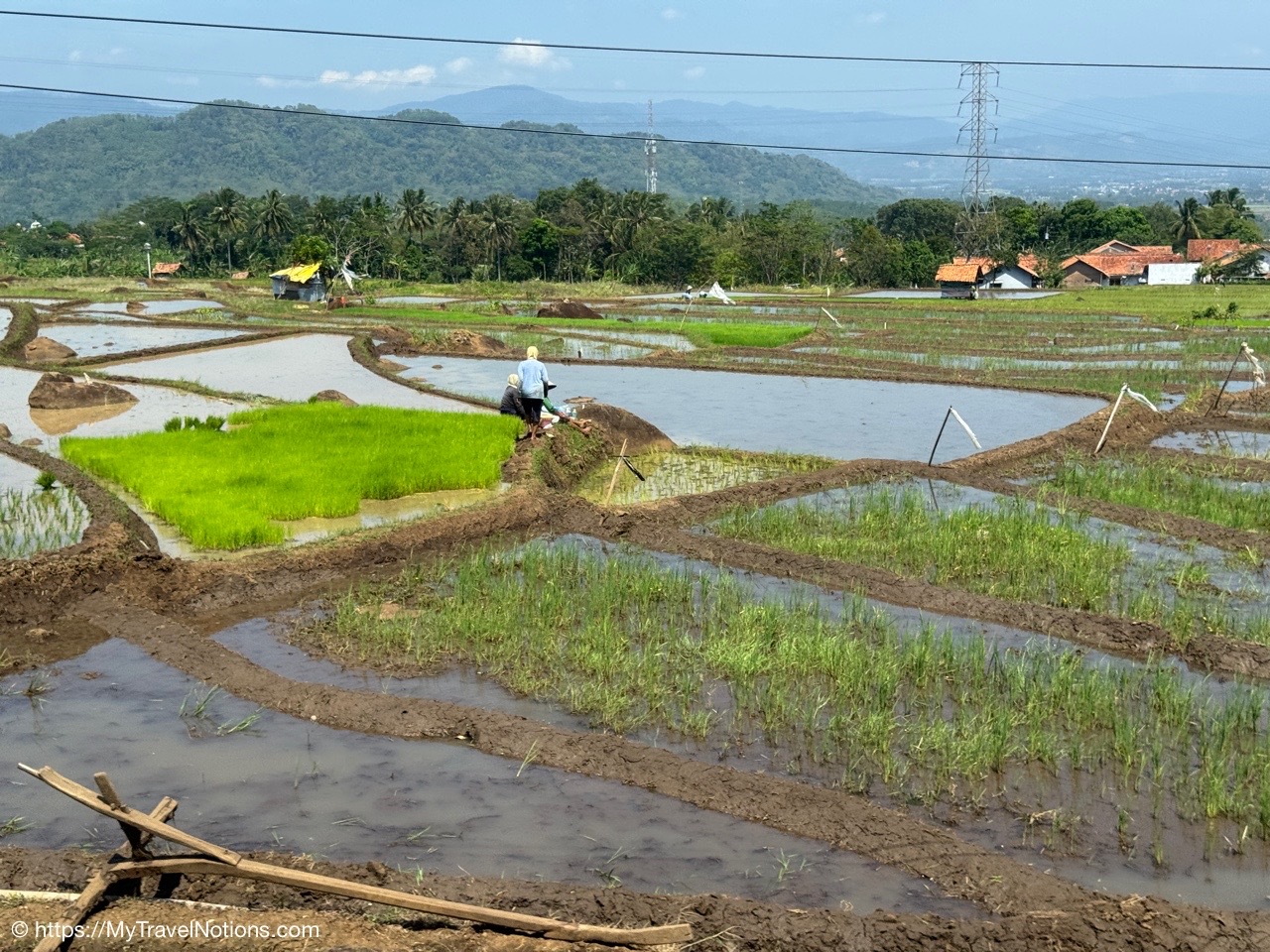
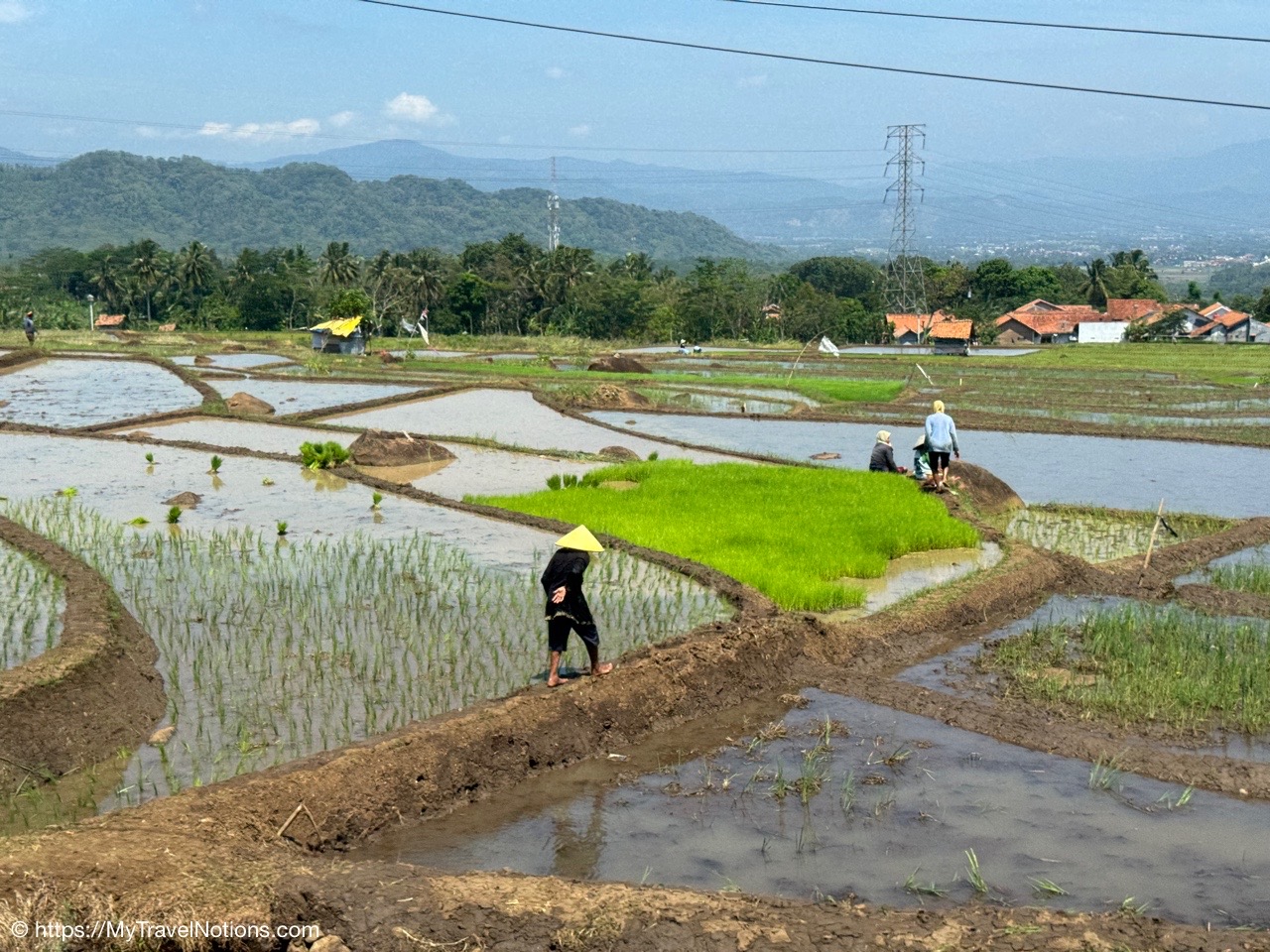
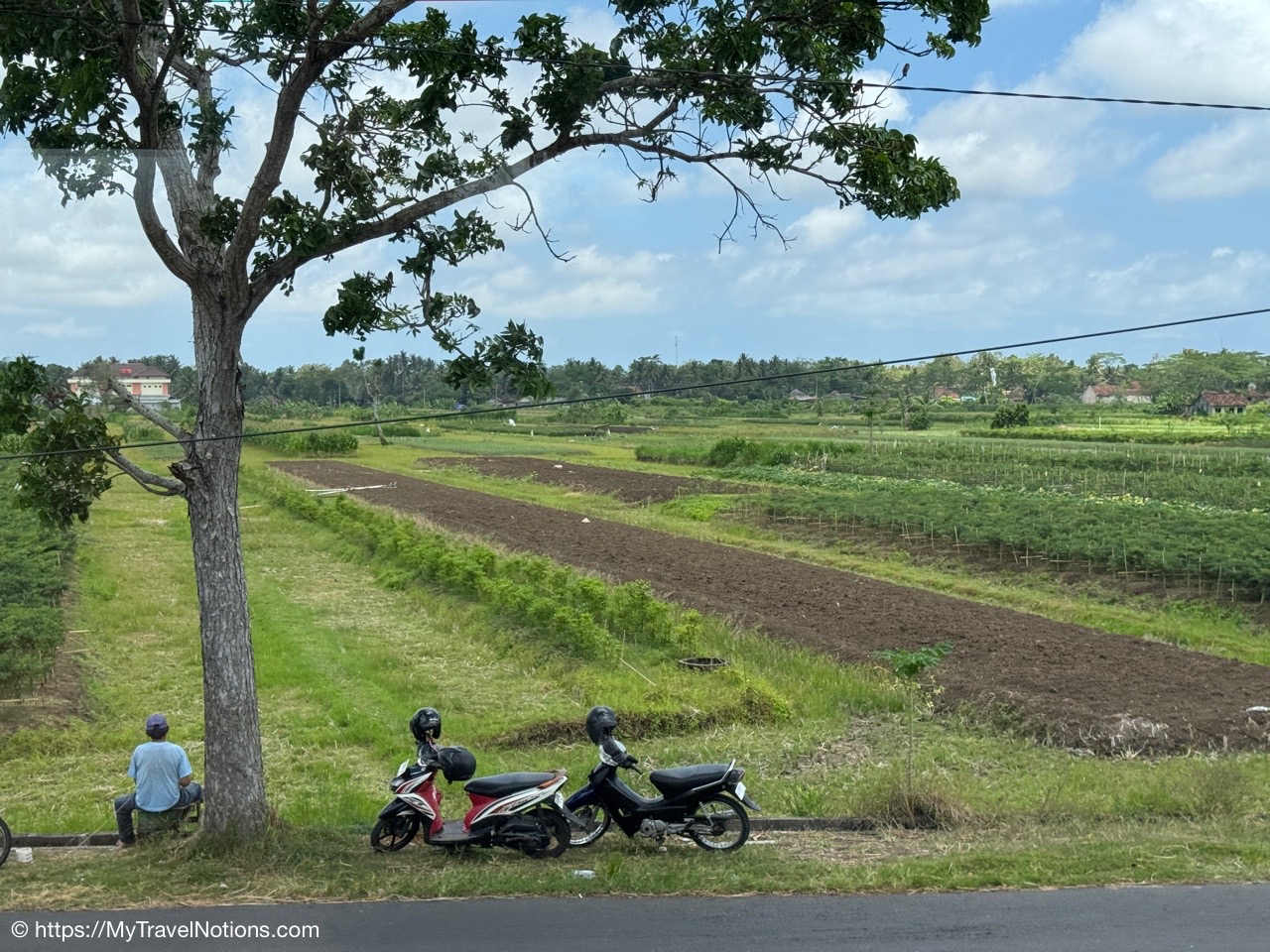
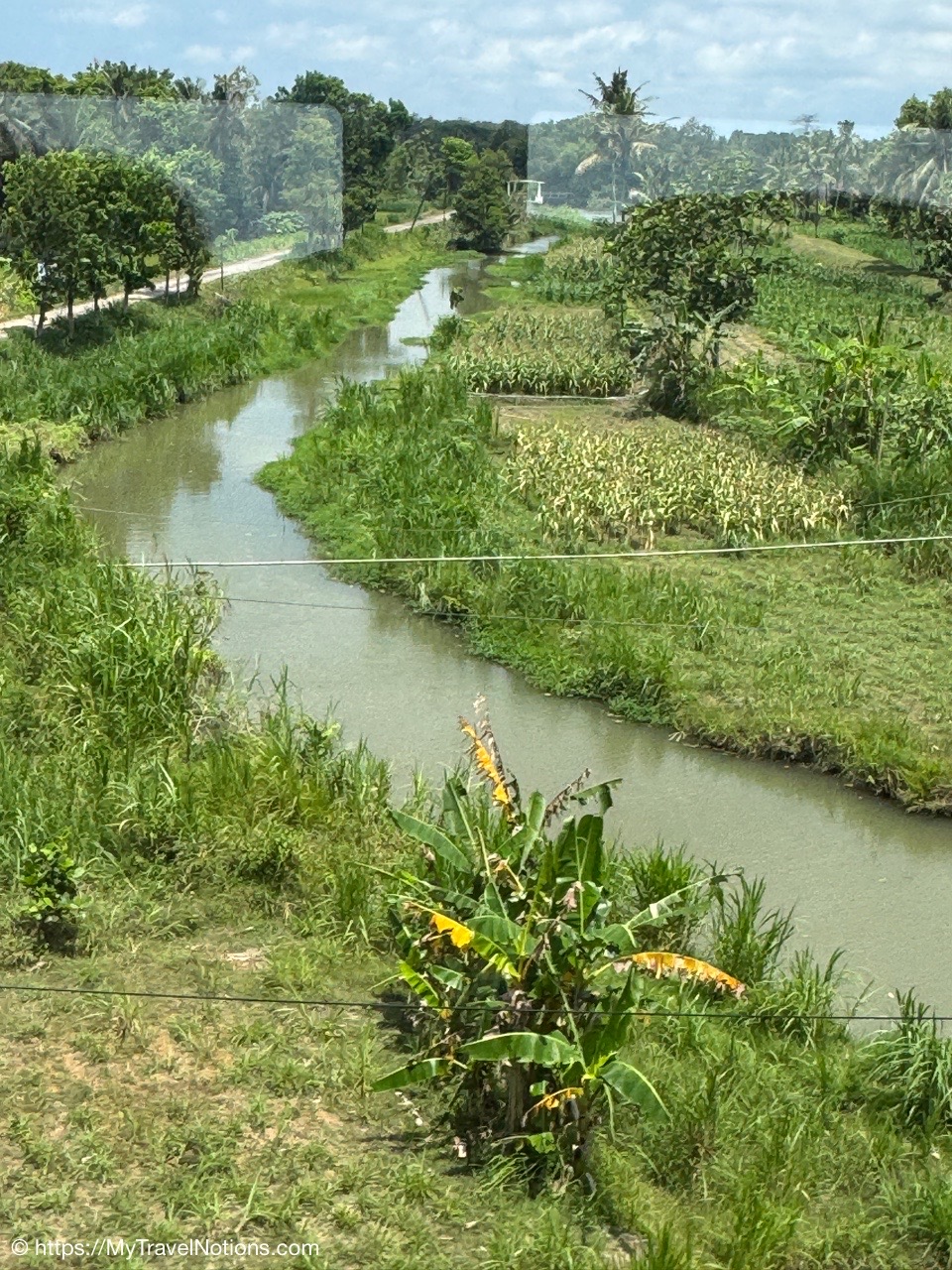
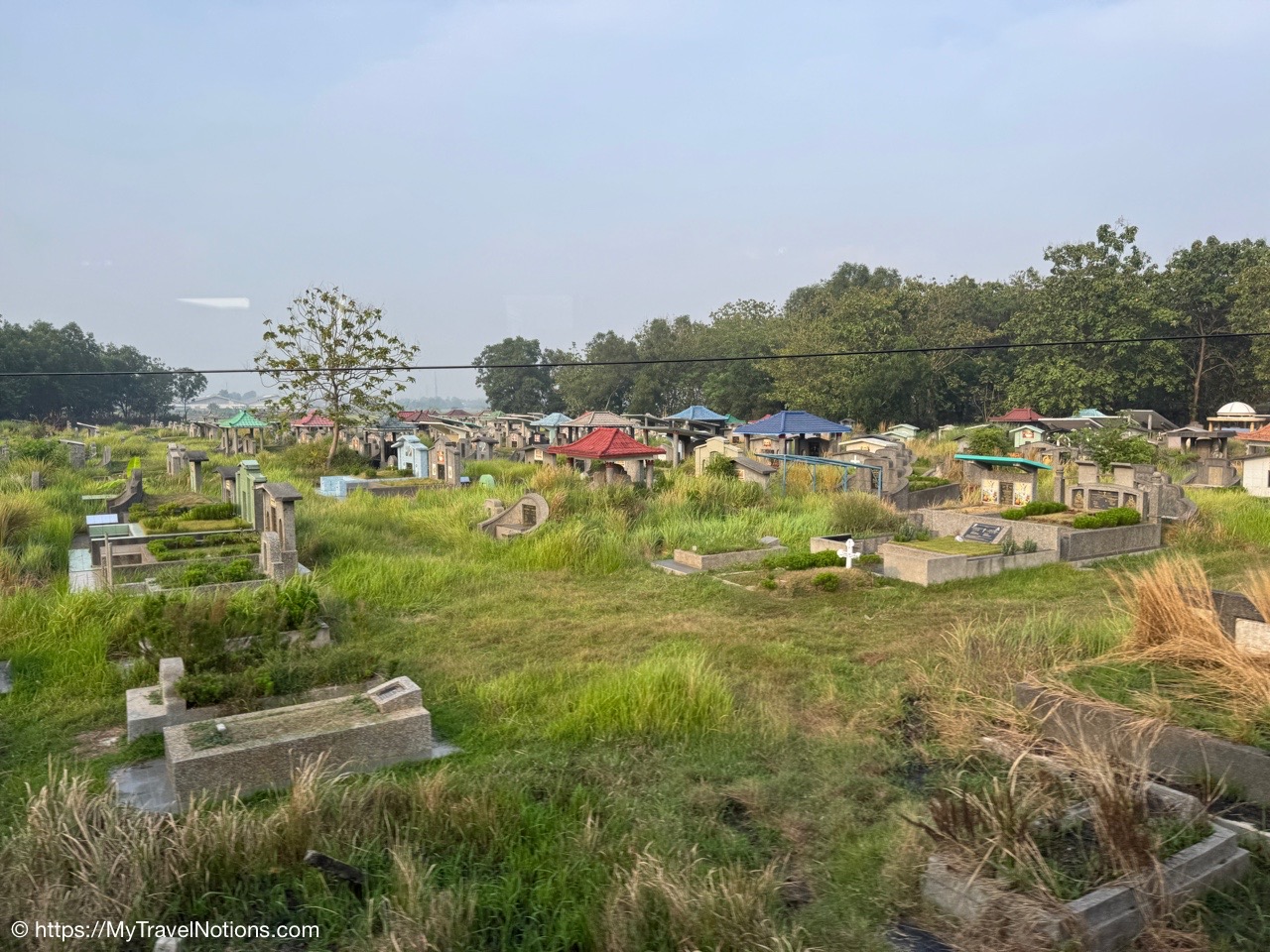
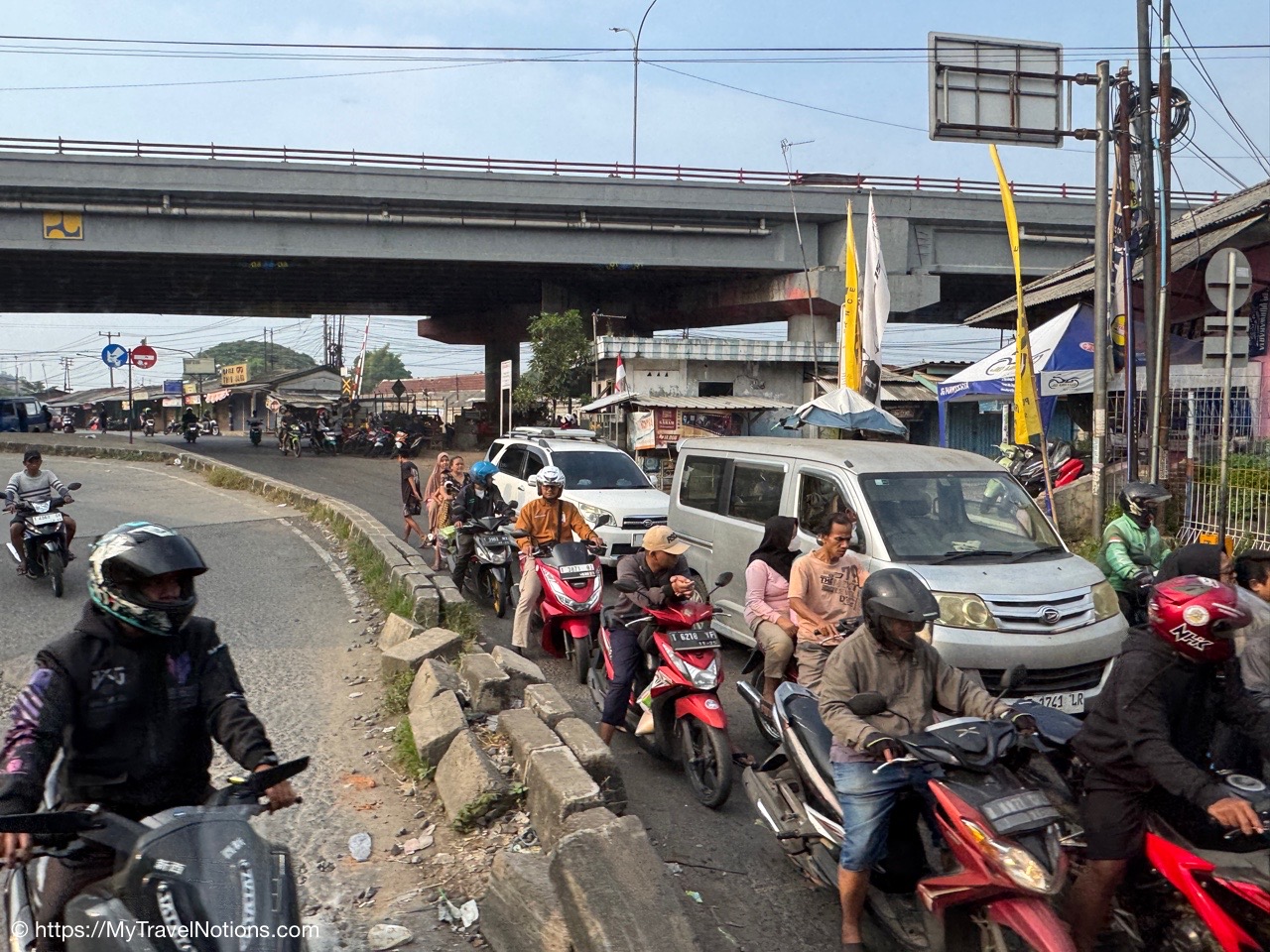
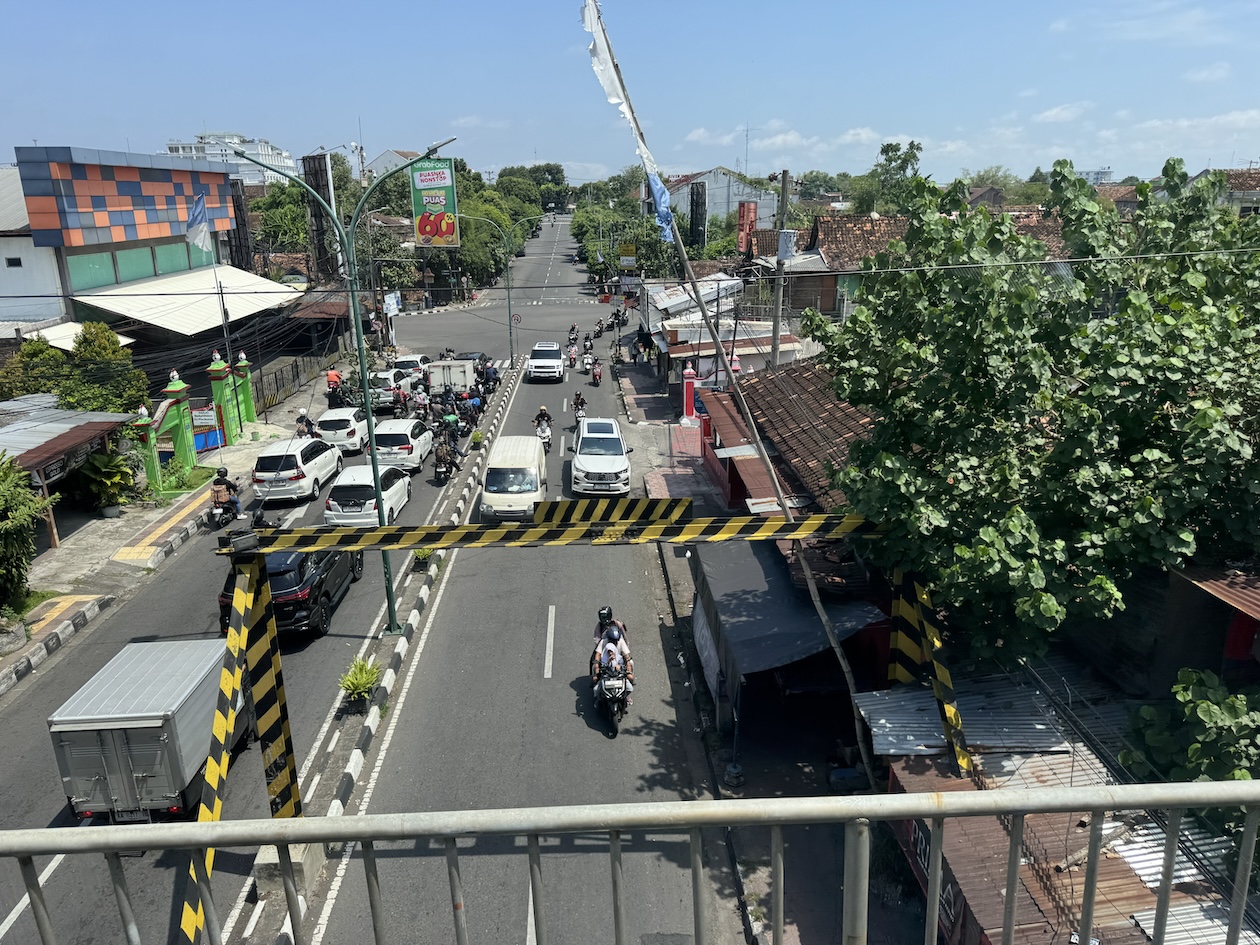
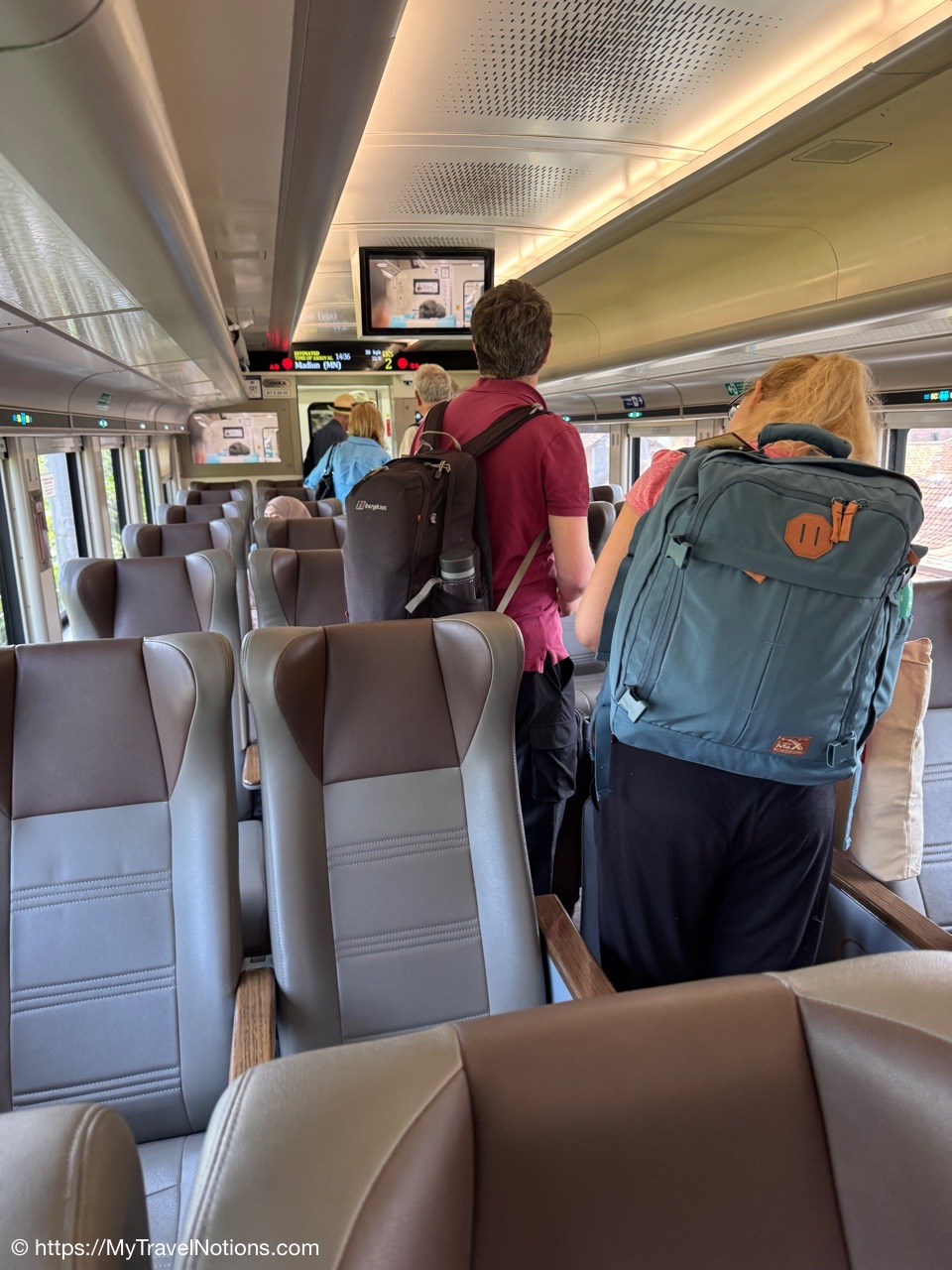
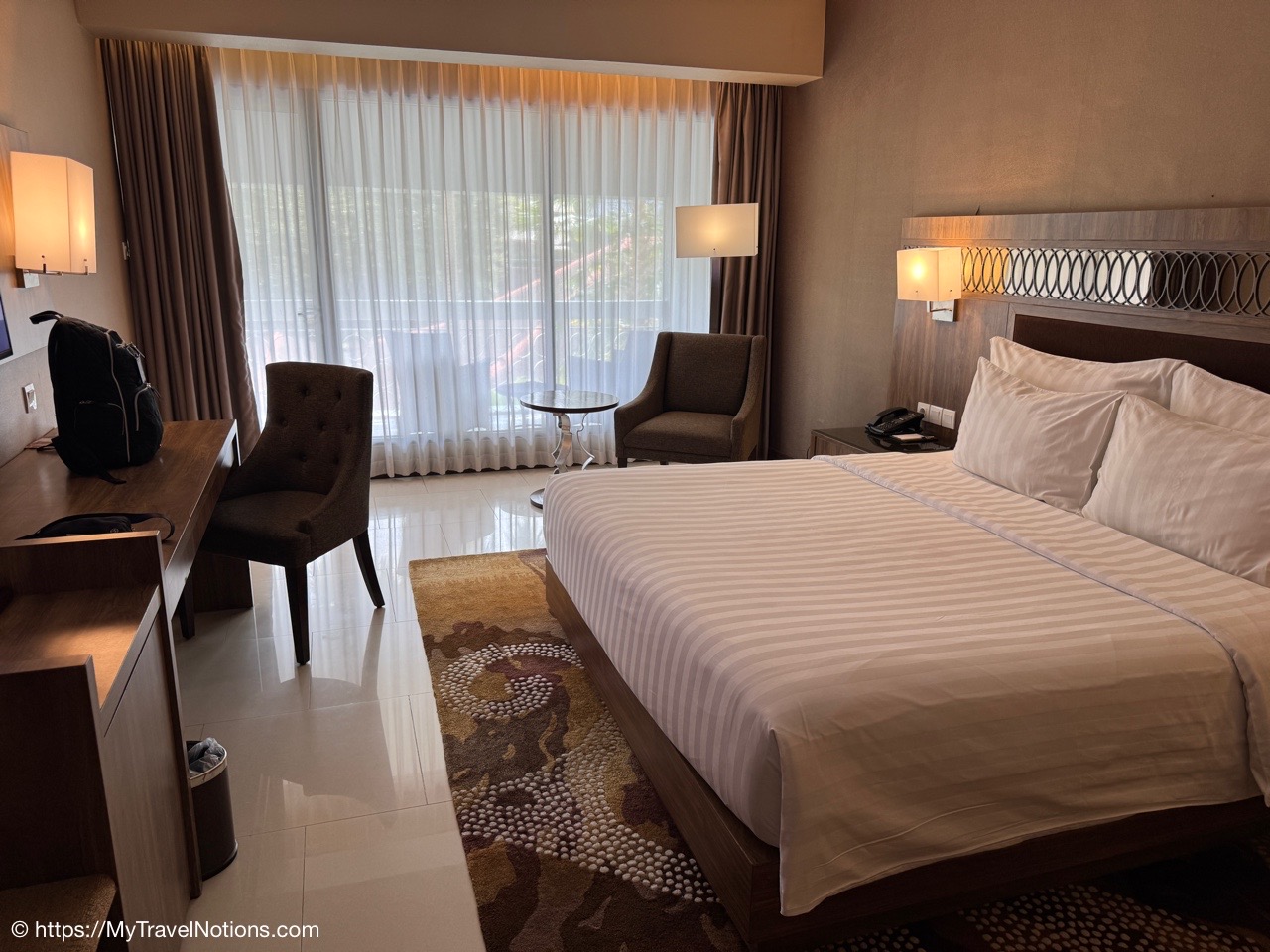
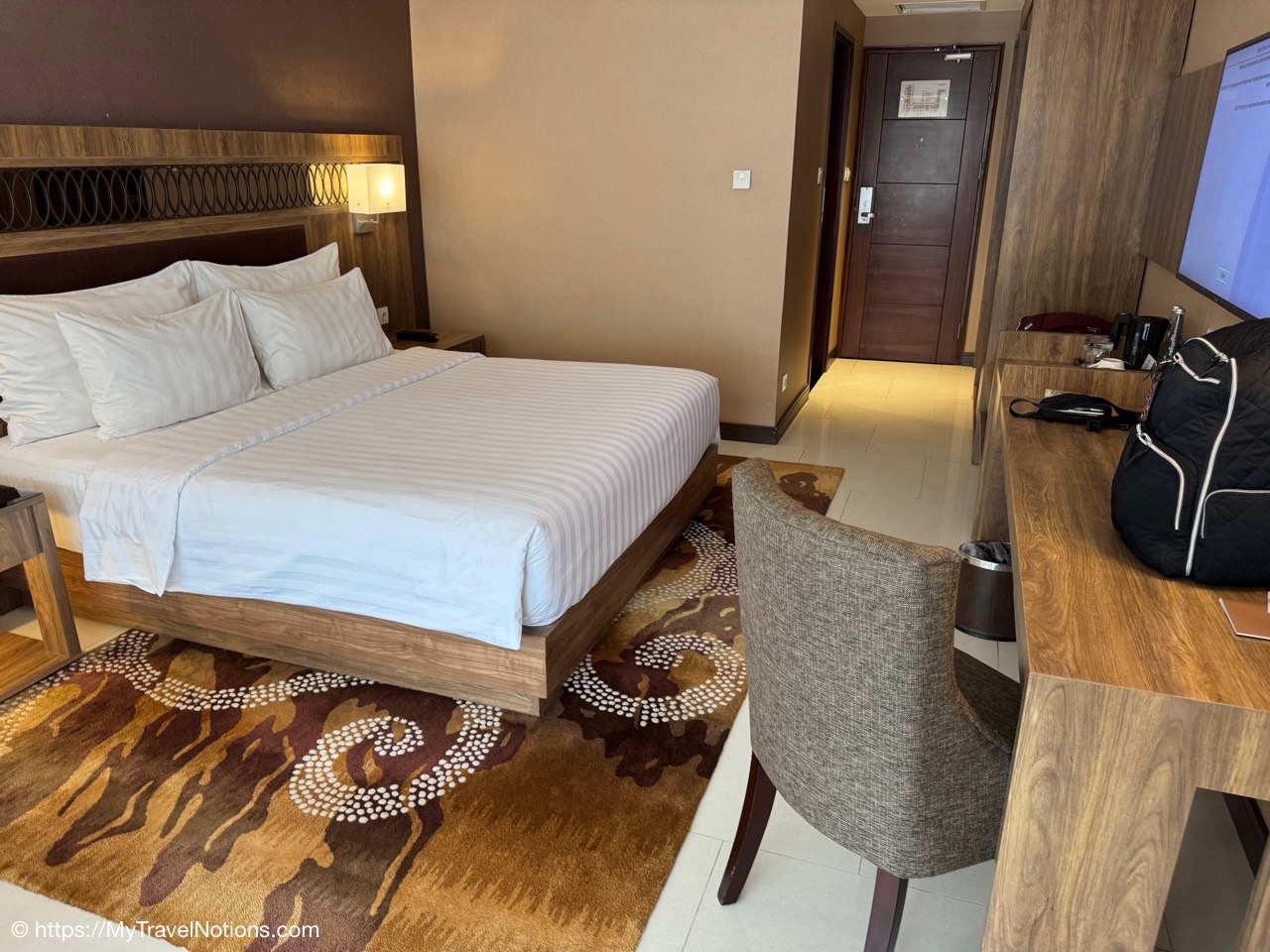
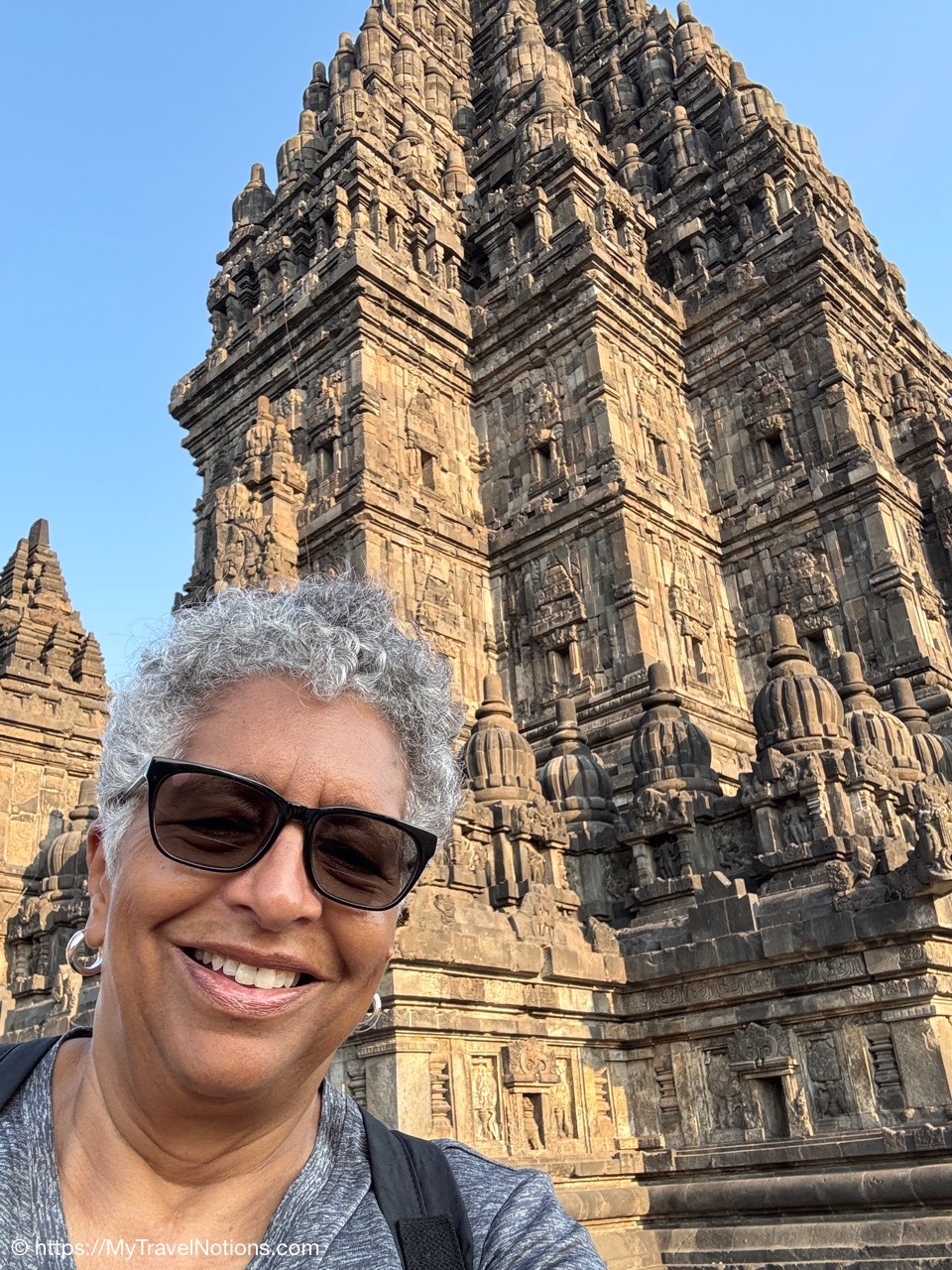
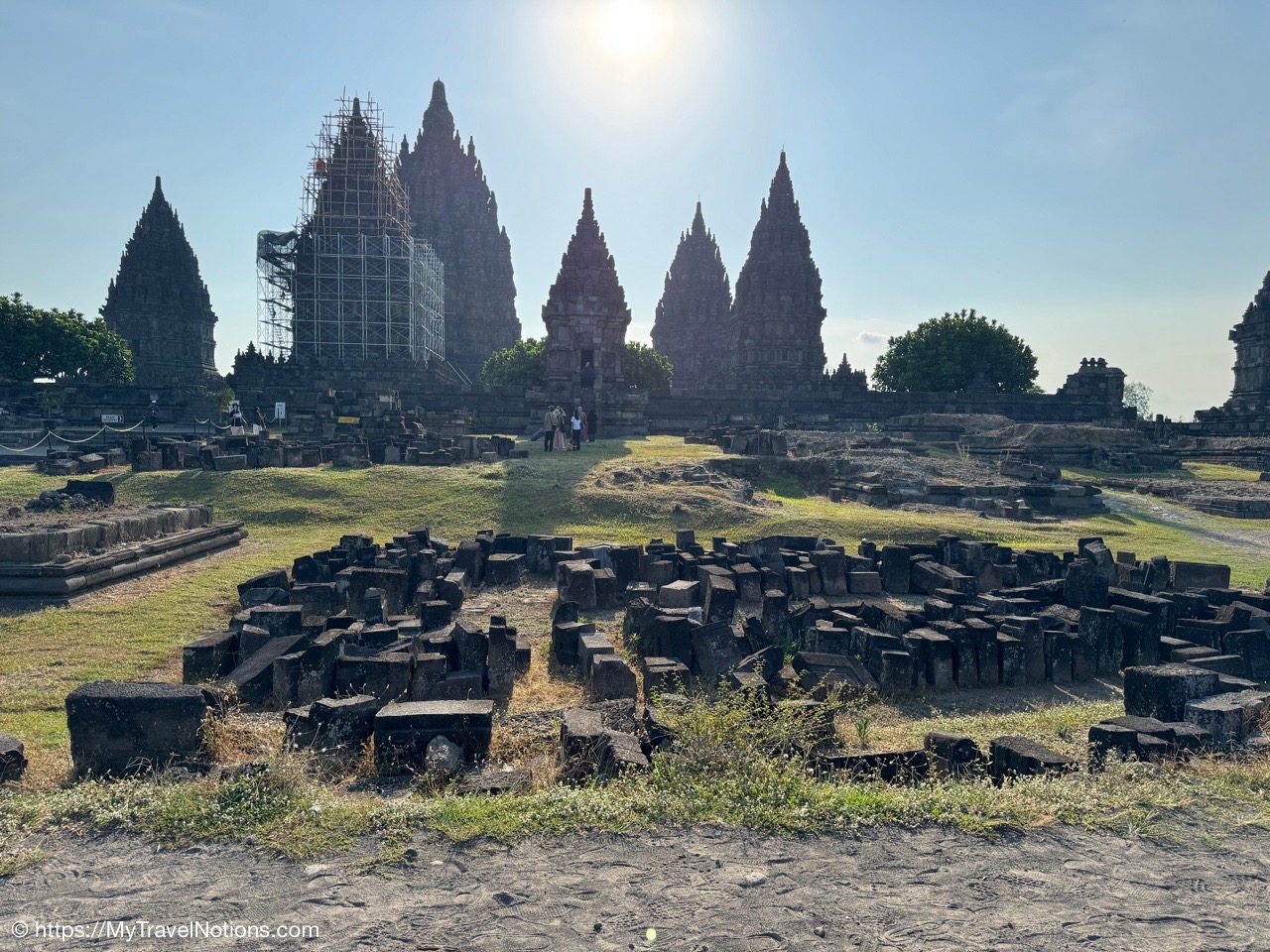
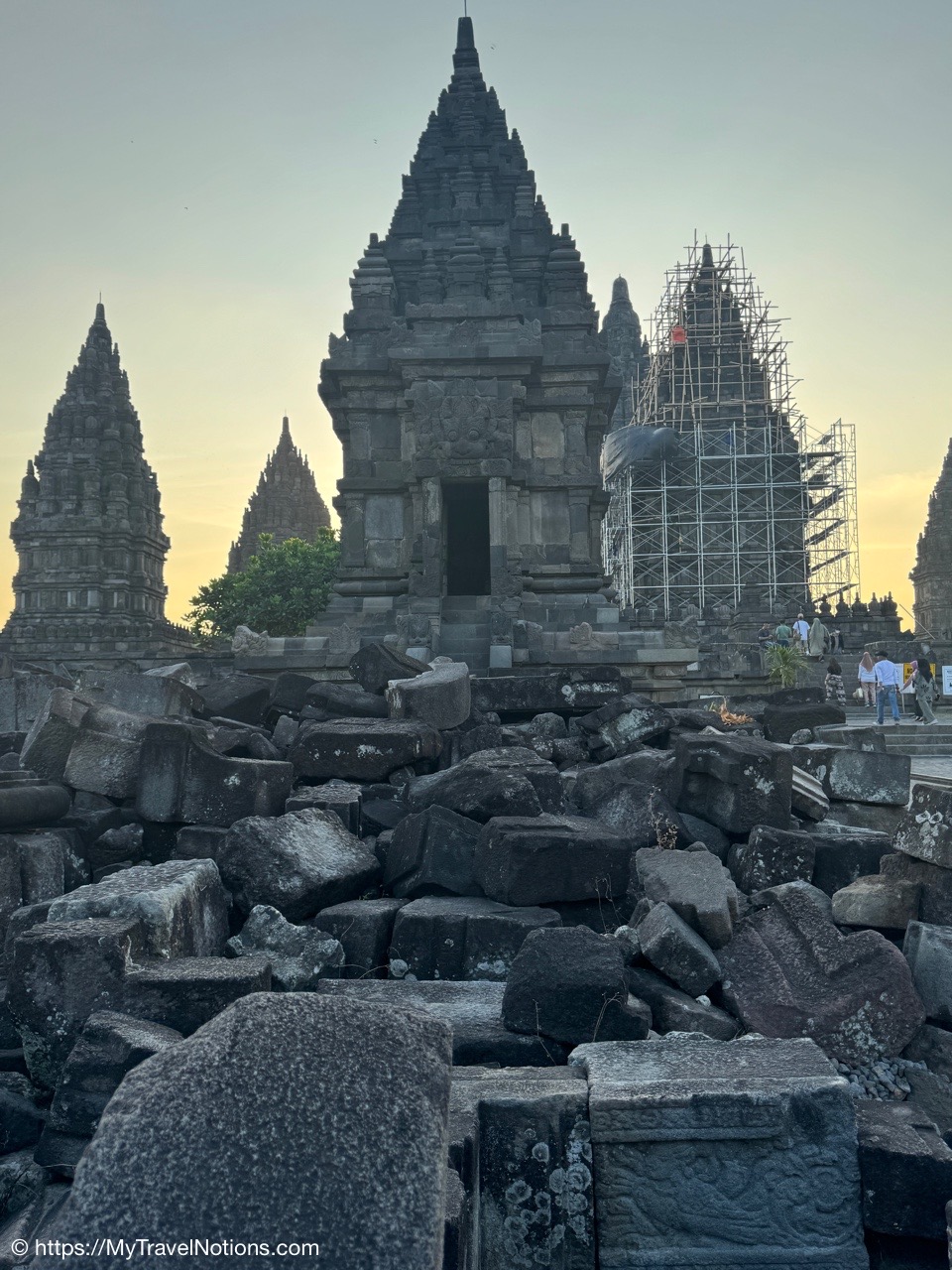
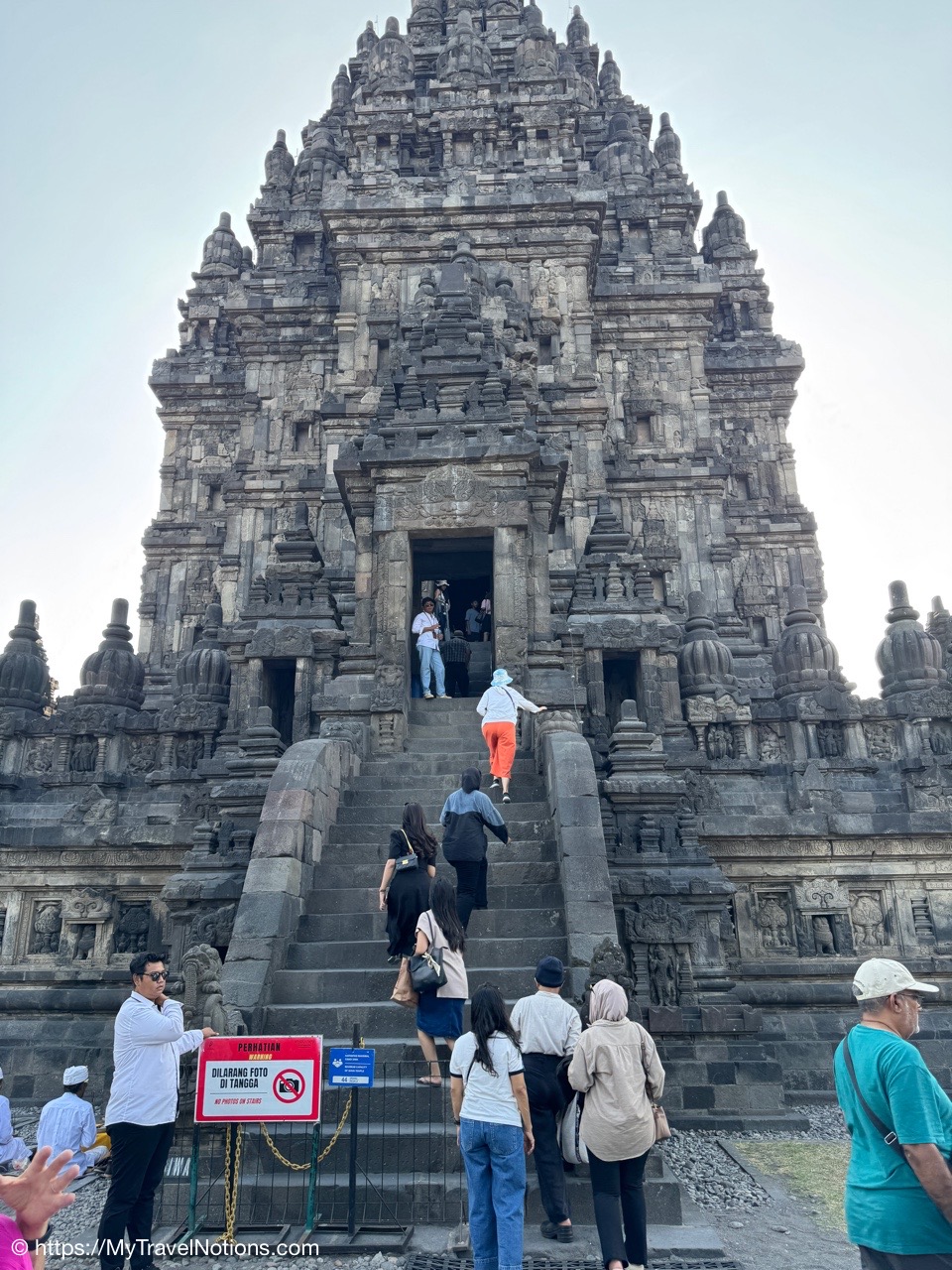
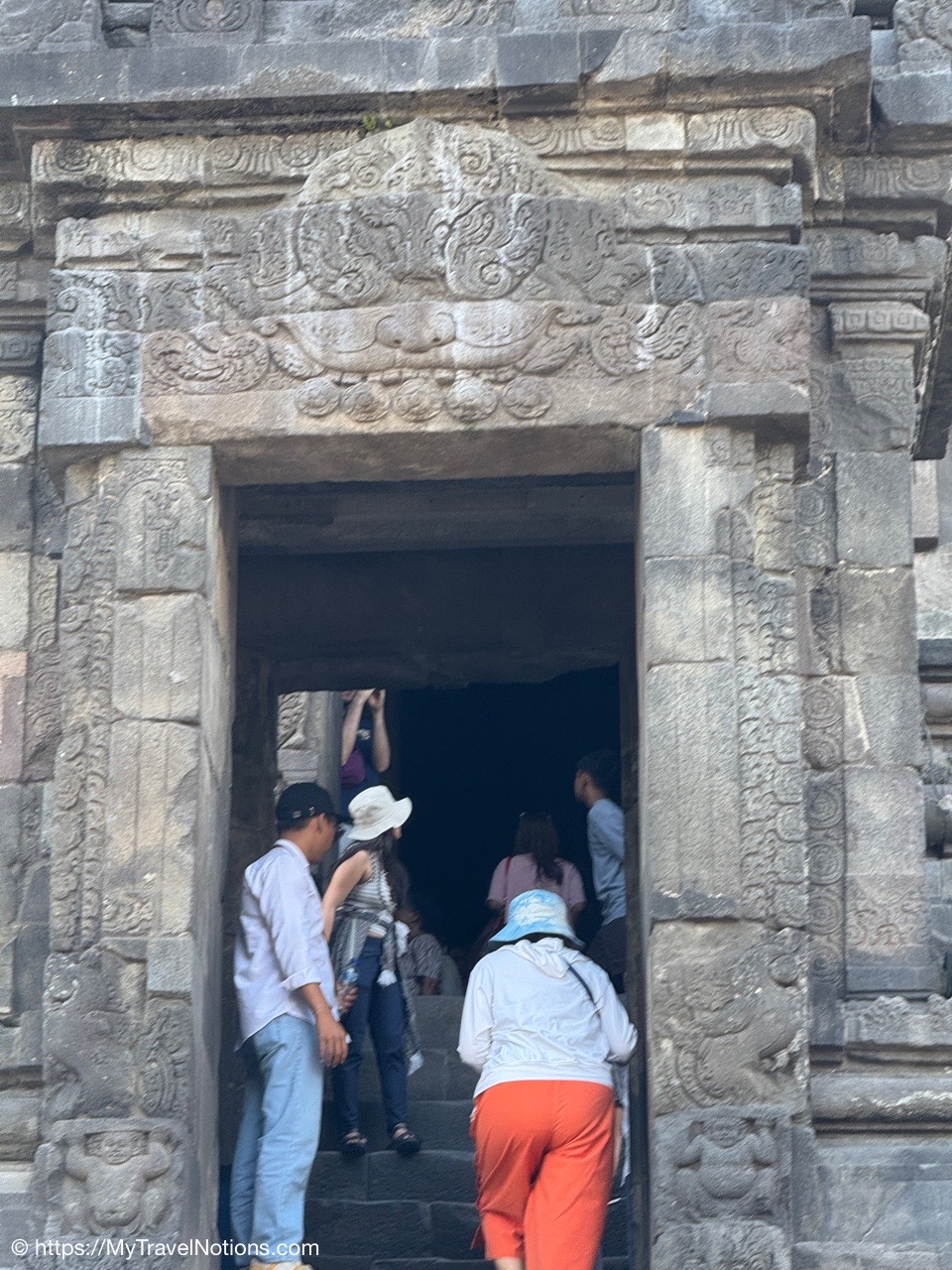
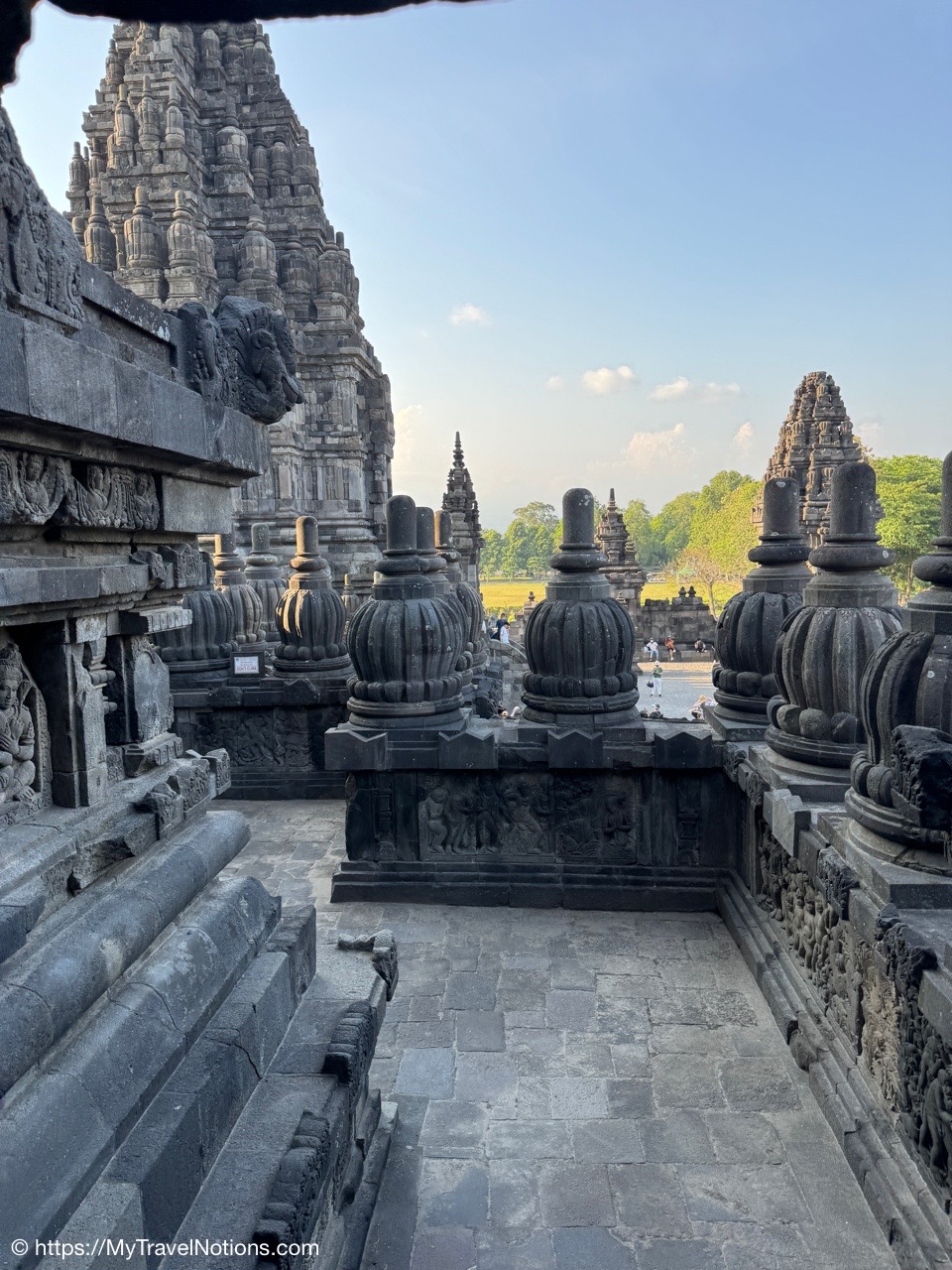
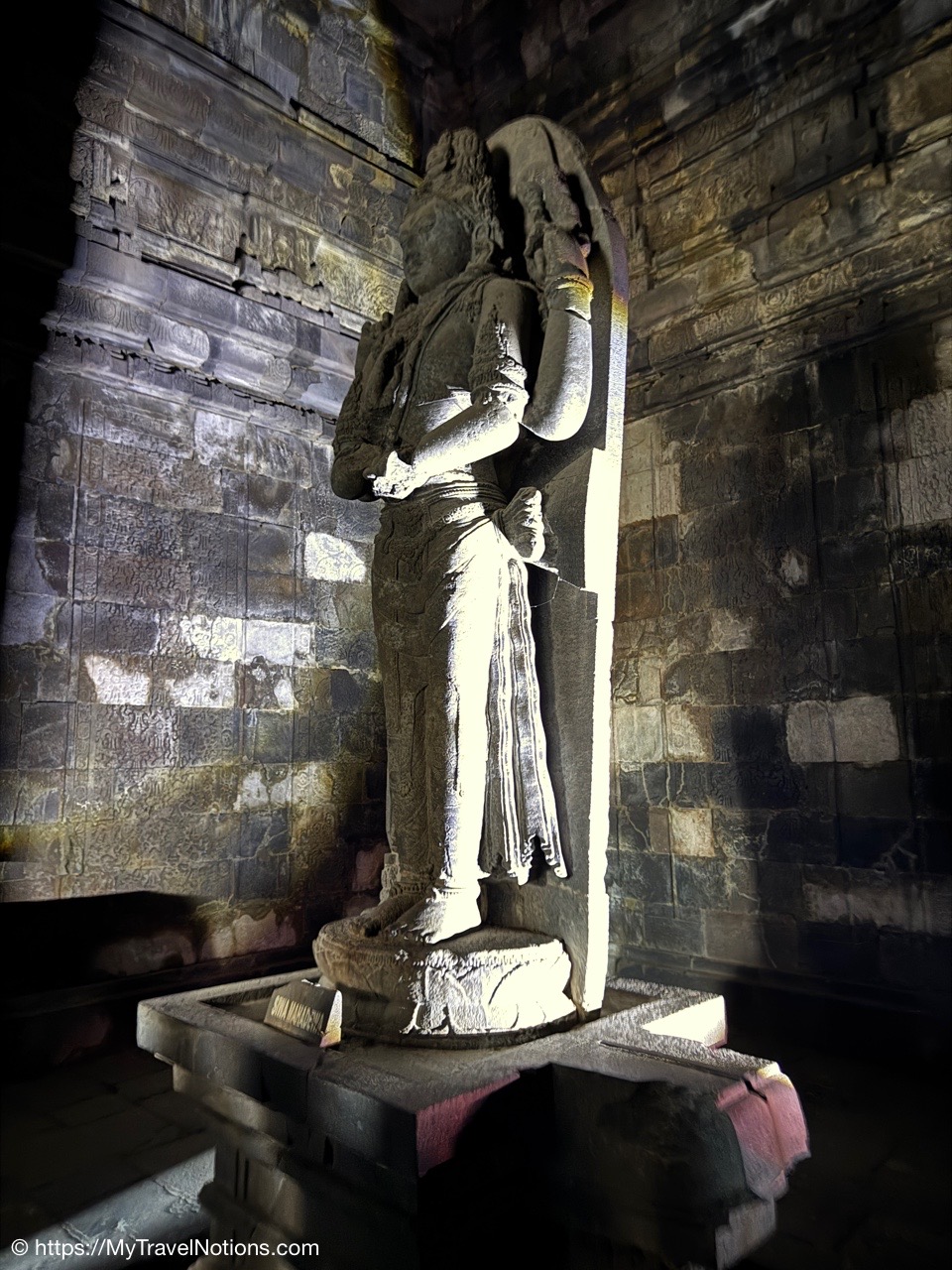
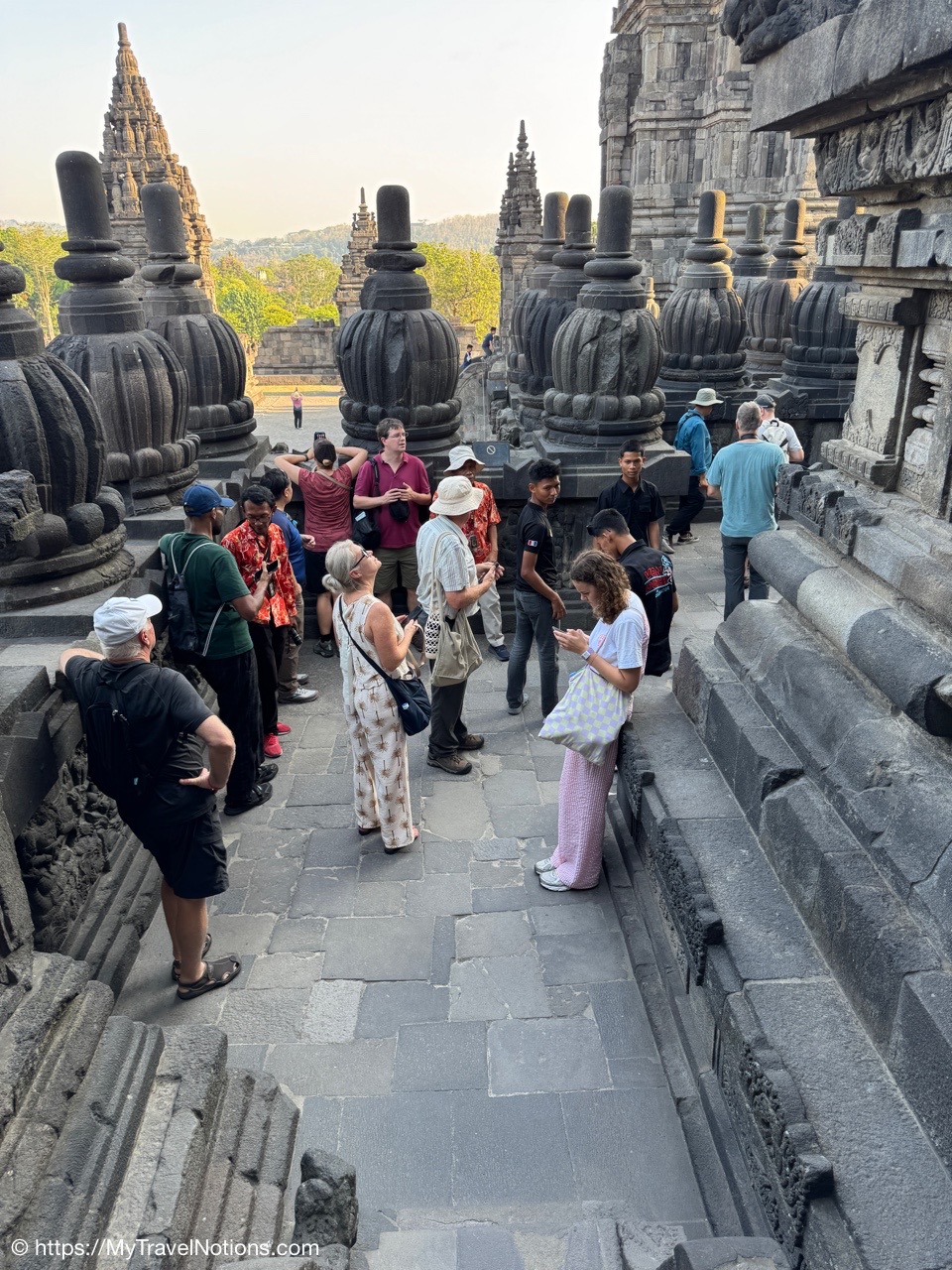
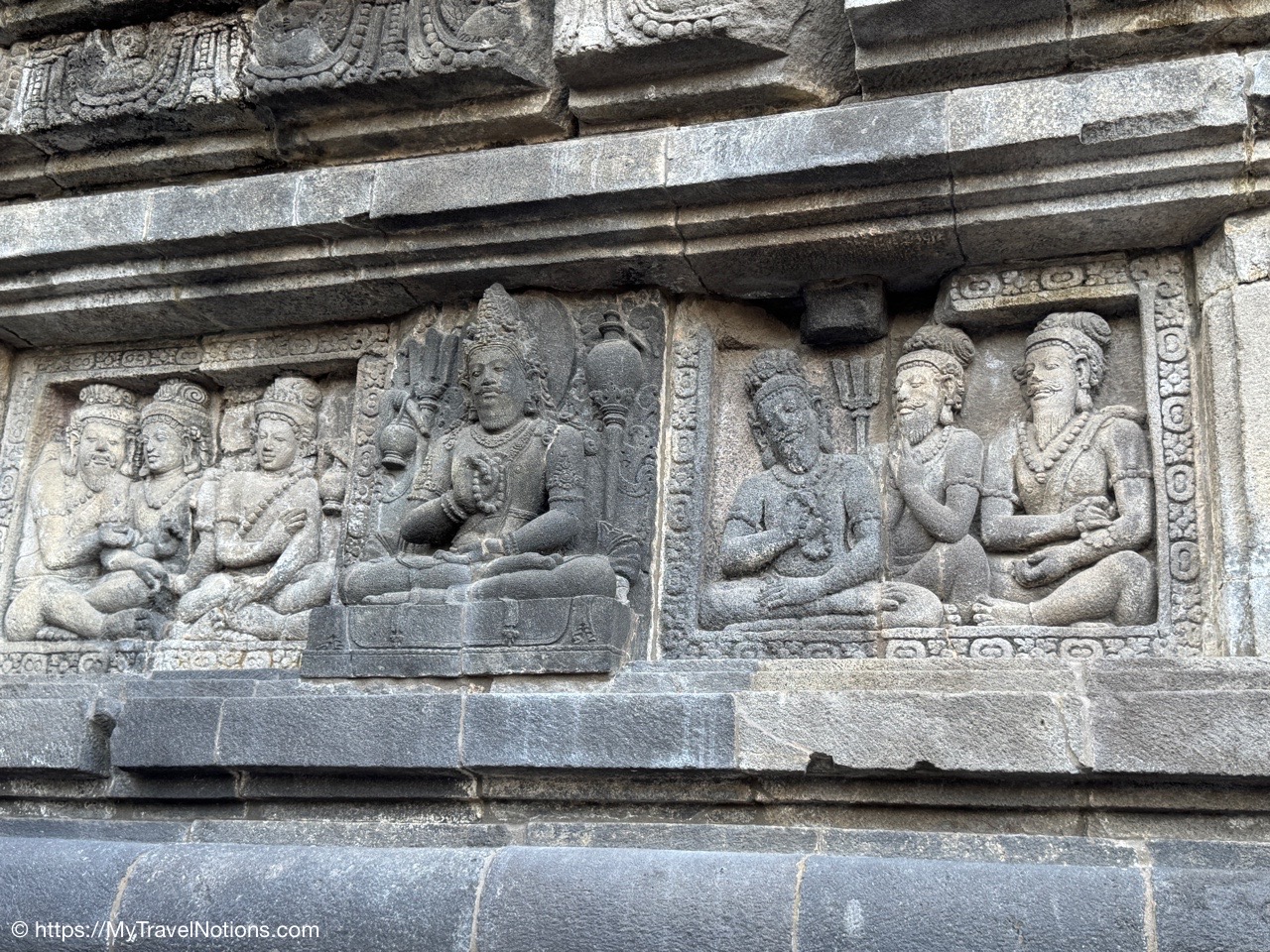
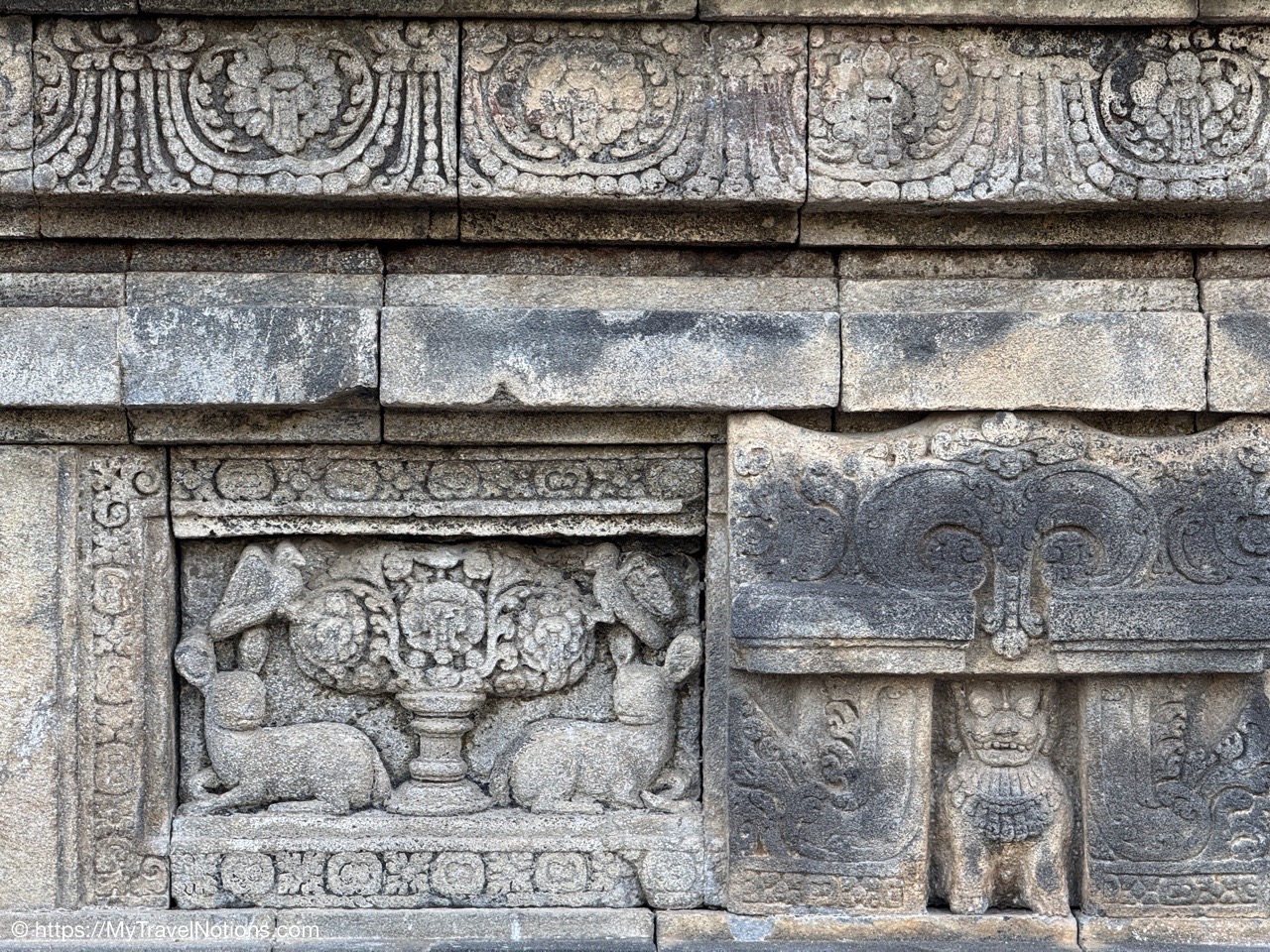
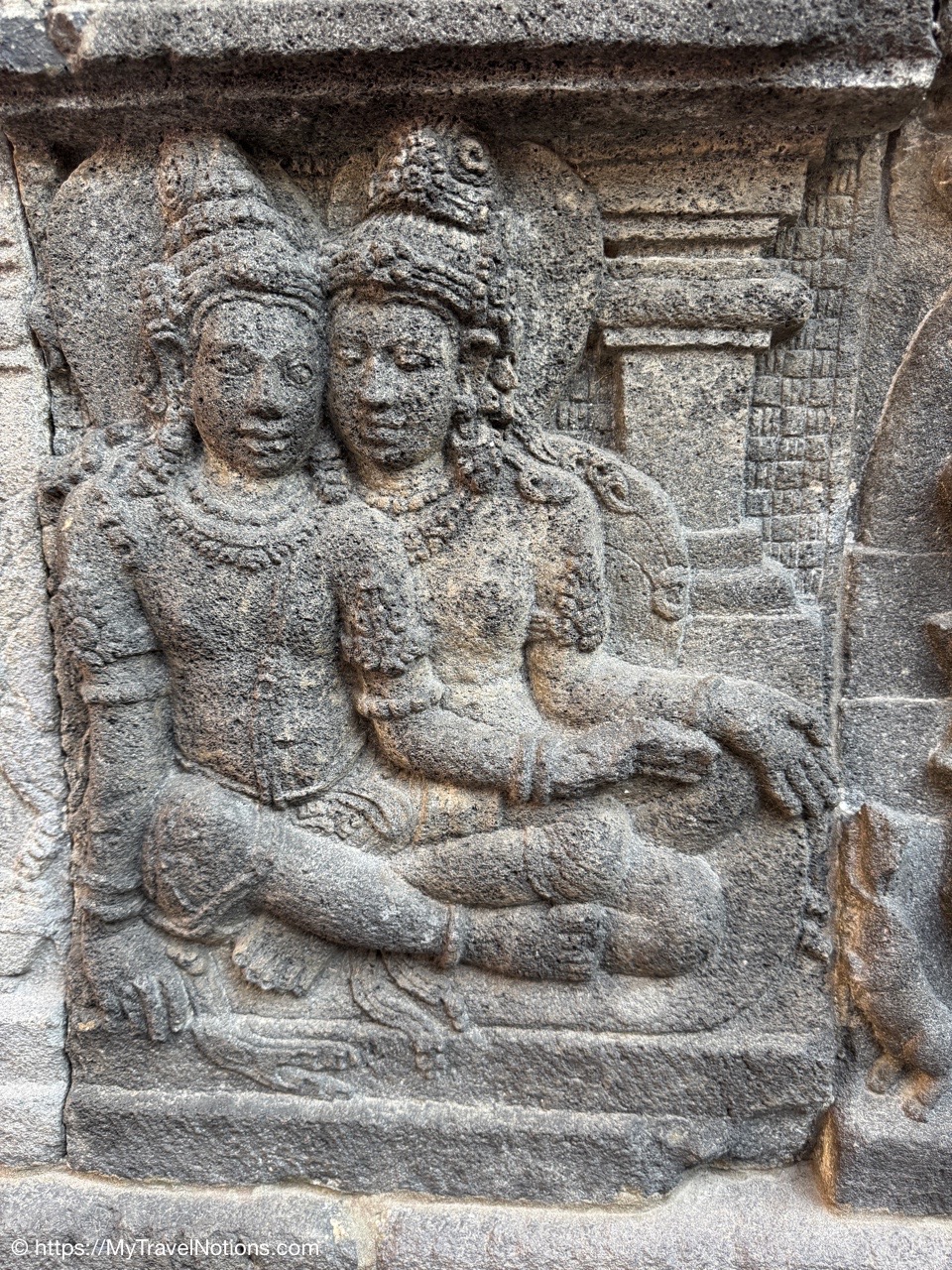
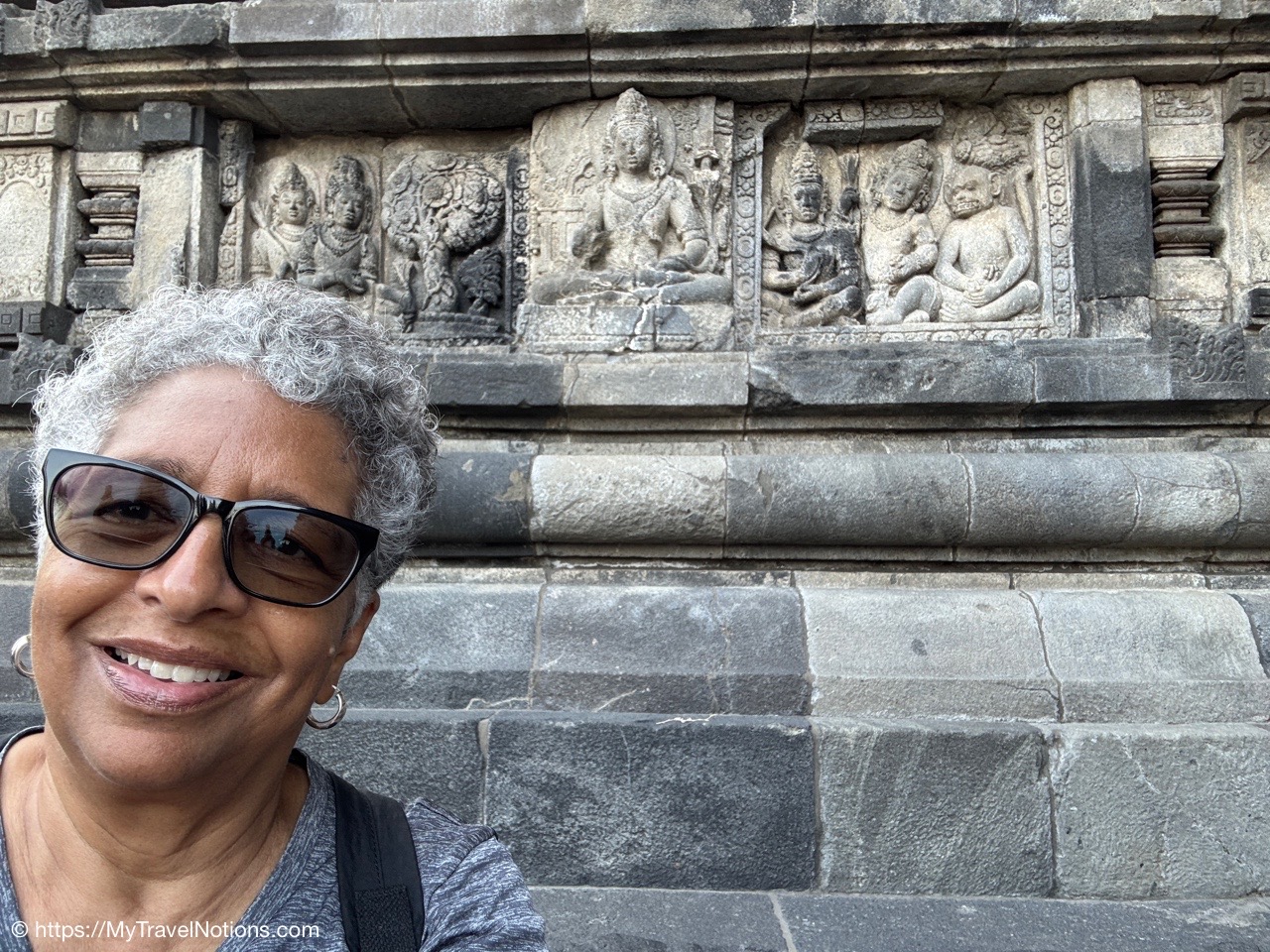
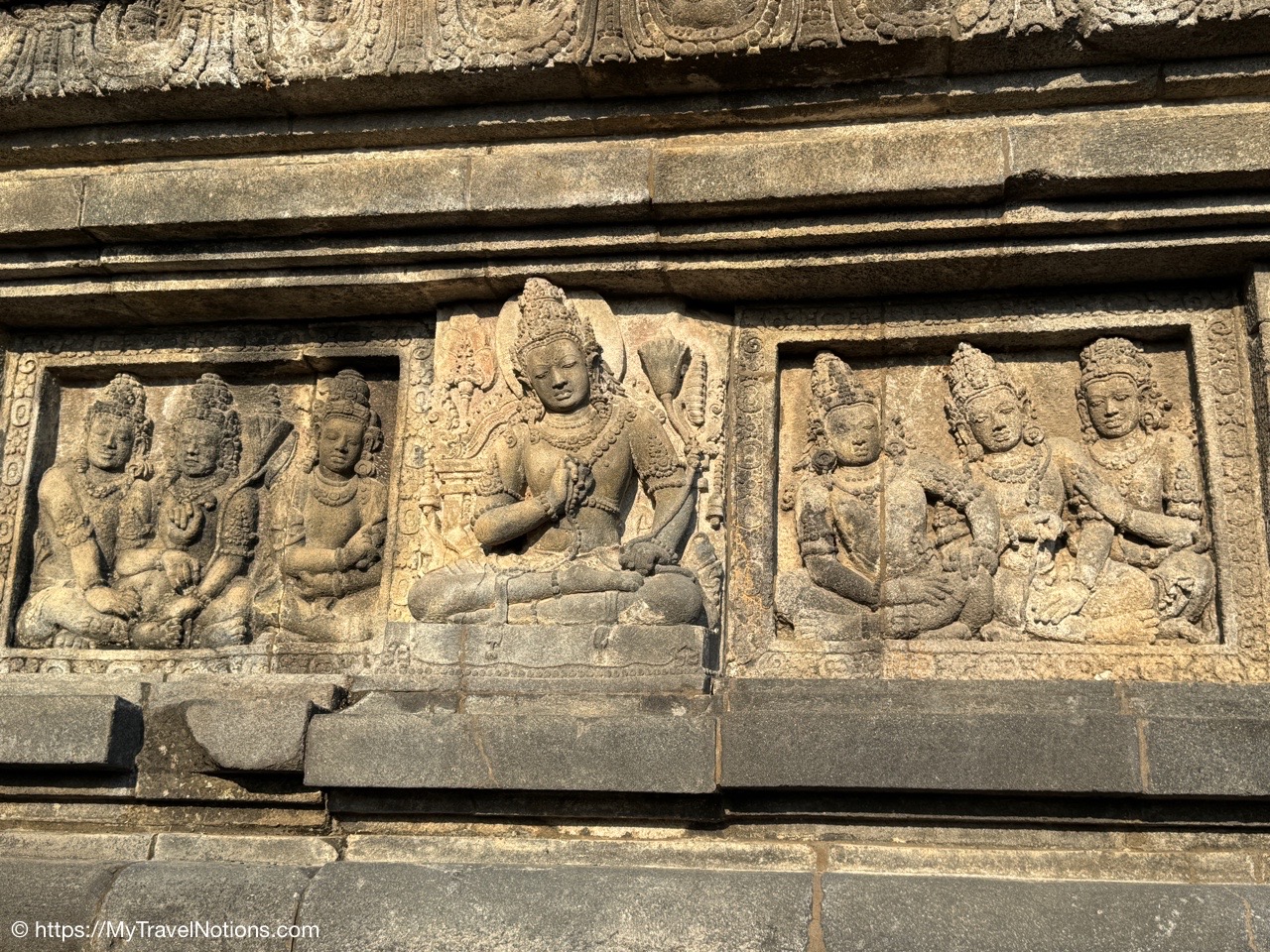
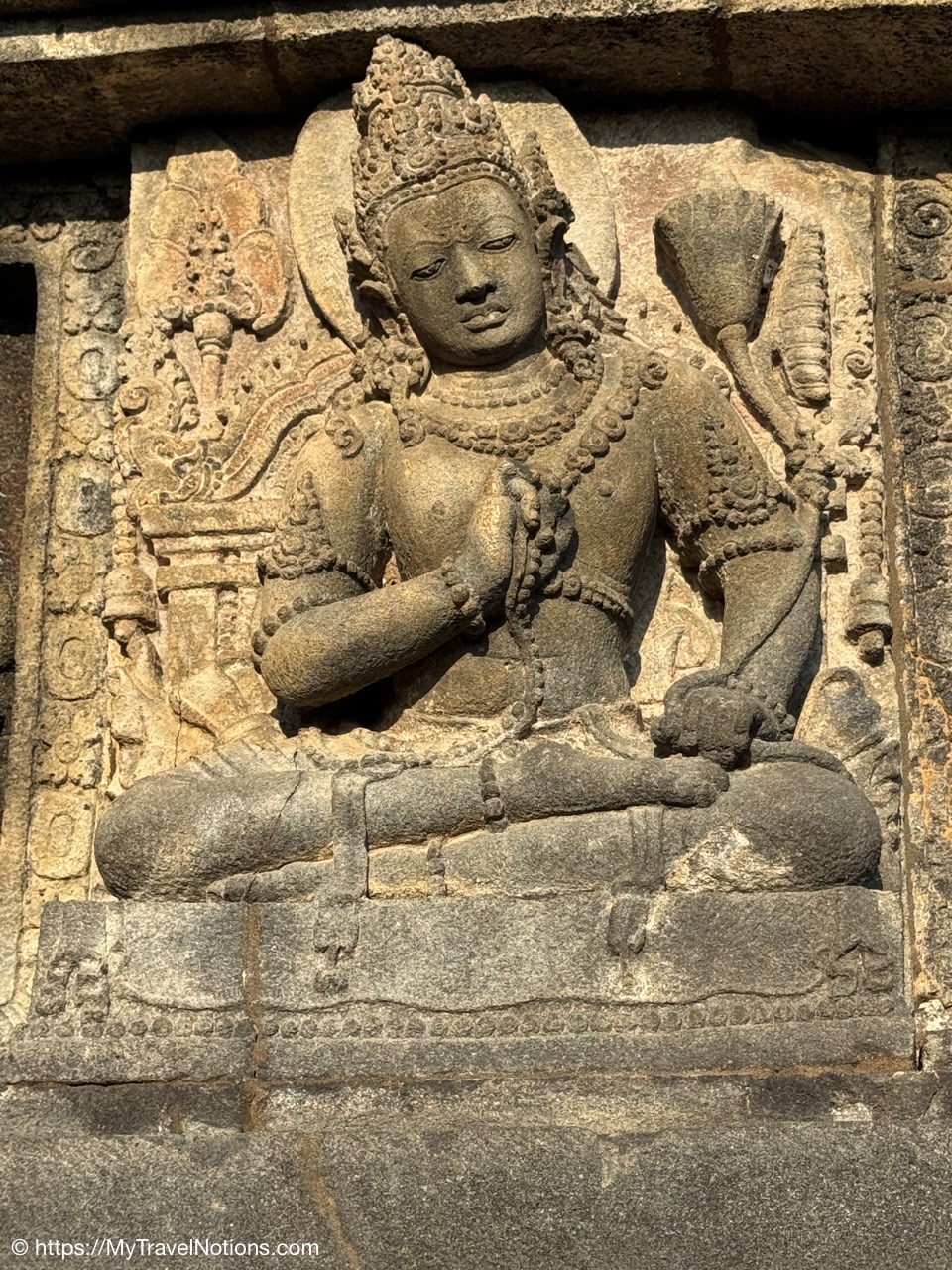
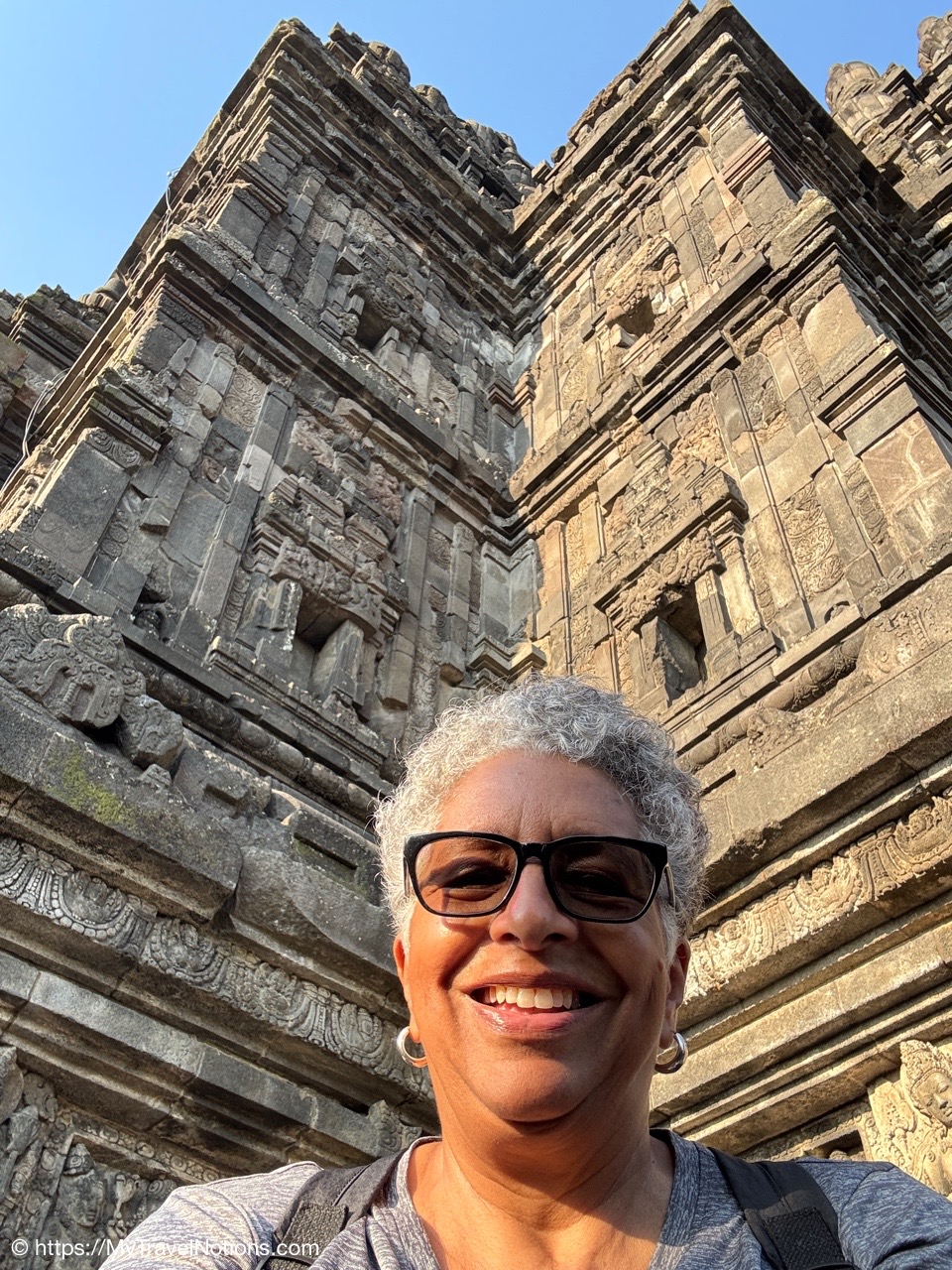
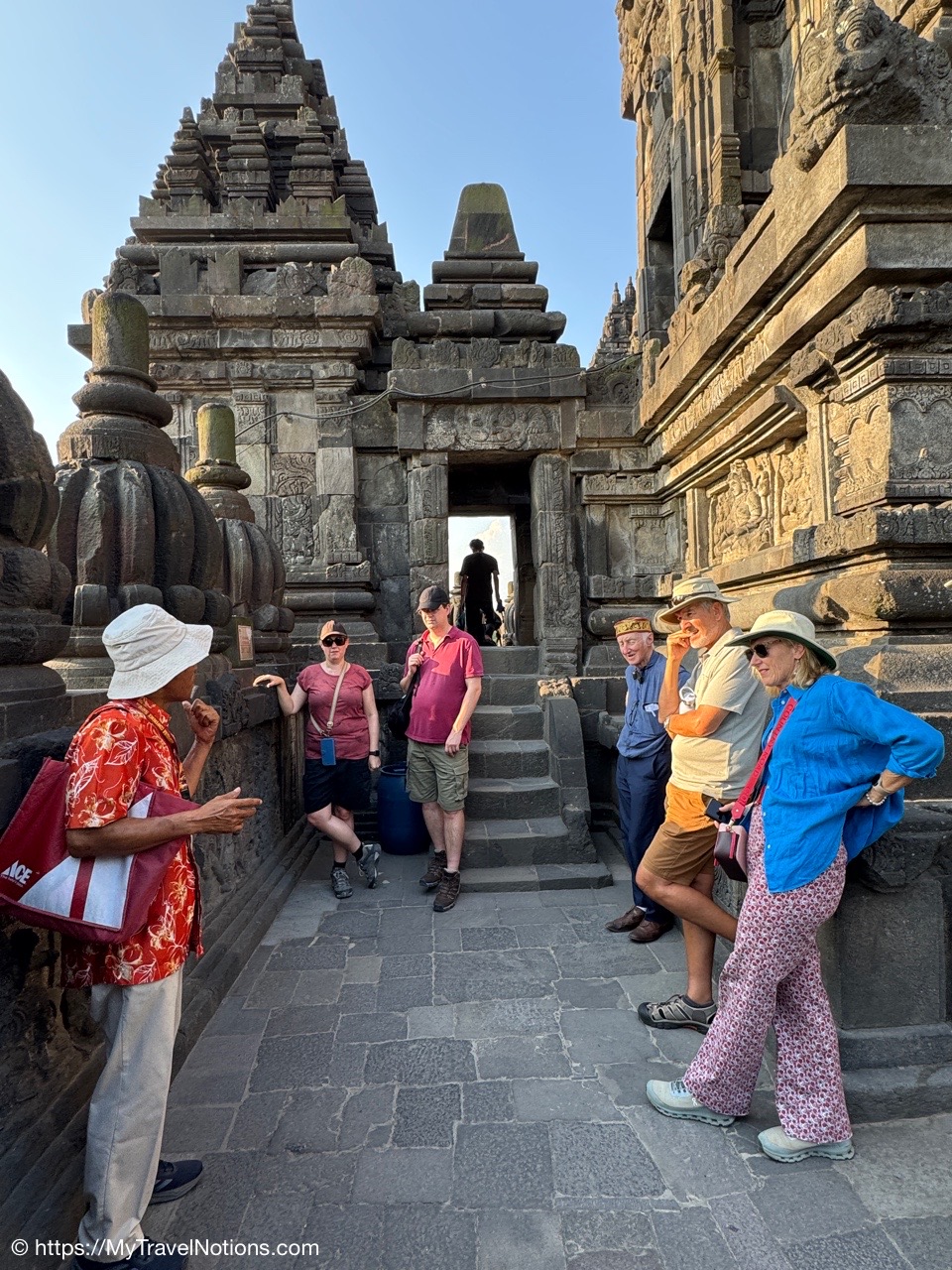
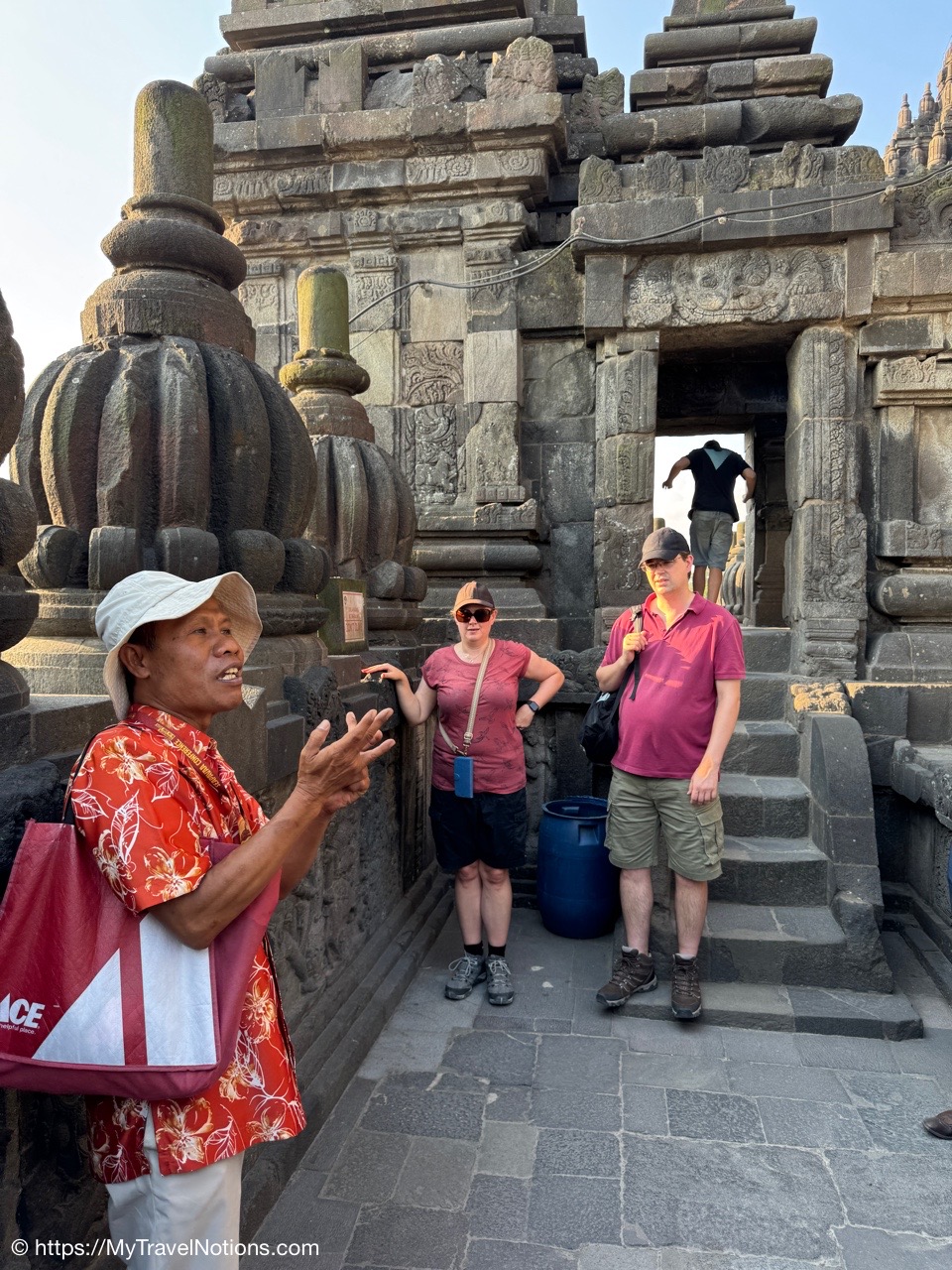
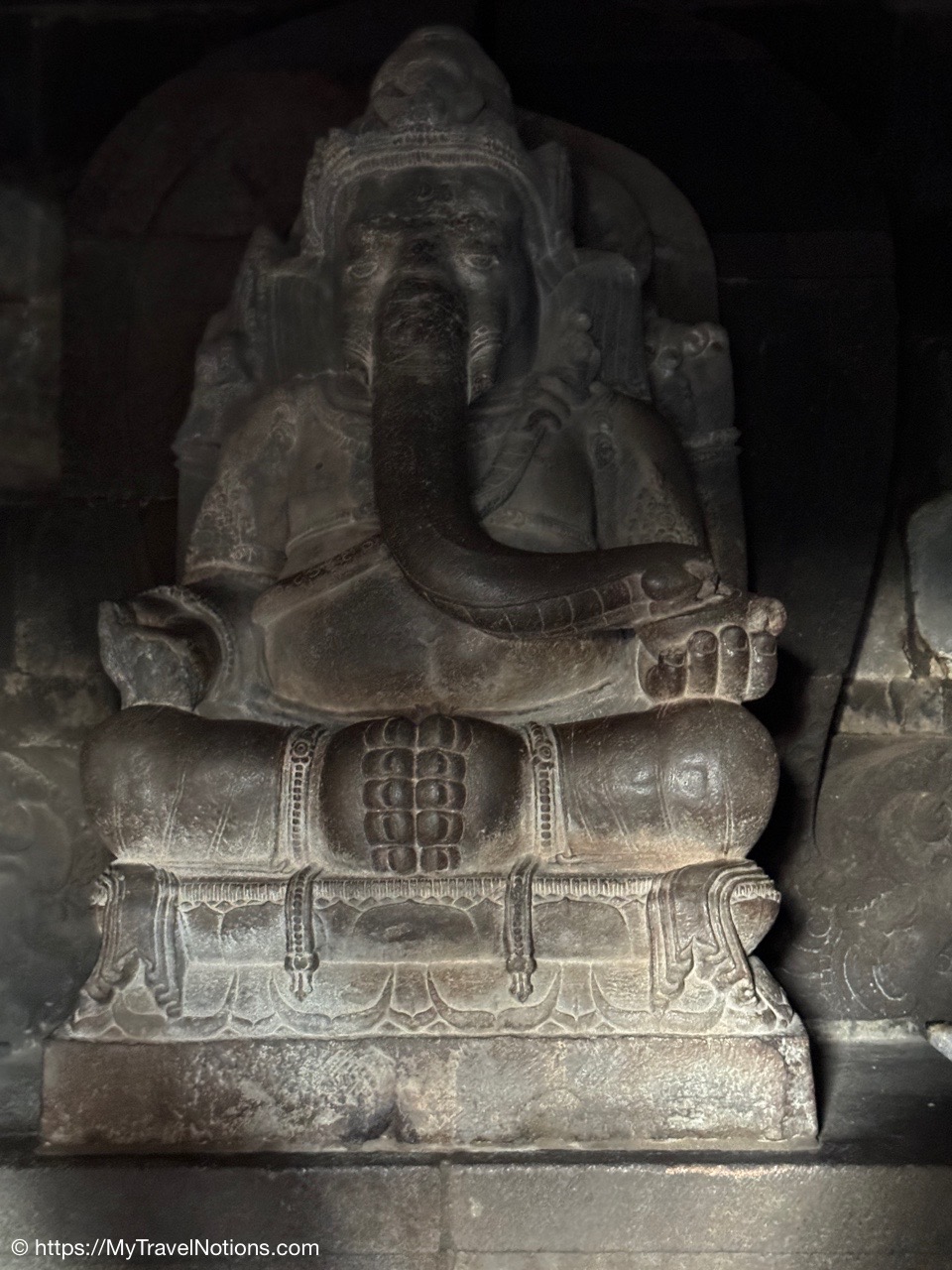
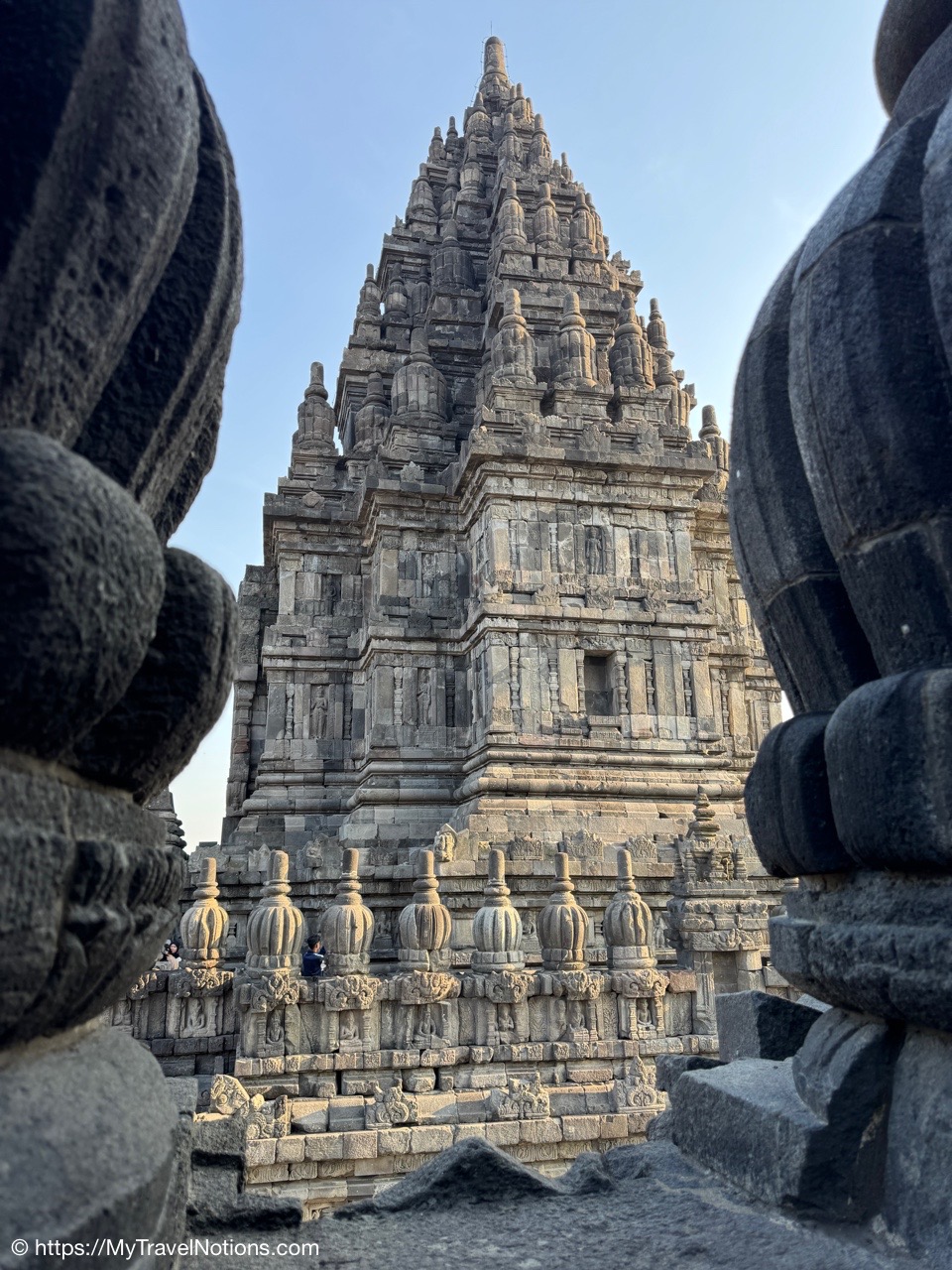
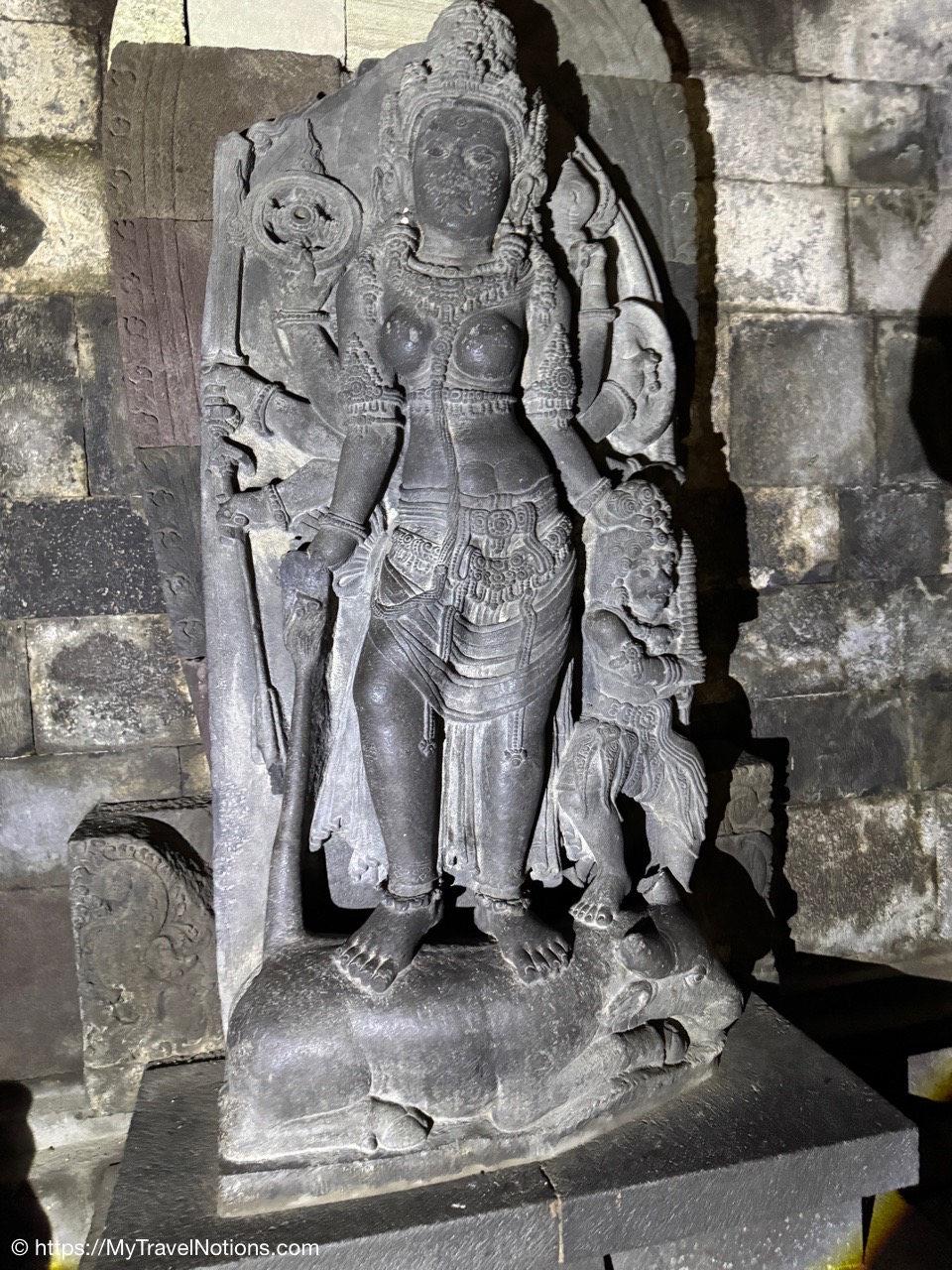
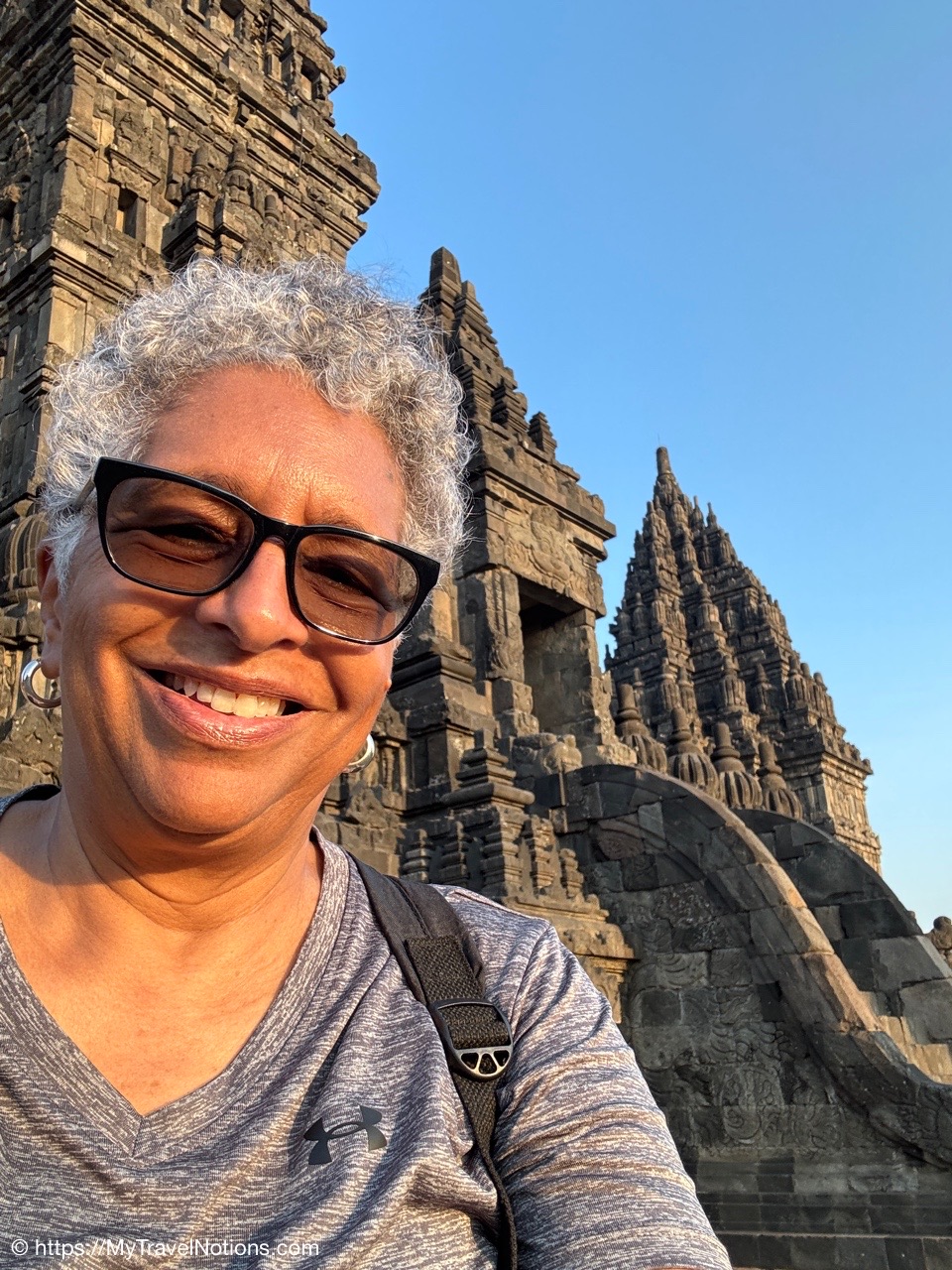
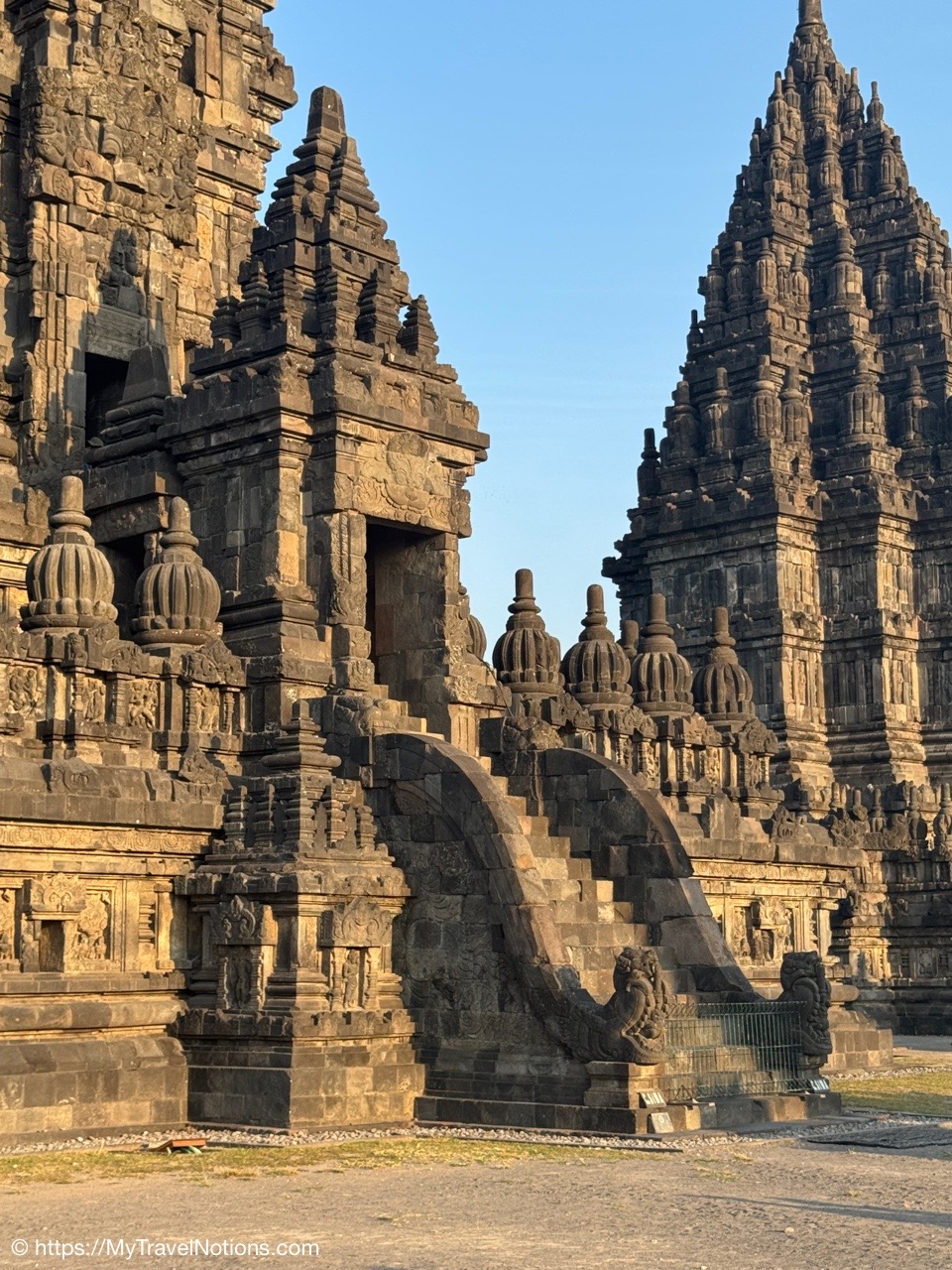
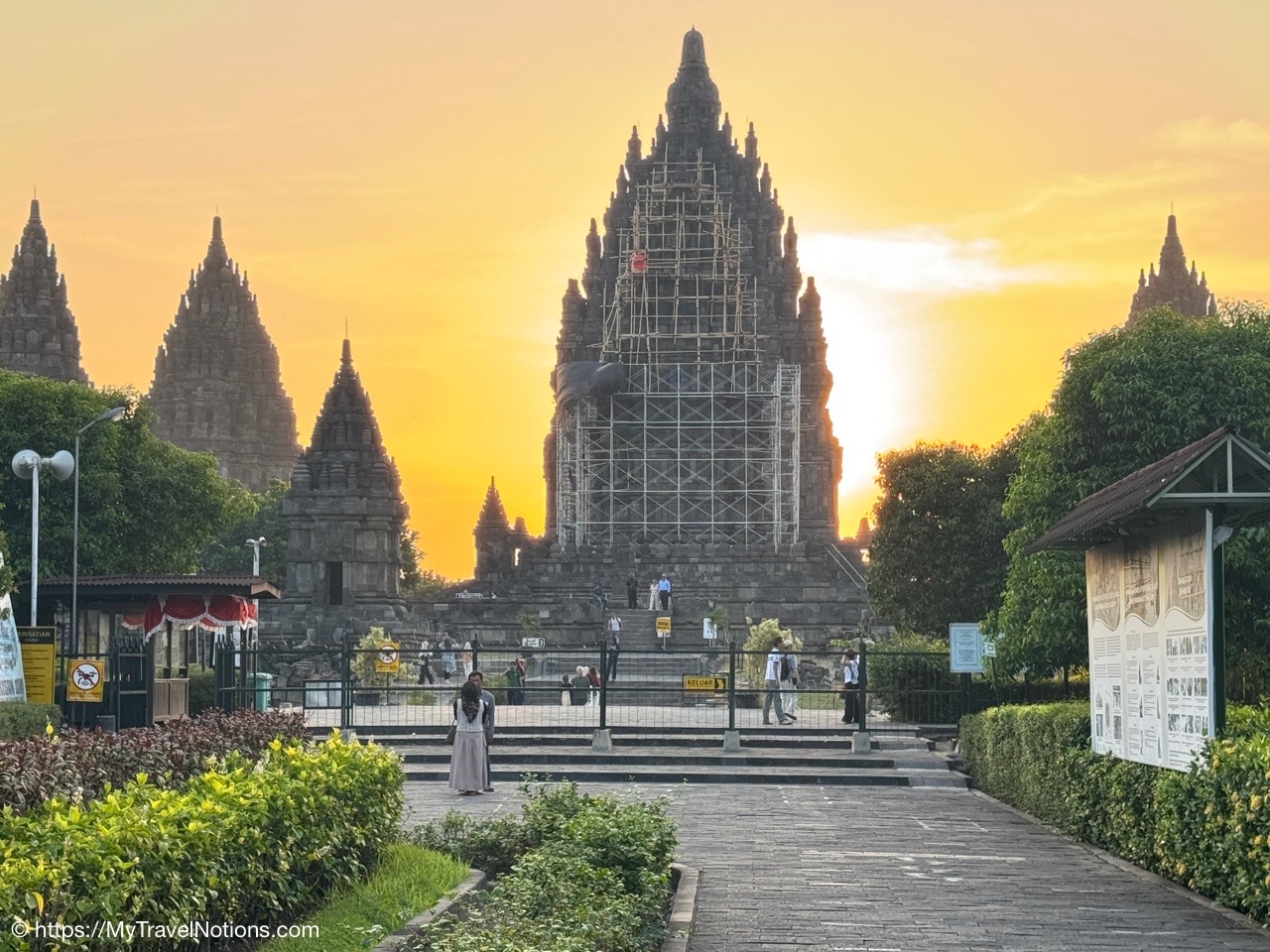
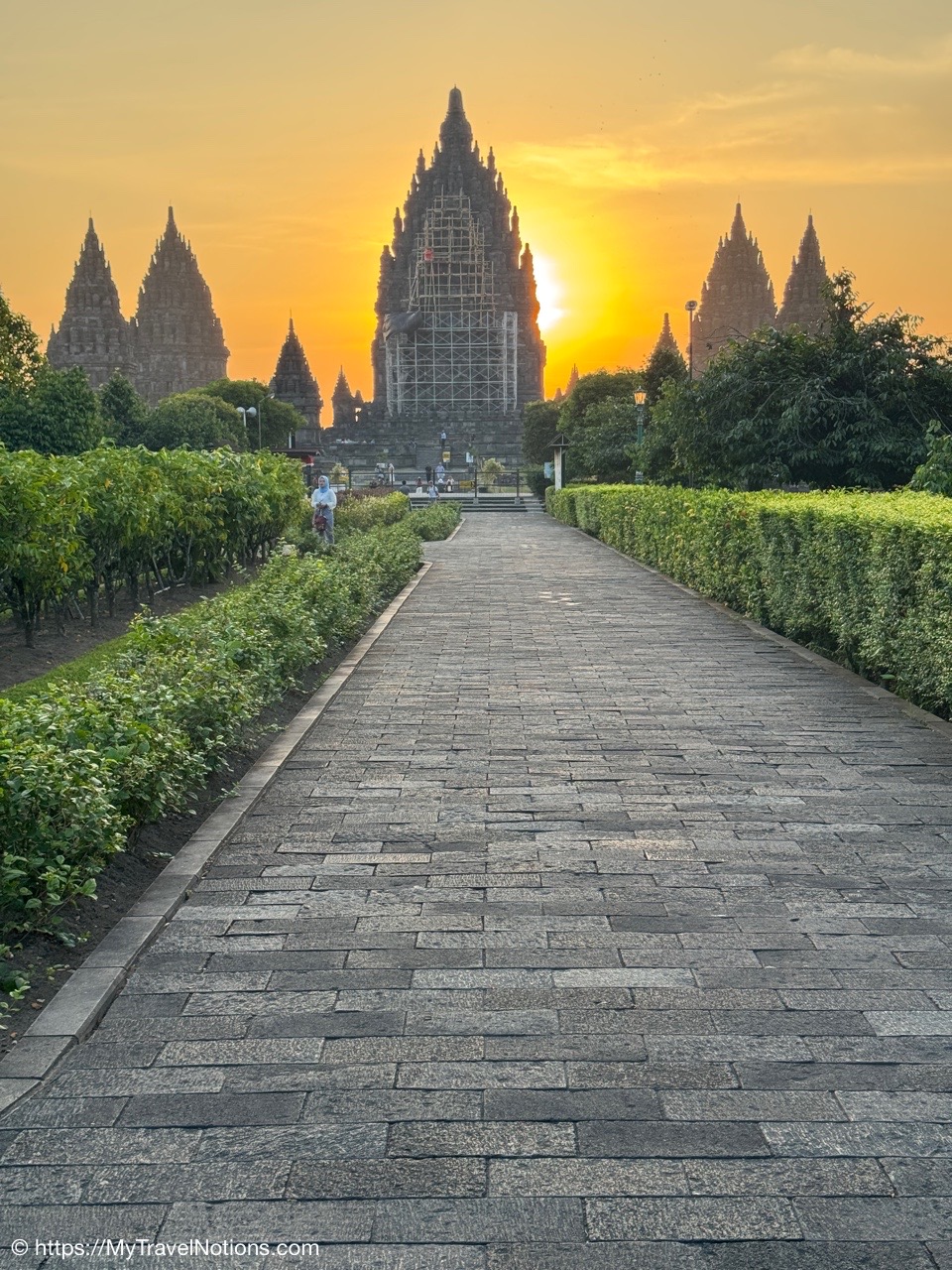
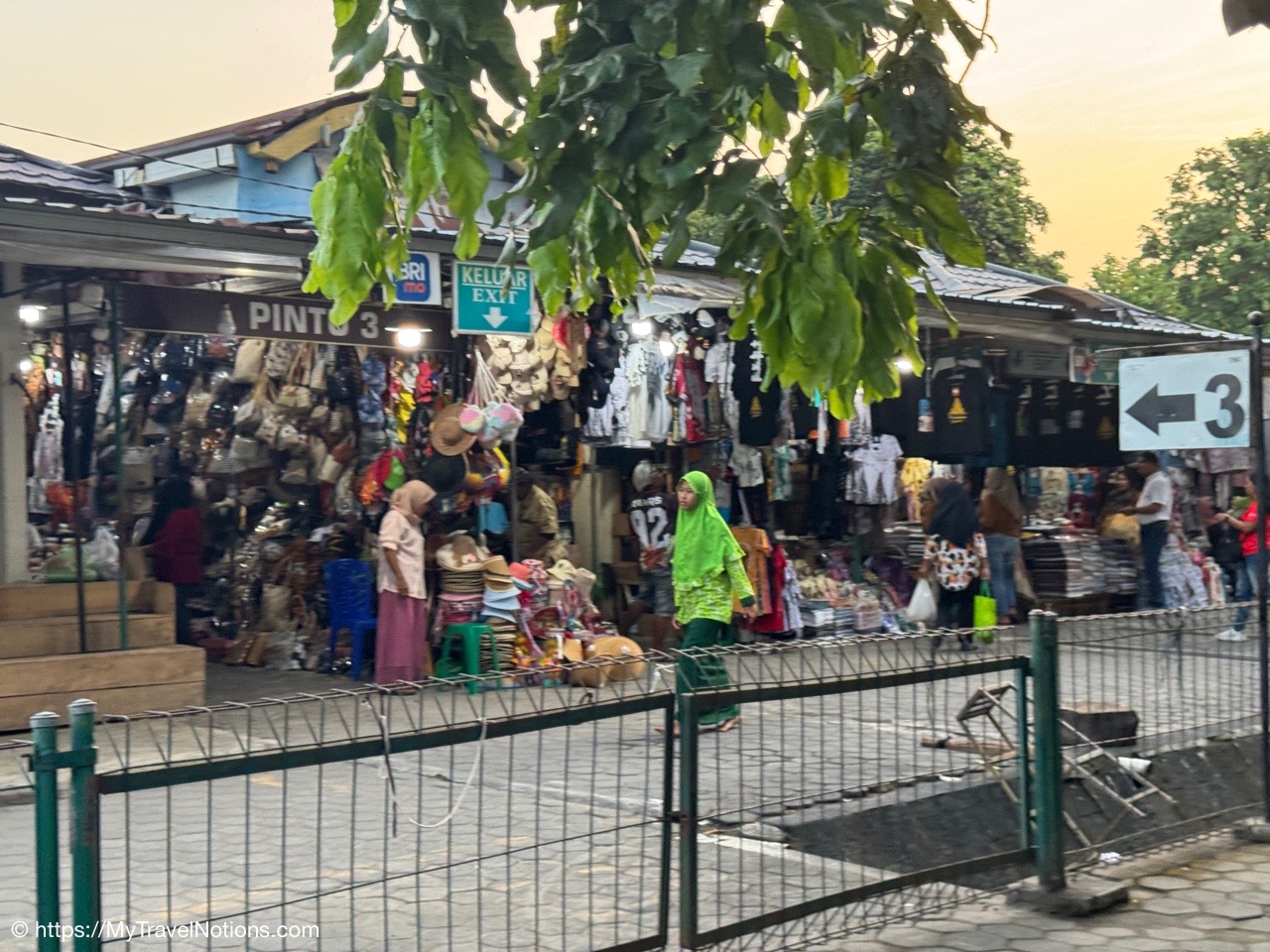
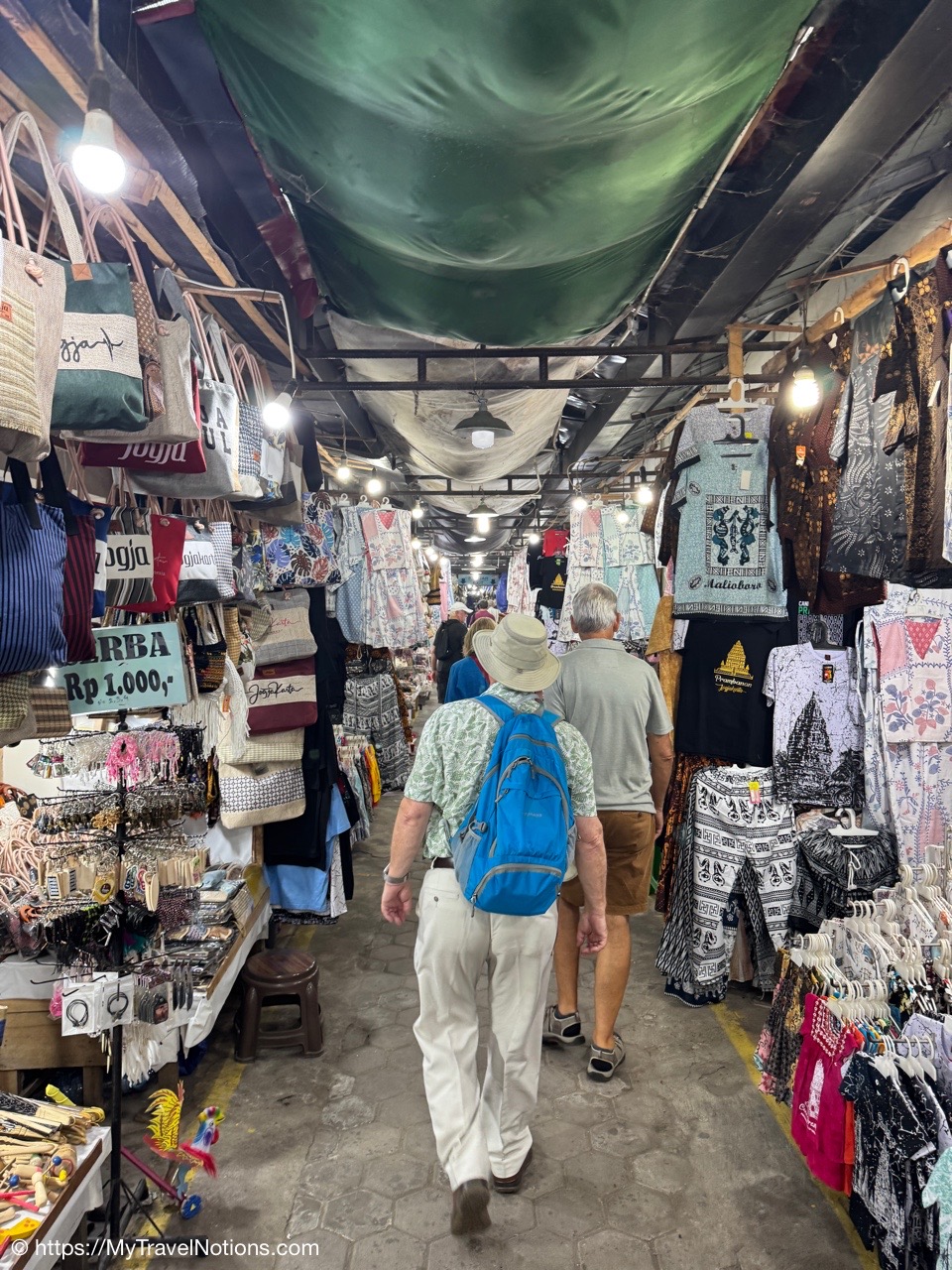
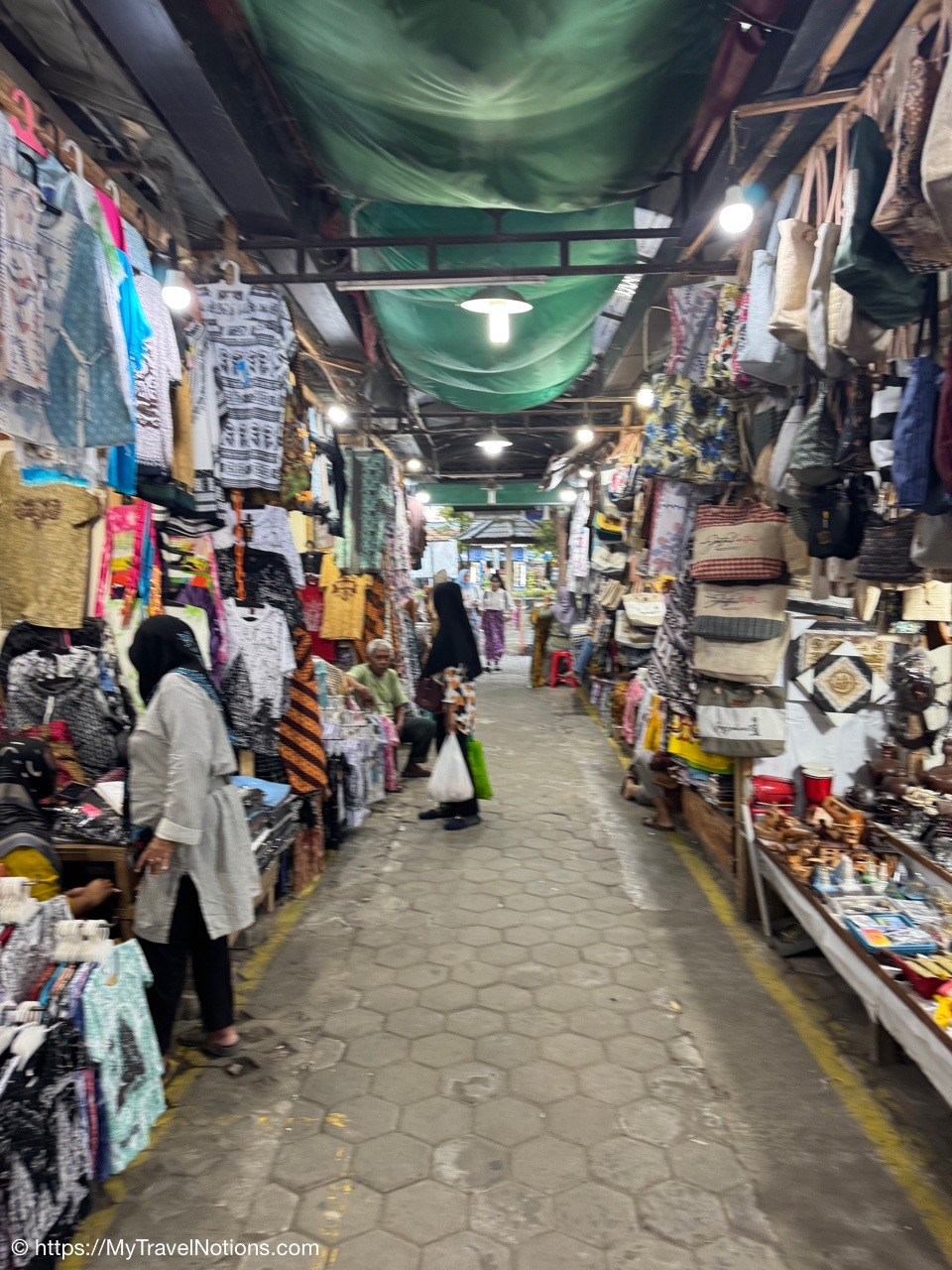
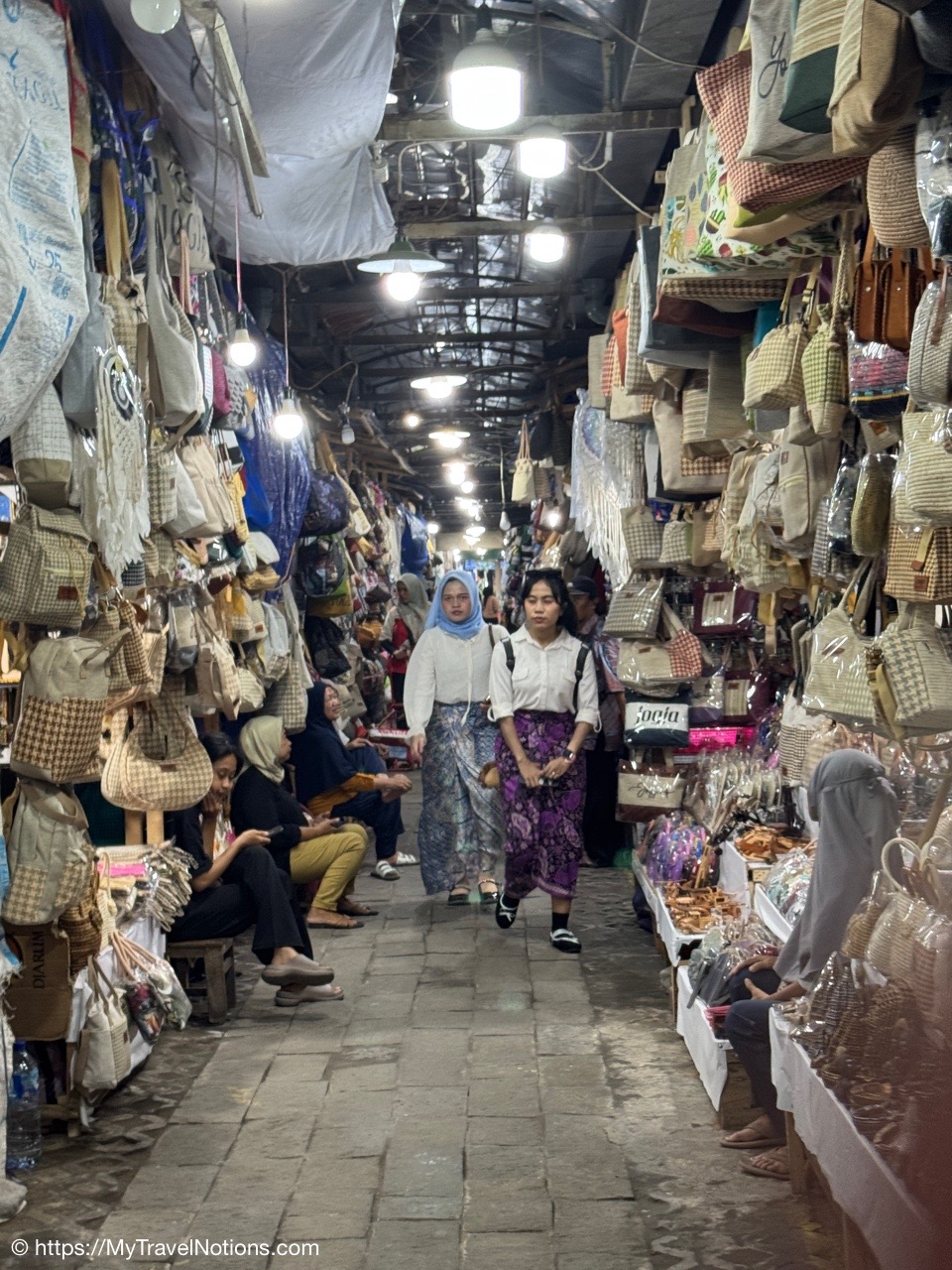
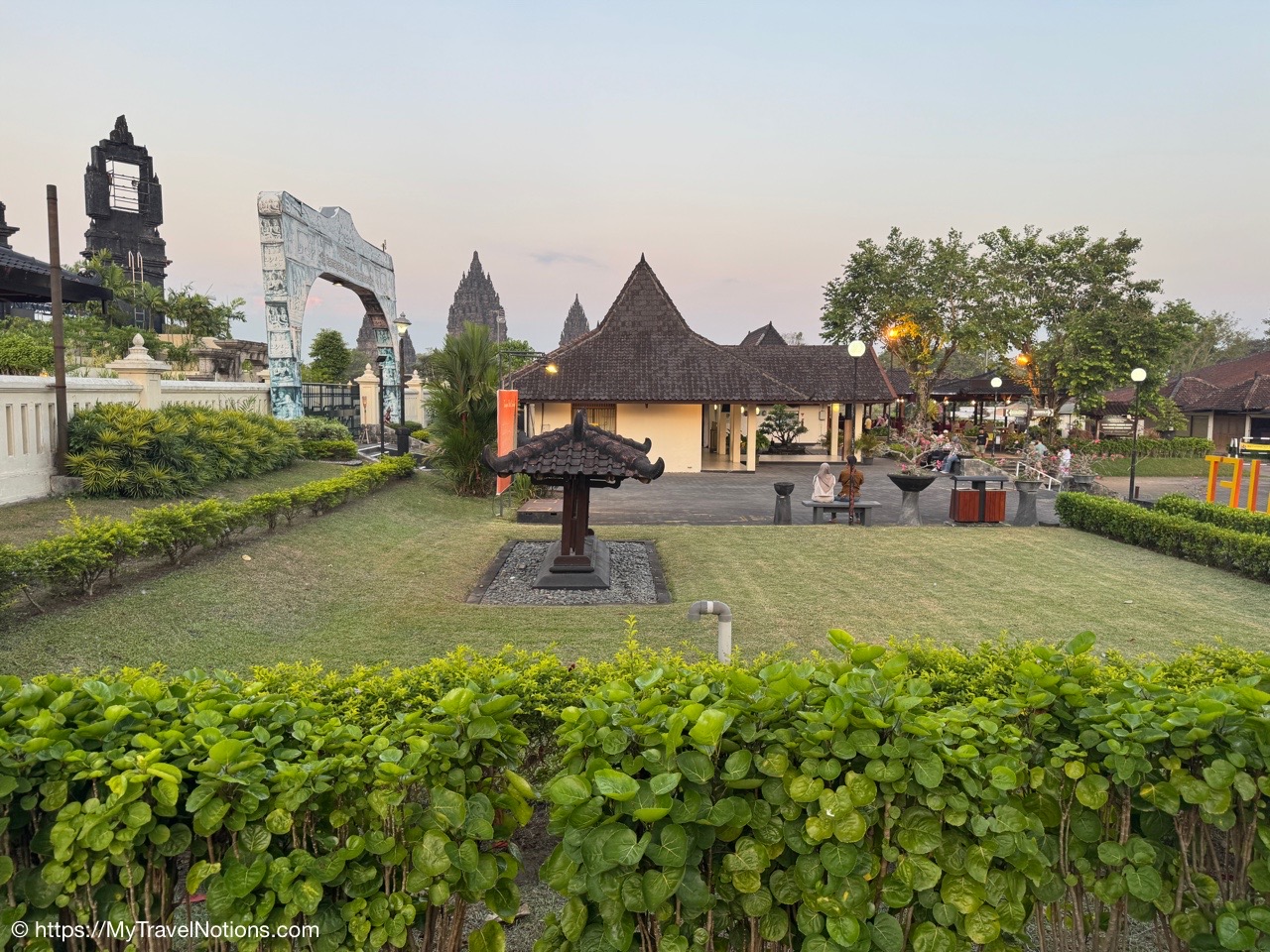
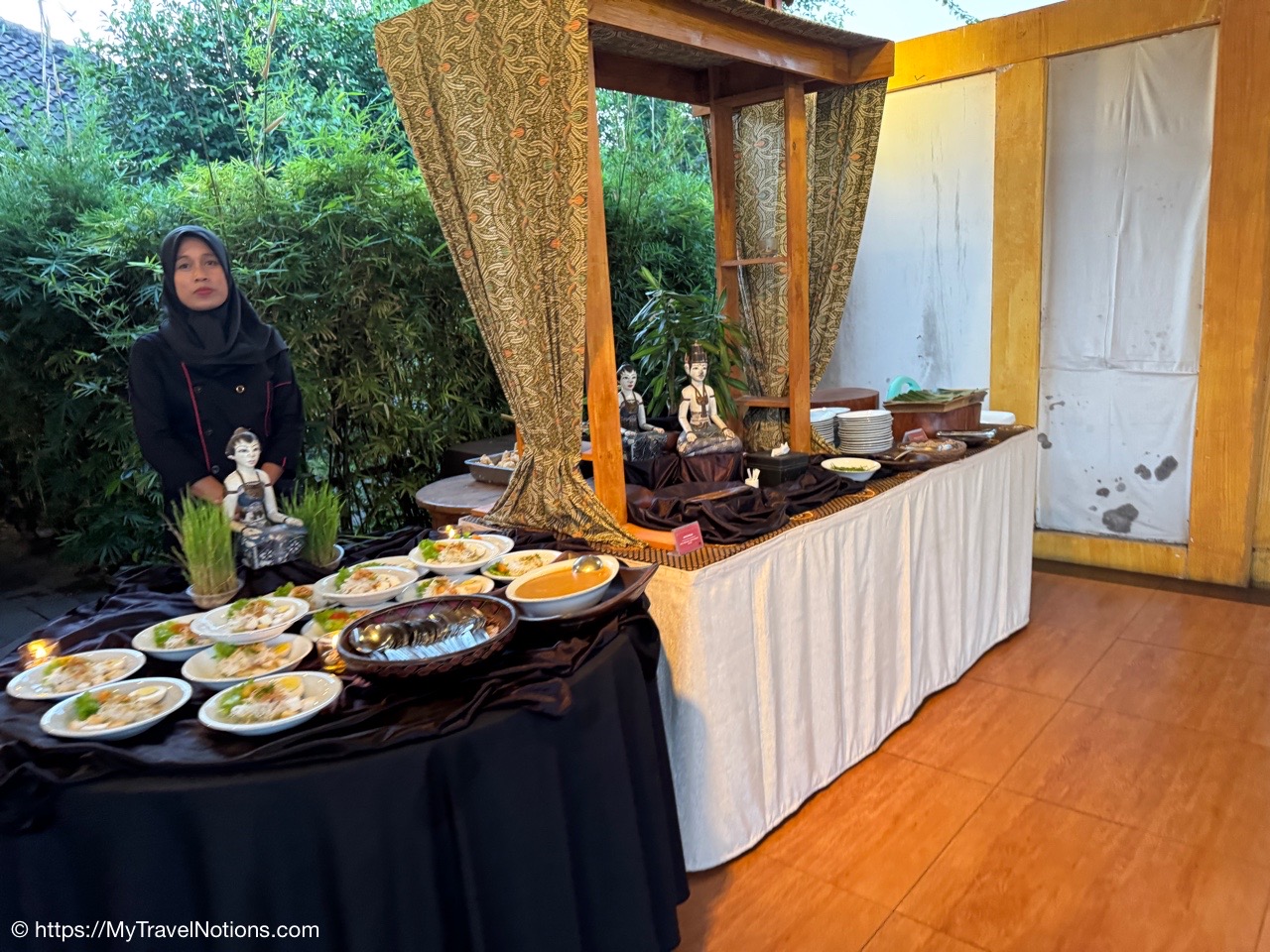
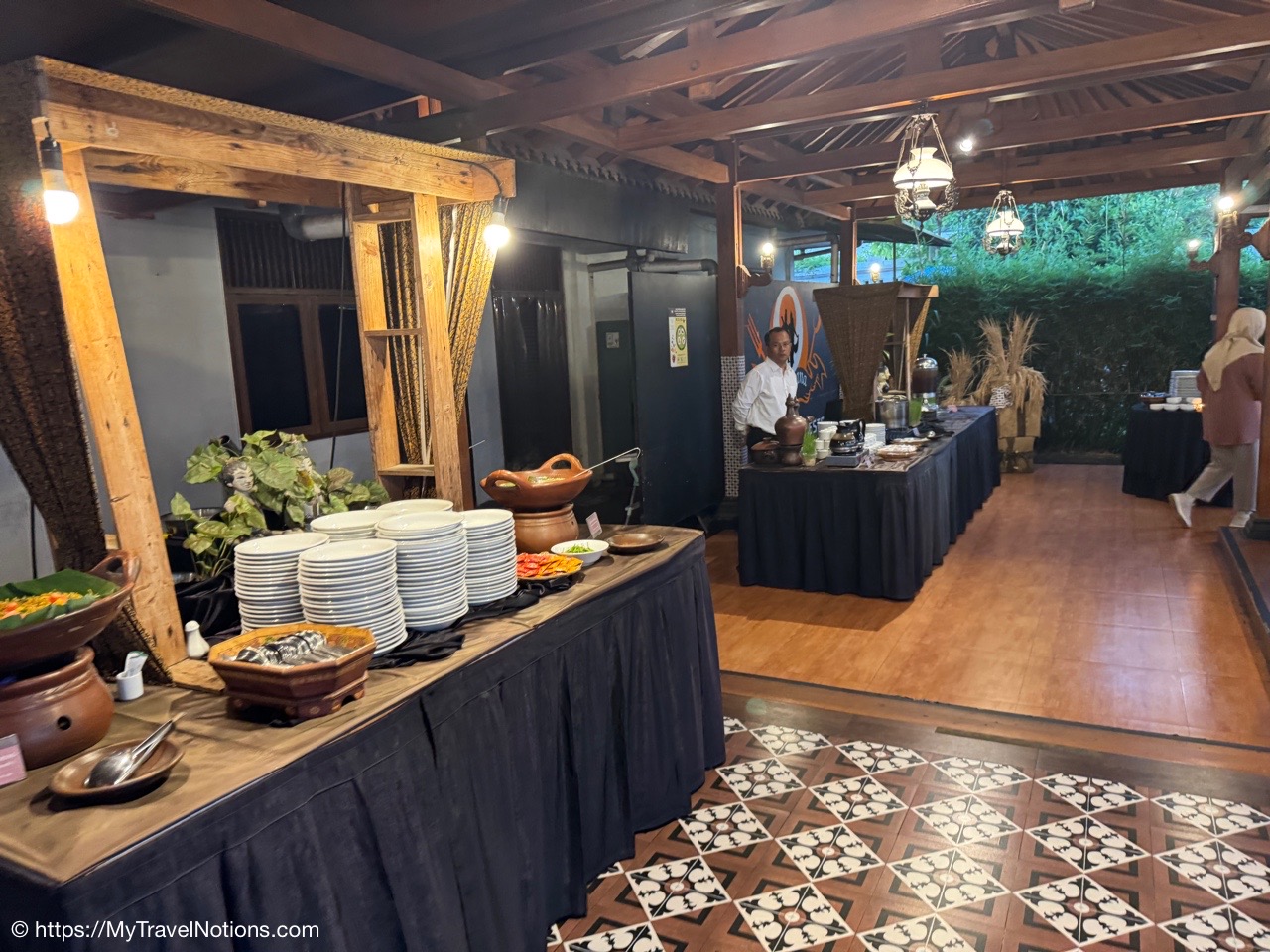
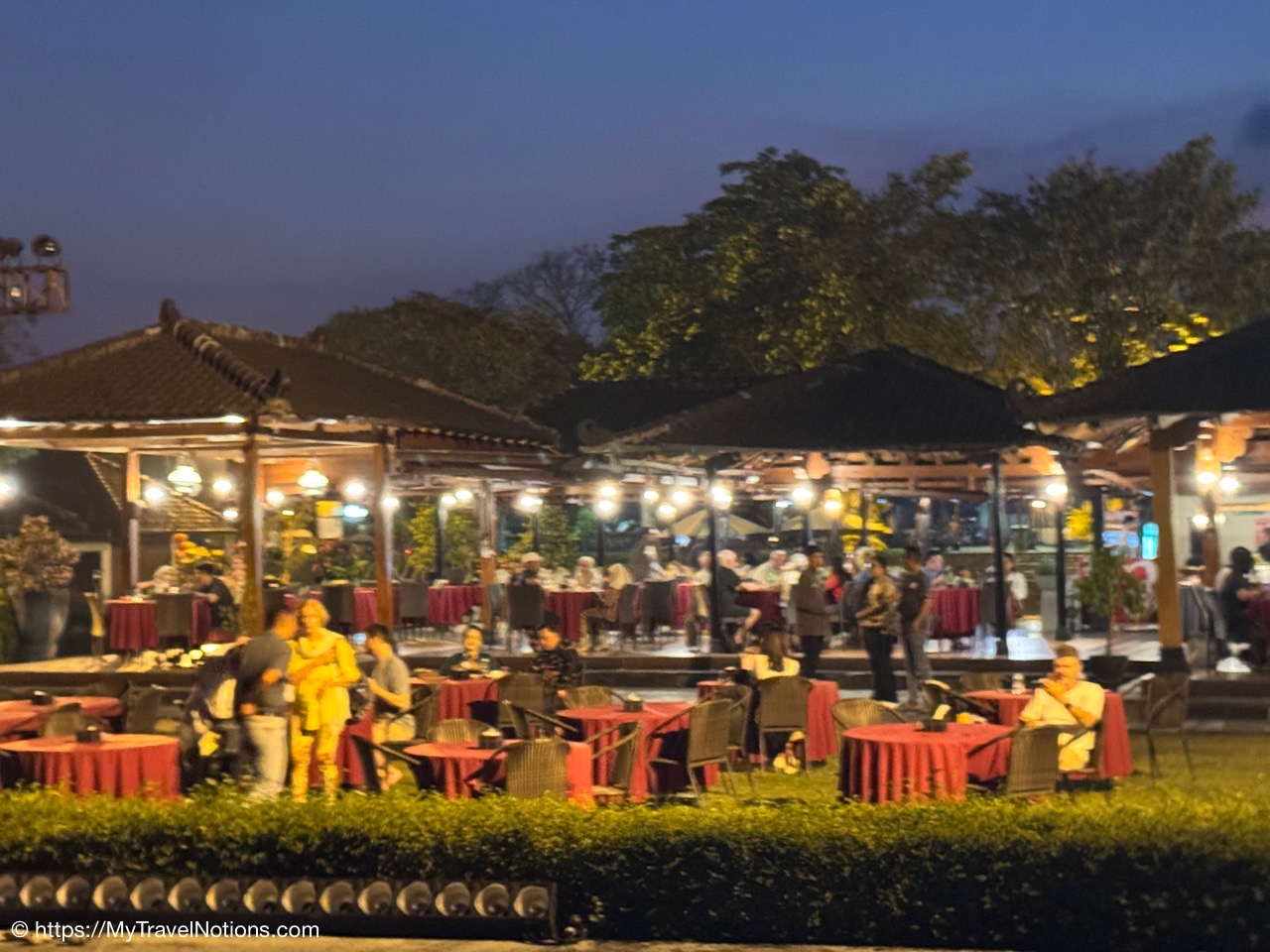
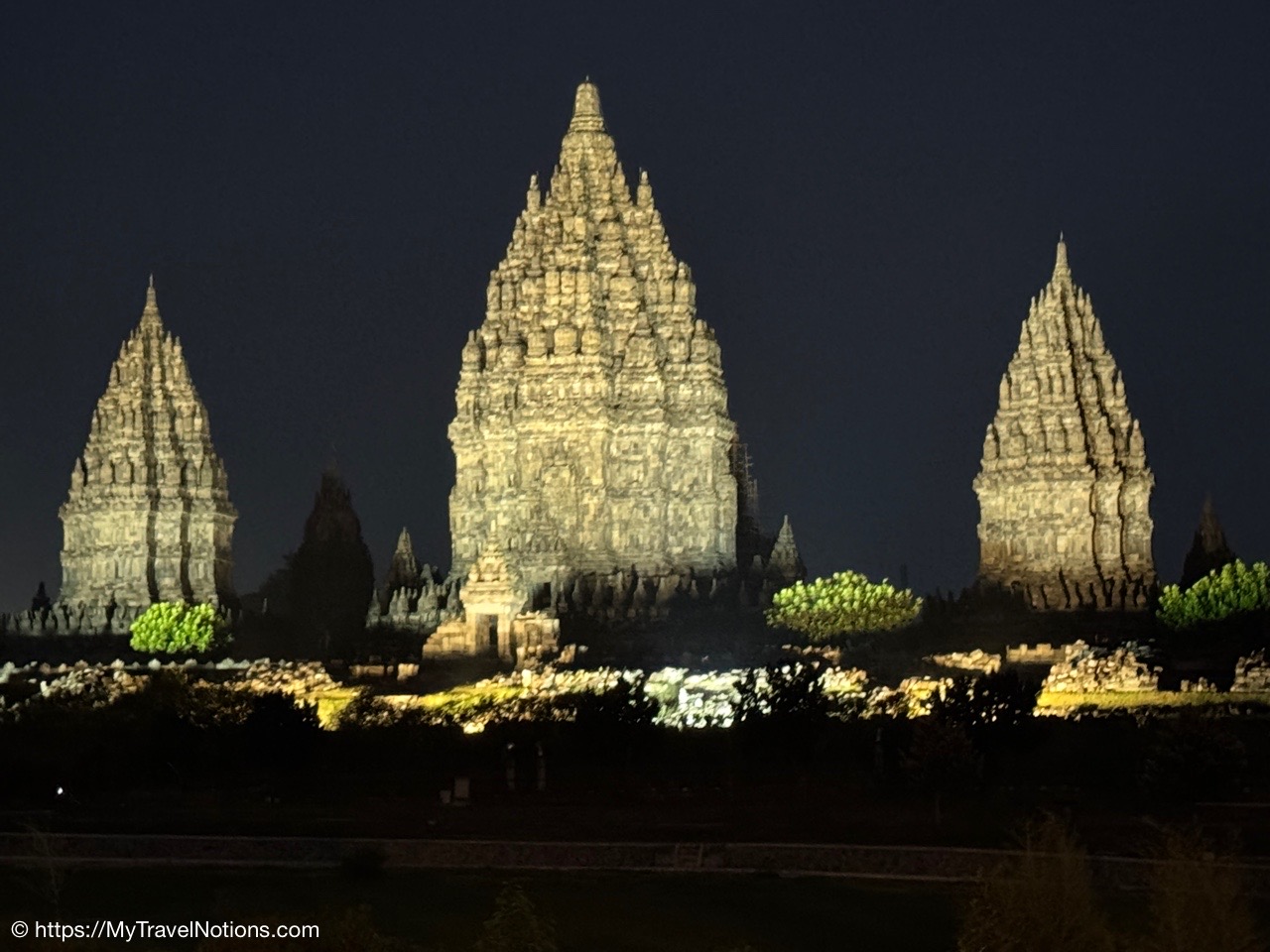
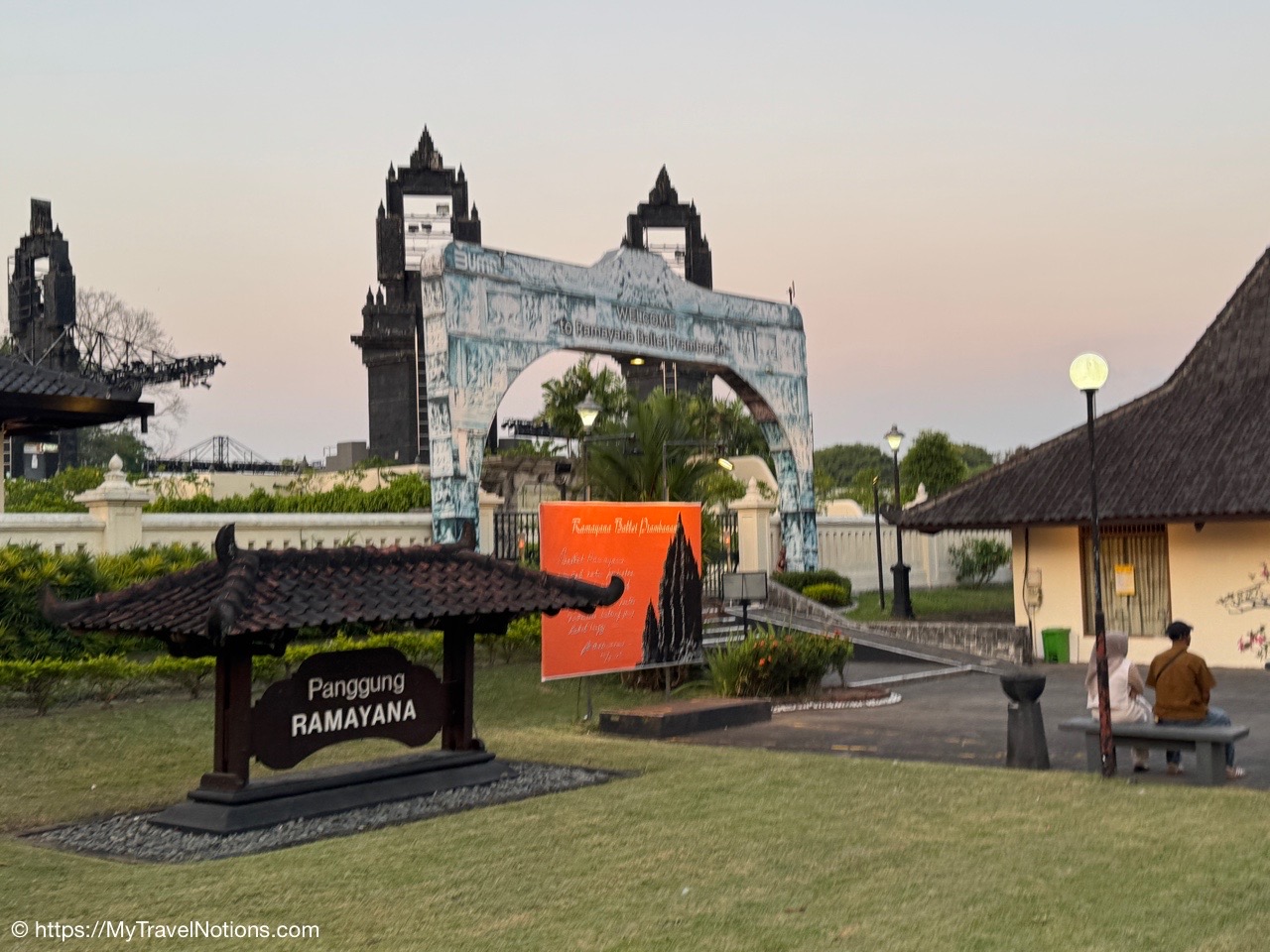
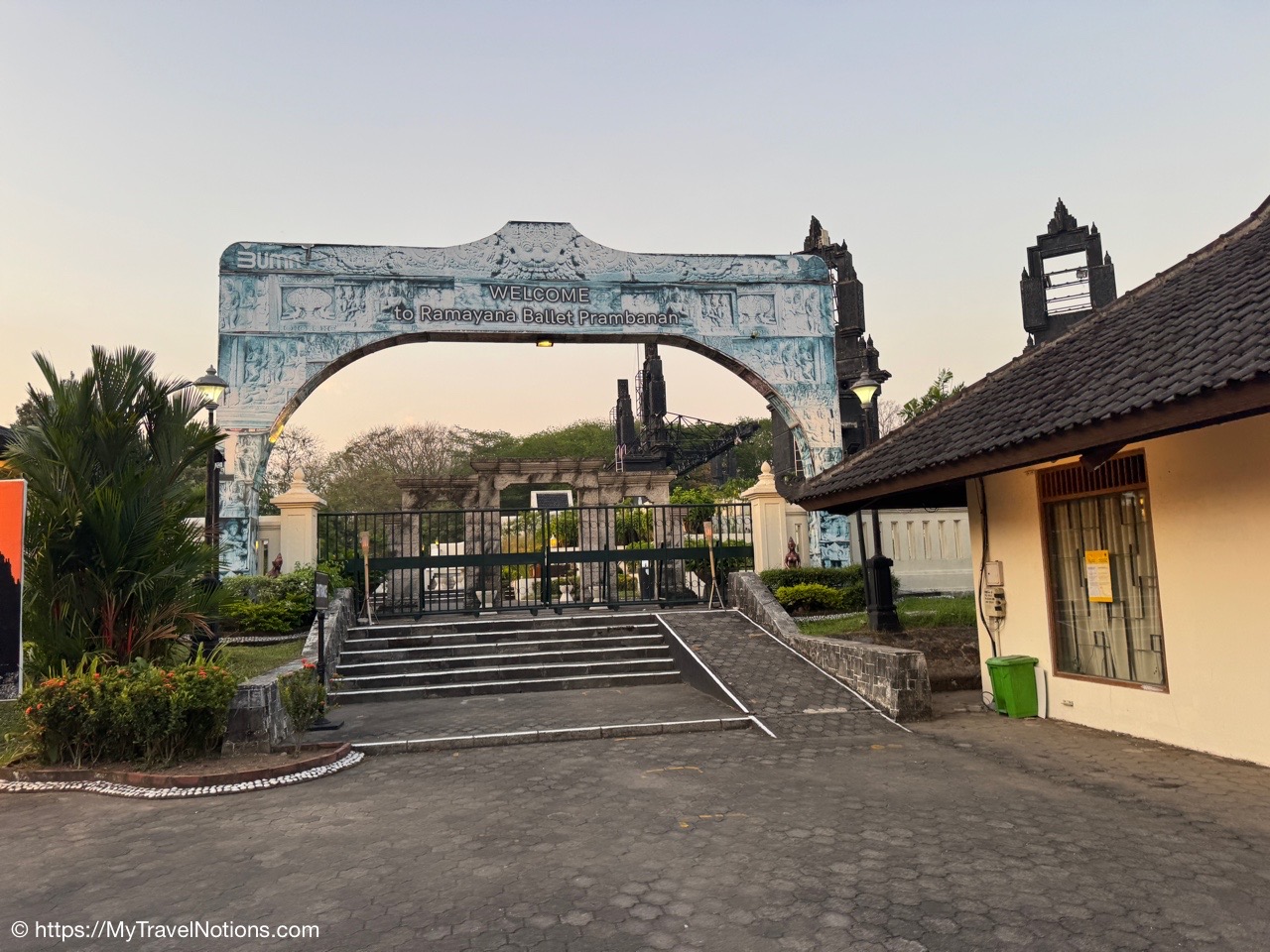
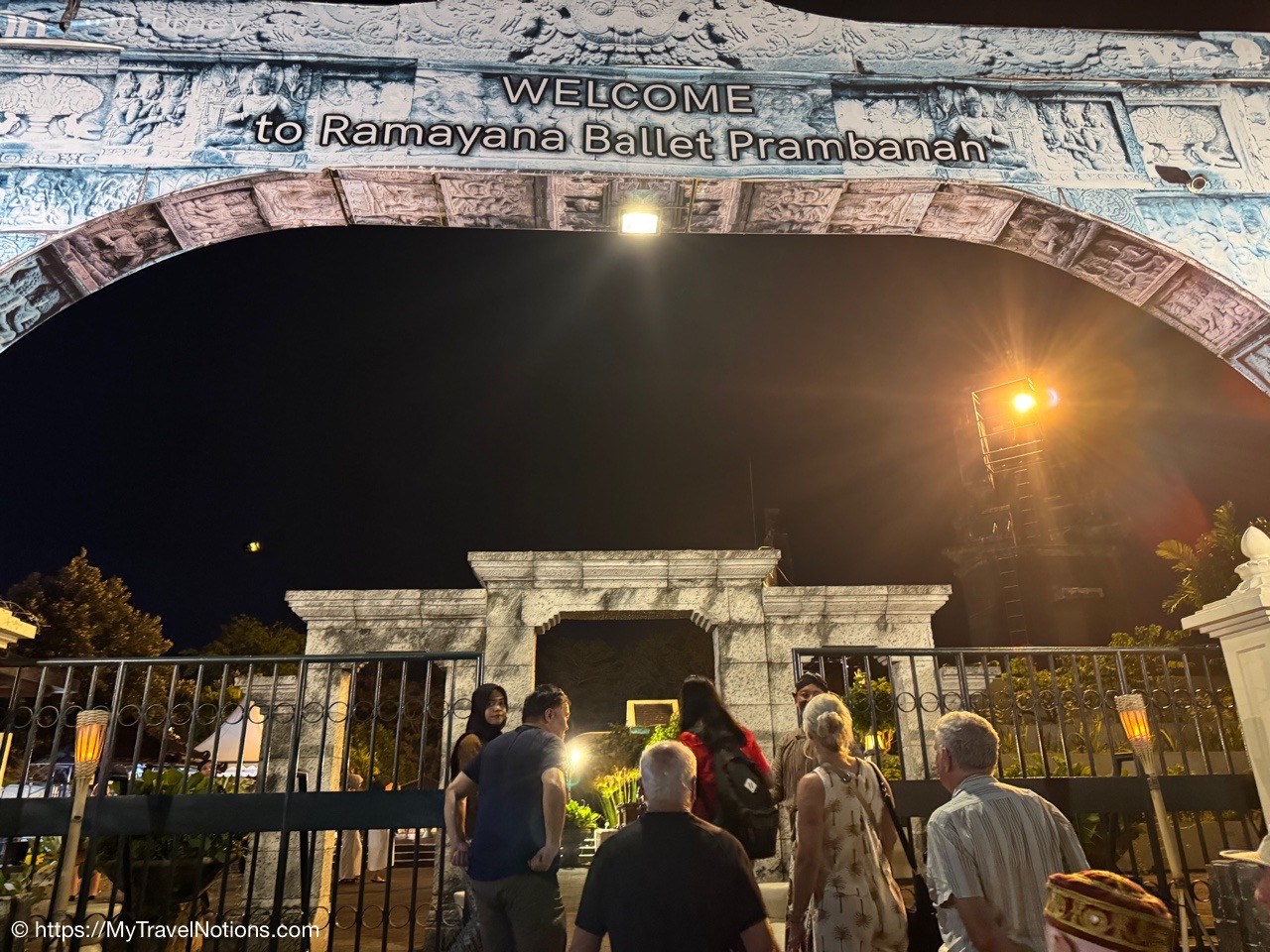
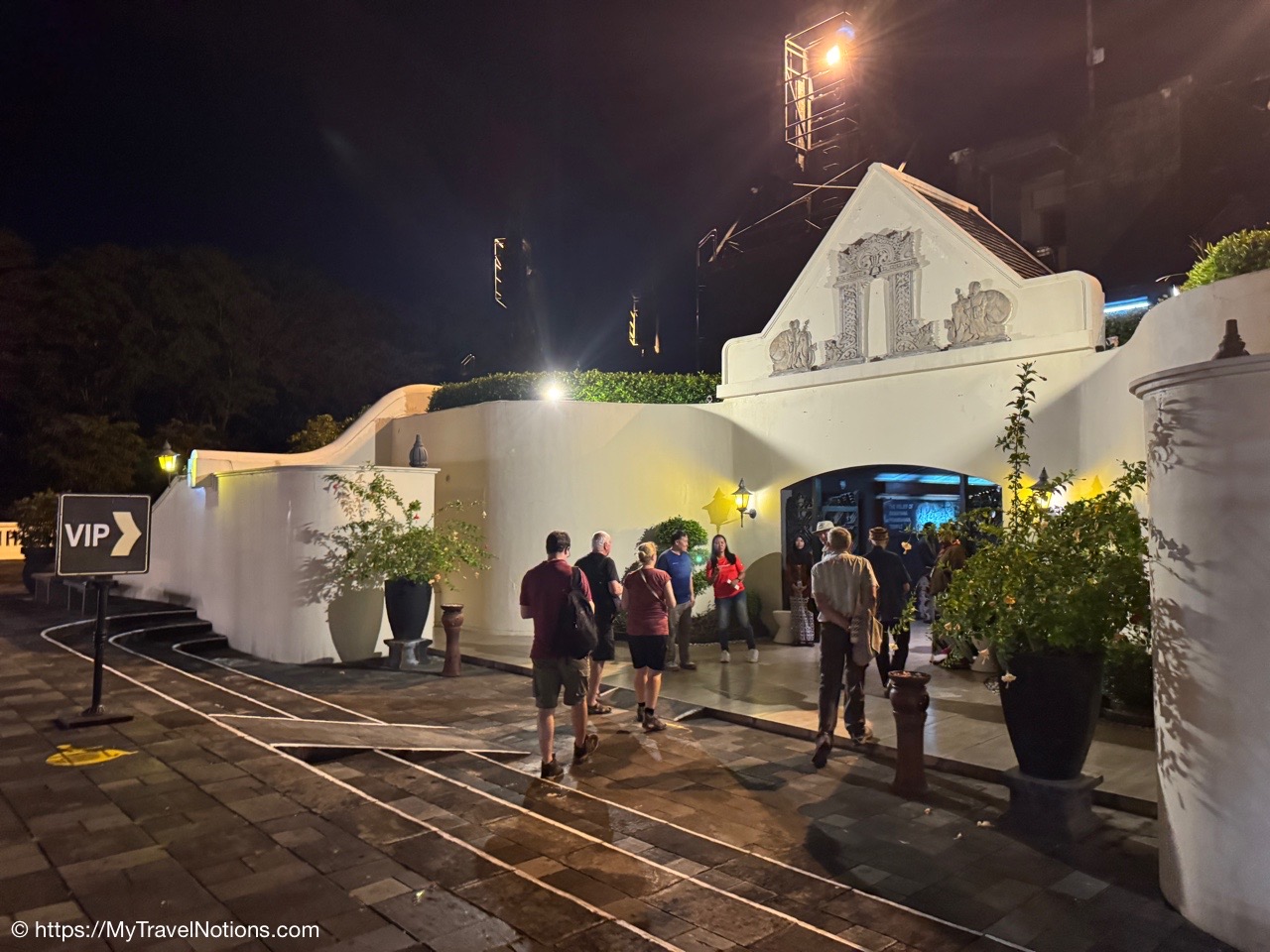
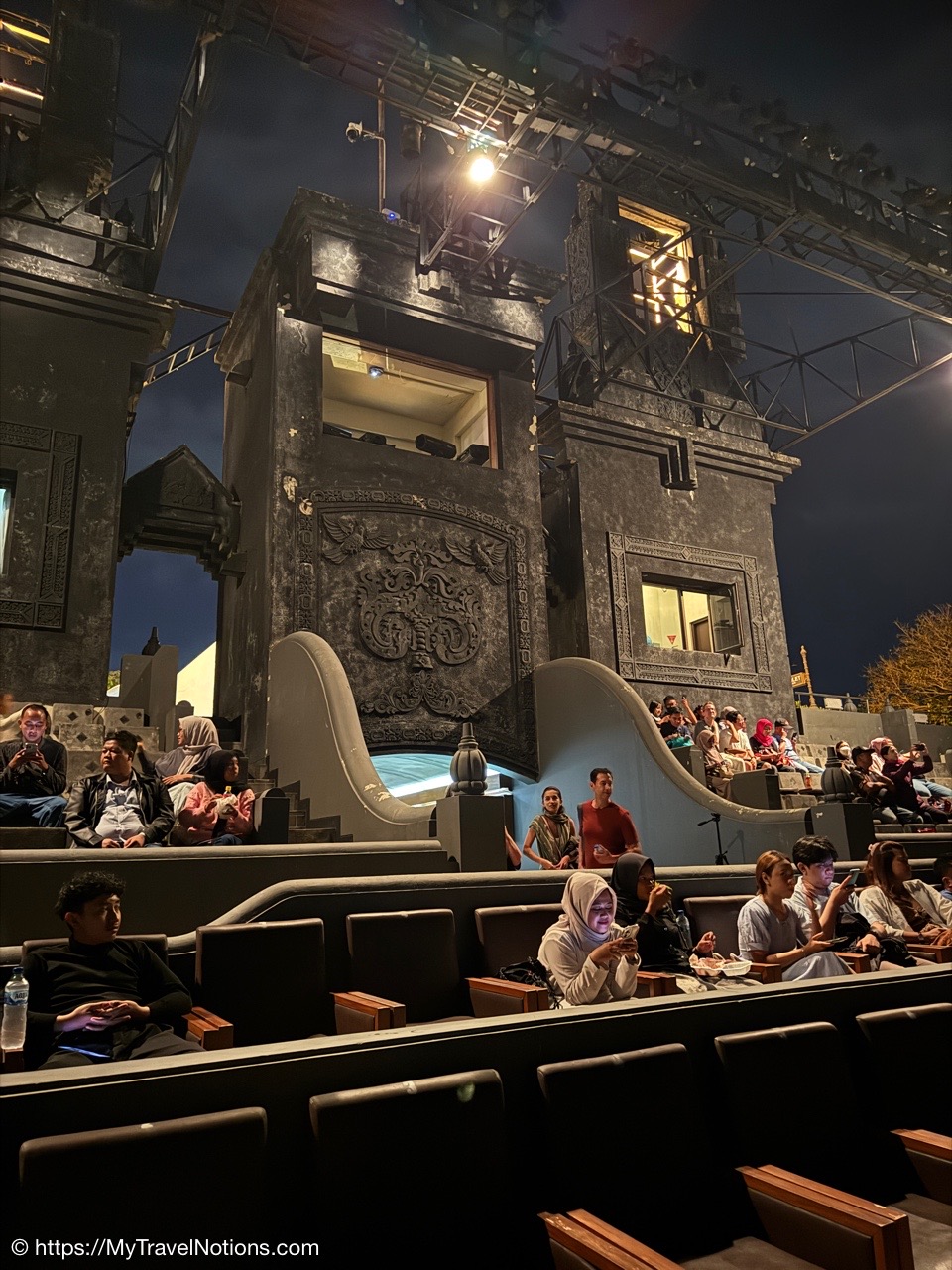
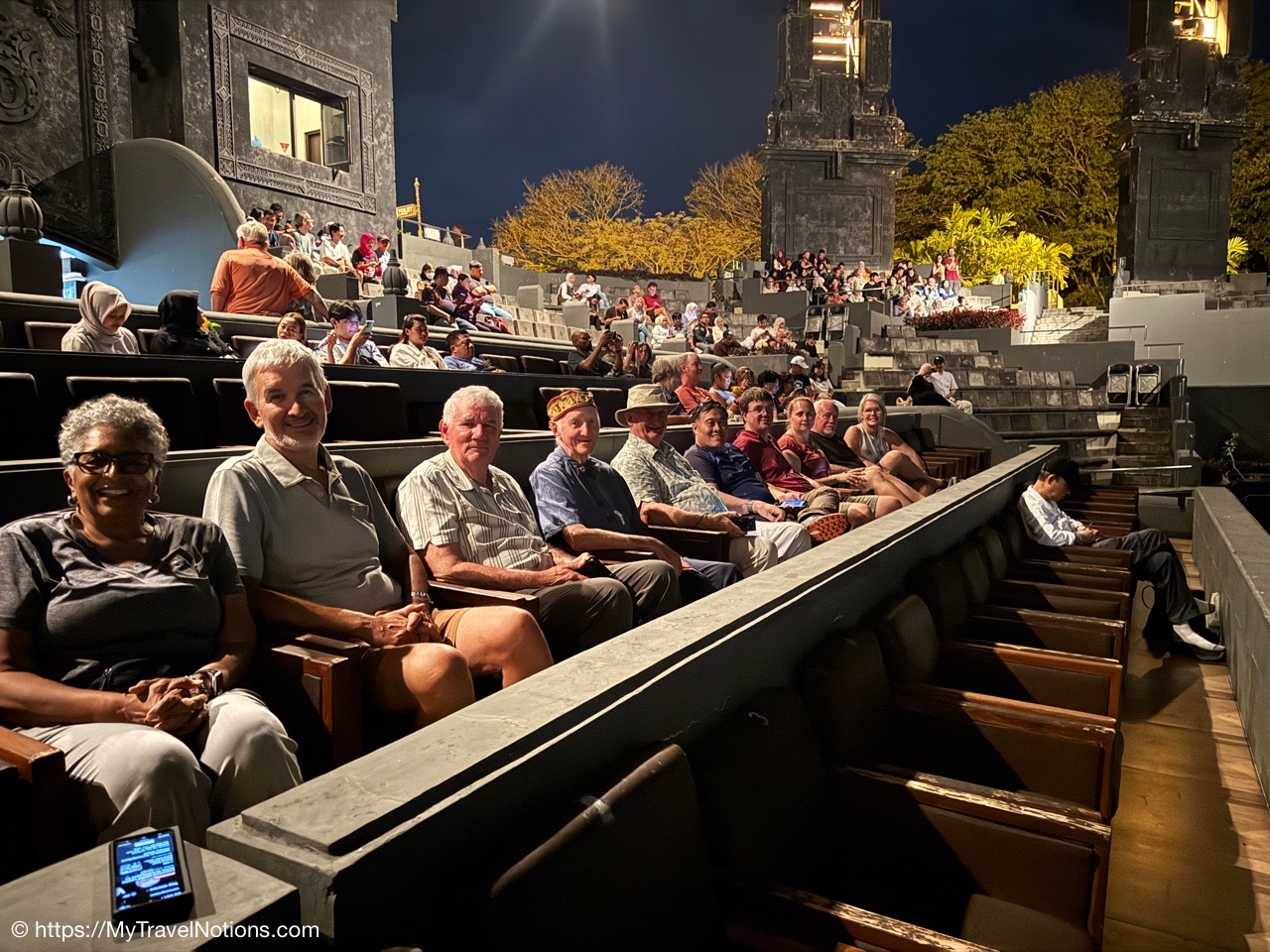
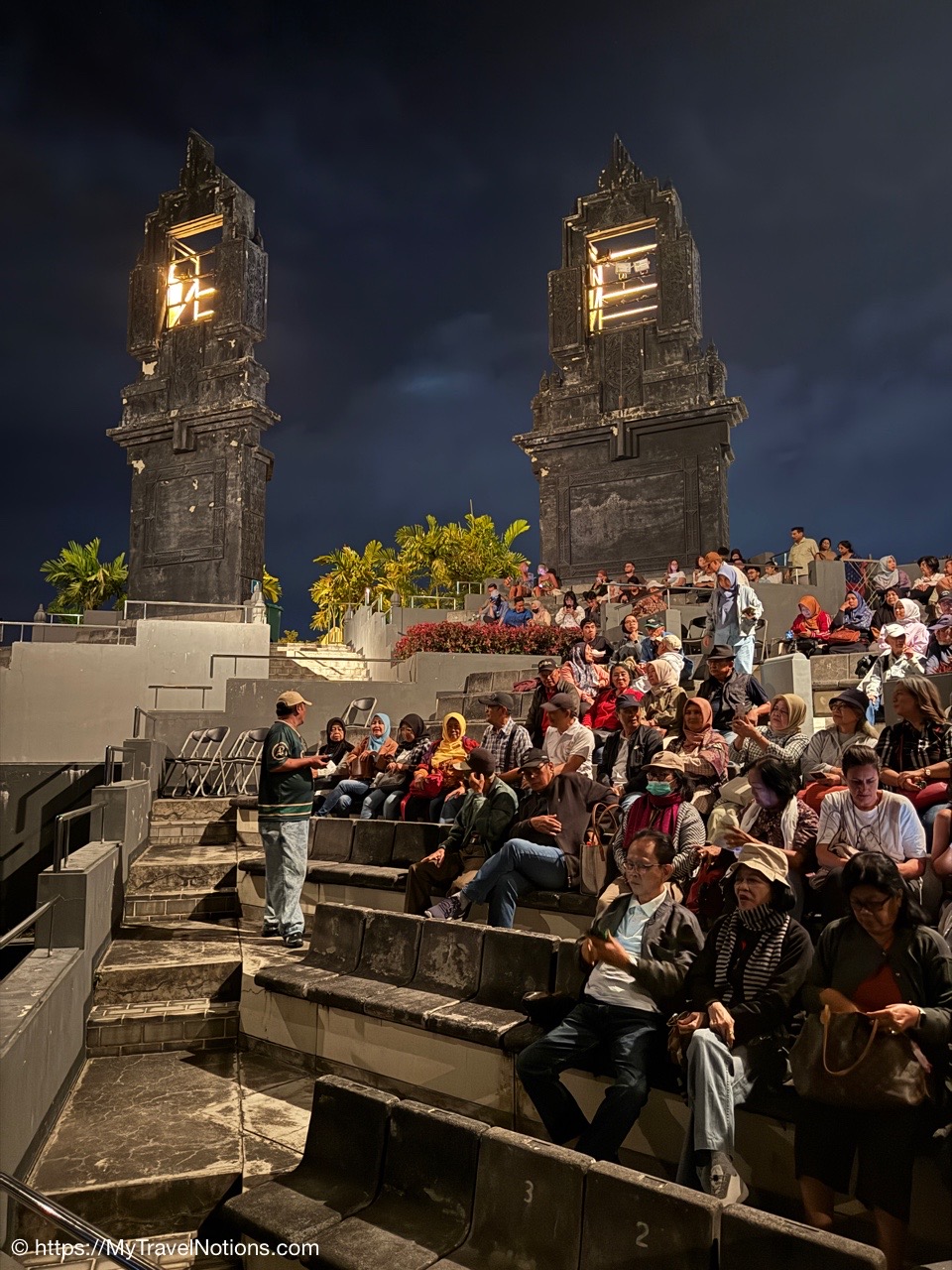
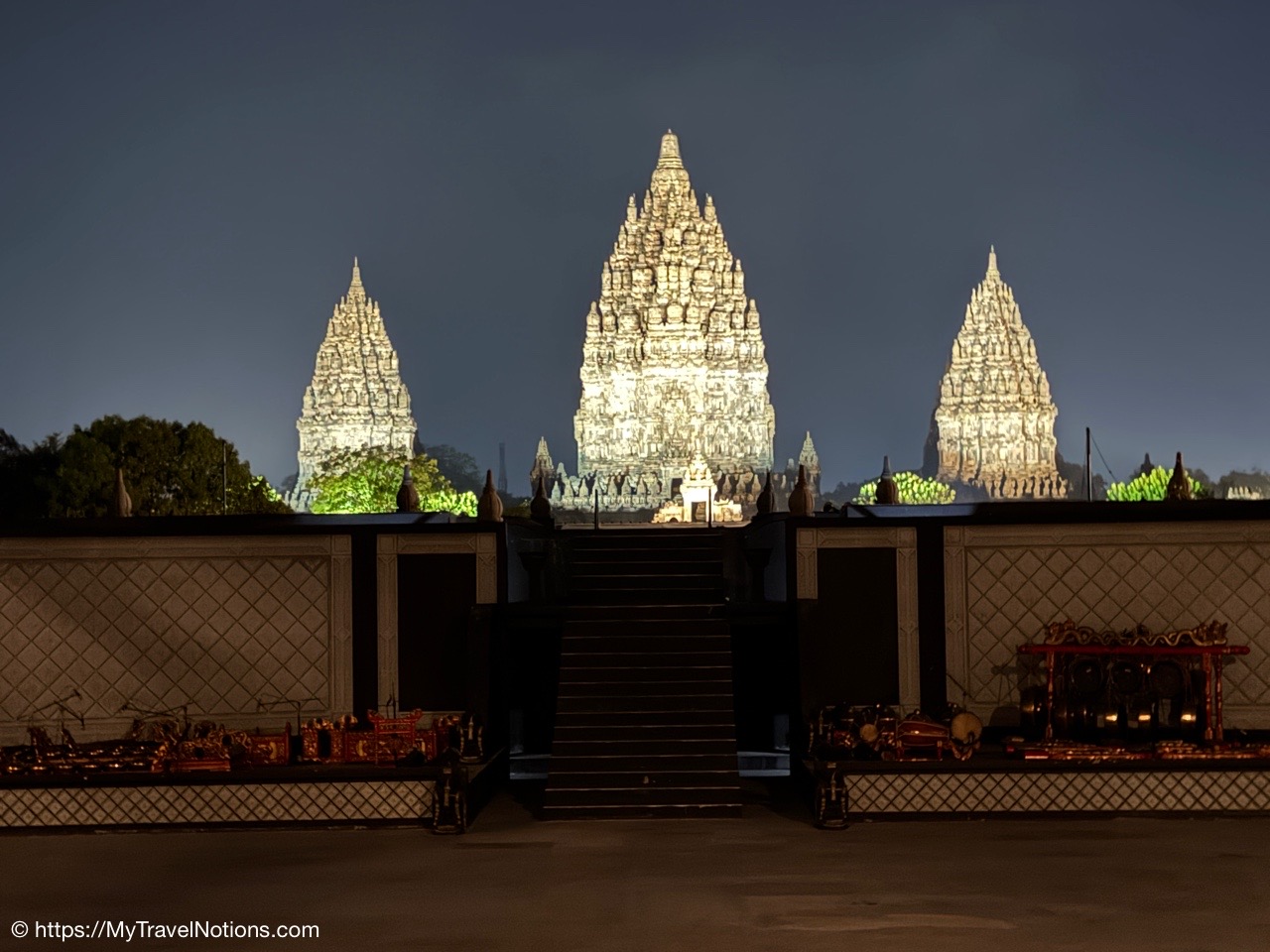
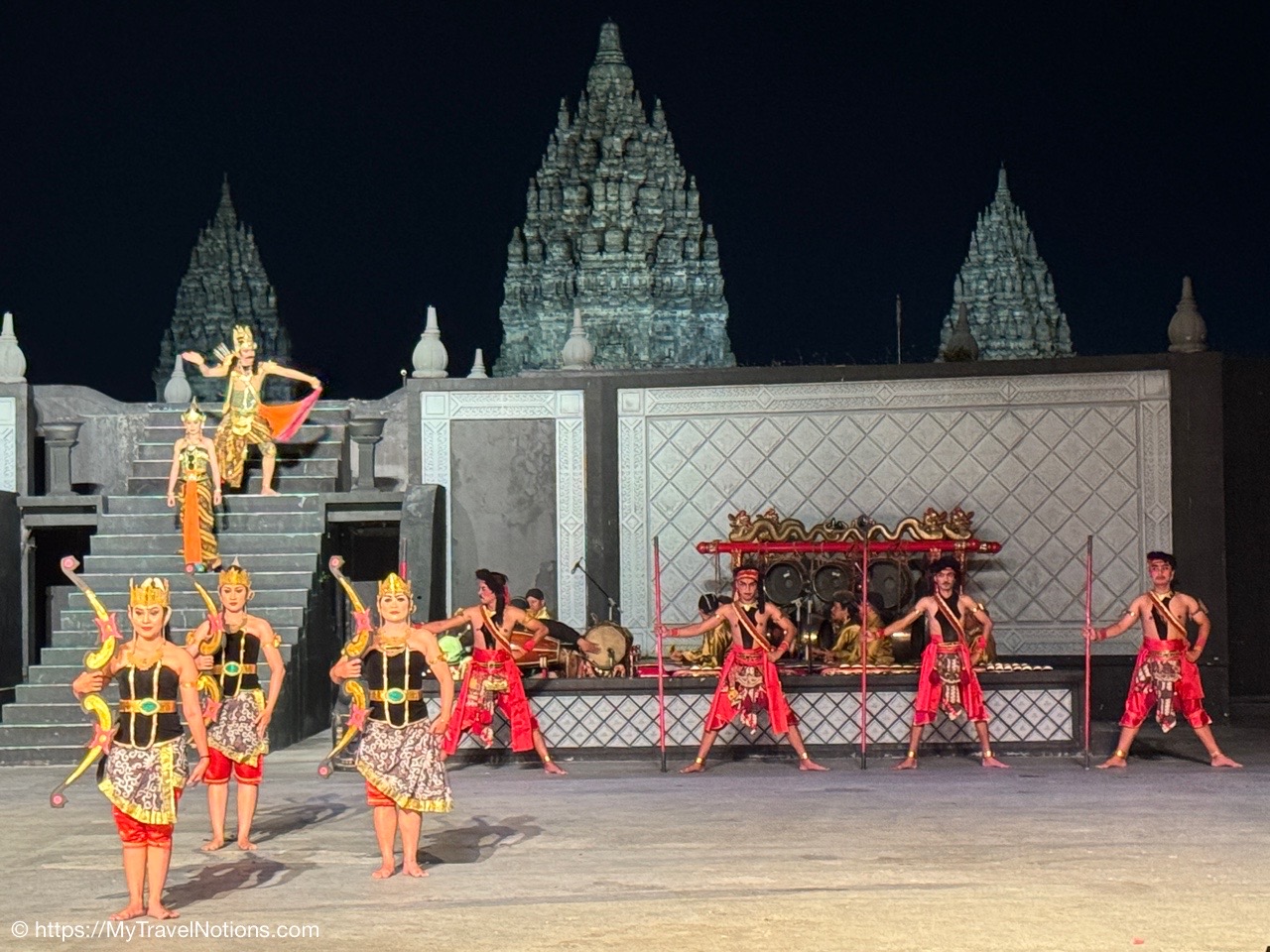
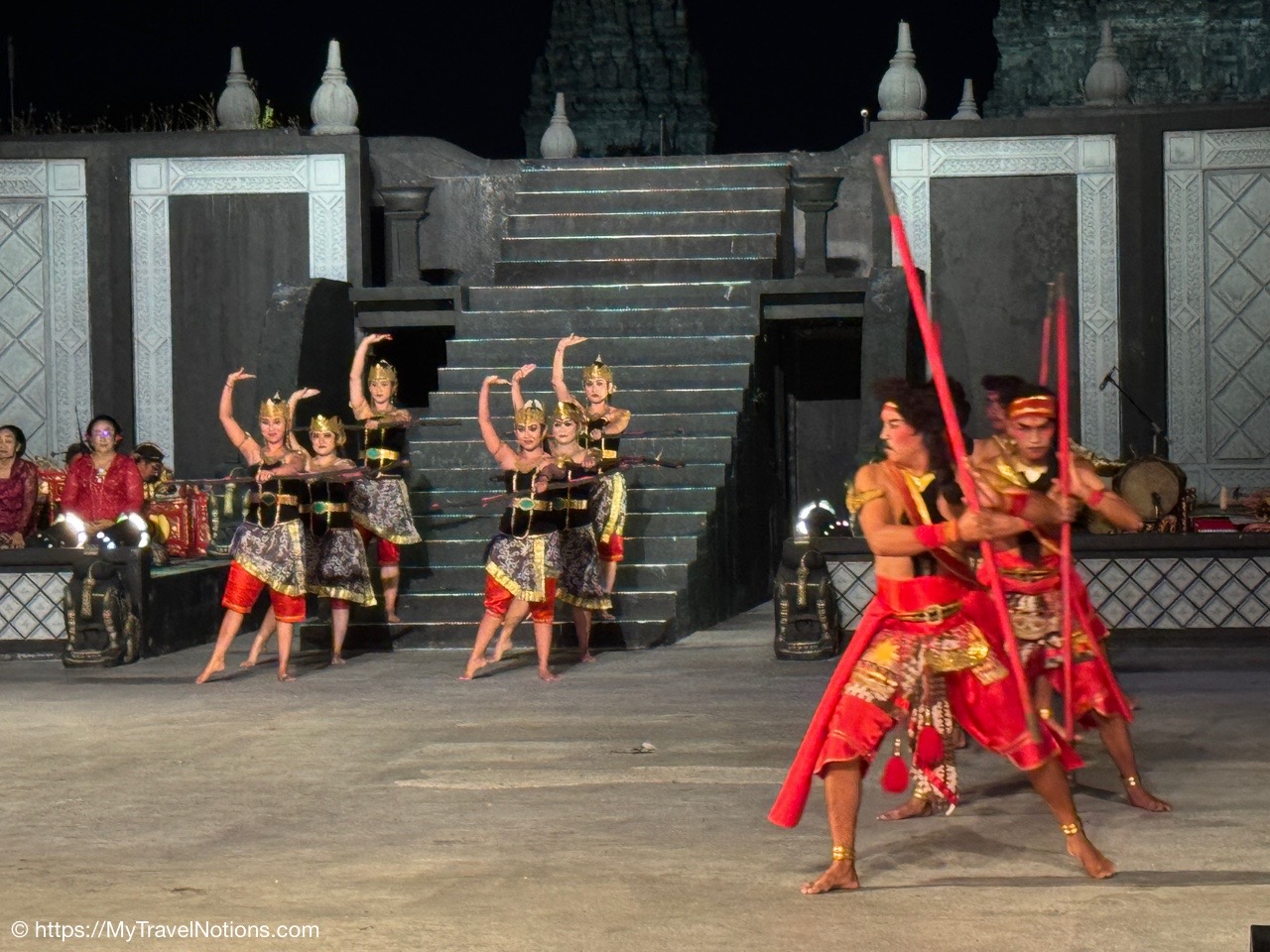
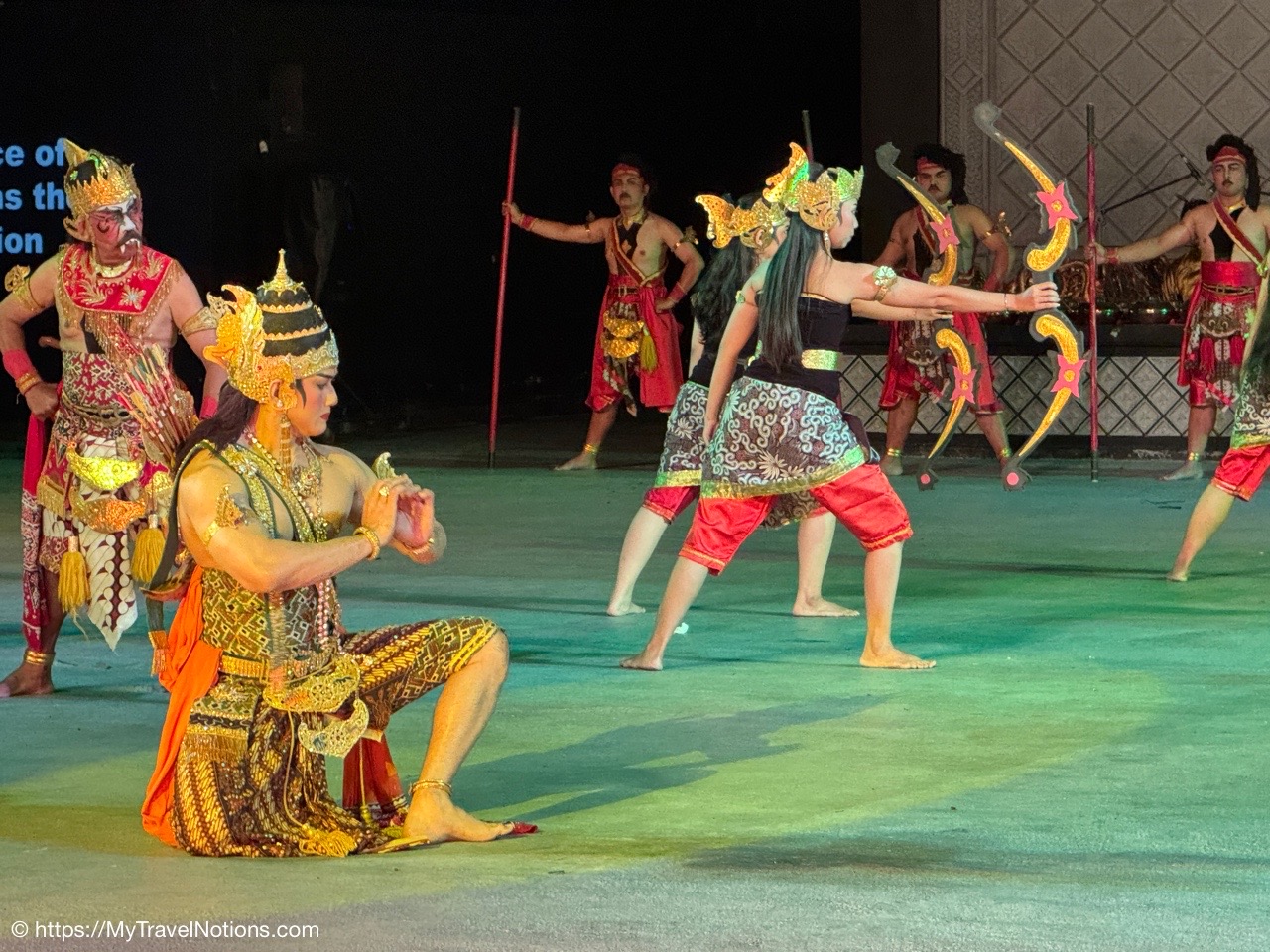
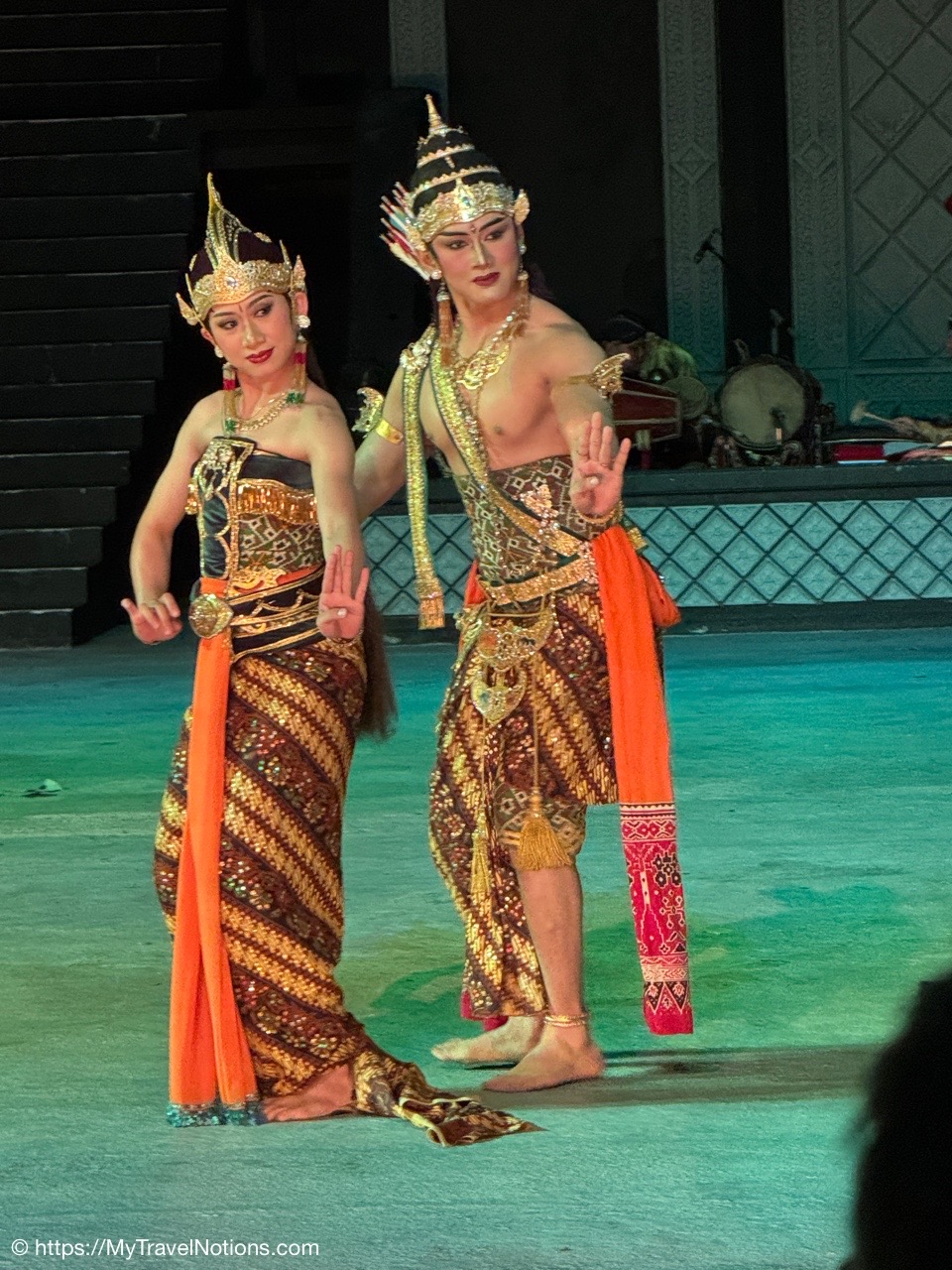
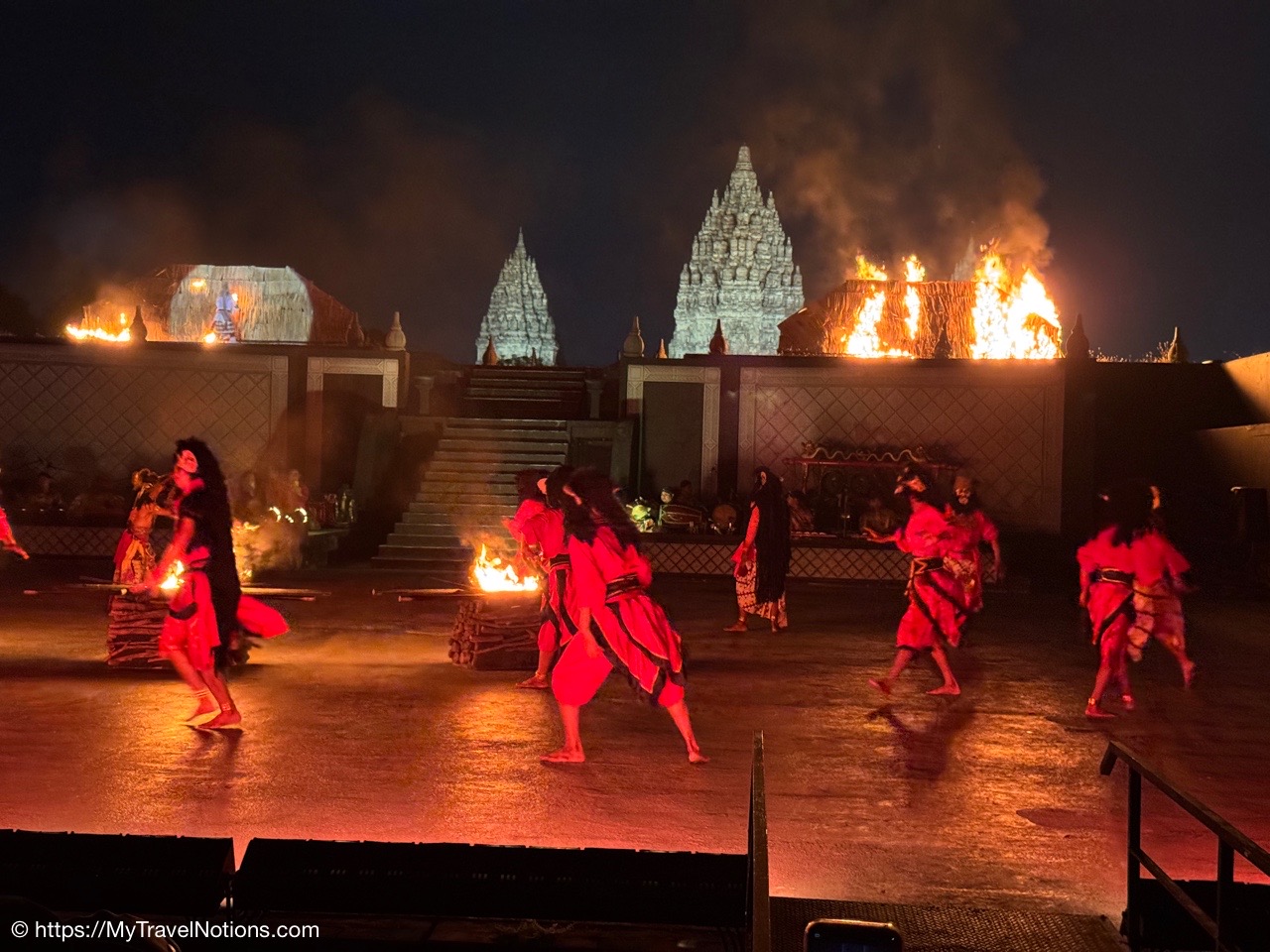
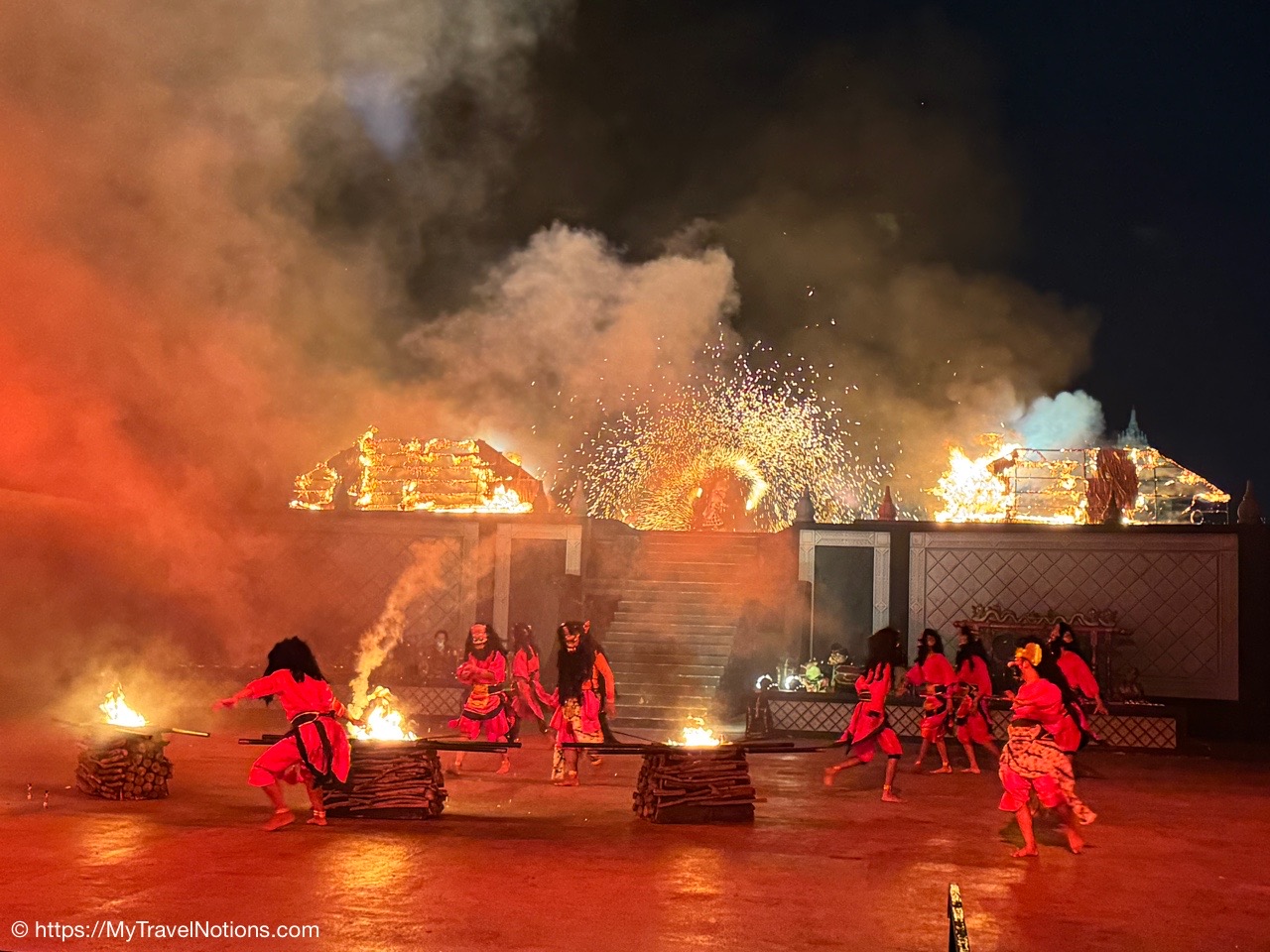
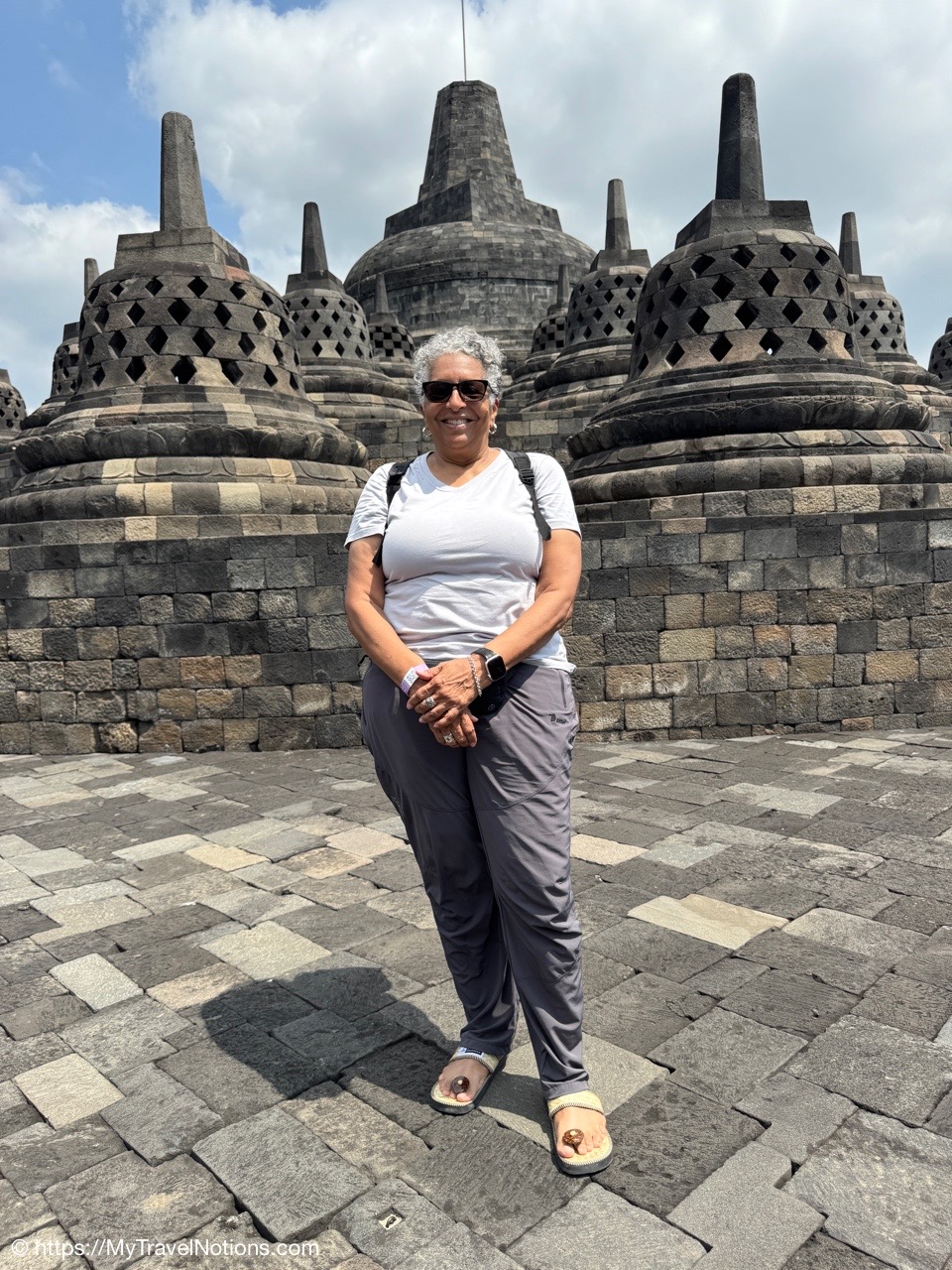
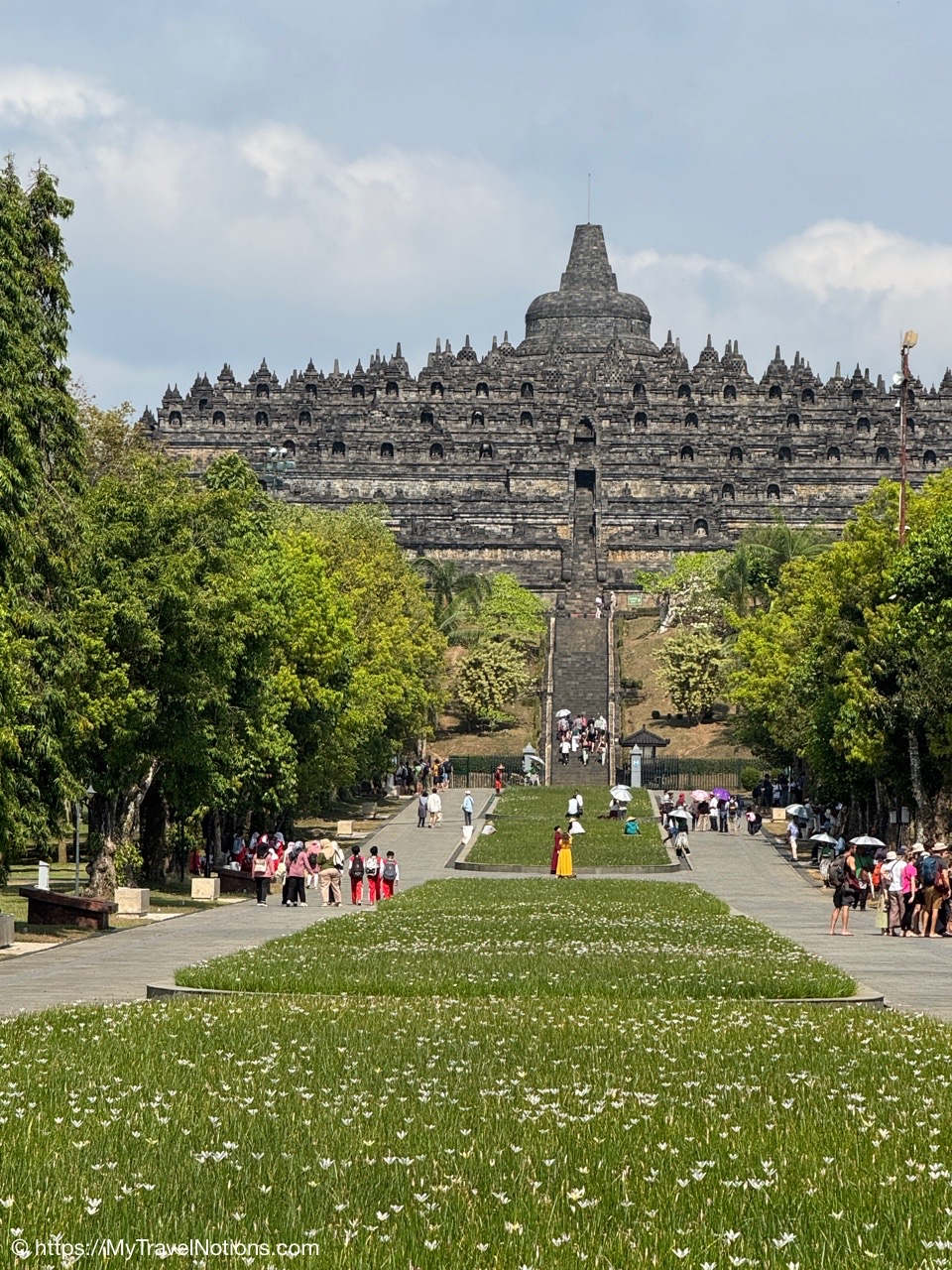
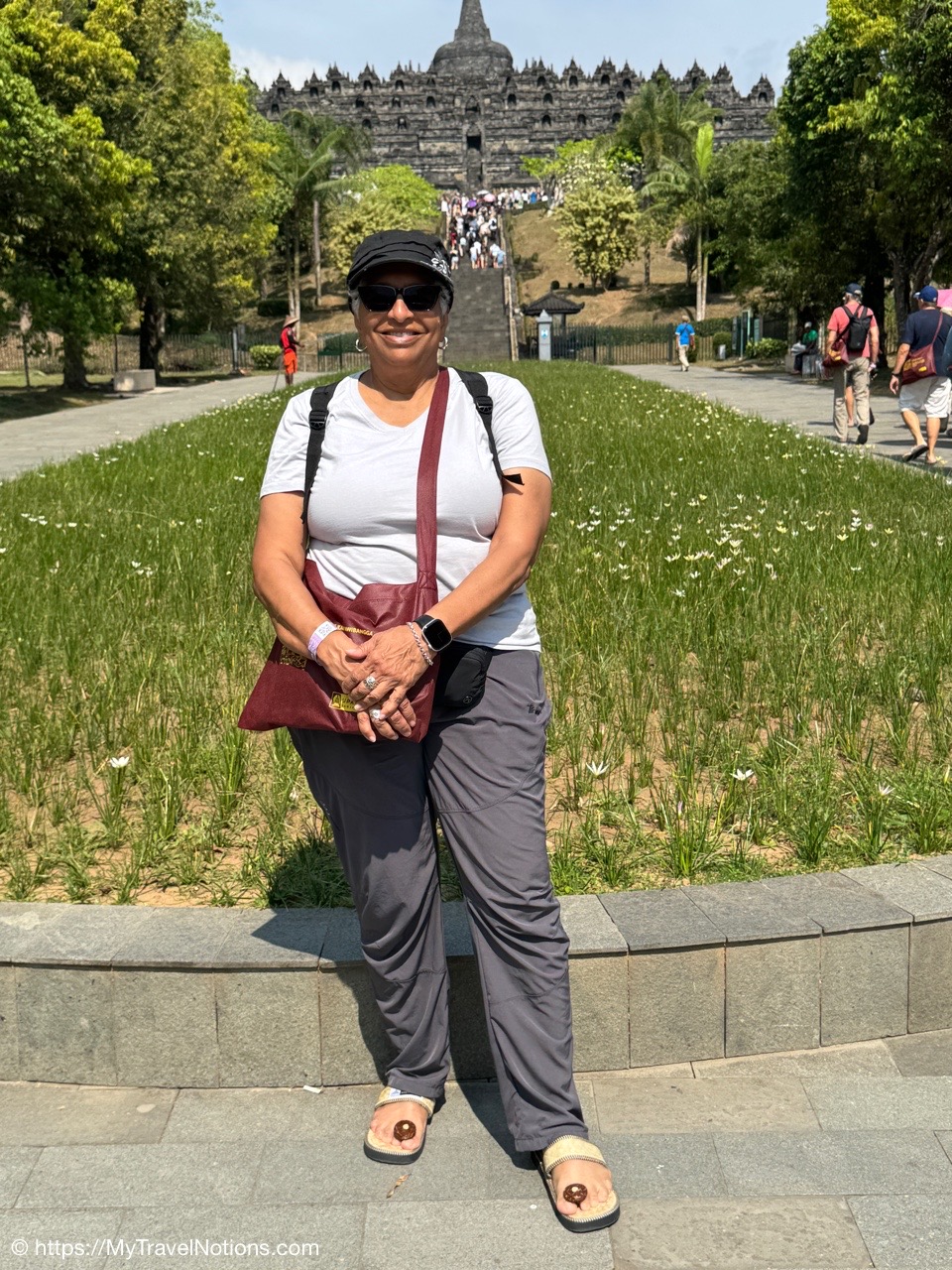
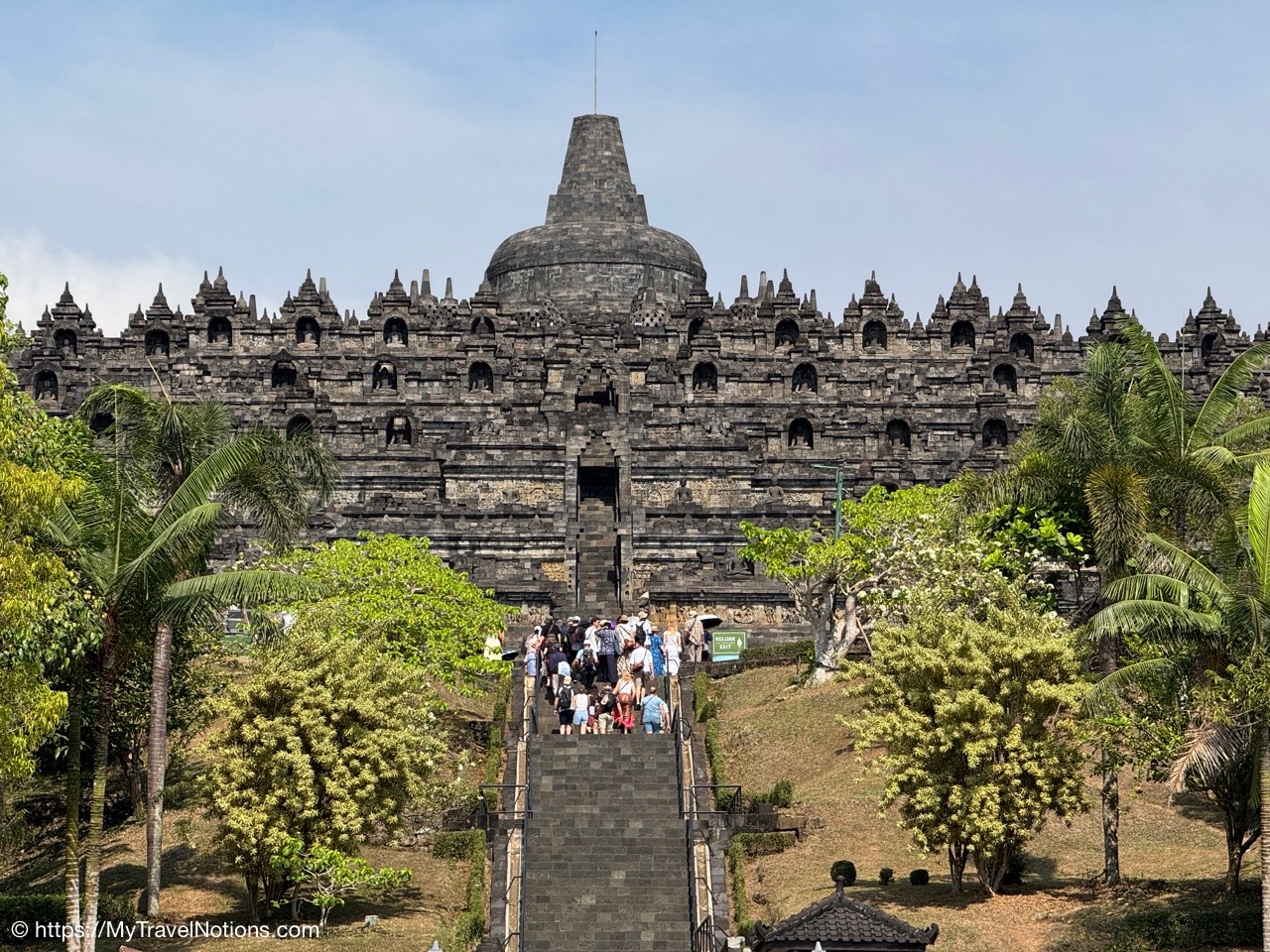
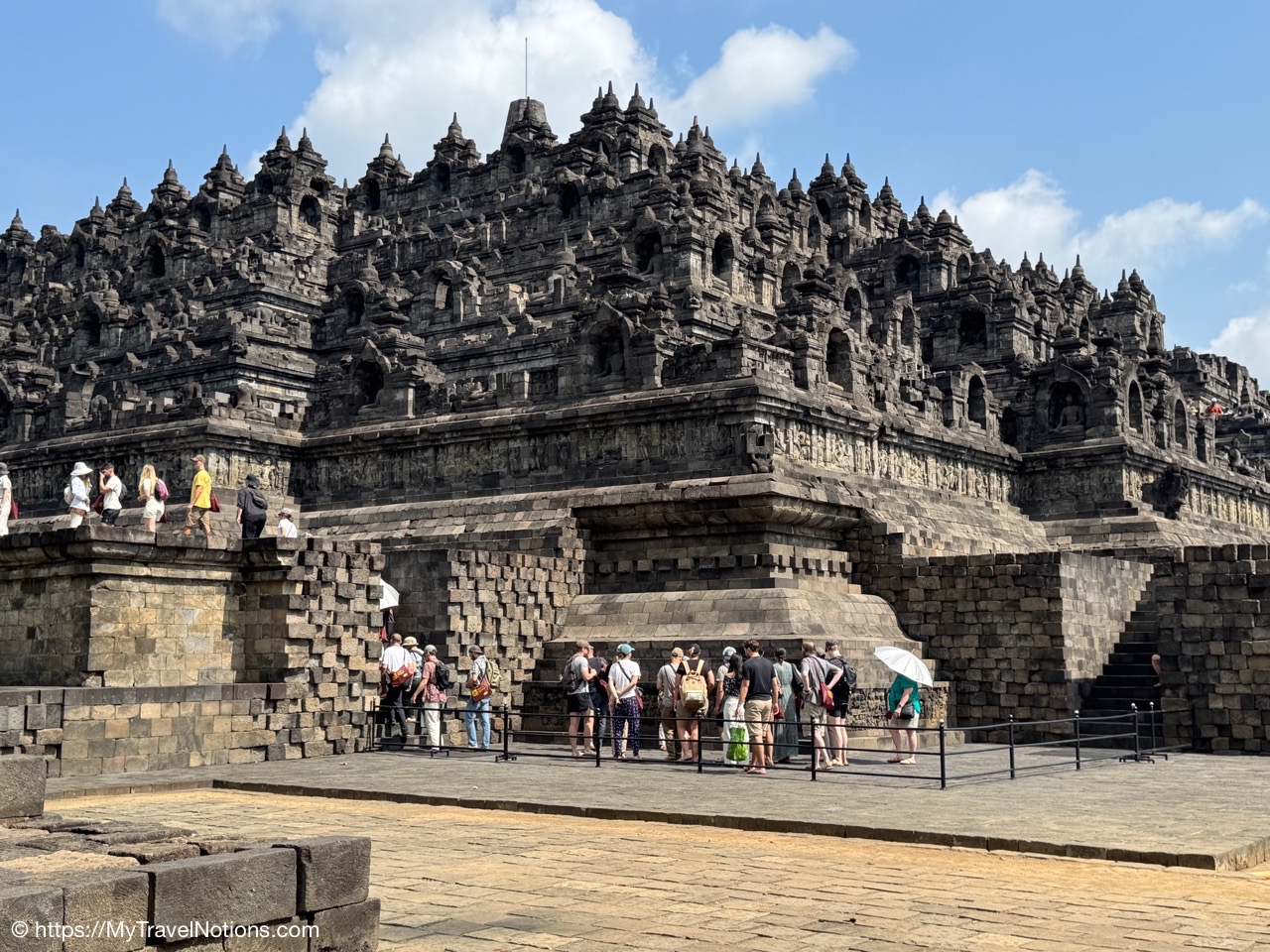
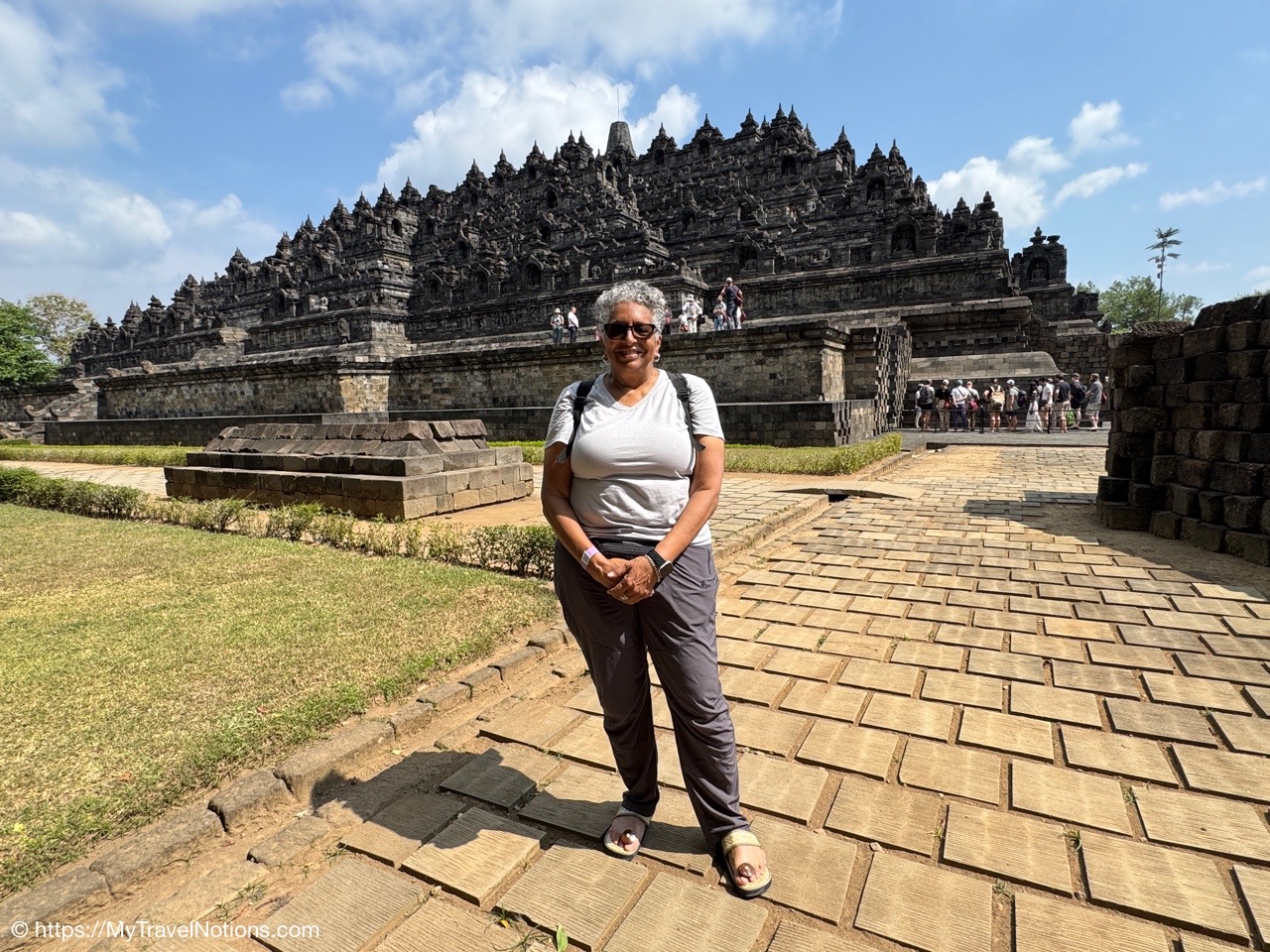
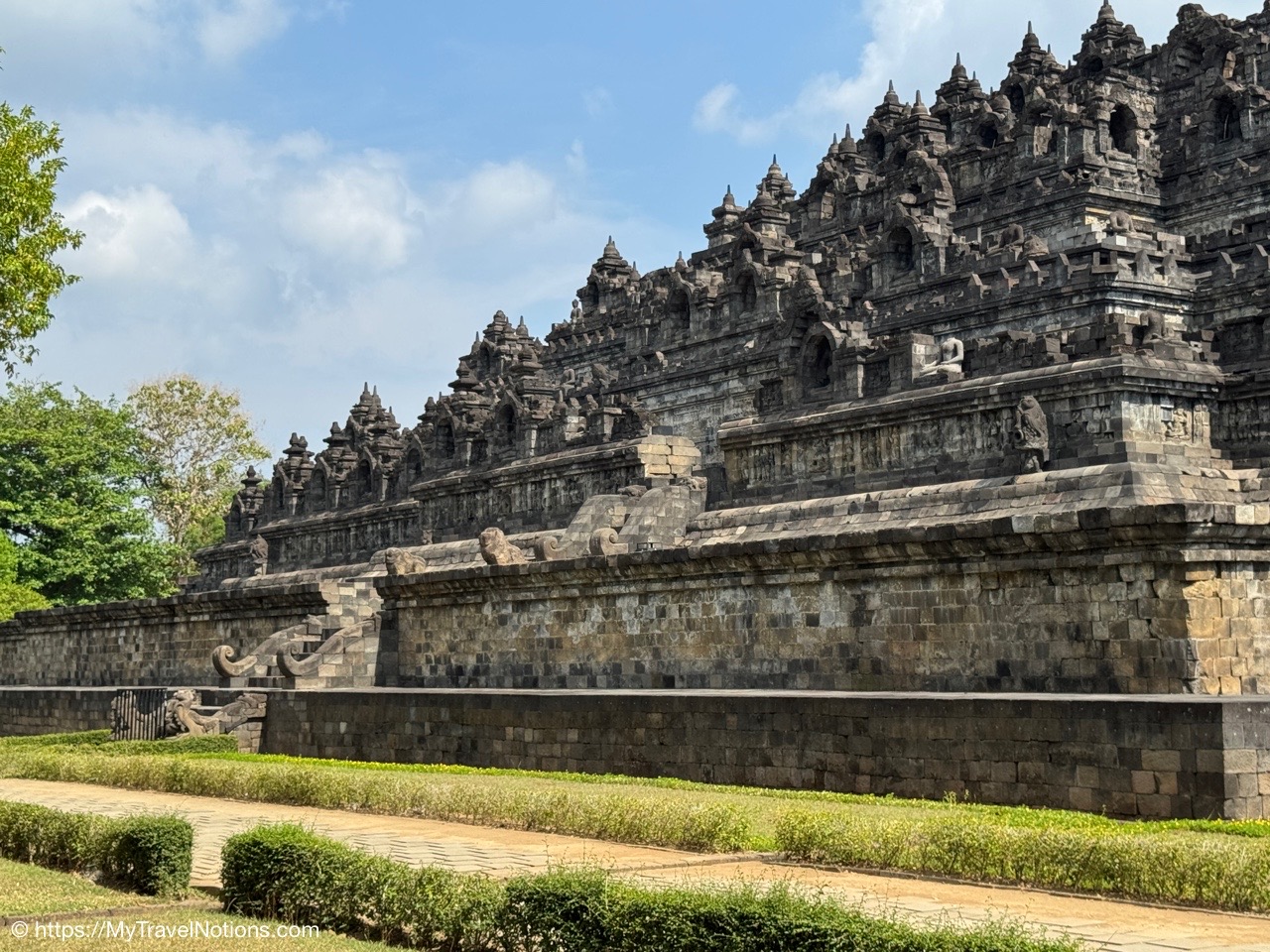
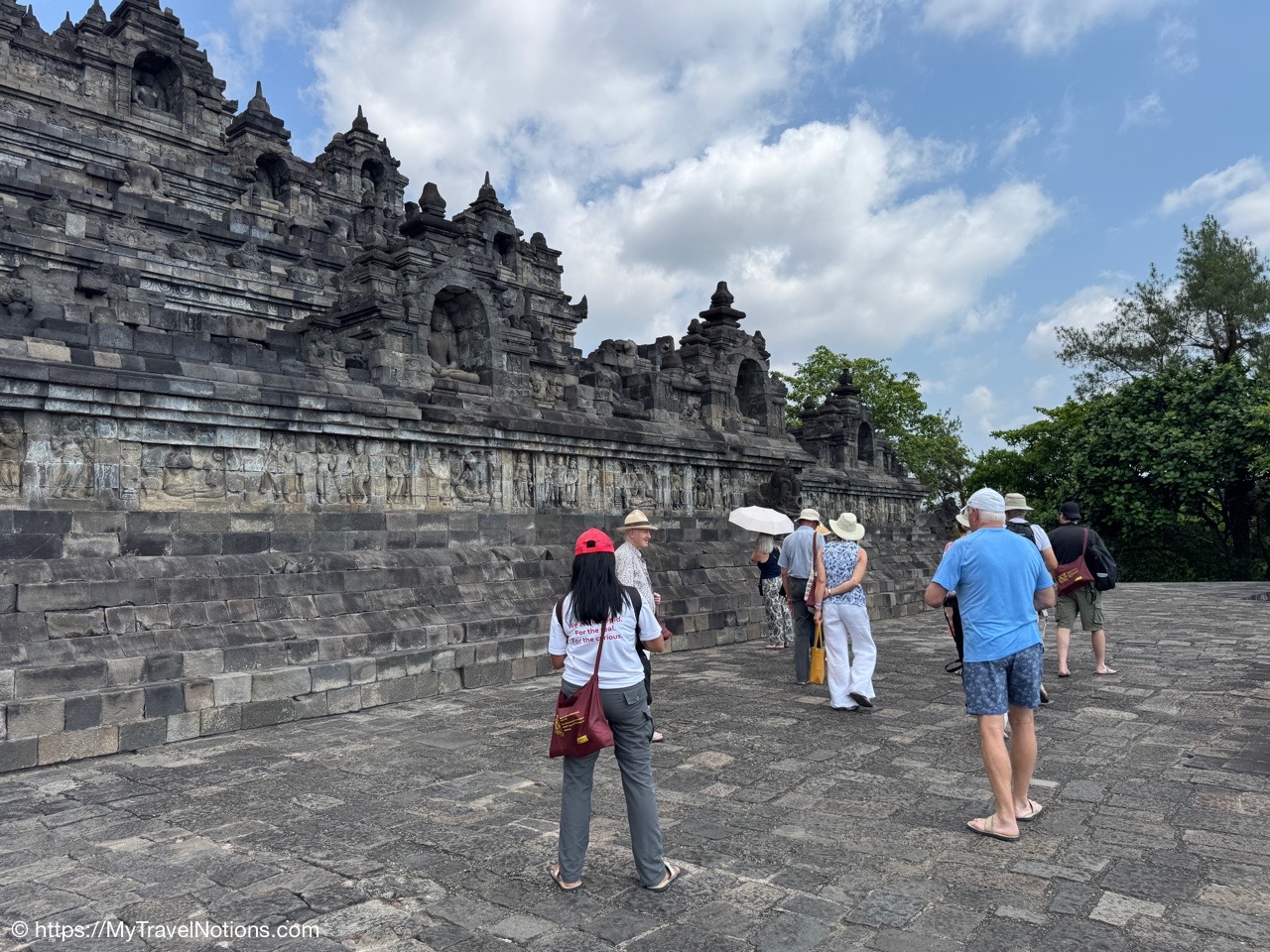
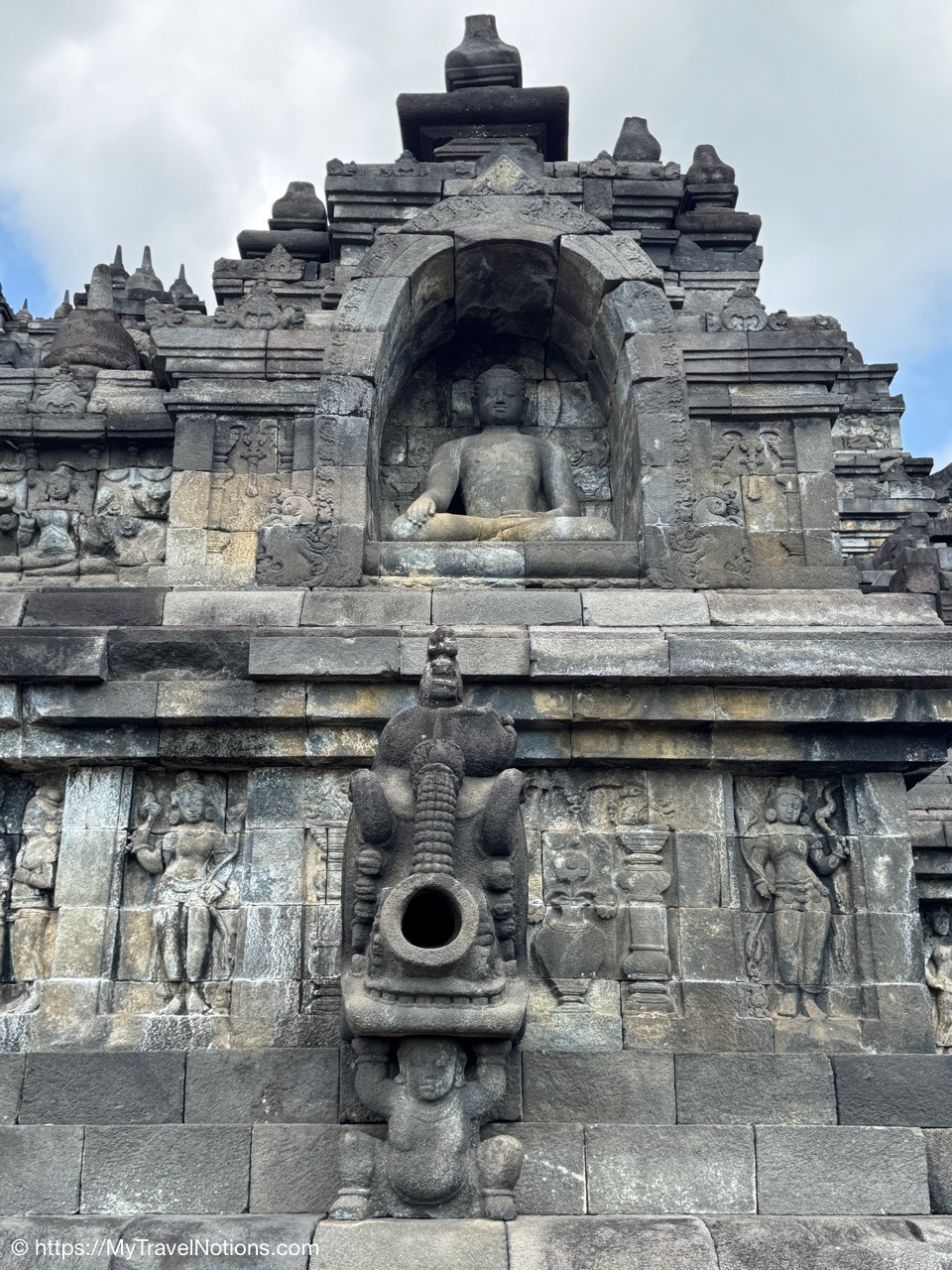
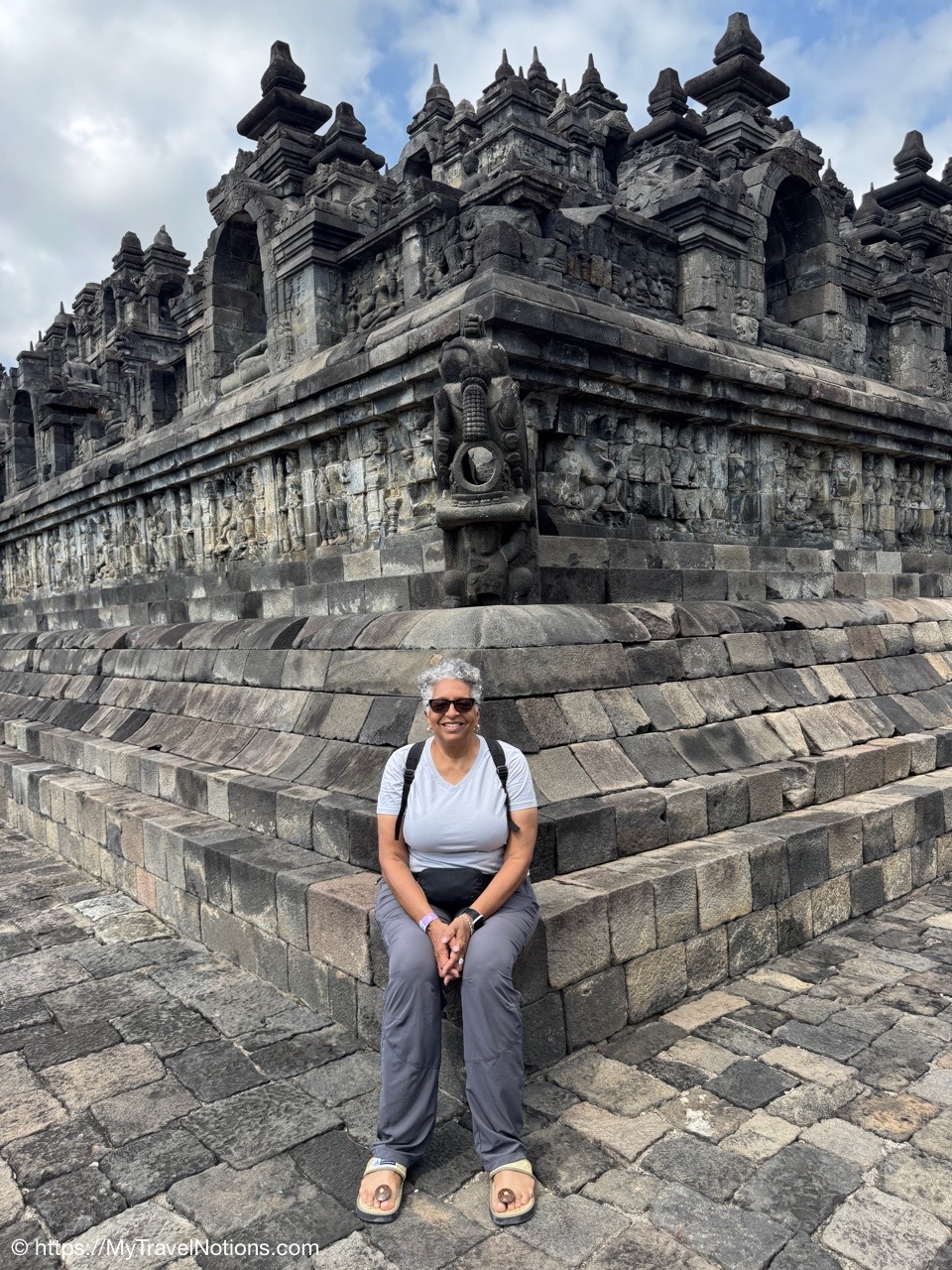
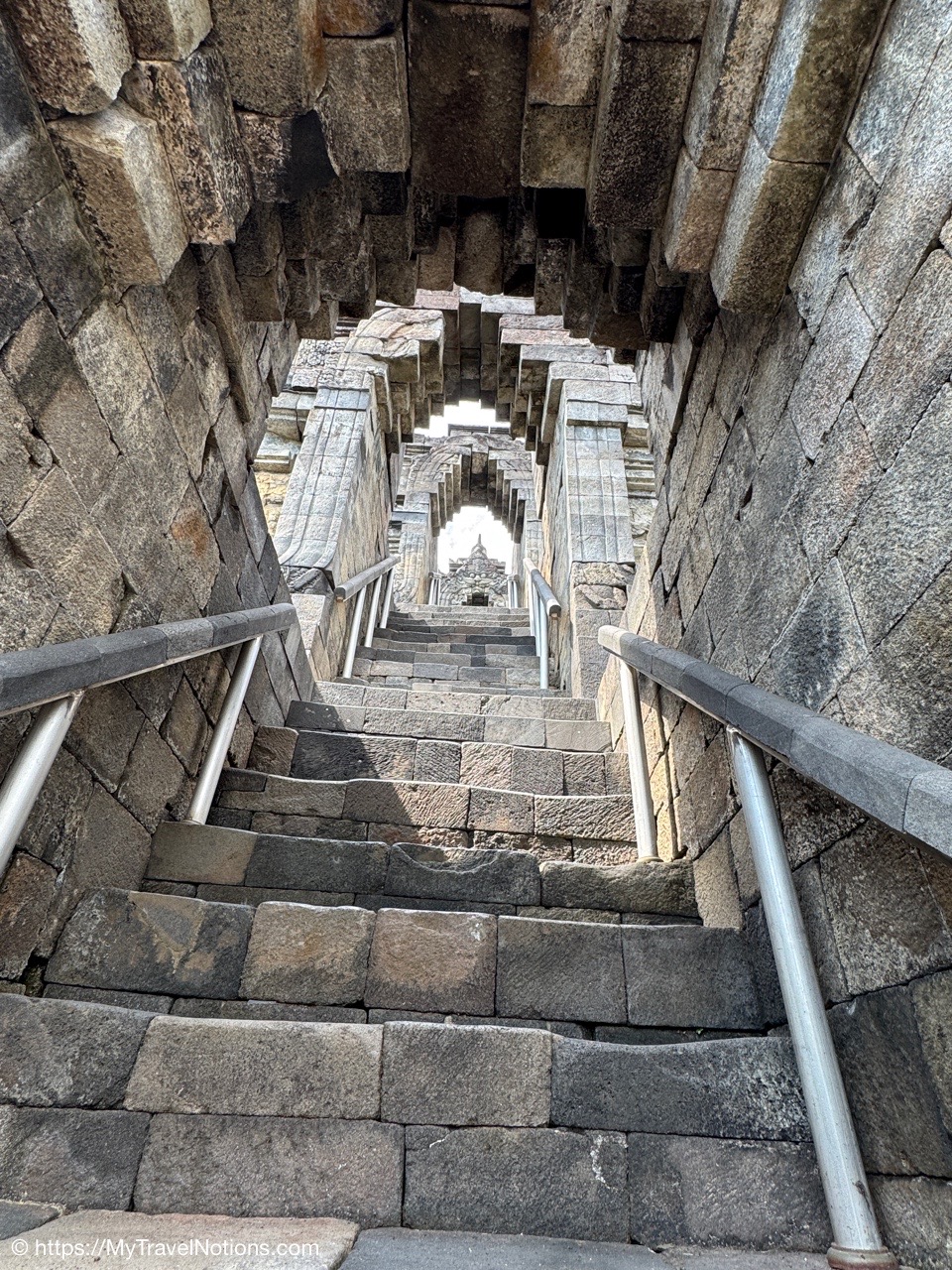
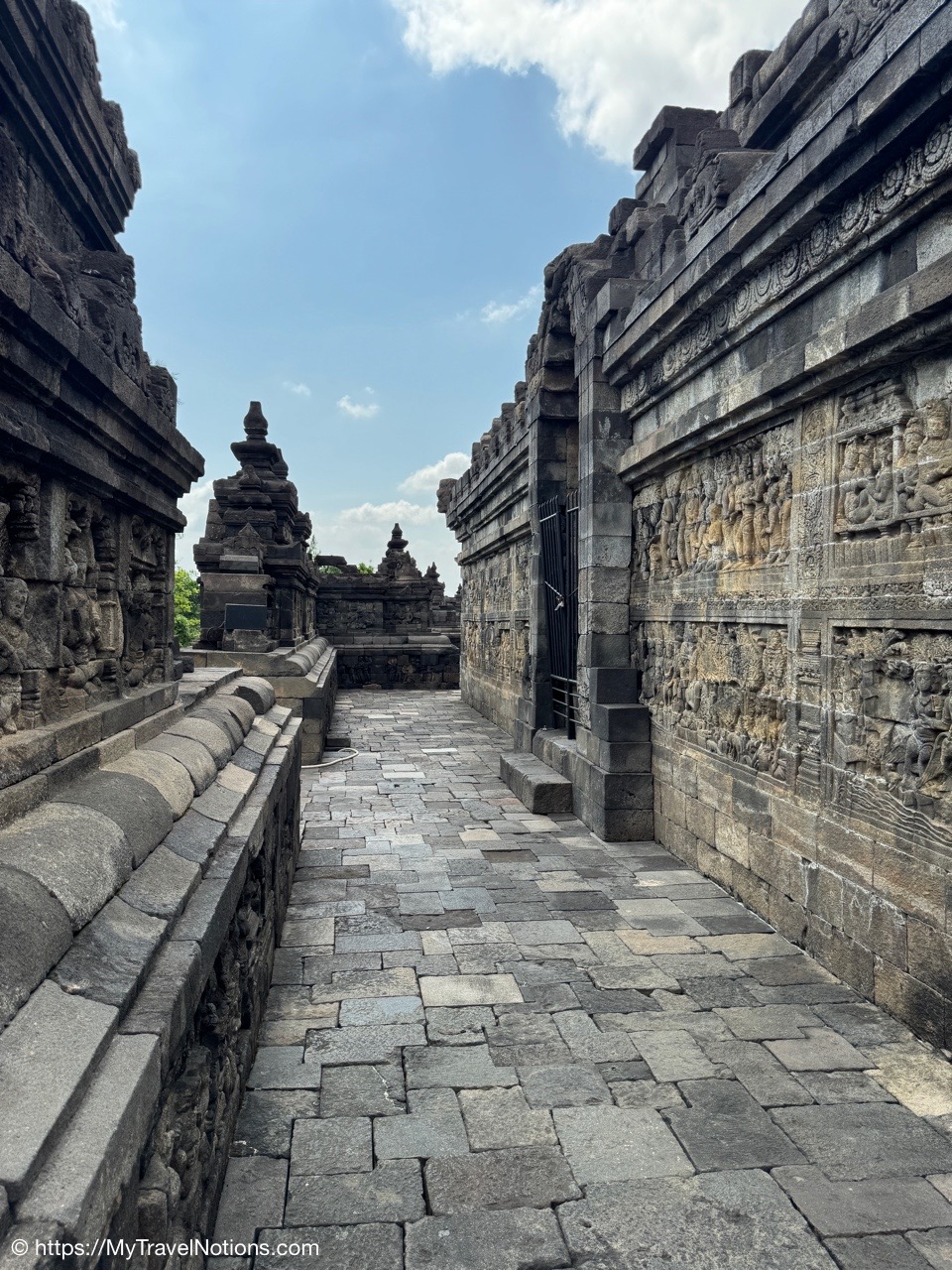
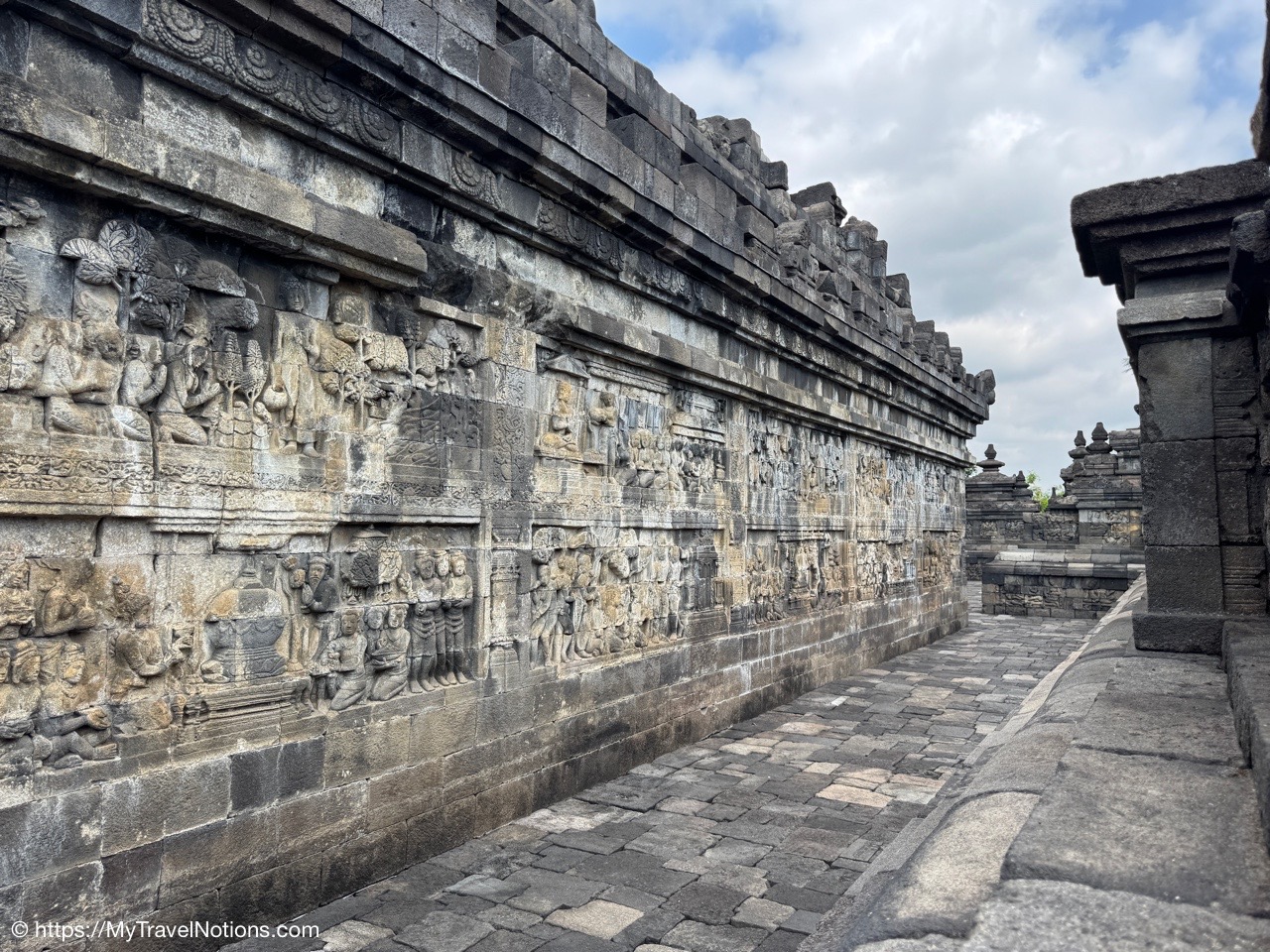
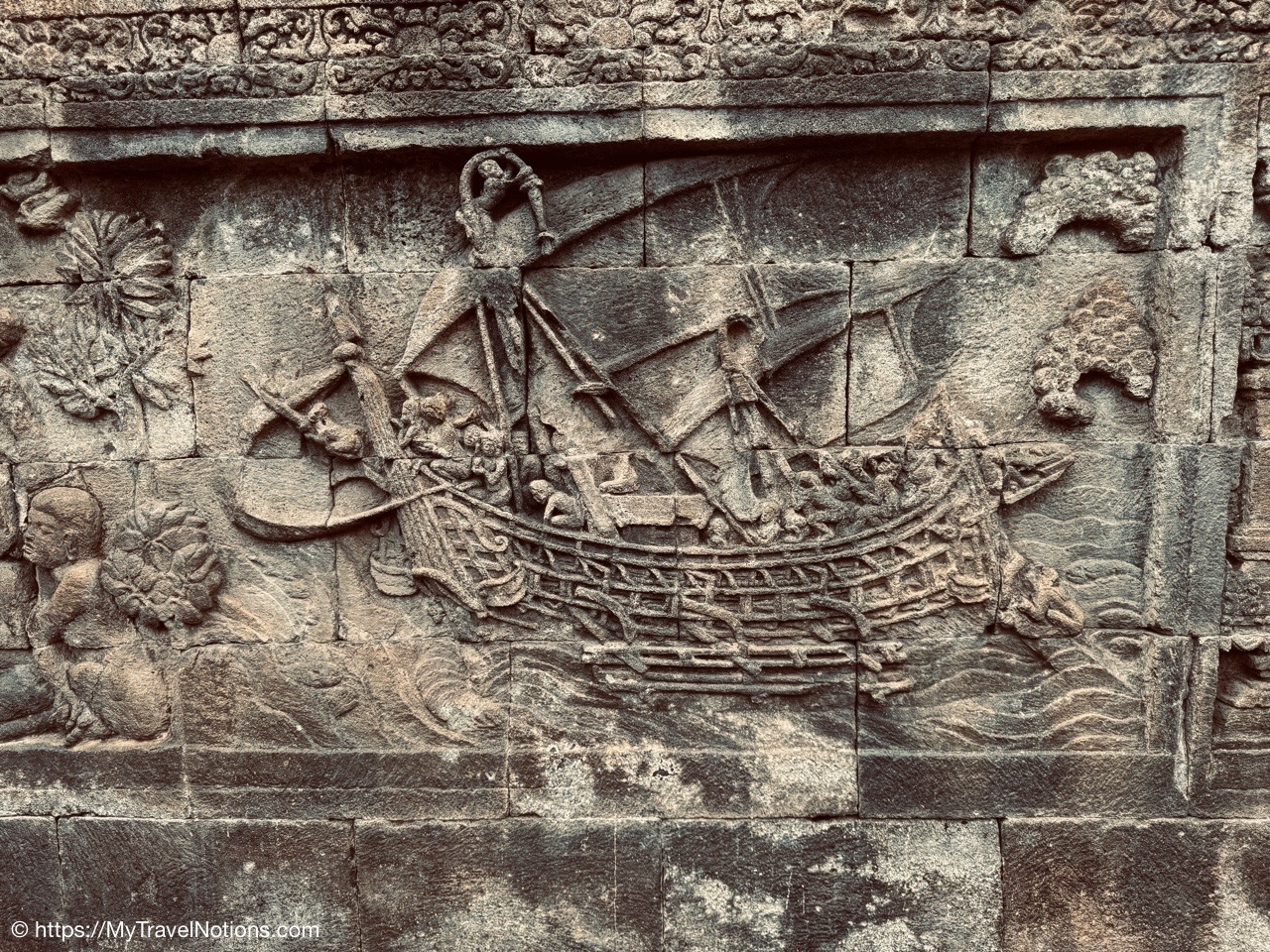
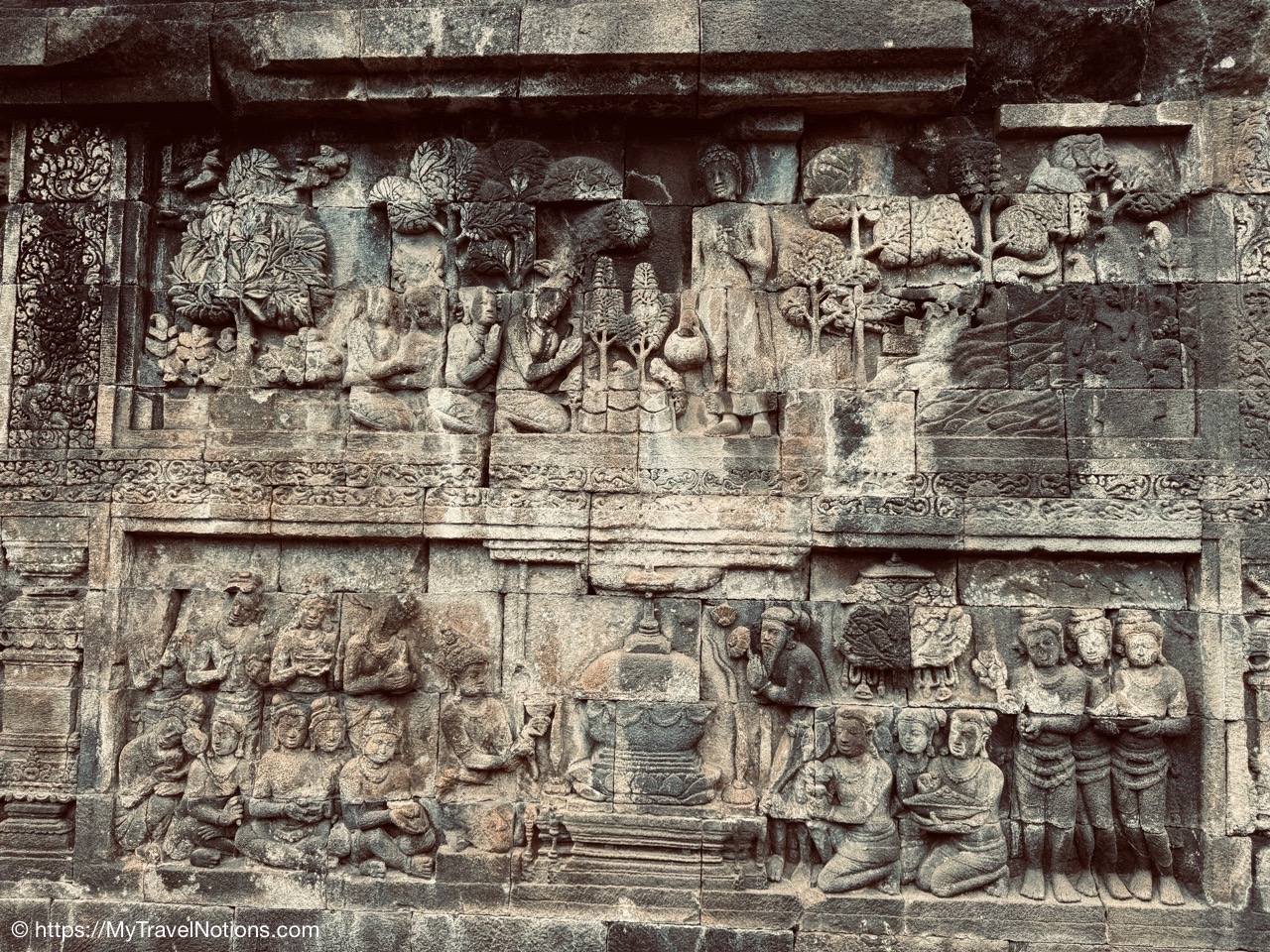
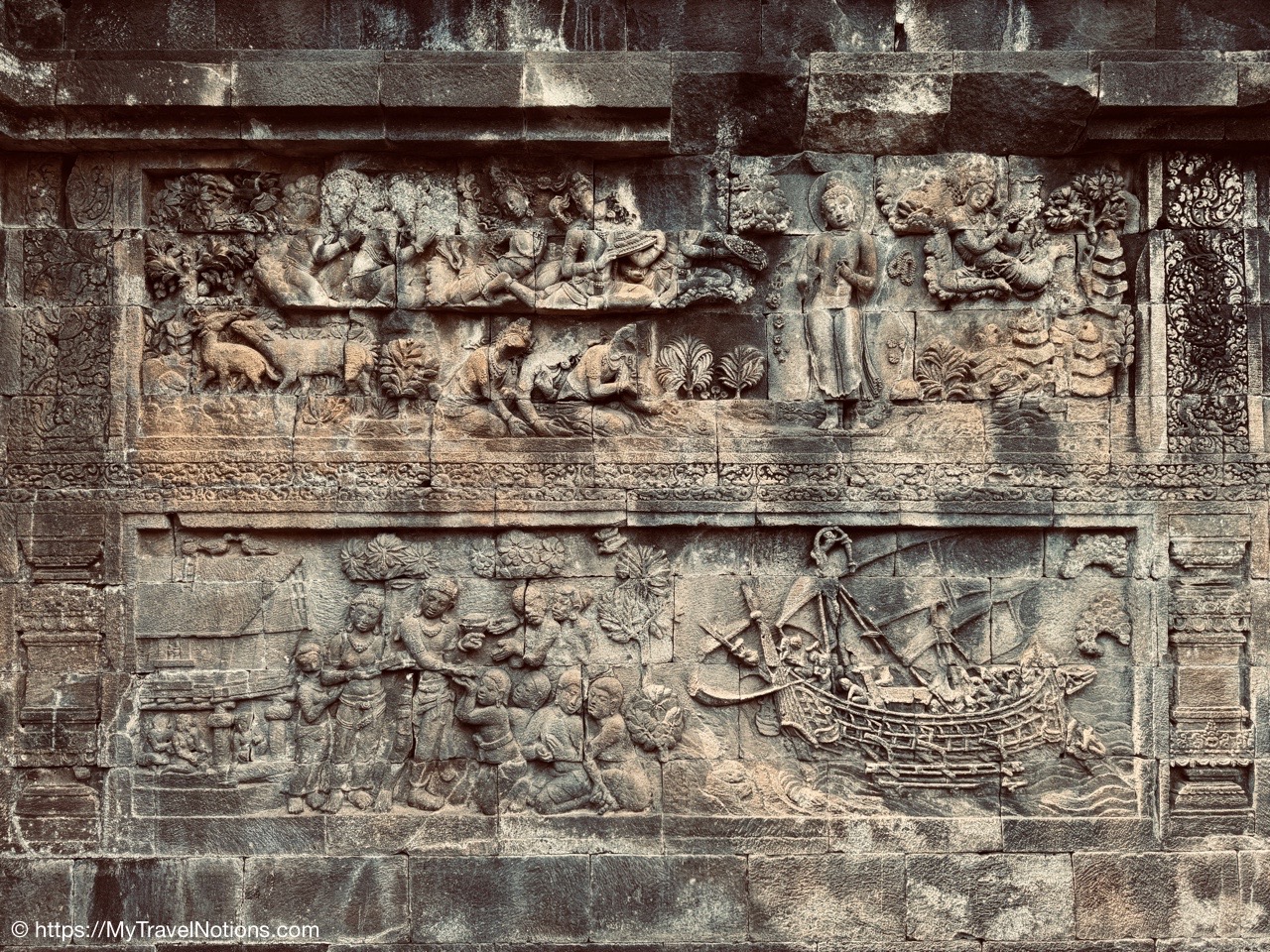
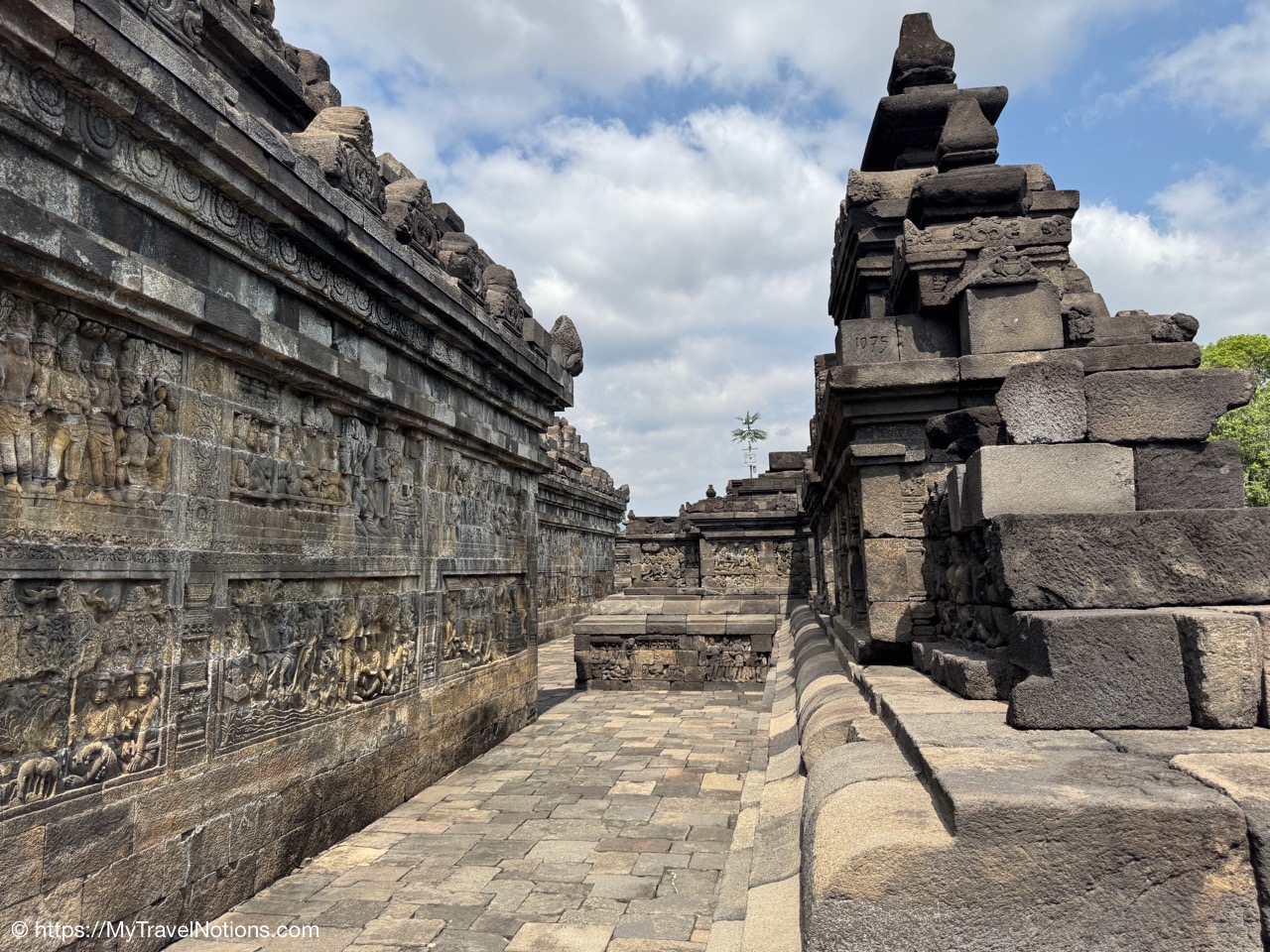
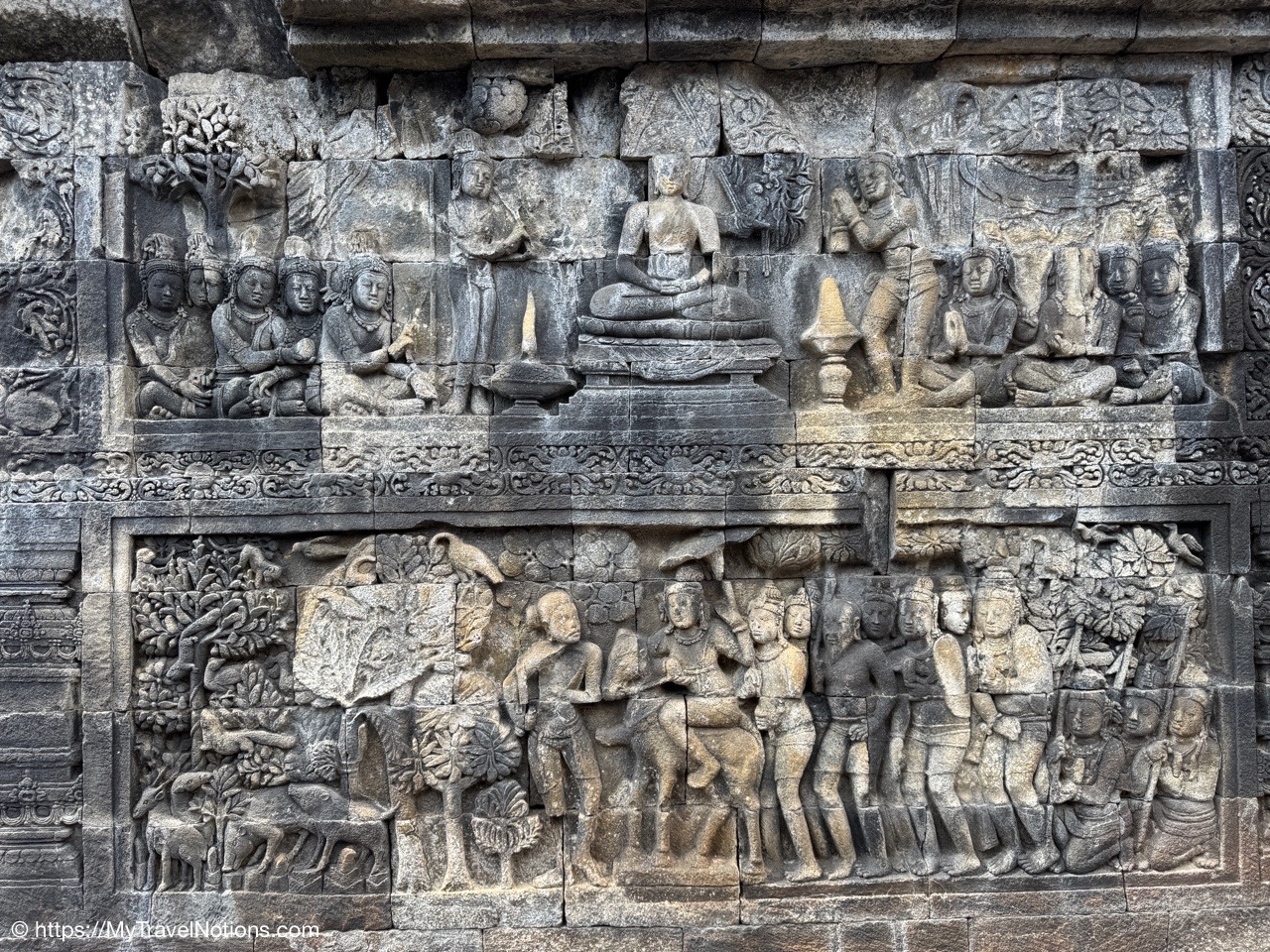
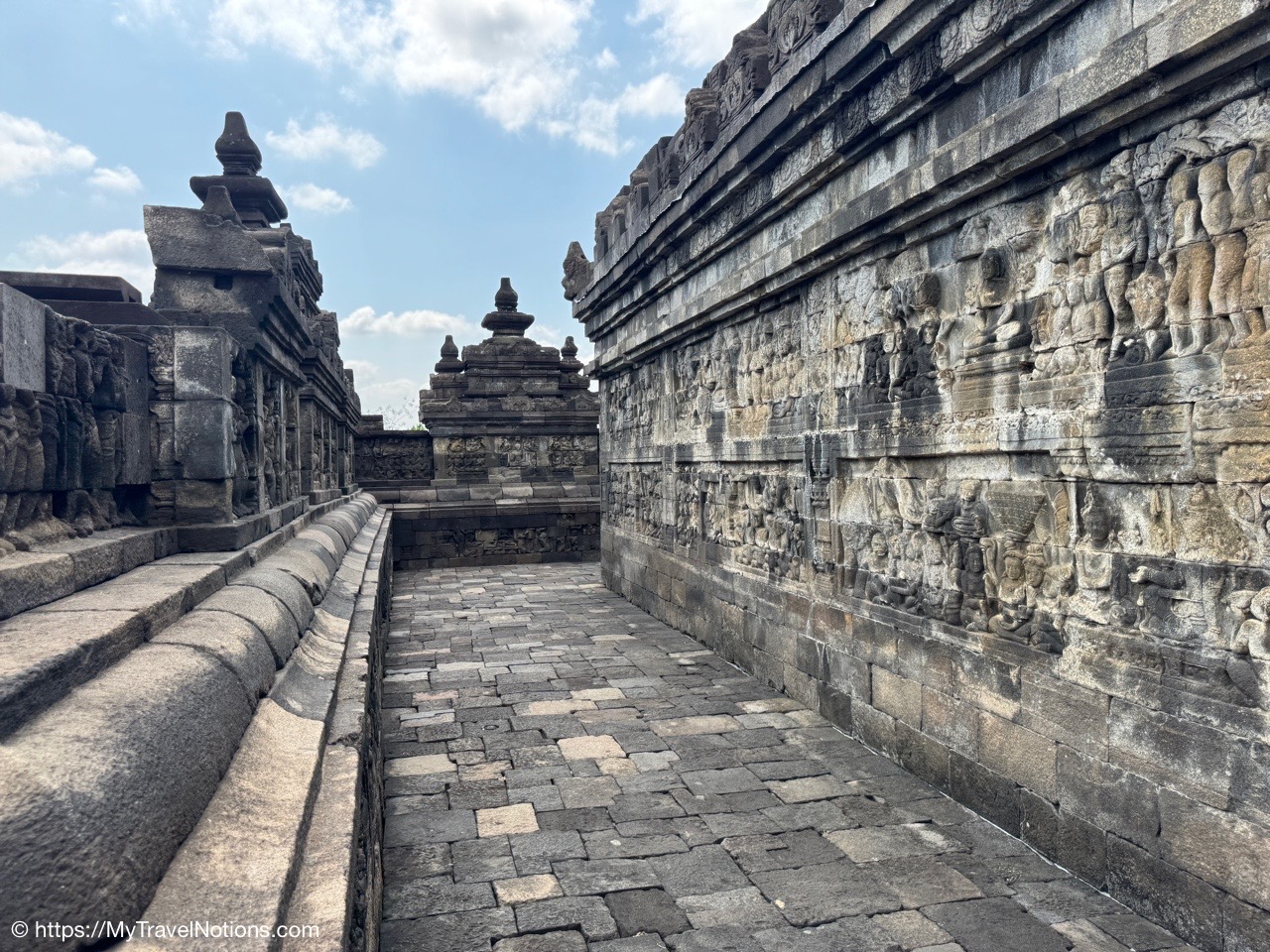
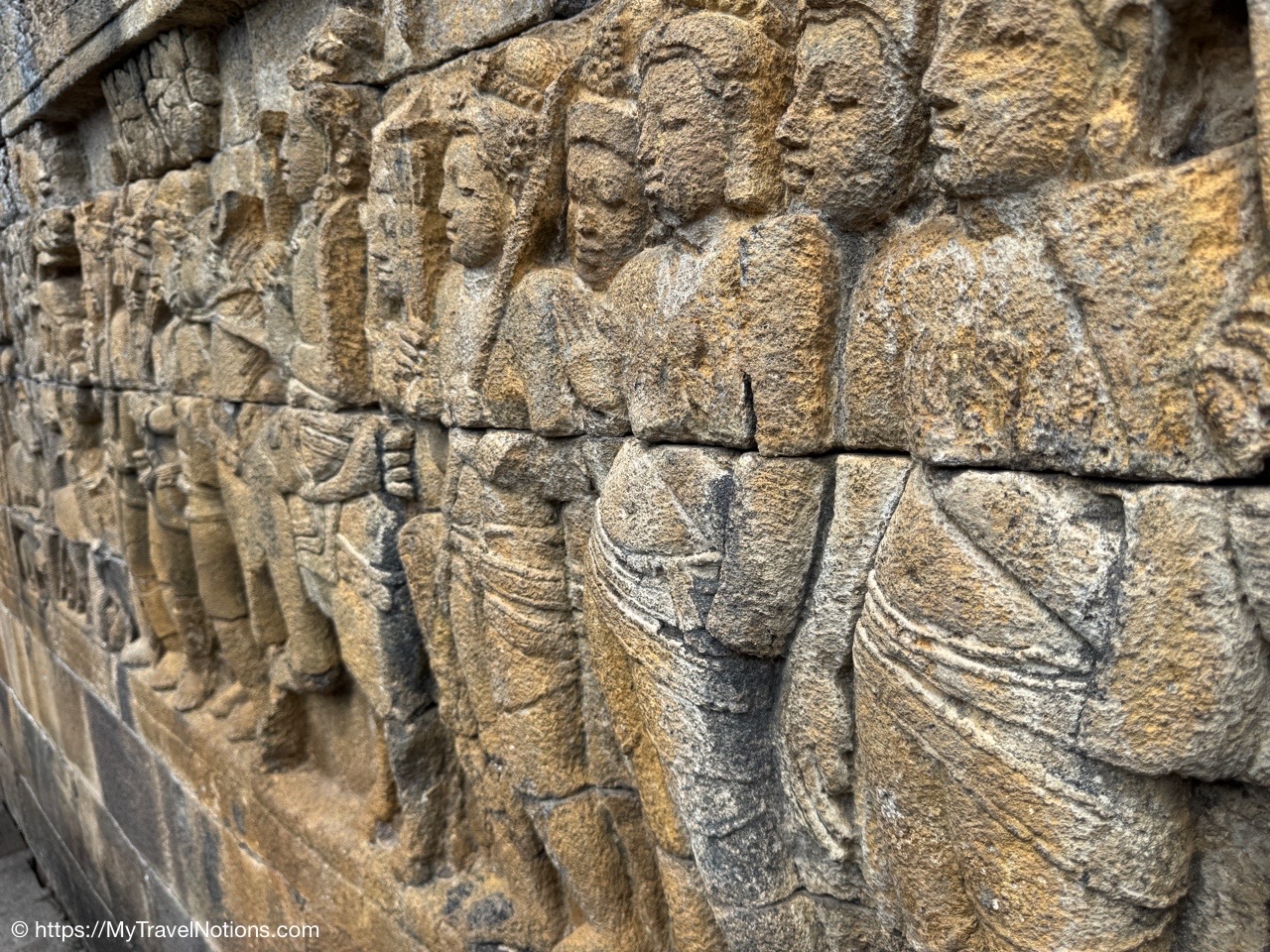
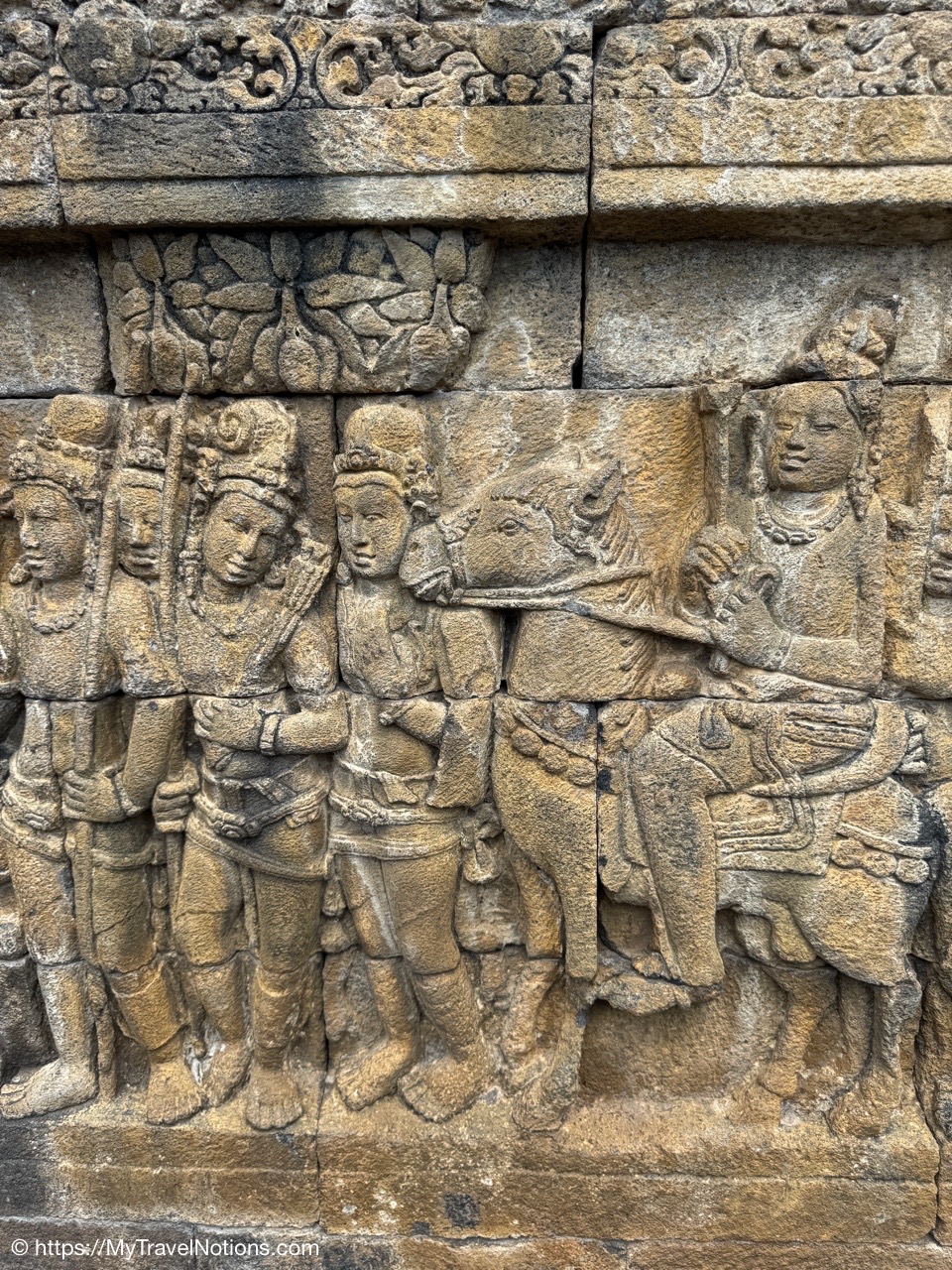
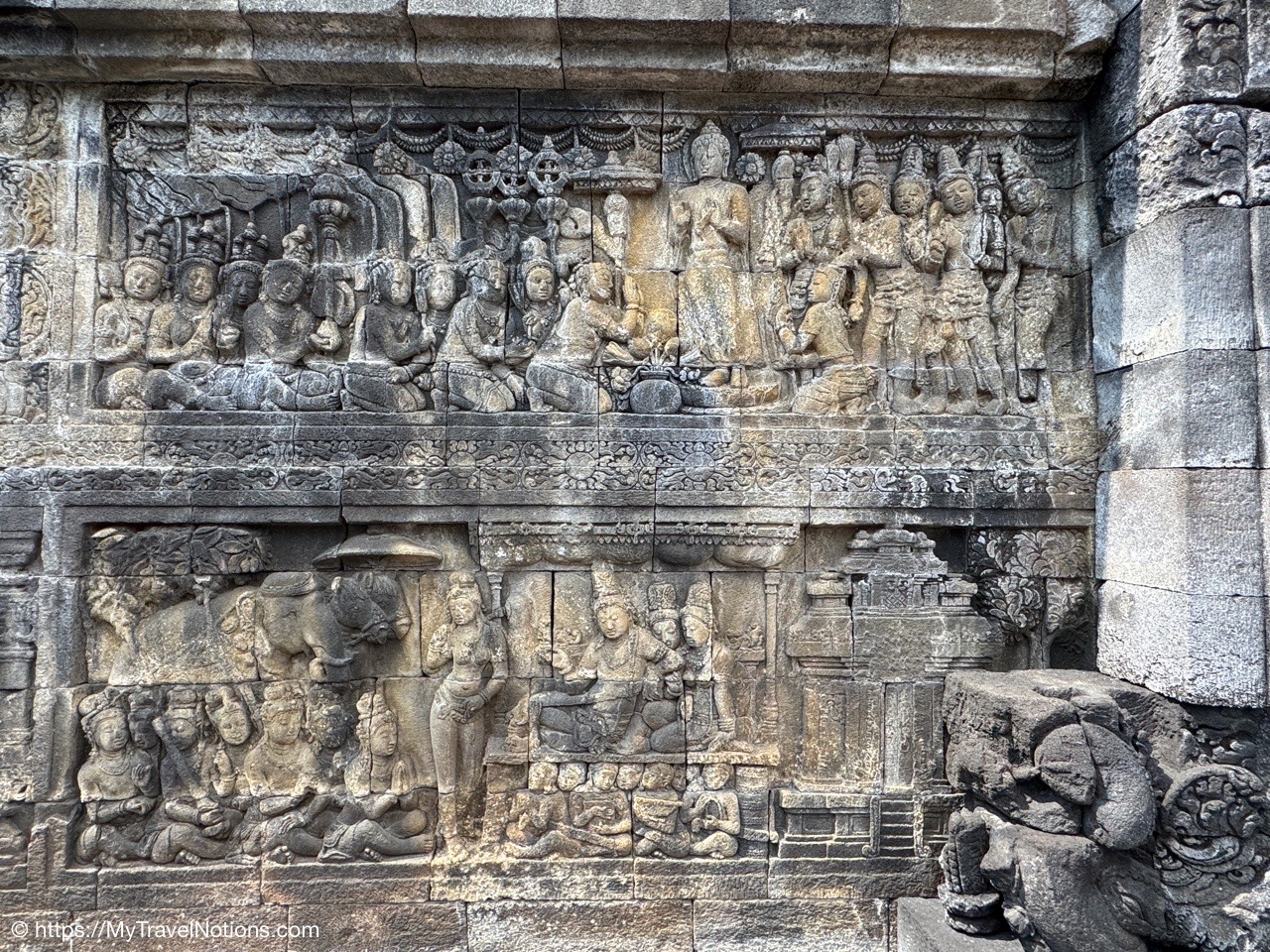
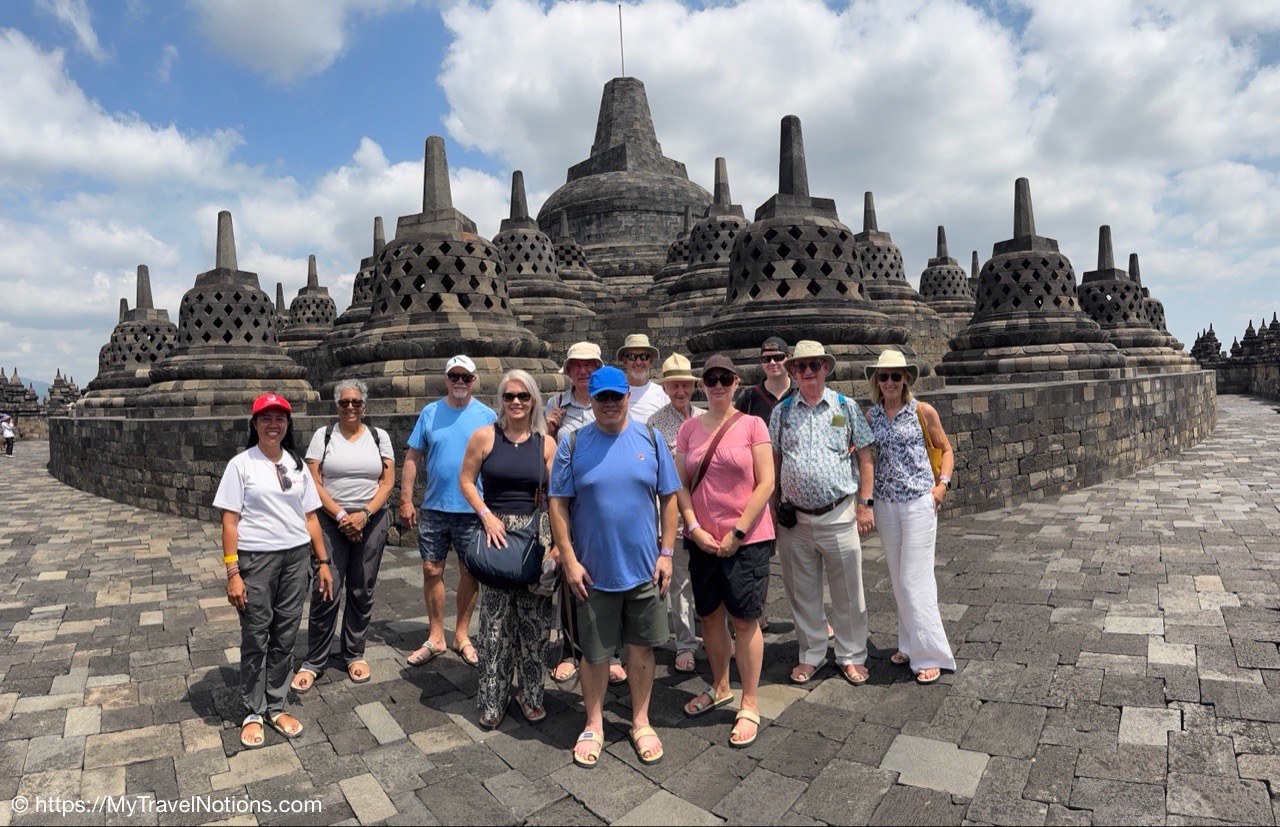
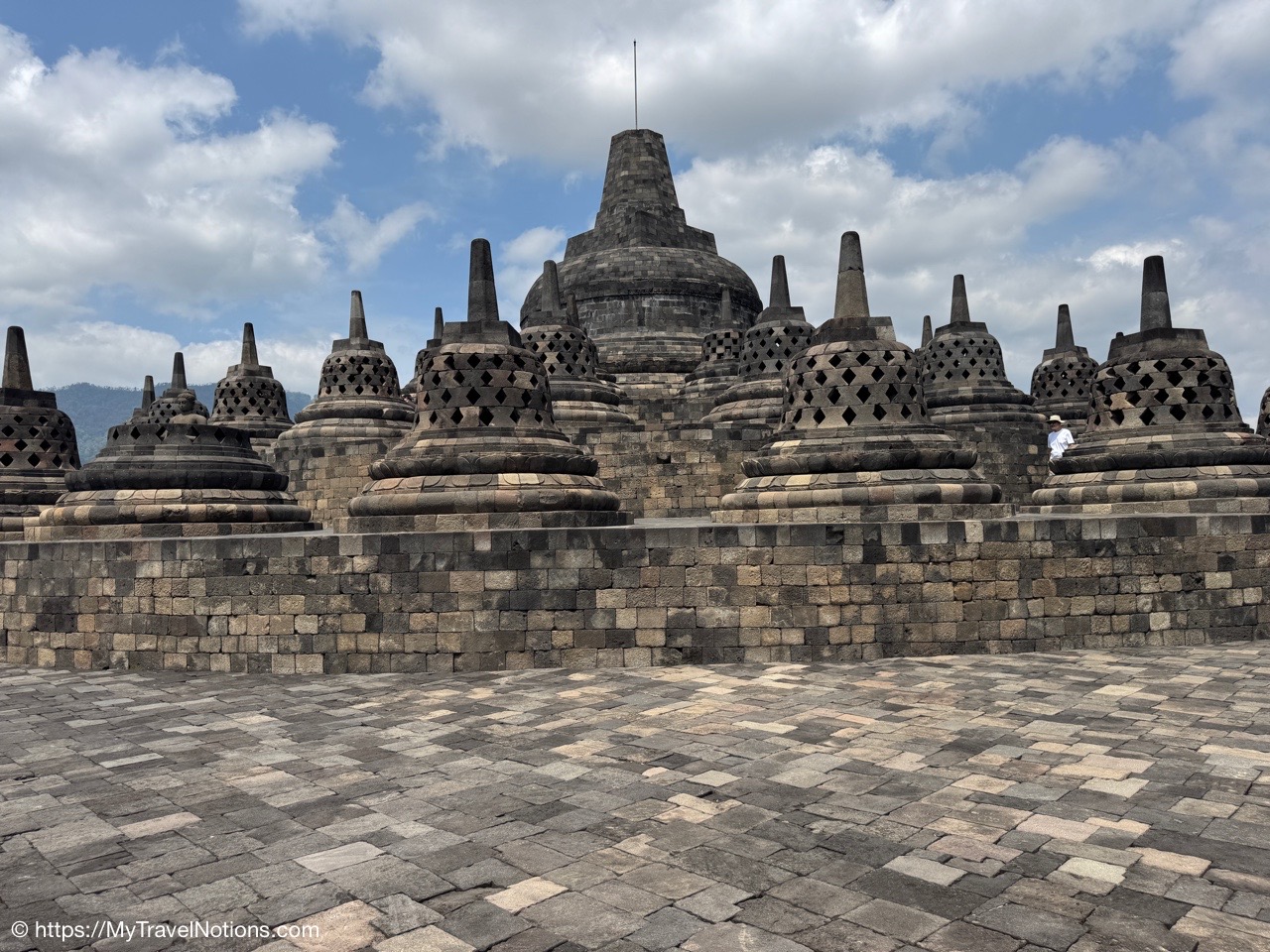
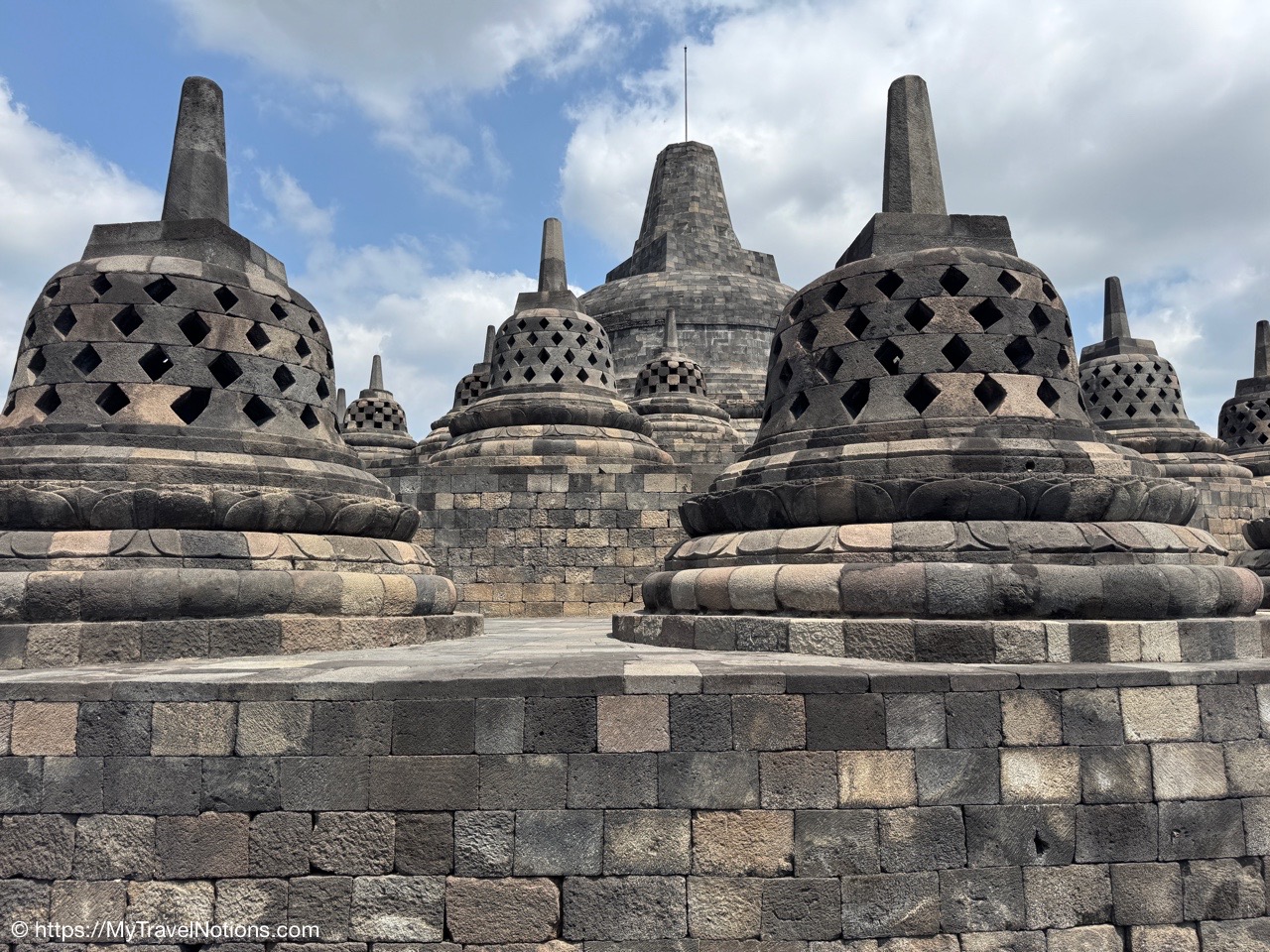
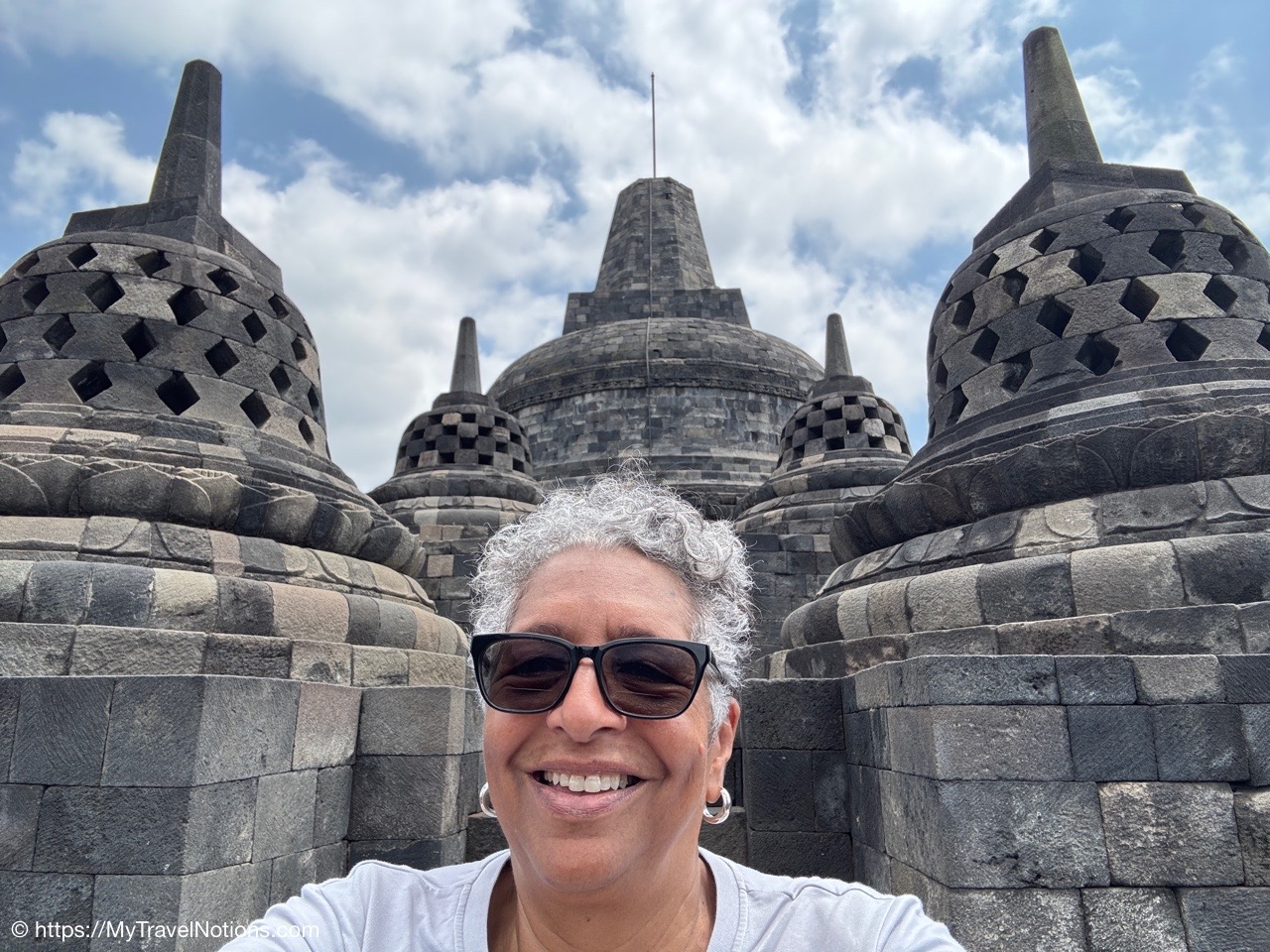
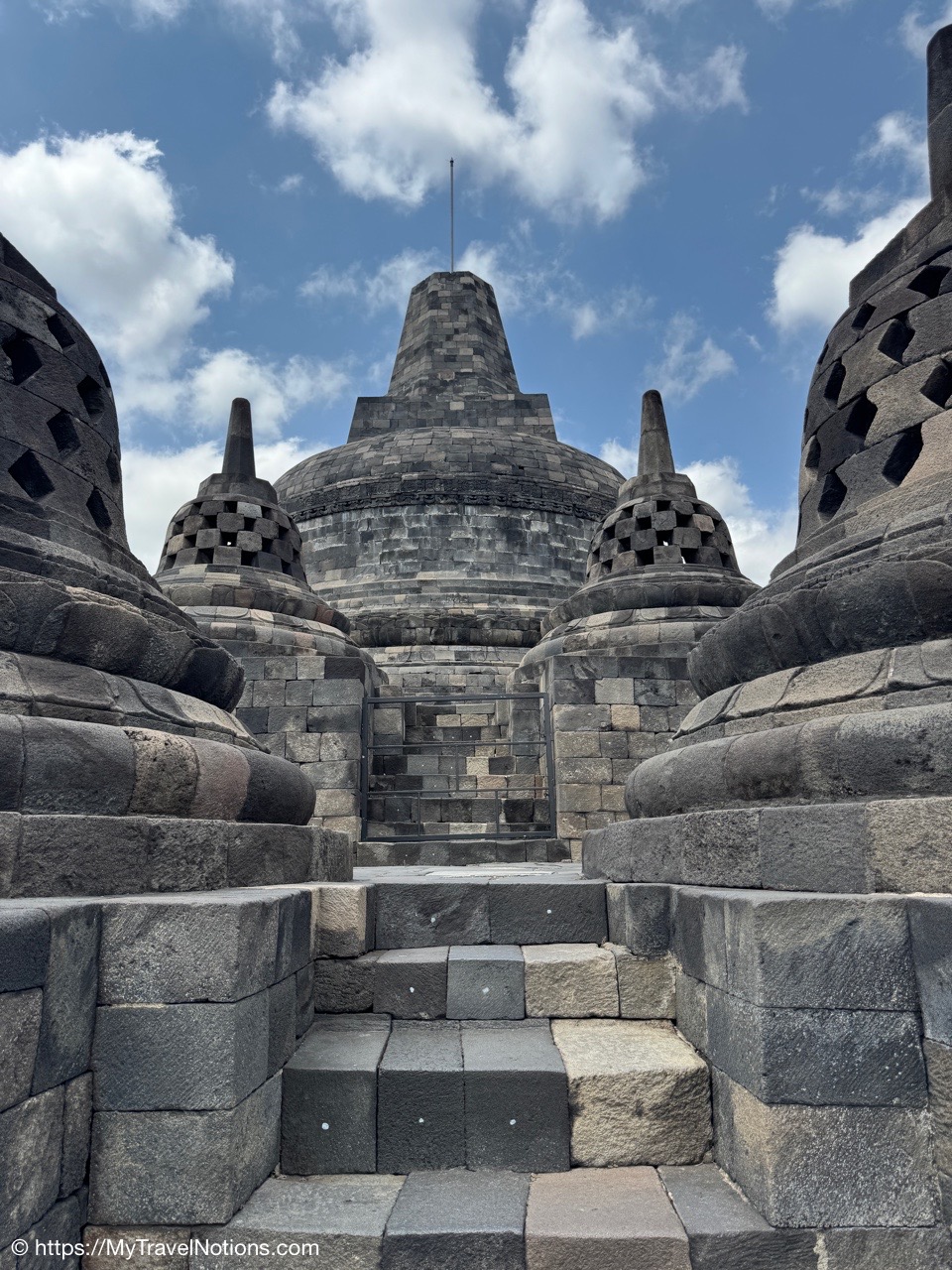
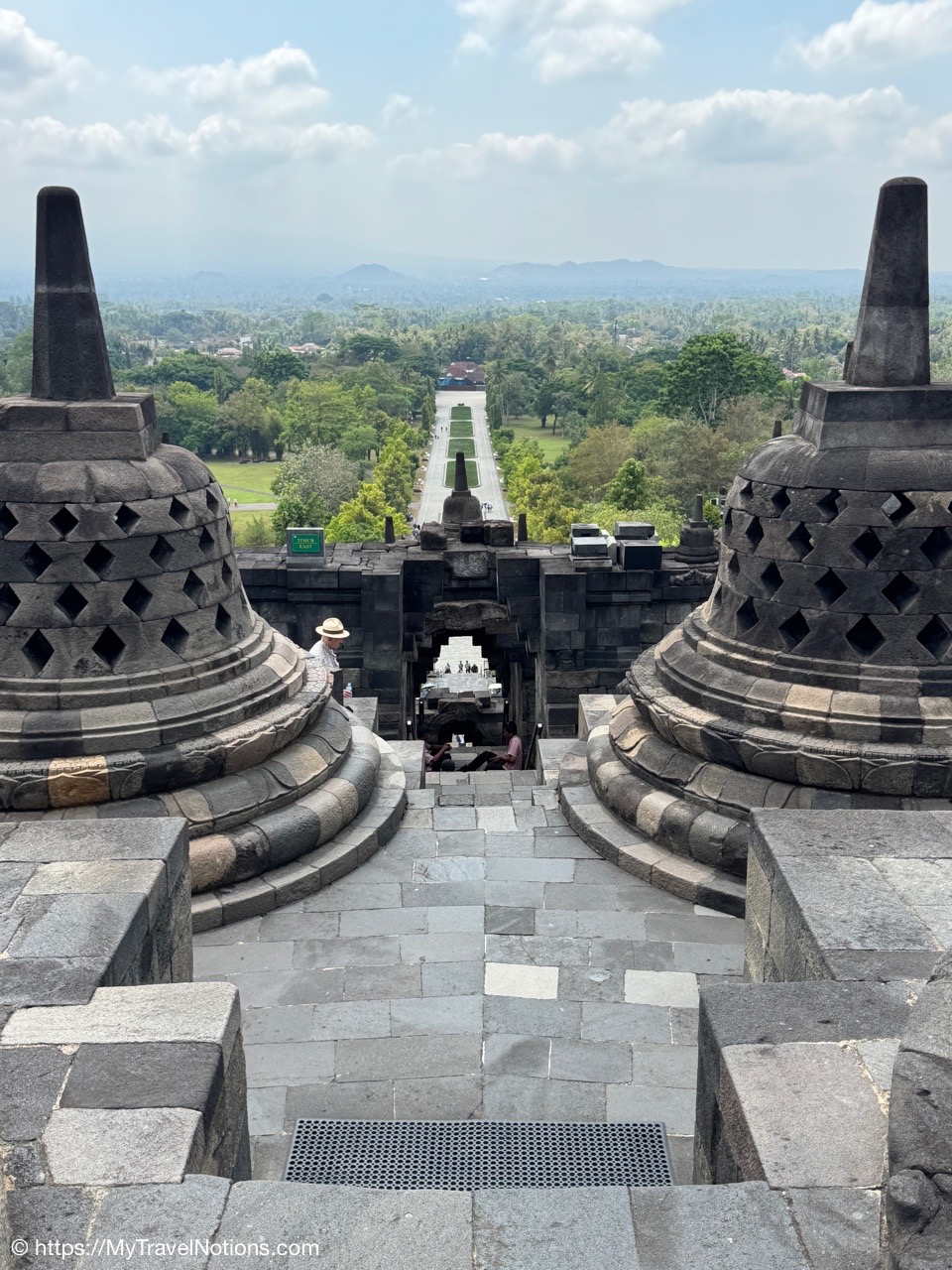
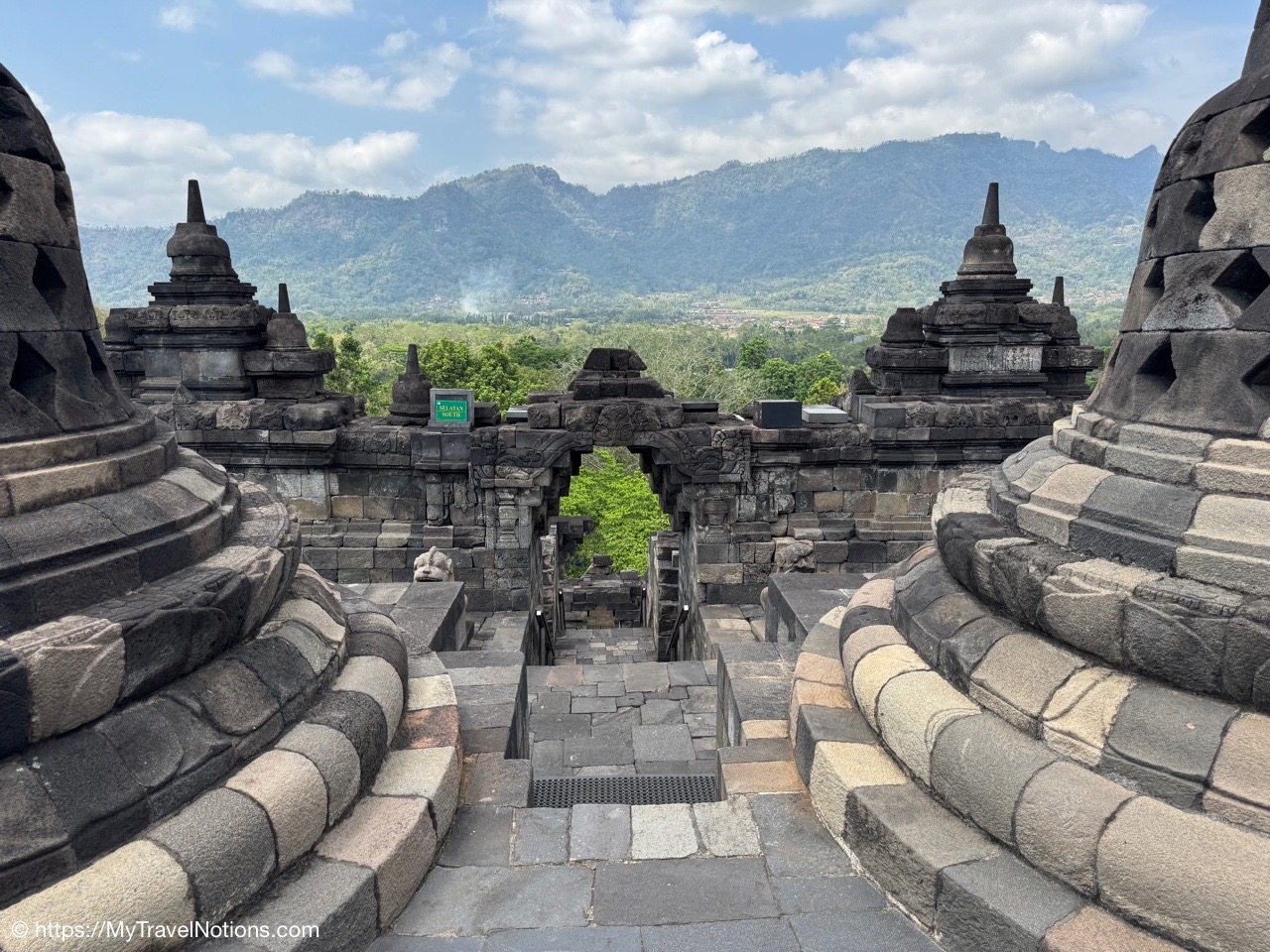
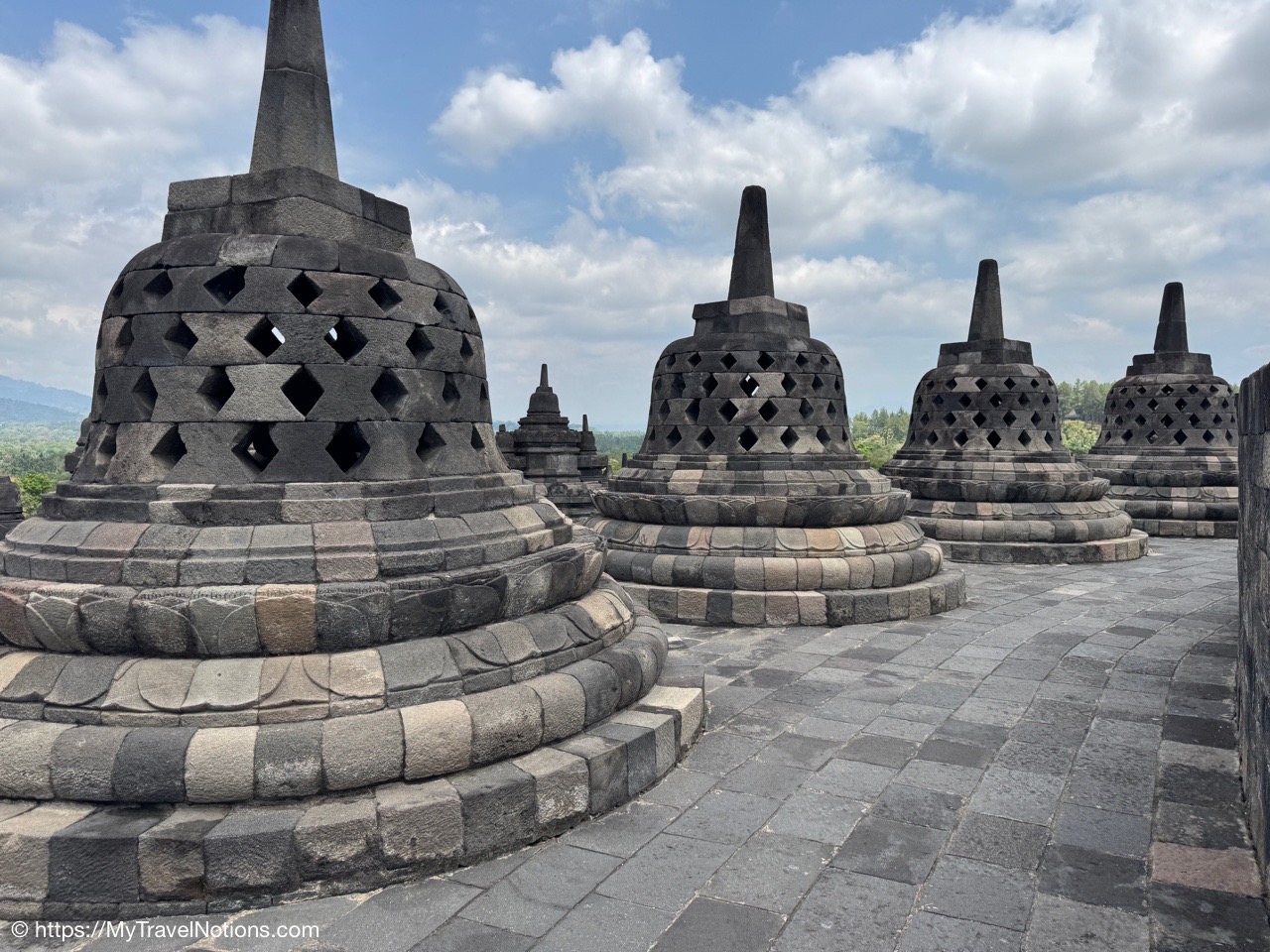
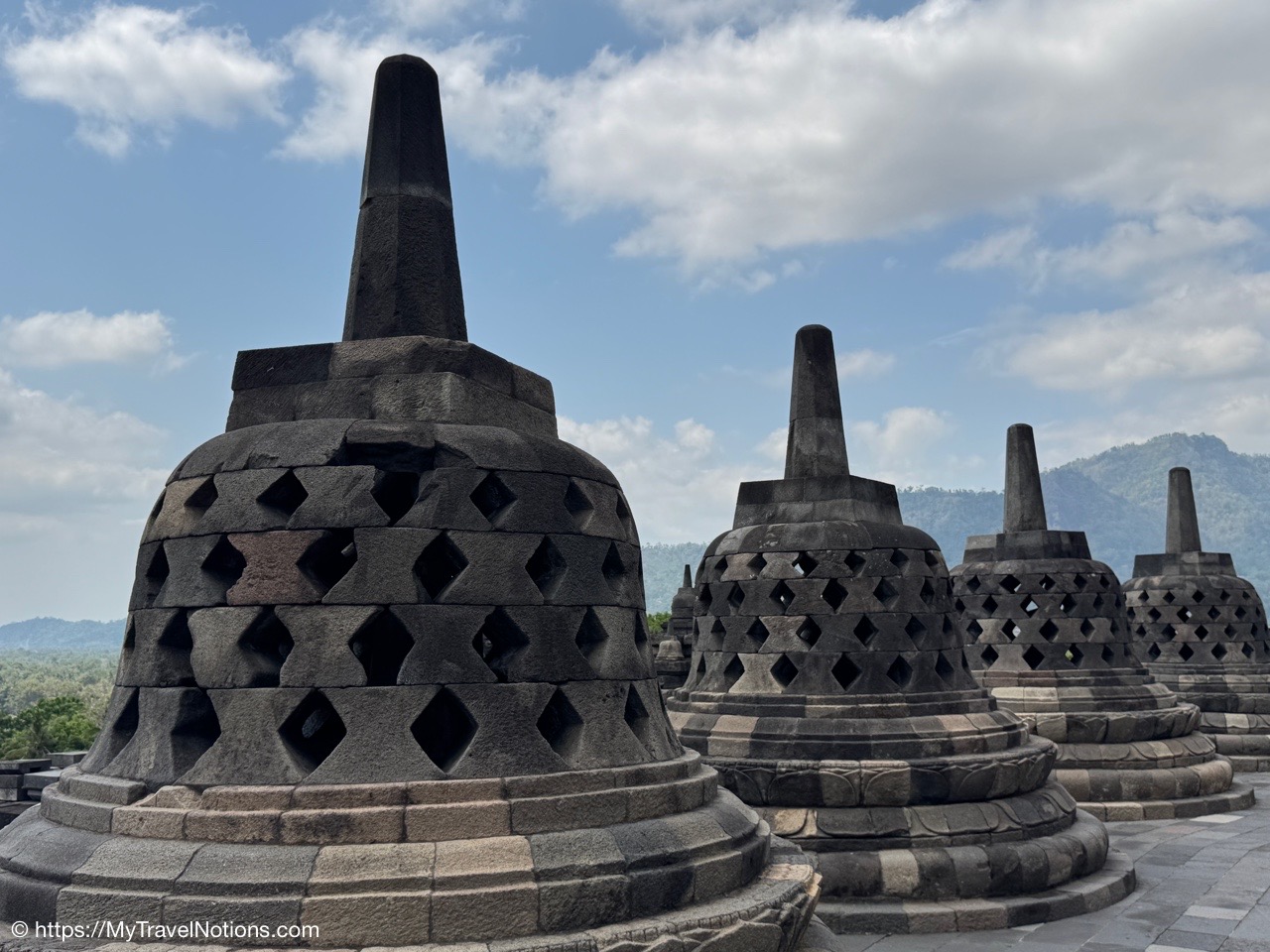
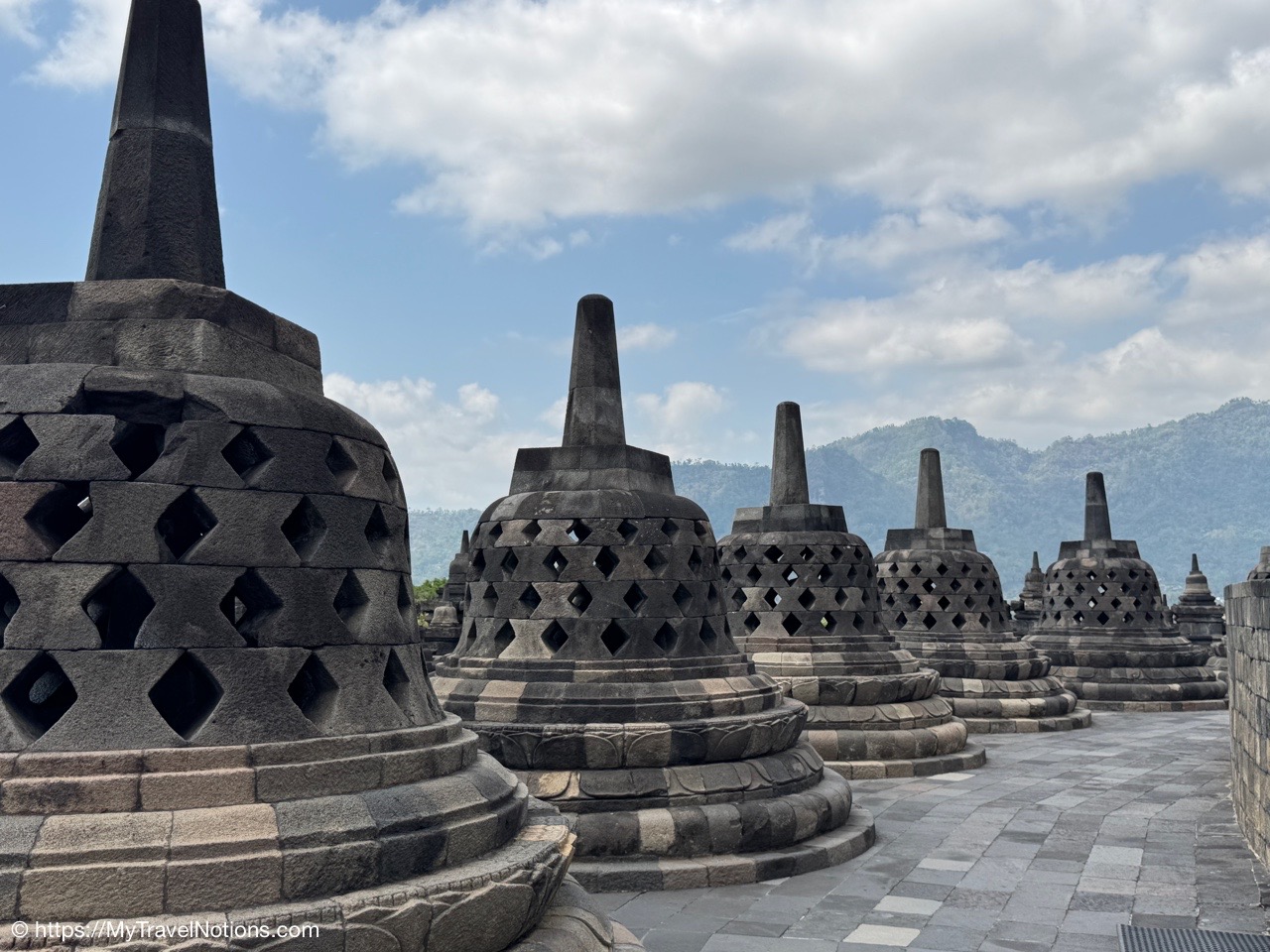
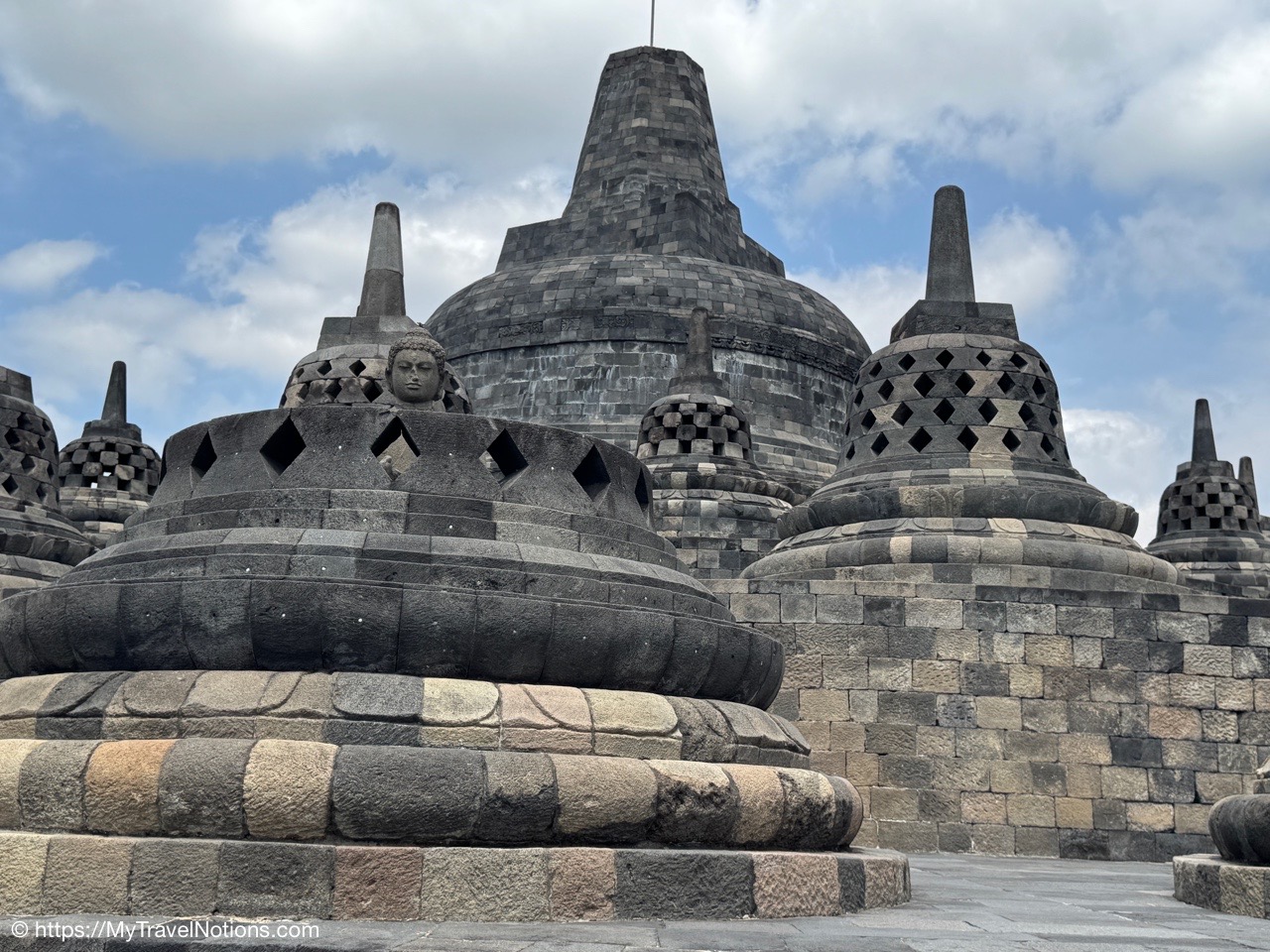
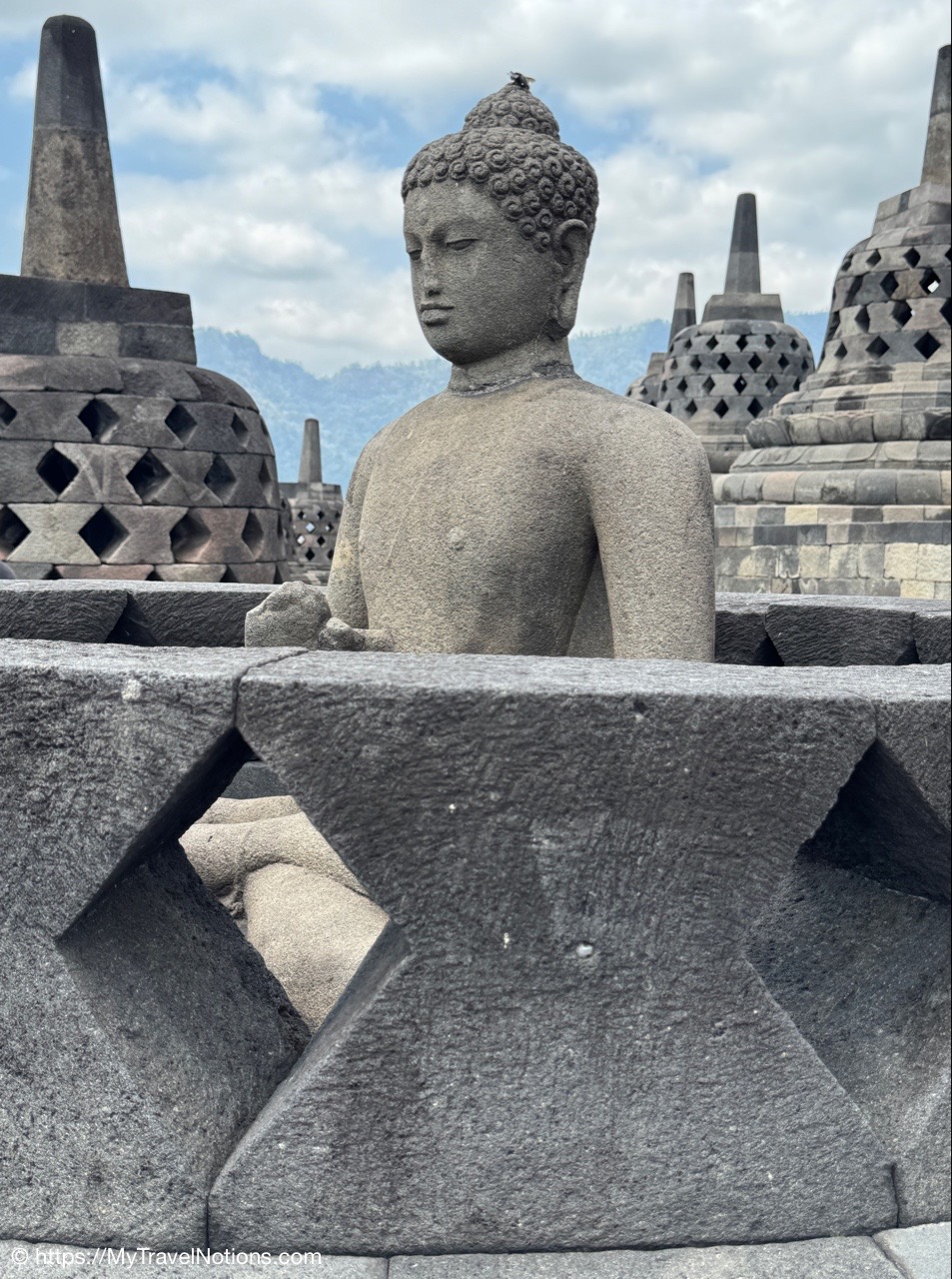
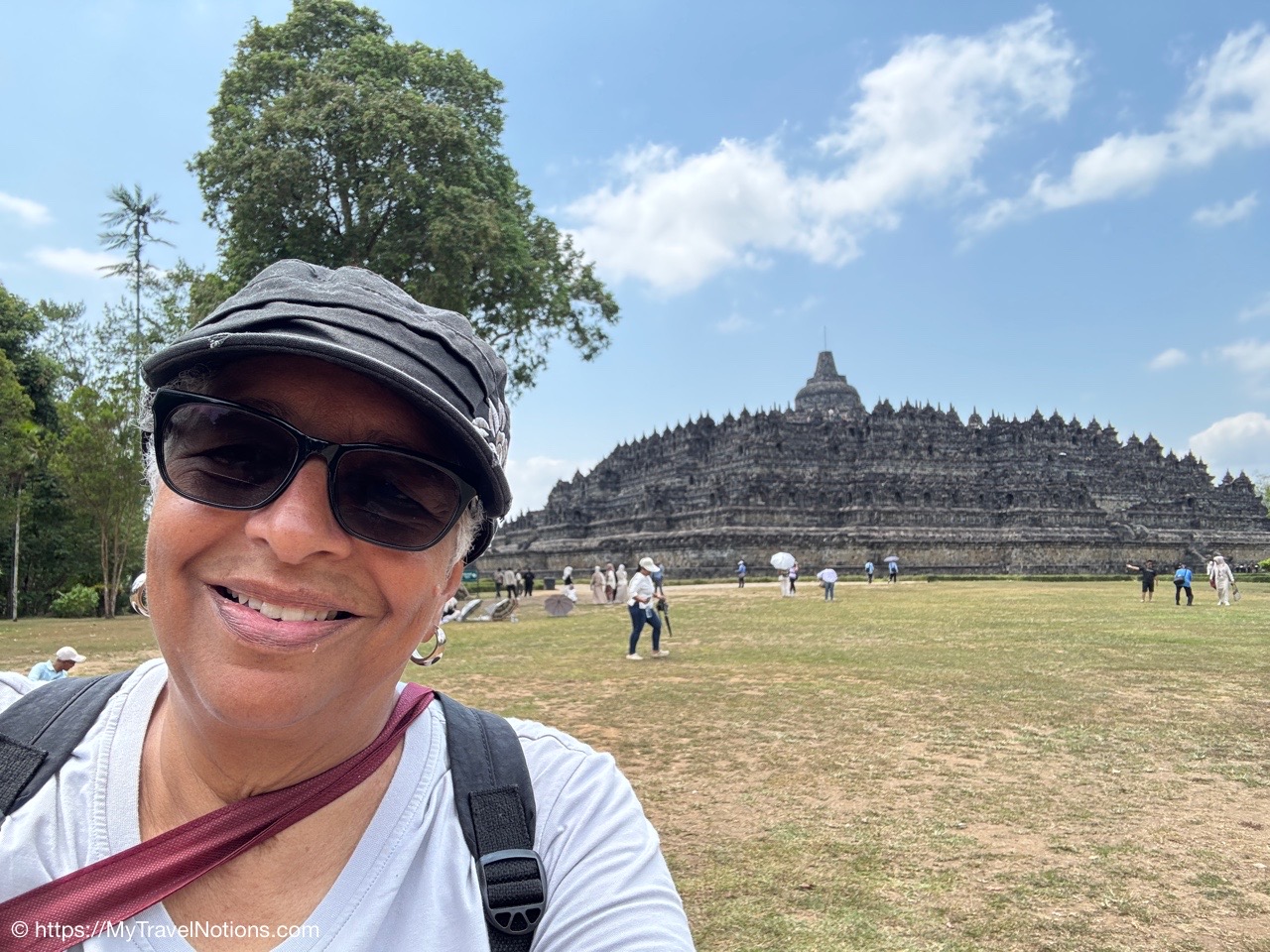
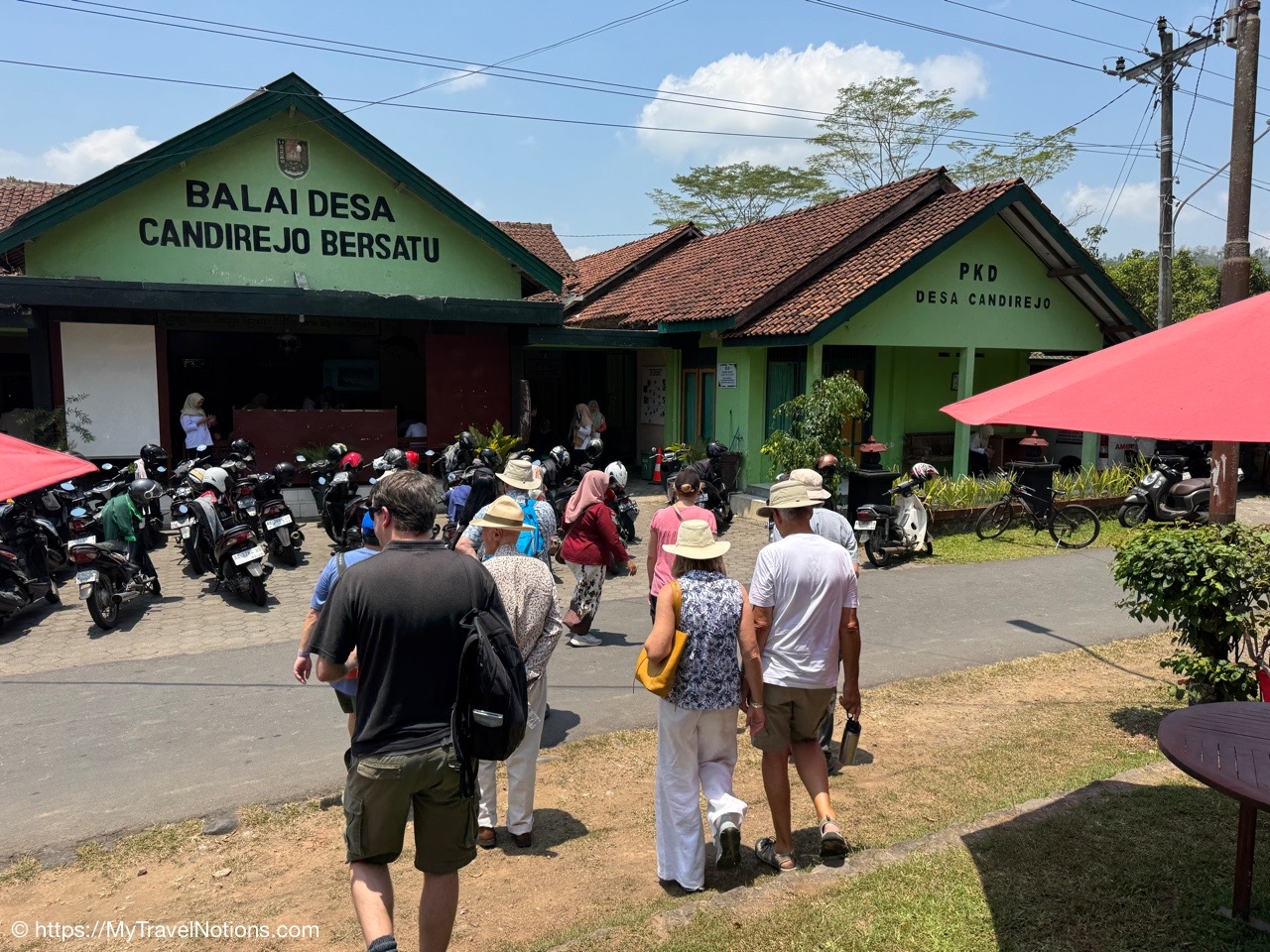
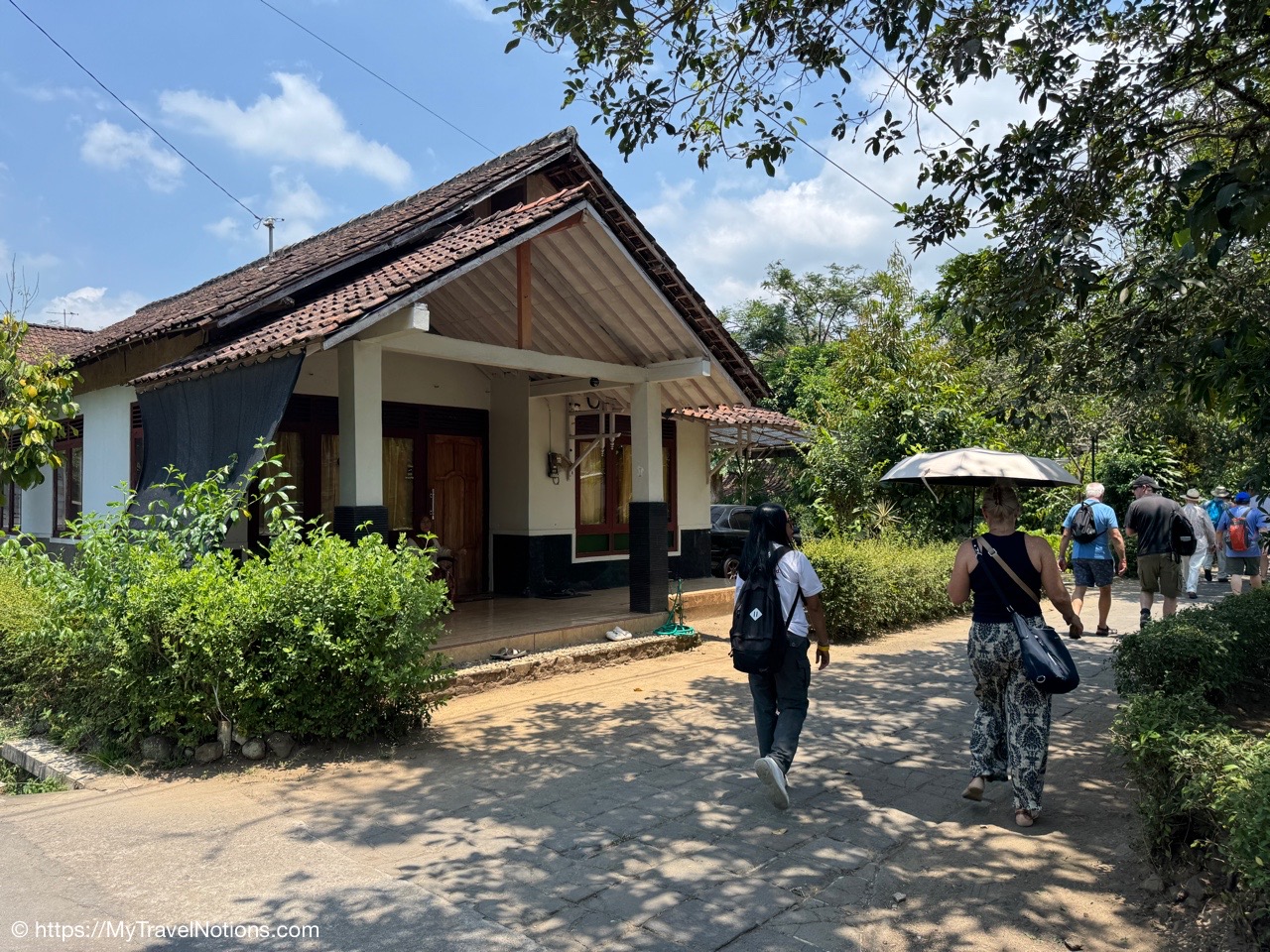
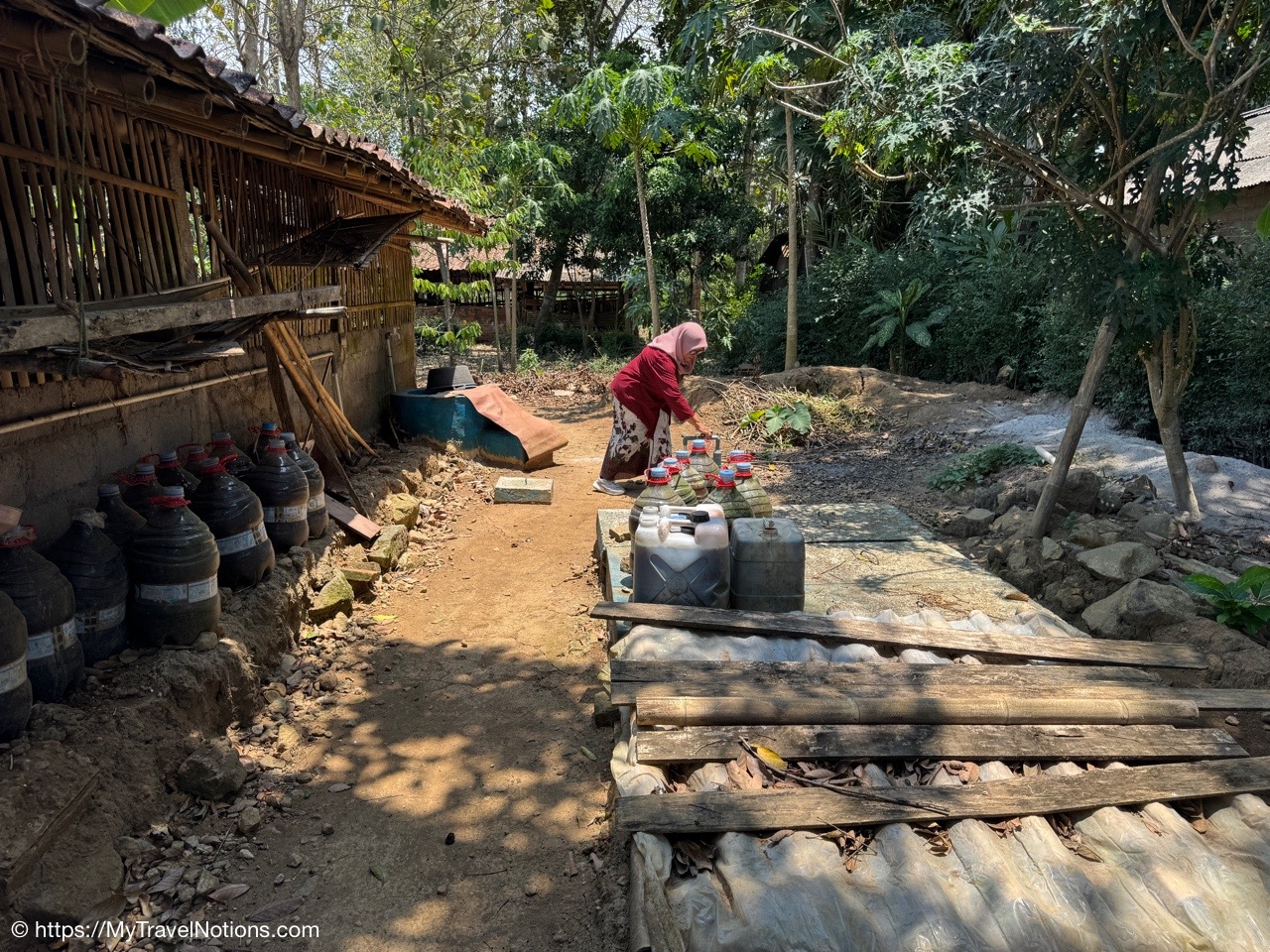
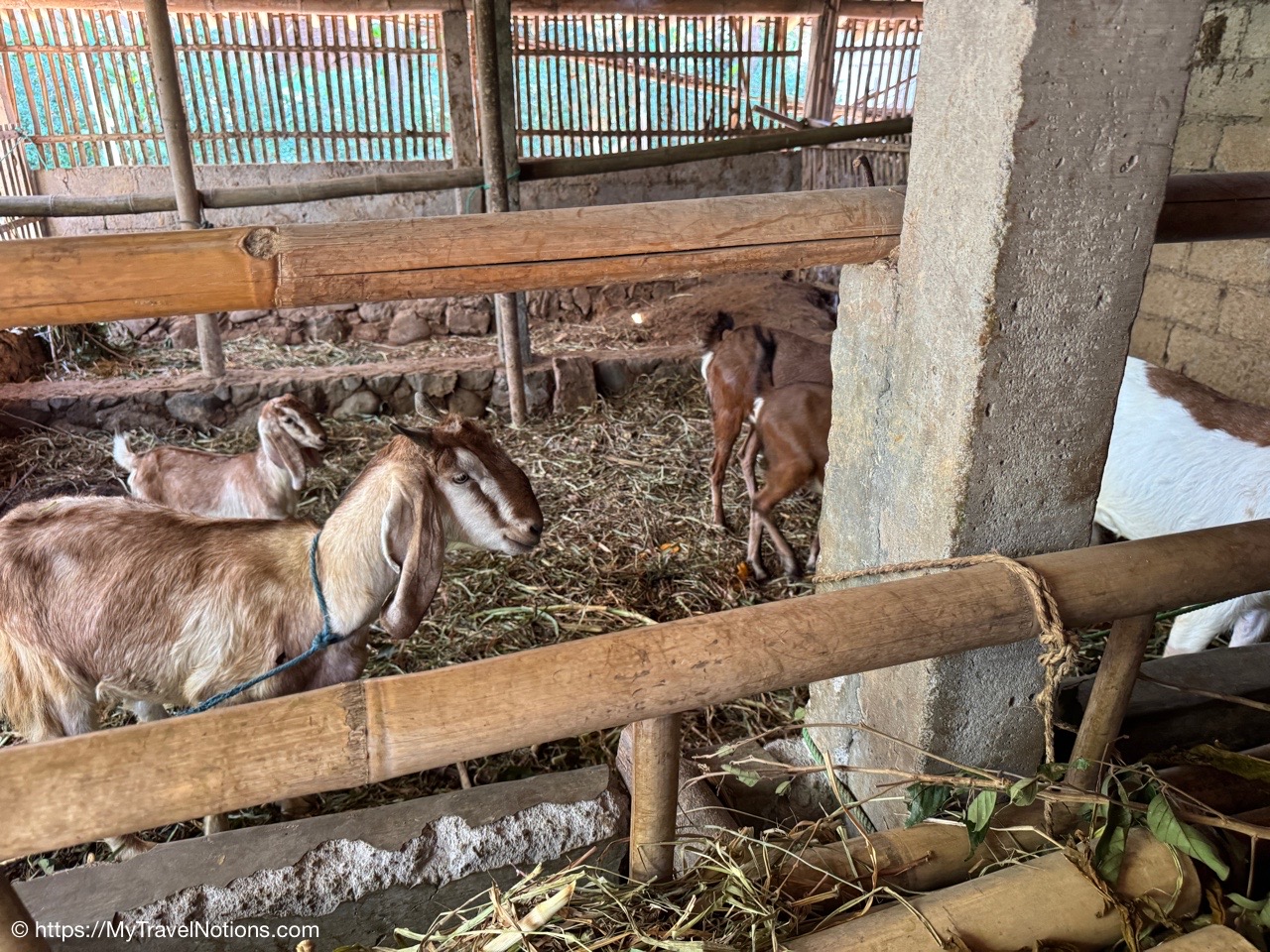
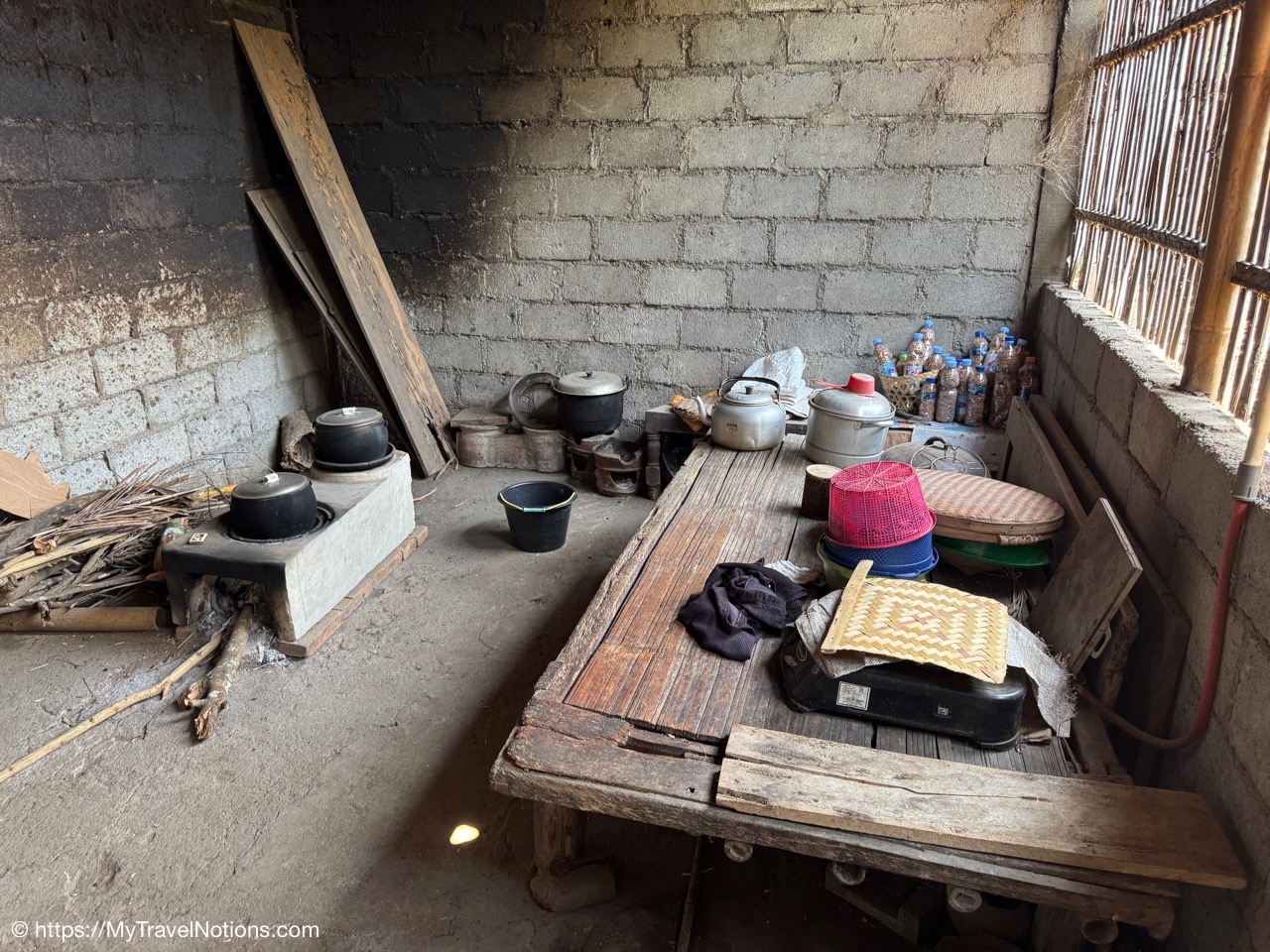
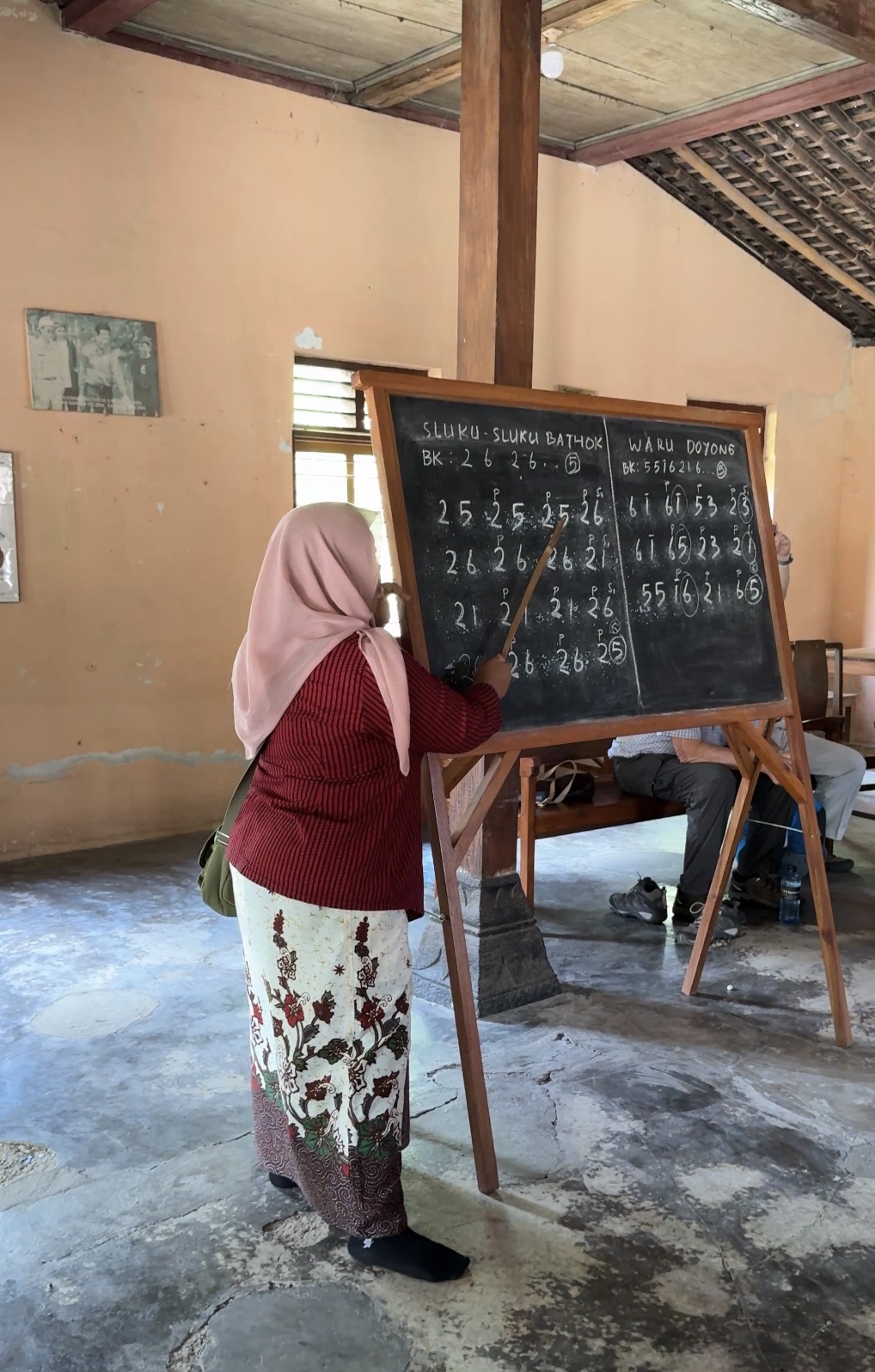
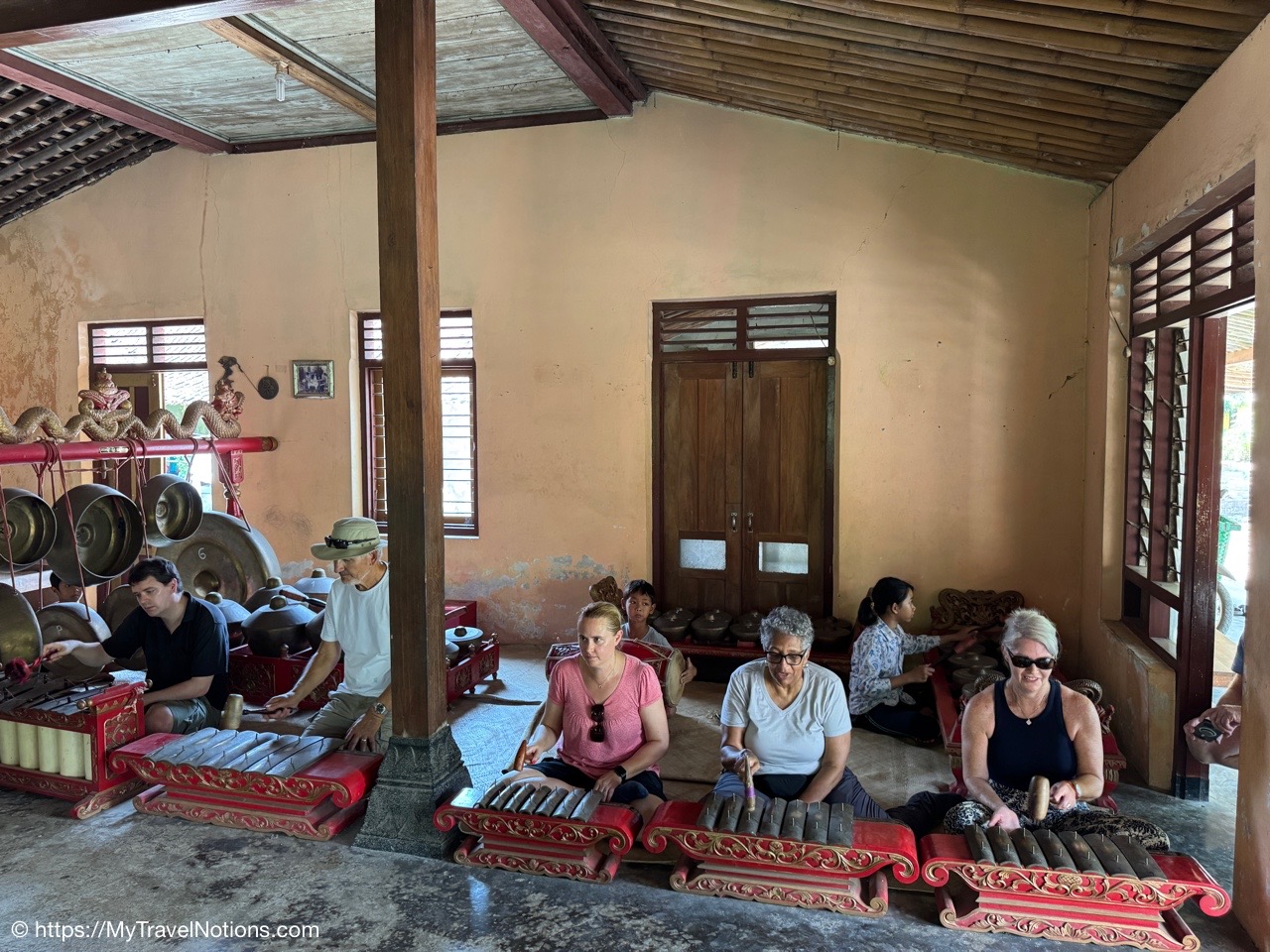
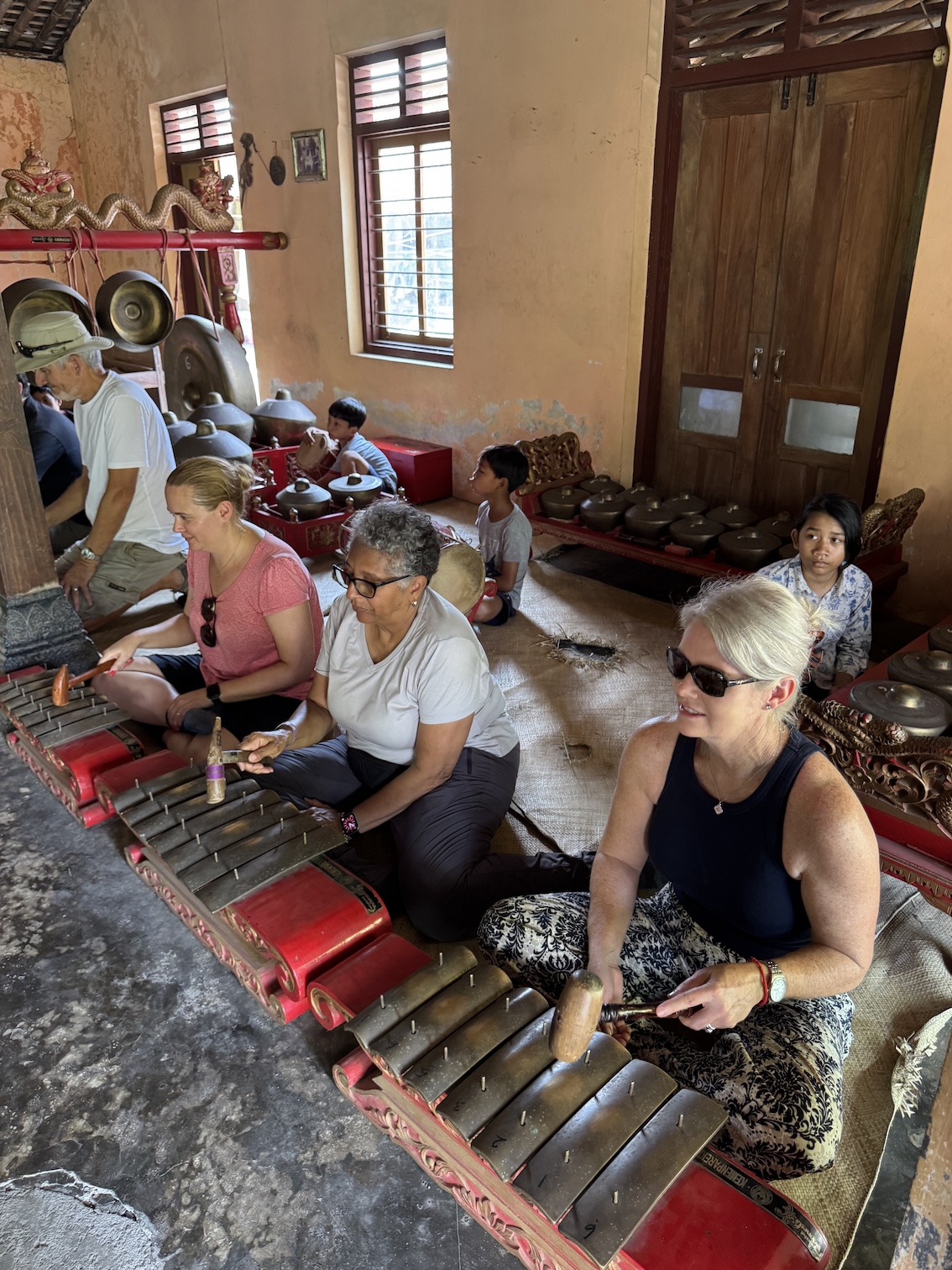
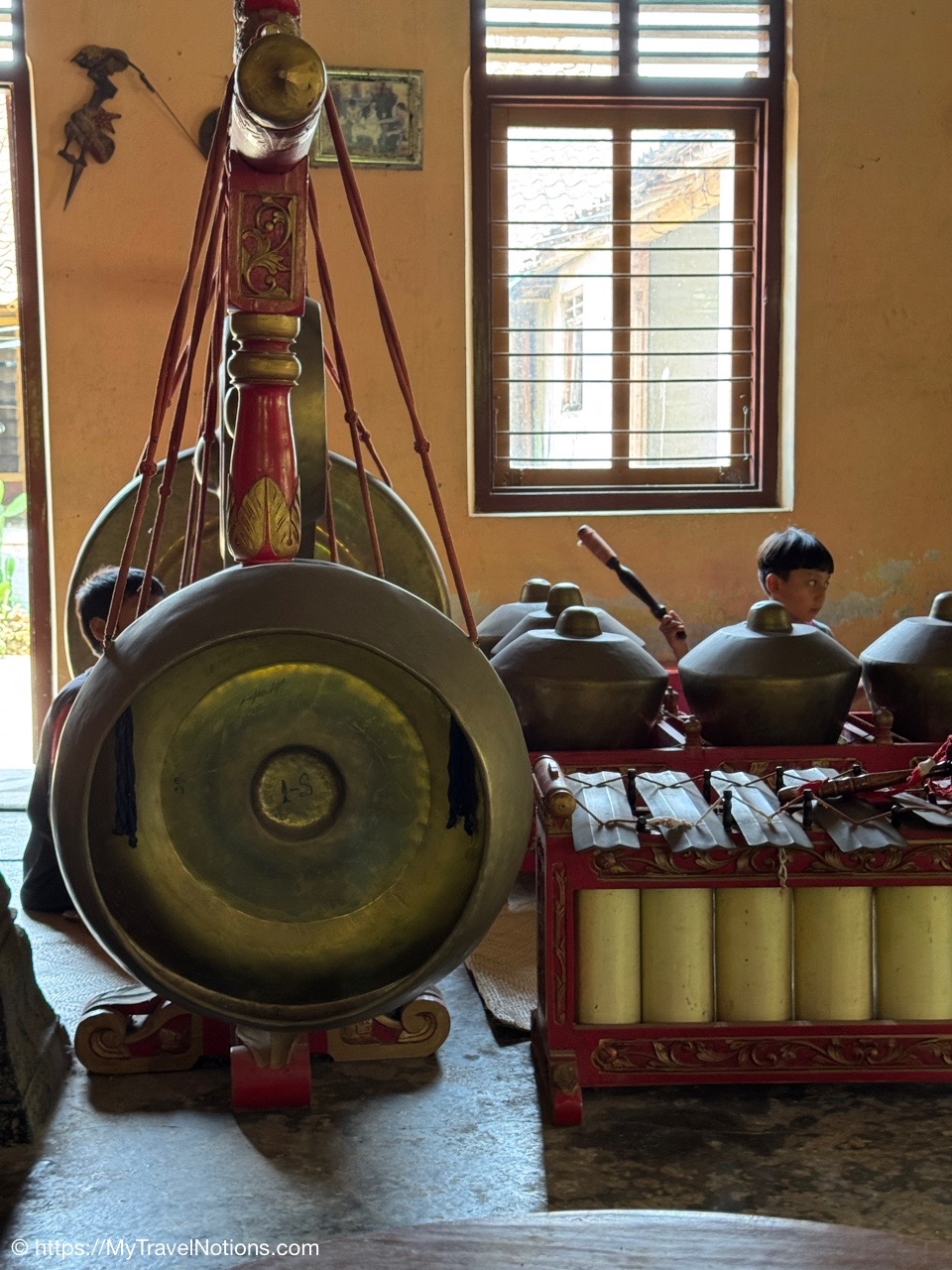
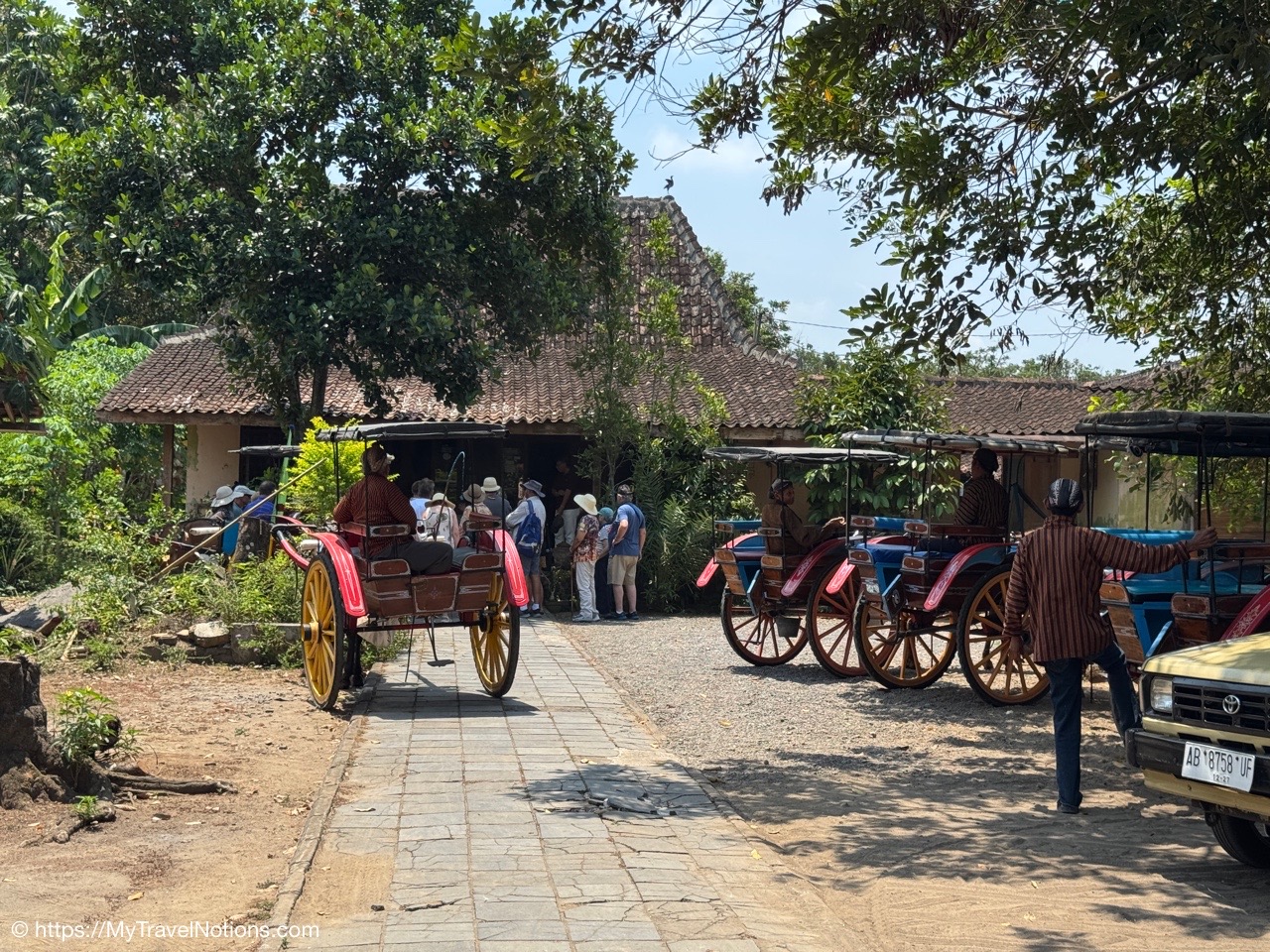
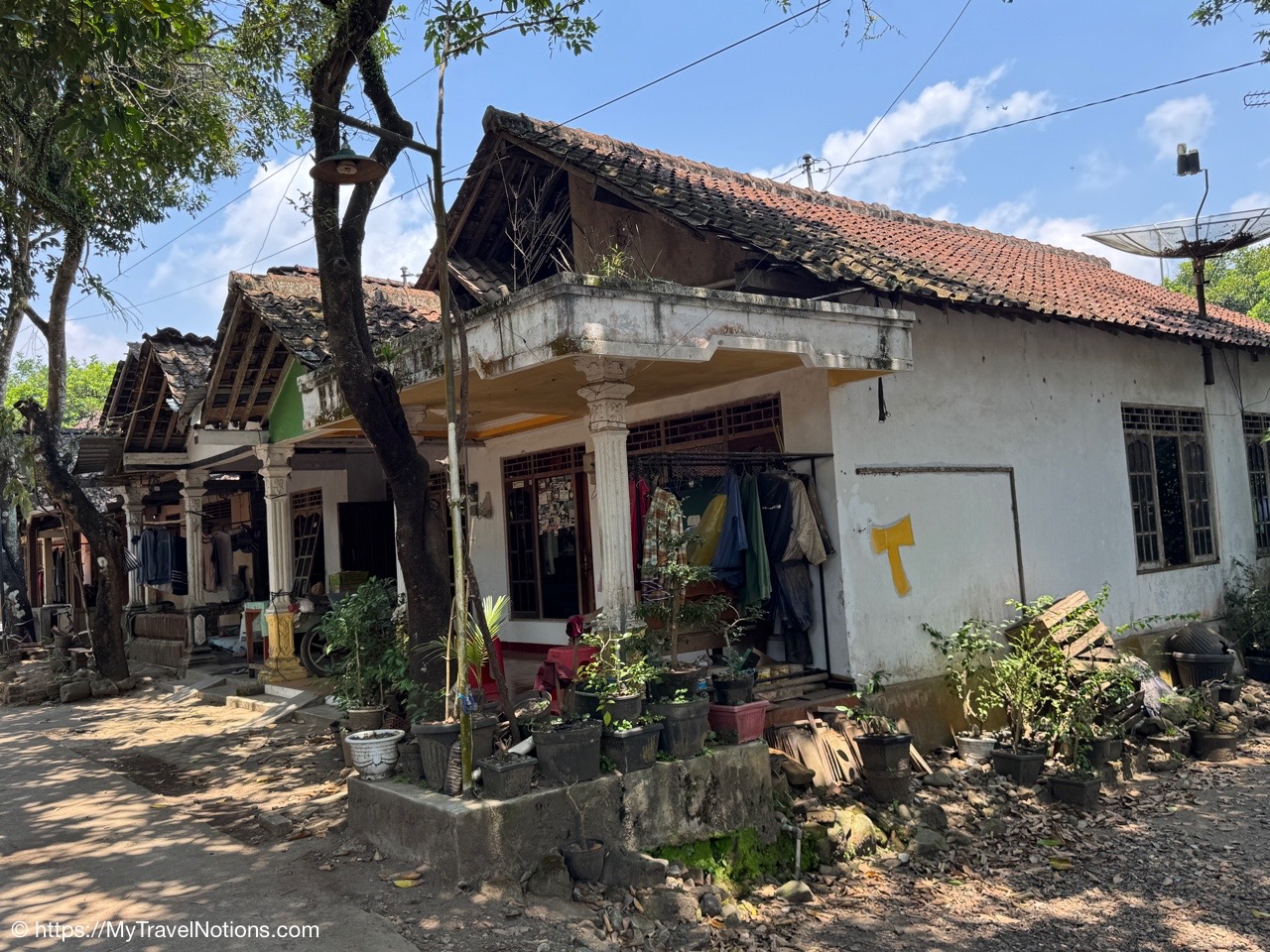
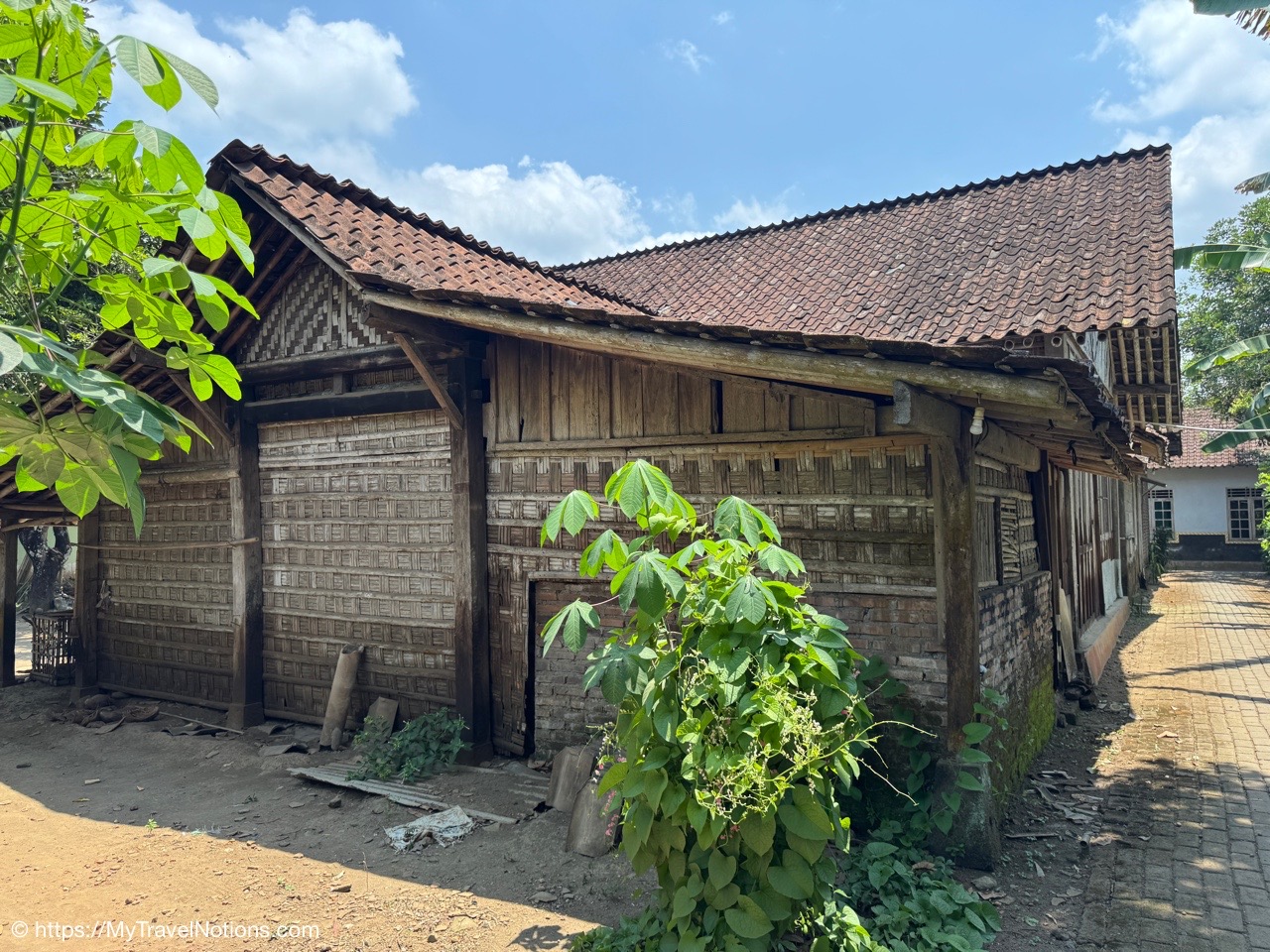
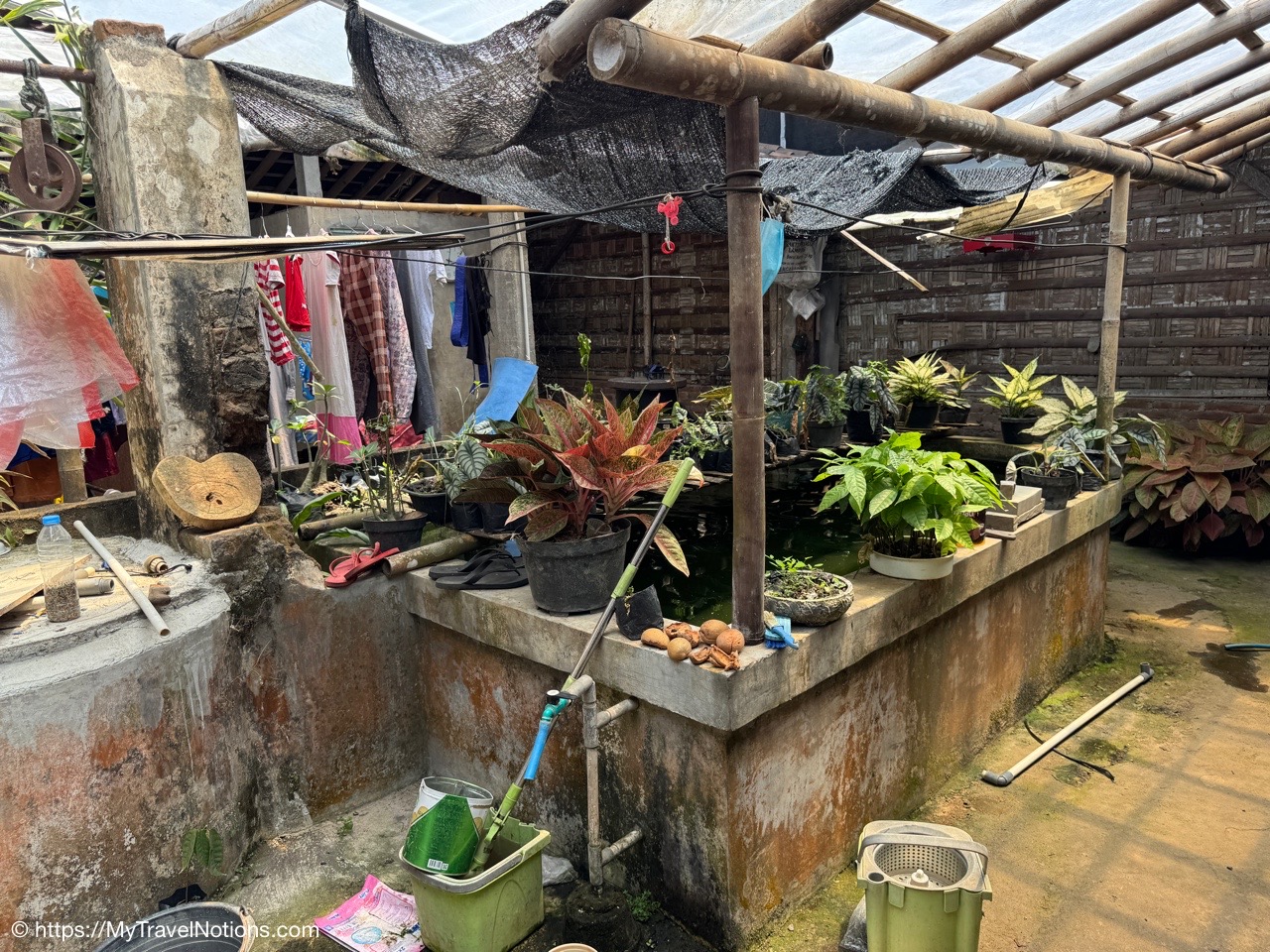
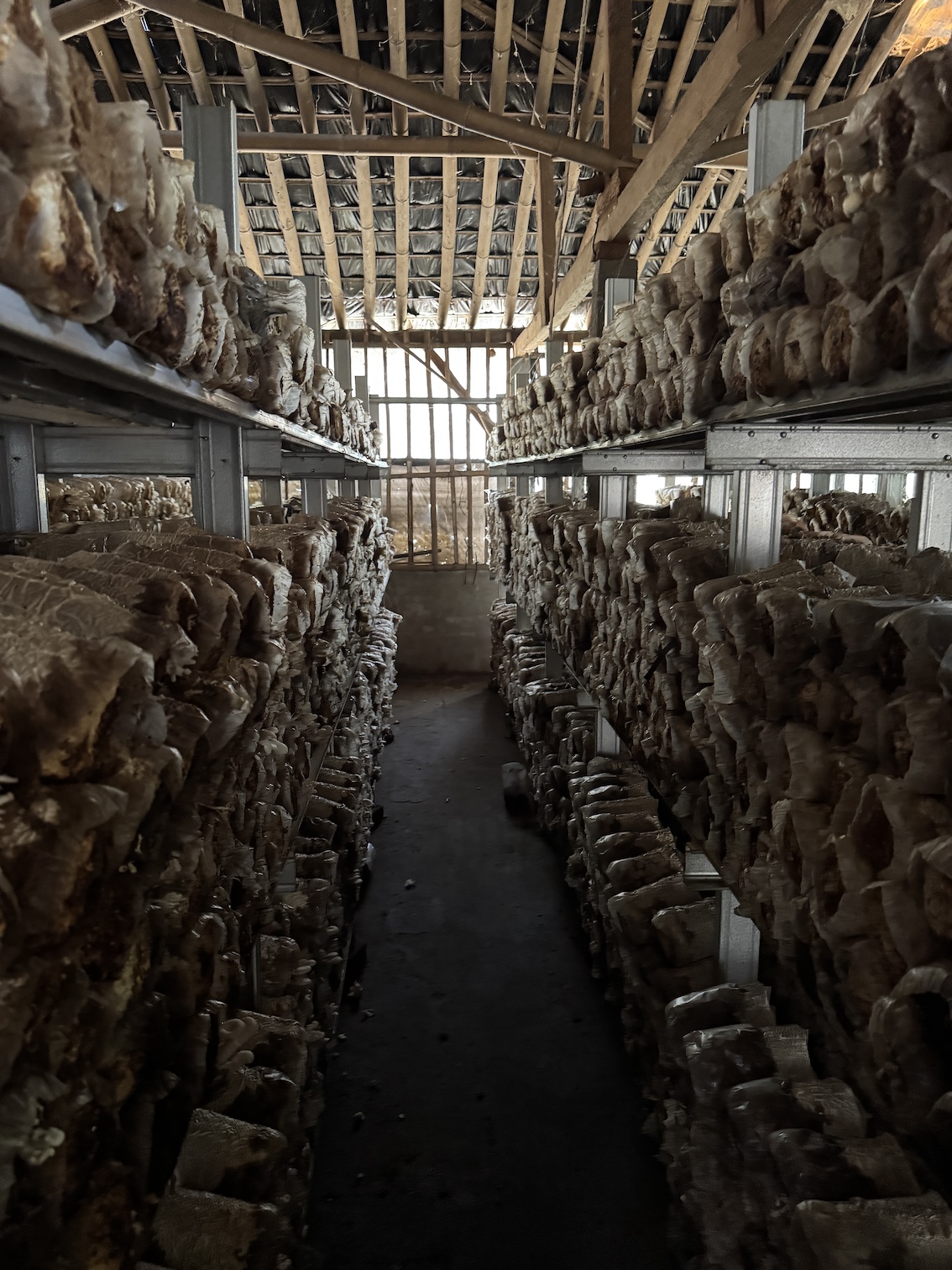
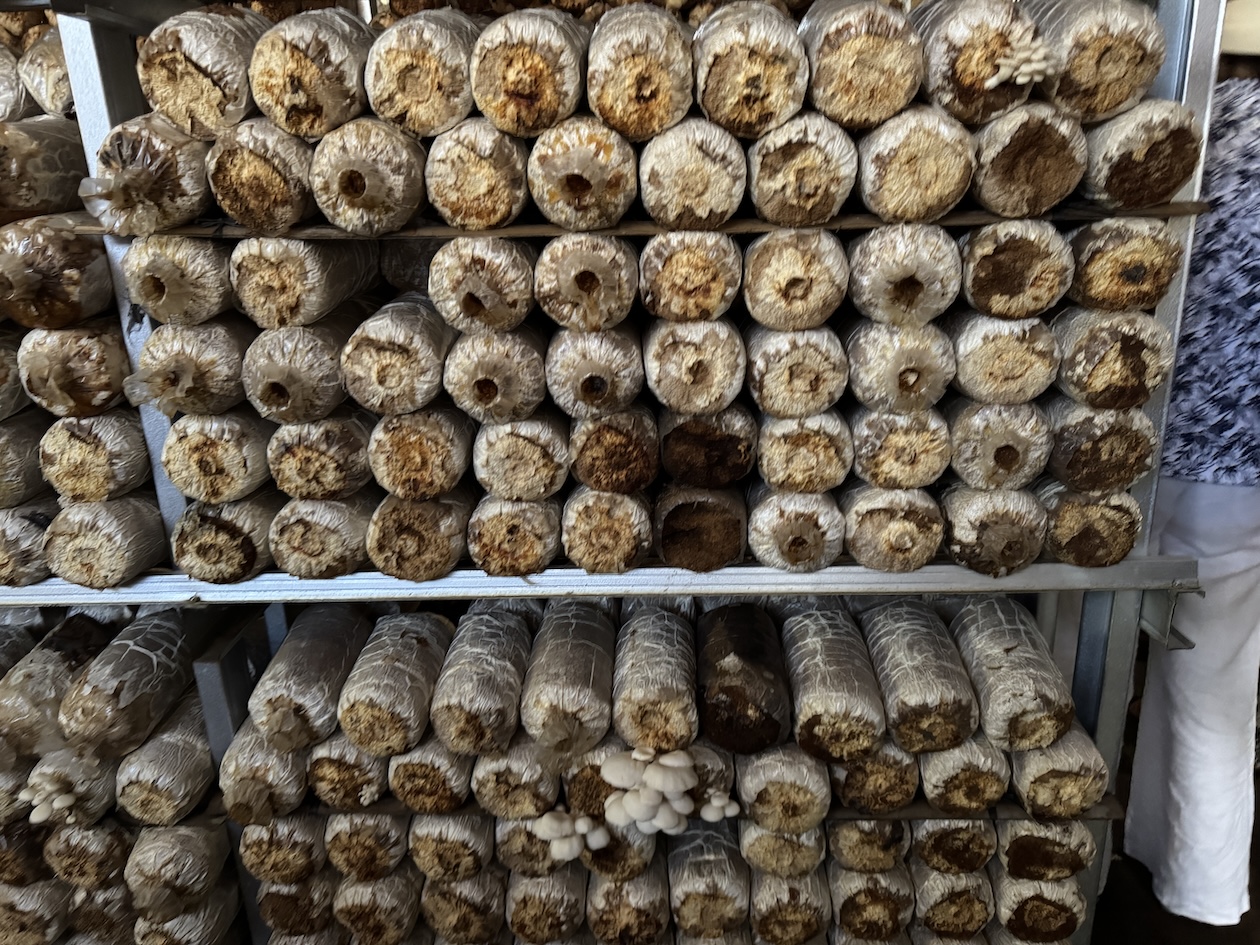
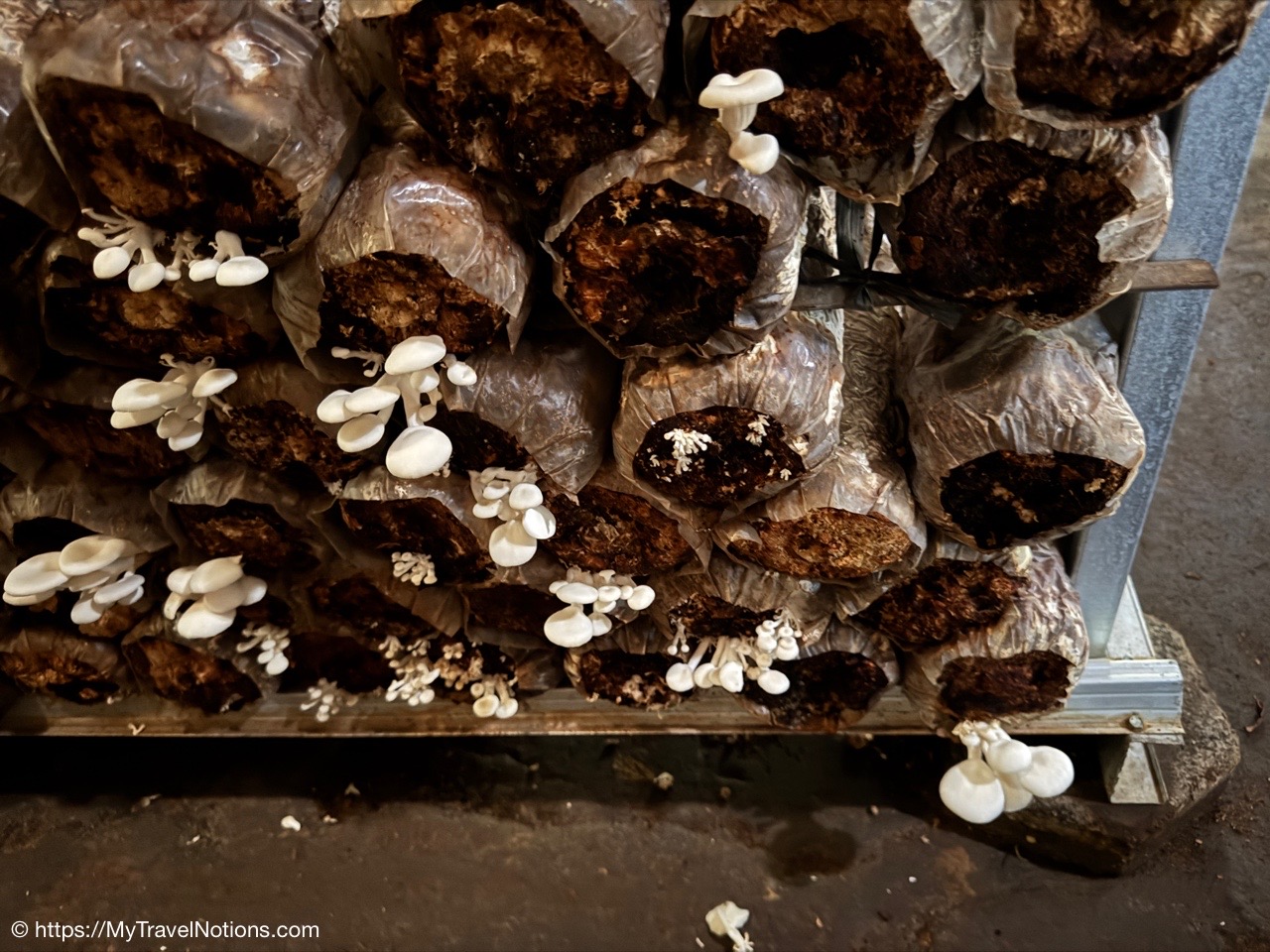
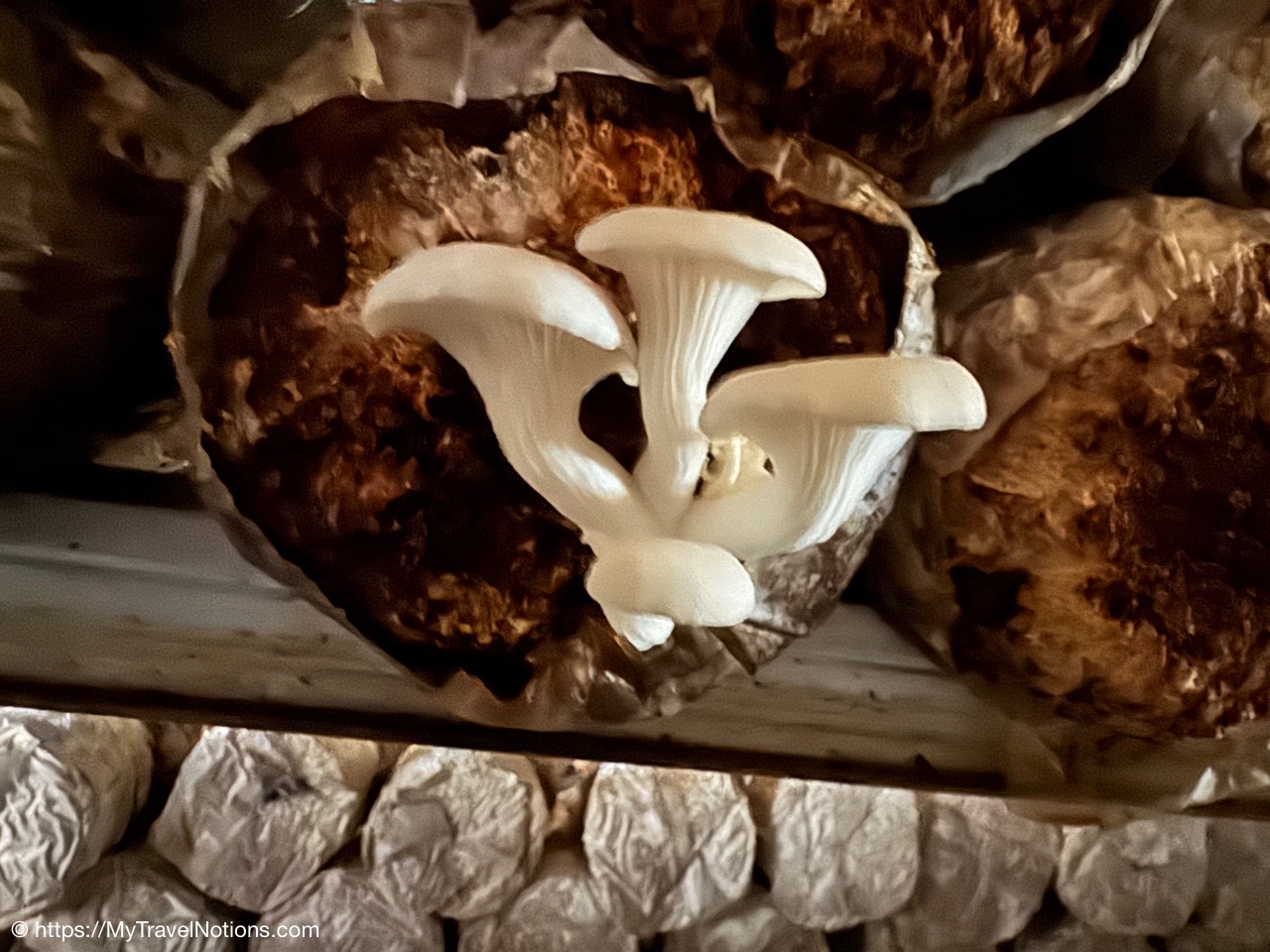
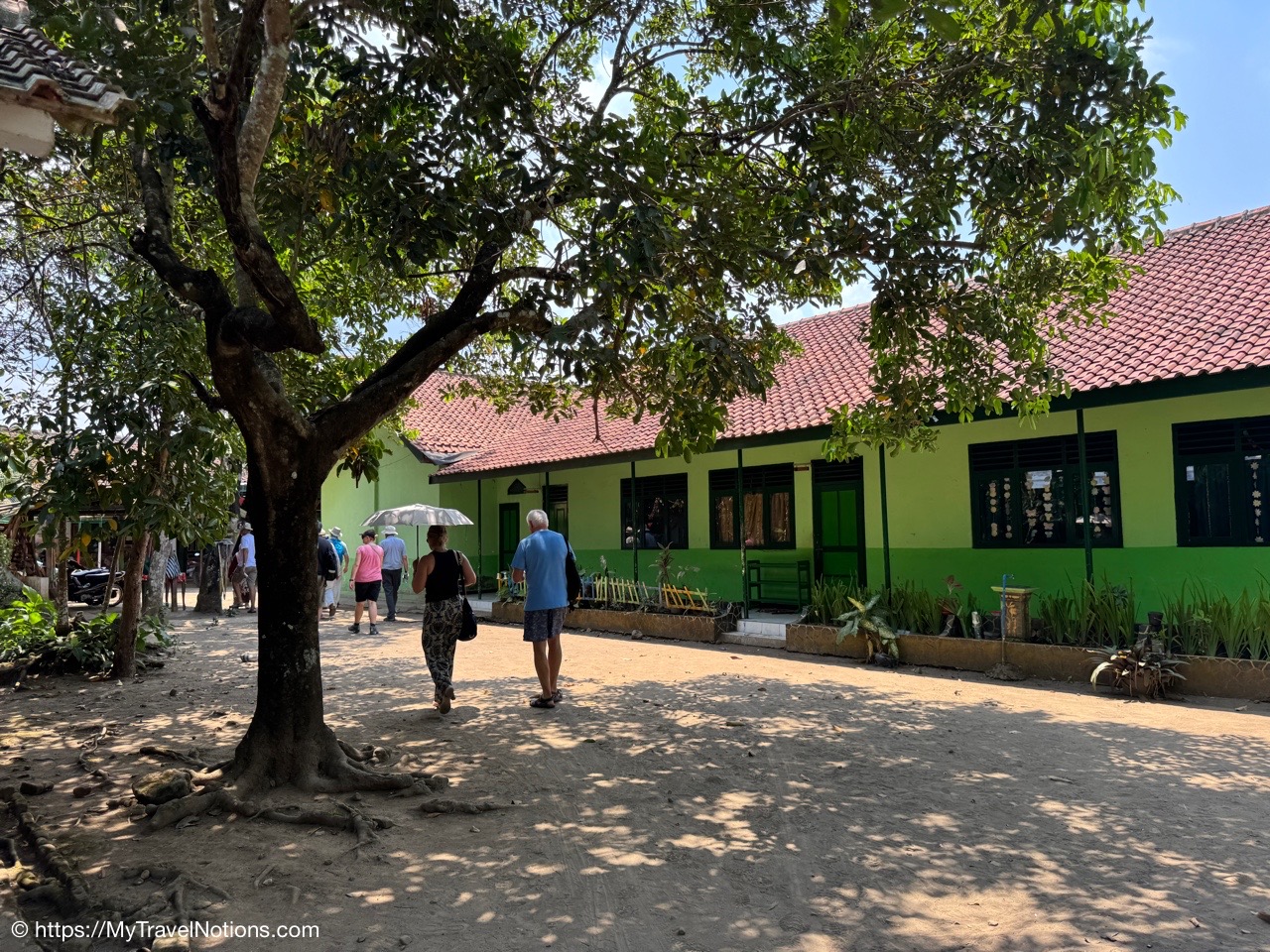
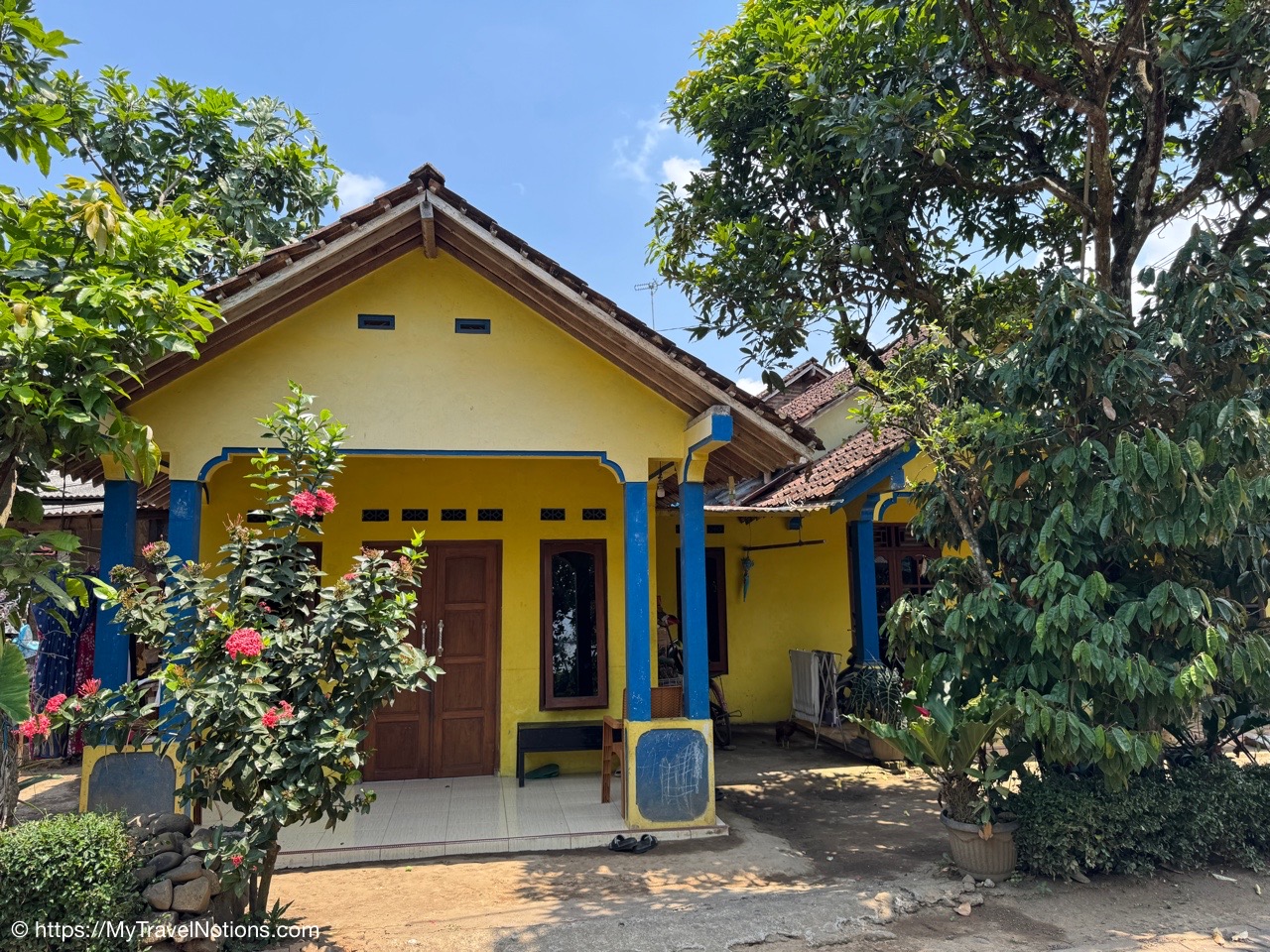
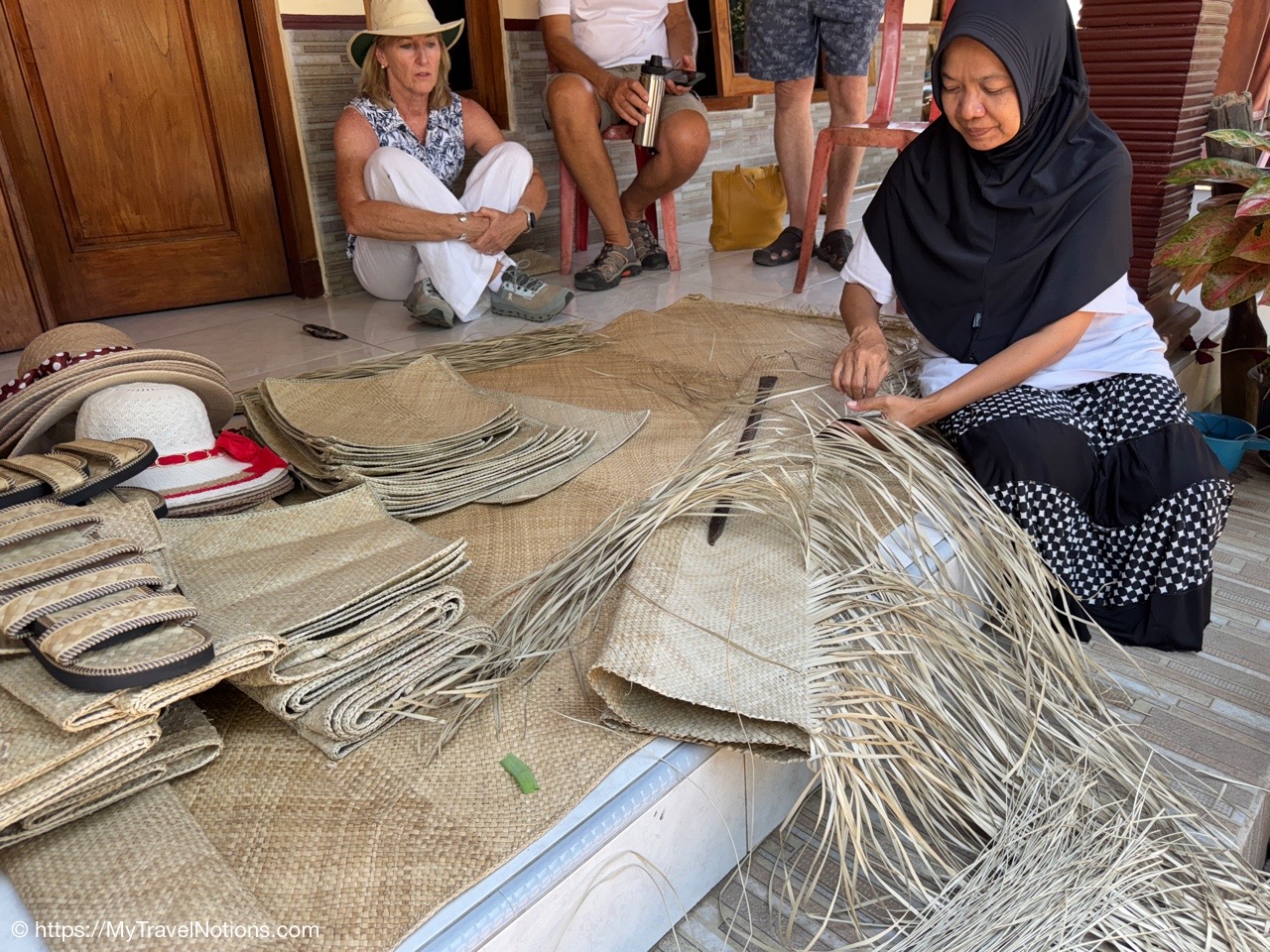
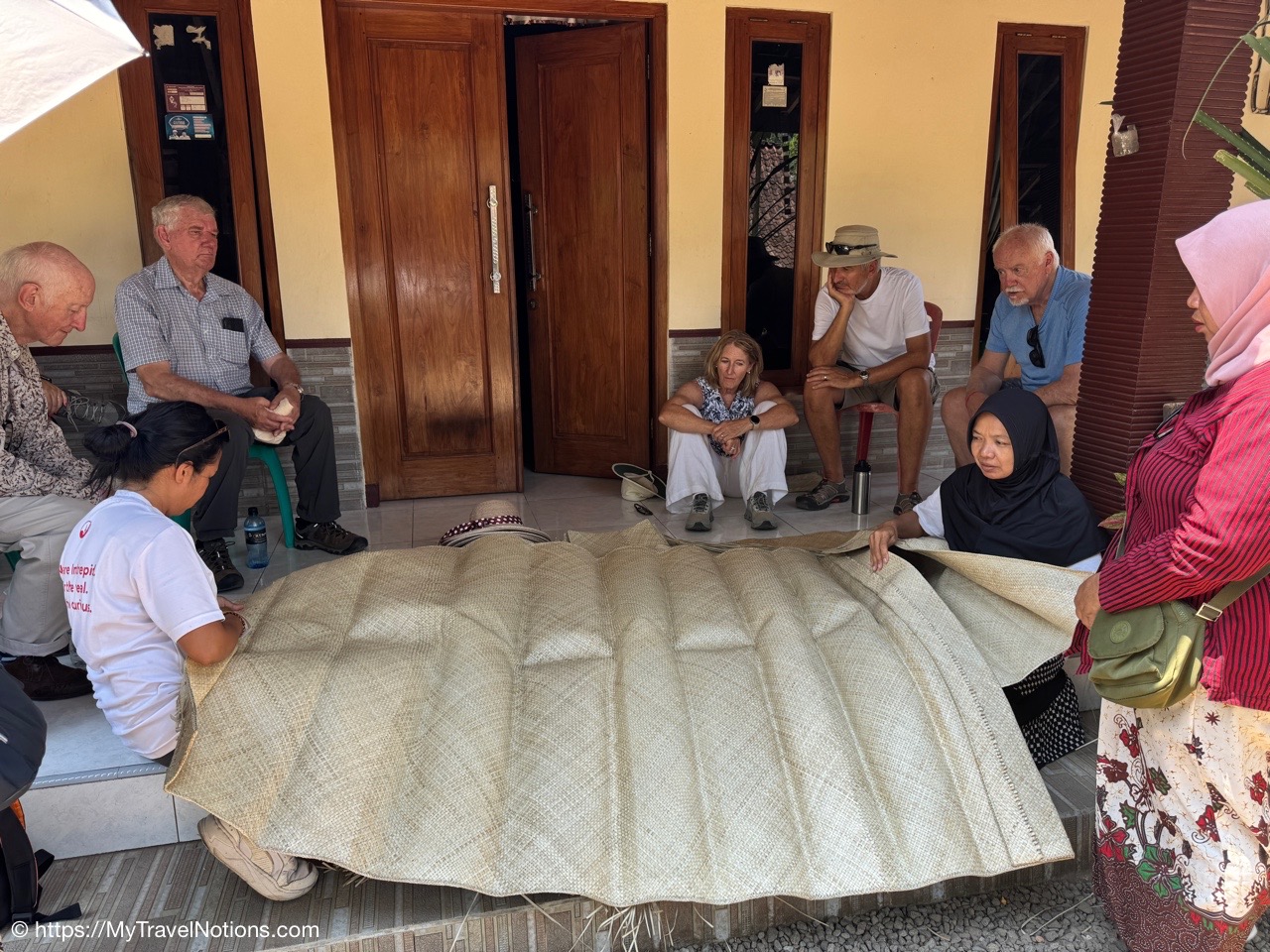
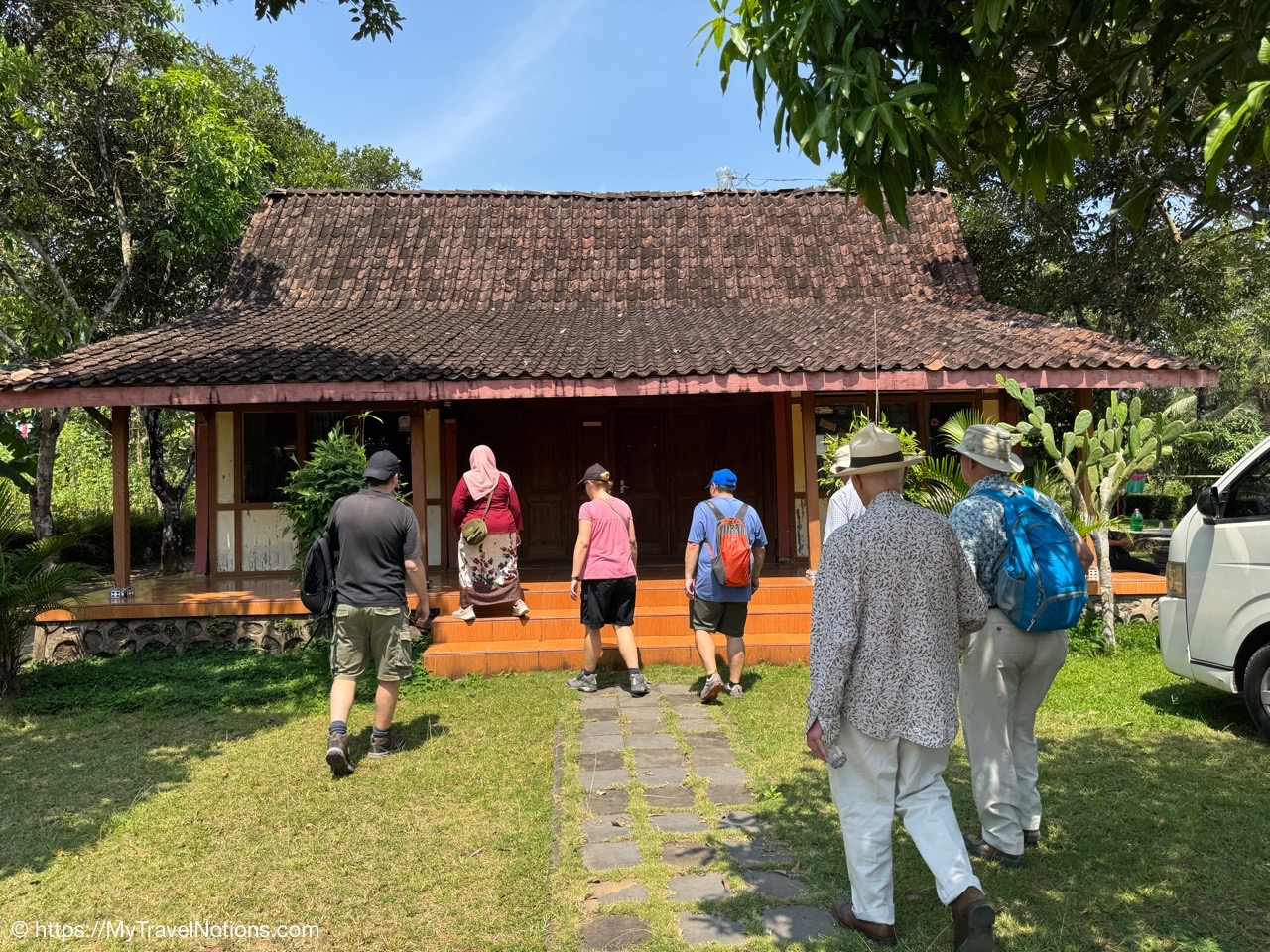
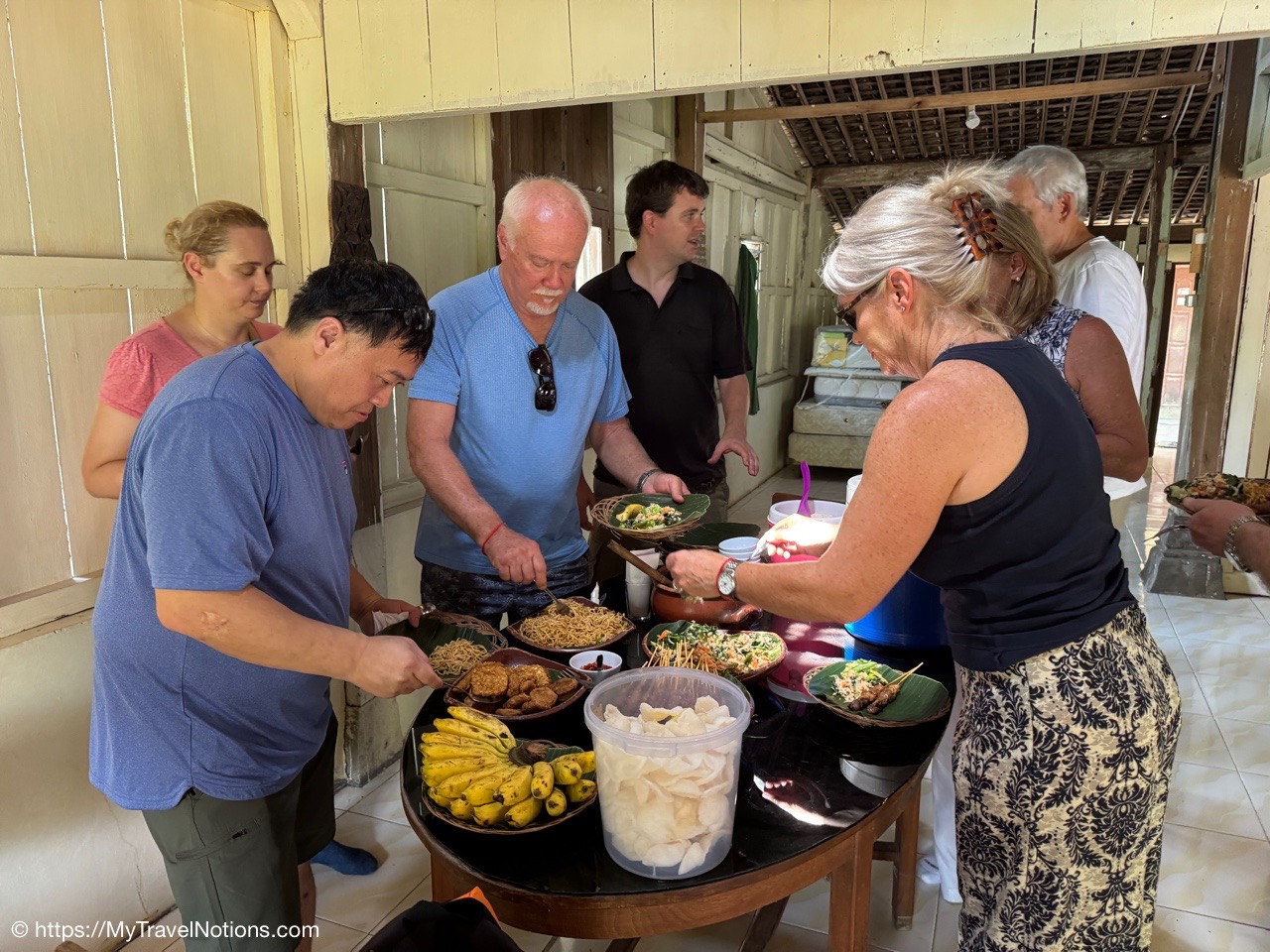
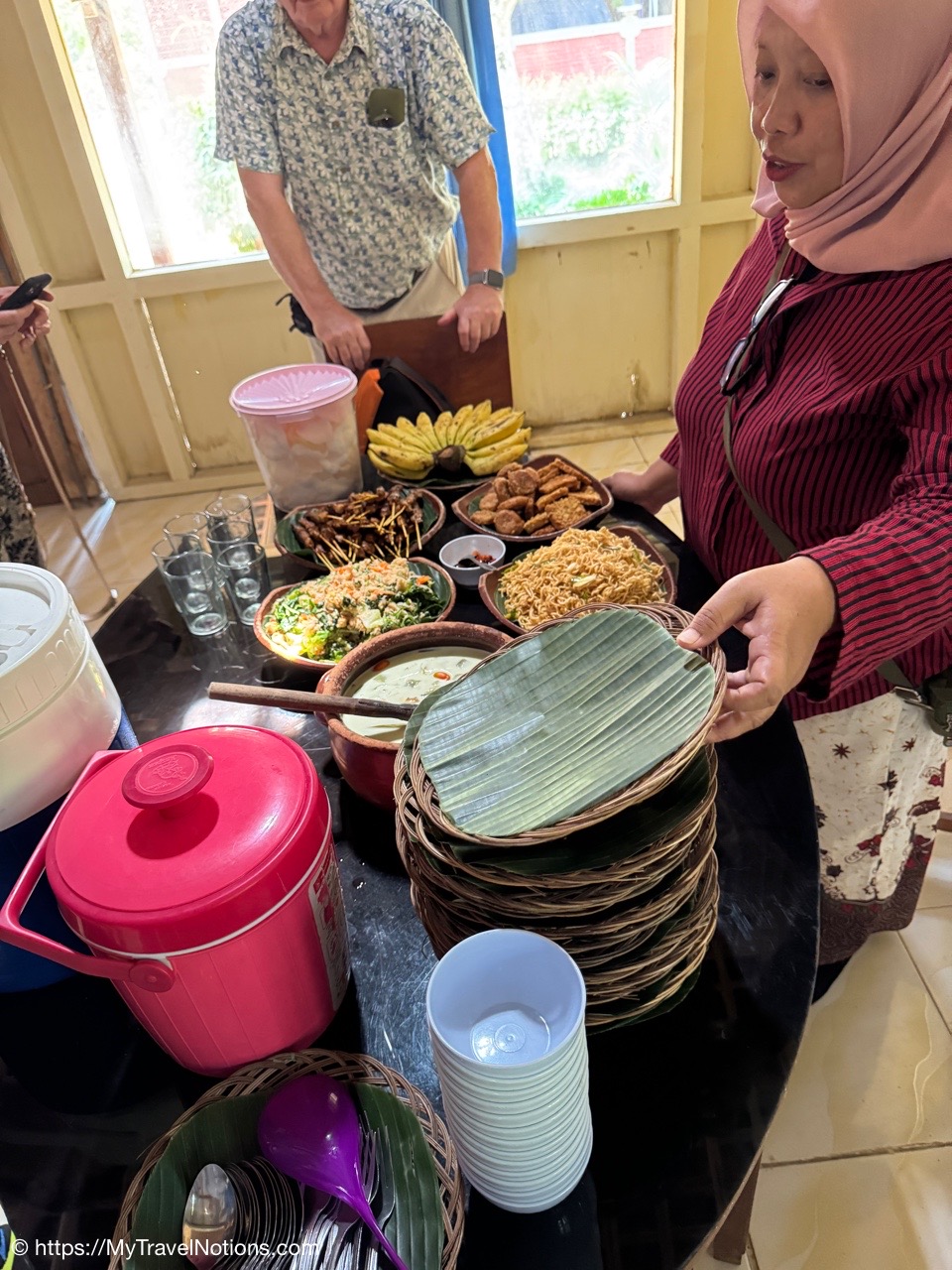
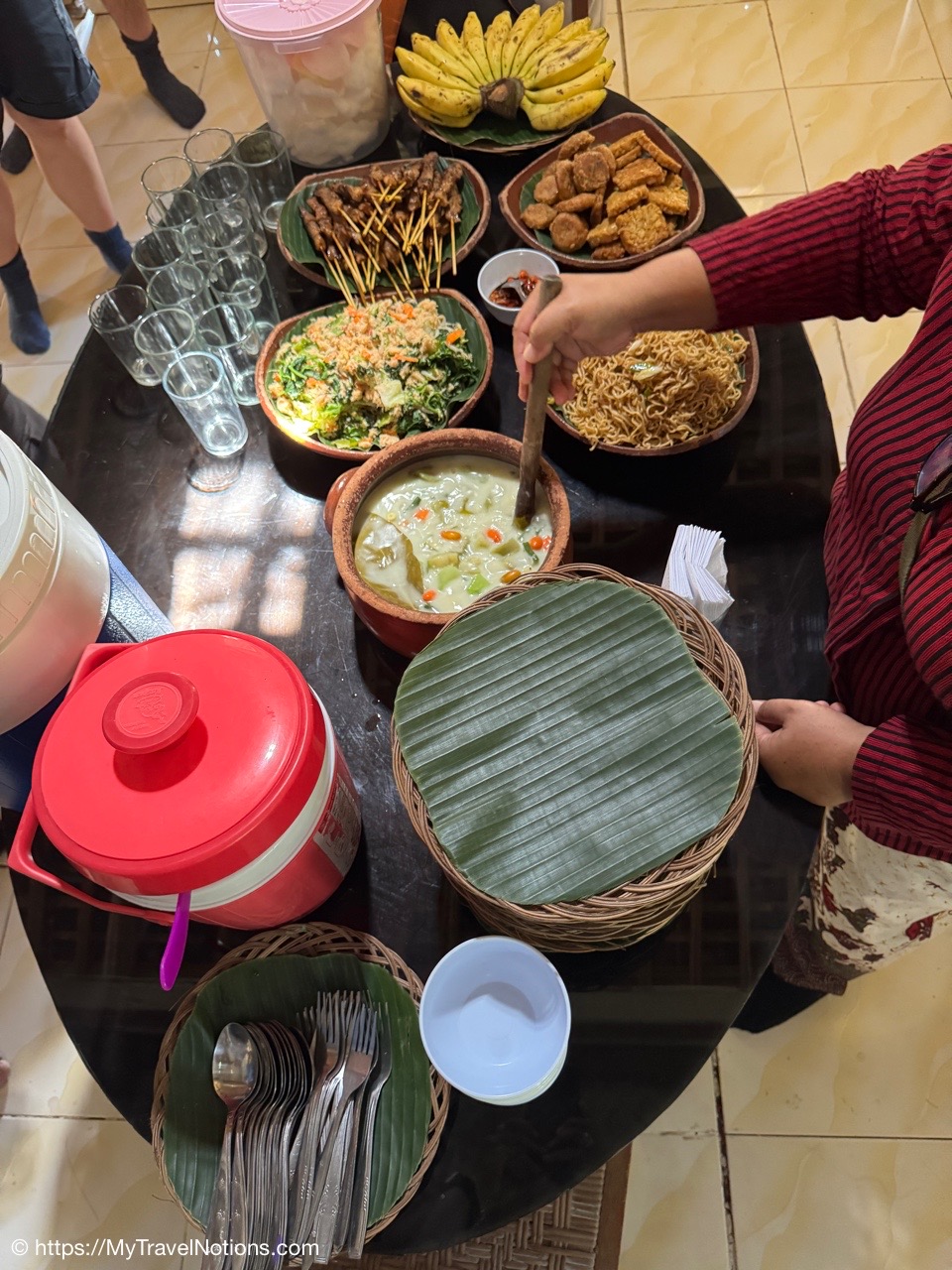
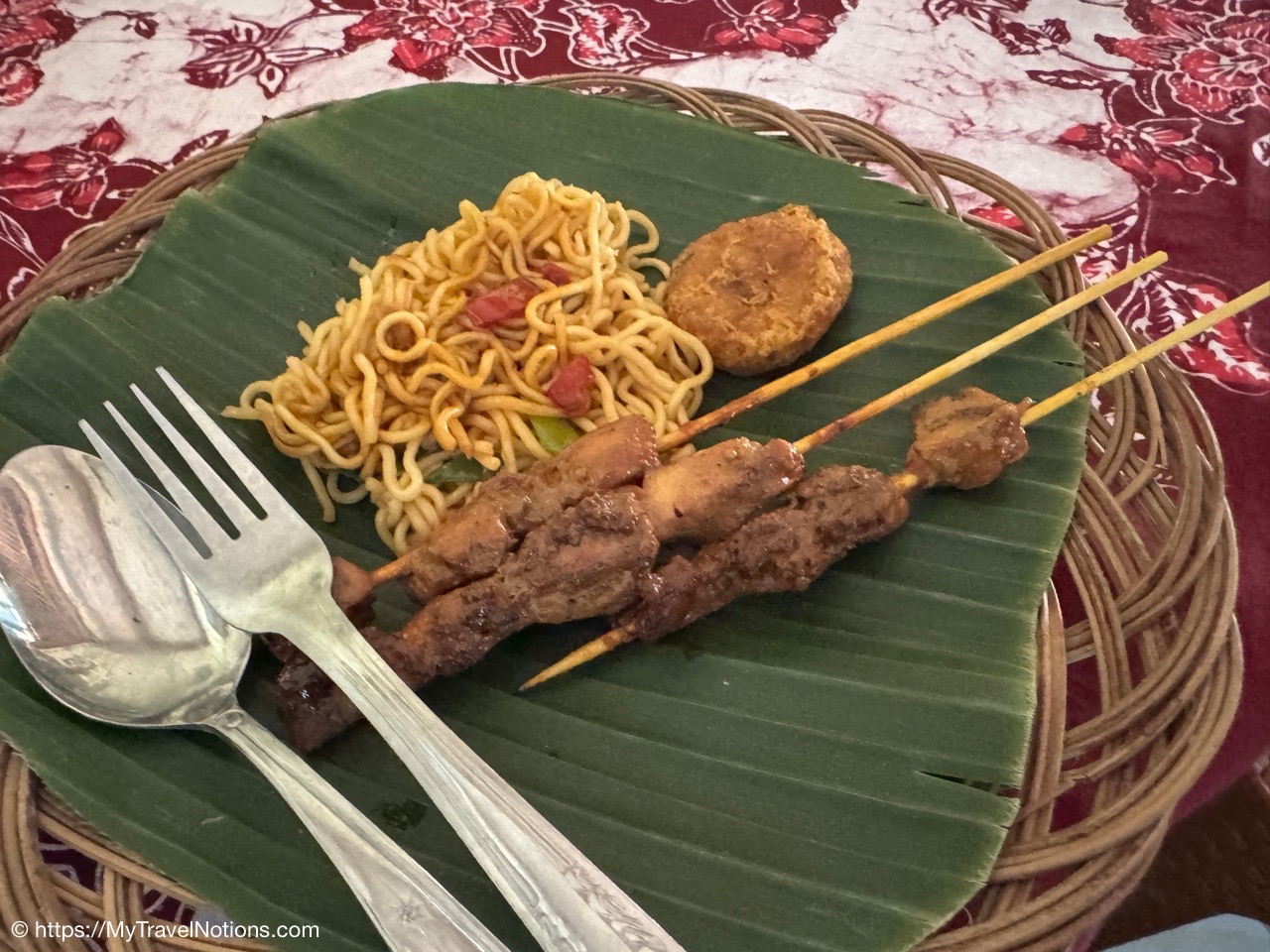
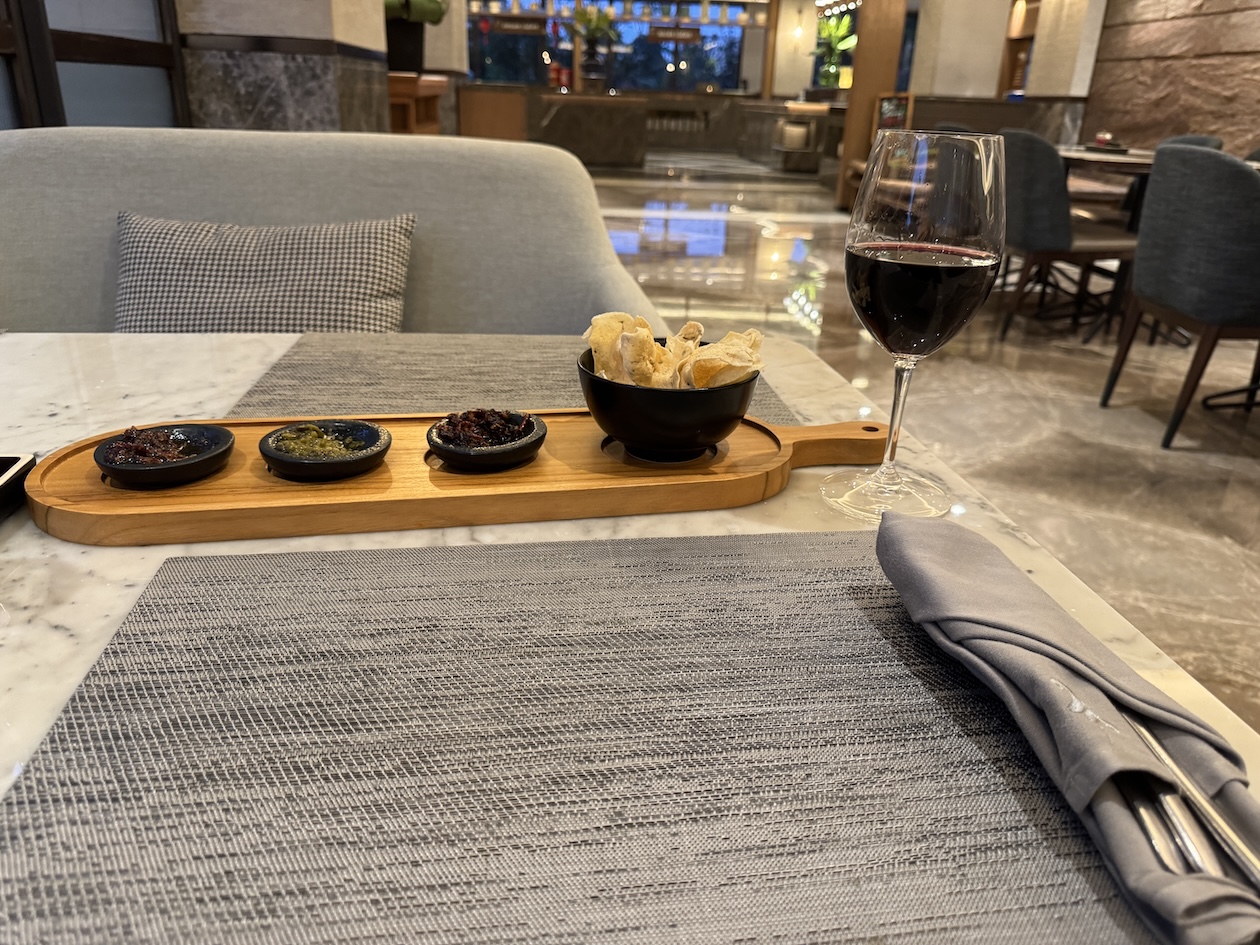
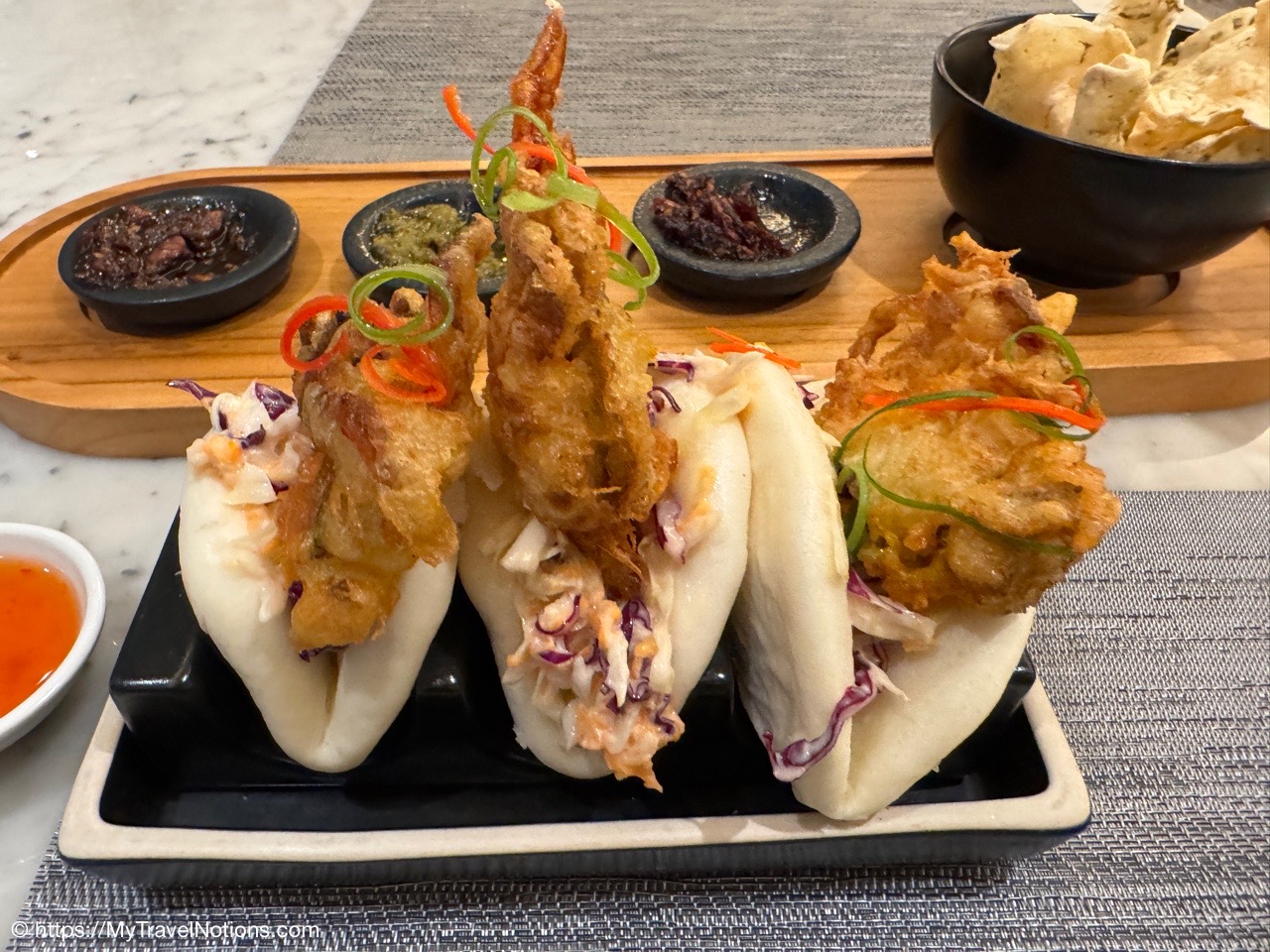
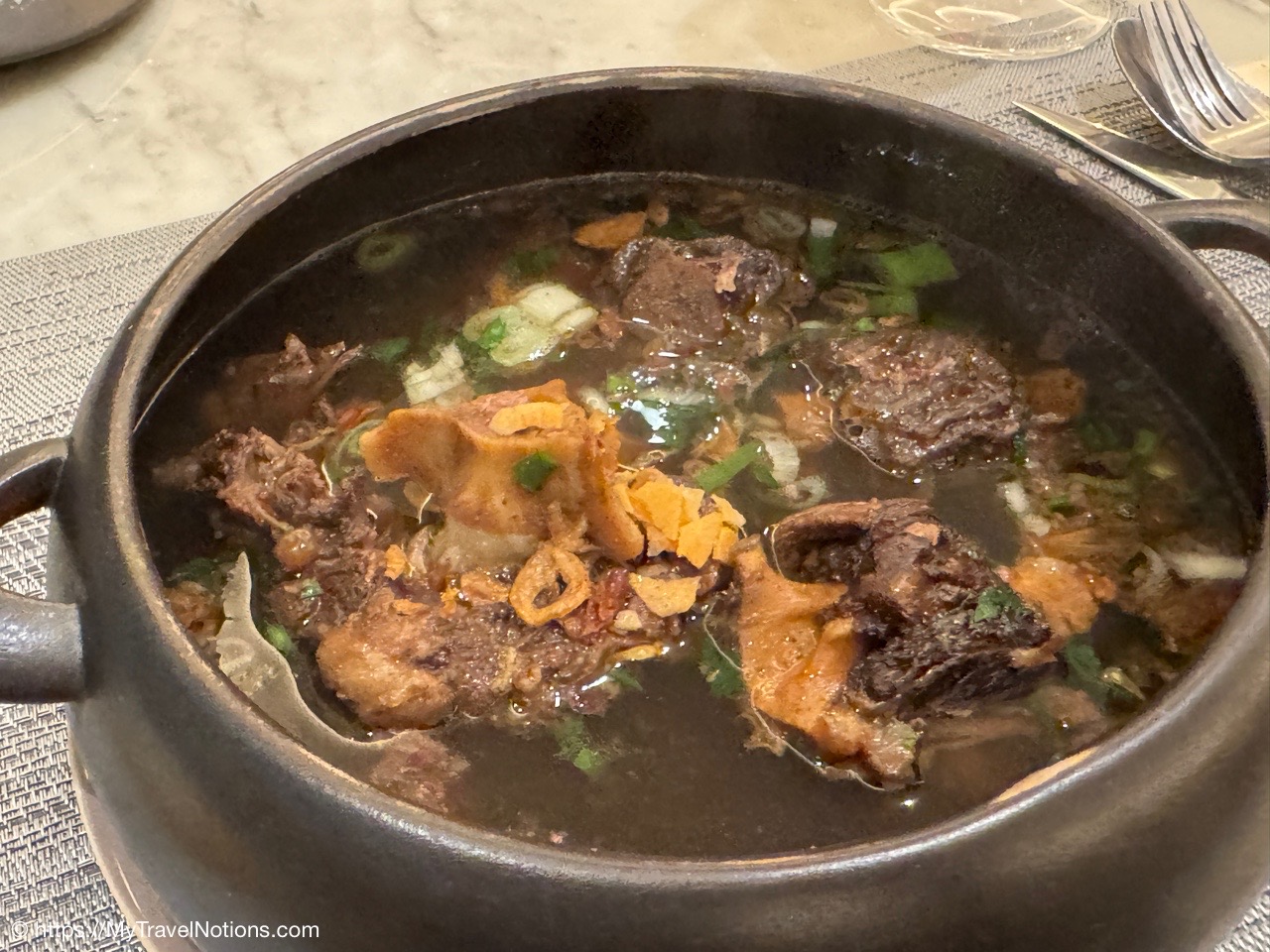
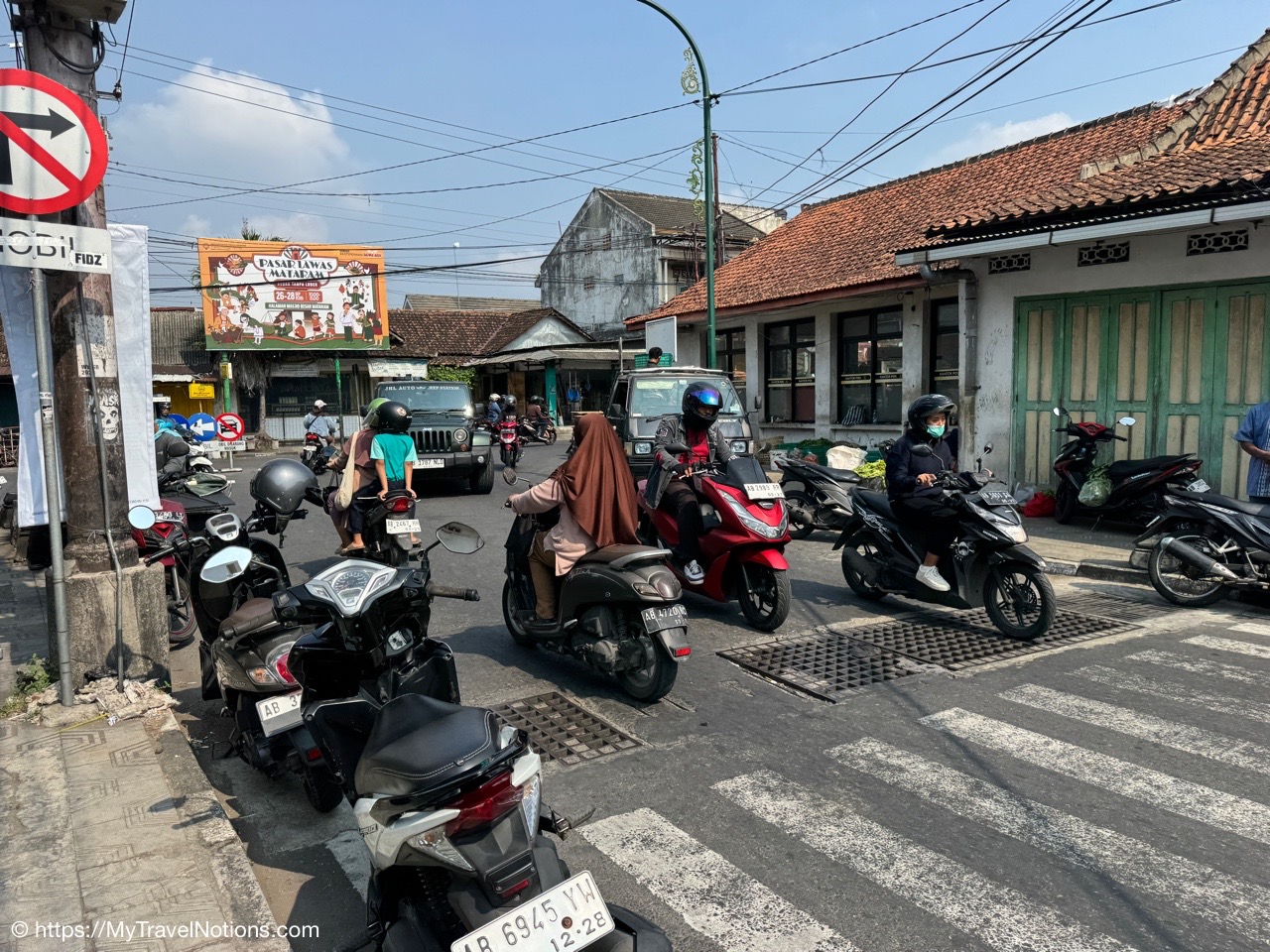
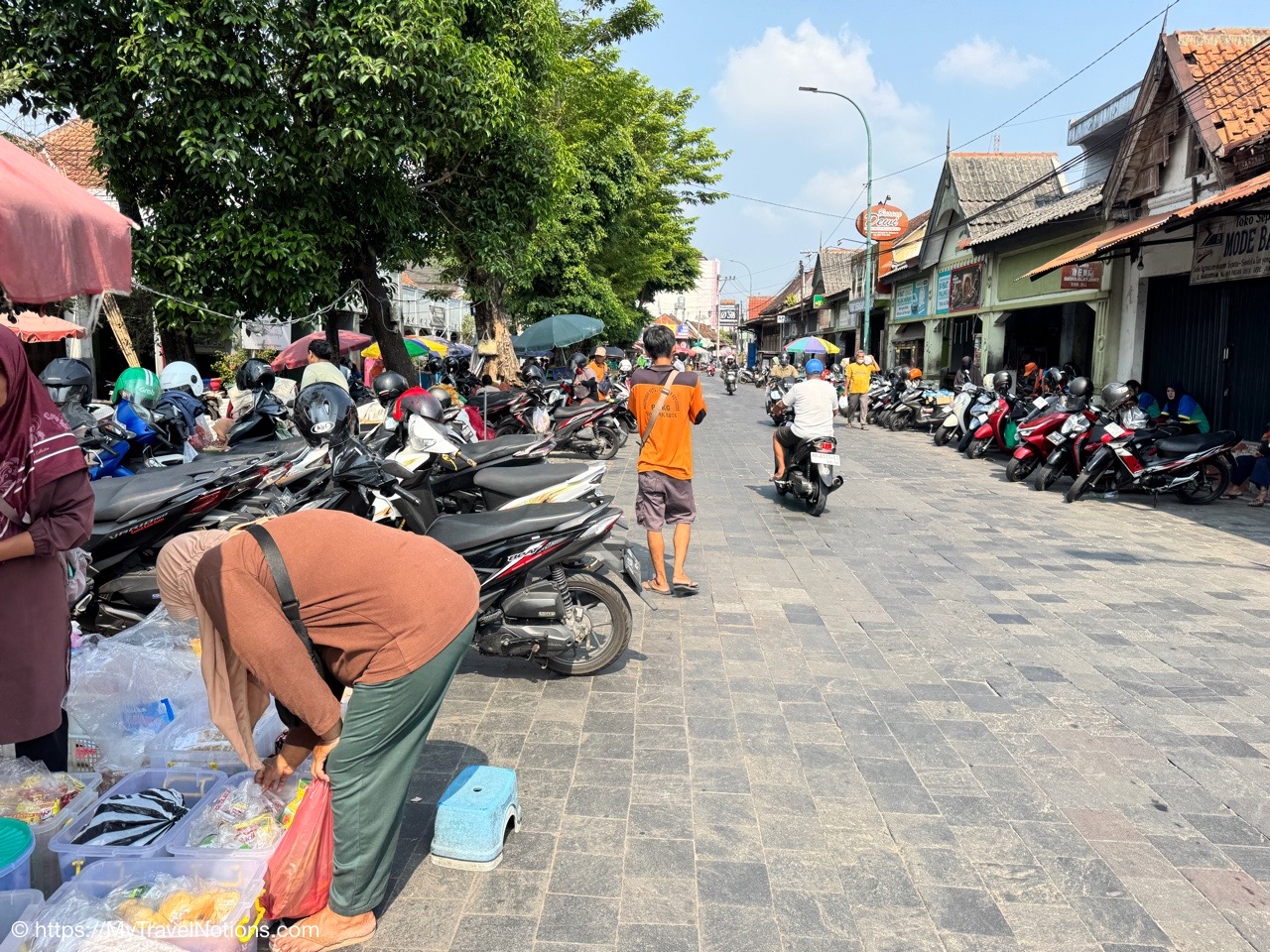
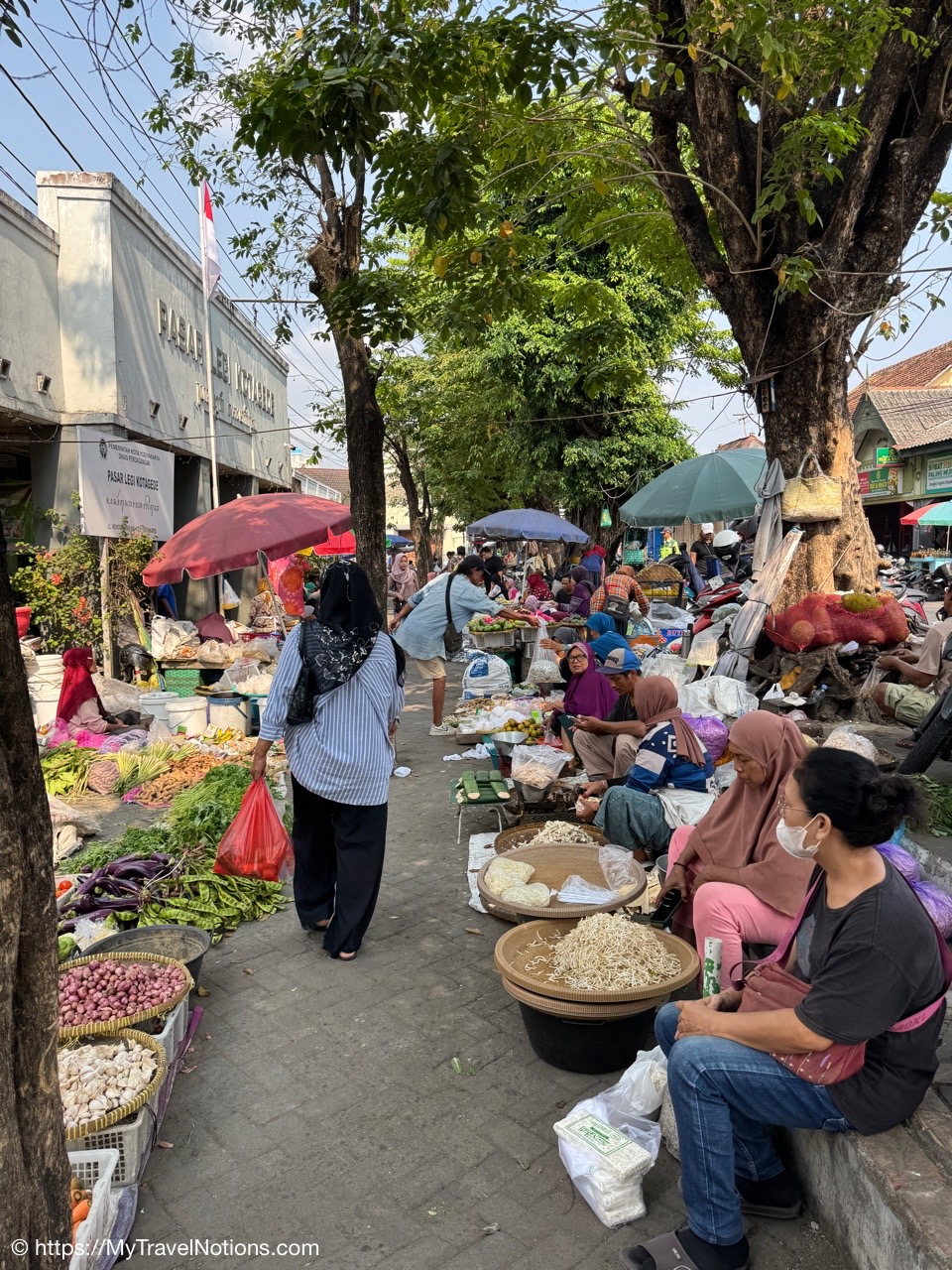
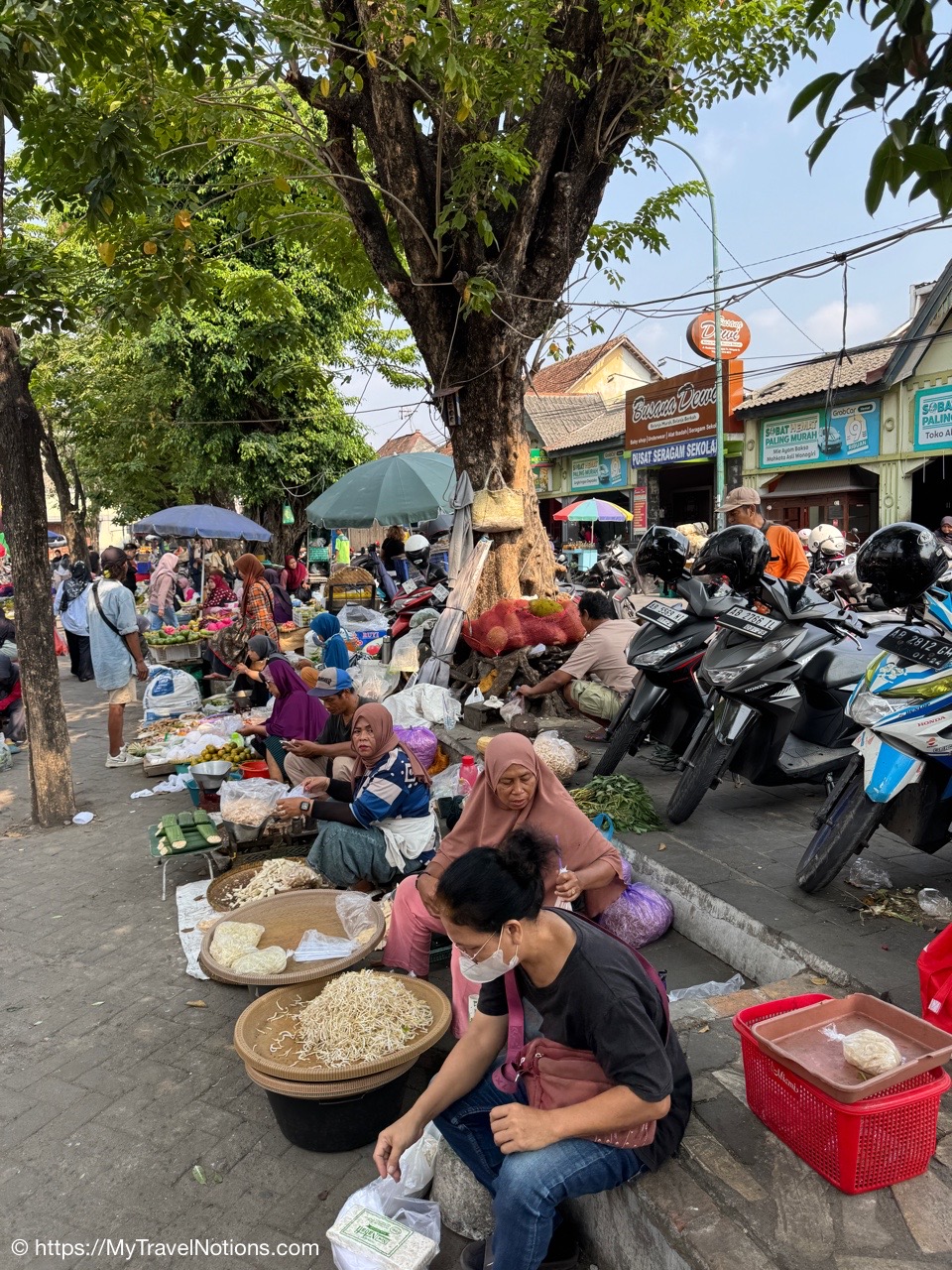
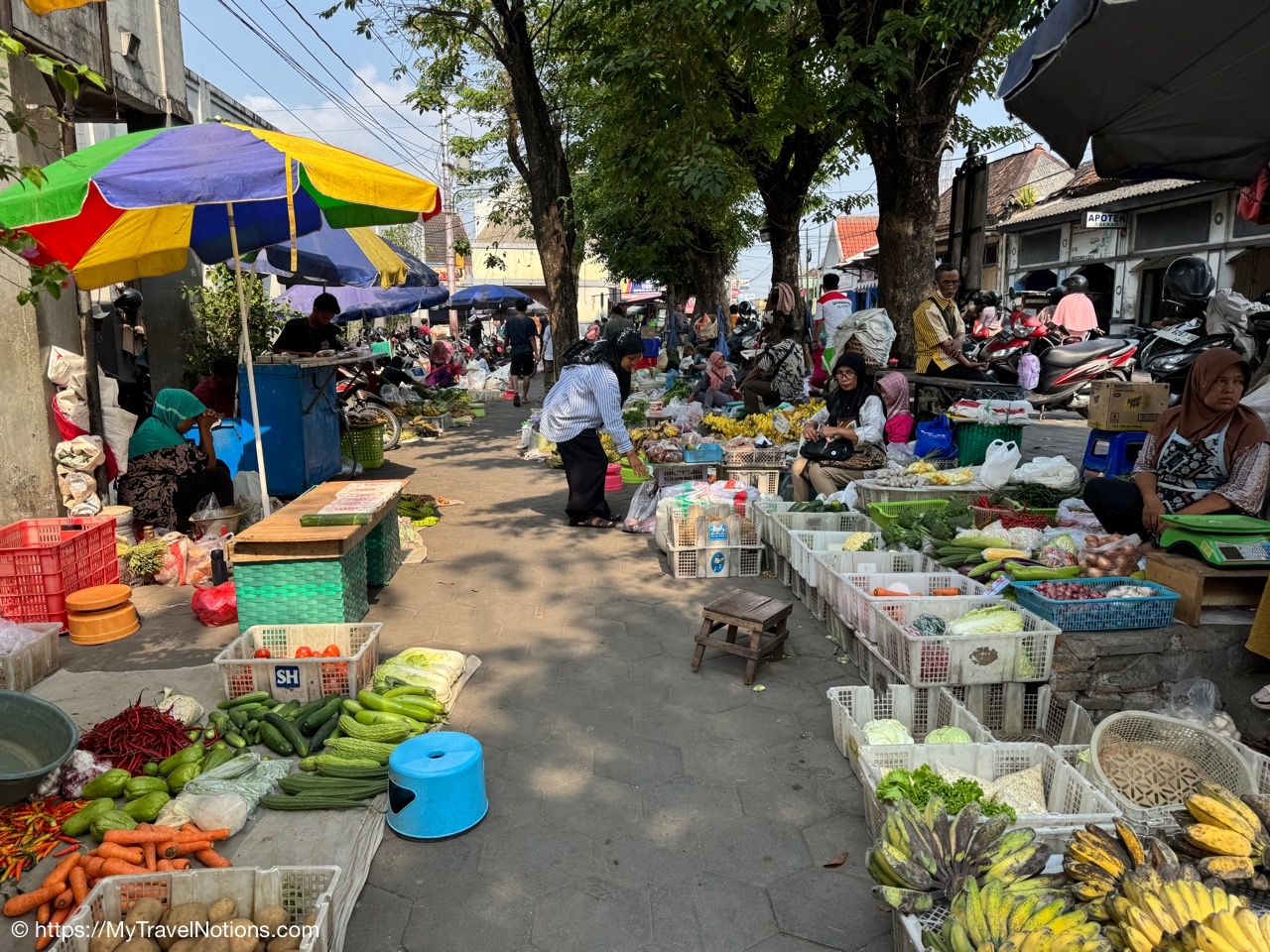
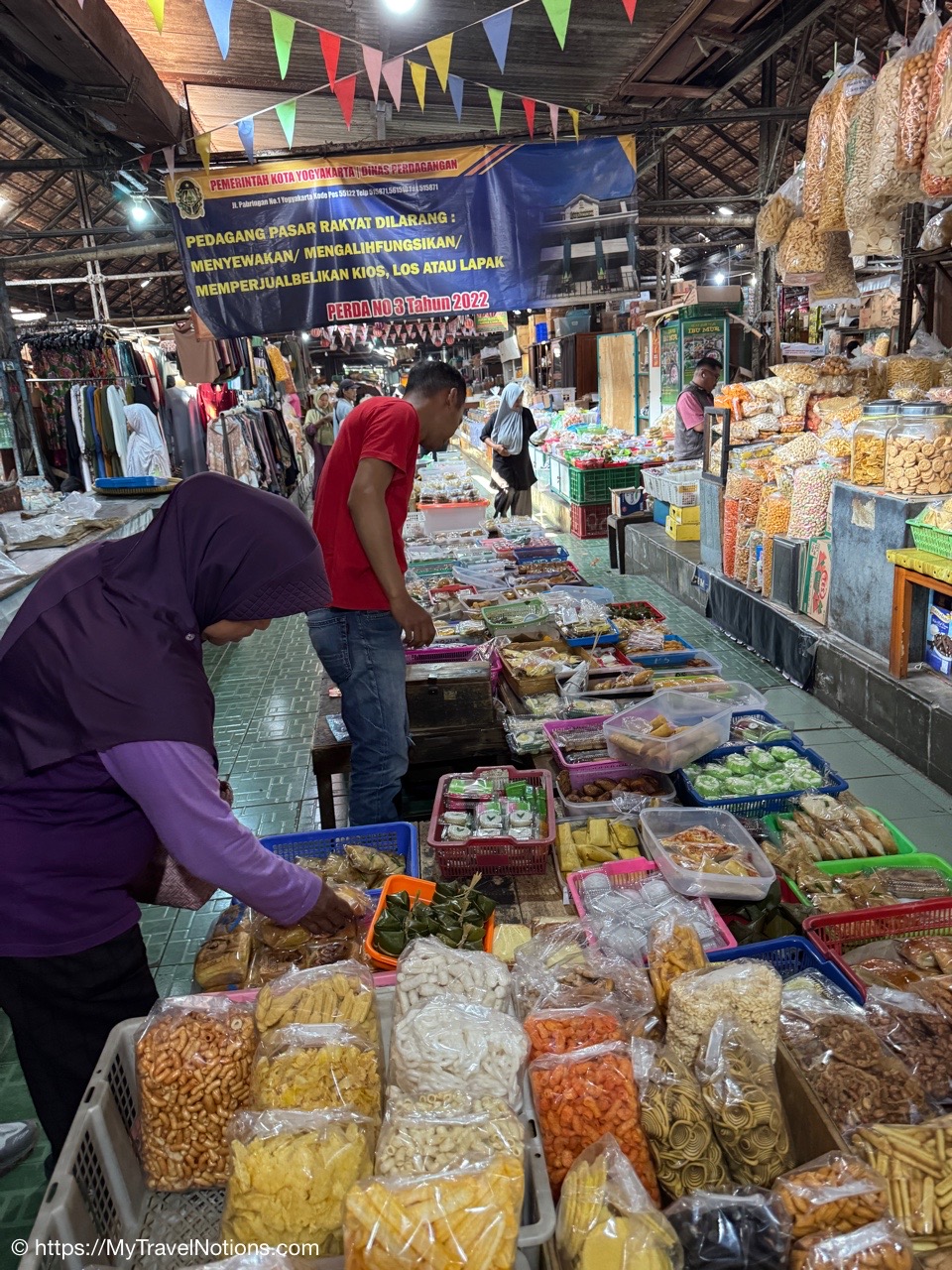
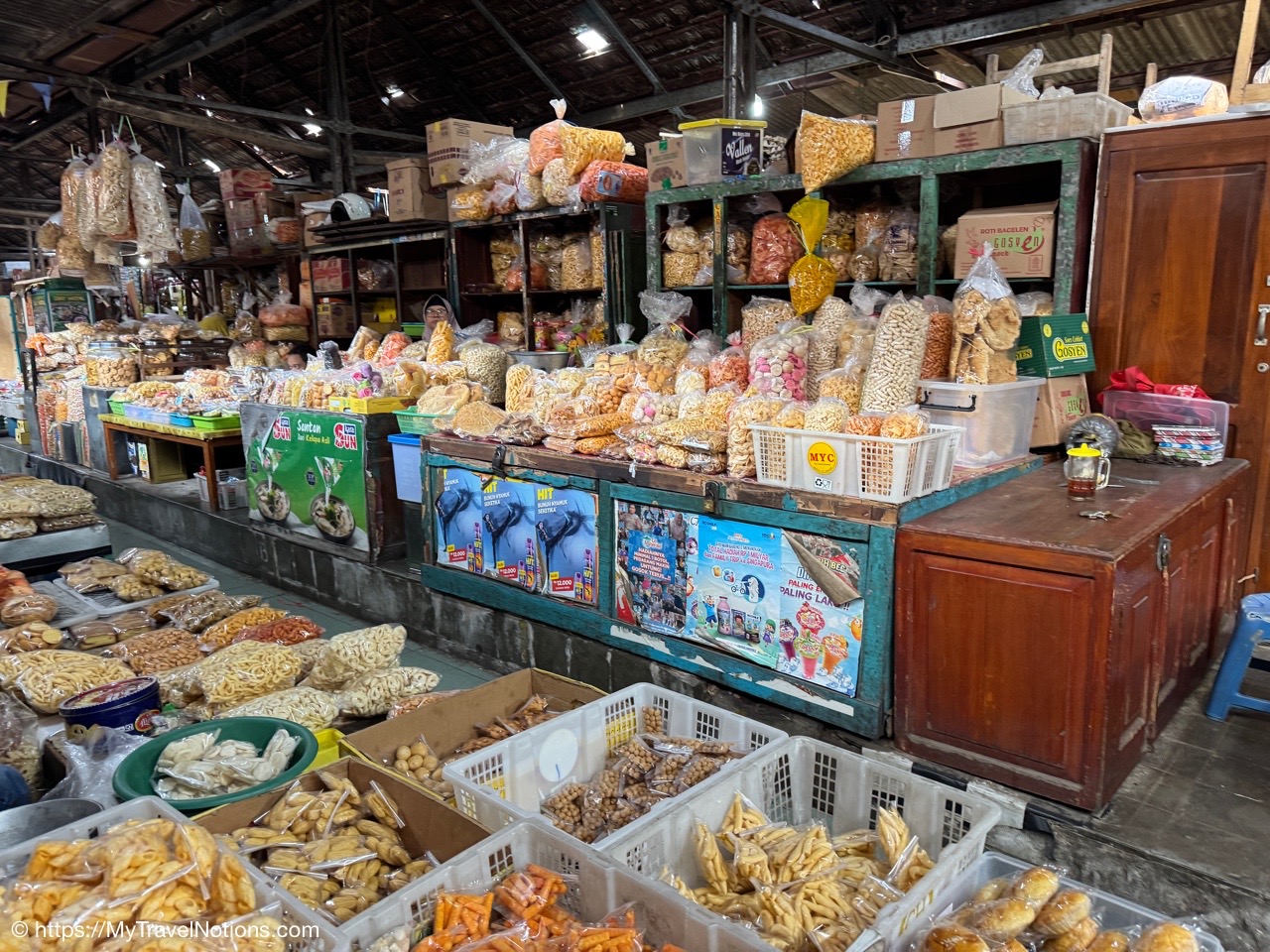
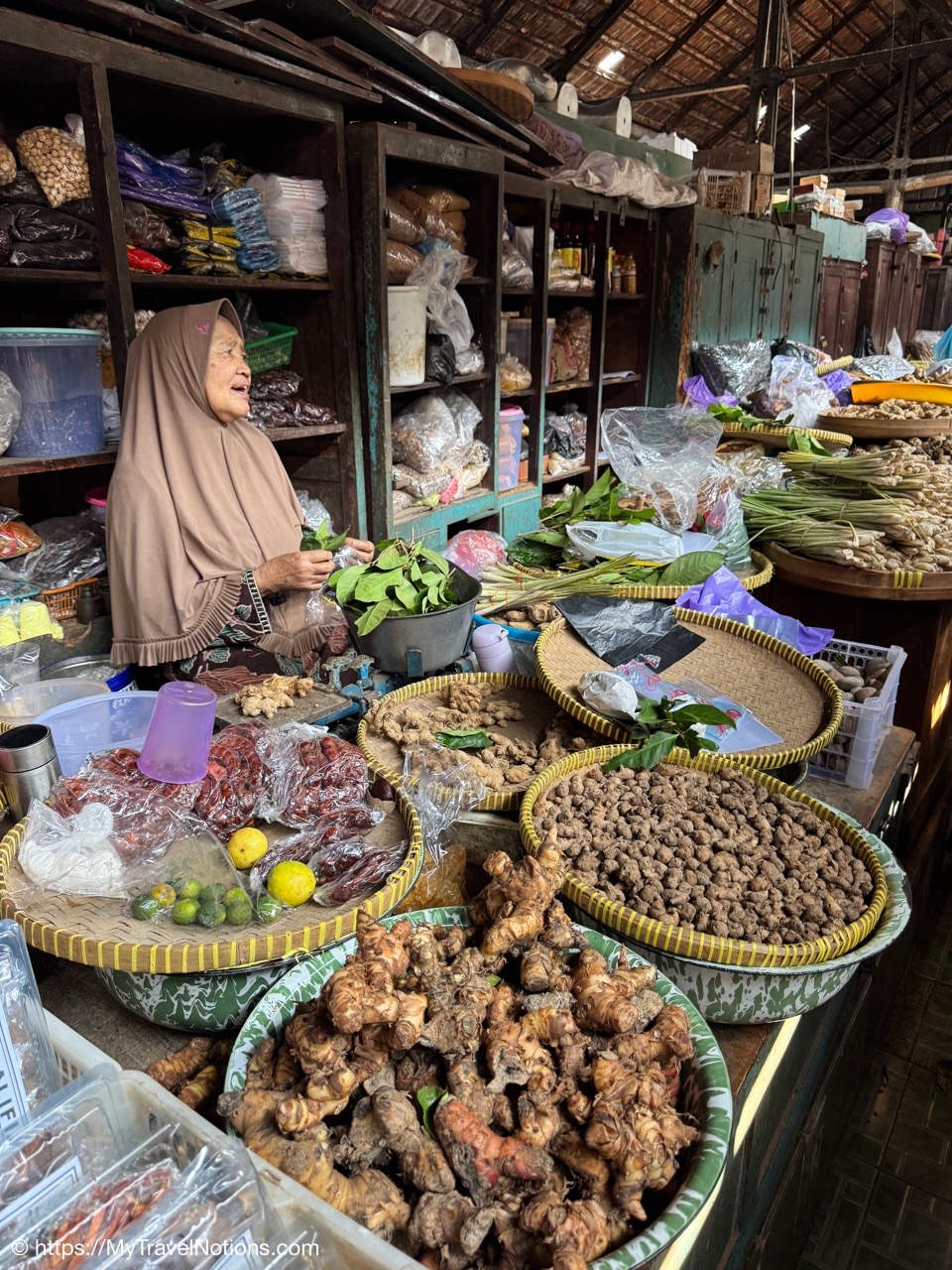
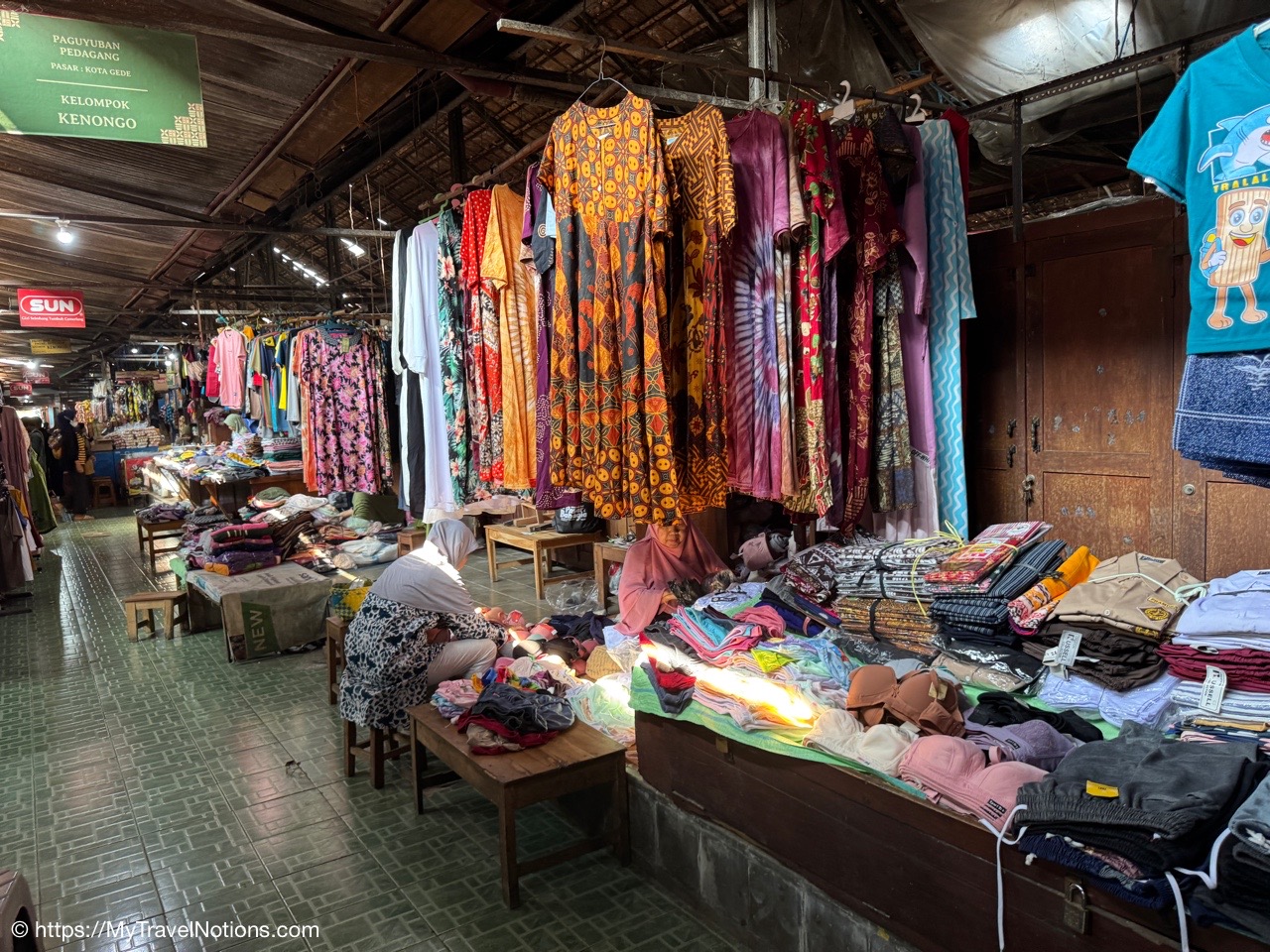
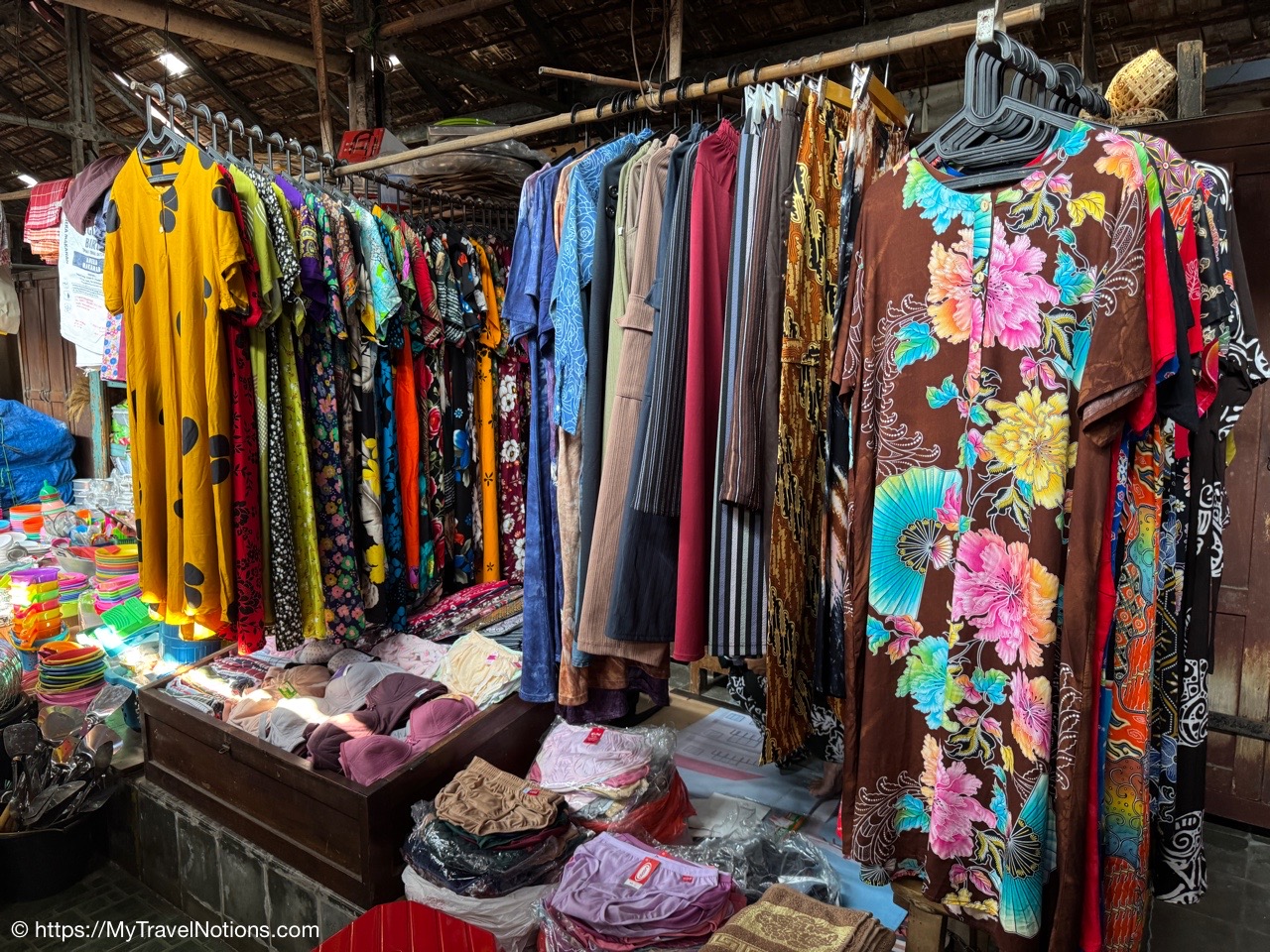
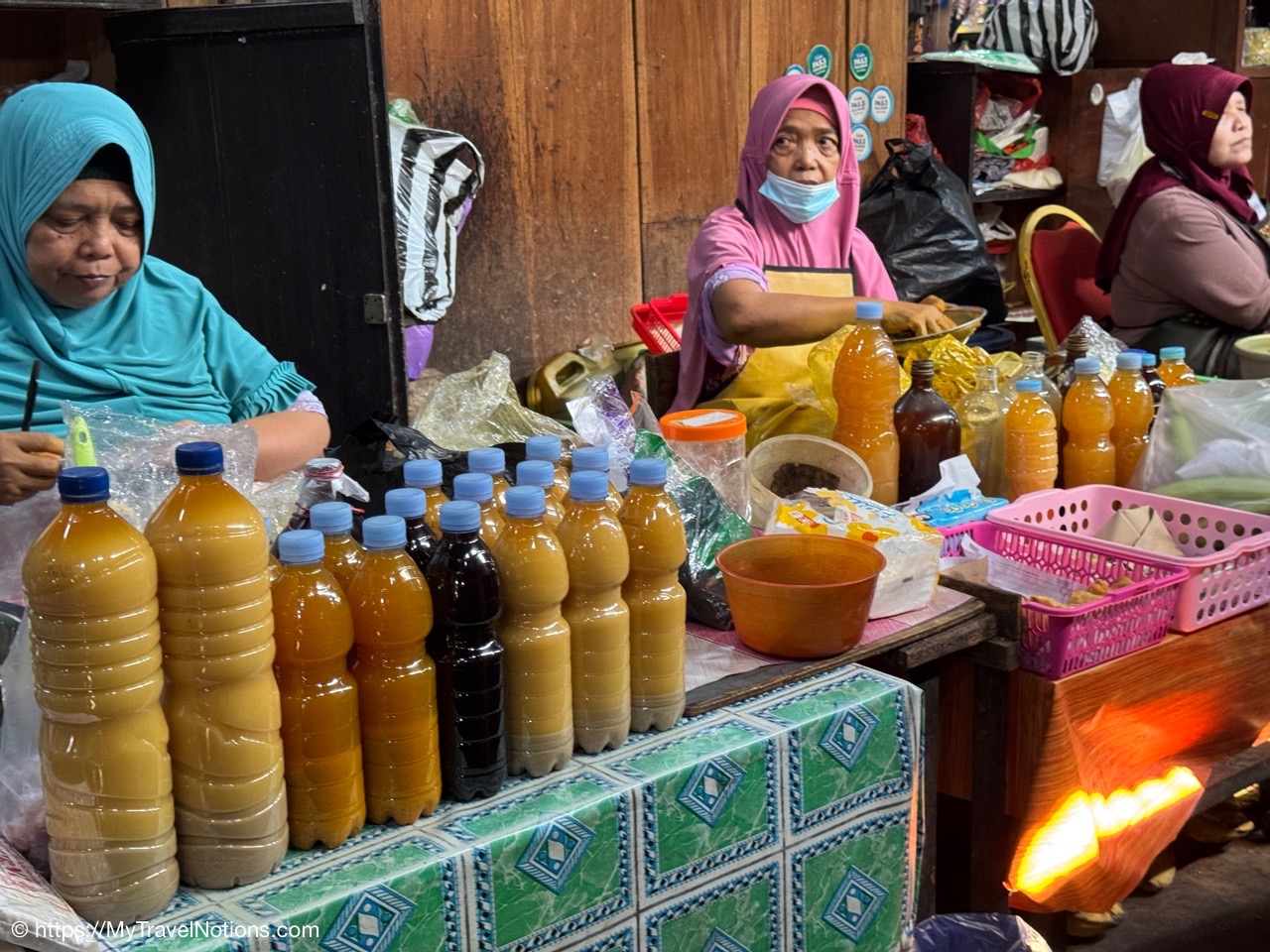
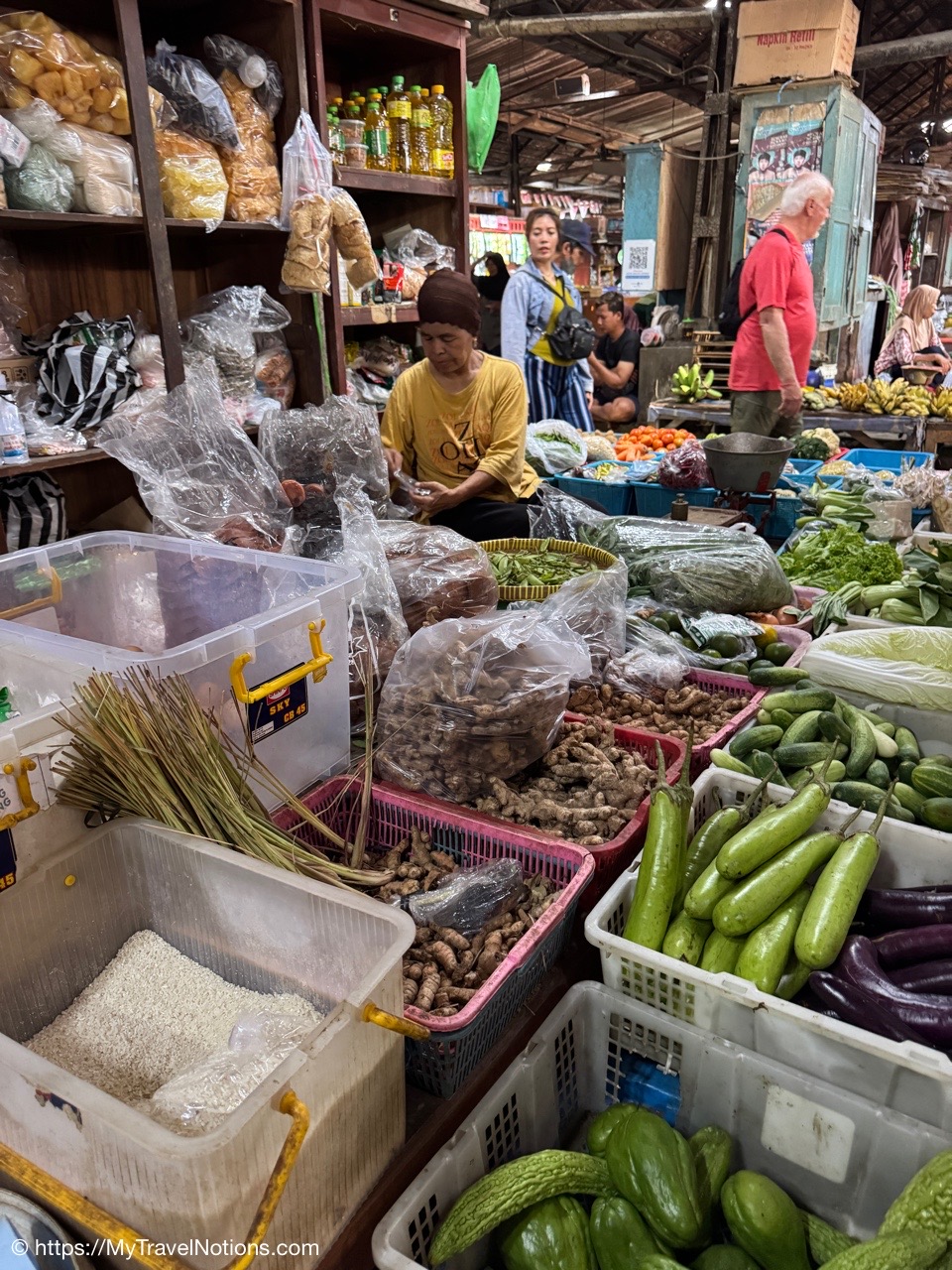
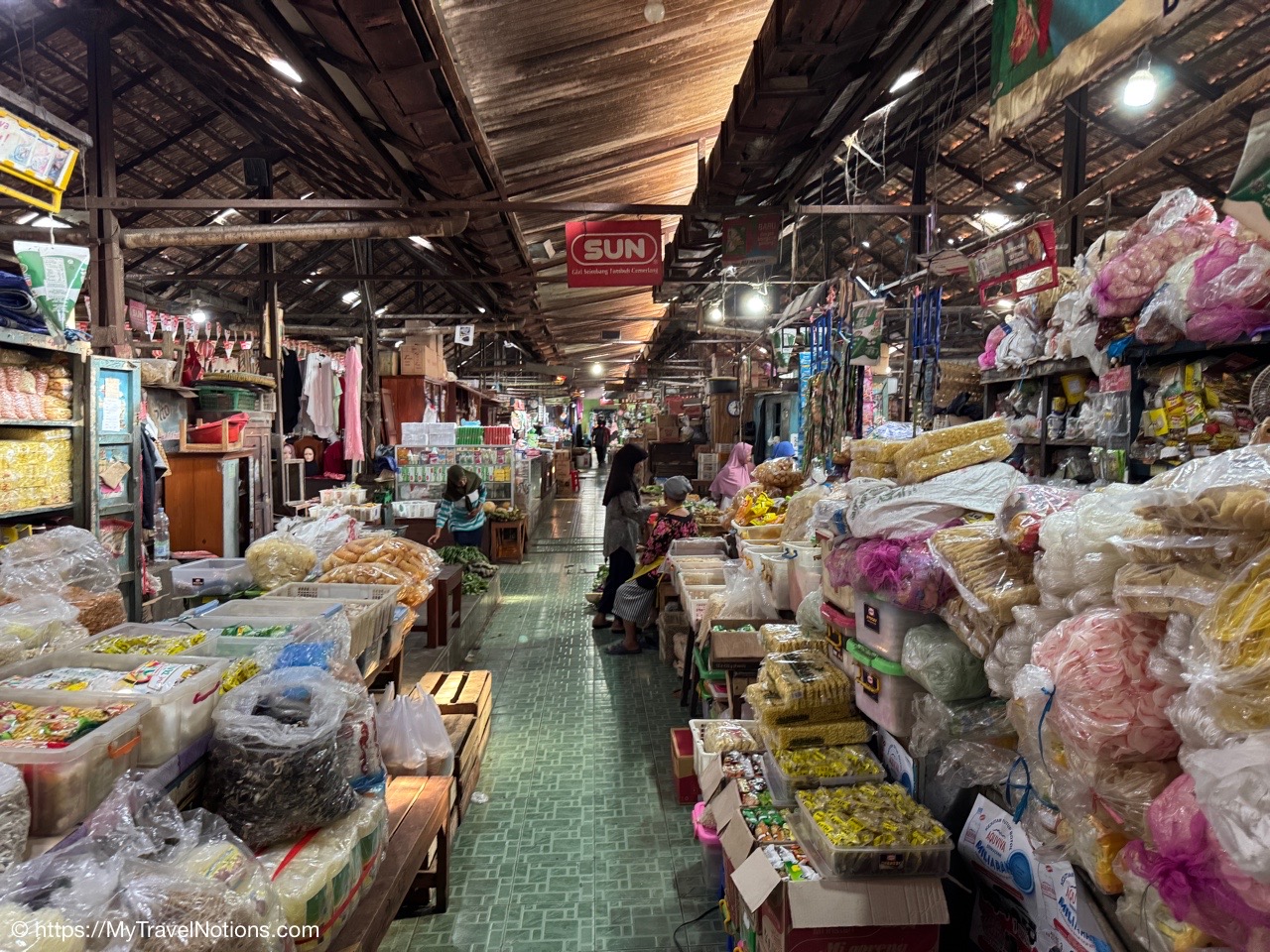
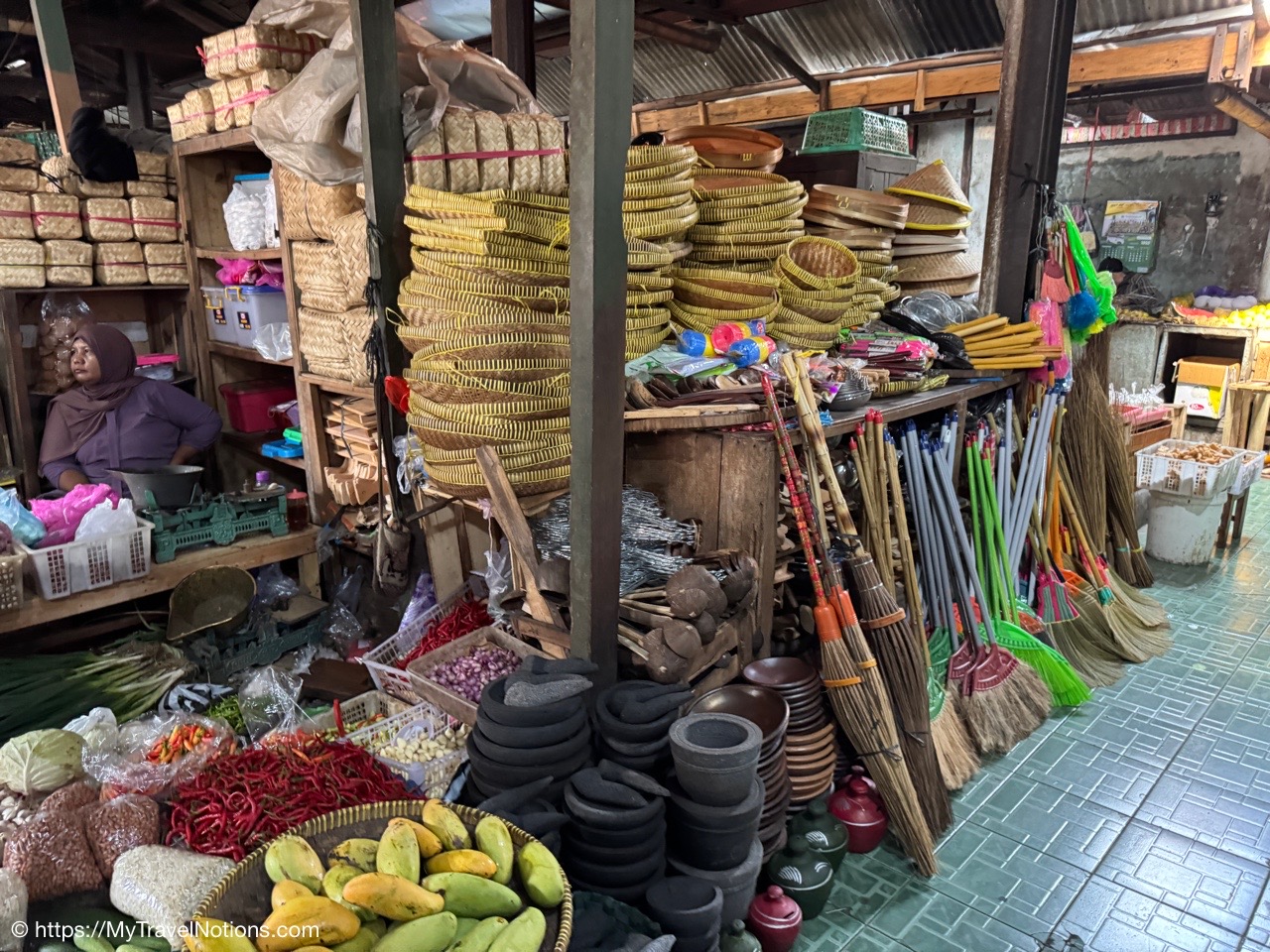
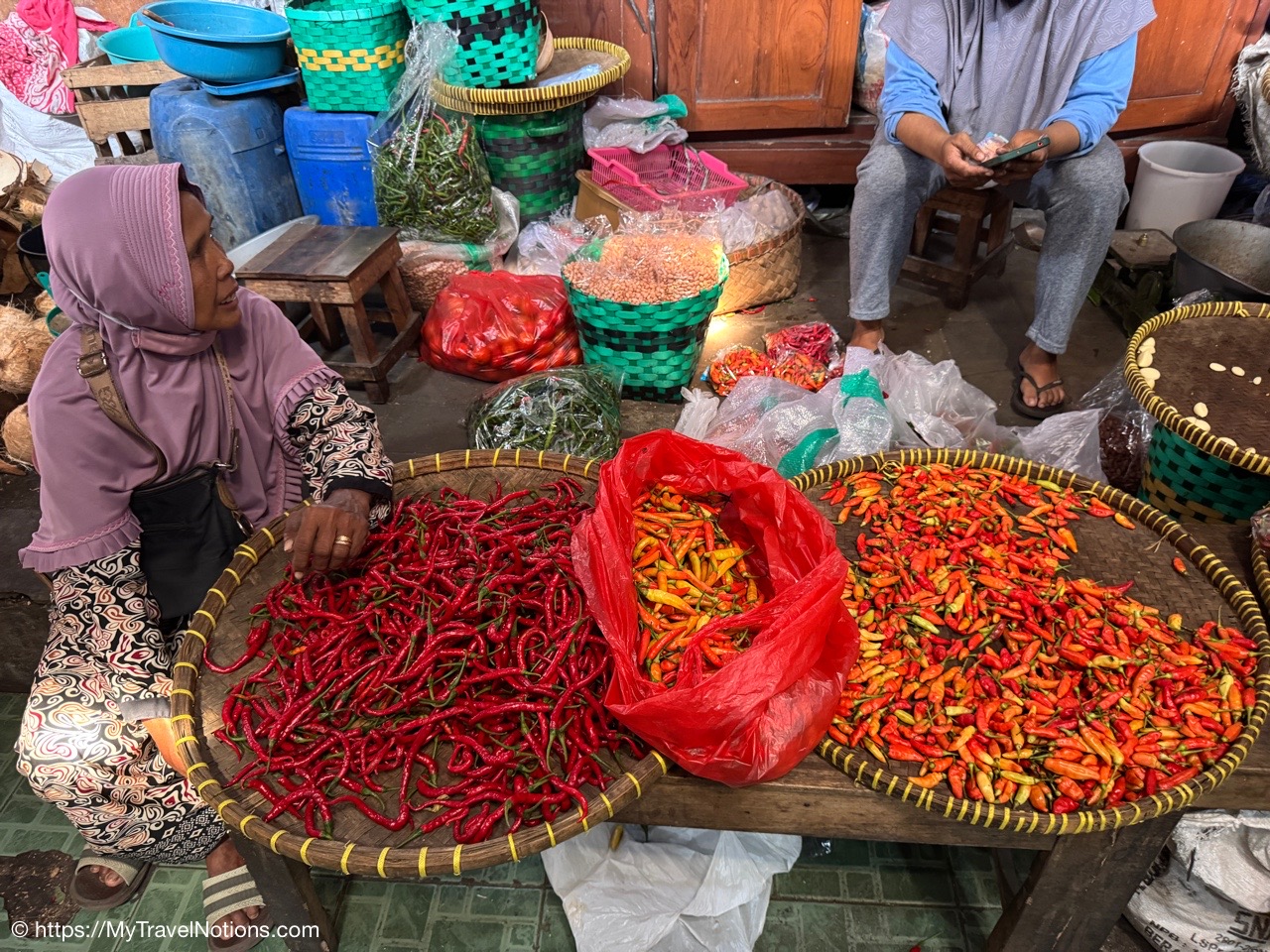
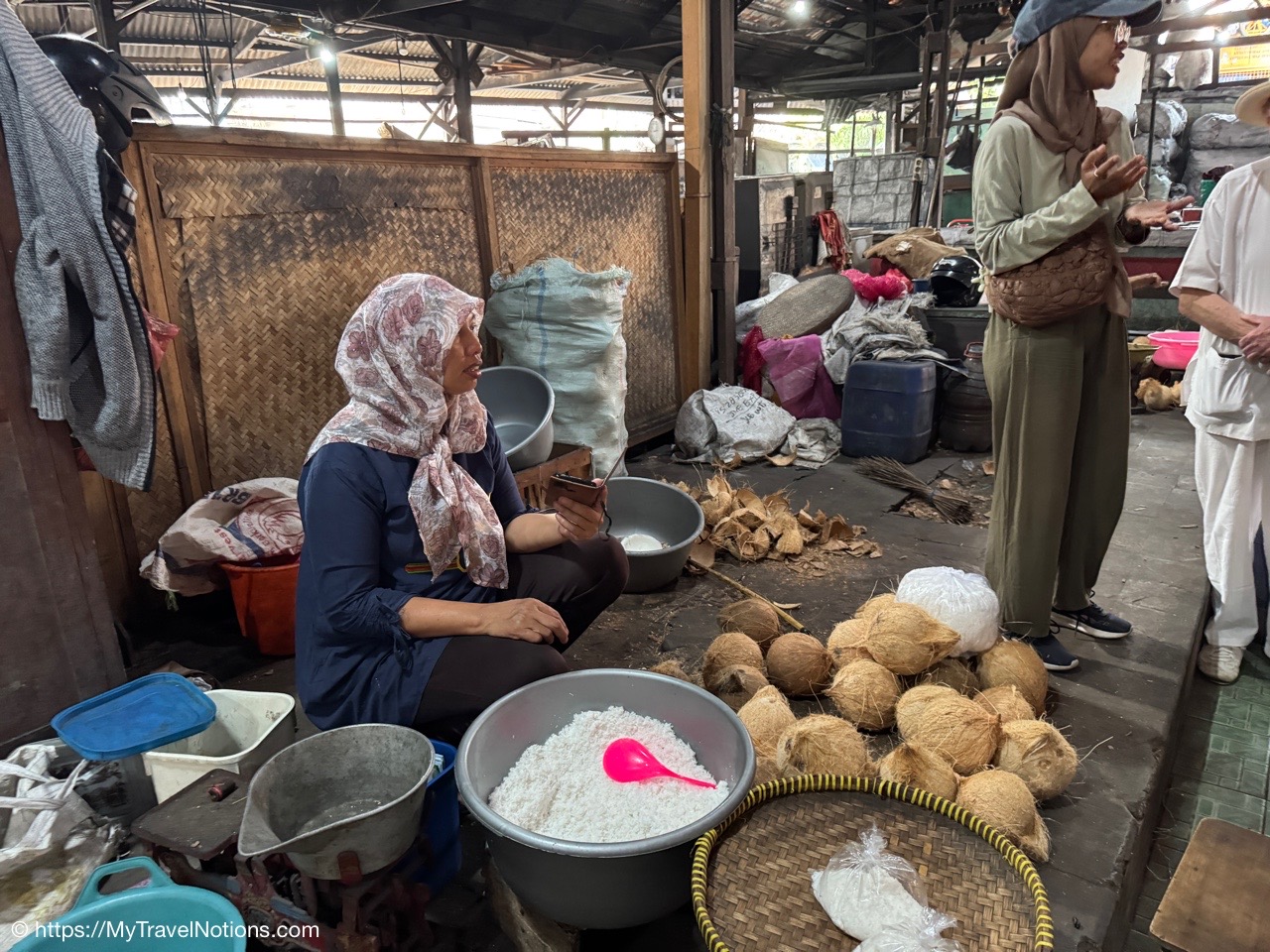
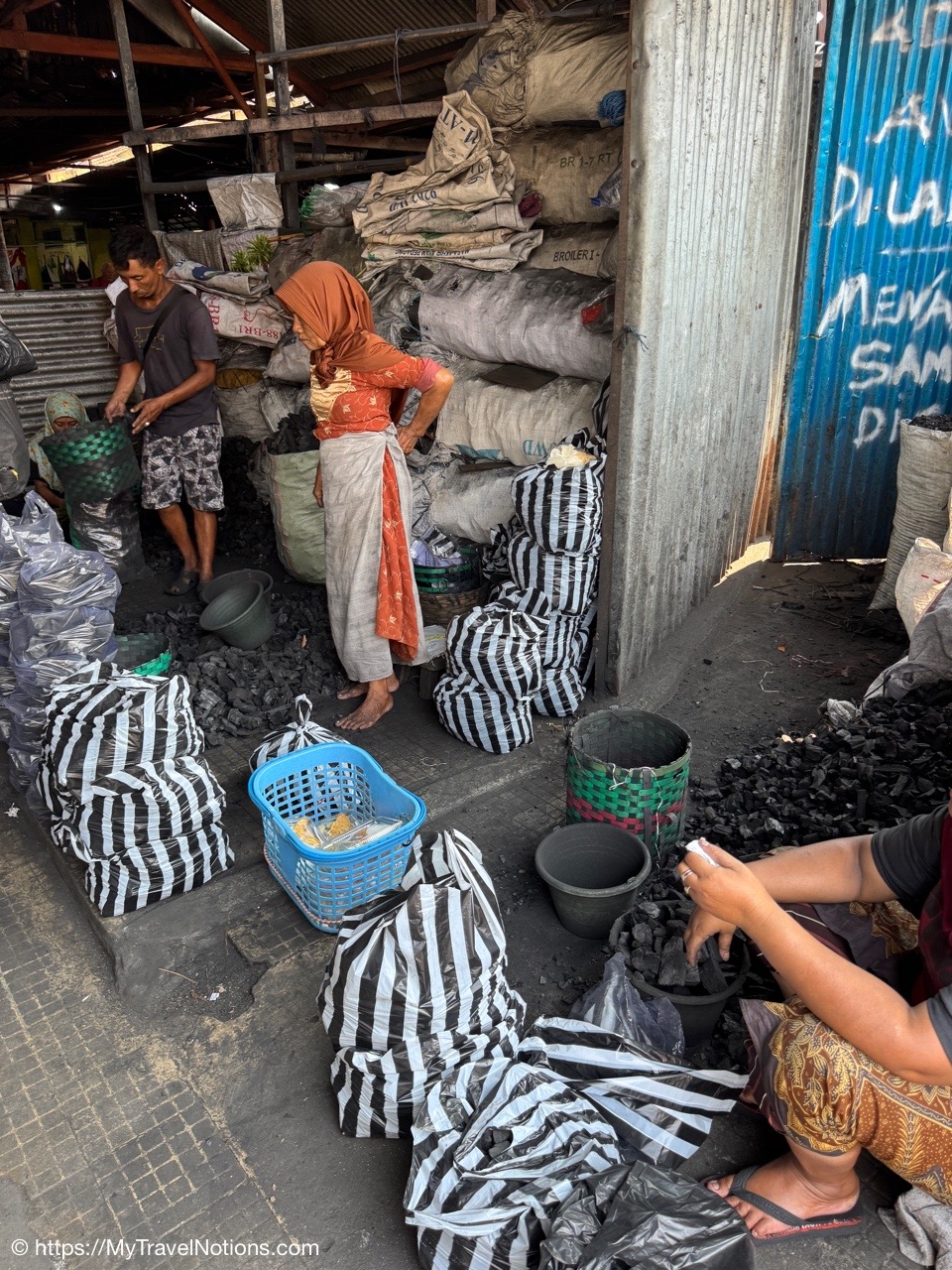
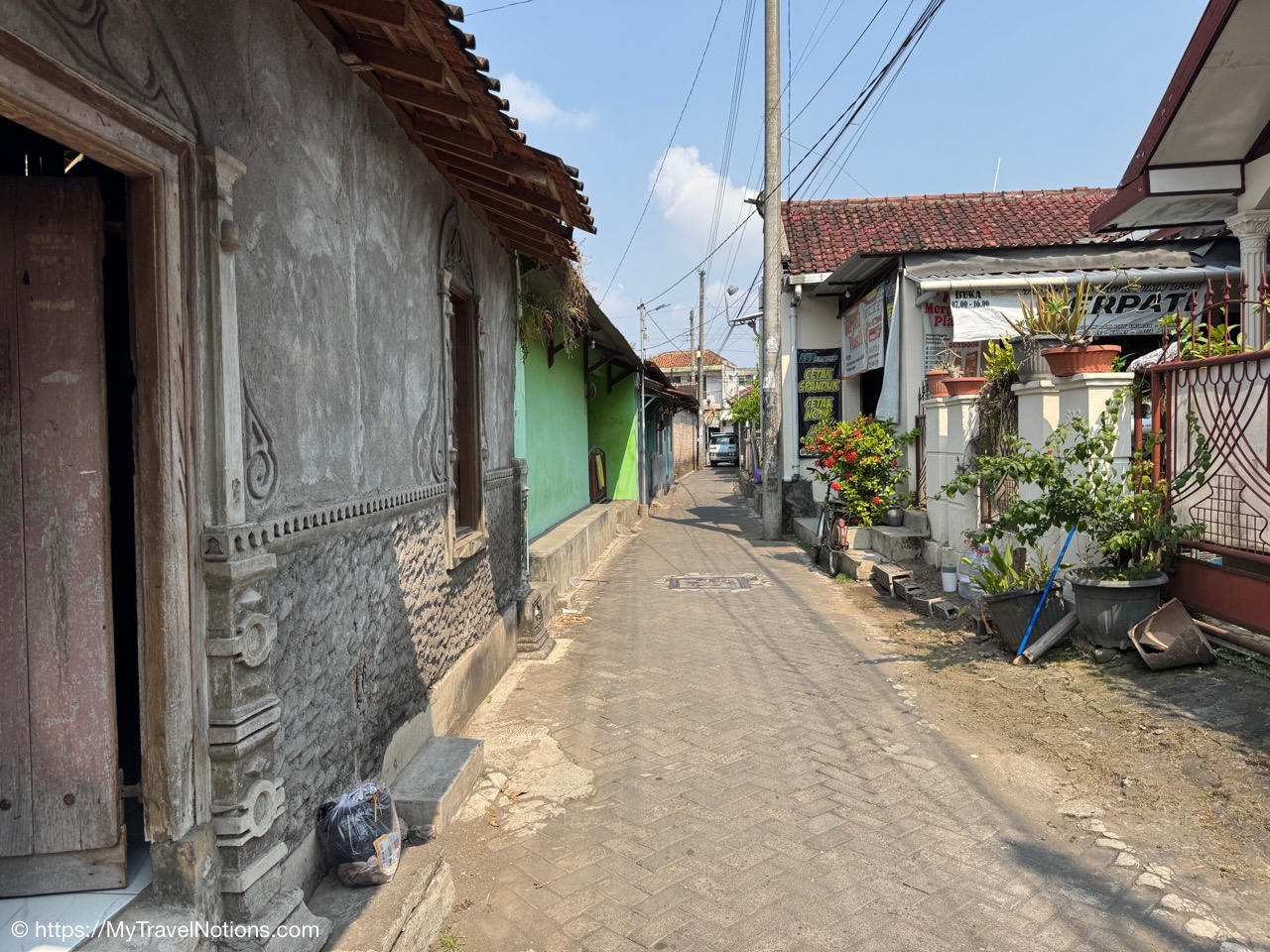
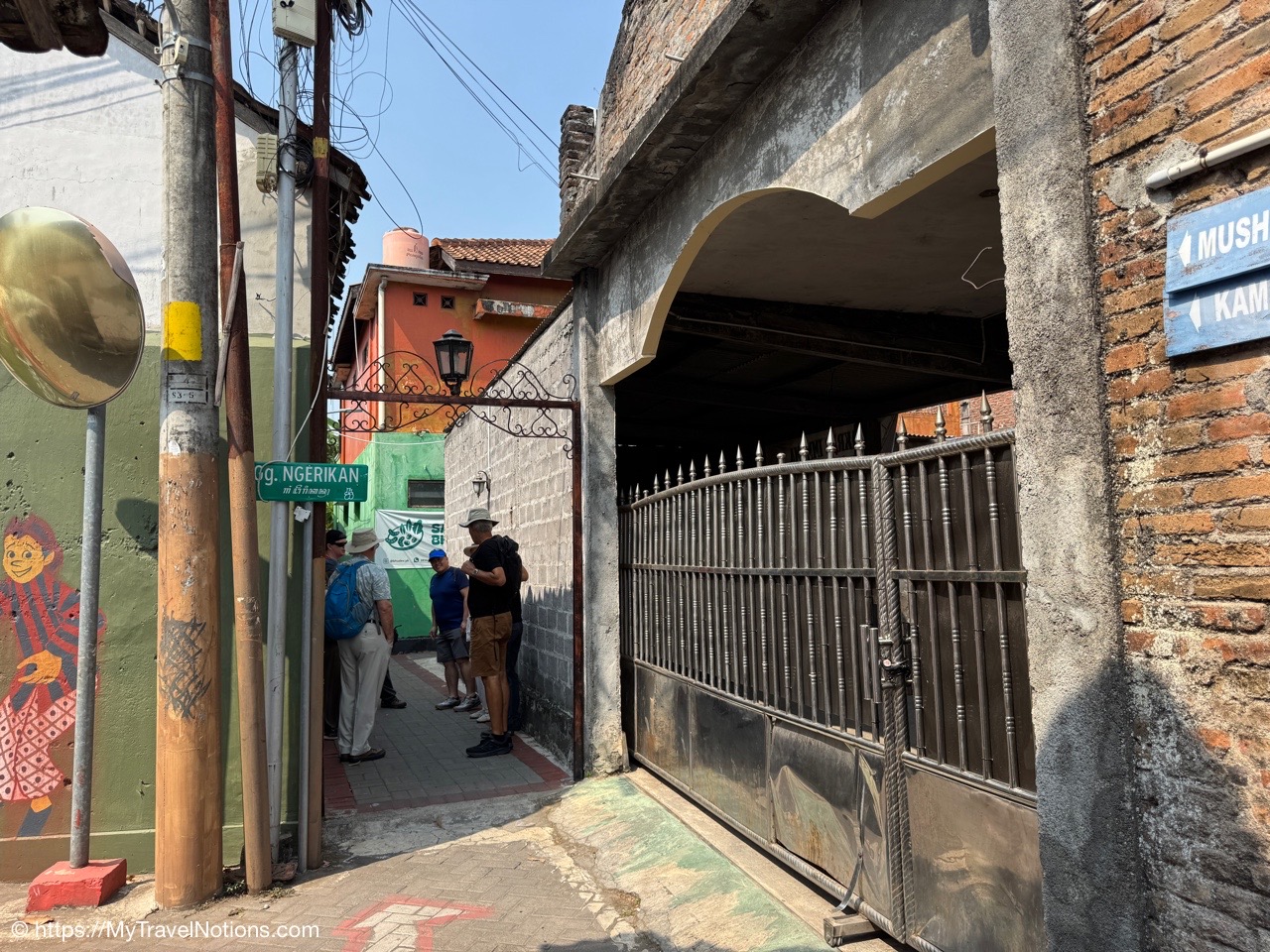
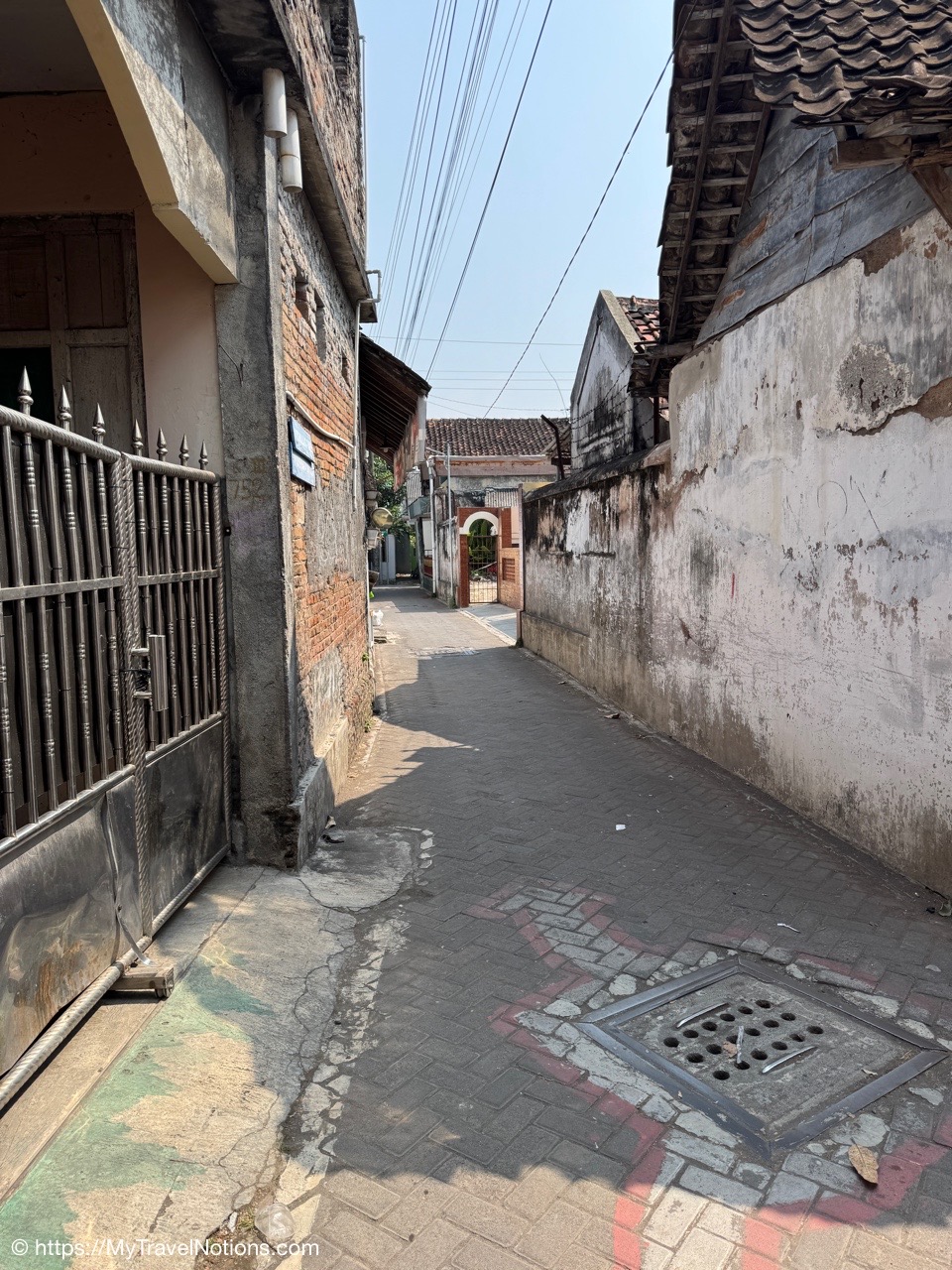
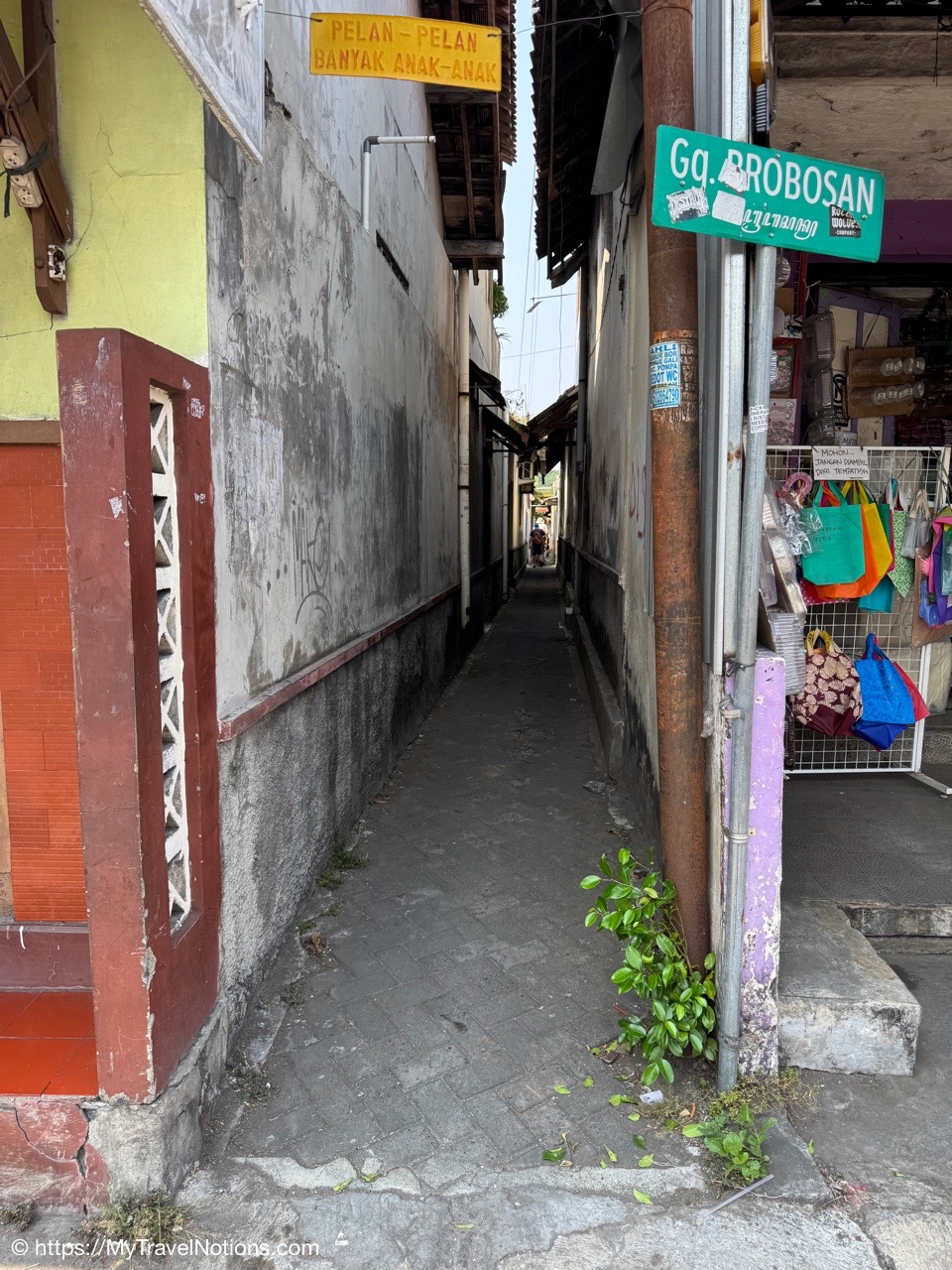
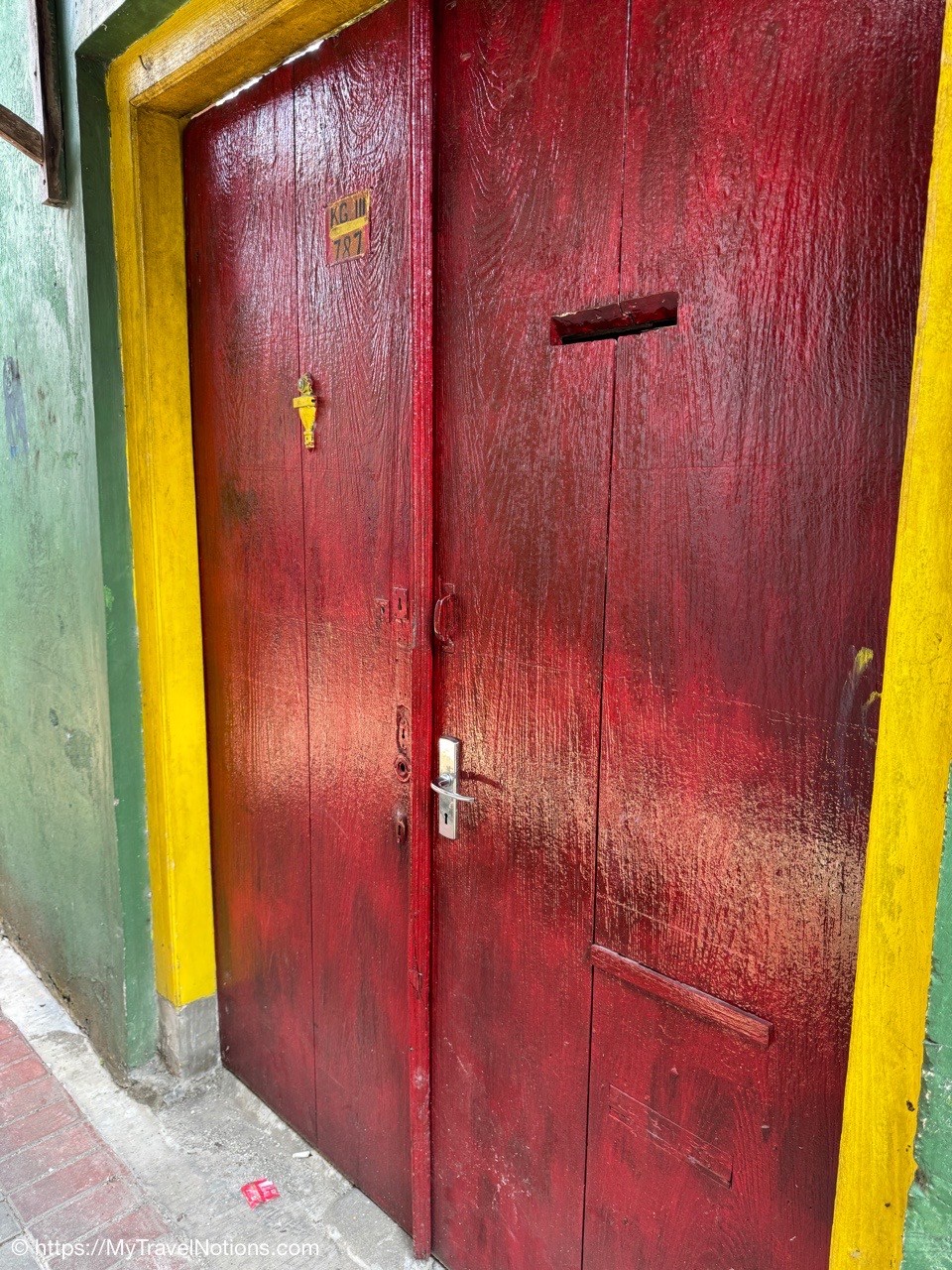
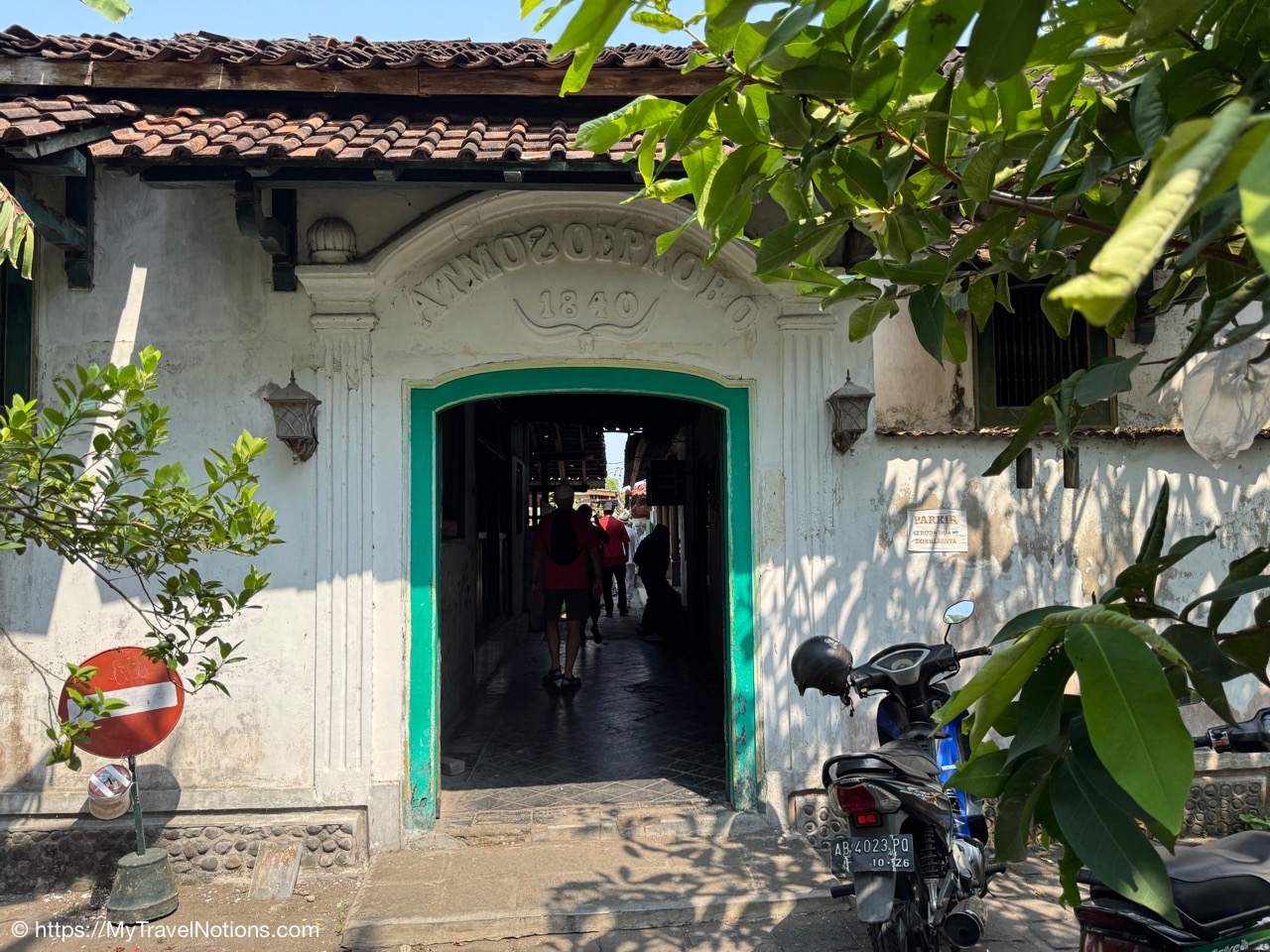
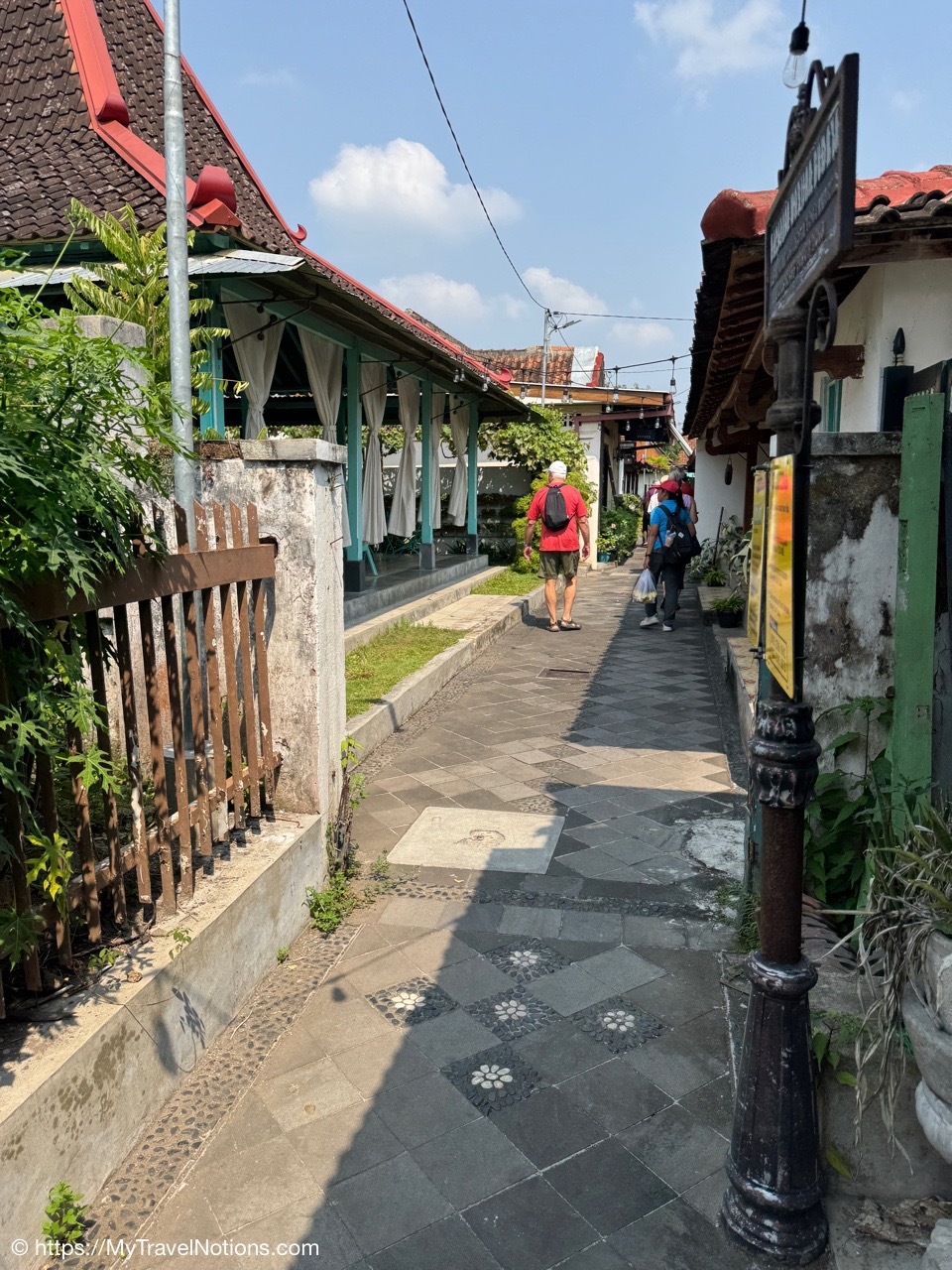
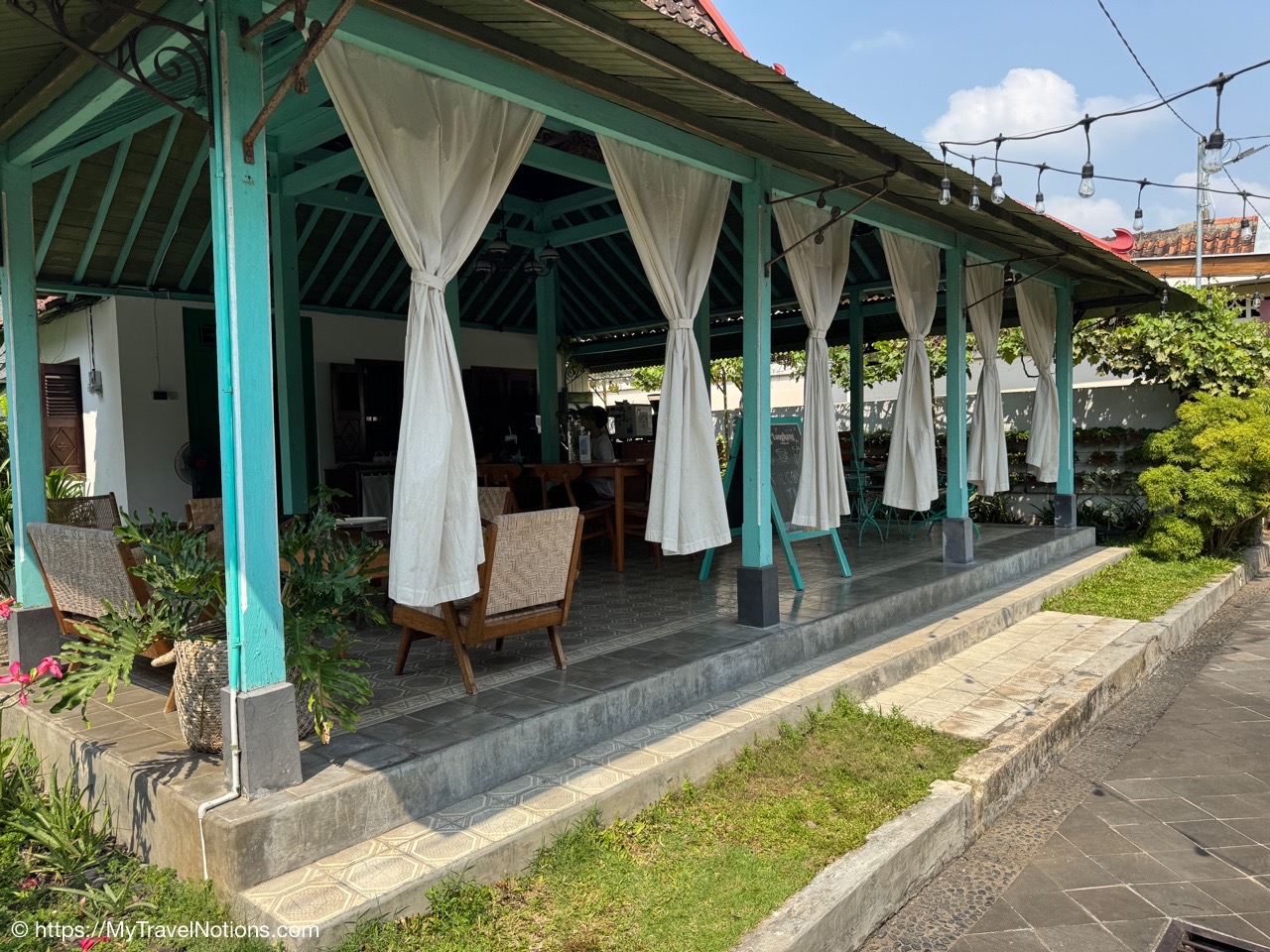
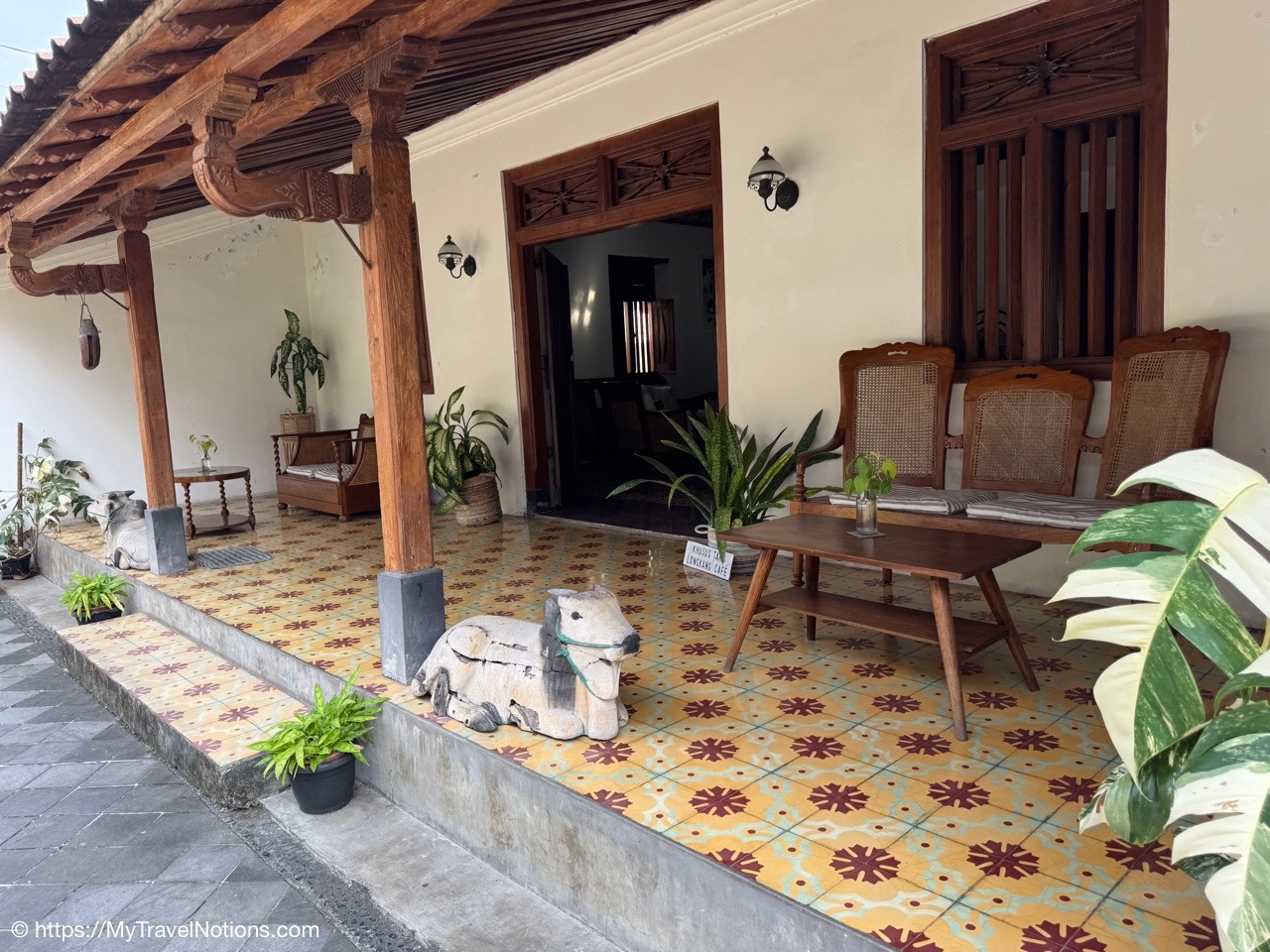
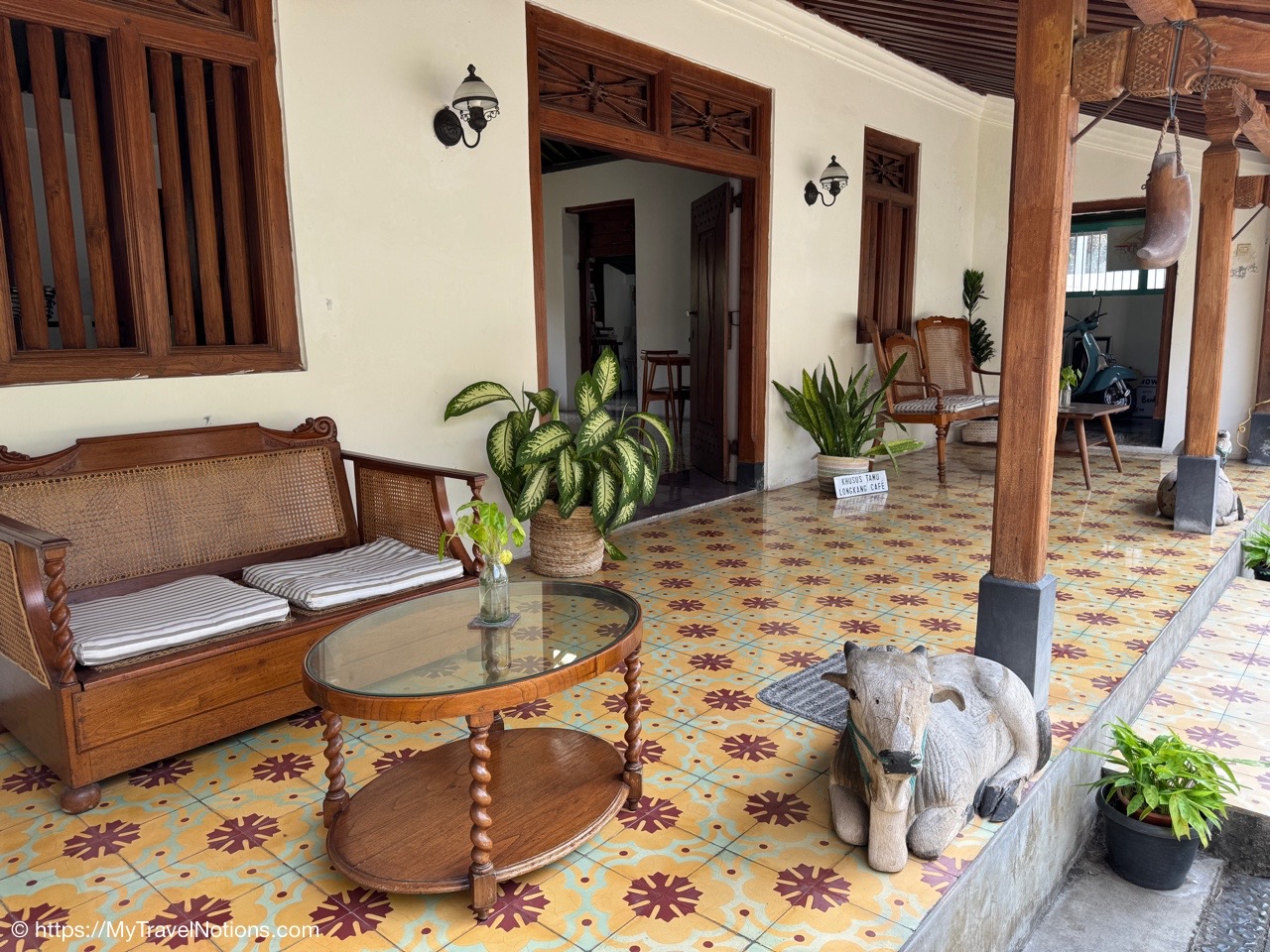
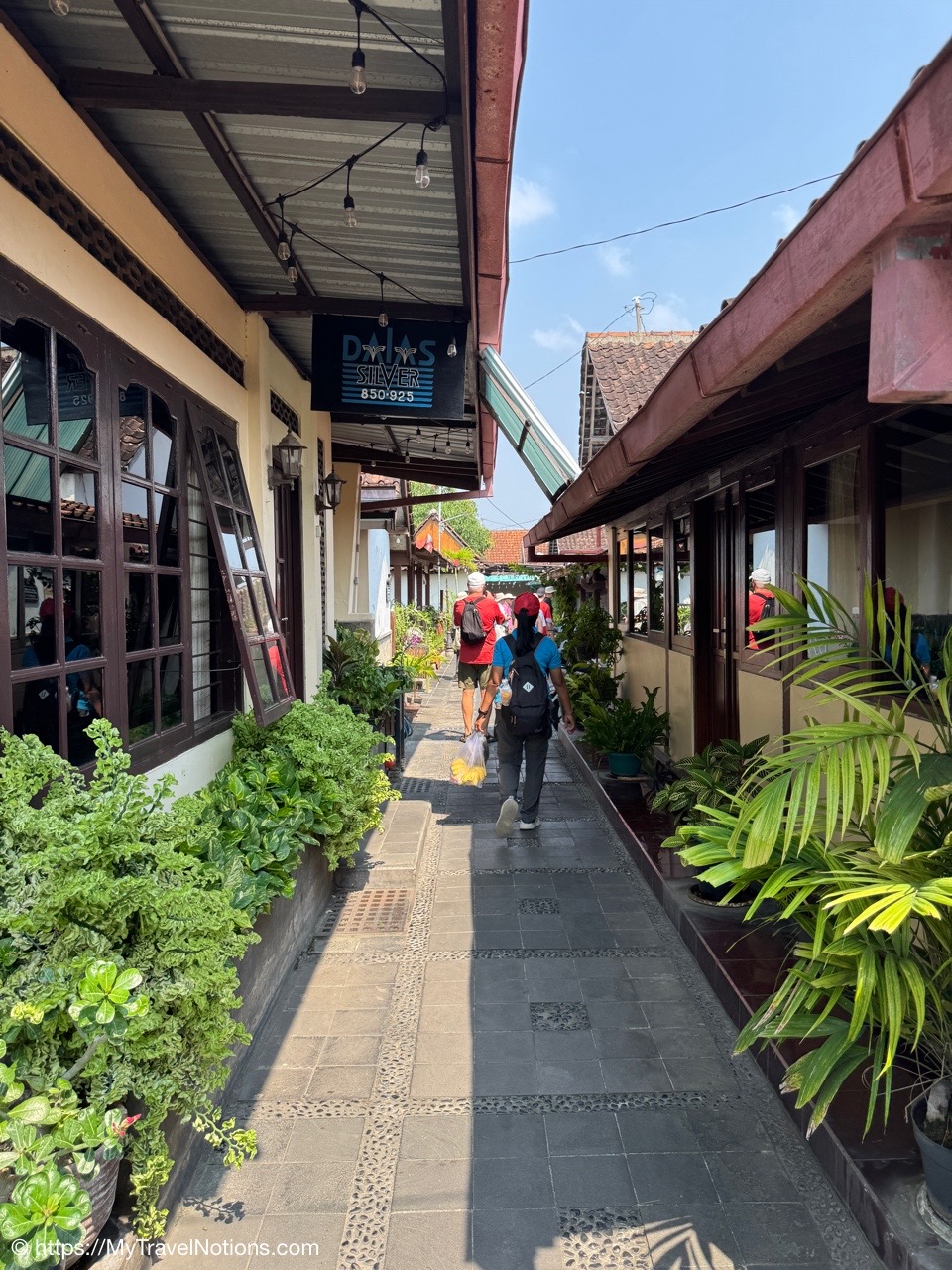
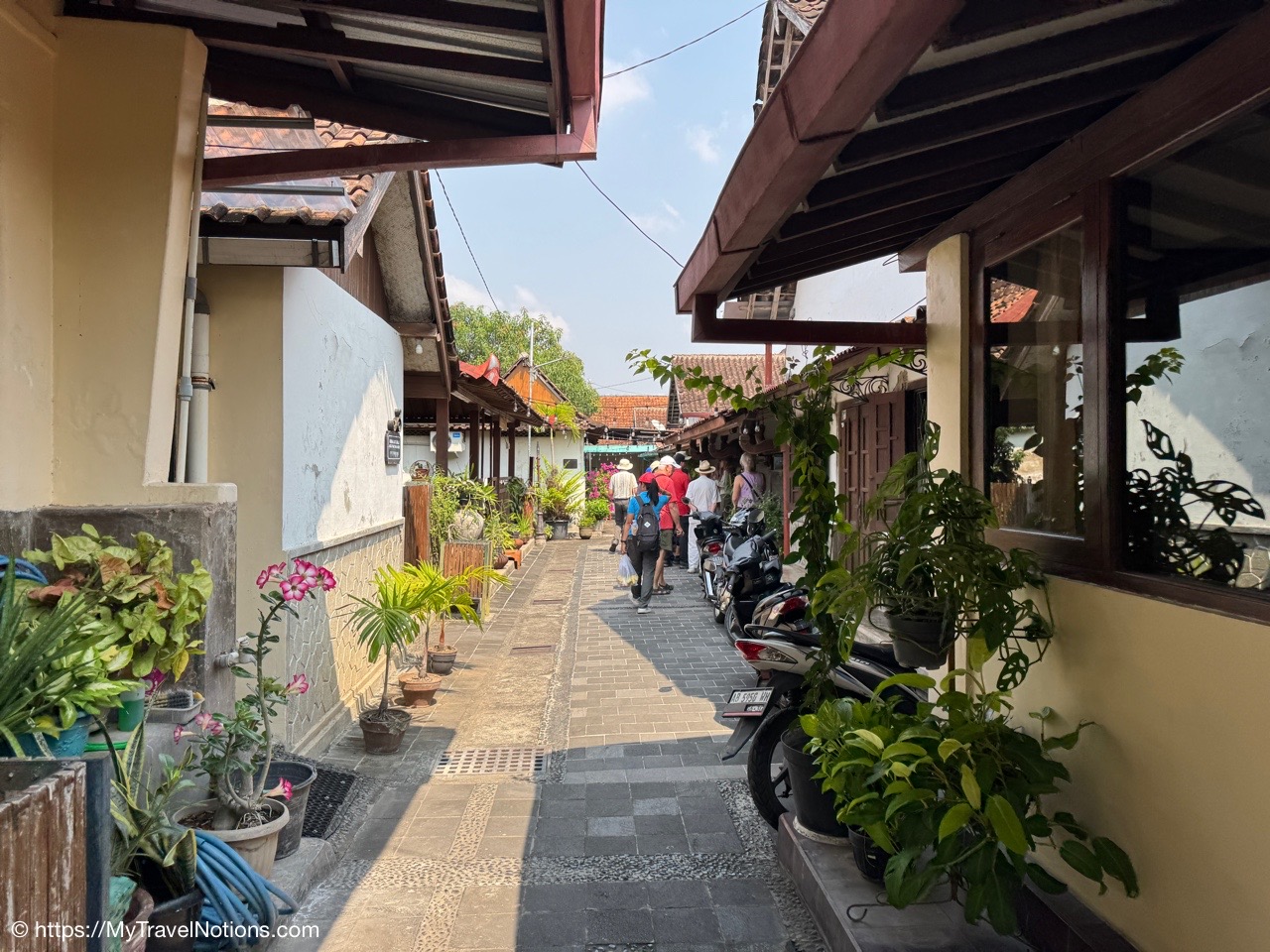
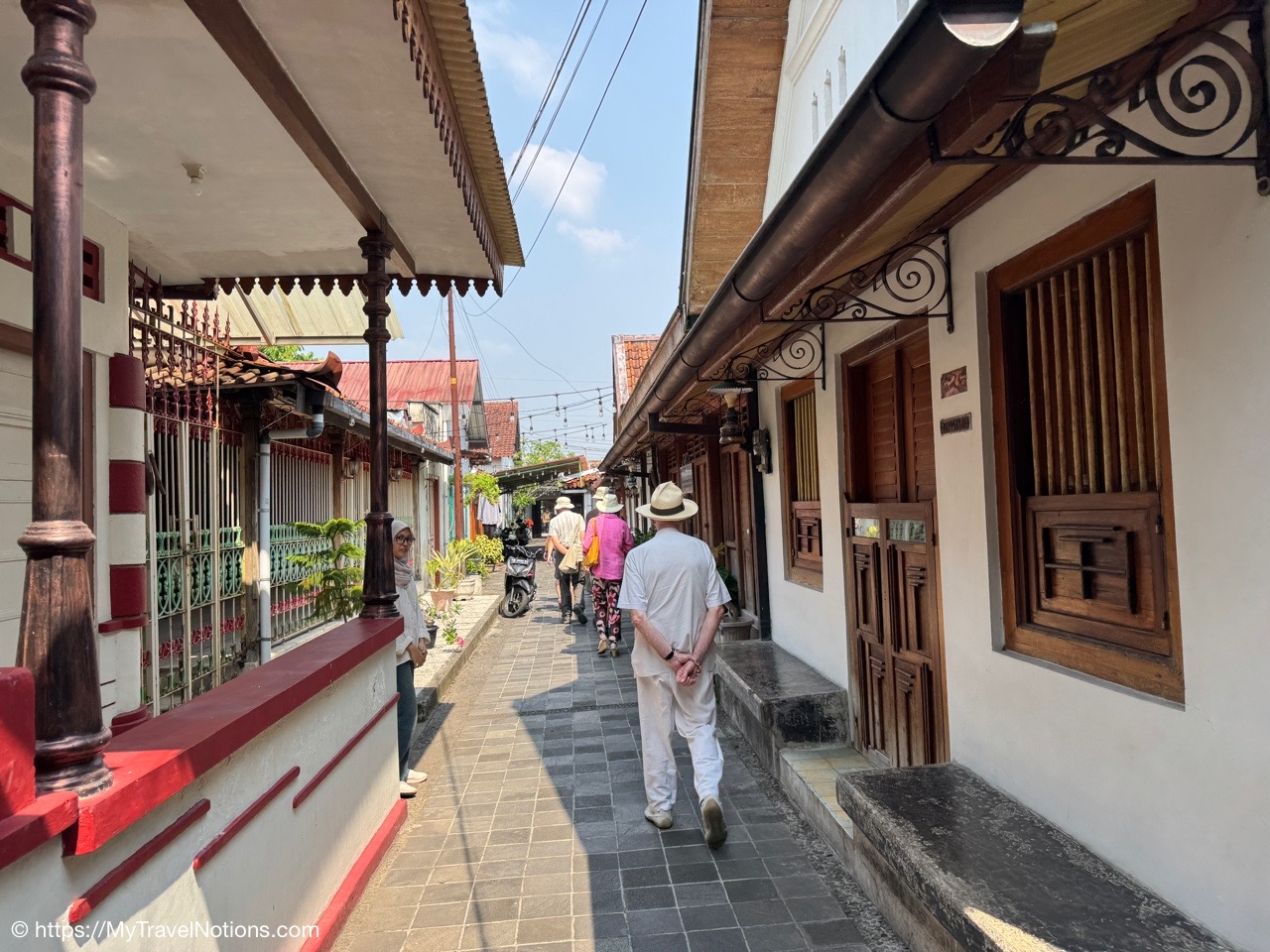
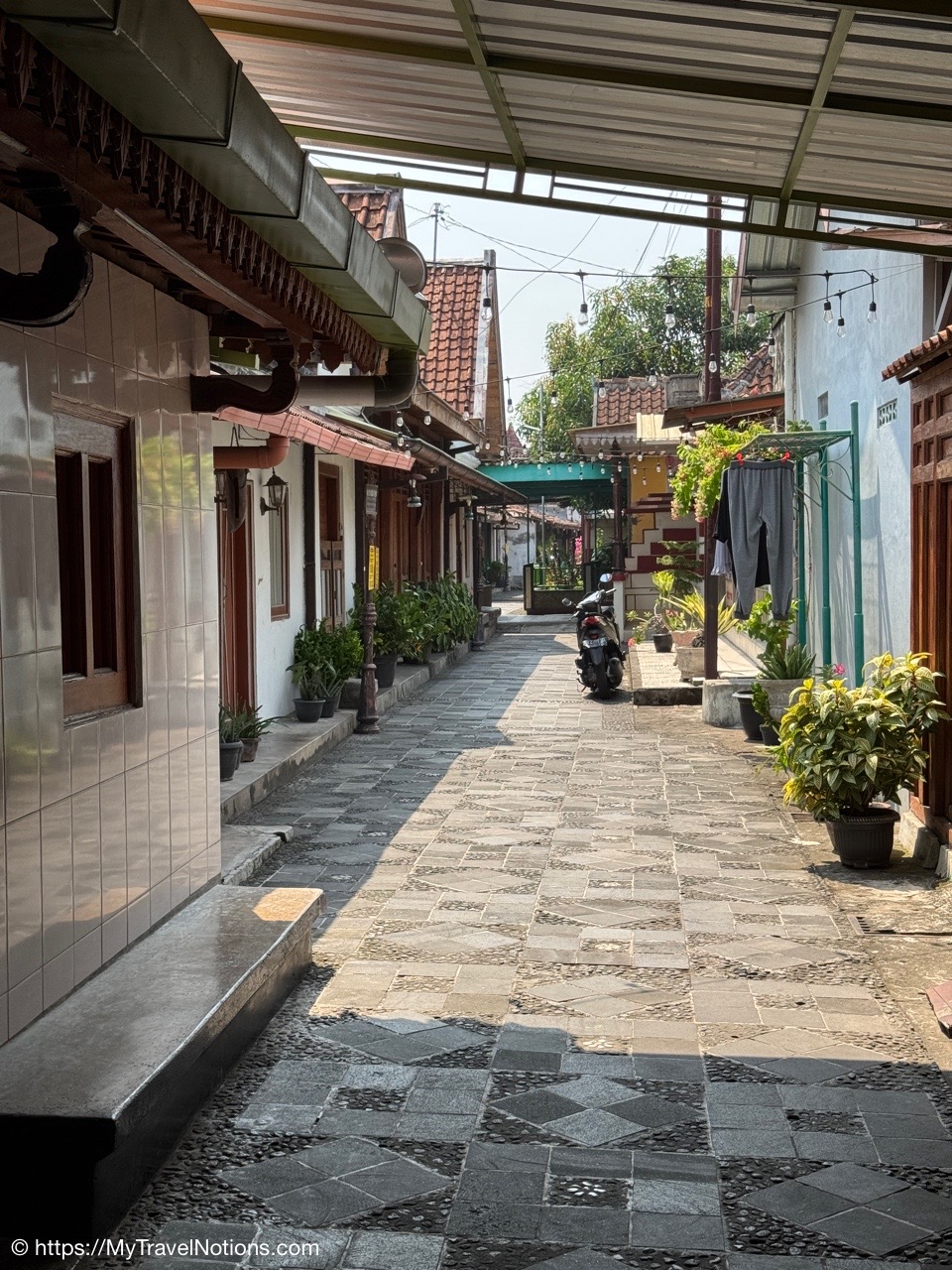
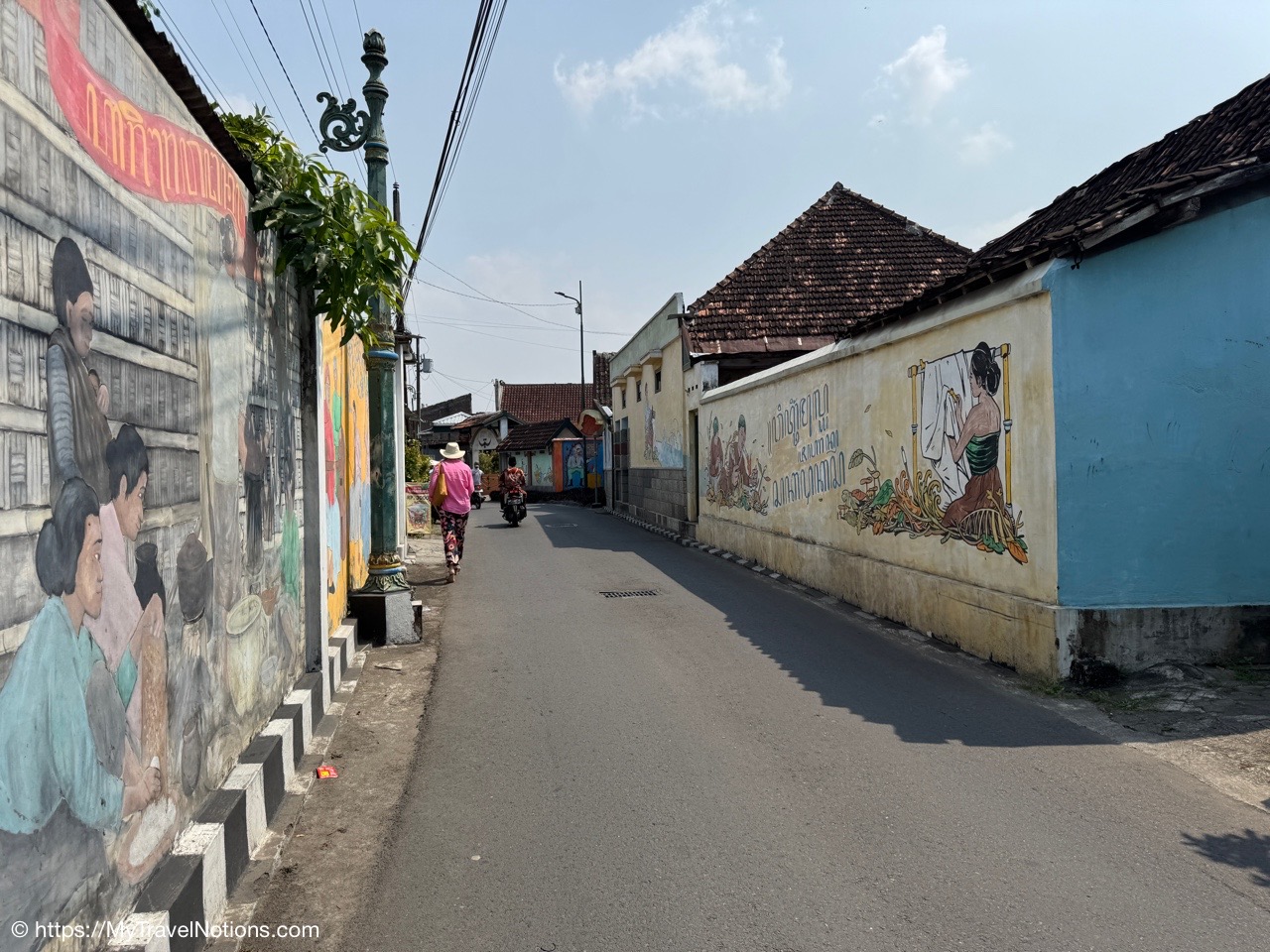
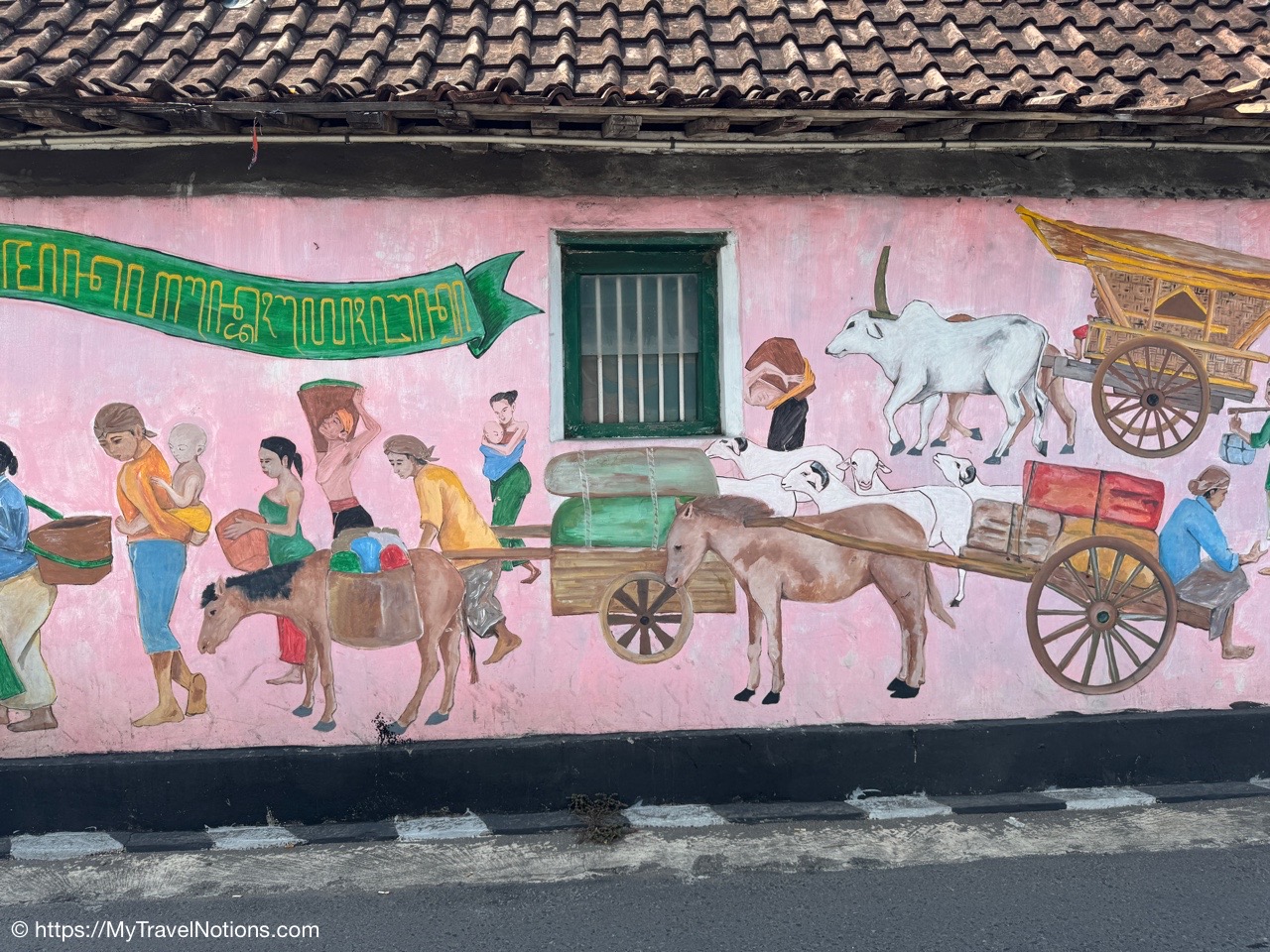
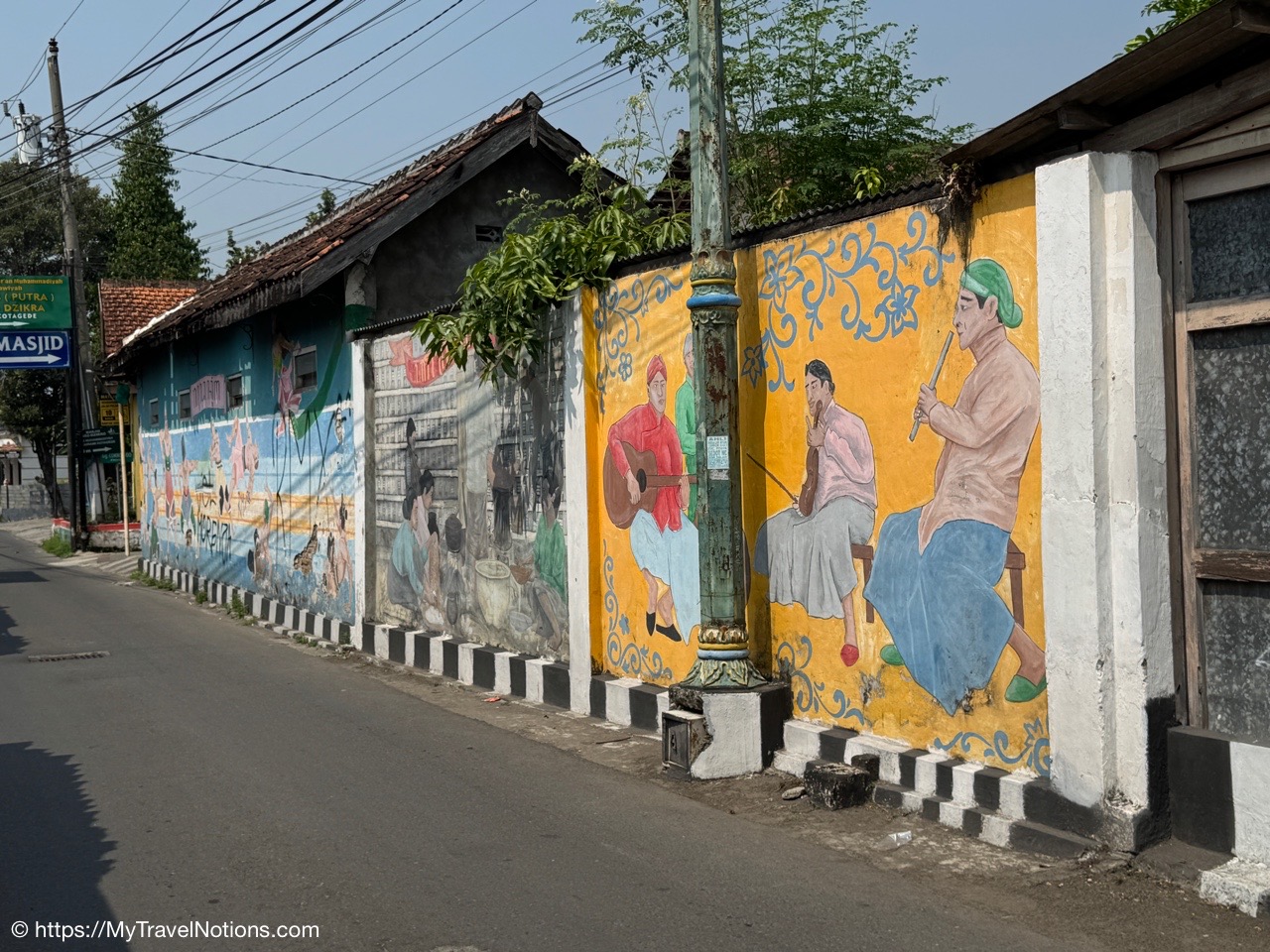
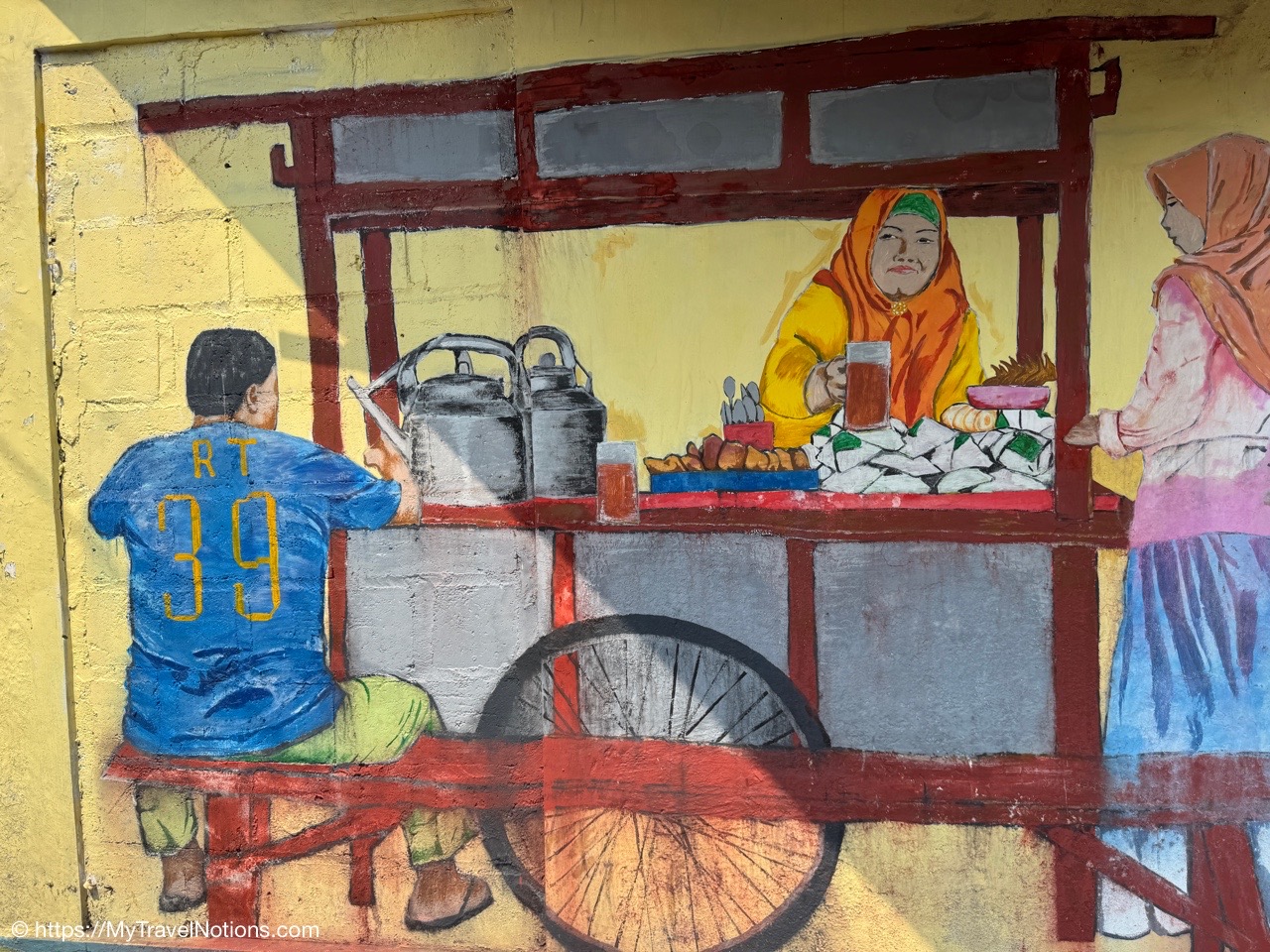
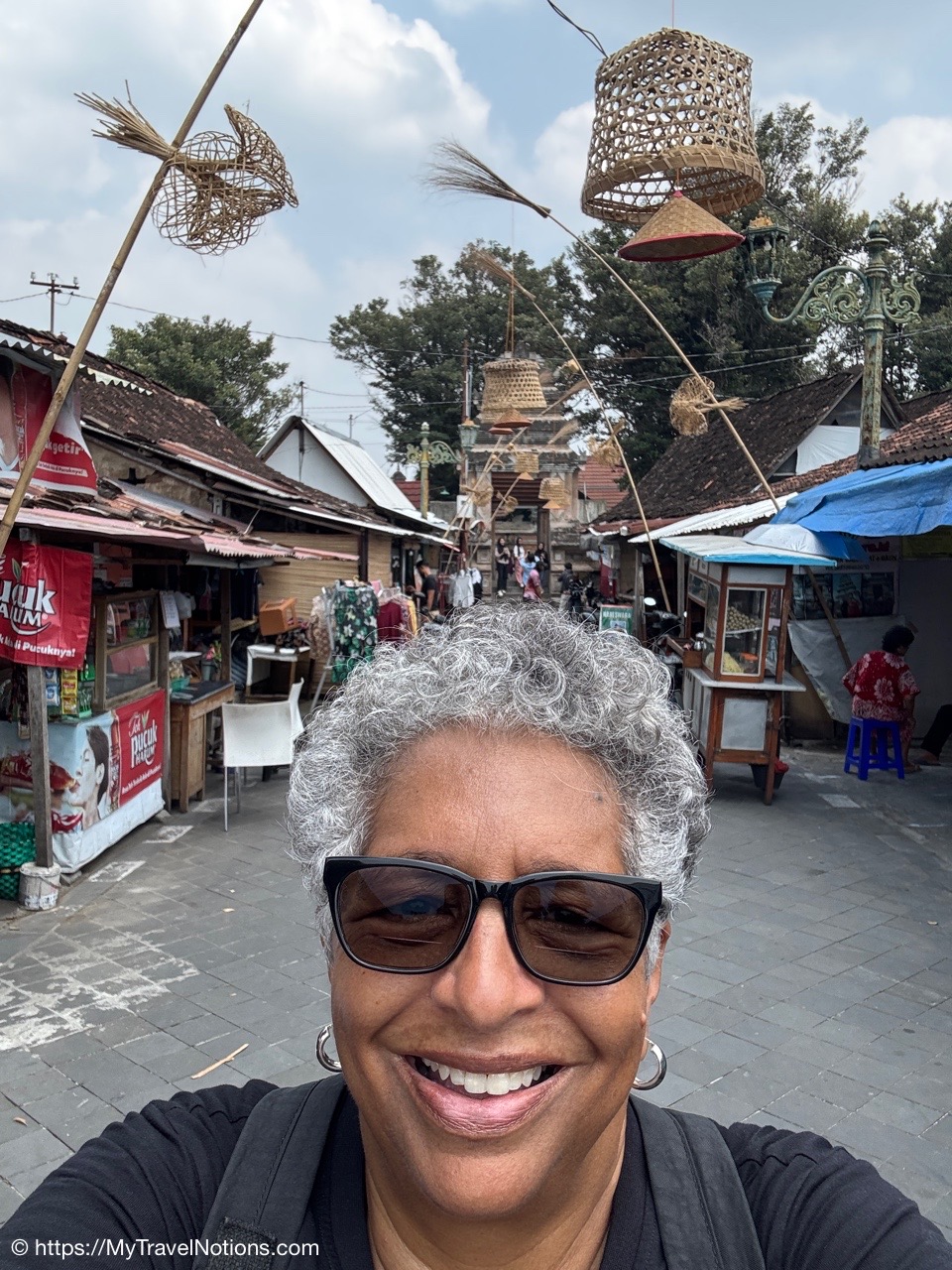
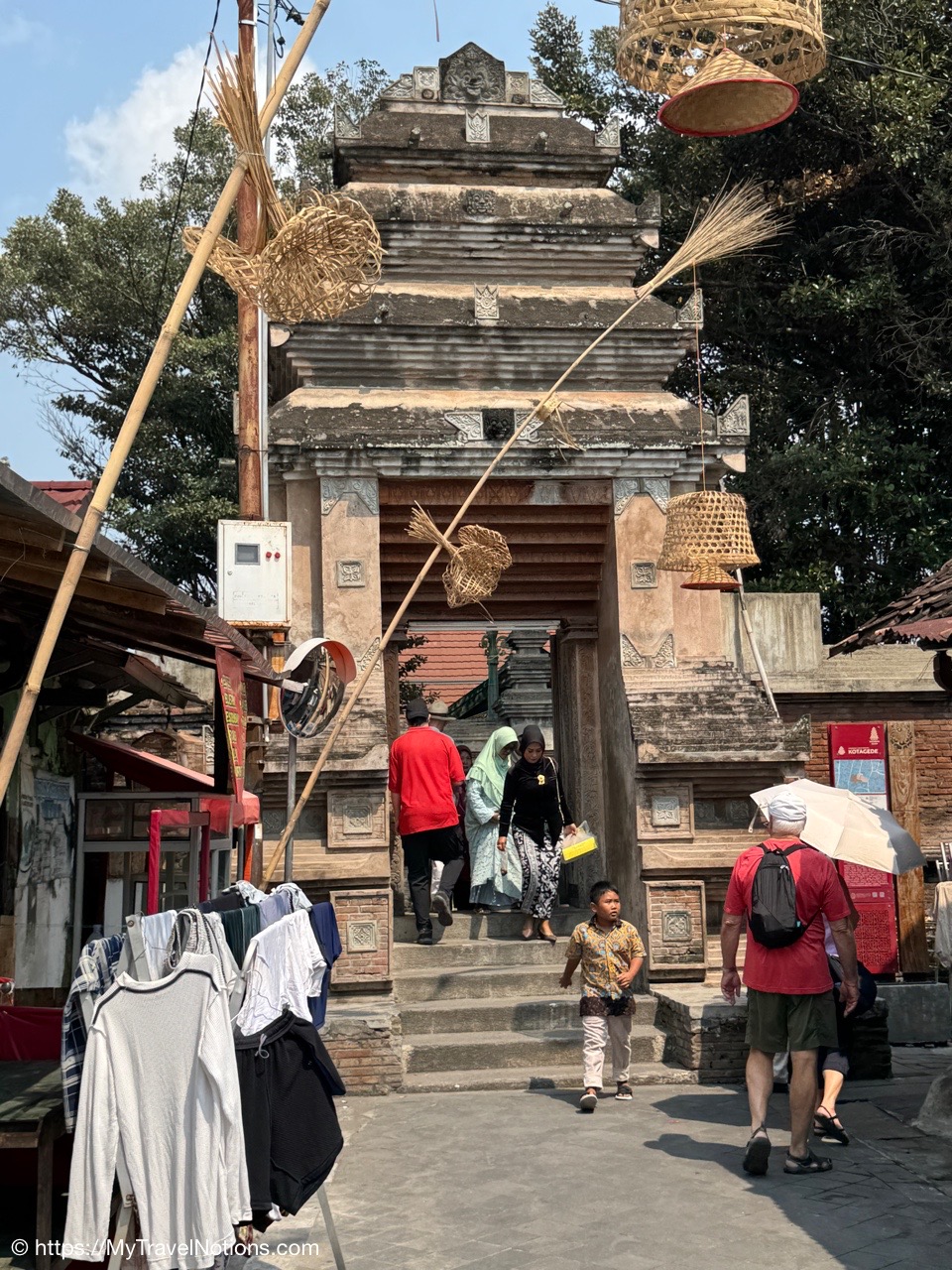
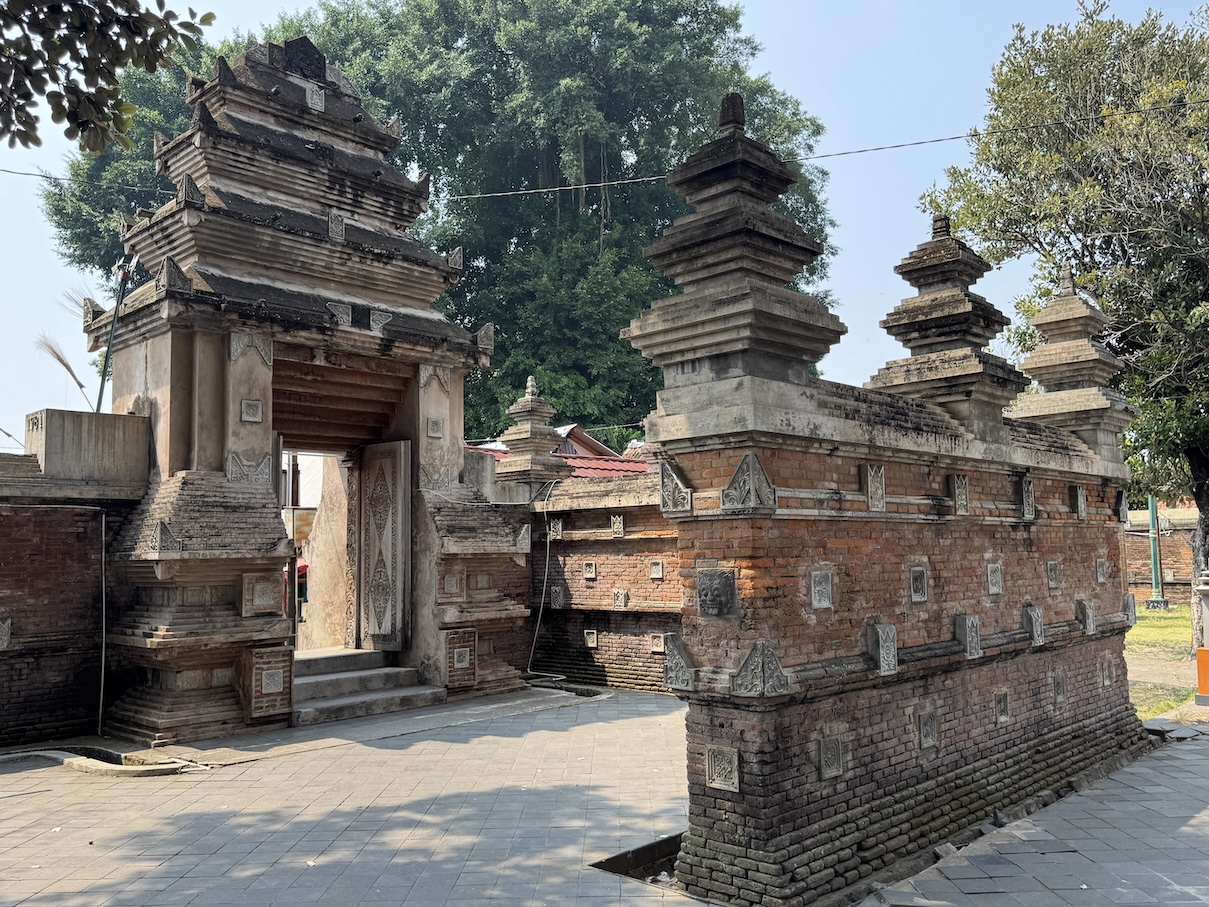
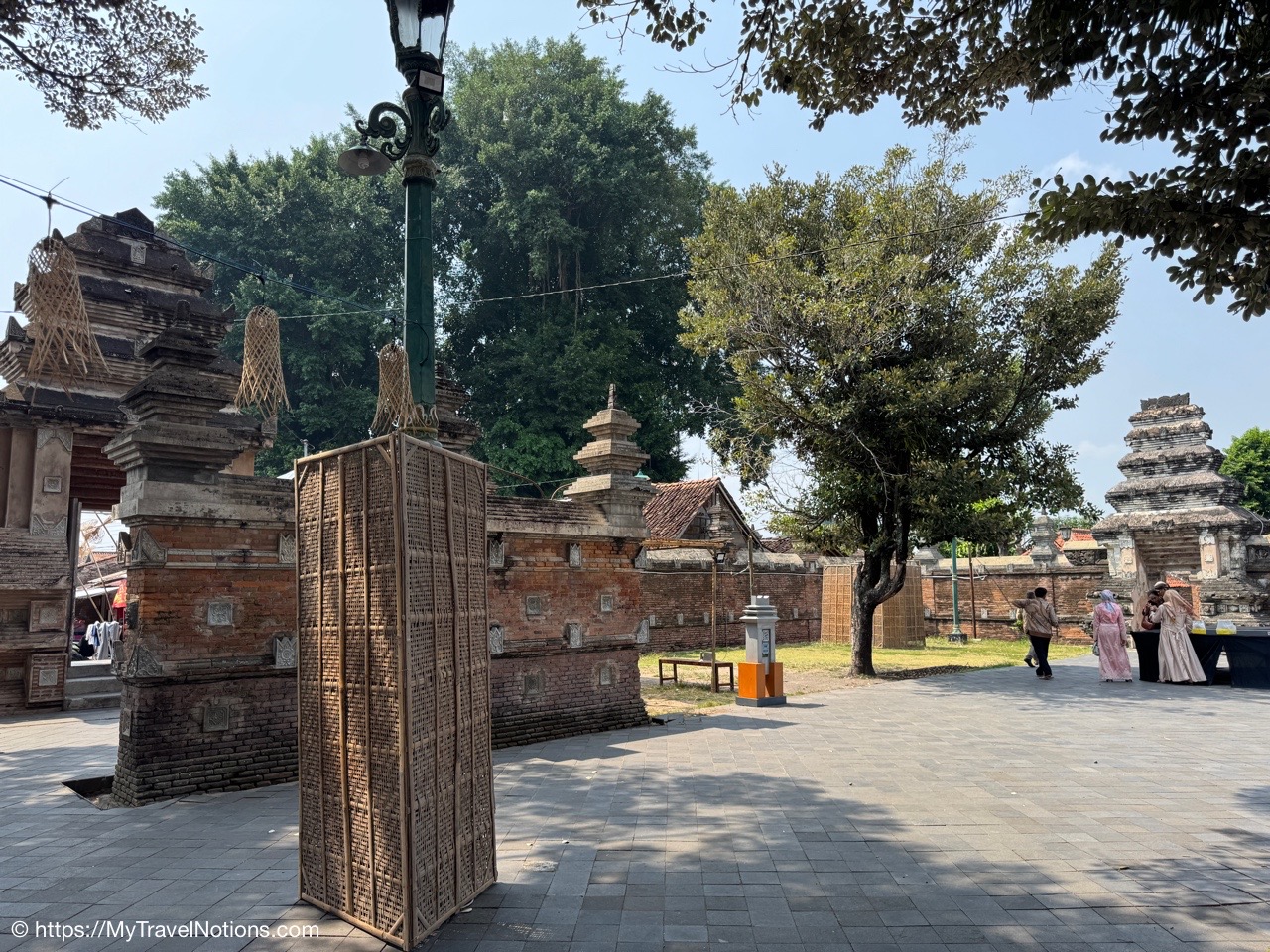
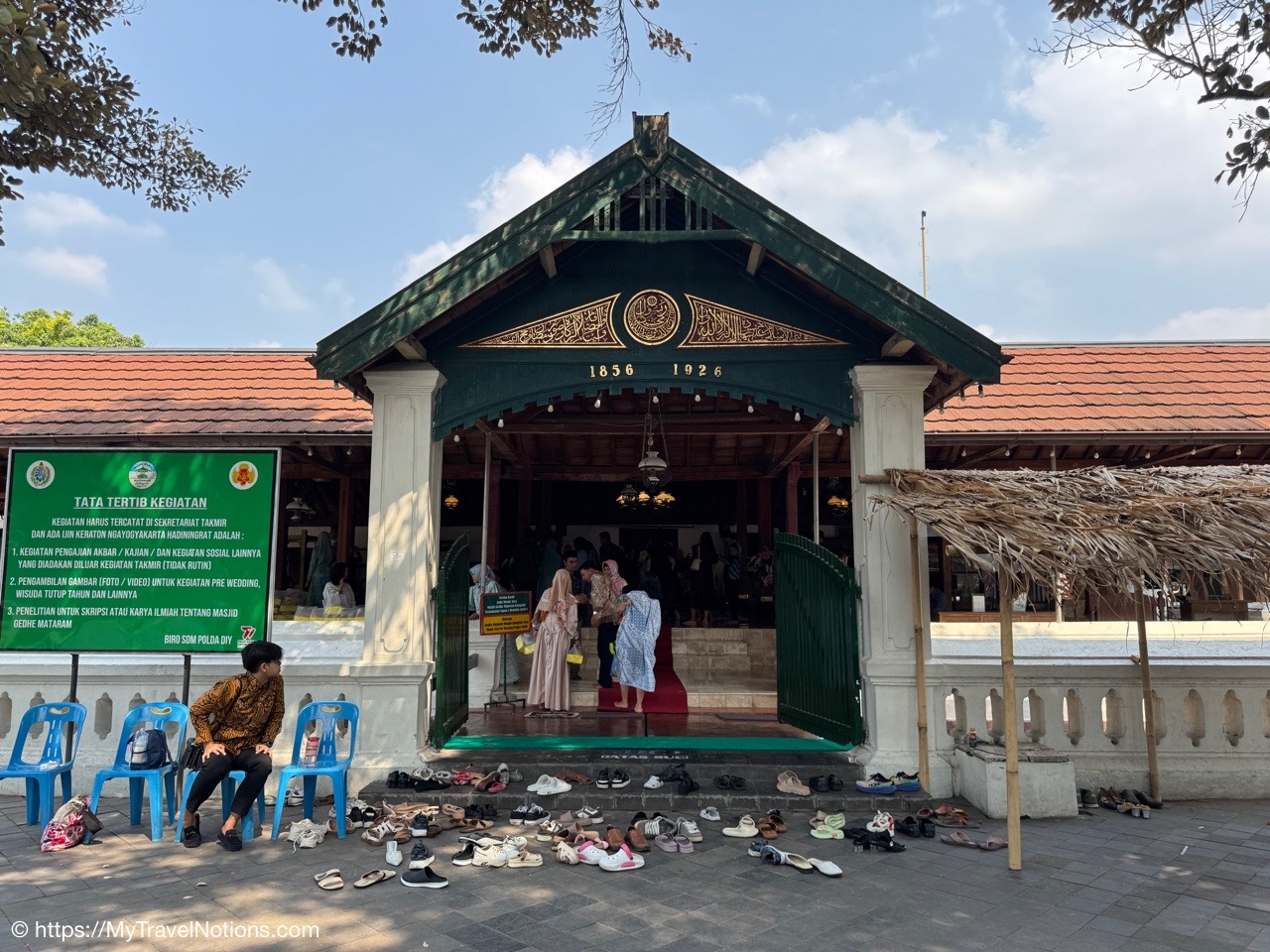
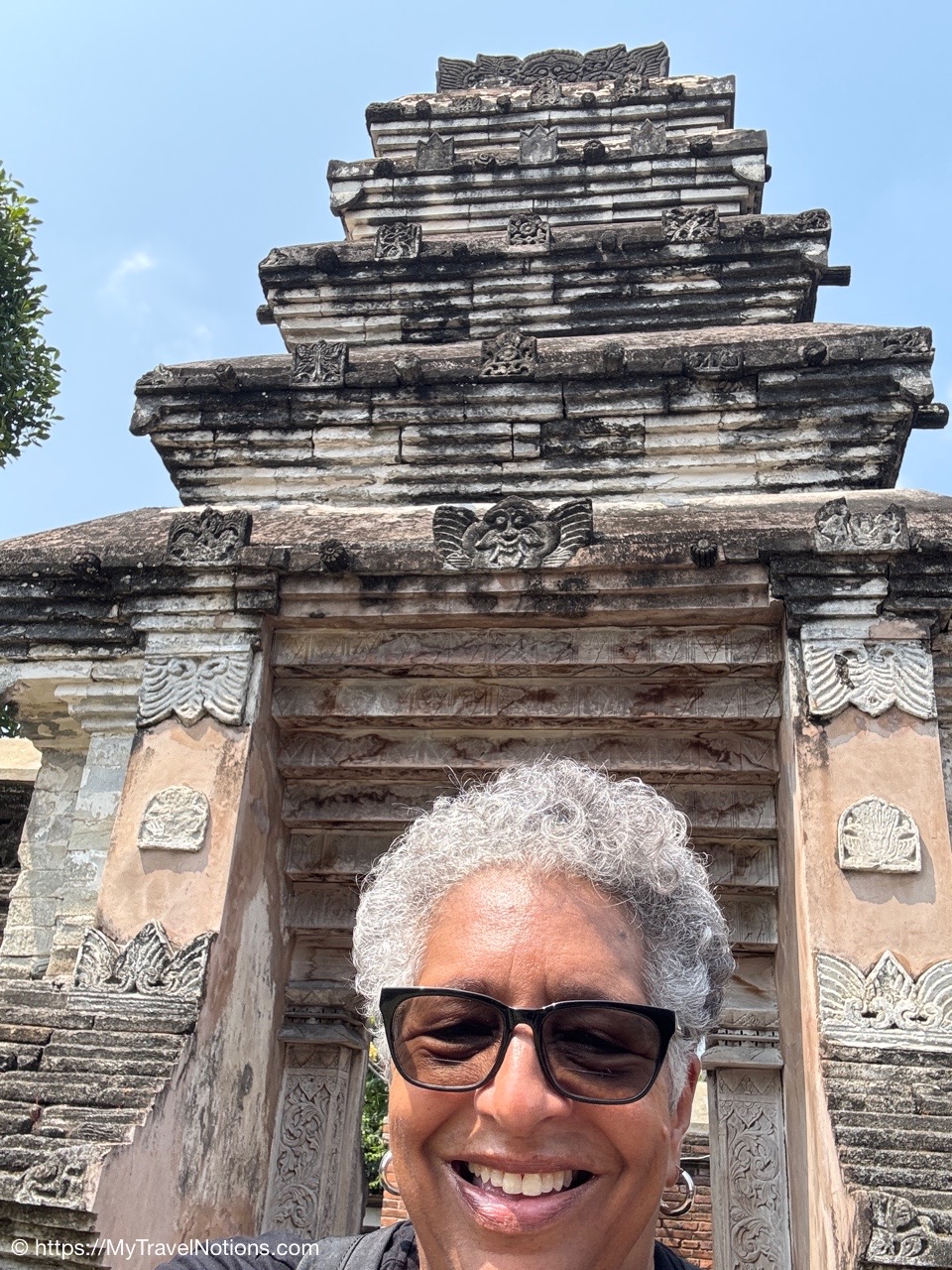
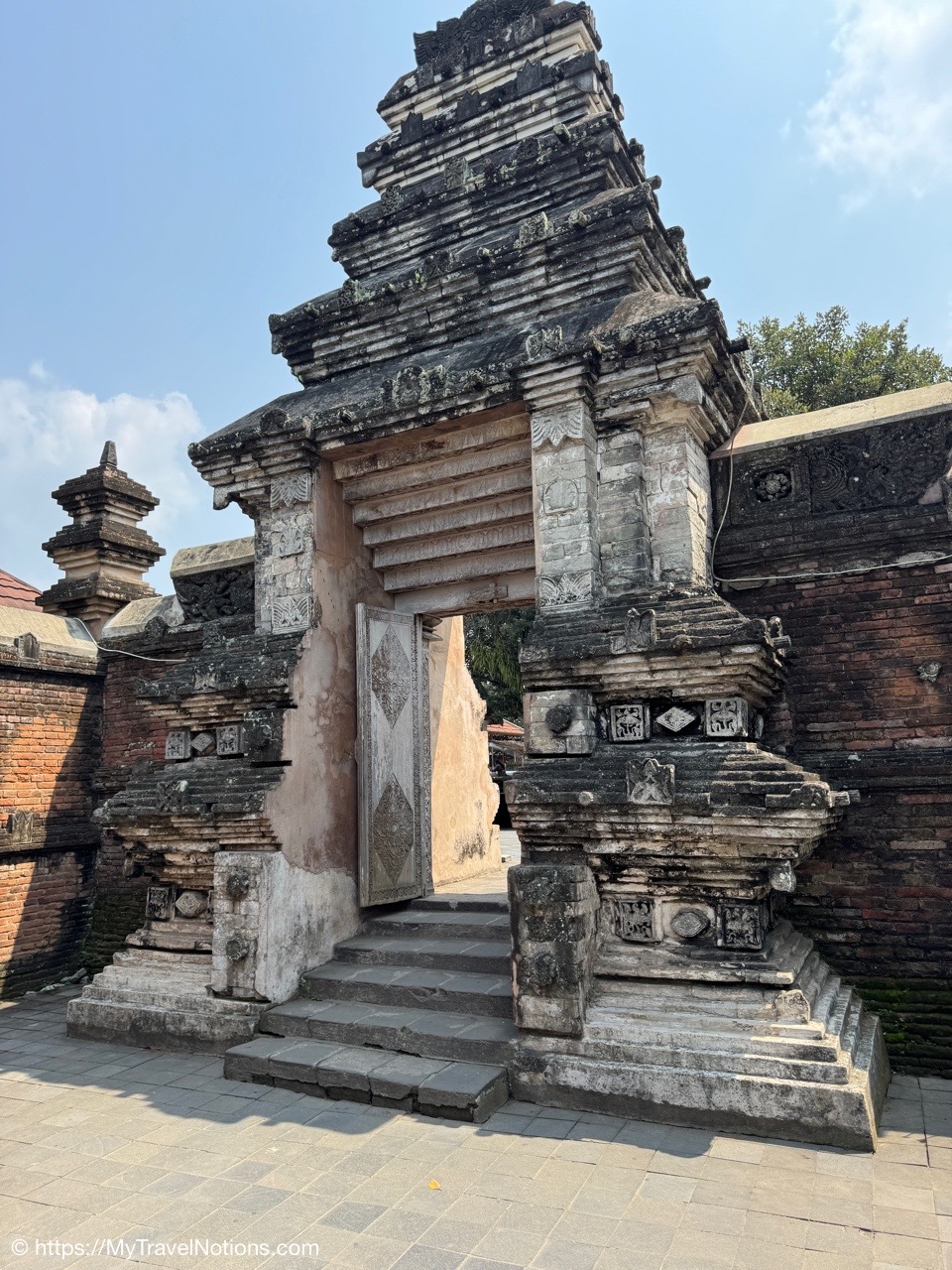
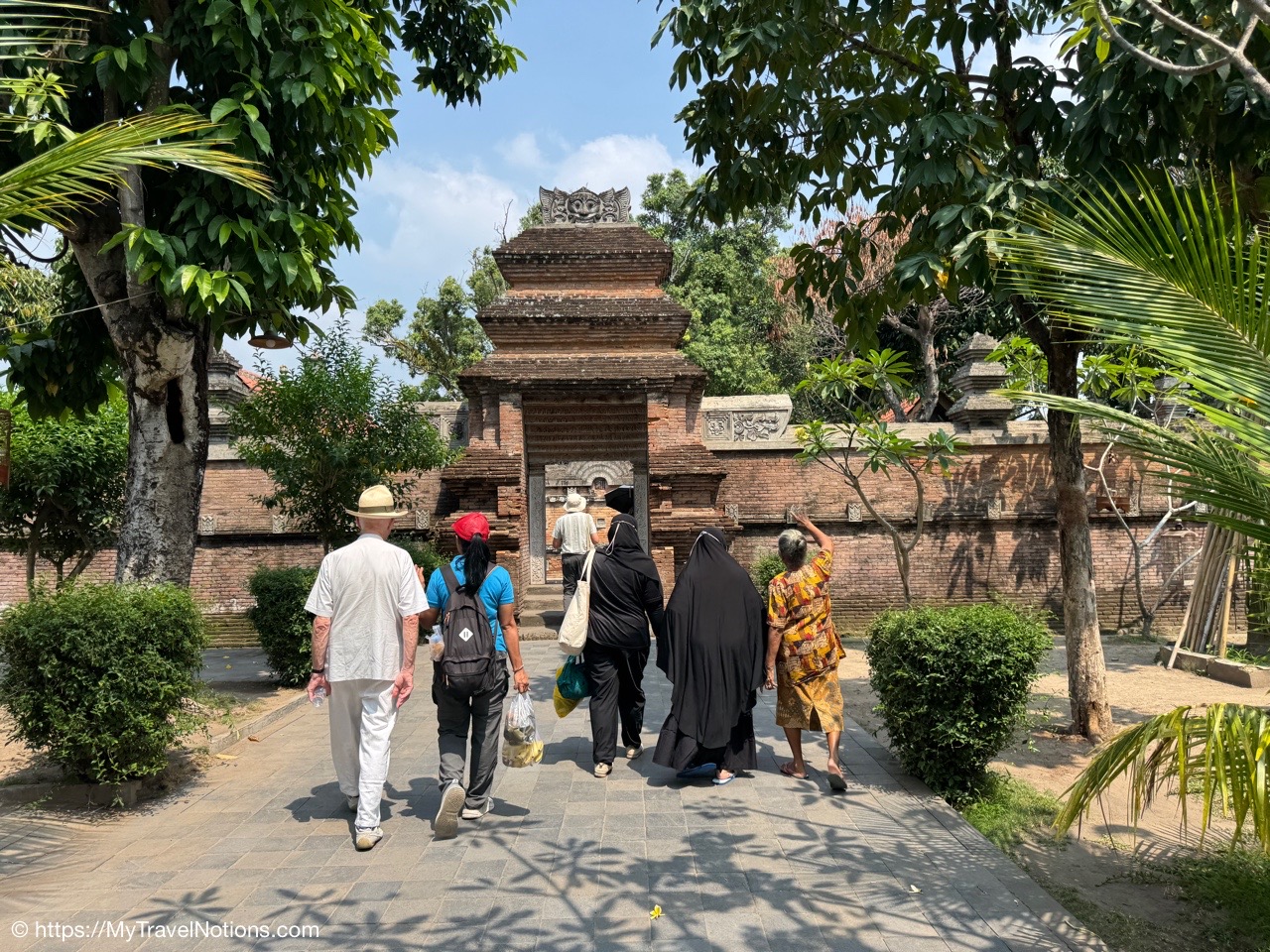
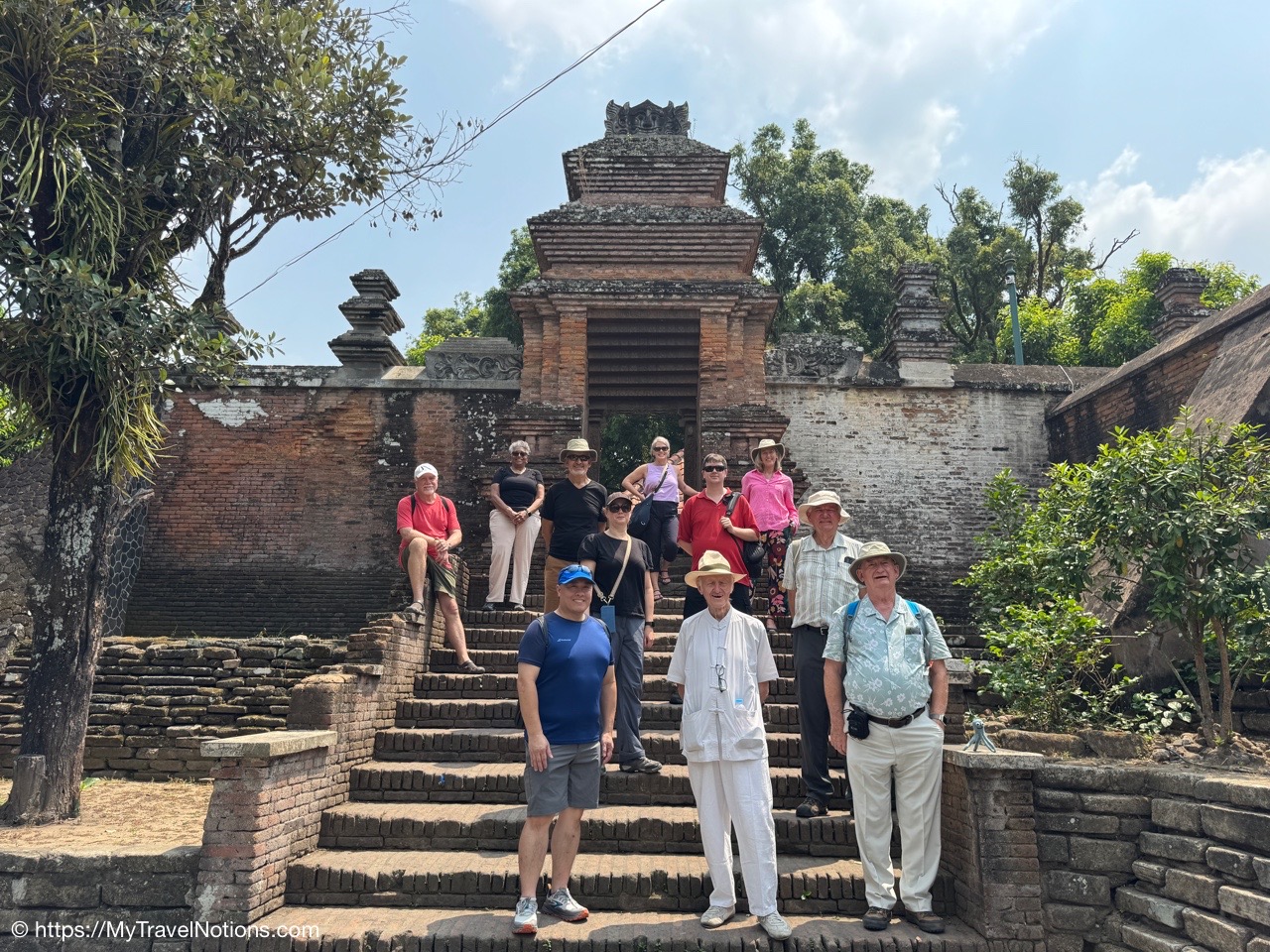
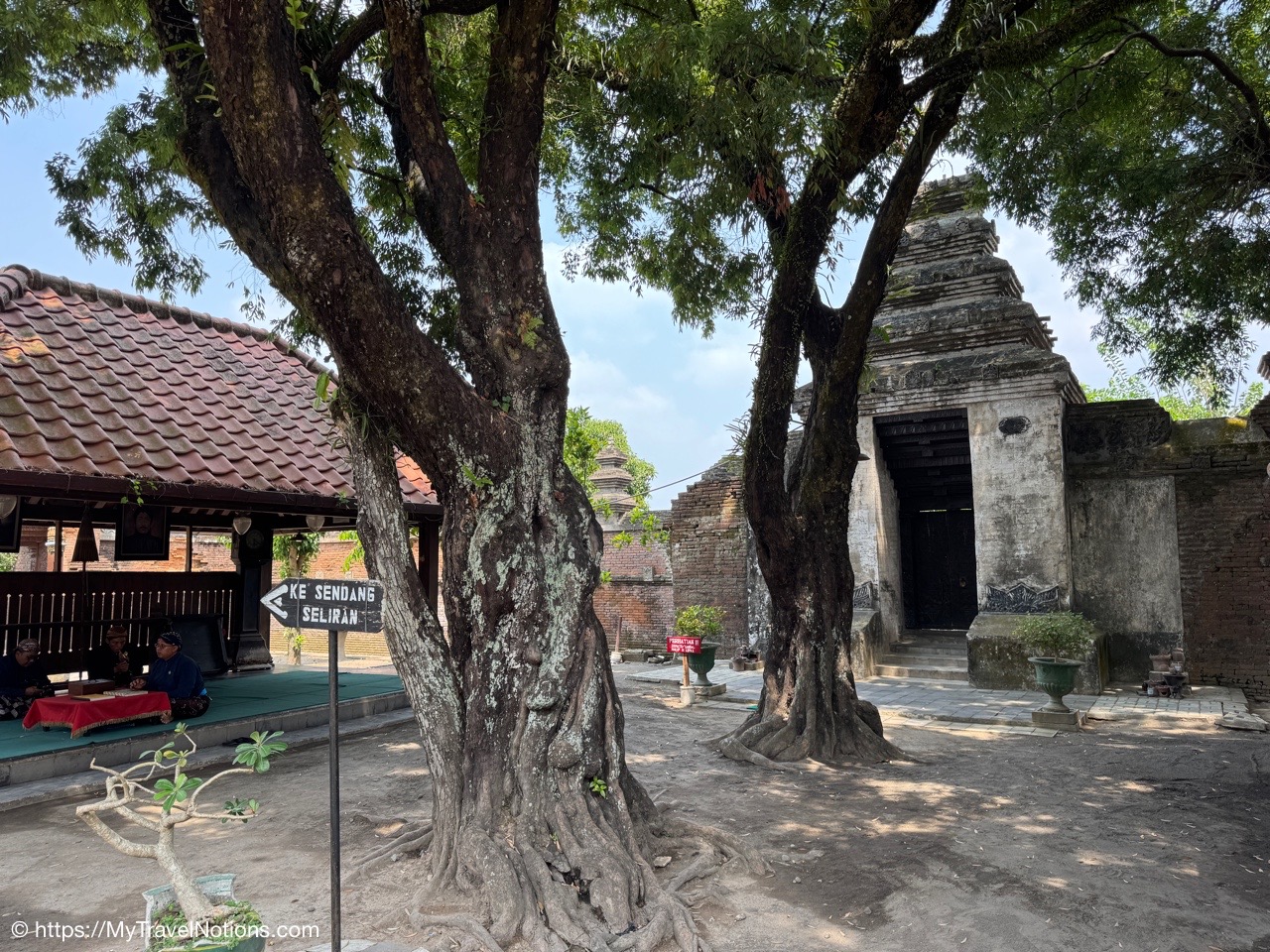
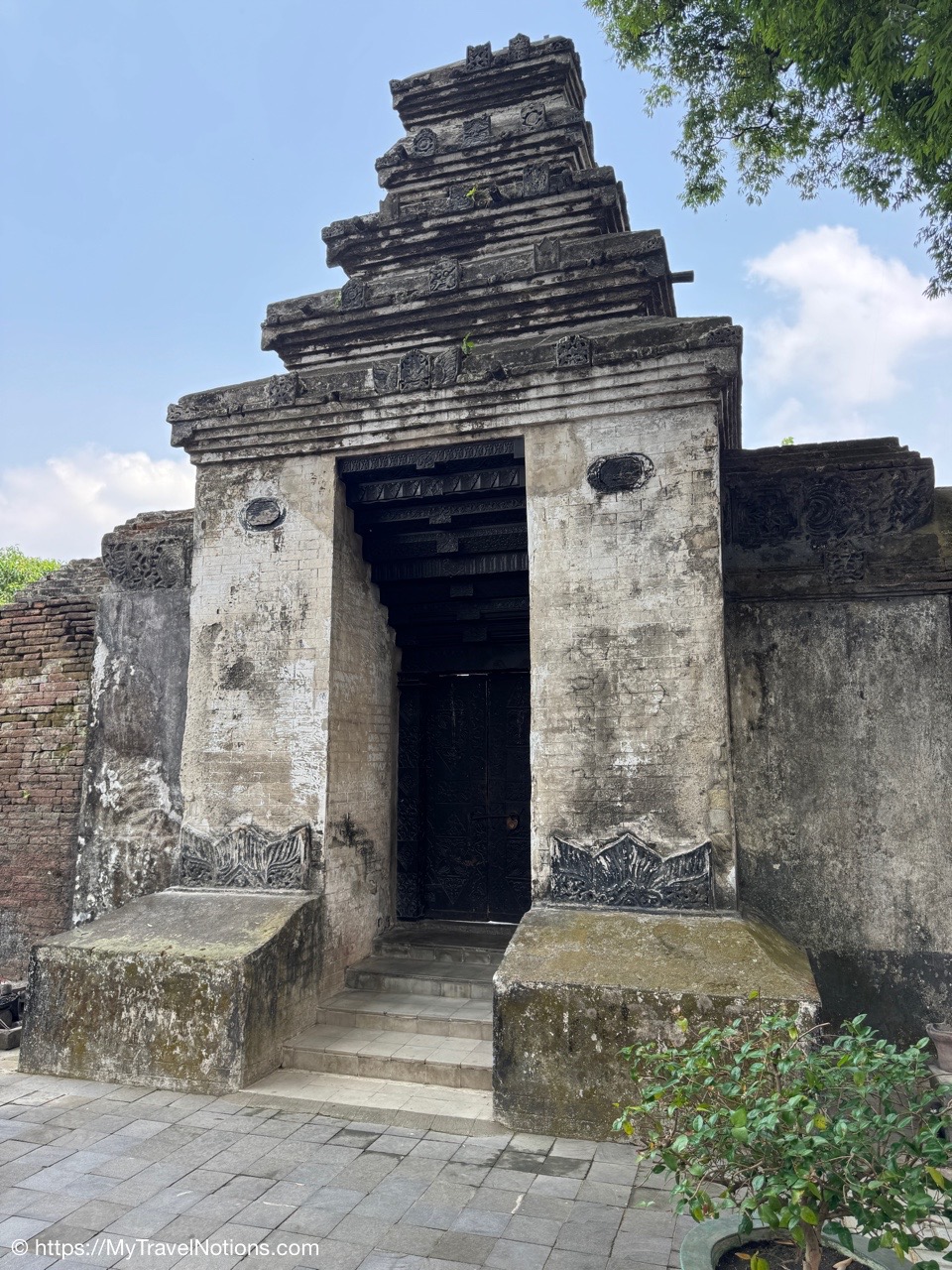
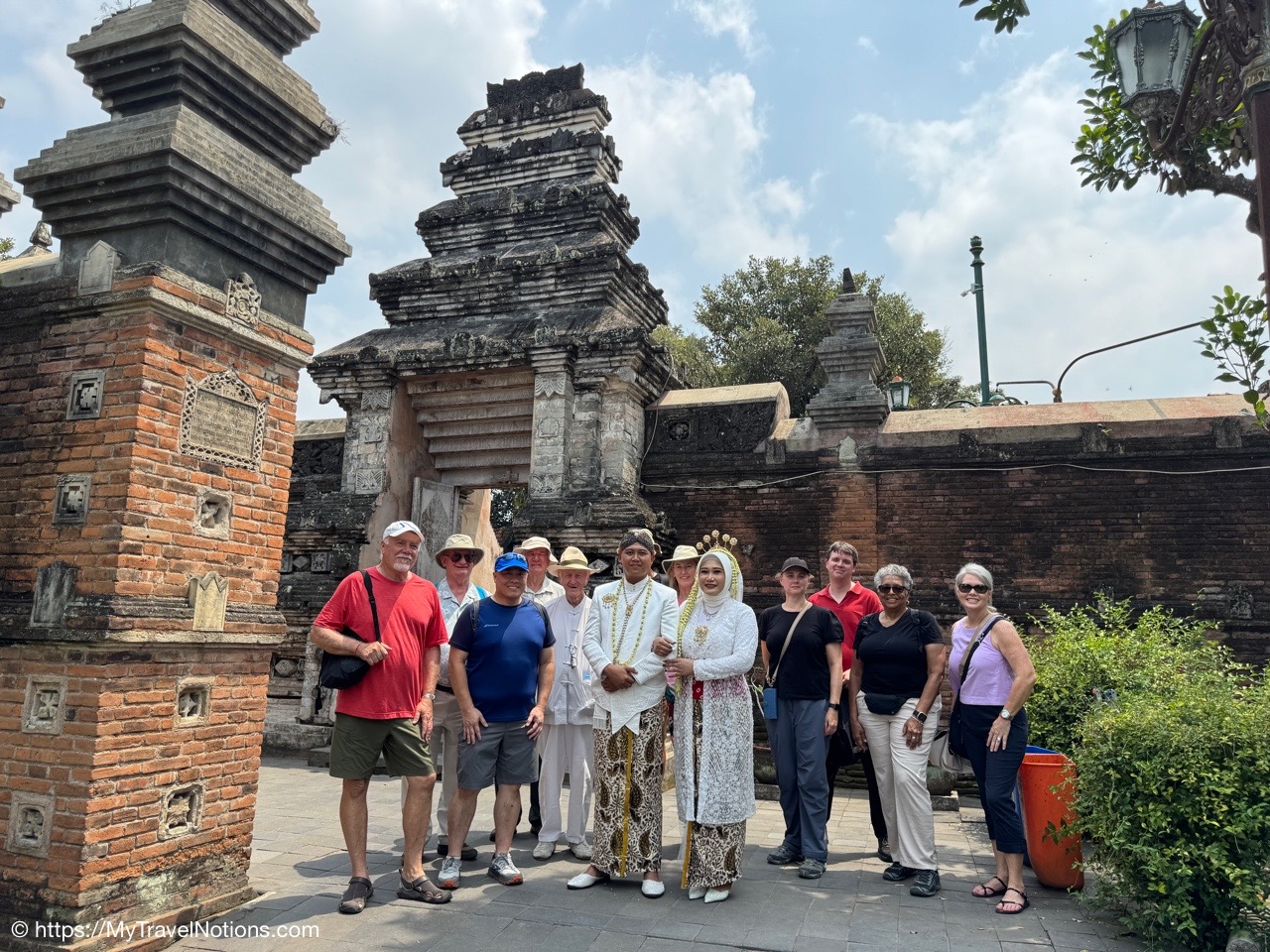
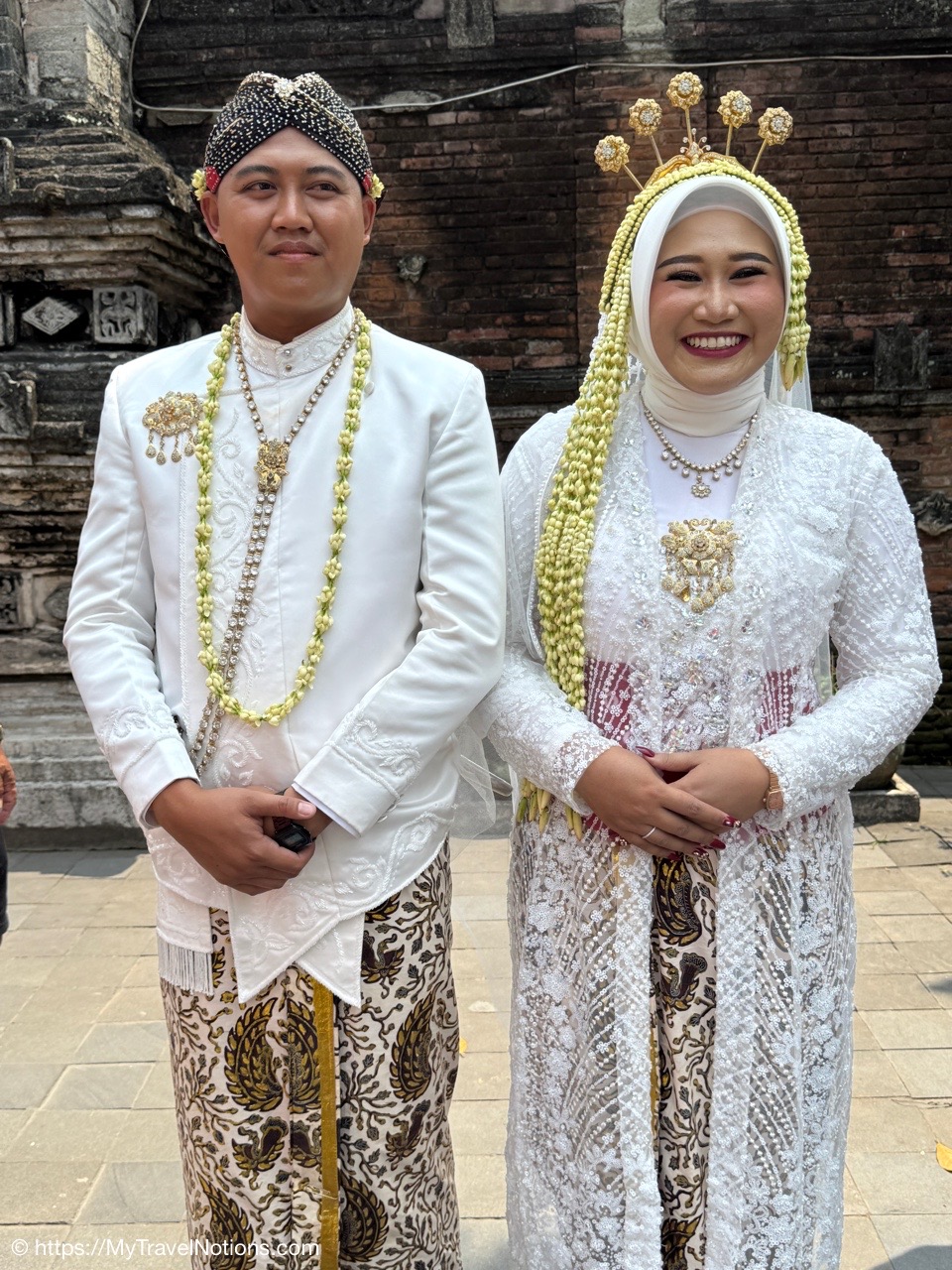
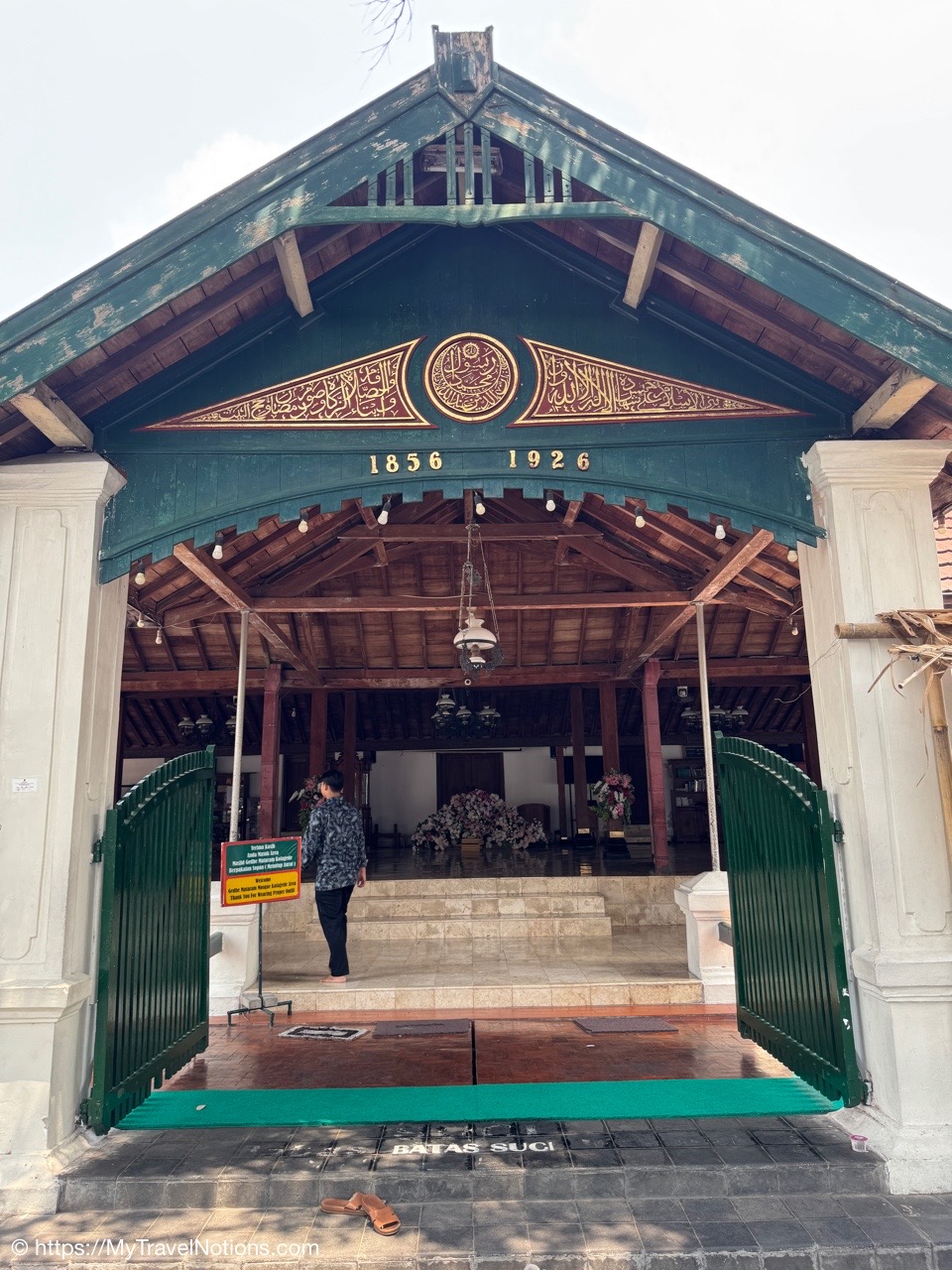
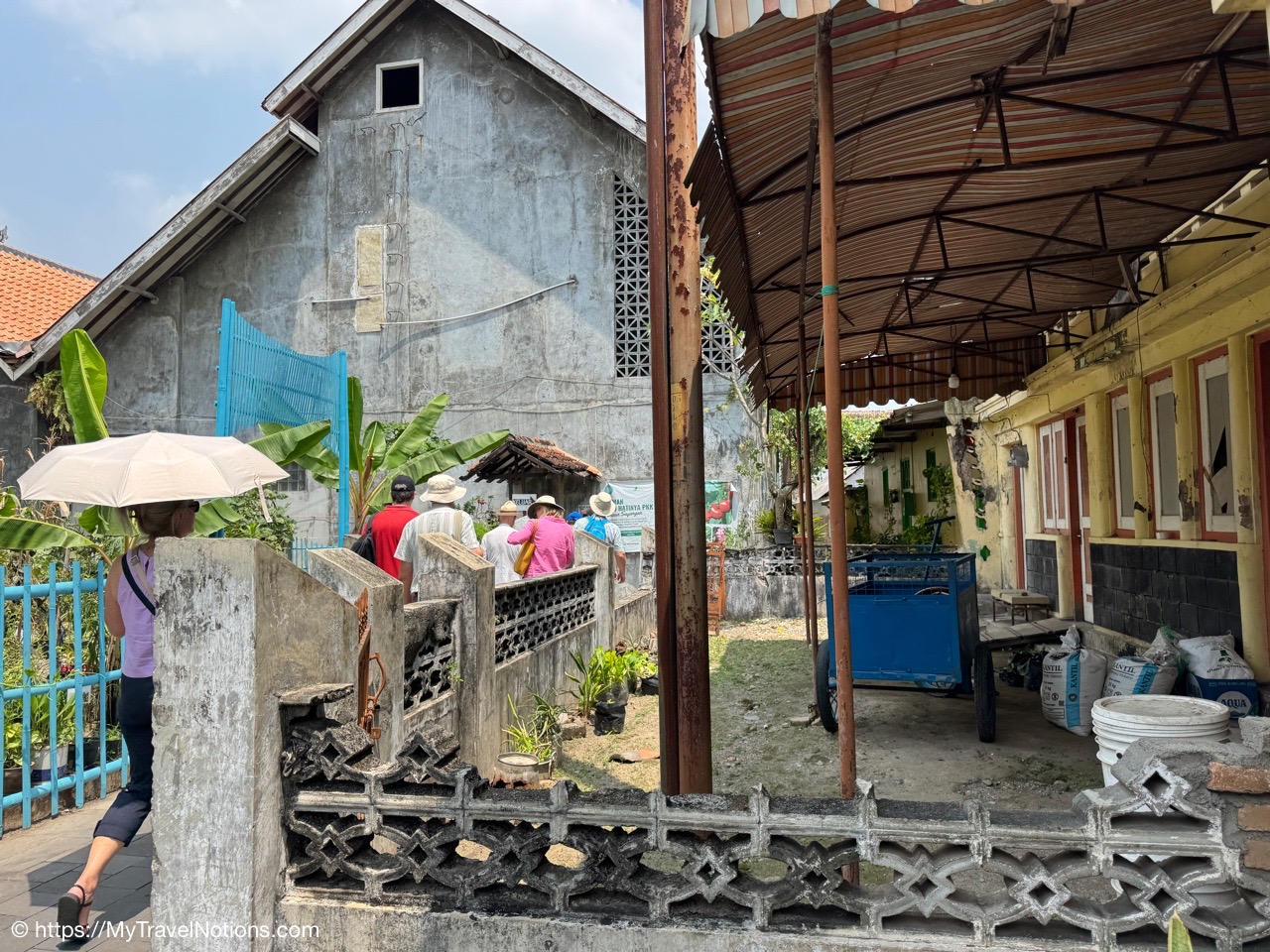
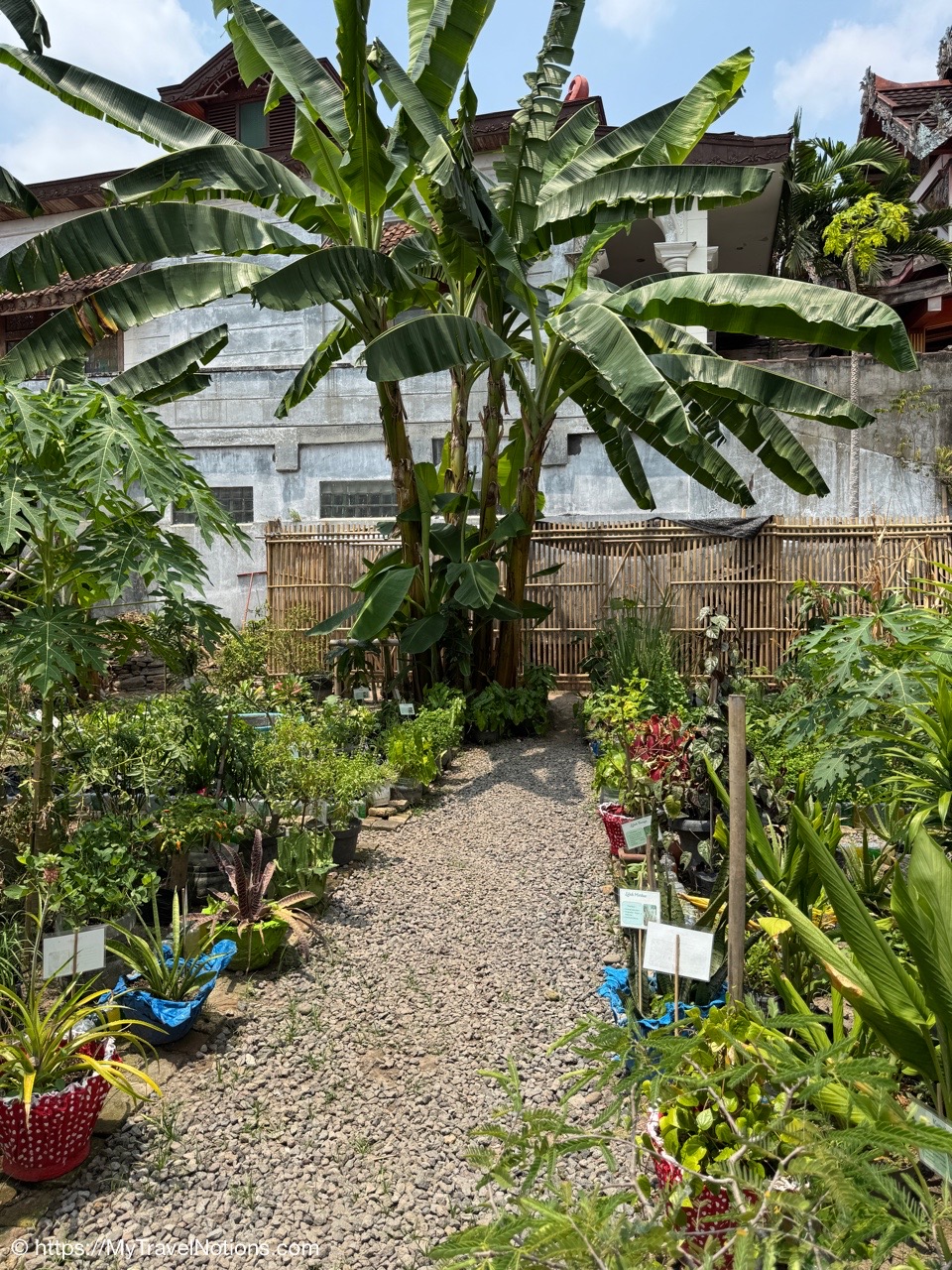
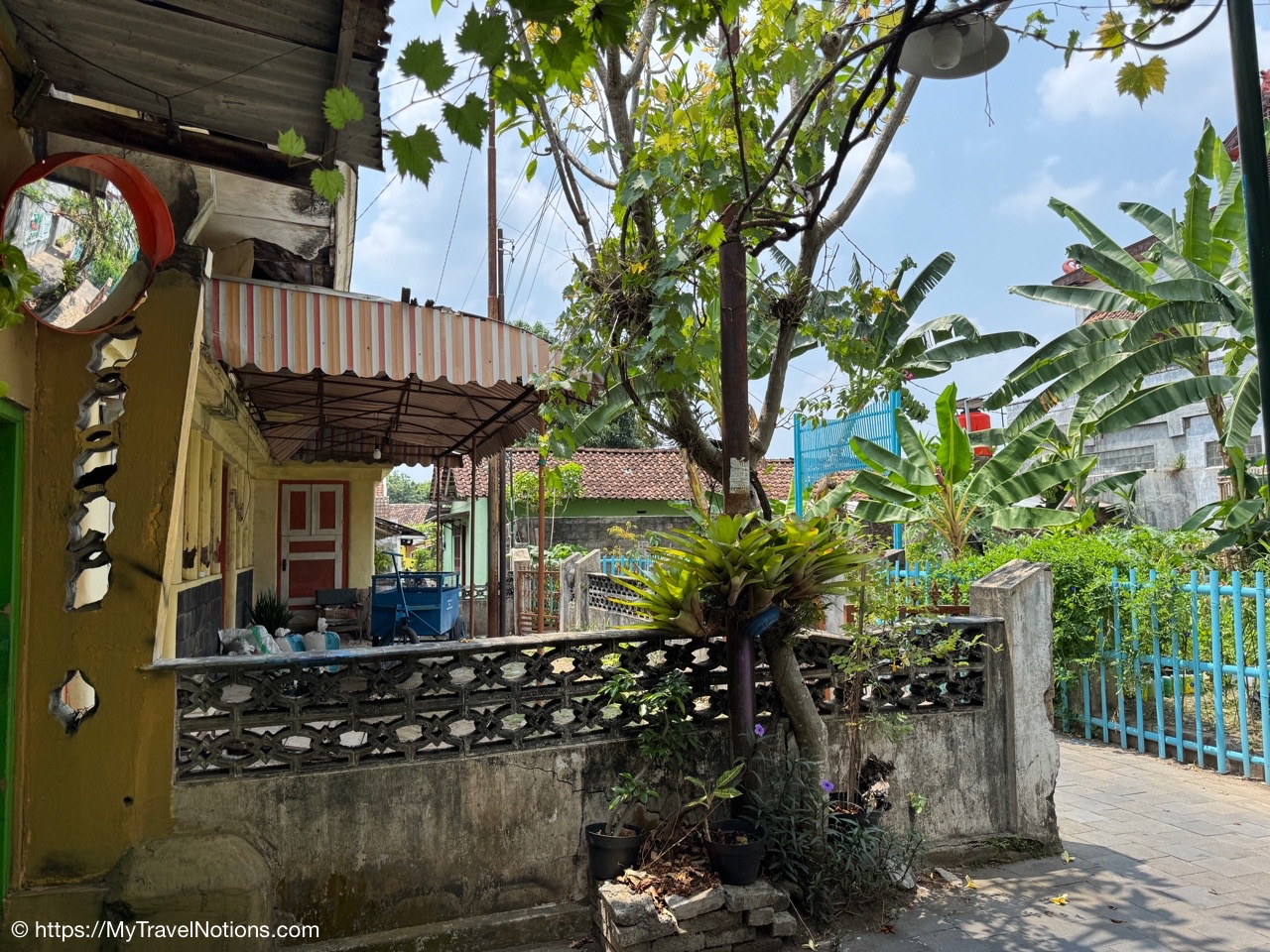
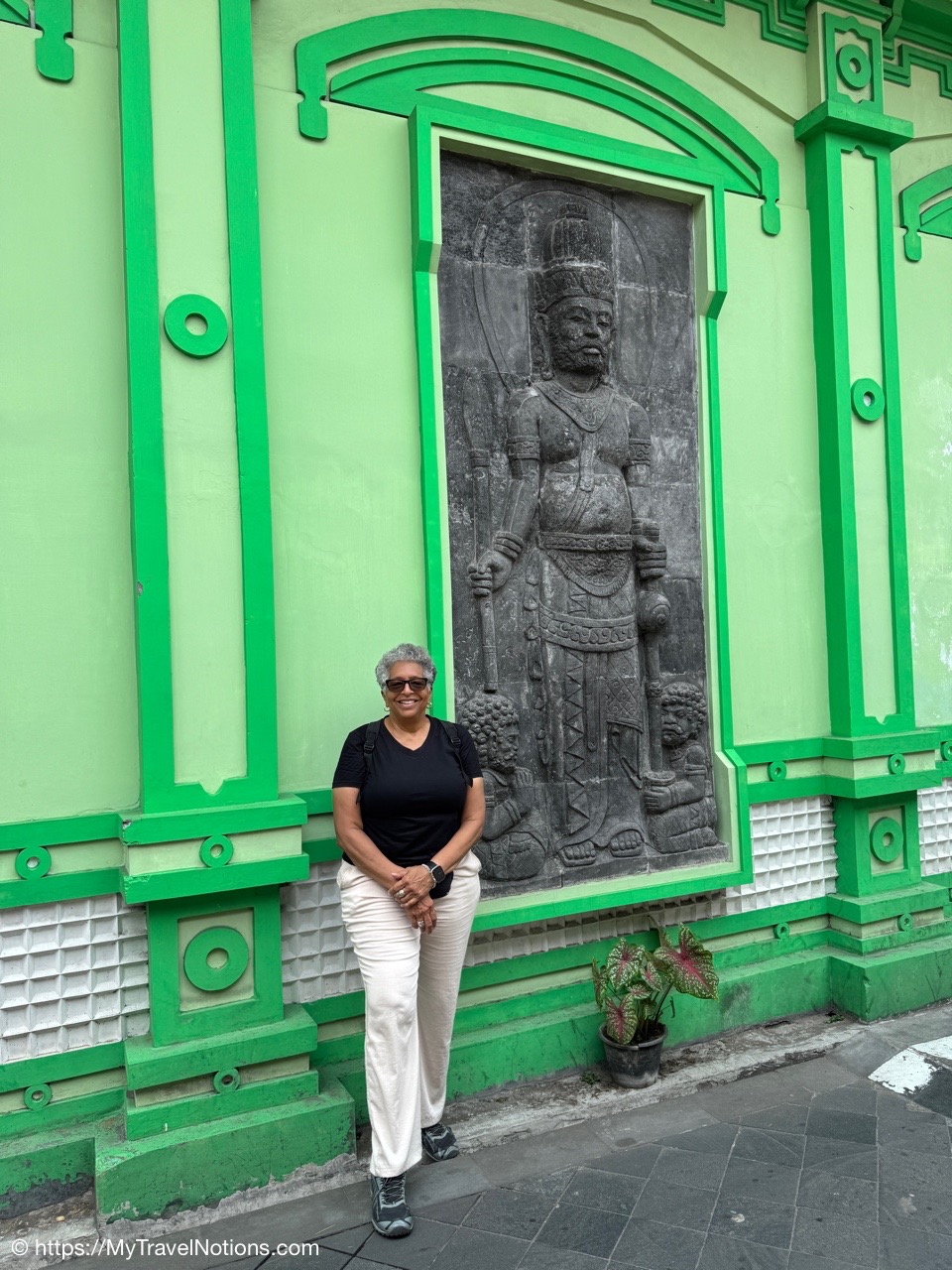
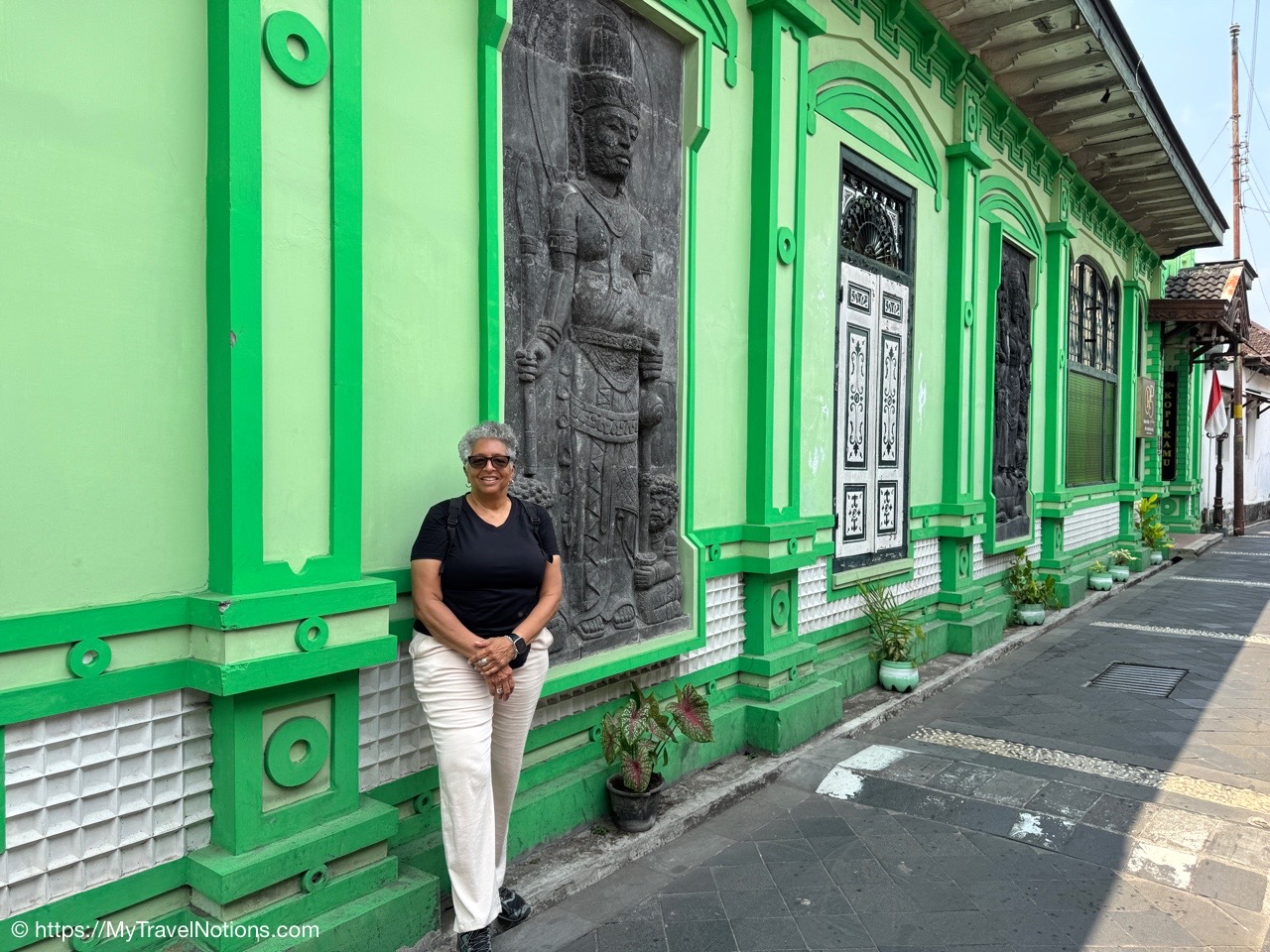
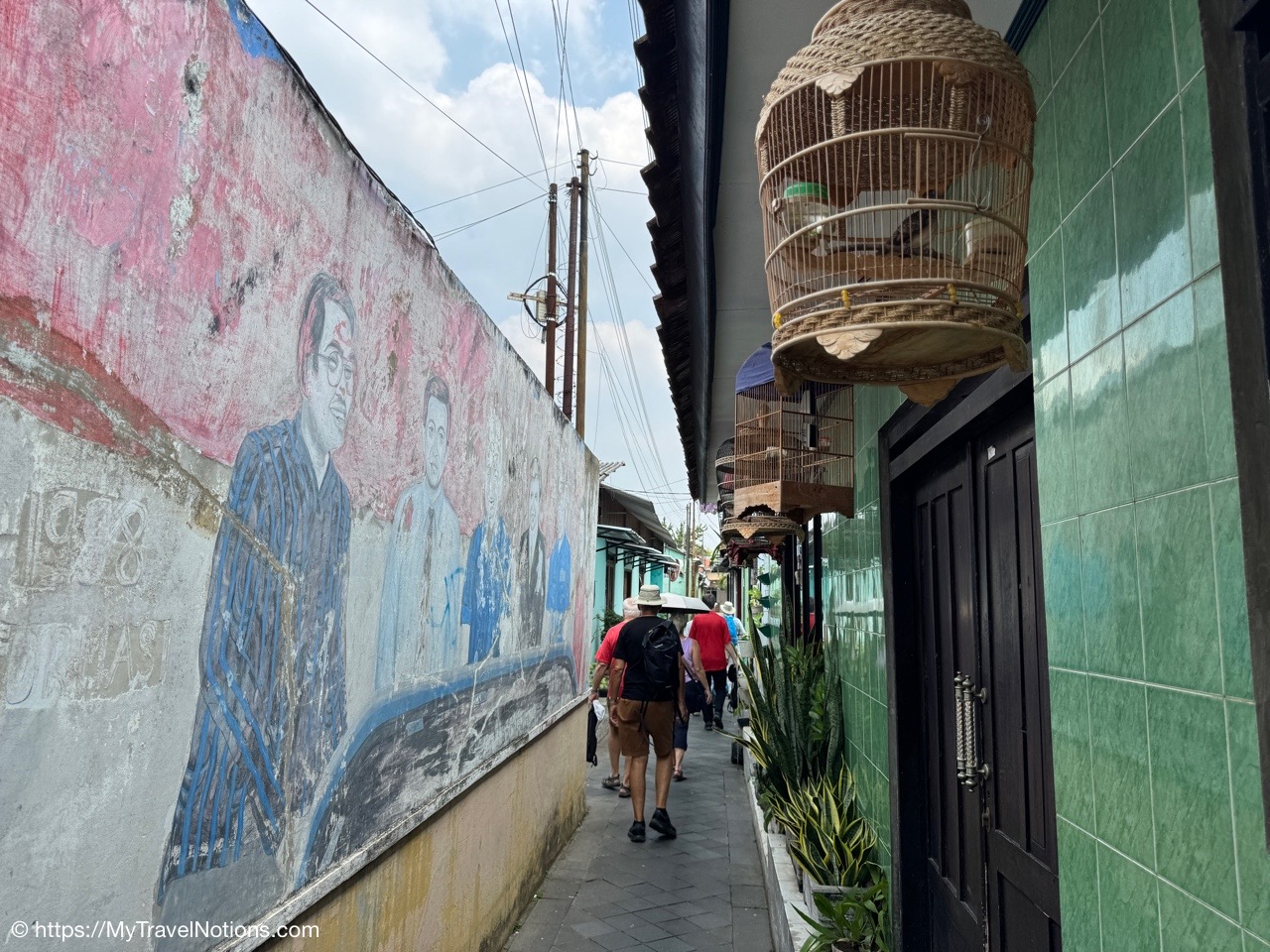
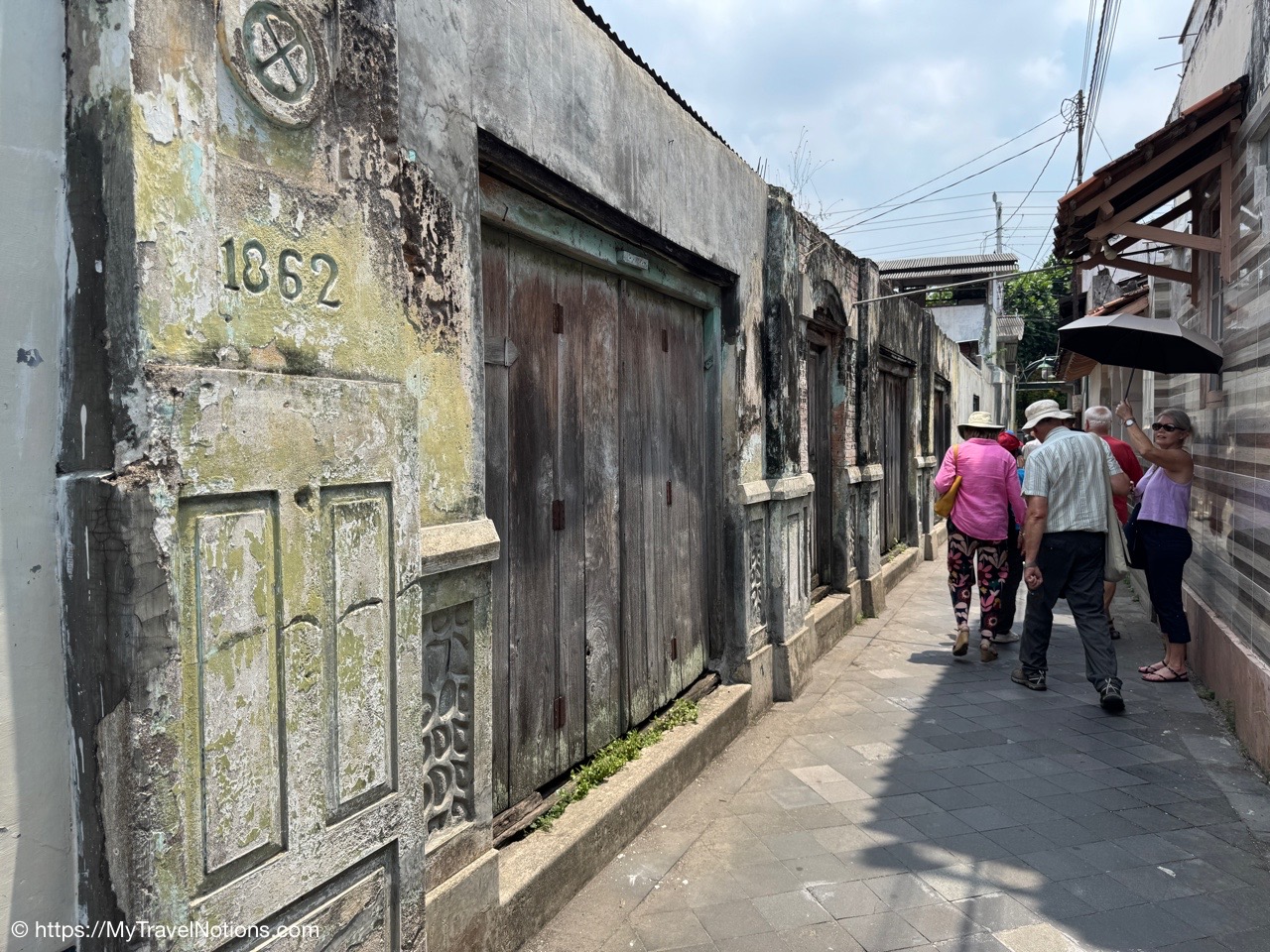
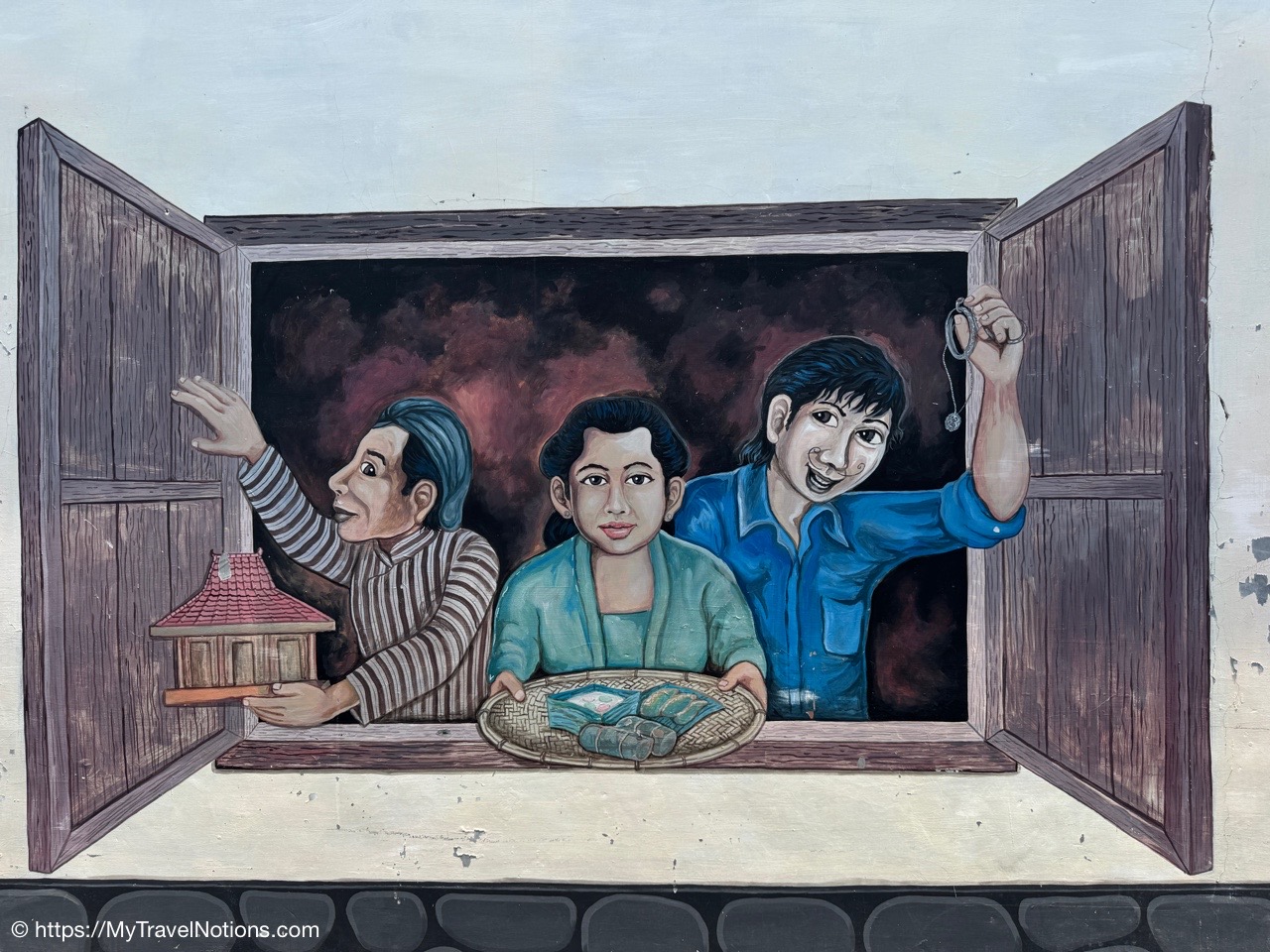
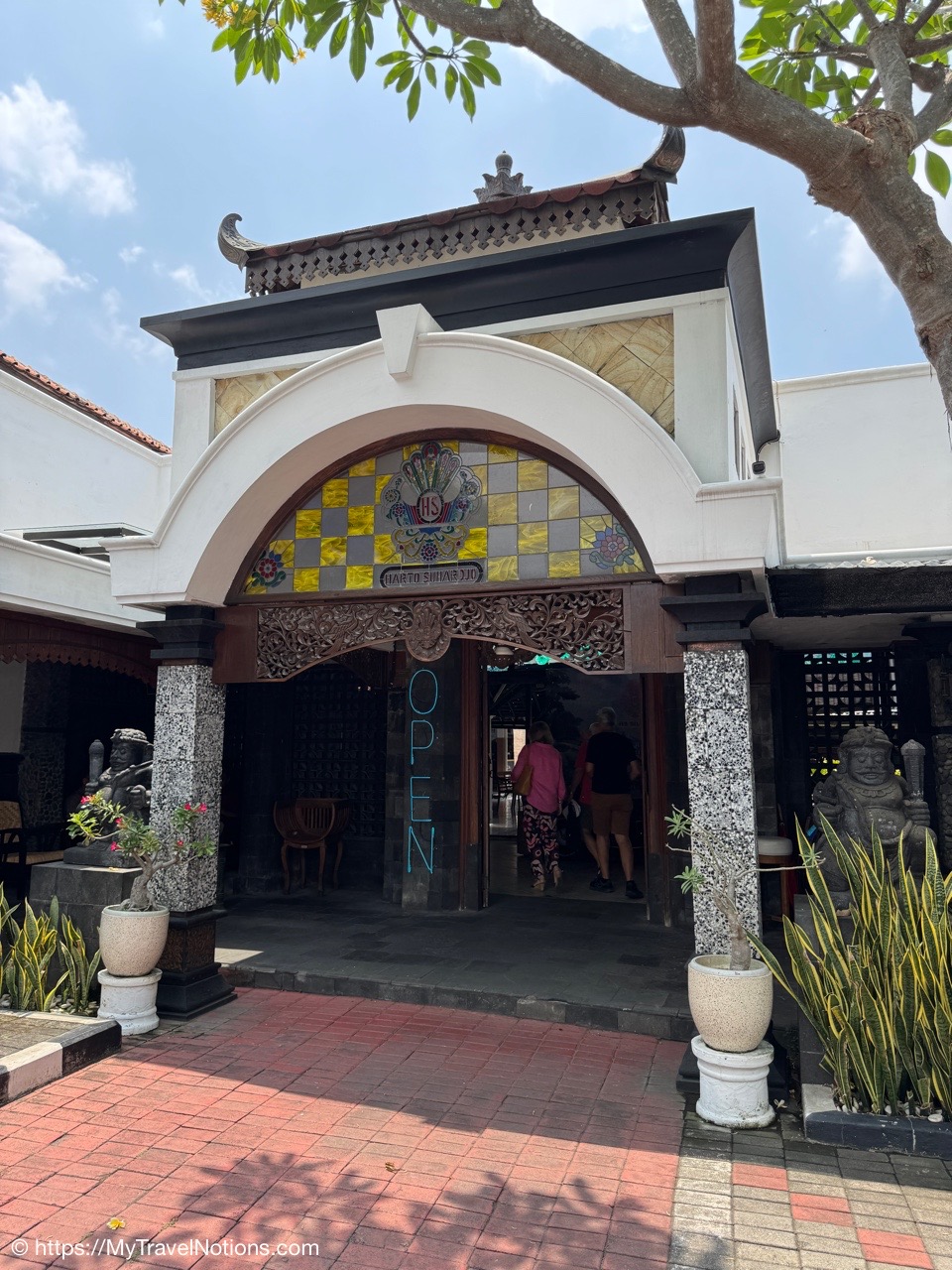
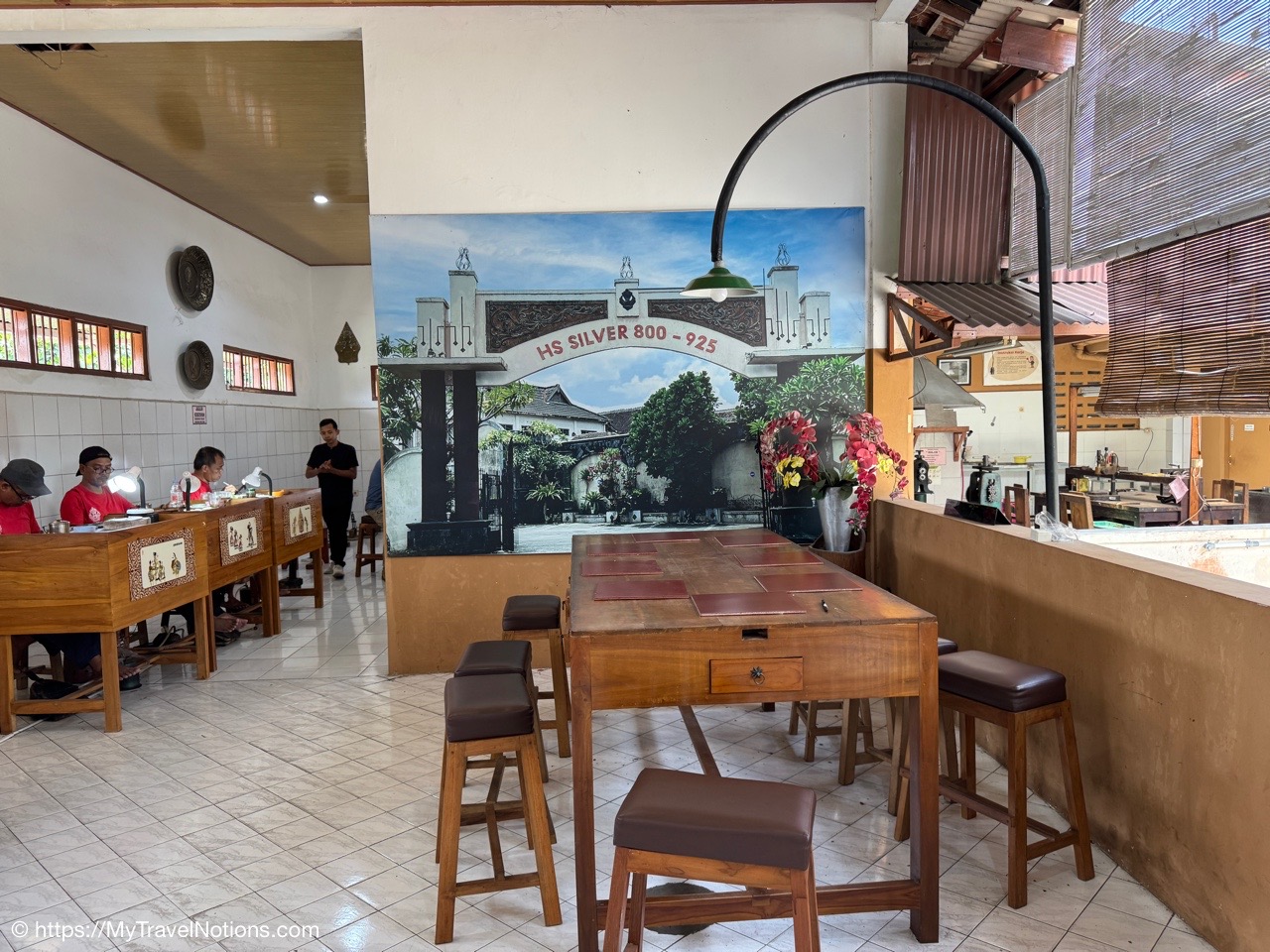
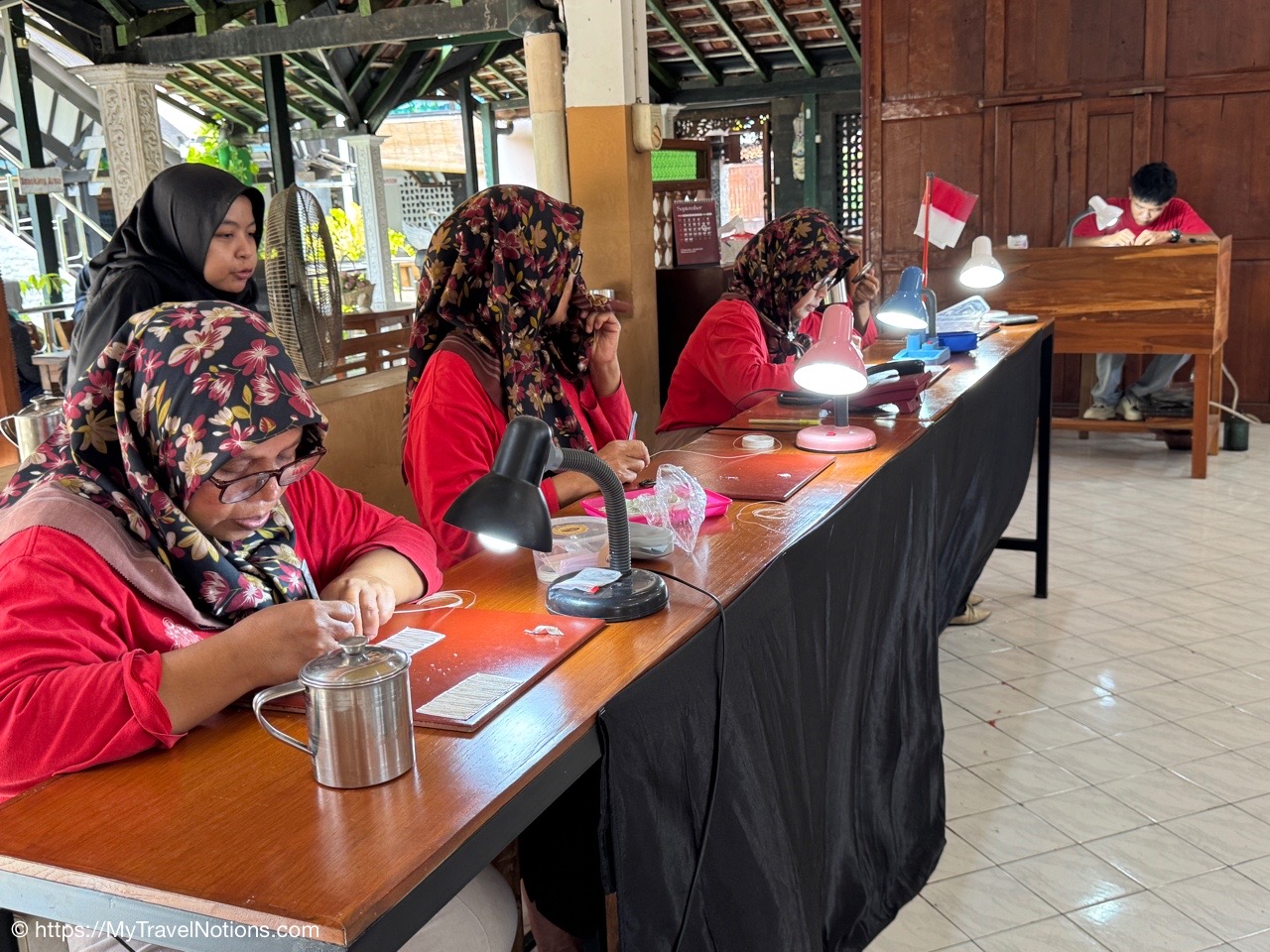
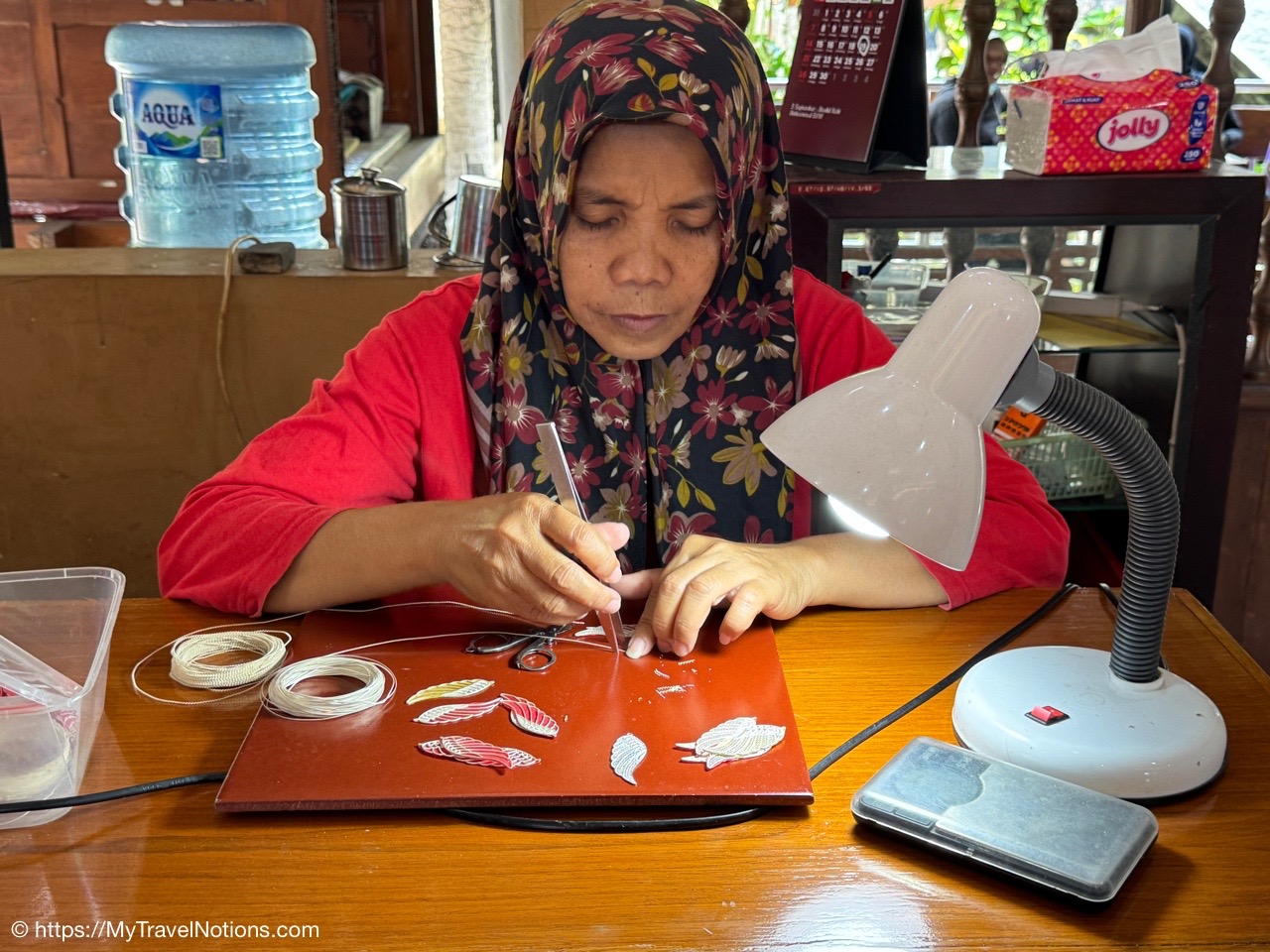
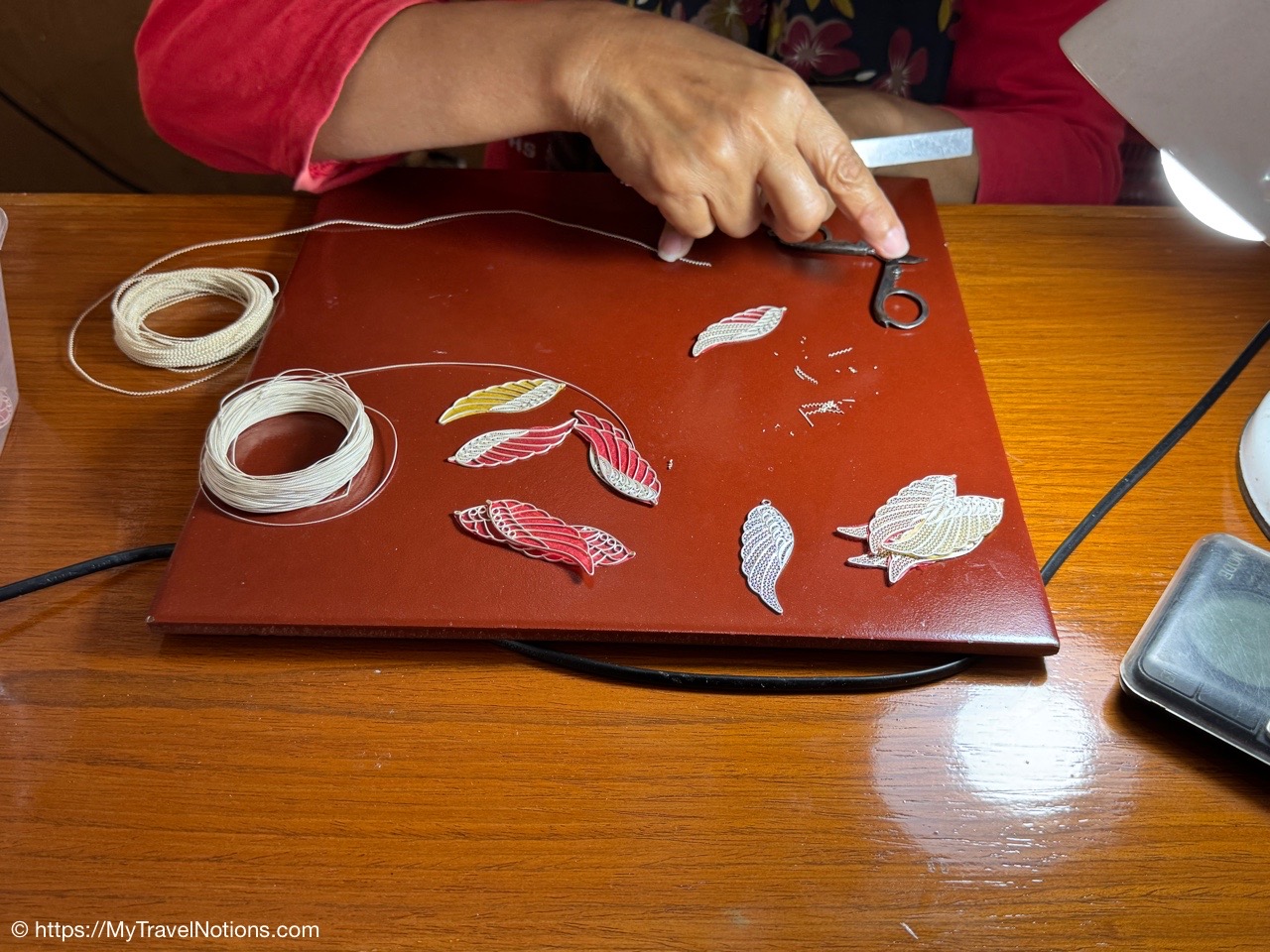
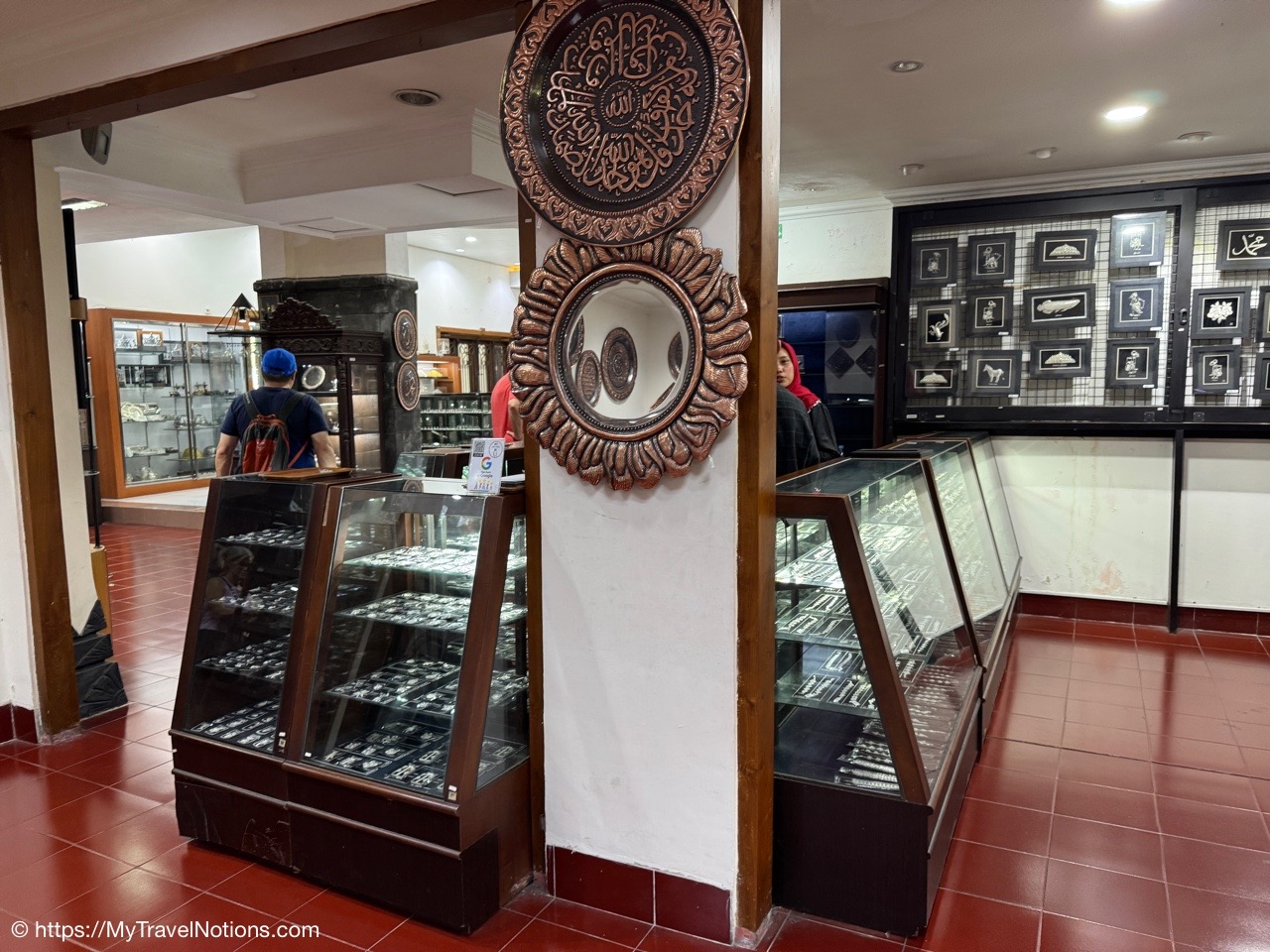
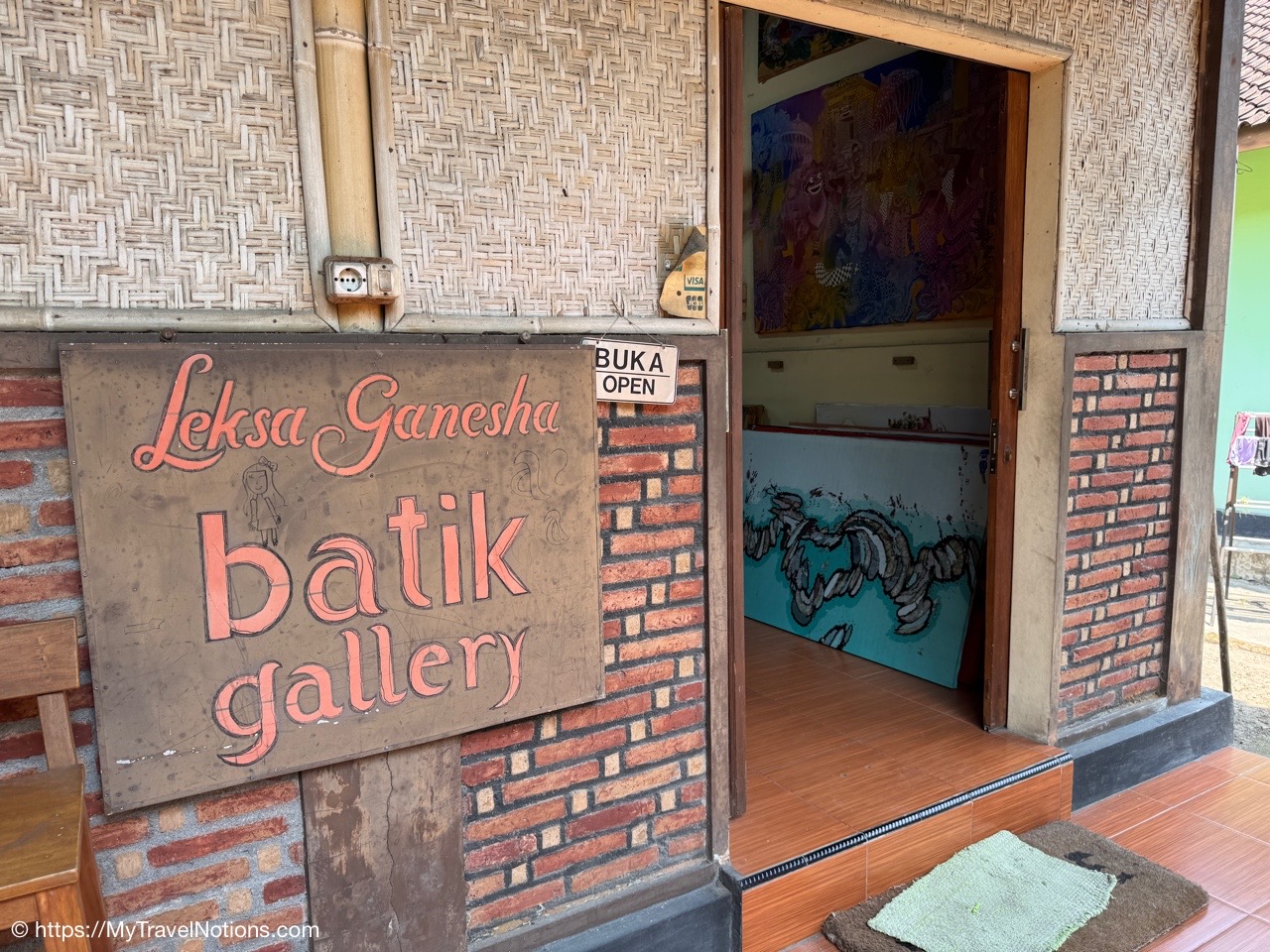
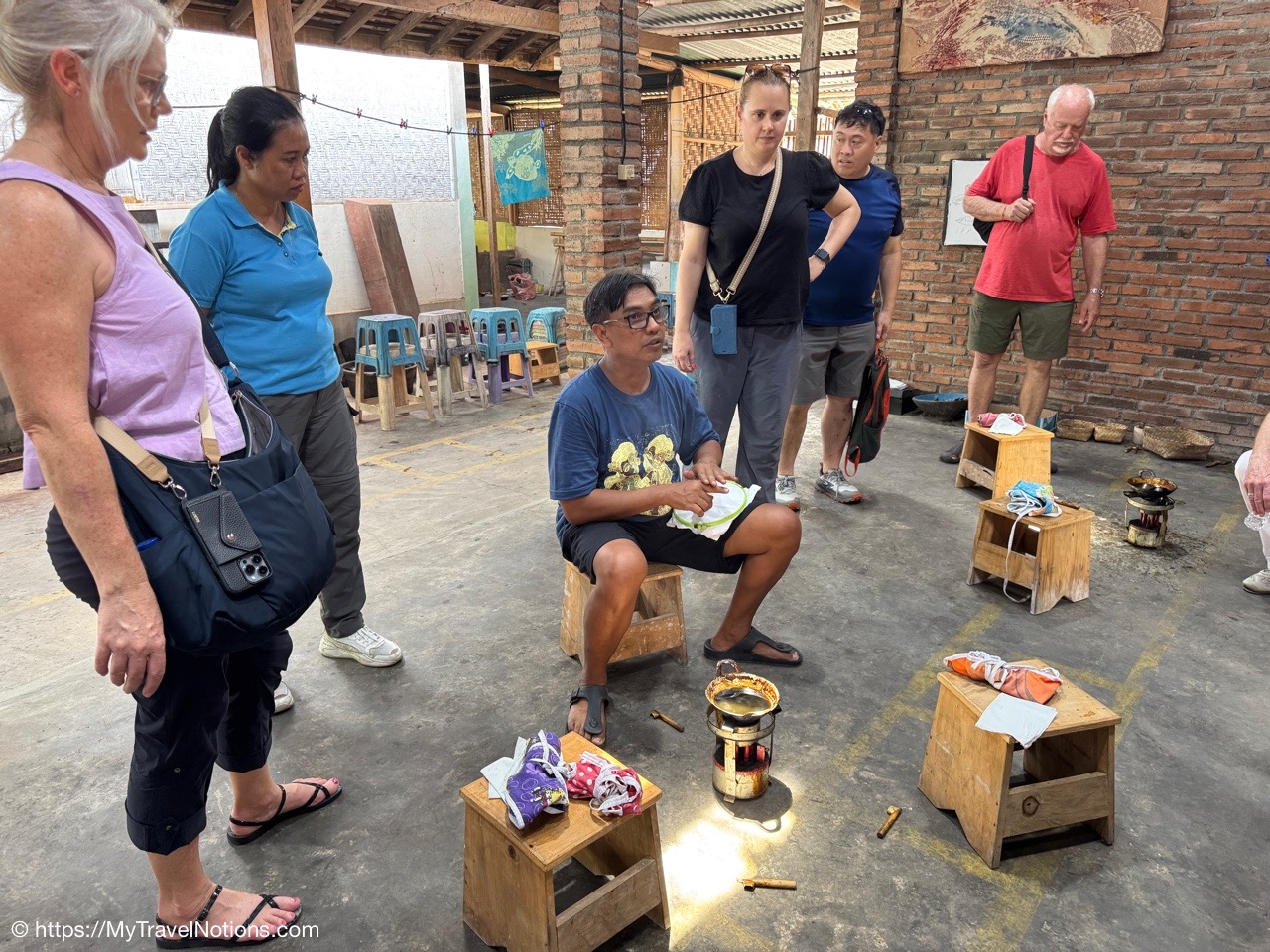
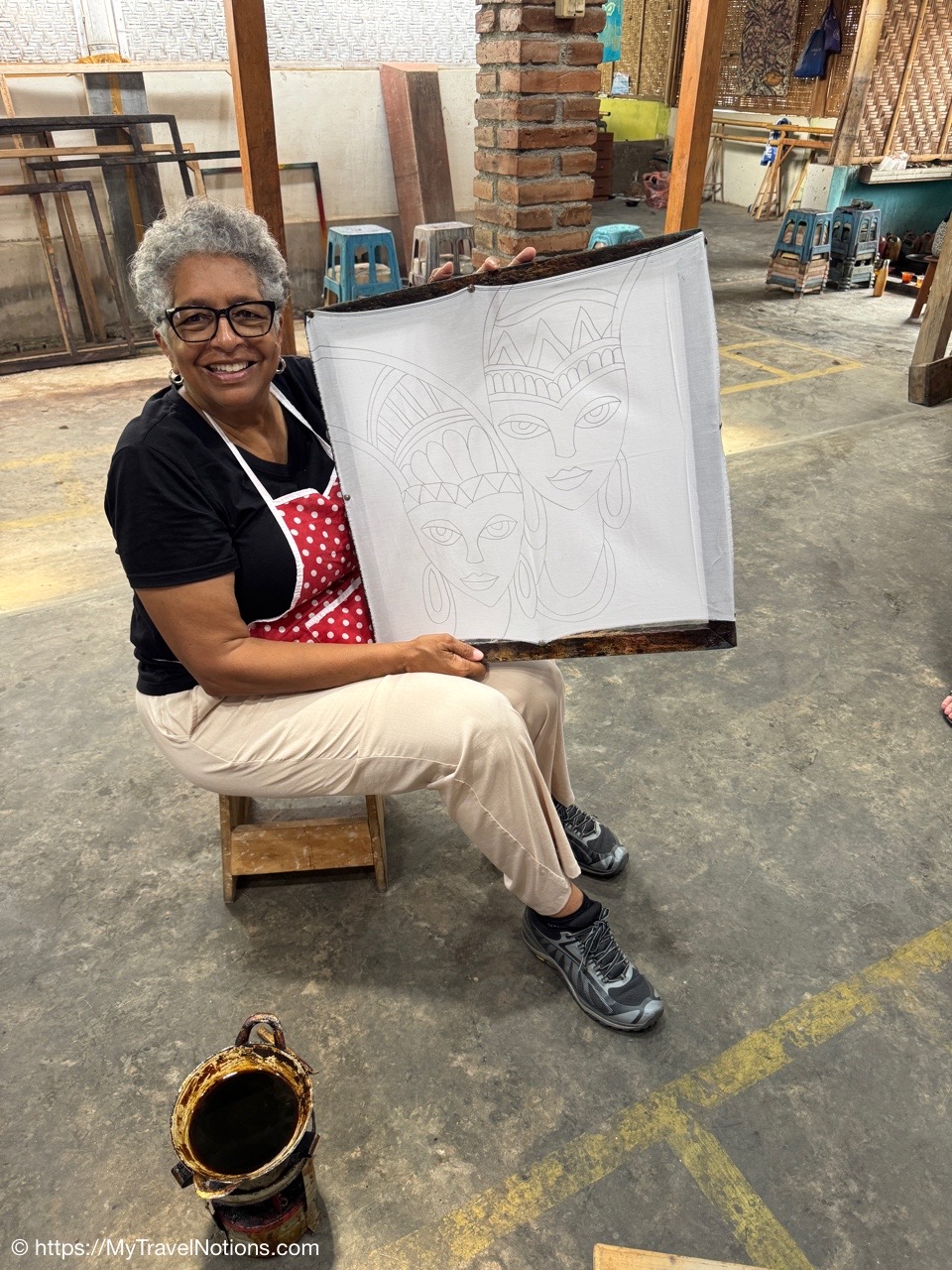
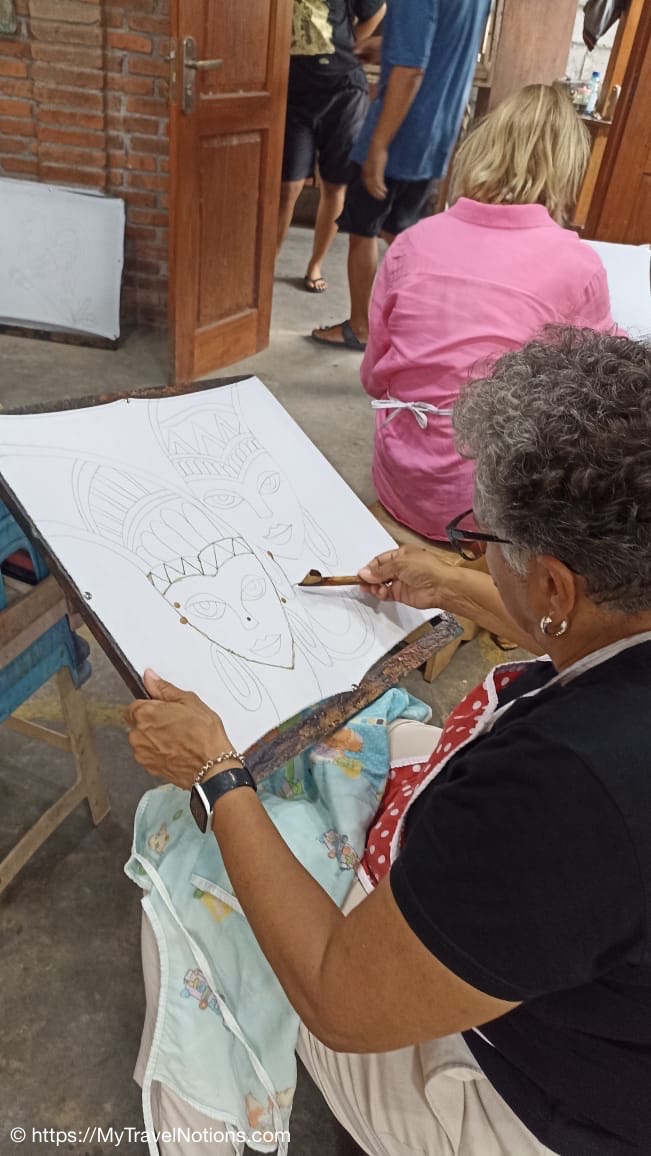
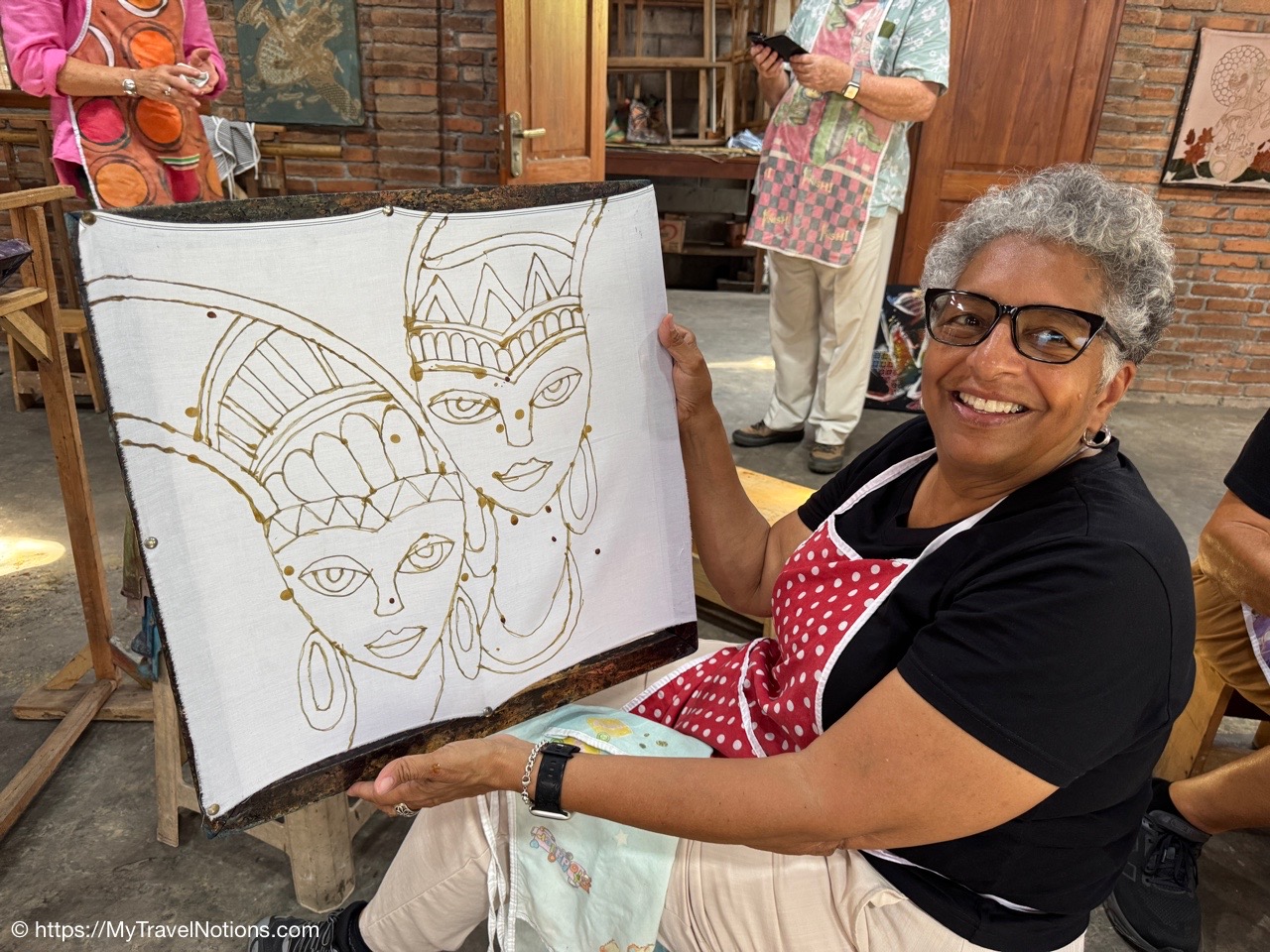
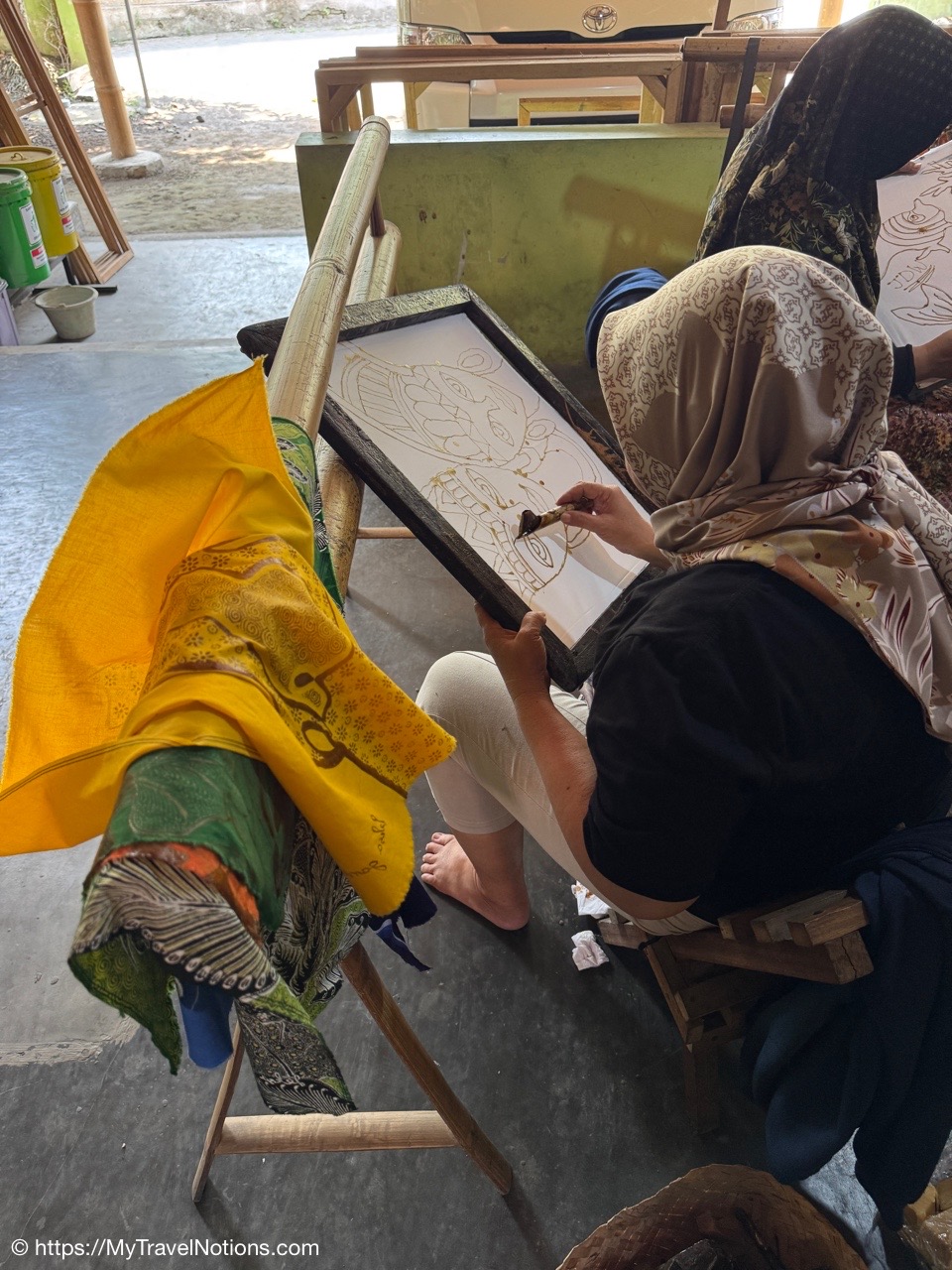
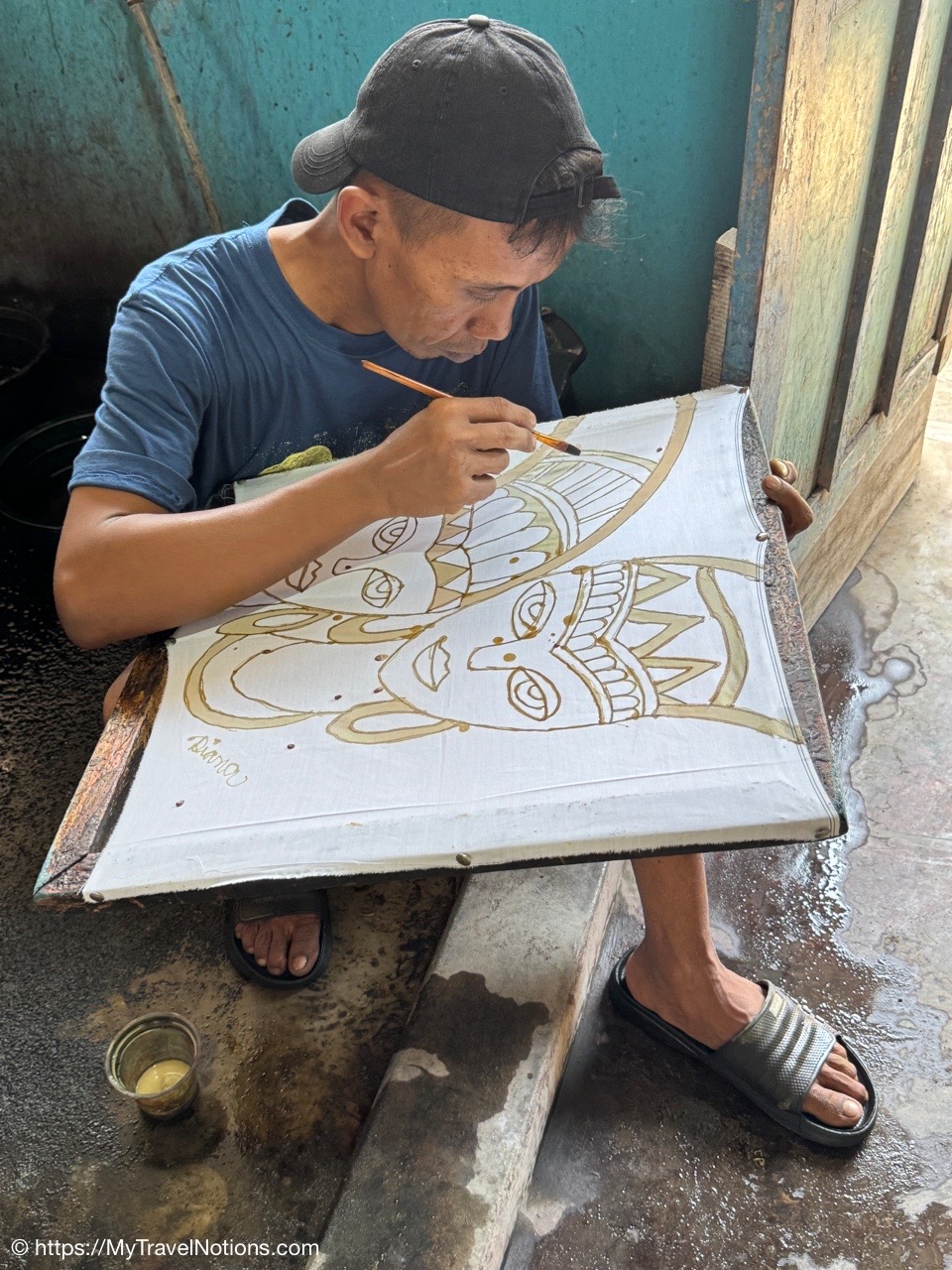
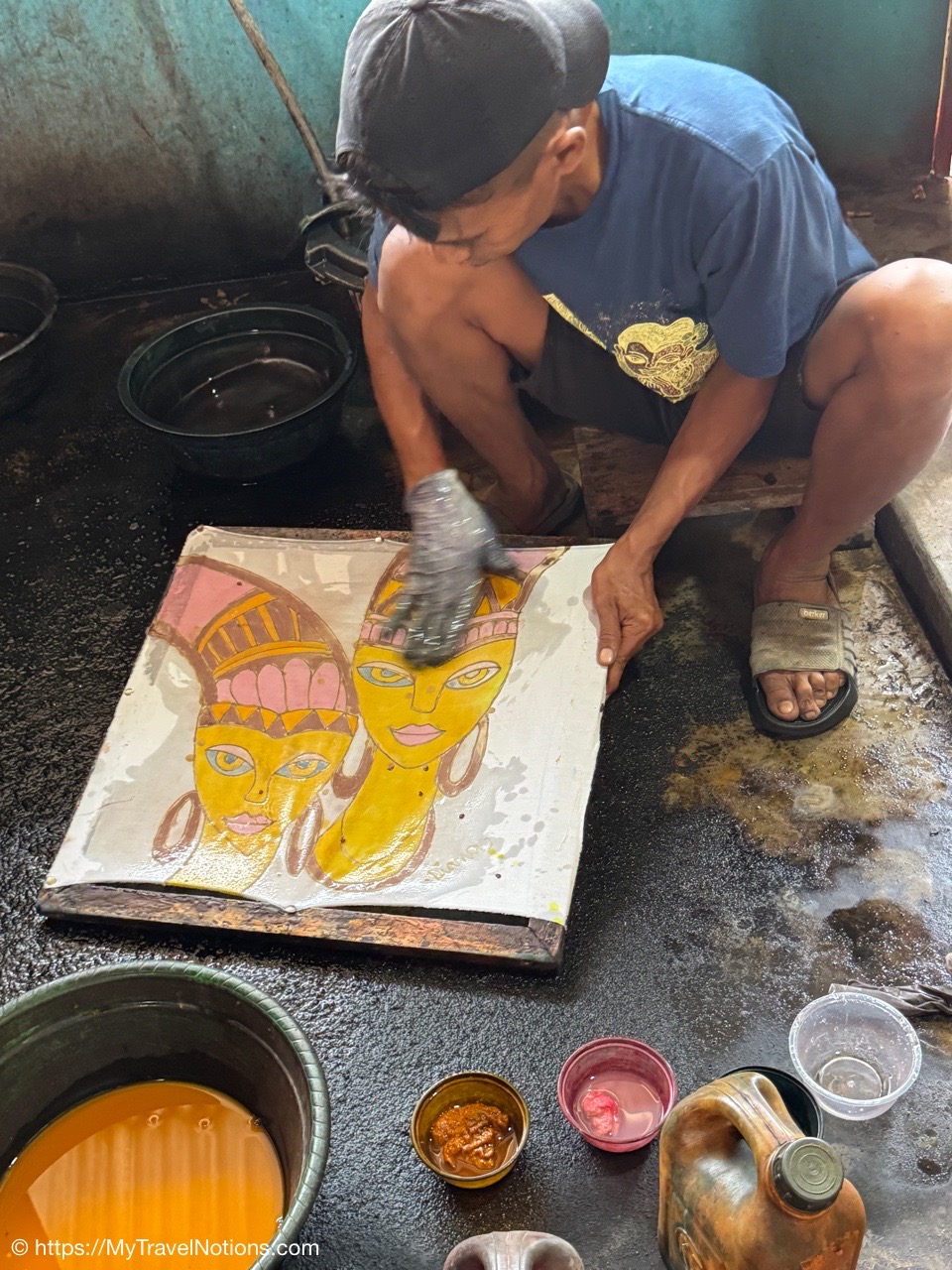
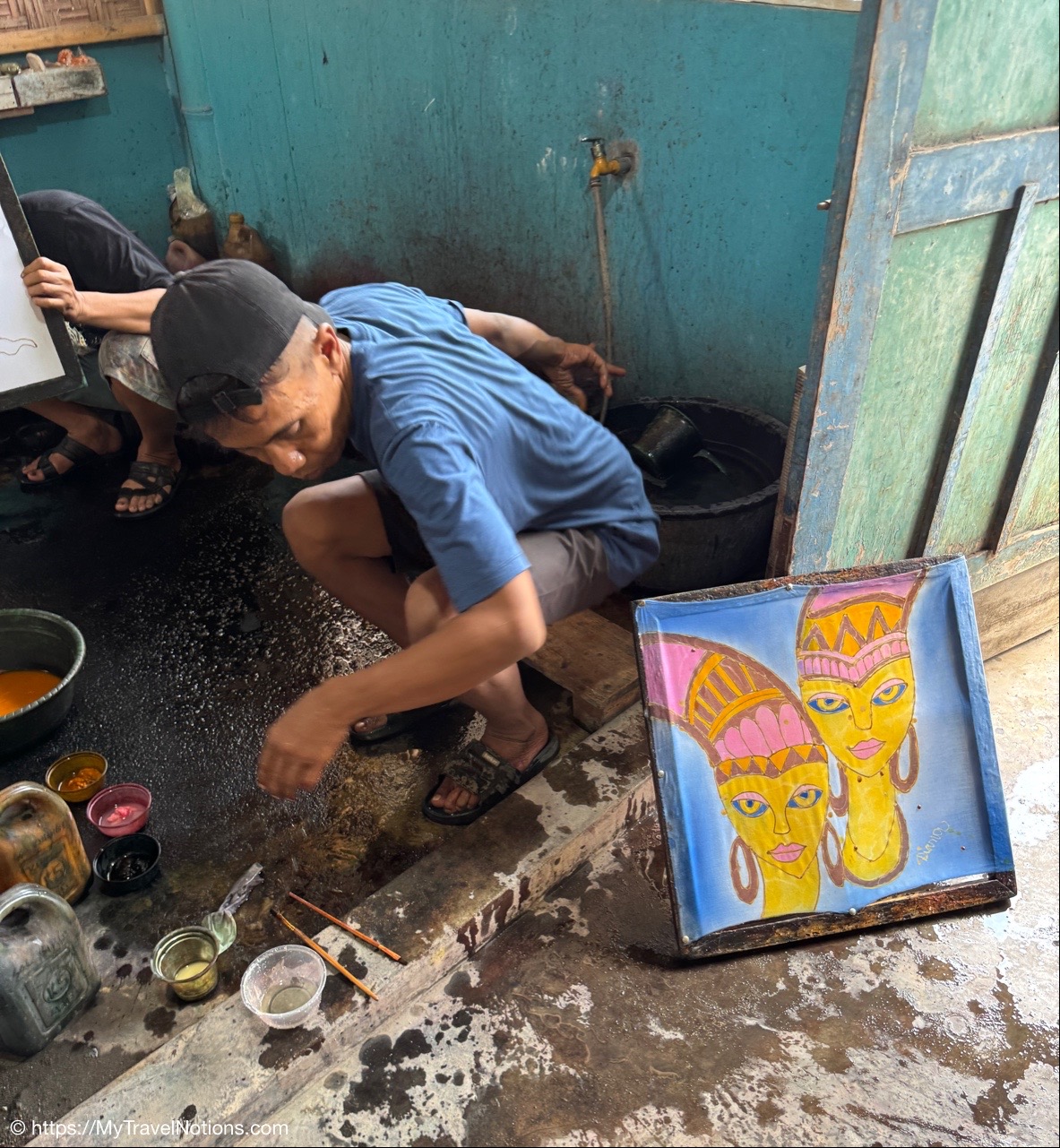
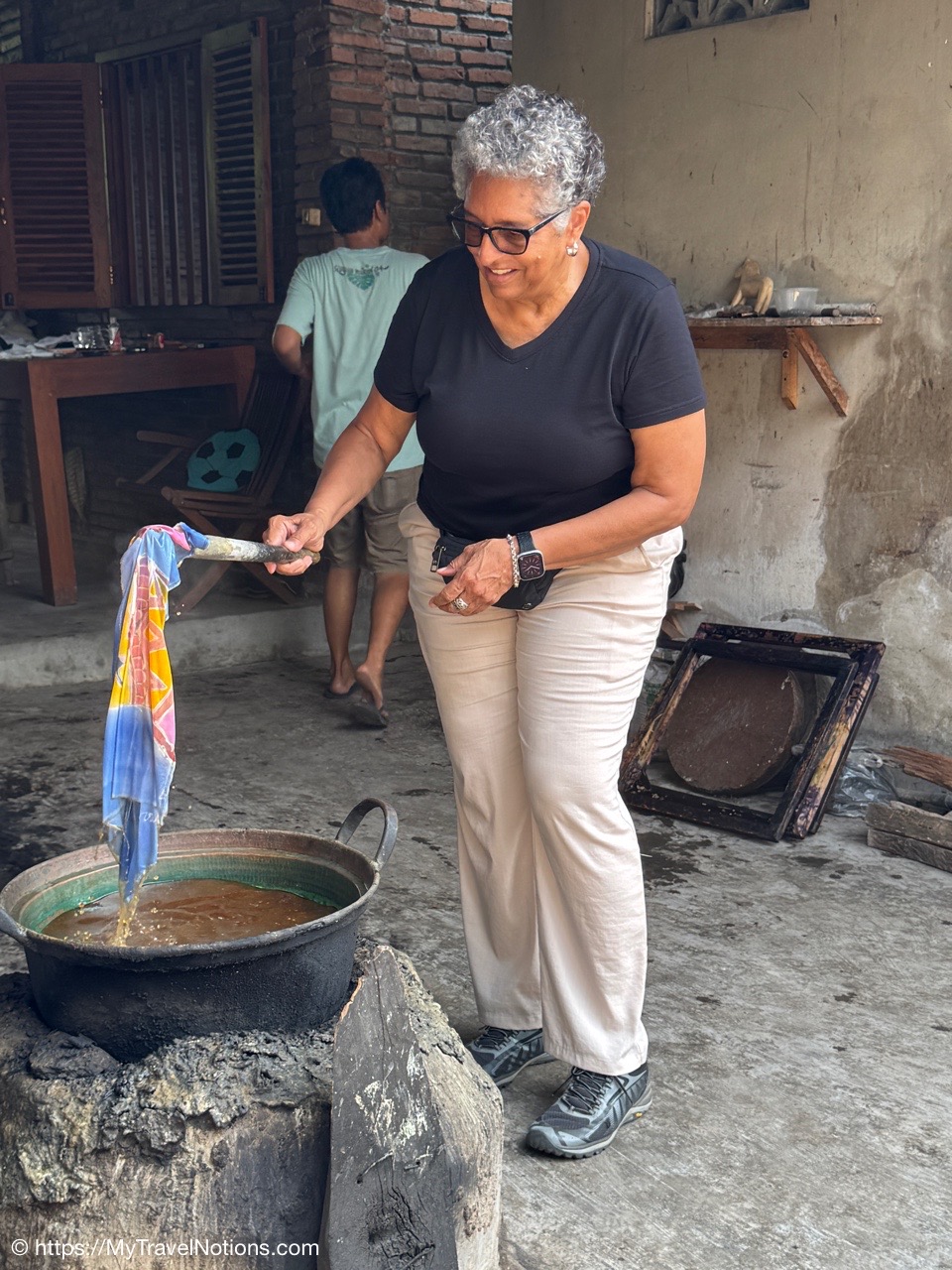
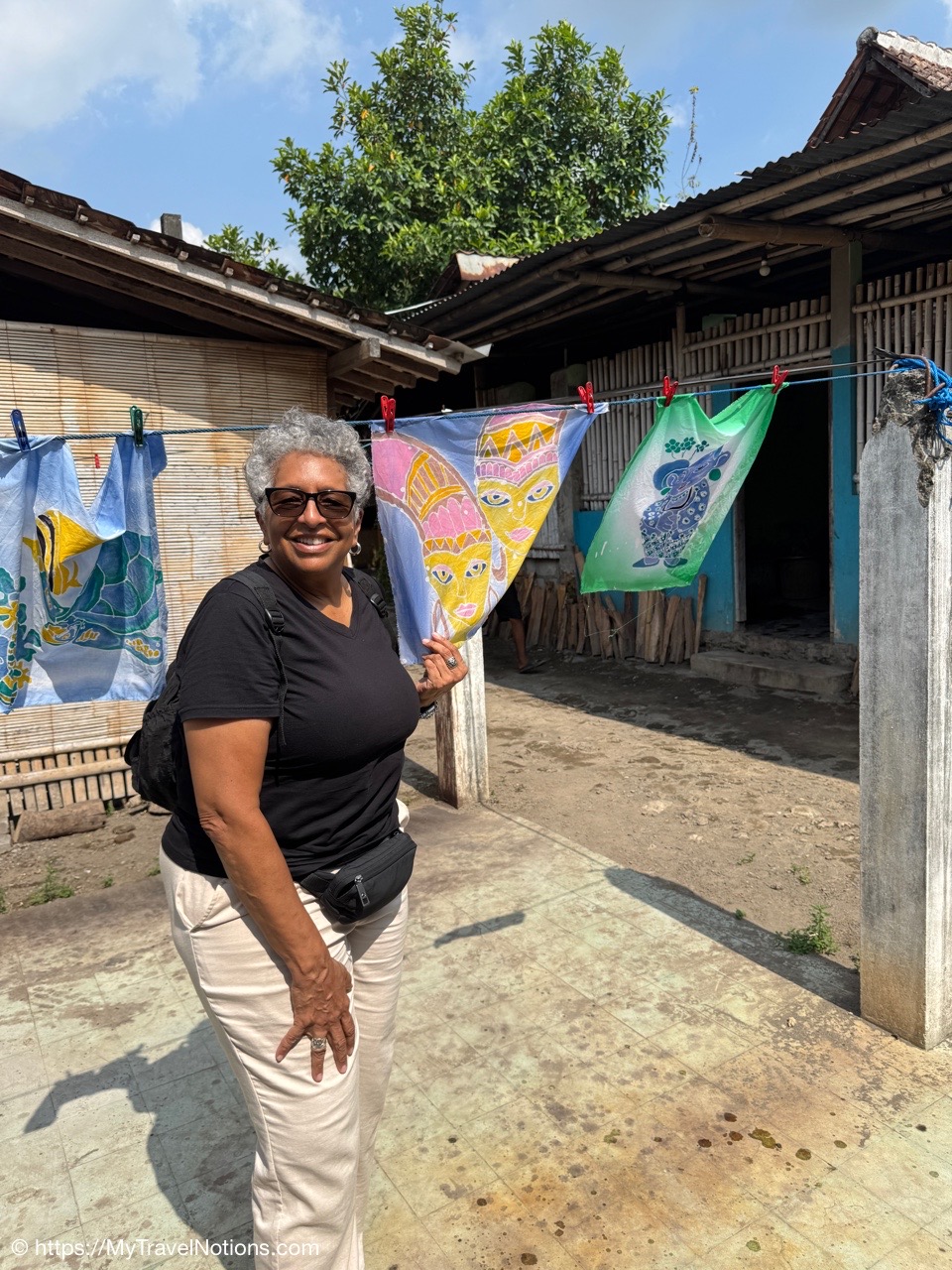
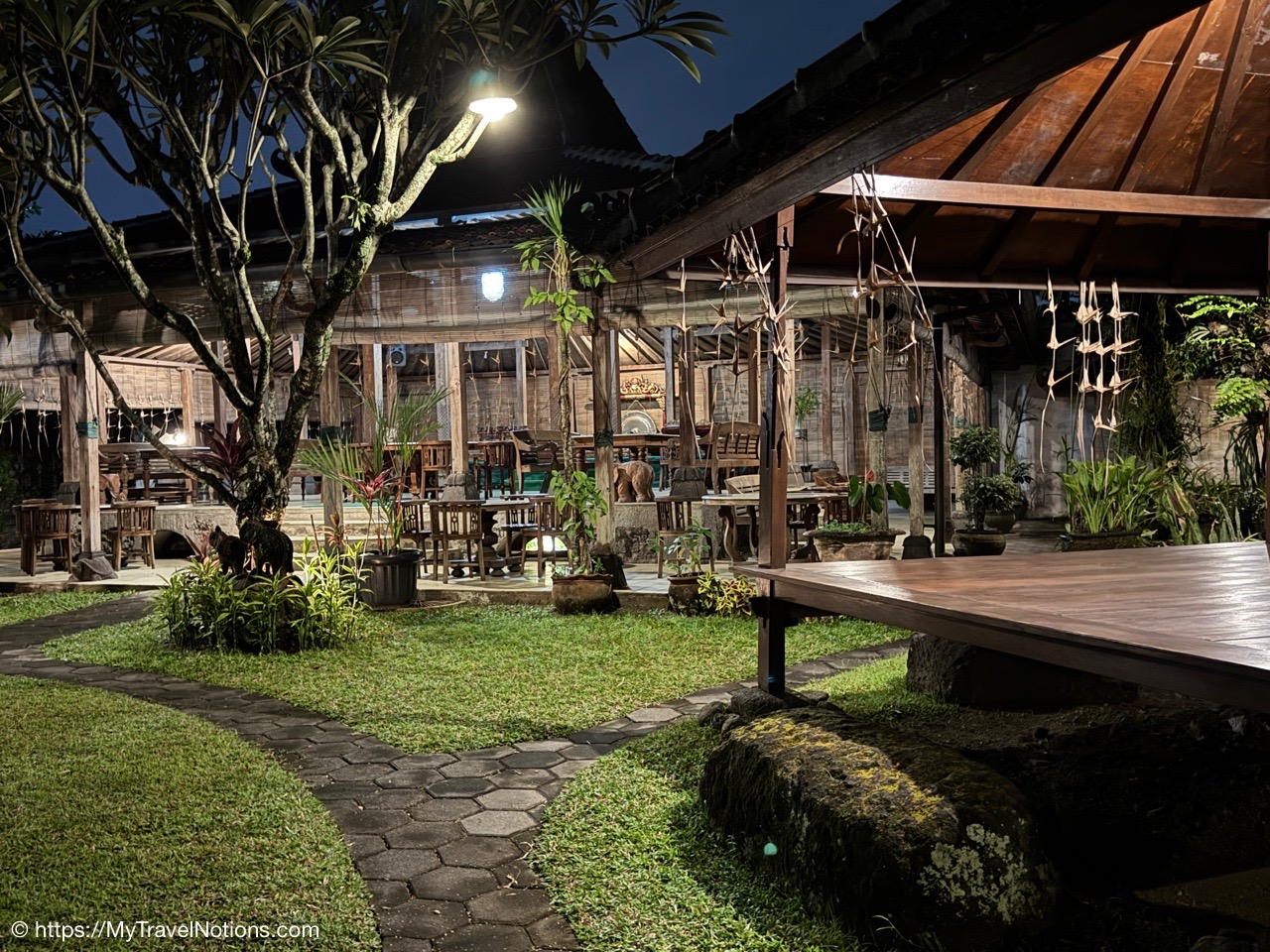
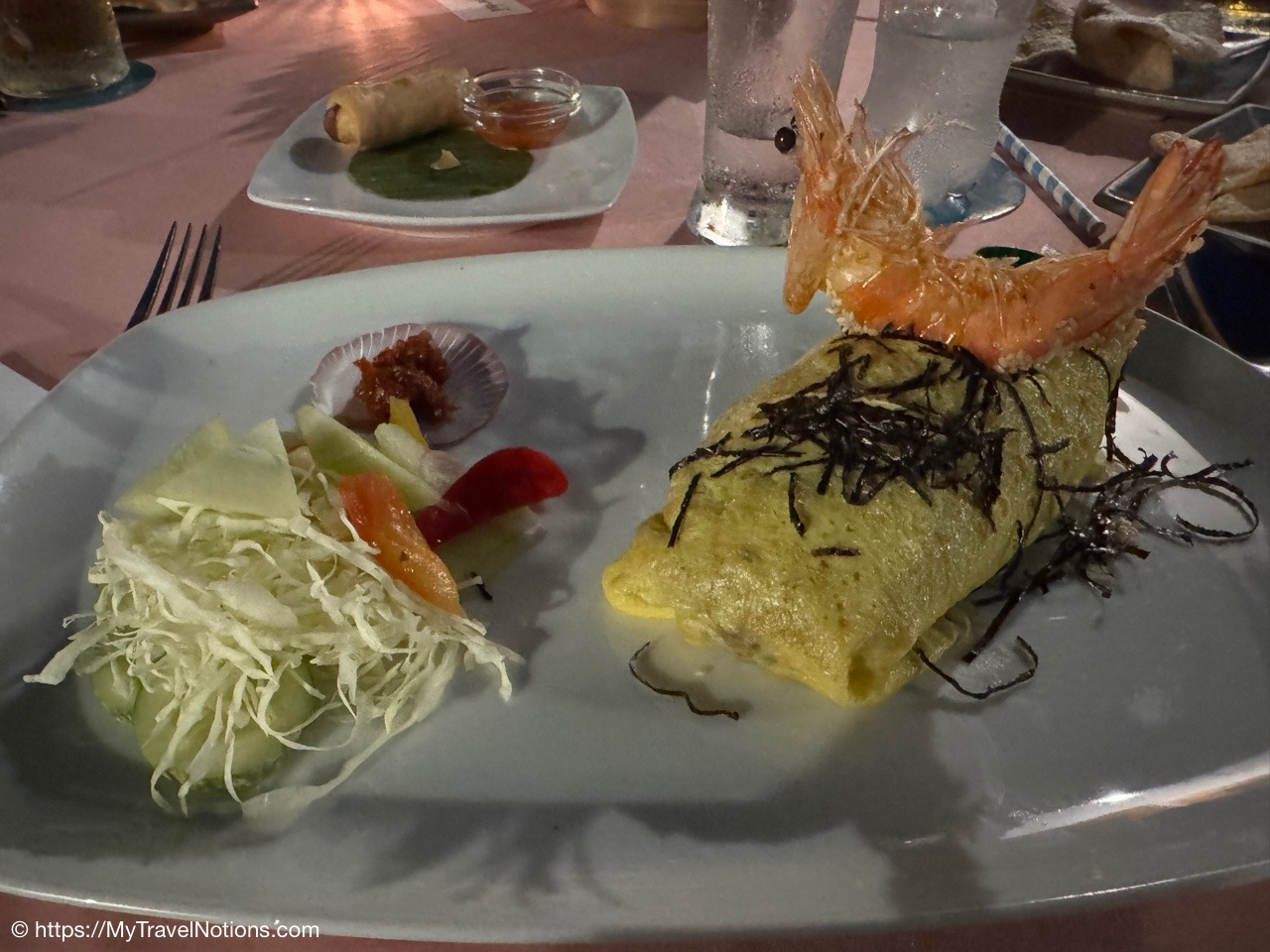
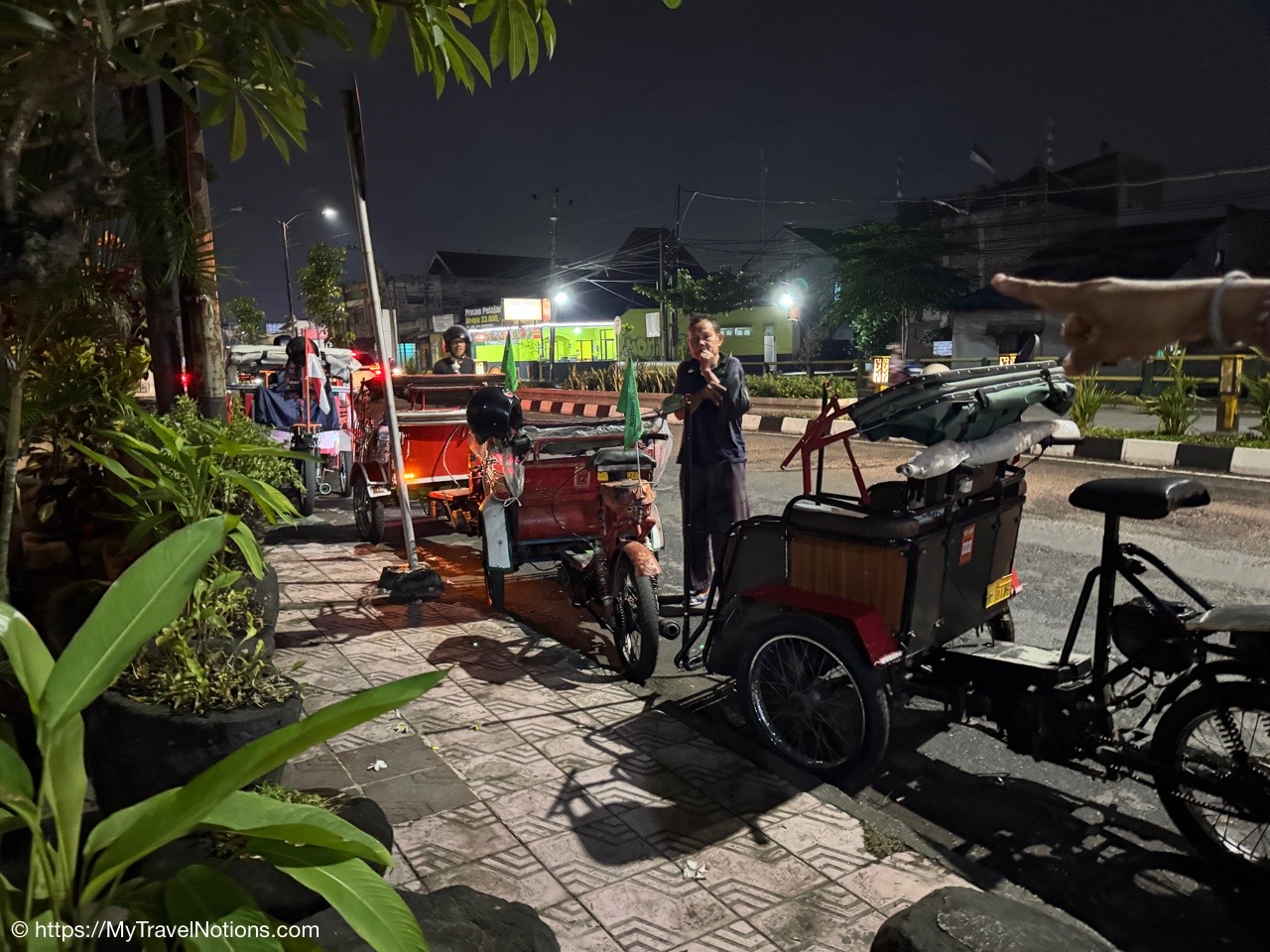
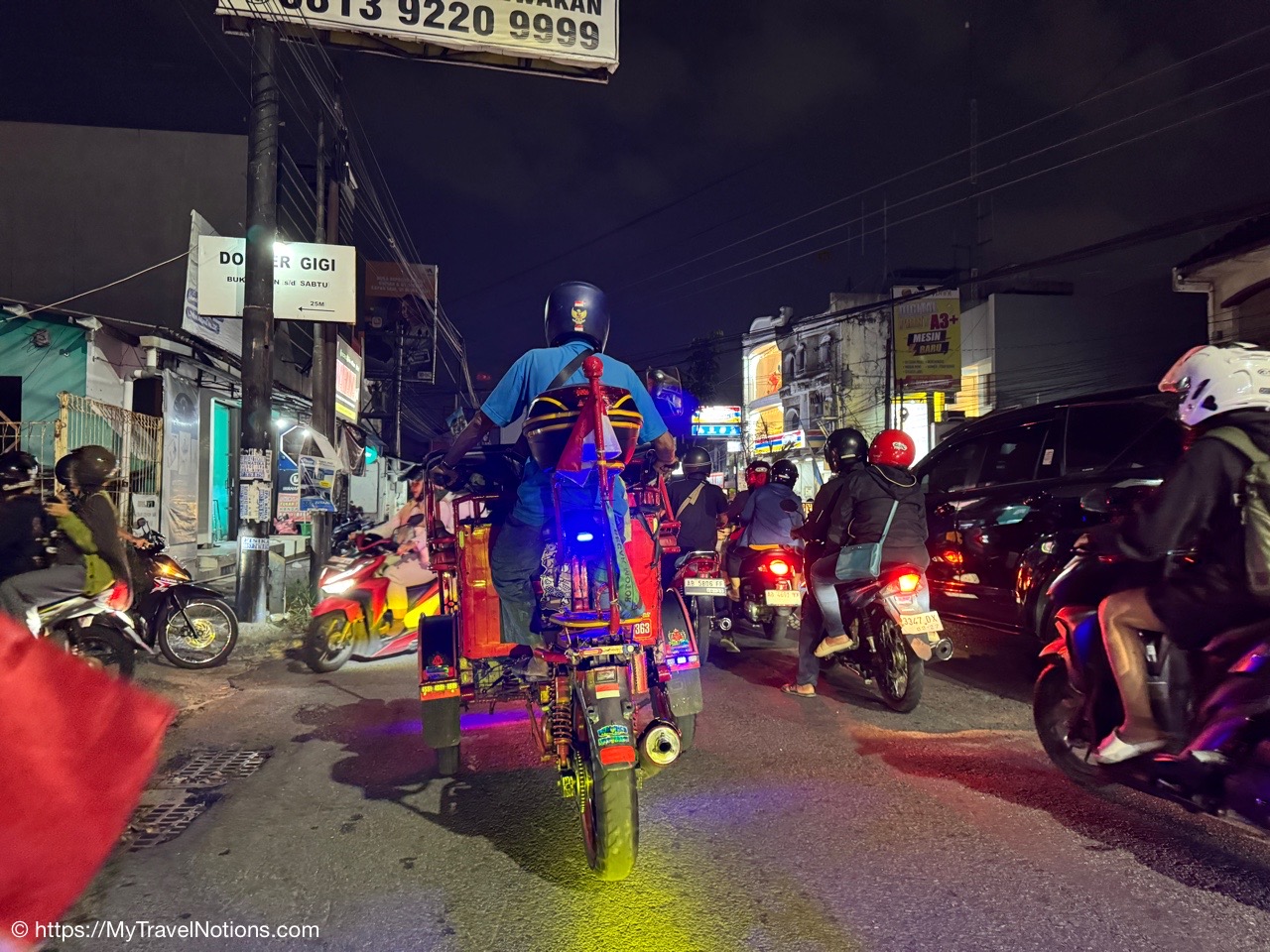
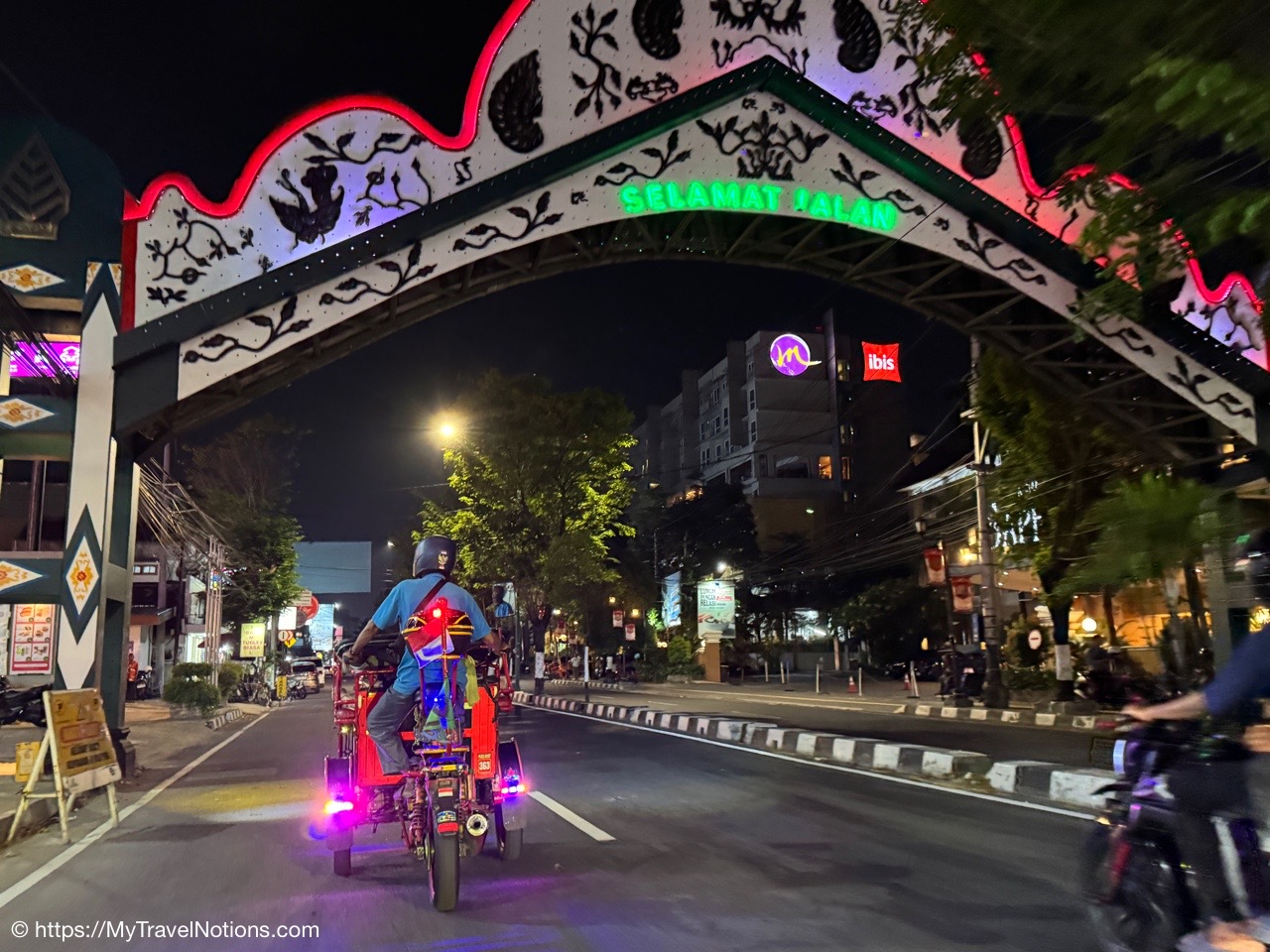
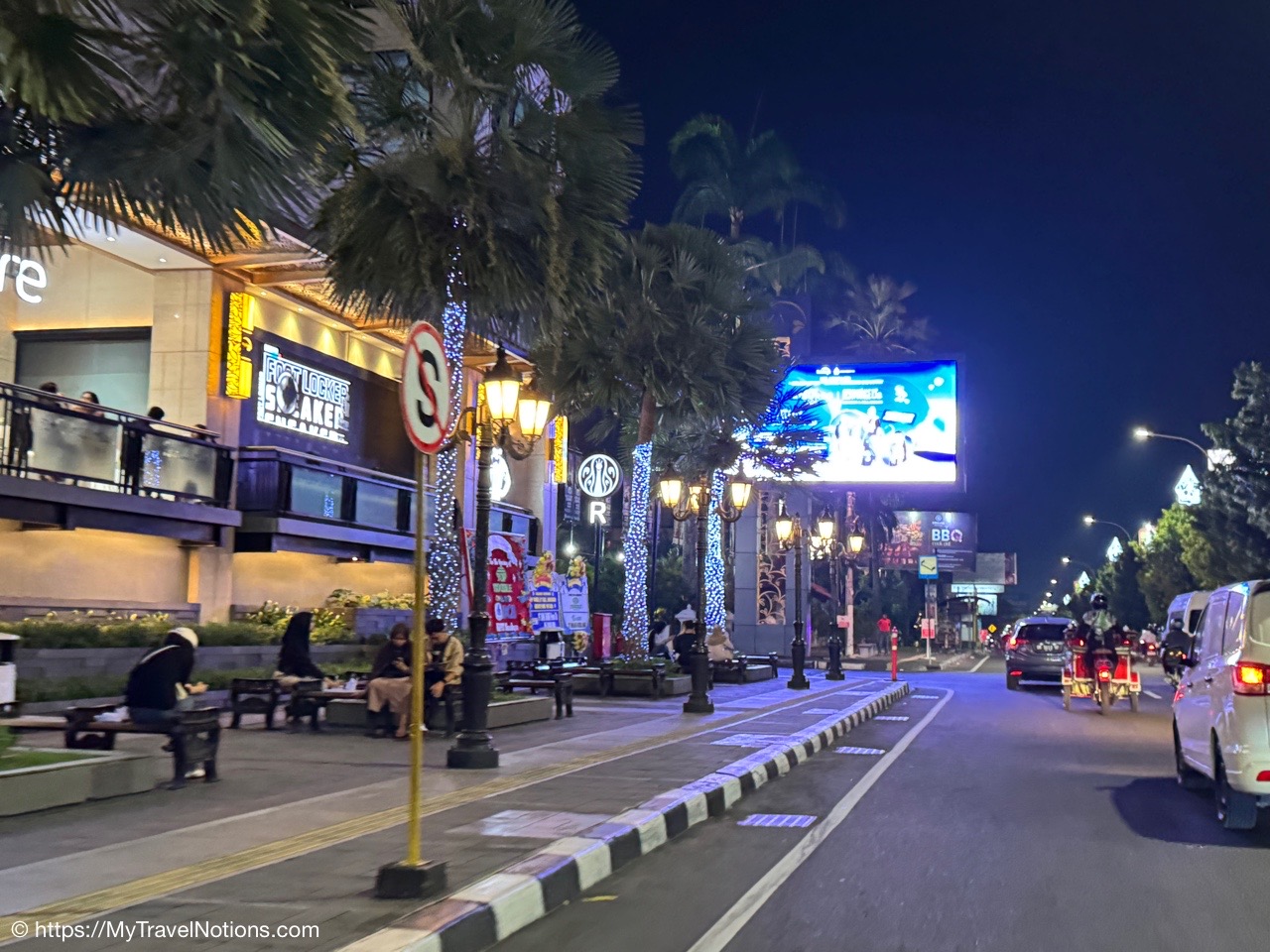
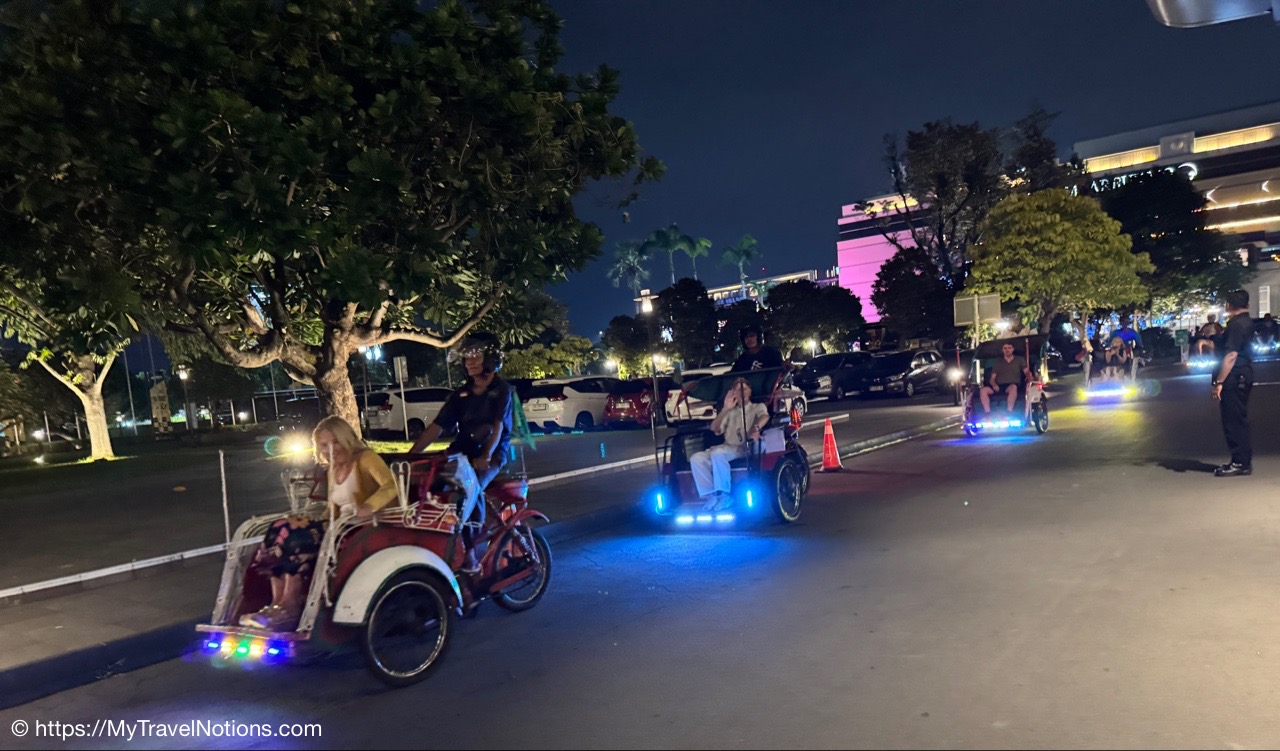
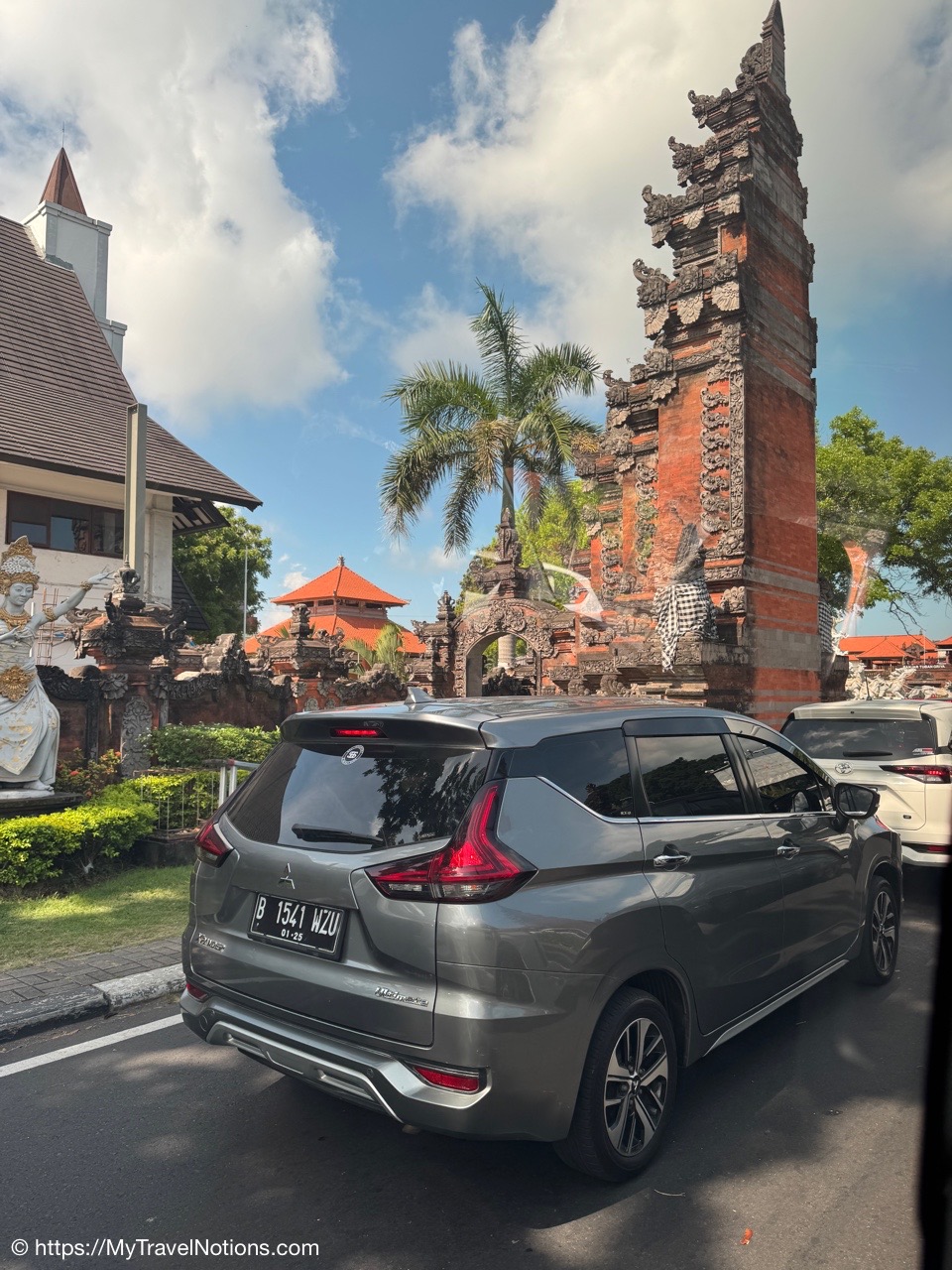
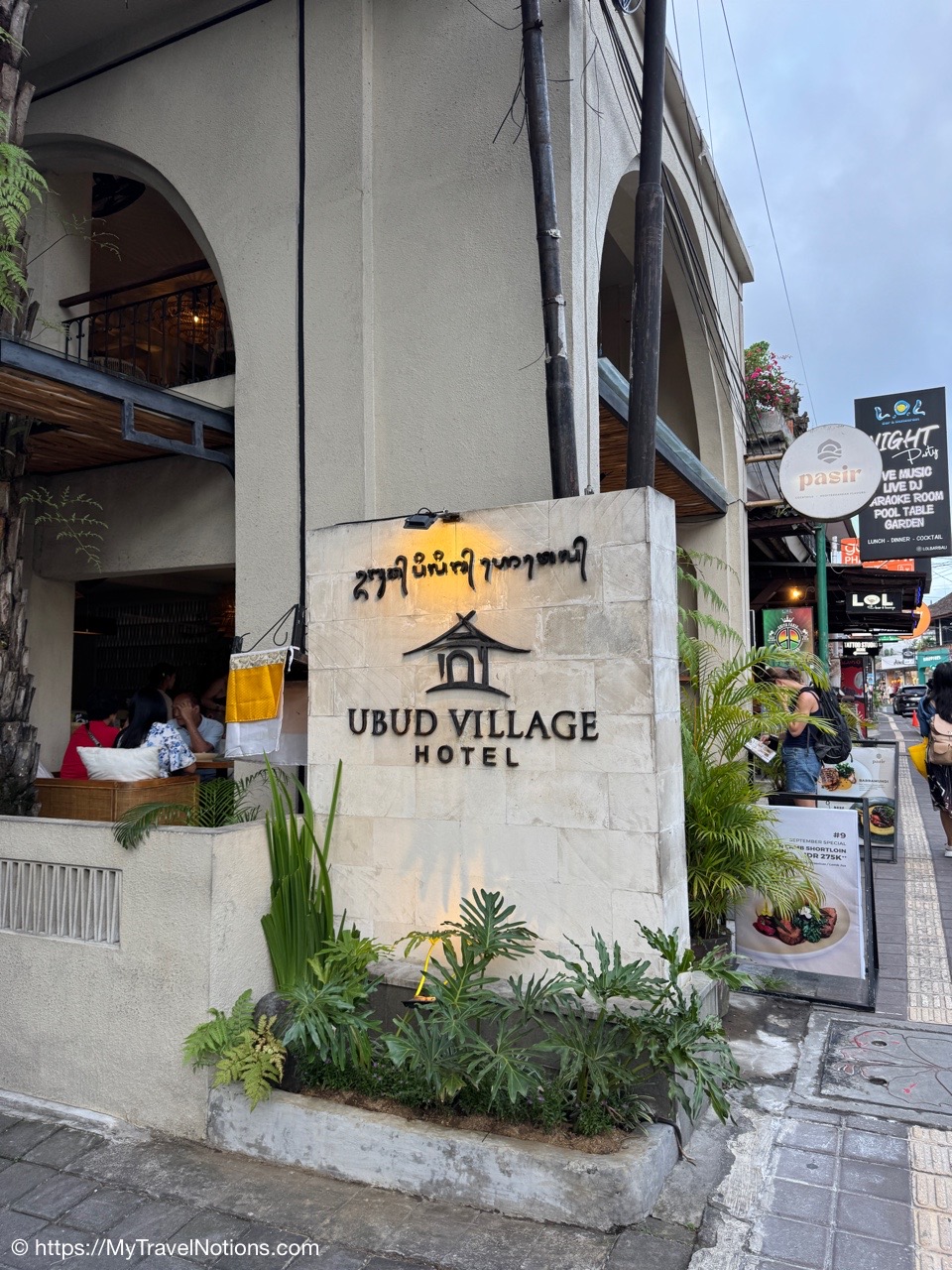
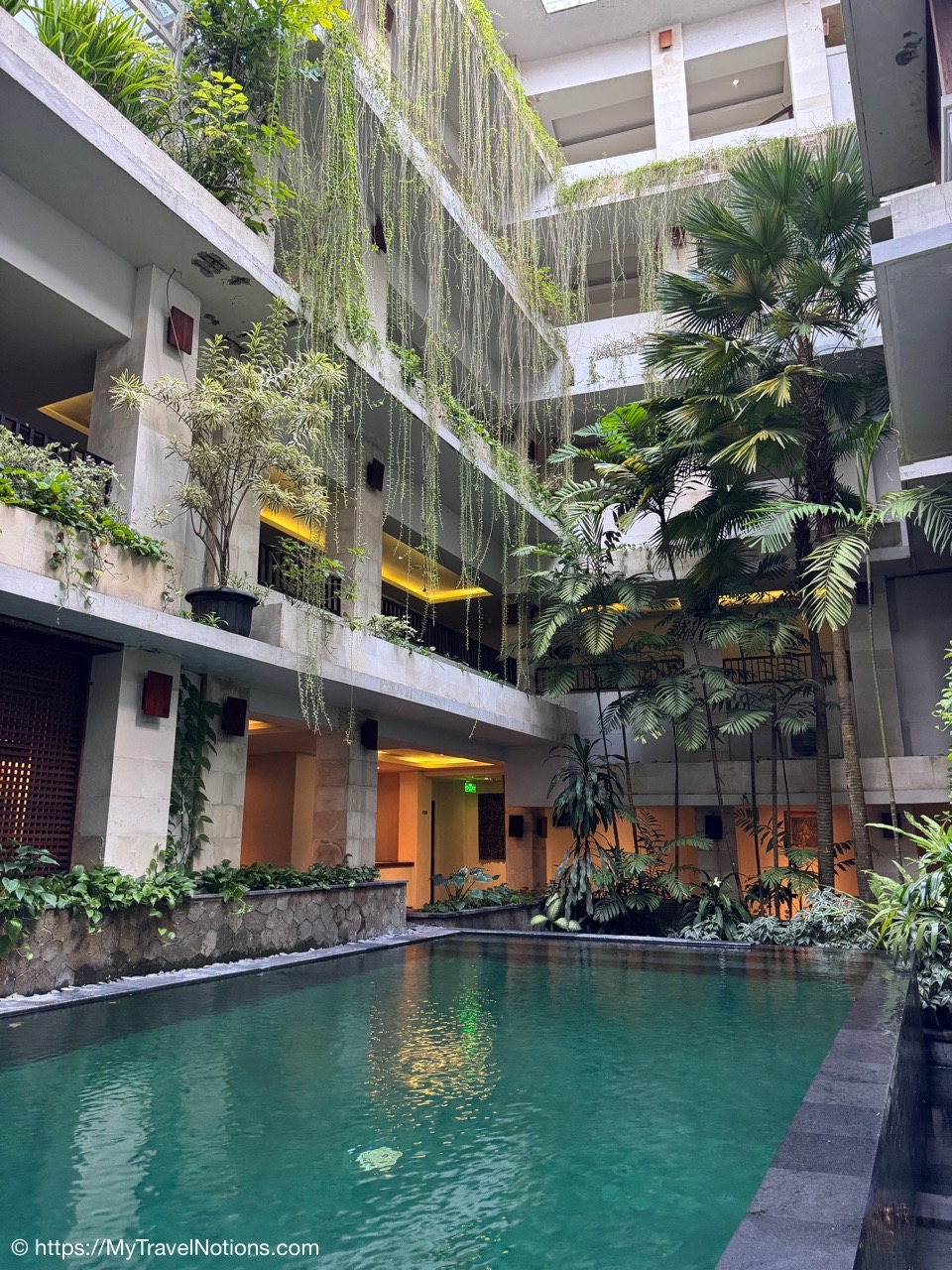
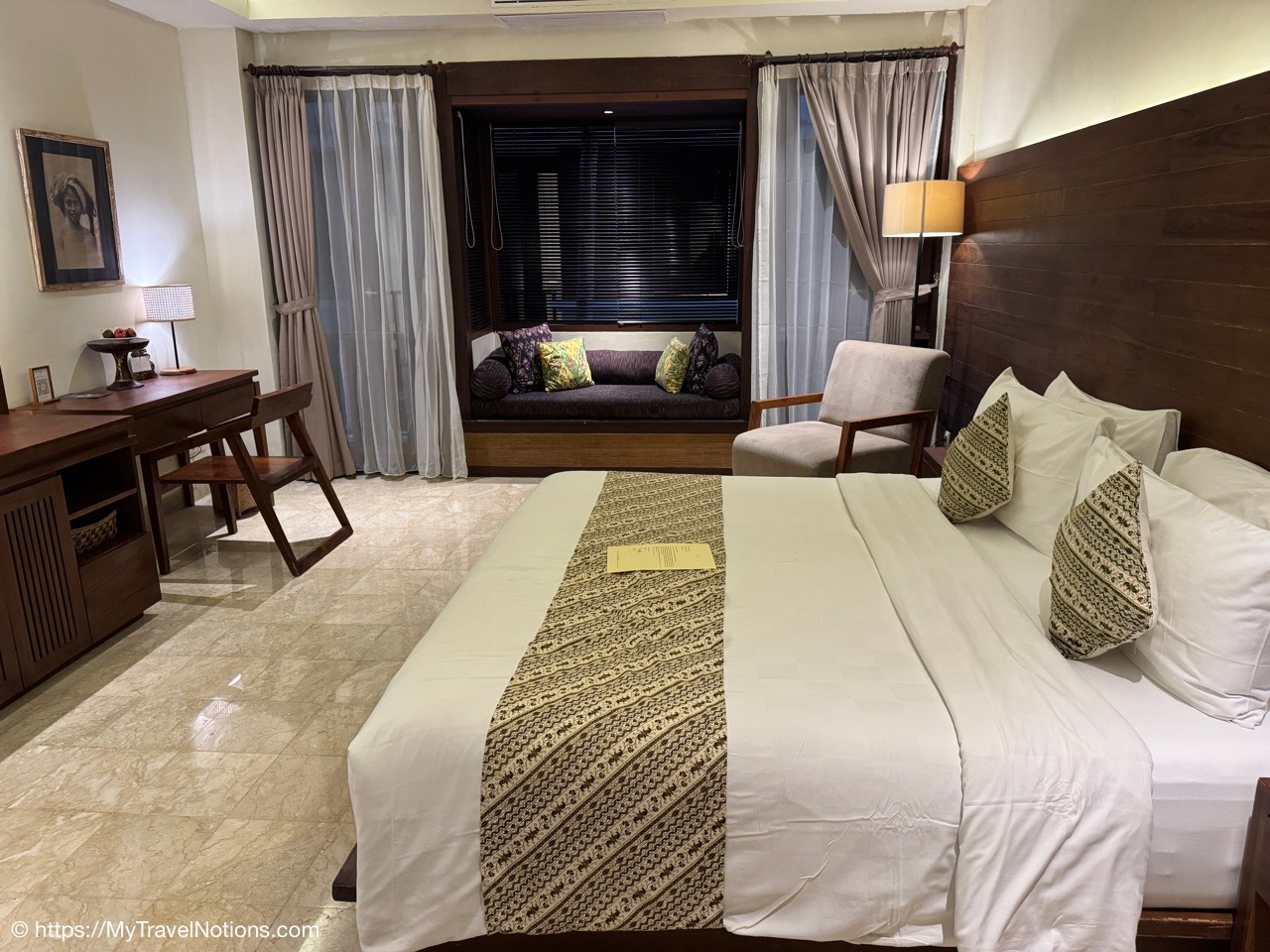
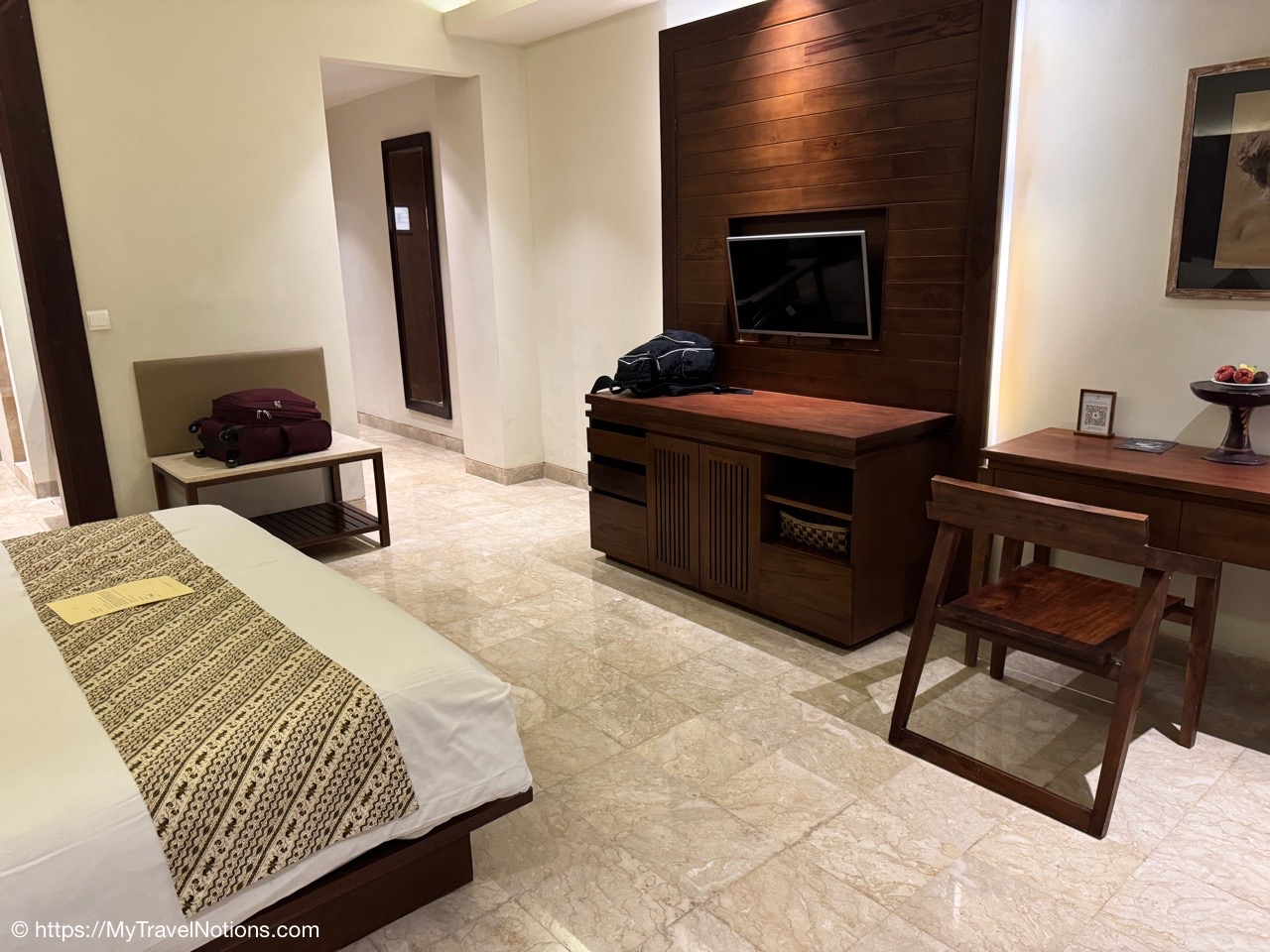
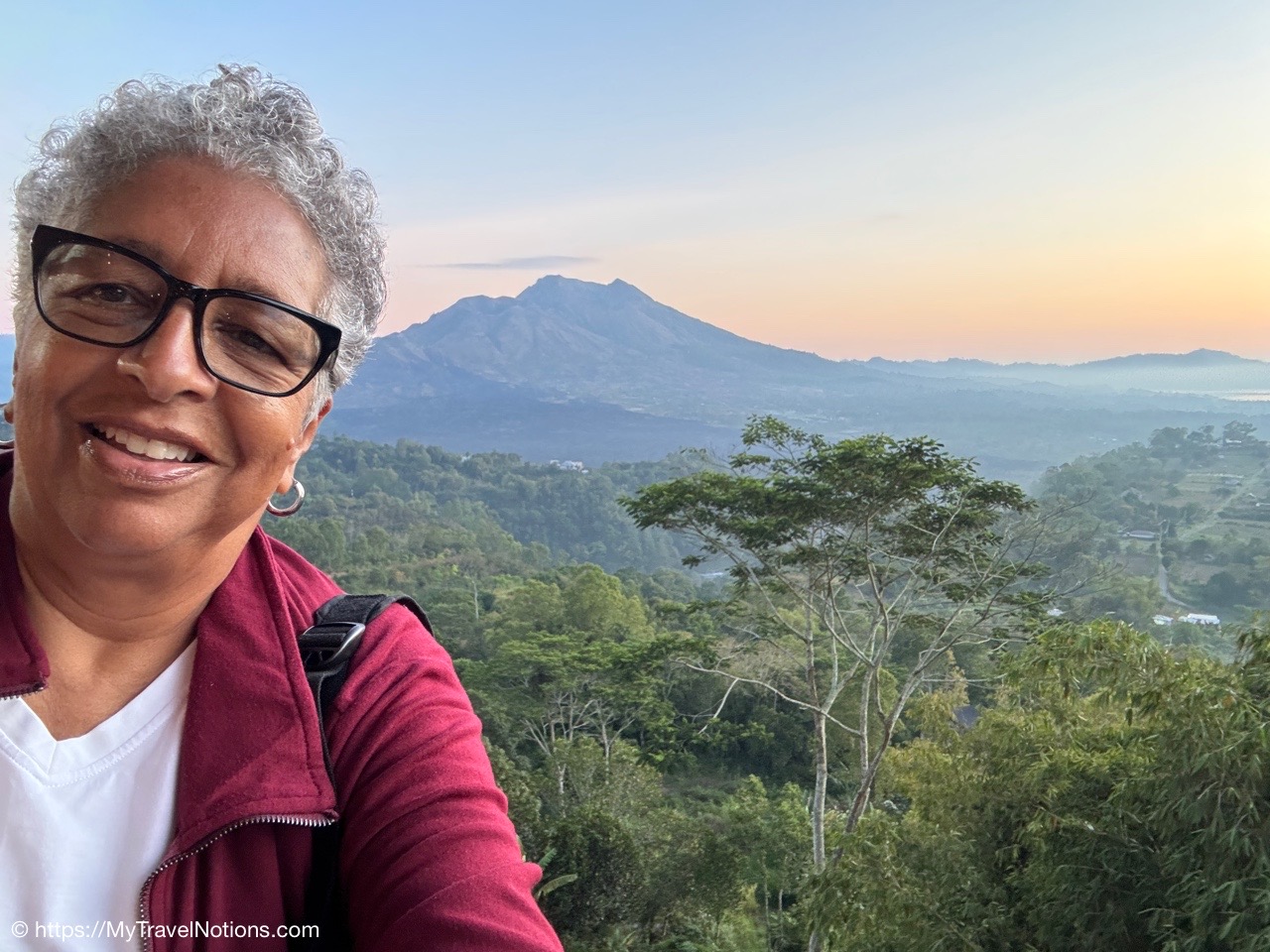
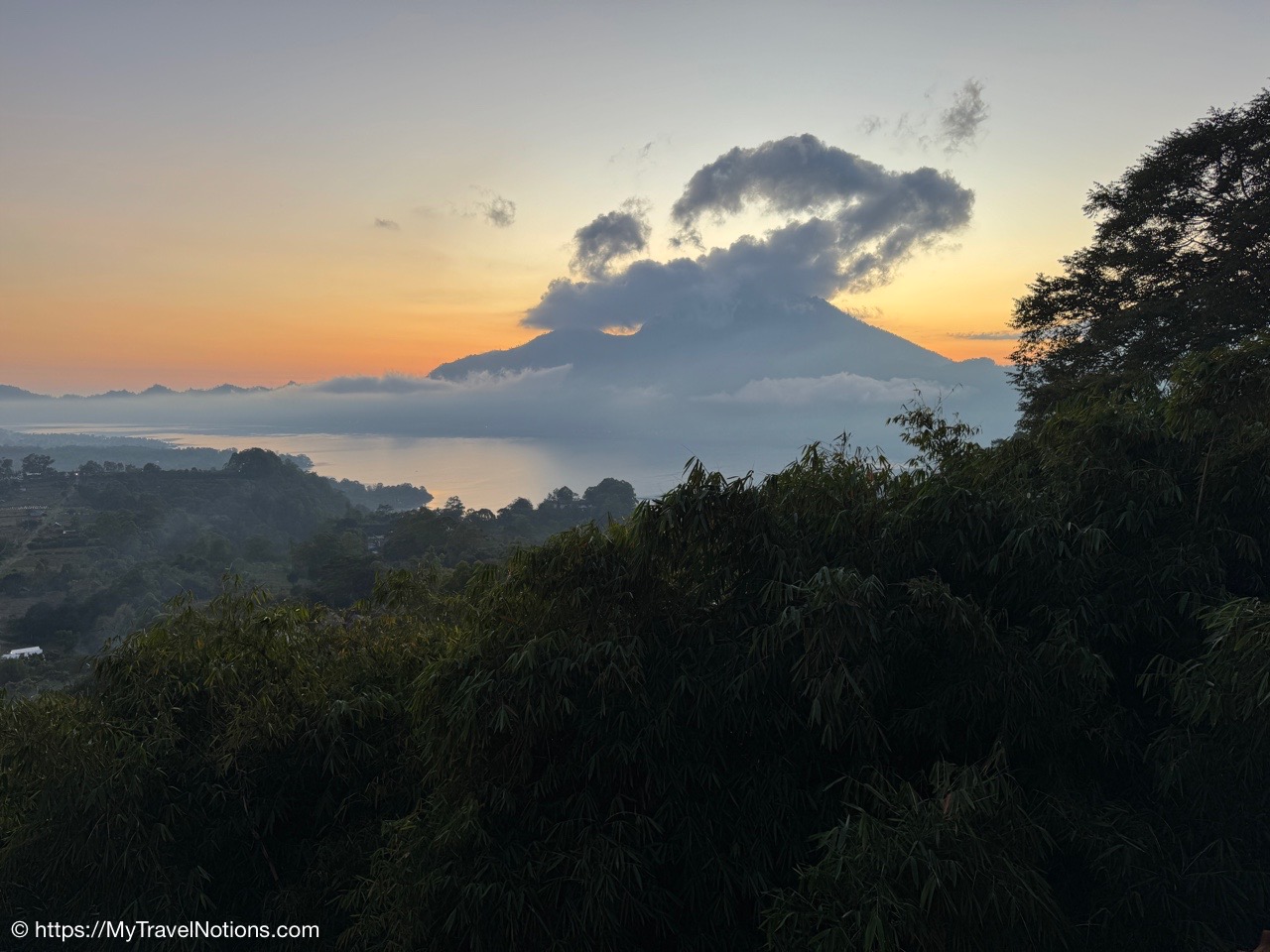
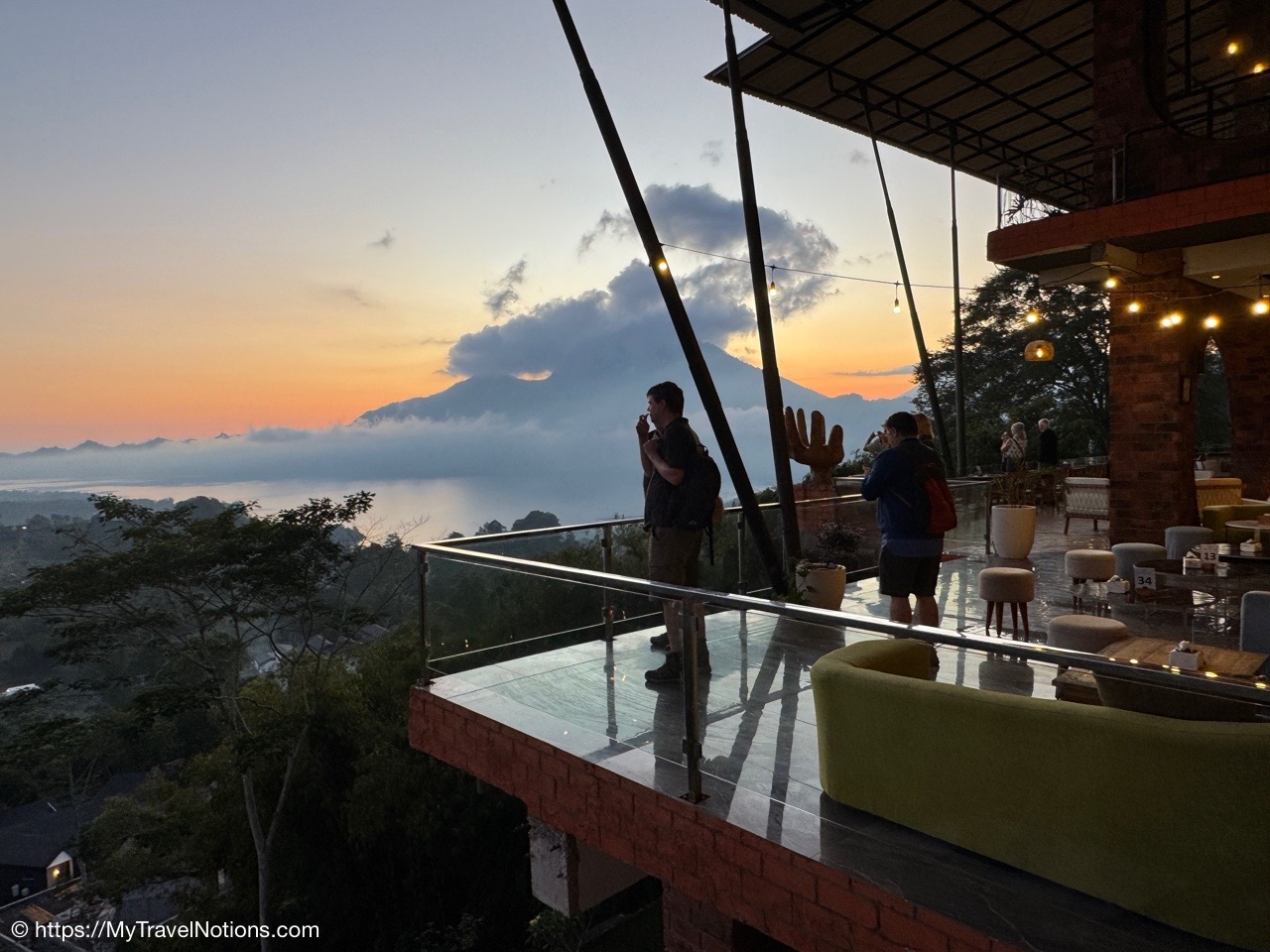
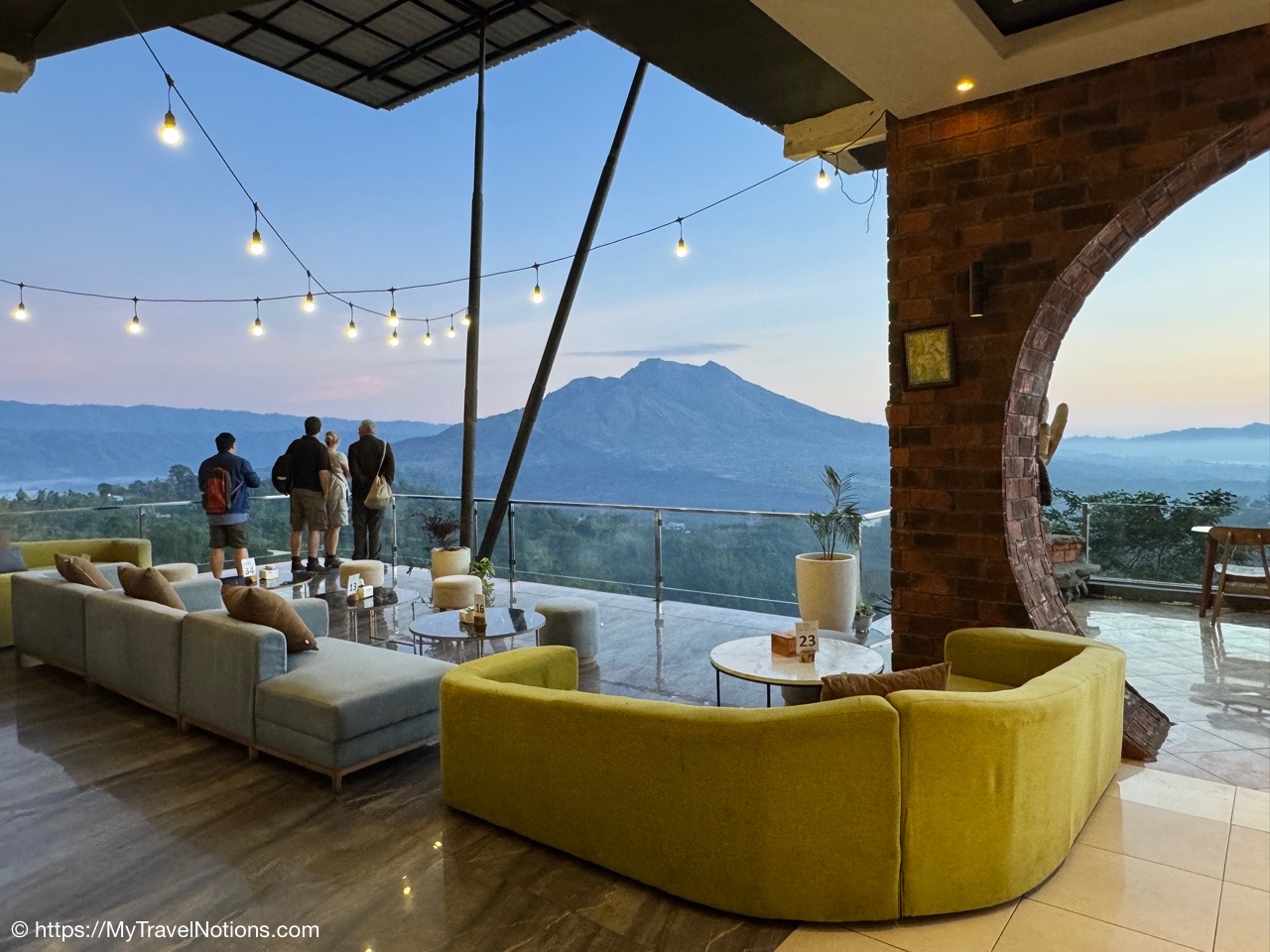
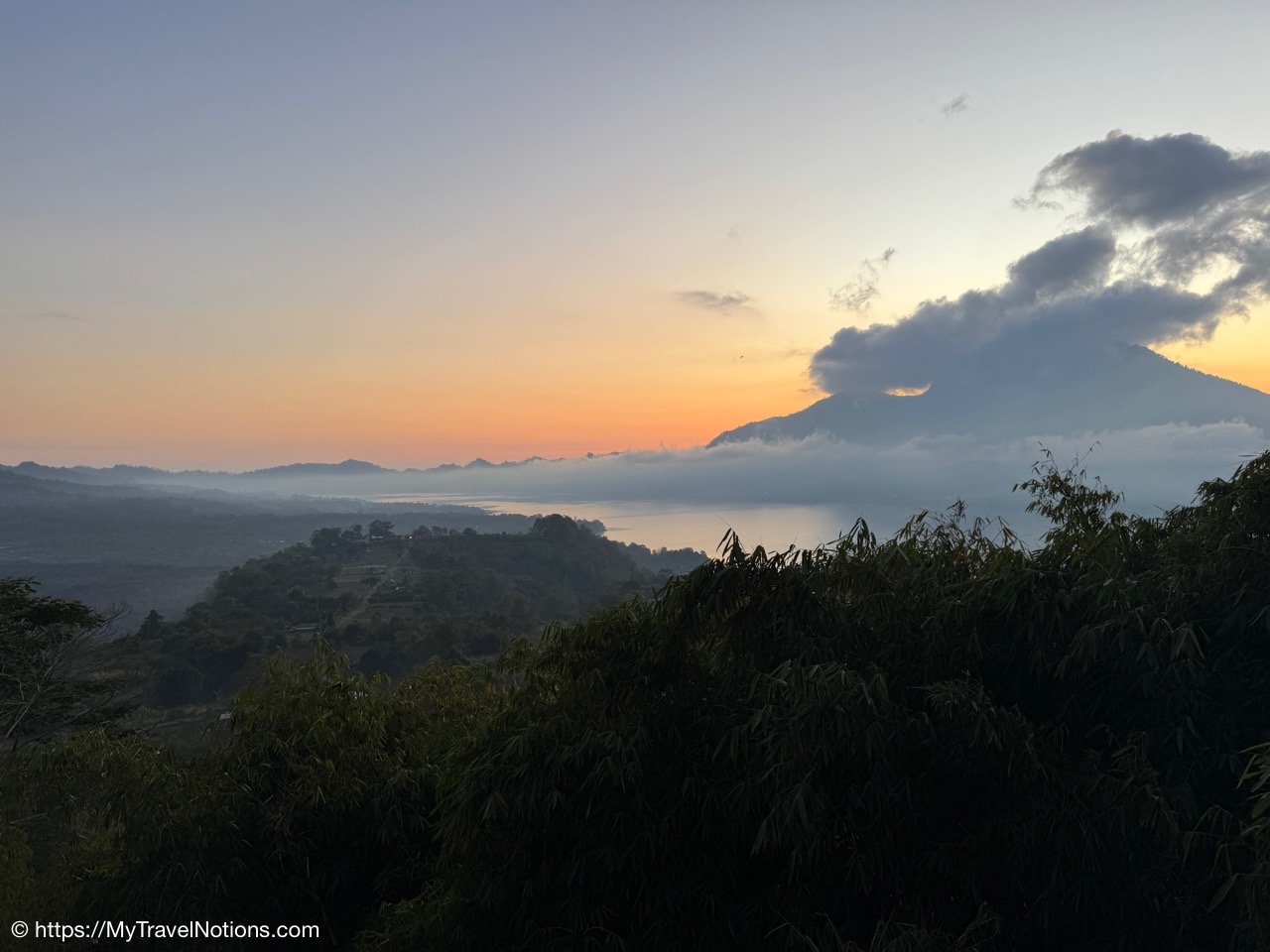
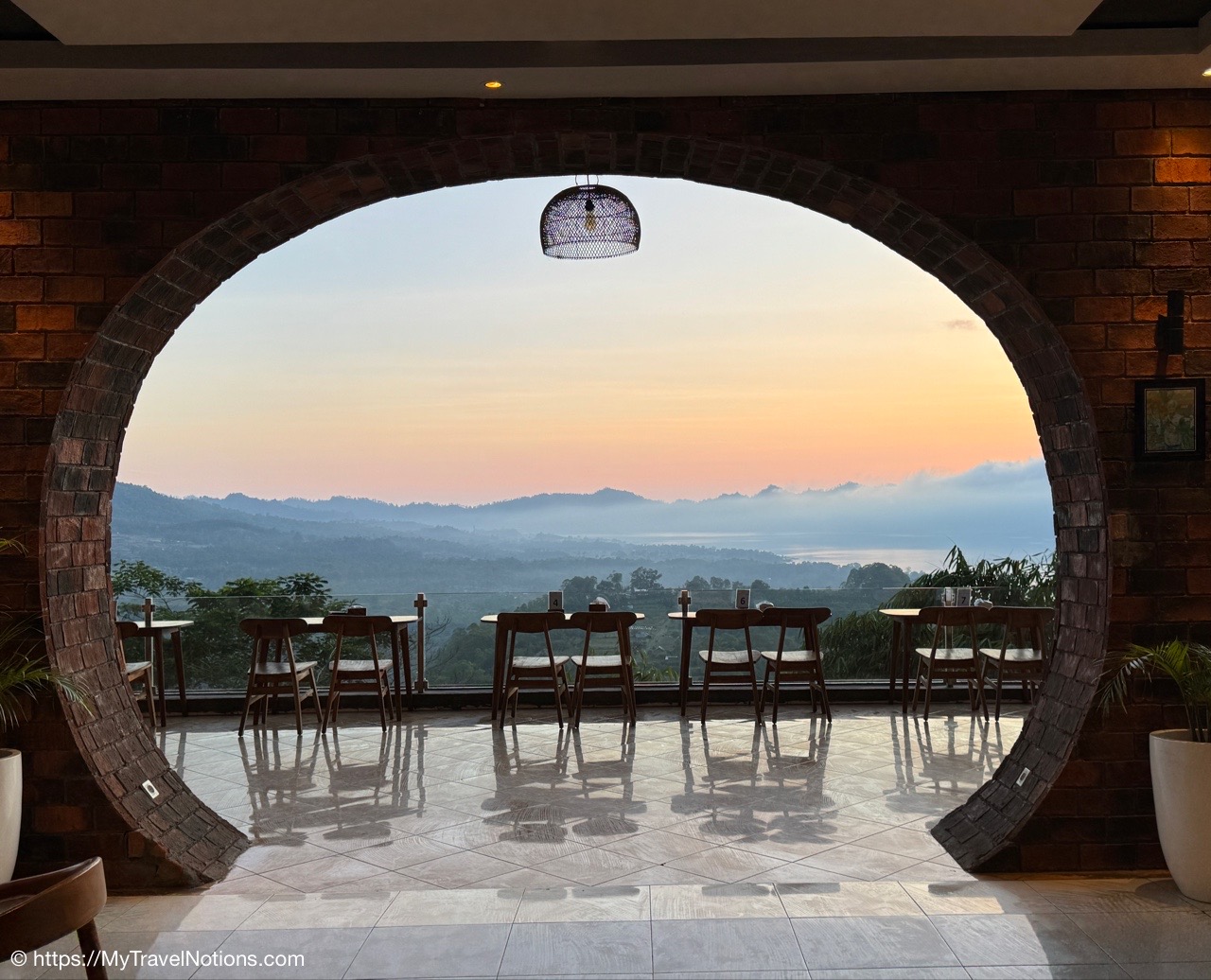
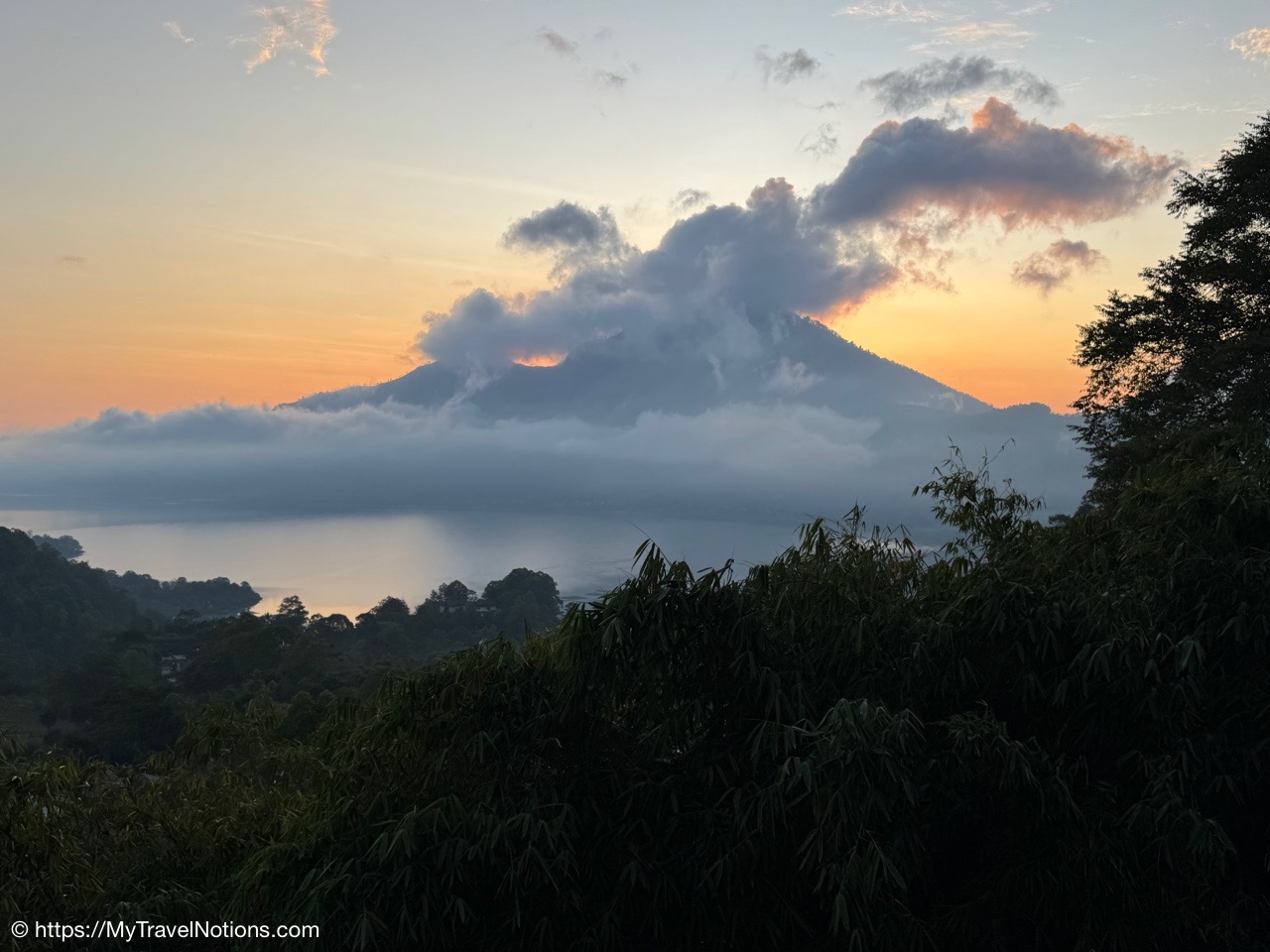
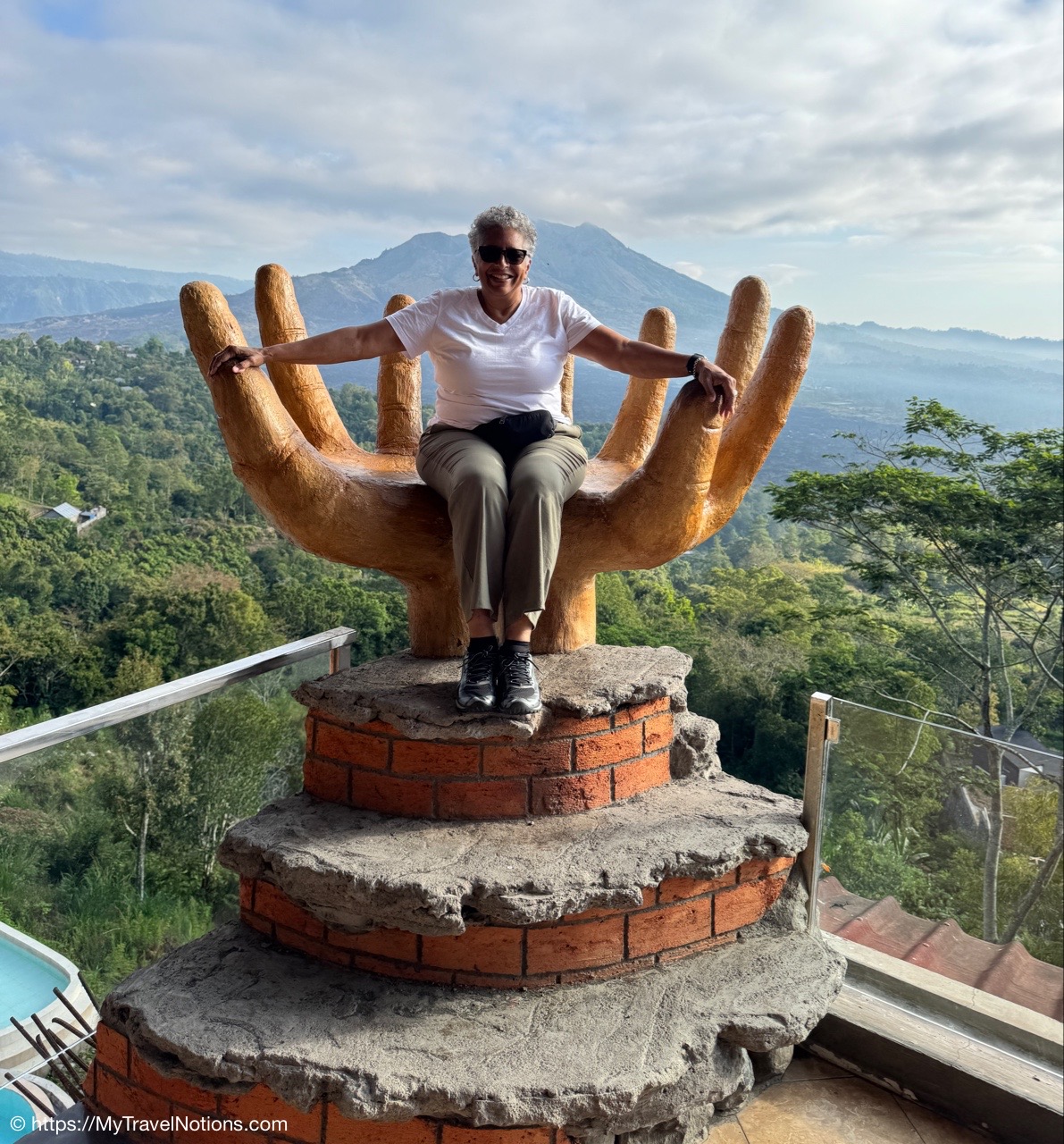
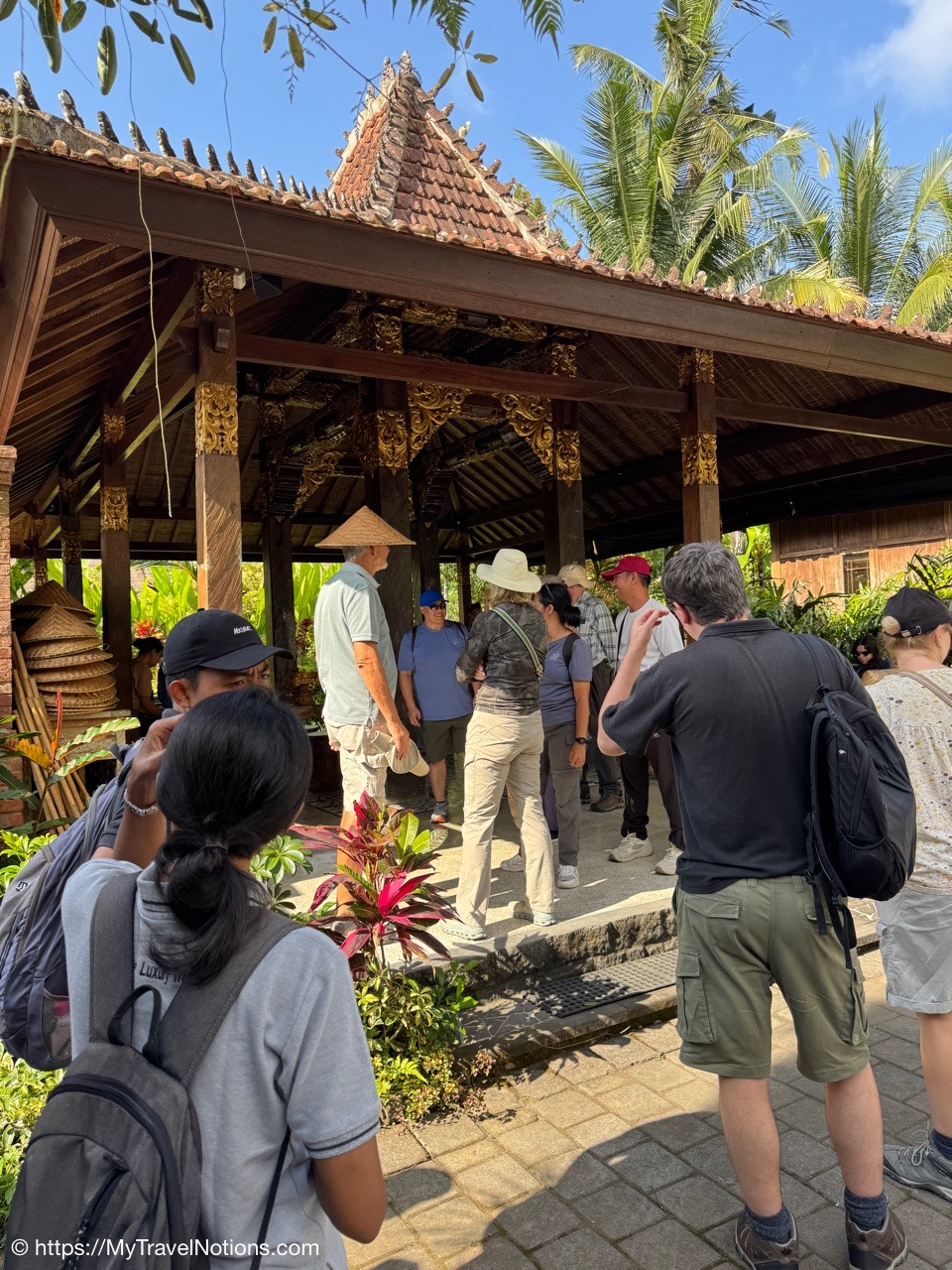
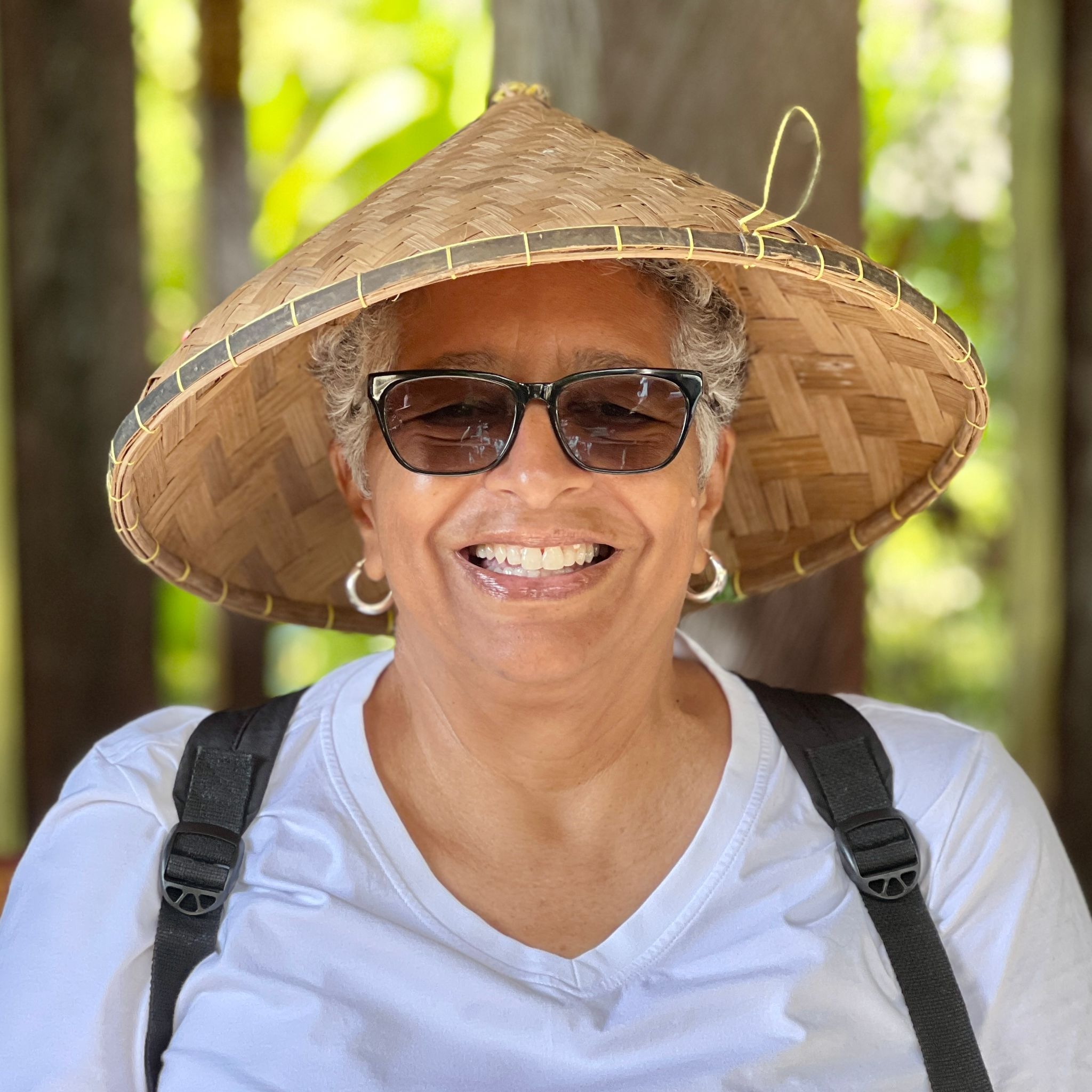
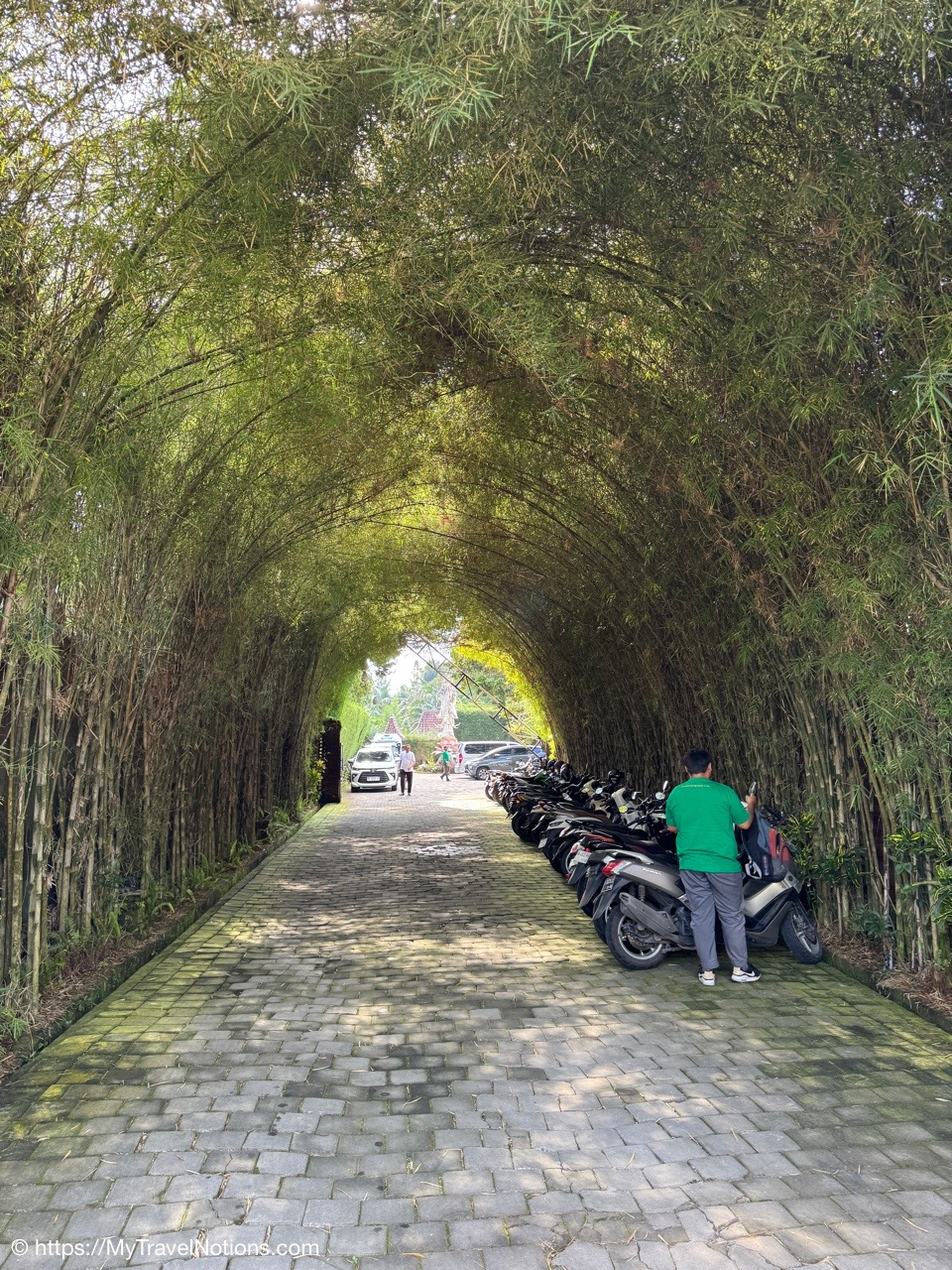
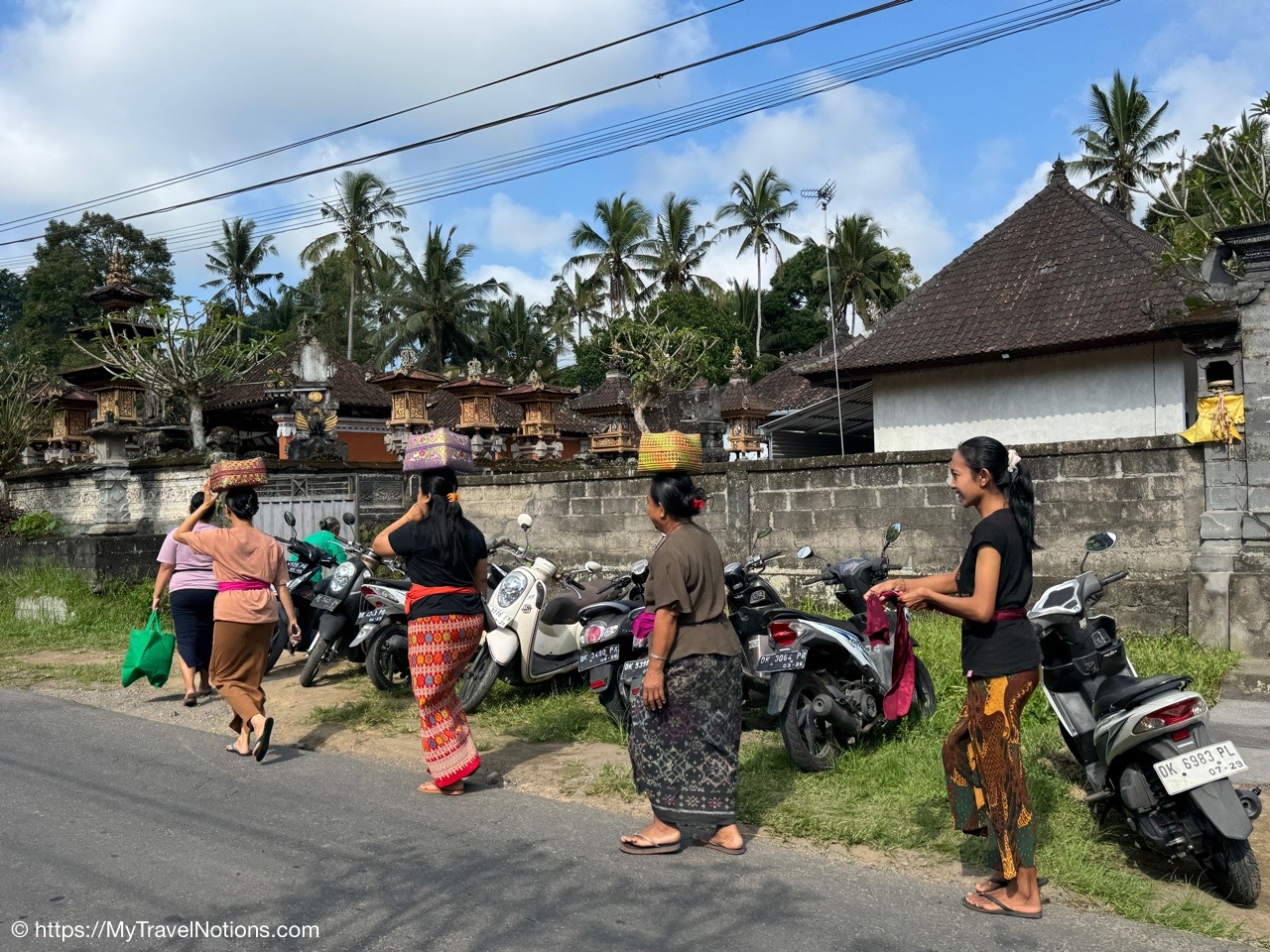
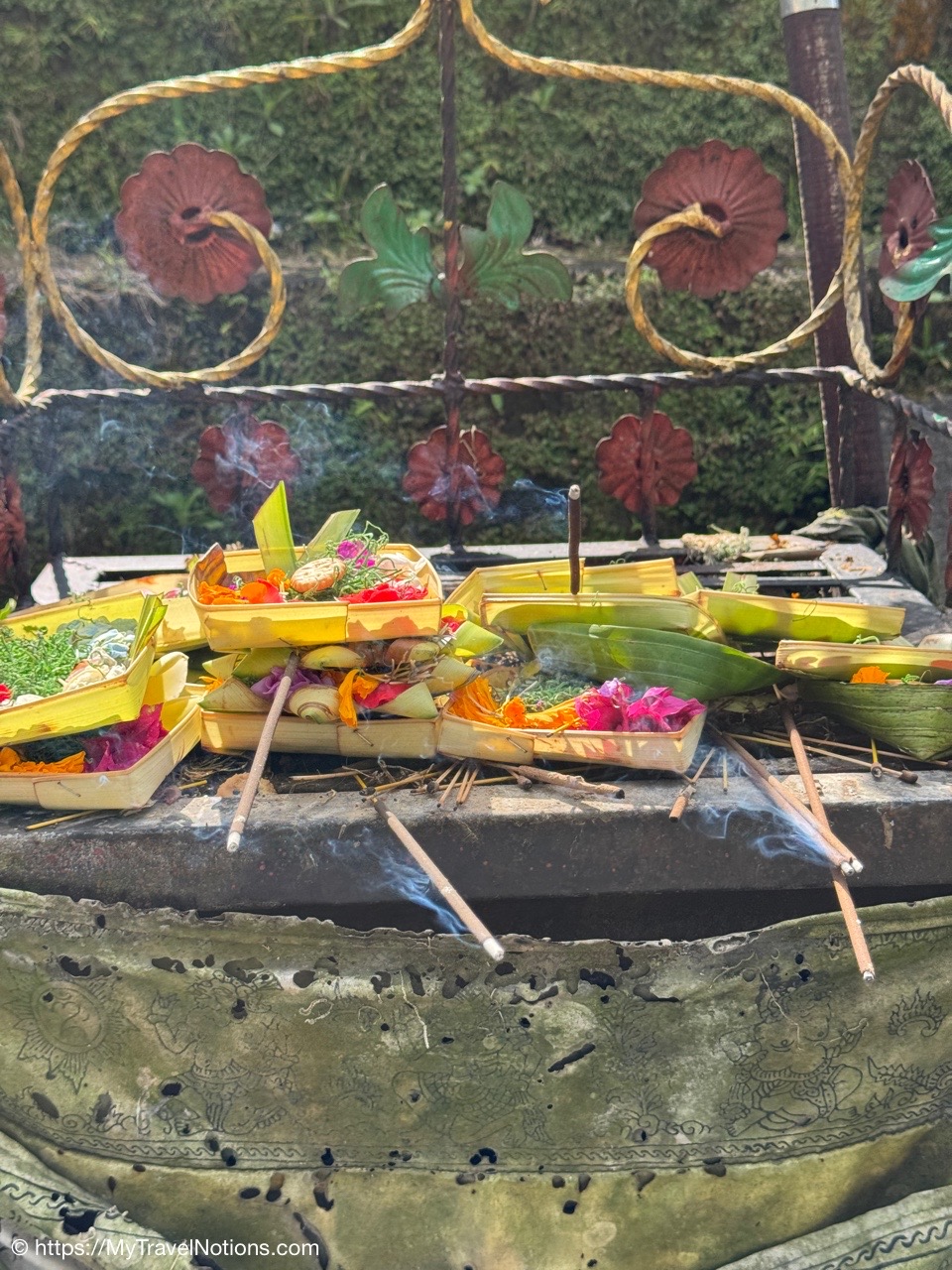
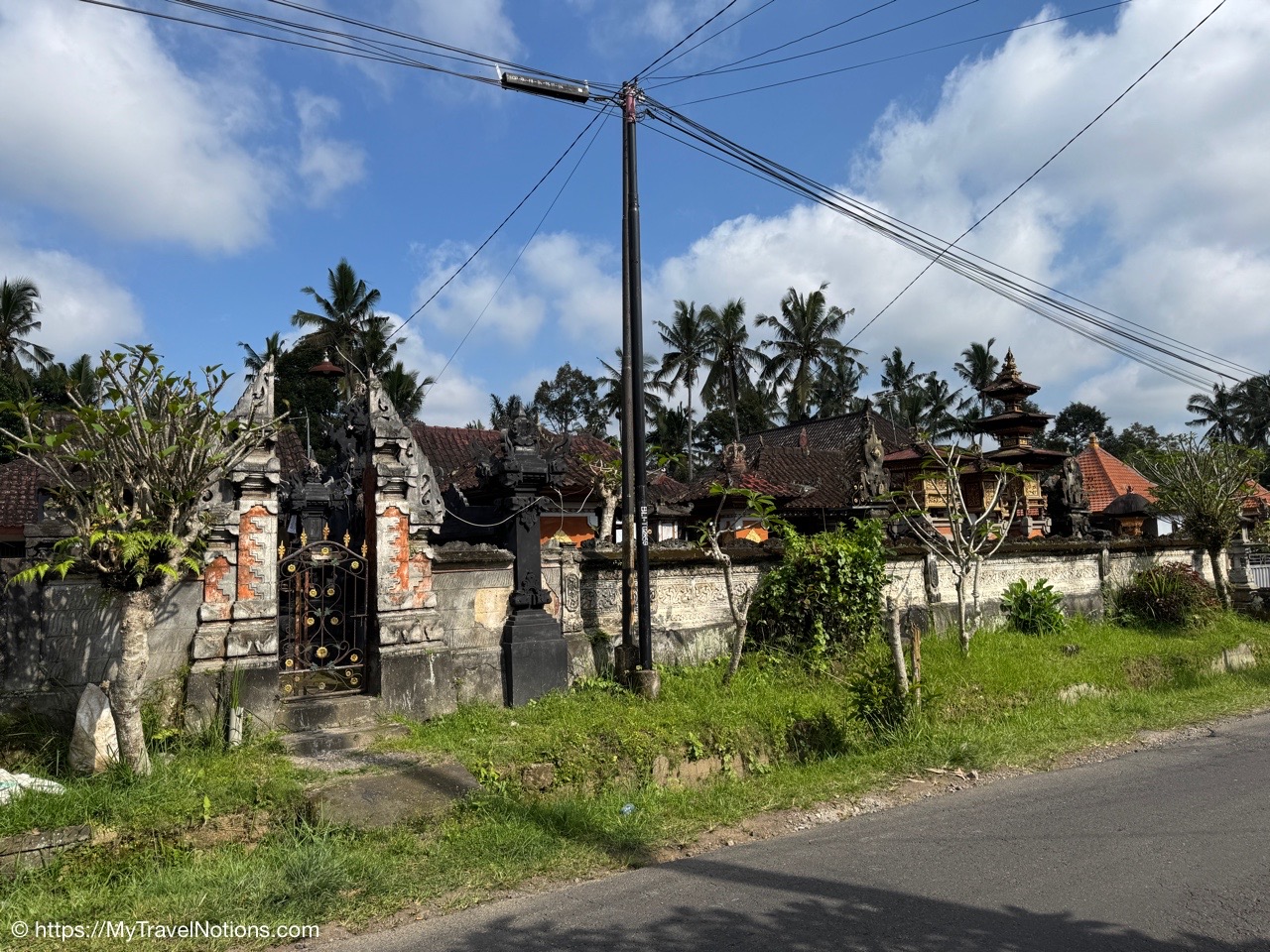
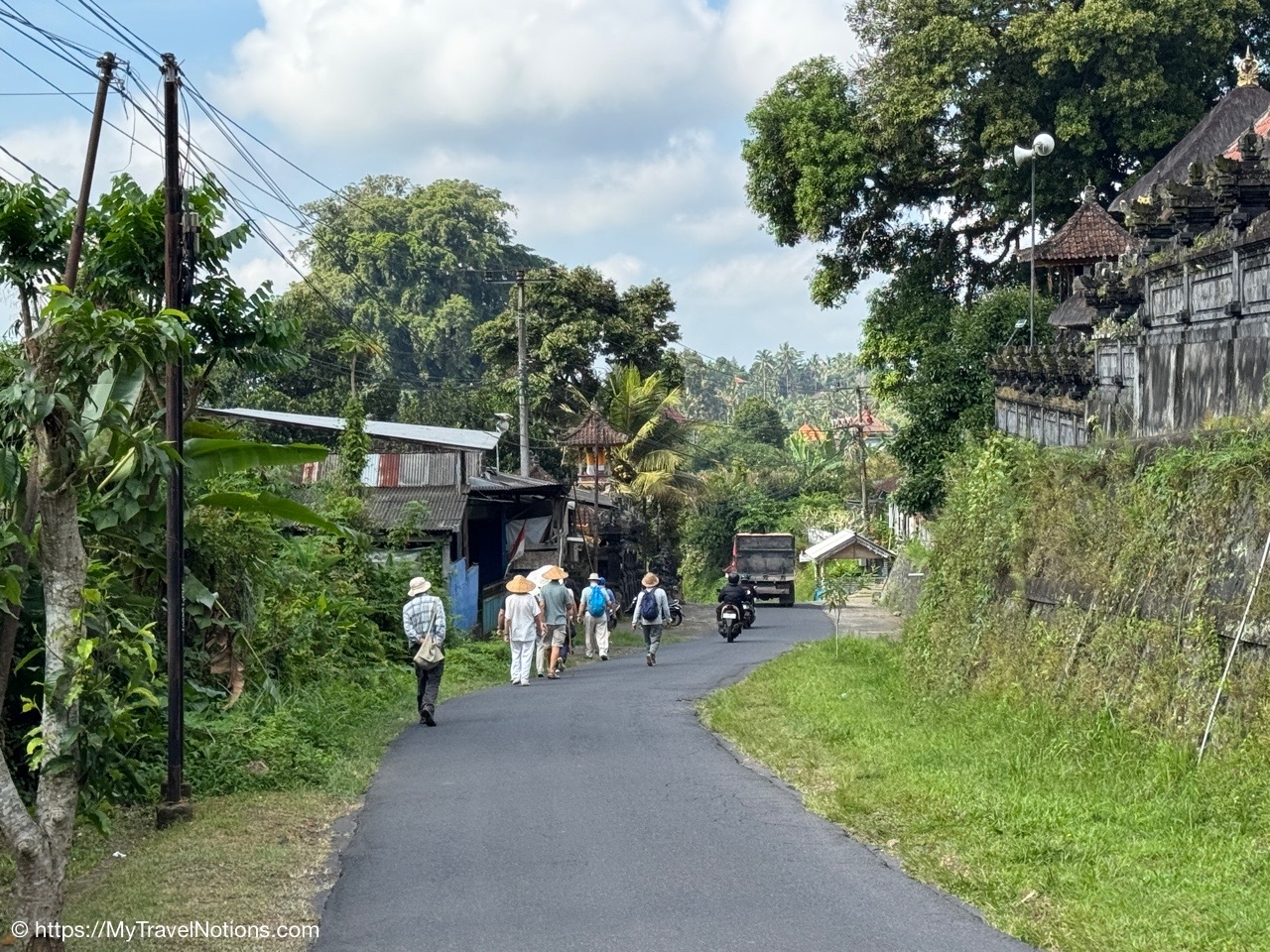
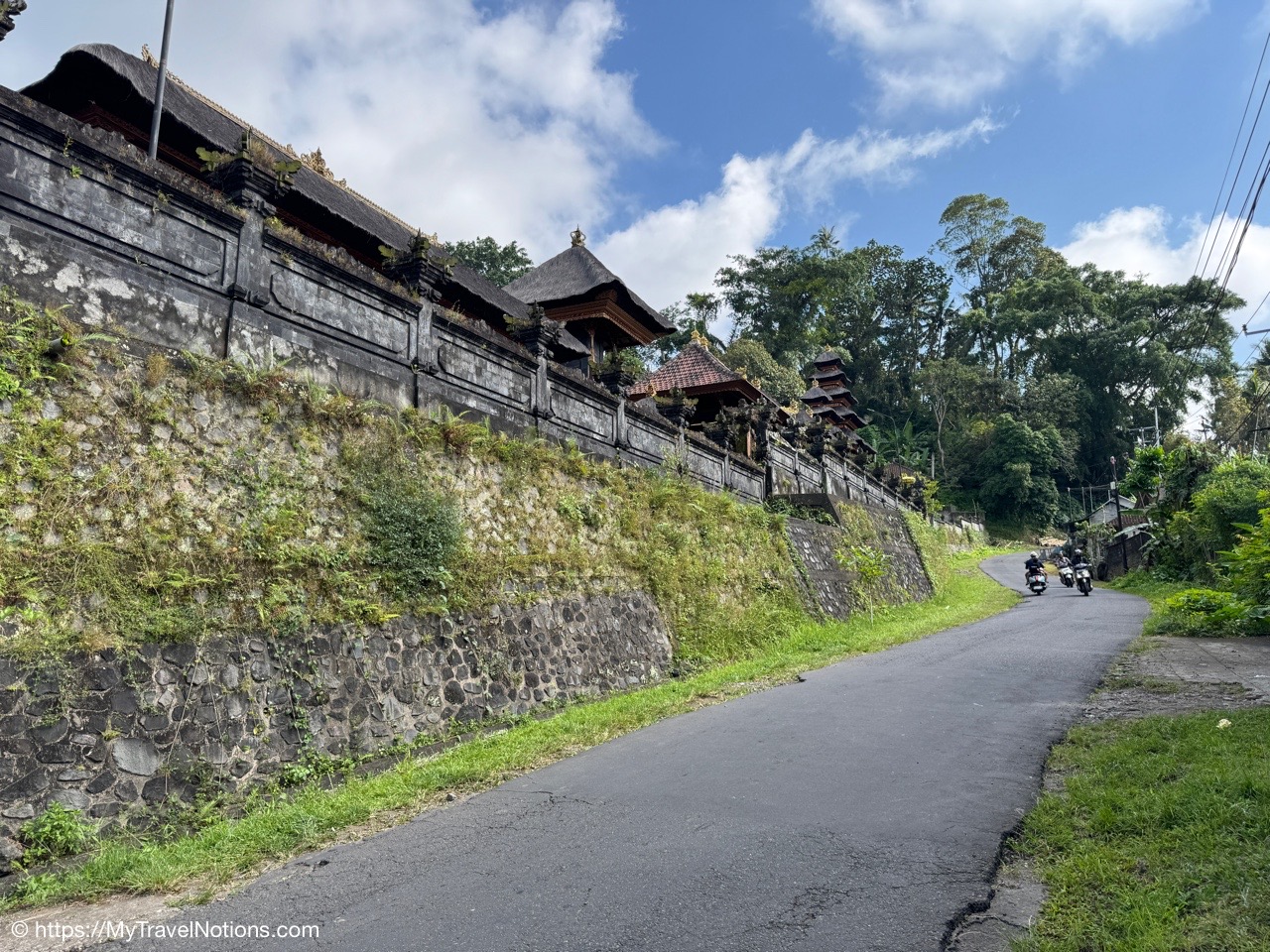
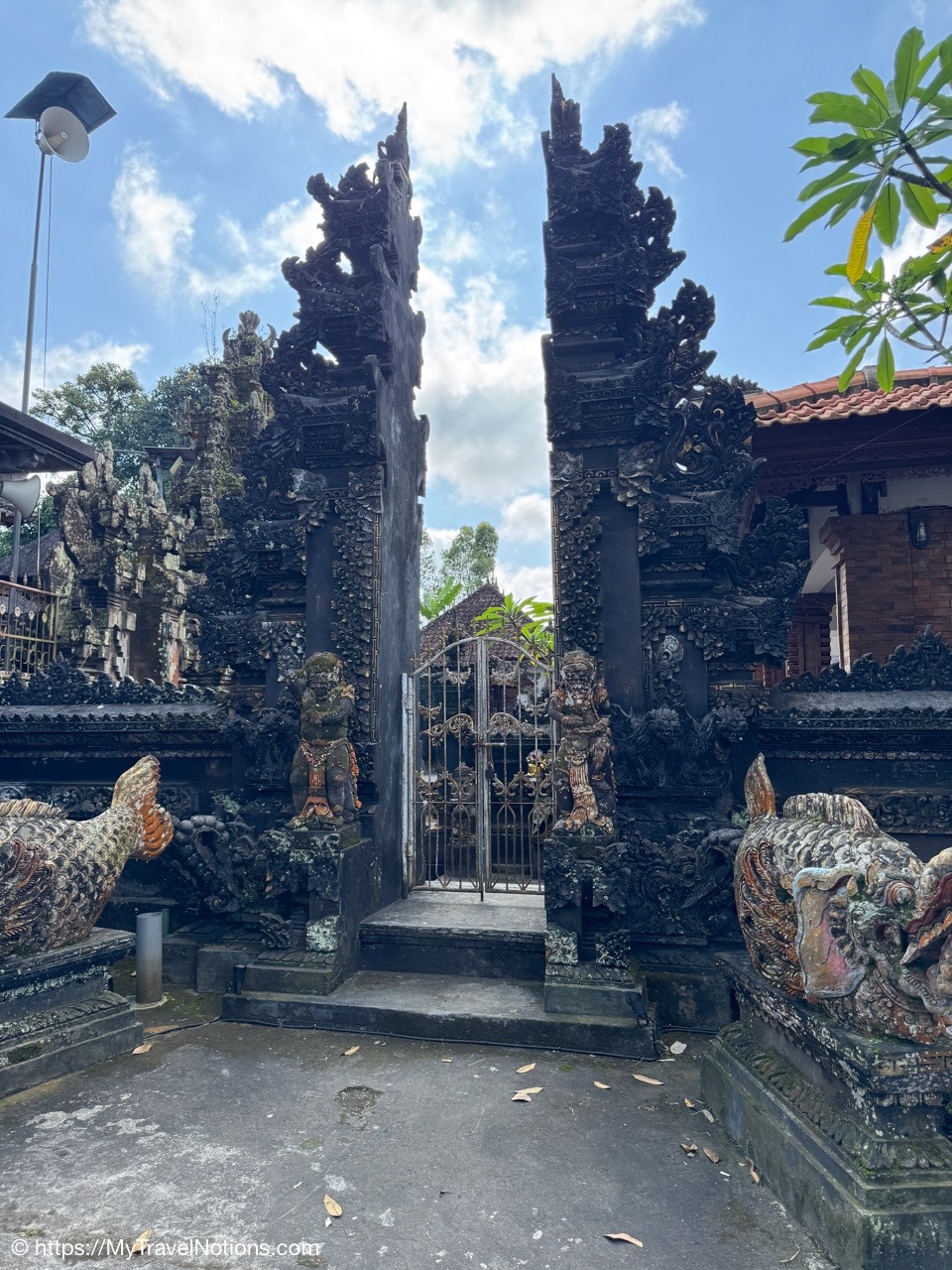
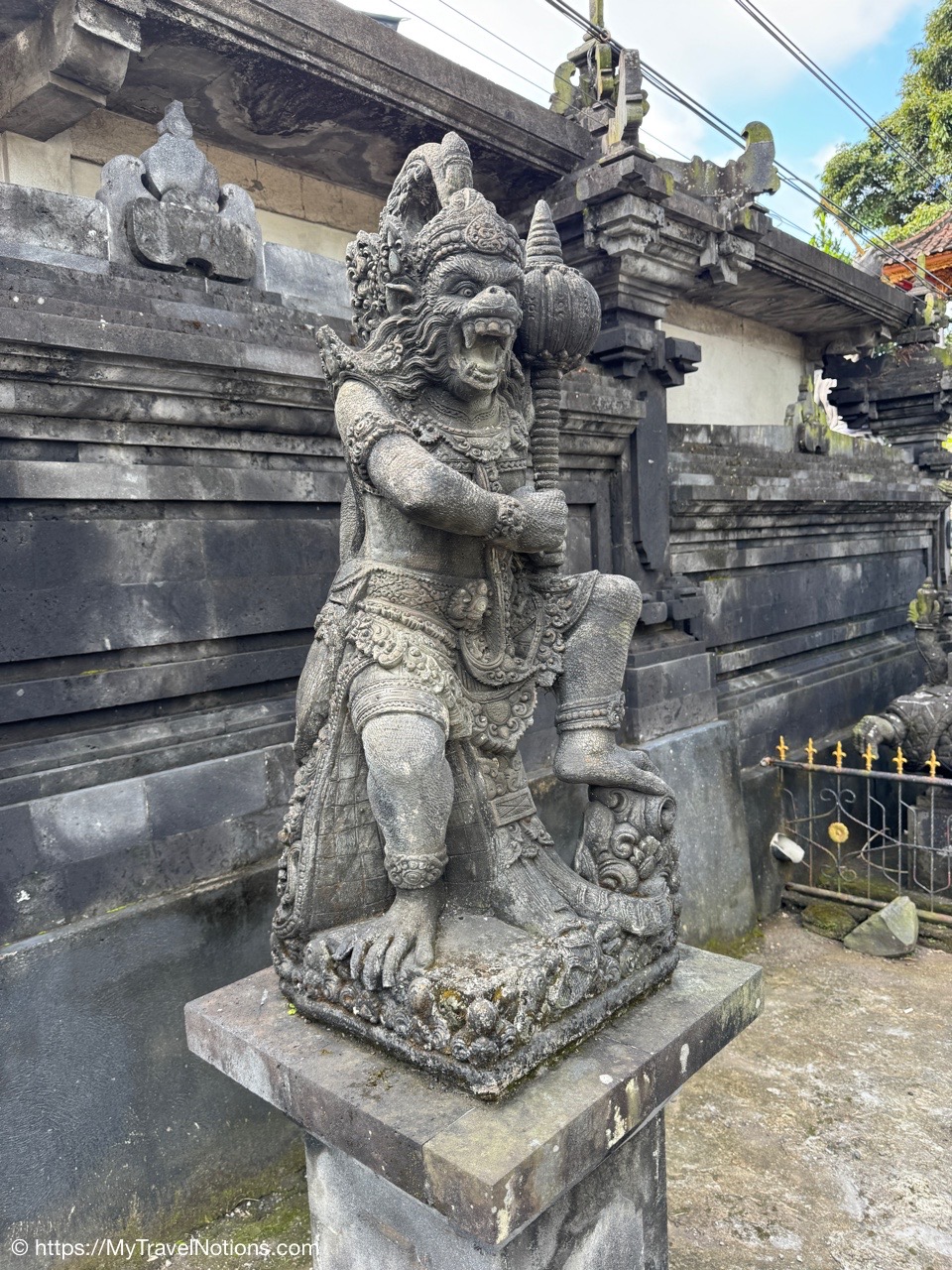
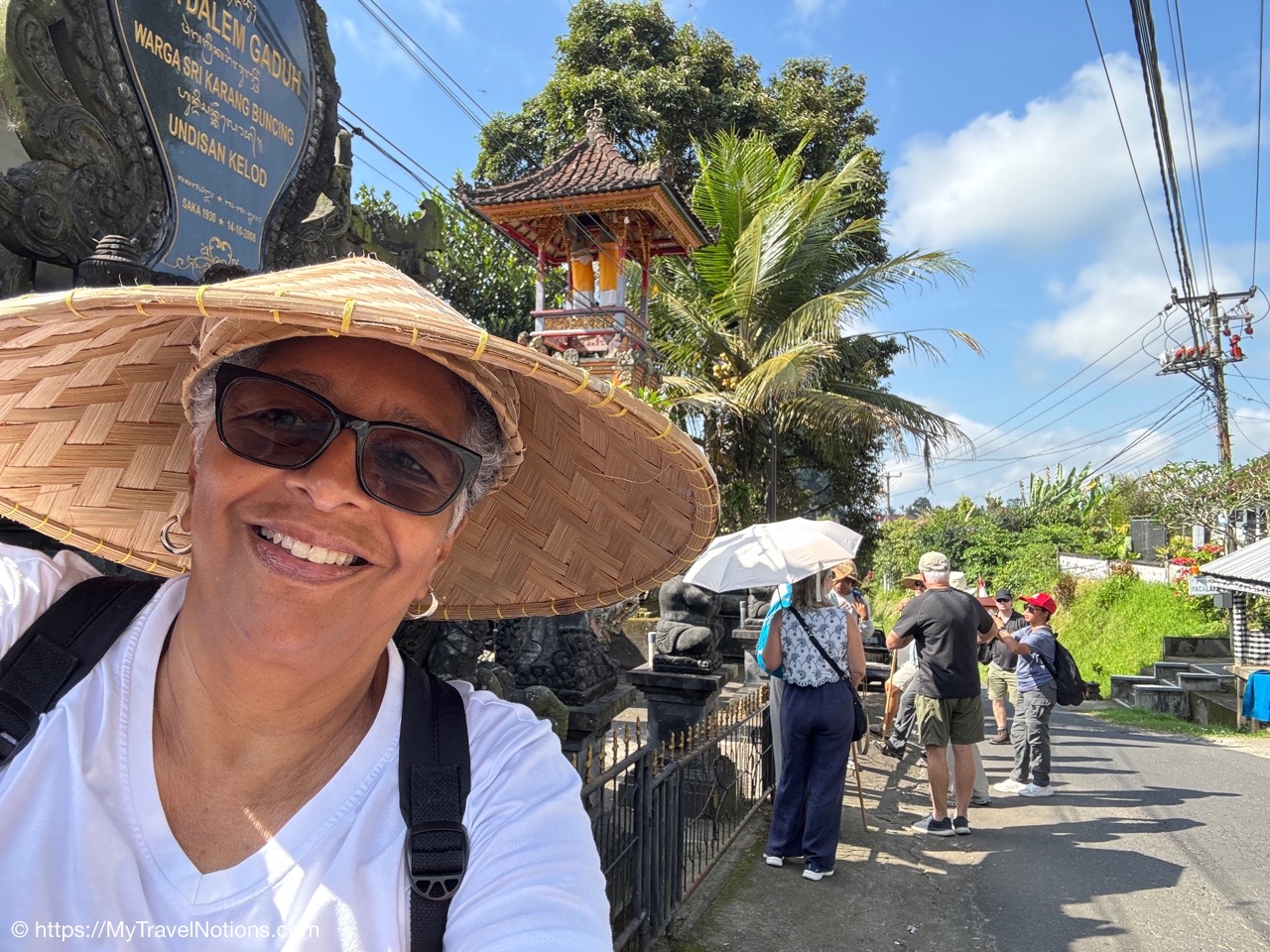
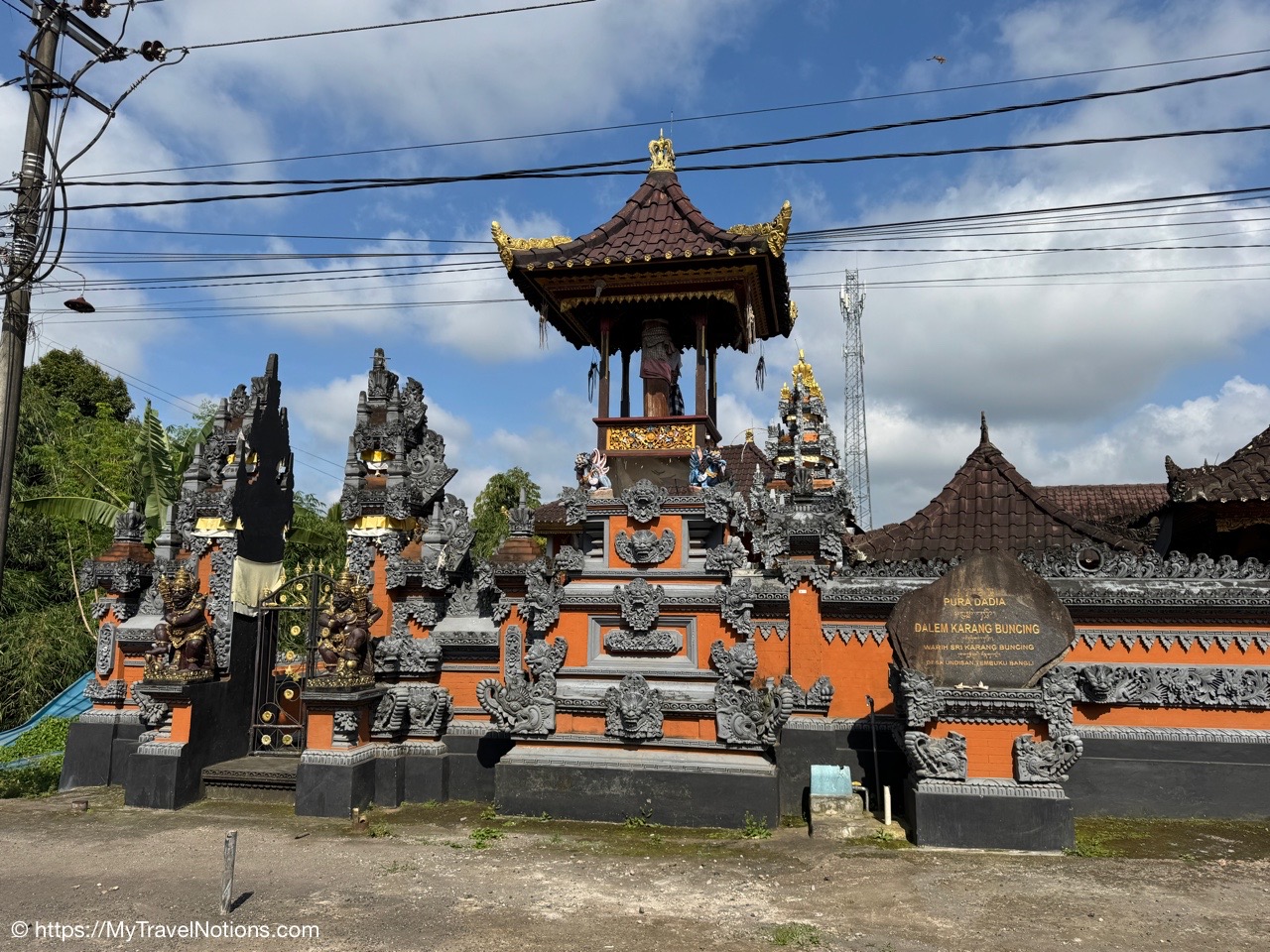
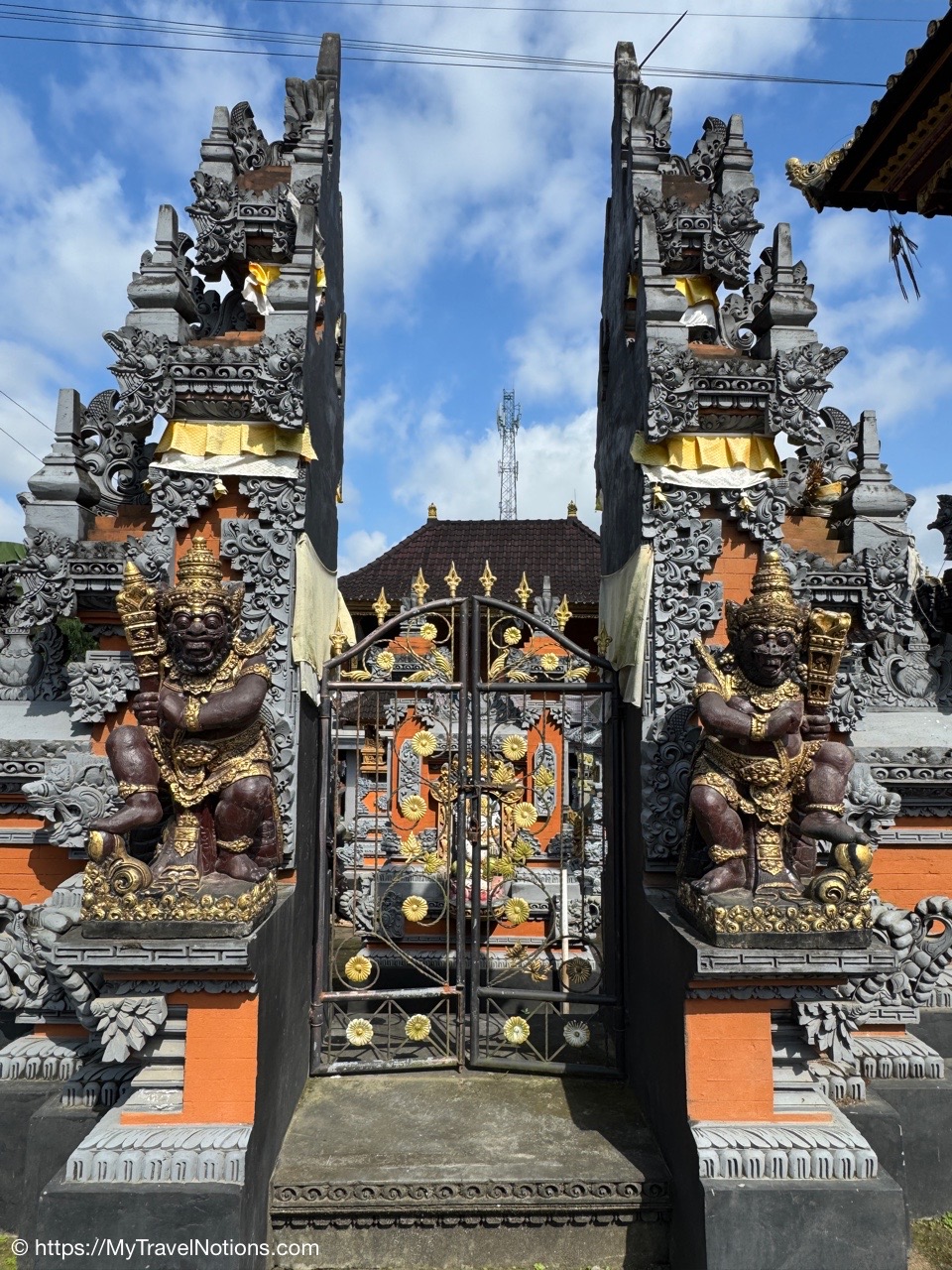
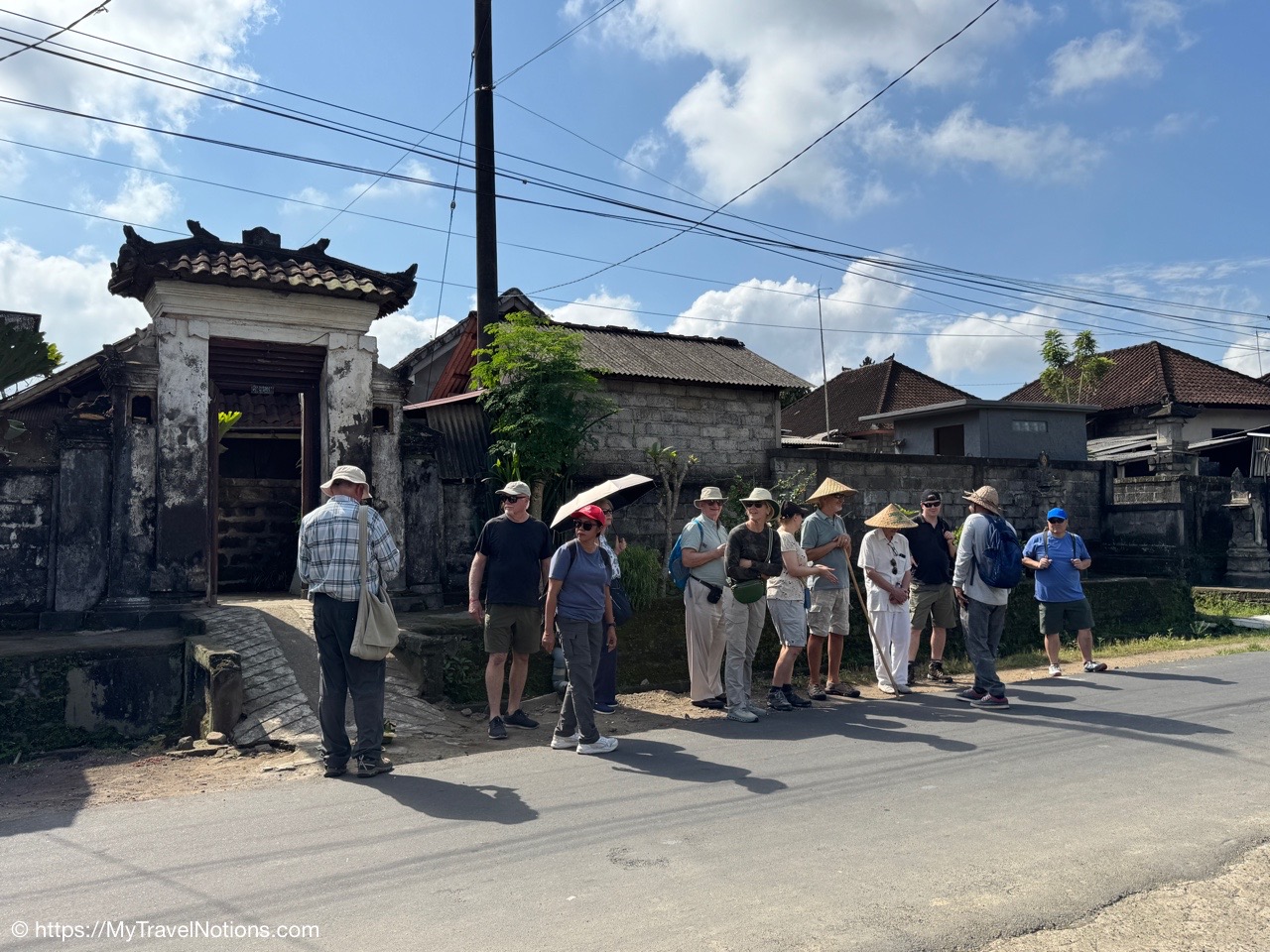
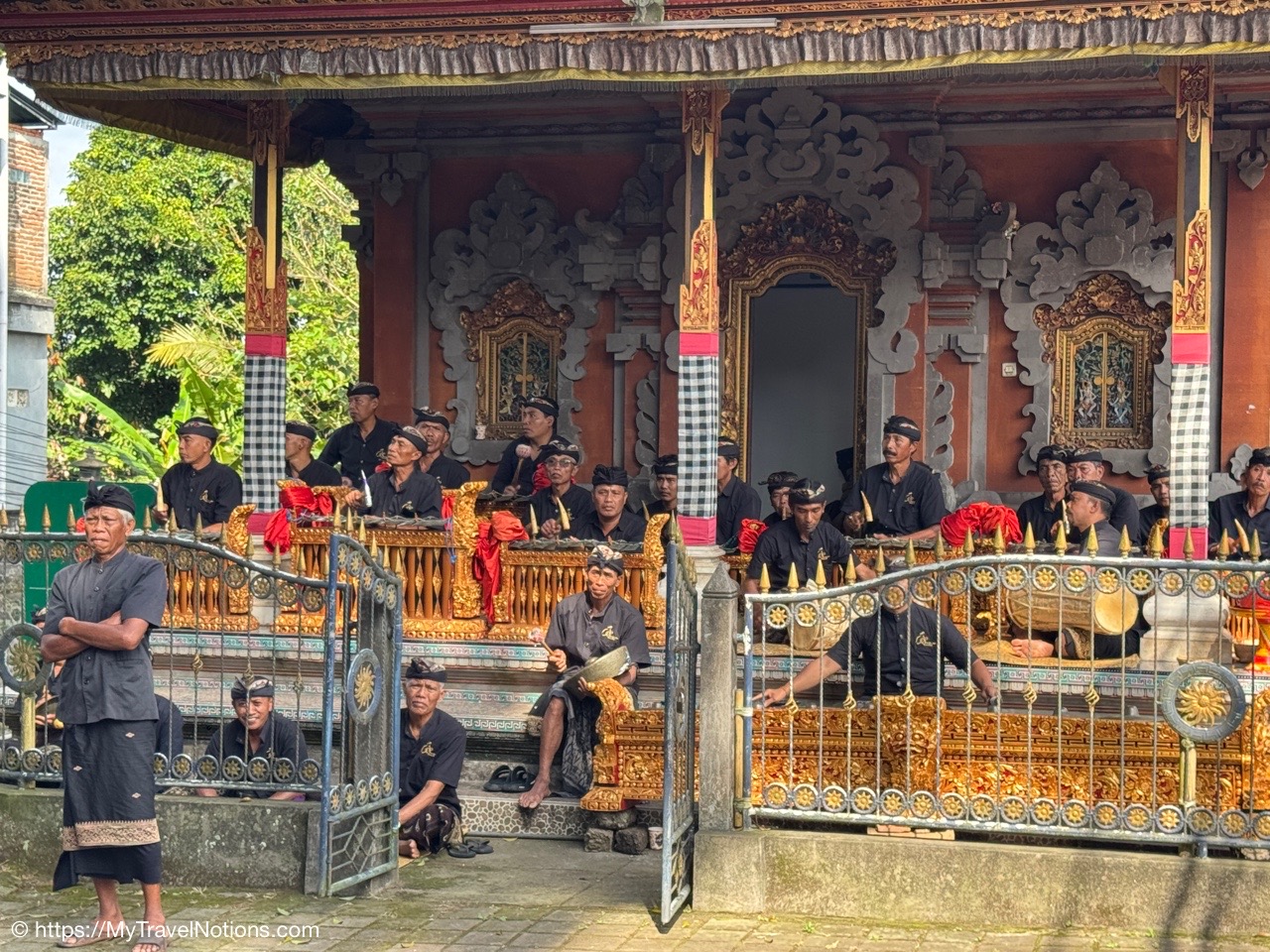
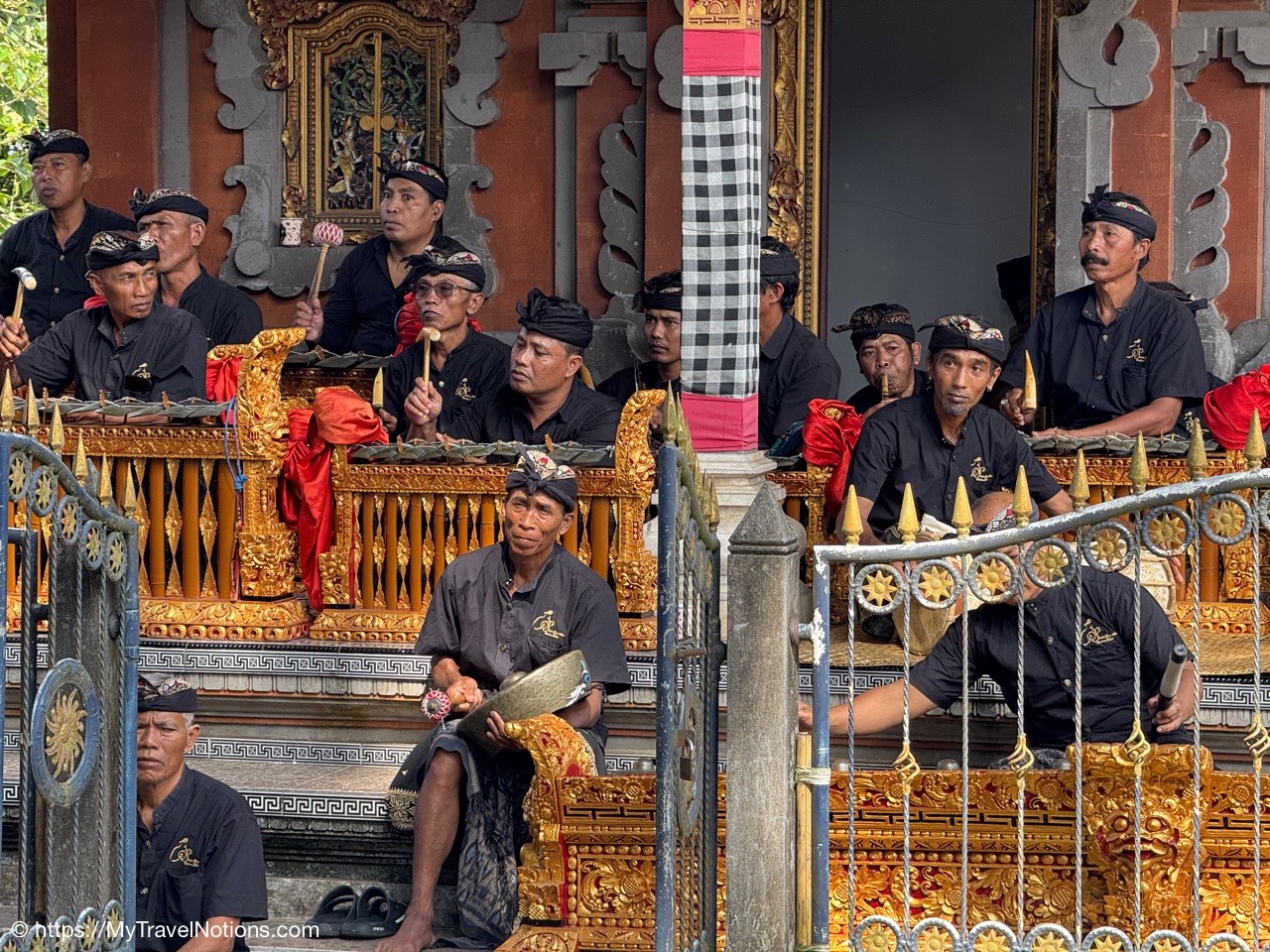
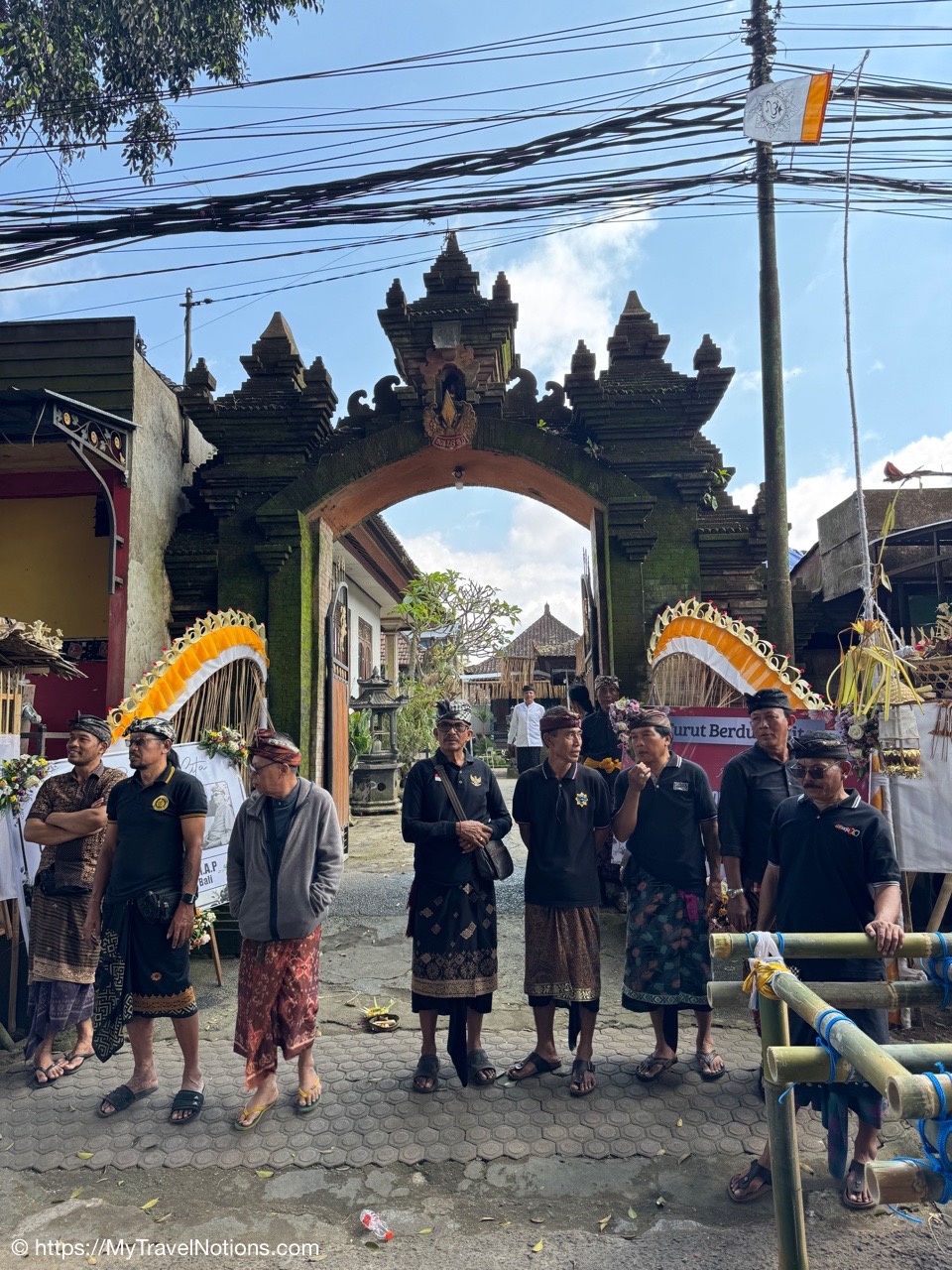
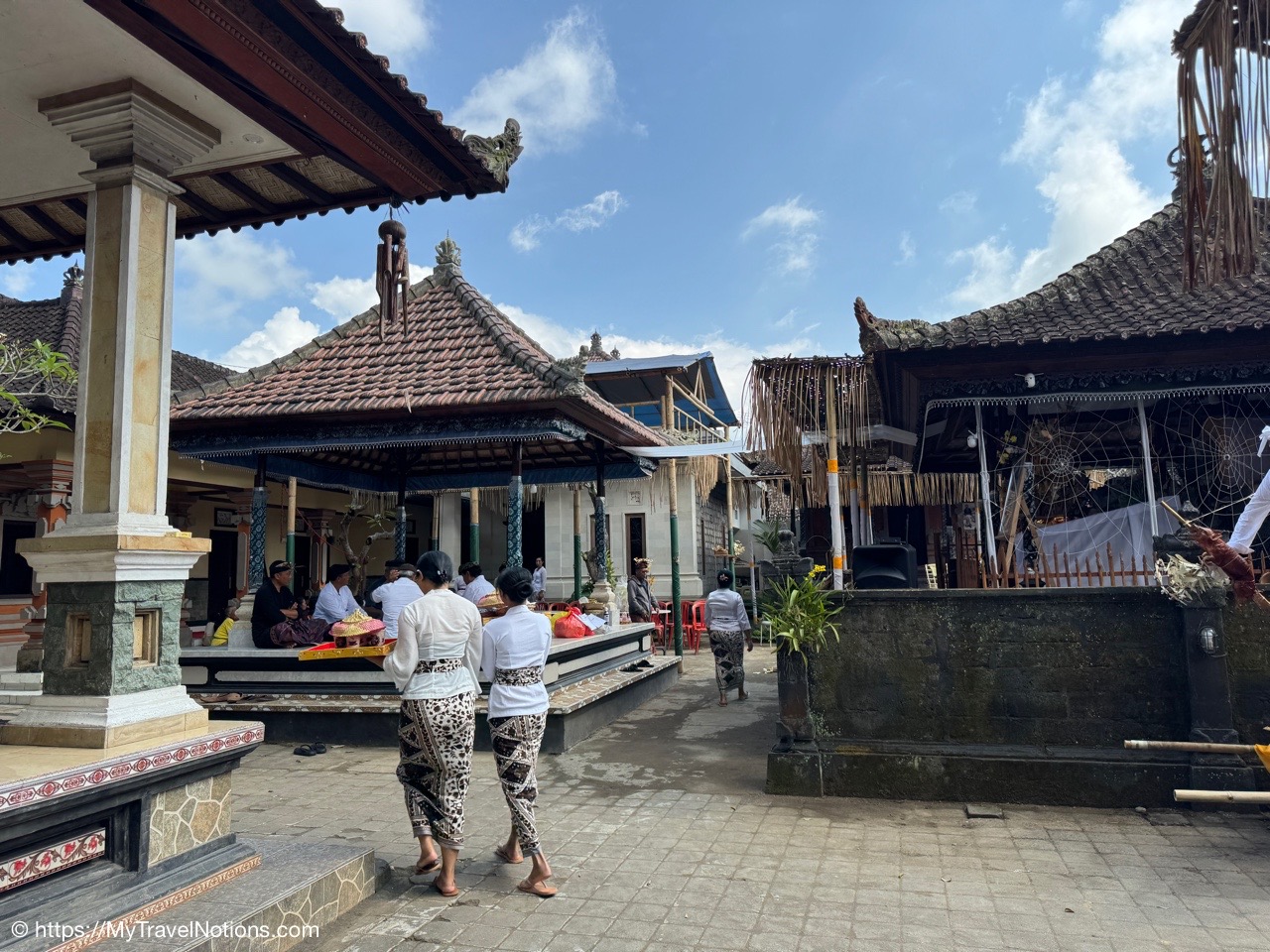
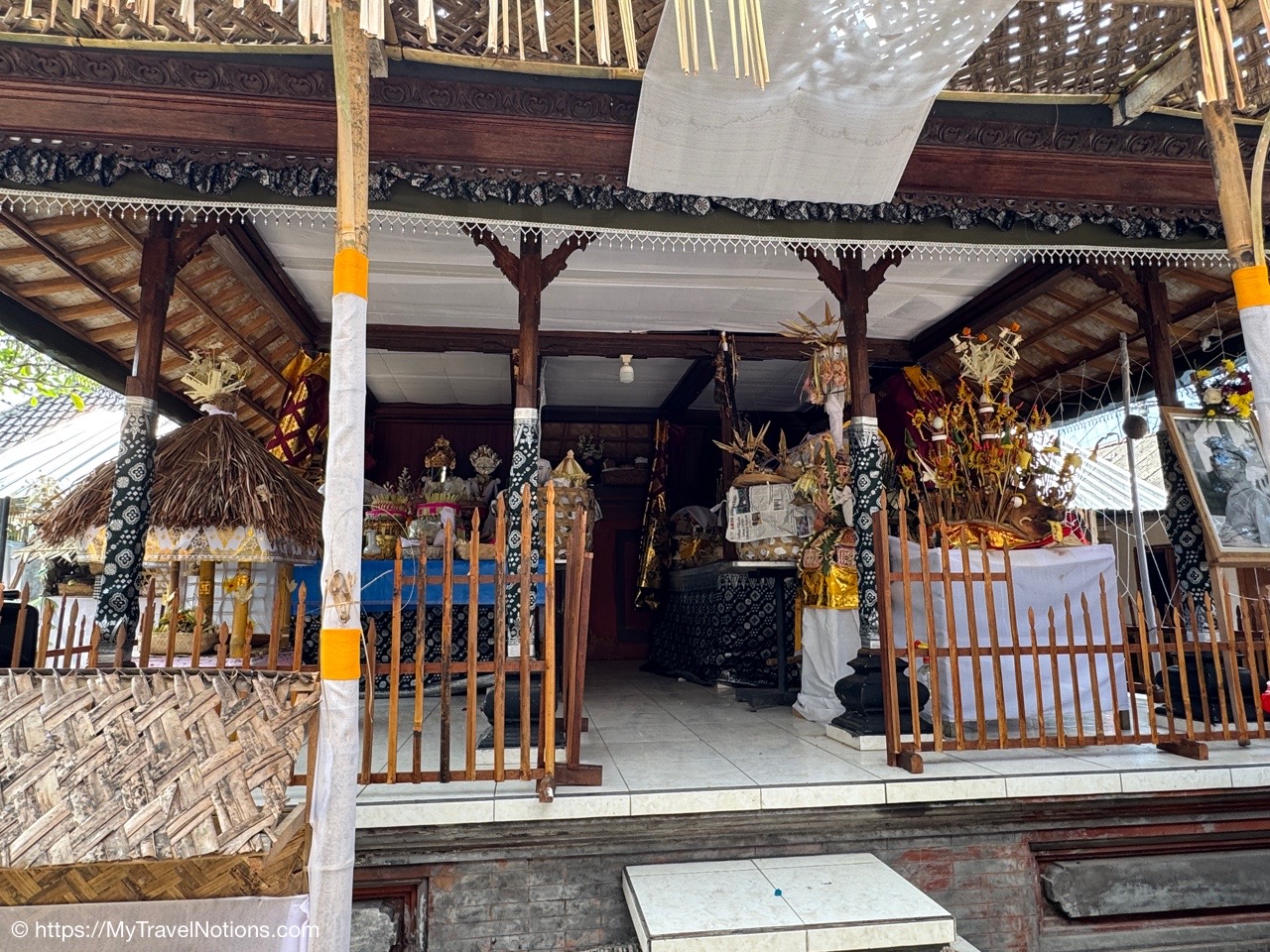
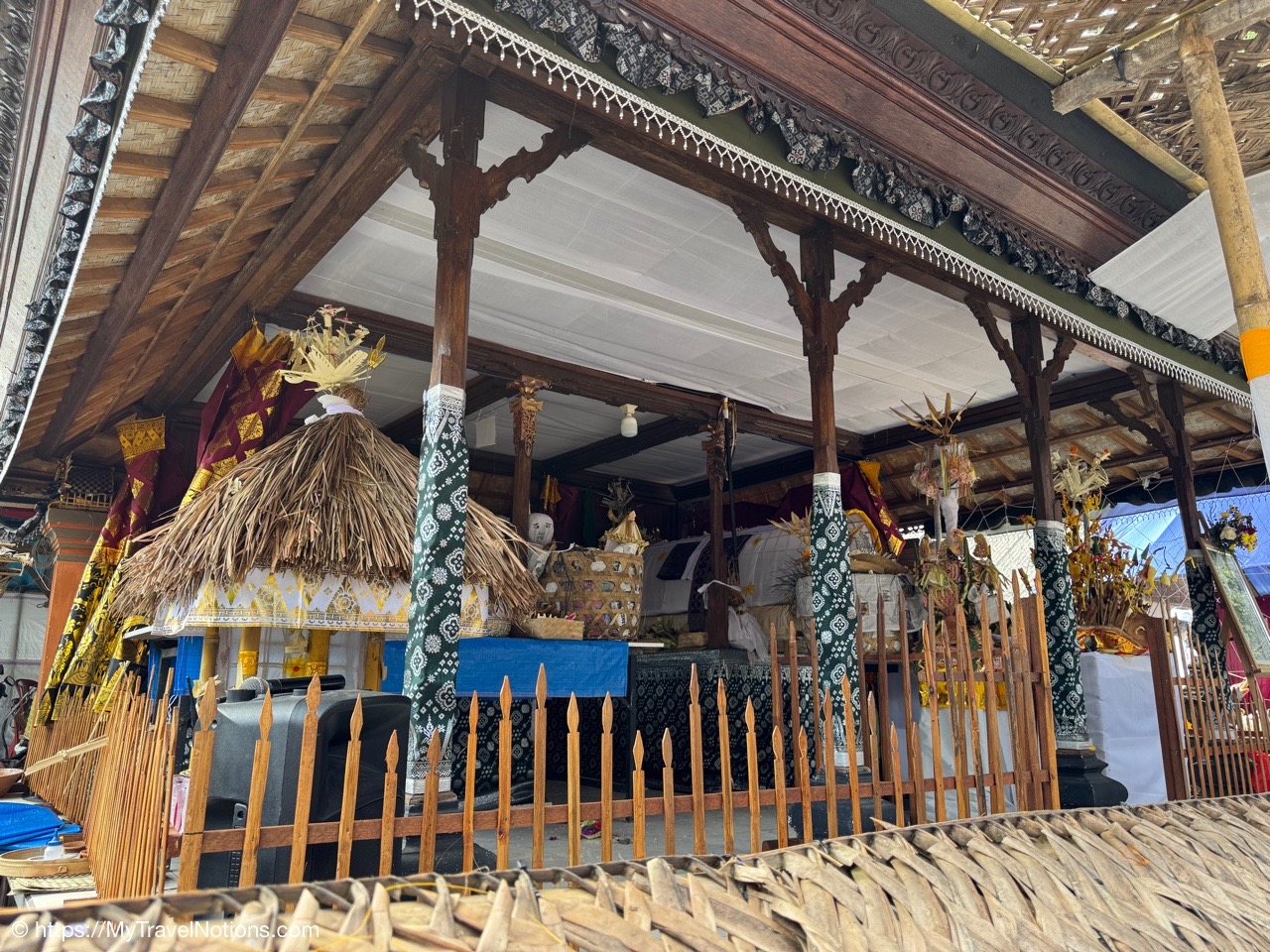
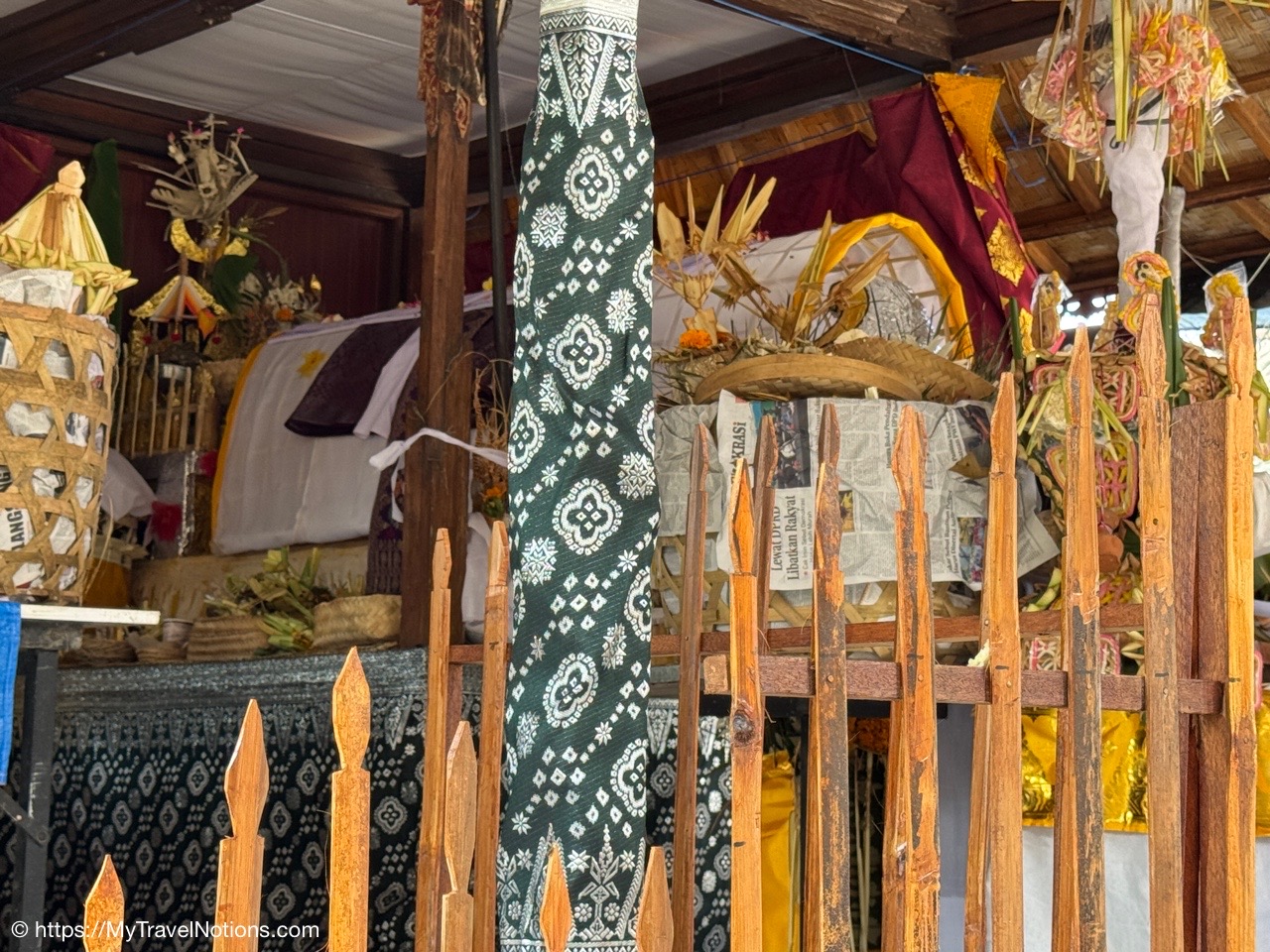
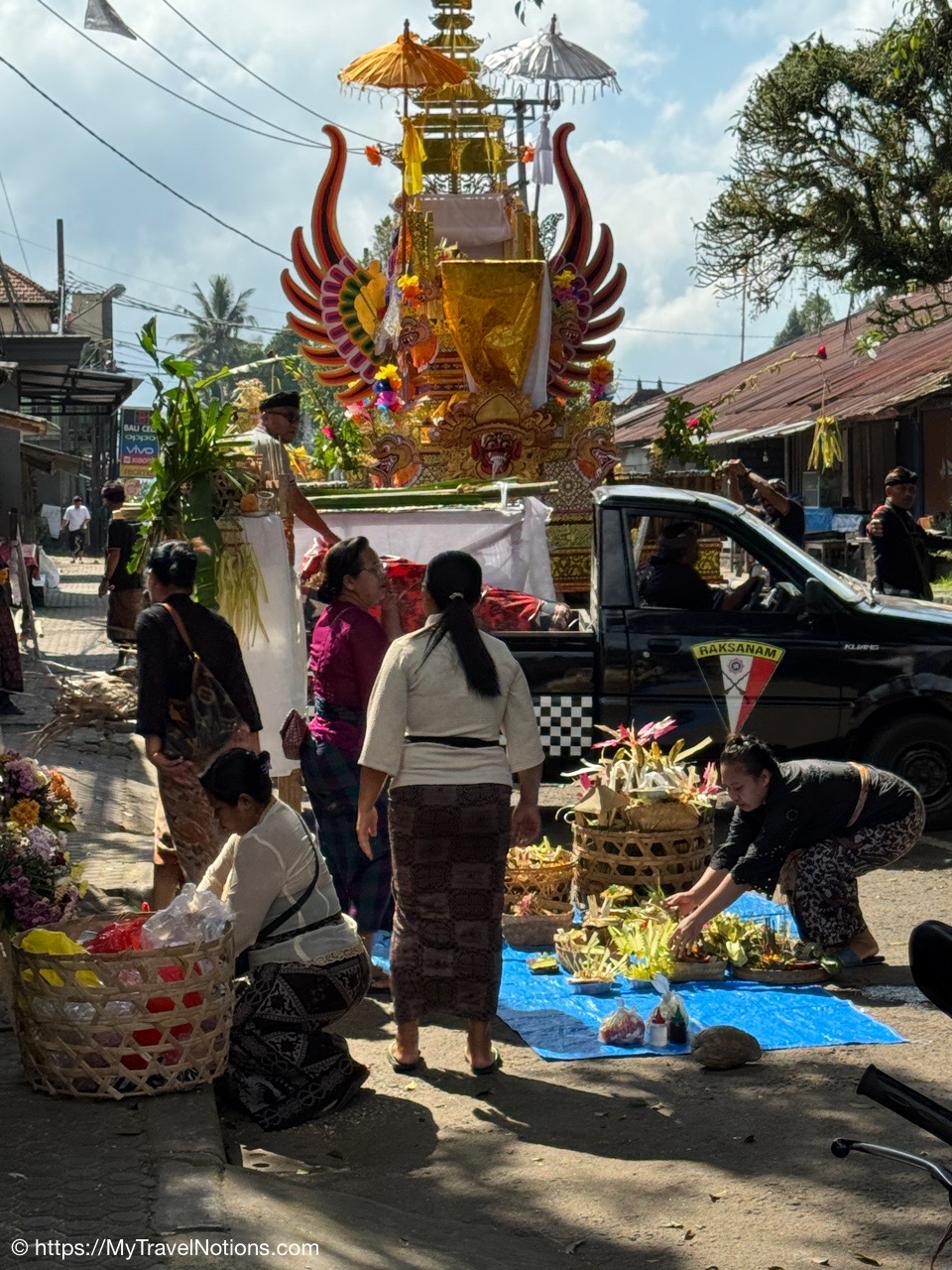
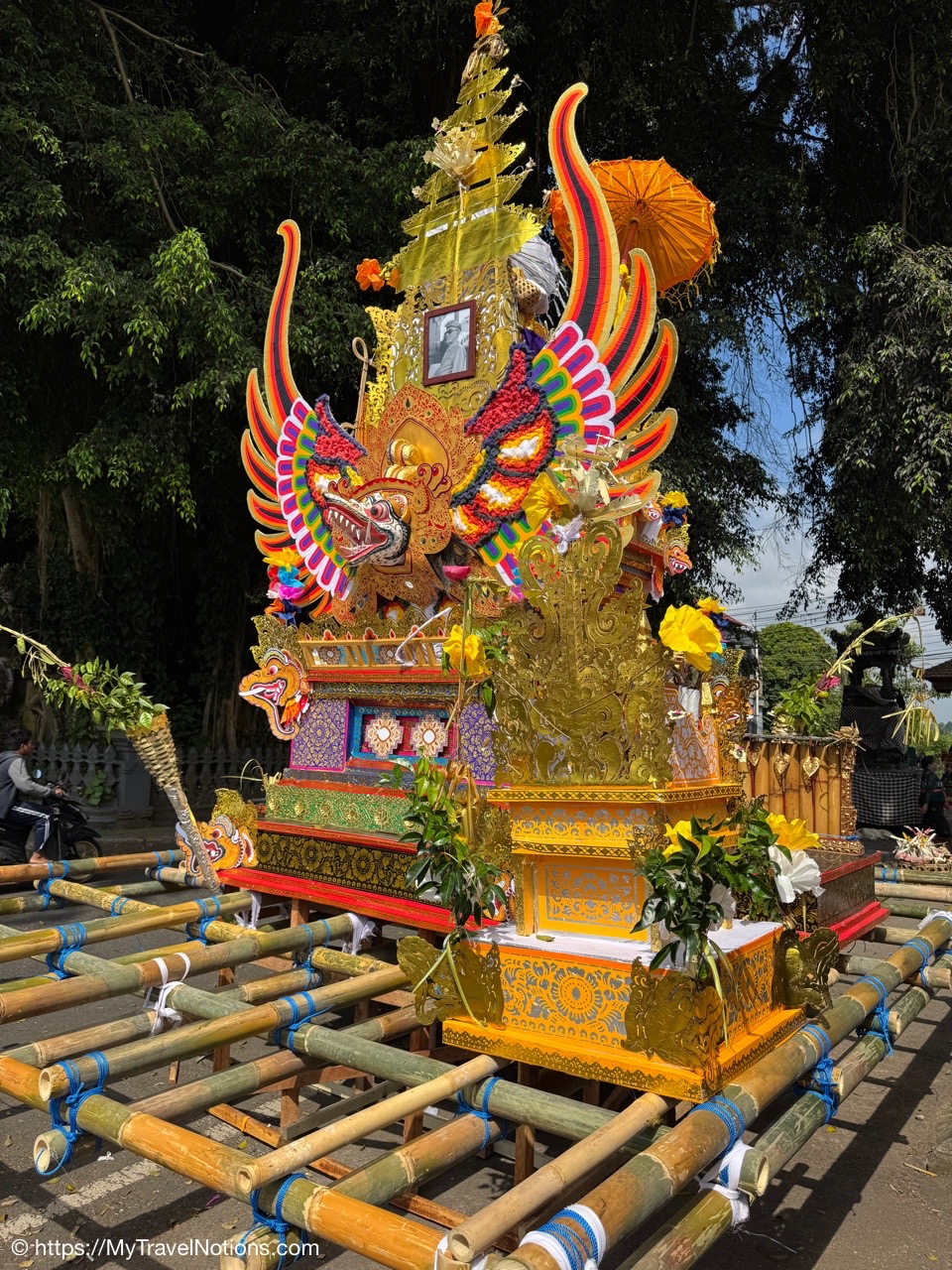
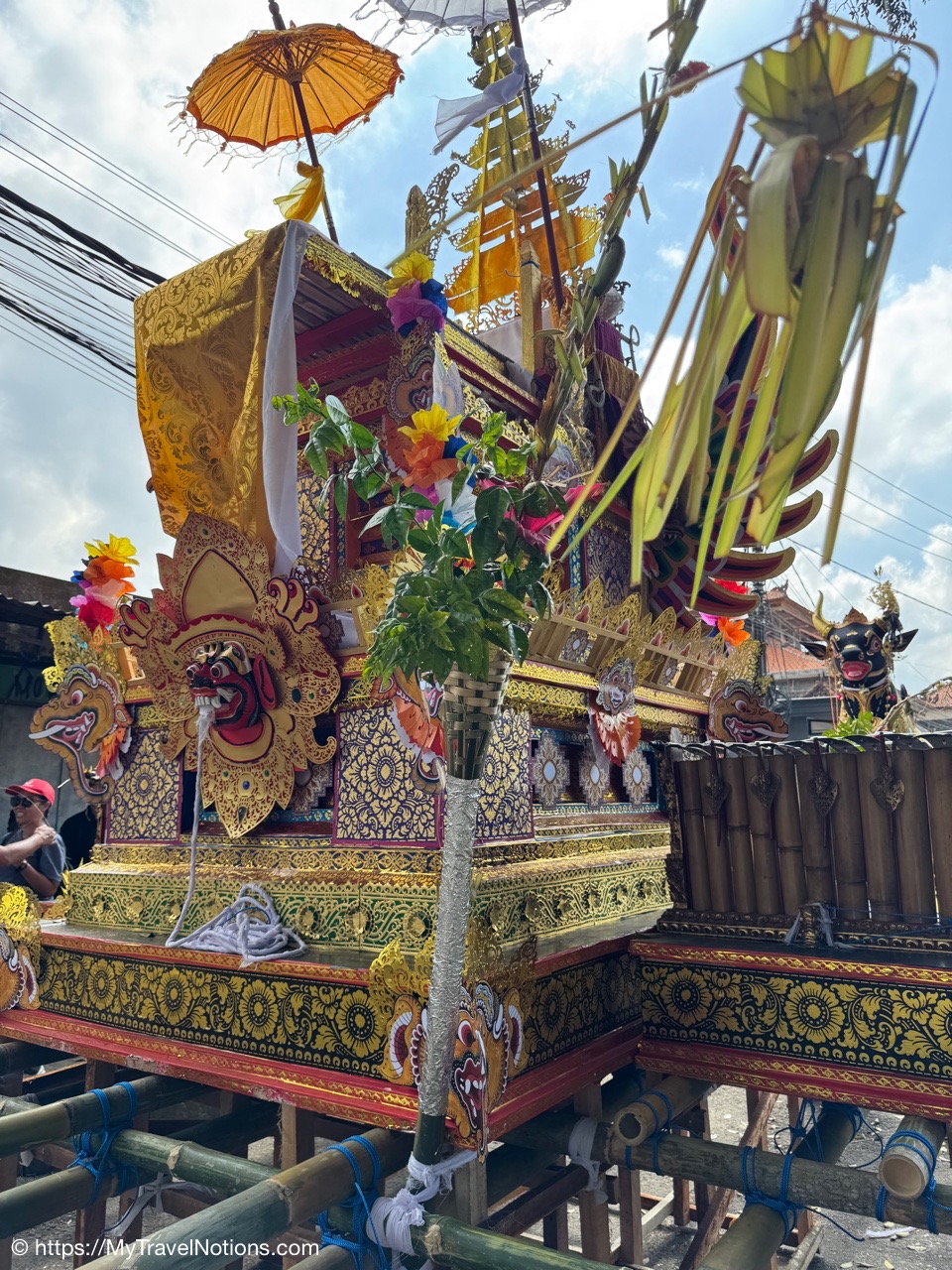
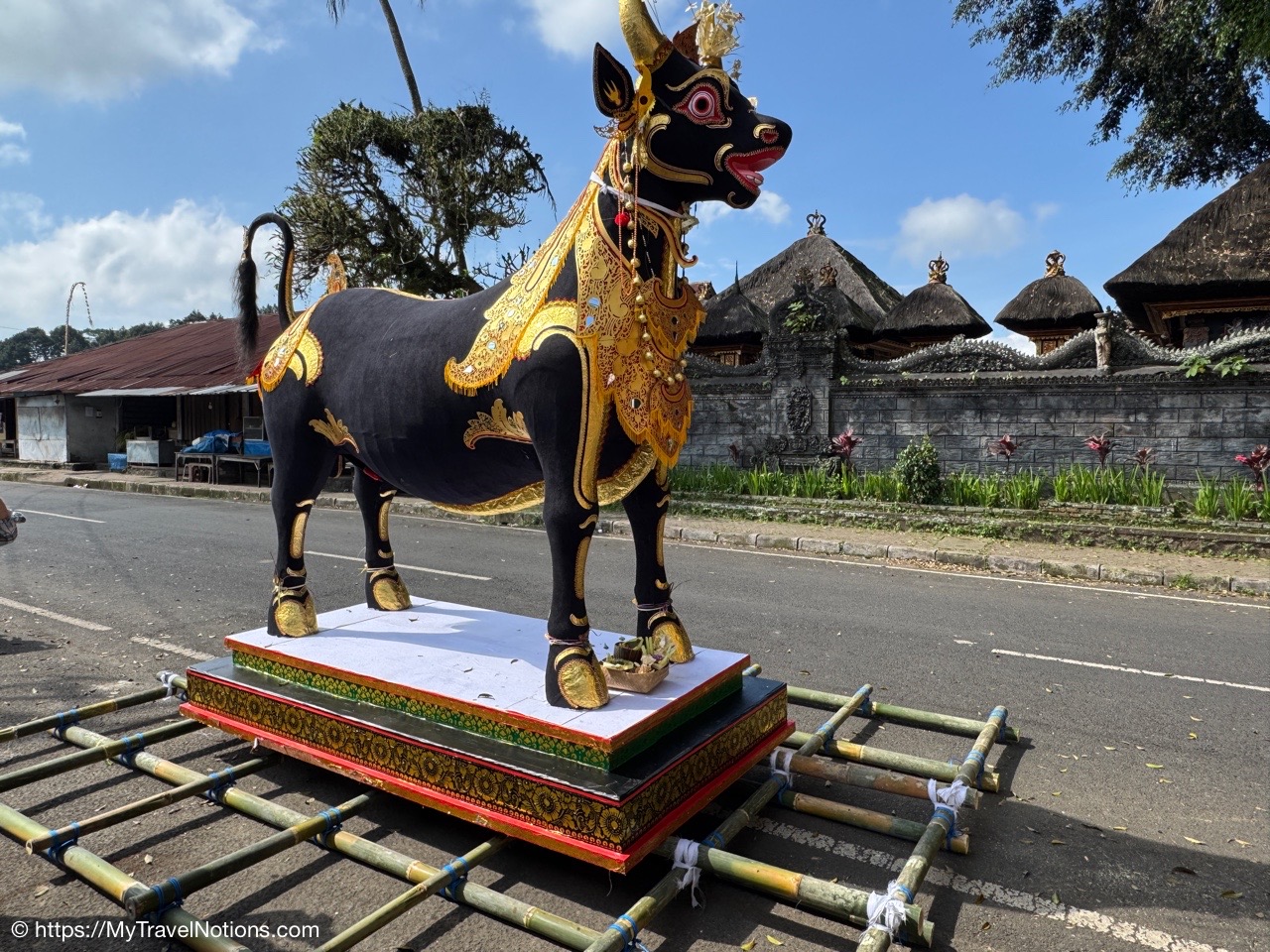
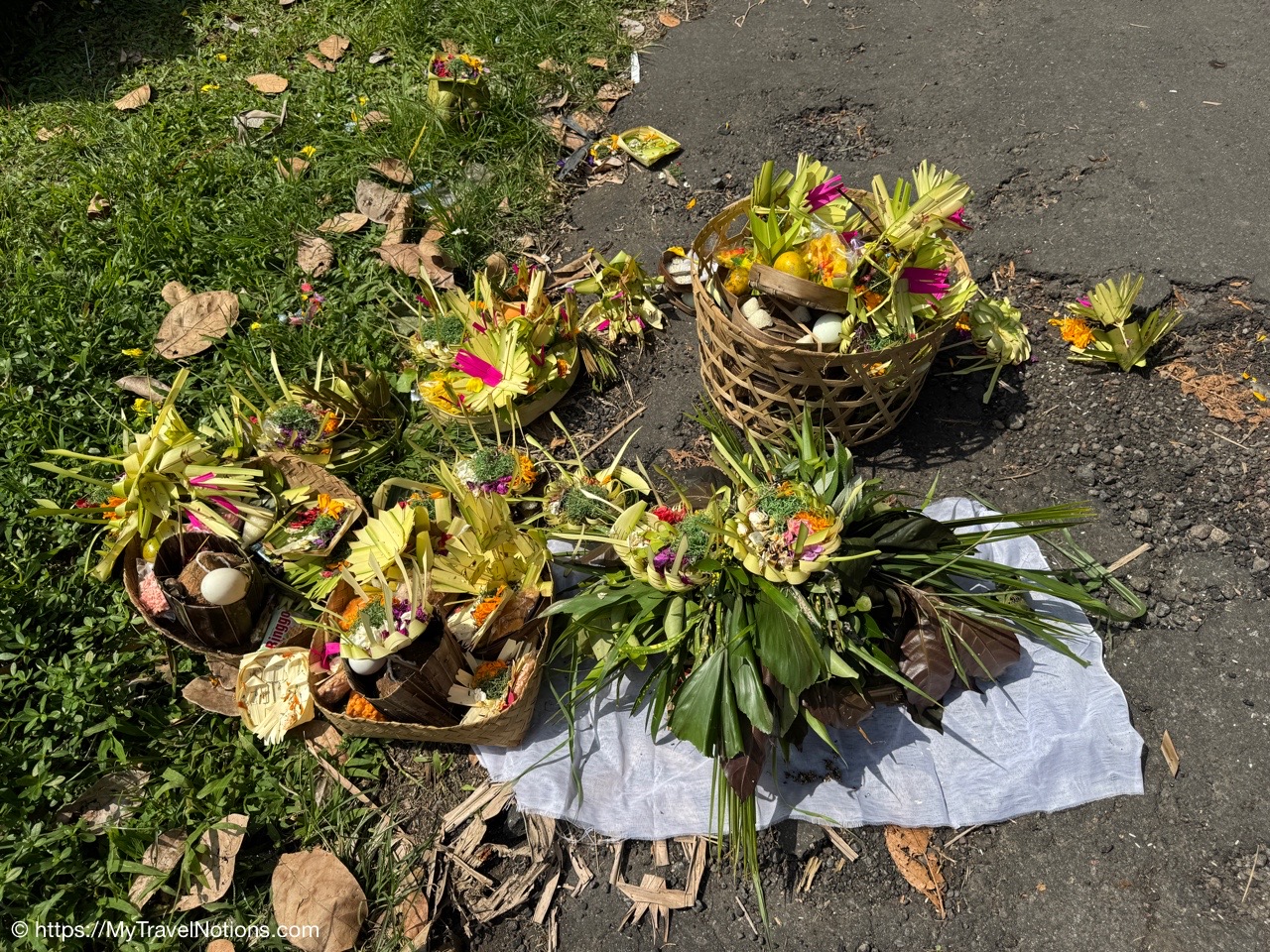
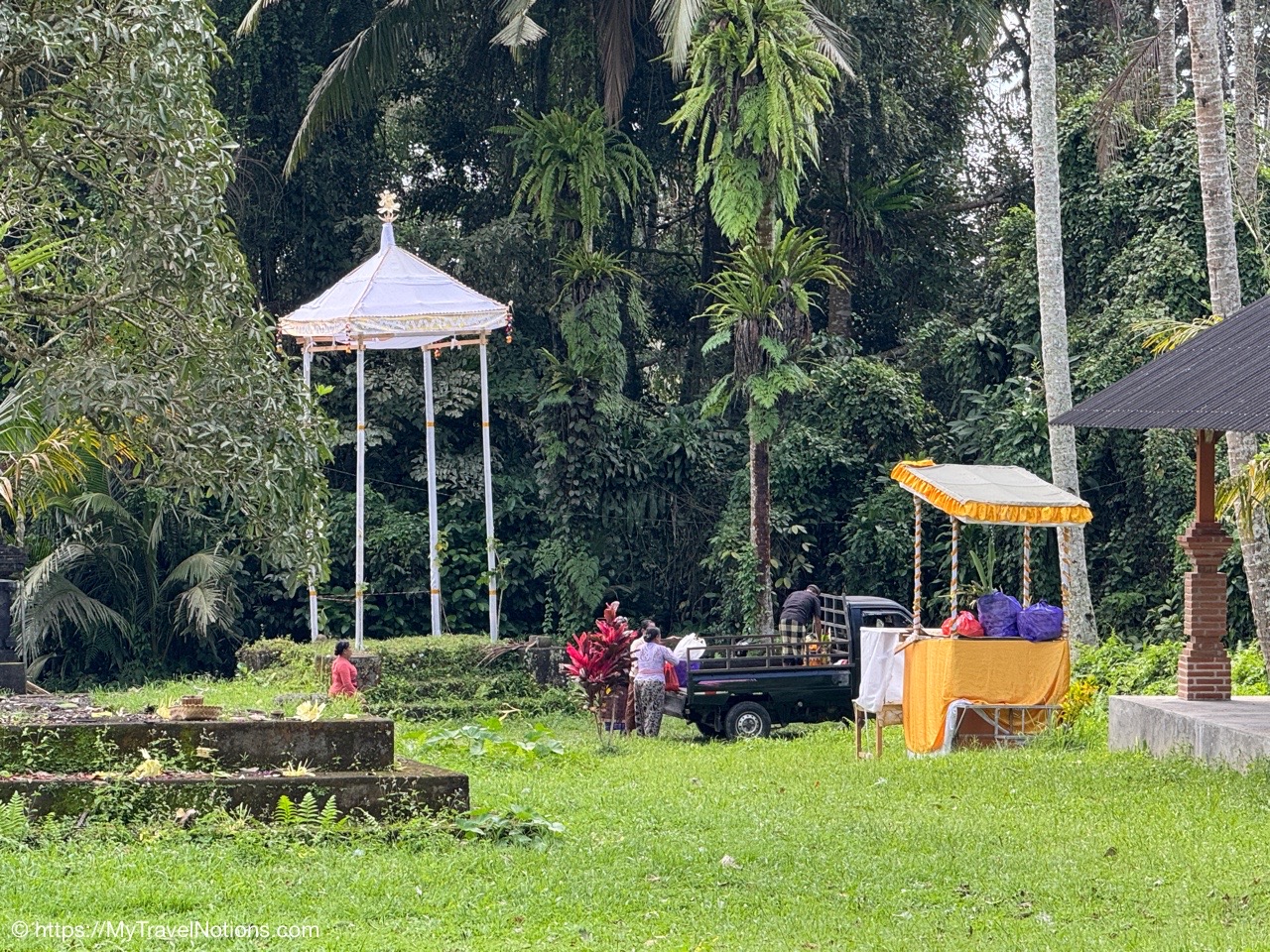
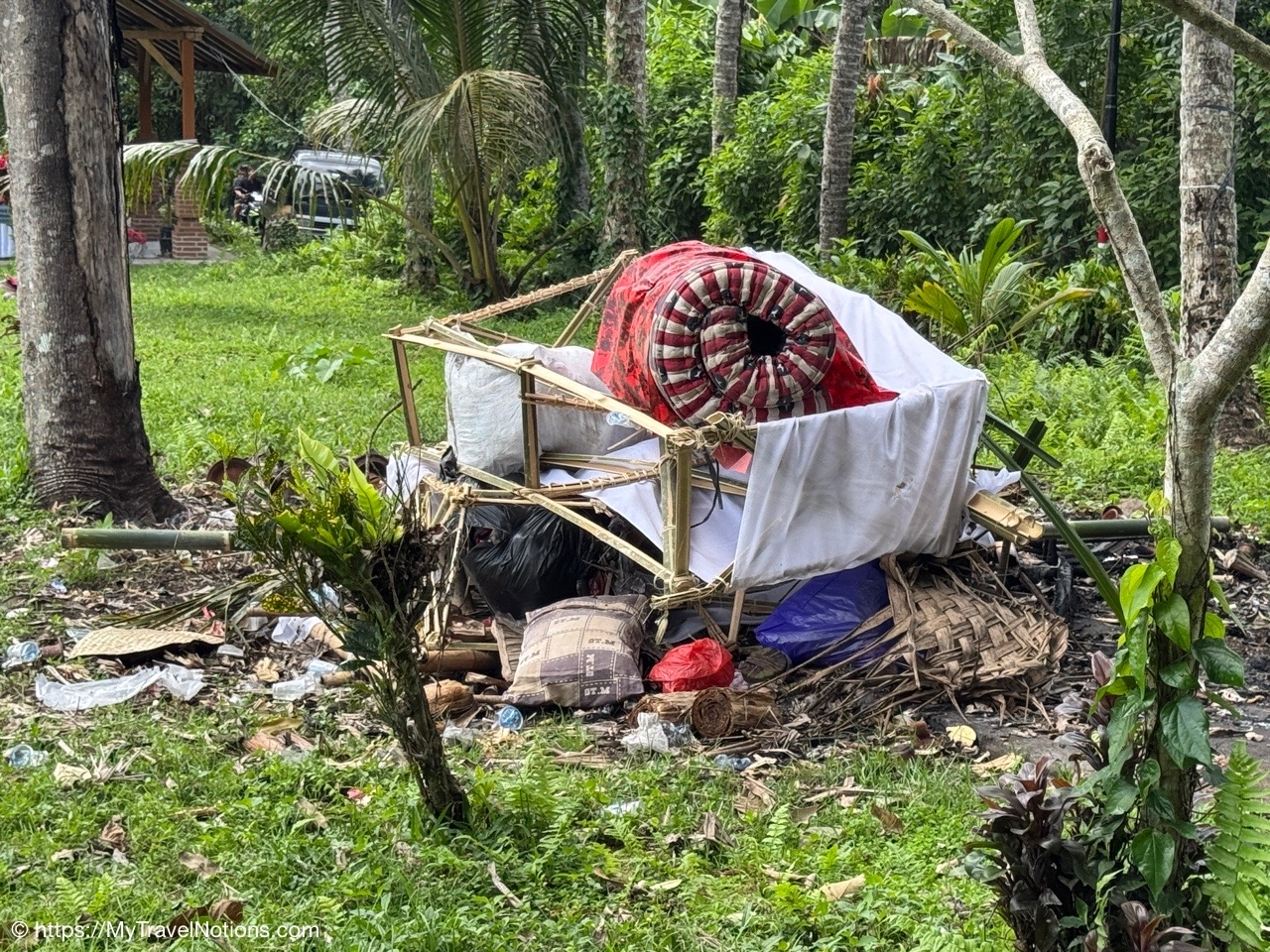
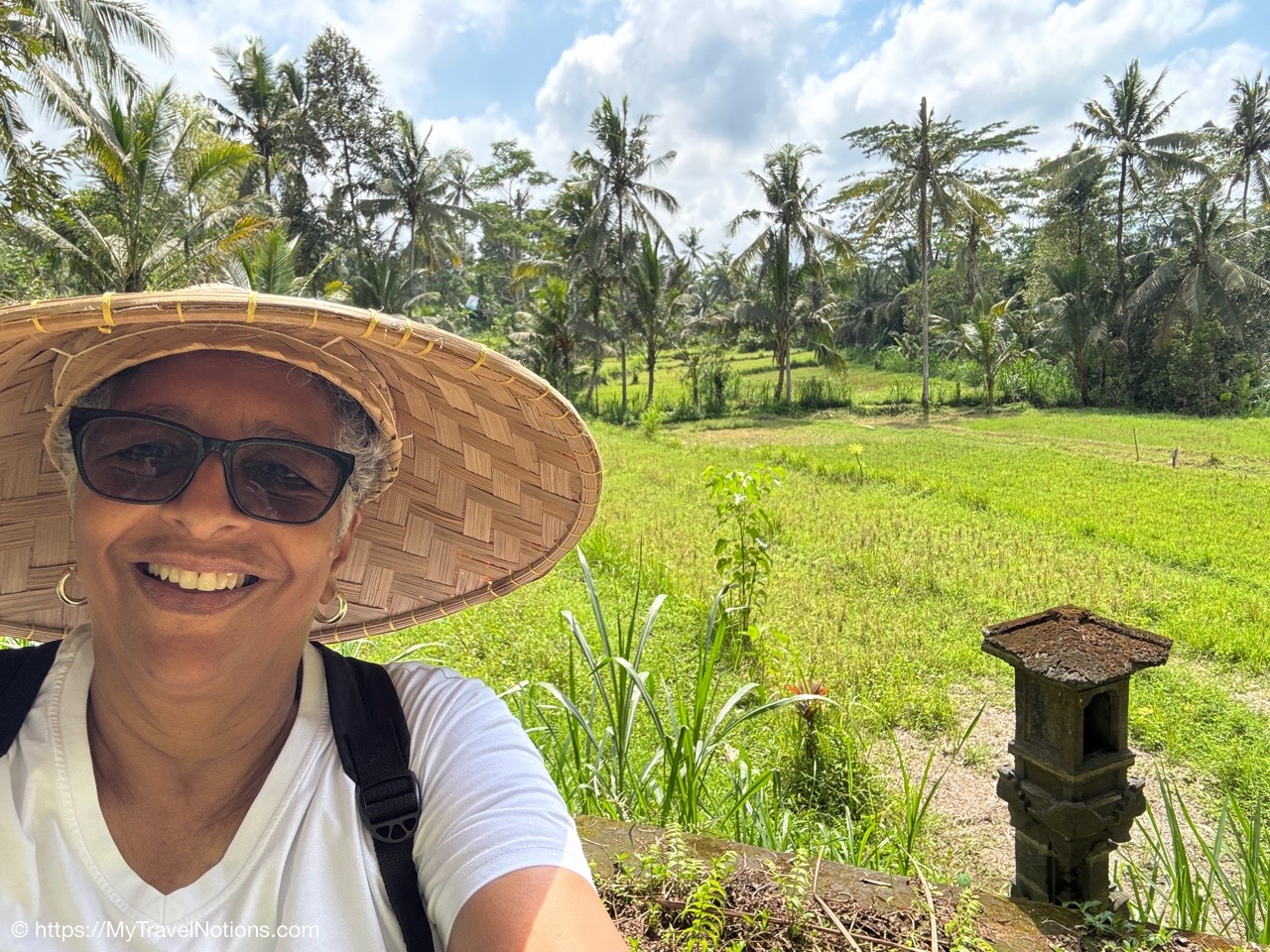
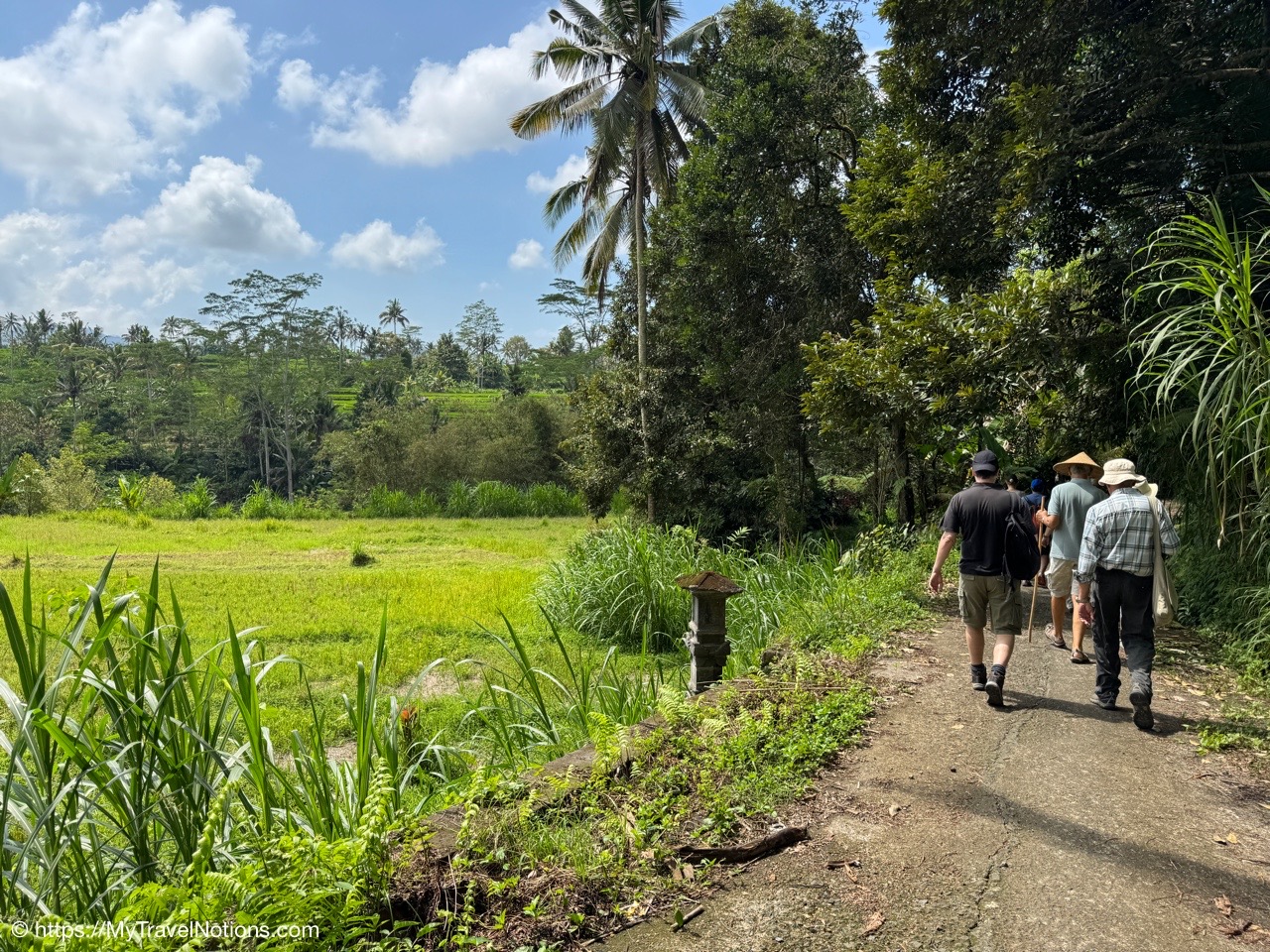
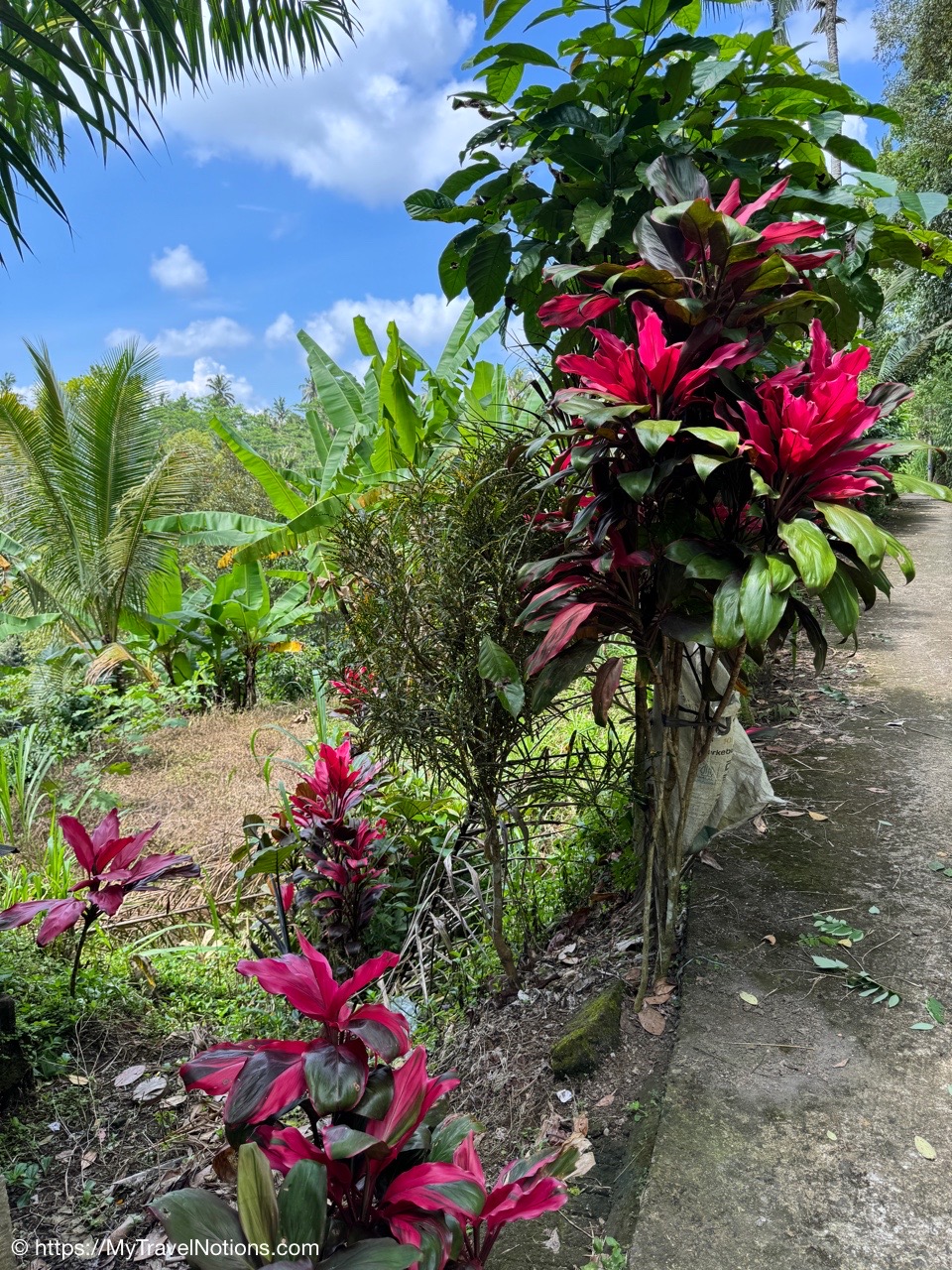
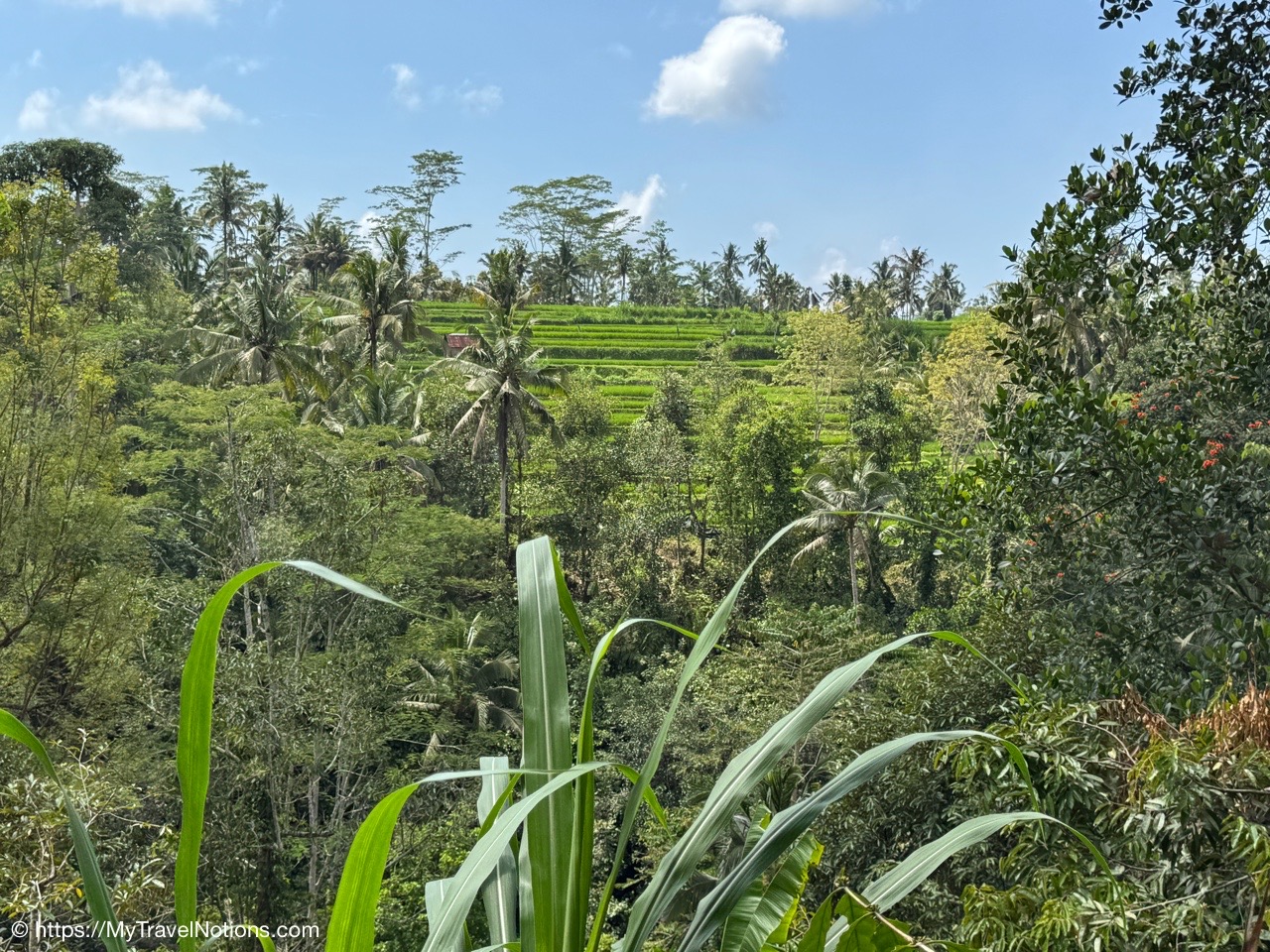
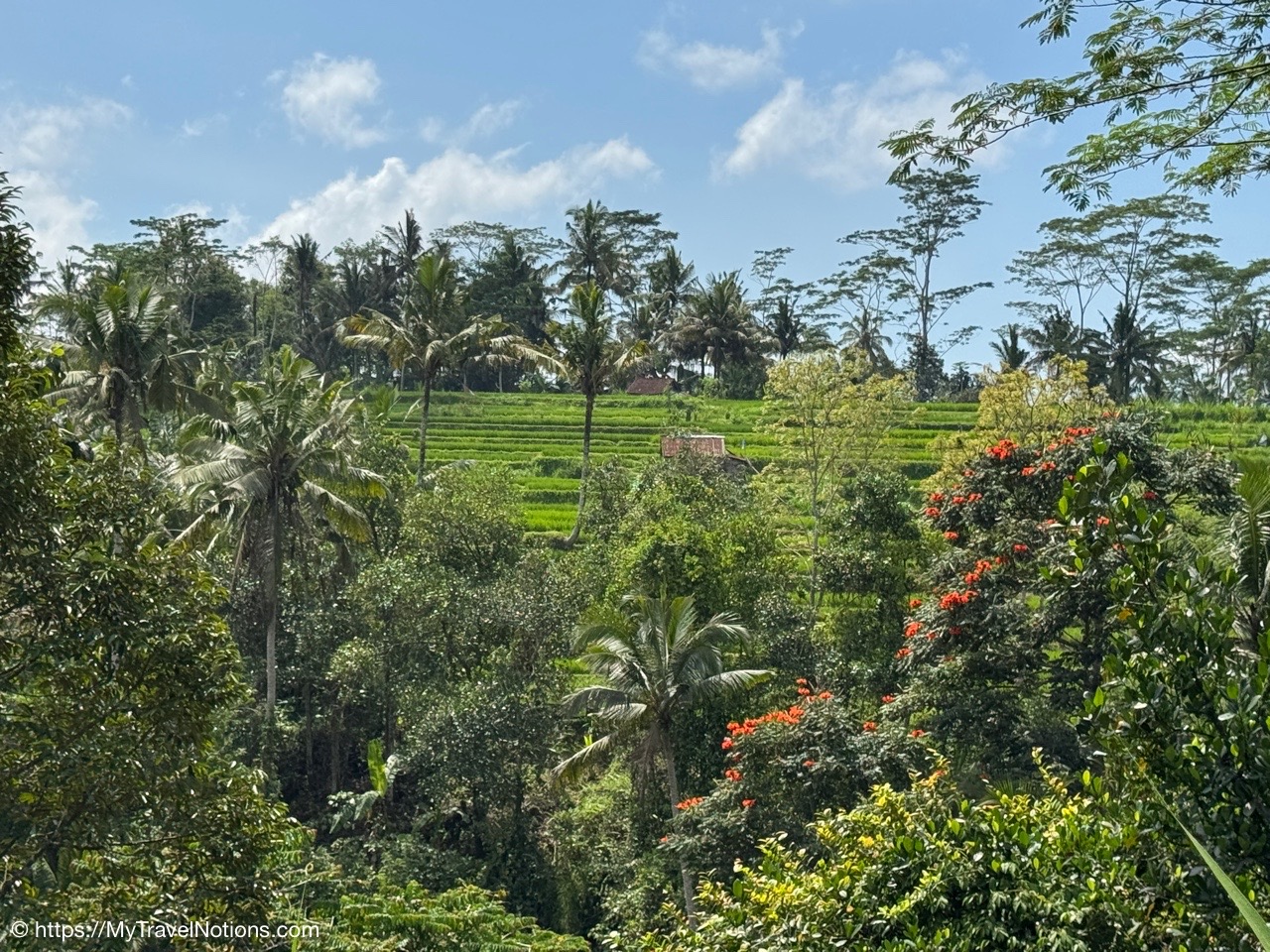
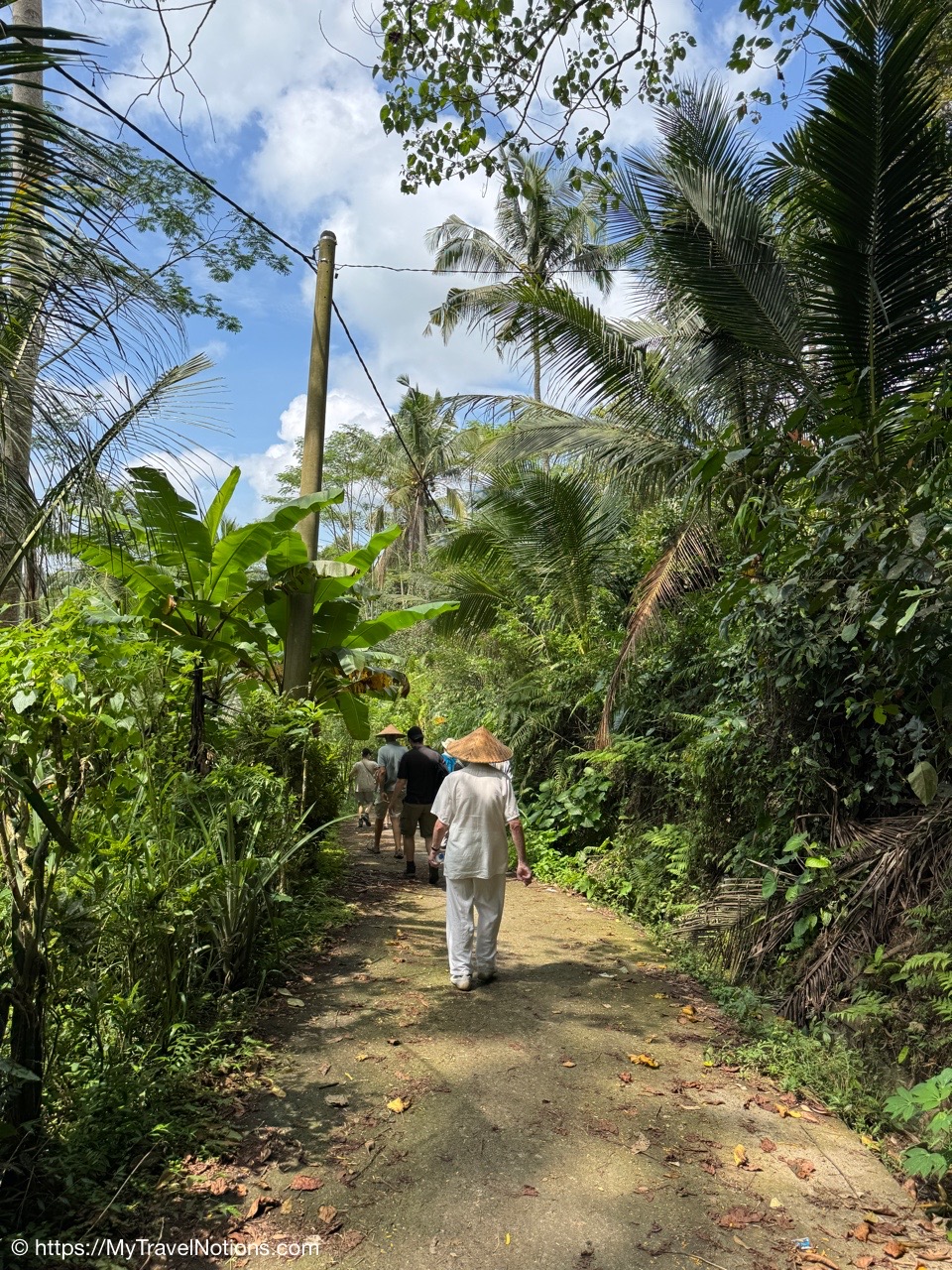
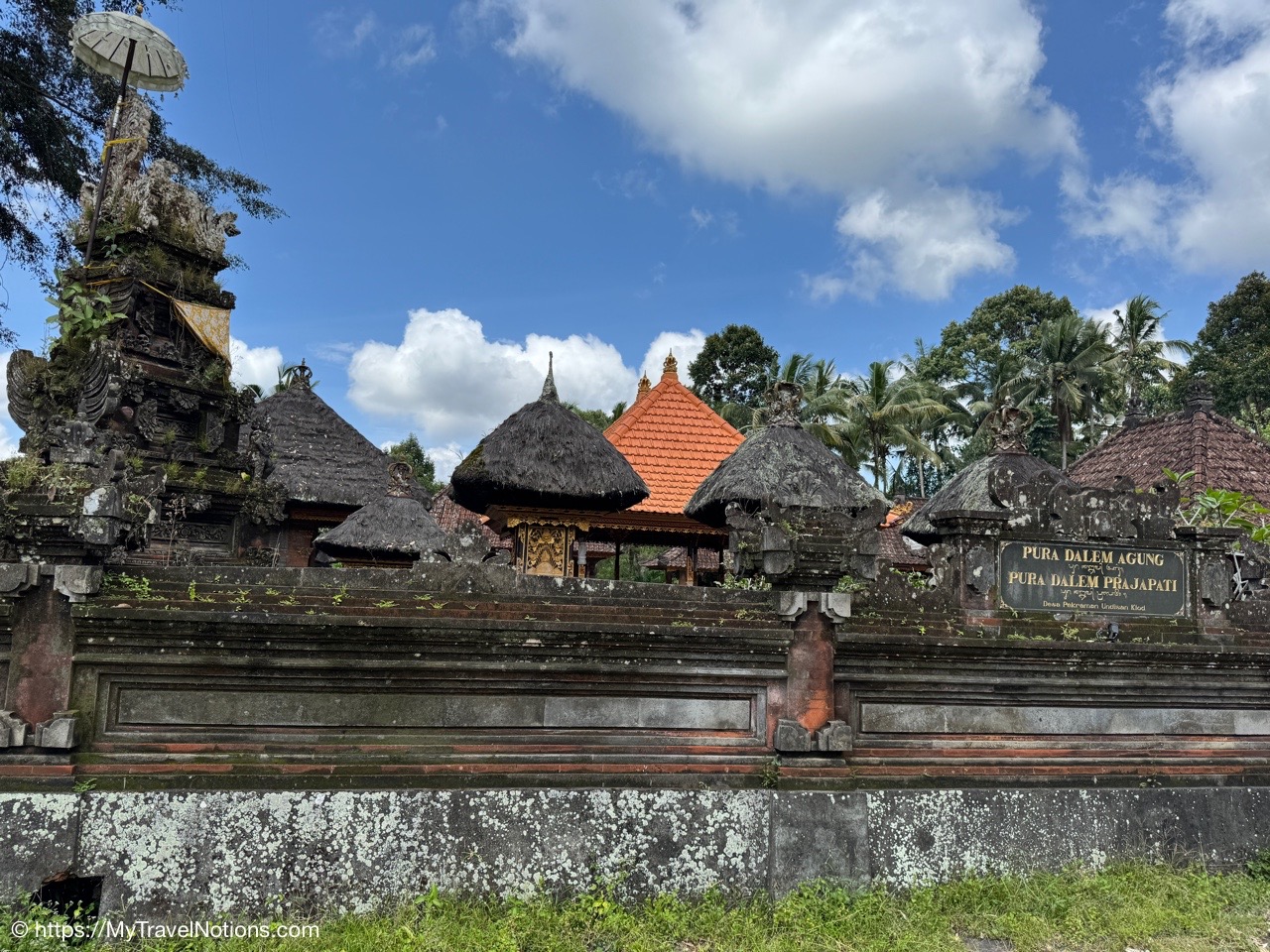
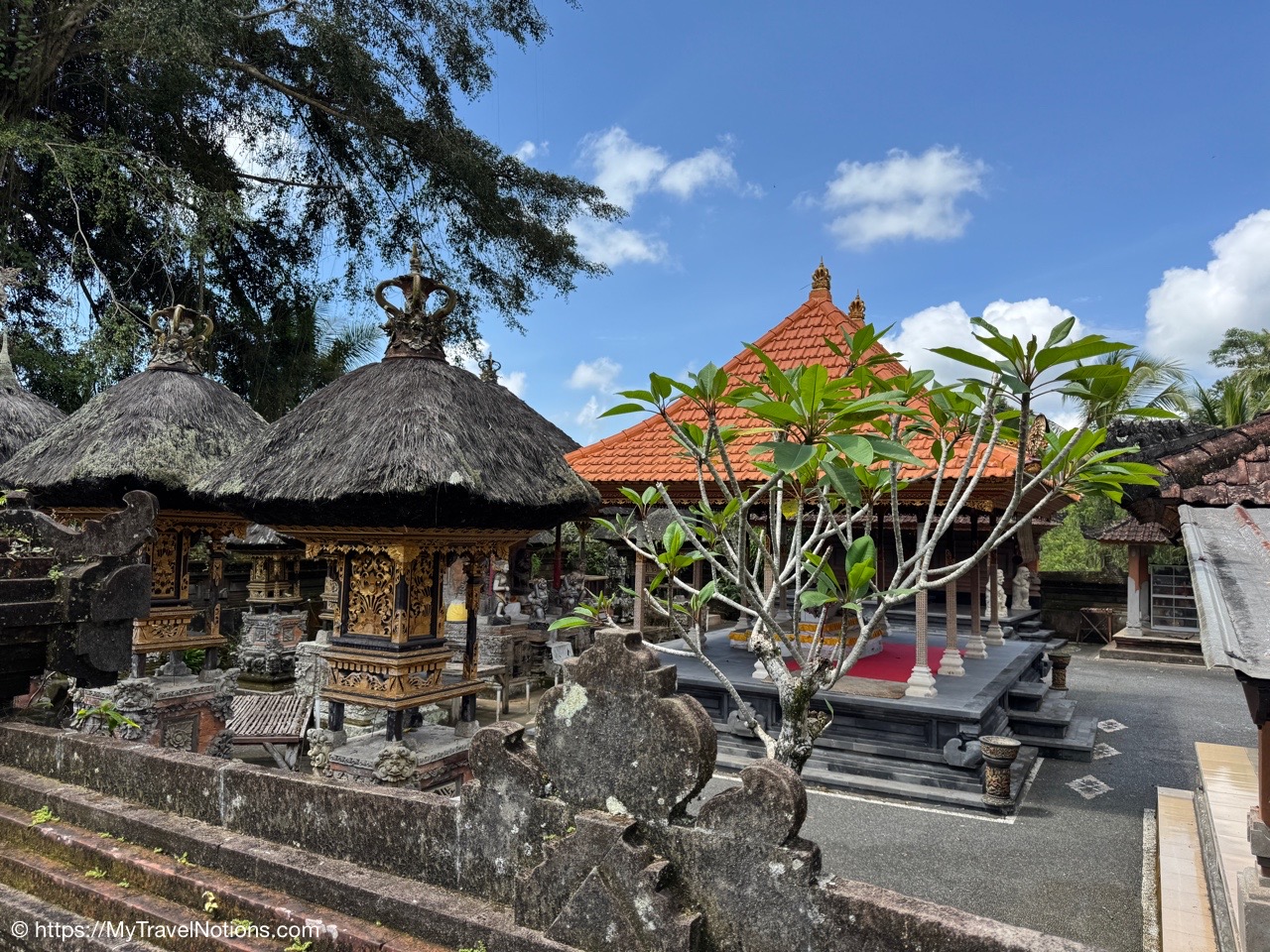
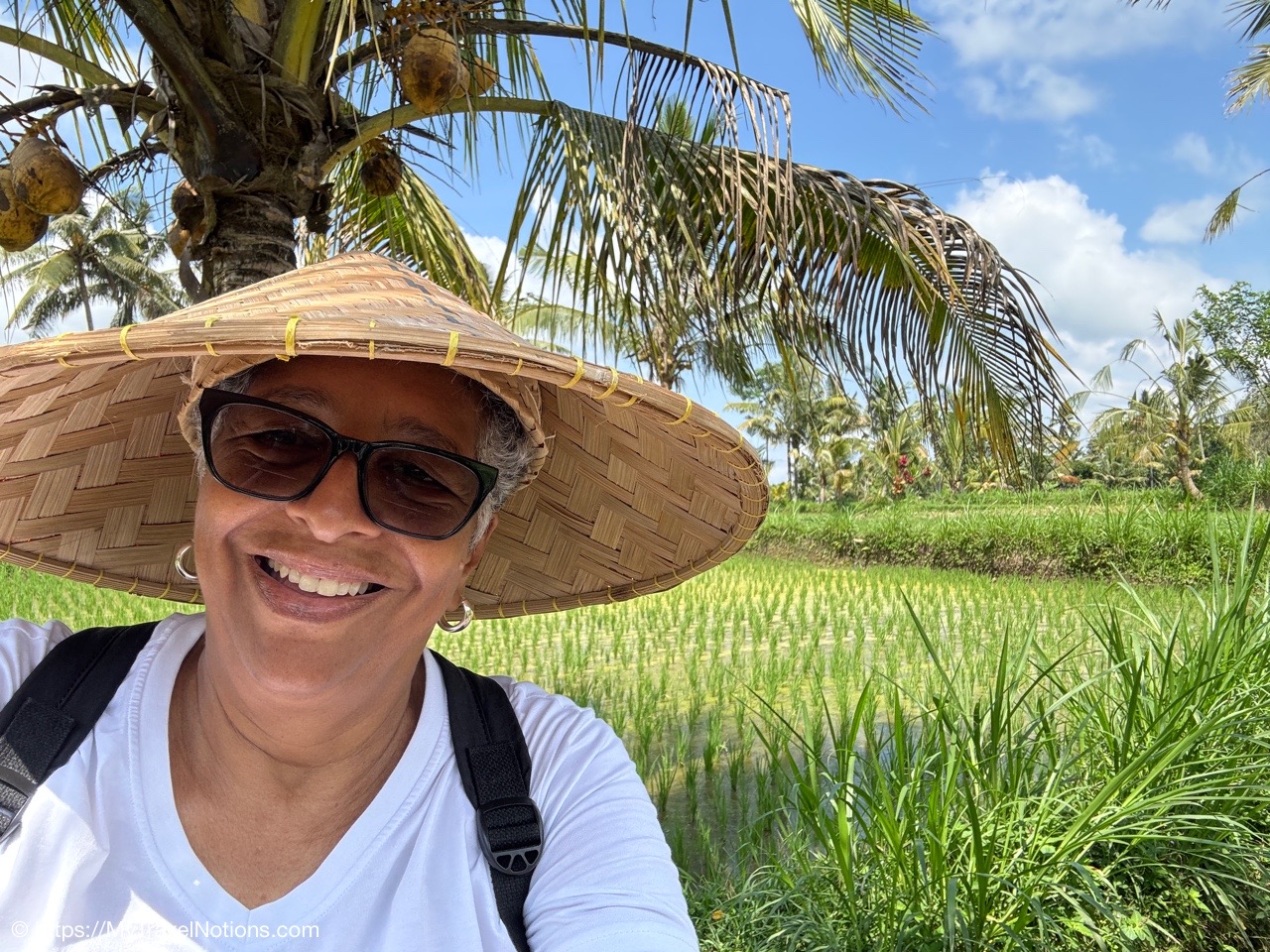
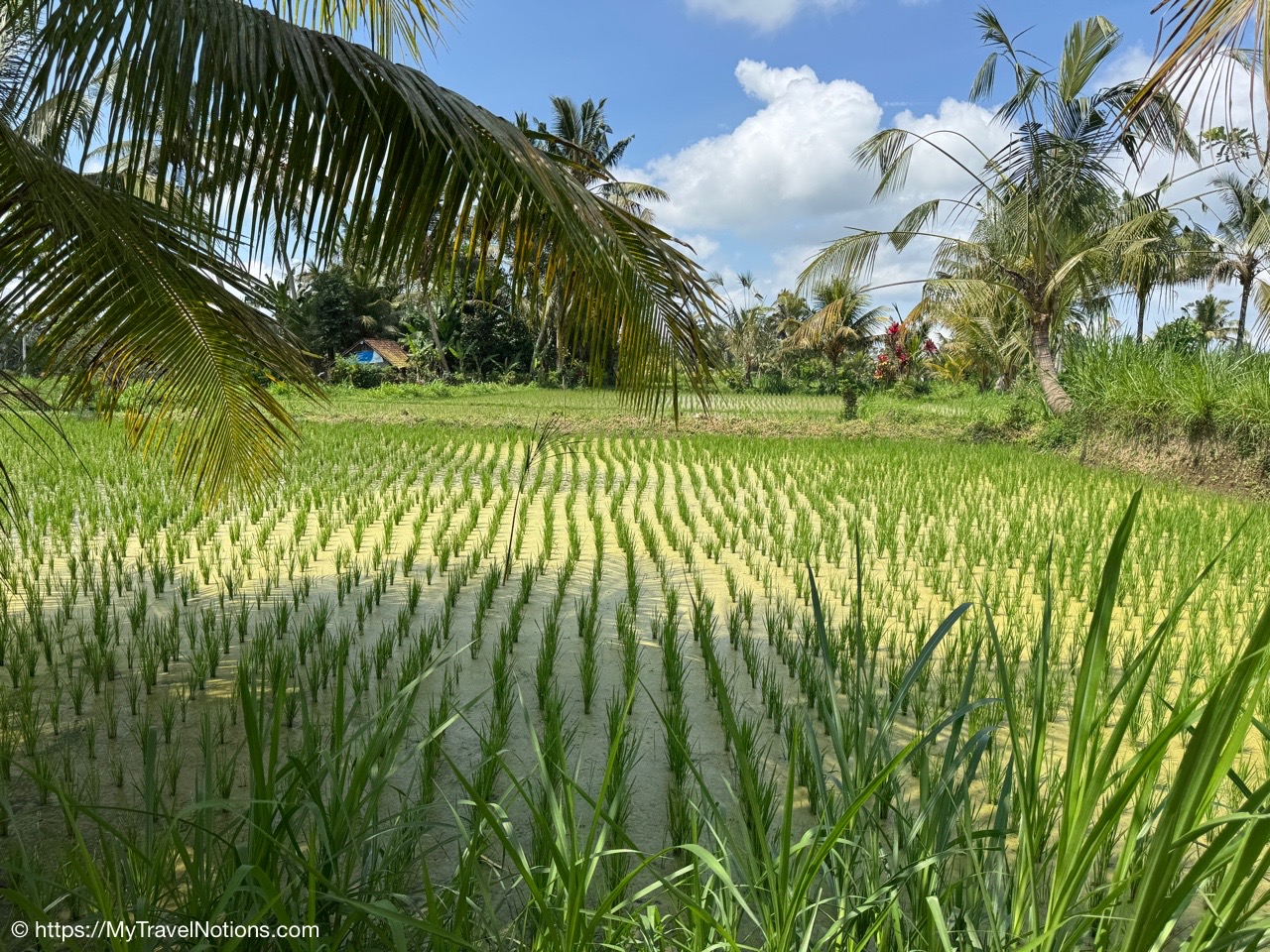
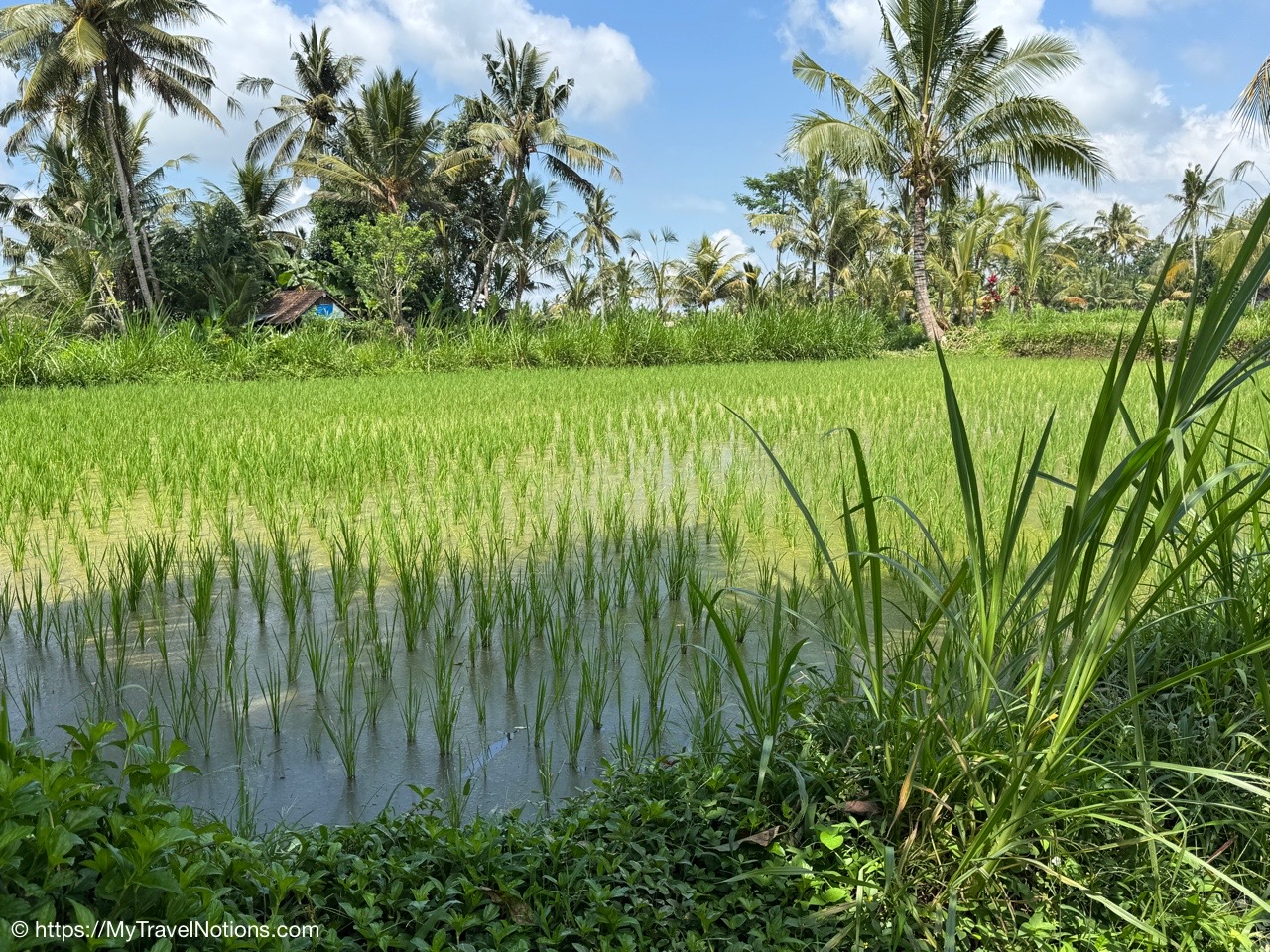
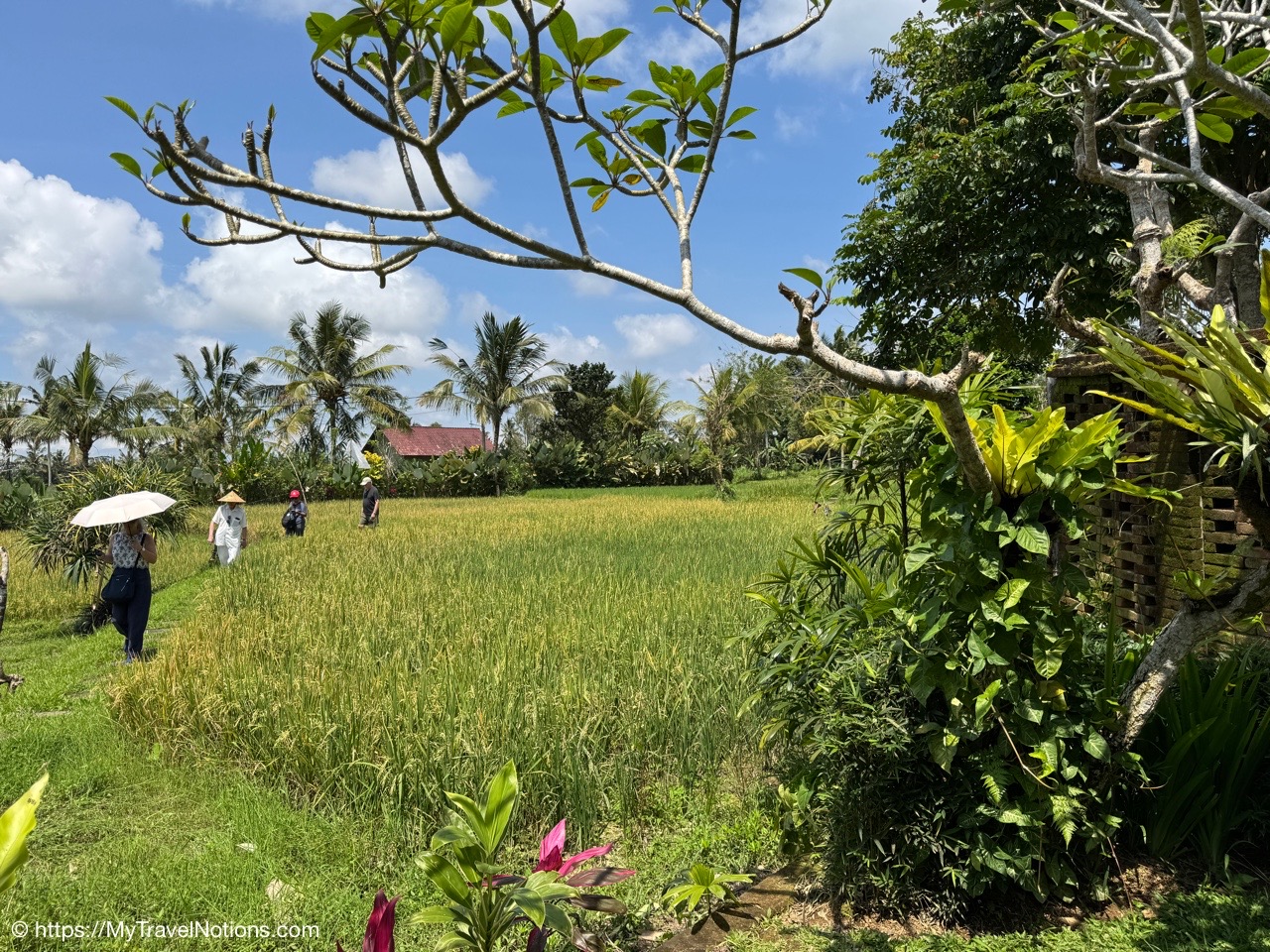
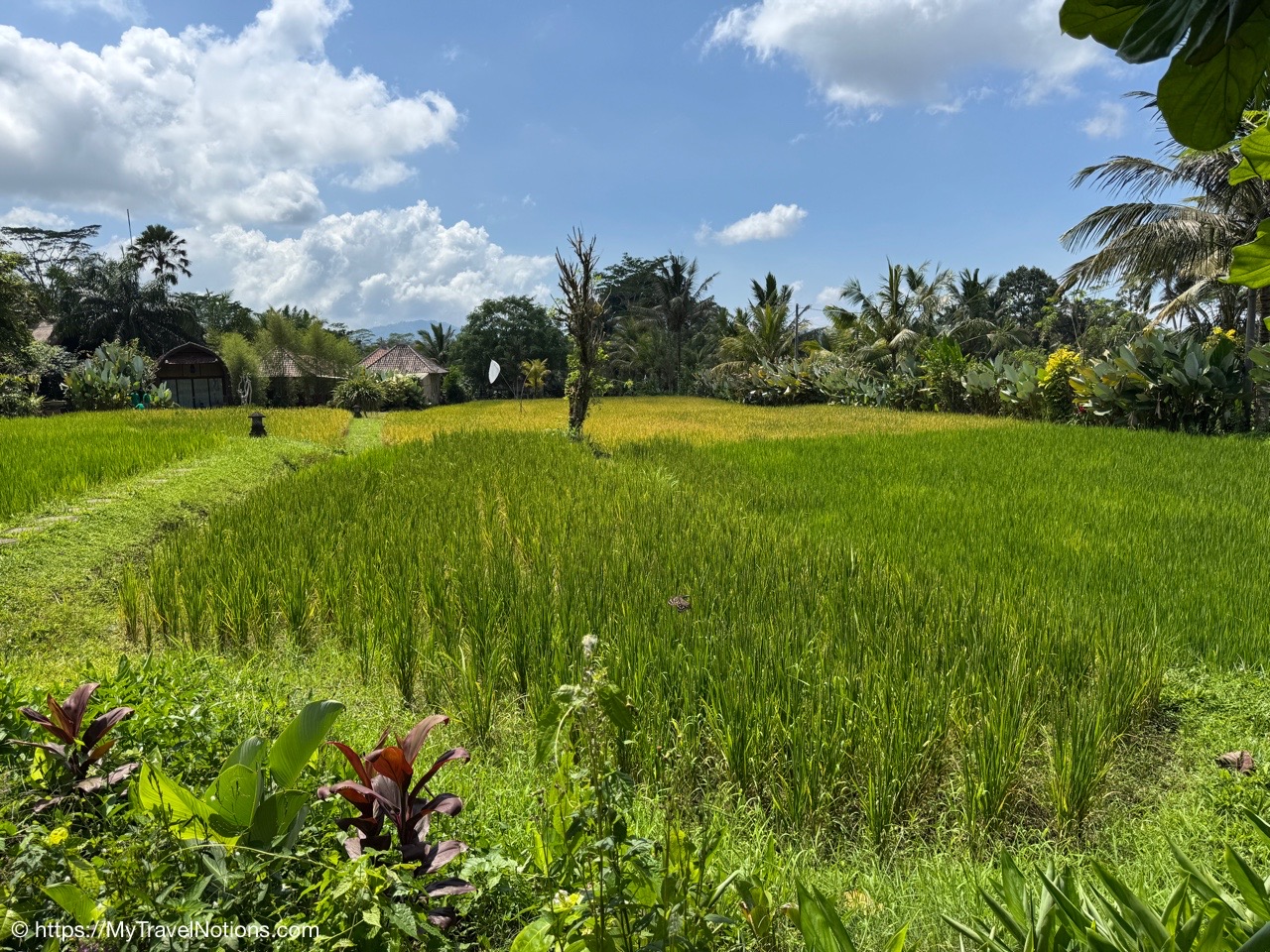
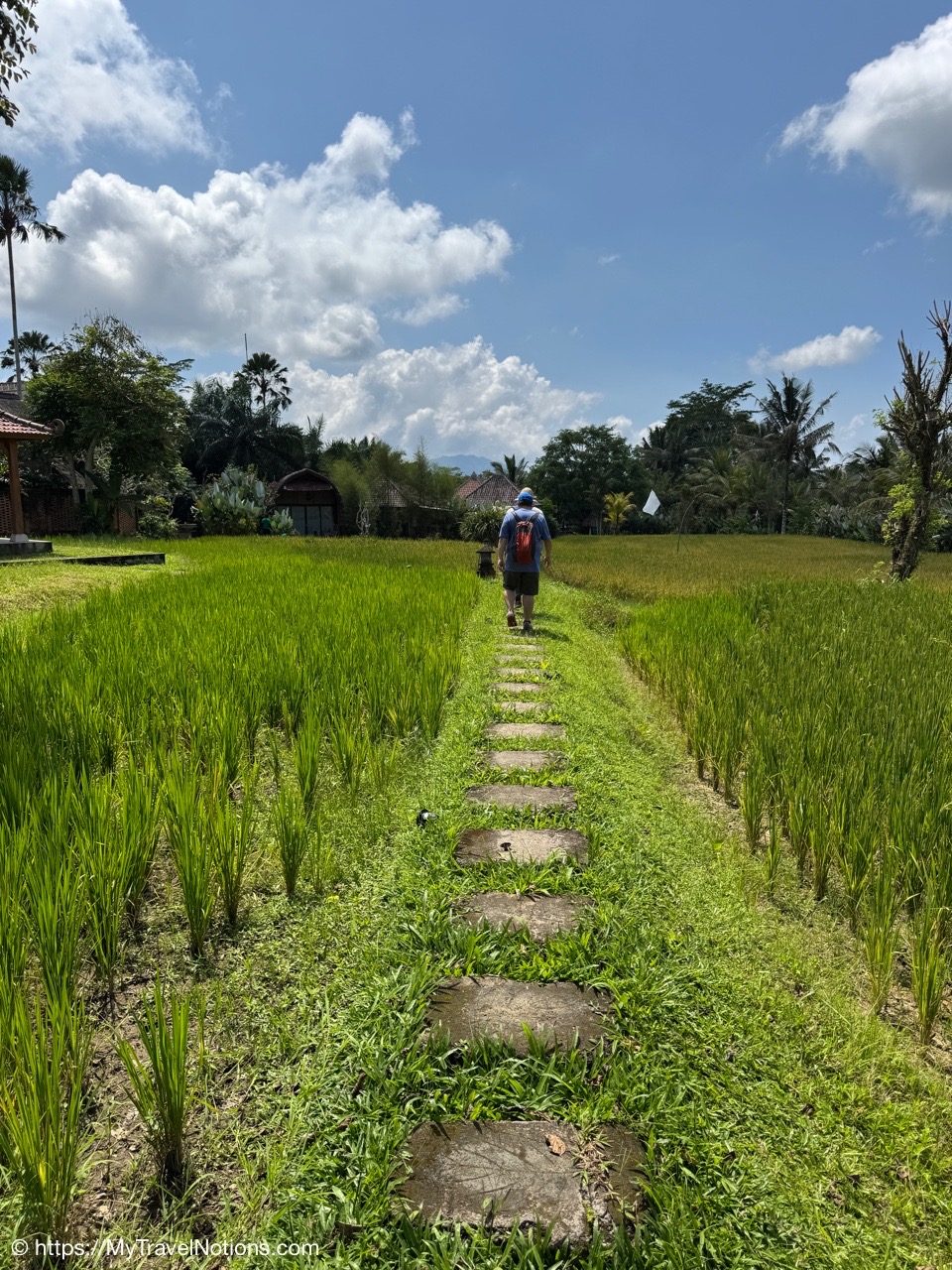
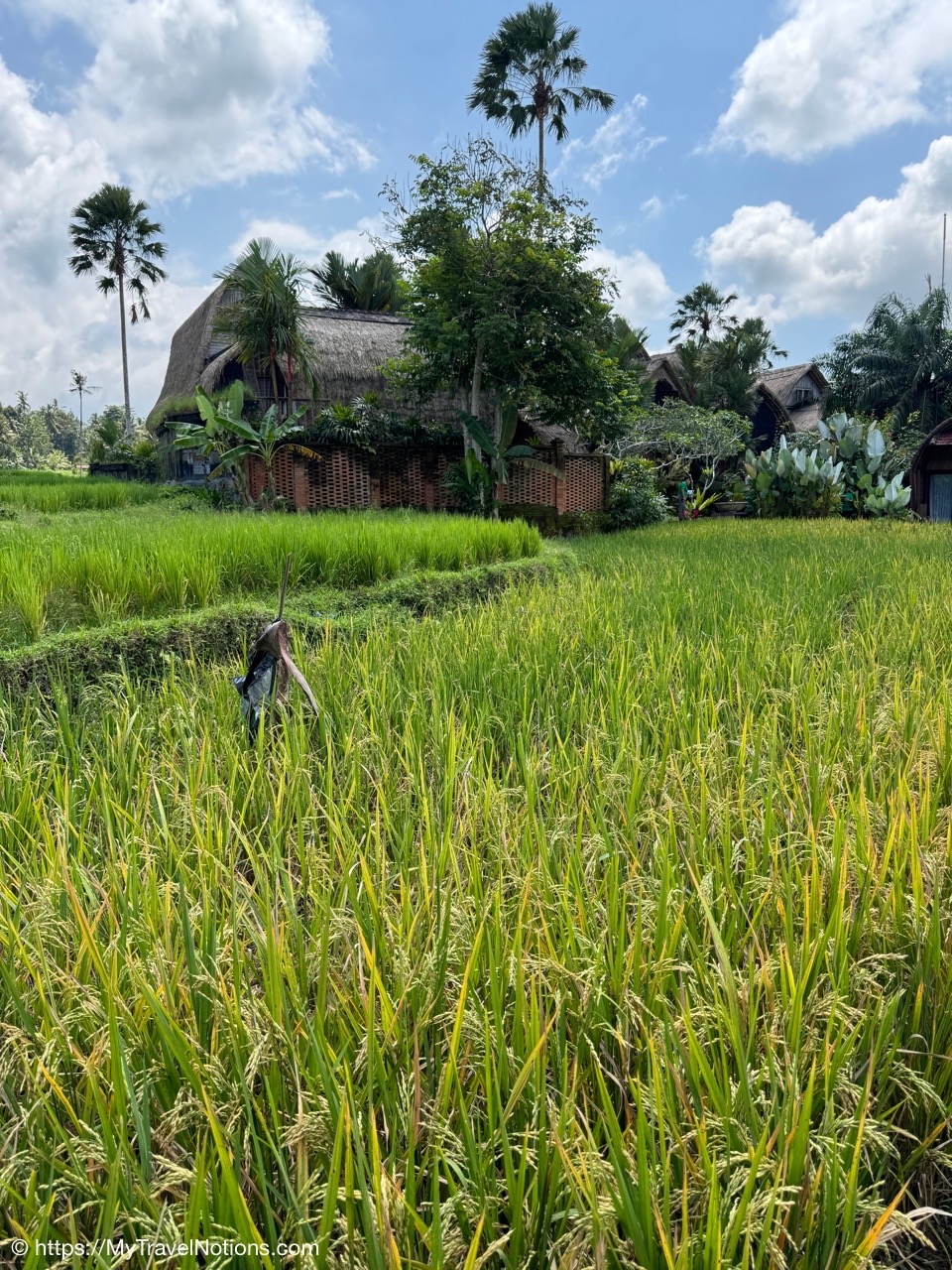
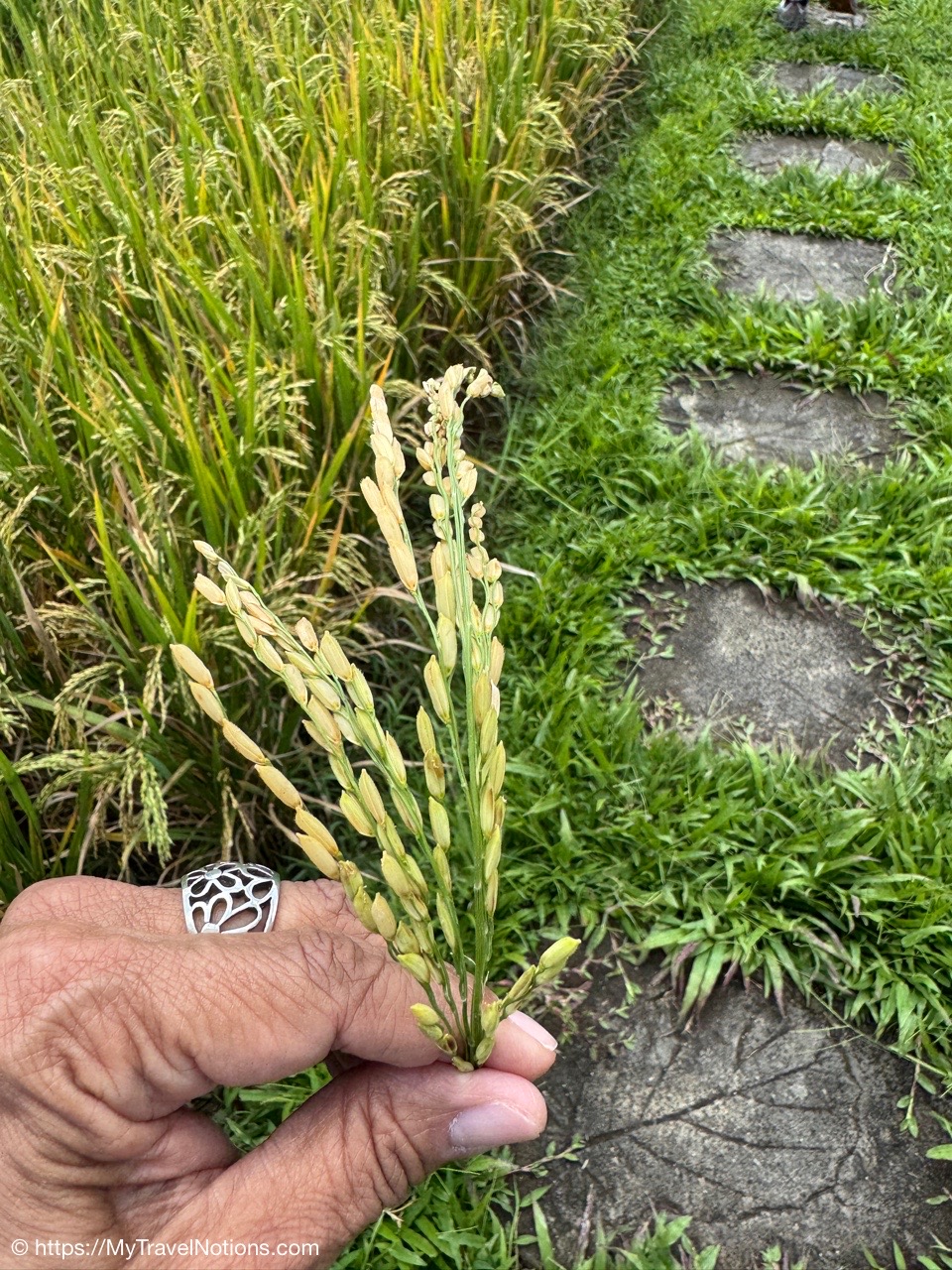
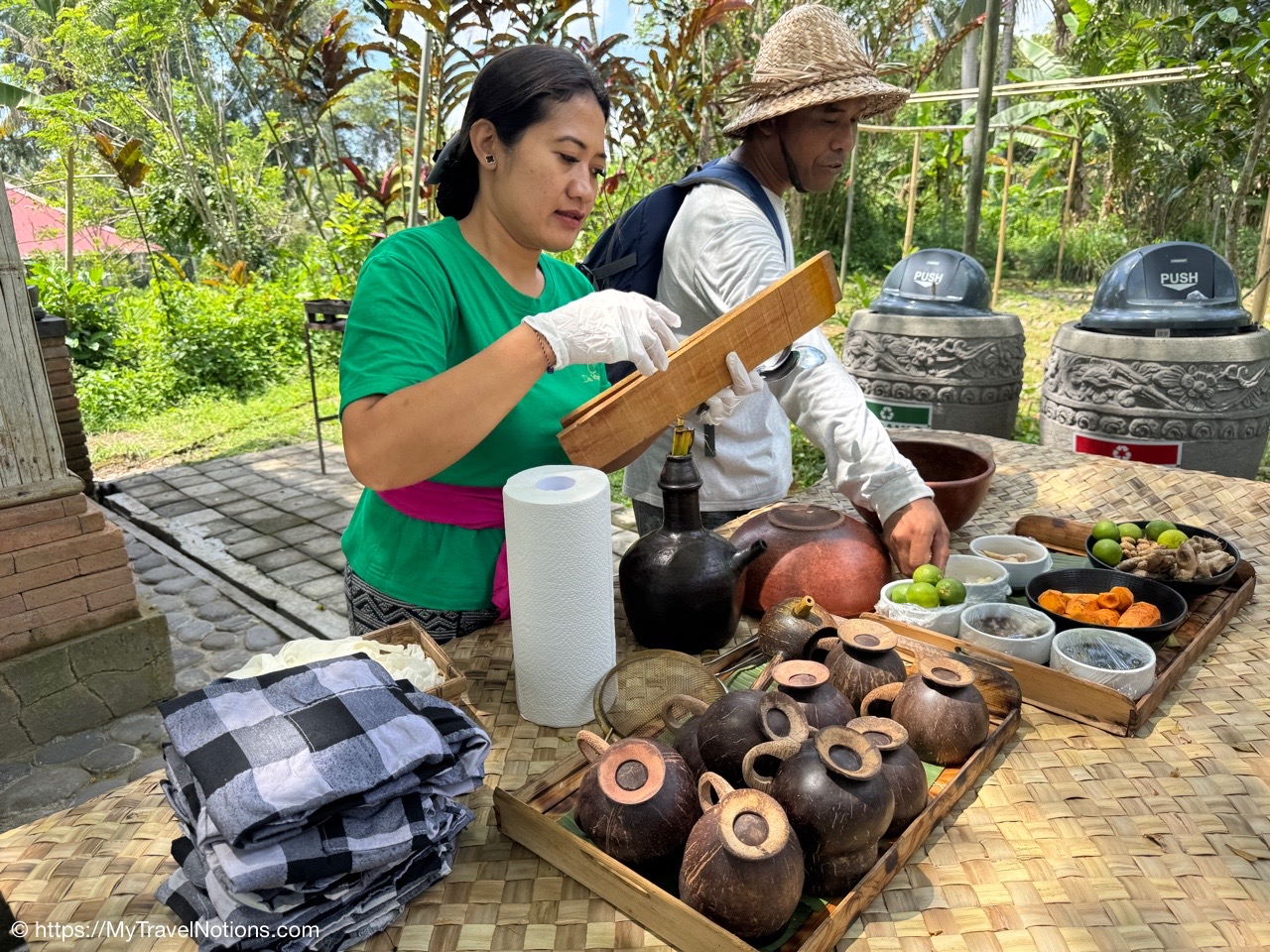
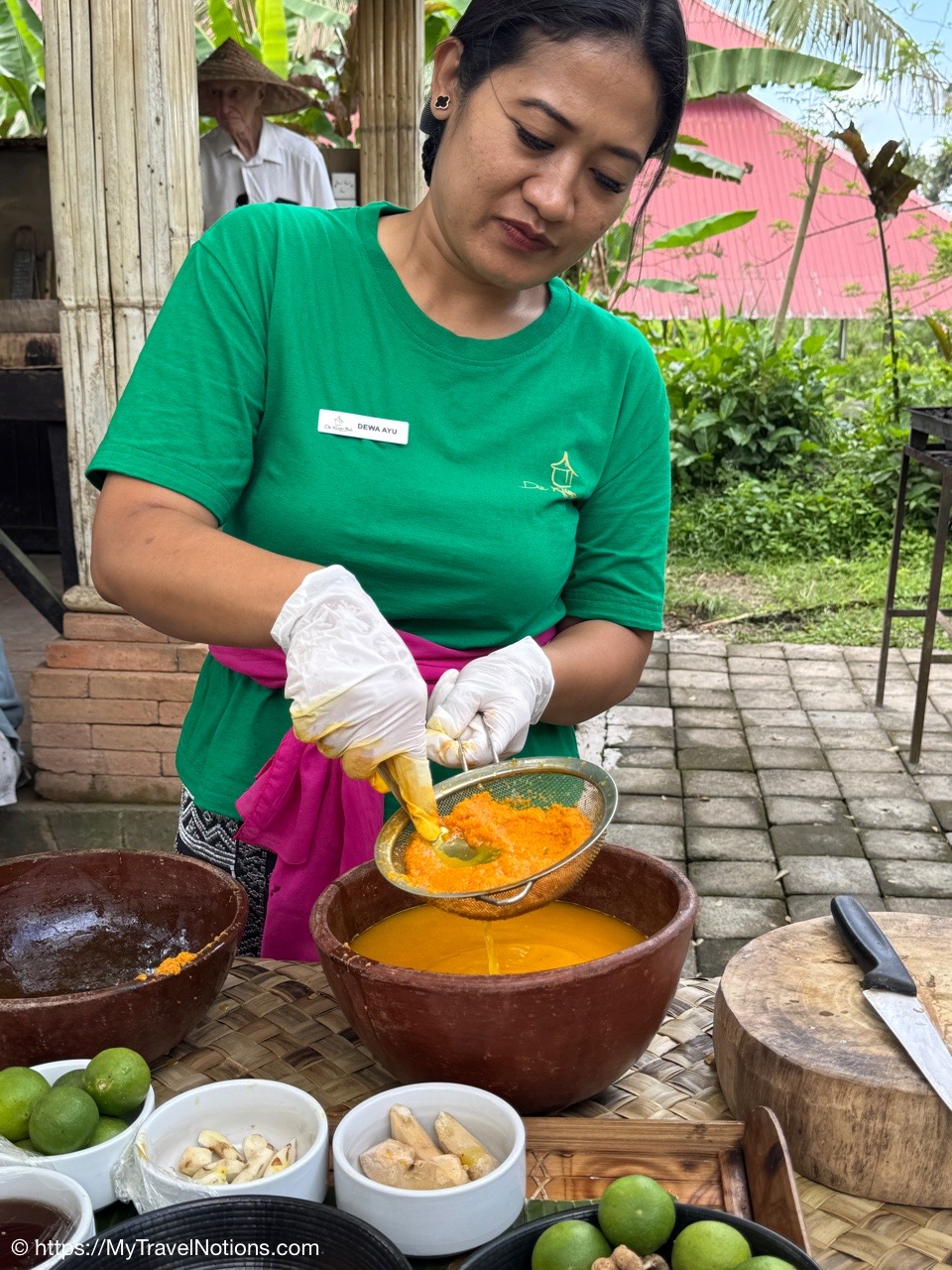
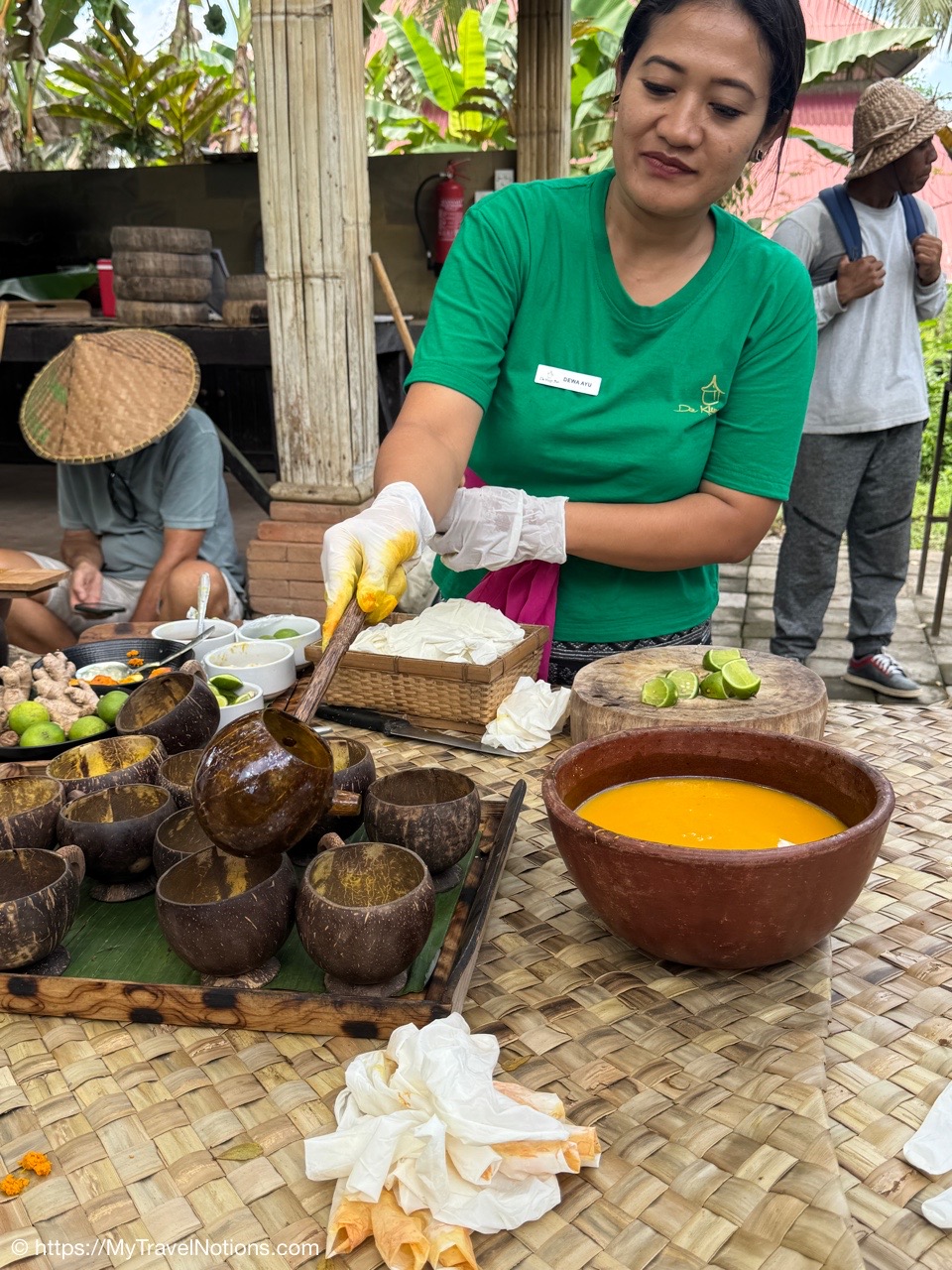
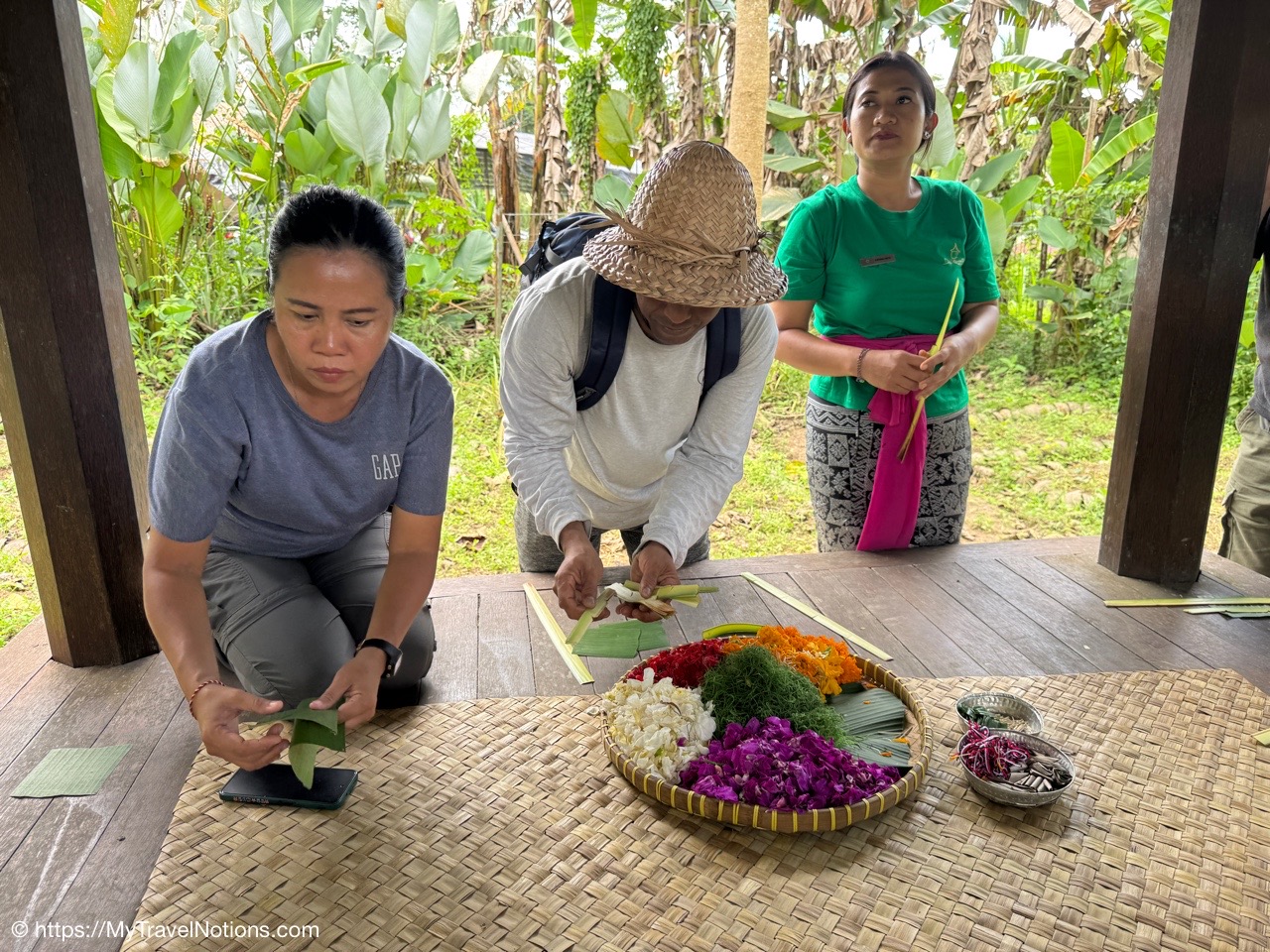
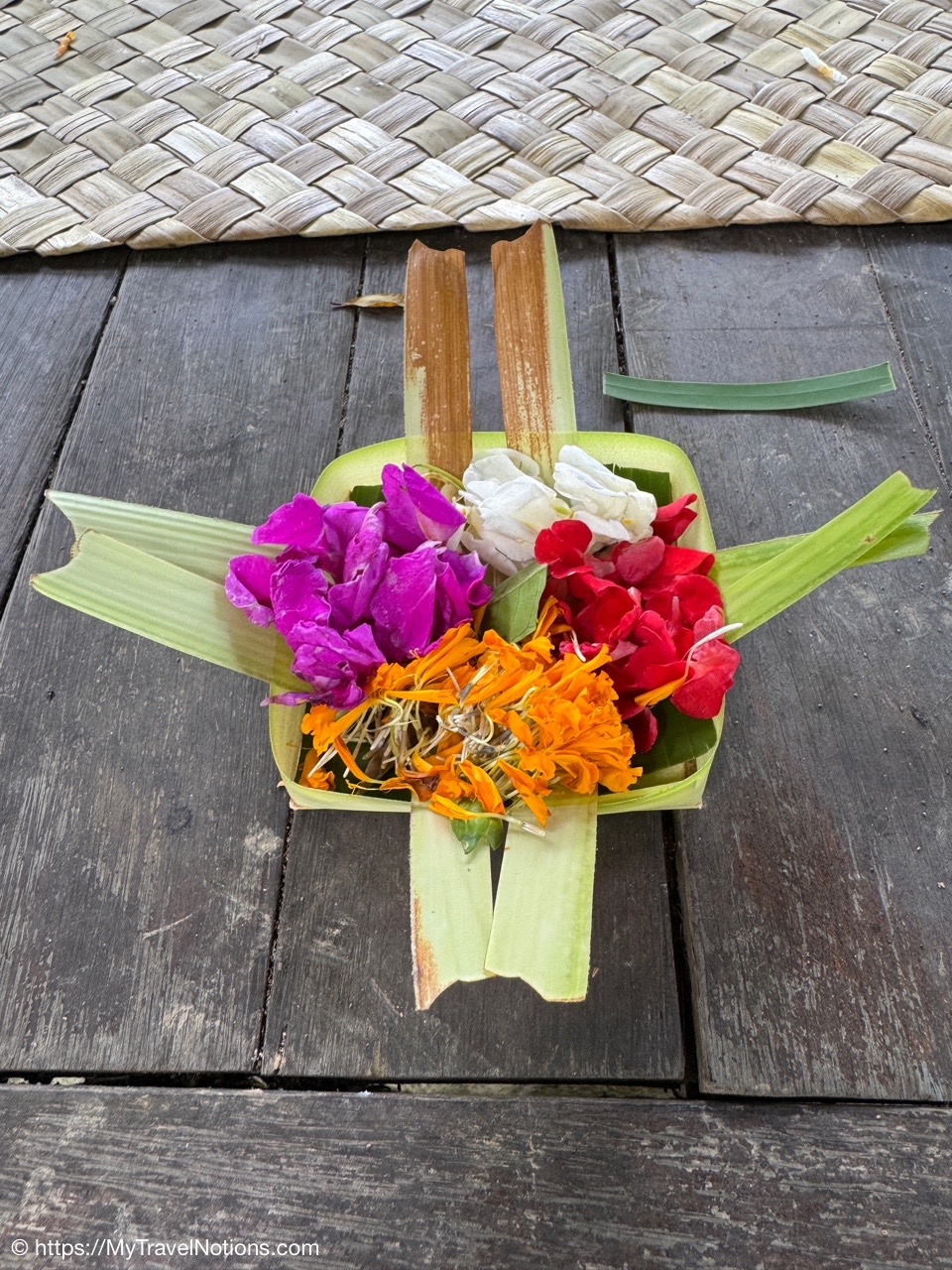
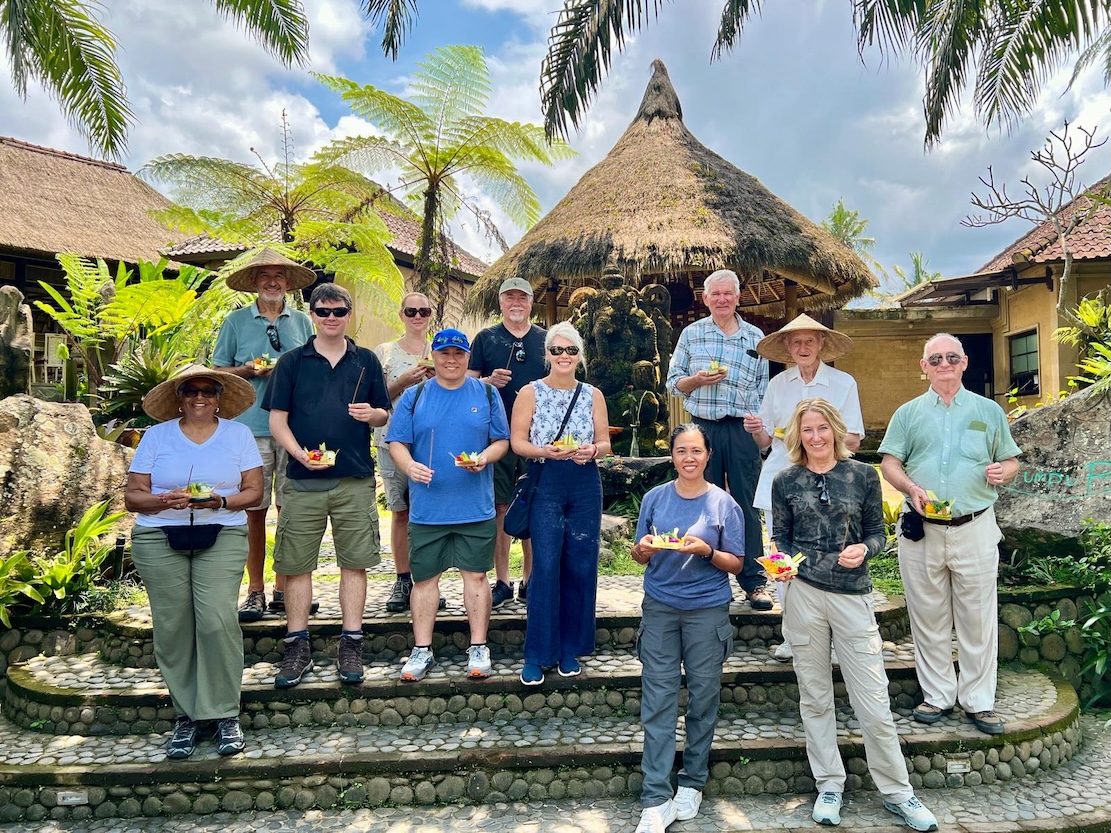
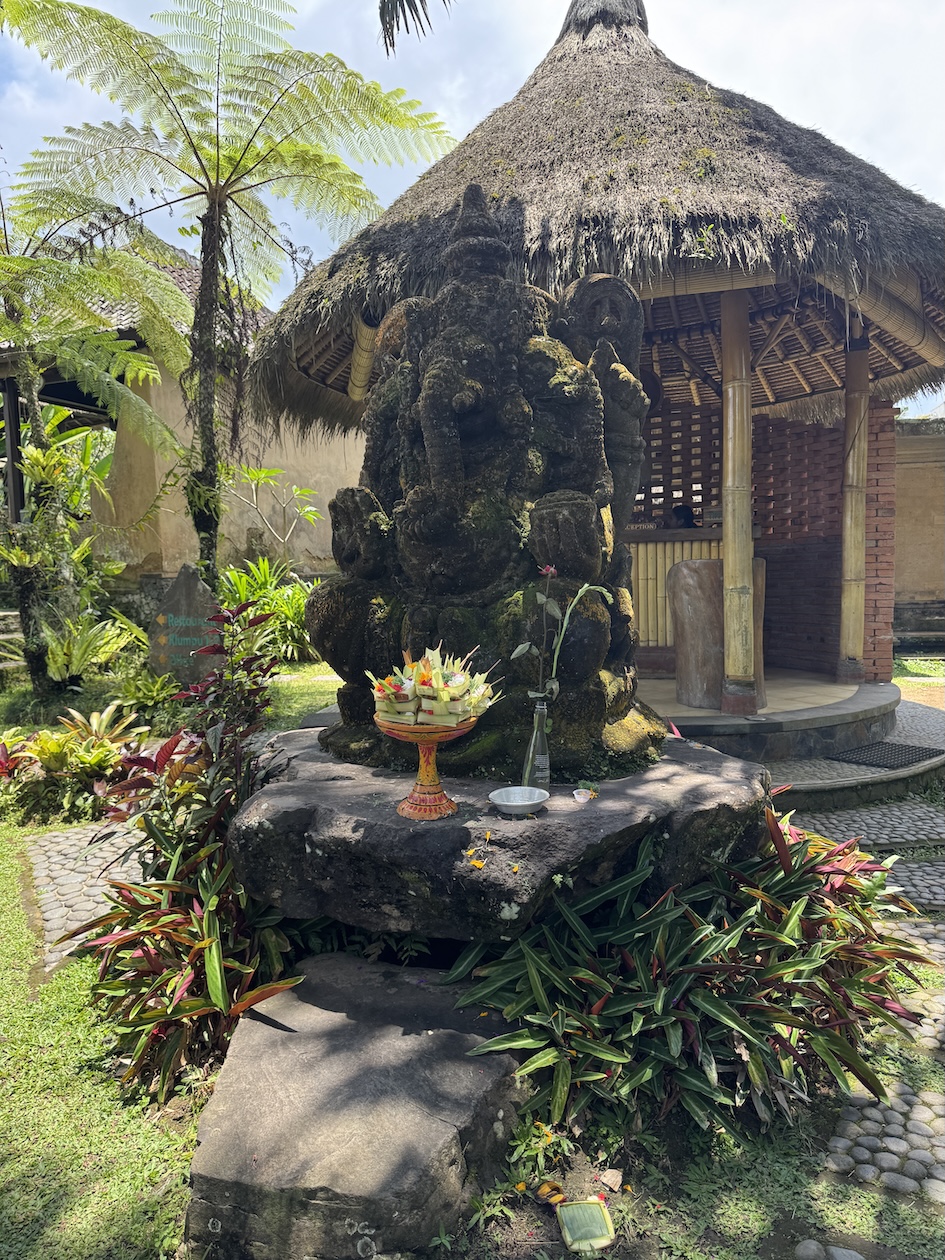
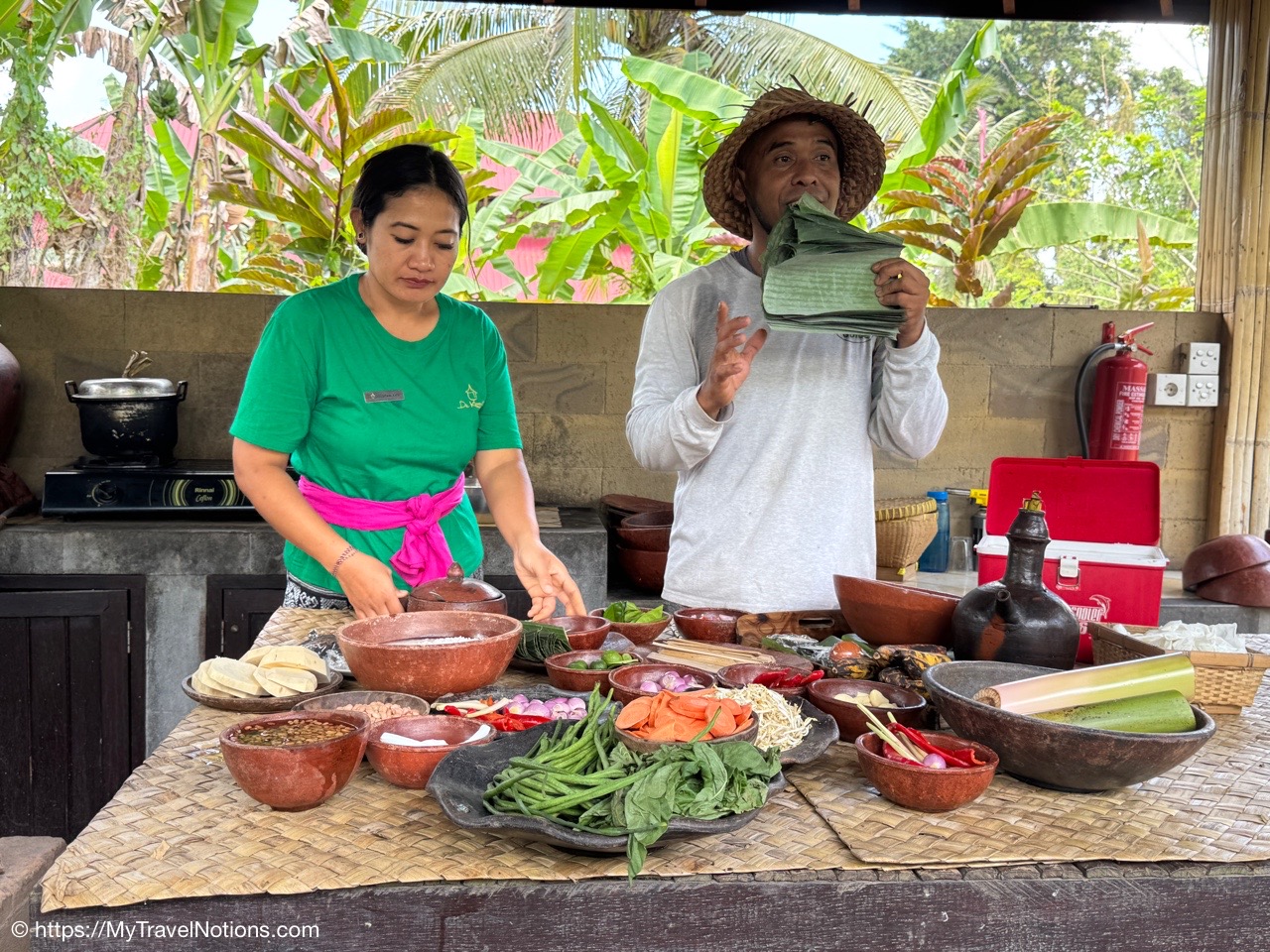
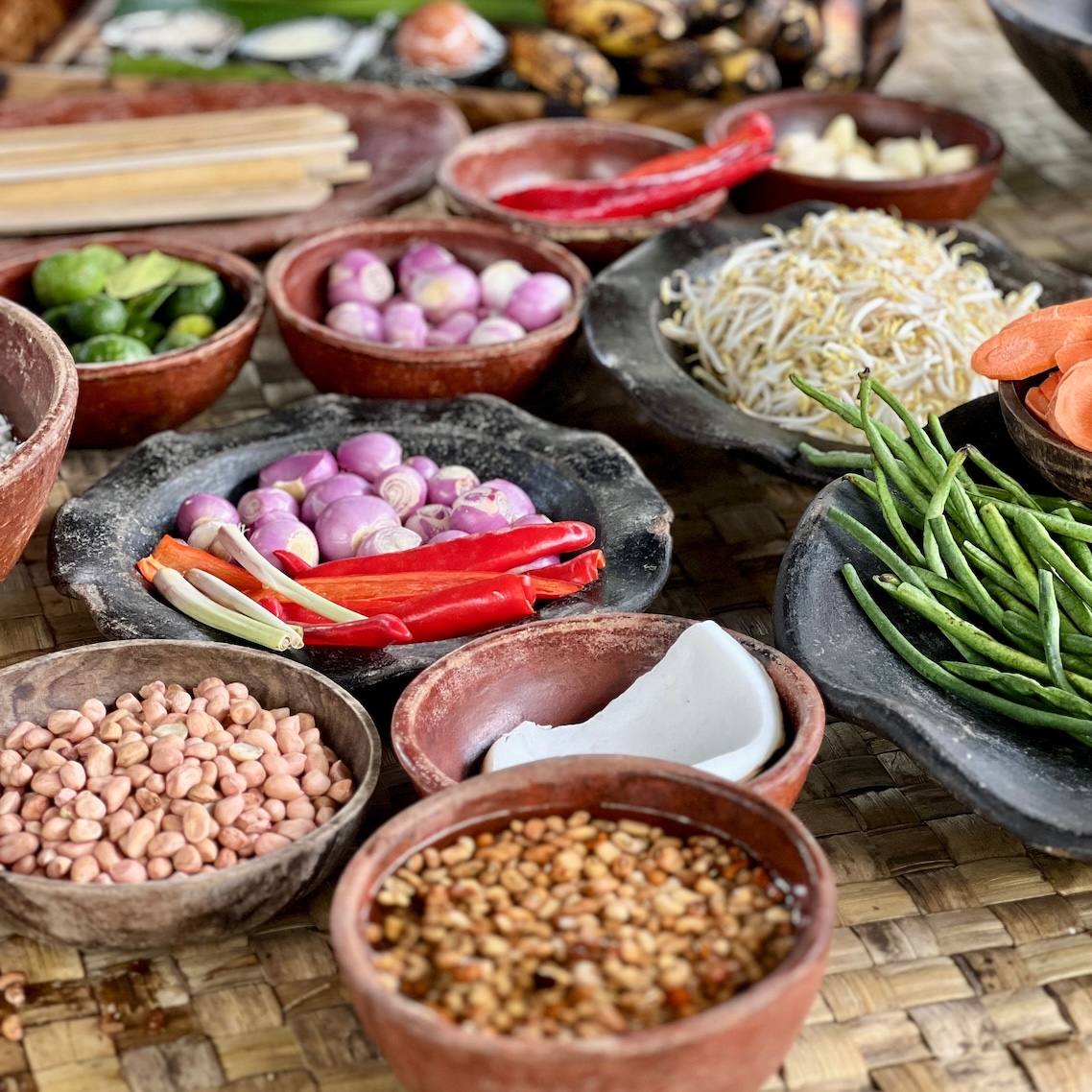
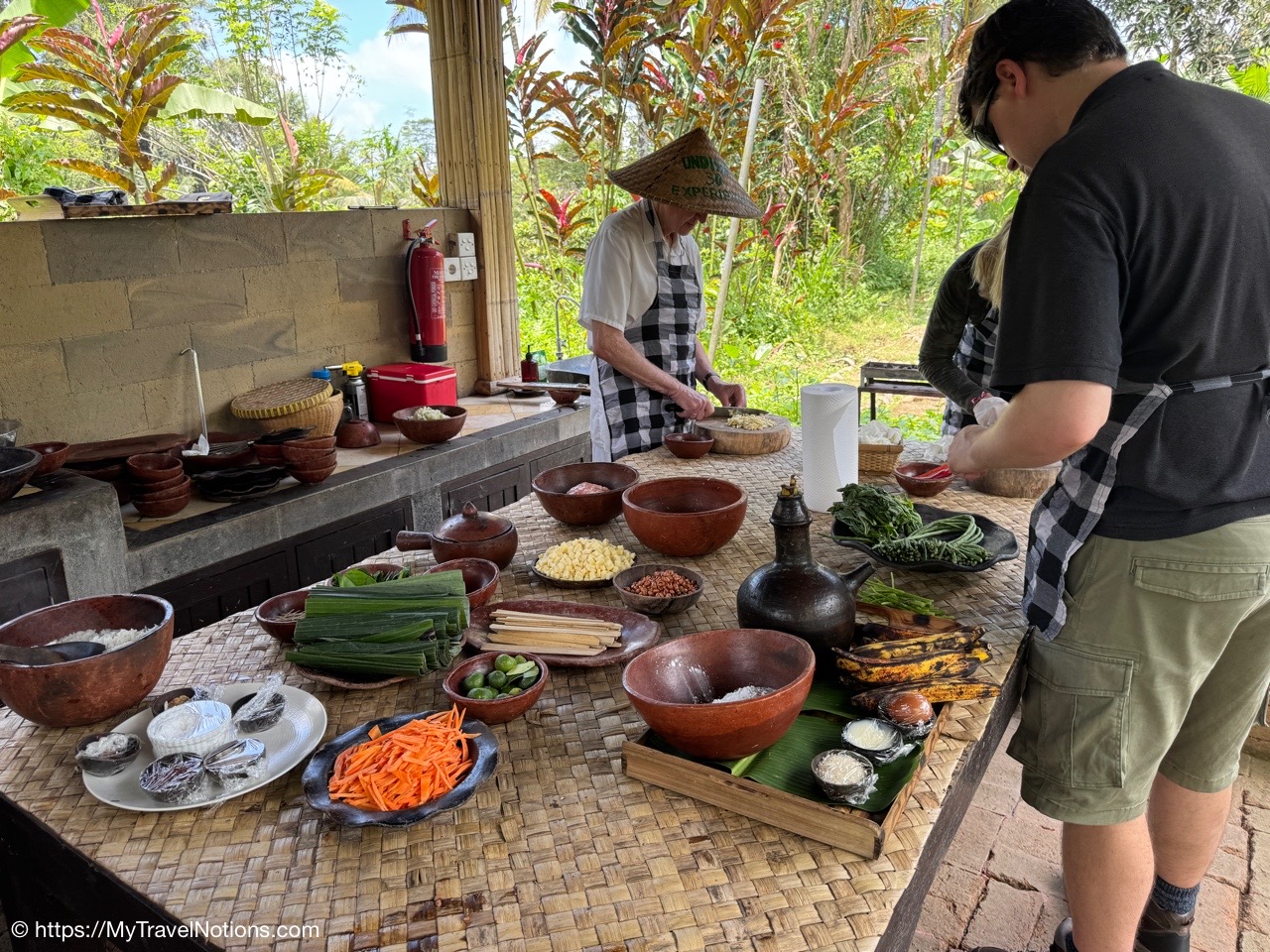
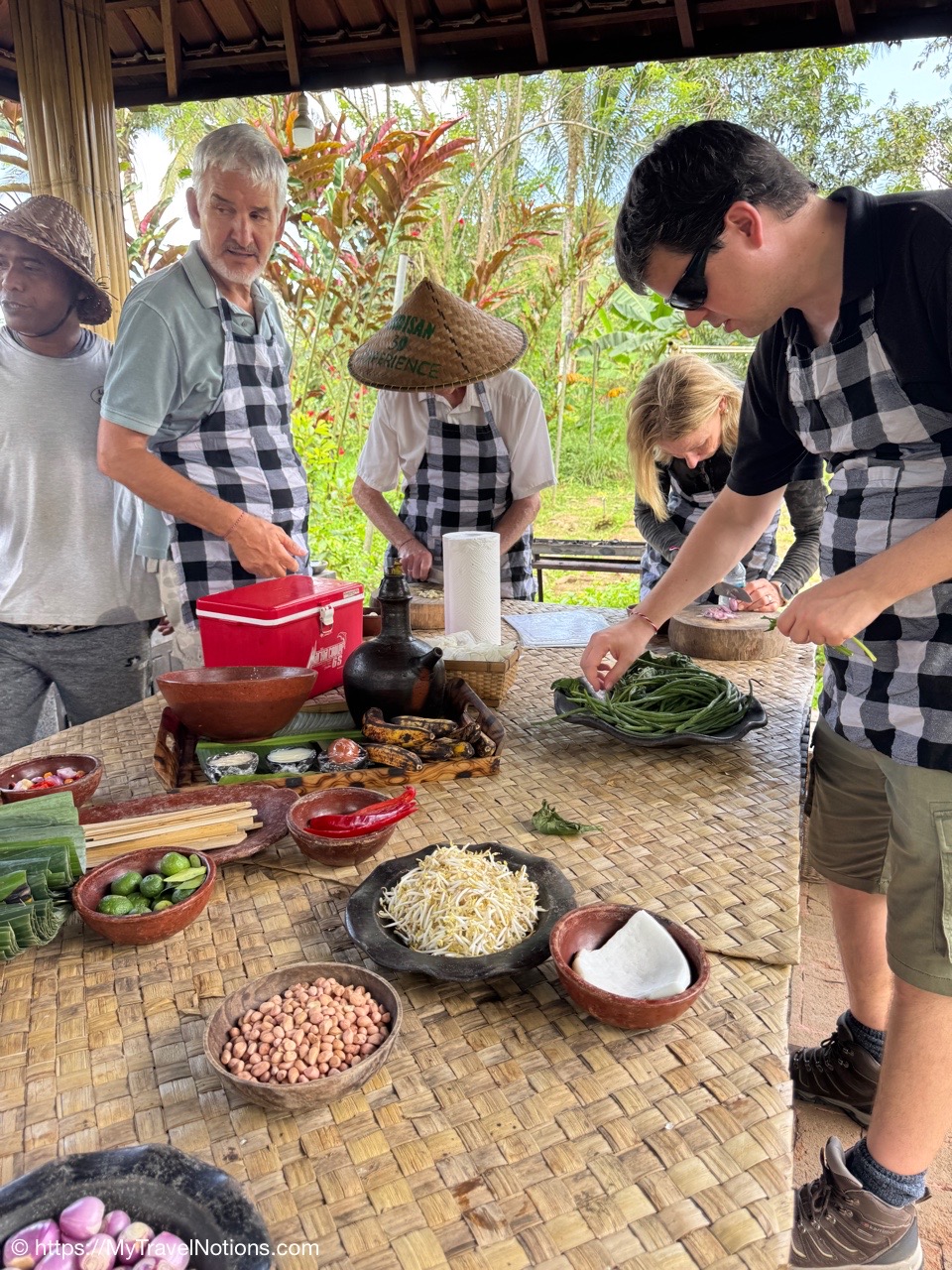
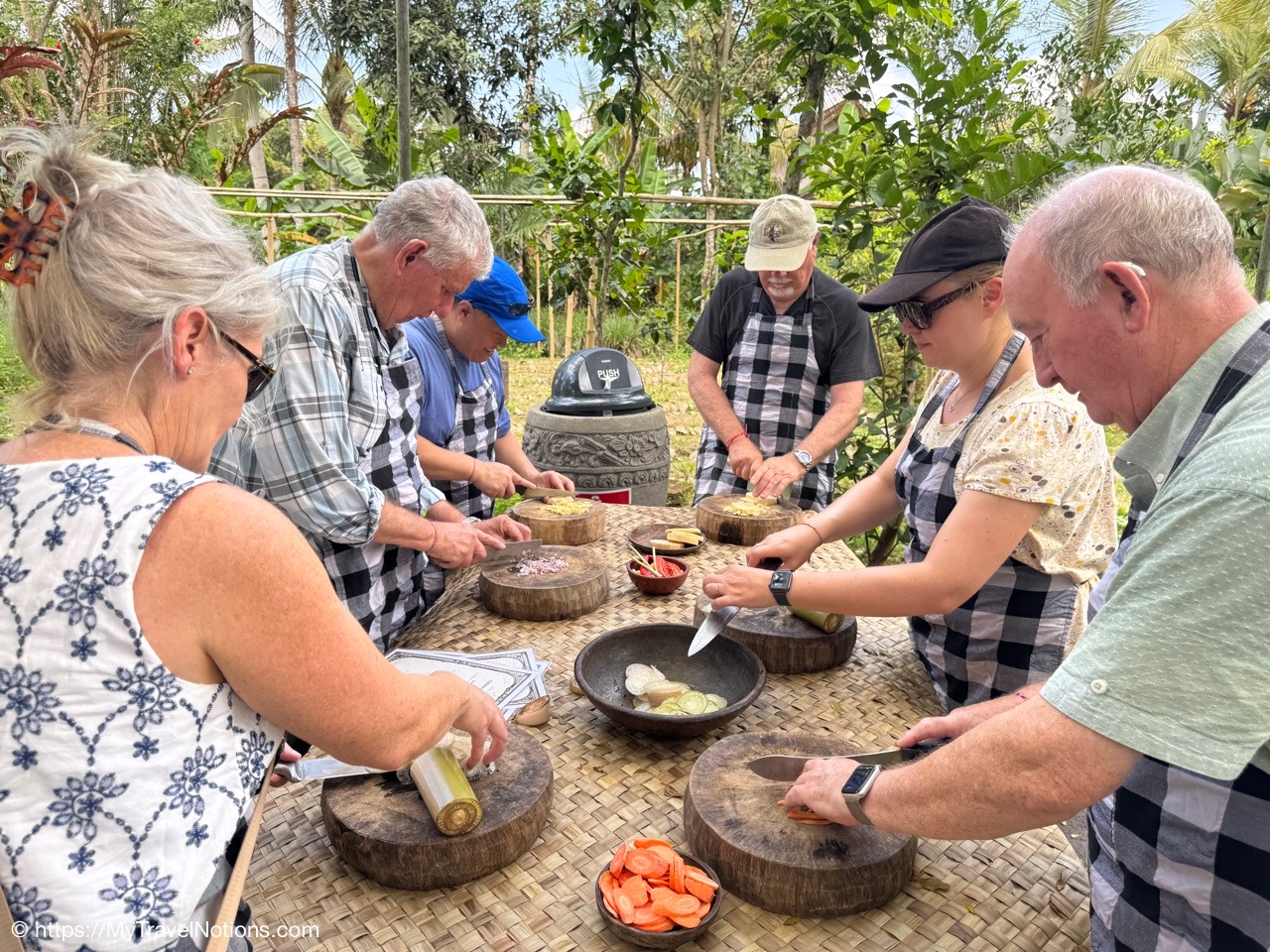
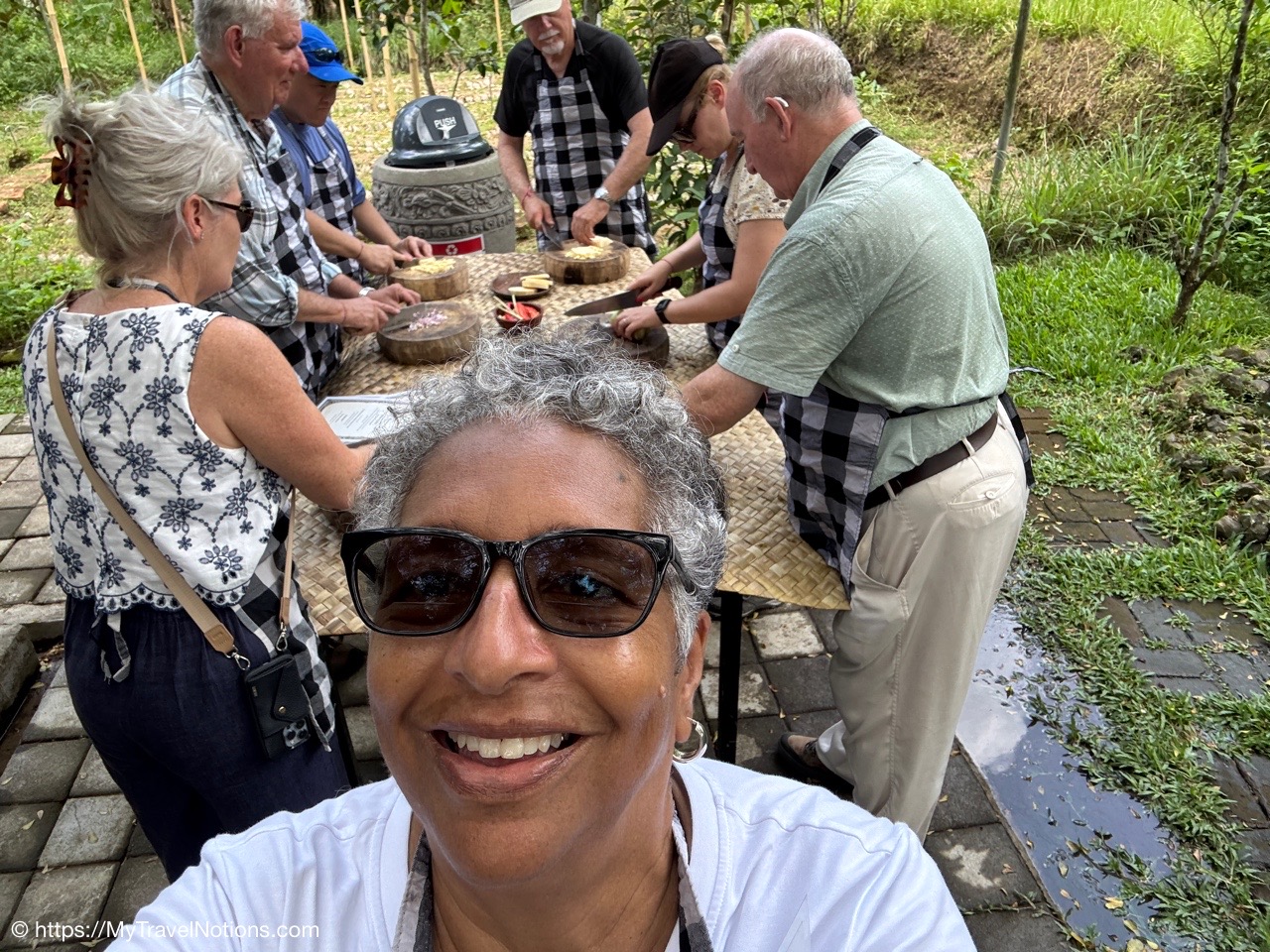
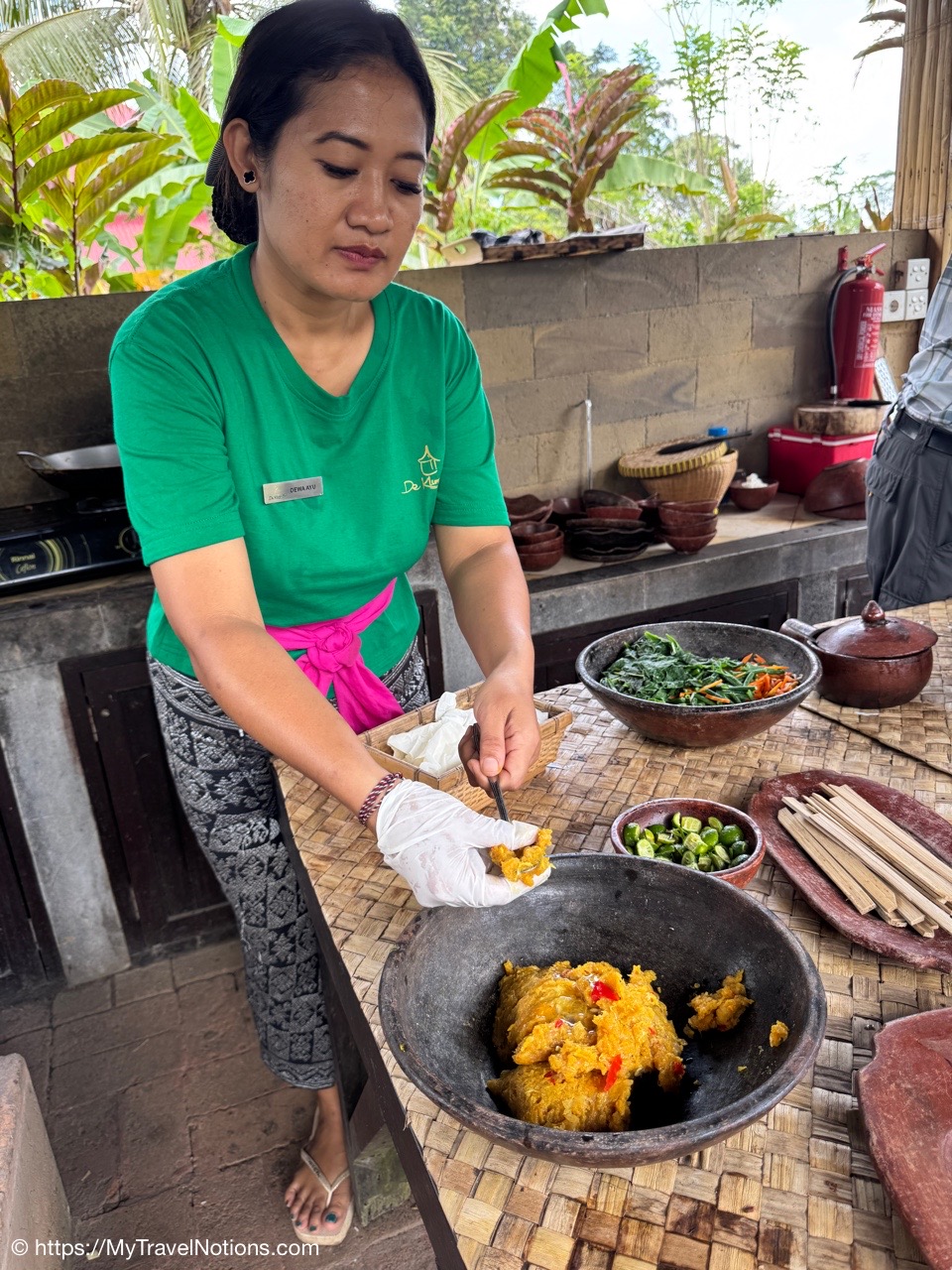
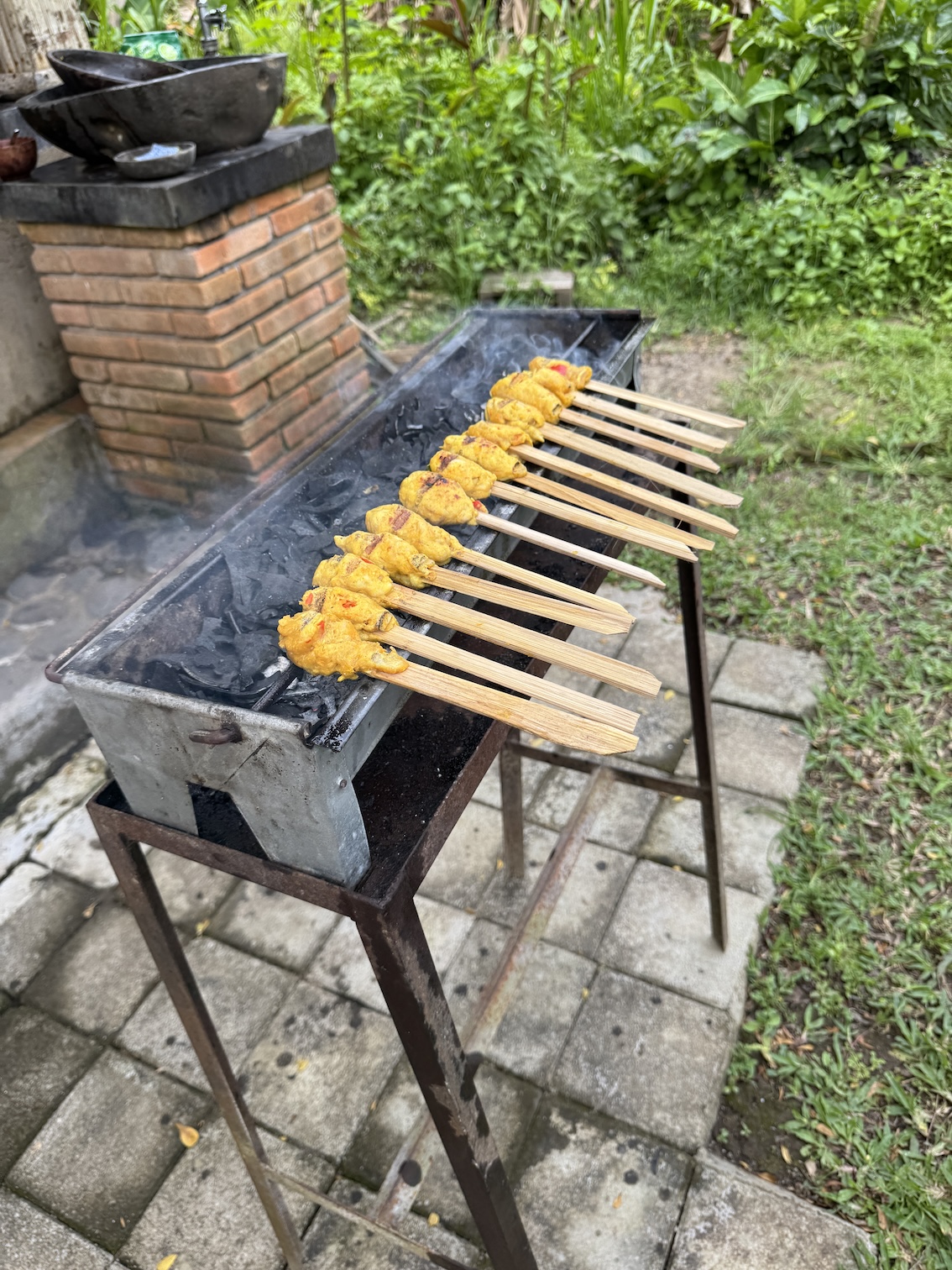
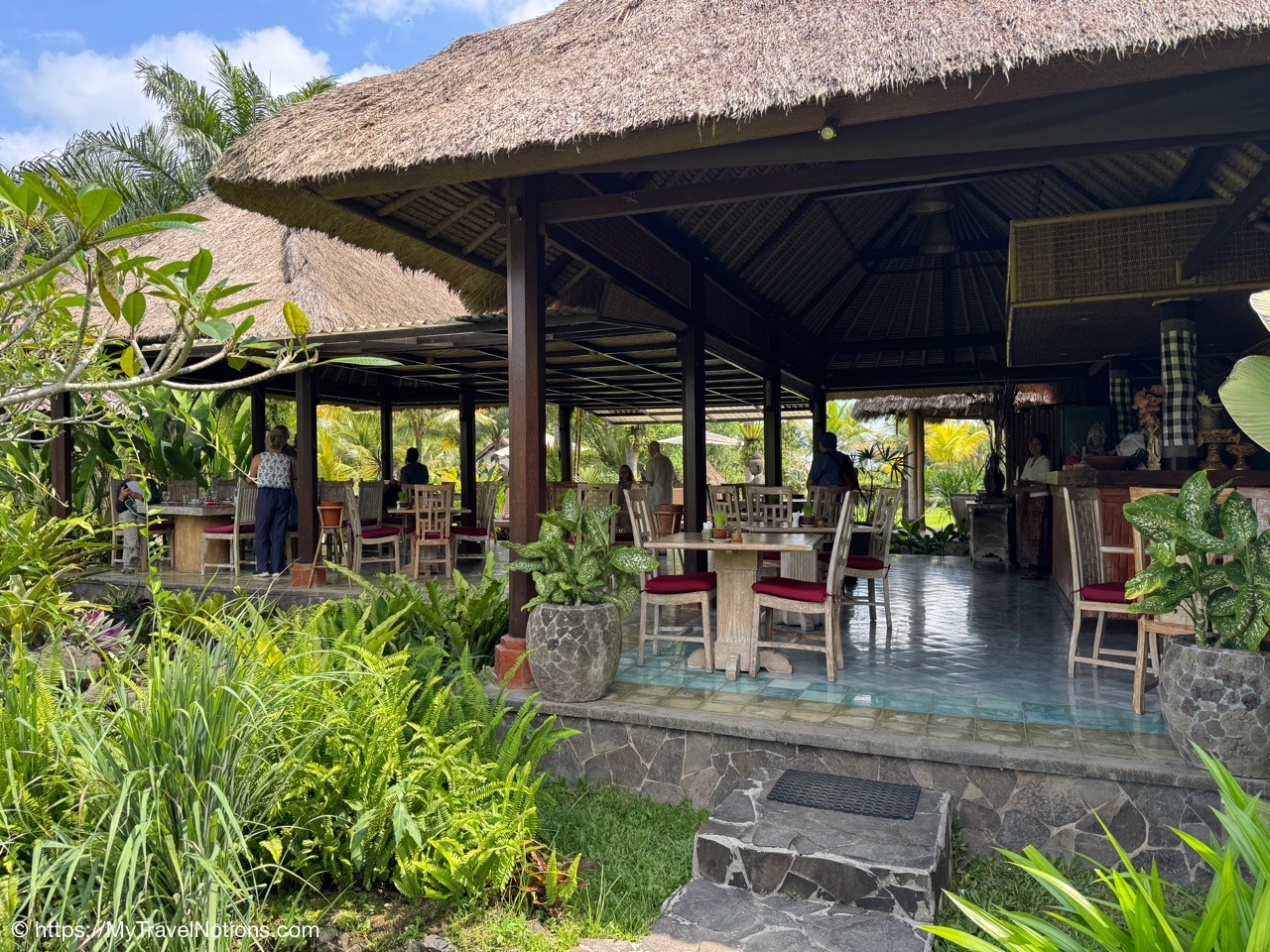
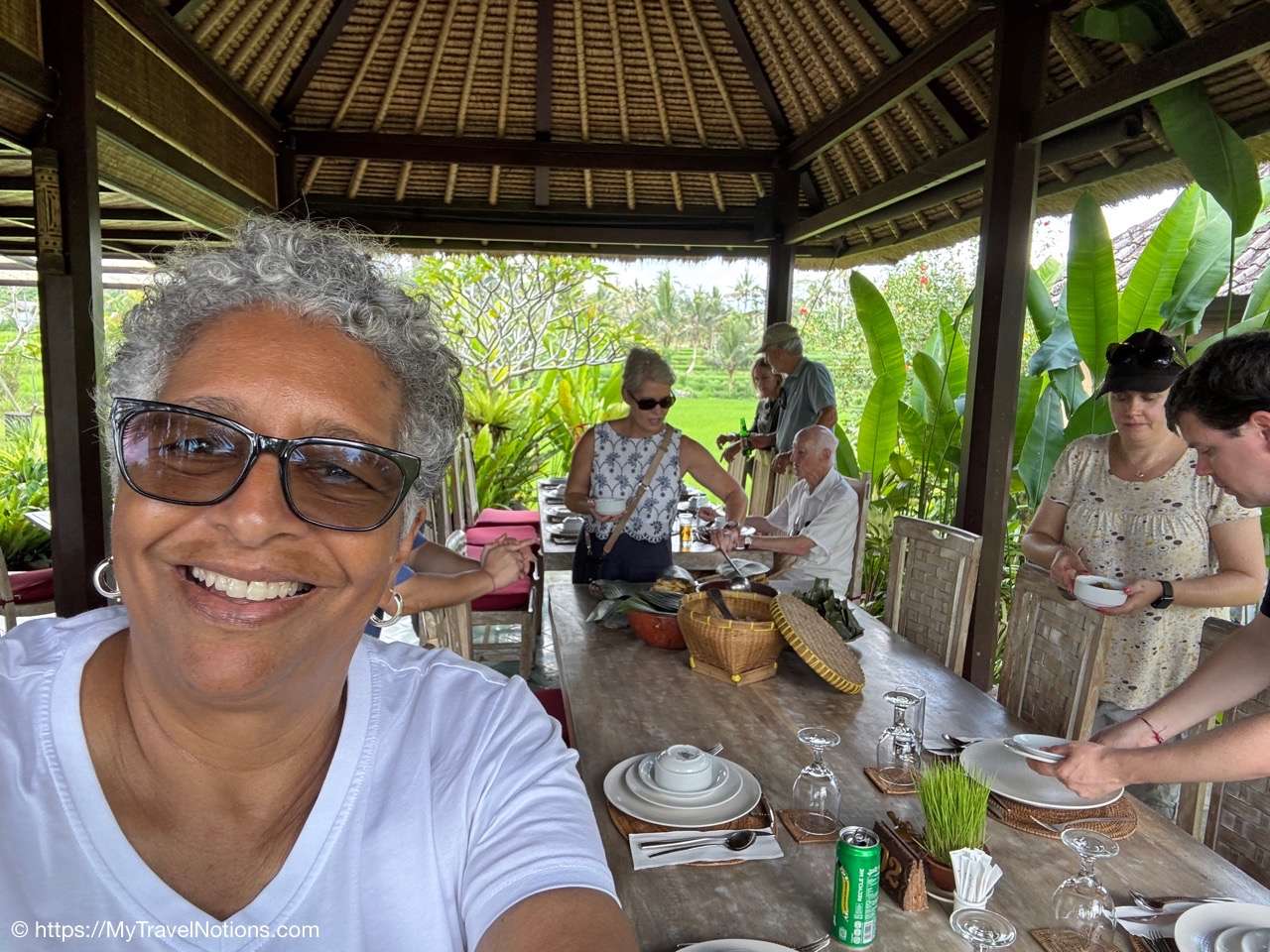
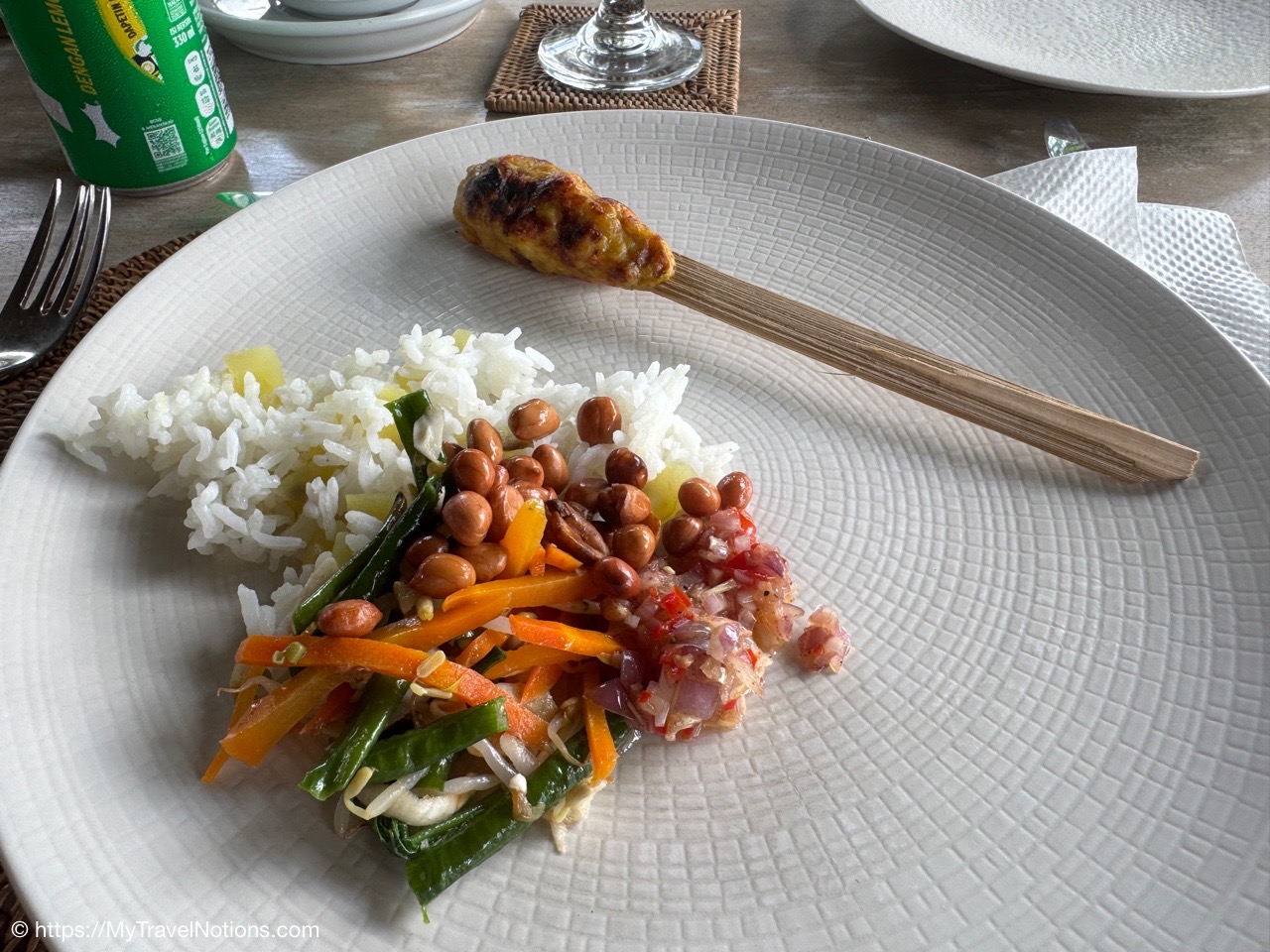
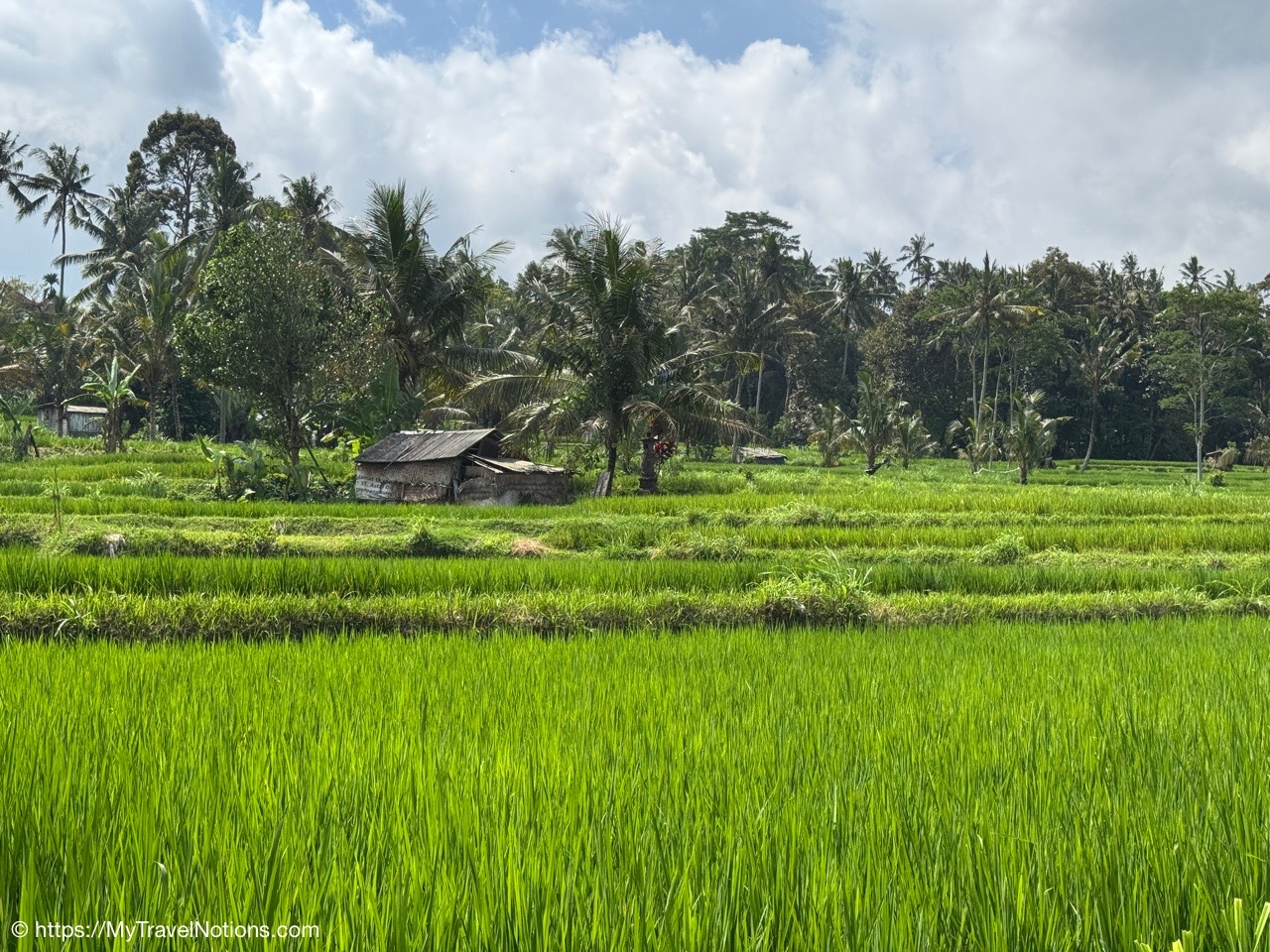
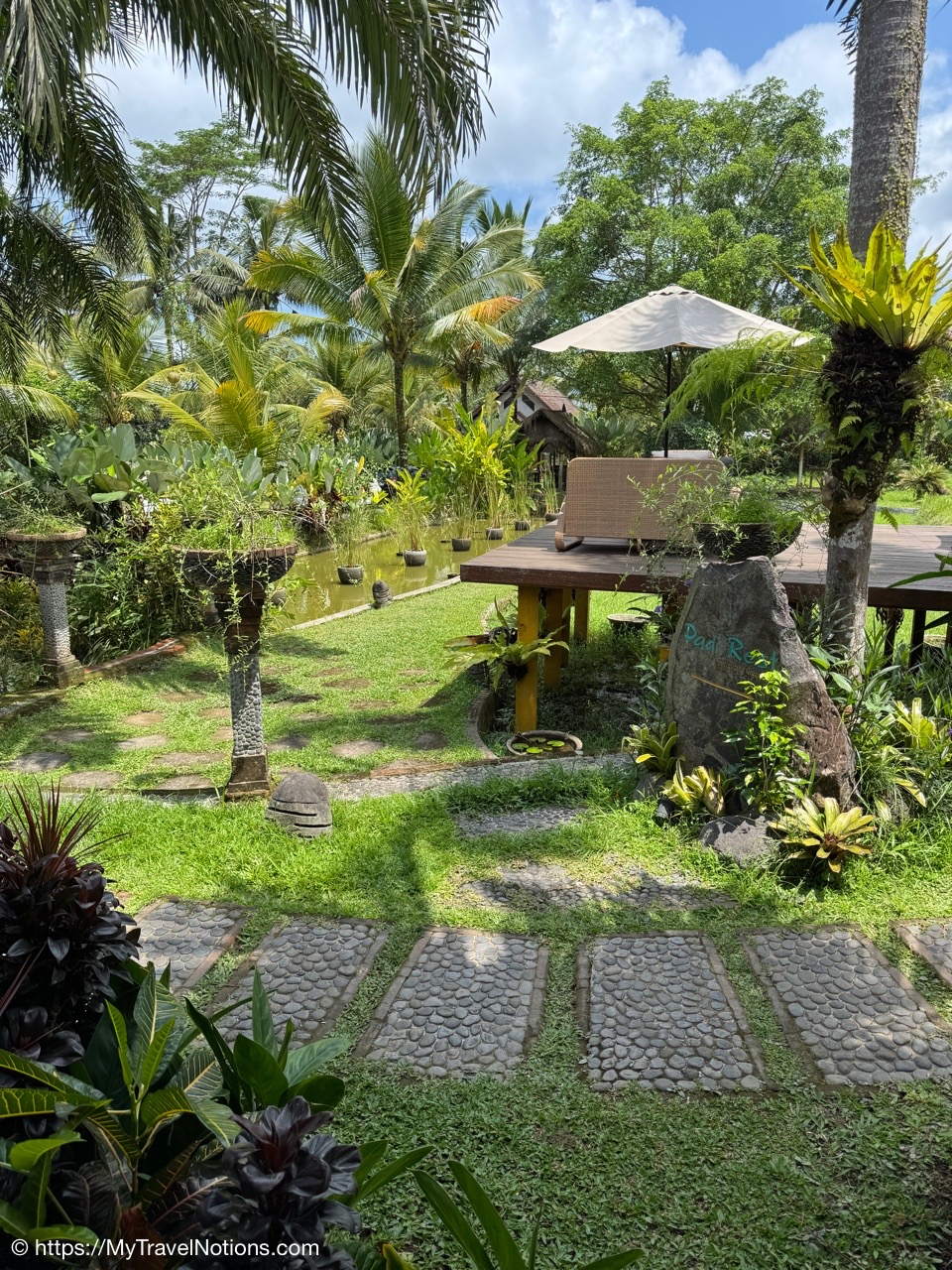
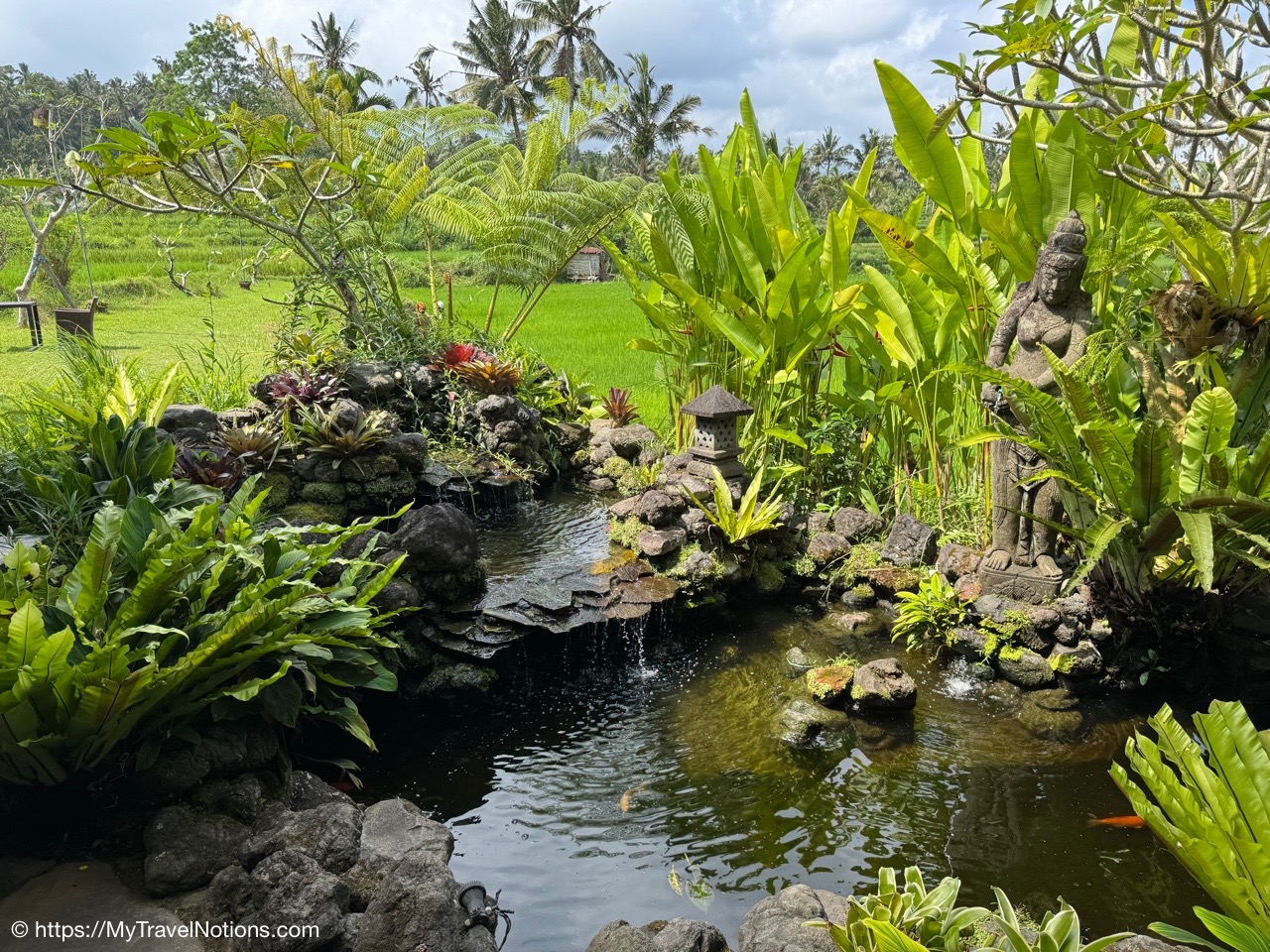
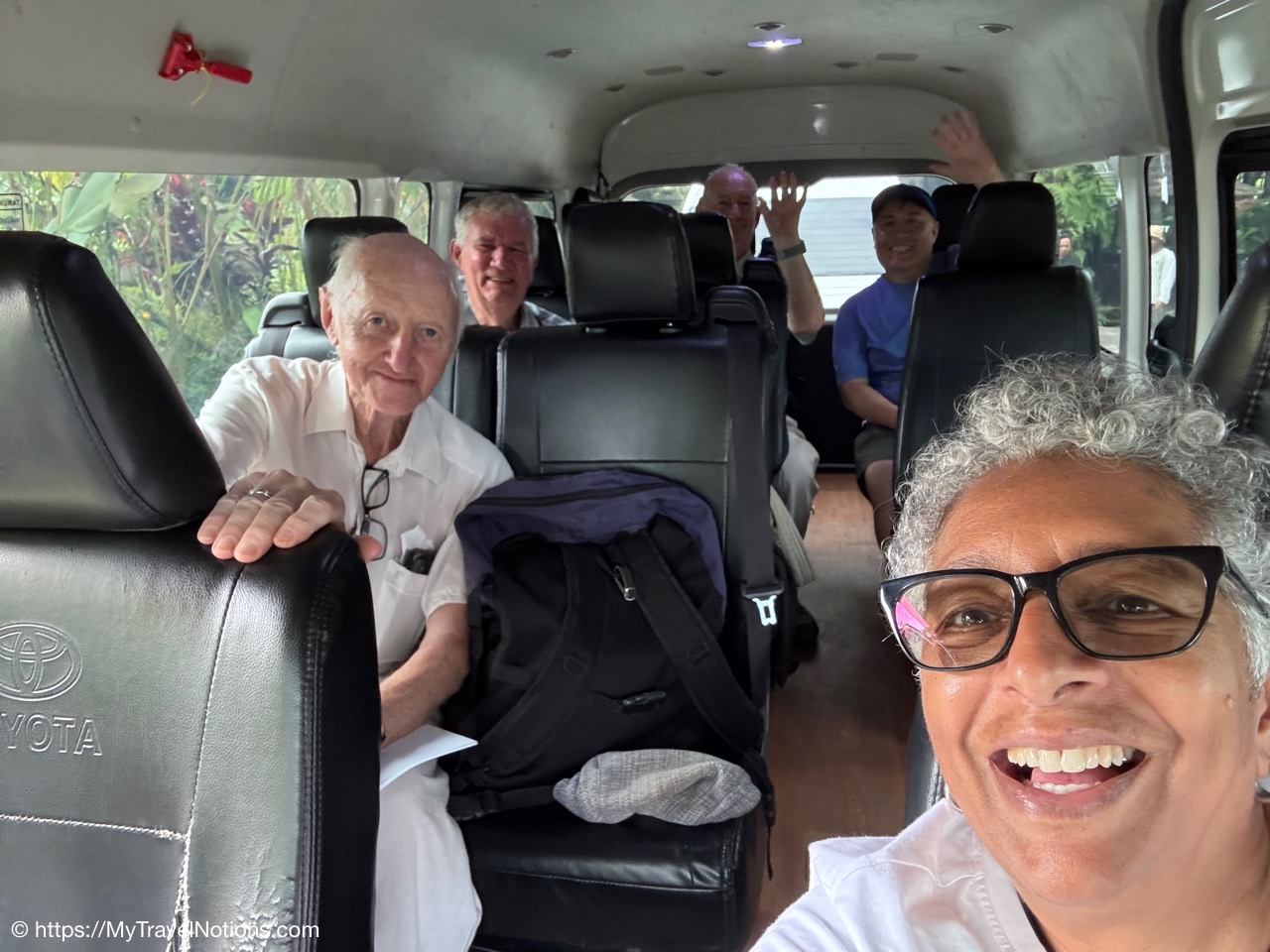
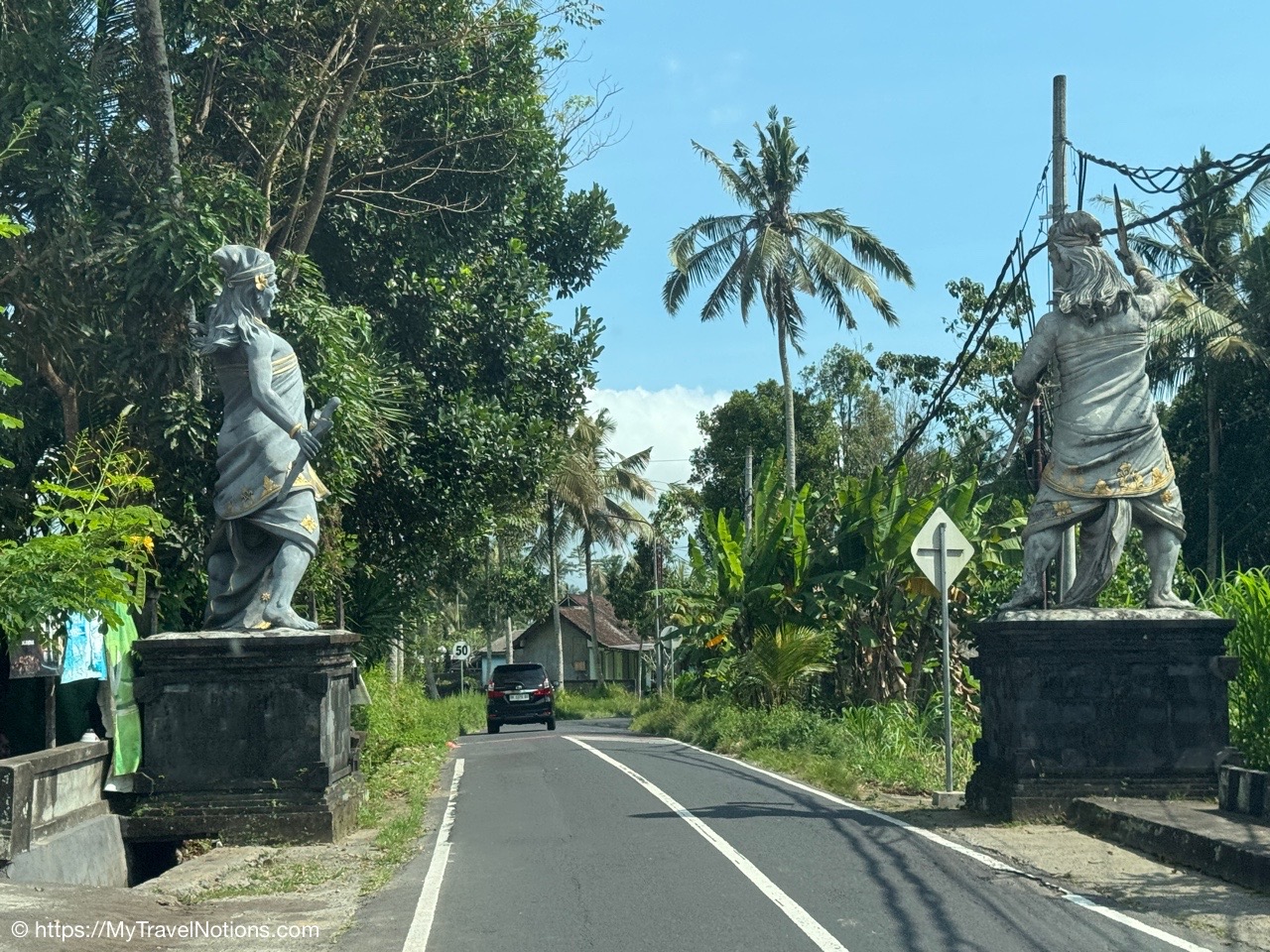
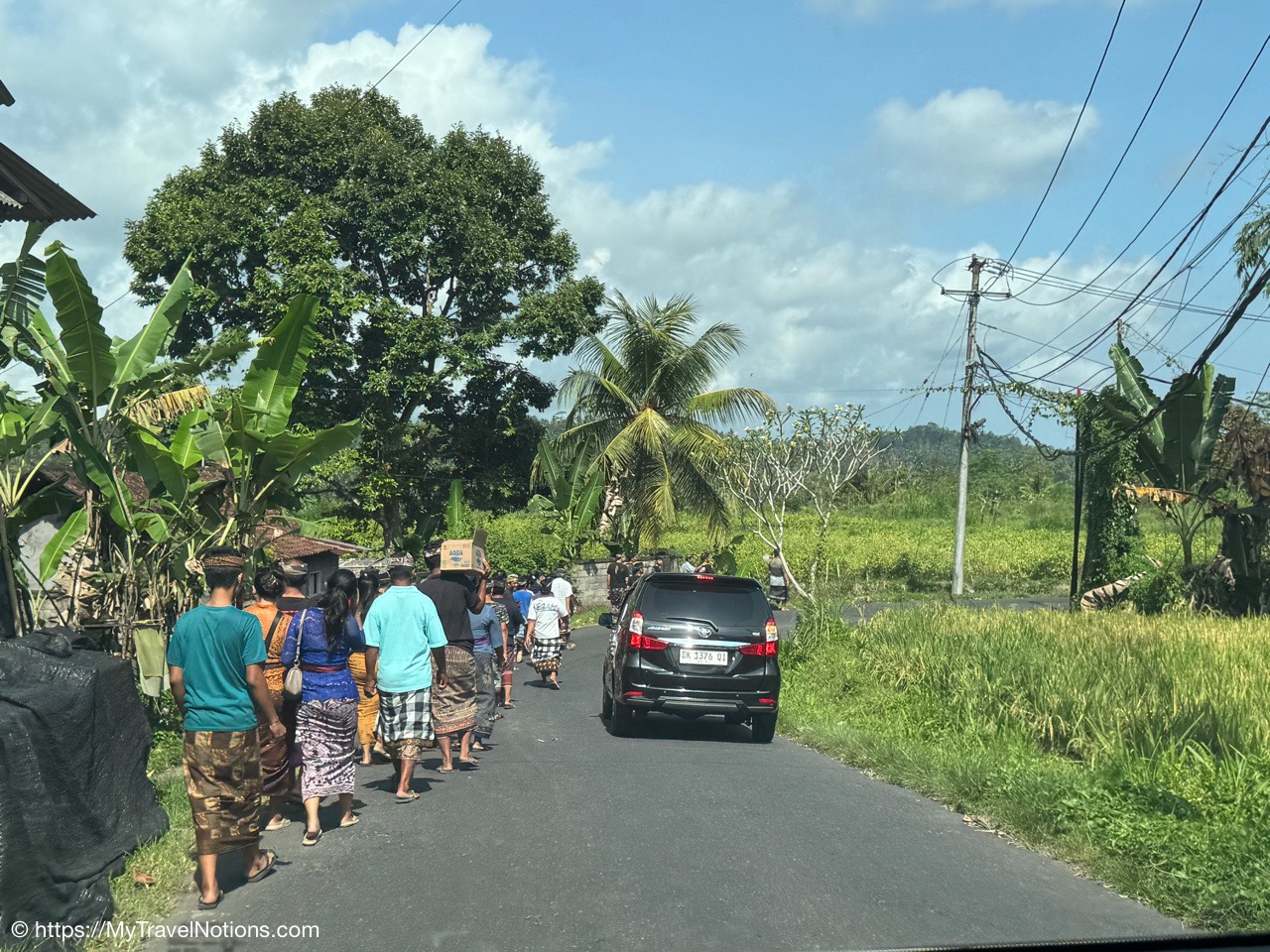
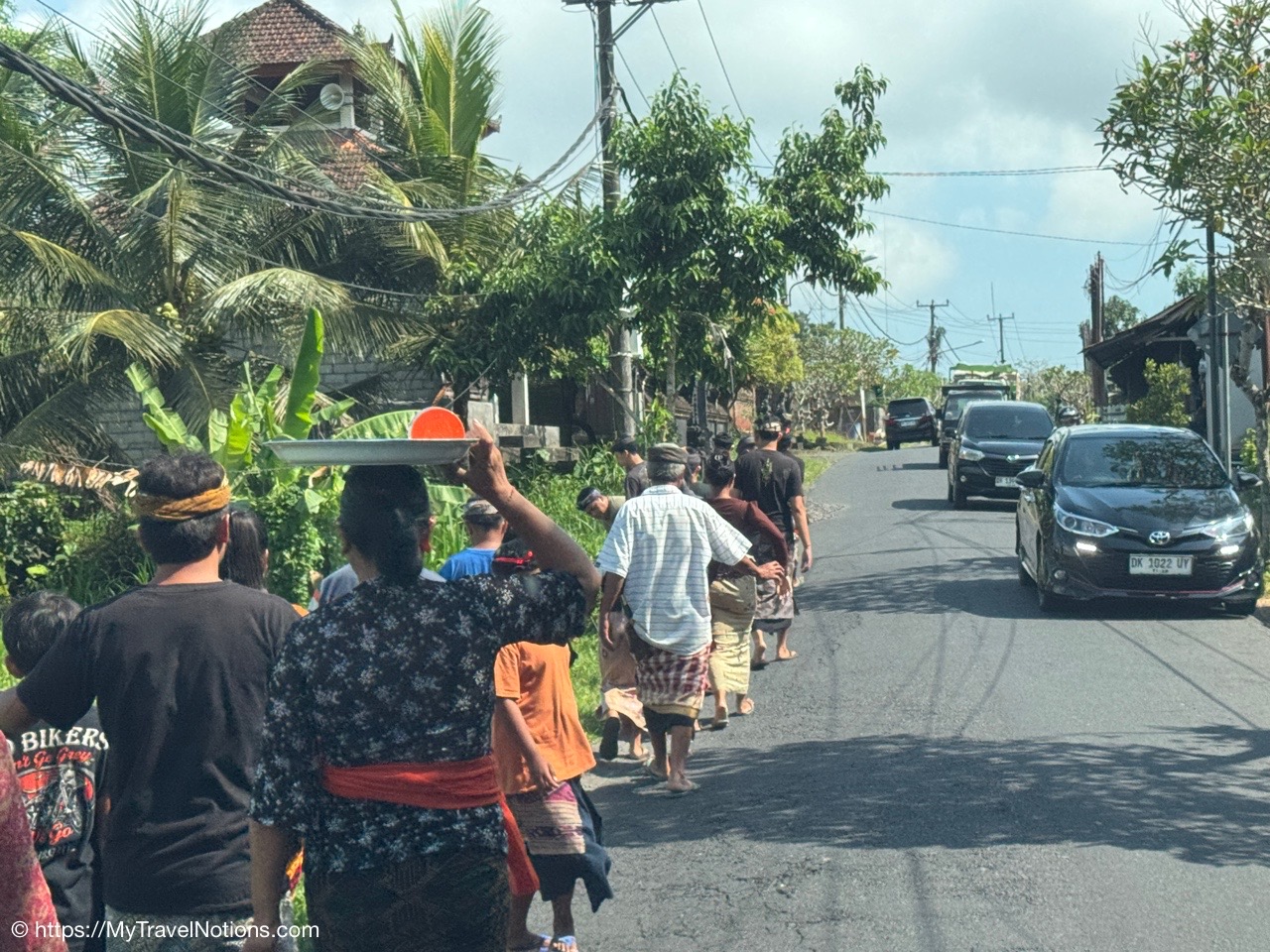
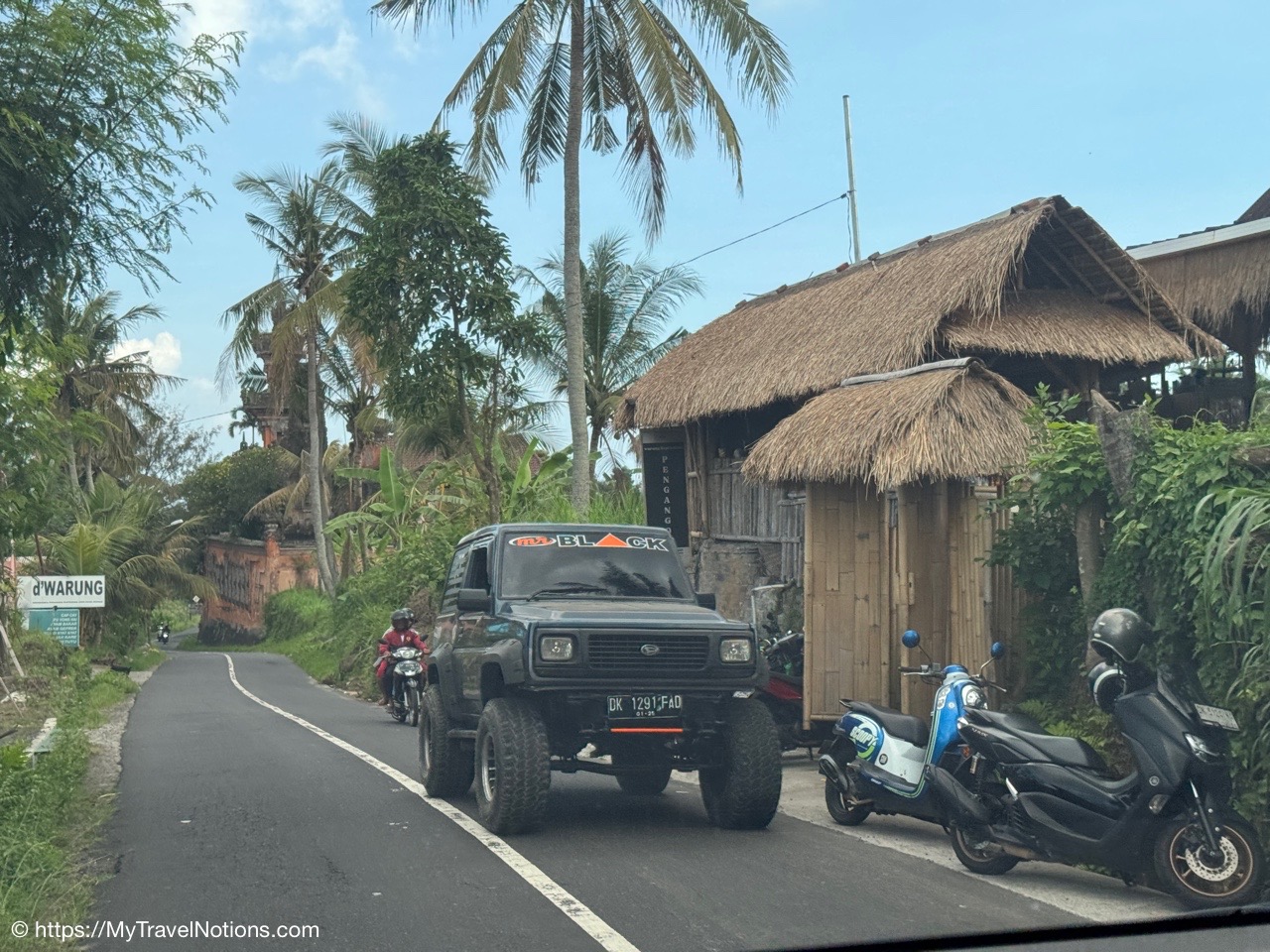
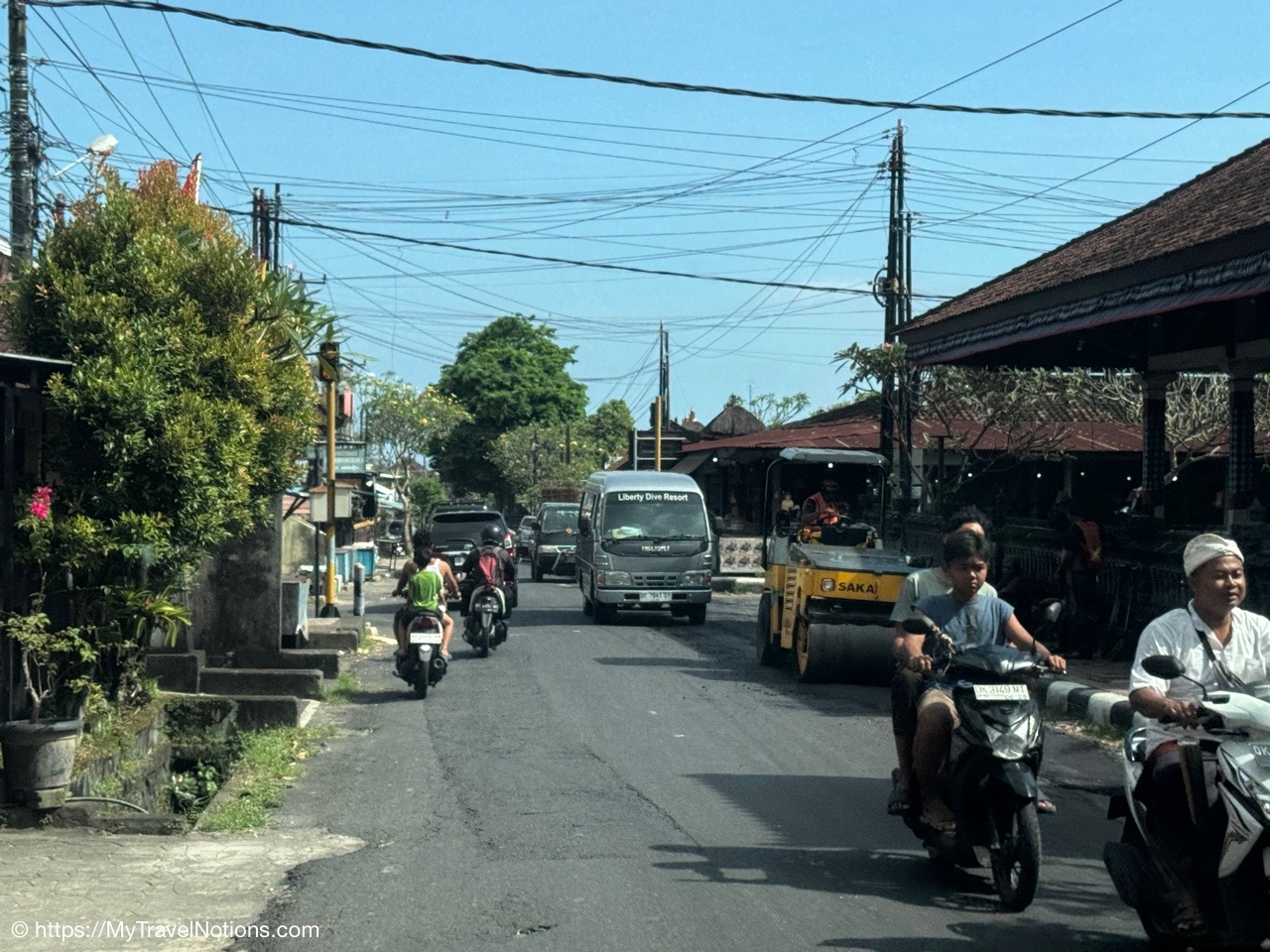
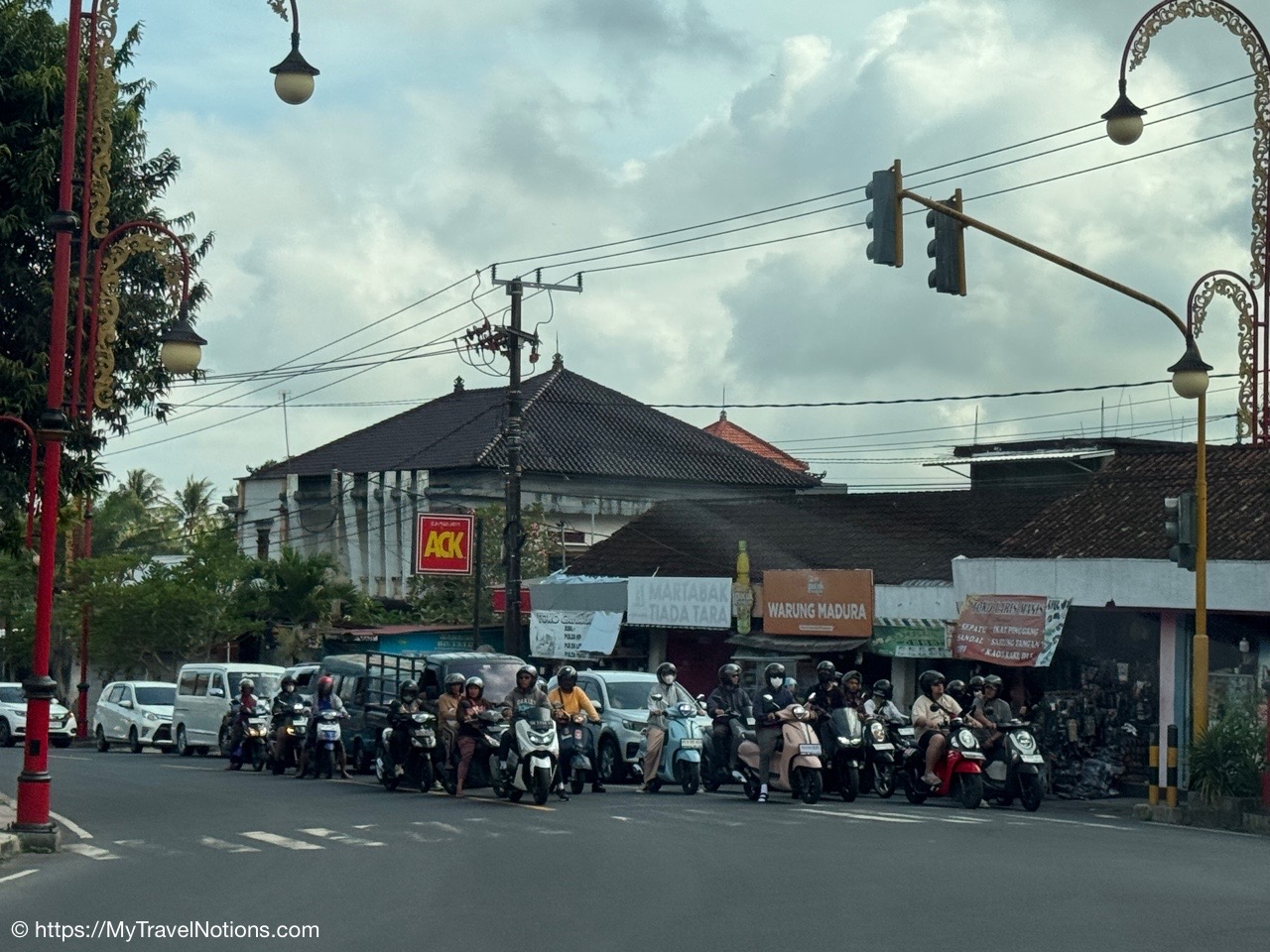
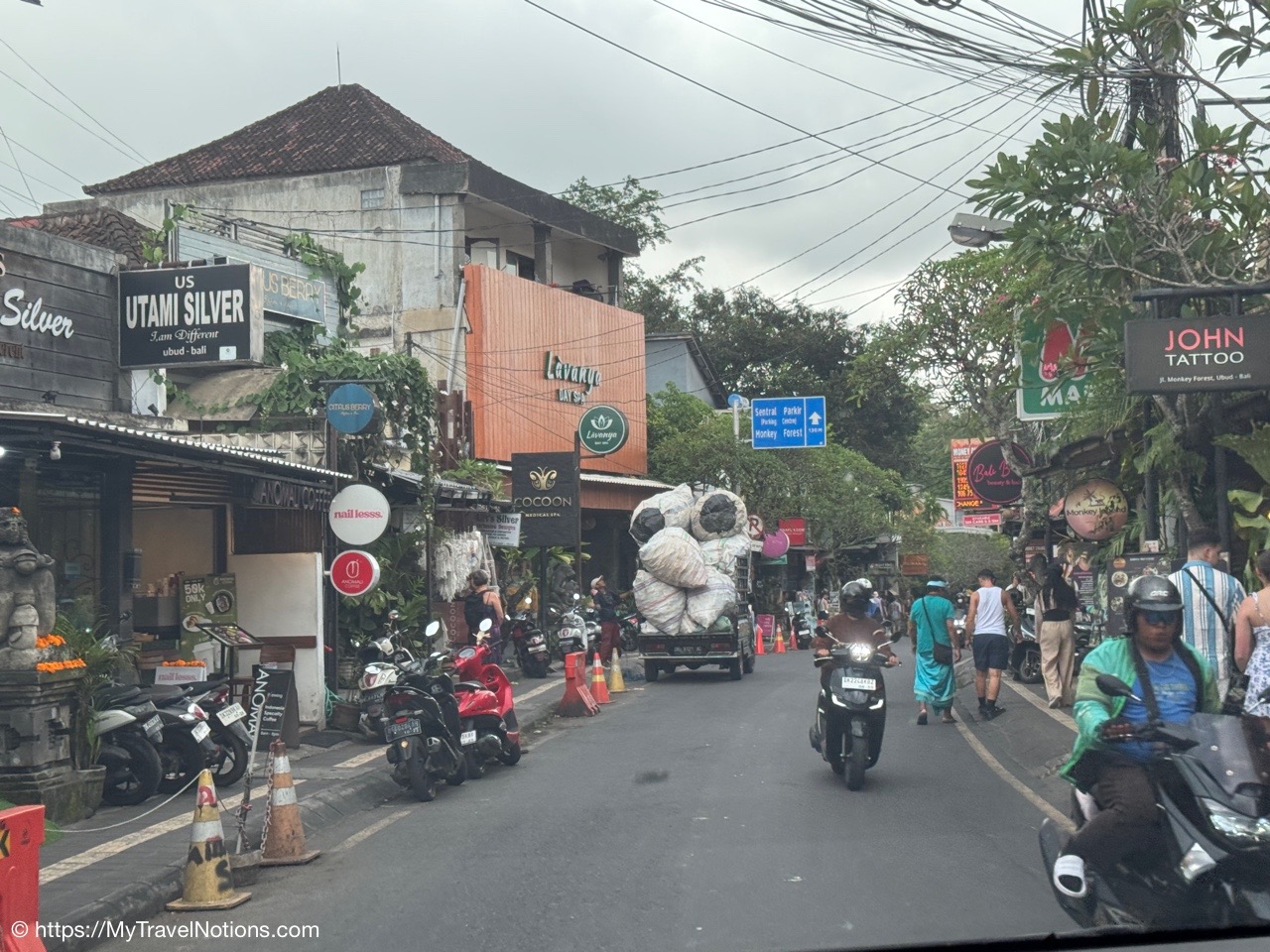
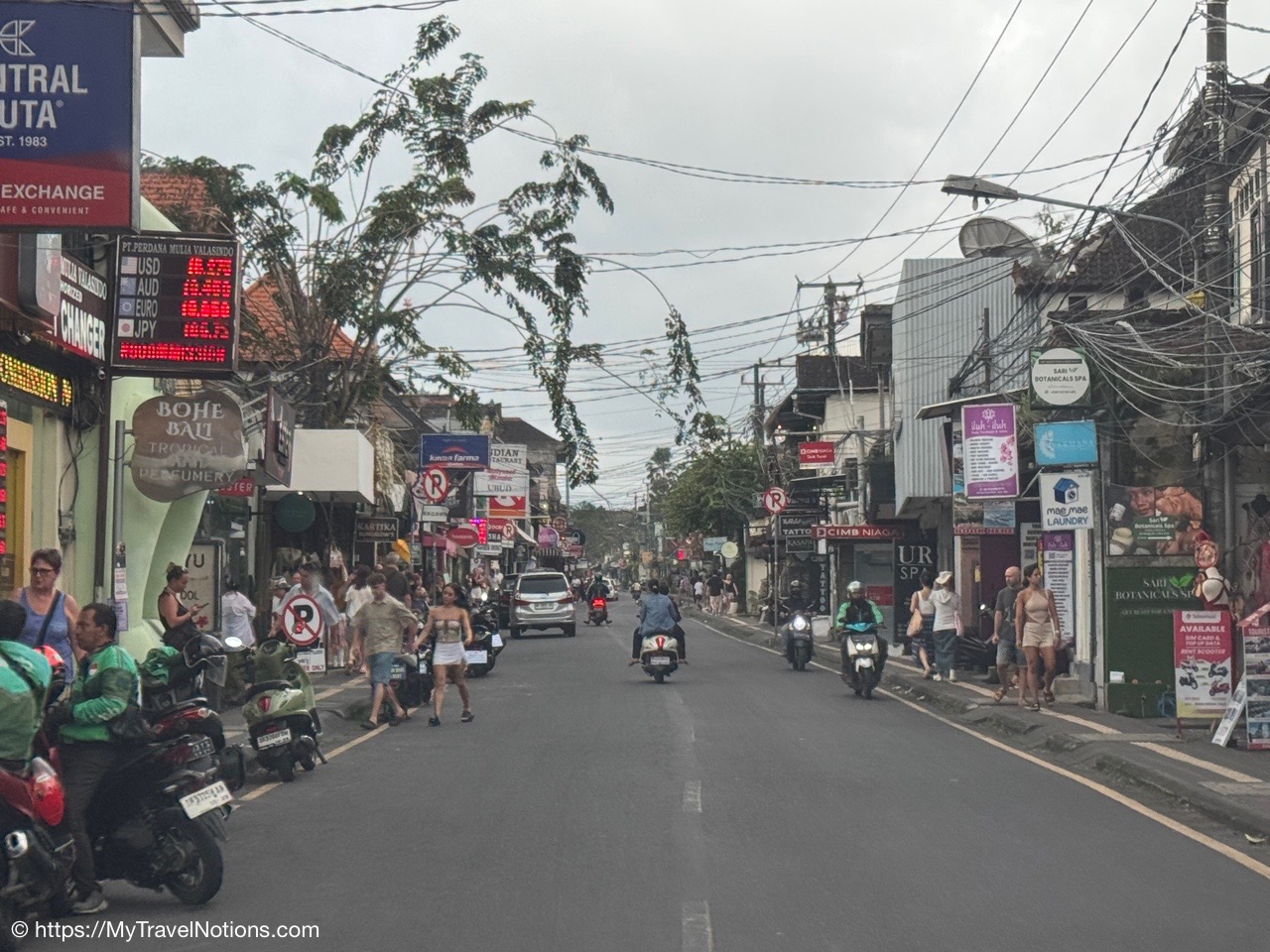
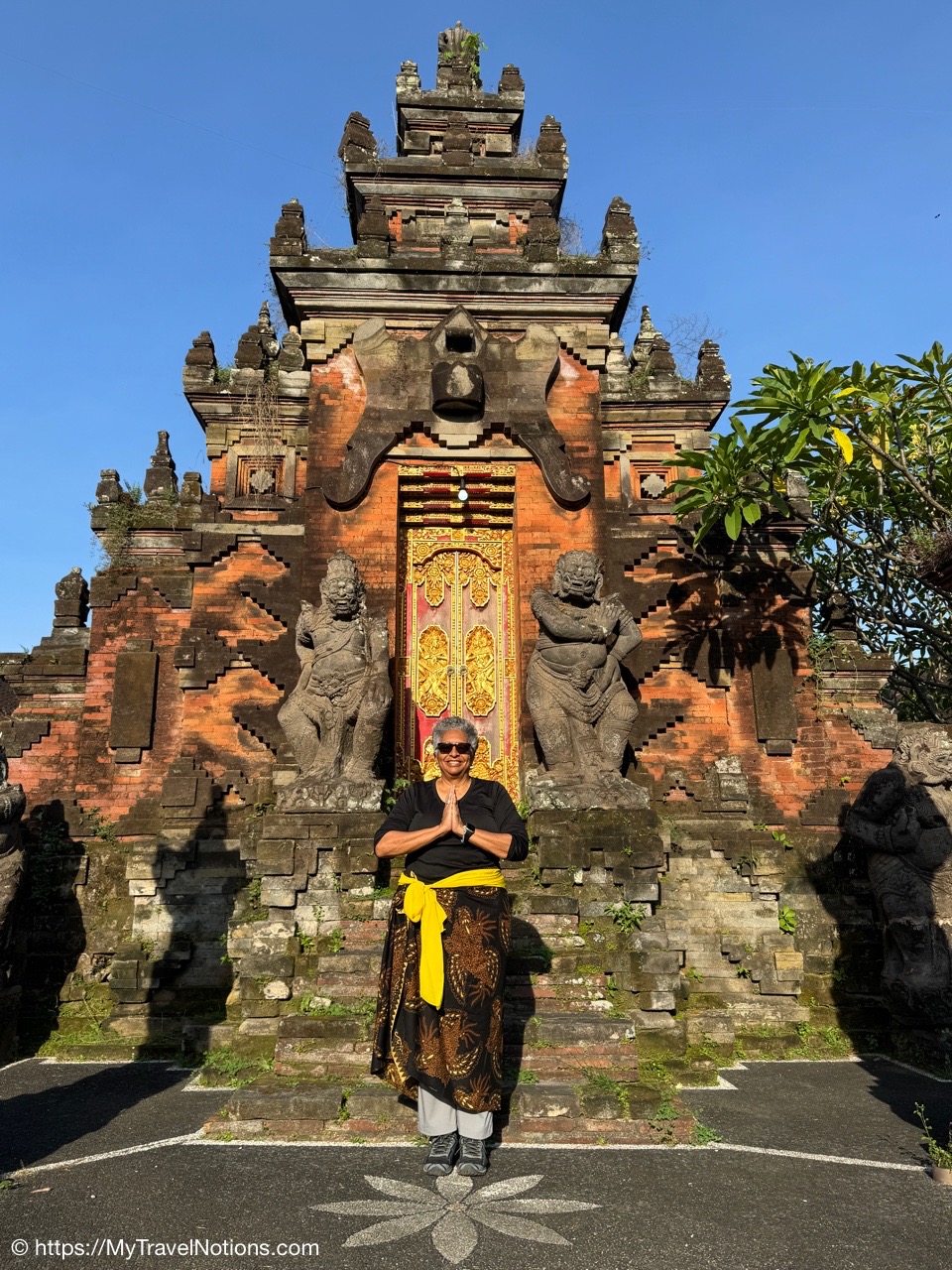
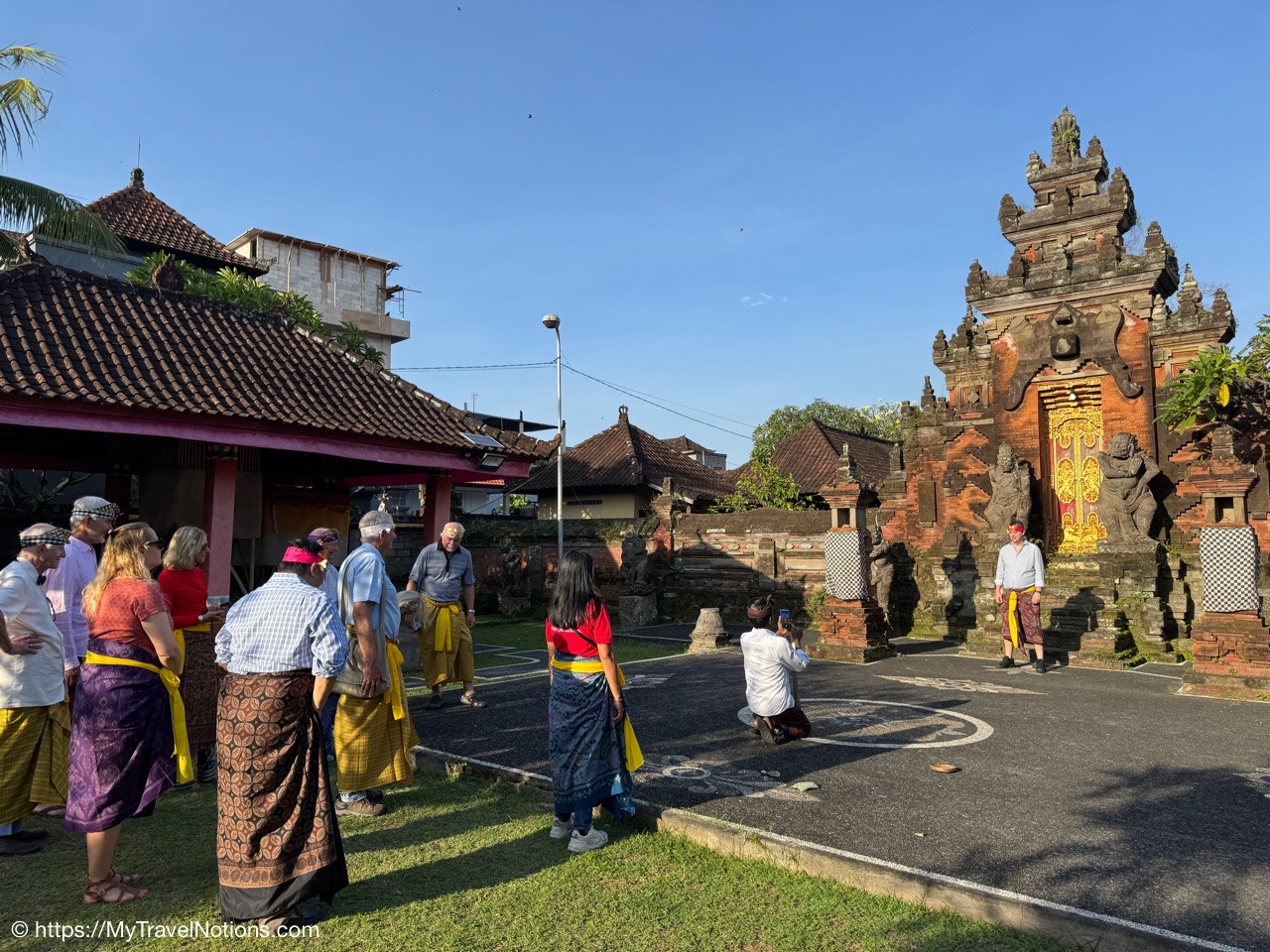
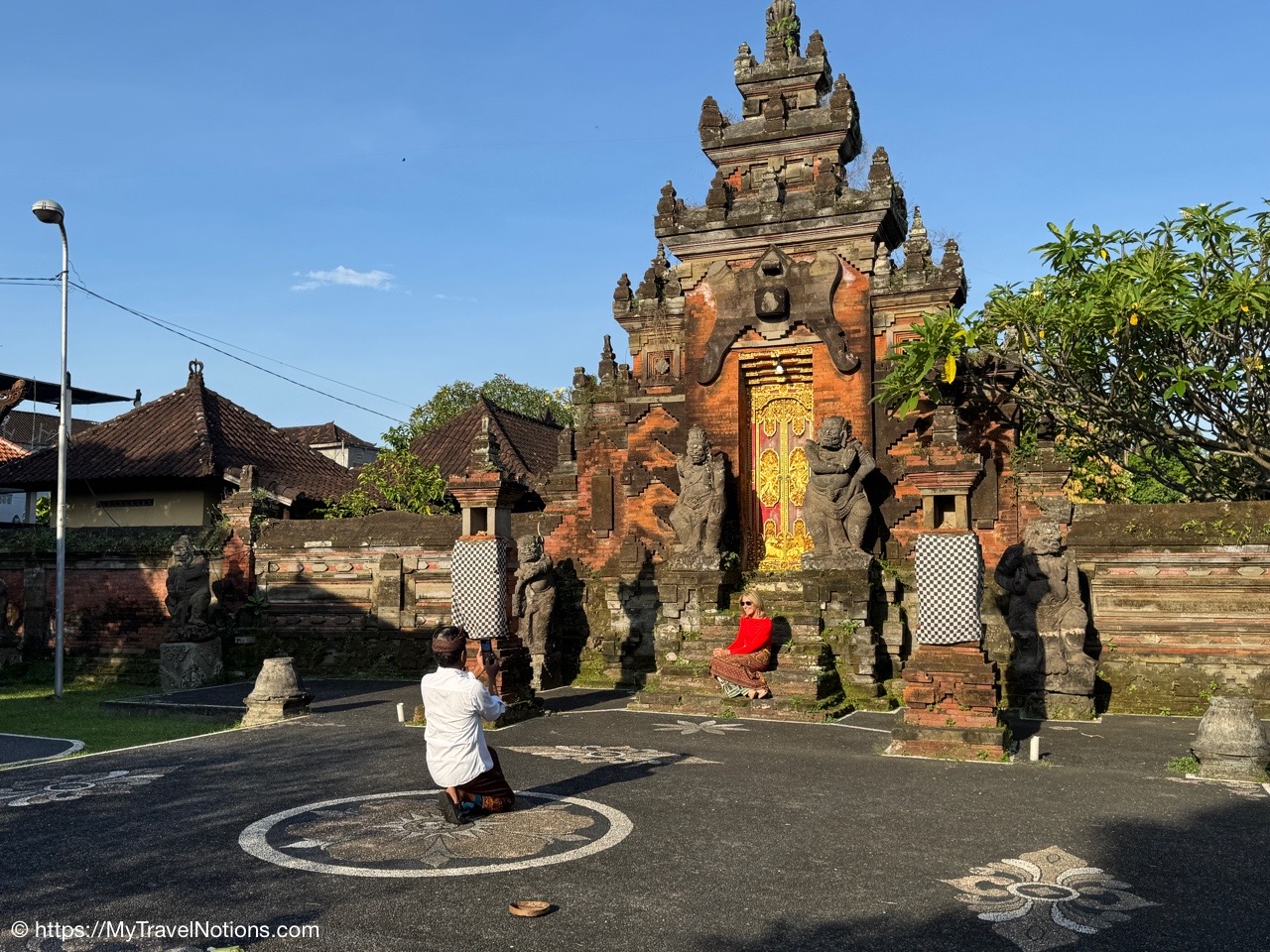
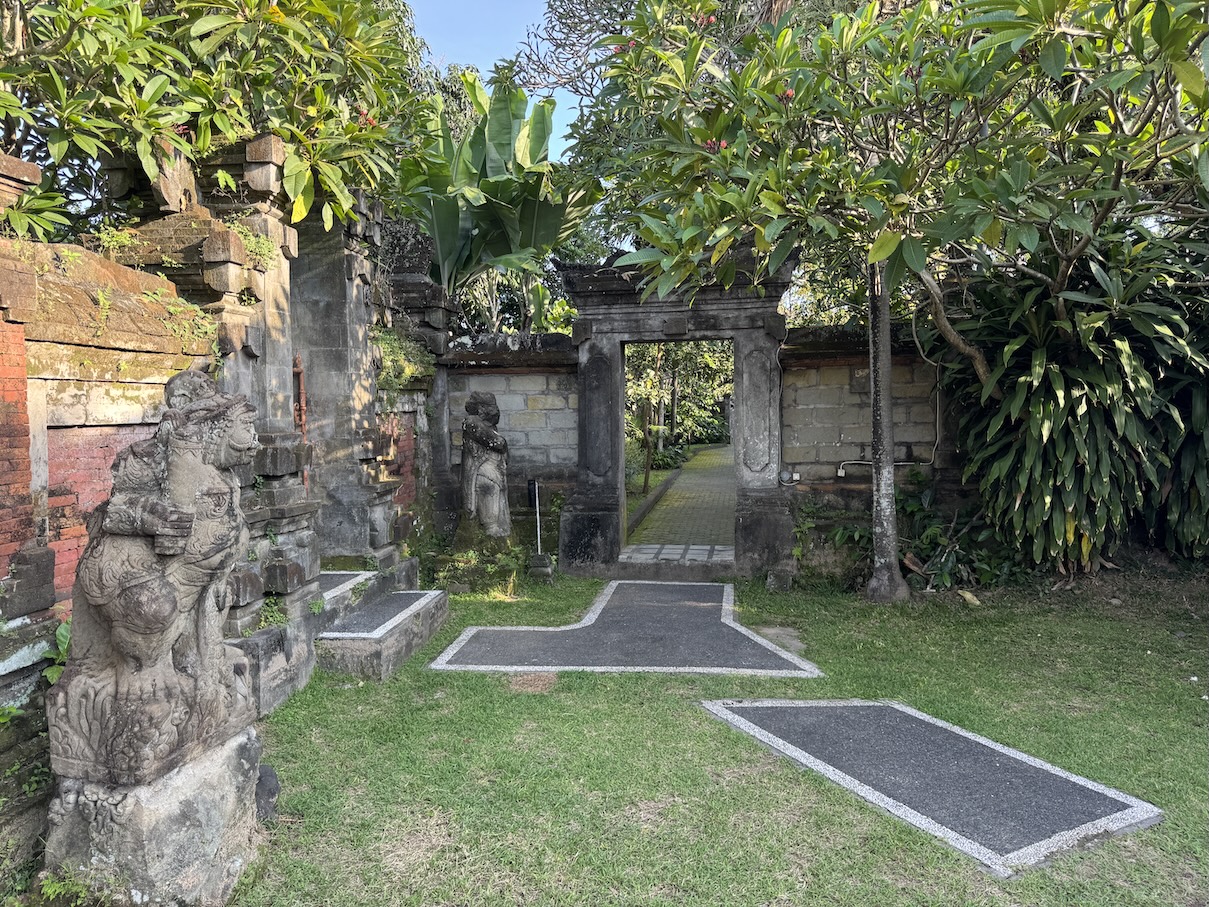
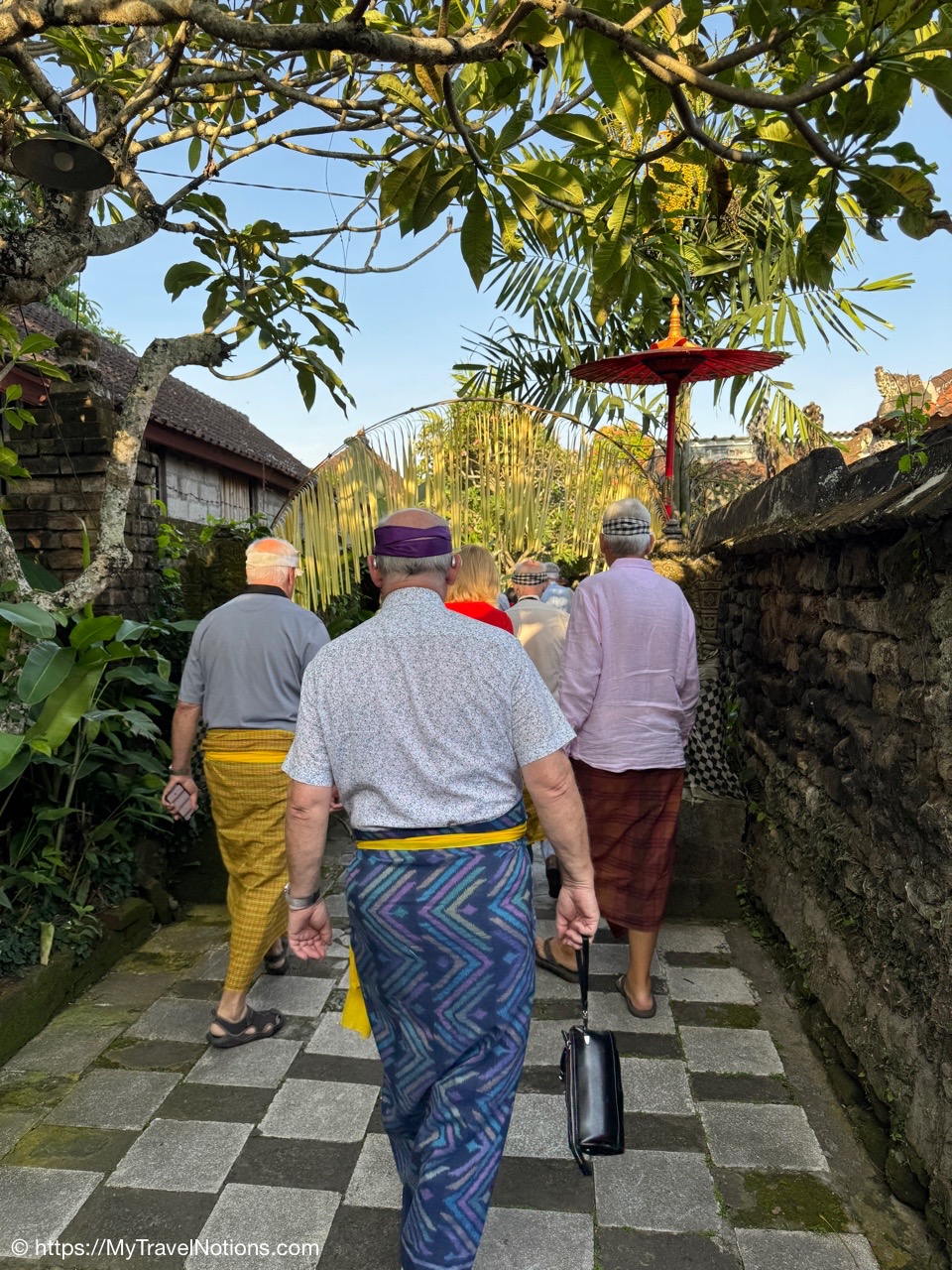
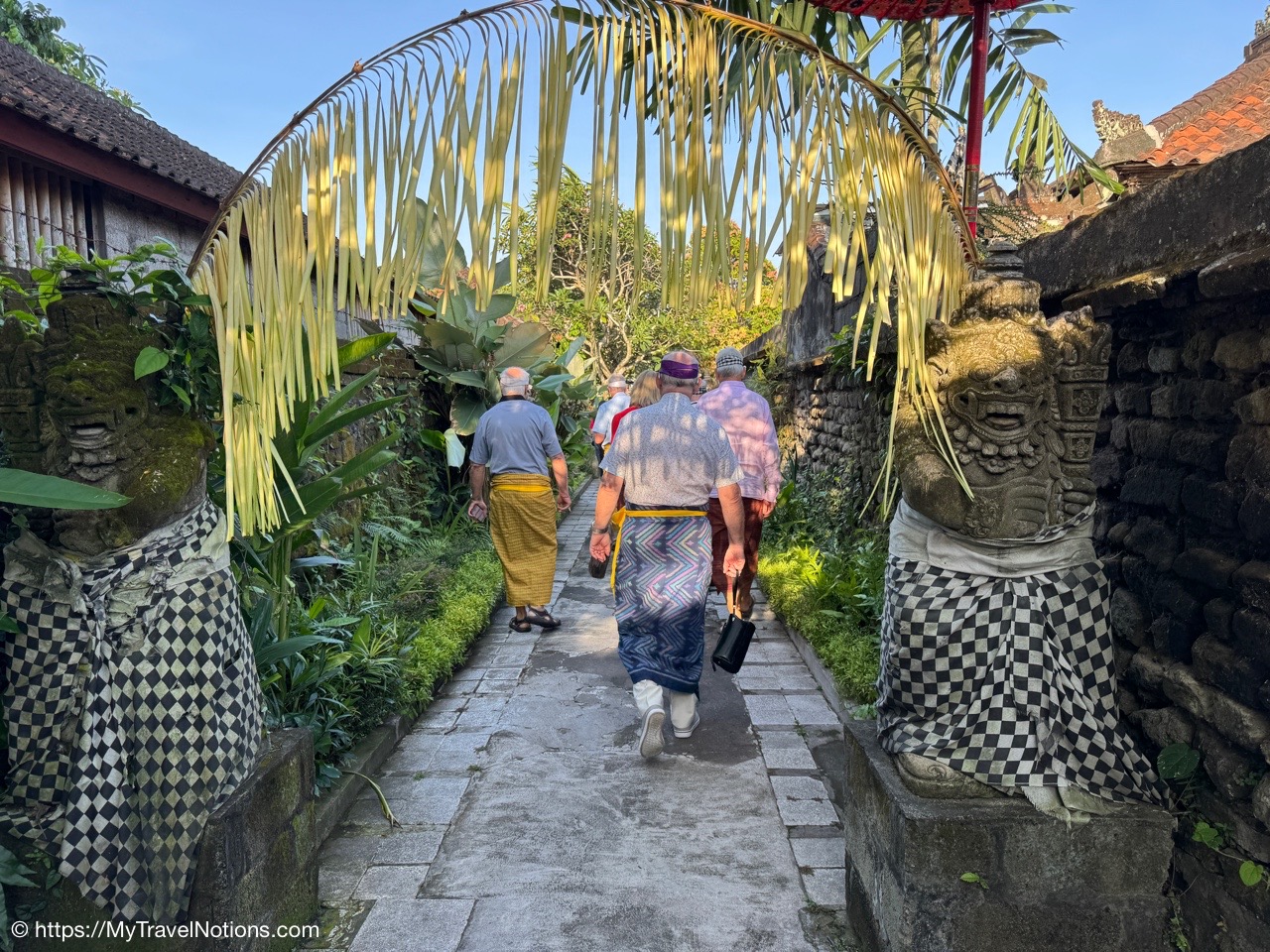
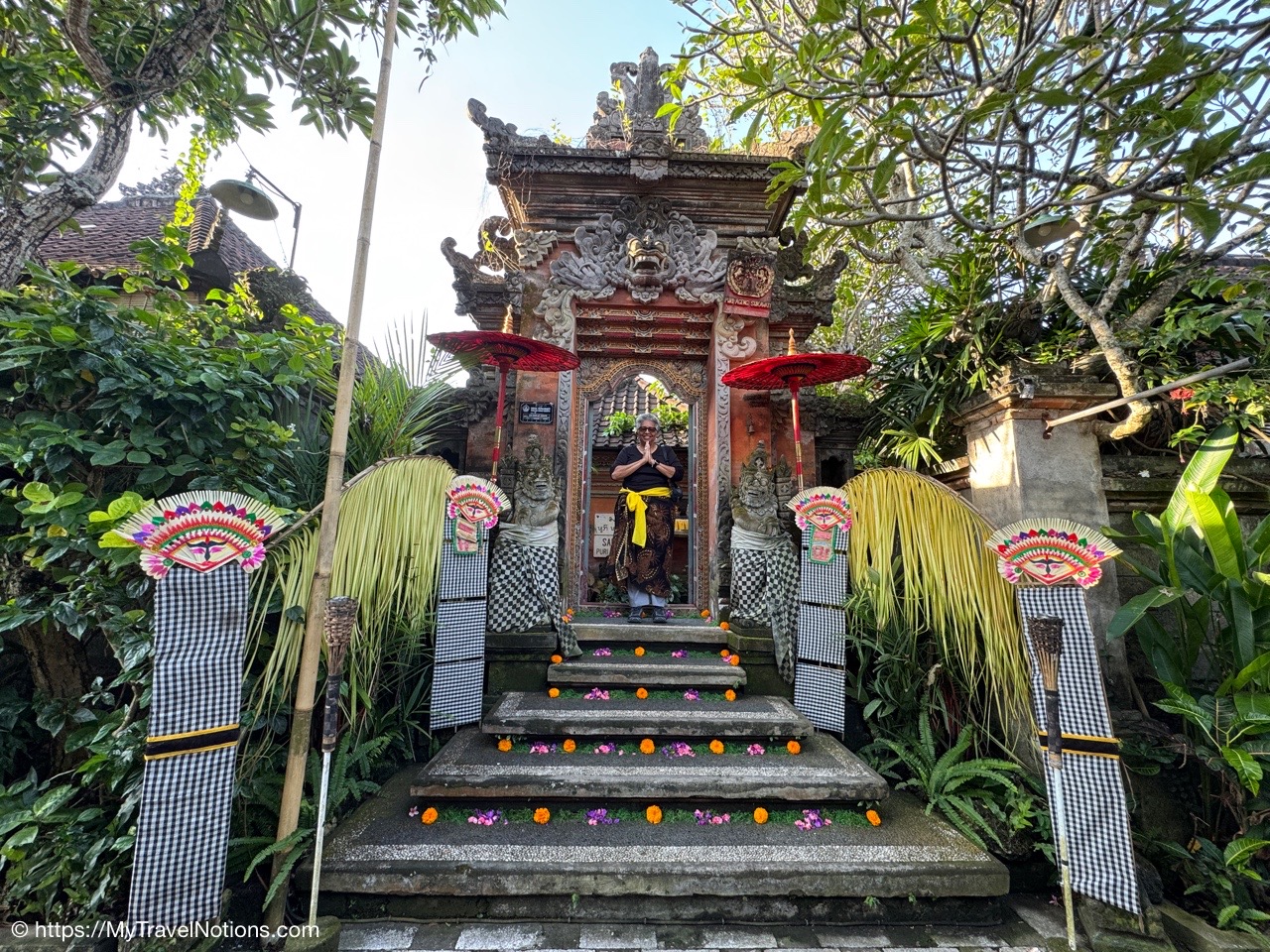
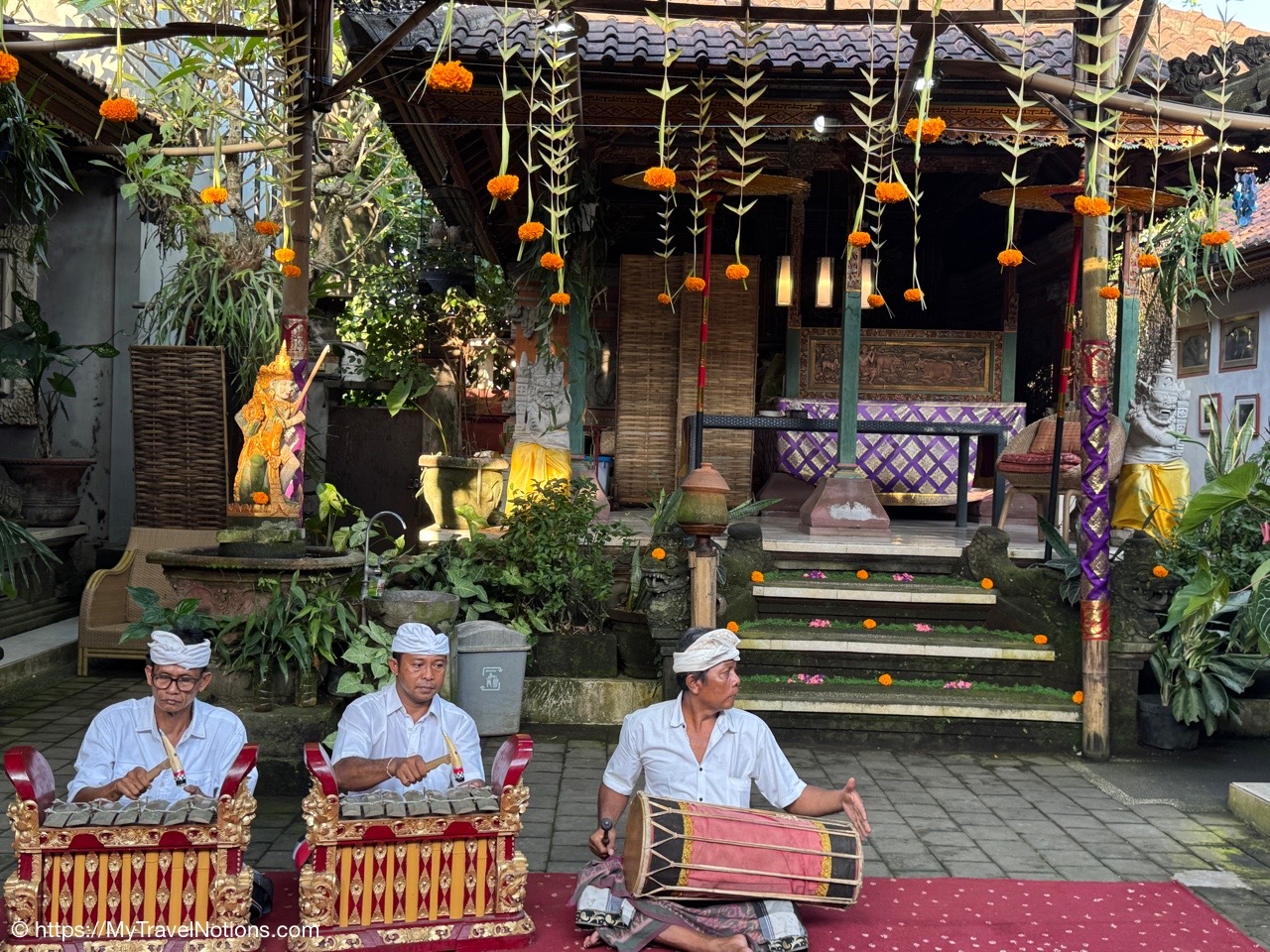
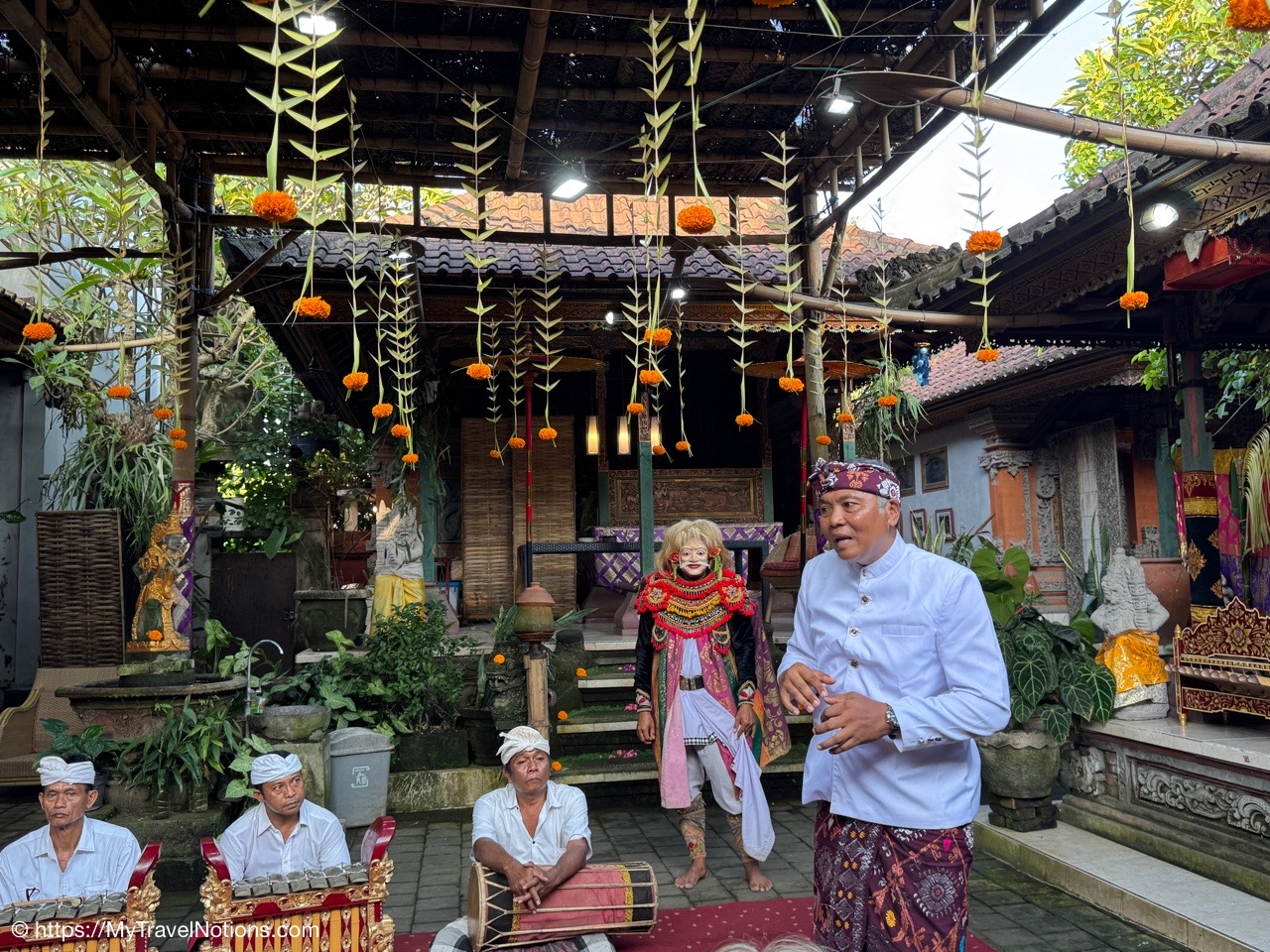
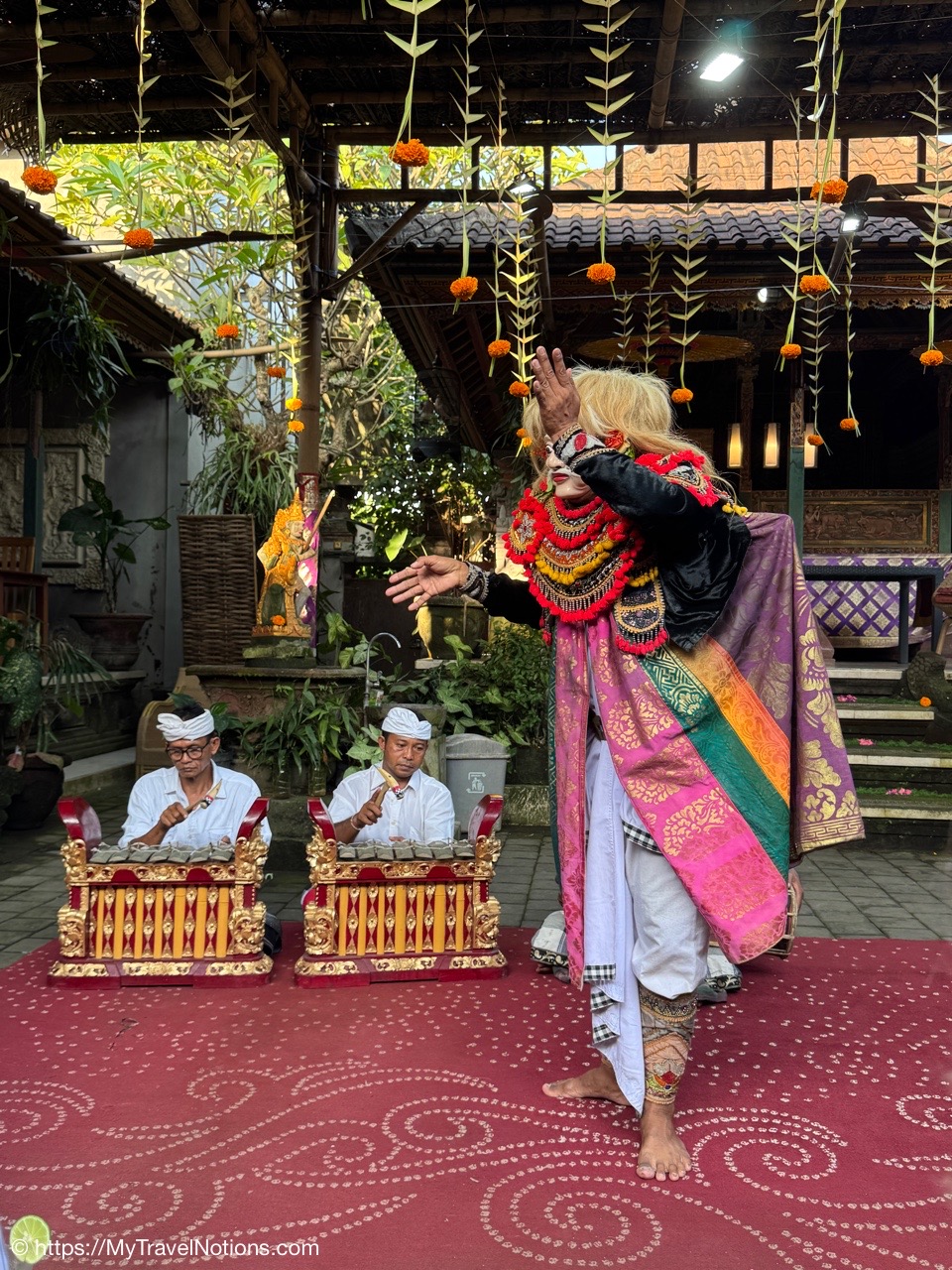
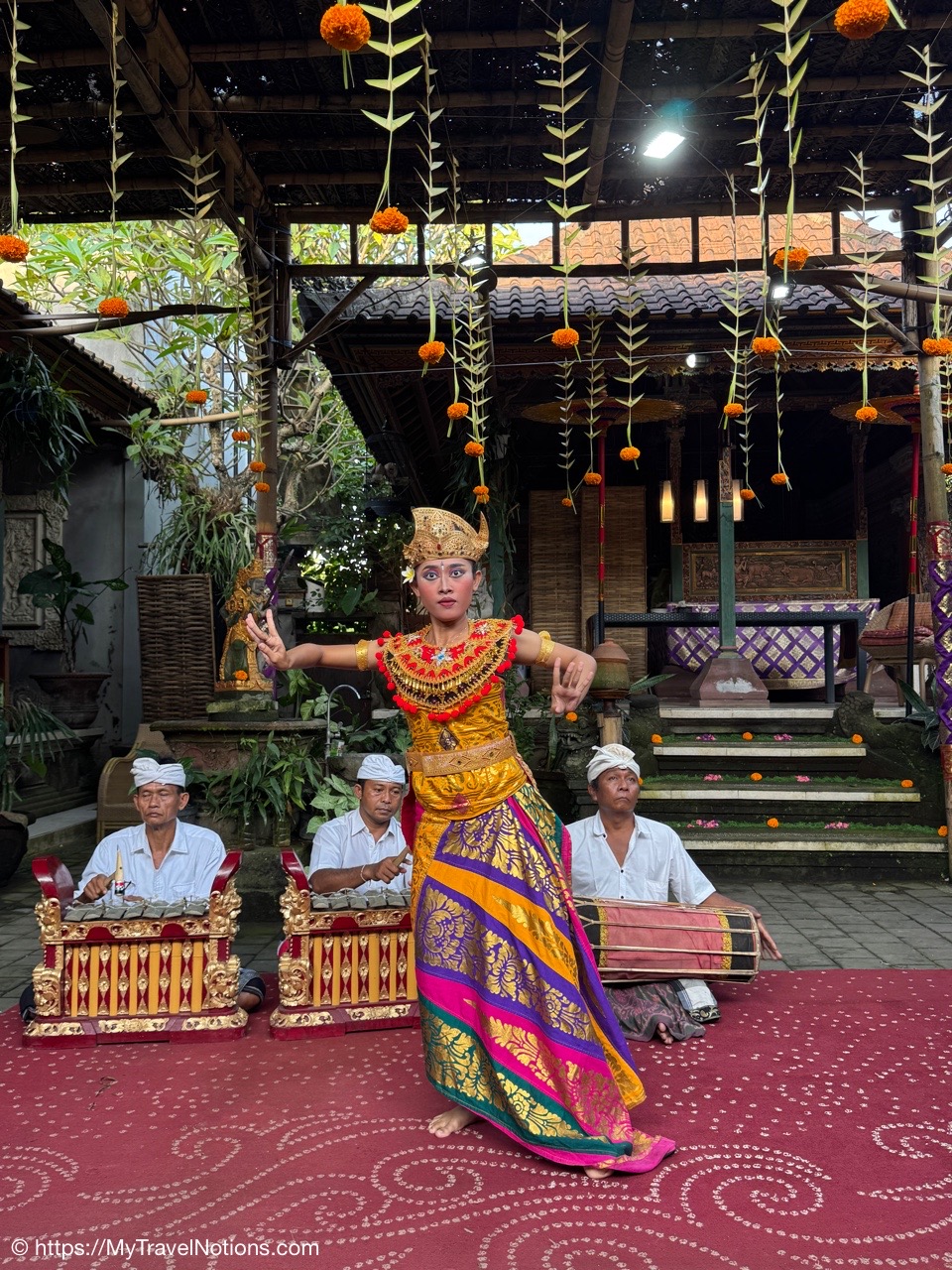
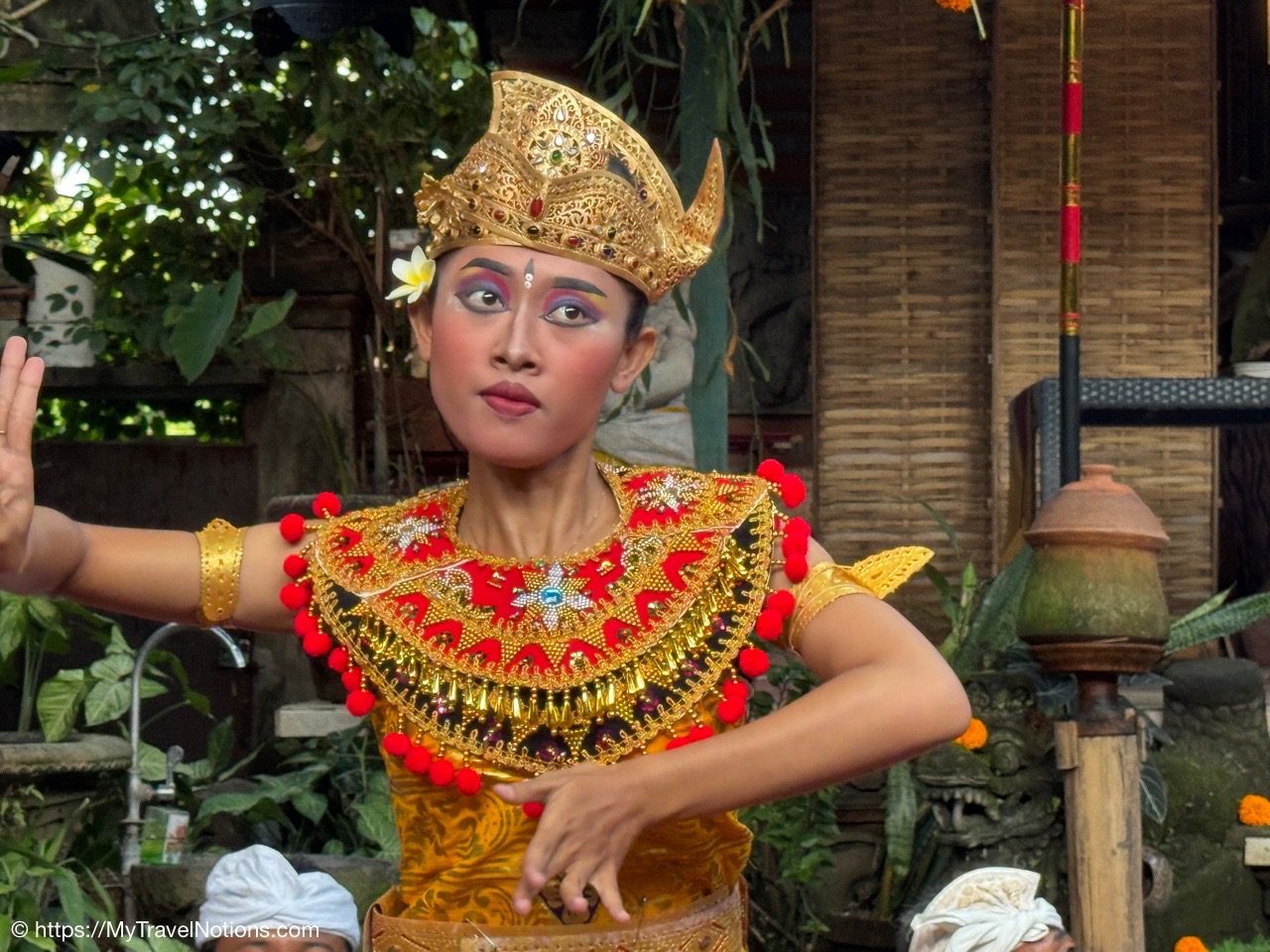
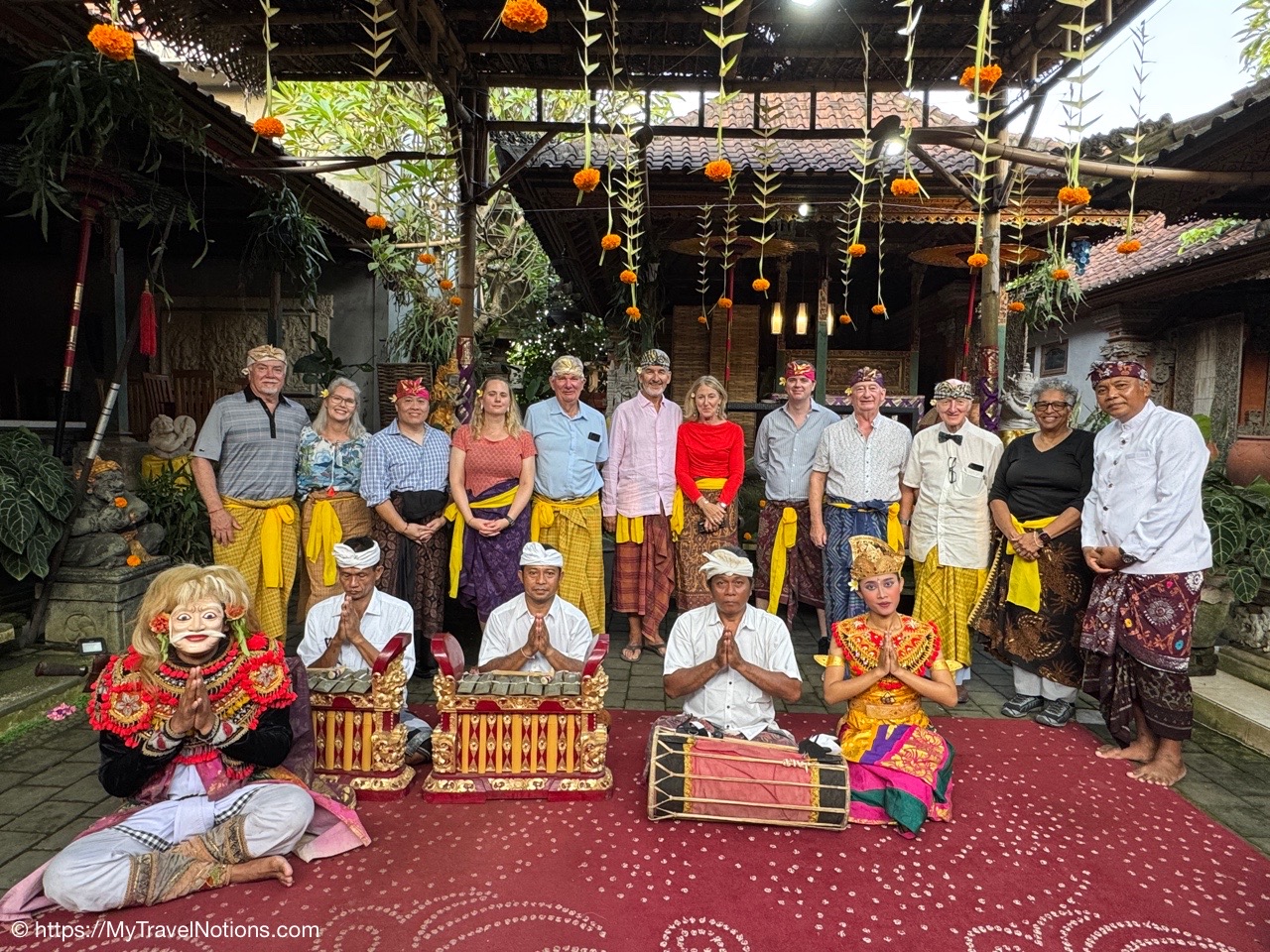
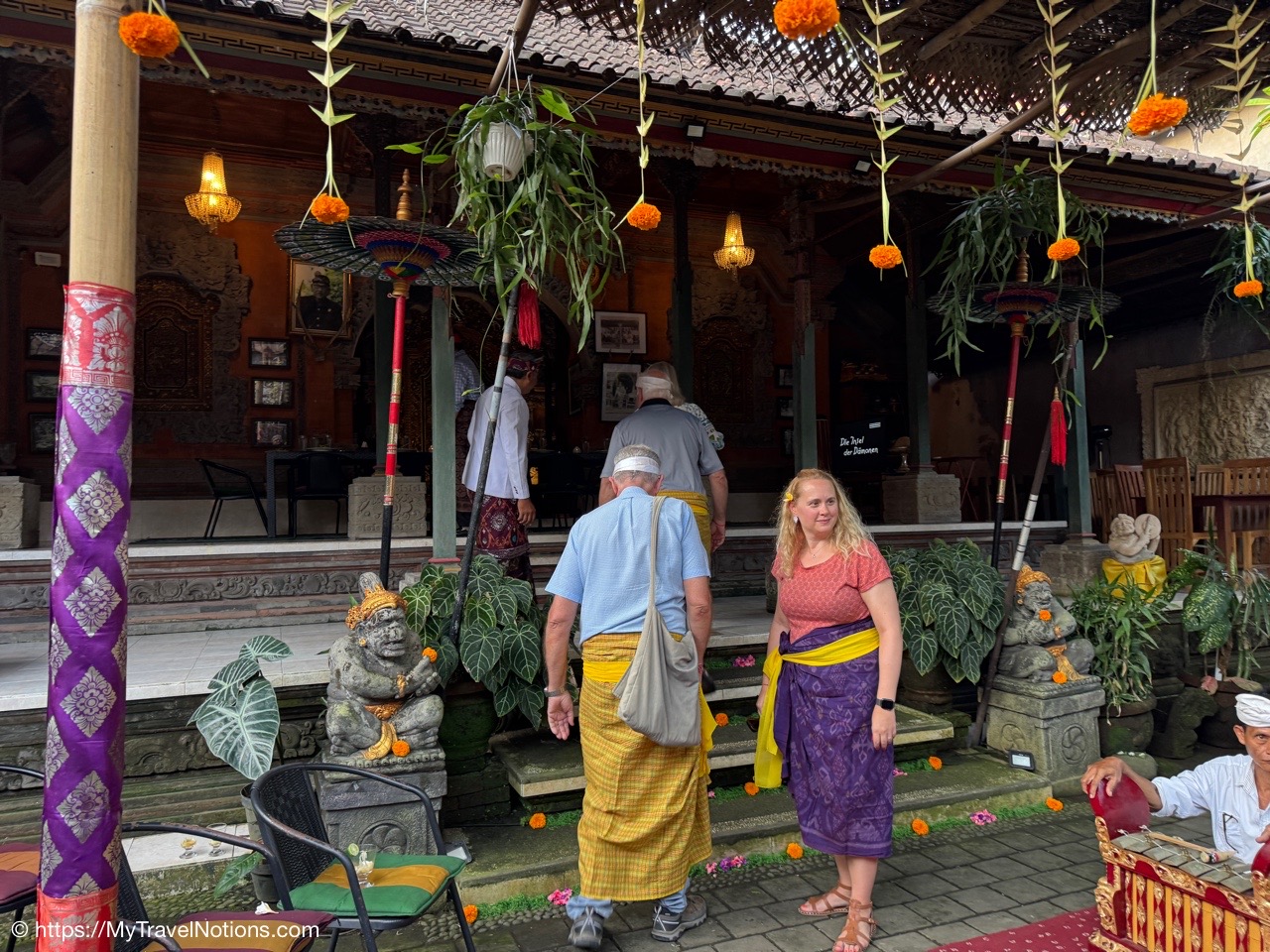
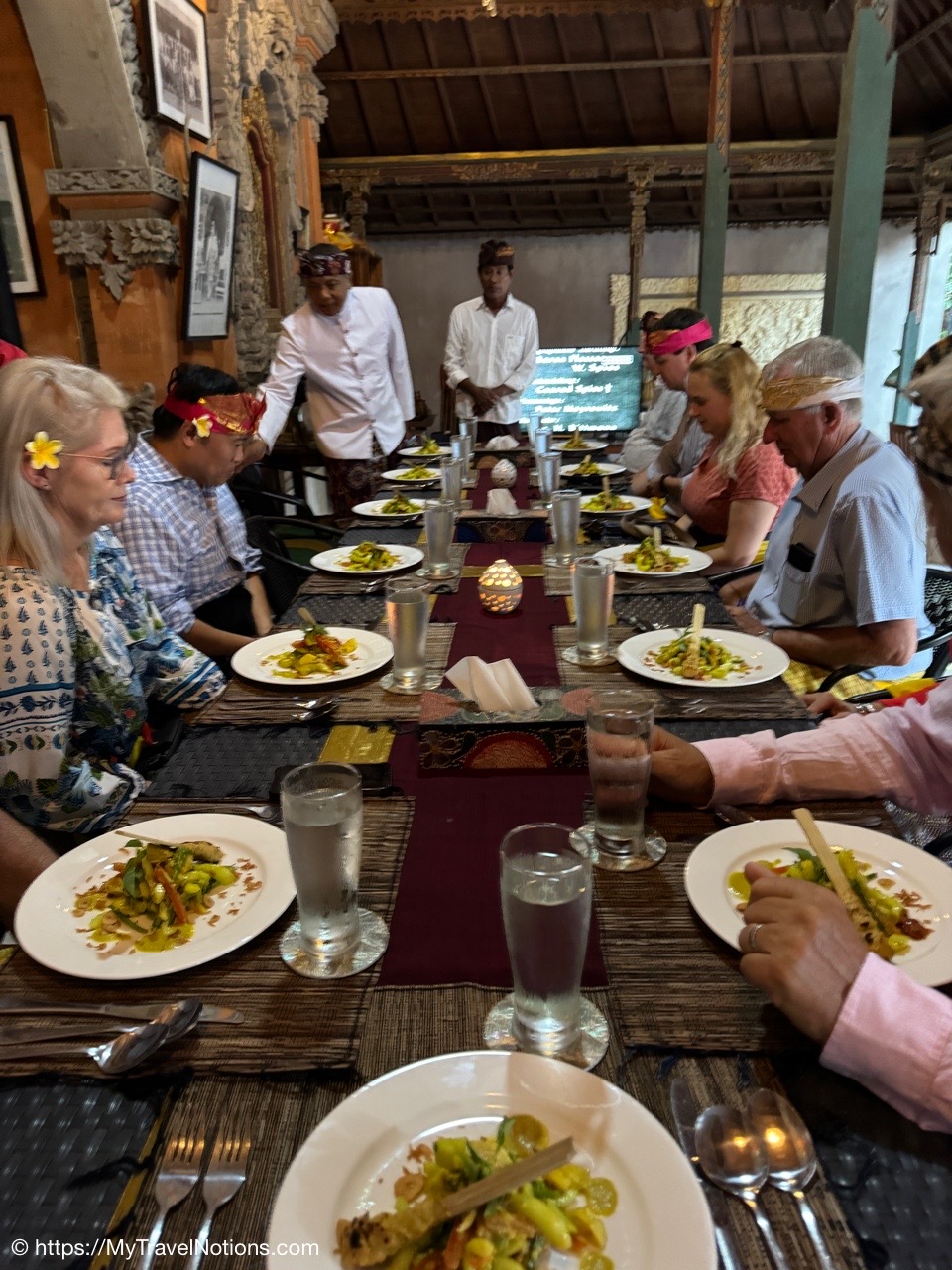
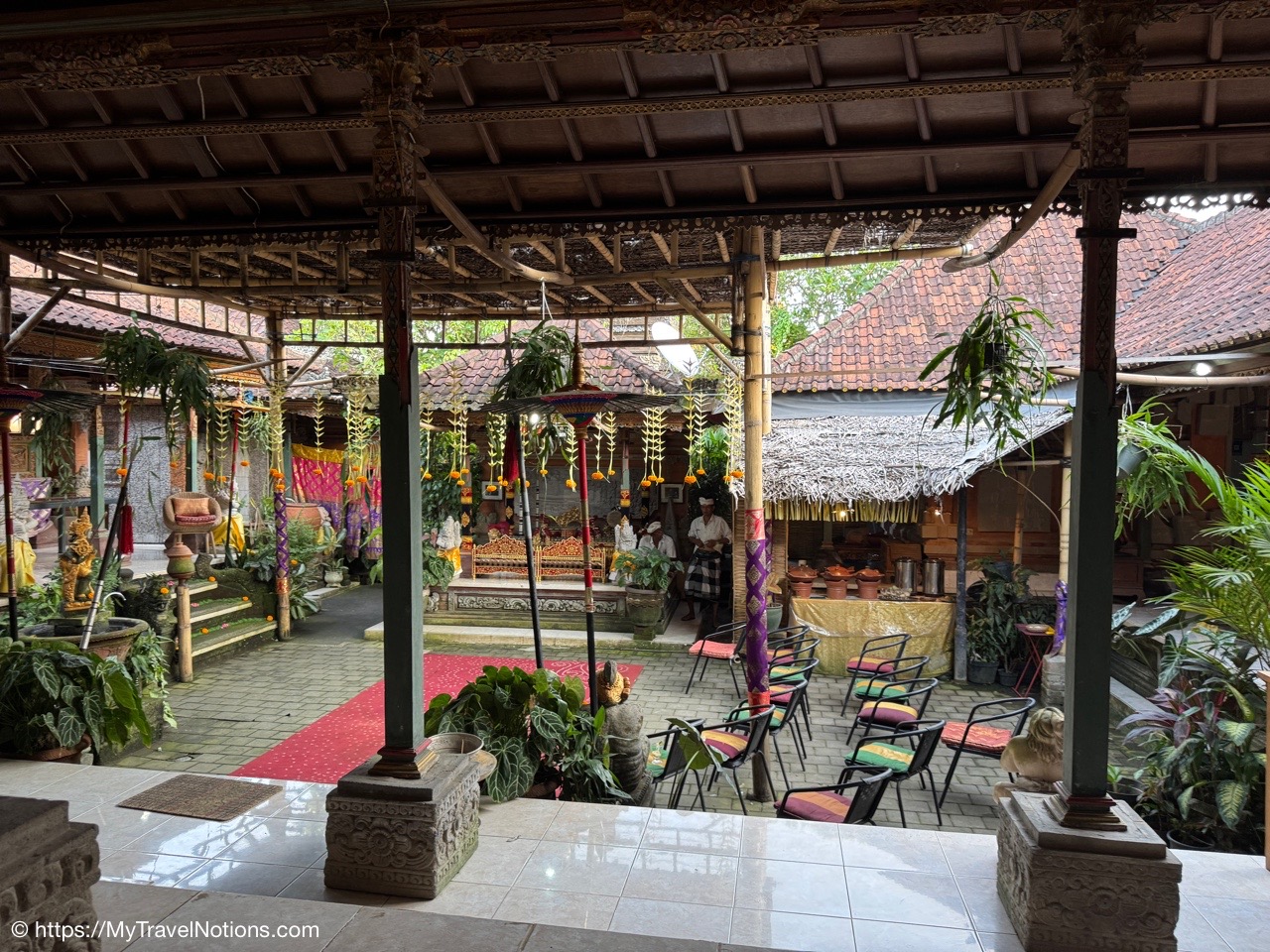
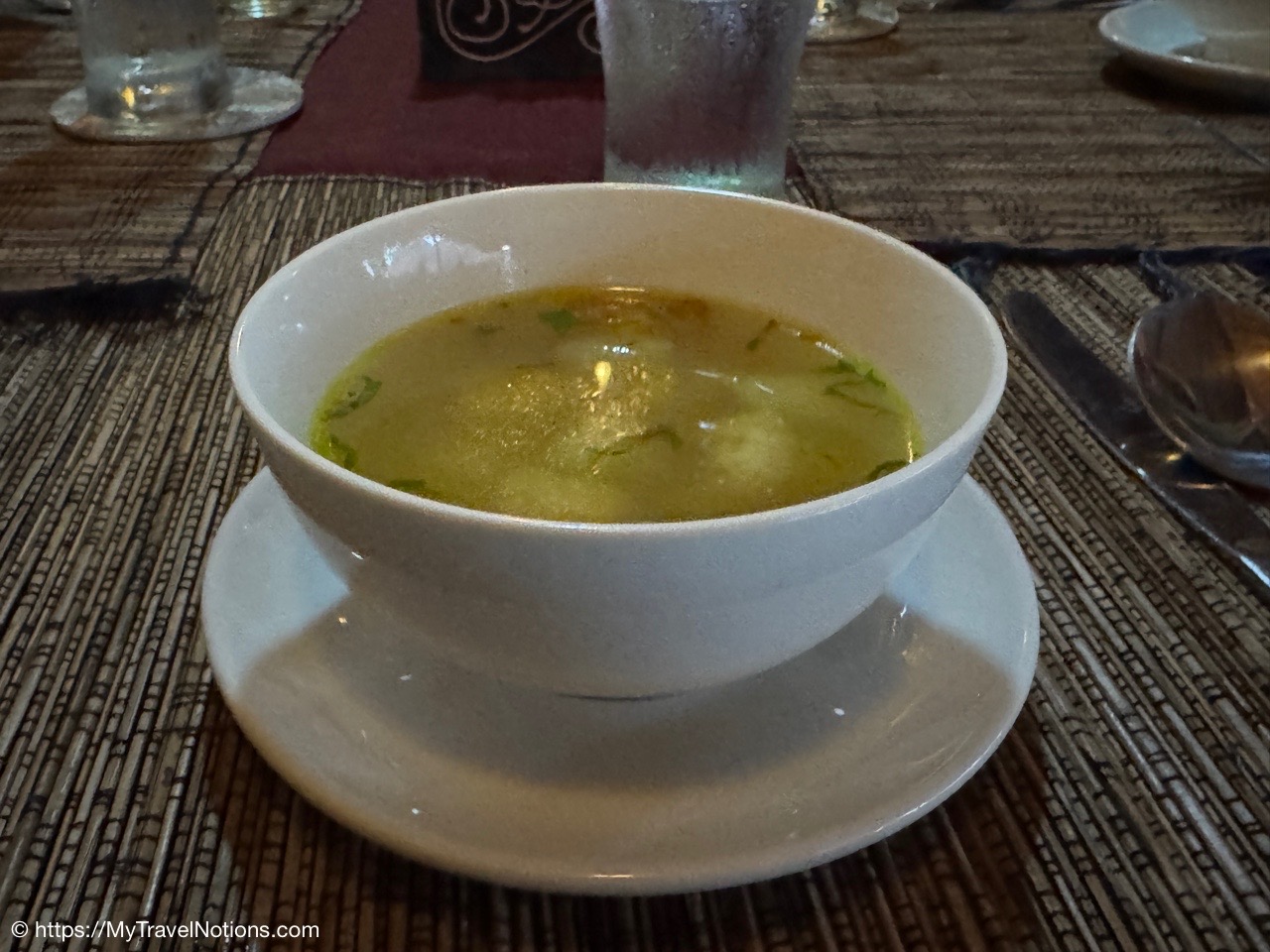
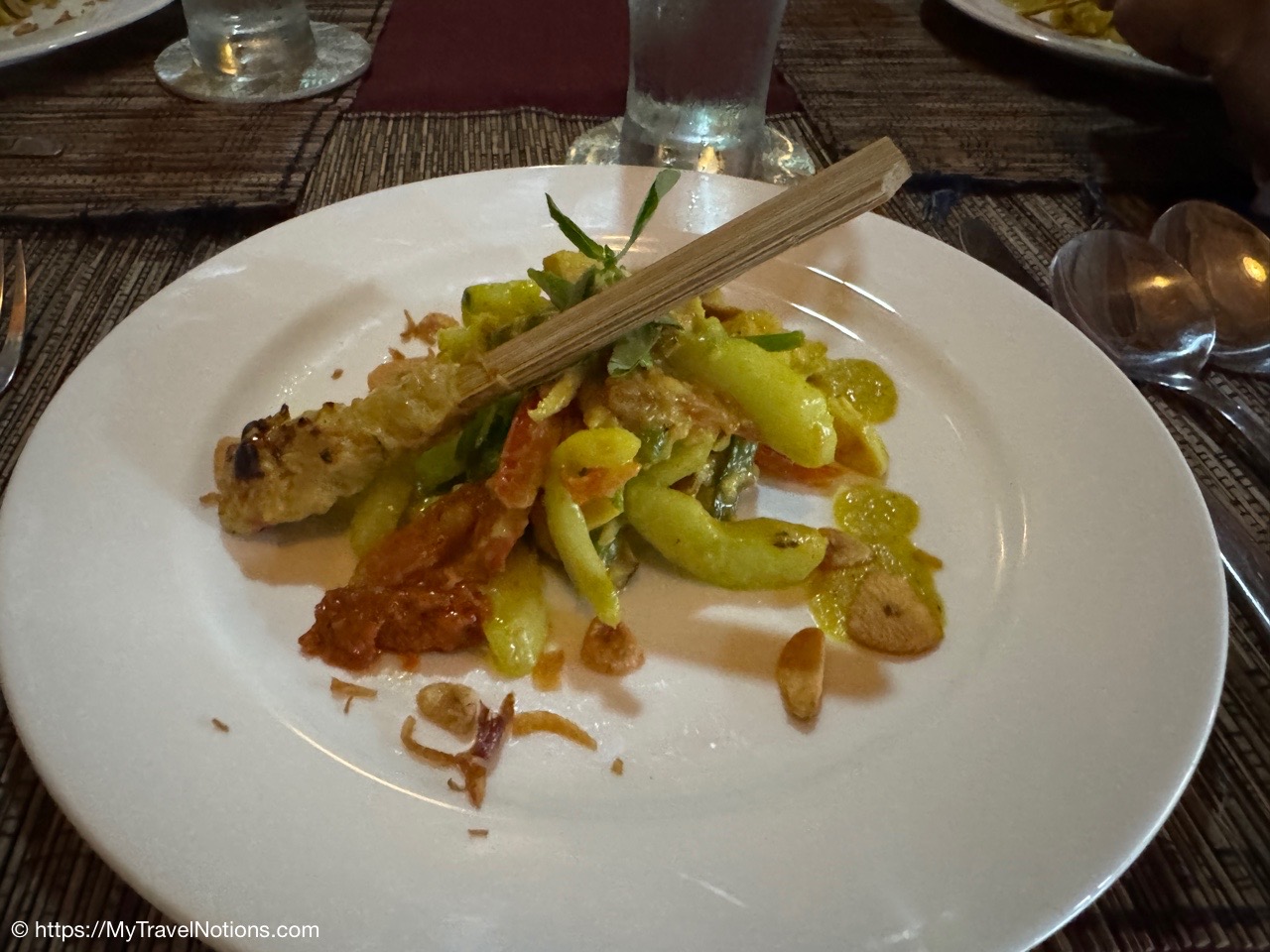
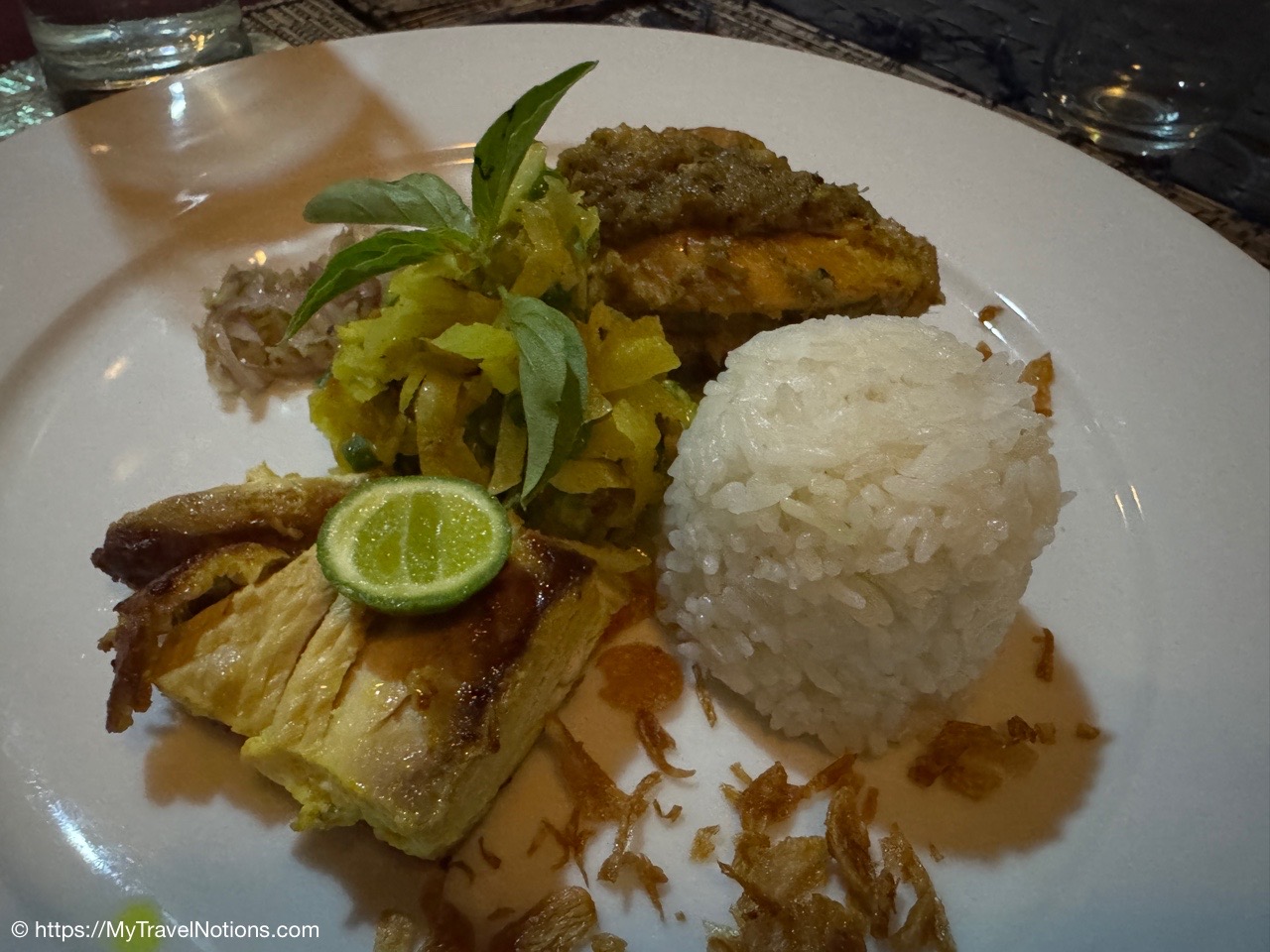
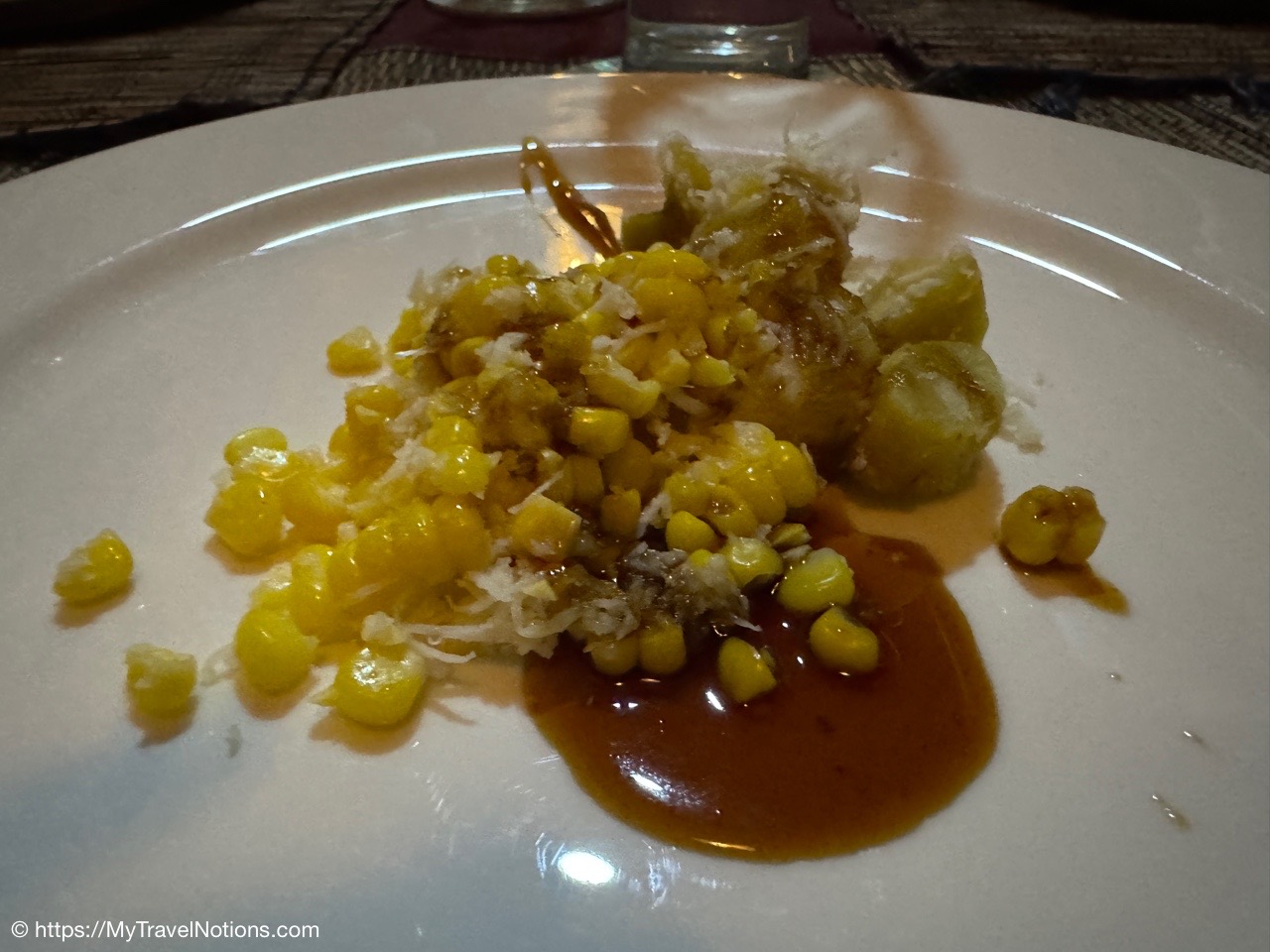
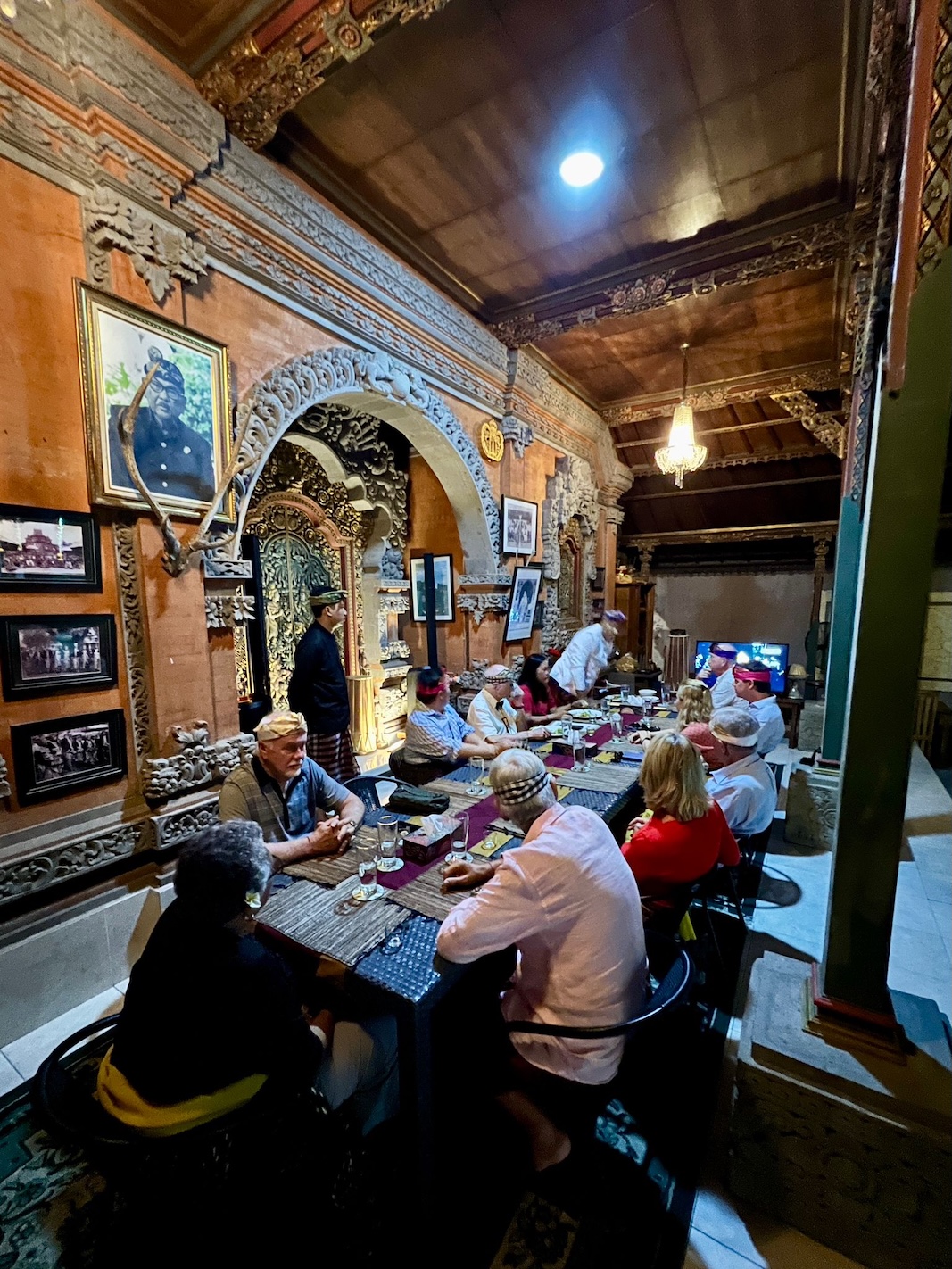
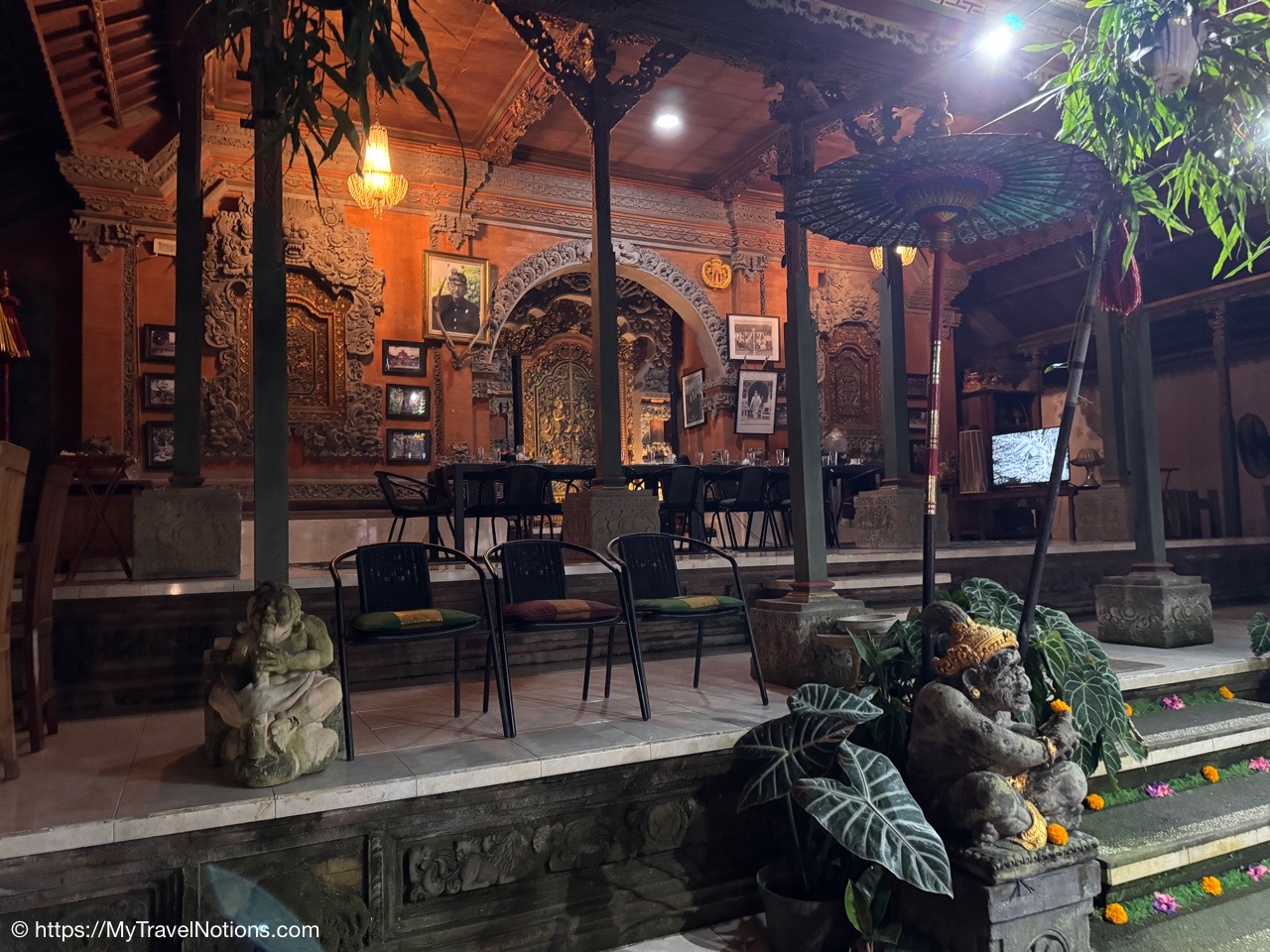
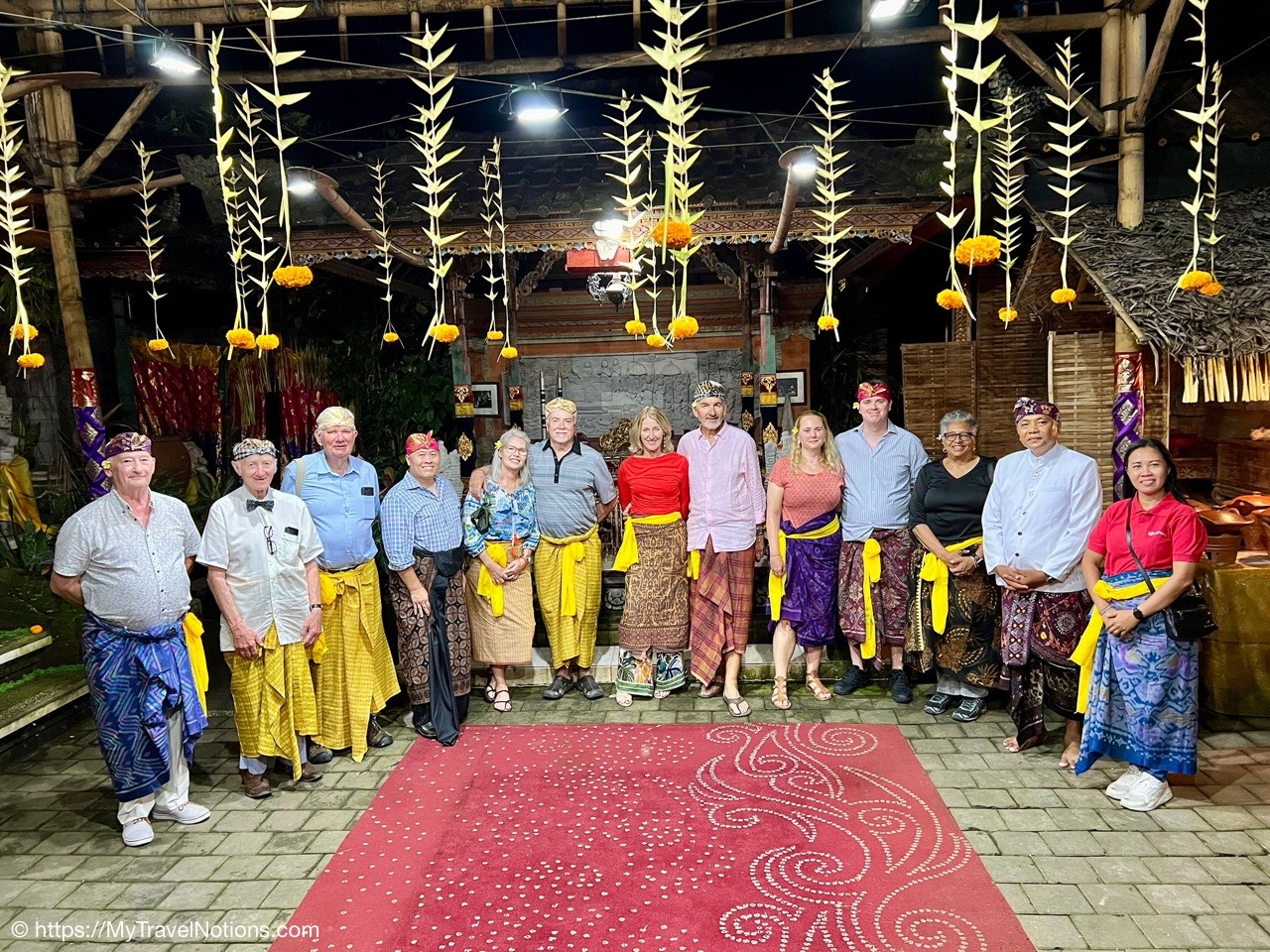
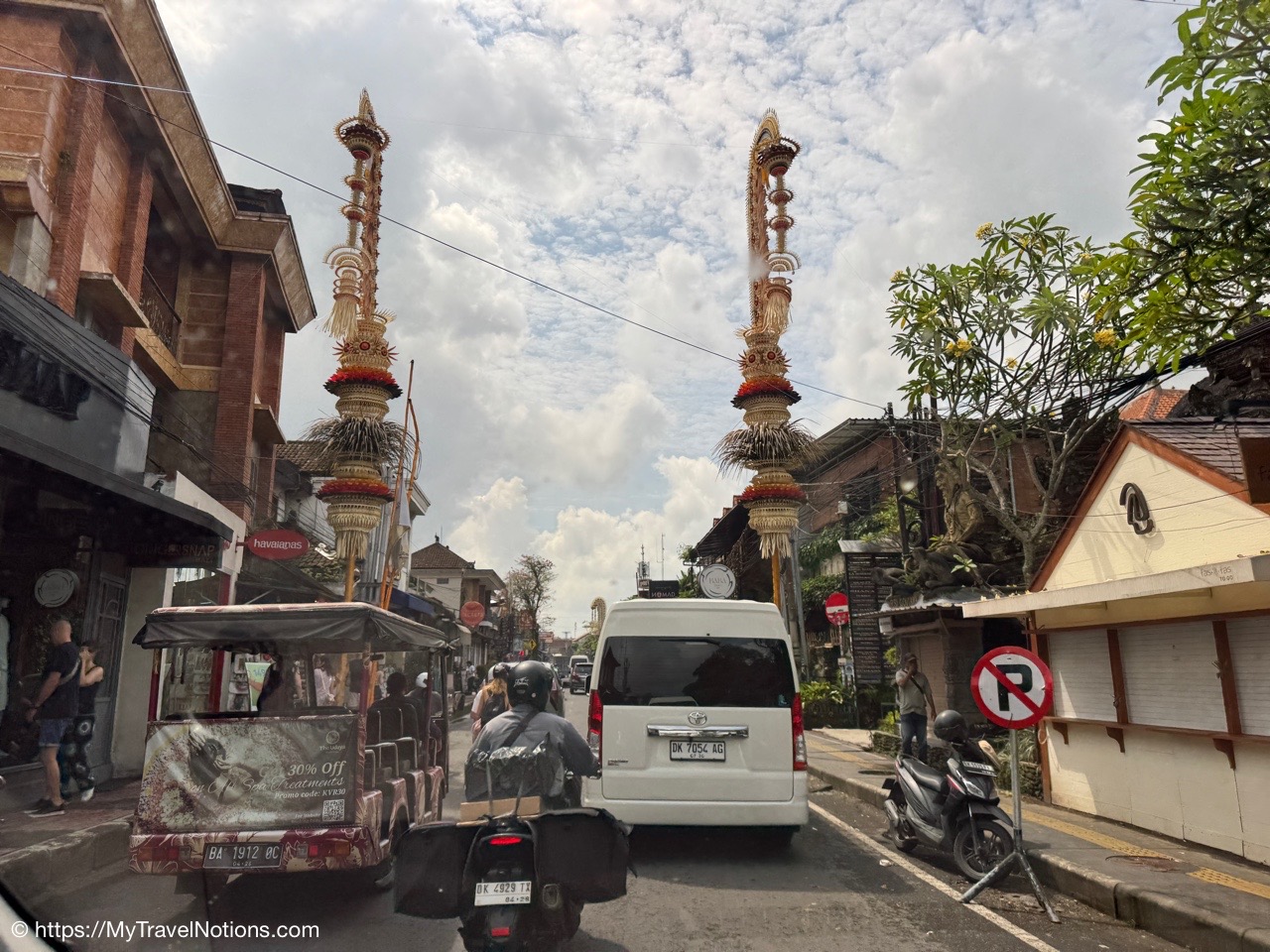
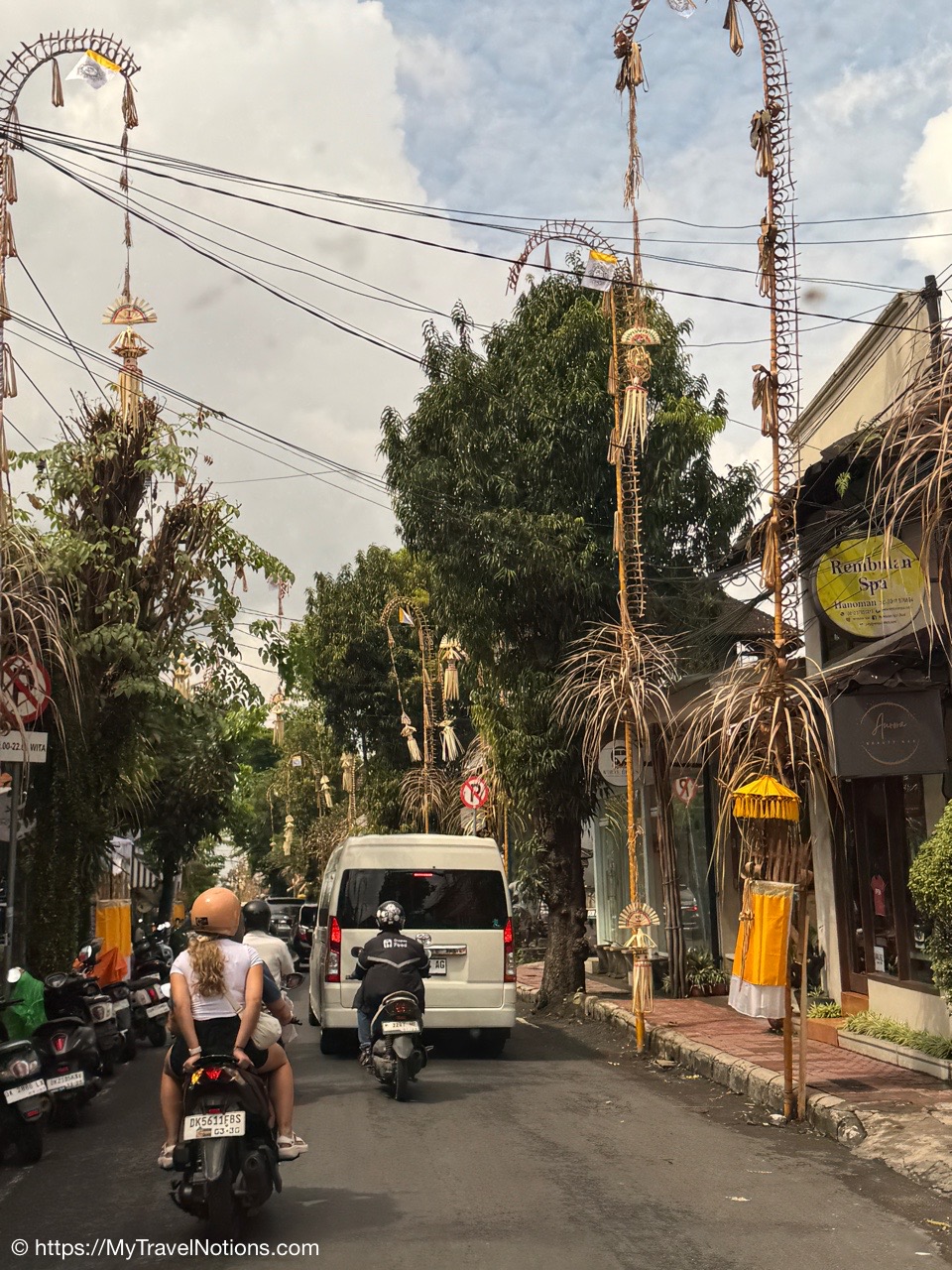
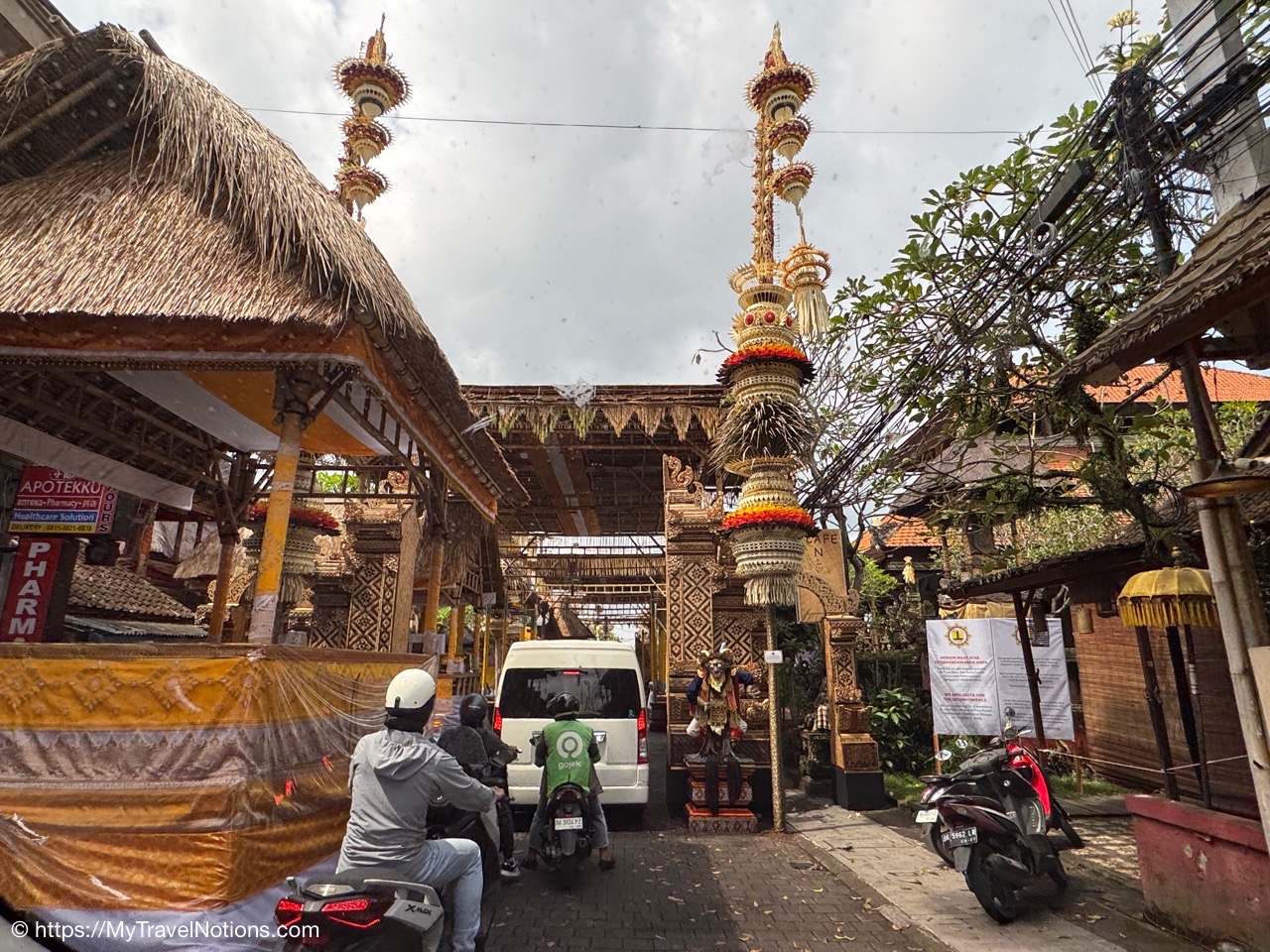
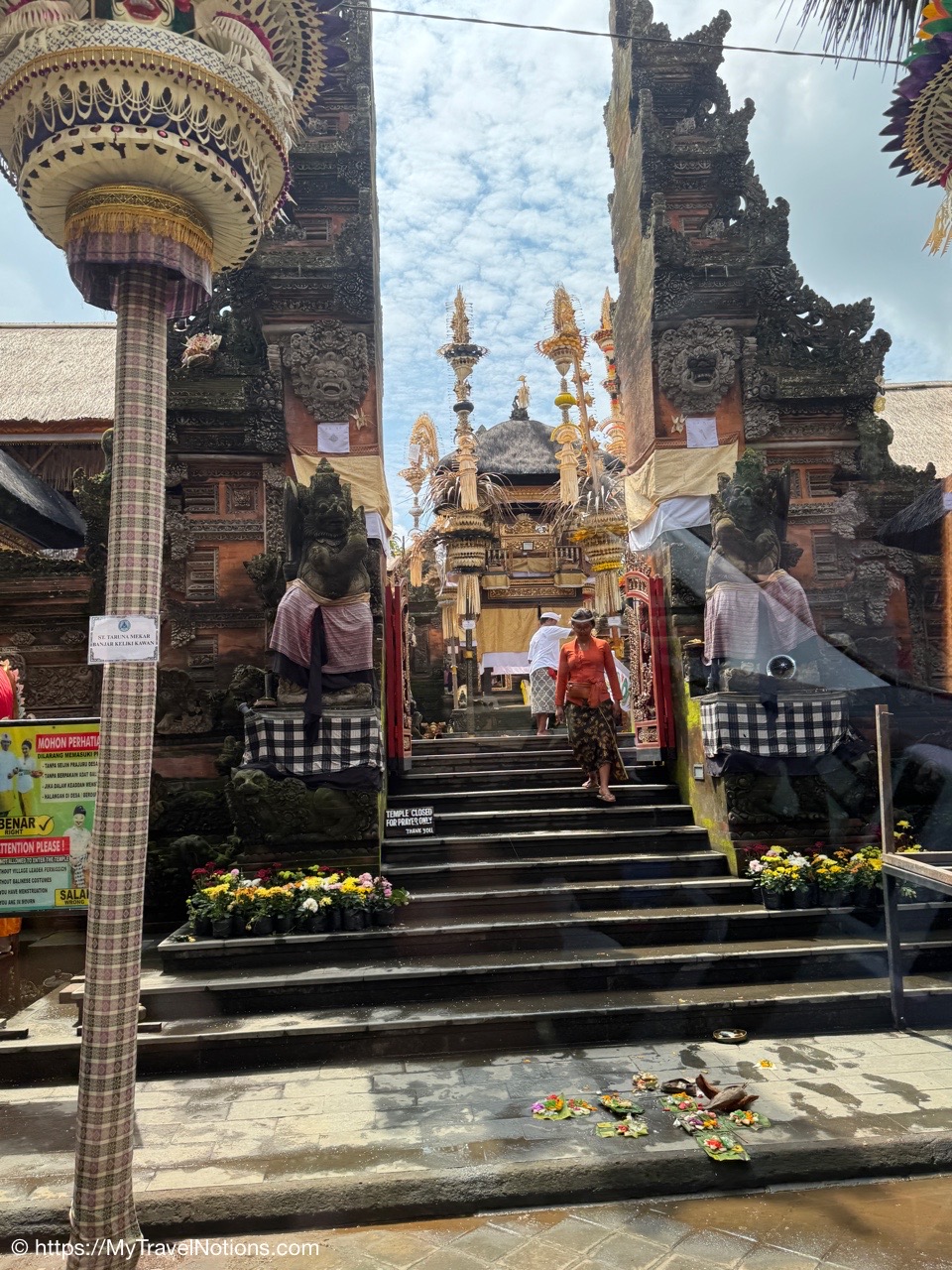
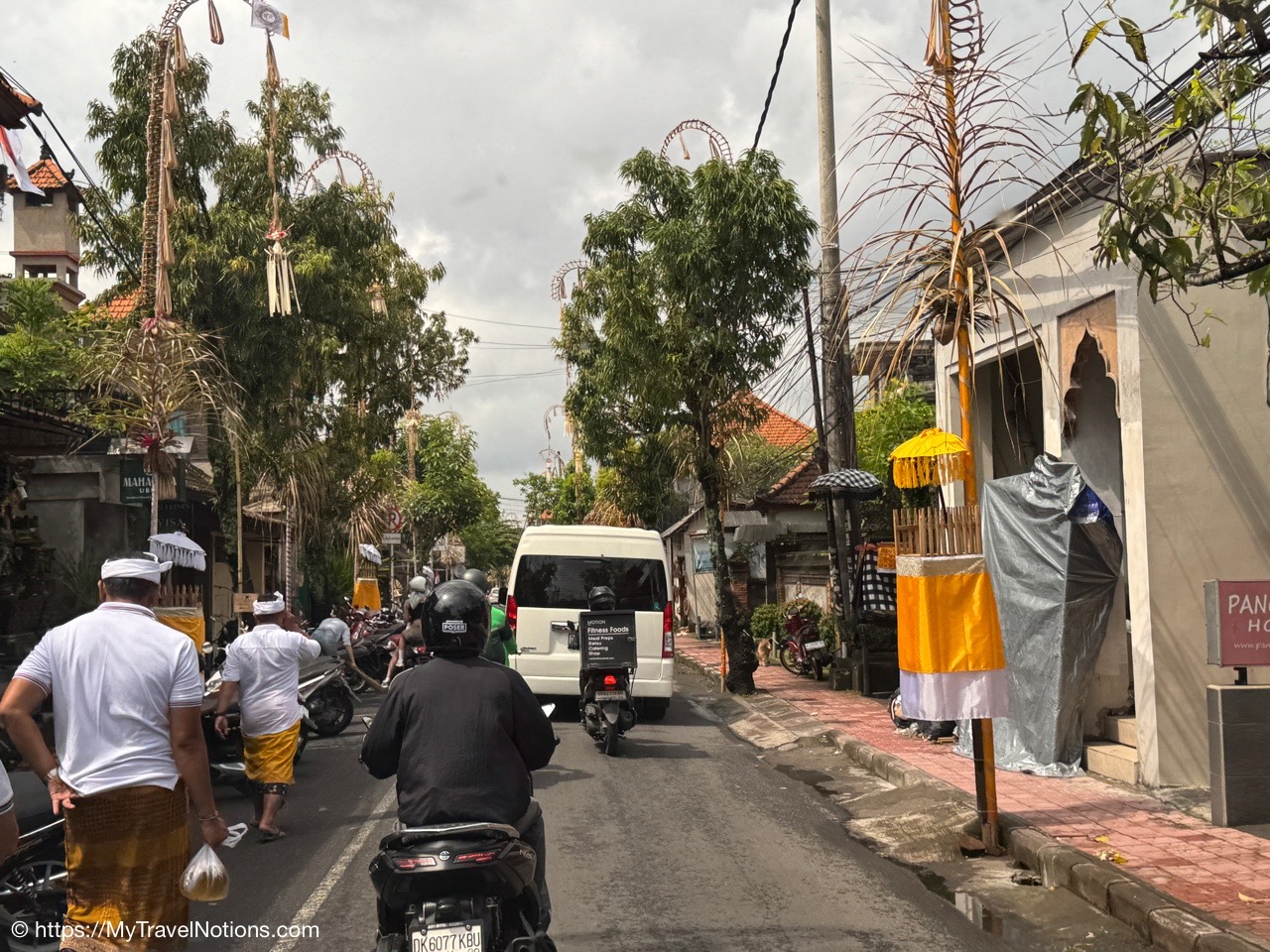
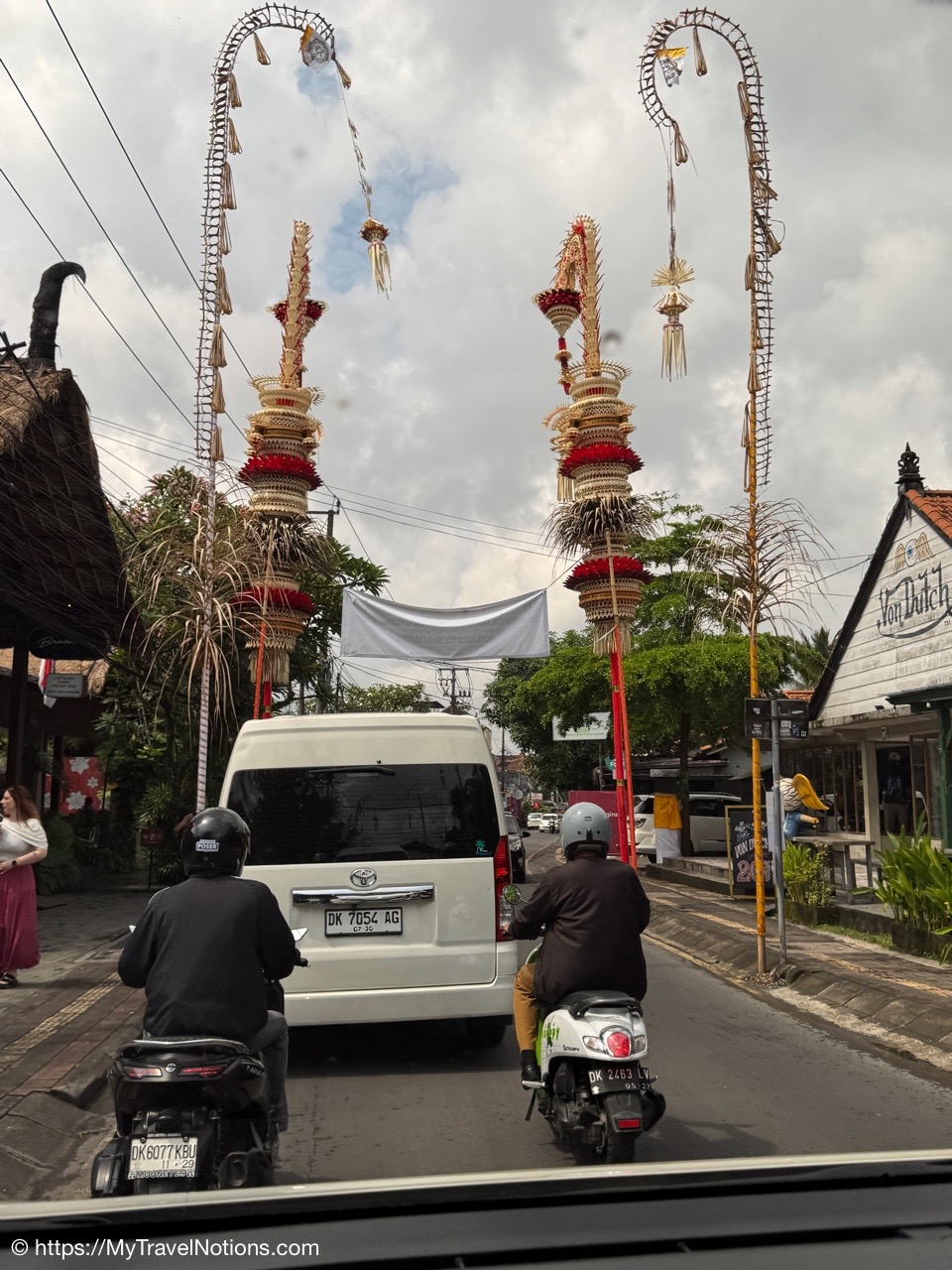
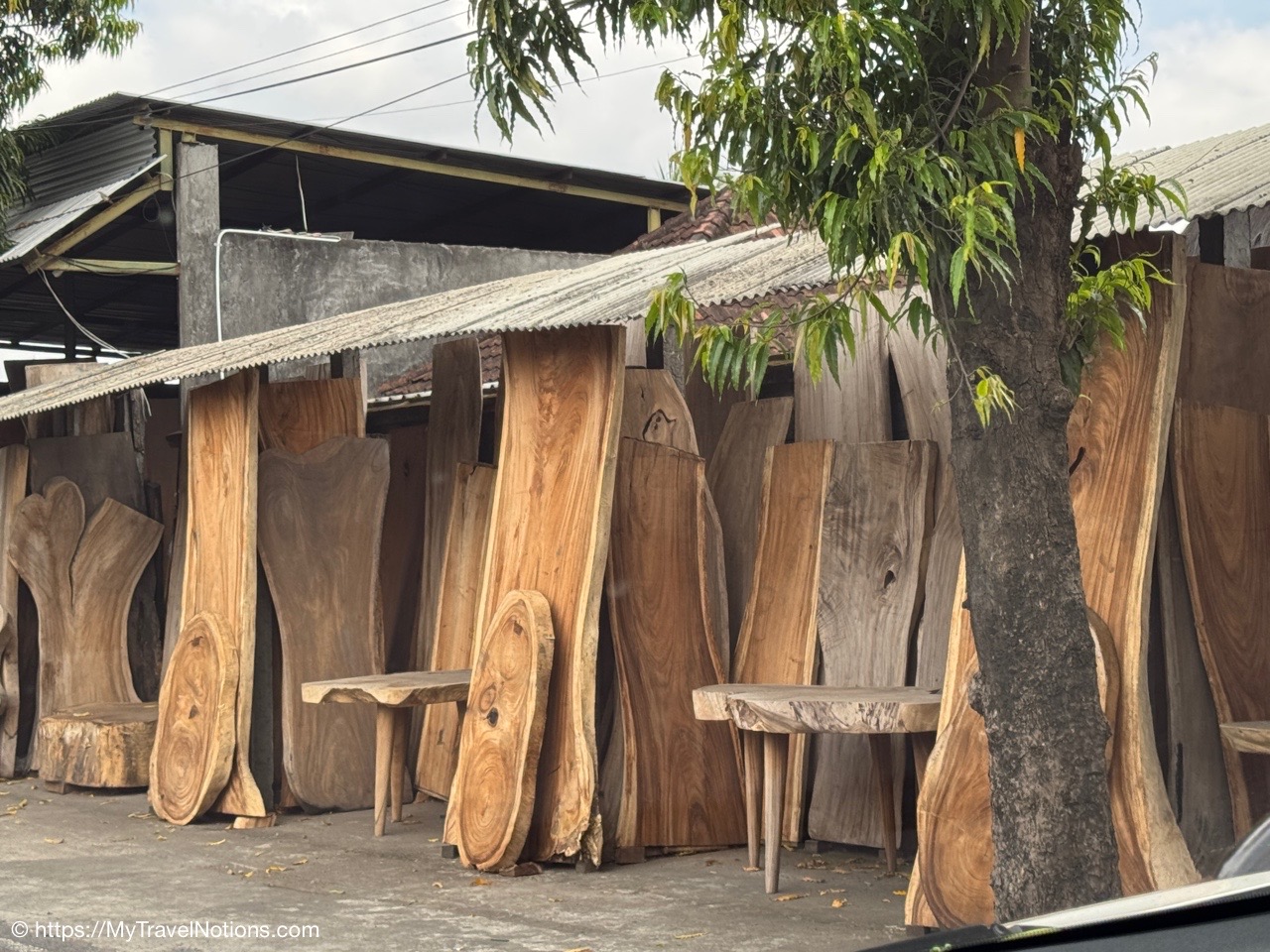
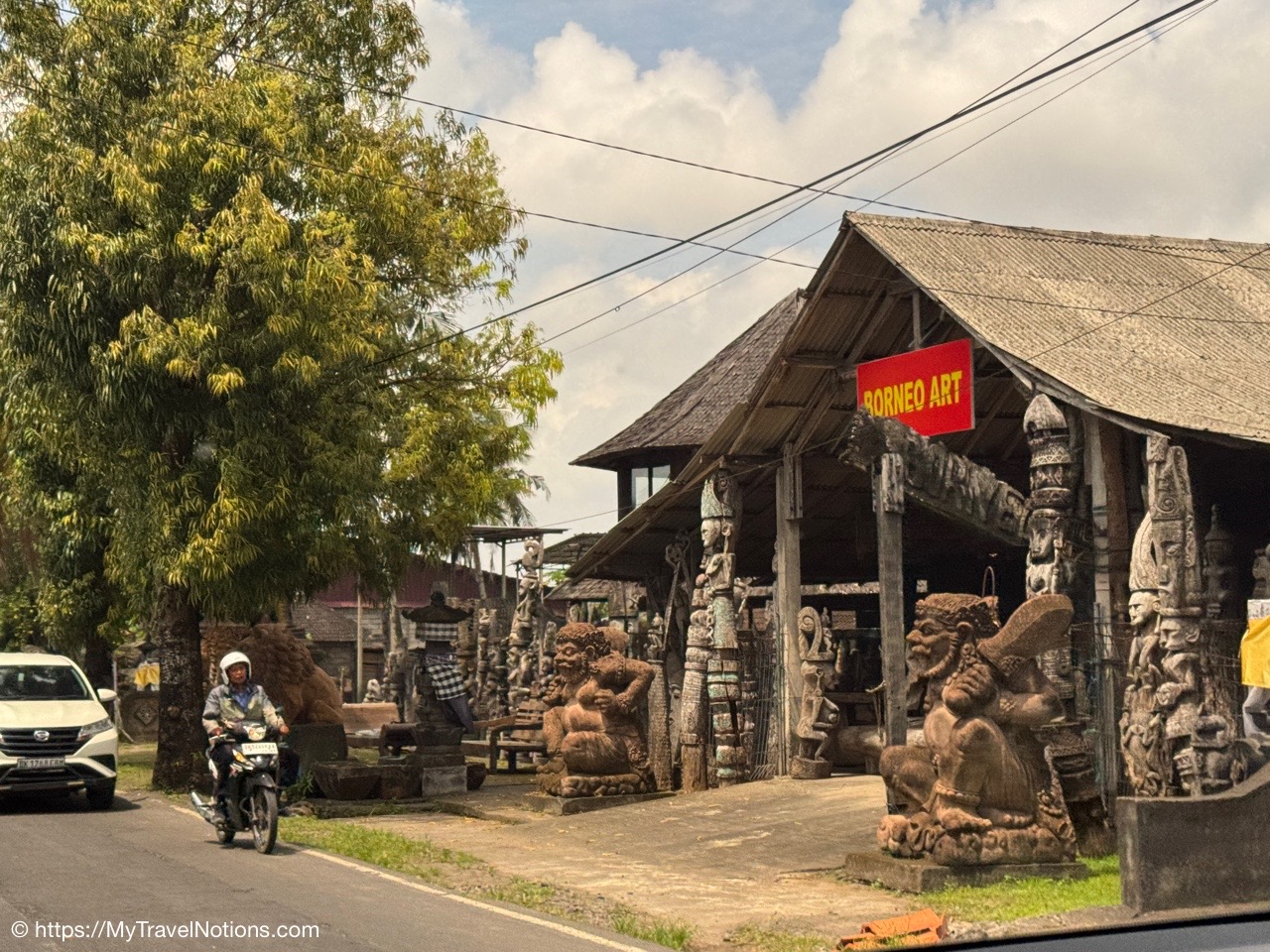
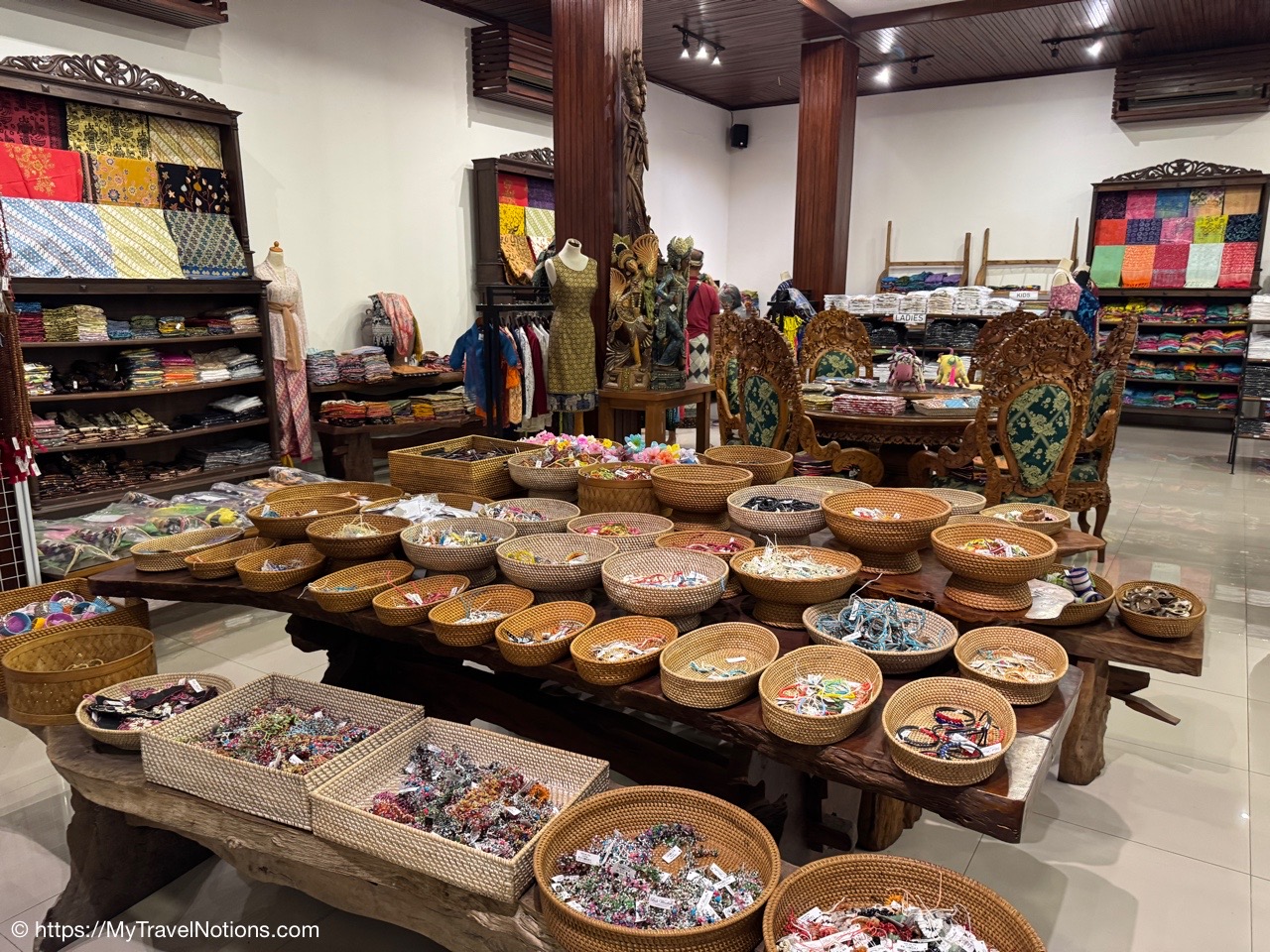
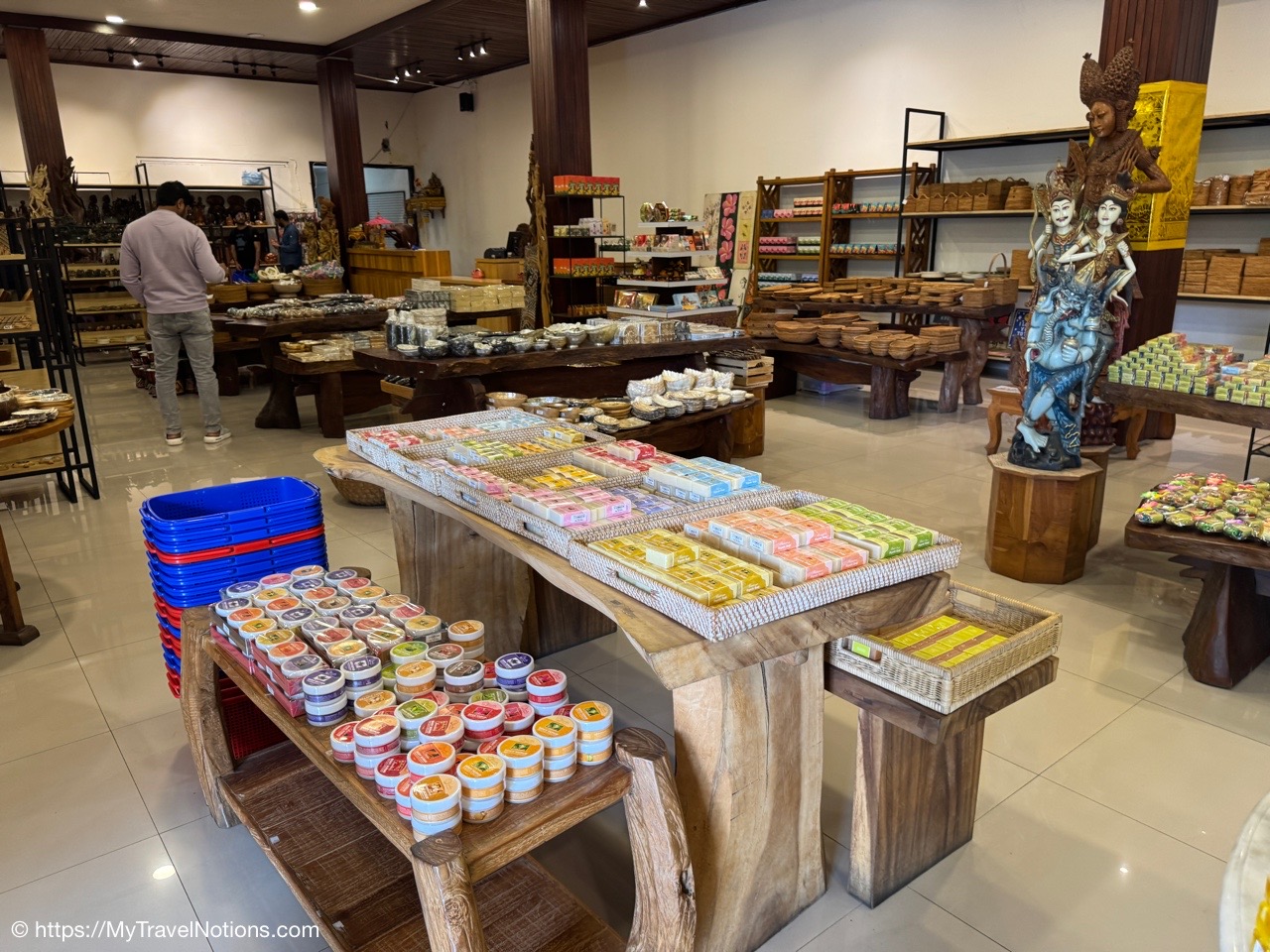
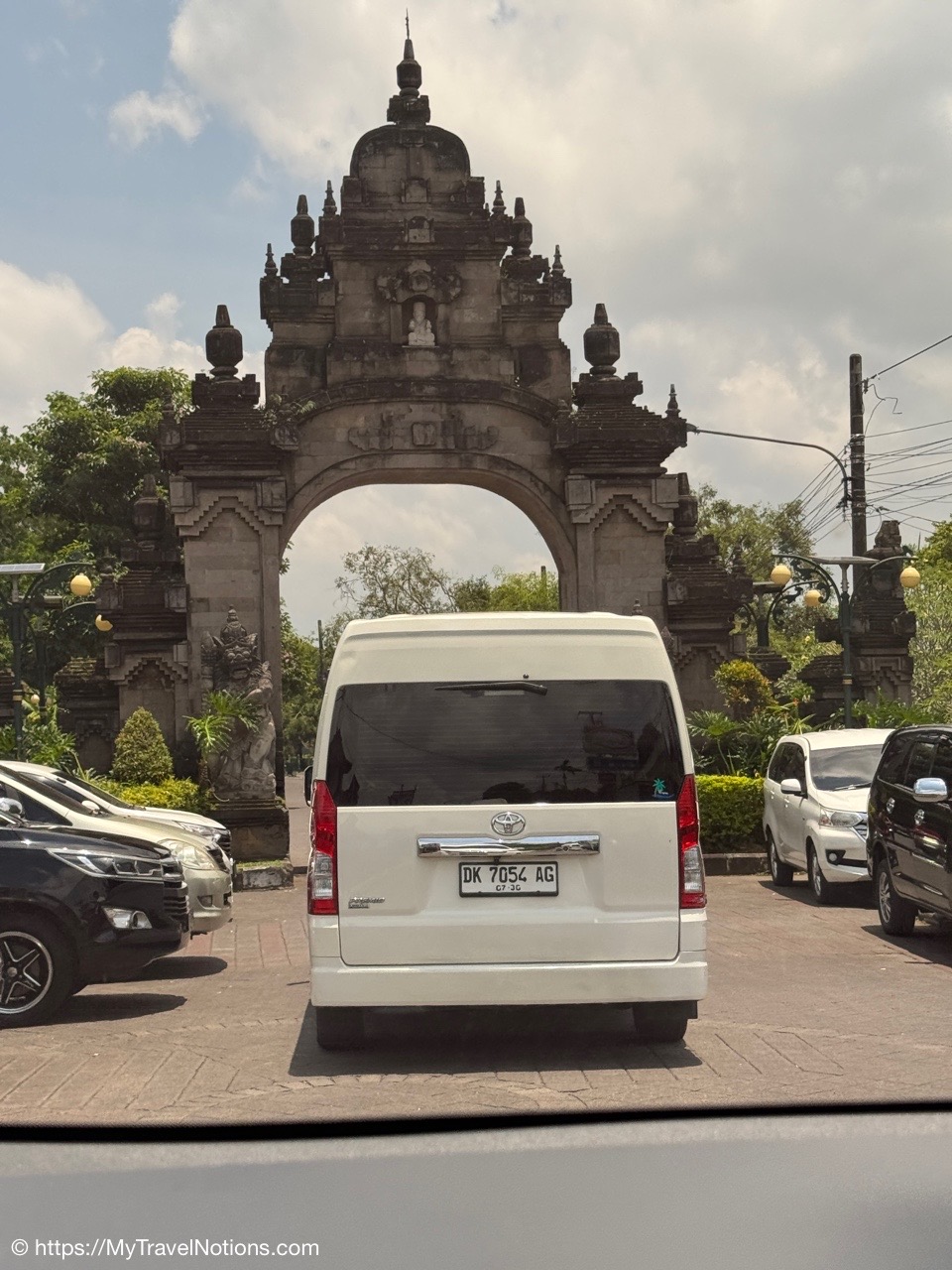
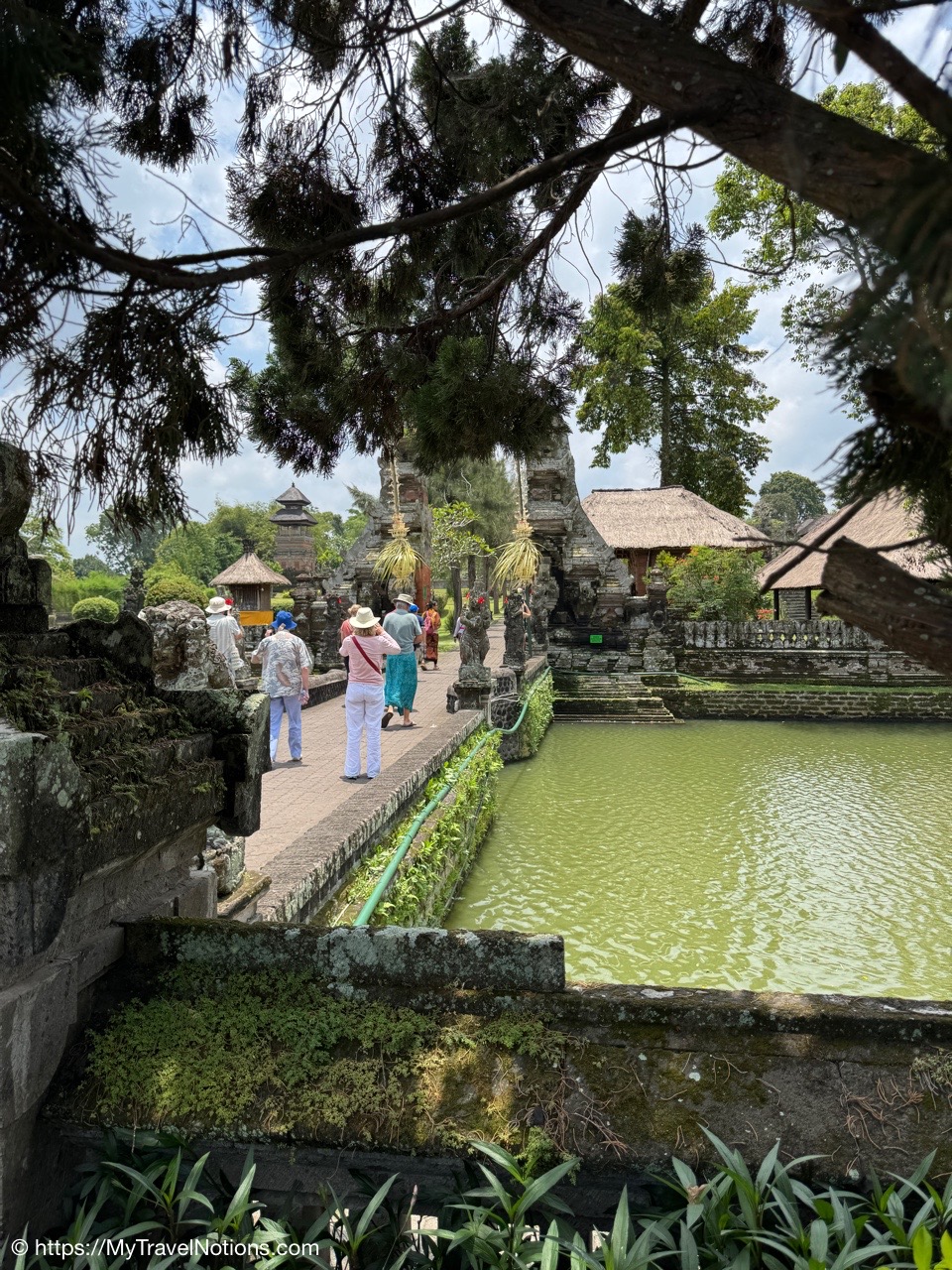
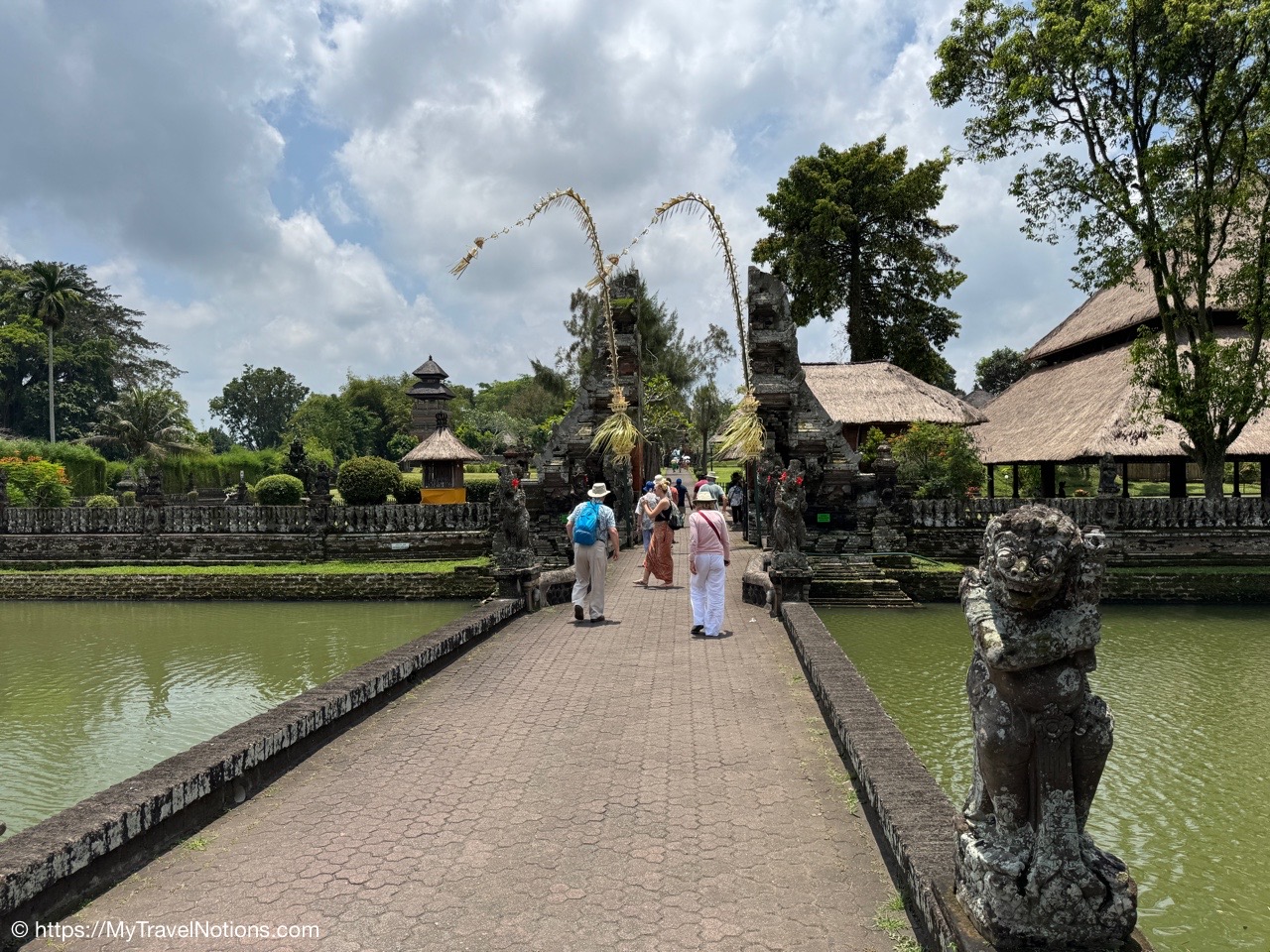
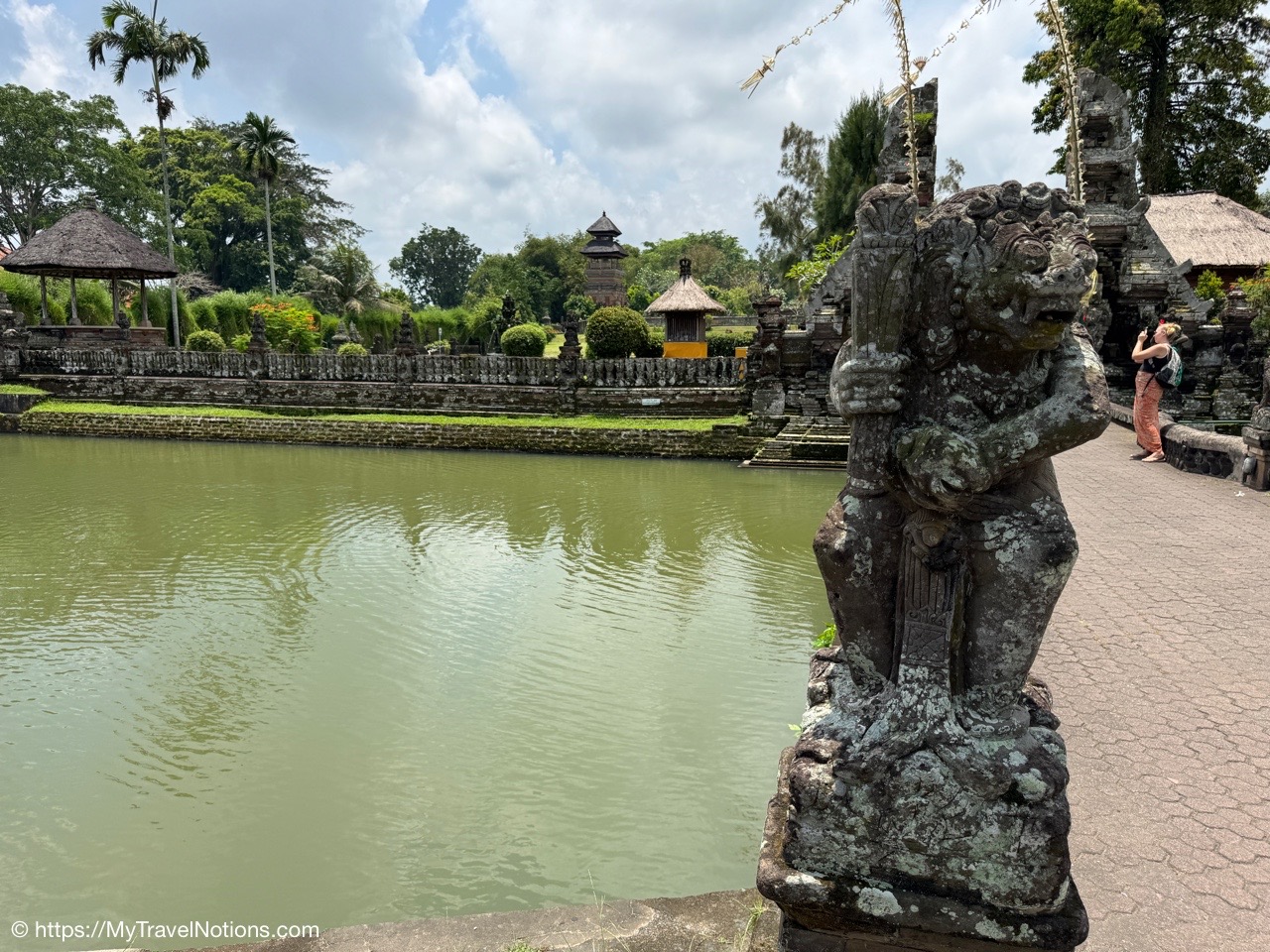
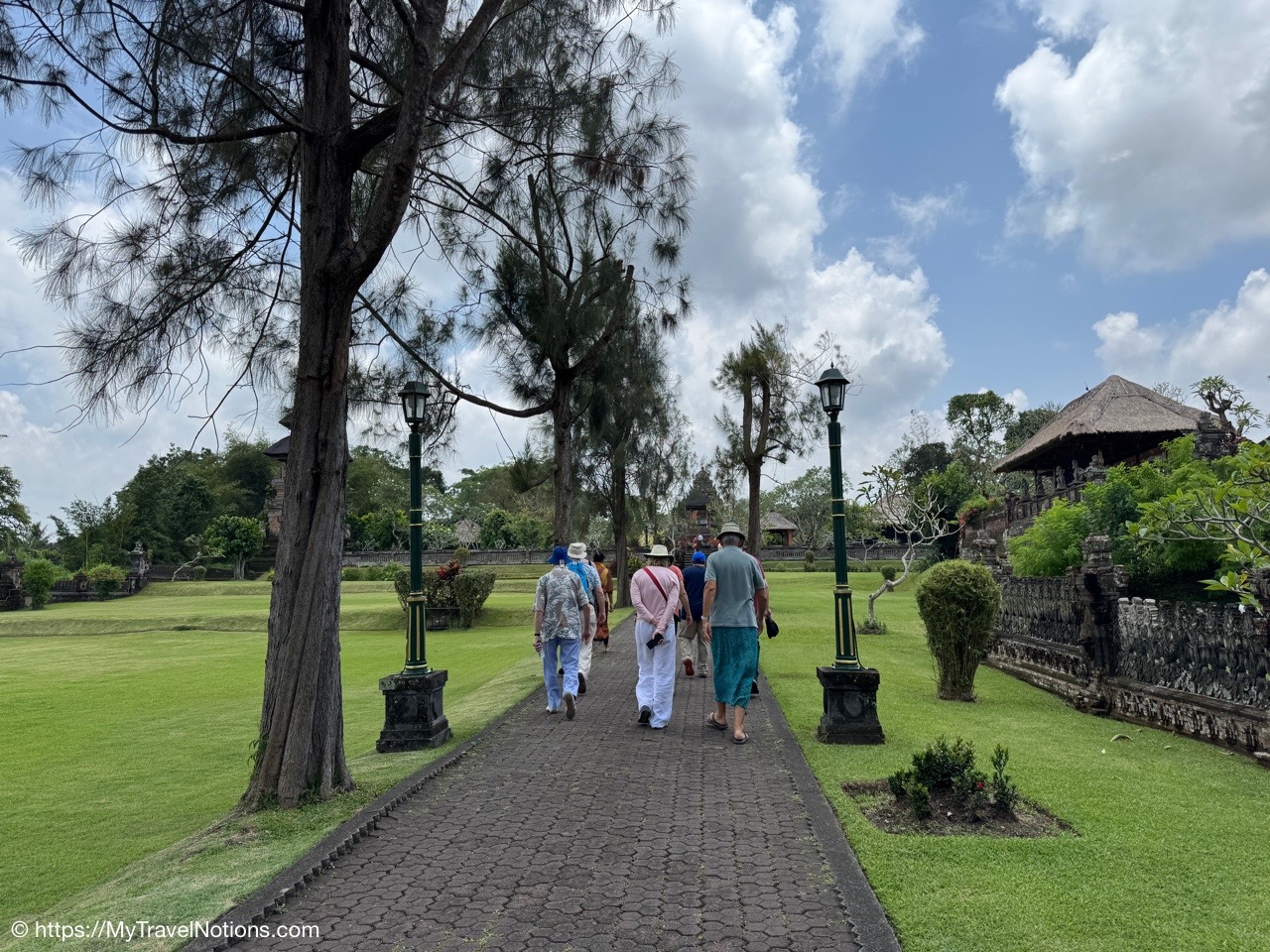
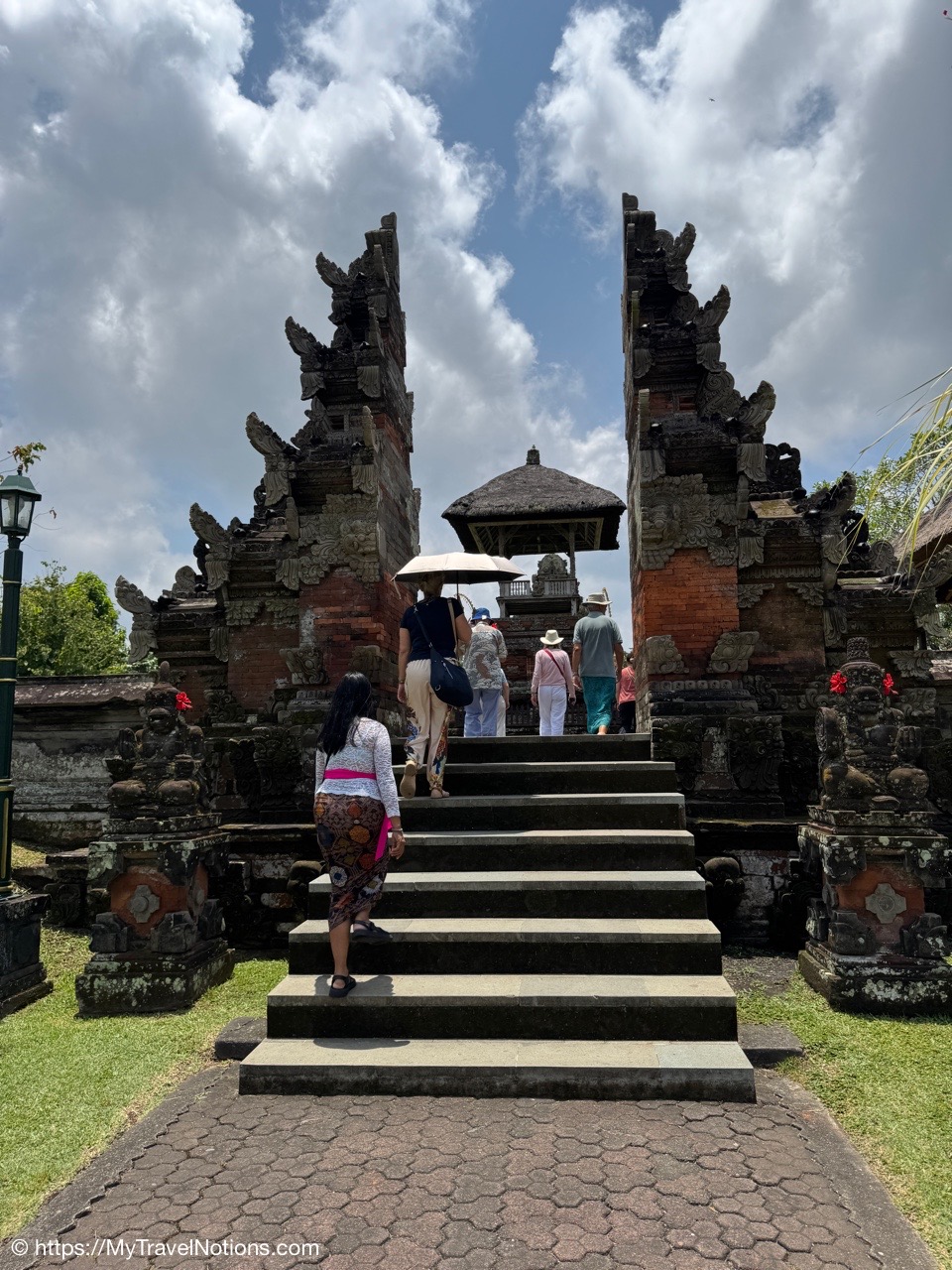
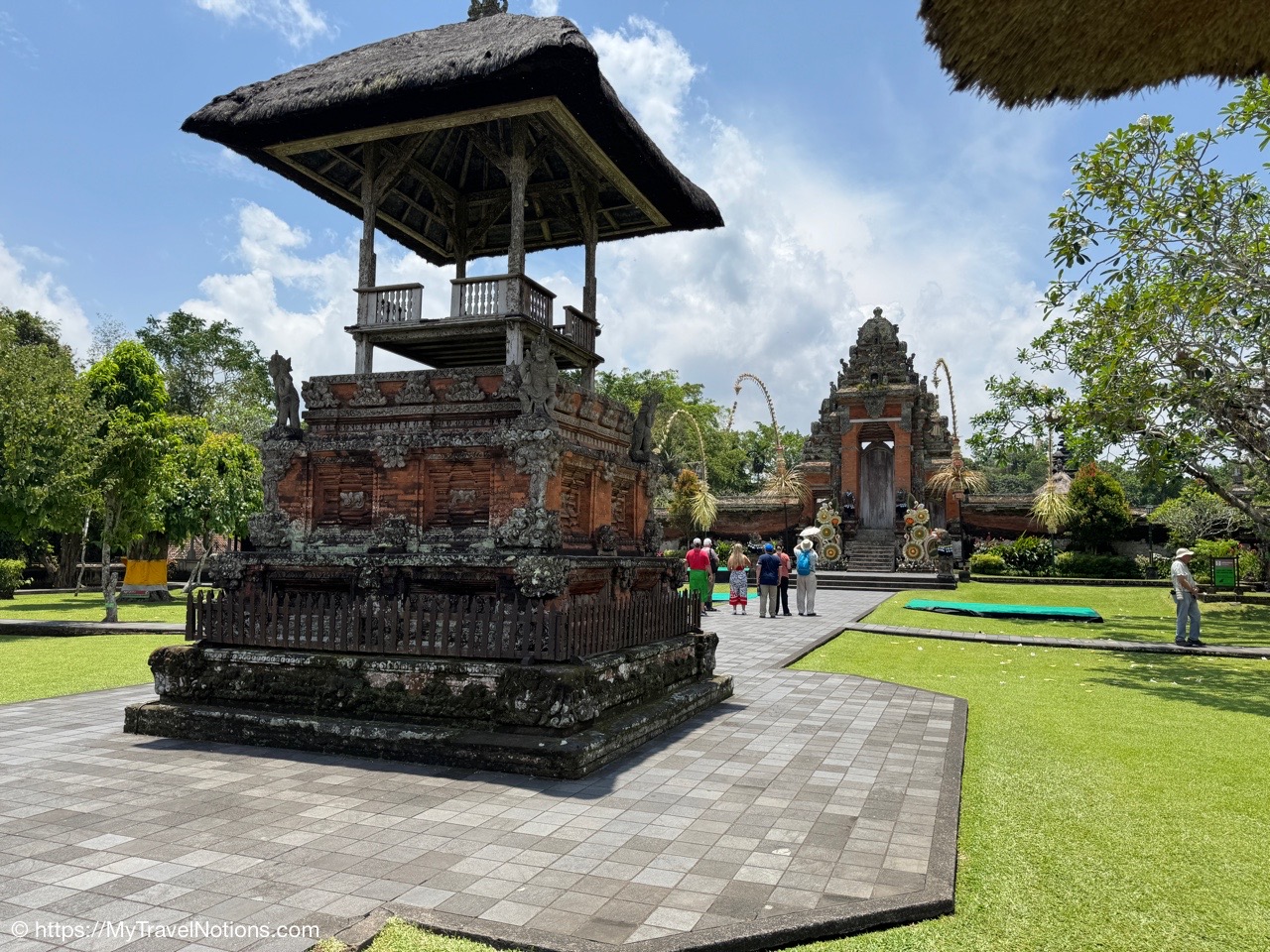
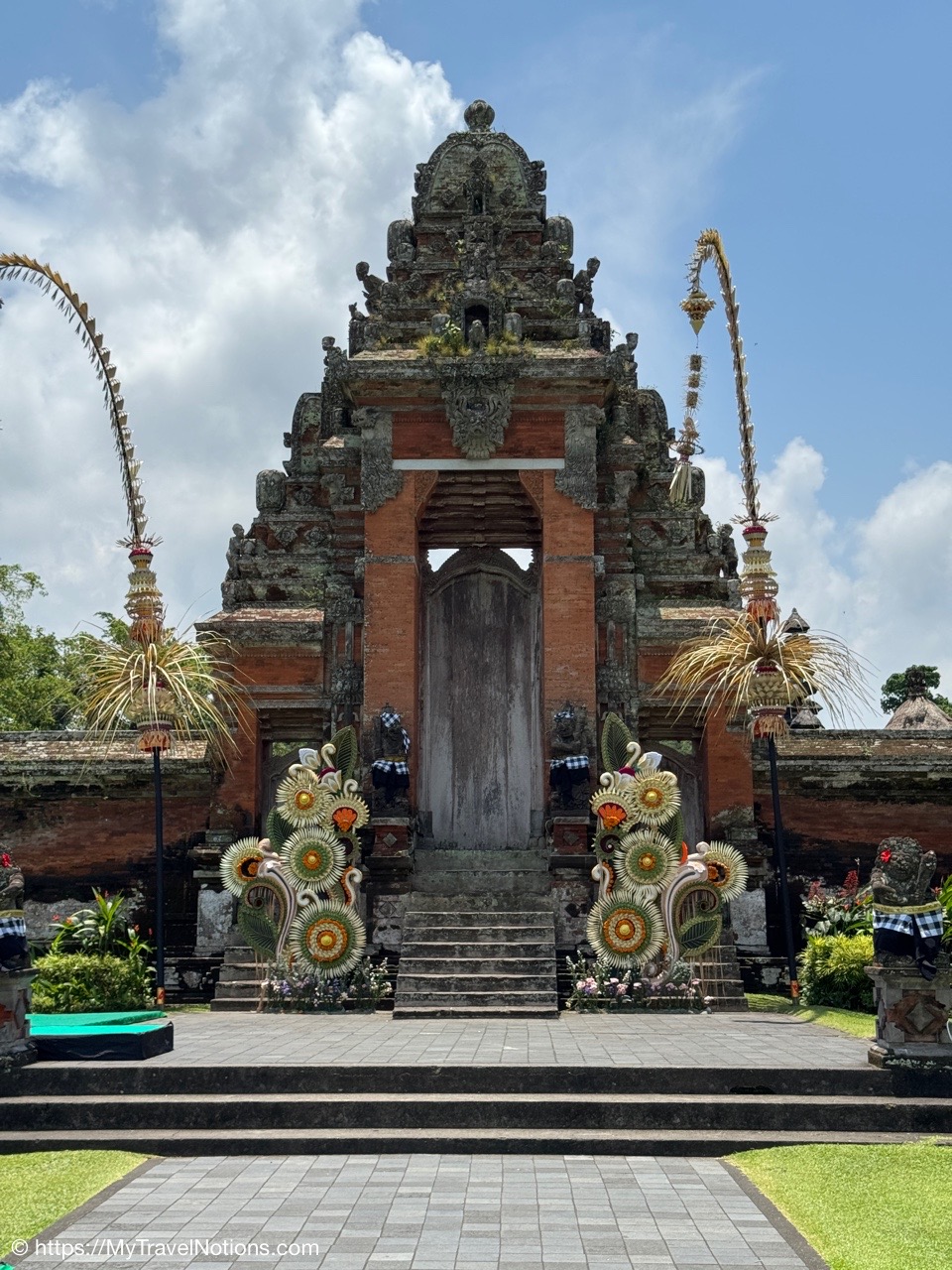
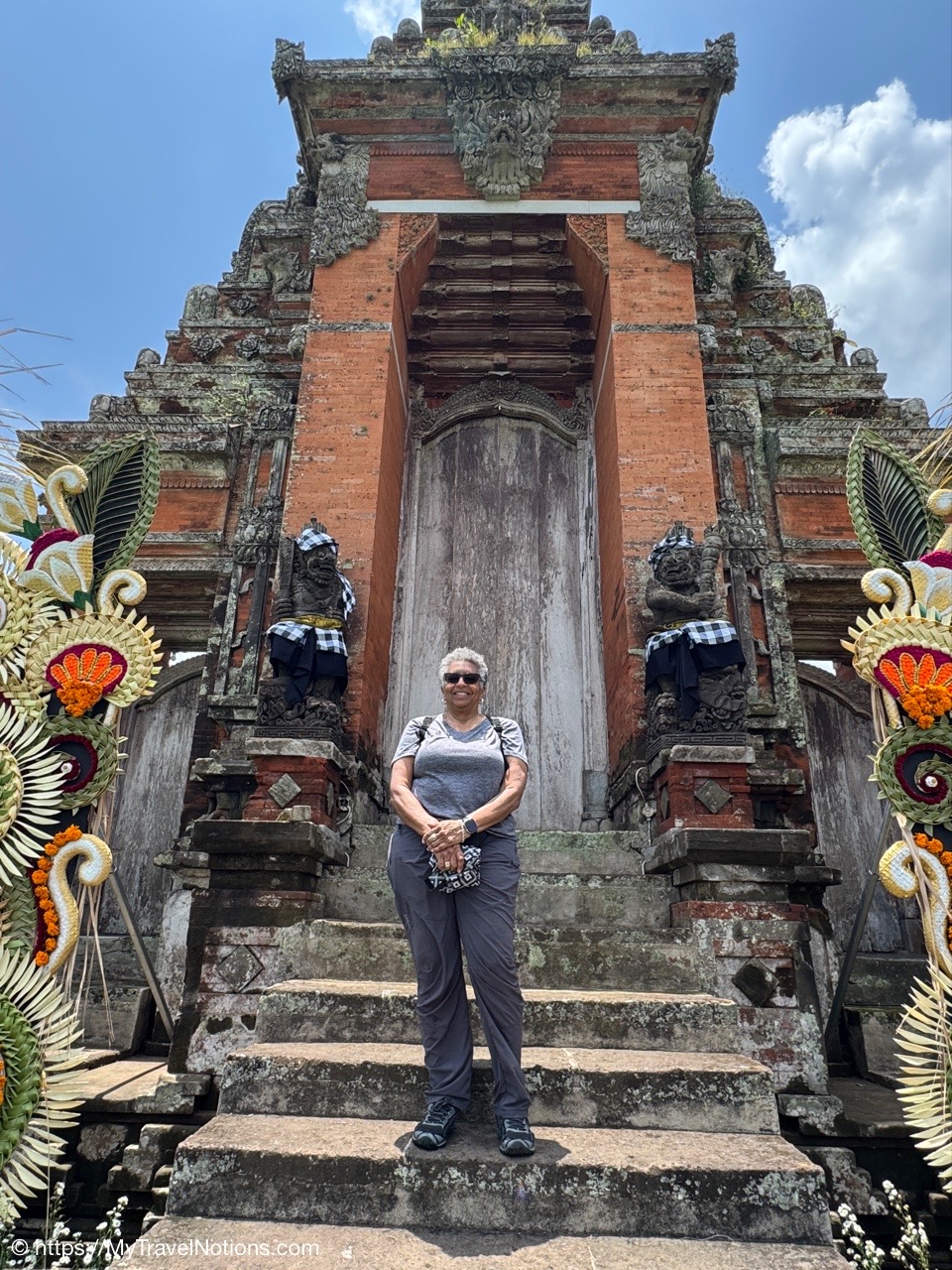
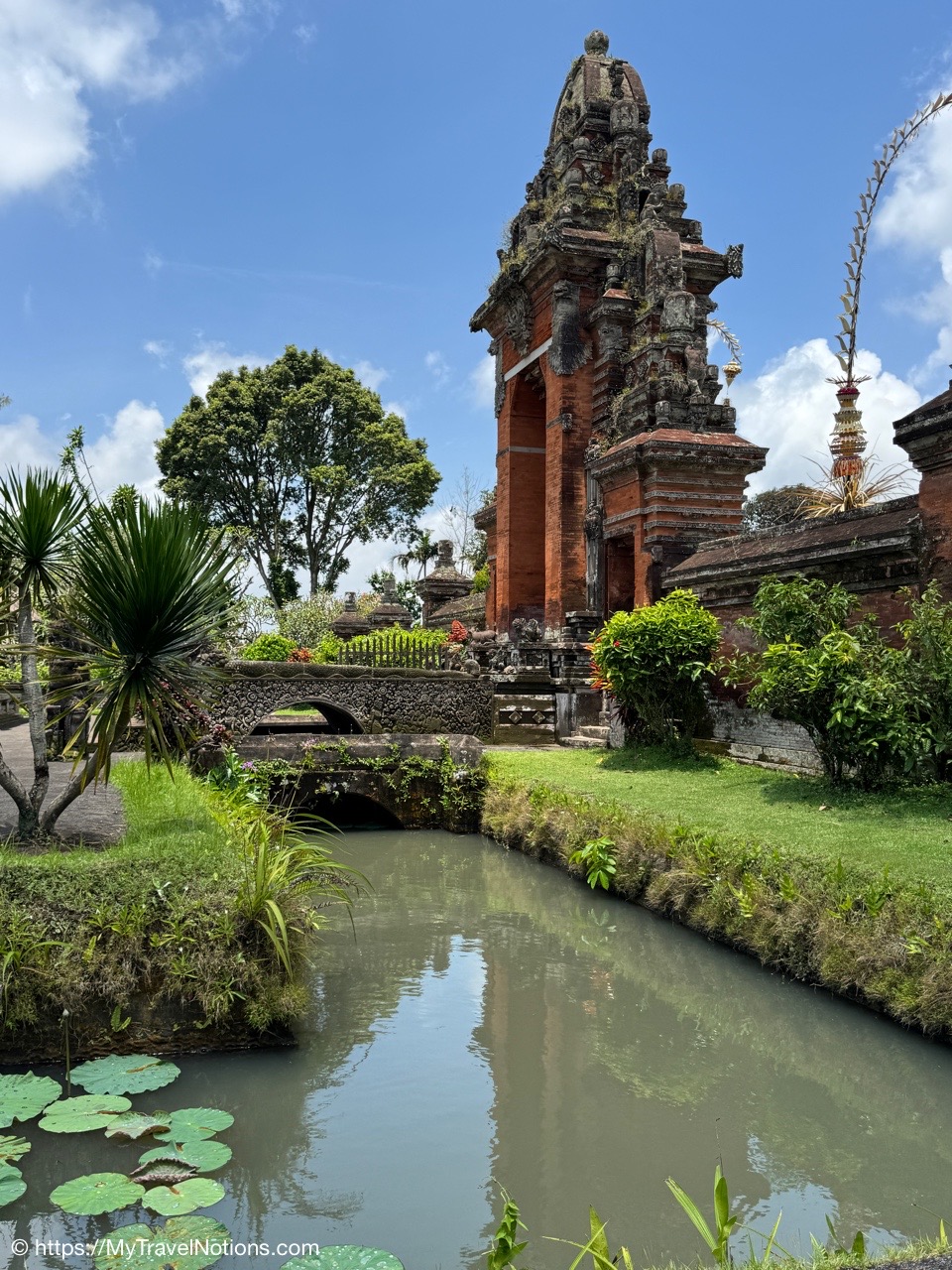
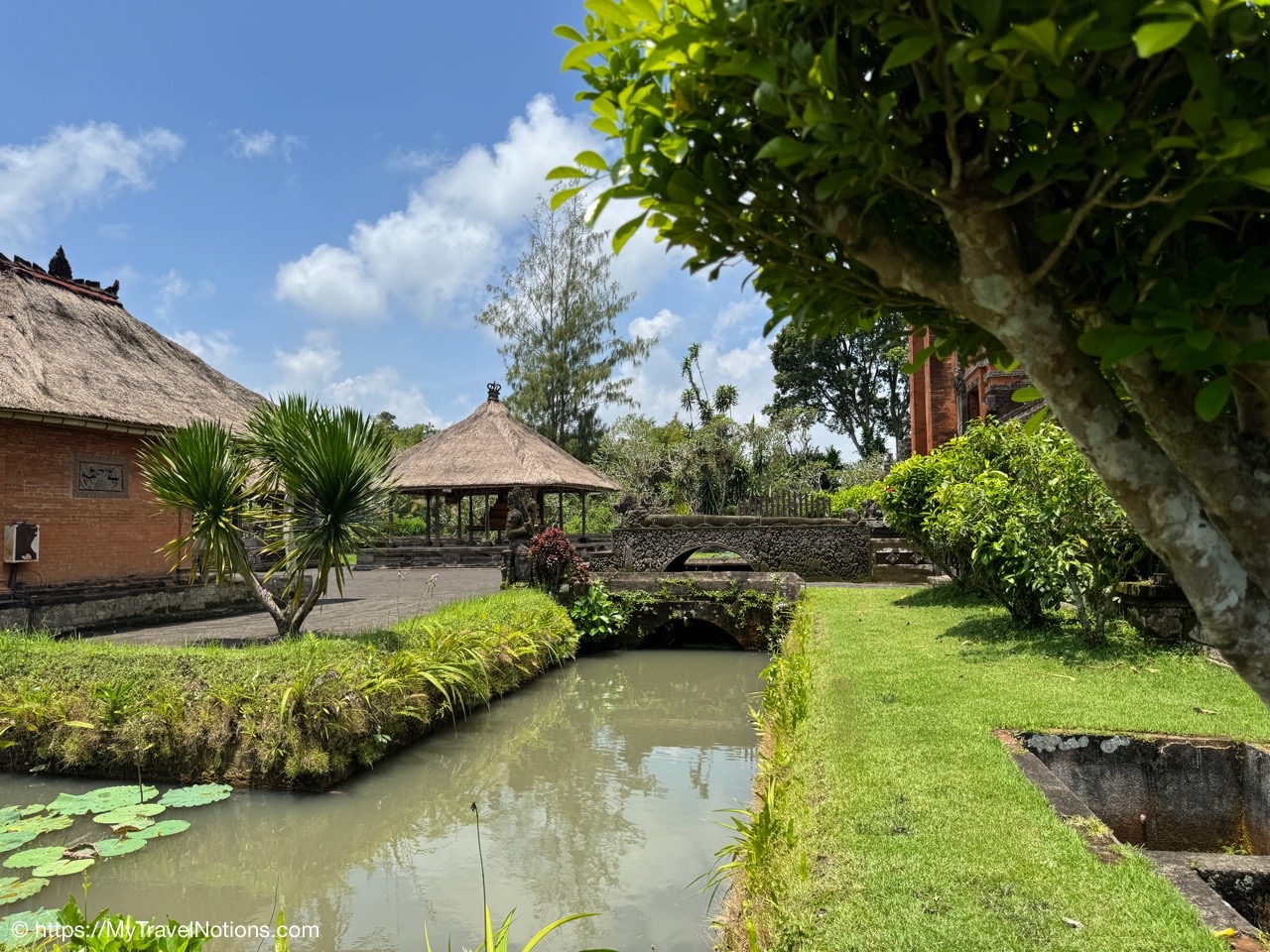
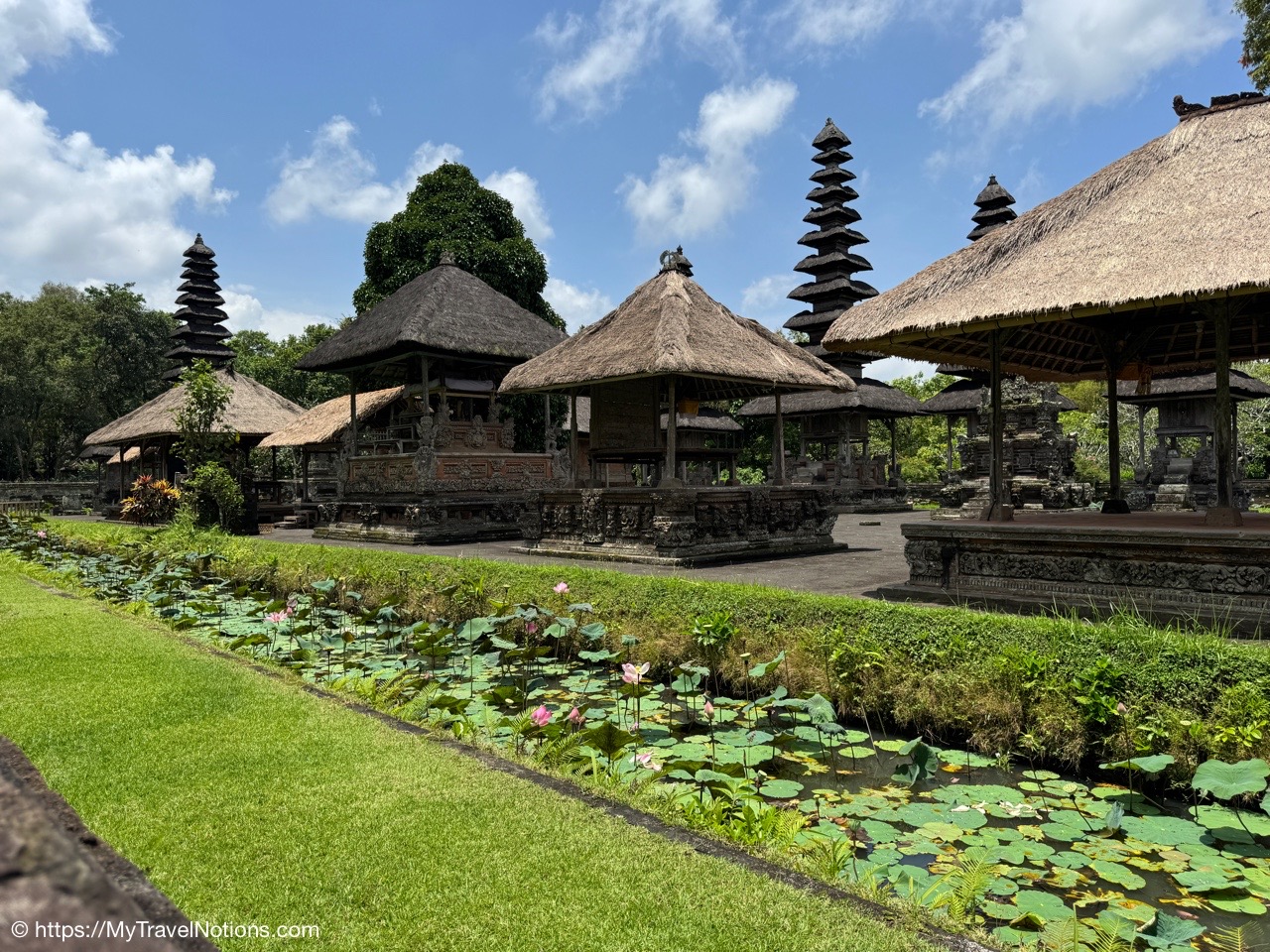
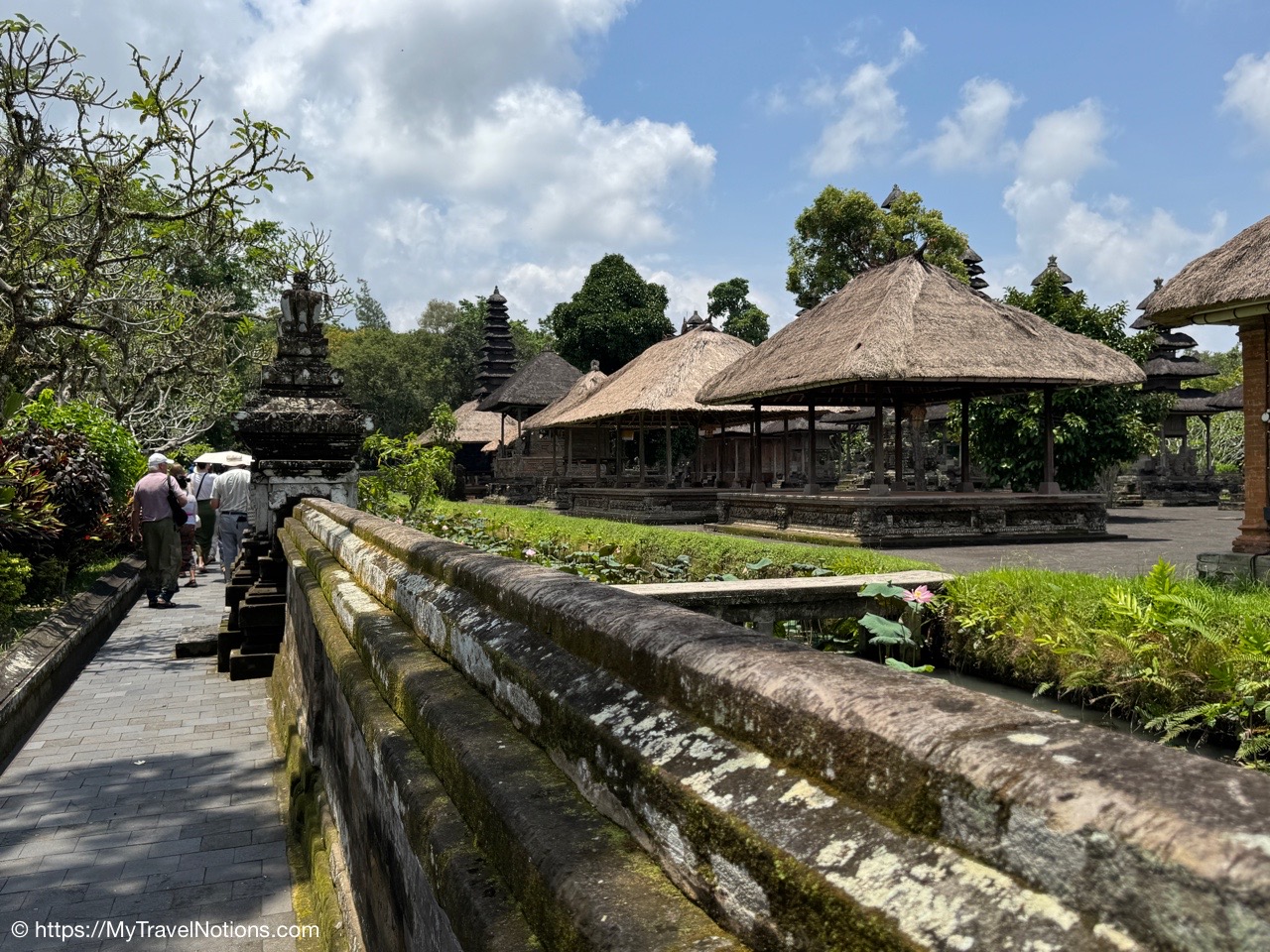
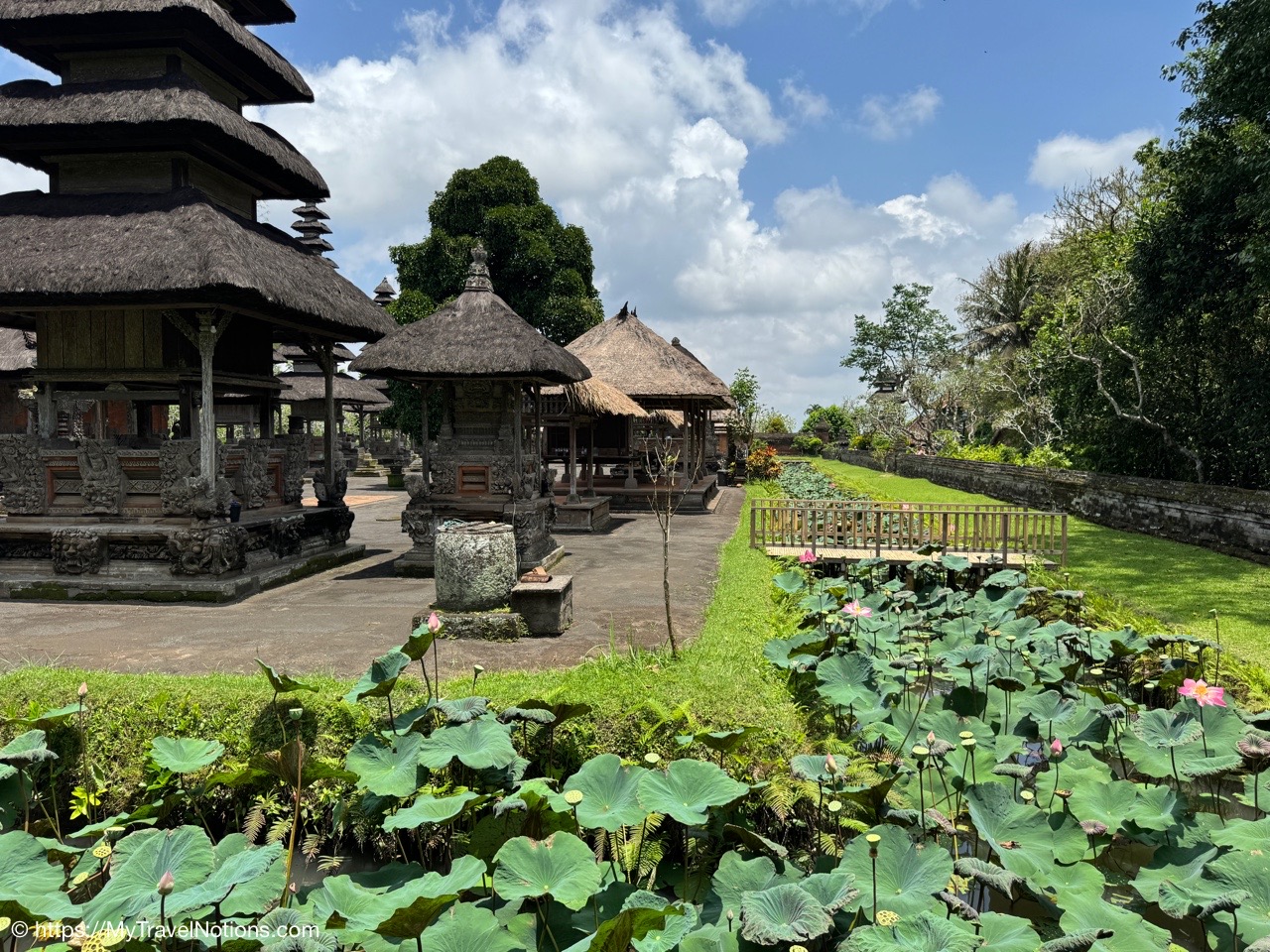
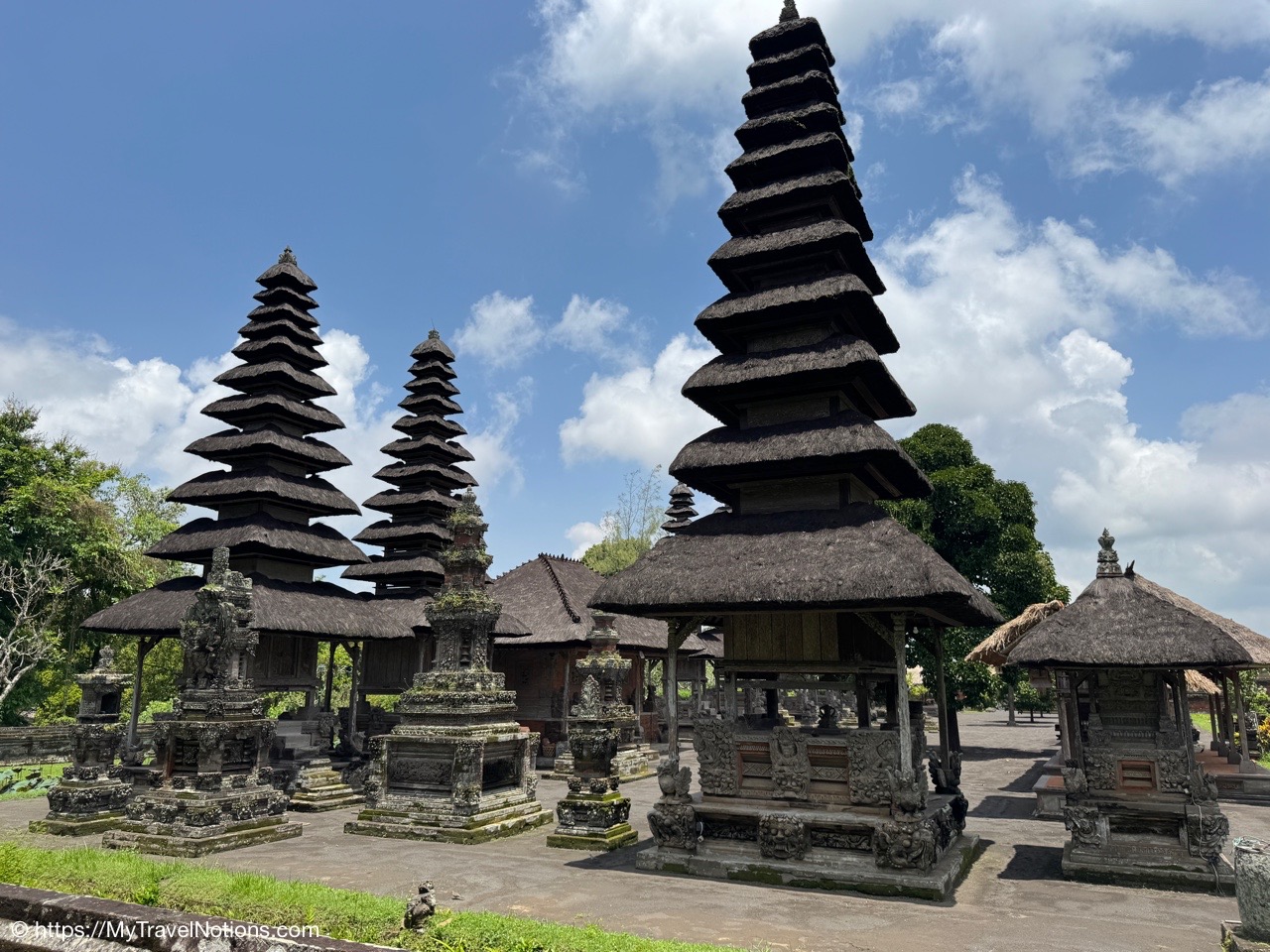
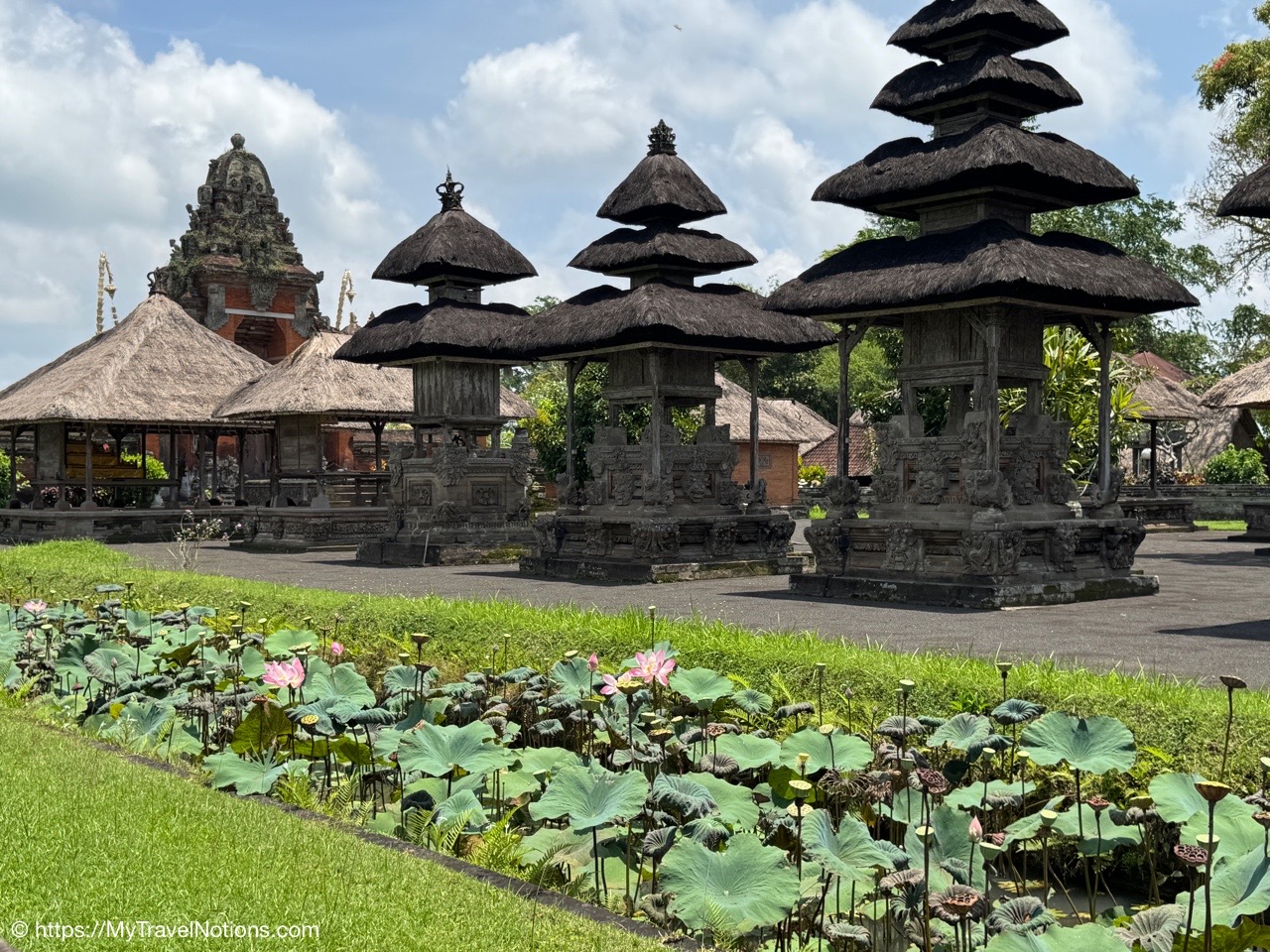
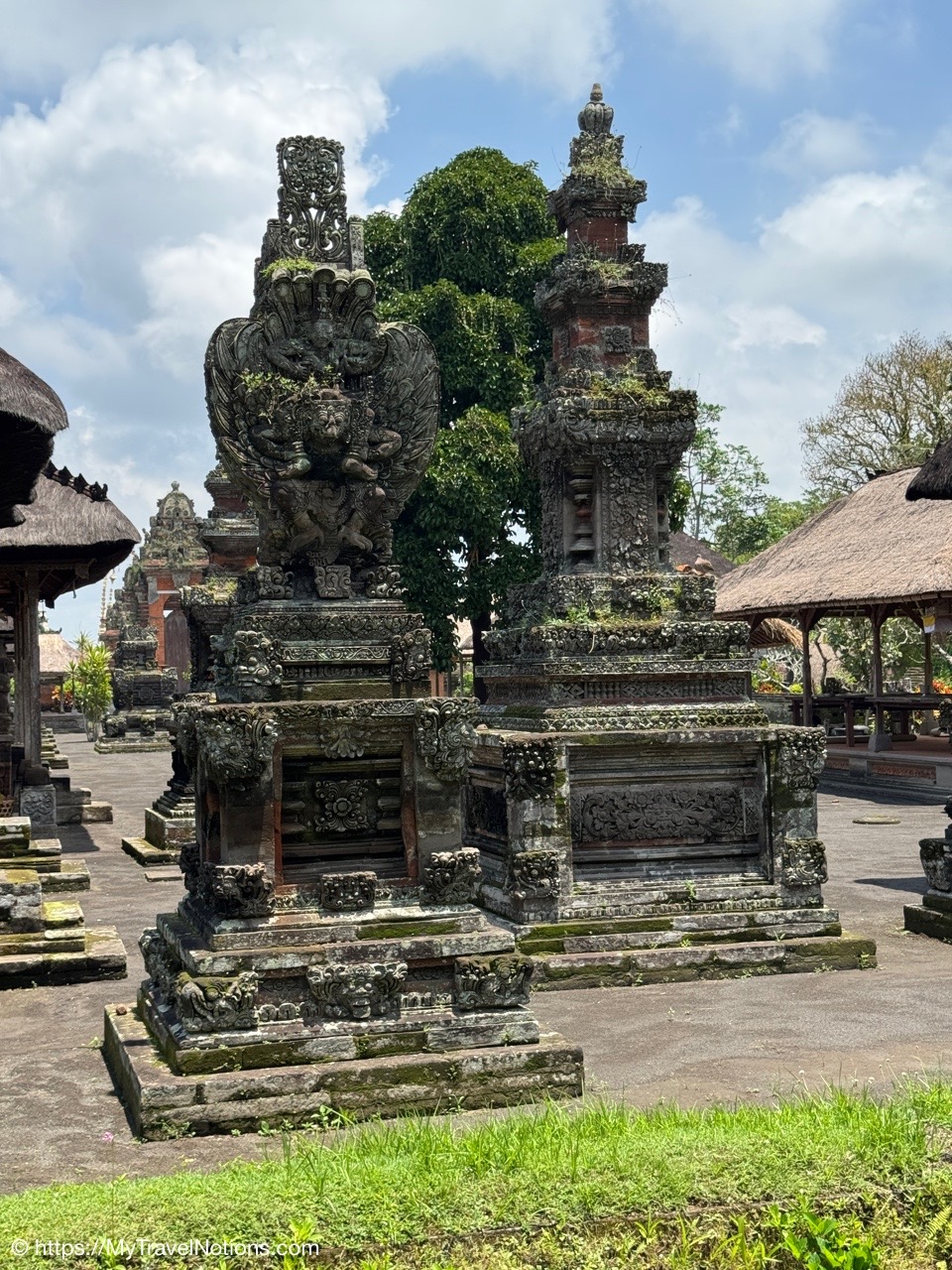
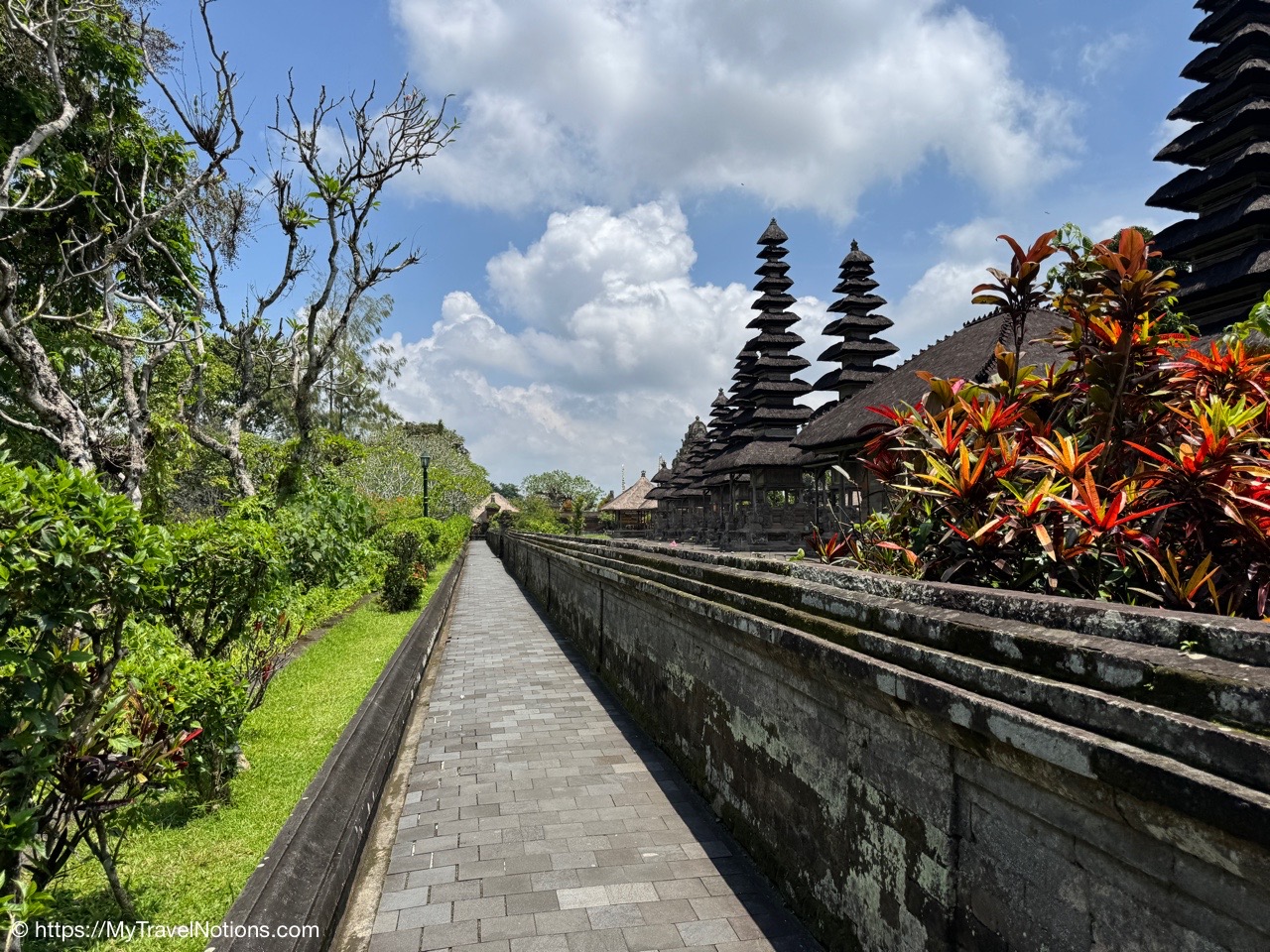
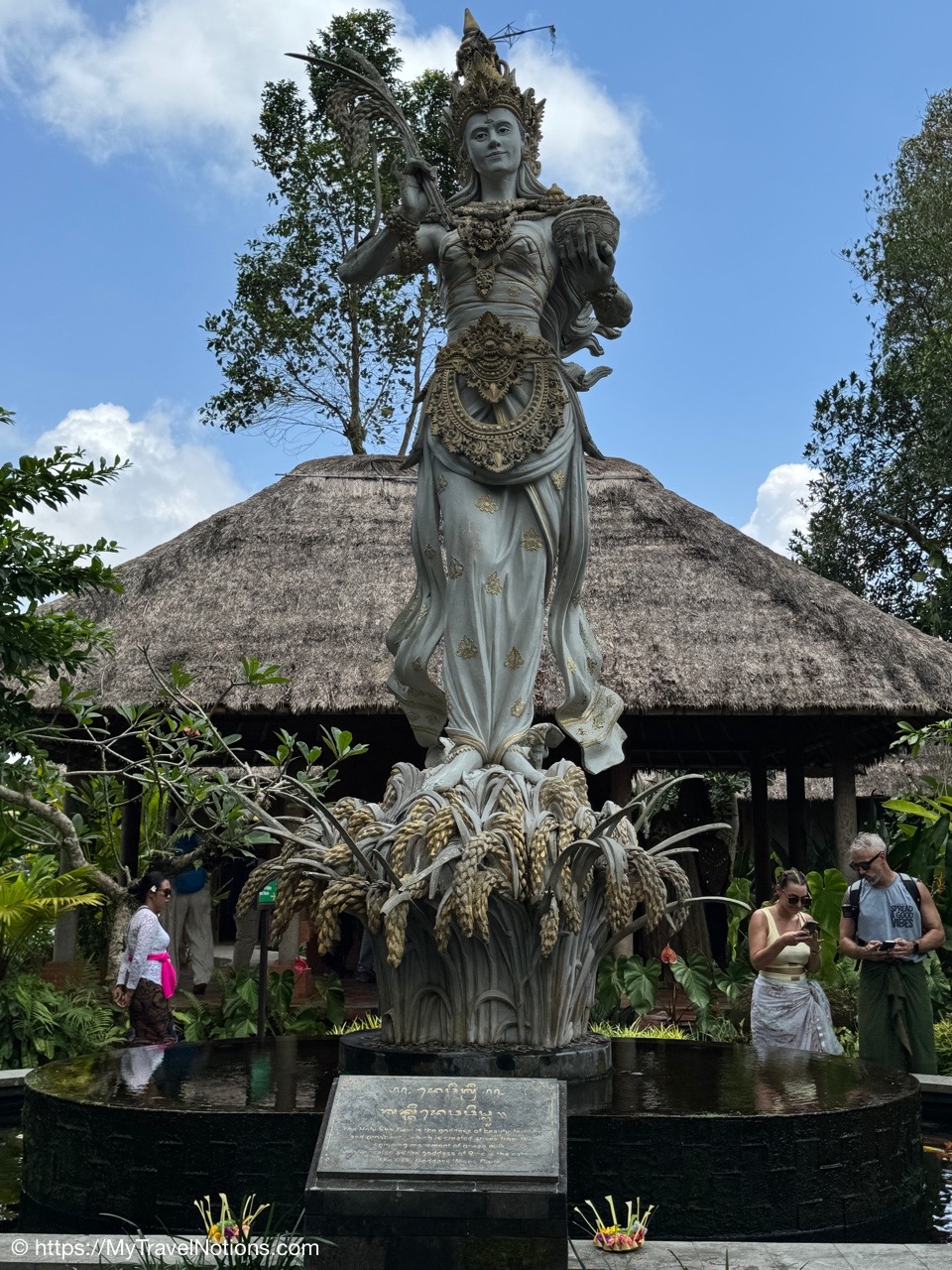
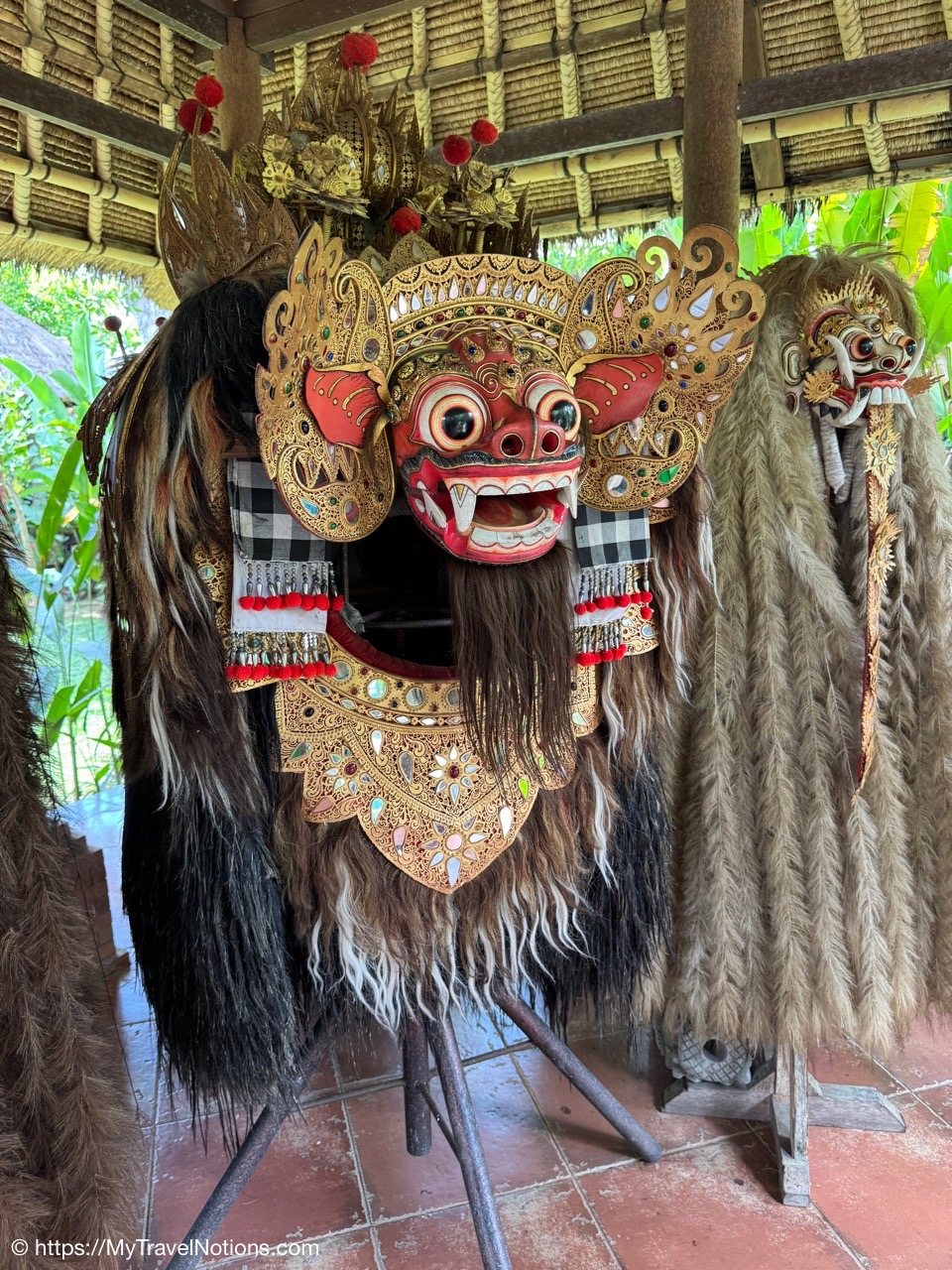
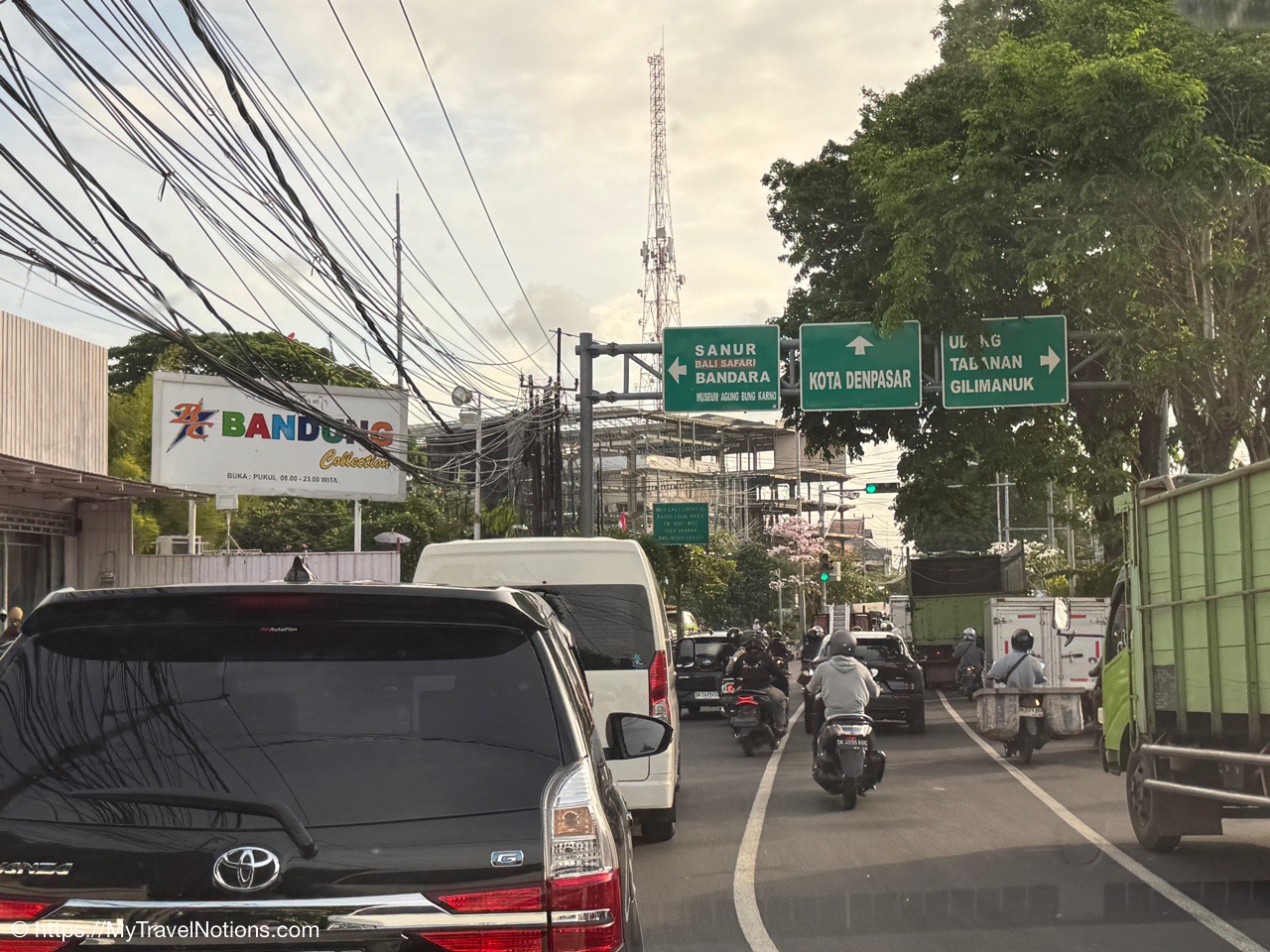
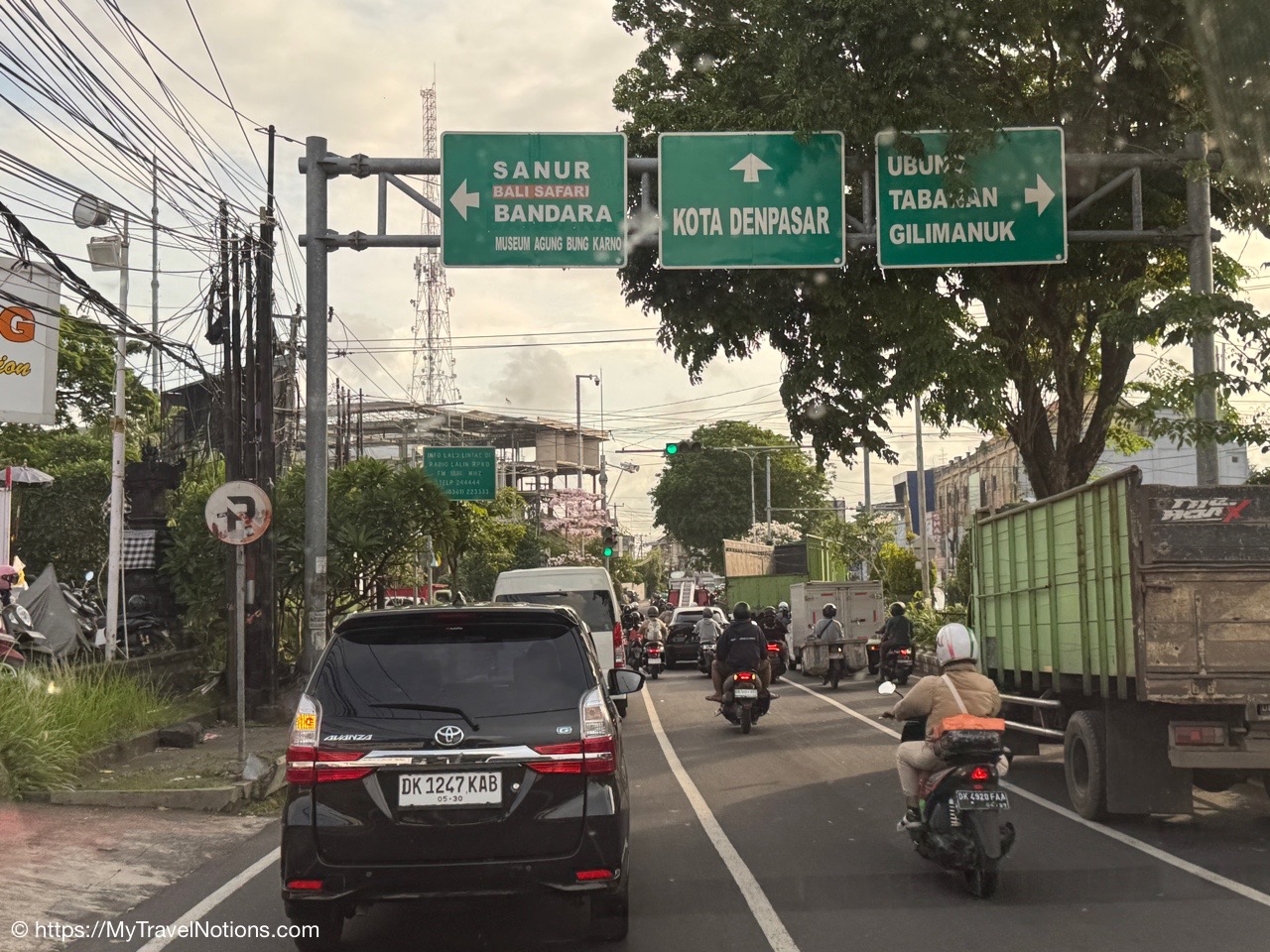
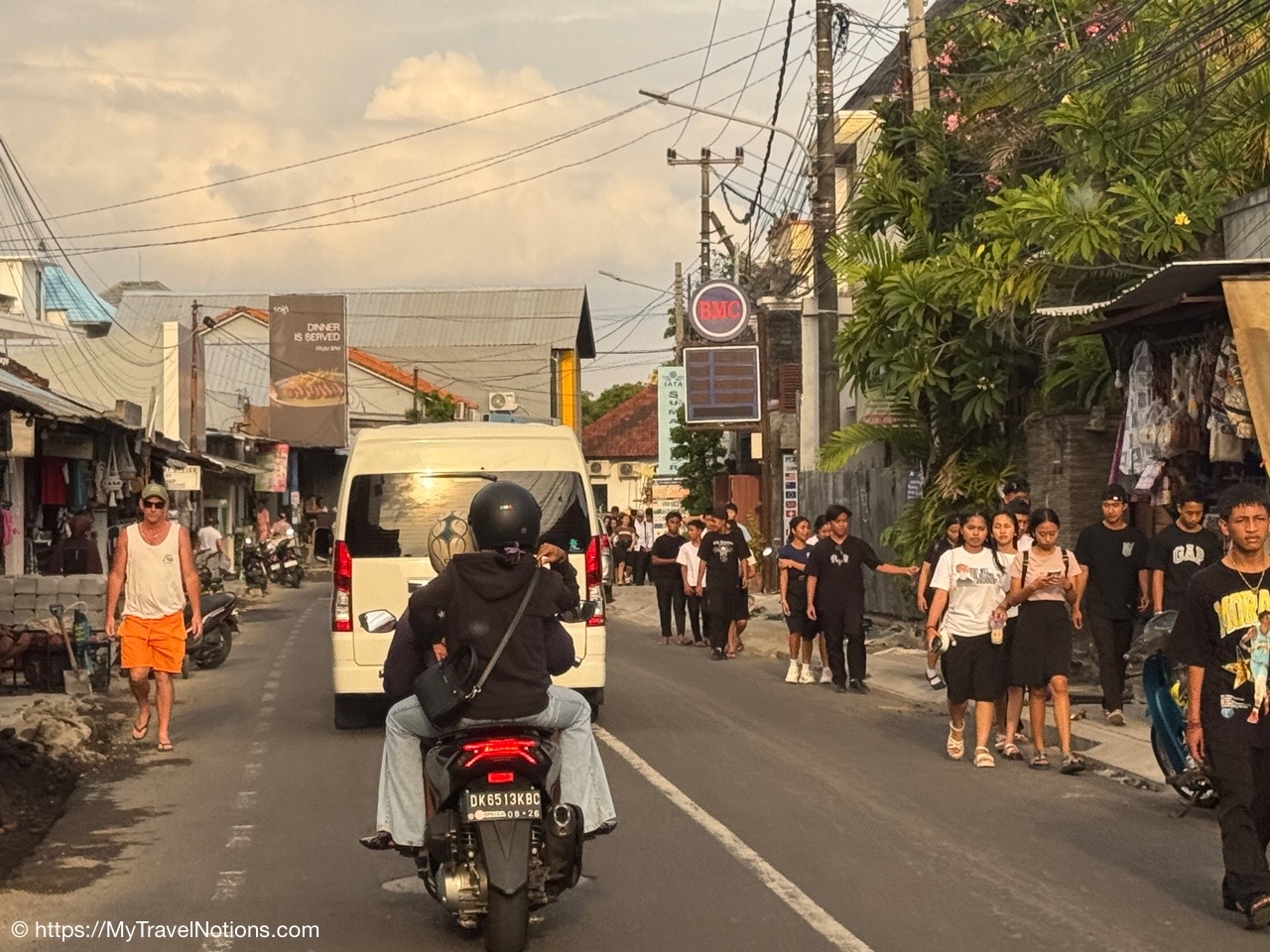
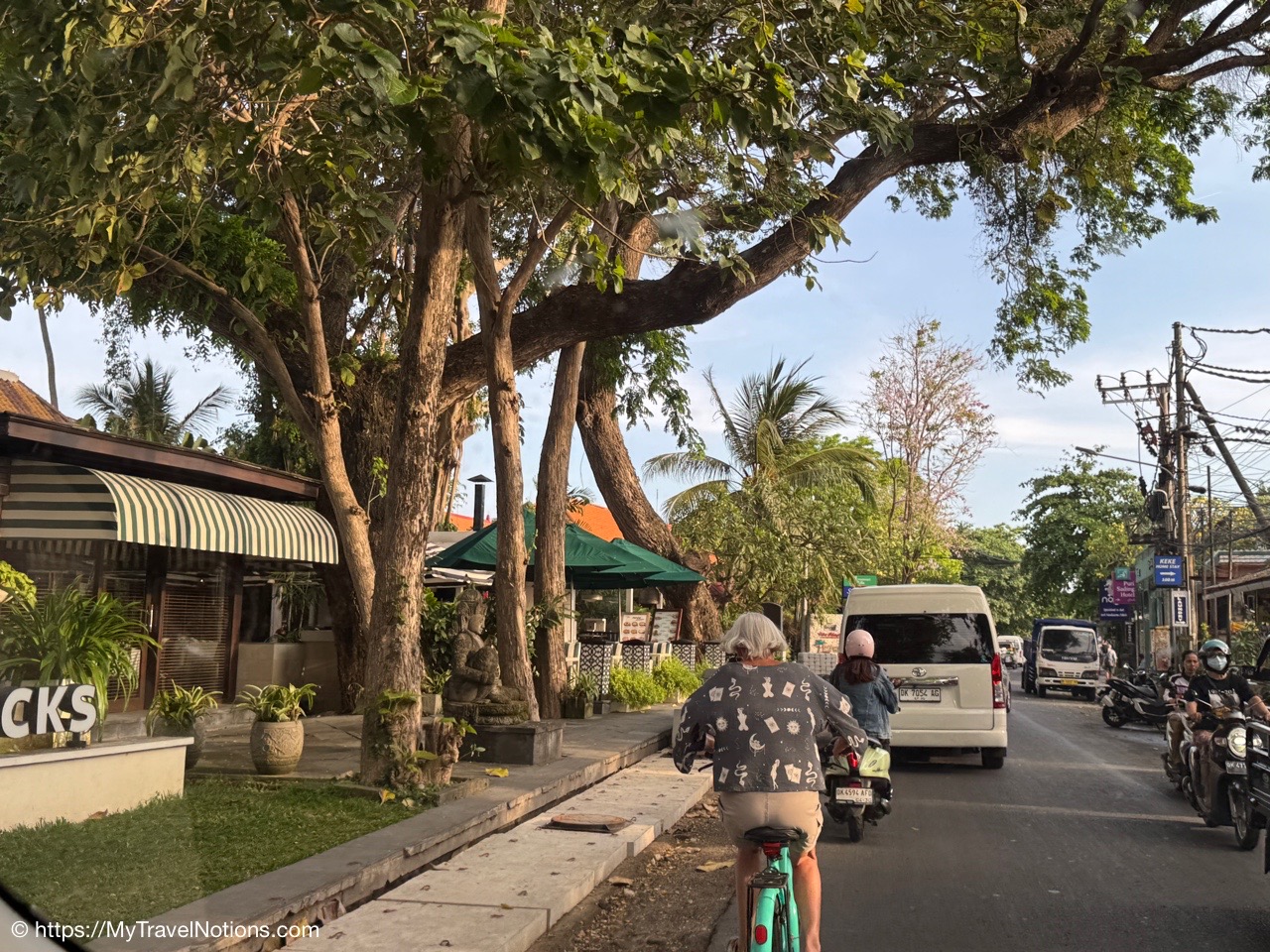
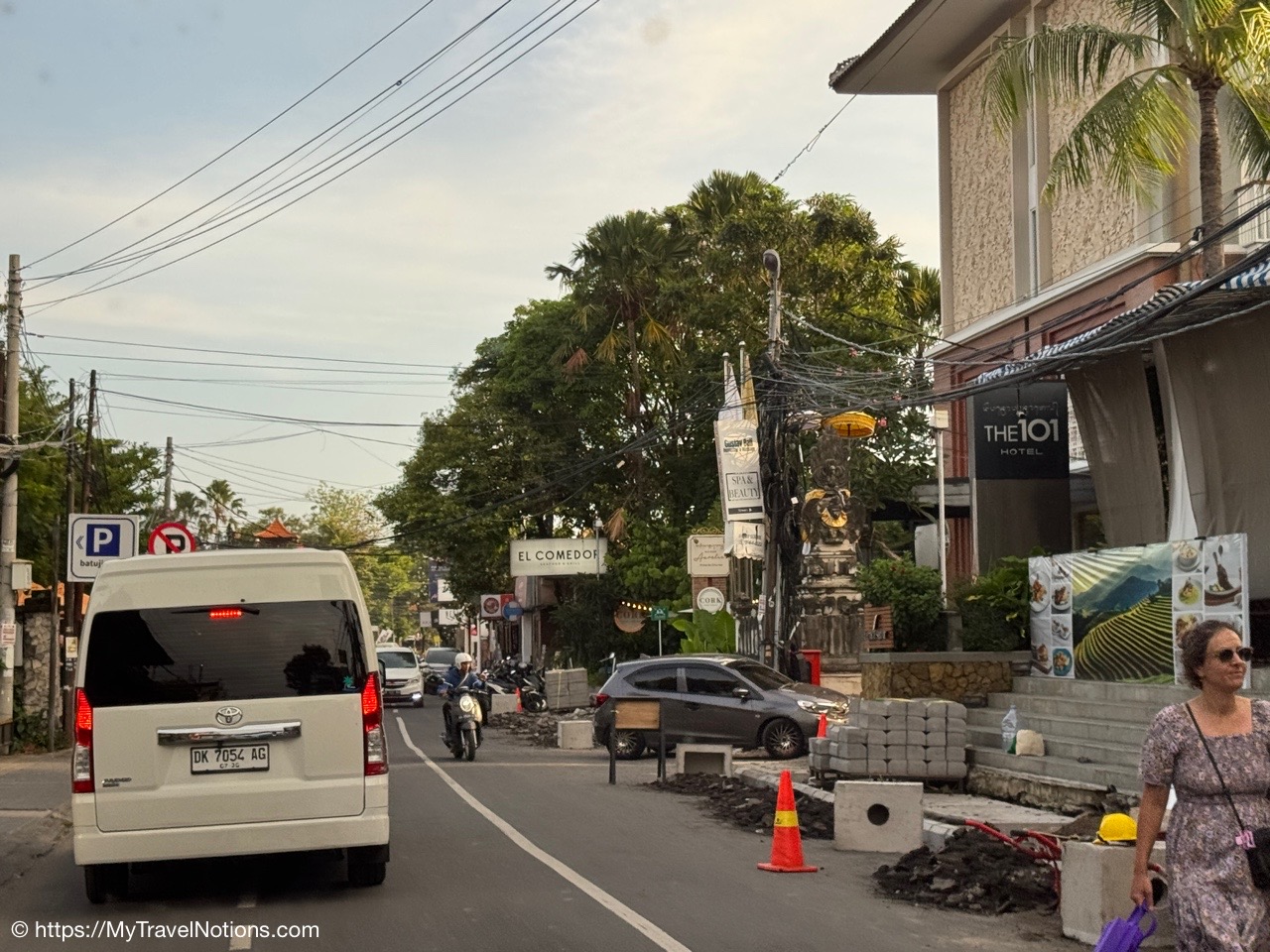
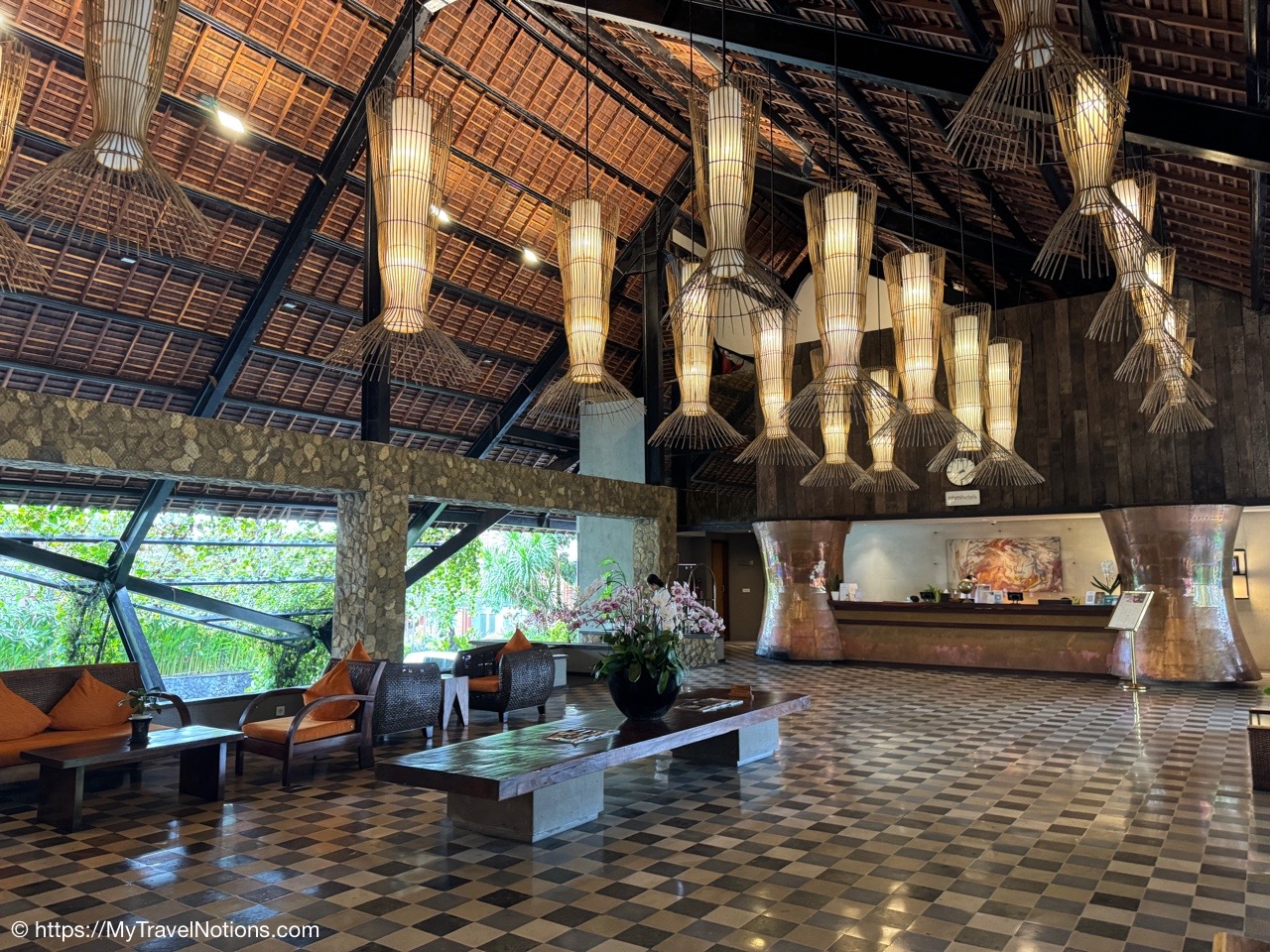
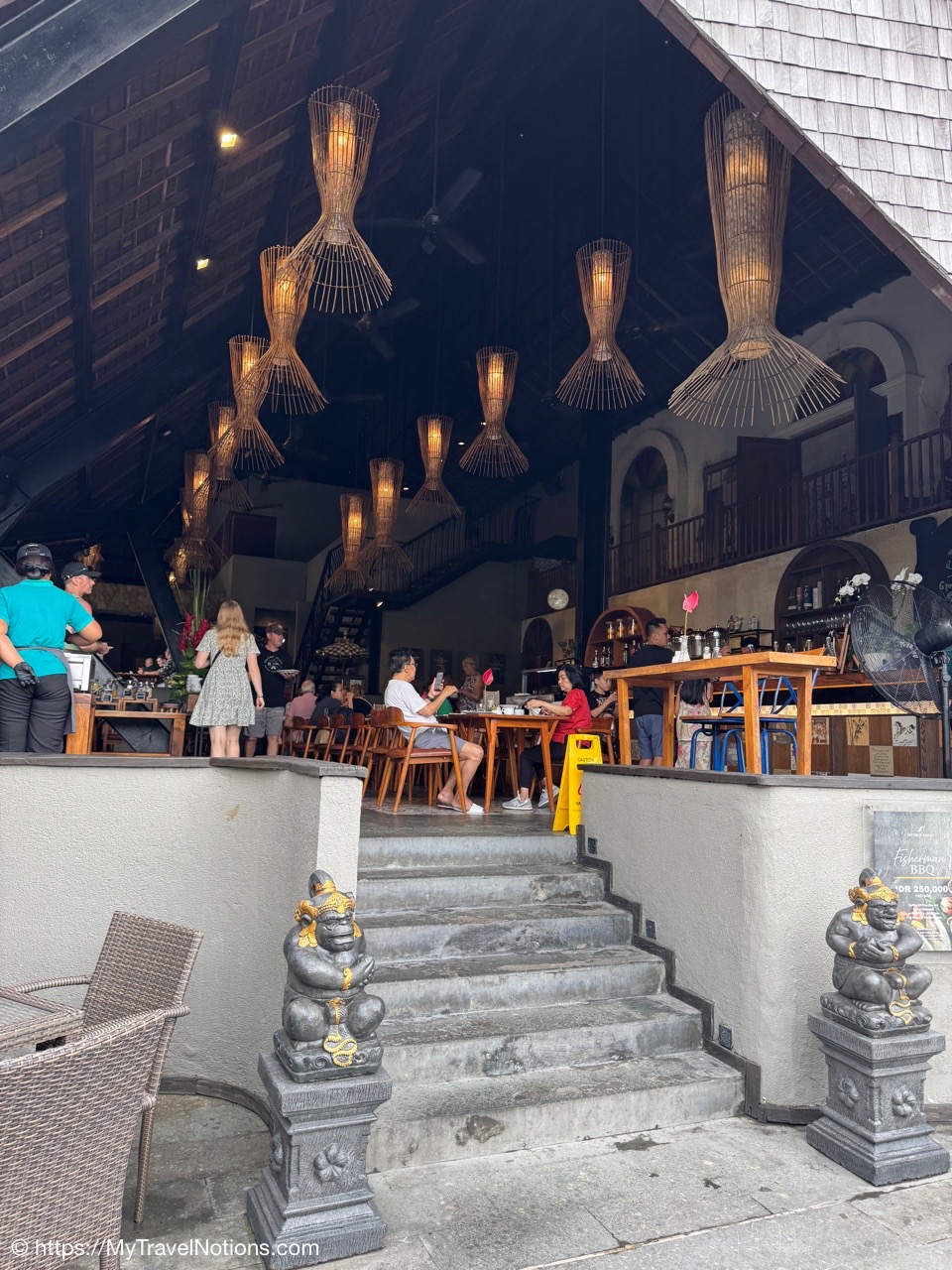
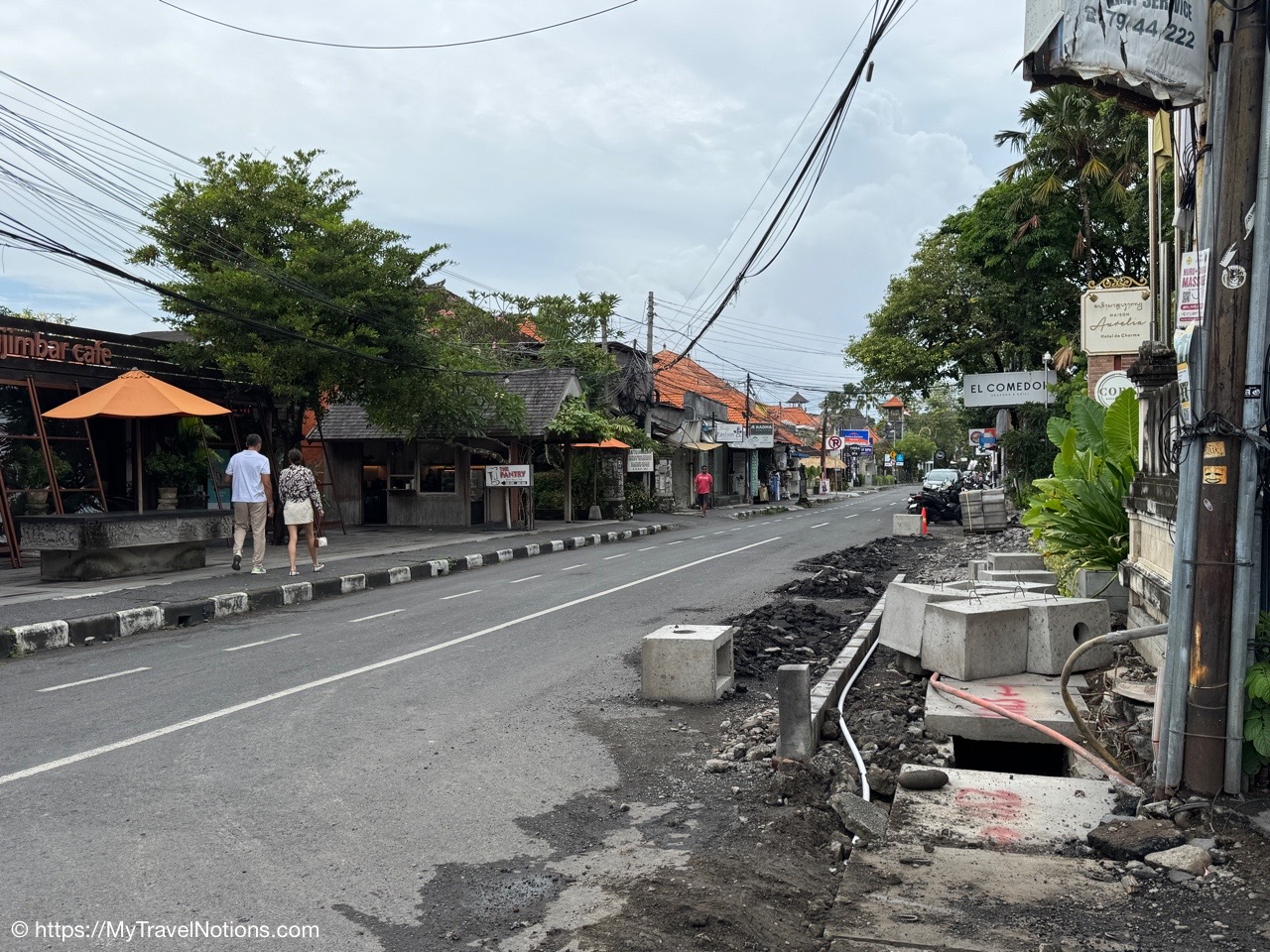
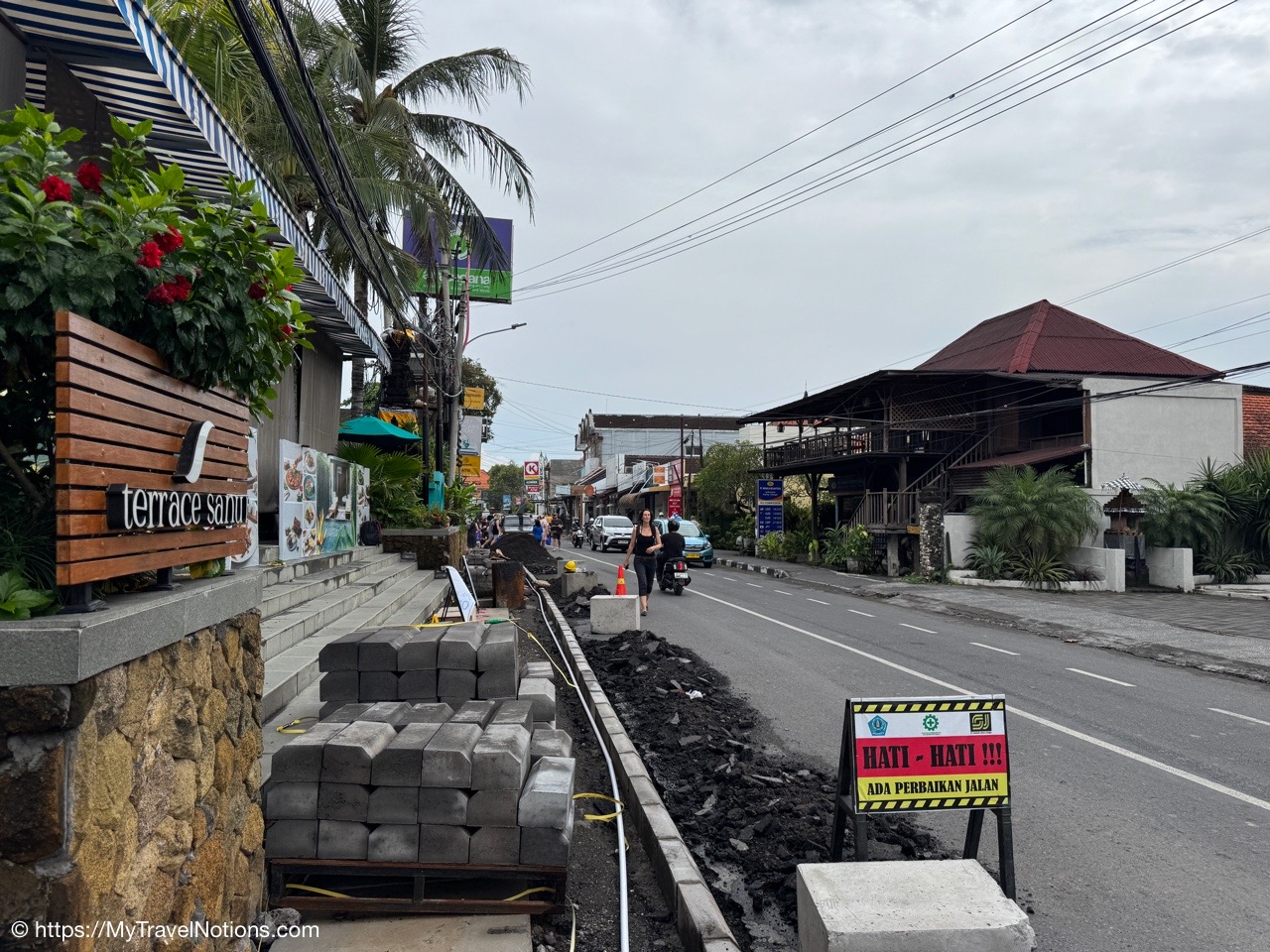
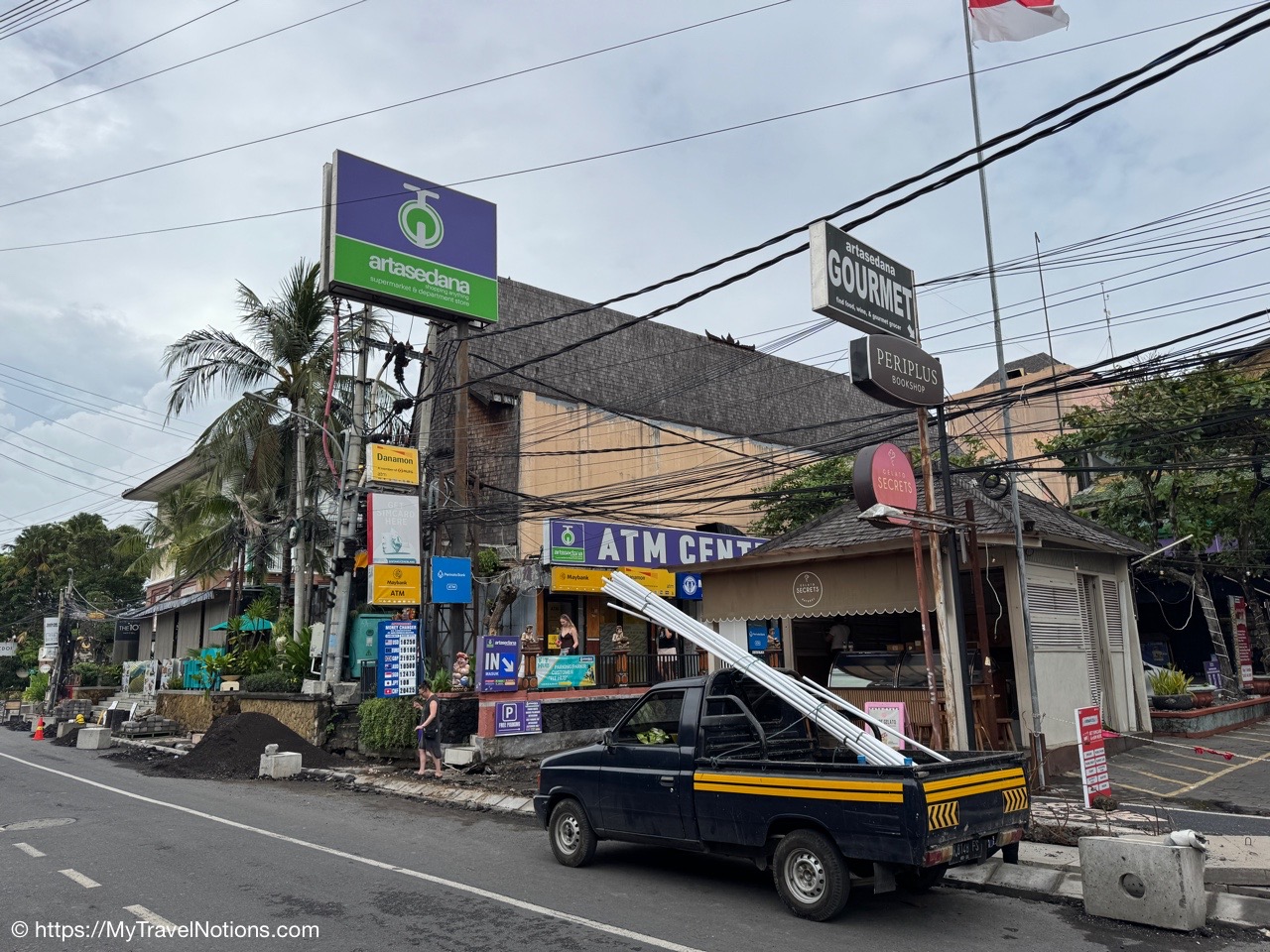
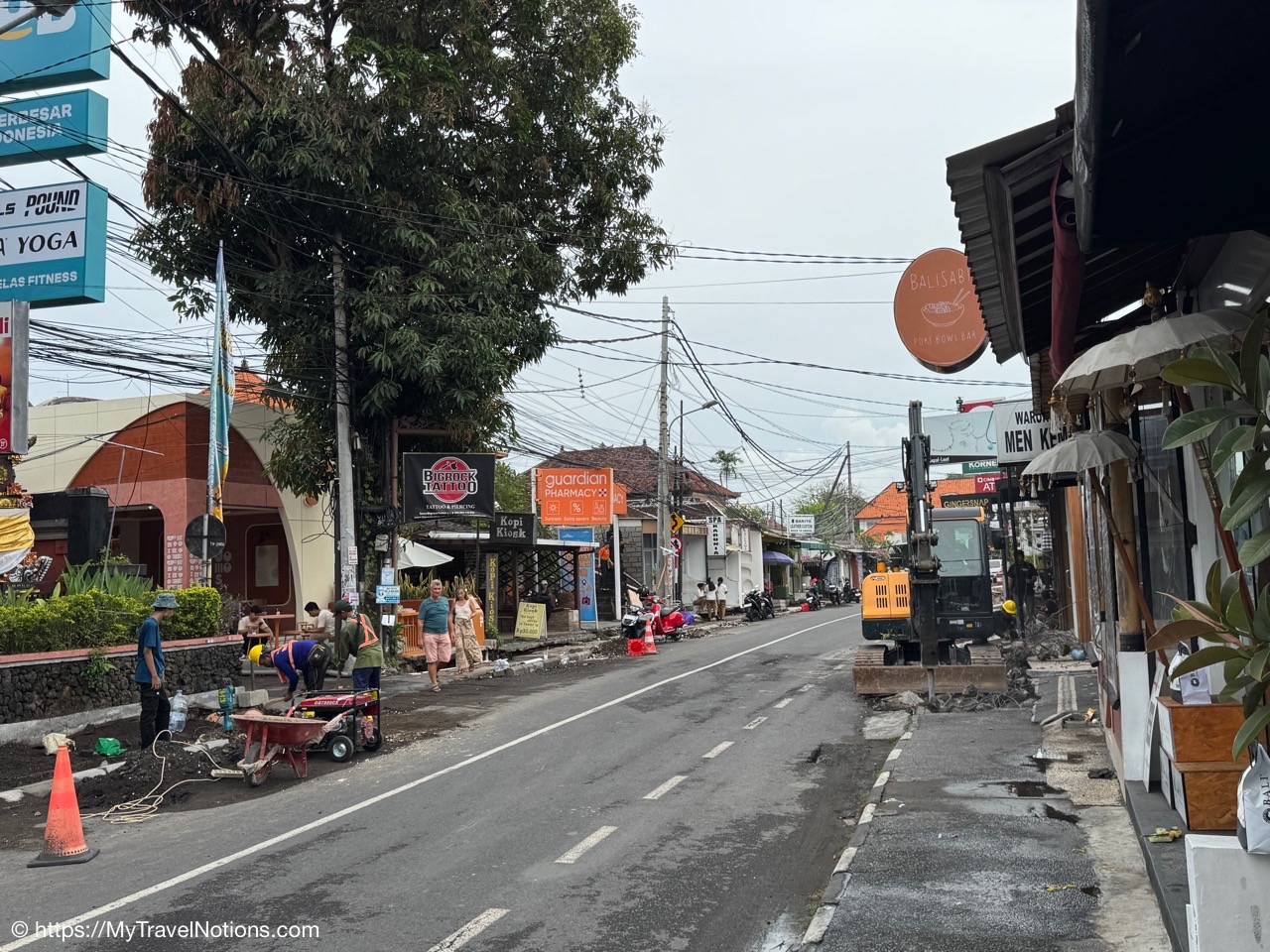
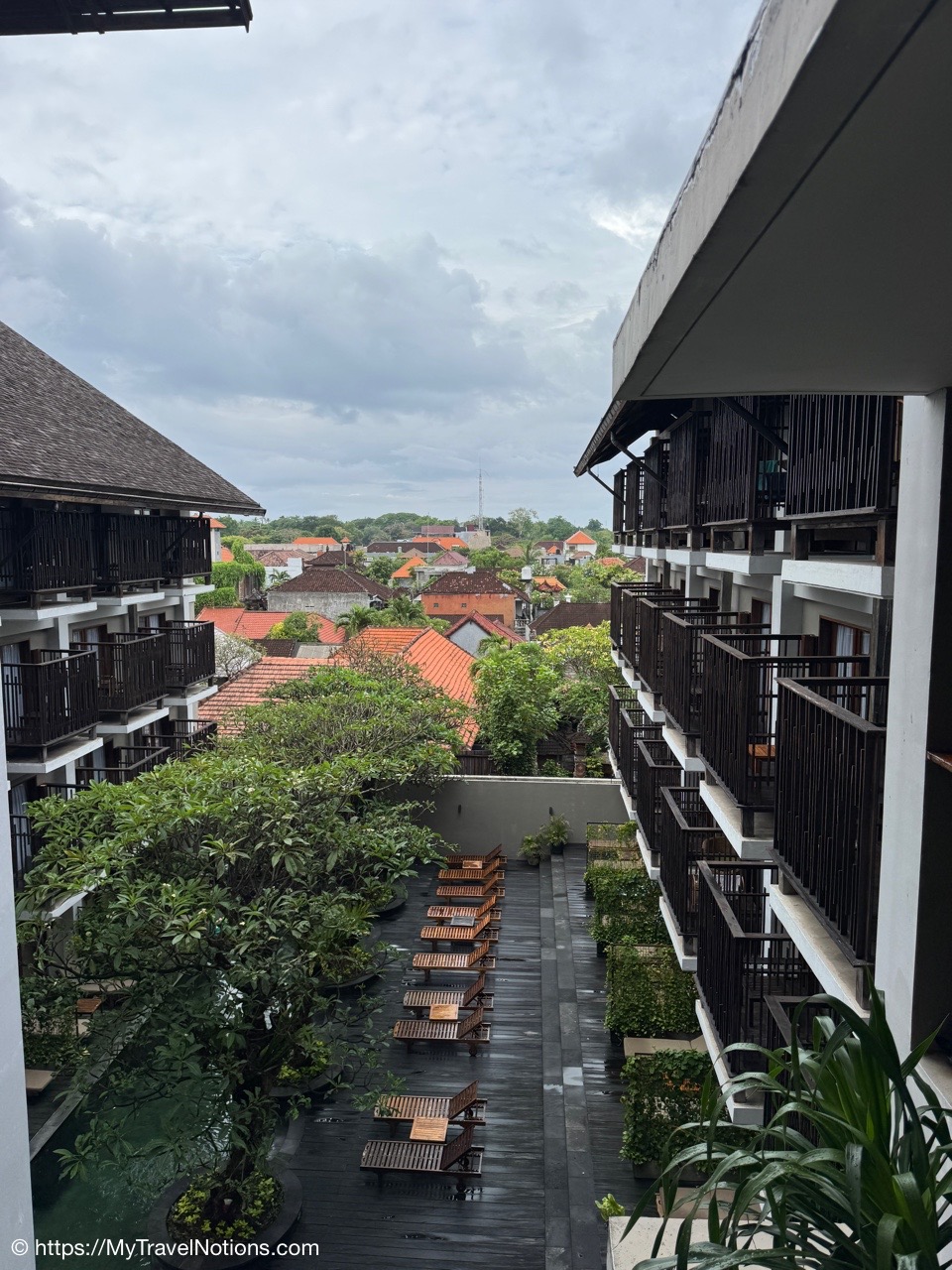
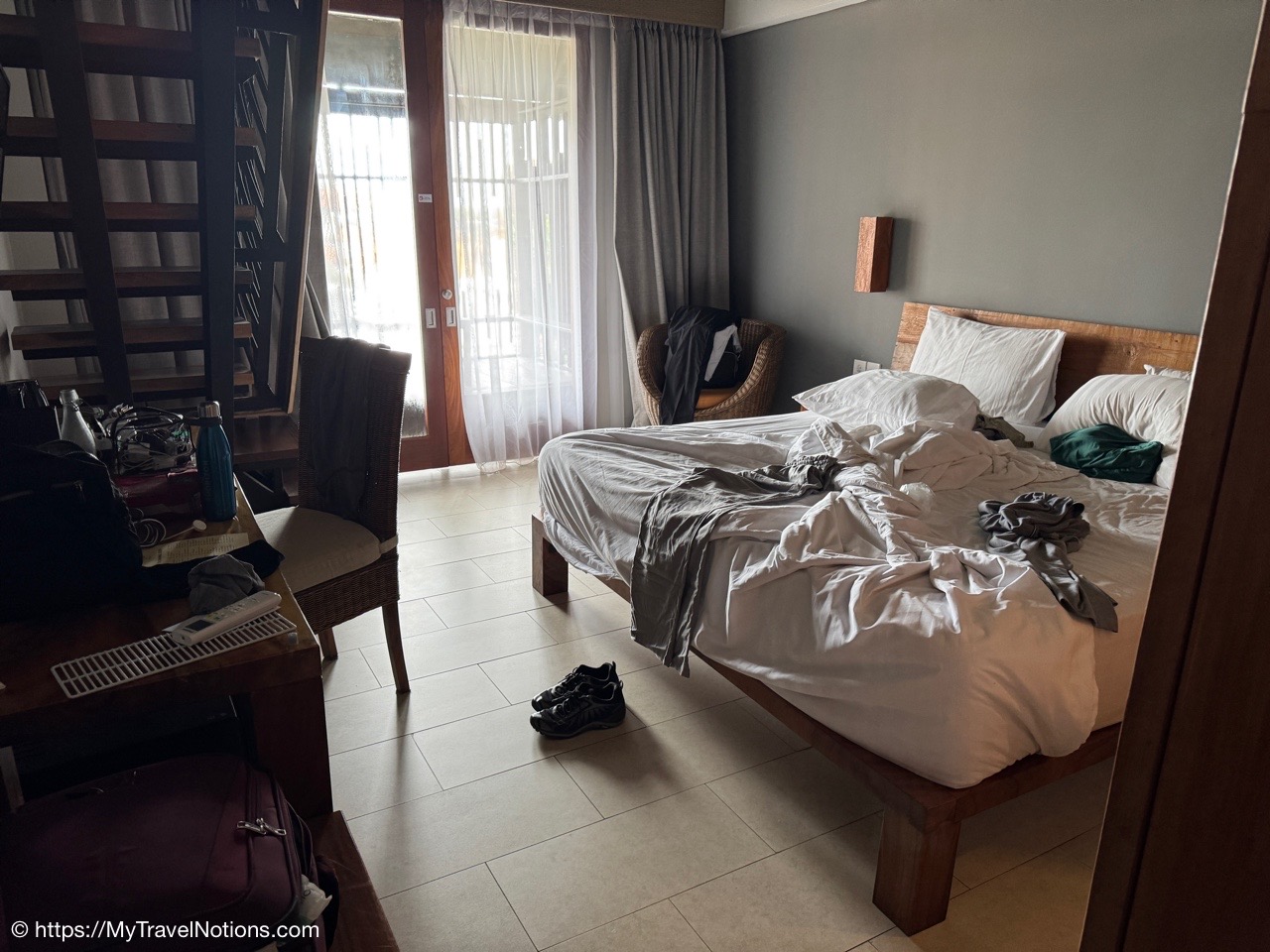
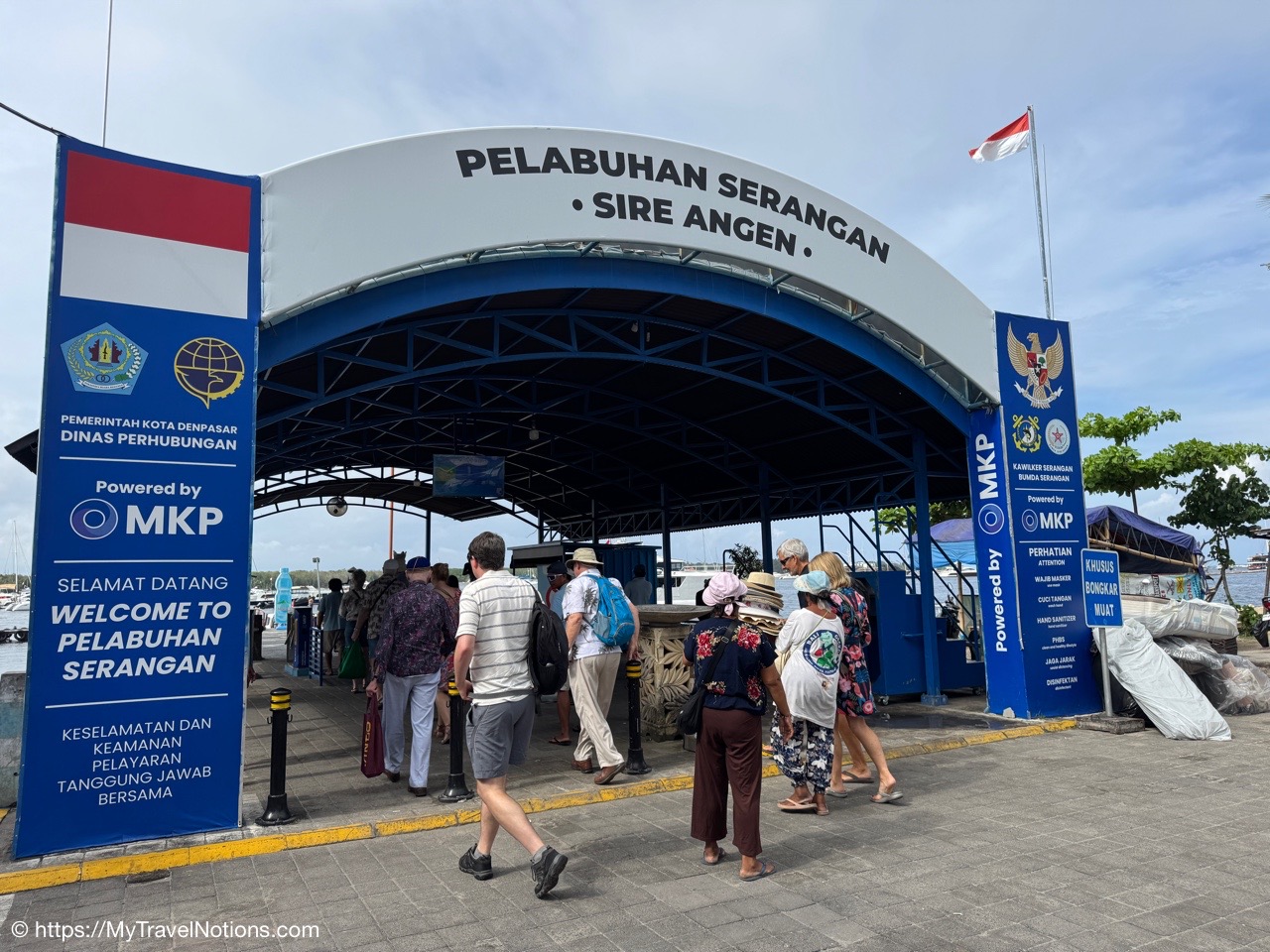
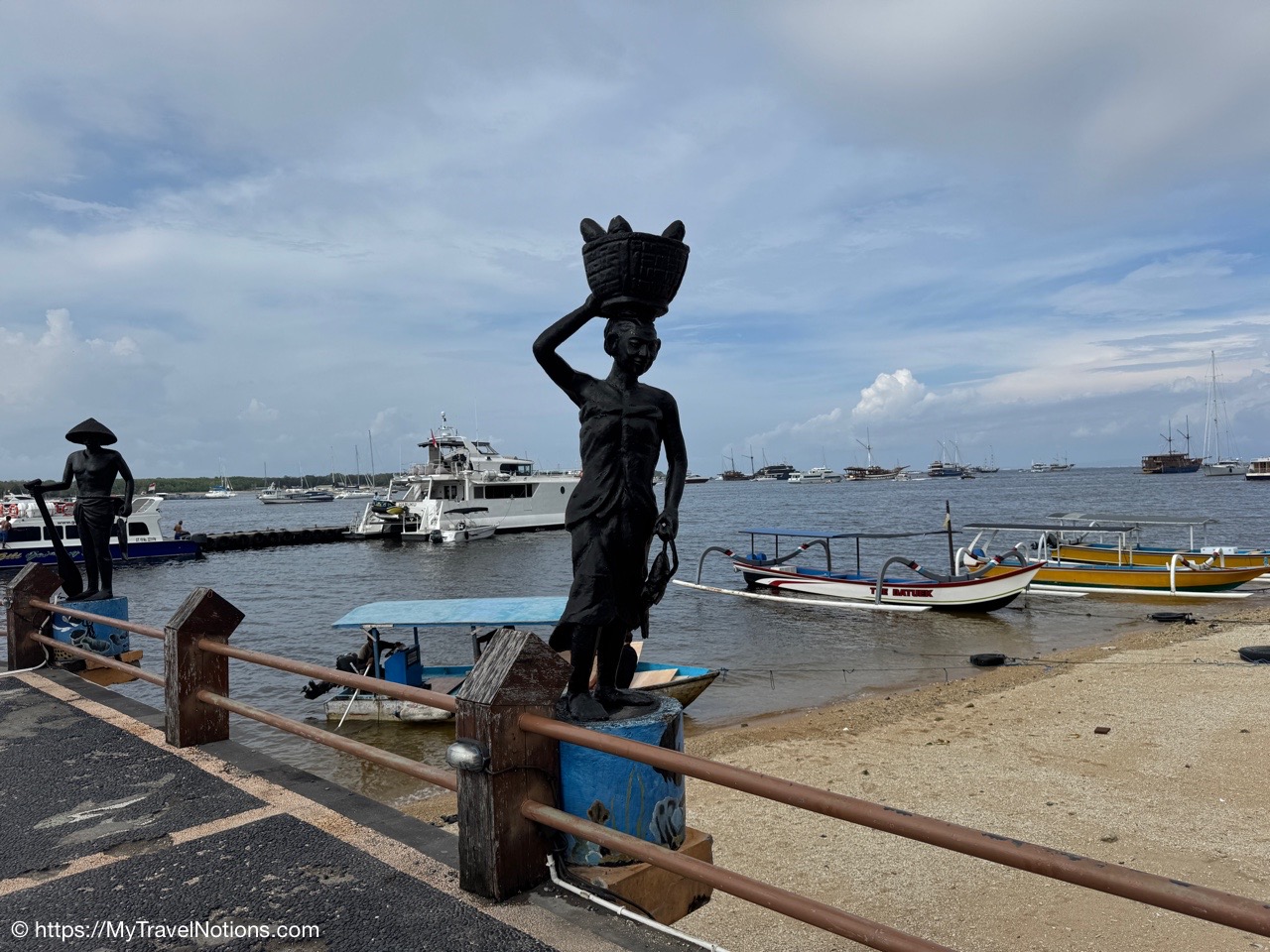
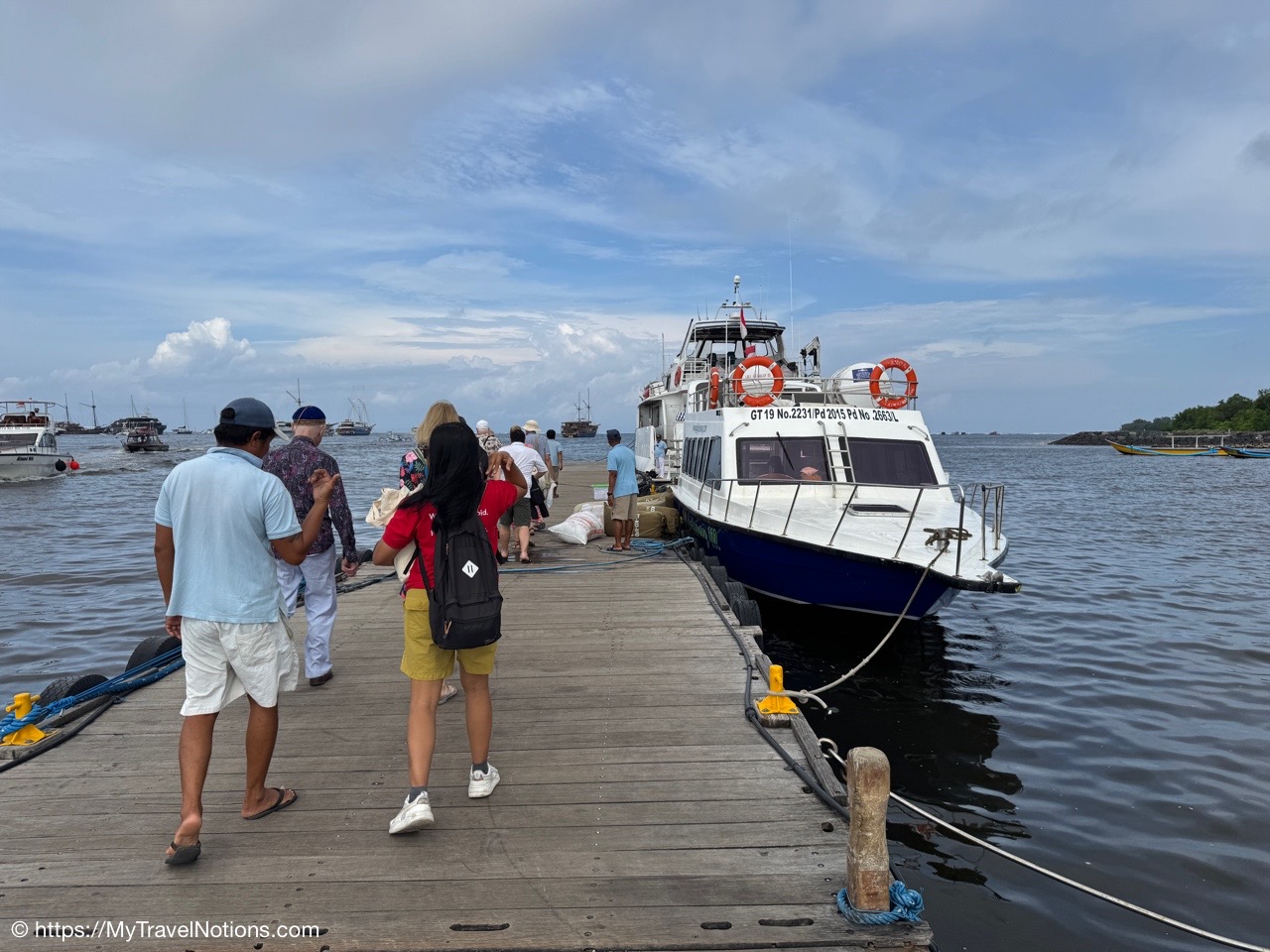
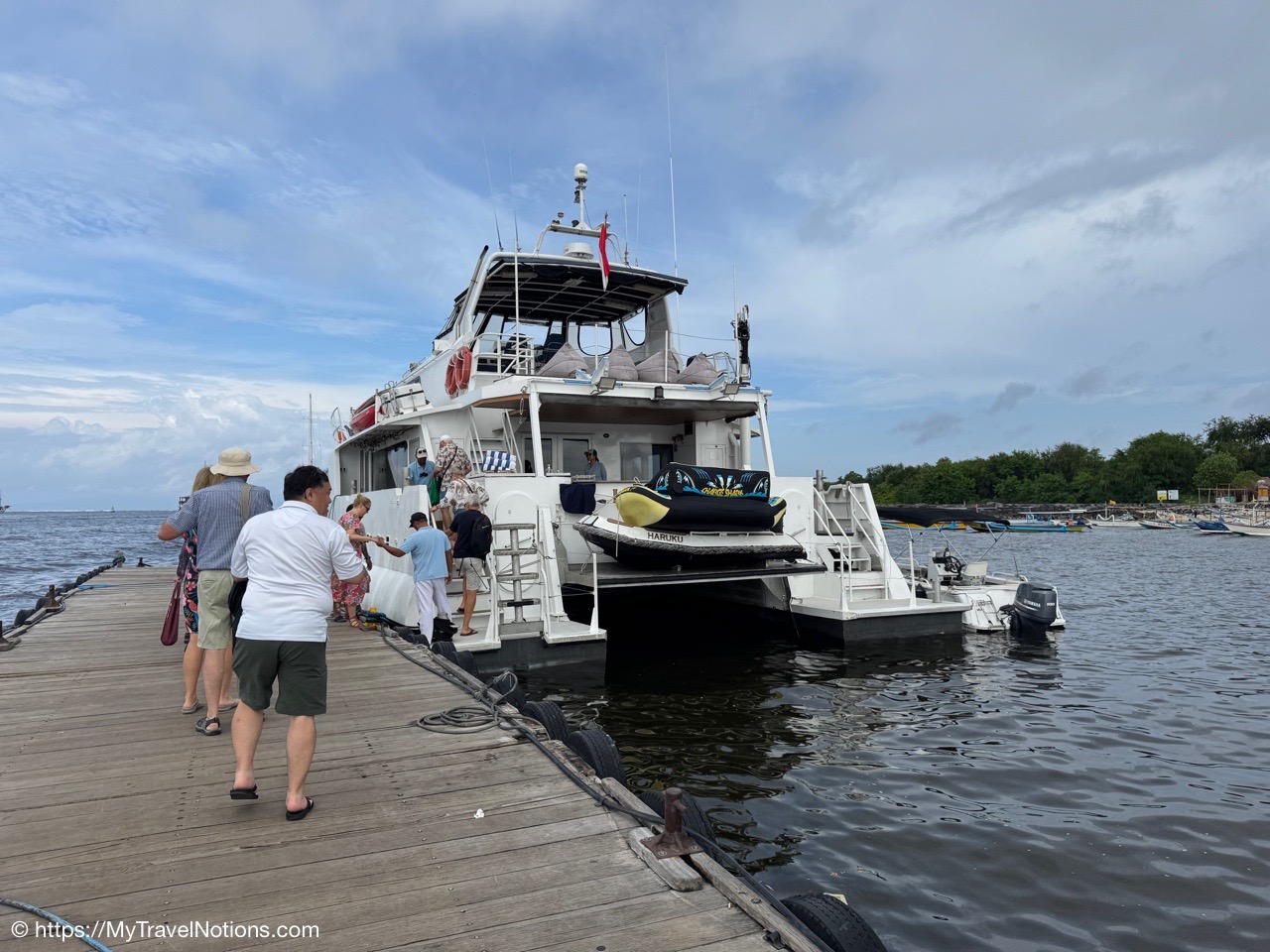
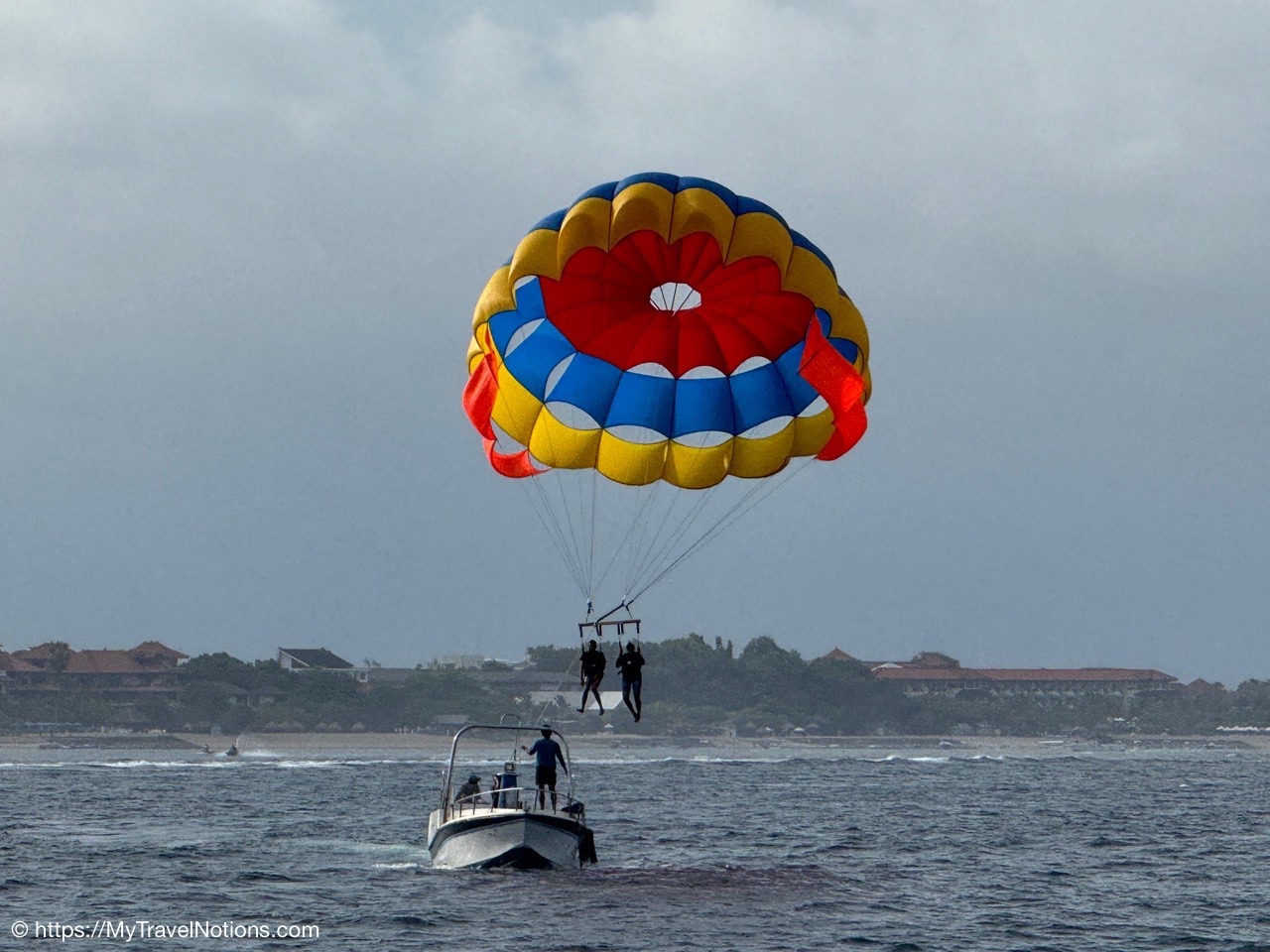
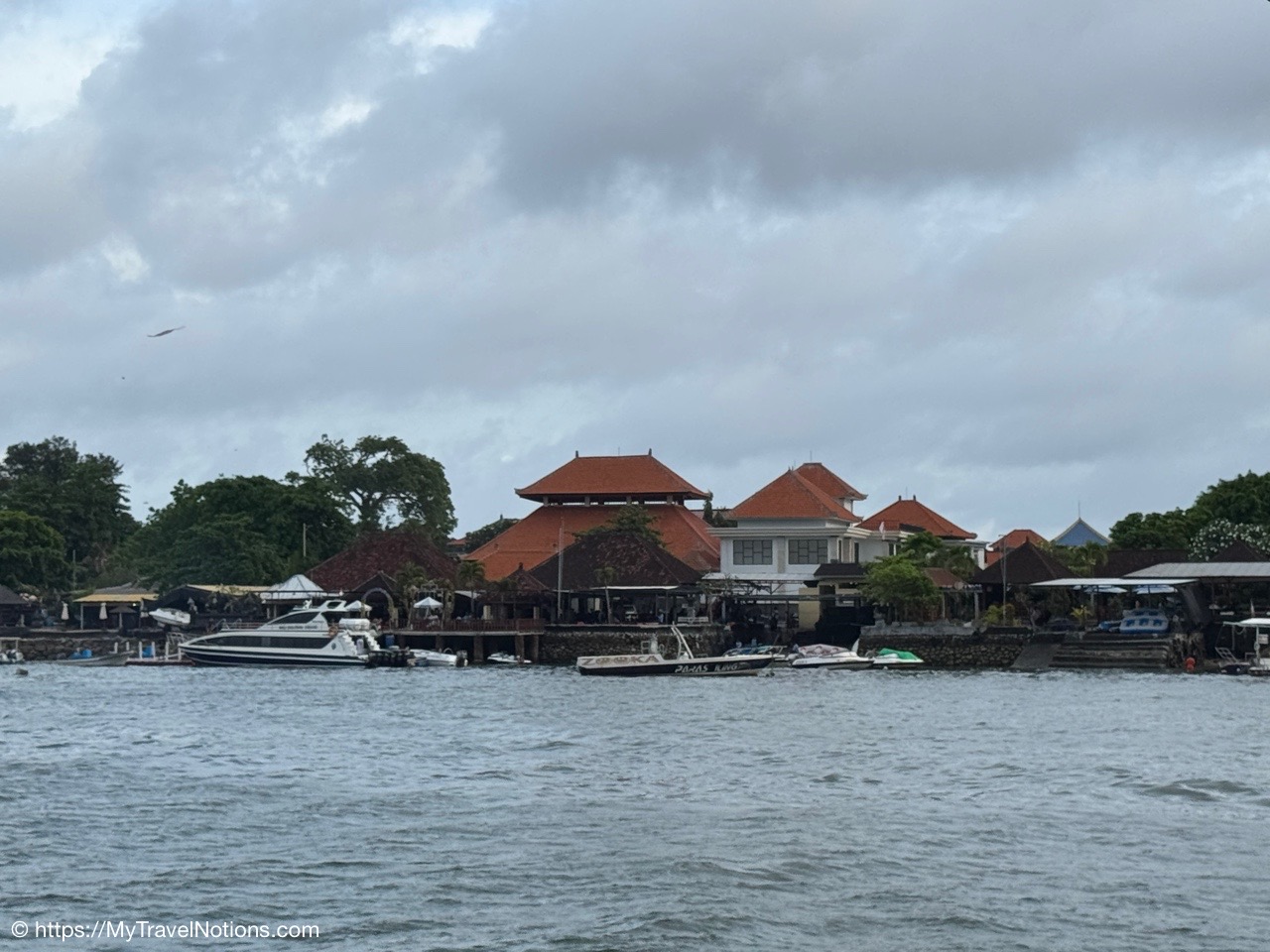
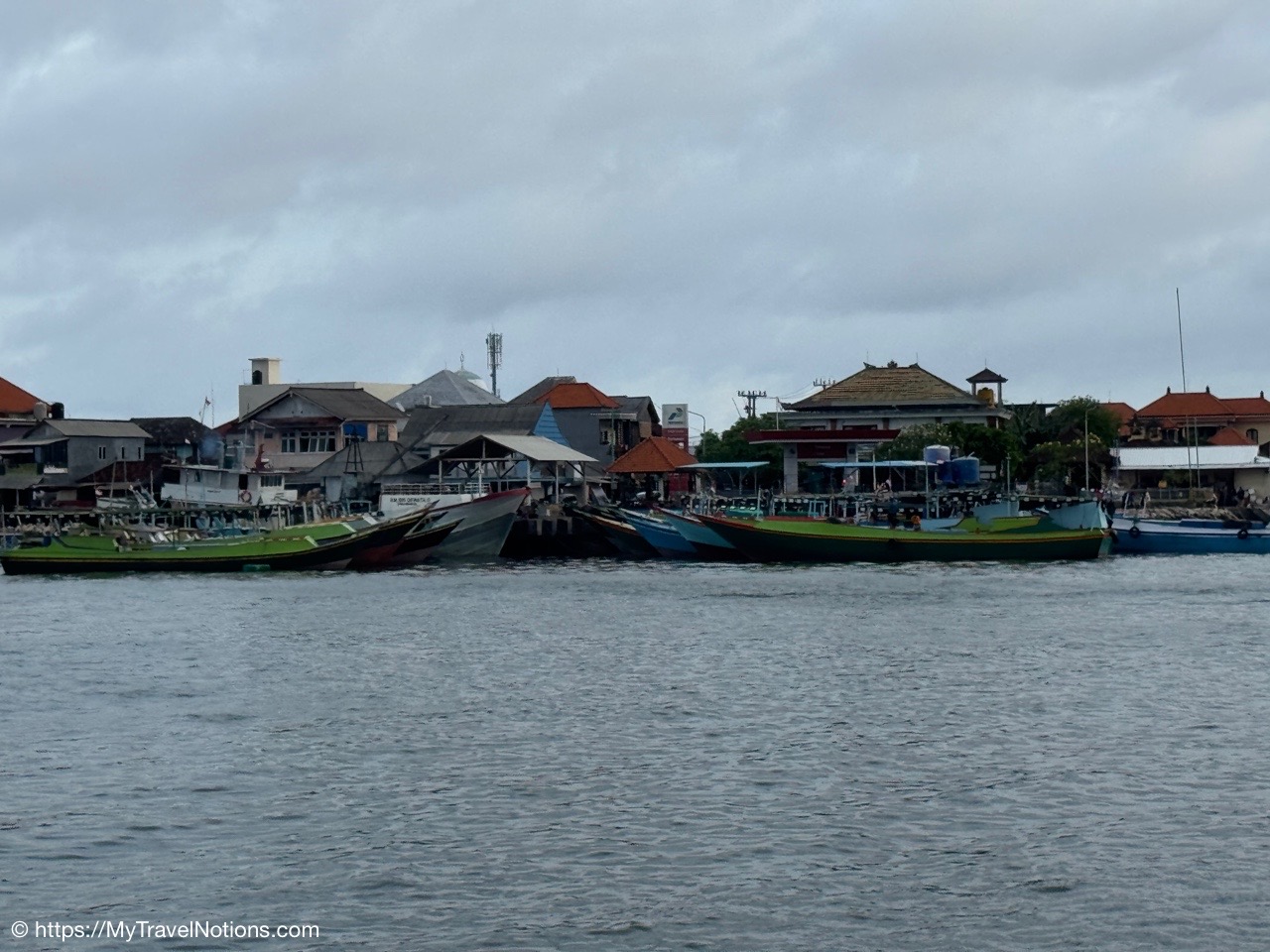
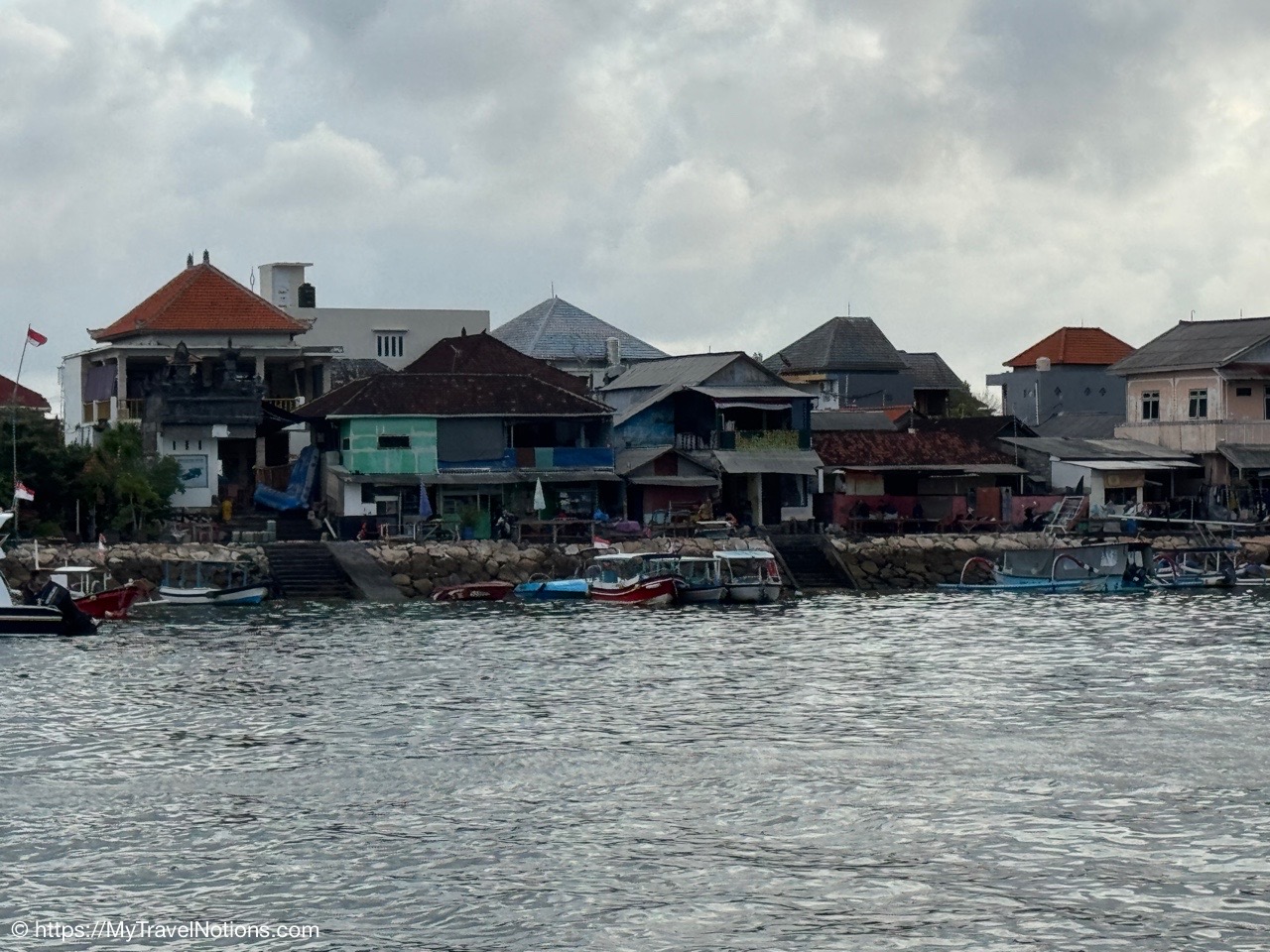
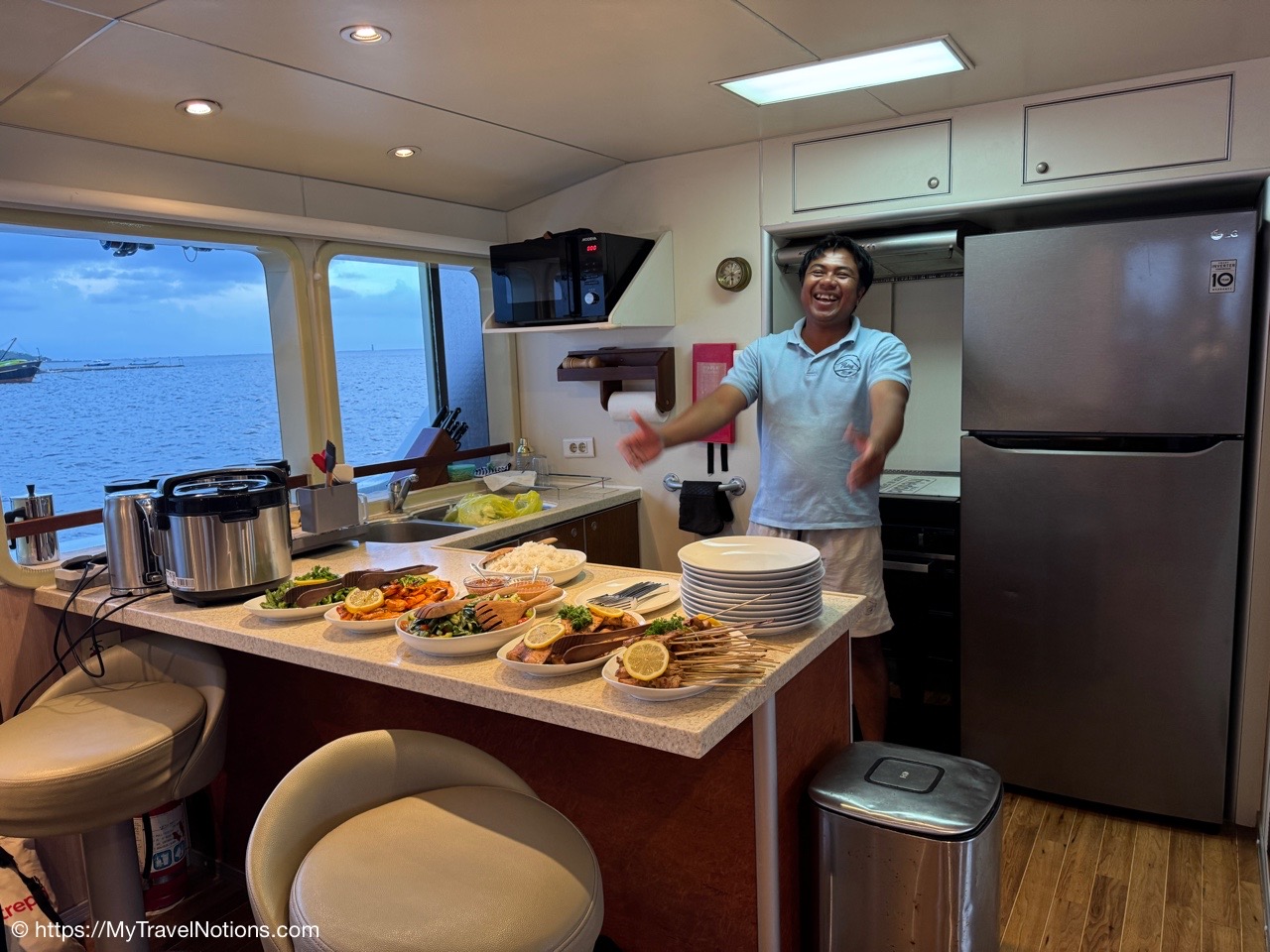
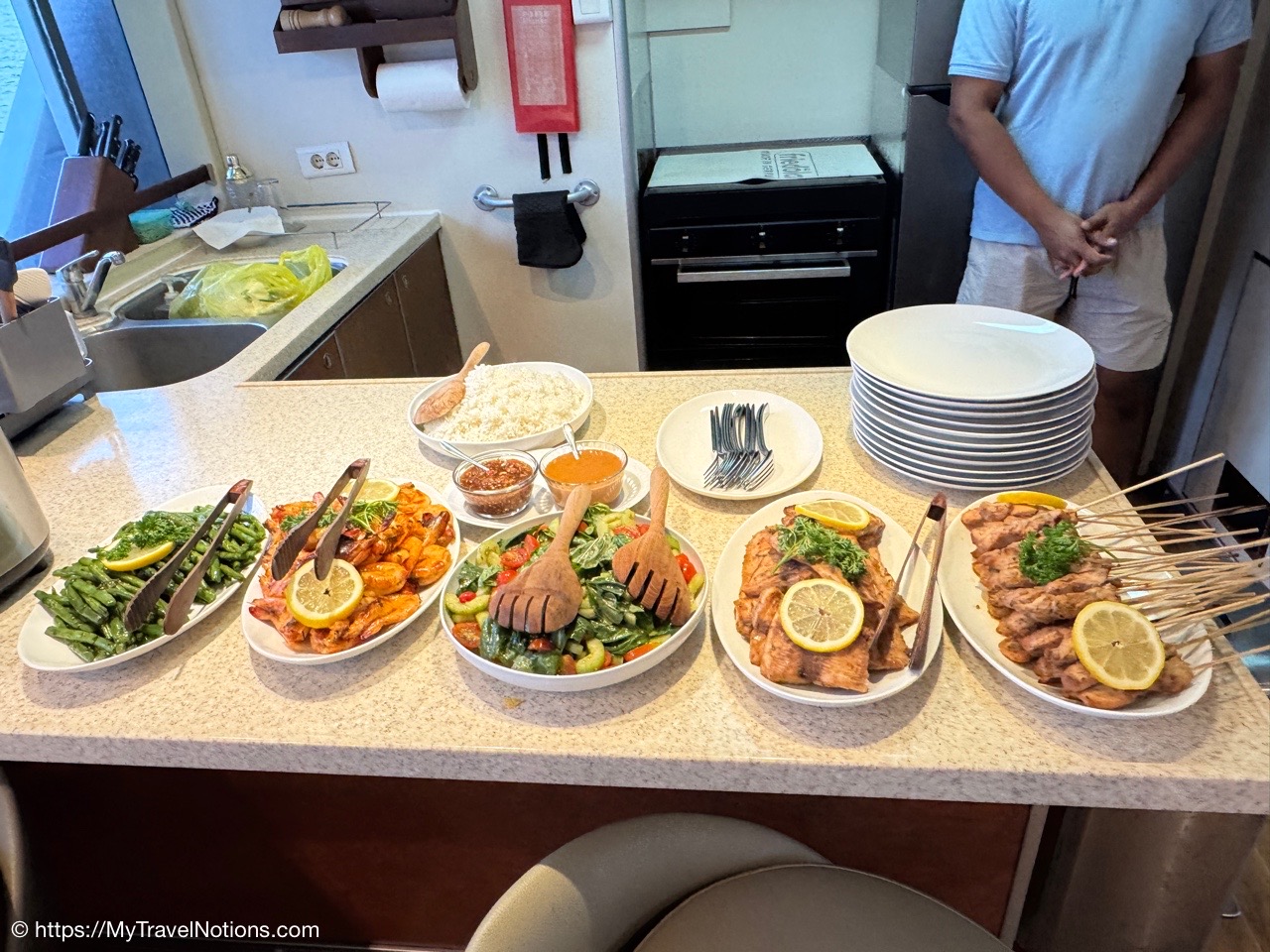

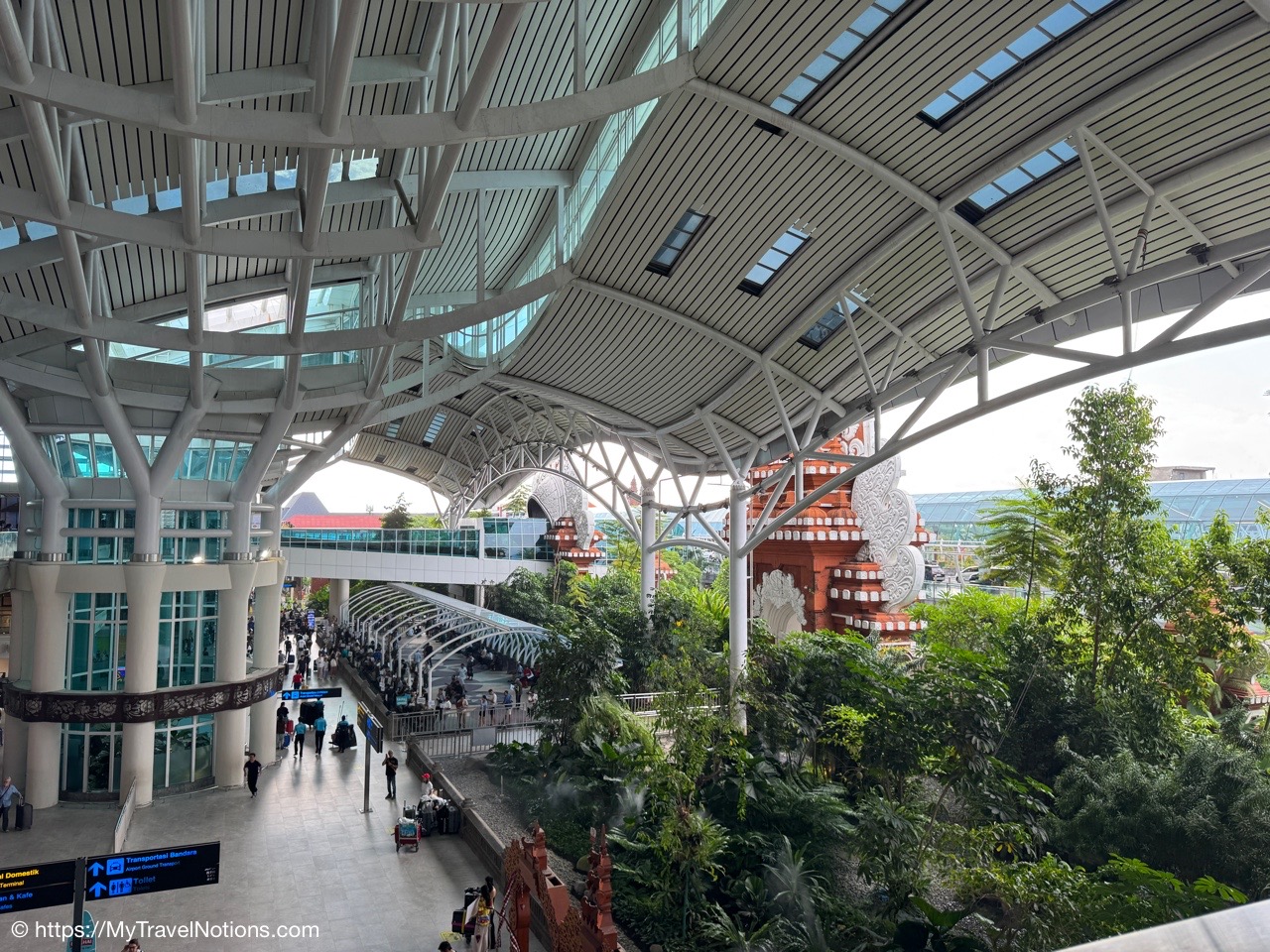
Thank you for reaching out.