We all met one another exactly 10 years ago in May 2015. Alice, Tammy and I, who did not know one another at the time, took back to back Rick Steves tours of Turkey and Greece. We met Kara and Janet during the Turkey part of the tours and then we met Rosie during the Greece part of the tours. Kara started a WhatsApp group and we’ve all kept in touch with one another in one way of another.
Janet and Kara, both from California, arrived in Montpellier a few hours after Alice, Tammy, Rosie and I arrived by train from Toulouse. Although I haven’t mentioned it before, Alice is from the state of Washington, Tammy is from Australia and Rosie and I are from Texas.
You really do meet the most incredible people when you travel.
Getting in our first group selfie on our way out to dinner together in Montpellier. From left: Janet, Kara, Alice, me, Rosie and Tammy. (May 7, 2025)My ground floor room for the next 9-nights at the Hôtel d ‘Aragon in Montpellier. (May 7, 2025)My ground floor room and bathroom for the next 9-nights at the Hôtel d ‘Aragon in Montpellier. (May 7, 2025)My ground floor bathroom for the next 9-nights at the Hôtel d ‘Aragon in Montpellier. (May 7, 2025)Having our first group dinner with Janet and Kara at the L’Accoudoir restaurant in the Place Saint-Roch and in front of the Saint-Roch church in Montpellier. From left: Janet, Rosie, Alice, me, Tammy and Kara. (May 7, 2025)My half magret de canard or duck beast, potato soufflé and salad at the the L’Accoudoir restaurant in the Place Saint-Roch in Montpellier. (May 7, 2025)An after dinner walk through Montpellier. (May 7, 2025)
An after dinner walk through Montpellier. (May 7, 2025)An after dinner walk through Montpellier. (May 7, 2025)An after dinner walk through Montpellier. (May 7, 2025)Artwork, featuring a wide variety of styles, including large-scale murals, trompe-l’oeil frescoes, graffiti, mosaics and stencils transforms the streets of Montpellier into an open-air museum. (May 7, 2025)The colorful trams in Montpellier. (May 7, 2025)The Mural at Edouard Adam Square is considered the most famous example of Trompe-l’oeil in Montpellier. It was created by the team behind Mad’Art Concept, Agnes and Olivier Costa. The entire mural was created over the course of two months. From November through December of 2005, the Costas transformed the building in Edouard Adam Square into an optical illusion. Though the building has a flat facade, it now appears to be Haussmannian buildings with window balconies, an arched walkway and open doors and windows. (May 7, 2025)An after dinner walk through Montpellier. This time it’s a real building Haussmannian building with wrought-iron window balconies. (May 7, 2025)Walking down Rue Baudin towards our home base, the Hôtel d ‘Aragon in Montpellier. (May 7, 2025)
I love it when I get to drink and talk about wine with friends and then eat a delicious homemade dinner in an idyllic outdoor setting with even more wine.
That’s exactly what we did for our first reunion group tour, the “Pic Saint-Loup wine and food tour” just outside Montpellier.
Our guide and driver Bertrand picked us just a few minutes walk from our Montpellier hotel and gave us wine lessons on the drive to the Pic Saint-Loup mountain area that gave its name to the wine producing area in the Languedoc region. The Pic Saint-Loup winery vineyards are home to mainly red wines made from the Syrah, Grenache and Mourvèdre grapes.
Here’s to the Pic Saint-Loup wines in the Languedoc region, good food, beautiful medieval sites and good friends traveling together.
Enjoying our wine tasting and talking about wine at the Mas Gourdou winery in Valflaunès with our guide and driver Bertrand during our “Pic Saint Loup wine and food tour” just outside Montpellier. From left: me, Bertrand, Janet, Alice, Tammy, Rosie and Kara. (May 8, 2025)Bertrand, our guide and driver, during our “Pic Saint Loup wine and food tour” just outside Montpelier showing us the flower buds growing on the vines at the Mas Gourdou winery in Valflaunès. (May 8, 2025)The vineyards of the Mas Gourdou winery in Valflaunès. (May 8, 2025)The tightly formed flower buds on the vines of the Mas Gourdou winery in Valflaunès. The buds appear in early summer transforming into small flowers that once fertilized will give rise to future grape berries. (May 8, 2025)Tasting the different red, rose and white wines of the Mas Gourdou winery in Valflaunès. We spent time not only tasting the wine, but talking about the taste and smelling the wine. From left: Bertrand, our knowledgeable wine guide and driver, Janet, Alice, Tammy, Rosie and Kara. (May 8, 2025)The wines we tasted at the Mas Gourdou winery in Valflaunès. (May 8, 2025)The wine cellar with its cool temperature for the barrels of wine at the Mas Gourdou winery in Valflaunès. Each barrel can produce about 300 bottles of wine. (May 8, 2025)The wine cellar with its cool temperature for the barrels of wine at the Mas Gourdou winery in Valflaunès. Each barrel can produce about 300 bottles of wine. From left: Janet, Tammy, Alice and Kara. (May 8, 2025)We took a quick climb up a hillside for a view of the Pic Saint-Loup mountain in France’s Languedoc region. What a great opportunity to enjoy some wine with a beautiful view. (May 8, 2025)Enjoying my red wine with views of the Pic Saint-Loup mountain peak in this distance. Along with being the name of the mountain, it’s also the name of the surrounding wine region that includes 85 wineries. (May 8, 2025)While driving, we got in a view of the medieval village of Saint Jean de Cuculles nestled in the heart of the Pic Saint-Loup wine region. (May 8, 2025)While driving, we got in a view of the medieval village of Saint Jean de Cuculles nestled in the heart of the Pic Saint-Loup wine region. (May 8, 2025)We also stopped for our delicious home cooked meal in the village of Saint Jean de Cuculles nestled in the heart of the Pic Saint-Loup wine region. (May 8, 2025)Having our home cooked dinner outside in the village of Saint Jean de Cuculles nestled in the heart of the Pic Saint-Loup wine region. (May 8, 2025)My dinner plate the village of Saint Jean de Cuculles nestled in the heart of the Pic Saint-Loup wine region. Just a simple, delicious and fresh meal. (May 8, 2025)And, my delicious desert plate of a molten chocolate brownie with strawberries. (May 8, 2025)And, of course, there was plenty of wine during our dinner in the village of Saint Jean de Cuculles nestled in the heart of the Pic Saint-Loup wine region. (May 8, 2025)After dinner Bertrand, our driver and guide, took us for a walk through the 13th century village of Les Matelles also located in the Pic Saint-Loup wine region. (May 8, 2025)After dinner Bertrand, our driver and guide, took us for a walk through the 13th century village of Les Matelles also located in the Pic Saint-Loup wine region. (May 8, 2025)After dinner Bertrand, our driver and guide, took us for a walk through the 13th century village of Les Matelles also located in the Pic Saint-Loup wine region. (May 8, 2025)After dinner Bertrand, our driver and guide, took us for a walk through the 13th century village of Les Matelles also located in the Pic Saint-Loup wine region. (May 8, 2025)After dinner Bertrand, our driver and guide, took us for a walk through the 13th century village of Les Matelles also located in the Pic Saint-Loup wine region. (May 8, 2025)After dinner Bertrand, our driver and guide, took us for a walk through the 13th century village of Les Matelles also located in the Pic Saint-Loup wine region. (May 8, 2025)After dinner Bertrand, our driver and guide, took us for a walk through the 13th century village of Les Matelles also located in the Pic Saint-Loup wine region. (May 8, 2025)After dinner Bertrand, our driver and guide, took us for a walk through the 13th century village of Les Matelles also located in the Pic Saint-Loup wine region. (May 8, 2025)After dinner Bertrand, our driver and guide, took us for a walk through the 13th century village of Les Matelles also located in the Pic Saint-Loup wine region. Thanks Kara for the photo. (May 8, 2025)
I am not a person who experiments with different kinds of food. I’m not even sure how I manage to feed myself in the many countries I’ve visited but I am quite filled out so I do manage to find sustenance. Delicious sustenance at that!
But one thing I don’t like doing is thinking about food and thankfully not because it is difficult to get but because more often than not, I have no idea what I want to eat. It’s sad really because I have access to just about any kind of food while knowing many do not. My first world problem is nothing in comparison.
I like taking food walking tours because someone else decides for a few hours what’s on the menu and more often than not, I’ll try it. These kind of tours expose me to both the food and even some of the city’s highlights. And, that was definitely the case for this tour.
Come help me taste just some of the delicious food that can be found in Montpellier.
Our Montpellier food walking tour group inside the Halles Laissac gourmet covered market where we are about to enjoy fresh oysters and the famous octopus pie during our first food tasting stop. Thanks Kara for the photo. (May 9, 2025)We met our Montpellier food walking tour guide, Marion, and other group members at the Fountain of Three Graces in the Place de la Comédie. This vibrant central square, just a short walk away from our hotel, the Hôtel d ‘Aragon, is considered the city’s historic and beating heart. (May 9, 2025)A view of the Fountain of the Three Graces and the Opéra Comédie from the Place de Comédie in Montpellier. (May 9, 2025)The Opéra Comédie, located in Montpellier’s Place de la Comédie, is the municipal theatre that gives its name to the famous square. Built in the Italian style and opened in 1888, it houses a 1,200-seat main auditorium and the 350-seat Salle Molière concert hall. (May 9, 2025)Walking through the streets of Montpellier to our first food tasting stop. (May 9, 2025)Entering the gate to the Square de la Babote, a 12th-century tower that was once part of Montpellier’s fortifications and where an observatory was housed. (May 9, 2025)The Square de la Babote, a 12th-century tower that was once part of Montpellier’s fortifications and where an observatory was housed. (May 9, 2025)The Square de la Babote, a 12th-century tower that was once part of Montpellier’s fortifications and where an observatory was housed. The square is also just across the street from our 1st food stop, the Halles Laissac. (May 9, 2025)The Square de la Babote, a 12th-century tower that was once part of Montpellier’s fortifications and where an observatory was housed. The square is also just across the street from our 1st food stop, the Halles Laissac. (May 9, 2025)The Halles Laissac does not look like much from the outside but is filled with culinary delights on the inside of this gourmet market…the 1st stop of our food tasting and walking tour in Montpellier. (May 9, 2025)Inside the Halles Laissac gourmet covered market for the 1st food tasting of our Montpellier food walking tour. (May 9, 2025)The huge and beautiful shrimp of one of the vendors inside the Halles Laissac gourmet covered market in Montpellier. (May 9, 2025)Cheese is always on the menu during a food walking tour in France and this food walking tour in Montpellier was no exception. Here’s our food walking tour guide, Marion, purchasing our cheese options at the Halles Laissac gourmet covered market, Roquefort blue cheese and goat milk cheese. (May 9, 2025)The first items on the food tasting menu for our 1st stop at the Halles Laissac gourmet covered market is cheese with bread, Roquefort blue cheese and goat milk cheese. I’m by no means a cheese connoisseur but I was shocked to enjoy the taste of the Roquefort blue cheese. I thought it would be smelly and chunky tasting but it was light and pleasant tasting. (May 9, 2025)Oysters were also on the menu during our 1st food tasting stop at the Halles Laissac gourmet covered market during our Montpellier food walking tour. The oysters are farmed at the Thau lakes in France. (May 9, 2025)The next item we tasted during our 1st stop at the Halles Laissac gourmet covered market is the famous octopus pie from Sète, France, where we plan to visit on another day. This specialty pie was brought to Sète in the 19th century by Italian immigrants from Gaeta. It was originally a practical dish for fishermen, made with octopus, tomato and covered in dough. (May 9, 2025)I love traveling with Alice! She’s taught me a lot about food. In fact, the first time I devoured an oyster was with Alice on a food walking tour in Paris. The first and the last. I tried it, and I did not like it. So for the Montpellier food walking tour Alice has come to my rescue to eat my portion of the oysters while I try the famous octopus pie from Sète, France, a destination we plan to explore on a day trip. And, as it turns out, the octopus pie was rather yummy and had a spicy kick to it. Would I eat the pie as a meal? No. (May 9, 2025)Back to walking through Montpellier to our 2nd stop during our food tasting tour. (May 9, 2025)Have to show it again, the beautiful, trompe-l’oeil mural at Edouard Adam Square in Montpellier that covers the whole side of the building. Designed by Agnes and Olivier Costa, the entire mural was created over the course of two months, from November through December 2005, for the Costas to create this incredible optical illusion. (May 9, 2025)Have to show it again, the beautiful, trompe-l’oeil mural at Edouard Adam Square in Montpellier that covers the whole side of the building. Designed by Agnes and Olivier Costa, the entire mural was created over the course of two months, from November through December 2005, for the Costas to create this incredible optical illusion. (May 9, 2025)Walking through Montpellier to our 2nd stop during our food tasting tour. (May 9, 2025)Walking through Montpellier to our 2nd stop during our food tasting tour. (May 9, 2025)Walking through Montpellier to our 2nd stop during our food tasting tour and passing through the vibrant street art scene, with diverse murals, stencils, and 3D installations transforming the city into an open-air museum. (May 9, 2025)Walking through Montpellier to our second stop during our food tasting tour. (May 9, 2025)Chocolate tasting is the 2nd stop of our Montpellier food walking tour at the Thierry Papereux, an artisan chocolatier. (May 9, 2025)Our food walking tour guide, Marion, handing out the chocolates at our 2nd stop, the Thierry Papereux an artisan chocolatier shop in Montpellier. This sample was the Saint Roch chocolate with orange ganache. (May 9, 2025)The Saint Roch chocolate with orange ganache at the Thierry Papereux an artisan chocolatier shop in Montpellier. I love chocolate but I did not love this one. (May 9, 2025)The Saint Roch chocolate with orange ganache at the Thierry Papereux an artisan chocolatier shop in Montpellier. I love chocolate but I did not love this one. (May 9, 2025)We also tried this Thym chocolate at our 2nd food tasting stop, the Thierry Papereux an artisan chocolatier shop in Montpellier. It’s a fresh thyme infusion ganache chocolate. Again, I like my chocolate to taste like chocolate. You can throw in some peanuts or even almonds, but I need to taste the chocolate. (May 9, 2025)What a variety of chocolates at the Thierry Papereux an artisan chocolatier shop in Montpellier. (May 9, 2025)The decorative Rue de L’Ancien Courrier street art medieval alley with café terraces, little boutiques and hidden gems along the colorful steps in Montpellier. (May 9, 2025)Walking through the raining streets of Montpellier to our 3rd food tasting stop. (May 9, 2025)Heading to our 3rd foot tasting stop during our Montpellier food walking tour for pastries at the Maison Bonnaire. (May 9, 2025)Our three delicious selection of pastries at the Maison Bonnaire our 3rd food tasting stop in Montpellier. Two eclairs, one with a strawberry filling and the other with a cream filling and a delicious millefeuille, a classic French pastry that consists of layers of razor-thin puff pastry and cream filling. (May 9, 2025)The classic French pastry that consists of layers of razor-thin puff pastry and cream filling at the Maison Bonnaire our3rd food tasting stop in Montpellier. (May 9, 2025)Here I am stuffing my face with the cream filled eclair at the Maison Bonnaire exquisite pastry shop, our 3rd food tasting stop in Montpellier. (May 9, 2025)Tammy, Alice, Kara and Rosie finishing up the delicious pastries at the Maison Bonnaire pastry shop, our 3rd food tasting stop in Montpellier. (May 9, 2025)Heading to our 4th food tasting stop during our Montpellier food walking tour at the Panier D’Aime for a quick olive oil and tapenade tasting. Tapenade is a spread of puréed or finely chopped olives, capers and sometimes anchovies. (May 9, 2025)Heading to our 4th food tasting stop during our Montpellier food walking tour at the Panier D’Aime for a quick olive oil and tapenade tasting. Tapenade is a spread of puréed or finely chopped olives, capers and sometimes anchovies. (May 9, 2025)Heading to our 4th food tasting stop during our Montpellier food walking tour at the Panier D’Aime for a quick olive oil and tapenade tasting. Tapenade is a spread of puréed or finely chopped olives, capers and sometimes anchovies. (May 9, 2025)Walking past the Porte du Peyrou, a triumphal arch in Montpellier, which was built in 1692 to replace one of the gates of the old rampart or wall. (May 9, 2025)The Porte du Peyrou, a triumphal arch in Montpellier, which was built in 1692 to replace one of the gates of the old rampart or wall. (May 9, 2025)Walking towards the entrance of our 4th food tasting stop, the Panier D’Aime in Montpellier just a quick olive oil and tapenade tasting. Tapenade is a spread of puréed or finely chopped olives, capers and sometimes anchovies. (May 9, 2025)The 4th stop of our Montpellier food walking tour, the Panier D’Aime for a quick olive oil and tapenade tasting. Tapenade is a spread of puréed or finely chopped olives, capers and sometimes anchovies. (May 9, 2025)Inside the Panier D’Aime for a quick olive oil and tapenade tasting during the 4th food tasting stop of our Montpellier food walking tour. (May 9, 2025)Pouring olive oil, like you would wine, to taste during our Montpellier food tour at the Panier D’Aime. (May 9, 2025)There’s quite a bit of renovations happening in Montpellier that we have to walk through these narrow walkways to get to our 5th and final food tasting stop during our food walking tour. (May 9, 2025)There’s quite a bit of renovations happening in Montpellier that we have to walk through these narrow walkways to get to our 5th and final food tasting stop during our food walking tour. (May 9, 2025)Our 5th and last food tasting stop for wine and tapas at the Pousse Pas Mémé Dans La Vigne wine and tapas bar in Montpellier. (May 9, 2025)Downstairs inside the Pousse Pas Mémé Dans La Vigne, our 5th and final food tasting stop of our Montpellier food walking tour. Here’s where we get to enjoy some wine and tapas. (May 9, 2025)Kara taking a group selfie of us at the Pousse Pas Mémé Dans La Vigne wine and tapas bar, the 5th and last stop of our food tasting tour in Montpellier. From left: me, Alice, Rosie, Tammy, Janet and Kara. Thanks Kara for the photo. (May 9, 2025)We shared bread, a vegetable plate, salami slices and wine during our 5th and final Montpelier food walking tour stop at the Pousse Pas Mémé Dans La Vigne wine and tapas bar. (May 9, 2025)We shared bread, a vegetable plate, salami slices and wine during our 5th and final Montpelier food walking tour stop at the Pousse Pas Mémé Dans La Vigne wine and tapas bar. (May 9, 2025)Kara getting in a selfie of us after our 5th and final food stop of our Montpellier food walking tour at the Pousse Pas Mémé Dans La Vigne wine and tapas bar. From left: Janet, Rosie, me, Alice, Tammy and Kara. Thanks Kara for the photo. (May 9, 2025)
Having already done a food walking tour as a group and seeing some of the city, we spent this sunshine filled day taking a Tourist Information Center tour that took us to some familiar places but more importantly introduced us to places we had not really seen before in Montpellier.
Today, and on my own, I visited a lavish 19th century Montpellier mansion, and then on the T.I. tour, our group quickly visited inside the Church of Saint-Roch, saw more trompe-l’oeil and street art, visited a medieval mikve, which was a ceremonial Jewish bath, and then we ended our T.I. tour with a climb to the top of the Porte du Peyrou or Gate of Peyrou, also called the Triumphal Arch.
Come see a little more of Montpellier with me.
I spent the afternoon on a Tourist Information office group guided city walking tour of Montpellier where the most exciting part was climbing the spiral staircase up to the top of the Porte du Peyrou or Gate of Peyrou, also called Triumphal Arch, built in 1692 to replace one of the gates of the old rampart. Here is our group, from left: Kara, Tammy, Alice, me, Janet and Rosie. Thanks Kara for the photo. (May 10, 2025)Before our Tourist Information center walking tour, I visited the 19th century town house of Hôtel Cabrières-Sabatier d’Espeyran, home to the Decorative Arts department of Montpellier’s Musée Fabre. Built in 1874, the mansion was owned by Madame Frédéric Sabatier d’Espeyran. She was a notable local resident and is credited with filling the lavish mansion with ceramics, furniture, and other objets d’art. (May 10, 2025)The entrance courtyard of the Hôtel Cabrières-Sabatier d’Espeyran, the 19th-century town house, encompassing the Decorative Arts department of the Musée Fabre in Montpellier. (May 10, 2025)The beautiful staircase inside the Hôtel Cabrières-Sabatier d’Espeyran, the Decorative Arts department of the Musée Fabre in Montpellier, built in 1874 and owned by Madame Frédéric Sabatier d’Espeyran. (May 10, 2025)The beautiful staircase inside the Hôtel Cabrières-Sabatier d’Espeyran, the Decorative Arts department of the Musée Fabre in Montpellier, built in 1874 and owned by Madame Frédéric Sabatier d’Espeyran. (May 10, 2025)The dining room inside the Hôtel Cabrières-Sabatier d’Espeyran, the Decorative Arts department of the Musée Fabre in Montpellier, built in 1874 and owned by Madame Frédéric Sabatier d’Espeyran. (May 10, 2025)The Green Room inside the Hôtel Cabrières-Sabatier d’Espeyran, the Decorative Arts department of the Musée Fabre in Montpellier, built in 1874 and owned by Madame Frédéric Sabatier d’Espeyran. (May 10, 2025)The Green Room inside the Hôtel Cabrières-Sabatier d’Espeyran, the Decorative Arts department of the Musée Fabre in Montpellier, built in 1874 and owned by Madame Frédéric Sabatier d’Espeyran. (May 10, 2025)The Red Room inside the Hôtel Cabrières-Sabatier d’Espeyran, the Decorative Arts department of the Musée Fabre in Montpellier, built in 1874 and owned by Madame Frédéric Sabatier d’Espeyran. (May 10, 2025)The Red Room inside the Hôtel Cabrières-Sabatier d’Espeyran, the Decorative Arts department of the Musée Fabre in Montpellier, built in 1874 and owned by Madame Frédéric Sabatier d’Espeyran. (May 10, 2025)The Corner Lounge inside the Hôtel Cabrières-Sabatier d’Espeyran, the Decorative Arts department of the Musée Fabre in Montpellier, built in 1874 and owned by Madame Frédéric Sabatier d’Espeyran. (May 10, 2025)The Corner Lounge inside the Hôtel Cabrières-Sabatier d’Espeyran, the Decorative Arts department of the Musée Fabre in Montpellier, built in 1874 and owned by Madame Frédéric Sabatier d’Espeyran. (May 10, 2025)A bedroom inside the Hôtel Cabrières-Sabatier d’Espeyran, the Decorative Arts department of the Musée Fabre in Montpellier, built in 1874 and owned by Madame Frédéric Sabatier d’Espeyran. (May 10, 2025)A bedroom inside the Hôtel Cabrières-Sabatier d’Espeyran, the Decorative Arts department of the Musée Fabre in Montpellier, built in 1874 and owned by Madame Frédéric Sabatier d’Espeyran. (May 10, 2025)A decorative writing desk in the bedroom inside the Hôtel Cabrières-Sabatier d’Espeyran, the Decorative Arts department of the Musée Fabre in Montpellier, built in 1874 and owned by Madame Frédéric Sabatier d’Espeyran. (May 10, 2025)Back down the beautiful staircase inside the Hôtel Cabrières-Sabatier d’Espeyran, the Decorative Arts department of the Musée Fabre in Montpellier, built in 1874 and owned by Madame Frédéric Sabatier d’Espeyran. (May 10, 2025)Meeting our guided city tour group again at the Place de la Comédie in Montpellier. This vibrant central square, just a short walk away from our hotel, the Hôtel d ‘Aragon, is considered the city’s historic and beating heart. (May 10, 2025)The Église Saint-Roch or Church of Saint-Roch in Montpellier is a neo-gothic church located in the city’s old town and is dedicated to the patron saint of pilgrims, St. Roch. The unfinished 19th-century church known for bone fragments of St. Roch and vibrant stained-glass windows. (May 10, 2025)People enjoying the day sitting on the stairs of the Église Saint-Roch or Church of Saint-Roch in Montpellier. (May 10, 2025)Inside the Église Saint-Roch or Church of Saint-Roch in Montpellier. (May 10, 2025)Inside the Église Saint-Roch or Church of Saint-Roch in Montpellier. (May 10, 2025)The altar inside the Église Saint-Roch or Church of Saint-Roch in Montpellier. (May 10, 2025)The stained-glass window and mural of St. Roch at the altar of the Église Saint-Roch or Church of Saint-Roch in Montpellier. Here the saint, as he often is, depicted with a dog accompanying him, which fed him during his illness. The church honors Saint Roch, the patron saint of those suffering from the plague, of surgeons and of dogs. (May 10, 2025)A back view of the statue of Saint Roch inside the Église Saint-Roch or Church of Saint-Roch in Montpellier depicts him as a pilgrim showing a plague sore on his leg, often accompanied by a dog. Saint Roch was born in Montpellier and became a hermit who ministered to the sick during the plague. He is the patron saint of plague victims and dogs, venerated for his miraculous healing and his association with a dog that licked his wounds. (May 10, 2025)The statue of Saint Roch inside the Église Saint-Roch or Church of Saint-Roch in Montpellier depicts him as a pilgrim showing a plague sore on his leg, often accompanied by a dog. Saint Roch was born in Montpellier and became a hermit who ministered to the sick during the plague. He is the patron saint of plague victims and dogs, venerated for his miraculous healing and his association with a dog that licked his wounds. (May 10, 2025)The statue of Saint Roch inside the Église Saint-Roch or Church of Saint-Roch in Montpellier depicts him as a pilgrim showing a plague sore on his leg, often accompanied by a dog. Saint Roch was born in Montpellier and became a hermit who ministered to the sick during the plague. He is the patron saint of plague victims and dogs, venerated for his miraculous healing and his association with a dog that licked his wounds. (May 10, 2025)A corner chapel dedicated to Saint Roch inside the Église Saint-Roch or Church of Saint-Roch in Montpellier. (May 10, 2025)A corner chapel dedicated to Saint Roch inside the Église Saint-Roch or Church of Saint-Roch in Montpellier. (May 10, 2025)View from the steps of the Église Saint-Roch or Church of Saint-Roch in Montpellier overlooking the Place Saint-Roch and a mural across the way created by Agnès and Olivier Costa, a team known as Mad’Art Concept in the trompe-l’œil style, which means “to deceive the eye.” It fools the viewer into seeing a three-dimensional scene on a flat wall, including the facade of a building with cafe terraces and a depiction of the church itself. (May 10, 2025)The mural, across from the Église Saint-Roch or Church of Saint-Roch in Montpellier, was created by Agnès and Olivier Costa, a team known as Mad’Art Concept. (May 10, 2025)The mural, across from the Église Saint-Roch or Church of Saint-Roch in Montpellier, was created by Agnès and Olivier Costa, a team known as Mad’Art Concept. (May 10, 2025)The mural, across from the Église Saint-Roch or Church of Saint-Roch in Montpellier, was created by Agnès and Olivier Costa, a team known as Mad’Art Concept. (May 10, 2025)Heading through the charming and picturesque medieval street of Rue du Bras de Fer in the historic center of Montpellier. It’s known for its narrow, cobblestone path, historic architecture, and vibrant atmosphere with local shops, cafes, boutiques and street art. (May 10, 2025)The street art along the Rue du Bras de Fer, a small, charming, and picturesque medieval street in the historic center of Montpellier. (May 10, 2025)The street art along the Rue du Bras de Fer, a small, charming, and picturesque medieval street in the historic center of Montpellier. (May 10, 2025)Continuing our walk along the charming and picturesque medieval street of Rue du Bras de Fer in the historic center of Montpellier. (May 10, 2025)The street art along the Rue du Bras de Fer, a small, charming, and picturesque medieval street in the historic center of Montpellier. (May 10, 2025)Continuing our walk along the charming and picturesque medieval street of Rue du Bras de Fer in the historic center of Montpellier. (May 10, 2025)Entering the Mikvé Médiéval in Montpellier a well-preserved medieval Jewish ritual bath, dating back to the 13th century in a former medieval building within the city’s historic Jewish quarter. The only way to enter the building is on this Tourist Information center tour. It is one of the few remaining structures from the Jewish community that once thrived in the city. The mikvé is an underground bath used for ritual purification, and its discovery provides valuable insights into the Jewish life and practices during the medieval period. (May 10, 2025)Standing in the hallway of the Mikvé Médiéval in Montpellier where a well-preserved medieval Jewish ritual bath, dating back to the 13th century, remains below ground in this former medieval building within the city’s historic Jewish quarter. (May 10, 2025)Moving from the hallway, in small groups, to walk down the stairs to the small area of the ritual bath inside the Mikvé Médiéval in Montpellier where a well-preserved medieval Jewish bath, dating back to the 13th century, remains below ground in this former medieval building within the city’s historic Jewish quarter. (May 10, 2025)Taking the stairs down to the small bath area inside the Mikvé Médiéval in Montpellier where a well-preserved medieval Jewish ritual bath, dating back to the 13th century, remains below ground in this former medieval building within the city’s historic Jewish quarter. (May 10, 2025)Taking the stairs down to the small bath area inside the Mikvé Médiéval in Montpellier where a well-preserved medieval Jewish ritual bath, dating back to the 13th century, remains below ground in this former medieval building within the city’s historic Jewish quarter. (May 10, 2025)Standing in a small room where men and women, at separate times, changed before entering the small bath inside the Mikvé Médiéval in Montpellier. The baths are a long-standing Jewish tradition of ritual purification by both sexes. (May 10, 2025)Standing in a small room where men and women, at separate times, changed before entering the small bath inside the Mikvé Médiéval in Montpellier. The baths are a long-standing Jewish tradition of ritual purification by both sexes. (May 10, 2025)The small step-down bath inside the Mikvé Médiéval in Montpellier. The baths are a long-standing Jewish tradition of ritual purification by both sexes. It is considered as one of the oldest and best preserved mikvahs in Europe. (May 10, 2025)The small step-down bath inside the Mikvé Médiéval in Montpellier. The baths are a long-standing Jewish tradition of ritual purification by both sexes. It is considered as one of the oldest and best preserved mikvahs in Europe. (May 10, 2025)Walking to our next site, the Porte du Peyrou or Gate of Peyrou, also called Triumphal Arch, and continuing to see these tile street art pieces in Montpellier. The small orange piece is a beloved tile art mosaic by the French street artist “Invader” that are strategically placed to form a larger image of a Space Invader when viewed on a map. (May 10, 2025)Lined up by the Porte du Peyrou or Gate of Peyrou, also called Triumphal Arch, at the the Rue Foch on the east end of the Peyou Park gardens in the center of Montpellier. (May 10, 2025)The Porte du Peyrou or Gate of Peyrou, also called Triumphal Arch, can be found at the east end of the Peyou Park gardens in the center of Montpellier. It is almost 50 feet high and 59 feet wide. Built in 1693 it was dedicated to King Louis XIV, the “Sun King” of France. (May 10, 2025)The Porte du Peyrou or Gate of Peyrou, also called Triumphal Arch, can be found at the east end of the Peyou Park gardens in the center of Montpellier. It is almost 50 feet high and 59 feet wide. Built in 1693 it was dedicated to King Louis XIV, the “Sun King” of France. (May 10, 2025)One of the bas-relief and inscriptions glorifying King Louis XIV of France on the Porte du Peyrou or Gate of Peyrou, also called Triumphal Arch, in Montpellier. Added in 1715, the medallions represent the civil work of Louis XIV. (May 10, 2025)Another one of the bas-relief and inscriptions glorifying King Louis XIV of France on the Porte du Peyrou or Gate of Peyrou, also called Triumphal Arch, in Montpellier. Added in 1715, the medallions represent the civil work of Louis XIV. (May 10, 2025)Looking down the Rue Foch from the Porte du Peyrou or Gate of Peyrou, also called Triumphal Arch, in Montpellier. (May 10, 2025)The treat for this Tourist Information tour was getting to climb up spiral staircase the Gate of Peyrou, also called Triumphal Arch, for its panoramic views of Montpellier. Thanks Kara for the photo. (May 10, 2025)Starting up the narrow spiral staircase of the Porte due Peyrou or Gate of Peyrou, also called Triumphal Arch, for its panoramic views of Montpellier. (May 10, 2025)Getting in a selfie a top the Porte du Peyrou or Gate of Peyrou, also called Triumphal Arch, in Montpellier. (May 10, 2025)Views of the Rue Foch as seen from a top the Porte du Peyrou or Gate of Peyrou, also called Triumphal Arch, in Montpellier. (May 10, 2025)Views of the Rue Foch as seen from a top the Porte du Peyrou or Gate of Peyrou, also called Triumphal Arch, in Montpellier. (May 10, 2025)Looking down at the Promenade du Peyrou, with a statue of Louis XIV on horseback as seen from the Porte du Peyrou or Gate of Peyrou, the Arc de Triomphe in Montpellier. (May 10, 2025)From the top of the Porte du Peyrou, also called the Arc de Triumph, we were able to admire the Promenade du Peyrou, a public park built during the reign of Louis XIV whose statue, on horseback, is featured in the park which was completed in 1774. (May 10, 2025)Kara and Janet coming down the spiral staircase inside the Porte du Peyrou or Gate of Peyrou, also called Triumphal Arch, in Montpellier. (May 10, 2025)Alice making her way down the spiral staircase of the Porte du Peyrou or Gate of Peyrou, also called Triumphal Arch, in Montpellier. (May 10, 2025)That’s a partial view of my feet as I walk down the spiral staircase of the Porte du Peyrou or Gate of Peyrou, also called Triumphal Arch, in Montpellier. (May 10, 2025)
It was a day trip from Montpellier to several villages and sites in the département of the Hérault. France is divided into regions, which are then divided into départements.
The Hérault area in France refers to the département located in the Occitanie region of southern France. It’s named after the Hérault River, and its prefecture (capital city) is Montpellier.
Just Tammy, Rosie and I did this tour. In the morning and for lunch we enjoyed the nature of the Hérault including the rock formations of the Cirque de Mourèze and the red sandstone of the Salagou Lake for a picnic lunch.
Then after lunch, we visited the Devil’s Bridge and the village of Saint-Guilhem-le-Désert.
Let’s enjoy the beautiful landscape and villages of France’s Hérault département.
Me after climbing up through the Cirque de Mourèze in the village of Mourèze, a village about 31 miles or 50 kilometers west of Montpellier. It is an 840 acre or 340 hectare, 160-million-year-old dolomite natural park of limestone rocks where erosion of wind and water has shaped a landscape of amazing rock sculptures. That’s the Sphinx standing majestically behind me. (May 12, 2025)The Cirque de Mourèze in the village of Mourèze is an 840 acre or 340 hectare, 160-million-year-old dolomite natural park of limestone rocks where erosion of wind and water has shaped a landscape of amazing rock sculptures. (May 12, 2025)Walking through the Cirque de Mourèze in the village of Mourèze. The Cirque is an 840 acre or 340 hectare, 160-million-year-old dolomite natural park of limestone rocks where erosion of wind and water has shaped a landscape of amazing rock sculptures. (May 12, 2025)A view of the Sphinx in the Cirque de Mourèze in the village of Mourèze, a village about 31 miles or 50 kilometers west of Montpellier. The Cirque is an 840 acre or 340 hectare, 160-million-year-old dolomite natural park of limestone rocks where erosion of wind and water has shaped a landscape of amazing rock sculptures. (May 12, 2025)The Sphinx in the Cirque de Mourèze in the village of Mourèze, a village about 31 miles or 50 kilometers west of Montpellier. The Cirque is an 840 acre or 340 hectare, 160-million-year-old dolomite natural park of limestone rocks where erosion of wind and water has shaped a landscape of amazing rock sculptures. (May 12, 2025)The Cirque de Mourèze in the village of Mourèze, a village about 31 miles or 50 kilometers west of Montpellier. The Cirque is an 840 acre or 340 hectare, 160-million-year-old dolomite natural park of limestone rocks where erosion of wind and water has shaped a landscape of amazing rock sculptures. (May 12, 2025)The Cirque de Mourèze in the village of Mourèze, a village about 31 miles or 50 kilometers west of Montpellier. The Cirque is an 840 acre or 340 hectare, 160-million-year-old dolomite natural park of limestone rocks where erosion of wind and water has shaped a landscape of amazing rock sculptures. (May 12, 2025)The view of an abandoned castle on the hilltop of the Cirque de Mourèze in the village of Mourèze, a village about 31 miles or 50 kilometers west of Montpellier. The Cirque is an 840 acre or 340 hectare, 160-million-year-old dolomite natural park of limestone rocks where erosion of wind and water has shaped a landscape of amazing rock sculptures. (May 12, 2025)Walking through the village of Mourèze. (May 12, 2025)Walking through the village of Mourèze. (May 12, 2025)Walking through the village of Mourèze. (May 12, 2025)The imposing medieval Eglise Sainte Marie de Mourèze or Church of the Assumption of the Virgin Mary in the village of Mourèze. (May 12, 2025)Walking up to the imposing medieval Eglise Sainte Marie de Mourèze or Church of the Assumption of the Virgin Mary in the village of Mourèze. (May 12, 2025)Pieces of wood art by the medieval Eglise Sainte Marie de Mourèze or Church of the Assumption of the Virgin Mary in the village of Mourèze. (May 12, 2025)Wood art by the medieval Eglise Sainte Marie de Mourèze or Church of the Assumption of the Virgin Mary in the village of Mourèze. (May 12, 2025)The entrance to the imposing medieval Eglise Sainte Marie de Mourèze or Church of the Assumption of the Virgin Mary in the village of Mourèze. (May 12, 2025)The small interior of the imposing medieval Eglise Sainte Marie de Mourèze or Church of the Assumption of the Virgin Mary in the village of Mourèze. (May 12, 2025)The altar inside the medieval Eglise Sainte Marie de Mourèze or Church of the Assumption of the Virgin Mary in the village of Mourèze. (May 12, 2025)The small chapel of Saint Roch inside the imposing medieval Eglise Sainte Marie de Mourèze or Church of the Assumption of the Virgin Mary in the village of Mourèze. Saint Roch was reputed to have performed many miracles of healing throughout his life and is usually portrayed with a wound on his thigh, a dog offering bread while wearing with a Pilgrim’s hat and carrying a staff. (May 12, 2025)Getting in a selfie at our picnic lunch by the Salagou Lake which dates back millions of years. The reddish hue is caused by iron oxide contained in the sandstone rock. The artificial lake was created in 1969 by the construction of a dam on the Salagou River. (May 12, 2025)Our relaxing and beautiful picnic lunch at the Salagou Lake during our villages tour in the département of the Hérault close to Montpelier. The reddish hue of the land, which dates back millions of years, is caused by iron oxide contained in the sandstone rock. The artificial lake was created in 1969 by the construction of a dam on the Salagou River. (May 12, 2025)The Salagou Lake in the département of the Hérault close to Montpelier is an artificial lake created in 1969 by the construction of a dam on the Salagou River. The reddish hue of the land, which dates back millions of years, is caused by iron oxide contained in the sandstone rock. (May 12, 2025)The Salagou Lake in the département of the Hérault close to Montpelier is an artificial lake created in 1969 by the construction of a dam on the Salagou River. The reddish hue of the land, which dates back millions of years, is caused by iron oxide contained in the sandstone rock. (May 12, 2025)A view of a vineyard and the Salagou Lake as drive to our next village in the département of the Hérault close to Montpelier. The reddish hue of the land, which dates back millions of years, is caused by iron oxide contained in the sandstone rock. (May 12, 2025)A view of a vineyard and the Salagou Lake as drive to our next village in the département of the Hérault close to Montpelier. The reddish hue of the land, which dates back millions of years, is caused by iron oxide contained in the sandstone rock. (May 12, 2025)A view of a vineyard and the Salagou Lake as drive to our next village in the département of the Hérault close to Montpelier. The reddish hue of the land, which dates back millions of years, is caused by iron oxide contained in the sandstone rock. (May 12, 2025)Me walking along the stone Pont du Diable or Devil’s Bridge located over a steep-sided gorge at the bottom end of the Hérault gorges. It was built between 1025 and 1030 and is considered one of the oldest medieval bridges in France. (May 12, 2025)This stone bridge is the Pont du Diable or Devil’s Bridge at the bottom end of the Hérault gorges was built between 1025 and 1030. It is considered one of the oldest medieval bridges in France french and reflects the introduction of the first Romanesque art in the region. Though subsequently widened and raised several metres around 1770, it has retained its original shape. The Pont du Diable is listed as a World Heritage Site on the Pilgrimage Route to Santiago de Compostela in France. (May 12, 2025)A view from the Pont du Diable or Devil’s Bridge down to the lake-like area of the Hérault river used for swimming and kayaking up into the Hérault gorges. (May 12, 2025)The stone Pont du Diable or Devil’s Bridge at the bottom end of the Hérault gorges. It was built between 1025 and 1030. The lake-like area of the Hérault river is used for swimming while there’s A view of the kayaking up into the Hérault gorges. (May 12, 2025)Another view of the stone Pont du Diable or Devil’s Bridge at the bottom end of the Hérault gorges. It was built between 1025 and 1030. The lake-like area of the Hérault river is used for swimming while there’s A view of the kayaking up into the Hérault gorges. (May 12, 2025)A view of a kayaker, from the stone medieval Pont du Diable or Devil’s Bridge, rowing through the steep-sided Hérault River gorge under the newer road bridge built in 1932 for vehicles and pedestrians to cross. (May 12, 2025)Tammy, Rosie and me getting in a selfie on the newer road bridge built in 1932 for vehicles and pedestrians to cross, with a view of the Devil’s Bridge over the Hérault River. (May 12, 2025)The medieval Saint-Guilhem-le-Désert village located on the Chemin de Saint-Jacques (The Way of Saint James) pilgrim route to Santiago de Compostella in Spain. This is the last village on our village tour of the département of Hérault. (May 12, 2025)The charming waterfall at Saint-Guilhem-le-Désert of Hérault in France. (May 12, 2025)Saint-Guilhem-le-Désert of Hérault is a medieval village located on the Chemin de Saint-Jacques (Way of Saint James) pilgrim route to Santiago de Compostella in Spain. The village is also a UNESCO World Heritage site. (May 12, 2025)Walking through the medieval village of Hérault’s Saint-Guilhem-le-Désert in France. (May 12, 2025)Walking through the medieval village of Hérault’s Saint-Guilhem-le-Désert in France. (May 12, 2025)Walking through the medieval village of Hérault’s Saint-Guilhem-le-Désert in France. (May 12, 2025)Walking through the medieval village of Hérault’s Saint-Guilhem-le-Désert in France. (May 12, 2025)Walking through the medieval village of Hérault’s Saint-Guilhem-le-Désert in France. (May 12, 2025)Walking through the medieval village of Hérault’s Saint-Guilhem-le-Désert in France. (May 12, 2025)Walking through the medieval village of Hérault’s Saint-Guilhem-le-Désert in France. (May 12, 2025)Walking through the medieval village of Hérault’s Saint-Guilhem-le-Désert in France. (May 12, 2025)Walking through the medieval village of Hérault’s Saint-Guilhem-le-Désert in France with exterior views of the rounded apse of the Gellone Abbey. (May 12, 2025)The rounded apse of the Saint-Guilhem-le-Désert Abbey or Gellone Abbey, a Benedictine abbey in Saint-Guilhem-le-Désert, Hérault in France. It was founded in 804. (May 12, 2025)Walking through the medieval village of Hérault’s Saint-Guilhem-le-Désert in France. (May 12, 2025)The old and large tree in the main square of the medieval village of Hérault’s Saint-Guilhem-le-Désert with the bell tower and entrance to the Gellone Abbey. (May 12, 2025)The main square of the medieval village of Hérault’s Saint-Guilhem-le-Désert with the bell tower and entrance to the Gellone Abbey. (May 12, 2025)Inside the Gellone Abbey in the medieval village of Hérault’s Saint-Guilhem-le-Désert. Founded in 804 by Guilhem of Orange, the Duke of Aquitaine and second Count of Toulouse, who was also a member of Charlemagne’s court, became known as Saint Guilhem. (May 12, 2025)The austere altar inside the Gellone Abbey in the medieval village of Hérault’s Saint-Guilhem-le-Désert. (May 12, 2025)The partial relics or remains of Saint Guilhem in a small alcove near the altar of the Gellone Abbey in the medieval village of Hérault’s Saint-Guilhem-le-Désert. (May 12, 2025)Another important relic inside the Gellone Abby in the village of Saint-Guilhem-le-Désert is this piece of the True Cross on the exterior of this silver cross. The True Cross is the cross on which Jesus Christ was crucified. This relic was given to Saint Guilhem, the abbey’s founder, by Charlemagne, the King of the Franks from 768. (May 12, 2025)The organ pipes and entrance door into the Gellone Abbey in the village of Saint-Guilhem-le-Désert. (May 12, 2025)The cloister of the Gellone Abbey in the village of Saint-Guilhem-le-Désert. (May 12, 2025)The cloister of the Gellone Abbey in the village of Saint-Guilhem-le-Désert. (May 12, 2025)The entrance to the small museum, located in the former monks refectory, by the cloister of the Gellone Abbey in the village of Saint-Guilhem-le-Désert. (May 12, 2025)Inside the small museum, located in the former monks refectory, by the cloister of the Gellone Abbey in the village of Saint-Guilhem-le-Désert. (May 12, 2025)Inside the small museum, located in the former monks refectory, by the cloister of the Gellone Abbey in the village of Saint-Guilhem-le-Désert. (May 12, 2025)Inside the small museum, located in the former monks refectory, by the cloister of the Gellone Abbey in the village of Saint-Guilhem-le-Désert. (May 12, 2025)
The plan today was for all six of us to go to Sète, just a 20 minute train ride from Montpellier, for most of the day. But I had a full day village tour yesterday and just wanted to relax. I was actually going to cancel the trip when Alice suggested just going for half a day. Don’t know why I didn’t think of that but I was grateful for the suggestion and did just that.
One of the main reasons to go to Sète is for the seafood and that it’s close to the beaches. It’s also surrounded by water anddubbed the “Venice of the Languedoc” for its canals.
I skipped going to the beach with most of the group but I enjoyed our picnic lunch together inside the Halles de Sète market where we all purchased our various seafood dishes and from there went our separate ways.
After our group lunch, I walked around the small square, down the beautiful Canal Royal and booked a train ticket on the SNCF train App as I made my way to the Sète train station.
All in all, it turned out to be a beautiful, relaxing day. So glad I went.
Here’s just a cursory glance of Sète.
Thanks Kara for the group selfie in front of the Gare de Sète train station in the port city of Sète where I spent a few hours with the group before heading back to Montpellier. From left: Janet, Kara, Alice, Rosie, Tammy and me. (May 13, 2025)Walking across the Pont de la Gare bridge with views of the CanalWalking to the Halles de Sète for a seafood lunch from the Sète train station. (May 13, 2025)The beautiful tree-lined Avenue Victor Hugo undergoing some renovations in the port, canal and beach city of Sète. (May 13, 2025)Another tree-lined street in Sète on our walk to the Halles de Sète market. (May 13, 2025)Views of the boats docked along each side of the Canal de Sète marina. (May 13, 2025)Walking down to the entrance of the Halles de Sète a market that’s existed since 1890. (May 13, 2025)Inside the covered market of the Halles de Sète with a variety of fruits, vegetables and a lot of fish, oysters and other shellfish. (May 13, 2025)Inside the covered market of the Halles de Sète with a variety of fruits, vegetables and a lot of fish, oysters and other shellfish. (May 13, 2025)Inside the covered market of the Halles de Sète with a variety of fruits, vegetables and a lot of fish, oysters and other shellfish. (May 13, 2025)Inside the covered market of the Halles de Sète where prepared meat and seafood are sold. (May 13, 2025)Inside the covered market of the Halles de Sète where prepared meat and seafood are sold. (May 13, 2025)Inside the covered market of the Halles de Sète where prepared meat and seafood are sold. (May 13, 2025)Inside the covered market of the Halles de Sète where prepared to go containers of meat baskets are sold. (May 13, 2025)Inside the covered market of the Halles de Sète where a variety of salamis are sold. (May 13, 2025)Inside the covered market of the Halles de Sète where prepared meat and seafood are sold. (May 13, 2025)Inside the covered market of the Halles de Sète where prepared meat and seafood are sold along with fresh cuts of meat and seafood to prepare at home. (May 13, 2025)Fresh free range chicken, young chicken and duck for your homecoming pleasure at the Halles de Sète indoor market. (May 13, 2025)A bounty of huge shrimp at the Halles de Sète in the port city of Sète. (May 13, 2025)And, this is what I love about these markets, being able to pick and choose the things I want to eat from the vendors inside the Halles de Sète market in the port city of Sète. (May 13, 2025)And, my choice for lunch was this delicious shrimp with sea beans, tomatoes and capers from a seafood vendor inside the Halles de Sète covered market in the port, canal and beach city of Sète. (May 13, 2025)Alice and Tammy enjoying their seafood at the Halles de Sète market in the Alice was eating shrimp and fresh oysters while Tammy was eating razor clam and octopus. (May 13, 2025)Thanks Kara for our group lunch selfie at the Halles de Sète market. From left: Kara, me, Rosie, Alice, Tammy and Janet. (May 13, 2025)Getting in a quick walk around the town area of Sète before heading back to Montpelier. (May 13, 2025)Walking around the town square with its bronze octopus statue in the city of Sète. (May 13, 2025)Walking around the town square with its bronze octopus statue in the city of Sète. (May 13, 2025)Views of the picturesque Canal Royal in Sète with its slew of seafood restaurants, water views and boat rides. (May 13, 2025)Views of the picturesque Canal Royal in Sète with its slew of seafood restaurants, water views and boat rides. (May 13, 2025)Views of the picturesque Canal Royal in Sète with its slew of seafood restaurants, water views and boat rides. (May 13, 2025)Views of the picturesque Canal Royal in Sète with its slew of seafood restaurants, water views and boat rides. (May 13, 2025)Walking along the picturesque Canal Royal in Sète. (May 13, 2025)Walking along the Canal Royal in Sète. (May 13, 2025)Walking along the Canal Royal in Sète. (May 13, 2025)Walking along the Canal Royal in Sète. (May 13, 2025)Passing the Théâtre Molière Sète along the Avenue Victor Hugo on my way to the Gare de Sète for the train back to Montpellier. (May 13, 2025)The present Basilica of Notre-Dame des Tables in Montpellier was built starting in 1707, as the church was completed in 1748 after the original church was destroyed during the French Revolution. The origins of the site trace back to a primitive church built in the early 9th century and consecrated in 817. The basilica’s name originates from money changers who once operated their tables in the bustling market that occupied its current location during the 12th century. This was also once the home of the wooden statue of the Black Madonna. In an attempt to preserve the statue during the Protestant uprisings, the icon was hidden for a long time within a life-size silver statue of the Blessed Virgin and screened from the public view. It was stolen by the Calvinists and has since disappeared from history. (May 13, 2025)Inside the Basilica of Notre-Dame des Tables in Montpellier was built starting in 1707, as the church was completed in 1748 after the original church was destroyed during the French Revolution. (May 13, 2025)Inside the Basilica of Notre-Dame des Tables in Montpellier was built starting in 1707, as the church was completed in 1748 after the original church was destroyed during the French Revolution. (May 13, 2025)The altar inside the Basilica of Notre-Dame des Tables in Montpellier. (May 13, 2025)The altar inside the Basilica of Notre-Dame des Tables in Montpellier. (May 13, 2025)The altar inside the Basilica of Notre-Dame des Tables in Montpellier. (May 13, 2025)The statue of Mary, “Our Lady of Table” holding the baby Jesus, in the transept inside the Basilica of Notre-Dame des Tables in Montpellier. (May 13, 2025)The statue of Mary, “Our Lady of Table” holding the baby Jesus, in the transept inside the Basilica of Notre-Dame des Tables in Montpellier. (May 13, 2025)The statue of Mary, “Our Lady of Table” holding the baby Jesus, in the transept inside the Basilica of Notre-Dame des Tables in Montpellier. (May 13, 2025)When I asked about the Black Madonna, while visiting the Basilica of Notre-Dame des Tables in Montpellier, I was directed to this poster. The wood carved statue known as Notre-Dame-des-Tables, was hidden for a long time inside a silver statue of the Blessed Virgin to protect it from iconoclasts during Protestant uprisings. But, it was stolen by the Calvinists, of the French Revolution were known as the Huguenots, and its whereabouts have been unknown since. (May 13, 2025)When I asked about the Black Madonna, while visiting the Basilica of Notre-Dame des Tables in Montpellier, I was directed to this poster. The wood carved statue known as Notre-Dame-des-Tables, was hidden for a long time inside a silver statue of the Blessed Virgin to protect it from iconoclasts during Protestant uprisings. But, it was stolen by the Calvinists, of the French Revolution were known as the Huguenots, and its whereabouts have been unknown since. (May 13, 2025)I took myself out to eat at my favorite steak place in France, the L’Entrecôte in Montpelier, about a seven minute walk from our hotel, the Hotel d’Aragon. I got here about 20 minutes early and ended up being the first person in line. (May 13, 2025)Being the first person in line, I walked into an empty L’Entrecôte in Montpelier, and was seated close to the bar area. (May 13, 2025)Having dinner on my own at one of my favorite places in France, the L’Entrecôte in Montpelier, about a seven minute walk from our hotel, Hotel d’Aragon. The only thing they ask is how do you want your steak cooked because dinner is a set menu of walnut salad, tender sirloin steak served with its famous sauce and golden thin-cut fries. This is my second time eating this in France. The first time was in Bordeaux where John and I waited in line for about an hour. And, this time, I was the first person standing in line for the short wait of about 20 minutes for the restaurant to open at 7:00 pm. (May 13, 2025)My delicious meal of sirloin steak served with L’Entrecôte’s famous sauce and golden thin-cut fries at the restaurant’s Montpelier location just a few minutes walk from our hotel. It was just as delicious as the meal I ate in Bordeaux. (May 13, 2025)
It was only a little more than 14 months that Vincent Van Gogh spent his most artistic and prolific time in Arles creating a multitude of paintings and drawings, many of which are seen as highlights of his works.
And, that’s one of the reasons I wanted to visit Arles again. I did so in 2012 on a day trip with a tour group, but really wanted to follow and see the various locations where Van Gogh would have set up his easel to paint. And, now those places are marked by a steel-and-concrete “easel,” with photos of his final artistic rendering.
Vincent van Gogh (1853–1890) was a Dutch Post-Impressionist painter whose career was short but his vibrant palettes and textured brushwork have continued to make his work loved and admired by so many, myself included. Plus, I find the story of his life, his emotional difficulties and physical ailments while trying to find the light and colors for his paintings, deeply heartbreaking and spiritual.
On a late December night in 1888, Van Gogh, in the throes of a mental breakdown, cut off part of his left ear while in Arles and was admitted to the hospital, returning after a second breakdown in February 1889. He continued to work in Arles for a few more months, but had voluntarily placed himself in the Saint-Rémy-de-Provence mental hospital in May 1889.
But after little more than a year, Van Gogh left the asylum for a short time in Paris before going to Auvers-sur-Oise. It was there in a field near Auvers, on July 27, 1890 that Van Gogh’s shot himself in the chest with a revolver. He died two days later, with his brother and confidante, Theo, by his bedside. However unstable his mental health was, Van Gogh continued to artistically productive.
Despite his mental and physical health problems and while only working for 10 years – from the age of 27 up until his early demise at 37 – Van Gogh was incredibly prolific. He created approximately 2,100 artworks, including around 860 oil paintings, most of them in the last two years of his life.
But by the end of his life, “Vincent was also exhausted from working hard and the high standards he set for himself,” according to the Van Gogh Museum in Amsterdam.“He was uncertain about the future and felt that he had failed, as a man and as an artist. Even though he was, in fact, starting to get recognition for his work.”
Tammy and I decided, with the short time the four of us had in Arles for the day, to seek out as many of the Van Gogh easels as we could. In the end, it turned out to be a fun challenge because the easels were either not present anymore or difficult to find, but in the interim we enjoyed seeing the beauty of Arles’ Roman and medieval monuments while getting a glimpse into what Van Gogh saw and how his artistic, colorful vision of Arles was brought to life on a canvas.
Here’s to Arles, its historical legacy and most of all to the legacy of Van Gogh’s visions of Arles.
We found our way to the Café Van Gogh in Arles, but the cafe is no longer in business and the easel representing Van Gogh’s Café Terrace at Night painting in Place du Forum is also gone. But that did not stop us from getting a group selfie at the former cafe. From left: Janet, me, Kara and Tammy. (May 14, 2025)In the Place du Forum where the yellow Cafe Van Gogh use to be a cafe/restaurant in Arles. Now closed, the cafe/restaurant was once used to represent Van Gogh’s painted ‘Café Terrace at Night’ in Arles. (May 14, 2025)In the Place du Forum where the yellow Cafe Van Gogh use to be a cafe/restaurant in Arles. Now closed, the cafe/restaurant was once used to represent Van Gogh’s painted ‘Café Terrace at Night’ in Arles. (May 14, 2025)Here’s Van Gogh’s painted ‘Café Terrace at Night’ in Arles from 1888. It can be seen at the Kröller-Müller Museum in Otterlo, Netherlands, home to the world’s second largest collection of works by Van Gogh, after the Van Gogh Museum in Amsterdam. (May 14, 2025)The Place du Forum, a bustling square full of restaurants was at one point the Forum and bustling heart of the ancient Roman city of Arelate. The columns are from a 2nd century temple and the only remains of the religious and administrative Roman city center in what is now called Arles. The closed yellow Cafe Van Gogh is located just to the left of the temple ruins. (May 14, 2025)The Place du Forum, a bustling square full of restaurants was at one point the Forum and bustling heart of the ancient Roman city of Arelate. The columns are from a 2nd century temple and the only remains of the religious and administrative Roman city center in what is now called Arles. The closed yellow Cafe Van Gogh is located just to the left of the temple ruins. (May 14, 2025)The Place du Forum, a bustling square full of restaurants, in Arles. (May 14, 2025)The Place du Forum, a bustling square full of restaurants, in Arles. (May 14, 2025)Views of the tops of the approaching Arles Amphitheater, also known as the Arènes d’Arles, an iconic monument in the city of Arles and a stunning testament to Roman engineering. It was built in 90 AD. (May 14, 2025)More views of the approaching Arles Amphitheater as we walk through one of the pedestrian shopping streets in Arles. (May 14, 2025)The exterior of the Arles Amphitheater built by the Romans in 90 AD. It was capable of seating over 20,000 spectators and was built to provide entertainment in the form of chariot races and bloody hand-to-hand battles. During Van Gogh’s time and even now where bullfights are hosted. (May 14, 2025)The exterior of the Arles Amphitheater built by the Romans in 90 AD. (May 14, 2025)The Arles Bull fight easel found by the Arles Amphitheater features mostly the spectators watching a bullfight in Van Gogh’s painting instead of the amphitheater site. The quote from Van Gogh, translated from French says: “… By the way, I saw bullfights in the bullring, or rather mock fights, since there were so many bulls, but no one was fighting them. Only the crowd was magnificent, the large, colorful crowds, stacked two and three stories high, with the effect of sun and shadow in the immense circle…” The quote is from a letter Van Gogh to wrote in April 1888. Van Gogh went to see the bullfights that were held every Sunday. (May 14, 2025)The Les Arènes painting by Van Gogh was painted in Arles in November or December 1888, during the period of time when Paul Gauguin was living with him in The Yellow House. Instead of making the Arles Amphitheater the focus, Van Gogh was focused on the spectators. The original painting is at the State Hermitage Museum in Saint Petersburg, Russia. (May 14, 2025)We actually began our morning with a quick stop at a little cafe across from the Arles Amphitheater for coffee and these huge, just baked croissants. I really enjoyed both my Cafe Latte and the croissant. Thanks Janet for the photo. (May 14, 2025)Trying to get a group selfie of us eating our croissants across from the Arles Amphitheater. Not quite good at taking a selfie with my left hand. From left: Tammy, Janet, Kara and me. (May 14, 2025)Getting in a selfie on the staircase by the Arles Amphitheater as we continue to explore Arles and locate more Van Gogh easels. (May 14, 2025)Walking through the streets of colorful Arles. (May 14, 2025)Walking through the streets of colorful Arles. (May 14, 2025)Walking through the streets of Arles. (May 14, 2025)Approaching the Arles City Gates, with its two round towers and what remains of the city’s ramparts. And, on the other side of this northern gate entrance into Arles’ old town center is its Wednesday market area. (May 14, 2025)The Wednesday market in Arles just outside of the Arles gate towers and remaining ramparts. (May 14, 2025)The Wednesday market in Arles. (May 14, 2025)The Wednesday market in Arles. (May 14, 2025)The Wednesday market in Arles. (May 14, 2025)Arles gate towers and remaining ramparts. The city was surrounded by ramparts during the Roman period. (May 14, 2025)Arles gate towers and remaining ramparts. The city was surrounded by ramparts during the Roman period. (May 14, 2025)The Fountain Amédée Pichot in Arles was built by Pierre-Amédée Pichot, in honor of his father, Amédée Pichot a journalist and bibliophile and friendship with the painter Paul Blaze. The enameled medallion depicts Balze’s work. It honors the friendship of two talented men who found common ground in their shared roots in Arles. The fountain was built between 1884 and 1887. (May 14, 2025)The Cathédrale Saint-Trophime d’Arles was built between the 12th century and the 15th century in the Romanesque architectural style. (May 14, 2025)The Romanesque sculptures over the Cathédrale Saint-Trophime d’Arles’ portal are considered some of the finest examples of Romanesque sculpture. (May 14, 2025)The Romanesque sculptures over the Cathédrale Saint-Trophime d’Arles’ portal are considered some of the finest examples of Romanesque sculpture. (May 14, 2025)Above the entrance to the Cathédrale Saint-Trophime d’Arles’ is one of the treasures of Romanesque sculpture, presenting the story of the Apocalypse according to St. John, and the Gospel of St. Matthew. Christ is seated in majesty in the tympanum, with the symbols of the Evangelists around him. According to the most common interpretation, they are the man of St. Matthew, the lion of St. Mark, the ox of St. Luke, and the eagle of St. John. The Apostles are seated below him. (May 14, 2025)To the left of the entrance to the Cathédrale Saint-Trophime d’Arles’ are these Romanesque carvings from between the 12th century and the 15th century. (May 14, 2025)To the right of the entrance to the Cathédrale Saint-Trophime d’Arles’ are these Romanesque carvings from between the 12th century and the 15th century. (May 14, 2025)Inside the Cathédrale Saint-Trophime d’Arles’. (May 14, 2025)Inside the Cathédrale Saint-Trophime d’Arles’. (May 14, 2025)The altar inside the Cathédrale Saint-Trophime d’Arles’. (May 14, 2025)The altar inside the Cathédrale Saint-Trophime d’Arles’. (May 14, 2025)The Chapel of the Holy Sepulcher inside the Basilique Saint-Trophime in Arle, which can be seen behind and through the altar. The sculpted ensemble depicts two men, one of whom is Joseph of Arimathea (who purchased this tomb), are burying Jesus. In the background: the Virgin Mary, collapsed in grief before the innocence of her murdered Son, supported by two women. On the left stand, Saint John the Evangelist and an angel carrying the Cross; on the right, Saint Mary Magdalene, unveiled, carrying the balm, and an angel carrying the Column of Flagellation. (May 14, 2025)The Mary and baby Jesus Chapel inside the Basilique Saint-Trophime in Arle. (May 14, 2025)Inside the Cathédrale Saint-Trophime d’Arles’. (May 14, 2025)Two monuments are located on Place de la République, the Basilique Saint-Trophime (which is to the left and not in the photo) and the Obelisk of Arles, a granite Roman monument dating back to the 4th century, reinstalled on the square in 1676. (May 14, 2025)The Vincent van Gogh Foundation in Arles presents art work by contemporary artists who seek to explore the essence of Van Gogh. We entered and found out they only had two of Van Gogh’s works on a temporary exhibition. (May 14, 2025)The Vincent van Gogh Foundation in Arles presents art work by contemporary artists who seek to explore the essence of Van Gogh. We entered and found out they only had two of Van Gogh’s works on a temporary exhibition. (May 14, 2025)This is one of two Vincent Van Gogh paintings on temporary exhibit inside the Vincent Van Gogh Foundation in Arles. This one is Peasant and Peasant Woman Planting Potatoes in Nuenen, Netherlands from April 1885. (May 14, 2025)Views while walking through Arles. (May 14, 2025)Approaching the Thermes de Constantin baths in Arles. On the banks of the Rhône River, Constantine’s thermal baths, a UNESCO World Heritage site, the baths were constructed in the early 4th century during the reign of Emperor Constantine when he resided in Arelate (Arles). Thanks Kara for the photo. (May 14, 2025)The exterior of the Thermes de Constantin baths constructed in the early 4th century during the reign of Emperor Constantine when he resided in Arelate (Arles). (May 14, 2025)Just a partial view inside the Thermes de Constantin baths constructed in the early 4th century during the reign of Emperor Constantine when he resided in Arelate (Arles). (May 14, 2025)Just a partial view inside the Thermes de Constantin baths constructed in the early 4th century during the reign of Emperor Constantine when he resided in Arelate (Arles). (May 14, 2025)This interior courtyard of the Espace Van Gogh, with its yellow arches, was the former hospital in Arles where Van Gogh was treated when he cut off part of his left ear. It’s also the subject of some of his paintings. Supposedly tempers flared between Van Gogh and Paul Gauguin, the artist whom he had been working with for a while in Arles, when he cut off his ear. Van Gogh’s illness was beginning to reveal itself, as he began to hallucinate and suffered attacks in which he lost consciousness. (May 14, 2025)This interior courtyard of the Espace Van Gogh, with its yellow arches, was the former hospital in Arles where Van Gogh was treated when he cut off part of his left ear.The easel of titled Garden of the Hospital in Arles (also known as the Courtyard of the Hospital at Arles) from 1889 when Van Gogh suffering from severe depression, cut off part of his left ear with a razor. “… It’s a gallery with arcades like Arab buildings, whitewashed. In front of these galleries, an ancient garden with a pond in the center and eight flowerbeds, forget-me-nots, Christmas roses, anemones, buttercups, stock, daisies, etc. And beneath the gallery, orange trees and oleanders. It’s a picture full of flowers and spring greenery…” Quoted from a letter Van Gogh wrote to his sister Wilhelmine in April 1889. (May 14, 2025)The ‘Garden of the Hospital in Arles’ (also known as the ‘Courtyard of the Hospital at Arles’ is from 1889 when Van Gogh was a patient in the hospital after suffering from severe depression and cutting off a part of his left ear with a razor. The painting is part of the Oskar Reinhart Am Römerholz collection in Winterthur, Switzerland. (May 14, 2025)A painting by Van Gogh of the ‘Ward of the Hospital in Arles’ from 1889. He was a patient in the hospital after suffering from severe depression, cut off part of his left ear with a razor. This painting is also a part of the Oskar Reinhart Am Römerholz collection in Winterthur, Switzerland. (May 14, 2025)All kinds of Van Gogh inspired souvenirs in the souvenir shop inside the former Arles hospital courtyard, now the Espace Van Gogh. (May 14, 2025)All kinds of Van Gogh inspired souvenirs in the souvenir shop inside the former Arles hospital courtyard, now the Espace Van Gogh. (May 14, 2025)Views while walking through Arles. (May 14, 2025)The easel of Van Gogh’s ‘Staircase of the Trinquetaille Bridge’ by the bridge staircase and a part of bridge featured in his painting. “… Finally, the Trinquetaille Bridge, with all its steps, is a canvas painted on a gray morning. The stones, the asphalt, the cobblestones are gray, the sky a pale blue, the colorful figurines, a puny tree with yellow foliage…” Quoted from a Van Gogh letter to his brother Theo, October 1888. (May 14, 2025)Although Van Gogh’s ‘Staircase of the Trinquetaille Bridge’ has been rebuilt since Van Gogh’s time, the small tree in his painting has grown into quite a large tree. The iconic bridge gracefully spans the Rhône River, connecting the vibrant city of Arles. (May 14, 2025)Although Van Gogh’s ‘Staircase of the Trinquetaille Bridge’ has been rebuilt since Van Gogh’s time, the small tree in his painting has grown into quite a large tree. The iconic bridge gracefully spans the Rhône River, connecting the vibrant city of Arles. (May 14, 2025)Van Gogh’s ‘Staircase of the Trinquetaille Bridge’ walking bridge connects one side of Arles with the other. The original painting is Kunsthaus – Zurich – Switzerland. (May 14, 2025)Walking along the banks of the Rhône river in Arles. (May 14, 2025)Walking along the banks of the Rhône river in Arles. (May 14, 2025)The Starry Night easel overlooks the Rhone River where the riverboats dock on the east bank of the river in Arles. … Finally, the starry sky paints the night itself under a gaslight. The sky is blue-green, the water is royal blue, the land is mauve. The city is blue and violet, the gas is yellow, and its reflections are reddish-gold, descending to greenish-bronze. Against the blue-green field of the sky, the Big Dipper has a green and pink shimmer, whose discreet pallor contrasts with the brutal gold of the gaslight…” The quote is from a letter Van Gogh wrote to his brother Theo in September 1888. The original painting can be seen at the Musée d’Orsay in Paris, France. Thanks Janet for the photo. (May 14, 2025)Van Gogh’s ‘Starry Night Over the Rhone’ was painted at a spot on the banks of river which was only a minute or two’s walk from the Yellow House on the Place Lamartine that Van Gogh was renting at the time. The ‘Starry Night Over The Rhone’ painting can be seen at Musee d’Orsay in Paris. (May 14, 2025)For some reason this old and tattered blue shutter in Arles reminded me of a Van Gogh painting for its patina and colorfulness. (May 14, 2025)The Yellow House easel is where the home of Vincent Van Gogh once existed in Arles. Constructed in the 18th century, the modest yellow building was the artist’s home from 1888 to 1889, a time when his creative output reached incredible heights and where he experienced emotional lows. The Yellow House Easel, also known as the Maison Jaune, was the residence and studio of Vincent van Gogh during his prolific stay in Arles, a period that saw the creation of some of his most celebrated masterpieces. Visitors to the Yellow House Easel can stand in the very spot where Van Gogh set up his easel, capturing the warm Mediterranean light and the bustling activity of the nearby Arles marketplace. It’s a humbling experience to imagine the Dutch master at work, his brushstrokes infusing the building with a vibrancy that still resonates today. (May 14, 2025)The present building is where Van Gogh’s Yellow House once stand in Arles, unfortunately it no longer exists. In 1888, Vincent rented two rooms on the ground floor of number 2 Place Lamartine (his kitchen and studio) and another two smaller rooms on the first floor (his bedroom and guest bedroom). On June 25, 1944, during an Allied campaign to destroy the bridges over the Rhône, a bomb landed on the house and leveled the area. (May 14, 2025)Van Gogh’s painting of ‘The Yellow House’ in Arles. This house represented a period of great ambition and hope in Van Gogh’s life. The painting reflects his dream of creating an artistic haven, and its vibrant colors capture his optimism during this time. Unfortunately the Yellow House no longer exists. In 1888, Vincent rented two rooms on the ground floor of number 2 Place Lamartine (his kitchen and studio) and another two smaller rooms on the first floor (his bedroom and guest bedroom). “…Well, today I rented the right wing of this building, which contains four rooms, or rather two, with two bathrooms. It’s painted yellow outside, whitewashed inside, and in full sunlight. I rented it for 15 francs a month…:, quoted from a letter Van Gogh wrote to his brother, Leo in May 1888. On June 25, 1944, during an Allied campaign to destroy the bridges over the Rhône, a bomb landed on the house and levelled the area. The painting from 1888 is on display at the Van Gogh Museum in Amsterdam. (May 14, 2025)A photo of Van Gogh’s former Yellow House at 2 Place Lamartine in Arles in the 1920’s from the Van Gogh Museum in Amsterdam. From Sept. 1, 1888 to March 1889, Van Gogh lived in the Yellow House, except for when he was in the hospital in December 1888 and again in January 1888 for cutting off a portion of his left ear. He rented two rooms on the ground floor of number 2 Place Lamartine (his kitchen and studio) and another two smaller rooms on the first floor (his bedroom and guest bedroom). On June 25, 1944, during an Allied campaign to destroy the bridges over the Rhône, a bomb landed on the house and levelled the area. (May 14, 2025)Tammy and I made it back to the Gare D’Arles train station after exhausting ourselves looking for the Van Gogh easels in Arles. We felt a great sense of accomplishment, especially finding where Van Gogh’s home, the Yellow House, once stood in Arles. (May 14, 2025)Back in Montpelier, I’m standing back in line at the L’entrecote restaurant, this time a little longer, for dinner. I had no intentions of having this delicious steak dinner two nights in a row, but Kara, Tammy and Janet were eager to go. And, I was hungry, so why not? (May 14, 2025)Back at the L’entrecote restaurant in Montpelier ready to chow down on some delicious steak and fries after a full day hunting down the Vincent Van Gogh’s easels in Arles where the impressionist painter would have set up his canvas to paint using the beauty of Arles’s light. Thanks Kara for the group selfie photo. (May 14, 2025)A plateful of deliciousness…again…at the L’entrecote restaurant in Montpelier, known for its single-course main menu of steak-frites. But this time, I’m enjoying this delicious meal was with friends.We also split this pile of Chocolate Profiteroles, cream puffs with vanilla ice cream, chocolate sauce and almonds at the L’entrecote restaurant in Montpelier. (May 14, 2025)
I spent an easy and relaxing last full day in Montpellier getting some writing done before enjoying dinner and a walk afterwards as a group of six.
Our reunion group of six…Alice, Tammy, Kara, Janet, Rosie and myself…spent a fun, fast and food-filling 9-days together in Montpelier before Tammy and Kara left to go to their respective homes in Australia and California. We actually all met 10 years ago during back to back Rick Steves tours of Turkey and Greece. Alice, Tammy and I did both tours while Kara and Janet did the Turkey tour and Rosie did the Greece tour. Rosie and I were roomies.
Here’s to good times, great fun, incredible memories and keeping it together for 10 years while finding common ground in our love of traveling the world with incredible like-minded women.
Our last supper together in Montpelier…for now…as a group of six at the Les Frères Poulards identified as offering french cuisine, specializing in spit roasted free range poultry. I think most of us ordered some part of the chicken and enjoyed it. (May 15, 2025)I ordered the breast portion of the roasted with herbs free-range chicken, mash potatoes a salad and gravy for our last supper of six at Les Frères Poulards in Montpelier. The meal was filling and enjoyable. (May 15, 2025)
While Kara and Tammy returned home, Janet, Alice, Rosie and I moved on to Anncey but not before we all broke bread together last night, said our goodbyes to Montpelier and each other, at least for now.
Waving bye as we get into our taxi to head to the Montpelier Saint-Roch train station from our hotel, the Hotel d’Aragon. Kara, thanks for the photo and wonderful pleasure of traveling with you. Anncey…here we come…Alice, Rosie, Janet and me. (May 16, 2025)Packing up the taxi to head to the Montpelier Saint-Roch train station from our hotel, the Hotel d’Aragon. Kara, thanks for the photo and wonderful pleasure of traveling with you. Anncey…here we come…Alice, Rosie, Janet and me. (May 16, 2025)And, goodbye to ocomfortable and wonderfully located hotel, Hotel d’Aragon in Montpellier. (May 13, 2025)Also saying goodbye to the staff at the Hotel d”Aragon in Montpellier, who were quite helpful and kind. (May 16, 2025)And, saying to my ground floor room at the Hotel d’Aragon. Loved not having to climb stairs, except to the next floor if I wanted to have breakfast. (May 16, 2025)And, last but not least, saying goodbye to ground floor room and home base for the past 9-nights at the Hôtel d ‘Aragon in Montpellier.(May 7, 2025)
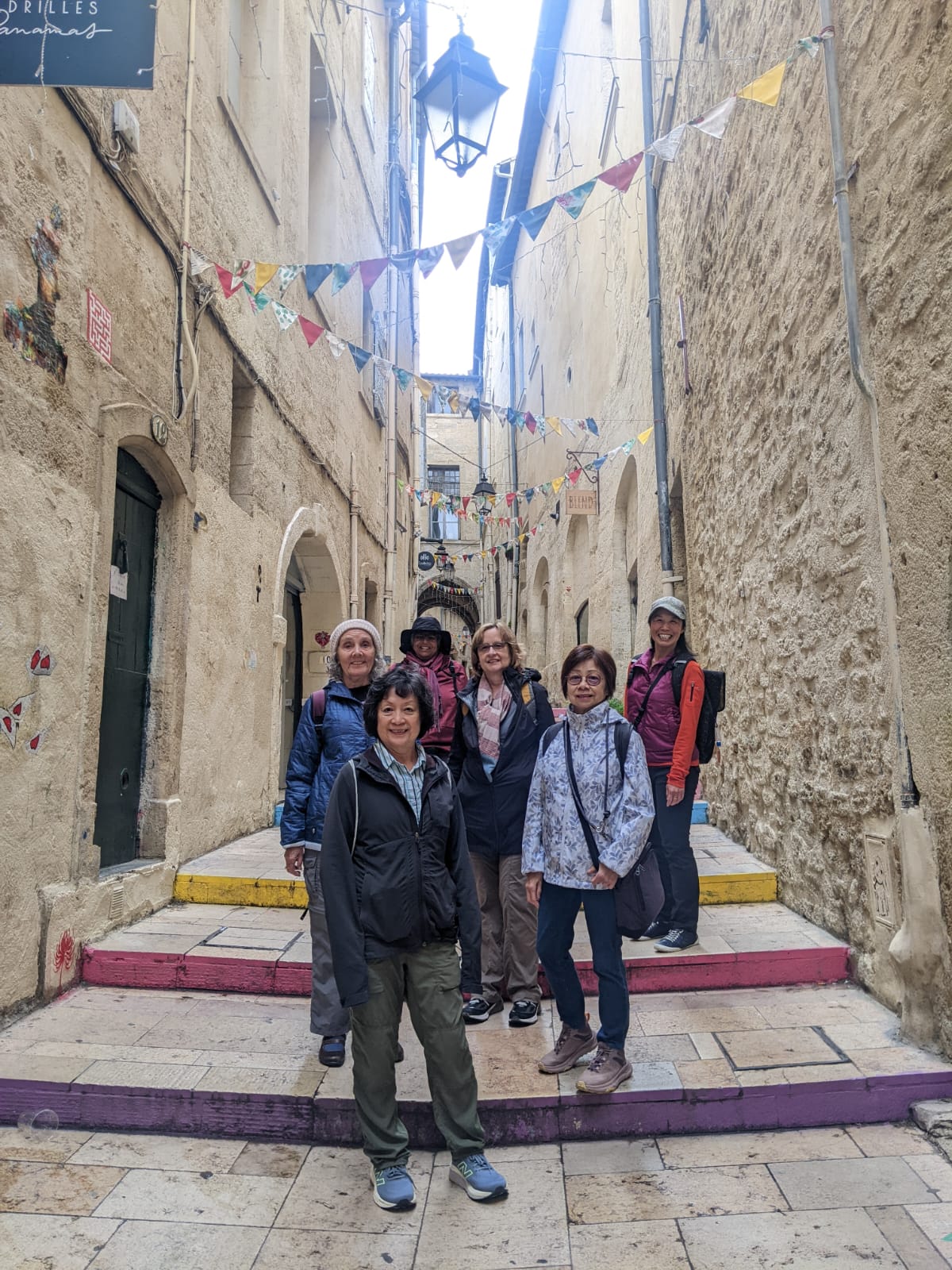
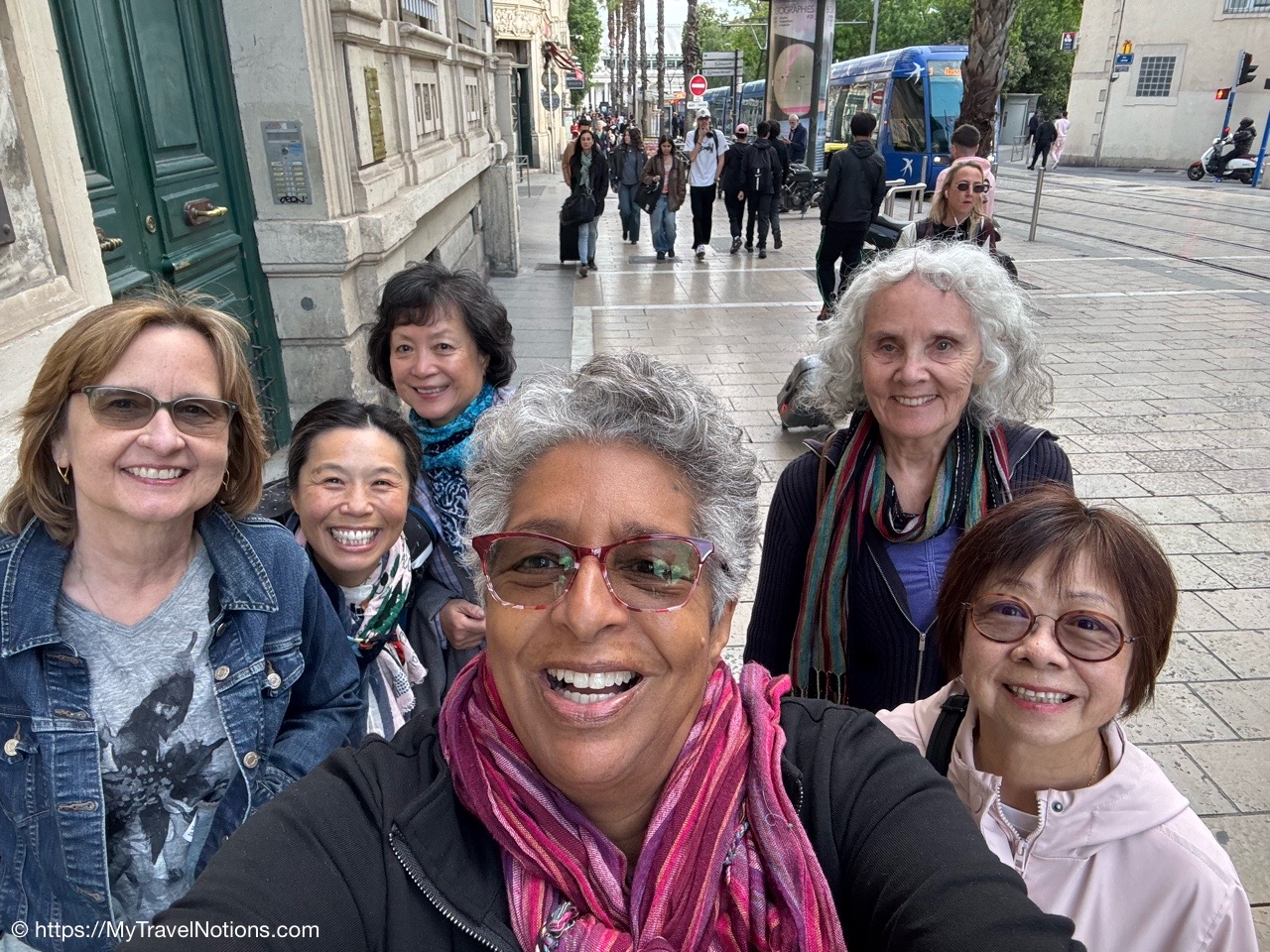
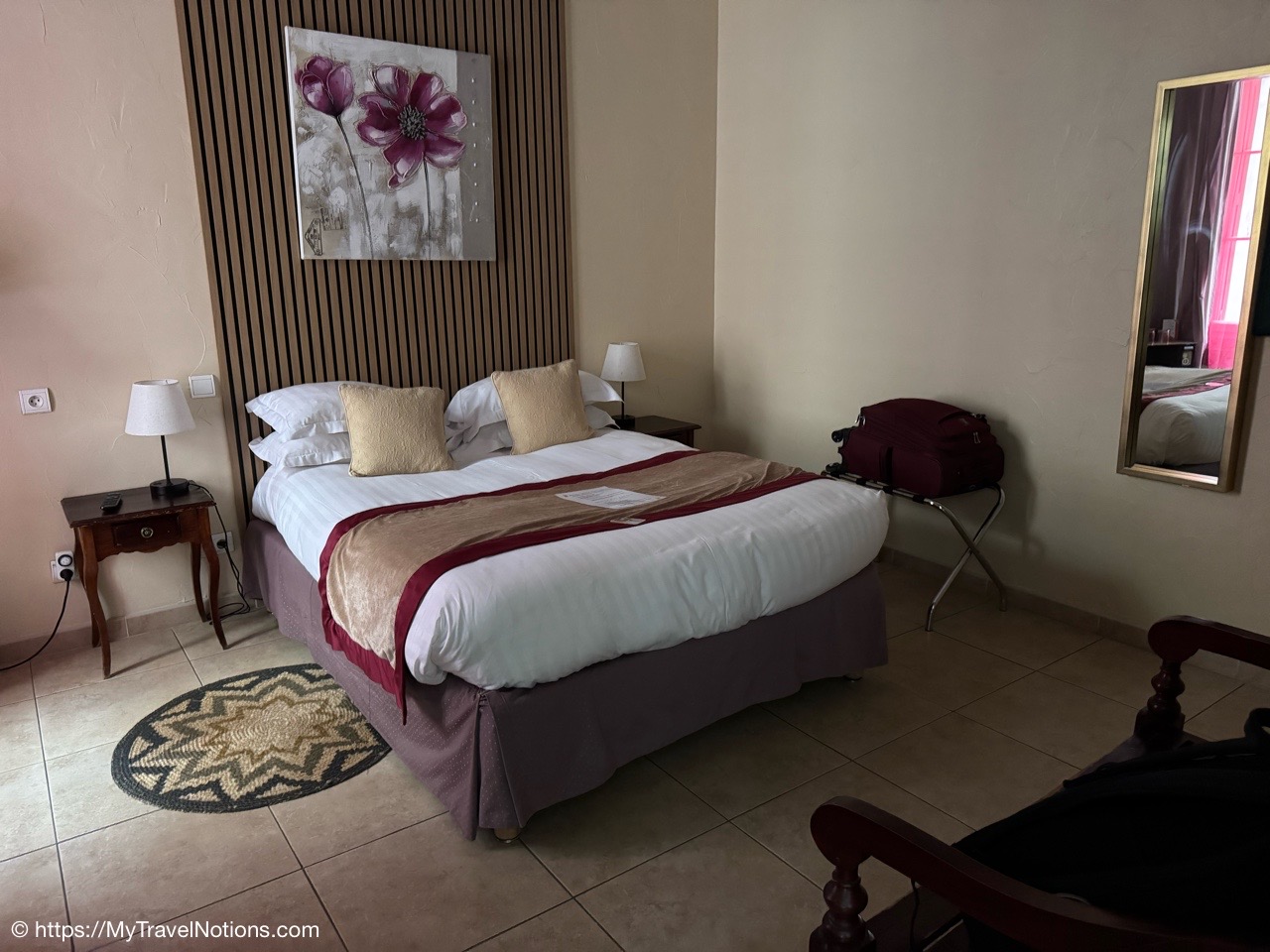
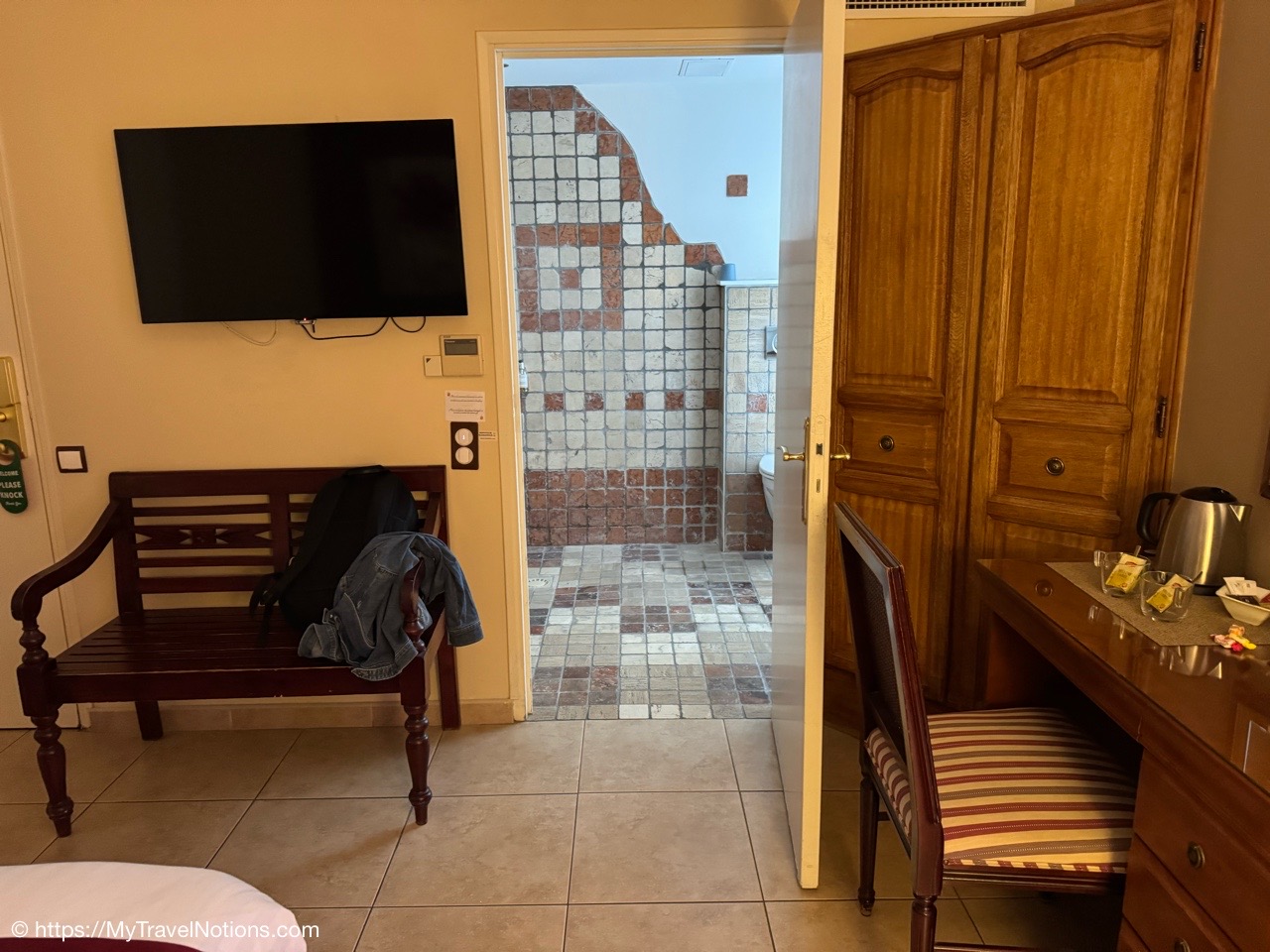
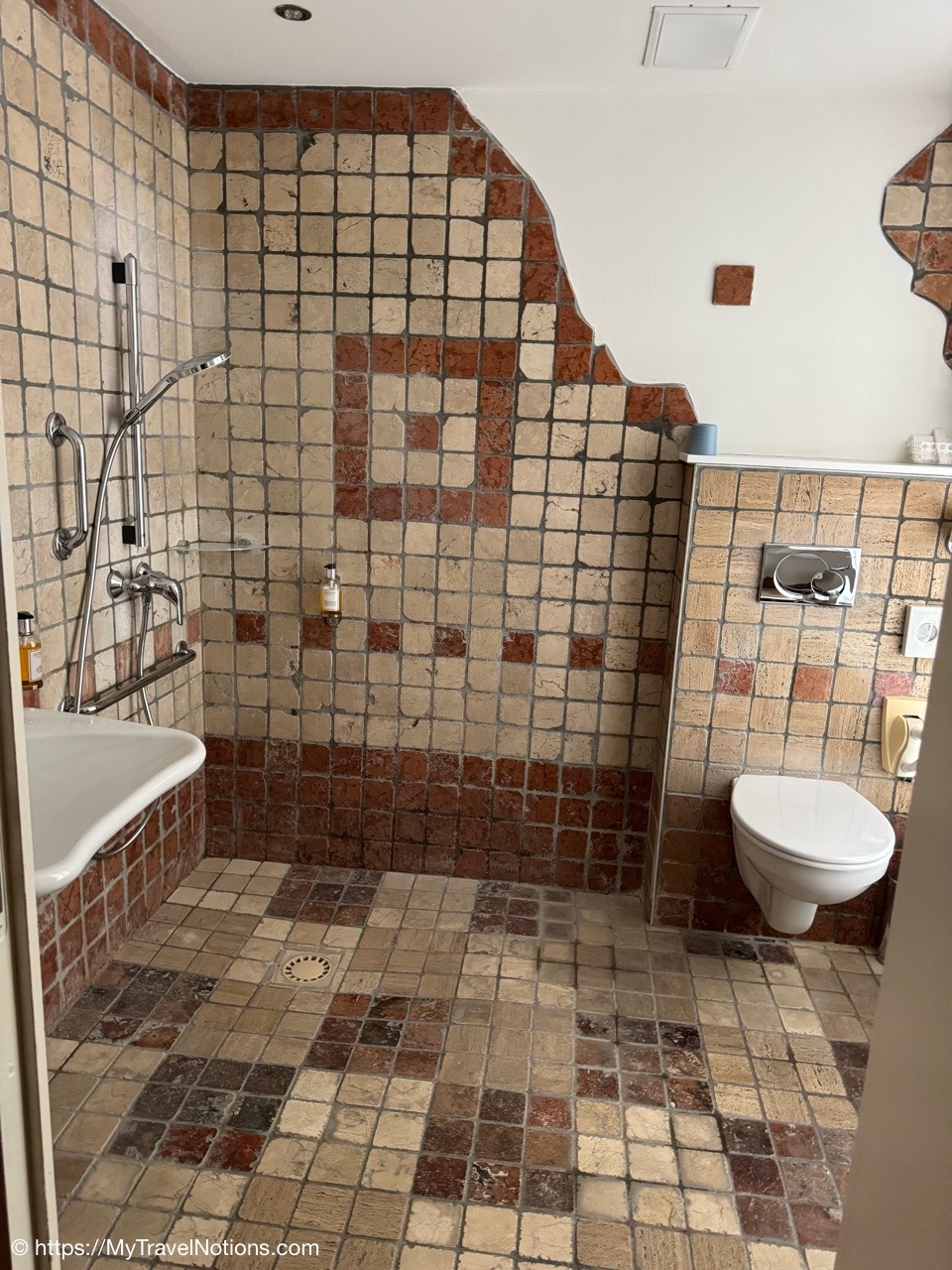
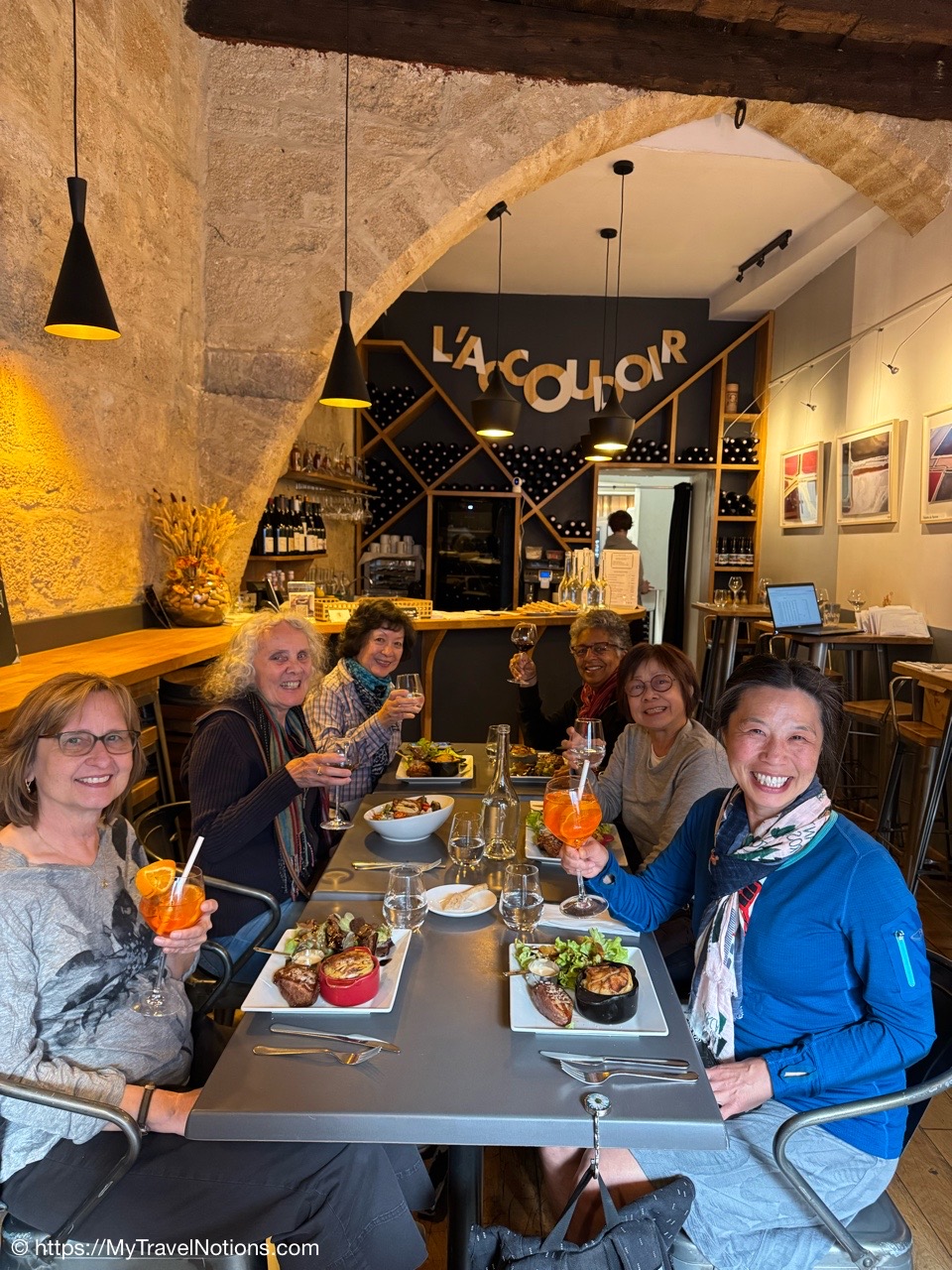
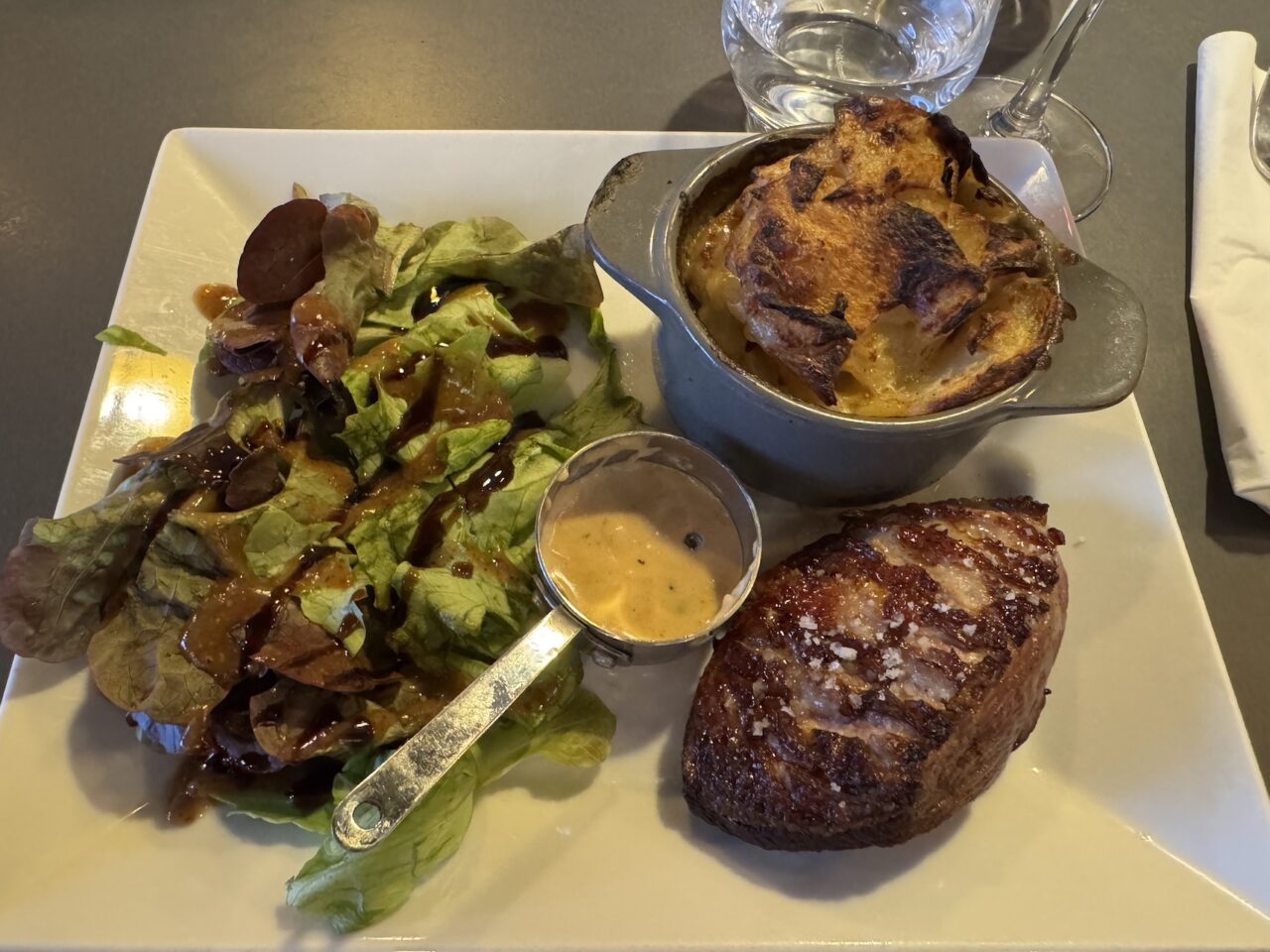
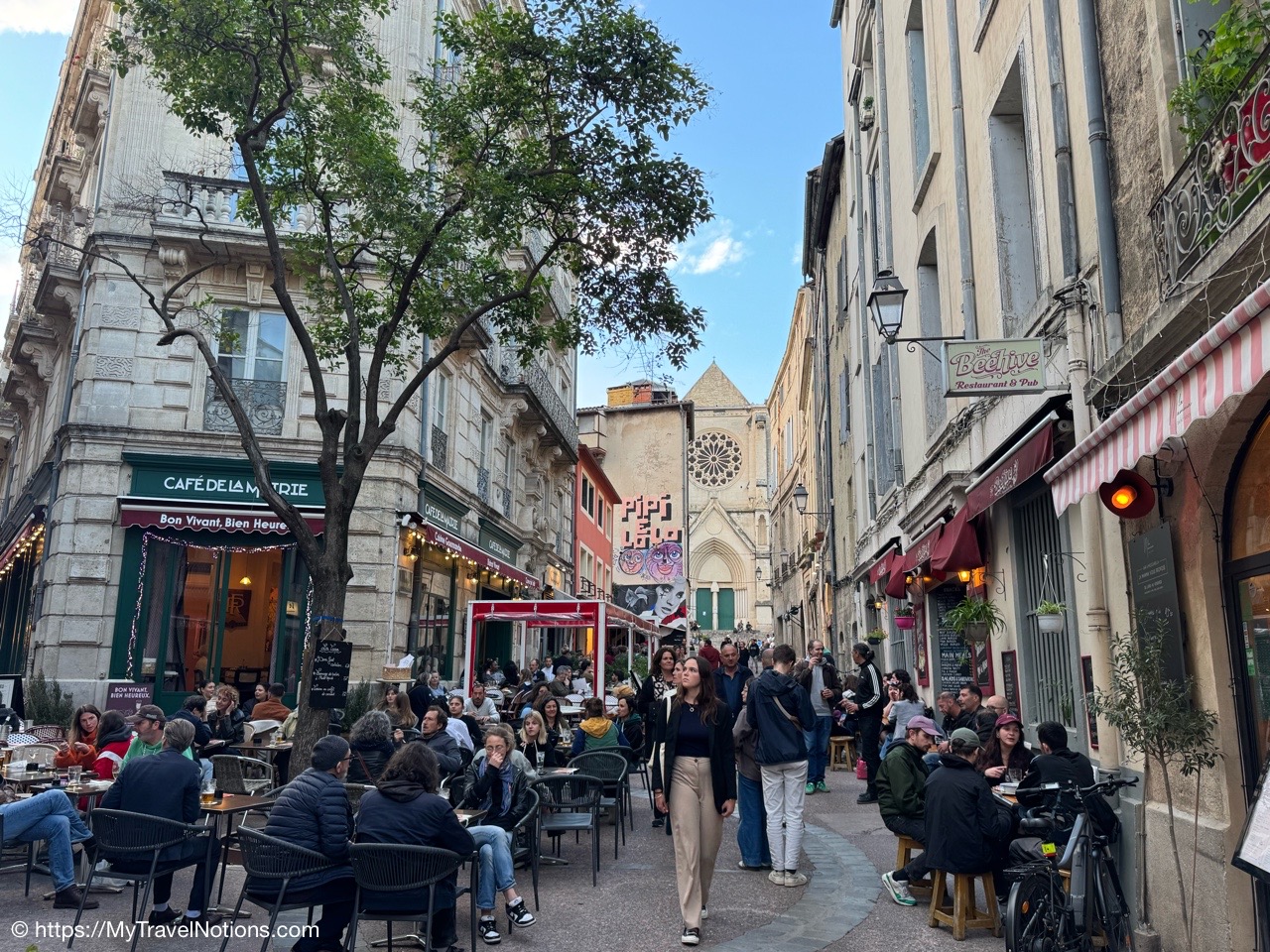
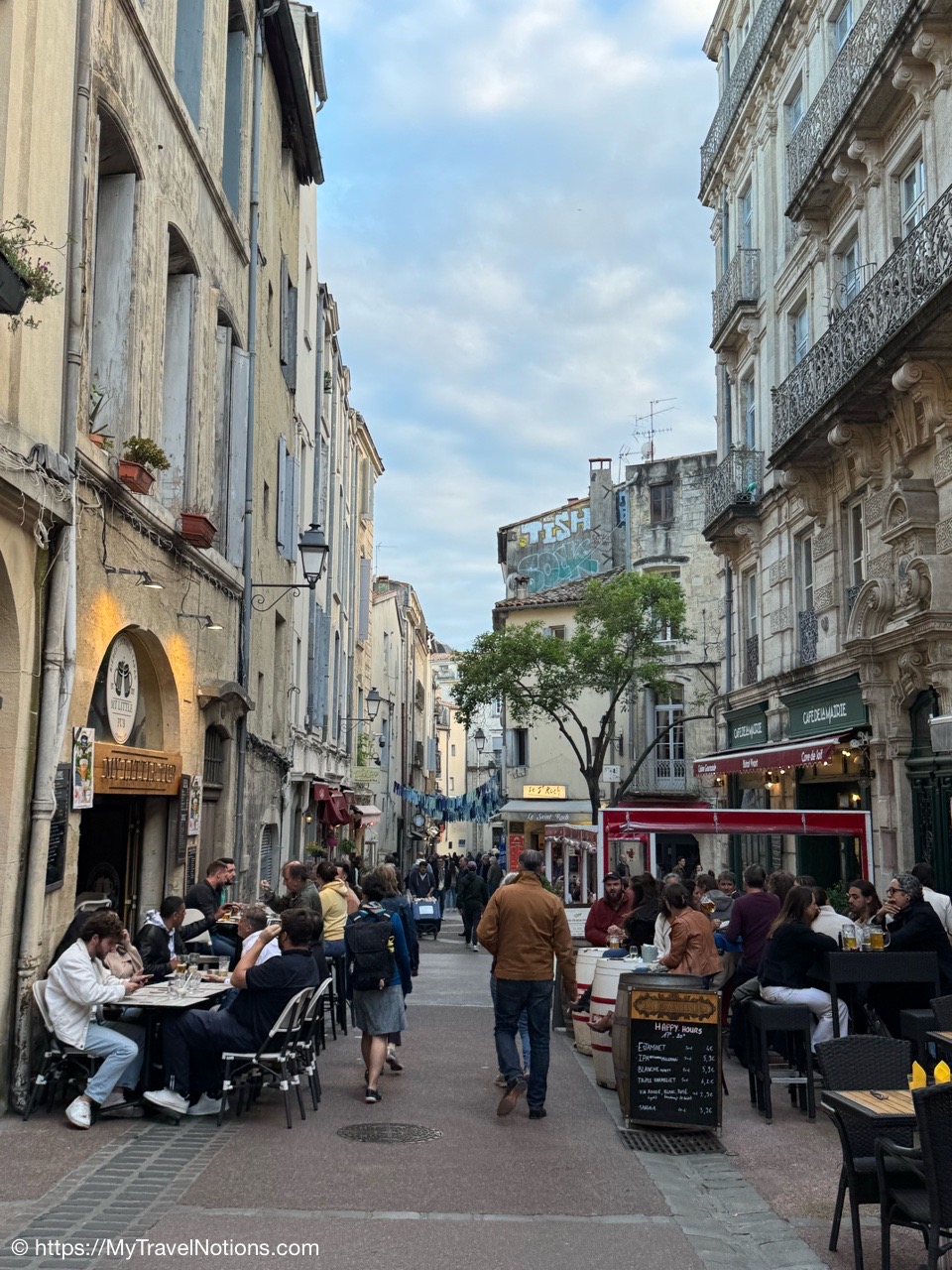
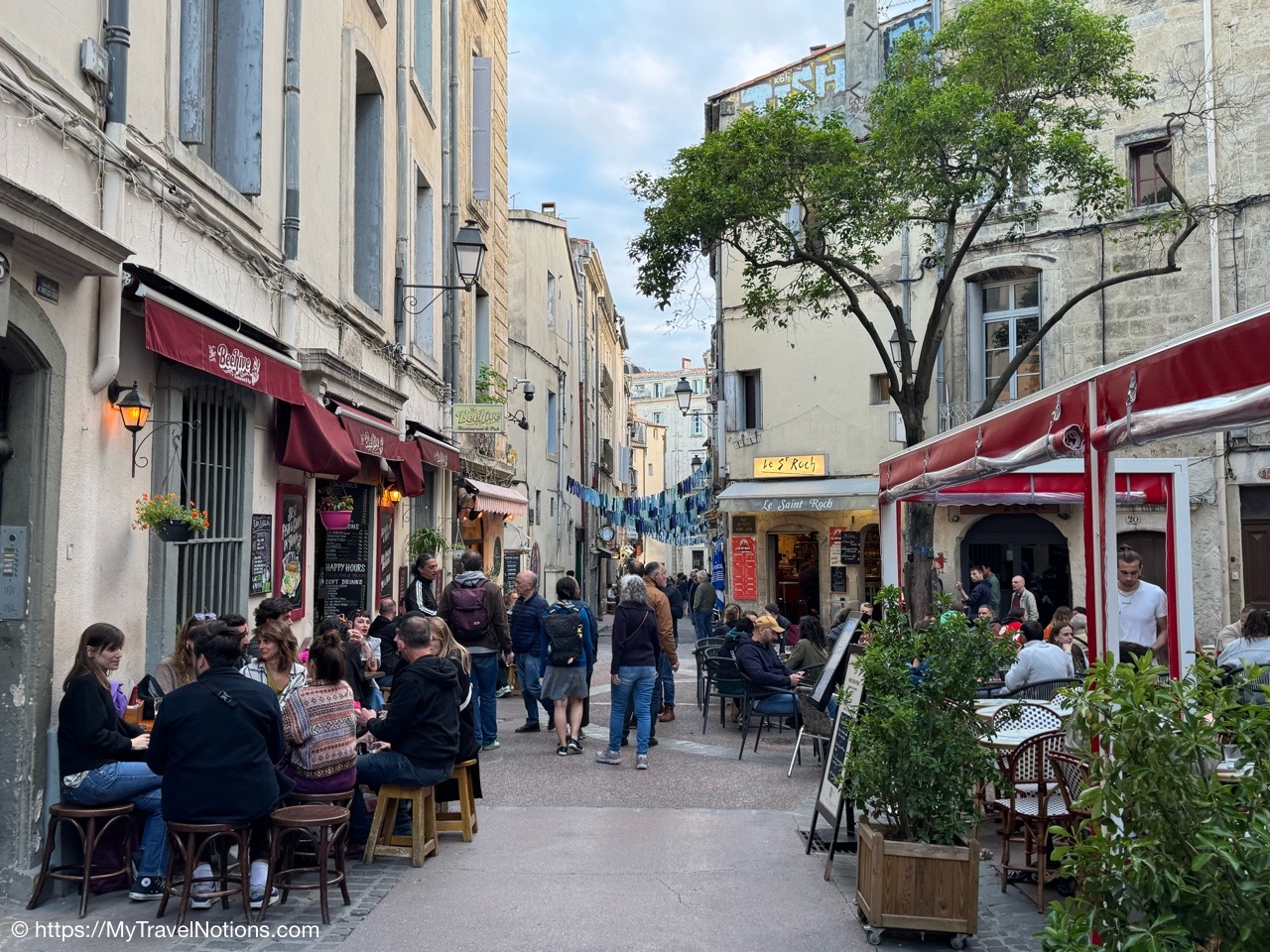
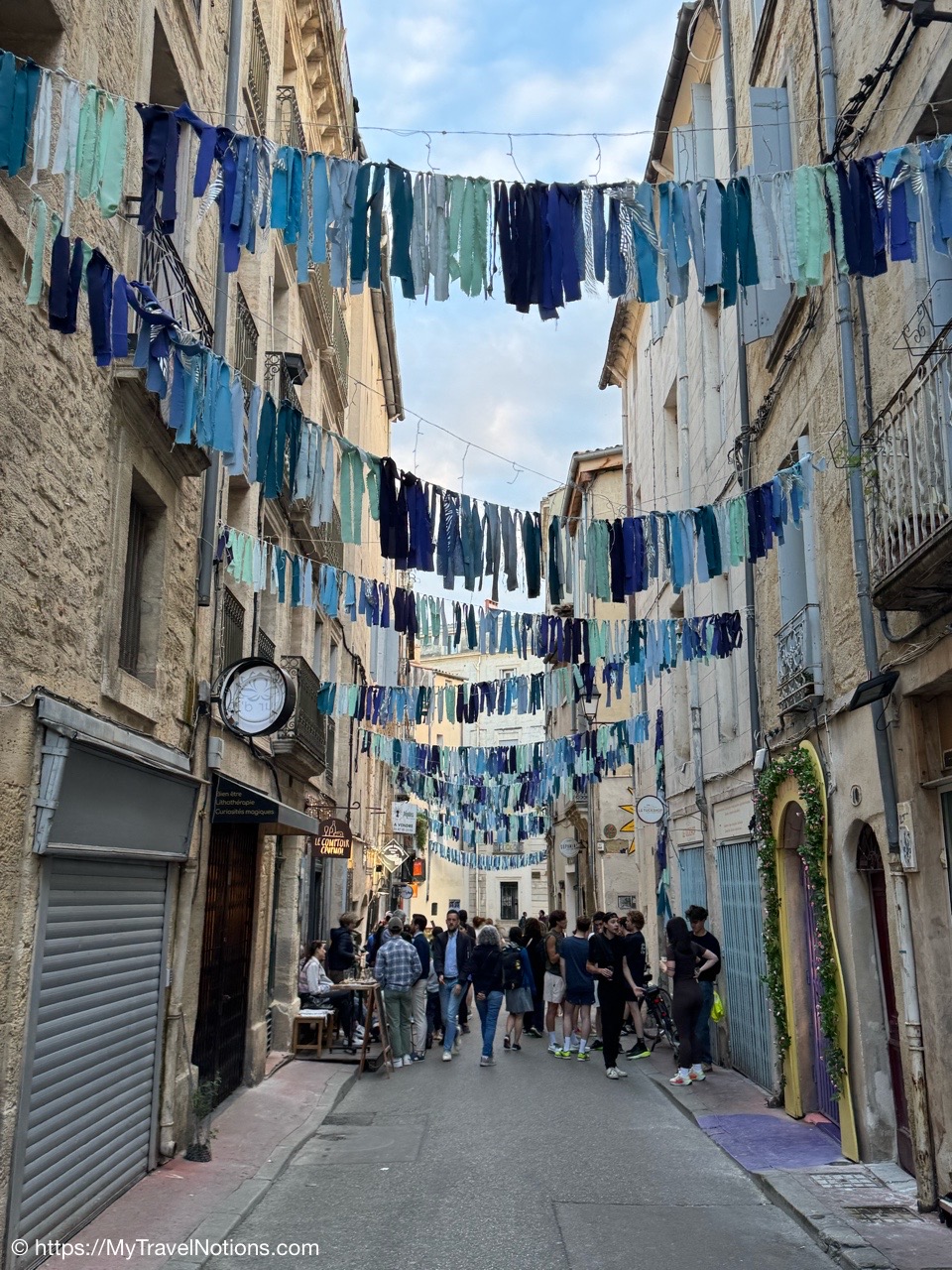
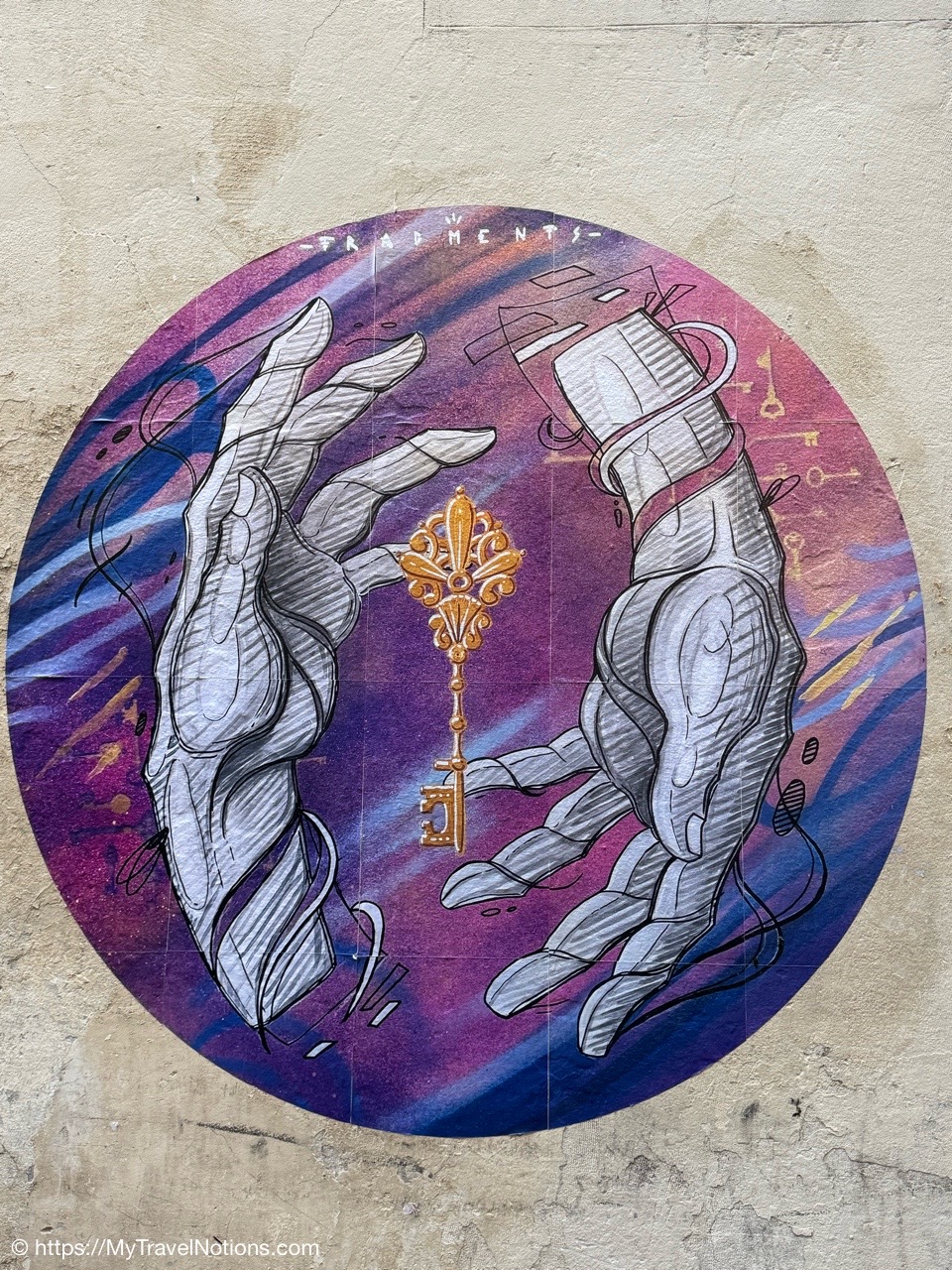

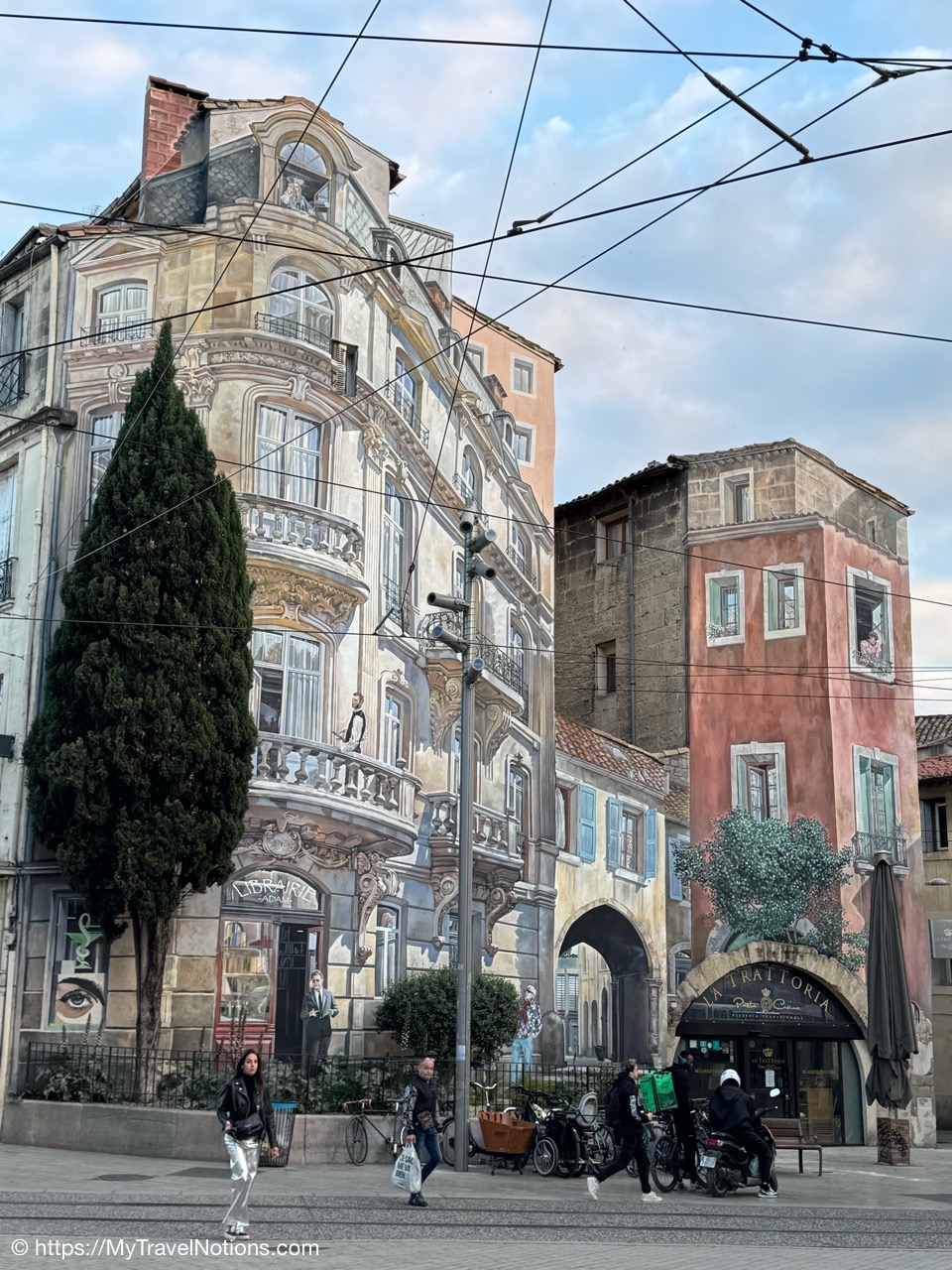
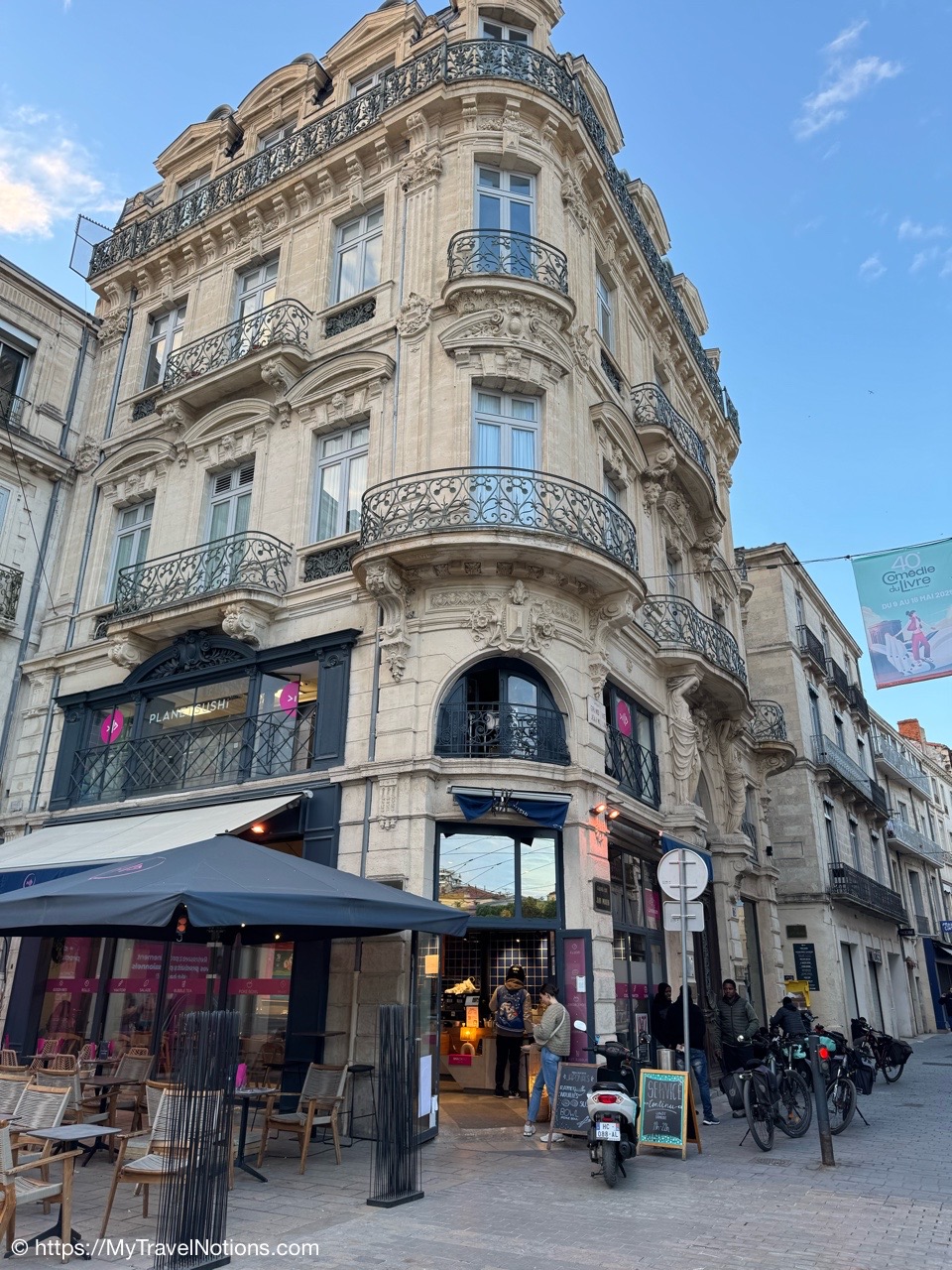
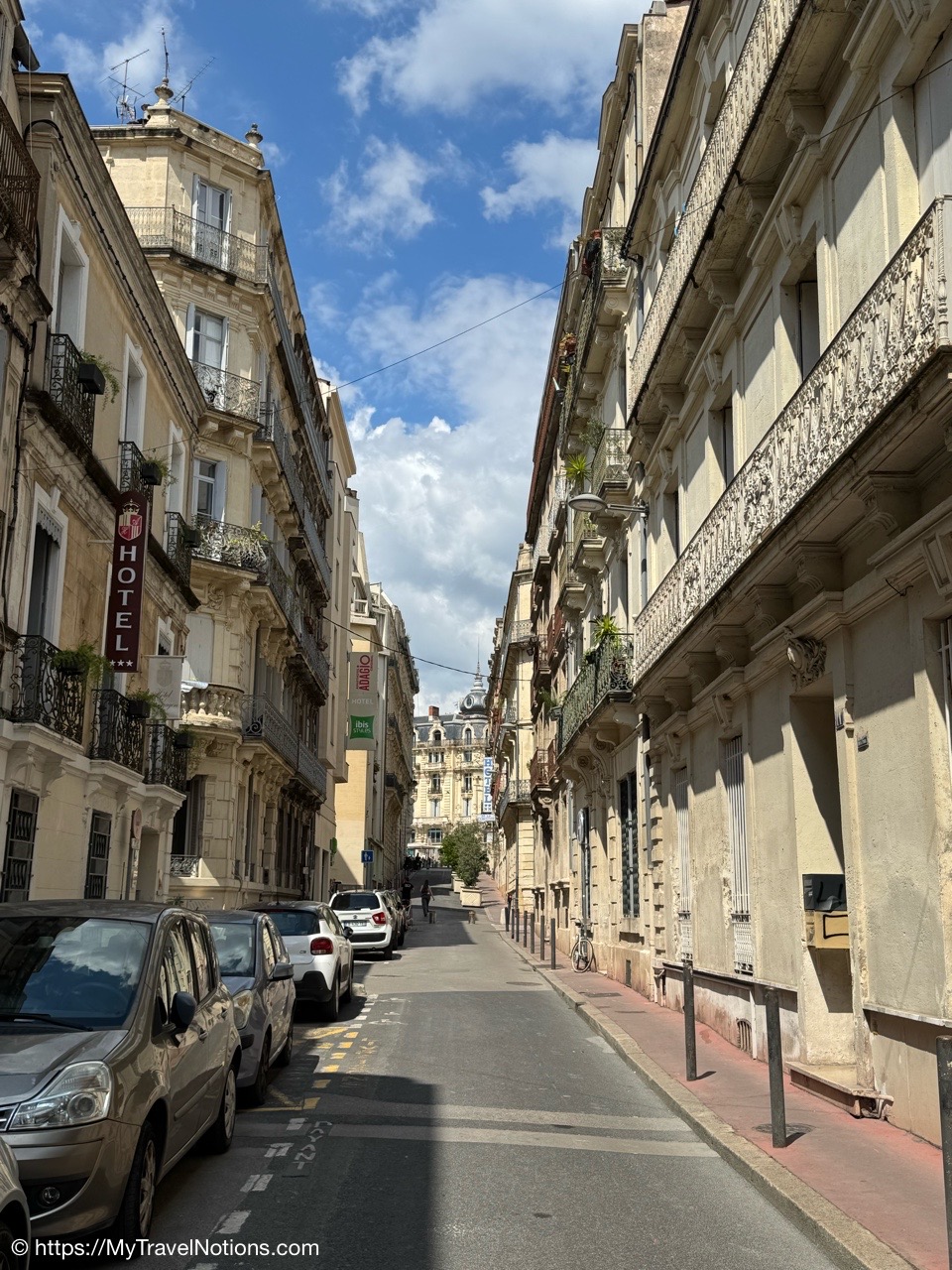
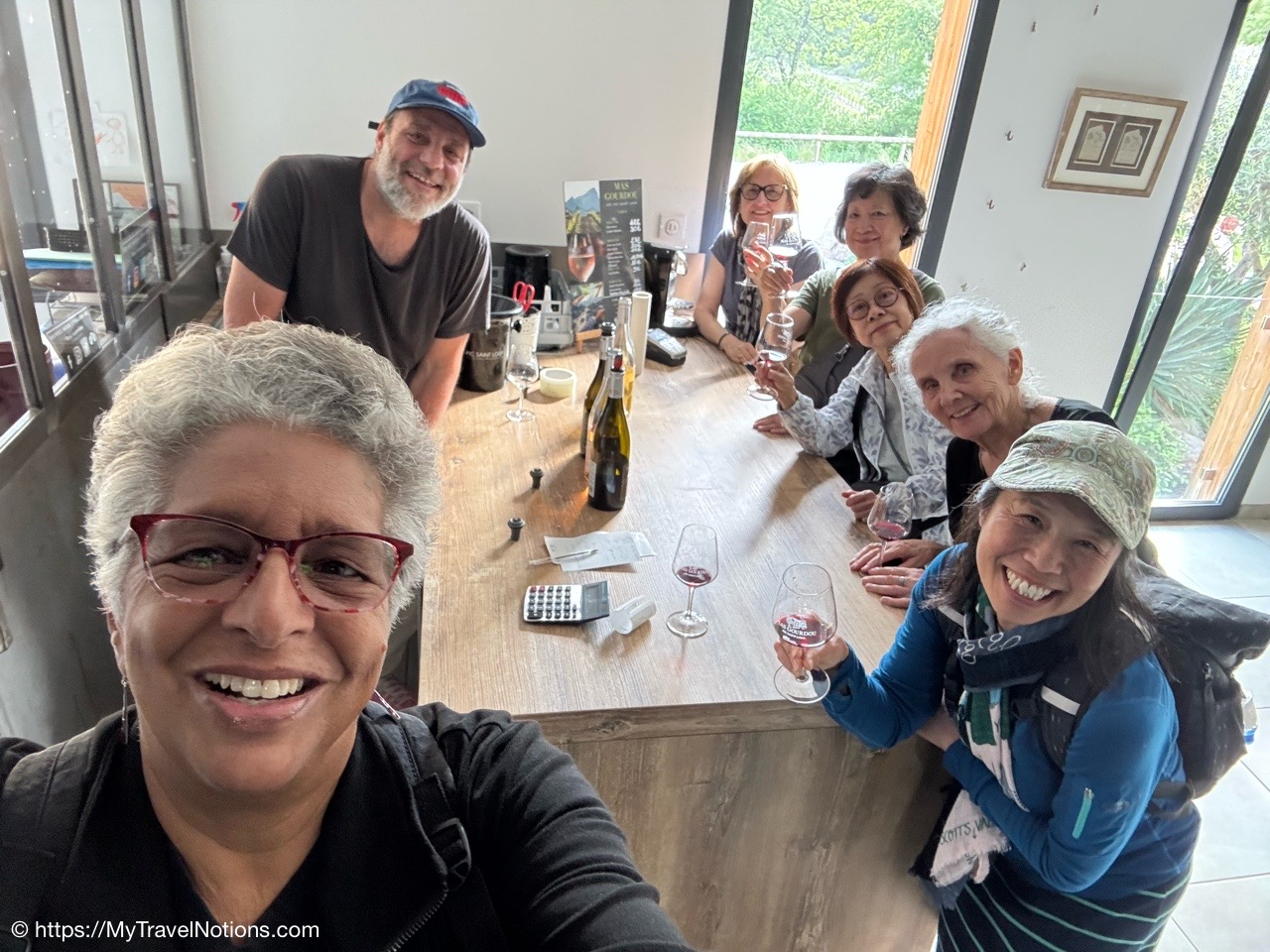
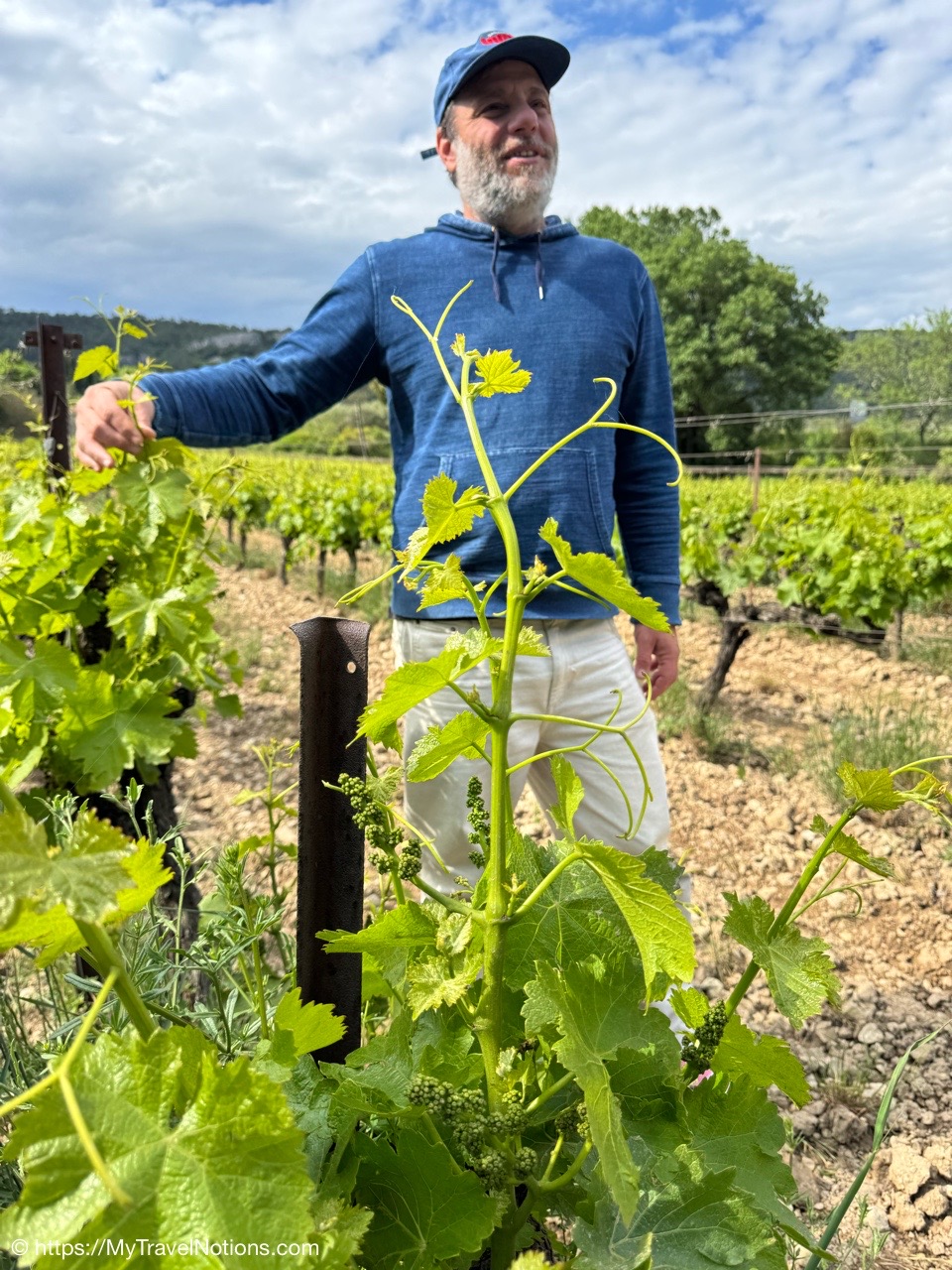
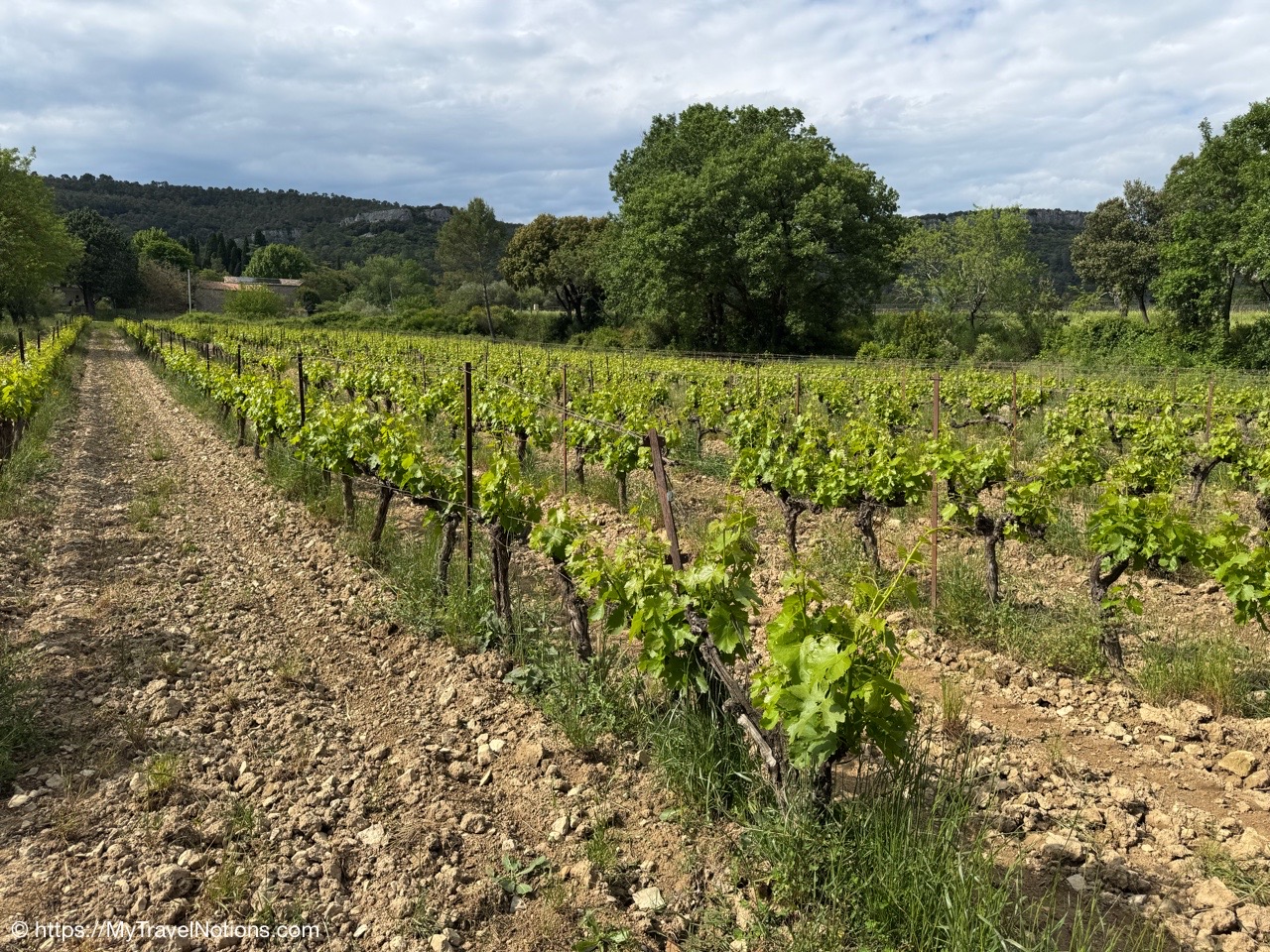
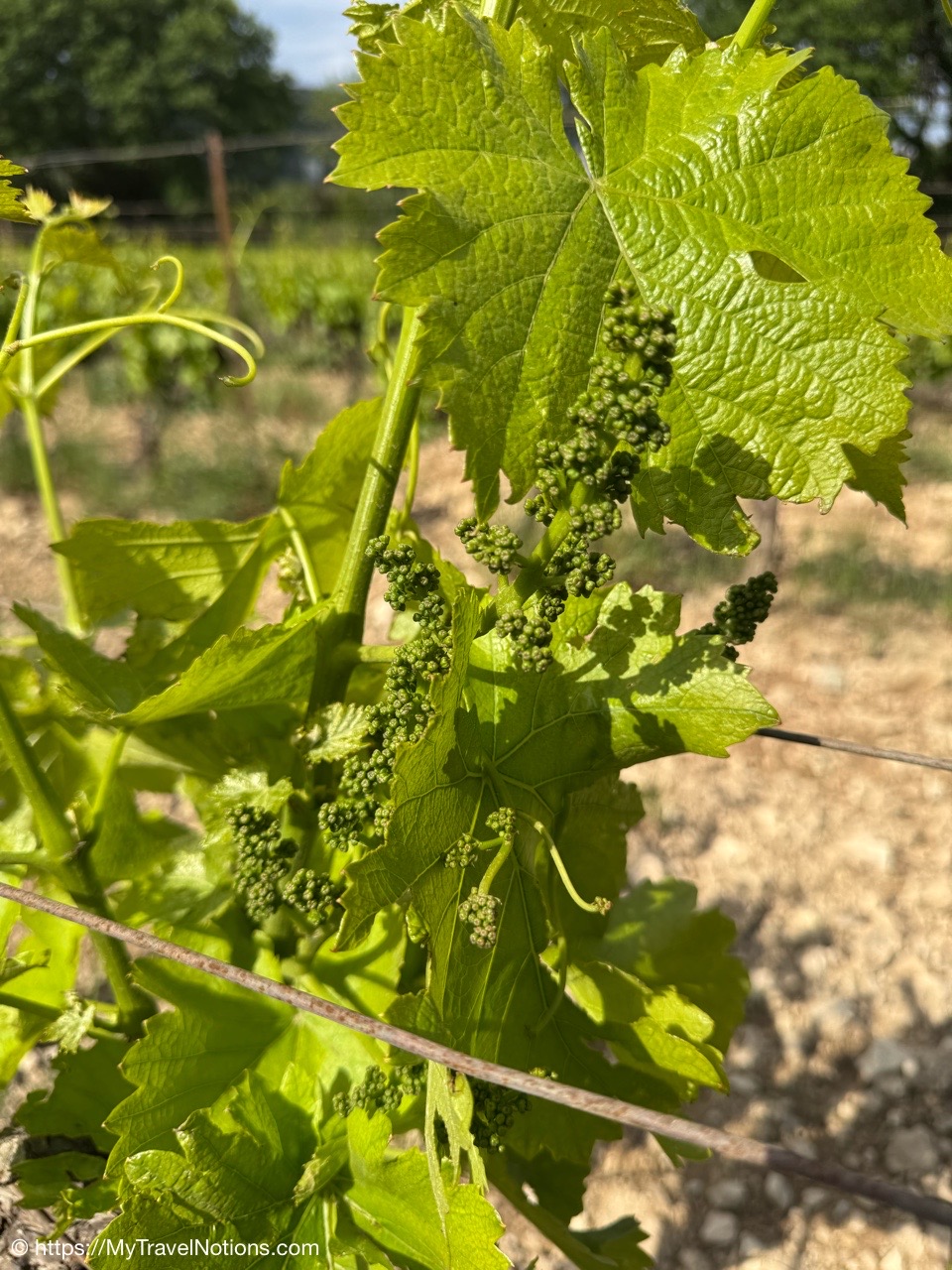
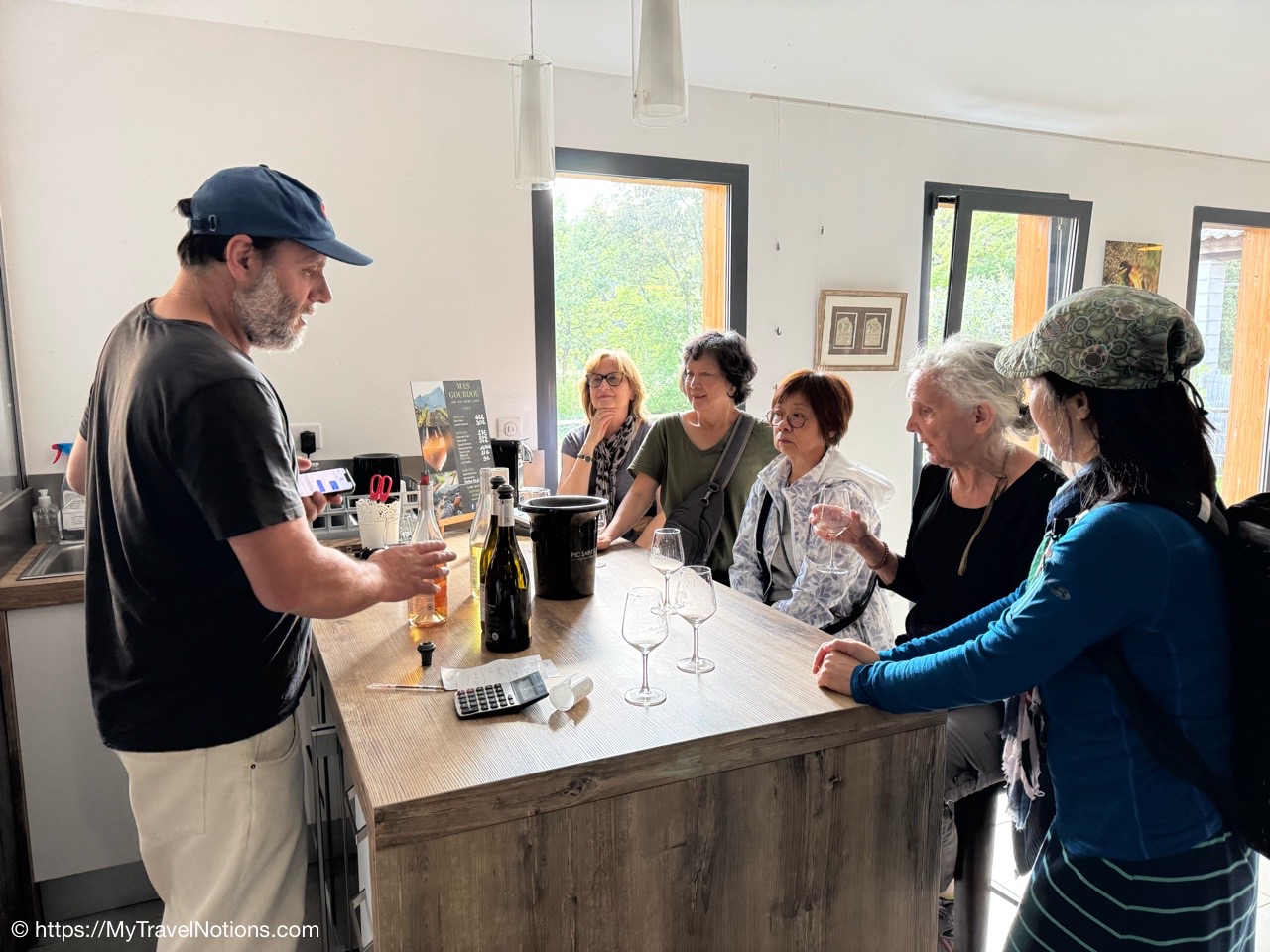
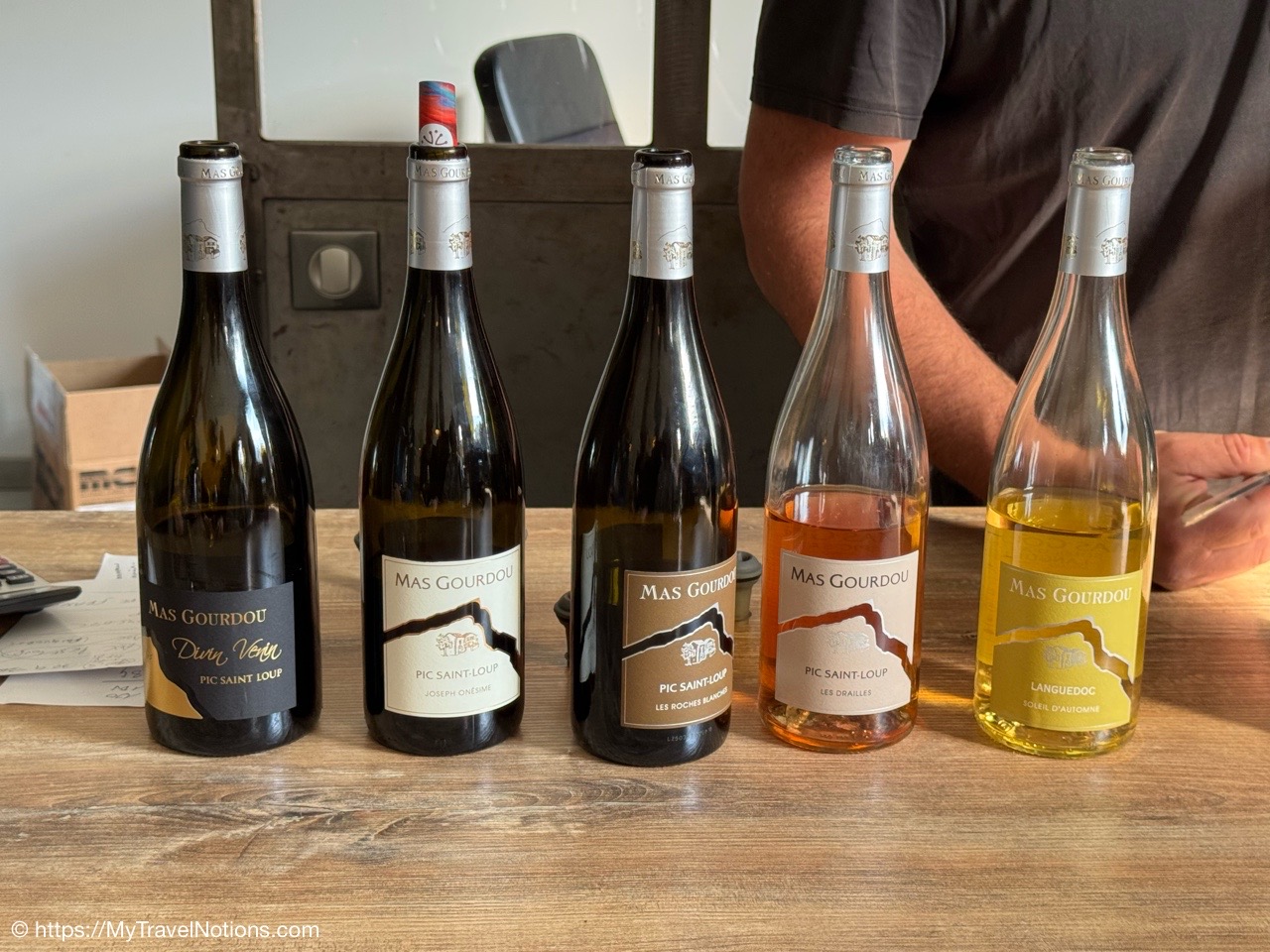
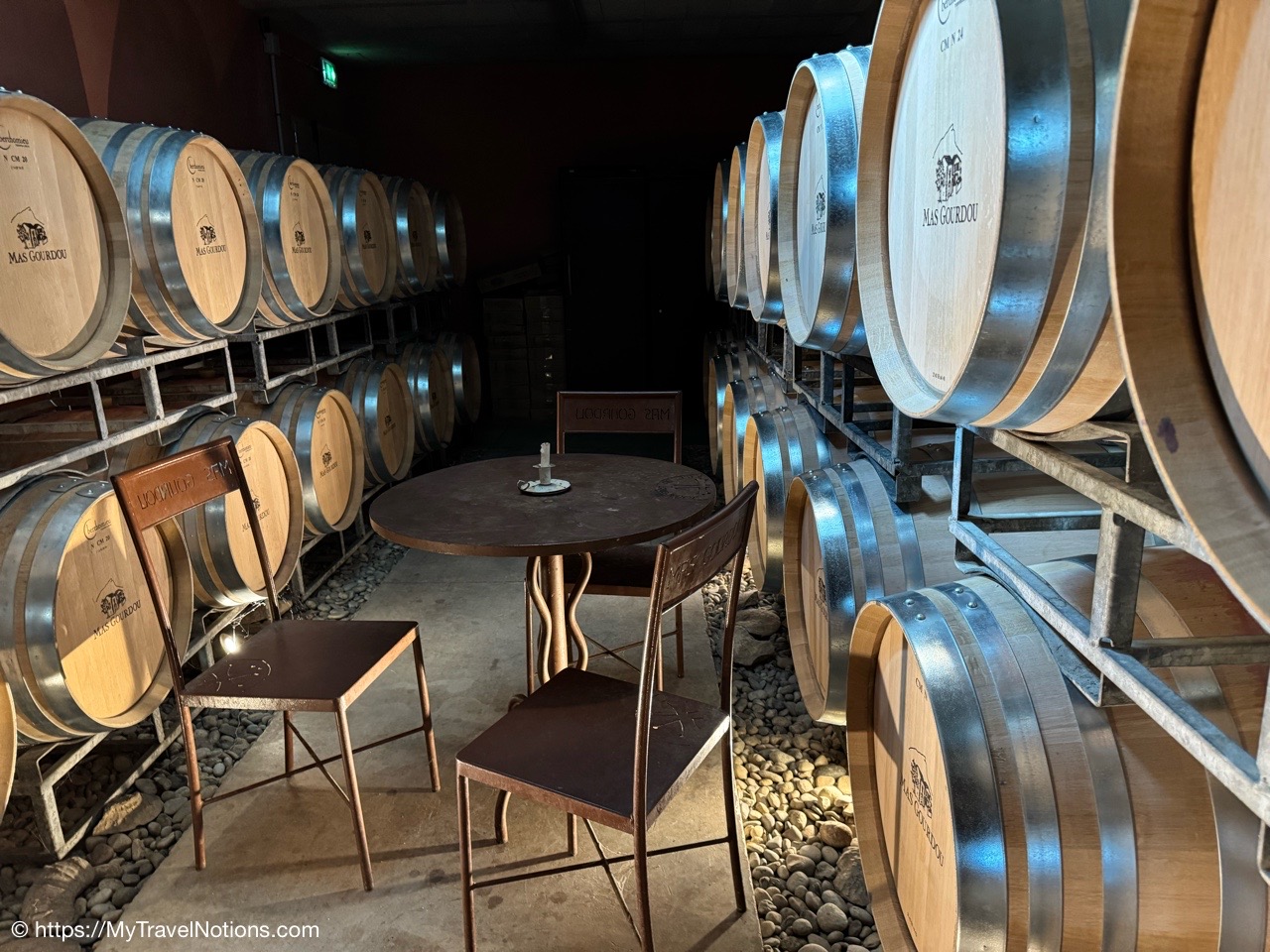
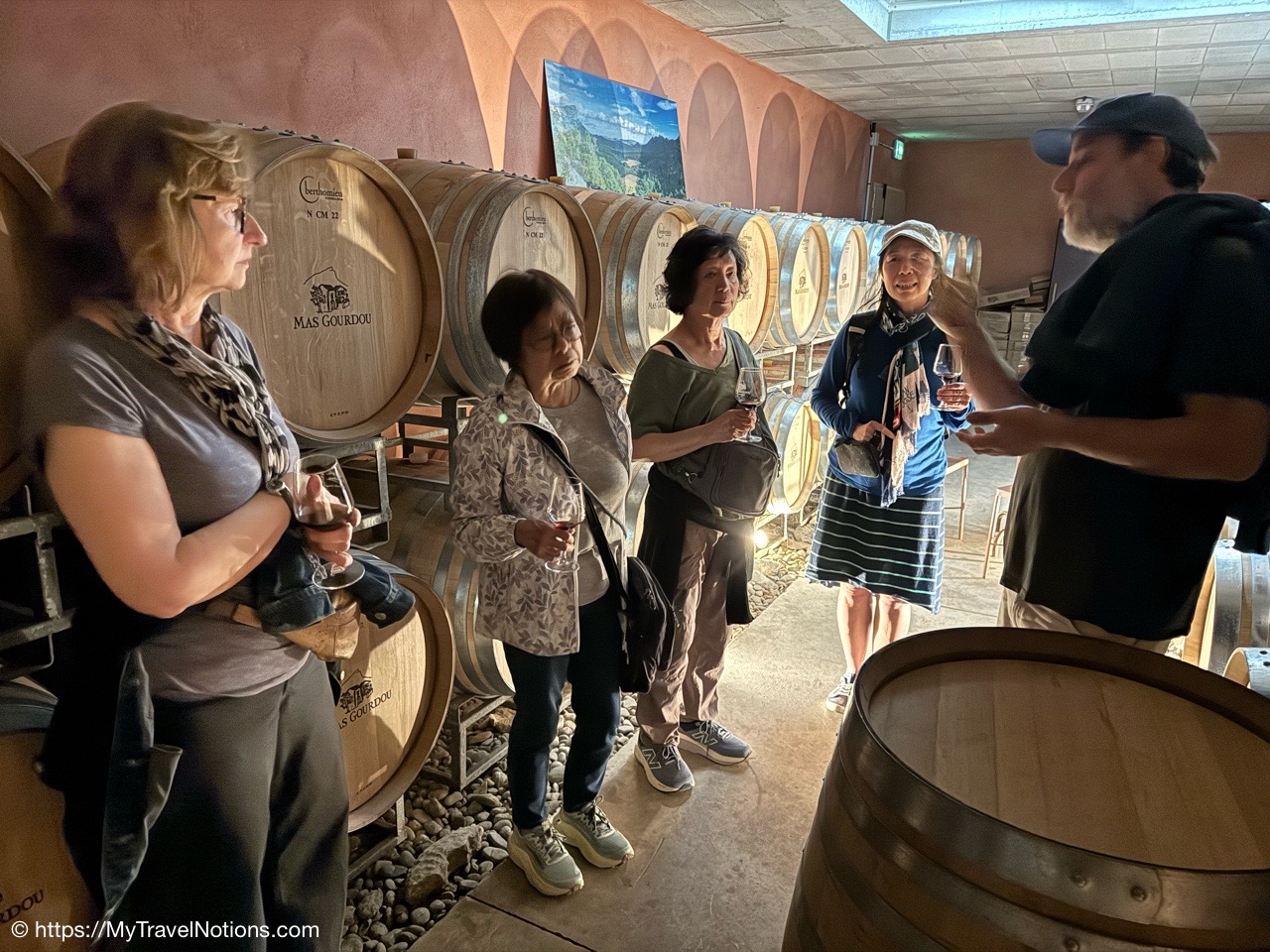
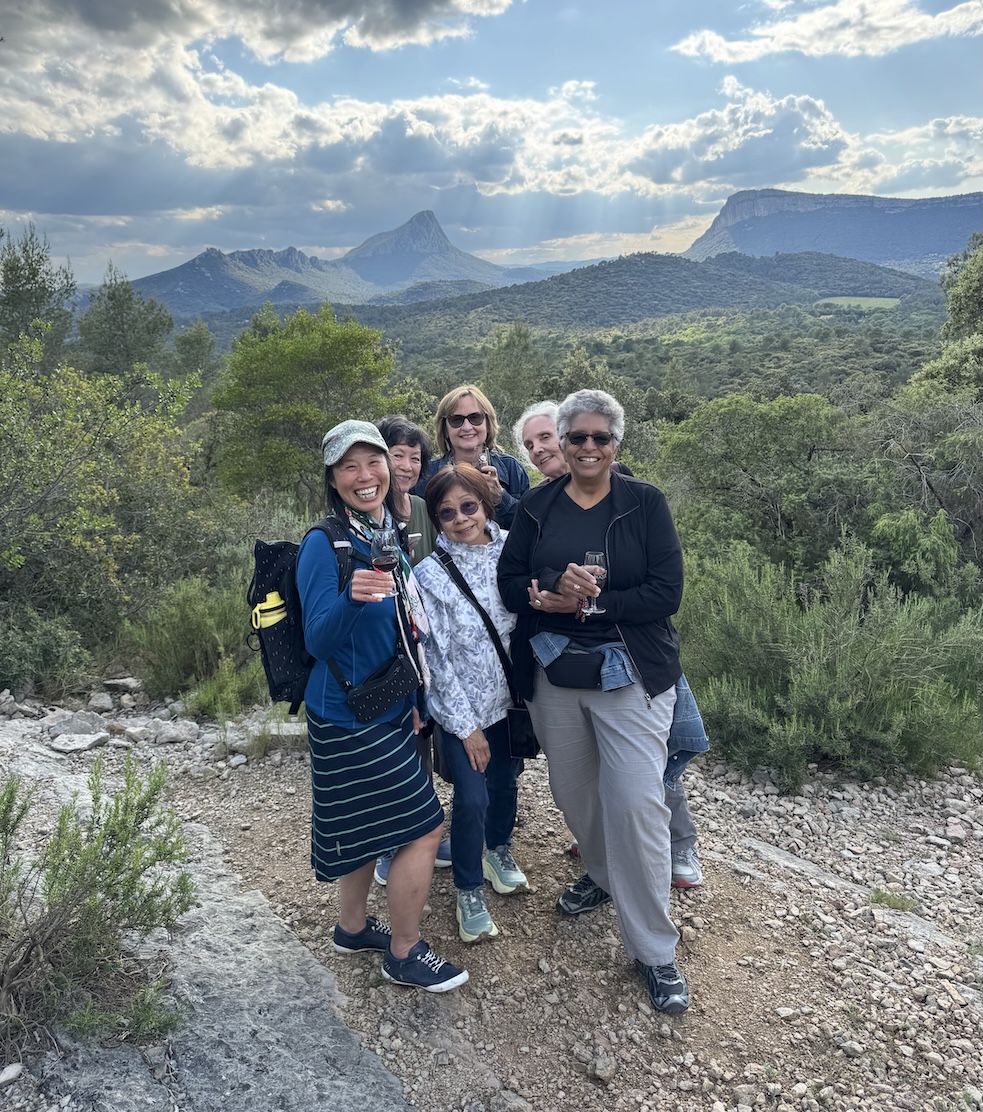

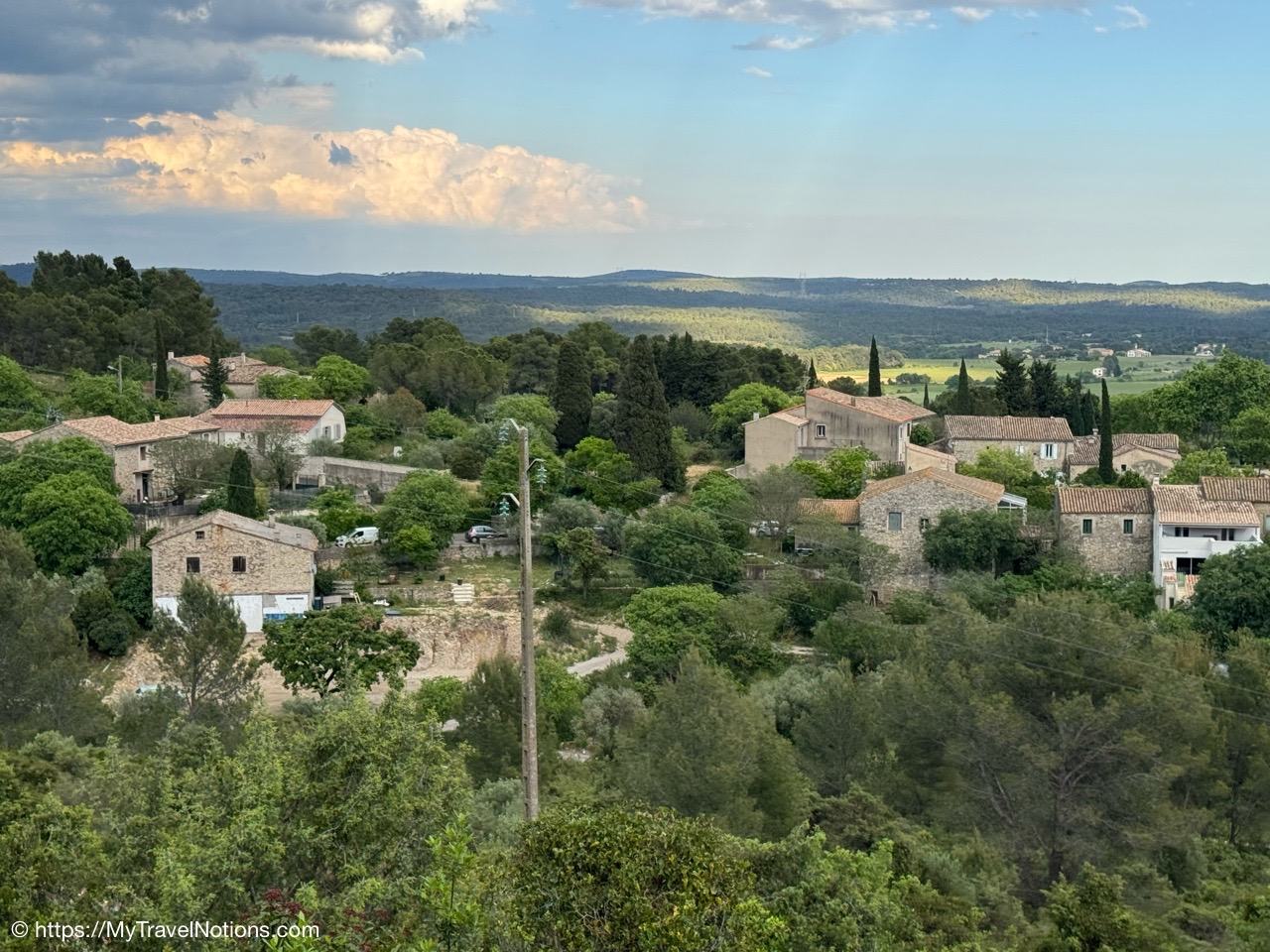
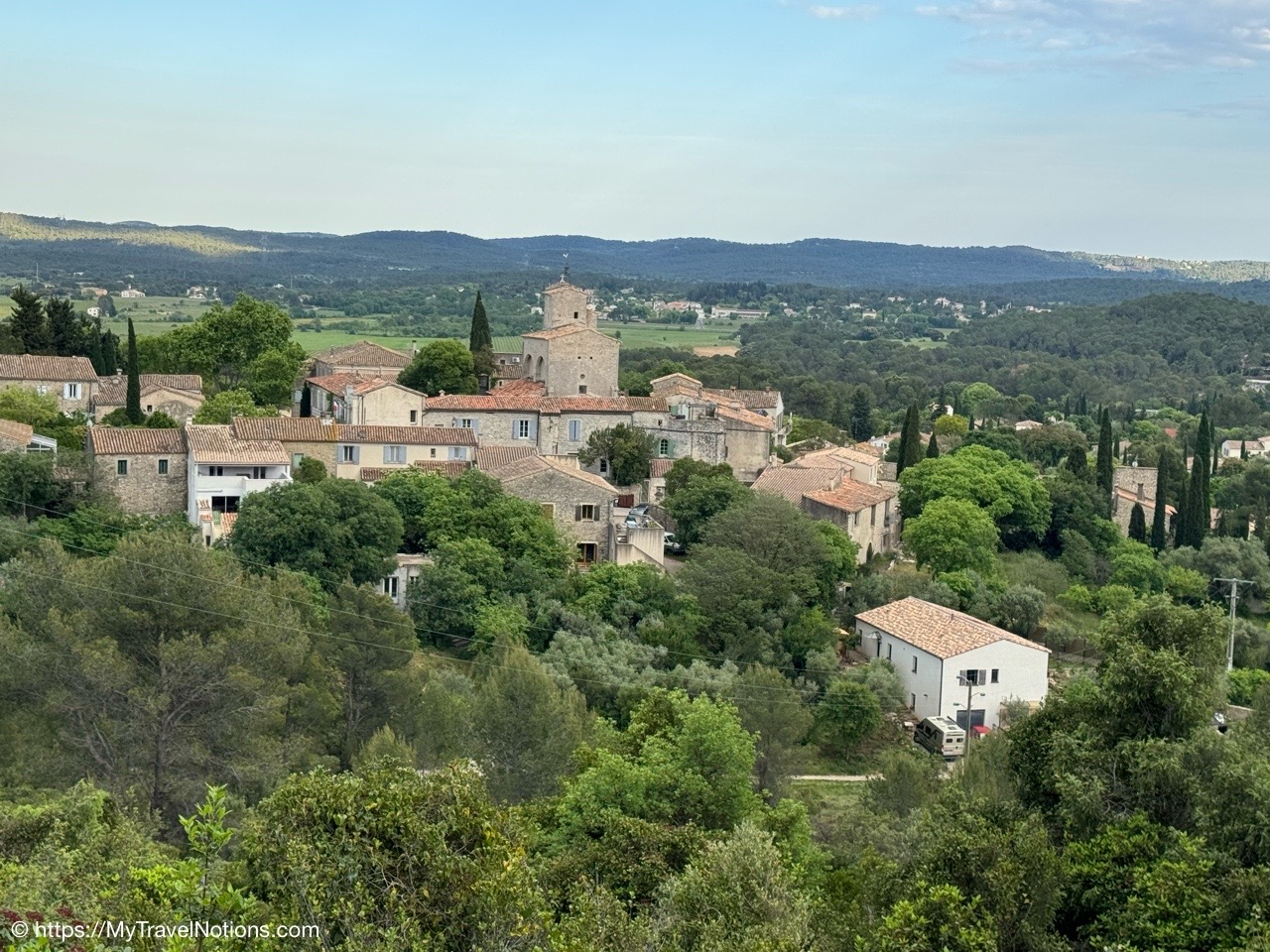
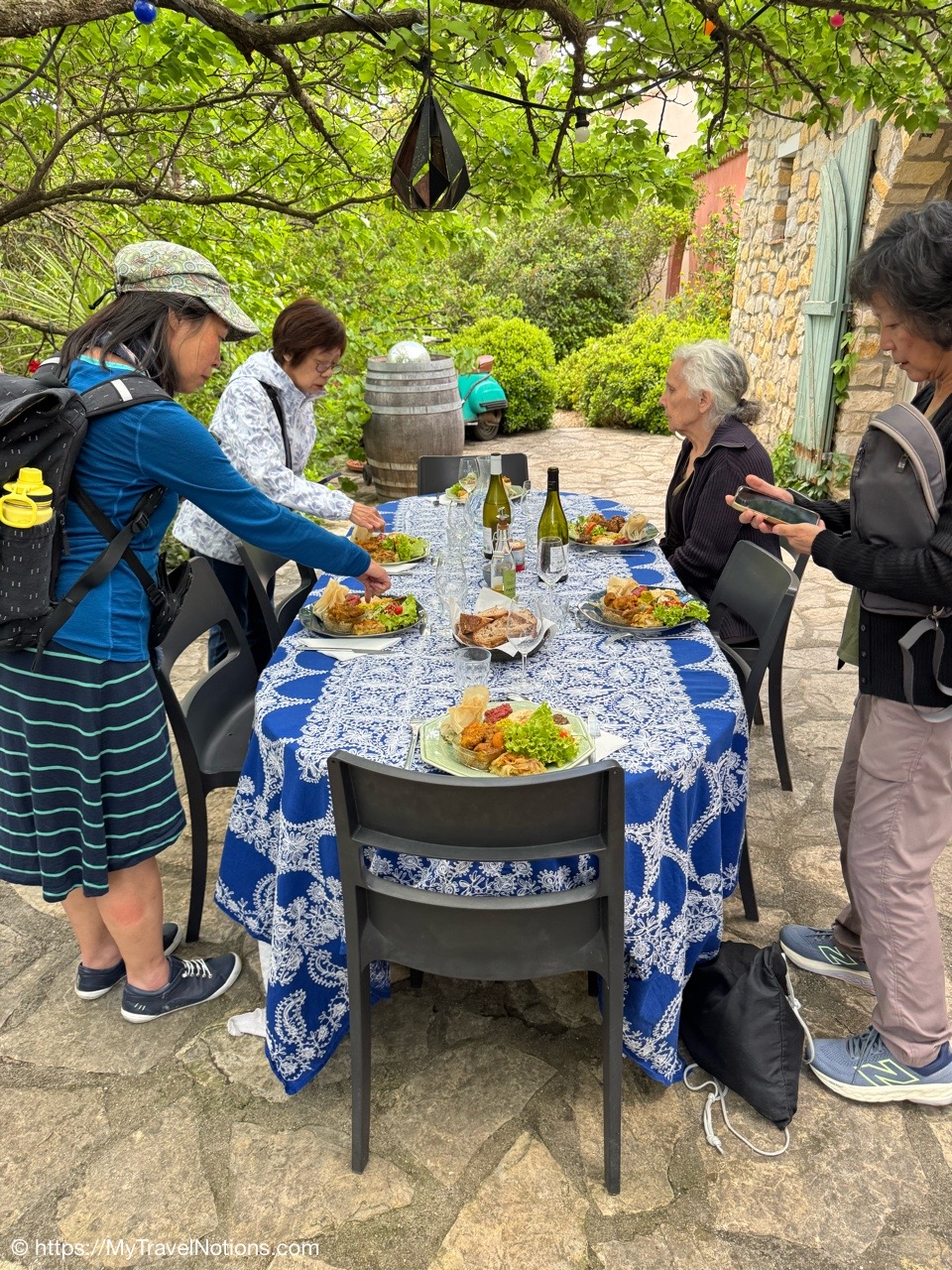
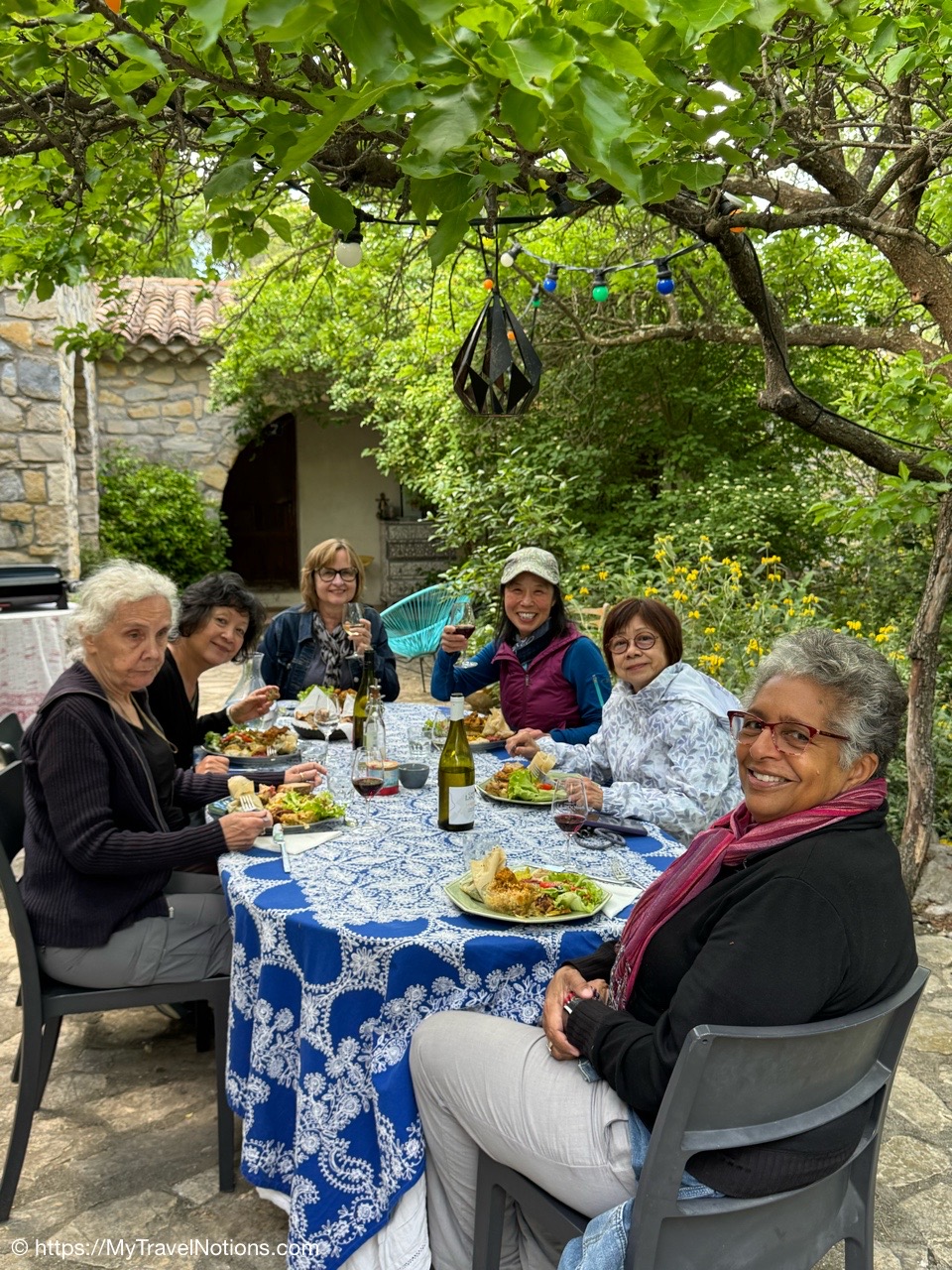
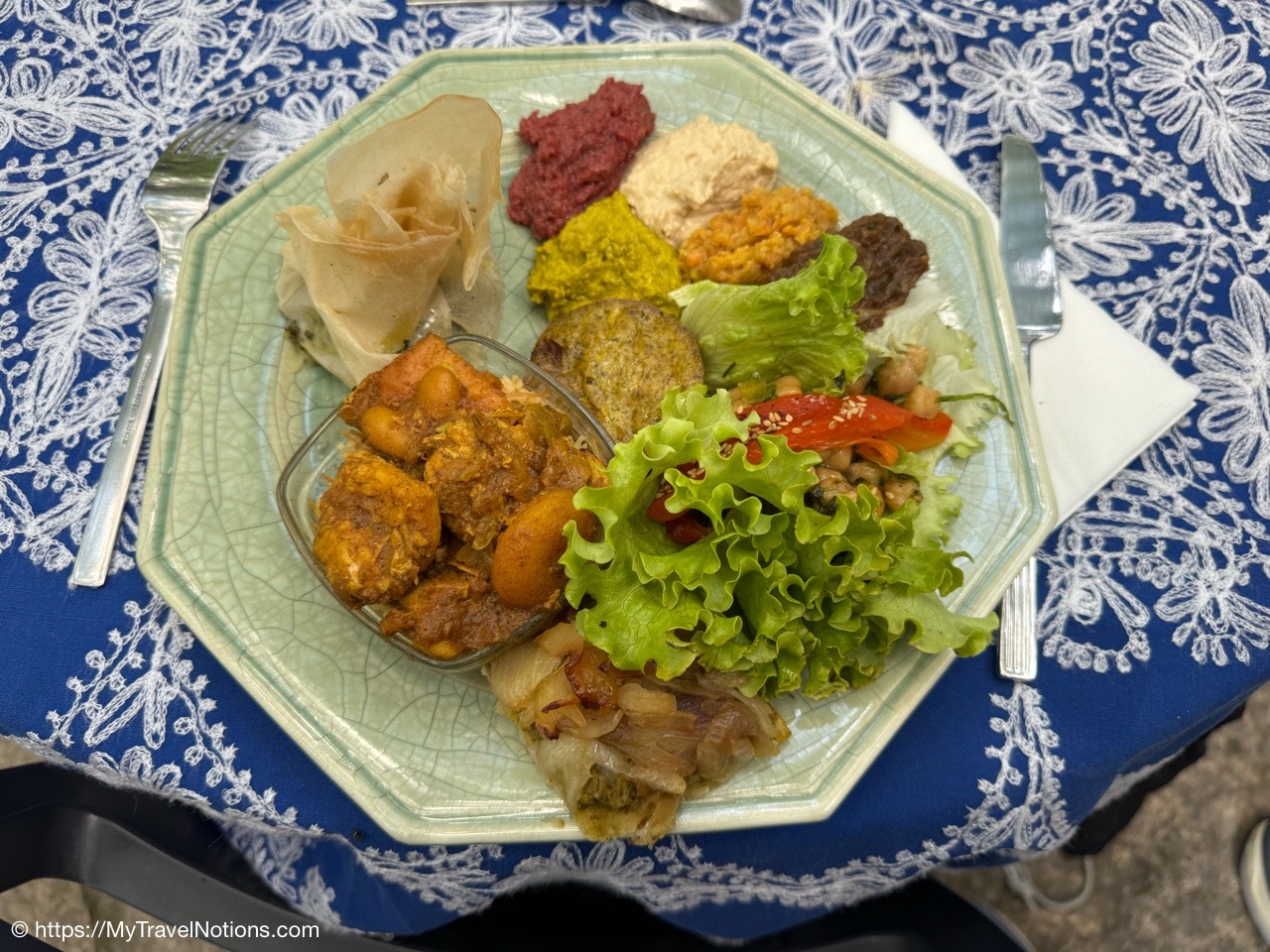
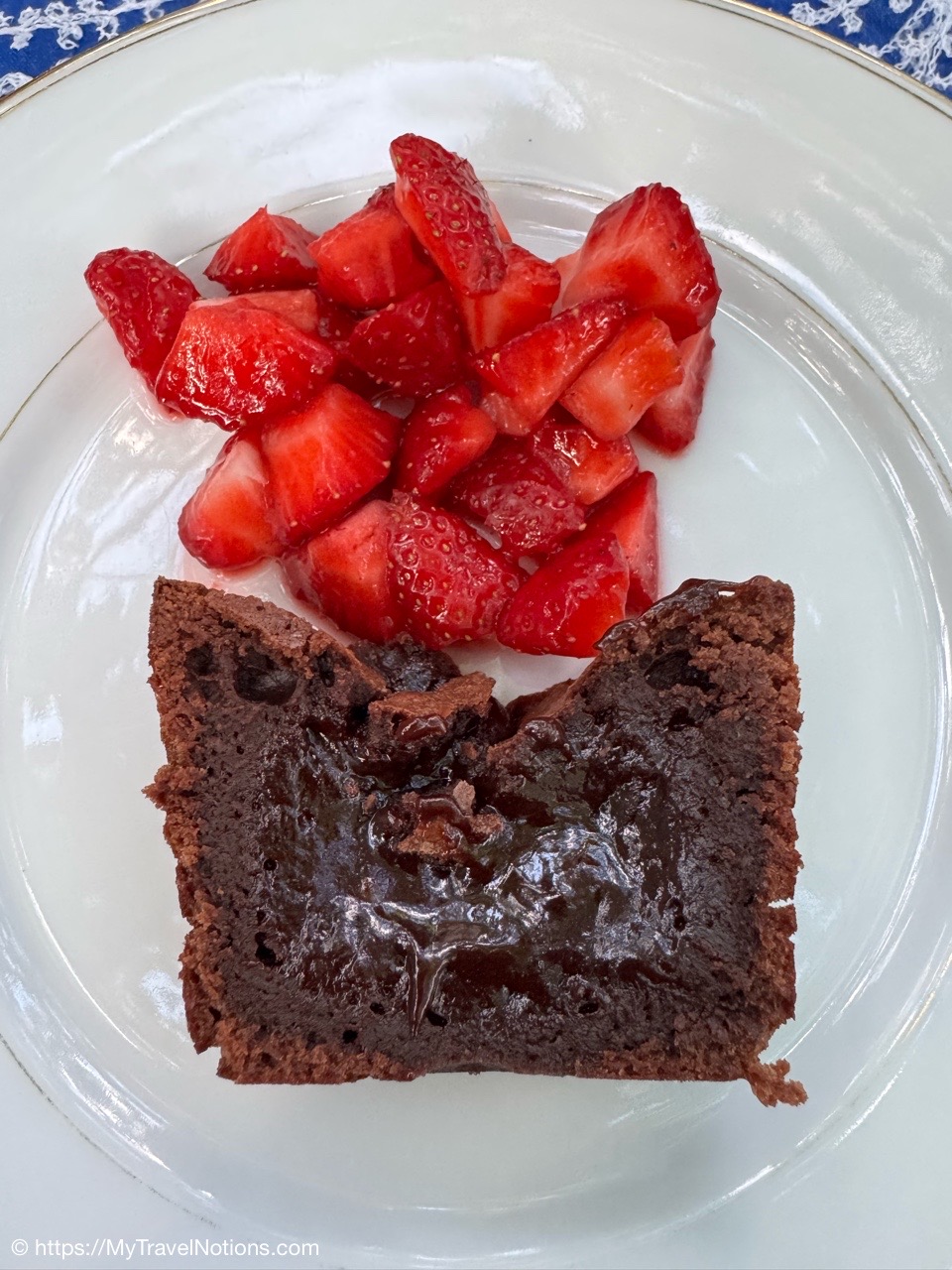
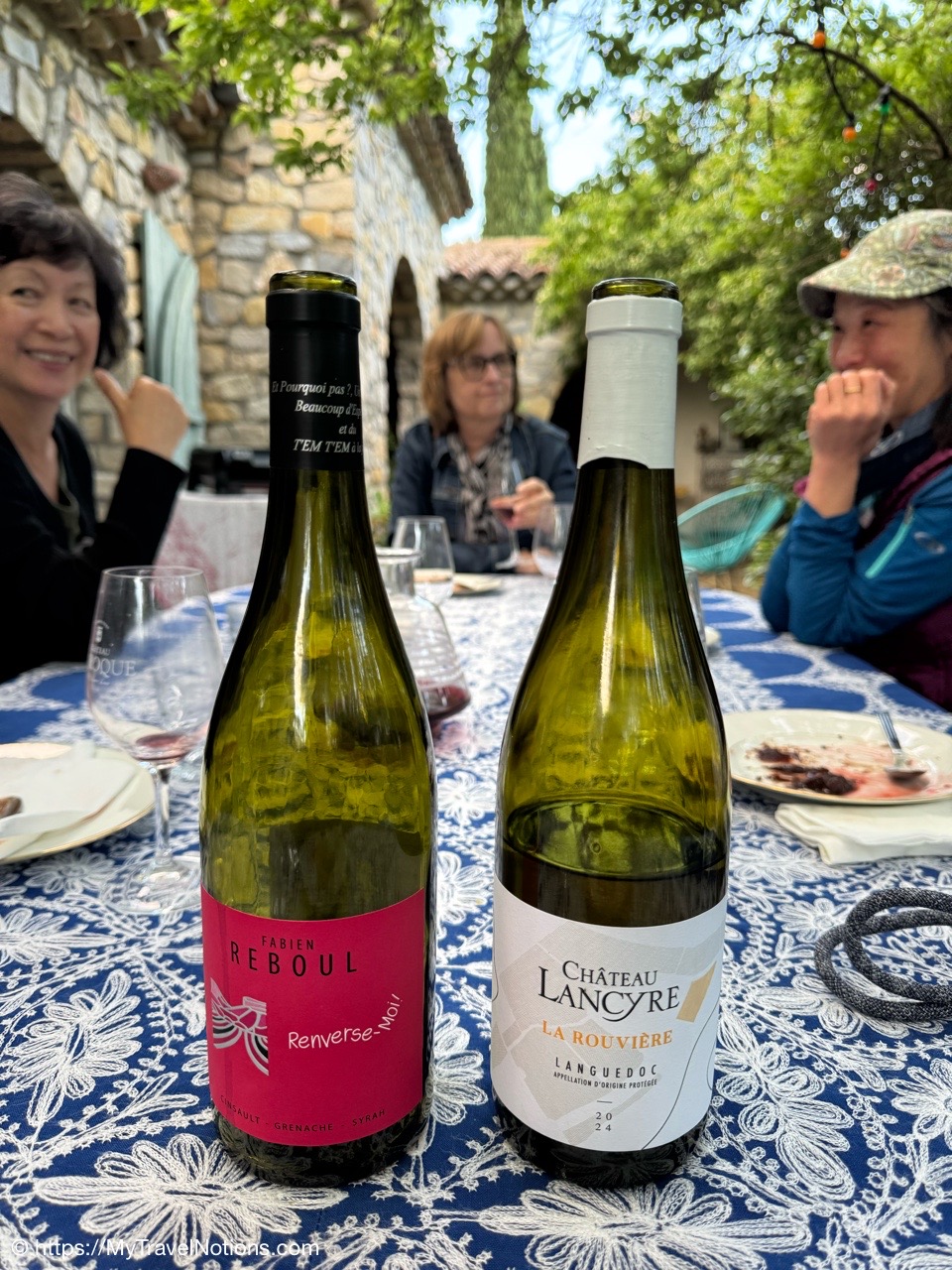
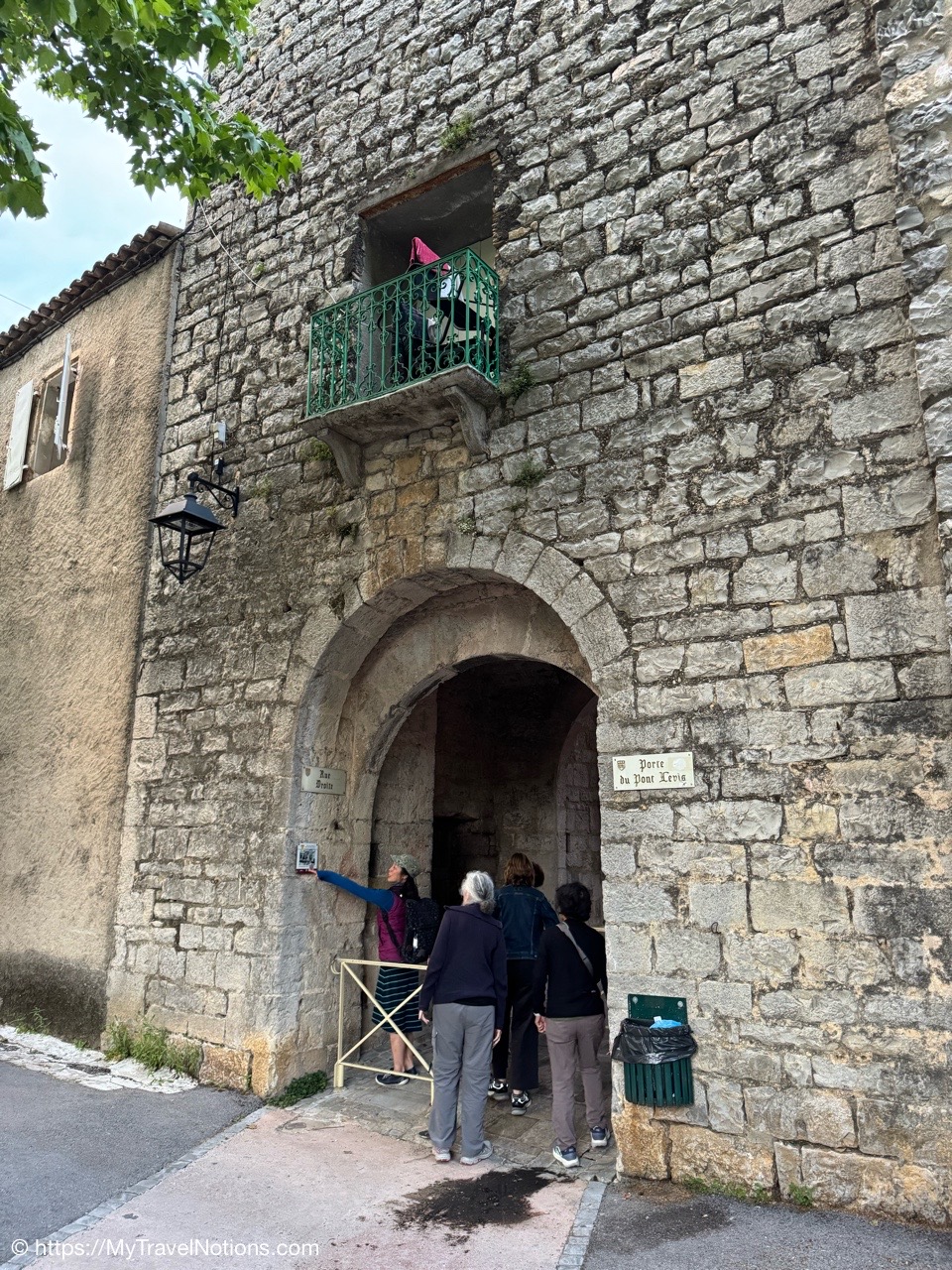
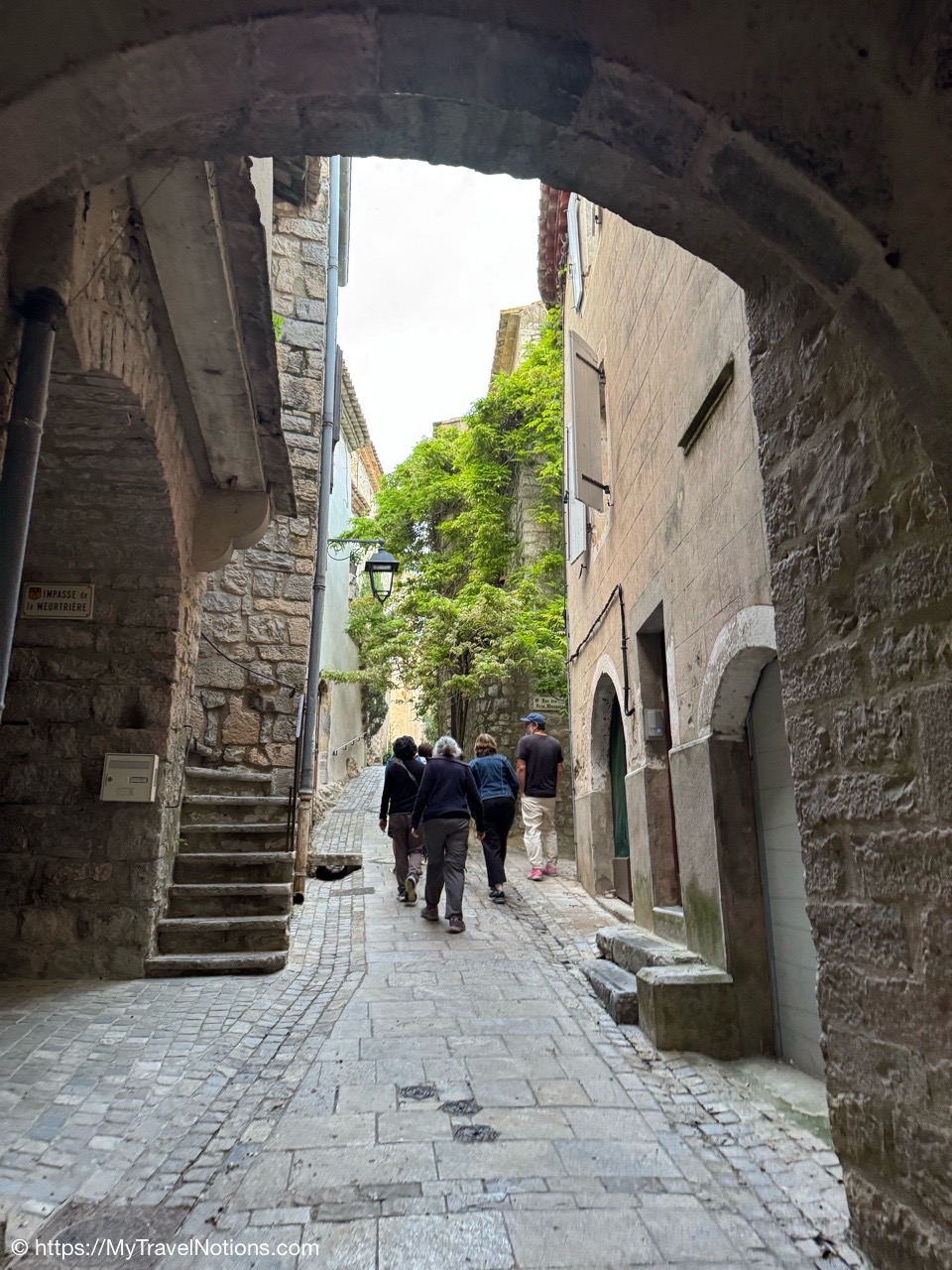
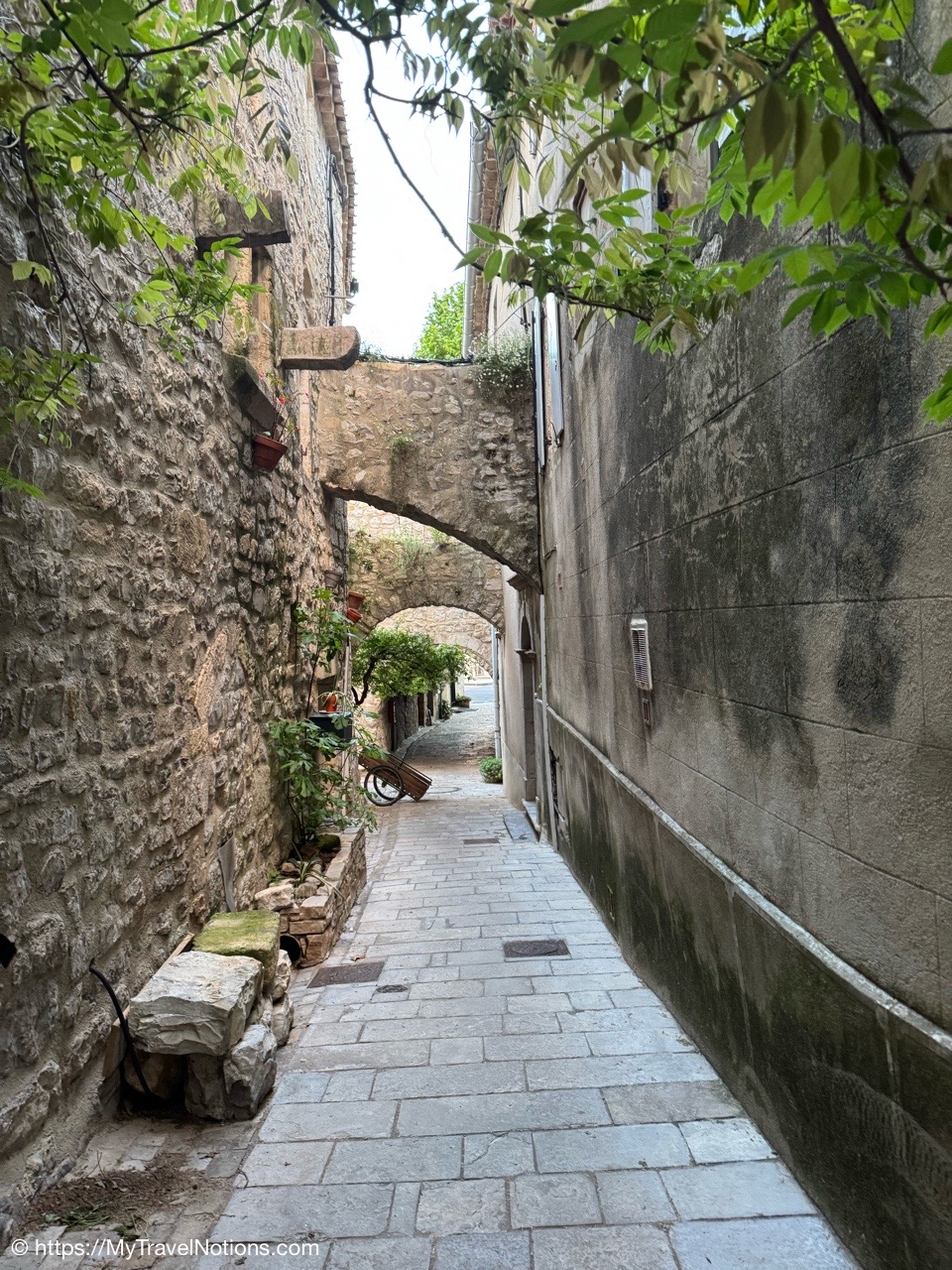
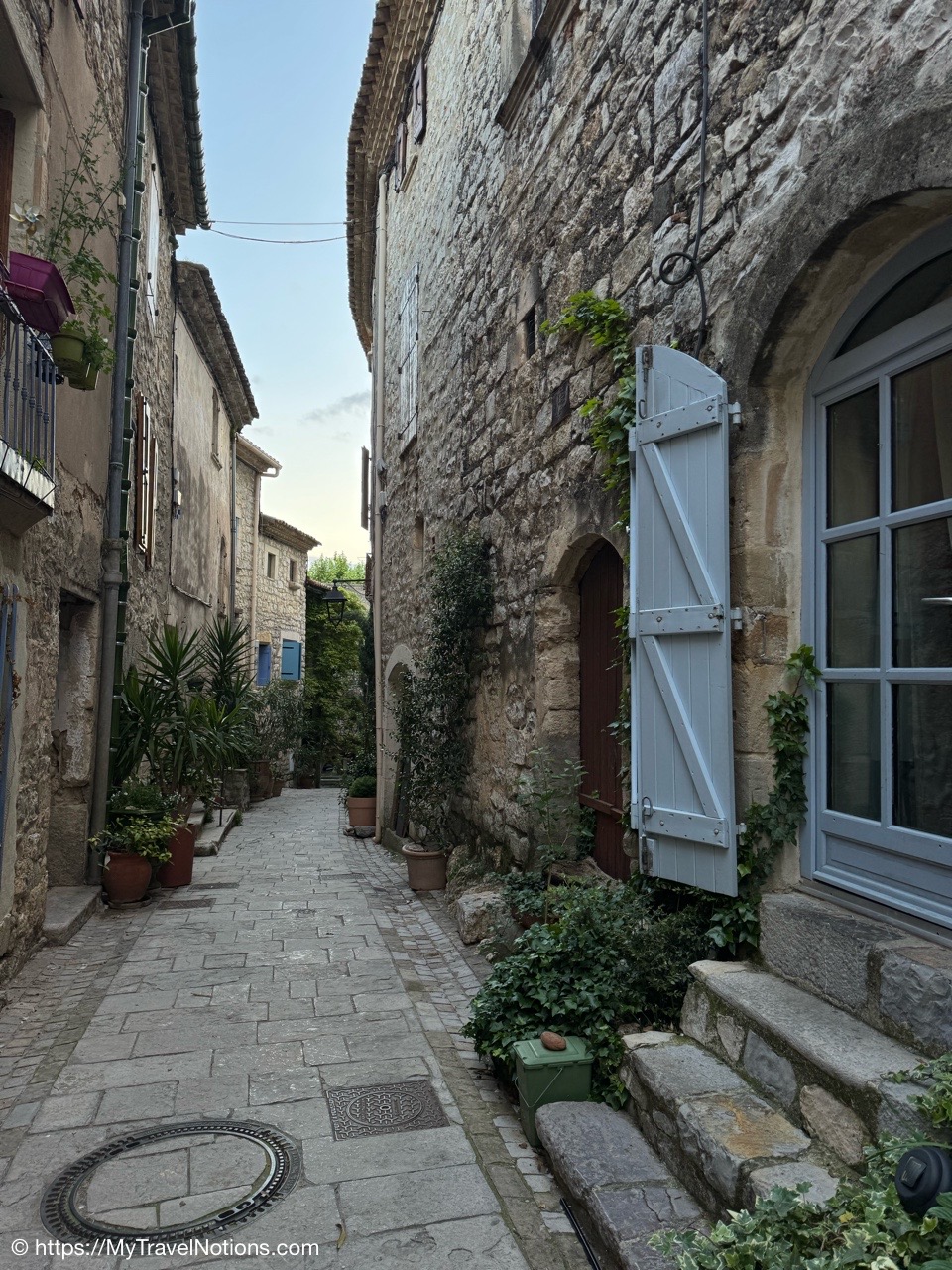
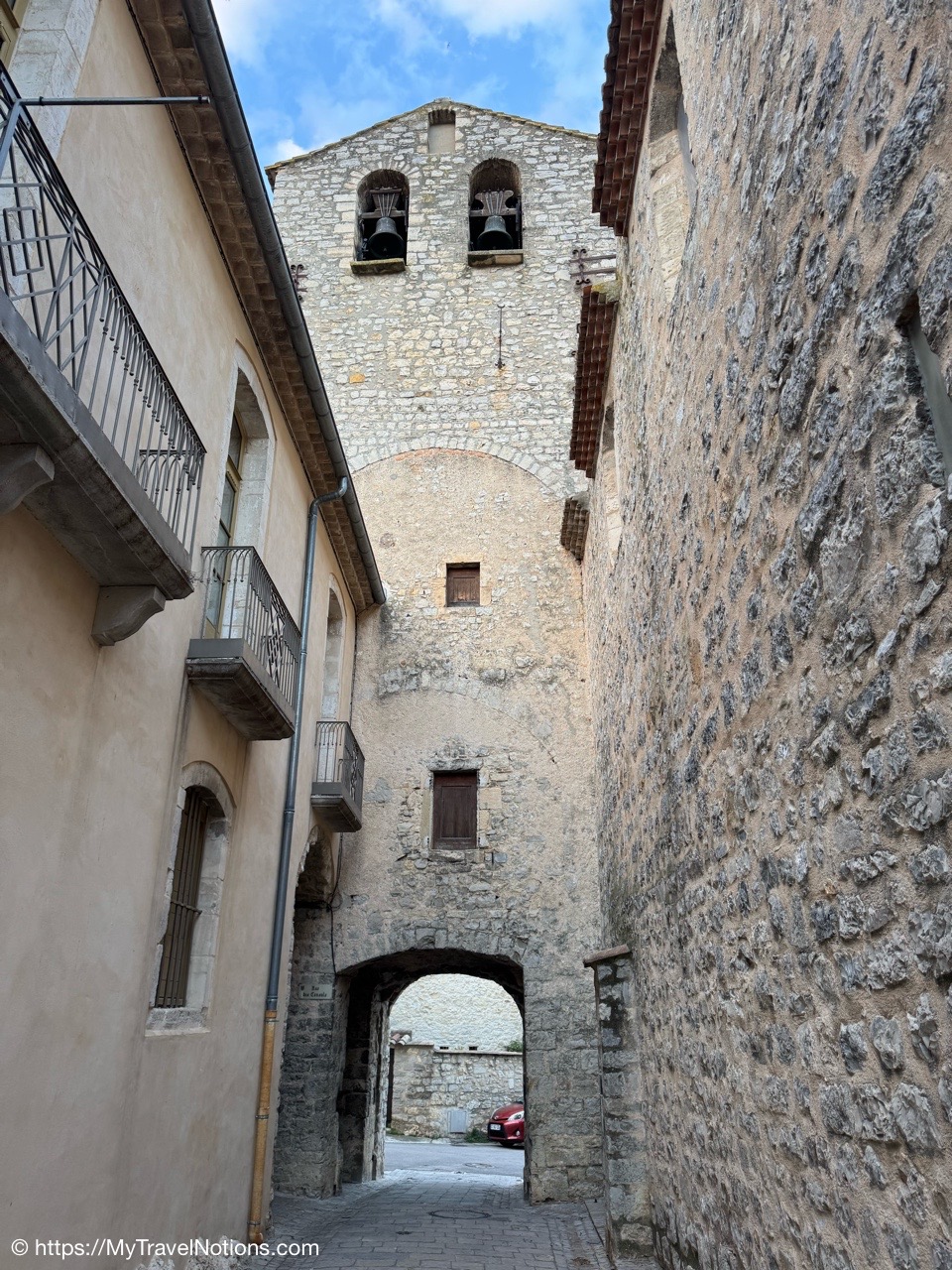
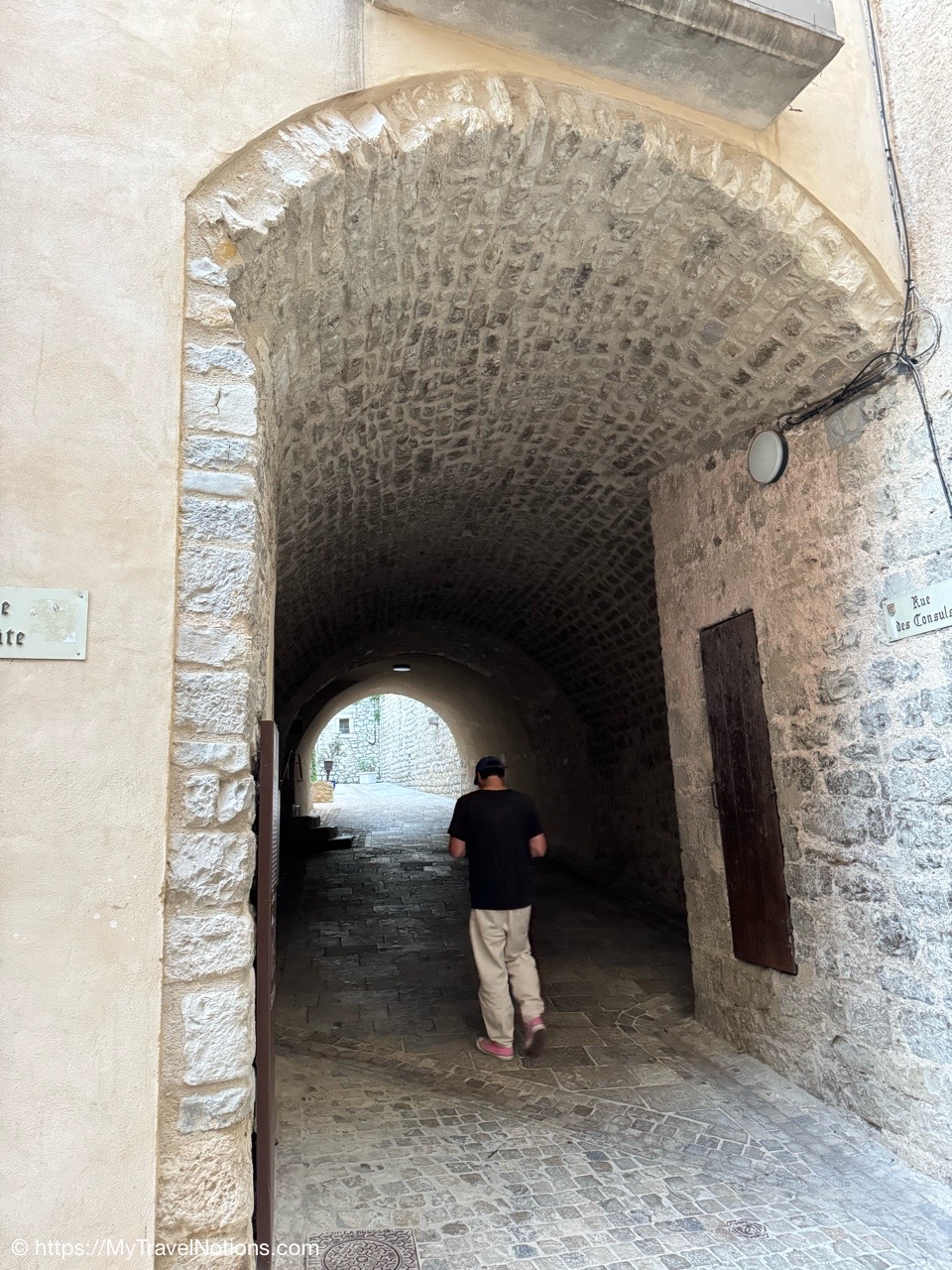
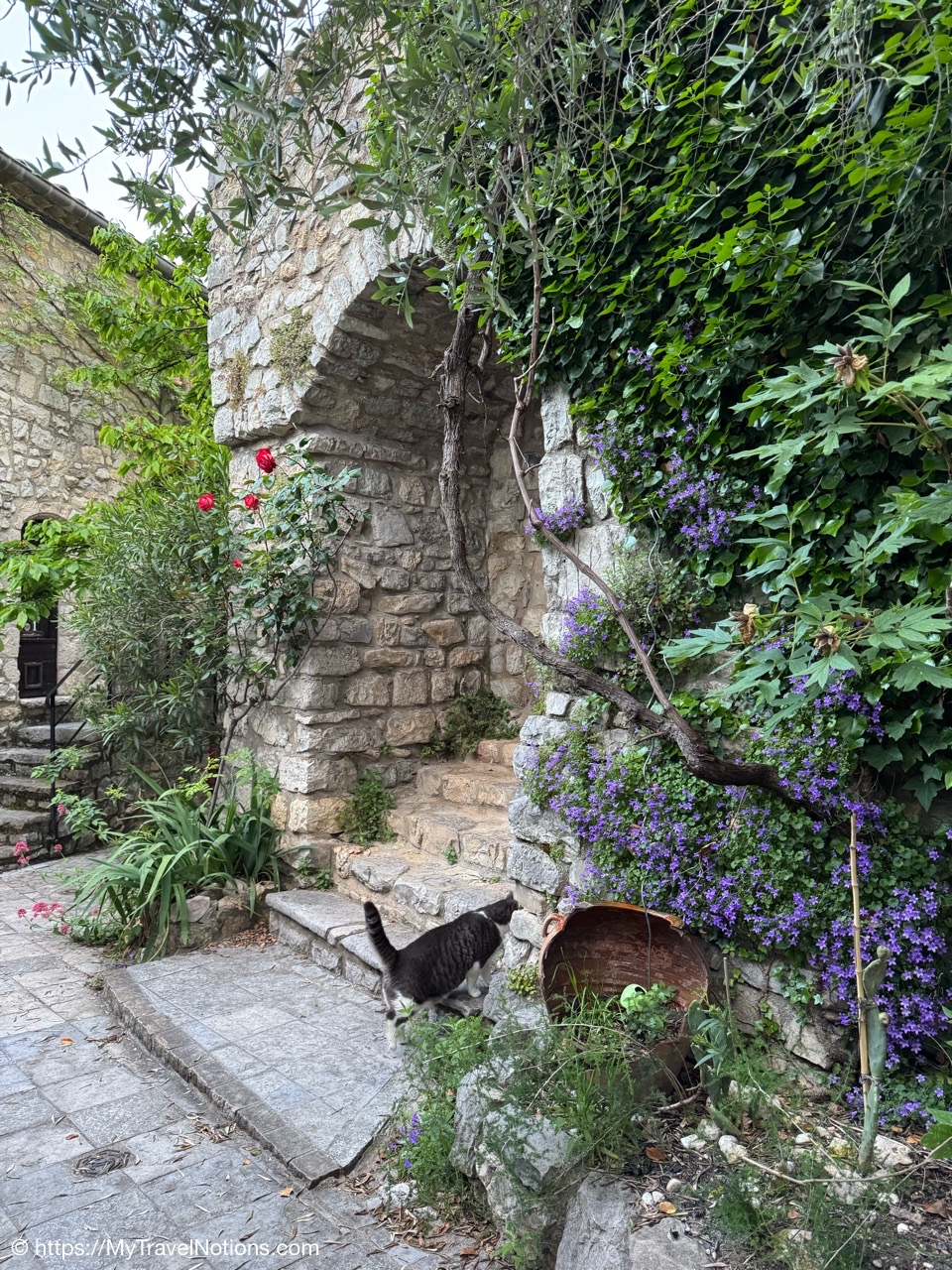
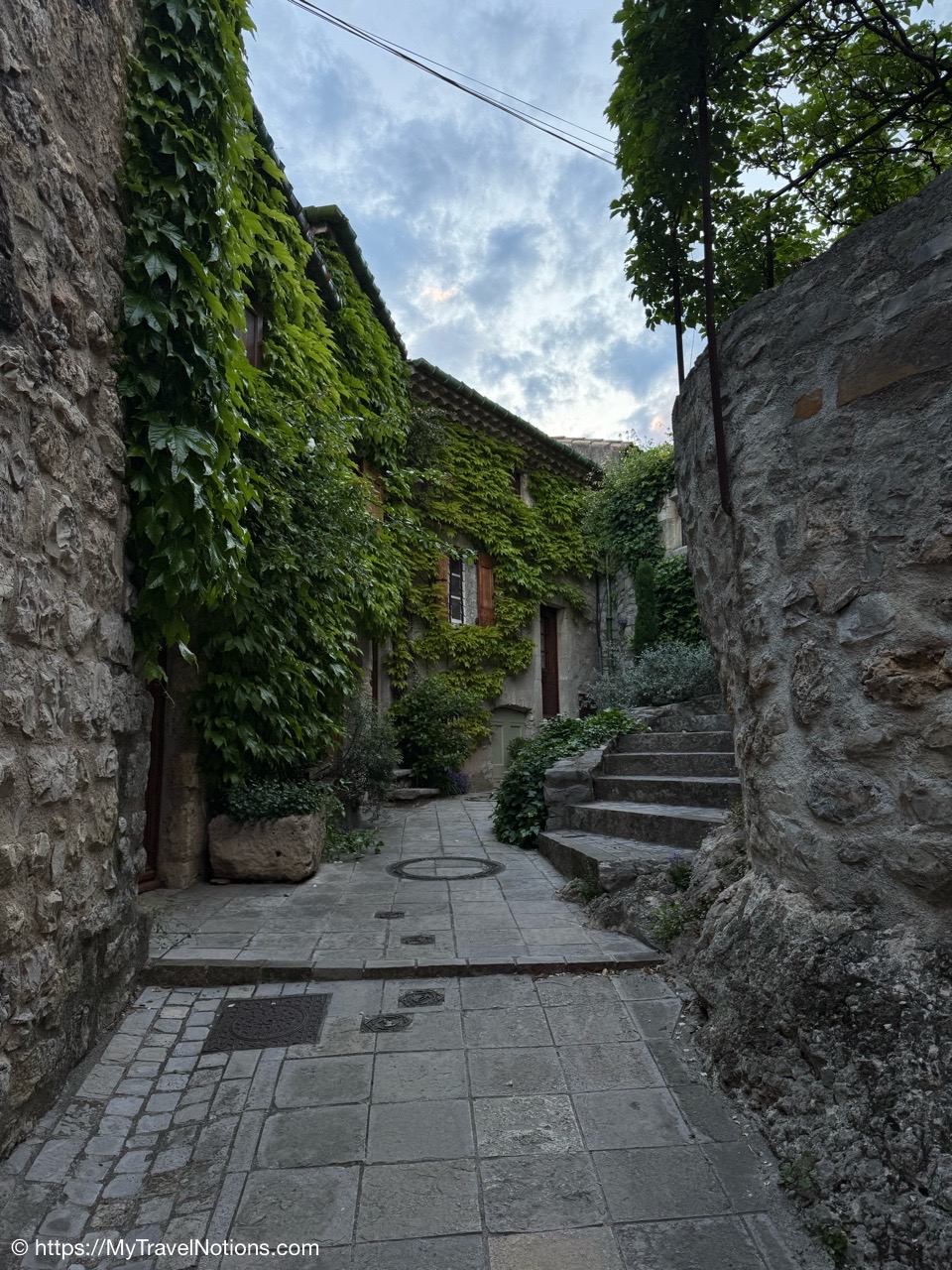
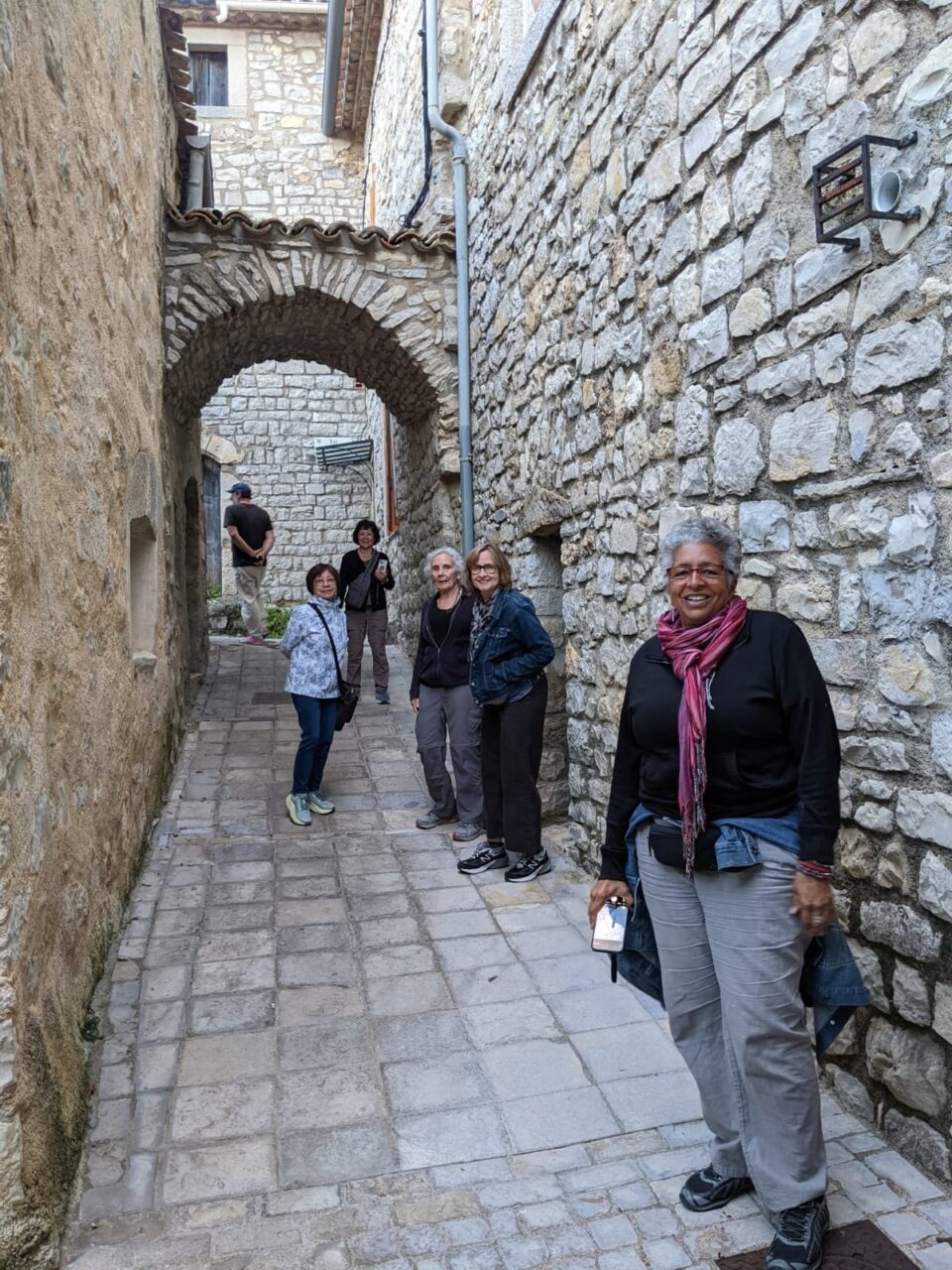
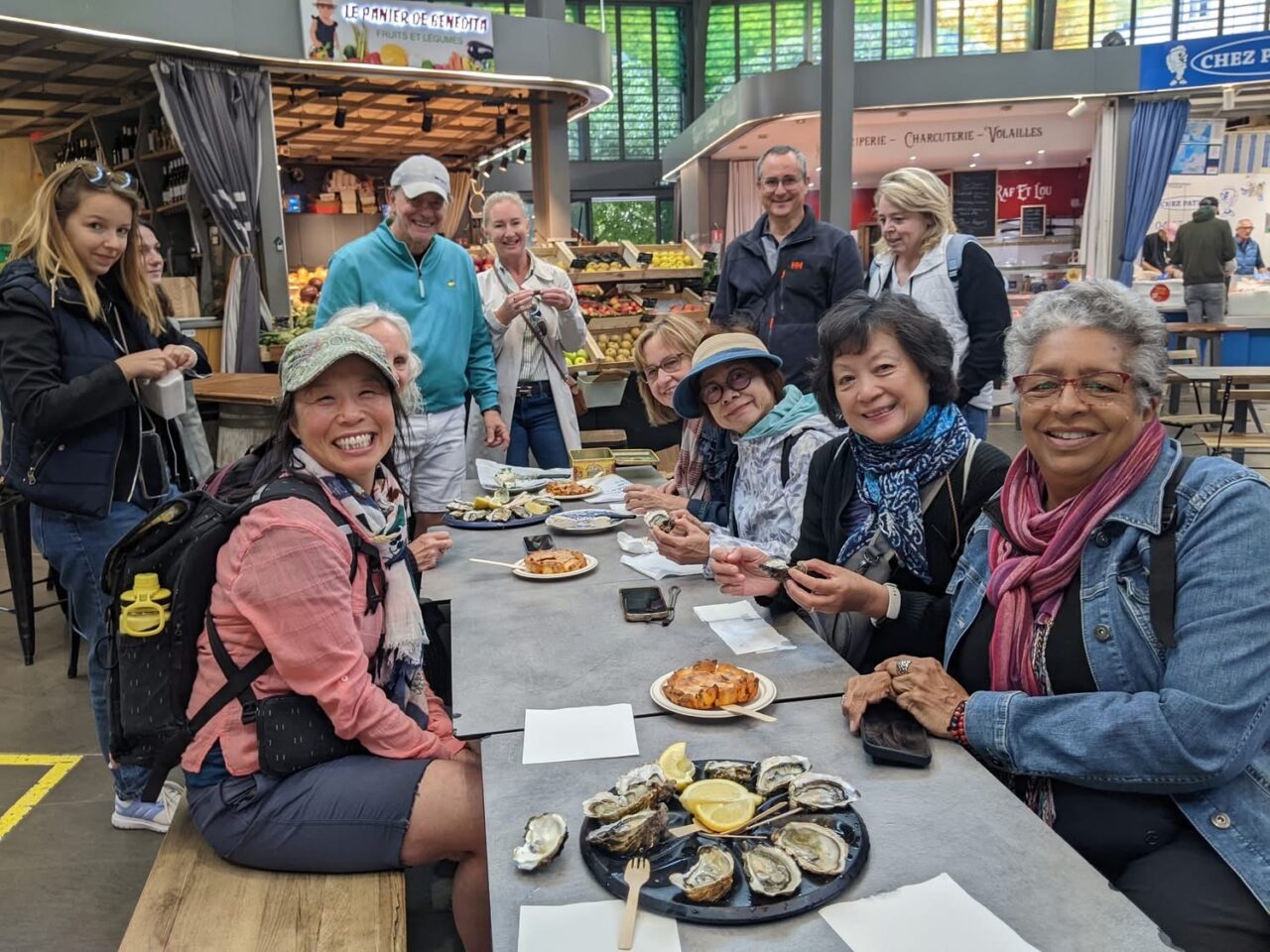
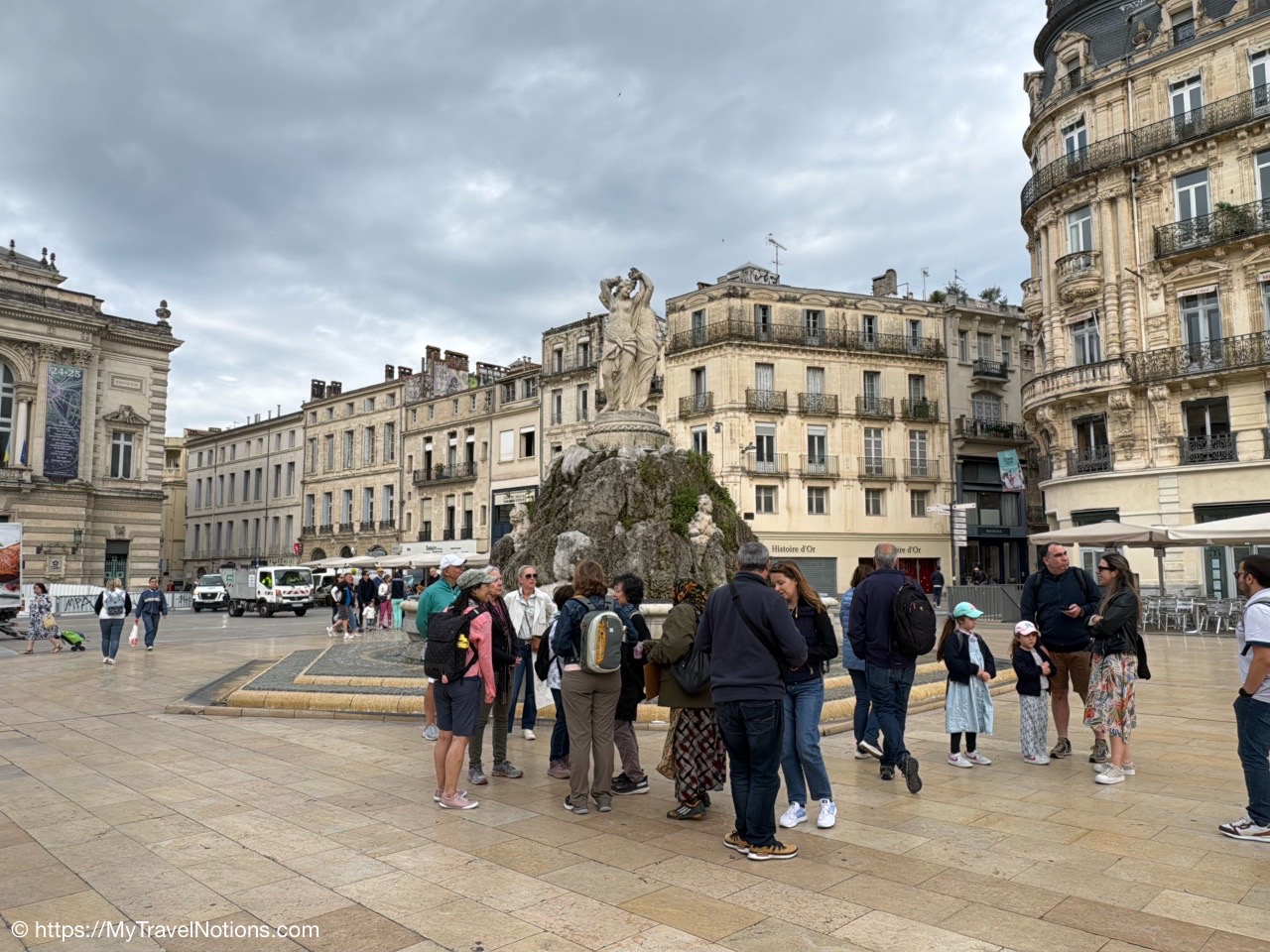
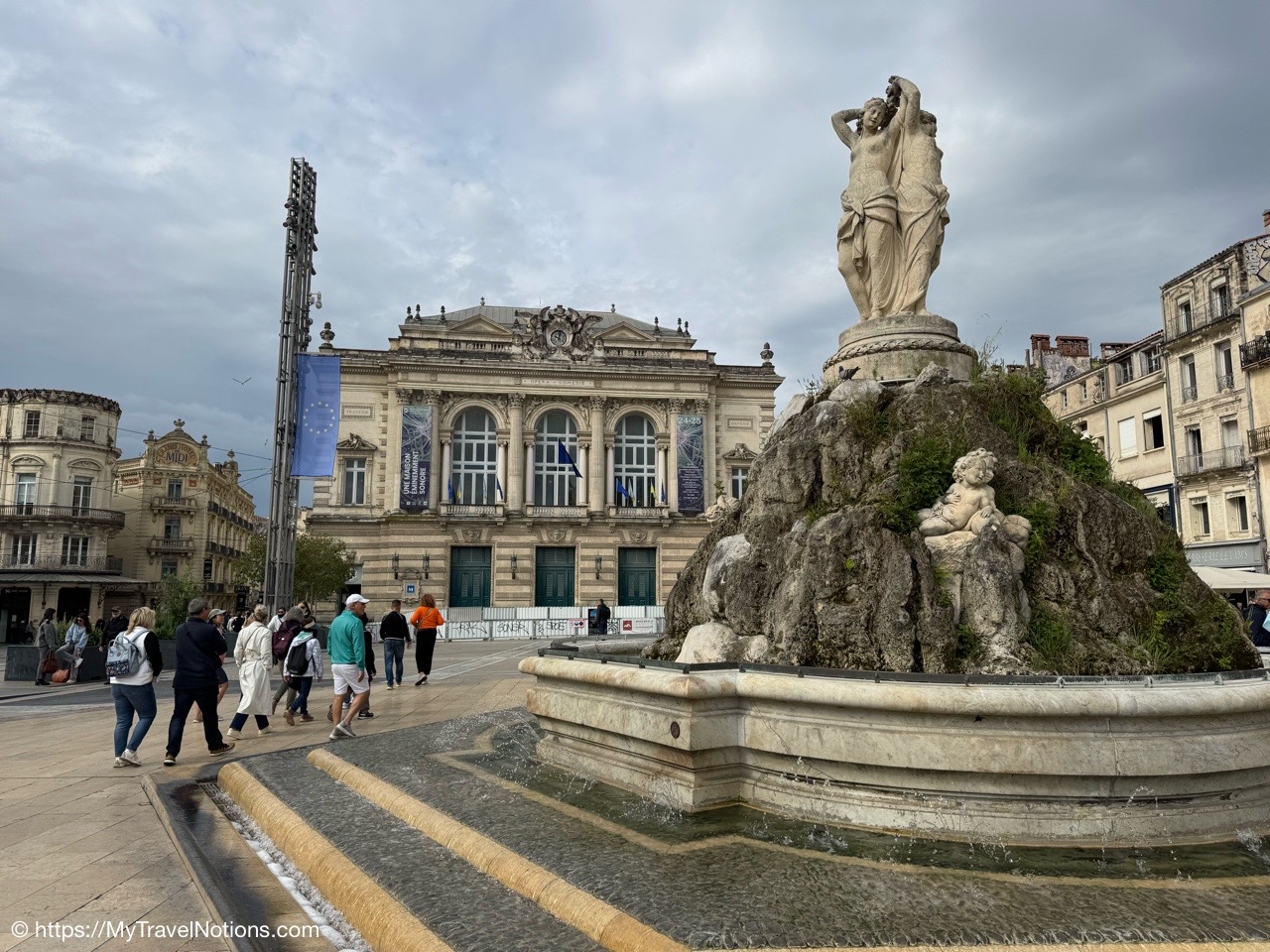
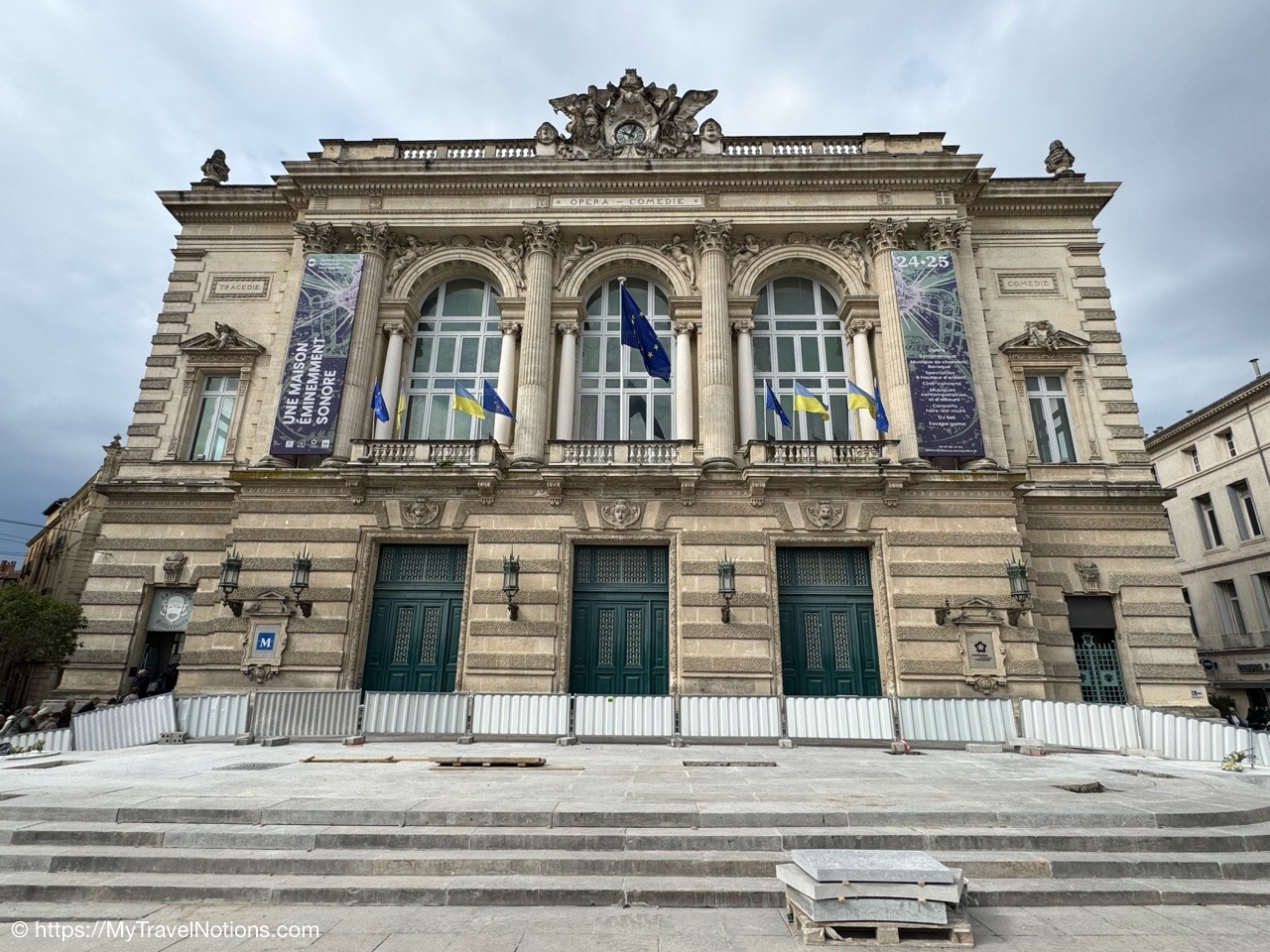
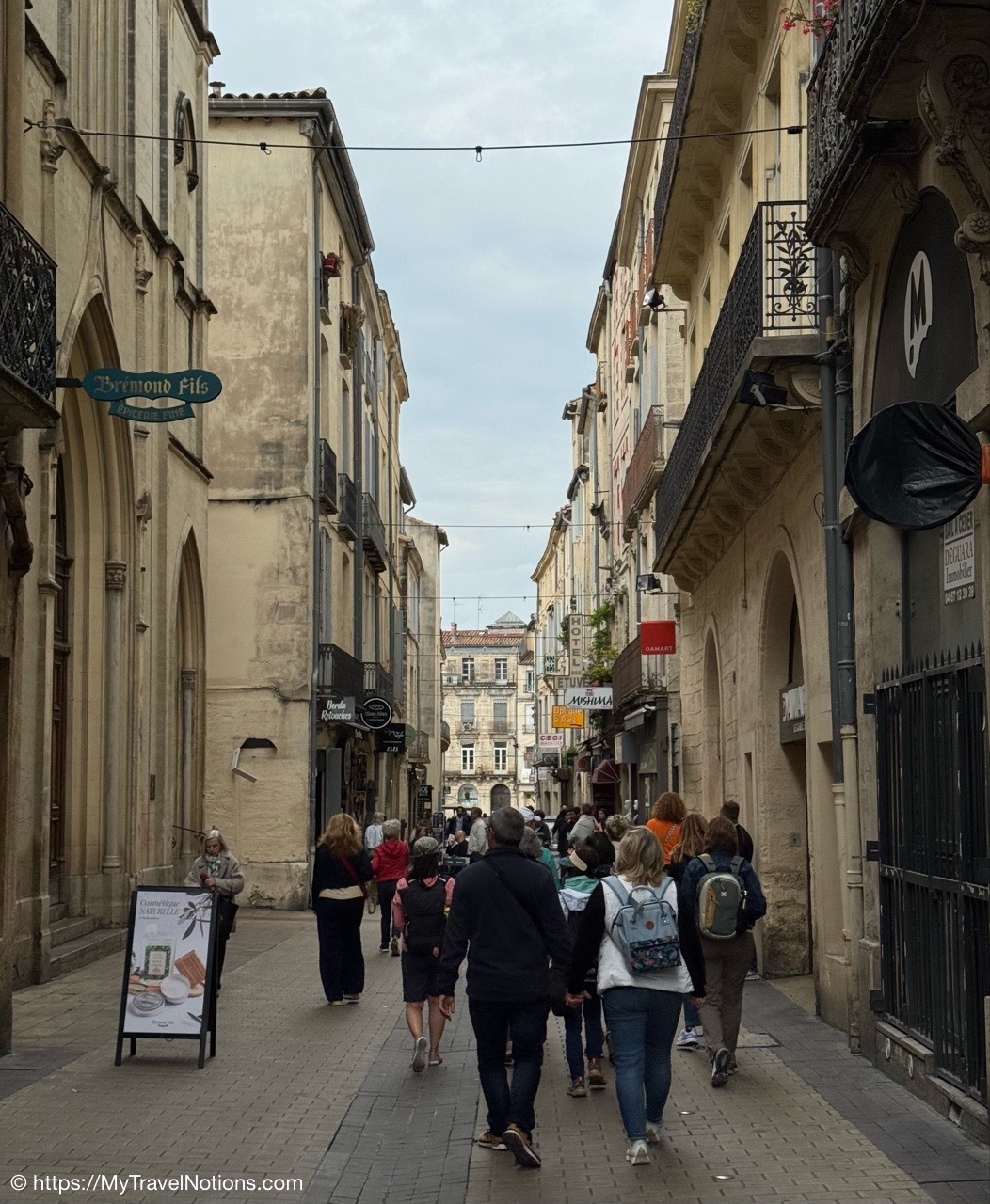
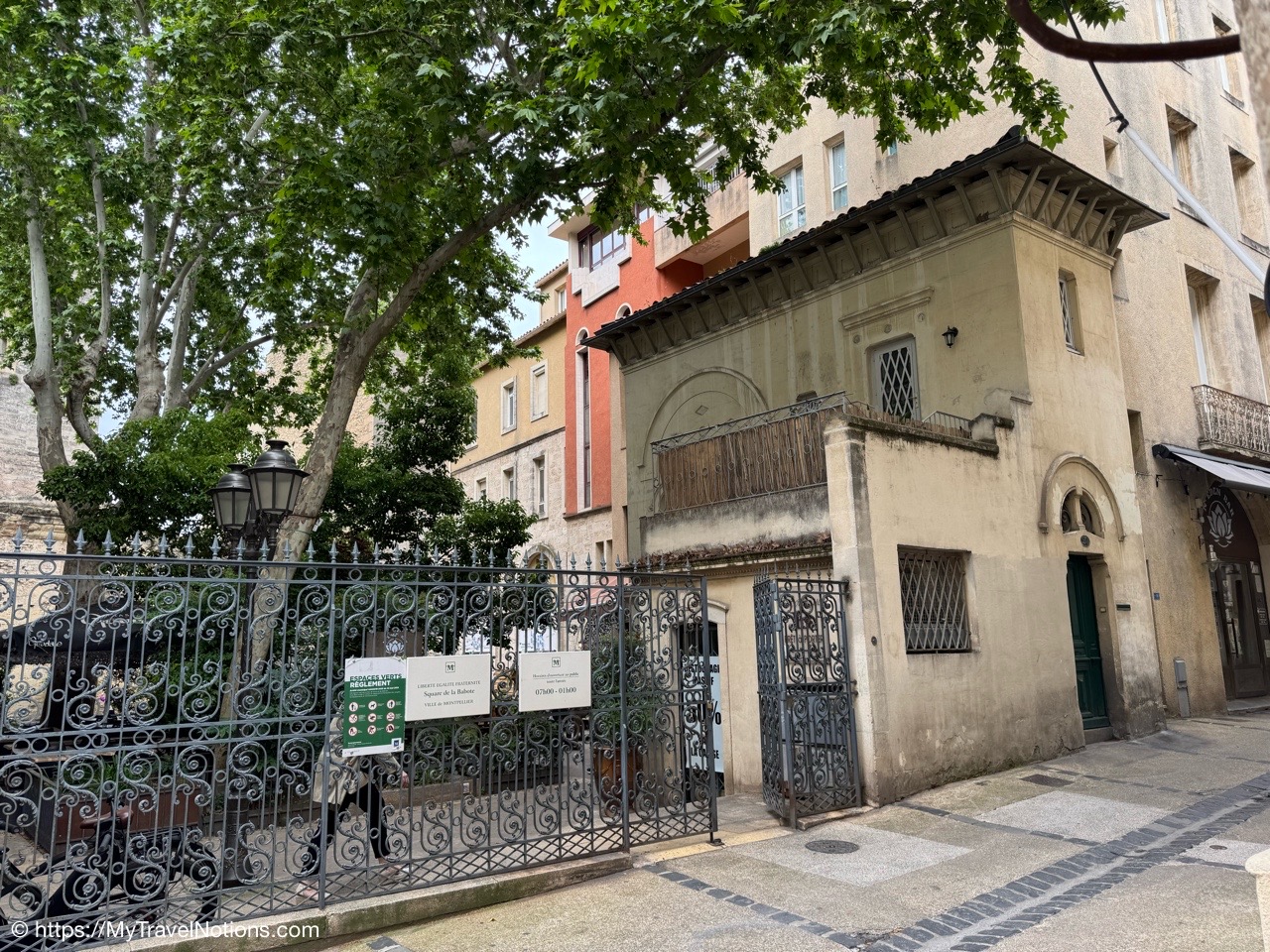
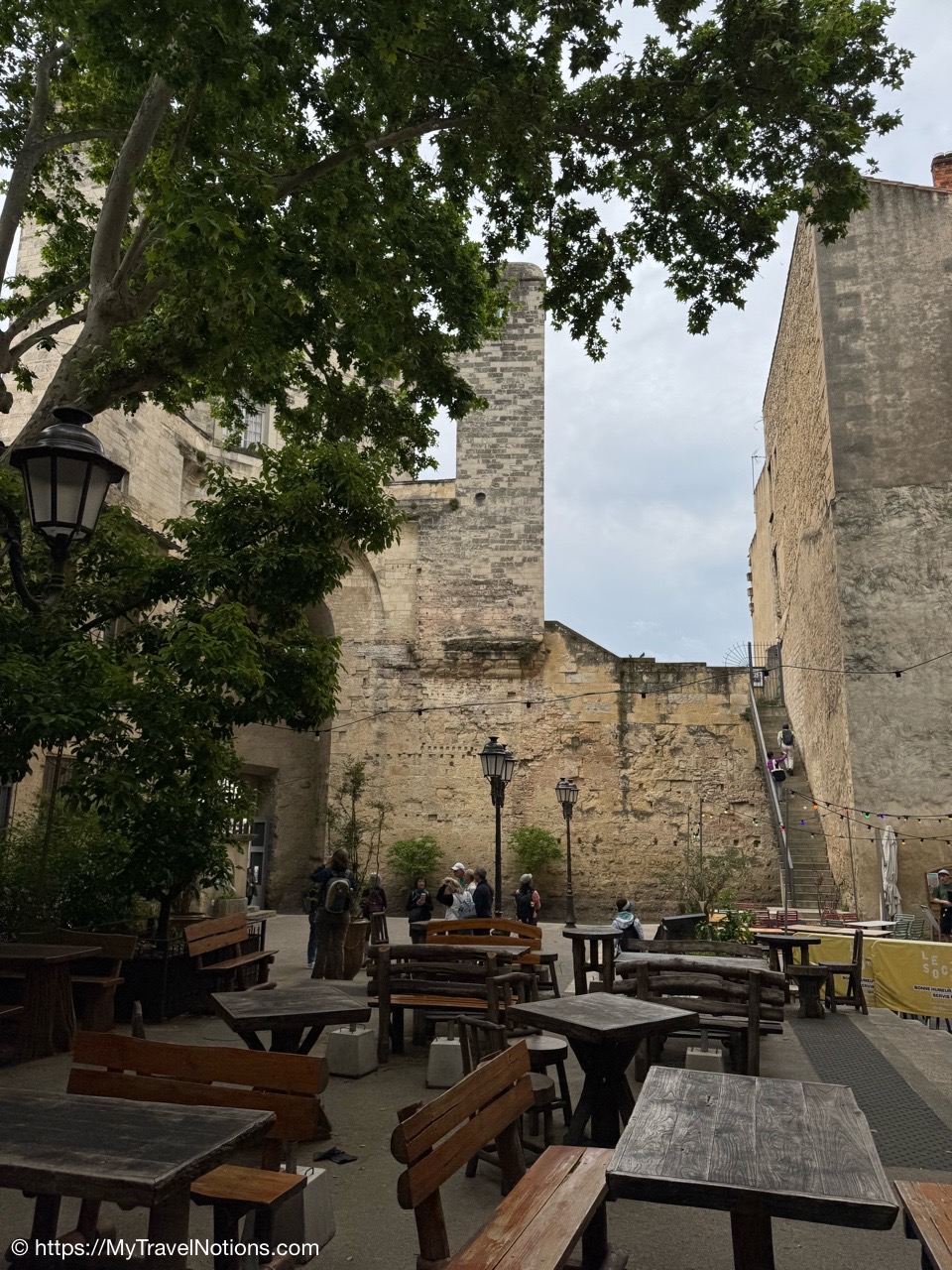
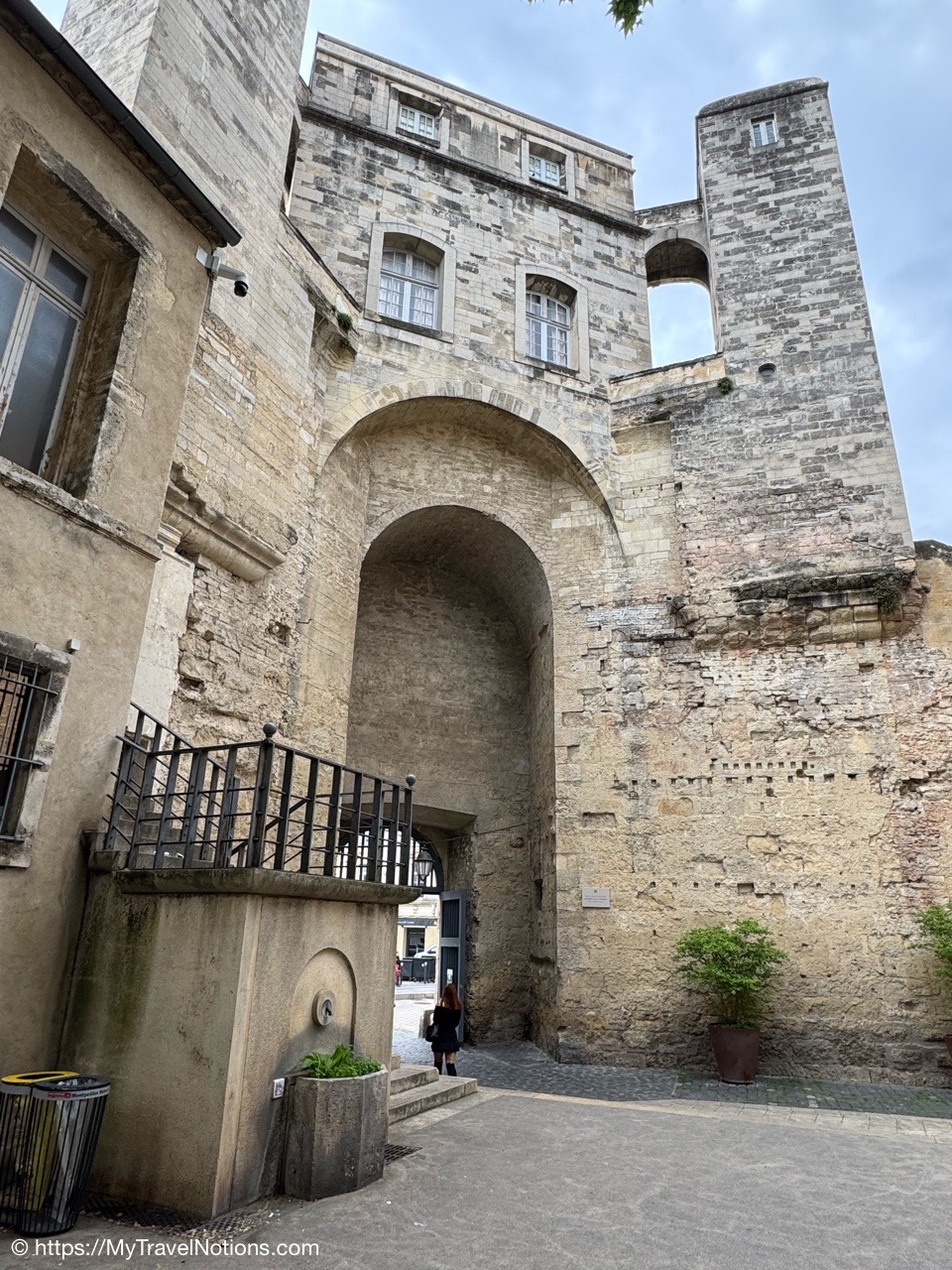
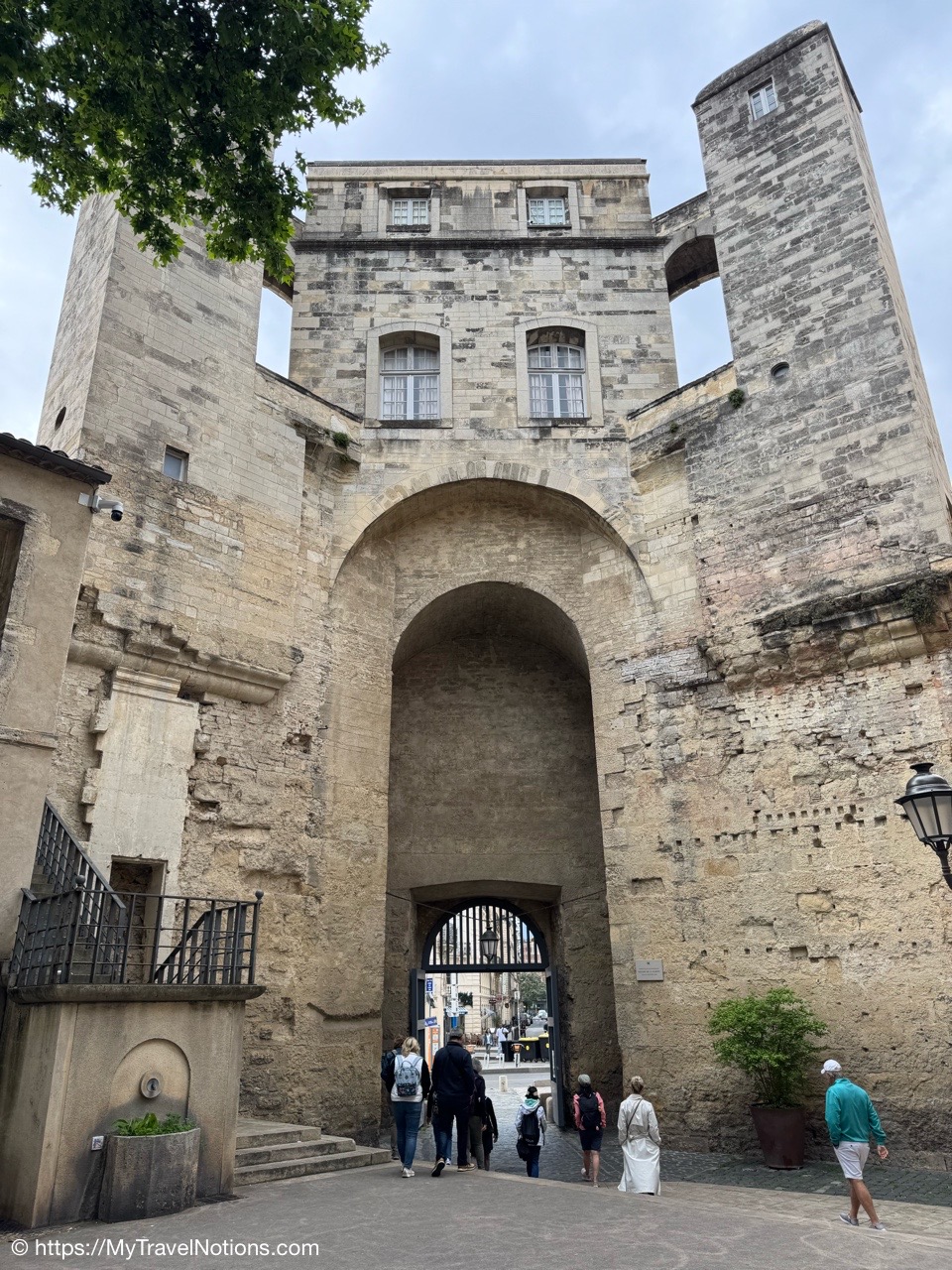
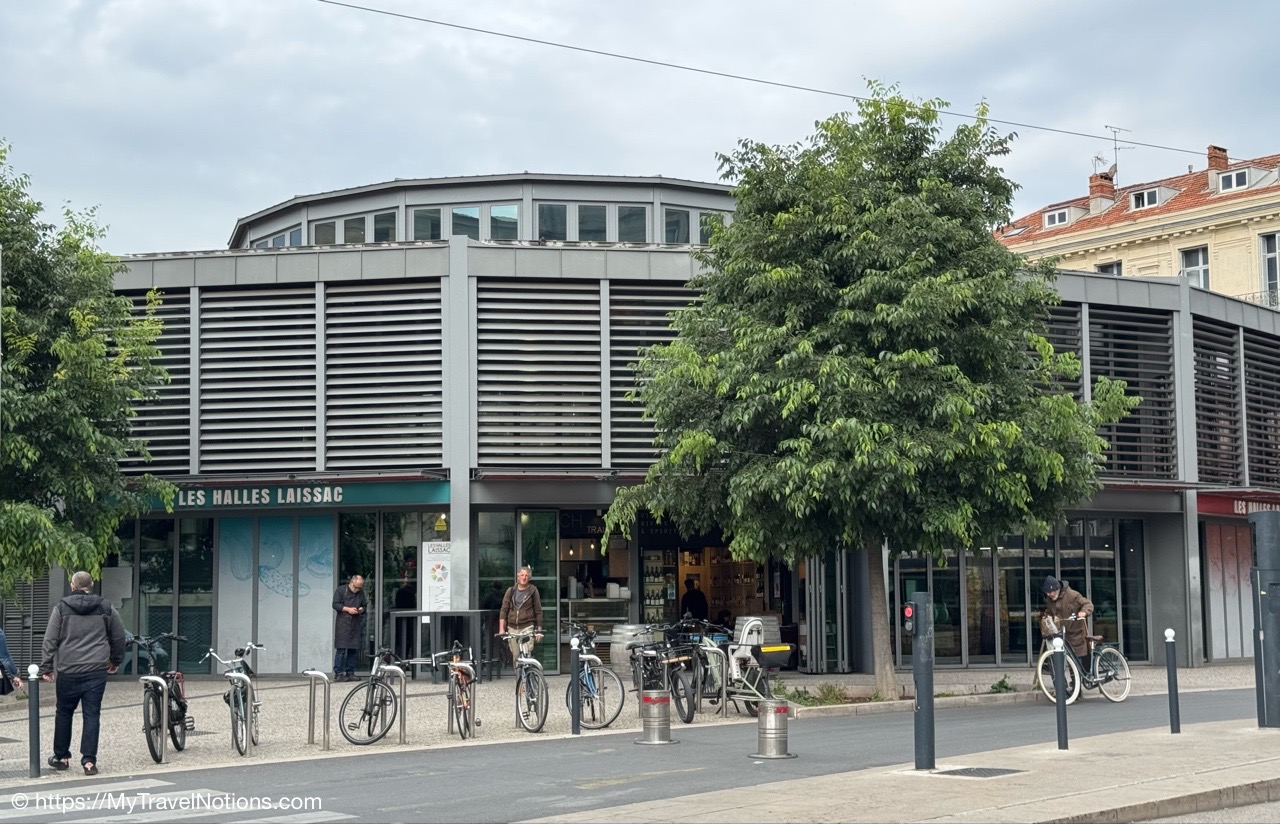
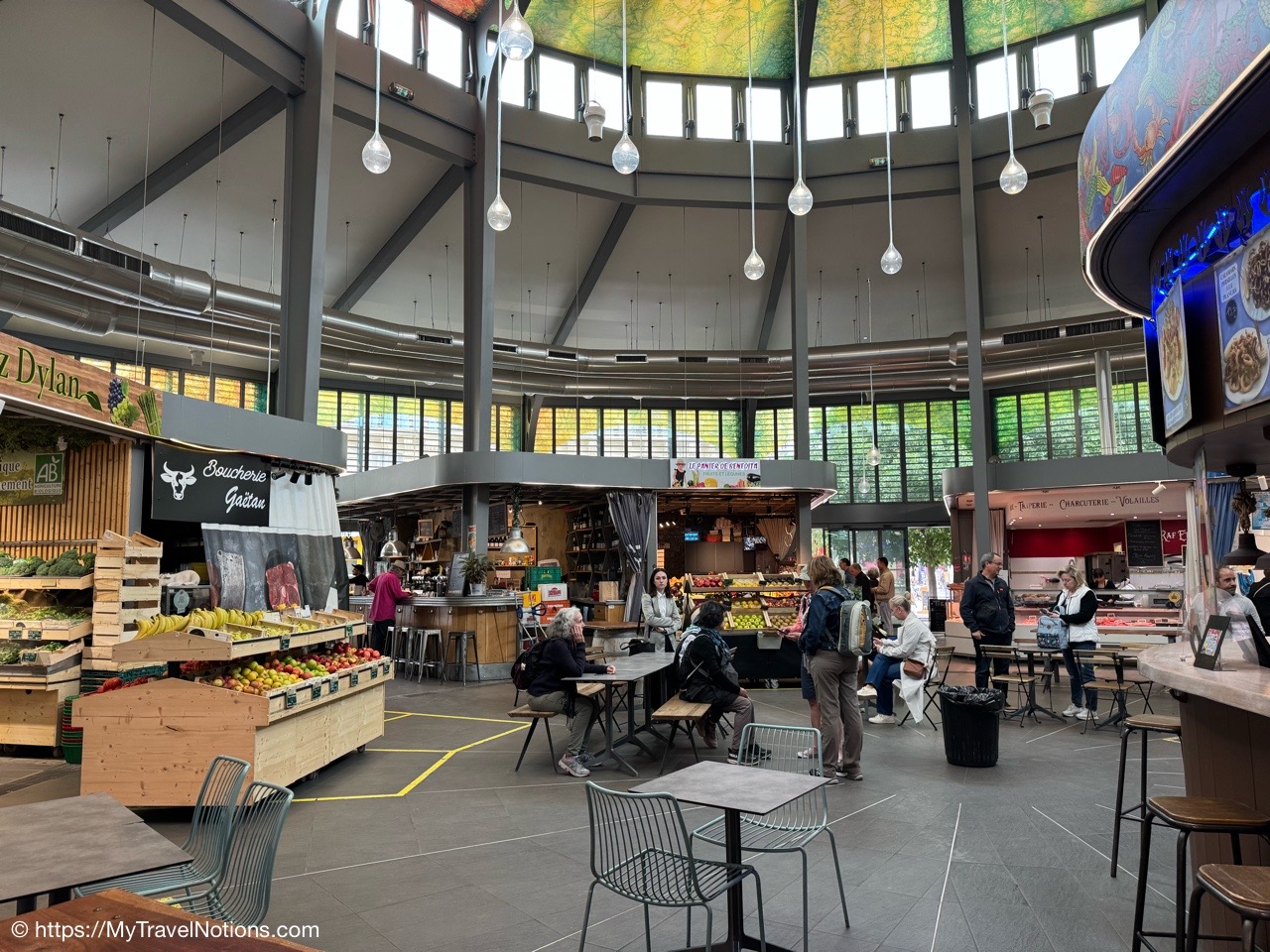
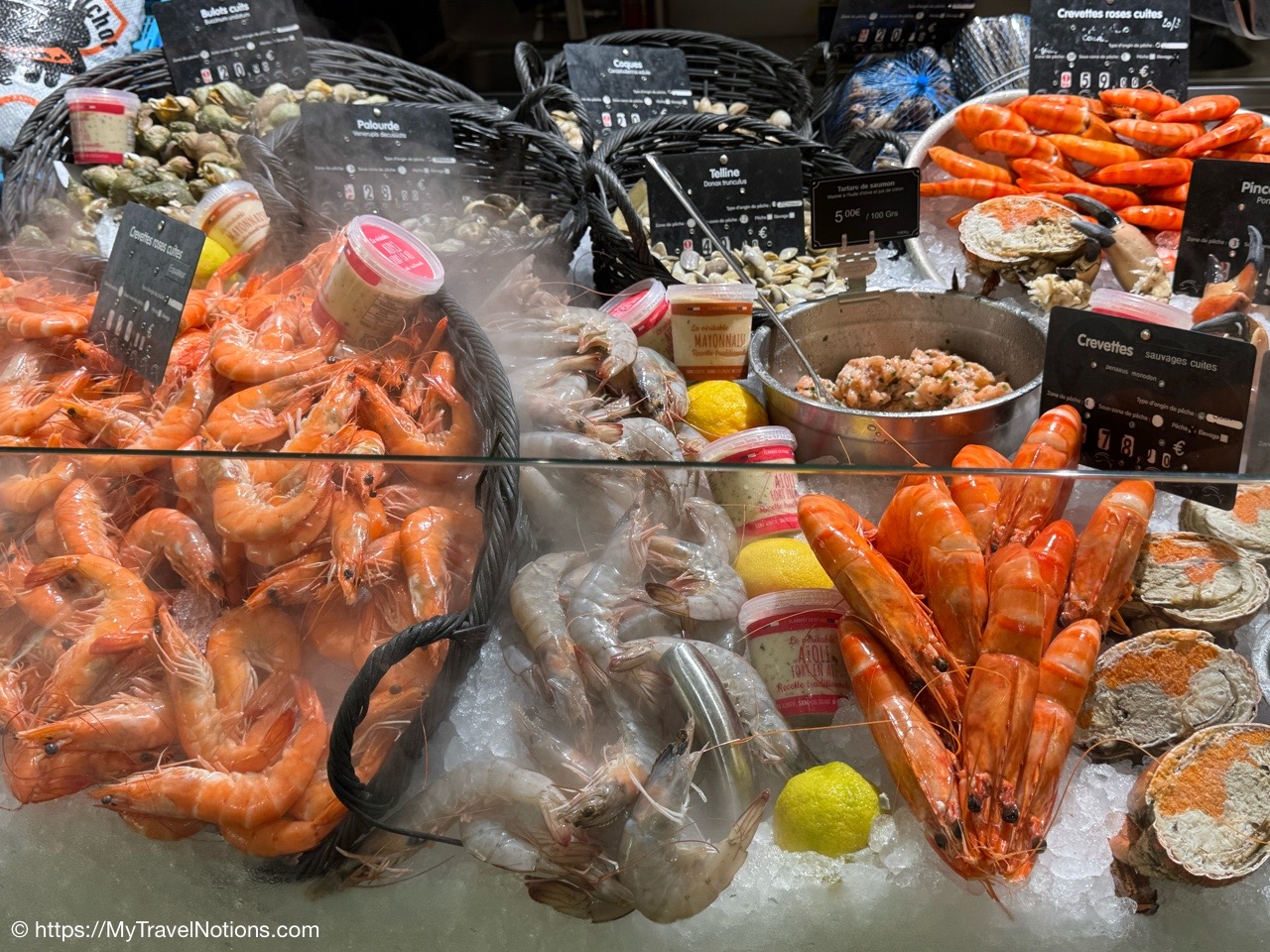
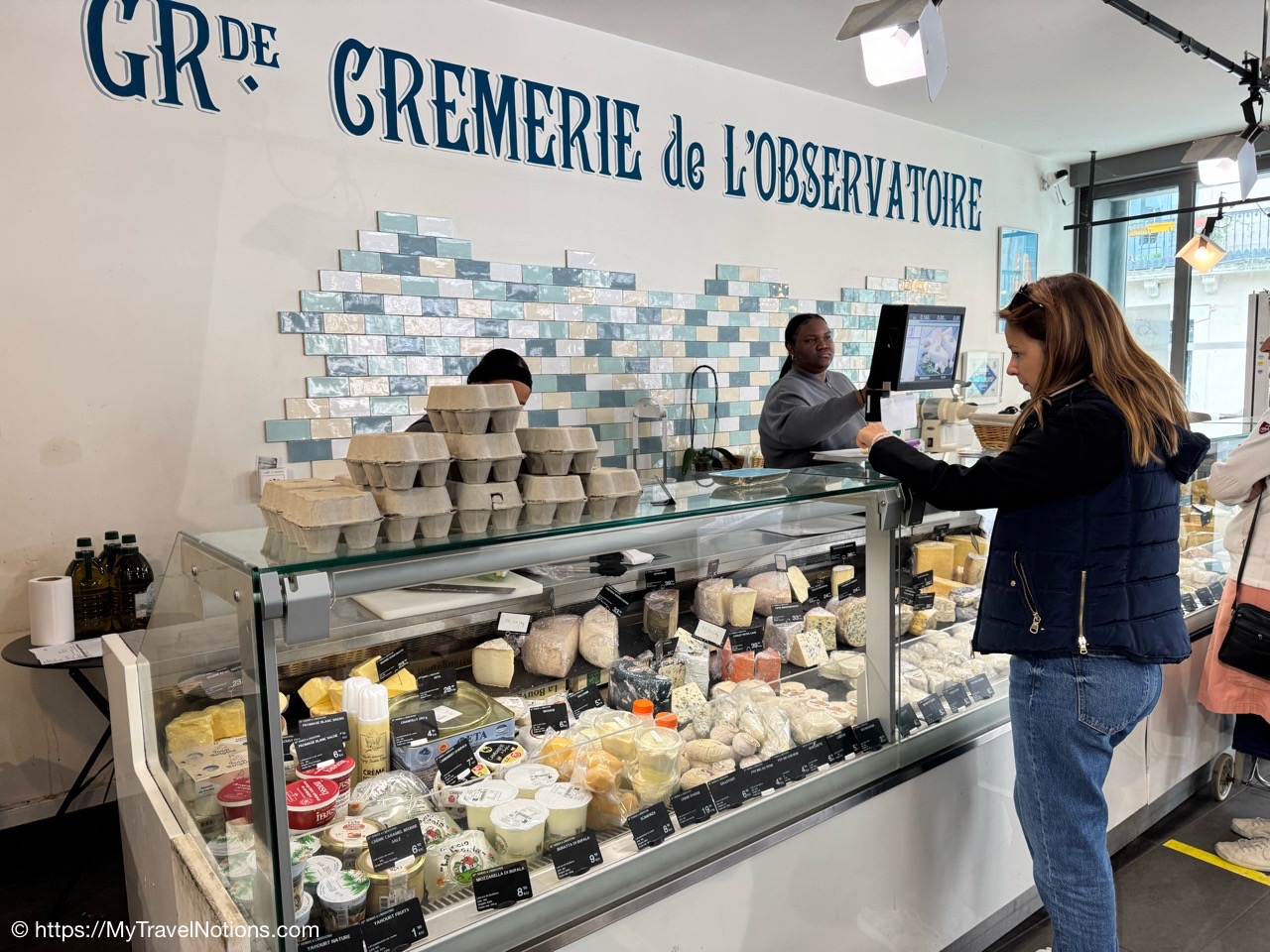
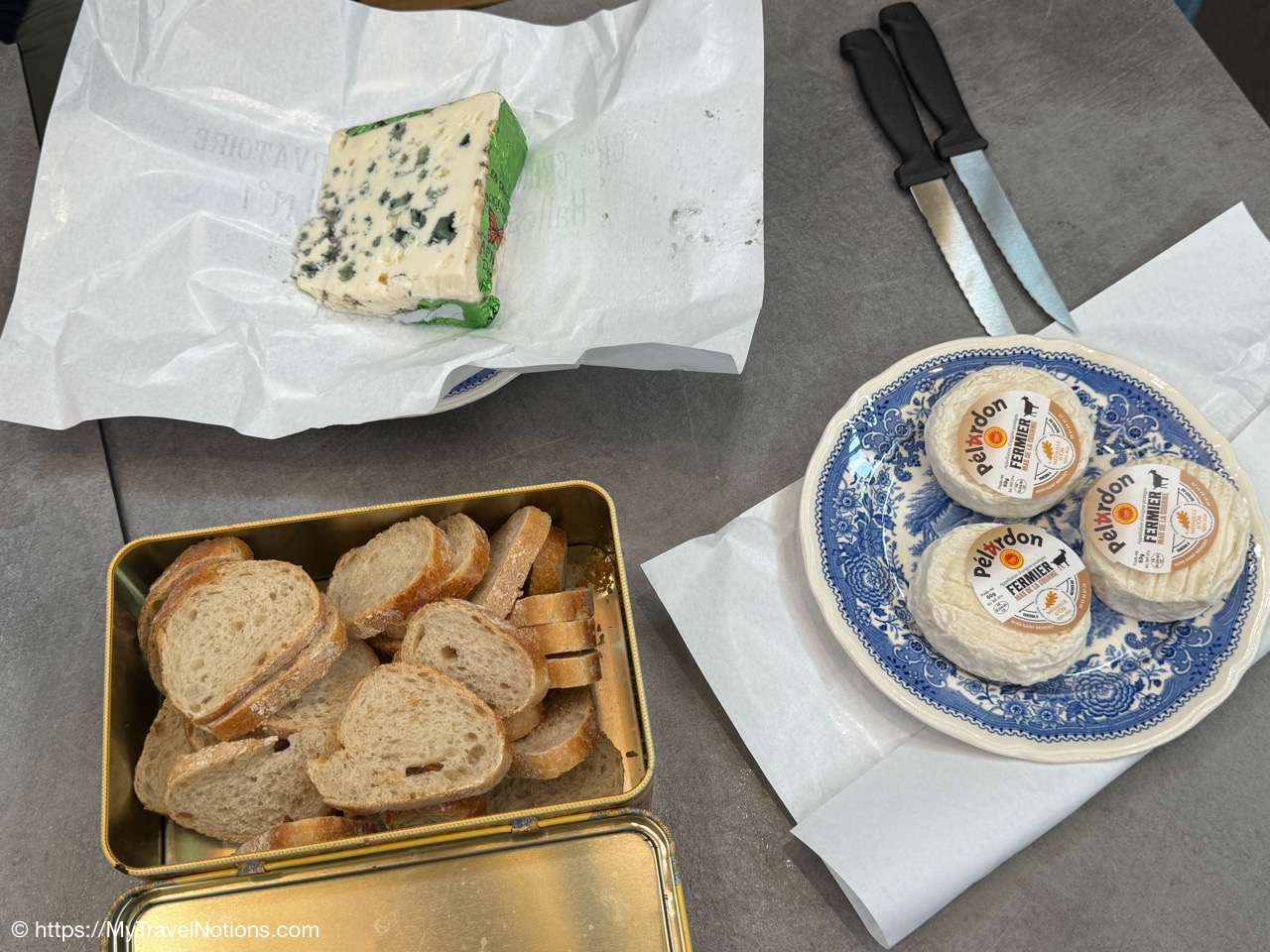
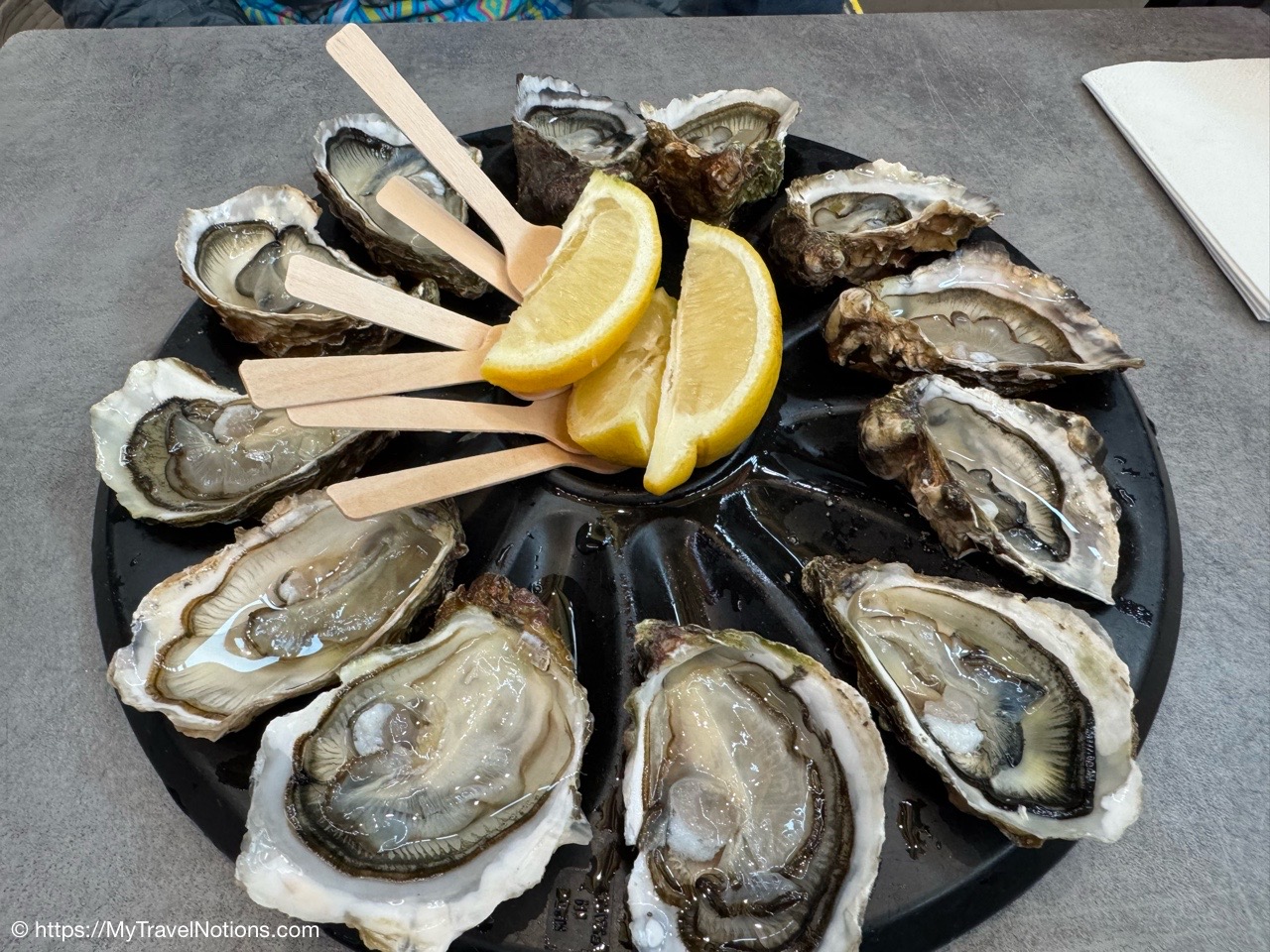
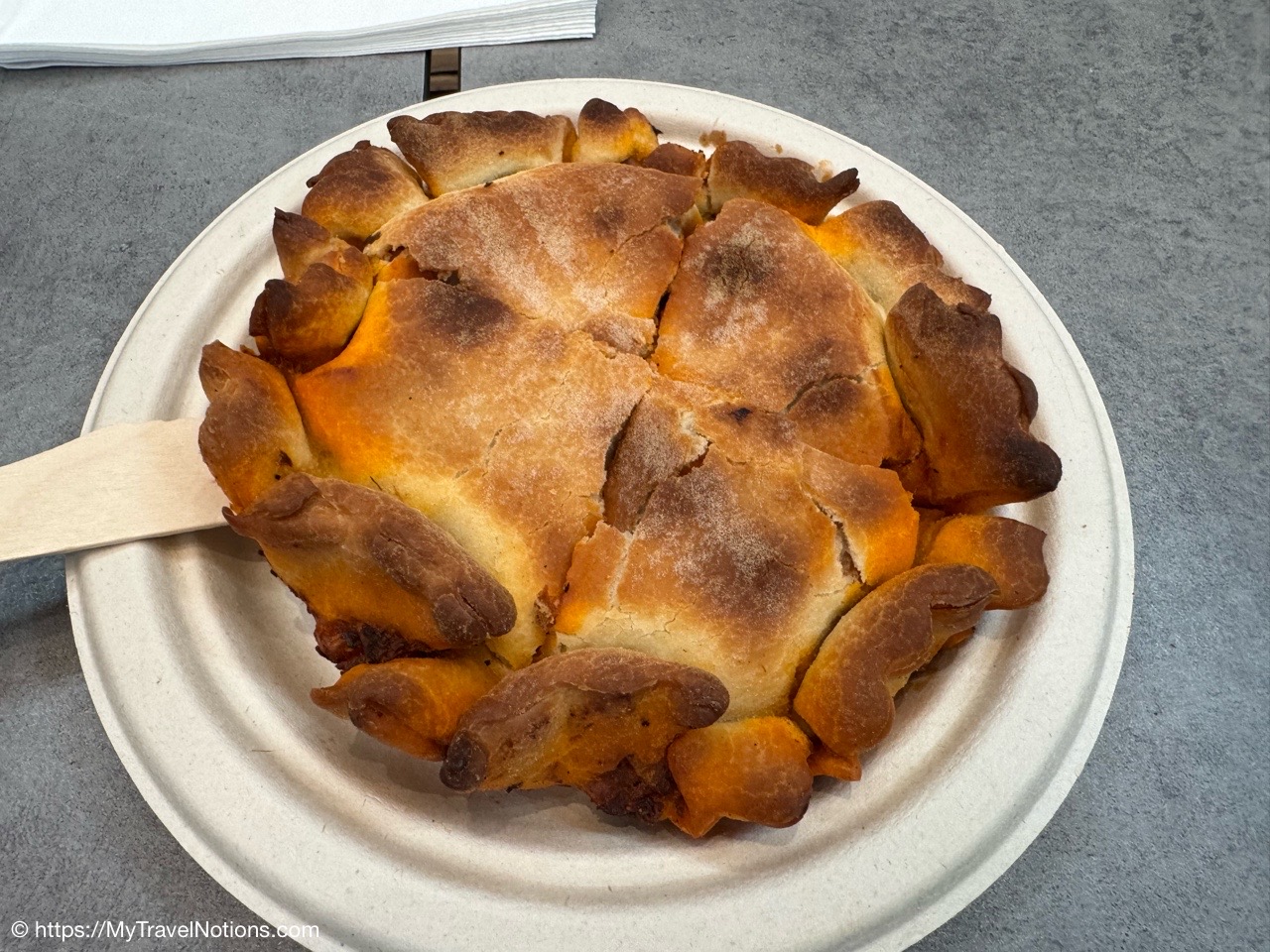
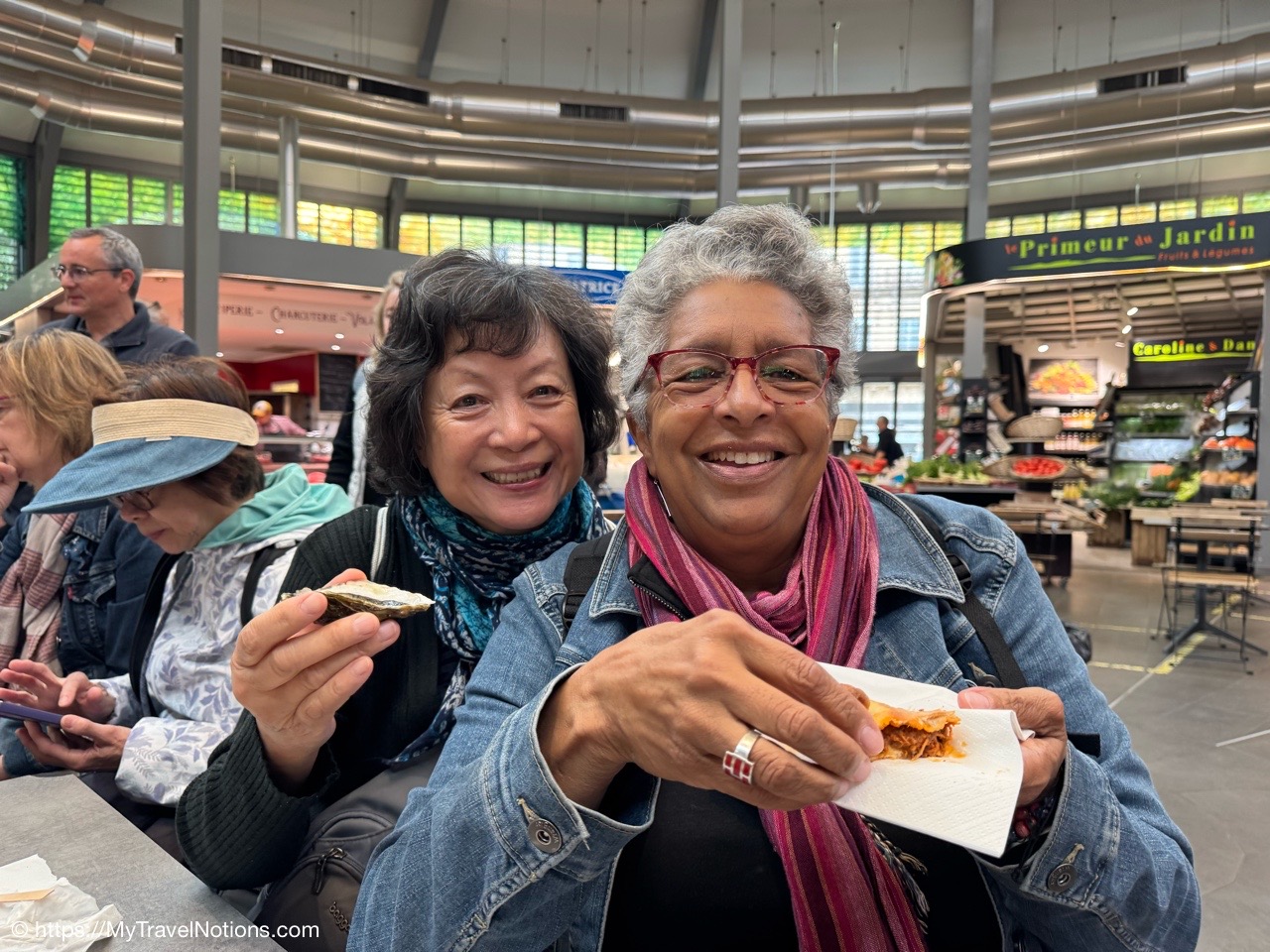
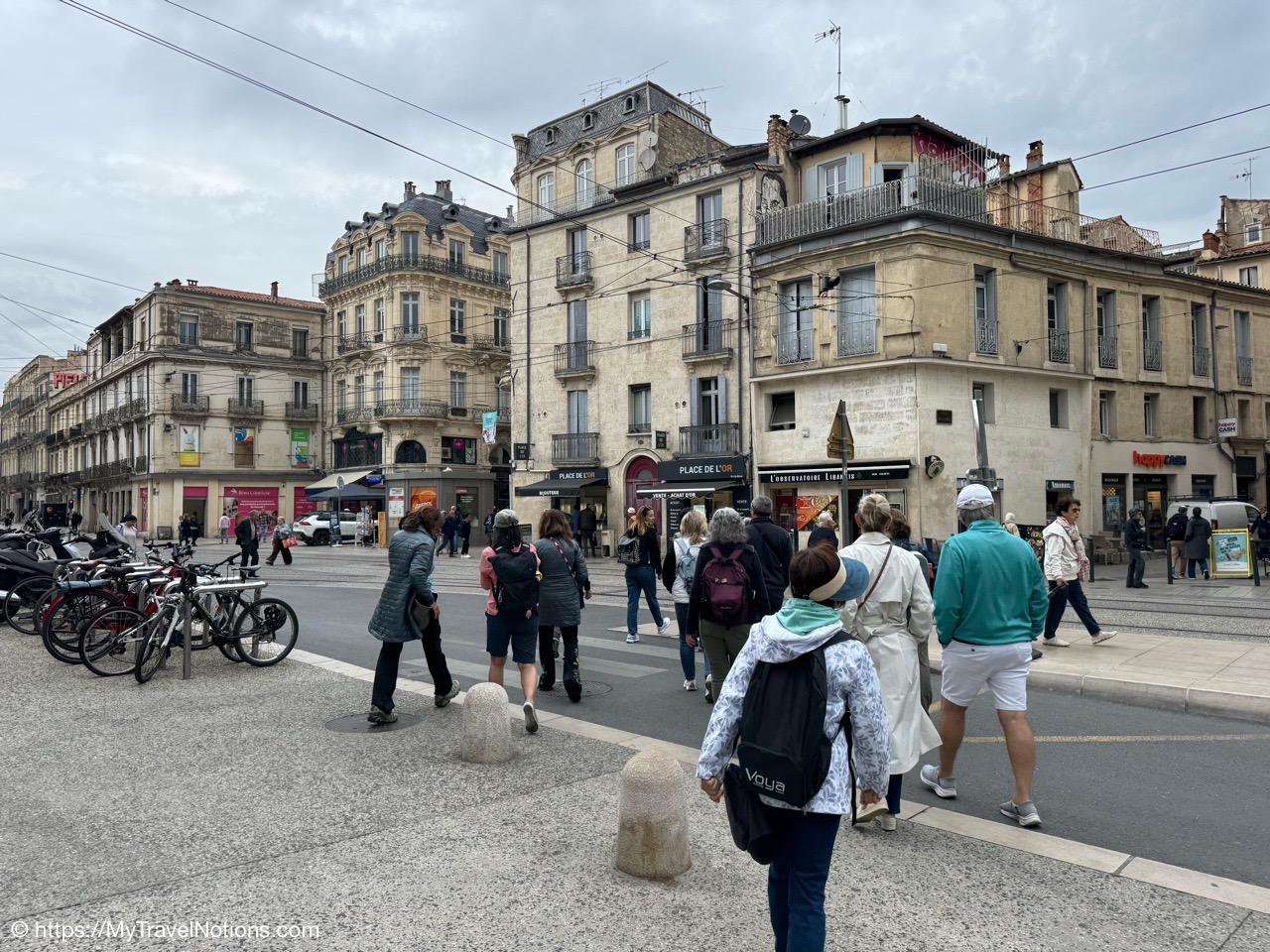
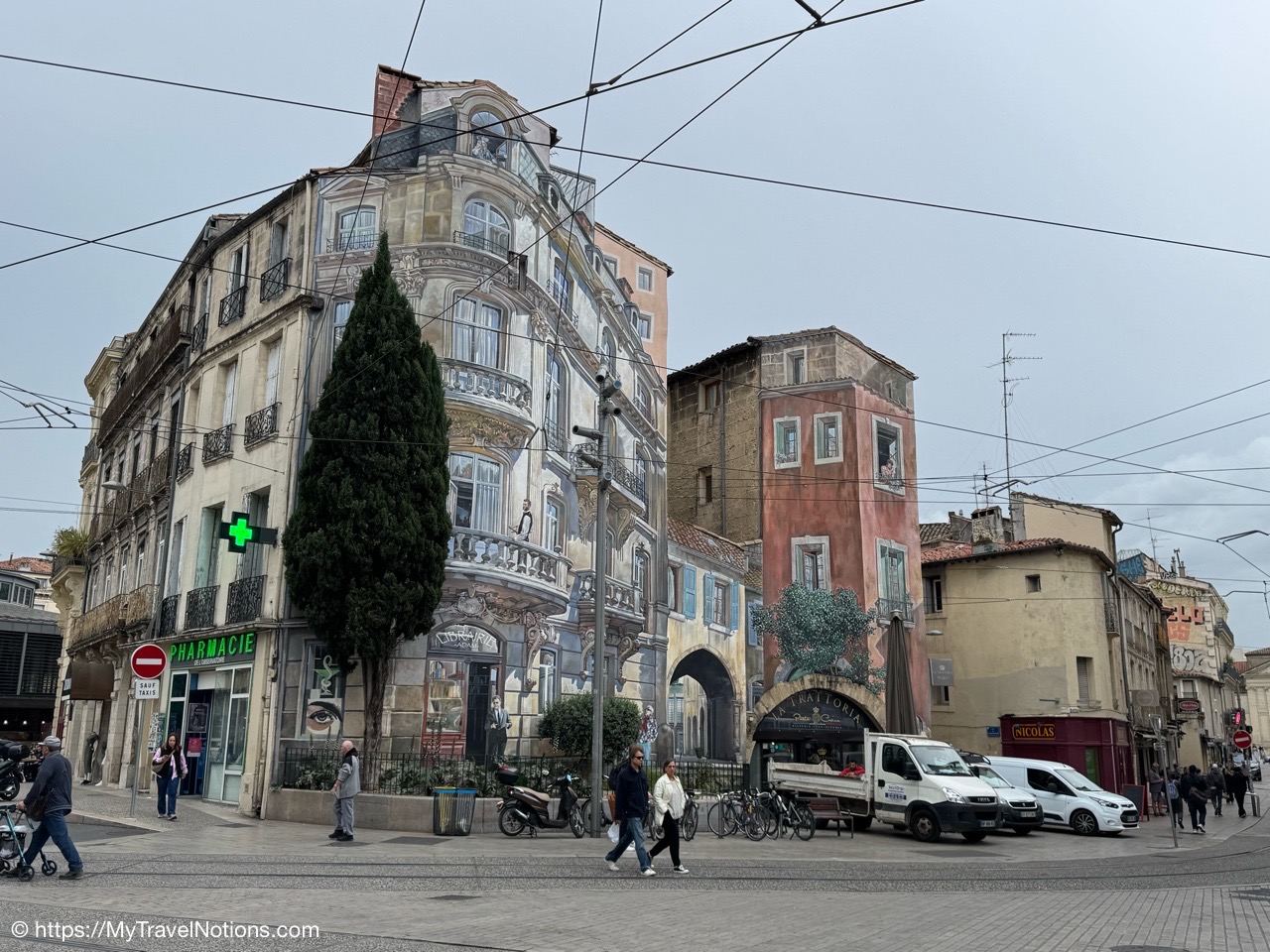
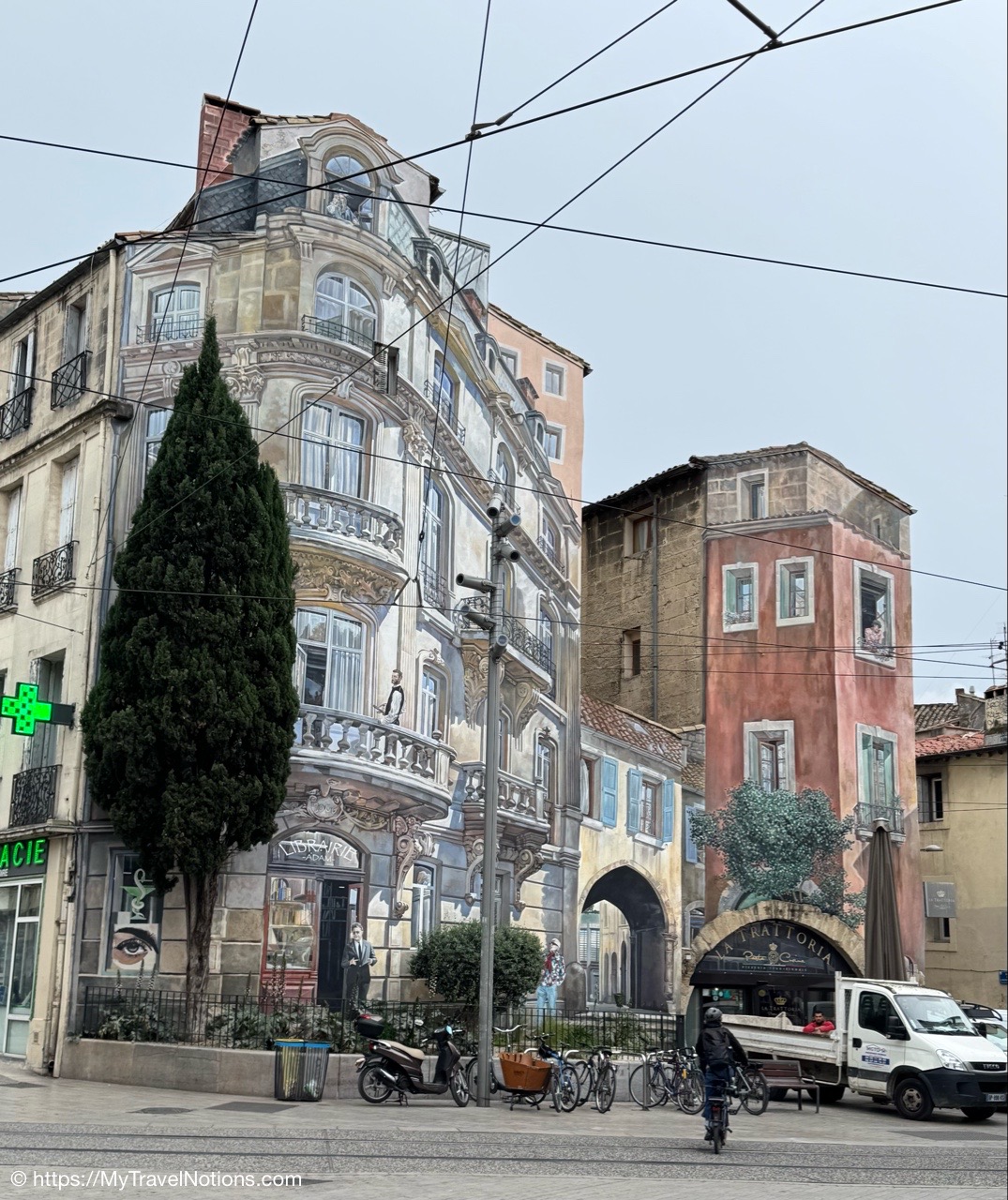
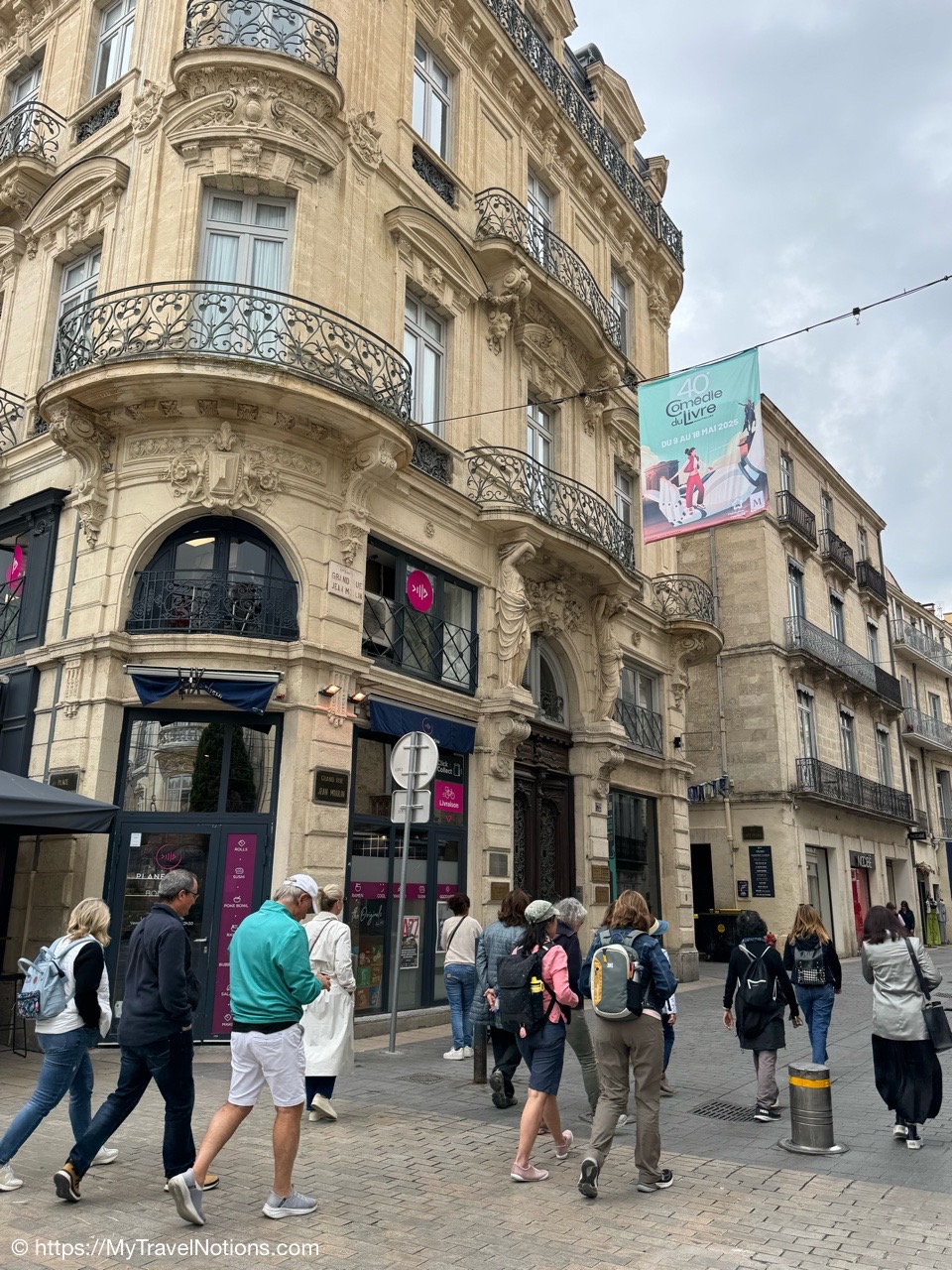
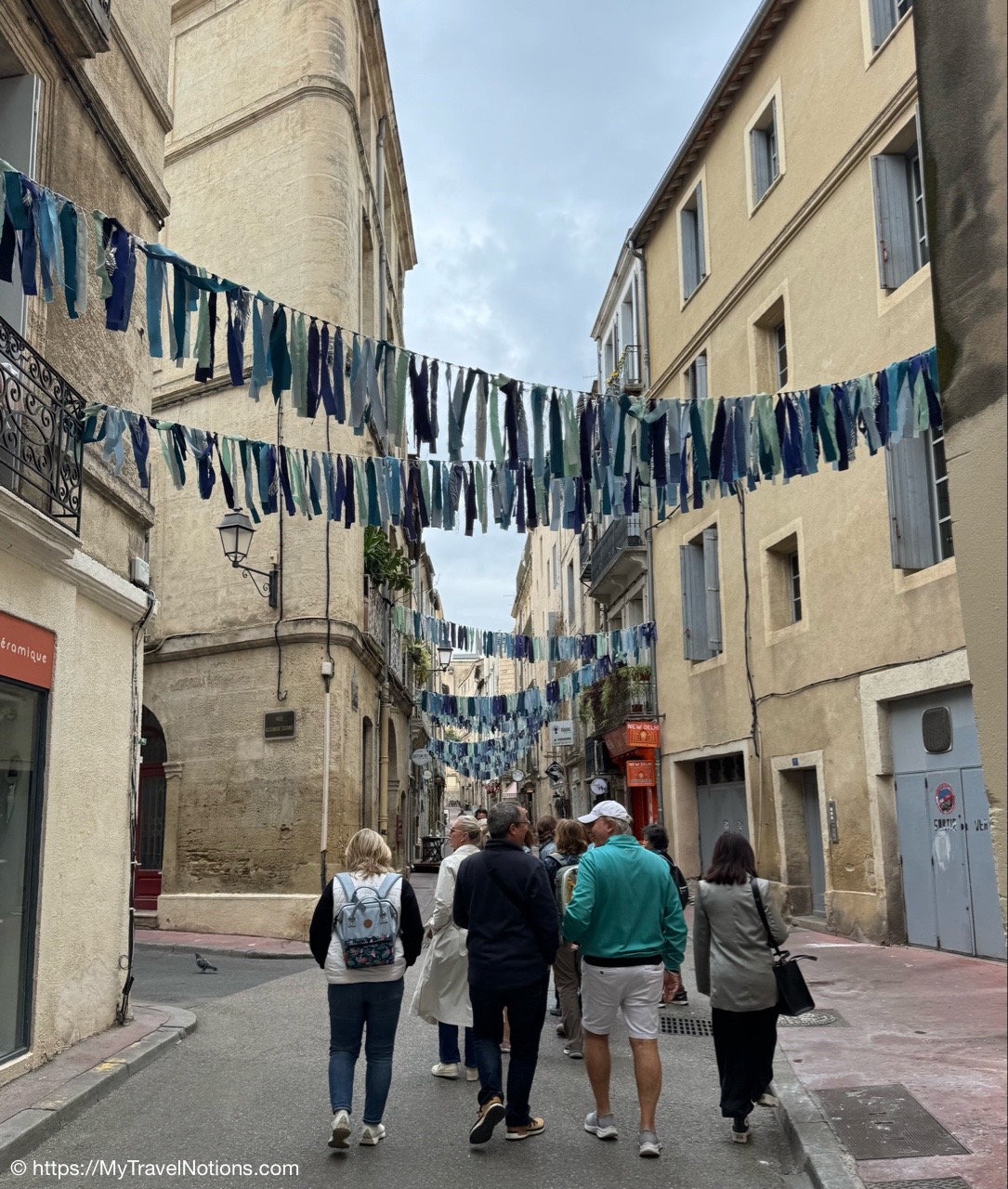
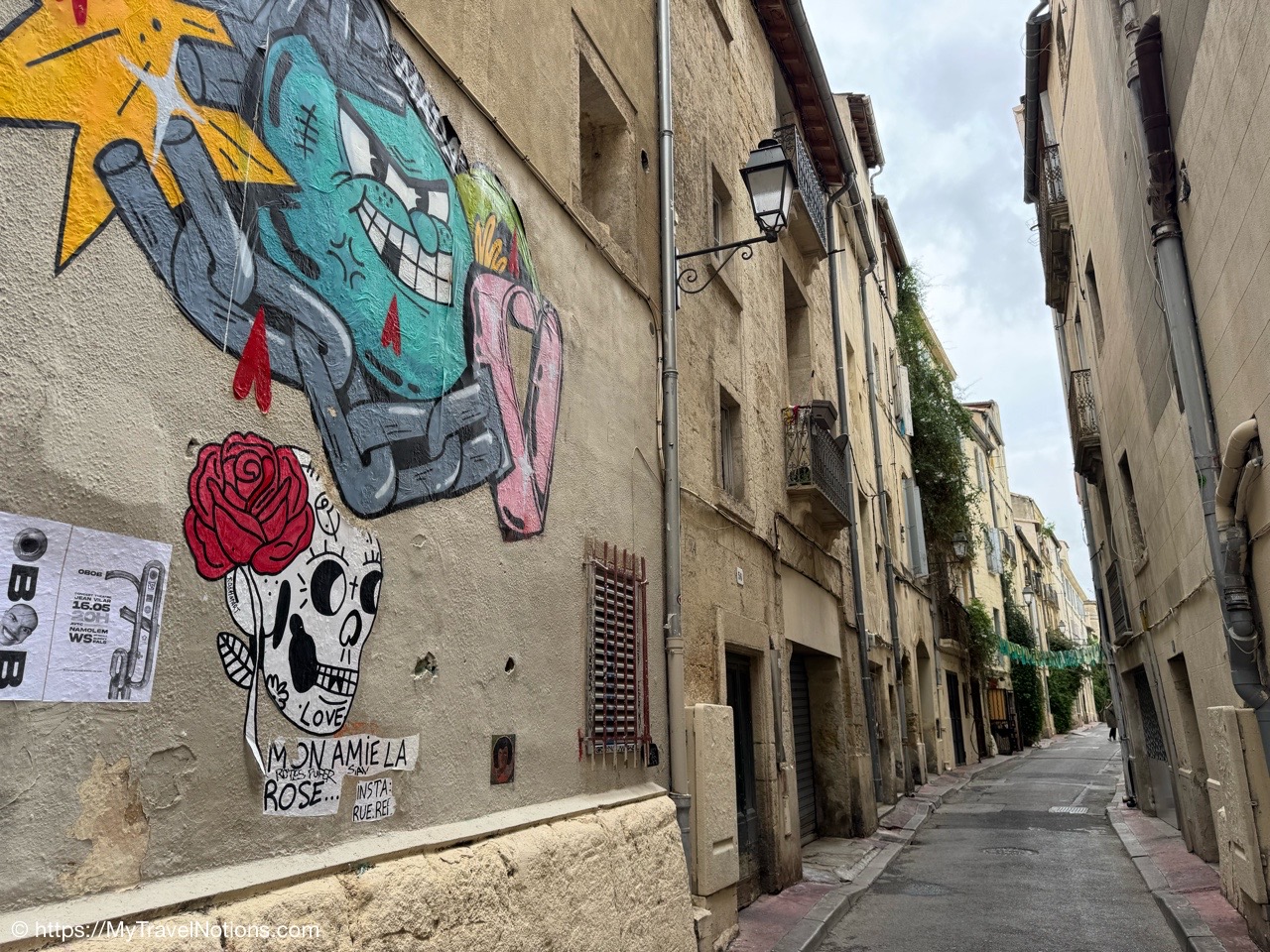
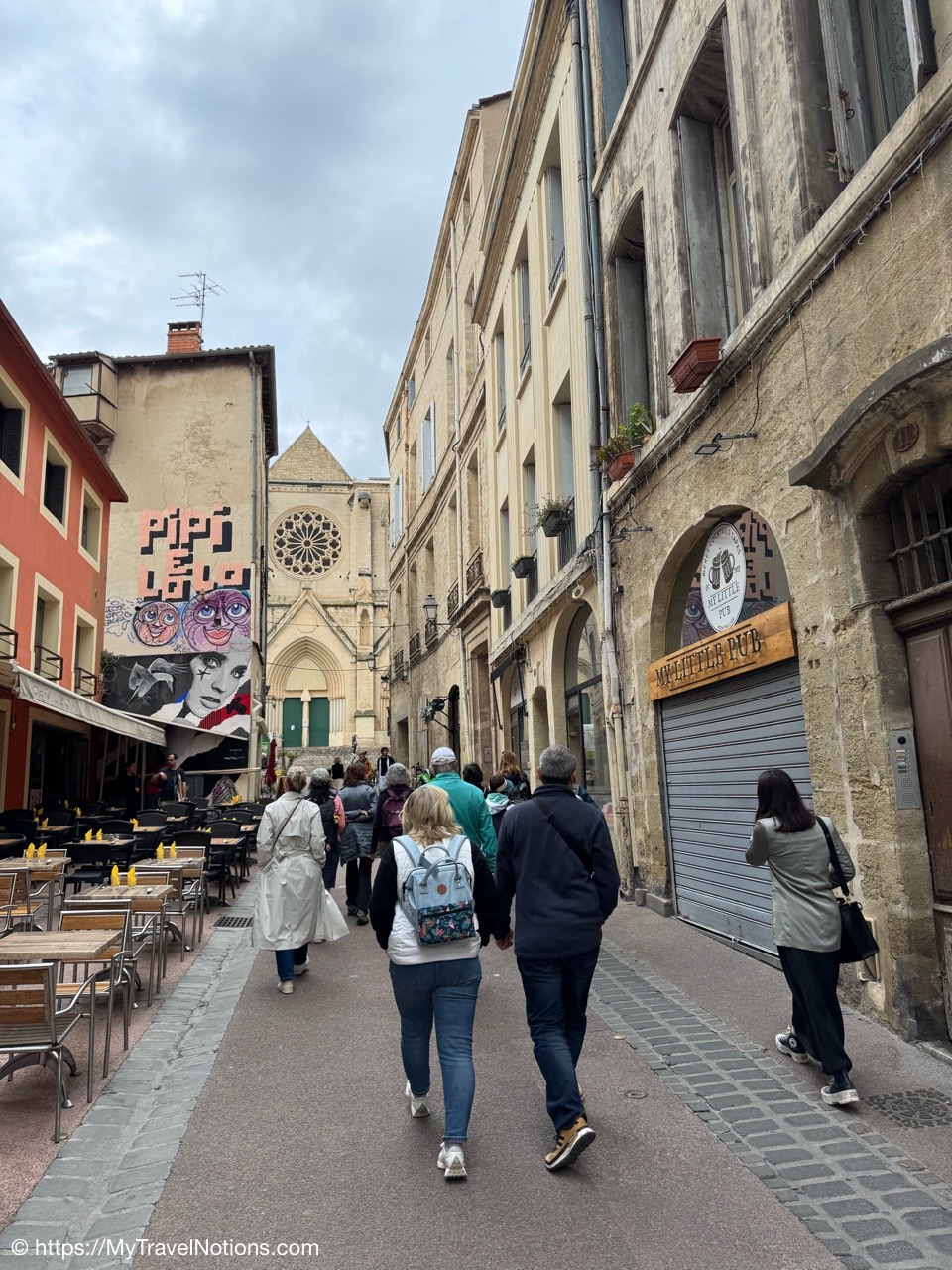
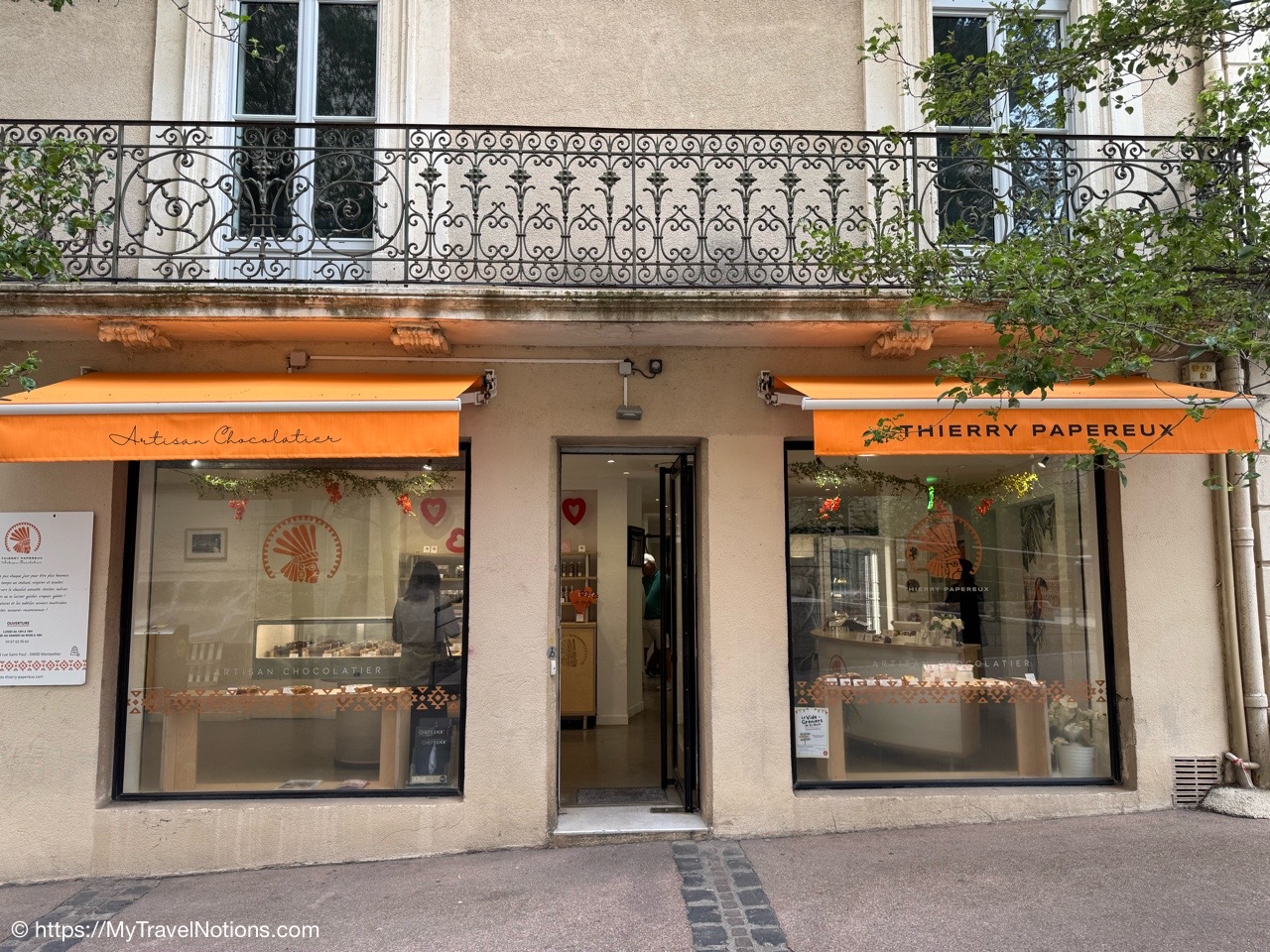
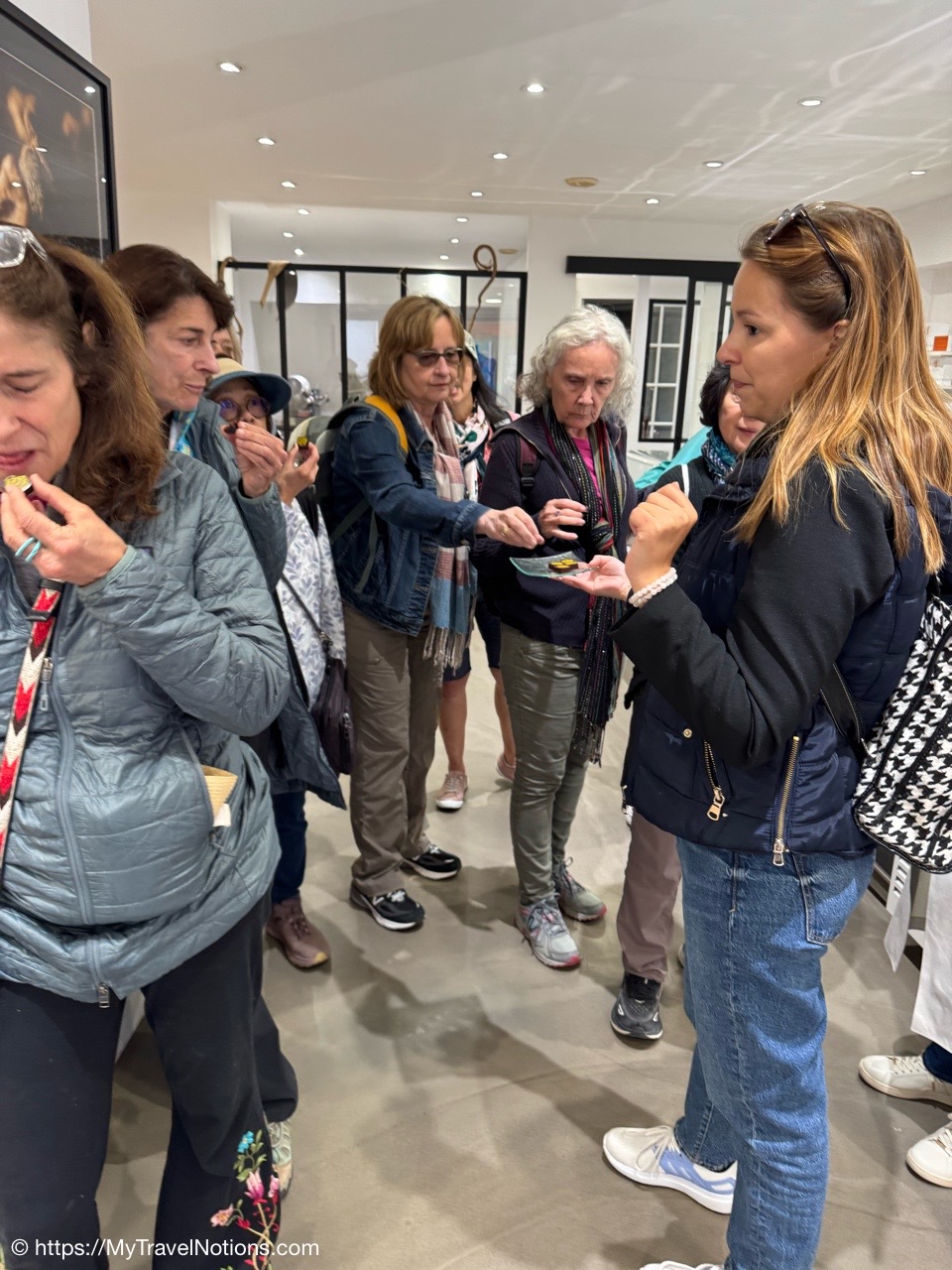
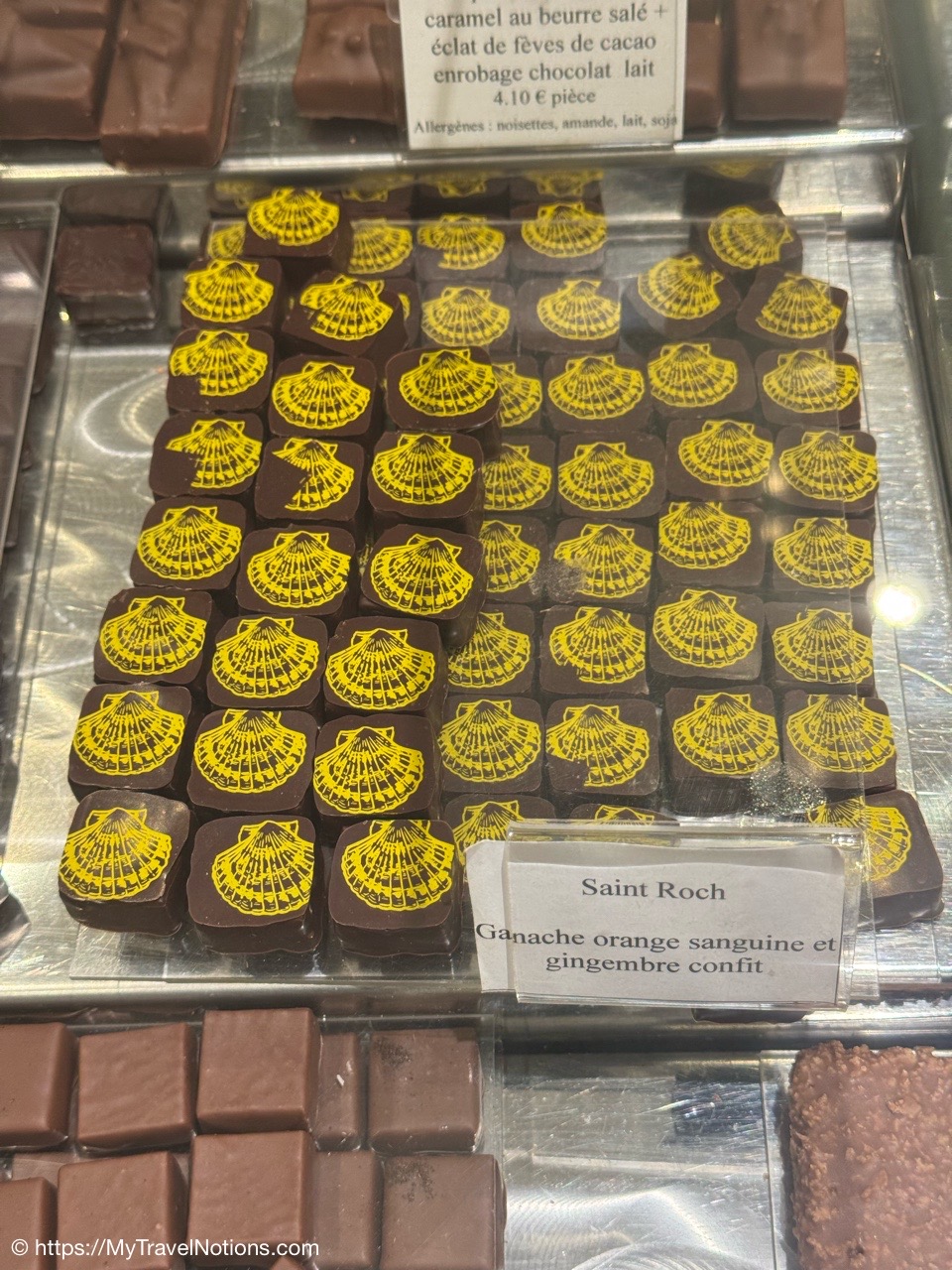
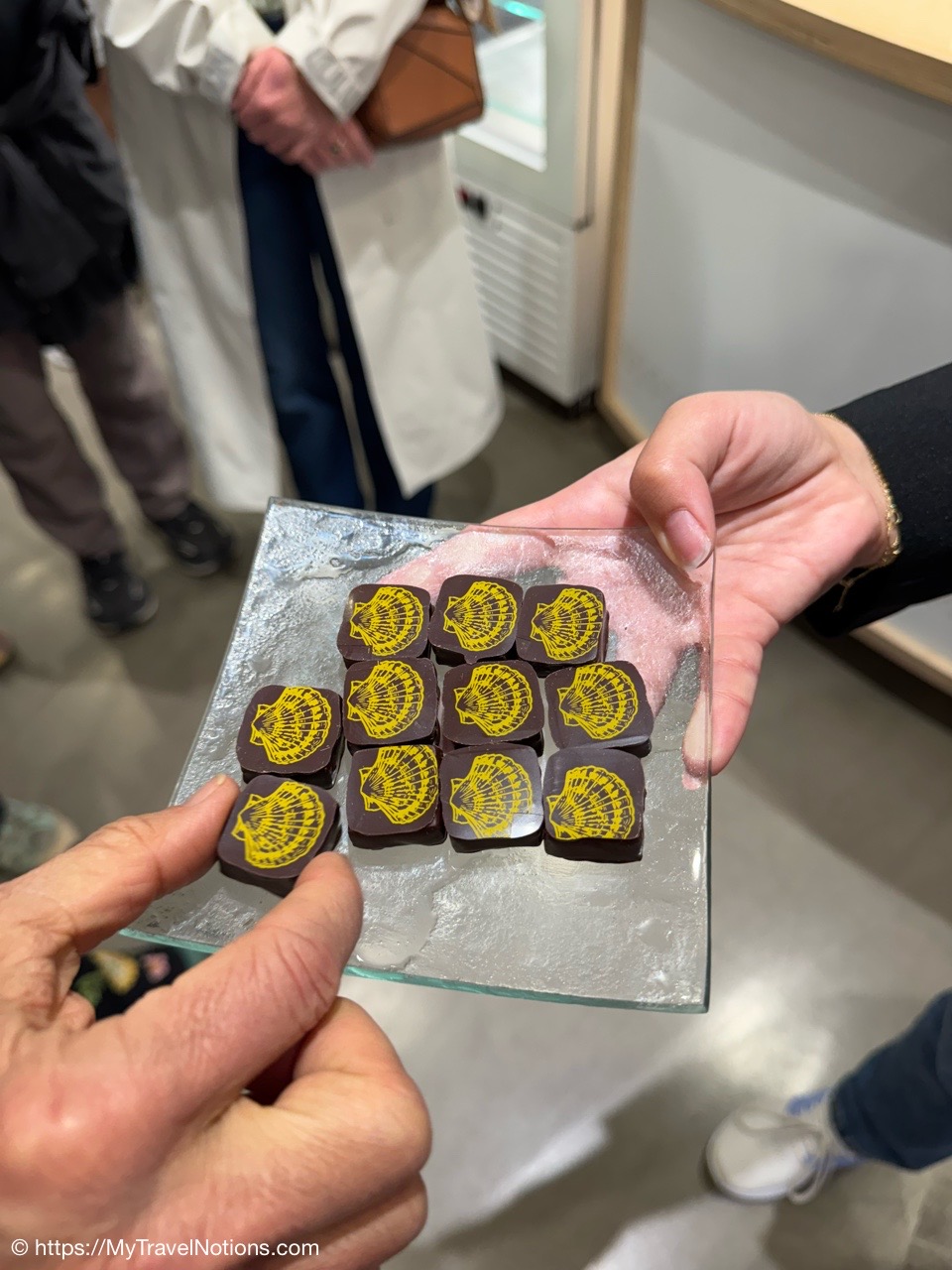
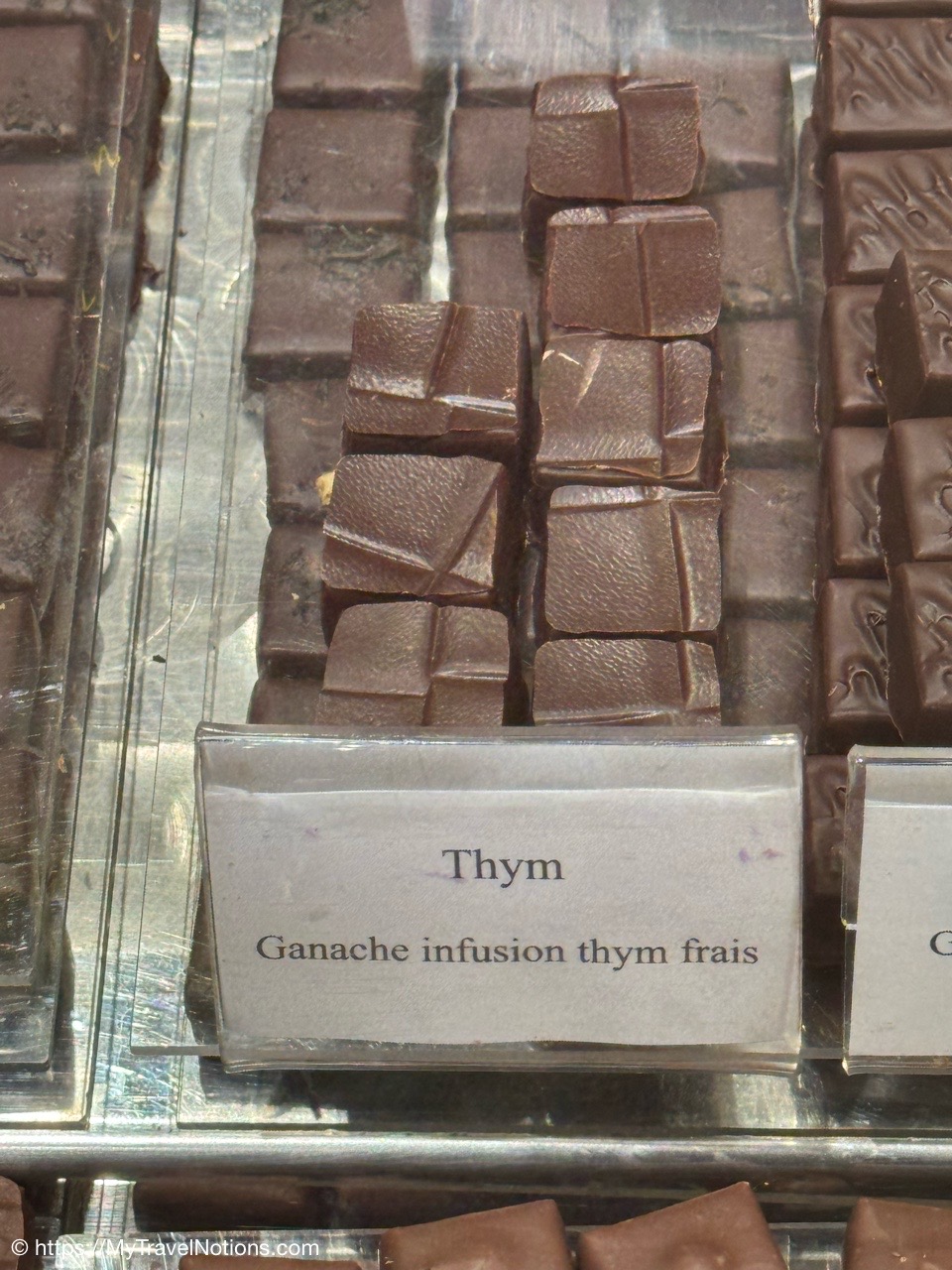
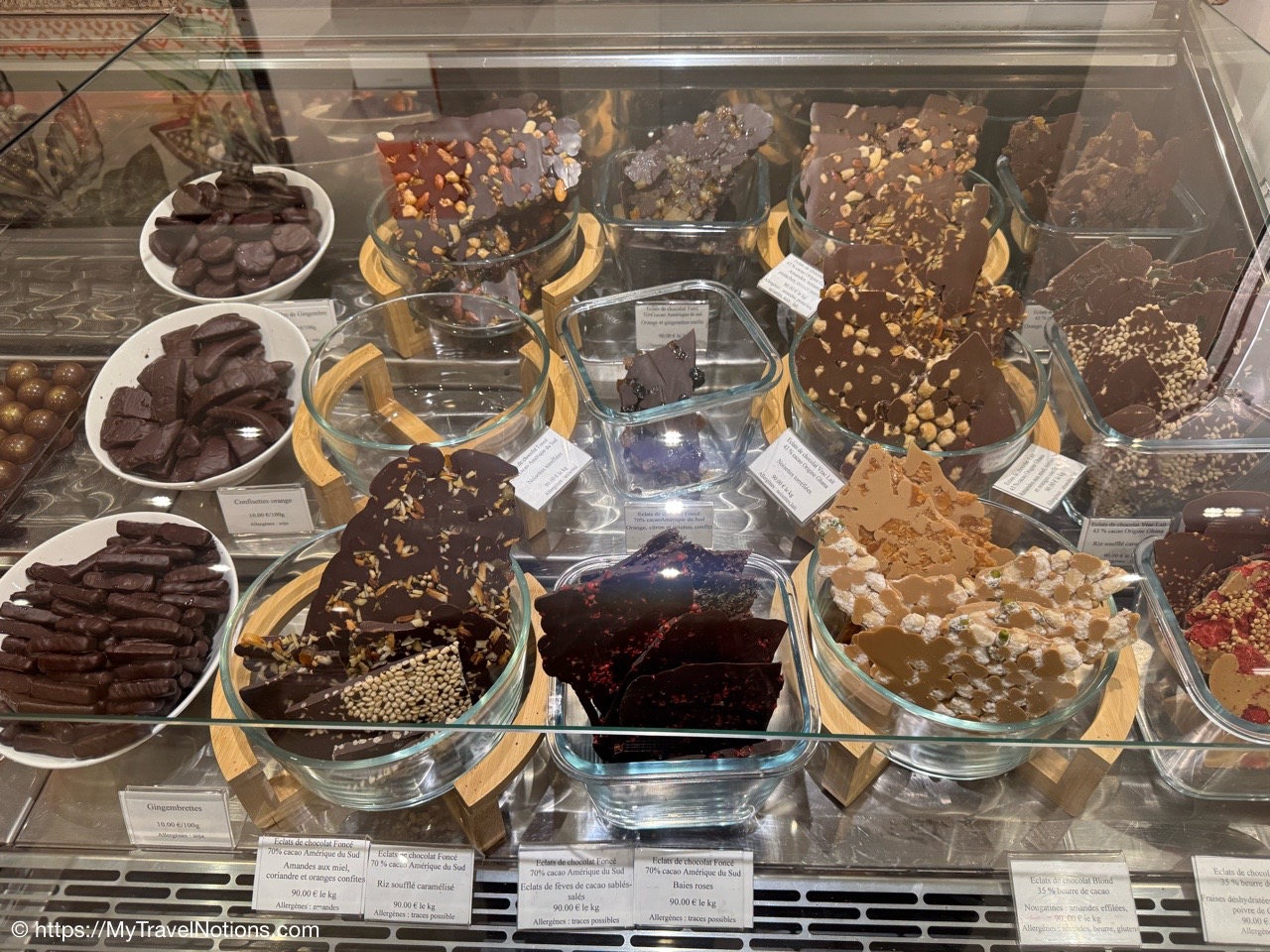
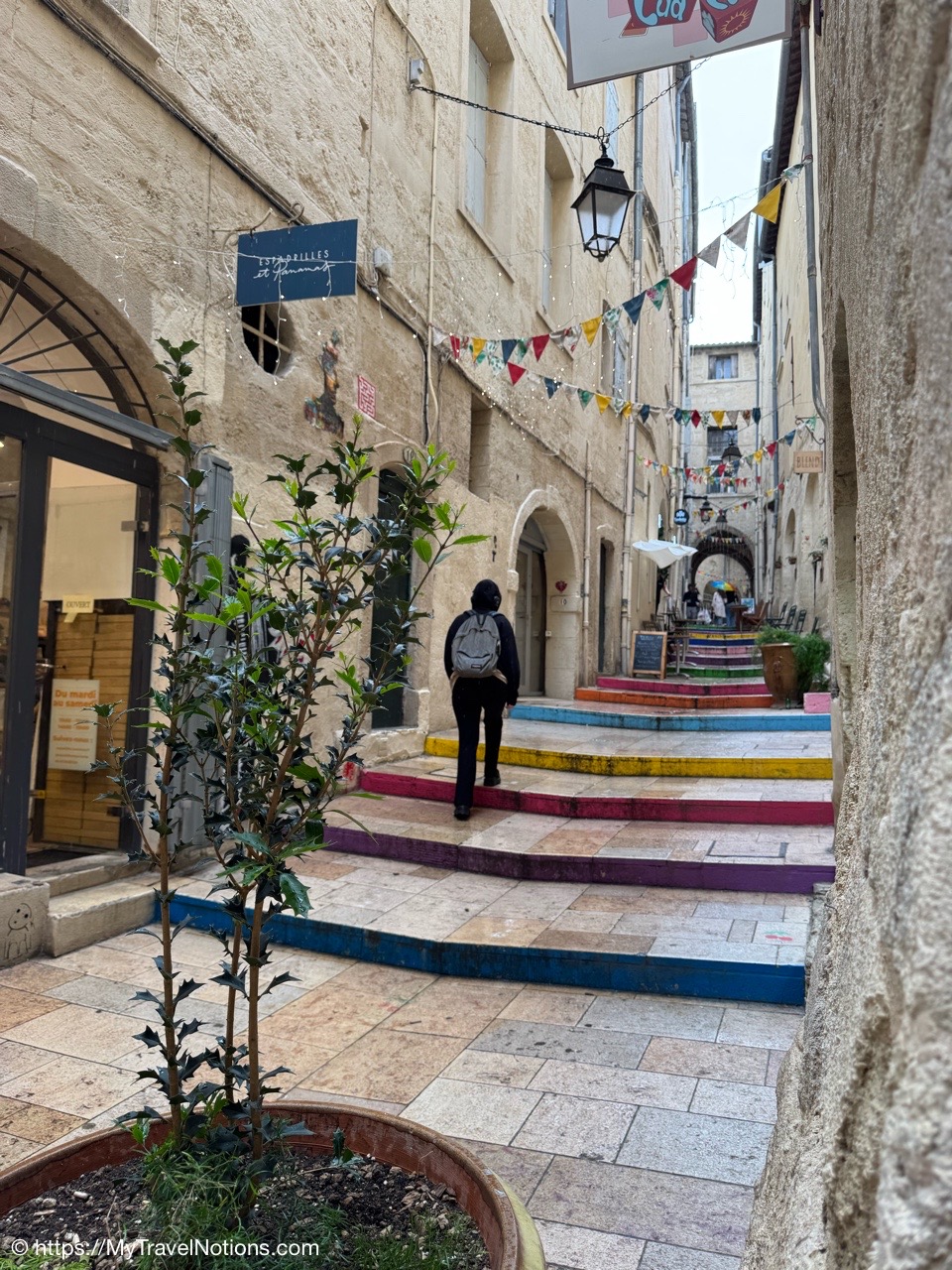
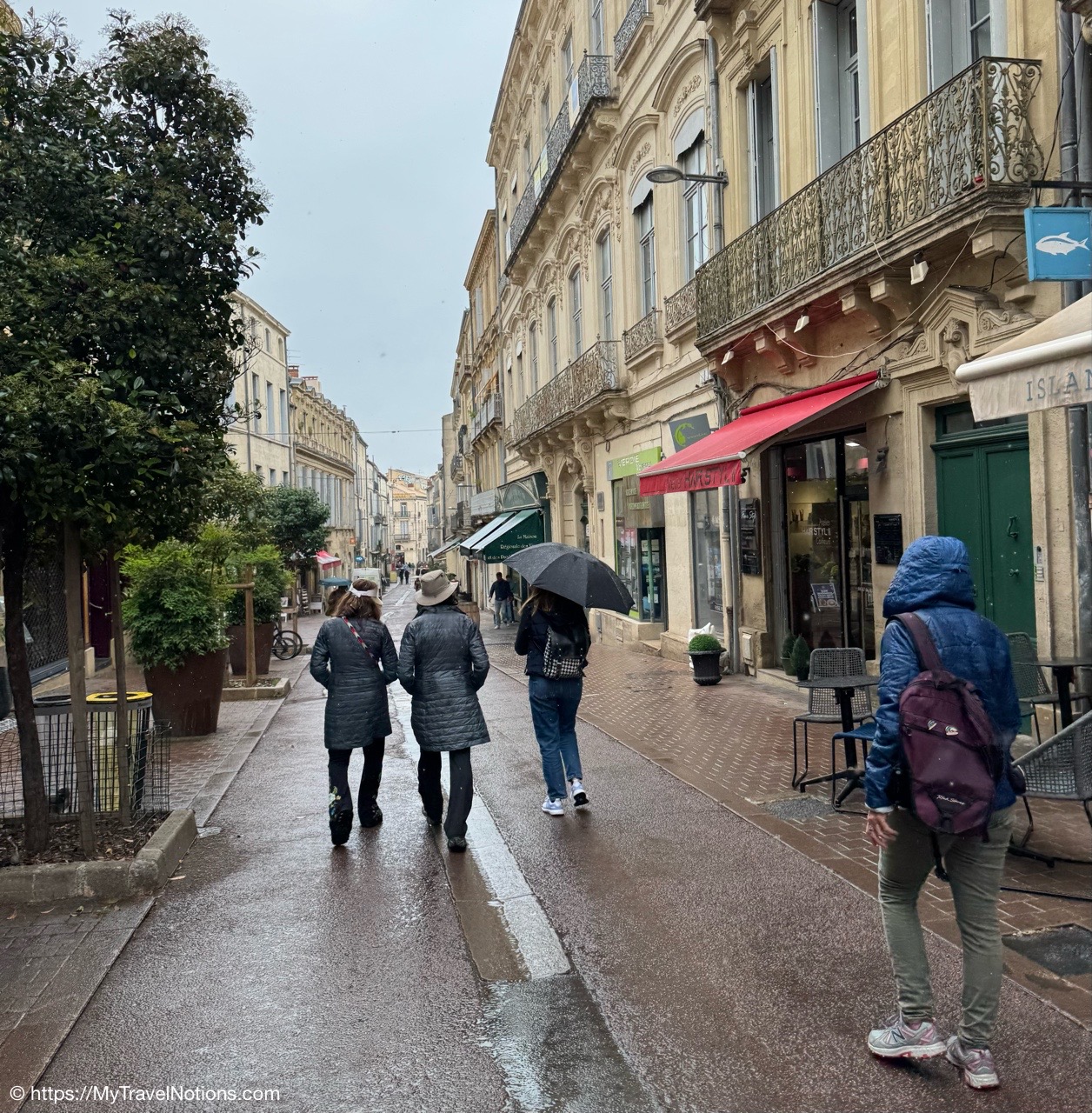
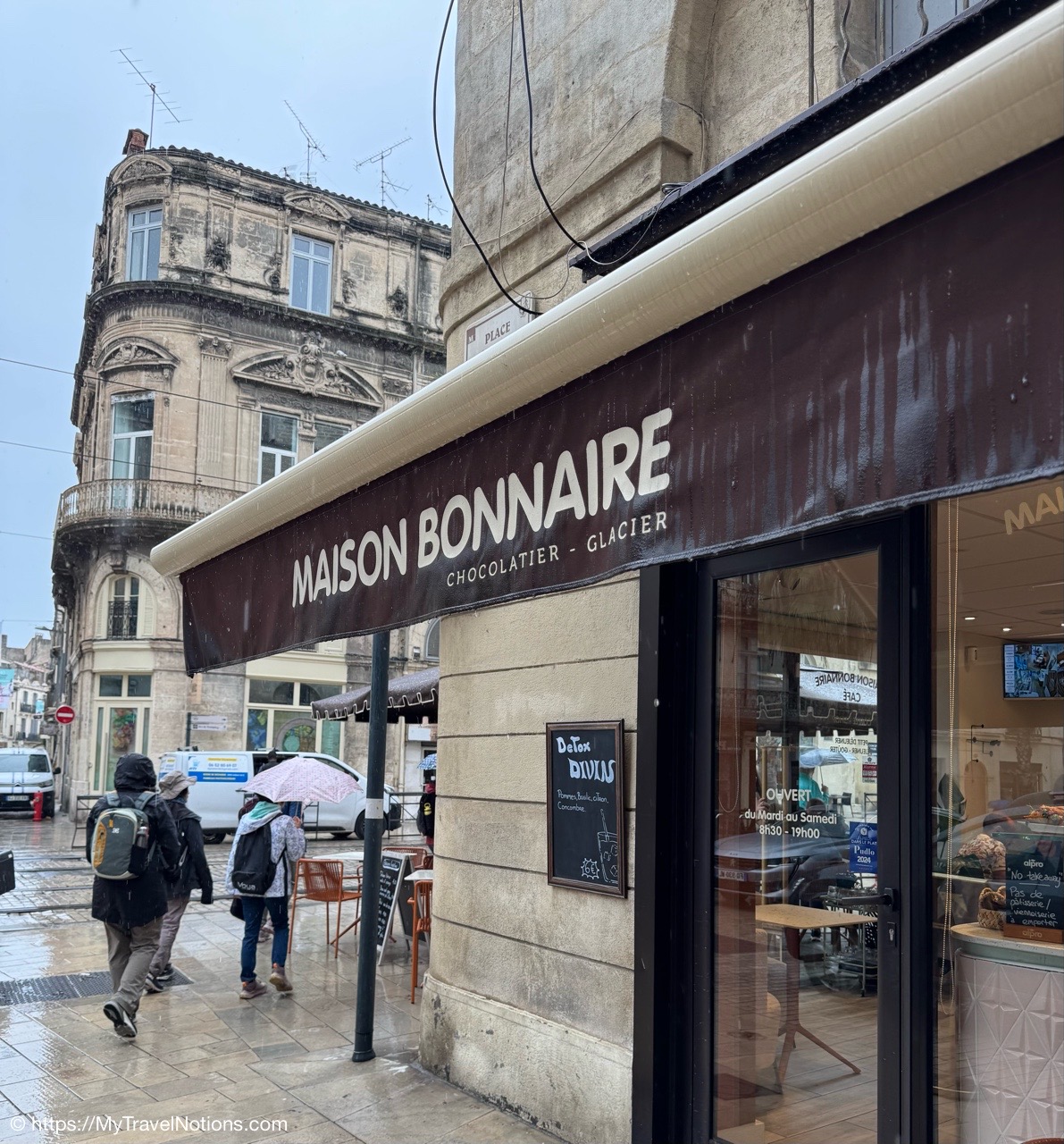
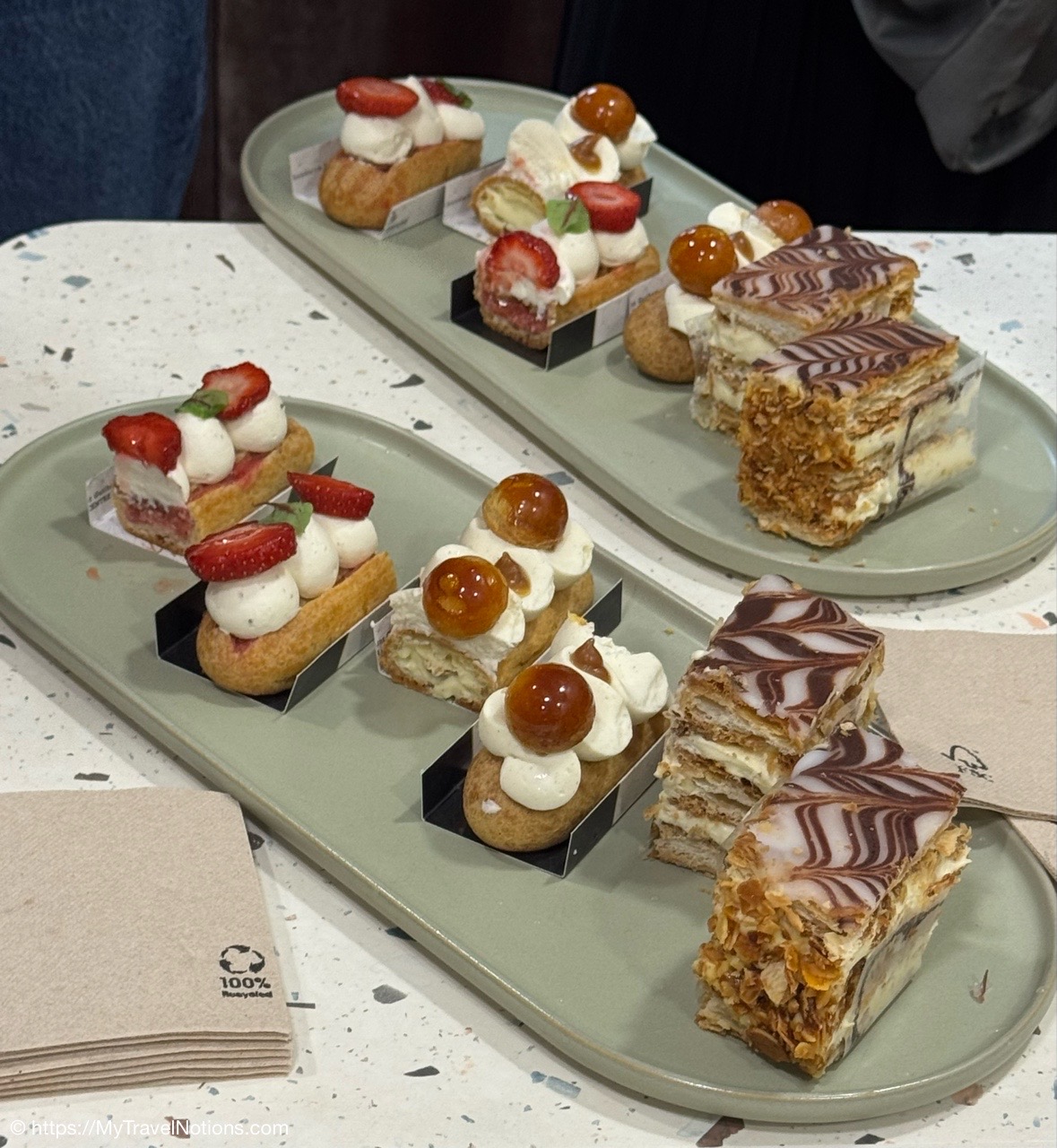
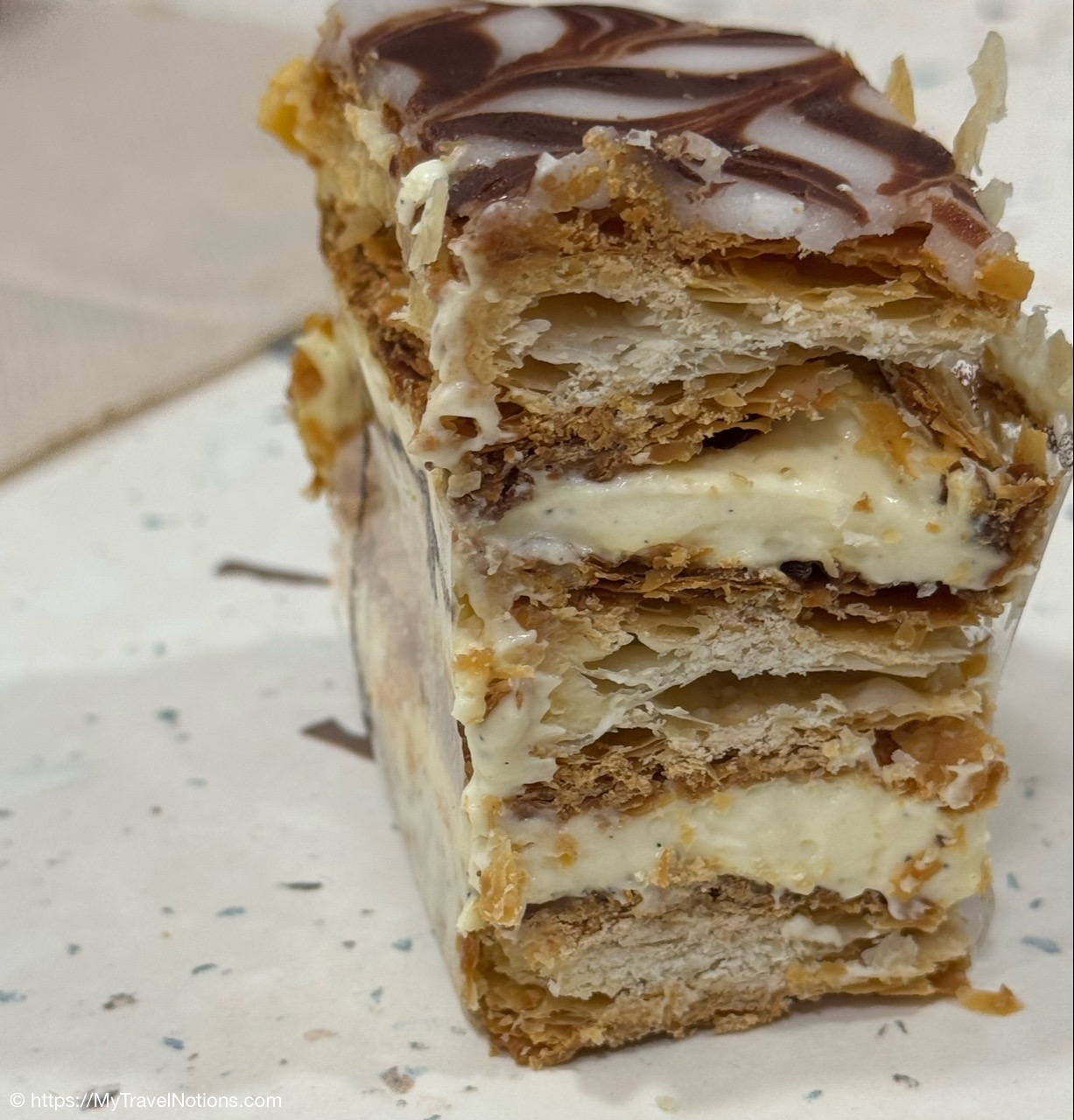
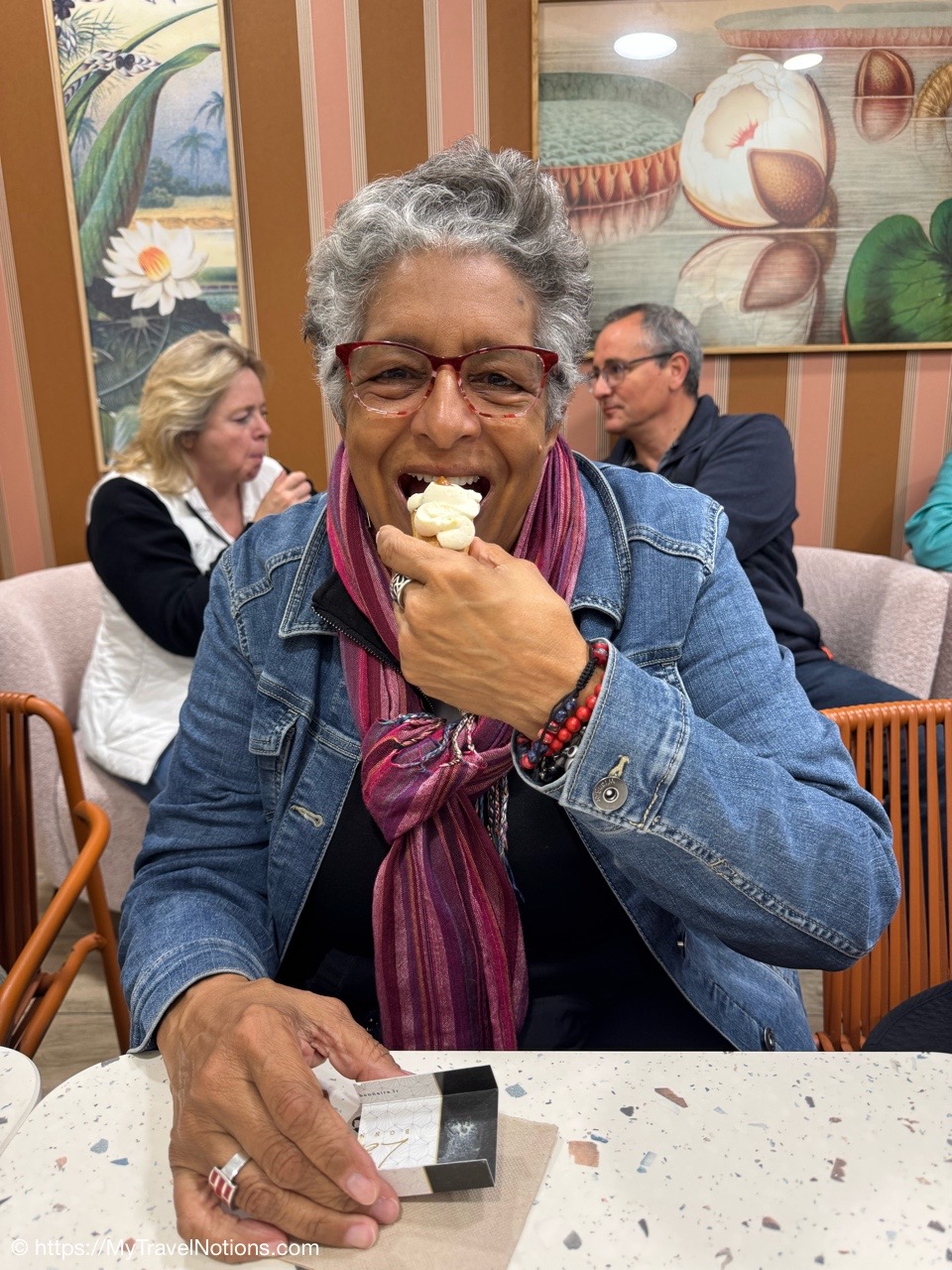
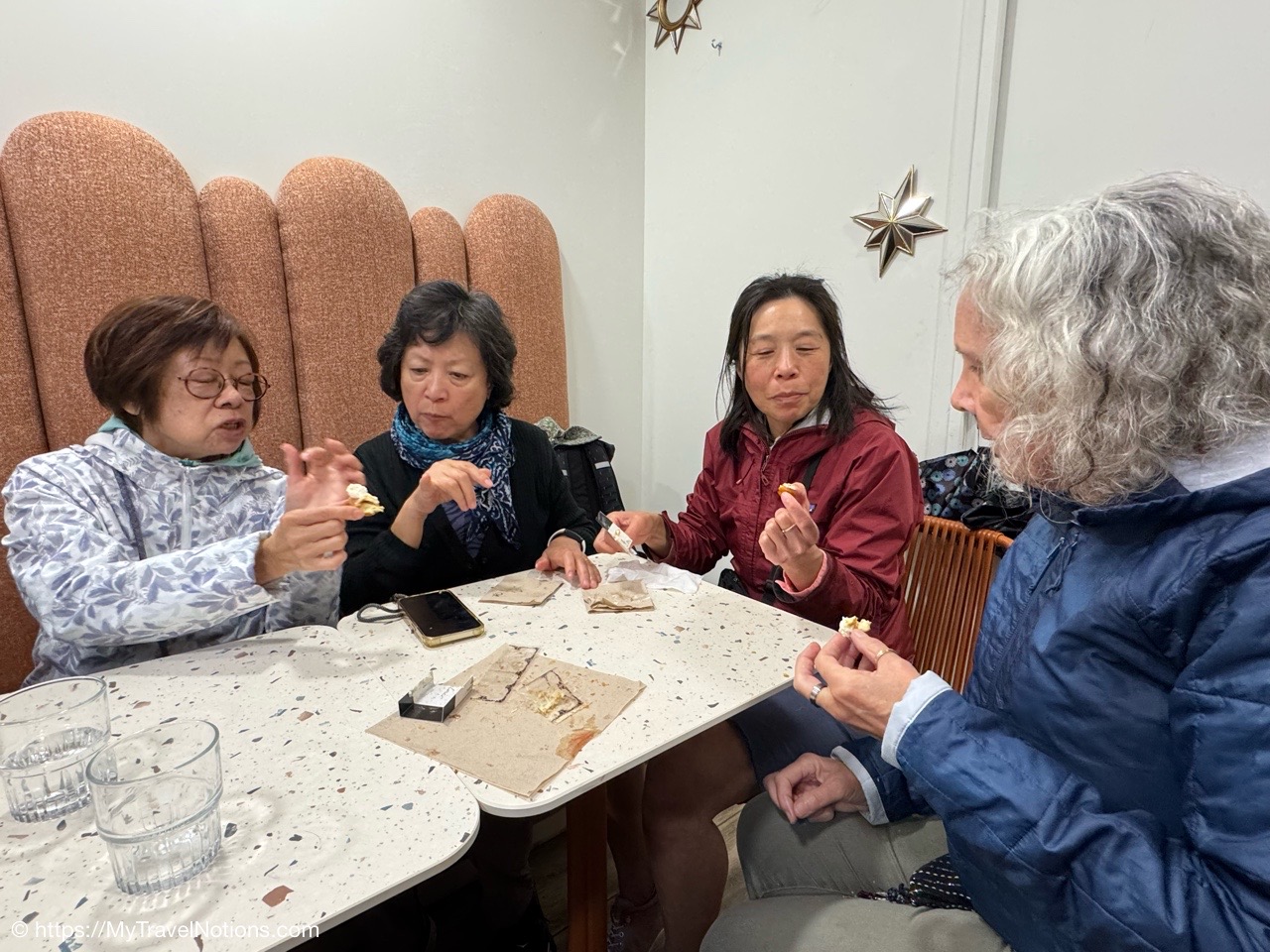
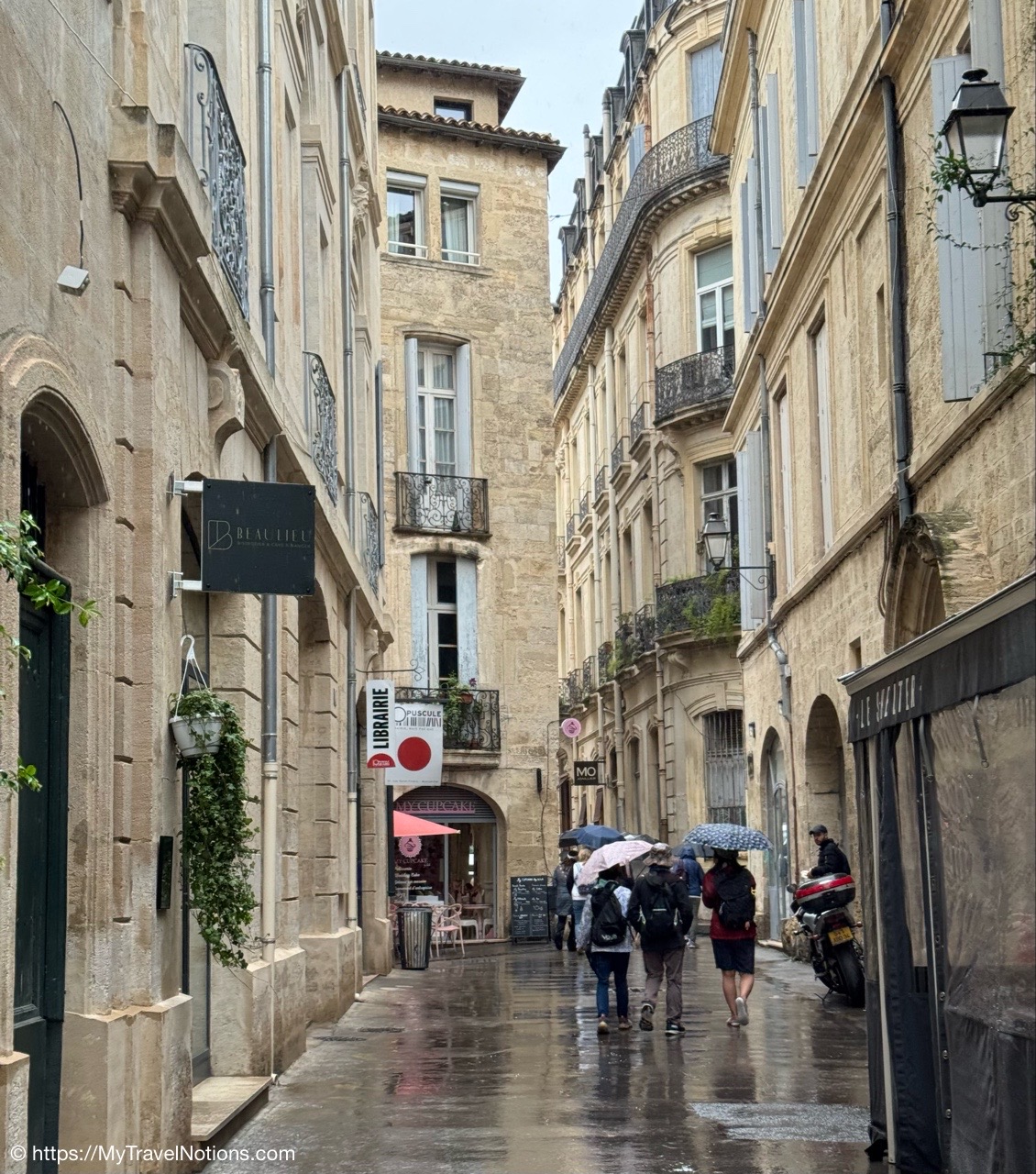
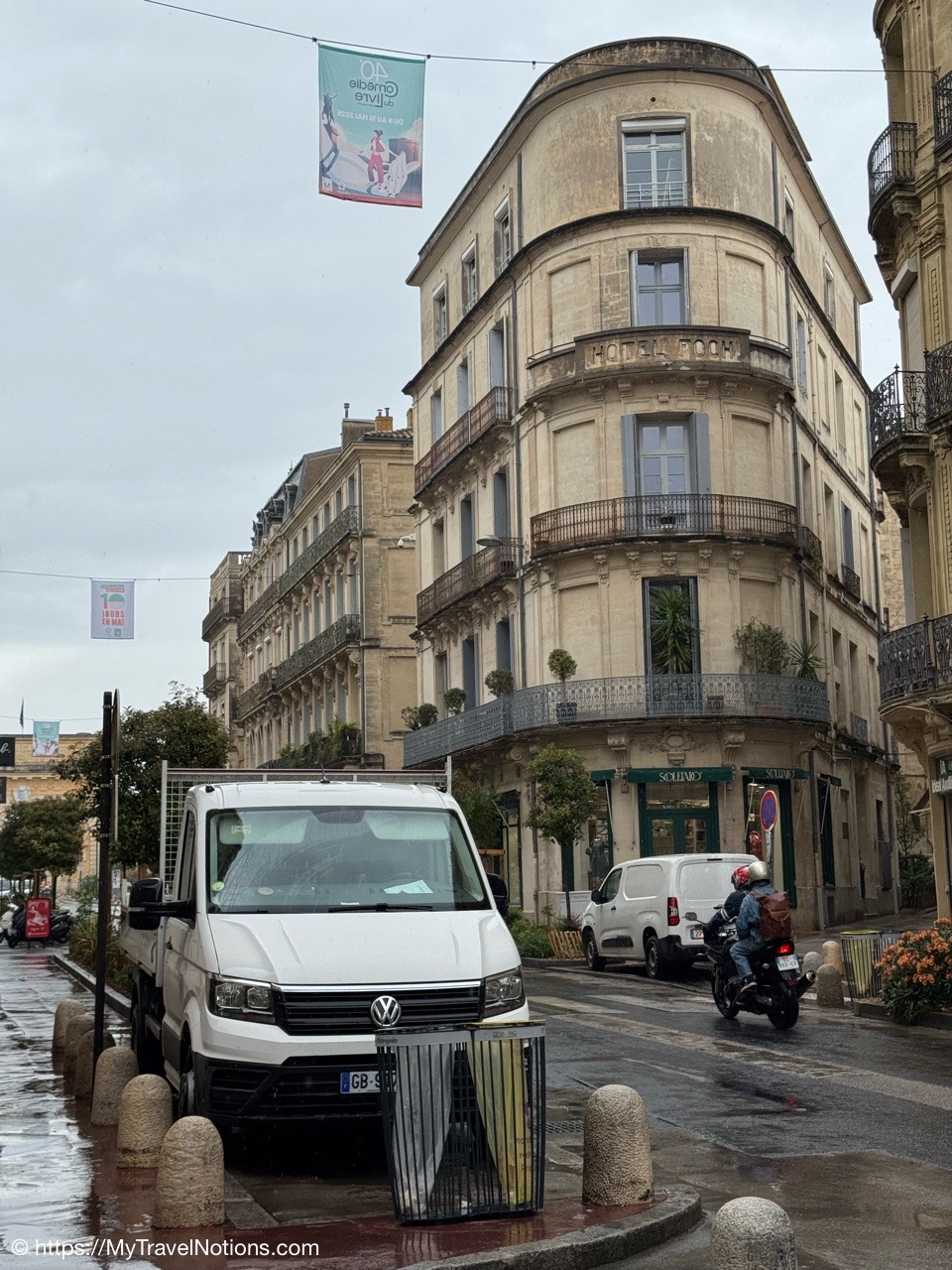
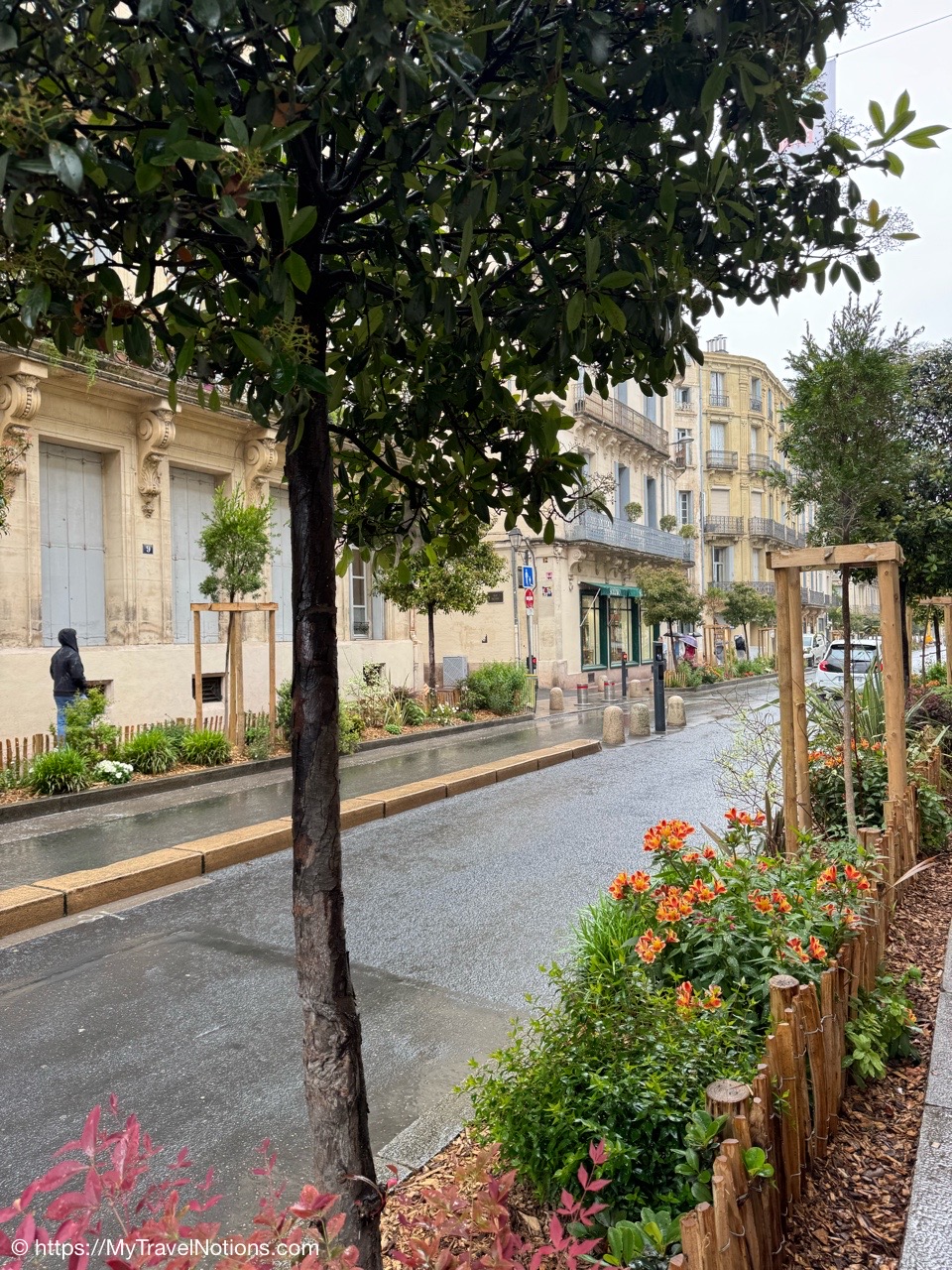
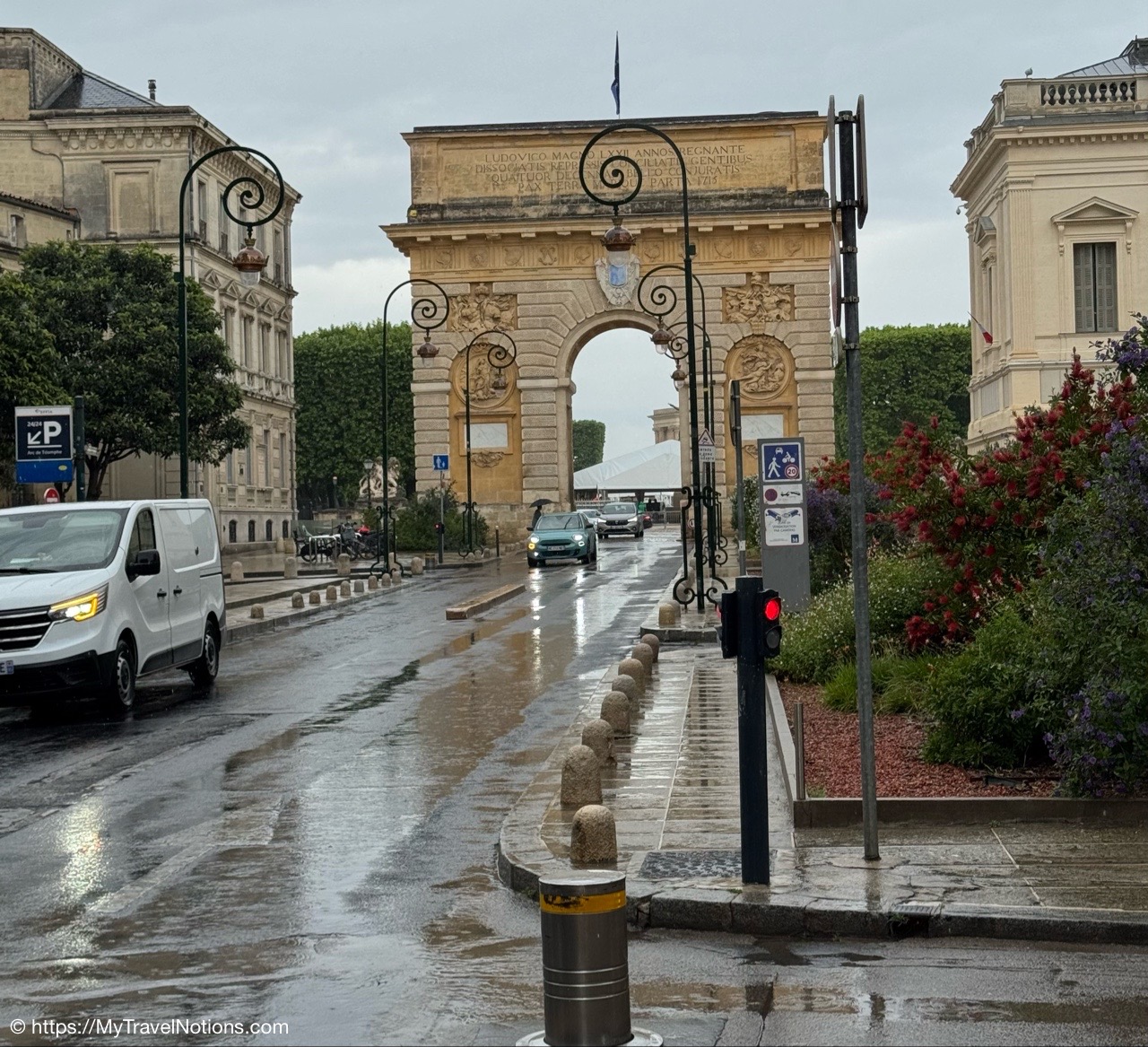
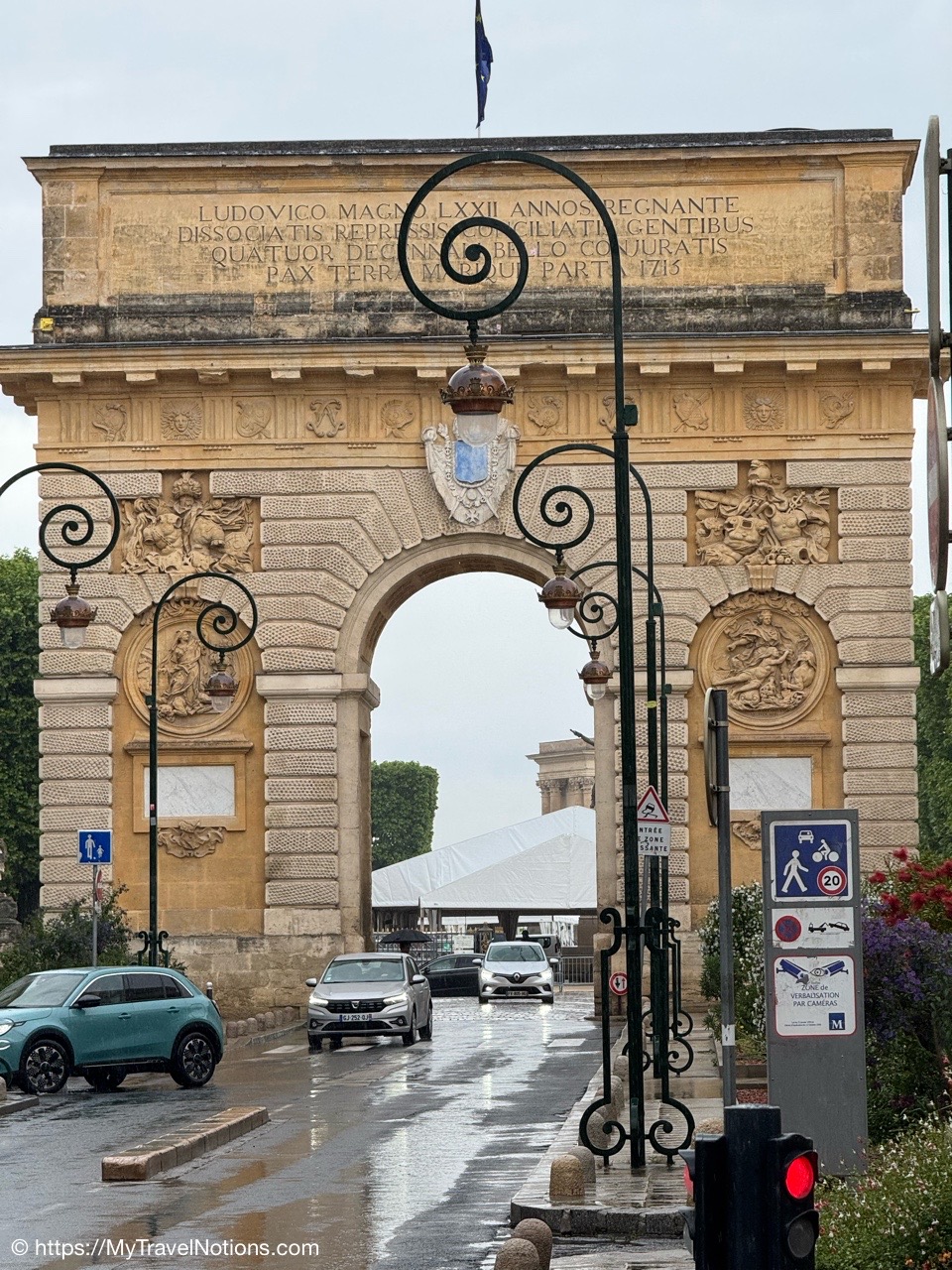
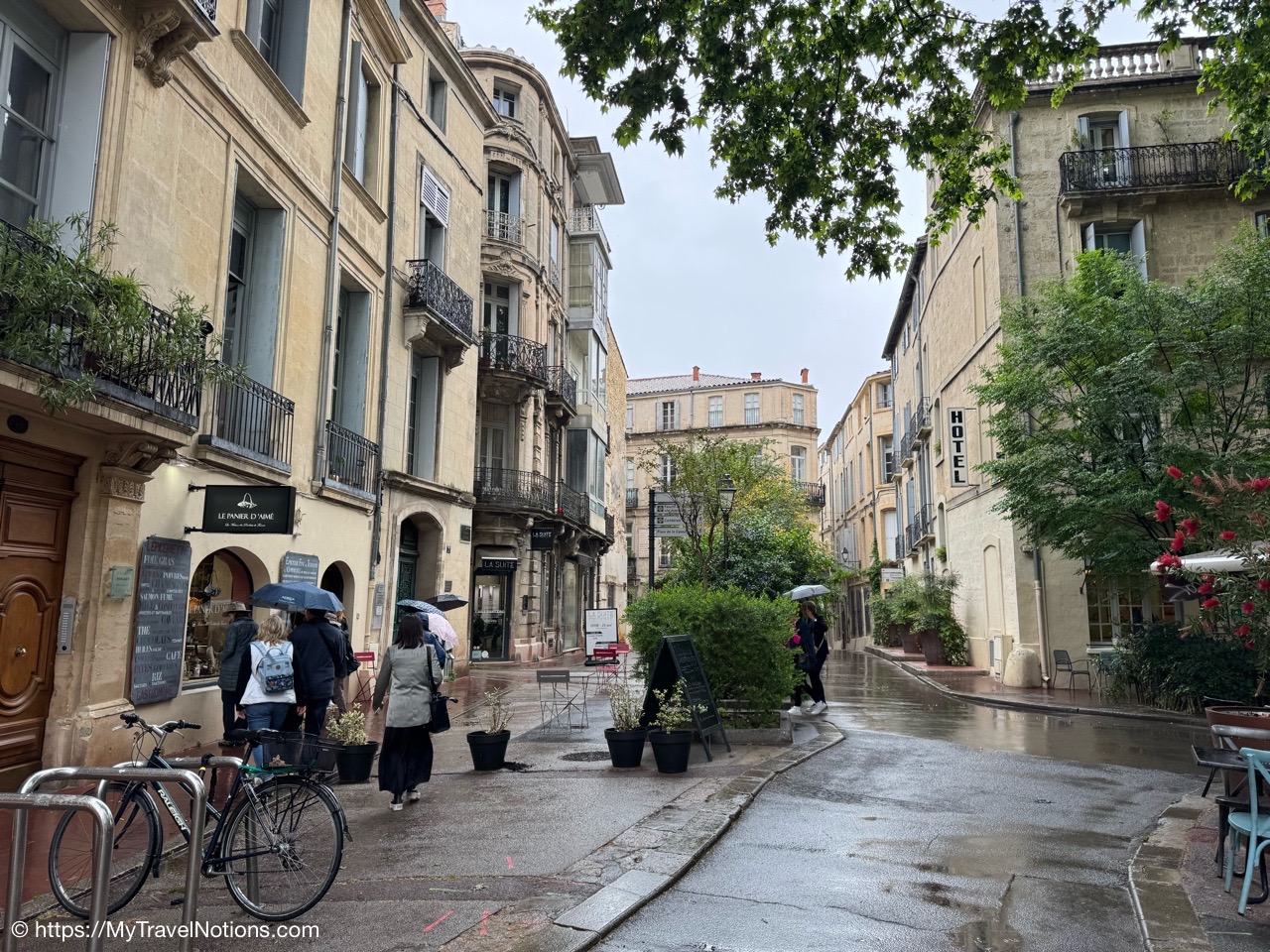
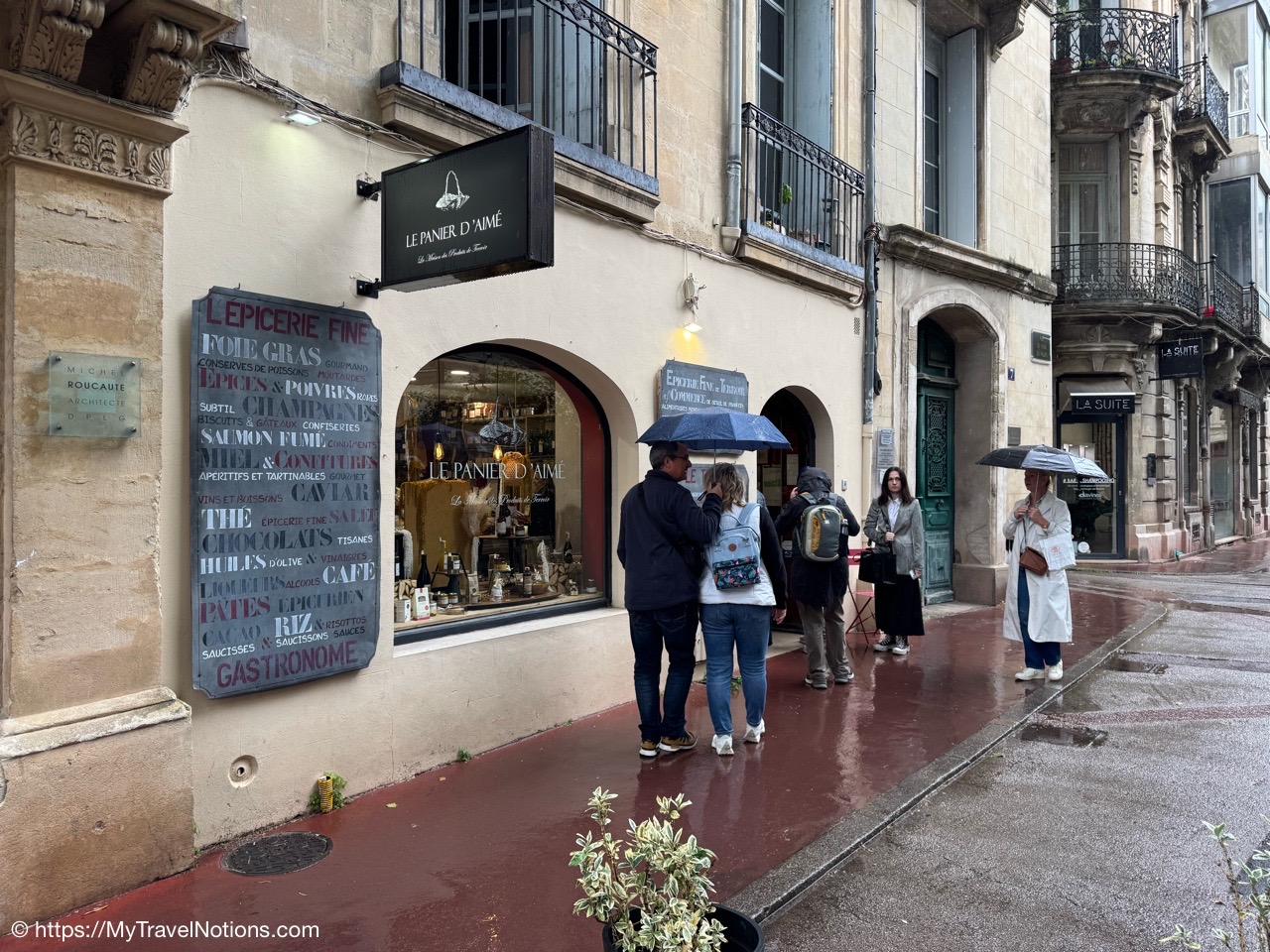
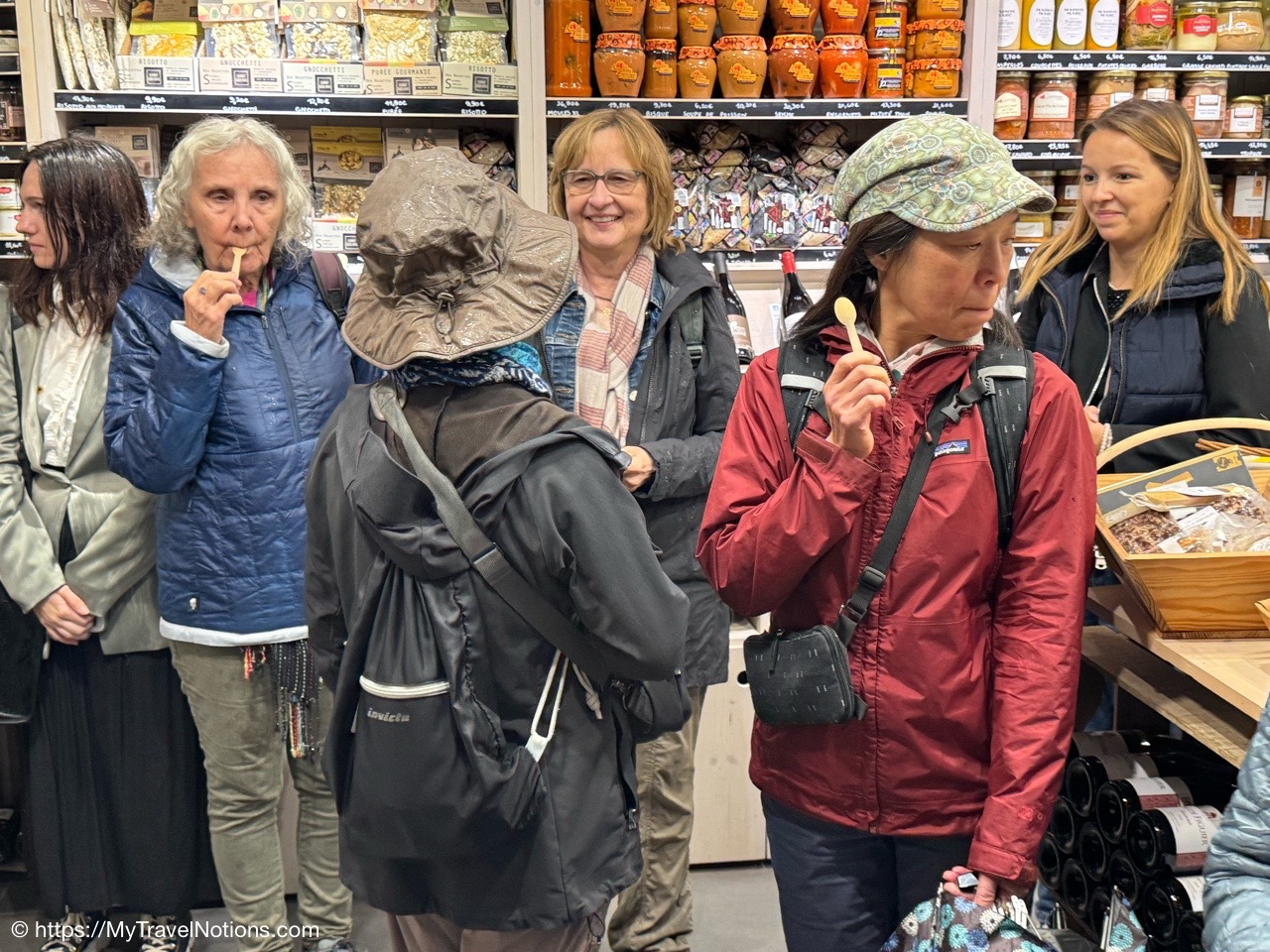
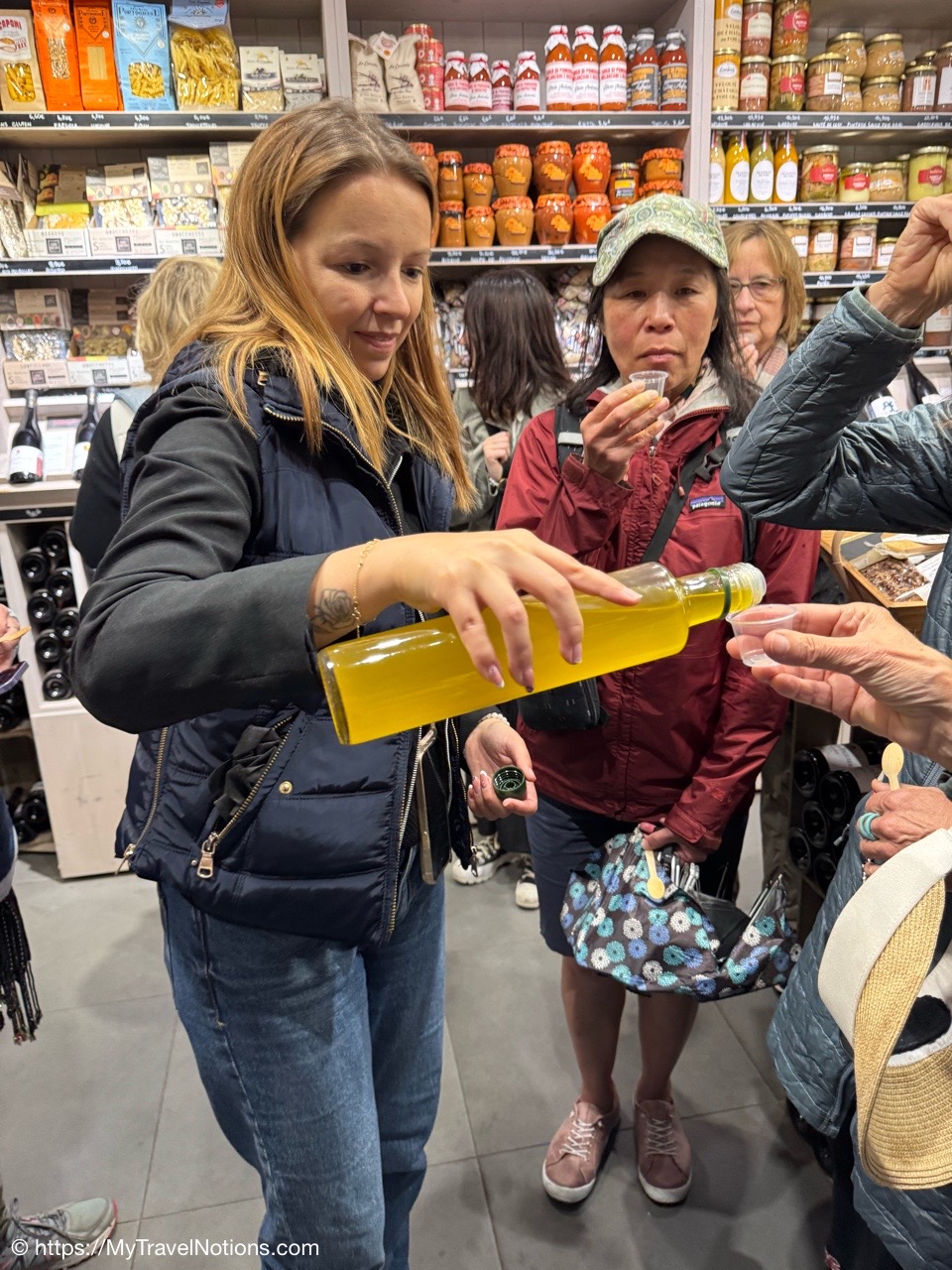
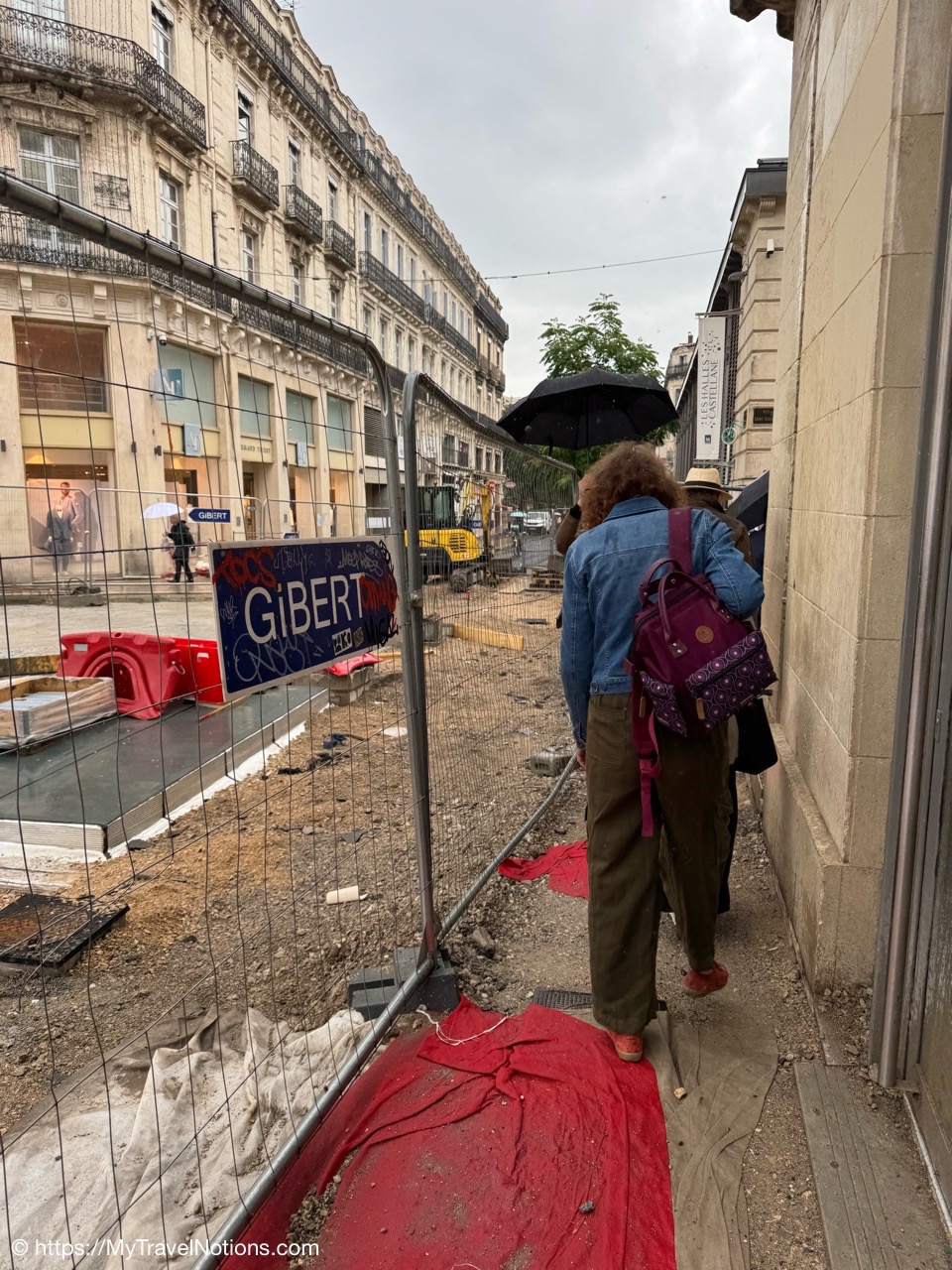
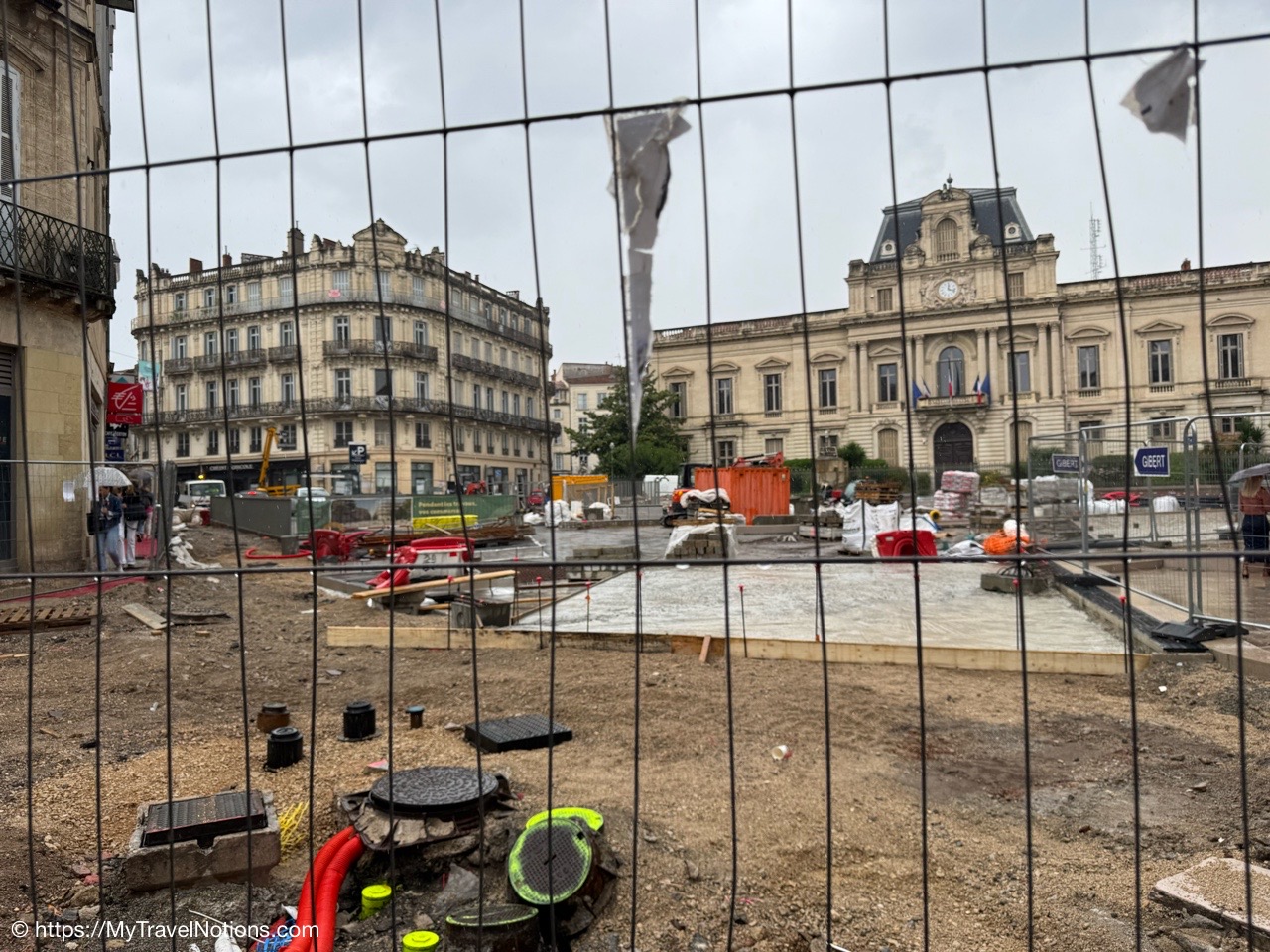
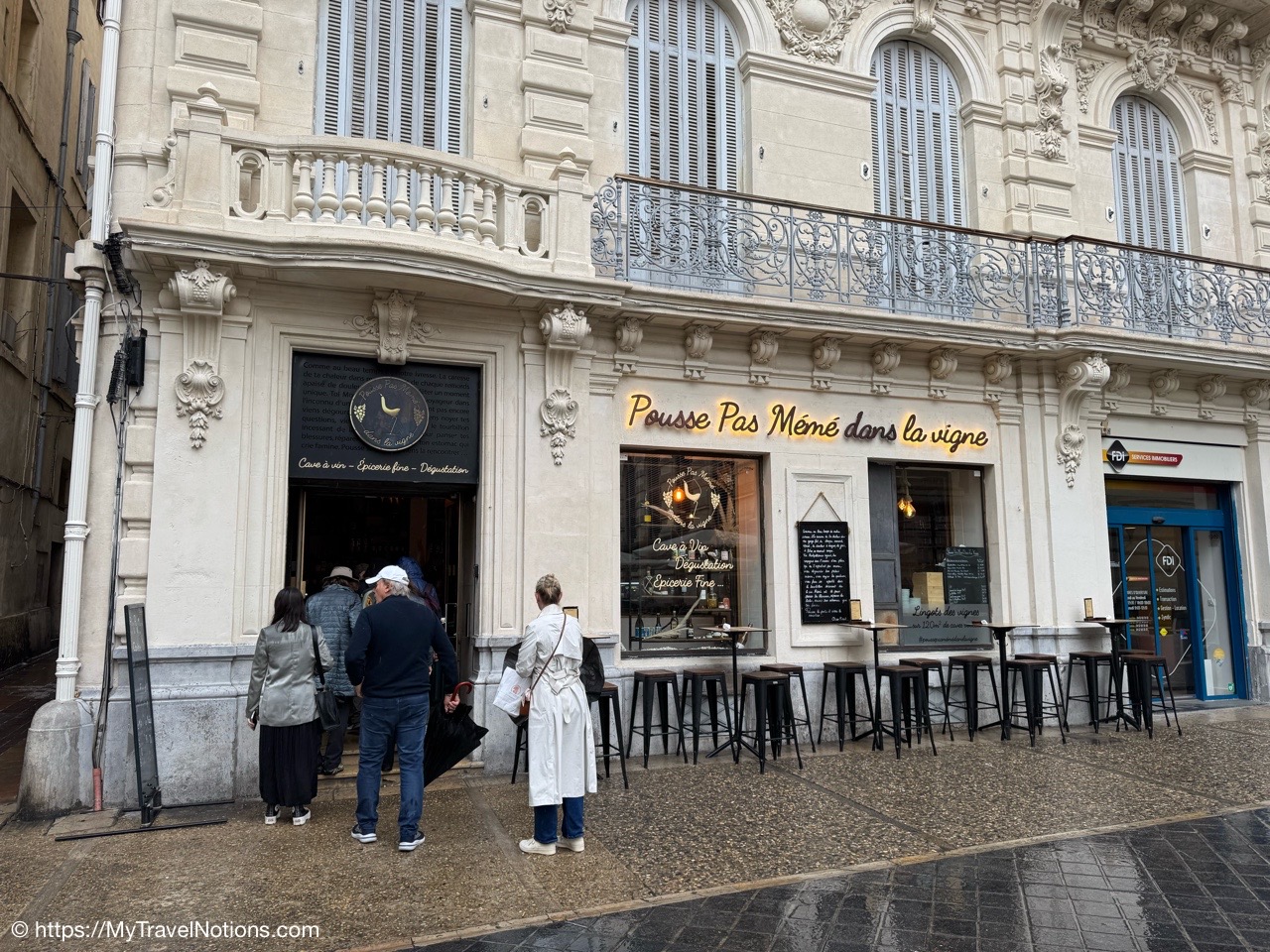
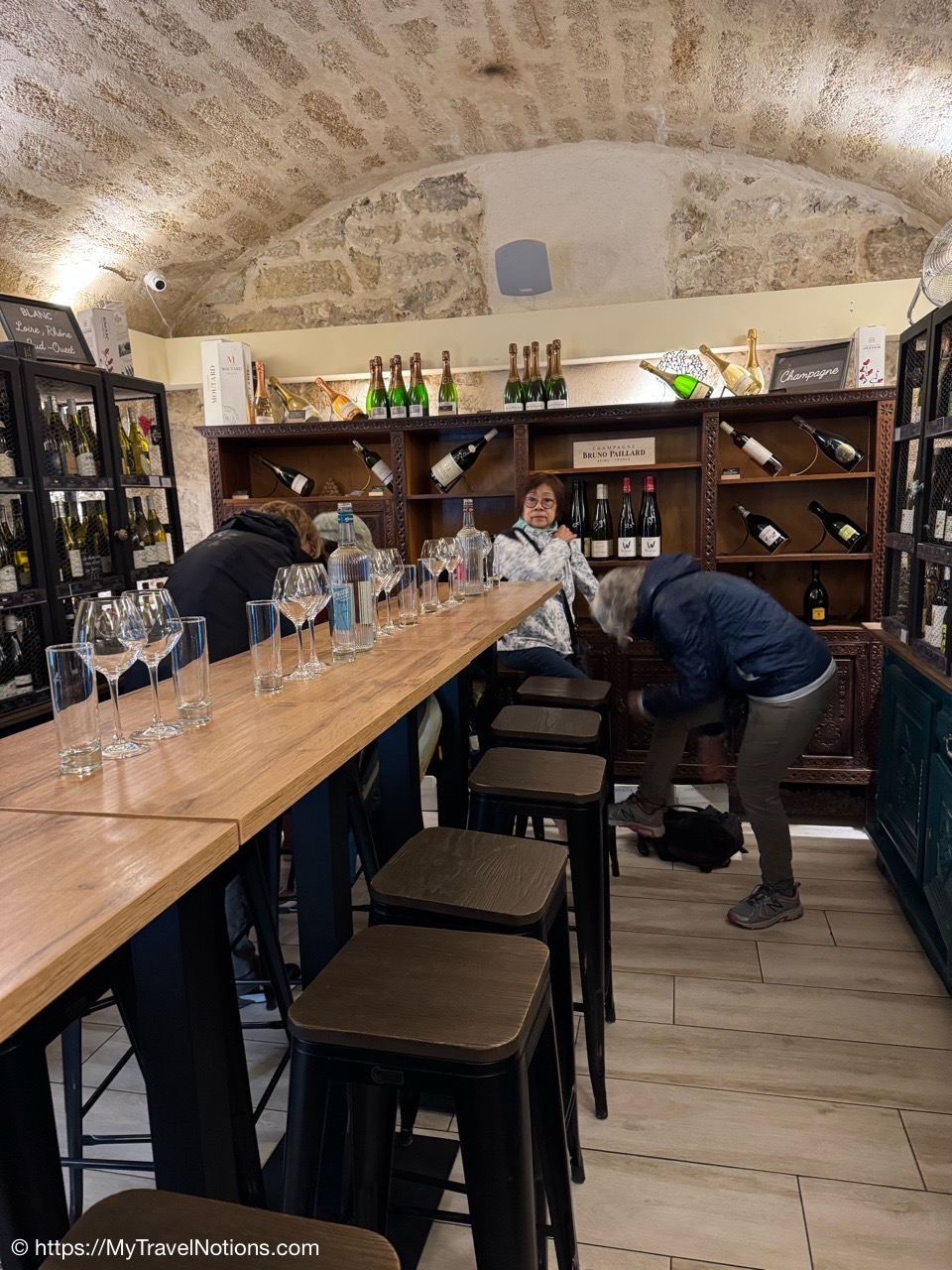
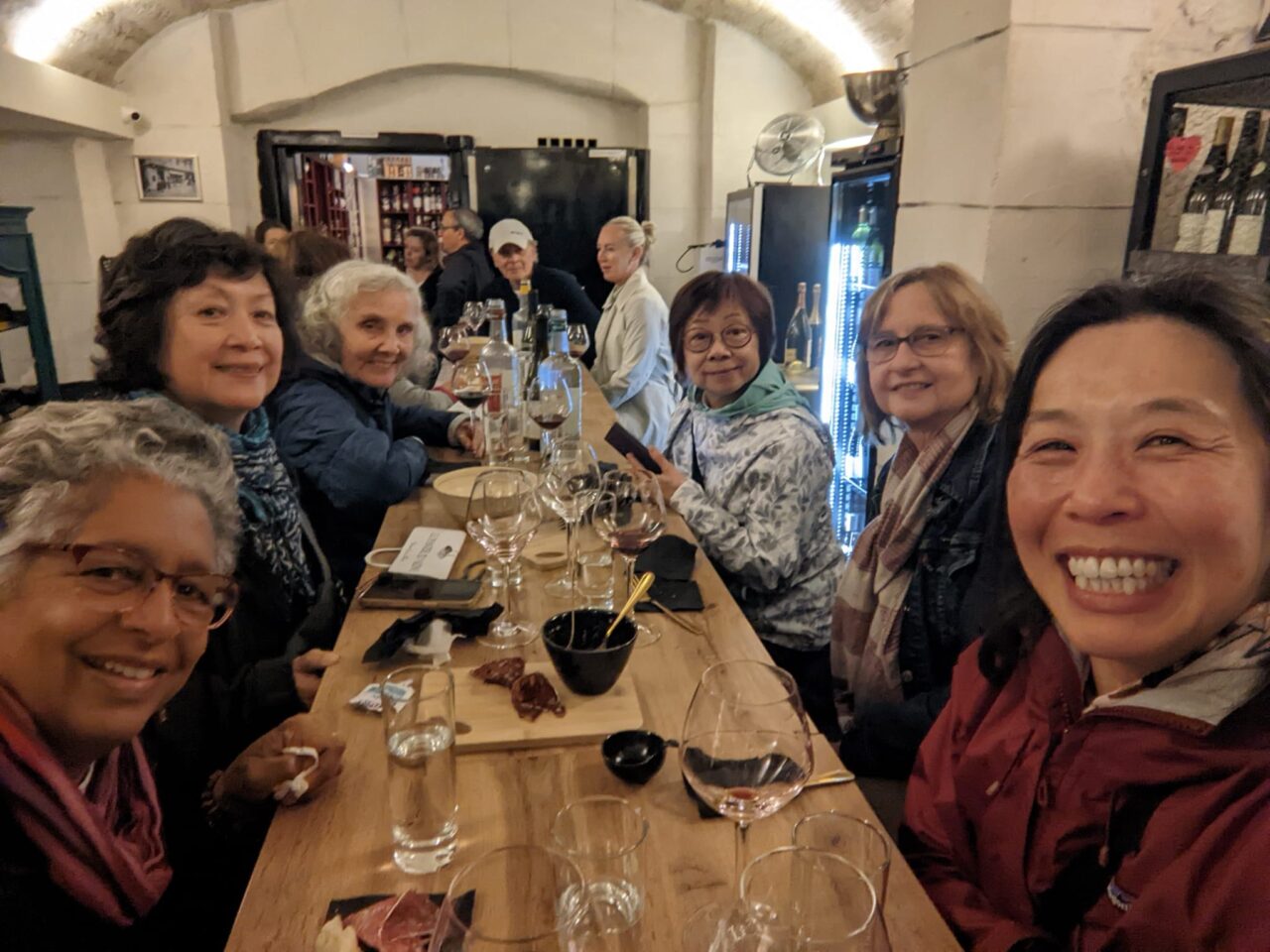
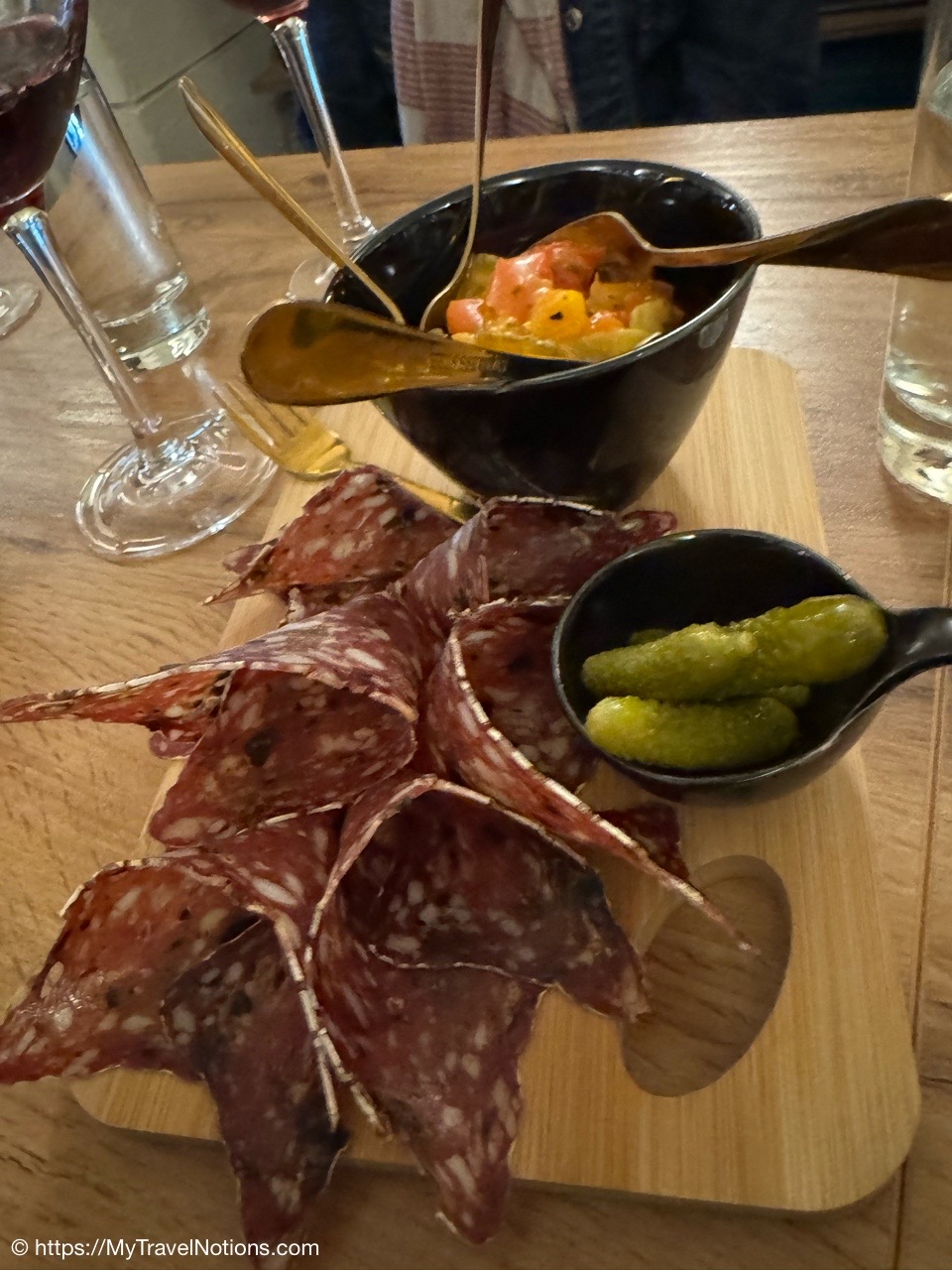
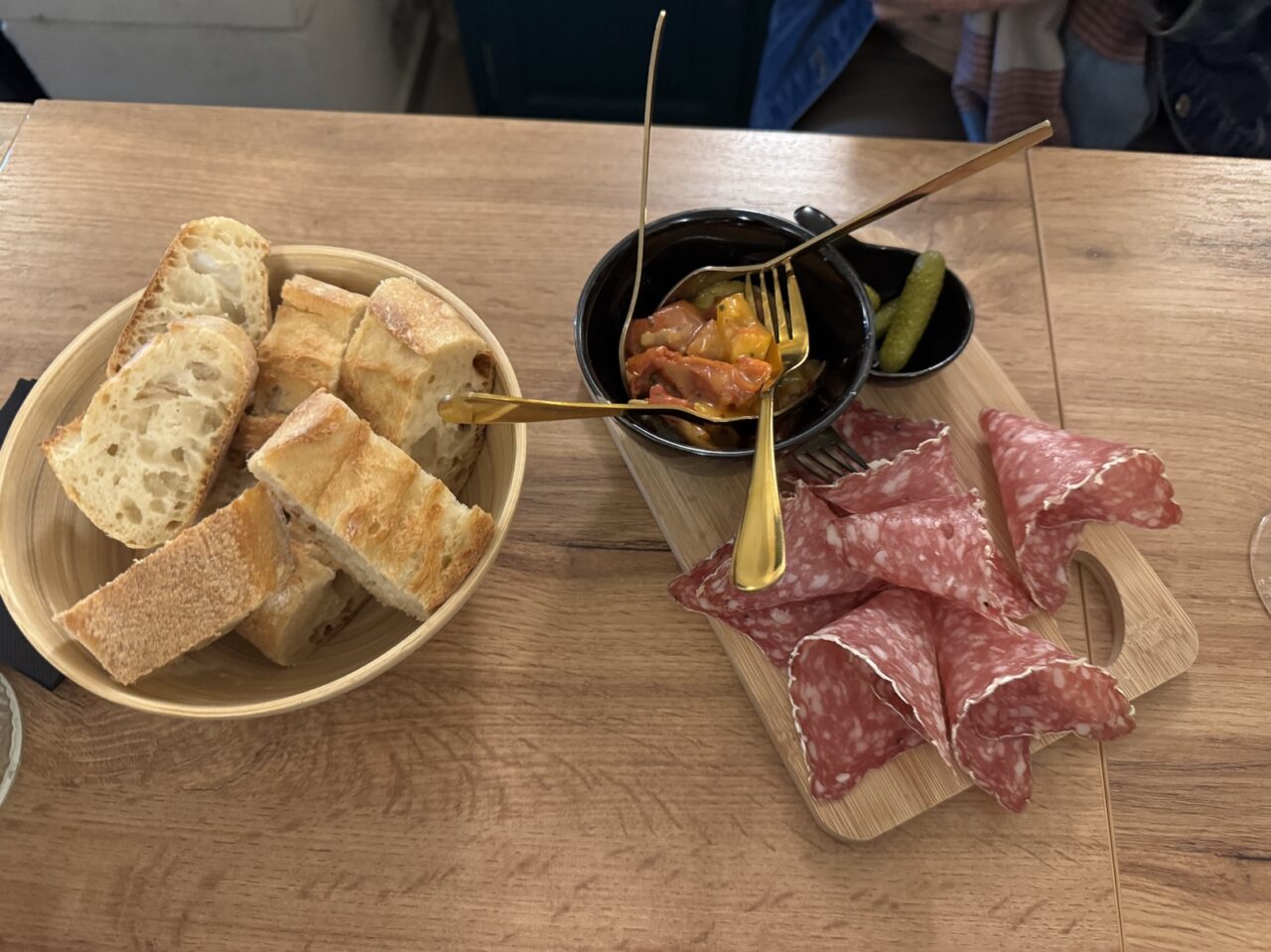
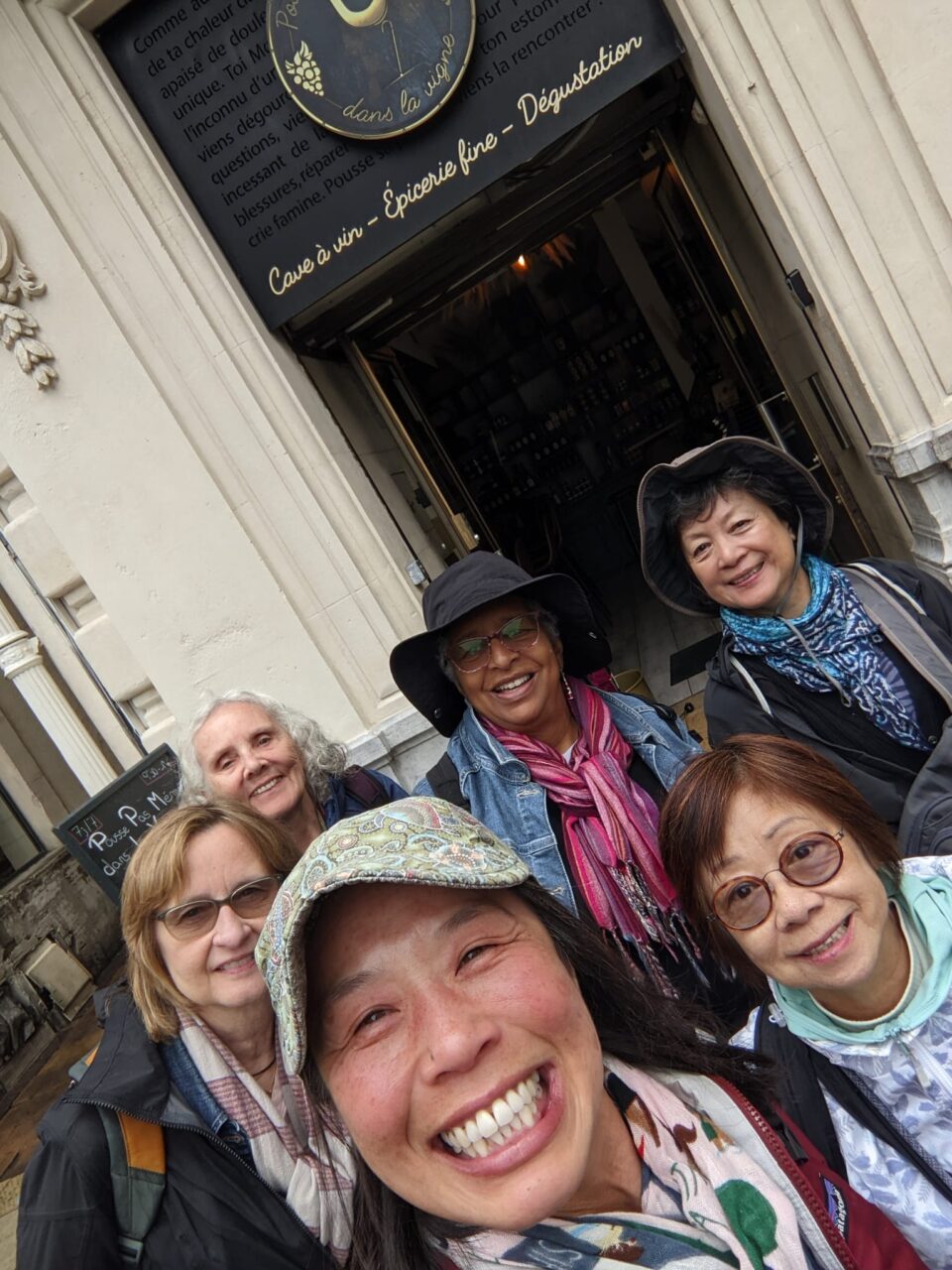
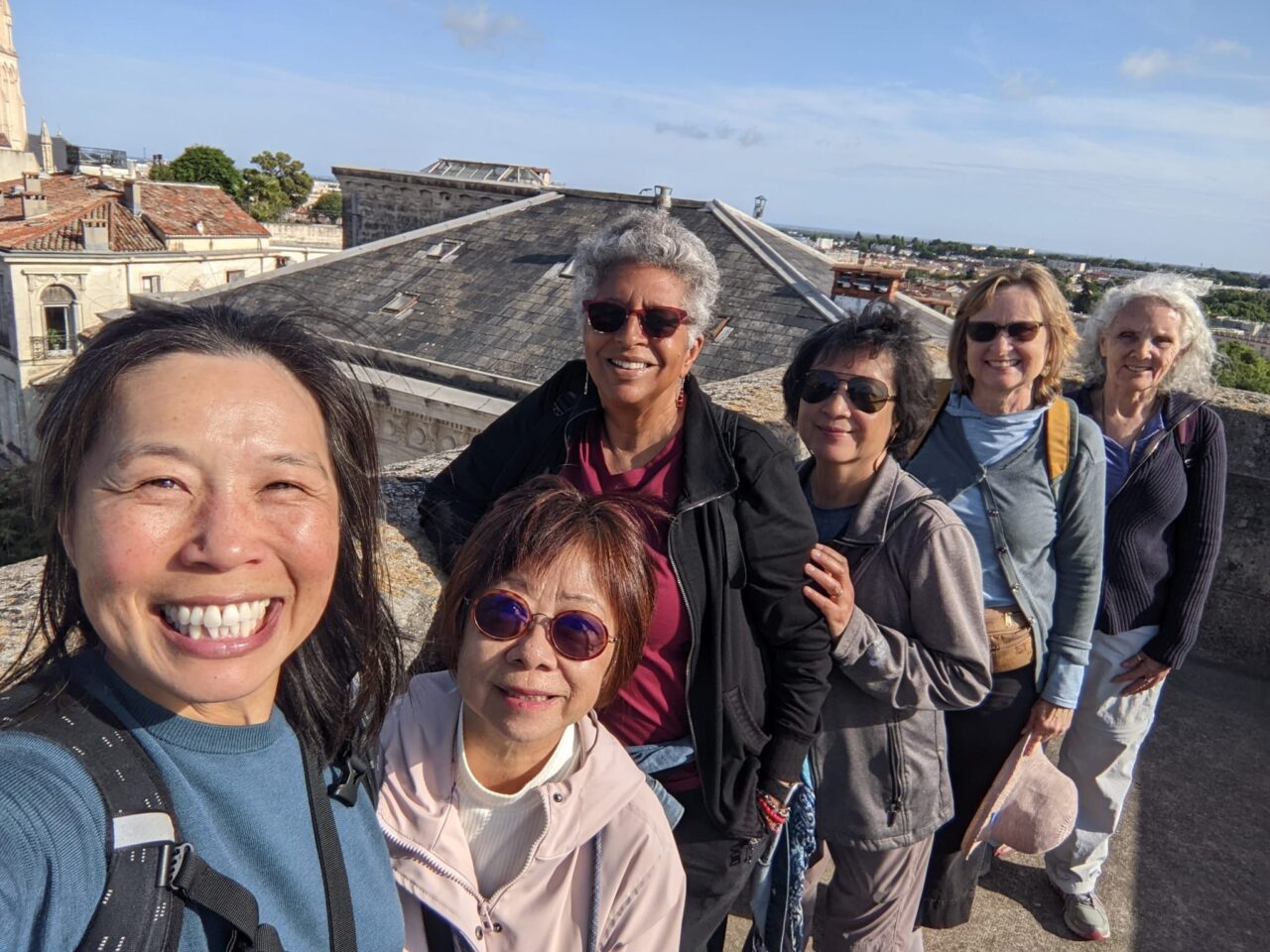
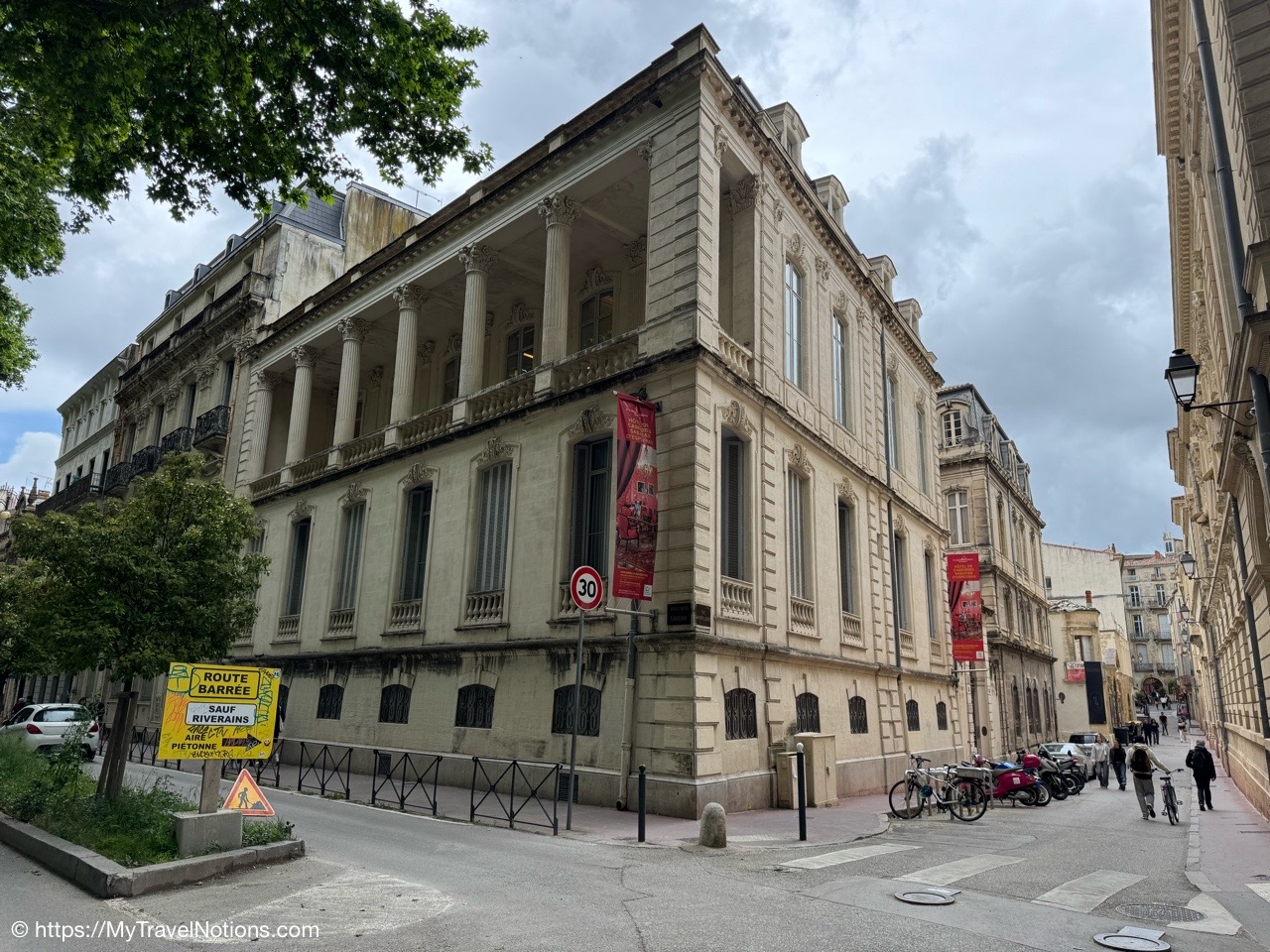
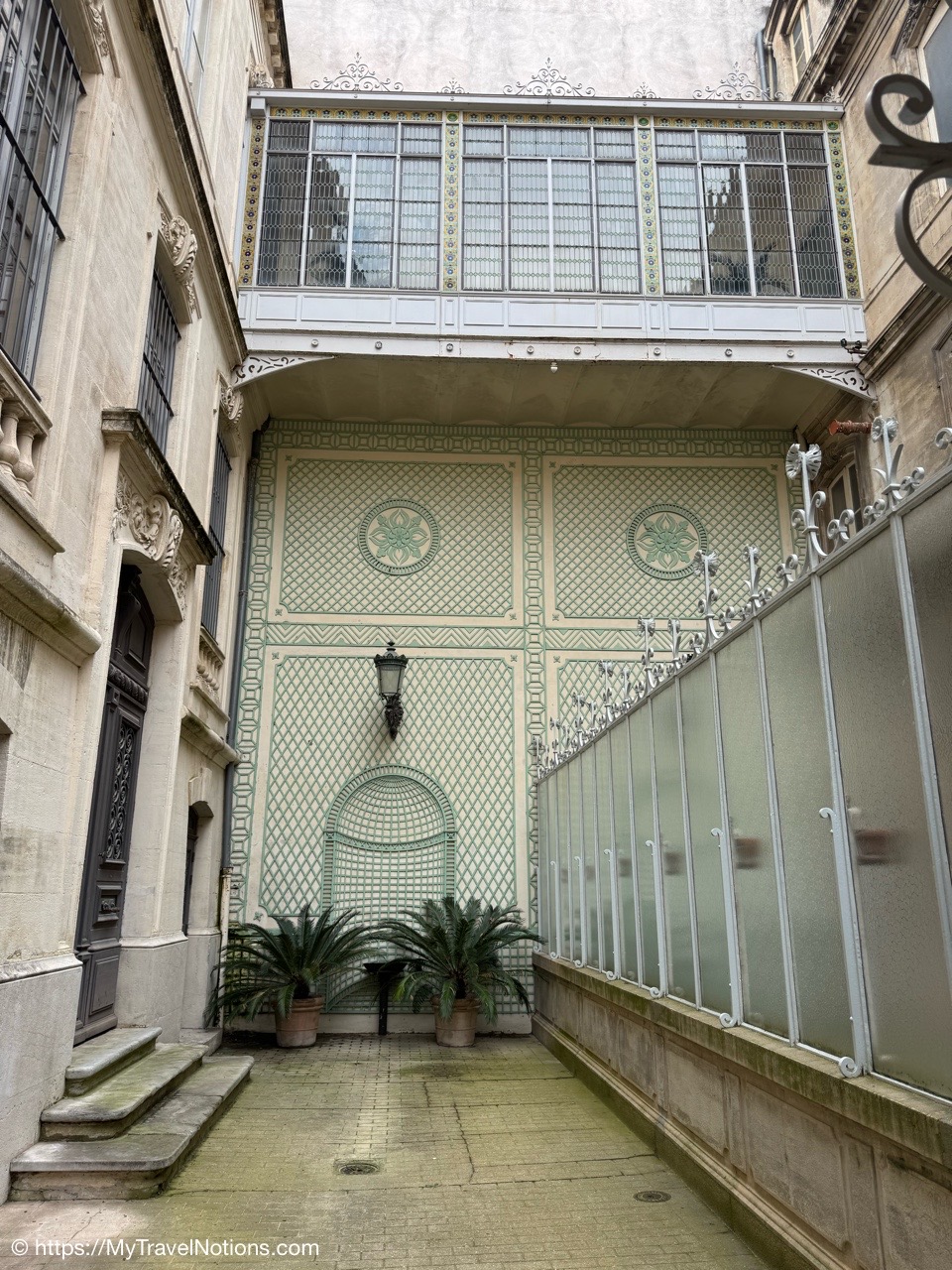
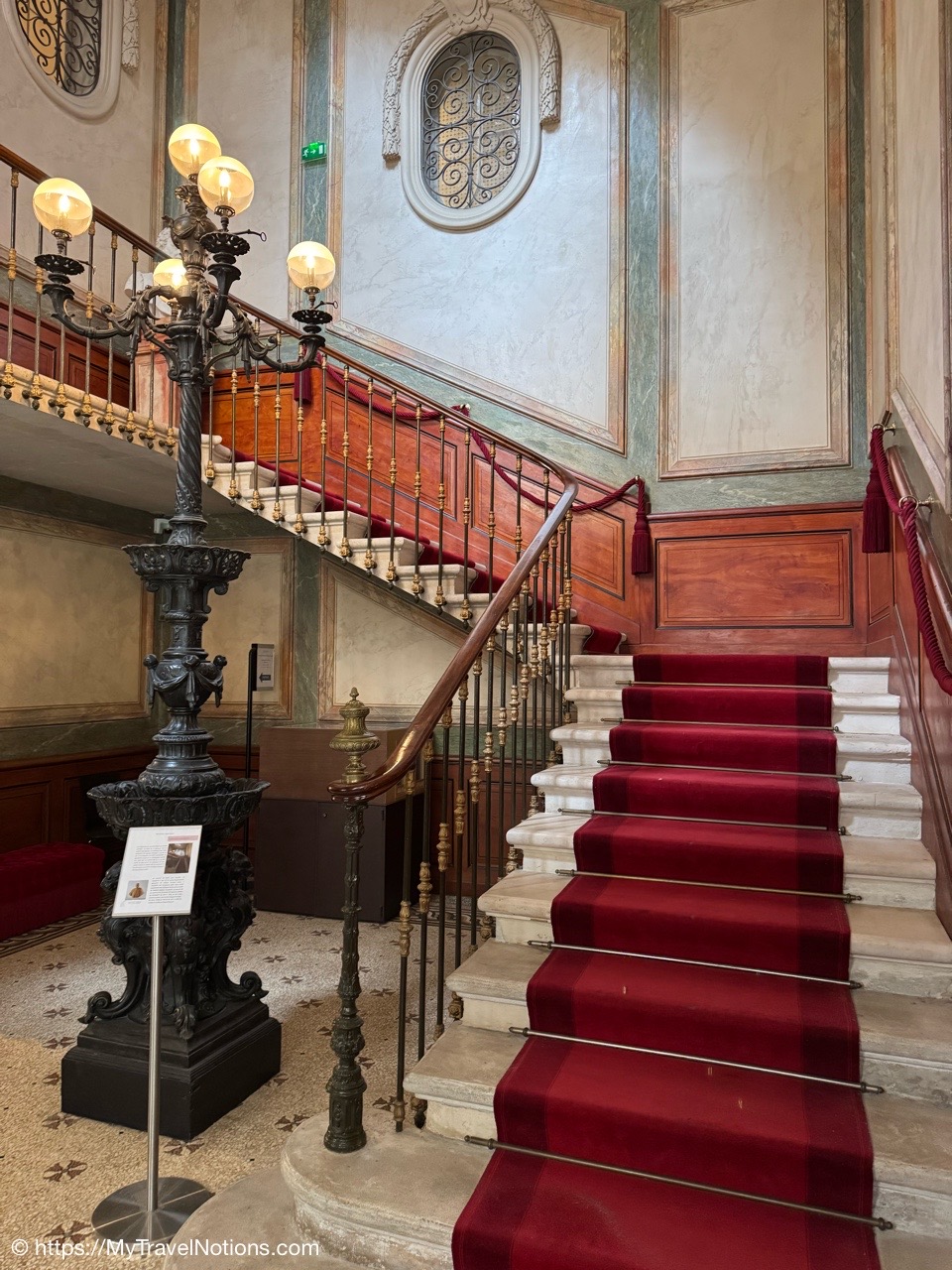
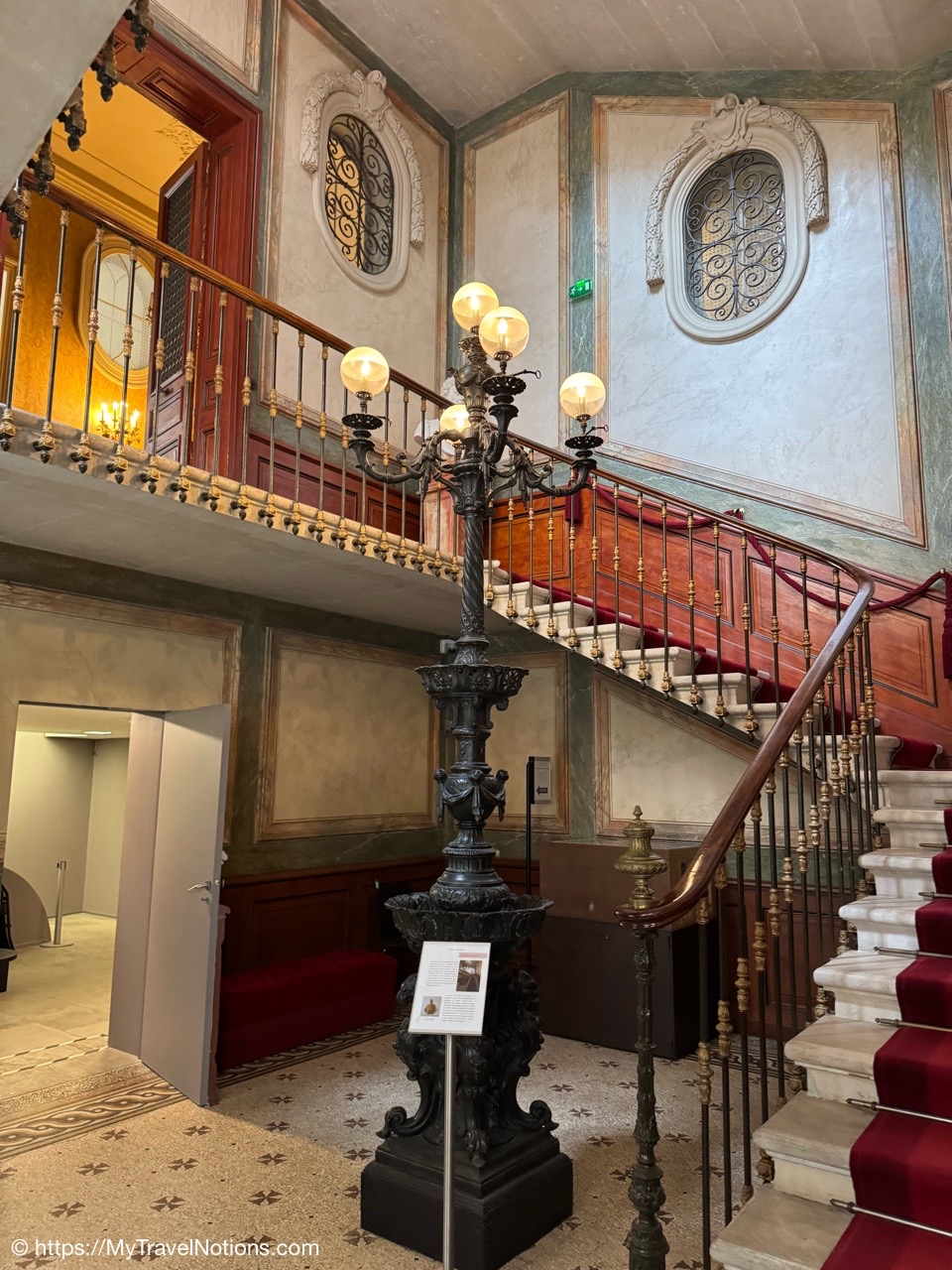
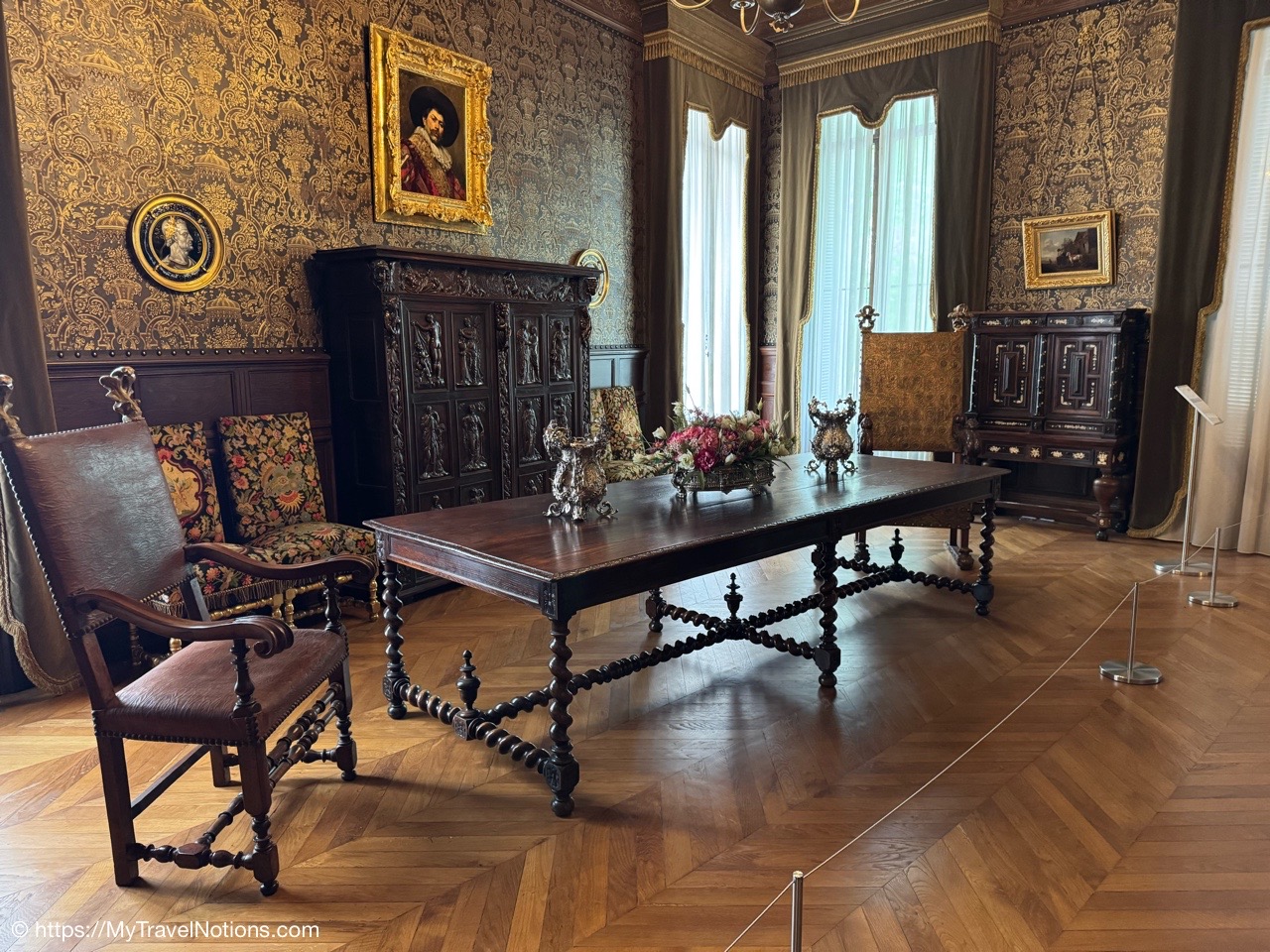
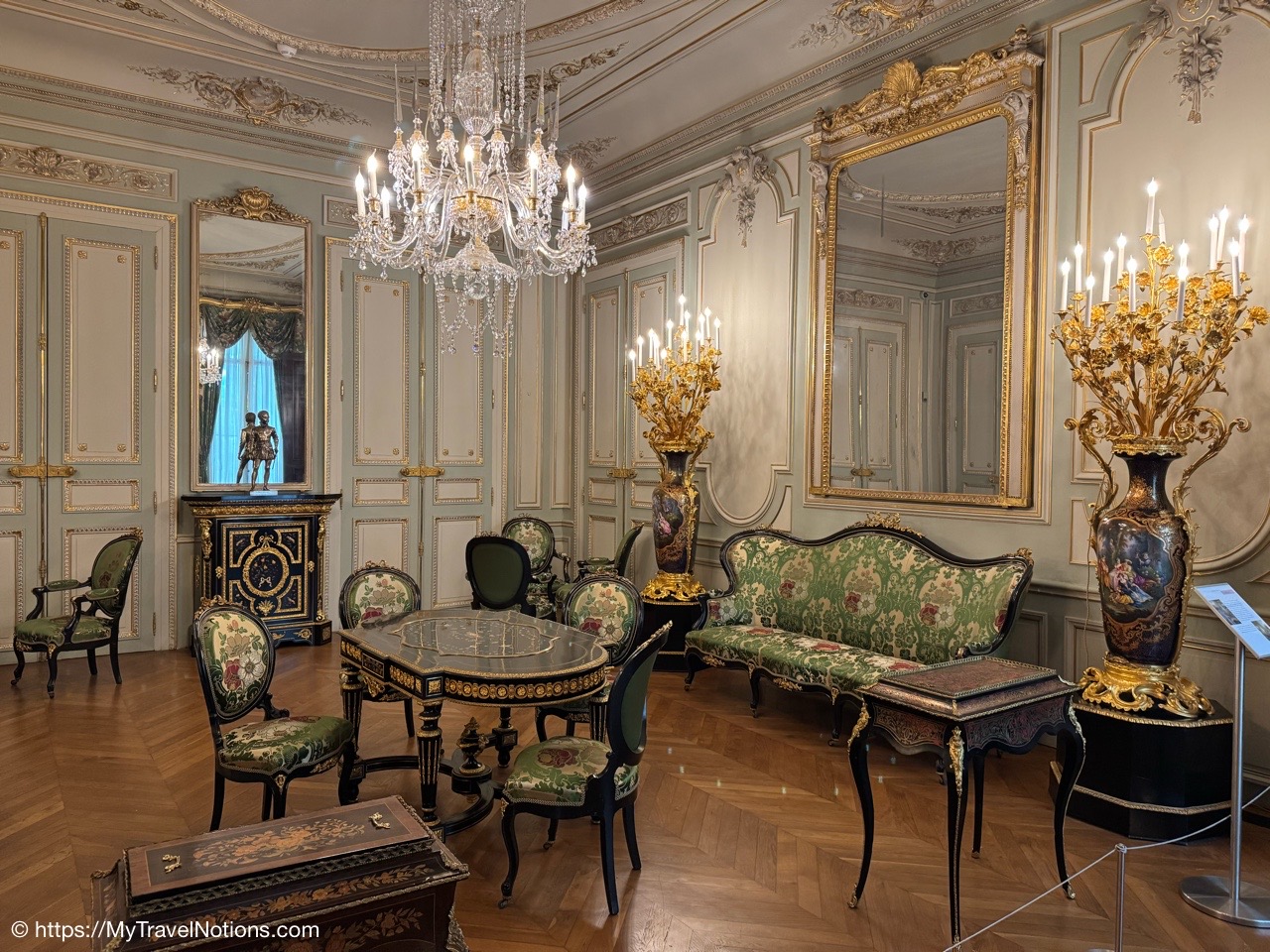
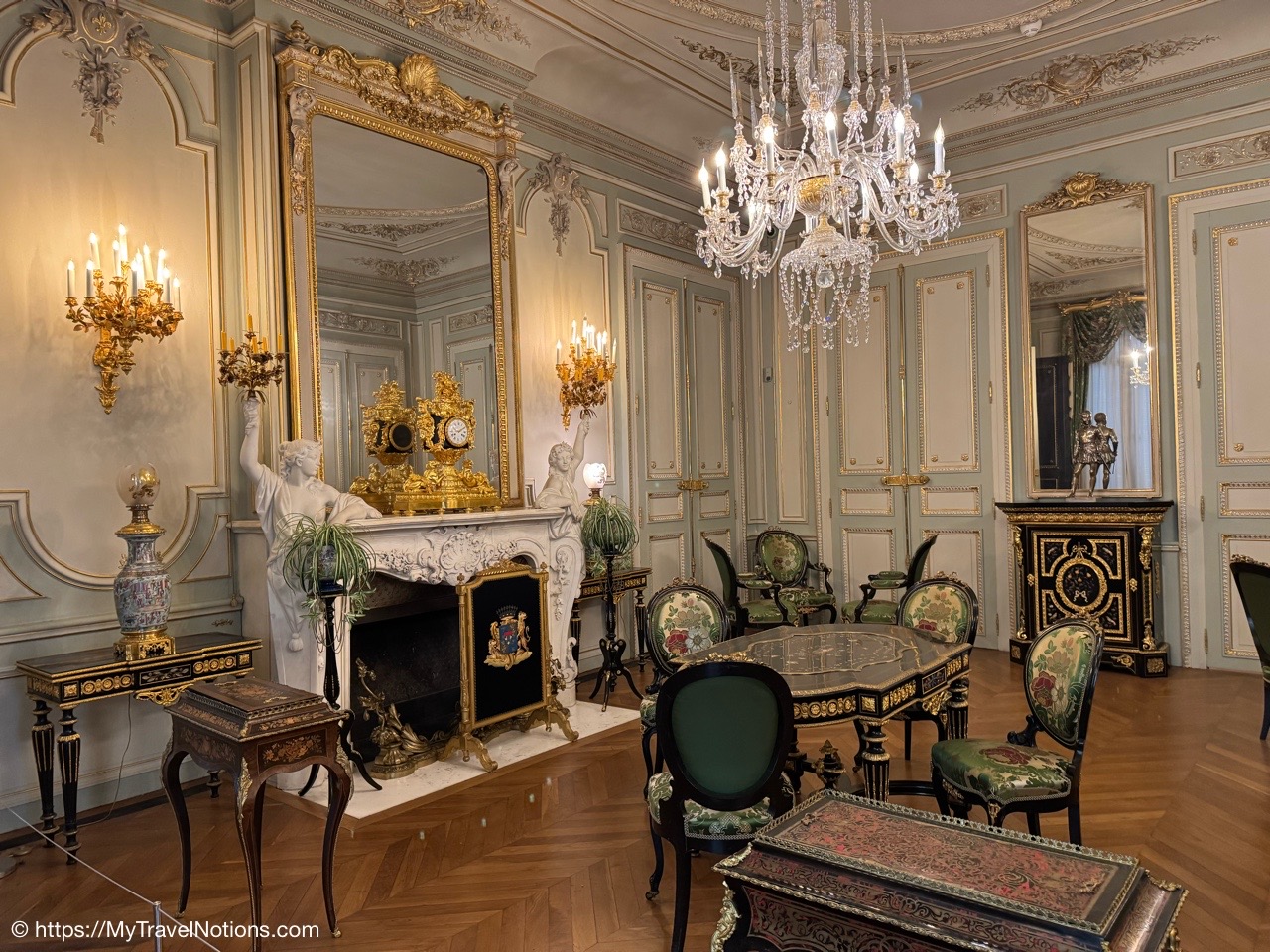
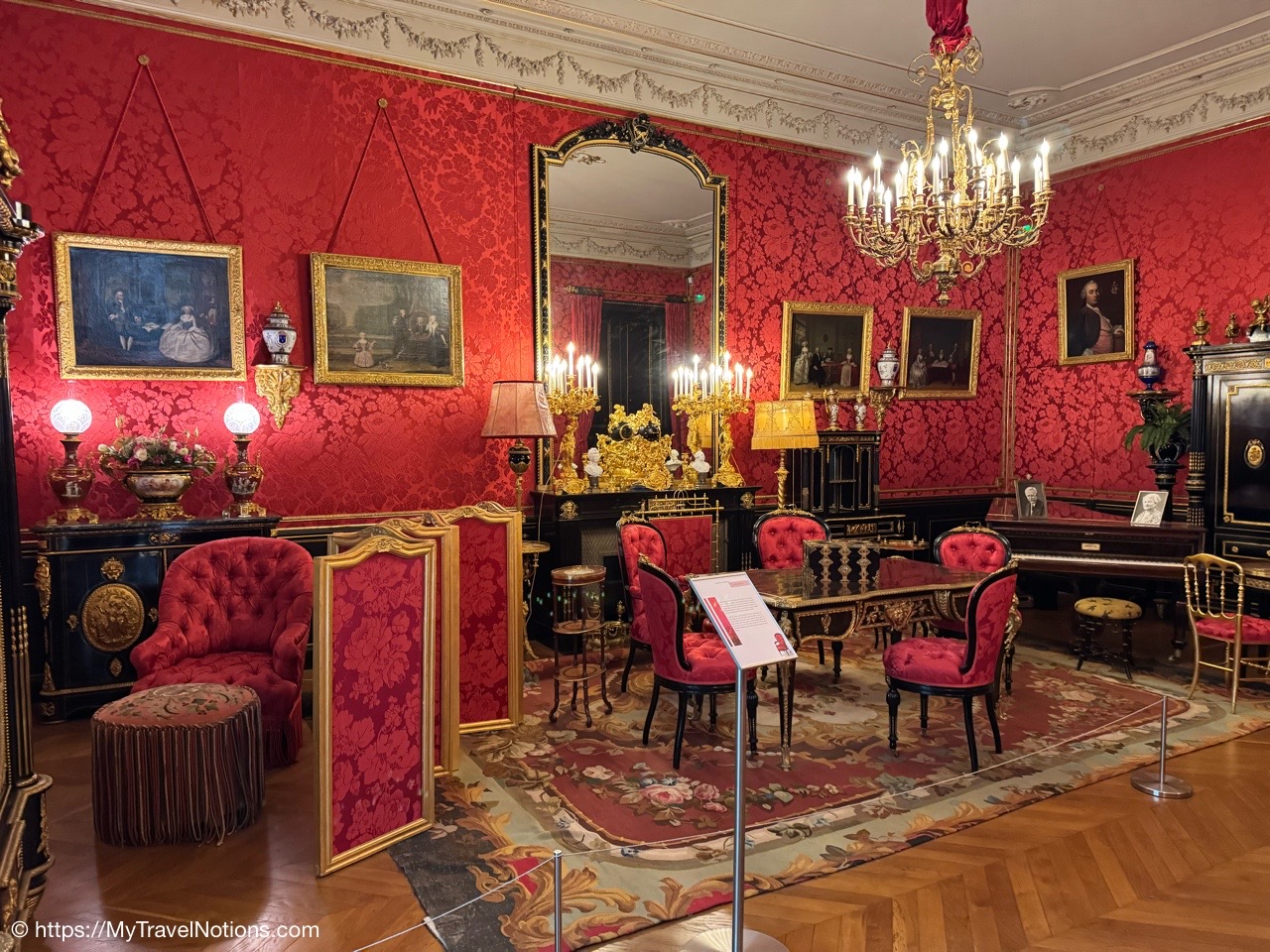
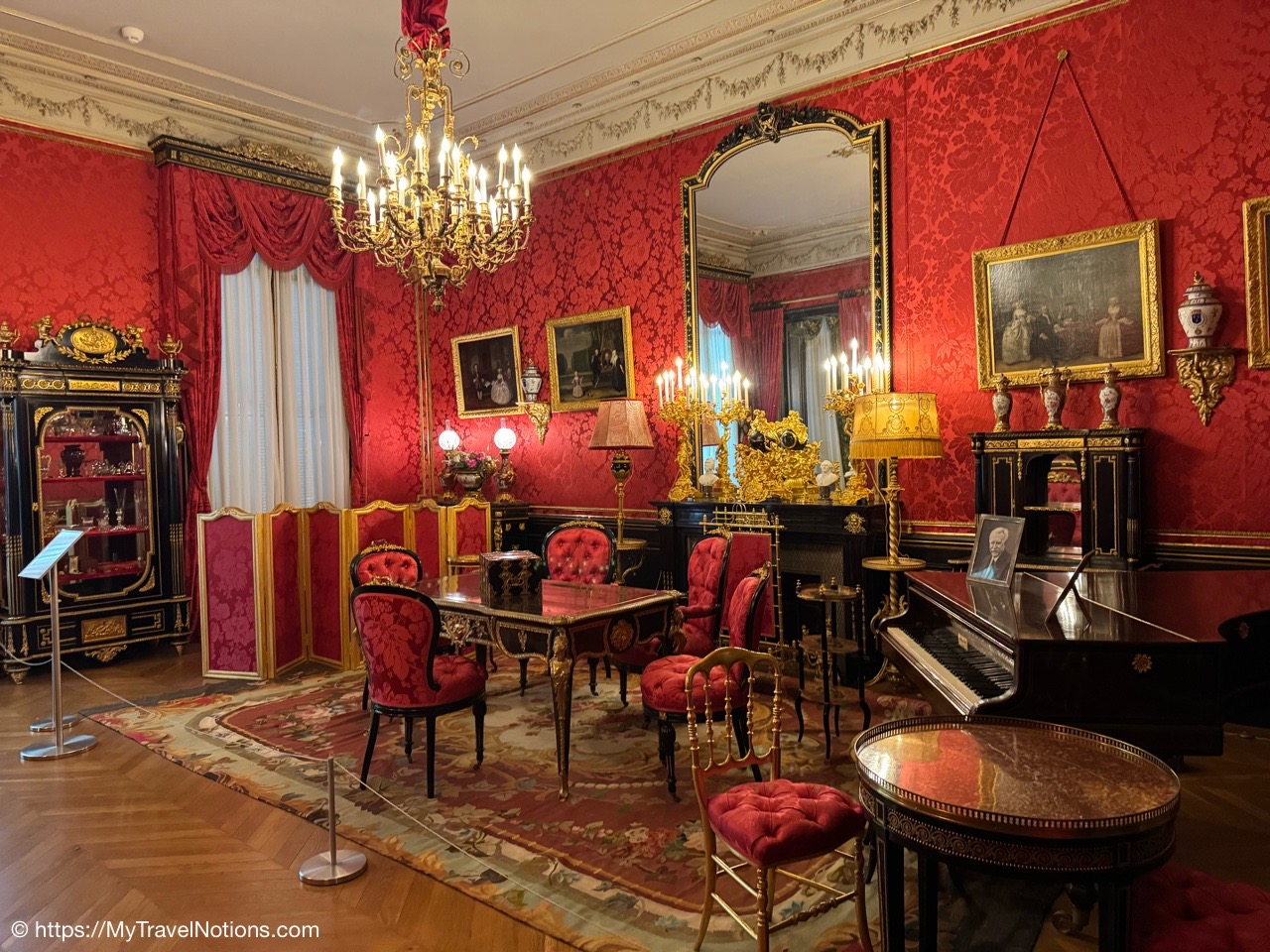
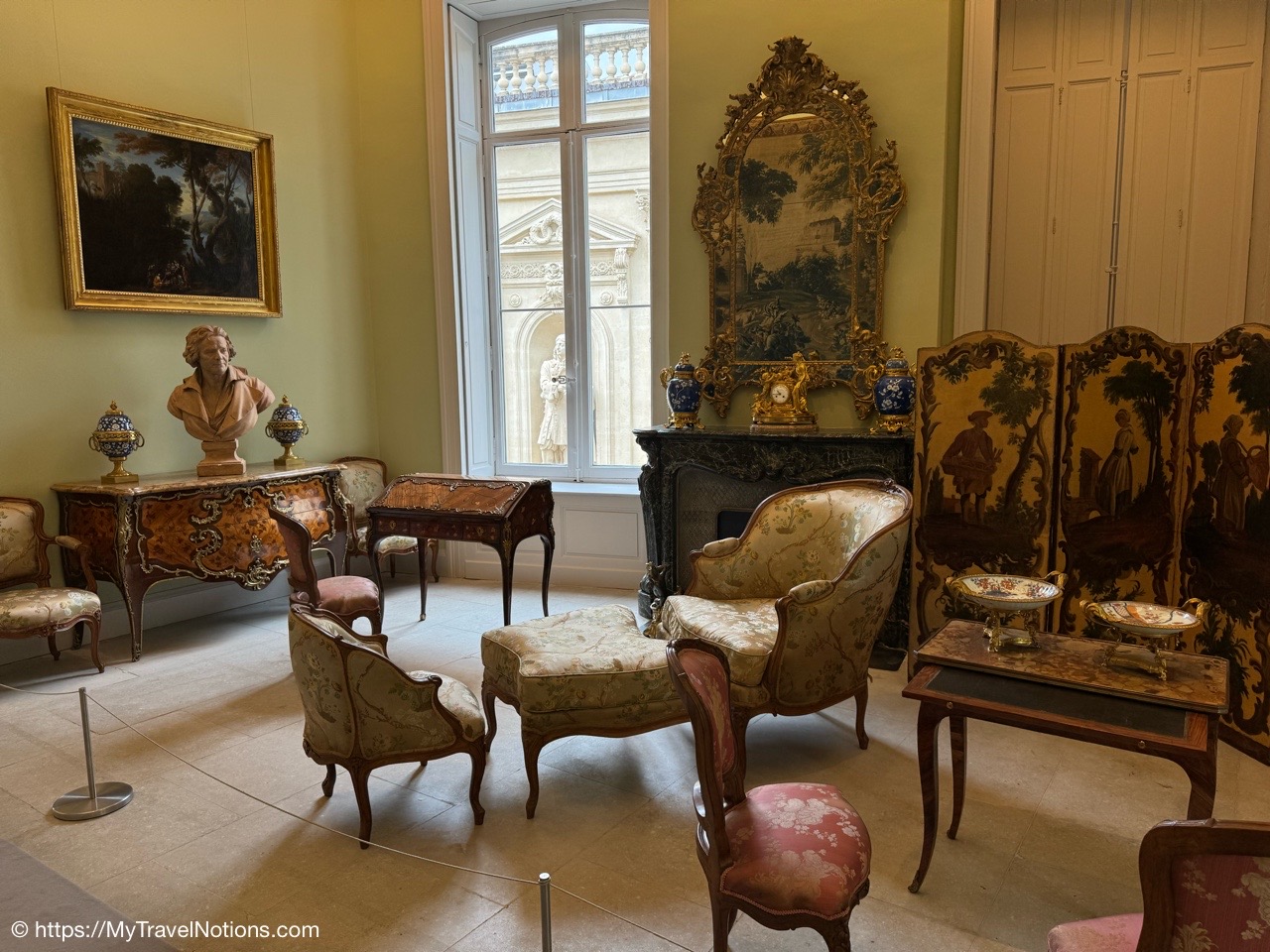
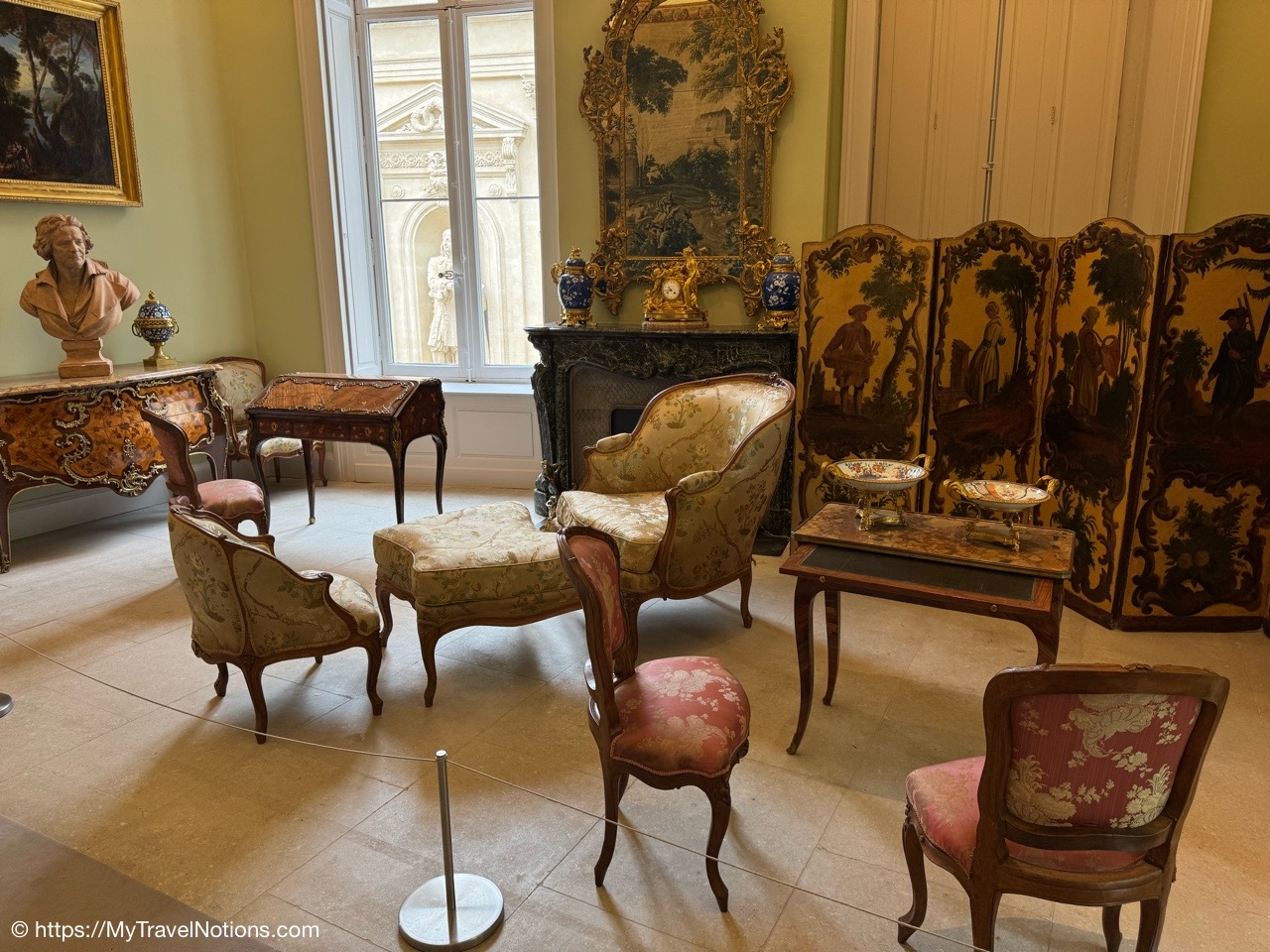
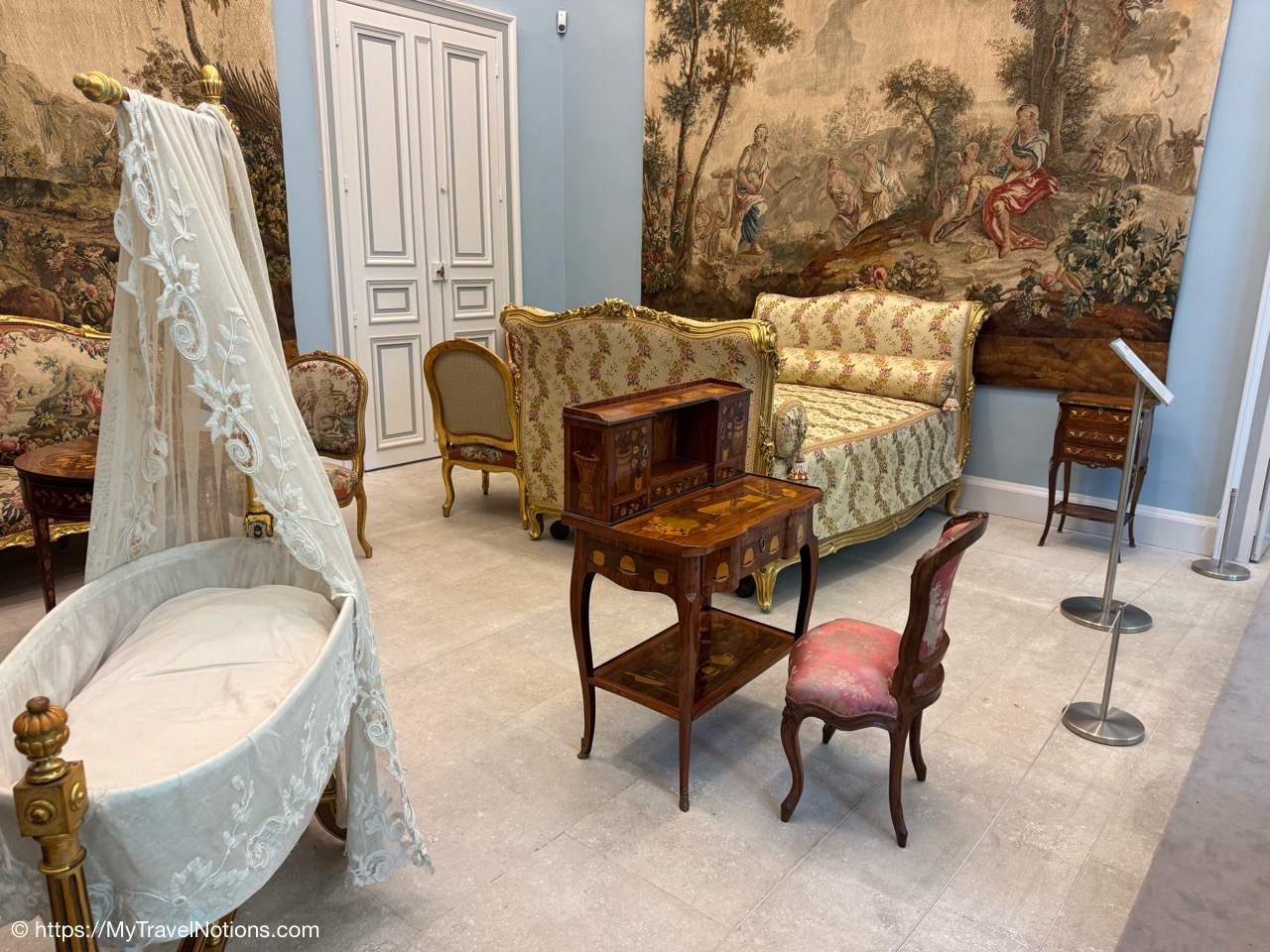
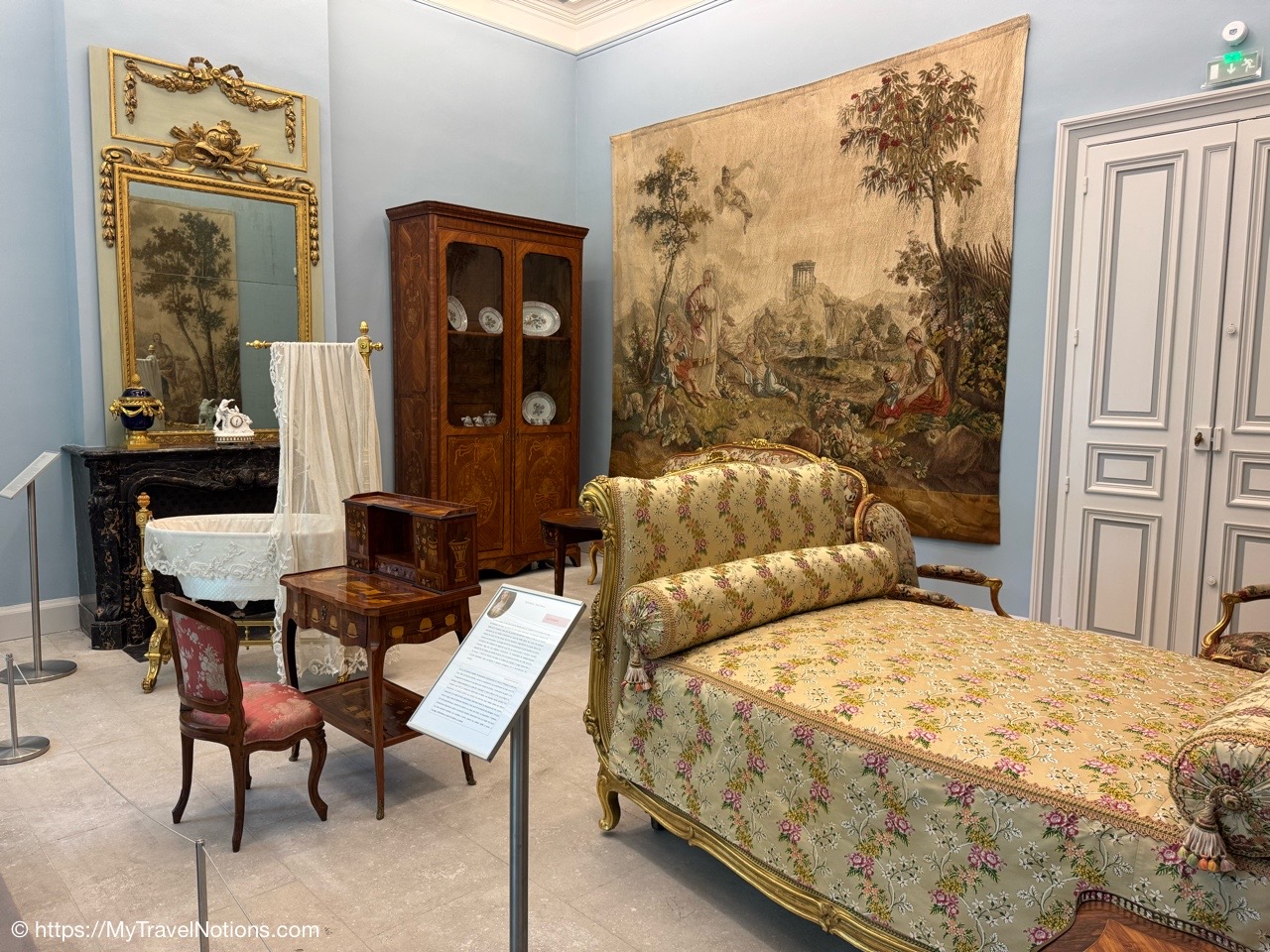
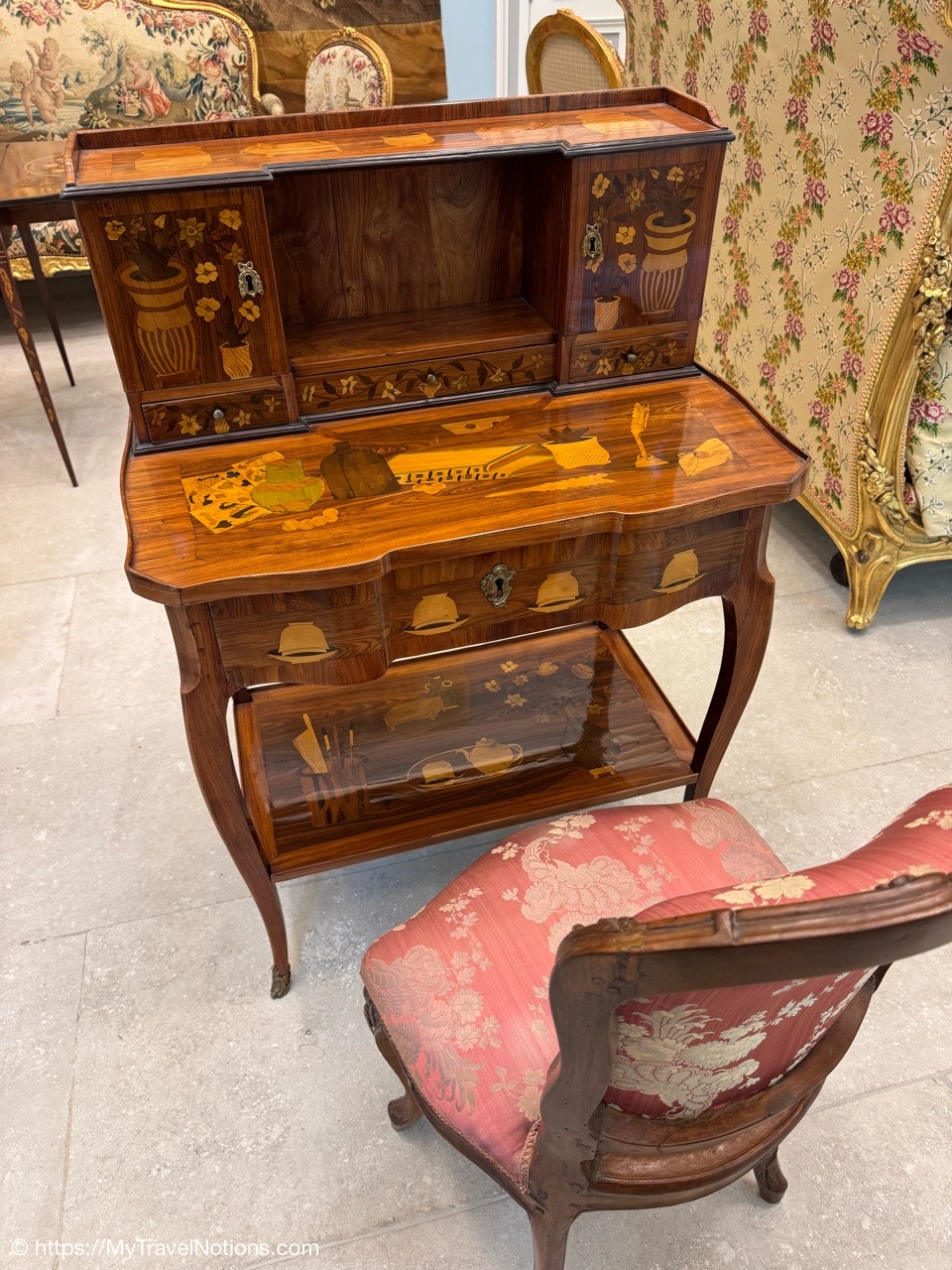
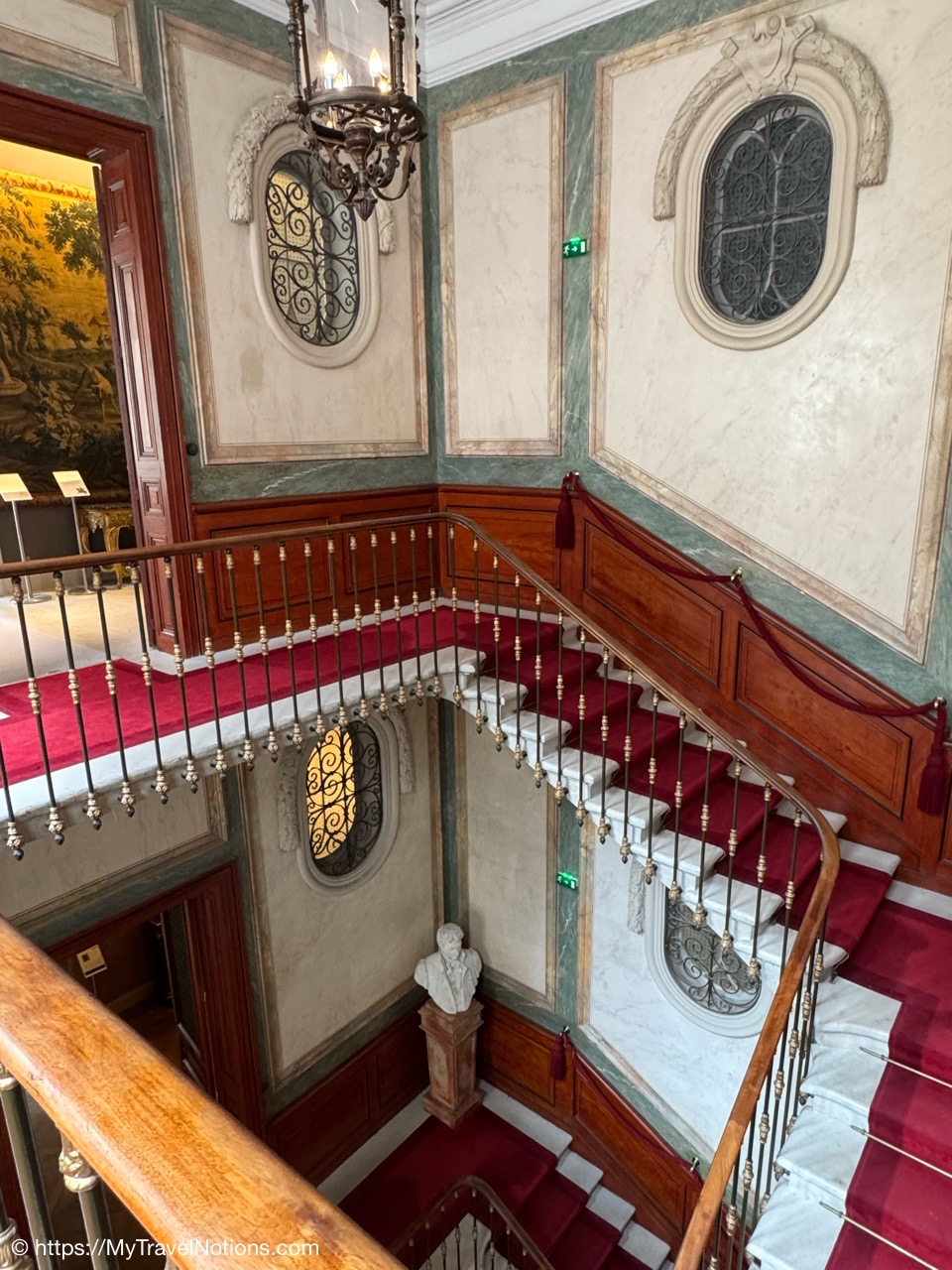
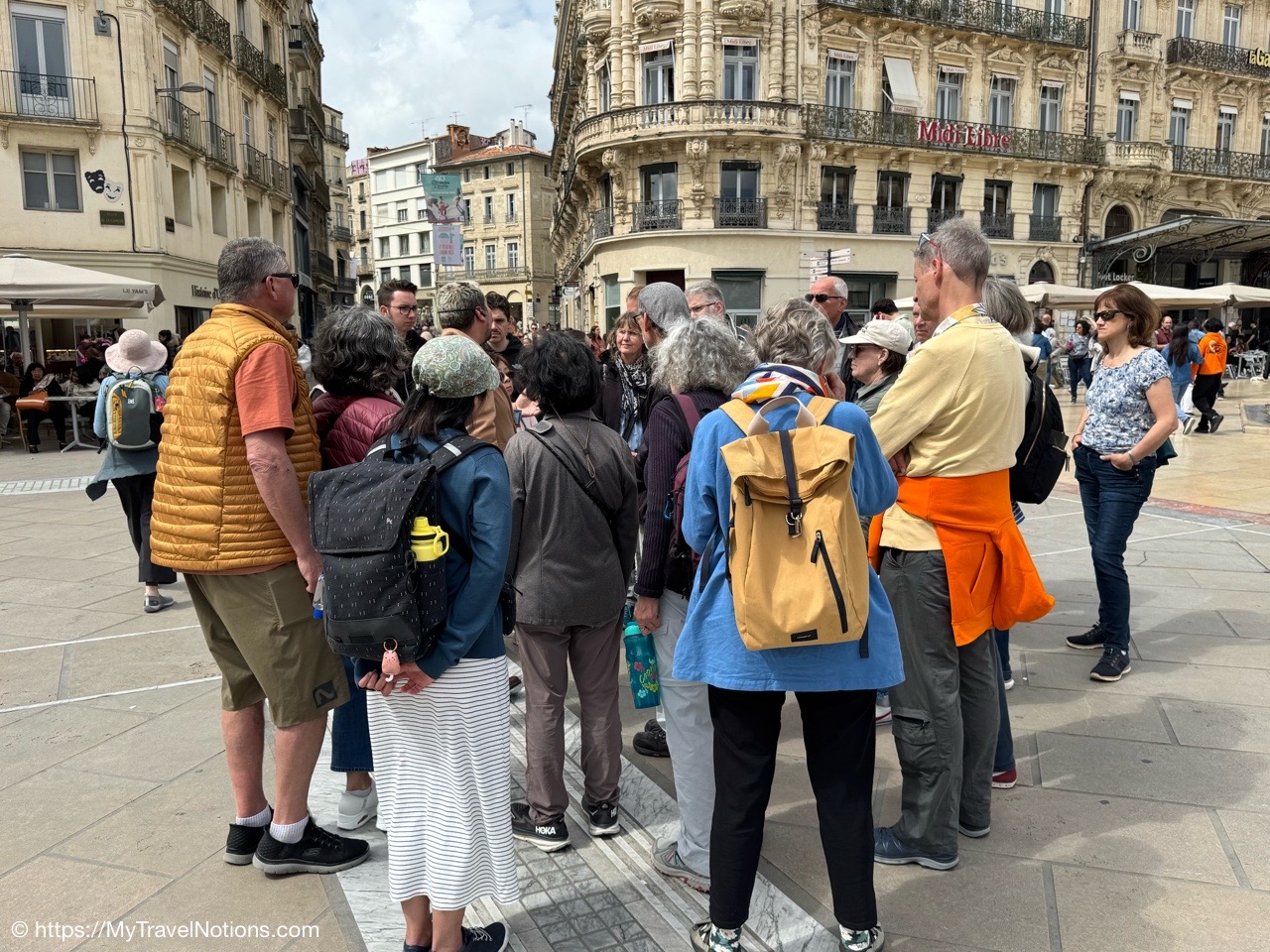
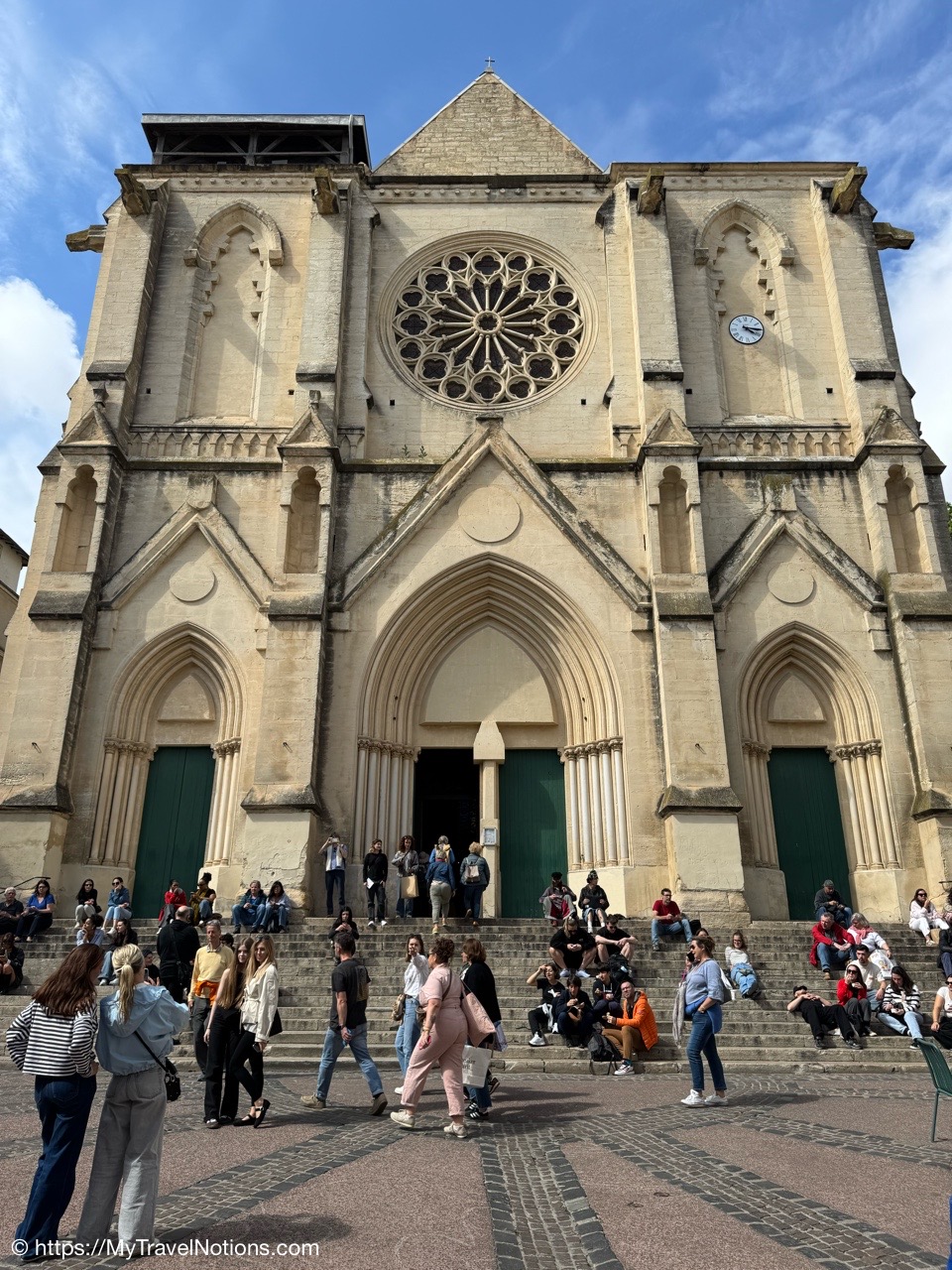
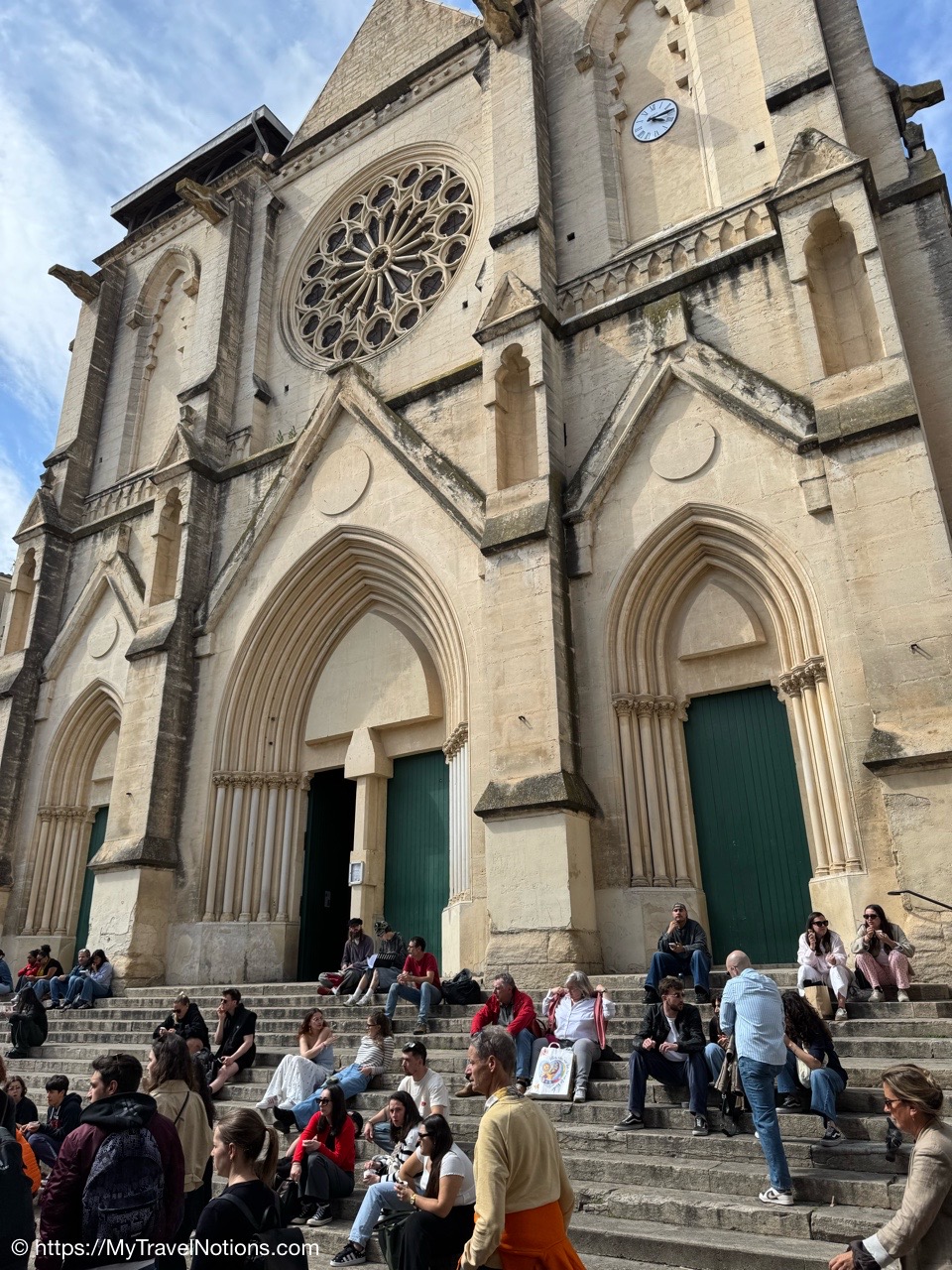
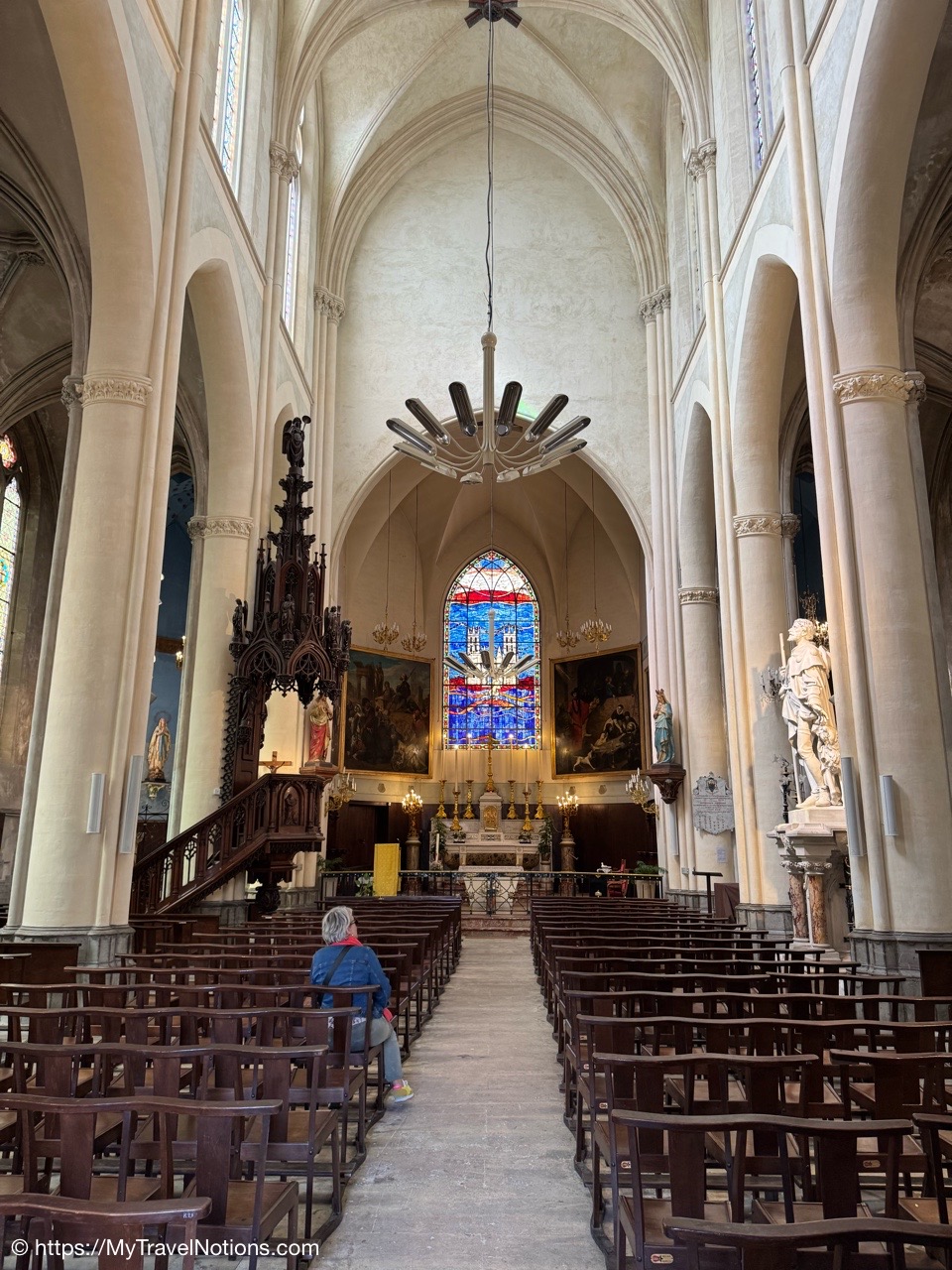
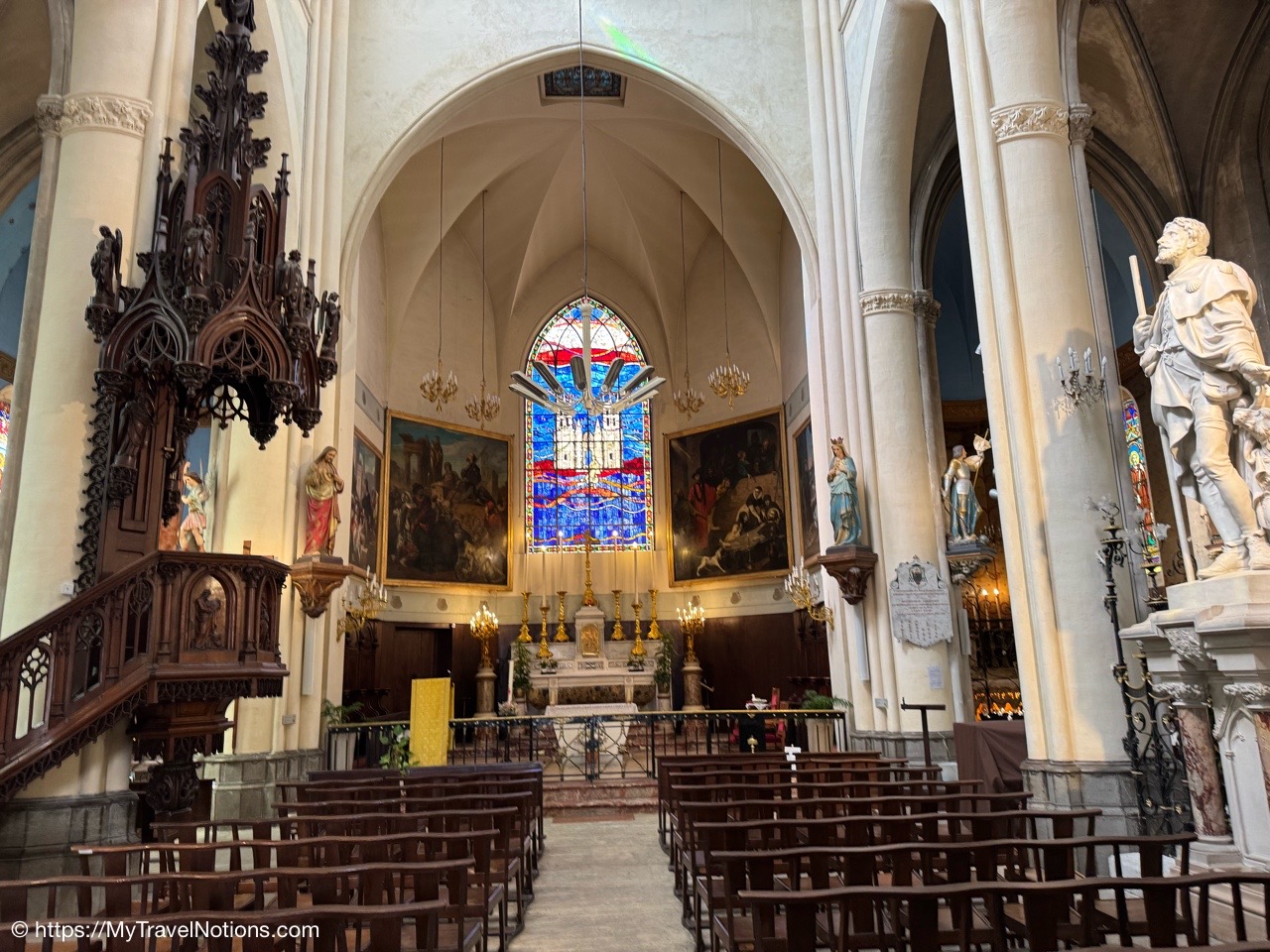
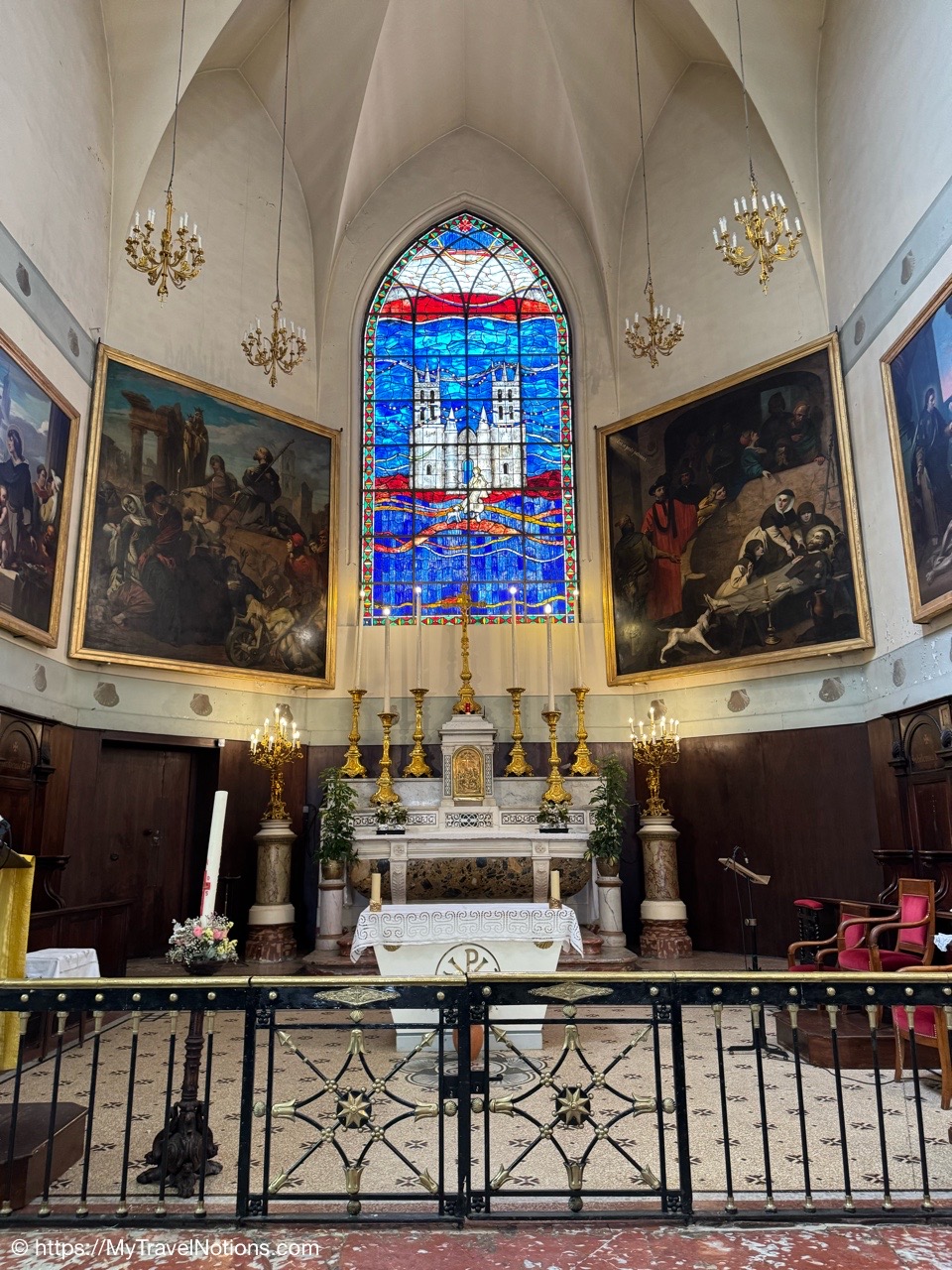
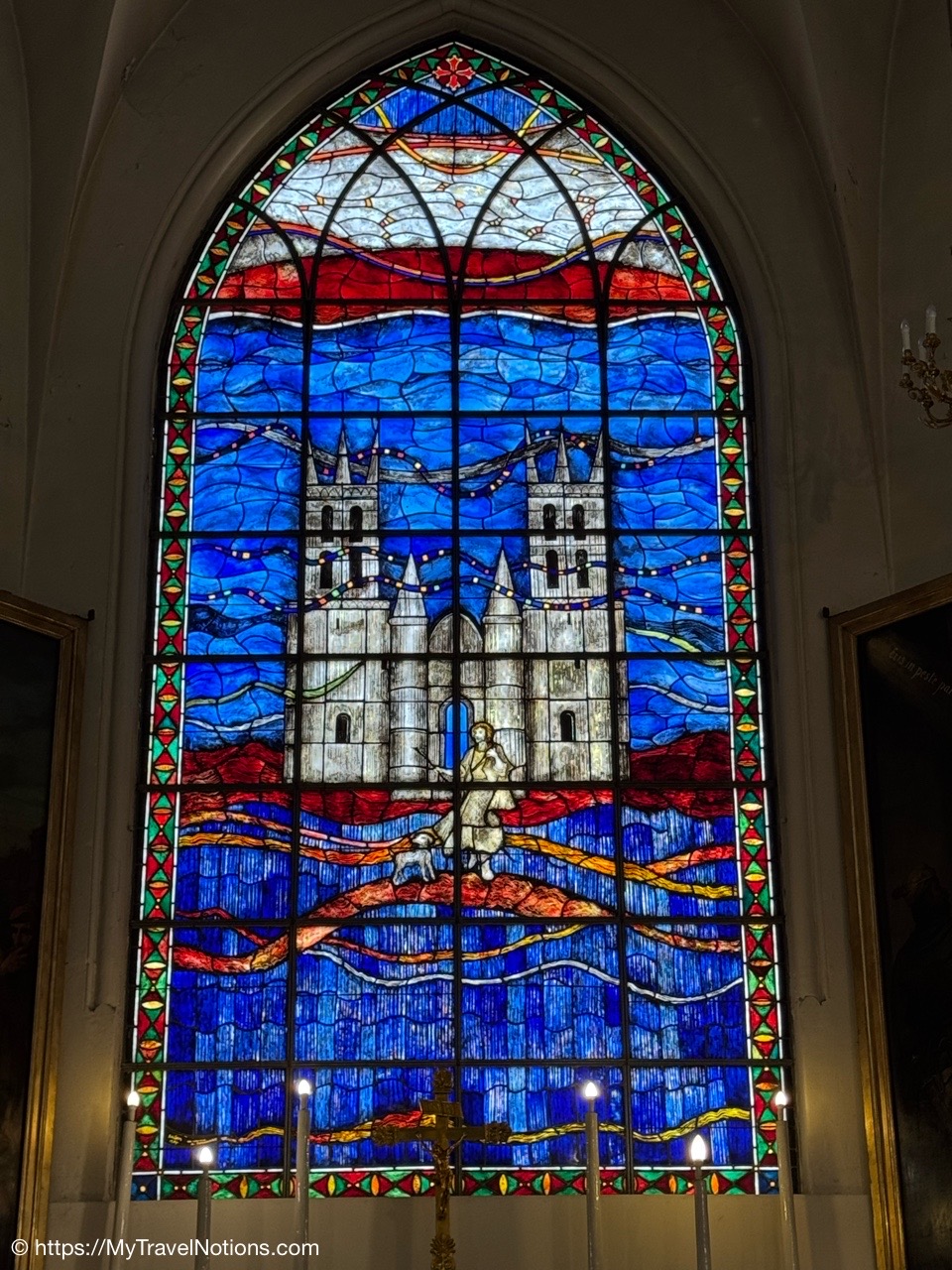
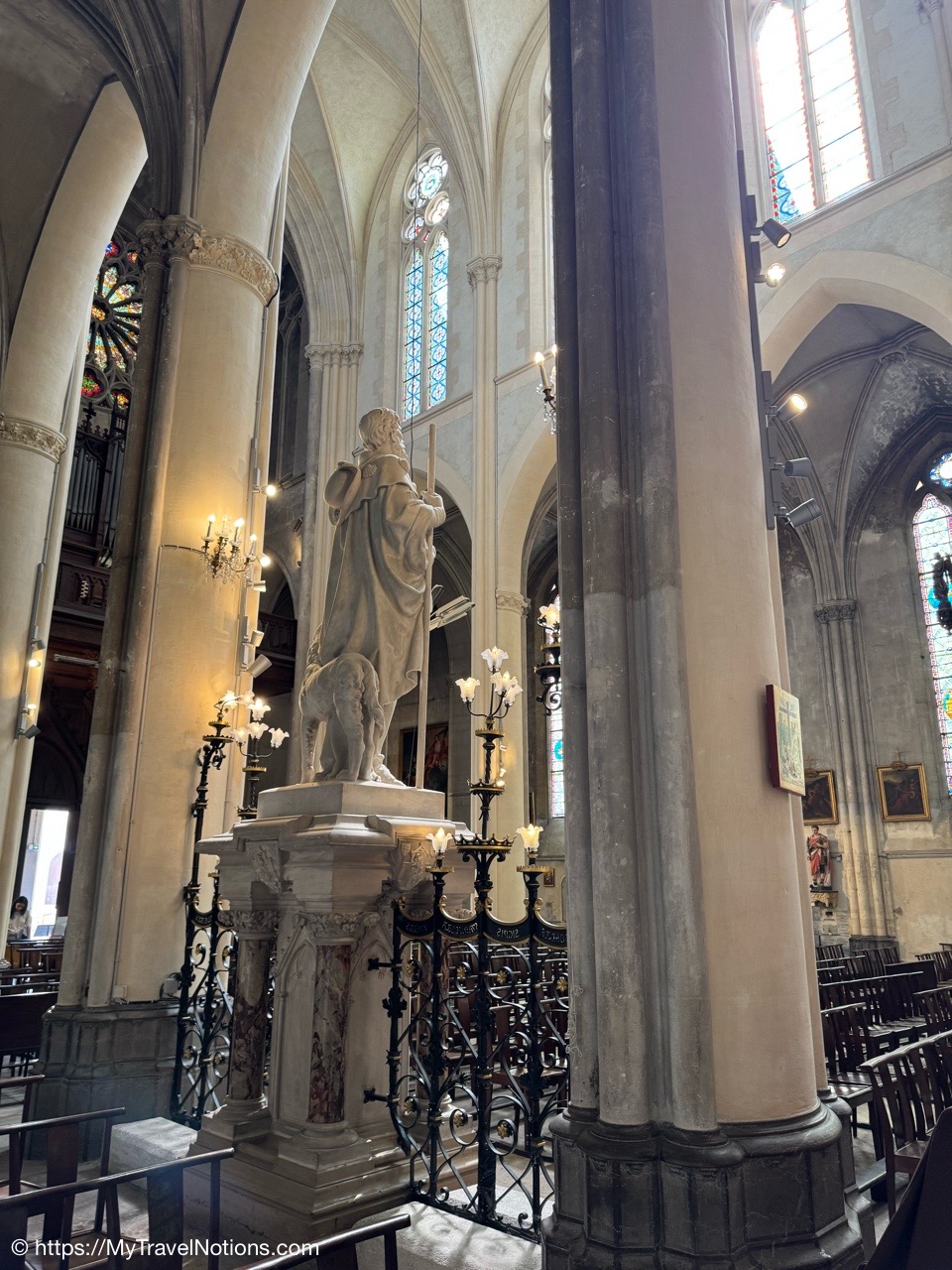
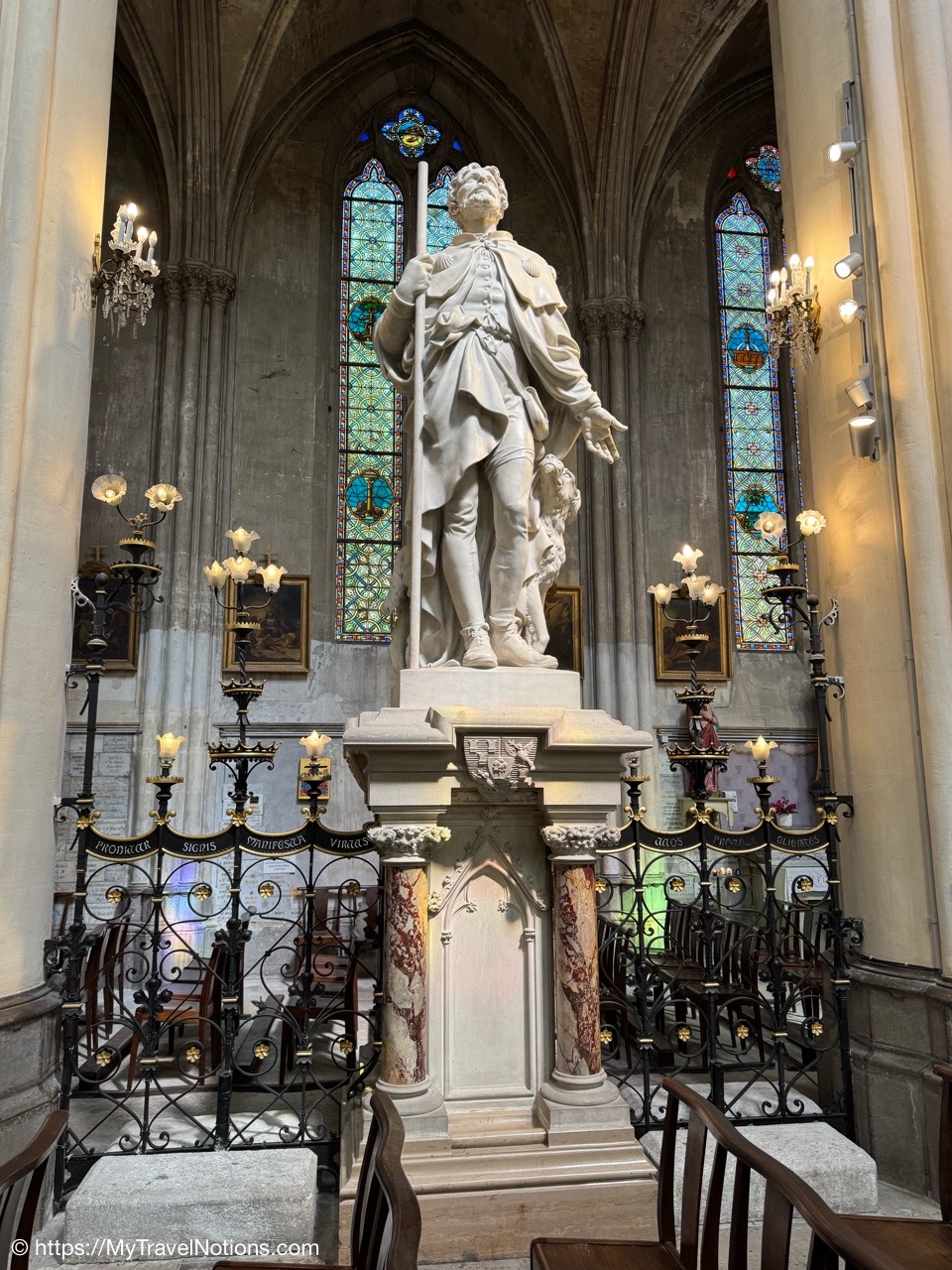
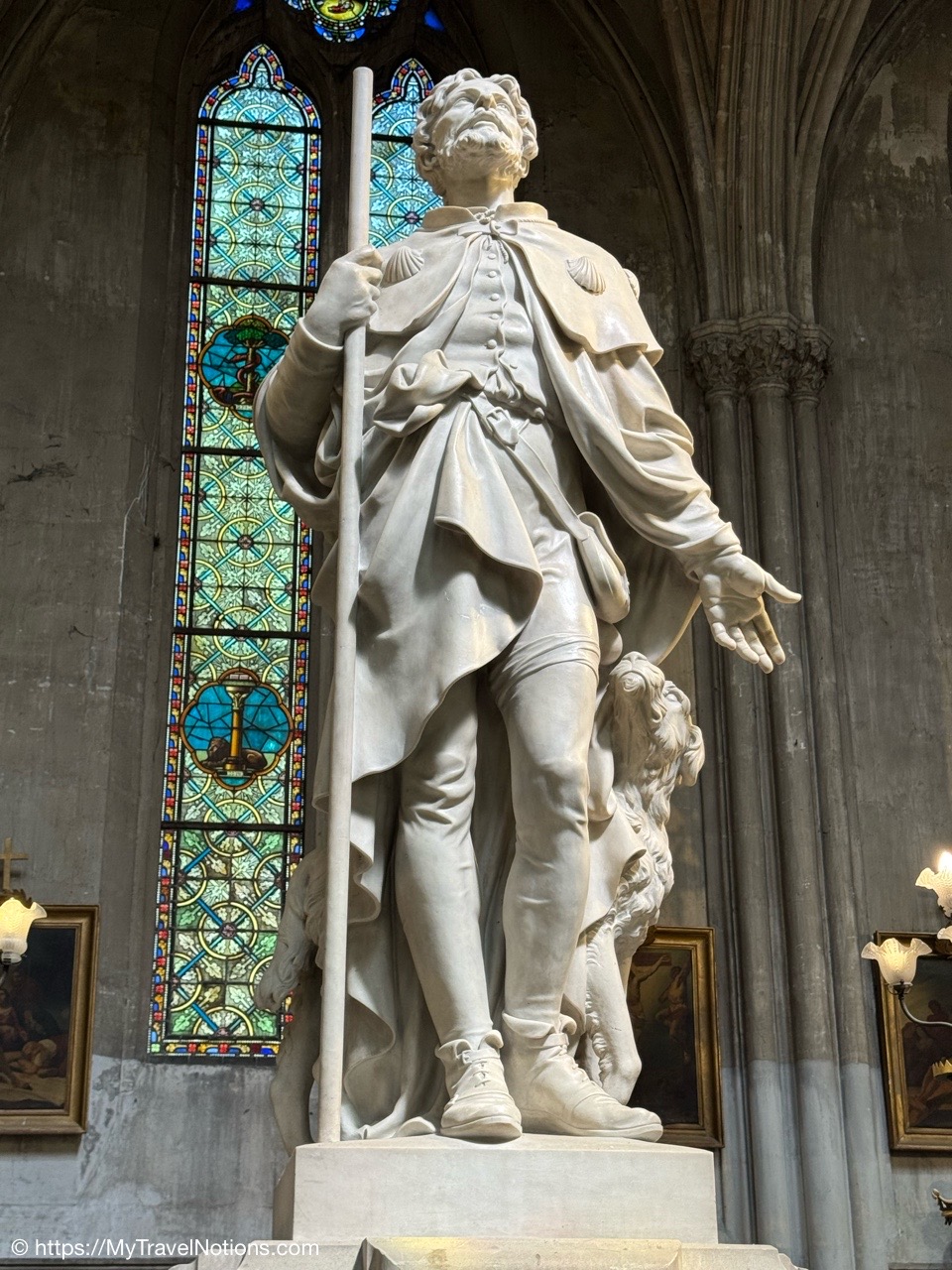
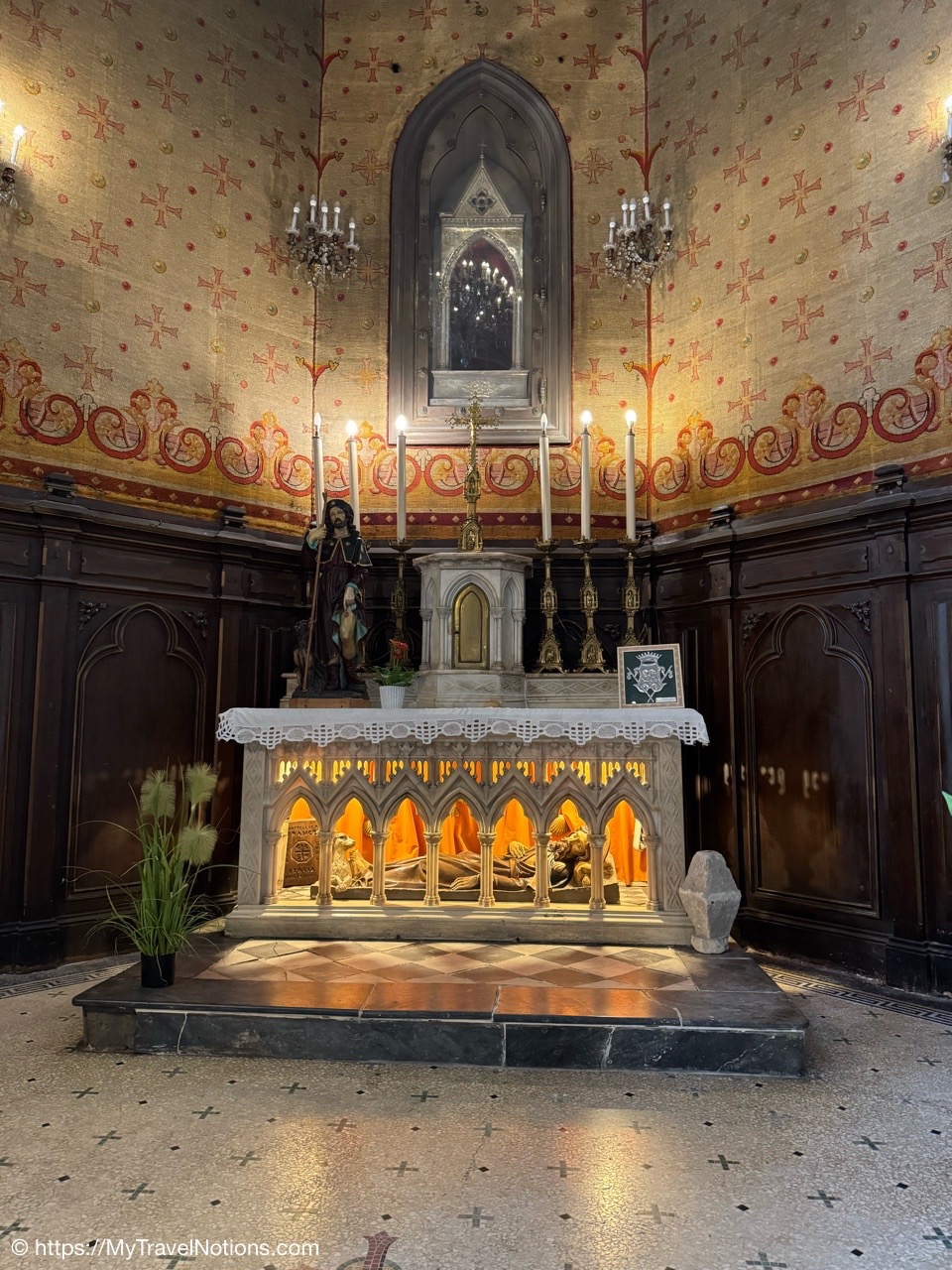
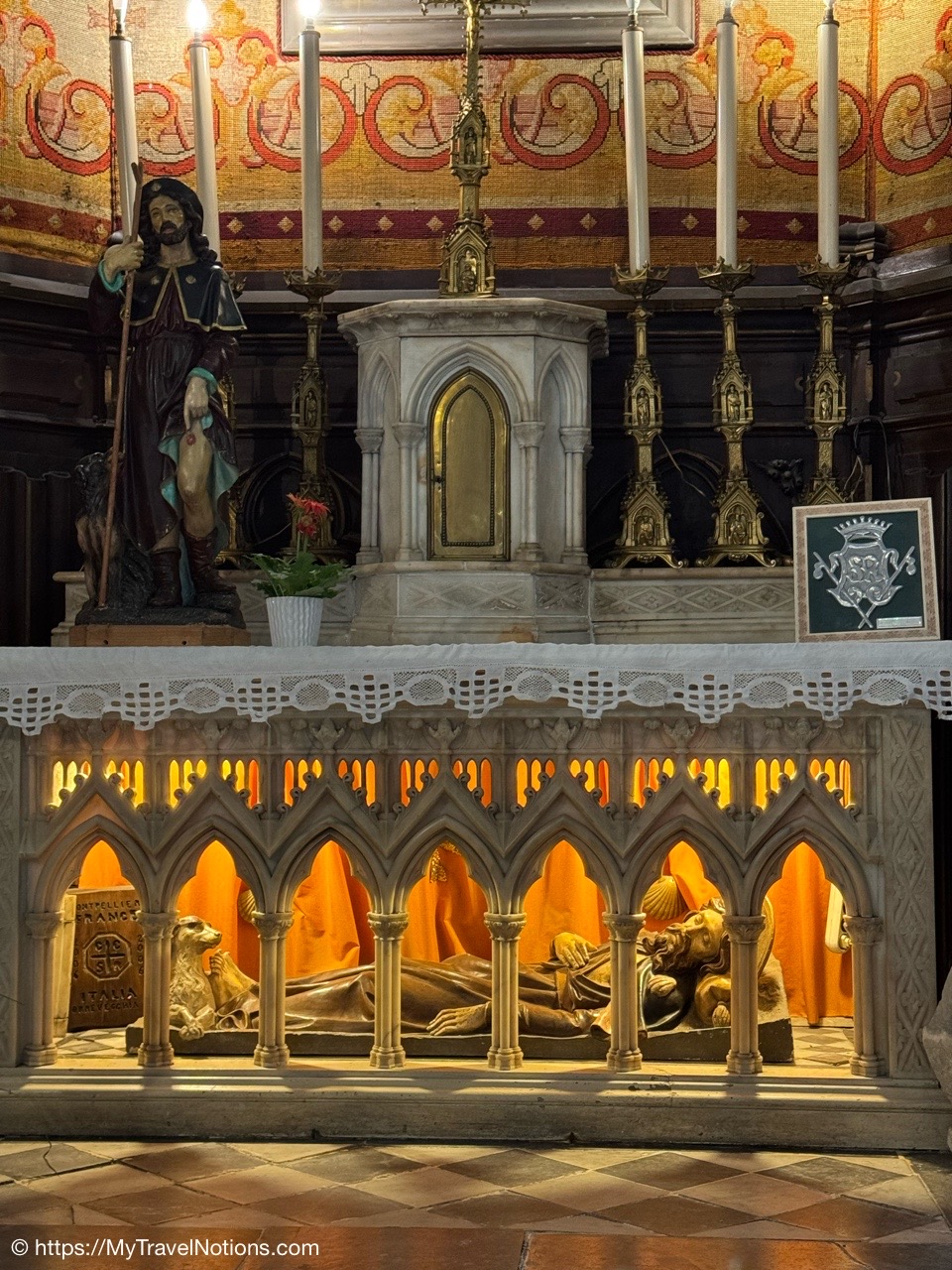
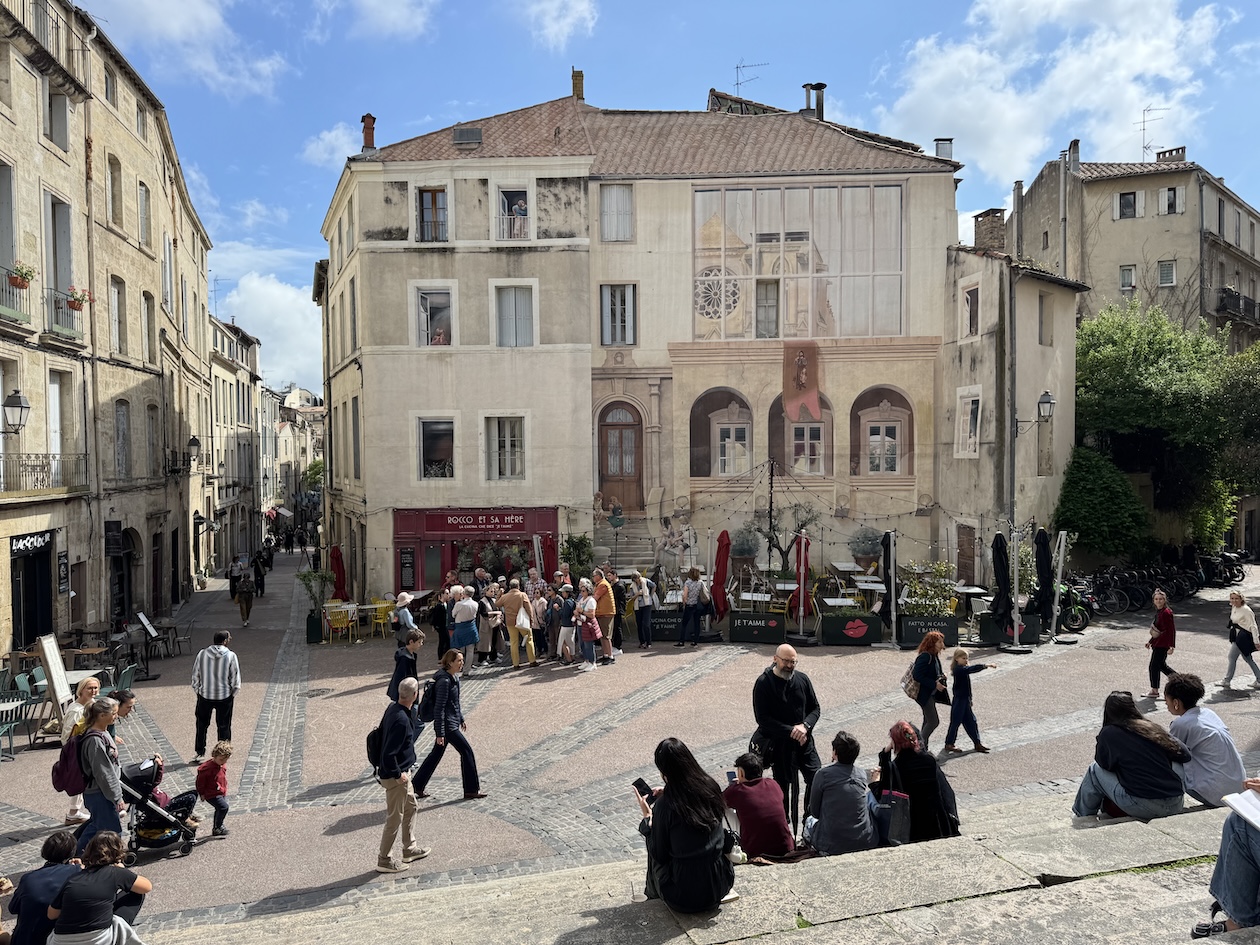
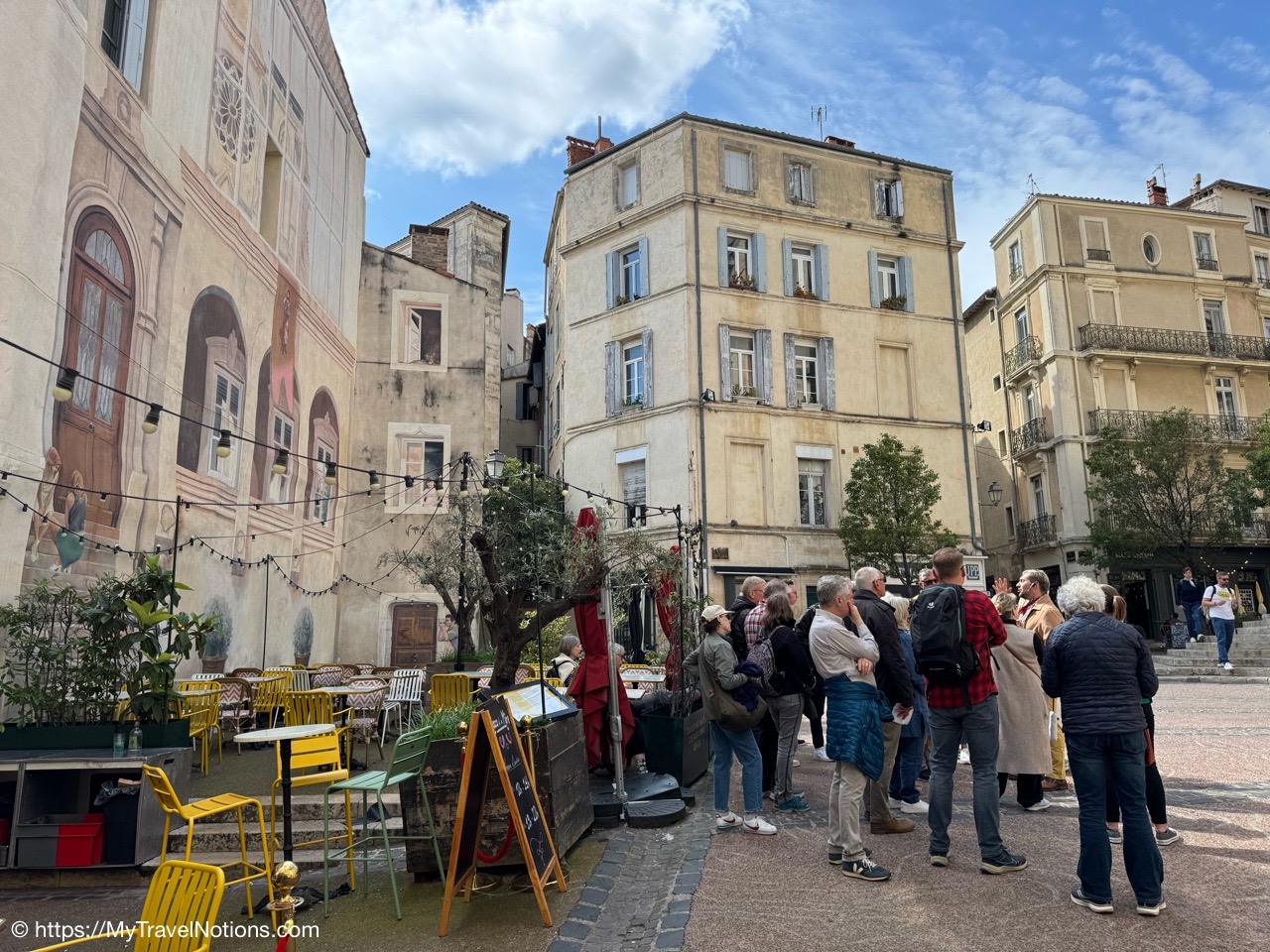
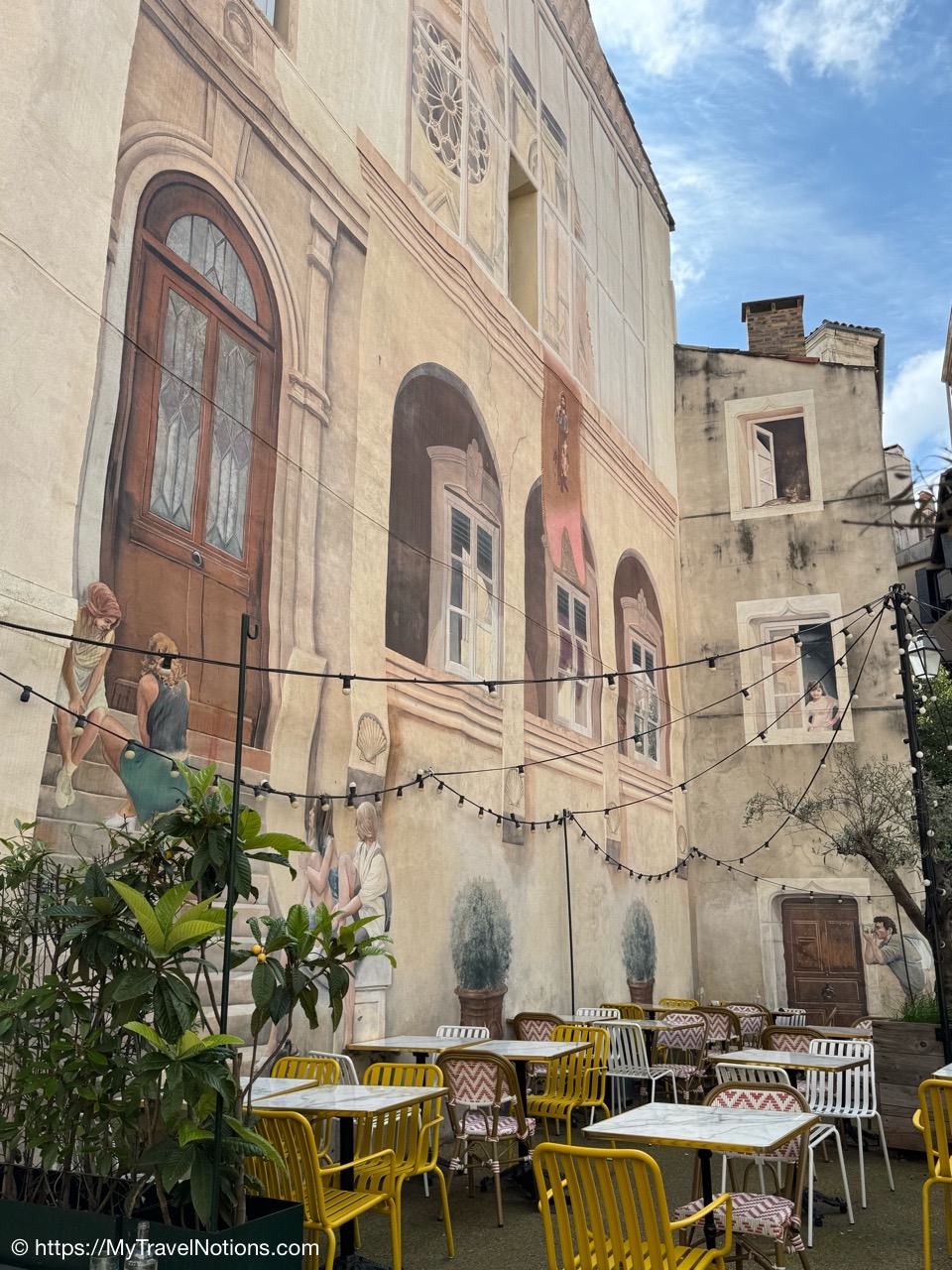
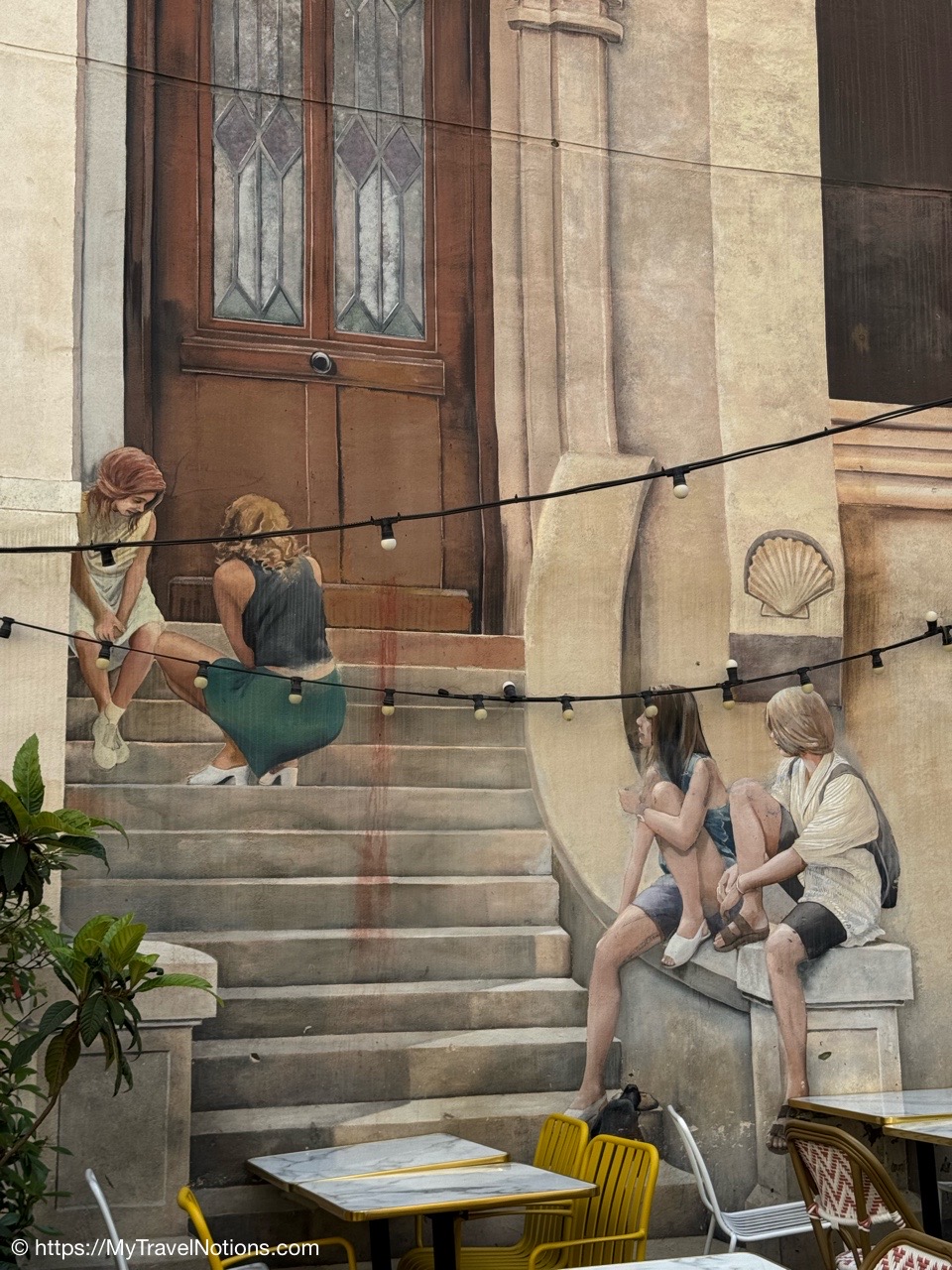
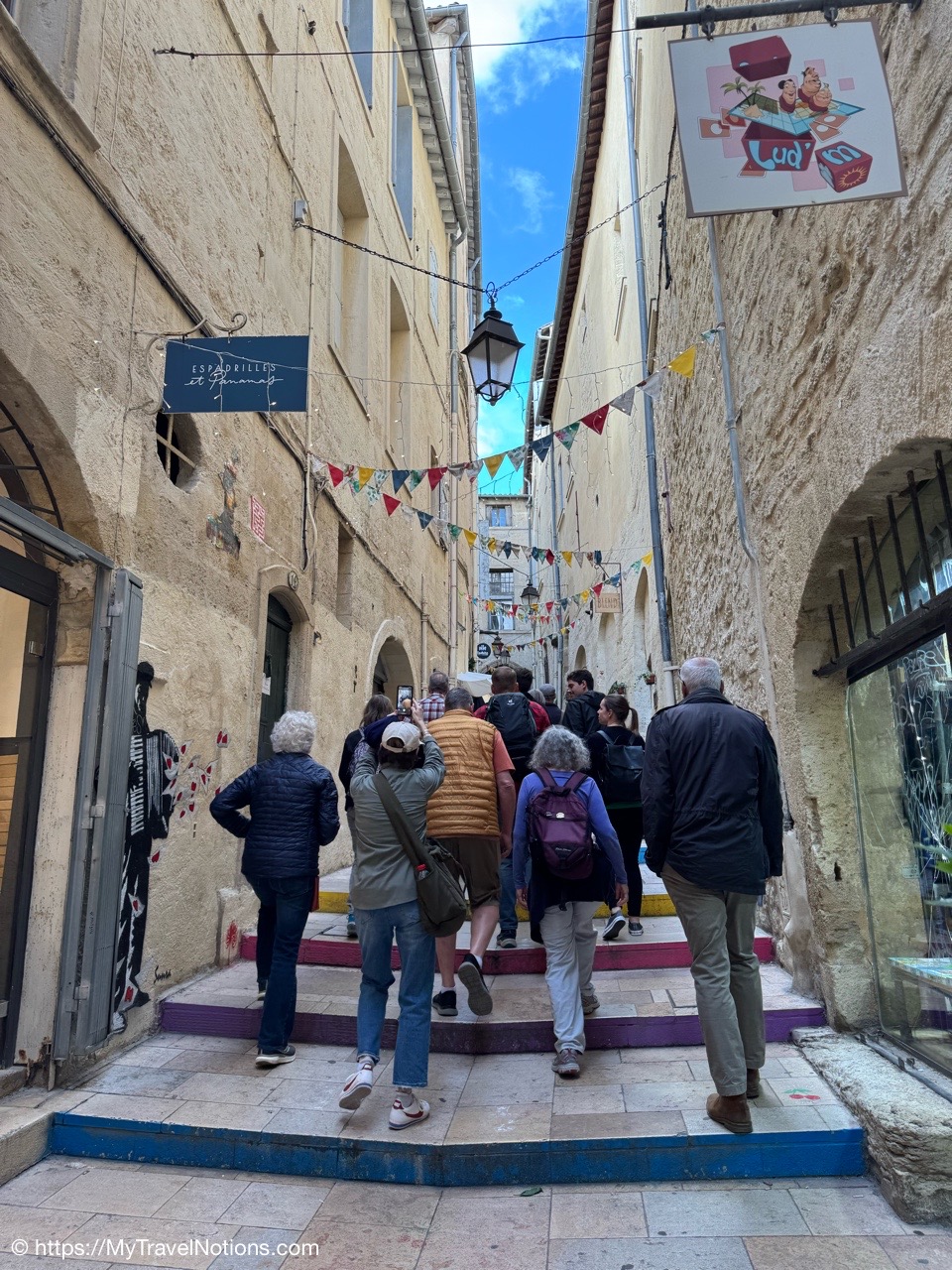
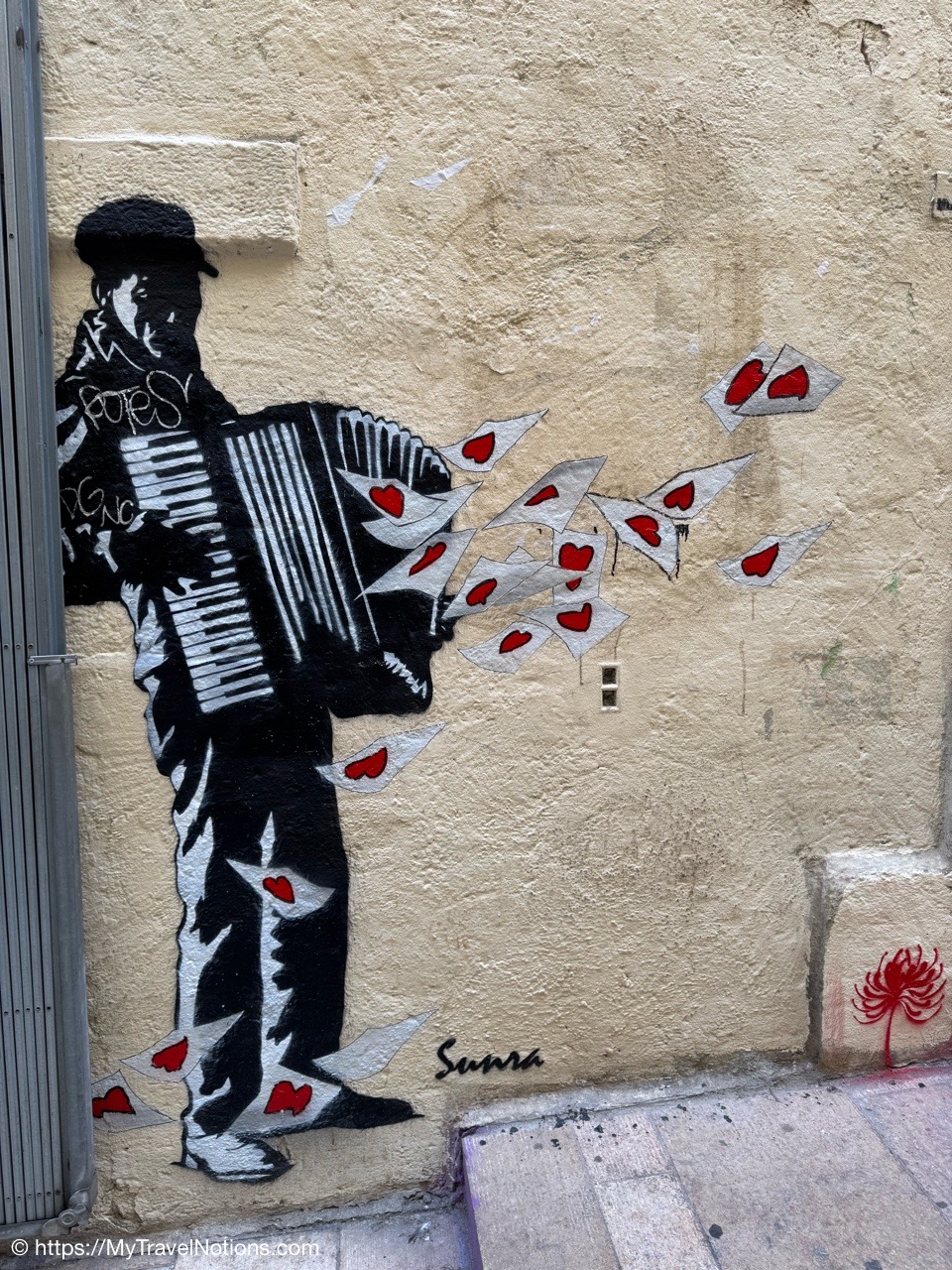
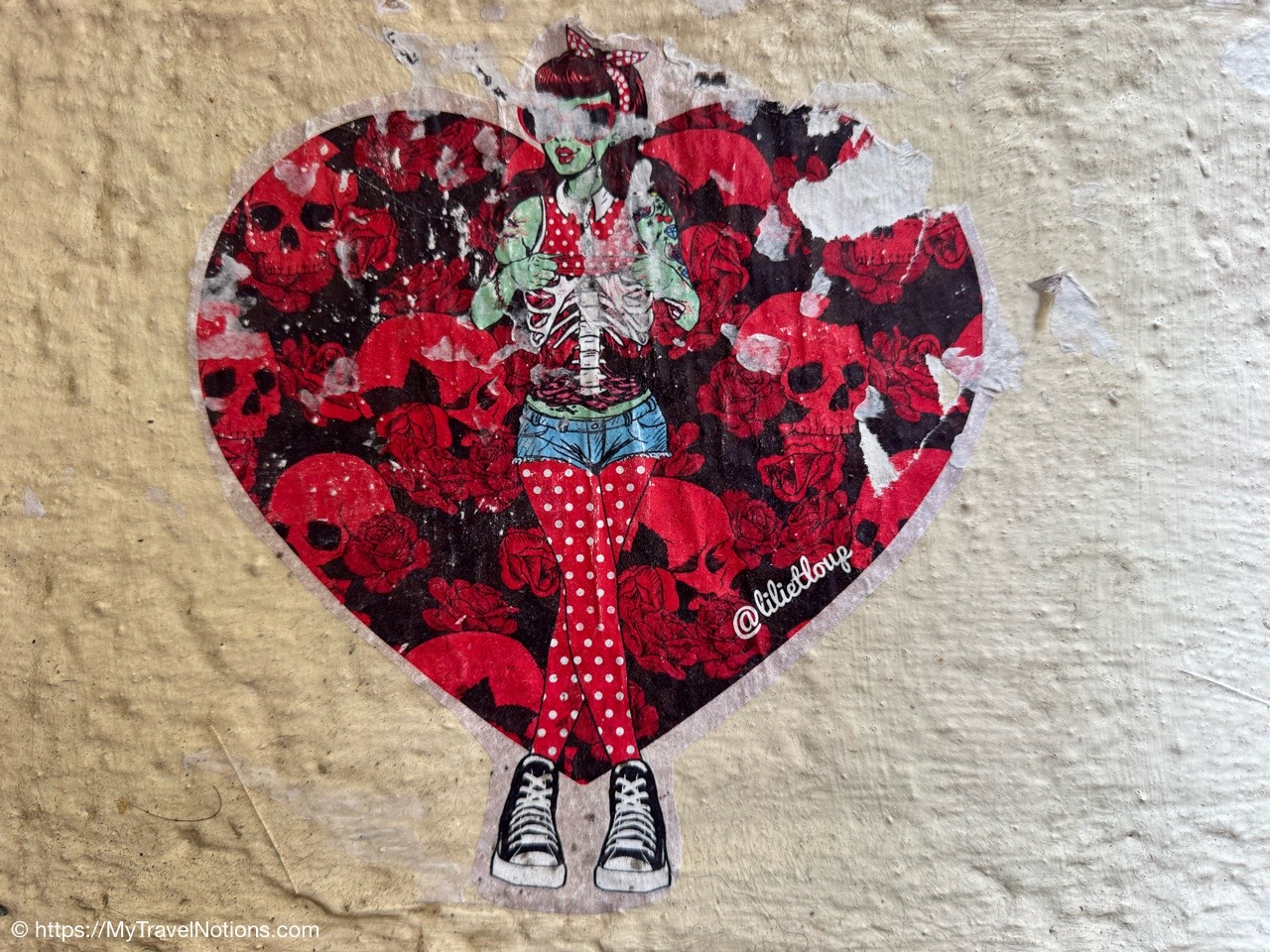
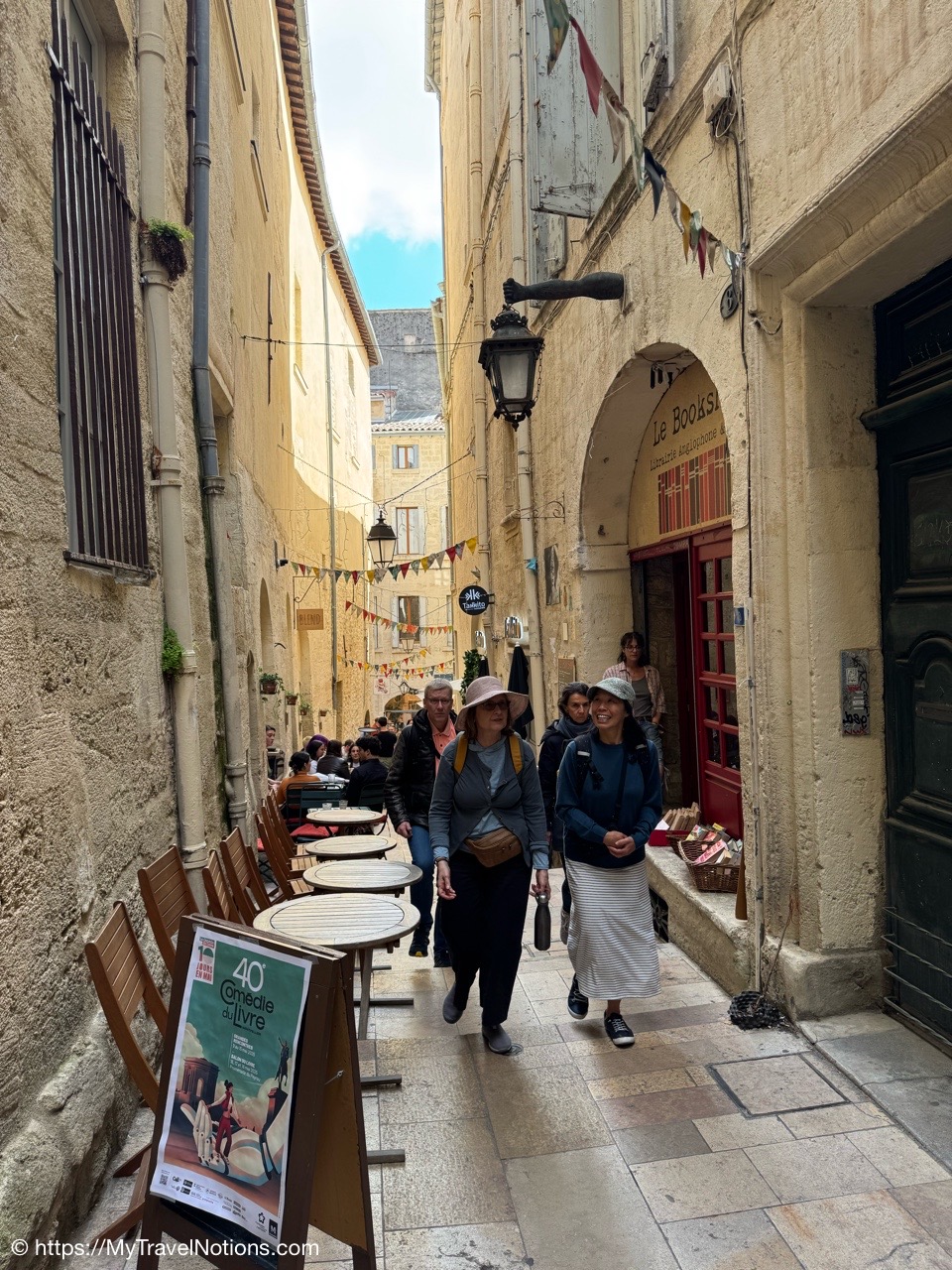
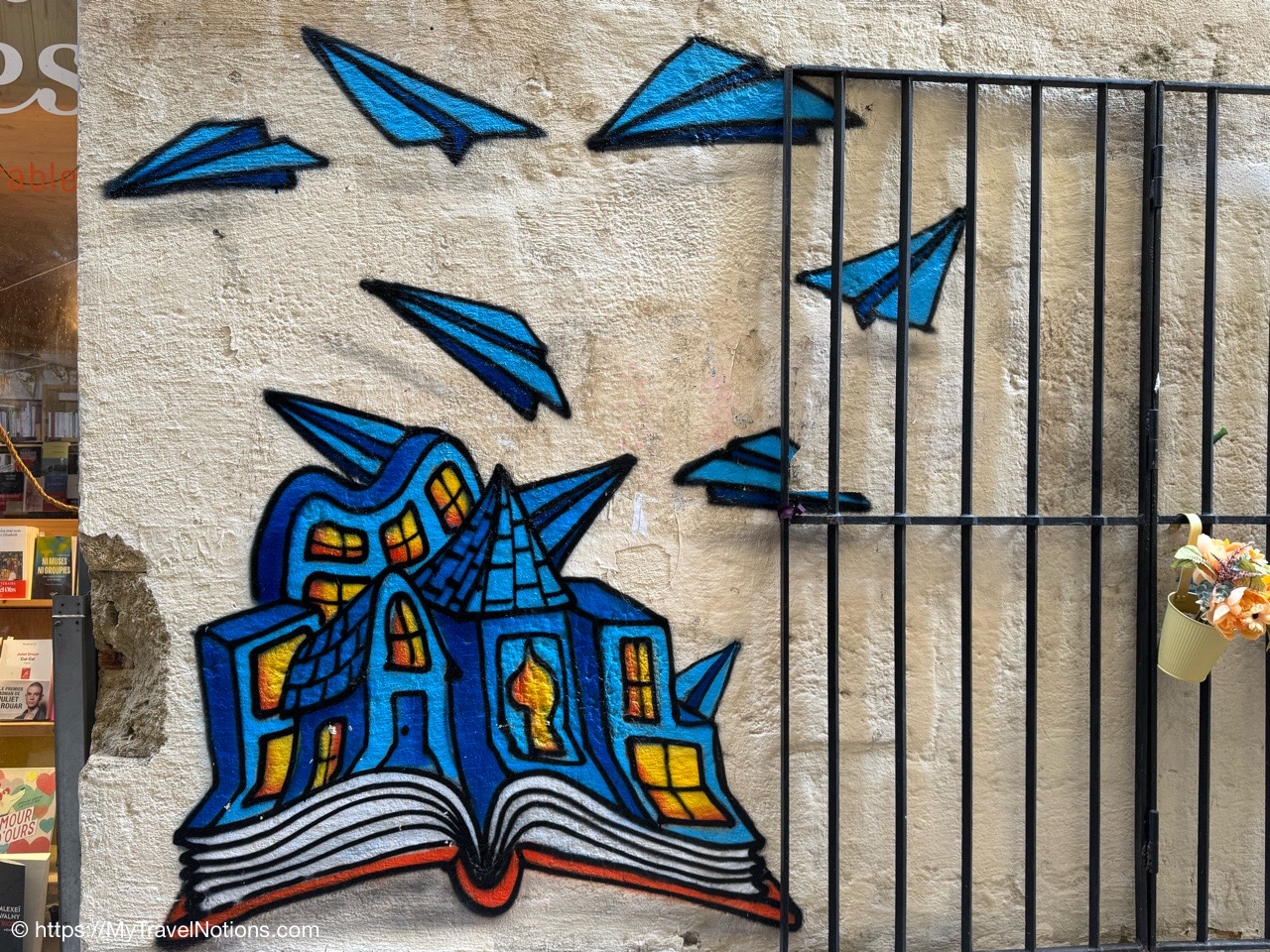
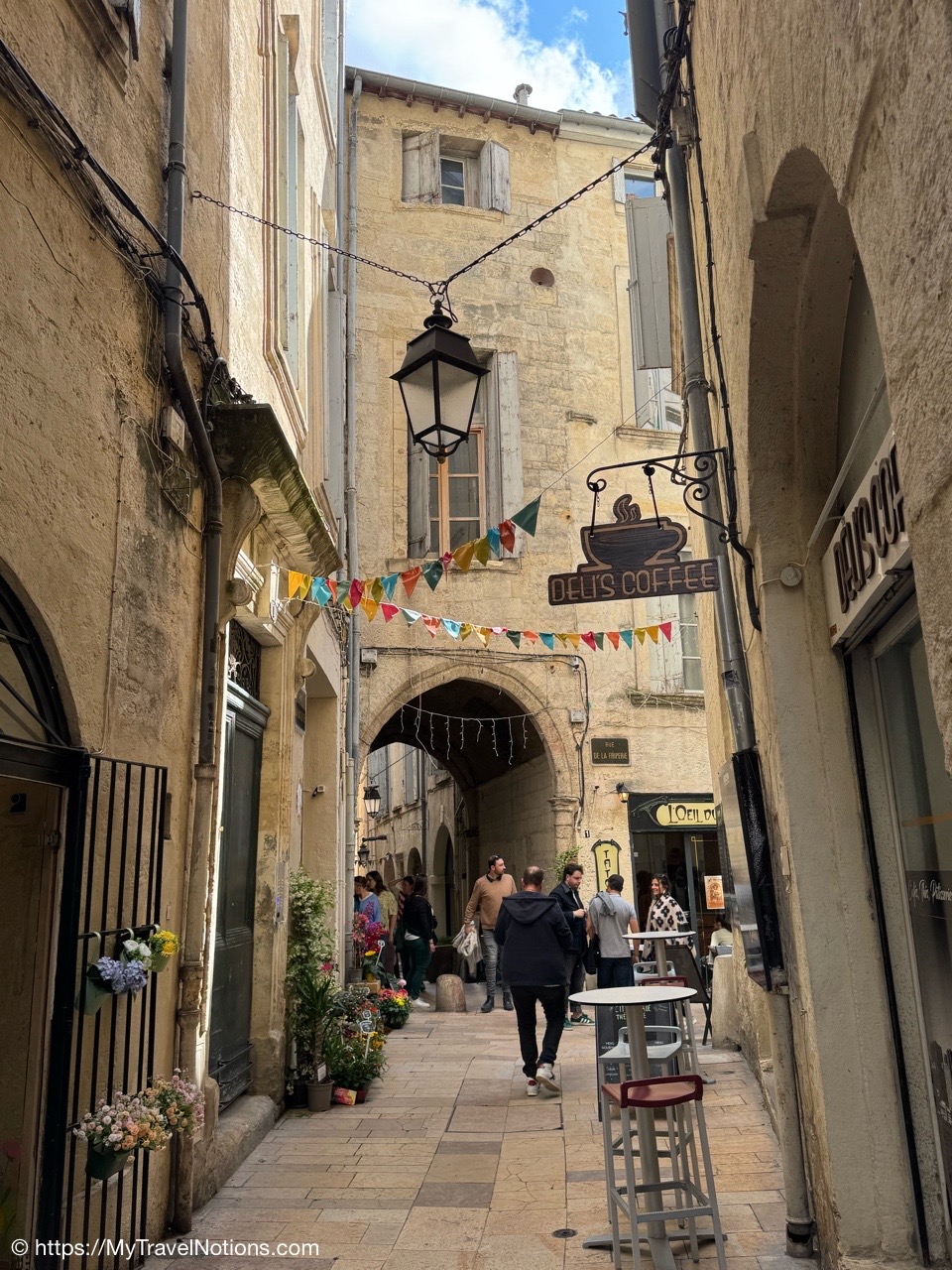
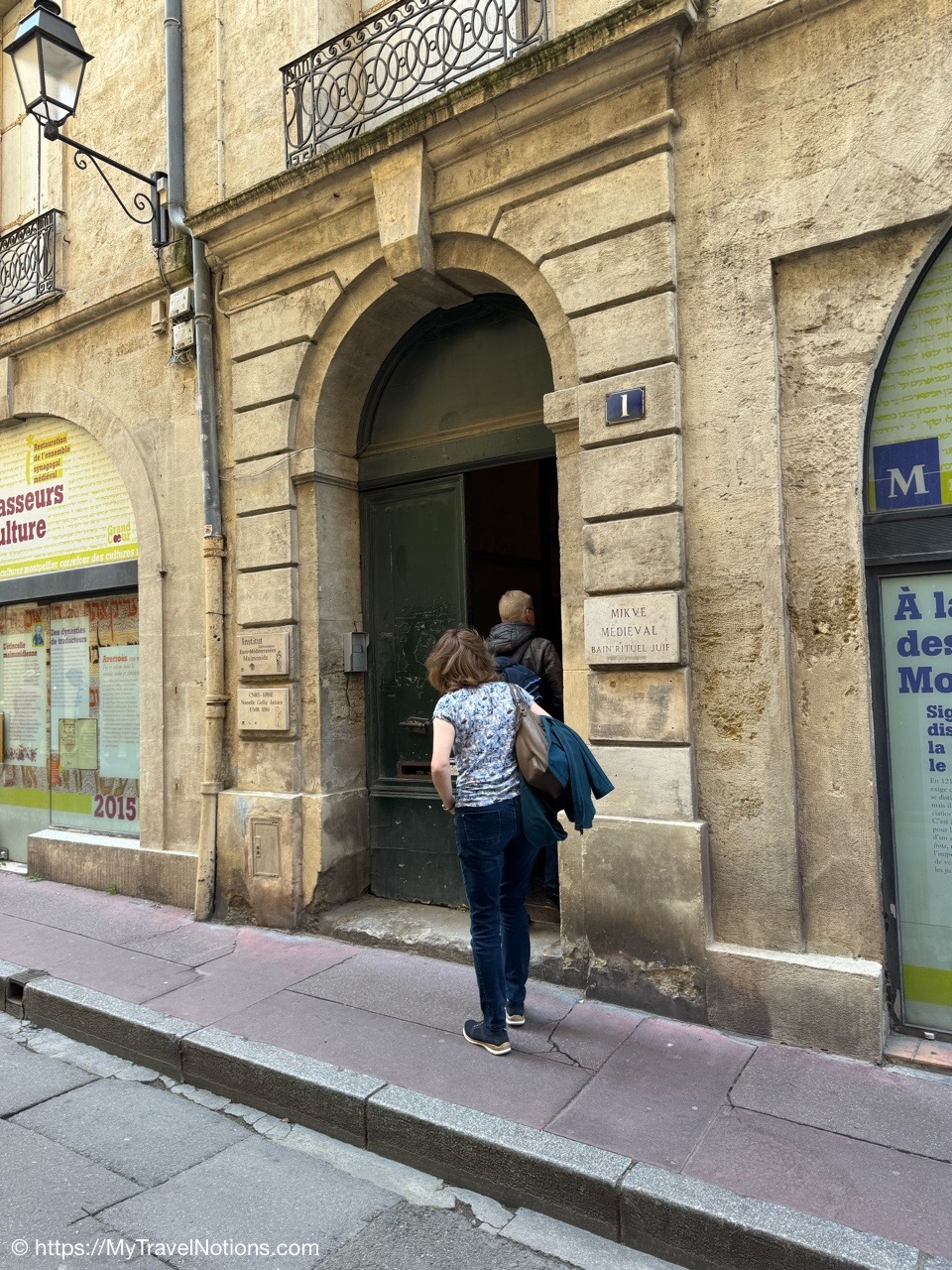
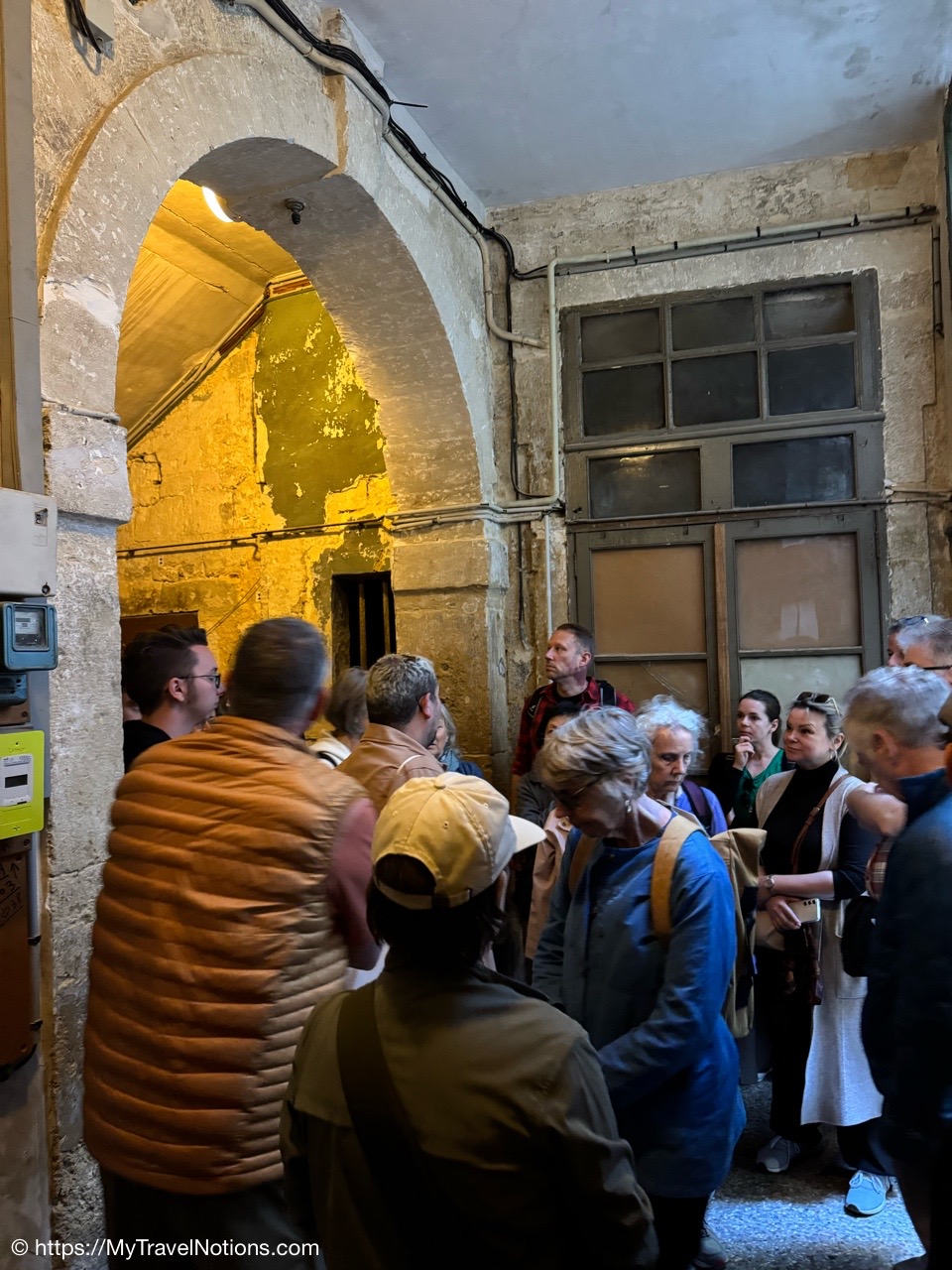
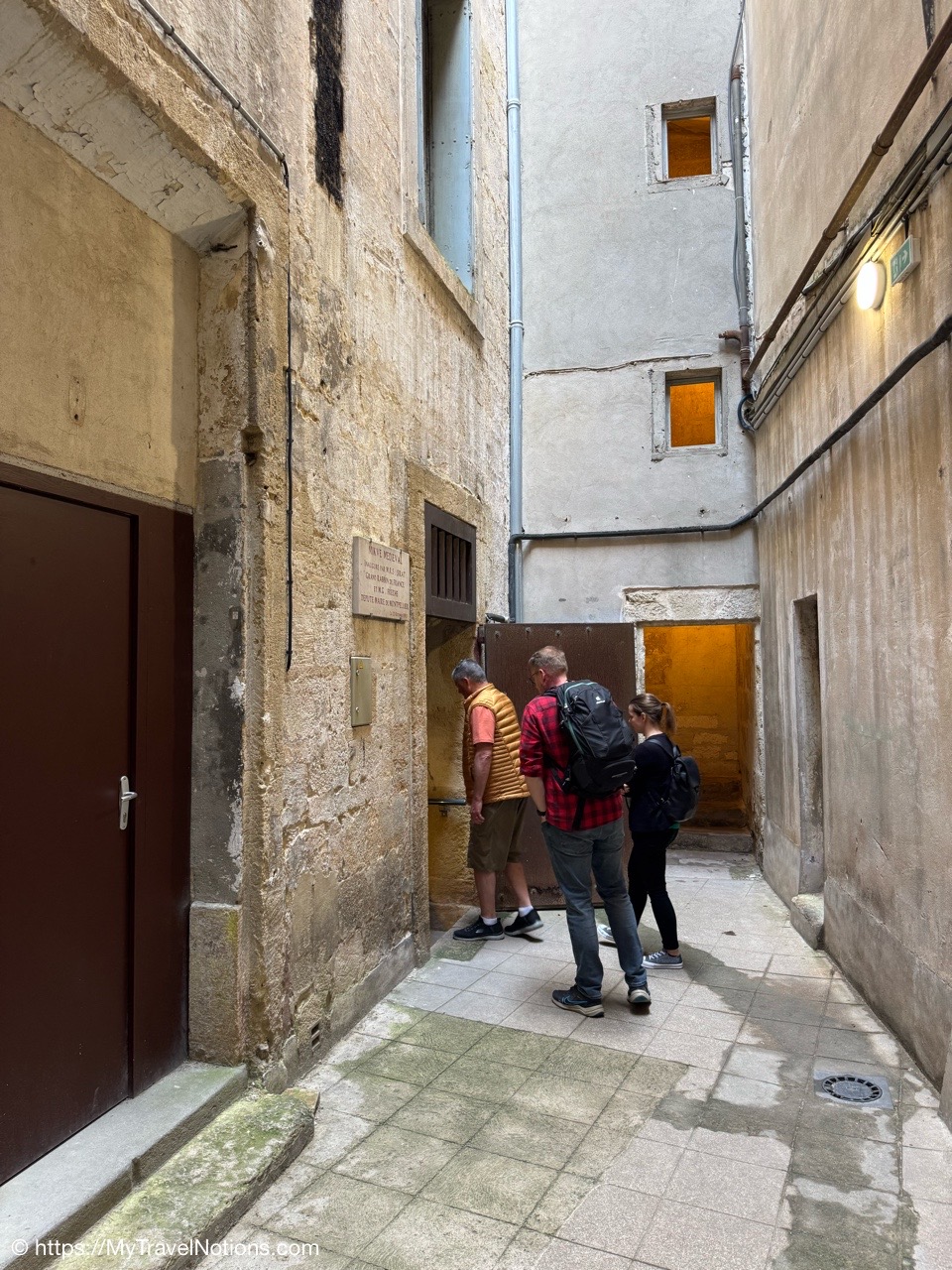
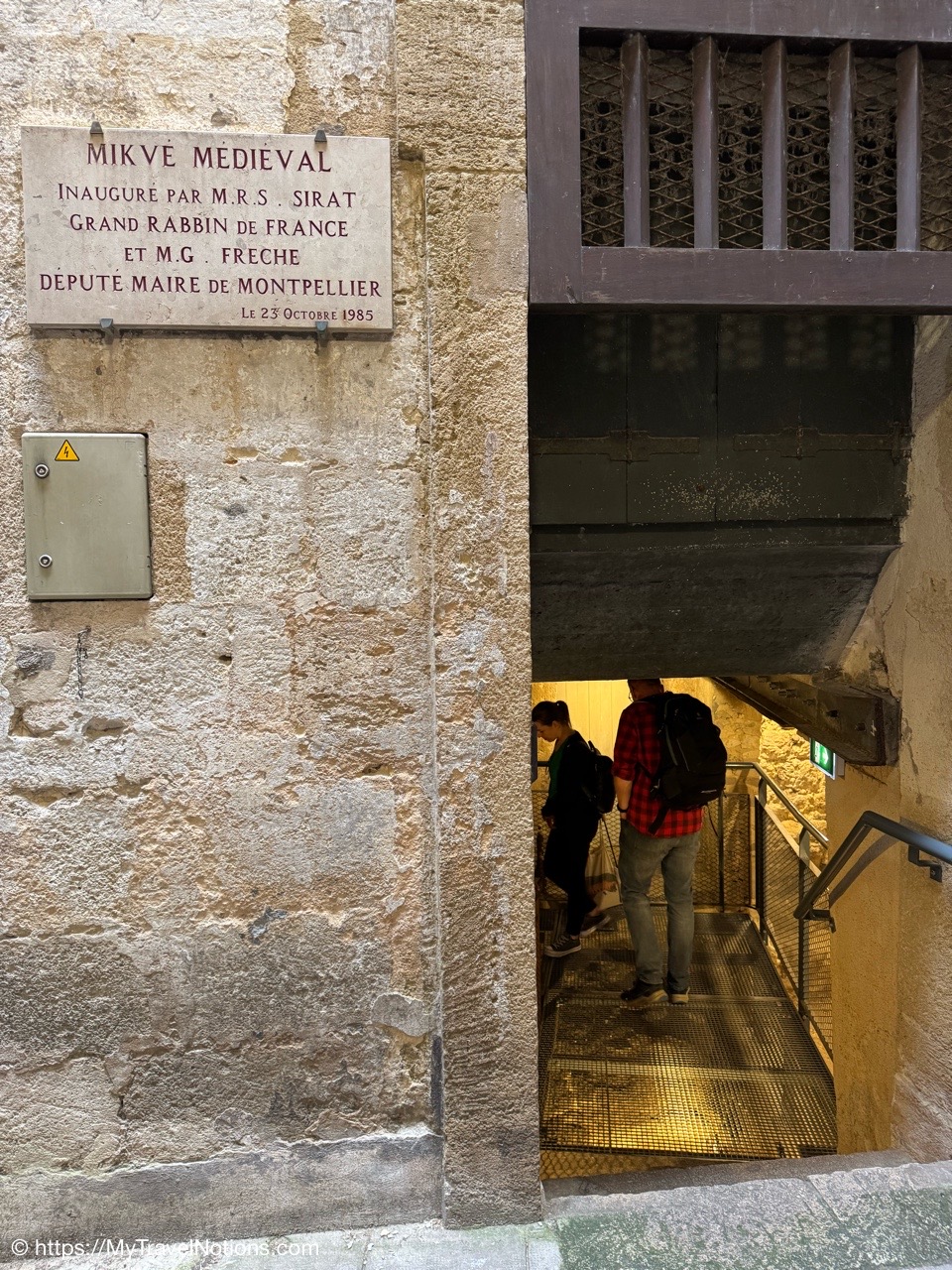
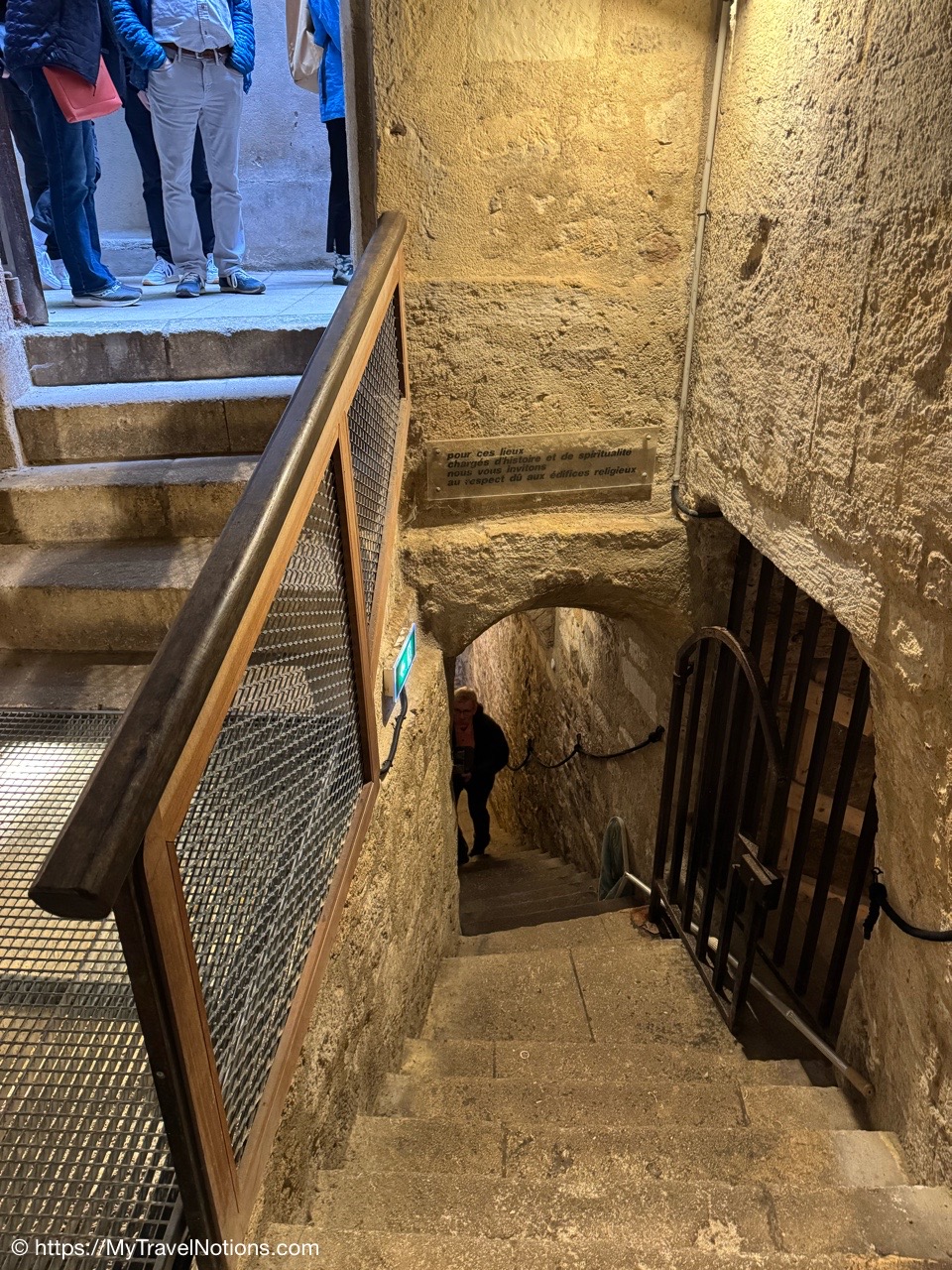
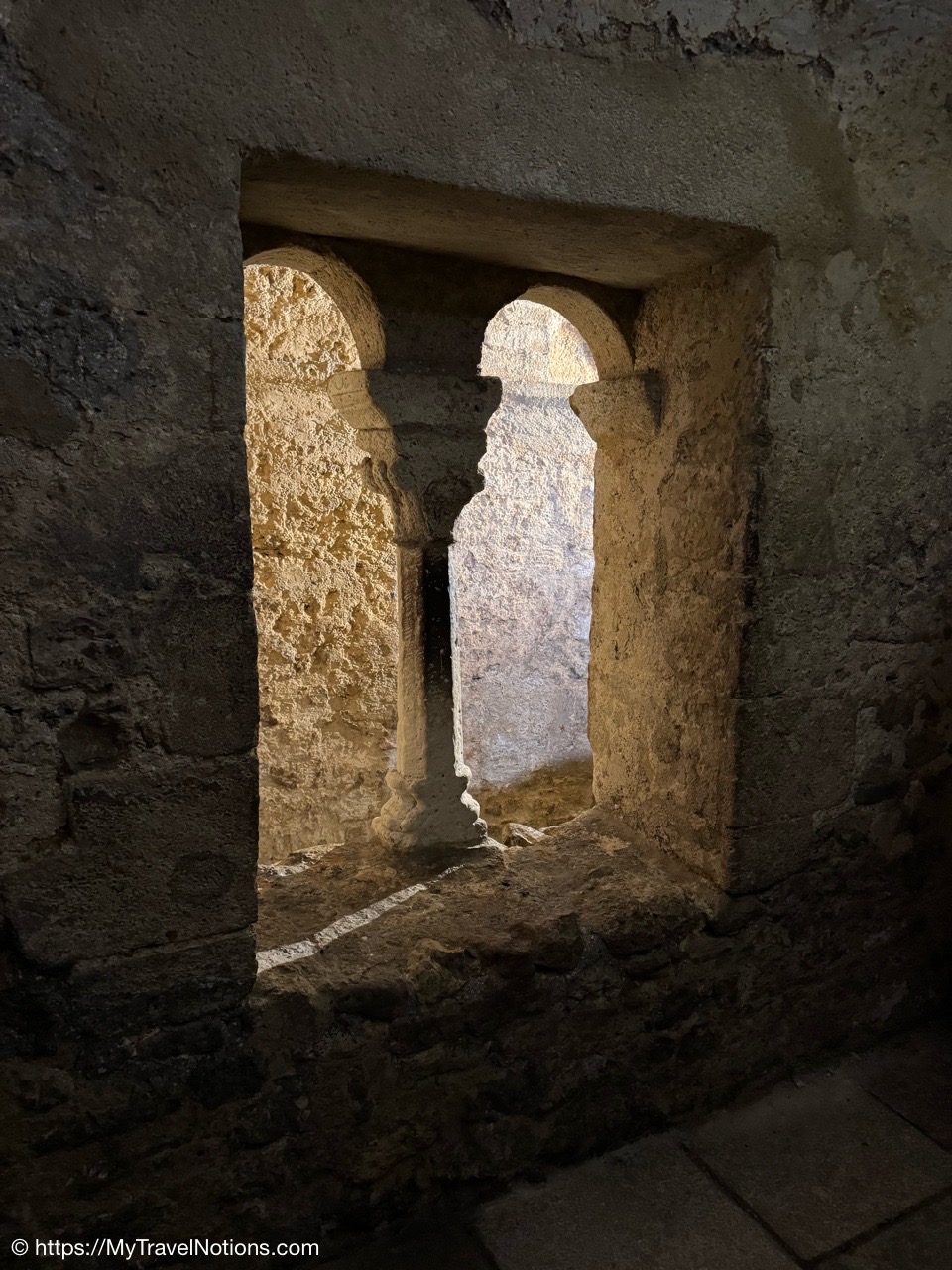
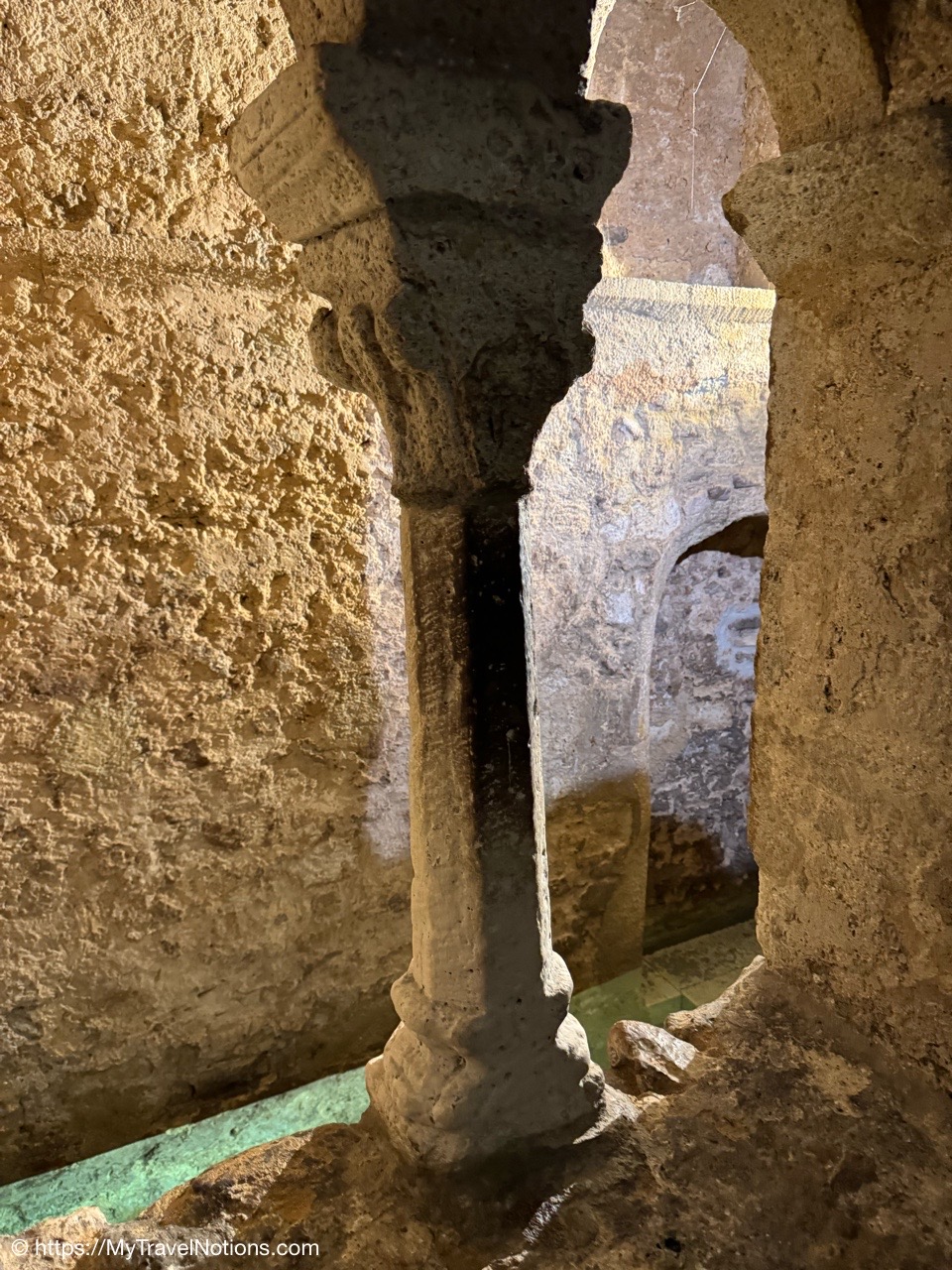
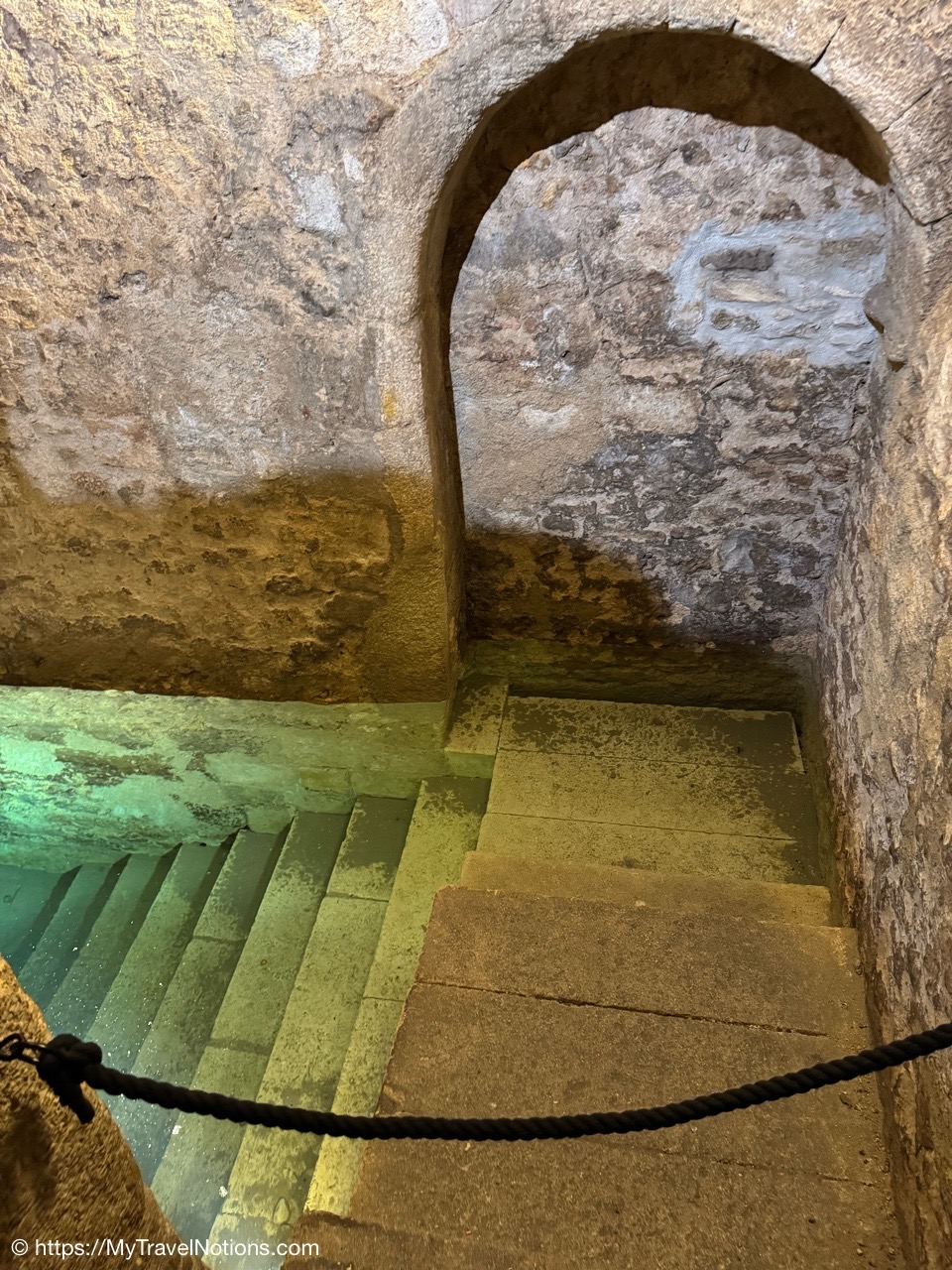
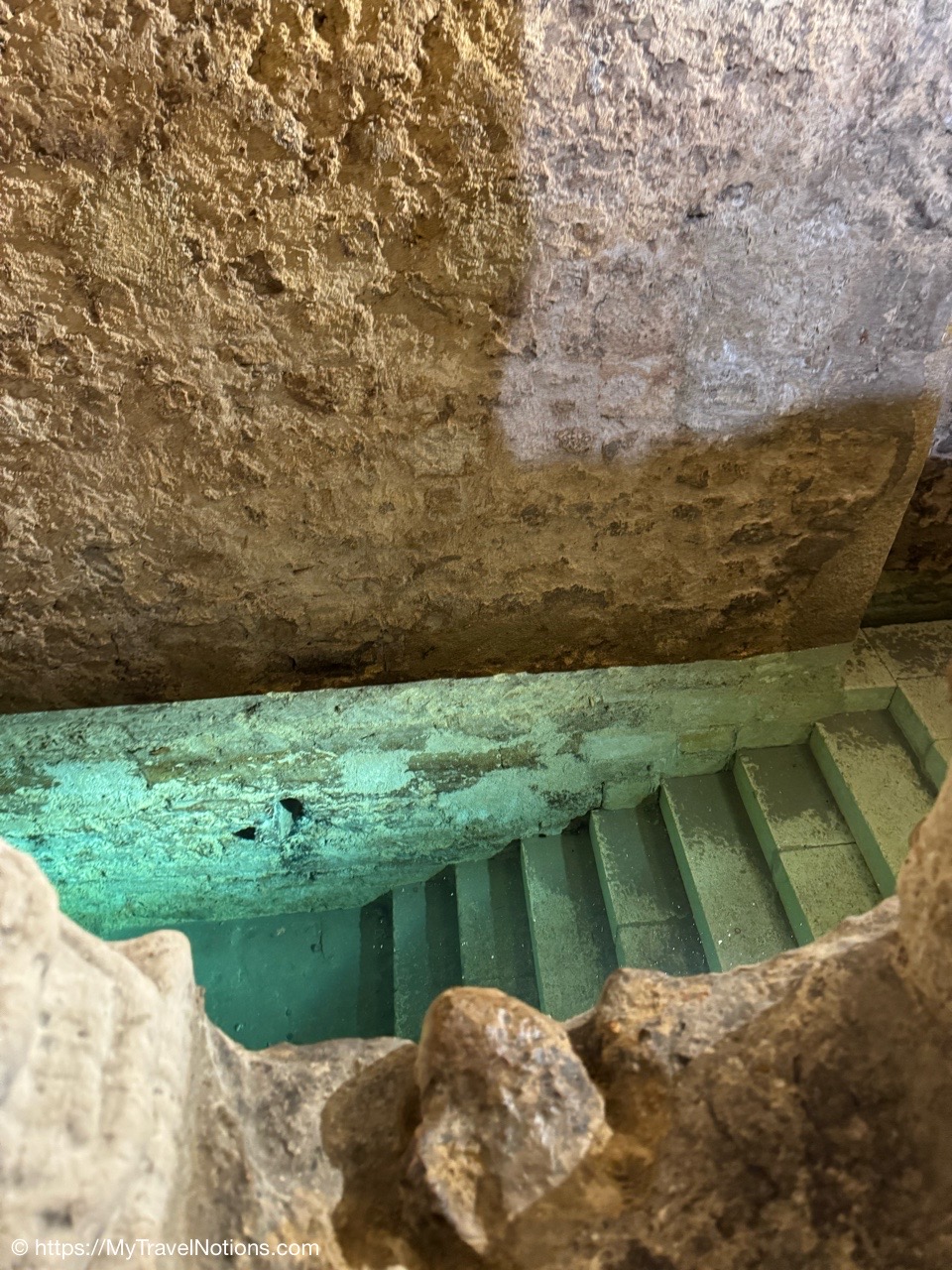
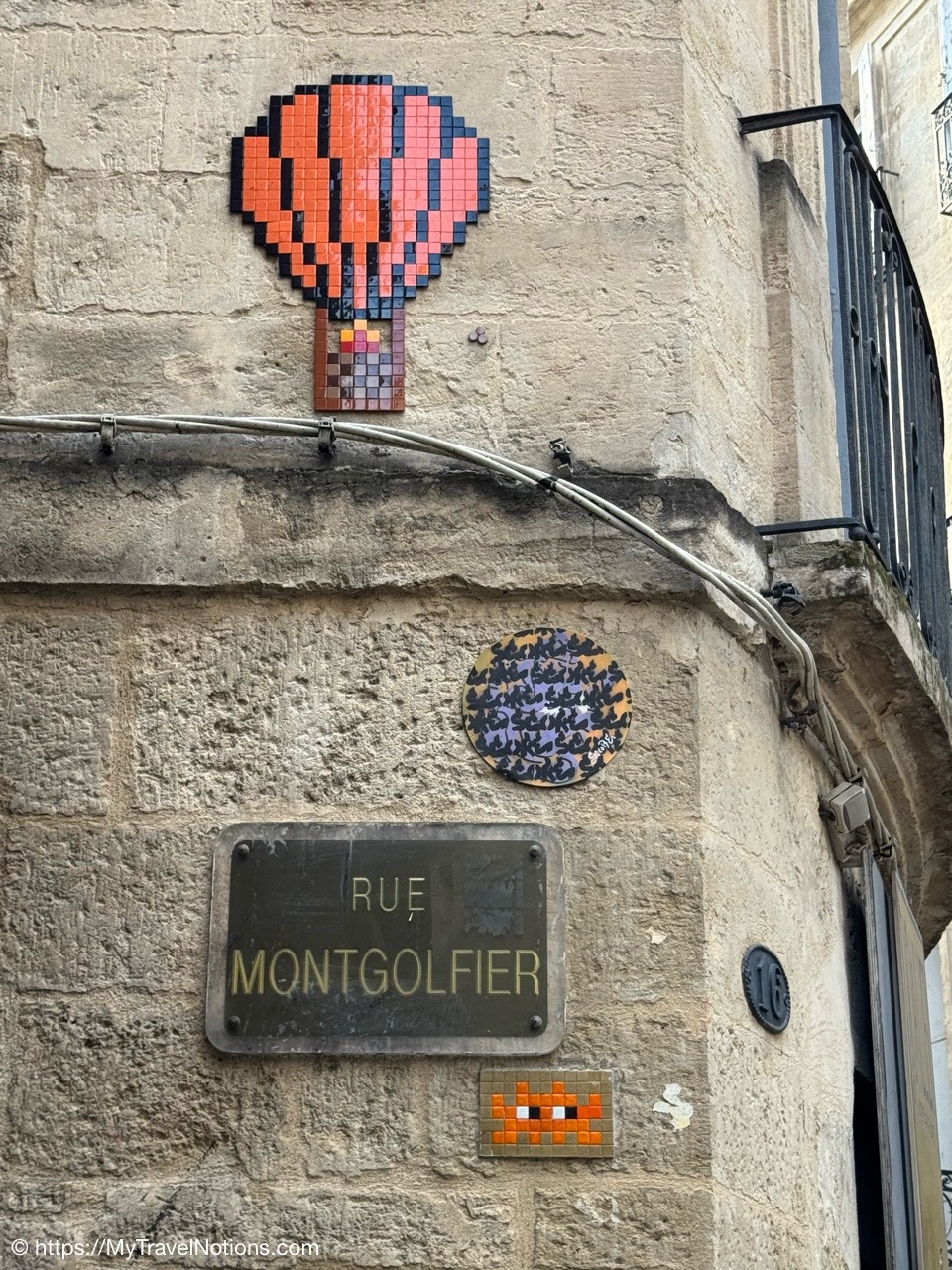
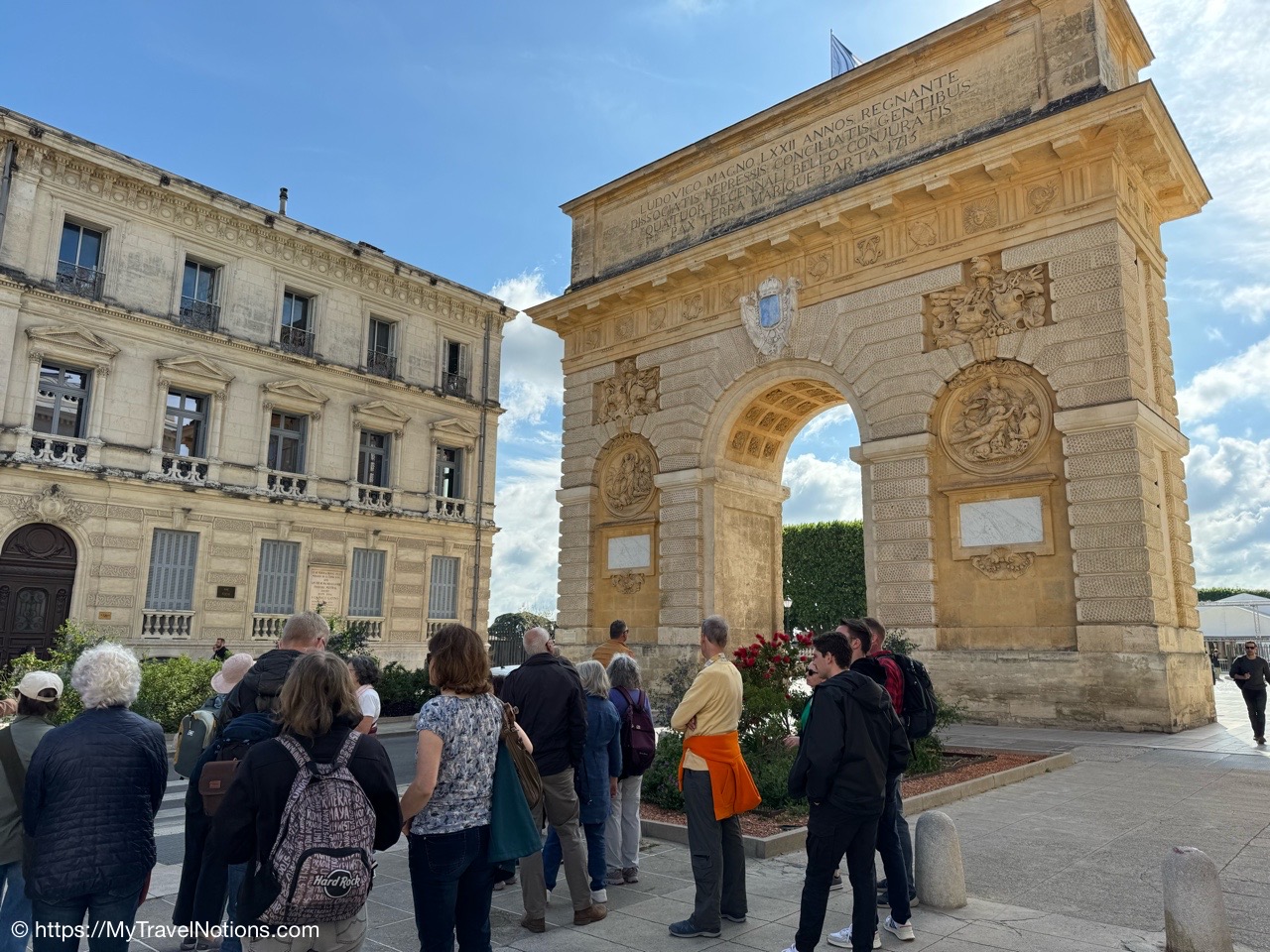
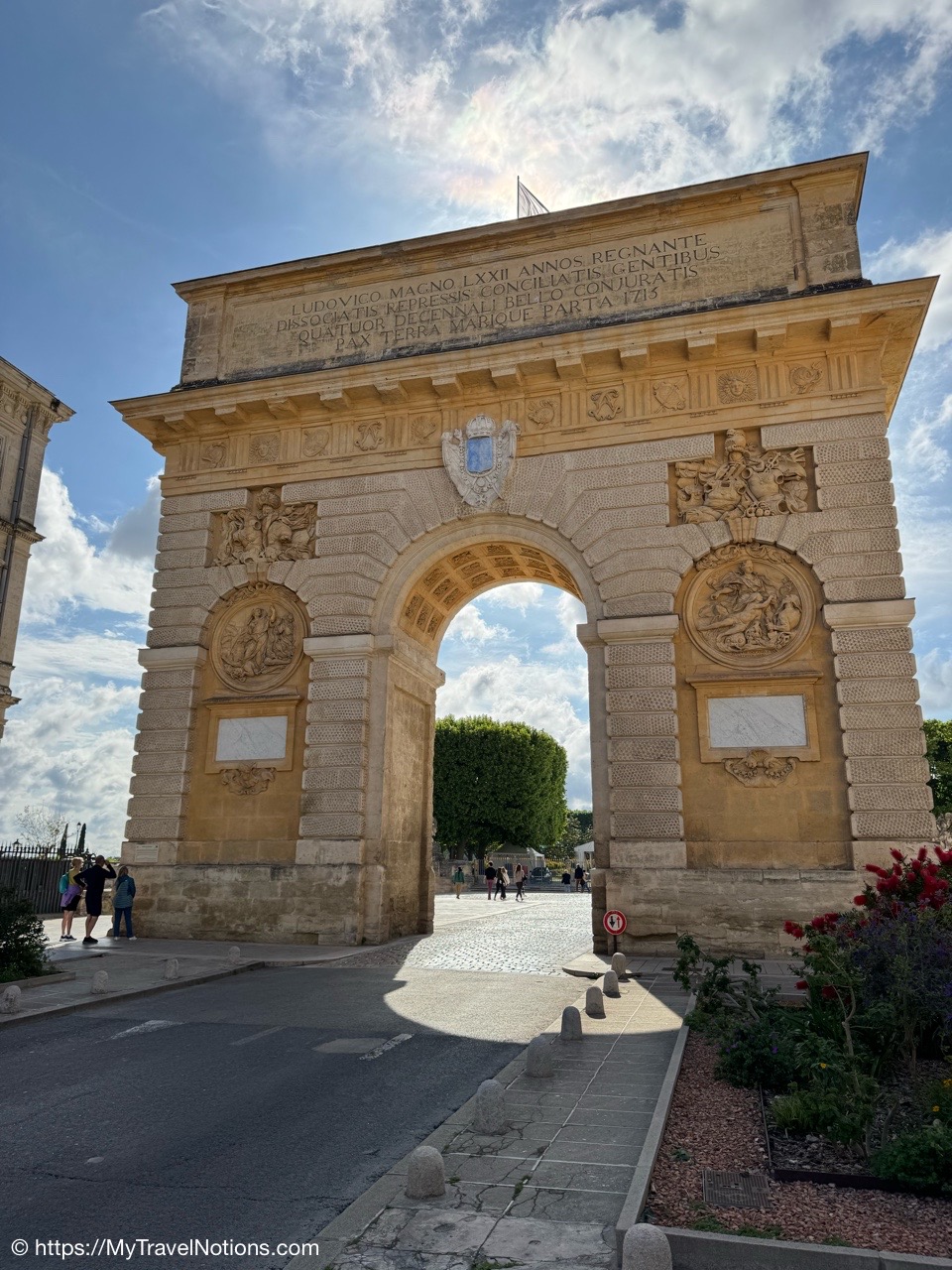
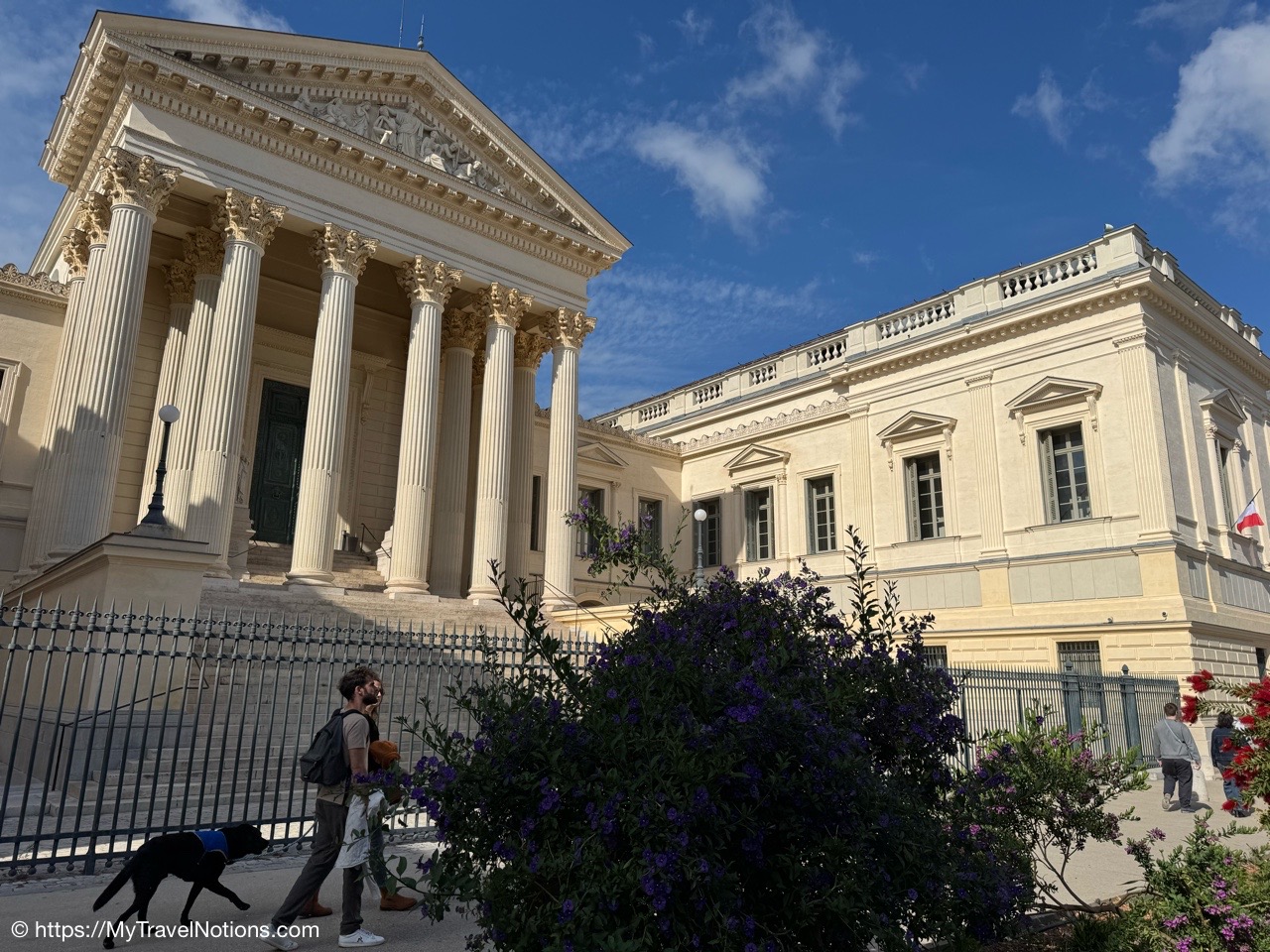
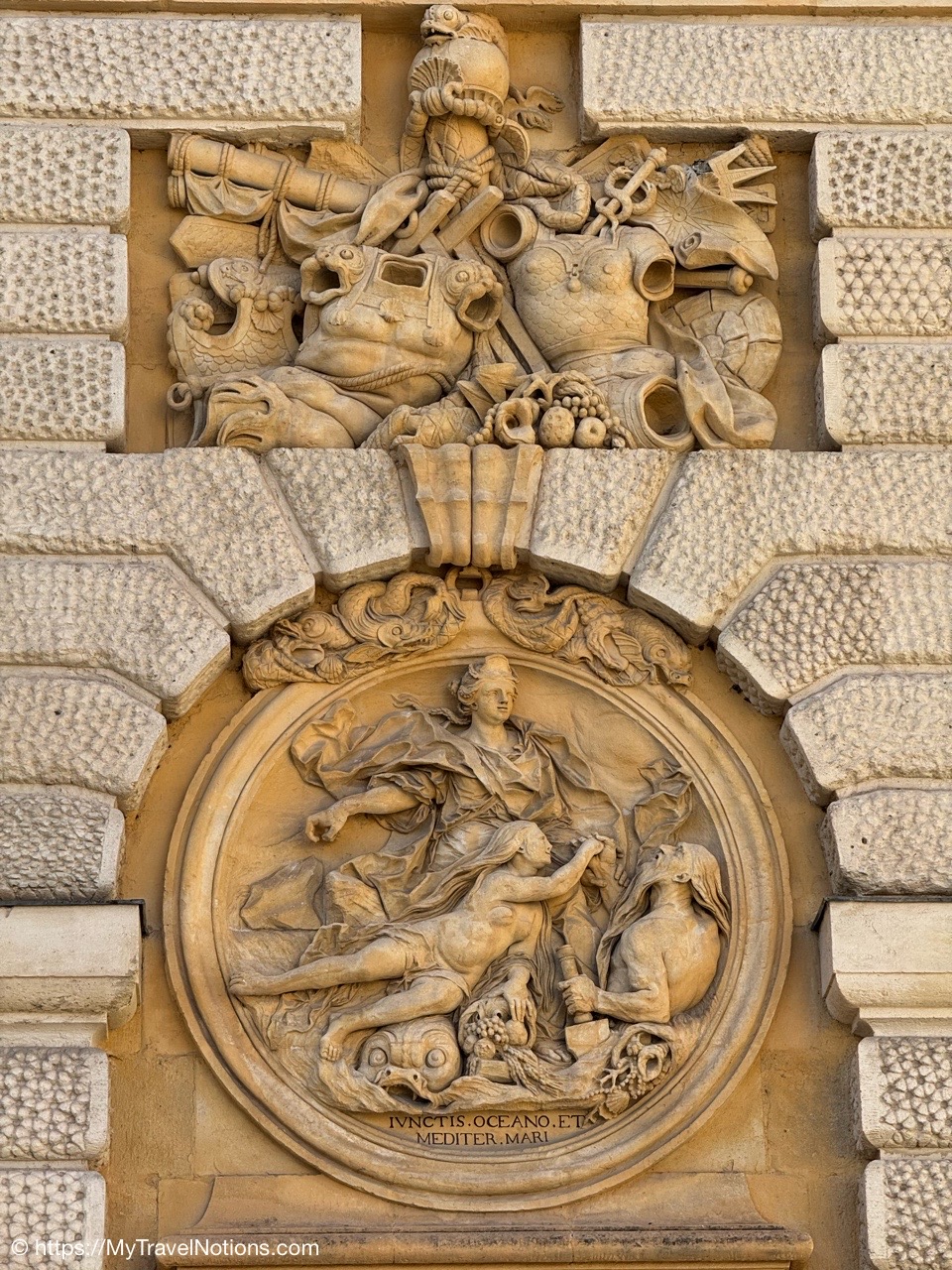
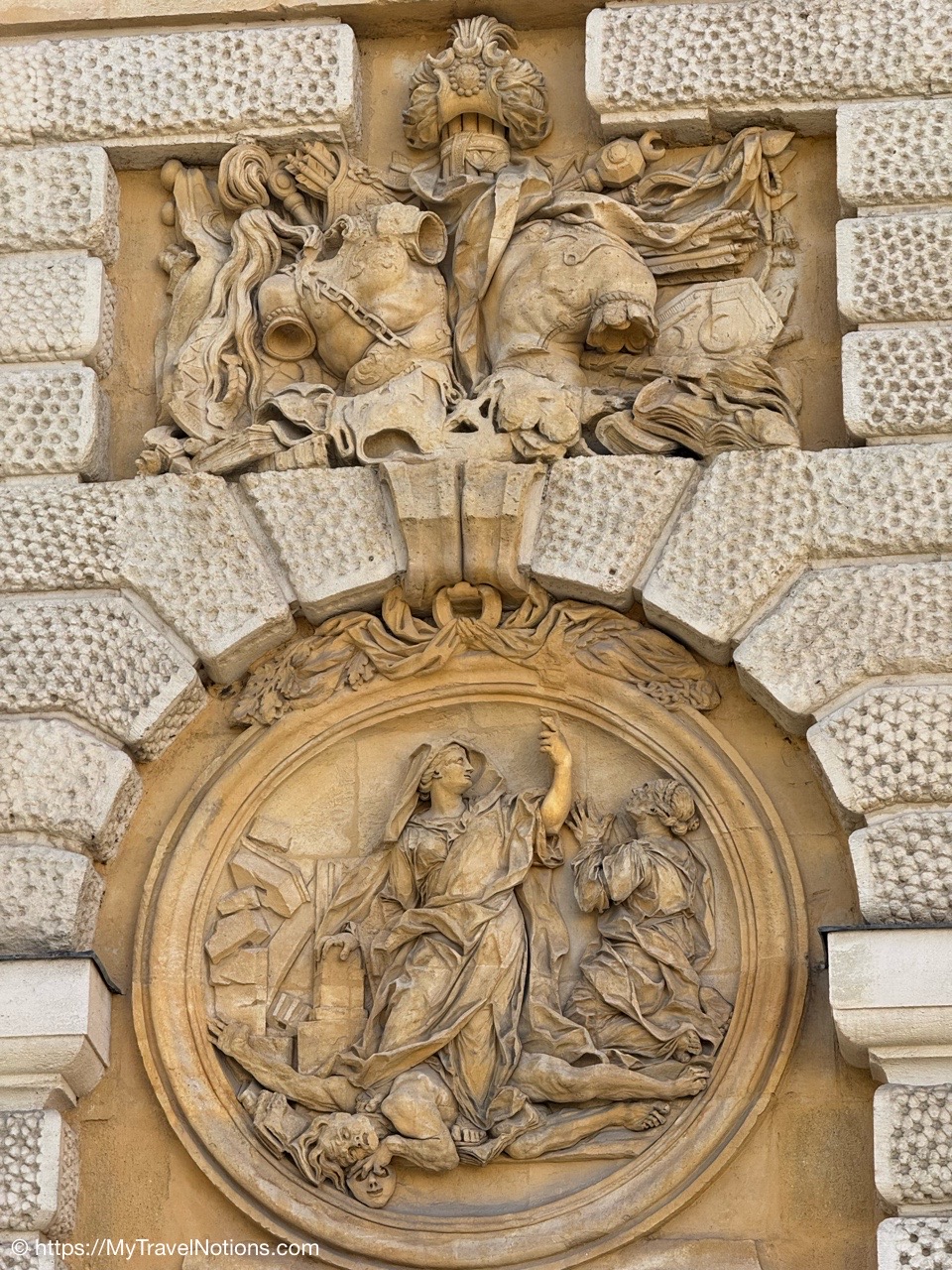
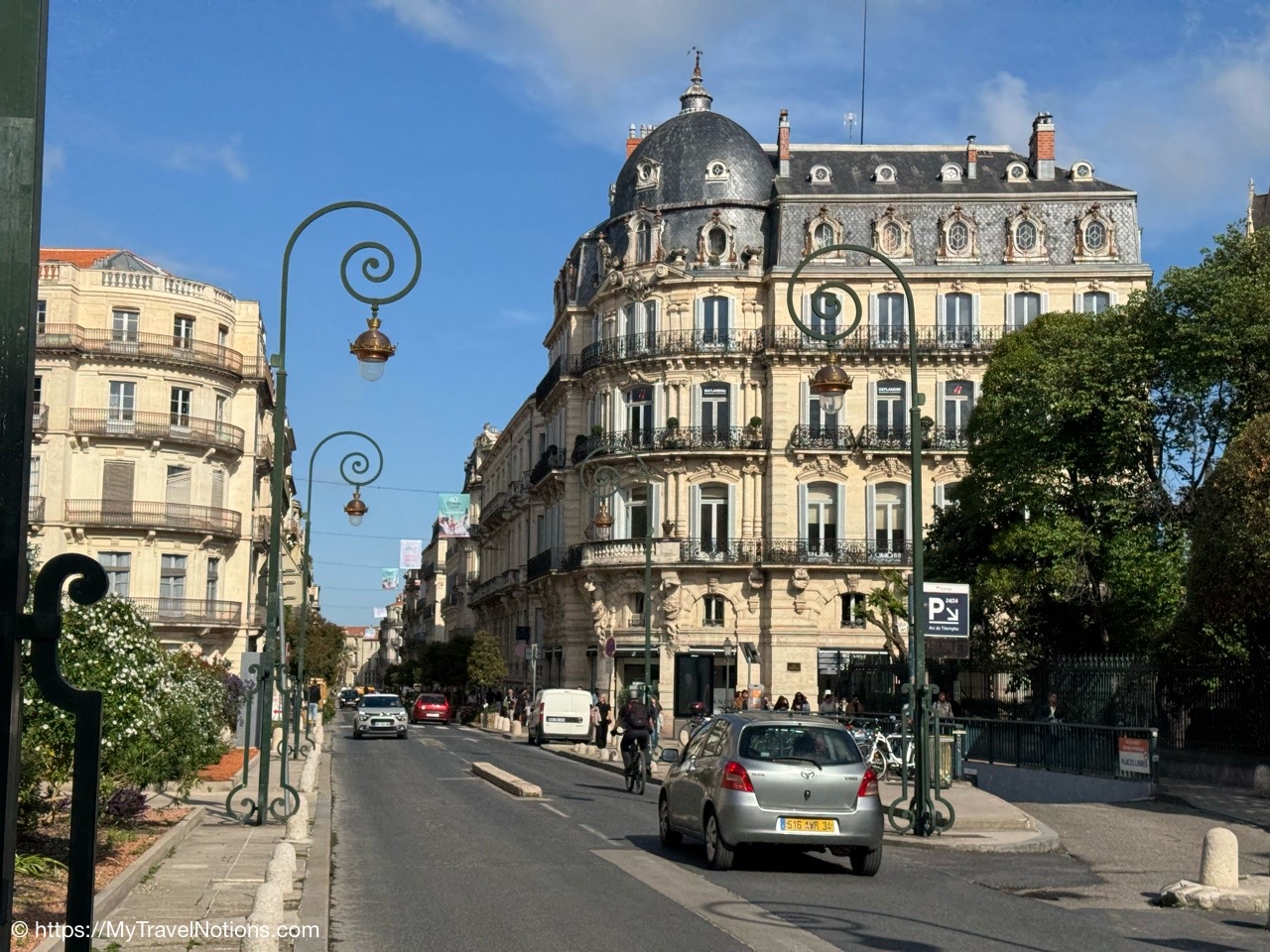
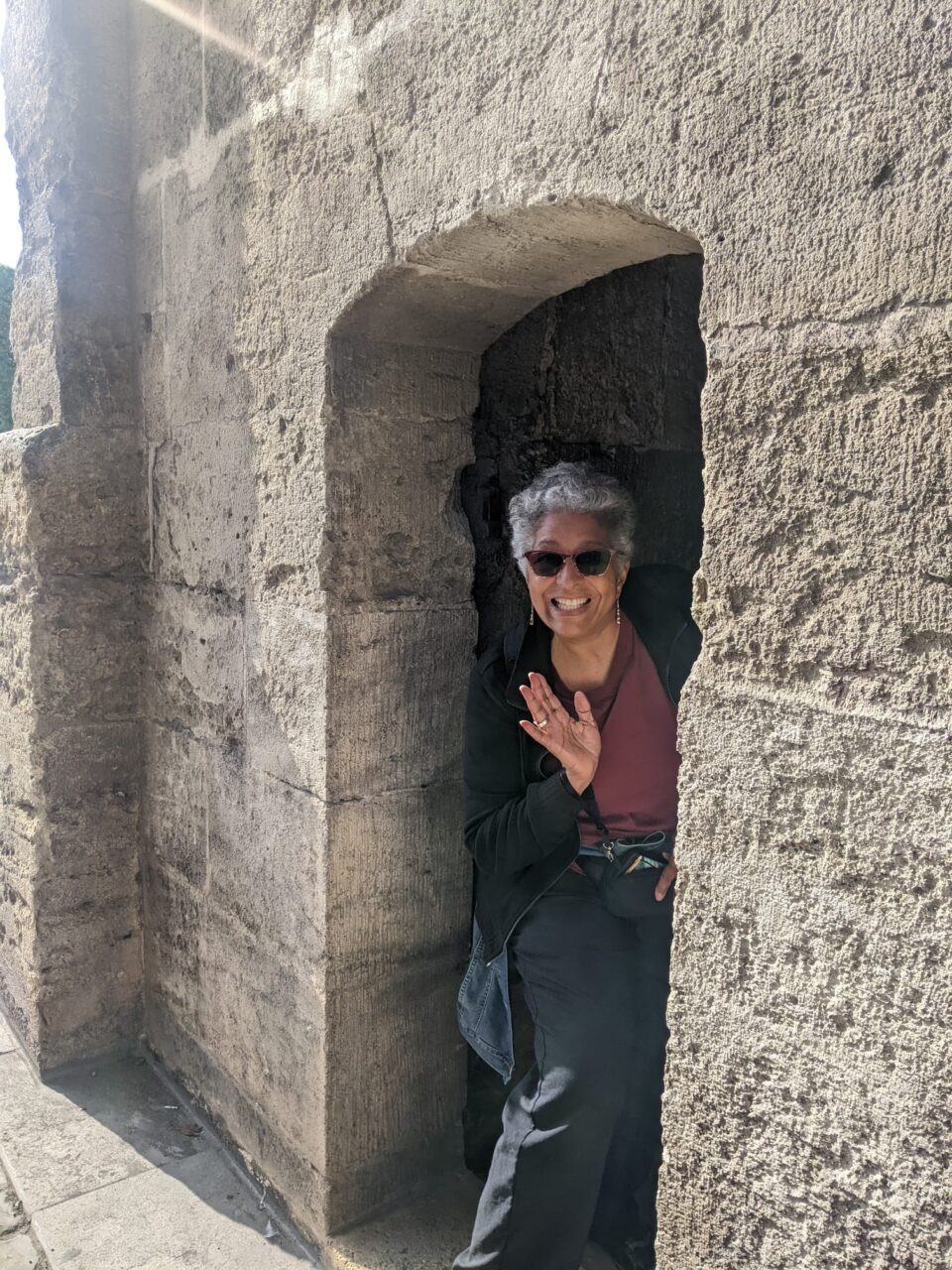
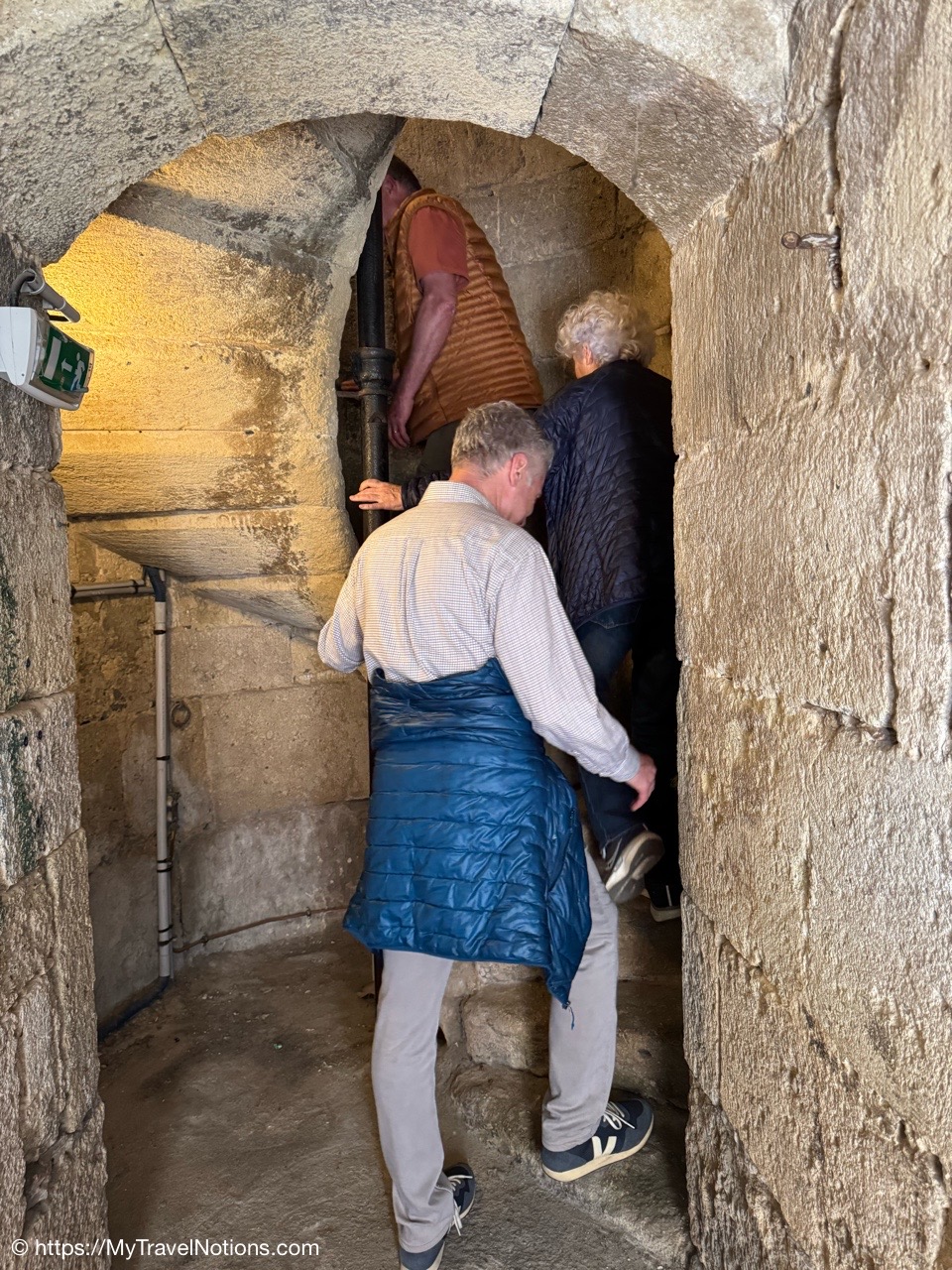
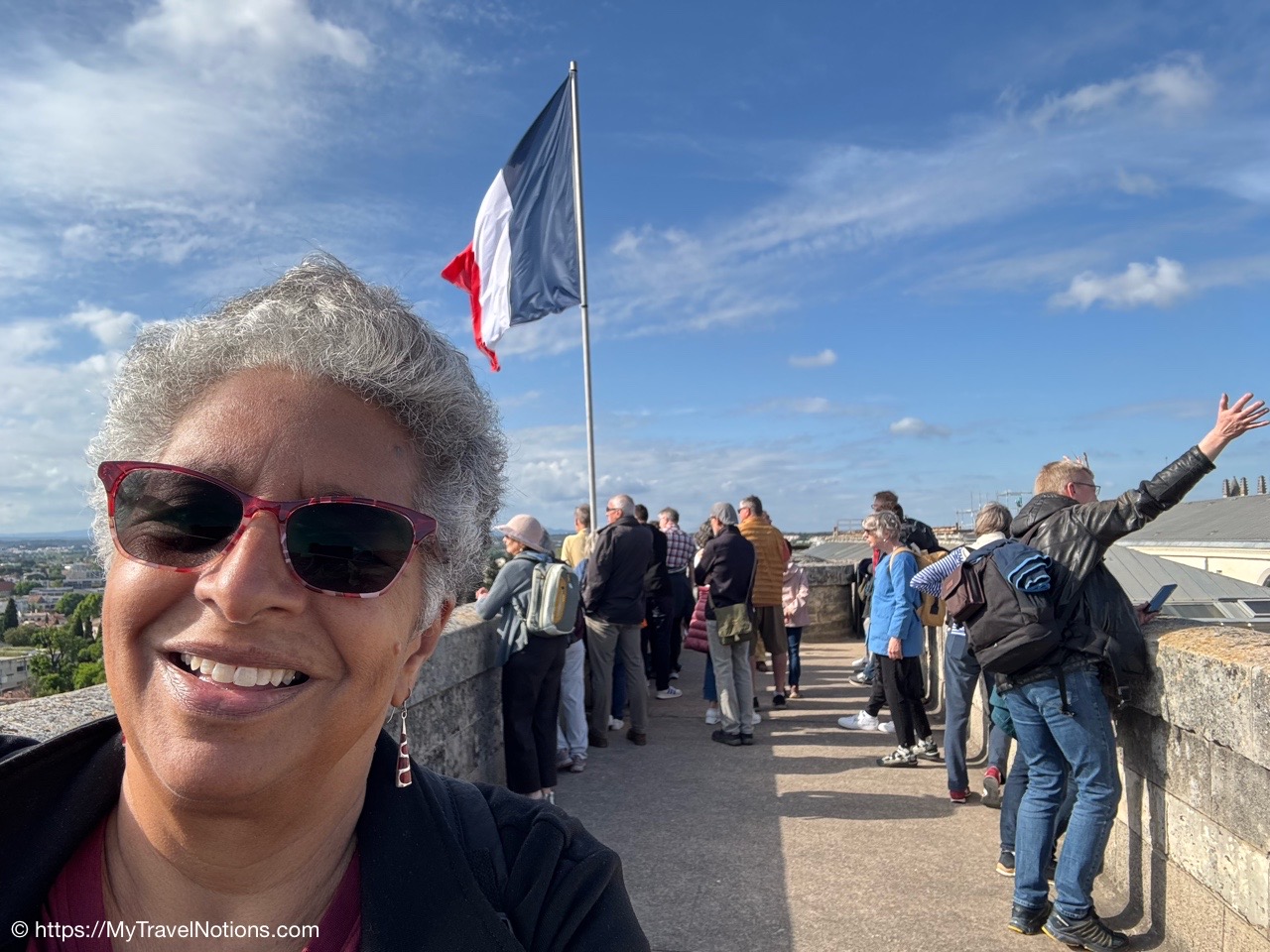
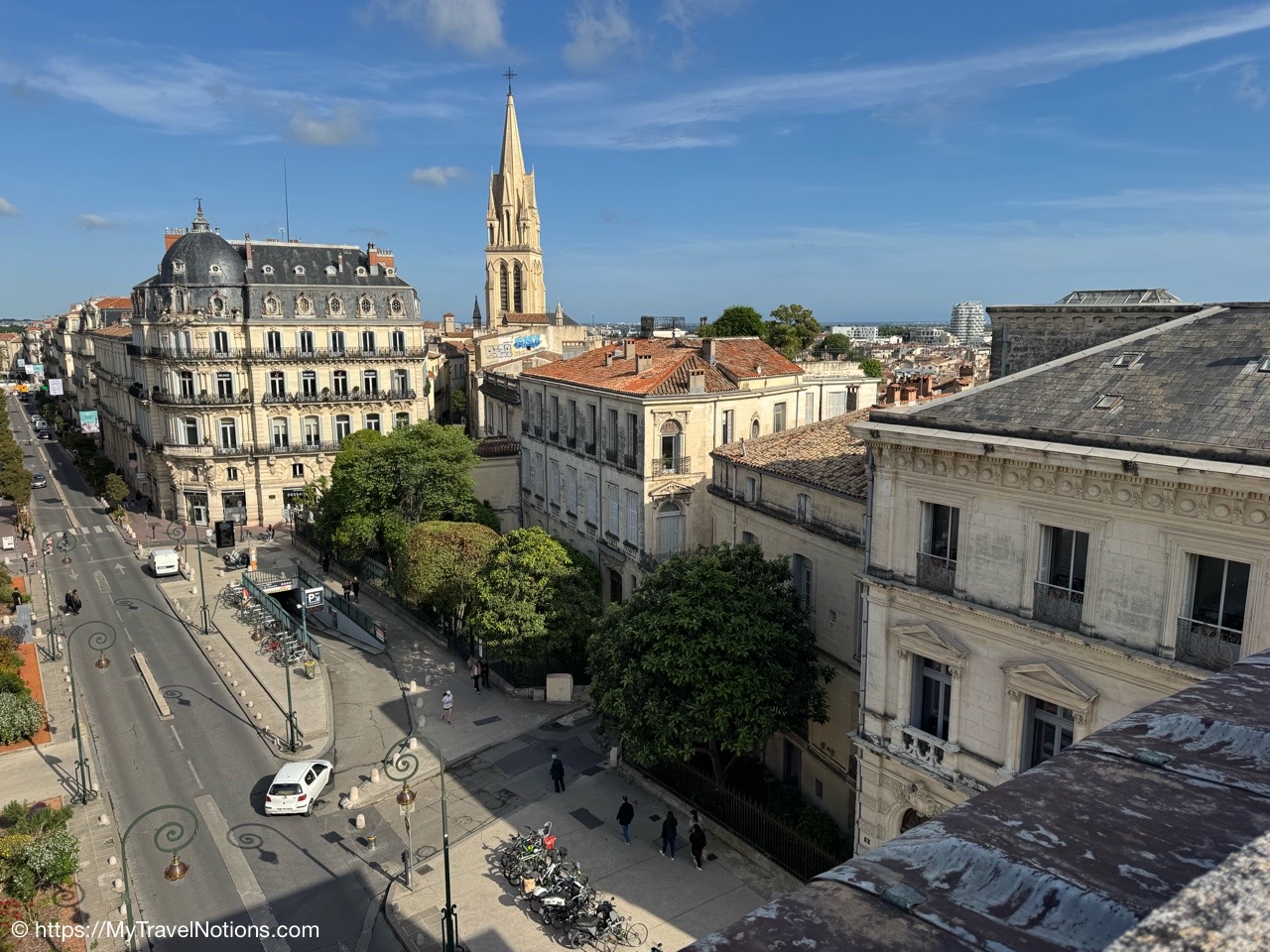
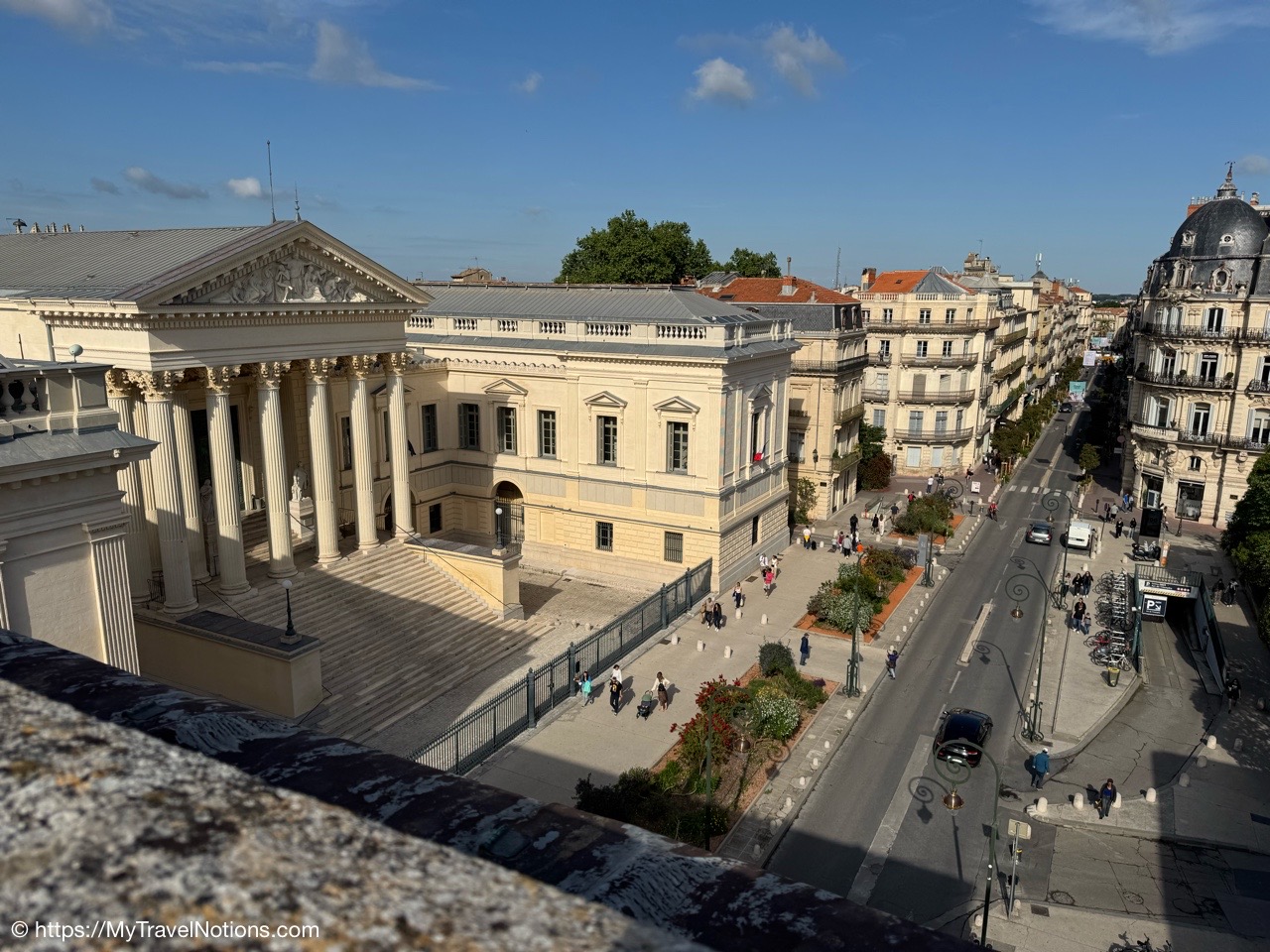
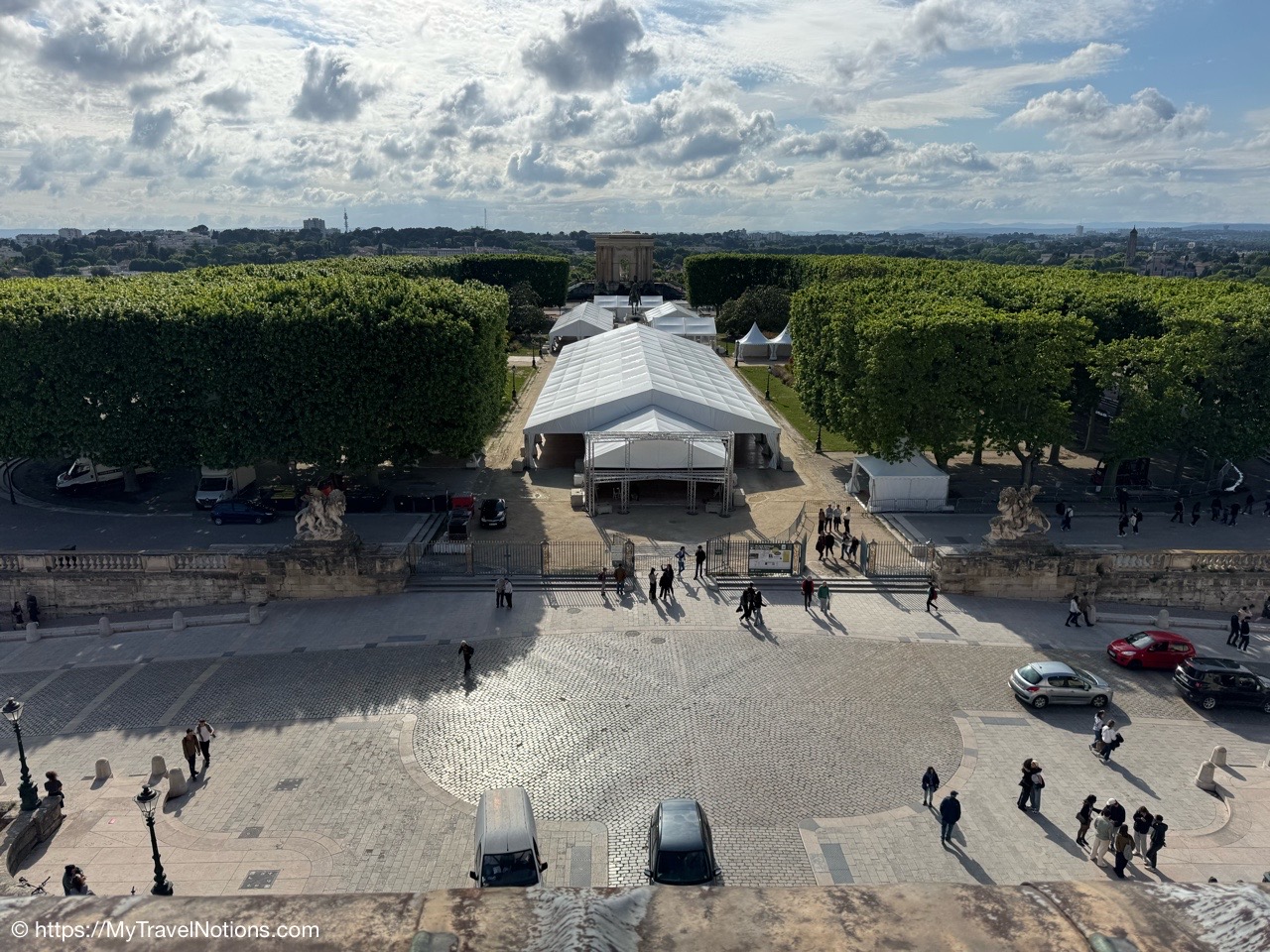
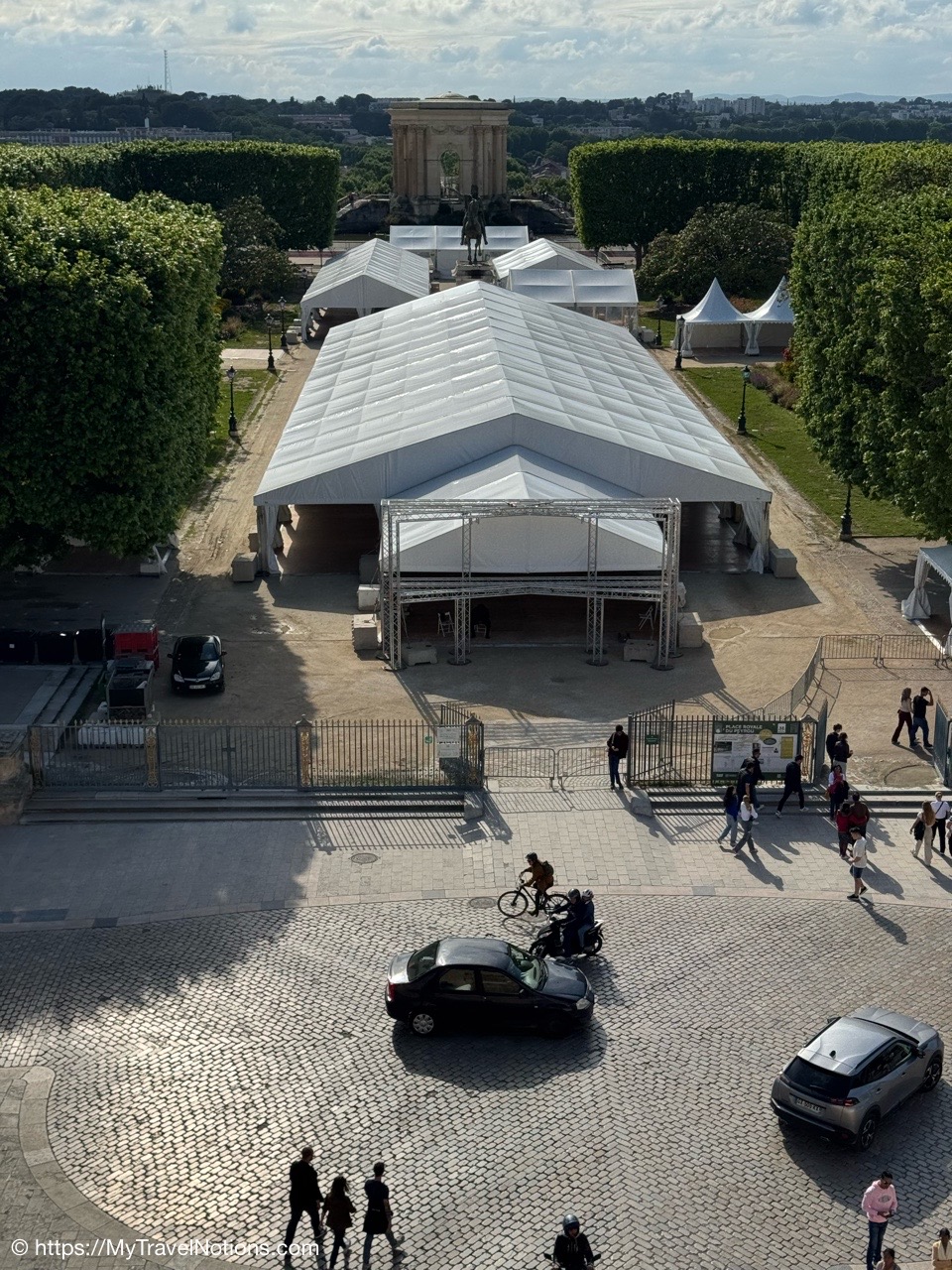
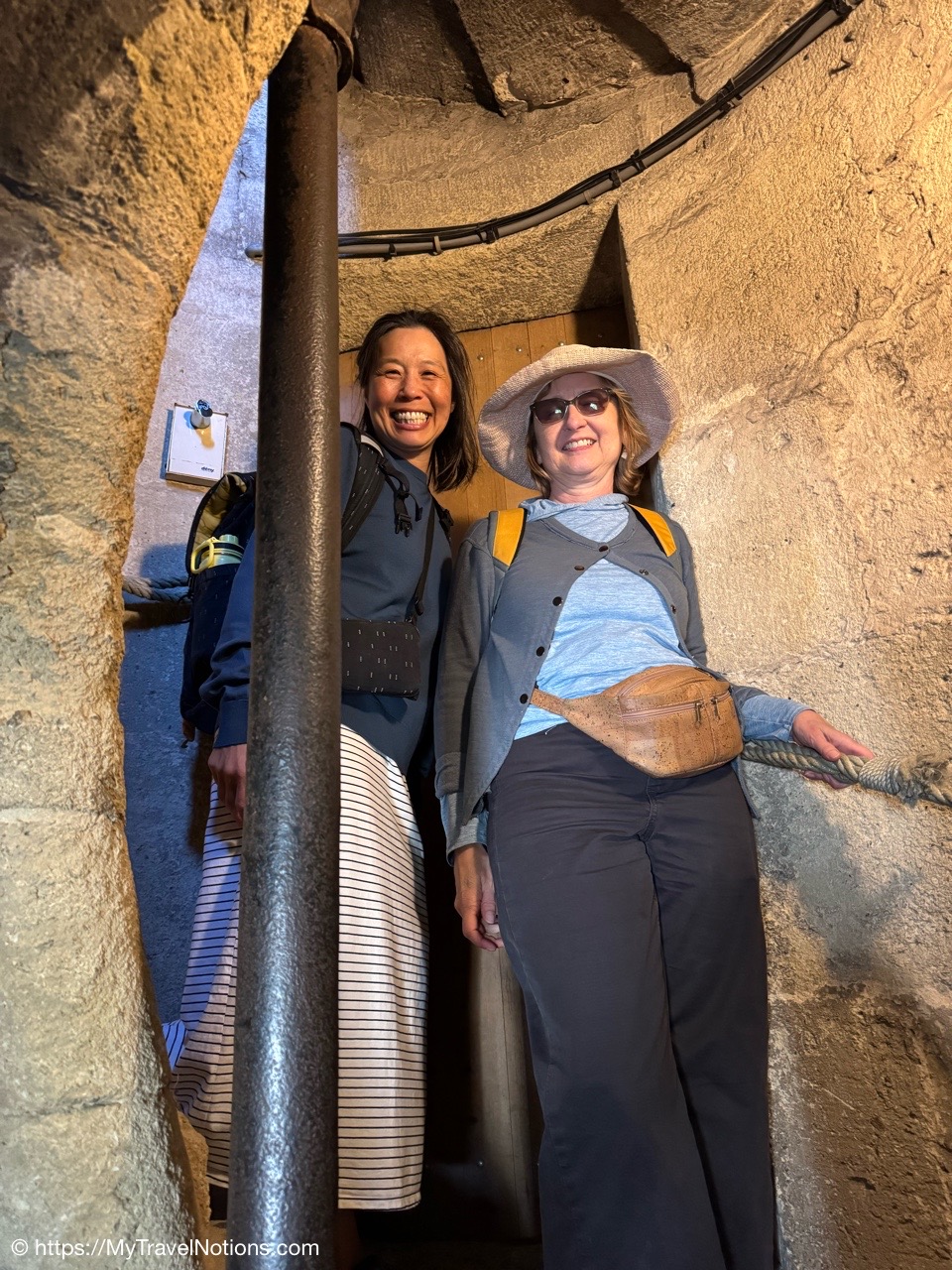
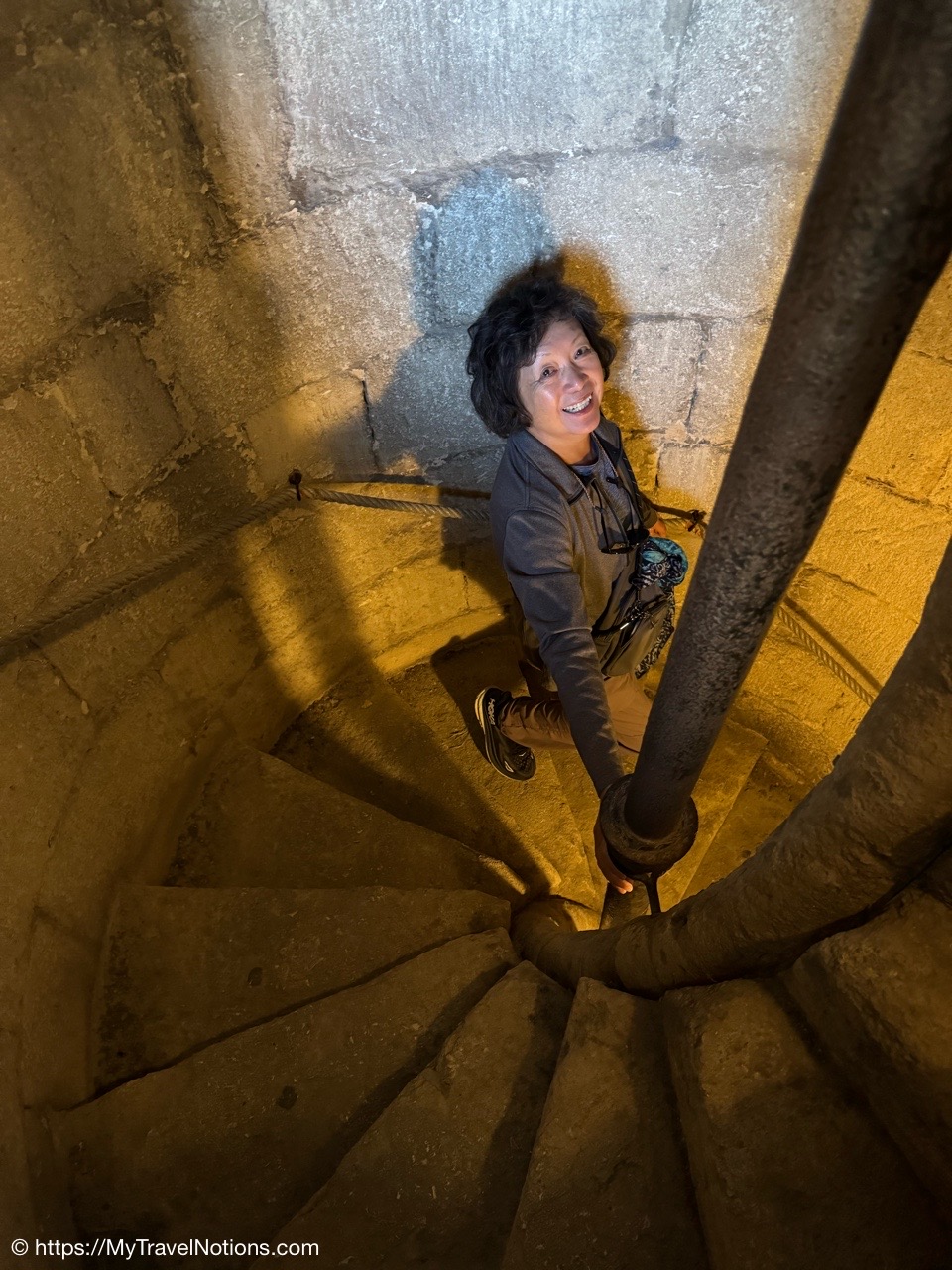
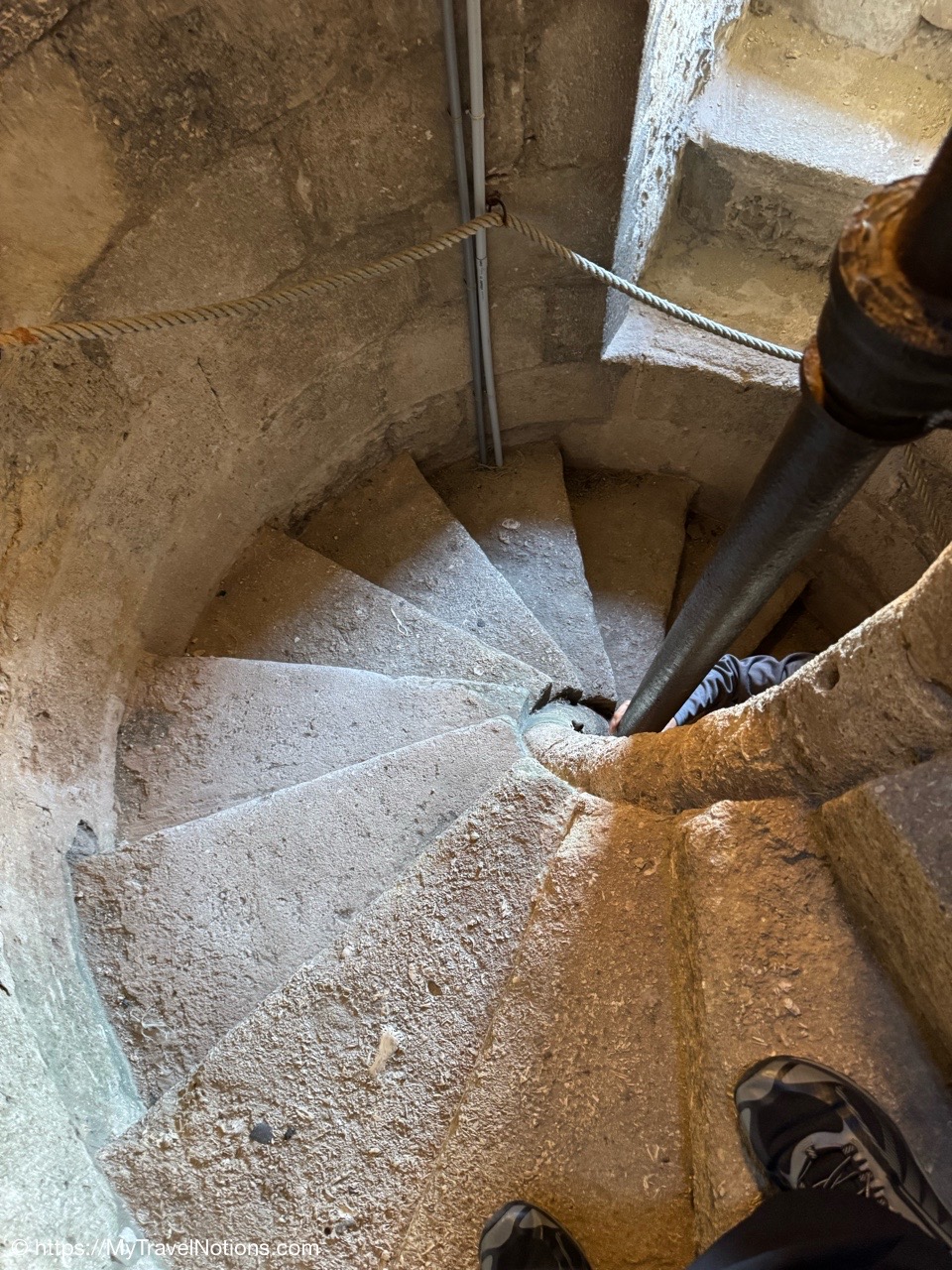
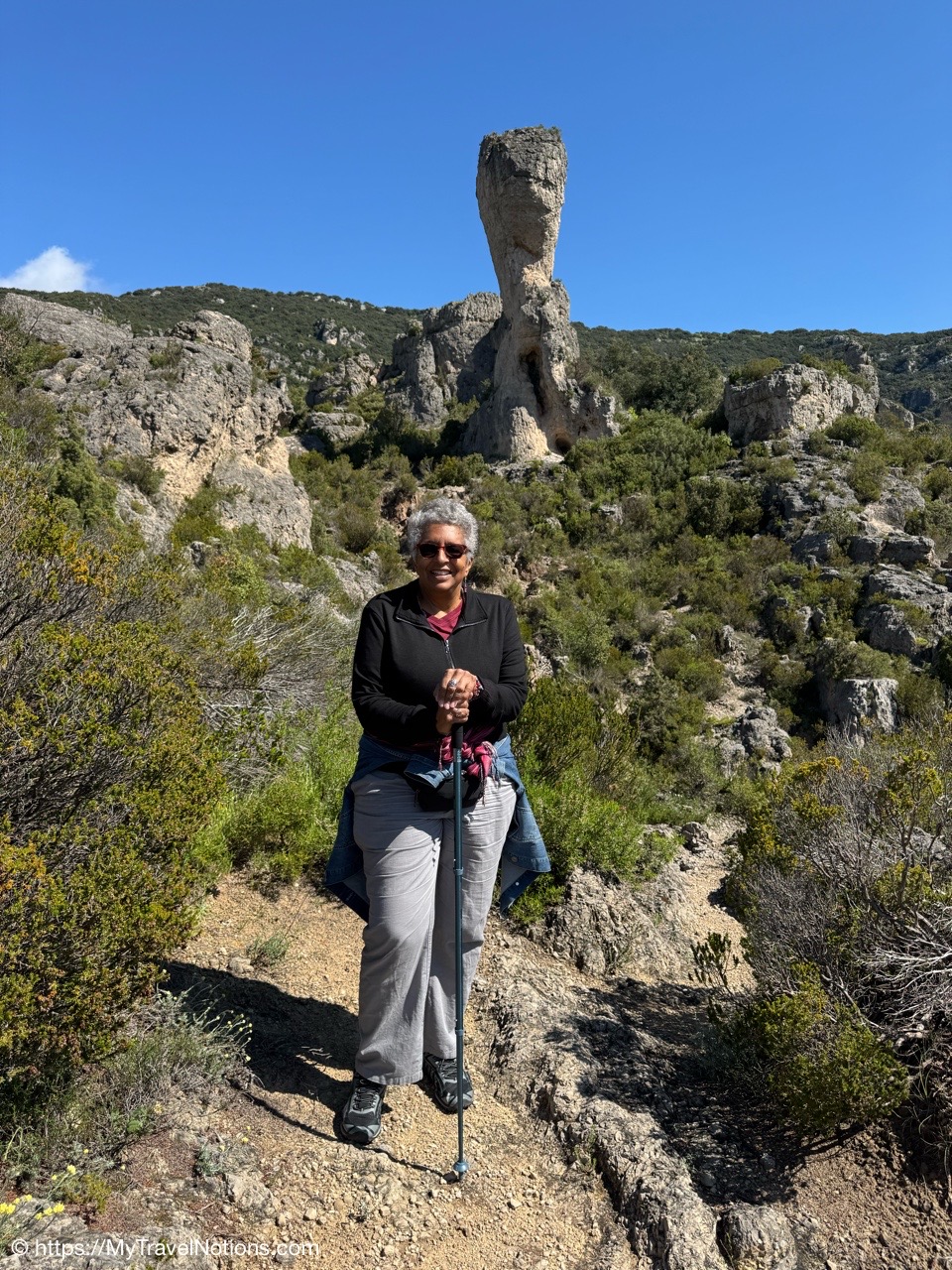
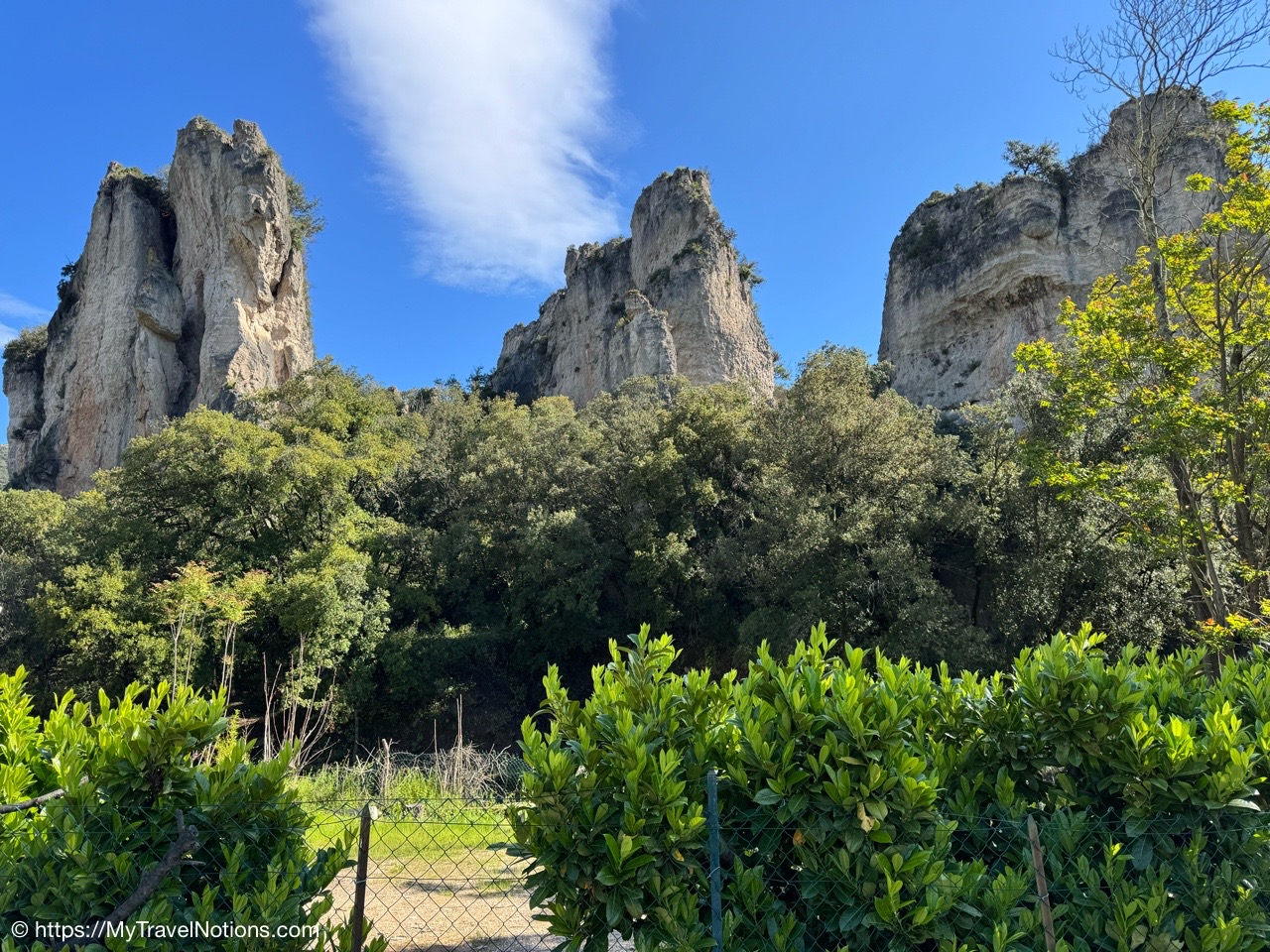
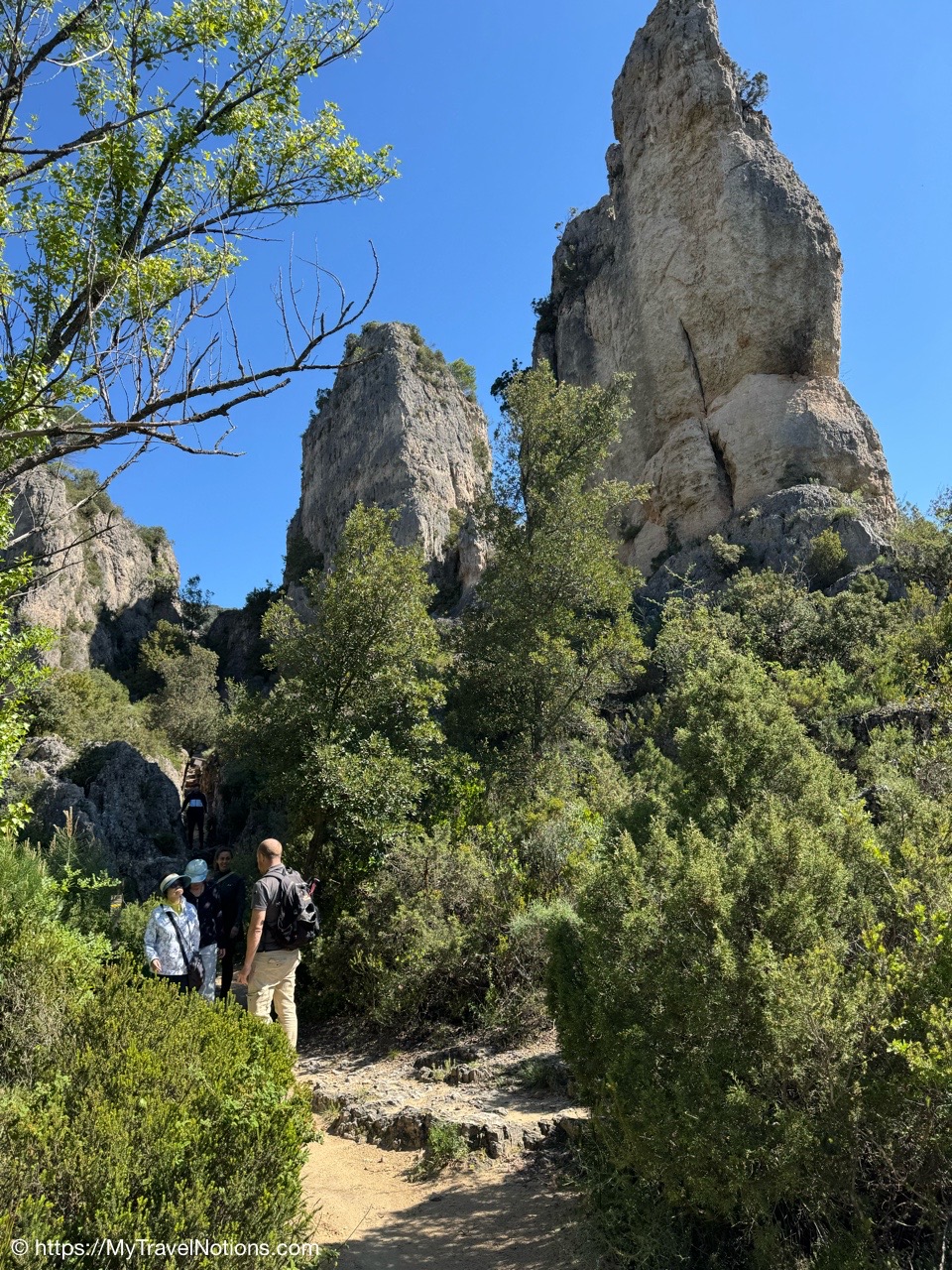
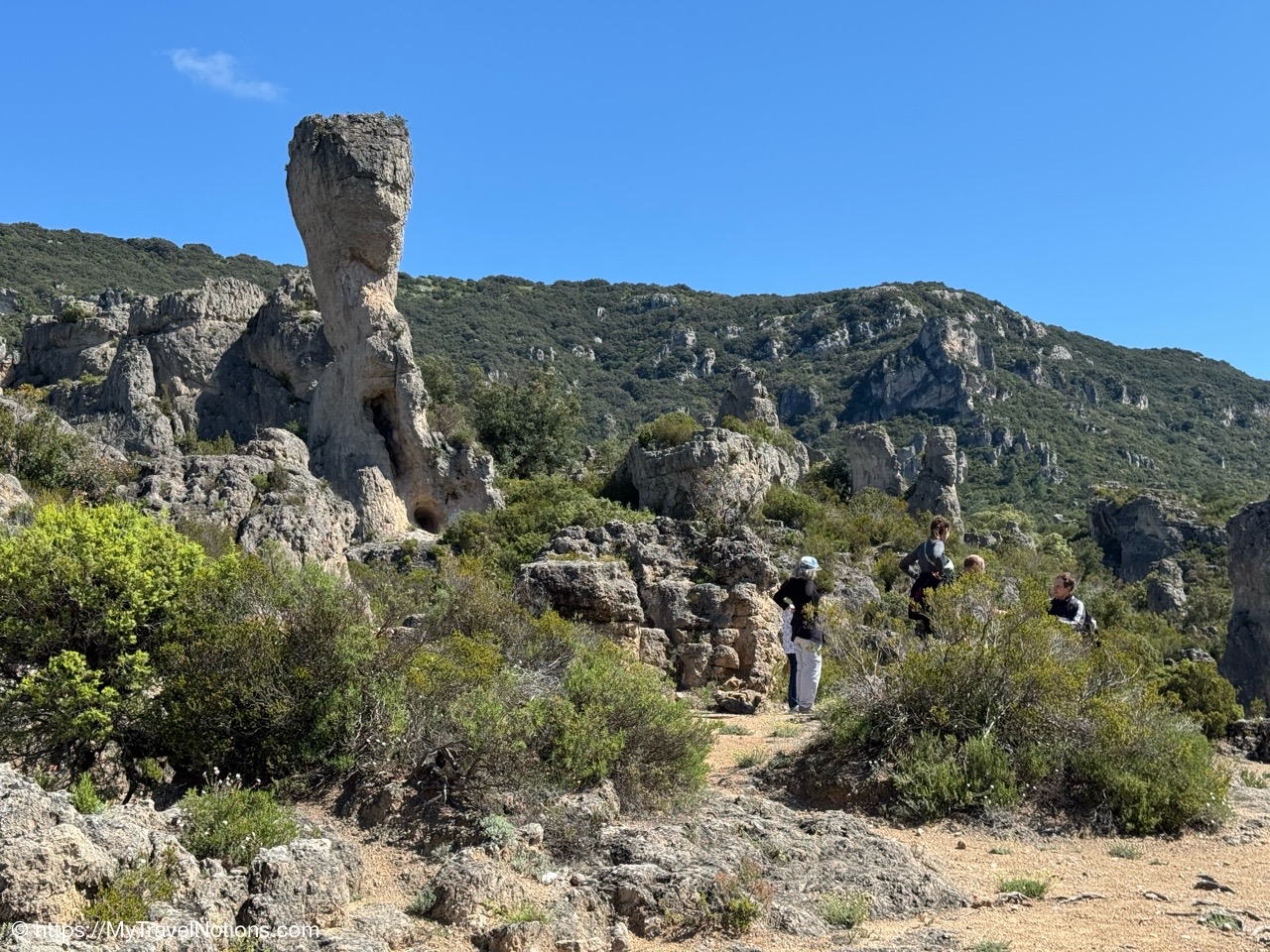
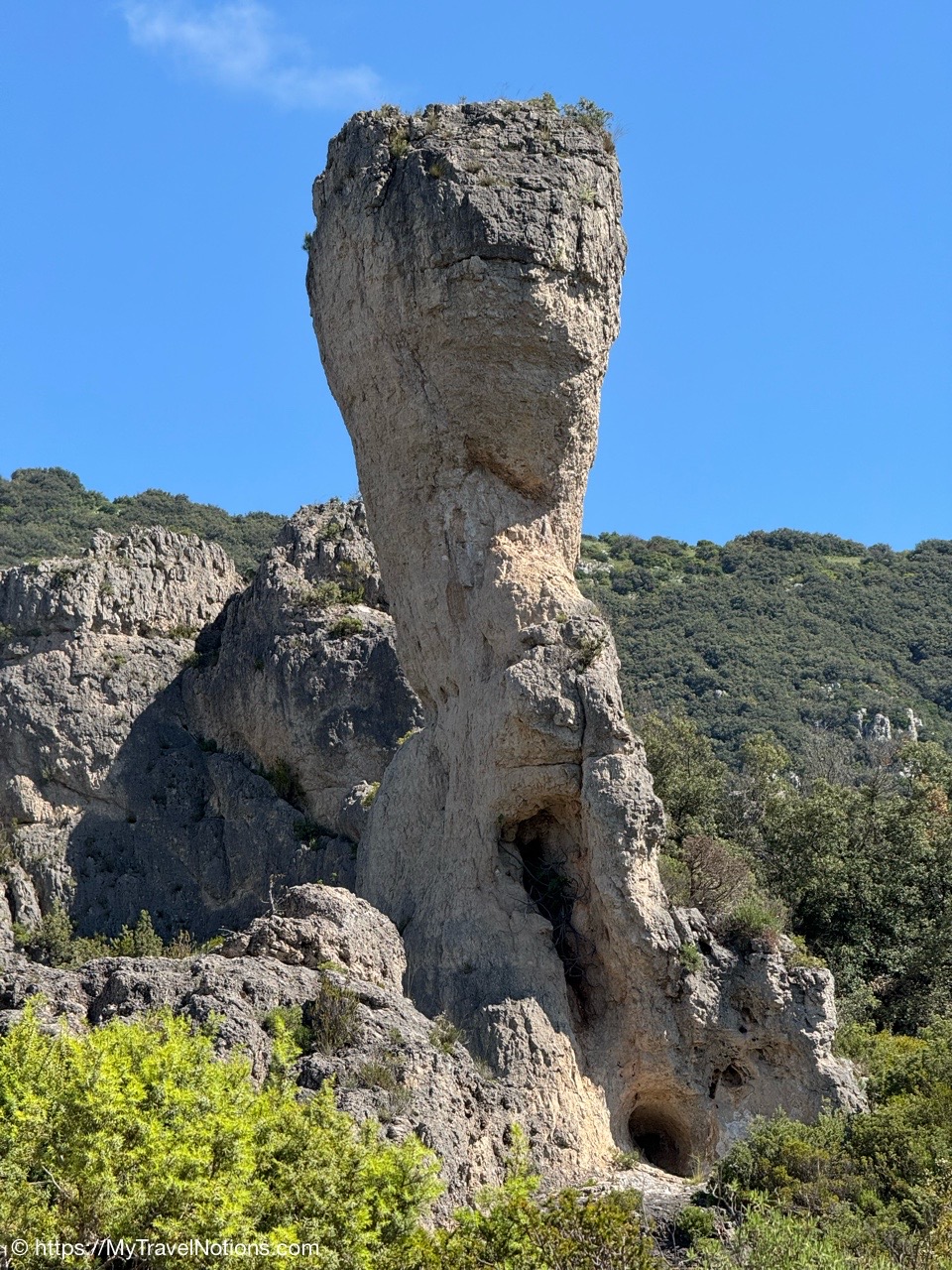
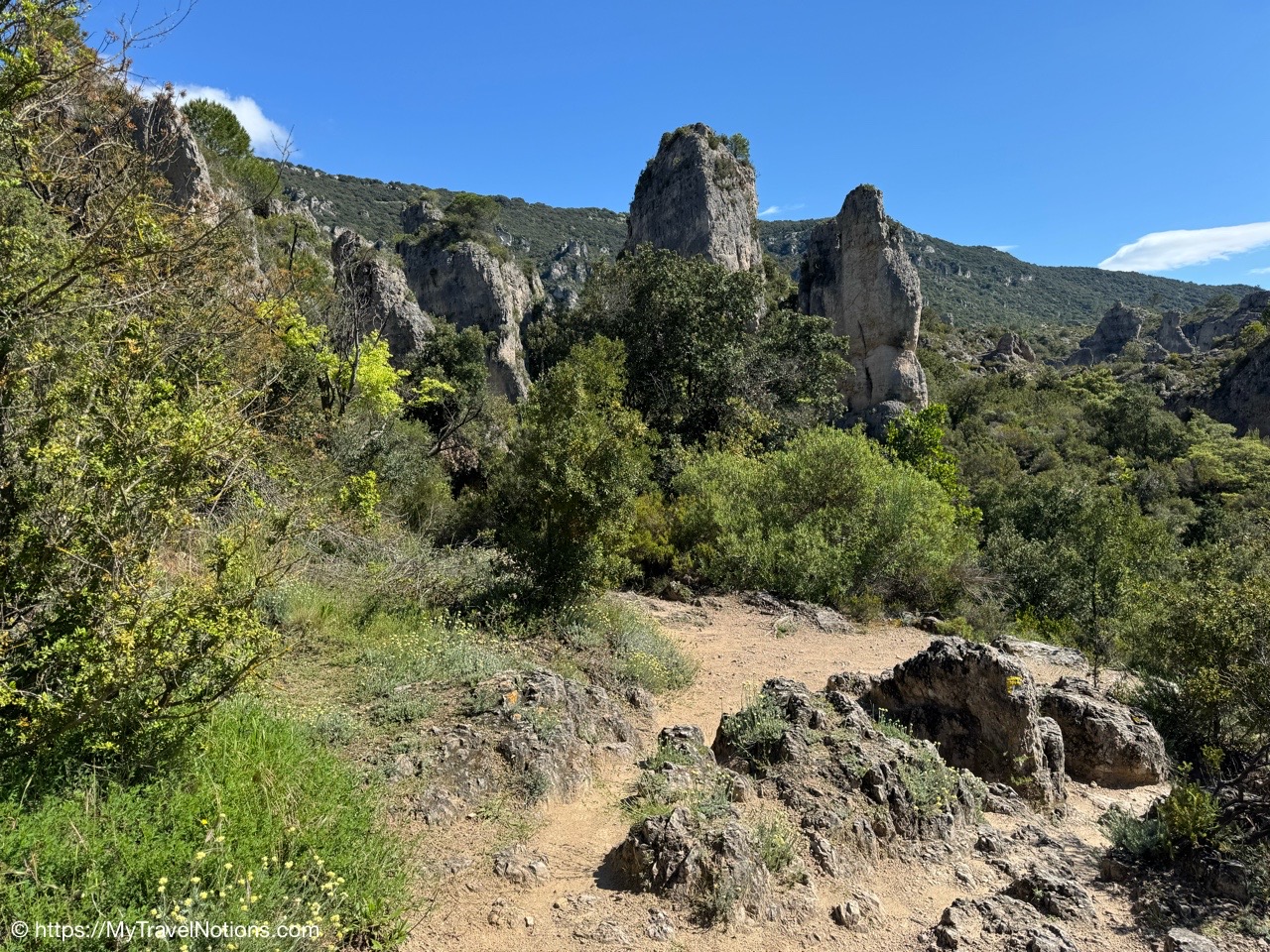
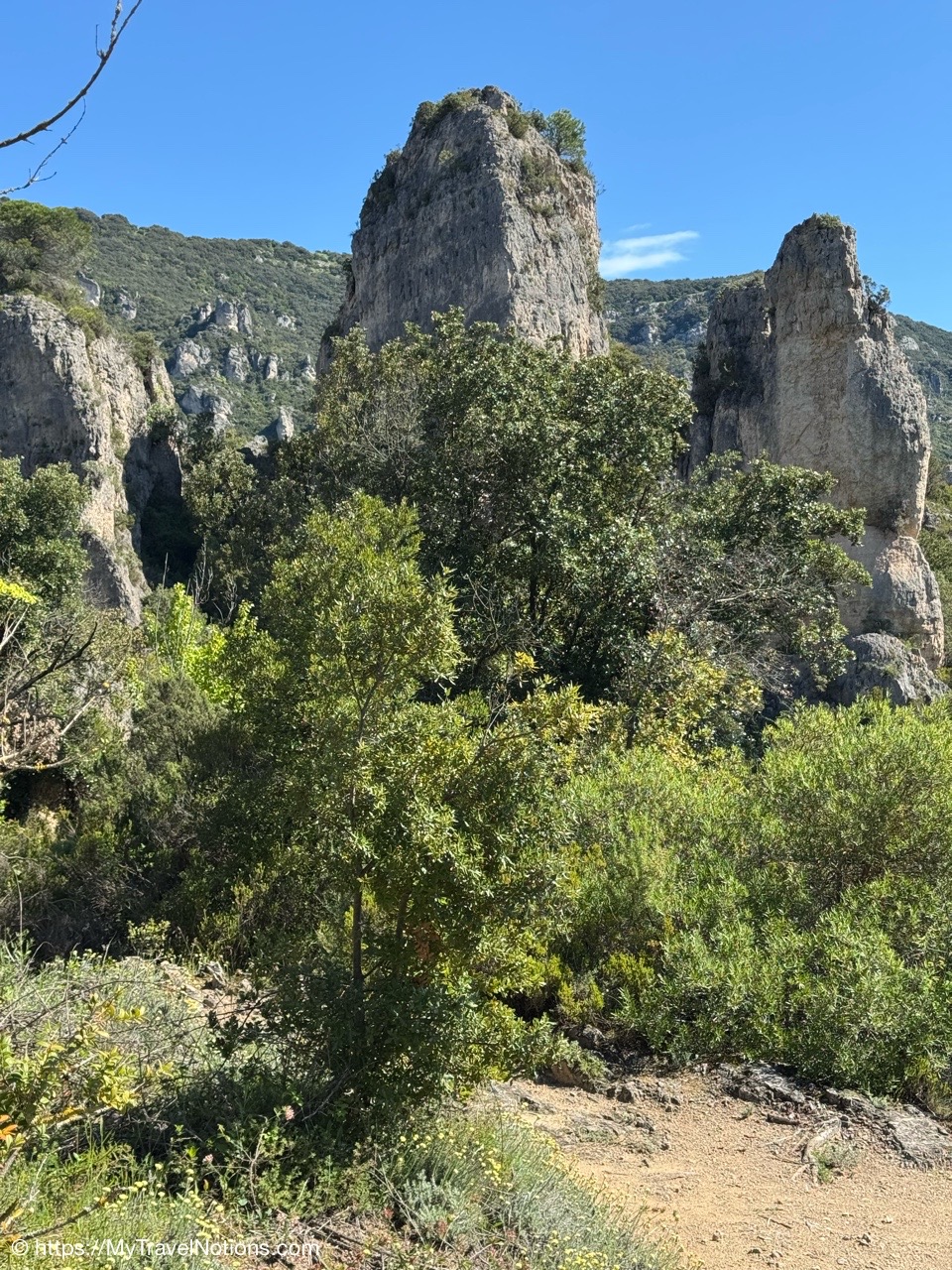
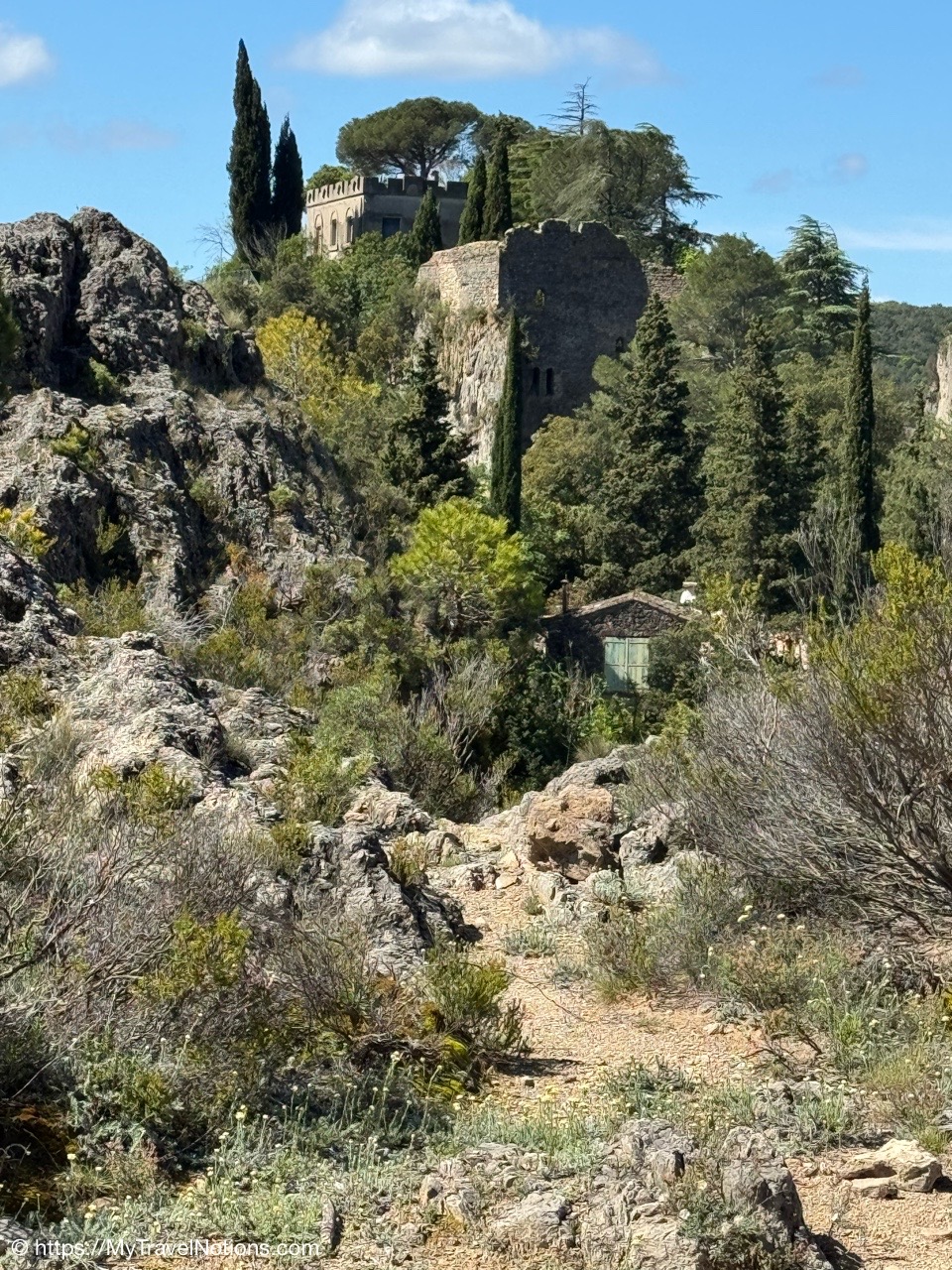
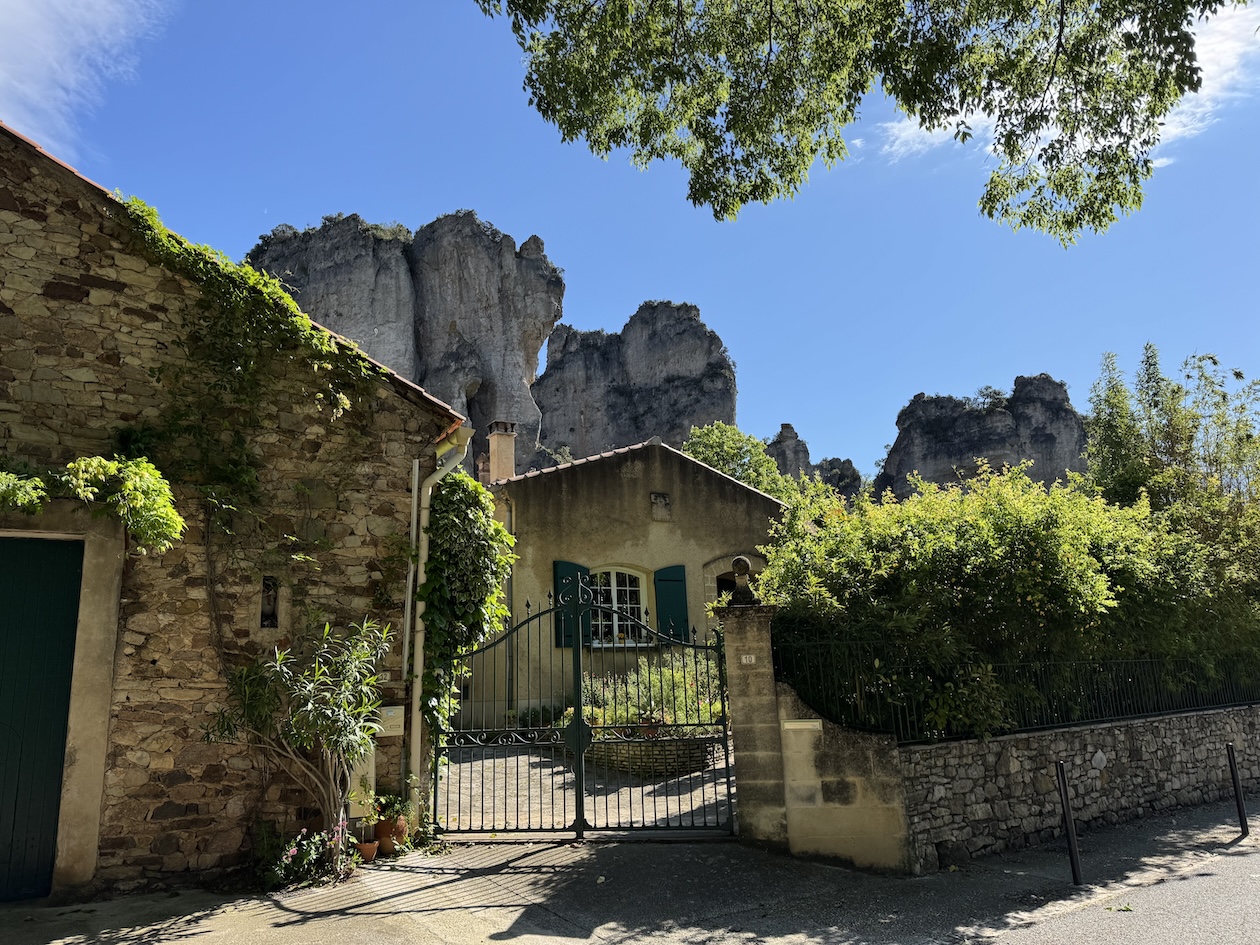
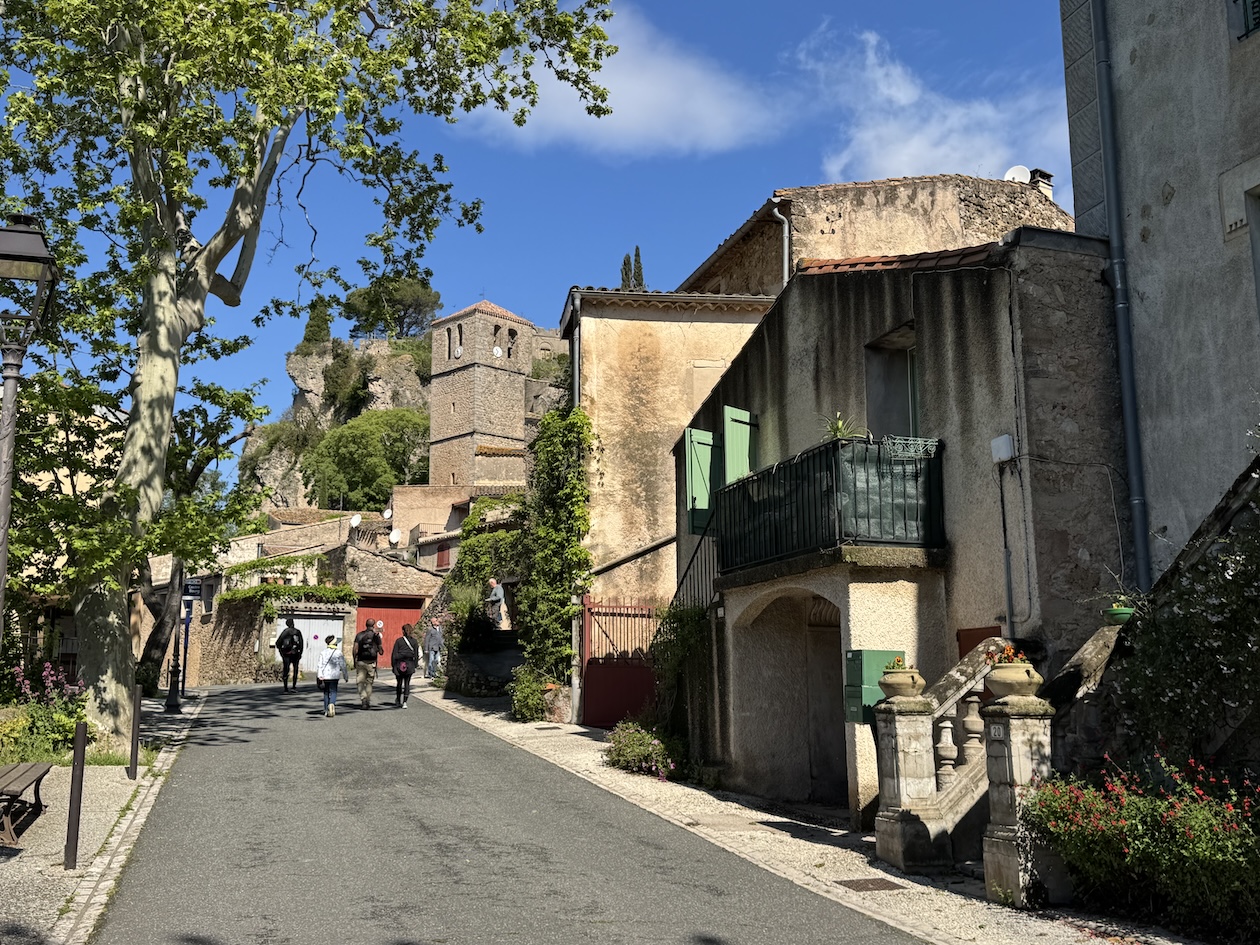
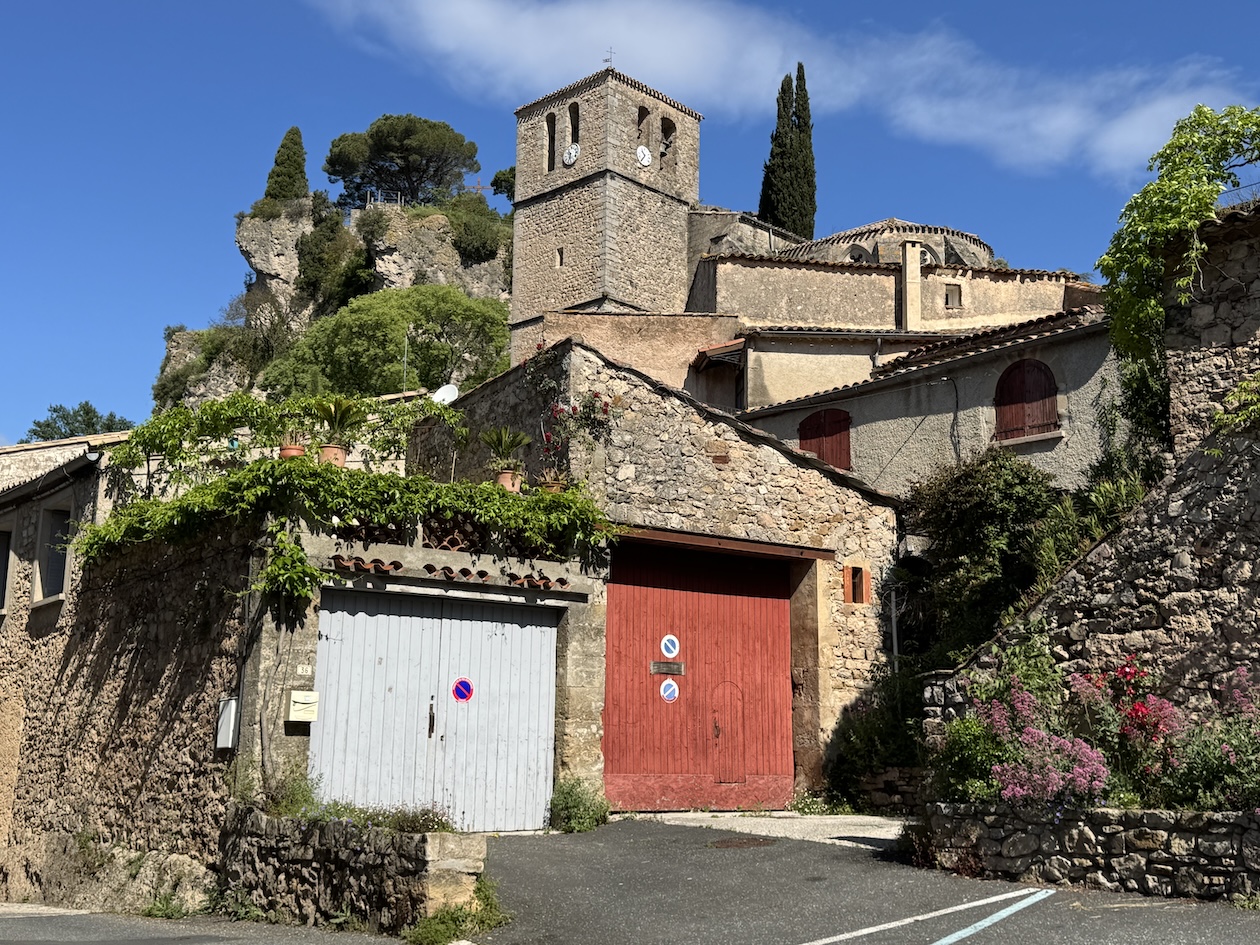
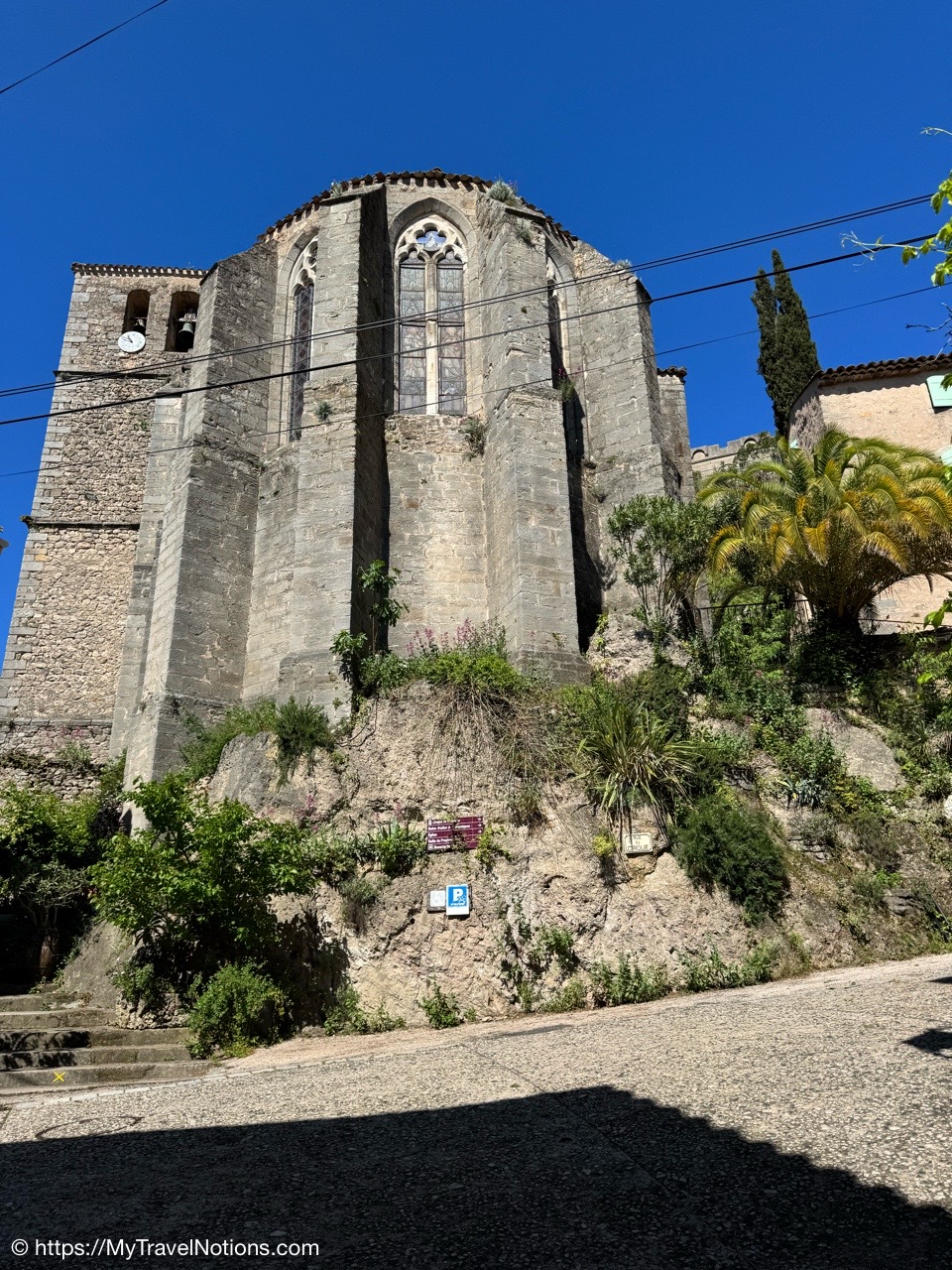
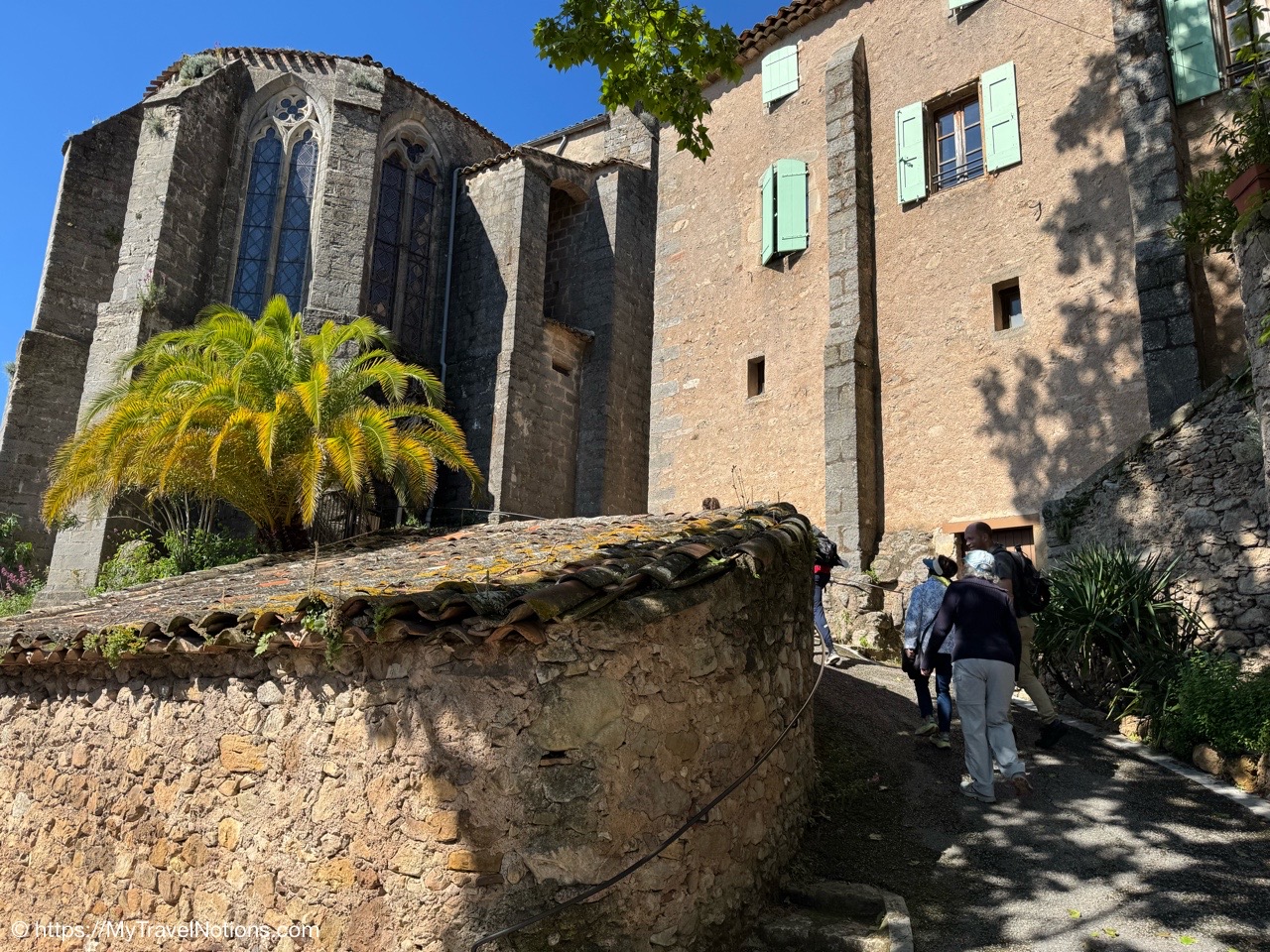
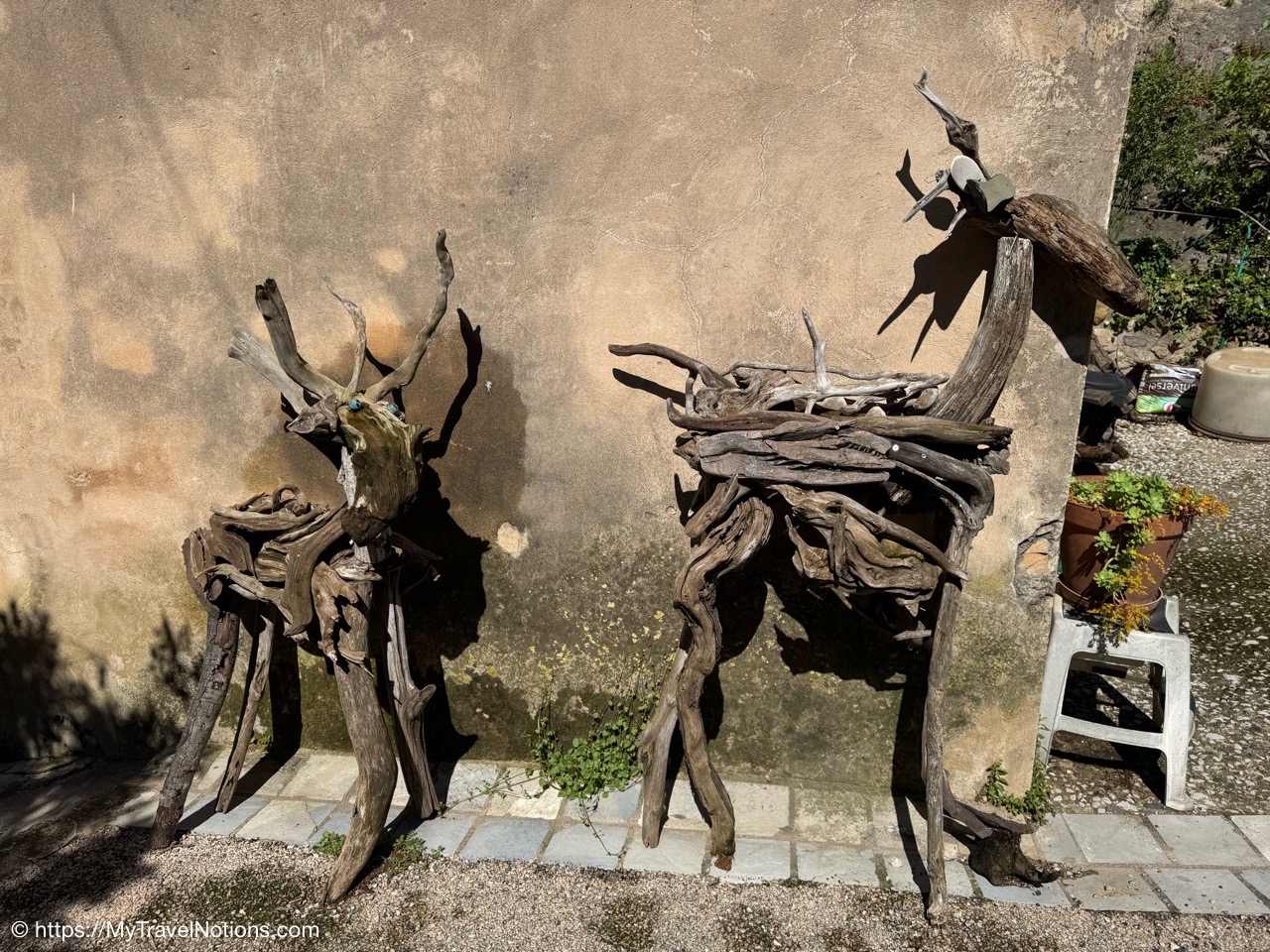
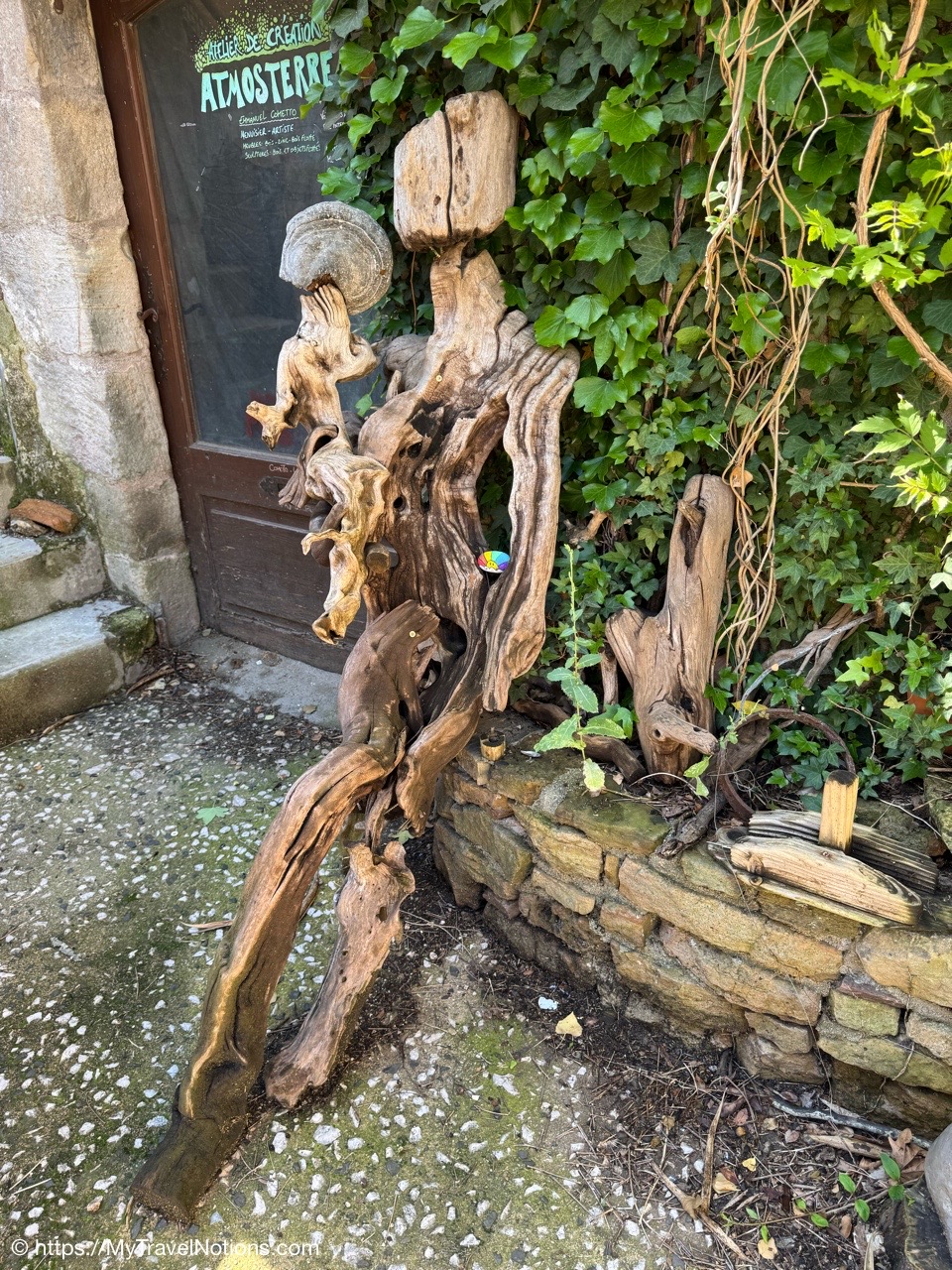
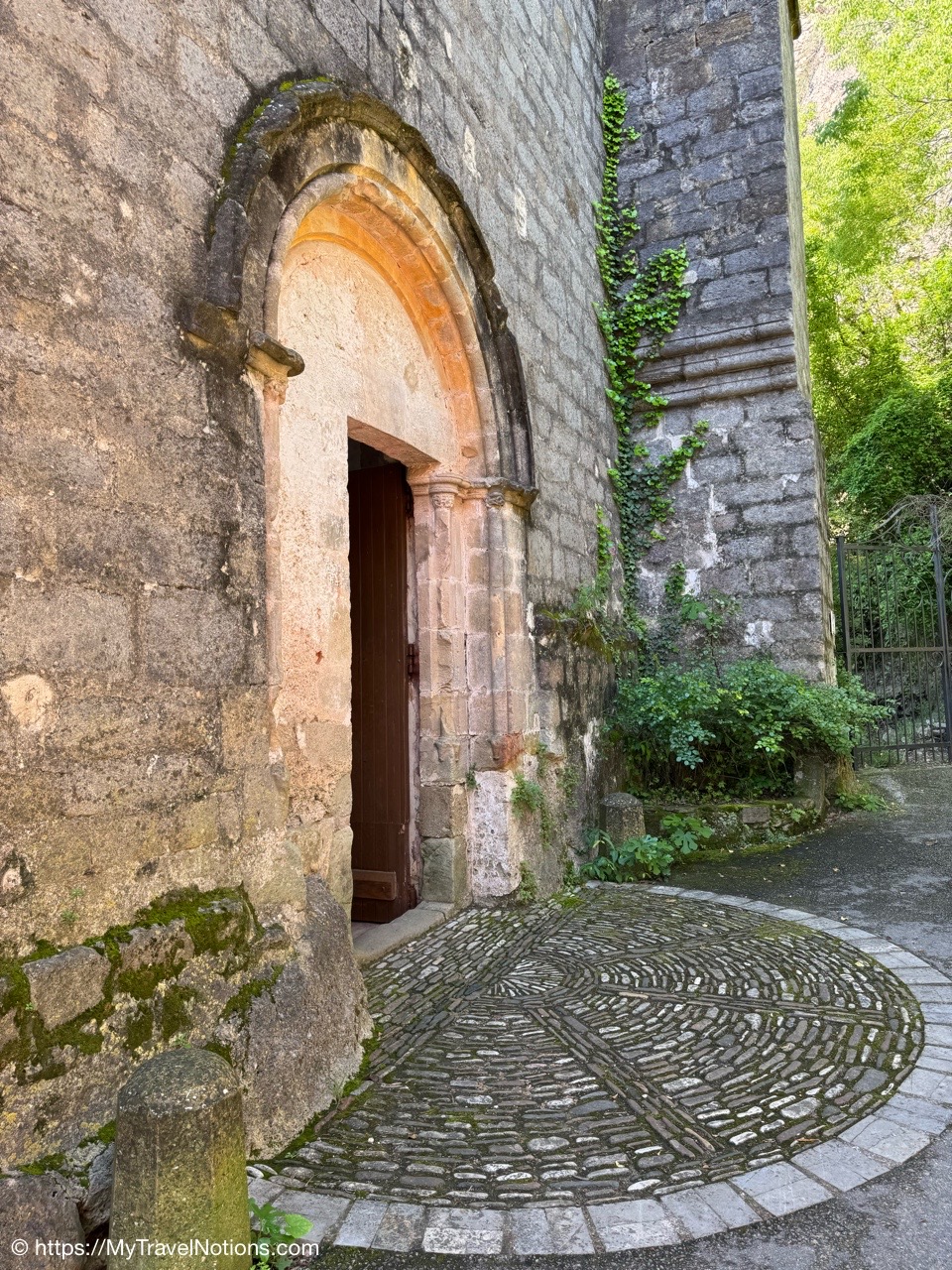
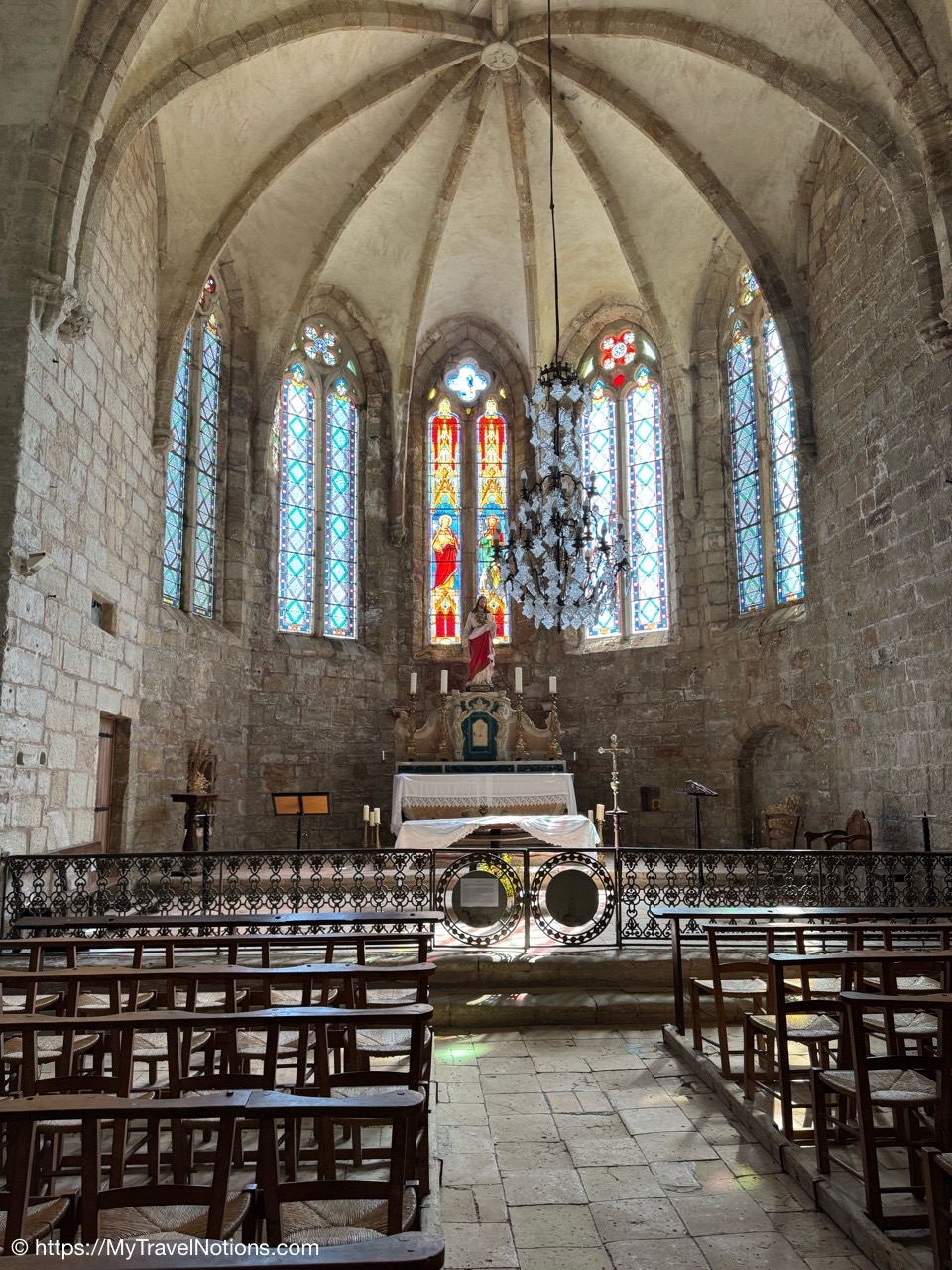
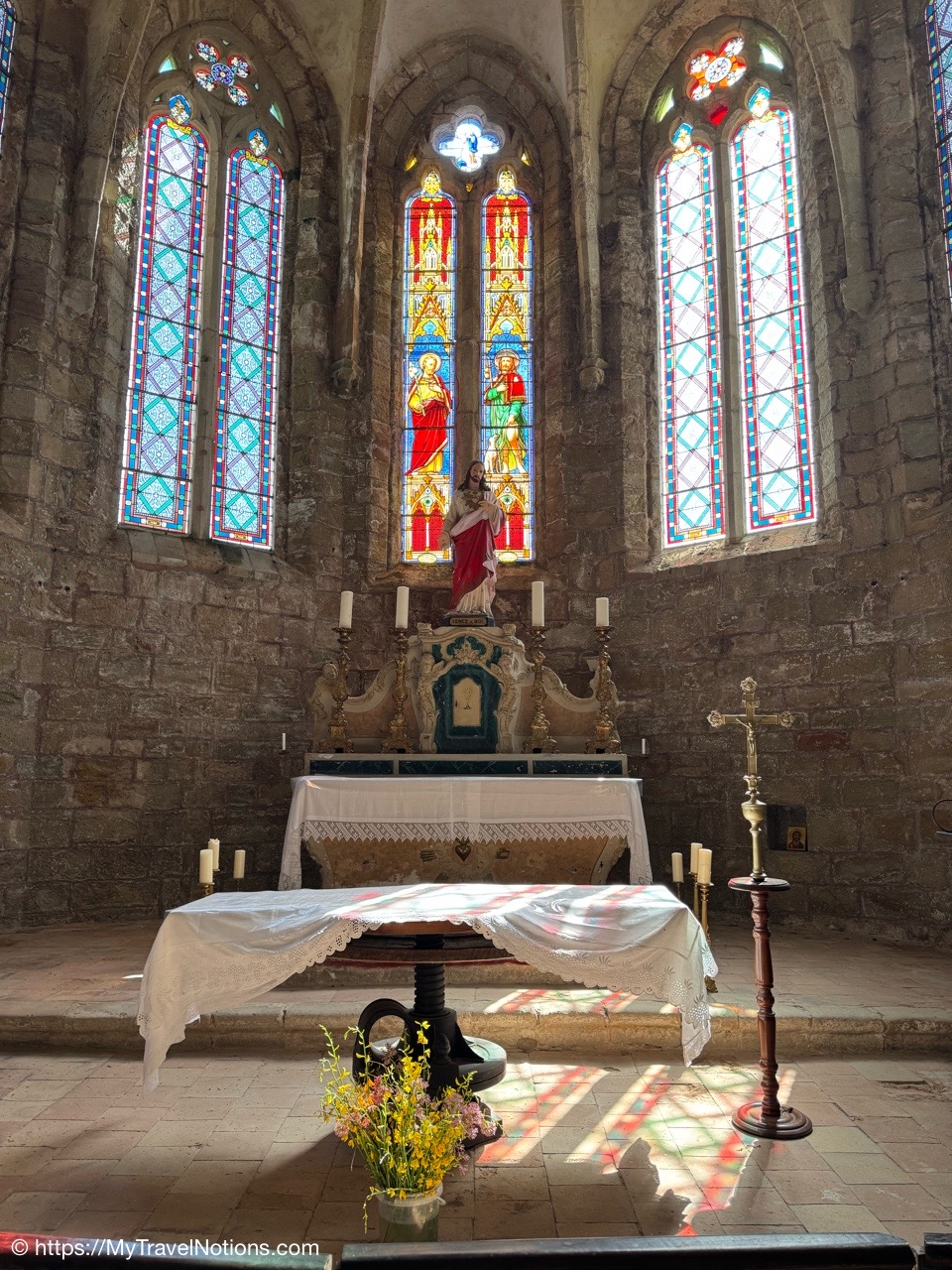
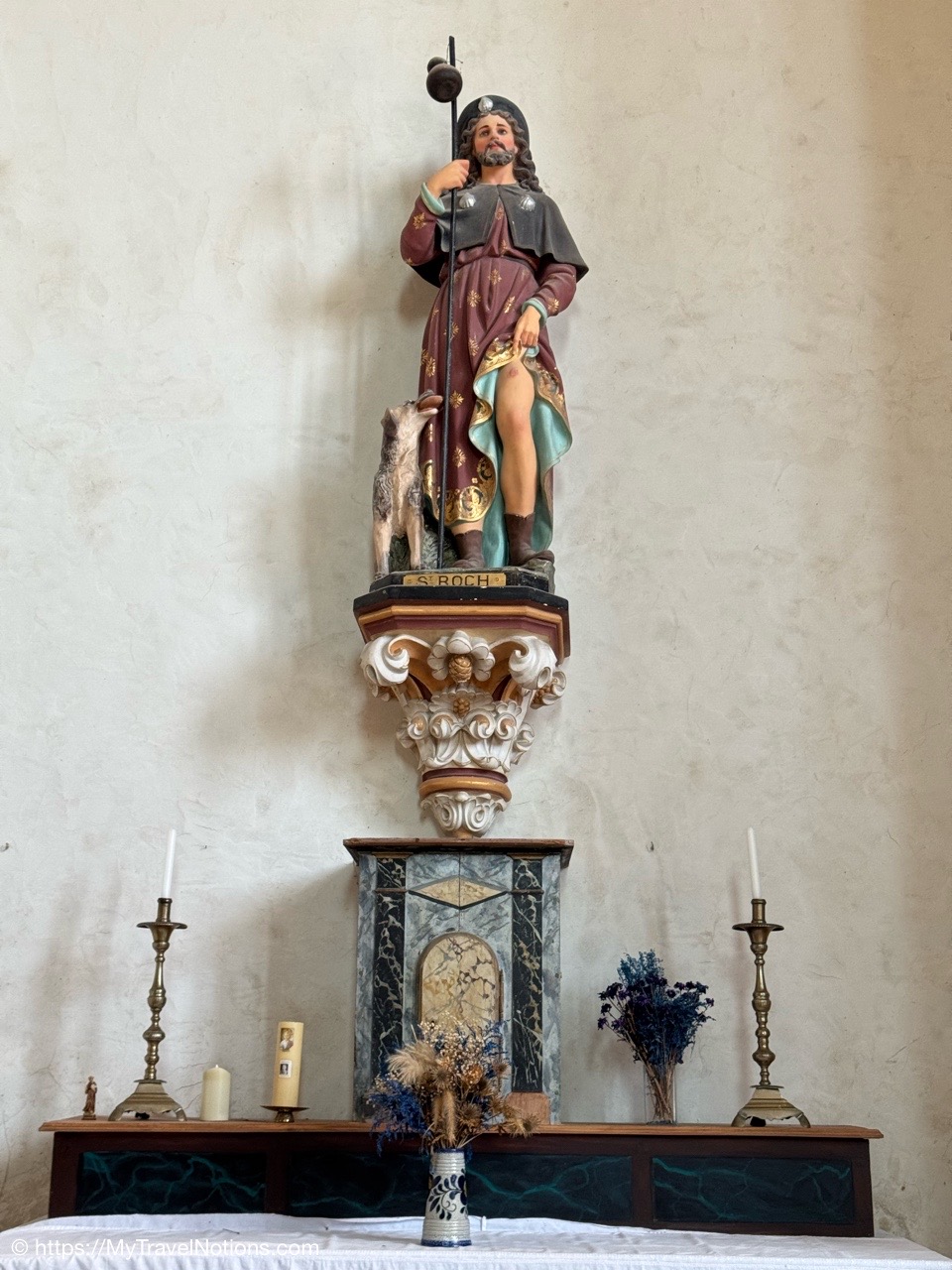
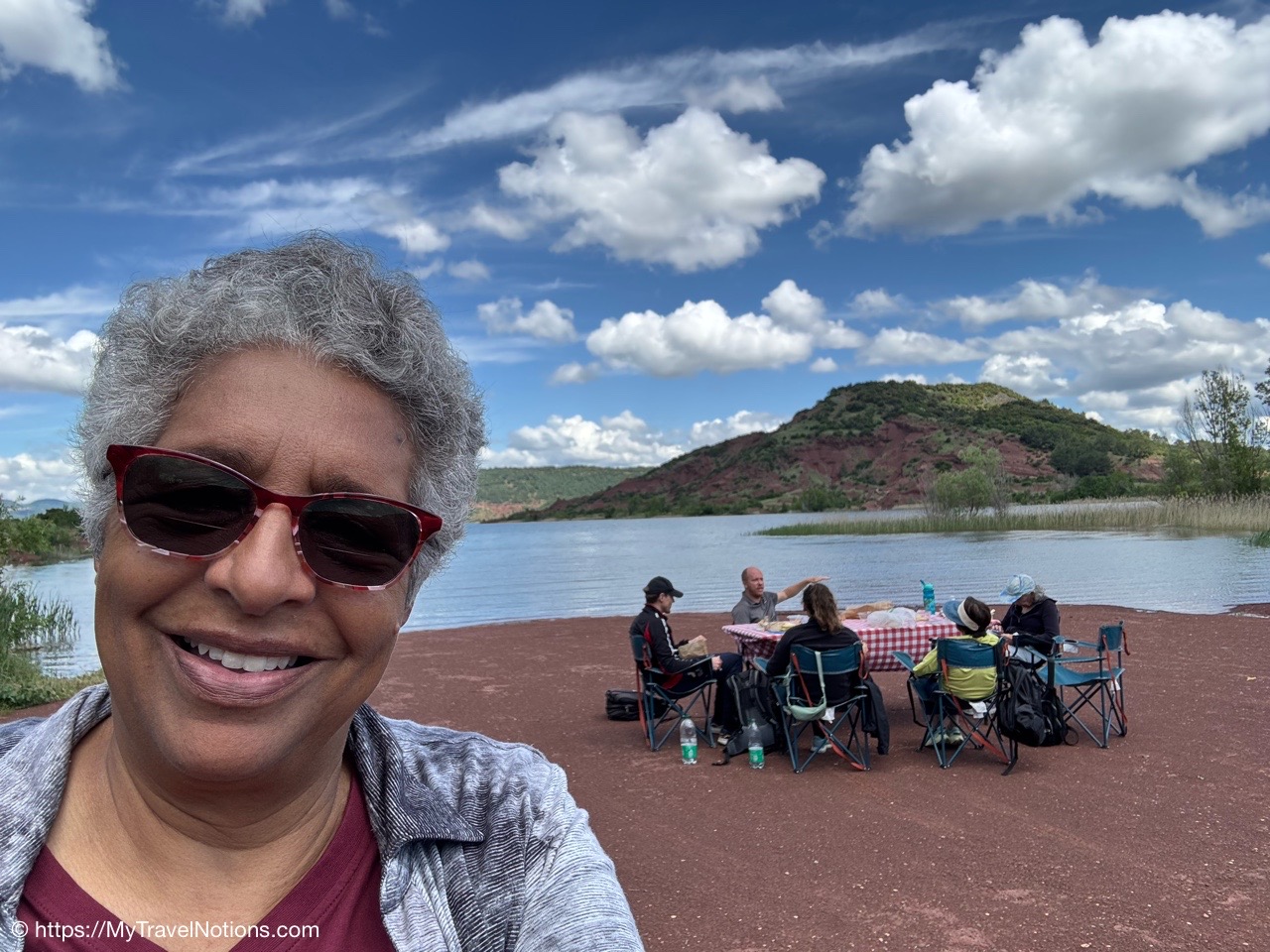
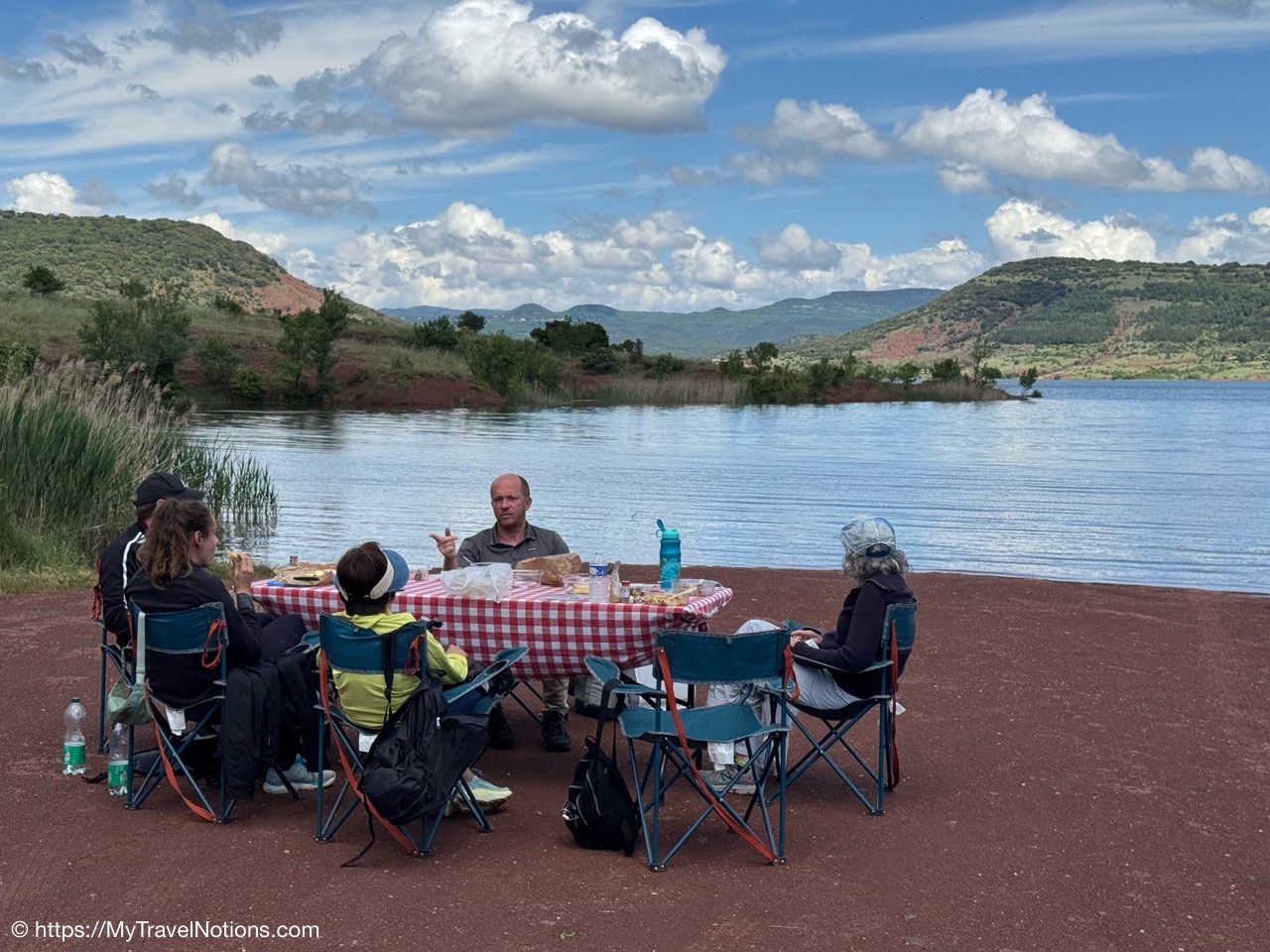
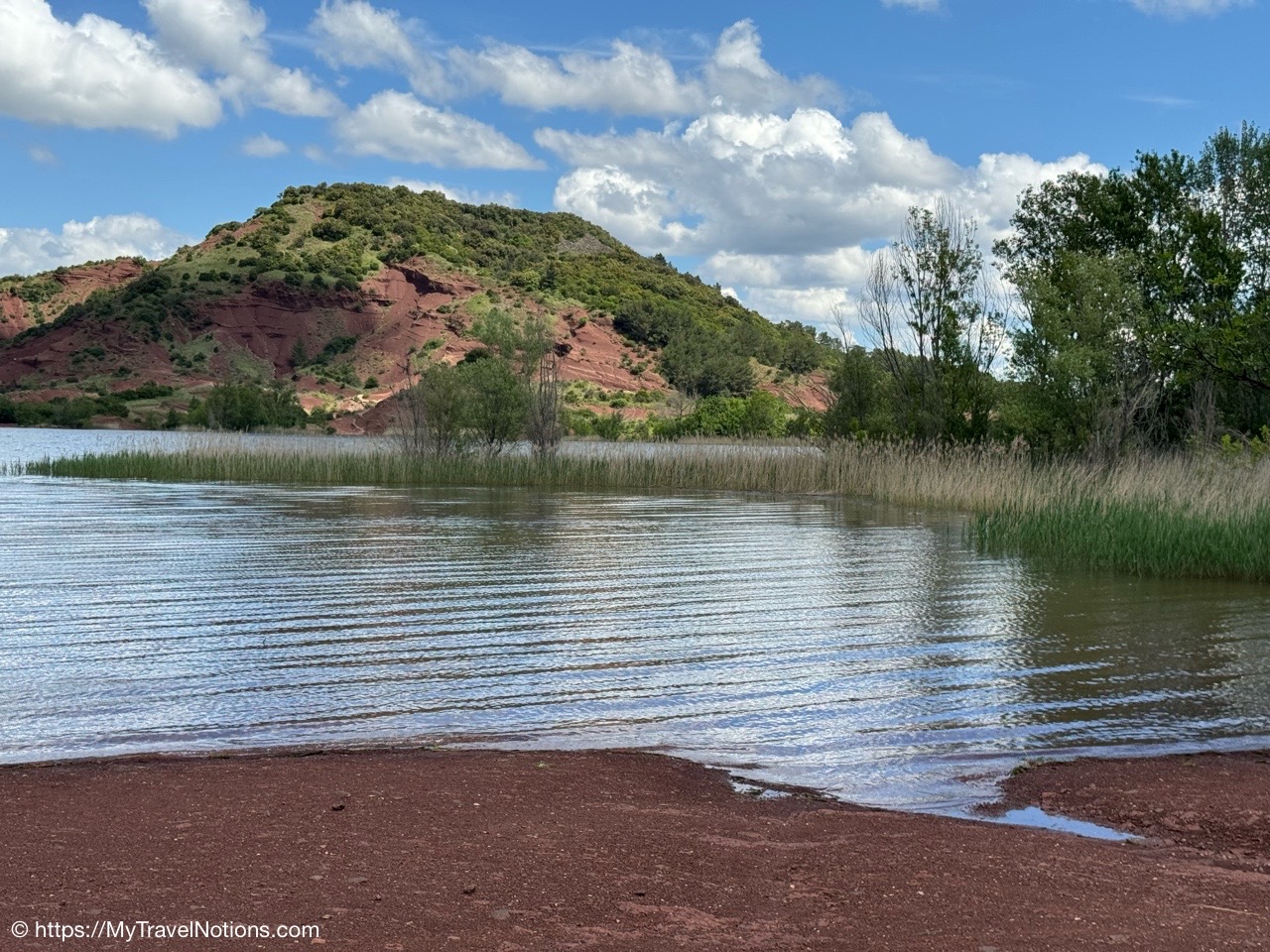
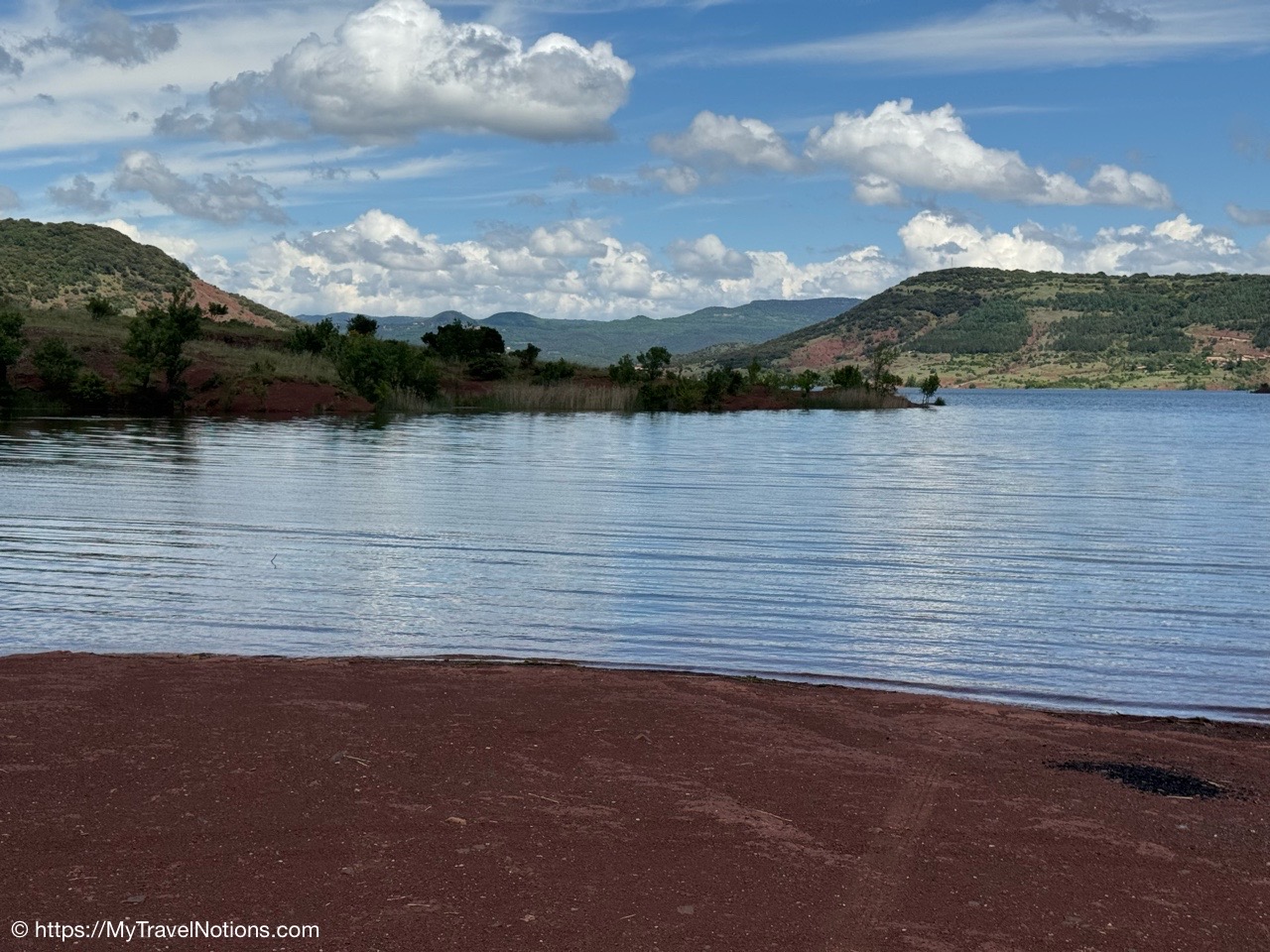
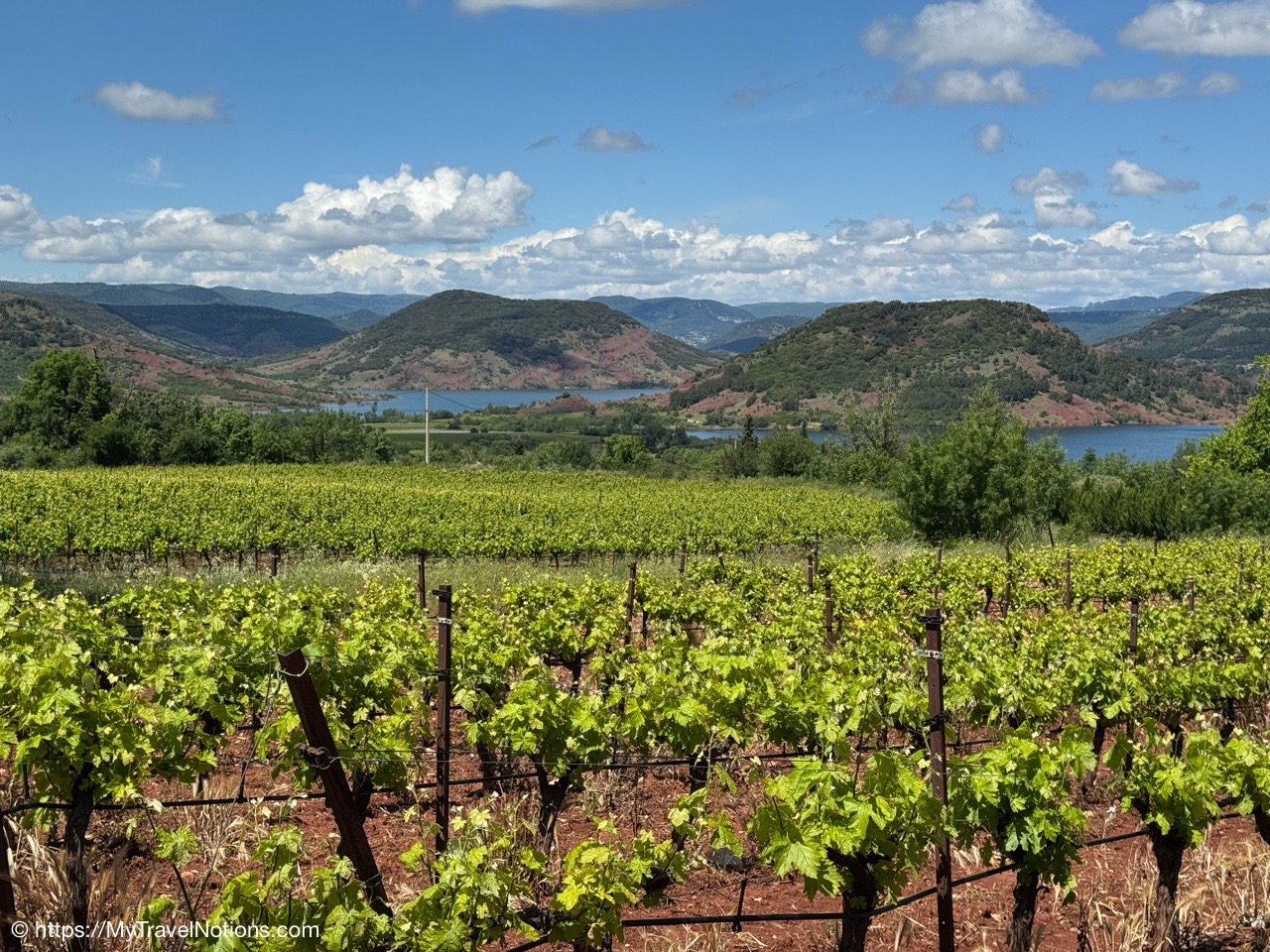
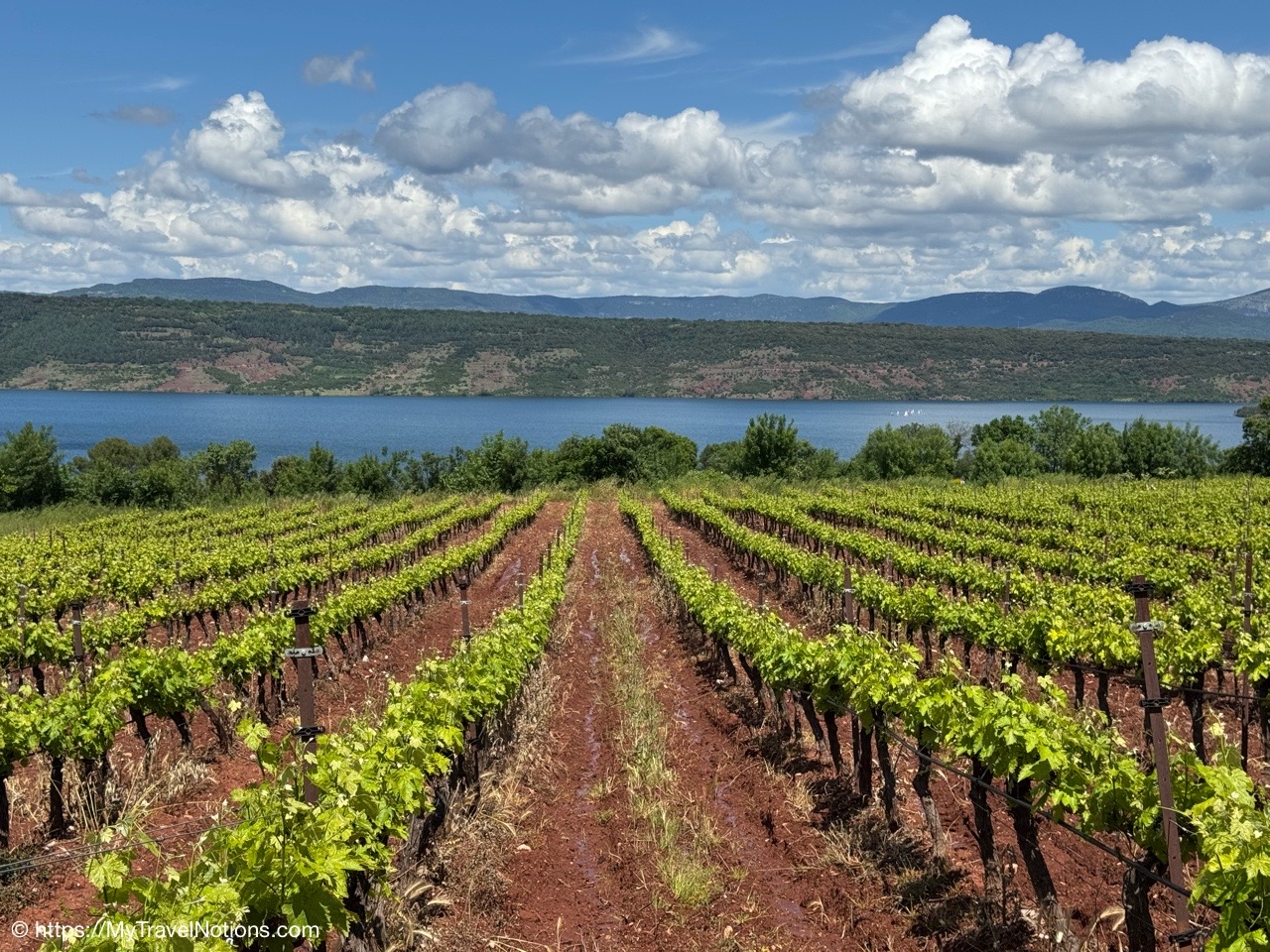
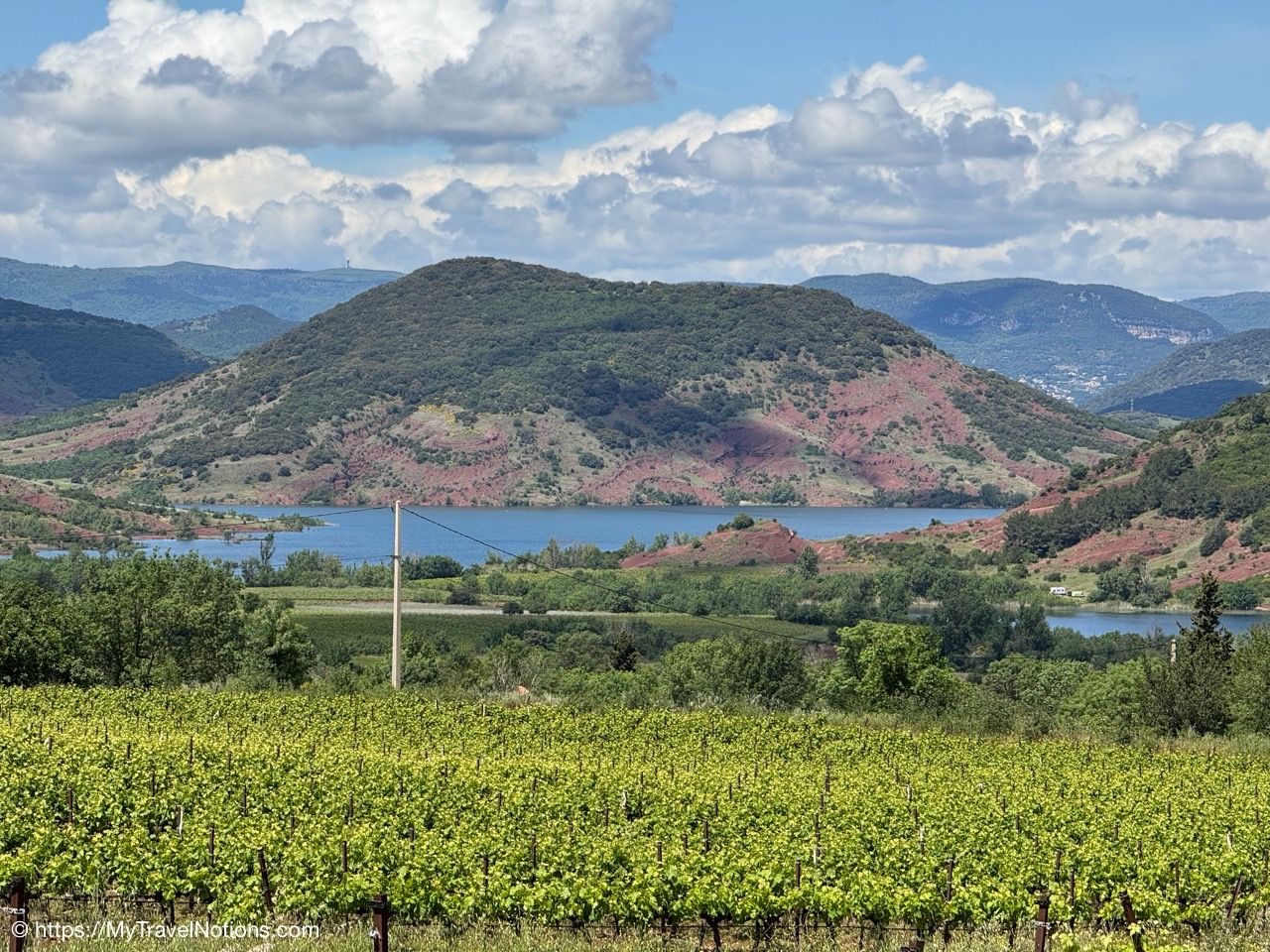
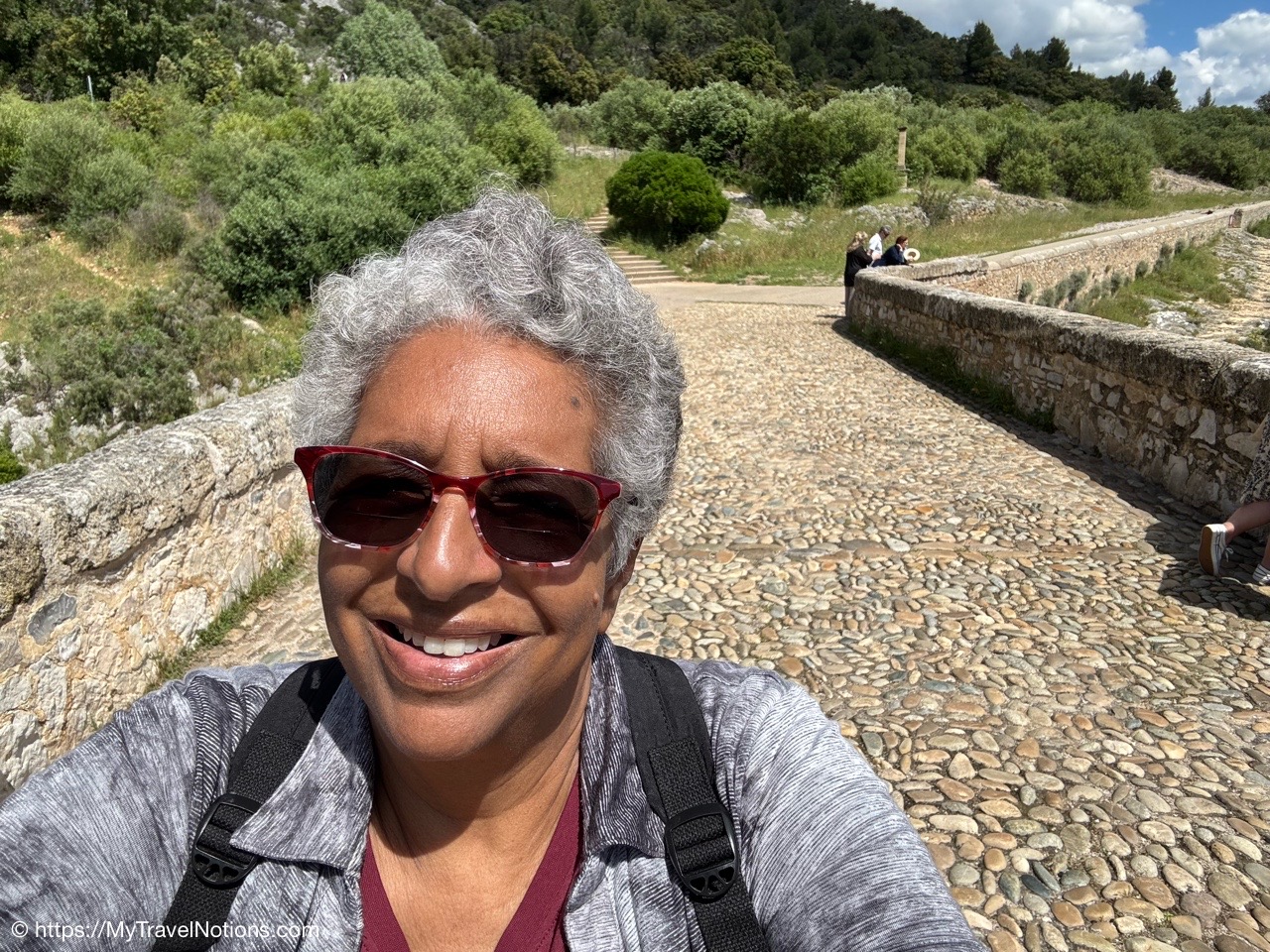
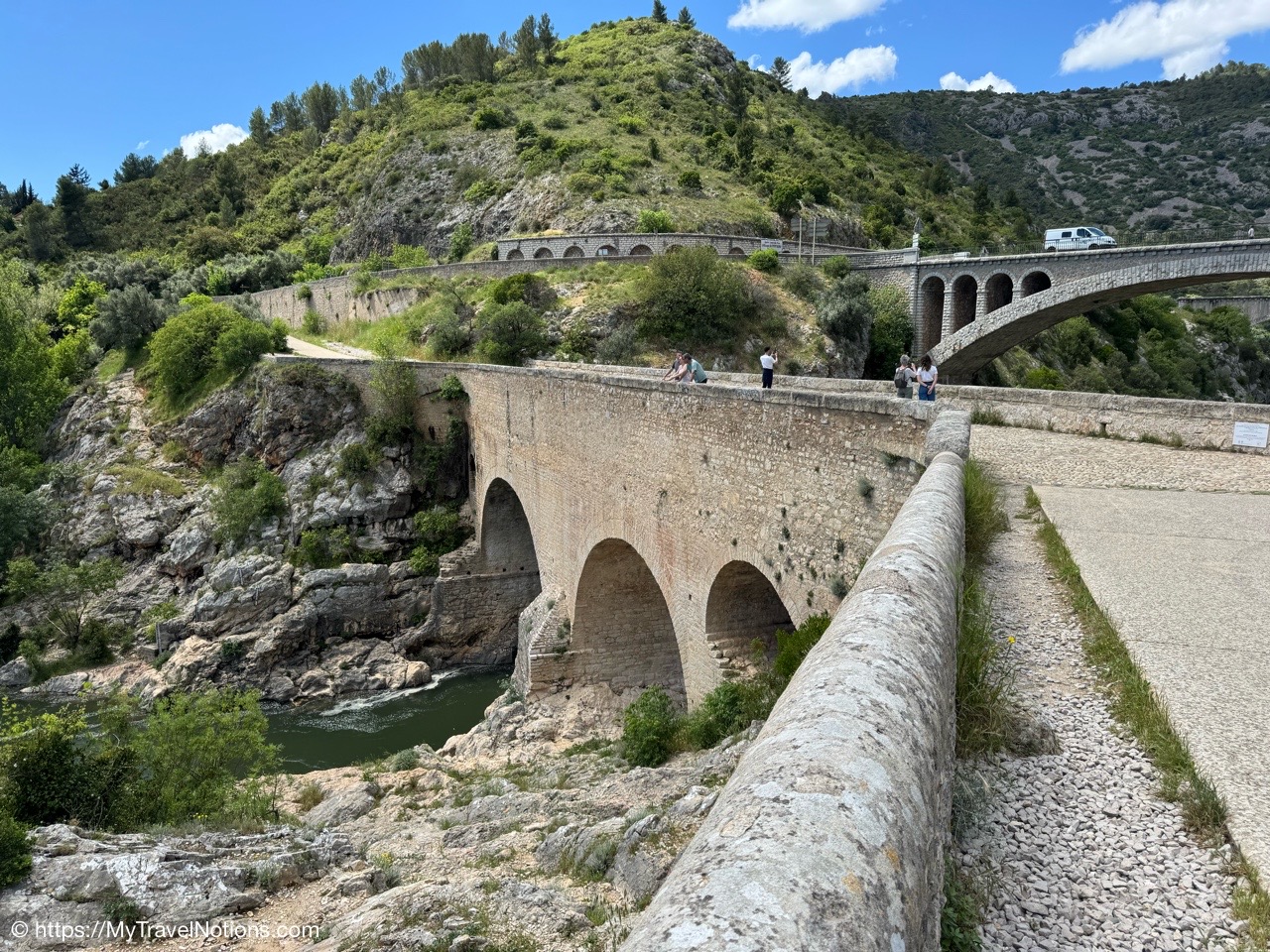
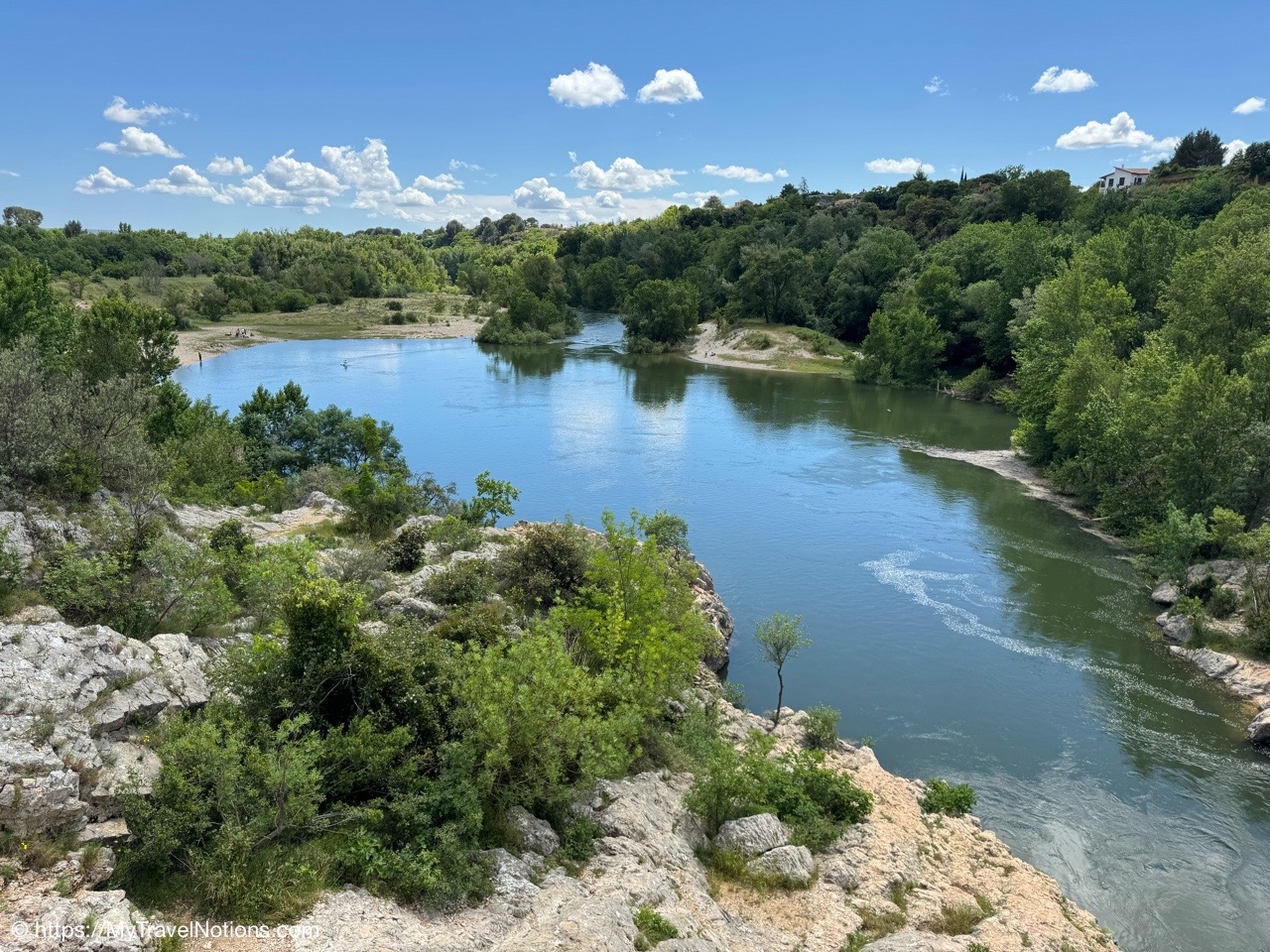
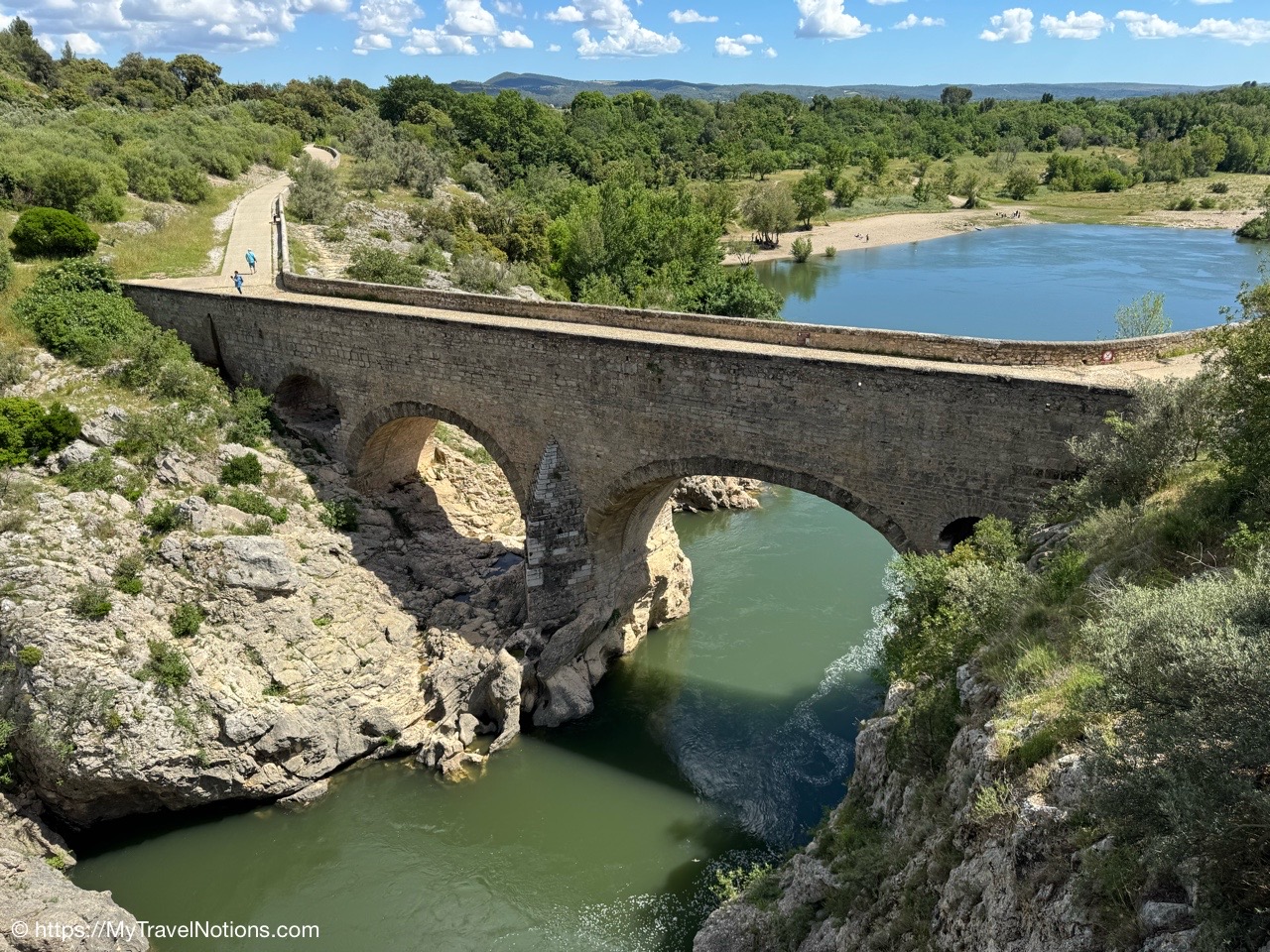
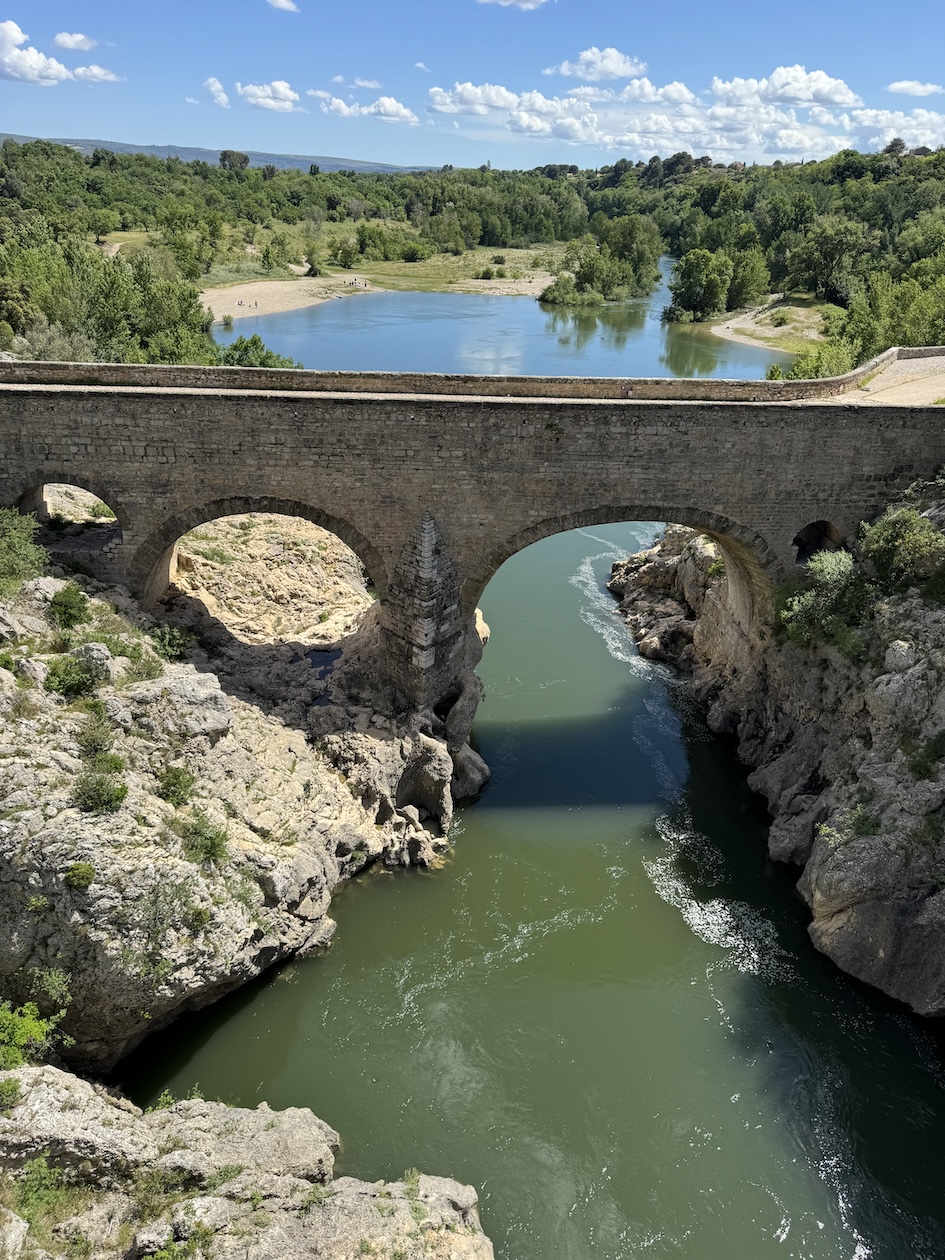
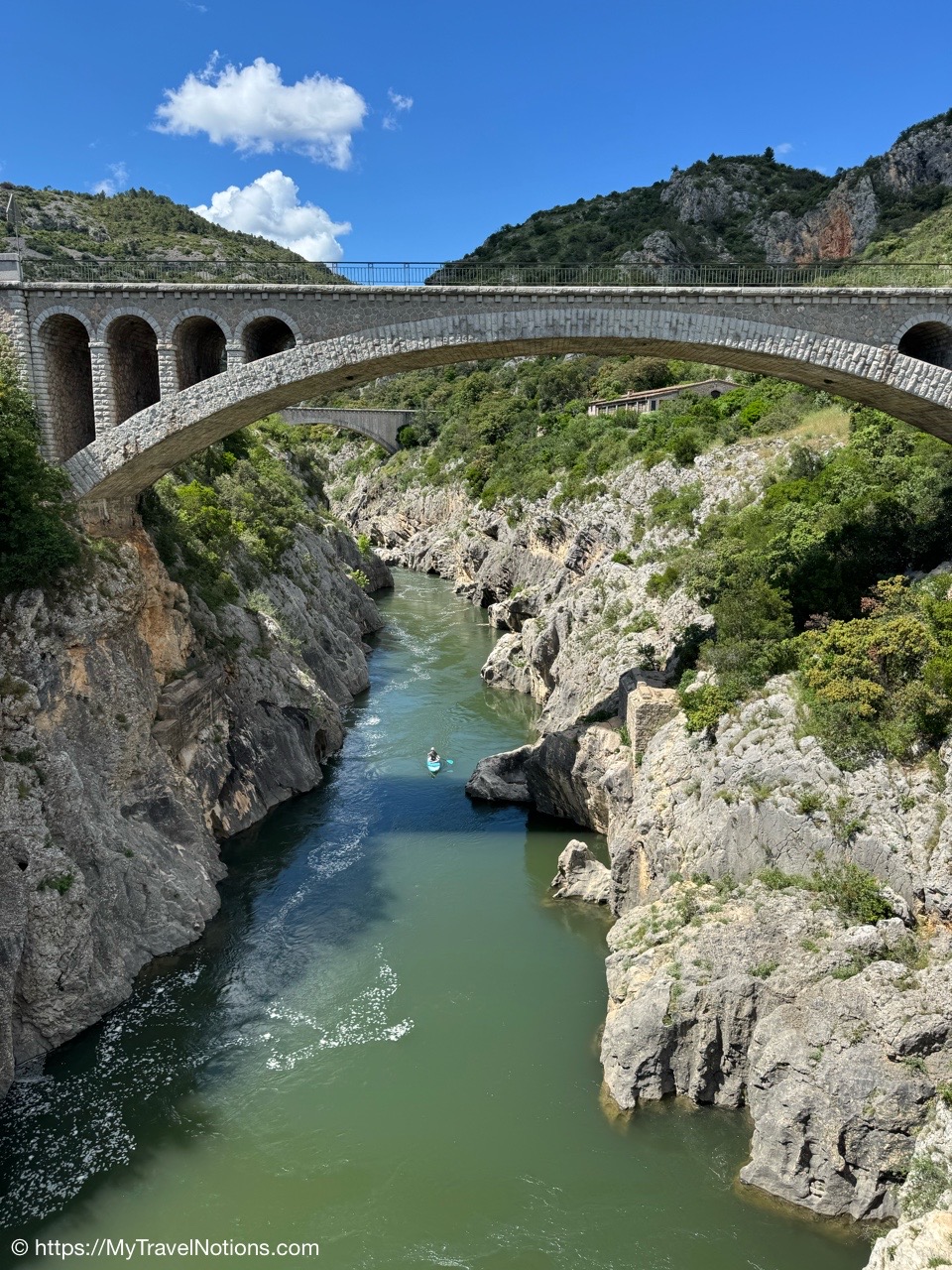
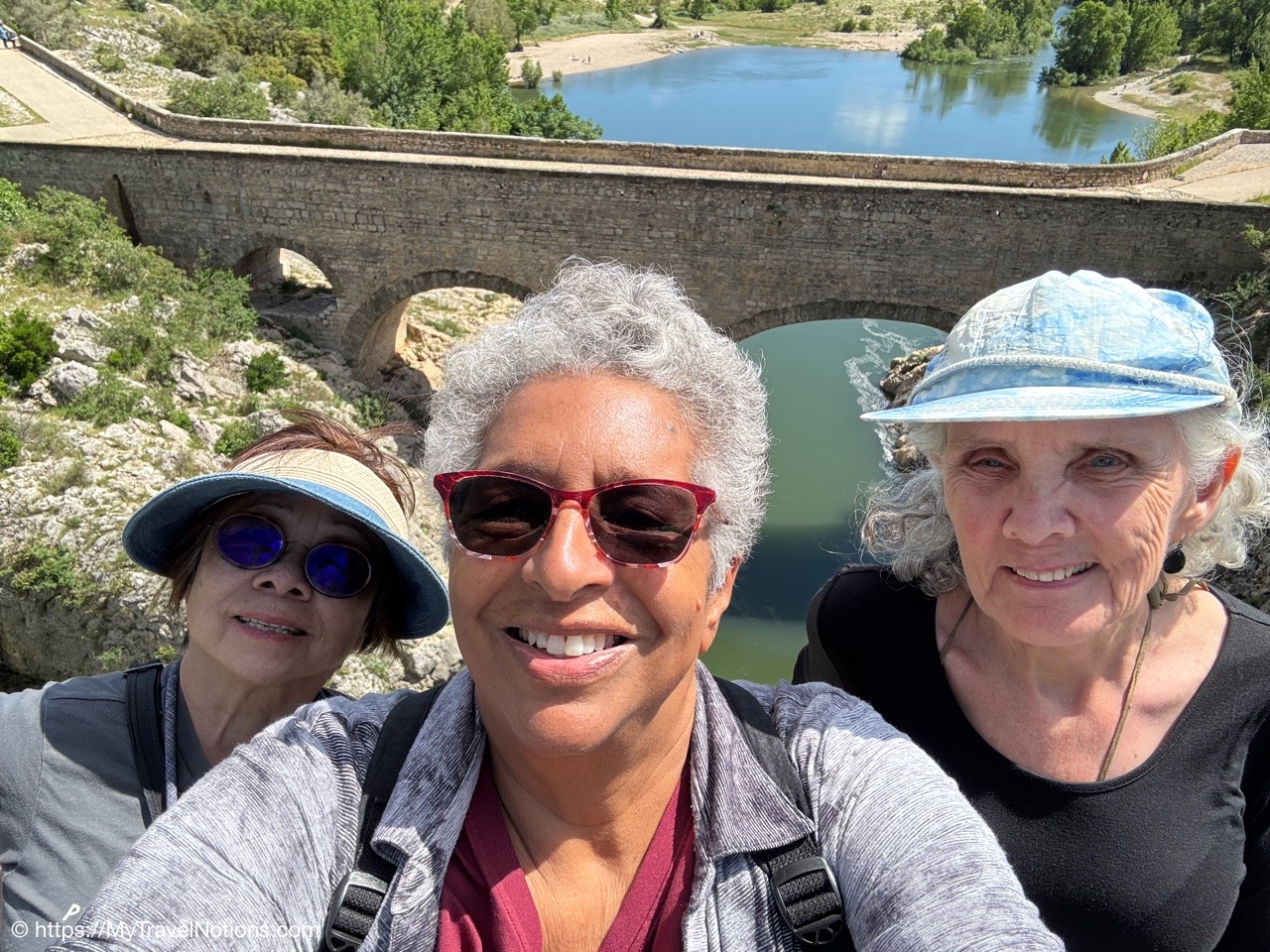
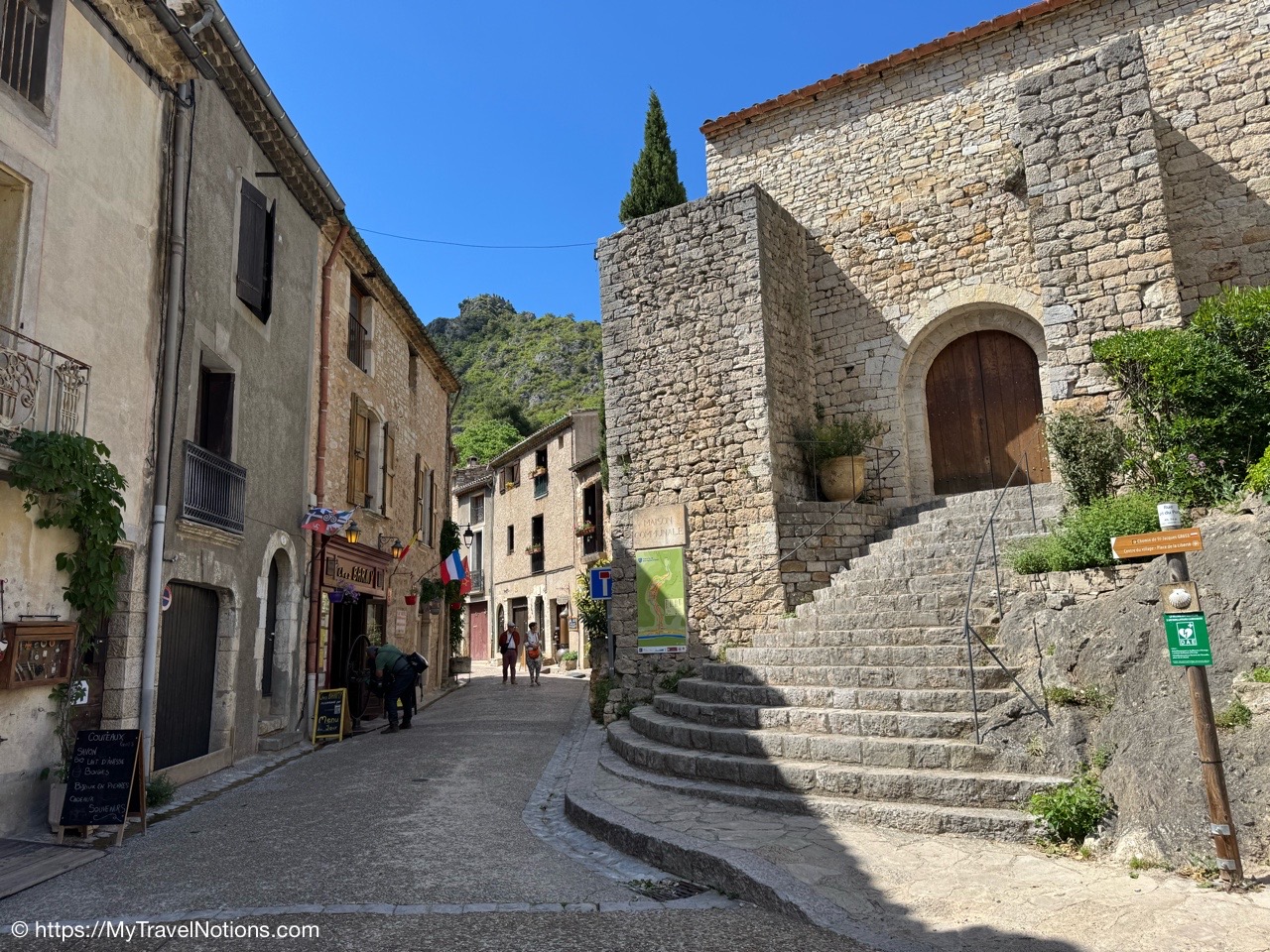
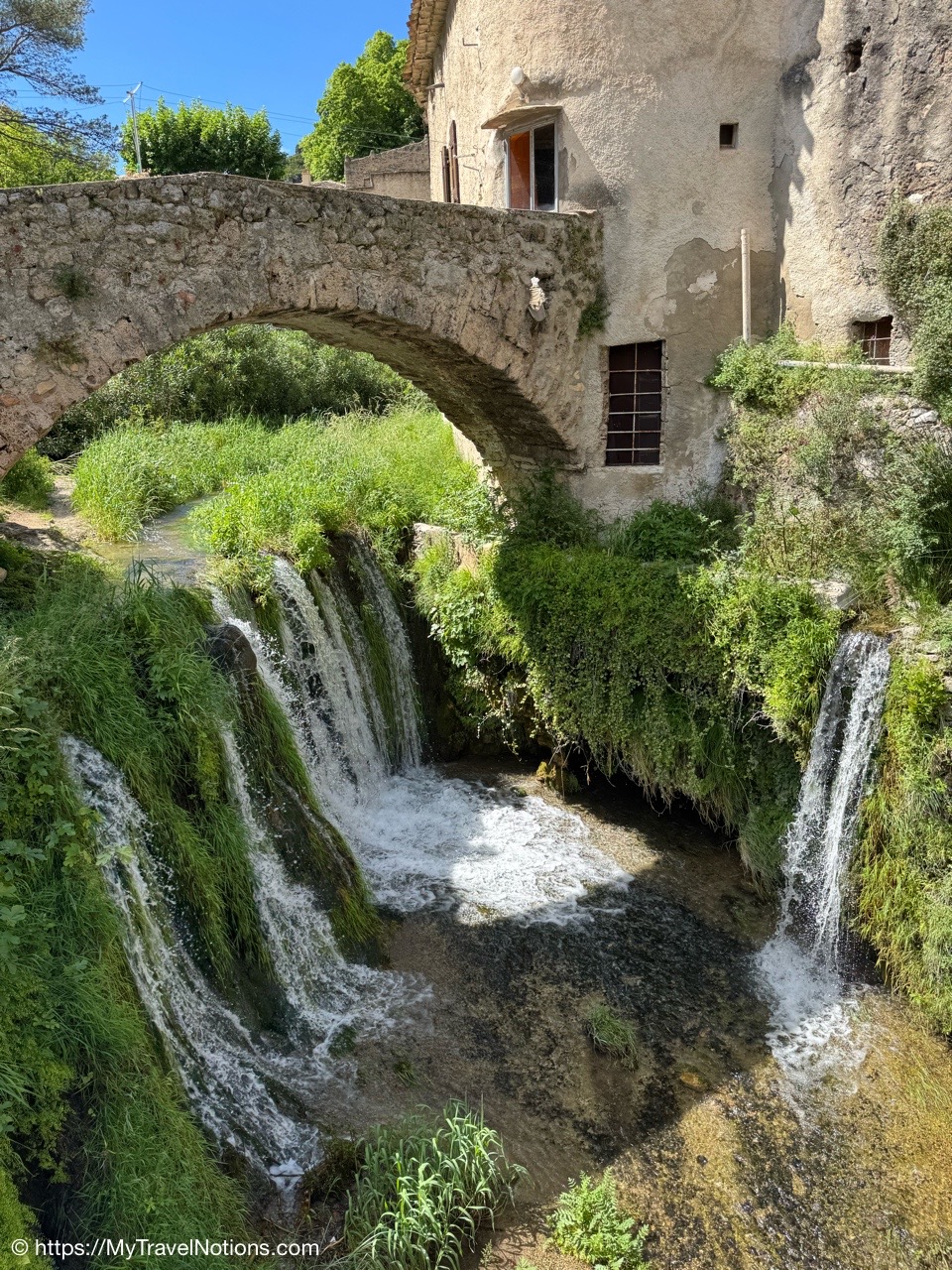
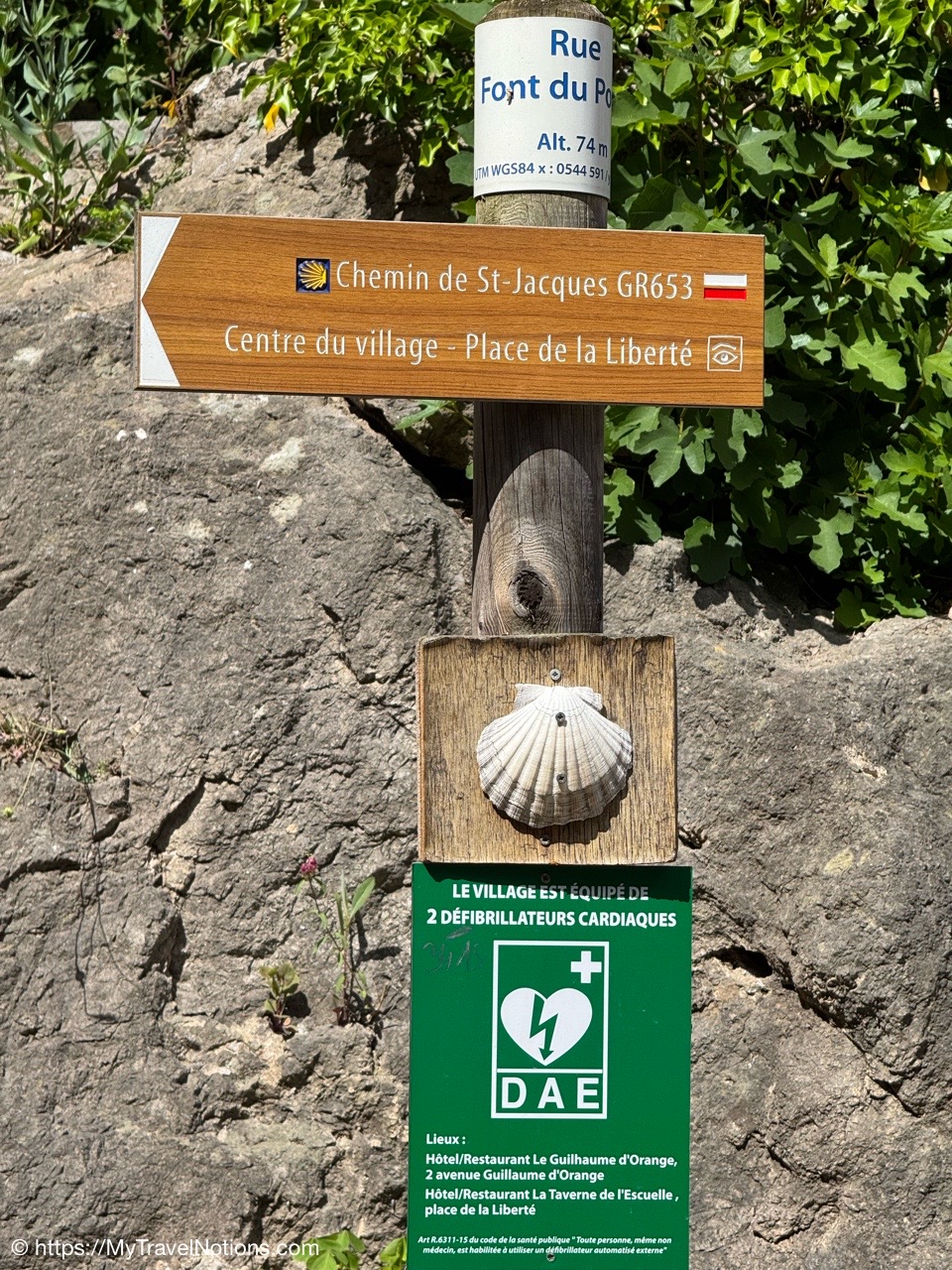
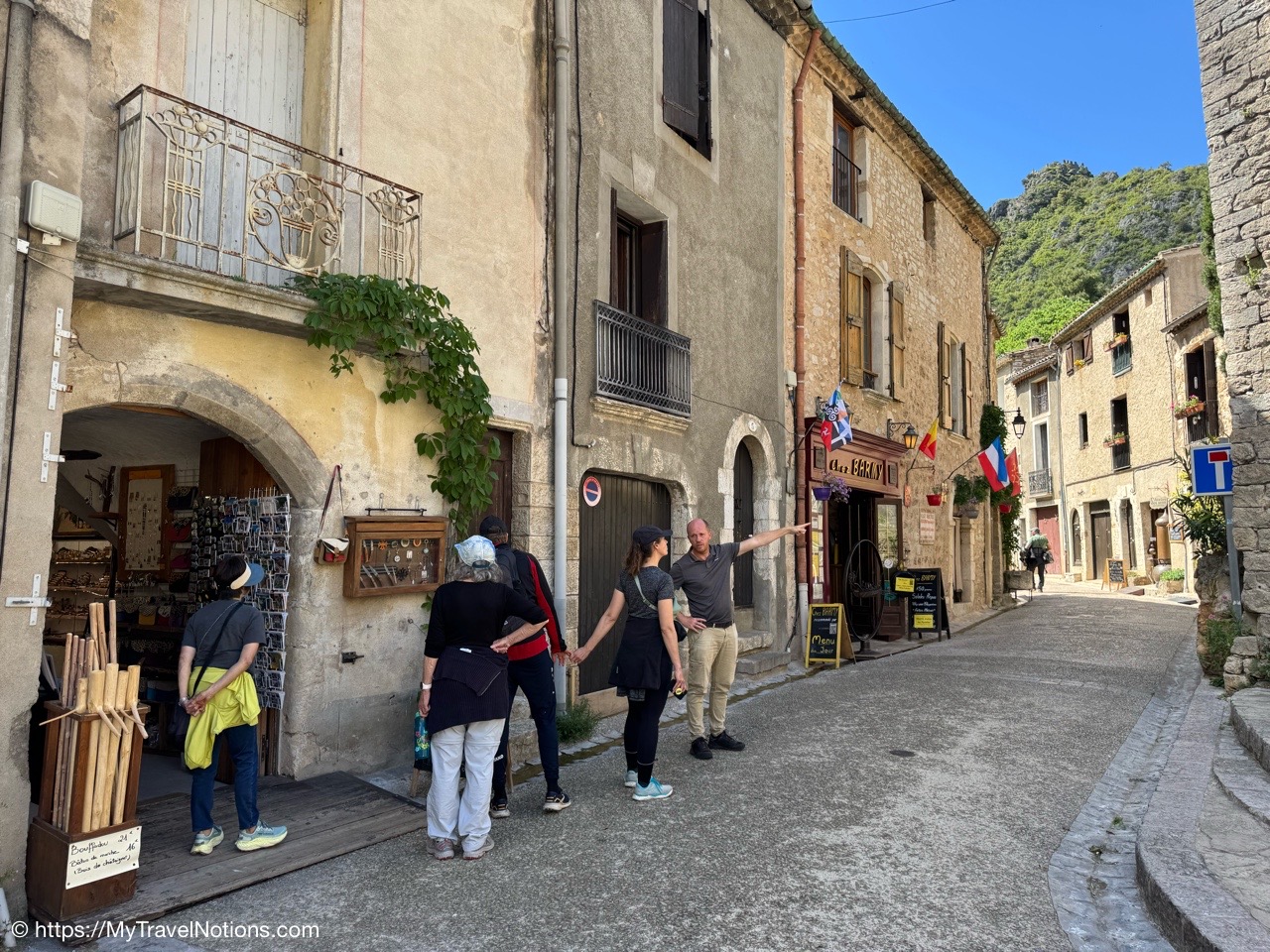
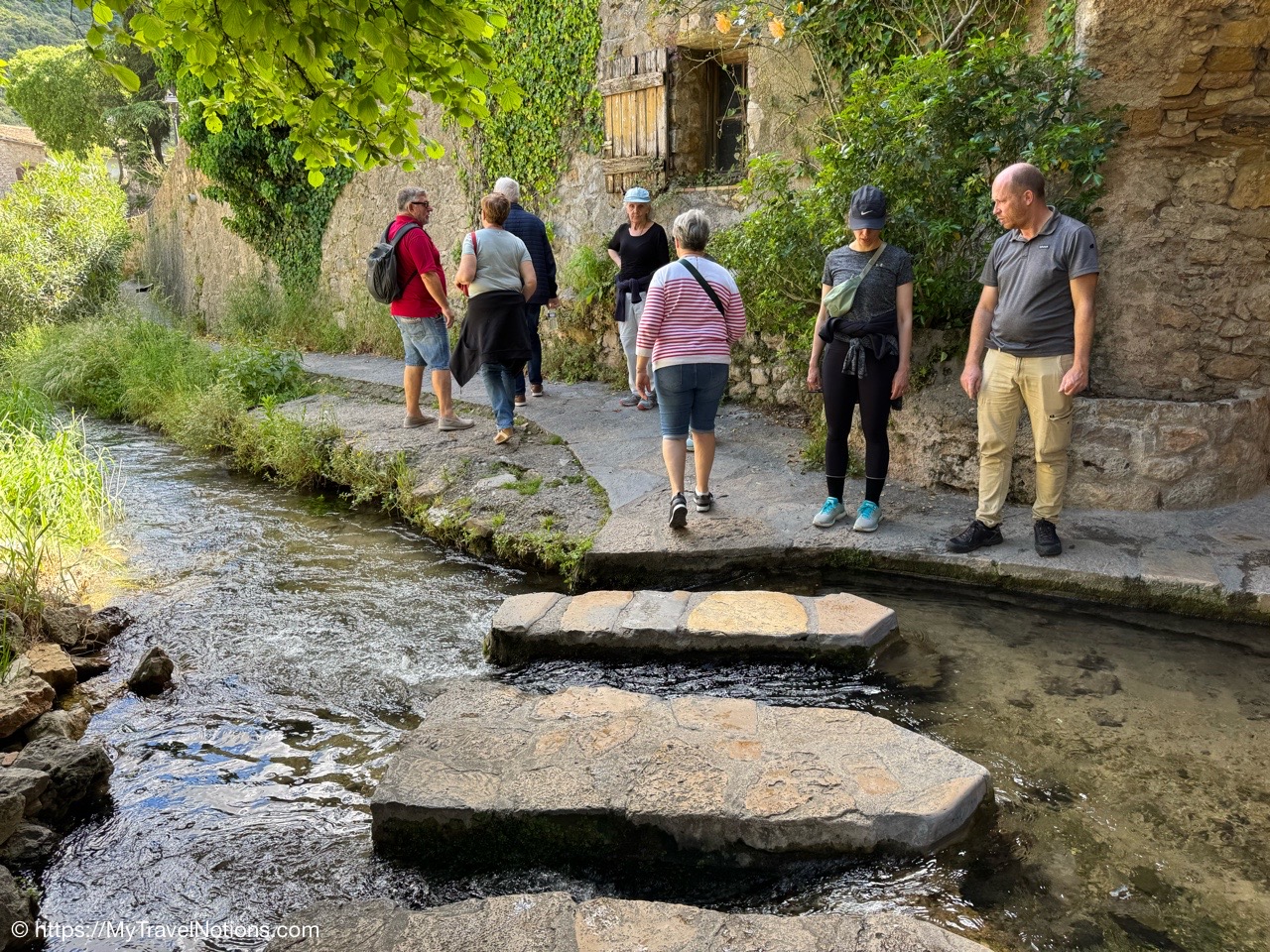
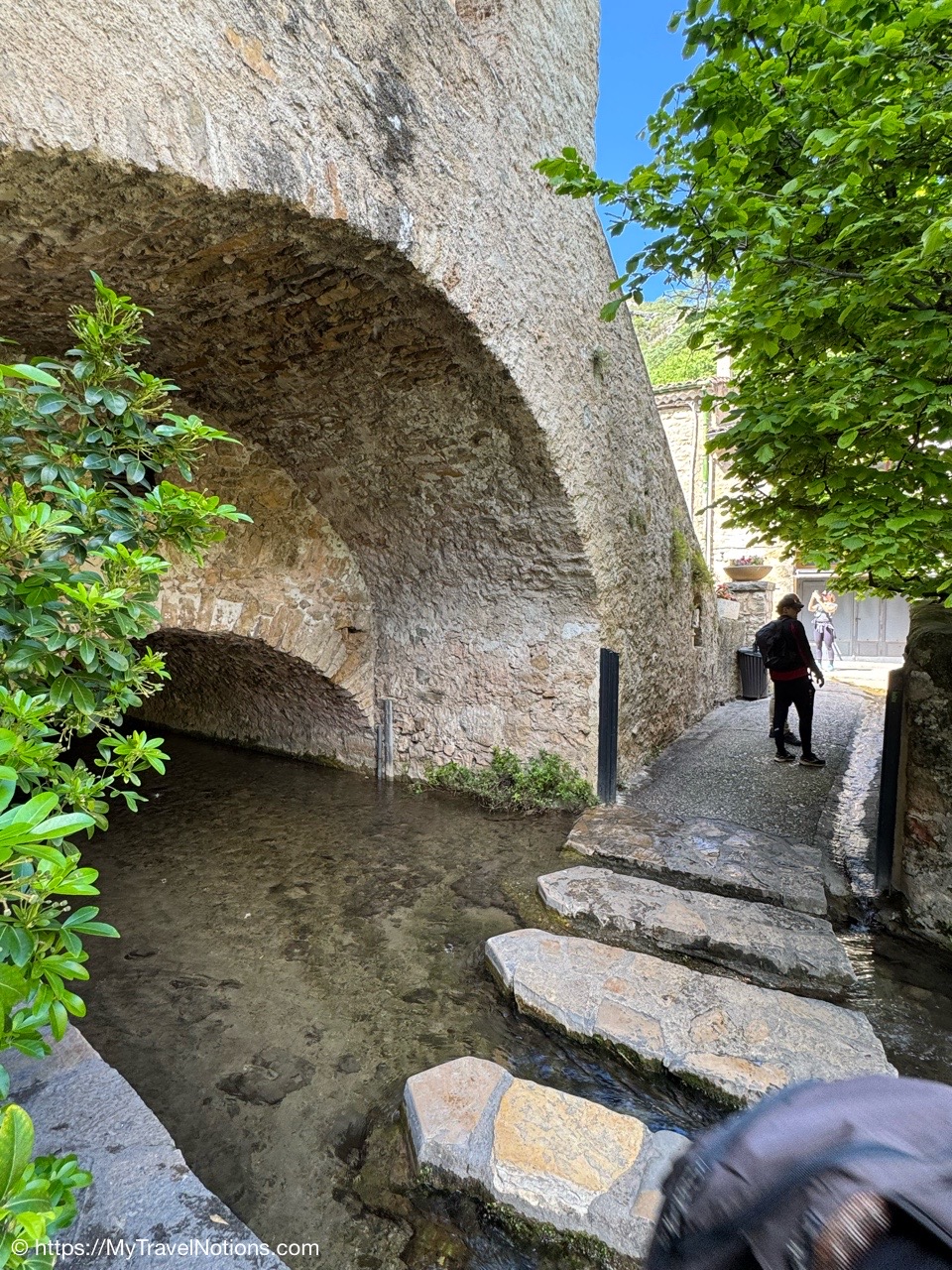
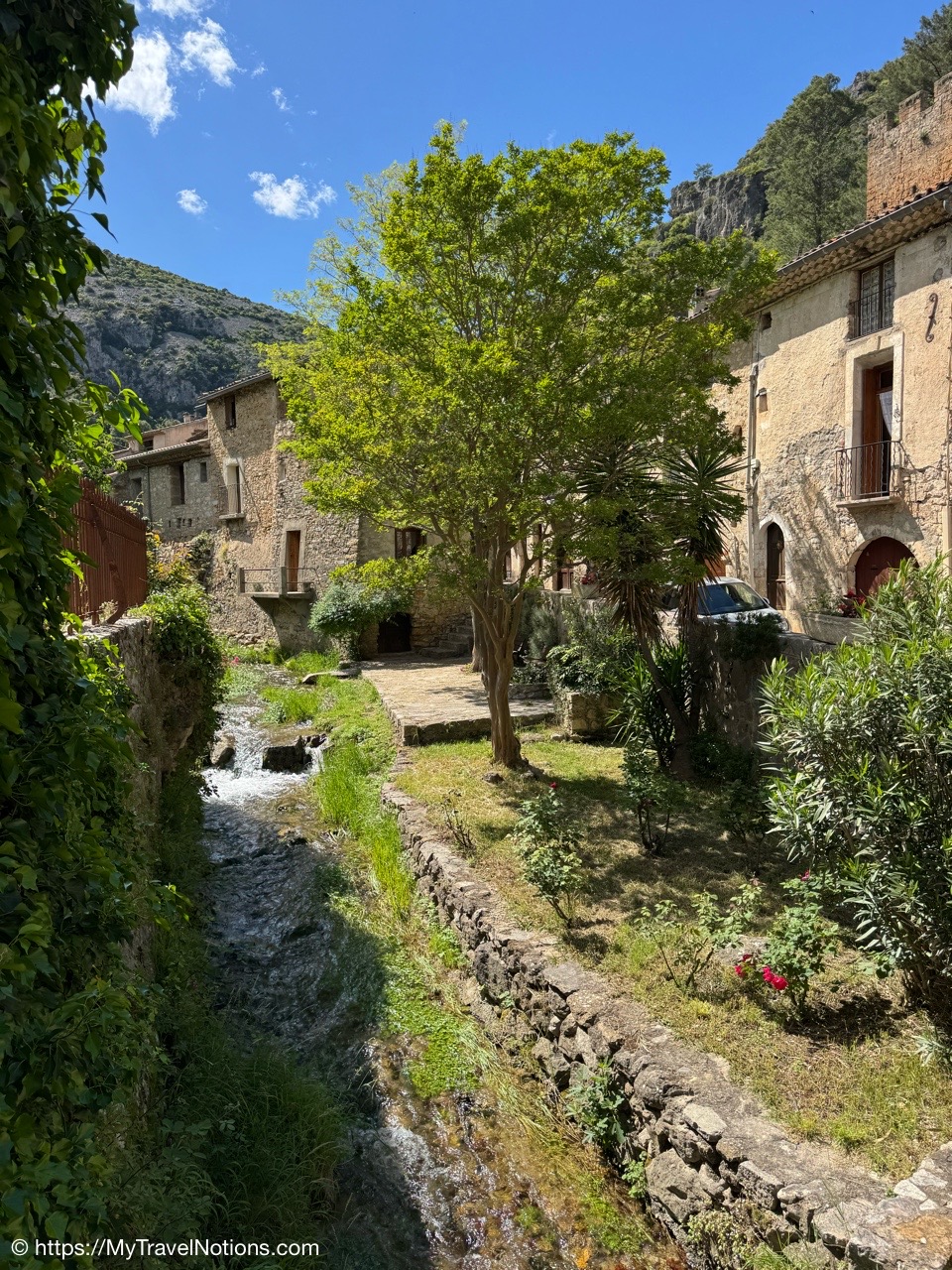
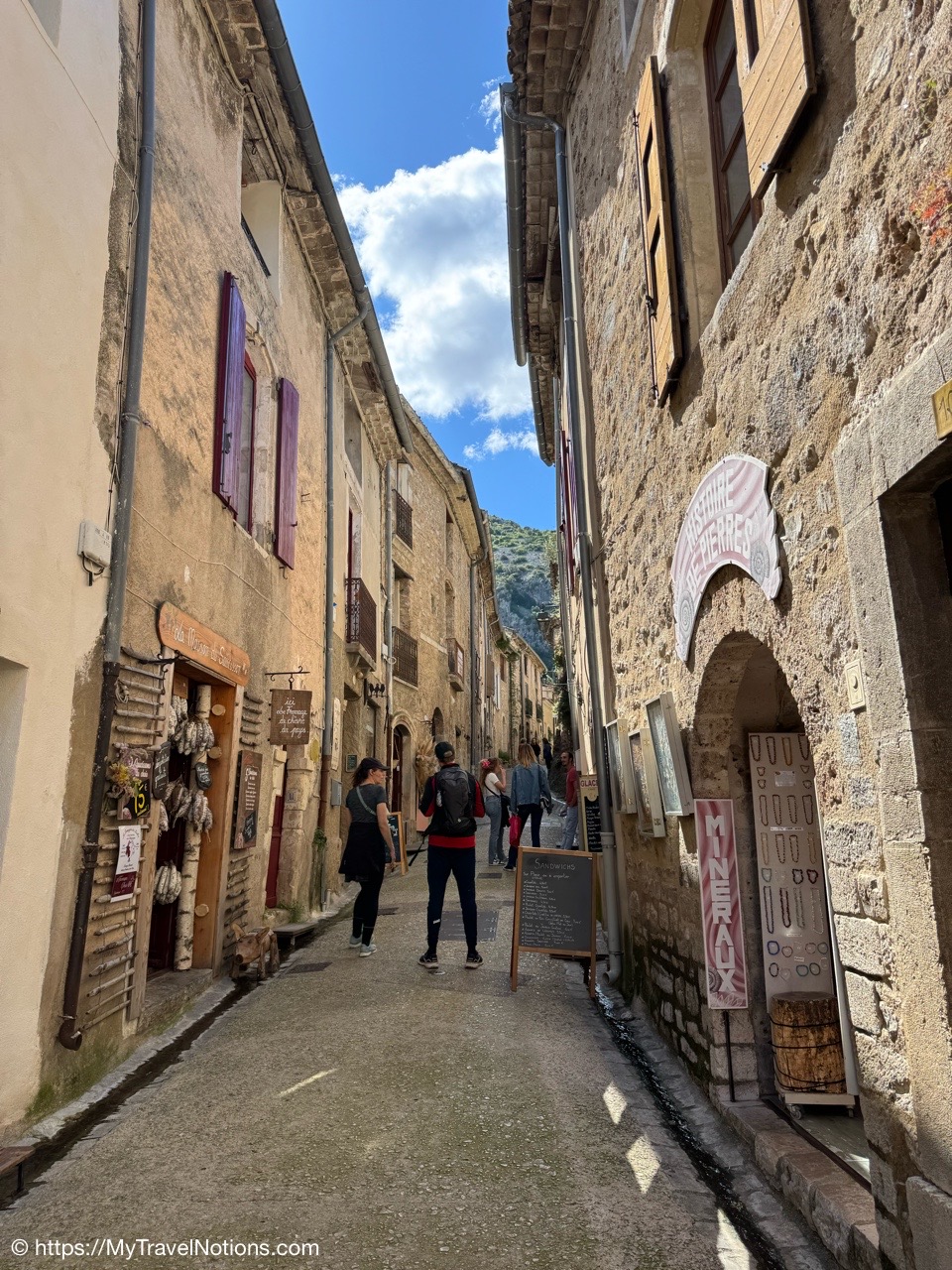
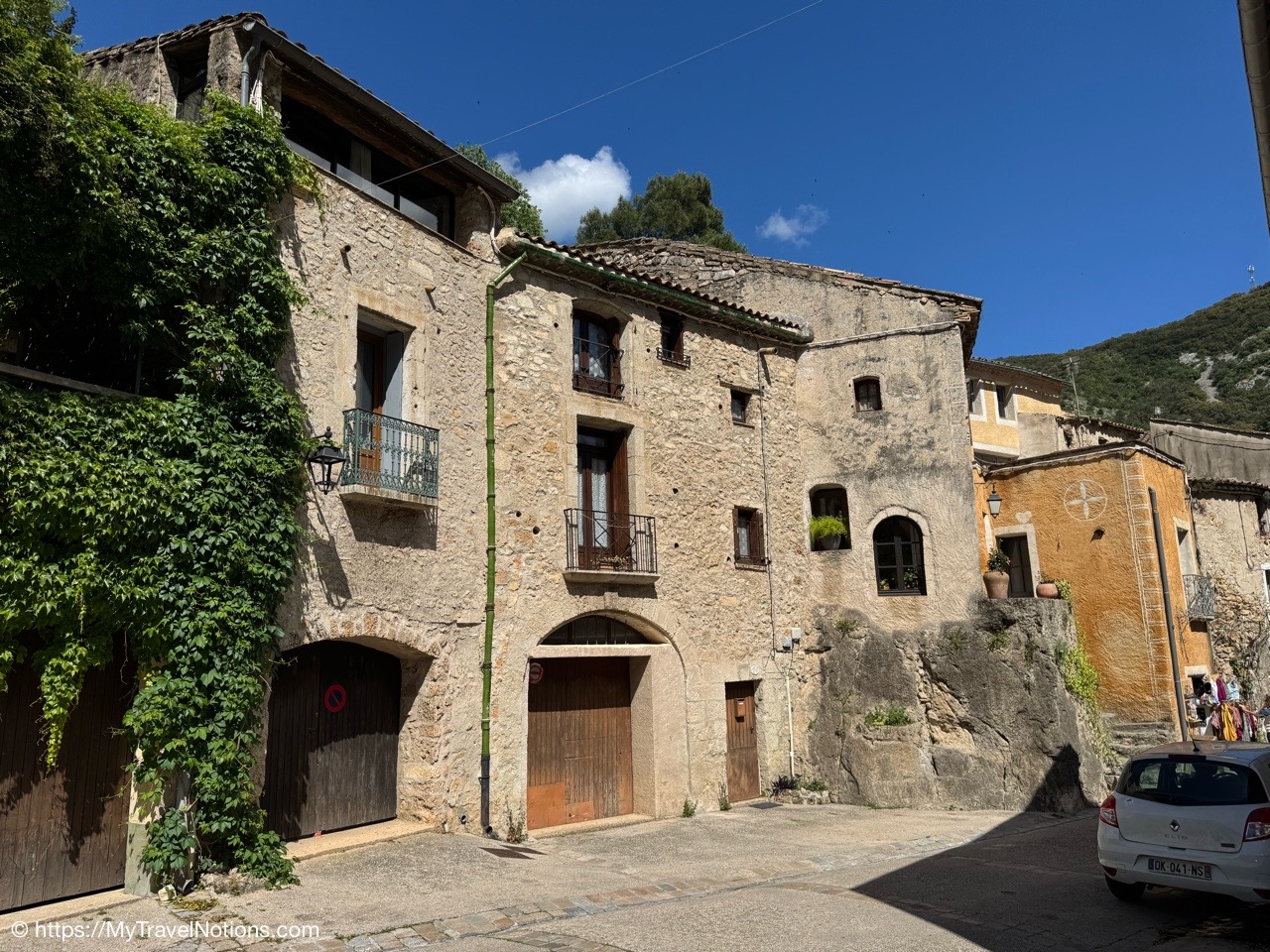
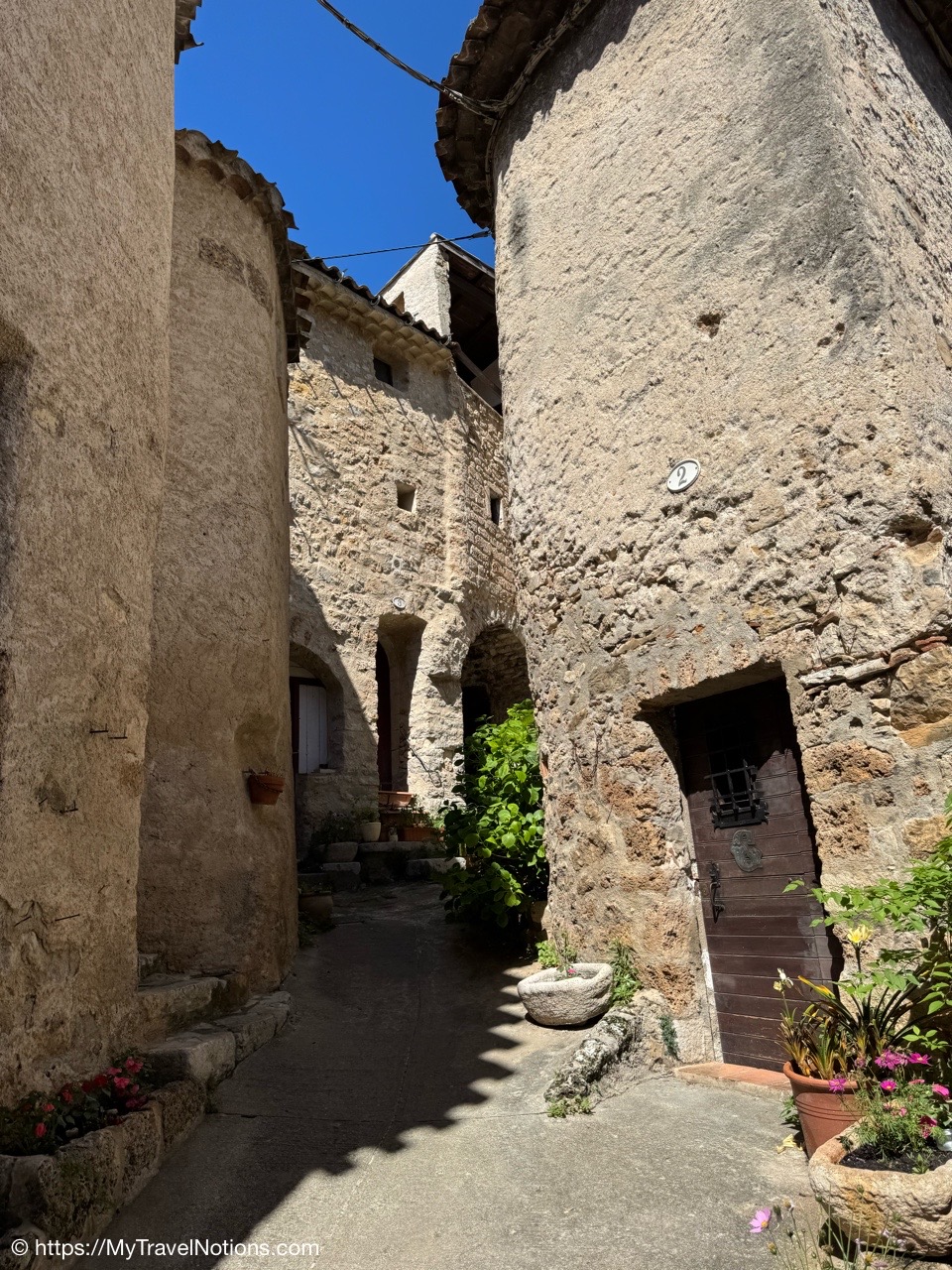
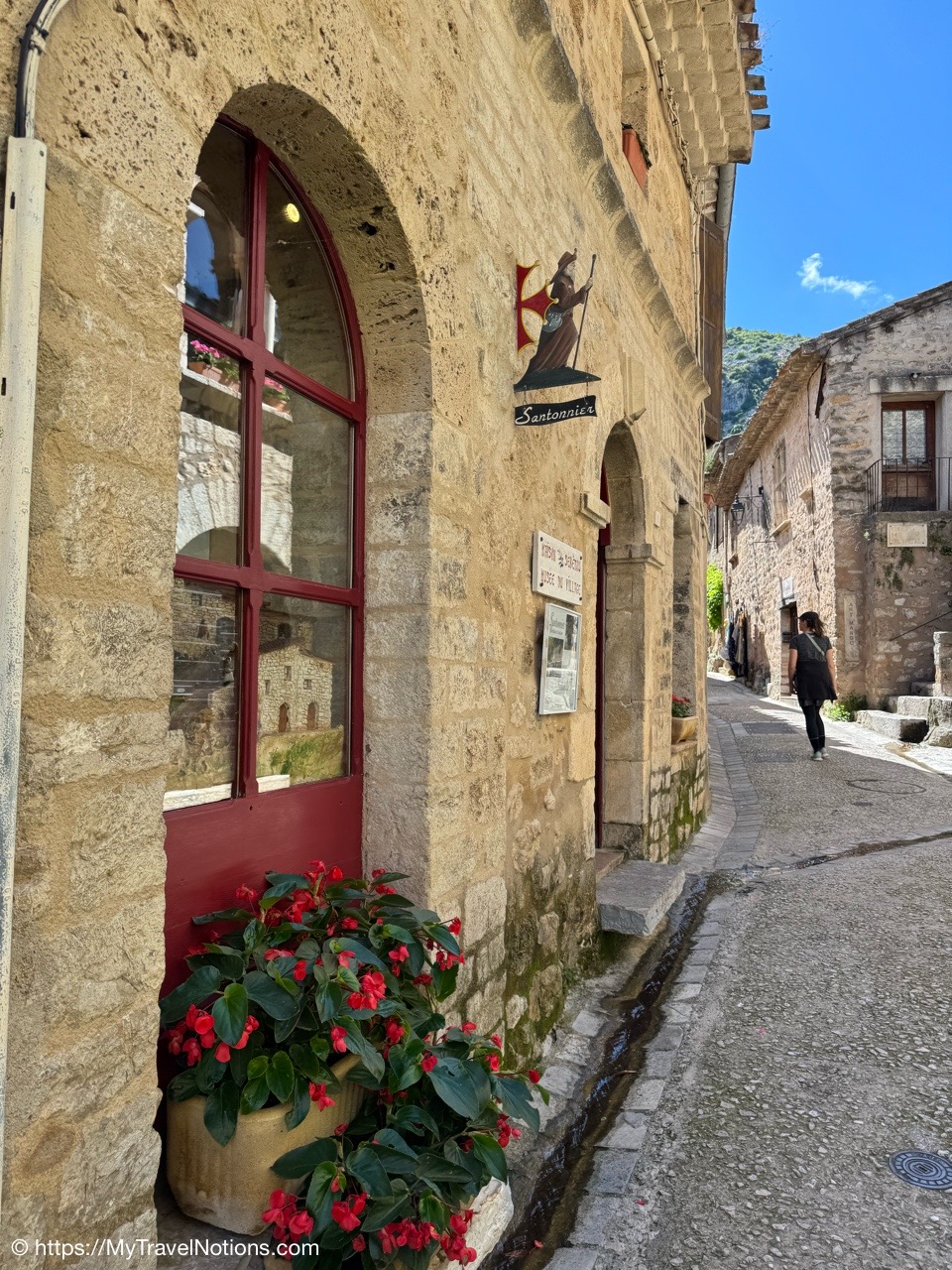
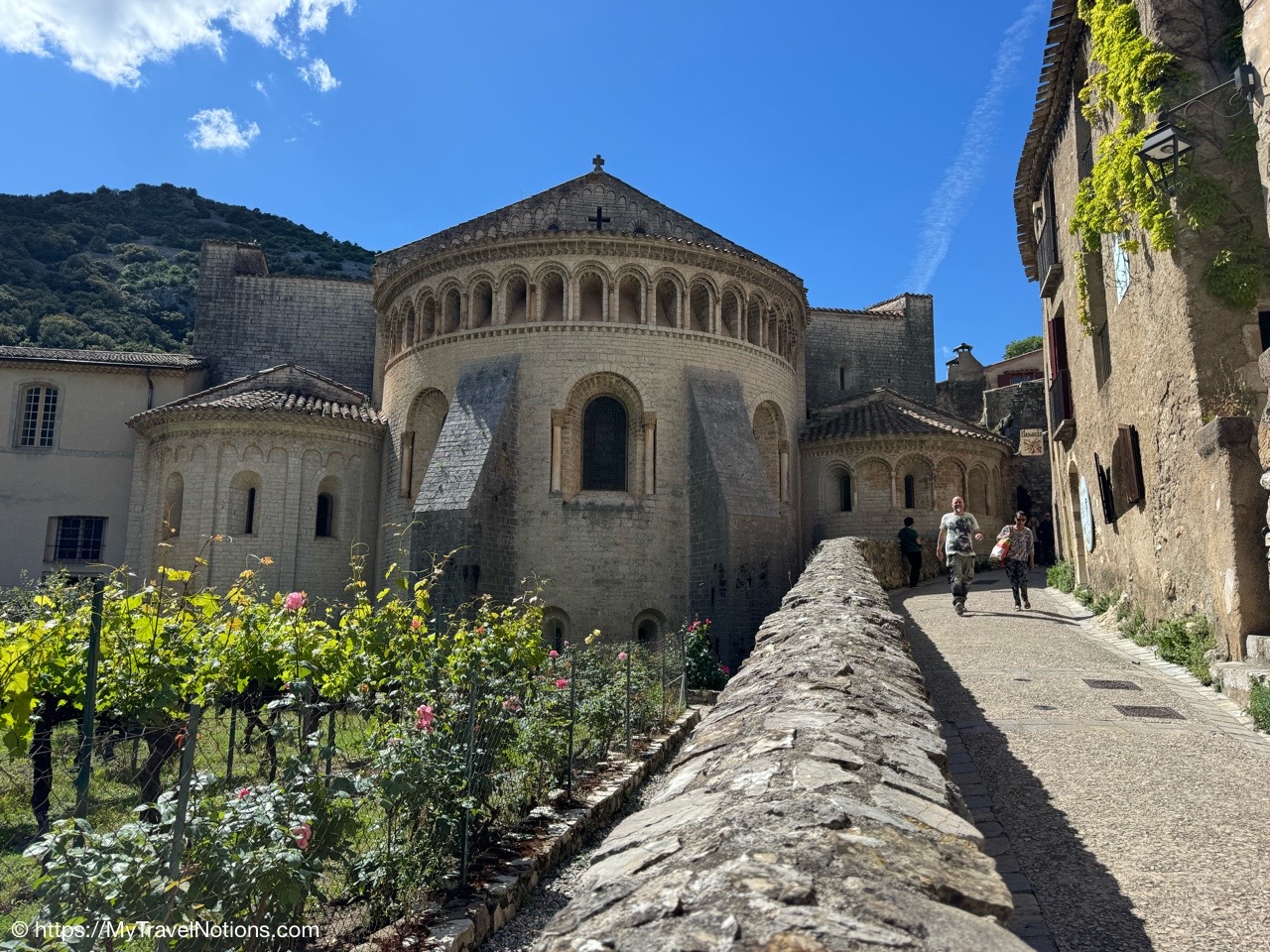
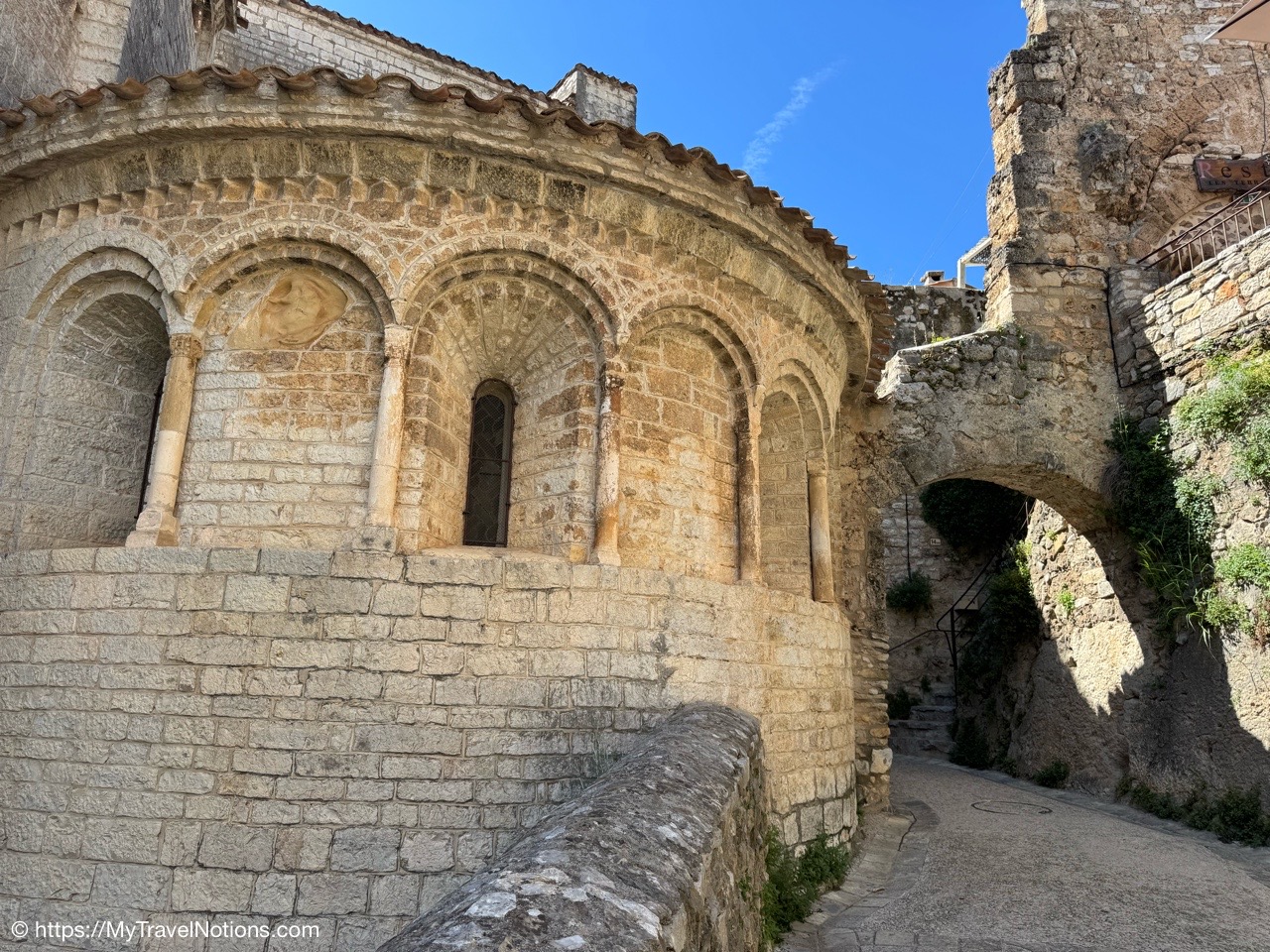
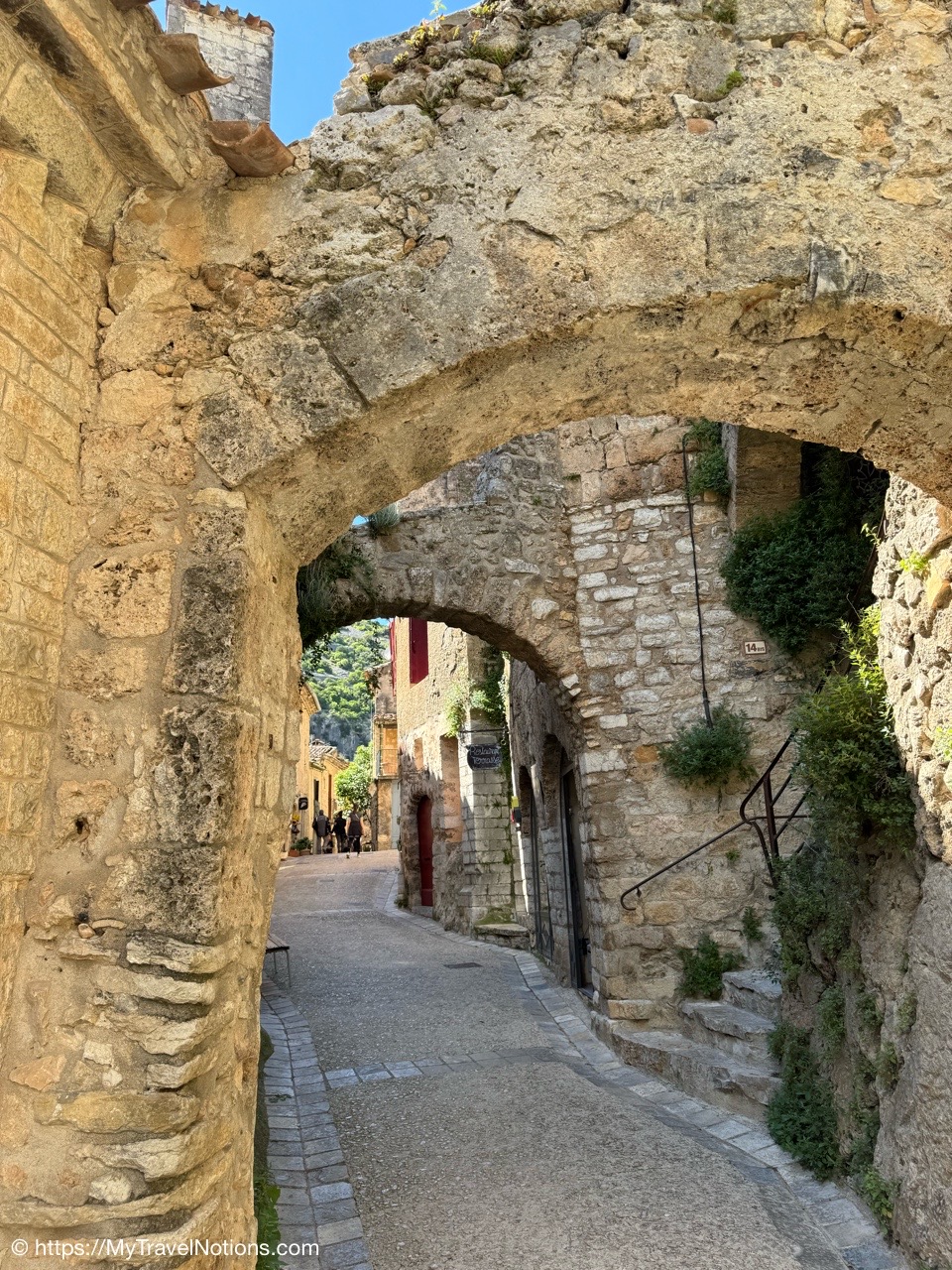
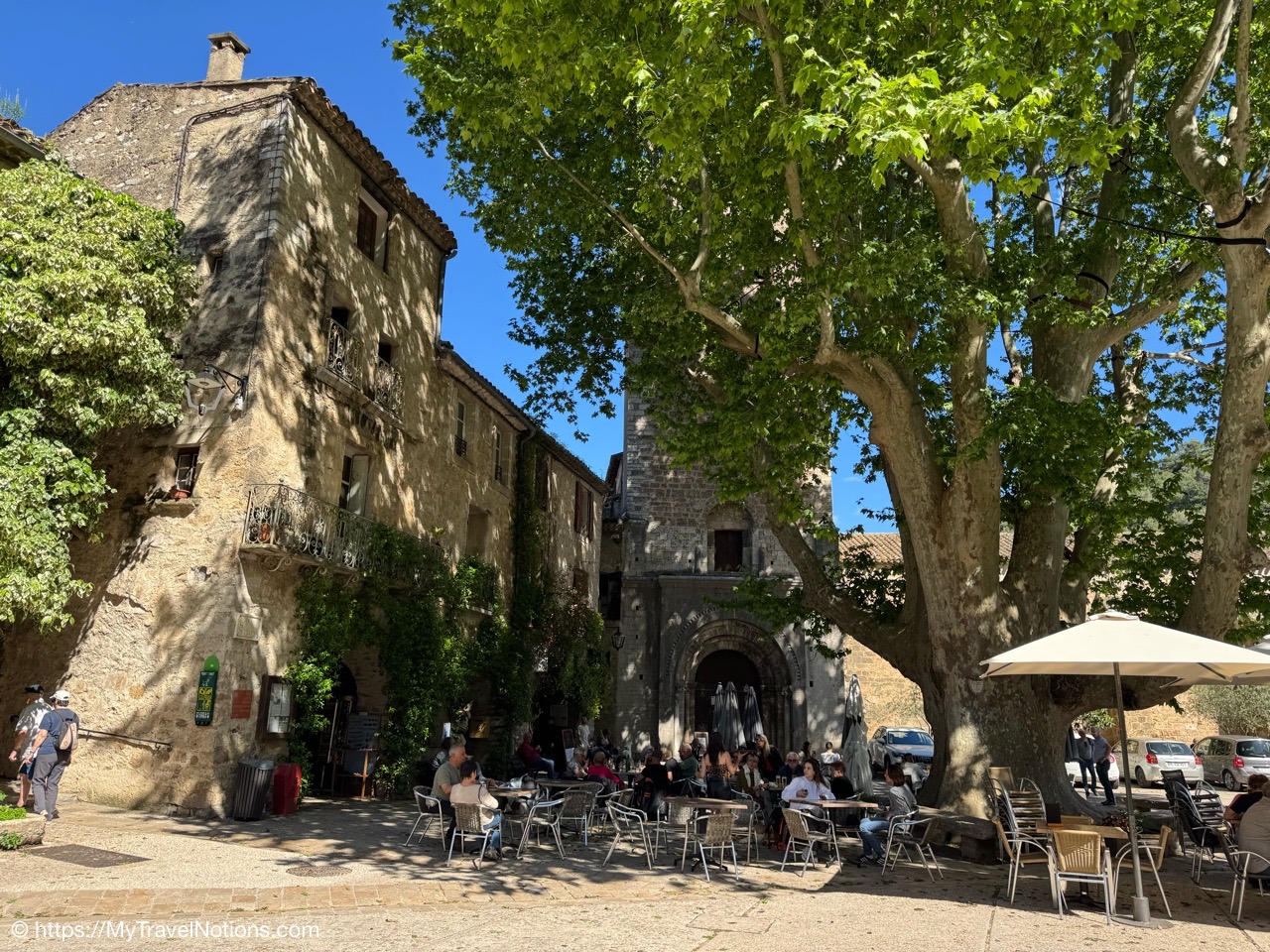
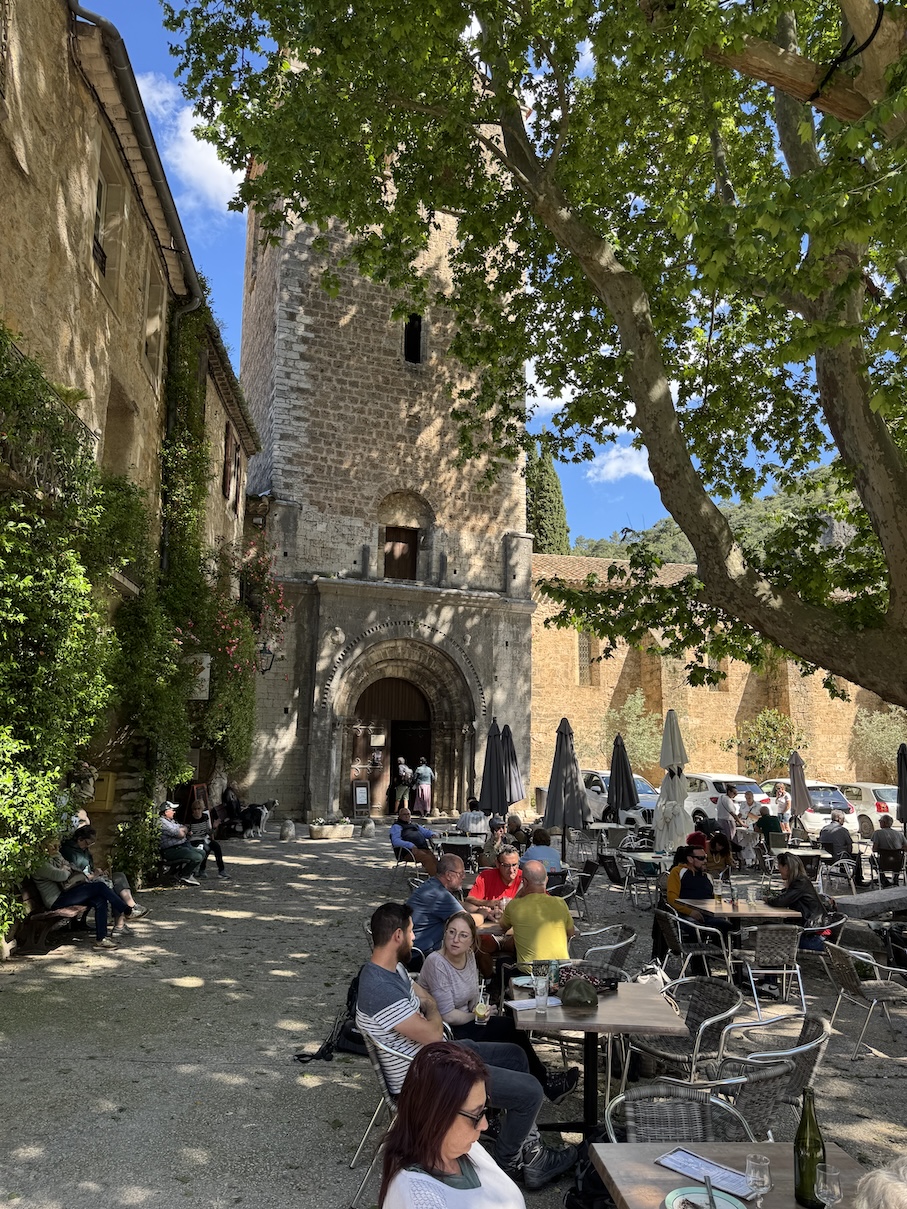
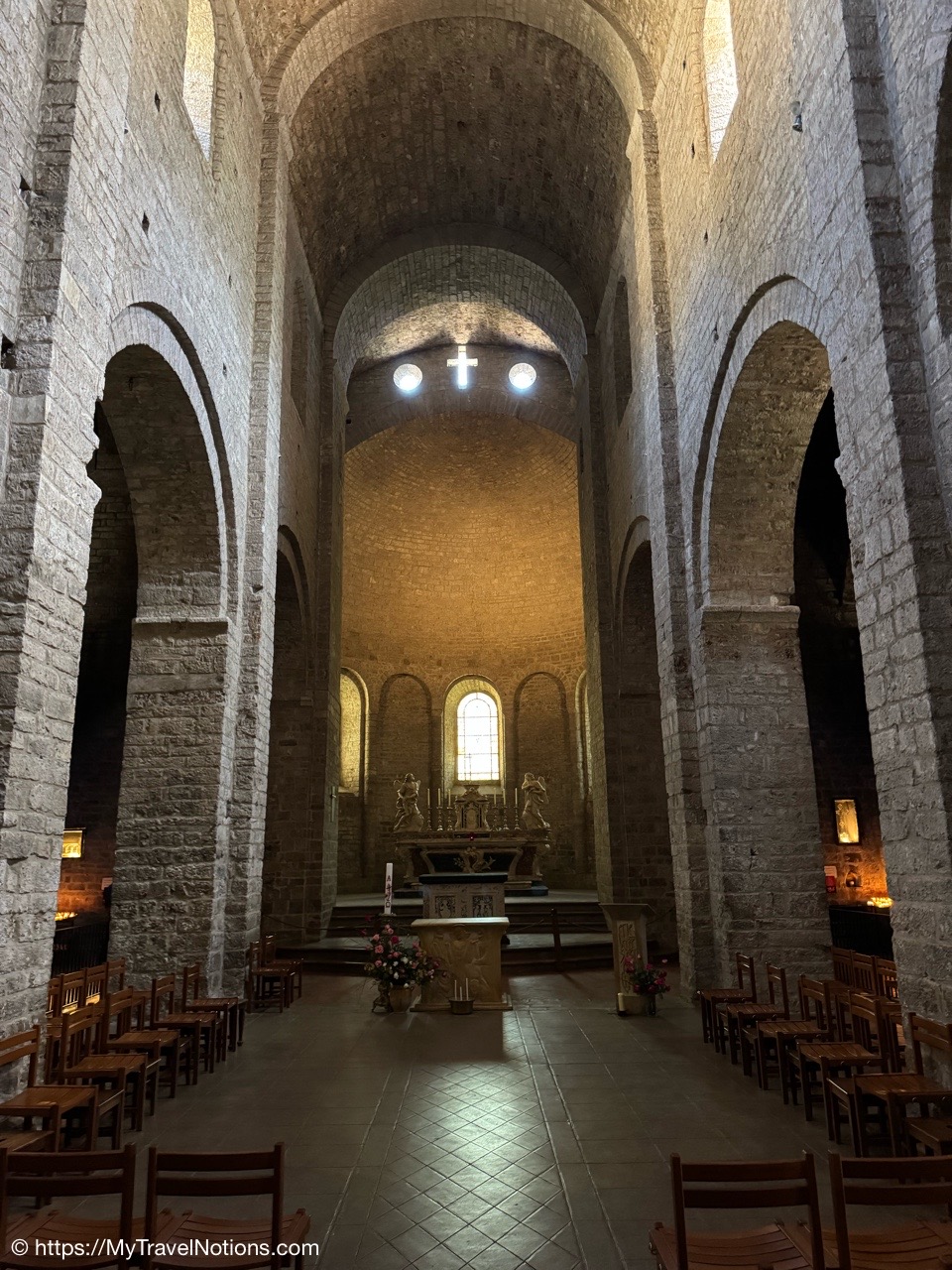
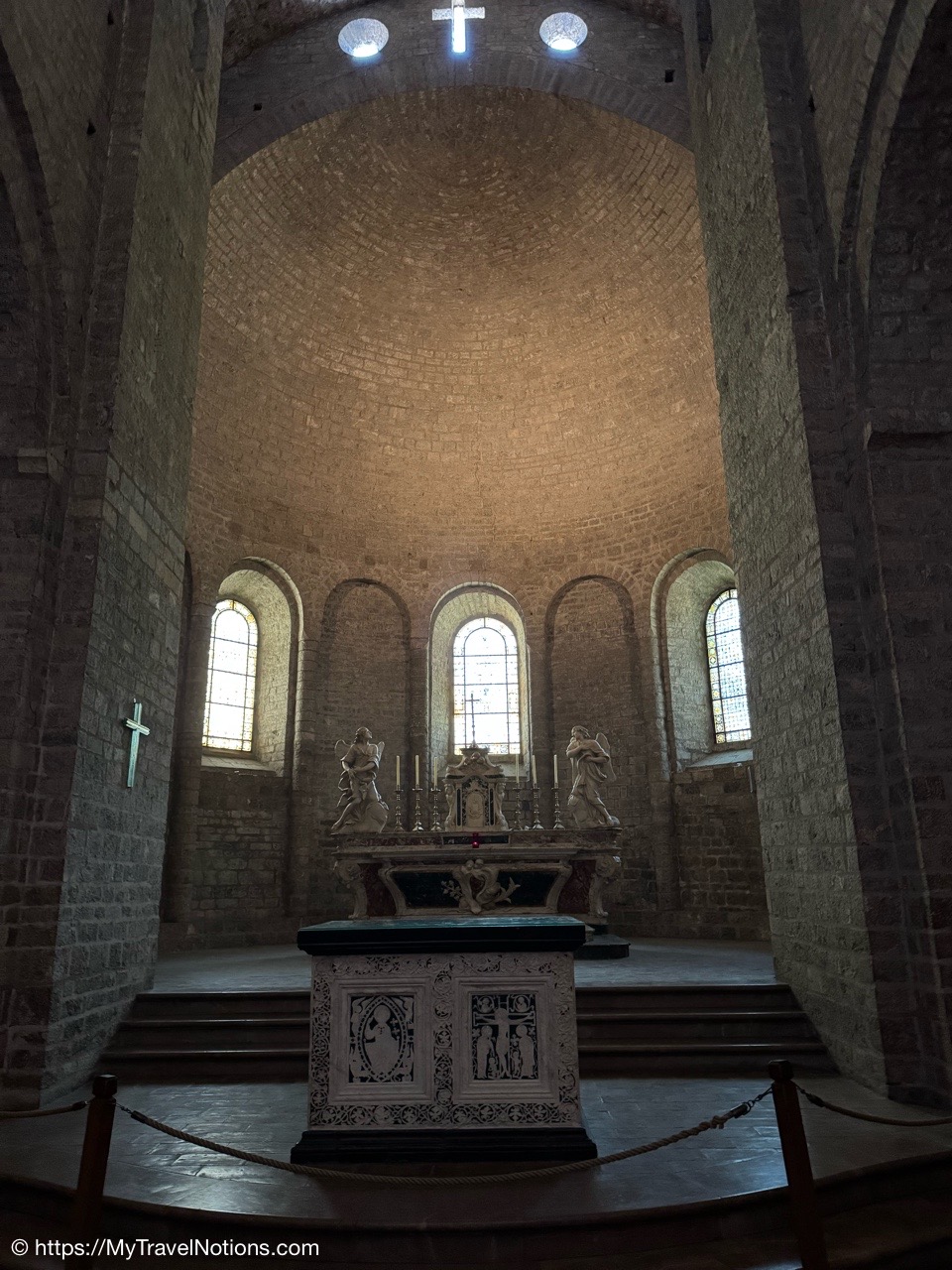
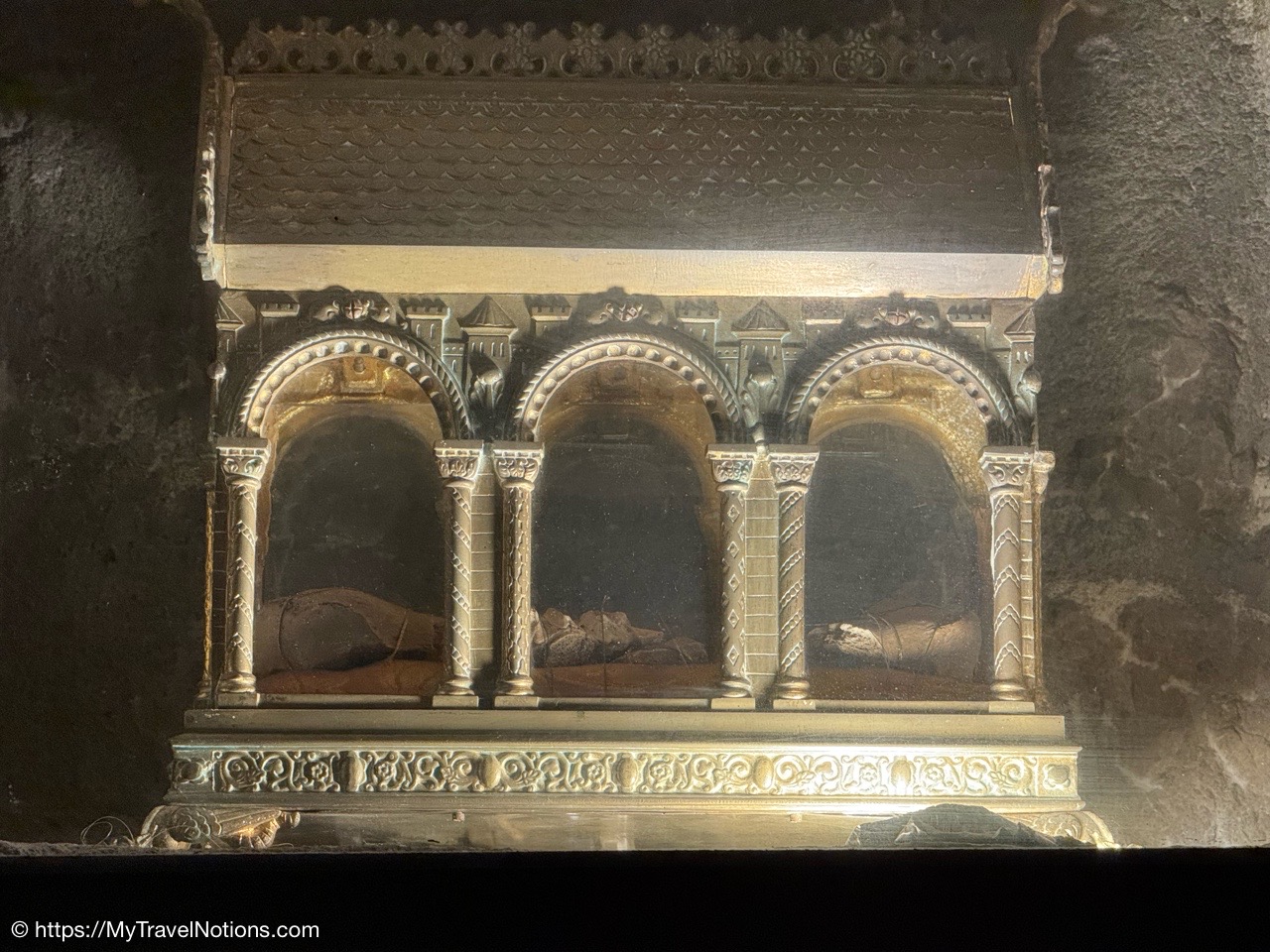
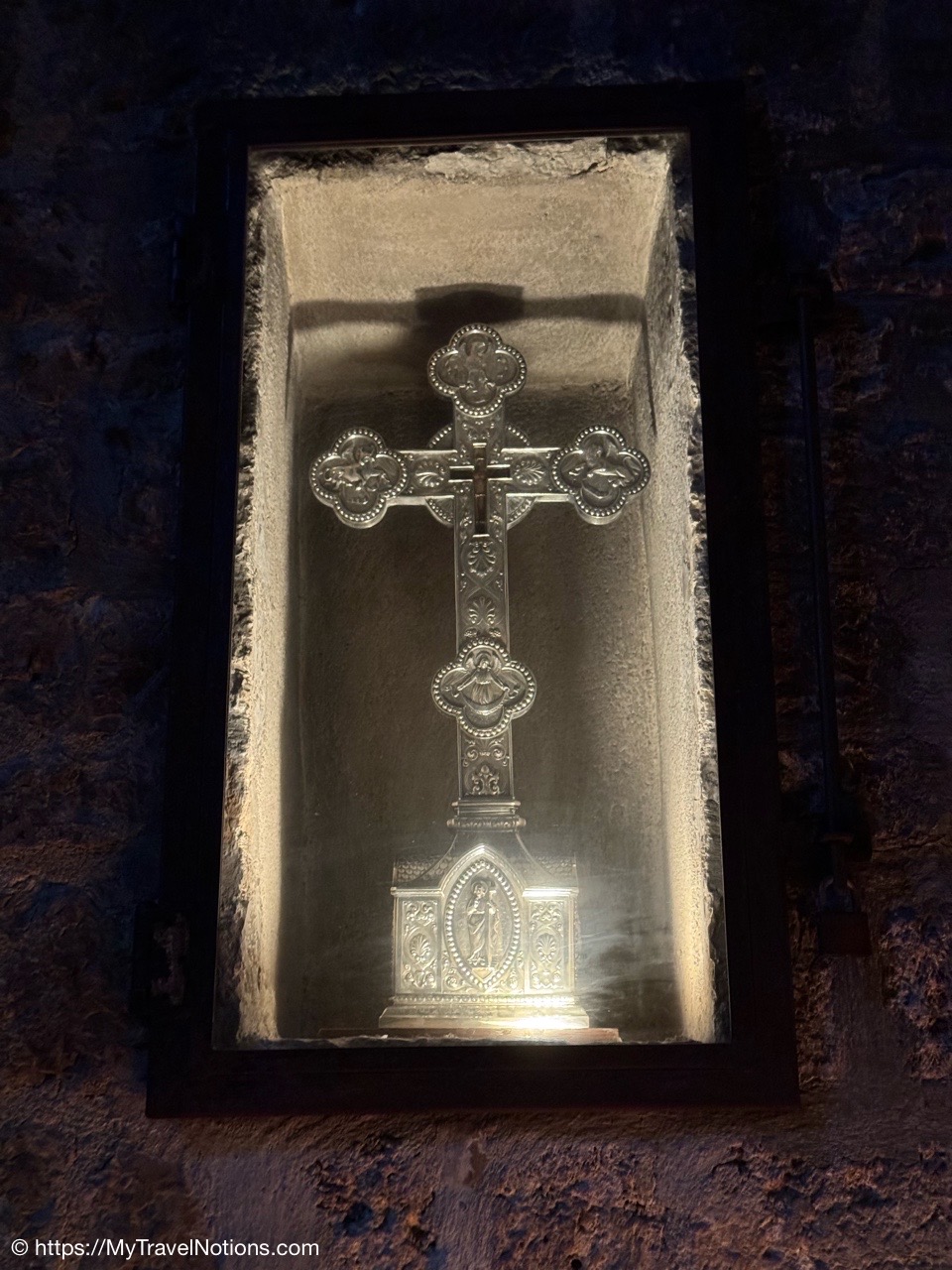
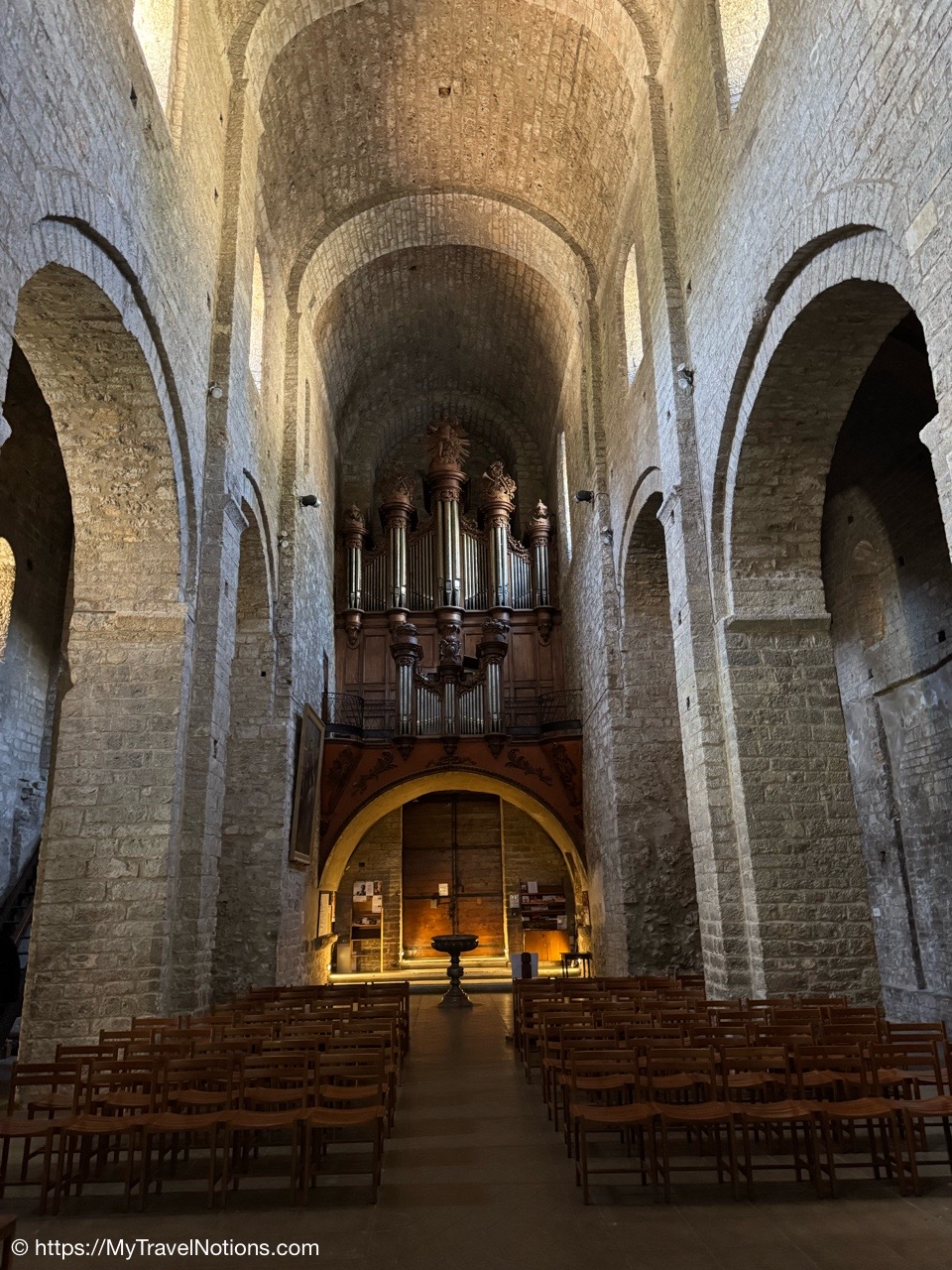
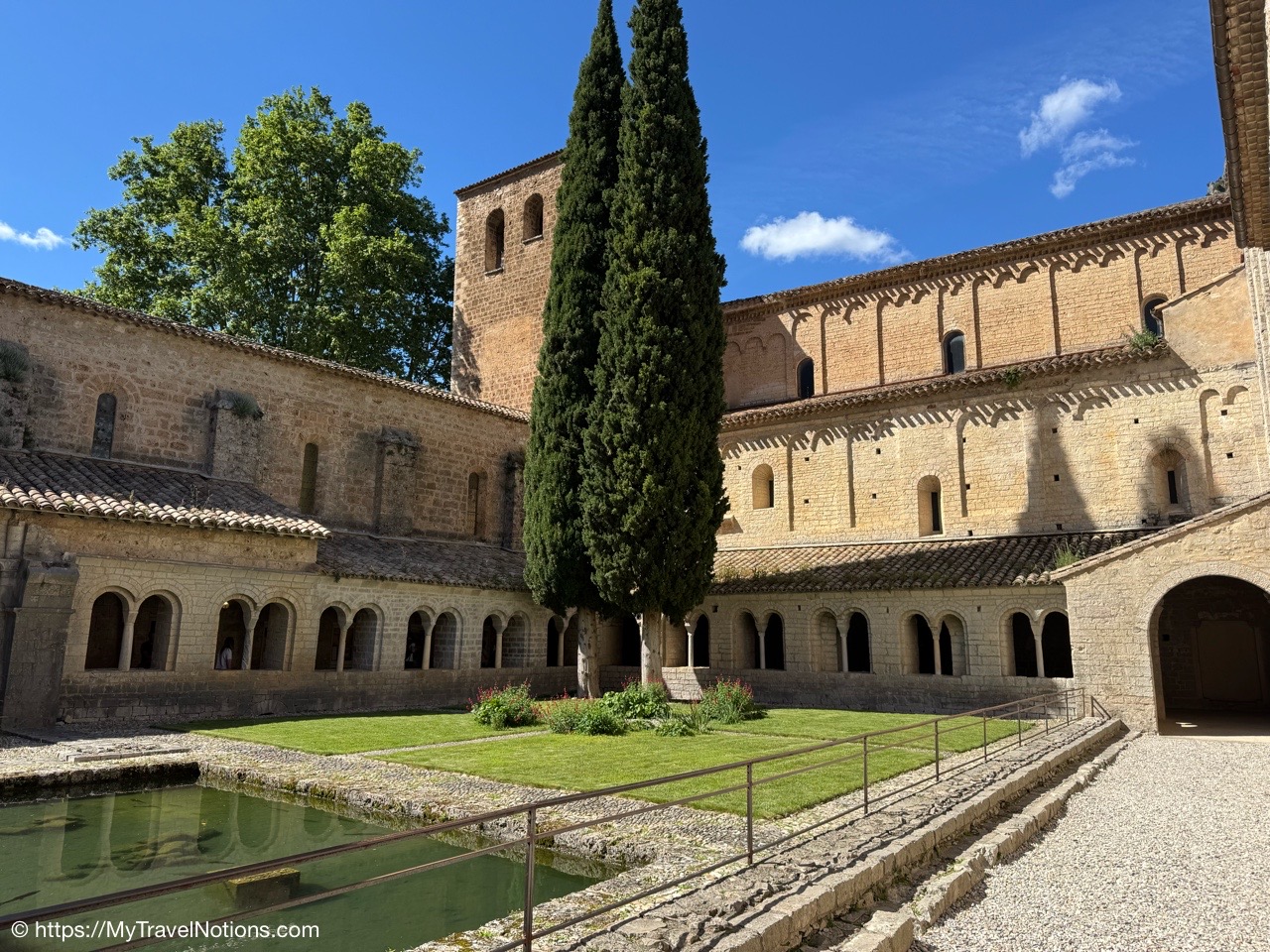
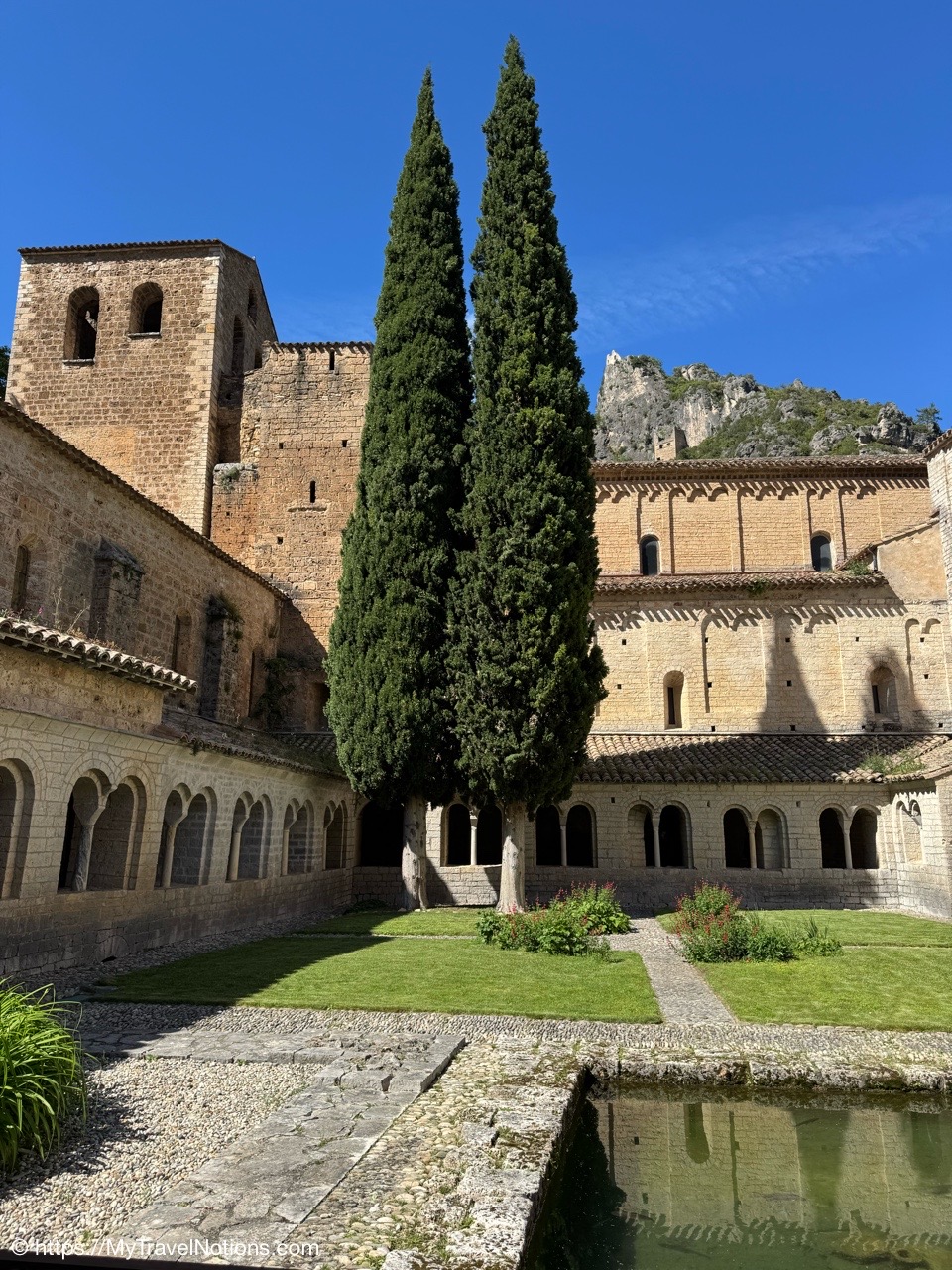
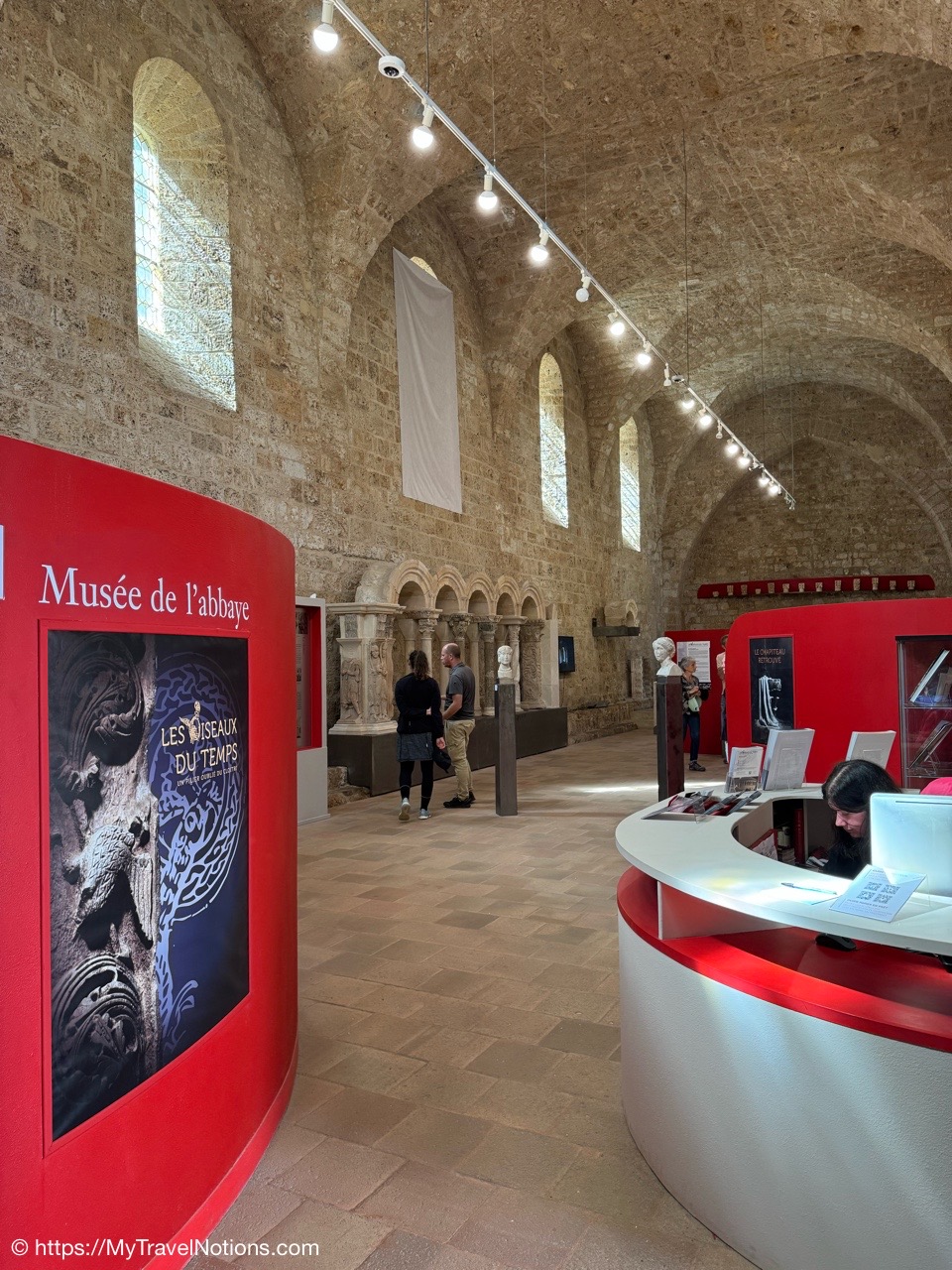
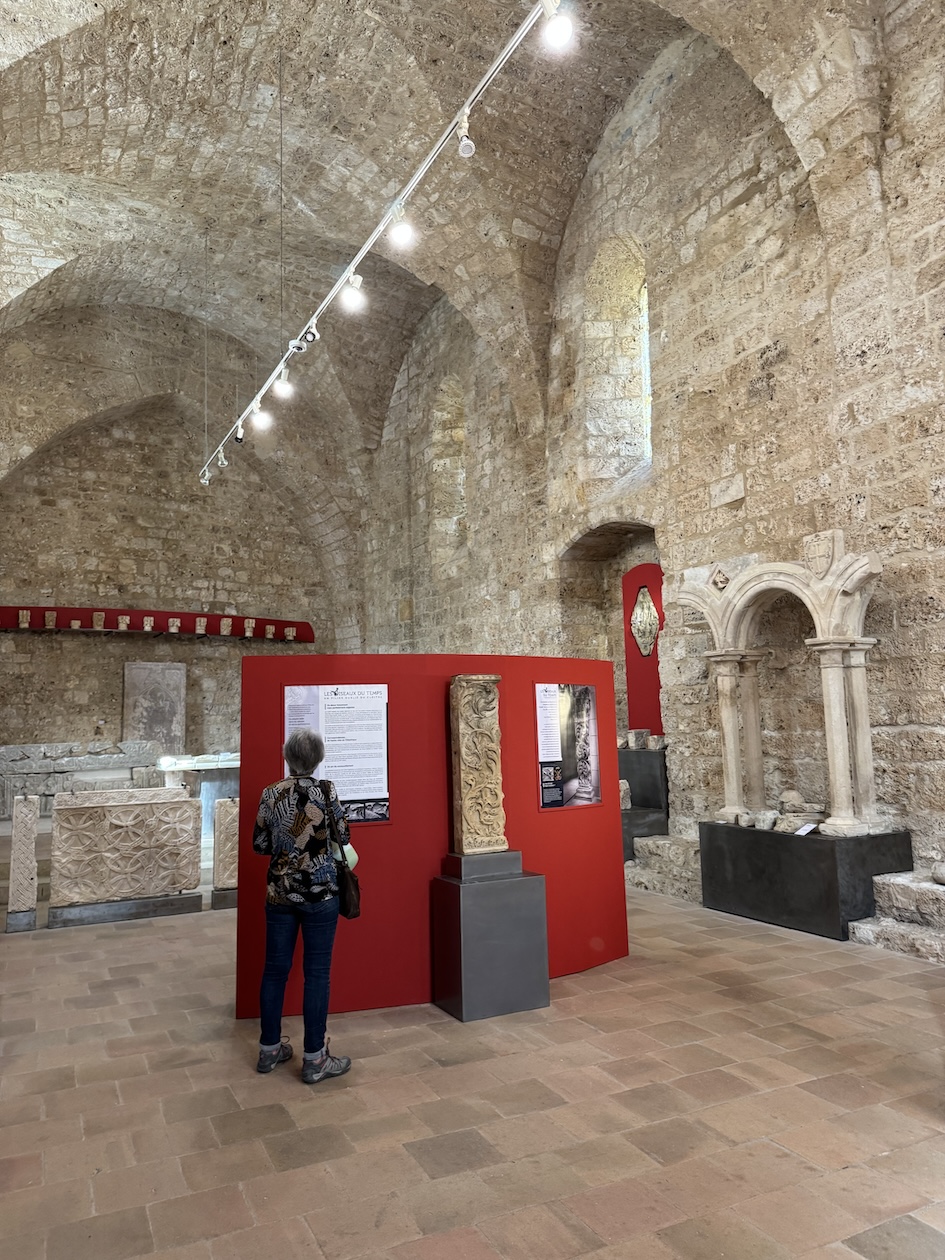
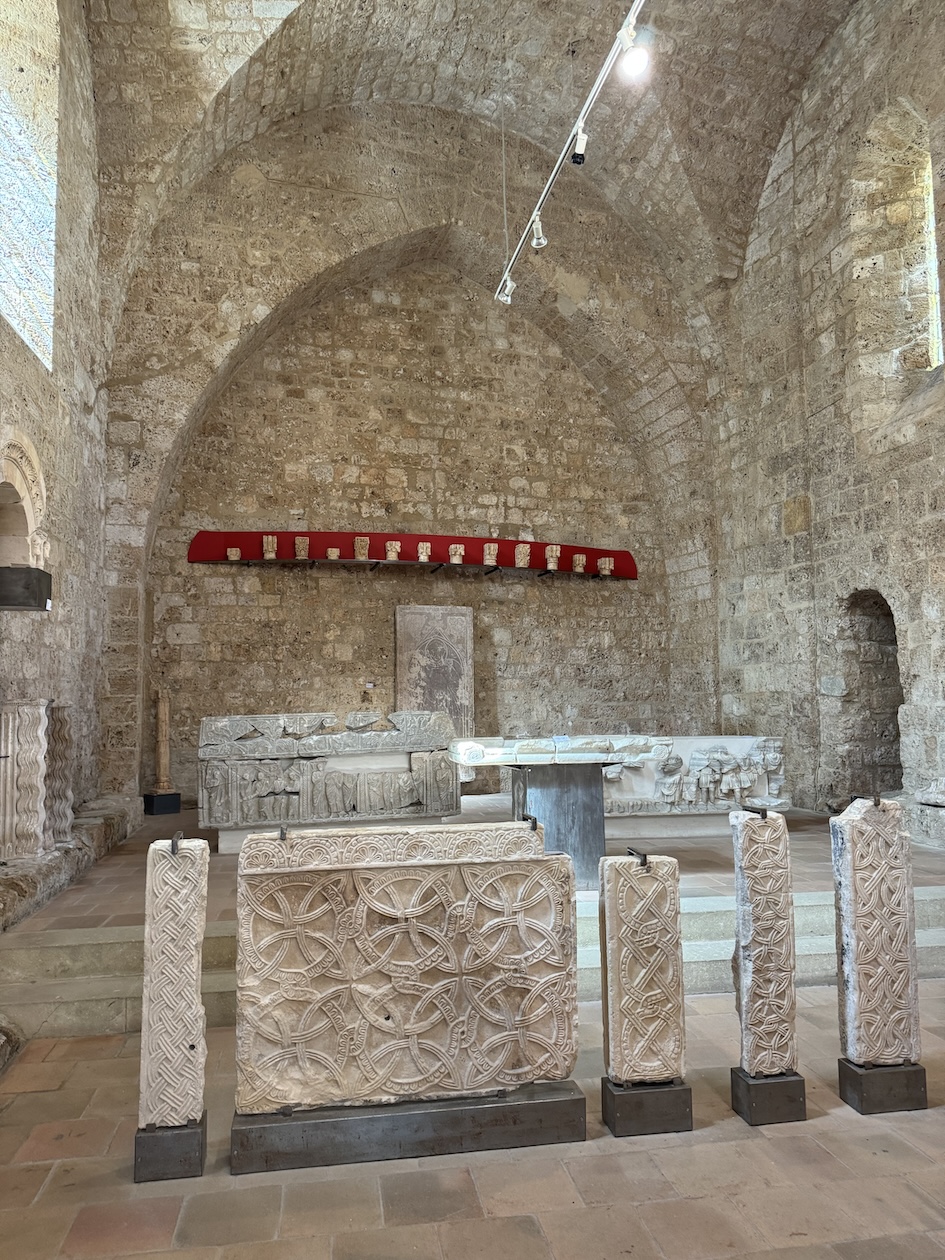
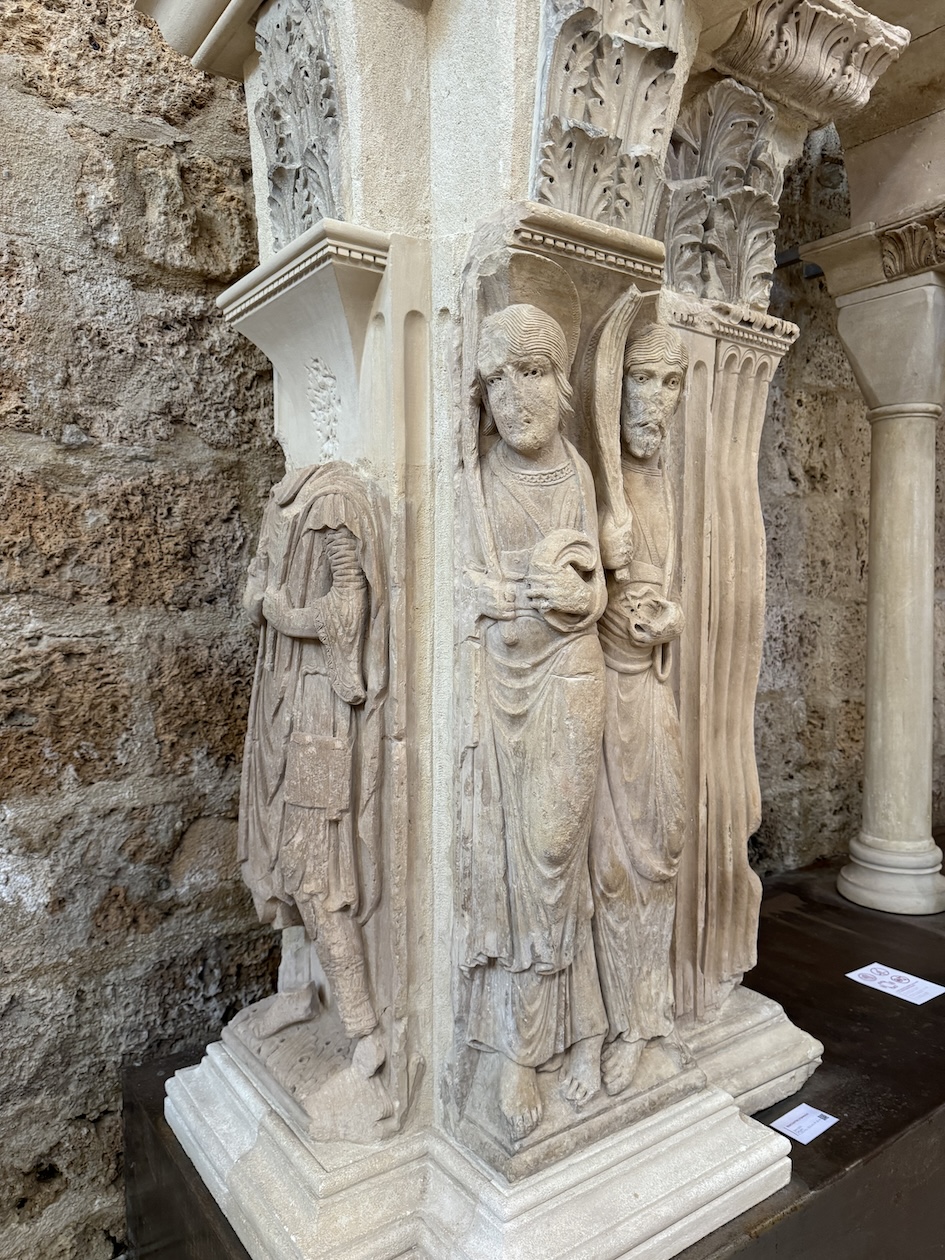
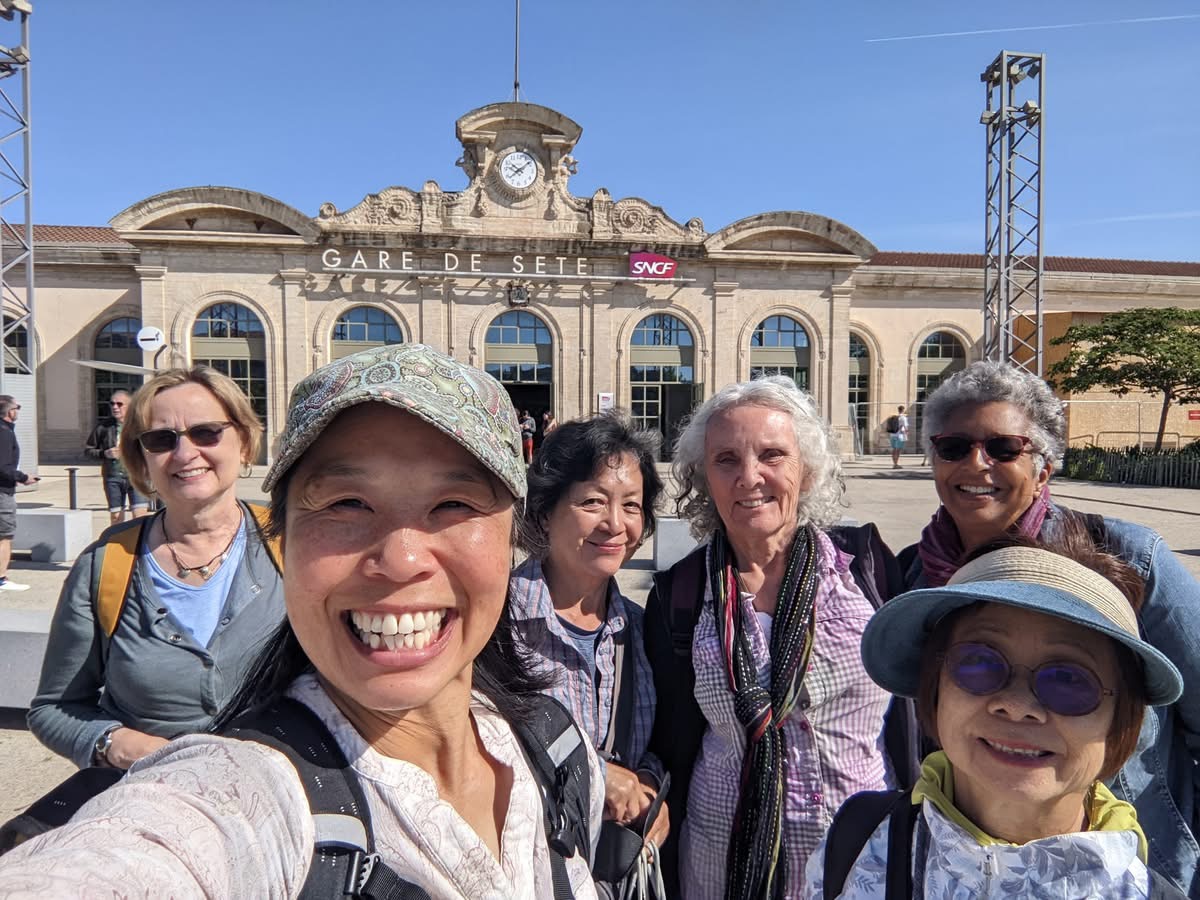
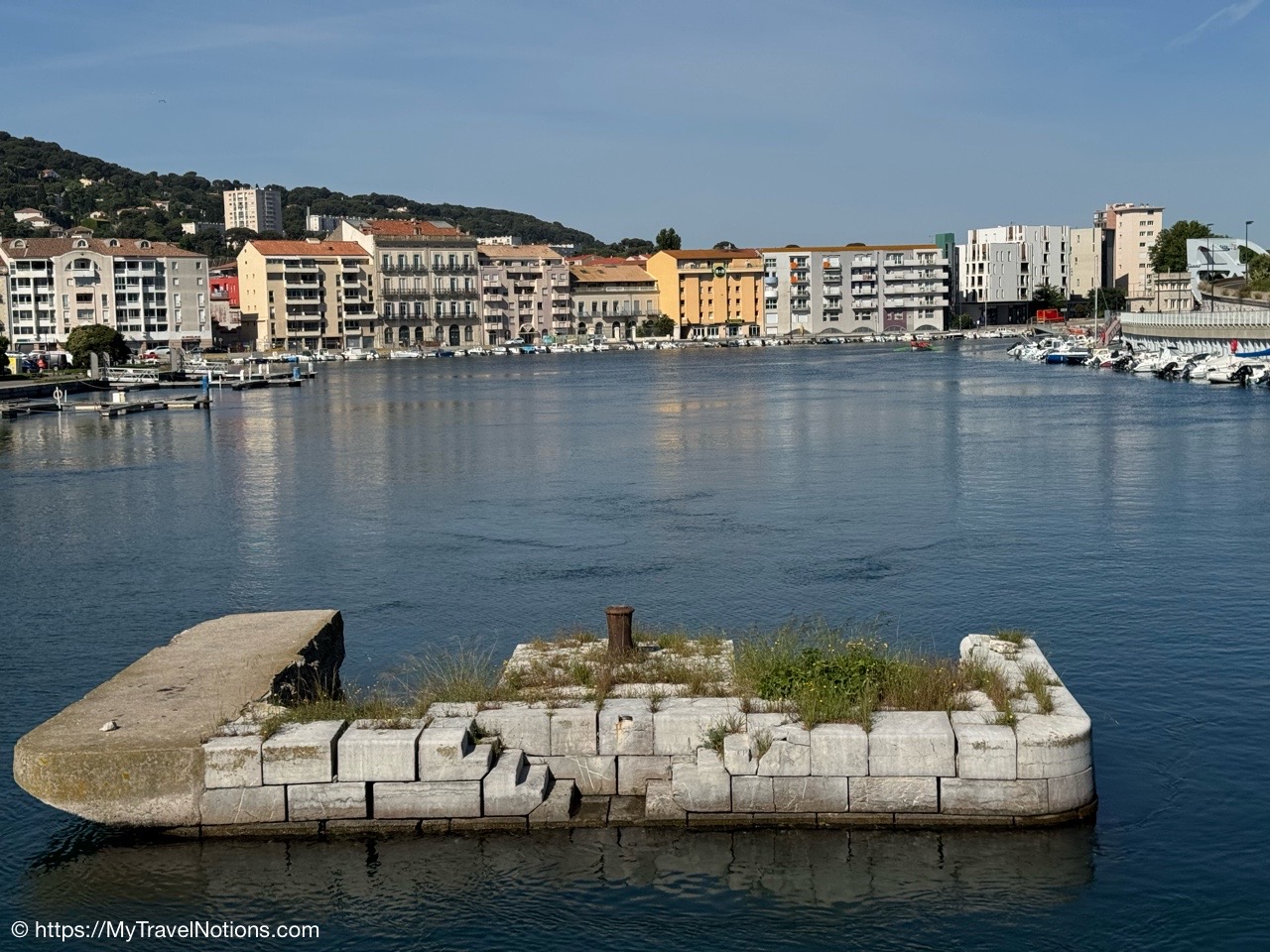
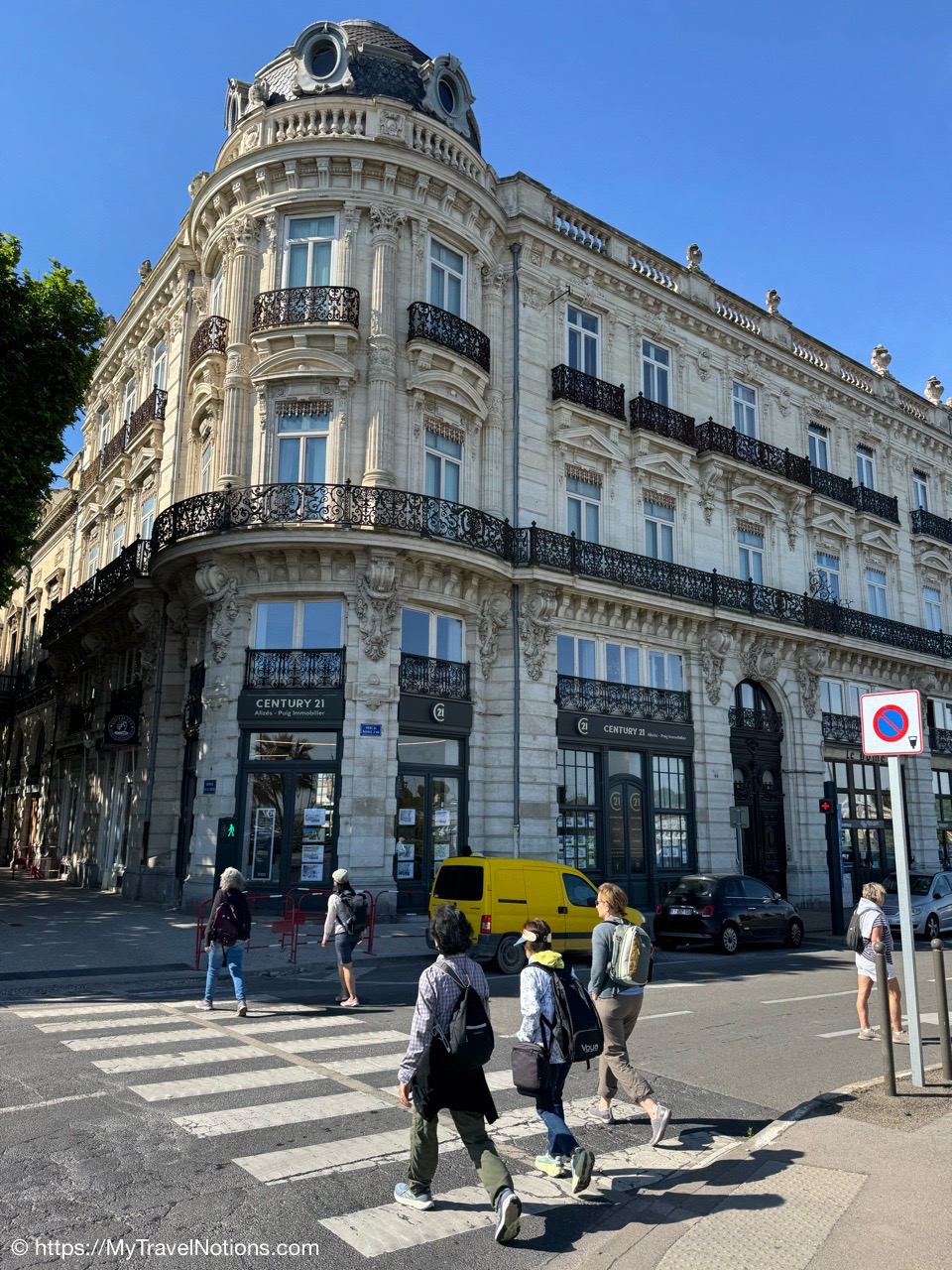
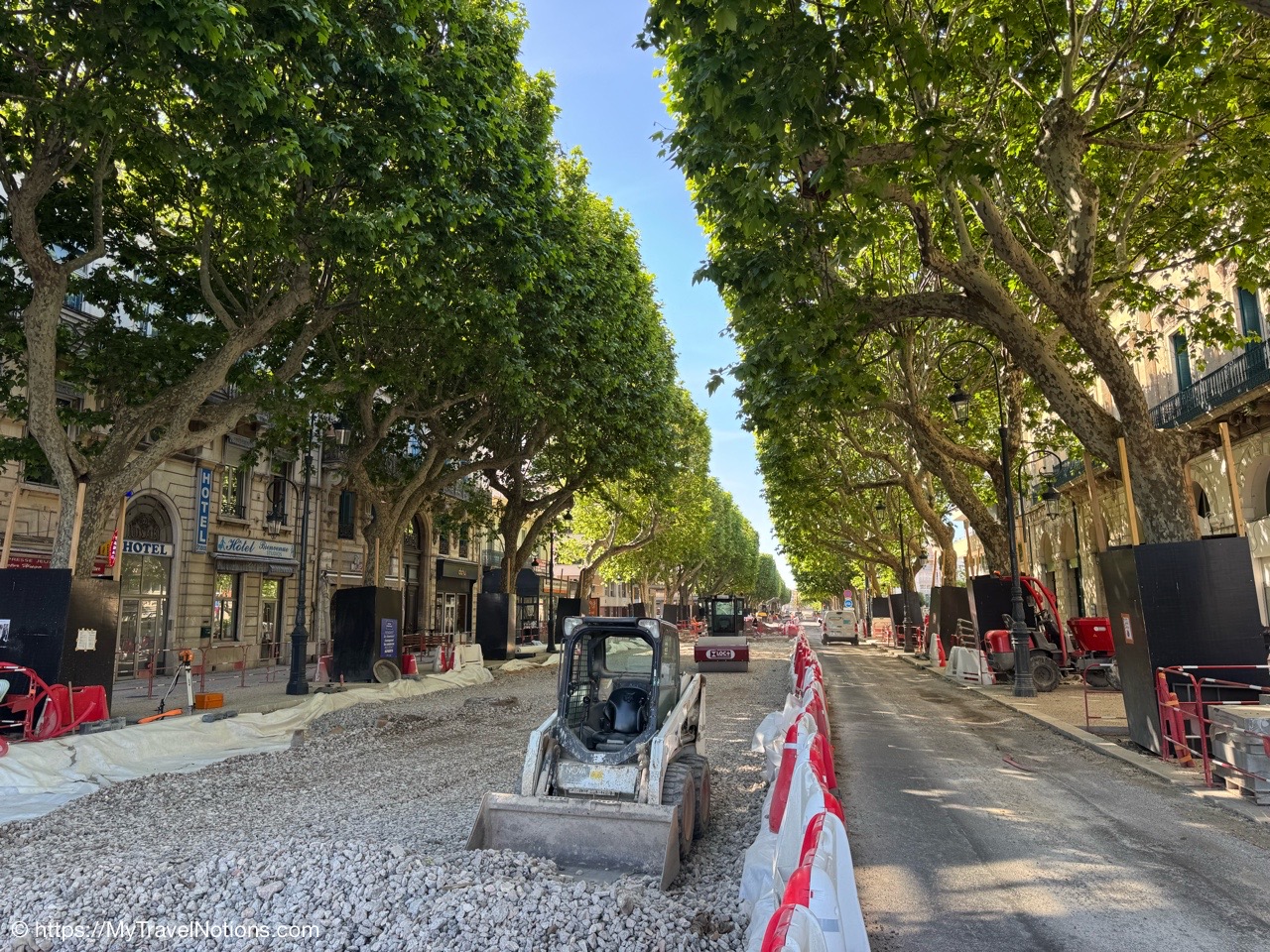
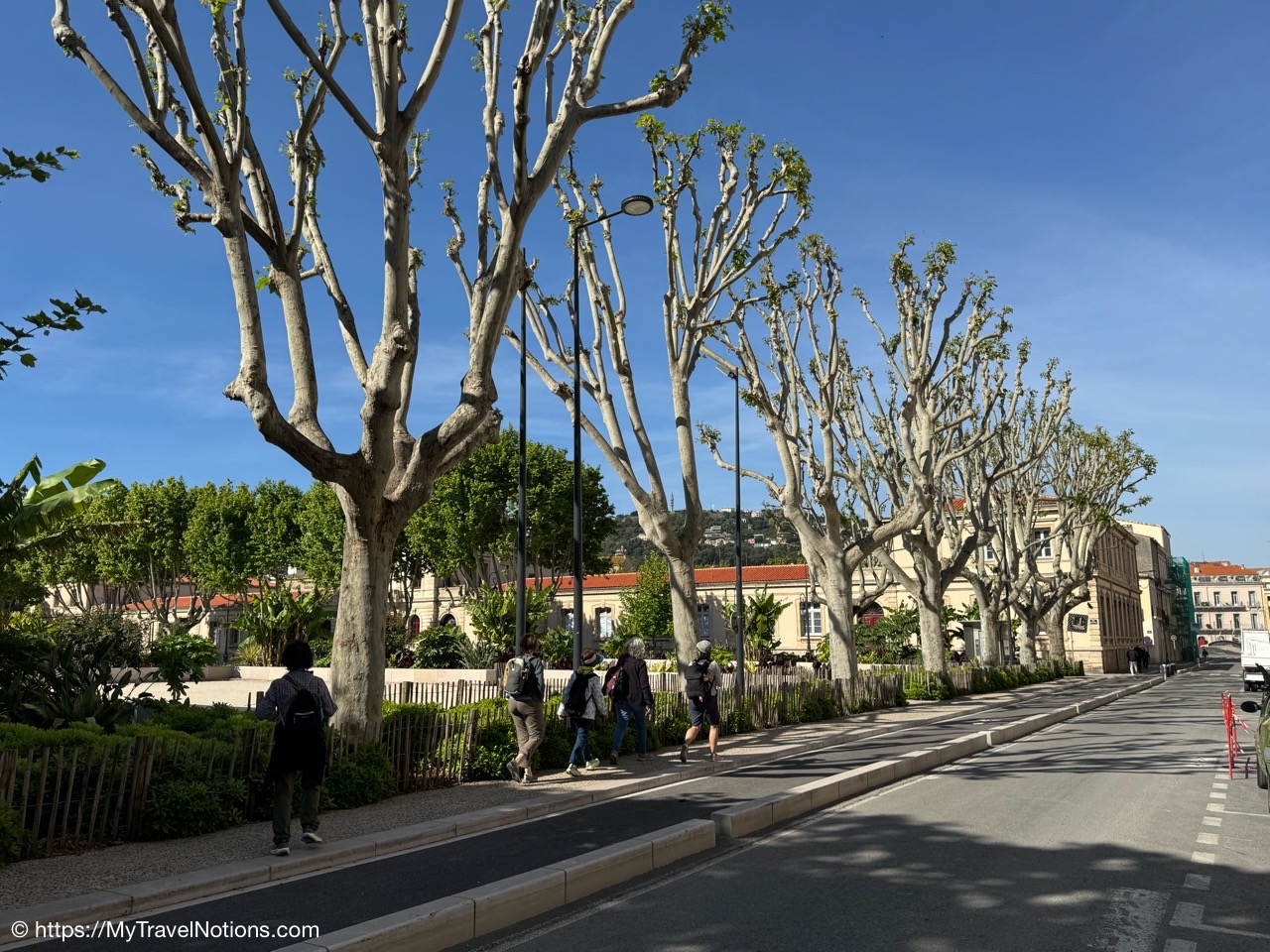
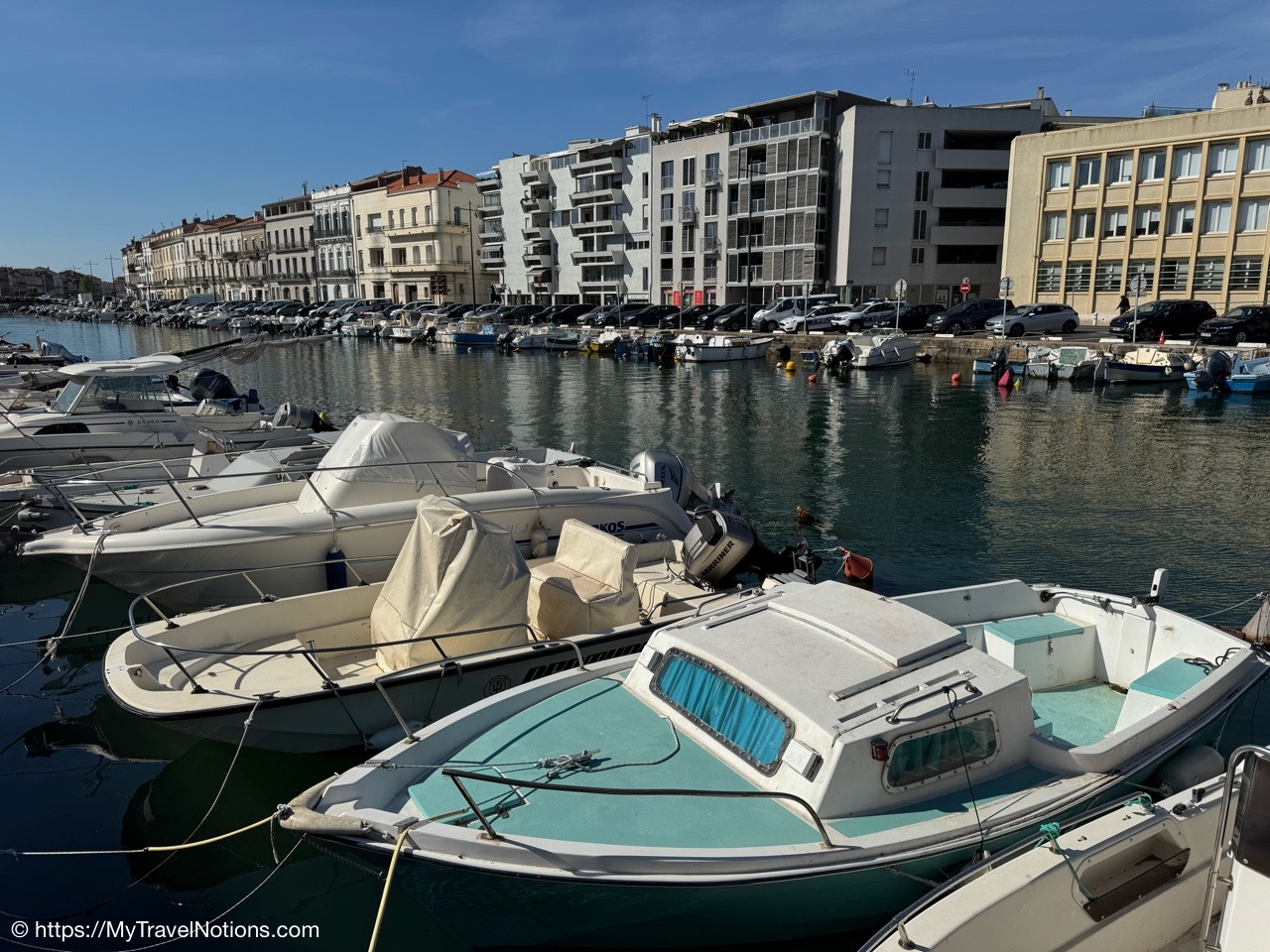
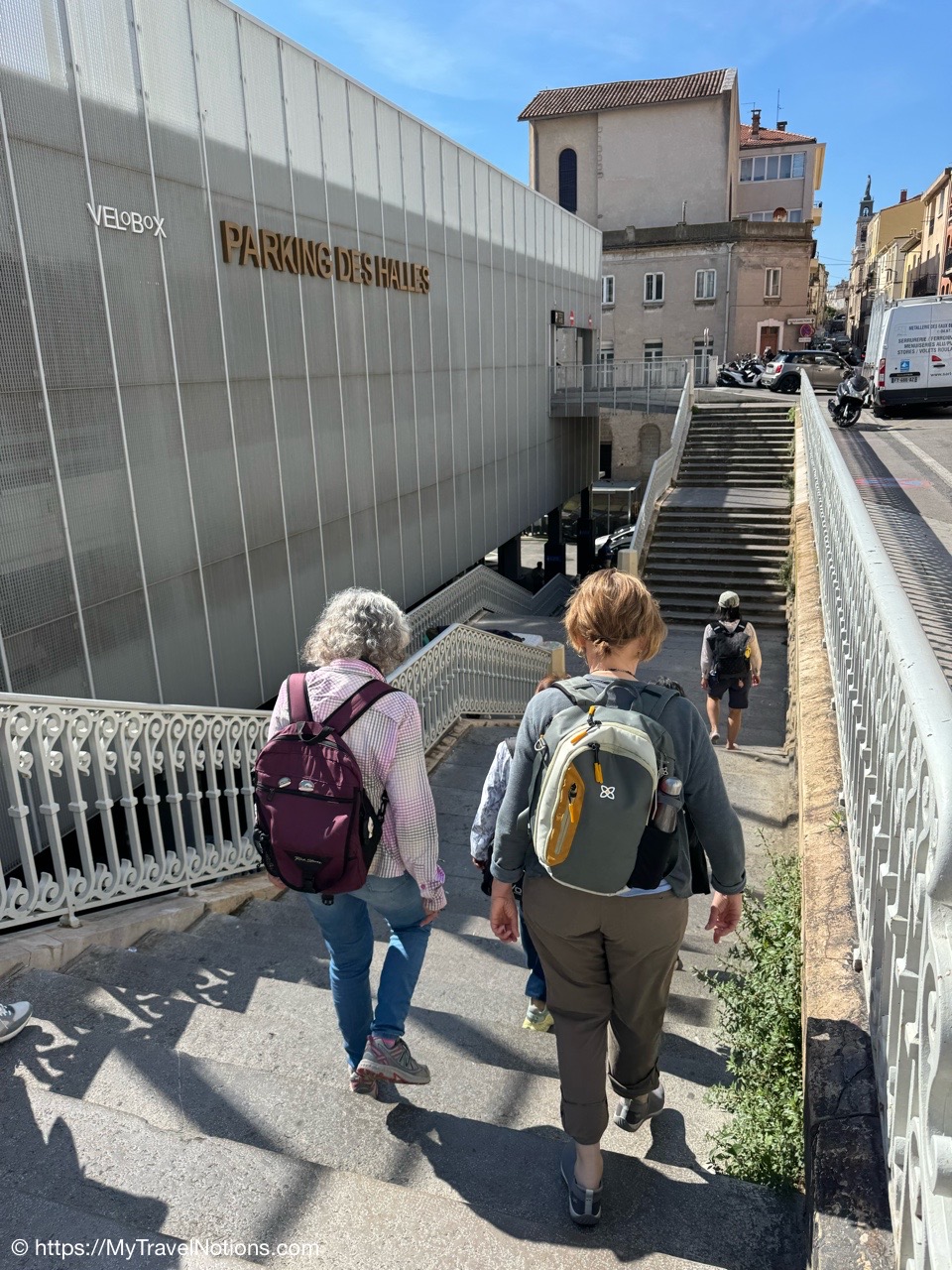
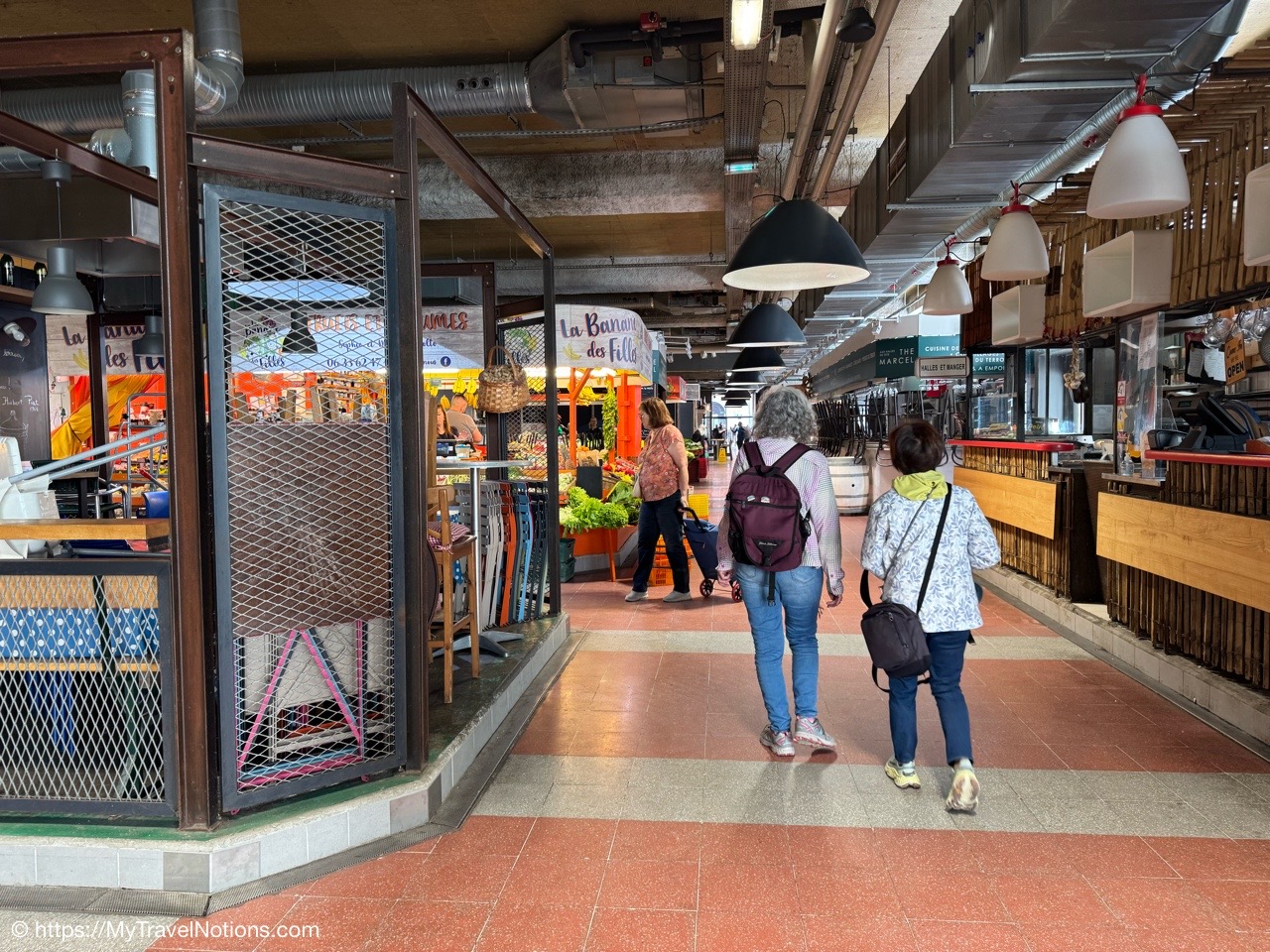
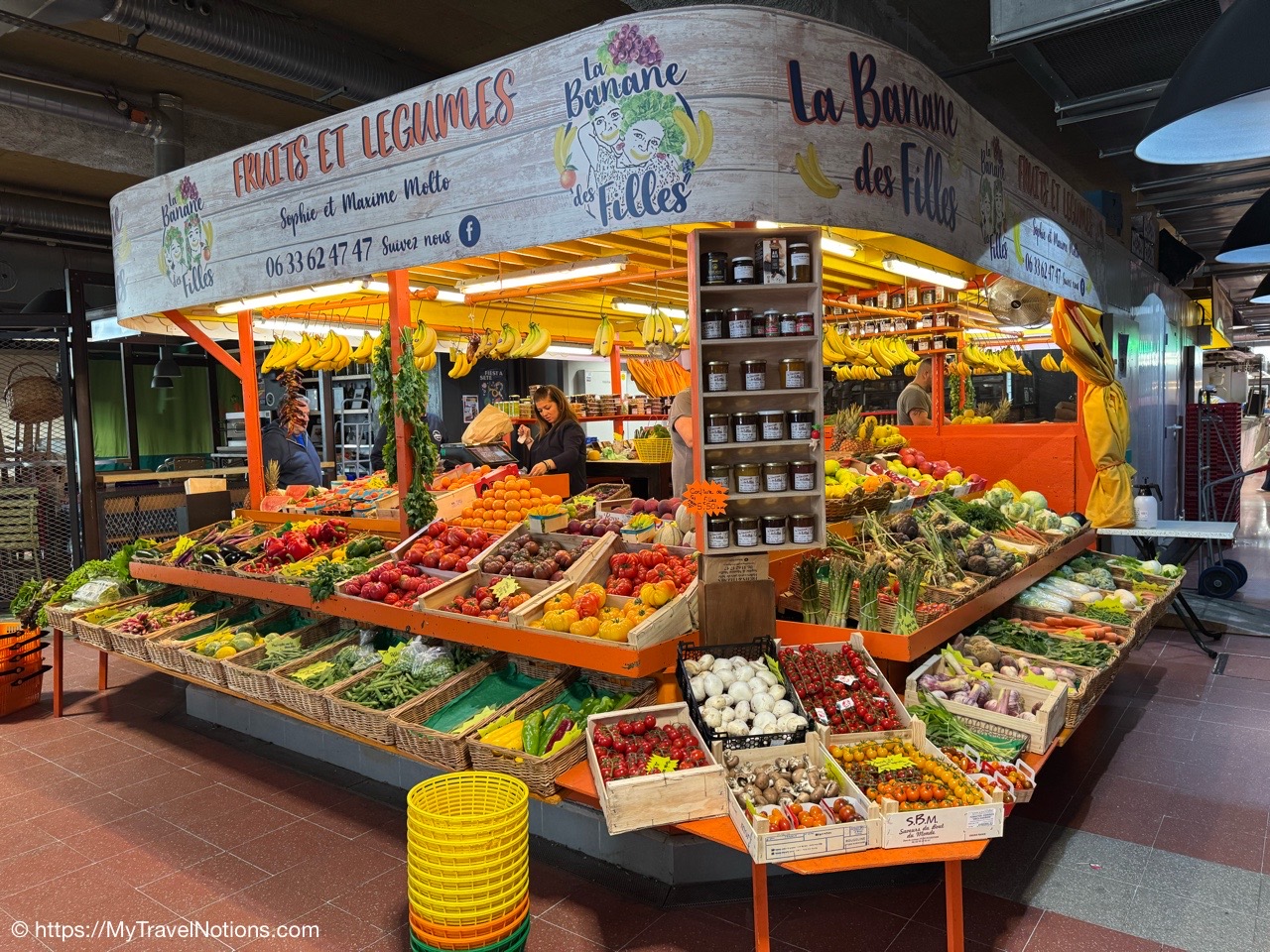
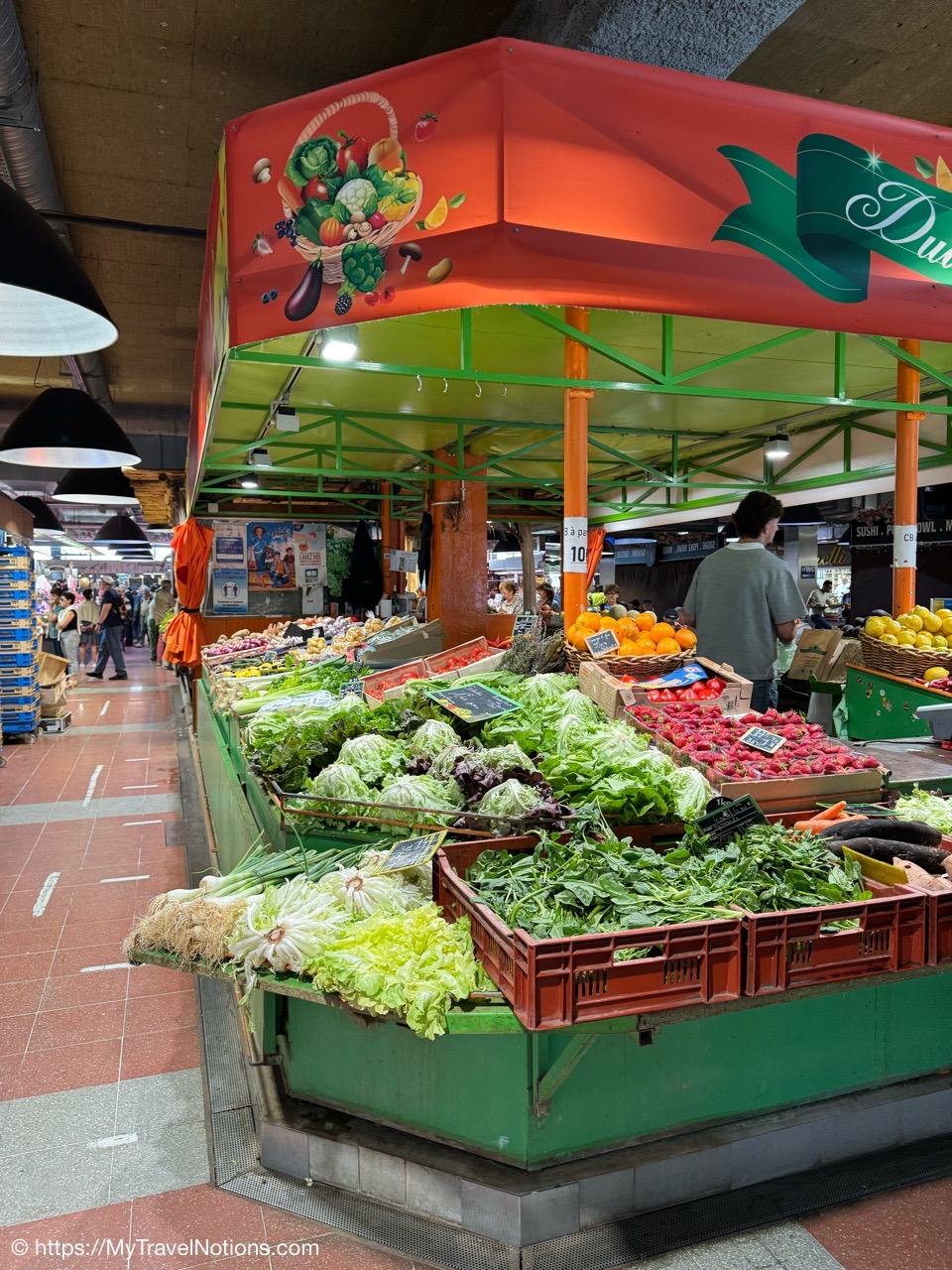
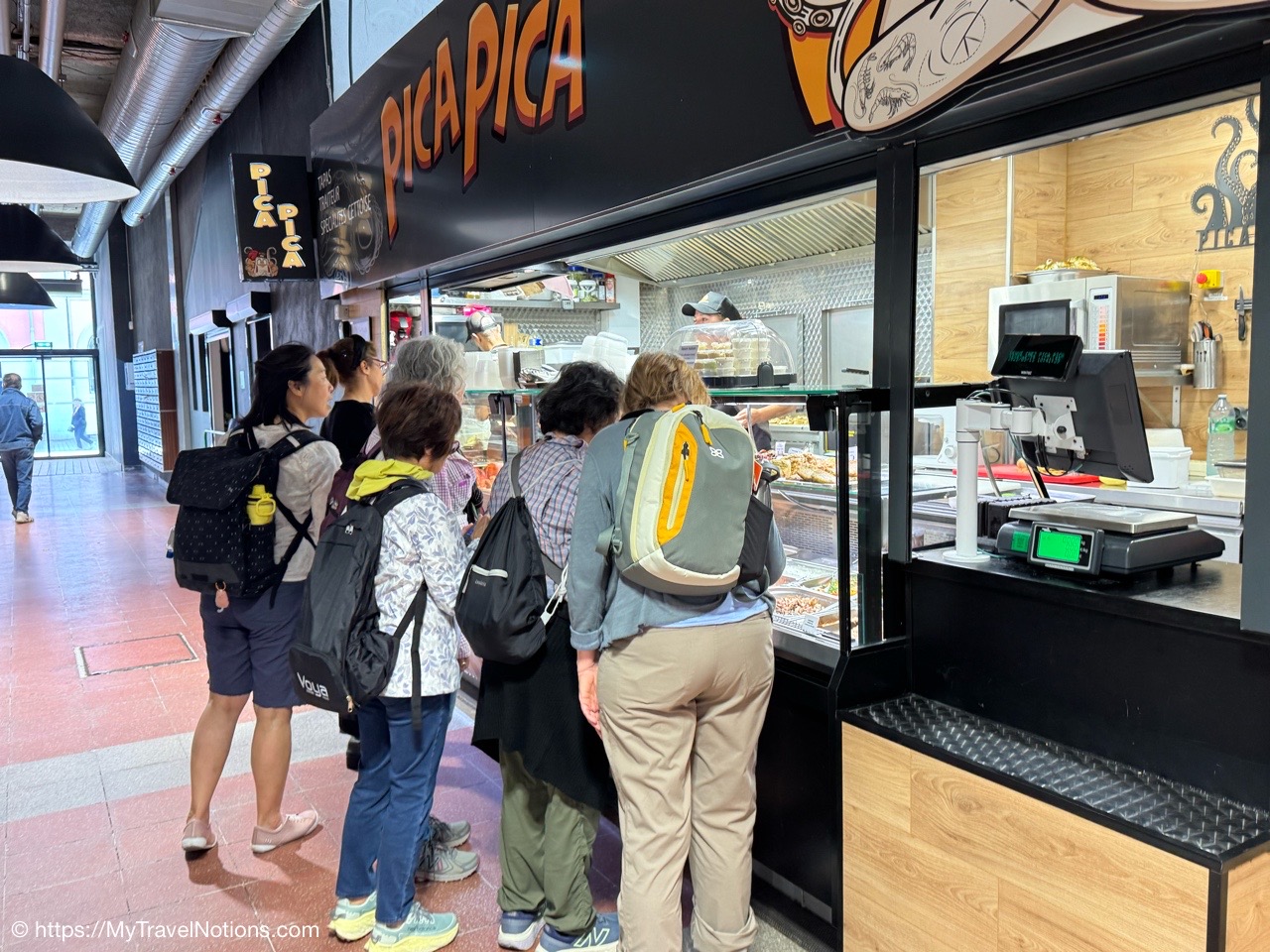
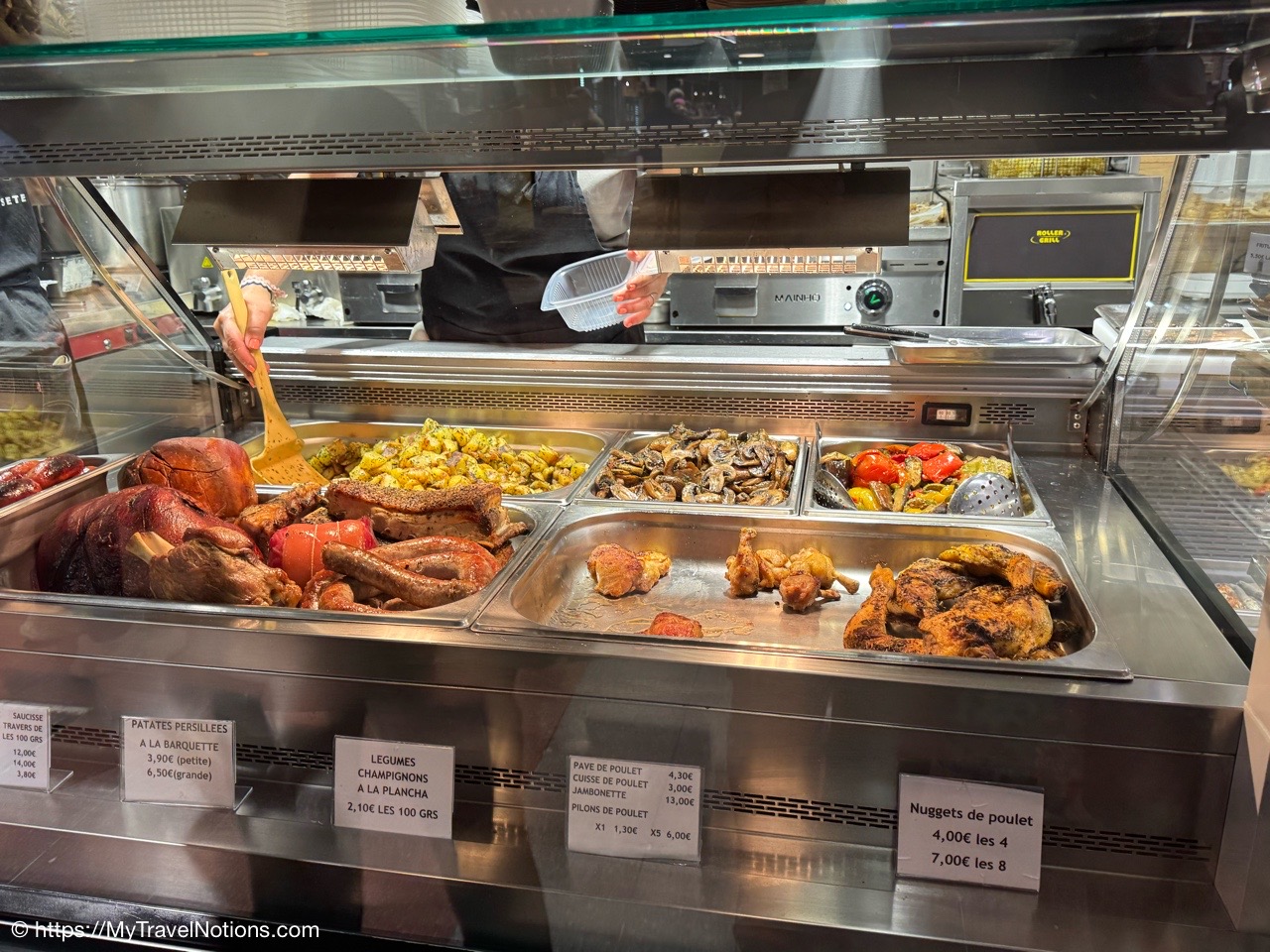
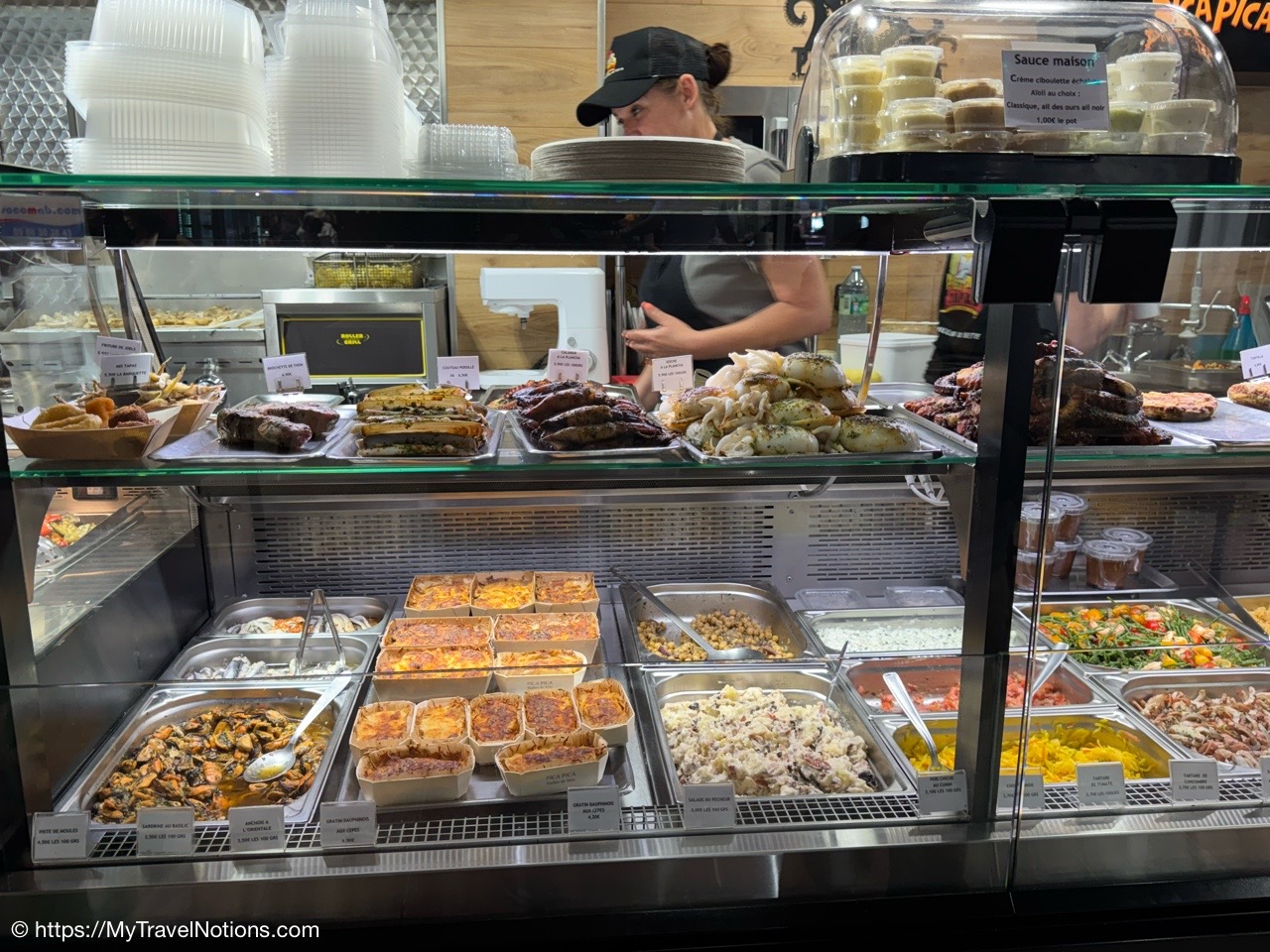
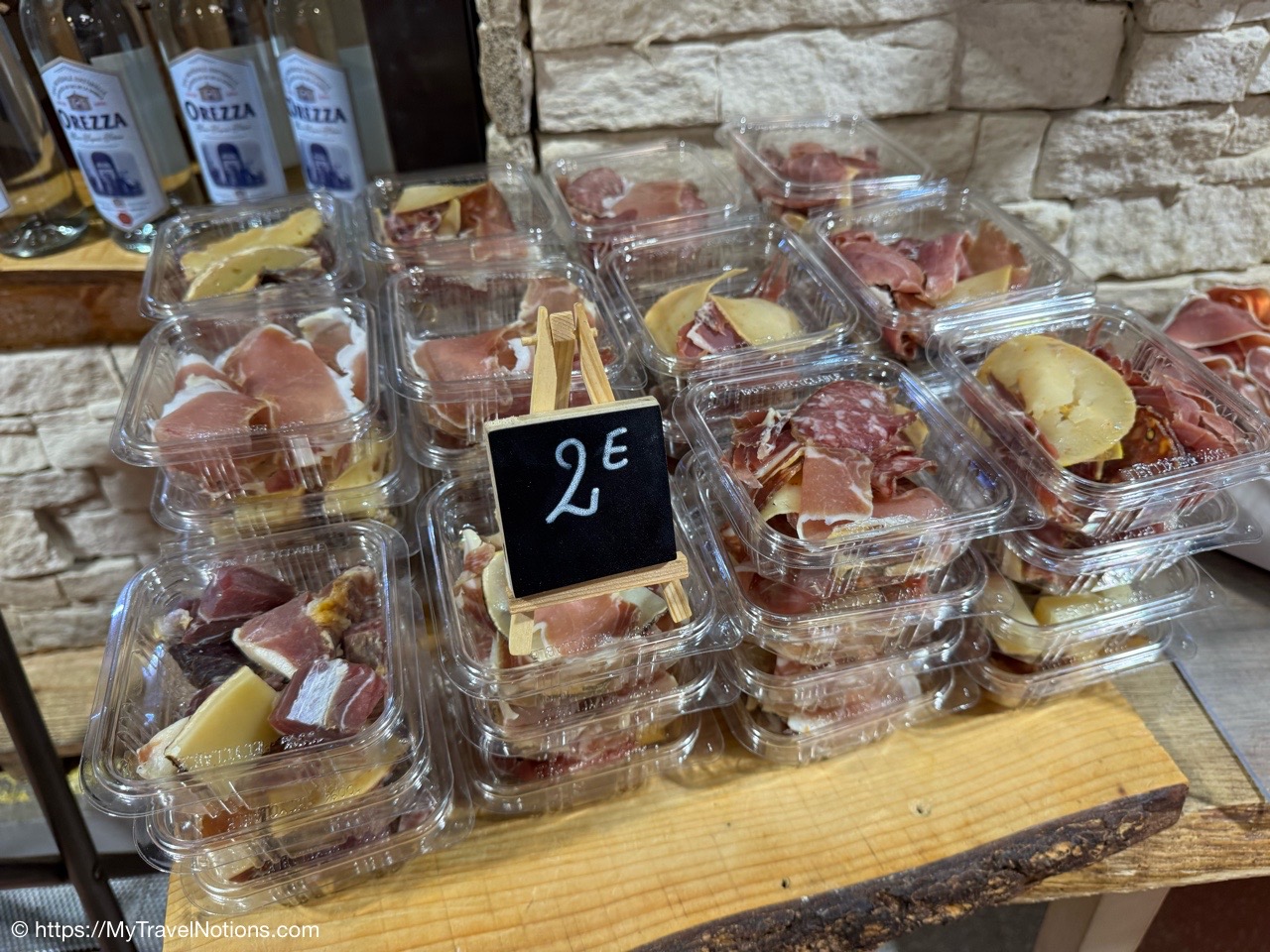
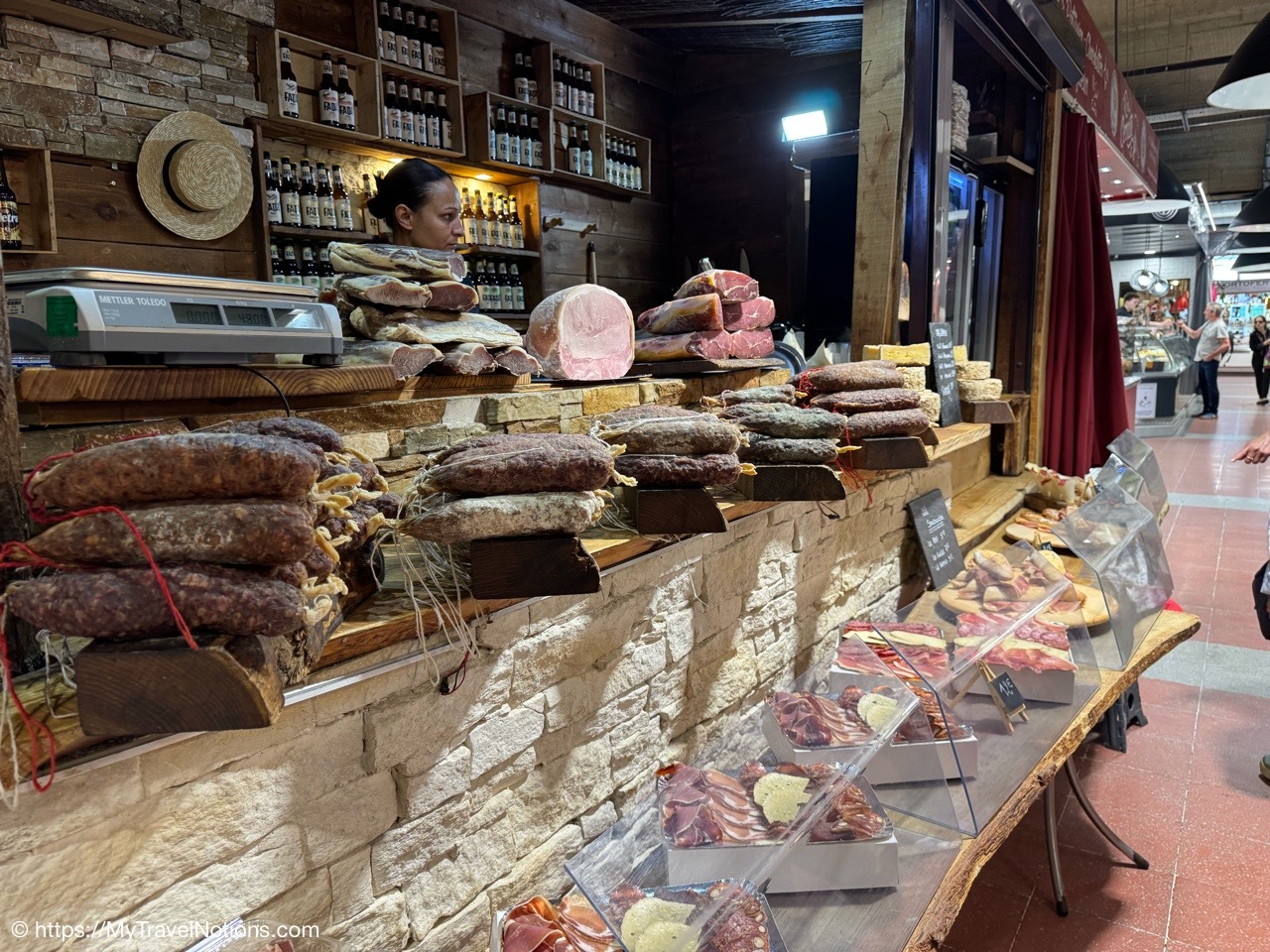
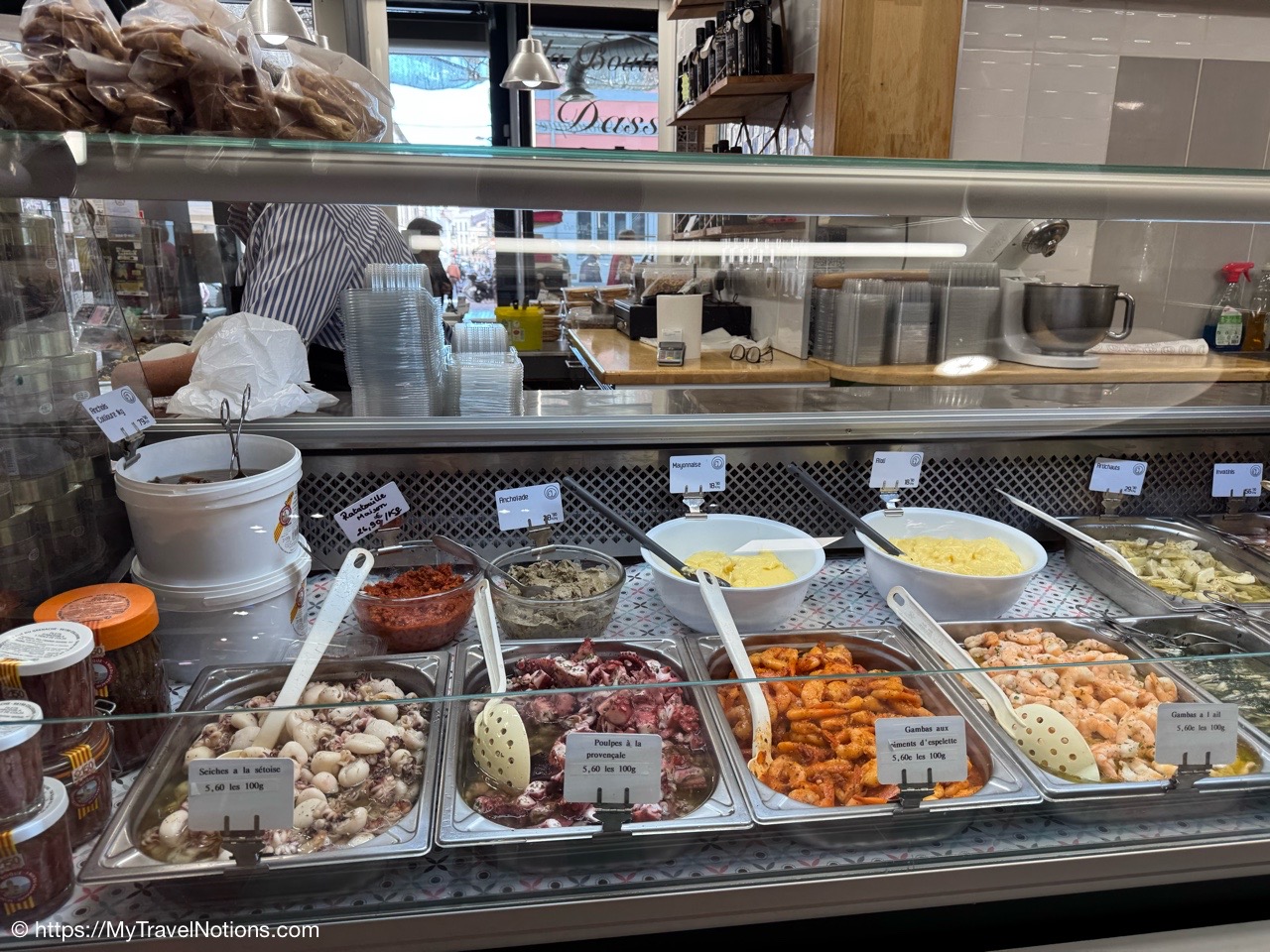
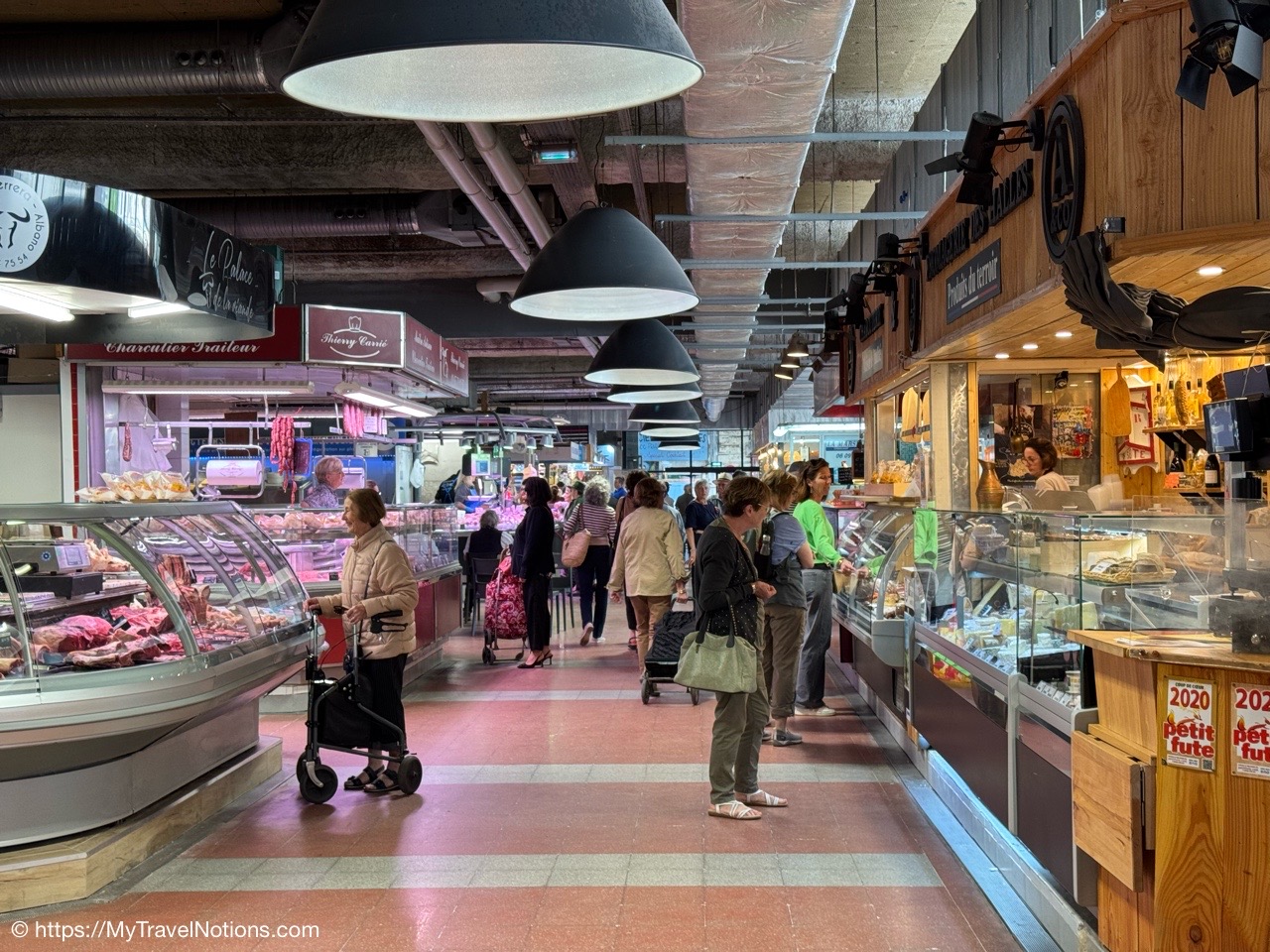
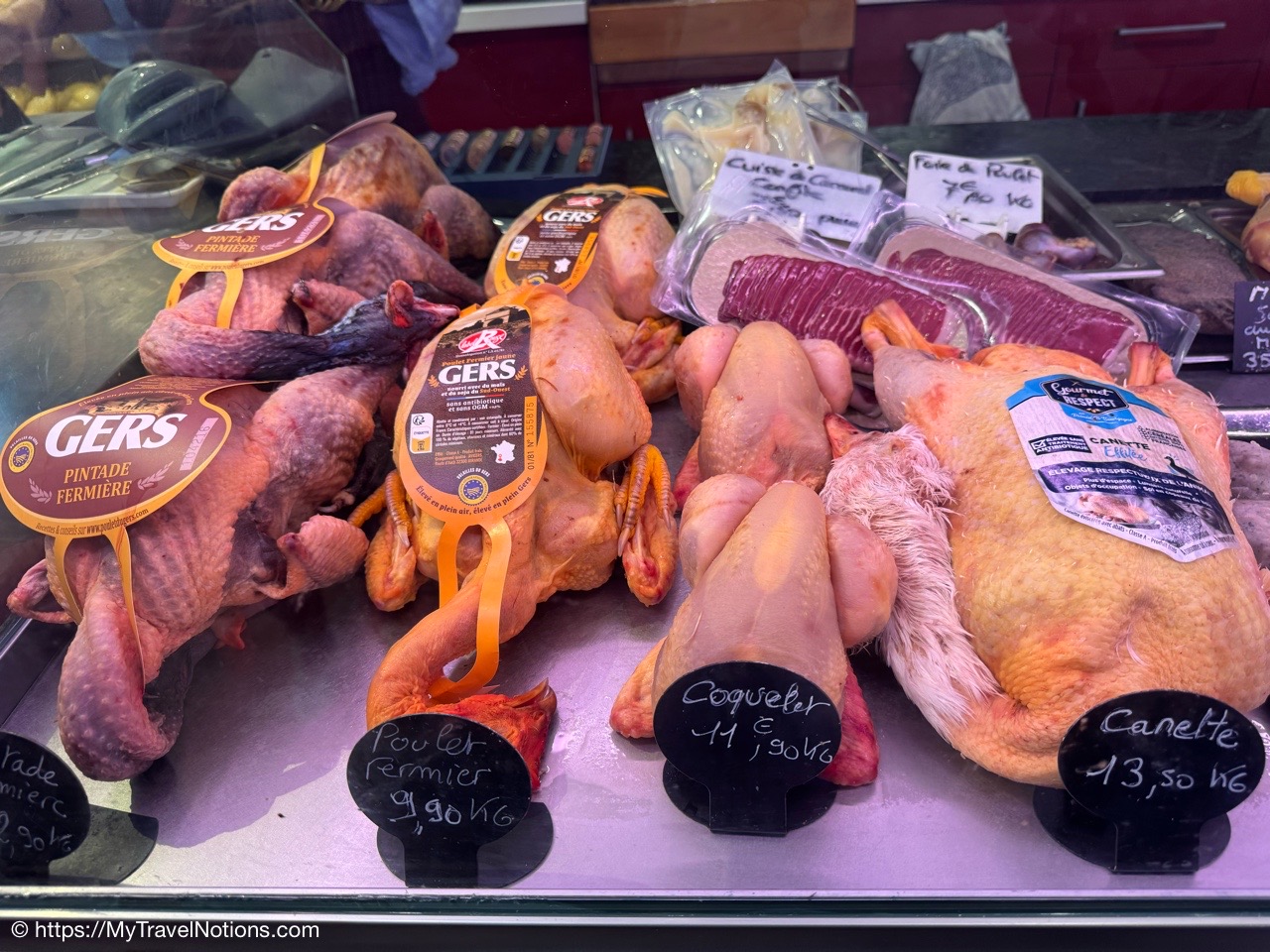
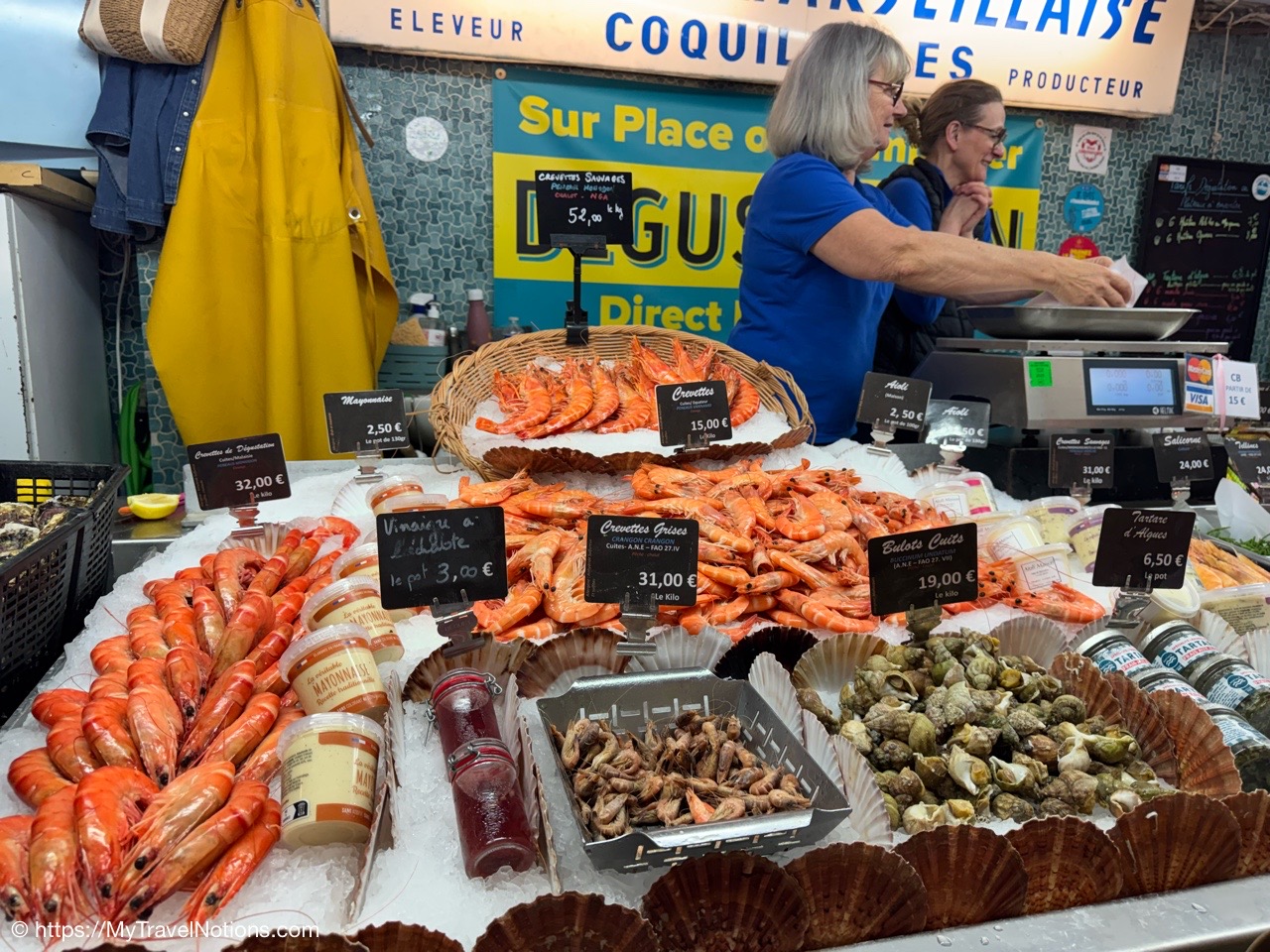
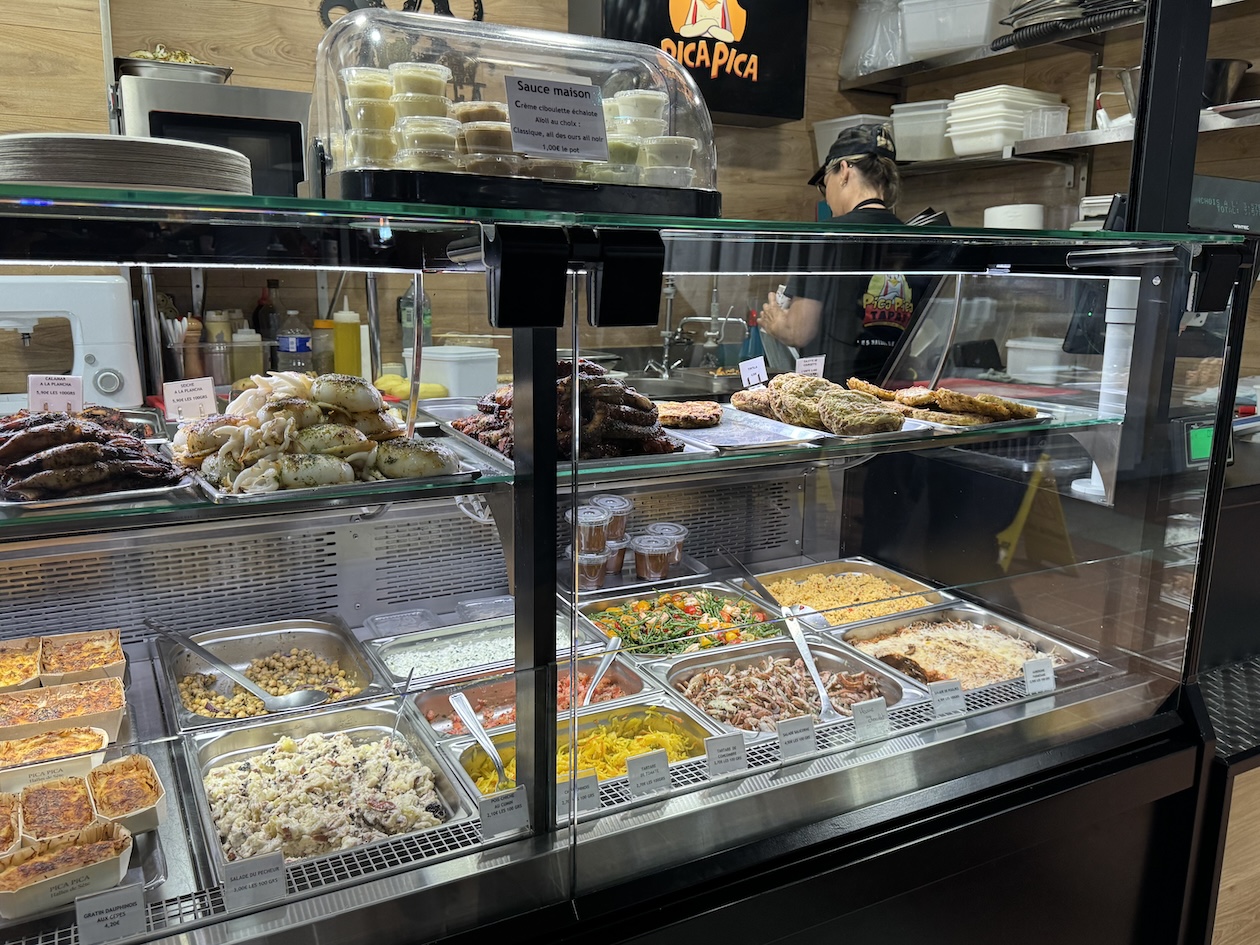
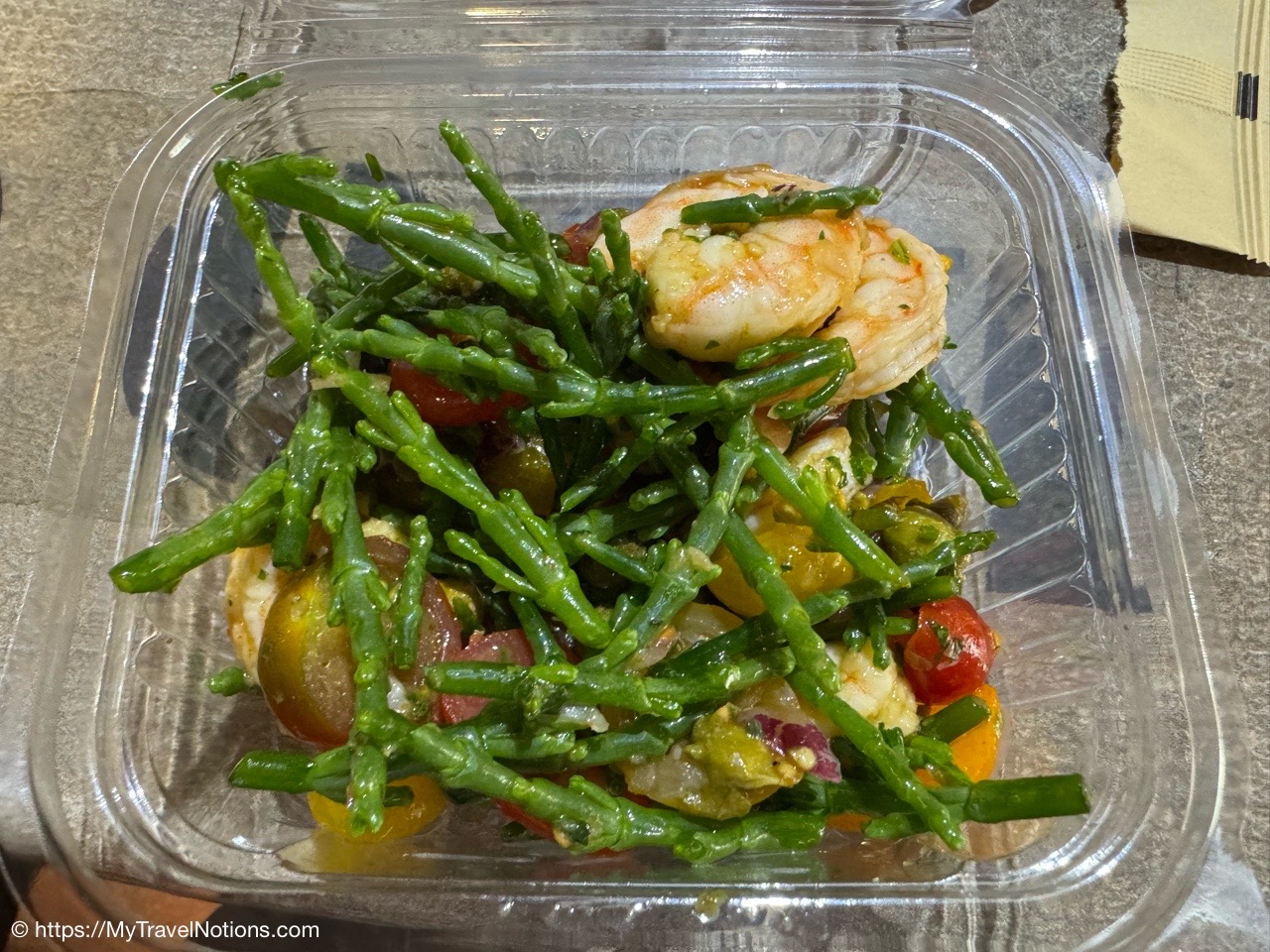
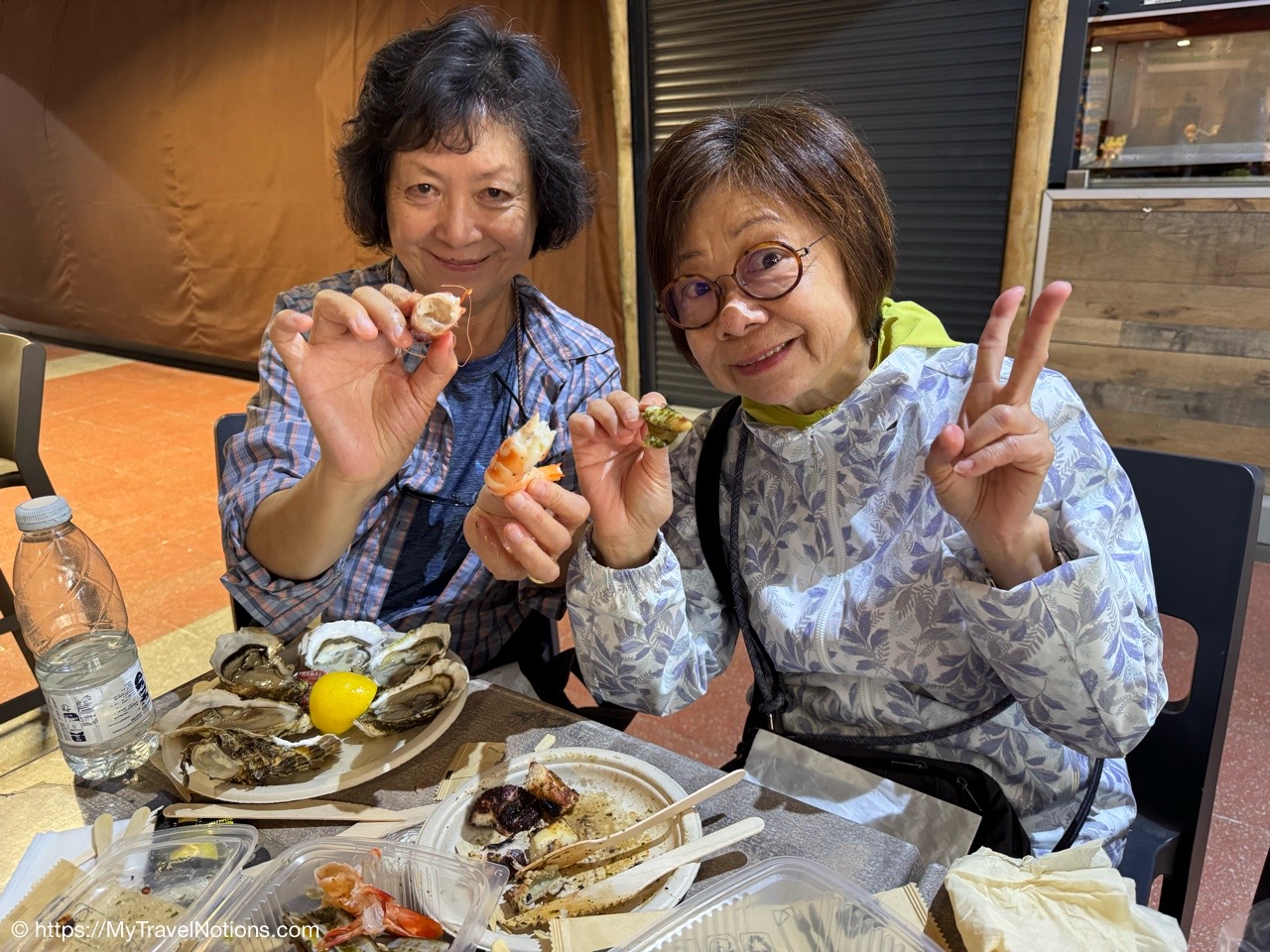
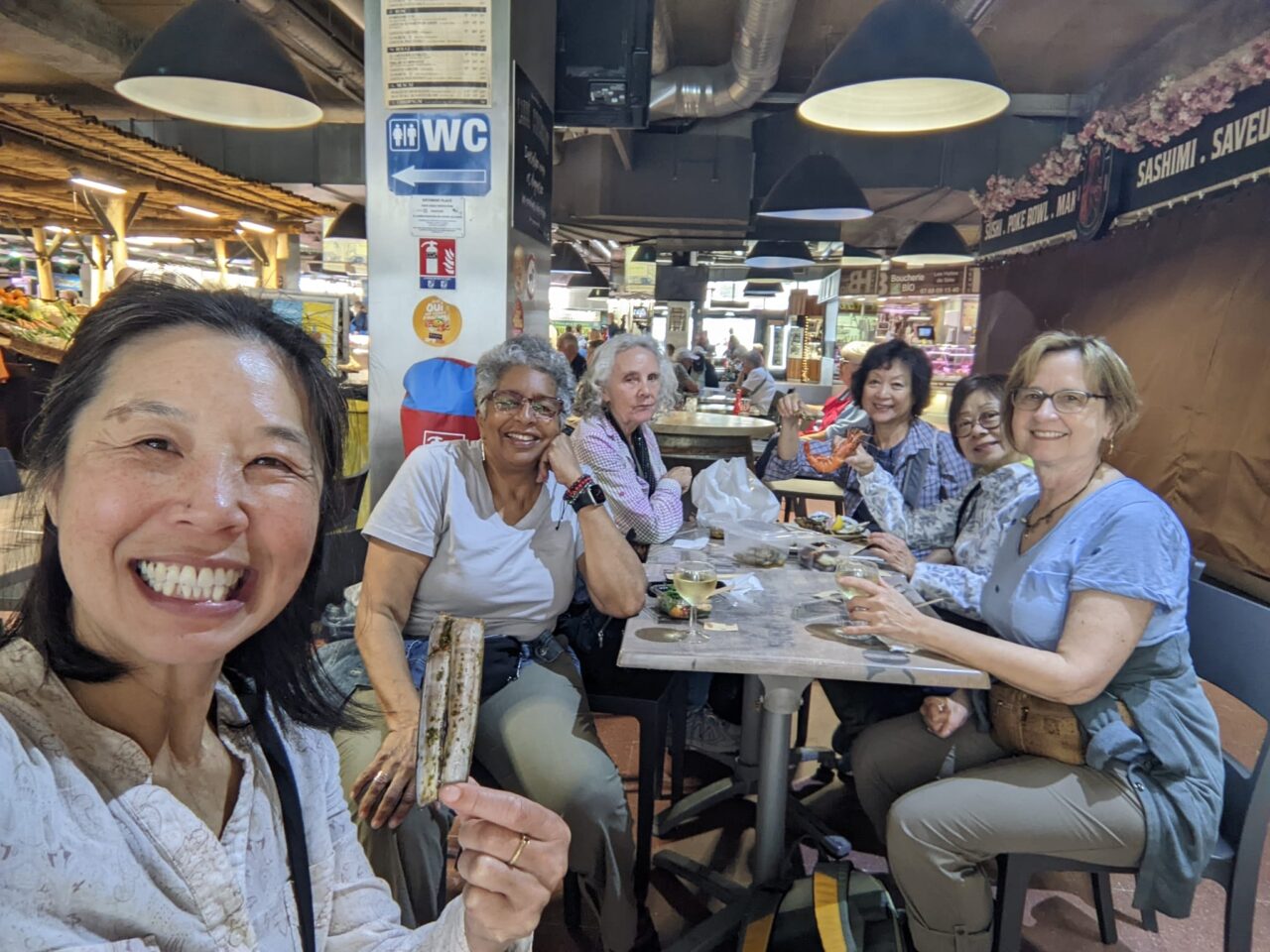
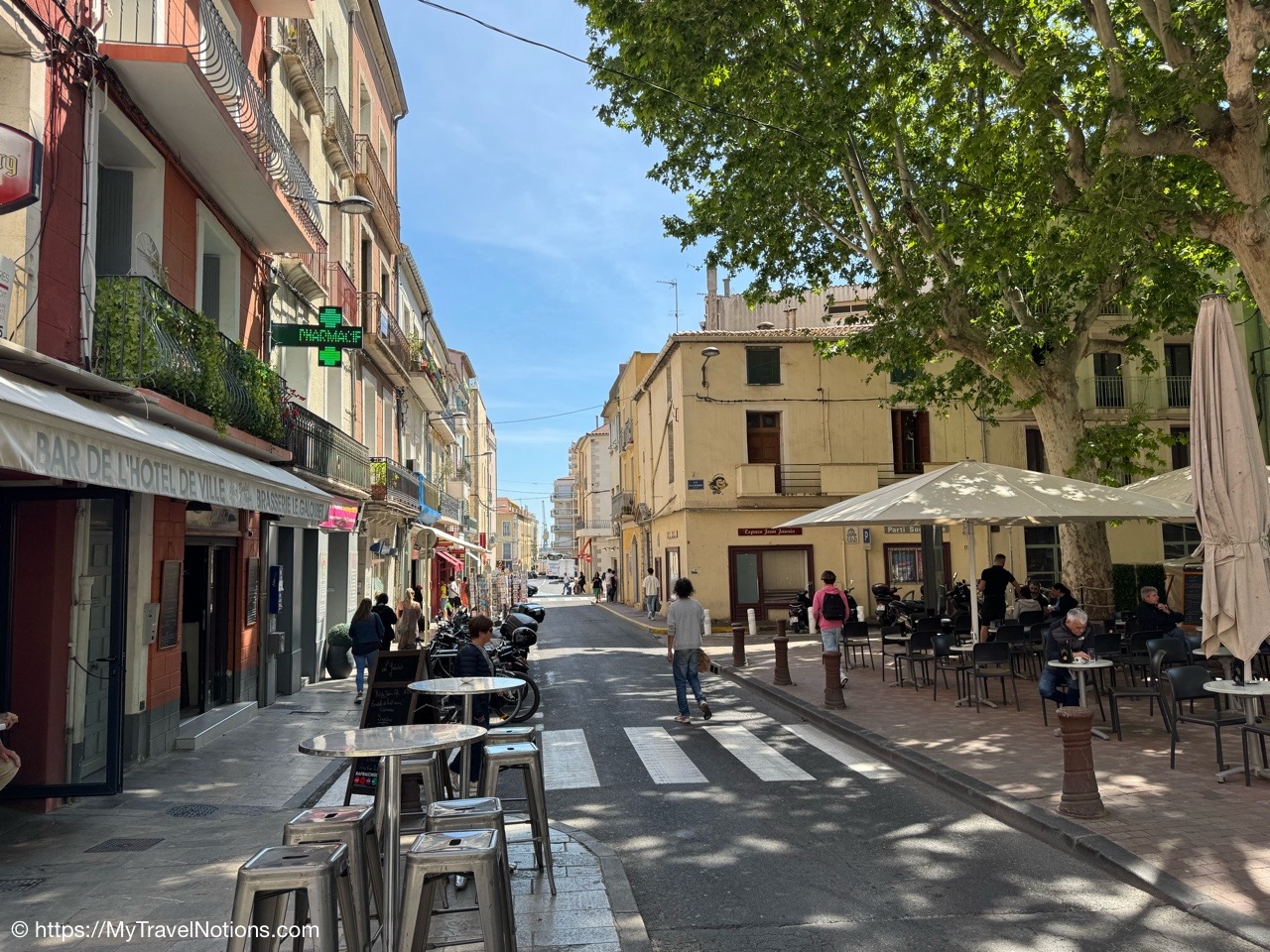
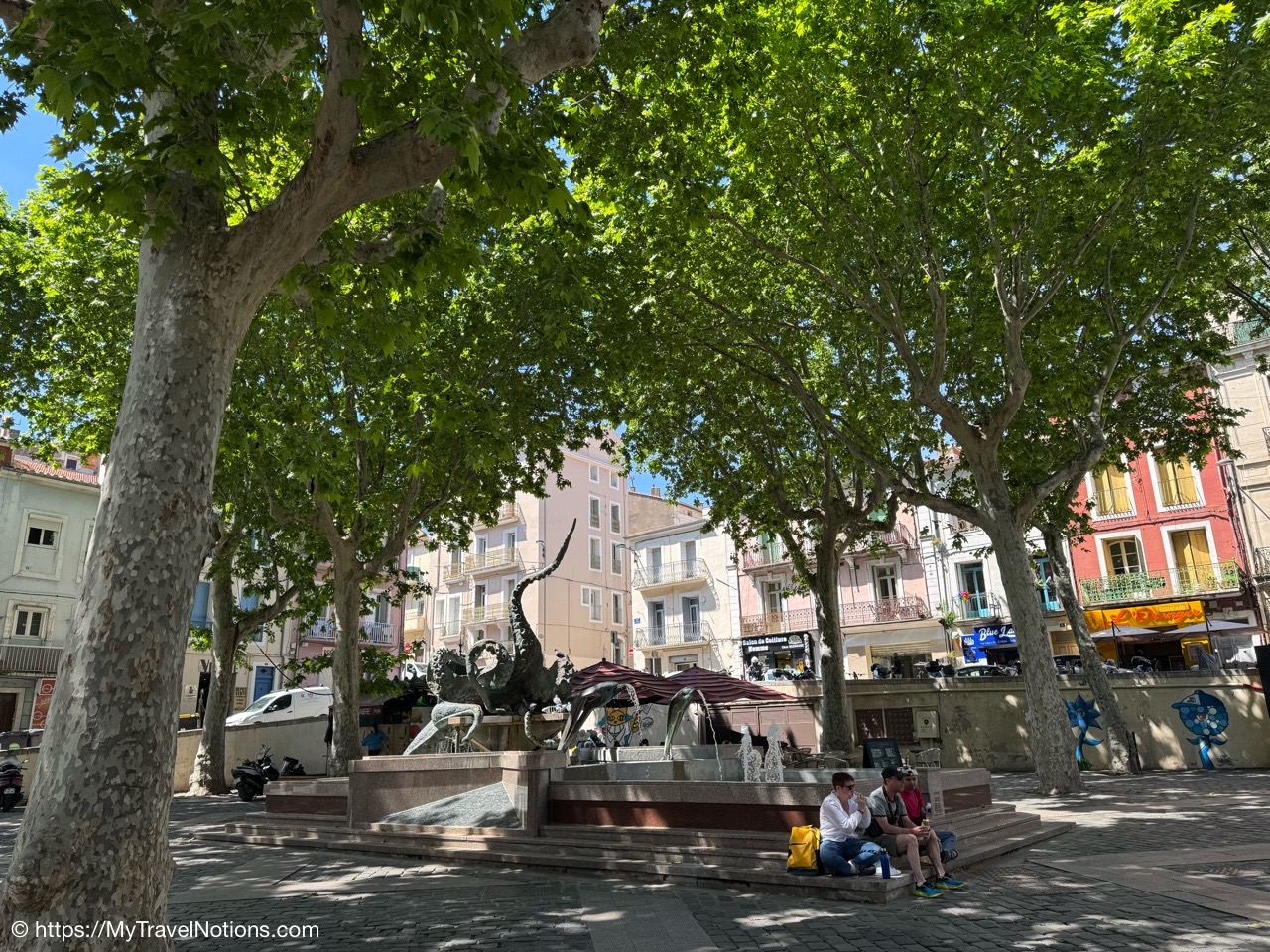
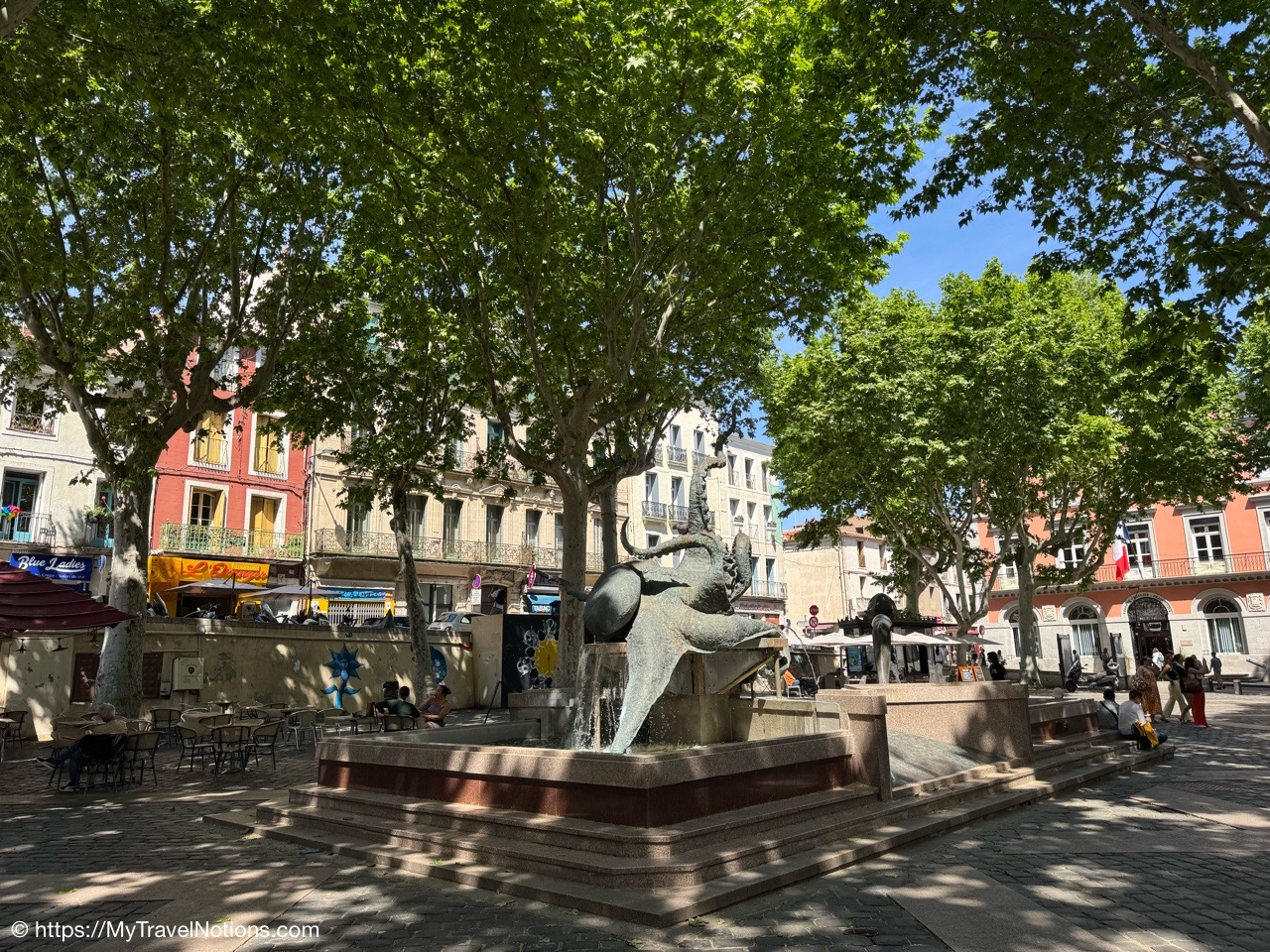
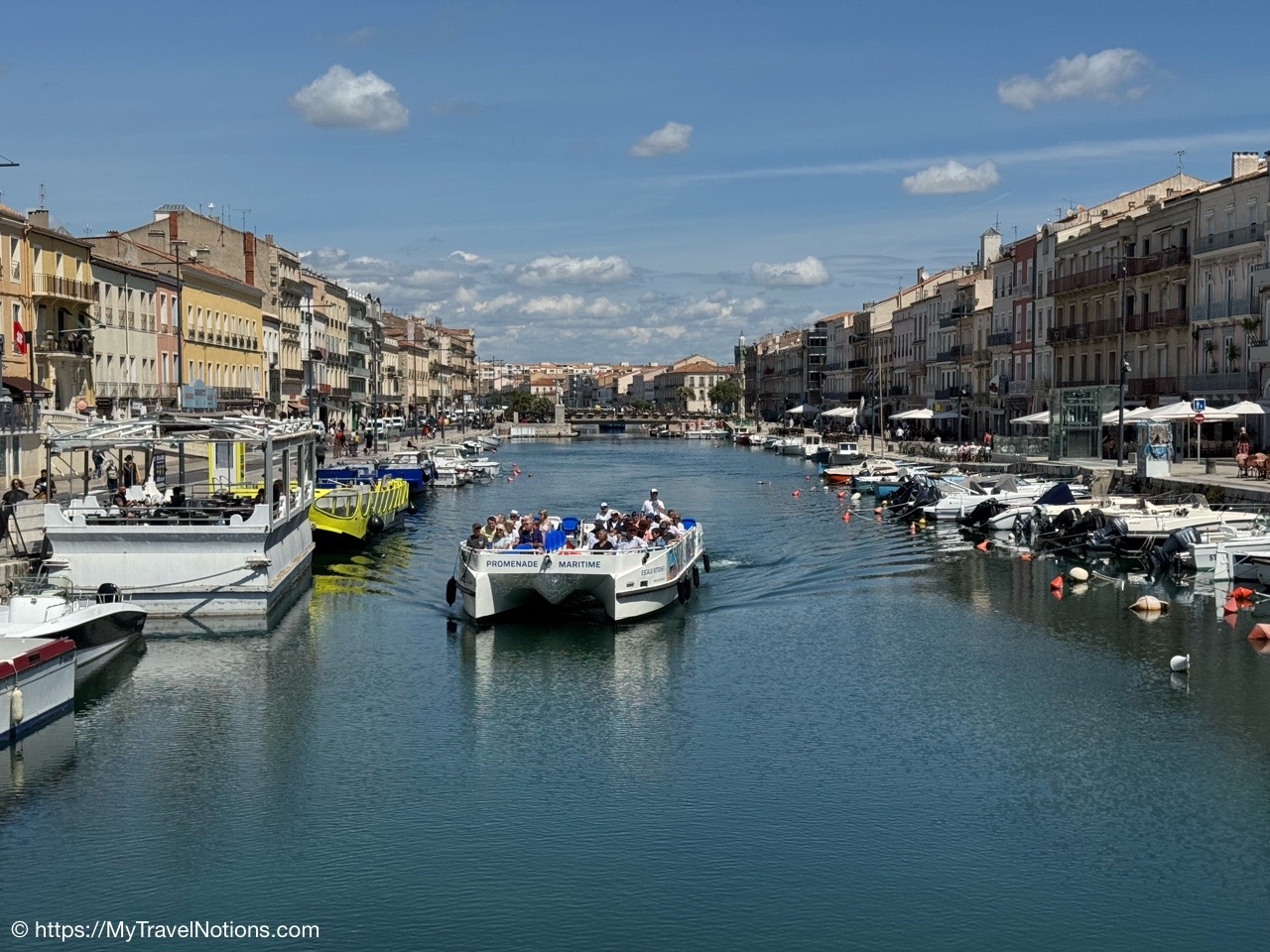
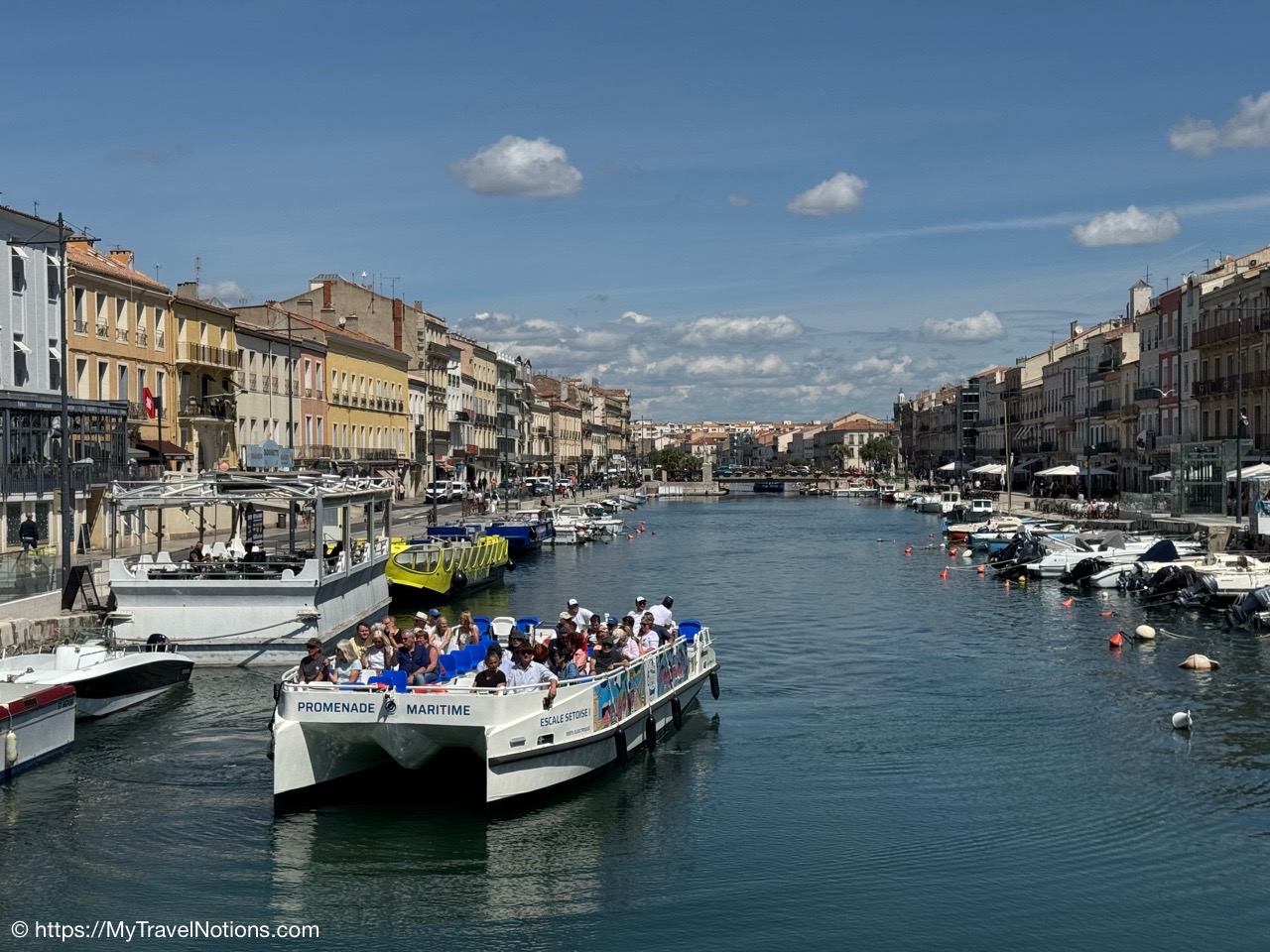
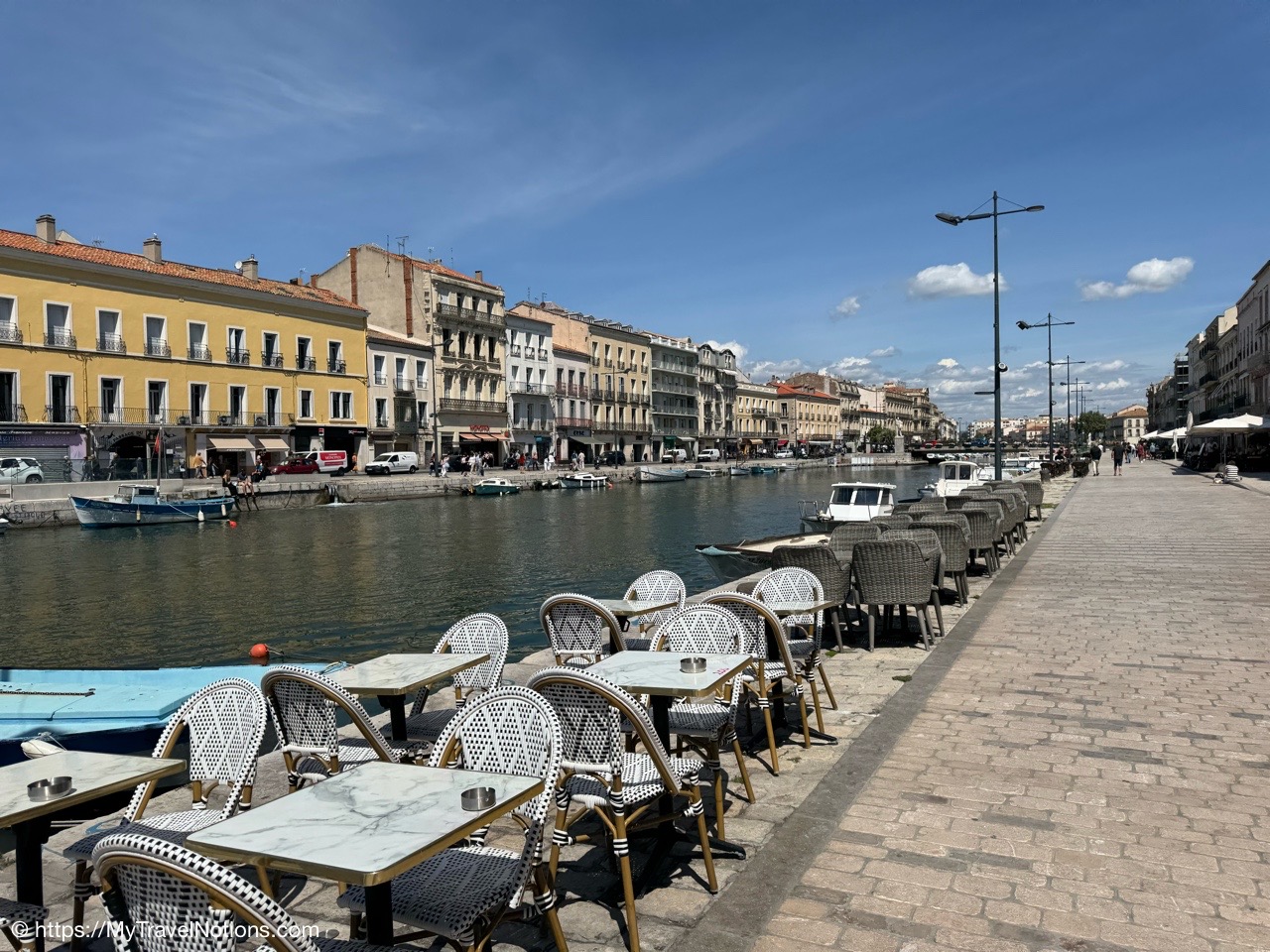
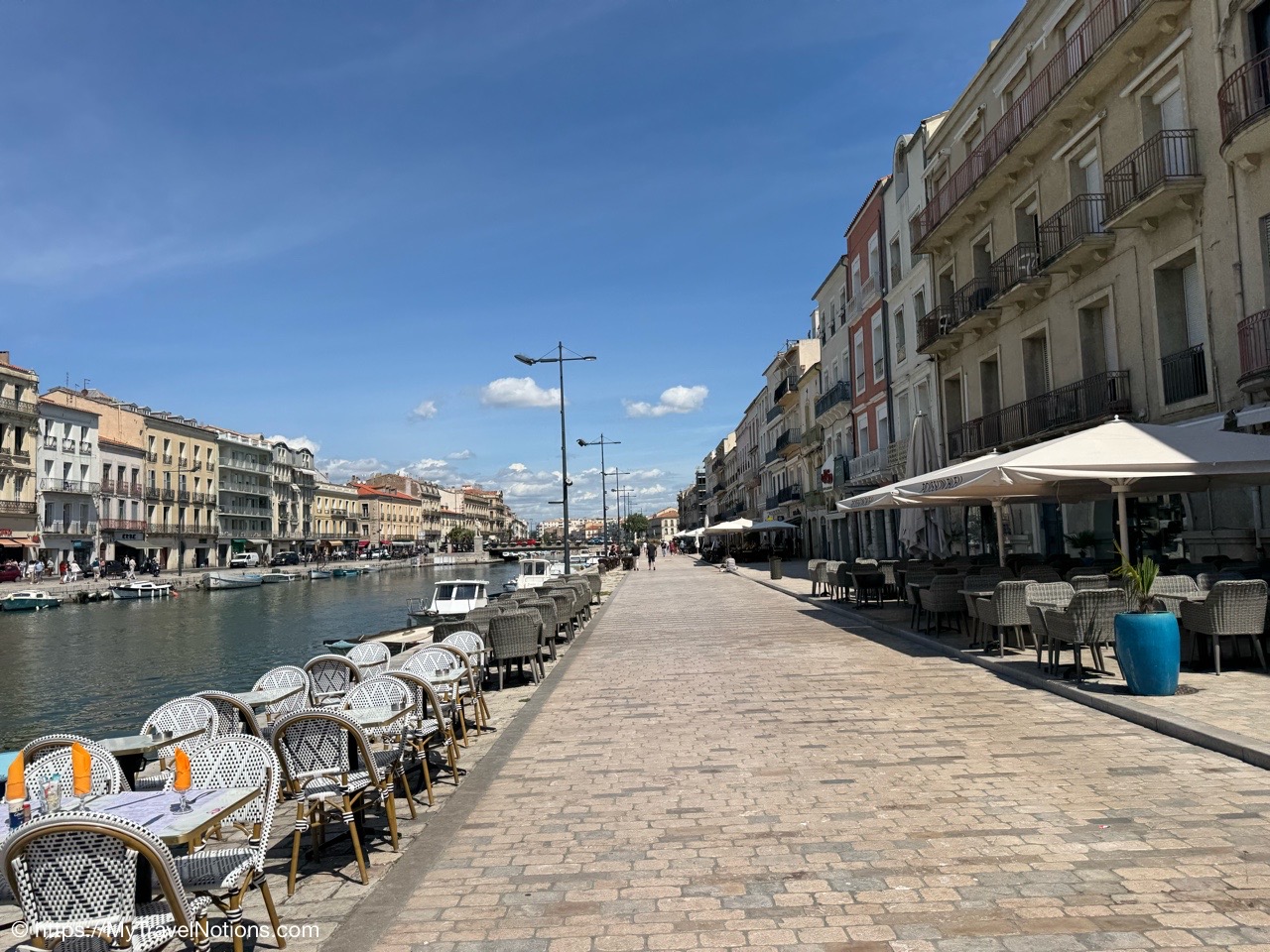
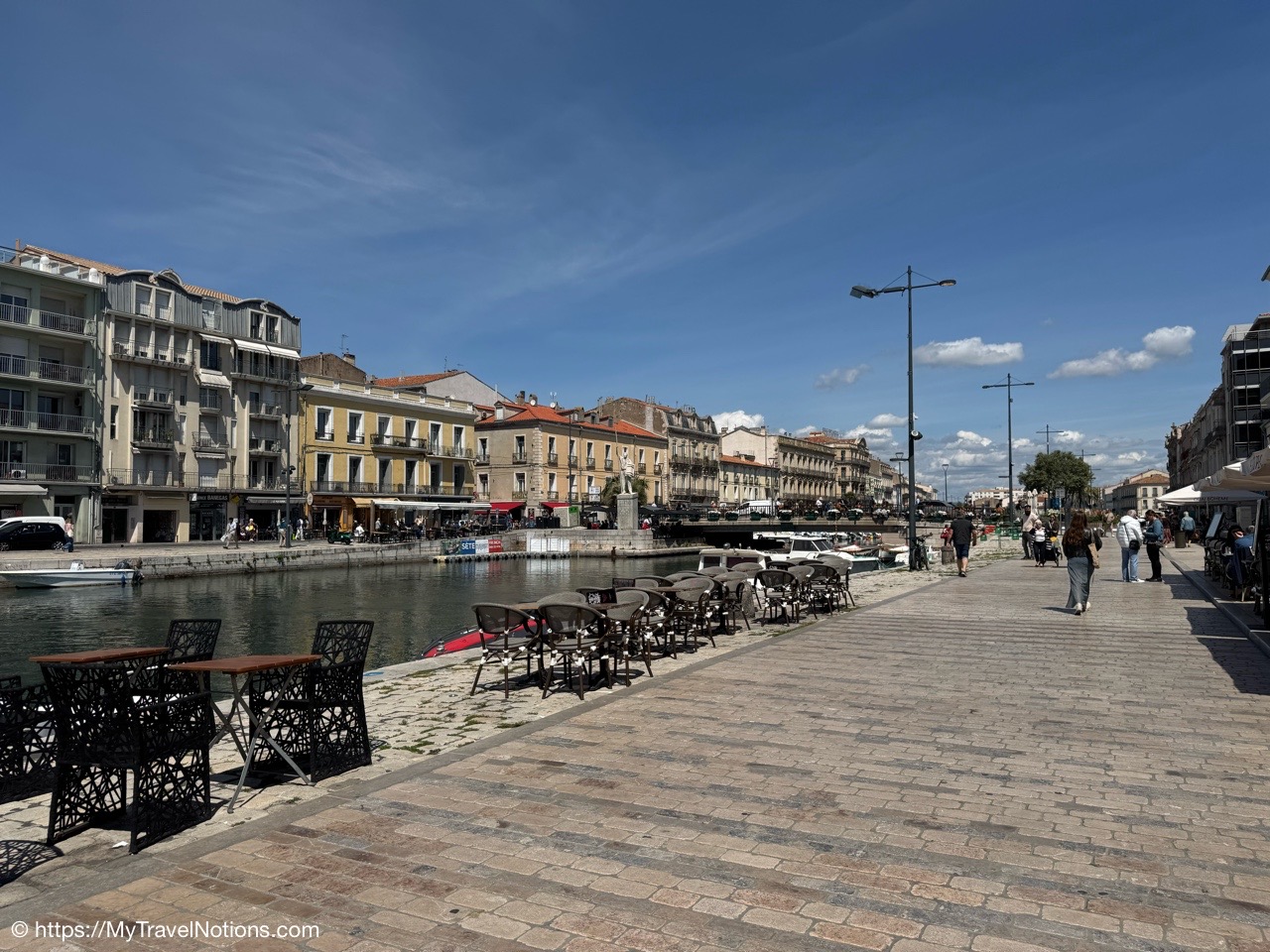
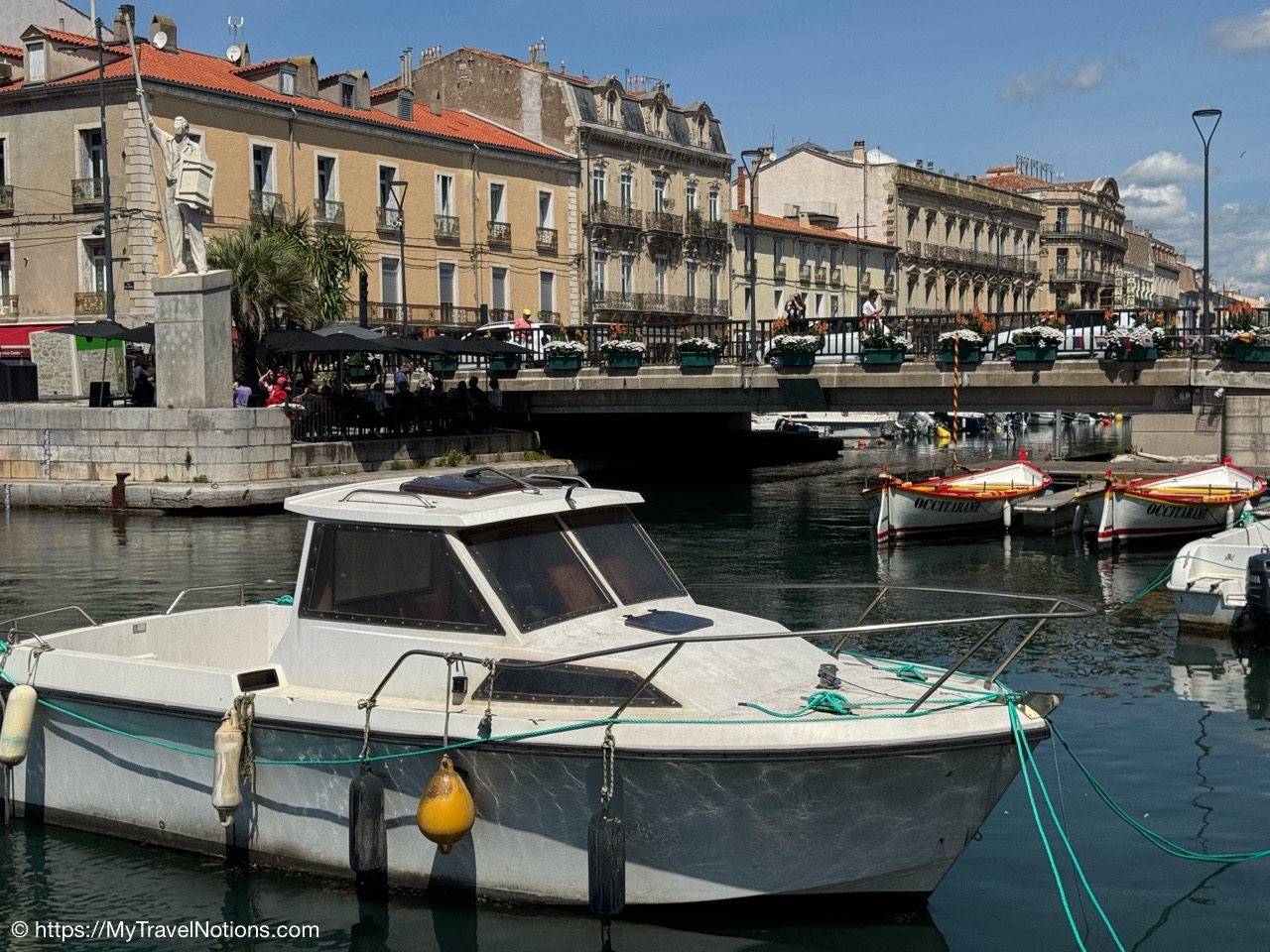
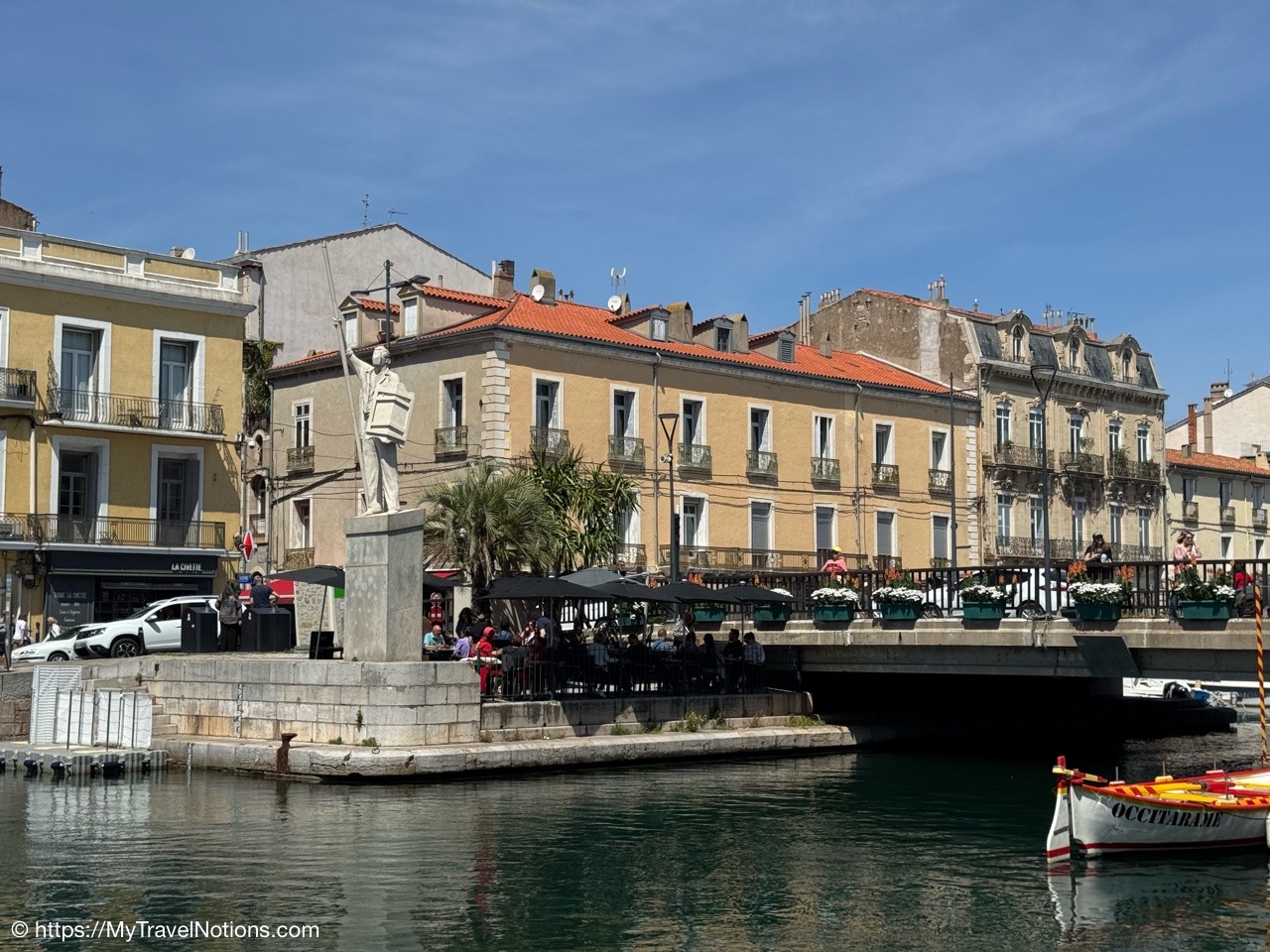
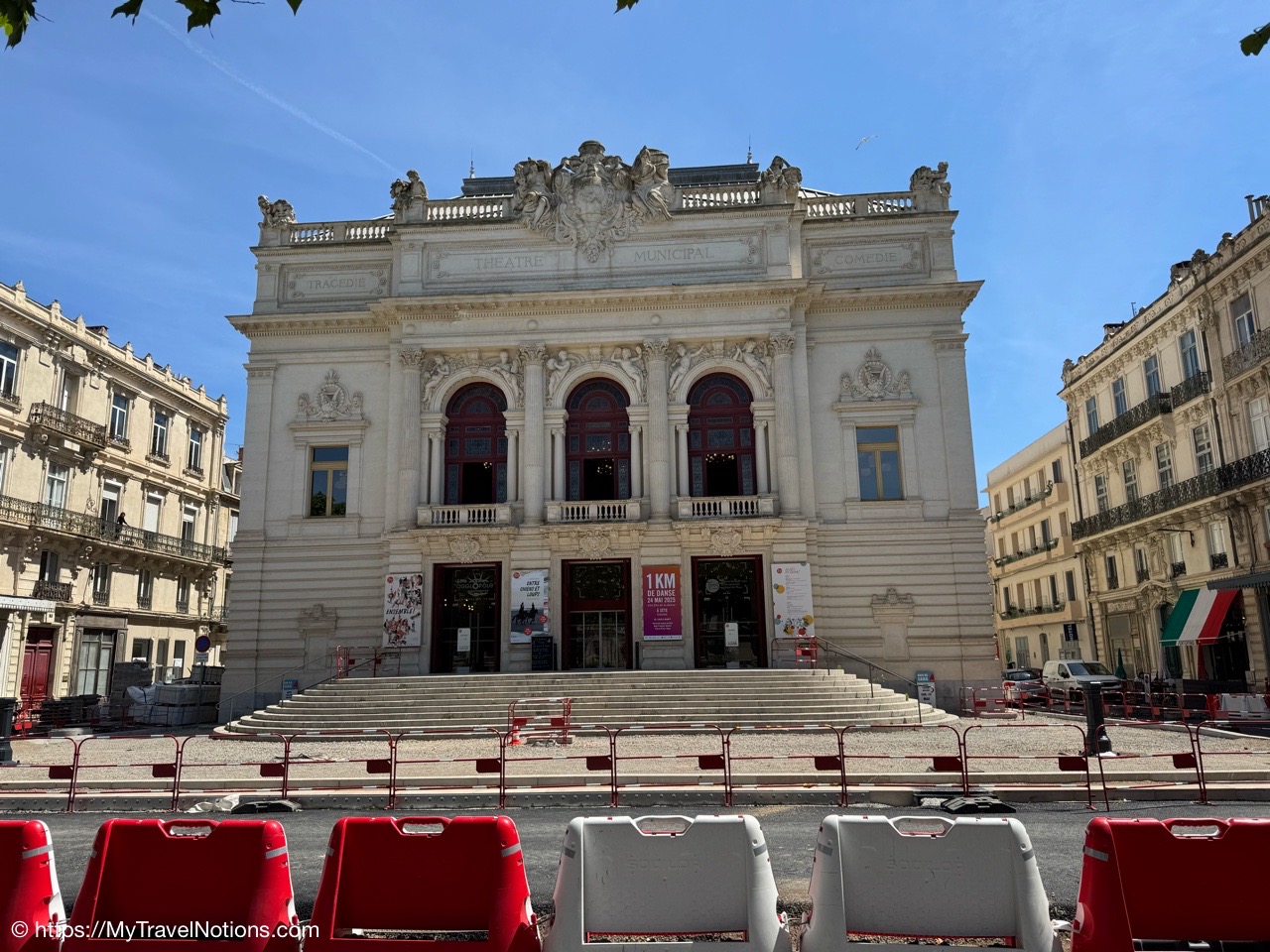
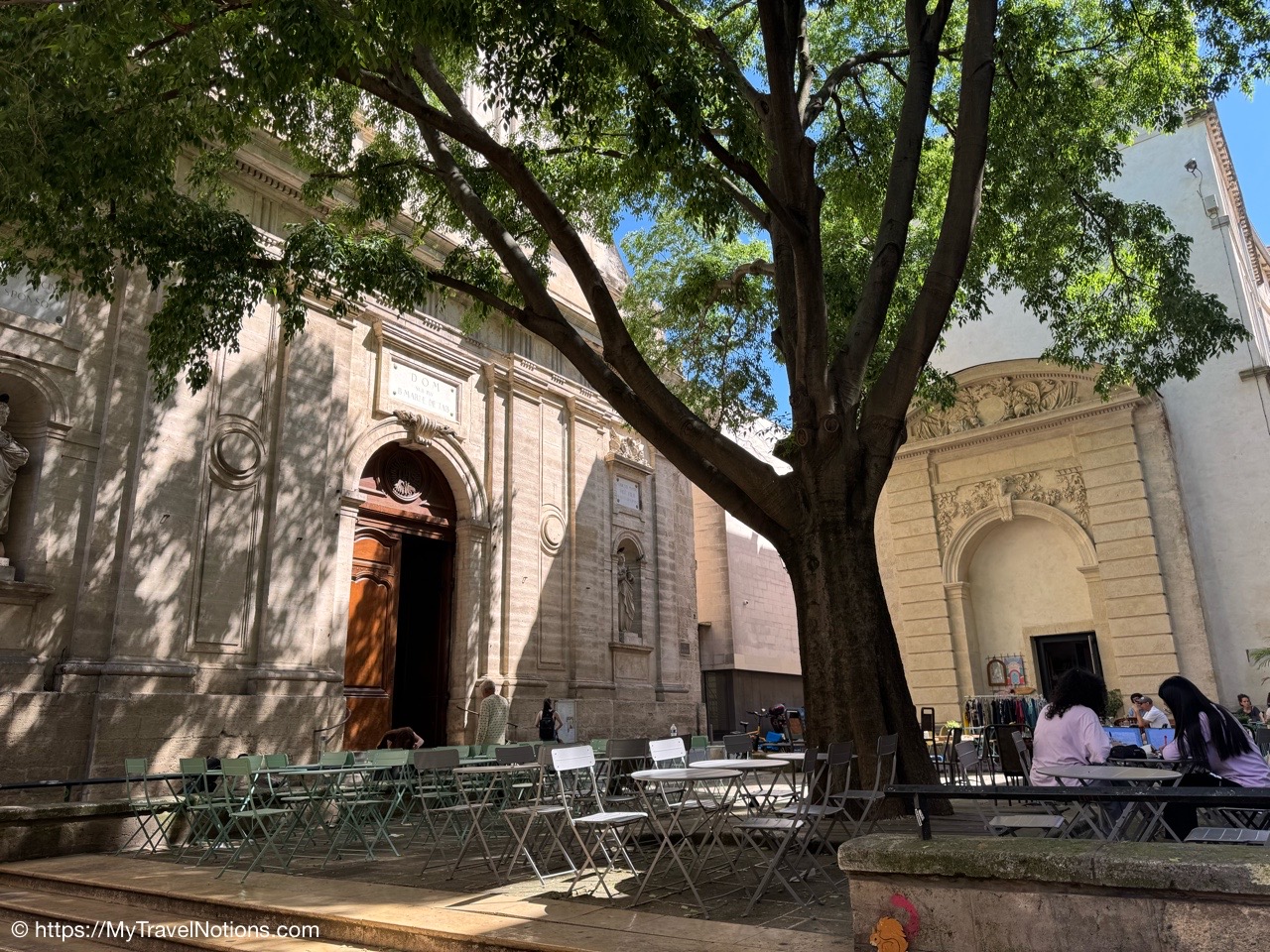
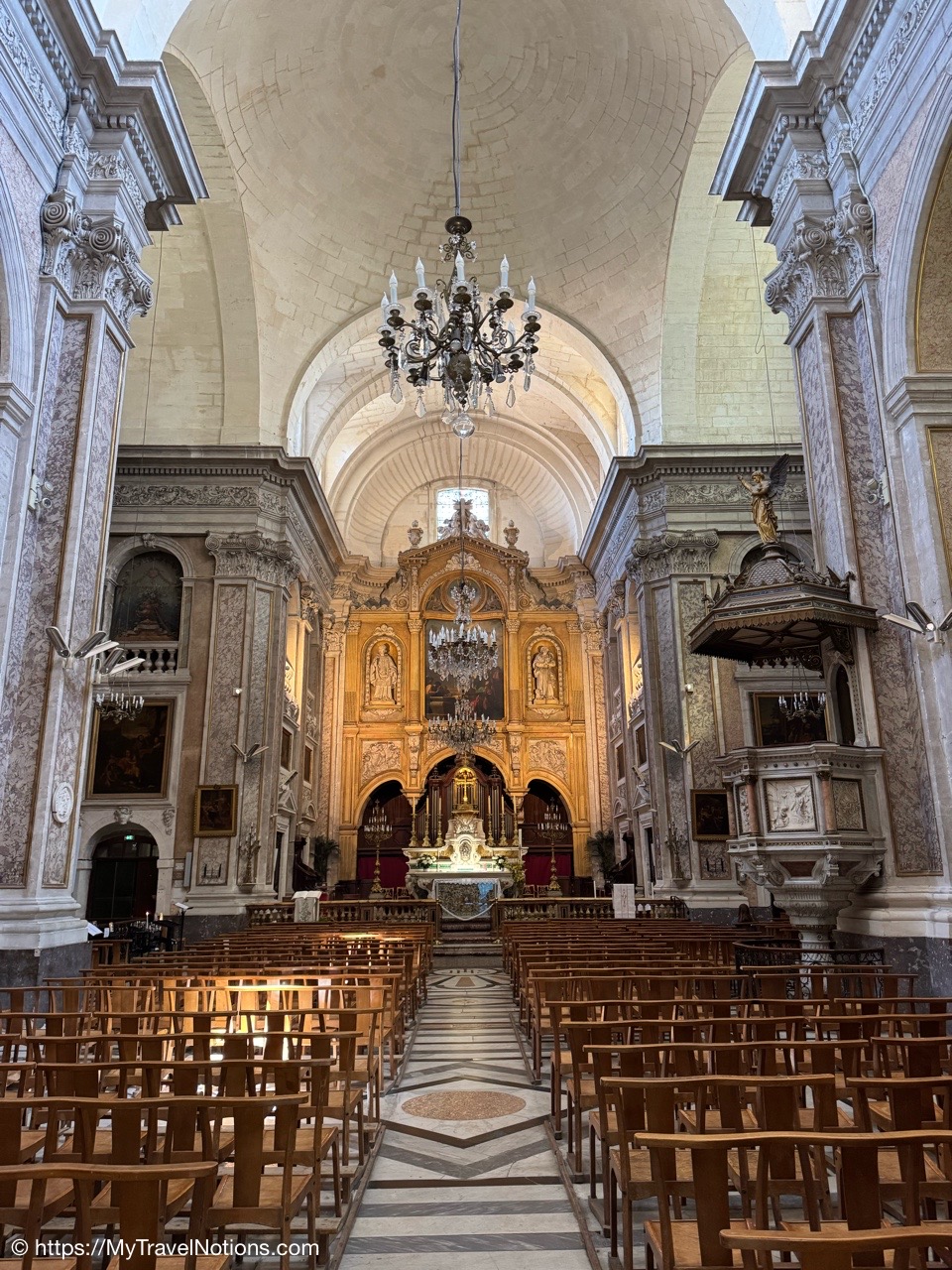
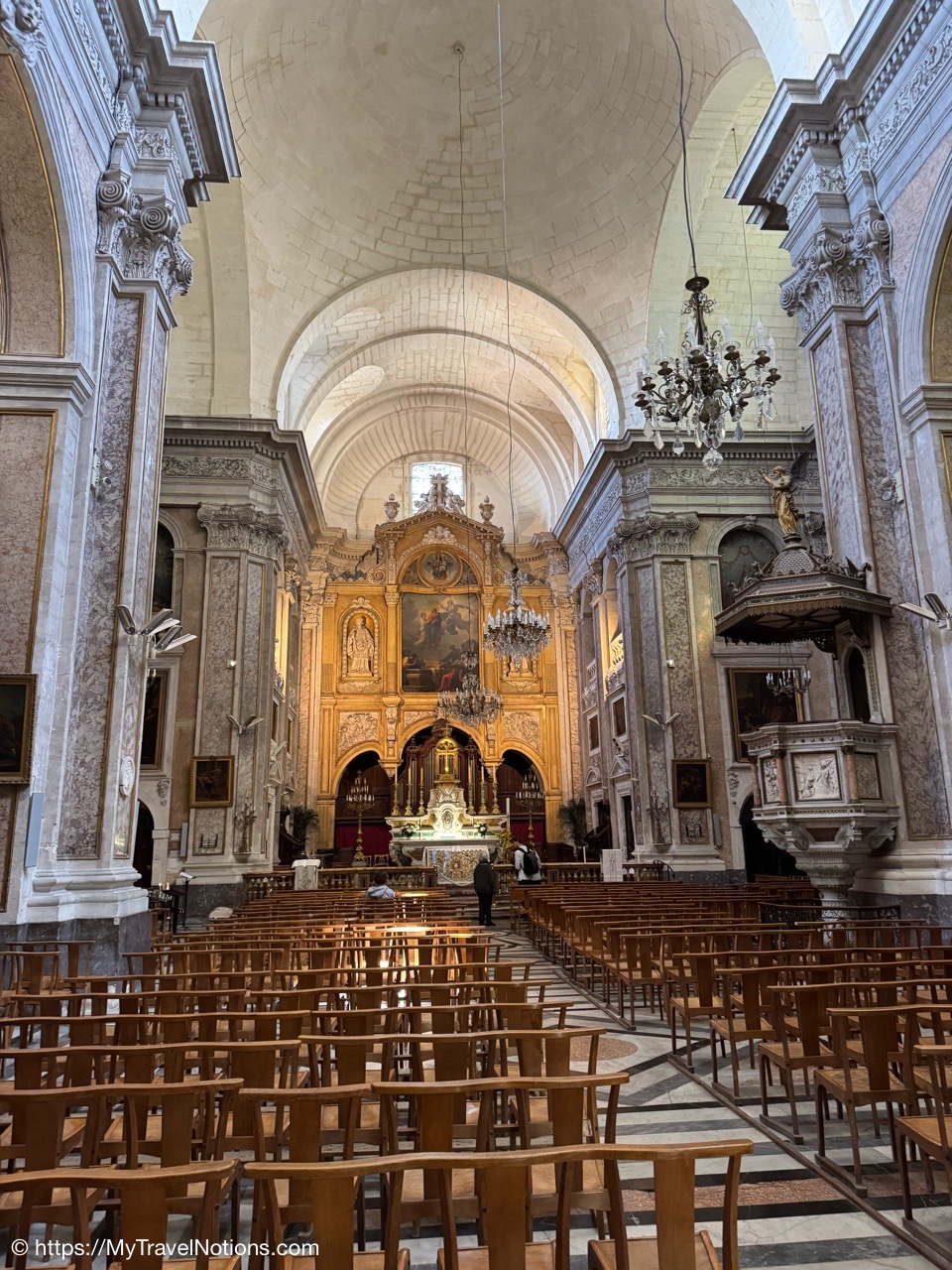
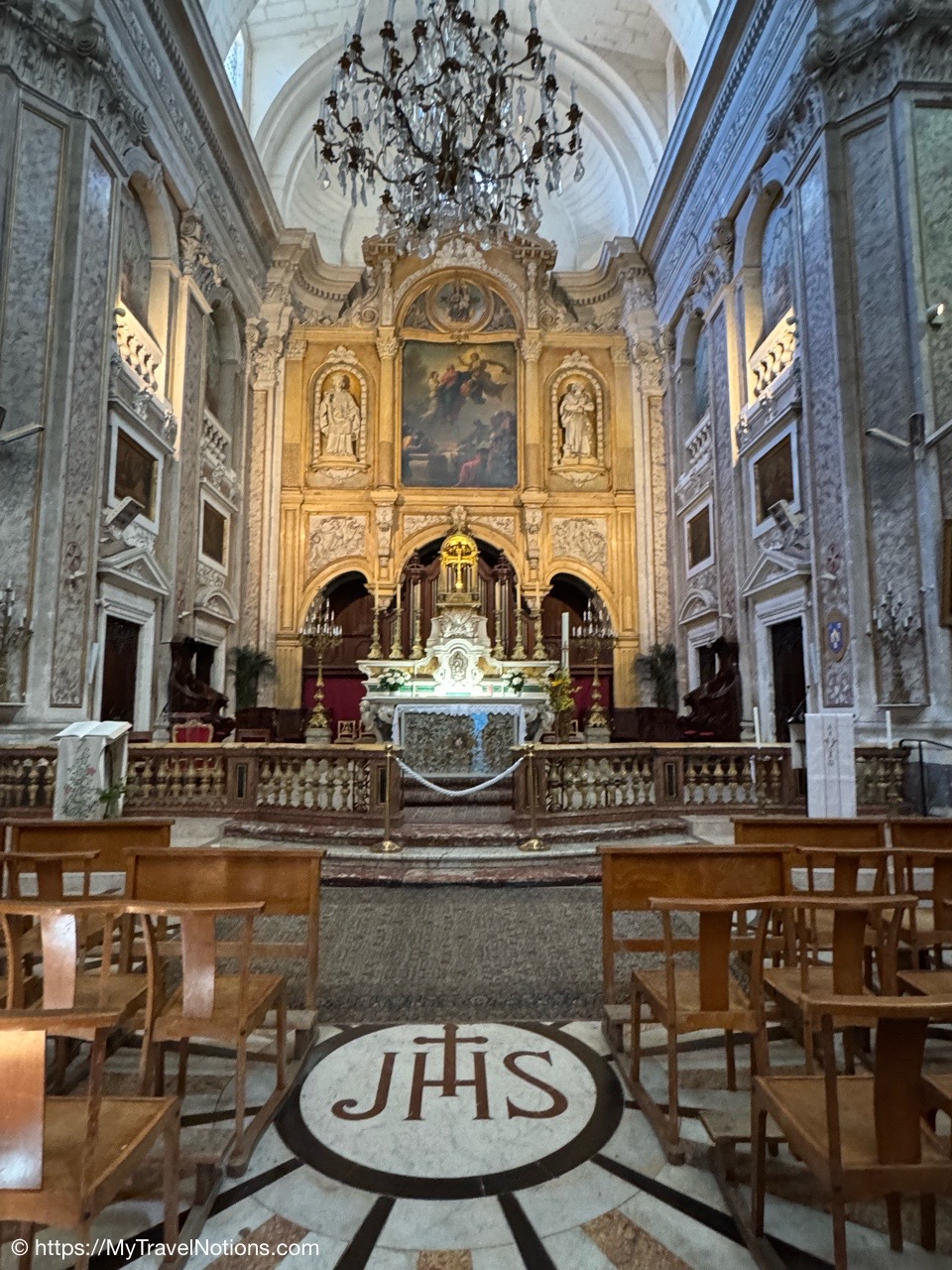
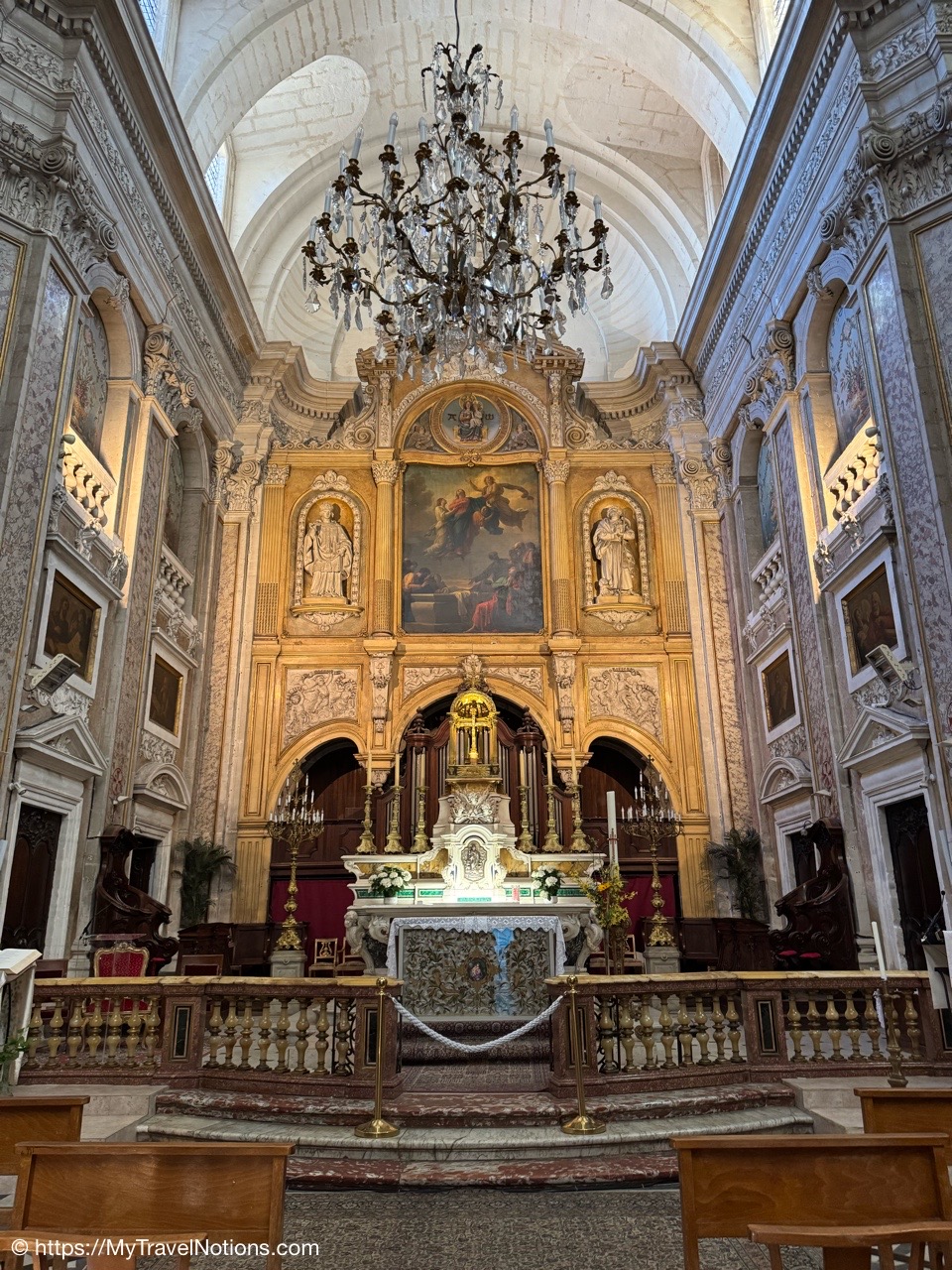
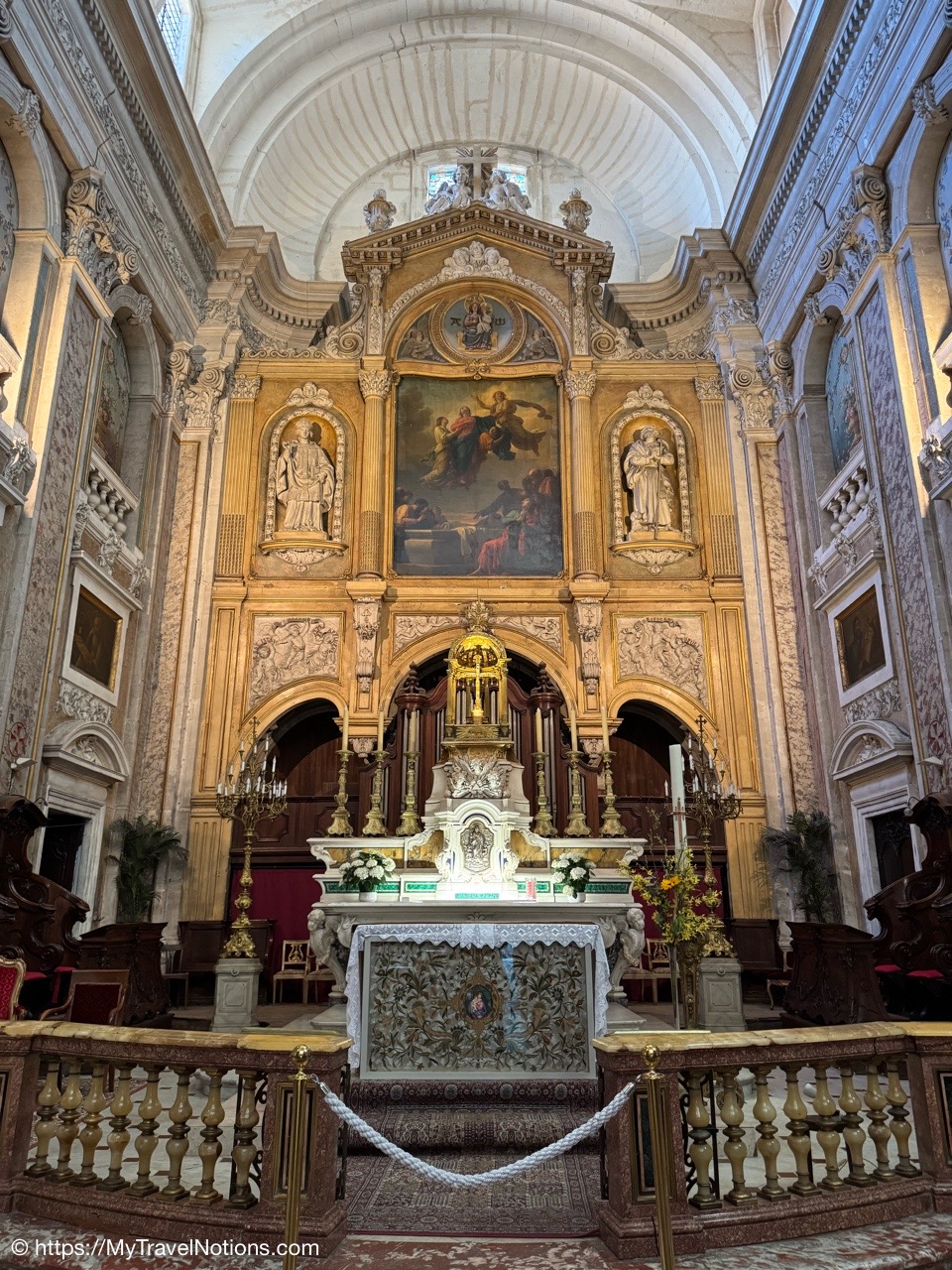
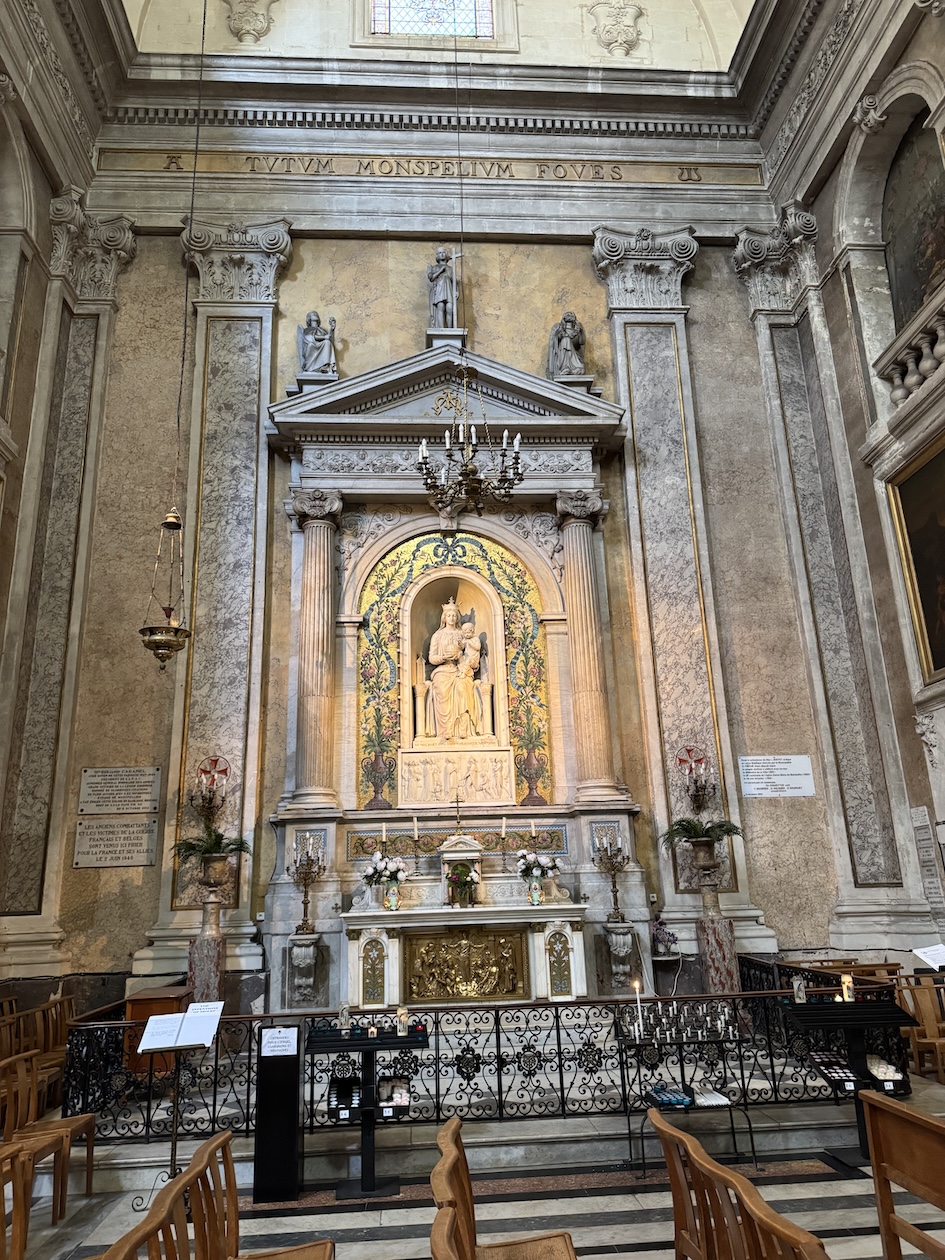
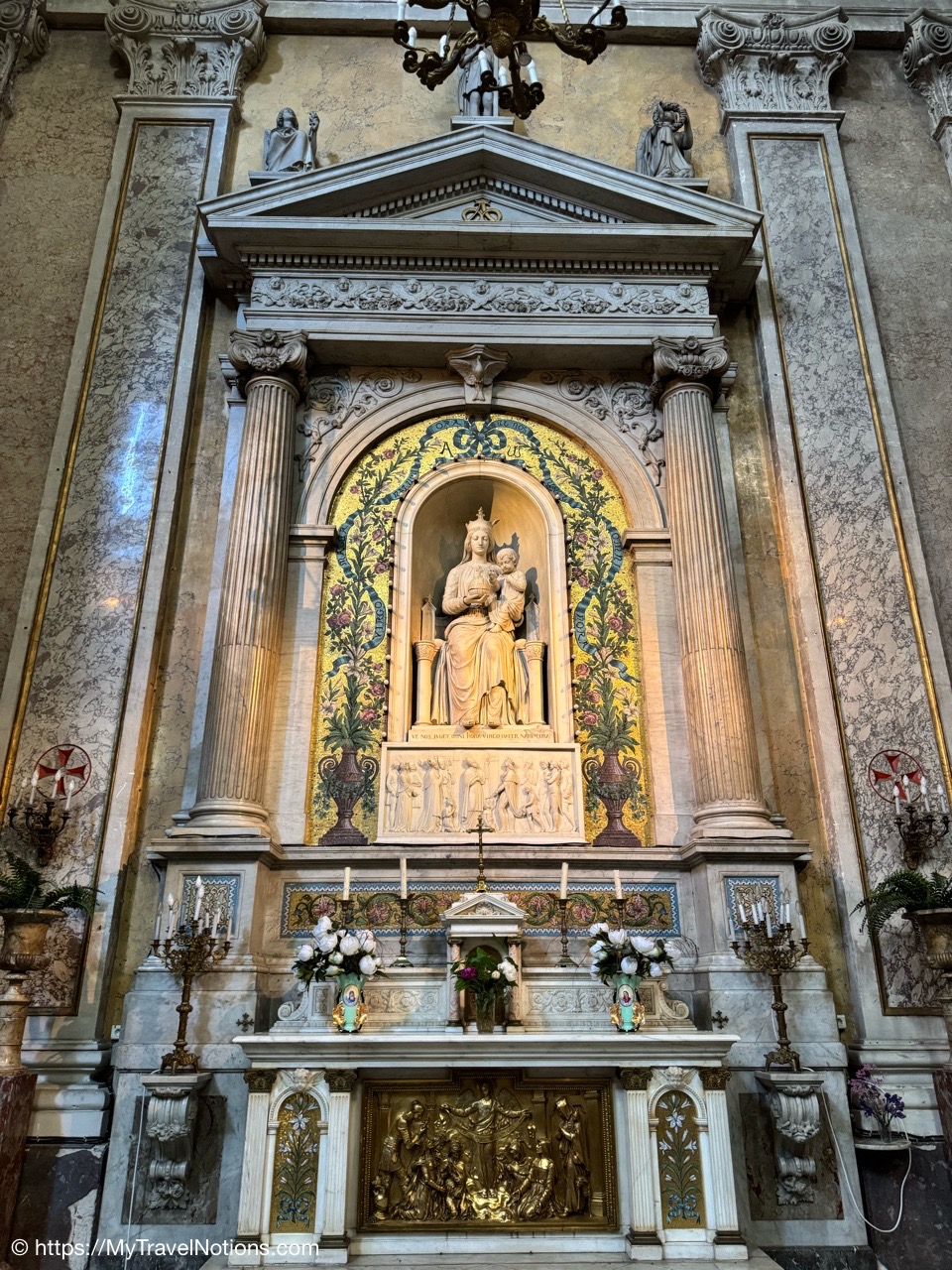
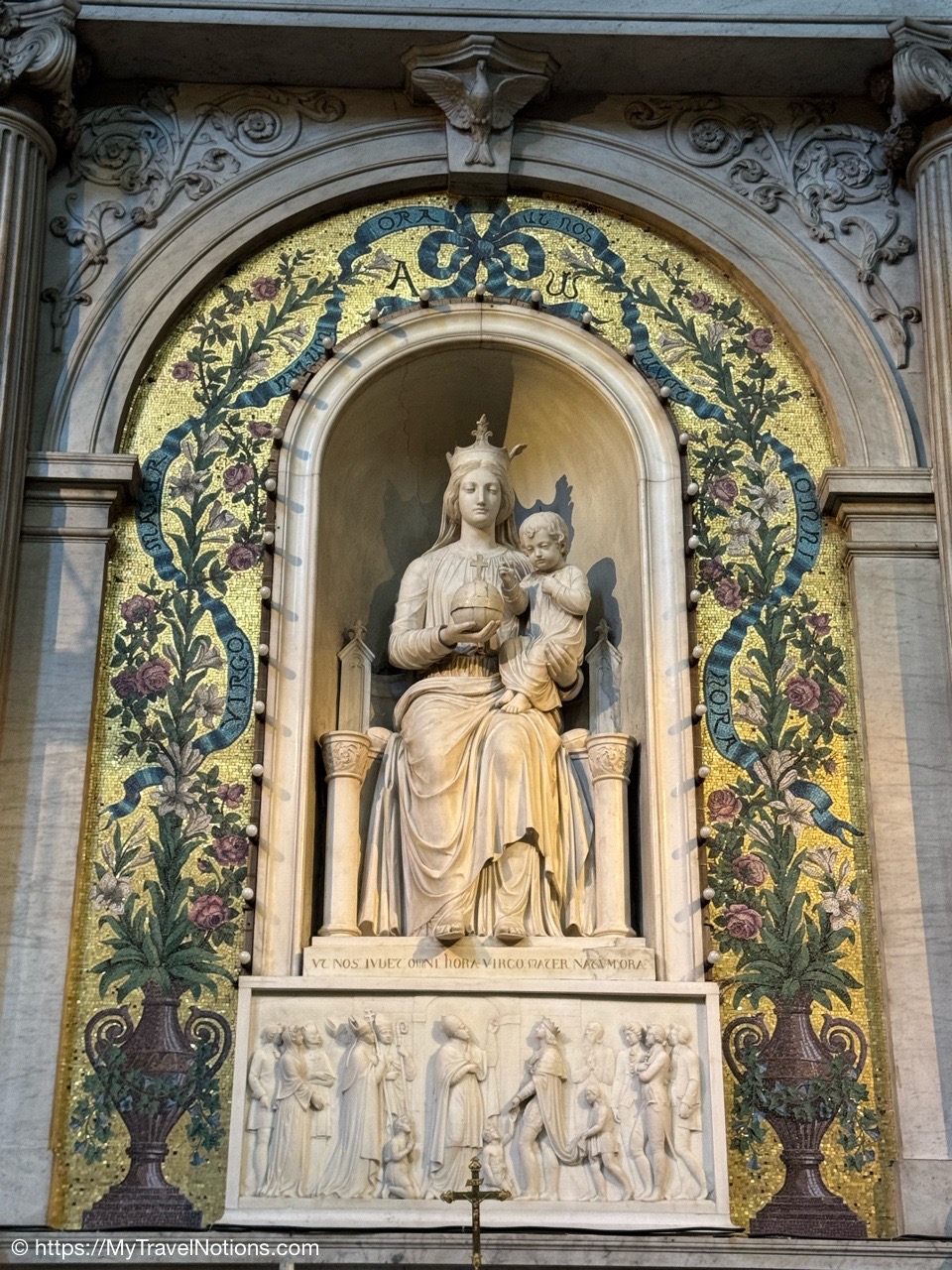
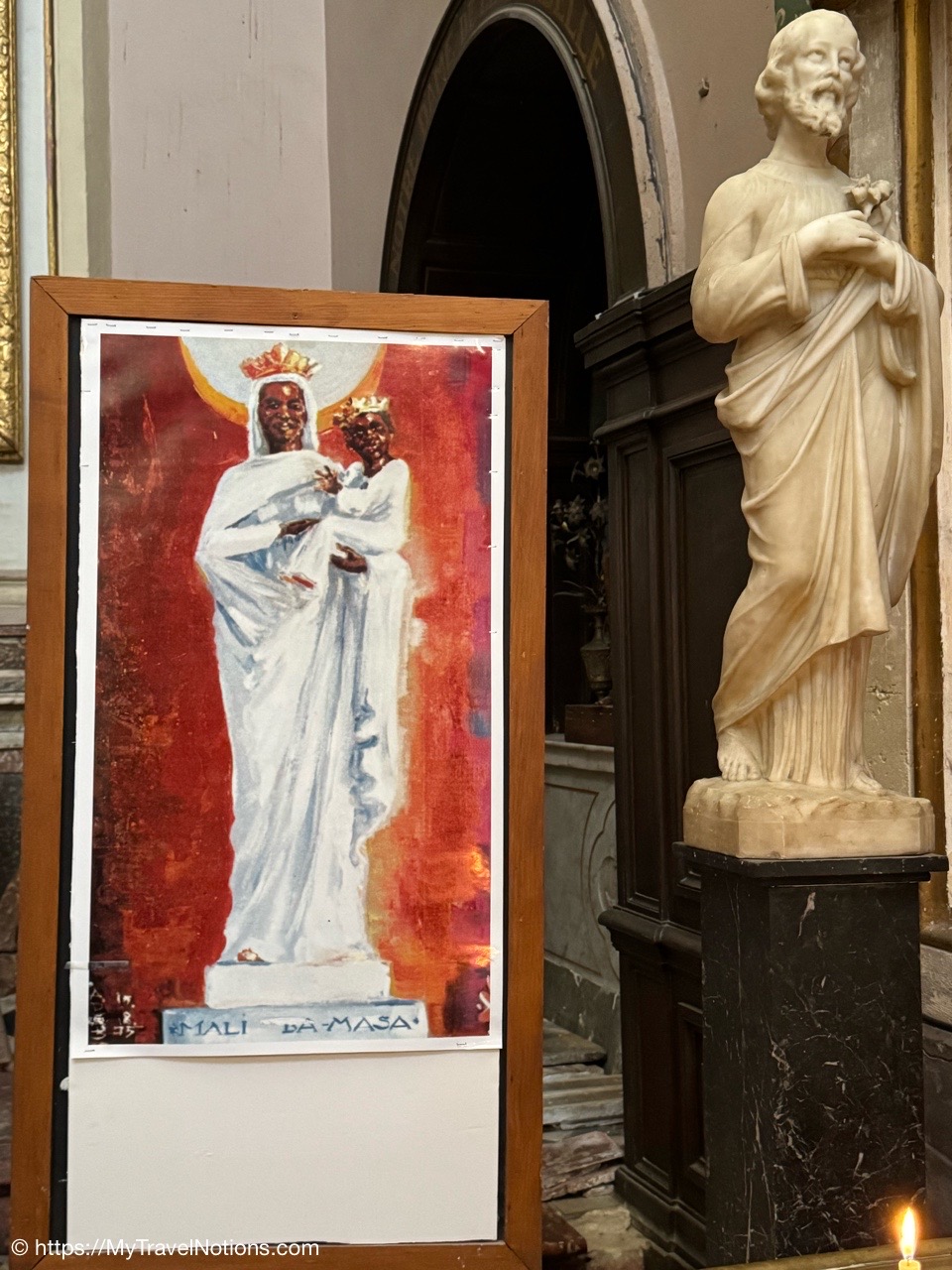
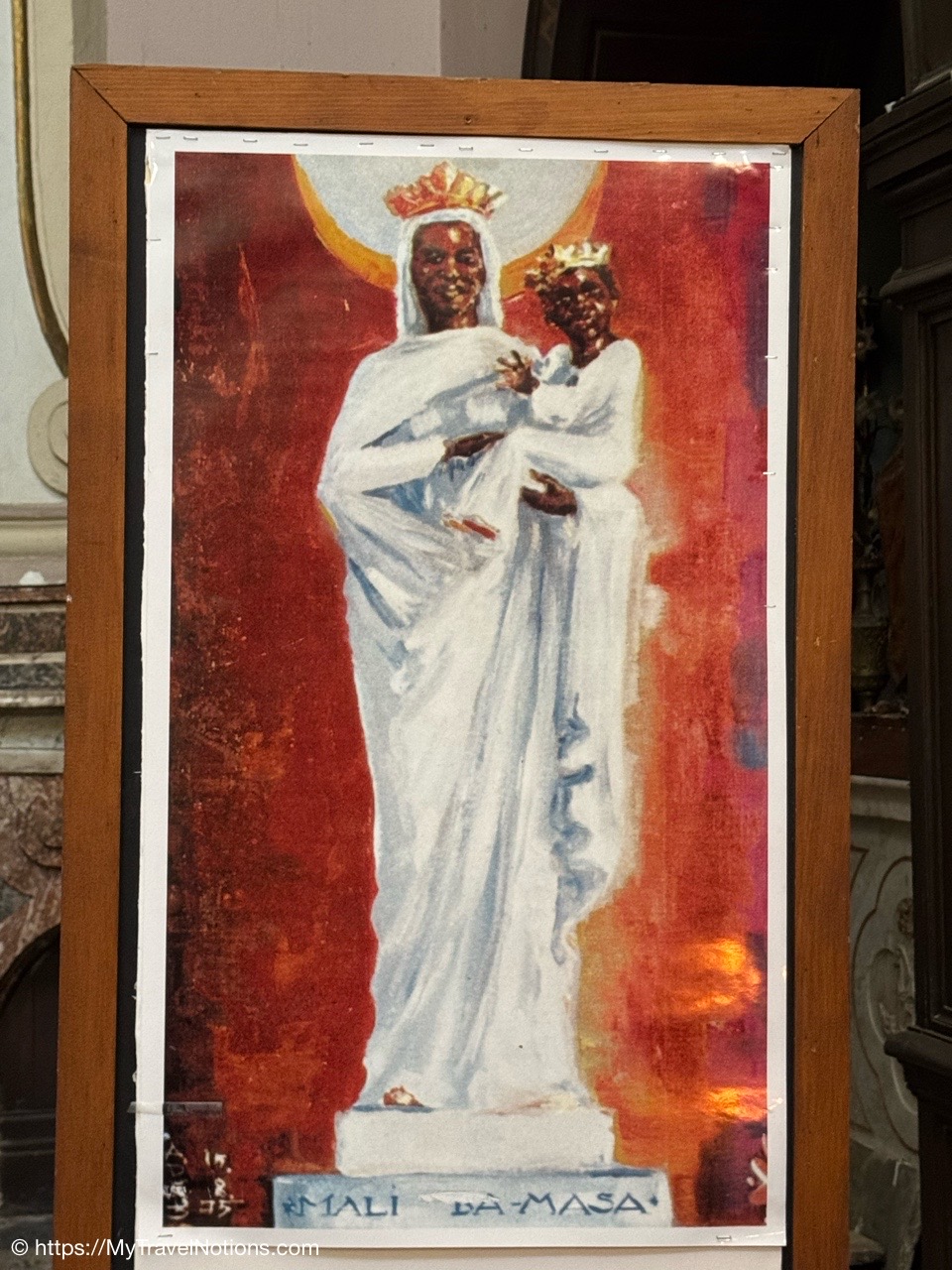
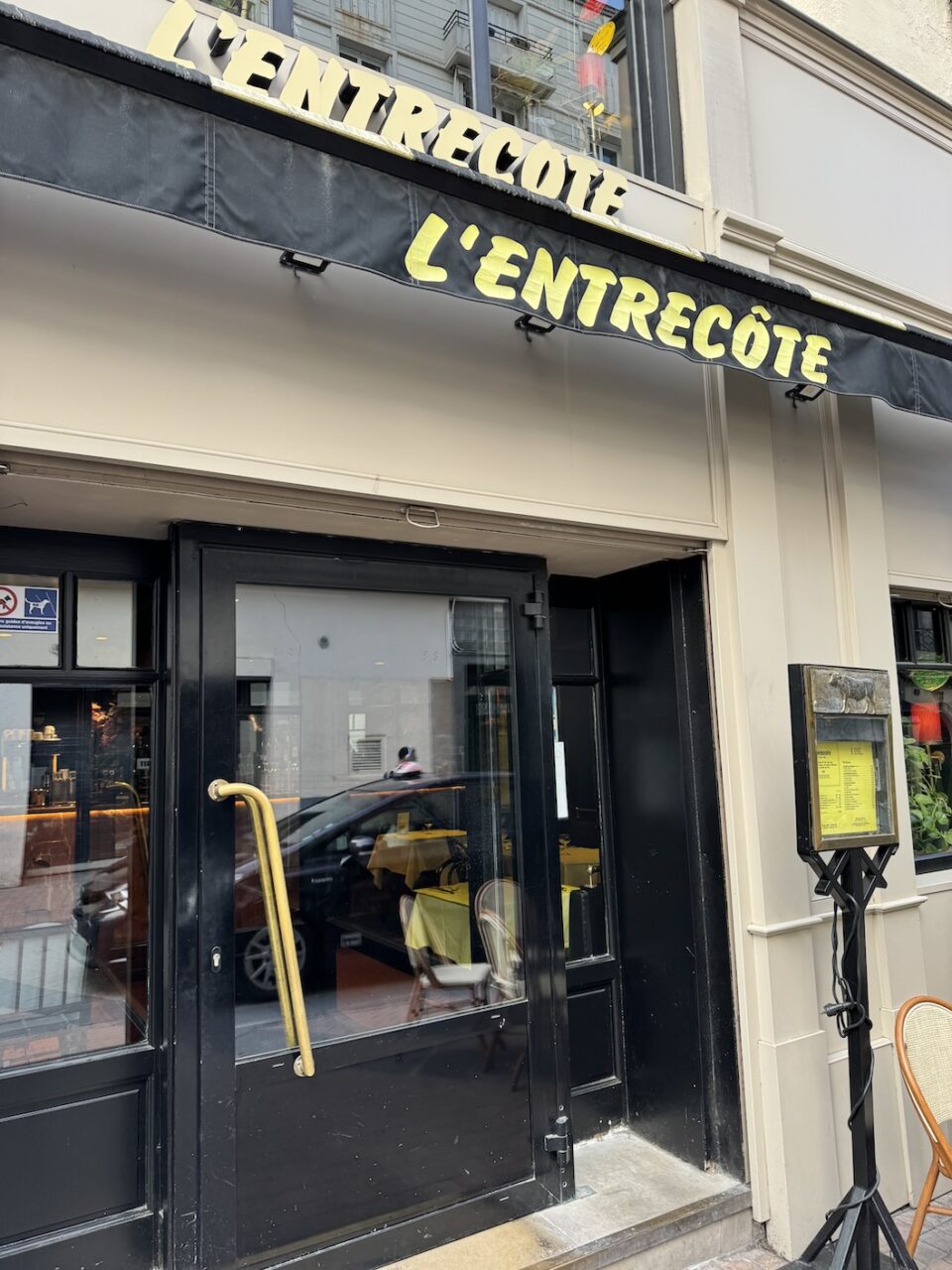
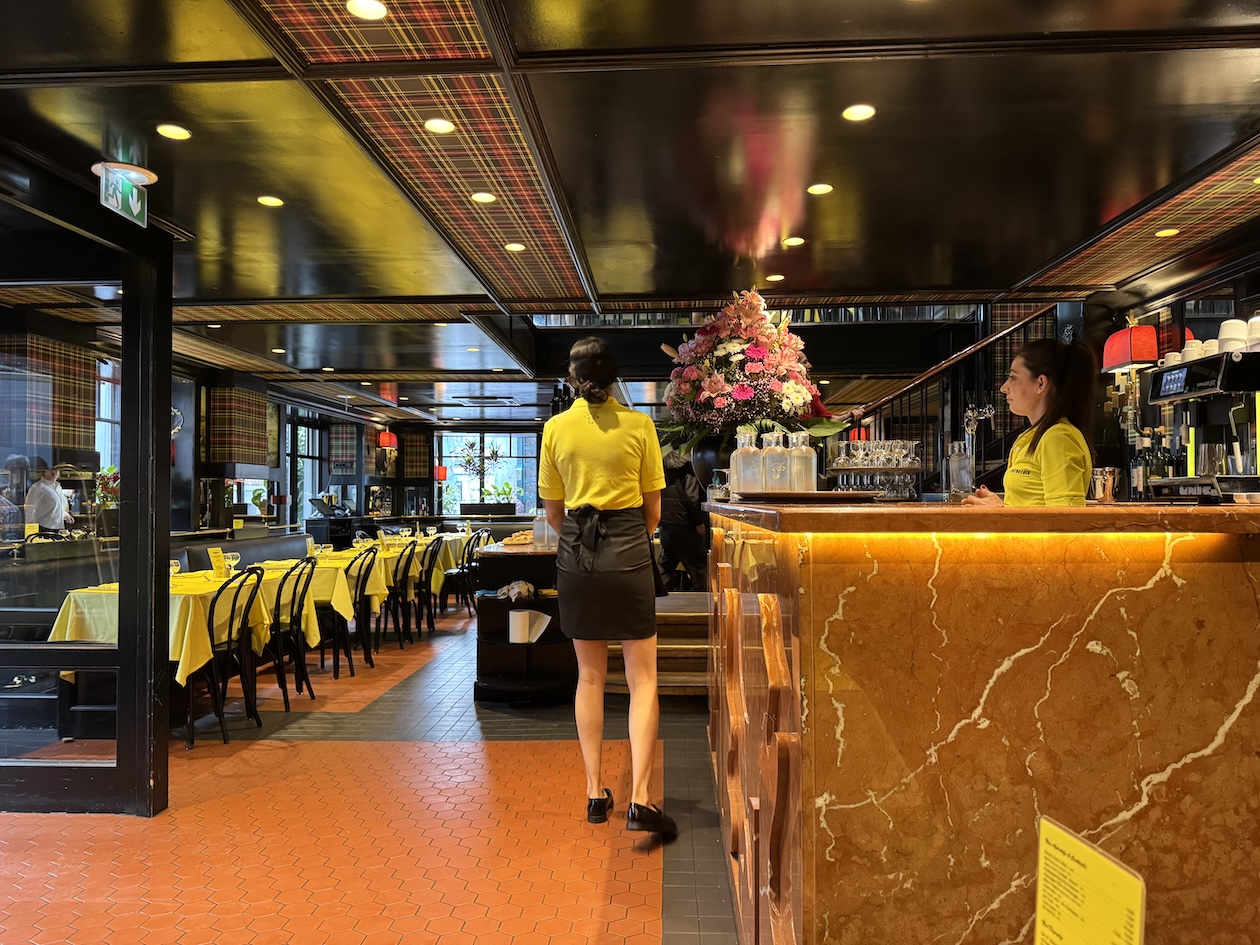
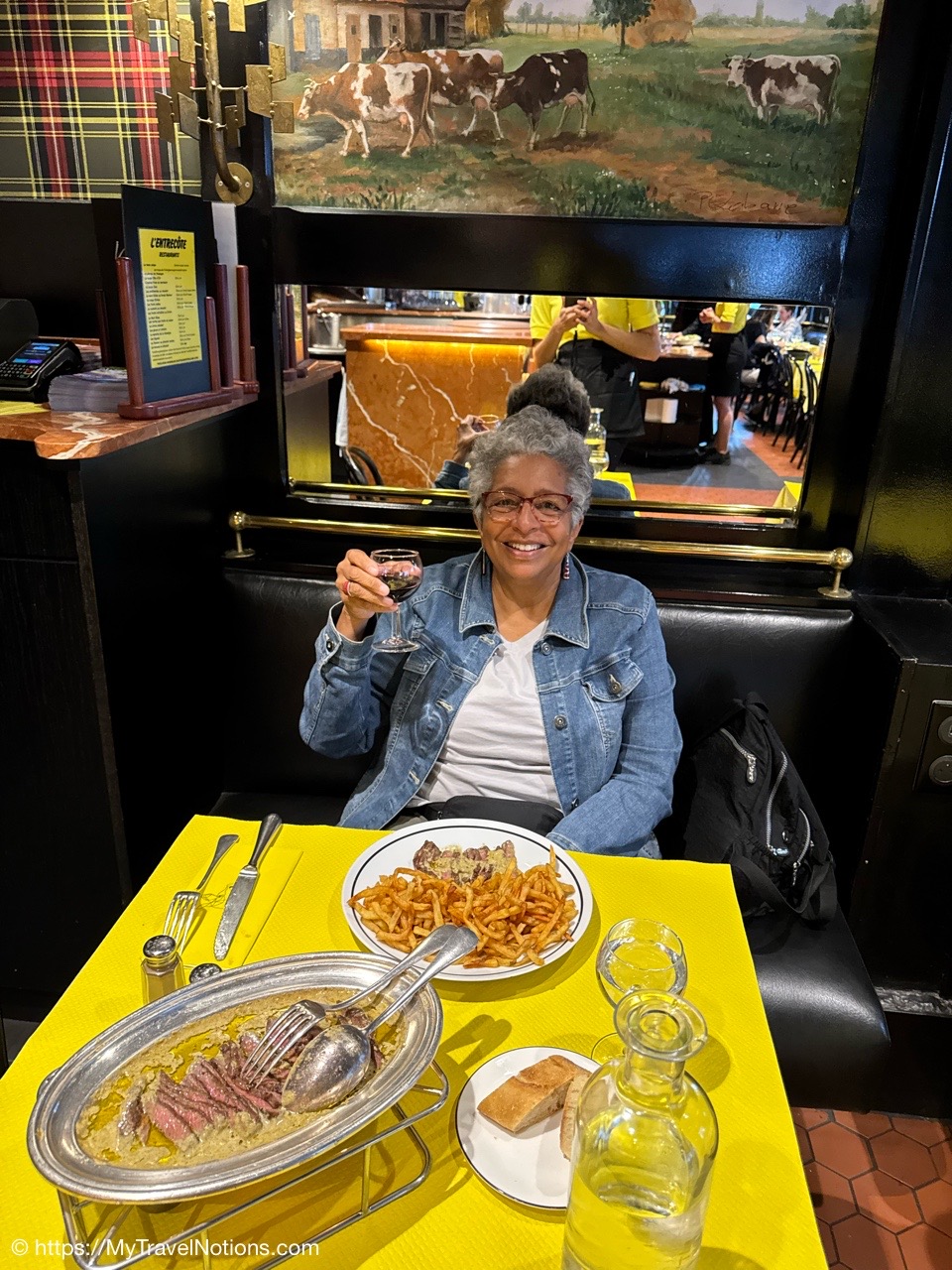
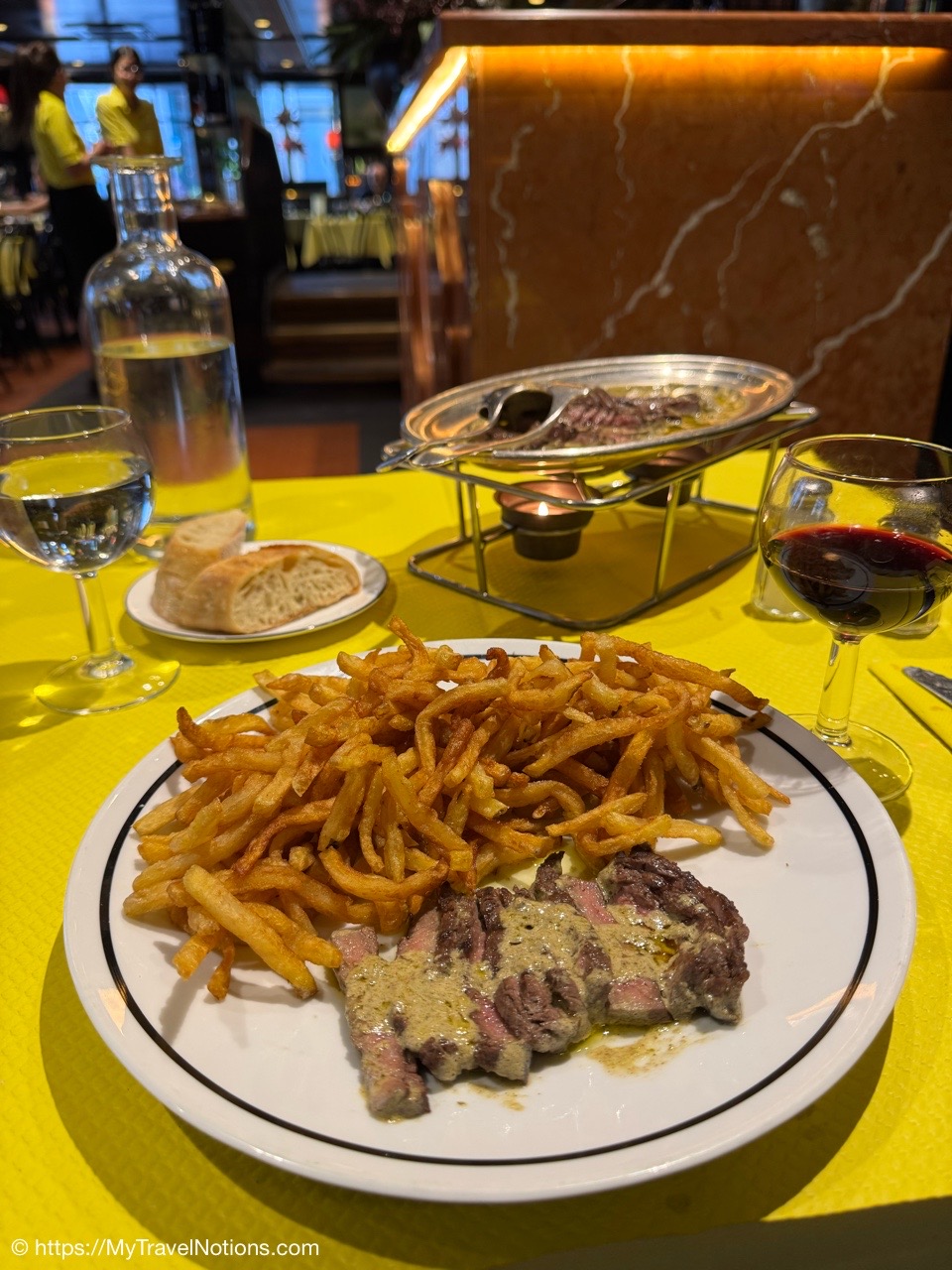
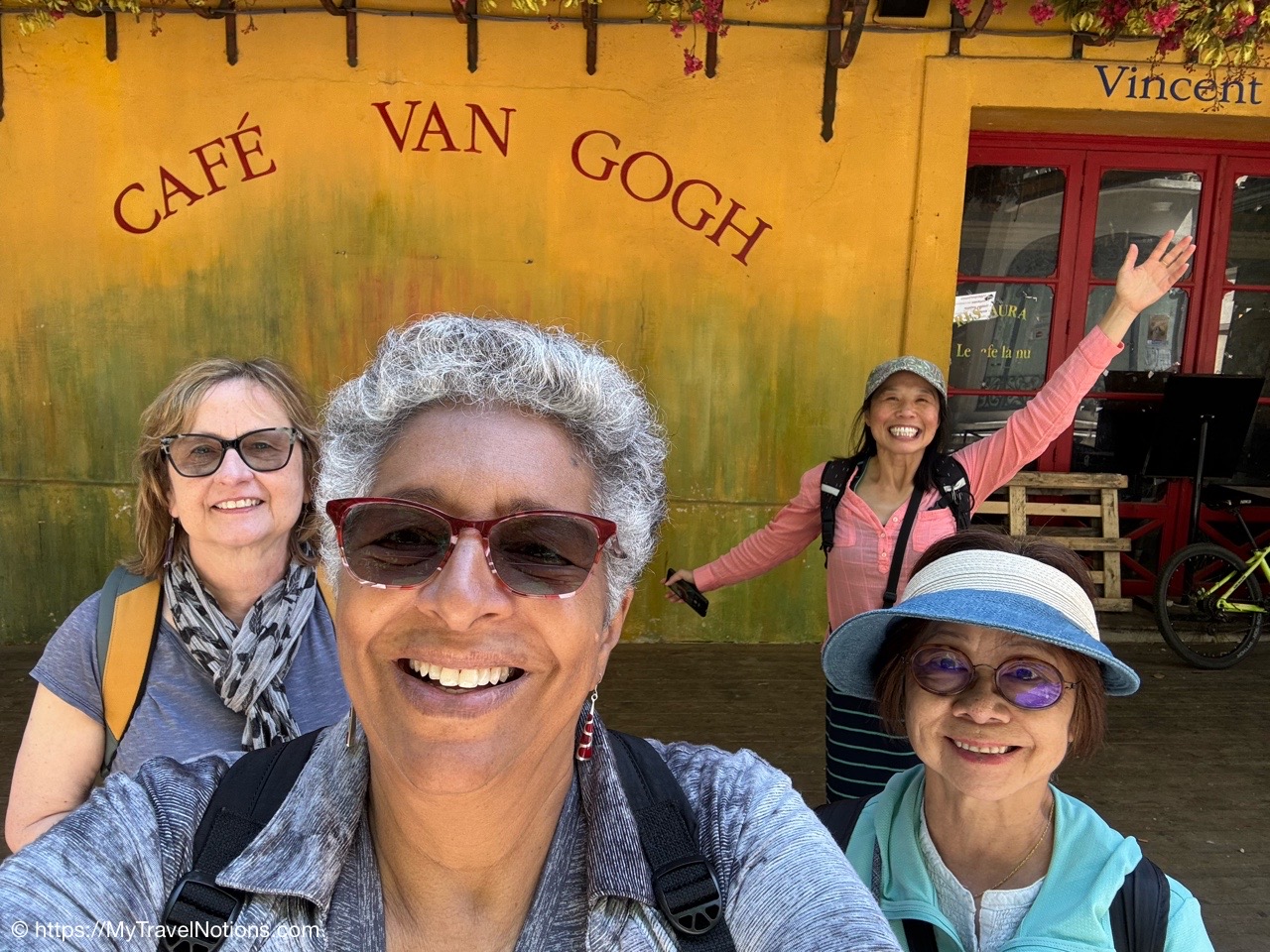
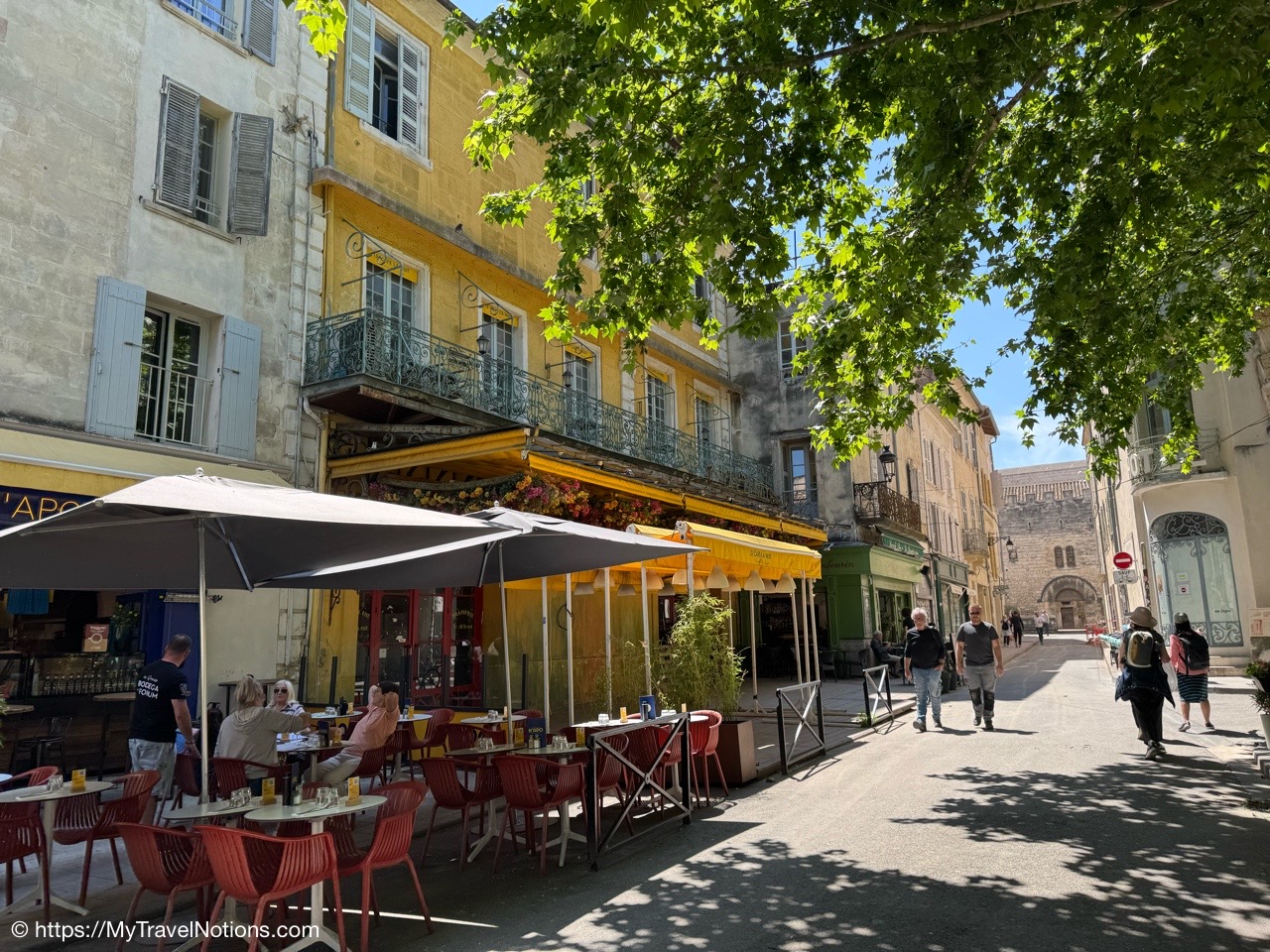
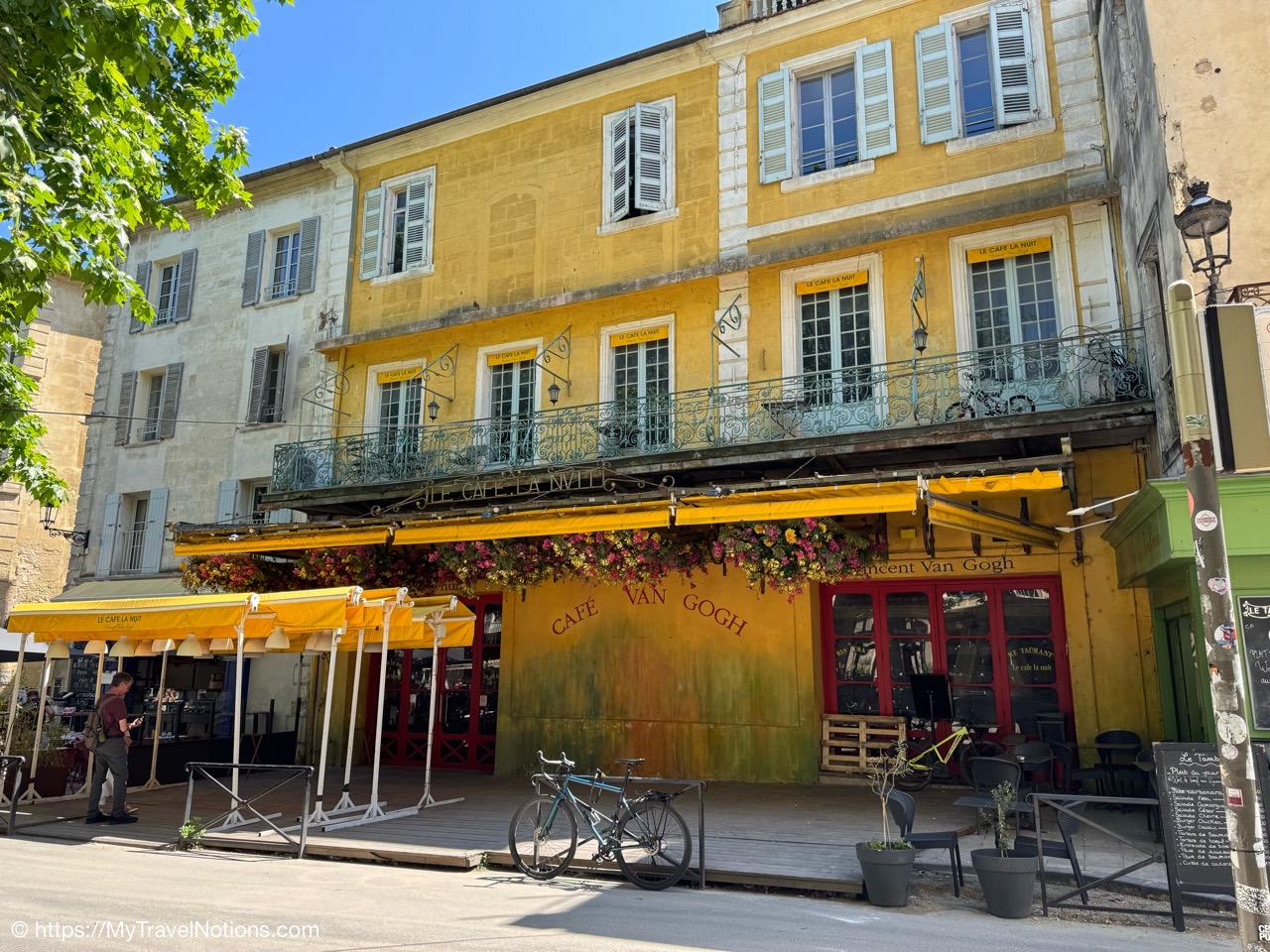
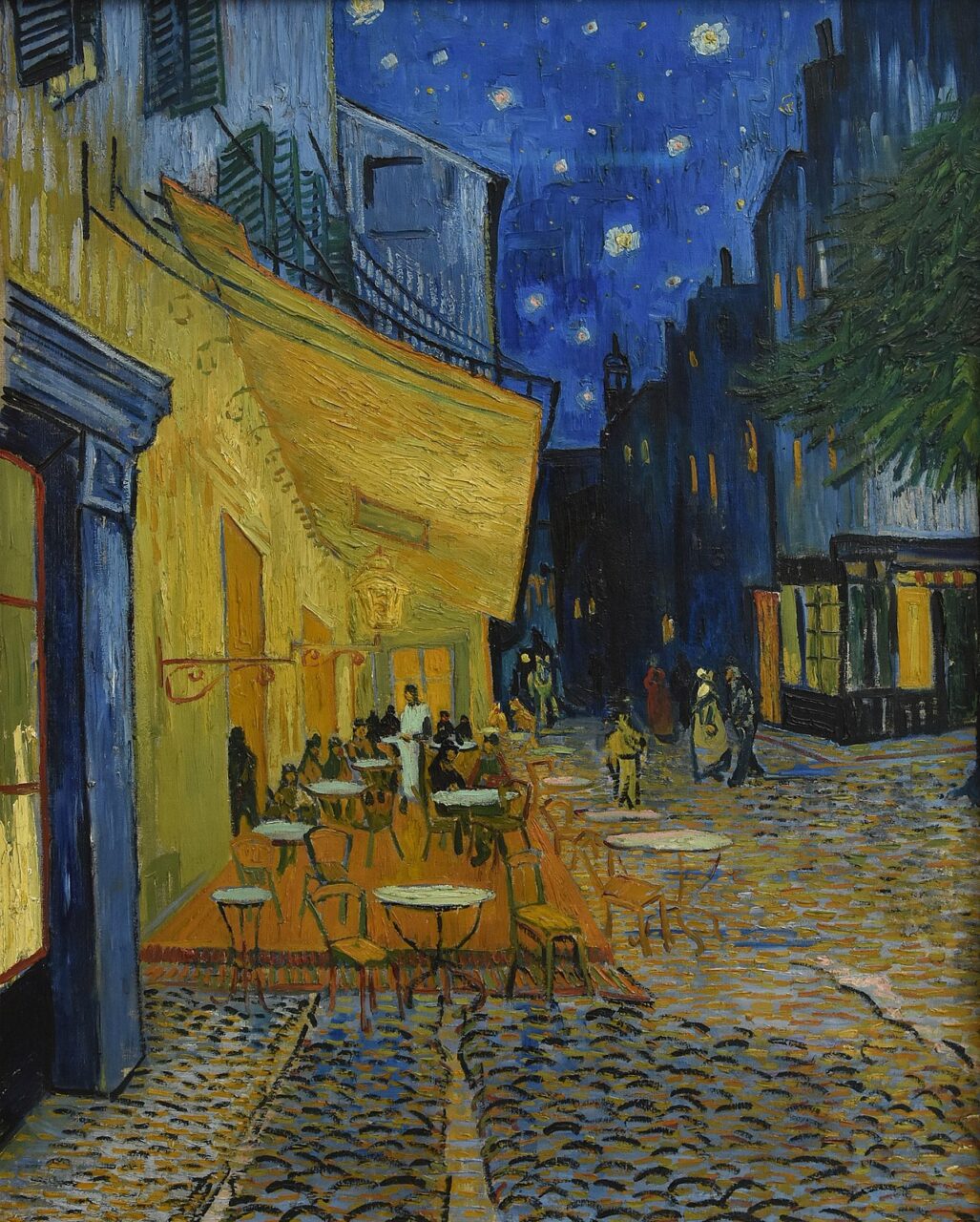
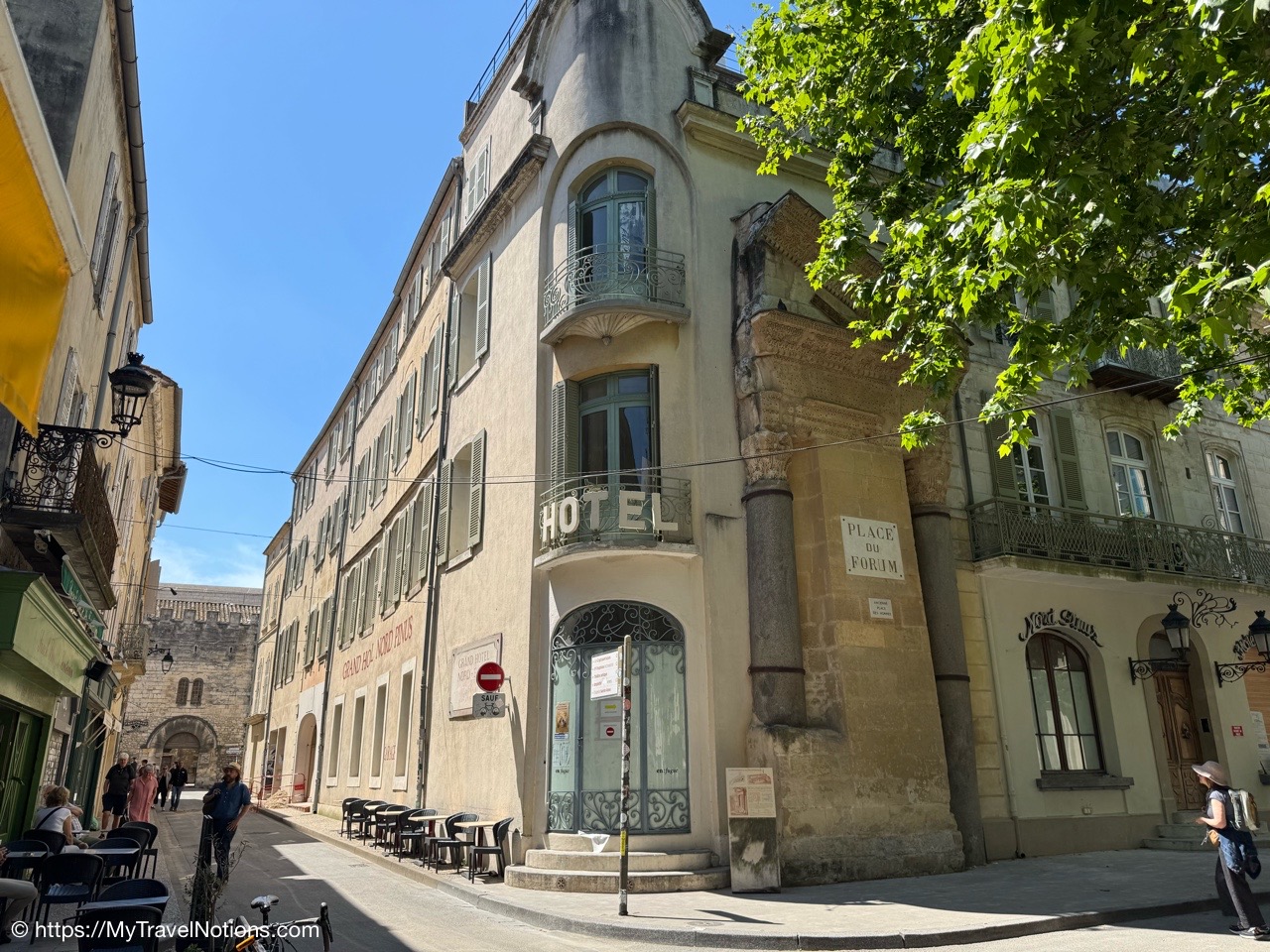
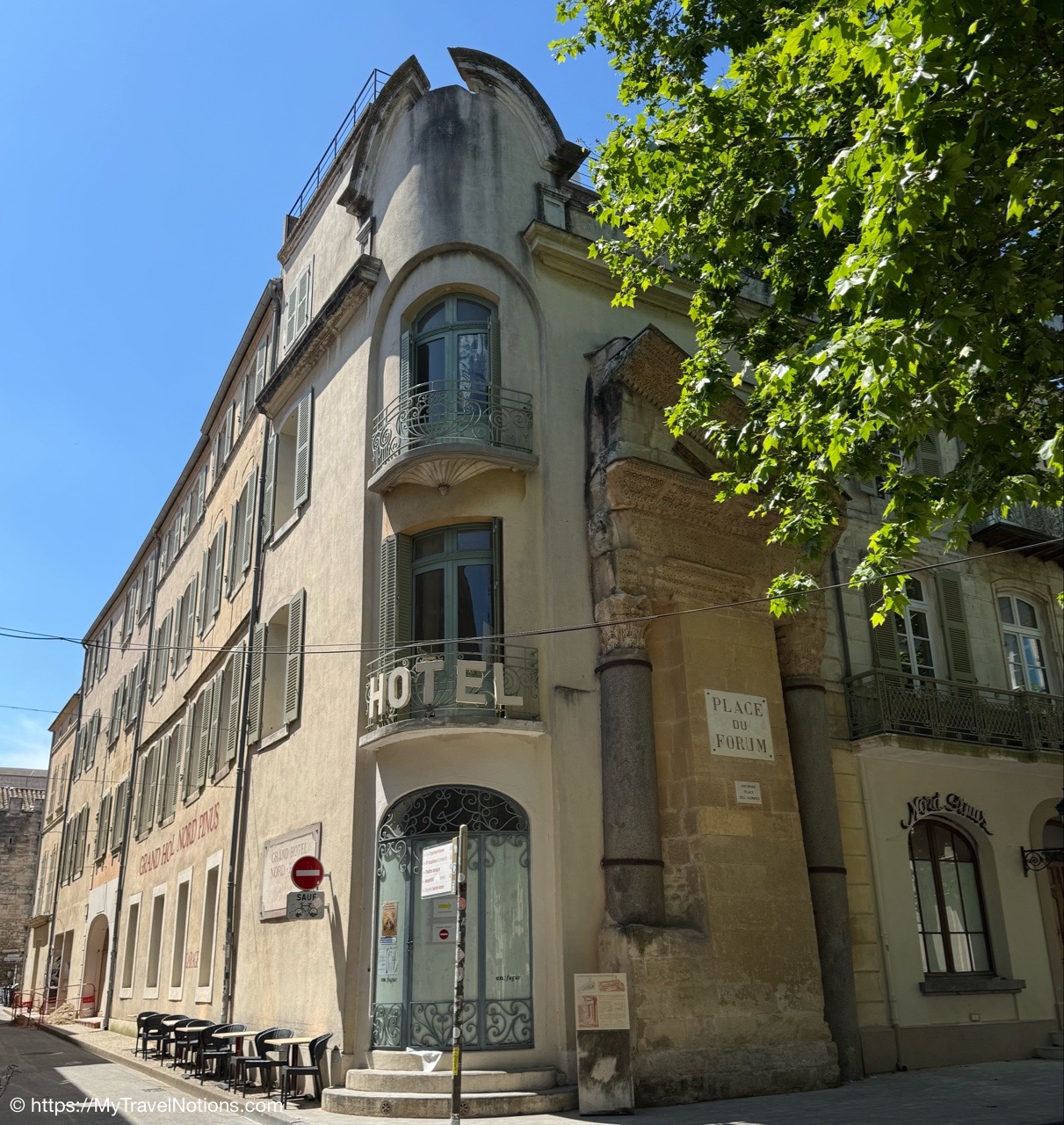
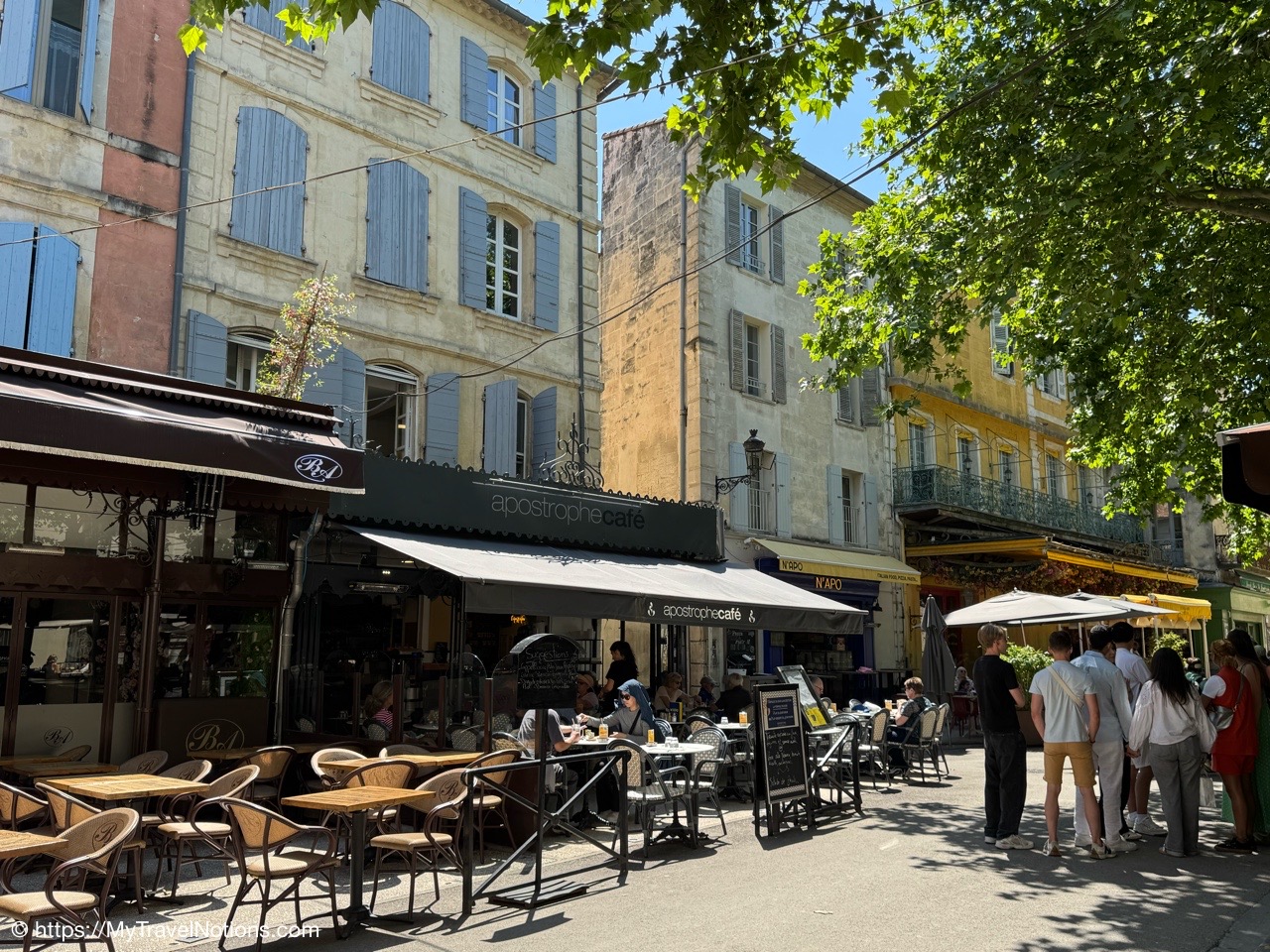
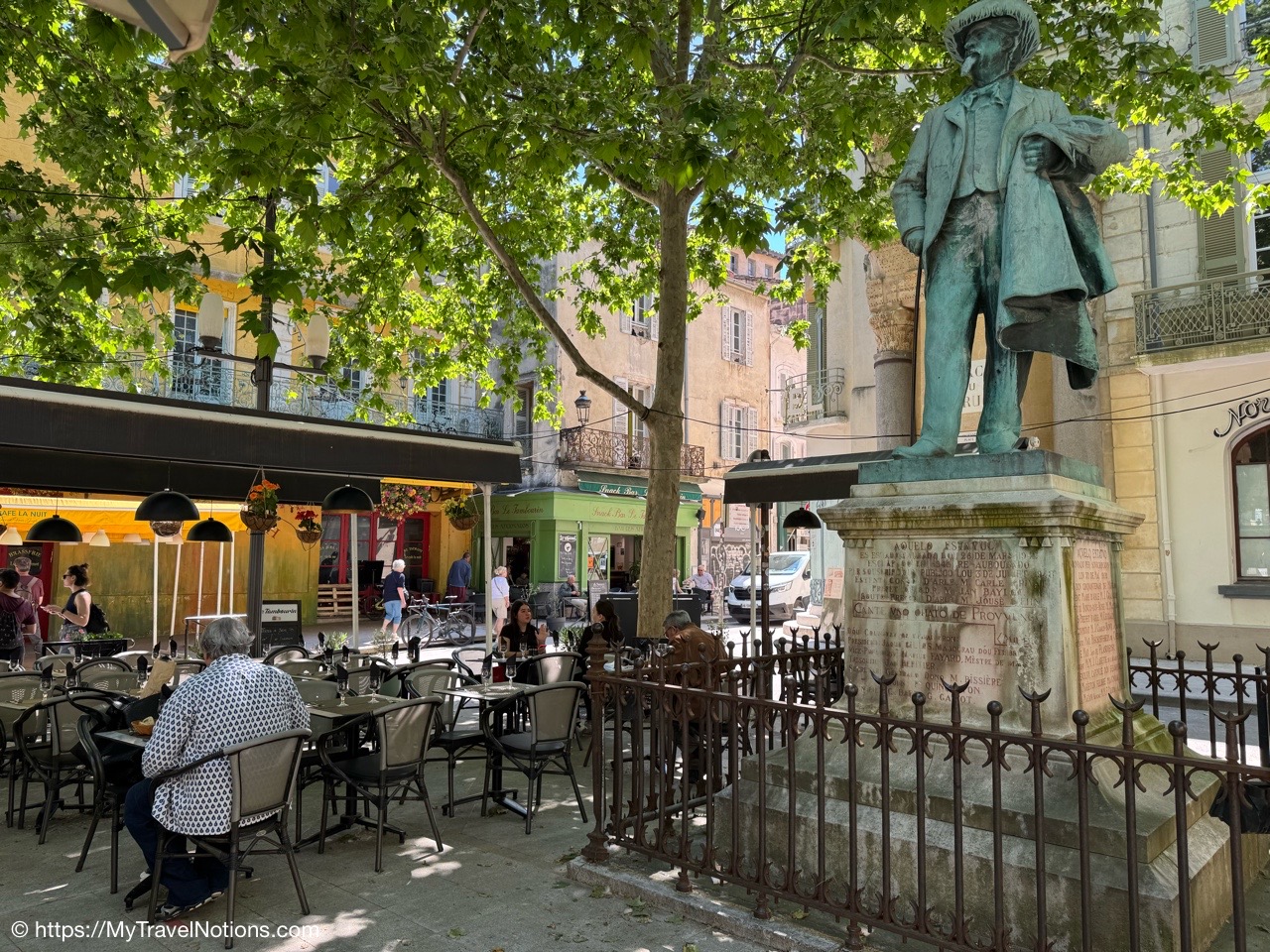
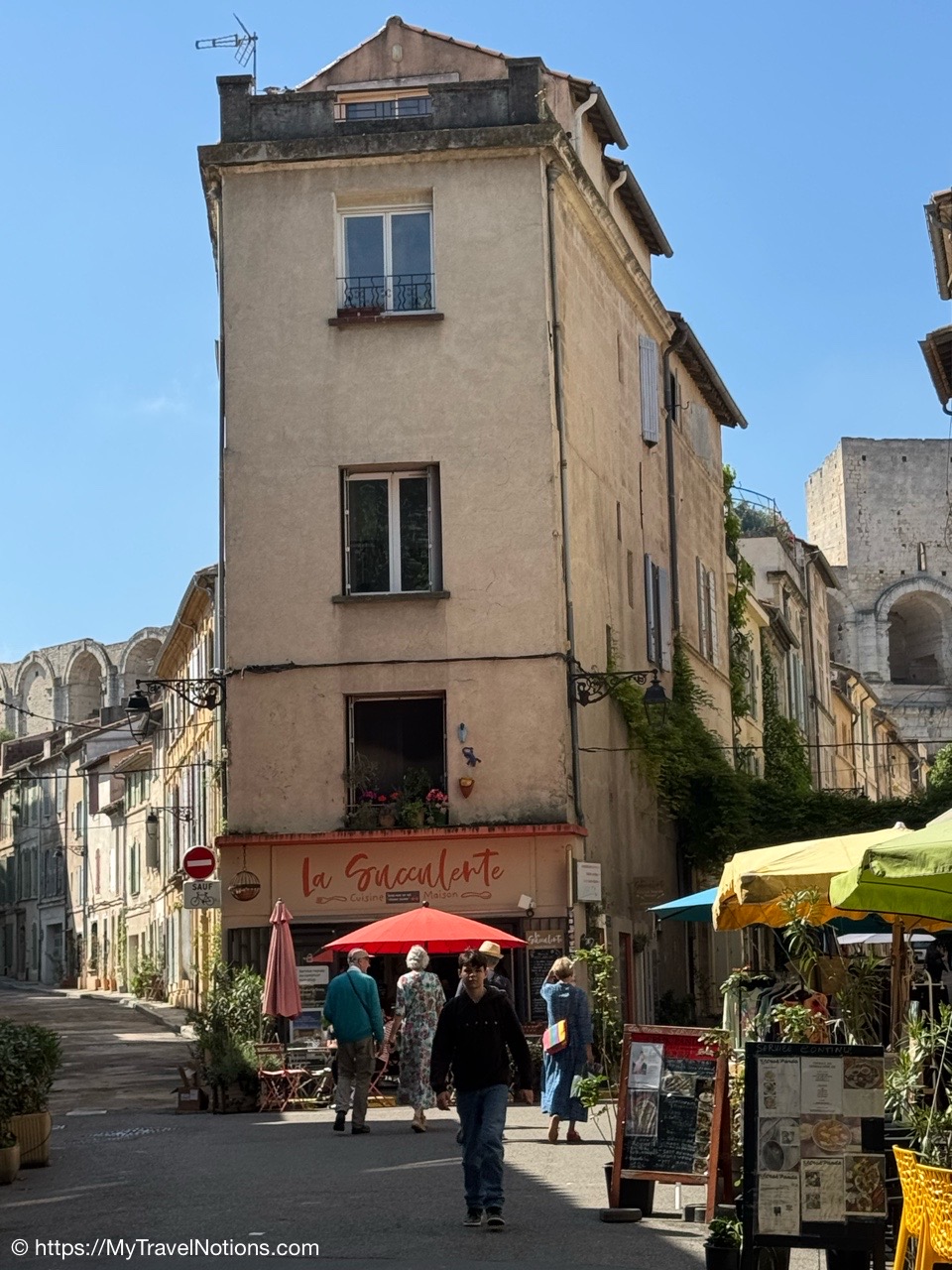
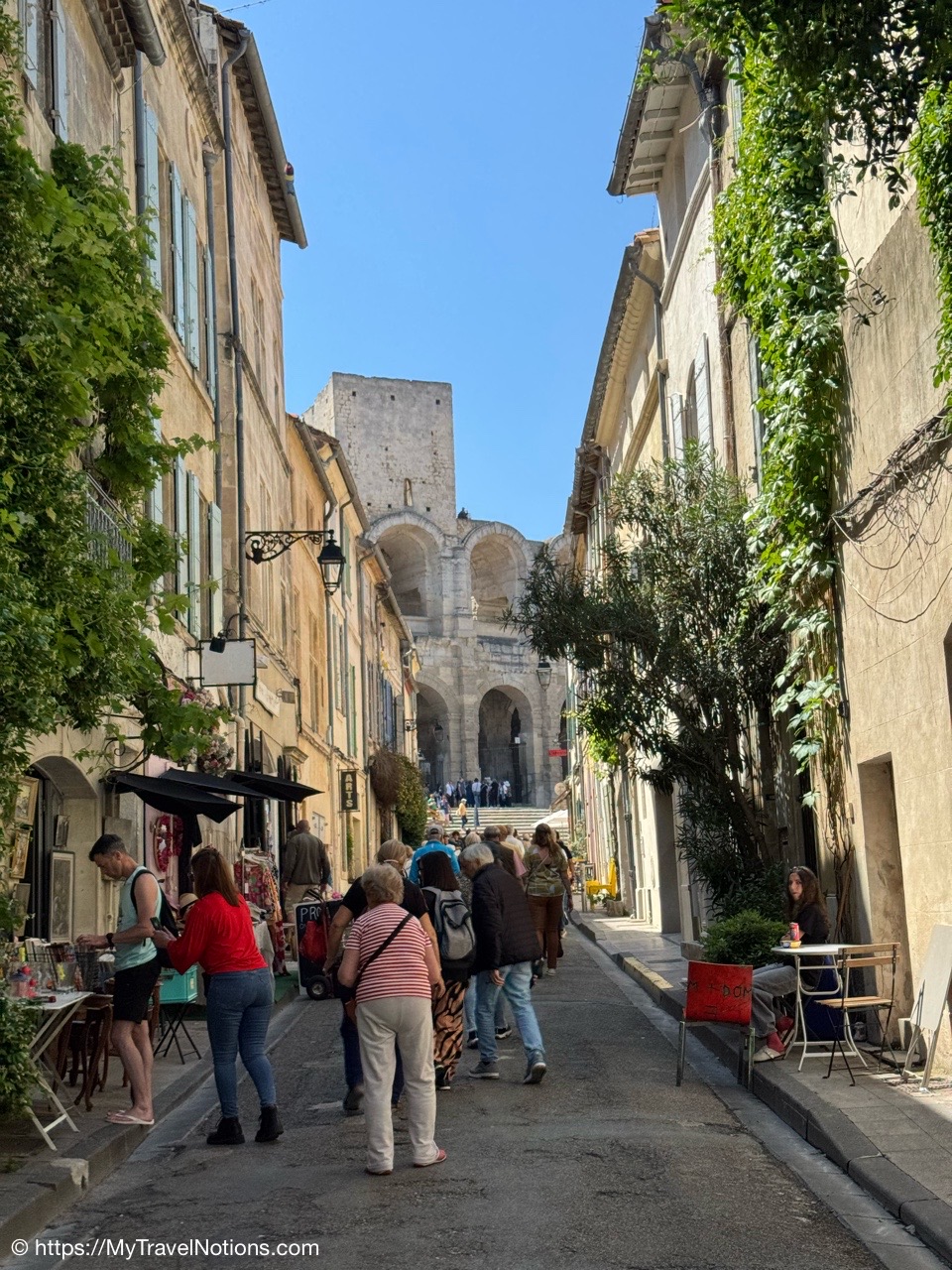
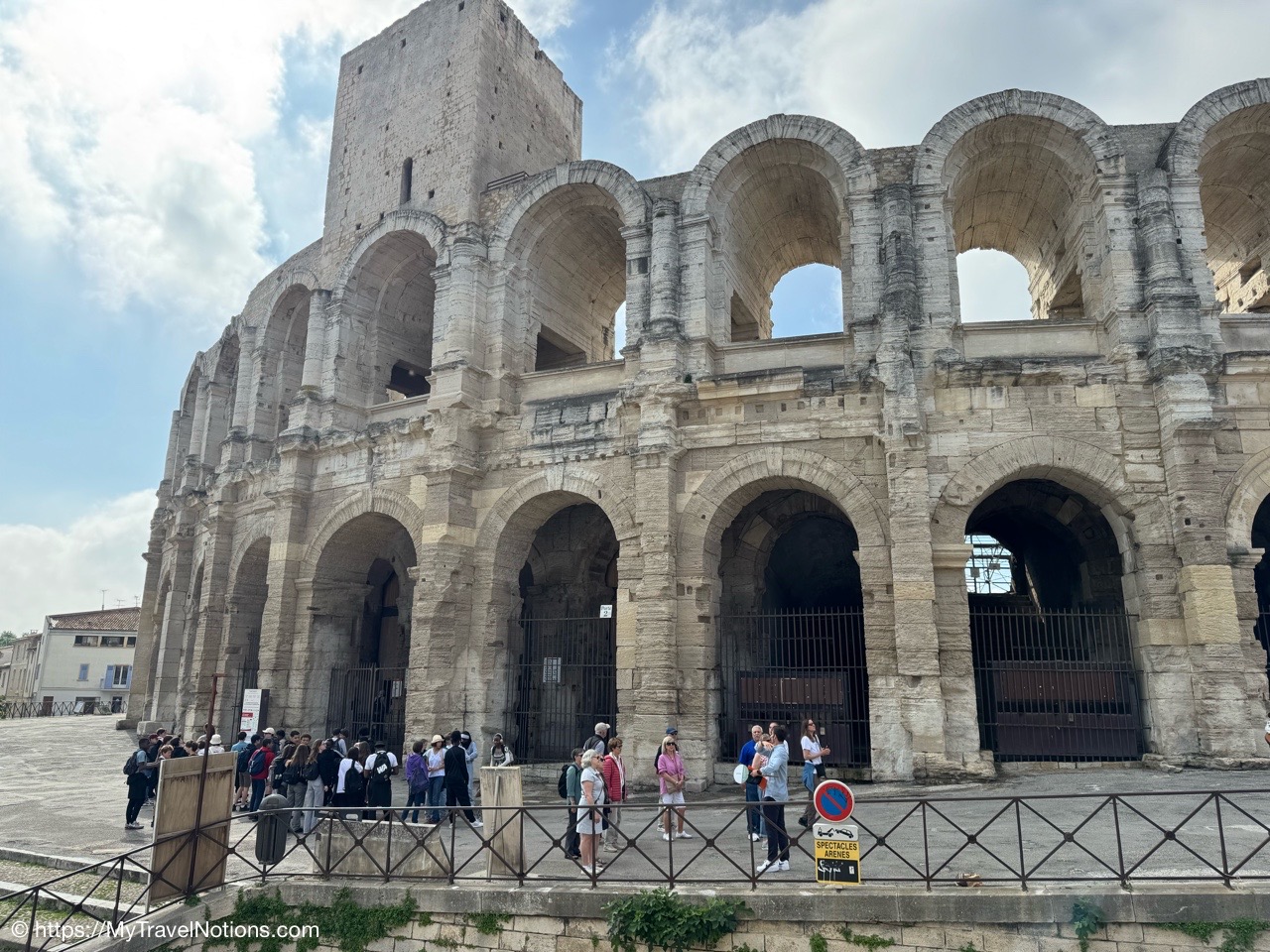
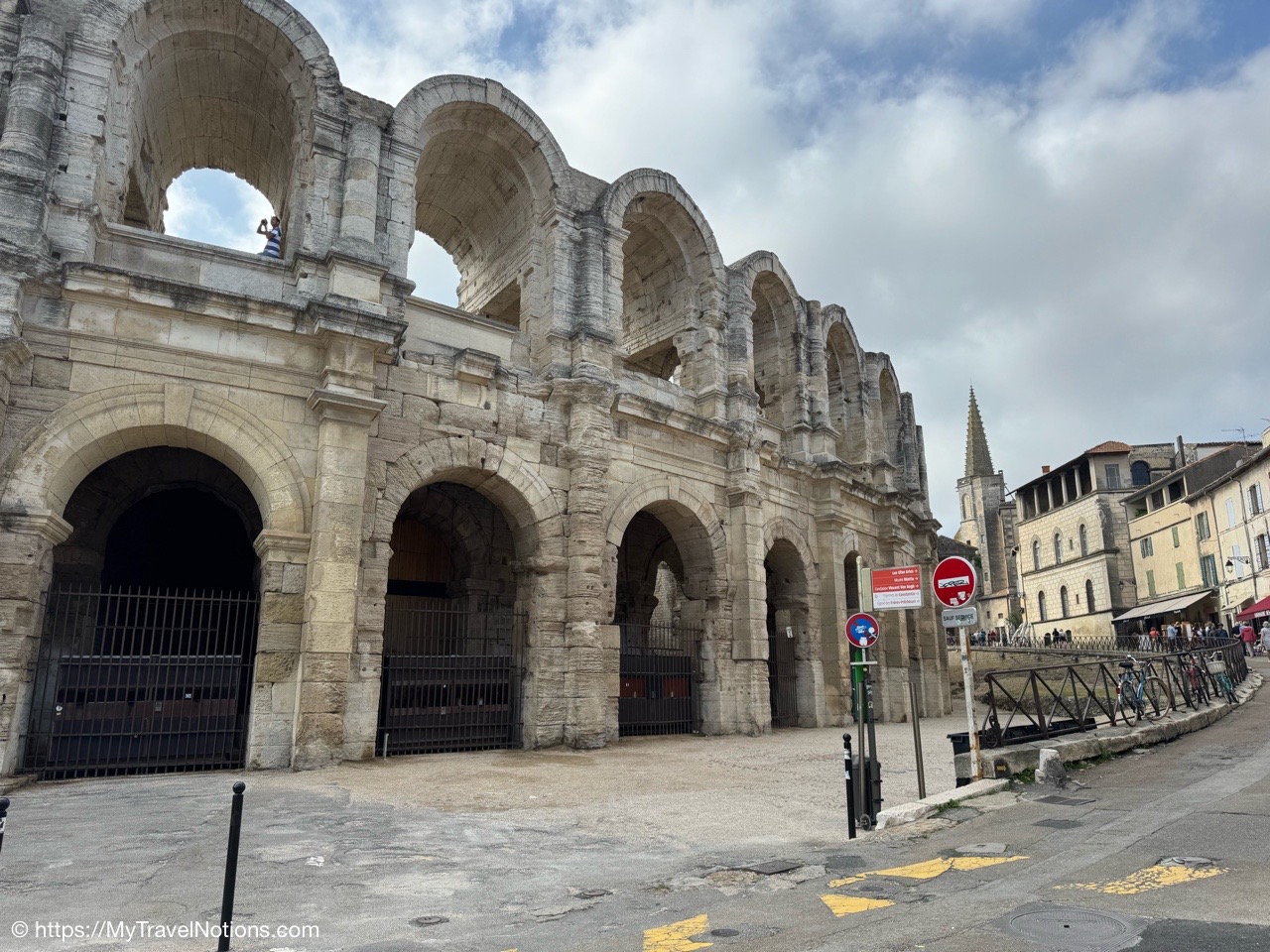
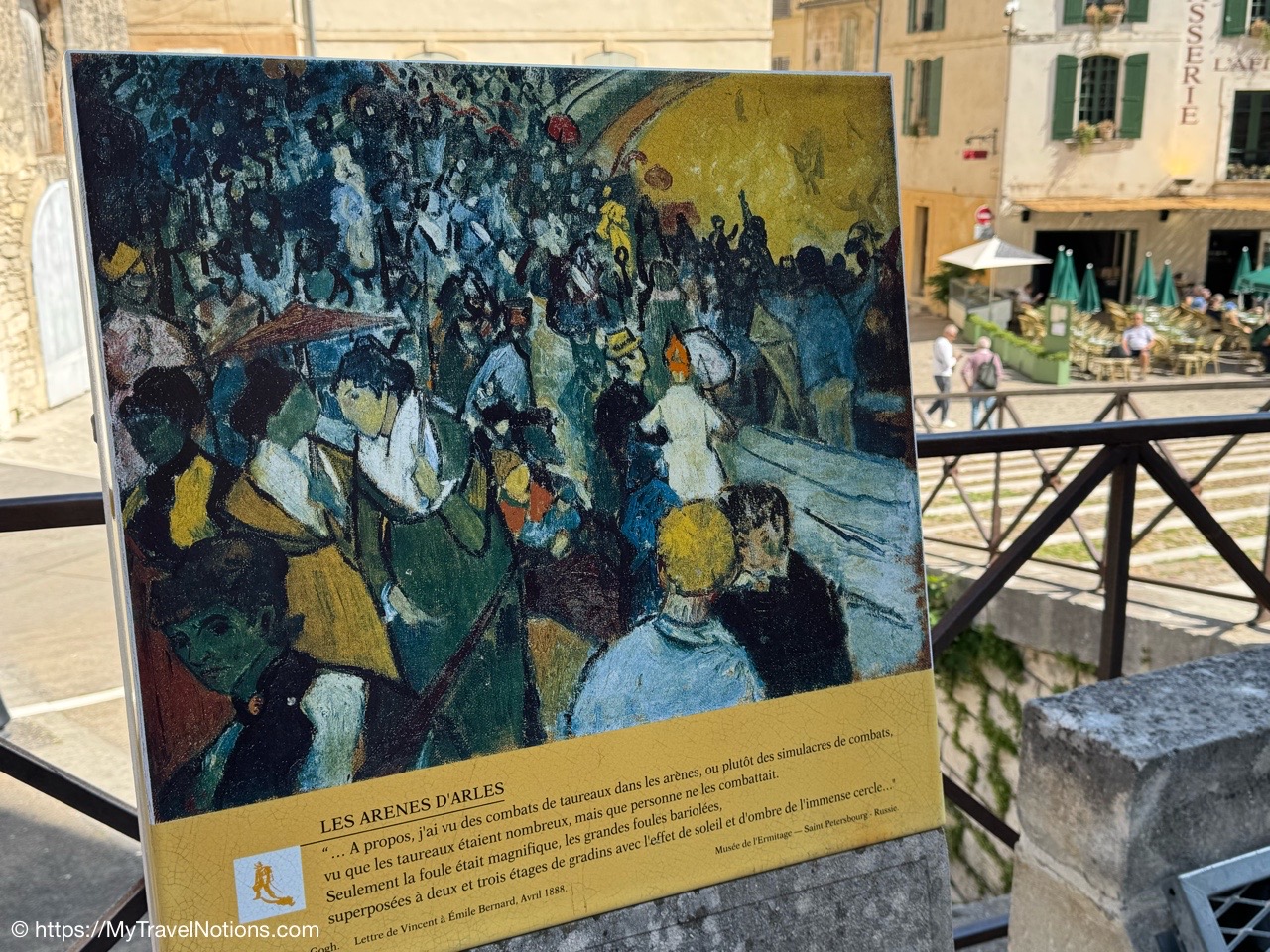
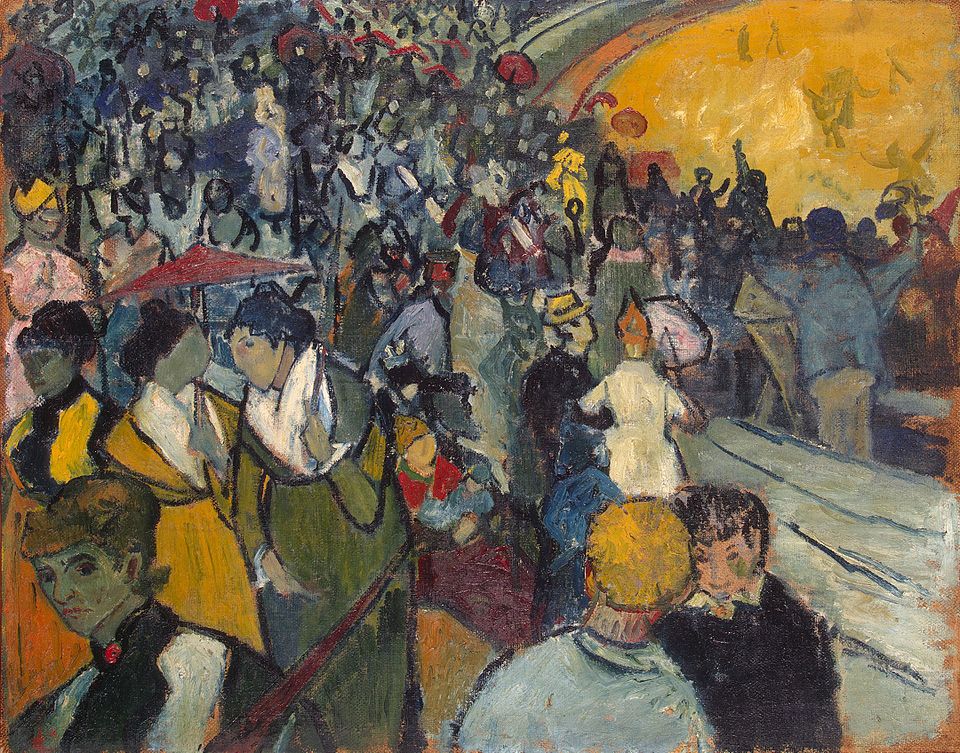
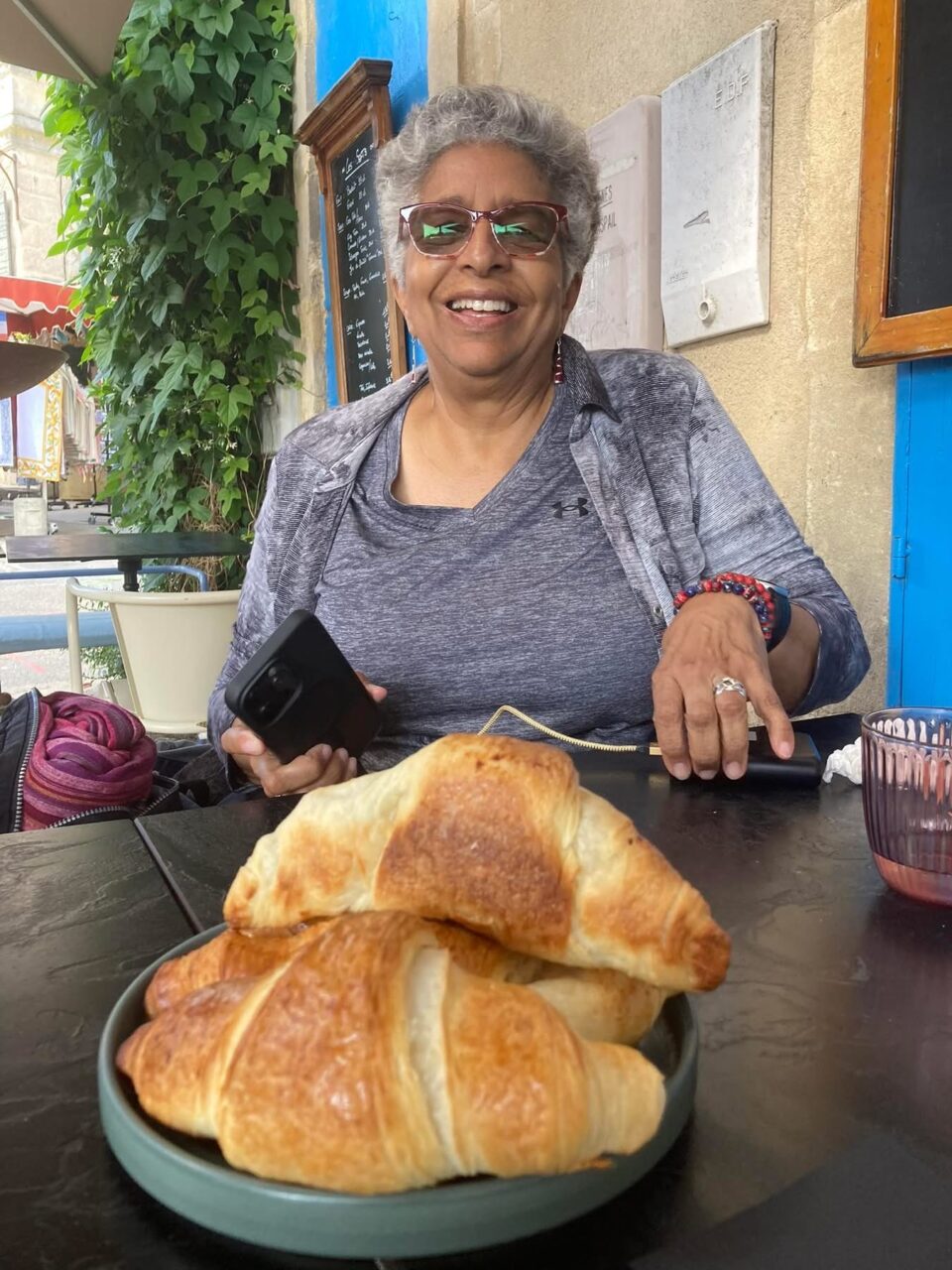
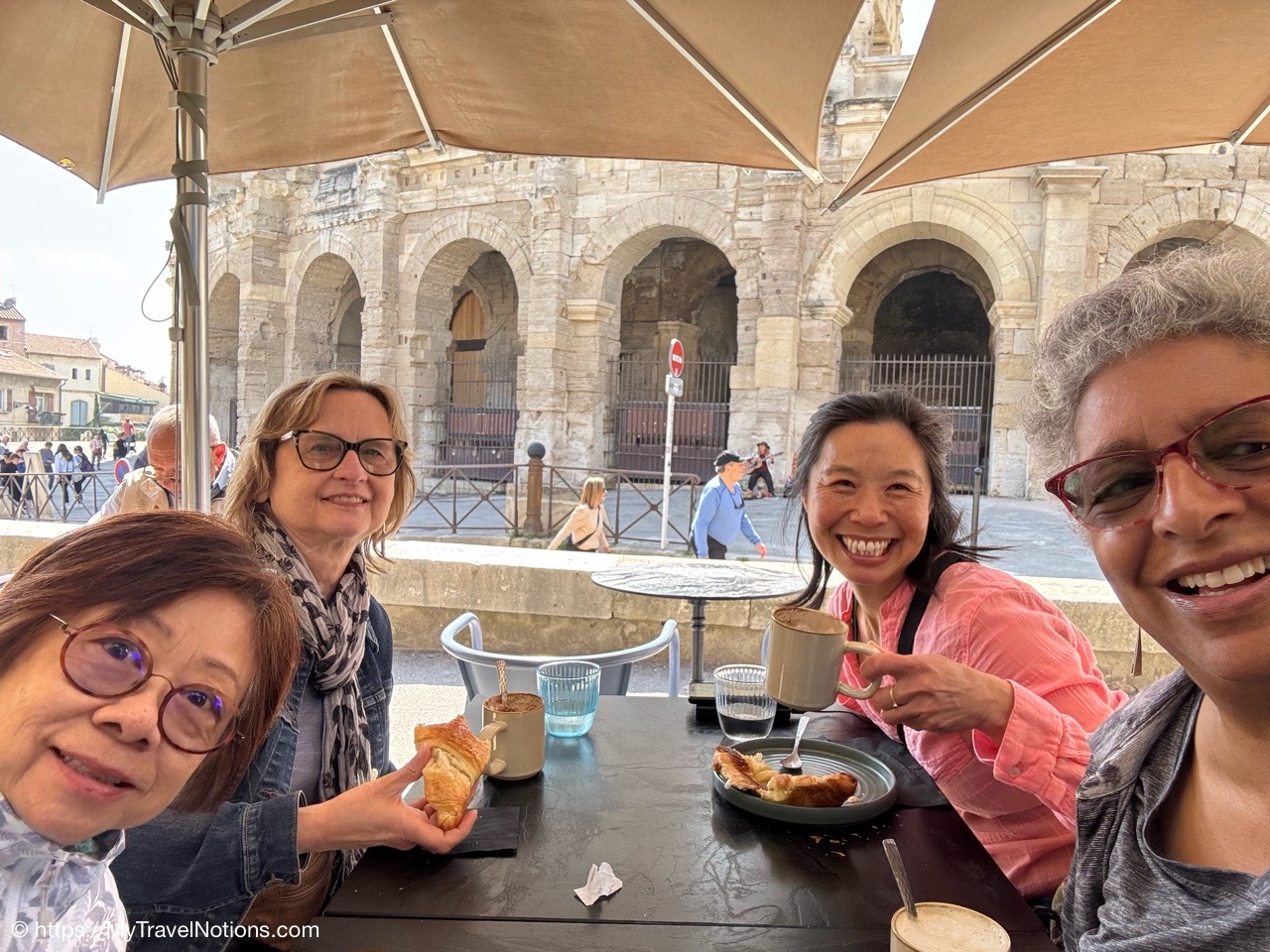
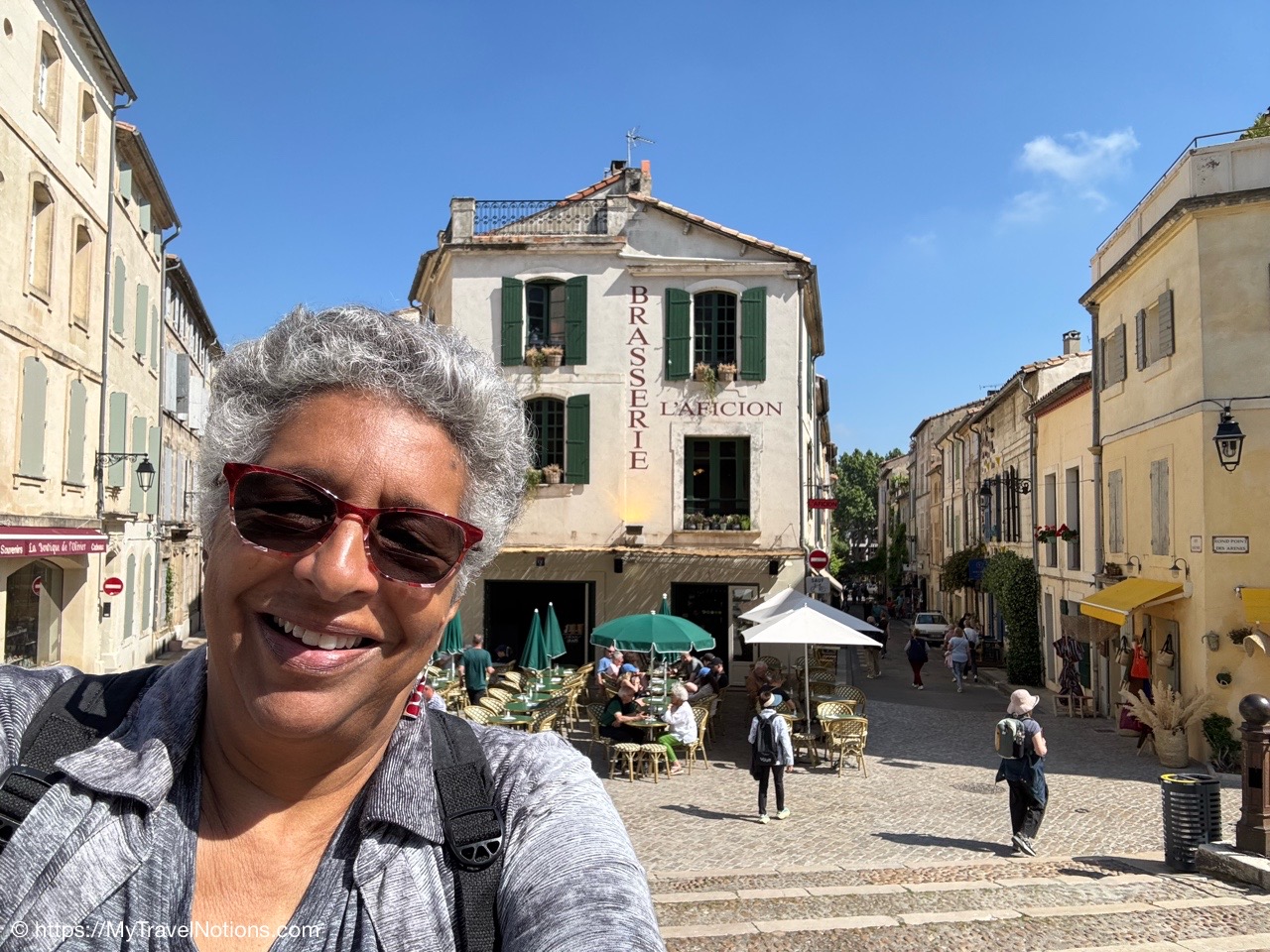
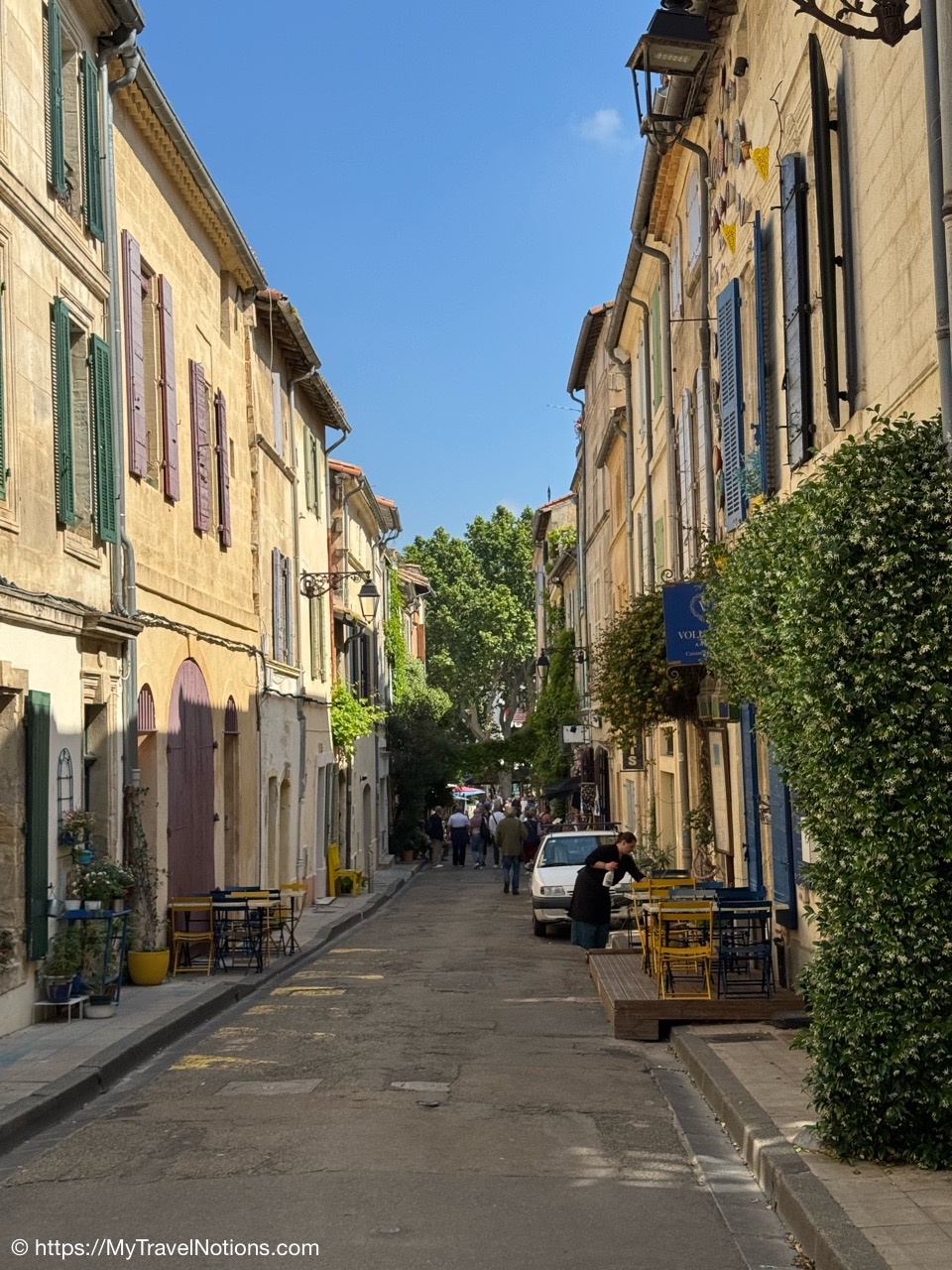
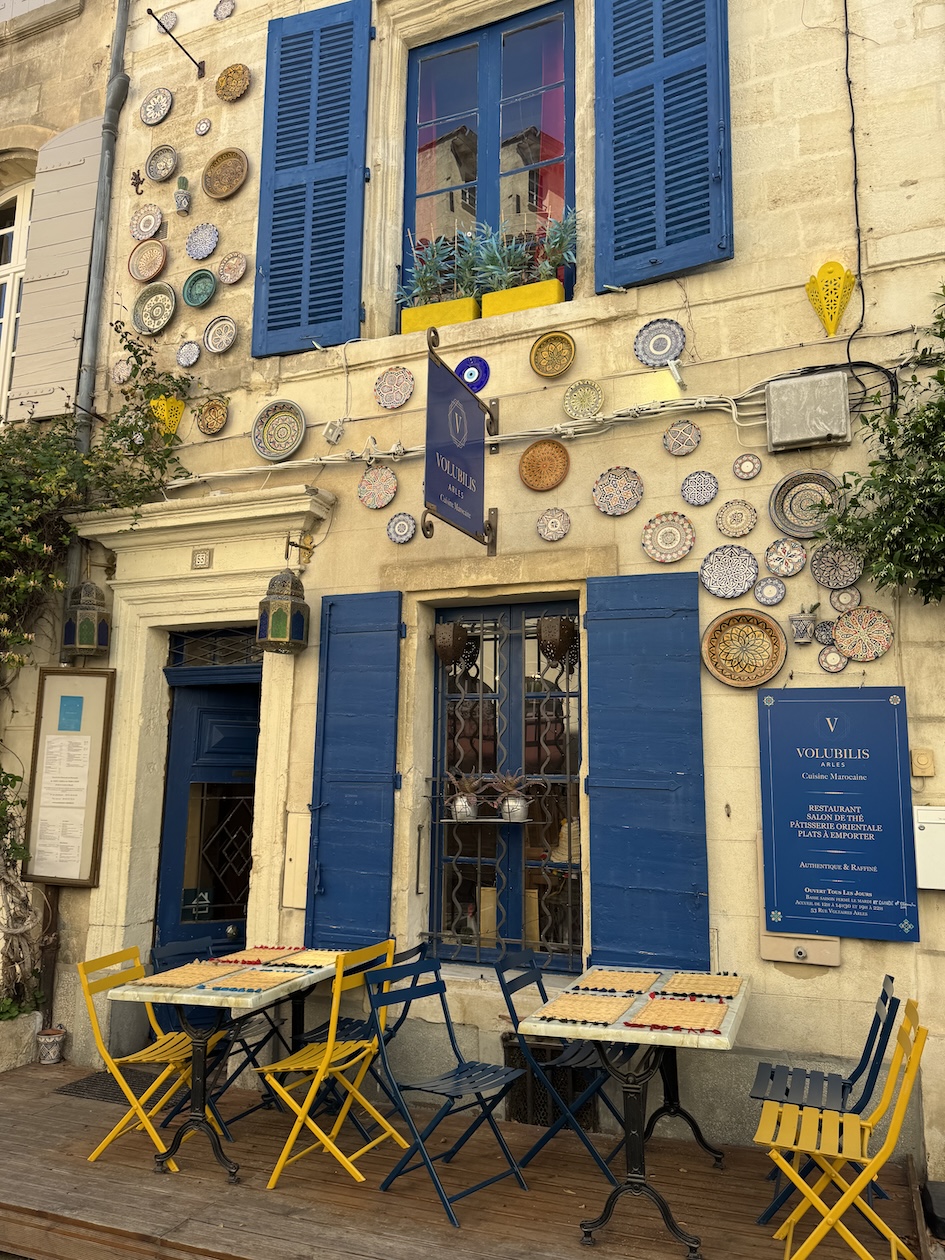
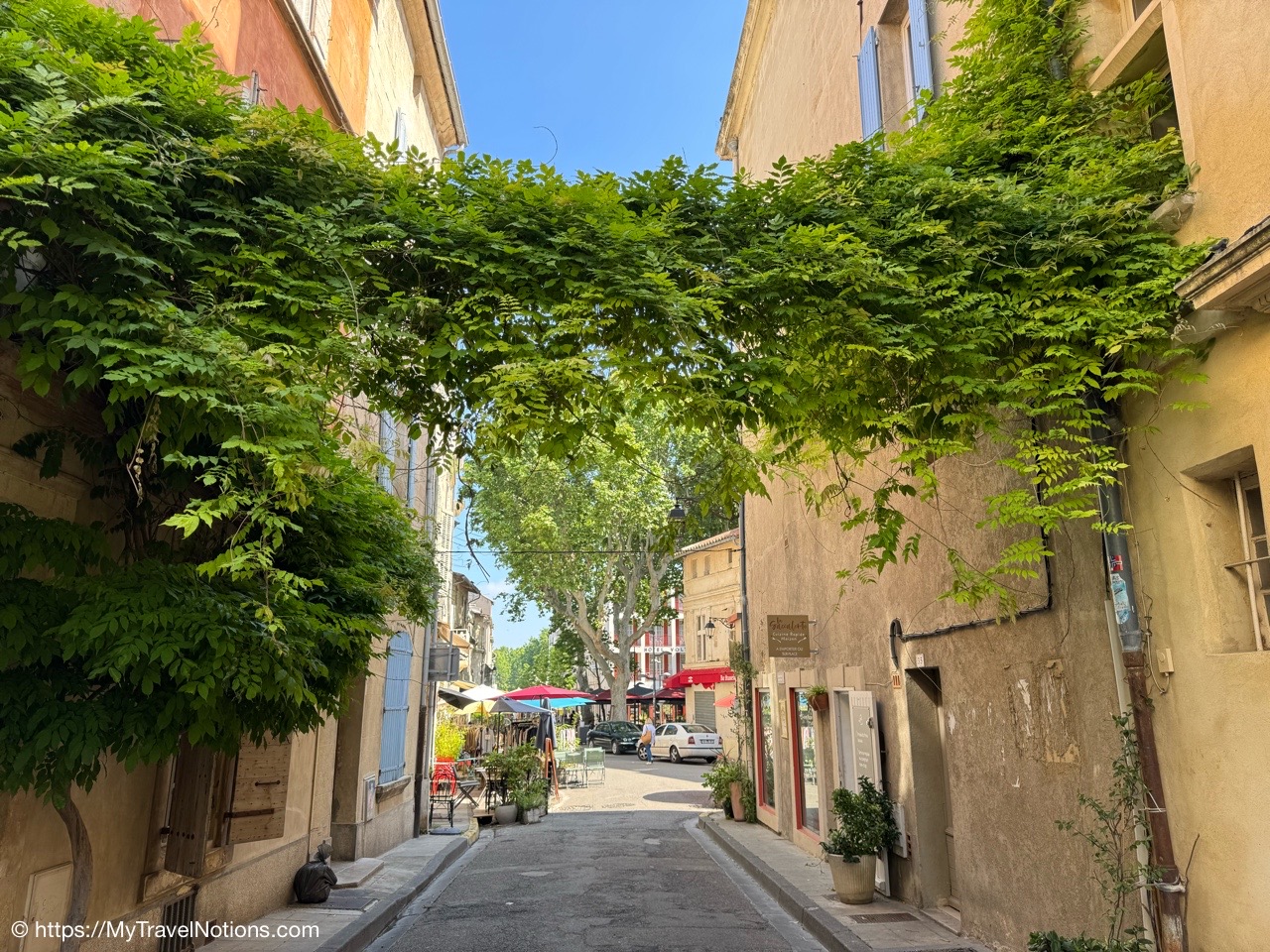
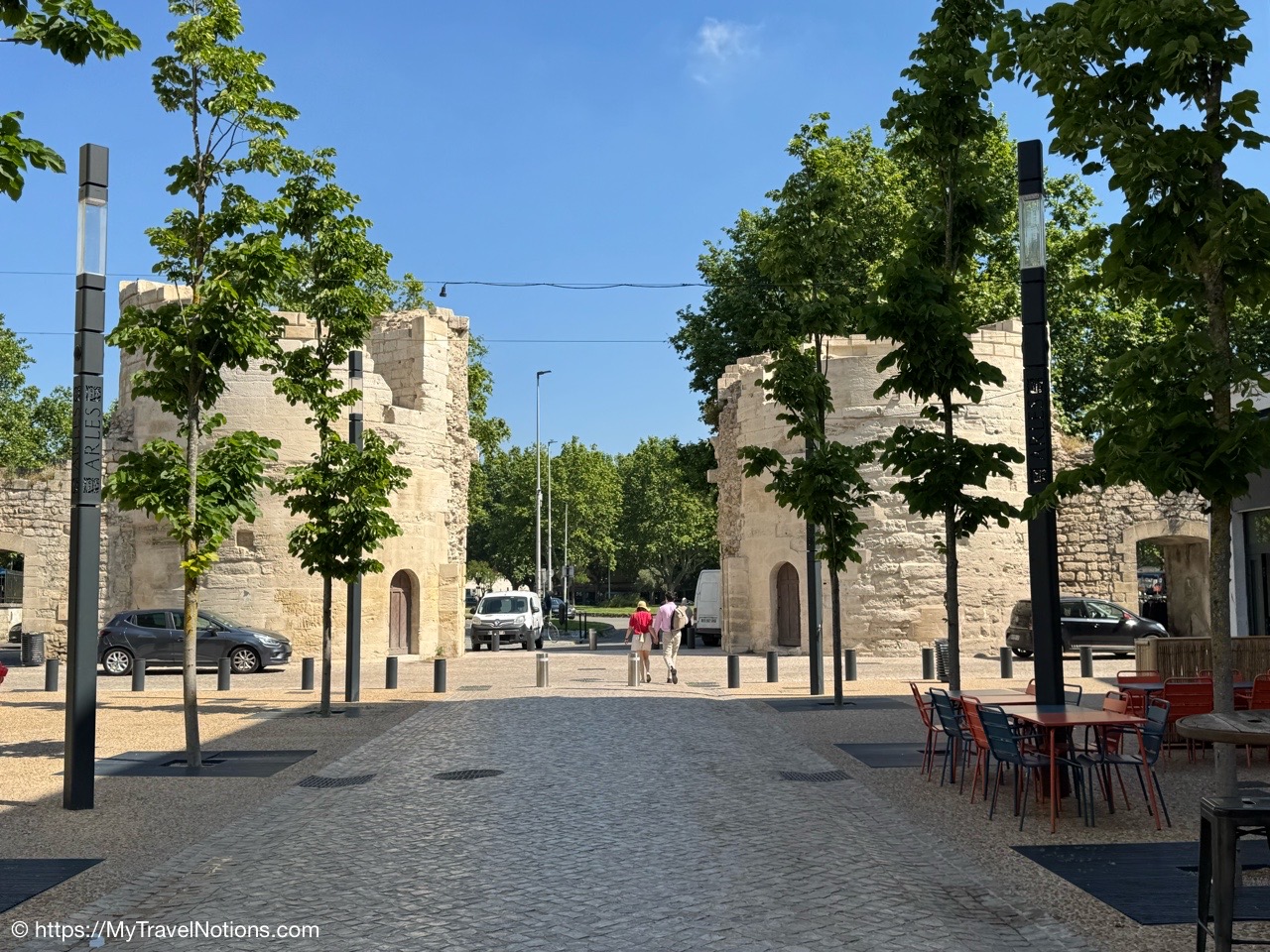
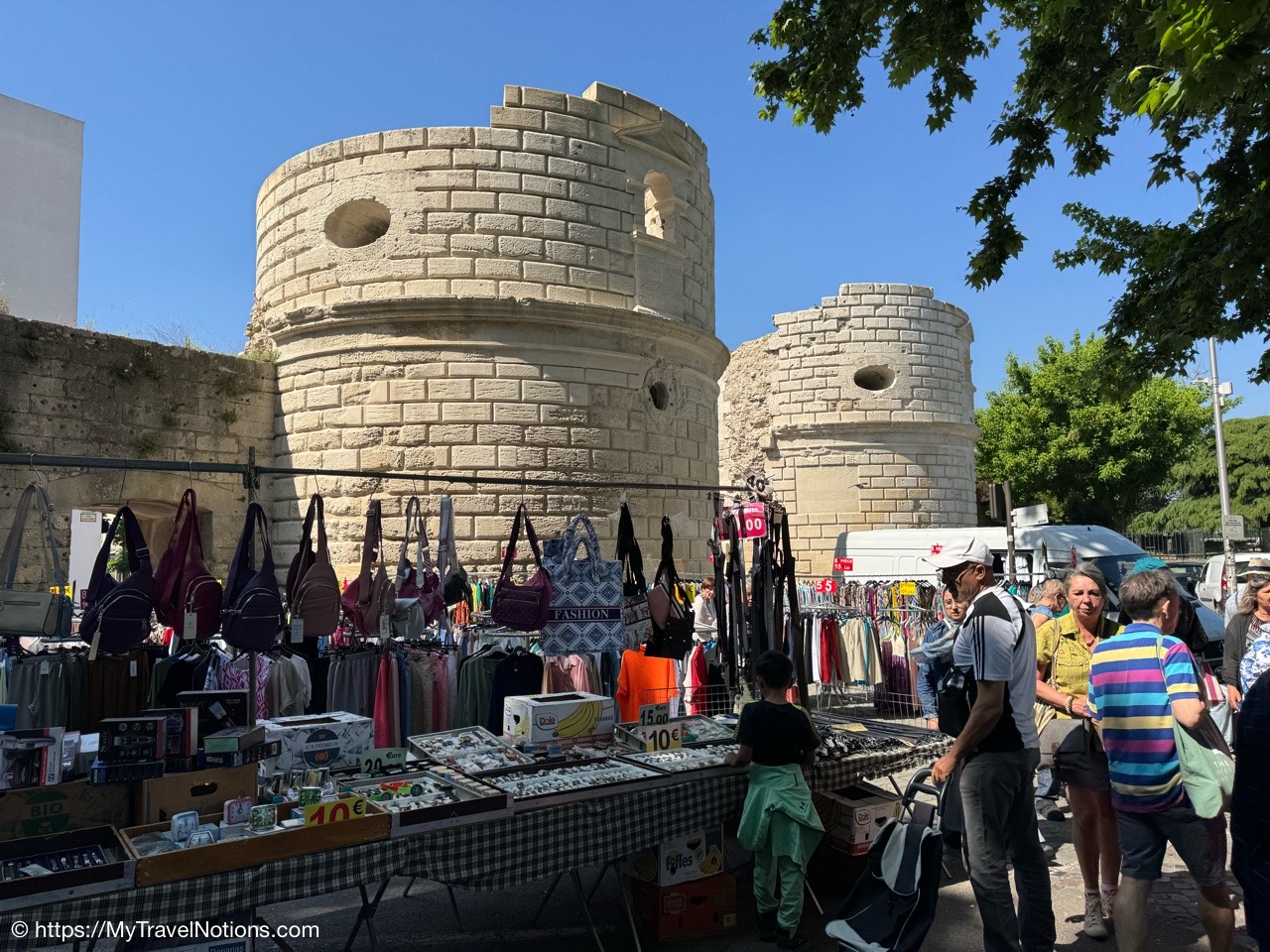
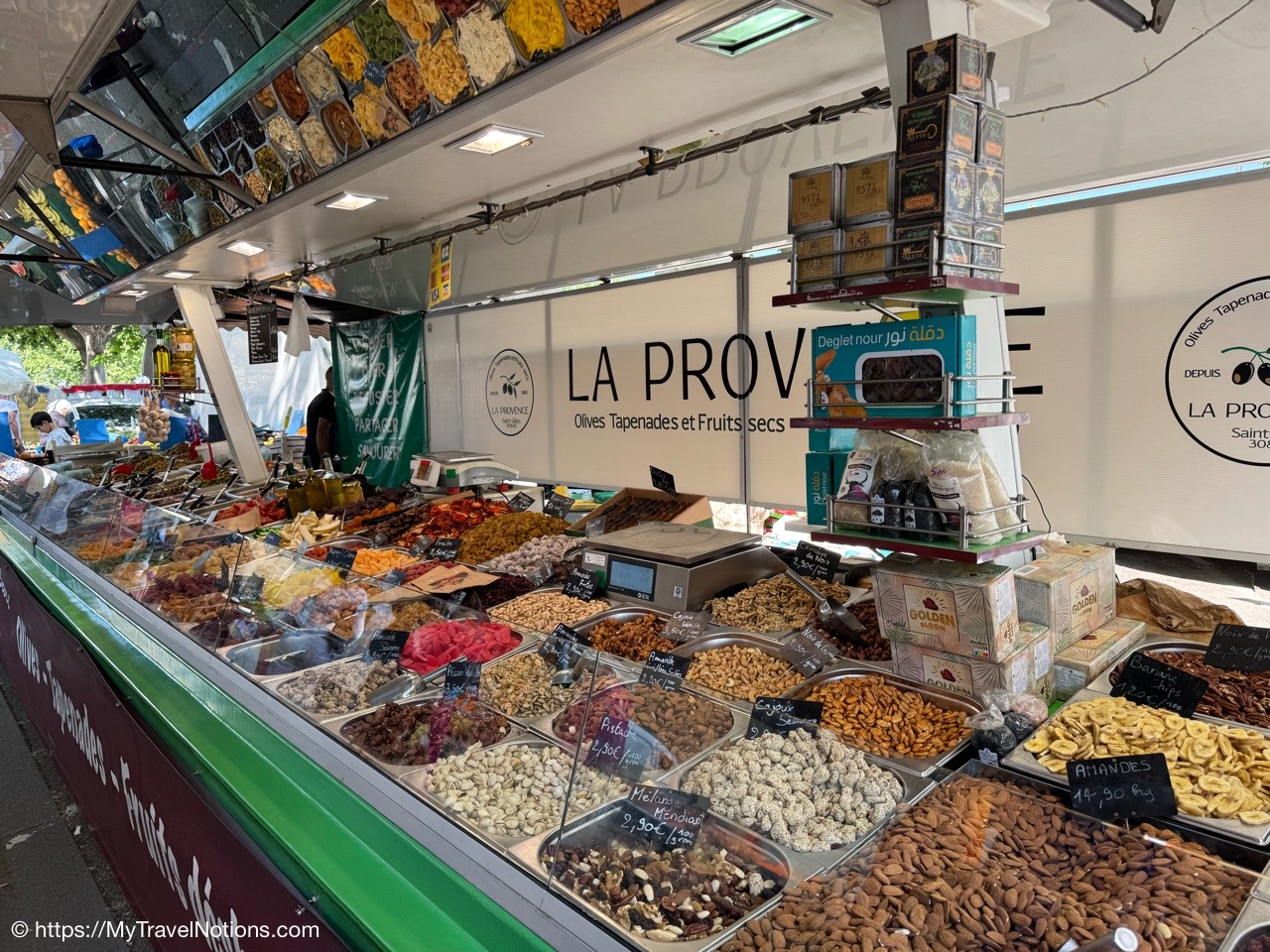
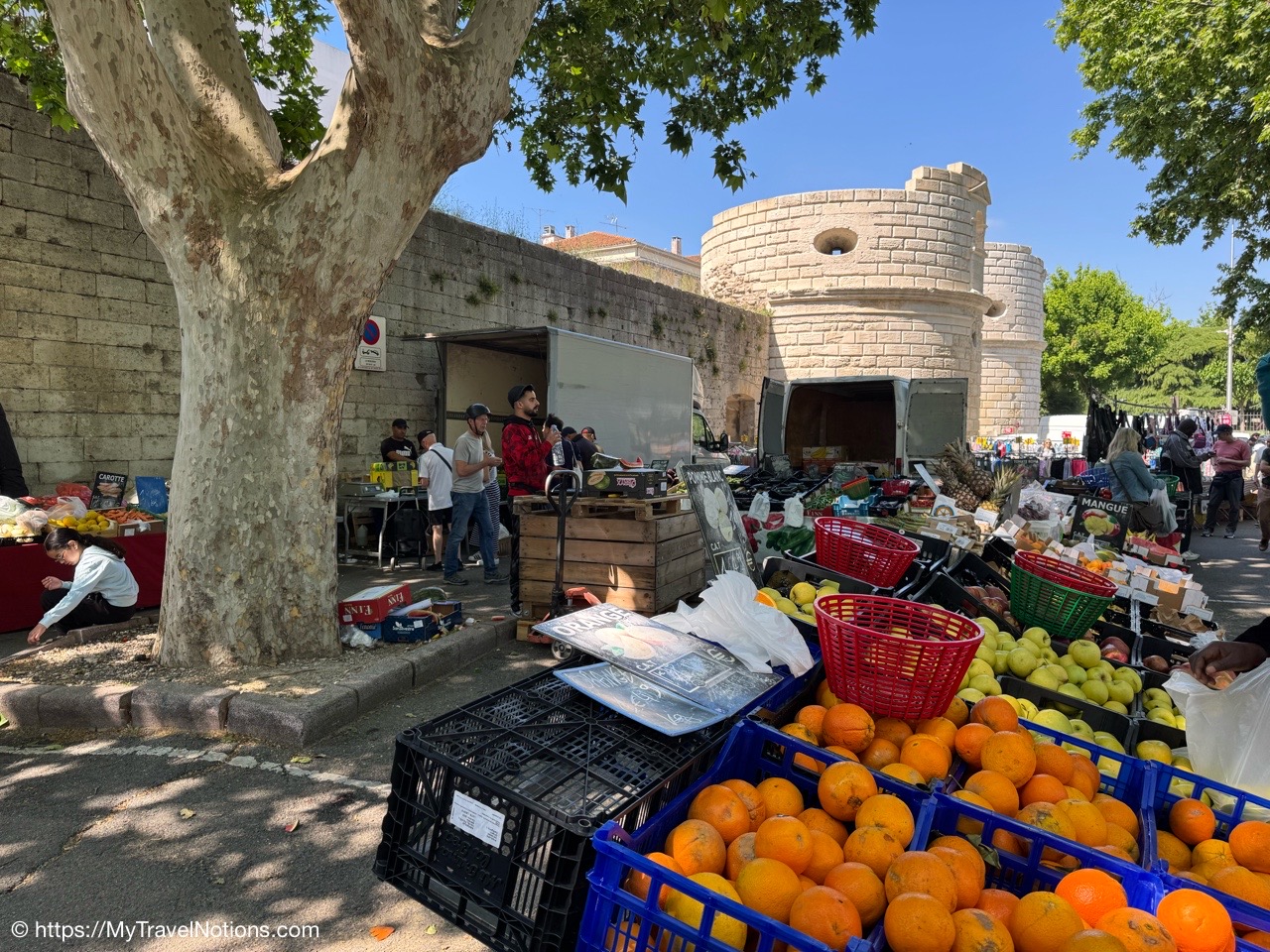
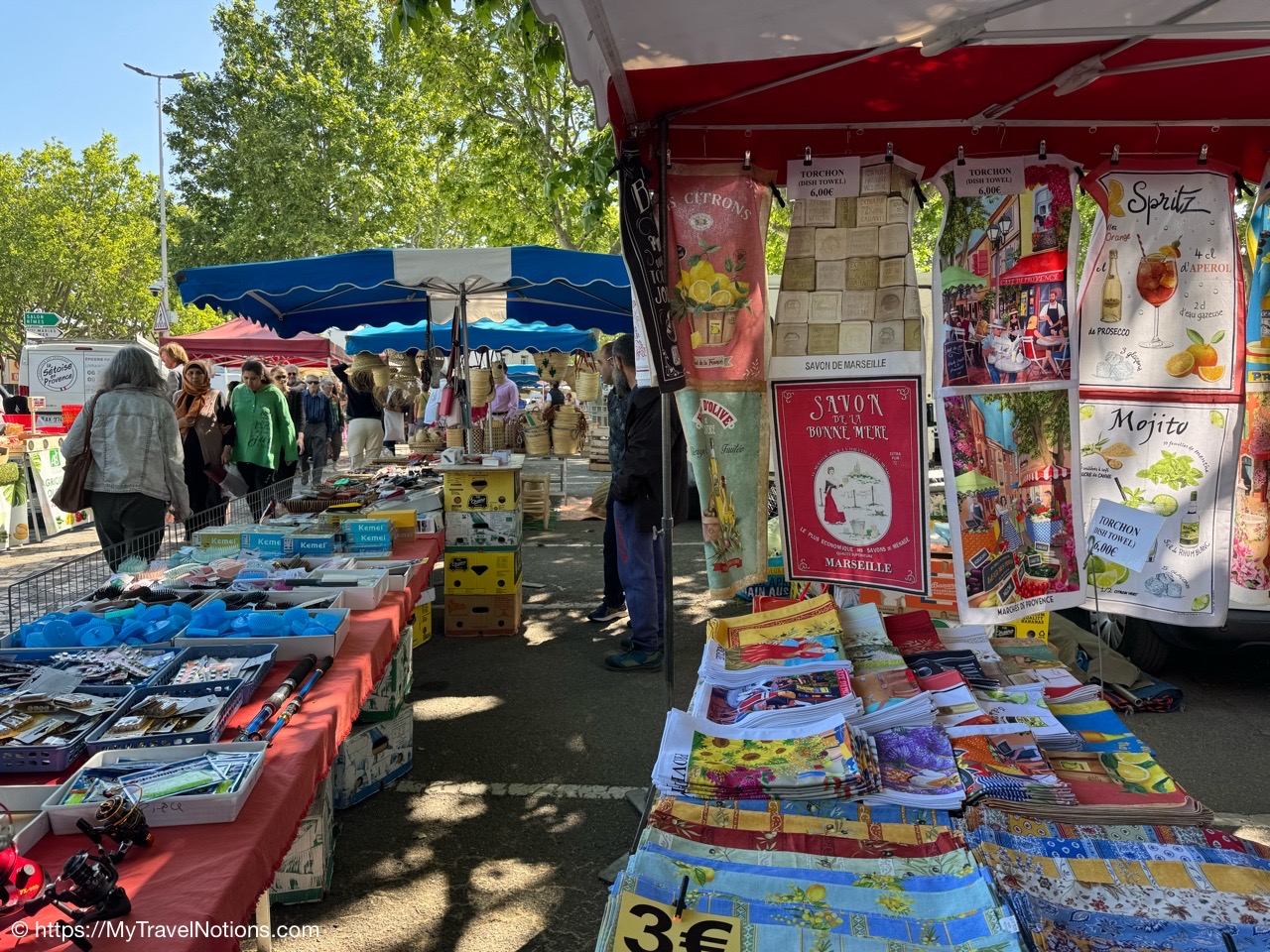
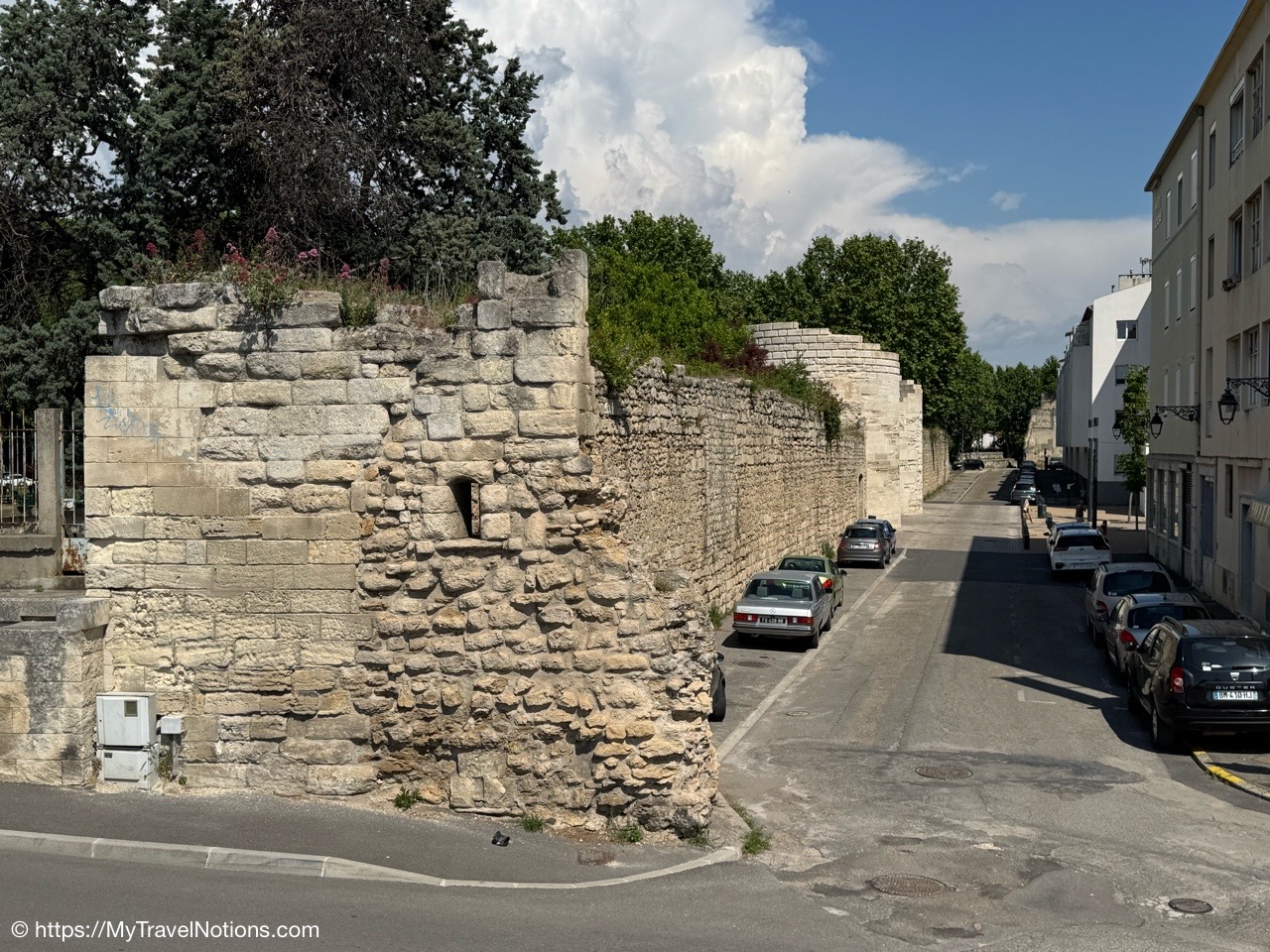
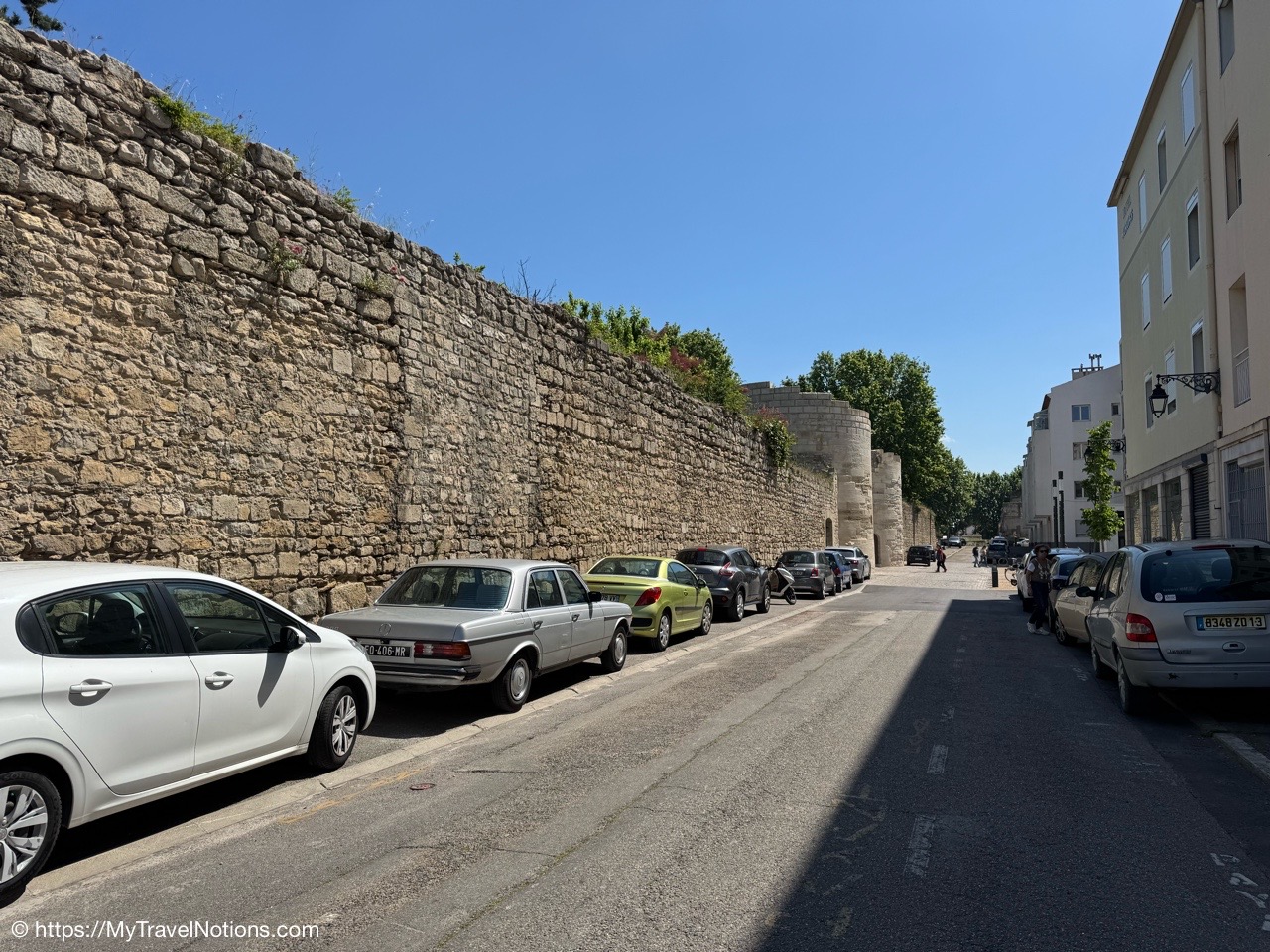
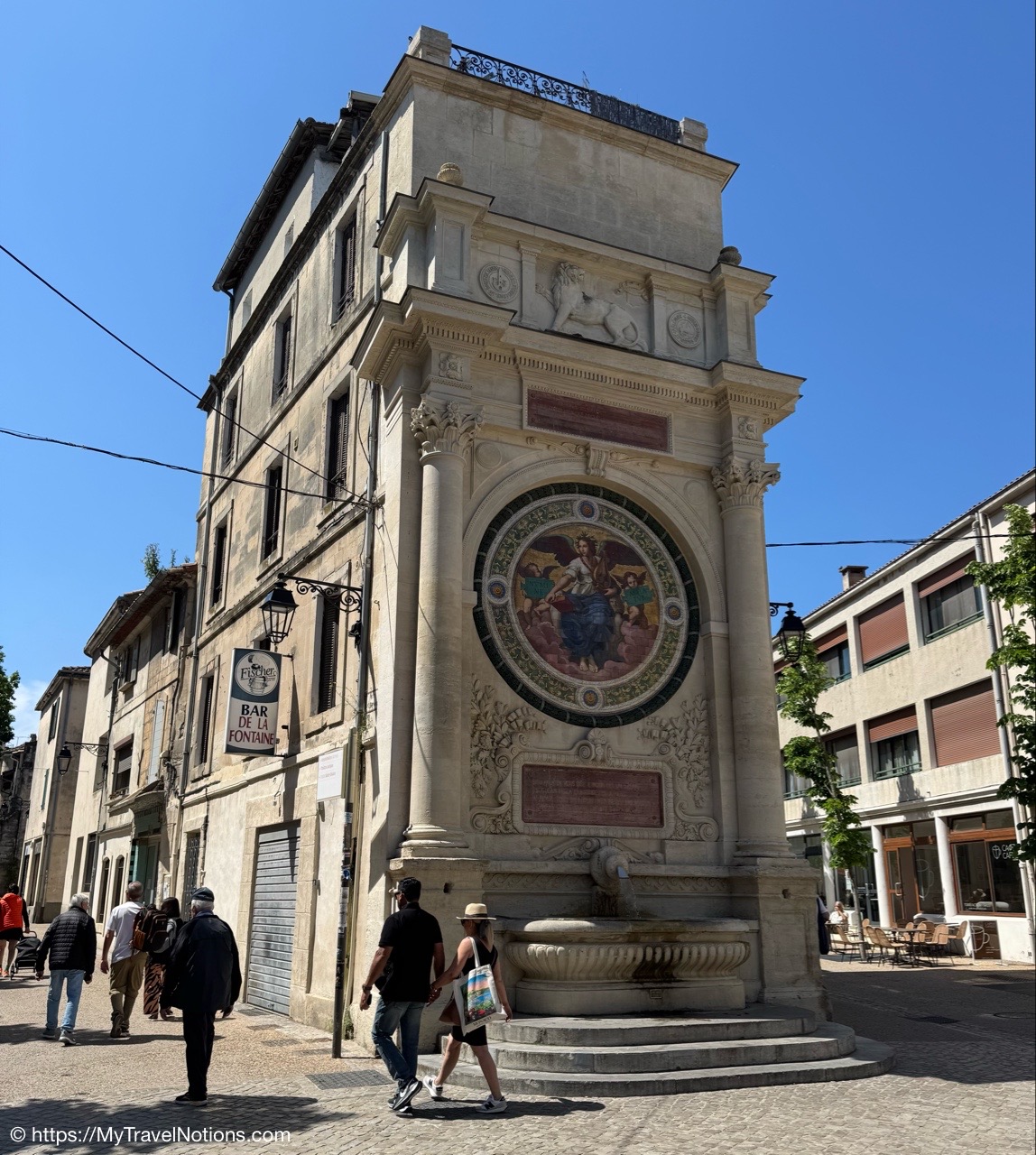
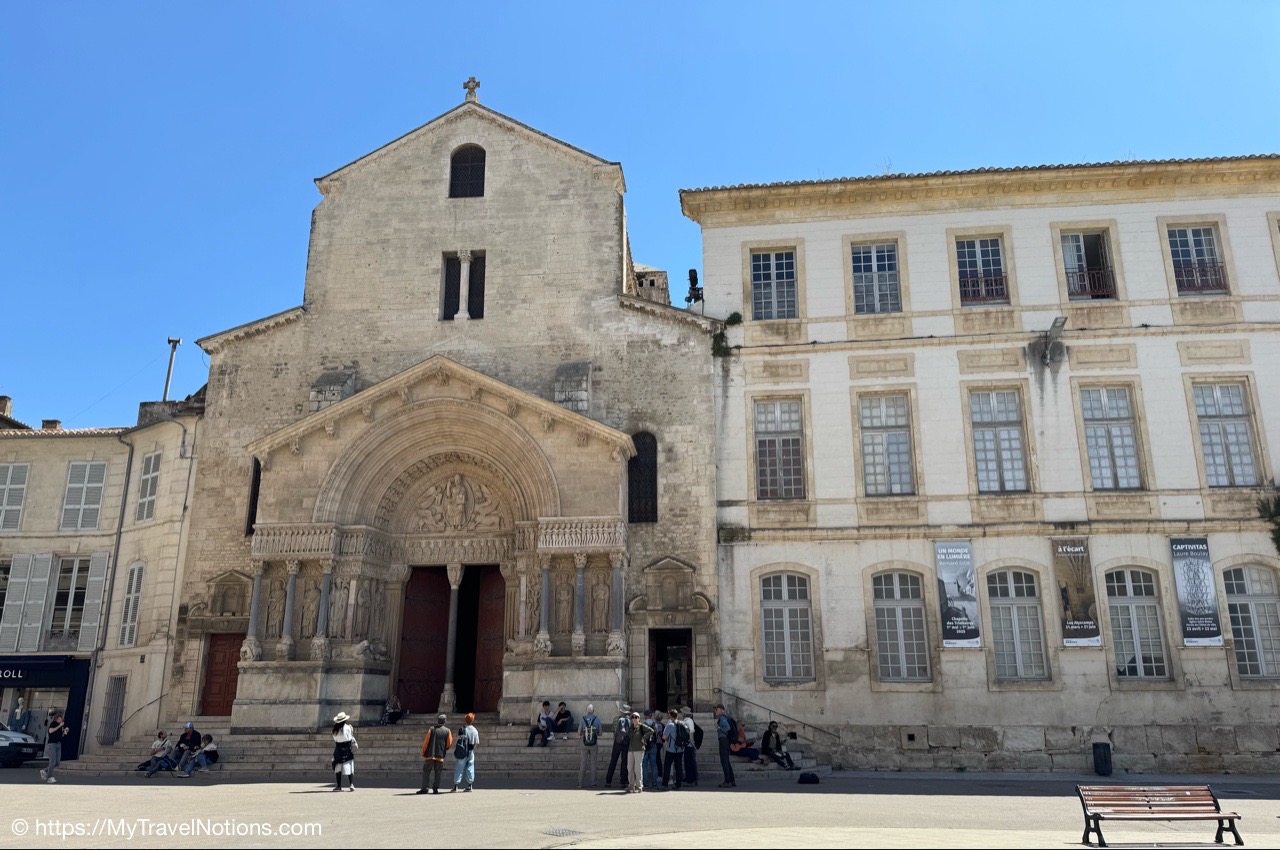
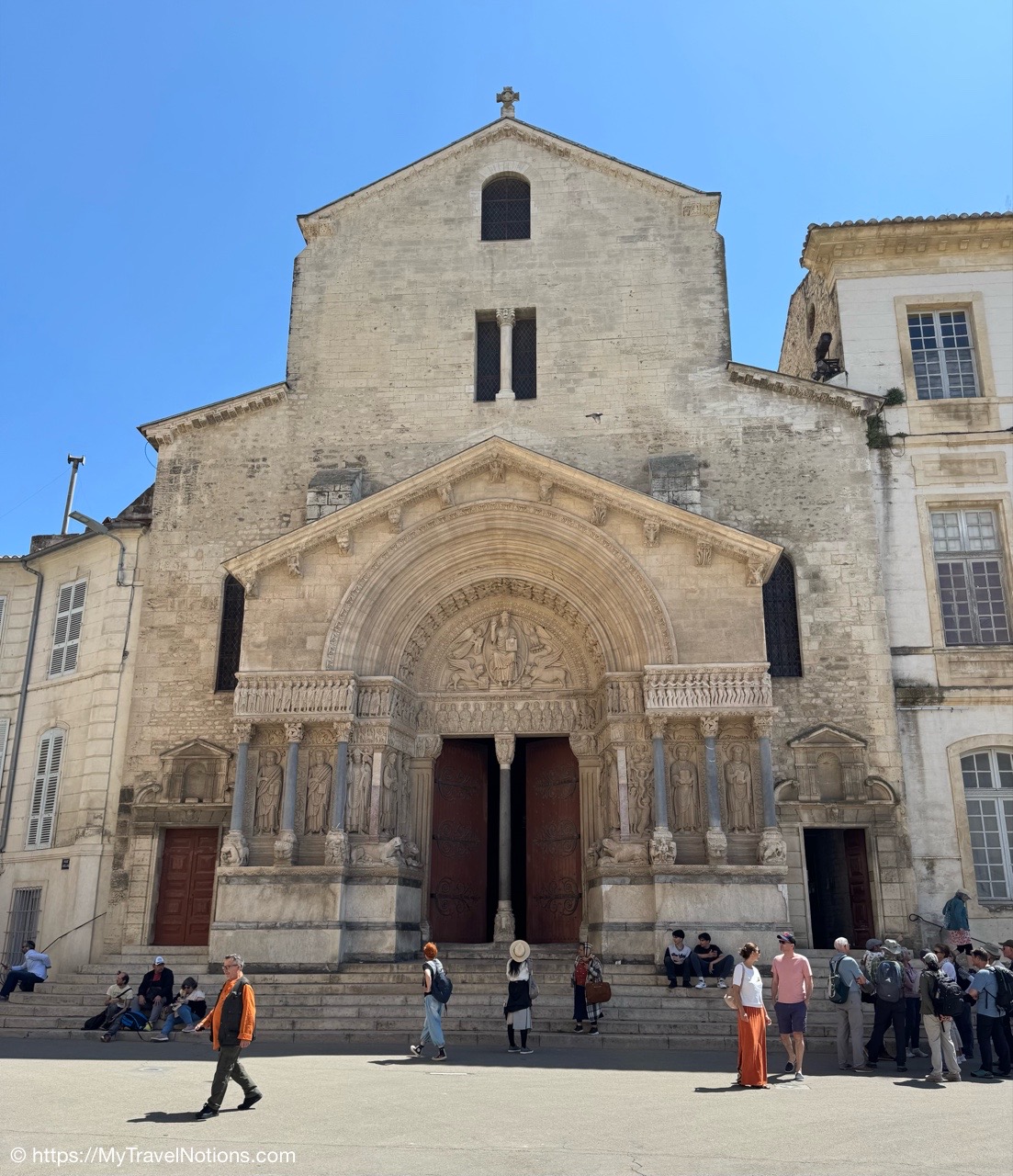
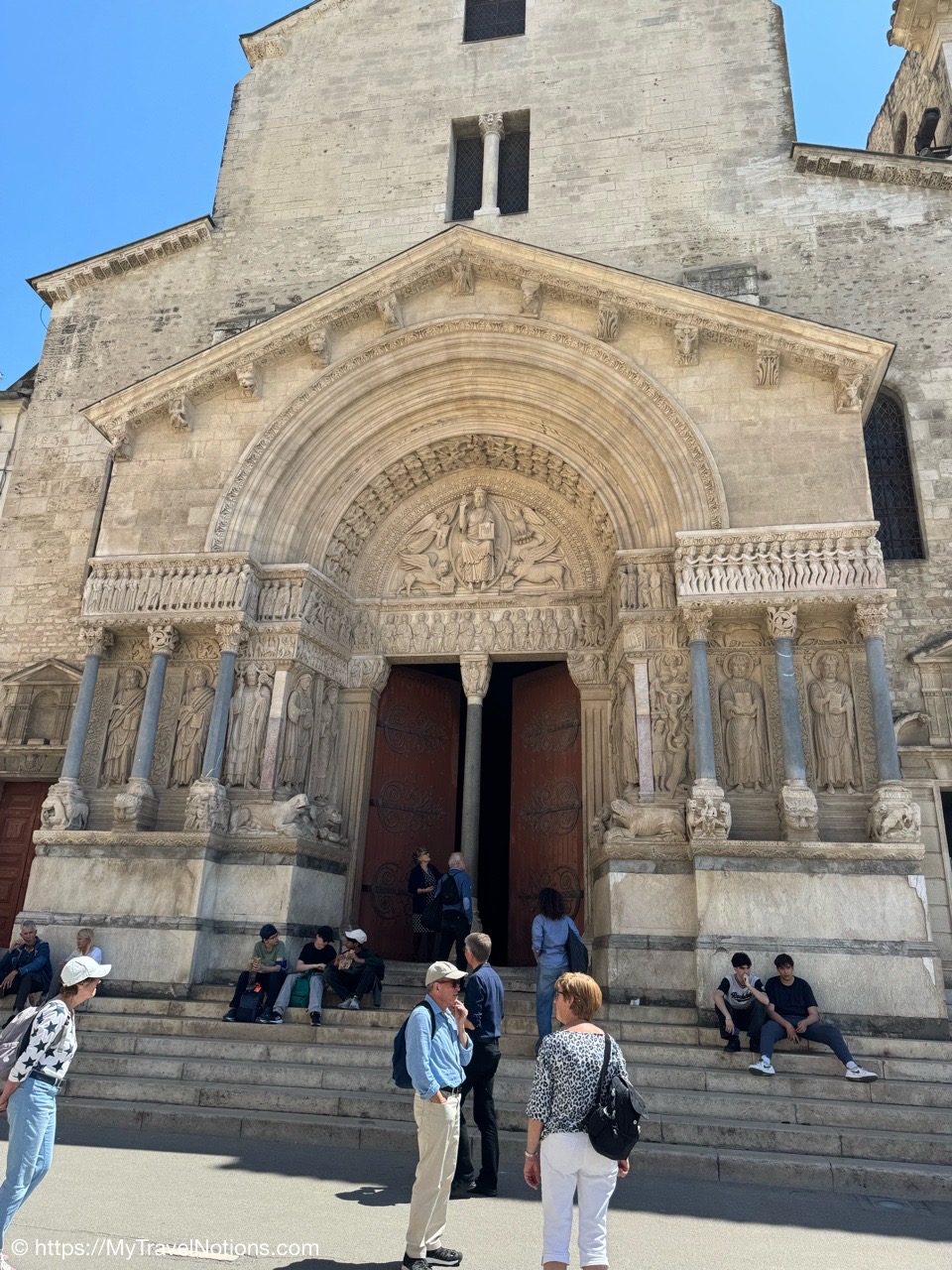
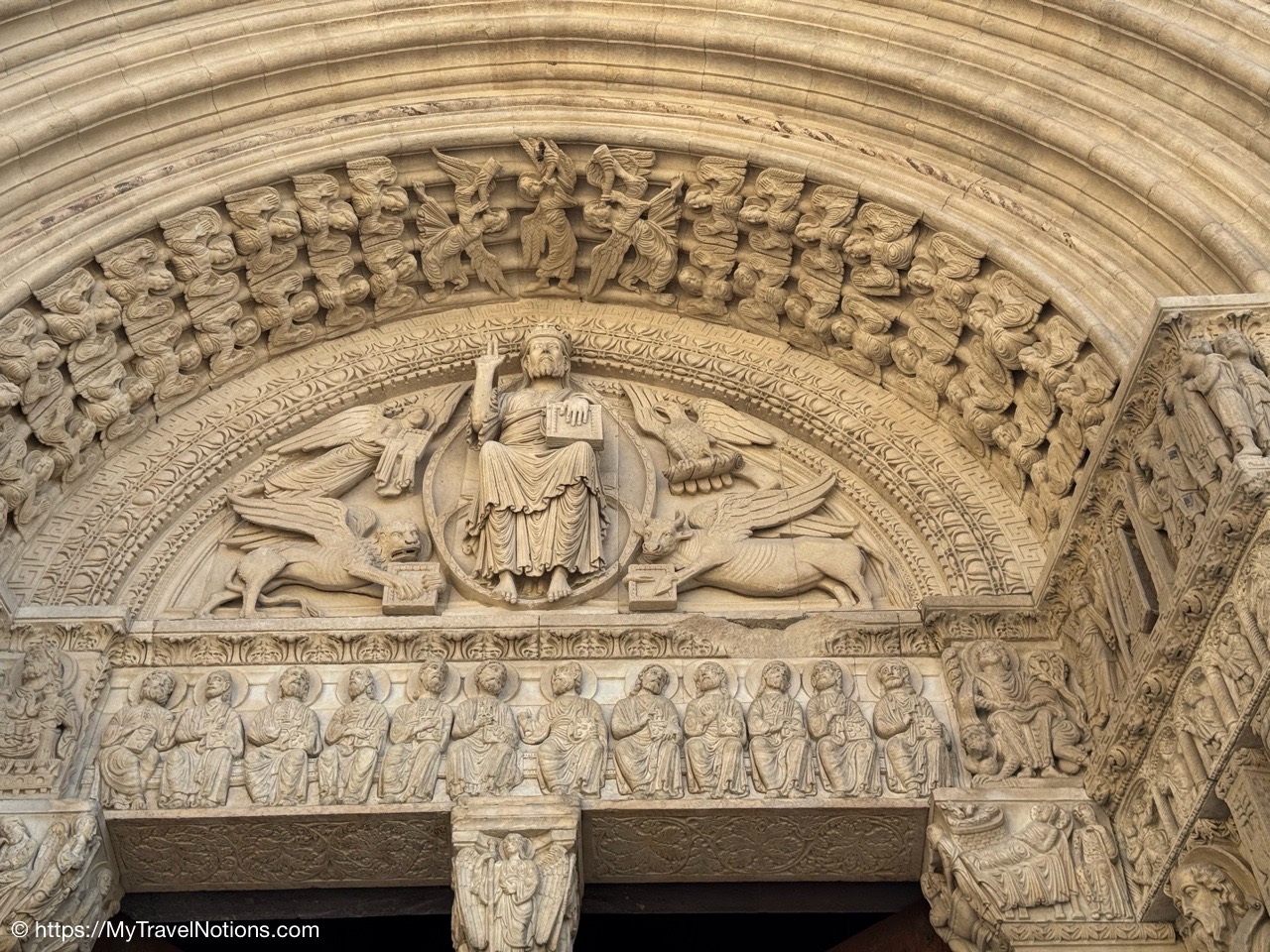
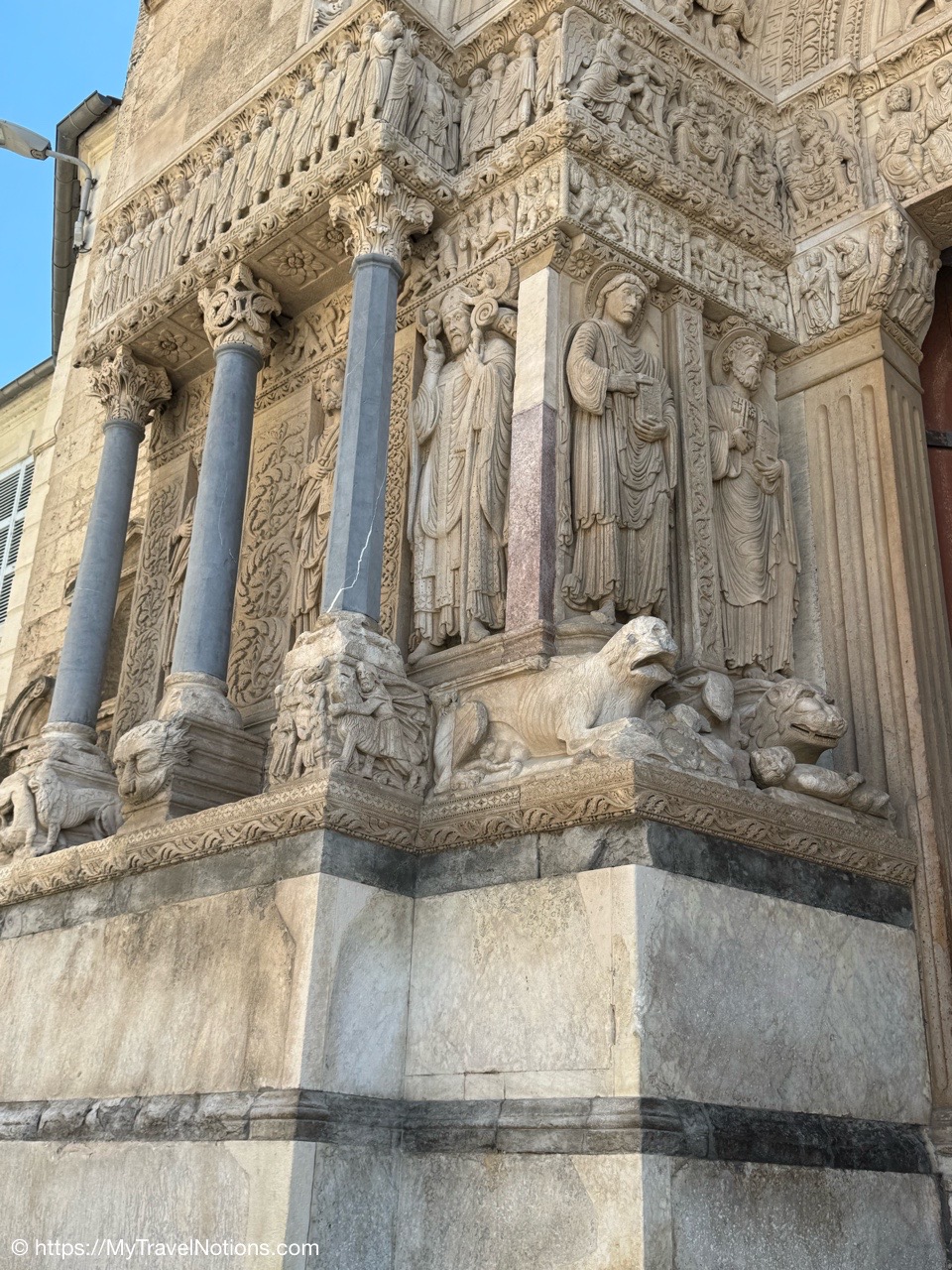
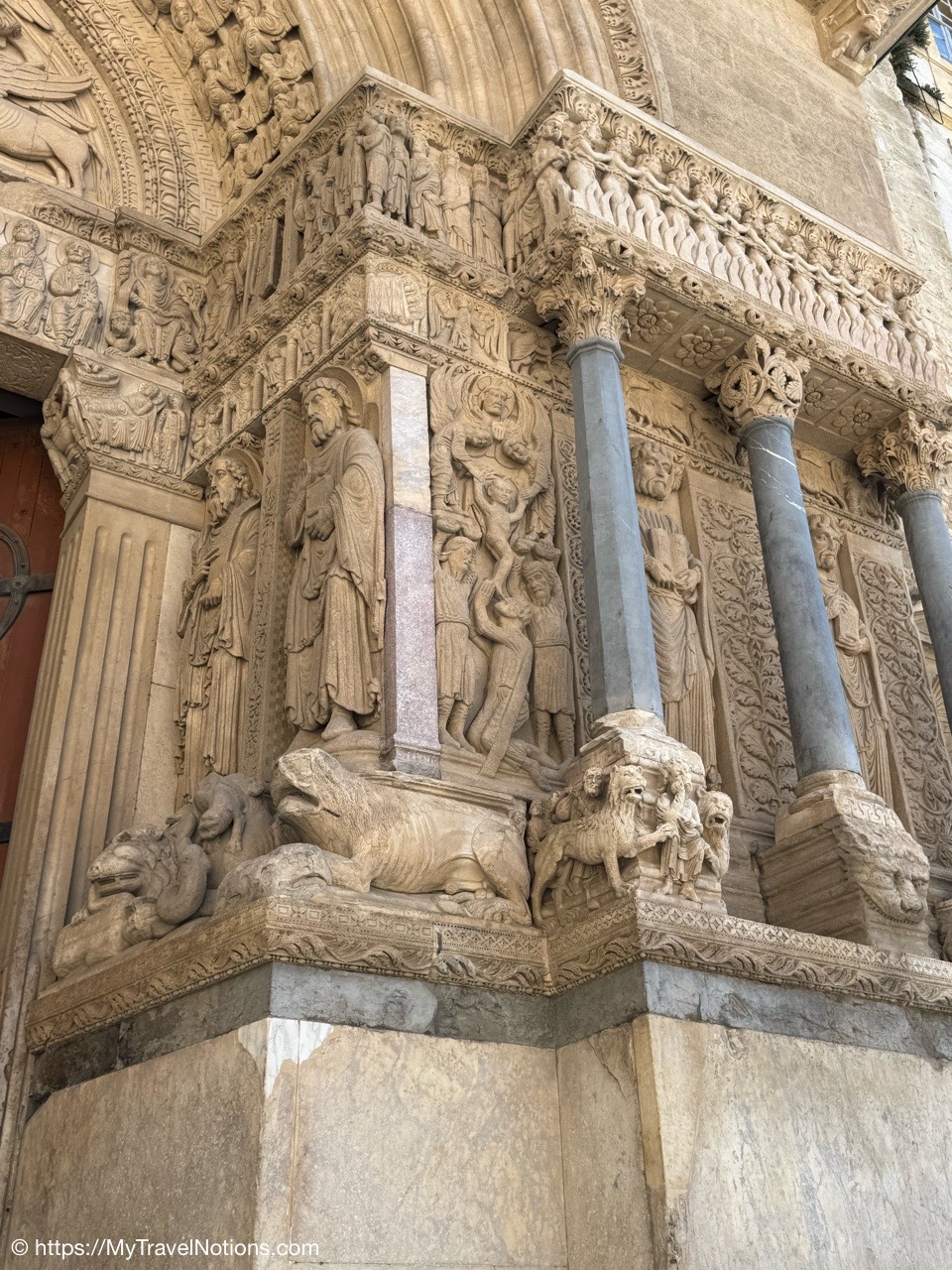
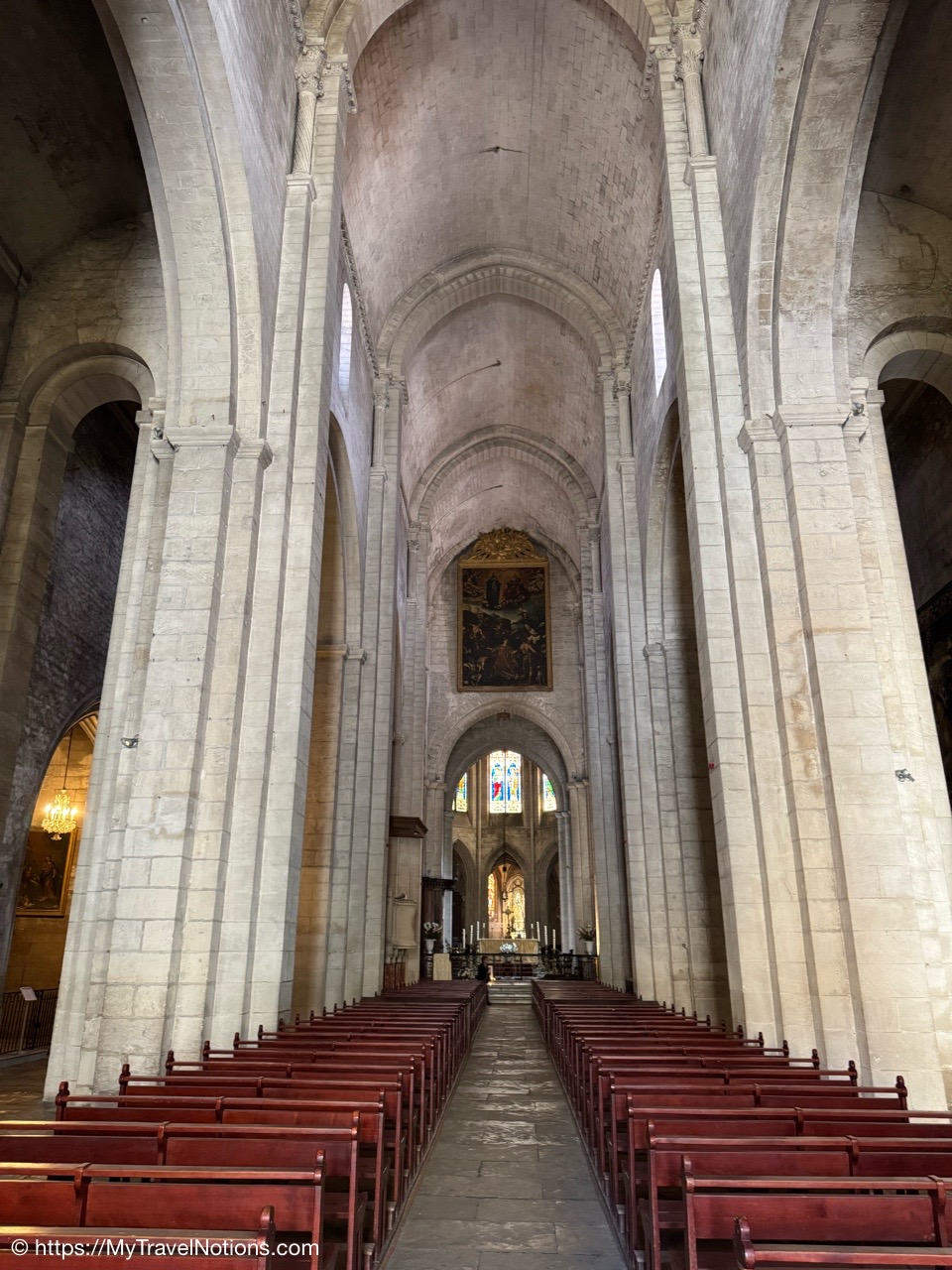
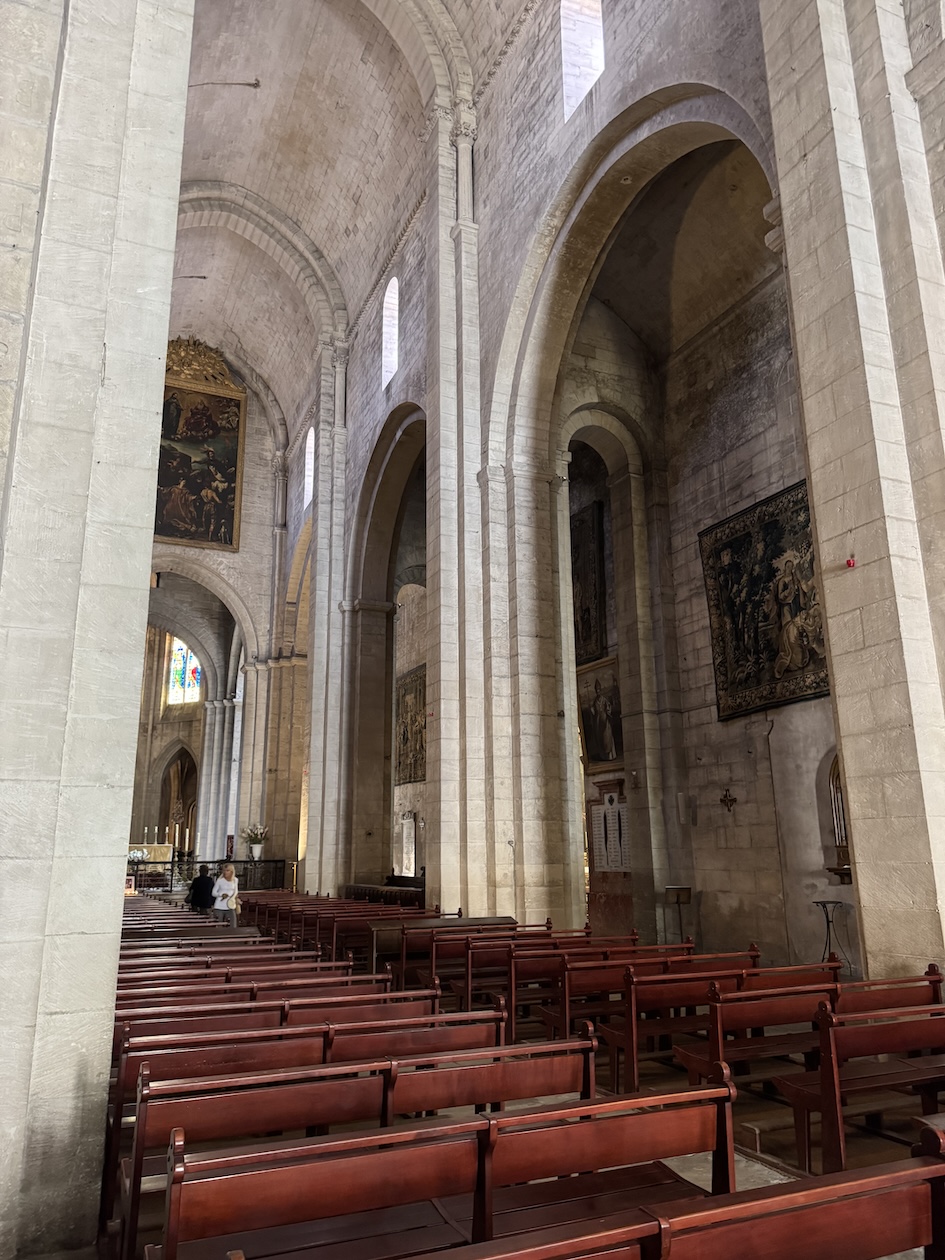
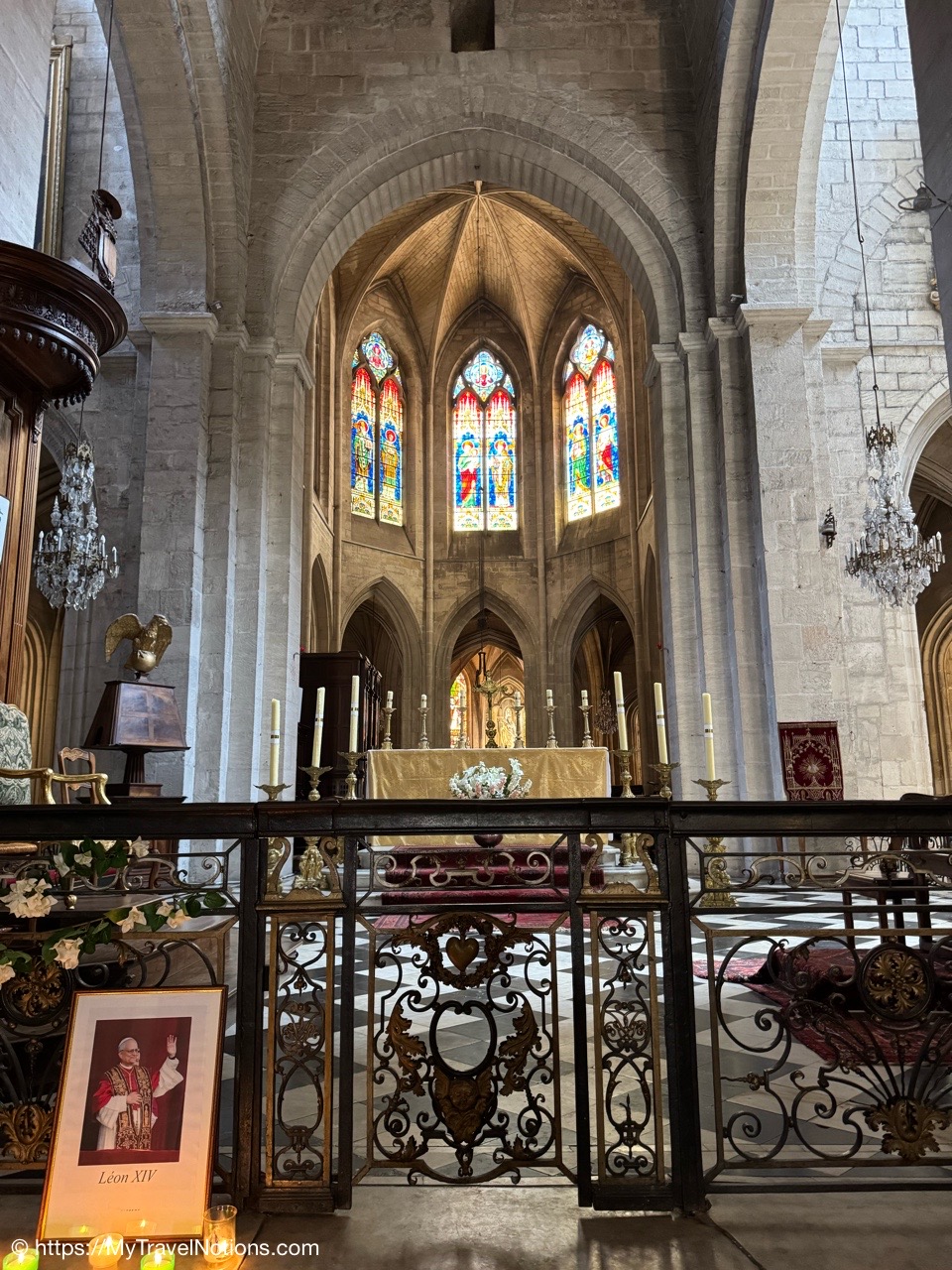
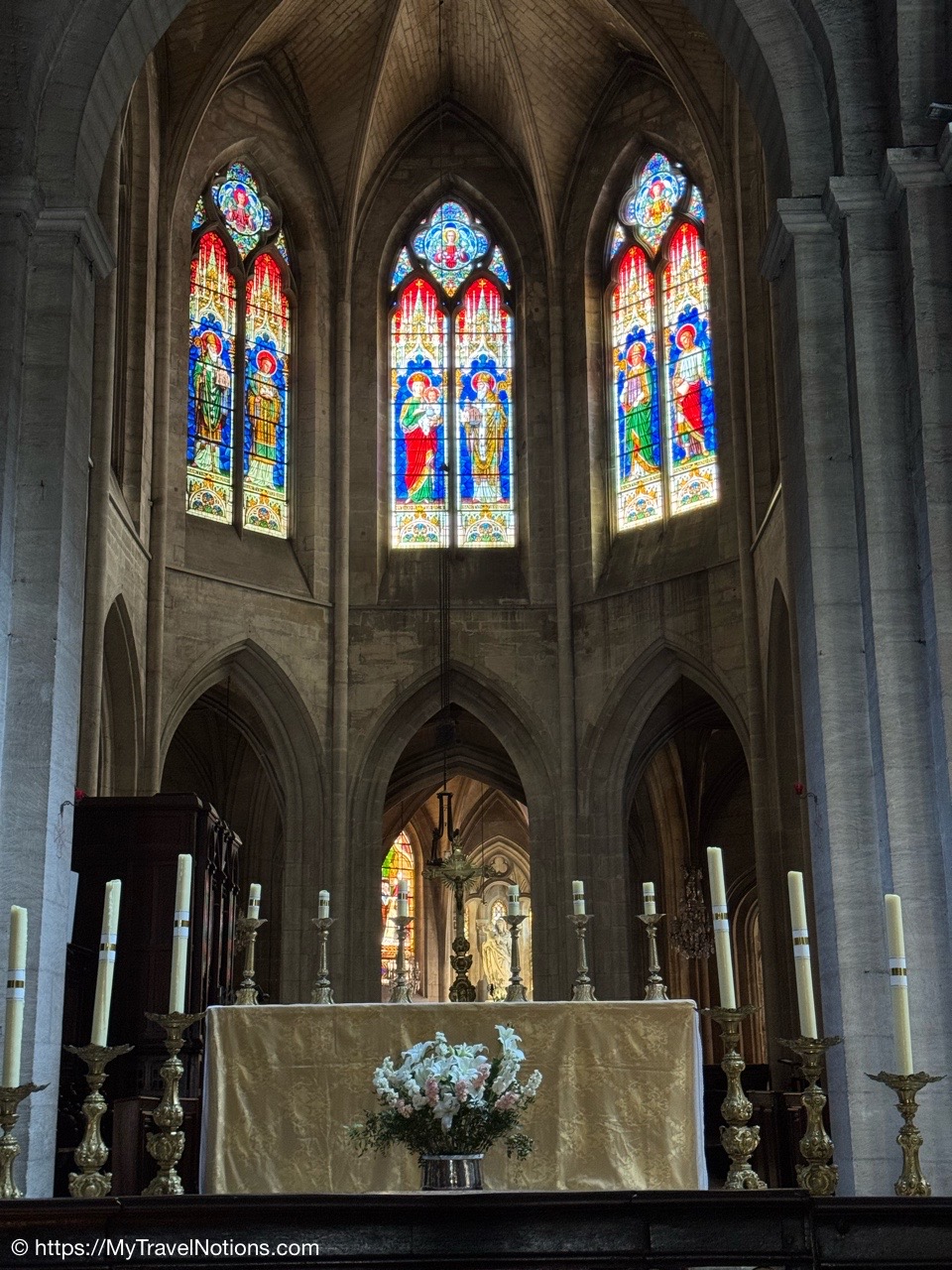
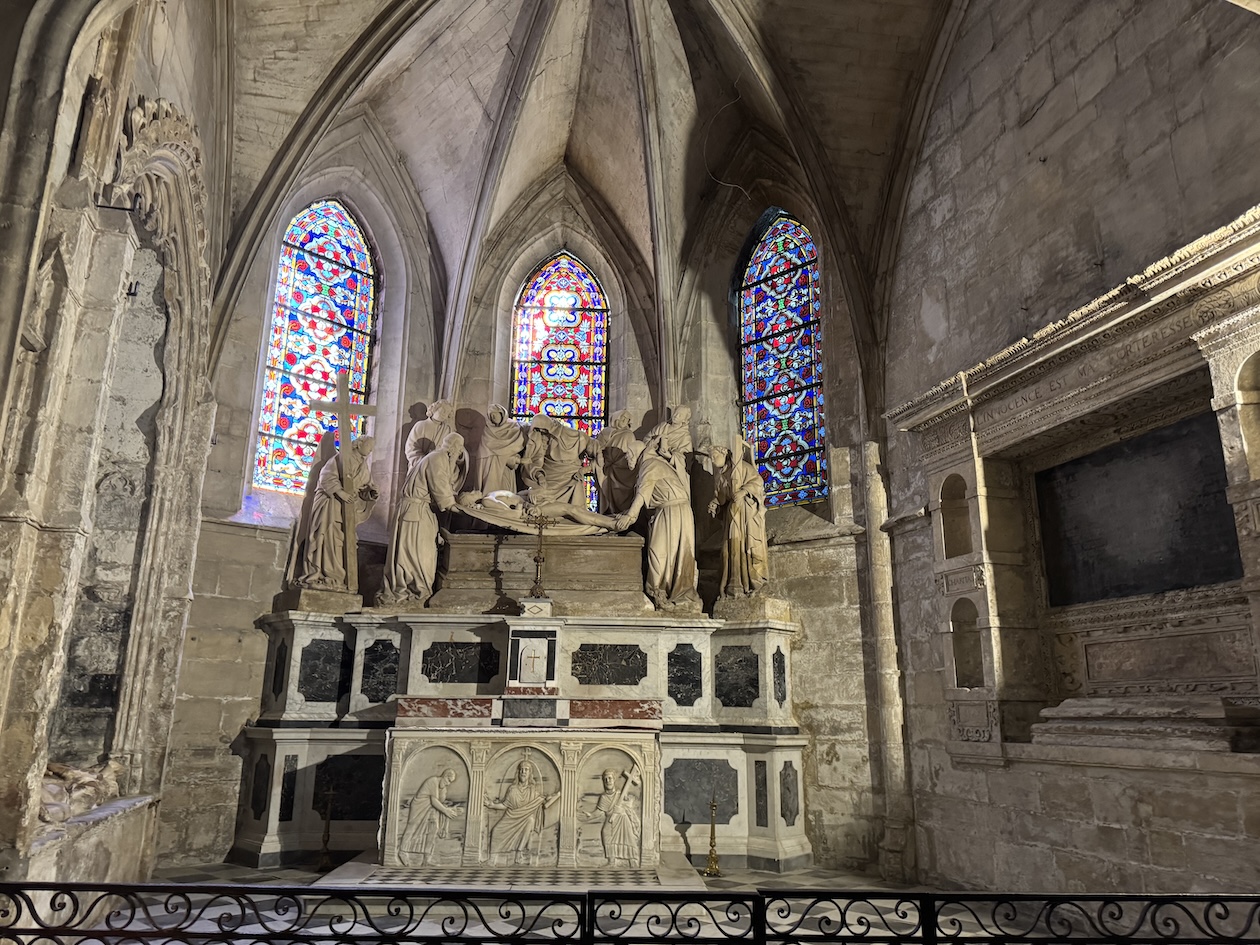
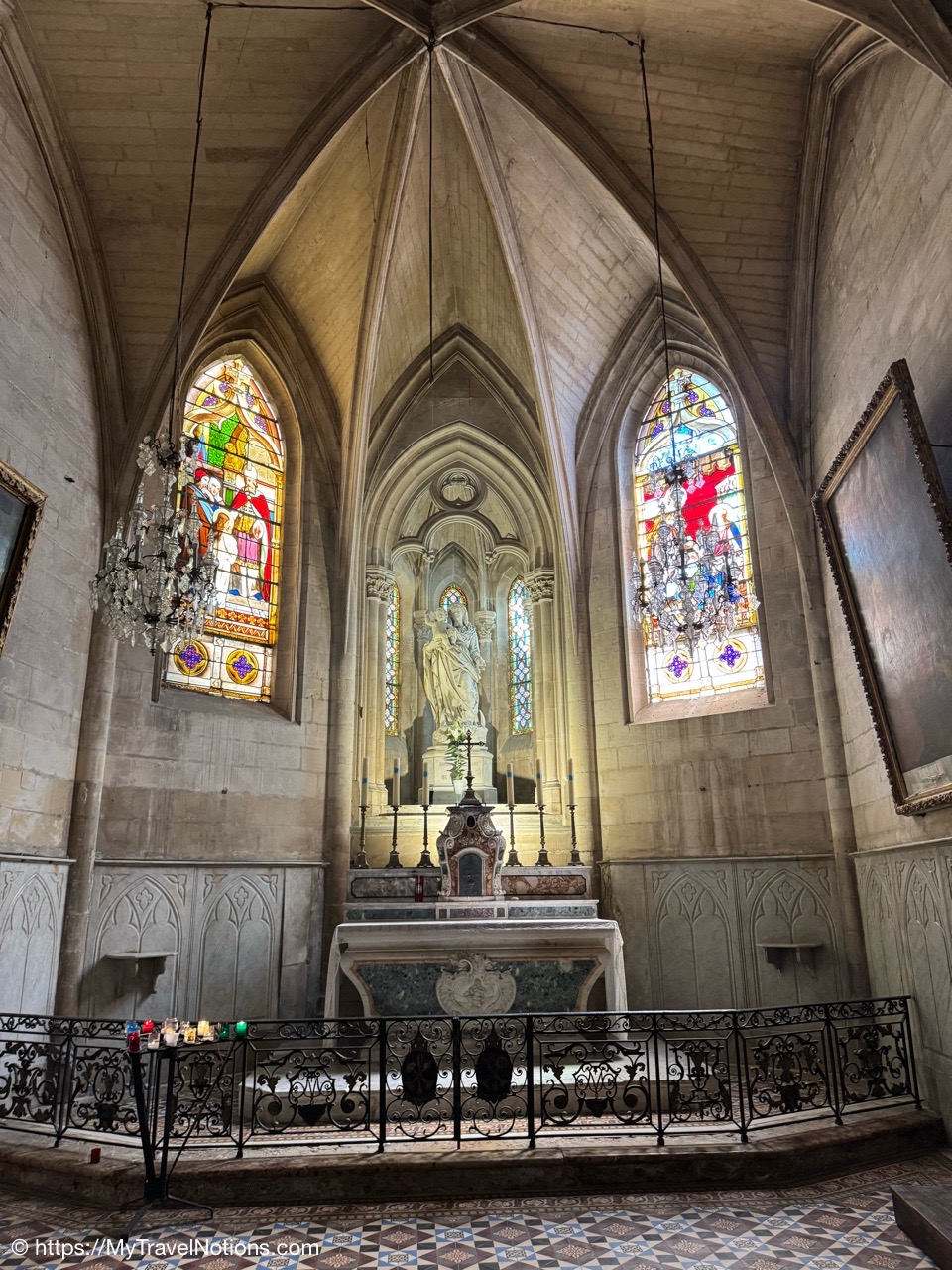
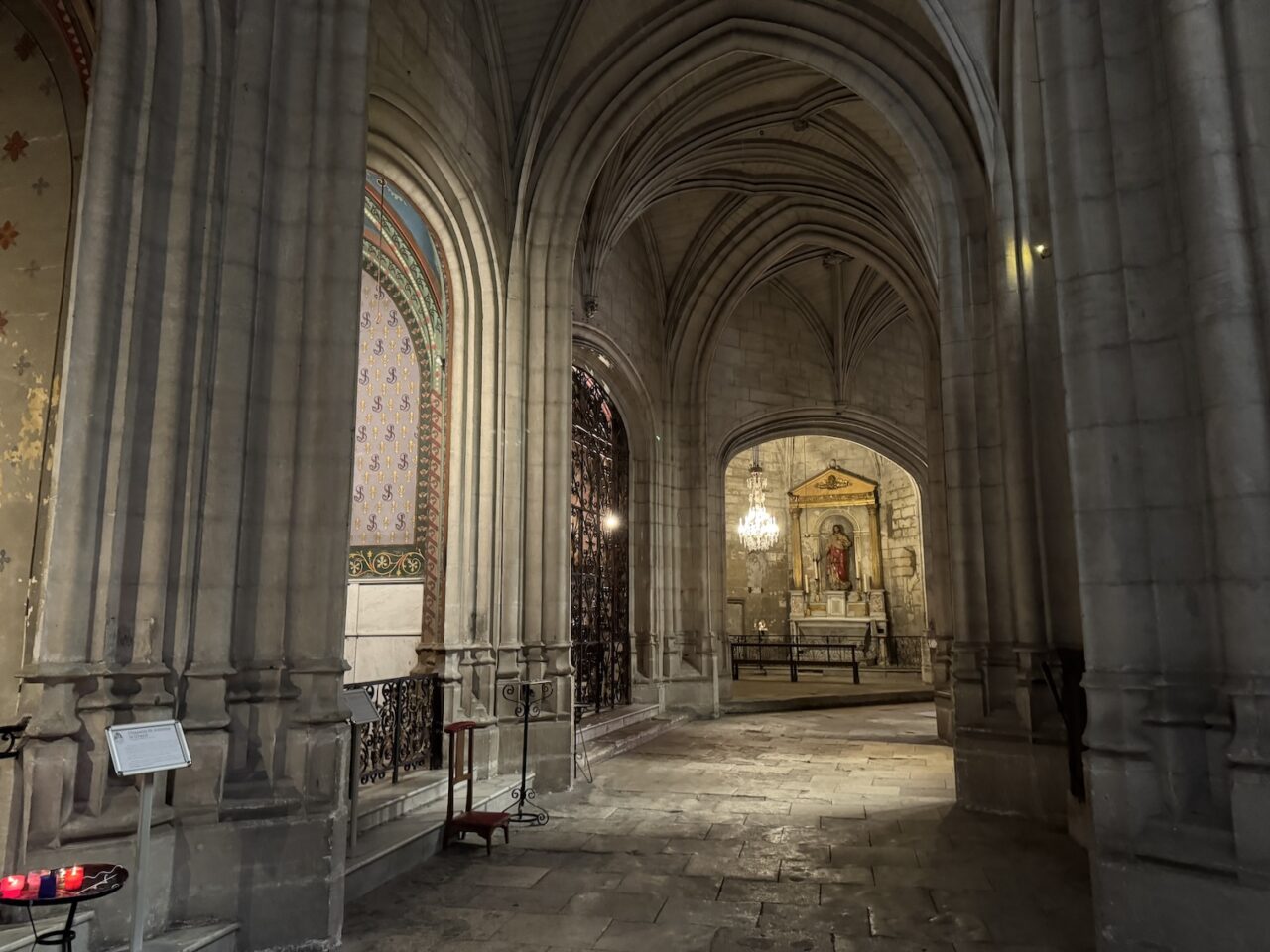
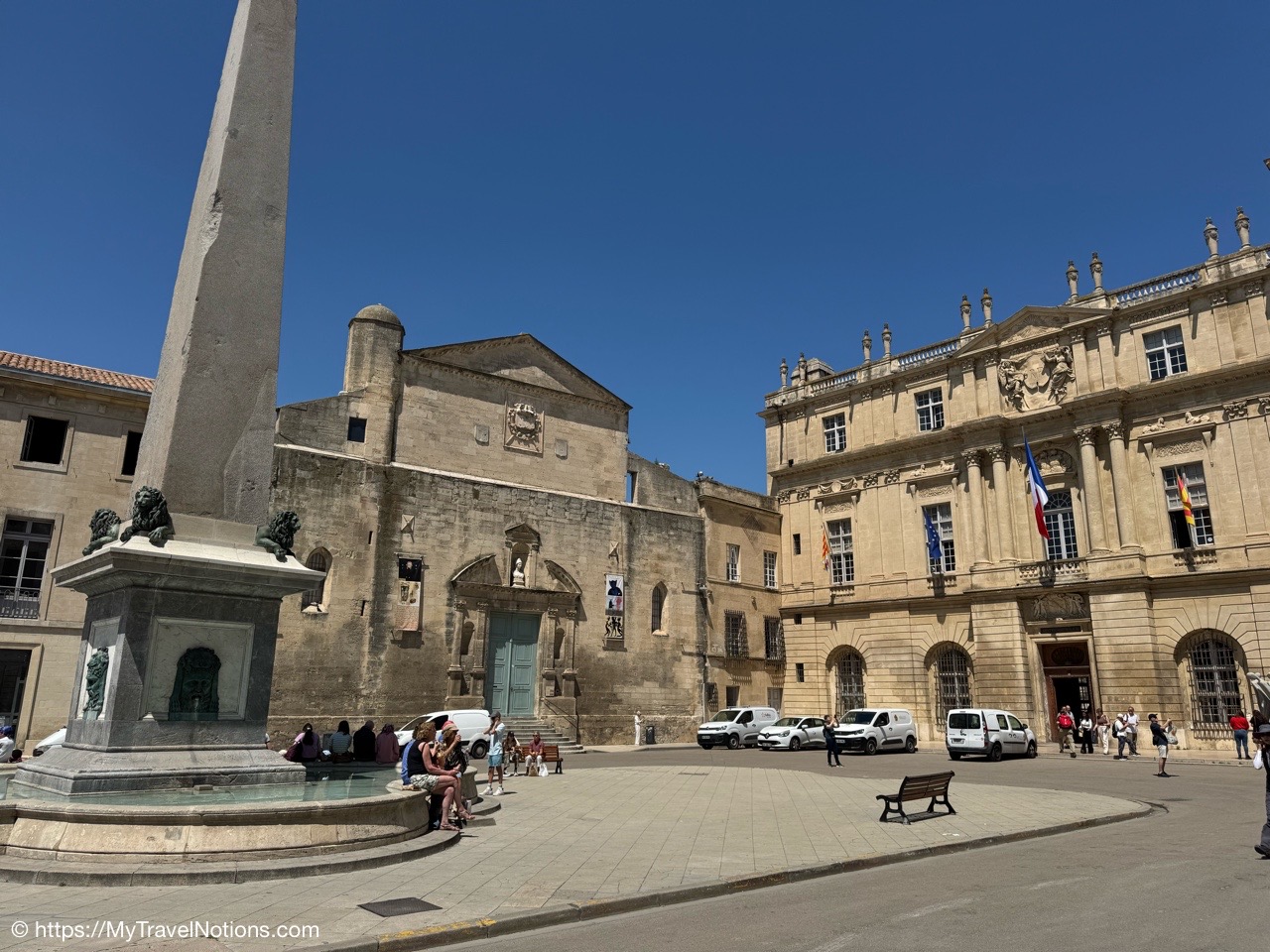
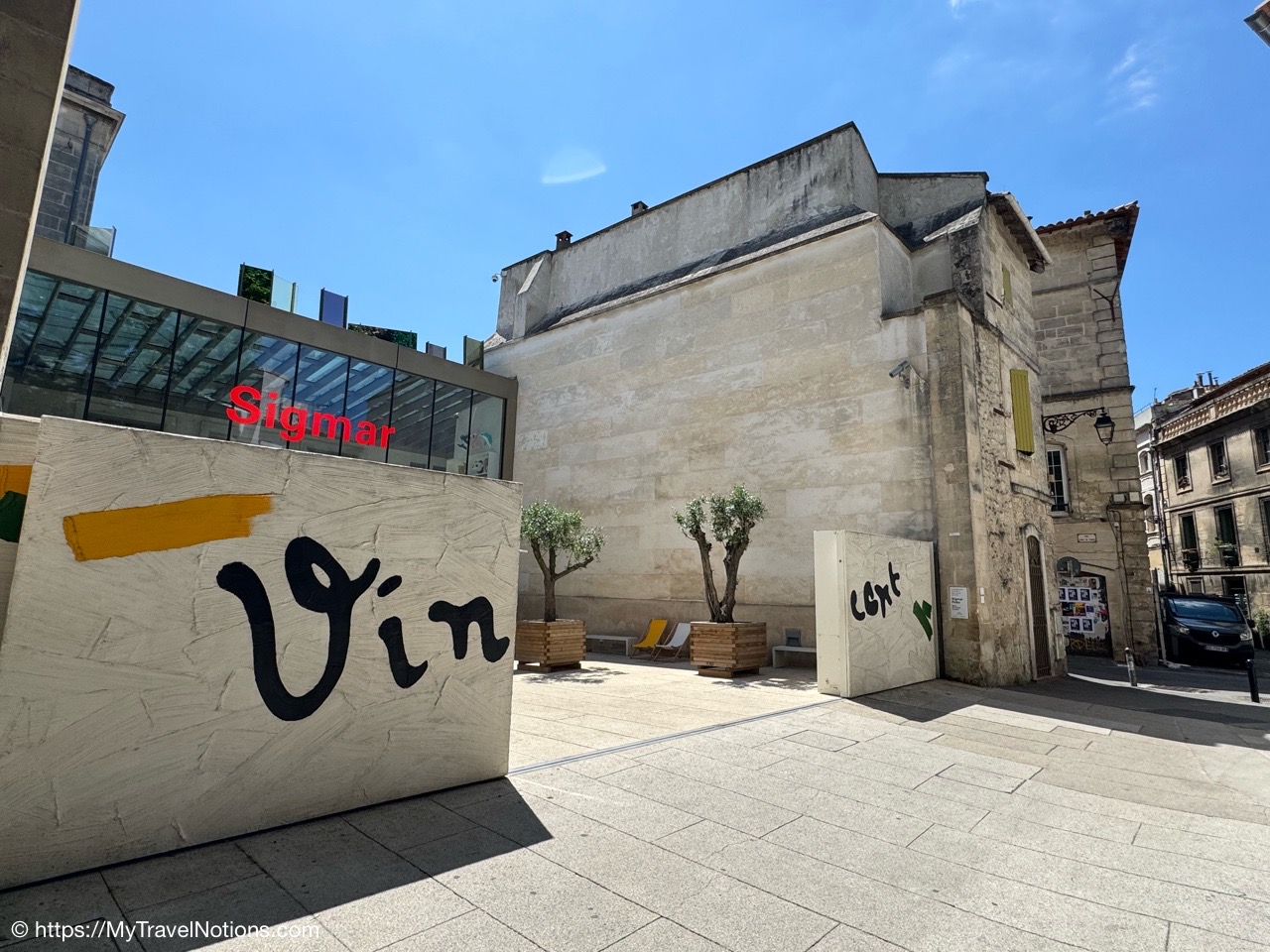
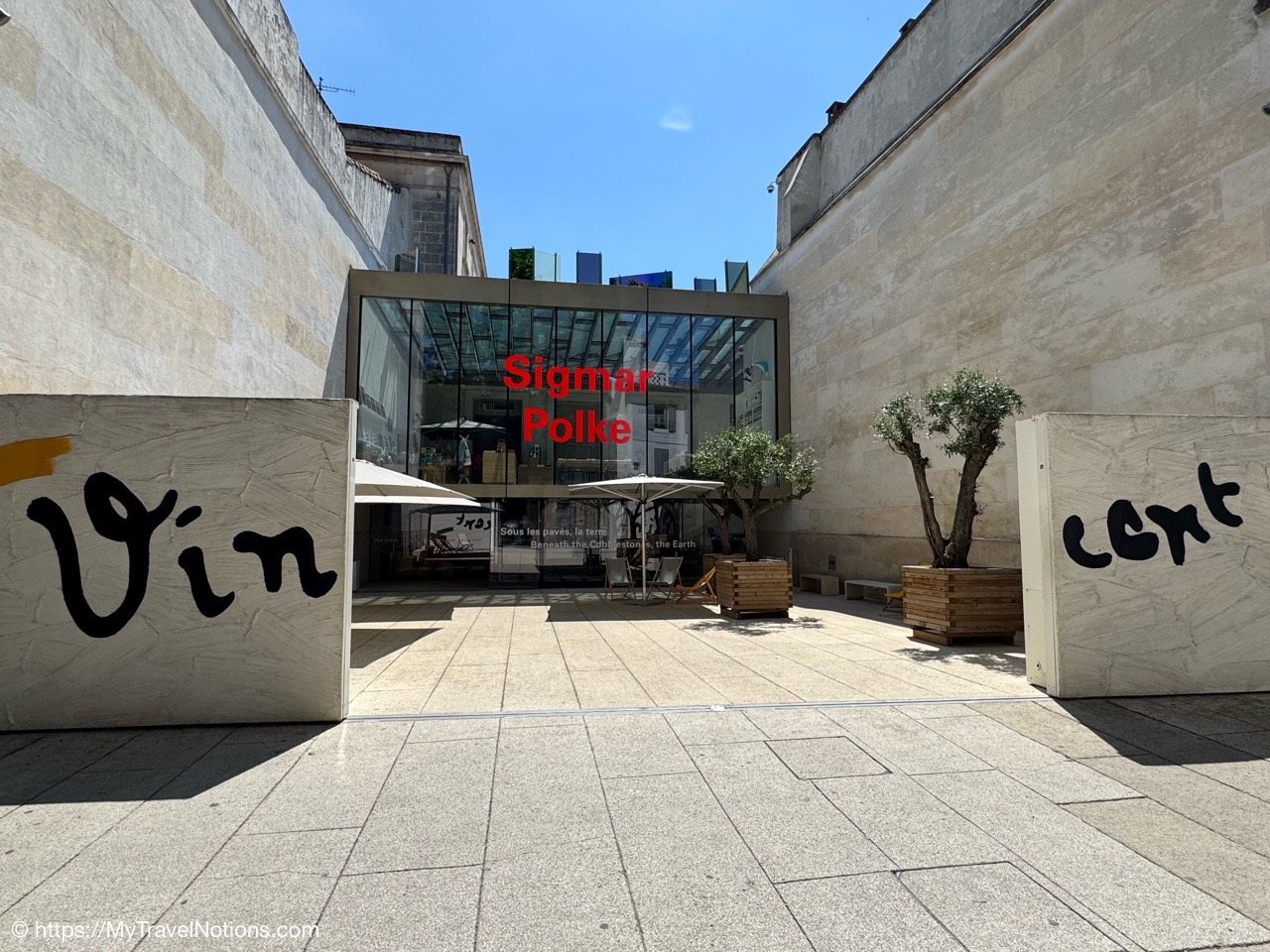
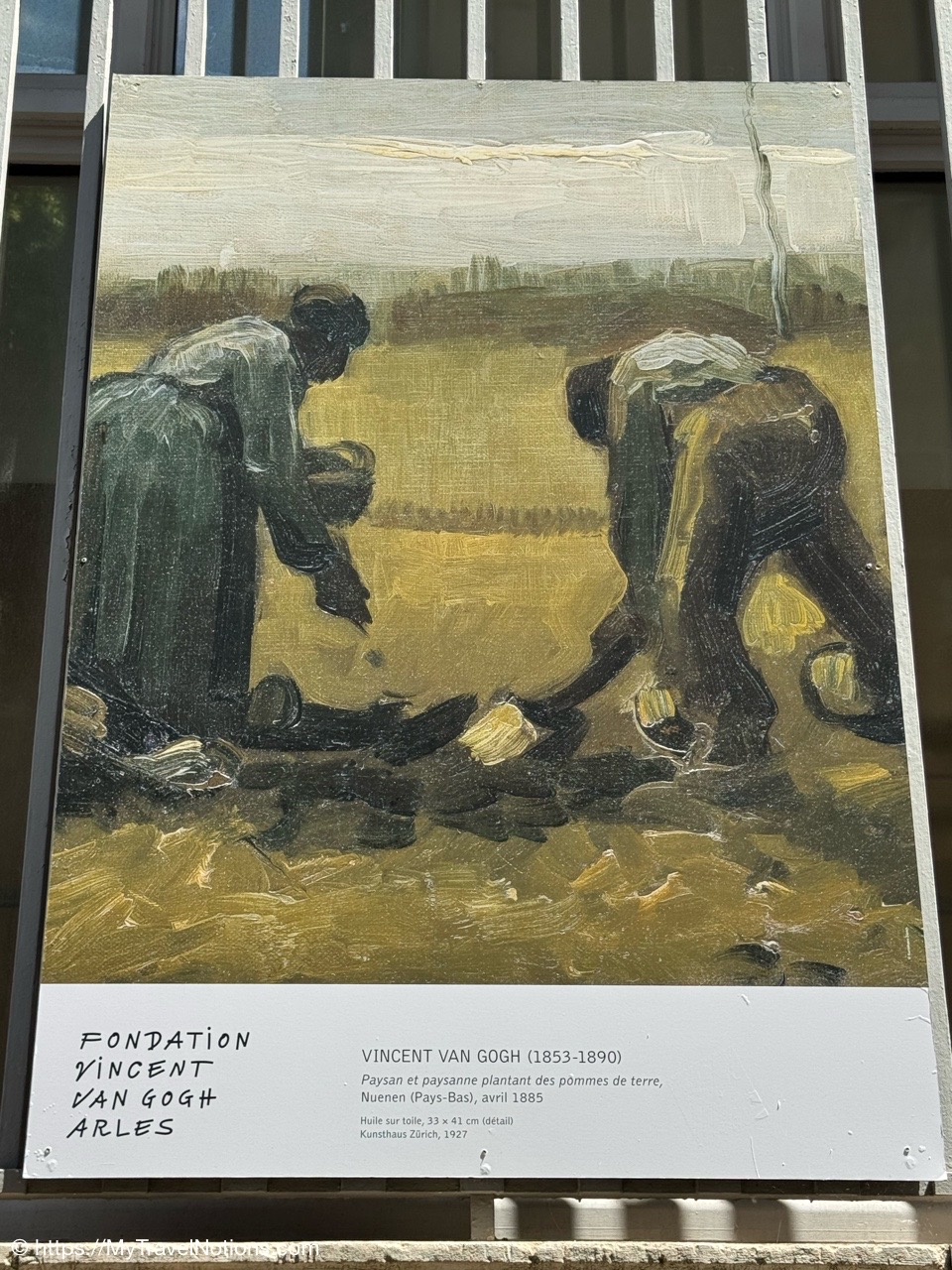
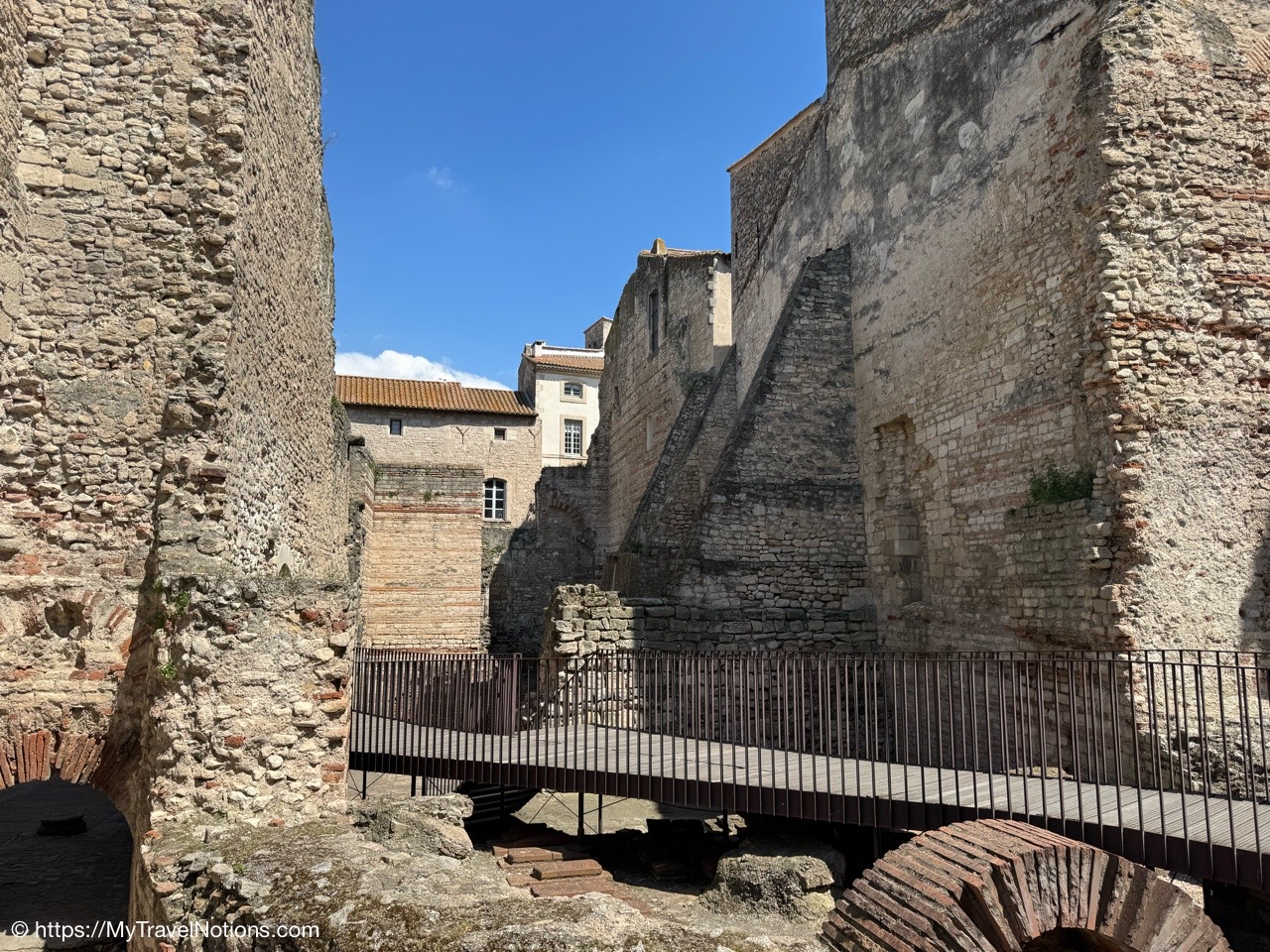
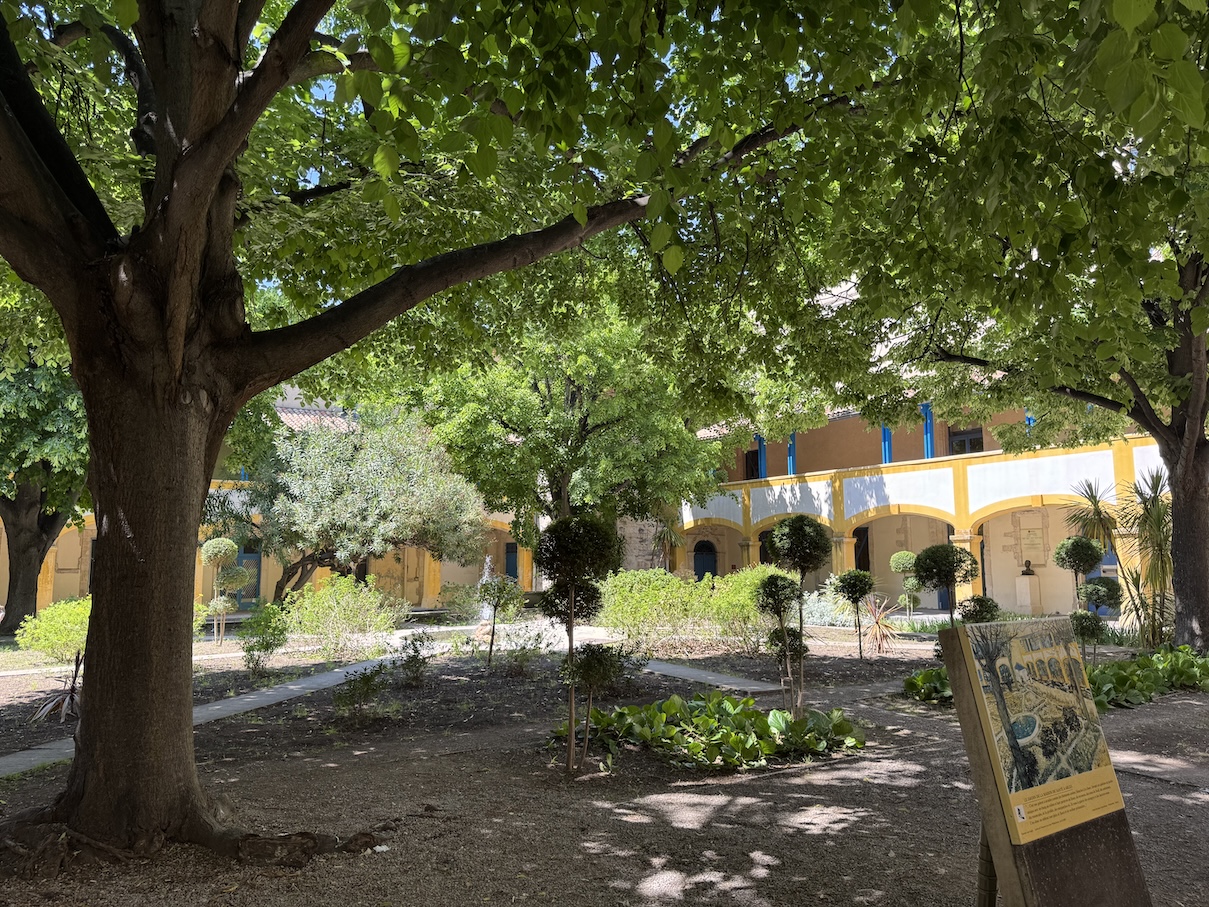
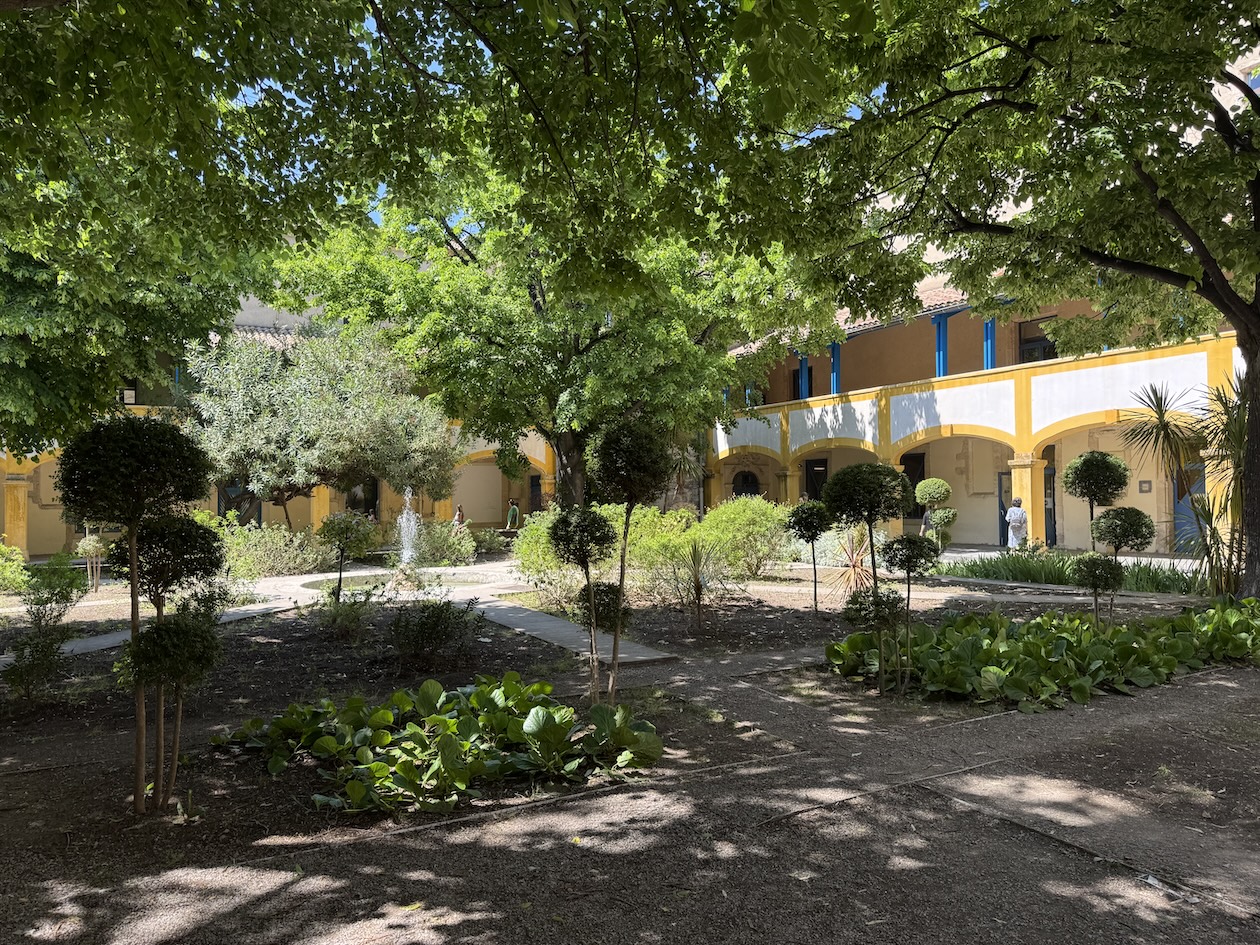
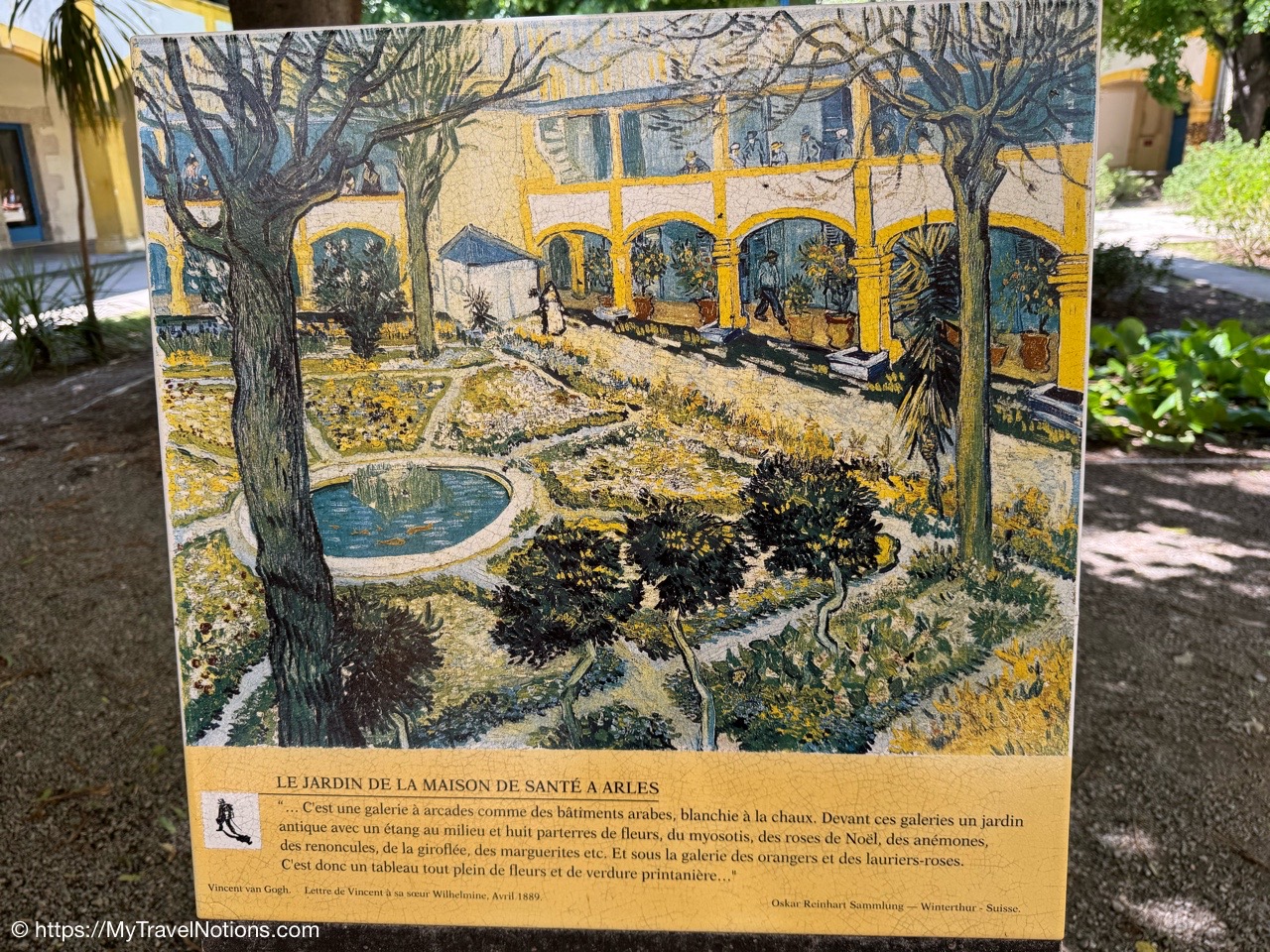
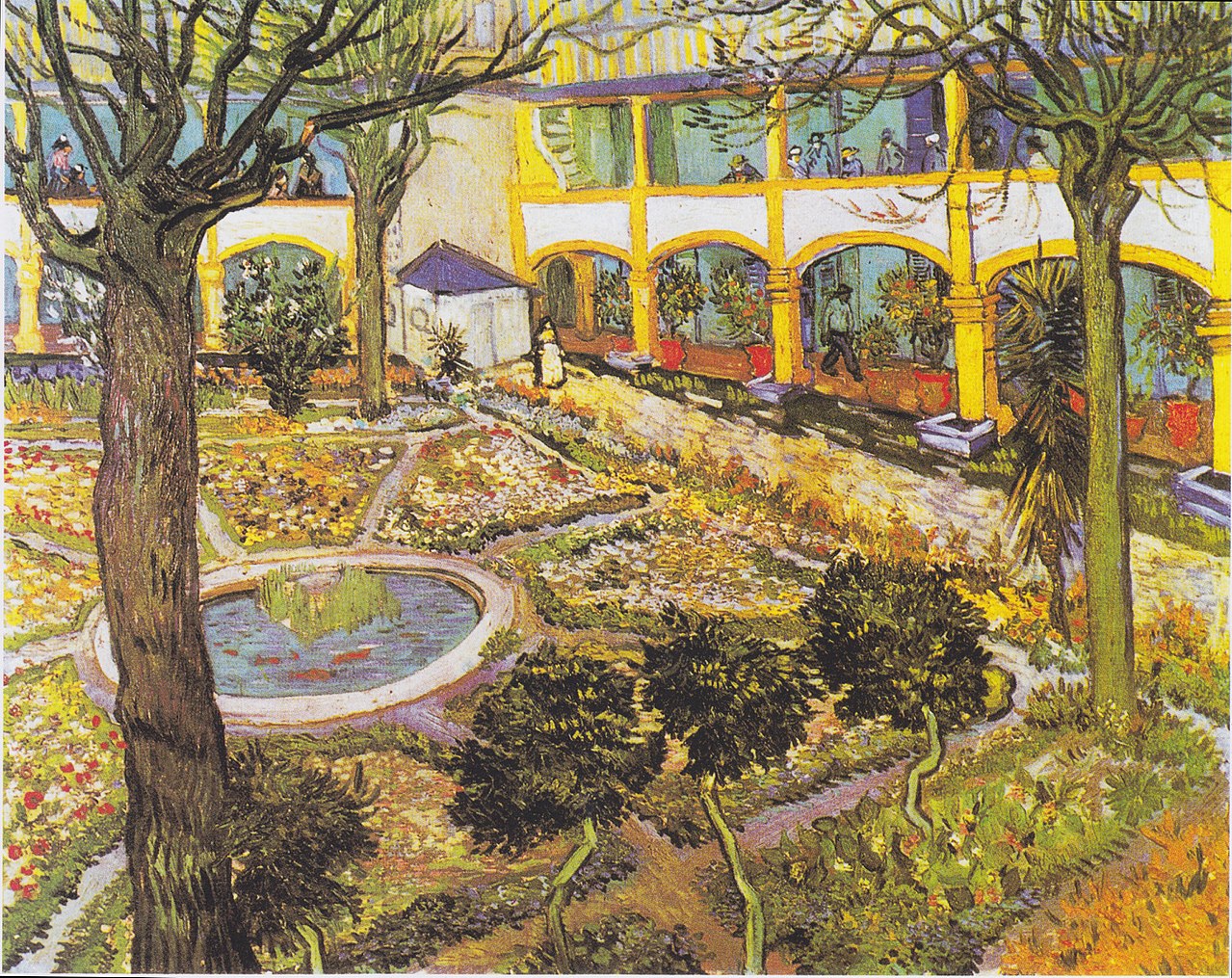
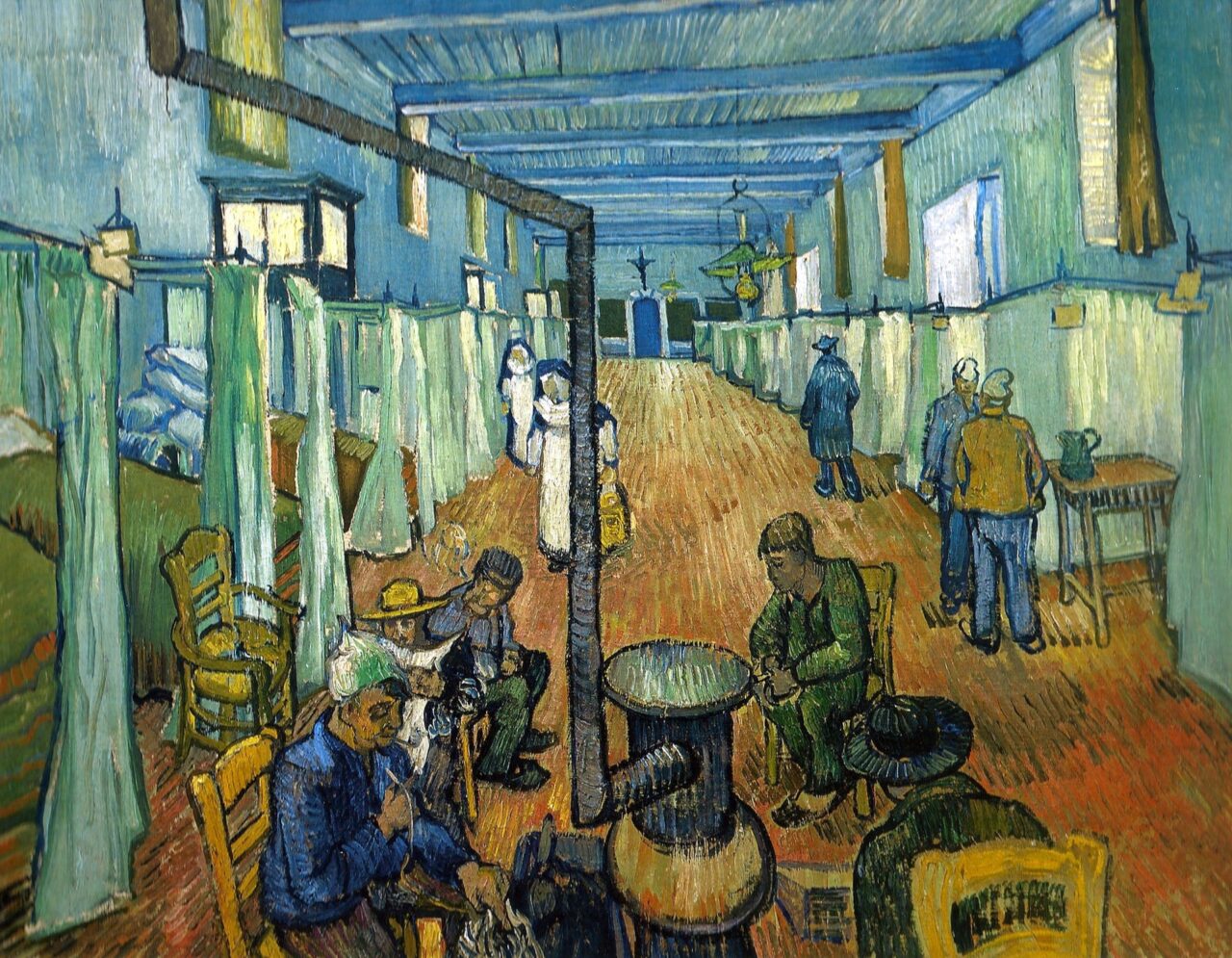
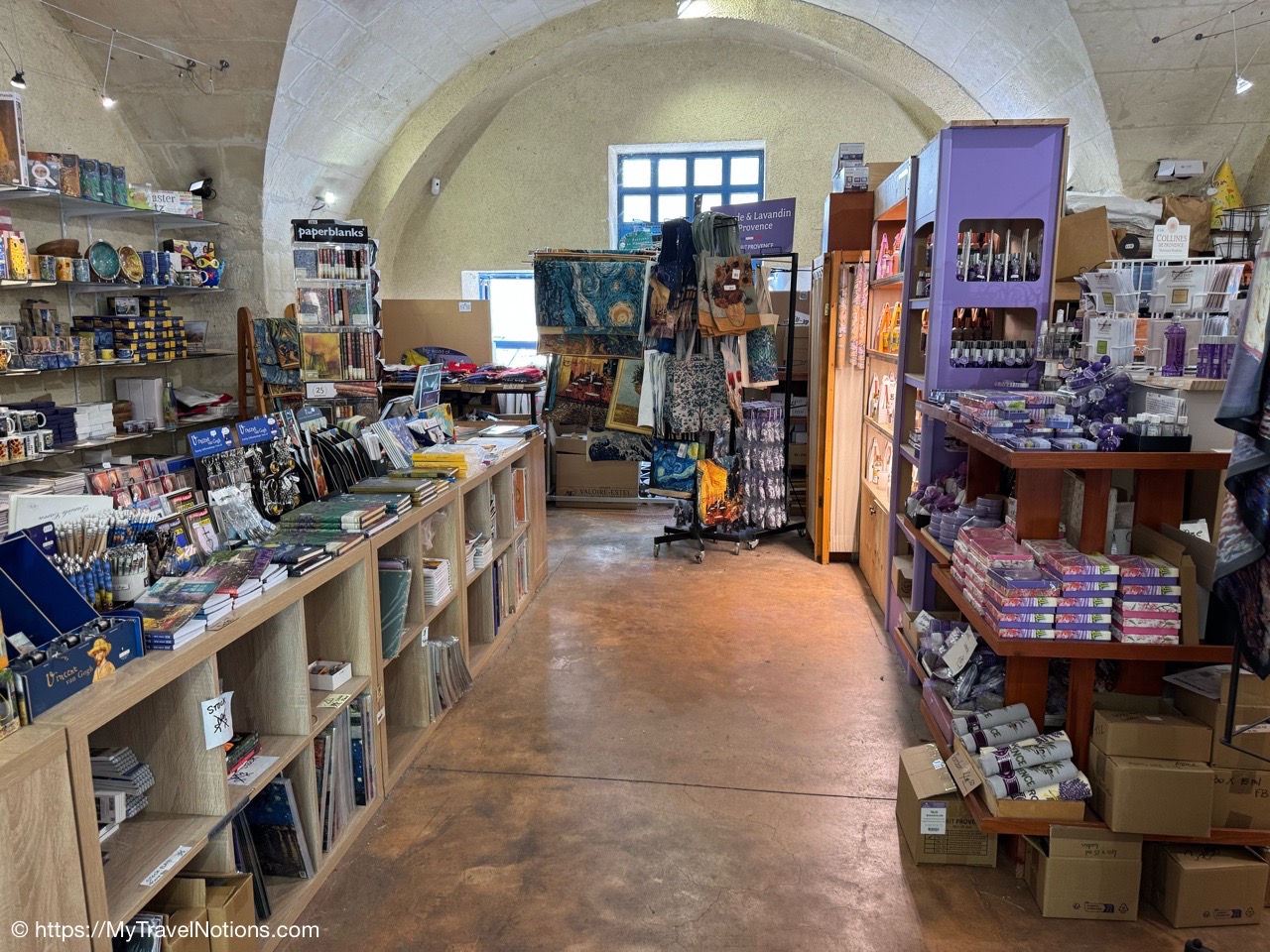
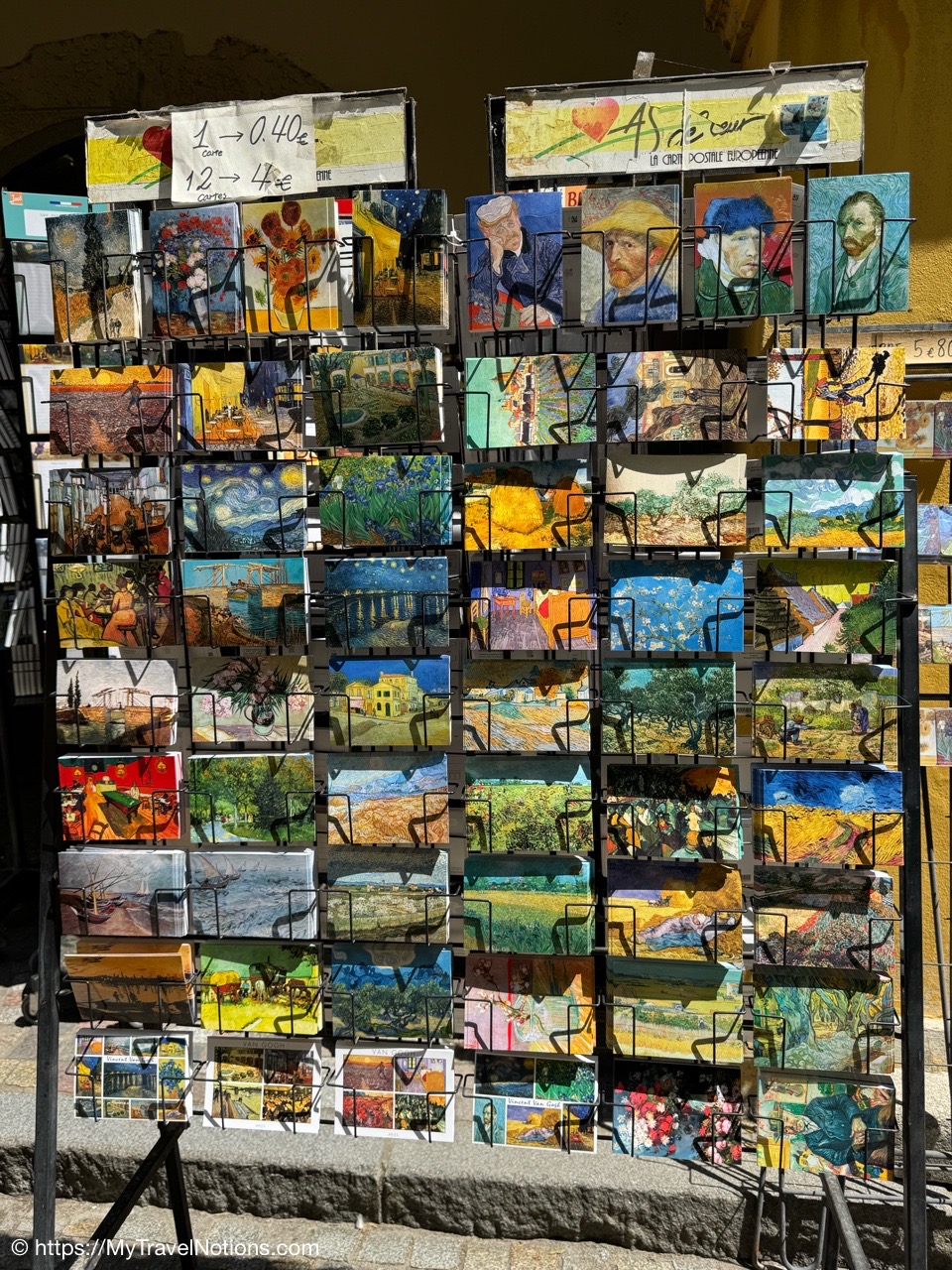
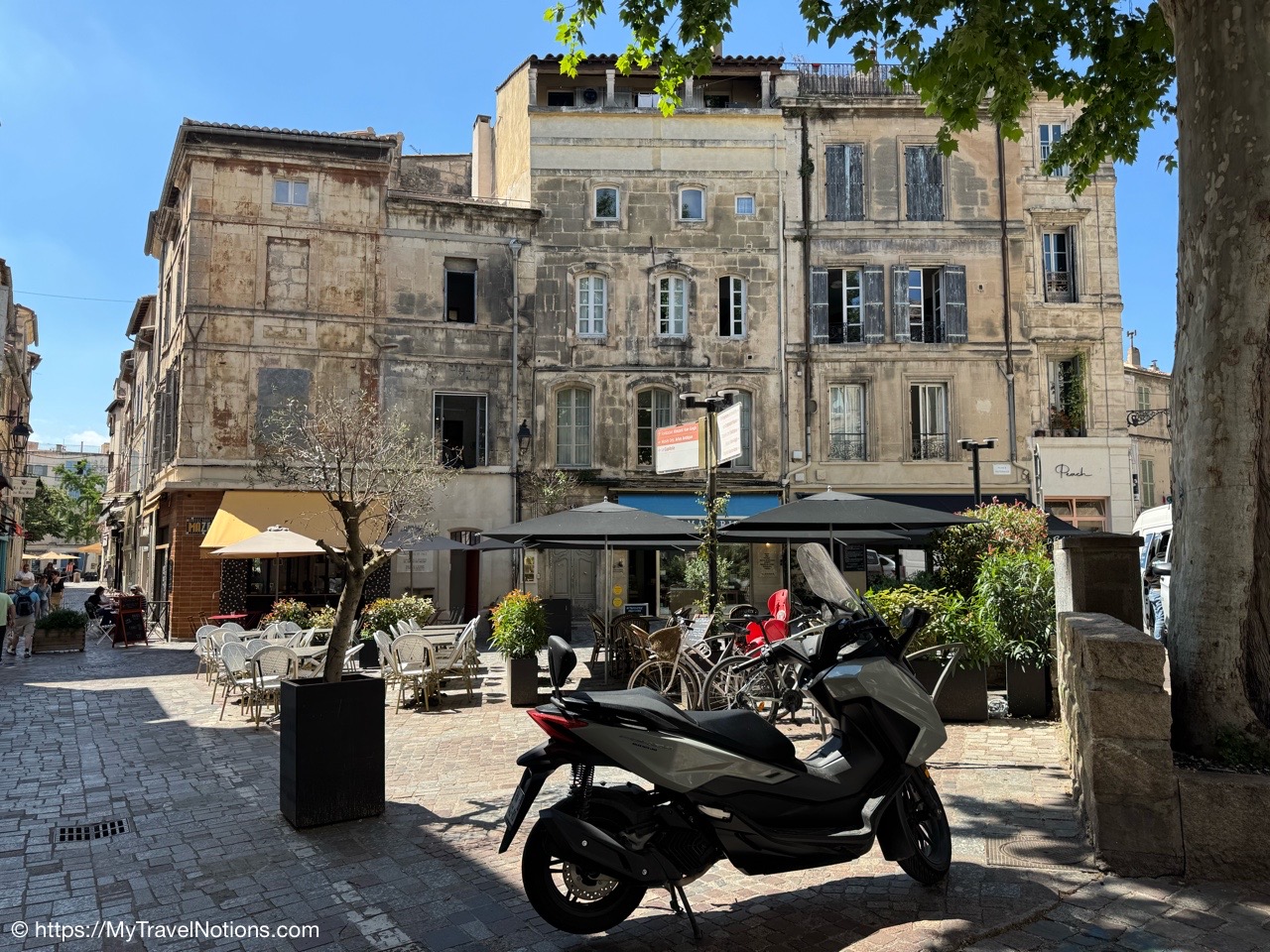
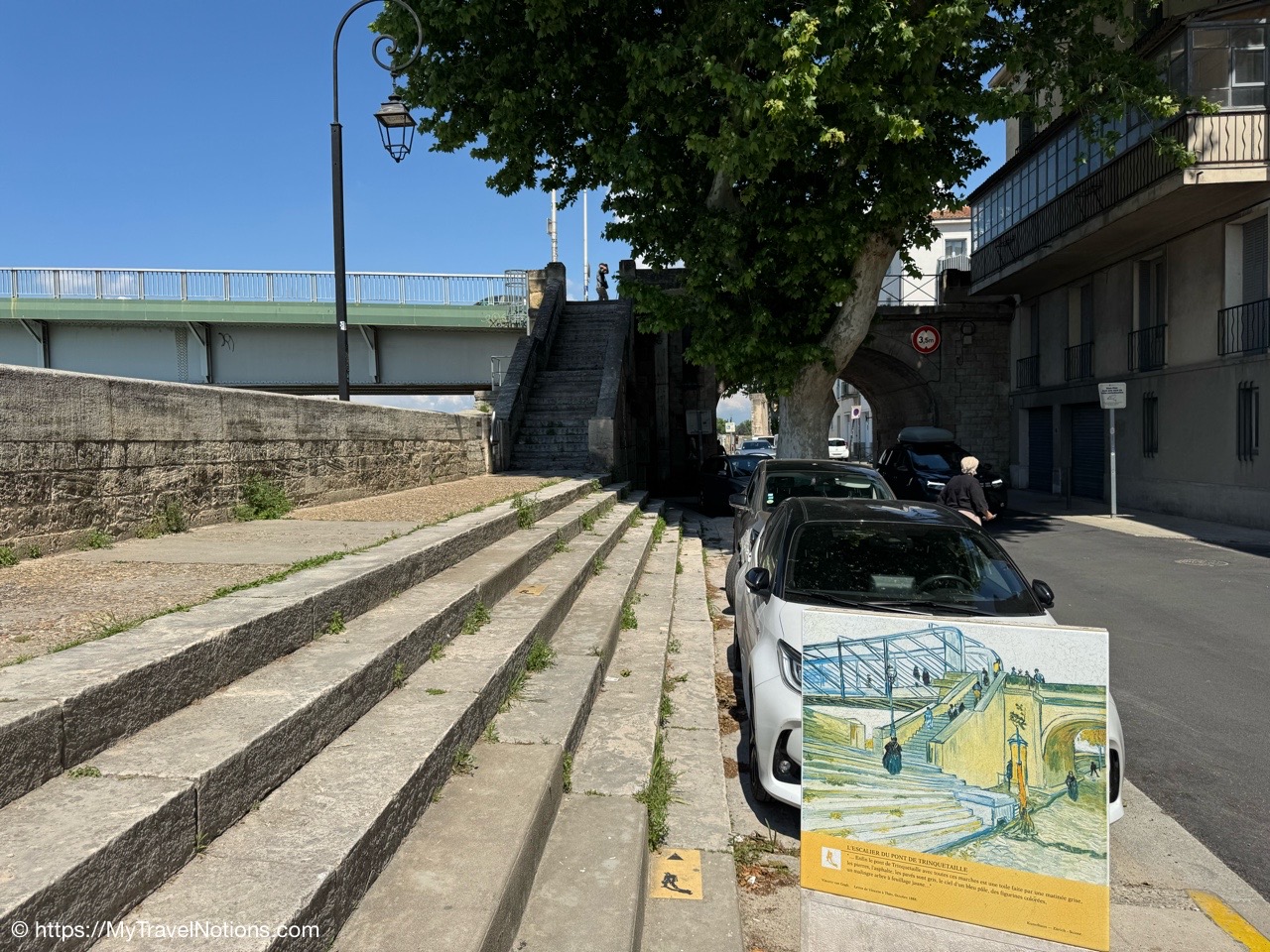
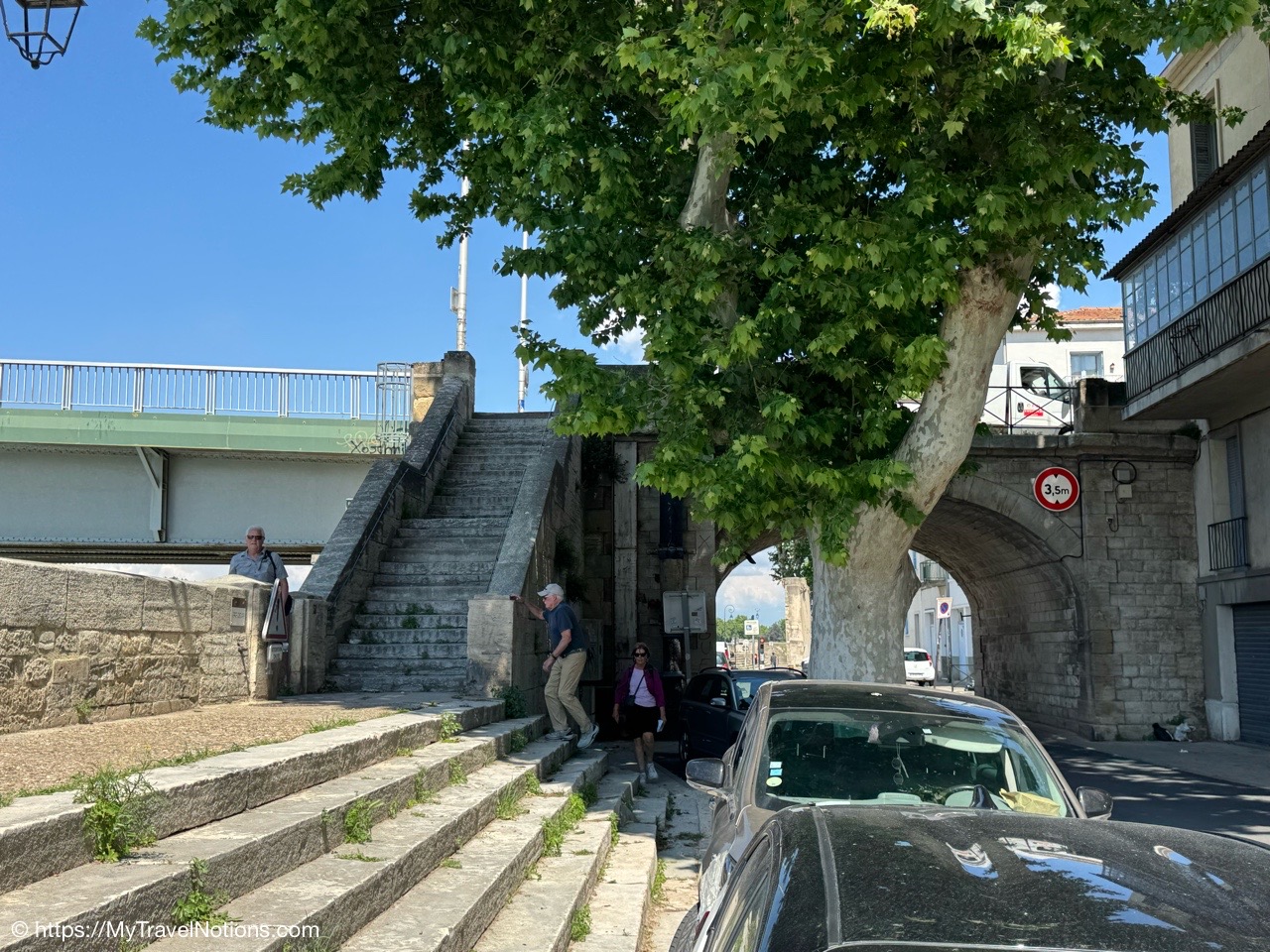
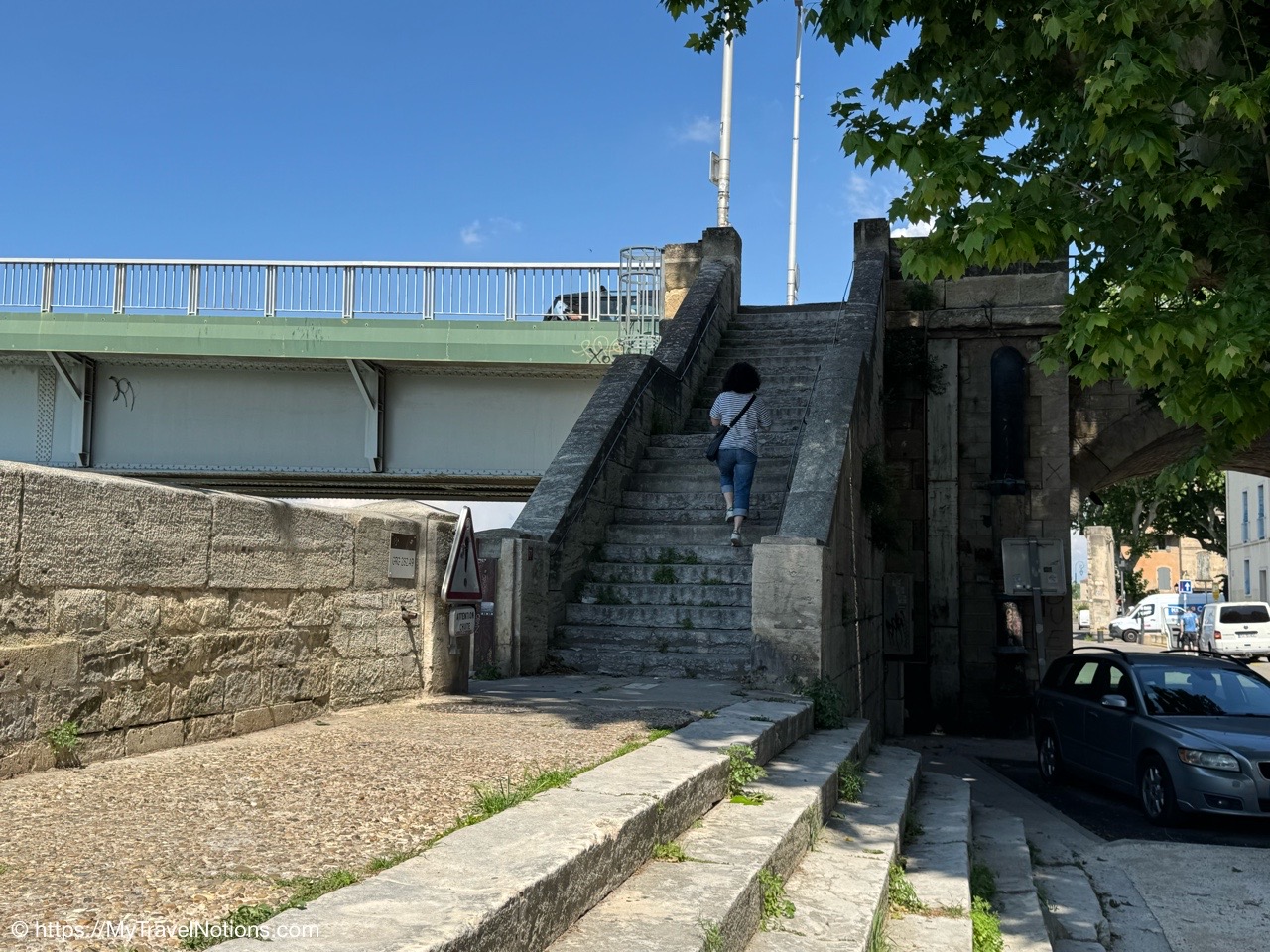
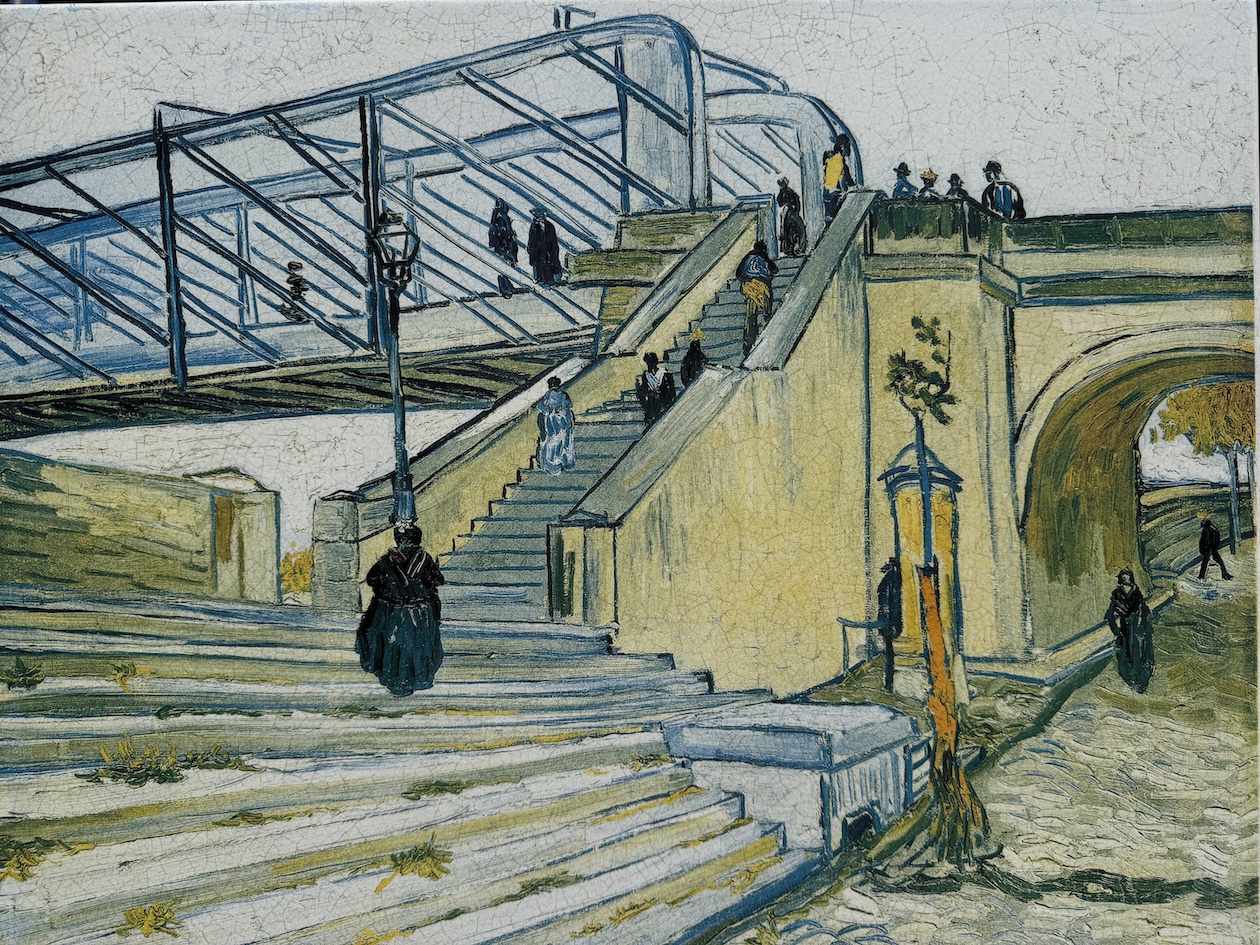
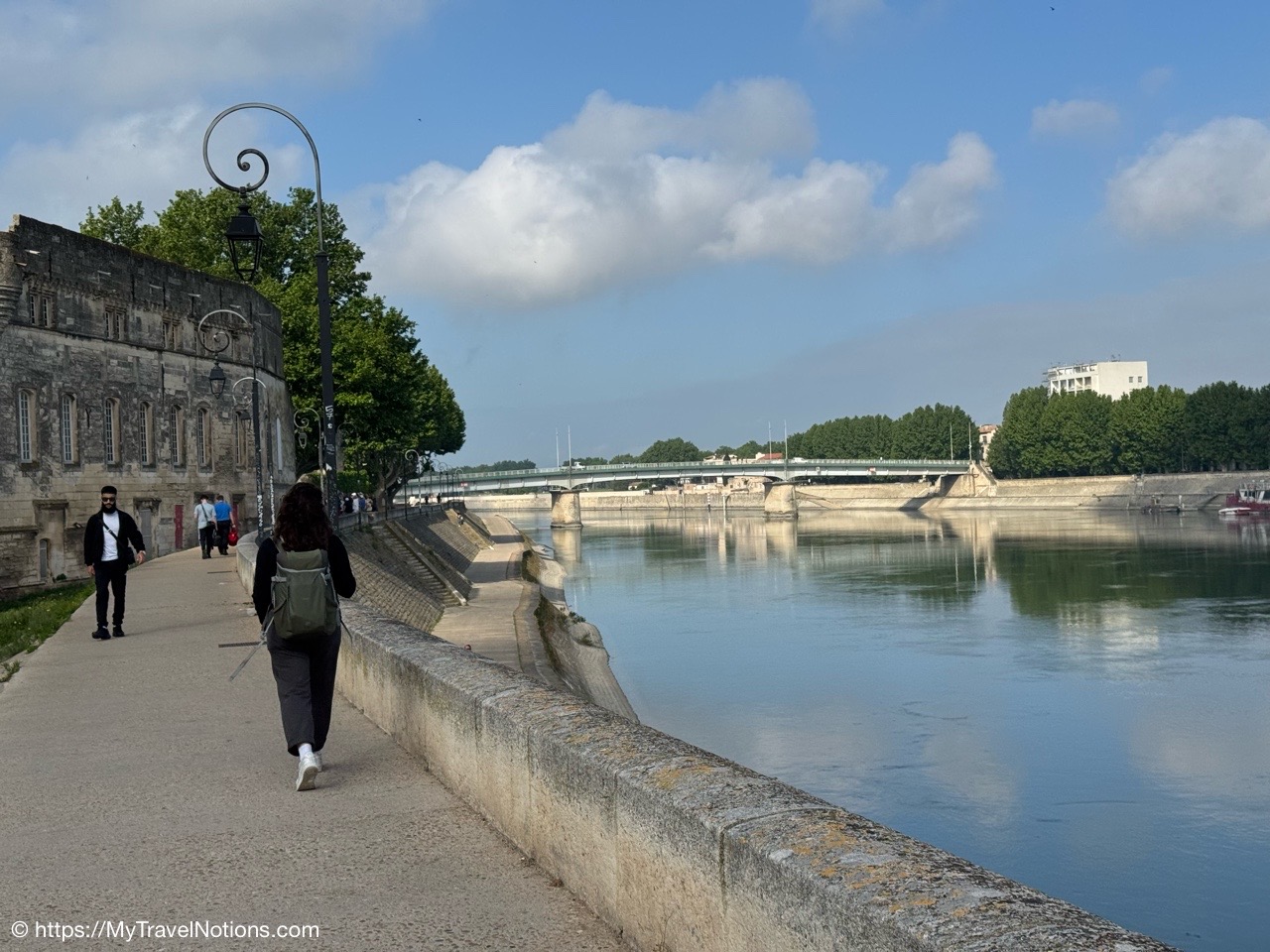
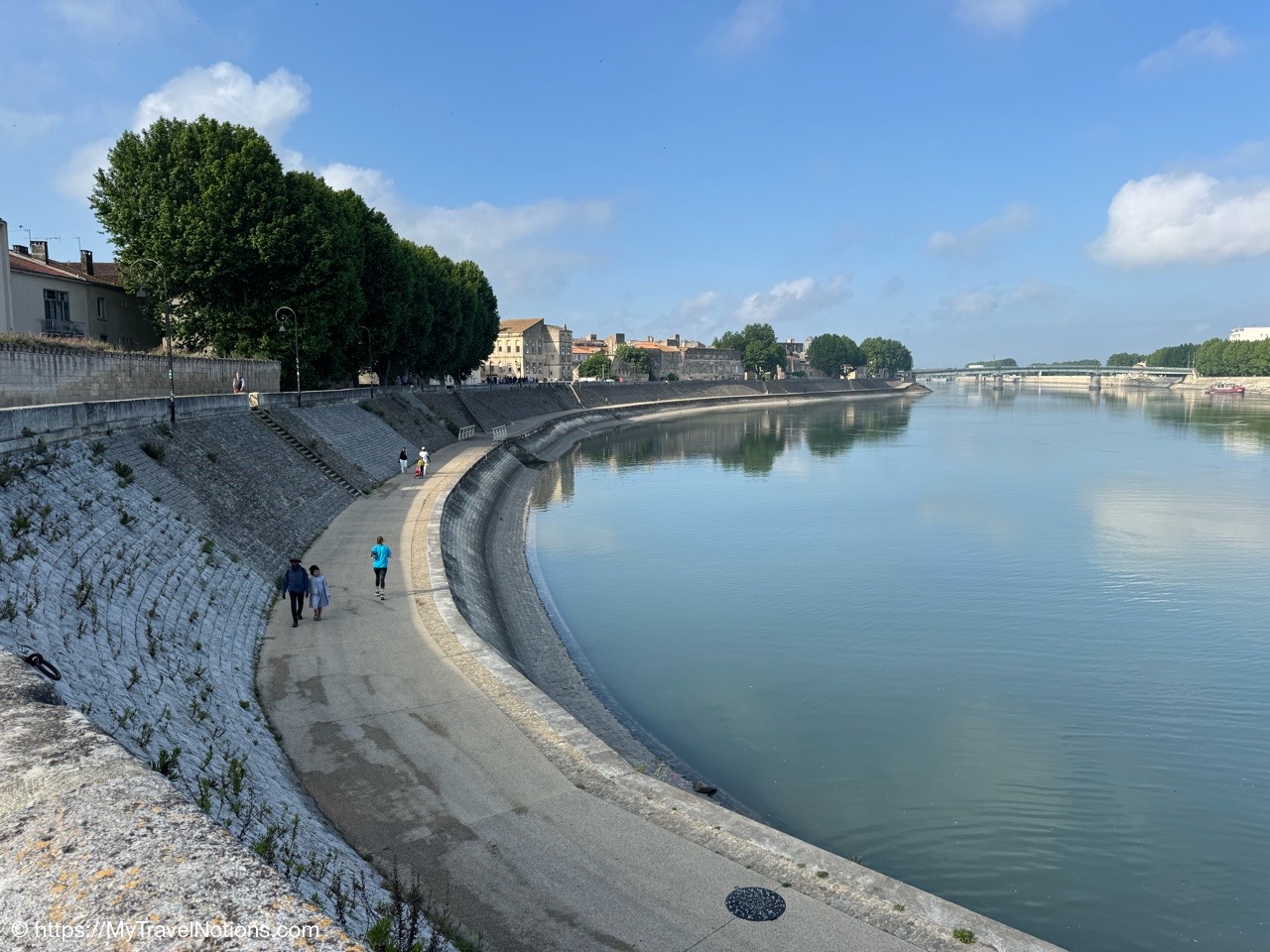
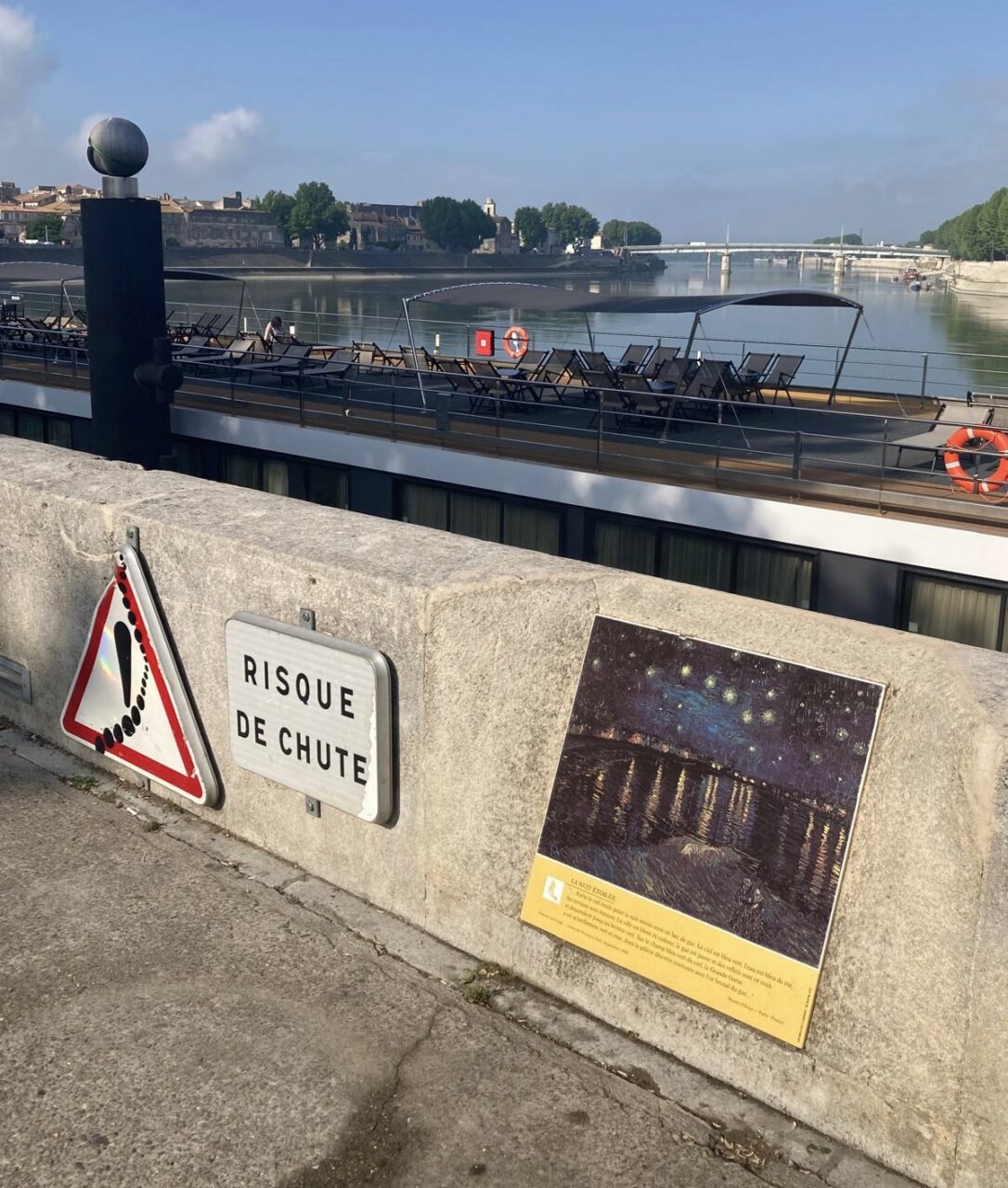
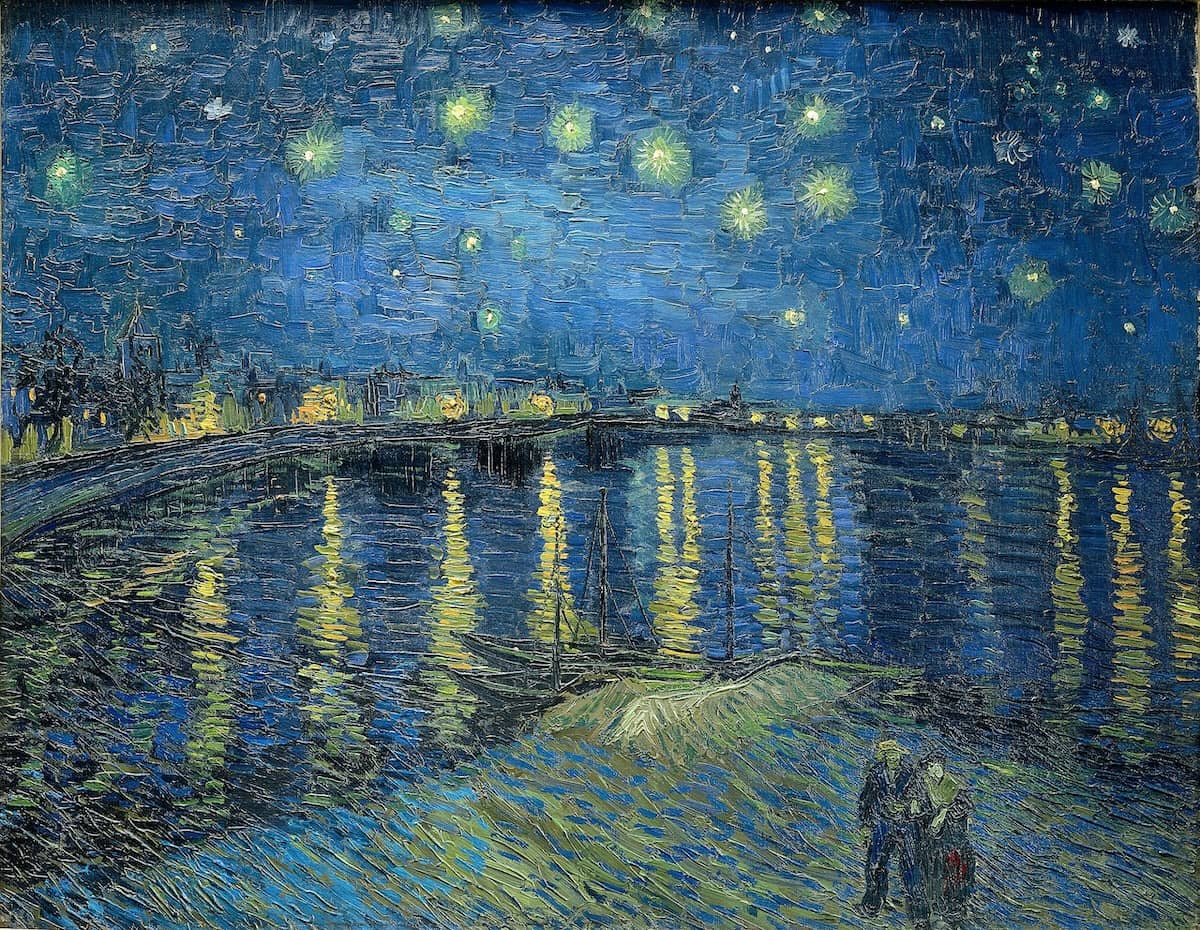
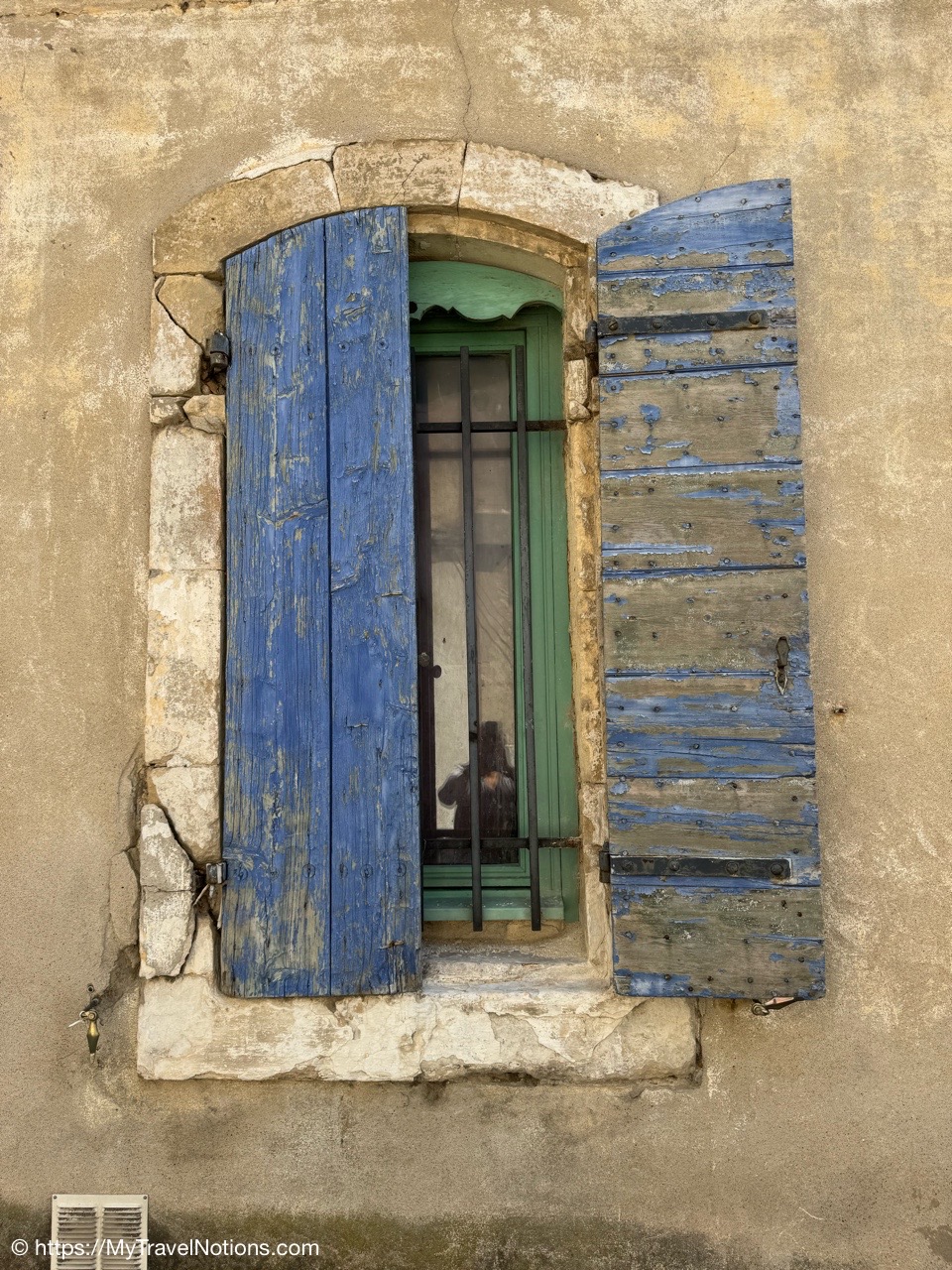
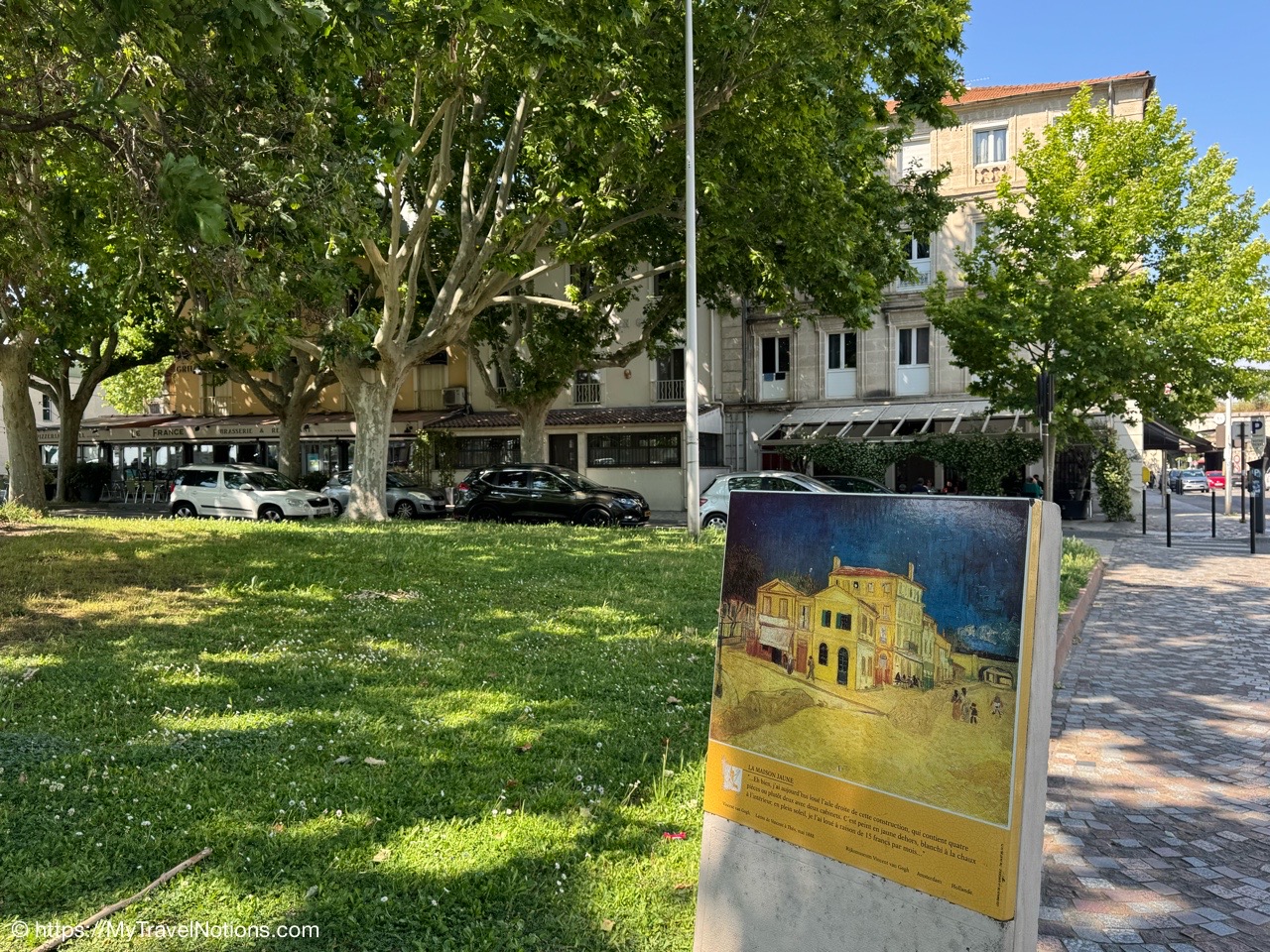
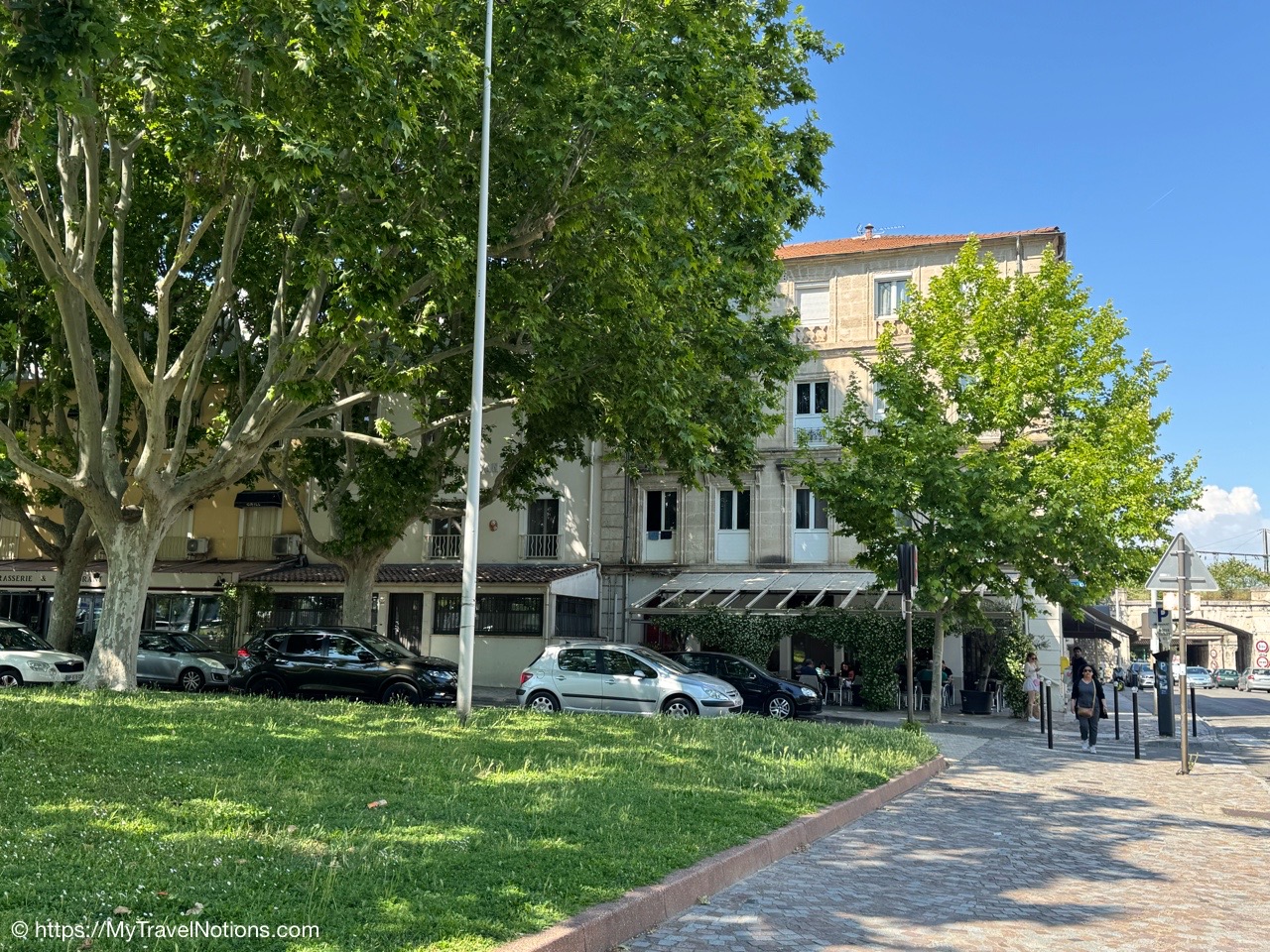
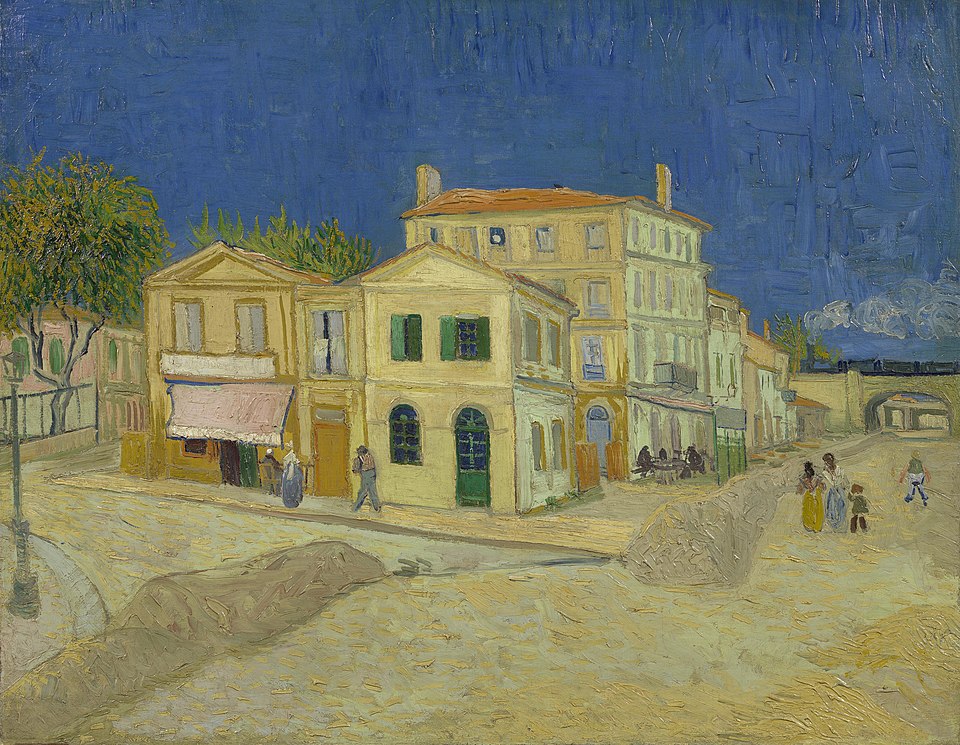
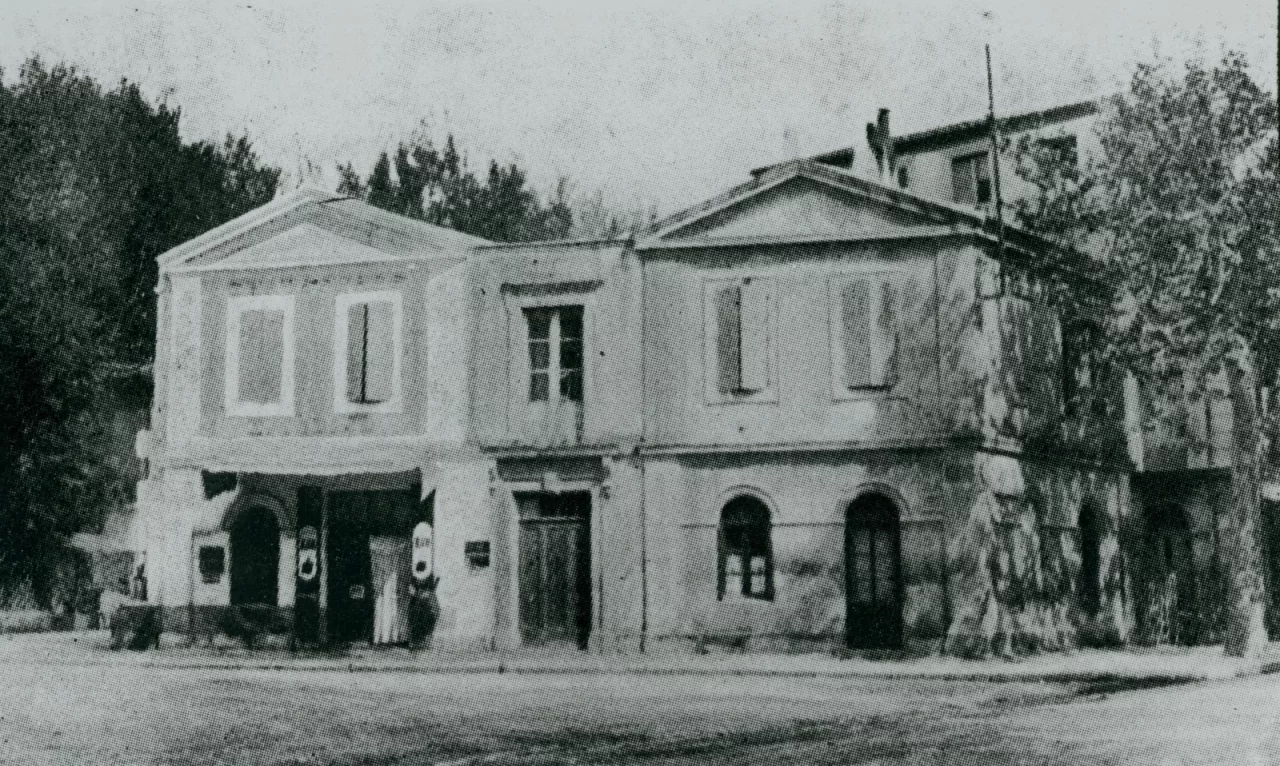
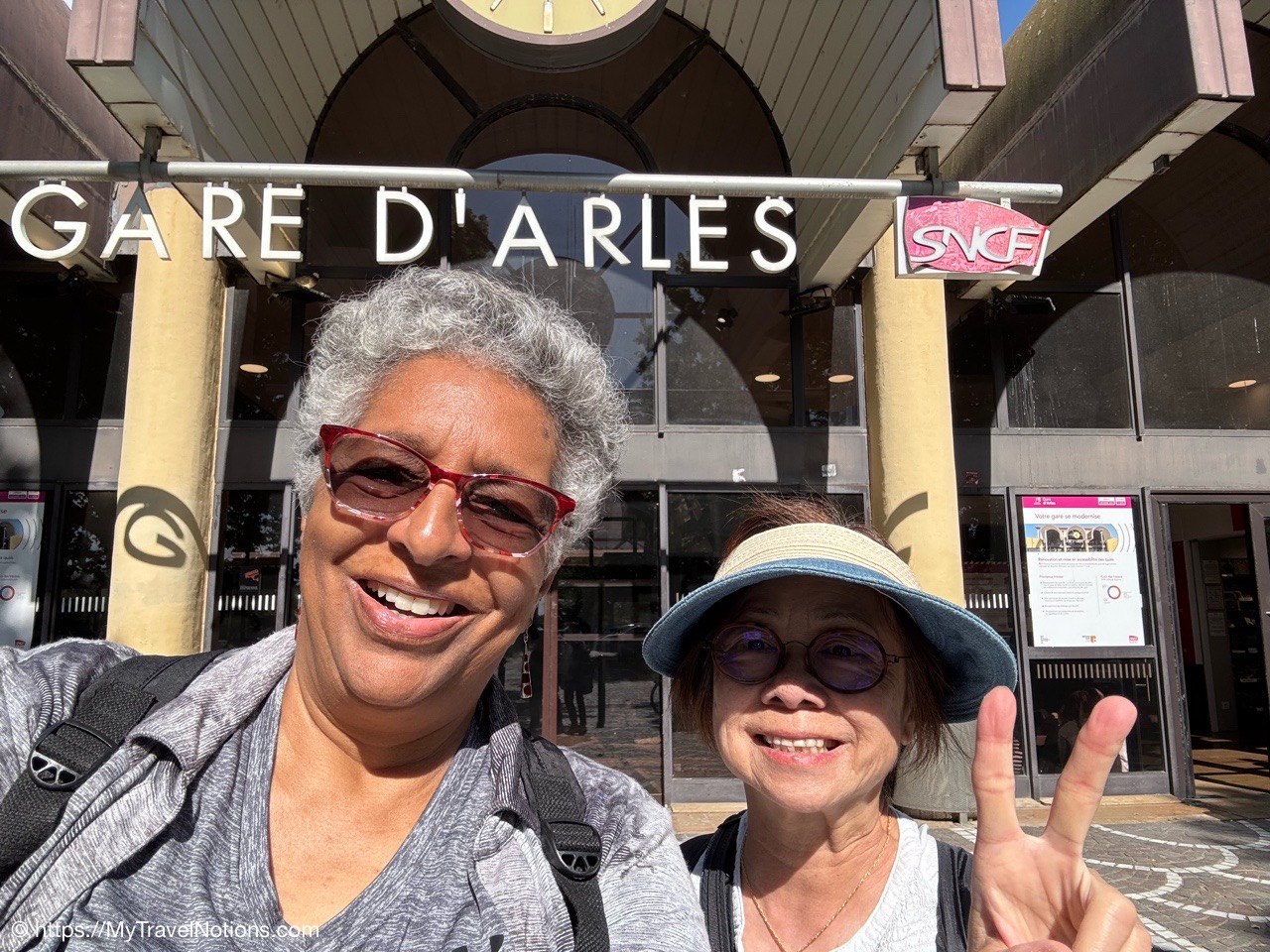
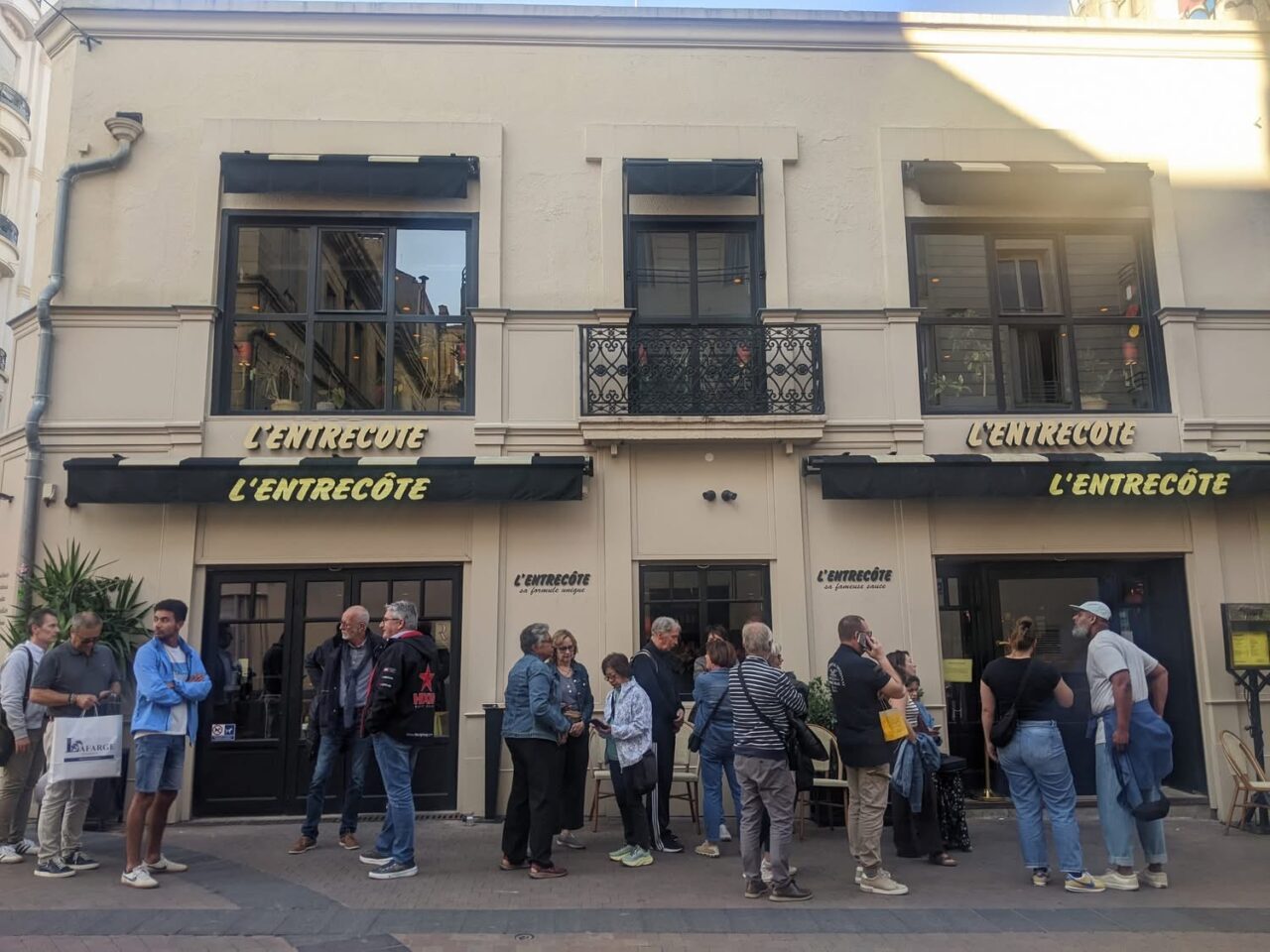
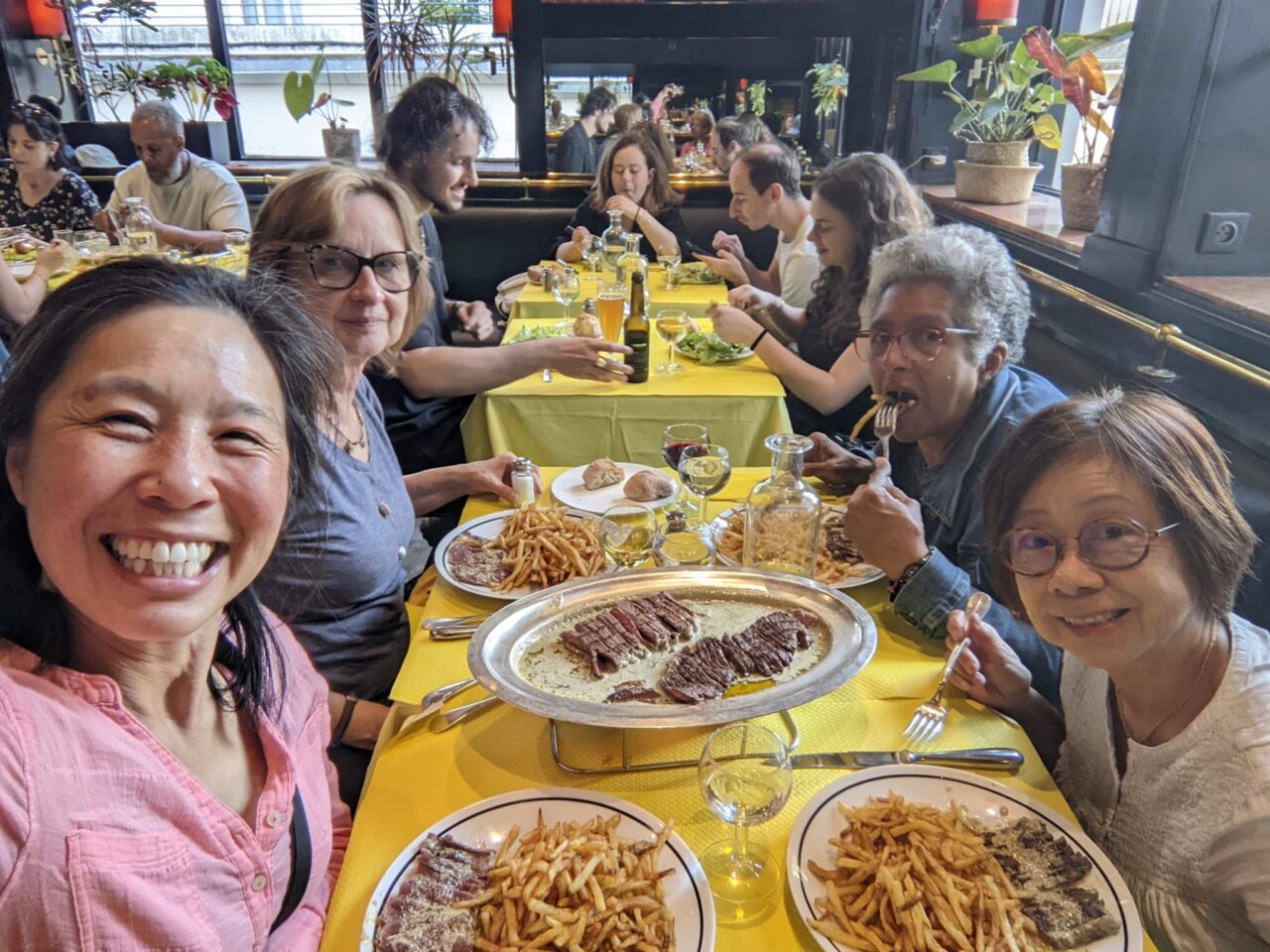
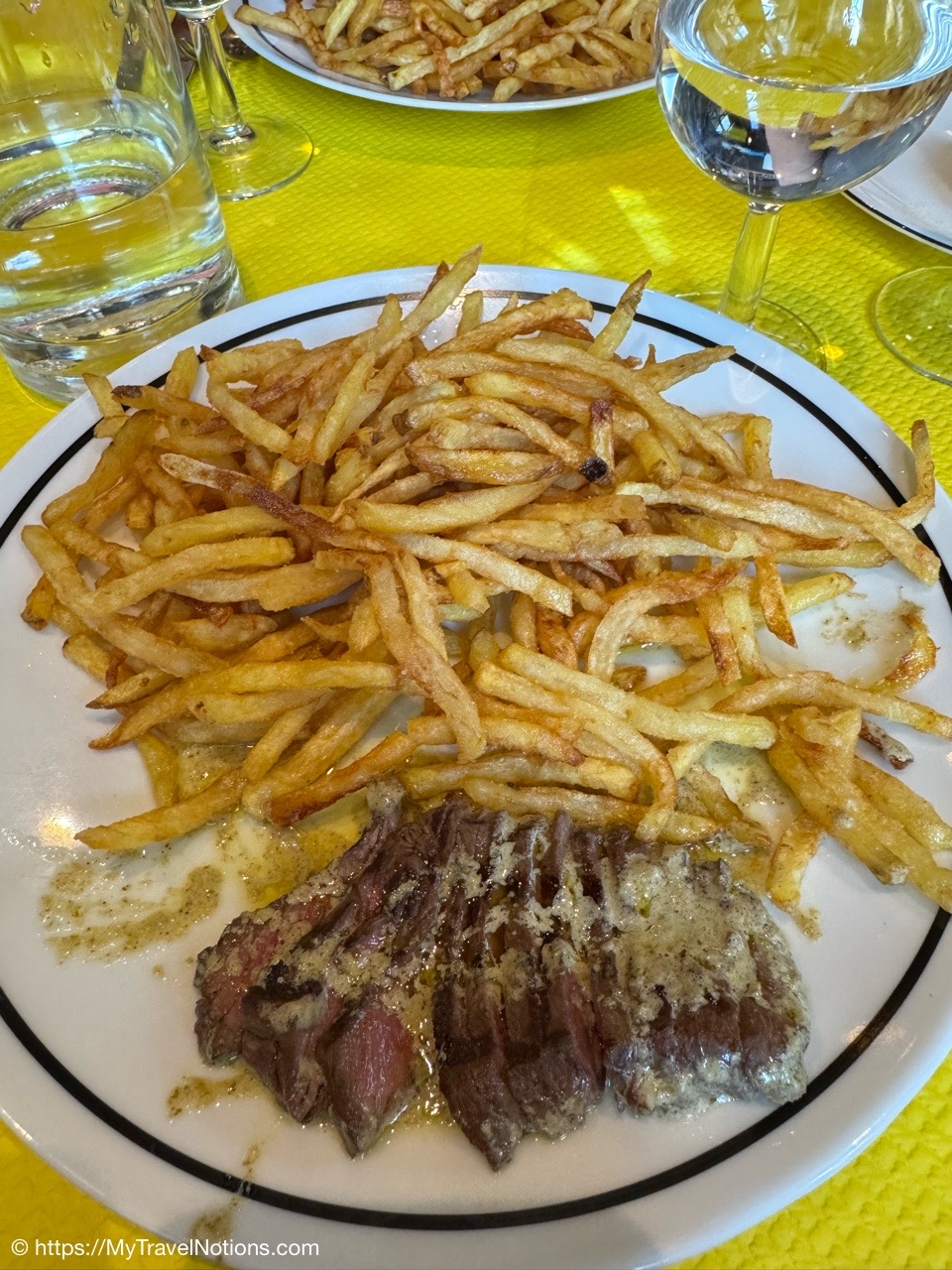
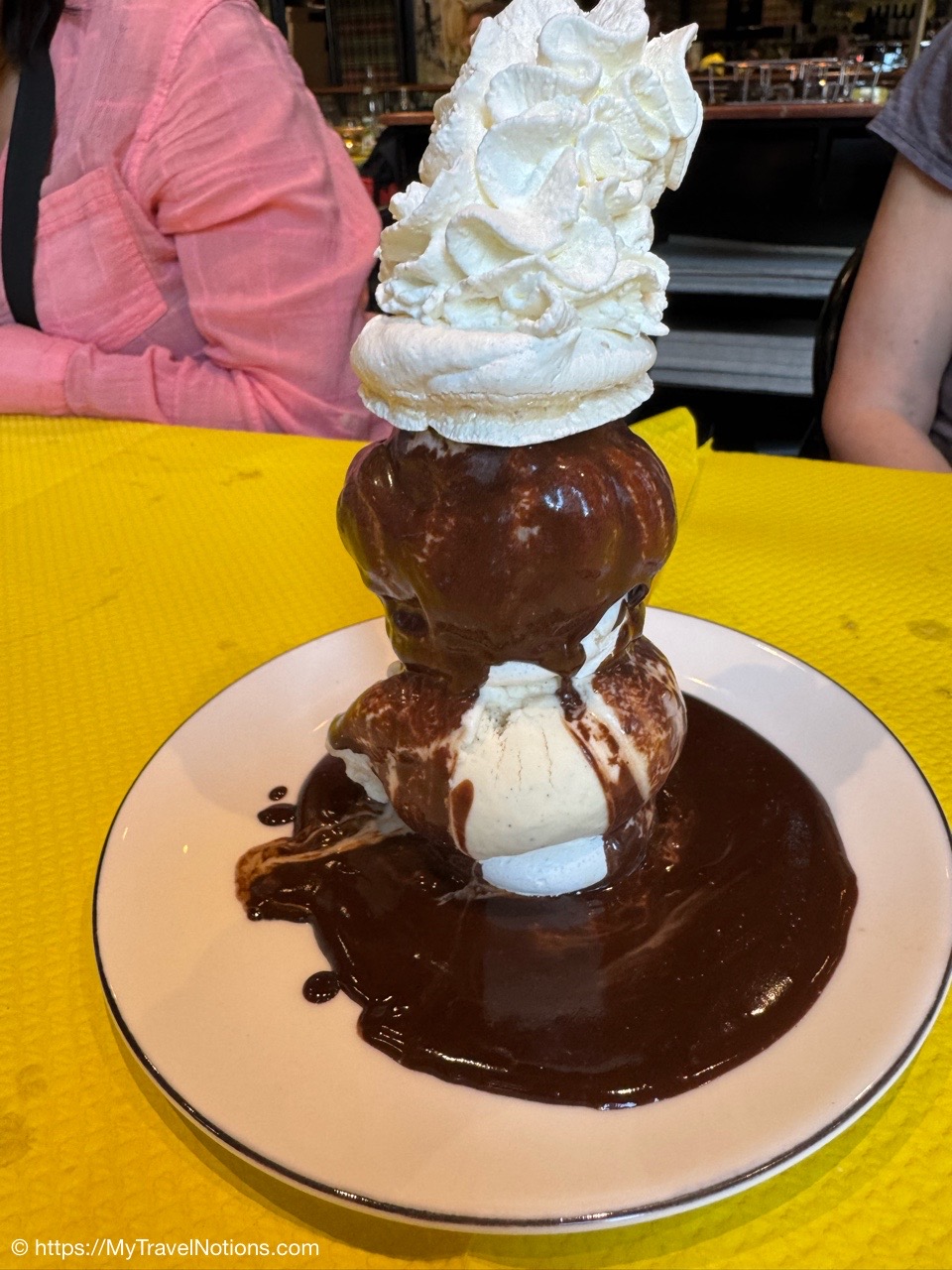
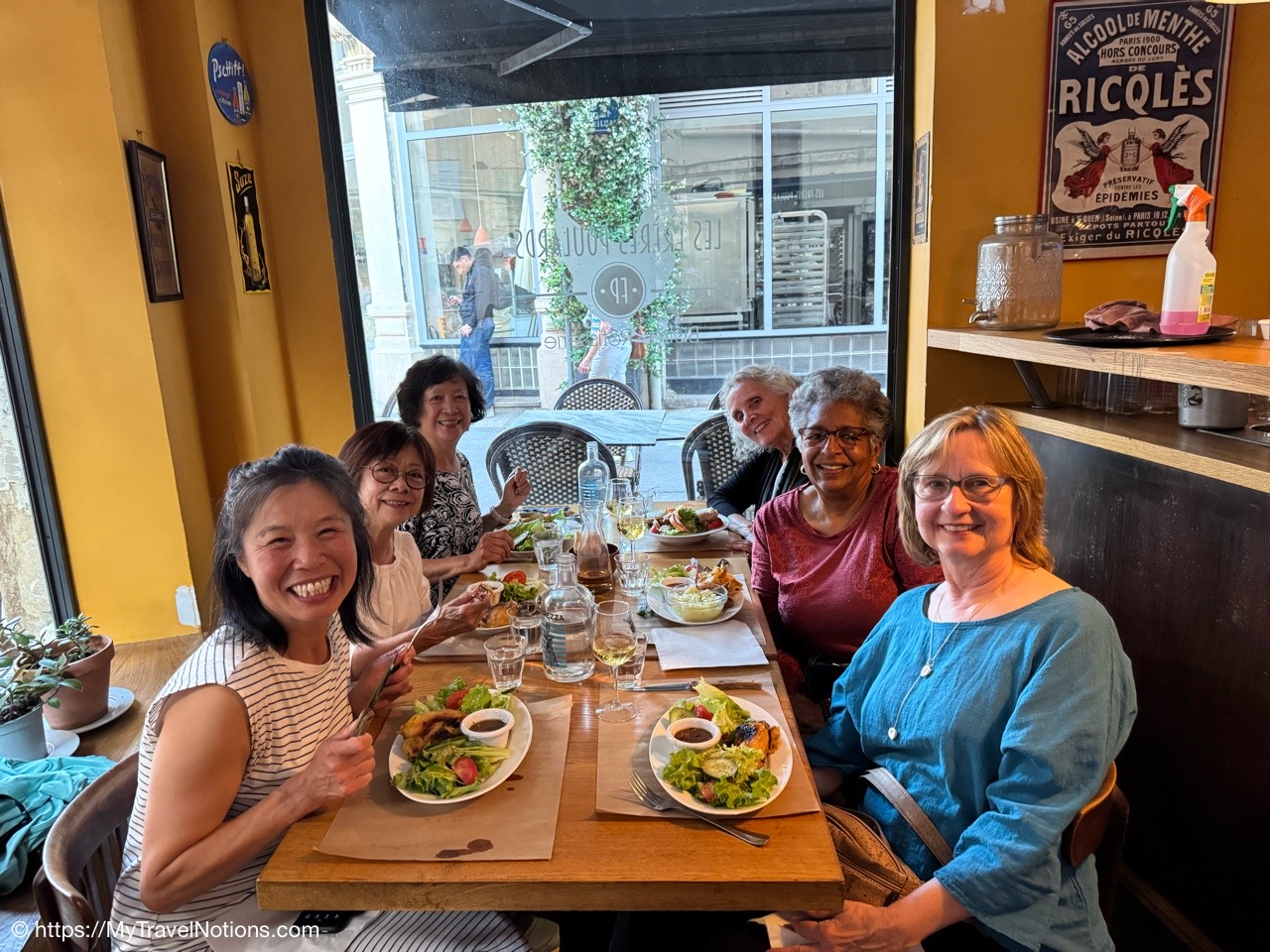
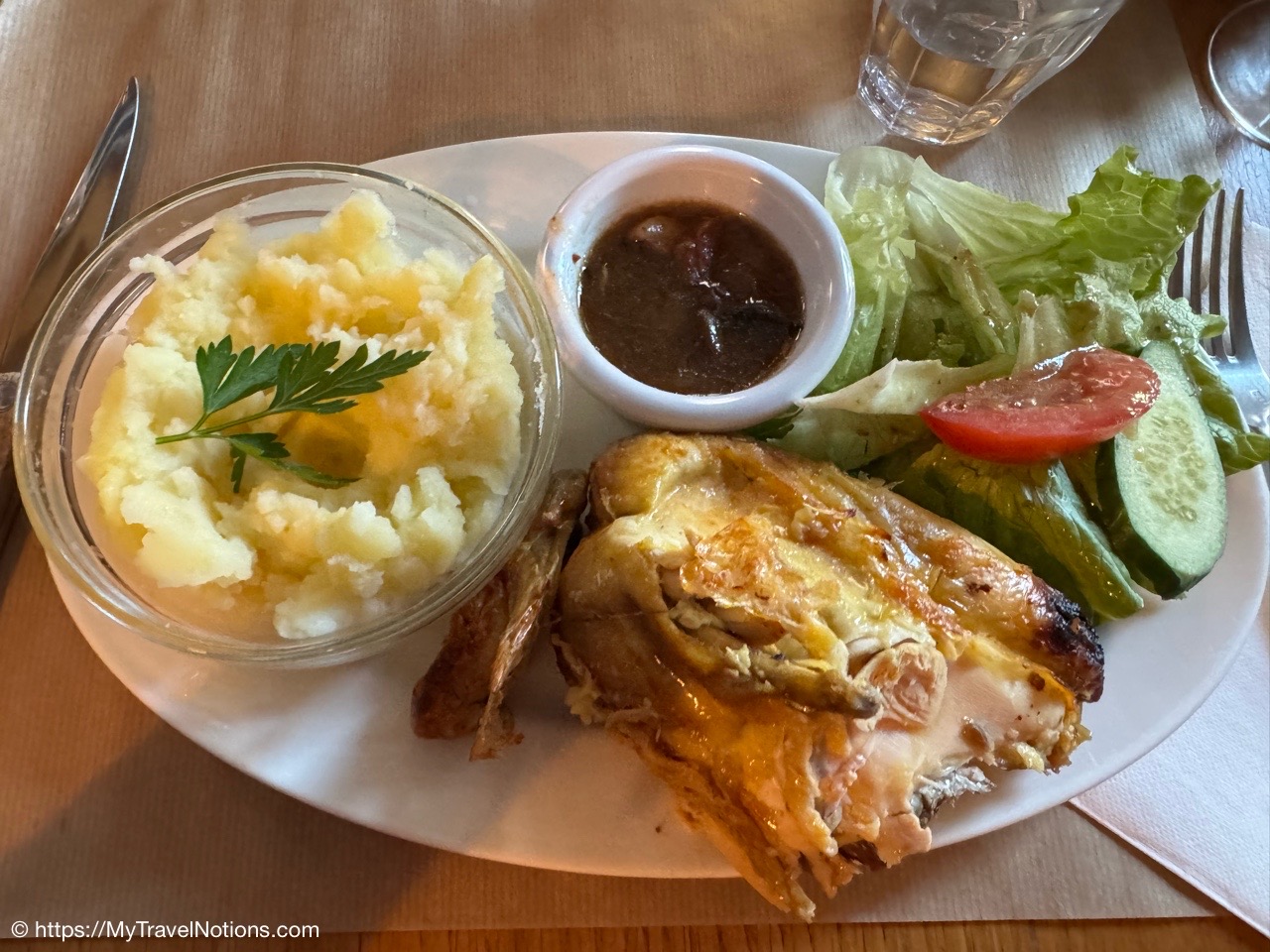
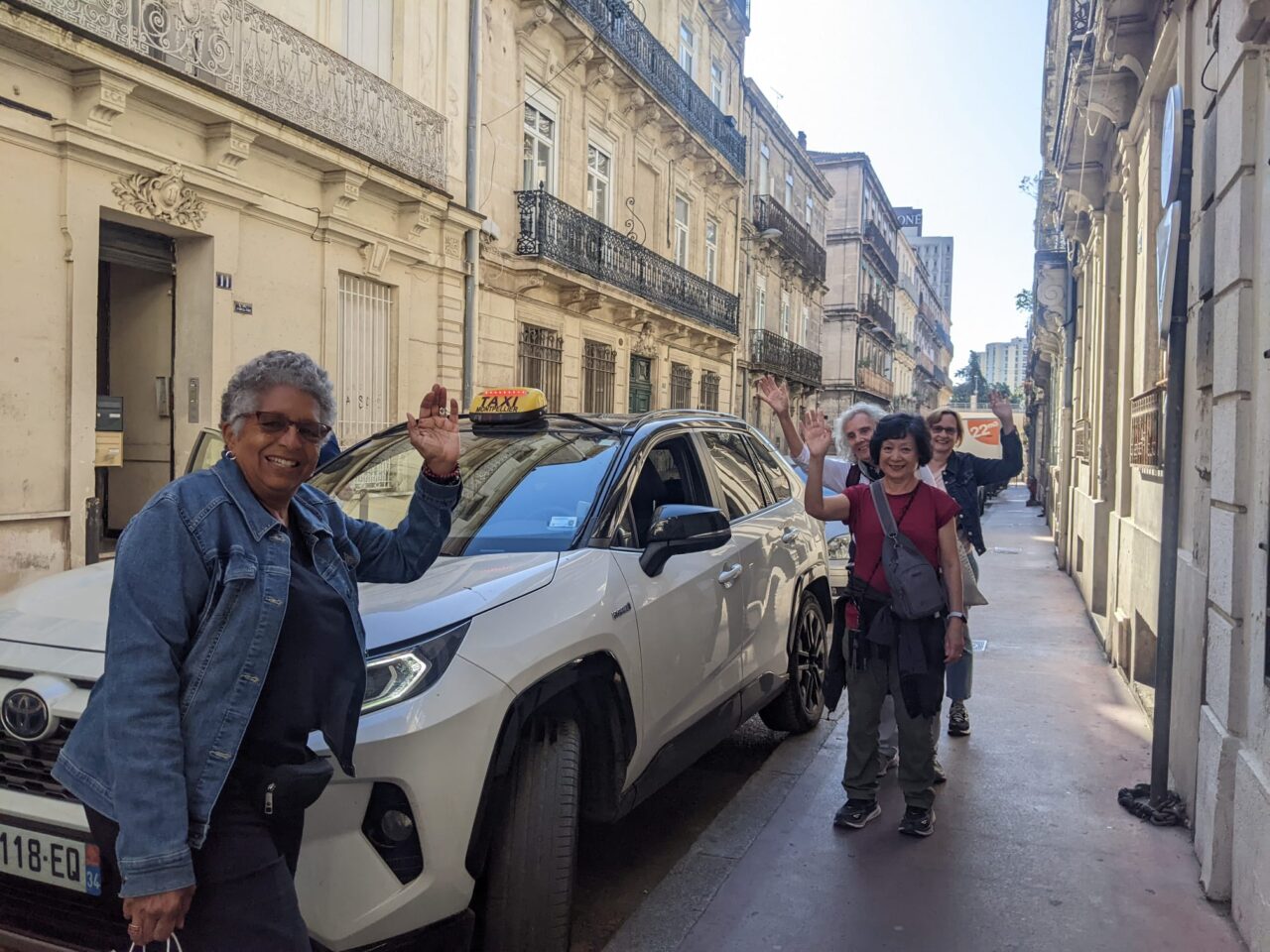
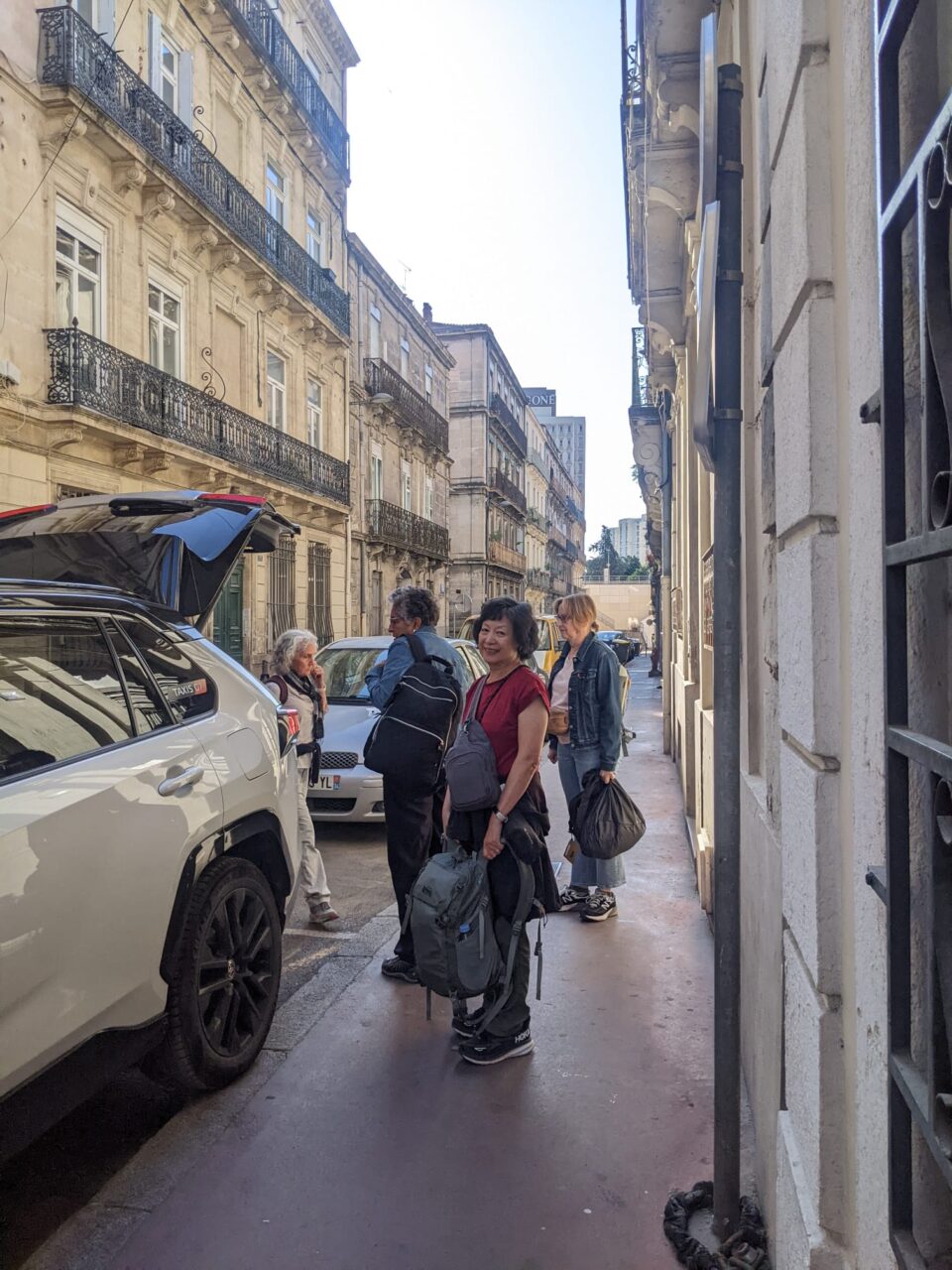
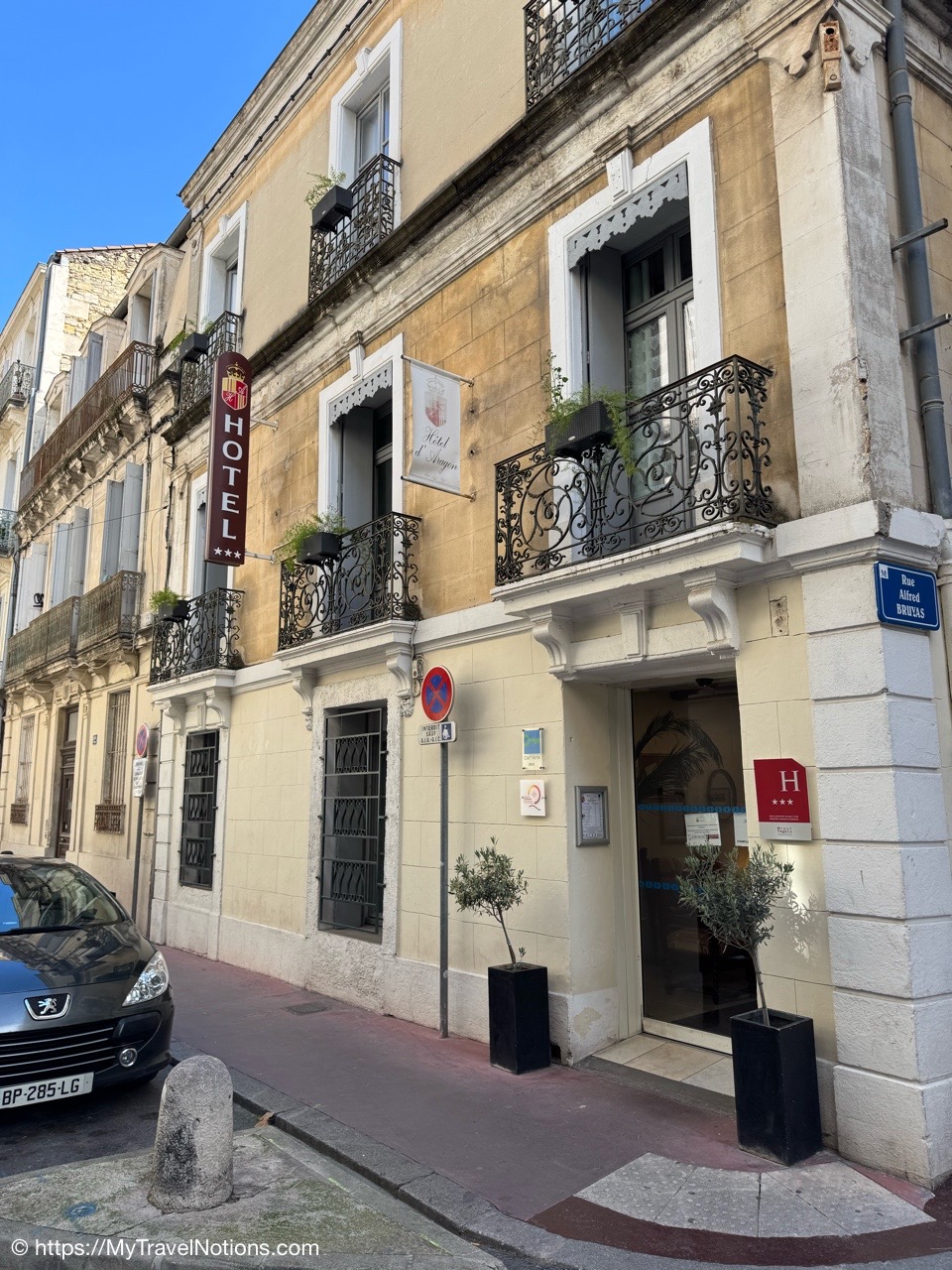
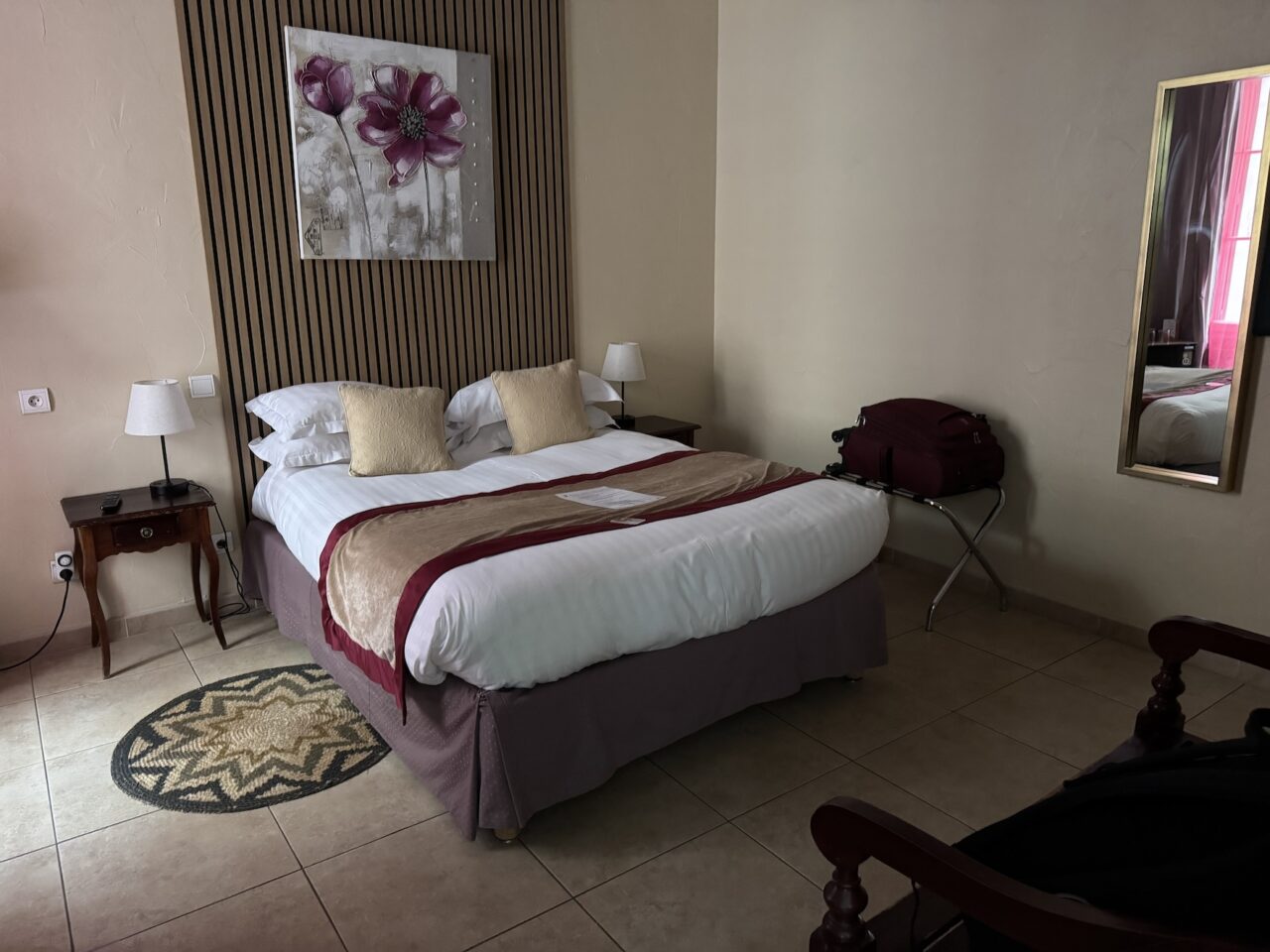

Thank you for reaching out.