I’m in my 95th country of Nepal on my quest to 100 U.N. countries by my 70th birthday in March 2026.
I arrived to Kathmandu, Nepal from Delhi, India. It was just an hour and a half long flight but the difference between these two cities could not be more stark.
For one thing, there’s little to no honking.Peace, exactly what I perceived Nepal to be, and thankful for it.
Just the name, ‘Kathmandu’ has always sparked an interest in me. Although my first thought was that it was more modern than anticipated, this capital and largest city of Nepal is a historical melting pot of Hinduism and Buddhism along with being a UNESCO World Heritage Site with numerous temples, palaces and square showcasing its rich history and artistic traditions.
Kathmandu also serves as a base for exploring Mount Everest, the Himalayas and other natural wonders of Nepal. The first thing I did after meeting my new Classic Nepal tour leader, Ram, and Intrepid Travel group, was to take to the skies to see Mount Everest and the incredible Himalayan mountains. The name “Mount Everest” is the most universally recognized name for the peak on the border of Nepal and Tibet however the Nepali name is Sagarmatha, which means “Goddess of the Sky”. And, the Tibetan name, Chomolungma, means “Goddess Mother of the World”.
As of 2020, Mount Everest is 29,031.7 feet or 8,848.86 meters above the ocean, making it the piece of land at the highest altitude on Earth. Technically, however, according to people a lot smarter than me, it is not the tallest mountain in the world, if you consider mountains that begin below sea level.
After that one hour flight and some breakfast (a banana for me because my stomach was experiencing a bit of Deli-belly), then we were off as a group to visit severalUNESCO World Heritage Sites, the temples and stupas of the Buddhists and Hindus. Many of these cultural heritage structures were damaged in the April 25, 2015 earthquake in the Kathmandu valley and required extensive restoration.
Here’s to the start of an incredibly full day in Kathmandu.
Views of “Sagarmatha,” the Nepali name for Mount Everest in Nepal. Everest, located in the eastern Himalayan mountain range, is the highest peak in the world. This is what I saw from my window seat during an hour-long scenic mountain plane ride on Buddha Air from Kathmandu. (March 22, 2025)We left our Ambassador Hotel at 5:30 a.m. for our first partial Intrepid group excursion to the Tribhuvan International Airport in Kathmandu to take to the skies to see Mount Everest, called Sagarmatha in the Nepalese. (March 22, 2025)We left our Ambassador Hotel at 5:30 a.m. for our first partial Intrepid group excursion to the Tribhuvan International Airport in Kathmandu to take to the skies to see Mount Everest, called Sagarmatha in the Nepalese. The 1-hour flight on Buddha Air took off at precisely 7:00 a.m. This was an optional excursion for $240 USD. From left: Me, Adrian, Steve, Doug, Leigh and Jasmin, some of my new Intrepid Travel group on Classic Nepal tour. (March 22, 2025)Getting ready to board our Buddha Air flight UA 400 for our hour-long mountain ride of Mount Everest and the Himalayas. (March 22, 2025)Getting ready to board our Buddha Air flight UA 400 for our hour-long mountain ride of Mount Everest and the Himalayas. (March 22, 2025)Inside my Buddha Air flight UA 400 where each person has an assigned window seat for the mountain flight of the Himalayan mountains range and Mount Everest. I was assigned a seat on the left side of the airplane as we were flying out, but the windows had a dirty coat on them and even as we approached Mount Everest the views were still not very clear. But once the plane turned around, I could better see Mount Everest and the Himalayas on the other side of the plane. (March 22, 2025)A map of our Himalayan mountains flight on Buddha Air of the 20 highest peaks starting from the Langtang Lirung peak, which is the closest peak to Kathmandu, then Mt. Everest to the Chamlang peak before the plane takes a turn and the passengers get a second look at the view coming back to Kathmandu. (March 22, 2025)A map of our Himalayan mountains flight on Buddha Air of the 20 highest peaks starting from the Langtang Lirung peak, which is the closest peak to Kathmandu, then Mt. Everest to the Chamlang peak before the plane takes a turn and the passengers get a second look at the view coming back to Kathmandu. (March 22, 2025)The stunning Mount Everest and the Himalayan mountains from my morning flight on Buddha Air near Kathmandu, Nepal. (March 22, 2025)The stunning Mount Everest and the Himalayan mountains from my morning flight on Buddha Air near Kathmandu, Nepal. (March 22, 2025)Views of Kathmandu as our Buddha Air flight over the Himalayas with views of Mount Everest take us back to the Tribhuvan International Airport. (March 22, 2025)Views of Kathmandu as our Buddha Air flight over the Himalayas with views of Mount Everest take us back to the Tribhuvan International Airport. (March 22, 2025)Views of Kathmandu as our Buddha Air flight over the Himalayas with views of Mount Everest take us back to the Tribhuvan International Airport. (March 22, 2025)Holding our certificates of completion after landing back at the Tribhuvan International Airport in Kathmandu, Nepal, from our 1-hour Buddha Air flight for an early morning view Mount Everest and the peaks of the Himalayan mountains. (March 22, 2025)Altogether now, the entire Intrepid Classic Nepal tour group in front of our Ambassador Hotel in Kathmandu, after my early morning Mount Everest flight and breakfast, for a tour of Kathmandu. Thanks Ram for the photo. Top down: Phil, Doug, Steve; Middle: Lisa, me, Leigh and Bottom: our Intrepid tour leader, Ram, Adrian, Jasmin, C.K. and Jacquelyn. Group members are from the U.S., Australia, U.K. and New Zealand. Thank you Ram for the photo. (March 22, 2025)The first stop of our Kathmandu tour and UNESCO Workd Heritage sites was the Swayambhunath Temple complex, one of the holiest Buddhist stupas in Nepal and one of the city’s most famous temples that reflects both Buddhist and Hindu beliefs. This ancient religious complex is atop a hill in the Kathmandu Valley. It’s also called the Monkey Temple, supposedly for the many monkeys that live around it, but at the time, we did not see many. This stupa is the oldest of its kind in Nepal and has numerous shrines and monasteries on its premises. Swayambhu literally means “self-existent one”. It is believed to date back to 460 A.D., it was built by King Manadeva and by the 13th century, it had become an important center of Buddhism. A stupa is a dome-shaped Buddhist monument, symbolizing the Buddha’s enlightened mind and believed to hold spiritual power and bring peace. The eyes of the Buddha in the stupa symbolize the all-seeing ability of the Buddha. (March 22, 2025)Entering the Swayambhunath Temple complex, one of the holiest Buddhist stupas in Nepal and one of Kathmandu’s most famous temples that reflects both Buddhist and Hindu beliefs. The complex consists of a stupa and a variety of shrines and temples. (March 22, 2025)Entering the Swayambhunath Temple complex, one of the holiest Buddhist stupas in Nepal and one of Kathmandu’s most famous temples that reflects both Buddhist and Hindu beliefs. The complex consists of a stupa and a variety of shrines and temples. (March 22, 2025)The Chaityas Courtyard of the Swayambhu Temple complex, one of the holiest temples in Nepal, with these small stupas donated to the temple by various families. For the Buddhist Newars, Swayambhu is the most sacred among Buddhist pilgrimage sites. For Tibetans and followers of Tibetan Buddhism, it is second only to Boudhanath or Boudha Stupa (which we also got to see on our Kathmandu tour). (March 22, 2025)The Swayambhu stupa in the Swayambhu Temple complex in Kathmandu, is one of the holiest Buddhist stupas in Nepal. The stupa is said to radiate the very energy of the Buddha’s fully awakened mind. And the eyes symbolize the all-seeing ability of the Buddha. (March 22, 2025)A close-up of the eyes of the central stupa at the Swayambhu Temple complex in Kathmandu symbolizes the all-seeing ability of the Buddha. (March 22, 2025)The Swayambhun Temple complex in Kathmandu consists of a stupa and a variety of shrines and temples. (March 22, 2025)The Swayambhun Temple complex in Kathmandu consists of a stupa and a variety of shrines and temples. (March 22, 2025)At the base of the central stupa of the Swayambhu complex in Kathmandu is this ringed prayer wheel embossed with the sacred mantra om mani padme hum (‘hail to the jewel in the lotus’). Pilgrims circuiting the stupa spin each one as they pass by. (March 22, 2025)This tall white temple, by the Swayambhu stupa, in the shape of a bullet is known as a Shikhar style temple named Pratappur and is dedicated to Vajrayana deities, Buddhas at different stages of enlightenment. (March 22, 2025)People lined up at the Ajima, a multi-roofed pagoda-style temple, at the Swayambhun Temple complex in Kathmandu, where the Goddess Harati resides. The word “Ajima” comes from two Nepal Bhasa words, “Aji” meaning grandmother and “Ma” meaning mother. (March 22, 2025)People lined up at the Ajima, a multi-roofed pagoda-style temple, at the Swayambhun Temple complex in Kathmandu, where the Goddess Harati resides. The word “Ajima” comes from two Nepal Bhasa words, “Aji” meaning grandmother and “Ma” meaning mother. (March 22, 2025)People lined up at the Ajima, a multi-roofed pagoda-style temple, at the Swayambhun Temple complex in Kathmandu, where the Goddess Harati resides. The word “Ajima” comes from two Nepal Bhasa words, “Aji” meaning grandmother and “Ma” meaning mother. (March 22, 2025)The Ajima, a multi-roofed pagoda-style temple, at the Swayambhun Temple complex in Kathmandu, where the Goddess Harati resides. The word “Ajima” comes from two Nepal Bhasa words, “Aji” meaning grandmother and “Ma” meaning mother. (March 22, 2025)The Ajima, a multi-roofed pagoda-style temple, at the Swayambhun Temple complex in Kathmandu, where the Goddess Harati resides. The word “Ajima” comes from two Nepal Bhasa words, “Aji” meaning grandmother and “Ma” meaning mother. (March 22, 2025)The red brick souvenir shops with carved wooden shutters at the Swayambhun Temple complex in Kathmandu. (March 22, 2025)The Ajima, a multi-roofed pagoda-style temple, at the Swayambhun Temple complex in Kathmandu, where the Goddess Harati resides. The word “Ajima” comes from two Nepal Bhasa words, “Aji” meaning grandmother and “Ma” meaning mother. (March 22, 2025)The Ajima, a multi-roofed pagoda-style temple, at the Swayambhun Temple complex in Kathmandu, where the Goddess Harati resides. The word “Ajima” comes from two Nepal Bhasa words, “Aji” meaning grandmother and “Ma” meaning mother. (March 22, 2025)A close-up of the carved wooden shutters on the red brick souvenir shops at the Swayambhun Temple complex in Kathmandu. (March 22, 2025)An artisan carving a slate tile at one of the souvenir shops at the Swayambhun Temple complex in Kathmandu. (March 22, 2025)Our Intrepid group at the Swayambhu Temple complex in Kathmandu with the central Stupa and Ajima Temple behind us. (March 22, 2025)Walking towards our next UNESCO World Heritage site, the Kathmandu Durbar Squares where the city’s kings were once crowned, legitimized and ruled from about the late 1400s to the mid 1700s. Durbar means palace or royal court specifically referencing the plazas and areas around the old royal palaces. There are three main Durbar Squares: Kathmandu Durbar Square, Patan Durbar Square, and Bhaktapur Durbar Square, each belonging to a different kingdom before Nepal’s unification. As such, the square remains the traditional heart of the old town and Kathmandu’s legacy of traditional architecture. (March 22, 2025)The Kathmandu Durbar Square is one of three Durbar or royal palace squares in the Kathmandu Valley in Nepal that are UNESCO World Heritage Sites. (March 22, 2025)Acknowledged as “the museum of temples”, Kathmandu Durbar Square is a grand repository of architectural magnificence. With over 50 temples nestled within its precincts, it presents the densest congregation of ancient edifices in the city. (March 22, 2025)Entering the Kumari Chowk and Kumari Ghar is the home of the Kumari, the Living Goddess, traditionally worshipped as the manifestation of the divine female energy in the Kathmandu Durbar Square. The Kumari (literally “virgin”) is believed to be the reincarnation of the Hindu warrior goddess Taleju, a manifestation of Durga. Buddhists, on the other hand, believe her to be the tantric goddess Vajradevi. (March 22, 2025)Entering the Kumari Chowk and Kumari Ghar is the home of the Kumari, the Living Goddess, traditionally worshipped as the manifestation of the divine female energy in the Kathmandu Durbar Square. The Kumari (literally “virgin”) is believed to be the reincarnation of the Hindu warrior goddess Taleju, a manifestation of Durga. Buddhists, on the other hand, believe her to be the tantric goddess Vajradevi. (March 22, 2025)Inside the beautiful inner courtyard of the Kumari Palace, the Kathmandu Durbar Square, where the Living Goddess, believed to be the incarnation of Durga, the Hindu goddess resides. (March 22, 2025)Inside the beautiful inner courtyard of the Kumari Palace, the Kathmandu Durbar Square, where the Living Goddess, believed to be the incarnation of Durga, the Hindu goddess resides. (March 22, 2025)Inside the beautiful inner courtyard of the Kumari Palace, the Kathmandu Durbar Square, where the Living Goddess, believed to be the incarnation of Durga, the Hindu goddess resides. (March 22, 2025)The Kathmandu Durbar Square is one of three Durbar or royal palace squares in the Kathmandu Valley in Nepal that are UNESCO World Heritage Sites. (March 22, 2025)The White Palace in Kathmandu Durbar Square, is known as Gaddi Baithak, a neoclassical palace built in 1908 by Chandra Shumsher Jang Bahadur Rana, used for coronations and welcoming foreign dignitaries. (March 22, 2025)Me at a beautifully ornate mirror inside the Gaddi Baithak Palace, commonly known as the White Palace, in the Kathmandu Durbar Square was built in 1908. (March 22, 2025)Inside the Gaddi Baithak Palace, commonly known as the White Palace, in the Kathmandu Durbar Square was built in 1908. (March 22, 2025)Inside the Gaddi Baithak Palace, commonly known as the White Palace, in the Kathmandu Durbar Square was built in 1908. (March 22, 2025)Walking from the Gaddi Baithak Palace, commonly known as the White Palace, to the Lohan Chowk Courtyard and Basantapur Tower at the Kathmandu Durbar Square. (March 22, 2025)Entering the Lohan Chowk Courtyard and Basantapur Tower at the Kathmandu Durbar Square. (March 22, 2025)Entering the Lohan Chowk Courtyard and Basantapur Tower at the Kathmandu Durbar Square. The tower is considered as one of the most ornate towers in Durbar Square, known for its impressive architecture and intricate carvings. (March 22, 2025)Entering the Lohan Chowk Courtyard and Basantapur Tower at the Kathmandu Durbar Square. The tower is considered as one of the most ornate towers in Durbar Square, known for its impressive architecture and intricate carvings. (March 22, 2025)The Nasal Chowk or courtyard of the Basantapur Tower at Kathmandu Durbar Square. Basantapur Tower is a prominent historical structure within the Hanuman Dhoka, the royal palace of Kathmandu. It stands as the tallest building in the complex, rising to a height of nine stories. (March 22, 2025)The Nasal Chowk or courtyard of the Basantapur Tower at Kathmandu Durbar Square. Basantapur Tower is a prominent historical structure within the Hanuman Dhoka, the royal palace of Kathmandu. It stands as the tallest building in the complex, rising to a height of nine stories. (March 22, 2025)The Nasal Chowk or courtyard of the Basantapur Tower at Kathmandu Durbar Square. Basantapur Tower is a prominent historical structure within the Hanuman Dhoka, the royal palace of Kathmandu. It stands as the tallest building in the complex, rising to a height of nine stories. (March 22, 2025)The Nasal Chowk or courtyard of the Basantapur Tower at Kathmandu Durbar Square. The Basantapur Tower was one of the most ornate towers in Durbar Square, known for its impressive architecture and intricate carvings. (March 22, 2025)The intricate wood carvings along the balconies of the Nasal Chowk courtyard of the Basantapur Tower in Kathmandu Durbar Square depict a variety of motifs including naga (serpent deities), animals and other symbolic or decorative elements. (March 22, 2025)The intricate wood carvings along the balconies of the Nasal Chowk courtyard of the Basantapur Tower in Kathmandu Durbar Square depict a variety of motifs including naga (serpent deities), animals and other symbolic or decorative elements. (March 22, 2025)The intricate wood carvings along the balconies of the Nasal Chowk courtyard of the Basantapur Tower in Kathmandu Durbar Square depict a variety of motifs including naga (serpent deities), animals and other symbolic or decorative elements. (March 22, 2025)Me by a carved and painted wood door in the Nasal Chowk courtyard of the Basantapur Tower at Kathmandu Durbar Square. (March 22, 2025)The carvings on a wall inside the Nasal Chowk courtyard of the Basantapur Tower at Kathmandu Durbar Square. (March 22, 2025)A close-up of the carvings on a wall inside the Nasal Chowk courtyard of the Basantapur Tower at Kathmandu Durbar Square. (March 22, 2025)A close-up of the carvings on a wall inside the Nasal Chowk courtyard of the Basantapur Tower at Kathmandu Durbar Square. (March 22, 2025A close-up of the carvings on a wall inside the Nasal Chowk courtyard of the Basantapur Tower at Kathmandu Durbar Square. (March 22, 2025Our next stop was the busy village of Boudhanath, close to Kathmandu, with its colorful Boudhanath Stupa North Gate, but known for its sacred ‘Boudha Stupa’. The gate serves as the main entrance to the Boudhanath Stupa complex, a UNESCO World Heritage site and a significant center for Tibetan Buddhism in Nepal. The gate leads visitors into the village, an area filled with monasteries, shops and the vibrant atmosphere surrounding the stupa itself. (March 22, 2025)Walking through the colorful Boudhanath Stupa North Gate into the village of Boudhanath home to the ‘Bodha Stupa’, an important pilgrimage site for Buddhists. Close to Kathmandu, this is one of the most sacred sites in Tibetan Buddhism outside of Tibet and is said to hold the remains of the Kassapa Buddha, the 27th of the named Buddhas. (March 22, 2025)Entering the village of Boudhanath at the colorful Boudhanath Stupa North Gate, home to the ‘Bodha Stupa’ close to Kathmandu, an important pilgrimage site for Buddhists. This is one of the most sacred sites in Tibetan Buddhism outside of Tibet and is said to hold the remains of the Kassapa Buddha, the 27th of the named Buddhas. (March 22, 2025)The Boudhanath Stupa, a UNESCO World Heritage Site and one of the largest spherical stupas in the world, is a white-domed structure with a golden spire in the village of Boudhanath close to Kathmandu. It sits on a massive, layered base and is adorned with prayer wheels, colorful prayer flags, and intricate sculptures. The all-seeing Buddha eyes painted on the square tower above the dome. The stupa is said to hold the remains of the Kassapa Buddha, the 27th of the named Buddhas. (March 22, 2025)The Boudhanath Stupa is the heart of the village of Boudhanath and a major center for Tibetan Buddhism. Following the 1959 Chinese occupation of Tibet, many Tibetan refugees settled around Boudhanath, establishing monasteries, schools, and shops, making it a vibrant center for Tibetan Buddhist culture in exile, sometimes called “Little Lhasa”. (March 22, 2025)Walking through the village of Boudhanath, near Kathmandu, where the Boudha Stupa is the central attraction but its also a place for Tibetan handicrafts, religious artifacts and a variety of souvenirs like thangka paintings, singing bowls, prayer flags, jewelry, pashminas, carpets and antique objects. (March 22, 2025)Walking through the village of Boudhanath, near Kathmandu, where the Boudha Stupa is the central attraction but its also a place for Tibetan handicrafts, religious artifacts and a variety of souvenirs like thangka paintings, singing bowls, prayer flags, jewelry, pashminas, carpets and antique objects. (March 22, 2025)The Samteling Monastery in the village of Boudhanath, near Kathmandu, faces the Boudha Stupa considered as one of the most sacred sites in Tibetan Buddhism outside of Tibet. (March 22, 2025)The Samteling Monastery in the village of Boudhanath, near Kathmandu, faces the Boudha Stupa considered as one of the most sacred sites in Tibetan Buddhism outside of Tibet. (March 22, 2025)Walking through the village of Boudhanath, near Kathmandu, where the Boudha Stupa is the central attraction but its also a place for Tibetan handicrafts, religious artifacts and a variety of souvenirs like thangka paintings, singing bowls, prayer flags, jewelry, pashminas, carpets and antique objects. (March 22, 2025)The Boudha Stupa dominating the village of Boudhanath, near Kathmandu. (March 22, 2025)Walking through the village of Boudhanath, near Kathmandu, where the Boudha Stupa is the central attraction but its also a place for Tibetan handicrafts, religious artifacts and a variety of souvenirs like thangka paintings, singing bowls, prayer flags, jewelry, pashminas, carpets and antique objects. (March 22, 2025)Walking through the village of Boudhanath, near Kathmandu, where the Boudha Stupa is the central attraction but its also a place for Tibetan handicrafts, religious artifacts and a variety of souvenirs like thangka paintings, singing bowls, prayer flags, jewelry, pashminas, carpets and antique objects. (March 22, 2025)Walking through the village of Boudhanath, near Kathmandu, where the Boudha Stupa is the central attraction but its also a place for Tibetan handicrafts, religious artifacts and a variety of souvenirs like thangka paintings, singing bowls, prayer flags, jewelry, pashminas, carpets and antique objects. (March 22, 2025)The Boudhanath Stupa, a UNESCO World Heritage Site and one of the largest spherical stupas in the world, is a white-domed structure with a golden spire in the village of Boudhanath close to Kathmandu. This is one of the most sacred sites in Tibetan Buddhism outside of Tibet and is said to hold the remains of the Kassapa Buddha, the 27th of the named Buddhas. (March 22, 2025)The Boudhanath Stupa, a UNESCO World Heritage Site and one of the largest spherical stupas in the world, is a white-domed structure with a golden spire in the village of Boudhanath close to Kathmandu. This is one of the most sacred sites in Tibetan Buddhism outside of Tibet and is said to hold the remains of the Kassapa Buddha, the 27th of the named Buddhas. (March 22, 2025)Another view of the Boudha Stupa dominating the village of Boudhanath, near Kathmandu. (March 22, 2025)Another view of the Boudha Stupa dominating the village of Boudhanath, near Kathmandu, from inside the Thangka Painting School where we enjoyed an art demonstration. (March 22, 2025)Artists at the Thangka Painting School at the village of Boudhanath where we stopped to see a demonstration on the traditional Tibetan Buddhist paintings called Thangka done on cotton or silk, often depicting deities, mandalas, or scenes from Buddhist teachings. These intricate works are more than just art; they are sacred objects used for meditation, education, and as tools for spiritual practice. (March 22, 2025)Sales staff at the Thangka Painting School at the village of Boudhanath where we stopped to see a demonstration on the traditional Tibetan Buddhist paintings called Thangka done on cotton or silk, often depicting deities, mandalas, or scenes from Buddhist teachings. These intricate works are more than just art; they are sacred objects used for meditation, education, and as tools for spiritual practice. (March 22, 2025)Sales staff at the Thangka Painting School at the village of Boudhanath where we stopped to see a demonstration on the traditional Tibetan Buddhist paintings called Thangka done on cotton or silk, often depicting deities, mandalas, or scenes from Buddhist teachings. These intricate works are more than just art; they are sacred objects used for meditation, education, and as tools for spiritual practice. (March 22, 2025)Leaving the village of Boudhanath through the Boudhanath Stupa North Gate, home to the ‘Bodha Stupa’ for the Pashupatinath Temple, considered as the oldest Hindu temple in Kathmandu. (March 22, 2025)
Our next stop was the Pashupatinath Temple
The western entrance and main temple courtyard of the Pashupatinath Temple, considered one of the oldest and most significant religious Hindu temple complexes in South Asia. It is dedicated to Pashupati the protector of animals, is a manifestation of Lord Shiva, one of the principal deities of Hinduism. Only certain practicing Hindus, Buddhists and Tibetans are allowed into the temple courtyard. The temple has existed since the 400s however the current form of the temple was renovated in 1692 with stone and metal structures after previous, mainly wood structures, were affected by termites and earthquakes. (March 22, 2025)One of the most sacred Hindu temples of Nepal, the Pashupatinath Temple is located on both banks of the Bagmati River on the eastern outskirts of Kathmandu. One of the most astonishing decorations of the temple is the huge golden statue of Nandi – Shiva’s bull. Only practicing Hindus of South Asian diaspora and Buddhists of Nepali and Tibetan diaspora are allowed into the temple courtyard. (March 22, 2025)The Pandra Shivalaya, some 15 small shrines within the Pashupatinath Temple complex, are situated along the banks of the Bagmati River near Kathmandu and known for their distinctive white roofs. The shrines are arranged in rows and contain lingams, which are iconic representations of Lord Shiva. (March 22, 2025)The Pandra Shivalaya, some 15 small shrines within the Pashupatinath Temple complex, are situated along the banks of the Bagmati River near Kathmandu and known for their distinctive white roofs. The shrines are arranged in rows and contain lingams, which are iconic representations of Lord Shiva. (March 22, 2025)The open-air cremation ghats or stepped platforms at the Pashupatinath Temple along the right bank of the holy Bagmati River where numerous platforms are provided for funeral pyres. (March 22, 2025)The open-air cremation ghats or stepped platforms at the Pashupatinath Temple along the right bank of the holy Bagmati River where numerous platforms are provided for funeral pyres. (March 22, 2025)The holy Bagmati River at the Pashupatinath Temple. (March 22, 2025)The Pashupatinath Temple structures along the holy Bagmati River featuring mini-temples and the open-air cremation ghats or stepped platforms. (March 22, 2025)The Pashupatinath Temple structures along the holy Bagmati River featuring mini-temples and the open-air cremation ghats or stepped platforms. (March 22, 2025)The Naga Sadhus or Hindu holy men, at the Pandra Shivalaya distinctive white roof small shrine within the Pashupatinath Temple complex, are a group of Hindu ascetics known for their rigorous spiritual practices and unconventional lifestyle. They are particularly associated with Lord Shiva and often appear unclothed, covering their bodies with ash, and their hair is often matted. They have very unique appearance with specific yellow paintings on their bodies. Although they are said to renounce worldly possessions and comforts, sadhus do accept money to pose with them or have their photos taken. (March 22, 2025)A Naga Sadhus or Hindu holy man at the distinctive white roof small Pandra Shivalaya shrine within the Pashupatinath Temple complex. The sadhus are a group of Hindu ascetics known for their rigorous spiritual practices and unconventional lifestyle. Thank you Phil for this photo. (March 22, 2025)Me and Leigh sitting next to Naga Sadhus or Hindu holy men at the distinctive white roof small Pandra Shivalaya shrine within the Pashupatinath Temple complex. The sadhus are a group of Hindu ascetics known for their rigorous spiritual practices and unconventional lifestyle. (March 22, 2025)Me sitting next to a Naga Sadhus or Hindu holy man at the distinctive white roof small Pandra Shivalaya shrine within the Pashupatinath Temple complex. The sadhus are a group of Hindu ascetics known for their rigorous spiritual practices and unconventional lifestyle. (March 22, 2025)The distinctive white roof, small Pandra Shivalaya shrines within the Pashupatinath Temple complex. (March 22, 2025)
The open-air cremation ghats or stepped platforms at the Pashupatinath Temple along the right bank of the holy Bagmati River where numerous platforms are provided for funeral pyres. For the cremation, the deceased’s body is placed on a funeral pyre, and after the cremation, the ashes are released into the Bagmati River, symbolizing the soul’s final journey towards the afterlife. (March 22, 2025)The open-air cremation ghats or stepped platforms at the Pashupatinath Temple along the right bank of the holy Bagmati River where numerous platforms are provided for funeral pyres. For the cremation, the deceased’s body is placed on a funeral pyre, and after the cremation, the ashes are released into the Bagmati River, symbolizing the soul’s final journey towards the afterlife. (March 22, 2025)Our group hotel, the Ambassador Hotel in Kathmandu. It’s been a great place for me to stay, especially after my last two nights in Delhi at the Haveli Dharampura hotel and basically did not want to leave my room. (March 22, 2025)My room at the Ambassador Hotel in Kathmandu. It’s been a great place for me to stay, especially after my last two nights in Delhi at the Haveli Dharampura hotel and basically did not want to leave my room. (March 22, 2025)The rooftop restaurant at the Hotel Ambassador in Kathmandu with views of the city. (March 22, 2025)
Pokhara
We left Kathmandu for an 8-hour drive across horrible roads to Pokhara known mainly for the Phewa Lake, the second largest lake in Nepal, and its beautiful mountain views.
Here’s to two nights in Pokhara at the lovely at the Athithi Resort and Spa.
Packing up our van for what will be an 8-hour drive from Kathmandu to Pokhara. That’s our luggage being put on the top of the van because there’s just enough room inside the van for our group of 11, including our guide and me. (March 23, 2025)Map of my 10-day Classic Nepal tour with Intrepid Travel which began in Kathmandu. But the van is getting packed with our gear for Pokhara and from there to Bandipur, Chitwan National Park, Bhaktapur and back to Kathmandu.Views during our 8-hour drive from Kathmandu to Pokhara along the 2-lane Prithvi Highway in Nepal. While it’s a crucial route, it is also some of the worst roads I’ve ever traveled on with potholes, rocky patches and seemingly endless construction zones. (March 23, 2025)Views during our 8-hour drive from Kathmandu to Pokhara along the 2-lane Prithvi Highway in Nepal. While it’s a crucial route, it is also some of the worst roads I’ve ever traveled on with potholes, rocky patches and seemingly endless construction zones. (March 23, 2025)Views during our 8-hour drive from Kathmandu to Pokhara along the 2-lane Prithvi Highway in Nepal. While it’s a crucial route, it is also some of the worst roads I’ve ever traveled on with potholes, rocky patches and seemingly endless construction zones. (March 23, 2025)Views during our 8-hour drive from Kathmandu to Pokhara along the 2-lane Prithvi Highway in Nepal. While it’s a crucial route, it is also some of the worst roads I’ve ever traveled on with potholes, rocky patches and seemingly endless construction zones. (March 23, 2025)Views during our 8-hour drive from Kathmandu to Pokhara along the 2-lane Prithvi Highway in Nepal. While it’s a crucial route, it is also some of the worst roads I’ve ever traveled on with potholes, rocky patches and seemingly endless construction zones. (March 23, 2025)Views during our 8-hour drive from Kathmandu to Pokhara along the 2-lane Prithvi Highway in Nepal. While it’s a crucial route, it is also some of the worst roads I’ve ever traveled on with potholes, rocky patches and seemingly endless construction zones. (March 23, 2025)Views during our 8-hour drive from Kathmandu to Pokhara along the 2-lane Prithvi Highway in Nepal. While it’s a crucial route, it is also some of the worst roads I’ve ever traveled on with potholes, rocky patches and seemingly endless construction zones. (March 23, 2025)Views during our 8-hour drive from Kathmandu to Pokhara along the 2-lane Prithvi Highway in Nepal. While it’s a crucial route, it is also some of the worst roads I’ve ever traveled on with potholes, rocky patches and seemingly endless construction zones. (March 23, 2025)Views during our 8-hour drive from Kathmandu to Pokhara along the 2-lane Prithvi Highway in Nepal. While it’s a crucial route, it is also some of the worst roads I’ve ever traveled on with potholes, rocky patches and seemingly endless construction zones. (March 23, 2025)The smokestacks along the Prithvi Highway, the main road between Kathmandu and Pokhara in Nepal, are from brick factories. This area is known for its brick industry, which is a significant contributor to the local economy. The highway passes through regions where these factories are concentrated, leading to the presence of numerous smokestacks along the route. (March 23, 2025)The smokestacks along the Prithvi Highway, the main road between Kathmandu and Pokhara in Nepal, are from brick factories. This area is known for its brick industry, which is a significant contributor to the local economy. The highway passes through regions where these factories are concentrated, leading to the presence of numerous smokestacks along the route. (March 23, 2025)The smokestacks along the Prithvi Highway, the main road between Kathmandu and Pokhara in Nepal, are from brick factories. This area is known for its brick industry, which is a significant contributor to the local economy. The highway passes through regions where these factories are concentrated, leading to the presence of numerous smokestacks along the route. (March 23, 2025)The smokestacks along the Prithvi Highway, the main road between Kathmandu and Pokhara in Nepal, are from brick factories. This area is known for its brick industry, which is a significant contributor to the local economy. The highway passes through regions where these factories are concentrated, leading to the presence of numerous smokestacks along the route. (March 23, 2025)Views during our 8-hour drive from Kathmandu to Pokhara along the 2-lane Prithvi Highway in Nepal. (March 23, 2025)Views during our 8-hour drive from Kathmandu to Pokhara along the 2-lane Prithvi Highway in Nepal. (March 23, 2025)The Marsyangdi River in Nepal is a prominent river that flows along the highway, particularly in the Annapurna region. It is known for its stunning mountain scenery as well as continue our long day’s drive to Pokhara from Kathmandu. (March 23, 2025)The Marsyangdi River in Nepal is a prominent river that flows along the highway, particularly in the Annapurna region. It is known for its stunning mountain scenery as well as continue our long day’s drive to Pokhara from Kathmandu. (March 23, 2025)Views during our 8-hour drive from Kathmandu to Pokhara along the 2-lane Prithvi Highway in Nepal. While it’s a crucial route, it is also some of the worst roads I’ve ever traveled on with potholes, rocky patches and seemingly endless construction zones. (March 23, 2025)Views during our 8-hour drive from Kathmandu to Pokhara along the 2-lane Prithvi Highway in Nepal. While it’s a crucial route, it is also some of the worst roads I’ve ever traveled on with potholes, rocky patches and seemingly endless construction zones. (March 23, 2025)Our group hotel, the Athithi Resort and Spa for the next two nights in Pokhara where we checked in and rested before leaving for a walk and a boat ride along Phewa Lake. (March 23, 2025)Our group hotel, the Athithi Resort and Spa for the next two nights in Pokhara where we checked in and rested before leaving for a walk and a boat ride along Phewa Lake. (March 23, 2025)My room at the Athithi Resort and Spa for the next two nights in Pokhara. (March 23, 2025)It was a pretty quick walk from the Athithi Resort and Spa to Phewa Lake for our boat ride in Pokhara. (March 23, 2025)Lining up to get our life jackets for our boat ride along the Phewa Tal or Phewa Lake, a freshwater lake in Nepal formerly called Baidam Tal located in the south of the Pokhara Valley that includes the city of Pokhara. Thanks LM for the photo. (March 23, 2025)Getting in a selfie with my life jacket on before taking our scenic boat ride across Phewa Tal or Phewa Lake in Pokhara, the second largest lake in Nepal. (March 23, 2025)
Heading down to the banks of the lake to board our boat for a ride along the Phewa Tal or Phewa Lake in Pokhara with its calm waters and stunning backdrop of the Annapurna mountain range. (March 23, 2025)My Intrepid Travel tour group ready to get on our boat for a ride along the Phewa Tal or Phewa Lake in Pokhara. Thanks Ram for the photo. (March 23, 2025)I’m not a good swimmer and sometimes getting on these narrow boats are a pain, and although this one was no different, I still enjoyed this experience along the Phewa Tal or Phewa Lake in Pokhara. On the boat with me was our boatman, our Intrepid Tour leader Ram, Lisa and her husband Phil who took the photo. Thanks Phil for the photo. (March 23, 2025)Gliding along the freshwater lake of Phewa Tal or Phewa Lake with its calm waters and stunning backdrop of the Annapurna mountain range. Along with the boatman, I am sharing this boat ride with my Intrepid tour leader, Ram and travelers, Lisa and Phil. Thanks Leigh for the photo. (March 23, 2025)Gliding along the freshwater lake of Phewa Tal or Phewa Lake with its calm waters and stunning backdrop of the Annapurna mountain range. Along with the boatman, I am sharing this boat ride with my Intrepid tour leader, Ram and travelers, Lisa and Phil. Thanks Leigh for the photo. (March 23, 2025)Something I do a lot of, taking photos as we glide along the freshwater lake of Phewa Tal or Phewa Lake with its calm waters and stunning backdrop of the Annapurna mountain range. Along with the boatman, I am sharing this boat ride with my Intrepid tour leader, Ram and travelers, Lisa and Phil. Thanks Leigh for the photo. (March 23, 2025)
The Tal Barahi temple also known as the ‘Lake Temple’ or ‘Barahi Temple’ is a Hindu temple of the goddess Barahi on a small island in the middle of Phewa Lake that can only be visited by boat. (March 23, 2025)The Tal Barahi temple also known as the ‘Lake Temple’ or ‘Barahi Temple’ is a Hindu temple of the goddess Barahi on a small island in the middle of Phewa Lake that can only be visited by boat. (March 23, 2025)Arriving at the small island of the Barahi Temple, a Hindu temple of the goddess Barahi, in the middle of Phewa Lake that can only be visited by boat. (March 23, 2025)The Nepalese flag on the small island of the Tal Barahi temple in the middle of Phewa Lake,also known as ‘Lake Temple’ or ‘Barahi Temple’, a Hindu temple of the goddess Barahi. It is the most important religious monument in Pokhara, Nepal. (March 23, 2025)Walking on the mall island in the middle of Phewa Lake, the Tal Barahi temple also known as the ‘Lake Temple’ or ‘Barahi Temple’ a Hindu temple of the goddess Barahi. (March 23, 2025)Views of Phewa Lake and the stunning backdrop of the Annapurna mountain range from the small island in the middle of the lake at the Tal Barahi temple also known as the ‘Lake Temple’ or ‘Barahi Temple’ a Hindu temple of the goddess Barahi. (March 23, 2025)On the small island of the Tal Barahi temple in the middle of Phewa Lake,also known as ‘Lake Temple’ or ‘Barahi Temple’, a Hindu temple of the goddess Barahi. It is the most important religious monument in Pokhara, Nepal. (March 23, 2025)On the small island of the Tal Barahi temple in the middle of Phewa Lake,also known as ‘Lake Temple’ or ‘Barahi Temple’, a Hindu temple of the goddess Barahi. It is the most important religious monument in Pokhara, Nepal. (March 23, 2025)On the small island of the Tal Barahi temple in the middle of Phewa Lake,also known as ‘Lake Temple’ or ‘Barahi Temple’, a Hindu temple of the goddess Barahi. It is the most important religious monument in Pokhara, Nepal. (March 23, 2025)Back on Phewa Lake towards mainland Pokhara. (March 23, 2025)Back on the mainland with a ceremony taking place on the banks of the Phewa Lake in Pokhara. (March 23, 2025)Back on the mainland with a ceremony taking place on the banks of the Phewa Lake in Pokhara. (March 23, 2025)The traditional wooden rowboats, often brightly colored, that are manually propelled by oars docked by the shore in Pokhara with stunning views of the Annapurna mountain range. (March 23, 2025)The traditional wooden rowboats, often brightly colored, that are manually propelled by oars docked by the shore in Pokhara with stunning views of the Annapurna mountain range. (March 23, 2025)
Nepal is made for early risers because the stunning sunrise panoramic views of the Annapurna and Dhaulagiri mountain ranges are just spectacular. And, this morning’s sunrise views over the Sarangkot Hill in Pokhara was no exception.
Then, after the spectacular views and breakfast at the hotel, we visited the International Mountain Museum, enjoyed a traditional cooking demonstration while making delicious ‘momos’ or steamed dumplings at the local Tibetan Refugee Settlement for a late lunch and a climb up some 500 steps up to the World Peace Pagoda with more spectacular views of the mountains.
The roads in Nepal are truly horrible but the mountain views are nothing short of spectacular. Here’s to my full day in Pokhara.
Me at the Sarangkot Hill in Pokhara with the golden sun rising over the snow-capped mountain peaks of the Himalayas. (March 24, 2025)Arriving early to see the sunrise of several prominent Himalayan peaks, including Annapurna, Dhaulagiri and Machhapuchhre or Fishtail…the pointed mountain peak, from Sarangkot Hill in Pokhara. (March 24, 2025)Arriving early to see the sunrise of several prominent Himalayan peaks, including Annapurna, Dhaulagiri and Machhapuchhre or Fishtail…the pointed mountain peak, from Sarangkot Hill in Pokhara. (March 24, 2025)The orange skies as the sun rises over the prominent Annapurna Himalayan mountains from the Sarangkot Hill in Pokhara. (March 24, 2025)The orange skies as the sun rises over the prominent Annapurna Himalayan mountains from the Sarangkot Hill in Pokhara. (March 24, 2025)The orange skies as the sun rises over the prominent Annapurna Himalayan mountains from the Sarangkot Hill in Pokhara. (March 24, 2025)Me standing a top one of the viewpoints at the Sarangkot Hill in Pokhara to see the sunrise and views of the Annapurna Himalayan mountains. (March 24, 2025)One of the viewpoints at the Sarangkot Hill in Pokhara to see the sunrise and views of the Annapurna Himalayan mountains. (March 24, 2025)A map or guide of the Annapurna Himalayan mountain range from Sarangkot Hill in Pokhara. (March 24, 2025)The Fishtail Mountain, also known as Machapuchare, is a prominent peak in the Annapurna Himalayas, as seen from the Sarangkot Hill in Pokhara. It’s highest peak is said to have never been ‘officially’ climbed due to the impossibility of gaining a permit from the government of Nepal. (March 24, 2025)The Fishtail Mountain, also known as Machapuchare, is a prominent peak in the Annapurna Himalayas, as seen from the Sarangkot Hill in Pokhara. It’s highest peak is said to have never been ‘officially’ climbed due to the impossibility of gaining a permit from the government of Nepal. (March 24, 2025)The Fishtail Mountain, also known as Machapuchare, is a prominent peak in the Annapurna Himalayas, as seen from the Sarangkot Hill in Pokhara. Its highest peak is said to have never been ‘officially’ climbed due to the impossibility of gaining a permit from the government of Nepal. (March 24, 2025)The beautiful sun rising over the Annapurna Himalayas from the Sarangkot Hill in Pokhara. (March 24, 2025)The beautiful sun rising over the Annapurna Himalayas from the Sarangkot Hill in Pokhara. (March 24, 2025)The Fishtail Mountain, also known as Machapuchare, is a prominent peak in the Annapurna Himalayas, as seen from the Sarangkot Hill in Pokhara. Its highest peak is said to have never been ‘officially’ climbed due to the impossibility of gaining a permit from the government of Nepal. (March 24, 2025)Views of the Annapurna Himalayas from Sarangkot Hill in Pokhara. (March 24, 2025)Me with views of the Annapurna Himalayas from Sarangkot Hill in Pokhara. (March 24, 2025)After returning back to our hotel for breakfast, we visited the International Mountain Museum in Pokhara to learn the tales of past climbing expeditions – some ending in triumph, some ending in tragedy and the importance of the mountains. (March 24, 2025)After returning back to our hotel for breakfast, we visited the International Mountain Museum in Pokhara to learn the tales of past climbing expeditions – some ending in triumph, some ending in tragedy and the importance of the mountains. (March 24, 2025)Inside the International Mountain Museum in Pokhara. (March 24, 2025)The International Mountain Museum in Pokhara has exhibits about the past and present developments related to mountains and mountaineering around the world. (March 24, 2025)Getting dolled up with our aprons at the home of our food host, Dolma, at the Tibetan Refugee Settlement in Pokhara to make ‘momos’, traditional steamed or fried dumplings filled with meat, in this case chicken, or vegetables and often served with a spicy tomato sauce. (March 24, 2025)Inside of Dolma, our hostess’ home, at the Tibetan Refugee Settlement in Pokhara for a hands-on food demonstration of making momos, traditional steamed or fried dumplings filled with meat. Dolma and her family took two weeks in the 1960s to come from Tibet to Nepal in the 1960s because her family was targeted as a follower of the Dali Lama. (March 24, 2025)The different sous chefs cutting up the various ingredients including purple onions, garlic, carrots and potatoes to make the filling of the momos at our hostess and momo food teacher’s home, Dolma, at the Tibetan Refugee Settlement in Pokhara. (March 24, 2025)The different spices Dolma used for making the inner fillings of the momos or dumplings at Dolma’s house at the Tibetan Refugee Settlement in Pokhara. (March 24, 2025)Our hostess and momo food teacher, Dolma, at her home at the Tibetan Refugee Settlement in Pokhara adding seasoning to the vegetable momo seasoning for Jasmin to kneed the ingredients together. (March 24, 2025)The finished vegetable momo or dumpling filling of purple onions, green onions, carrots, mashed potatoes, seasonings and other touches at our hostess and momo food teacher’s home, Dolma, at the Tibetan Refugee Settlement in Pokhara. (March 24, 2025)Me pitching in, alongside Jacquelyn and Lisa to cut the tomatoes for the momos chutney recipe made with tomatoes, red chilies and garlic at Dolma’s house at the Tibetan Refugee Settlement in Pokhara. (March 24, 2025)Dolma showing us how to cut the thinned out dough circles for the momo outer shells at her home at the Tibetan Refugee Settlement in Pokhara. Her mother taught her how to cook and make MoMo’s which are a Tibetan dish. (March 24, 2025)And, then Dolma showing Phil, Jacquelyn and Jasmin how to expertly ‘pinch the momos’, a type of dumpling, by shaping the dough to create pleats and folds in the dough circle to enclose the filling and seal the dumpling, at Dolma’s home at the Tibetan Refugee Settlement in Pokhara. (March 24, 2025)Doug, Steve, Jacquelyn and Jasmin pinching the momos, a type of dumpling, by shaping the dough to create pleats and folds in the dough circle to enclose the filling and seal the dumpling, at Dolma’s home at the Tibetan Refugee Settlement in Pokhara. (March 24, 2025)Sitting down at the table outside Dolma’s home at the Tibetan Refugee Settlement in Pokhara to enjoy the fruit of our work, the dumplings. (March 24, 2025)The Tashi Ling Tibetan Refugee Settlement in Pokhara. Tibetan families like Dolma were targeted in the 1960s as followers of the Dali Lama. At one point there were upwards of 30,000 refugees at the camp, but only about 400 remain. (March 24, 2025)Heading towards the market area at the Tashi Ling Tibetan Refugee Settlement in Pokhara. Tibetan families like Dolma were targeted in the 1960s as followers of the Dali Lama. At one point there were upwards of 30,000 refugees at the camp, but only about 400 remain. (March 24, 2025)Inside the history room of the Dali Lama at the Tashi Ling Tibetan Refugee Settlement in Pokhara. Our host Dolma and her family were targeted in Tibet as followers of the Dali Lama and were forced, like many other refugees, to leave in the 1960s. Although currently there are 400 Tibetan refugees at the settlement, there used to be more upwards of 30,000. (March 24, 2025)The Buddha of Compassion Sand Mandala at the Tashi Ling Tibetan Refugee Settlement in Pokhara. The mandala is a visualisation tool, a symbol of a perfect world in which we are all perfect beings practicing pure loving kindness and compassion. Visualising ourselves in the center of the mandala creates the conditions for us to behave towards others with kindness and compassion, a powerful tool for growth and transformation. (March 24, 2025)The Tashling Tibetan Community Carpet Showroom at the Tashi Ling Tibetan Refugee Settlement in Pokhara. (March 24, 2025)Inside the Tashling Tibetan Community Carpet Showroom at the Tashi Ling Tibetan Refugee Settlement in Pokhara. (March 24, 2025)Inside the Tashling Tibetan Community Carpet Showroom at the Tashi Ling Tibetan Refugee Settlement in Pokhara. (March 24, 2025)Park of the market area of the Tashi Ling Tibetan Refugee Settlement in Pokhara. (March 24, 2025)Buying from a jewelry vendor at the Tashi Ling Tibetan Refugee Settlement market in Pokhara. (March 24, 2025)I bought this cute little box and the blue and red bracelet from the market at the Tashi Ling Tibetan Refugee Settlement in Pokhara. (March 24, 2025)The day continued with views on our way to the World Peace Pagoda in Pokhara. (March 24, 2025)The day continued with views on our way to the World Peace Pagoda in Pokhara. (March 24, 2025)The day continued with views on our way to the World Peace Pagoda in Pokhara. (March 24, 2025)Heading towards the more than a 500-step climb up to the World Peace Pagoda on Anadu Hill, a Buddhist temple also known as Shanti Stupa, in Pokhara as a symbol of peace. (March 24, 2025)Heading towards the more than a 500-step climb up to the World Peace Pagoda on Anadu Hill, a Buddhist temple also known as Shanti Stupa, in Pokhara as a symbol of peace. (March 24, 2025)Taking the more than 500 steps up to the World Peace Pagoda on Anadu Hill, a Buddhist temple also known as Shanti Stupa, in Pokhara as a symbol of peace. (March 24, 2025)Taking the more than 500 steps up to the World Peace Pagoda on Anadu Hill, a Buddhist temple also known as Shanti Stupa, in Pokhara as a symbol of peace. (March 24, 2025)Views while heading up to the more than 500 steps up to the World Peace Pagoda on Anadu Hill, a Buddhist temple also known as Shanti Stupa, in Pokhara as a symbol of peace. (March 24, 2025)The World Peace Pagoda, also known as Shanti Stupa, is a large, white Buddhist stupa with a golden spire situated on the Anadu Hill top overlooking Phewa Lake and the Annapurna mountain range in Pokhara. (March 24, 2025)The World Peace Pagoda, also known as Shanti Stupa, is a large, white Buddhist stupa situated on a hilltop overlooking Phewa Lake and the Annapurna mountain range in Pokhara. The pagoda is a white structure with a golden spire (finial) and features four Buddha statues around the pagoda representing different events in the Buddha’s life. (March 24, 2025)One of four Buddha statues around the World Peace Pagoda, also known as Shanti Stupa, is a large, white Buddhist stupa situated on a hilltop overlooking Phewa Lake and the Annapurna mountain range in Pokhara. (March 24, 2025)One of four Buddha statues around the World Peace Pagoda, also known as Shanti Stupa, is a large, white Buddhist stupa situated on a hilltop overlooking Phewa Lake and the Annapurna mountain range in Pokhara. (March 24, 2025)Panaramic views of the Annapurna mountain range, Pokhara city and Fewa Lake from the World Peace Pagoda on Anadu Hill is a Buddhist temple also known as Shanti Stupa. (March 24, 2025)Panaramic views of the Annapurna mountain range, Pokhara city and Fewa Lake from the World Peace Pagoda on Anadu Hill is a Buddhist temple also known as Shanti Stupa. (March 24, 2025)Panaramic views of the Annapurna mountain range, Pokhara city and Fewa Lake from the World Peace Pagoda on Anadu Hill is a Buddhist temple also known as Shanti Stupa. (March 24, 2025)One of four Buddha statues around the World Peace Pagoda, also known as Shanti Stupa, is a large, white Buddhist stupa situated on a hilltop overlooking Phewa Lake and the Annapurna mountain range in Pokhara. (March 24, 2025)One of four Buddha statues around the World Peace Pagoda, also known as Shanti Stupa, is a large, white Buddhist stupa situated on a hilltop overlooking Phewa Lake and the Annapurna mountain range in Pokhara. (March 24, 2025)Getting in a selfie with one of the Buddha Statues at the World Peace Pagoda, also known as Shanti Stupa, on a hilltop overlooking Phewa Lake and the Annapurna mountain range in Pokhara. (March 24, 2025)My Intrepid Travel ‘Classic Nepal’ tour group at the World Peace Pagoda, also known as Shanti Stupa, on a hilltop overlooking Phewa Lake and the Annapurna mountain range in Pokhara. Thanks Phil for the photo. (March 24, 2025)
Bandipur
We made it to the quaint hilltop village of Bandipur primarily known for its preserved Newari cultural heritage and as an 18th-century trading center of Tibet and India’s ancient salt trade route. It was first home to the Magar community, but later, Newar traders from Bhaktapur settled there. They brought their unique culture, architecture, and business skills, which helped Bandipur grow.
Bandipur, about a 3-hour drive from Pokhara, is famous for its beautiful views of the Himalayas and peaceful atmosphere. I liked the feel of Bandipur from the second we arrived. Its streets are pedestrian friendly and it has an old soul slowness to it that just feels good.
Here’s to the beginning of our two nights in Bandipur.
Me on the pedestrian main street in the quaint hilltop village of Bandipus, primarily known for its preserved Newari cultural heritage. Bandipur was once an essential stop for traders traveling to Tibet, and the town’s single main street, the pedestrian Bazaar Street, is still lined with buildings that once housed a wide variety of merchants. (March 25, 2025)On the road again, this time for a 3-hour drive from Pokhara to the quaint hilltop settlement of Bandipus. (March 25, 2025)Views from our 3-hour along the Prithvi Highway from Pokhara to the quaint hilltop settlement of Bandipus. (March 25, 2025)Views from our 3-hour along the Prithvi Highway from Pokhara to the quaint hilltop settlement of Bandipus. (March 25, 2025)Views from our 3-hour along the Prithvi Highway from Pokhara to the quaint hilltop settlement of Bandipus. (March 25, 2025)Views from our 3-hour along the Prithvi Highway from Pokhara to the quaint hilltop settlement of Bandipus. (March 25, 2025)Views from our 3-hour along the Prithvi Highway from Pokhara to the quaint hilltop settlement of Bandipus. (March 25, 2025)Views from our 3-hour along the Prithvi Highway from Pokhara to the quaint hilltop settlement of Bandipus. (March 25, 2025)Views from our 3-hour along the Prithvi Highway from Pokhara to the quaint hilltop settlement of Bandipus. (March 25, 2025)Since cars are not welcomed along the pedestrian Main Street of Bazaar Street in Bandipur, porters from our hotel, the Old Inn came to help us with our luggage. (March 25, 2025)The first thing we did was to check into our rooms at the Old Inn at the end of the main street, called Bazaar Street, in Bandipur. (March 25, 2025)The first thing we did was to check into our rooms at the Old Inn at the end of the main street, called Bazaar Street, in Bandipur. (March 25, 2025)My 3rd floor room at the Old Inn at the end of the main street, called Bazaar Street, in Bandipur. (March 25, 2025)My 3rd floor room at the Old Inn at the end of the main street, called Bazaar Street, in Bandipur. (March 25, 2025)My 3rd floor room at the Old Inn at the end of the main street, called Bazaar Street, in Bandipur. (March 25, 2025)My bathroom at the Old Inn at the end of the main street, called Bazaar Street, in Bandipur. (March 25, 2025)Views of Bandipur from my 3rd floor hotel room at the Old Inn. (March 25, 2025)Views of Bandipur from my 3rd floor hotel room at the Old Inn. (March 25, 2025)Bazaar Street, the pedestrian main street in the village of Bandipur. (March 25, 2025)Bazaar Street, the pedestrian main street in the village of Bandipur. (March 25, 2025)Bazaar Street, the pedestrian main street in the village of Bandipur. (March 25, 2025)Bazaar Street, the pedestrian main street in the village of Bandipur. (March 25, 2025)Bazaar Street, the pedestrian main street in the village of Bandipur. (March 25, 2025)Bazaar Street, the pedestrian main street in the village of Bandipur. (March 25, 2025)Bazaar Street, the pedestrian main street in the village of Bandipur. (March 25, 2025)Bazaar Street, the pedestrian main street in the village of Bandipur. (March 25, 2025)Bazaar Street, the pedestrian main street in the village of Bandipur. (March 25, 2025)Bazaar Street, the pedestrian main street in the village of Bandipur. (March 25, 2025)Bazaar Street, the pedestrian main street in the village of Bandipur. (March 25, 2025)Bazaar Street, the pedestrian main street in the village of Bandipur. (March 25, 2025)A shopping street off the pedestrian main street in the village of Bandipur. (March 25, 2025)A shopping street off the pedestrian main street in the village of Bandipur. (March 25, 2025)Bazaar Street, the pedestrian main street in the village of Bandipur. (March 25, 2025)At the end of Bazaar Street, the pedestrian main street in the village of Bandipur. (March 25, 2025)Waiting for our Intrepid tour group to gather for dinner outside of the Old Inn restaurant along the pedestrian main street of Bazaar Street in Bandipur. (March 25, 2025)Night views along the pedestrian main street of Bazaar Street in Bandipur. (March 25, 2025)The garden and back courtyard view of the Old Inn restaurant in Bandipur where our Intrepid group had dinner. (March 25, 2025)My Intrepid tour group for dinner at the Old Inn restaurant on the main street in Bandipur. (March 25, 2025)Our buffet-style dinner at the Old Inn restaurant in Bandipur. (March 25, 2025)
Nepal is made for sunrise, mountain views. I just can’t get enough of that orangey-reddish glow, mixed with the haze when the sun rises gently and ever so slowly over the Himalayan mountains to wake up the valley below. This time, we caught the incredible views at the Bandipur Mountain Resort viewpoint in the village of Bandipur.
Here’s to more sunrises and views of and from the village of Bandipur.
At the spacious, Tudikhel, an open field and former parade ground on a man-made plateau about a 20-minute walk from Bazaar Street in Bandipur for the hazy sunrise views over the Himalayas. (March 26, 2025)At the Tudikhel, an open field and former parade ground on a man-made plateau about a 20-minute walk from Bazaar Street in Bandipur, for the hazy sunrise views over the Himalayas. (March 26, 2025)At the Tudikhel, an open field and former parade ground on a man-made plateau about a 20-minute walk from Bazaar Street in Bandipur, for the hazy sunrise views over the Himalayas. (March 26, 2025)Views of the Himalayas from the Tudikhel, an open field and former parade ground on a man-made plateau about a 20-minute walk from Bazaar Street in Bandipur, for the hazy sunrise views over the Himalayas. (March 26, 2025)Views of the Himalayas from the Tudikhel, an open field and former parade ground on a man-made plateau about a 20-minute walk from Bazaar Street in Bandipur, for the hazy sunrise views over the Himalayas. (March 26, 2025)Hazy morning views of the Himalayas from the Tudikhel, an open field and former parade ground on a man-made plateau about a 20-minute walk from Bazaar Street in Bandipur. (March 26, 2025)Hazy morning views of the Himalayas from the Tudikhel, an open field and former parade ground on a man-made plateau about a 20-minute walk from Bazaar Street in Bandipur. (March 26, 2025)Hazy morning views on the walk back from the Tudikhel plateau and viewpoint to the Bazaar Street or main pedestrian street in Bandipur. (March 26, 2025)Hazy morning views on the walk back from the Tudikhel plateau and viewpoint to the Bazaar Street or main pedestrian street in Bandipur. (March 26, 2025)Hazy morning views on the walk back from the Tudikhel plateau and viewpoint to the Bazaar Street or main pedestrian street in Bandipur. (March 26, 2025)Hazy morning views on the walk back from the Tudikhel plateau and viewpoint to the Bazaar Street or main pedestrian street in Bandipur. (March 26, 2025)Hazy morning views on the walk back from the Tudikhel plateau and viewpoint to the Bazaar Street or main pedestrian street in Bandipur. (March 26, 2025)Hazy morning views on the walk back from the Tudikhel plateau and viewpoint to the Bazaar Street or main pedestrian street in Bandipur. (March 26, 2025)Hazy morning views on the walk back from the Tudikhel plateau and viewpoint to the Bazaar Street or main pedestrian street in Bandipur. (March 26, 2025)Hazy morning views on the walk back from the Tudikhel plateau and viewpoint to the Bazaar Street or main pedestrian street in Bandipur. (March 26, 2025)Hazy morning views on the walk back from the Tudikhel plateau and viewpoint to the Bazaar Street or main pedestrian street in Bandipur. (March 26, 2025)Hazy morning views on the walk back from the Tudikhel plateau and viewpoint to the Bazaar Street or main pedestrian street in Bandipur. (March 26, 2025)Hazy morning views on the walk back from the Tudikhel plateau and viewpoint to the Bazaar Street or main pedestrian street in Bandipur. (March 26, 2025)The Khadga Devi Temple, dedicated to the Goddess of the Sword, is a significant spiritual site in Bandipur with stunning panoramic views. The sword, housed in the temple, the sacred sword of Mukunda Sen, a 16th-century king of Palpa. According to local legend, the powerful sword was gifted to him by the Hindu deity Shiva, symbolizing divine power and looking directly at the sword could bring about misfortune or even death, so it is kept covered. (March 26, 2025)Back on Bazaar Street, the main pedestrian street in Bandipur. (March 26, 2025)Getting in a selfie with the beautiful red bougainvillea along Bazaar Street, the main pedestrian street in Bandipur. (March 26, 2025)Breakfast with some views at the Old Inn restaurant in Bandipur after our morning sunrise Himalayan viewpoint. (March 26, 2025)After breakfast and taking some time to chill, I took the wide flight of stone steps, more than 100, up the hillside to visit the Khadga Devi Temple in the village of Bandipur. (March 26, 2025)The wide flight of stone steps, more than 100, up the hillside to visit the Khadga Devi Temple in the village of Bandipur. (March 26, 2025)The wide flight of stone steps, more than 100, up the hillside to visit the Khadga Devi Temple in the village of Bandipur. (March 26, 2025)The Khadga Devi Temple, dedicated to the Goddess of the Sword, is a significant spiritual site in Bandipur with stunning panoramic views. The sword, housed in the temple, the sacred sword of Mukunda Sen, a 16th-century king of Palpa. According to local legend, the powerful sword was gifted to him by the Hindu deity Shiva, symbolizing divine power and looking directly at the sword could bring about misfortune or even death, so it is kept covered. (March 26, 2025)The Khadga Devi Temple, dedicated to the Goddess of the Sword, is a significant spiritual site in Bandipur with stunning panoramic views. The sword, housed in the temple, the sacred sword of Mukunda Sen, a 16th-century king of Palpa. According to local legend, the powerful sword was gifted to him by the Hindu deity Shiva, symbolizing divine power and looking directly at the sword could bring about misfortune or even death, so it is kept covered. (March 26, 2025)The first thing we did was to check into our rooms at the Old Inn at the end of the main street, called Bazaar Street, in Bandipur. (March 25, 2025)Walking up the steps to enter into the Khadga Devi Temple in the village of Bandipur, dedicated to the Goddess of the Sword. According to local legend, the powerful, sacred sword was gifted to Mukunda Sen, a 16th century king of Papa, by the Hindu deity Shiva. It symbolizes divine power and looking directly at the sword could bring about misfortune or even death, so it is kept covered. (March 26, 2025)A shrine inside the small Khadga Devi Temple, dedicated to the Goddess of the Sword. According to local legend, the powerful, sacred sword was gifted to Mukunda Sen, a 16th century king of Papa, by the Hindu deity Shiva. It symbolizes divine power and looking directly at the sword could bring about misfortune or even death, so it is kept covered. The sword is hidden on a draped wall behind the shrine. (March 26, 2025)A shrine inside the small Khadga Devi Temple, dedicated to the Goddess of the Sword. According to local legend, the powerful, sacred sword was gifted to Mukunda Sen, a 16th century king of Papa, by the Hindu deity Shiva. It symbolizes divine power and looking directly at the sword could bring about misfortune or even death, so it is kept covered. The sword is hidden on a draped wall behind the shrine. (March 26, 2025)A close-up of a shrine inside the small Khadga Devi Temple, dedicated to the Goddess of the Sword. According to local legend, the powerful, sacred sword was gifted to Mukunda Sen, a 16th century king of Papa, by the Hindu deity Shiva. It symbolizes divine power and looking directly at the sword could bring about misfortune or even death, so it is kept covered. The sword is hidden on a draped wall behind the shrine. (March 26, 2025)The elephant-headed deity, Ganesha, inside the small Khadga Devi Temple in Bandipur, is widely revered as the remover of obstacles and the bringer of good fortune. He is also considered the patron of arts and sciences and the god of intellect and wisdom. Ganesha is a popular figure in both Hindu and Buddhist traditions in Nepal. (March 26, 2025)The draped wall, behind the shrine, hides the sacred sword inside the small Khadga Devi Temple in Bandipur, dedicated to the Goddess of the Sword which is revered as a symbol of feminine power. (March 26, 2025)Panoramic views by a ridge area across from the Khadga Devi Temple of the surrounding mountains and the charming village of Bandipur nestled below. (March 26, 2025)Panoramic views by a ridge area across from the Khadga Devi Temple of the surrounding mountains and the charming village of Bandipur nestled below. (March 26, 2025)Panoramic views by a ridge area across from the Khadga Devi Temple of the surrounding mountains and the charming village of Bandipur nestled below. (March 26, 2025)Taking the stone stairs back down with the continued panoramic views of the surrounding mountains and the charming village of Bandipur nestled below. (March 26, 2025)Taking the stone stairs back down with the continued panoramic views of the surrounding mountains and the charming village of Bandipur nestled below. (March 26, 2025)Having a late lunch of fried chicken at the Old Inn restaurant back in the village of Bandipur. And, again enjoying the beautiful scenery around me. (March 26, 2025)
I really connected with the peace, quiet and traffic-free village of Bandipur. I did not realize how much I needed to escape the noise and construction for a couple of days of ease. But, I’m ready for our next adventure, a 4-hour drive to Chitwan National Park. Although June thru Augustis monsoon season, the fires and dust in the air kicked my allergies into overdrive causing a little tickle in my throat, a runny noise and a lot of sneezing.
Chit means the heart and wan means jungle. The heart of the jungle. Chitwan National Park is a preserved area in the Terai Lowlands of south-central Nepal is a UNESCO World Heritage Site and home to various wildlife, including the one-horned rhinoceros, Bengal tigers, sloth bears and various other wildlife and birds in its subtropical forests and grasslands.
Once we reached our hotel, the Kasara Jungle Resort at the Chitwan National Park, we took a little break, met with our Chitwan guides and walked through the Tharu village of Sauraha on the edge of the park.
The Tharu people of Sauraha have a long, deep-rooted history in the Terai region of Nepal, with some claiming to have lived there since the time of Buddha. They are considered one of the oldest, if not the oldest, inhabitants of the region. While the exact timeframe is debated, the Tharu people have inhabited the area for hundreds of years, predating the establishment of Chitwan National Park.
Having our group breakfast at the Old Inn restaurant in Bandipur before getting on the road to the Chitwan National Park for the next two nights. From left: C.K., Doug, Ram, Jasmin, Steve, Lisa, Phil, me, Leigh and Jacquelyn. (March 27, 2025)Another view of our group breakfast at the Old Inn restaurant in Bandipur. From left: Steve, Lisa, Phil, me, Leigh, Jacquelyn, Doug, C.K., Ram and Jasmin. (March 27, 2025)I am not a morning eater, but I did enjoy this simple breakfast at the Old Inn restaurant in Bandipur before getting on the road to the Chitwan National Park. (March 27, 2025)The Bindabyasini Mandir, a Hindu temple, in Bandipur. (March 27, 2025)The Bindabyasini Mandir, a Hindu temple, in Bandipur. (March 27, 2025)The Old Inn, the Bazaar Street view, in Bandipur. The entrance to these rooms and mine were just slightly up the stairs to the left. (March 27, 2025)Our Intrepid Travel tour group saying goodbye to the staff at the Old Inn hotel and restaurant in Bandipur for our drive to Chitwan National Park. (March 27, 2025)Stopped for a few moments, on our way from Bandipur to the Chitwan National Park, to stretch and walk along the suspension bridge over the Trisuli River alongside the Bharatpur-Mugling Highway in Nepal. (March 27, 2025)The Trisuli River alongside the Bharatpur-Mugling Highway in Nepal on our way from Bandipur to Chitwan National Park. (March 27, 2025)Checking into the Kasara Jungle Resort, our hotel for the next two nights at the Chitwan National Park, a preserved area in the Terai Lowlands of south-central Nepal. (March 27, 2025)My little living room area at the entrance of my room at the Kasara Jungle Resort, our hotel for the next two nights at the Chitwan National Park. (March 27, 2025)My quite comfortable room at the Kasara Jungle Resort, our hotel for the next two nights at the Chitwan National Park. (March 27, 2025)My bathroom with a covered outdoor shower at the Kasara Jungle Resort, our hotel for the next two nights at the Chitwan National Park. (March 27, 2025)The jungle-like grounds of the Kasara Jungle Resort, our hotel for the next two nights at the Chitwan National Park. (March 27, 2025)The jungle-like grounds of the Kasara Jungle Resort, our hotel for the next two nights at the Chitwan National Park. (March 27, 2025)We had a Chitwan National Park guide, Sujan, for our walk through the Tharu village of Sauraha on the edge of the park. It offered us a glimpse into the lifestyle of the indigenous Tharu people. The park serves as the ancestral homeland of the Tharu people, who are the indigenous tribe of the region and until the late 1950s, they were the sole inhabitants of the Chitwan area. (March 27, 2025)Walking through the Tharu village of Sauraha on the edge of the Chitwan National Park featuring some of the distinctive mud and thatch-roofed houses, often adorned with intricate designs. (March 27, 2025)Walking through the Tharu village of Sauraha on the edge of the Chitwan National Park. (March 27, 2025)Met a lovely Tharu woman during our walk through the Tharu village of Sauraha on the edge of the Chitwan National Park. Traditionally, many Tharu women in the Chitwan region of Nepal have tattoos as part of their cultural identity. While both men and women may be tattooed, women historically have had more extensive tattoos, often applied before marriage as a form of beautification and part of cultural rituals. (March 27, 2025)Met a lovely Tharu woman during our walk through the Tharu village of Sauraha on the edge of the Chitwan National Park. Tattoos were applied to women for aesthetic reasons, often as part of pre-marriage ceremonies. Some believed the tattoos would also ensure a place in the afterlife Tharu tattoos often feature intricate geometric patterns or depictions of mythological stories and historical events. (March 27, 2025)The Tharu villagers of Sauraha, on the edge of the Chitwan National Park, are traditionally farmers that includes the cultivation of crops like rice, wheat and mustard. (March 27, 2025)The Tharu villagers of Sauraha, on the edge of the Chitwan National Park, are traditionally farmers that includes the cultivation of crops like rice, wheat and mustard. (March 27, 2025)Walking through the Tharu village of Sauraha on the edge of the Chitwan National Park featuring some of the distinctive mud and thatch-roofed houses, often adorned with intricate designs. (March 27, 2025)The Tharu villagers of Sauraha, on the edge of the Chitwan National Park, are traditionally farmers and features distinctive mud and thatch-roofed houses, often adorned with intricate designs. (March 27, 2025)The Tharu villagers of Sauraha, on the edge of the Chitwan National Park, are traditionally farmers and features distinctive mud and thatch-roofed houses, often adorned with intricate designs. (March 27, 2025)The Tharu village of Sauraha, separated by this fence, is on the edge of the Chitwan National Park. (March 27, 2025)The Tharu Culture Village center on the edge of the Chitwan National Park. (March 27, 2025)Walking through the Tharu village of Sauraha on the edge of the Chitwan National Park featuring an adorned home with intricate designs. (March 27, 2025)The craft shop at the Tharu Culture Village center on the edge of the Chitwan National Park. (March 27, 2025)The craft shop at the Tharu Culture Village center on the edge of the Chitwan National Park. (March 27, 2025)Walking through the Tharu village of Sauraha on the edge of the Chitwan National Park featuring some of the distinctive mud and thatch-roofed houses, often adorned with intricate designs. (March 27, 2025)The Tharu villagers of Sauraha, on the edge of the Chitwan National Park, are traditionally farmers that includes the cultivation of crops like rice, wheat and mustard. (March 27, 2025)The Tharu villagers of Sauraha, on the edge of the Chitwan National Park, are traditionally farmers that includes the cultivation of crops like rice, wheat and mustard. (March 27, 2025)The Tharu villagers of Sauraha, on the edge of the Chitwan National Park. (March 27, 2025)The Tharu village of Sauraha is on the edge of the Chitwan National Park who have a long and deep-rooted history in the region, with some claiming to have lived there since the time of Buddha. While the exact timeframe is debated, the Tharu have inhabited the area for hundreds of years, predating the establishment of the Chitwan National Park. (March 27, 2025)Sundown views from the Rapti bridge over the East Rapti River which flows from east to west through the Chitwan Valley in Nepal, forming the northern border of the Chitwan National Park. (March 27, 2025)The Gharial crocodiles found in the Rapti River within Chitwan National Park are an endangered species and are only found in Nepal and India. These crocodiles are characterized by their long, thin snouts and are primarily fish-eaters. They are a significant part of Nepal’s biodiversity and face threats like habitat loss and fishing. (March 27, 2025)
I had a quiet morning at our Kasara Jungle Resort hotel before spending the afternoon on a jeep safari through Chitwan National Park, a preserved area in the Terai Lowlands of south-central Nepal. Established in 1973, Chitwan was Nepal’s first National Park and is also a UNESCO World Heritage Site.
Nestled at the foot of the Himalayas, Chitwan’s dense forest and grassy plains are home to one of the last populations of single-horned Asiatic rhinoceros and is also one of the last refuges of the Bengal Tigers. We saw the distinctive-looking rhinos but unfortunately, even though we tried, there was no sighting of the tigers. But we did get to see a bear.
Come join the safari into Chitwan National Park.
In our jeep for an afternoon safari ride through Chitwan National Park. From left: Phil, Lisa, Doug and me. Leigh was also in the jeep but she was sitting up front. (March 28, 2025)Entering Chitwan National Park during our jeep safari ride. (March 28, 2025)The forest area of Chitwan National Park in Nepal. (March 28, 2025)A termite mound, the main diet of the sloth bears, in the forest area of Chitwan National Park in Nepal. The termites live in a colony and the bears create a hole and suck out the termites.(March 28, 2025)Trees that “snake around” other trees in Chitwan National Park forest are typically strangler figs. (March 28, 2025)Trees that “snake around” other trees in Chitwan National Park forest are typically strangler figs. (March 28, 2025)Trees that “snake around” other trees in Chitwan National Park forest are typically strangler figs. (March 28, 2025)Oxbow Lake at Chitwan National Park in Nepal. (March 28, 2025)Driving through Chitwan National Park during our jeep safari. (March 28, 2025)The Greater One-horned Rhinoceros, also known as the Indian rhinoceros, swimming in a lake at Chitwan National Park. These massive herbivores are characterized by their single, prominent horn, thick grey-brown skin with distinctive folds and solitary nature. (March 28, 2025)White spotted deer at Chitwan National Park. (March 28, 2025)The white spotted deer with antlers at Chitwan National Park is the Axis and also known as the chital. They have a reddish-brown coat with white spots and males have antlers with three points on each side. (March 28, 2025)Driving through Chitwan National Park during our jeep safari. (March 28, 2025)Driving through Chitwan National Park during our jeep safari. (March 28, 2025)A hog deer at Chitwan National Park. (March 28, 2025)The Terai Grey Langur monkey at the Chitwan National Park are a common sight in the park, often spotted in trees or near human settlements. The species is listed as near threatened, as there are probably not many more than 10,000 mature individuals, and it is experiencing a continuing decline. (March 28, 2025)One of the last populations of single-horned Asiatic rhinoceros lives in the Chitwan National Park, which is also one of the last refuges of the Bengal tiger, which we did not get to see. The large, solitary rhino is characterized by its single, black horn and distinctive grey-brown skin with prominent folds. These folds give the rhino an “armor-plated” appearance. Males are larger than females, with notable neck folds, and both sexes have a semi-prehensile upper lip. They are herbivores, primarily feeding on grasses, leaves and aquatic vegetation. (March 28, 2025)One of the last populations of single-horned Asiatic rhinoceros lives in the Chitwan National Park, which is also one of the last refuges of the Bengal tiger, which we did not get to see. The large, solitary rhino is characterized by its single, black horn and distinctive grey-brown skin with prominent folds. These folds give the rhino an “armor-plated” appearance. Males are larger than females, with notable neck folds, and both sexes have a semi-prehensile upper lip. They are herbivores, primarily feeding on grasses, leaves and aquatic vegetation. (March 28, 2025)Trailing a sloth bear in Chitwan National Park during our jeep safari. Sloth bears are commonly seen, especially in the early morning hours or late afternoon, as in our case, to forage for food (termites and ants) in the park’s grasslands and forests. (March 28, 2025)A sloth bear in Chitwan National Park during our jeep safari. Sloth bears are commonly seen, especially in the early morning hours or late afternoon, as in our case, to forage for food (termites and ants) in the park’s grasslands and forests. (March 28, 2025)A sloth bear in Chitwan National Park during our jeep safari. Sloth bears are commonly seen, especially in the early morning hours or late afternoon, as in our case, to forage for food (termites and ants) in the park’s grasslands and forests. Thanks Jasmin for the photo. (March 28, 2025)
After an early breakfast we left Chitwan National Park for the 8-hour bumpy, dust debris construction-filled drive to Bhaktapur. We did stop along the way for lunch but the dust debrief from the roadway construction just made it difficult for me to eat anything.
This was our last long drive of the tour, as we make our way back to Kathmandu with a night’s stop in Bhaktapur, but for me traveling through Nepal’s construction roadways has been difficult. The blessing is that once we arrive in a city or a town the country’s rich heritage comes alive along with the nature and the stunning Himalayan scenery.
Although we arrived in Bhaktapur late in the afternoon, we checked into our hotel, and went out for a lovely walk through some of Bhaktapur’s historical treasures. Named a UNESCO World Heritage Site, Bhaktapur was once the capital of Nepal and the Great Malla Kingdom during the 15th century.
Come with me as we take a walk and I stretch my legs walking through the busy early evening streets of Bhaktapur.
Views from our 8-hour long van drive from Chitwan National Park to Bhaktapur. (March 29, 2025)Views from our 8-hour long van drive from Chitwan National Park to Bhaktapur. (March 29, 2025)Views from our 8-hour long van drive from Chitwan National Park to Bhaktapur. (March 29, 2025)Views from our 8-hour long van drive from Chitwan National Park to Bhaktapur. (March 29, 2025)Views from our 8-hour long van drive from Chitwan National Park to Bhaktapur. (March 29, 2025)Views from our 8-hour long van drive from Chitwan National Park to Bhaktapur. (March 29, 2025)We arrived in the late afternoon in Bhaktapur to check into the Bhadgaon Hotel for the night as we get close to returning to Kathmandu to end our Intrepid group tour of Nepal. (March 29, 2025)The lobby of the Bhadgaon Hotel, our home for the night as we get close to returning to Kathmandu to end our Intrepid group tour of Nepal. (March 29, 2025Crossing a stone and brick bridge over the Hanumante River in Bhaktapur. (March 29, 2025)Walking through the busy early evening streets of Bhaktapur. (March 29, 2025)Walking through the busy early evening streets of Bhaktapur. (March 29, 2025)Walking through the busy early evening streets of Bhaktapur. (March 29, 2025)Walking through the busy early evening streets of Bhaktapur. (March 29, 2025)Walking along the busy evening streets of Bhaktapur towards the Taumadi Square. (March 29, 2025)Walking along the busy evening streets of Bhaktapur towards the Taumadi Square. (March 29, 2025)Taumadhi Square, one of the main squares in Bhaktapur is known for its impressive Nyatapola Temple, the tallest pagoda-style temple in Nepal, and other notable structures. (March 29, 2025)Taumadhi Square, one of the main squares in Bhaktapur is known for its impressive Nyatapola Temple, the tallest pagoda-style temple in Nepal, and other notable structures. The square is a popular for its historical and architectural significance, as well as its lively atmosphere. Construction of the temple lasted for six months from December 1701 to July 1702. (March 29, 2025)Taumadhi Square, one of the main squares in Bhaktapur is known for its impressive Nyatapola Temple, the tallest pagoda-style temple in Nepal, and other notable structures. The square is a popular for its historical and architectural significance, as well as its lively atmosphere. Construction of the temple lasted for six months from December 1701 to July 1702. (March 29, 2025)The Nyatapola temple, built during the reign of King Bhupatindra Malla was completed in 1702 and is the tallest temple of Nepal. (March 29, 2025)The Nyatapola temple, built during the reign of King Bhupatindra Malla was completed in 1702 and is the tallest temple of Nepal. (March 29, 2025)Walking through the streets of Bhaktapur. (March 29, 2025)Walking through the streets of Bhaktapur. (March 29, 2025)Walking through the streets of Bhaktapur. (March 29, 2025)Walking through the streets of Bhaktapur. (March 29, 2025)Walking through the streets of Bhaktapur. (March 29, 2025)Walking through the streets of Bhaktapur. (March 29, 2025)Walking through the streets of Bhaktapur. (March 29, 2025)Walking through the streets of Bhaktapur. (March 29, 2025)Walking through the streets of Bhaktapur. (March 29, 2025)A large green water pool in the middle of houses in Bhaktapur. (March 29, 2025)A large green water pool in the middle of houses in Bhaktapur. (March 29, 2025)A large green water pool in the middle of houses in Bhaktapur. (March 29, 2025)The Peacock window is a renowned 15th-century wood-carved window, considered a masterpiece of Newar artistry and a symbol of the region’s rich cultural heritage at Pujari Math, a former monastery, now a woodcarving museum, near Dattatraya Square in Bhaktapur. The window is famous for its intricate details, featuring a central peacock surrounded by smaller bird carvings and other decorative elements. It is often referred to as the “Mona Lisa of Nepal” due to its artistic and historical significance. (March 29, 2025)The Peacock window is a renowned 15th-century wood-carved window, considered a masterpiece of Newar artistry and a symbol of the region’s rich cultural heritage at Pujari Math, a former monastery, now a woodcarving museum, near Dattatraya Square in Bhaktapur. The window is famous for its intricate details, featuring a central peacock surrounded by smaller bird carvings and other decorative elements. It is often referred to as the “Mona Lisa of Nepal” due to its artistic and historical significance. (March 29, 2025)The Peacock window is a renowned 15th-century wood-carved window, considered a masterpiece of Newar artistry and a symbol of the region’s rich cultural heritage at Pujari Math, a former monastery, now a woodcarving museum, near Dattatraya Square in Bhaktapur. The window is famous for its intricate details, featuring a central peacock surrounded by smaller bird carvings and other decorative elements. It is often referred to as the “Mona Lisa of Nepal” due to its artistic and historical significance. (March 29, 2025)The Dattatraya Temple in the Dattatraya Square in Bhaktapur. Another significant religious site and a masterpiece of Newar architecture dedicated to Dattatreya, a composite deity representing the combined forms of Brahma, Vishnu, and Shiva. Built in 1427, the temple is known for its intricate wood carvings nd its three-tiered pagoda style. (March 29, 2025)The Dattatraya Temple in the Dattatraya Square in Bhaktapur. Another significant religious site and a masterpiece of Newar architecture dedicated to Dattatreya, a composite deity representing the combined forms of Brahma, Vishnu, and Shiva. Built in 1427, the temple is known for its intricate wood carvings nd its three-tiered pagoda style. (March 29, 2025)The Dattatraya Square in Bhaktapur. (March 29, 2025)Night views of the Dattatraya Temple in the Dattatraya Square in Bhaktapur. (March 29, 2025)Night views of the Dattatraya Temple in the Dattatraya Square in Bhaktapur from Cafe Da Peacock where our group gathered for dinner. (March 29, 2025)Night views of the Dattatraya Temple in the Dattatraya Square in Bhaktapur from Cafe Da Peacock where our group gathered for dinner. (March 29, 2025)Our group dinner at the Cafe De Peacock overlooking Dattatraya Square in Bhaktapur. (March 29, 2025)
We spent the morning exploring Bhaktapur’s Pottery Square and famous temples of Durbar Square before leaving in the afternoon for the hour-long drive back to Kathmandu where this intriguing Intrepid tour comes to a close.
Bhaktapur Pottery Square is a vibrant area of activity, where every step in the pottery-making process unfolded right around me from seeing the pottery being made, fired and dried in the sun. It was wonderful to see potters working with their traditional wooden wheels for giving various shape and size to clay.
Bhaktapur Durbar Square, a former royal palace, housed the Malla kings of Nepal from 14th to 15th century and the kings of the Kingdom of Bhaktapur from 15th to the late 18th century until the kingdom was conquered in 1769. Recognized as a UNESCO World Heritage Site, the square continues to undergo extensive restoration due to the damages from the earthquake in 1934 and the recent earthquake of 2015.
After our beautiful morning walk, including another stop in the Taumadi Square, we got back in a van for the hour-long drive to Kathmandu.
Here’s to my travels through Nepal coming to an end on such an incredibly high note here in Bhaktapur.
Me at the Bhaktapur Pottery Square which celebrates the age-old traditions of Nepalese pottery in Bhaktapur. (March 30, 2025)Our morning walk through the Bhaktapur Pottery Square where we got to witness the traditional process of pottery-making, from kneading the clay to creating the pottery and drying it under the sun. (March 30, 2025)Our morning walk through the Bhaktapur Pottery Square where we got to witness the traditional process of pottery-making, from kneading the clay to creating the pottery and drying it under the sun. (March 30, 2025)Kneading the clay at the Bhaktapur Pottery Square in Bhaktapur. From kneading the clay to creating pottery pieces, it is known as one of the ancient professions in the world. (March 30, 2025)The Bhaktapur Pottery Square in Bhaktapur. (March 30, 2025)The Bhaktapur Pottery Square in Bhaktapur. (March 30, 2025)Kneading the clay at the Bhaktapur Pottery Square in Bhaktapur. From kneading the clay to creating pottery pieces, it is known as one of the ancient professions in the world. (March 30, 2025)Pottery drying in the sun at the Bhaktapur Pottery Square in Bhaktapur. (March 30, 2025)Pottery drying in the sun at the Bhaktapur Pottery Square in Bhaktapur. (March 30, 2025)Pottery drying in the sun at the Bhaktapur Pottery Square in Bhaktapur. (March 30, 2025)A potter dipping the dried pottery pieces into a paint can at the Bhaktapur Pottery Square in Bhaktapur. (March 30, 2025)A potter dipping the dried pottery pieces into a paint can at the Bhaktapur Pottery Square in Bhaktapur. (March 30, 2025)A potter squeezing and manipulating the clay to shape it at the Bhaktapur Pottery Square in Bhaktapur. (March 30, 2025)And, yes, the Bhaktapur Pottery Square attracts tourists to take a spin at the potter’s wheel. (March 30, 2025)The Kamala Craft and Thangka Creation at the Bhaktapur Pottery Square in Bhaktapur. (March 30, 2025)The potter at the Kamala Craft and Thangka Creation at the Bhaktapur Pottery Square in Bhaktapur is 81-year-old and has been a pottery maker for 60 years. Spinning the potter’s wheel with just a stick to shape the clay while the wheel spins, he makes it look so very easy. (March 30, 2025)The potter at the Kamala Craft and Thangka Creation at the Bhaktapur Pottery Square in Bhaktapur is 81-year-old and has been a pottery maker for 60 years. Spinning the potter’s wheel with just a stick to shape the clay while the wheel spins, he makes it look so very easy. (March 30, 2025)The potter at the Kamala Craft and Thangka Creation at the Bhaktapur Pottery Square in Bhaktapur is 81-year-old and has been a pottery maker for 60 years. Spinning the potter’s wheel with just a stick to shape the clay while the wheel spins, he makes it look so very easy. (March 30, 2025)The potter at the Kamala Craft and Thangka Creation at the Bhaktapur Pottery Square in Bhaktapur is 81-year-old and has been a pottery maker for 60 years. Spinning the potter’s wheel with just a stick to shape the clay while the wheel spins, he makes it look so very easy. (March 30, 2025)Stopped at this shop in the Bhaktapur Pottery Square to buy a small, red, Buddha-head statue. I did have to do some bargaining but I got my statue. I’m not one to buy souvenirs while I travel, but I wanted just a little something to remind me of my wonderful travels through Nepal. (March 30, 2025)A stone fountain area from the Bhaktapur Pottery Square in Bhaktapur. (March 30, 2025)A stone fountain area from the Bhaktapur Pottery Square in Bhaktapur. (March 30, 2025)Walking through the streets of Bhaktapur. (March 30, 2025)Look down on the ground for the lotus flower motif on the ground in front of the main doorway of a home in Bhaktapur. It invites the goddess of wealth into the home. (March 30, 2025)The lotus flower motif on the ground in front of the main doorway of a home in Bhaktapur invites the goddess of wealth into the home. (March 30, 2025)Another version of the lotus flower motif on the ground in front of the main doorway of a home in Bhaktapur. It invites the goddess of wealth into the home. (March 30, 2025)Another version of the lotus flower motif on the ground in front of the main doorway of a home in Bhaktapur. It invites the goddess of wealth into the home. (March 30, 2025)Walking through an alleyway of murals in Bhaktapur. (March 30, 2025)Walking through an alleyway of murals in Bhaktapur. (March 30, 2025)Walking through an alleyway of murals in Bhaktapur. (March 30, 2025)Walking through an alleyway of murals in Bhaktapur. (March 30, 2025)Back for a group photo at the Taumadi Square, one of the main squares in Bhaktapur, known for its impressive Nyatapola Temple, which is the tallest in Nepal. (March 30, 2025)A close-up of the series of stone figures or guardians of the Nyatapola Temple in Bhaktapur with me on the staircase. Each figure represents progressively greater strength. These guardians, arranged in tiers on the temple’s steps, include wrestlers, elephants, lions, griffins, and finally, the deities Baghini and Singhini at the top. (March 30, 2025)My tour group photobombing on the staircase of the stone figures or guardians of the Nyatapola Temple in Bhaktapur. (March 30, 2025)A close-up of the series of stone figures or guardians of the Nyatapola Temple in Bhaktapur. Each figure represents progressively greater strength. These guardians, arranged in tiers on the temple’s steps, include wrestlers, elephants, lions, griffins, and finally, the deities Baghini and Singhini at the top. (March 30, 2025)A close-up of the series of stone figures or guardians of the Nyatapola Temple in Bhaktapur. Each figure represents progressively greater strength. These guardians, arranged in tiers on the temple’s steps, include wrestlers, elephants, lions, griffins, and finally, the deities Baghini and Singhini at the top. (March 30, 2025)The Bhairavnath Temple next to the taller Nyatapola Temple at Taumadhi Square in Bhaktapur is a three-story pagoda-style temple dedicated to Lord Bhairava, a fierce form of Lord Shiva, known as the god of terror. (March 30, 2025)The Bhairavnath Temple at Taumadhi Square in Bhaktapur is a three-story pagoda-style temple dedicated to Lord Bhairava, a fierce form of Lord Shiva, known as the god of terror. The temple is renowned for its artistic grandeur and intricate stone carvings. (March 30, 2025)The Bhairavnath Temple at Taumadhi Square in Bhaktapur is a three-story pagoda-style temple dedicated to Lord Bhairava, a fierce form of Lord Shiva, known as the god of terror. The temple is renowned for its artistic grandeur and intricate stone carvings. (March 30, 2025)Walking through the streets of Bhaktapur. (March 30, 2025)Walking through the streets of Bhaktapur to the Durbar Square area. (March 30, 2025)The exterior of the Chaturbrahma Mahabihar Monastery in Bhaktapur, a Buddhist monastery of the Newar heritage located within the Durbar Square area. (March 30, 2025)The entrance doorway to the Chaturbrahma Mahabihar Monastery in Bhaktapur. (March 30, 2025)The Chaturbrahma Mahabihar Monastery courtyard in Bhaktapur, a Buddhist monastery of the Newar heritage located within the Durbar Square area. A Buddhist monastery, it is known for its beautiful courtyard and wooden sculptures. This was also a school before formal education was established. (March 30, 2025)The Chaturbrahma Mahabihar Monastery courtyard in Bhaktapur, a Buddhist monastery of the Newar heritage located within the Durbar Square area. (March 30, 2025)The carved piece over one of the doorways of the Chaturbrahma Mahabihar Monastery in Bhaktapur, a Buddhist monastery of the Newar heritage located within the Durbar Square area. (March 30, 2025)The Chaturbrahma Mahabihar Monastery courtyard in Bhaktapur, a Buddhist monastery of the Newar heritage located within the Durbar Square area. (March 30, 2025)The Siddhi Lakshmi Temple in Bhaktapur Durbar Square is dedicated to Siddhi Lakshmi, the patron goddess of the Malla Kings and is believed to protect against evil spirits. The temple’s staircase is flanked by impressive stone statues, including male and female attendants with children and dogs, horses, rhinos, human-faced lions, and camels. The original temple structure collapsed in the 2015 earthquake collapsed but the staircase and statues remained. (March 30, 2025)Bhaktapur Durbar Square the former royal palace complex that housed the Malla kings of Nepal from 14th to 15th century and the kings of the Kingdom of Bhaktapur from 15th to late 18th century until the kingdom was conquered in 1769. The square, a UNESCO World Heritage site, has undergone extensive restoration to the damages from the earthquake in 1934 and the recent earthquake of 2015. (March 30, 2025)Getting in a photo with these great guardians set off by themselves in Bhaktapur Durbar Square the former royal palace complex that housed the Malla kings of Nepal from 14th to 15th century and the kings of the Kingdom of Bhaktapur from 15th to late 18th century until the kingdom was conquered in 1769. The square, a UNESCO World Heritage site, has undergone extensive restoration to the damages from the earthquake in 1934 and the recent earthquake of 2015. (March 30, 2025)Bhaktapur Durbar Square the former royal palace complex that housed the Malla kings of Nepal from 14th to 15th century and the kings of the Kingdom of Bhaktapur from 15th to late 18th century until the kingdom was conquered in 1769. The square, a UNESCO World Heritage site, has undergone extensive restoration to the damages from the earthquake in 1934 and the recent earthquake of 2015. (March 30, 2025)Bhaktapur Durbar Square the former royal palace complex that housed the Malla kings of Nepal from 14th to 15th century and the kings of the Kingdom of Bhaktapur from 15th to late 18th century until the kingdom was conquered in 1769. The square, a UNESCO World Heritage site, has undergone extensive restoration to the damages from the earthquake in 1934 and the recent earthquake of 2015. (March 30, 2025)Bhaktapur Durbar Square the former royal palace complex that housed the Malla kings of Nepal from 14th to 15th century and the kings of the Kingdom of Bhaktapur from 15th to late 18th century until the kingdom was conquered in 1769. The square, a UNESCO World Heritage site, has undergone extensive restoration to the damages from the earthquake in 1934 and the recent earthquake of 2015. (March 30, 2025)Bhaktapur Durbar Square the former royal palace complex that housed the Malla kings of Nepal from 14th to 15th century and the kings of the Kingdom of Bhaktapur from 15th to late 18th century until the kingdom was conquered in 1769. The square, a UNESCO World Heritage site, has undergone extensive restoration to the damages from the earthquake in 1934 and the recent earthquake of 2015. (March 30, 2025)The Vatsala Durga Temple, also known as the Vatsala Devi in Bhaktapur Durbar Square, is a sikhara-style monument dedicated to the Vatsala manifestation of the female deity Durga. It’s also located north of the 55 Window Palace. (March 30, 2025)Me at the Golden Gate (1754 AD), the main entrance to the Bhaktapur Royal Palace, or what’s commonly called the 55 Window Palace at Bhaktapur Durbar Square. The gate features a gilded torana (archway) with depictions of Hindu deities like Taleju Bhawani and Garuda, as well as mythical creatures, showcasing the rich cultural and religious significance of the site. (March 30, 2025)The Golden Gate (1754 AD), the main entrance to the Bhaktapur Royal Palace, or what’s commonly called the 55 Window Palace at Bhaktapur Durbar Square. The gate features a gilded torana (archway) with depictions of Hindu deities like Taleju Bhawani and Garuda, as well as mythical creatures, showcasing the rich cultural and religious significance of the site. (March 30, 2025)The Bhaktapur Royal Palace, also commonly known as the 55 Window Palace, at Bhaktapur Durbar Square is a UNESCO World Heritage site. Named for its most distinctive feature, the 55 intricately carved wooden windows on its façade, the palace was originally built in 1427 AD by King Yaksha Malla. These windows, along with the other woodwork and stone carvings, are considered masterpieces of Newari art and architecture. King Bhupatindra Malla, who ruled from 1696 to 1722 AD, initiated significant reconstruction and remodeling of the palace. The palace was completed during the reign of his son, King Ranjit Malla, in 1754 AD. (March 30, 2025)The Bhaktapur Royal Palace, also commonly known as the 55 Window Palace, at Bhaktapur Durbar Square is a UNESCO World Heritage site. Named for its most distinctive feature, the 55 intricately carved wooden windows on its façade, the palace was originally built in 1427 AD by King Yaksha Malla. These windows, along with the other woodwork and stone carvings, are considered masterpieces of Newari art and architecture. King Bhupatindra Malla, who ruled from 1696 to 1722 AD, initiated significant reconstruction and remodeling of the palace. The palace was completed during the reign of his son, King Ranjit Malla, in 1754 AD. (March 30, 2025)Walking back through the streets of Bhaktapur to end both my stay in Bhaktapur and Nepal. (March 30, 2025)Walking back through the streets of Bhaktapur to end both my stay in Bhaktapur and Nepal. (March 30, 2025)Walking back through the streets of Bhaktapur to end both my stay in Bhaktapur and Nepal. (March 30, 2025)
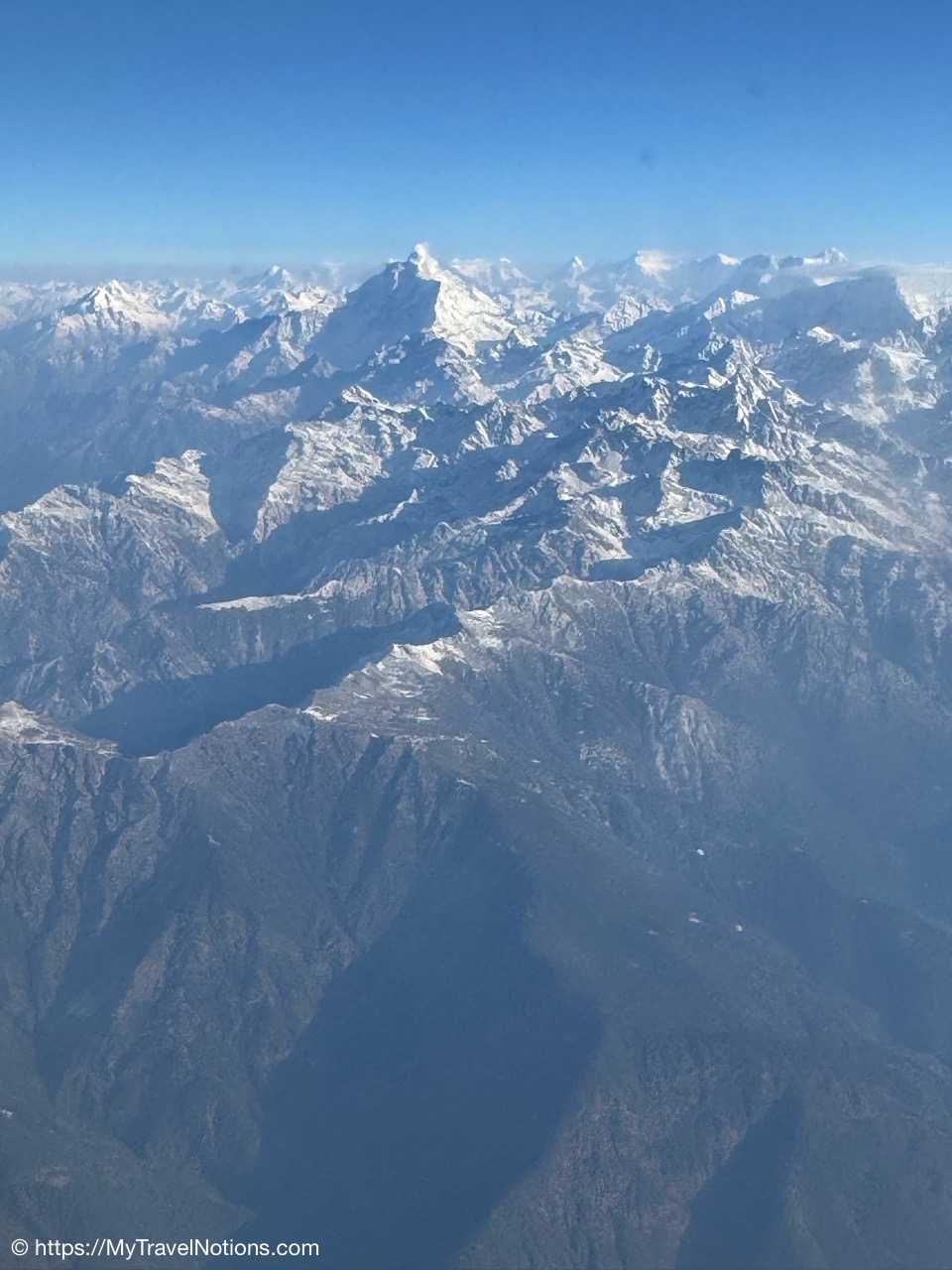
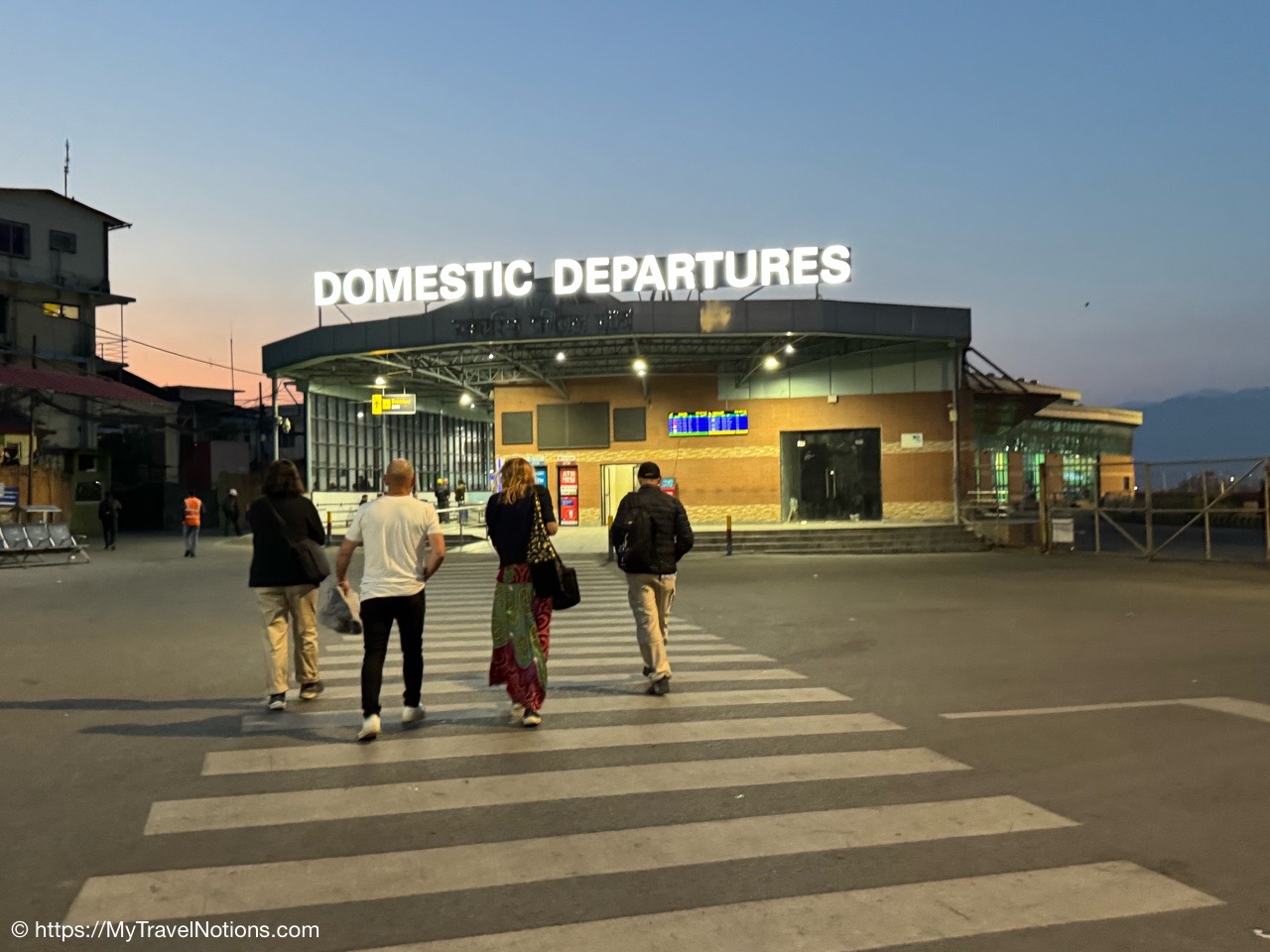
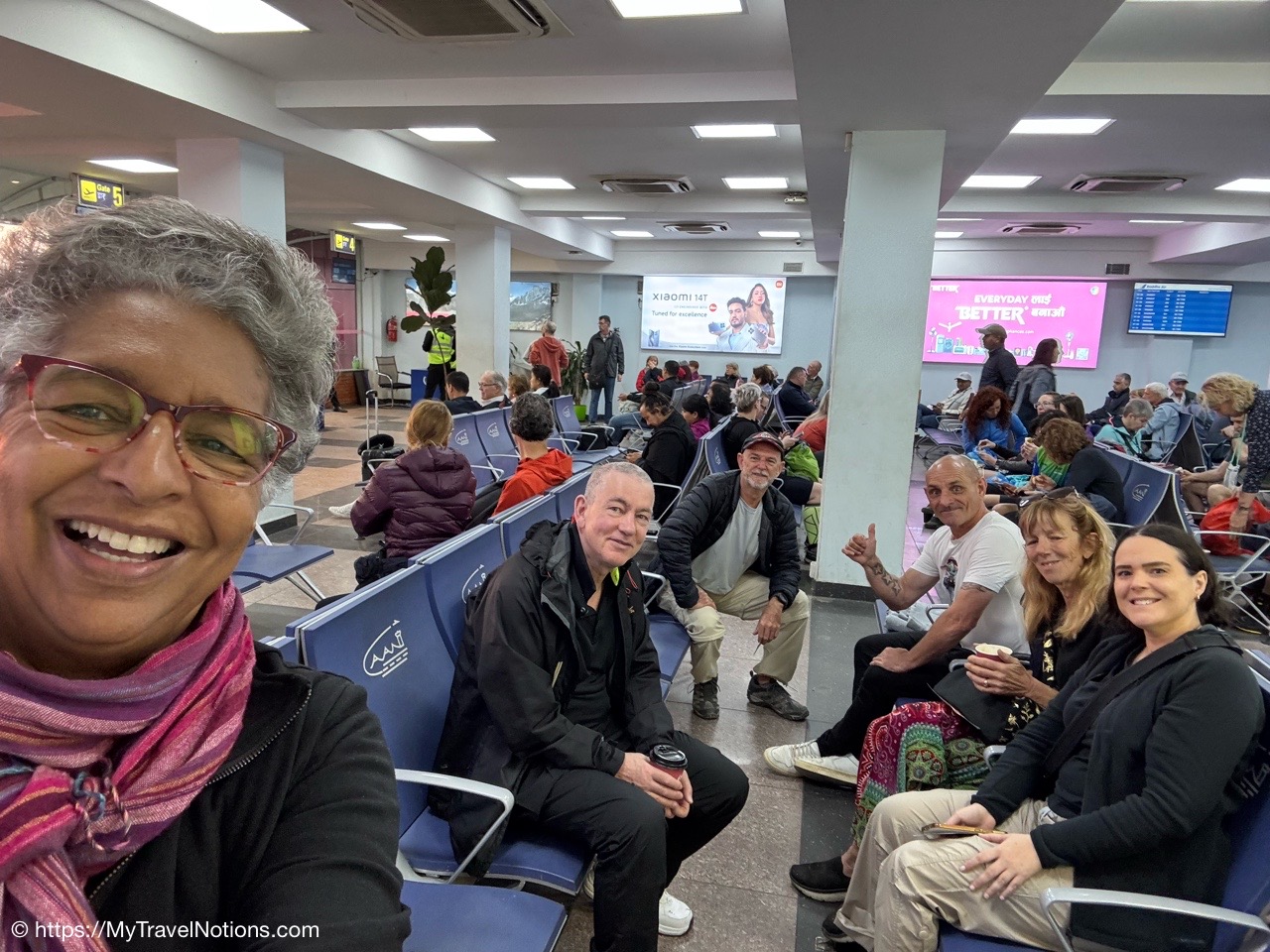
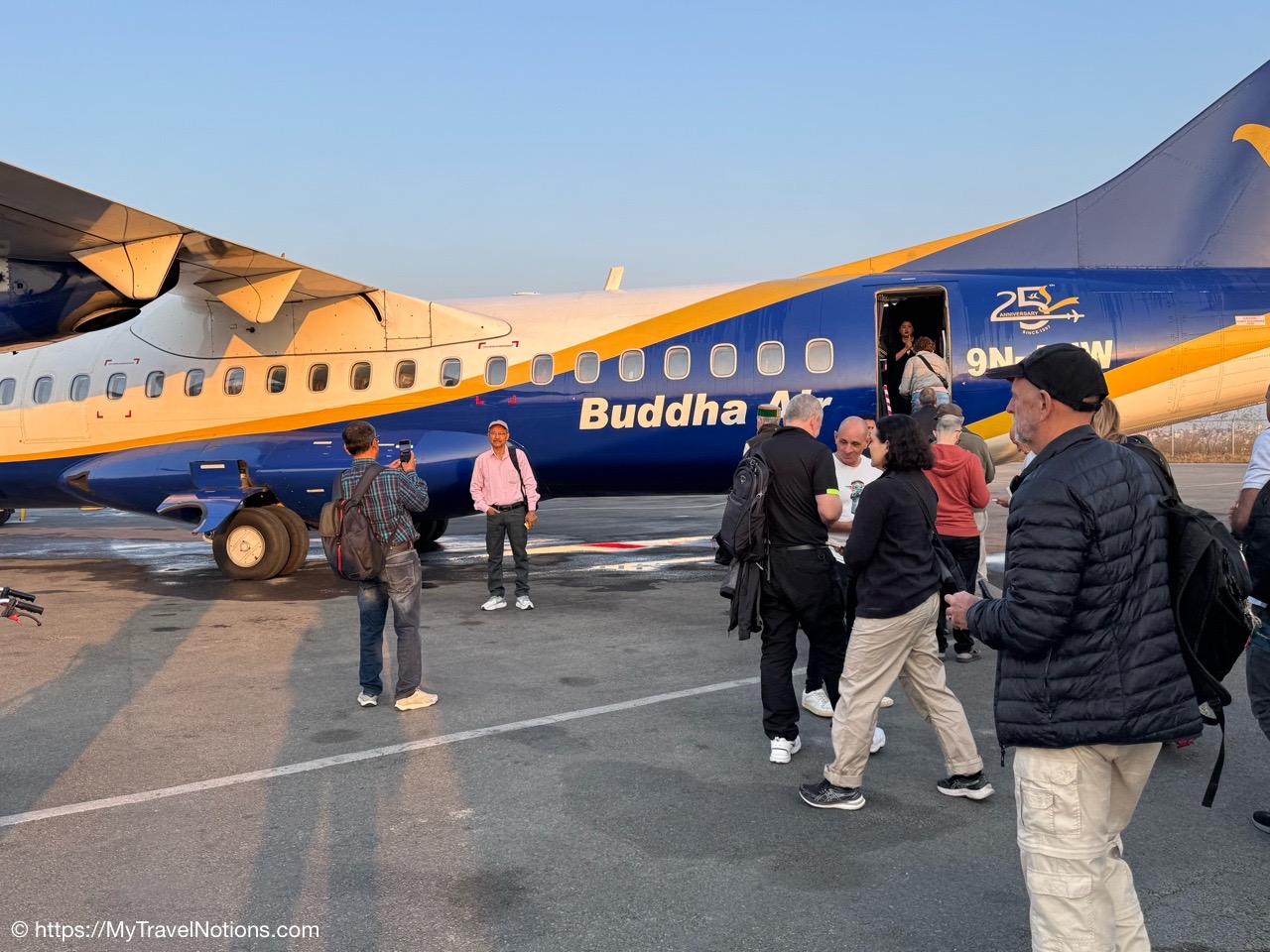
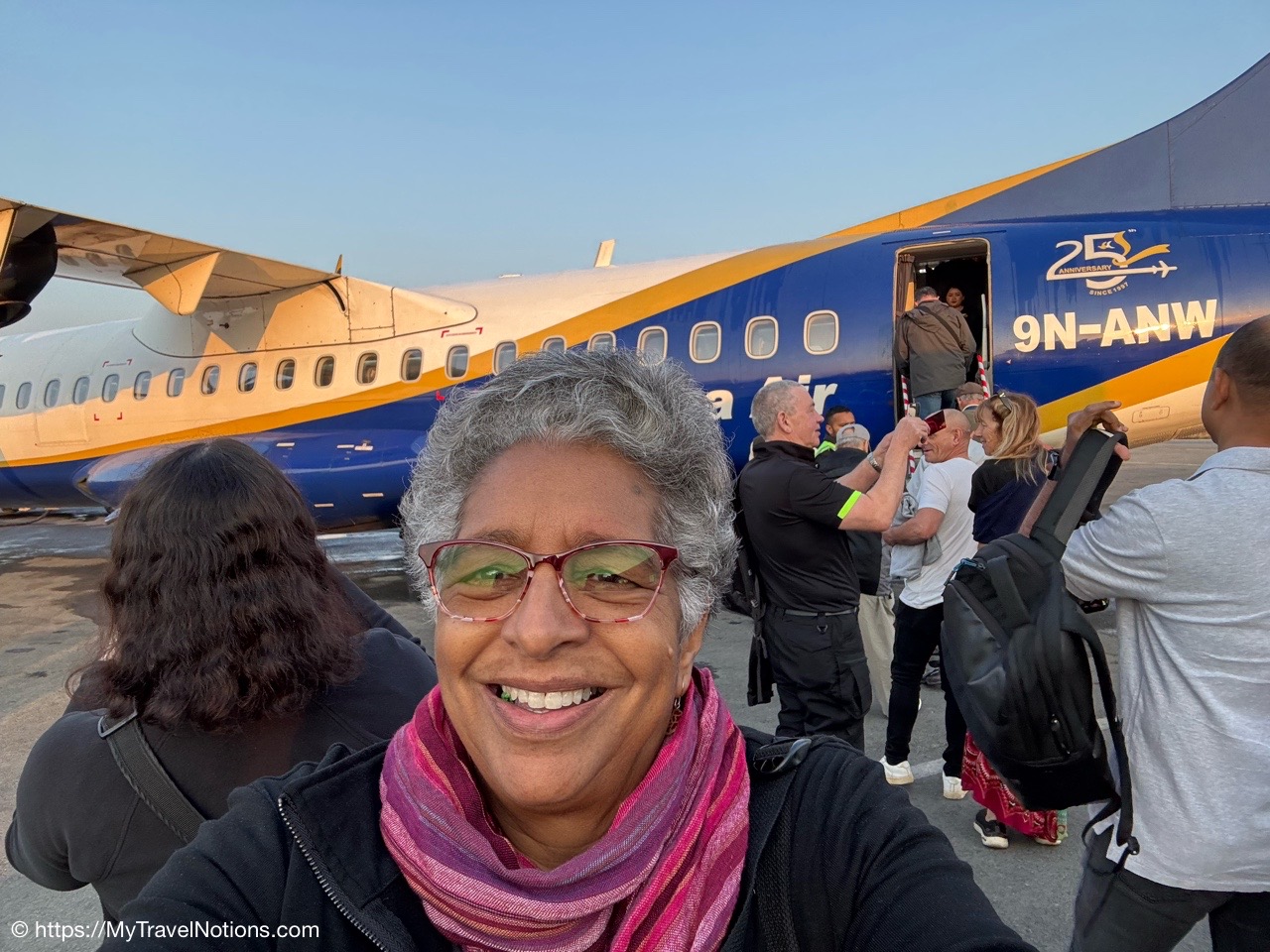
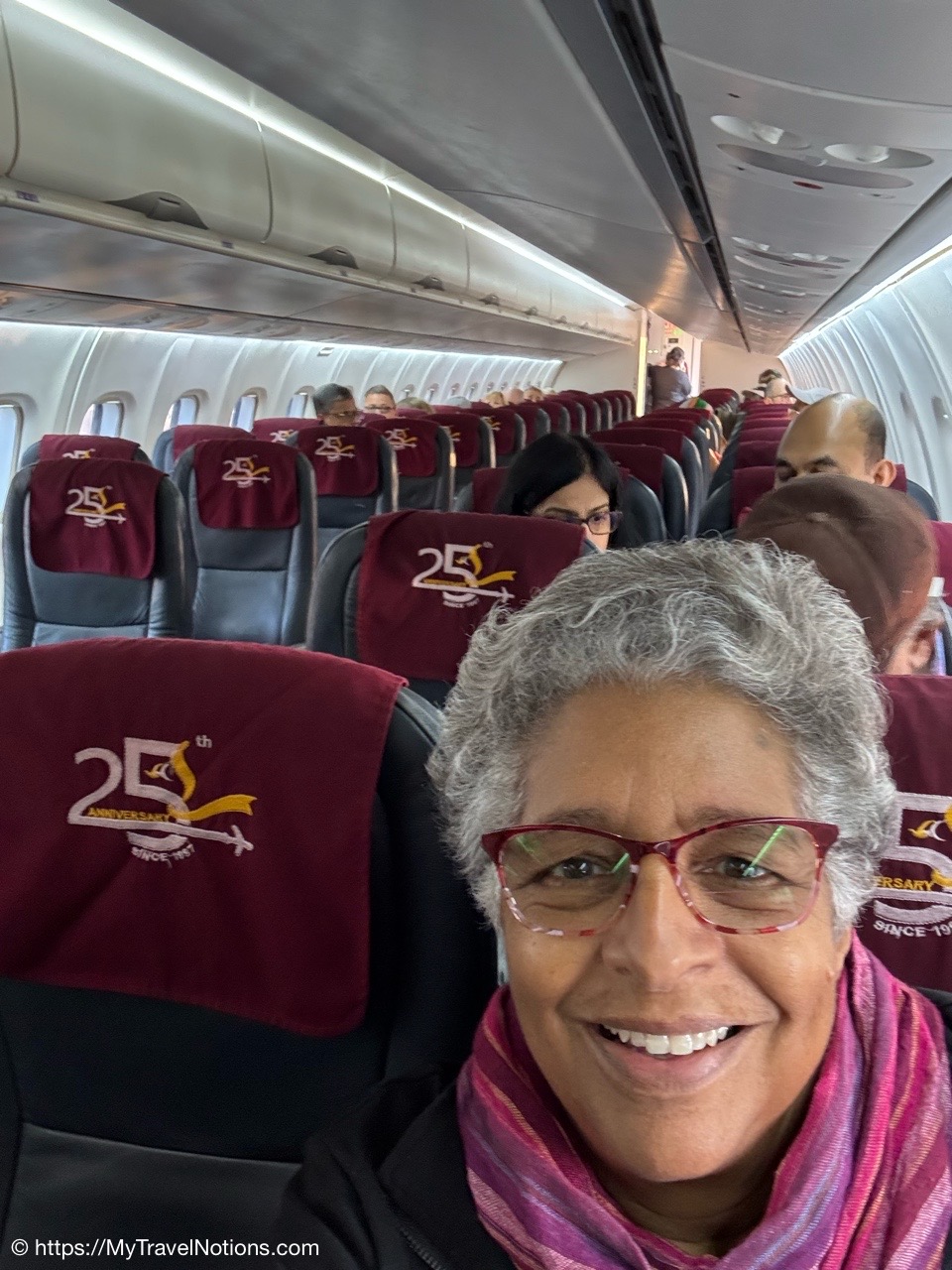
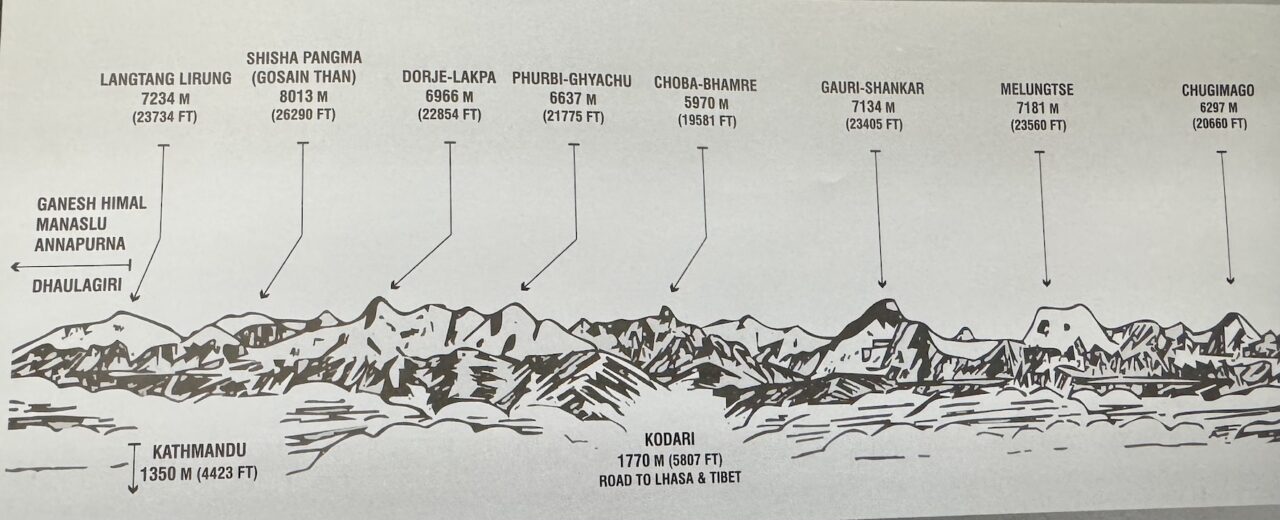
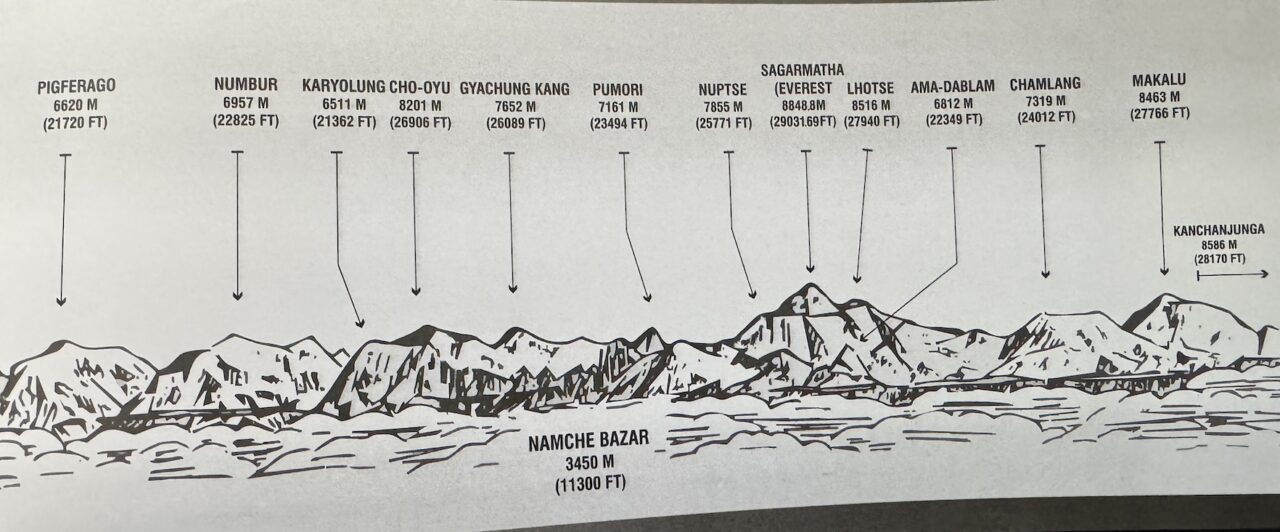
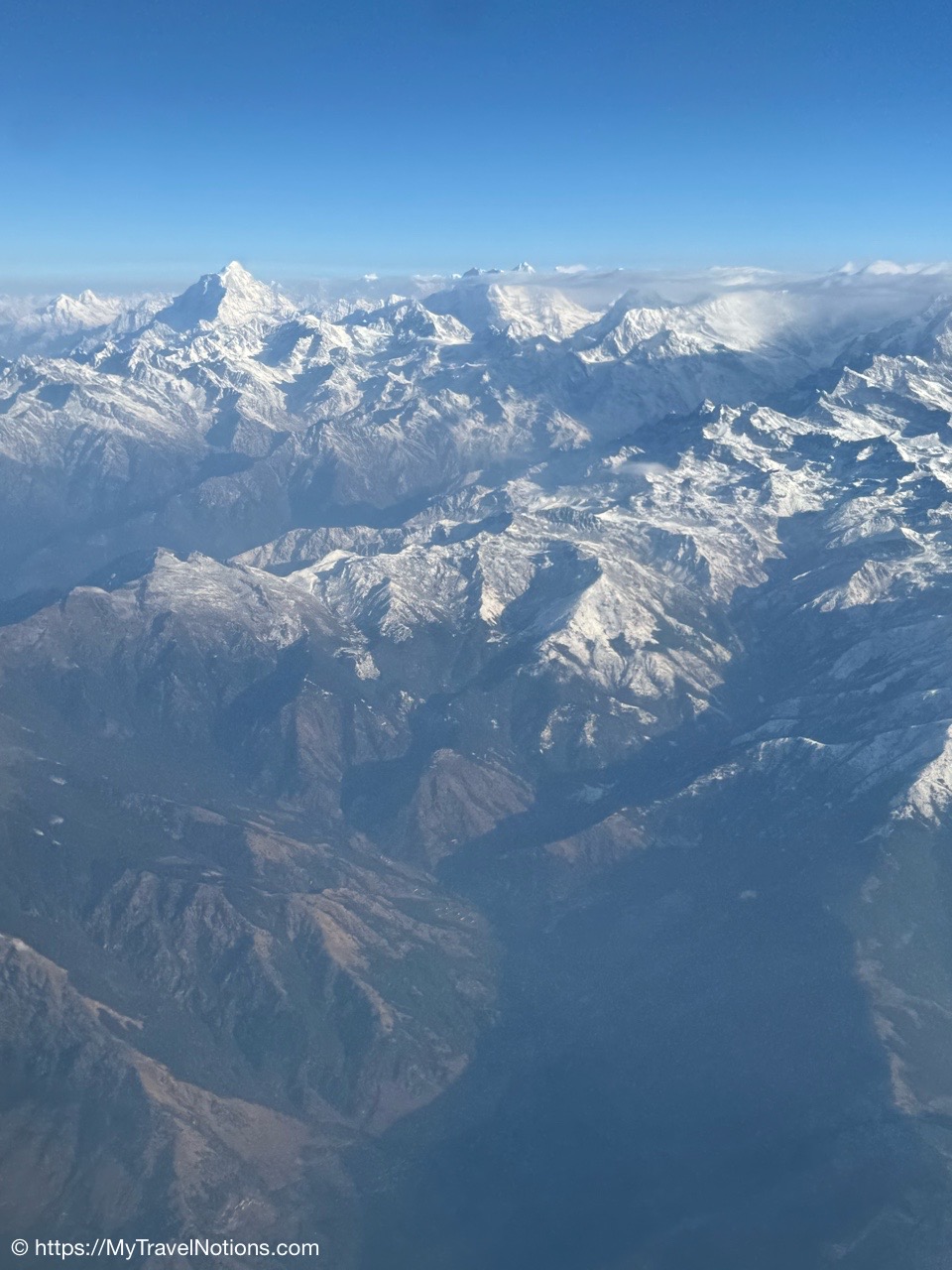
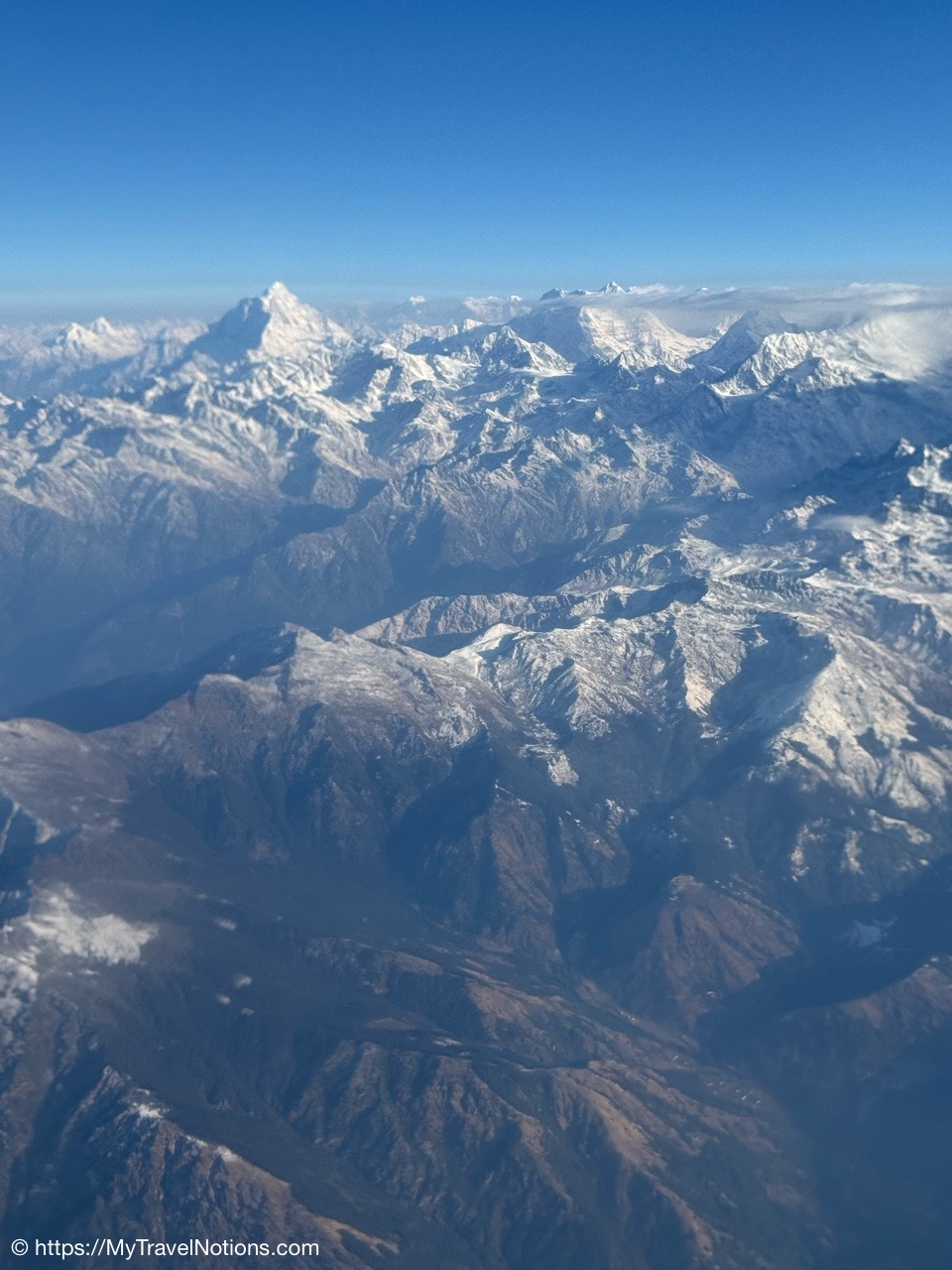
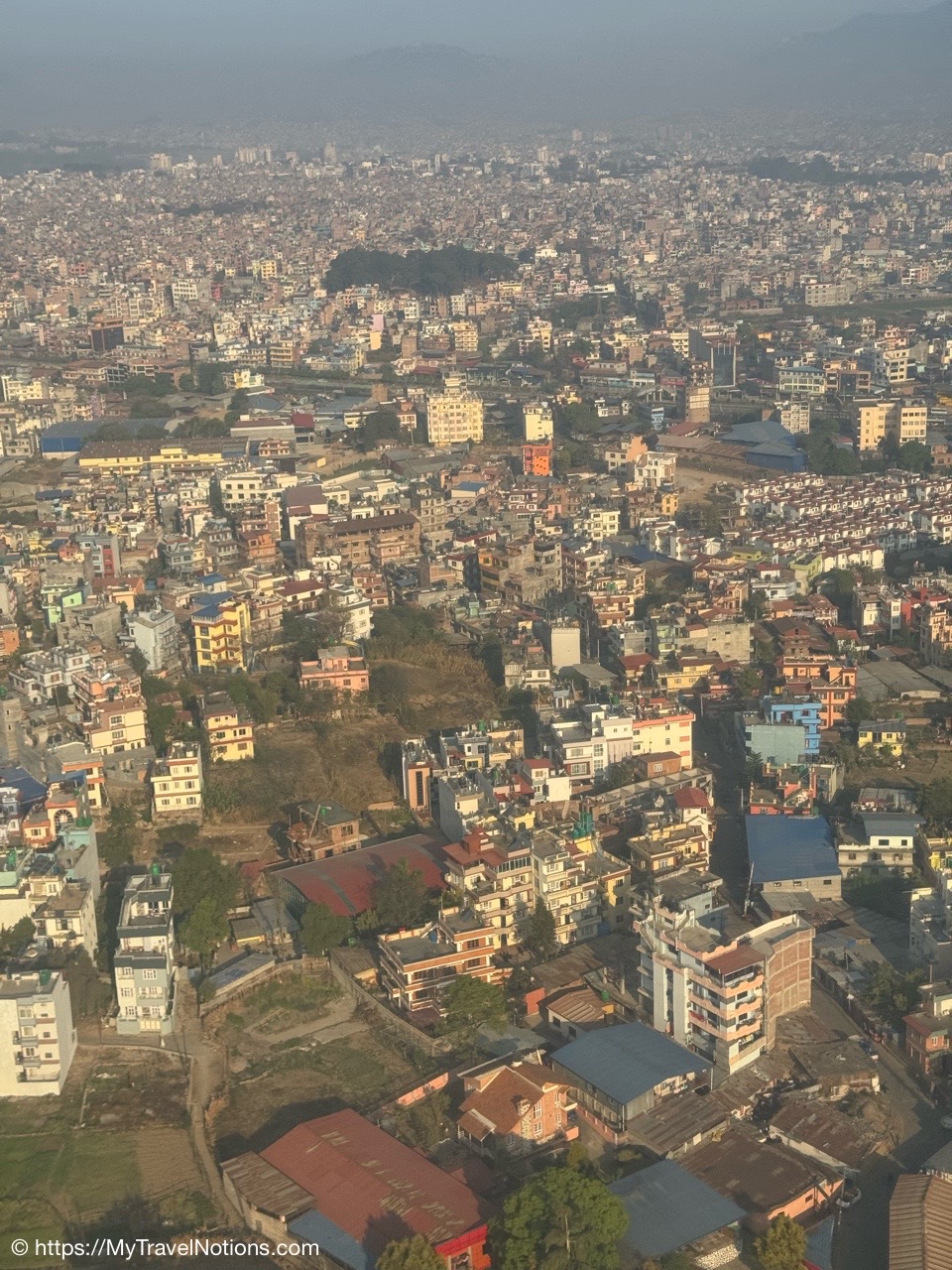
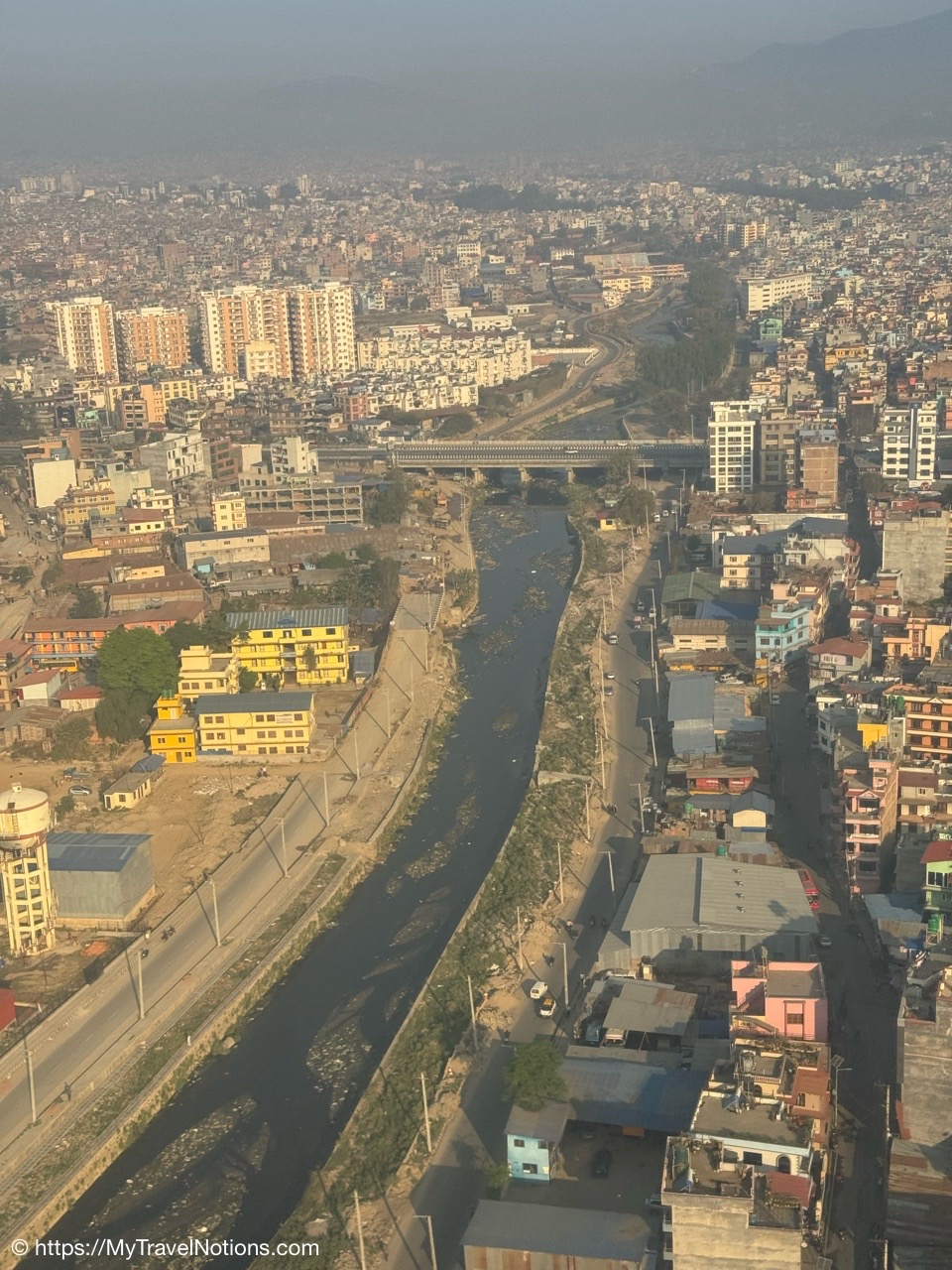
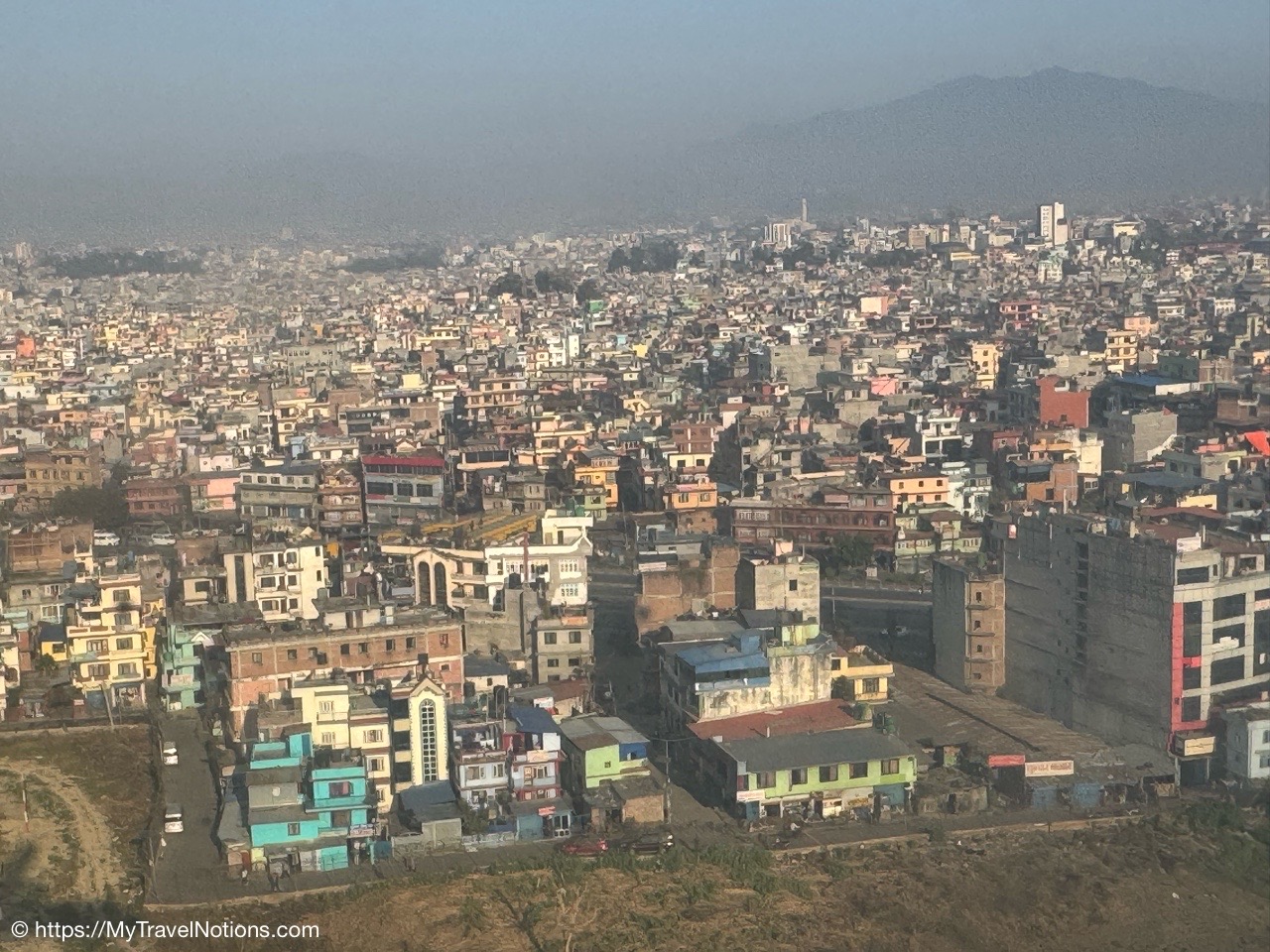
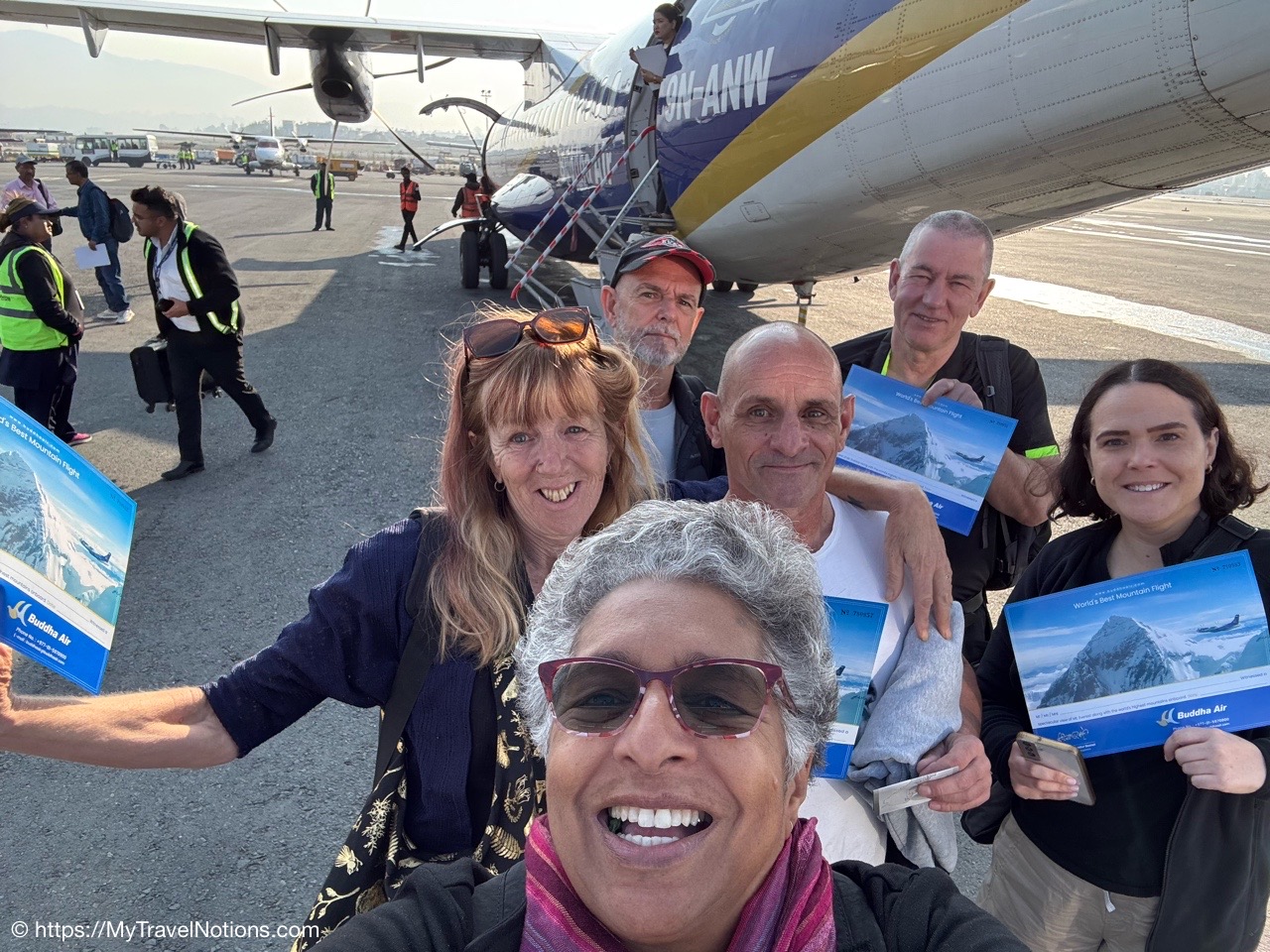
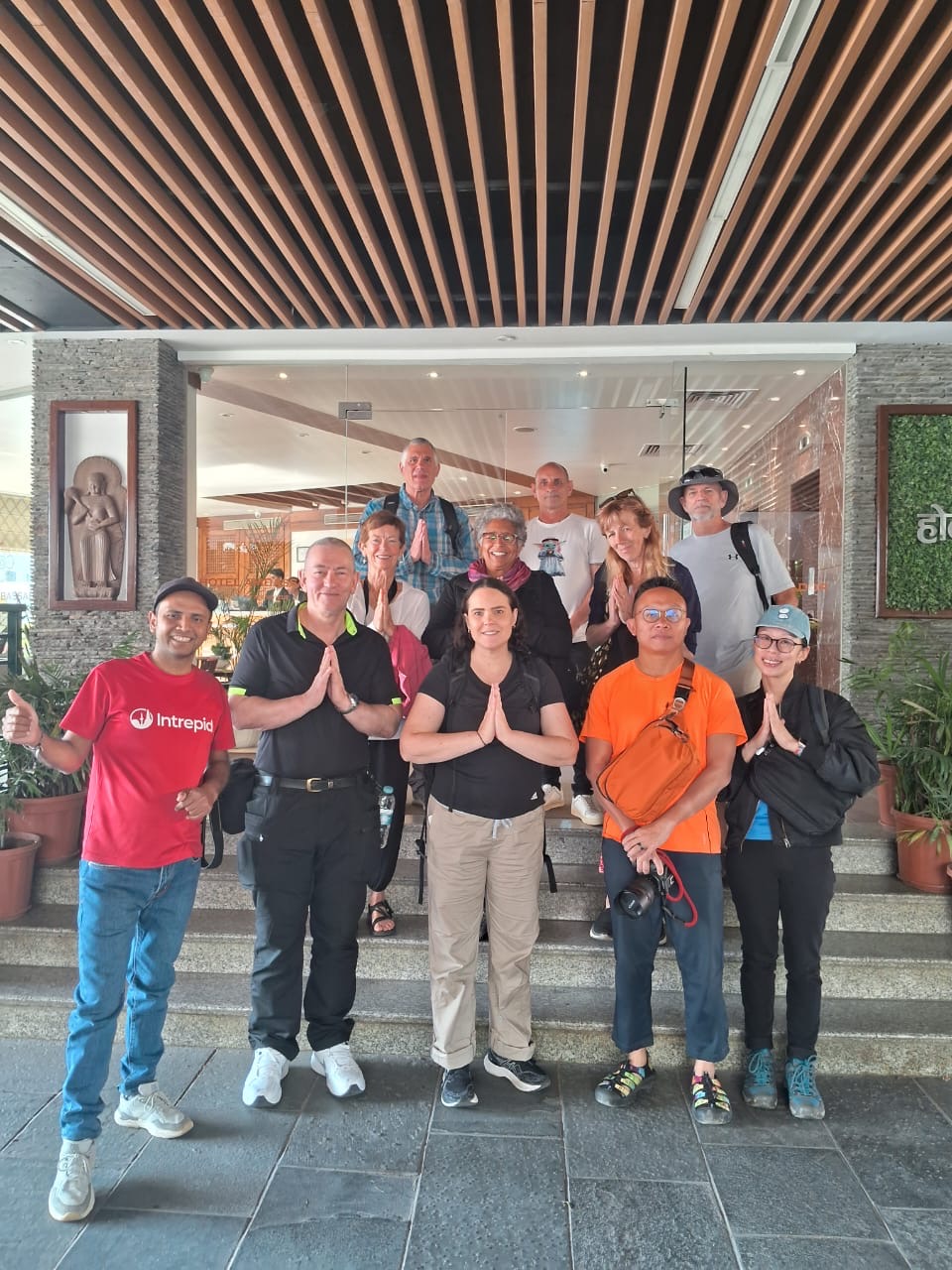
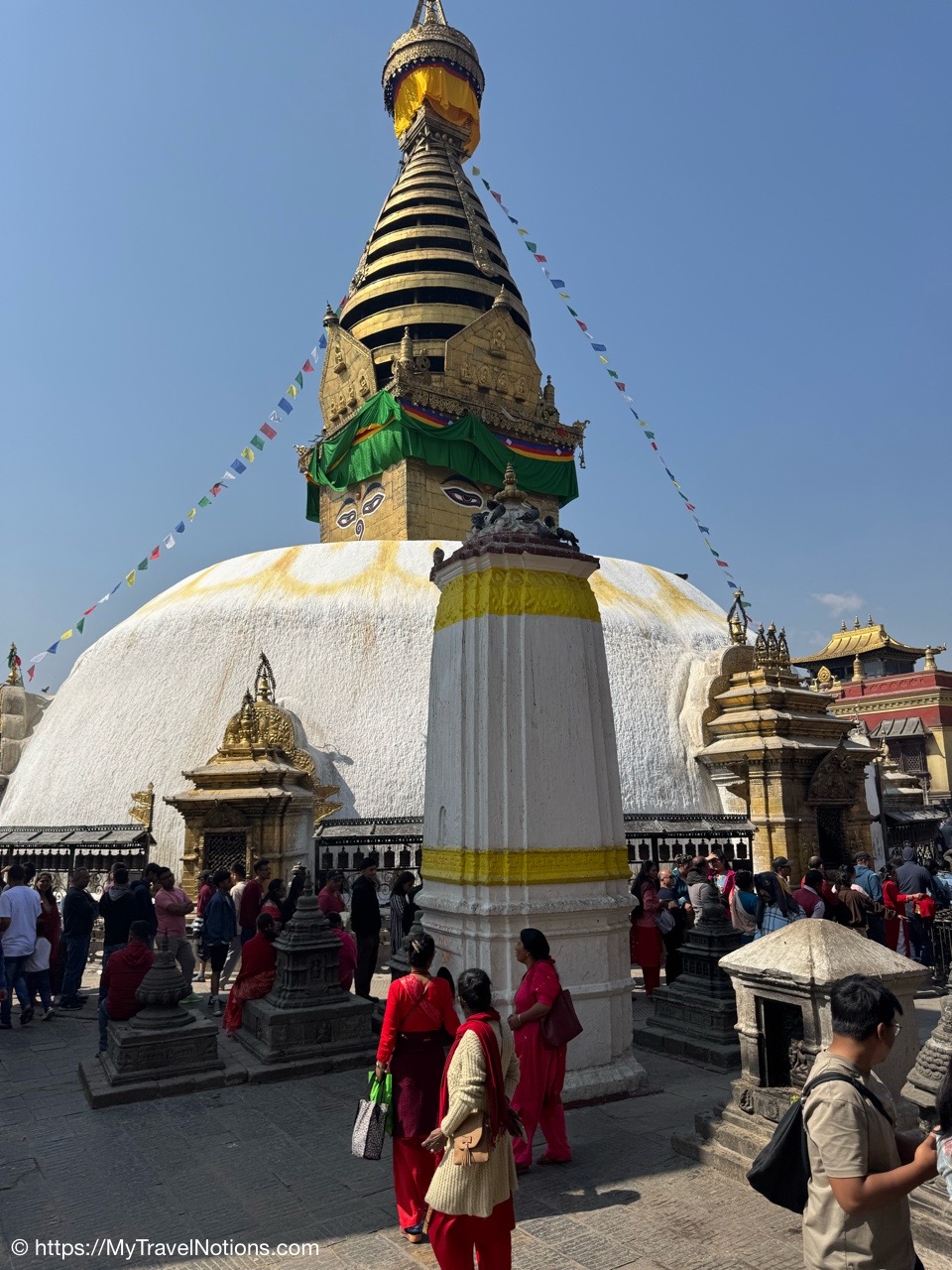
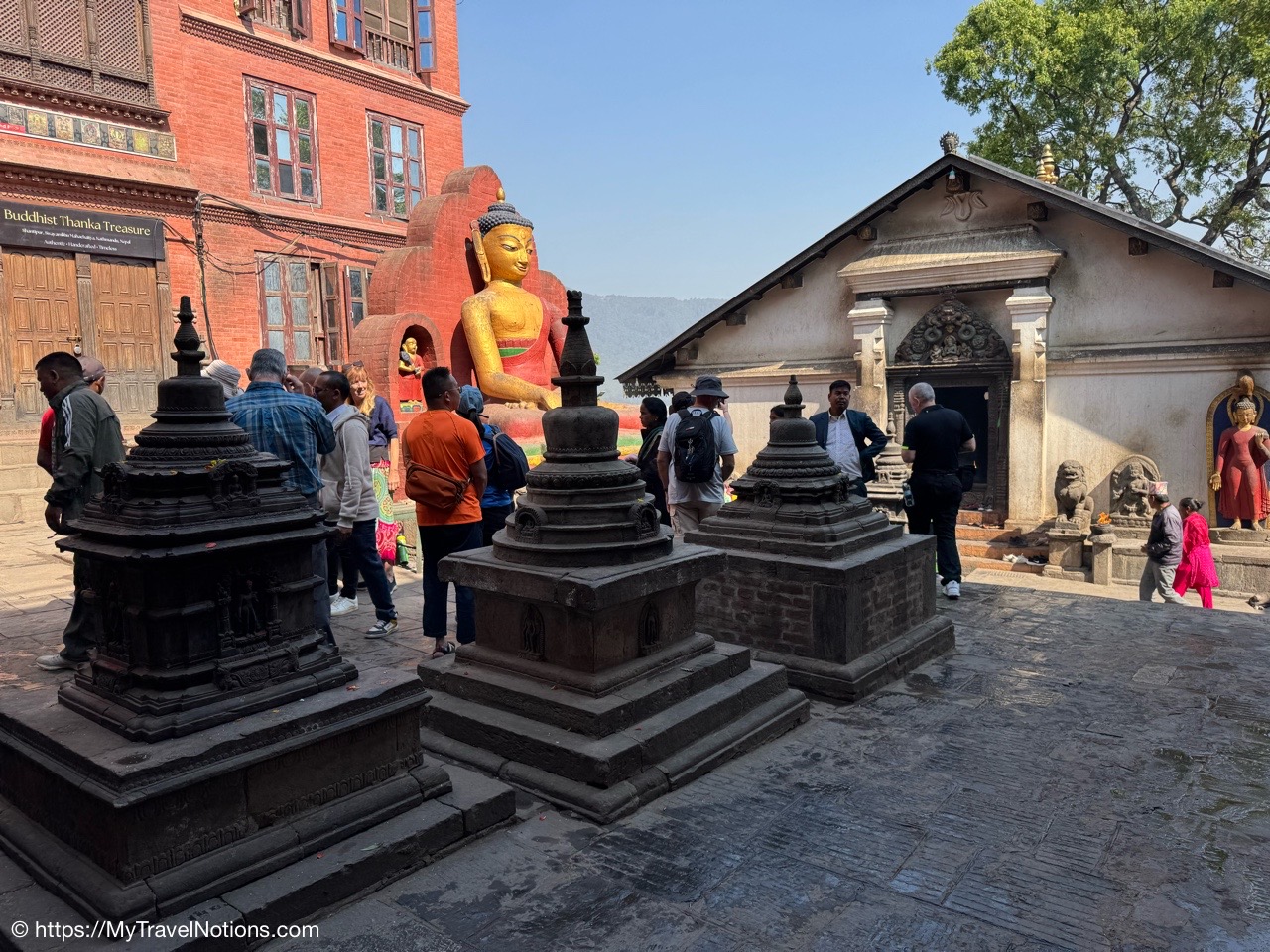
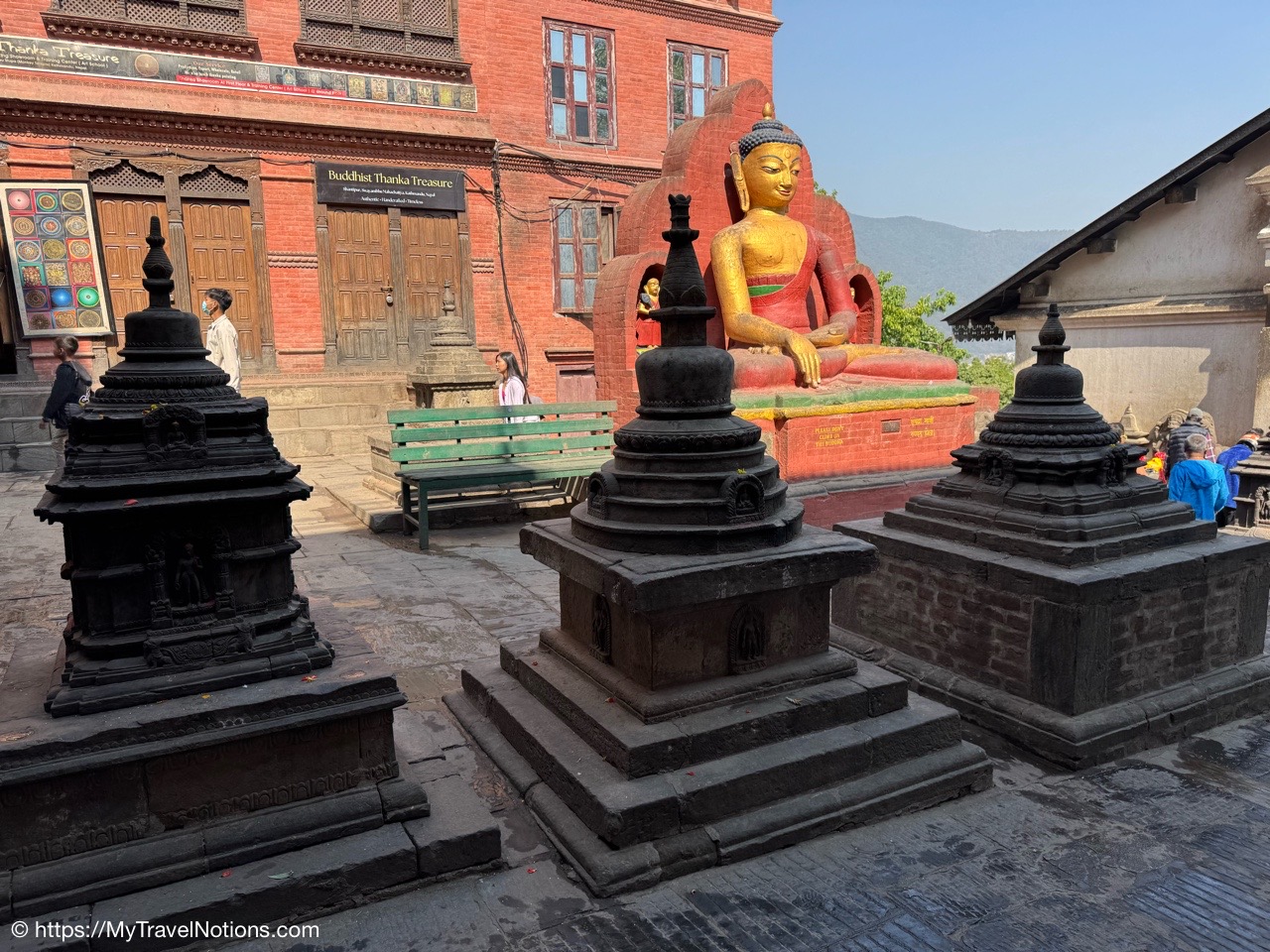
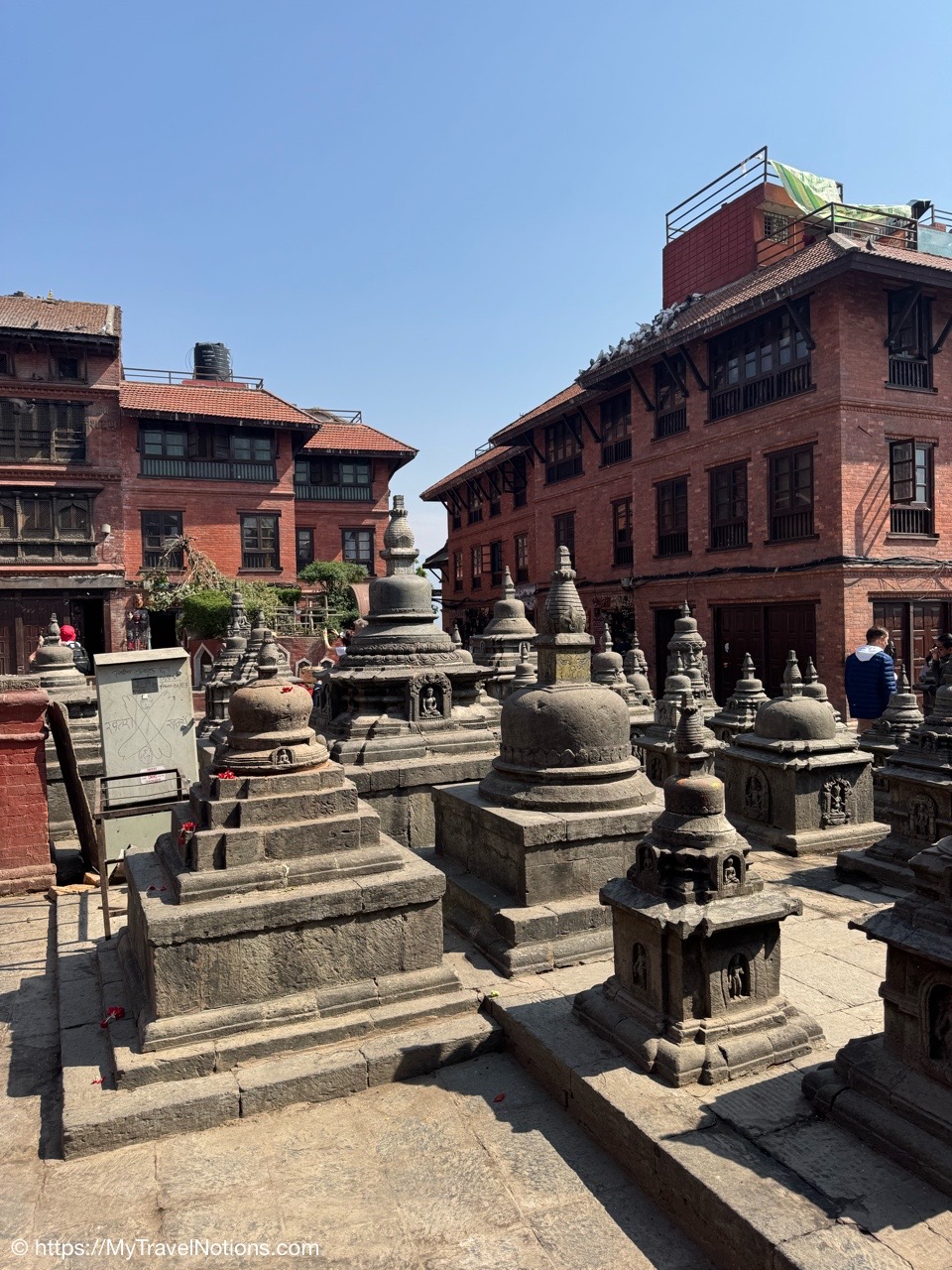
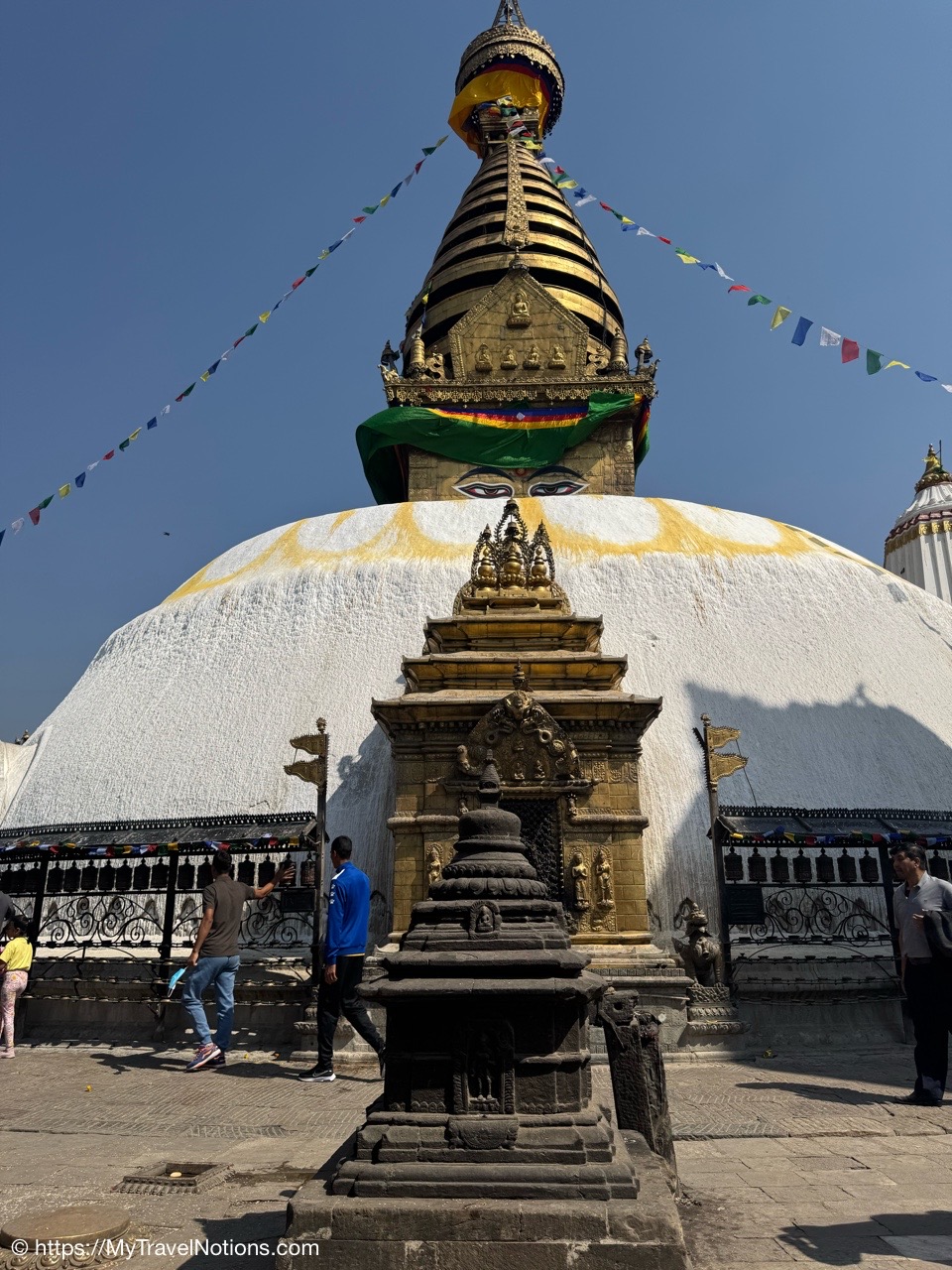
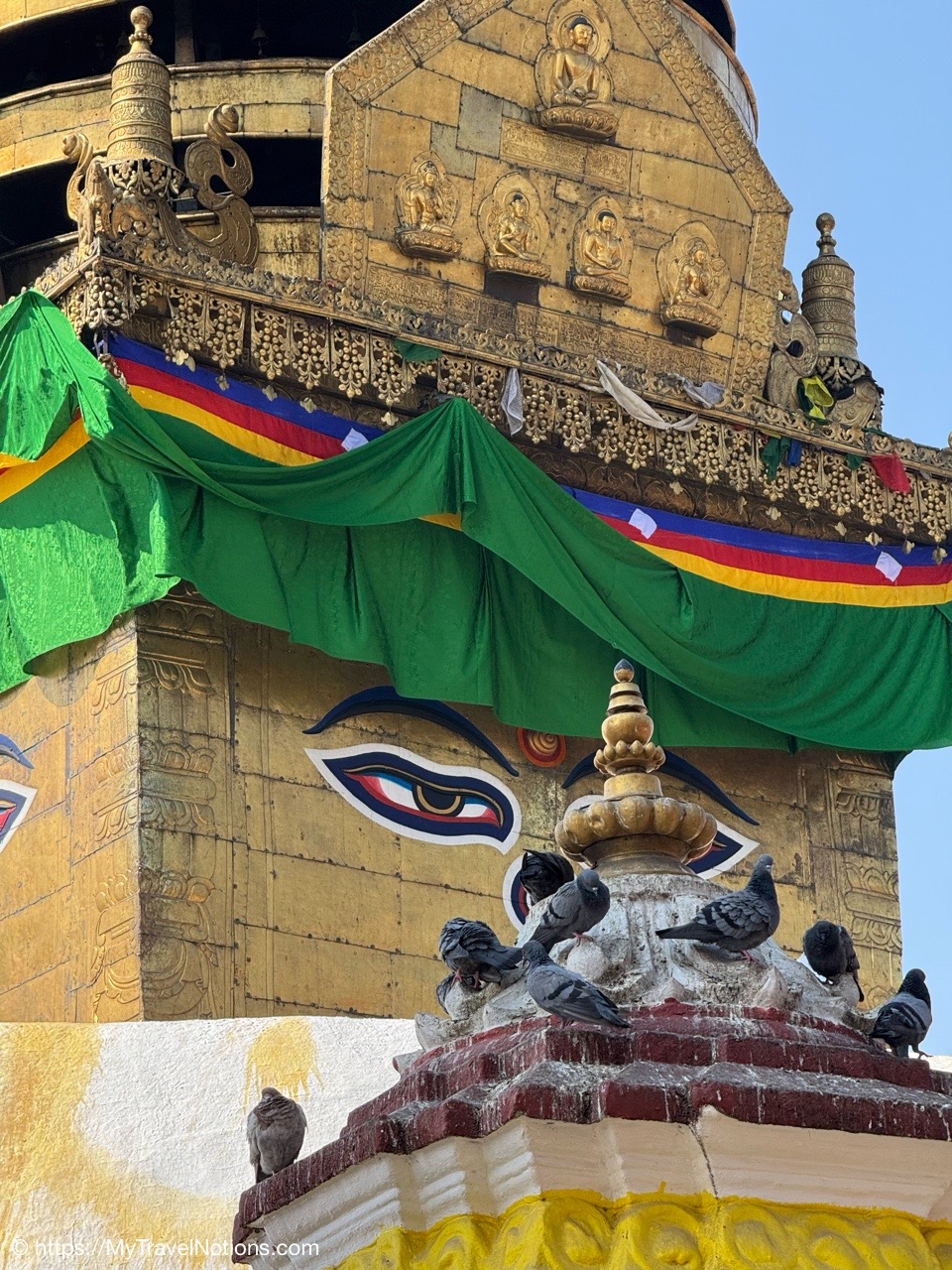
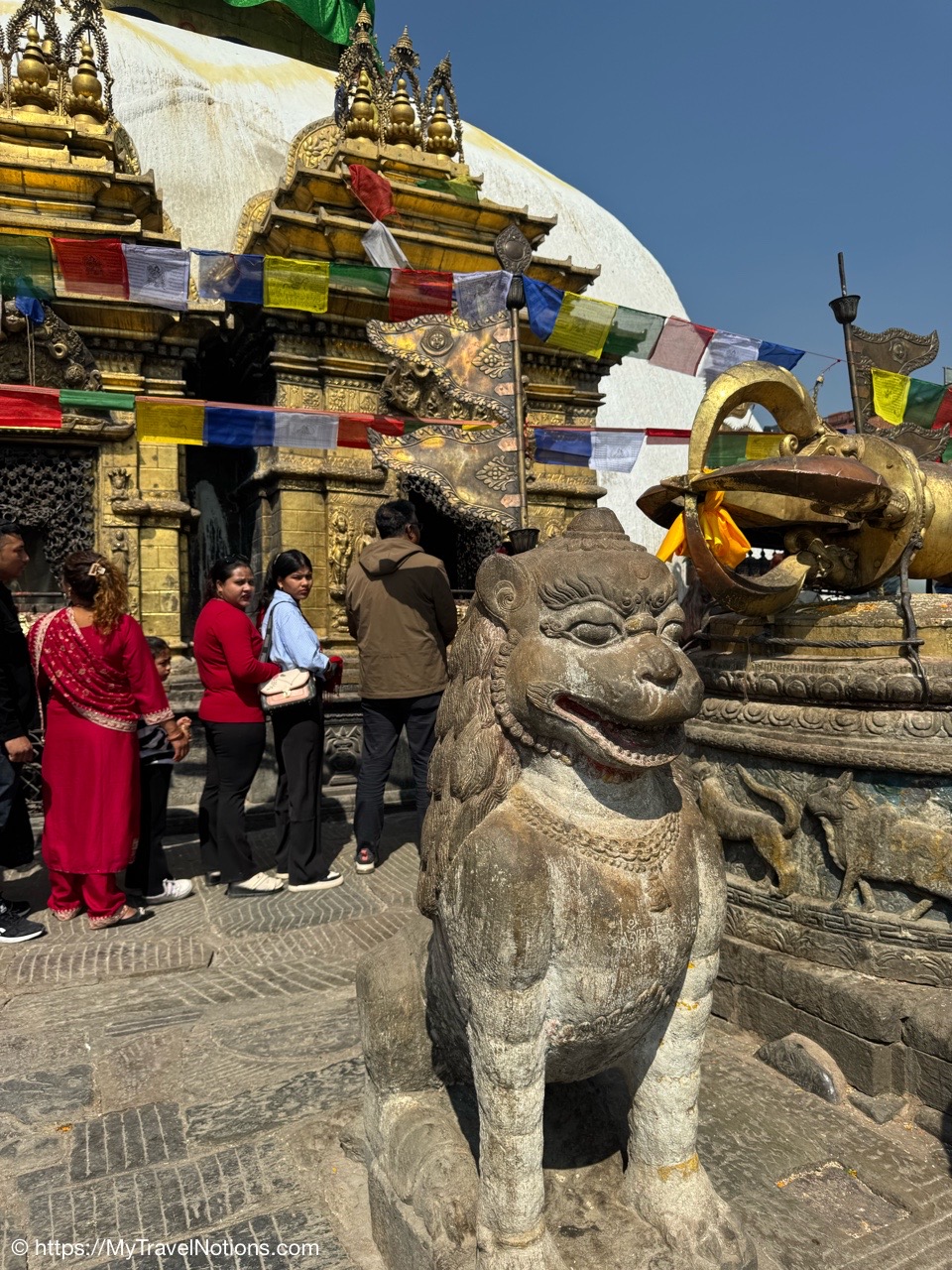
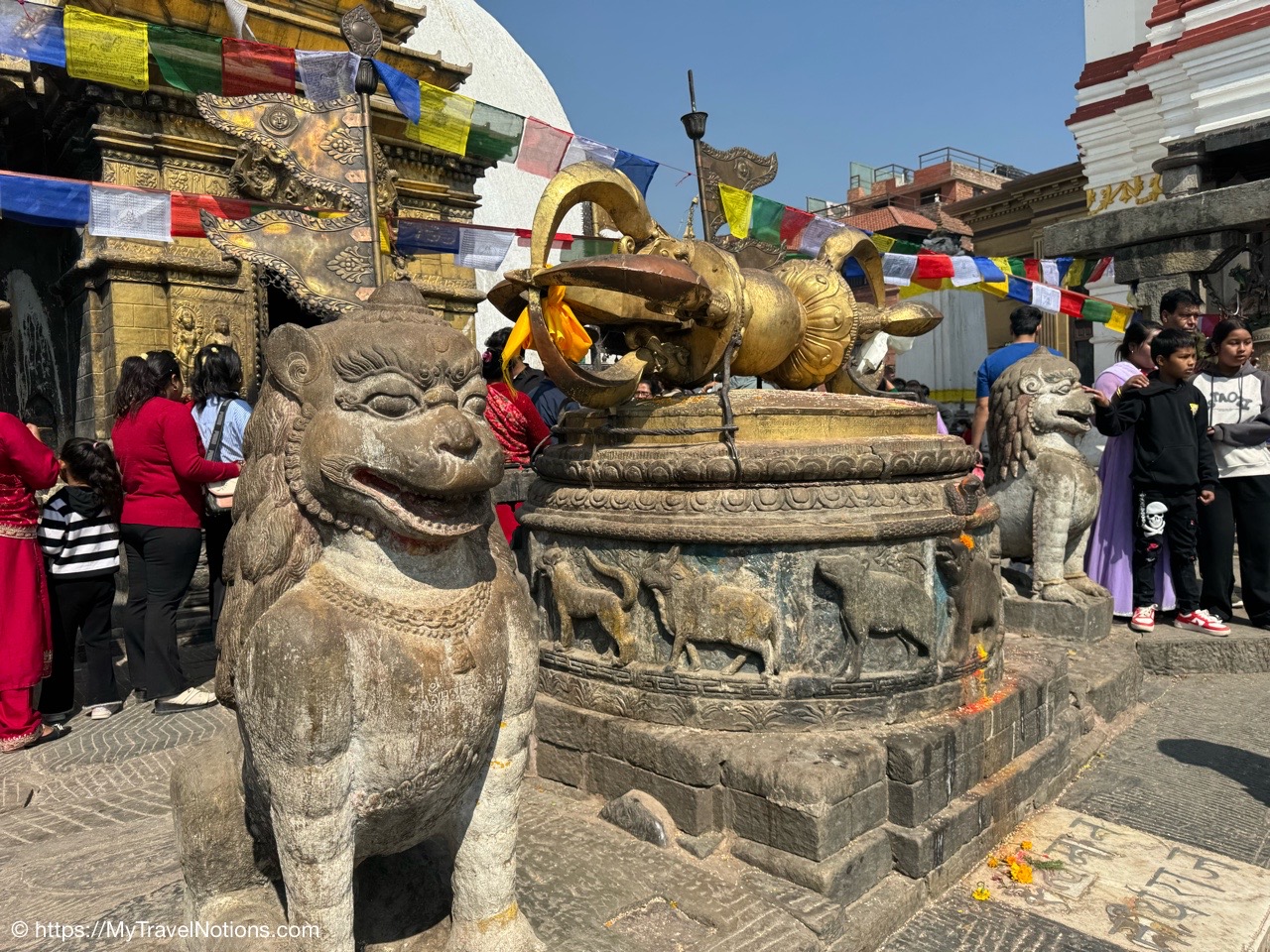
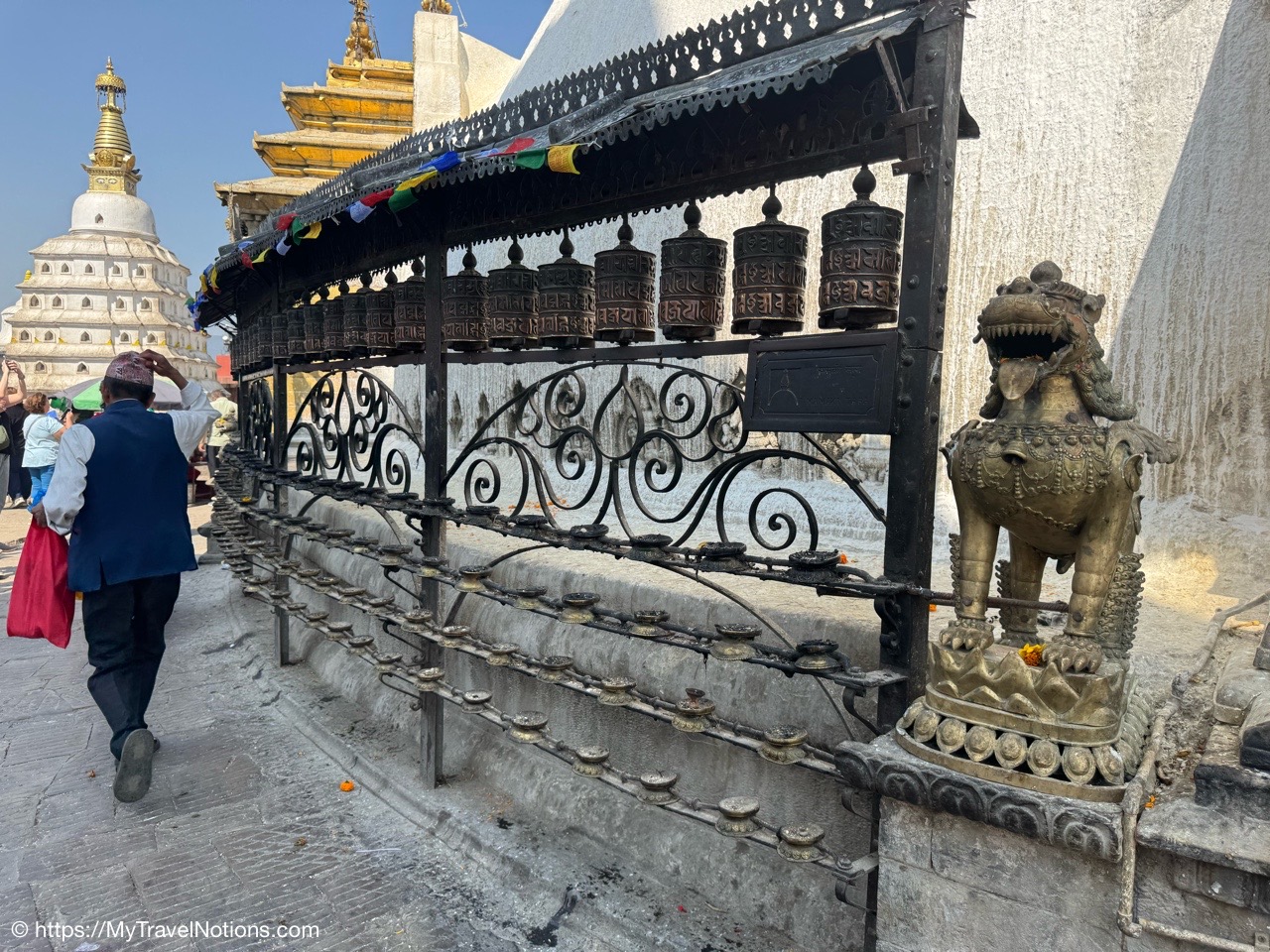
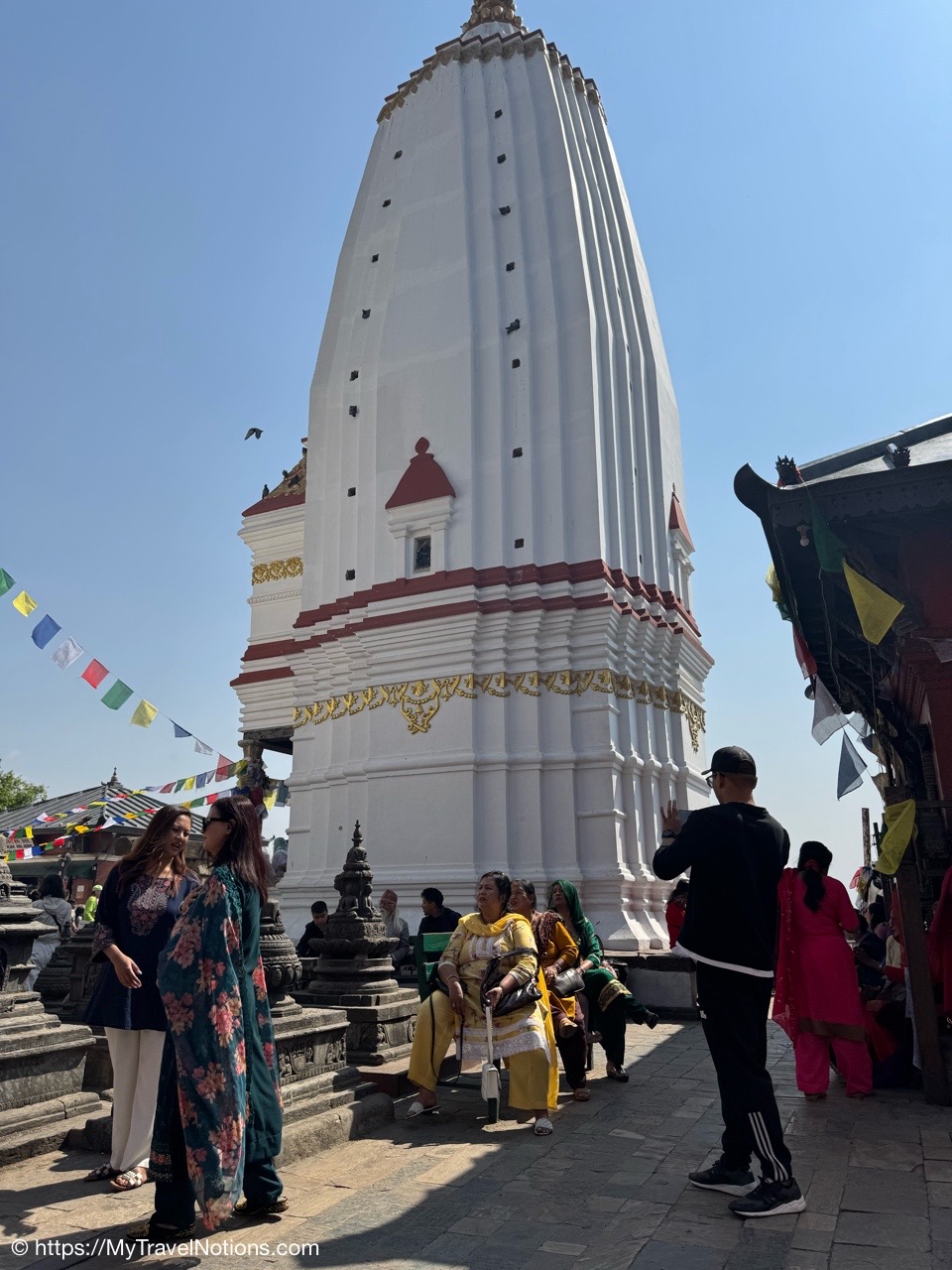
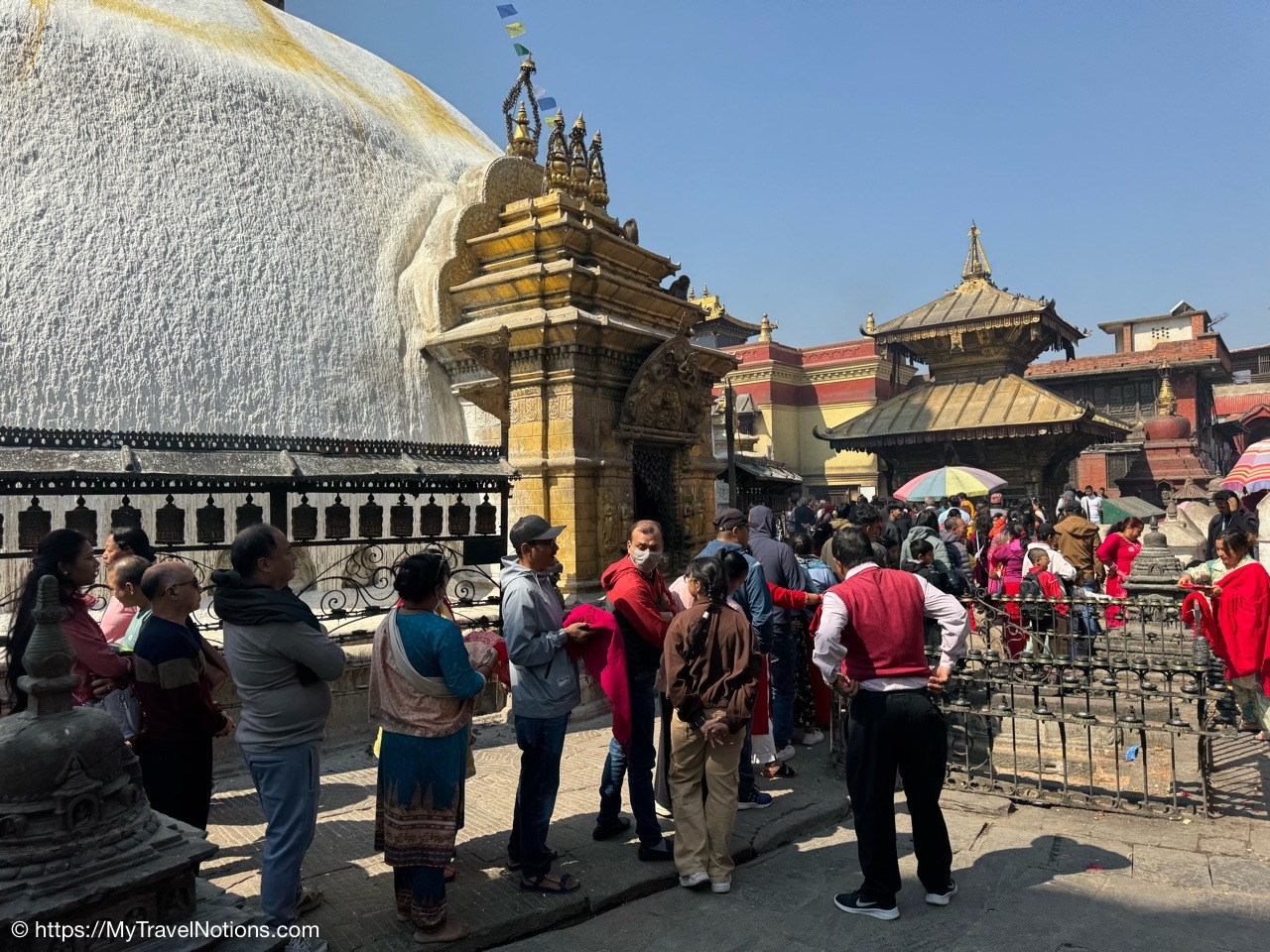
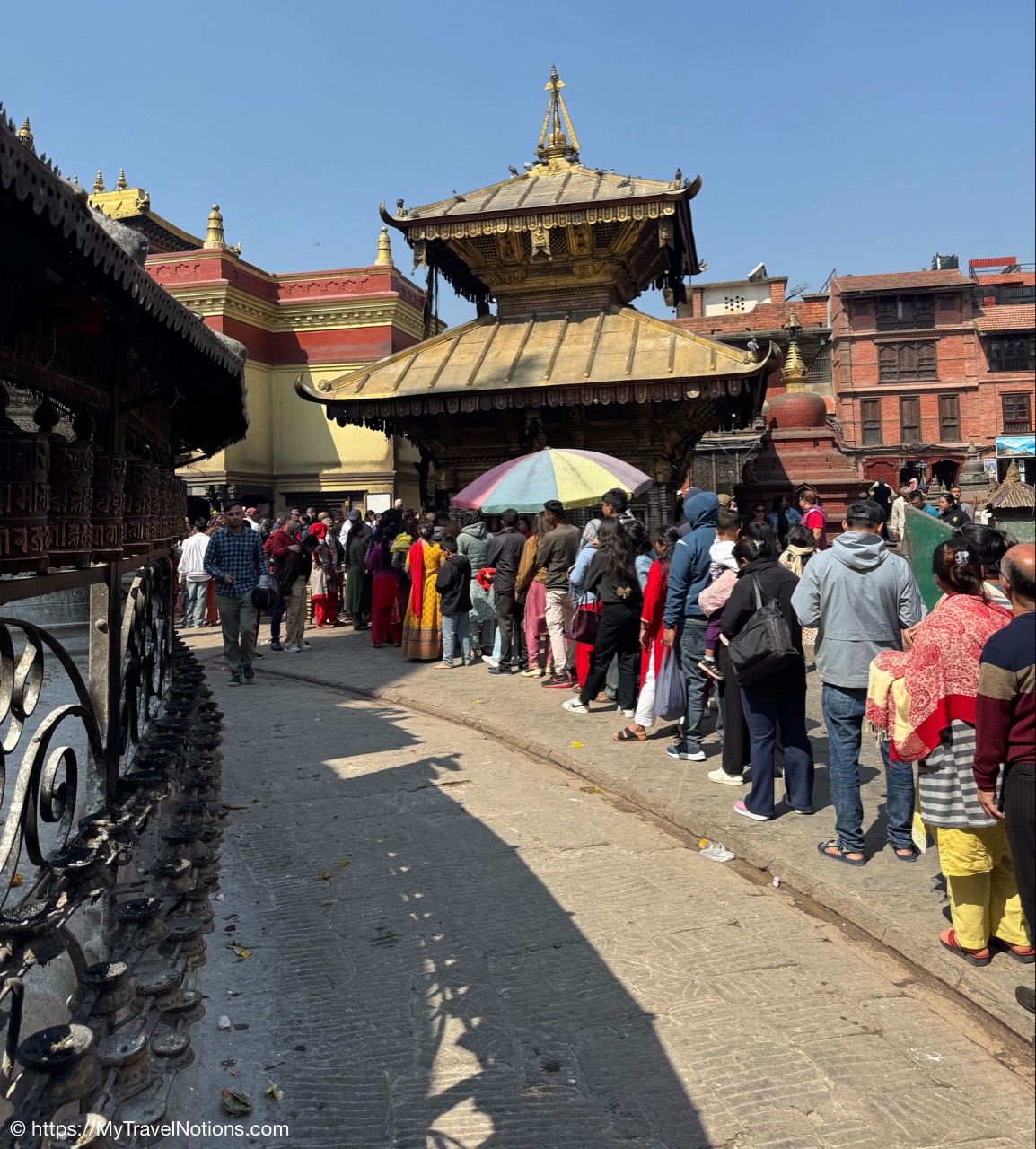
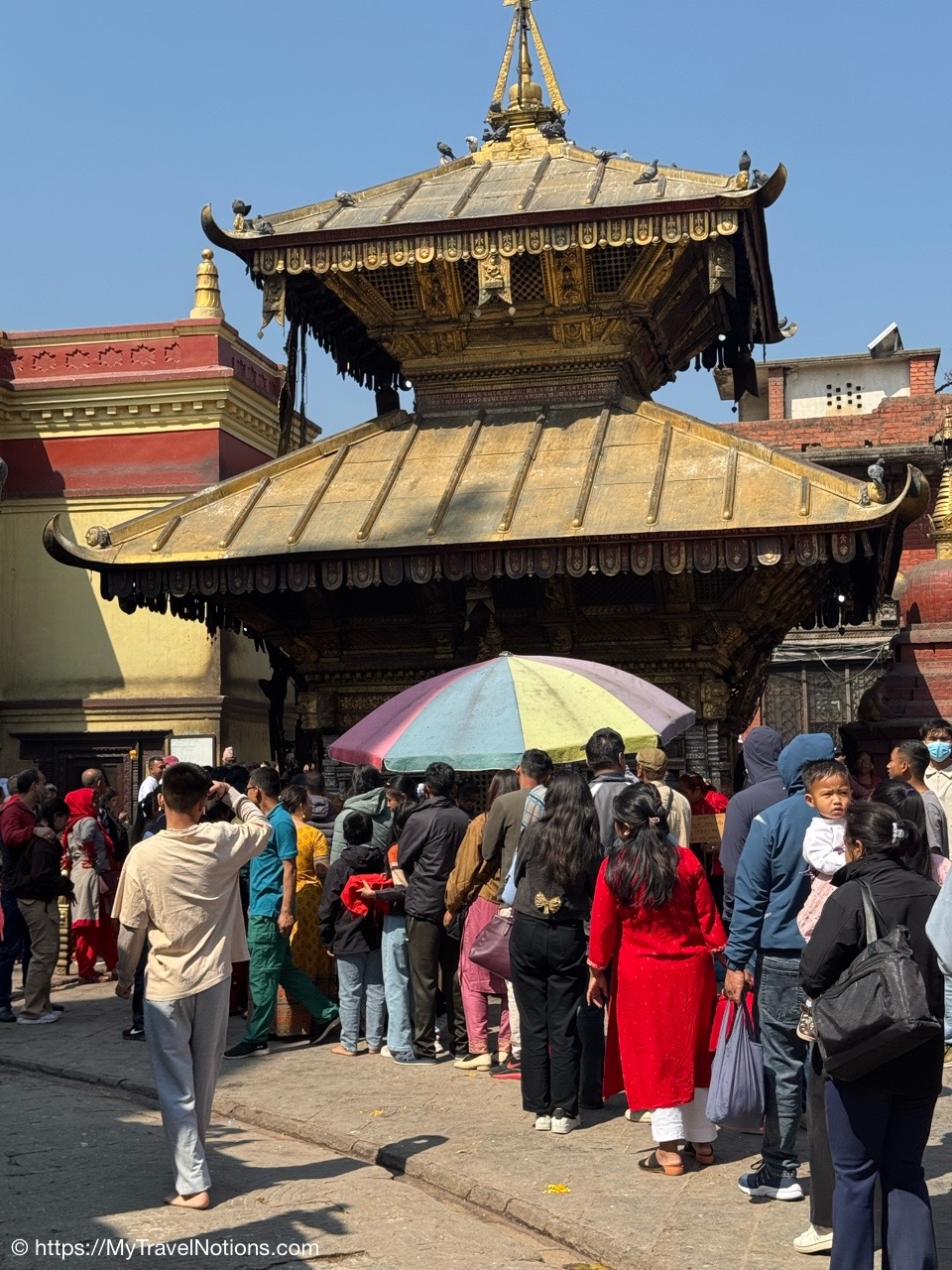
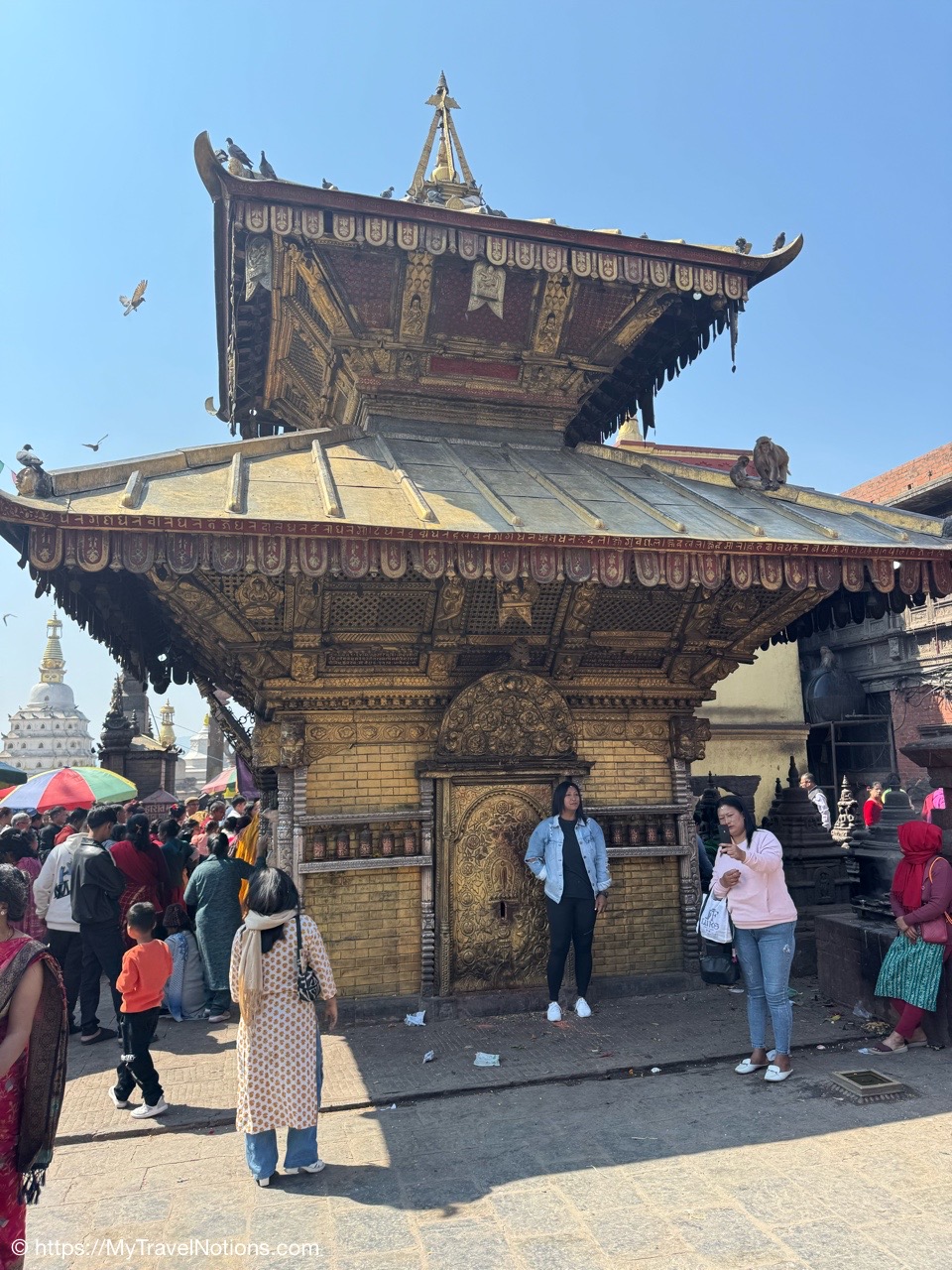
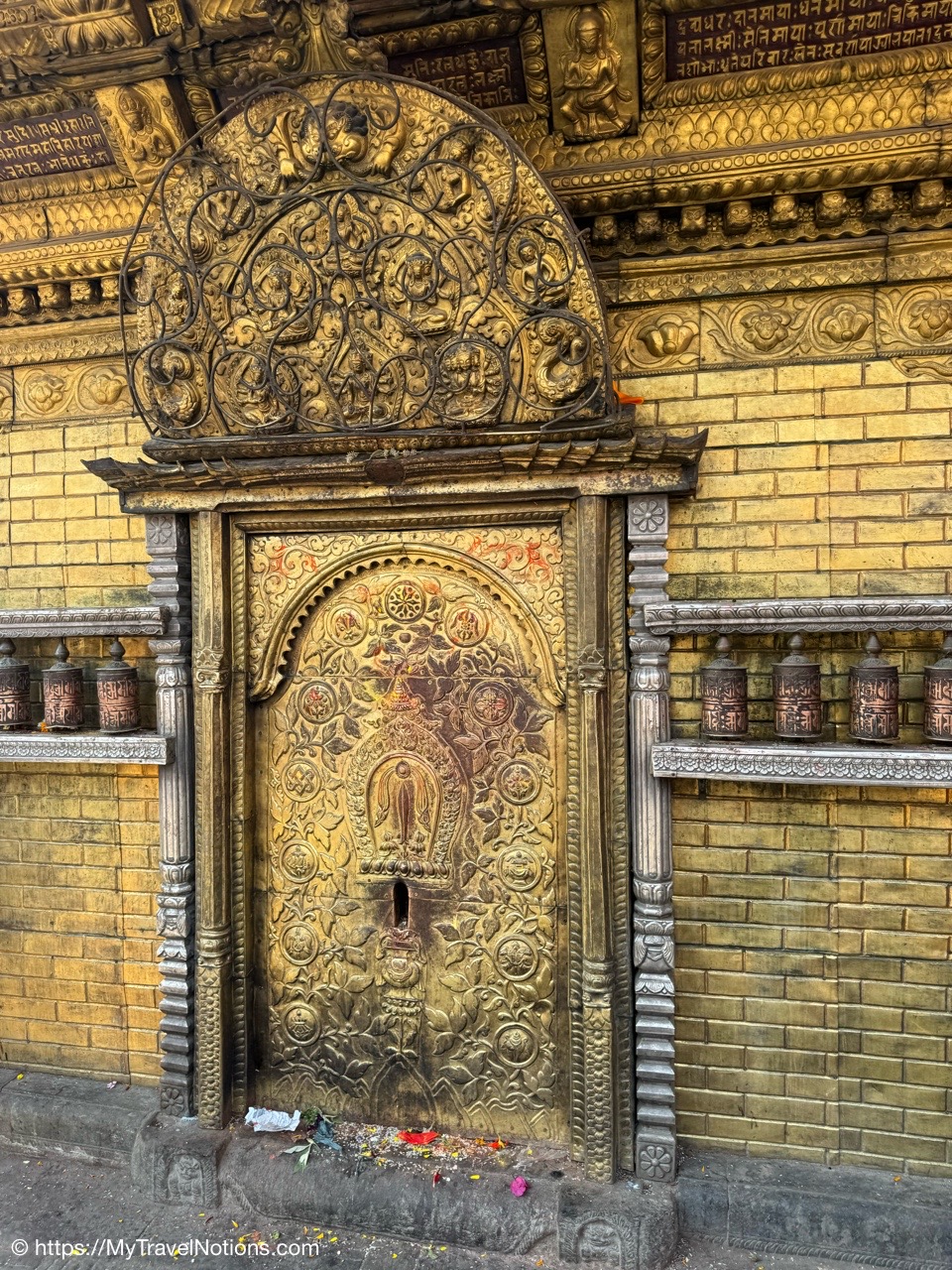
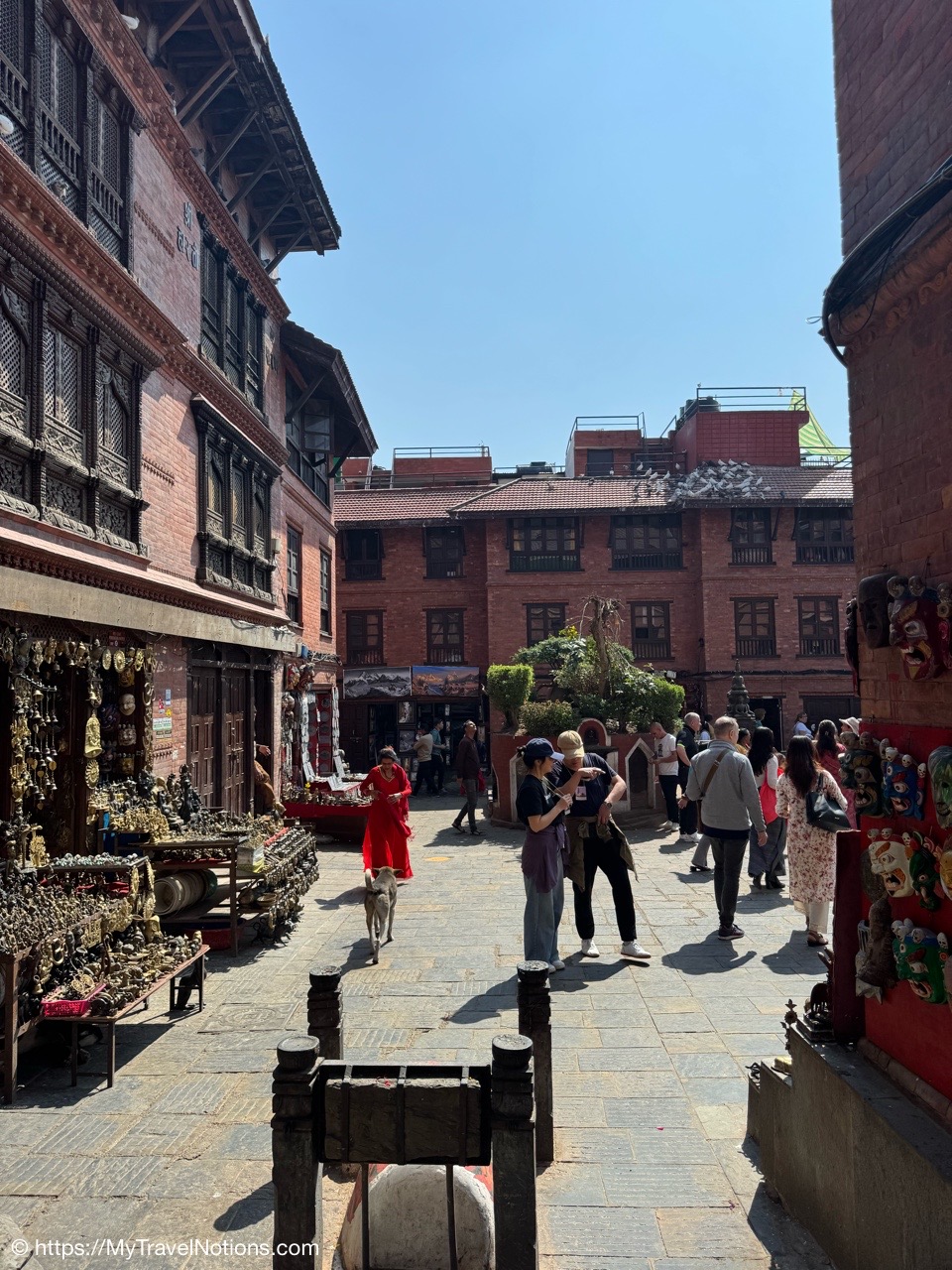
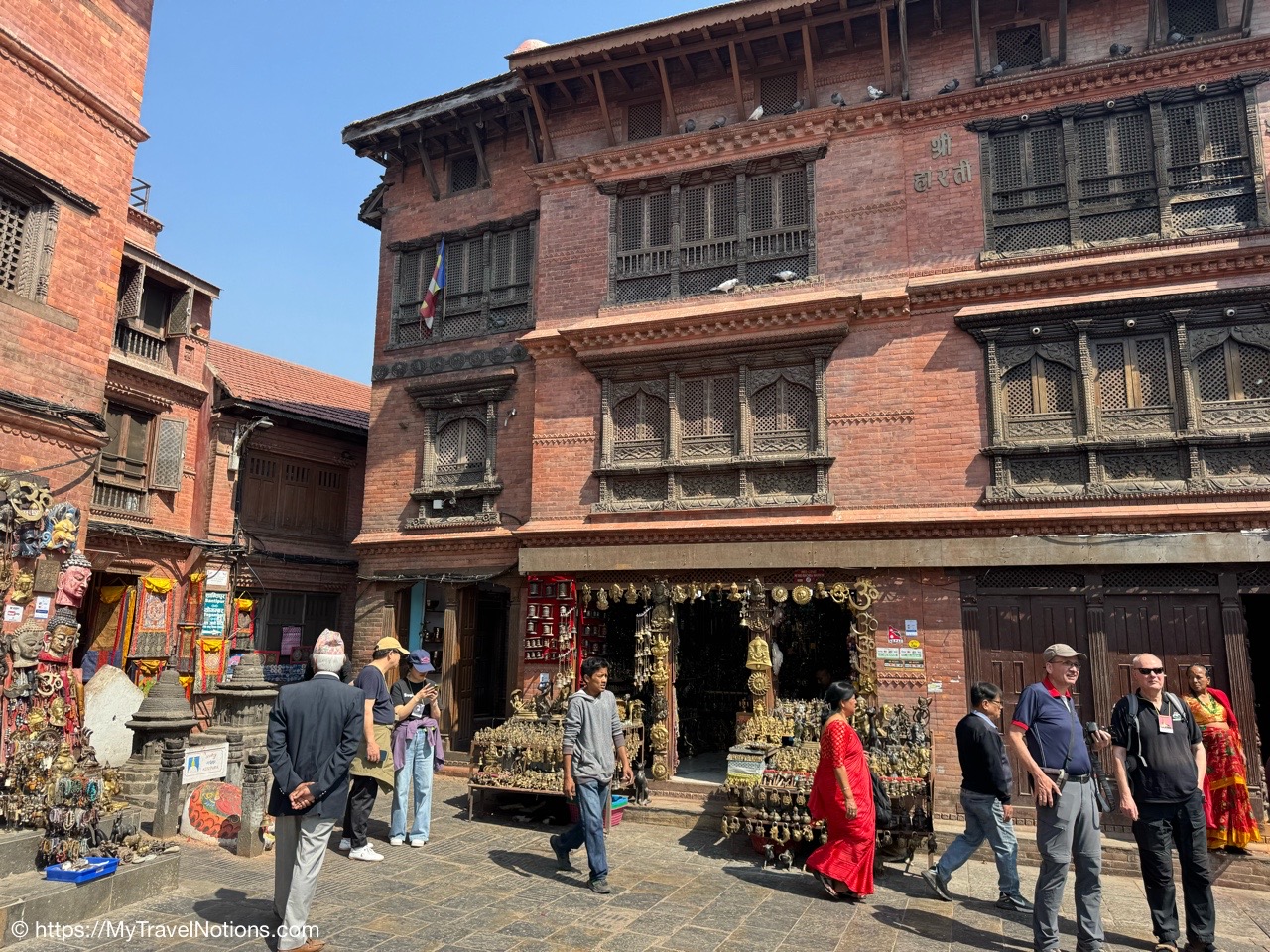
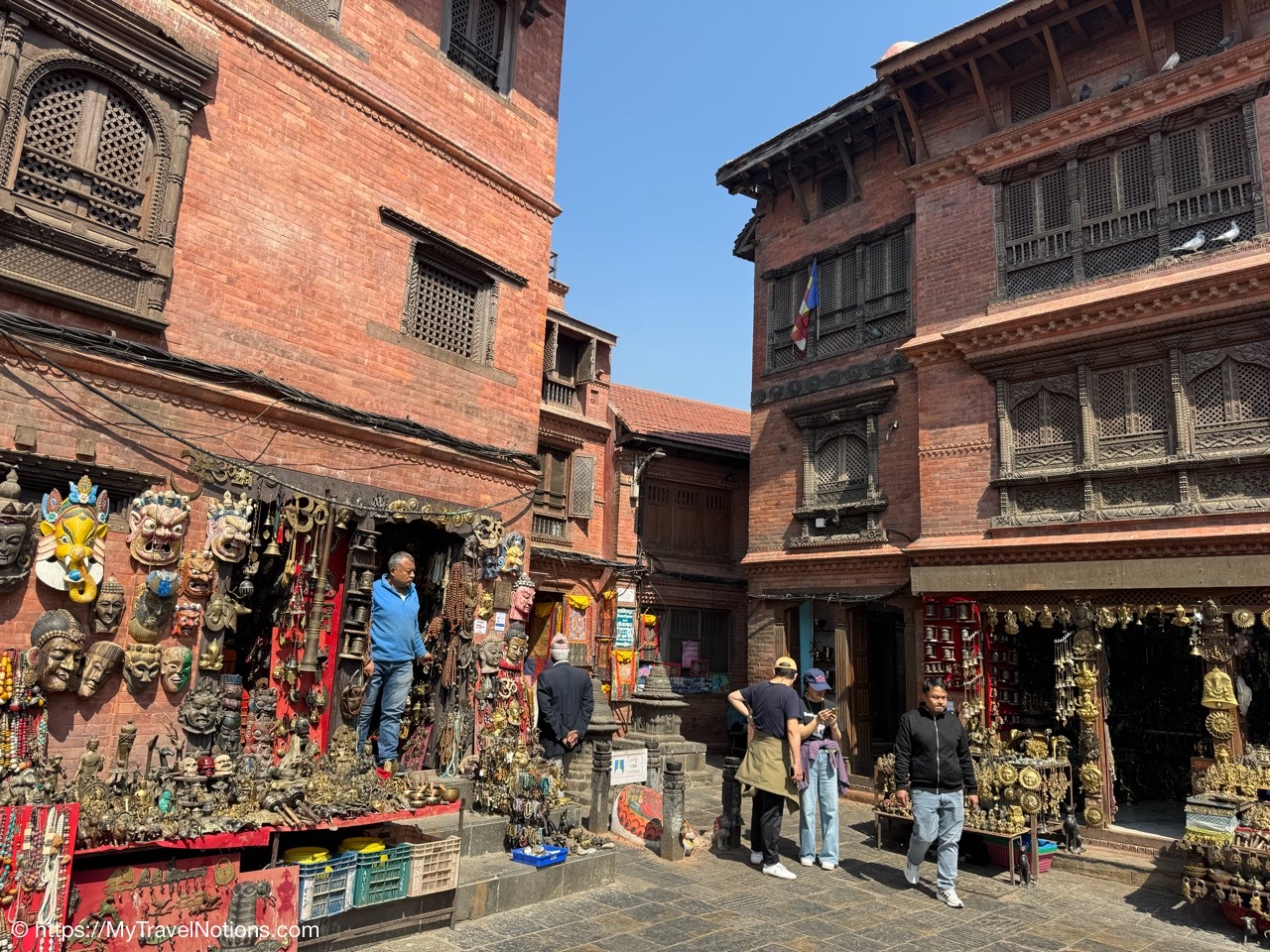
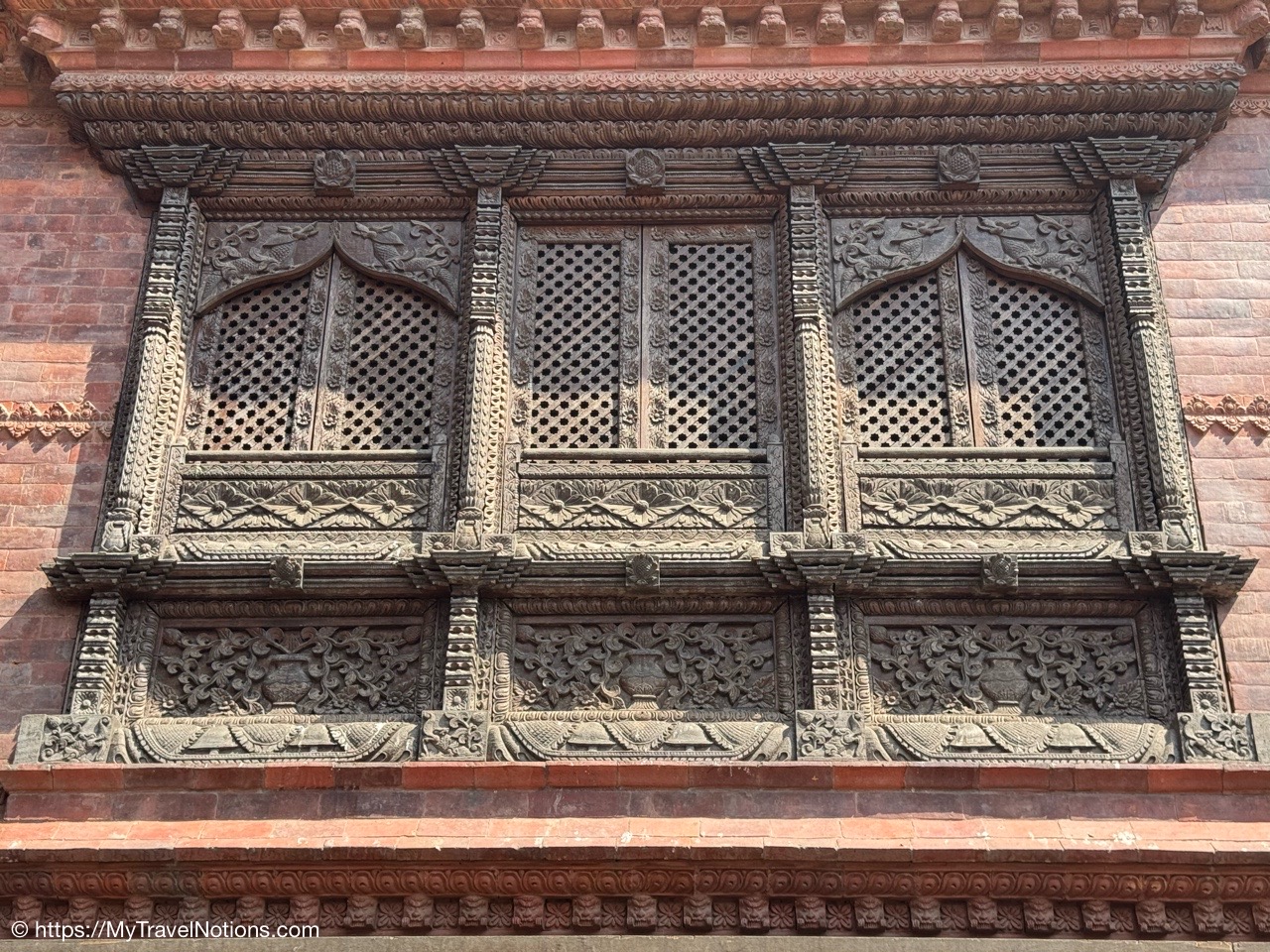
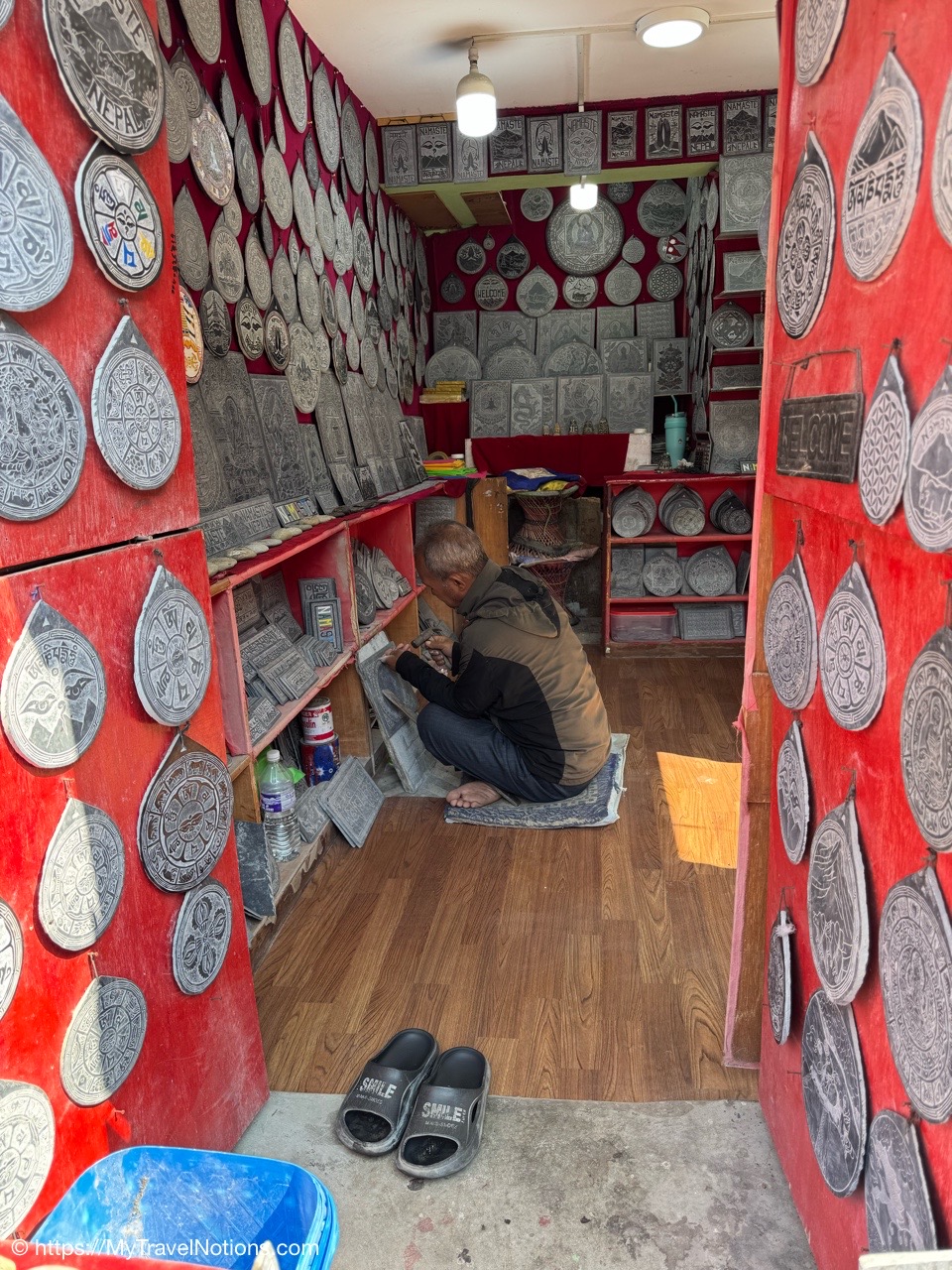
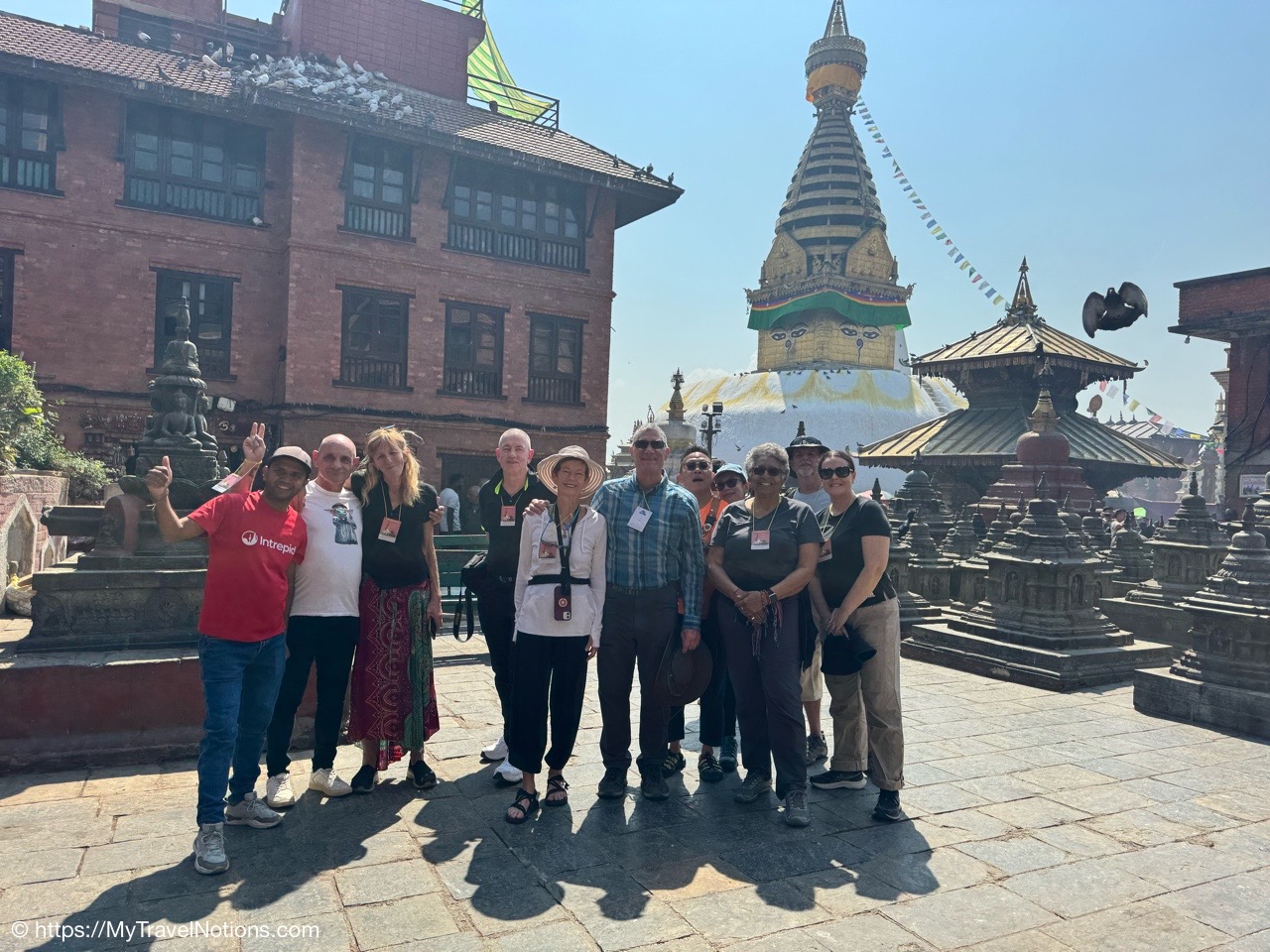
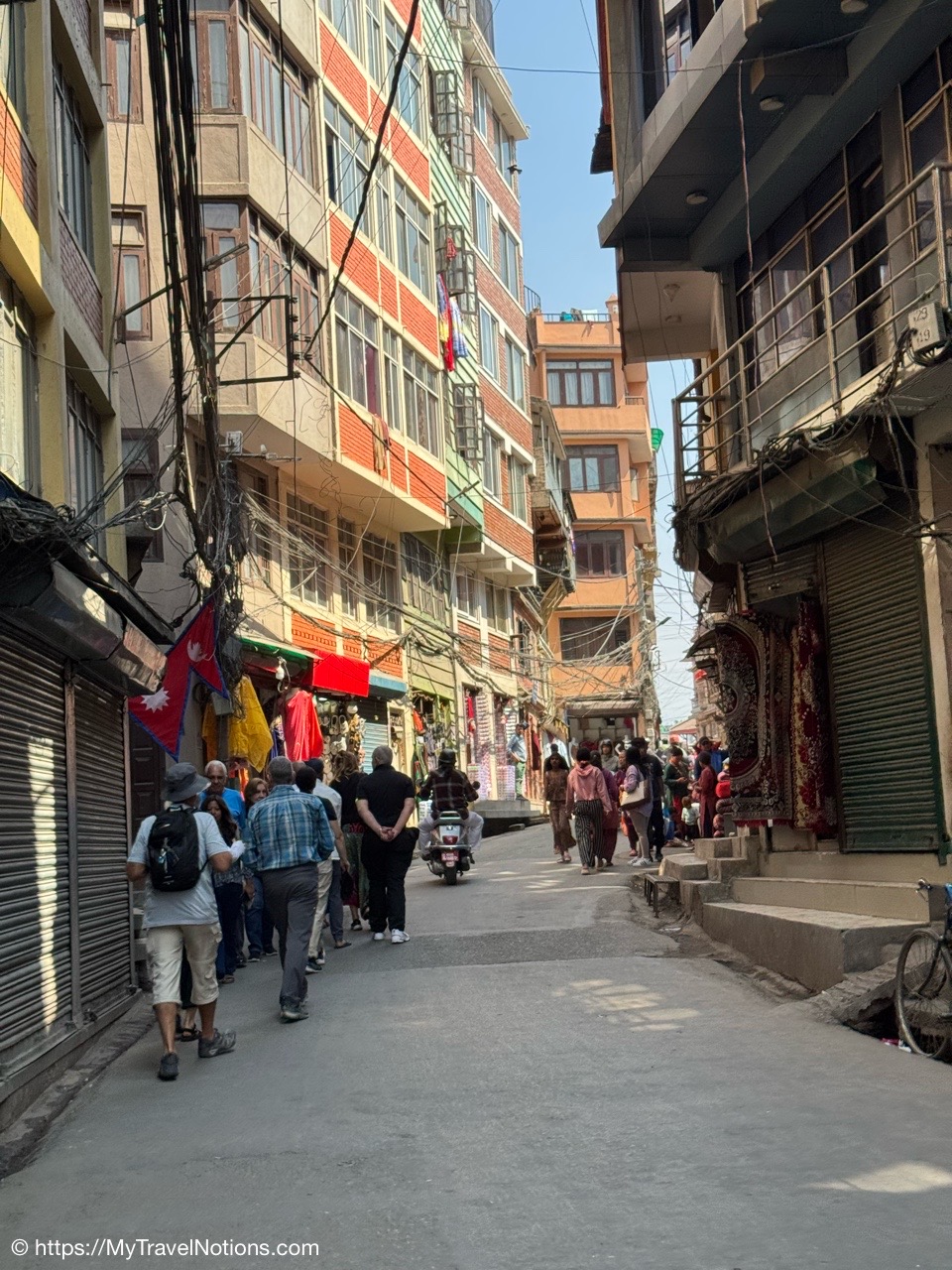
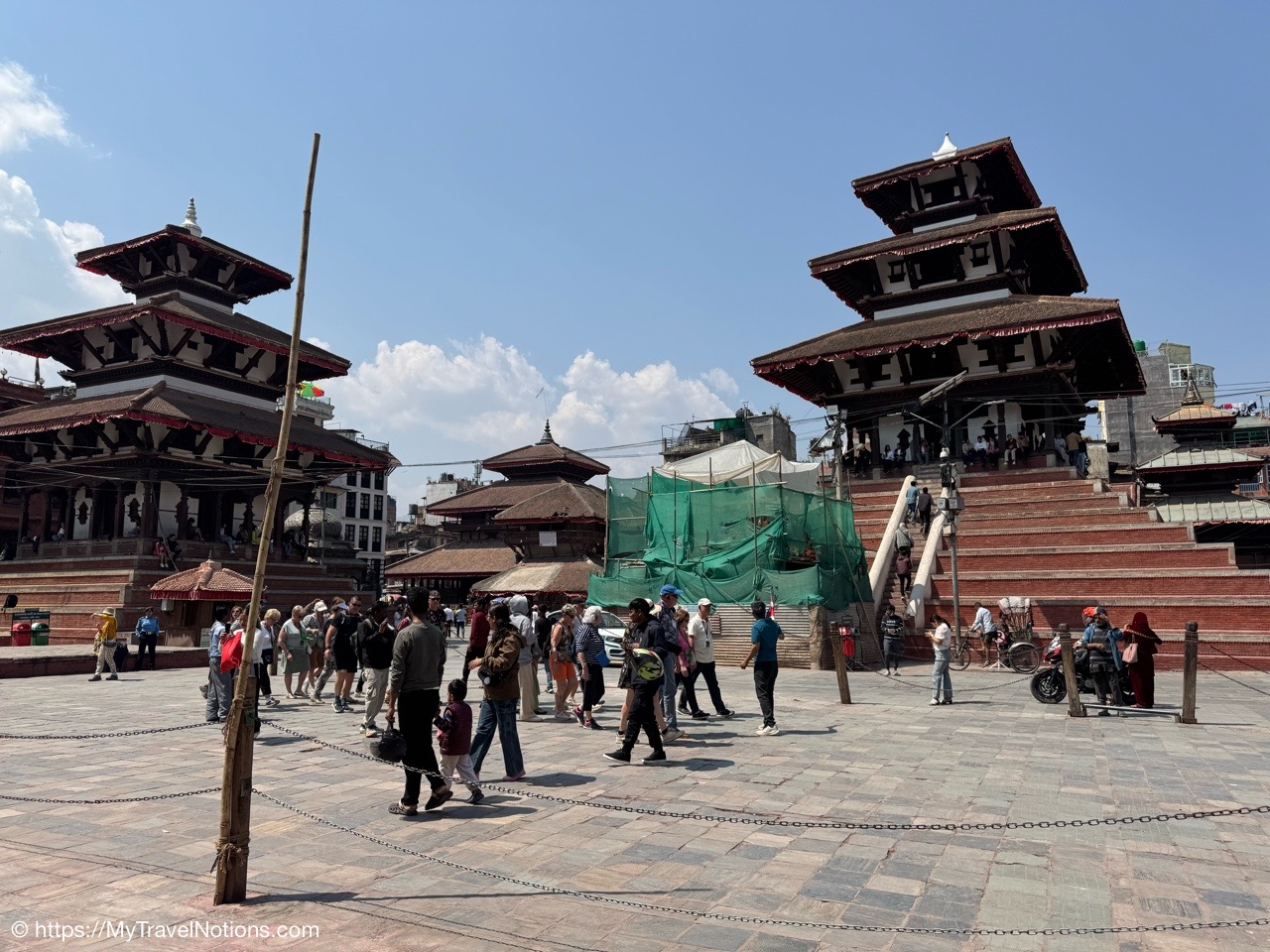
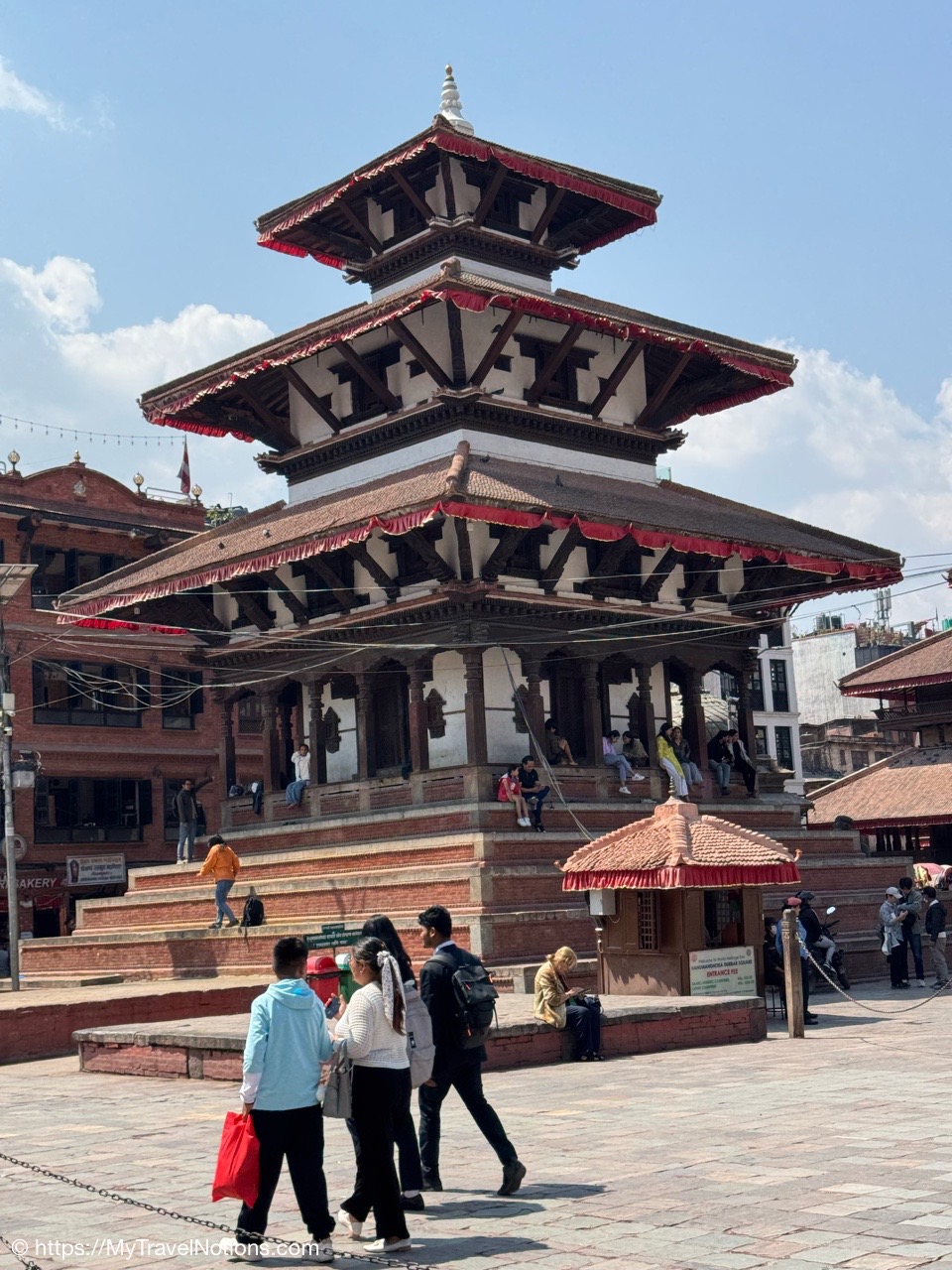
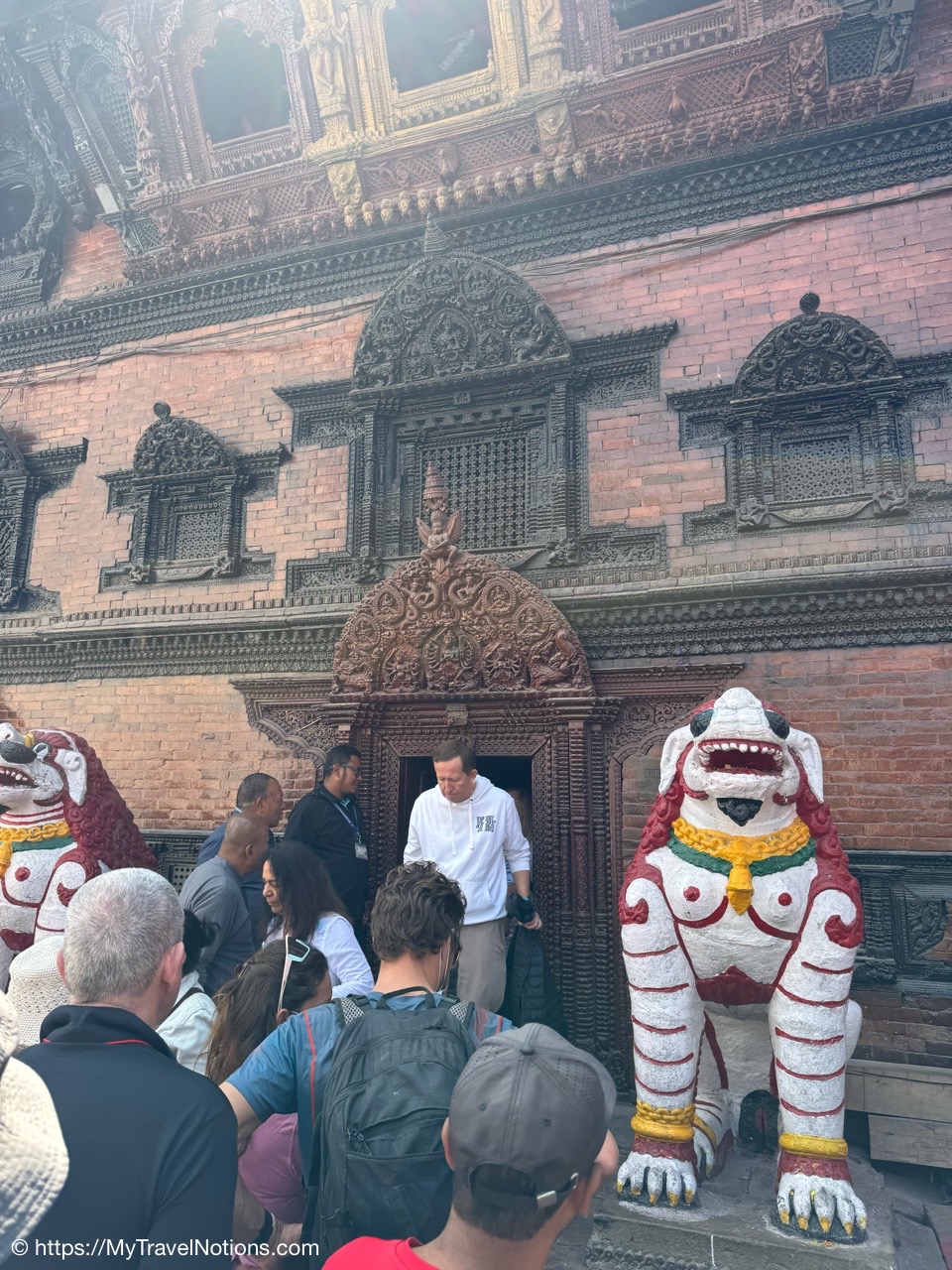
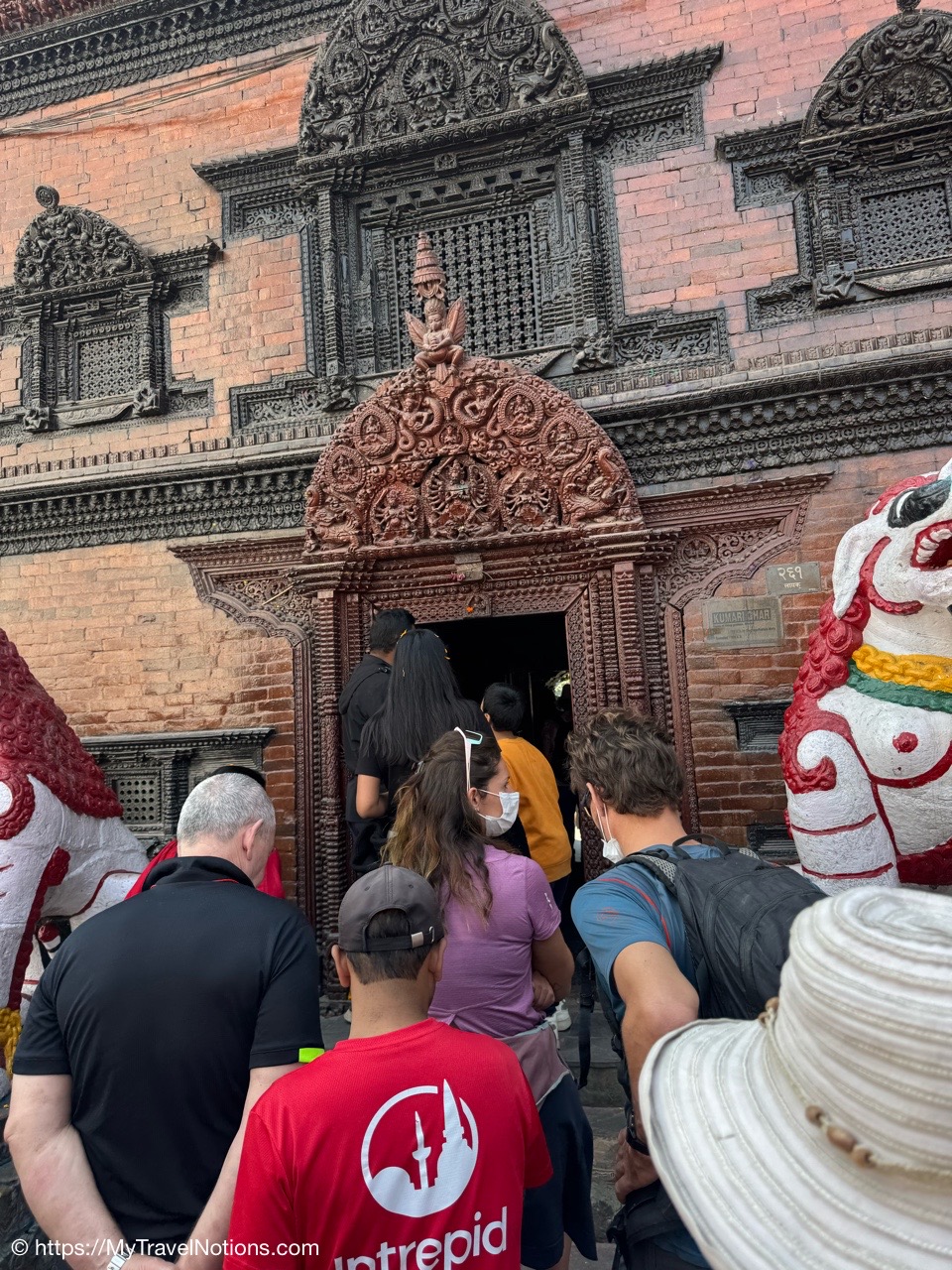
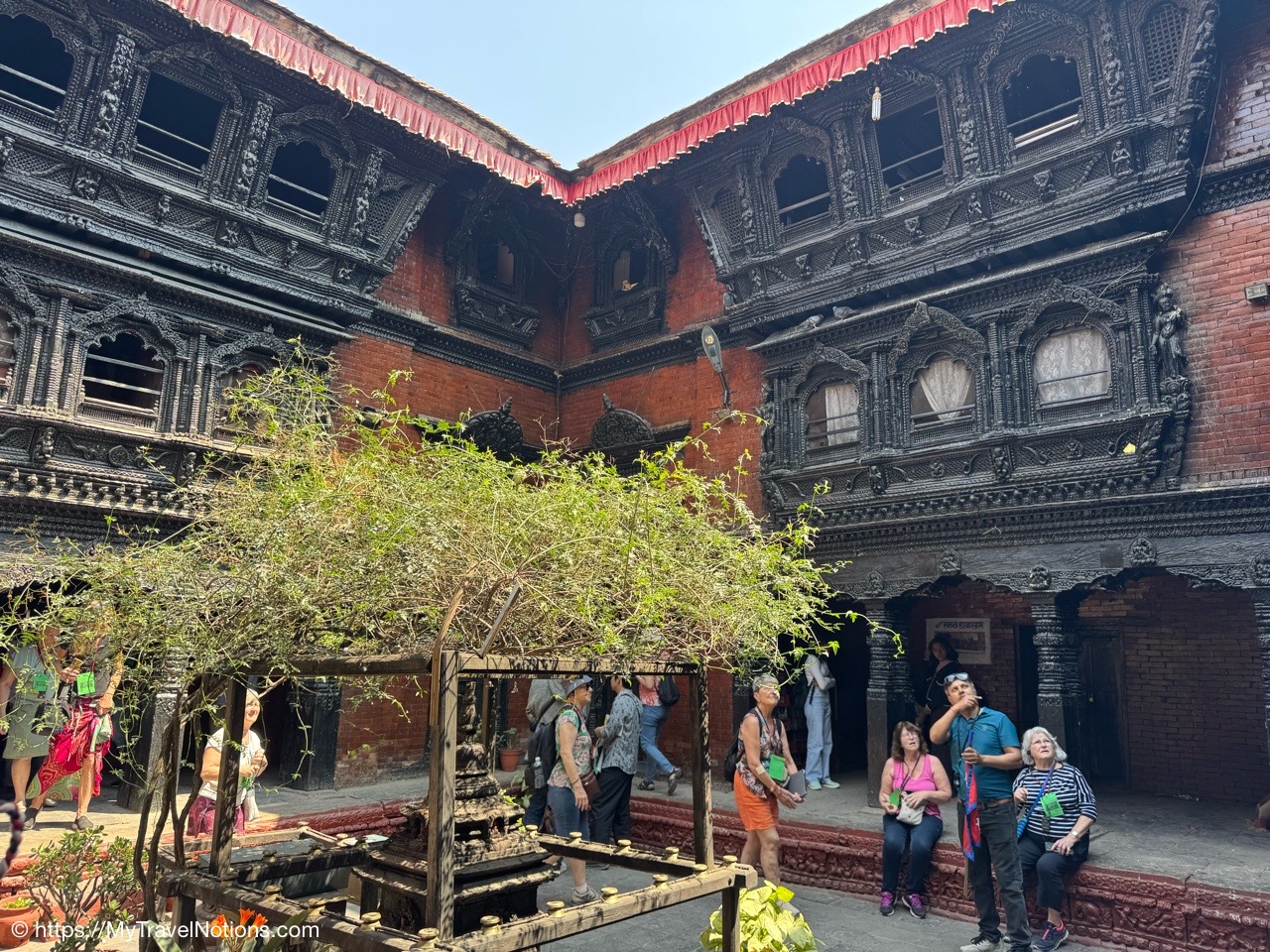
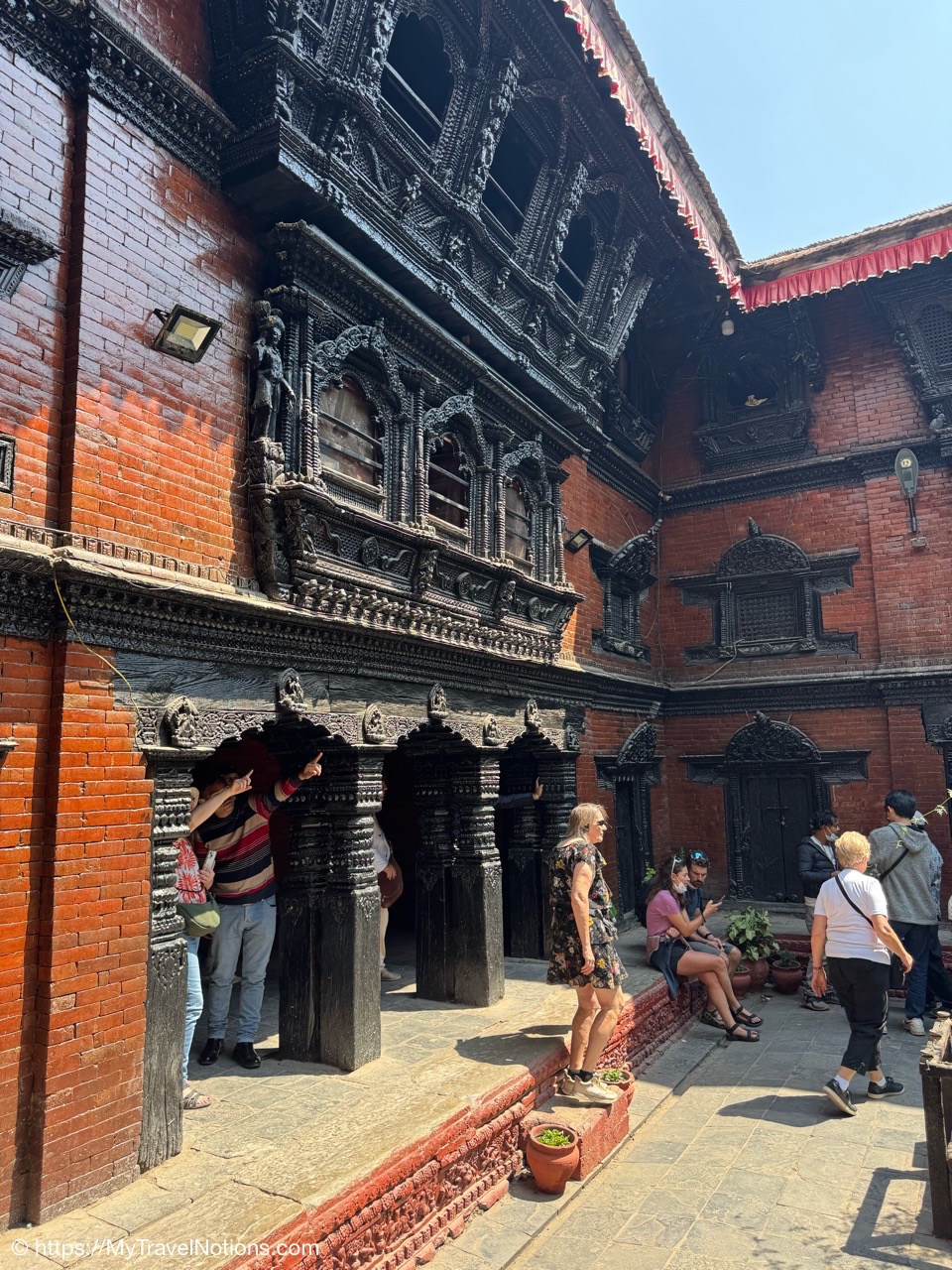
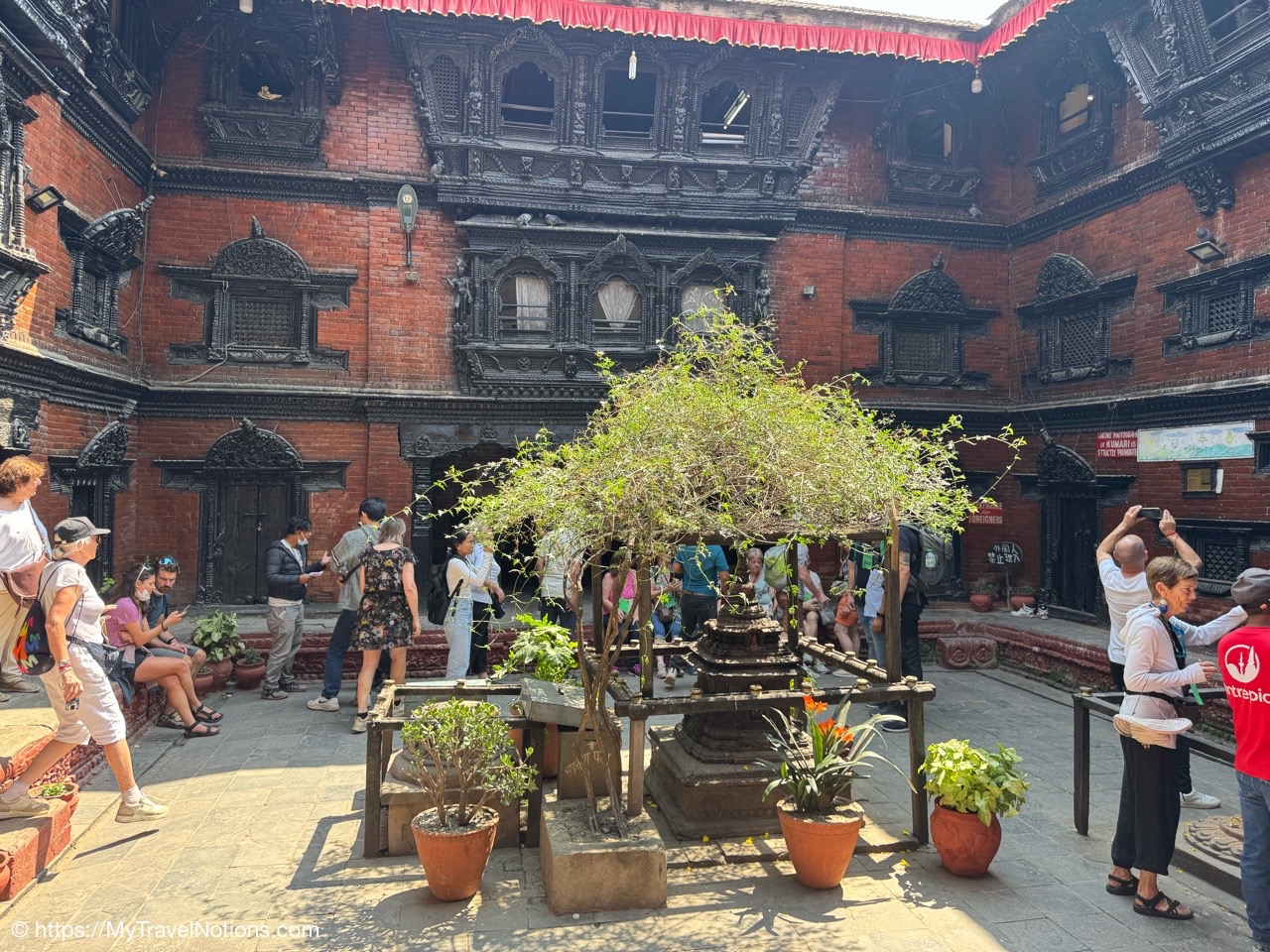
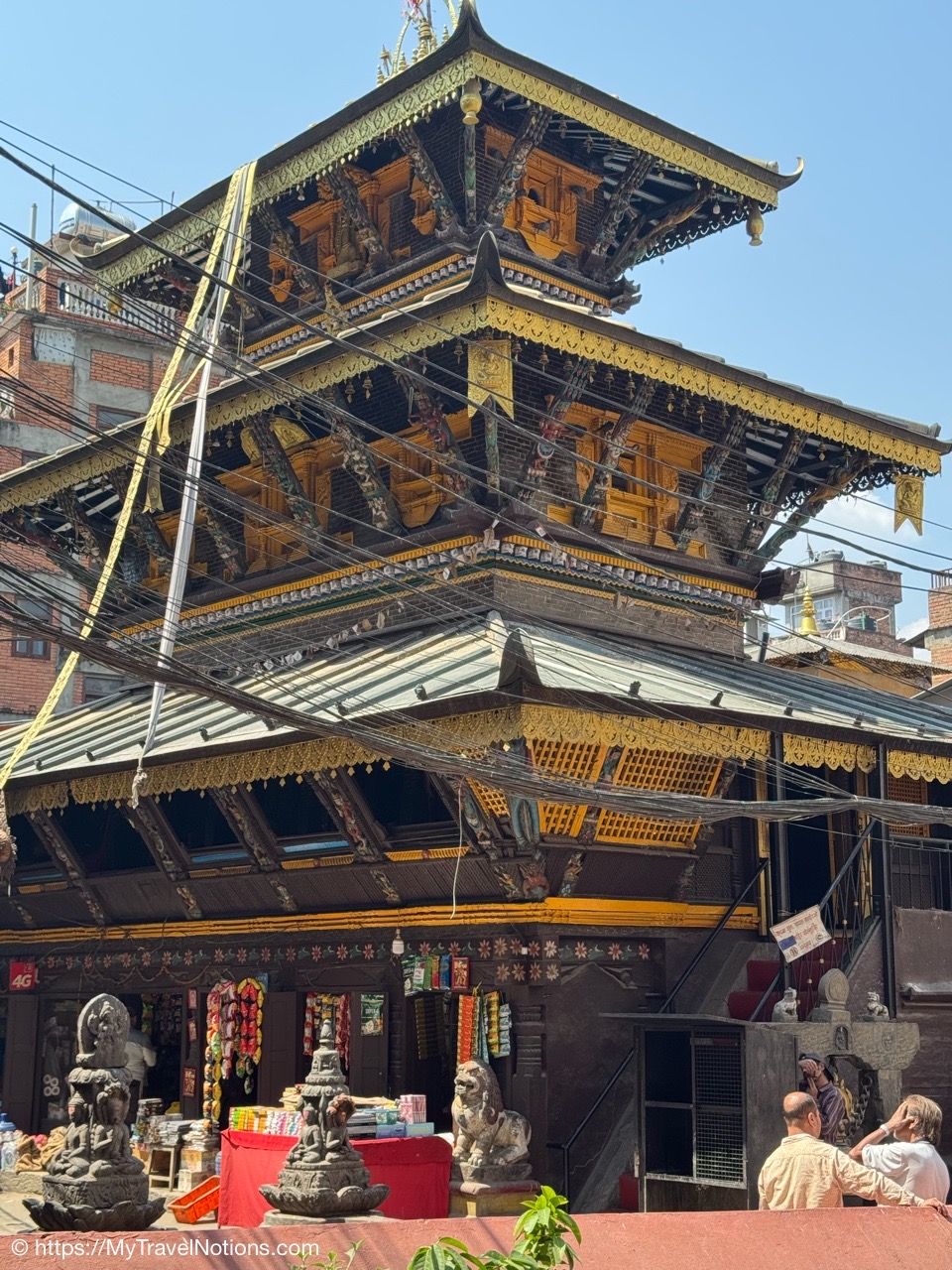
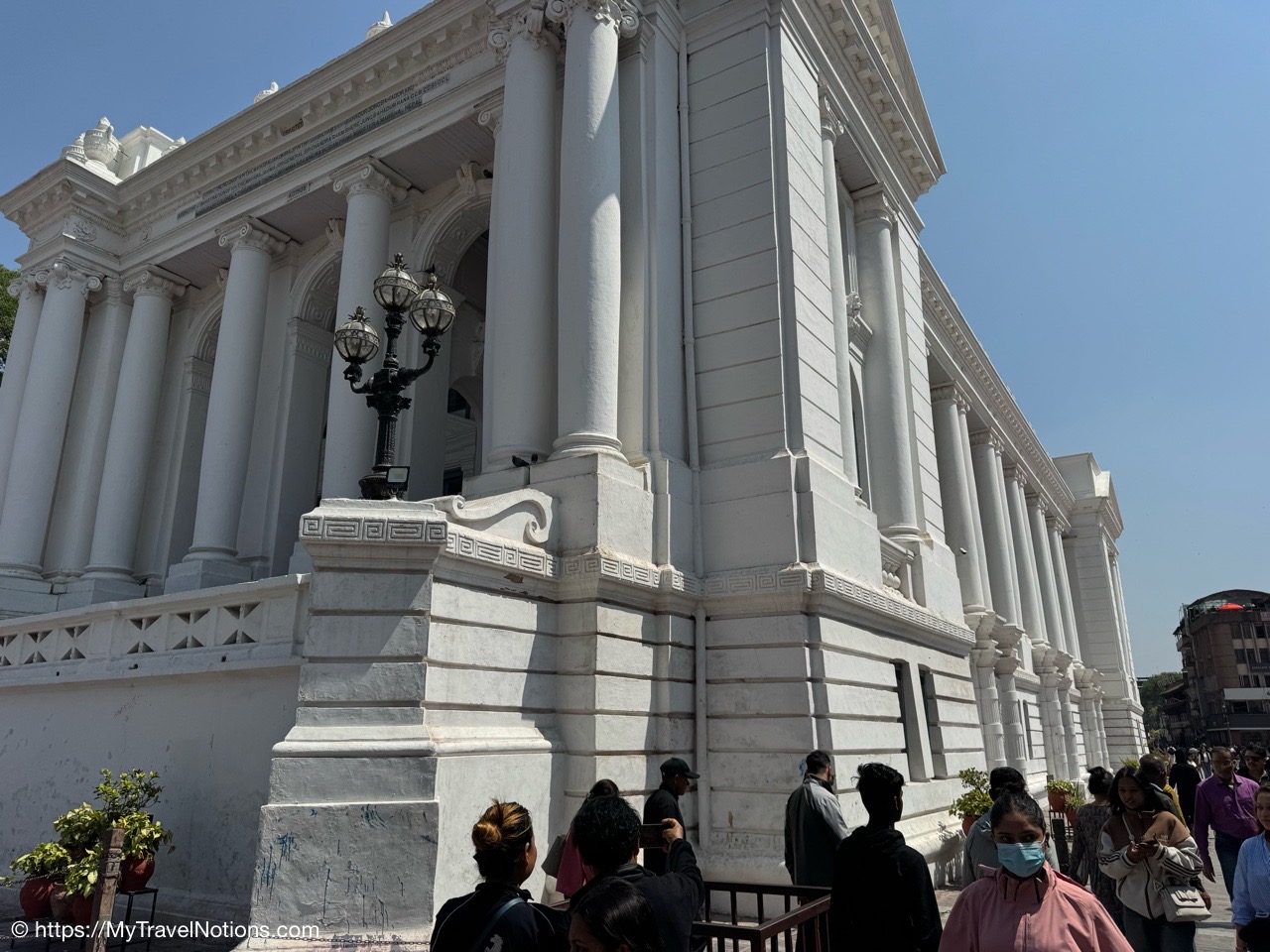
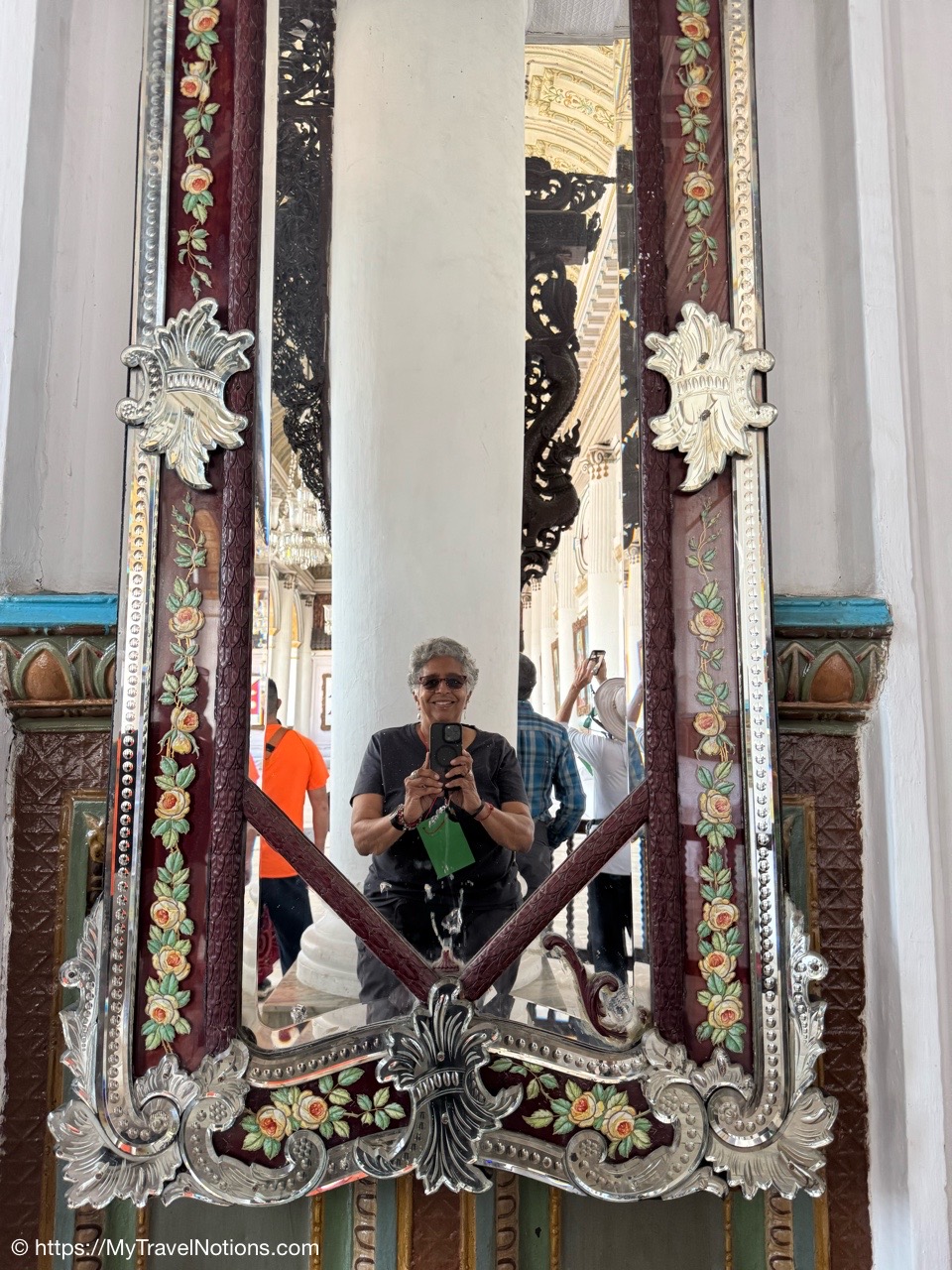
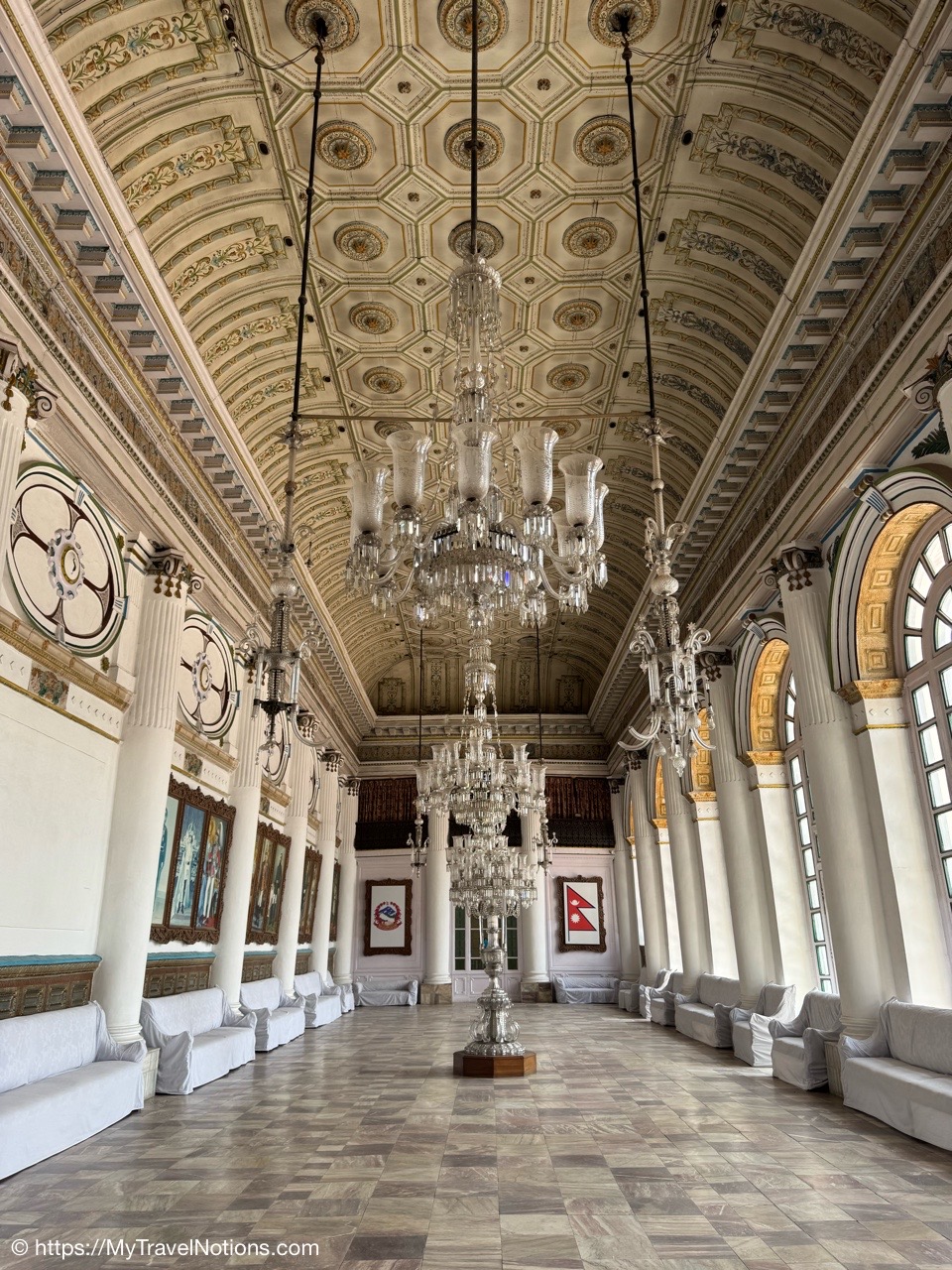
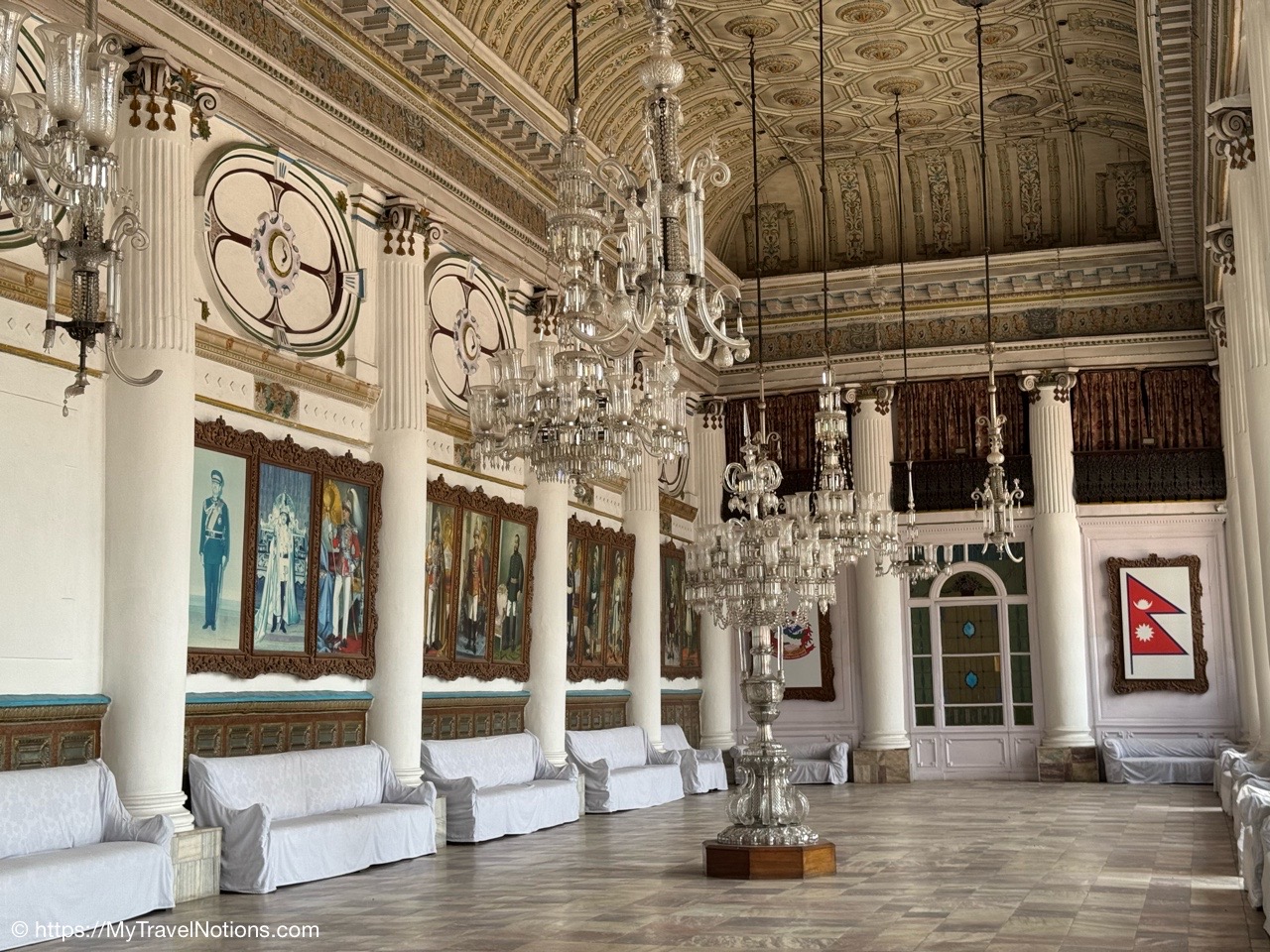
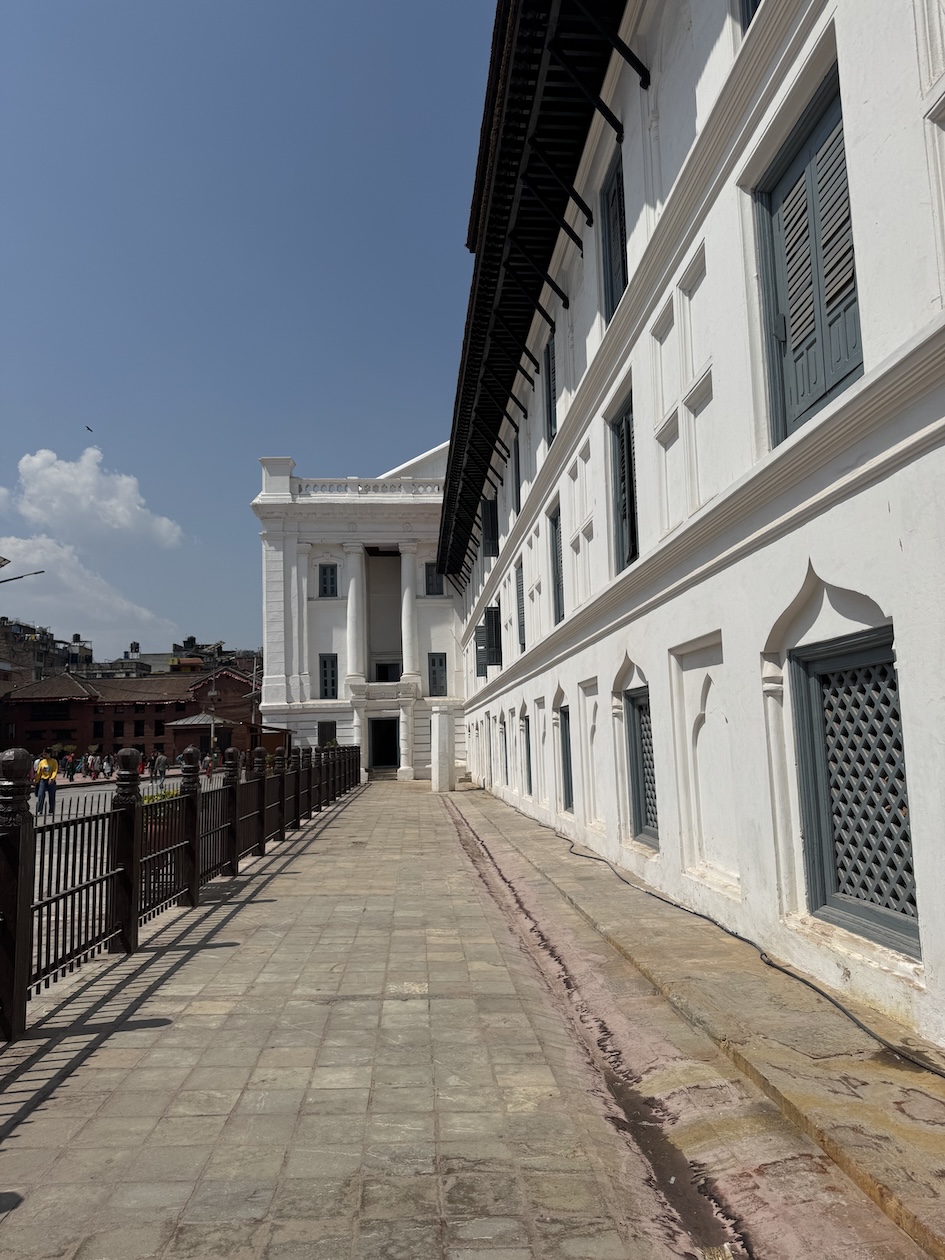
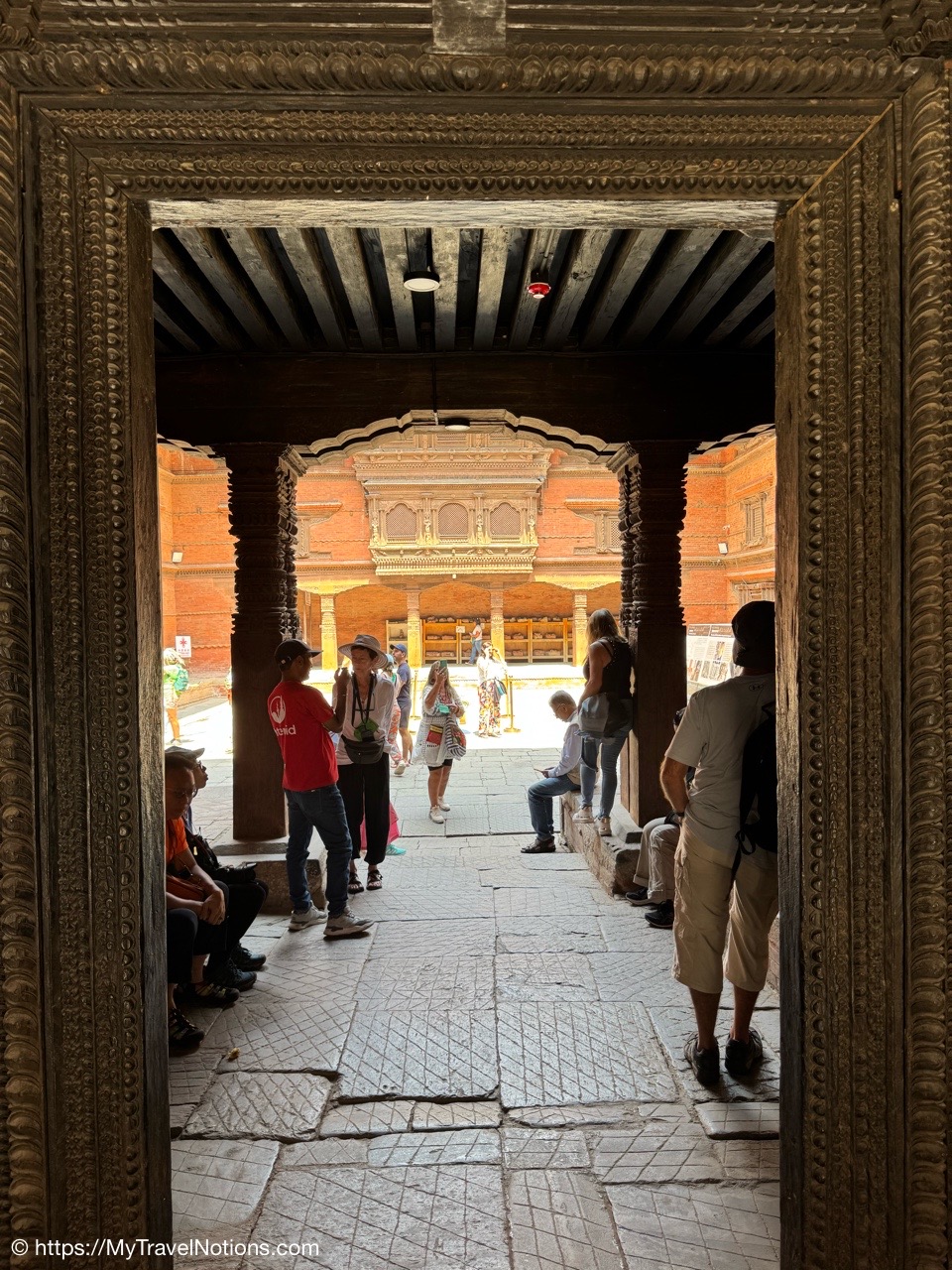
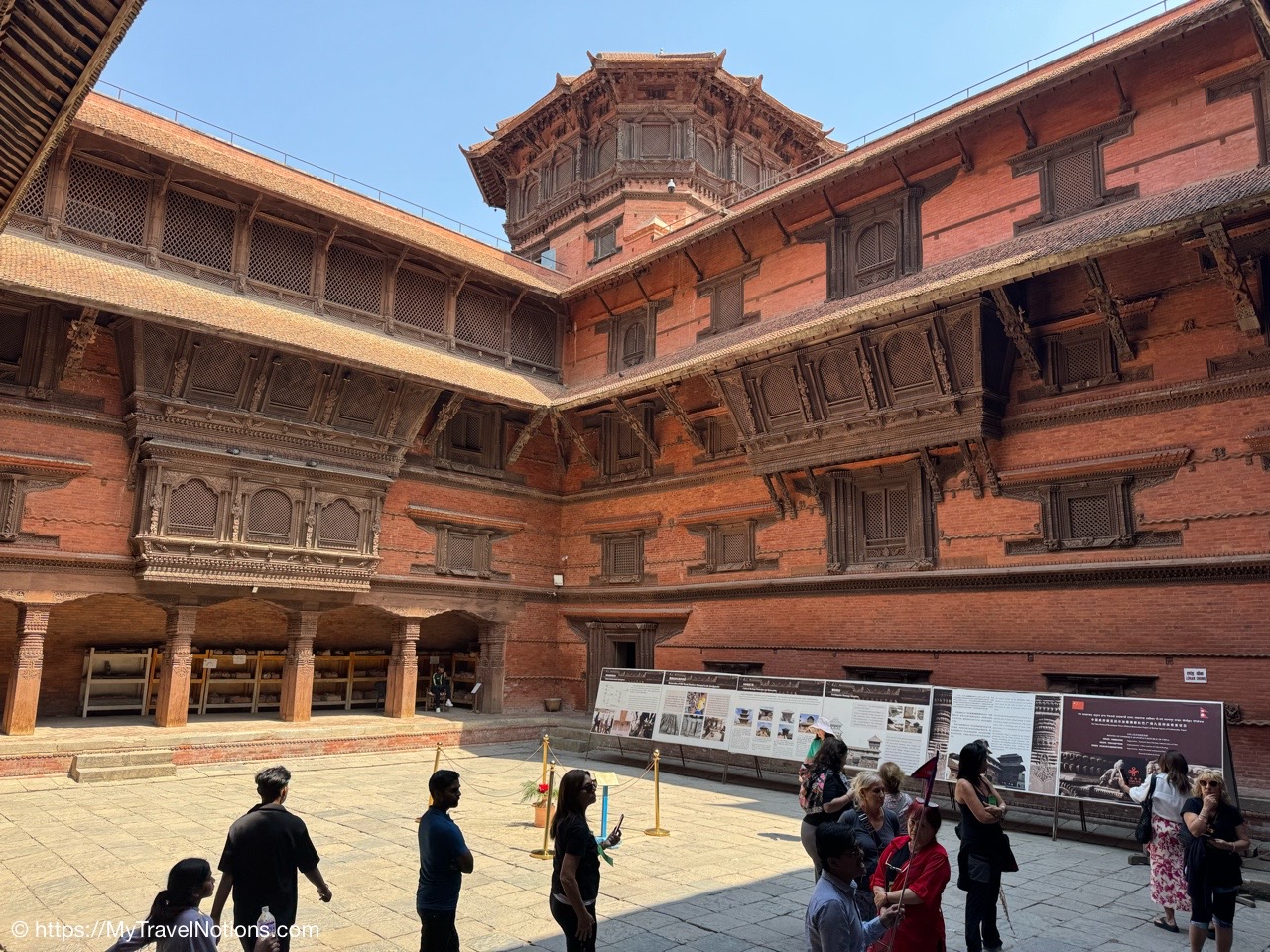
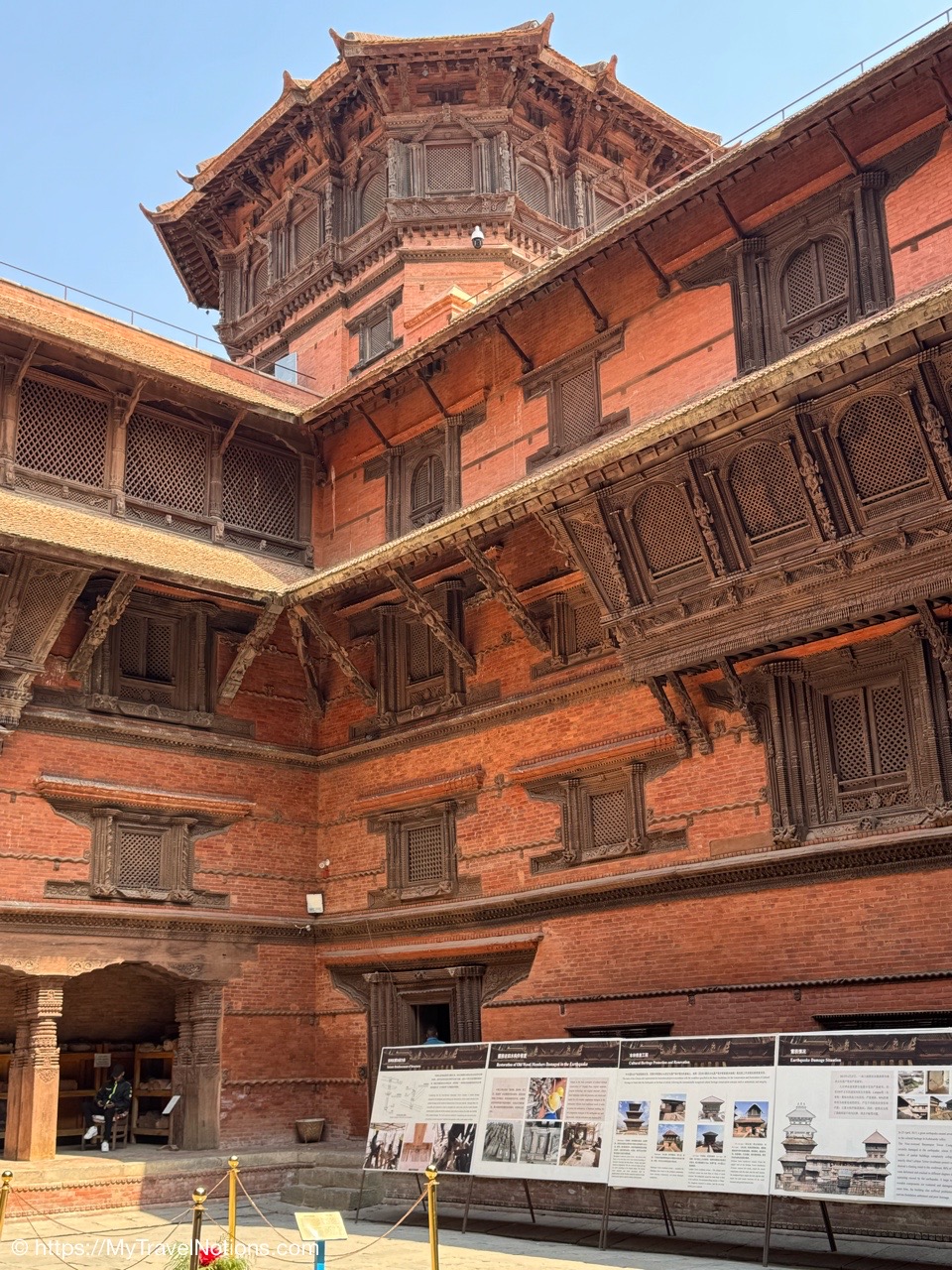
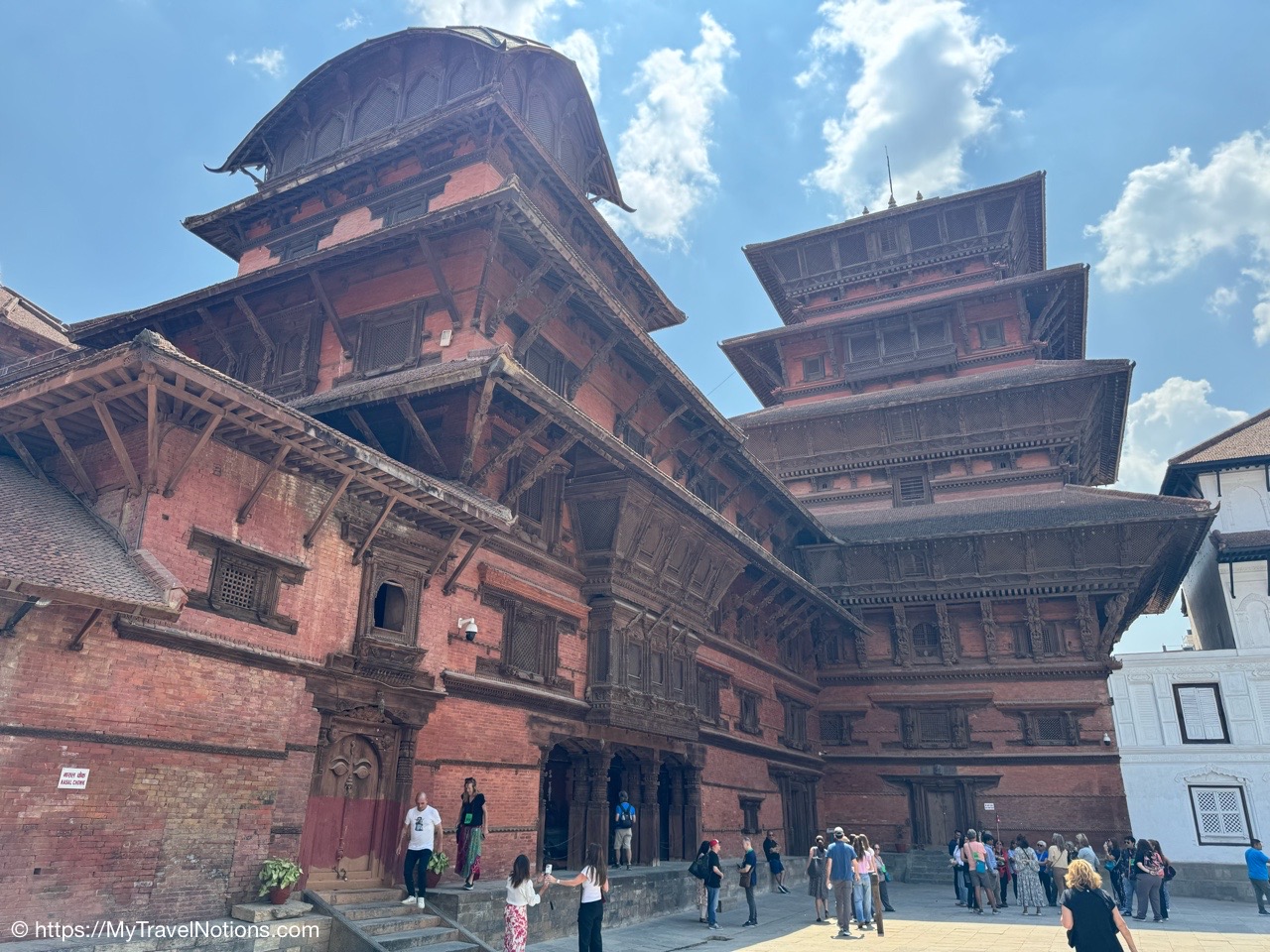
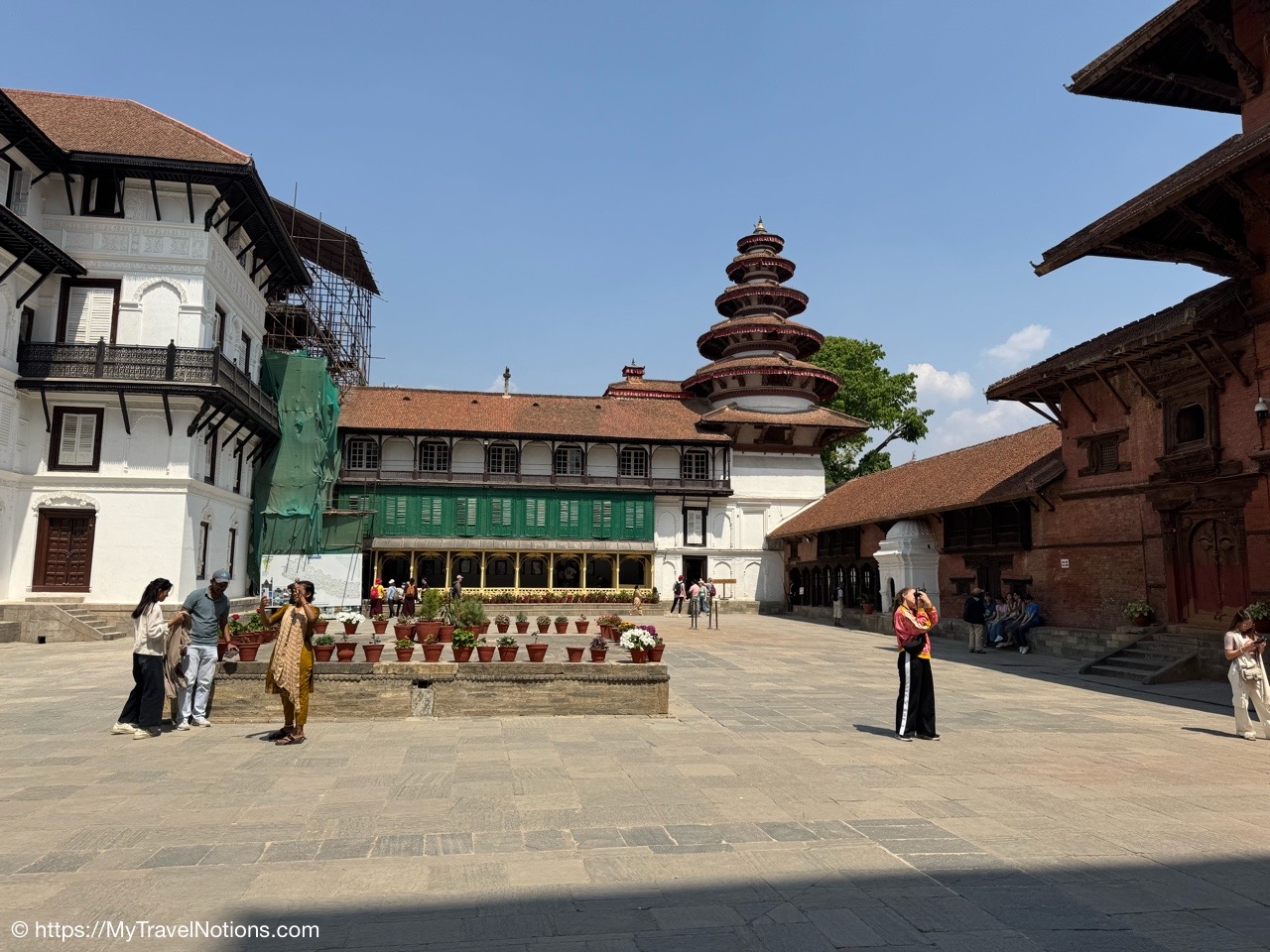
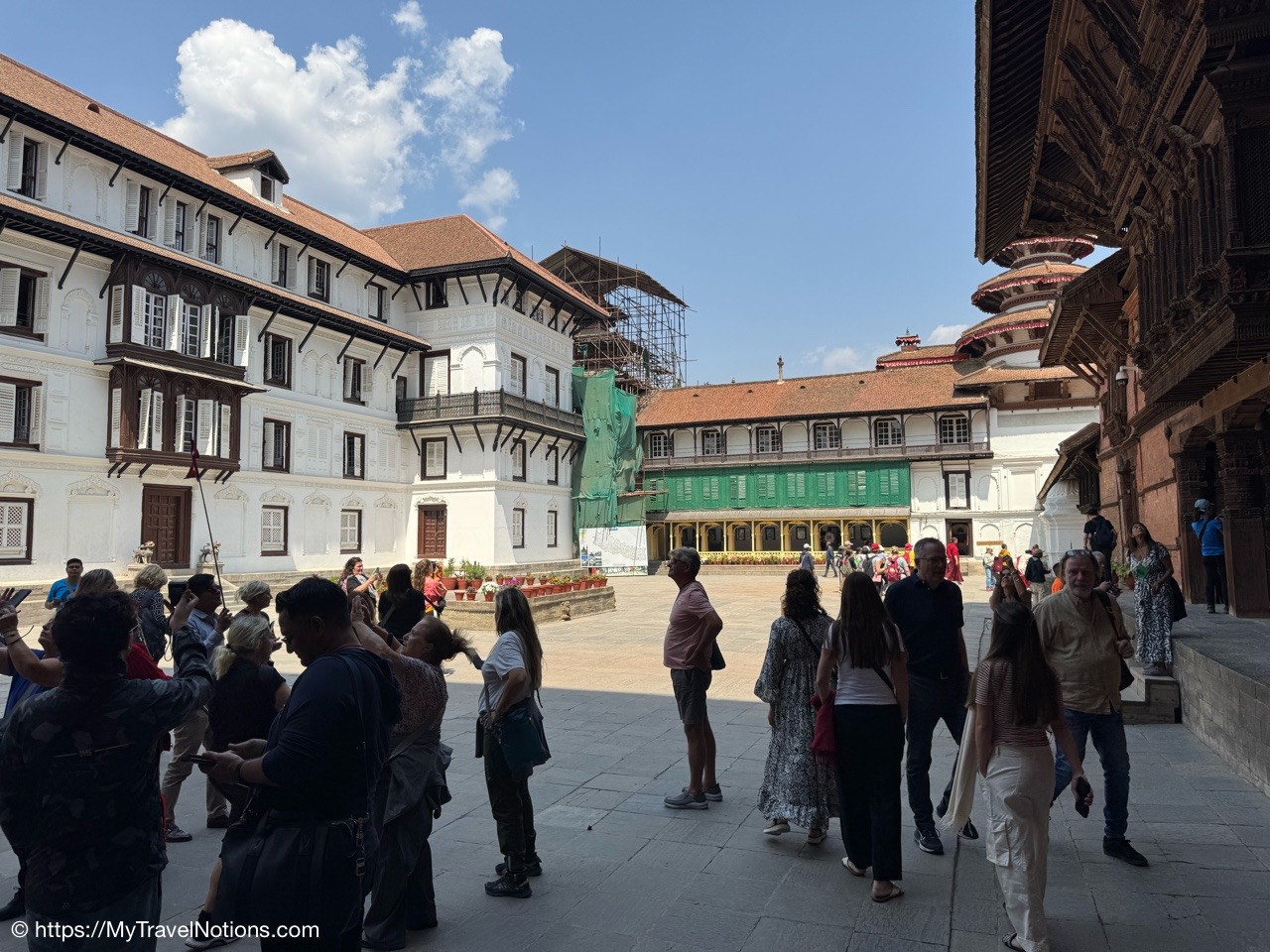
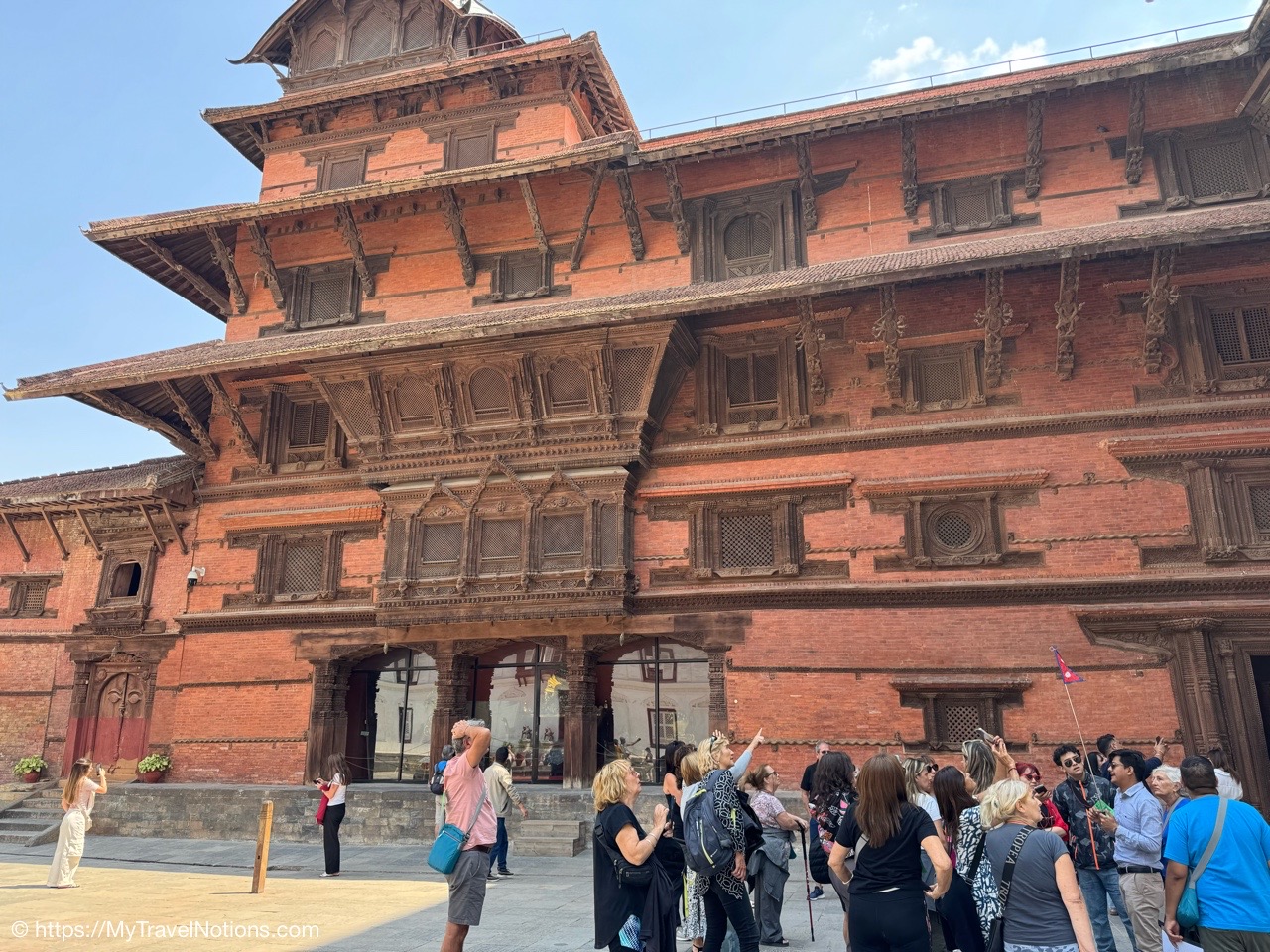
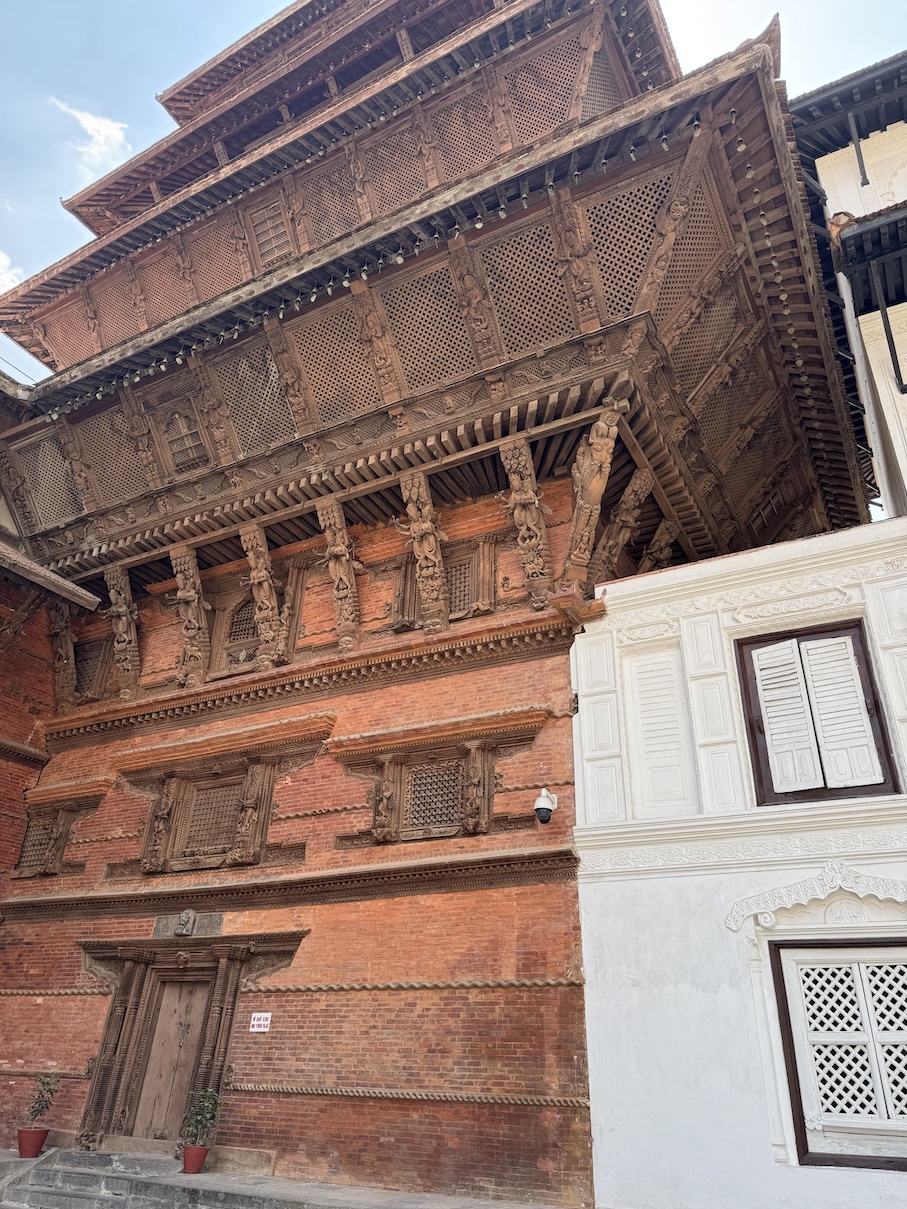
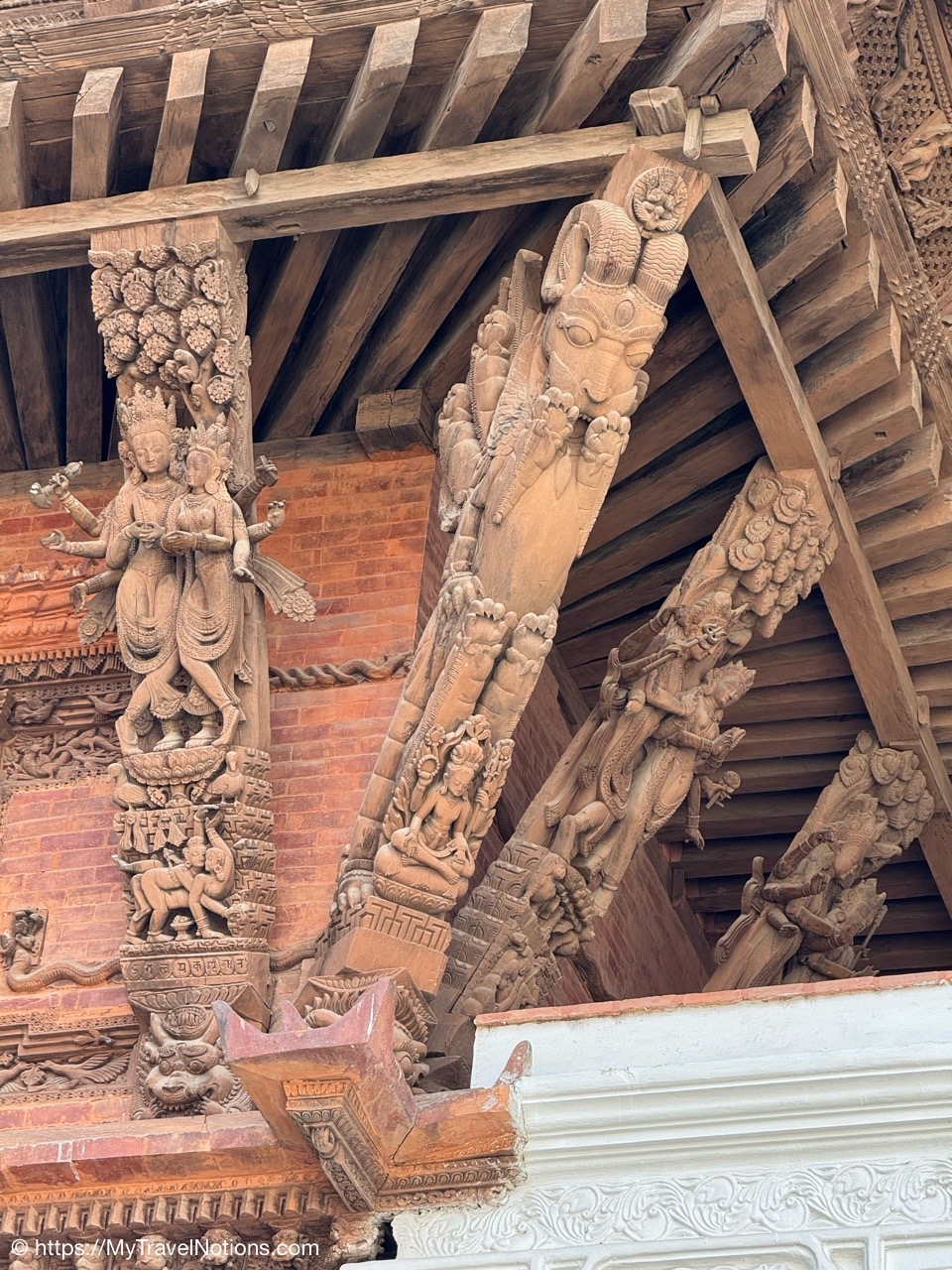
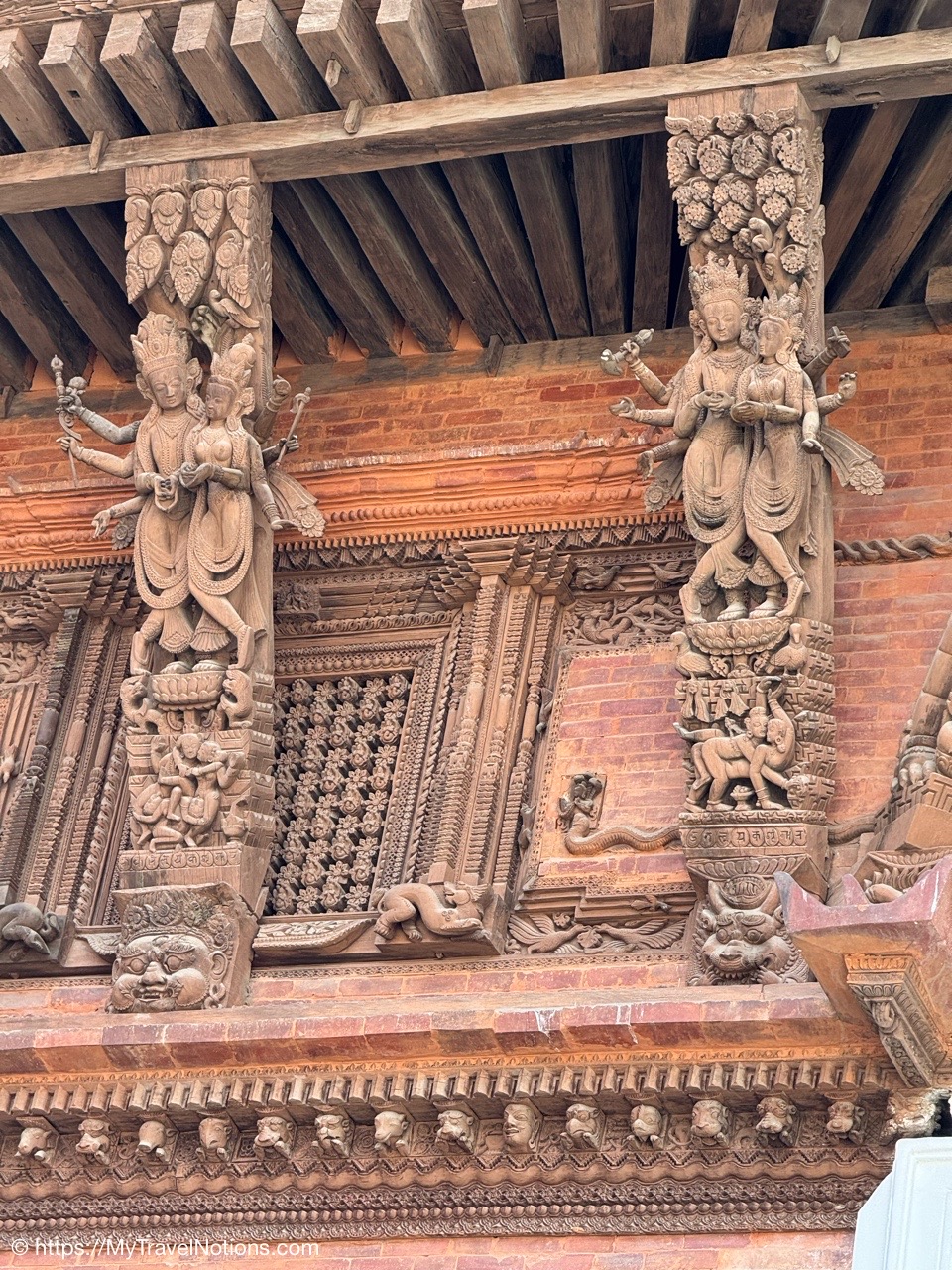
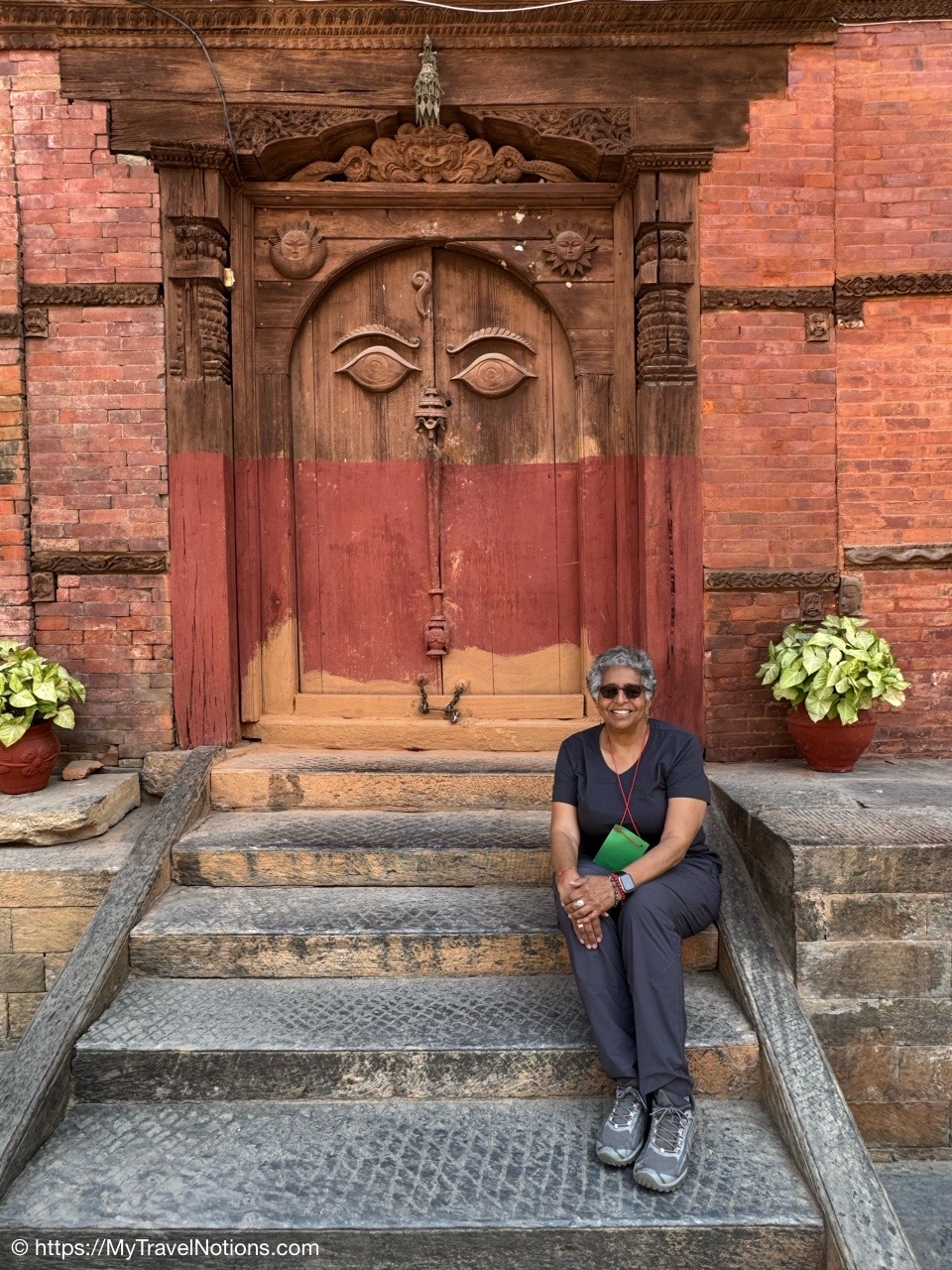
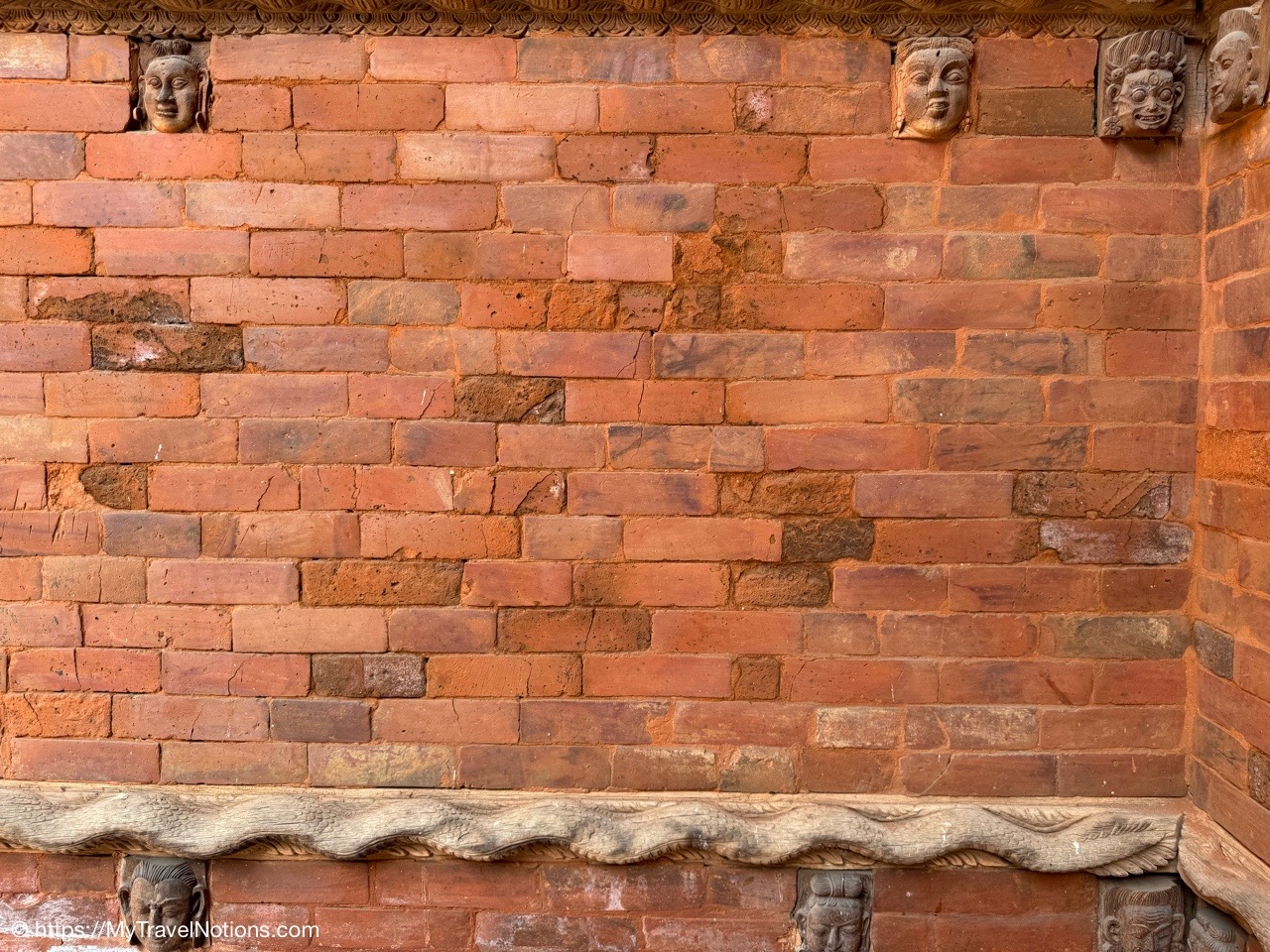
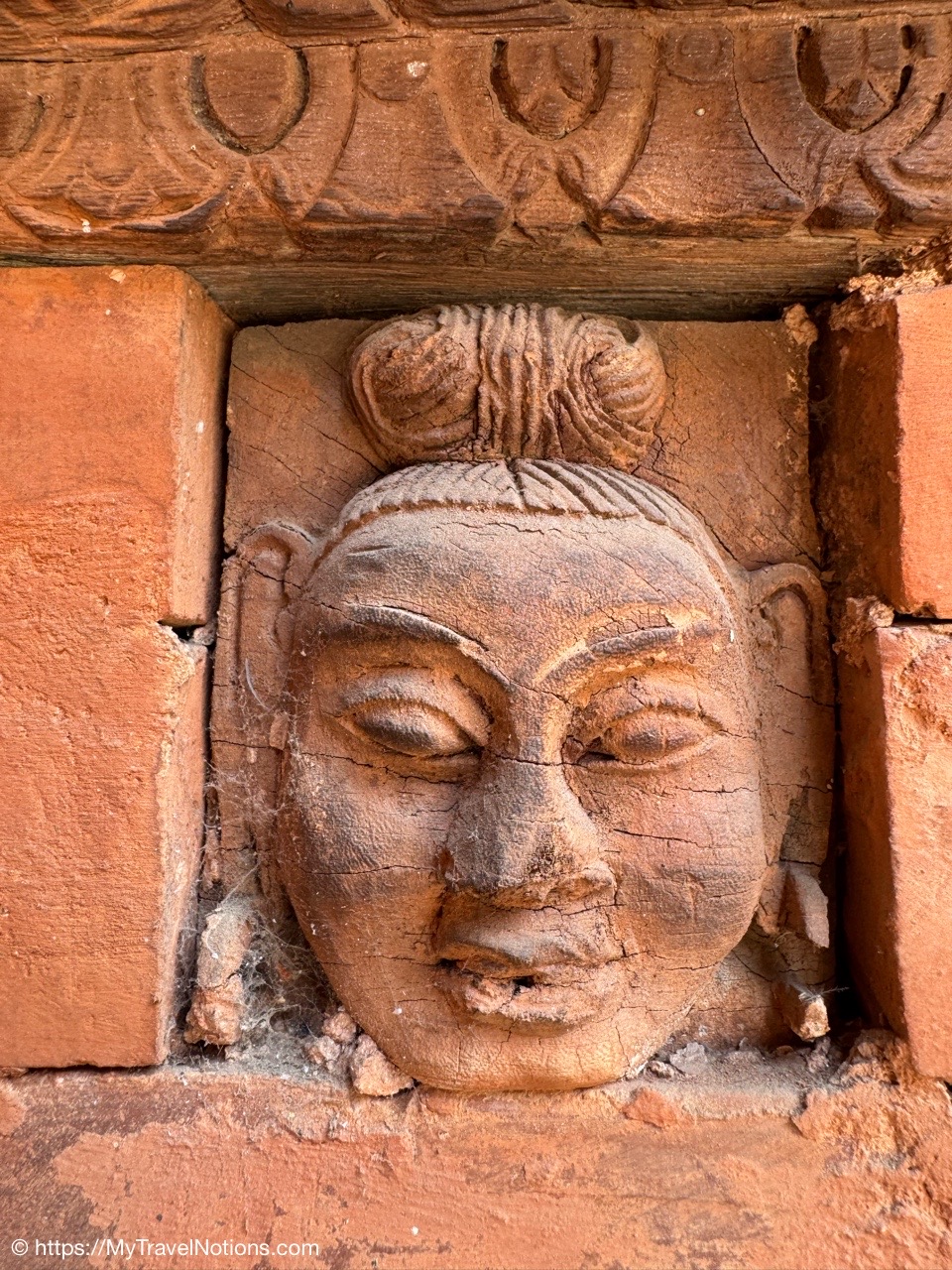
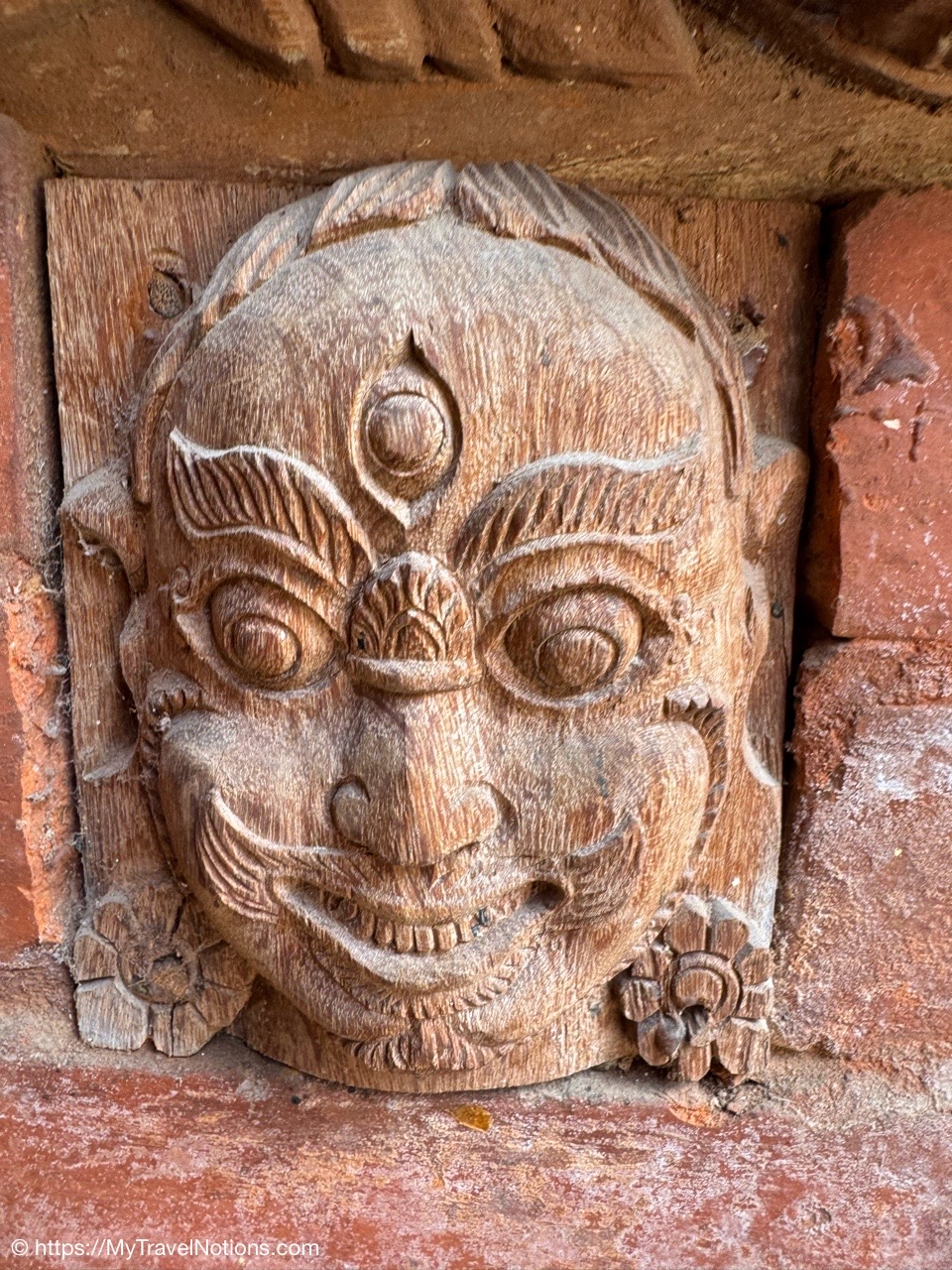
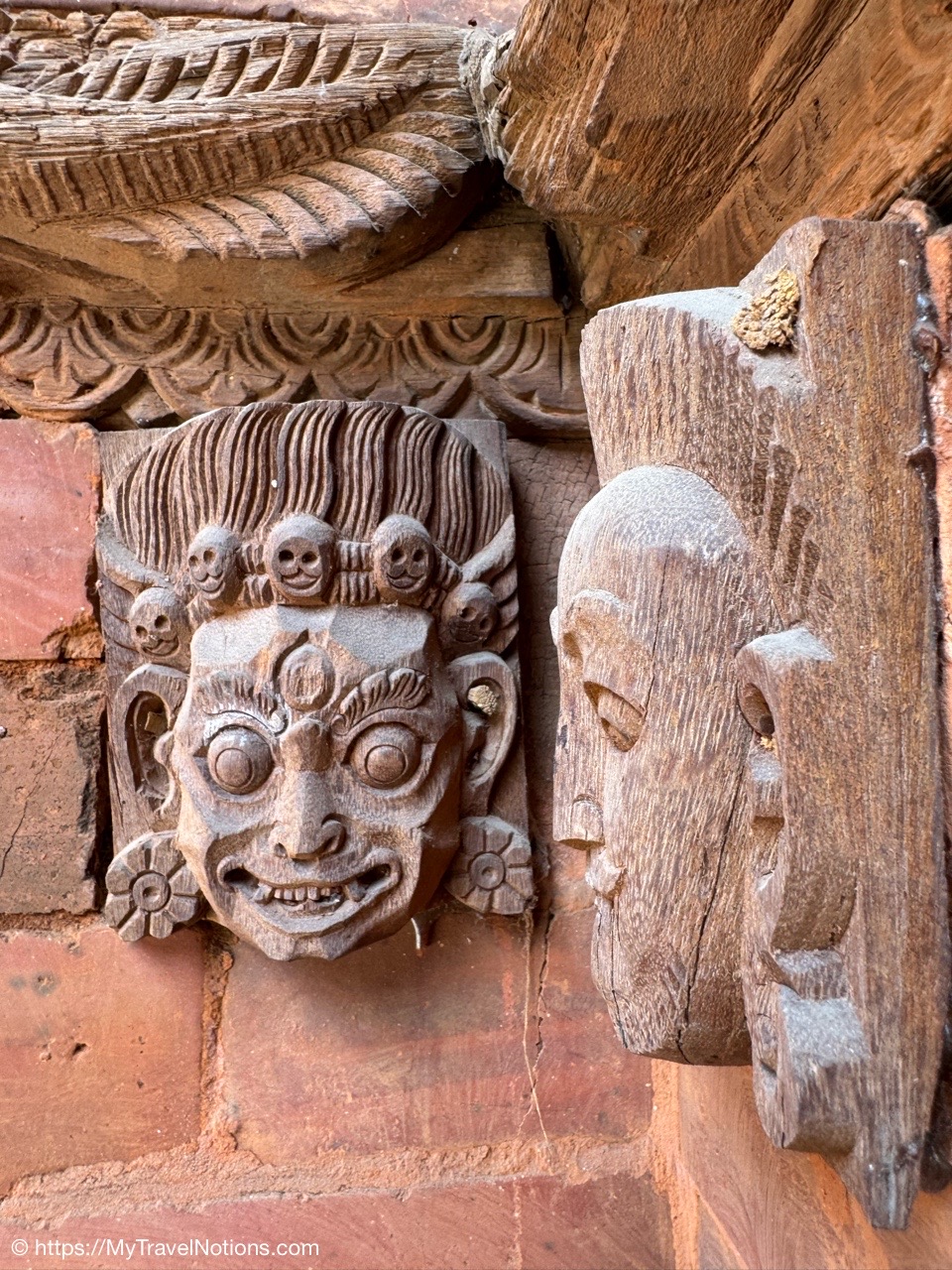
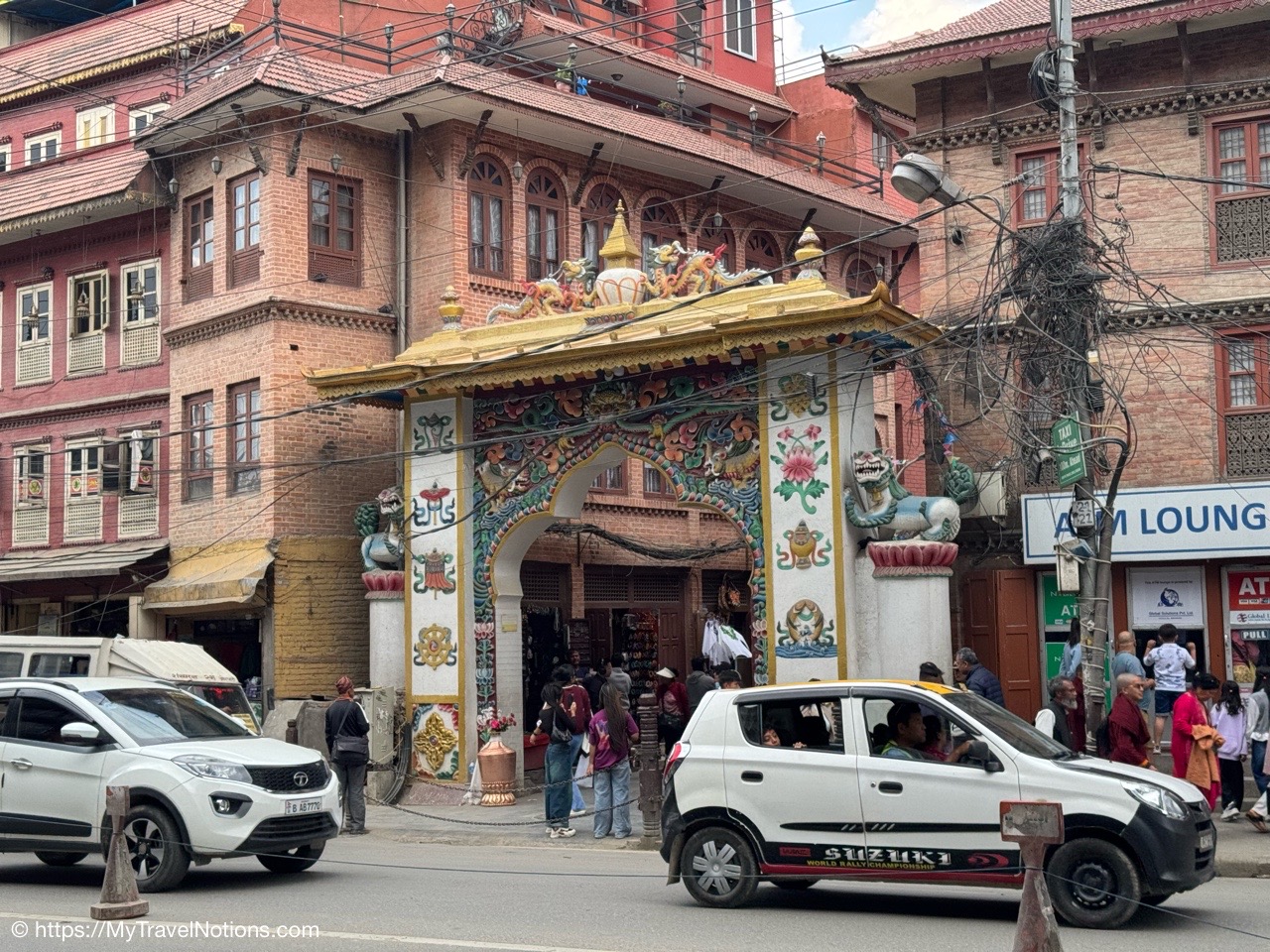
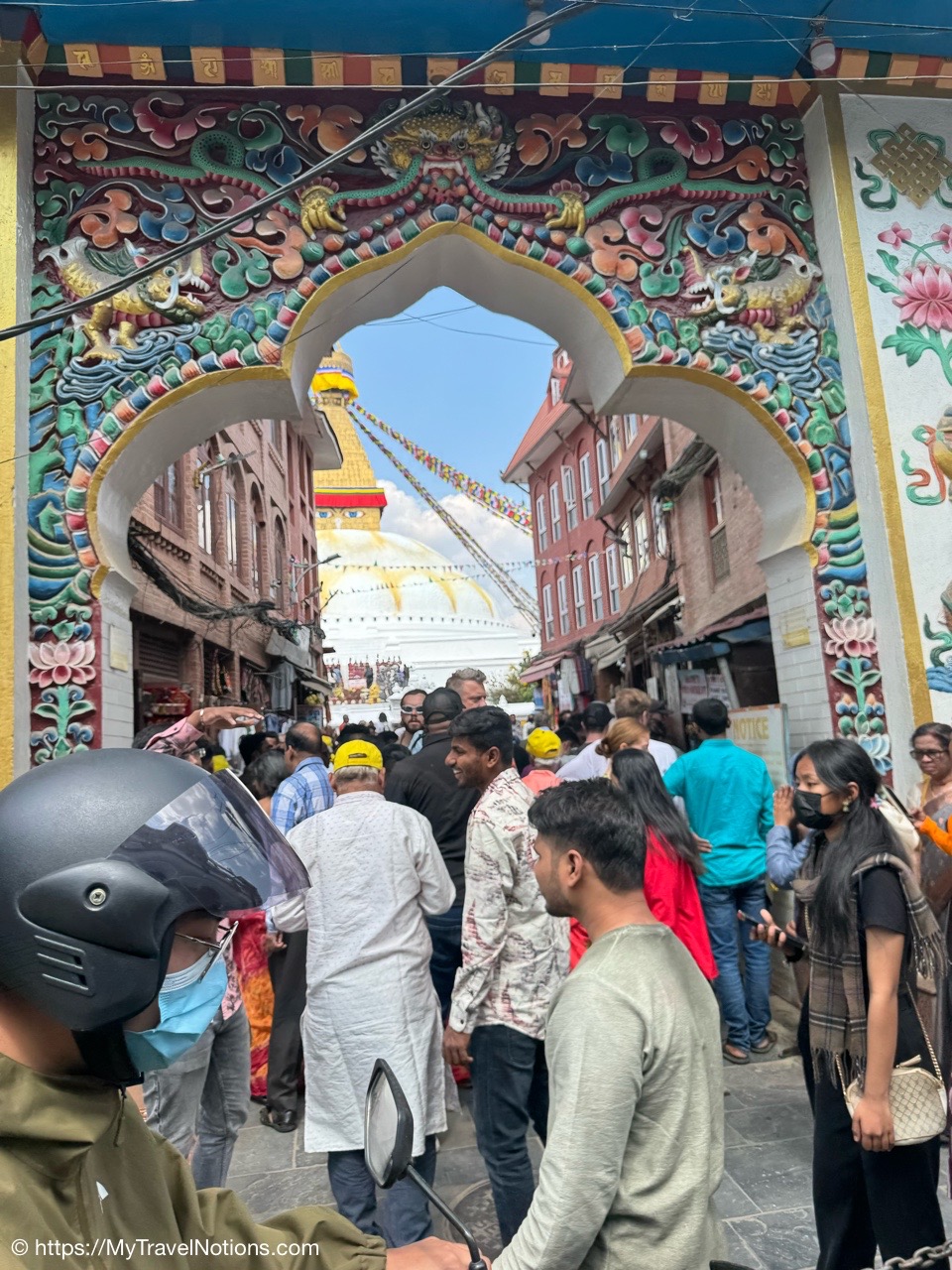
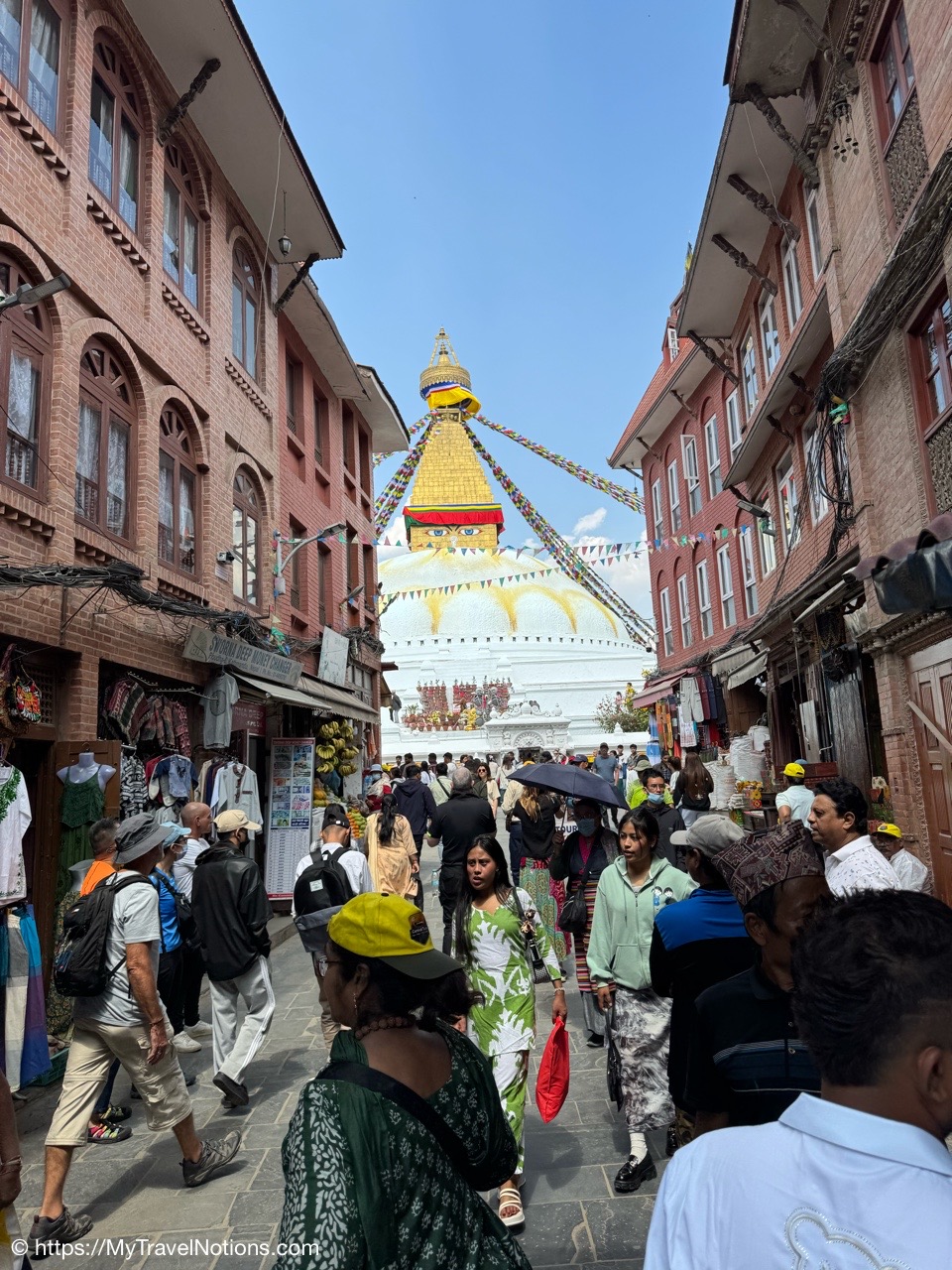
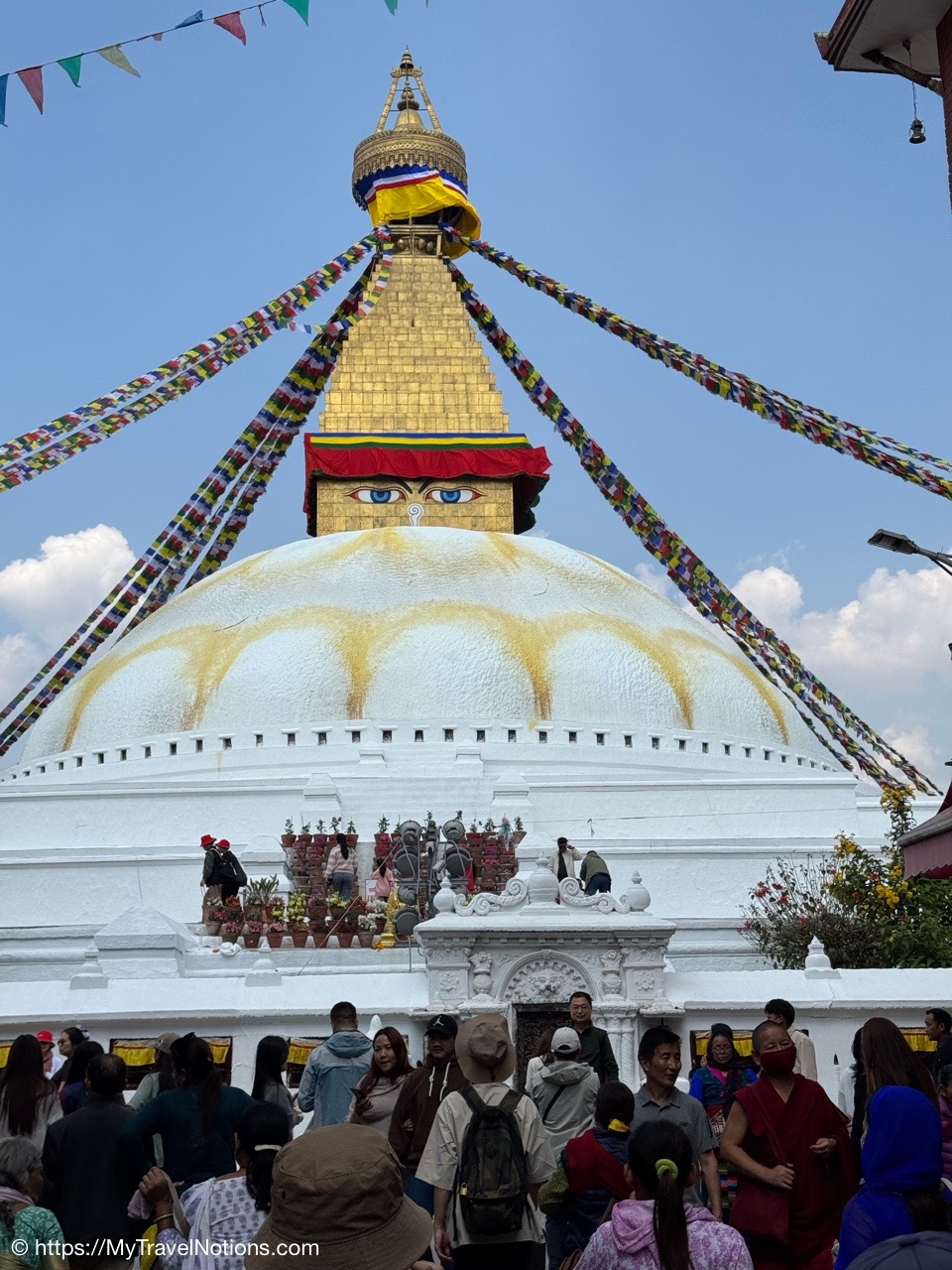
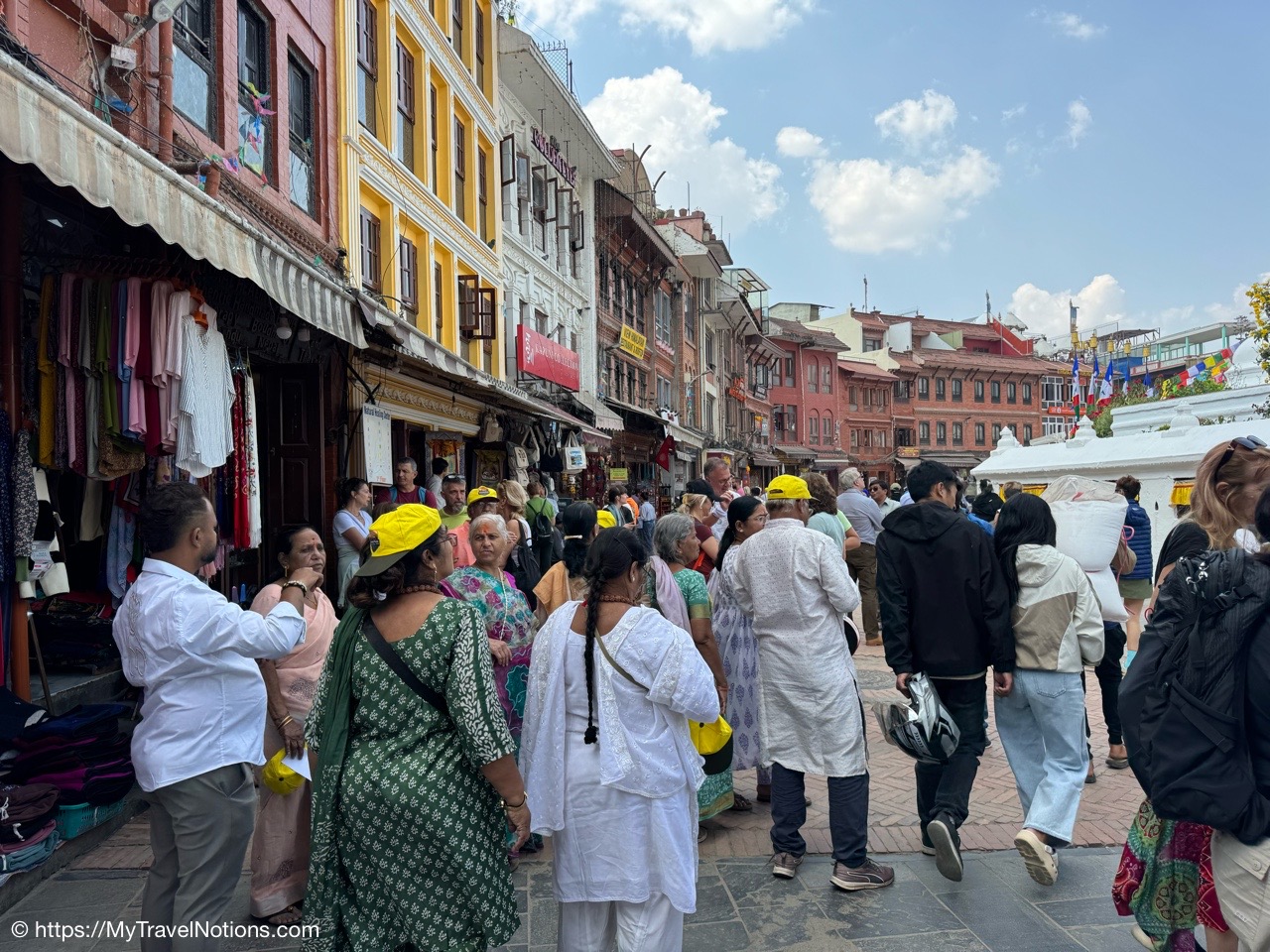
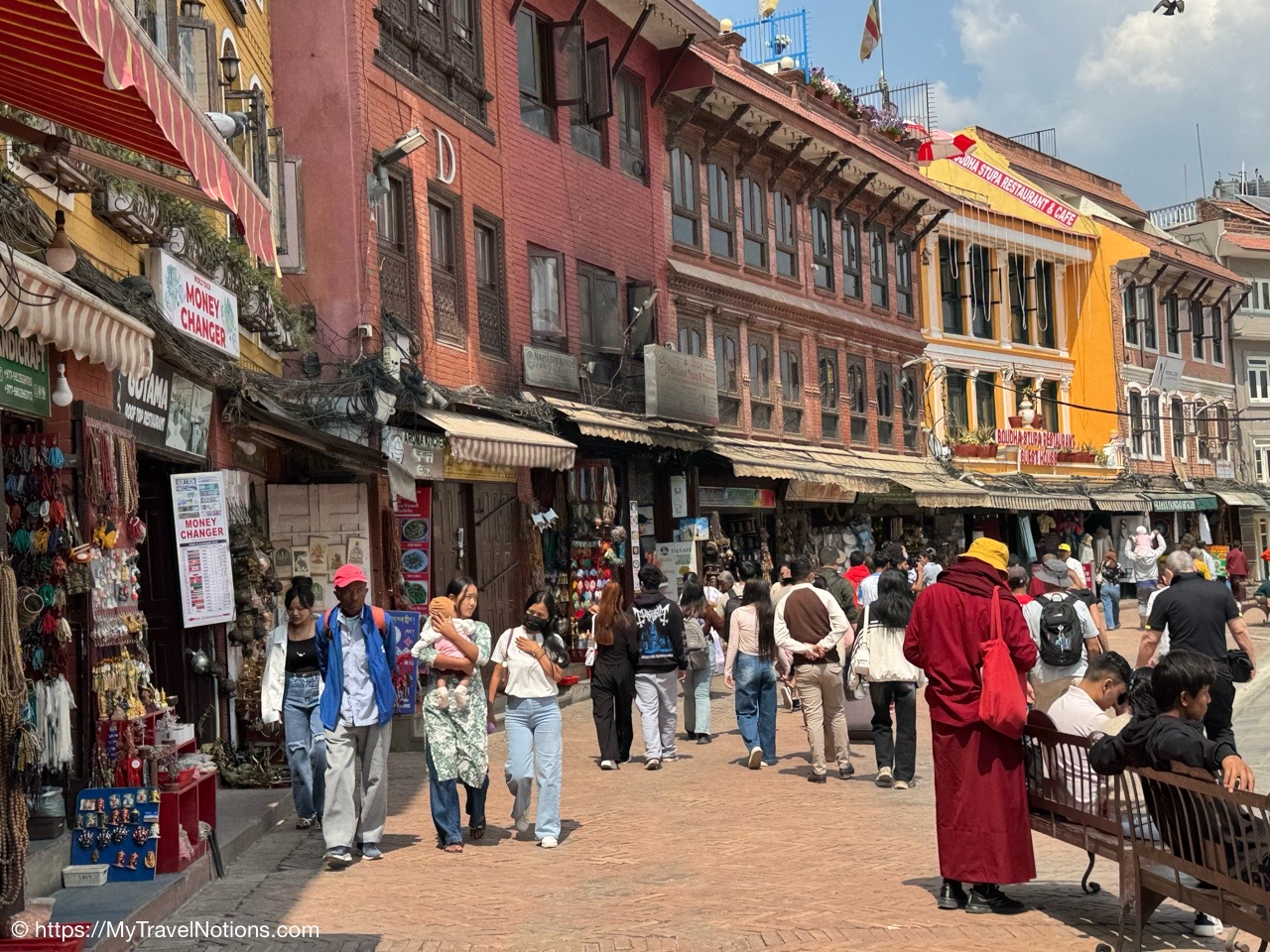
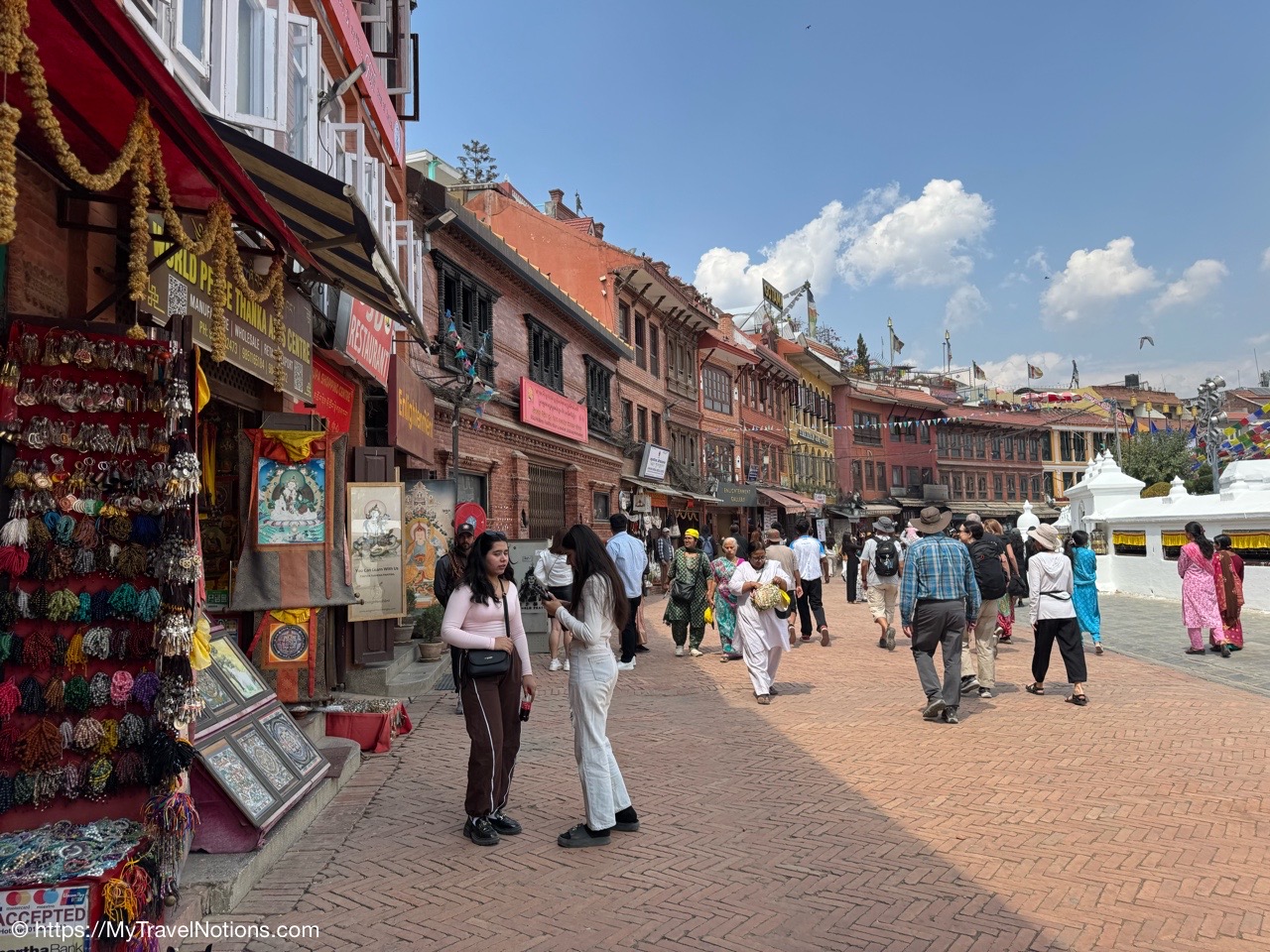
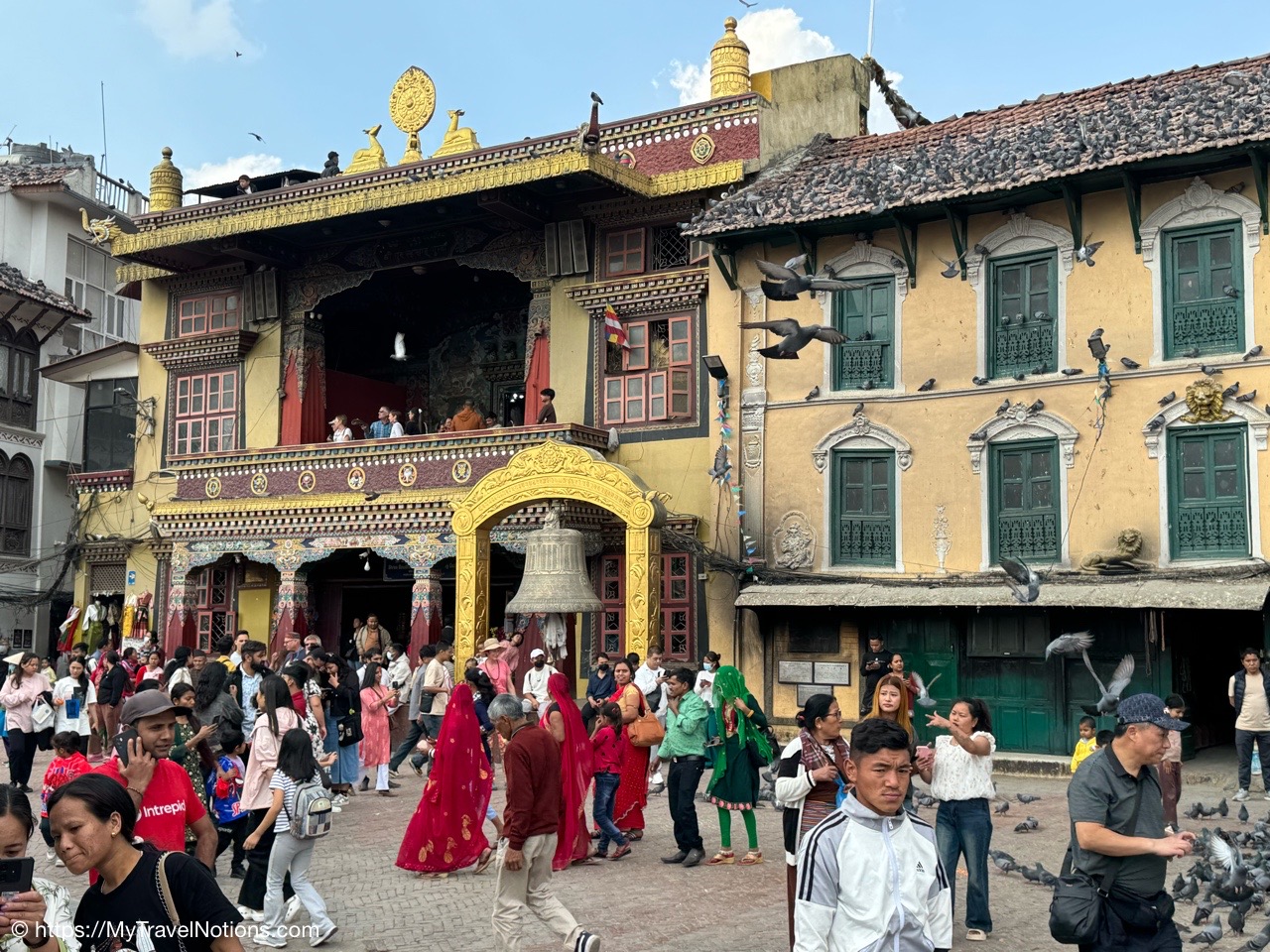
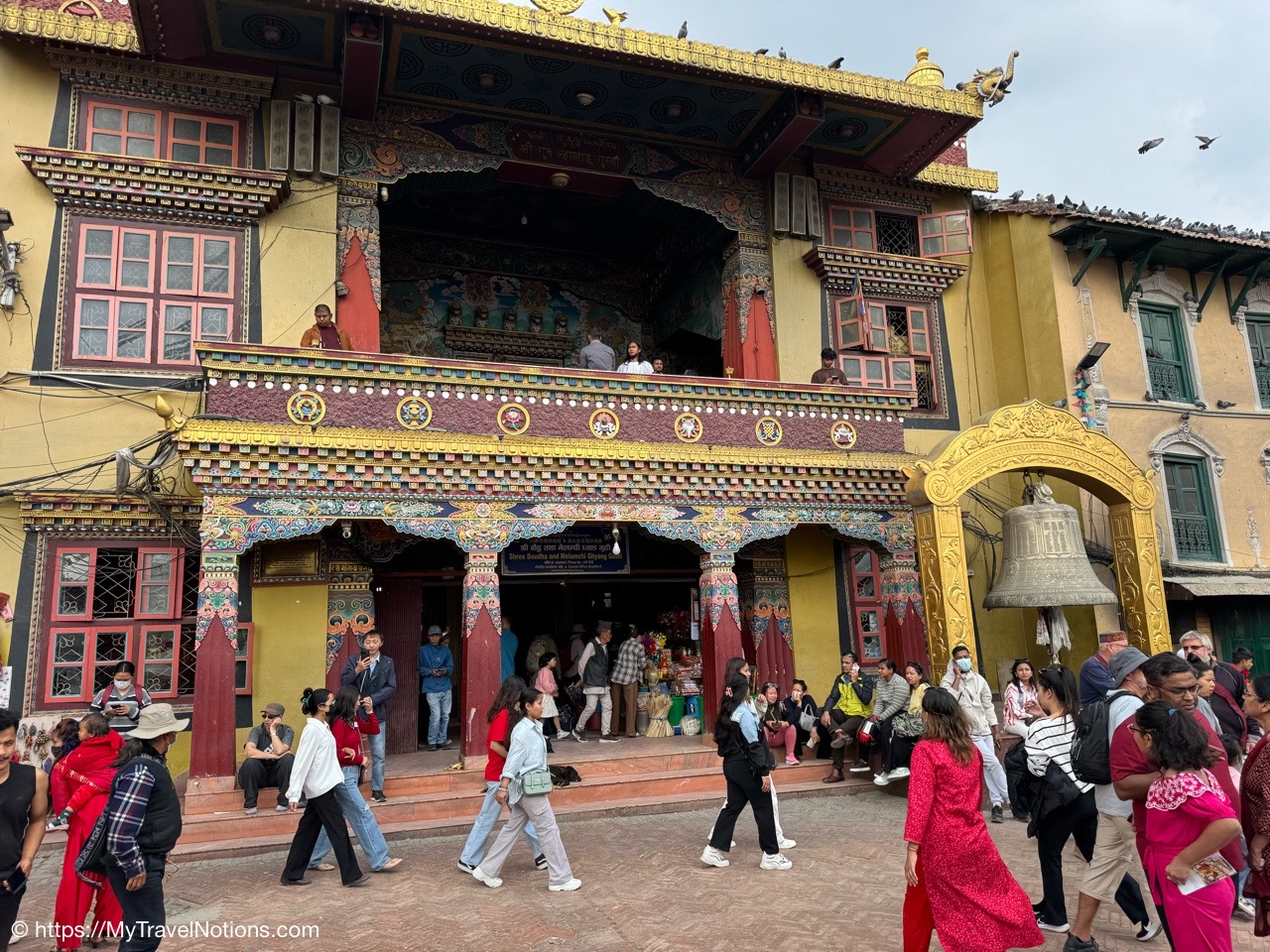
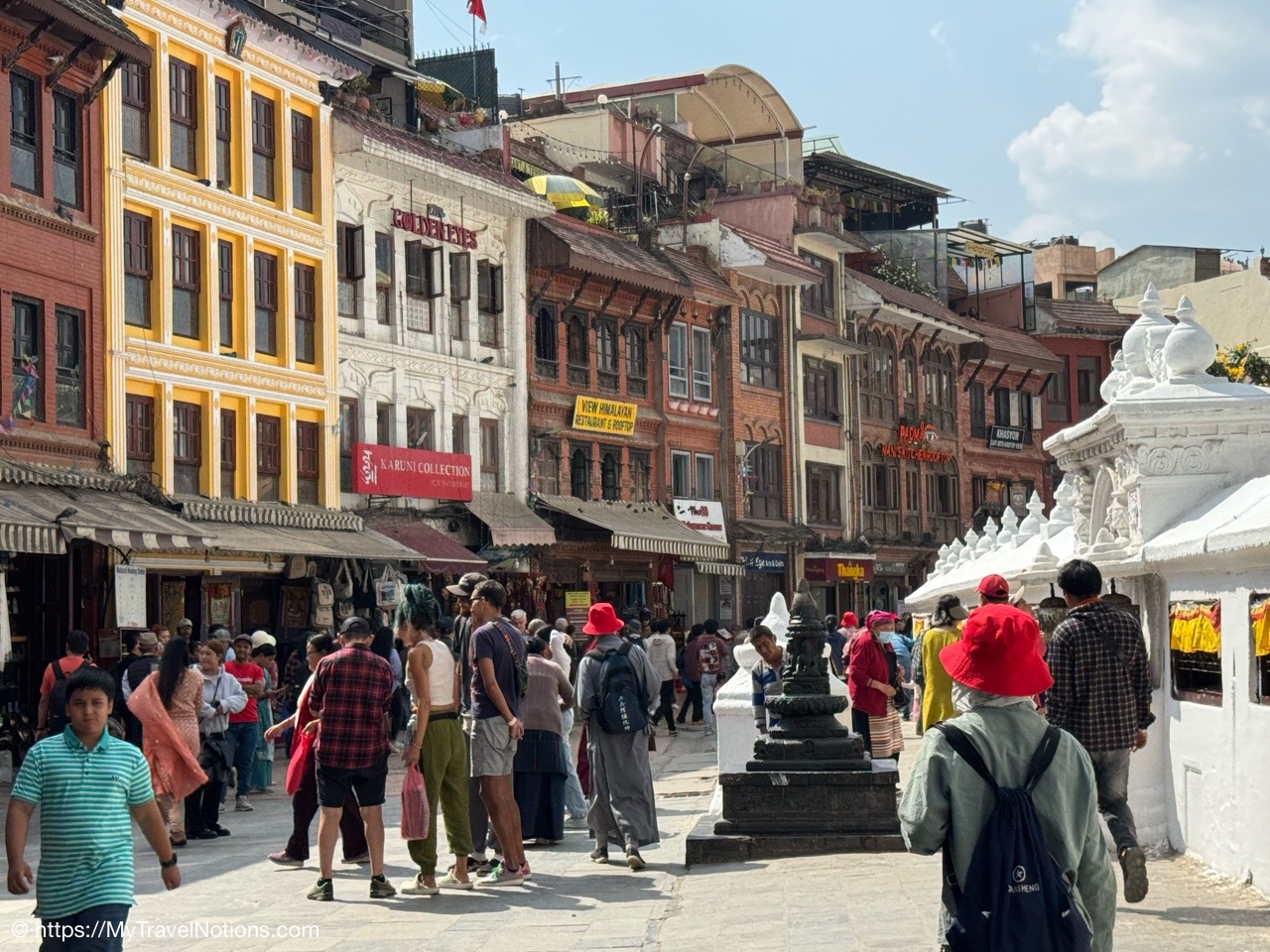
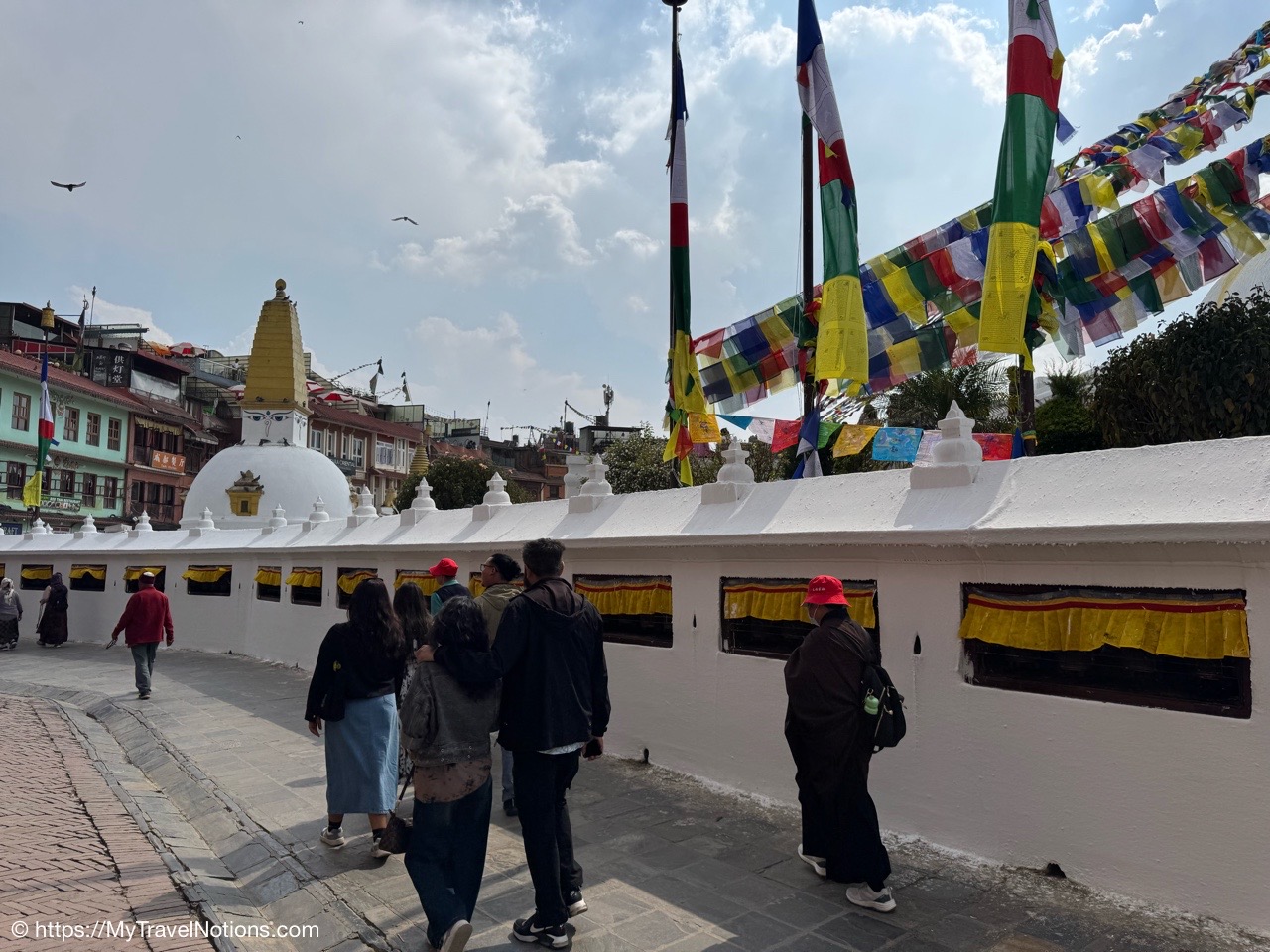
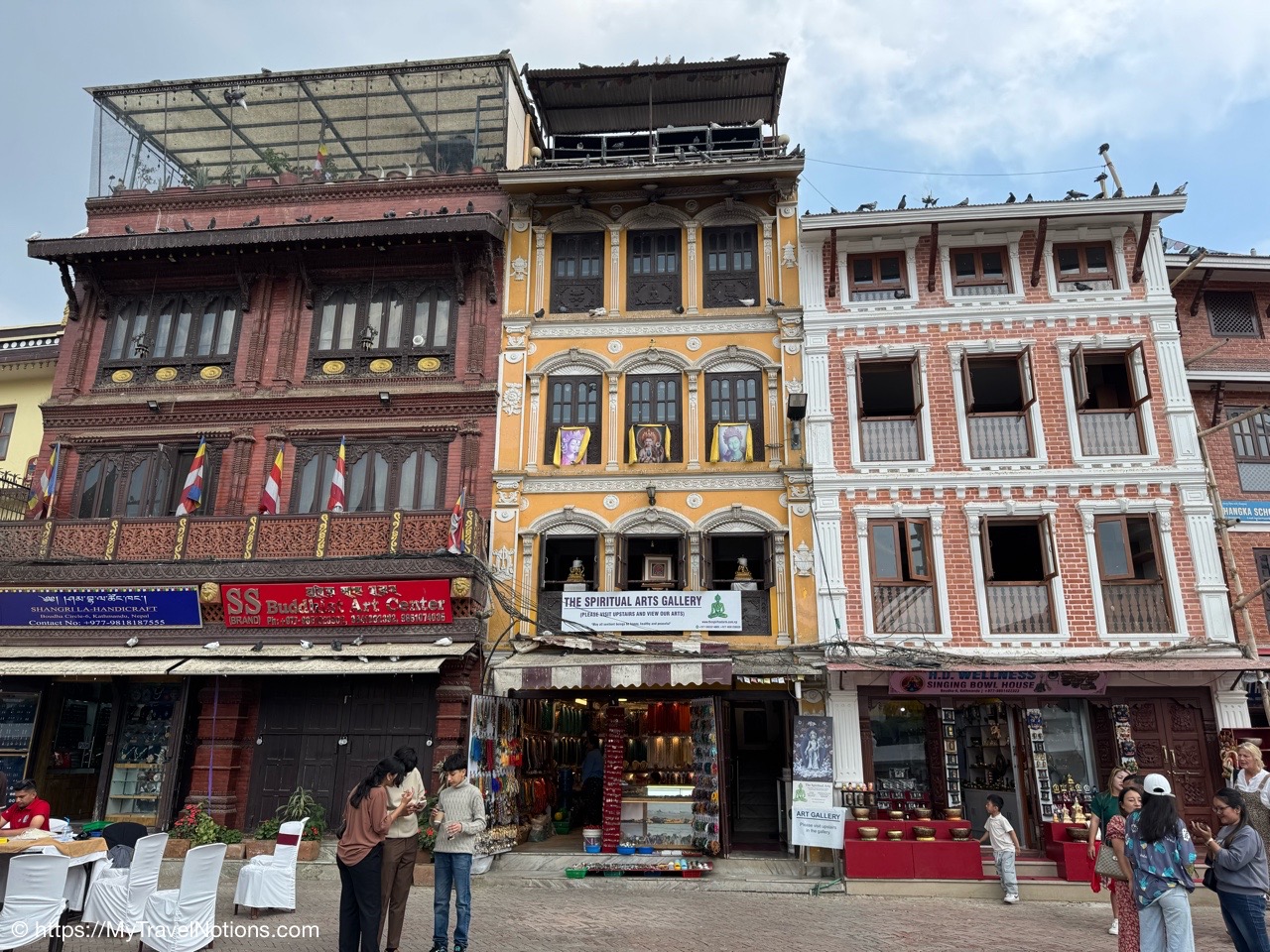
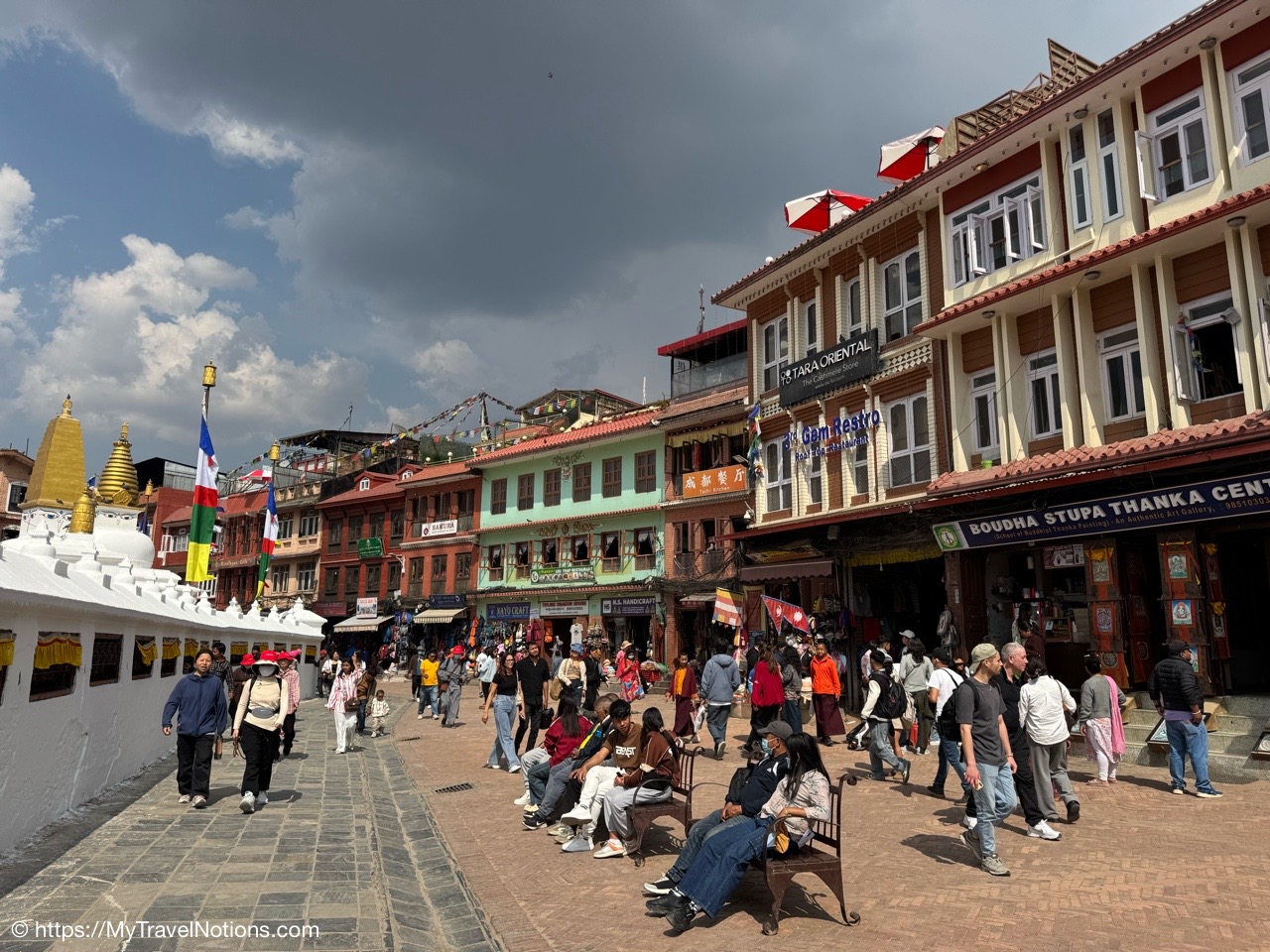
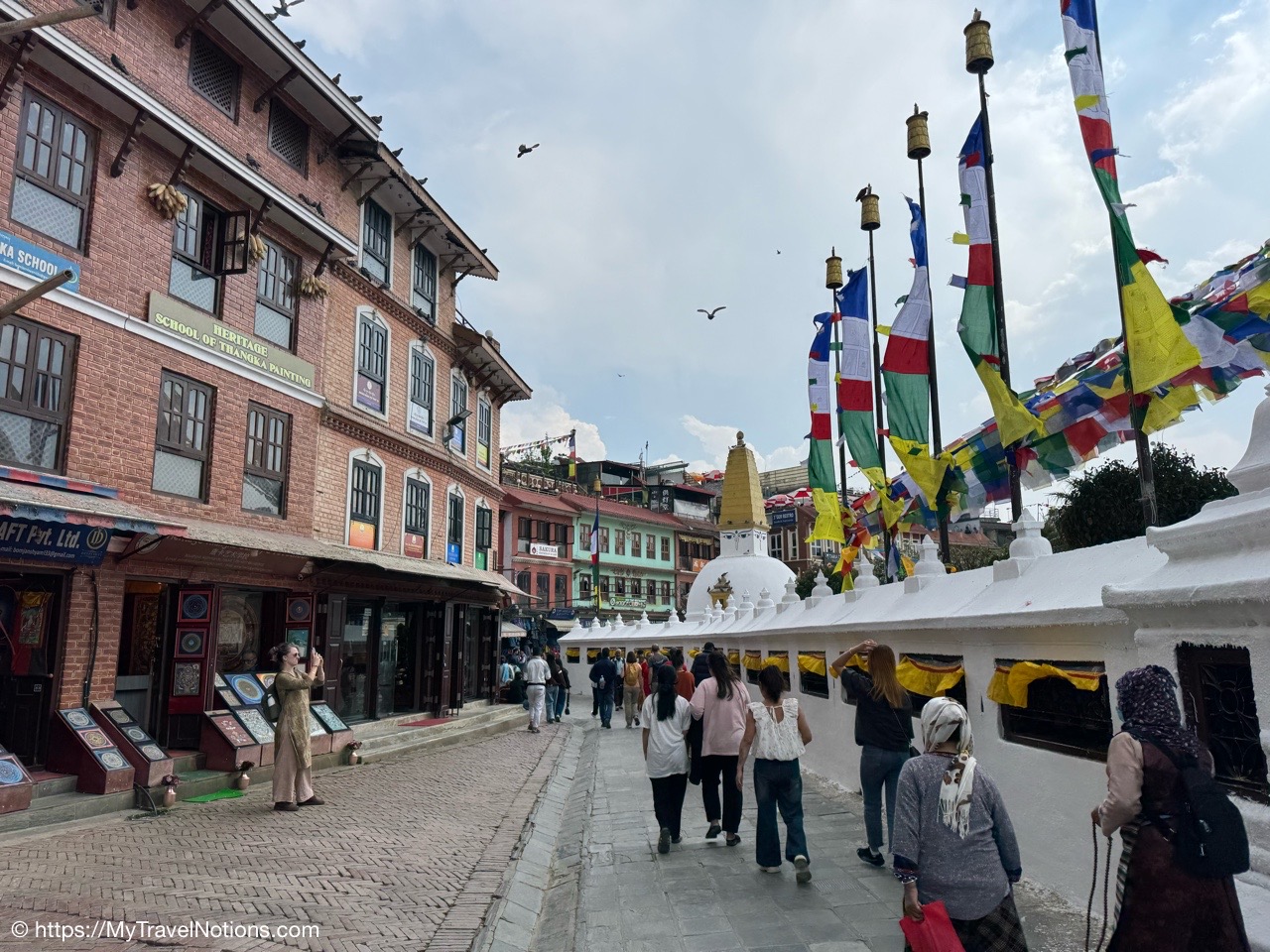
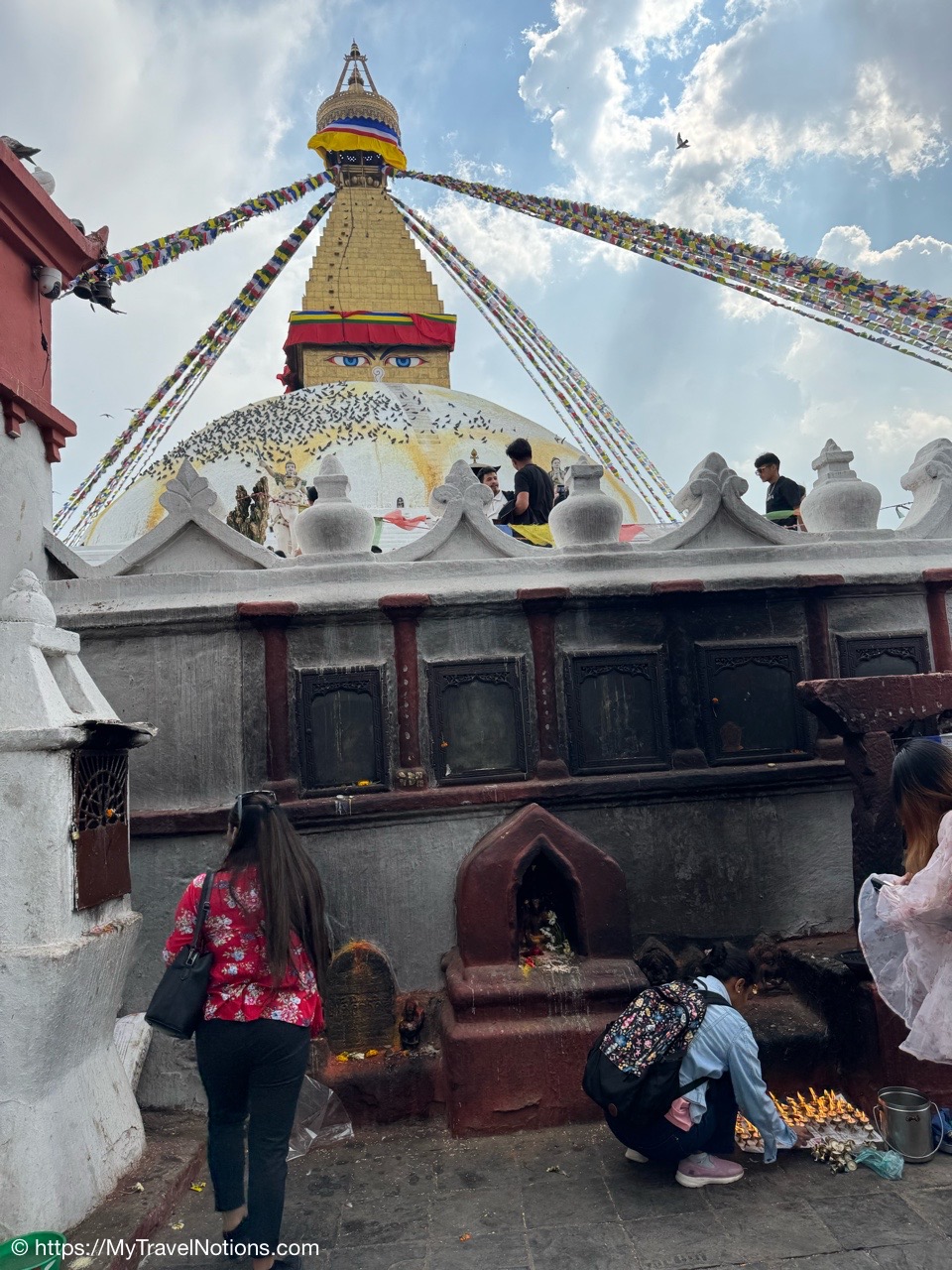
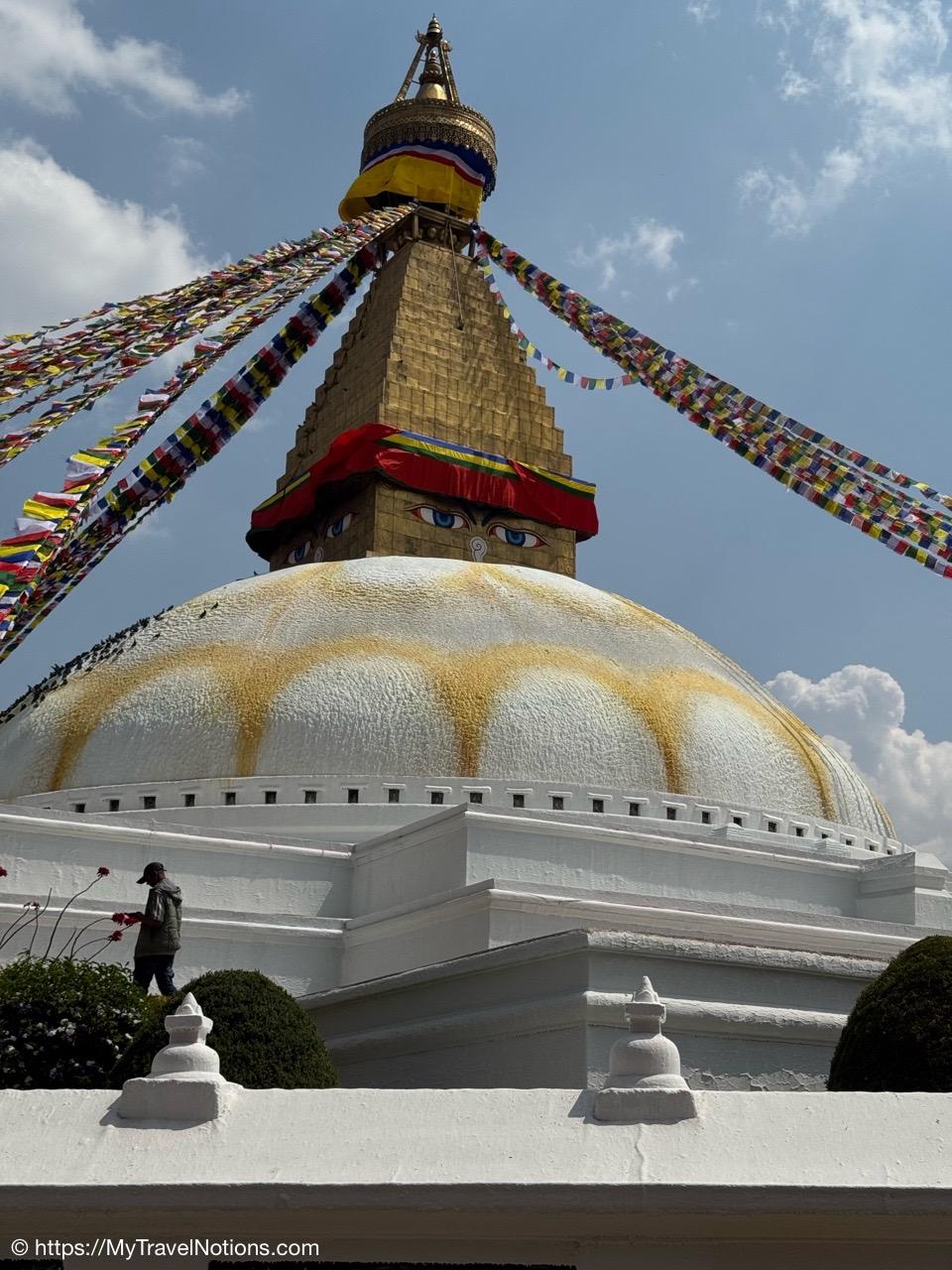
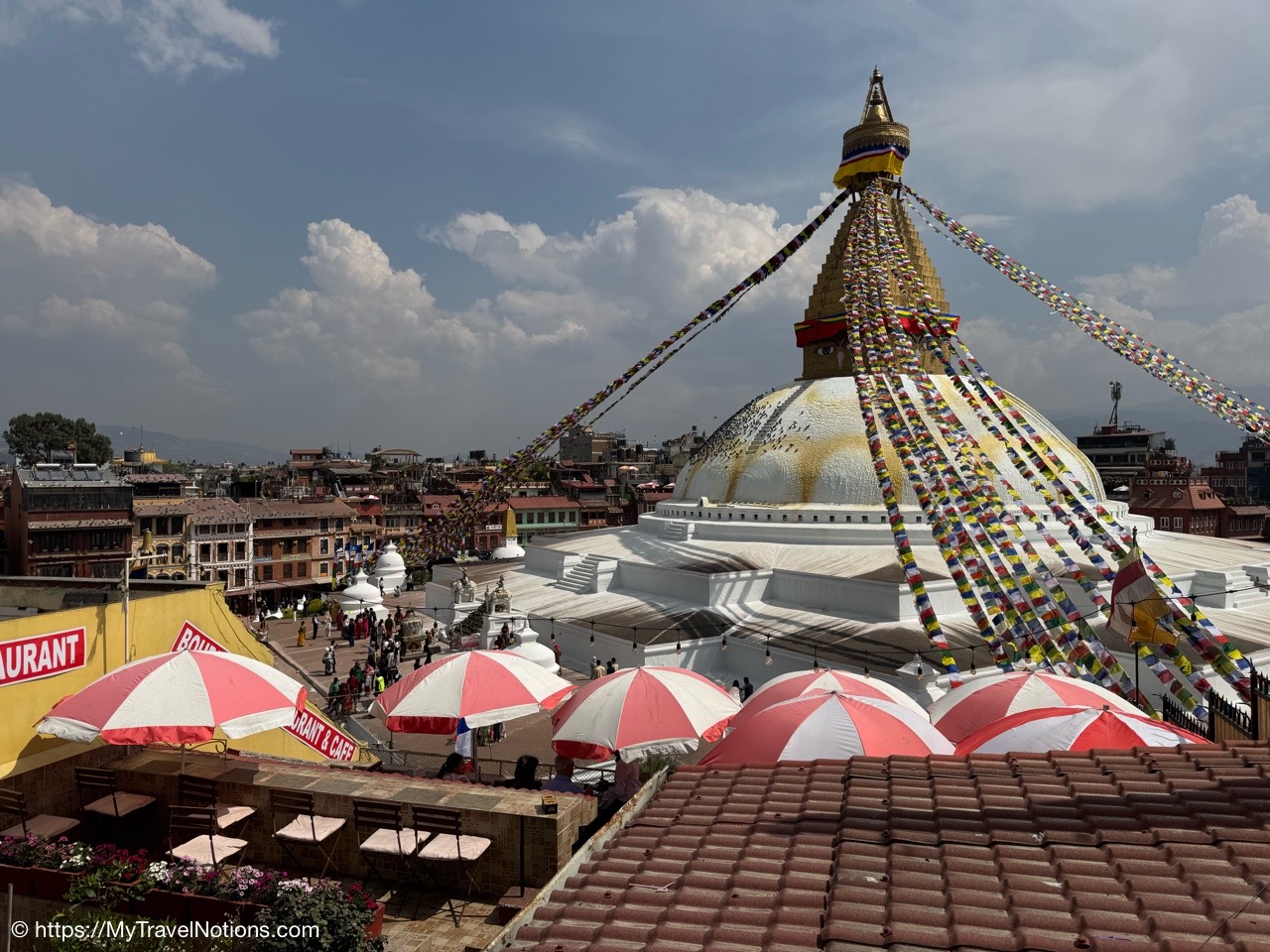
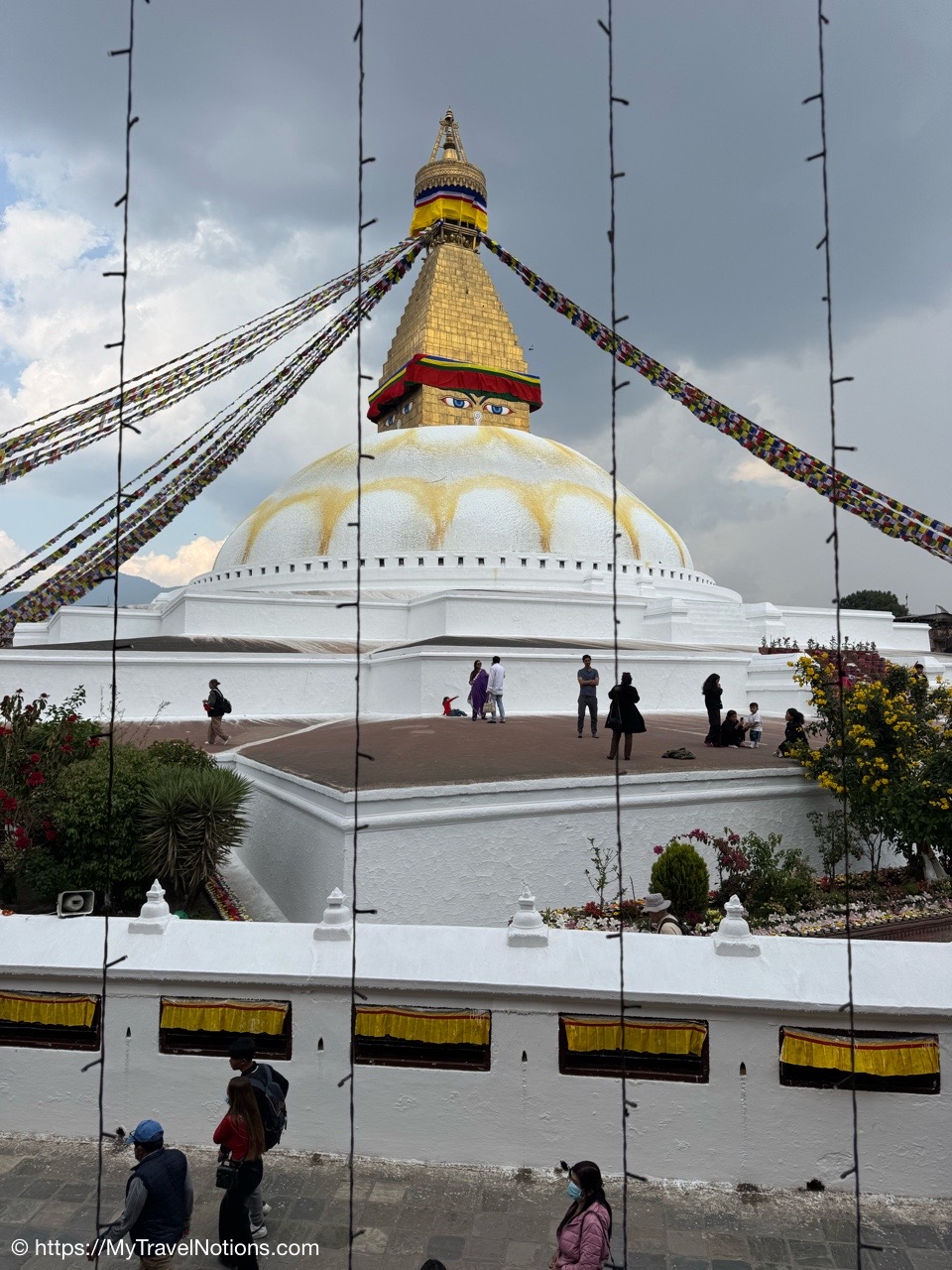
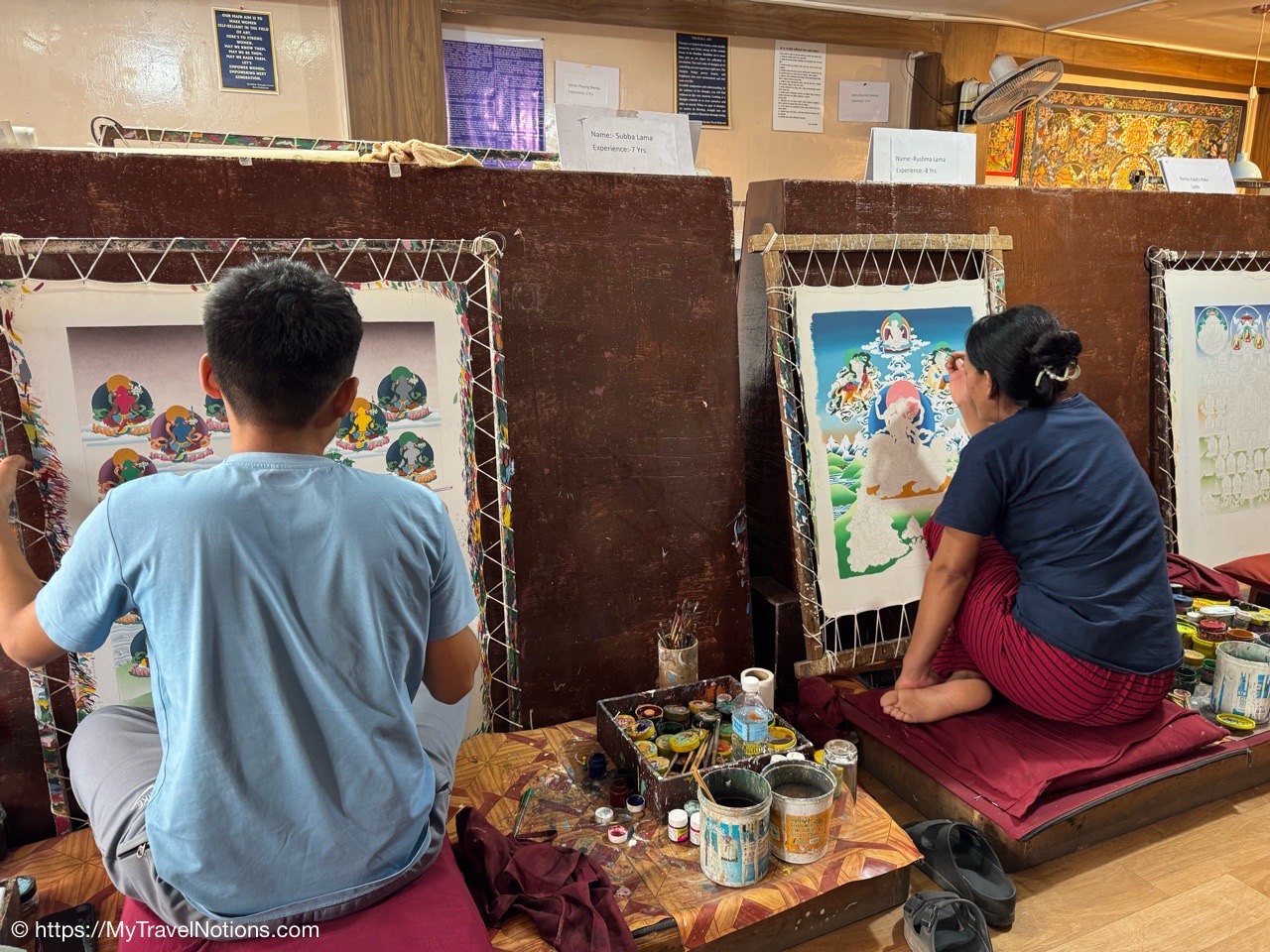
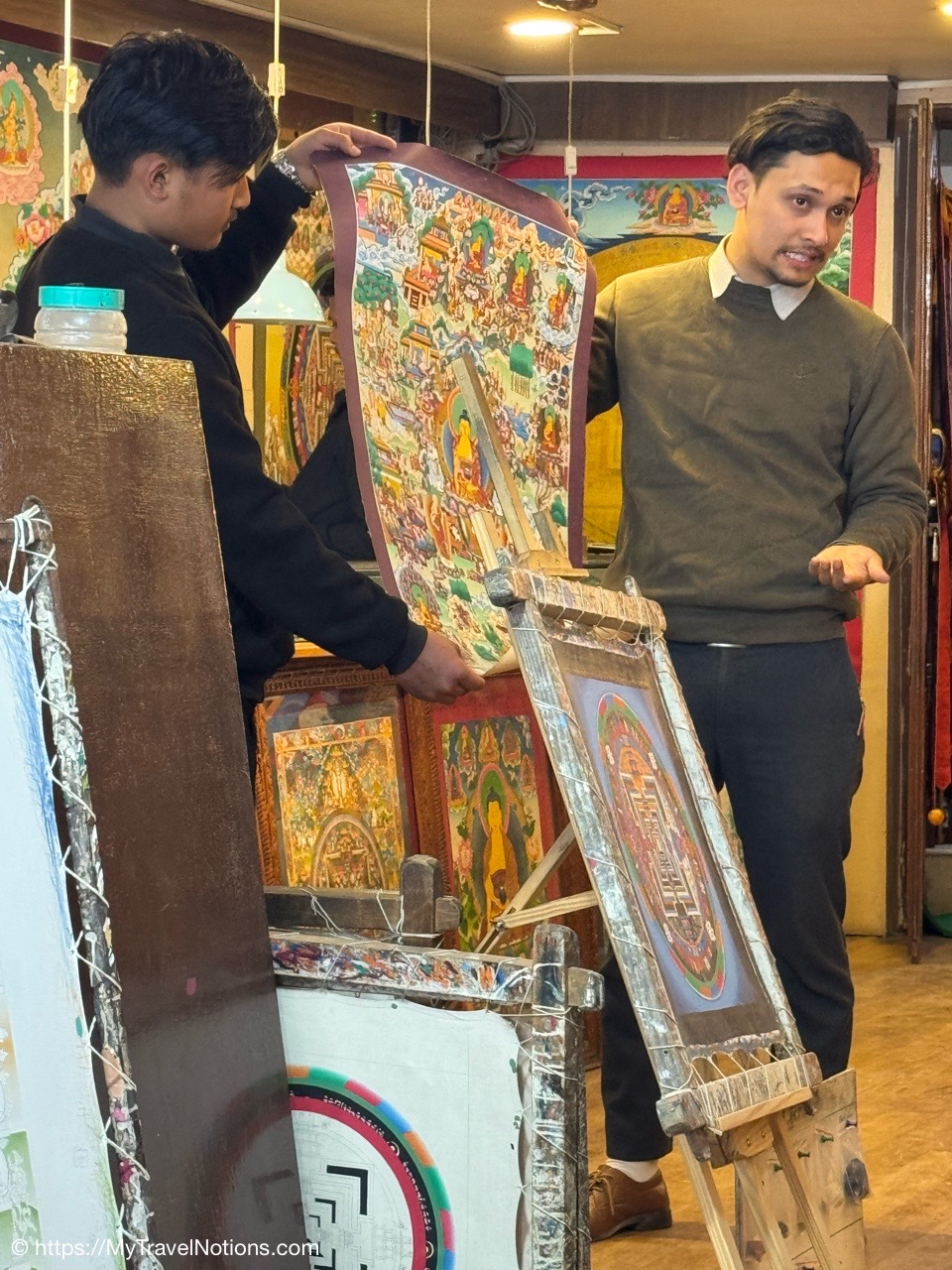
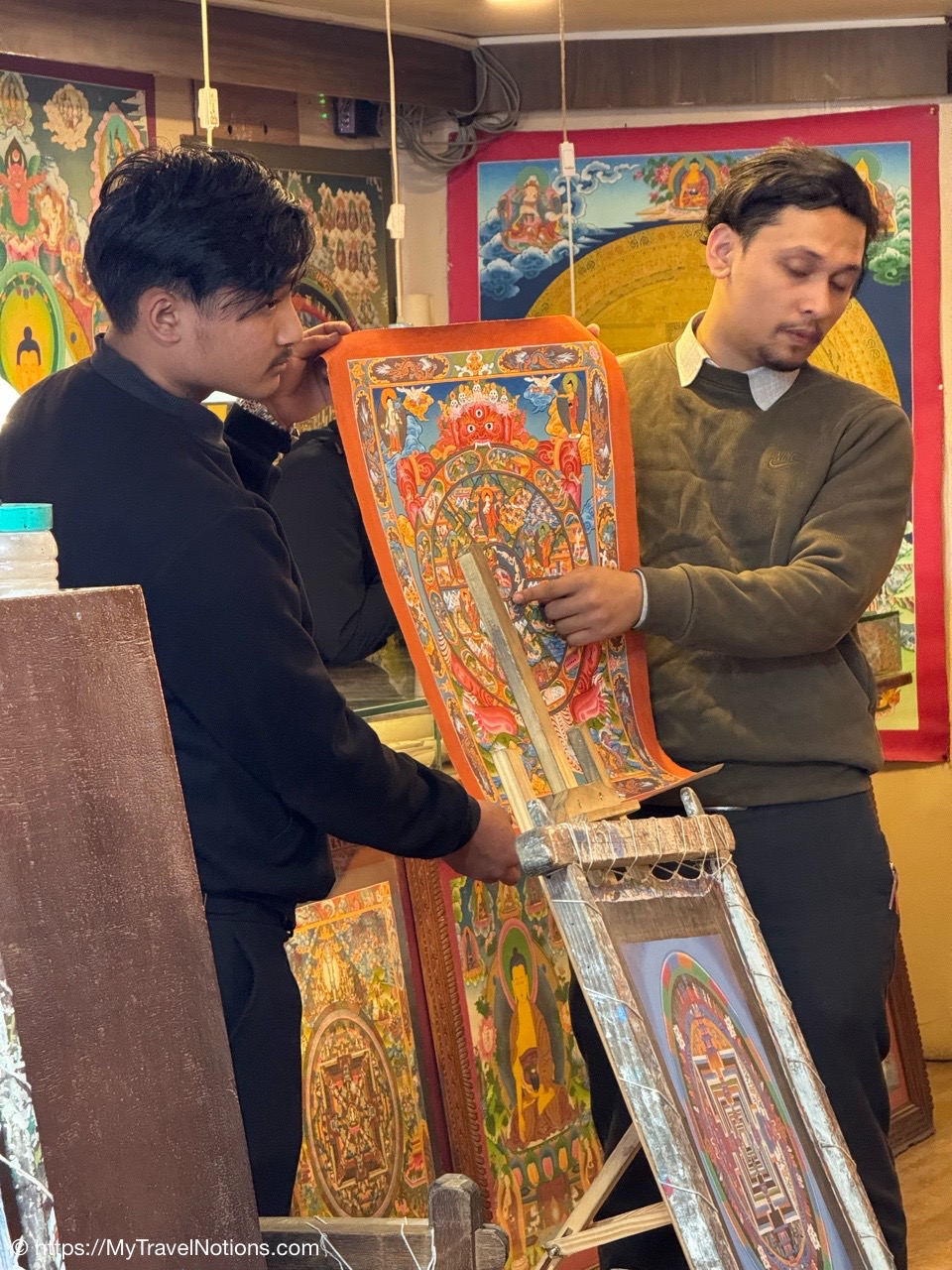
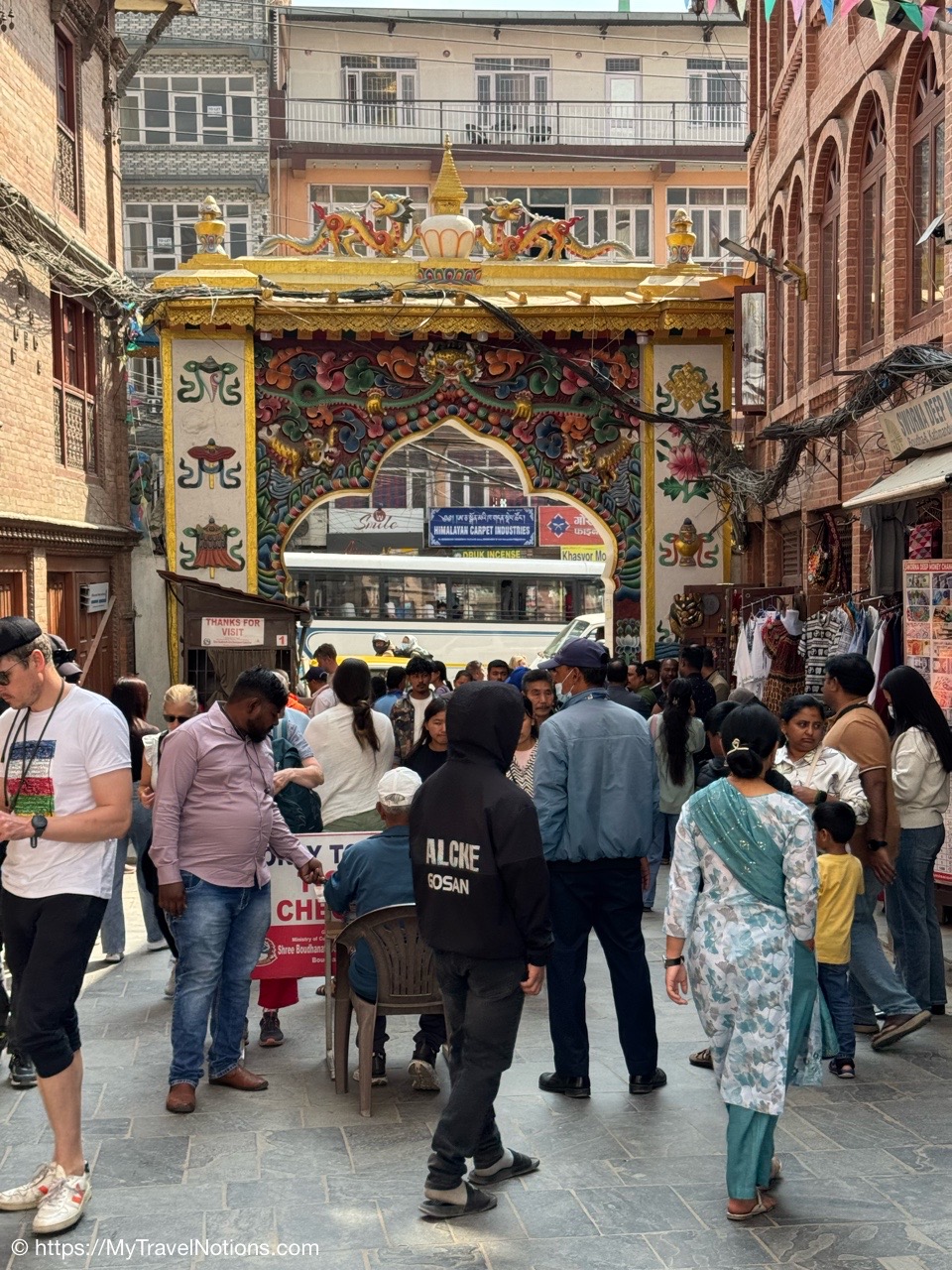
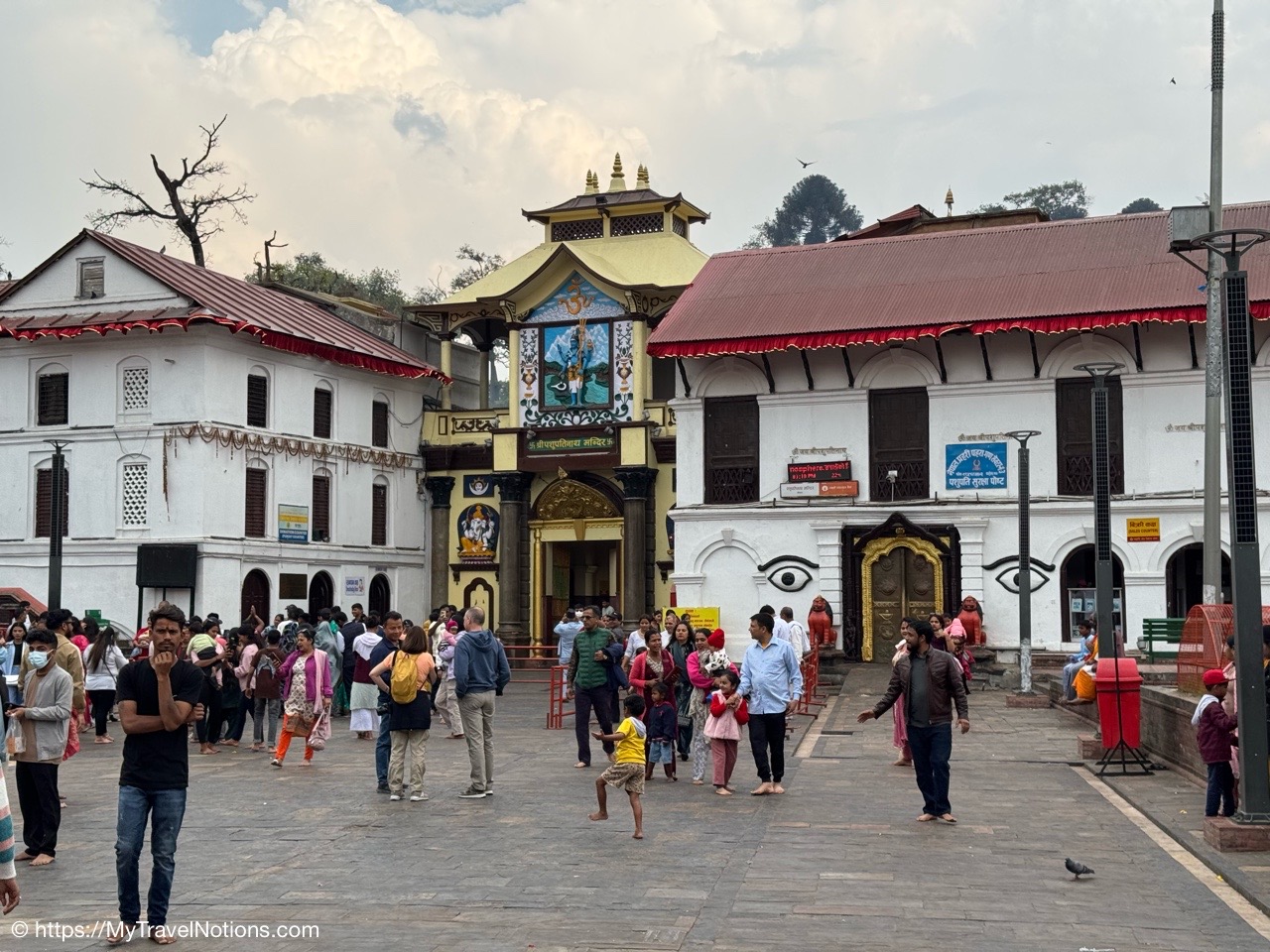
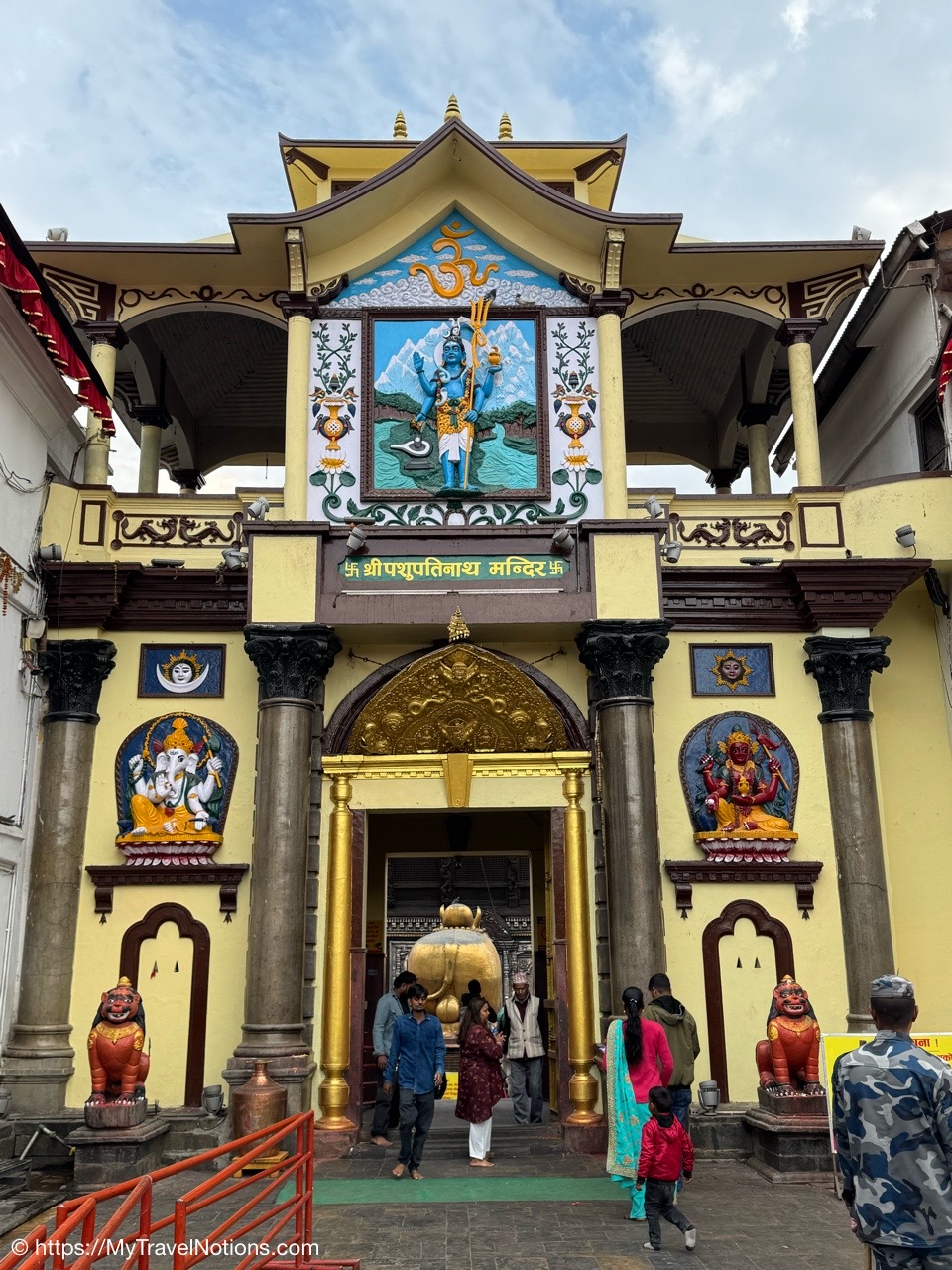
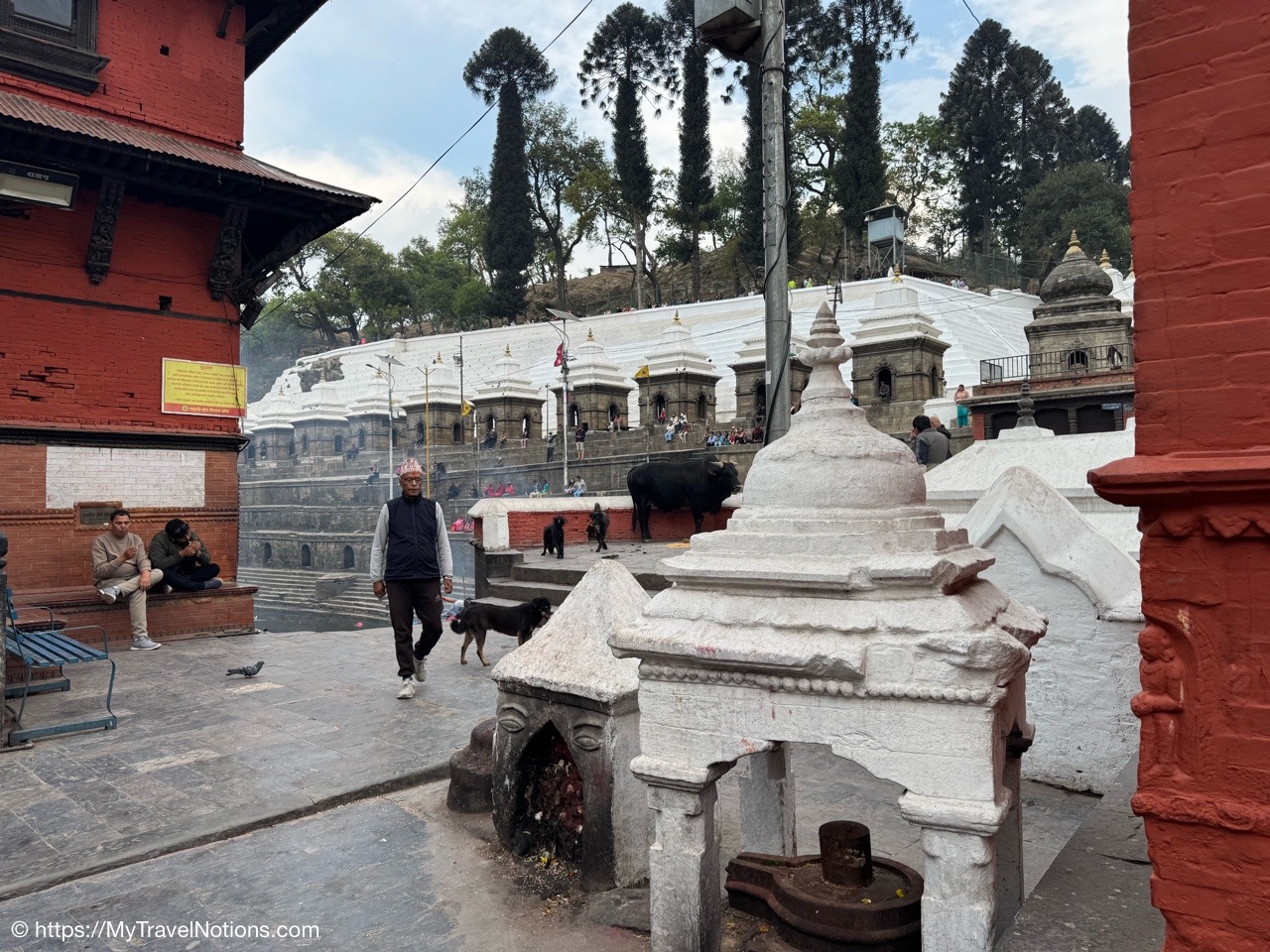
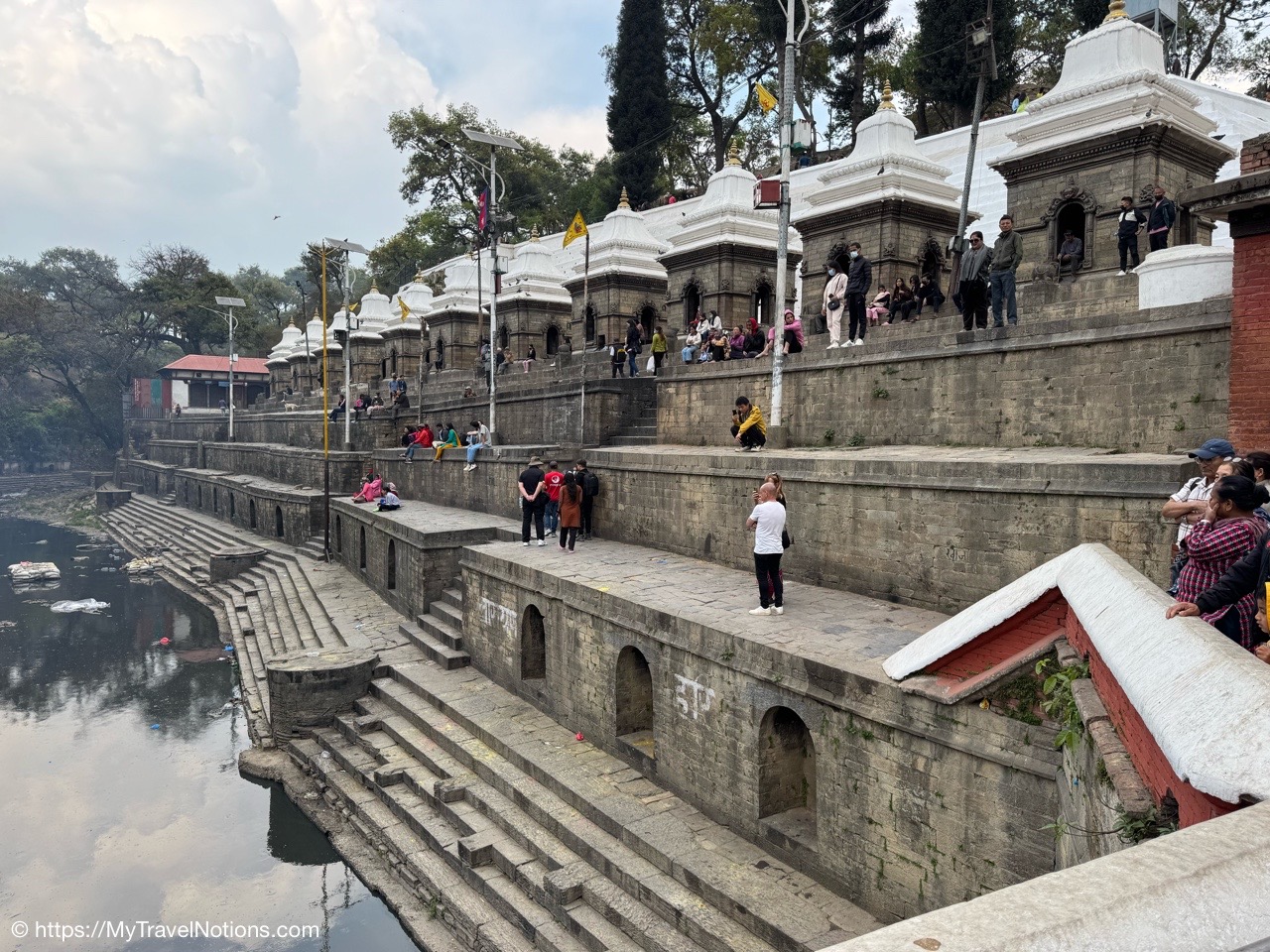
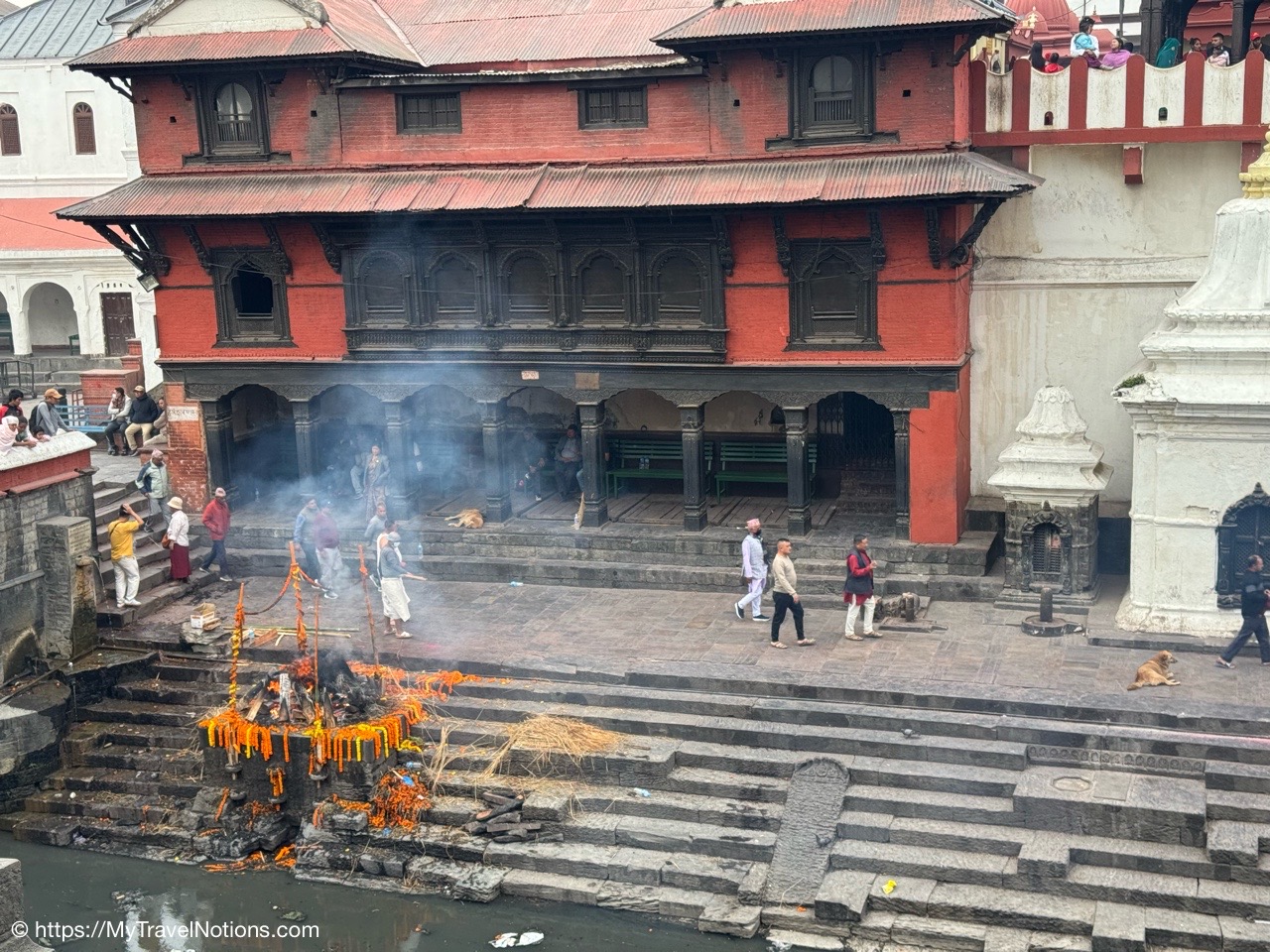
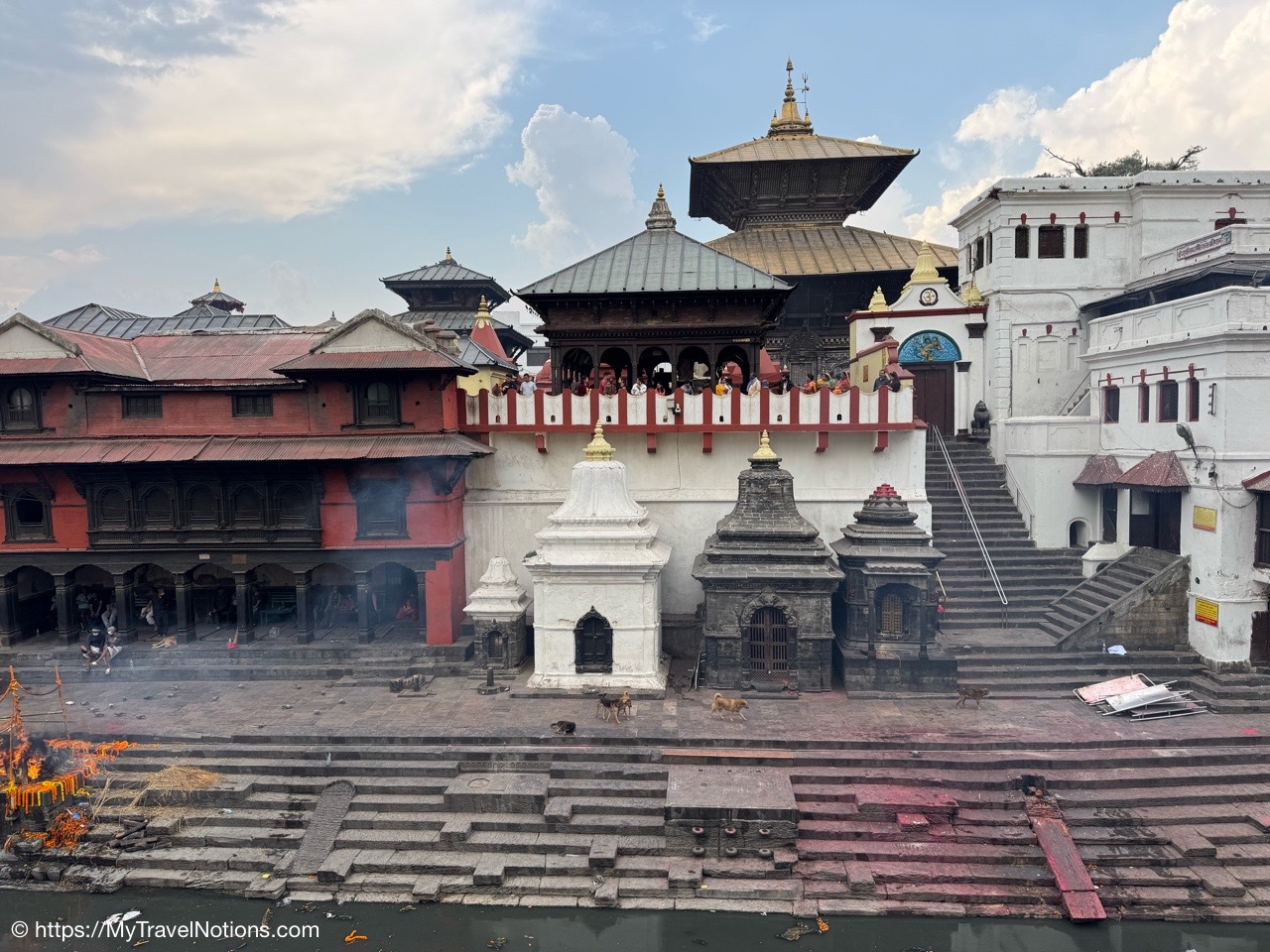
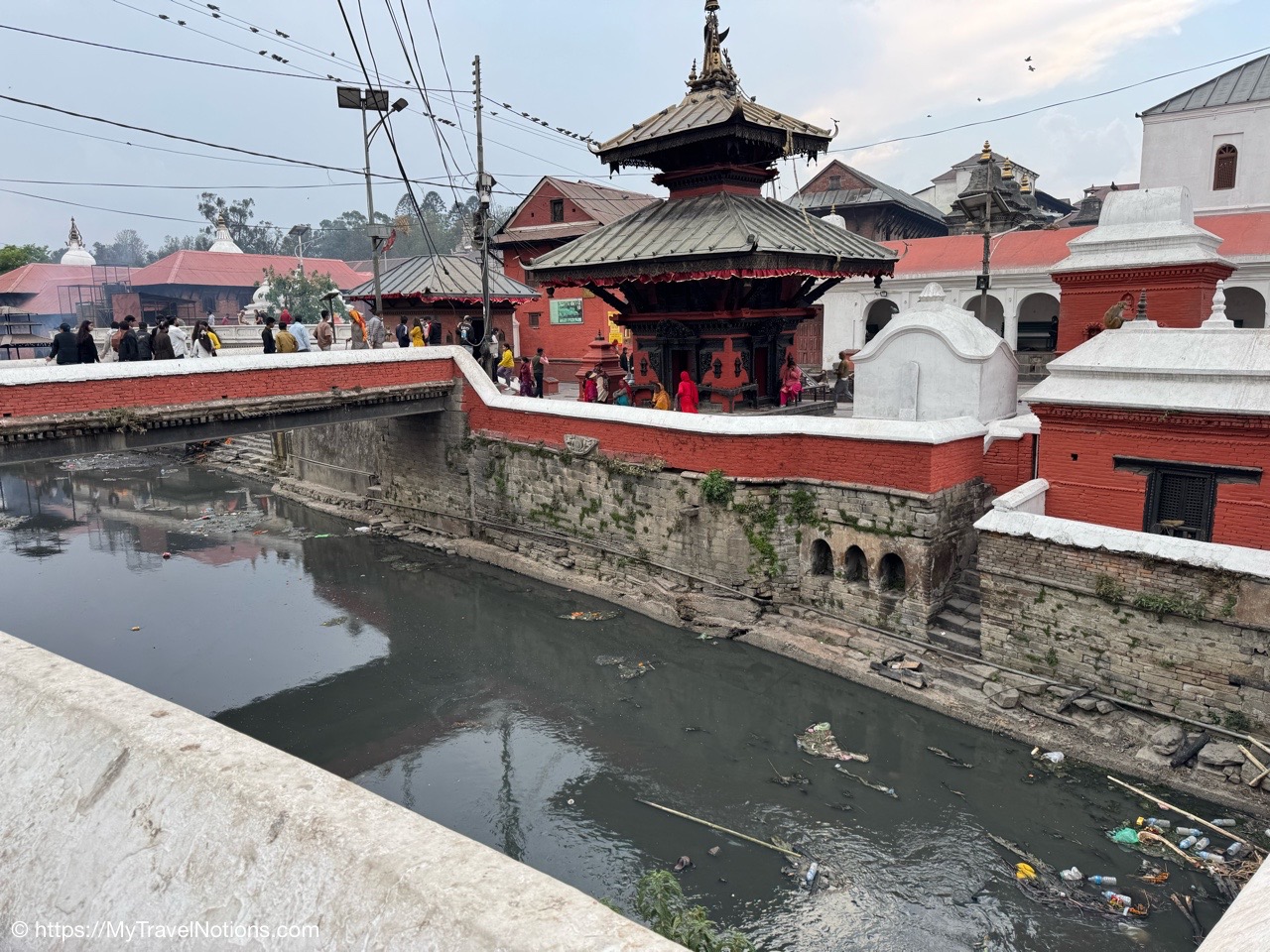
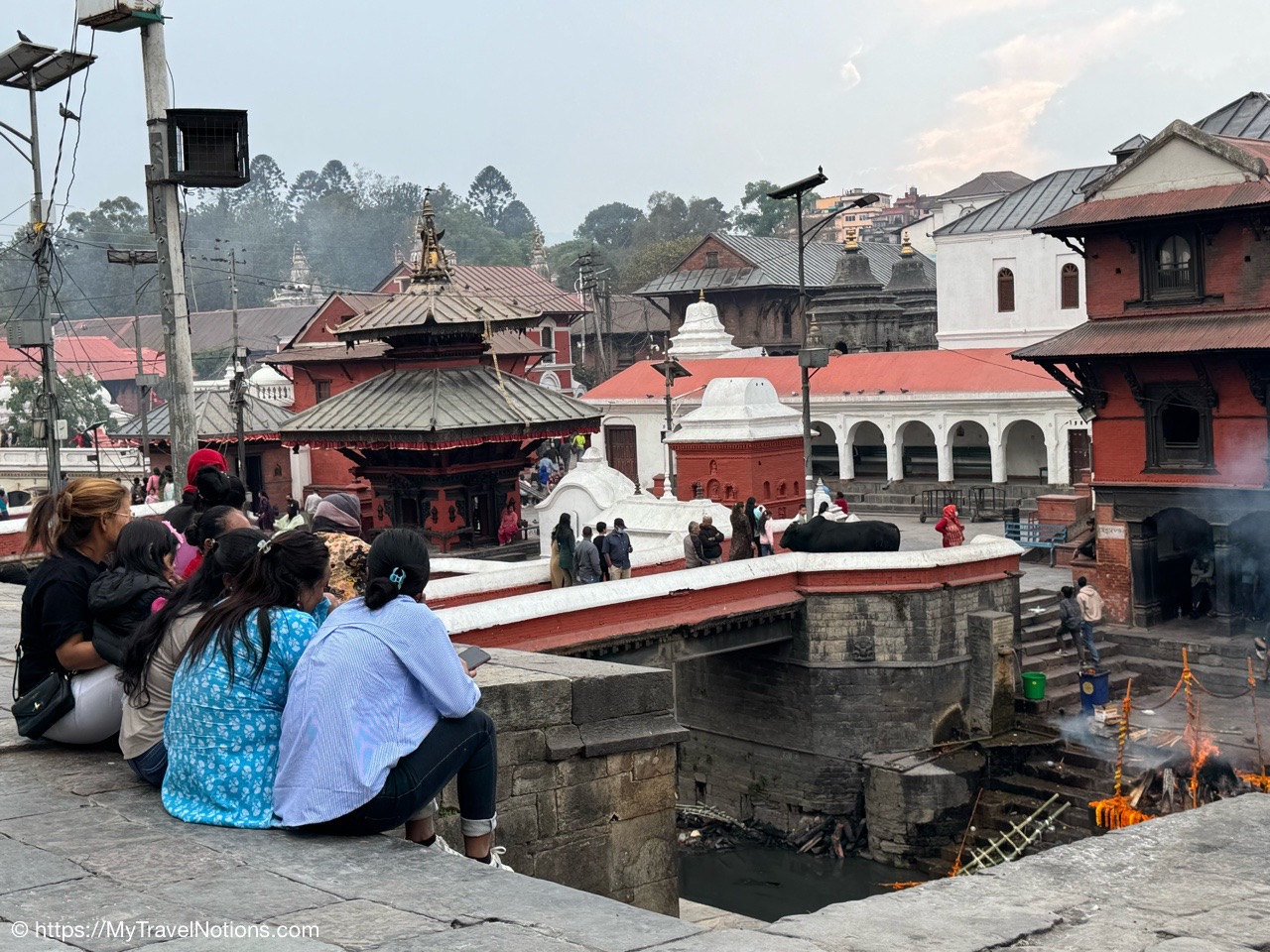
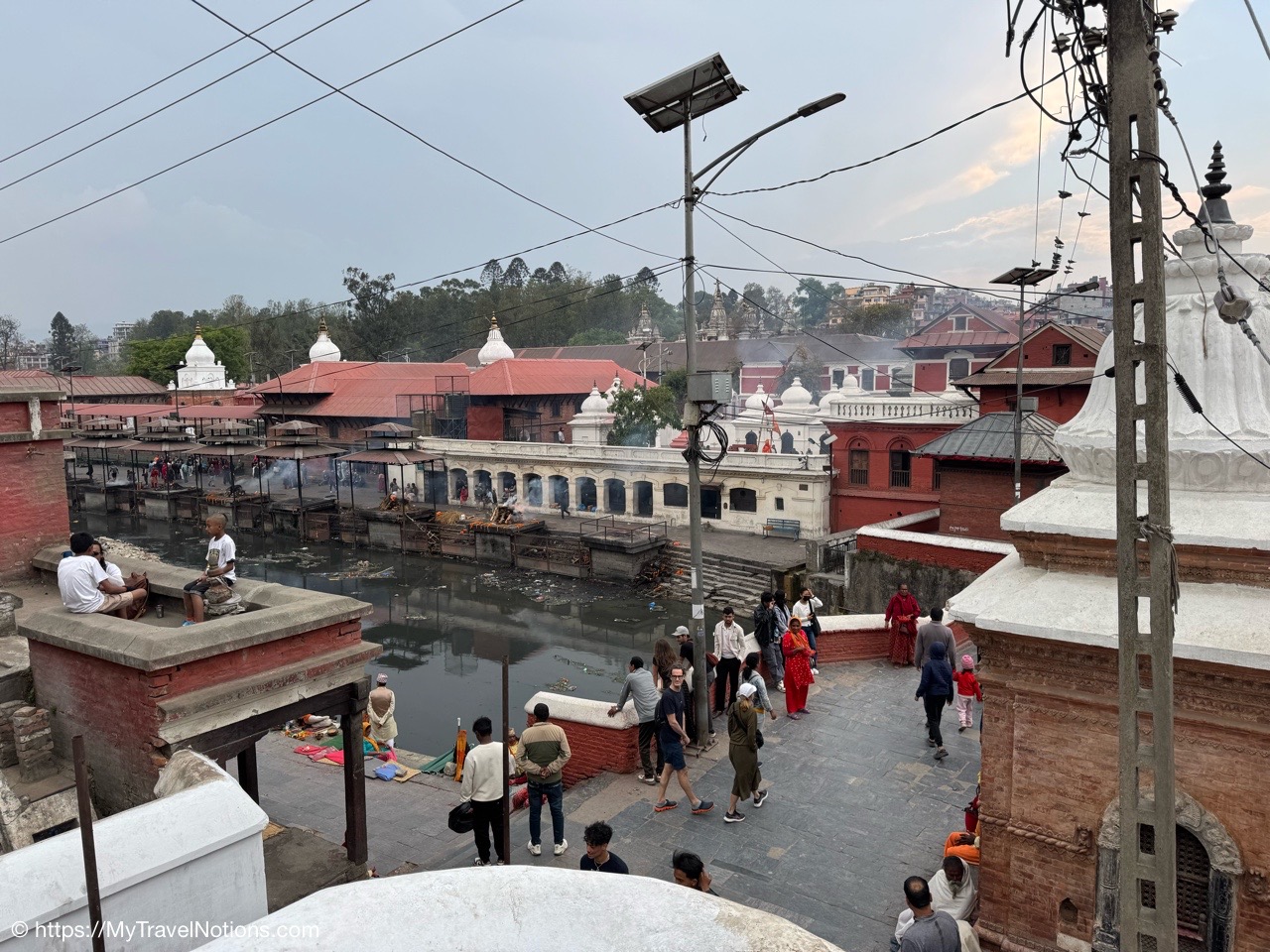
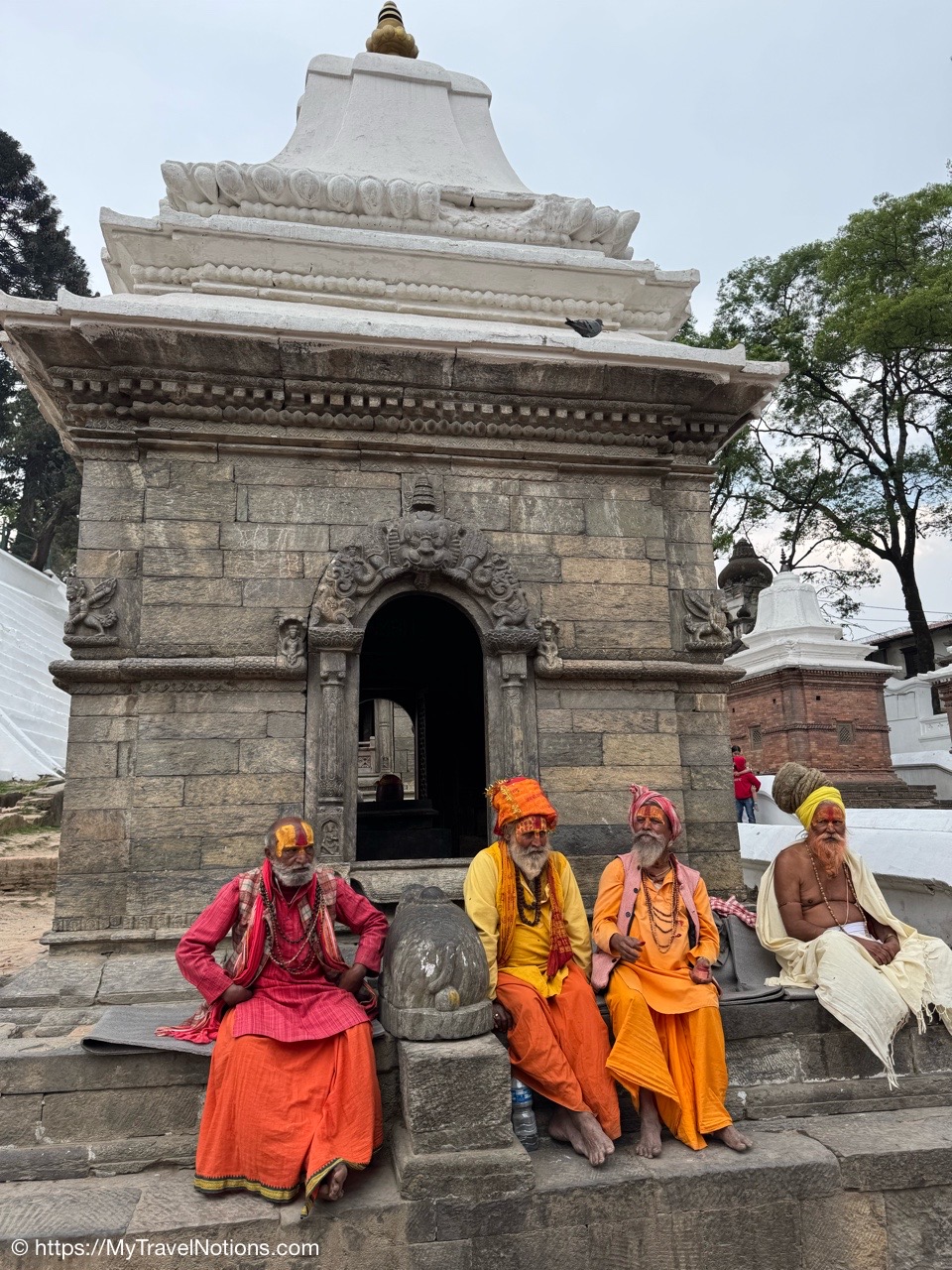
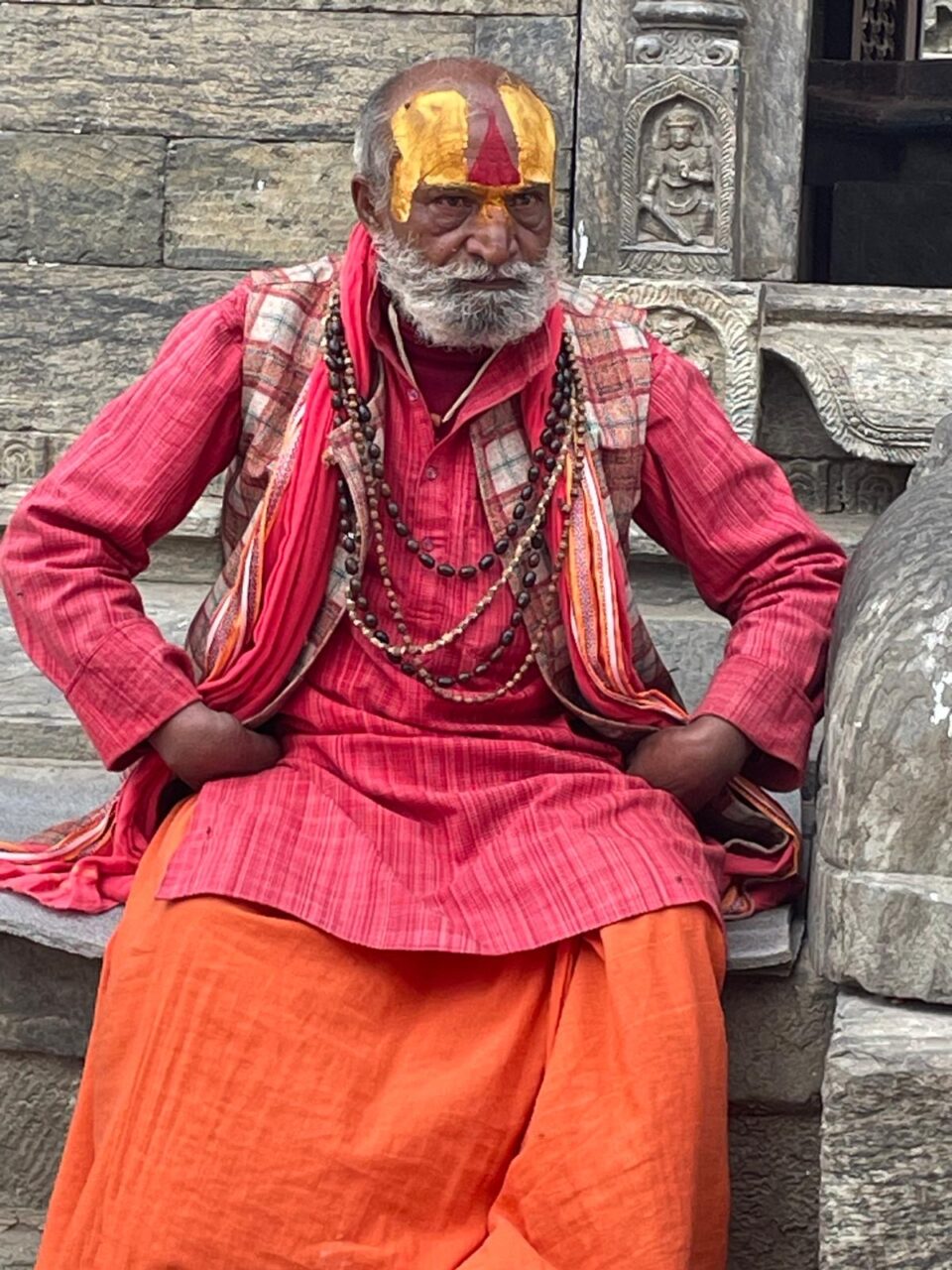
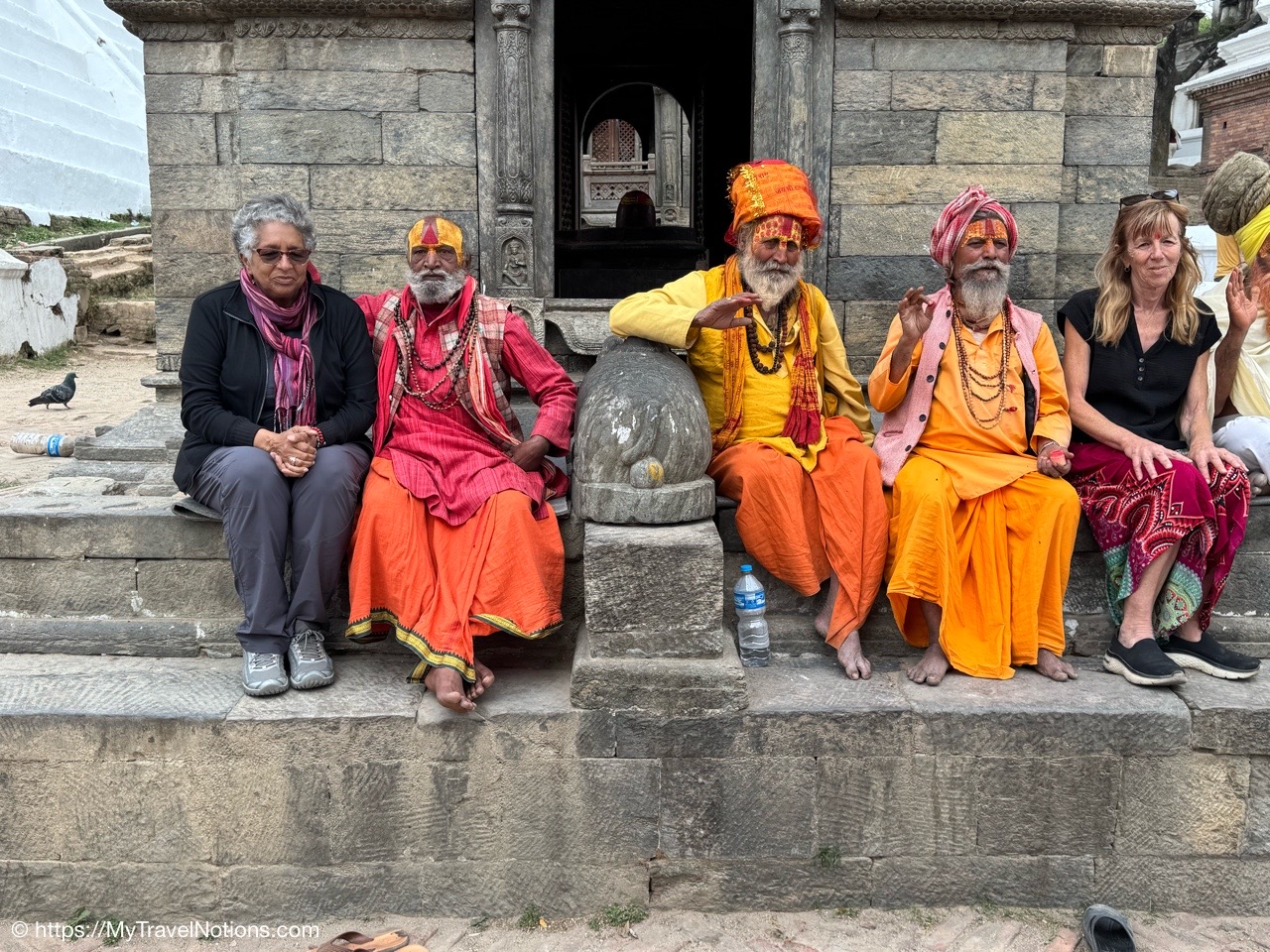
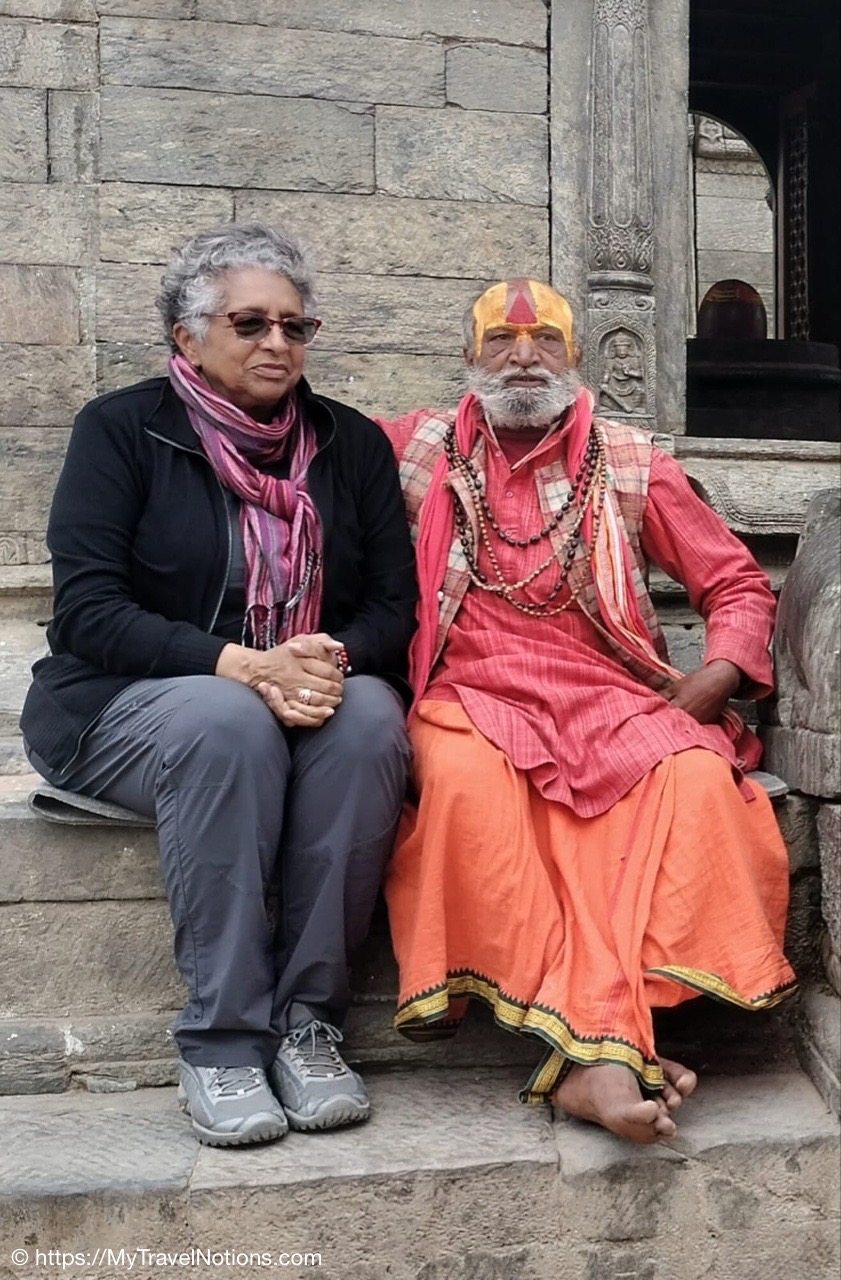
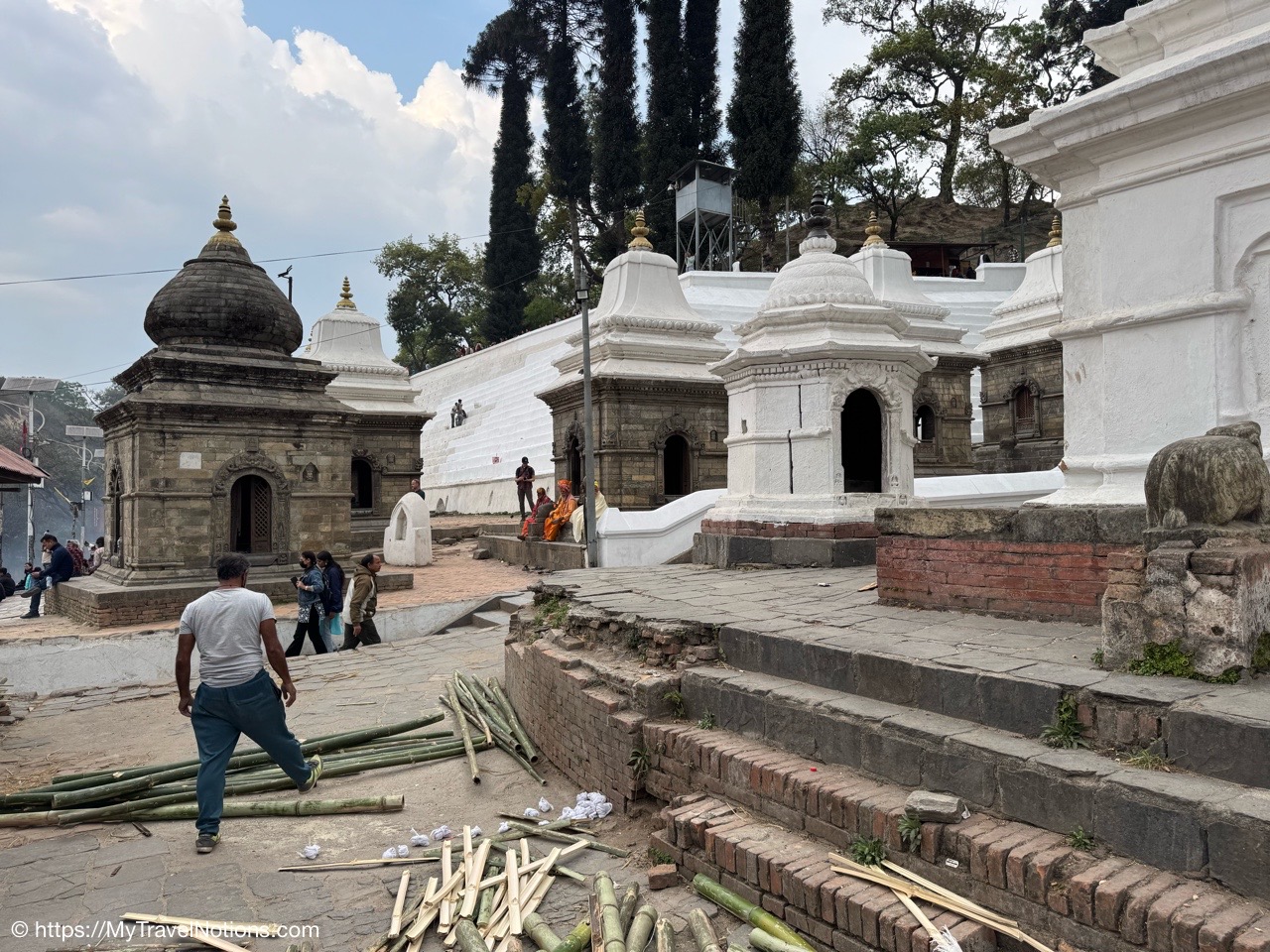
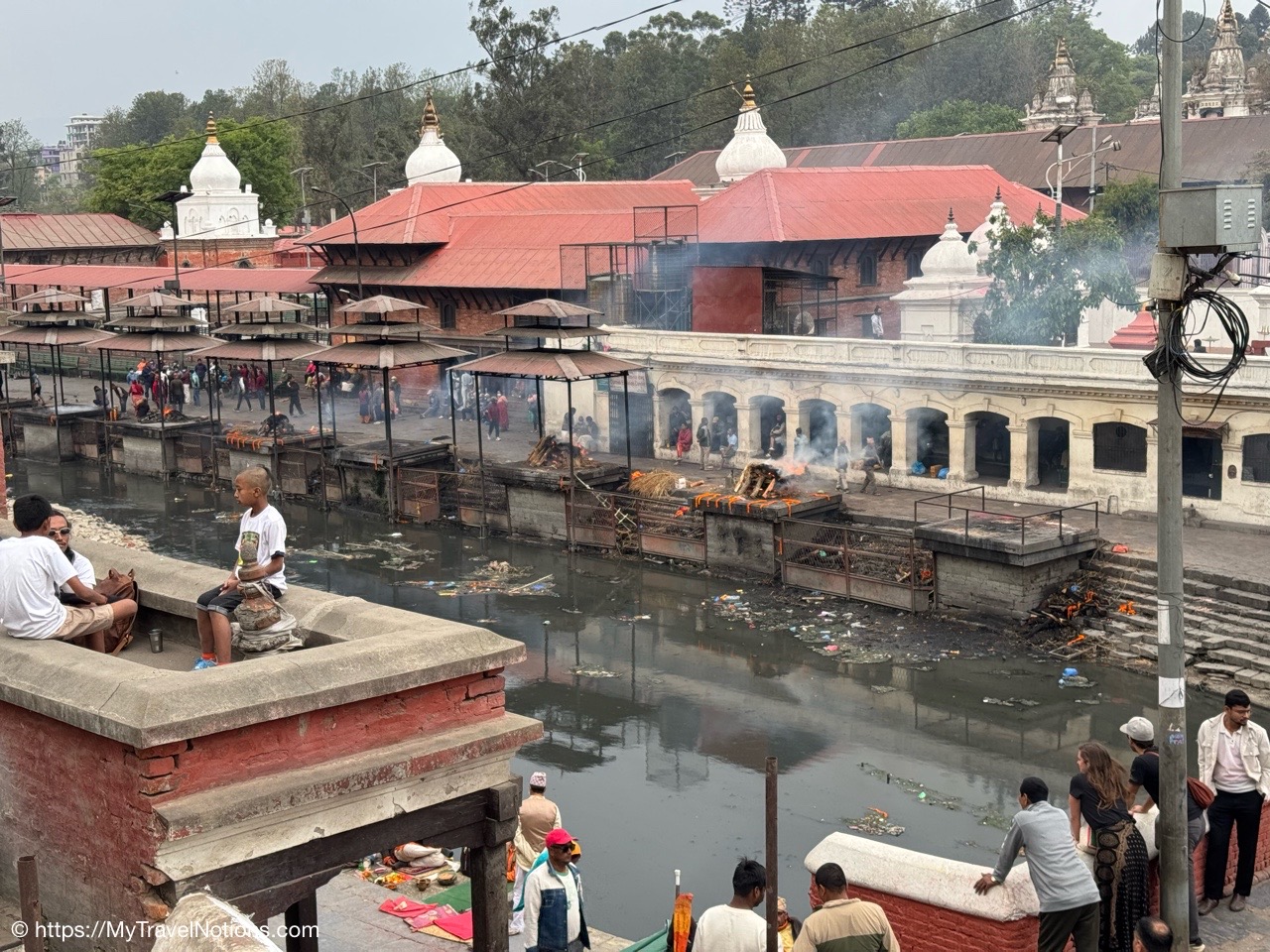
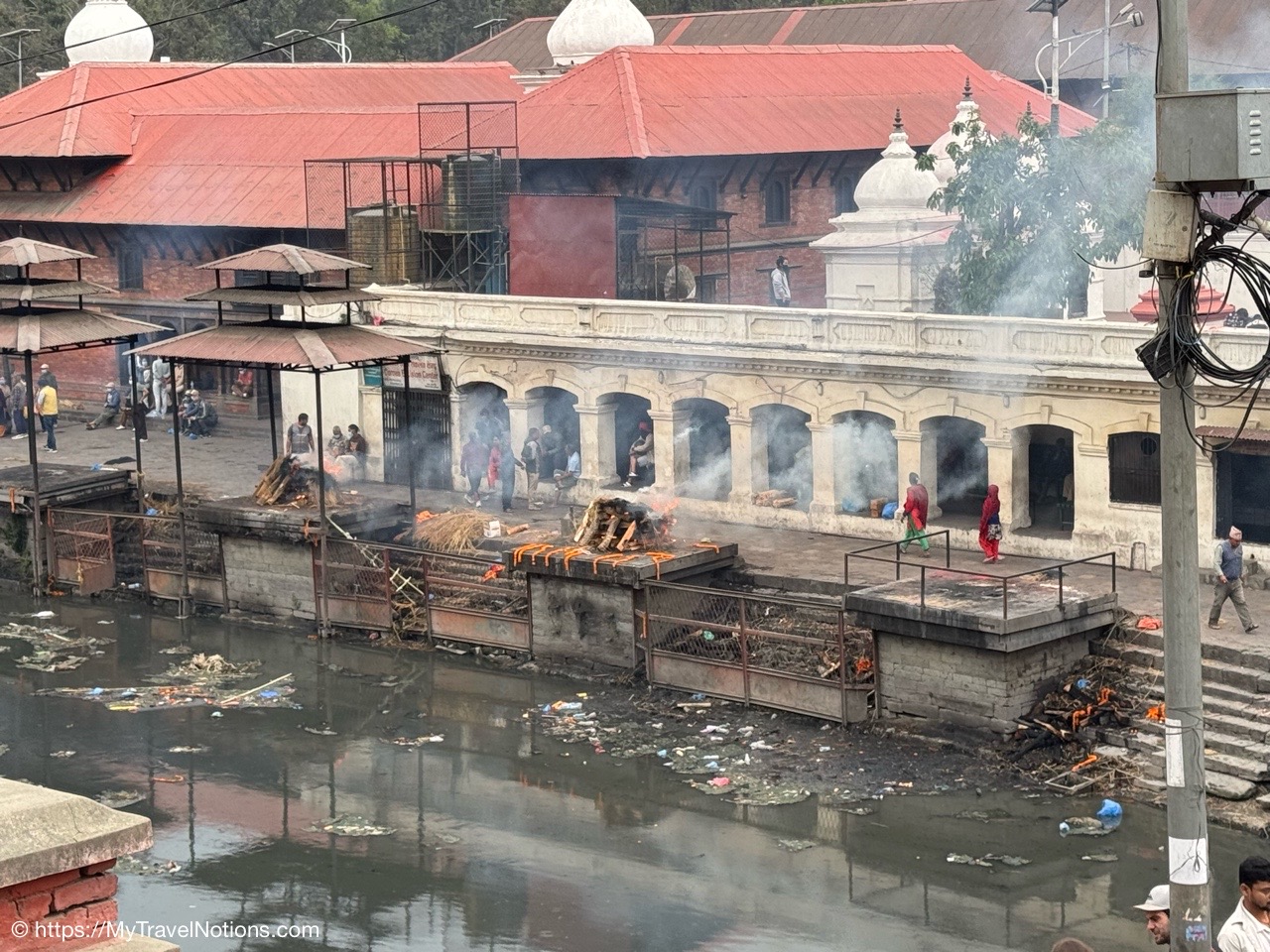
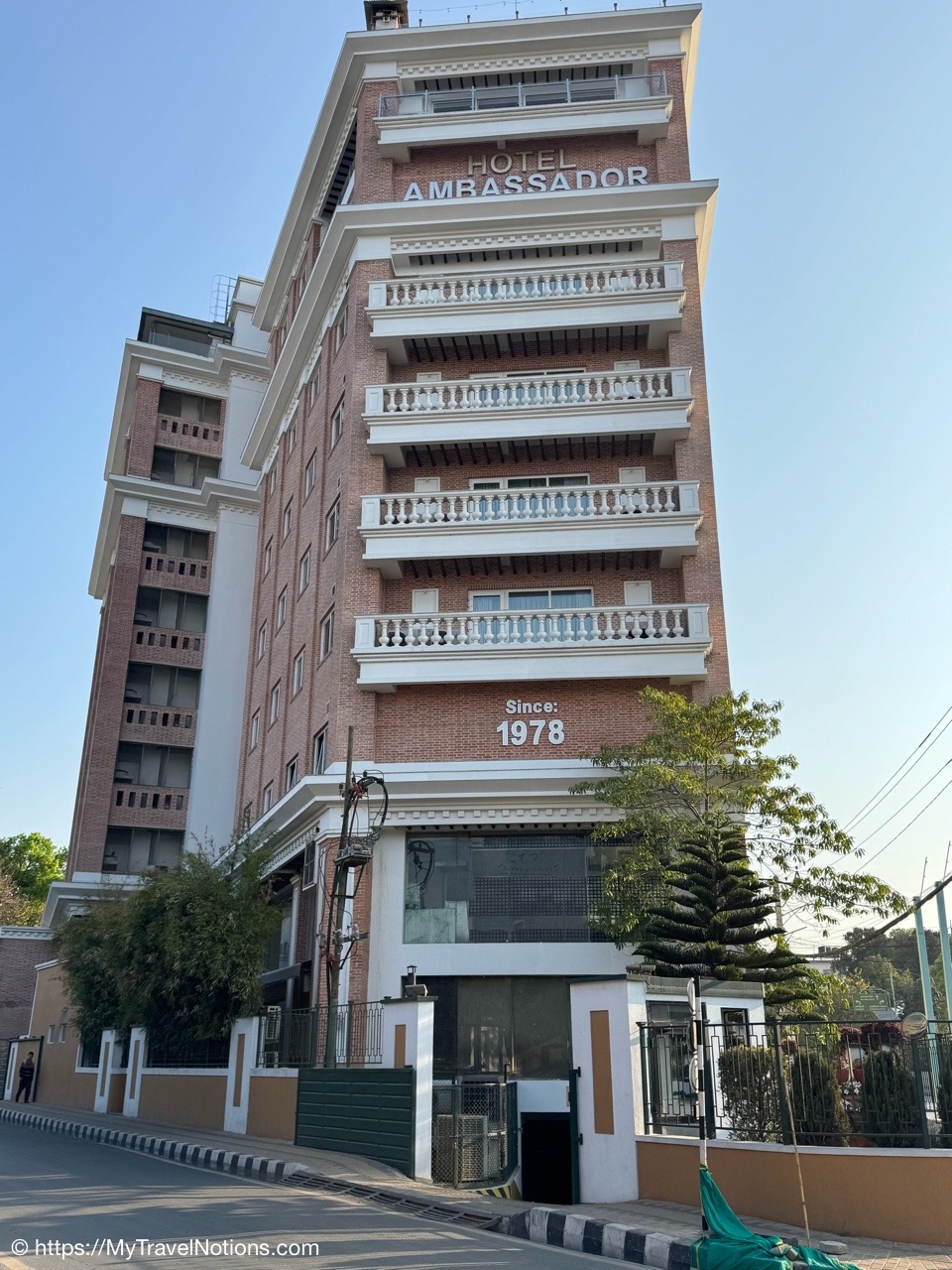
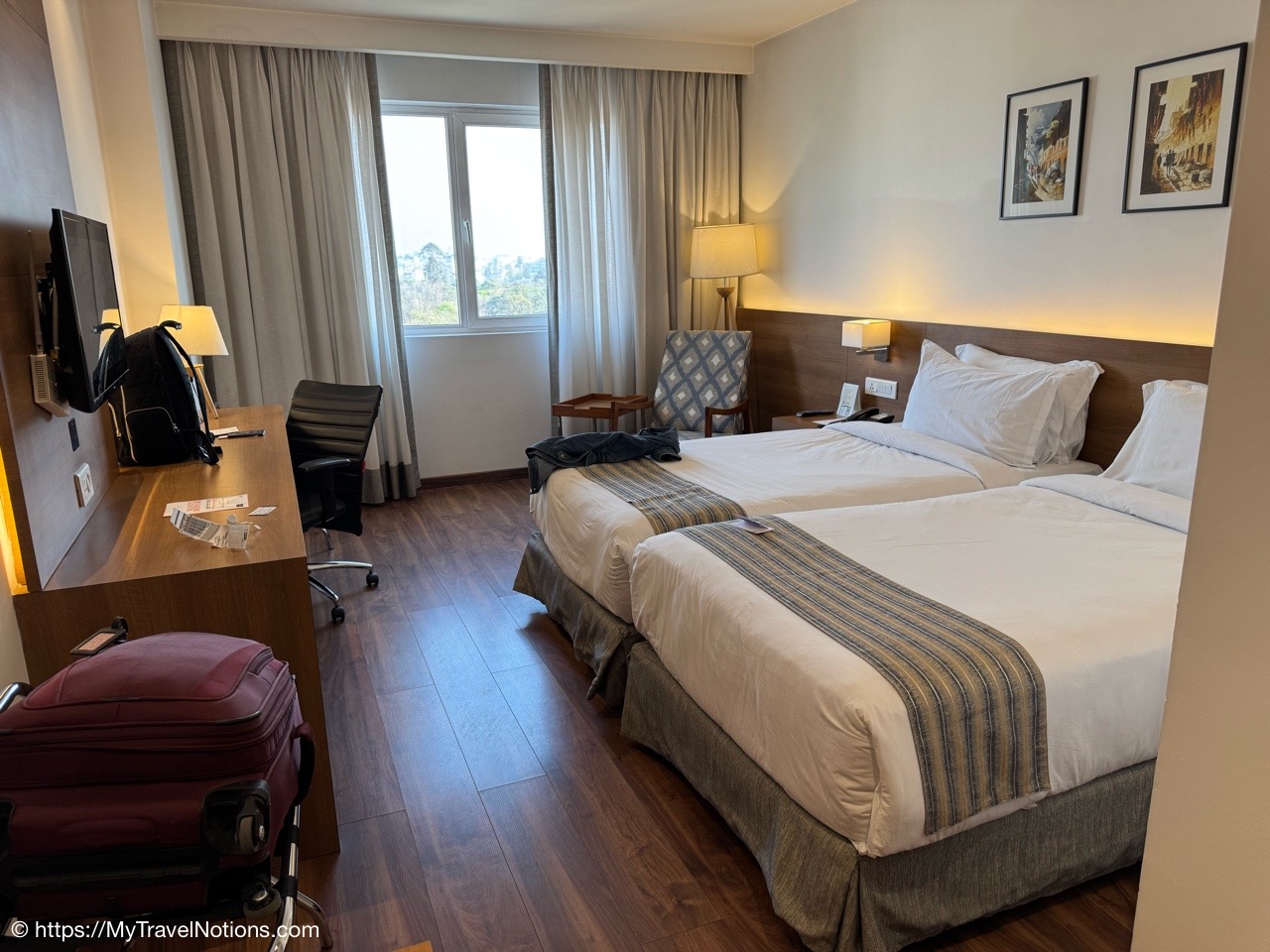
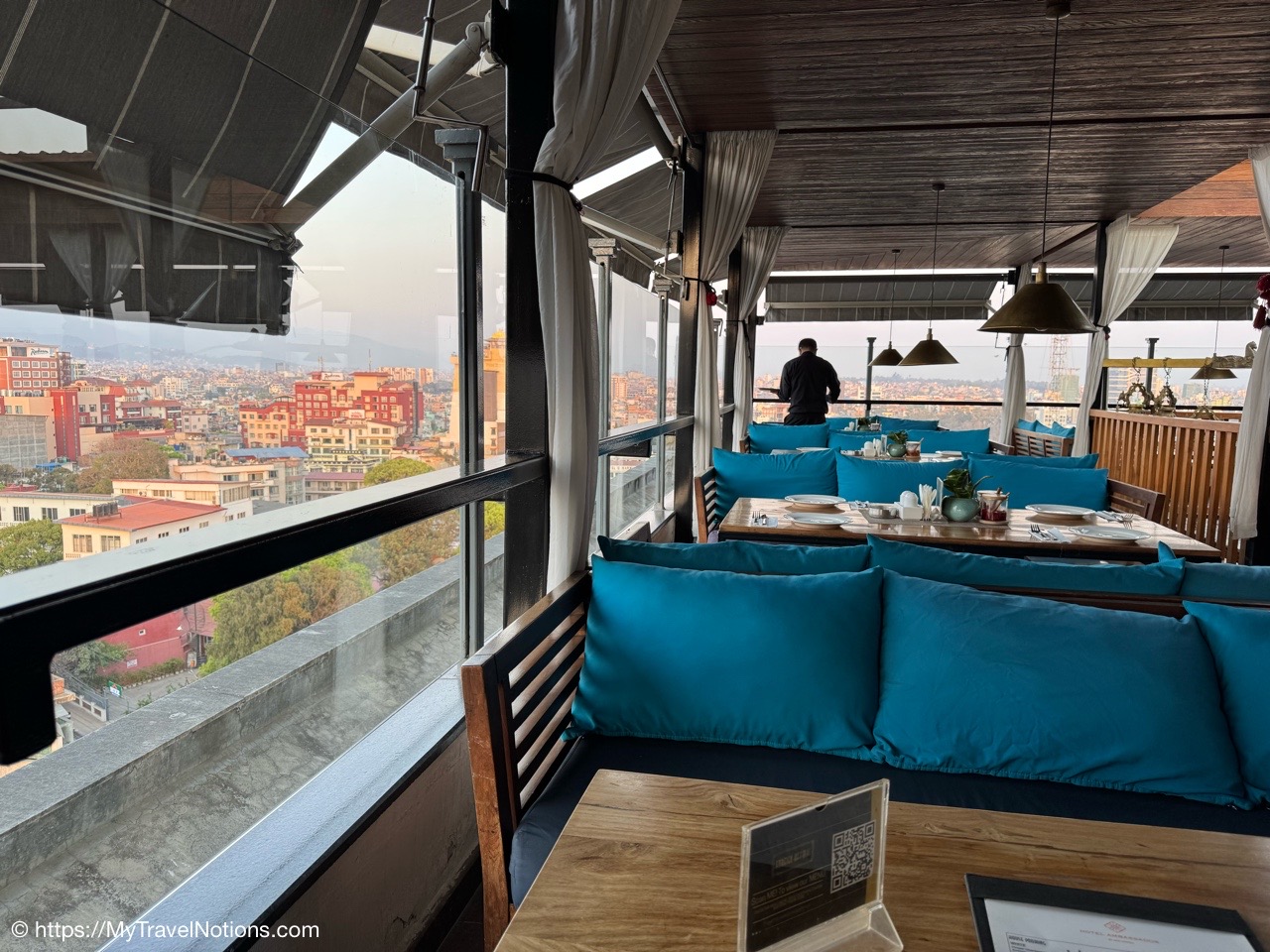
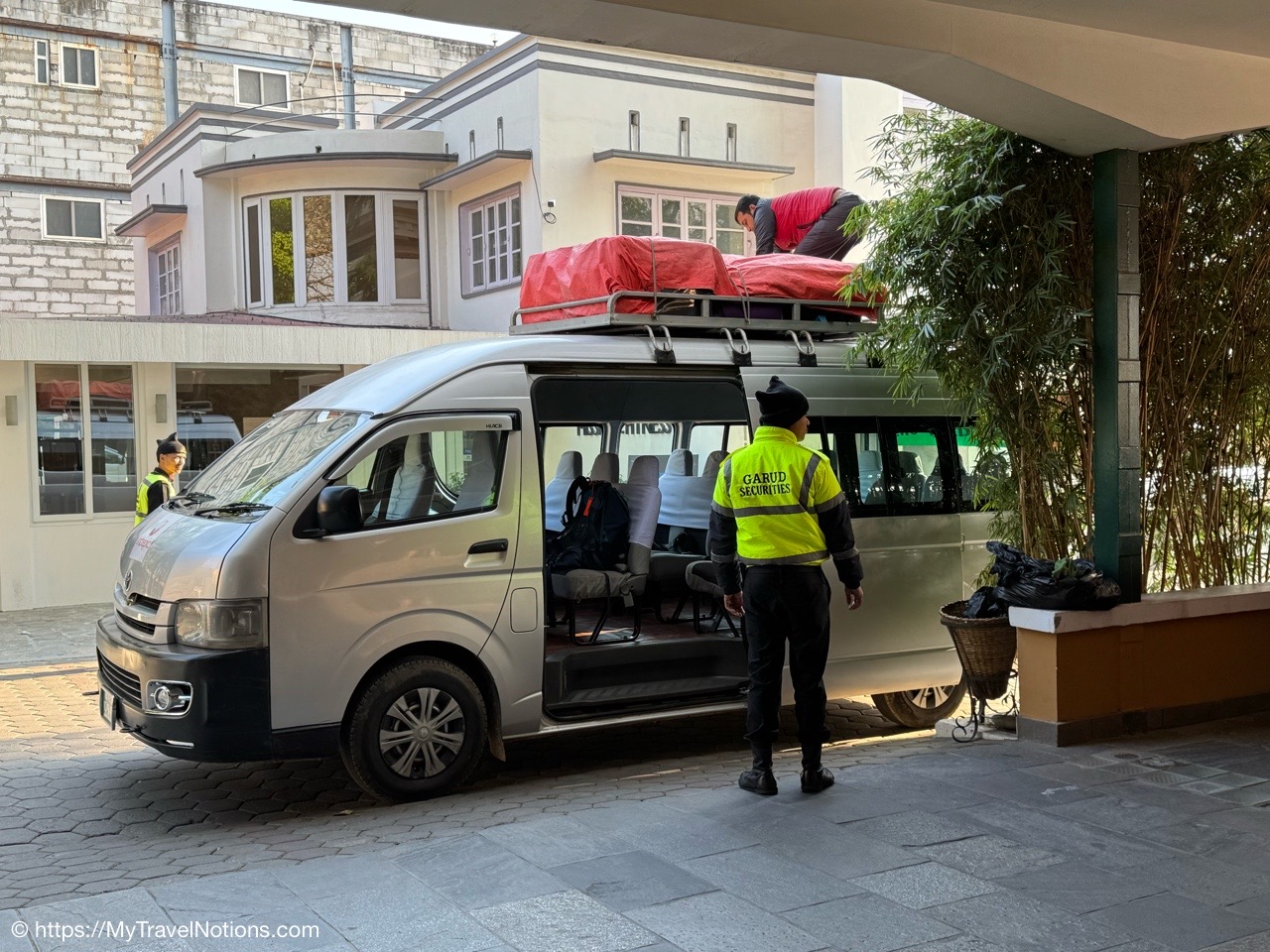
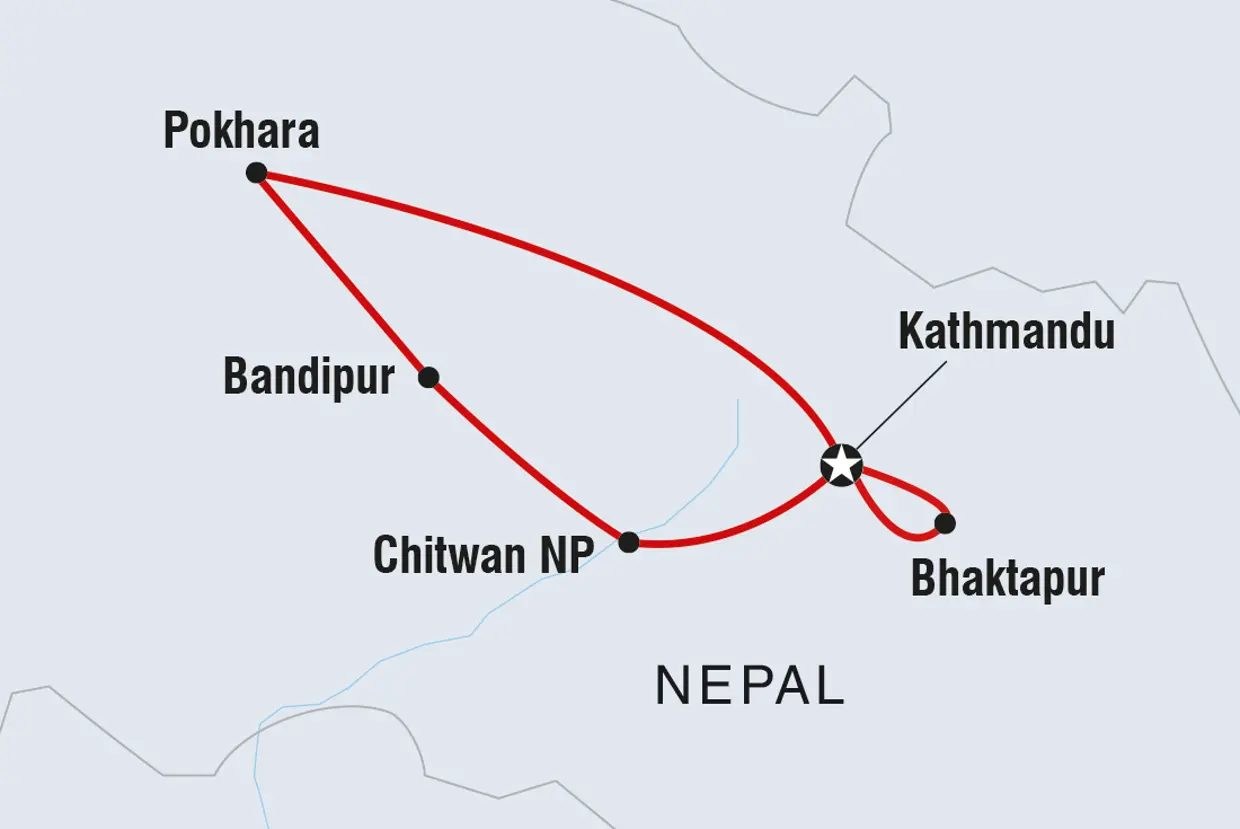
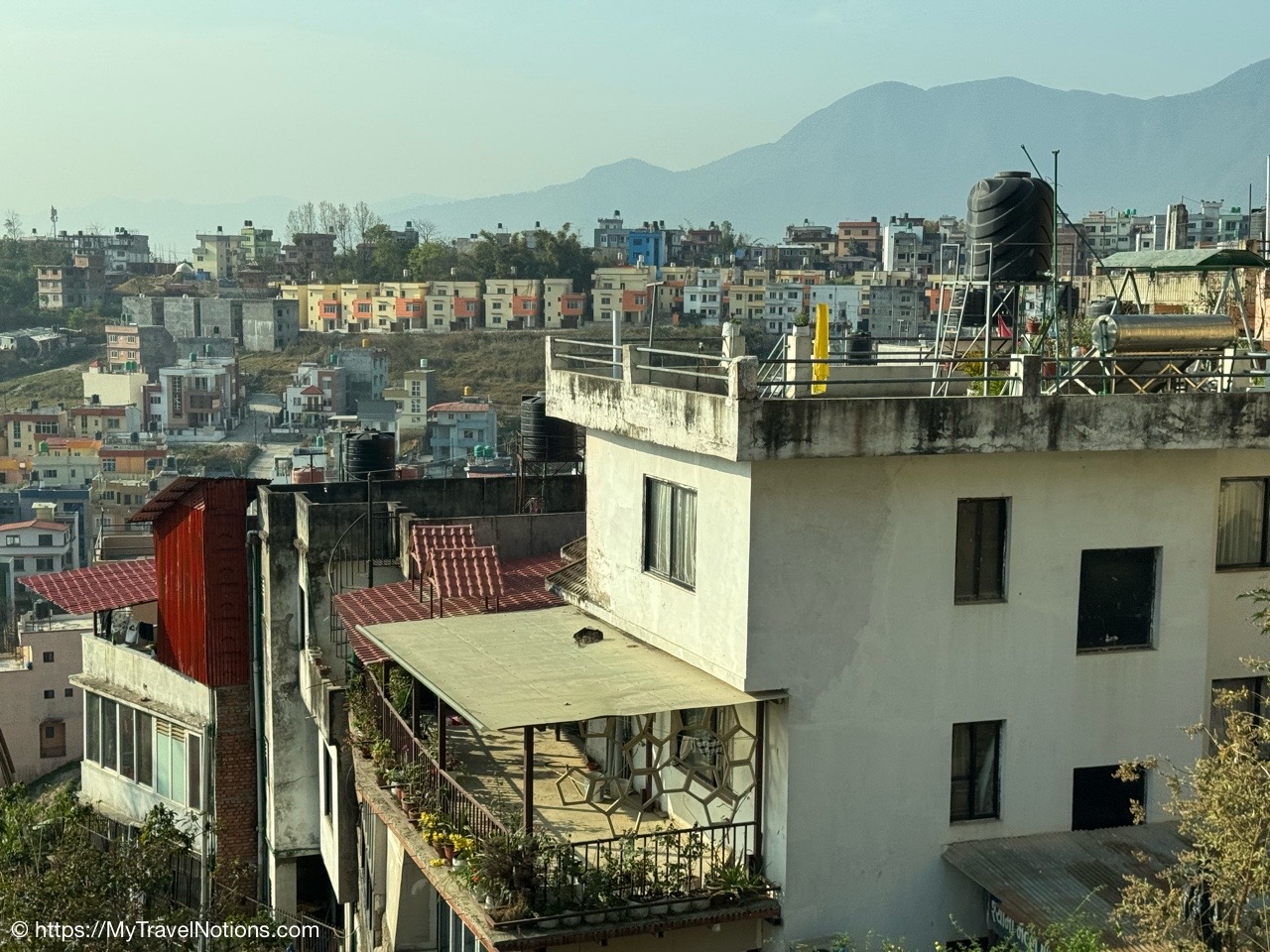
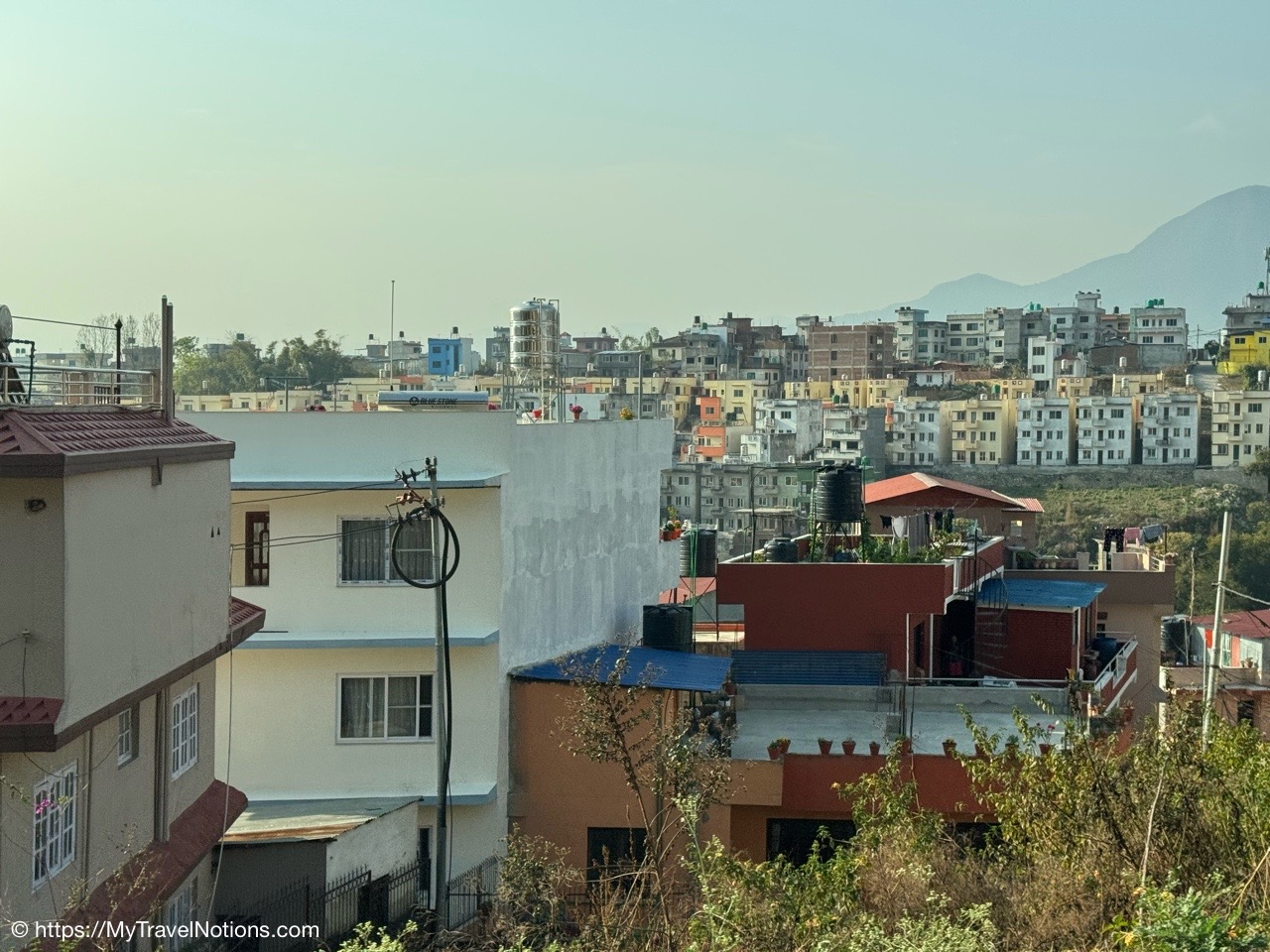
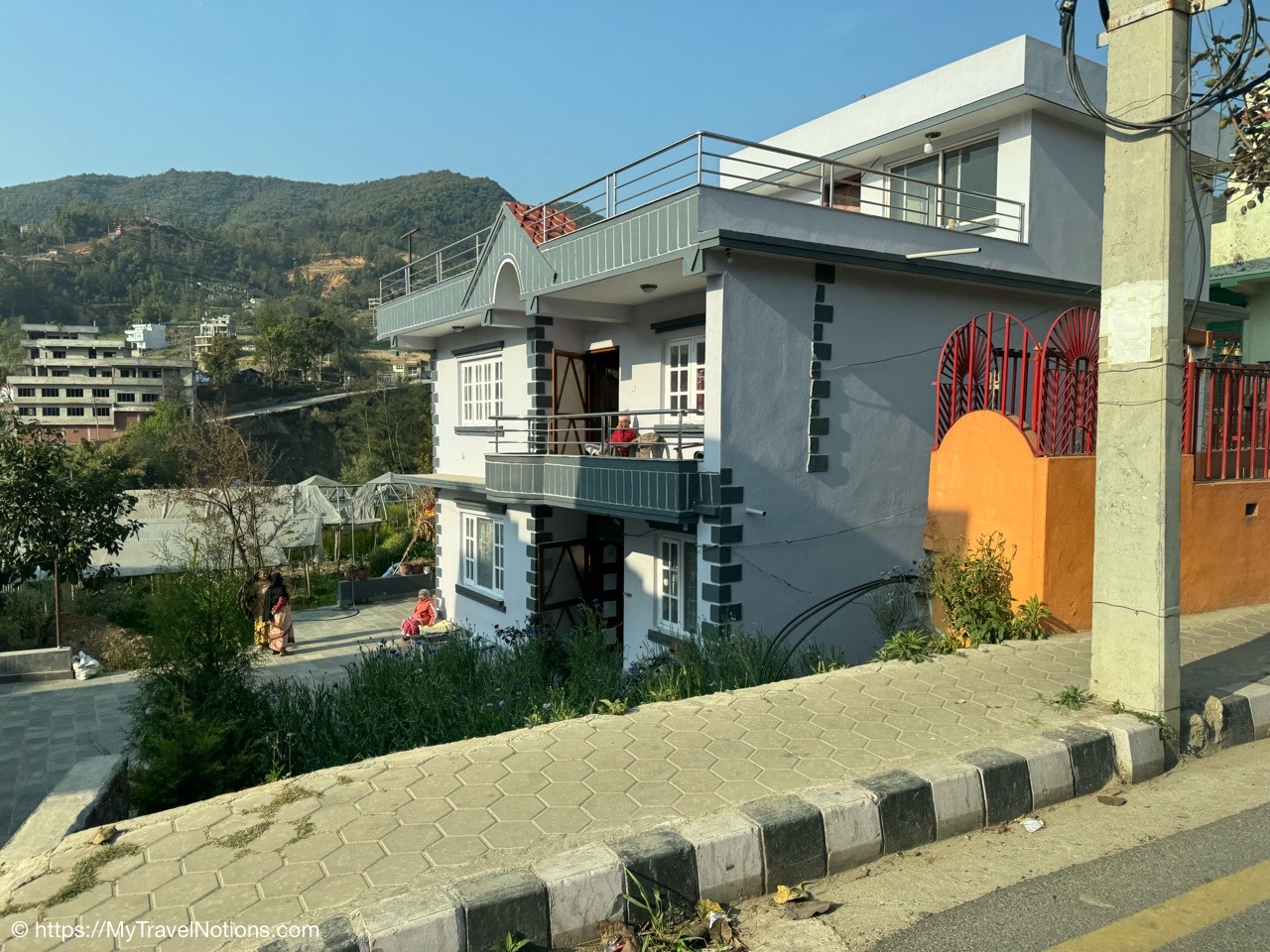
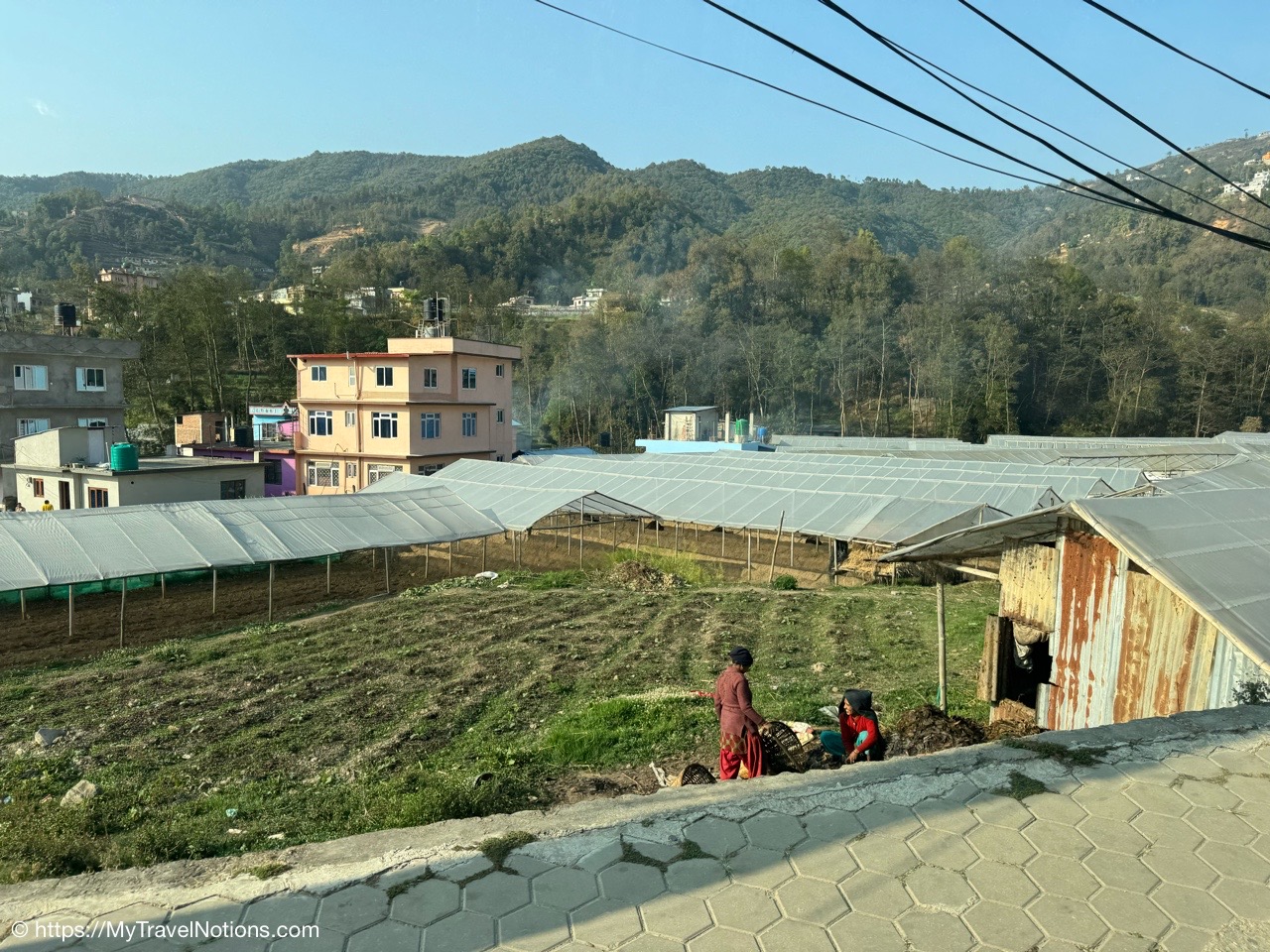
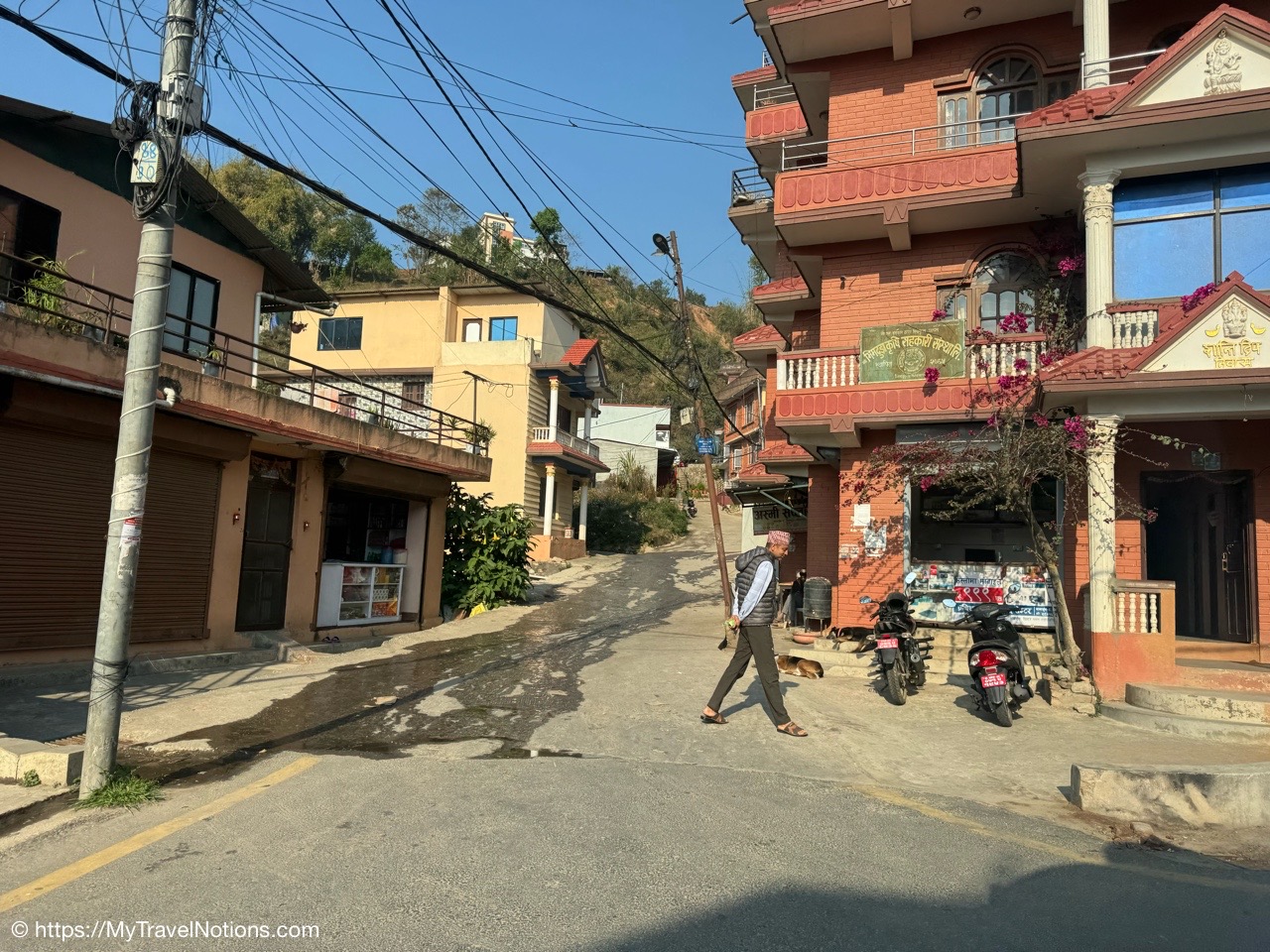
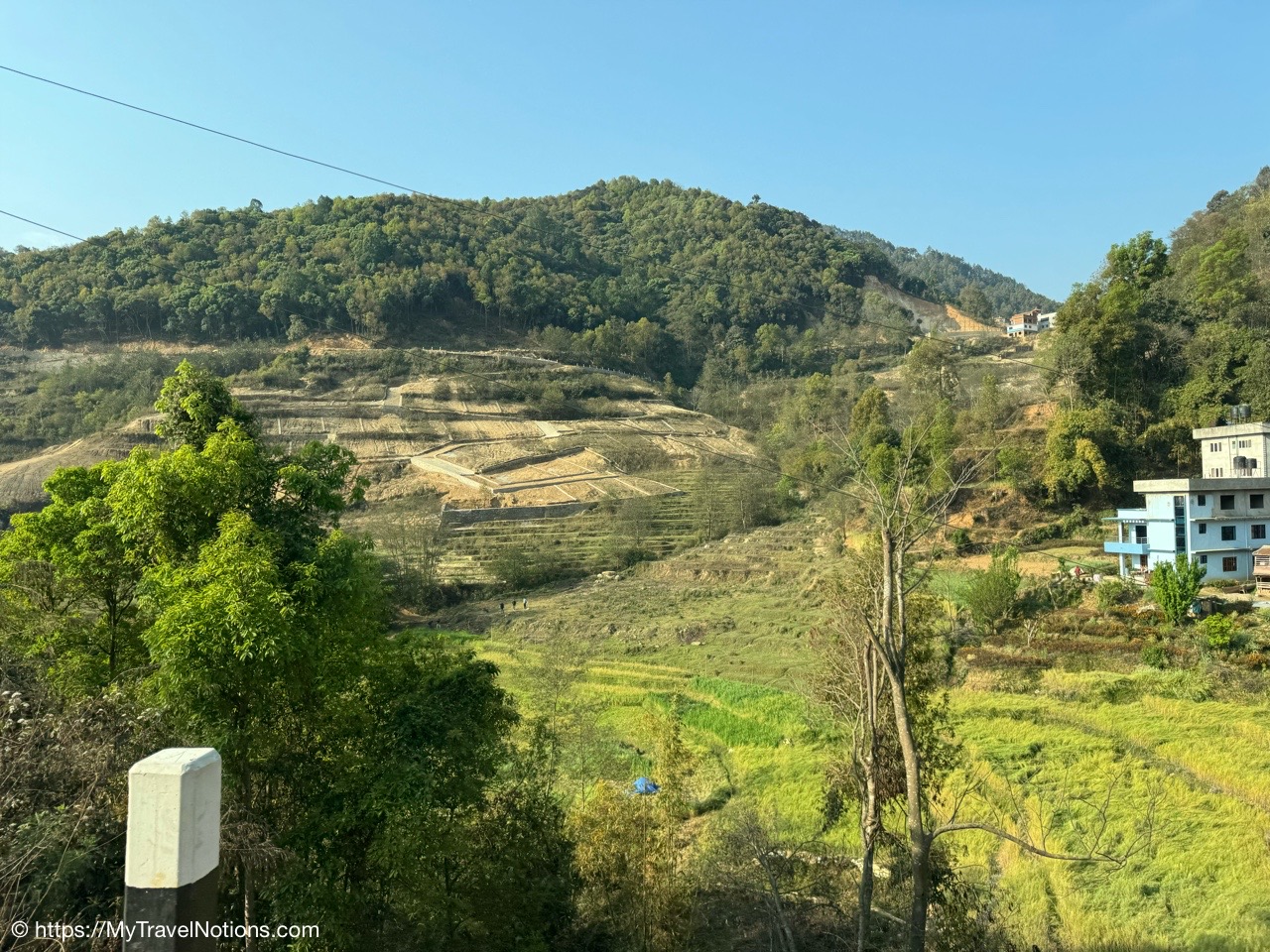
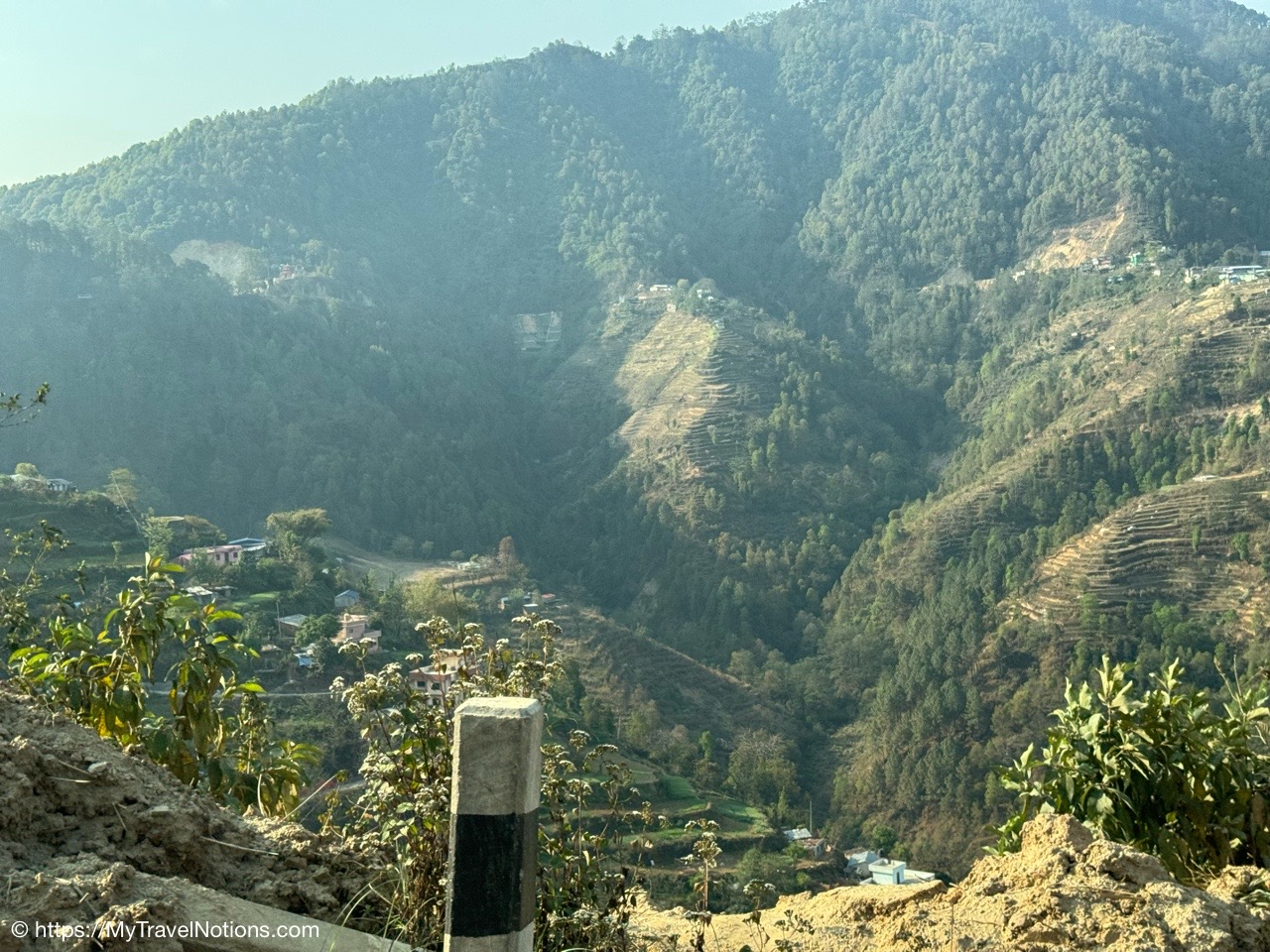
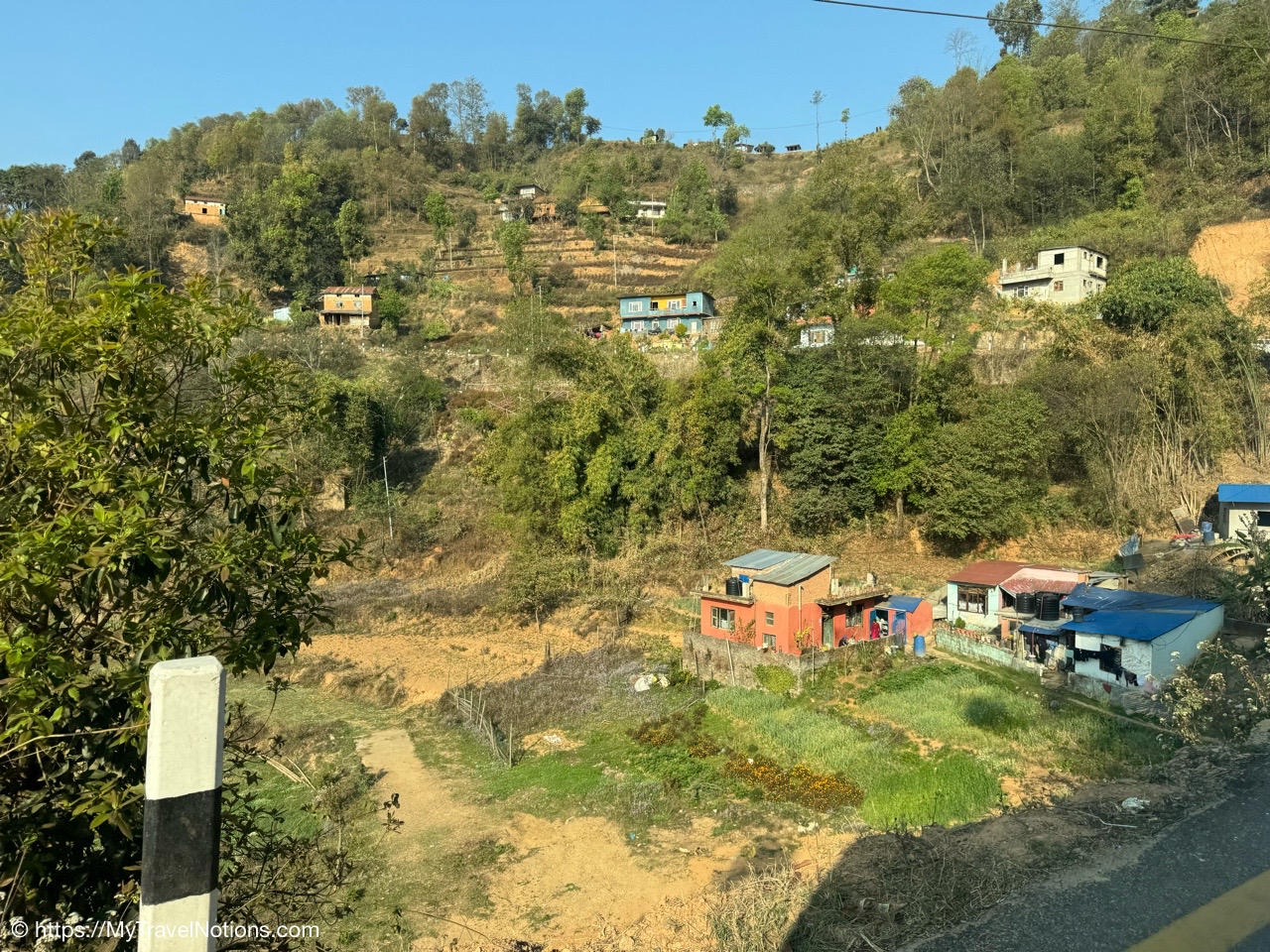
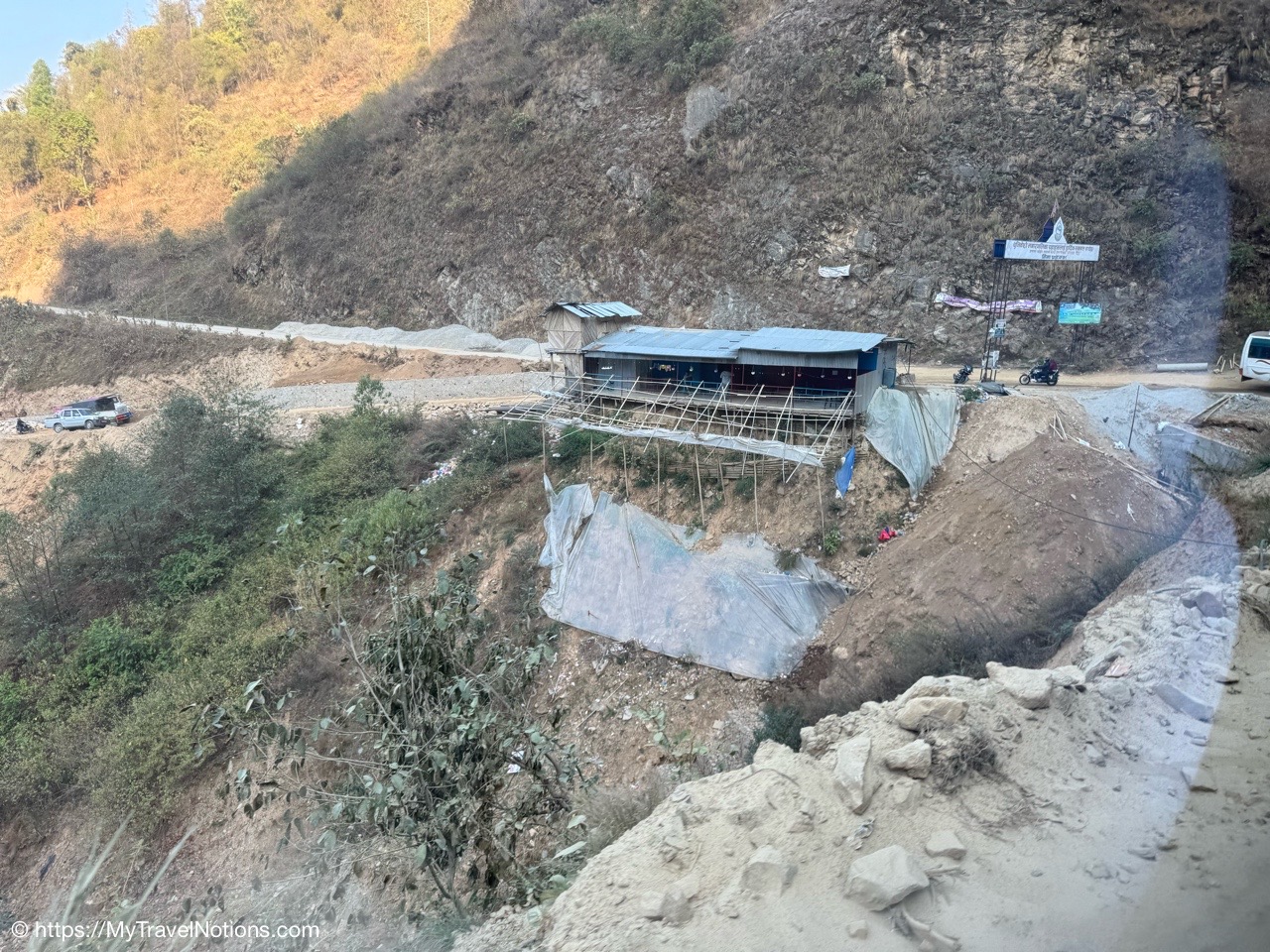
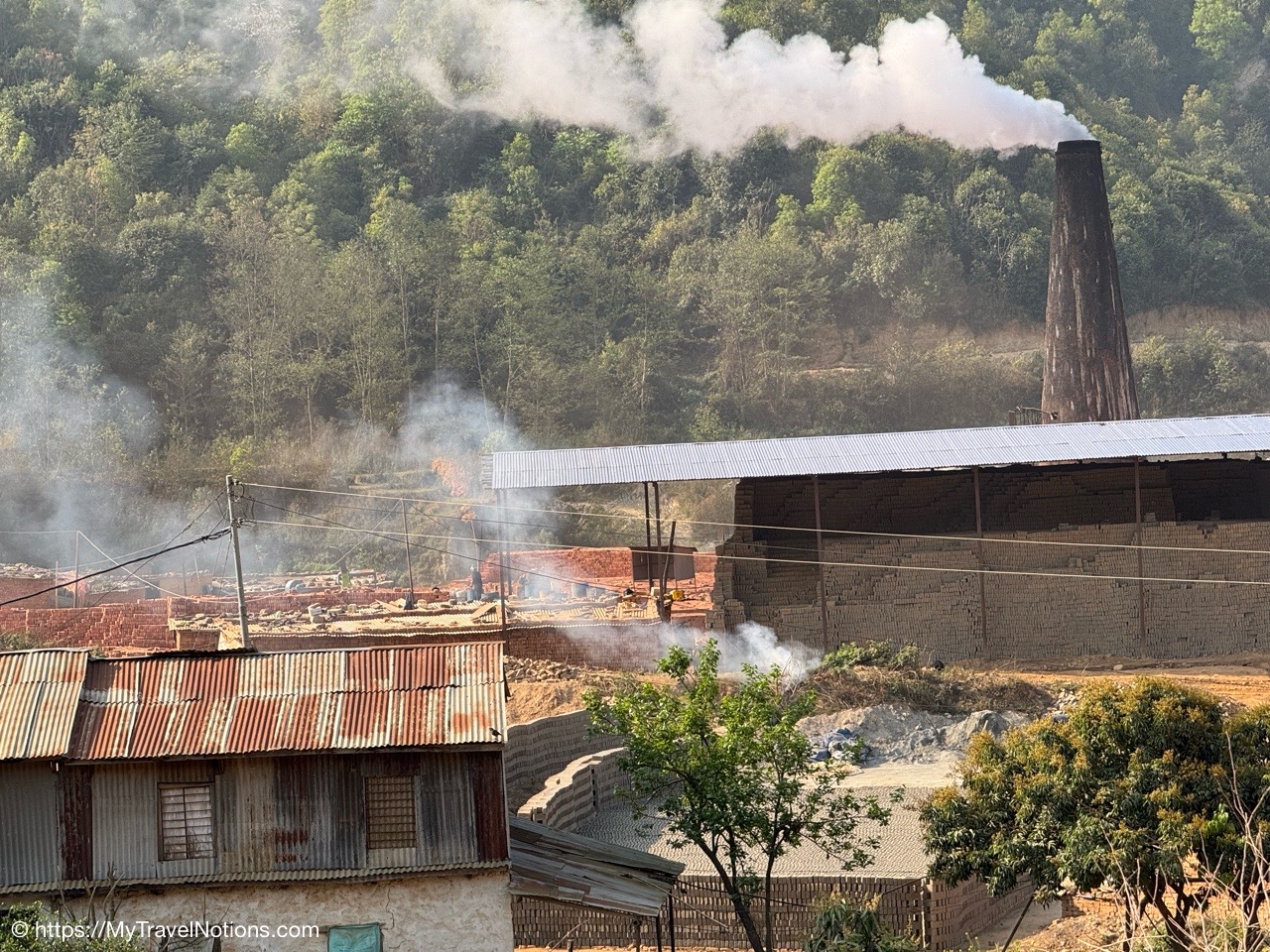
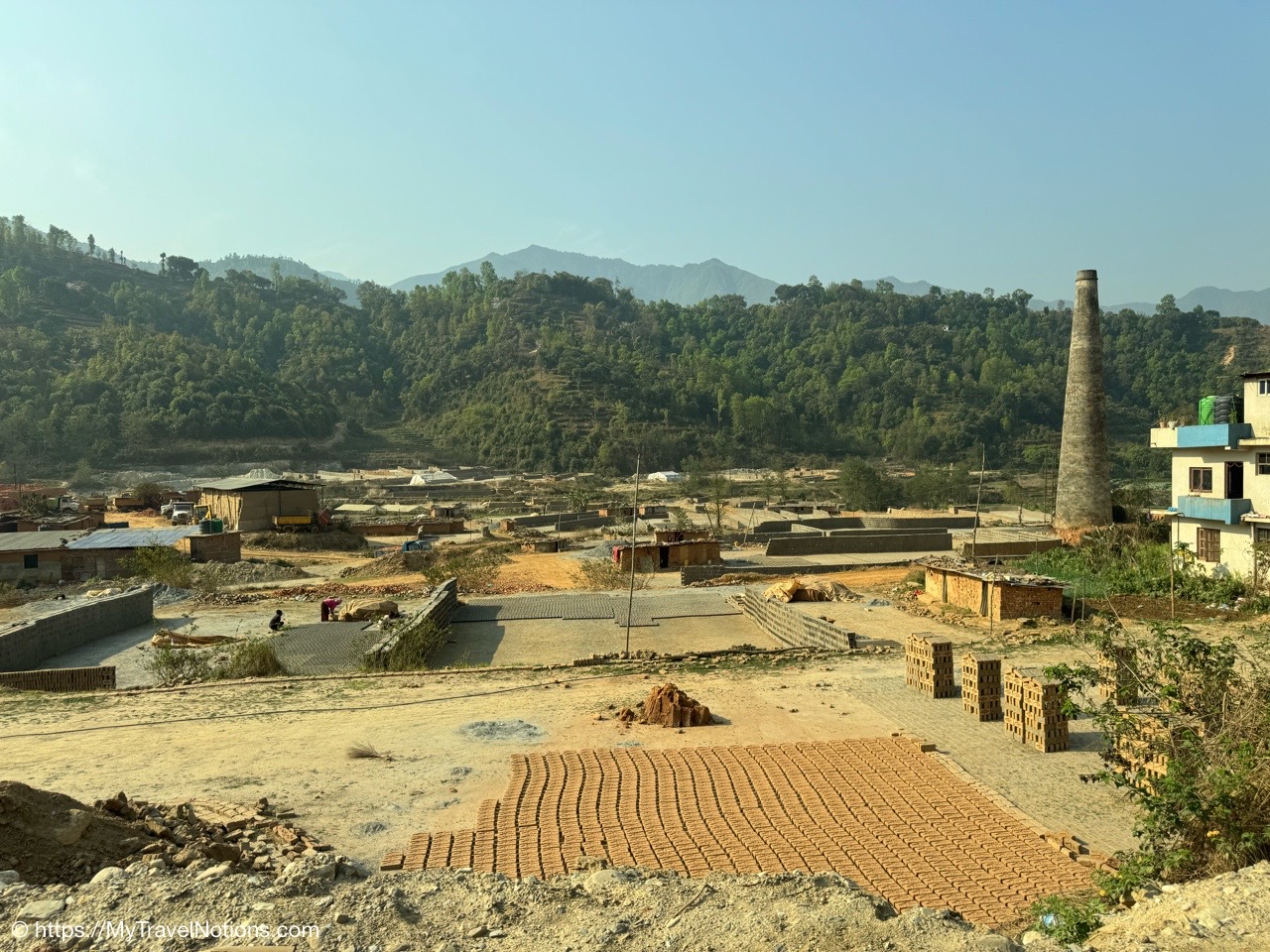
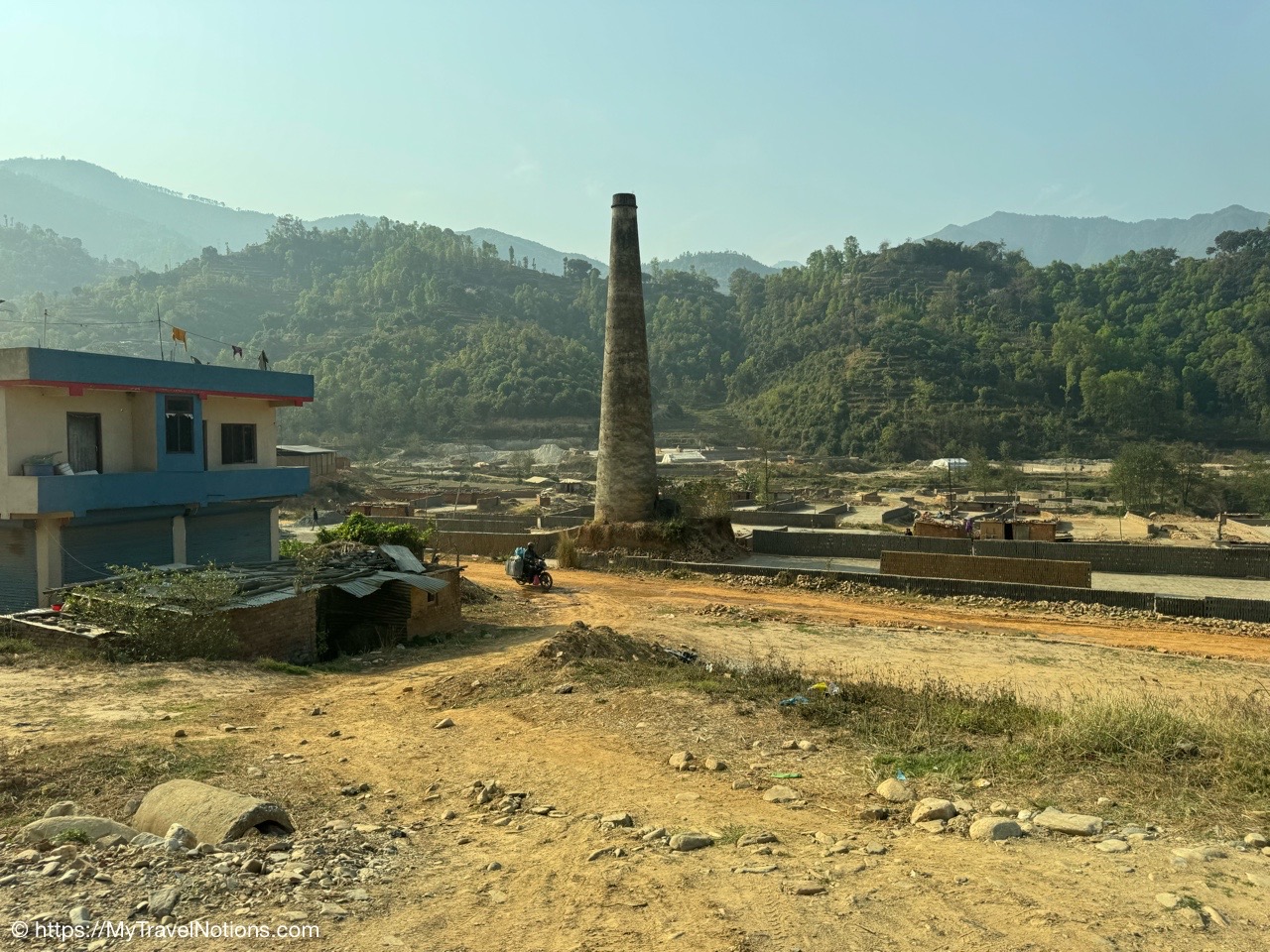
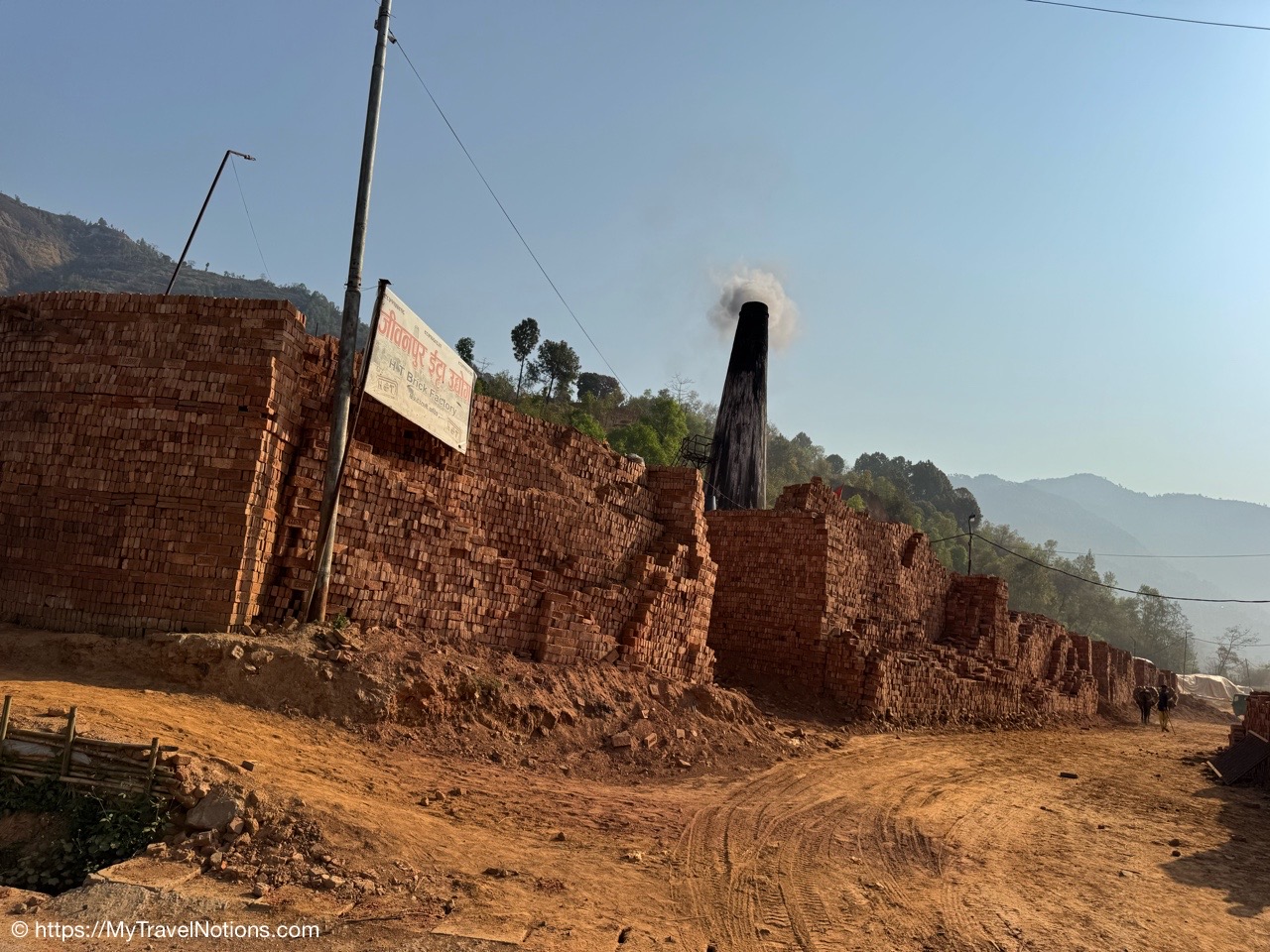
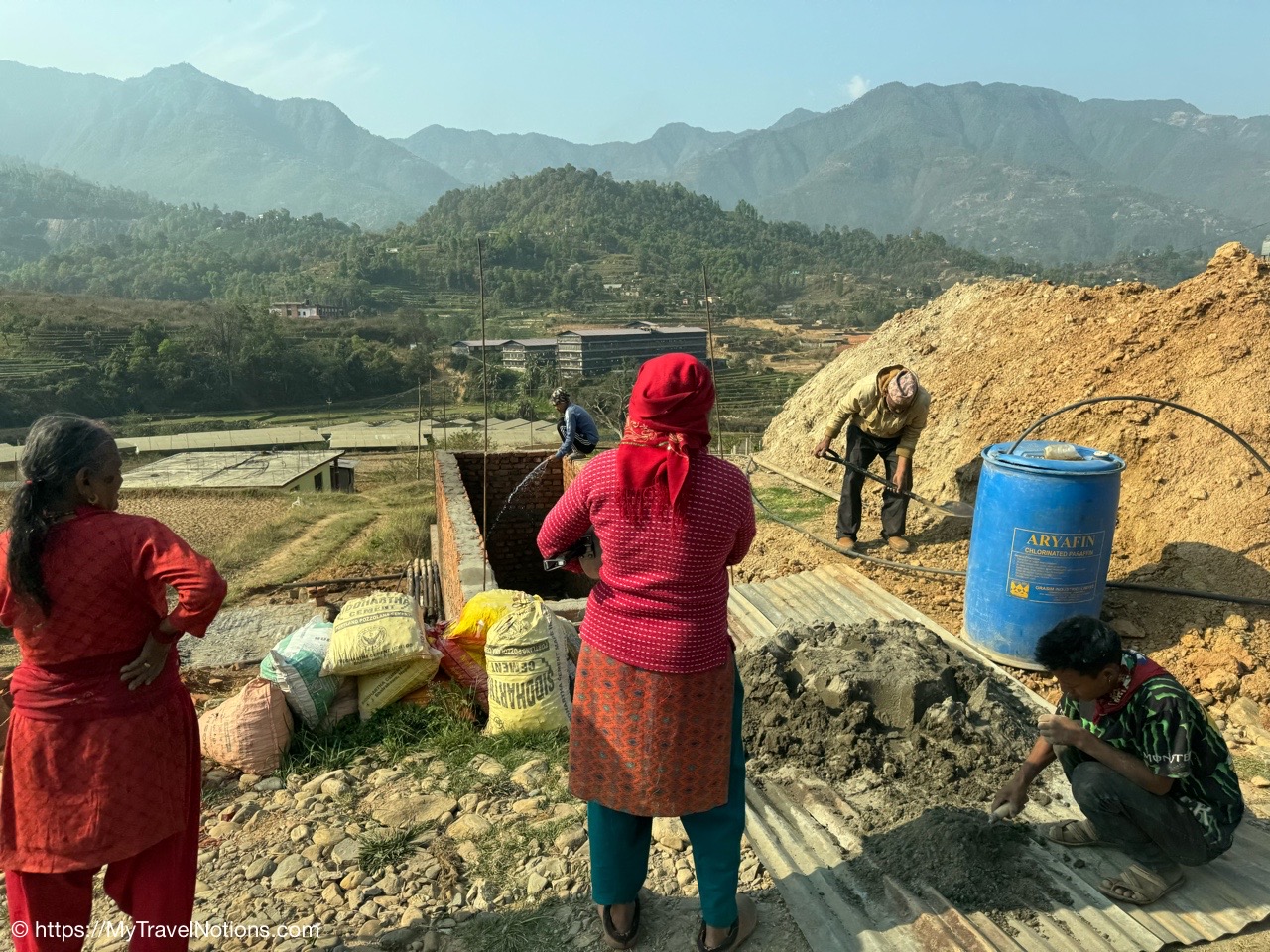
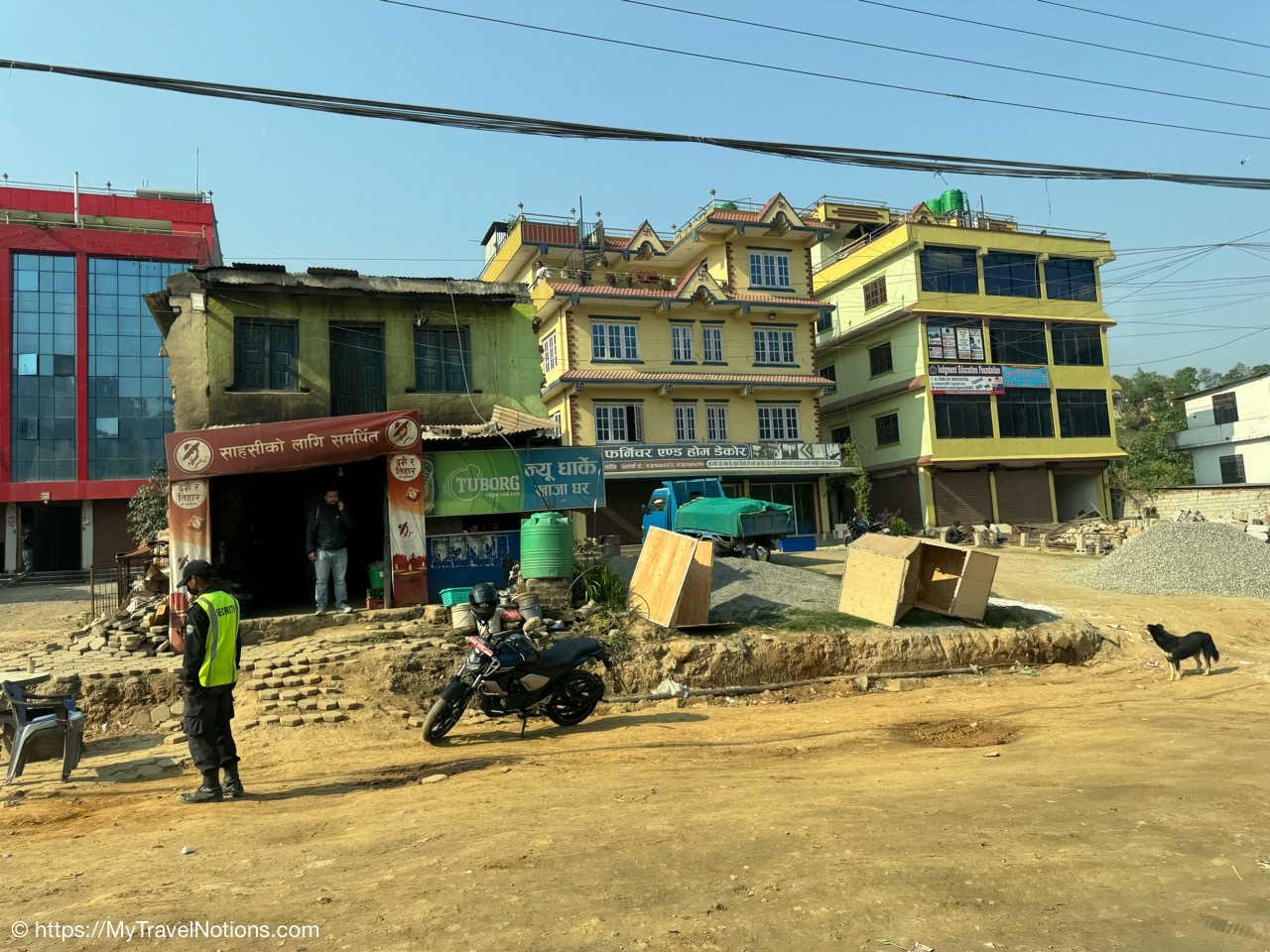
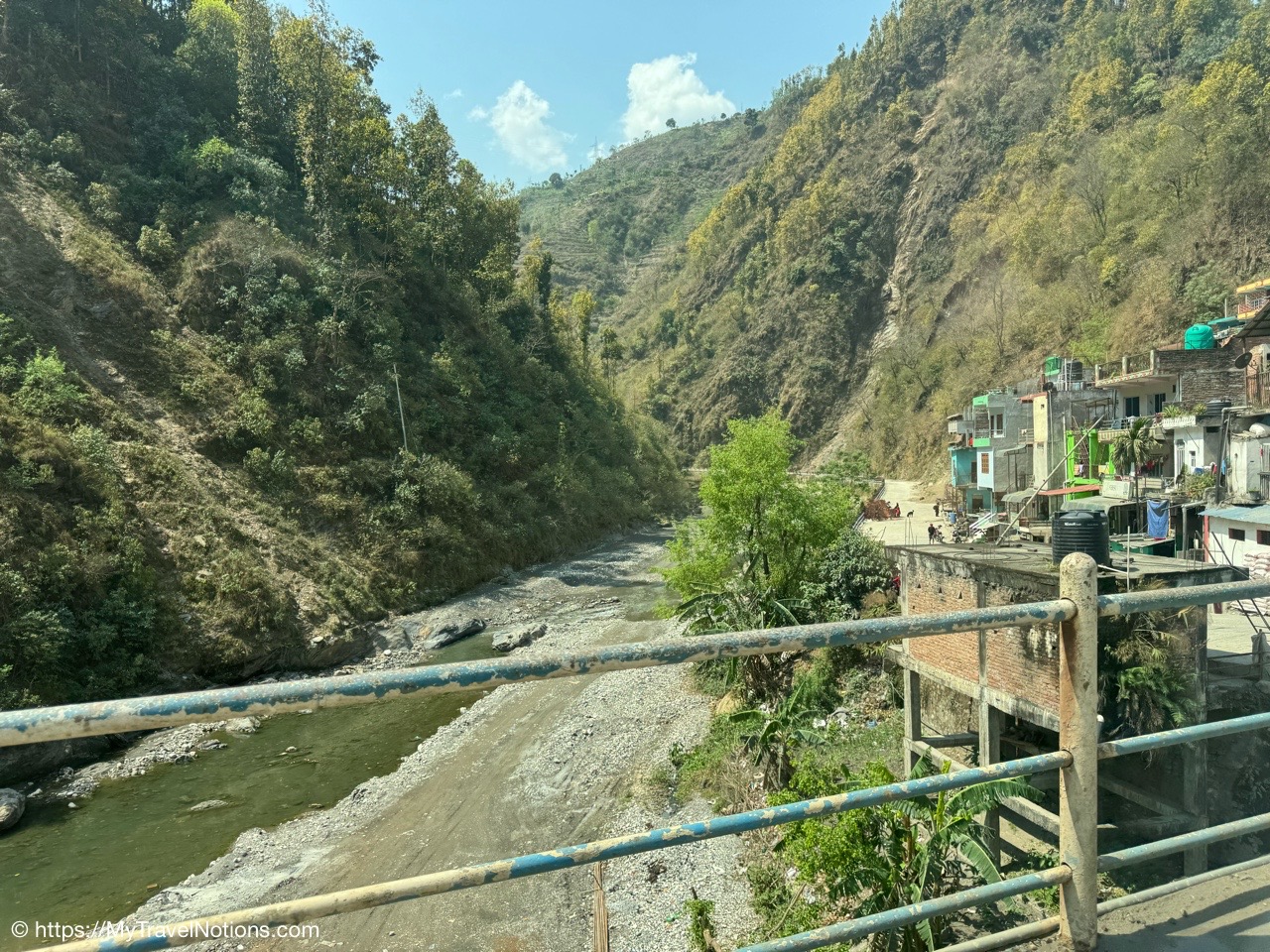
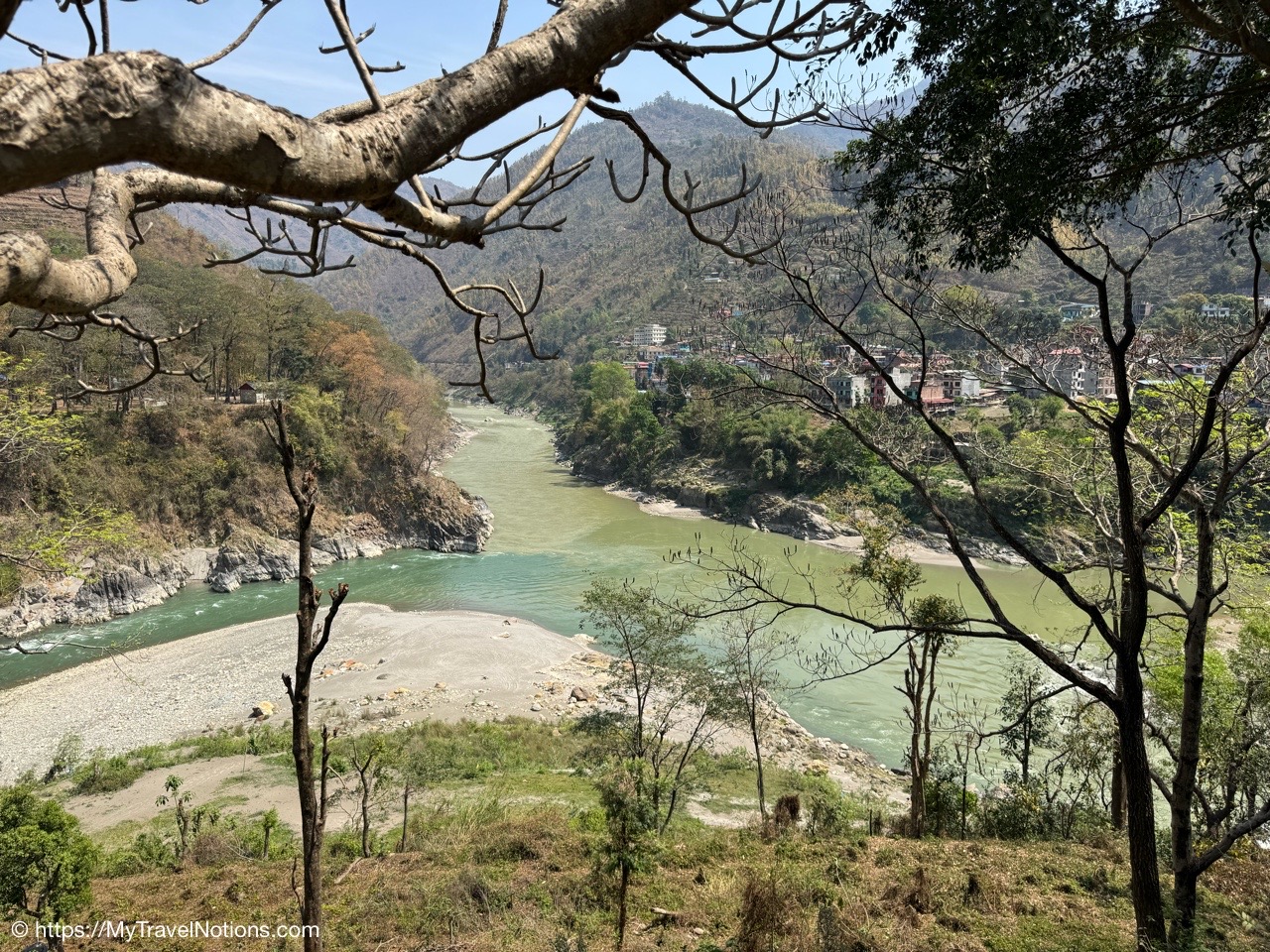
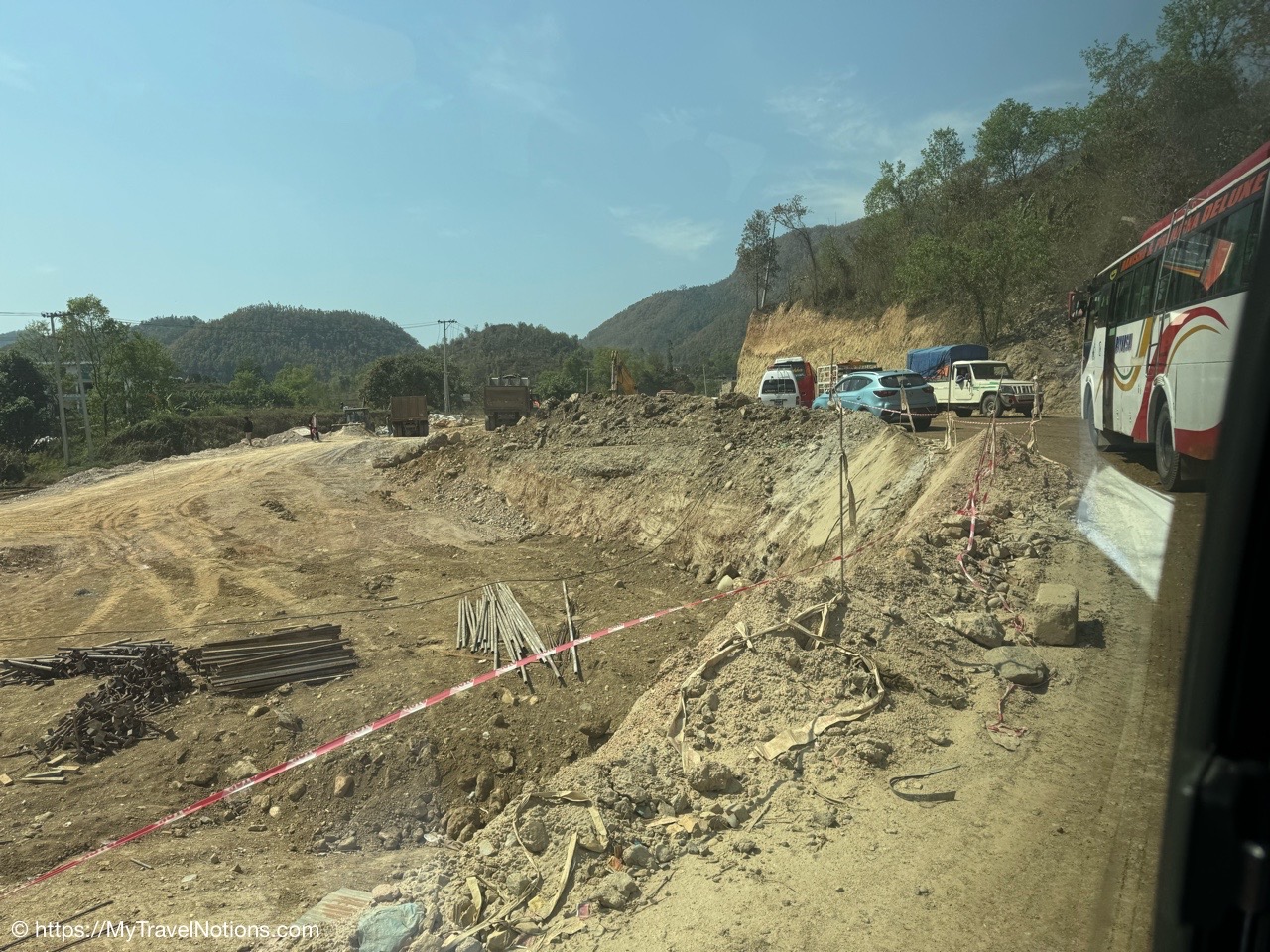
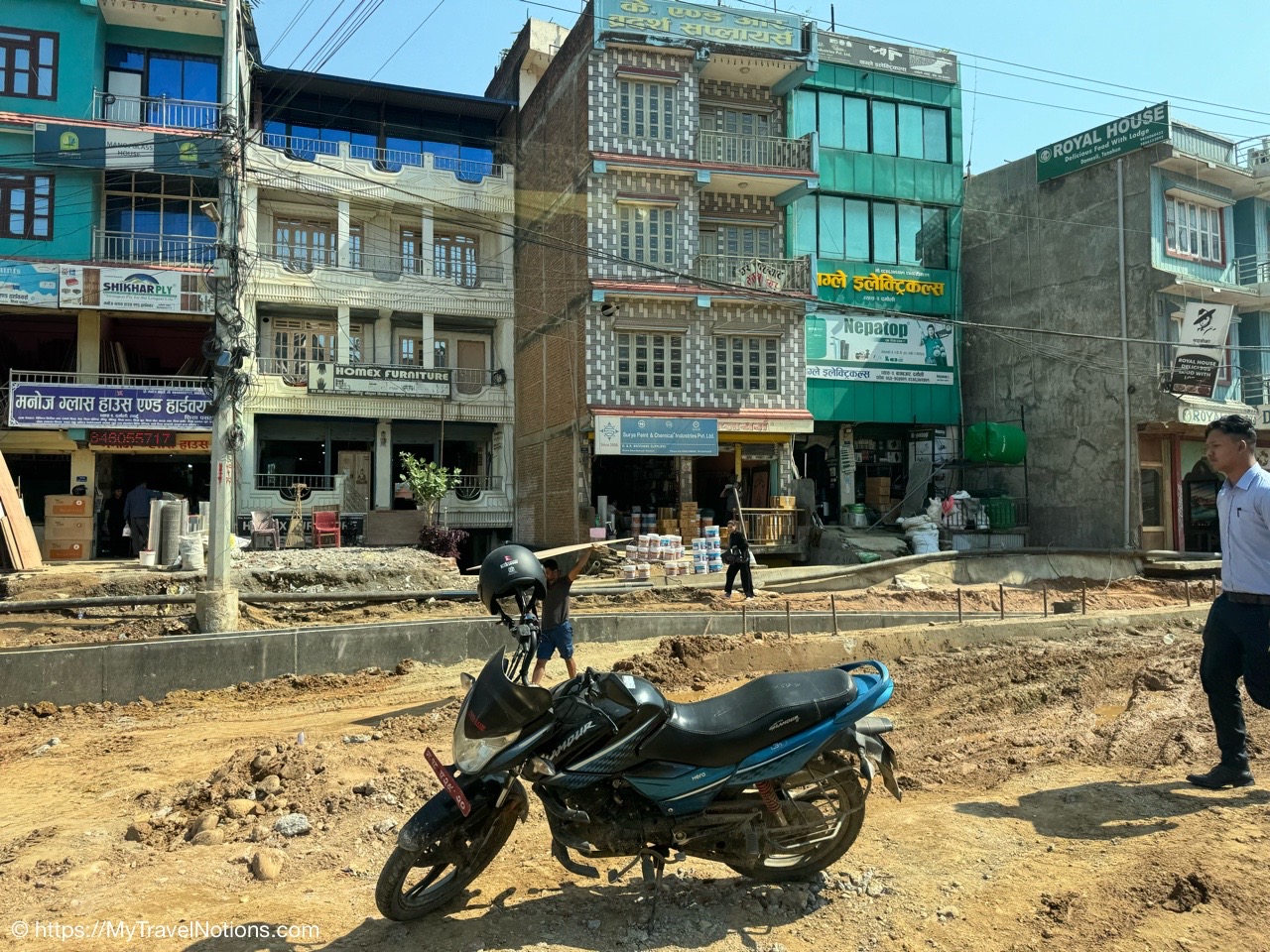
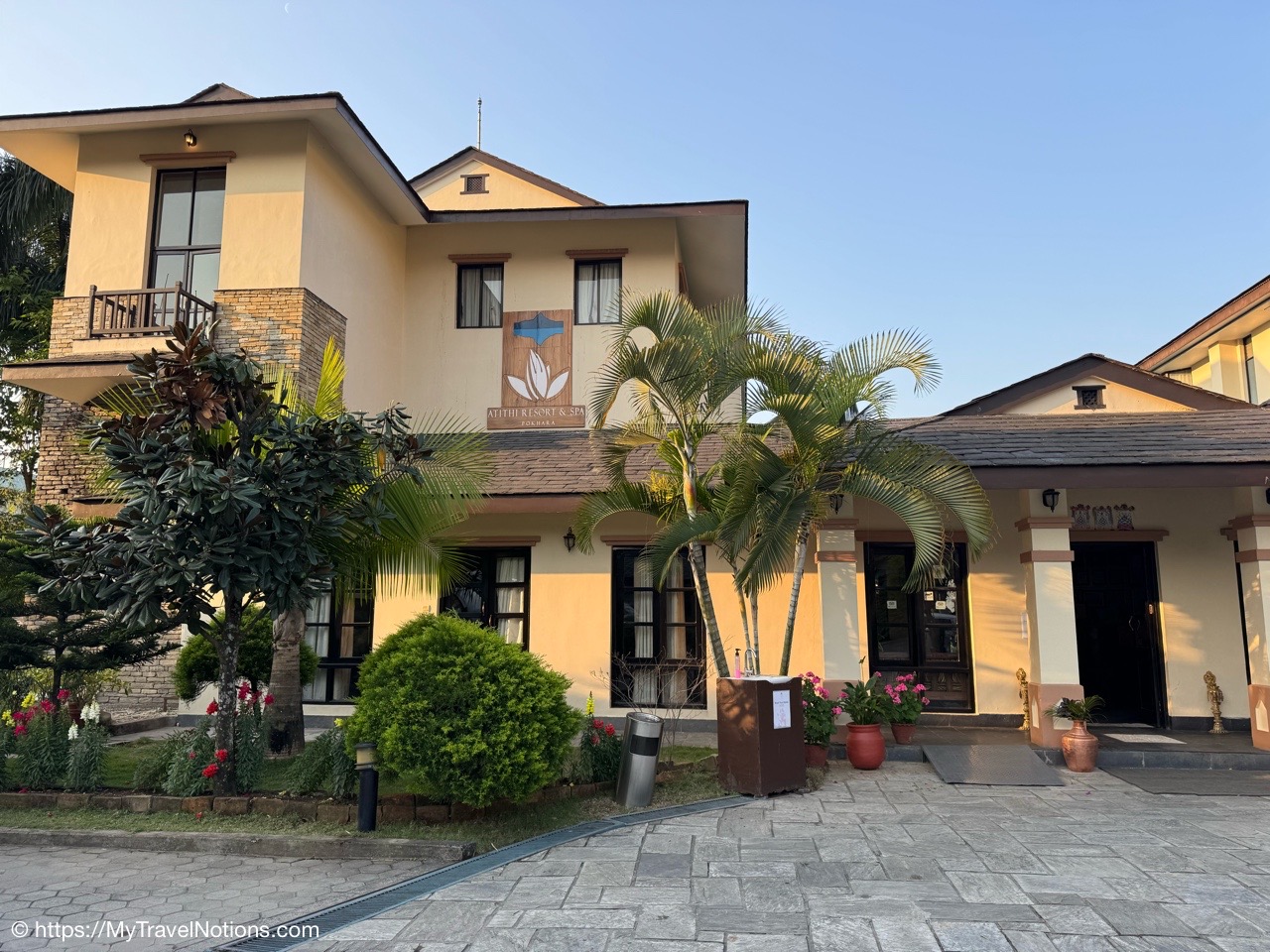
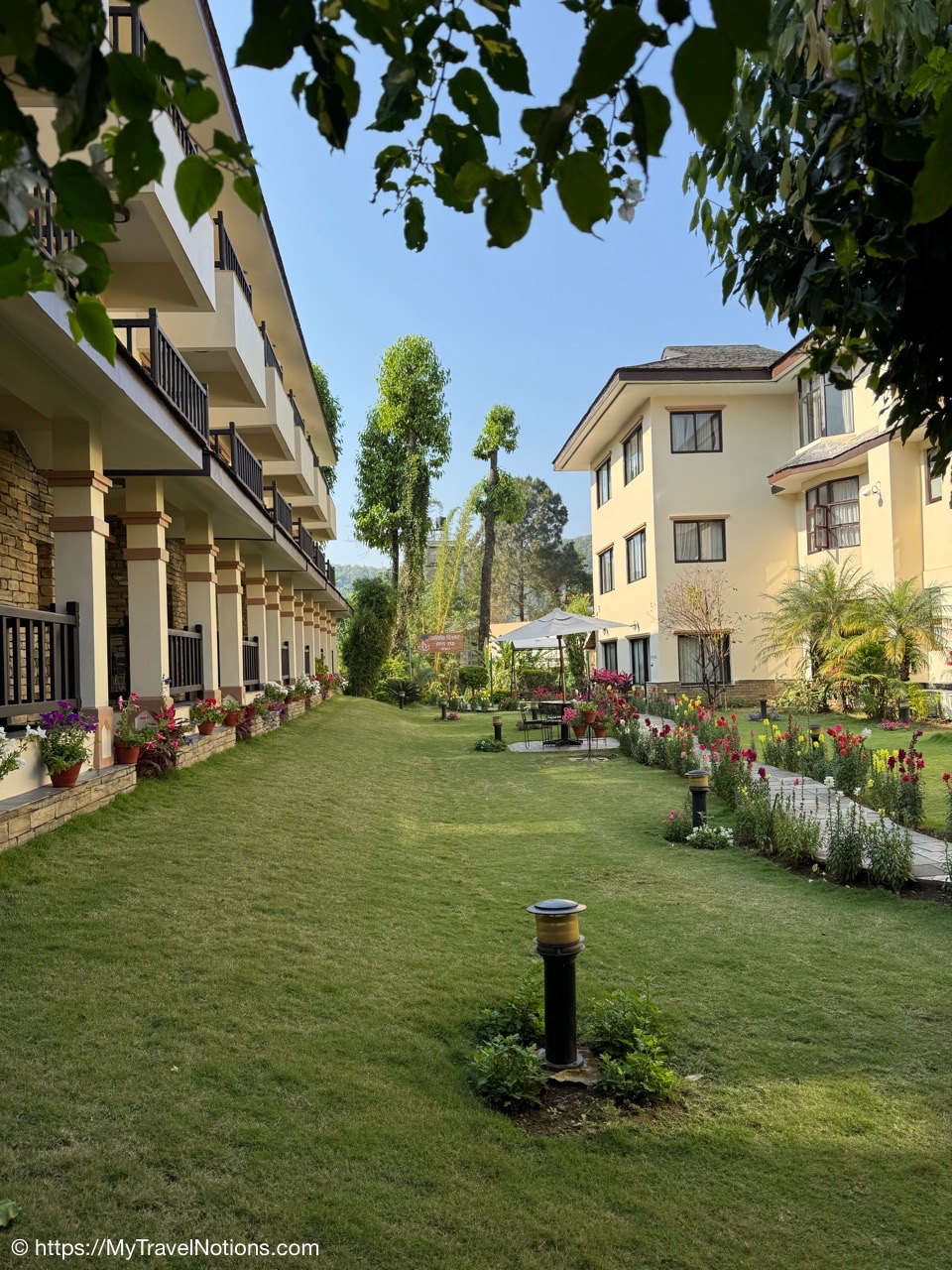
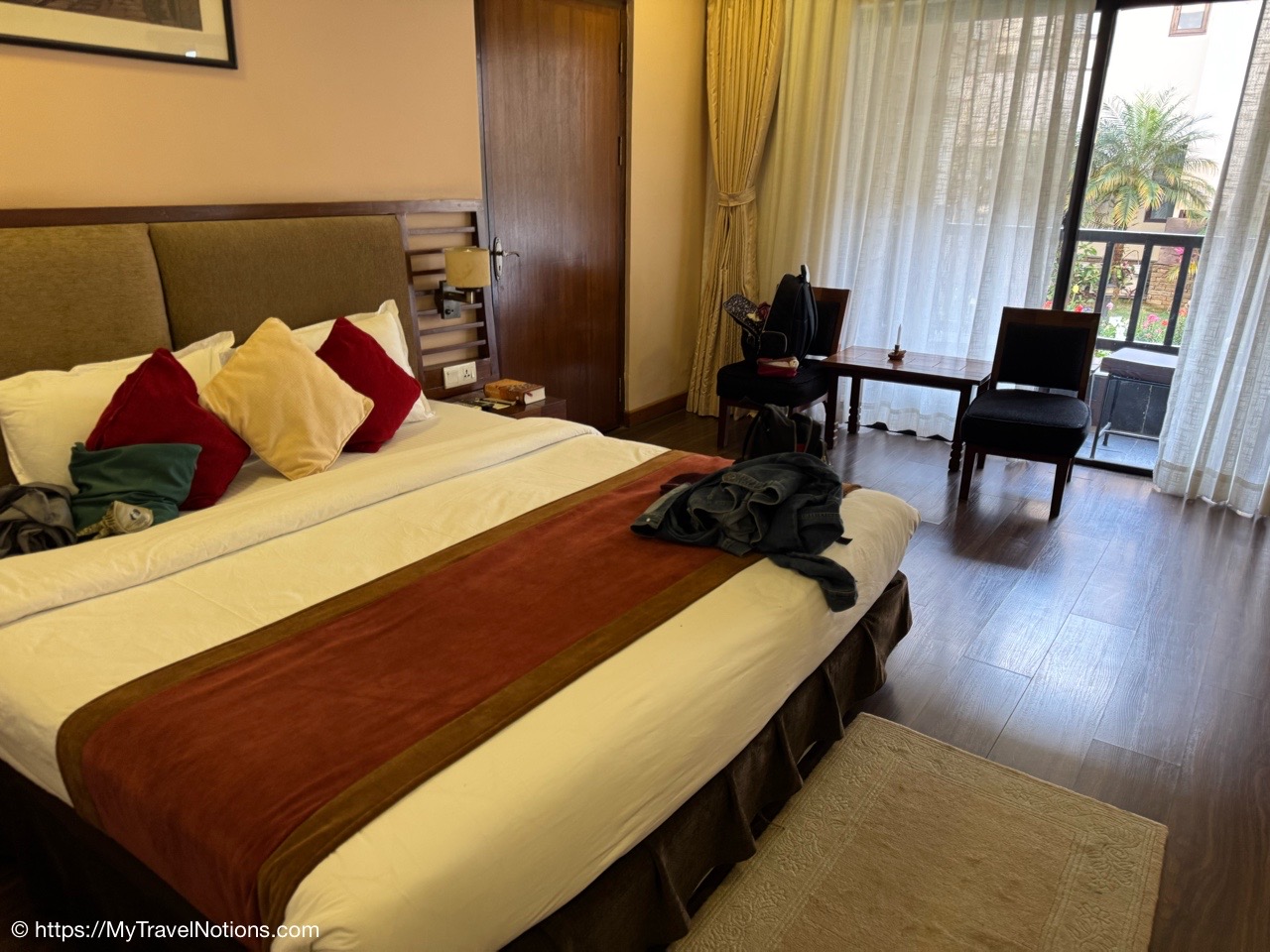
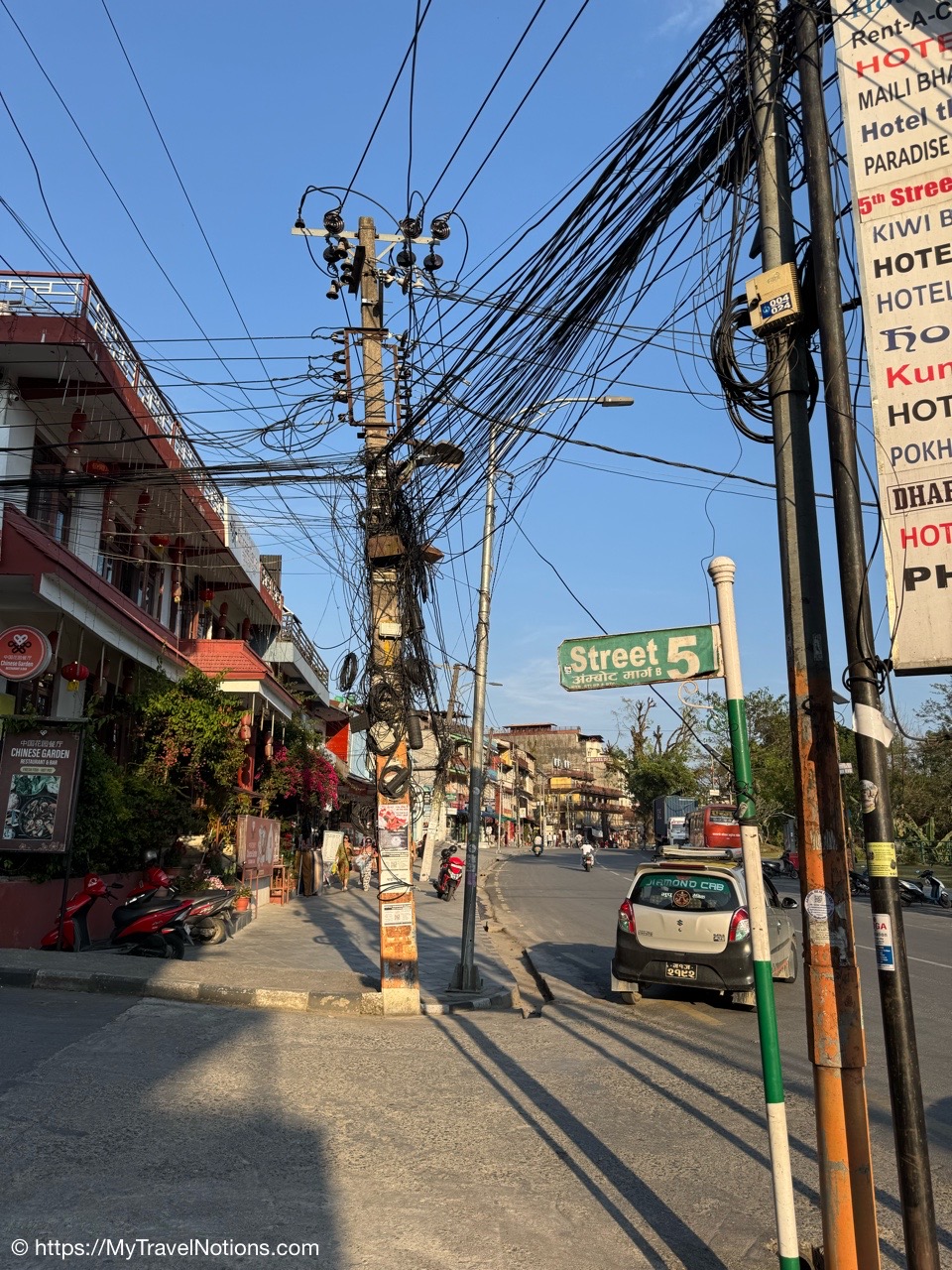
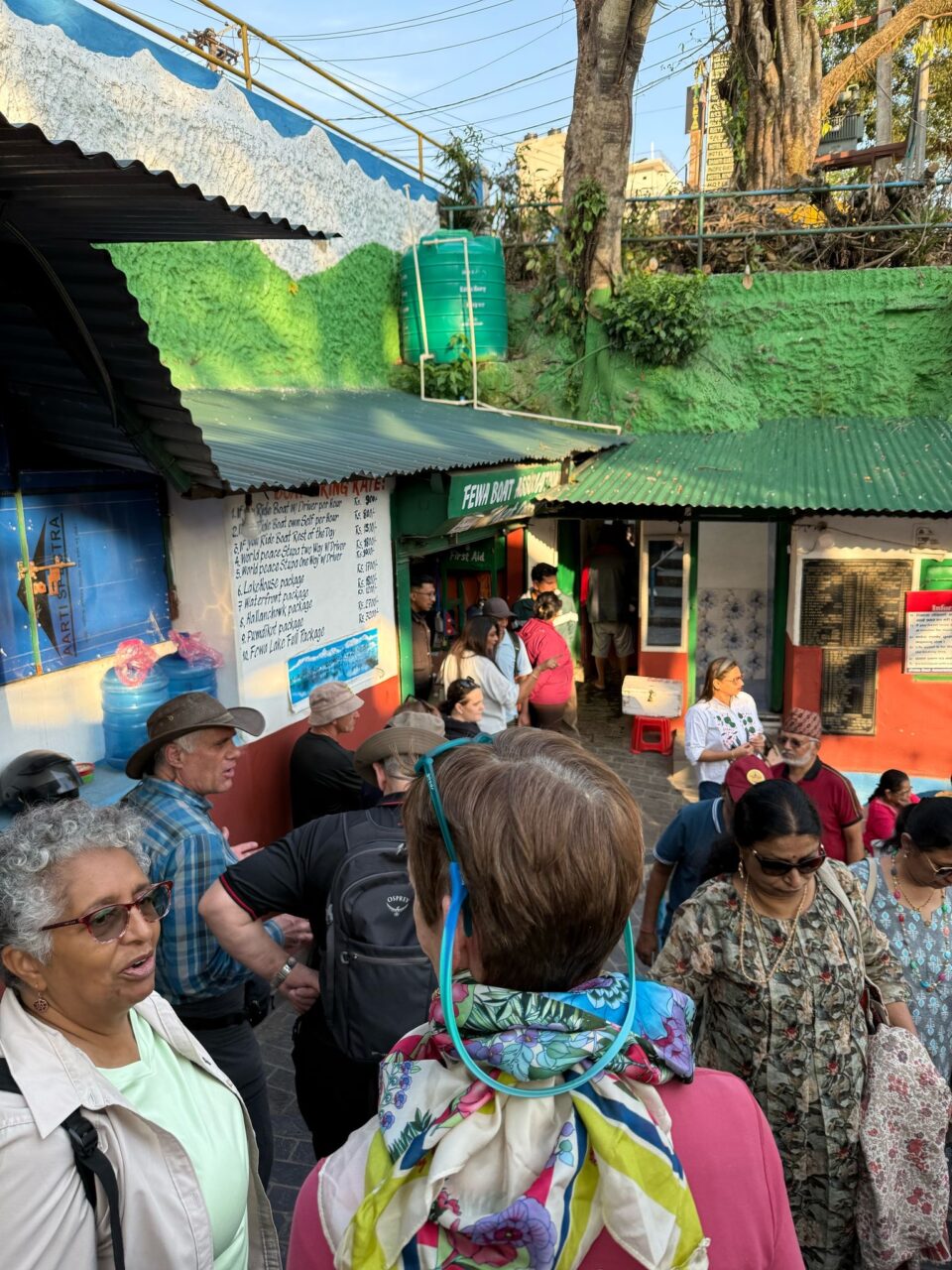
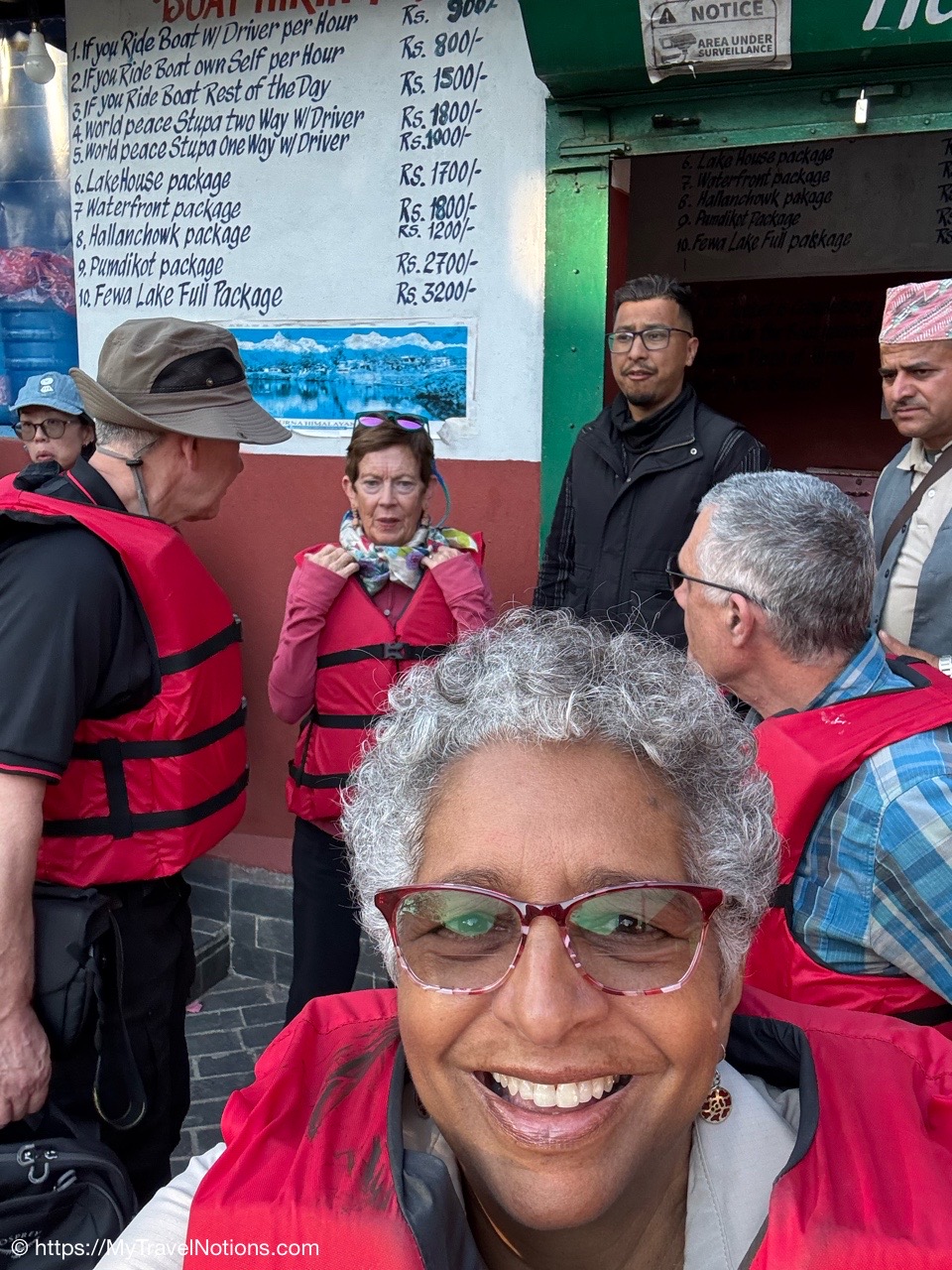
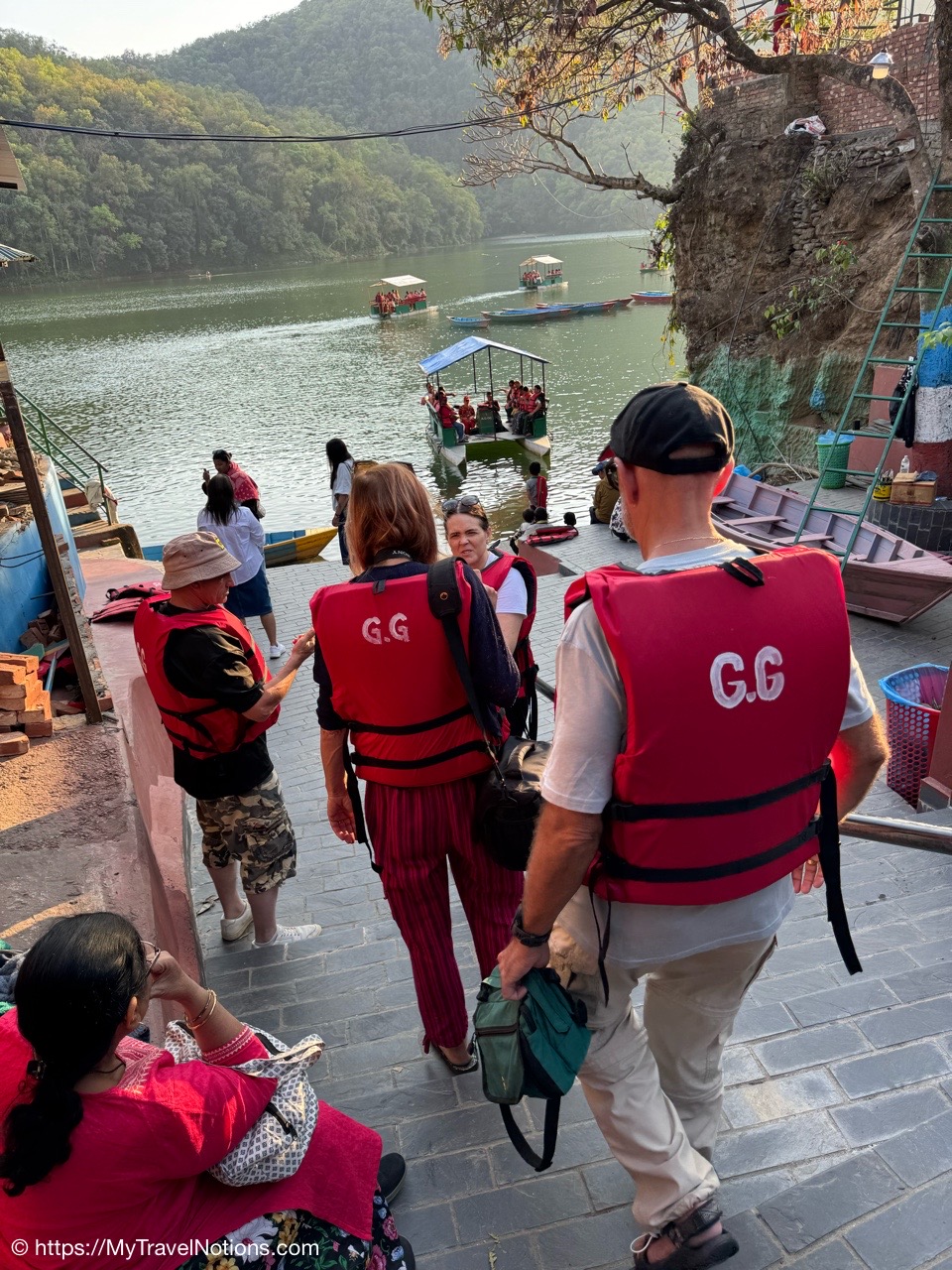
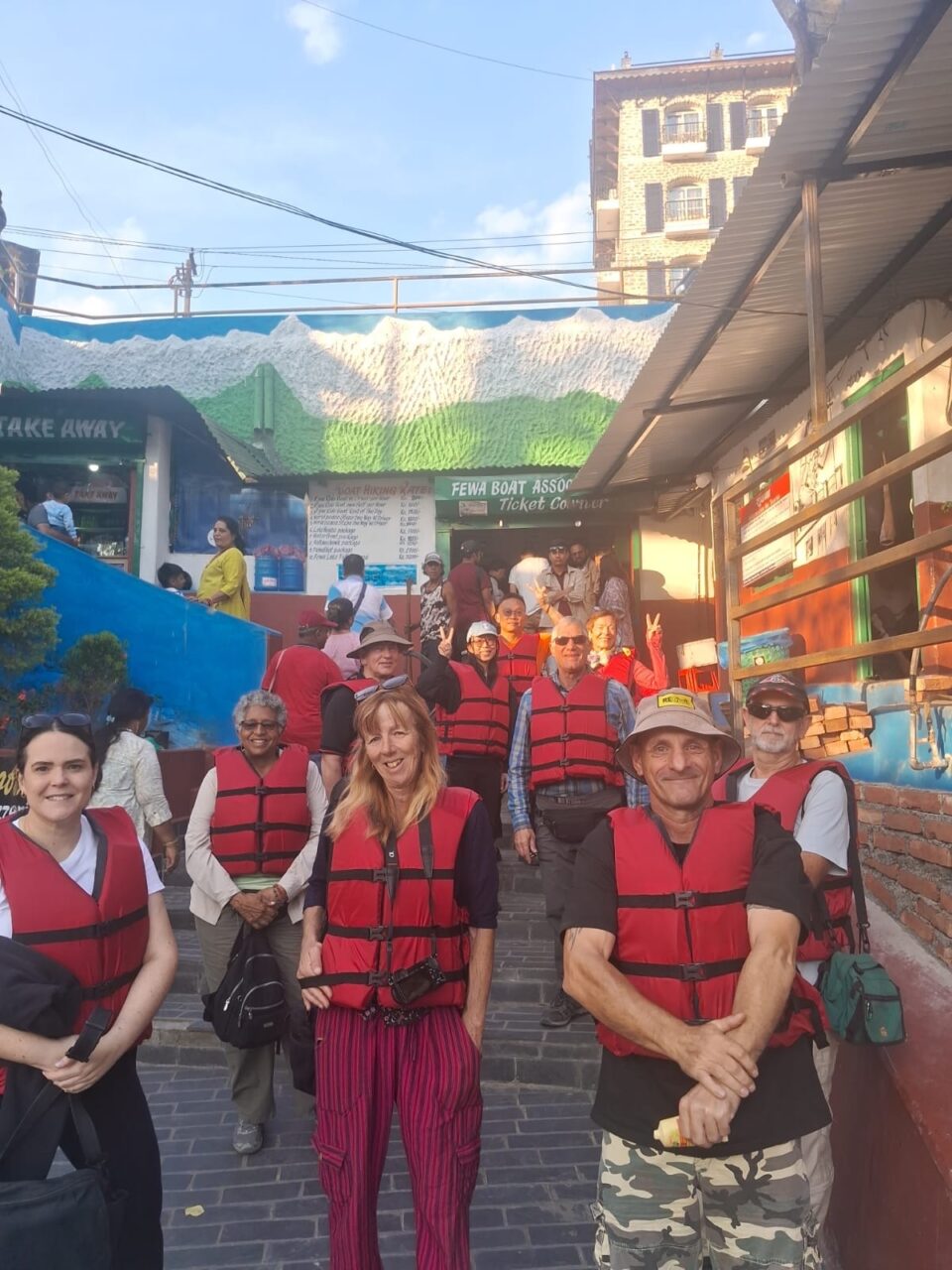
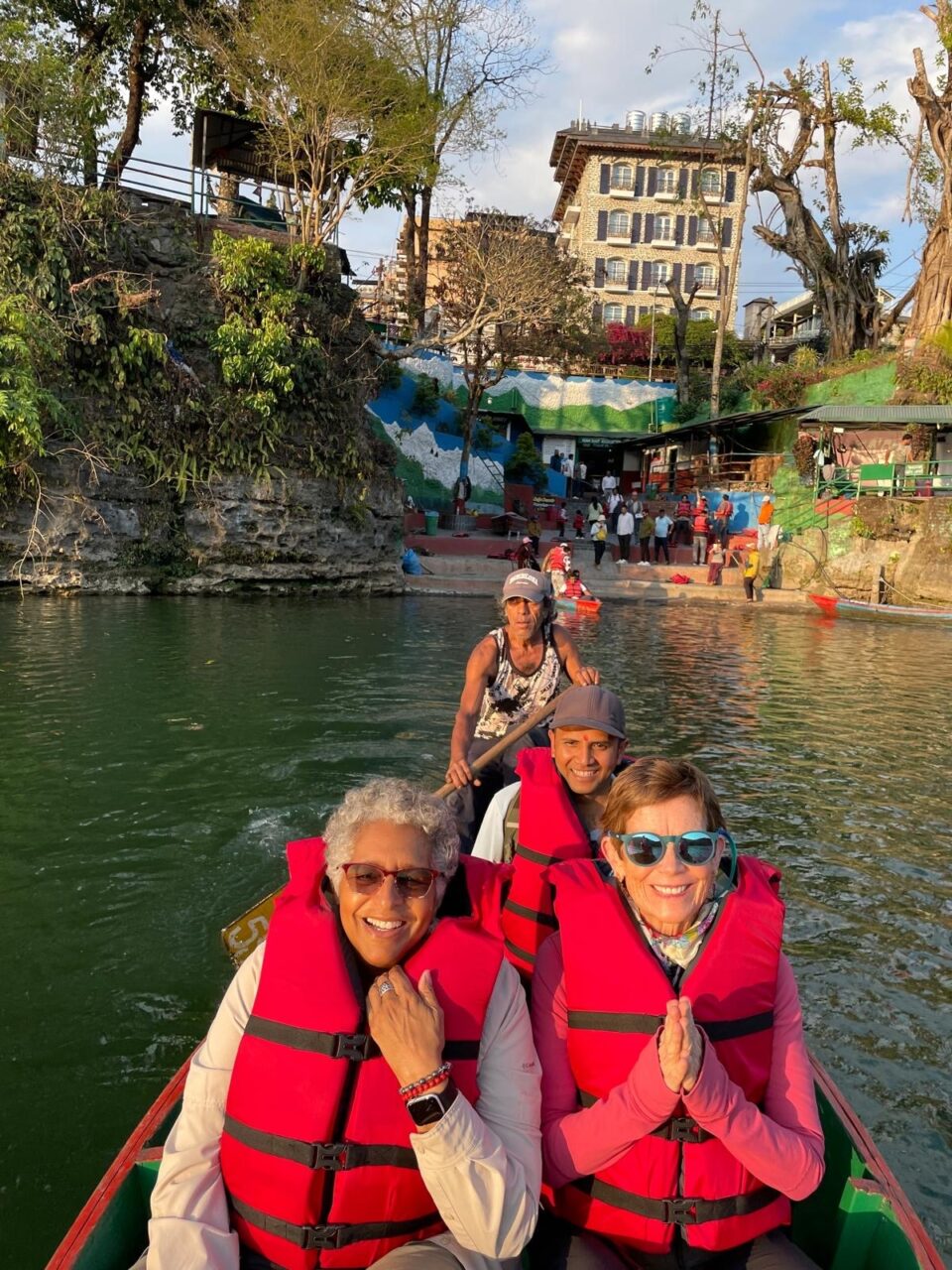
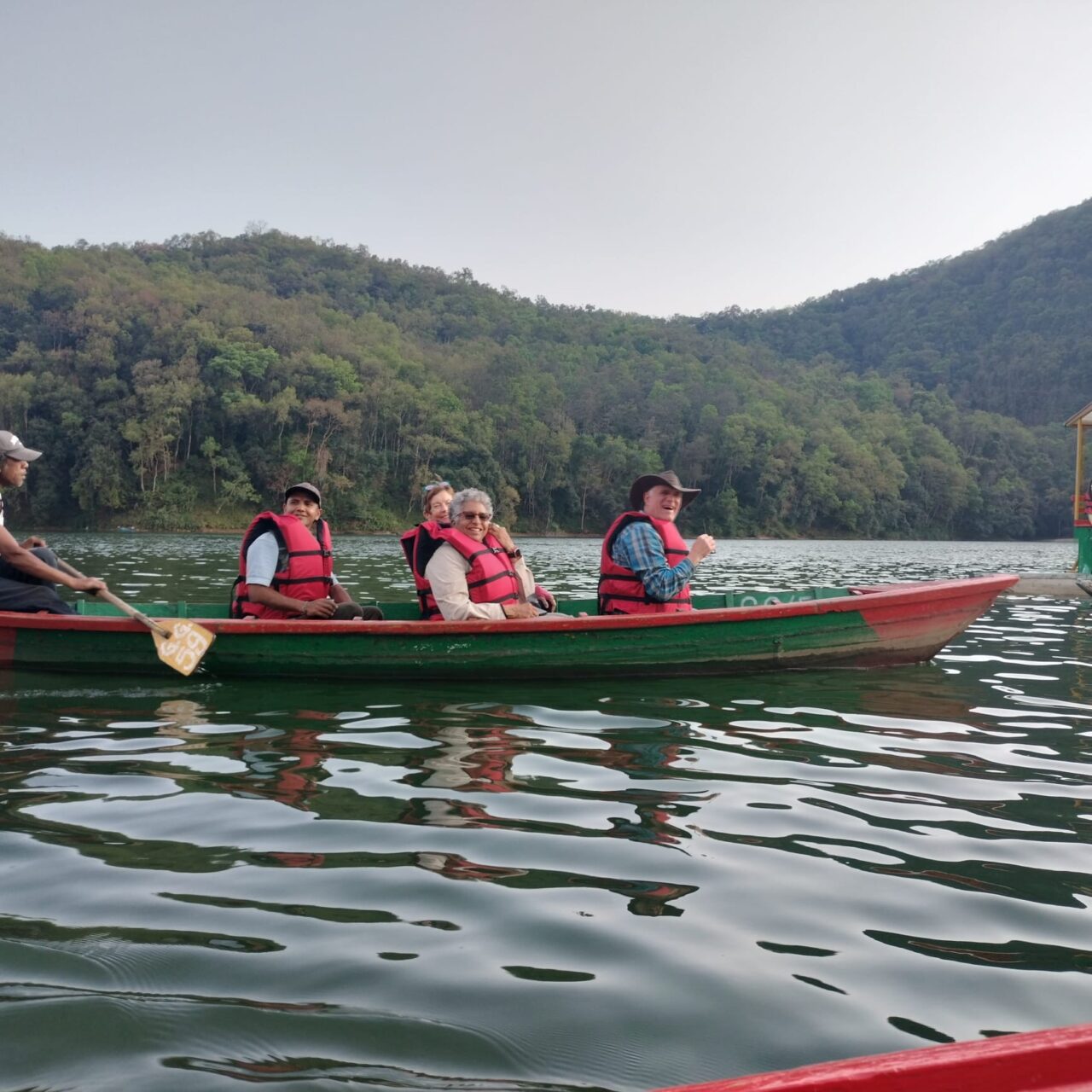
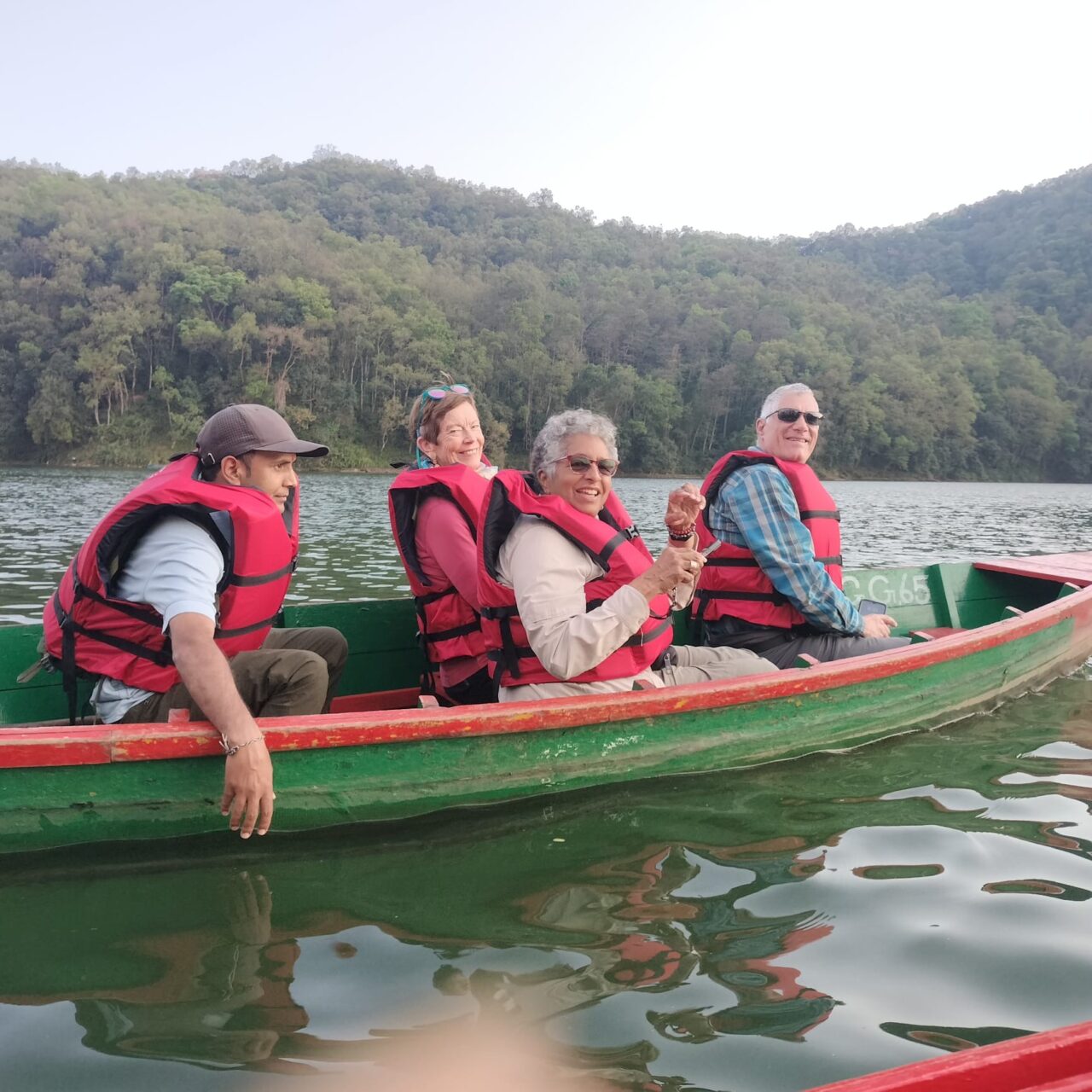
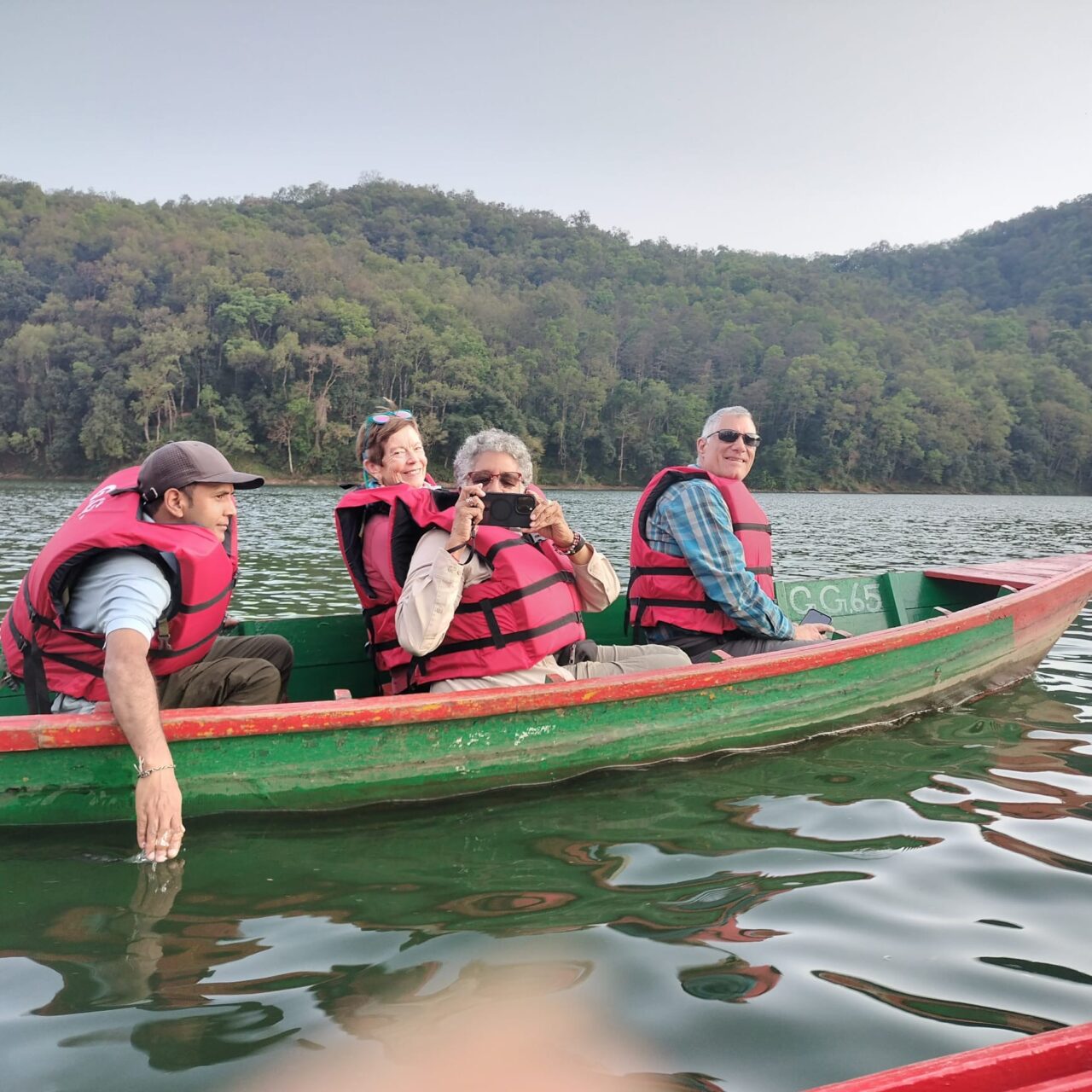
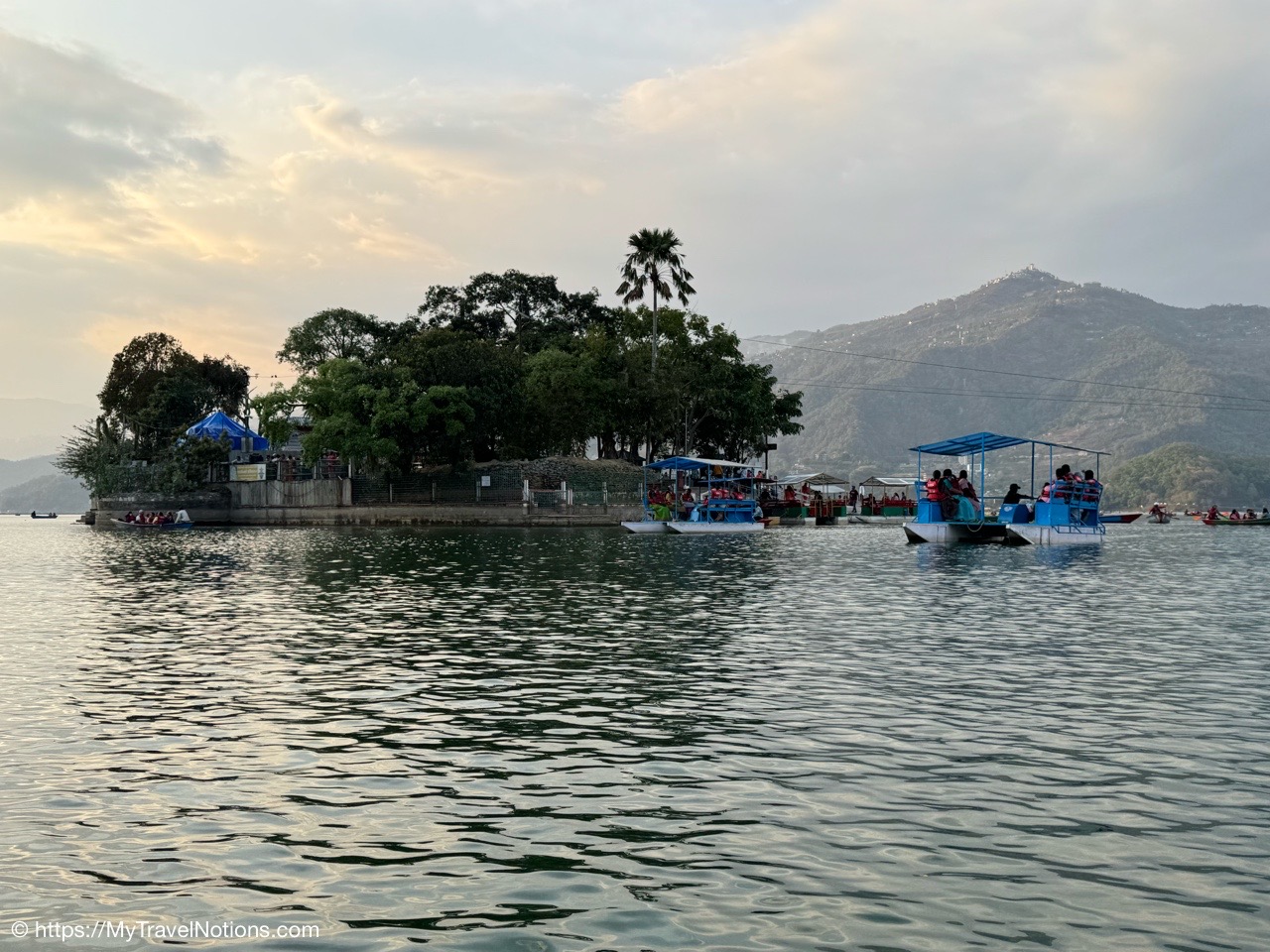
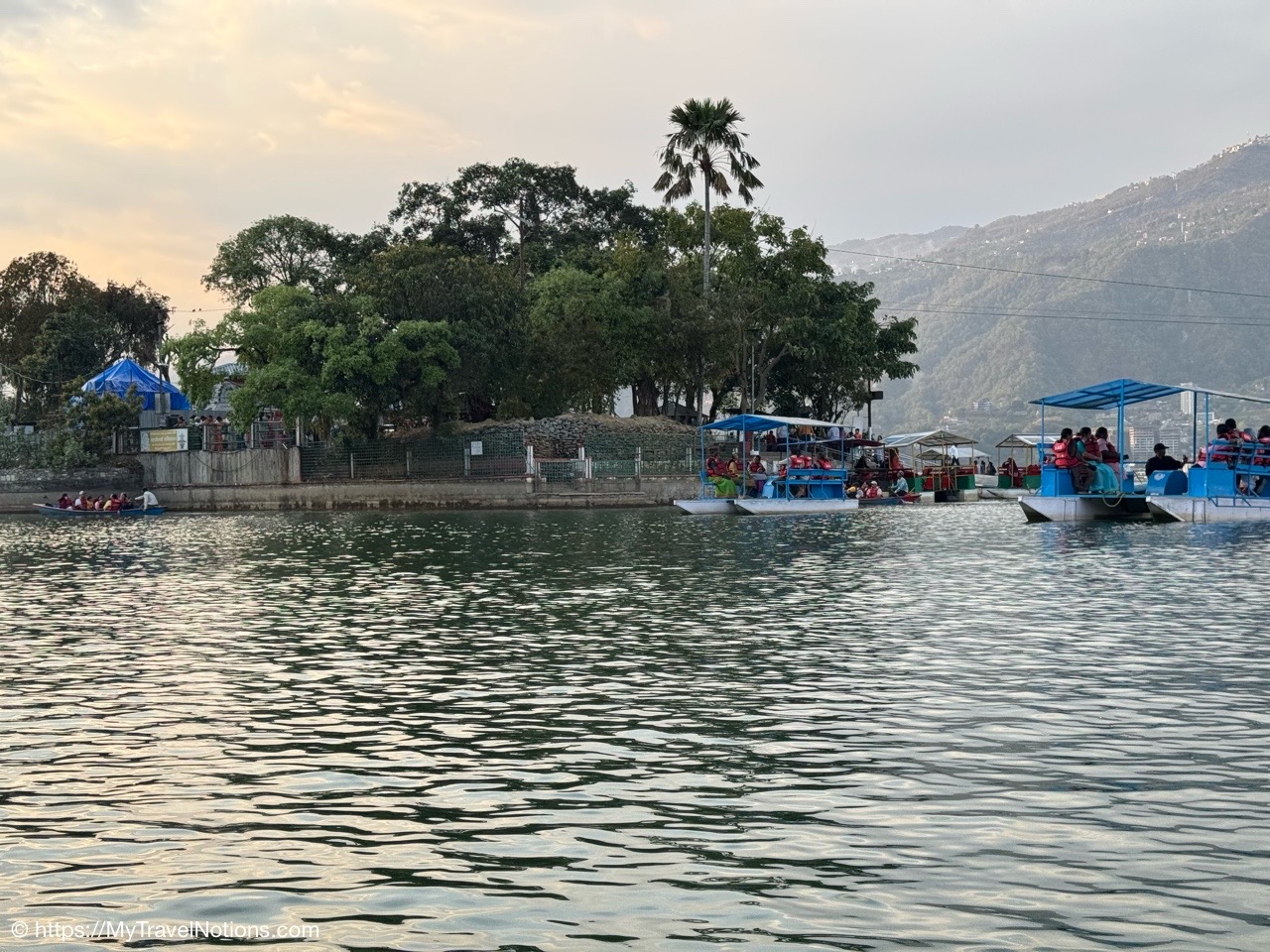
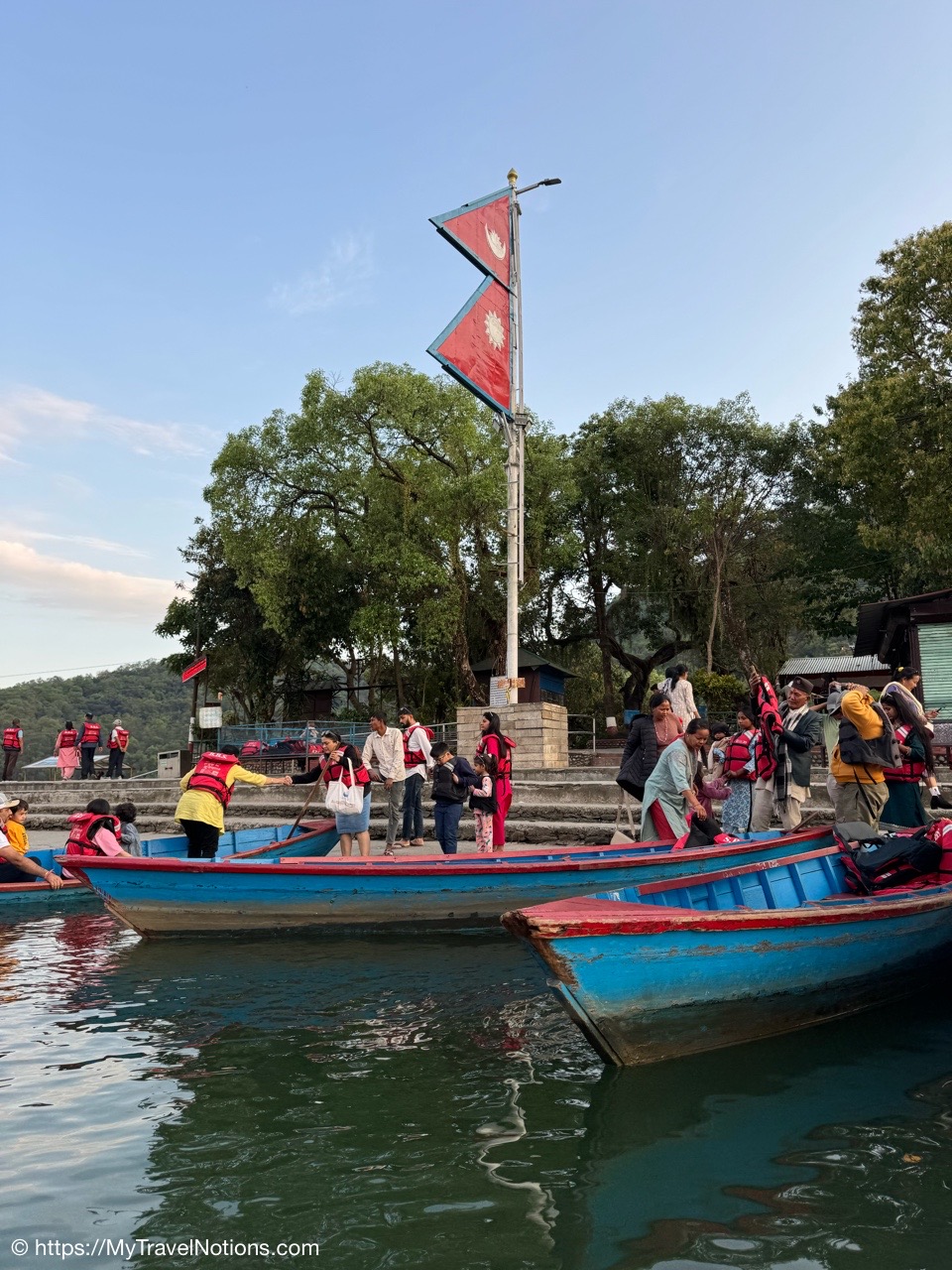
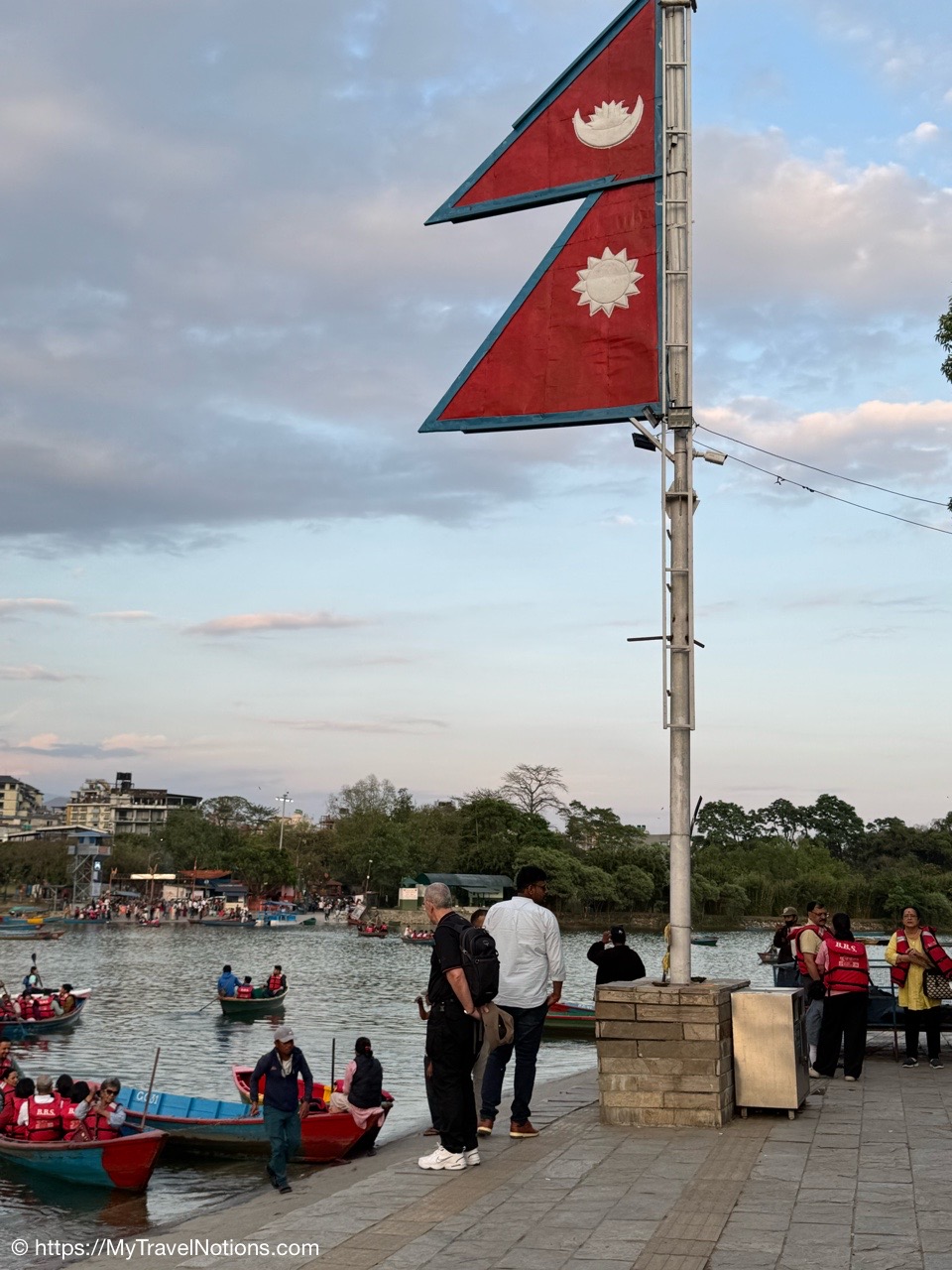
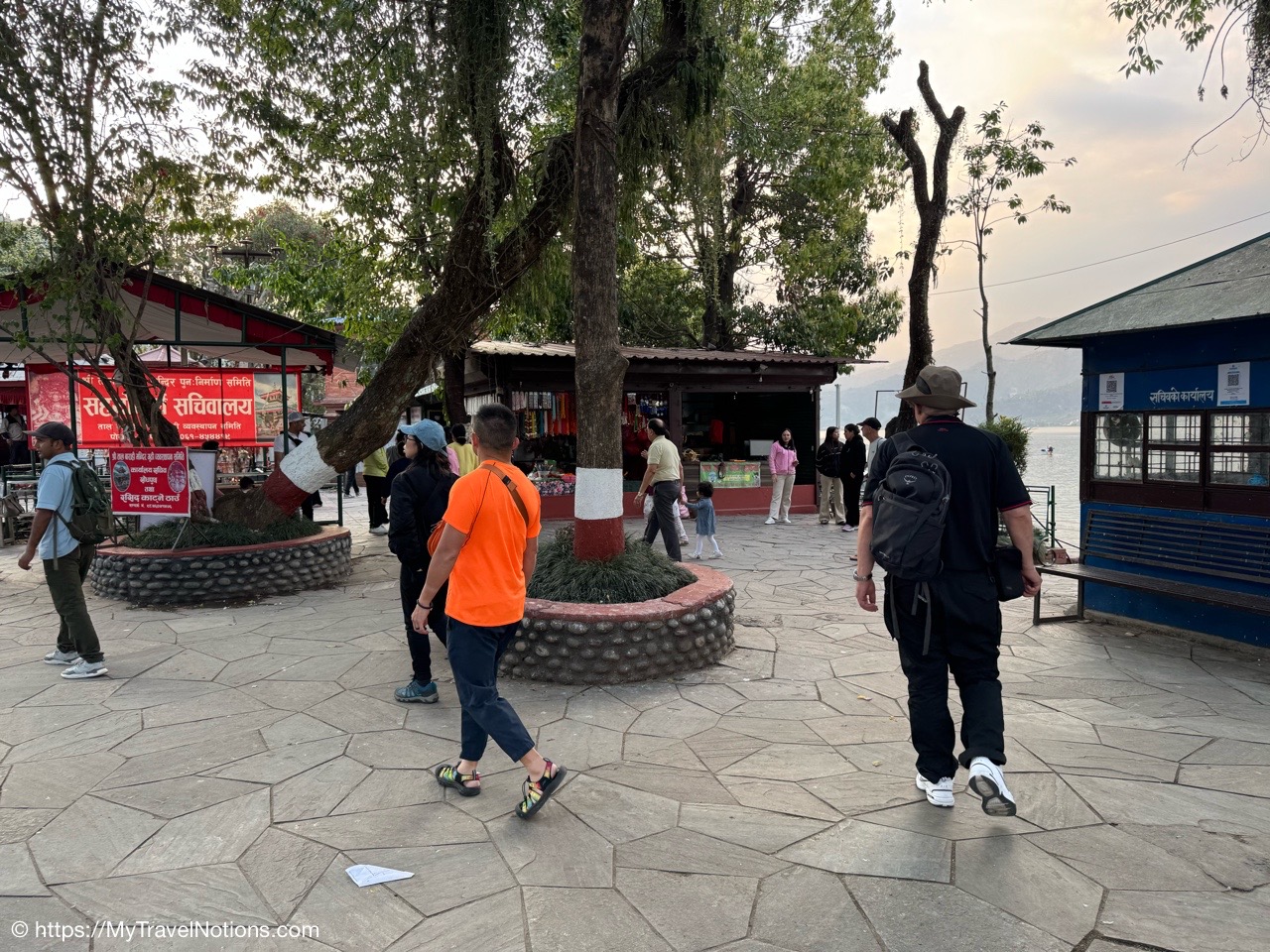
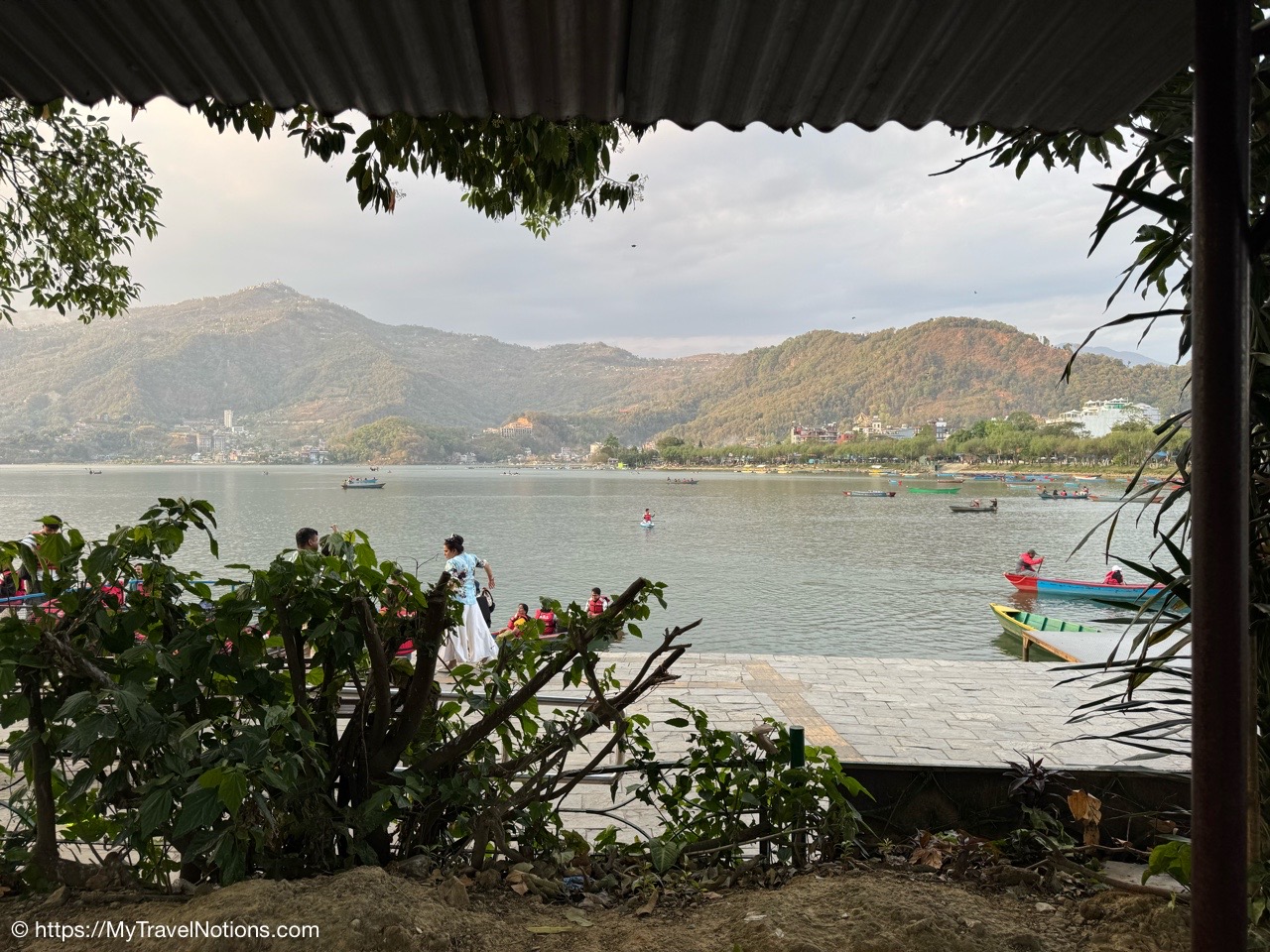
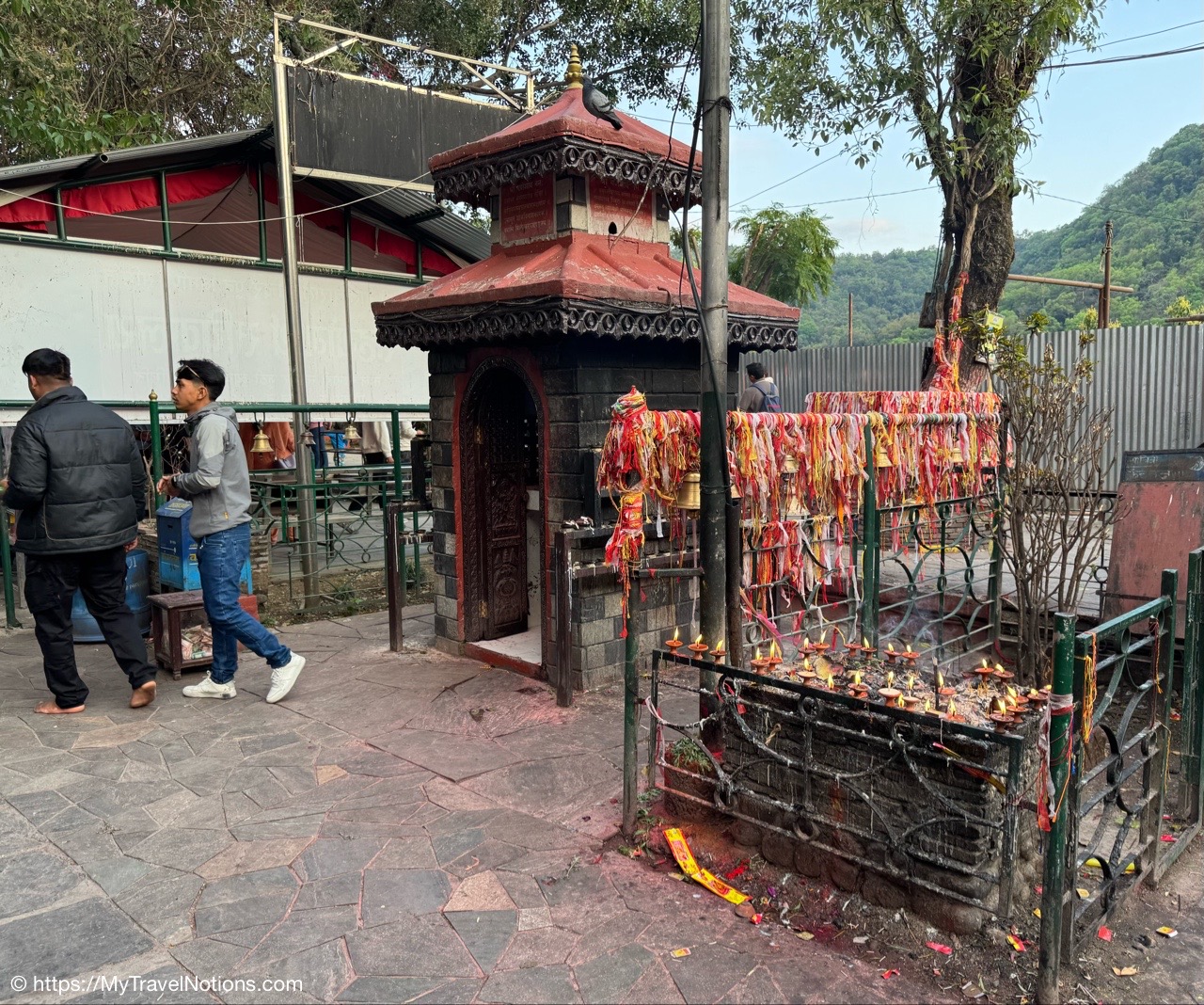
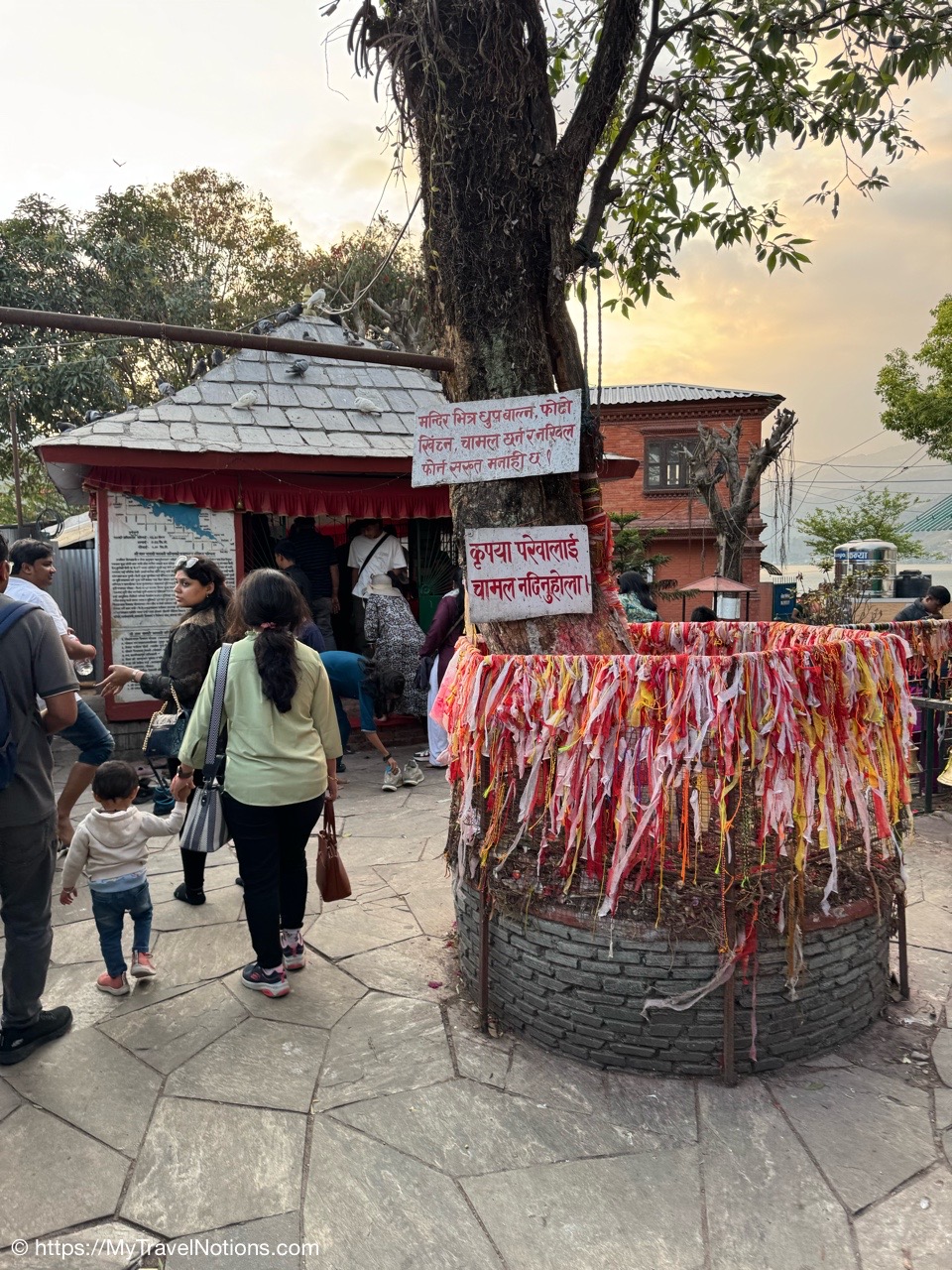
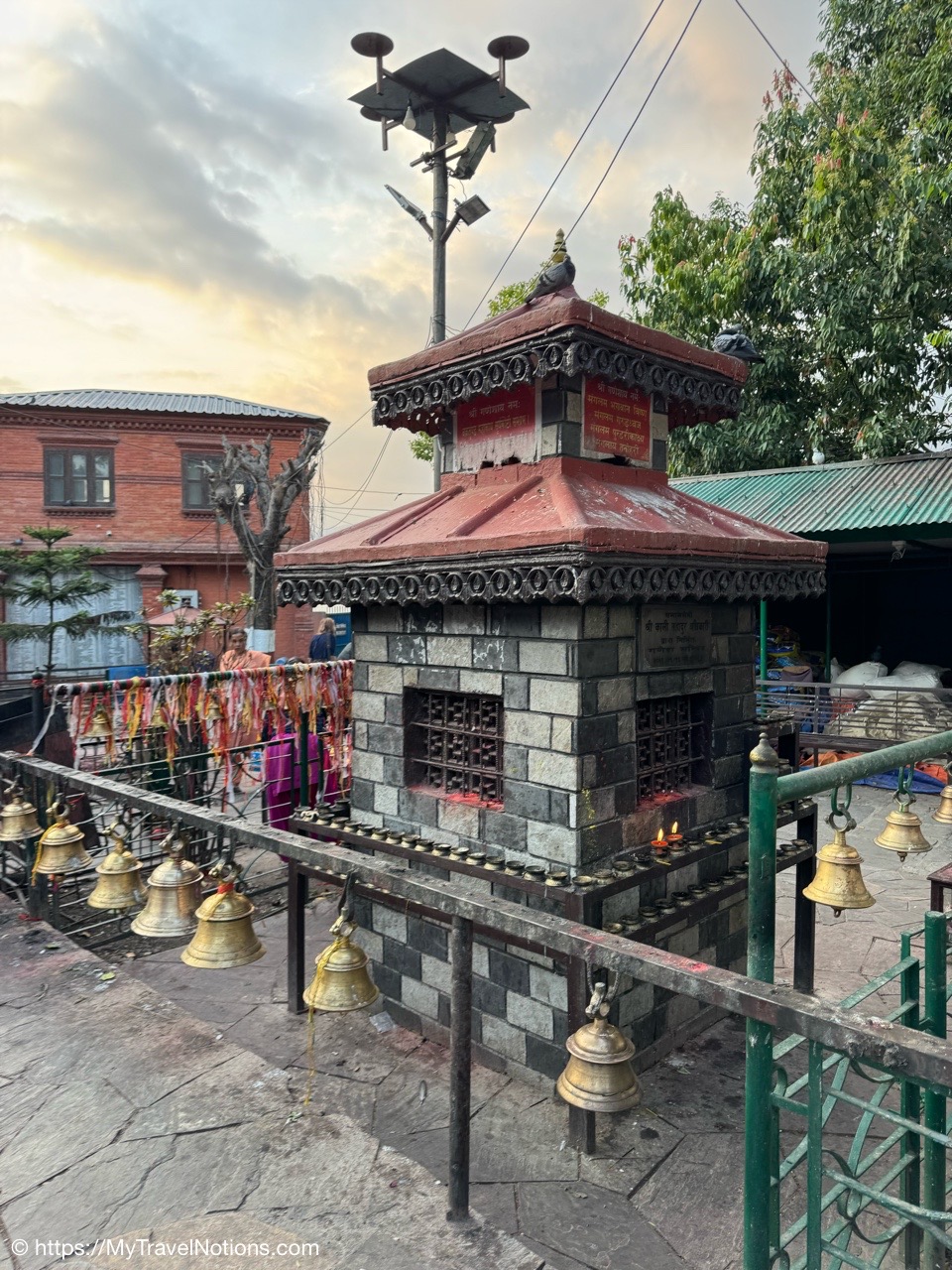
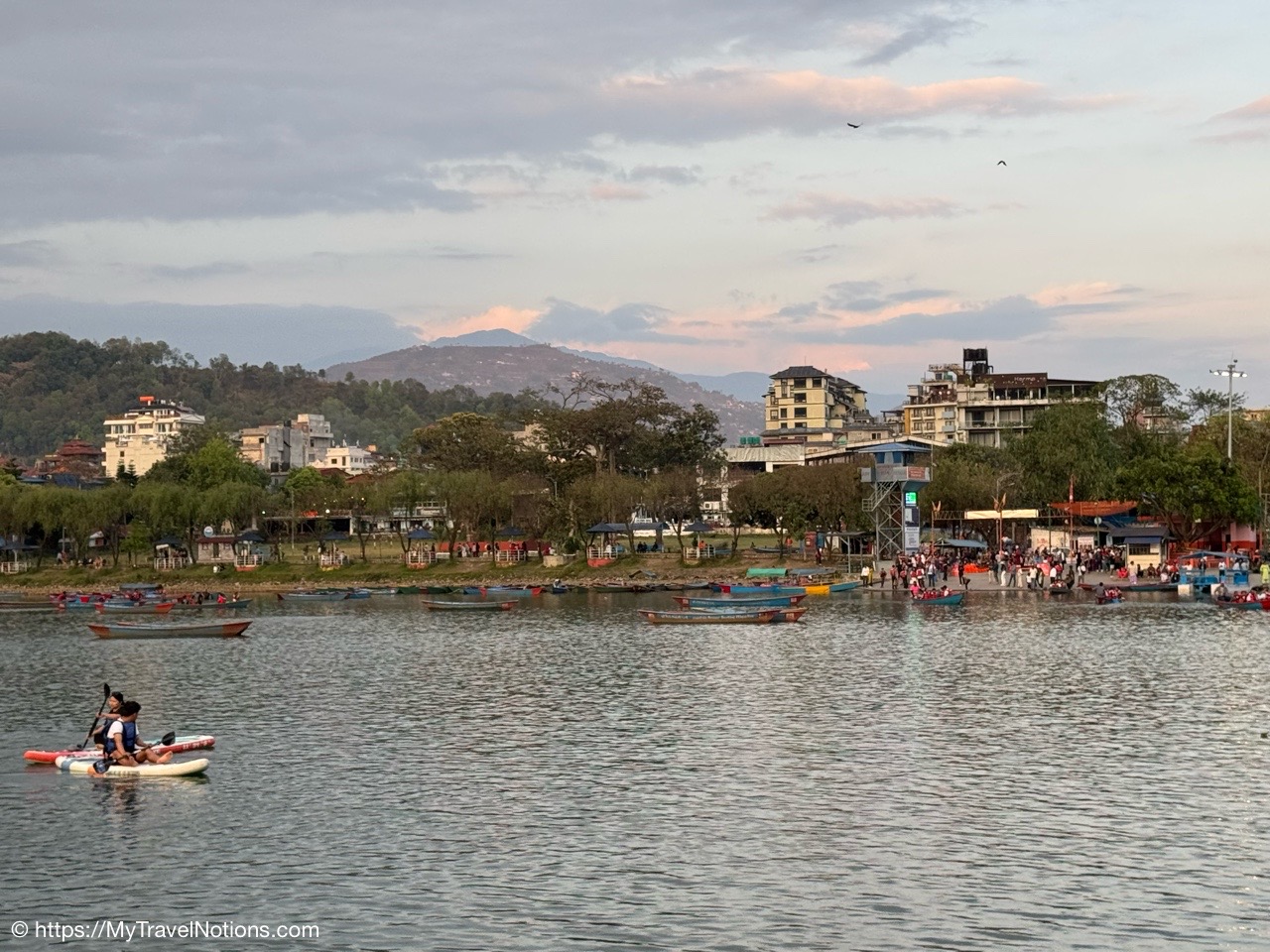

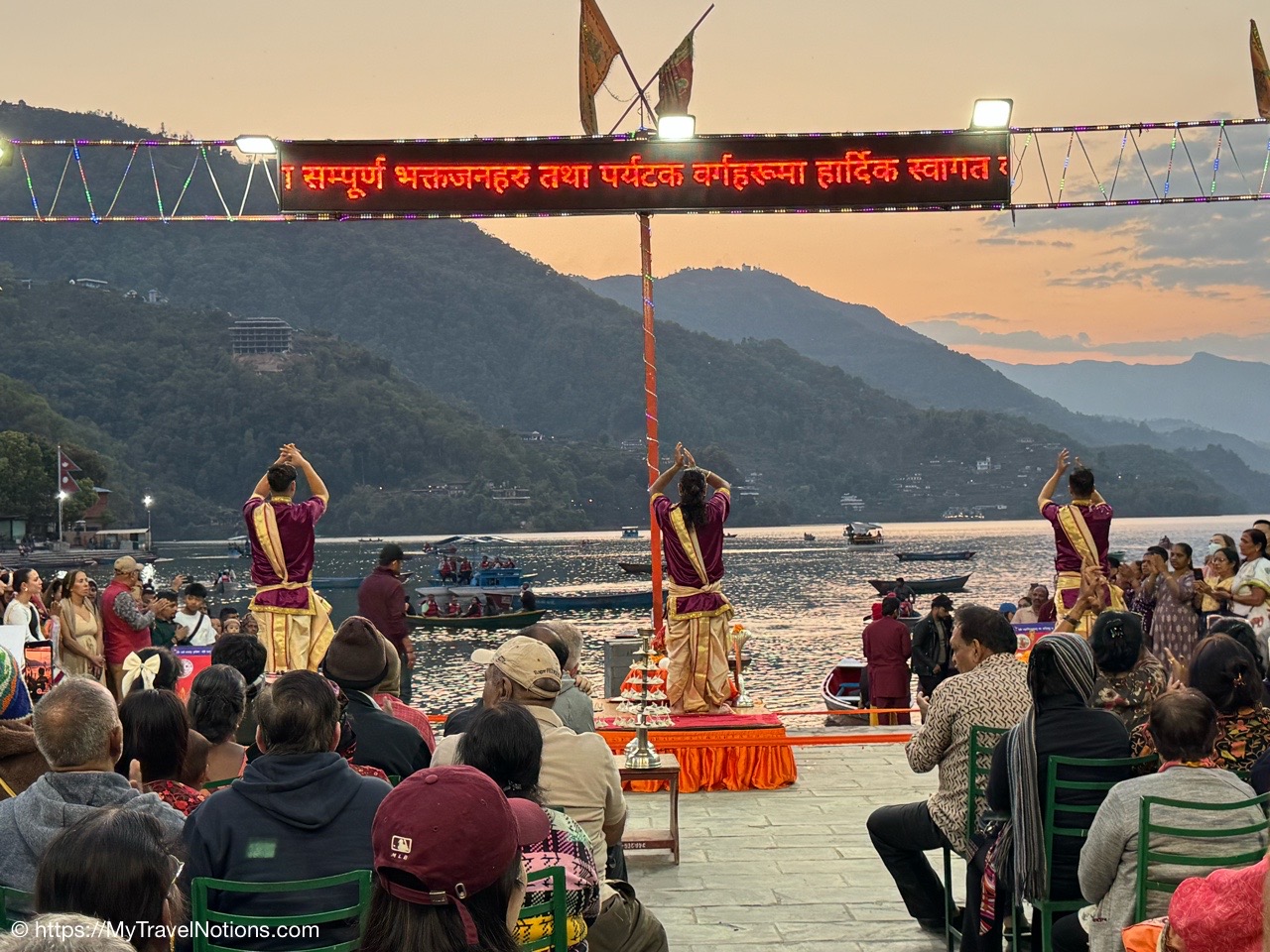
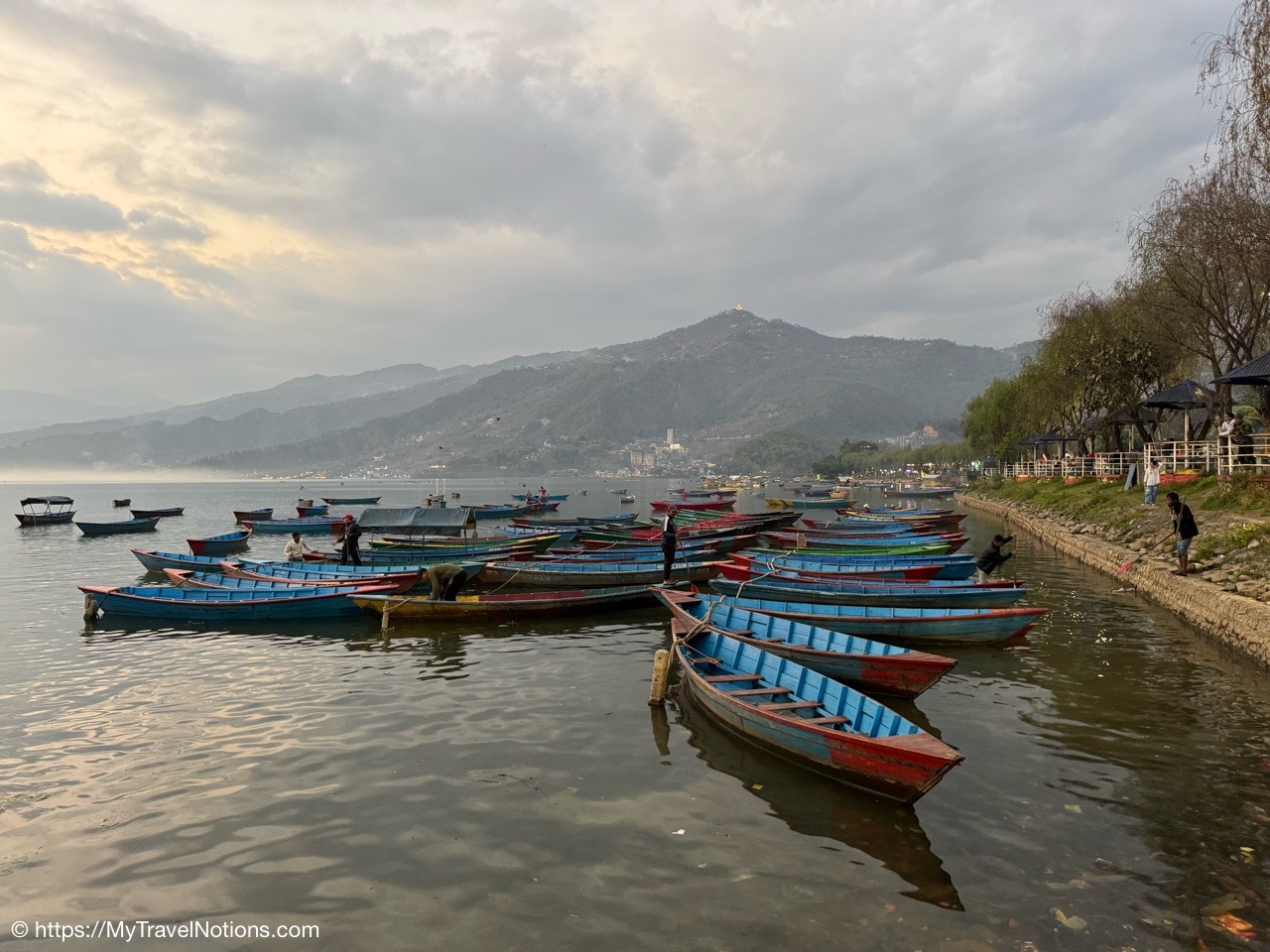
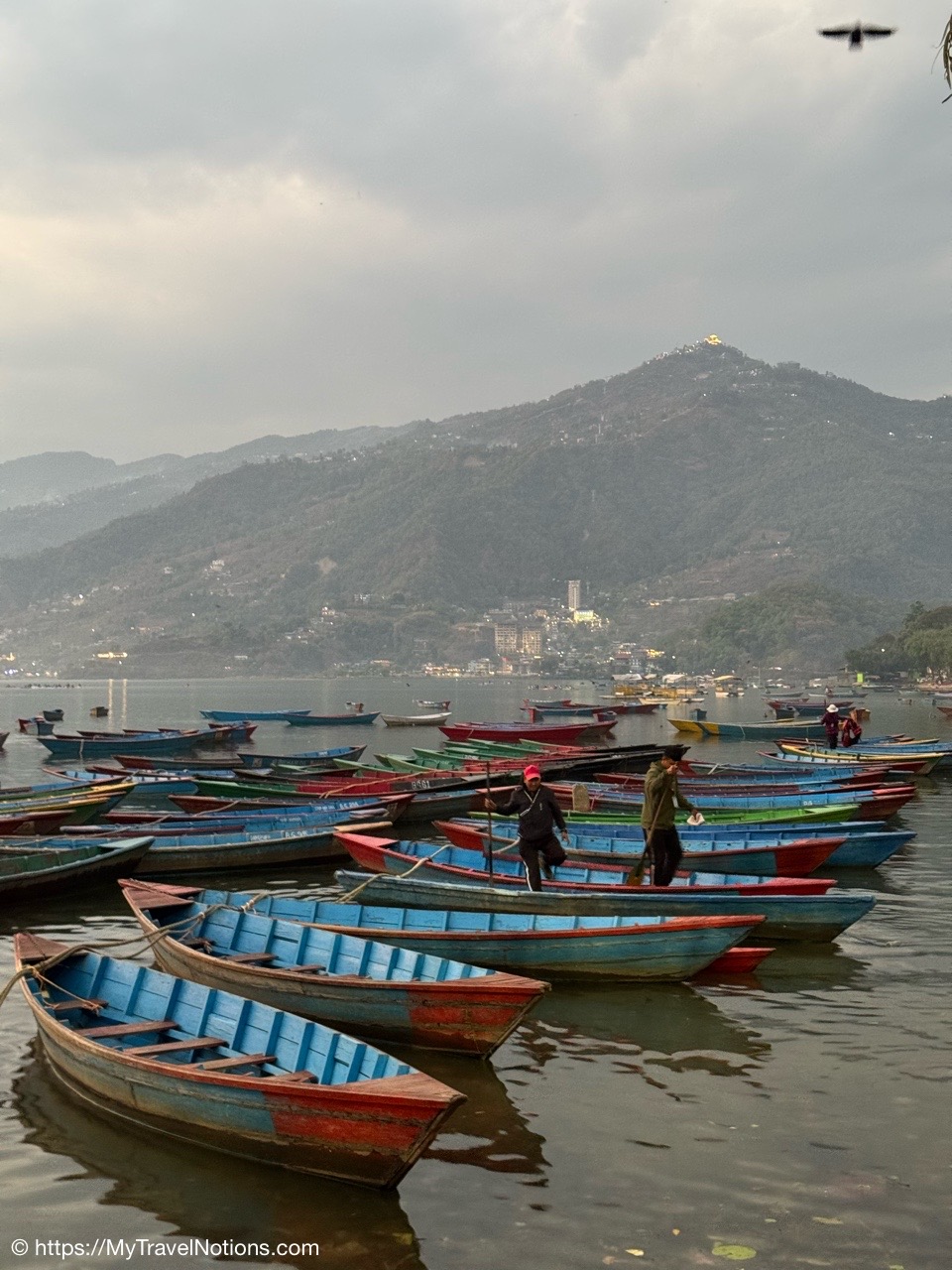
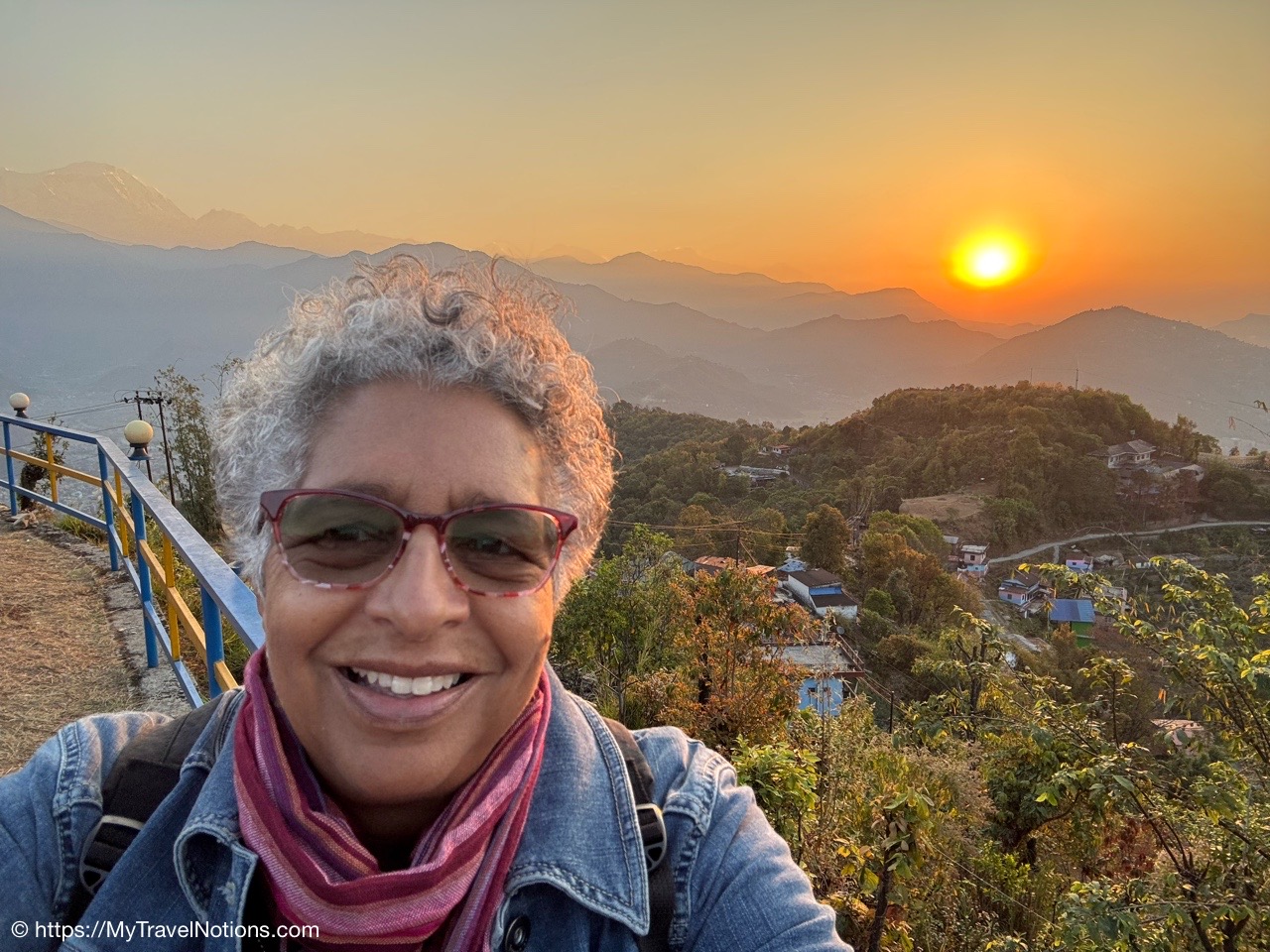
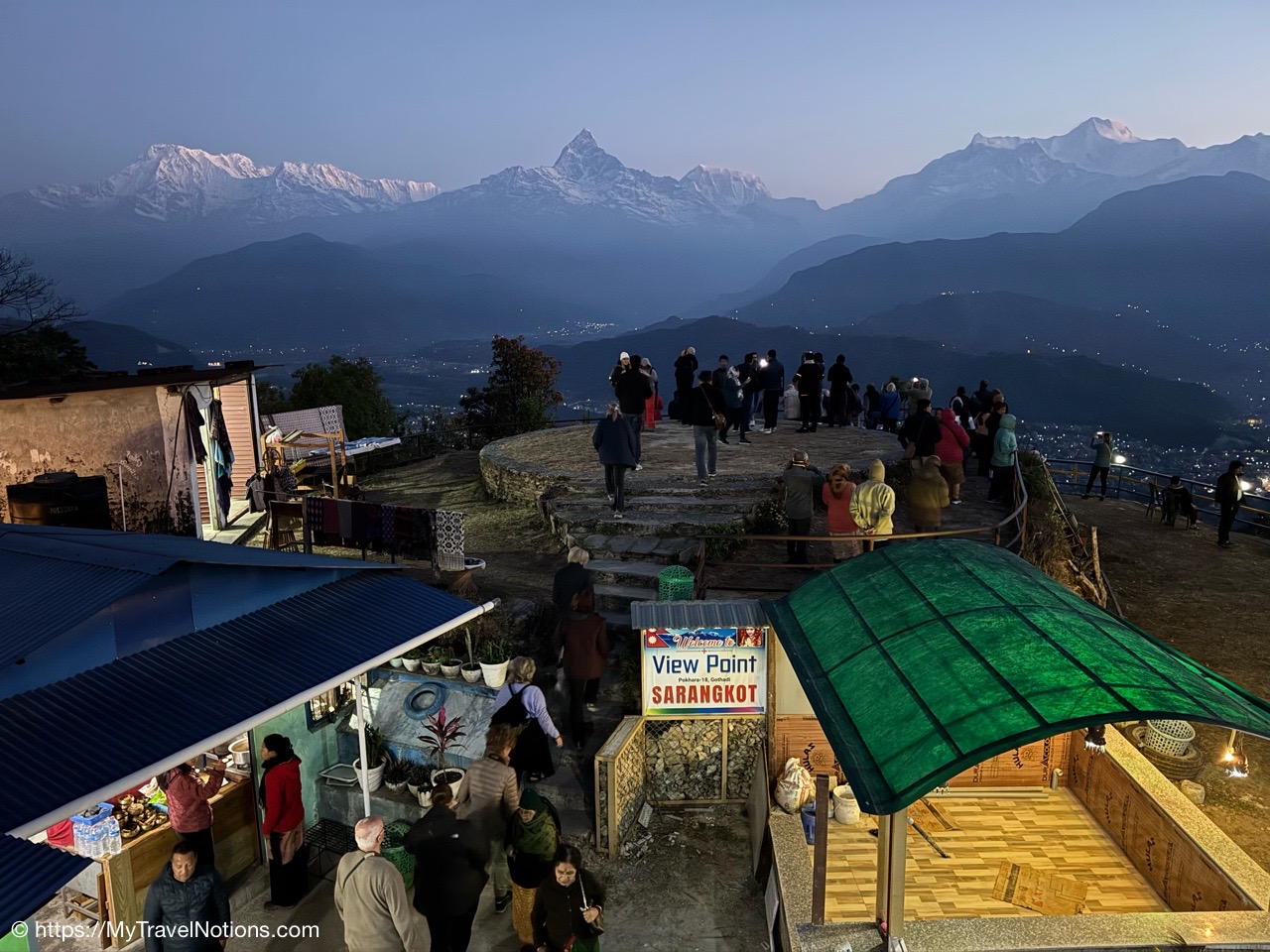
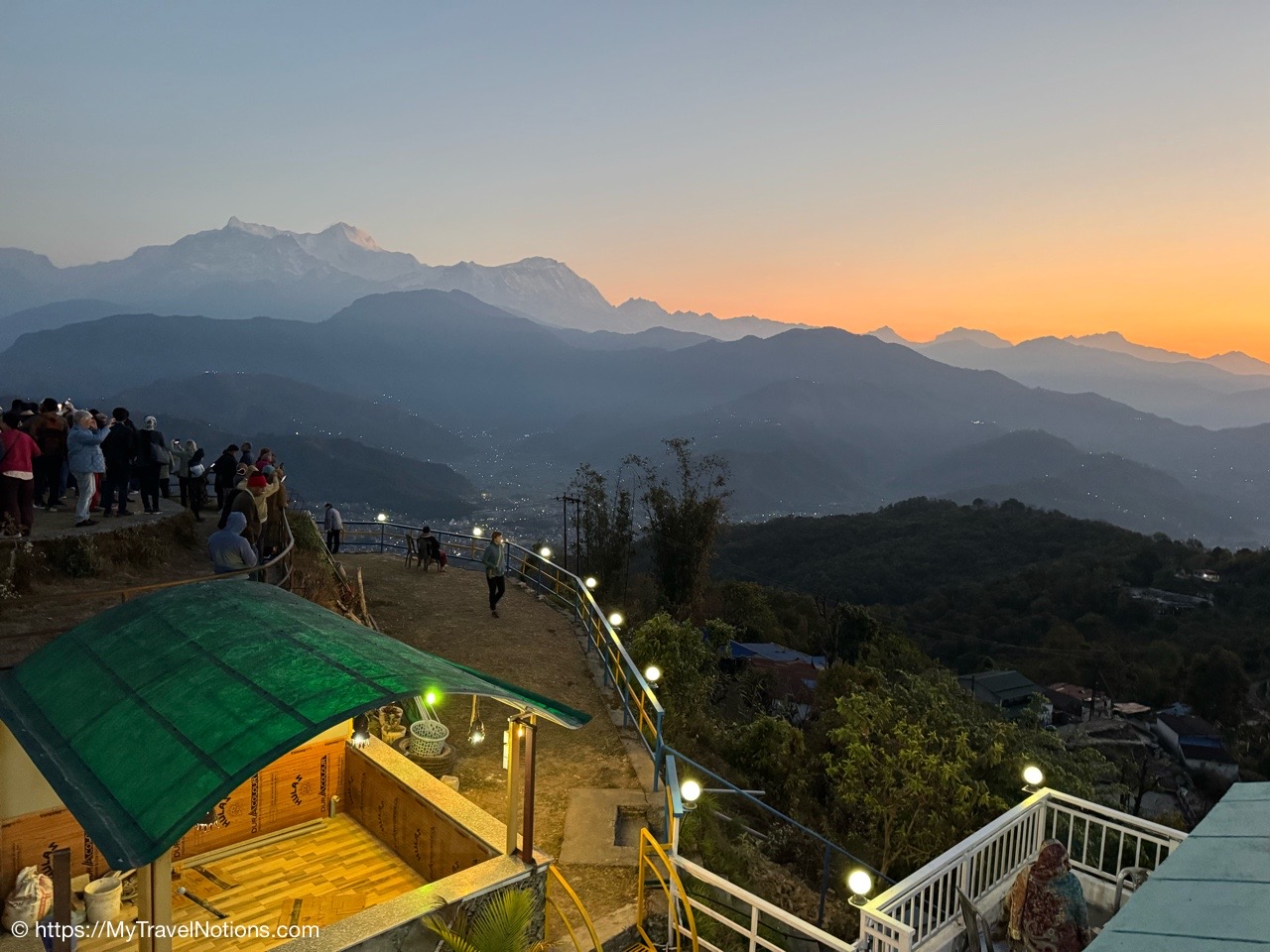
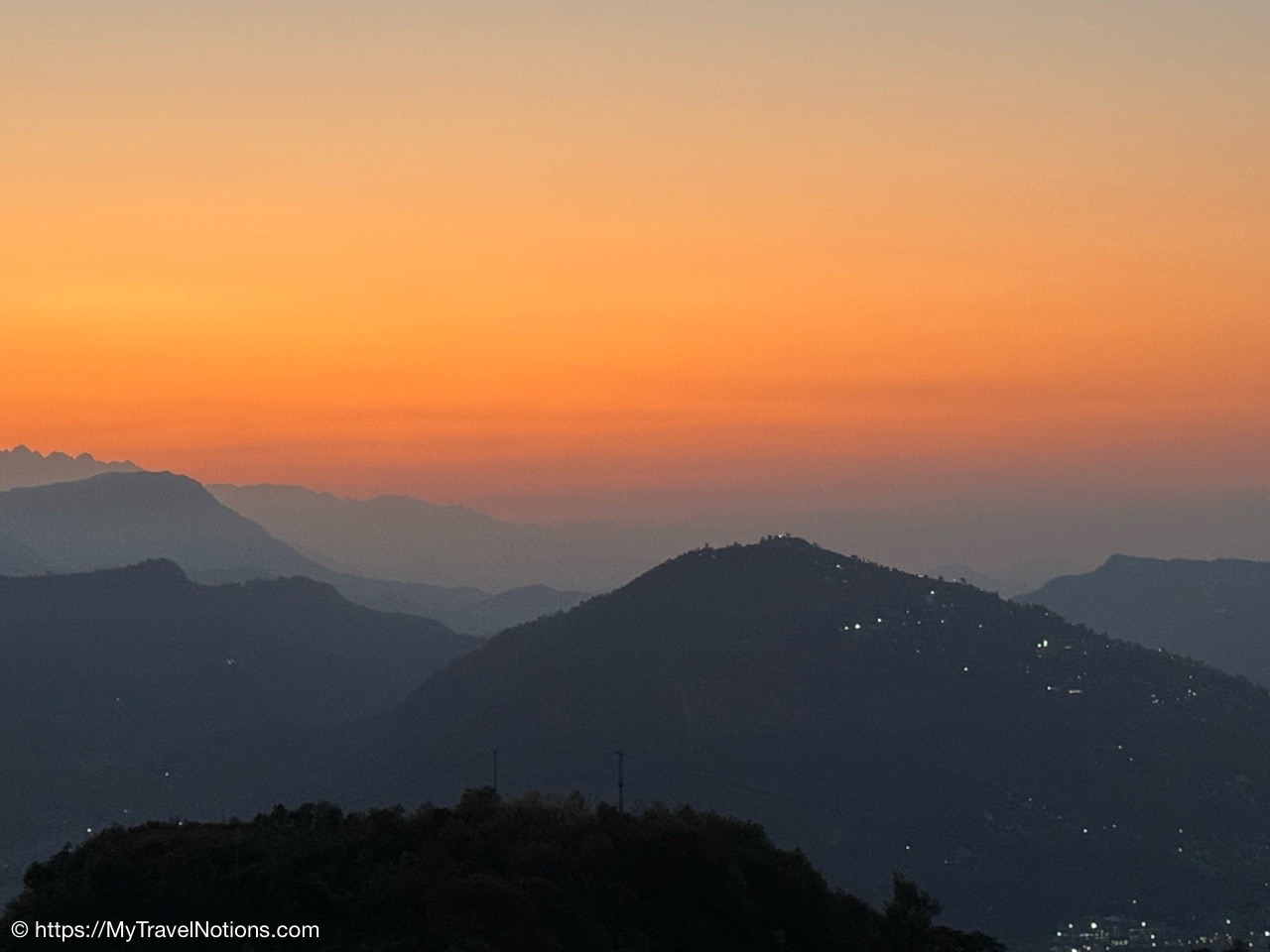
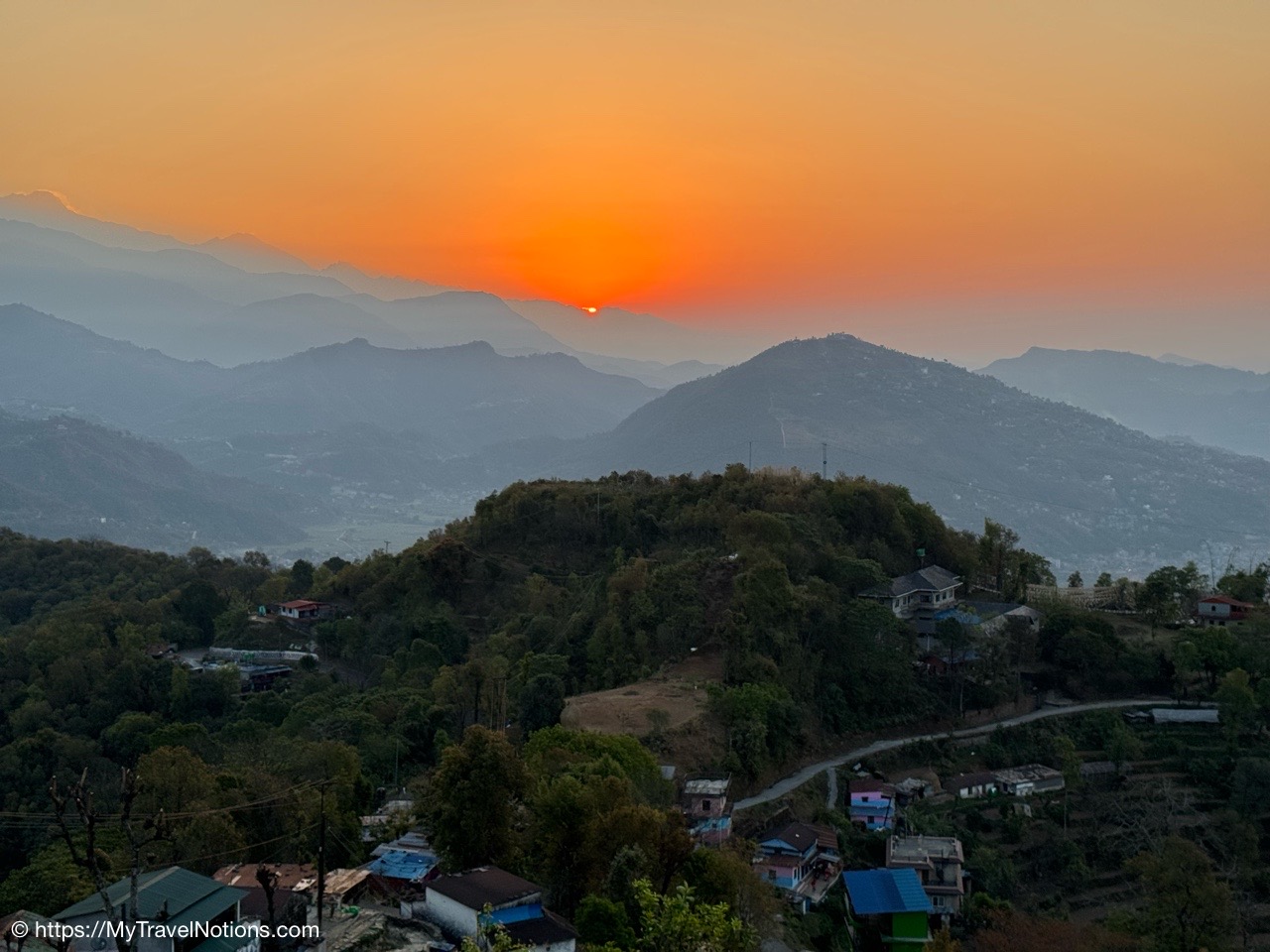
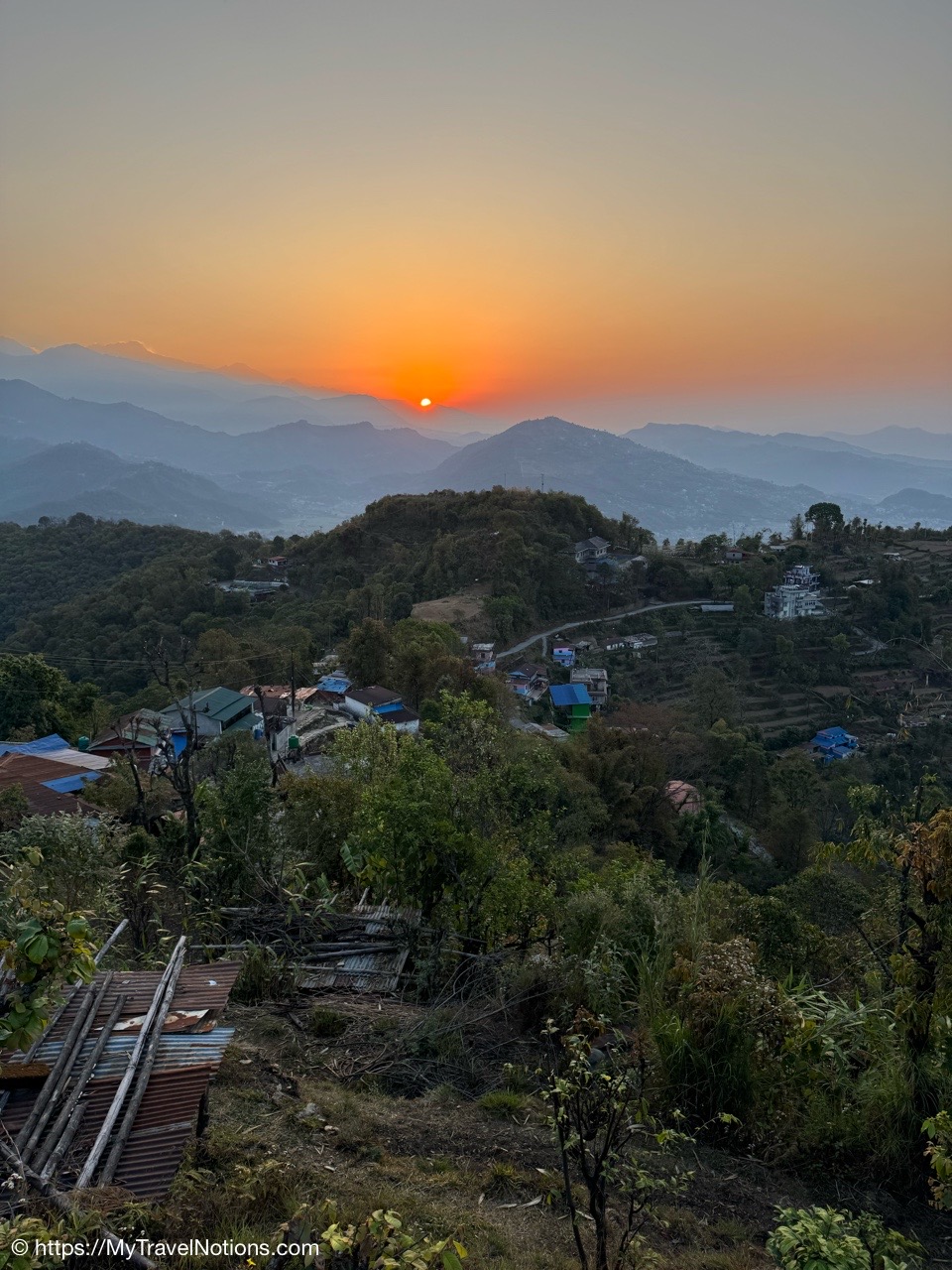
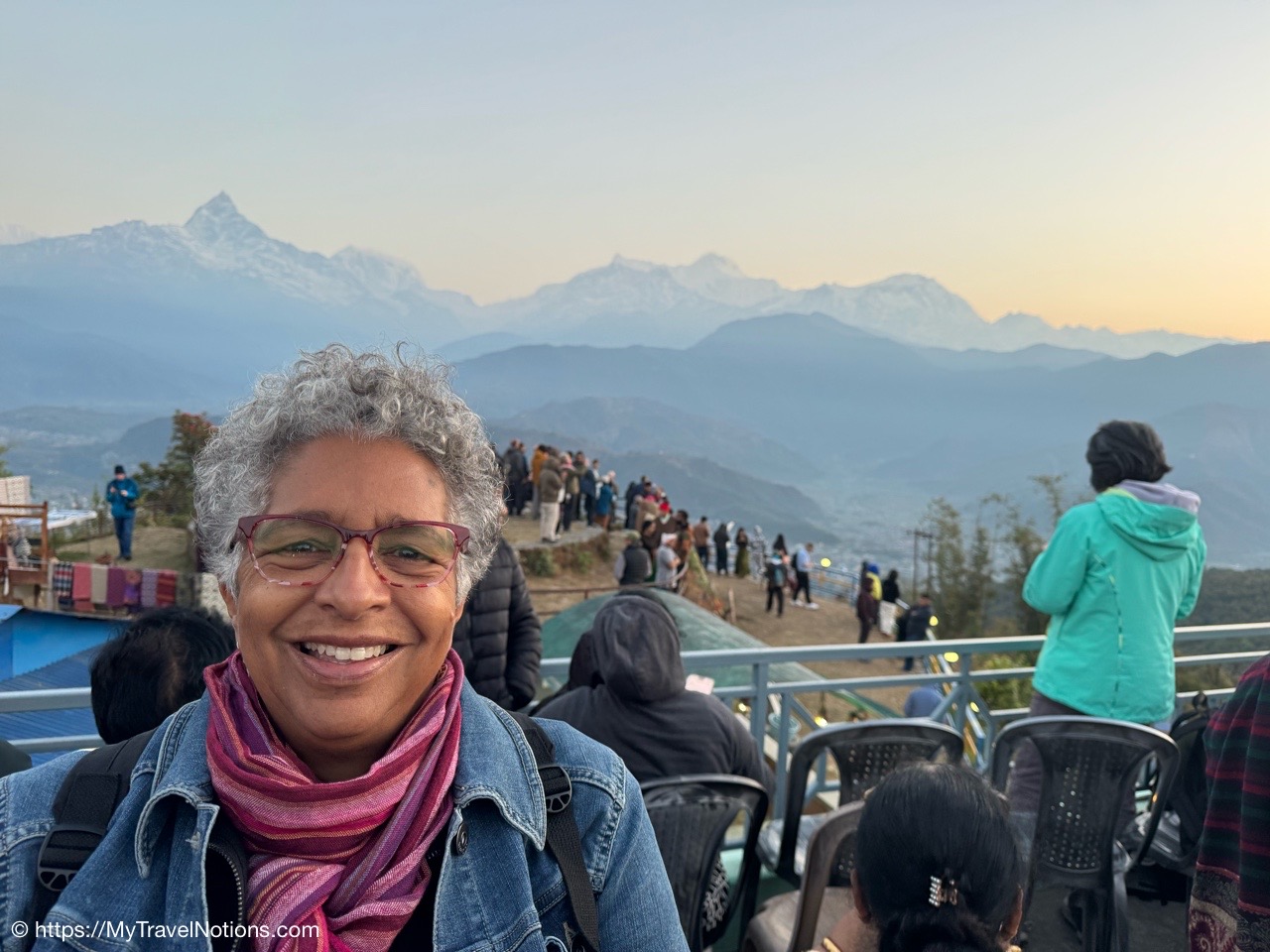
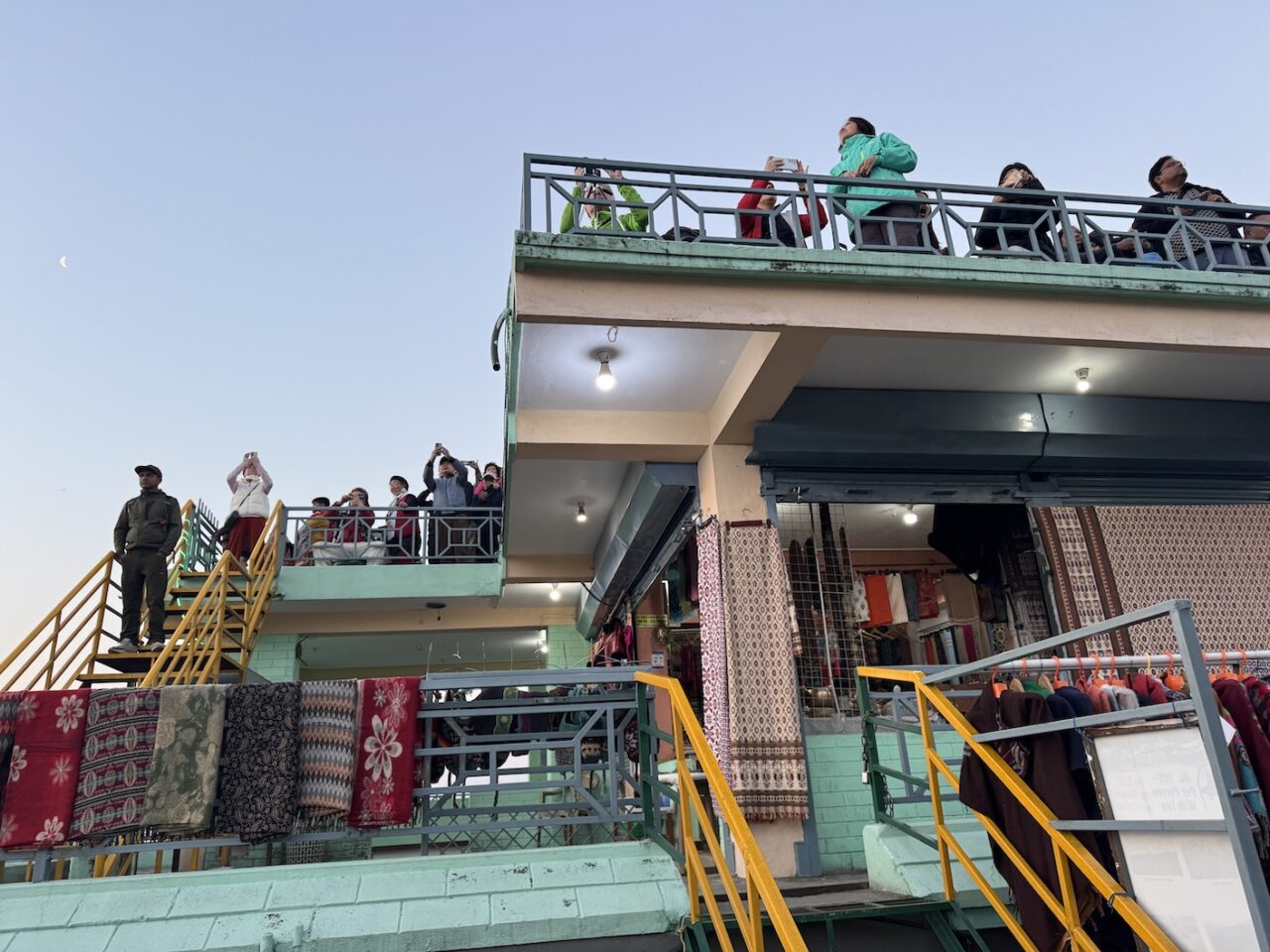
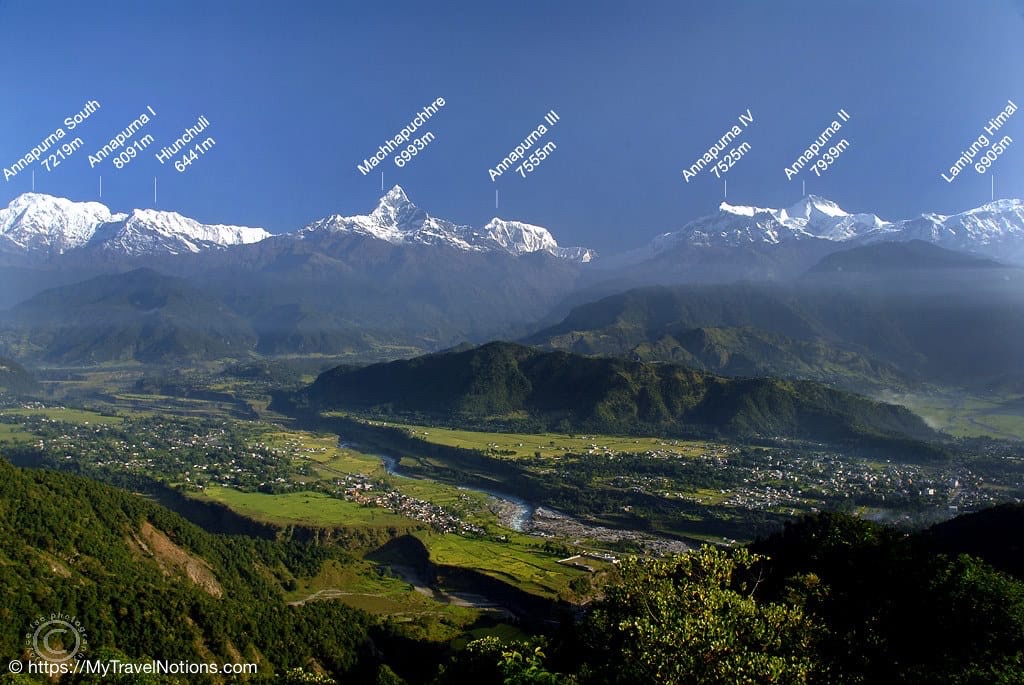
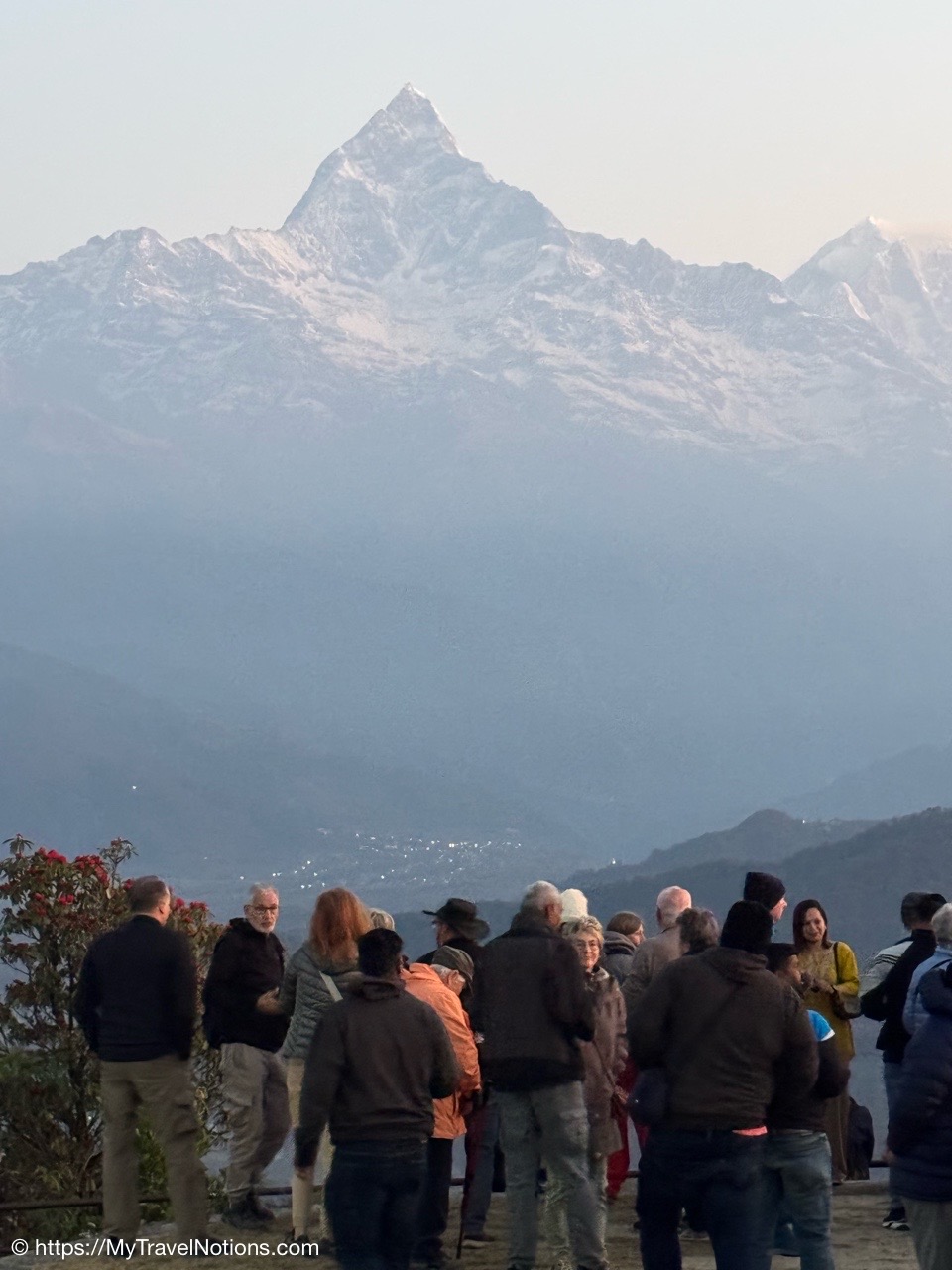
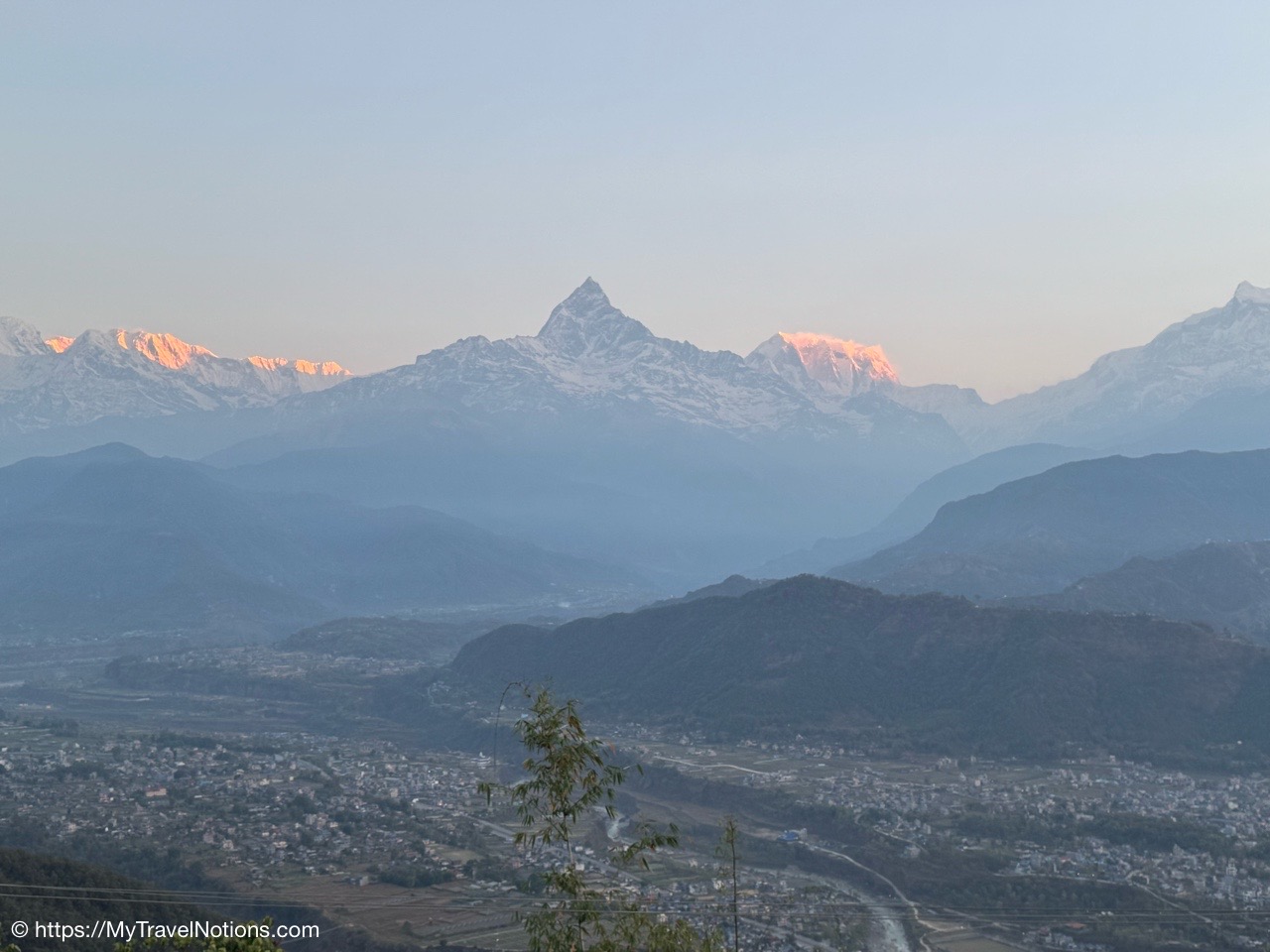
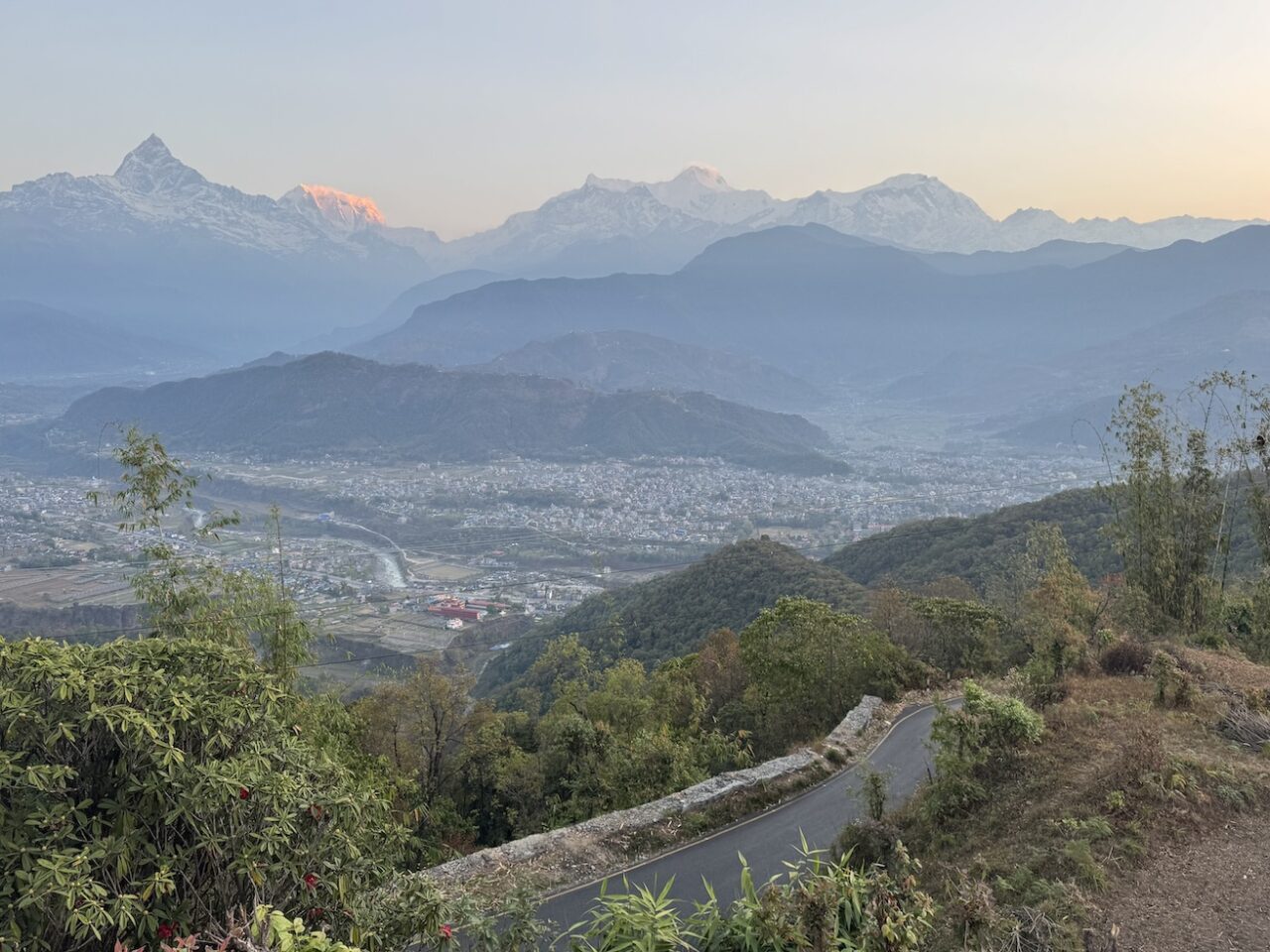
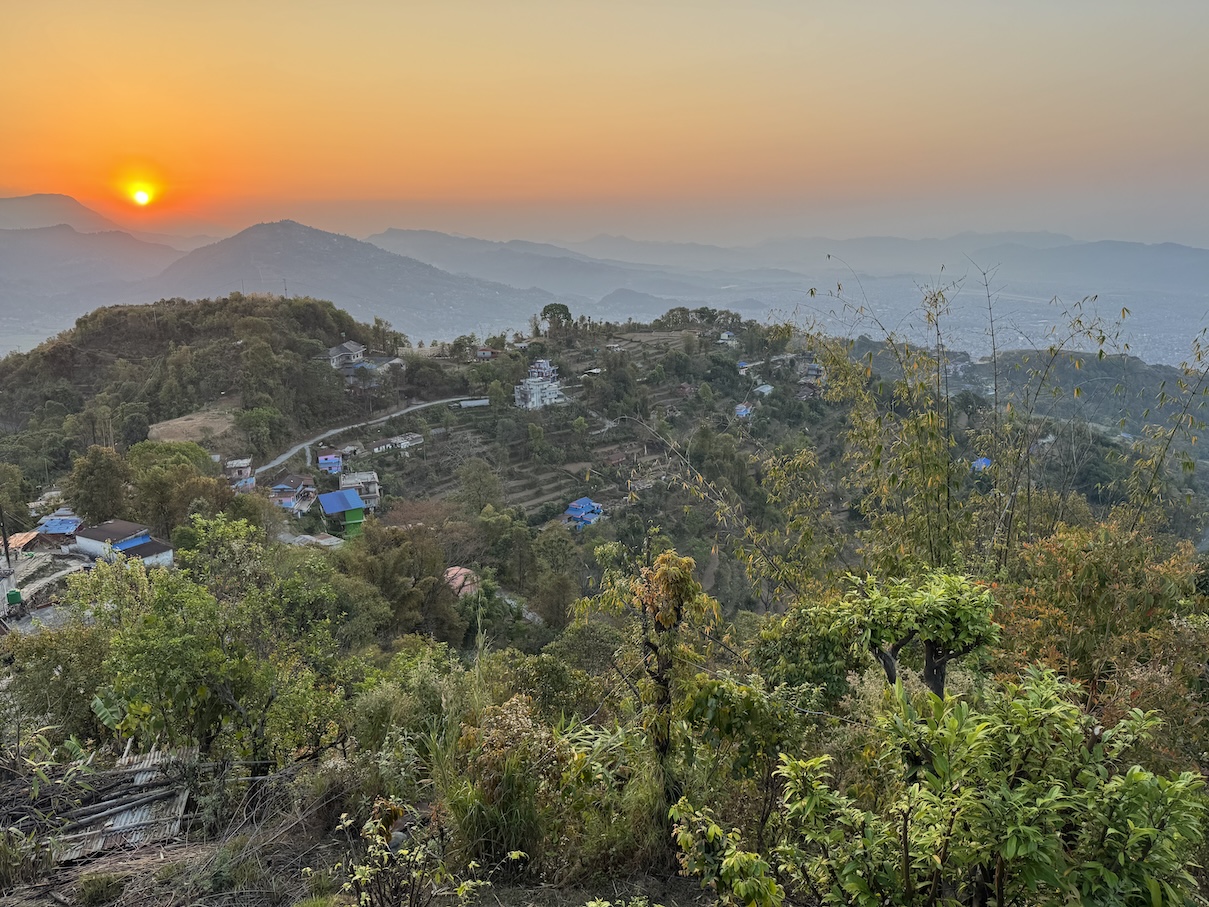
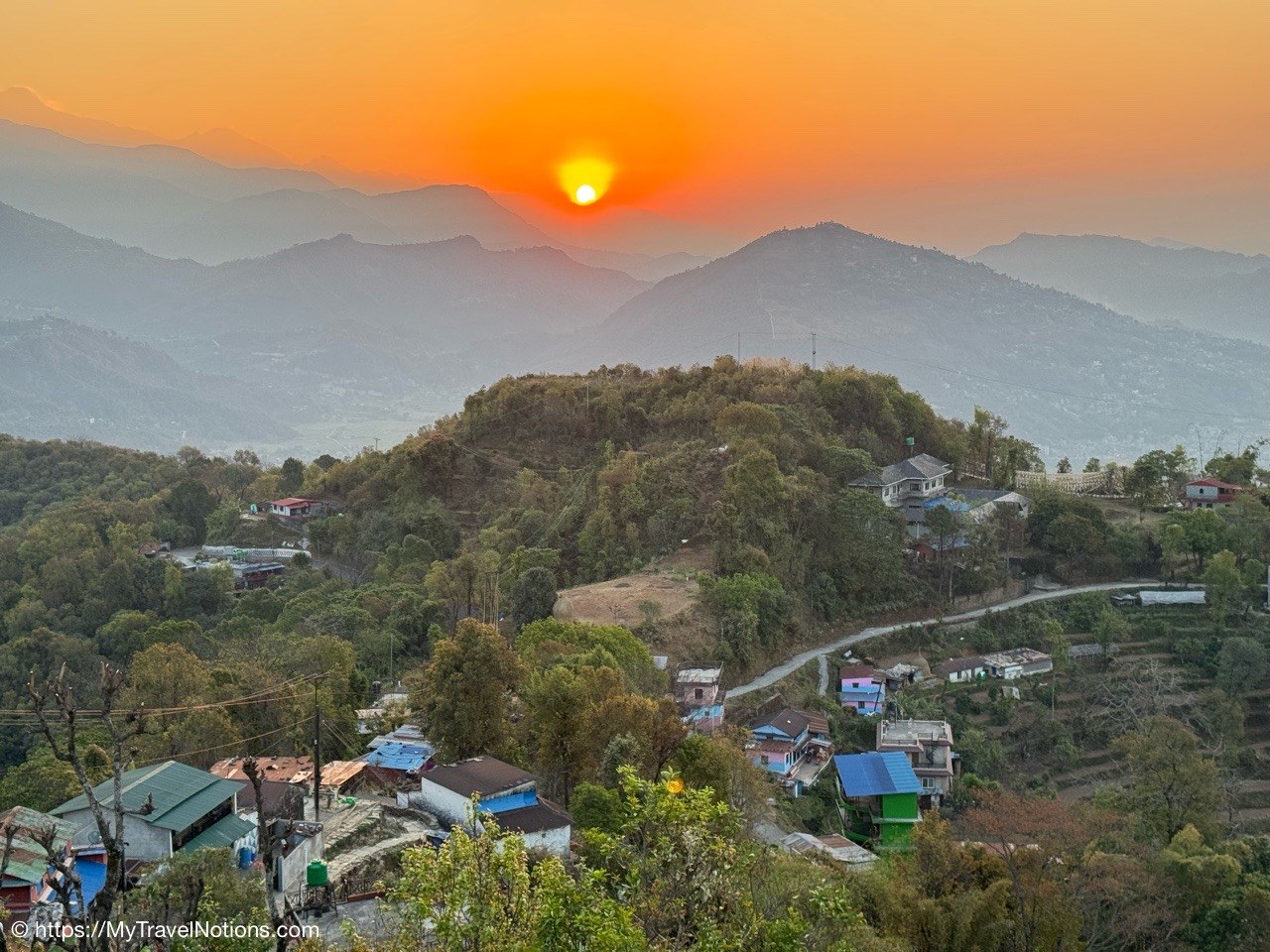
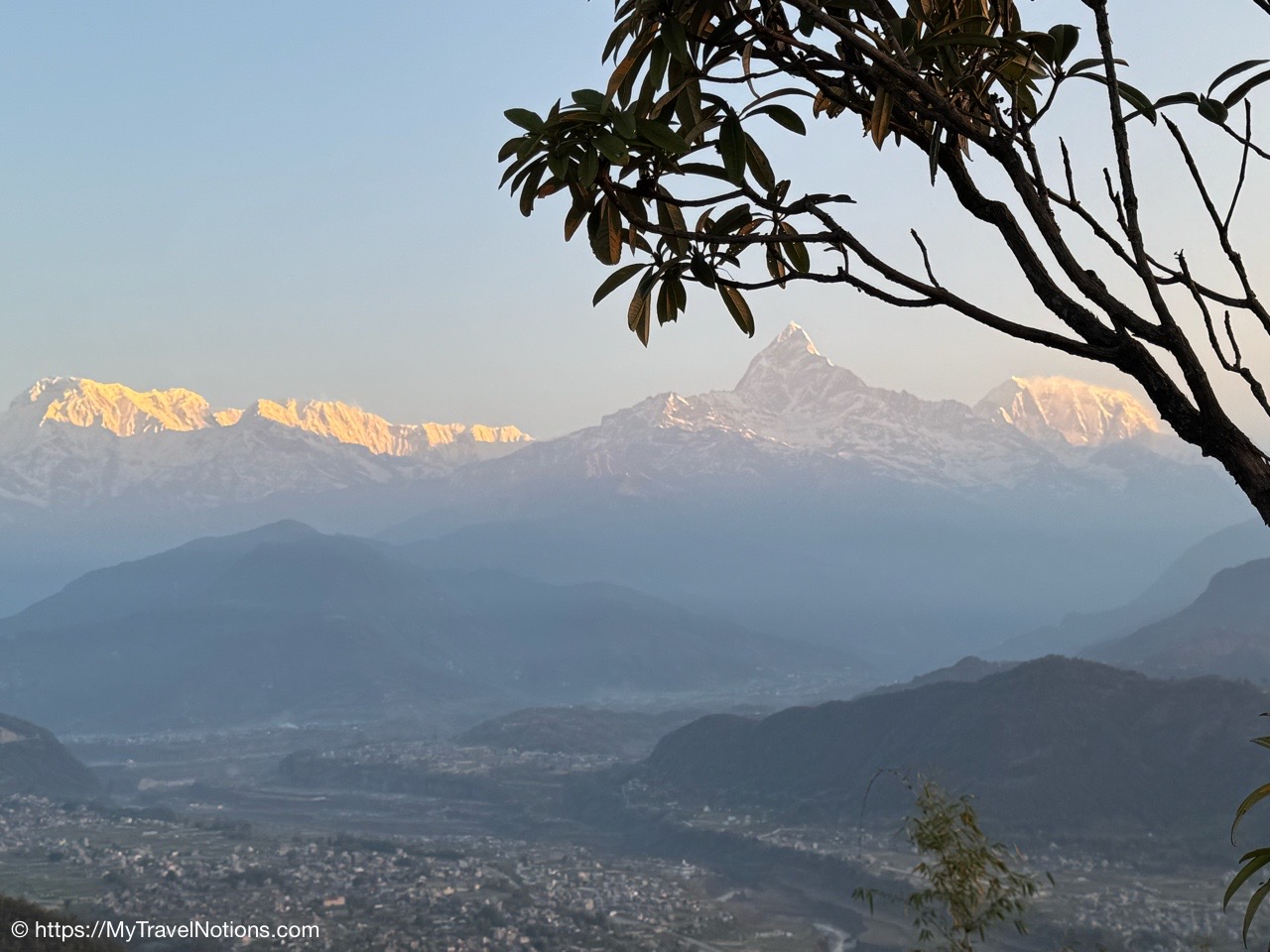
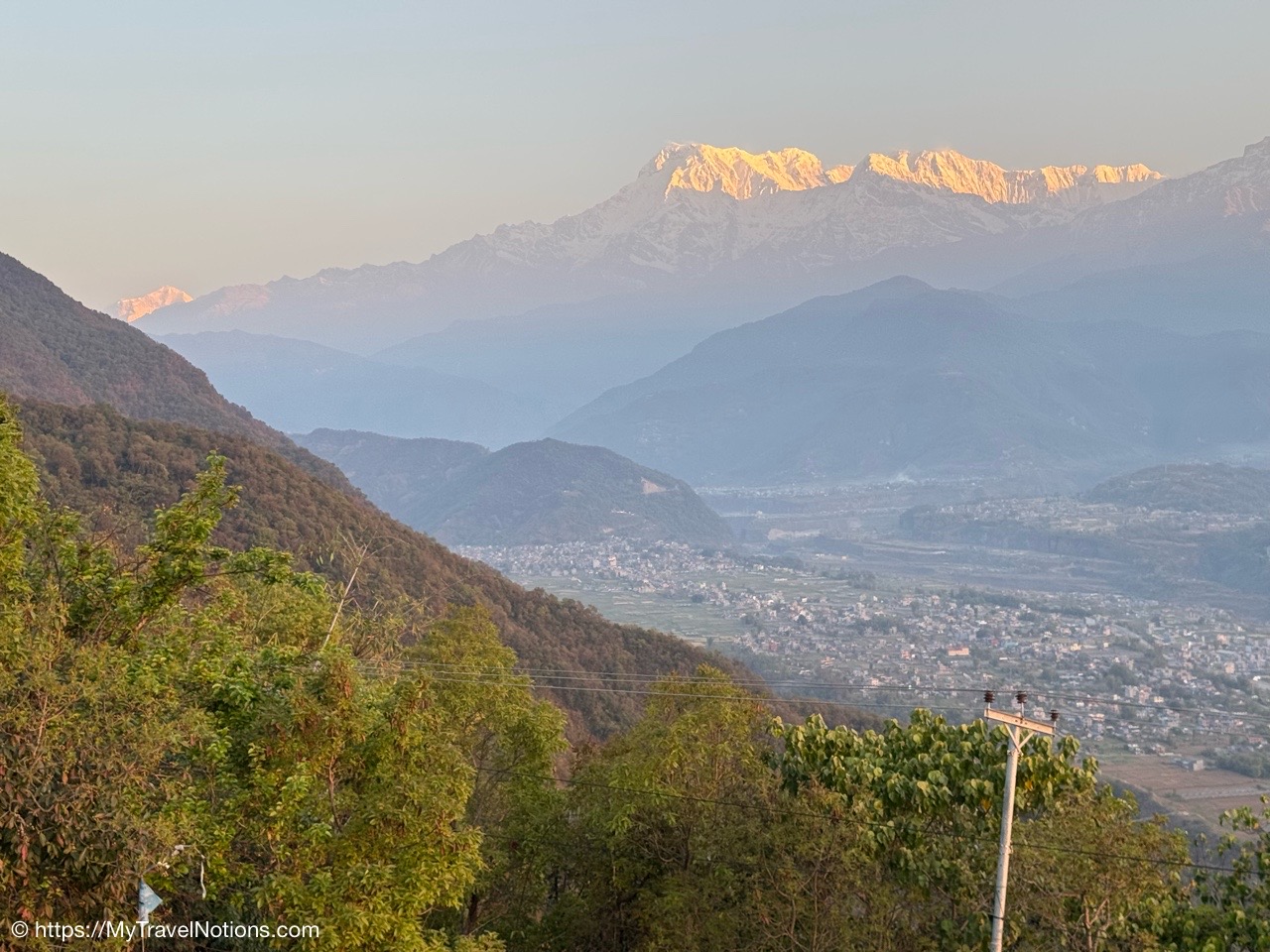
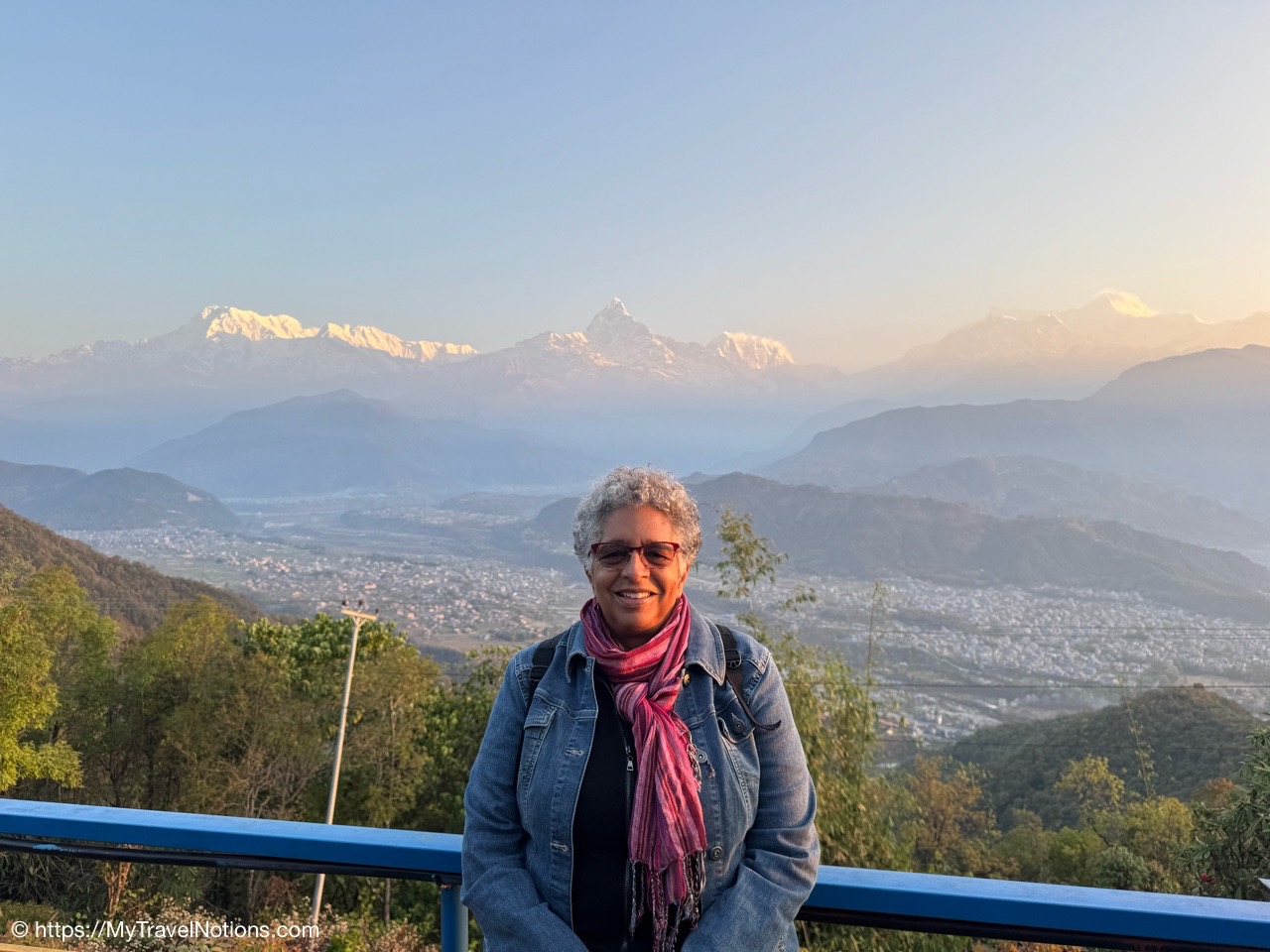
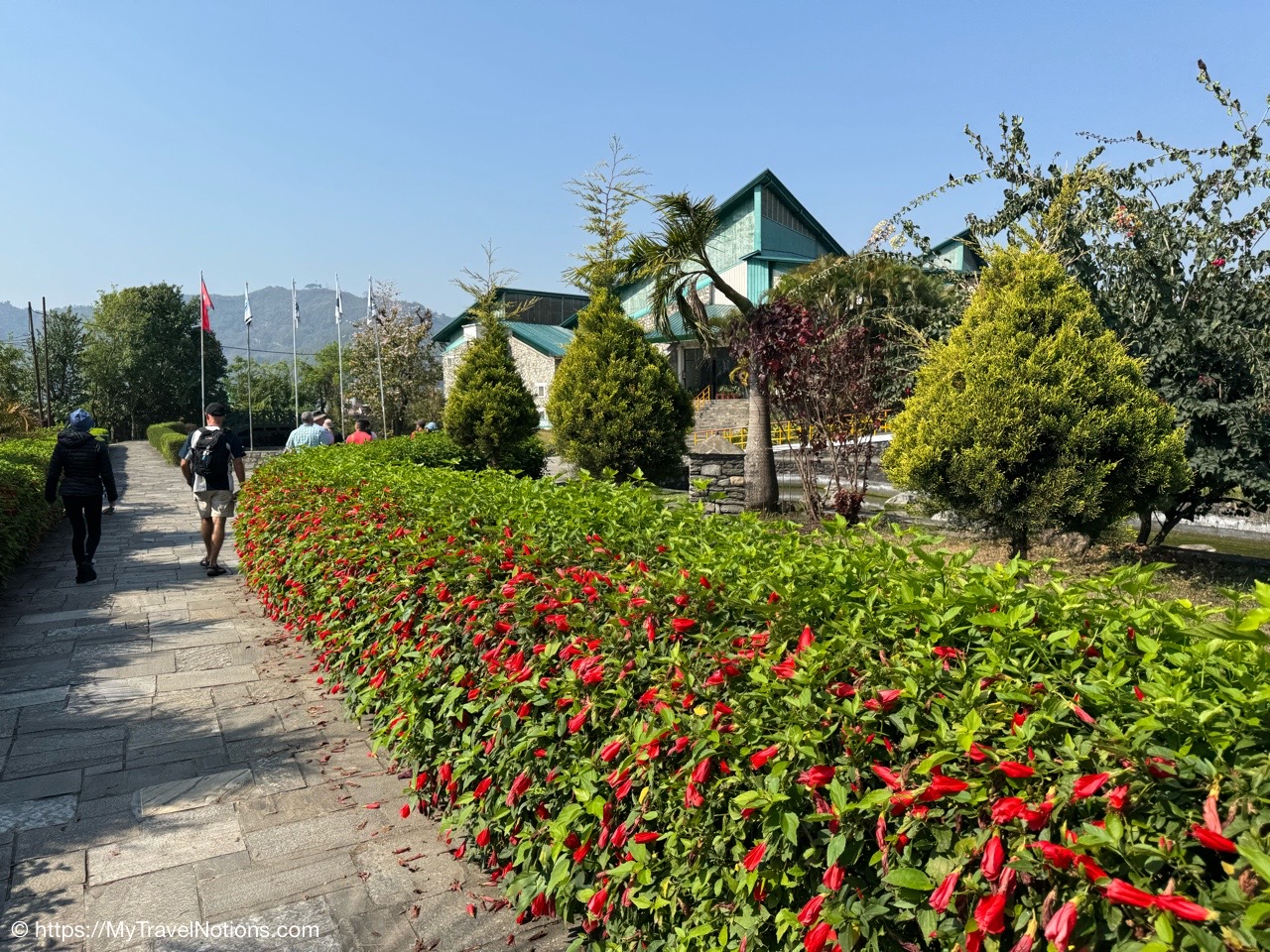
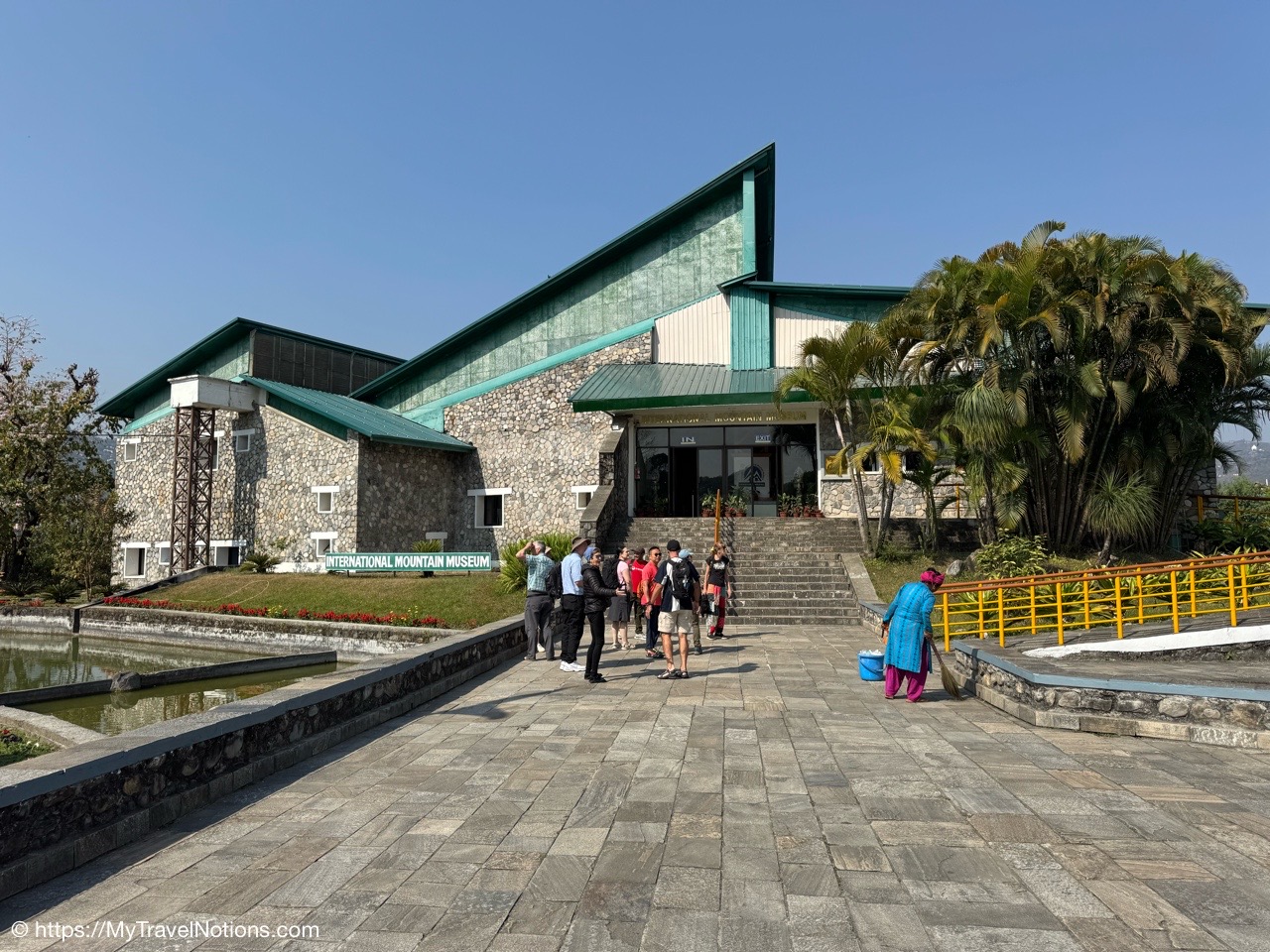
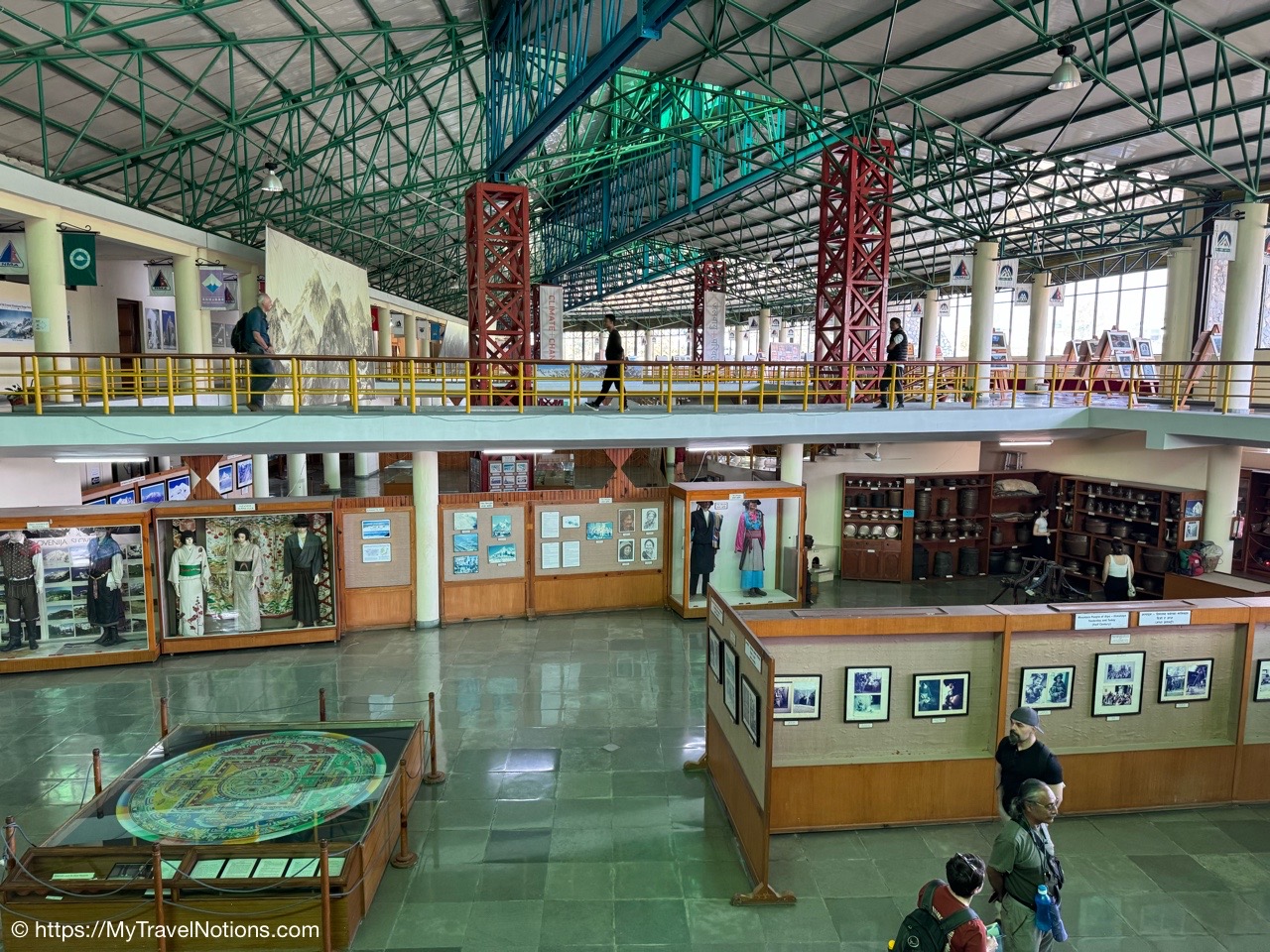
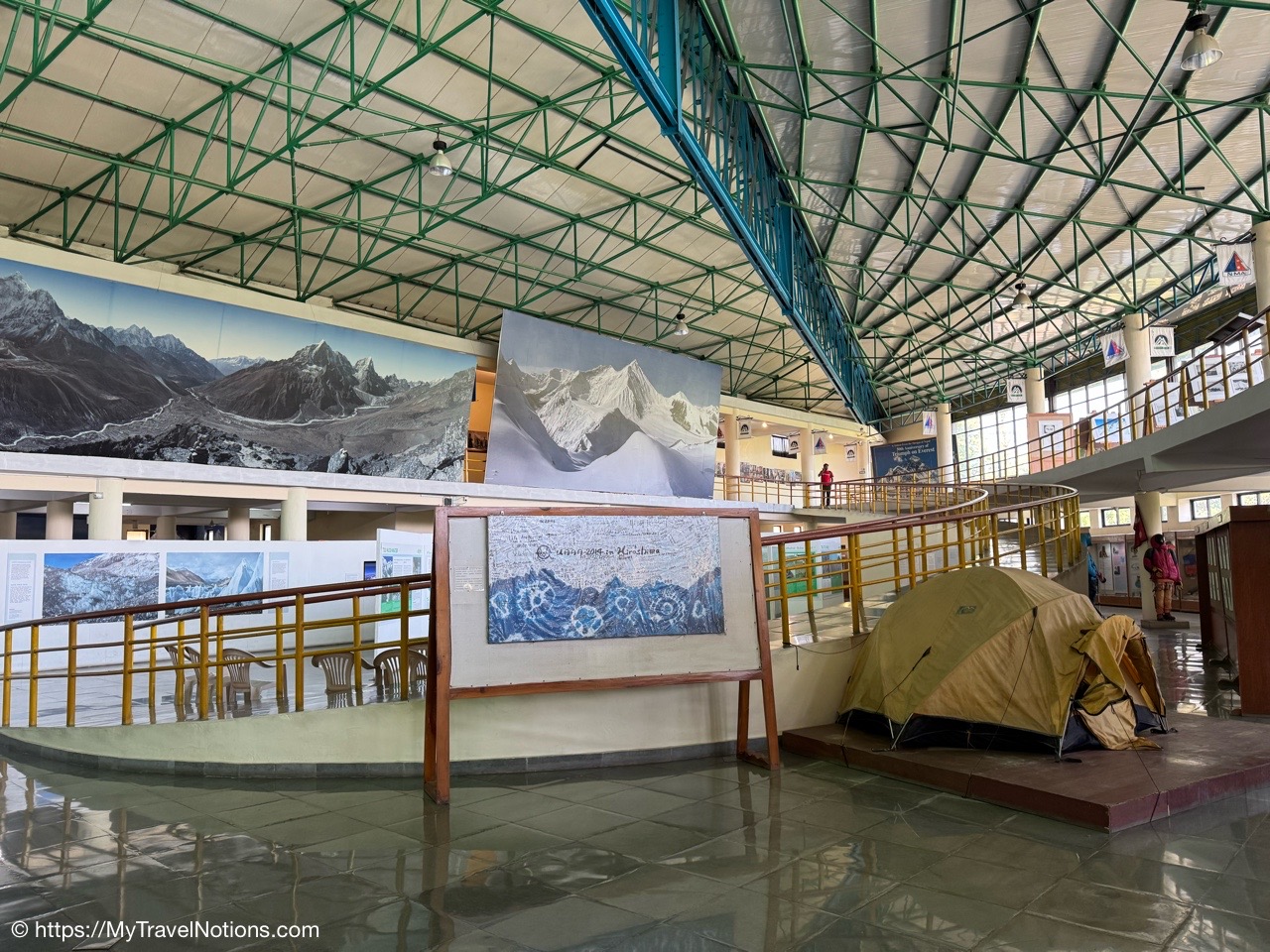
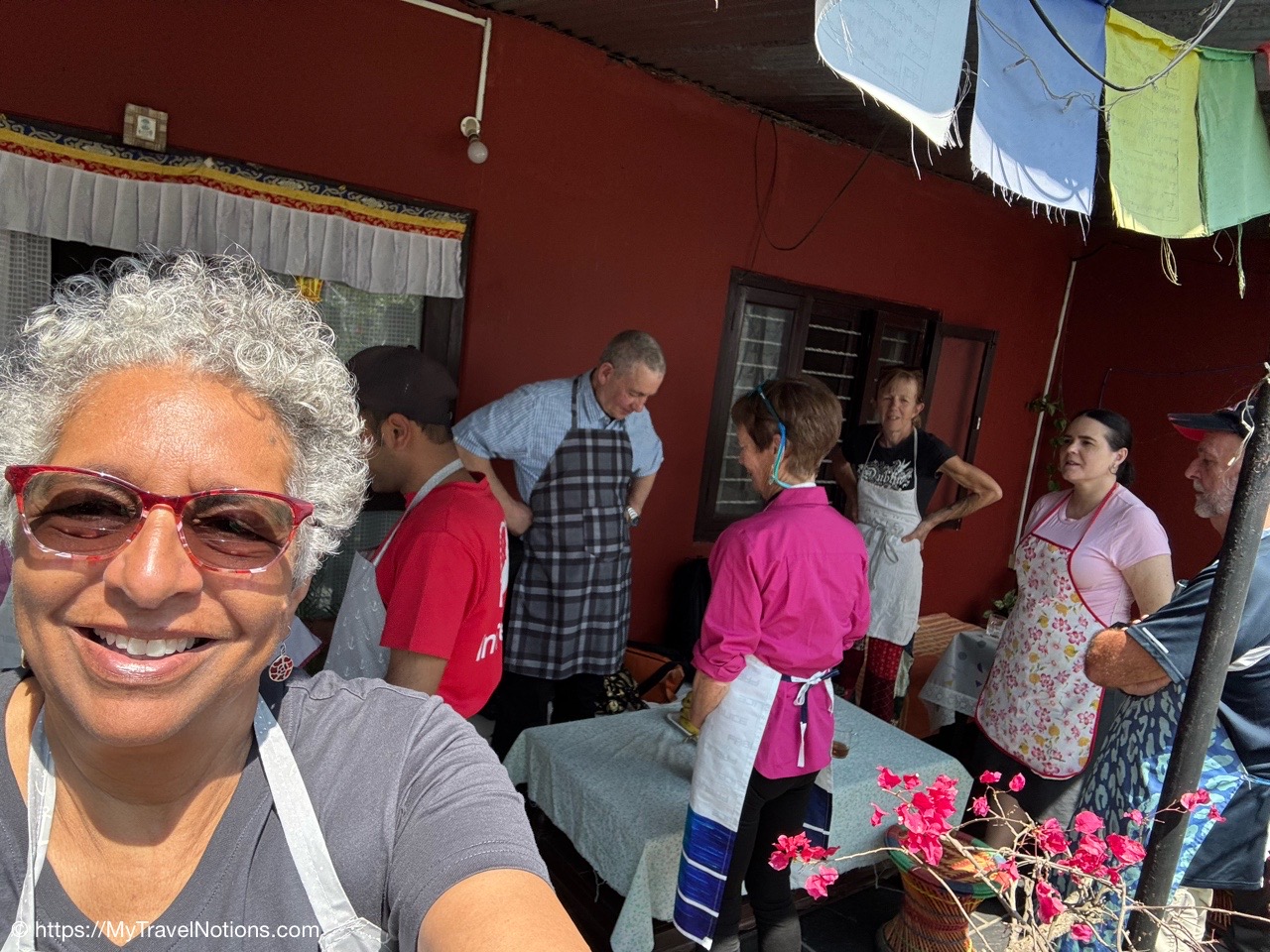
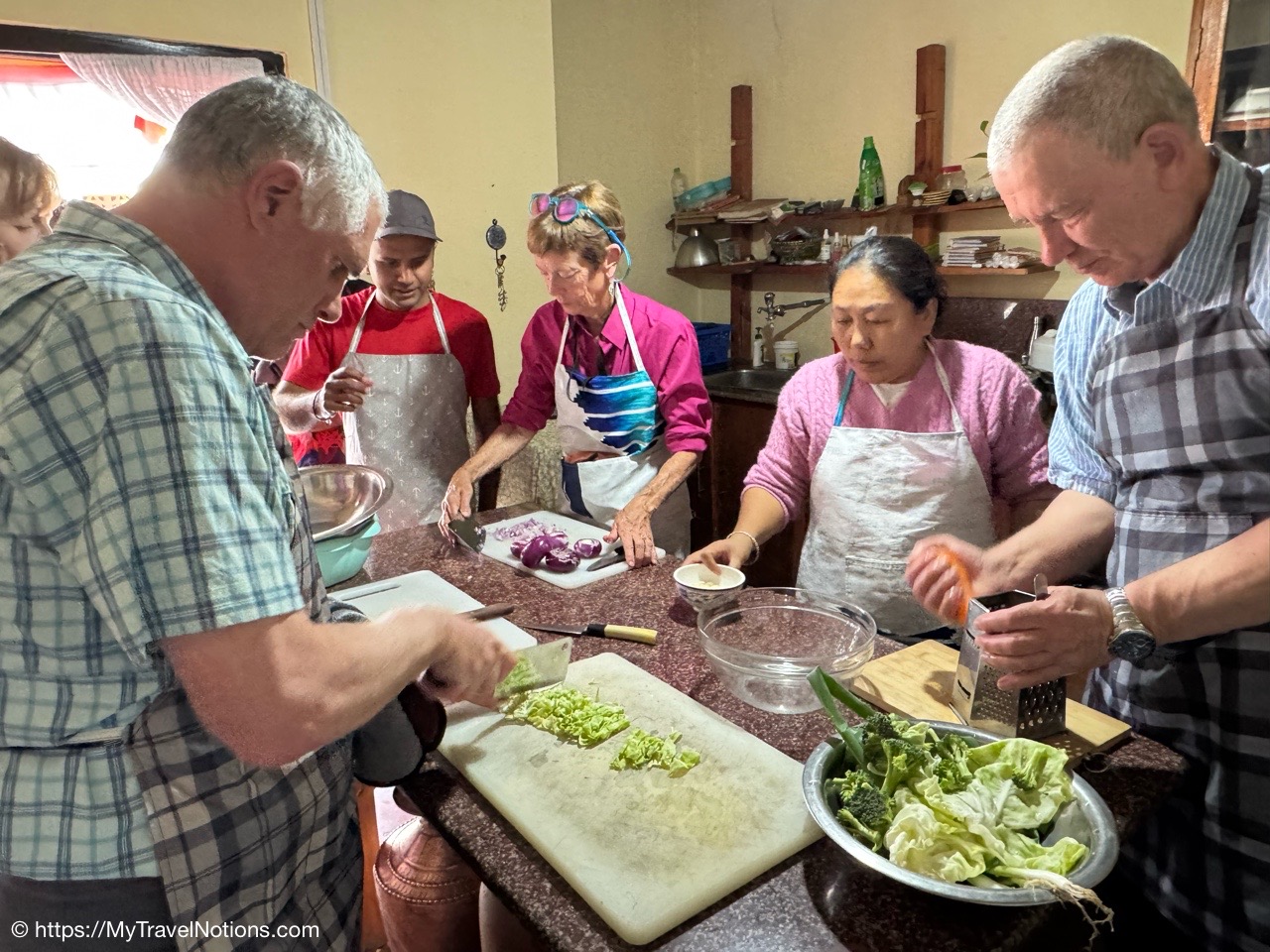
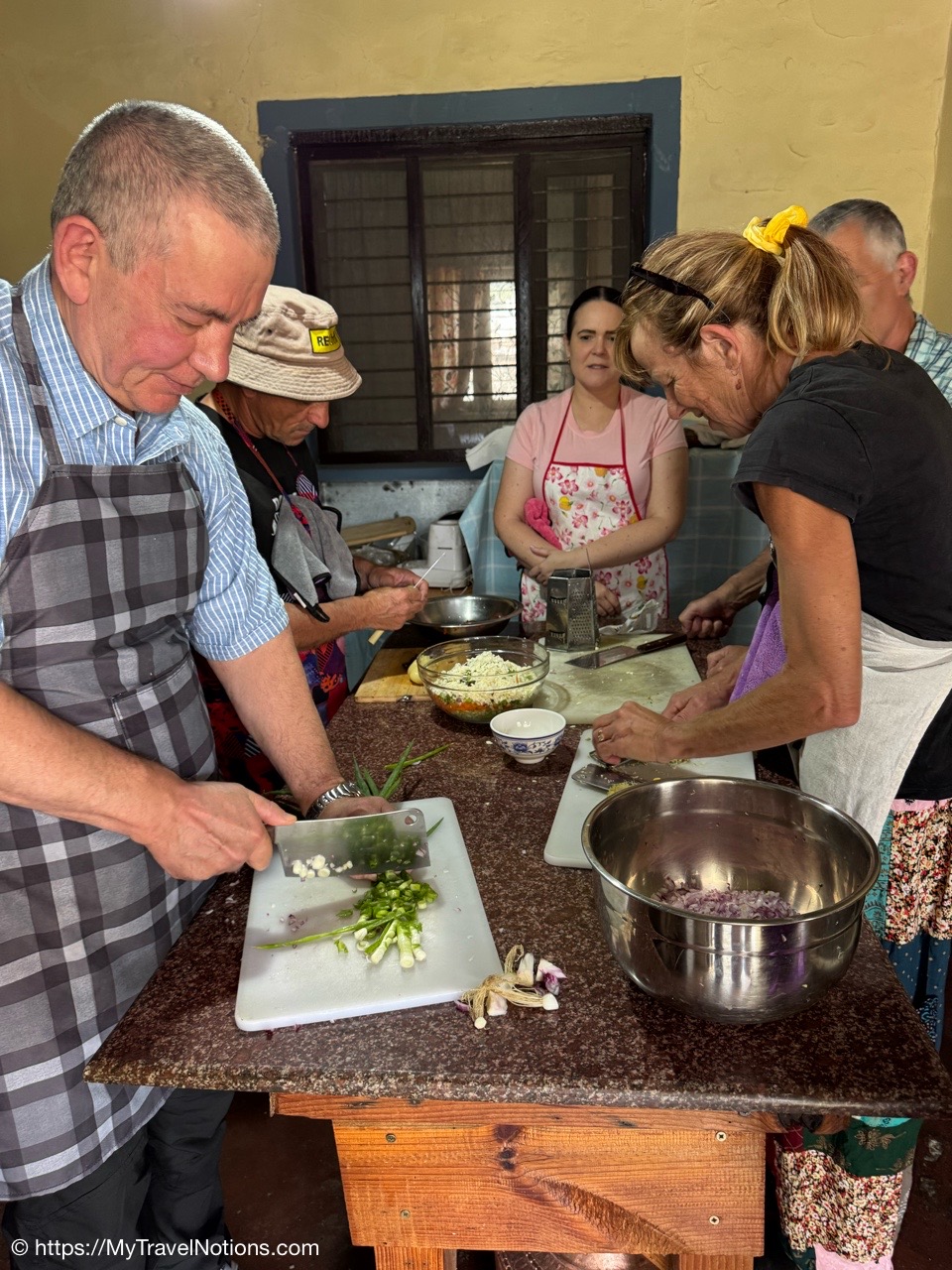
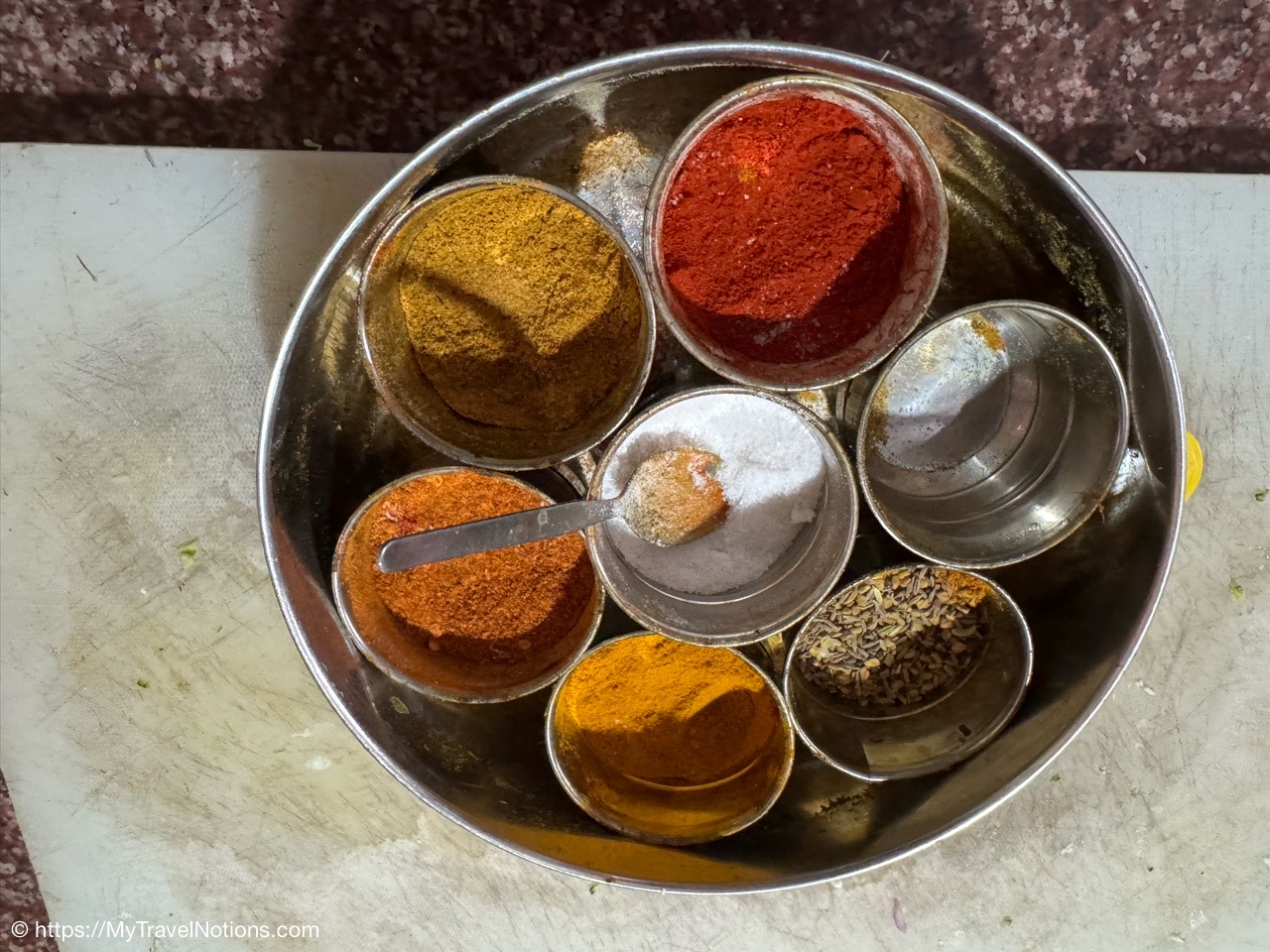
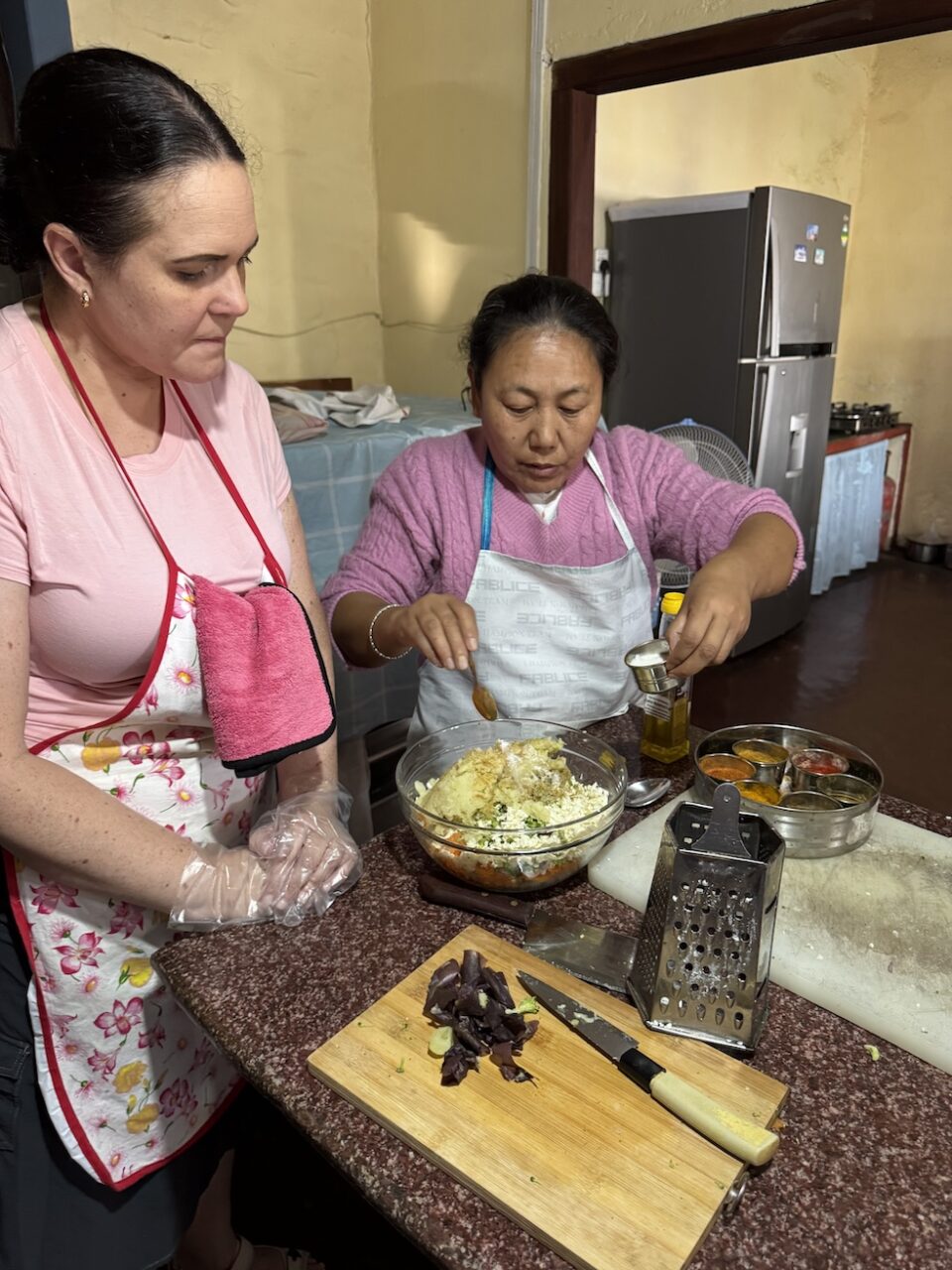
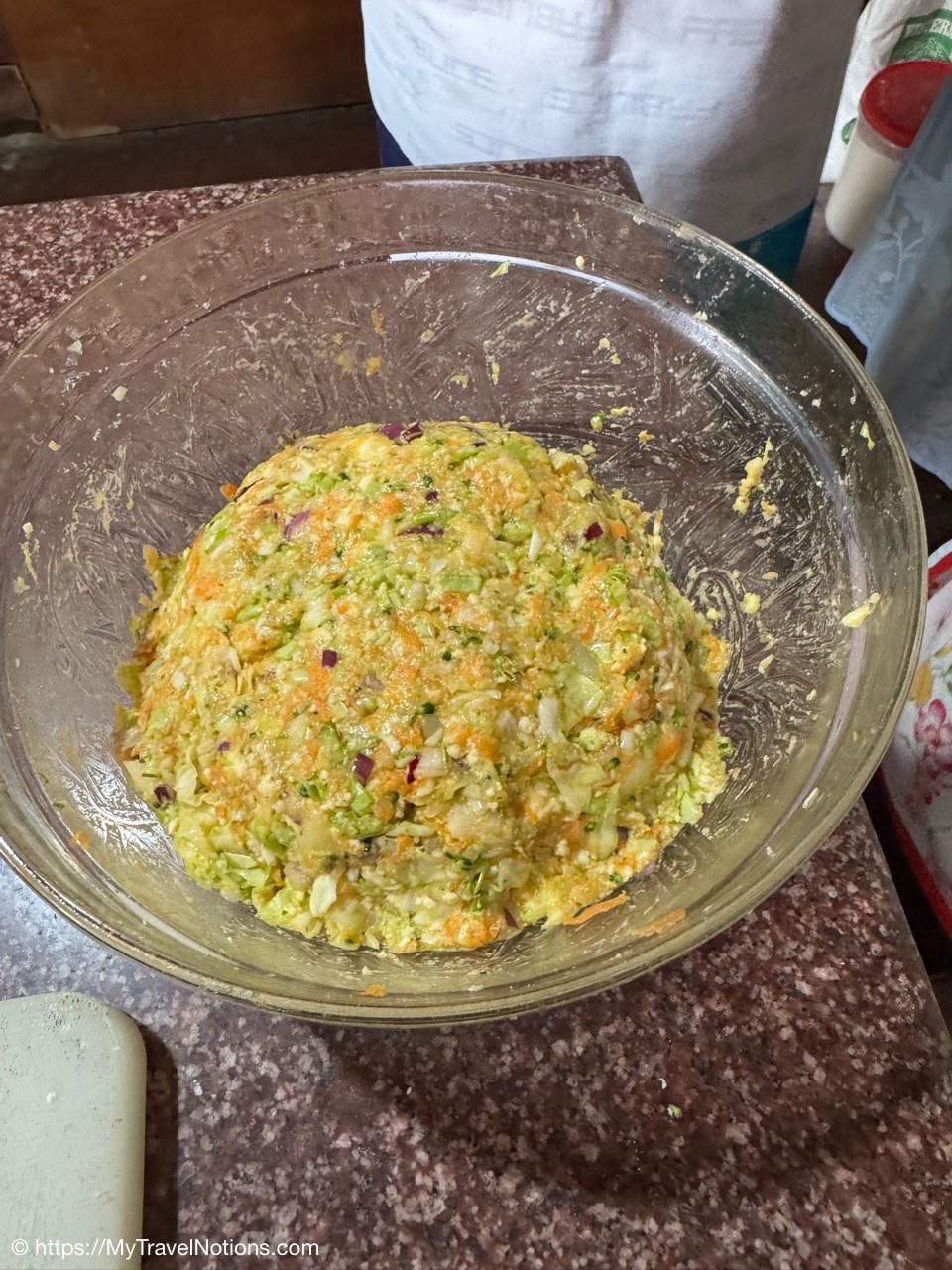
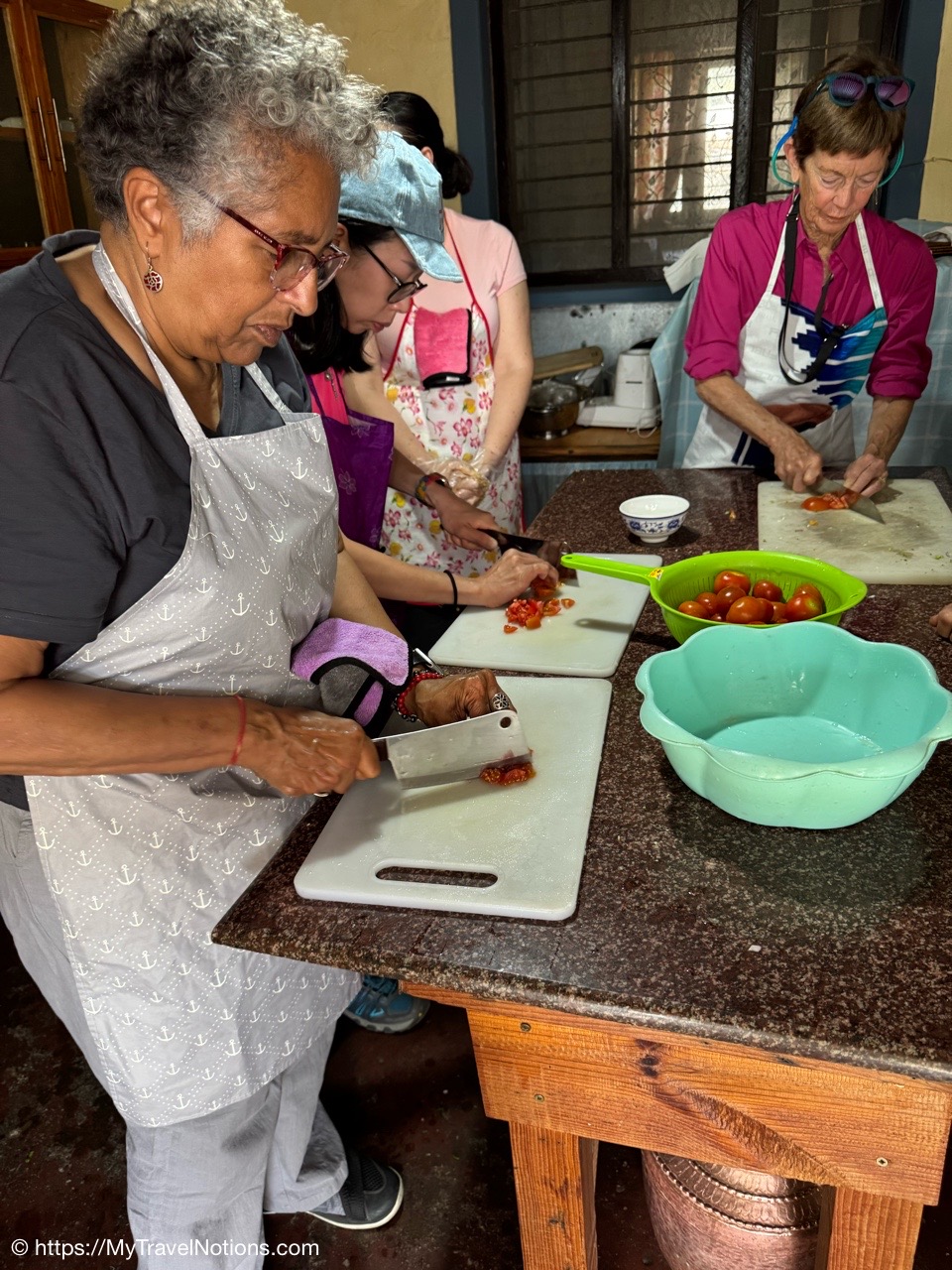
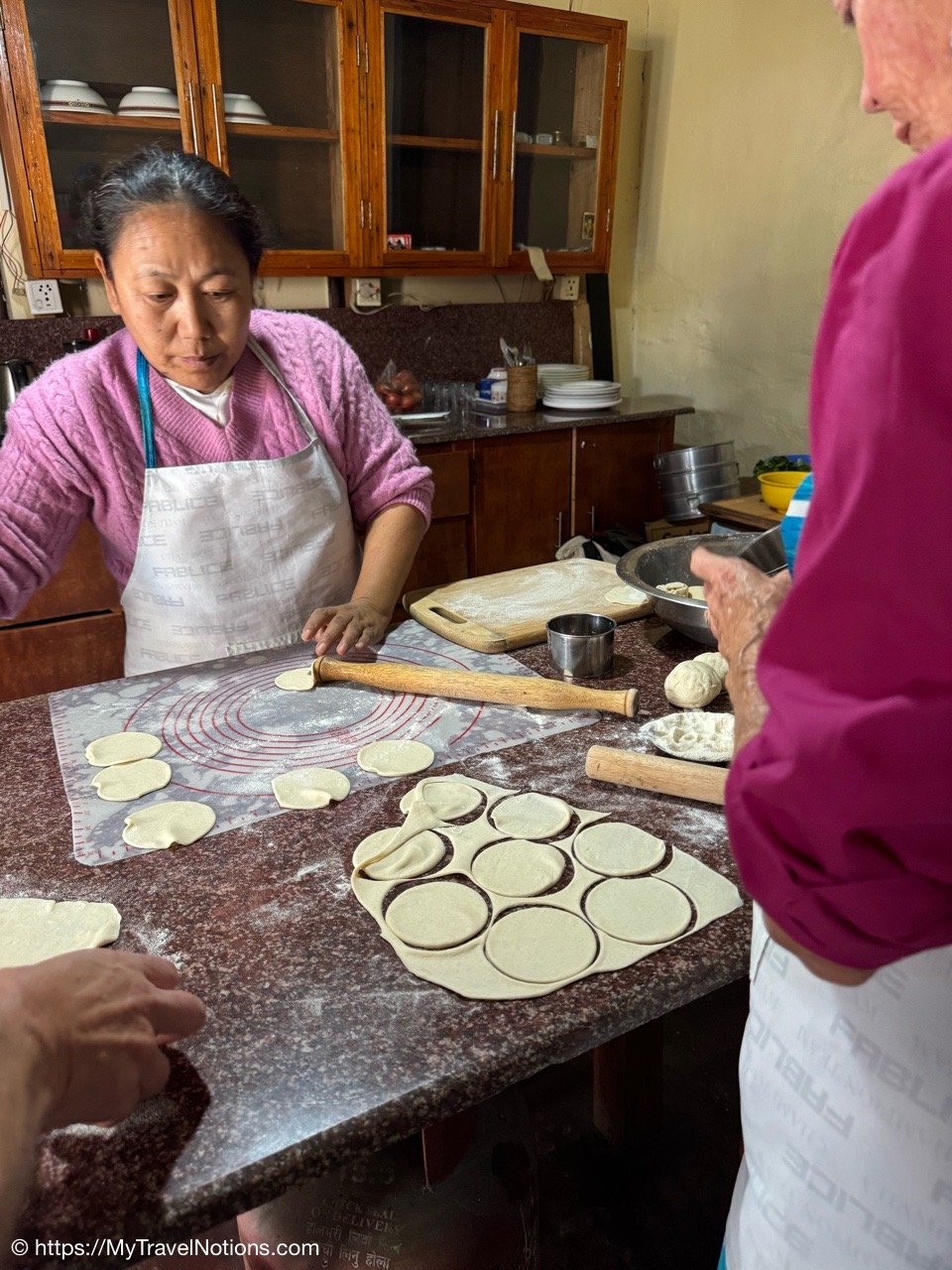
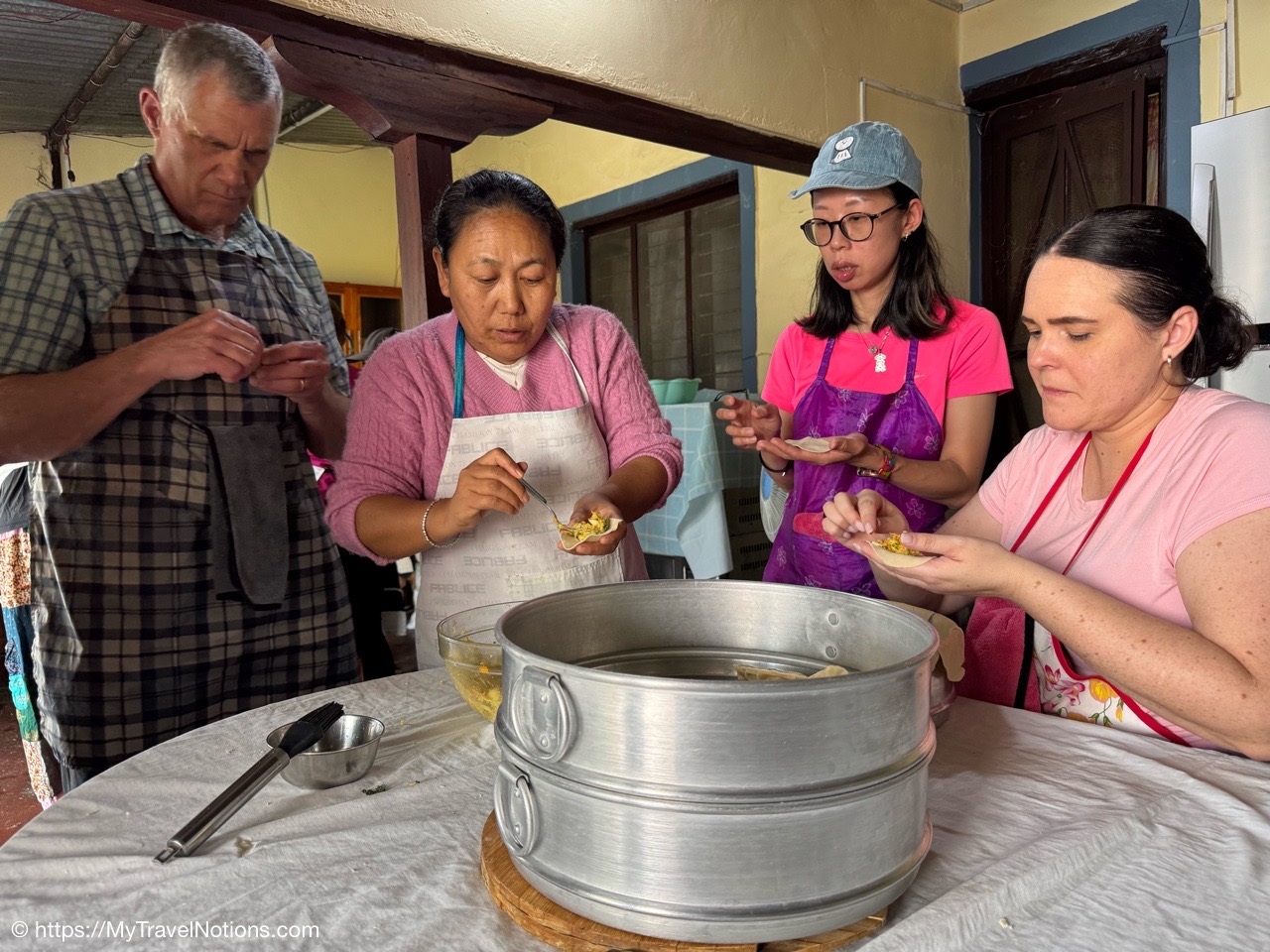
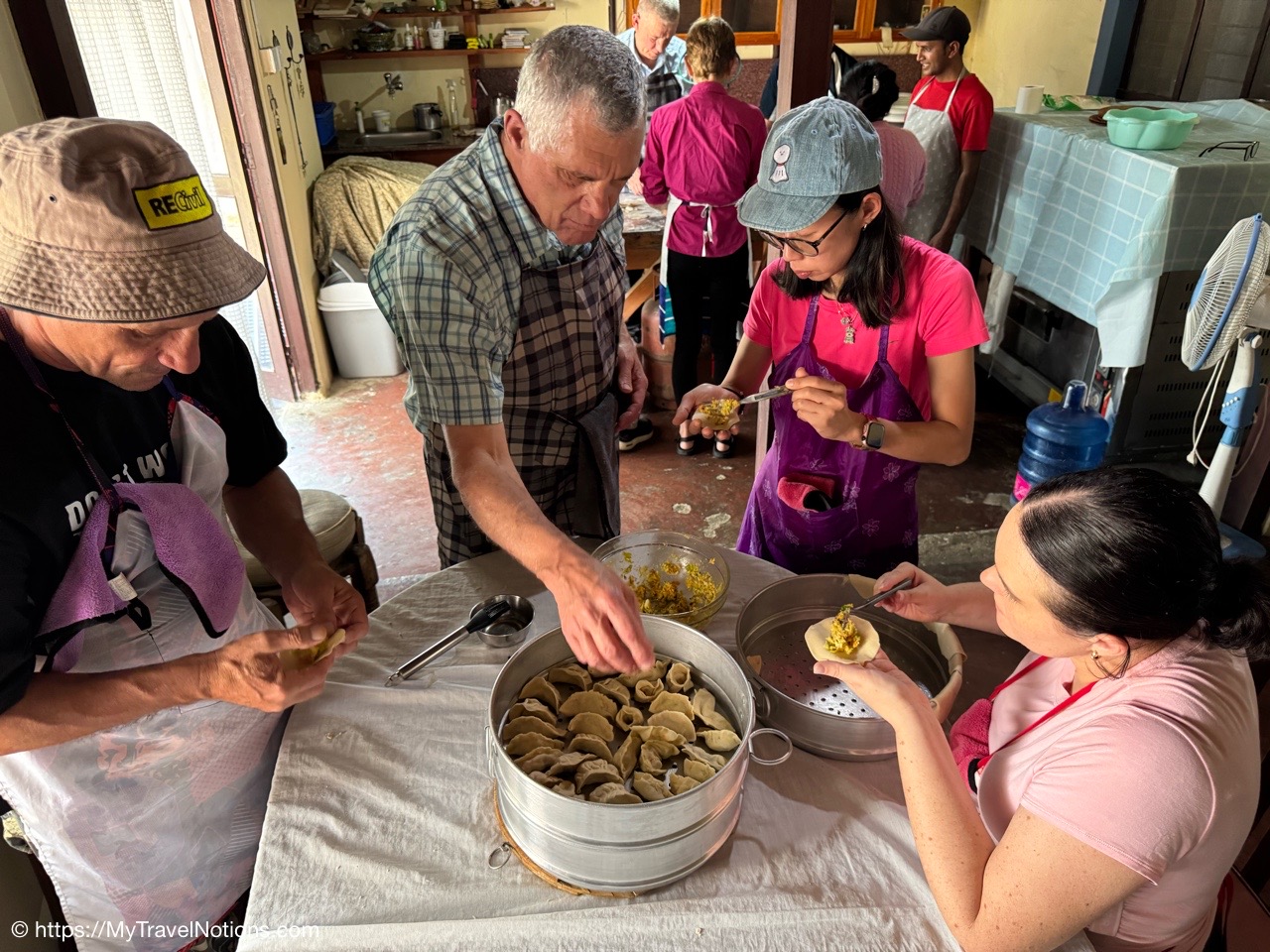
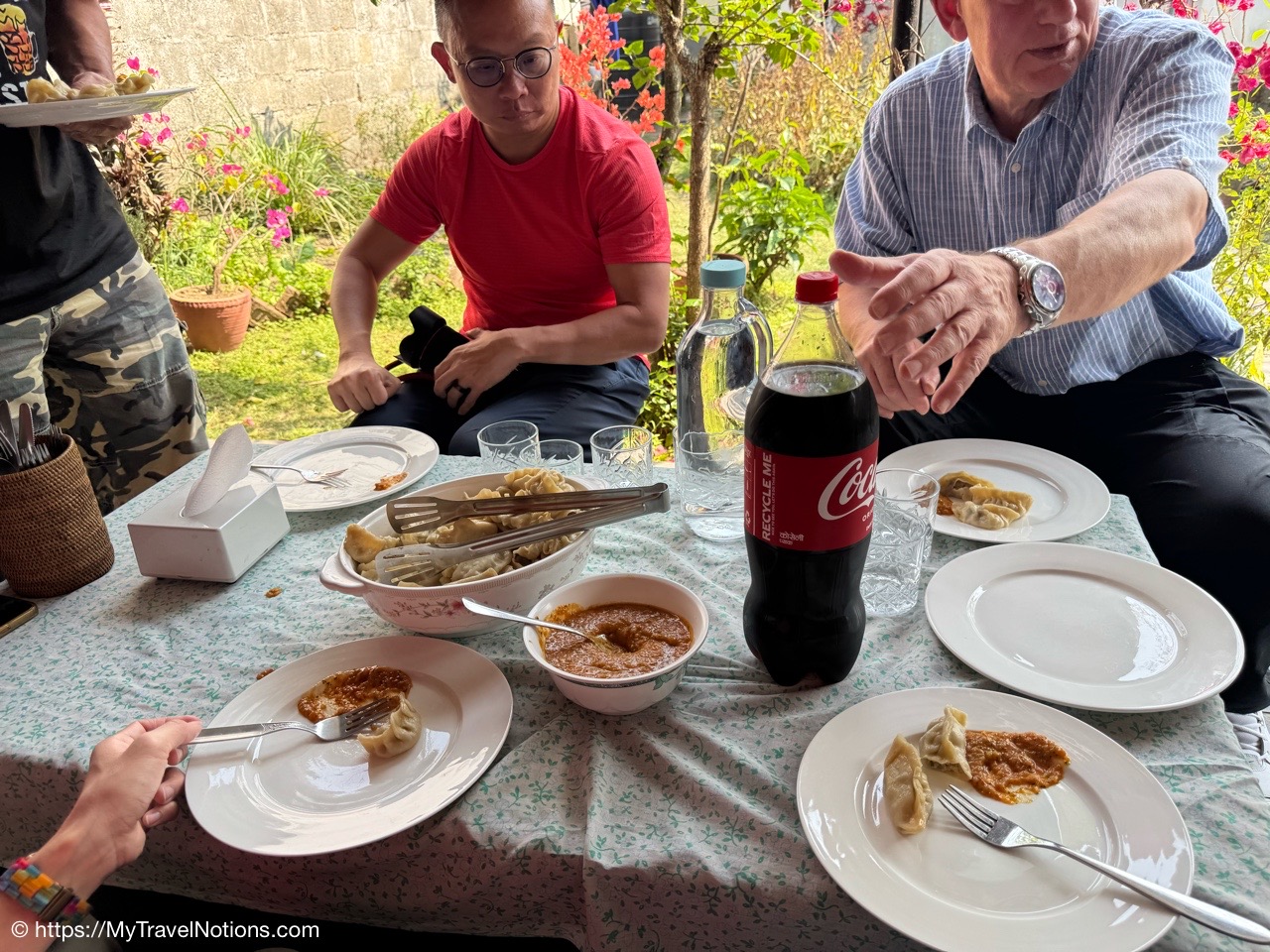
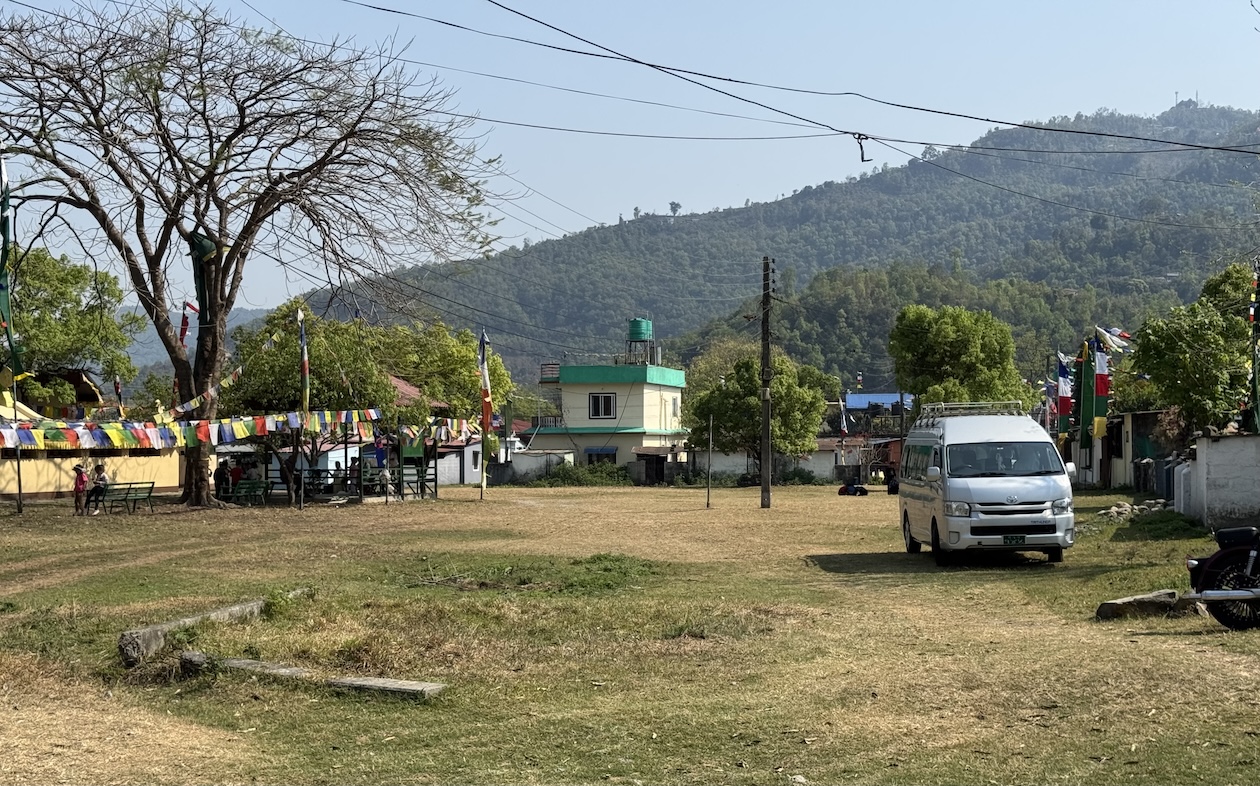
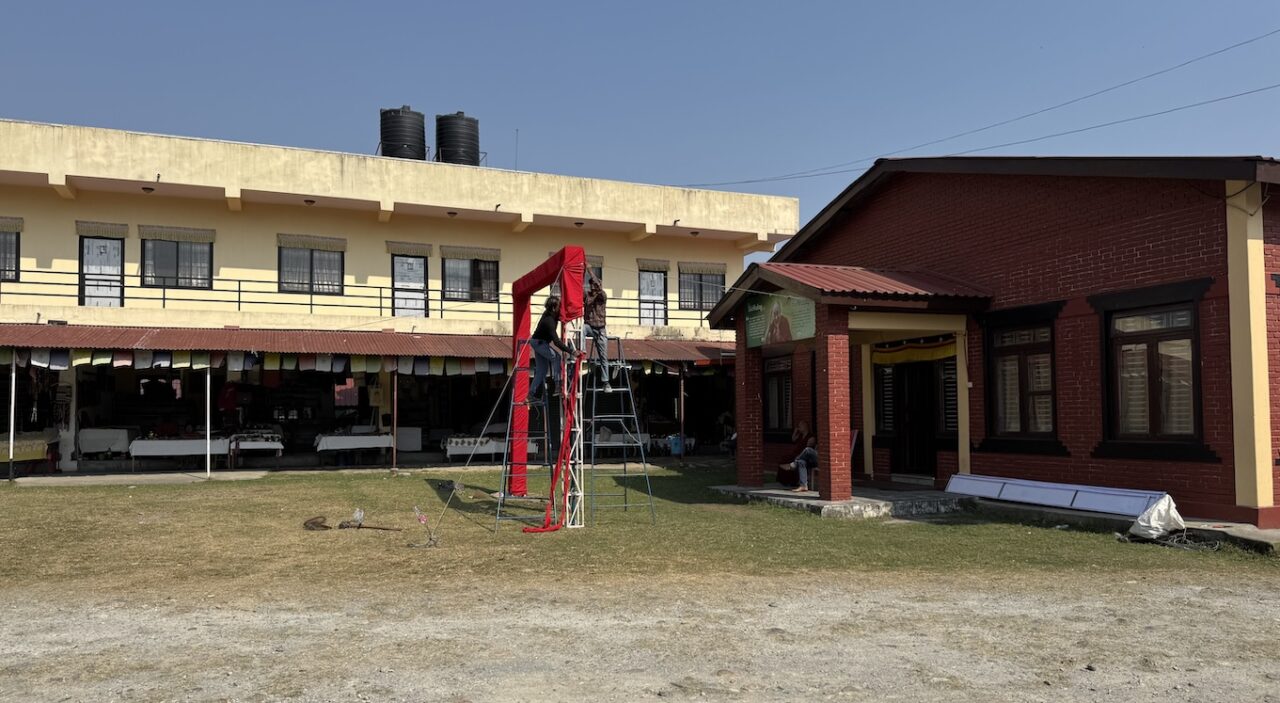
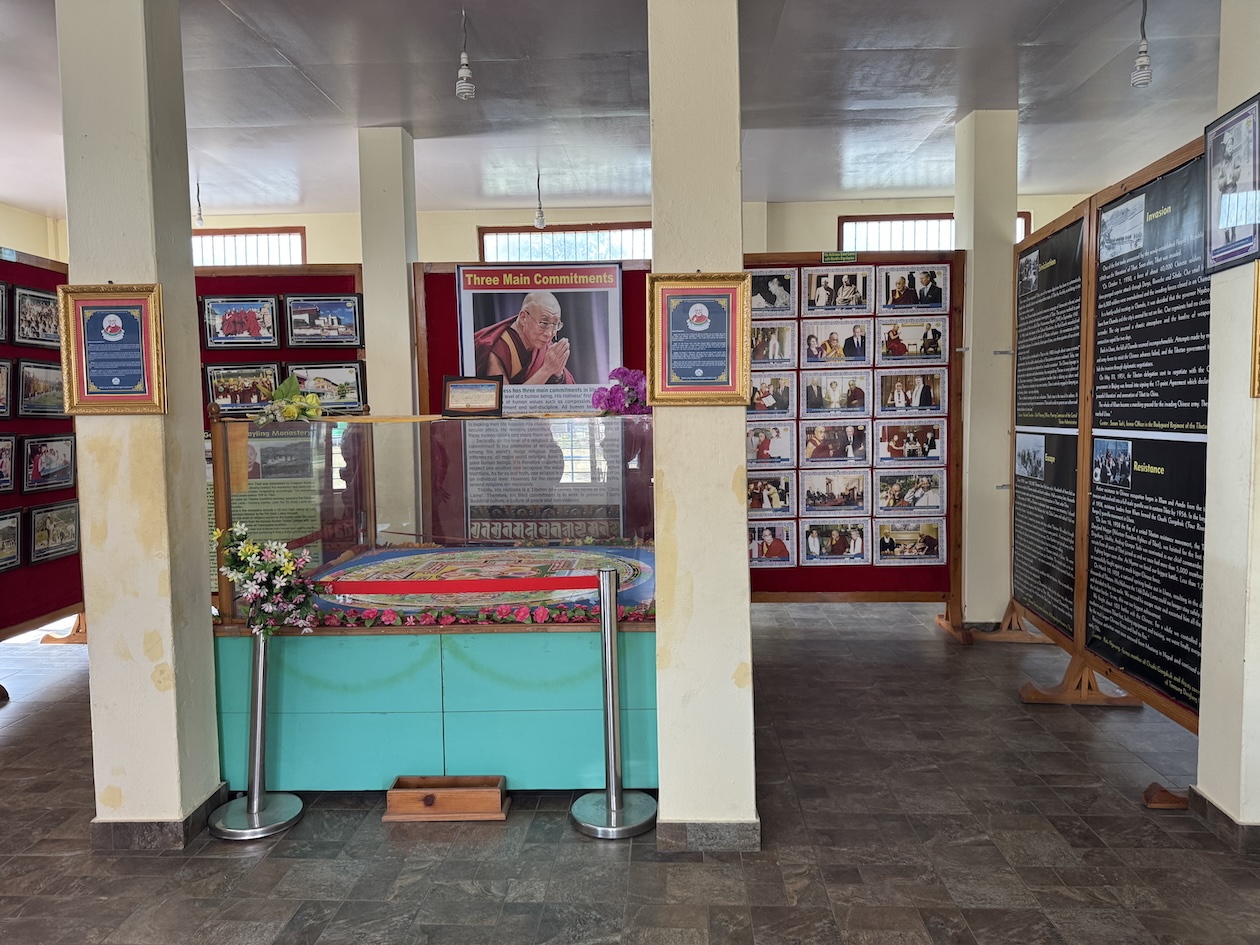
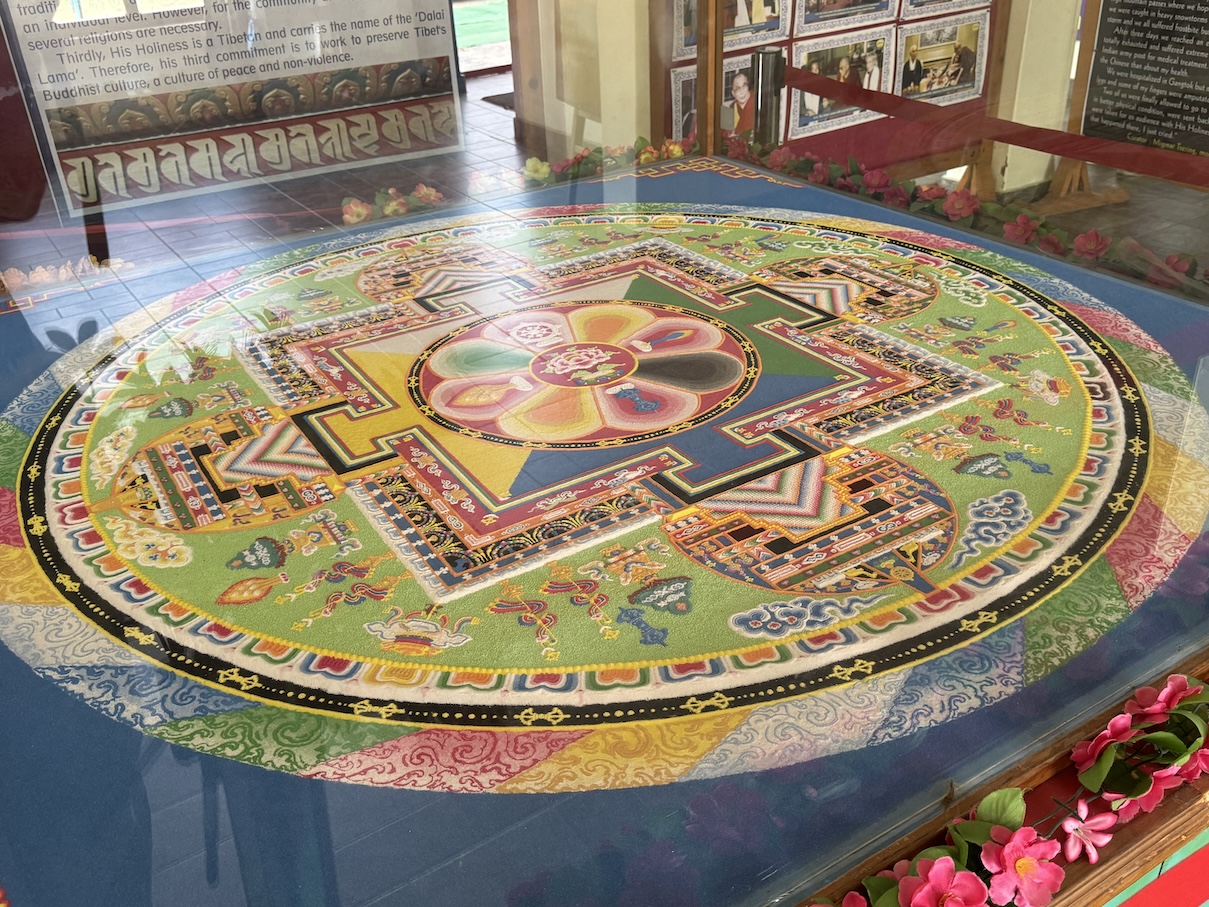
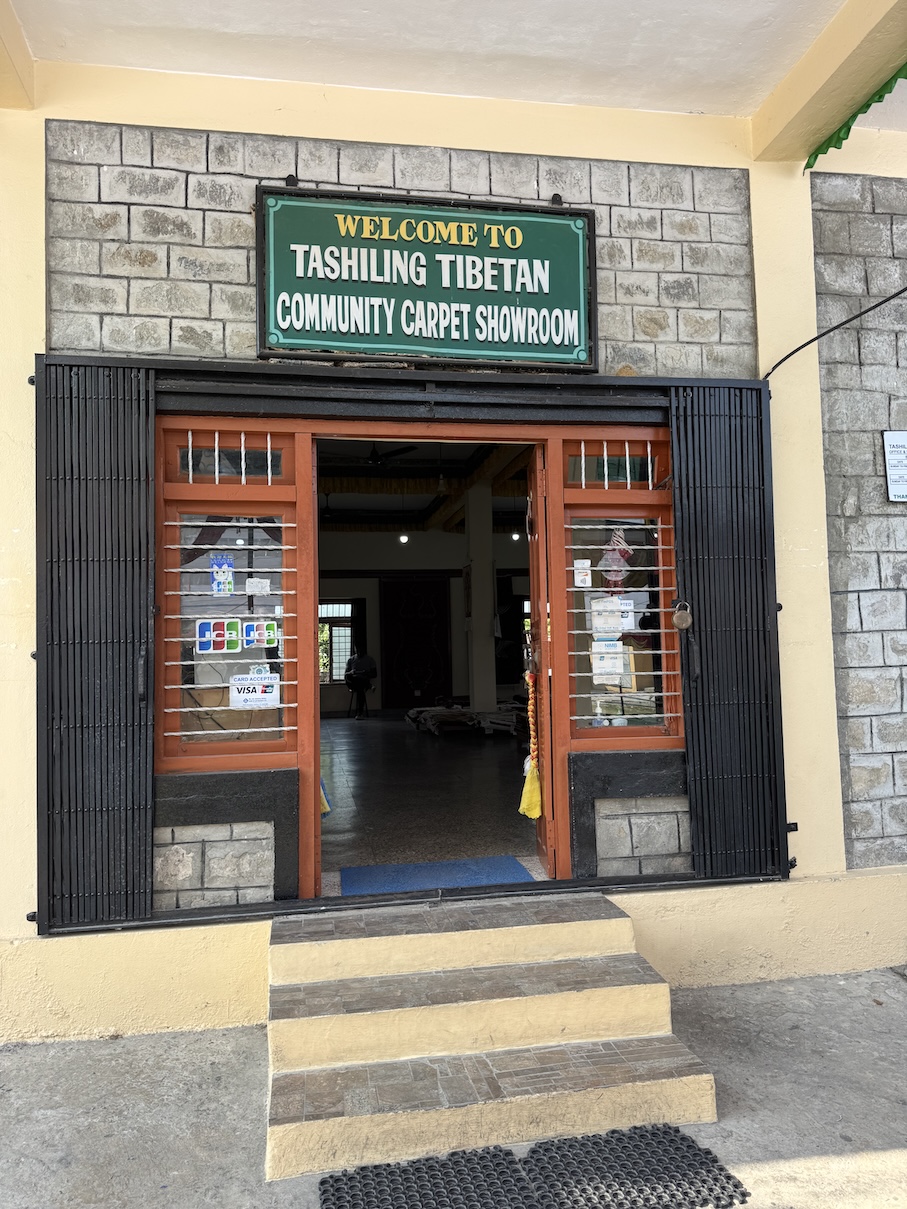
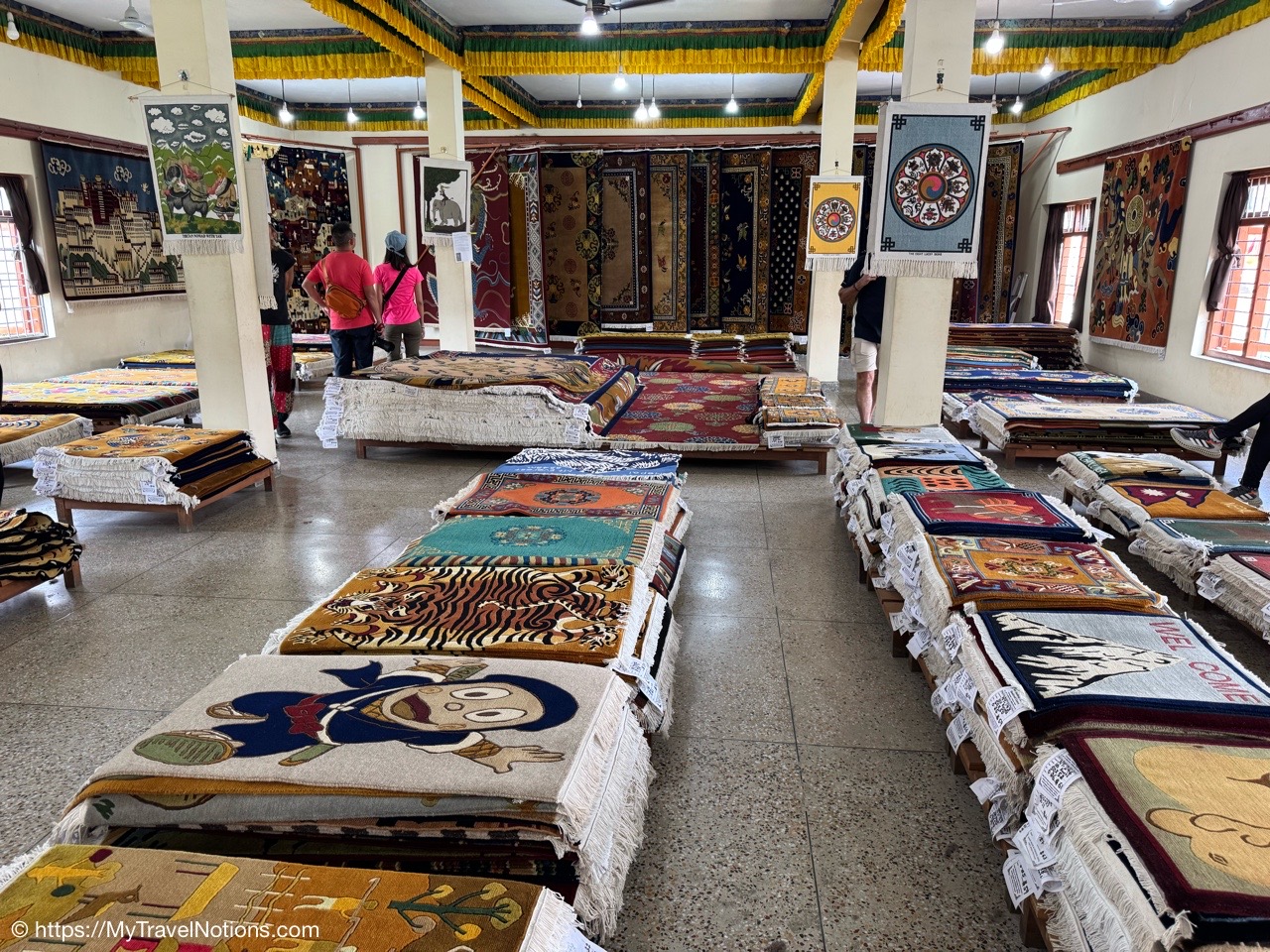
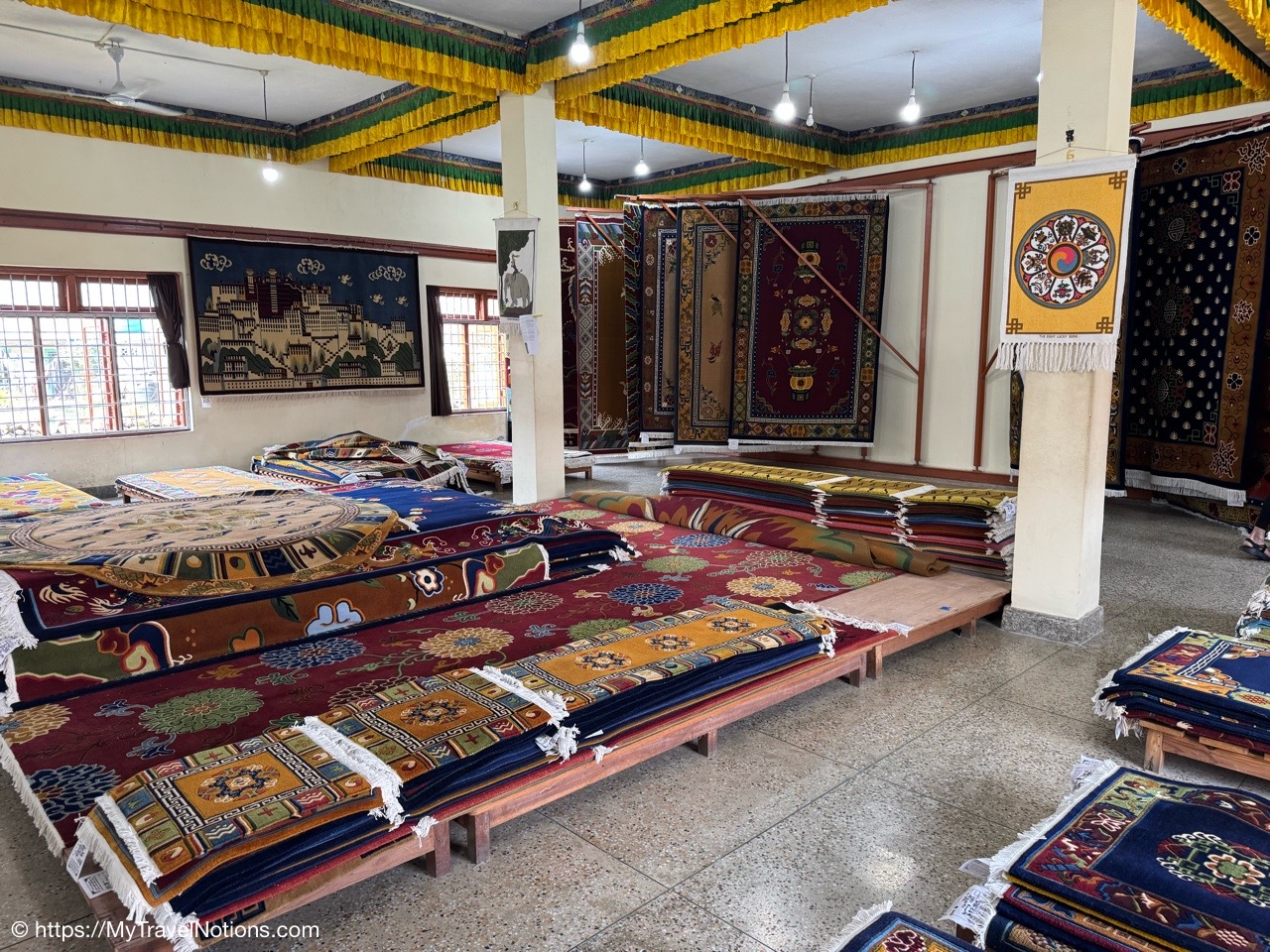
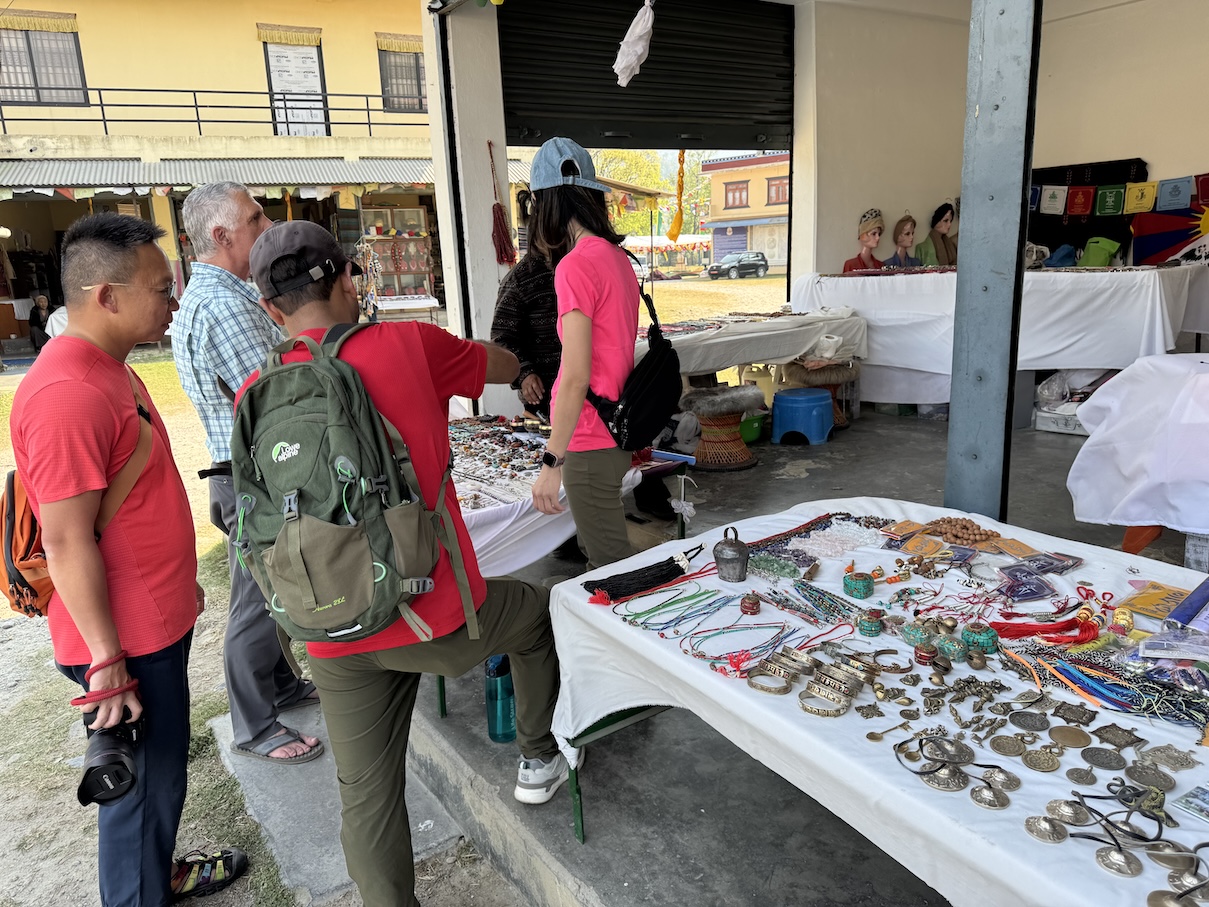
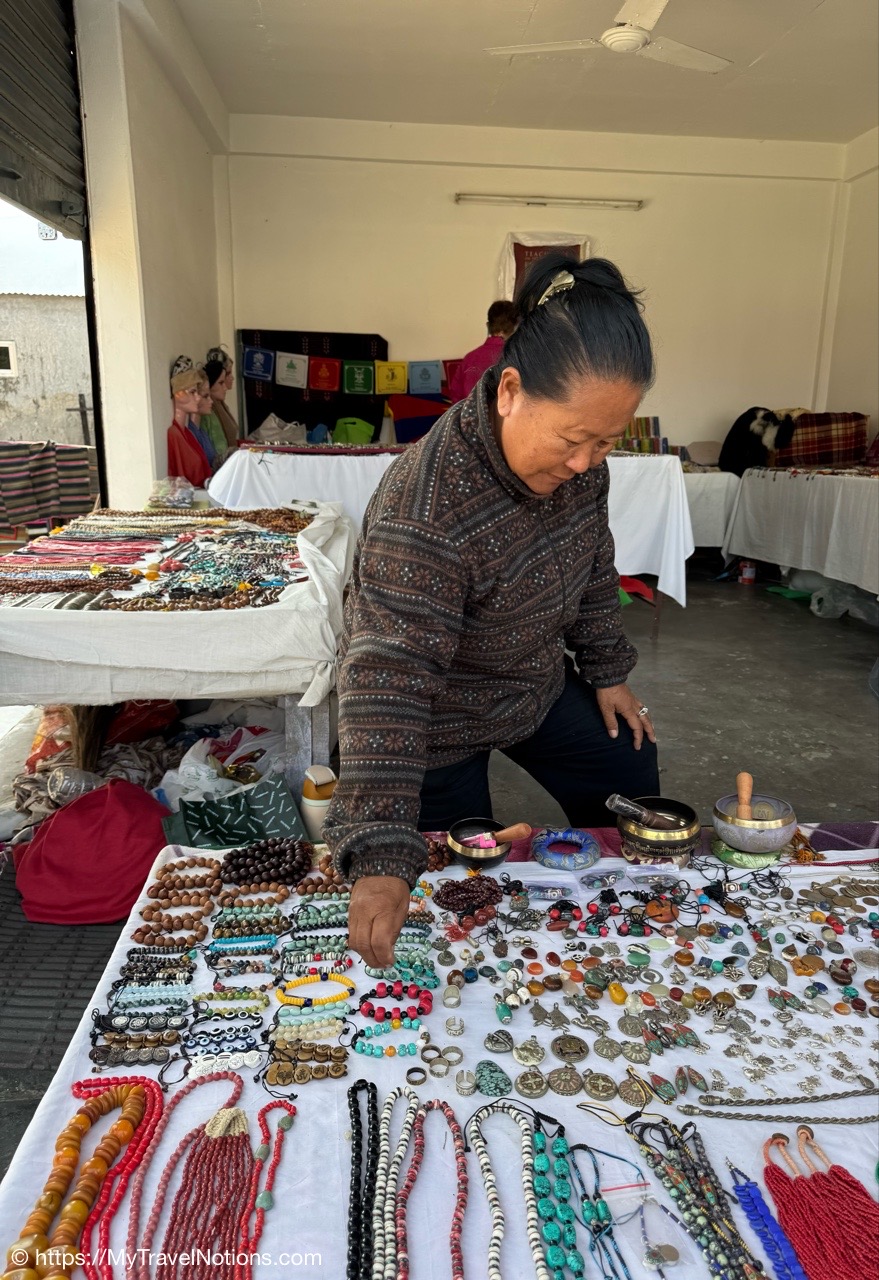
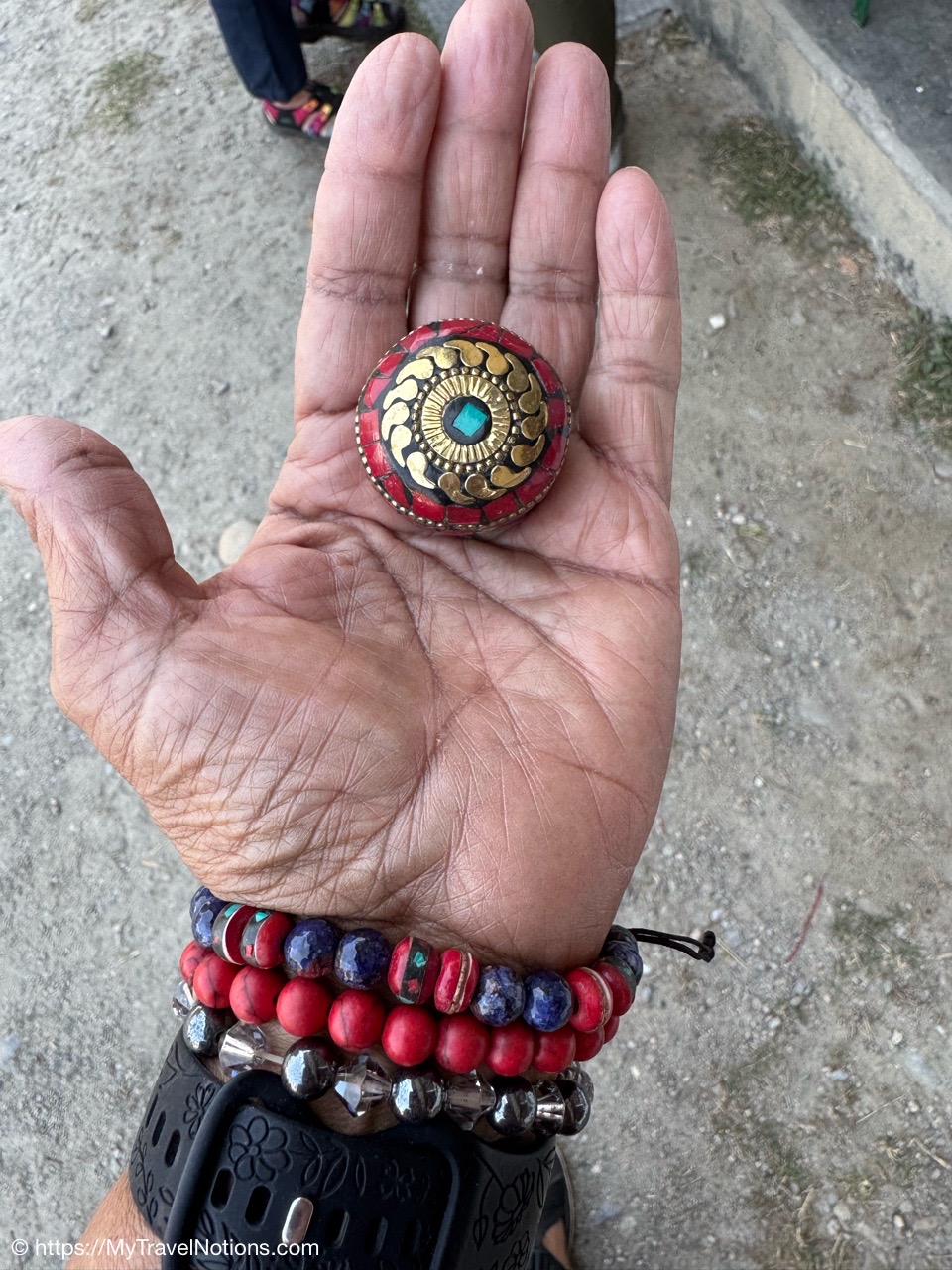
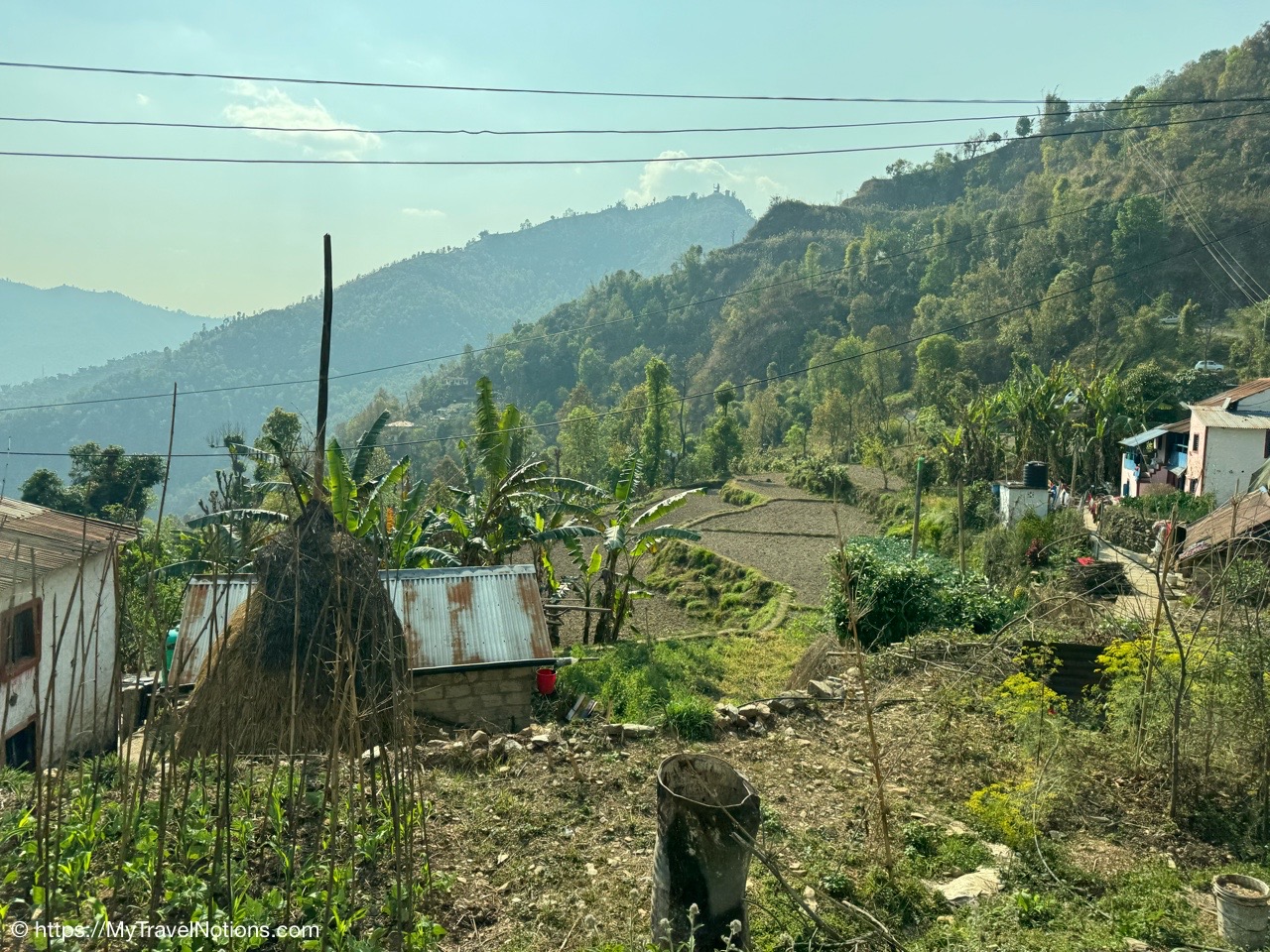
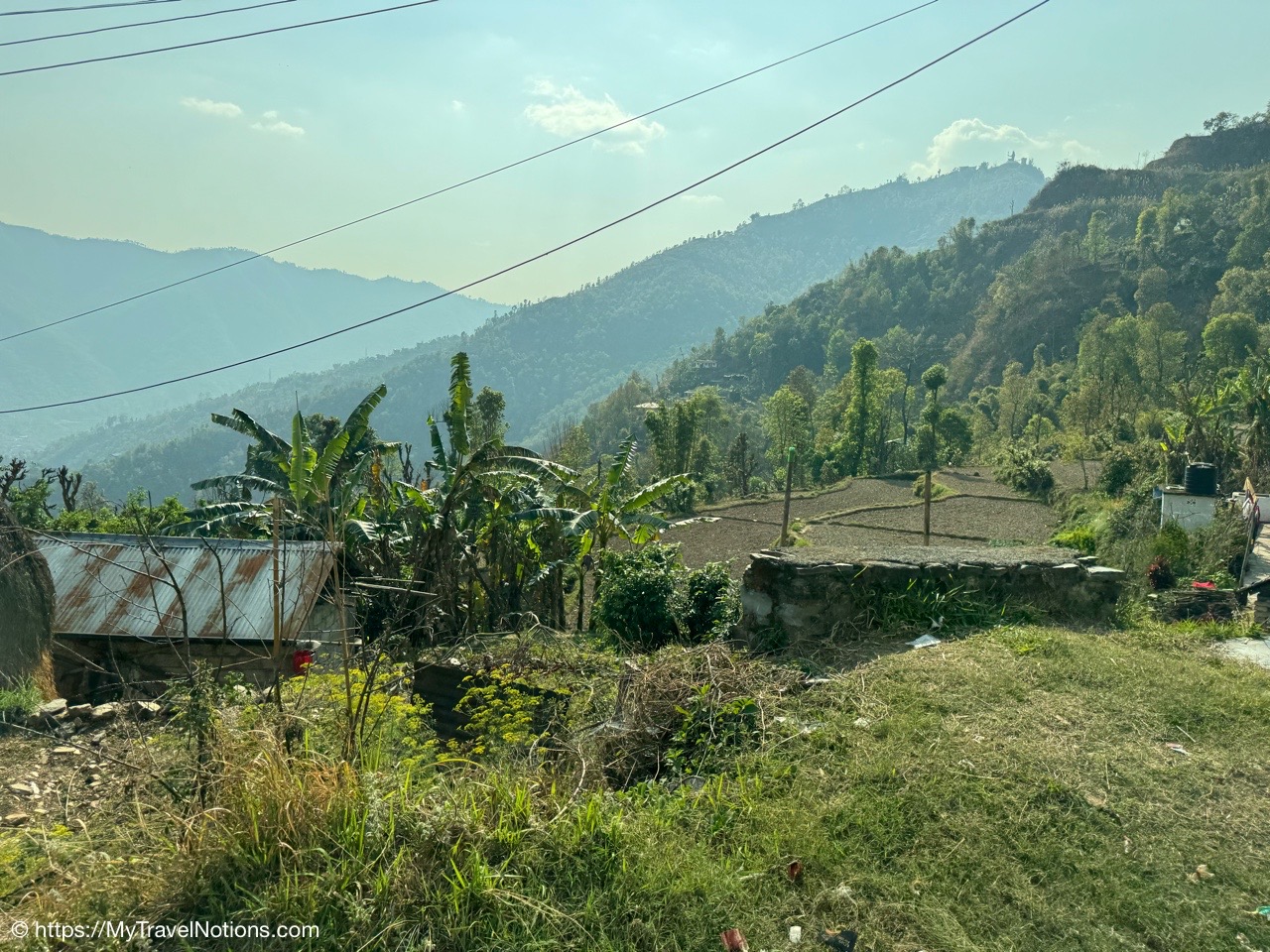
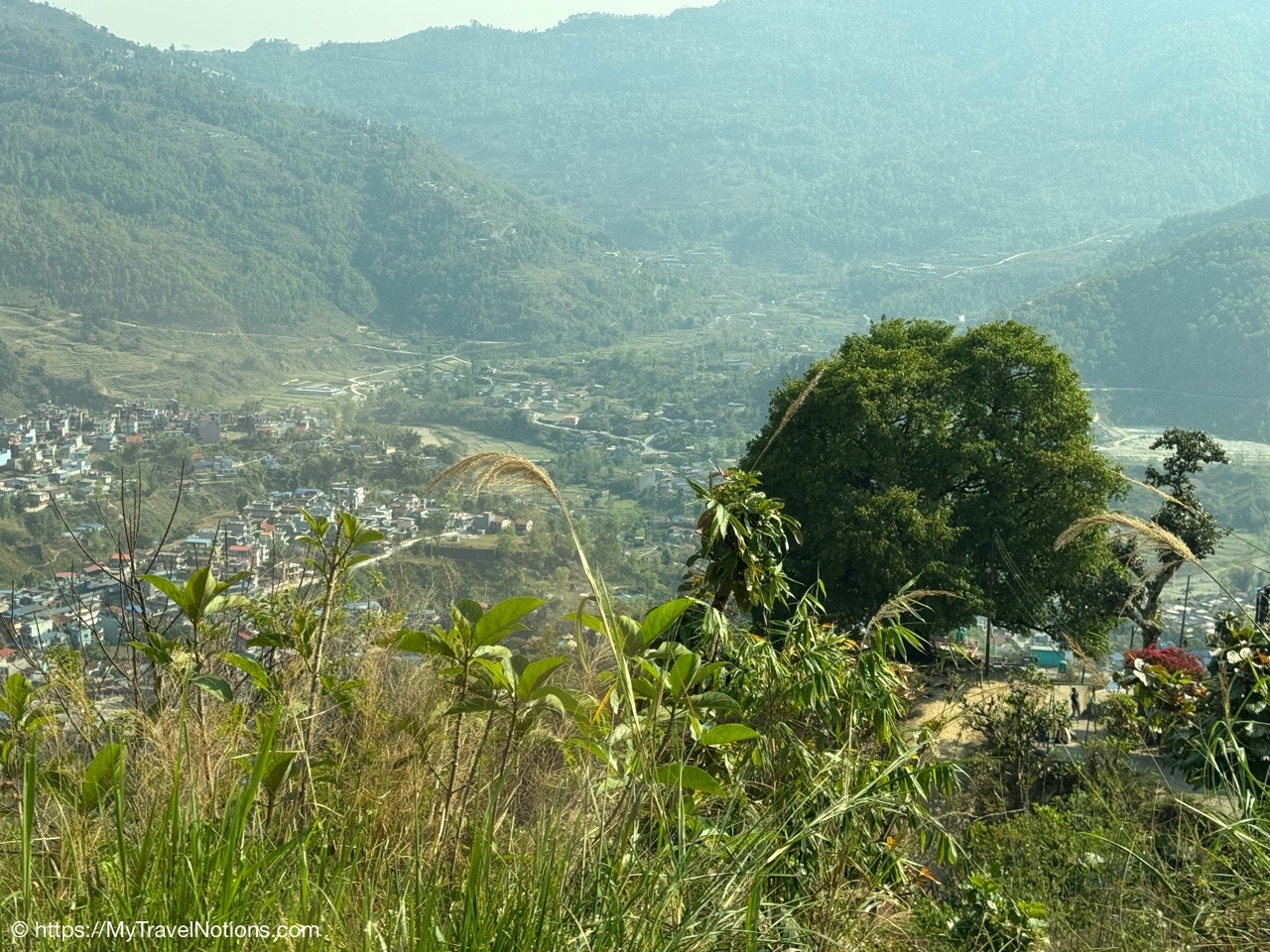
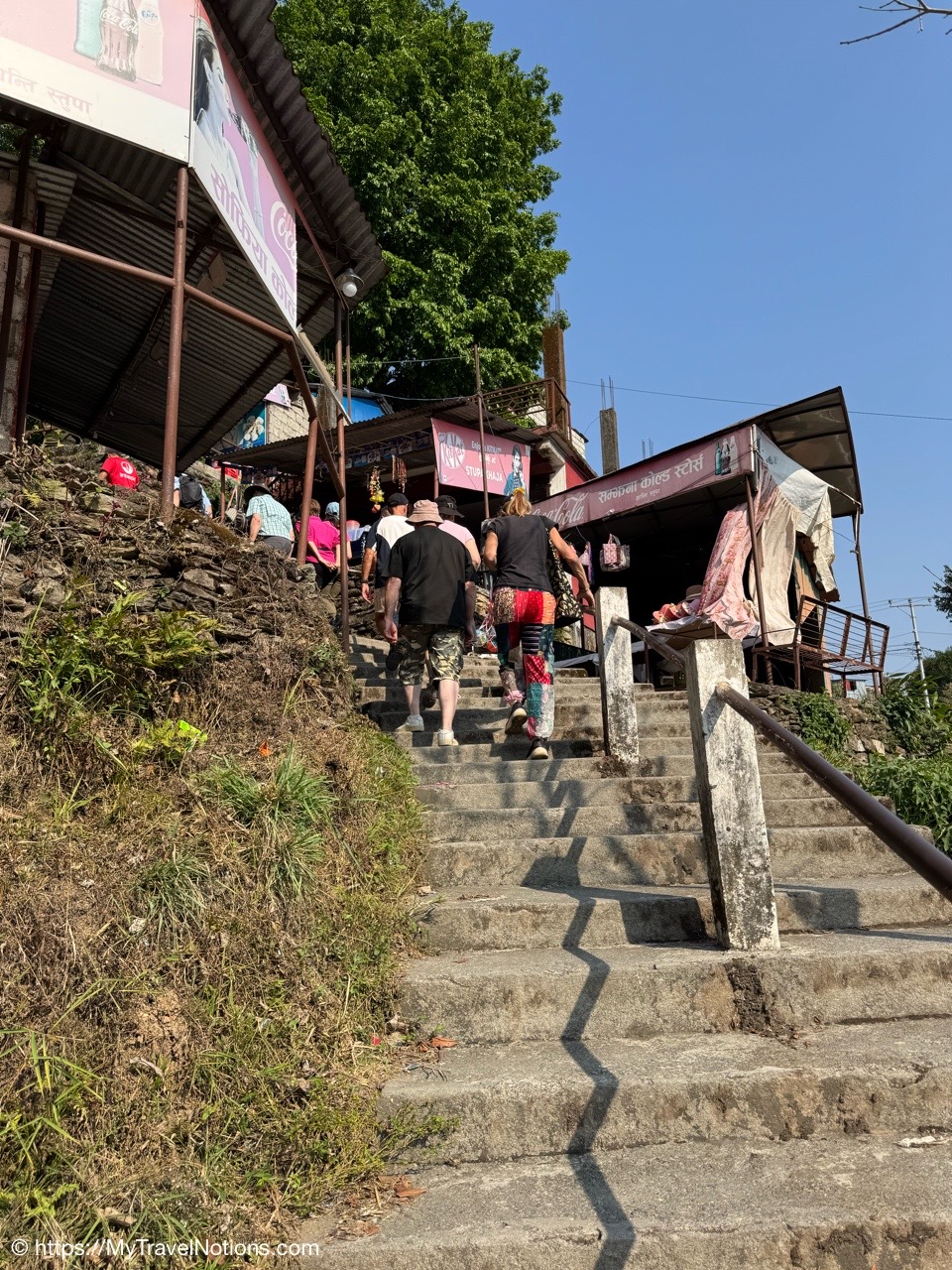
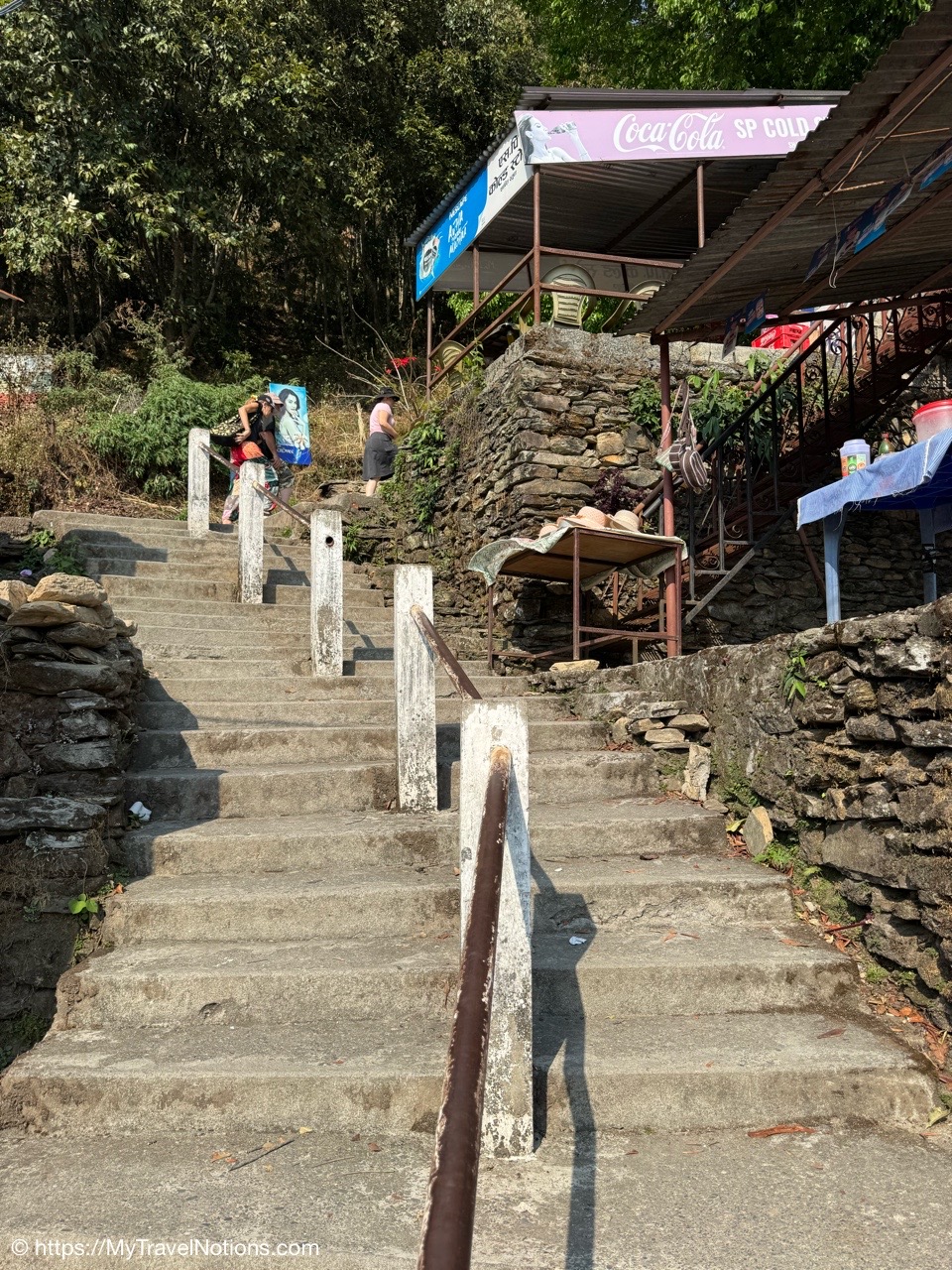
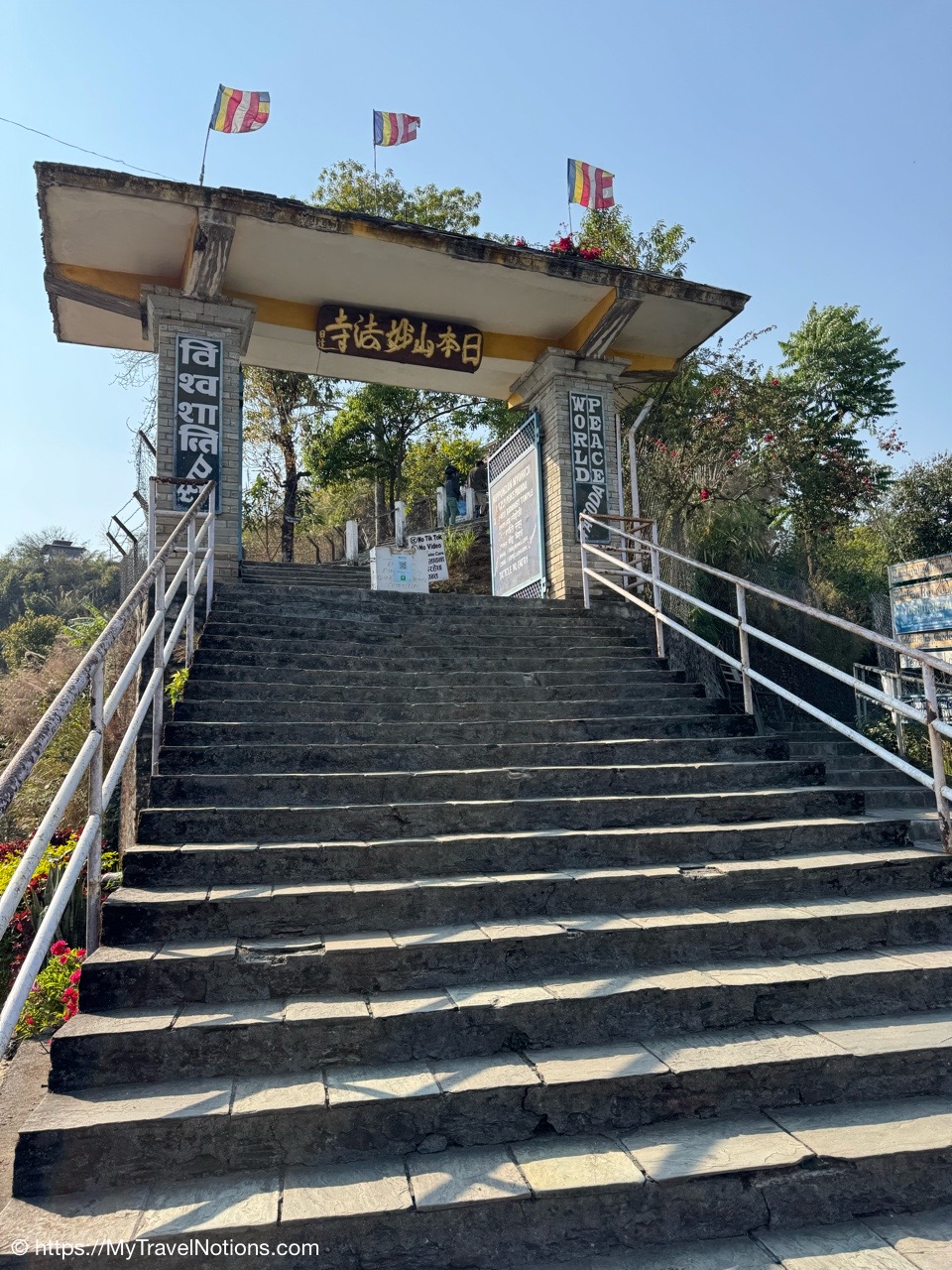
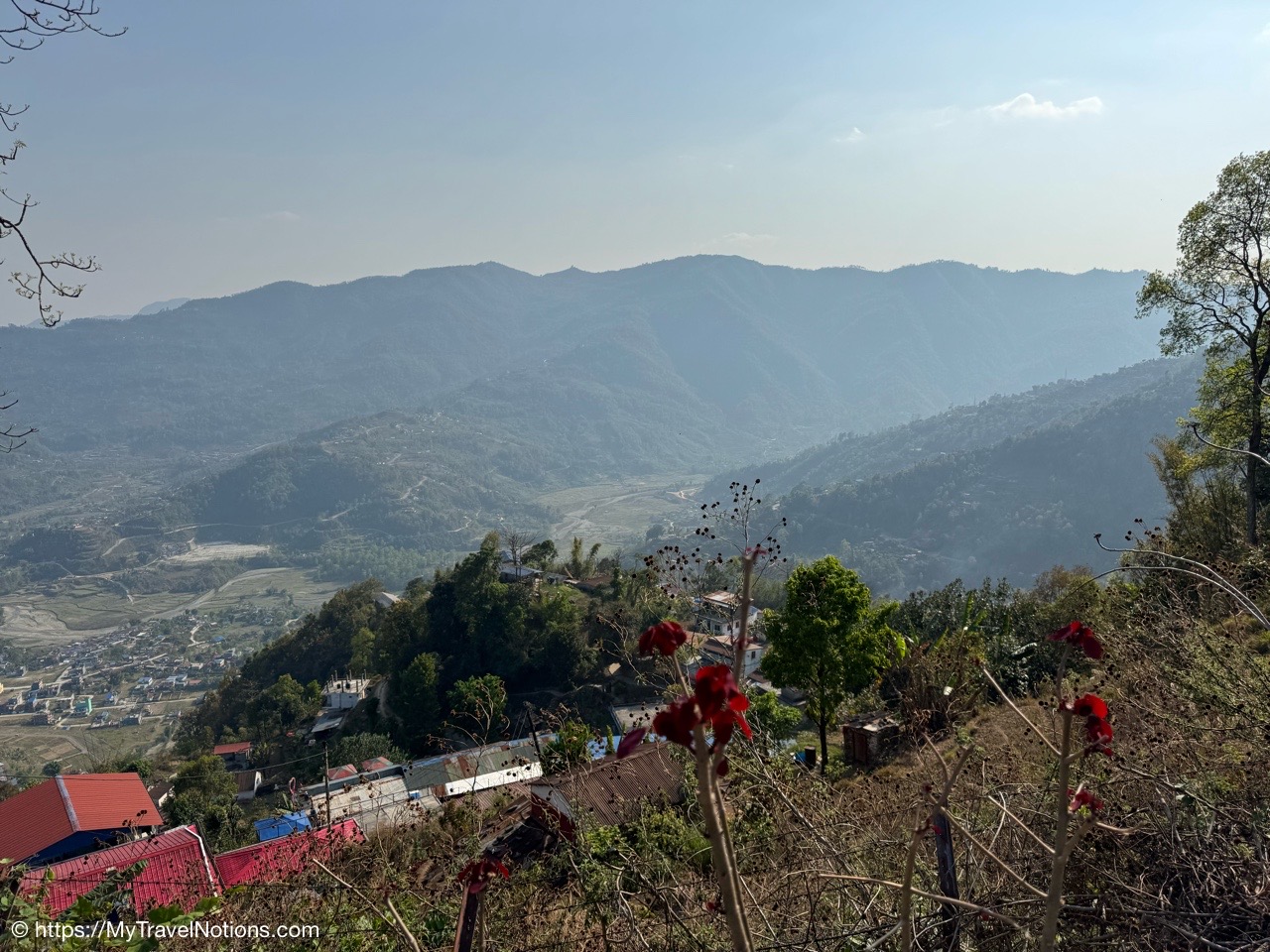
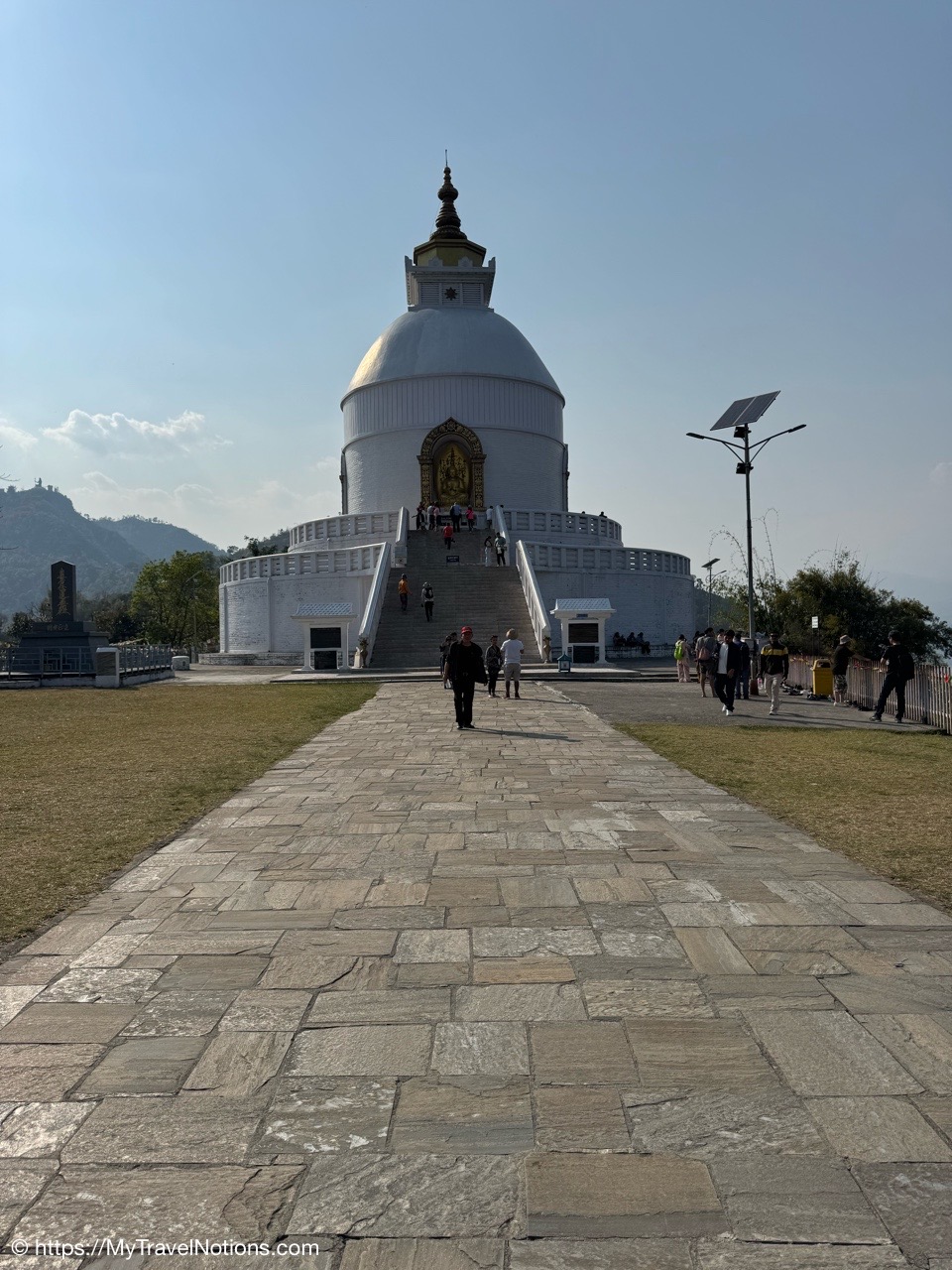
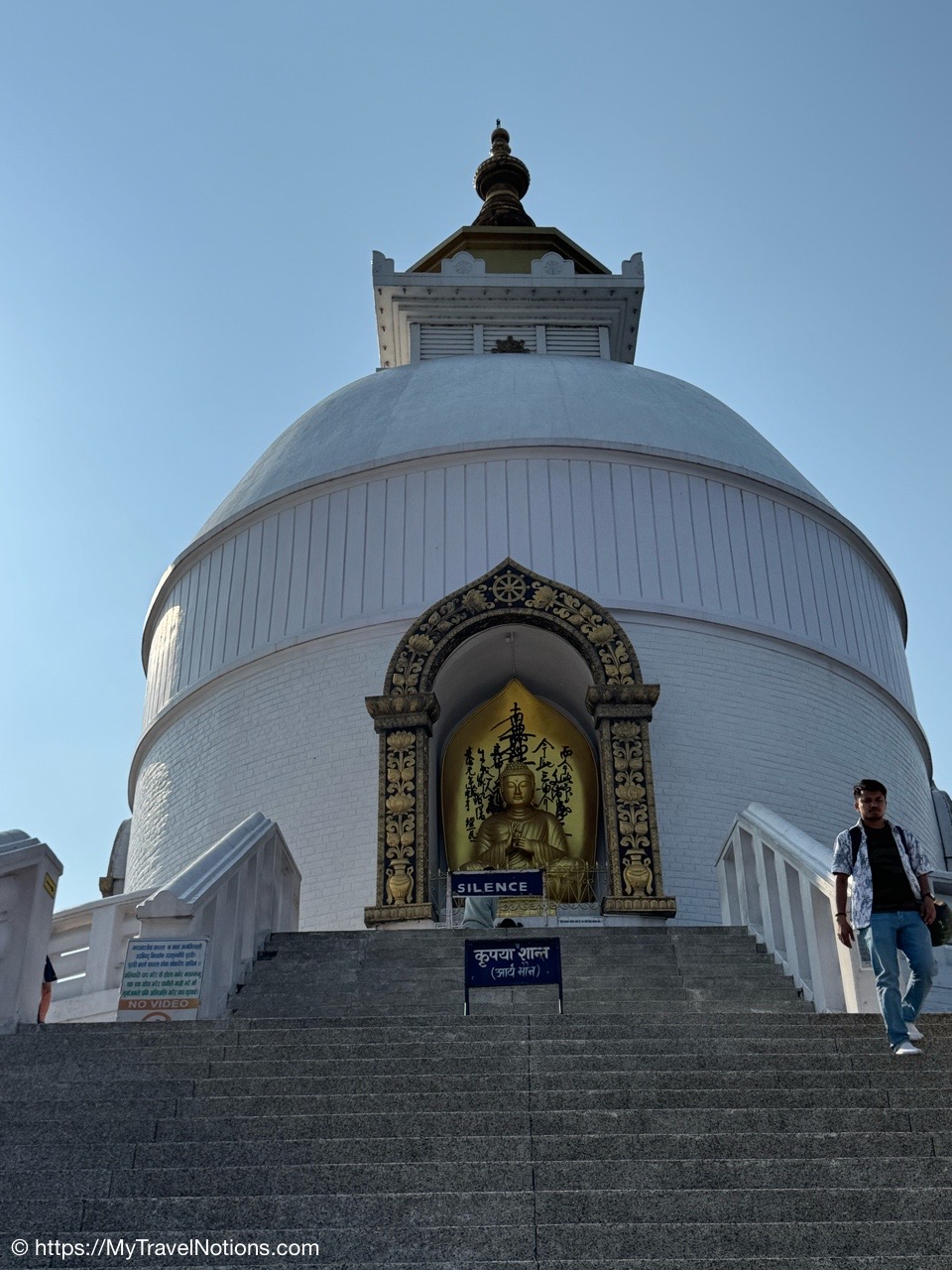
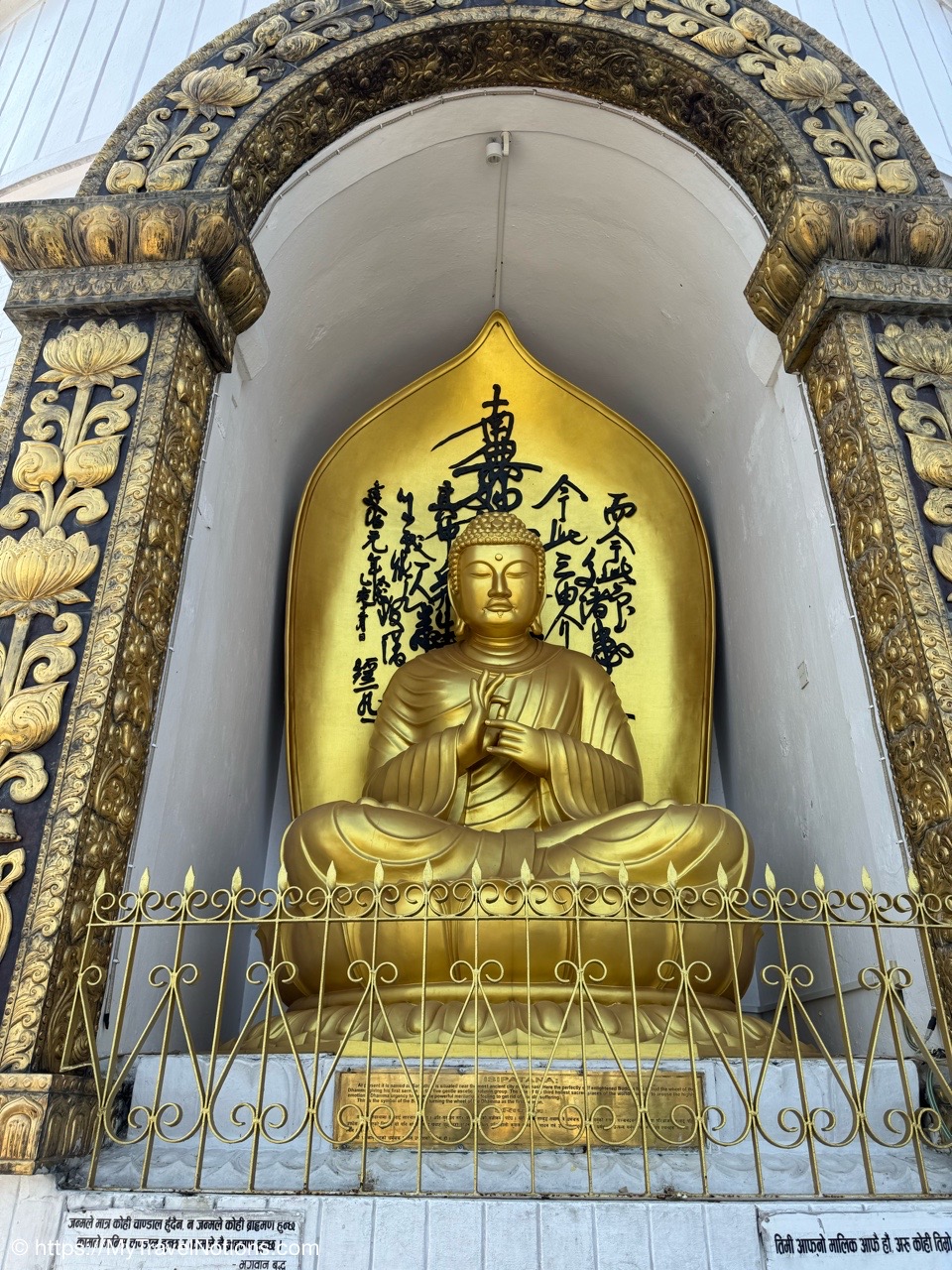
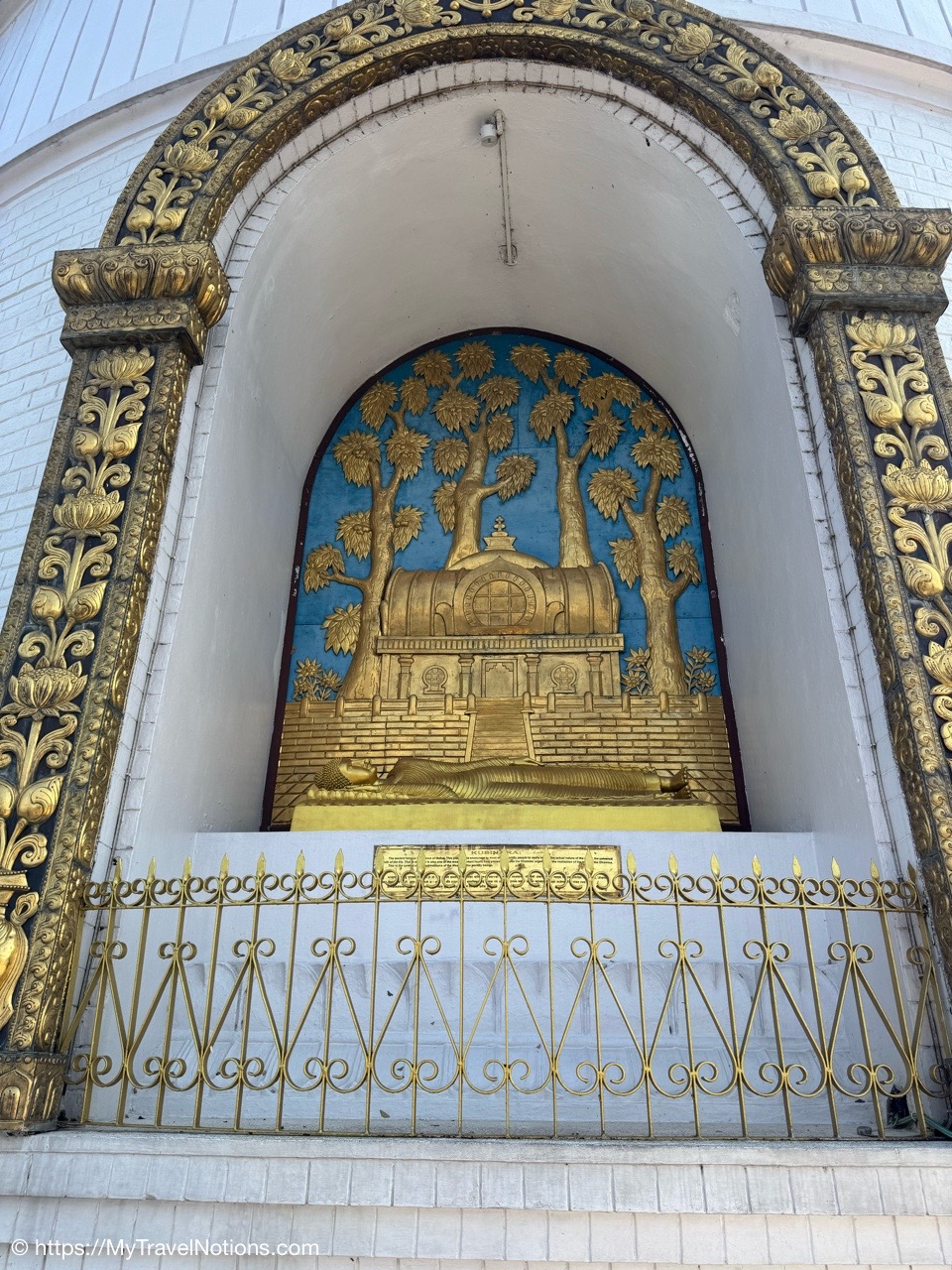
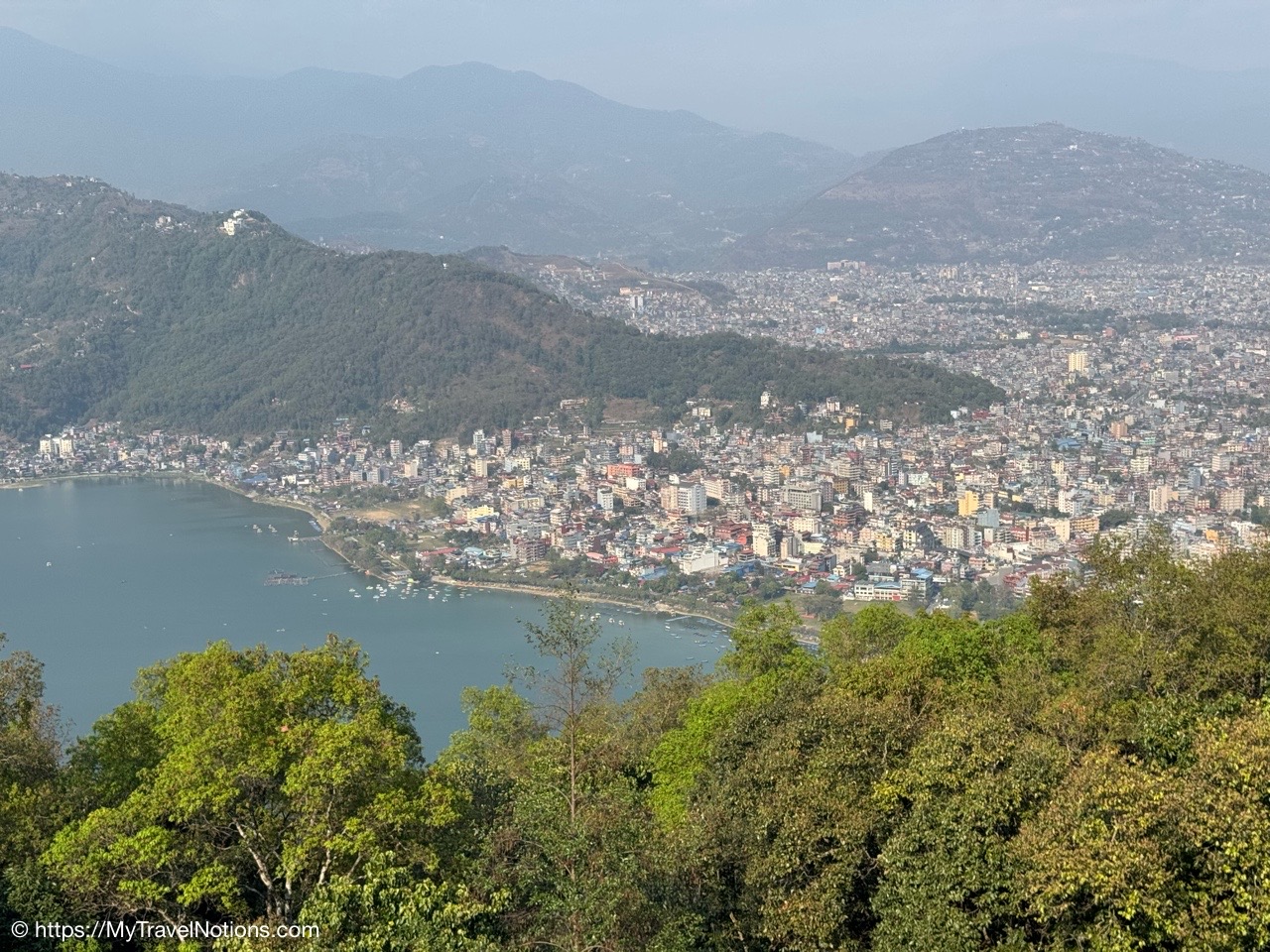
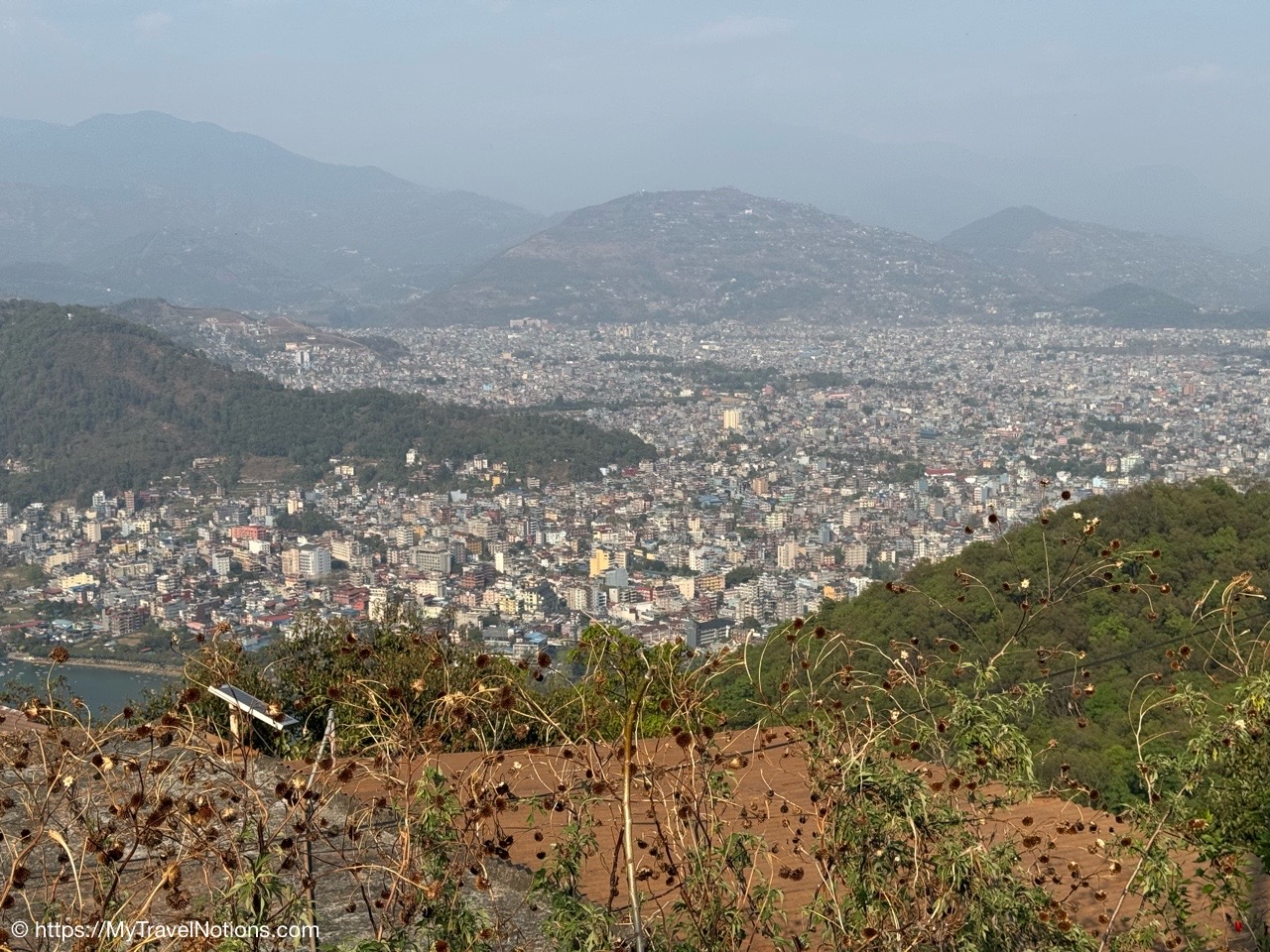
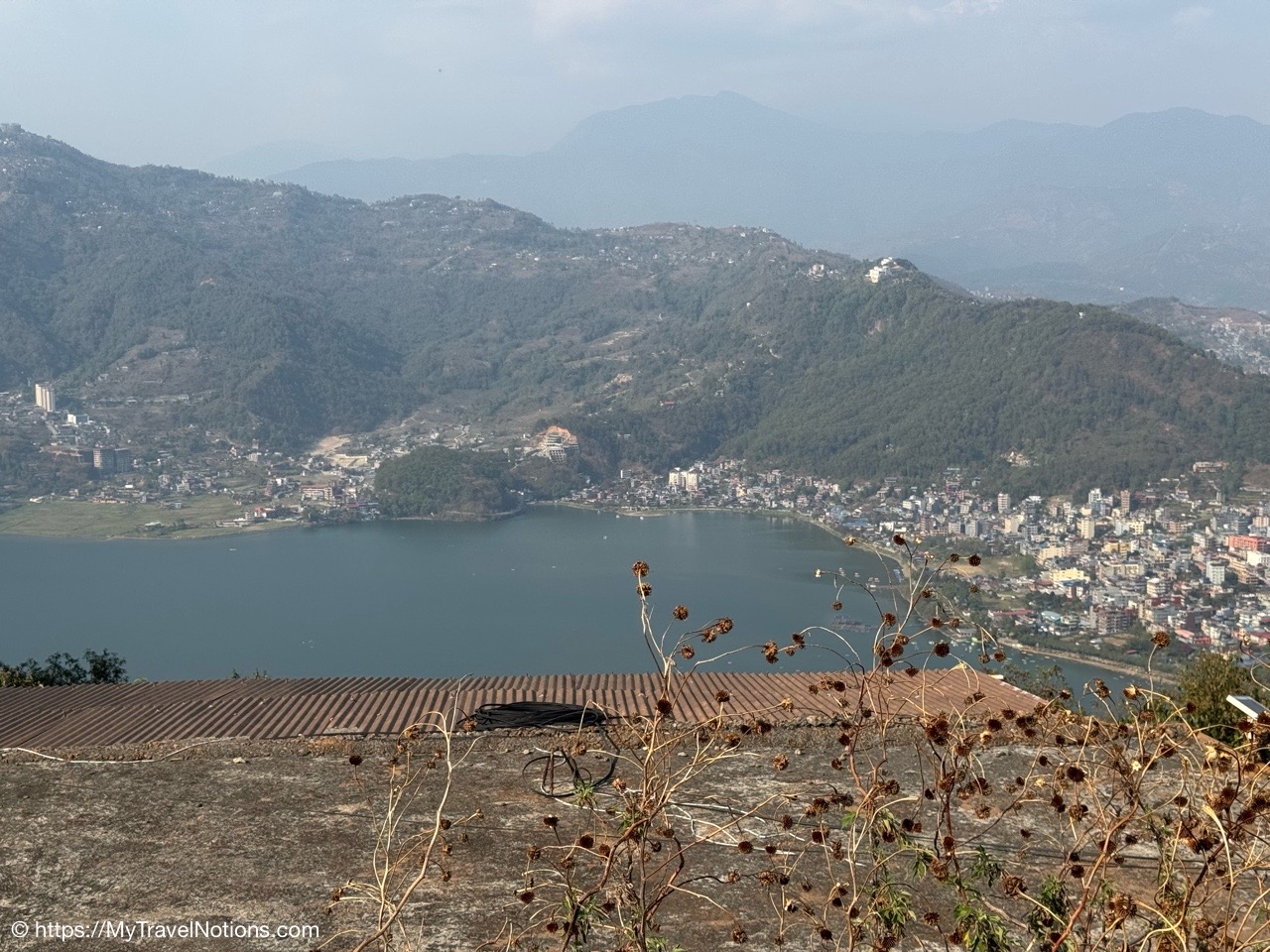
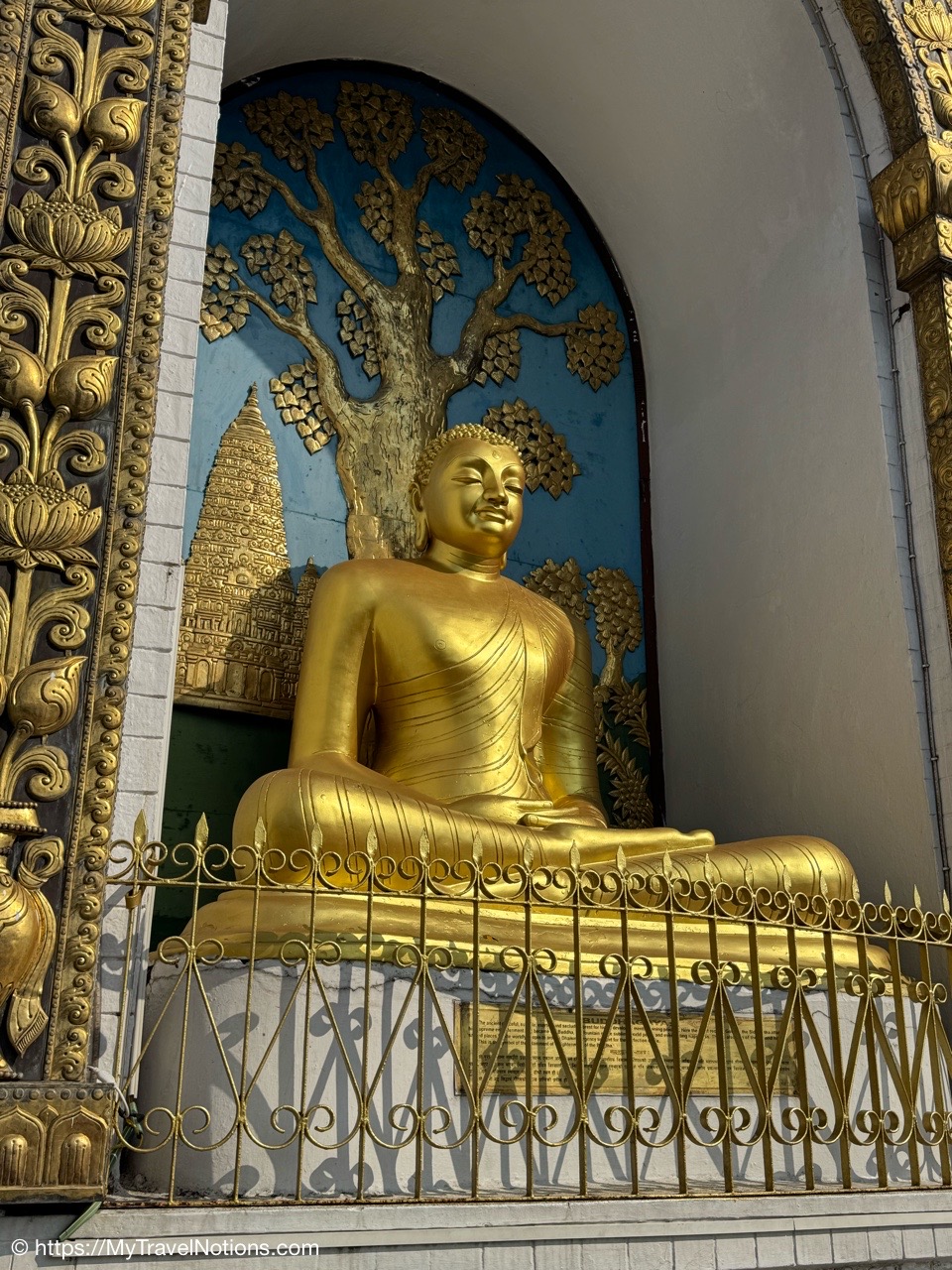
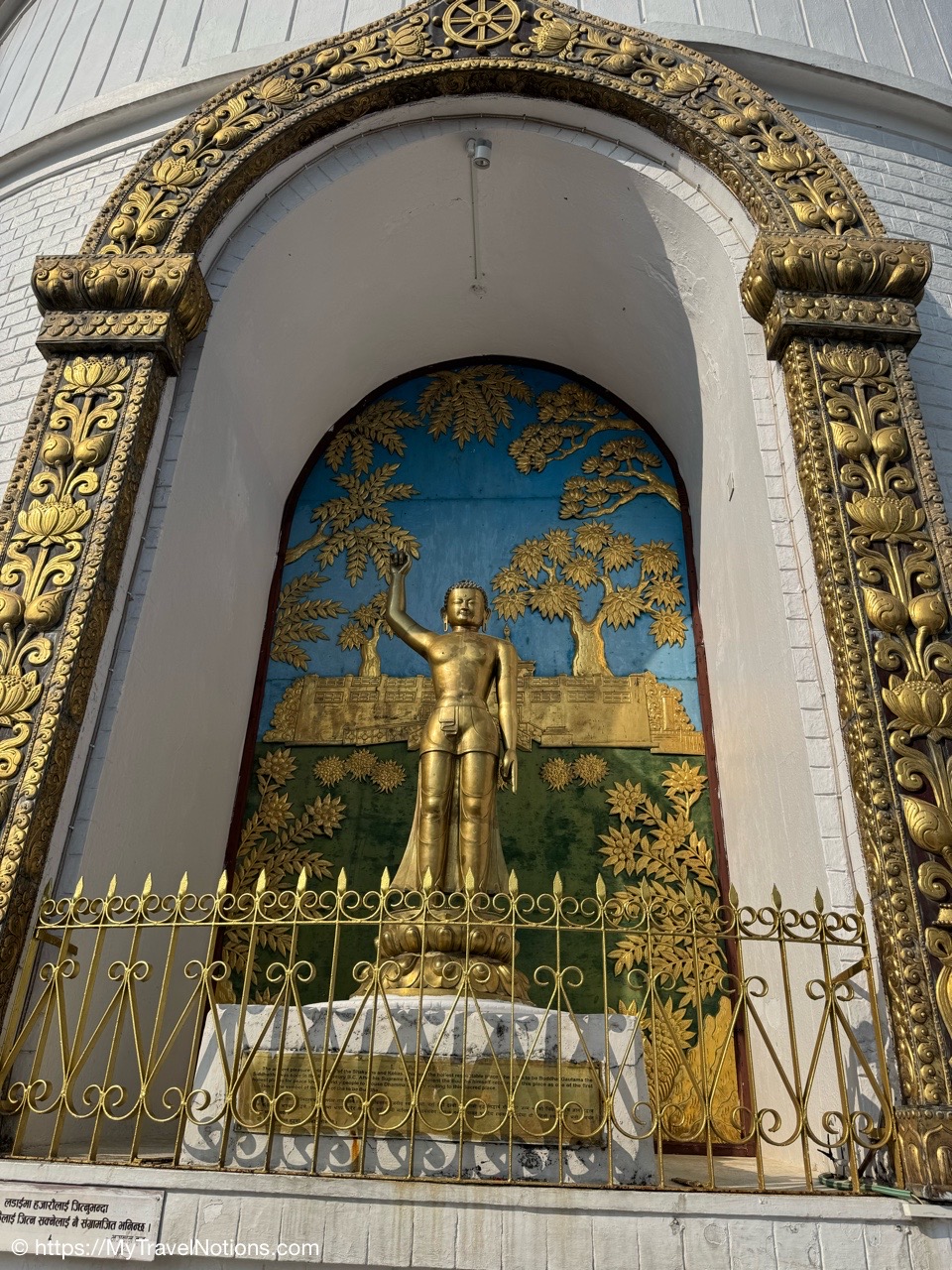
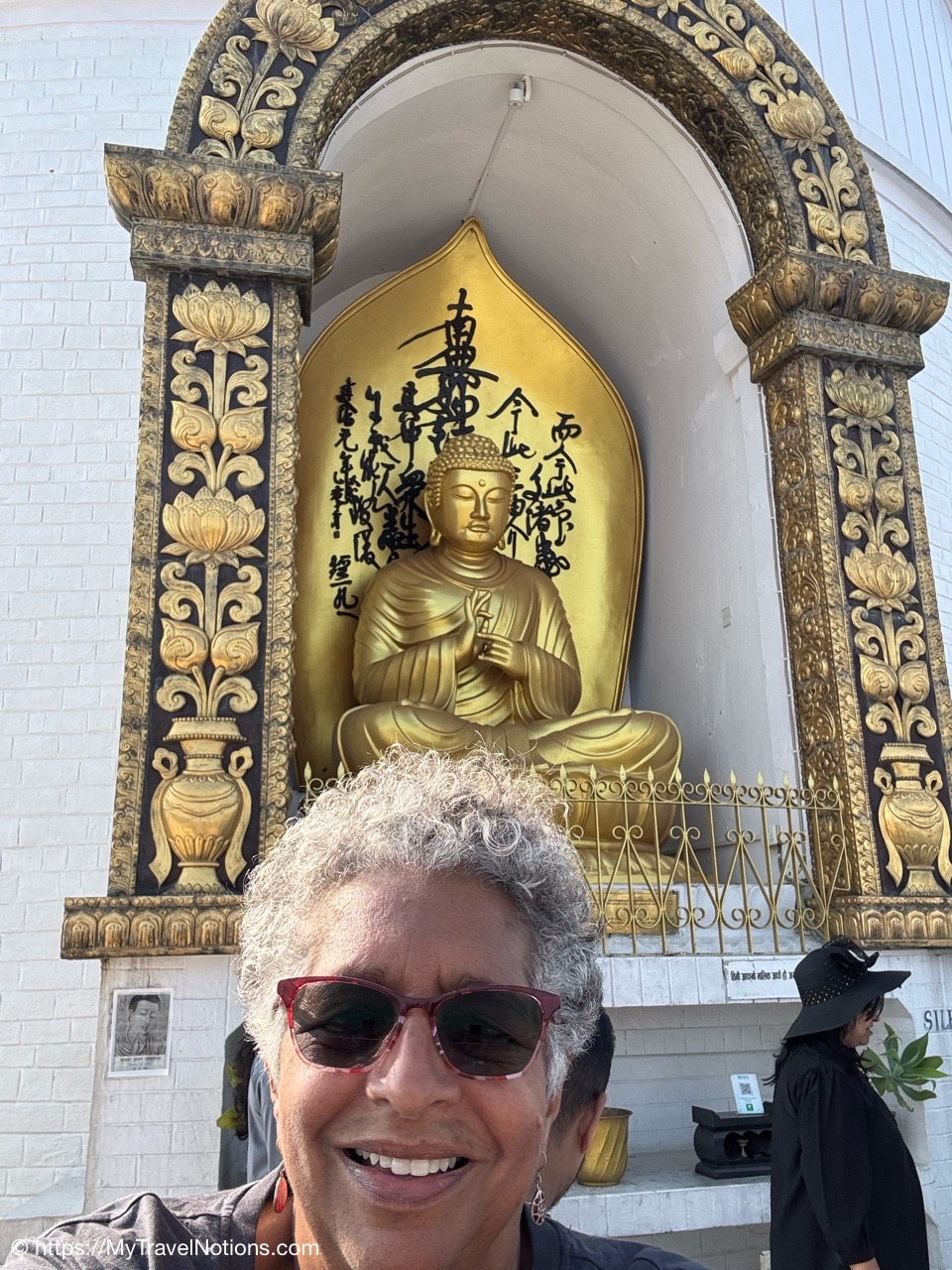
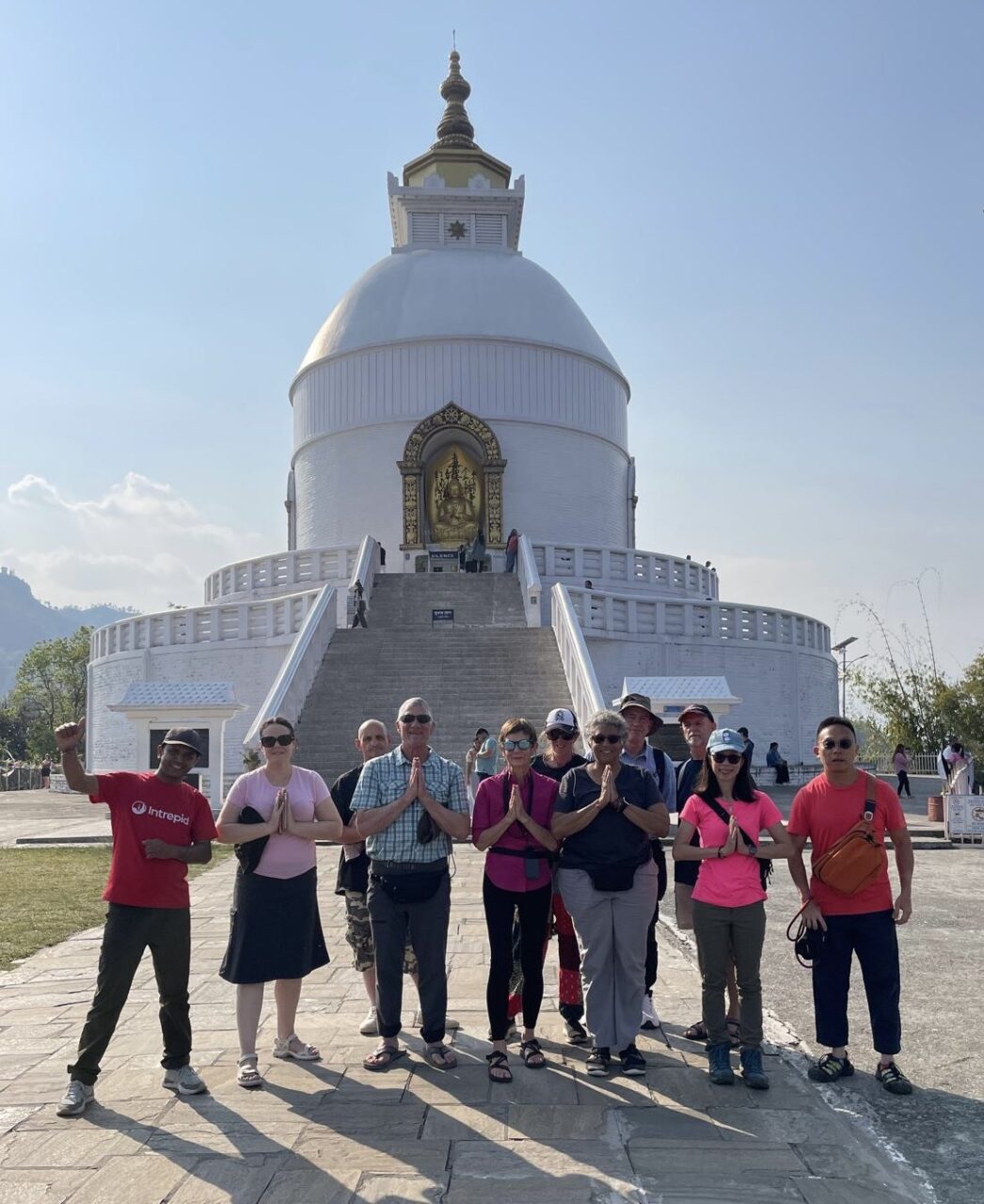
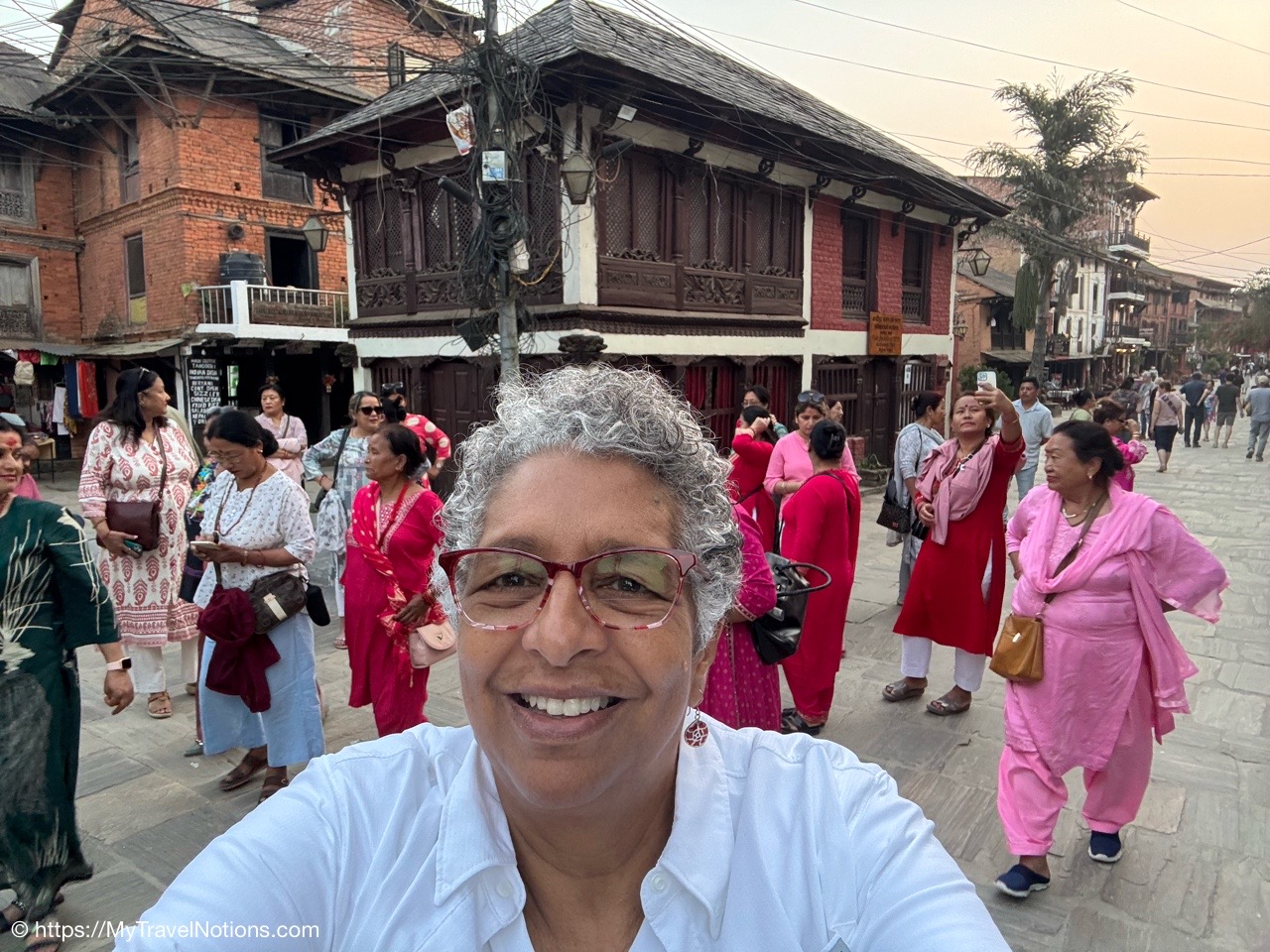
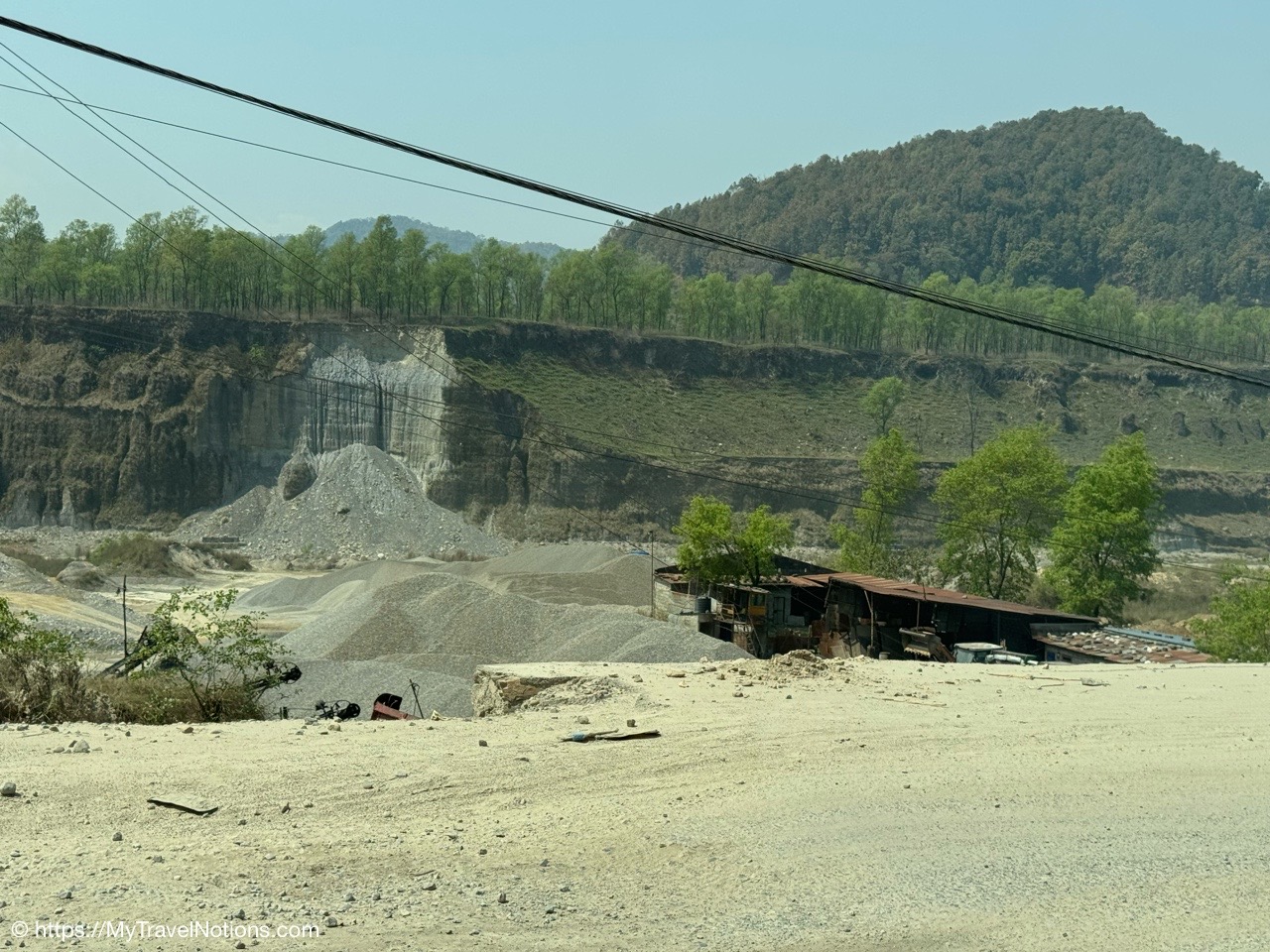
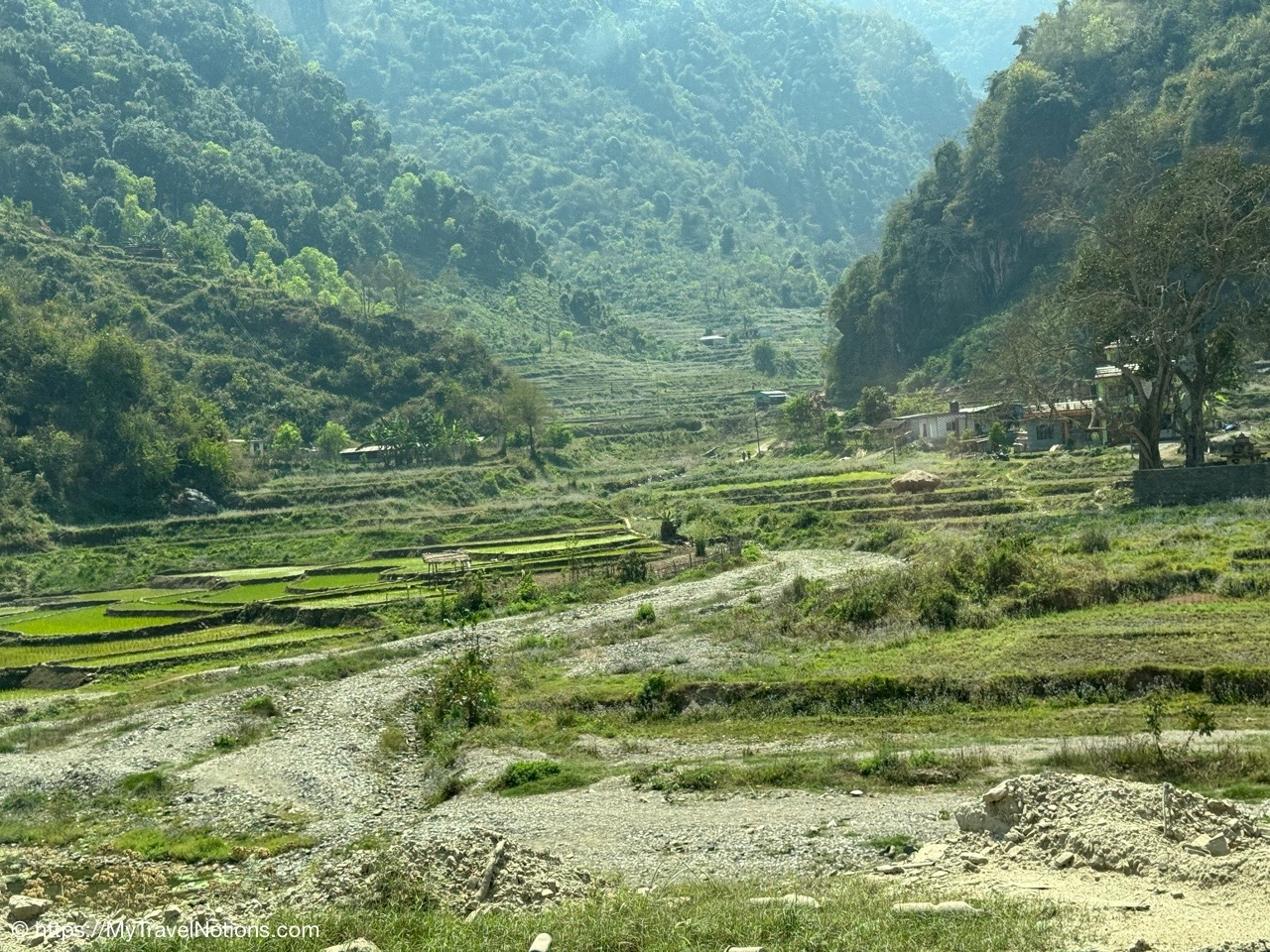
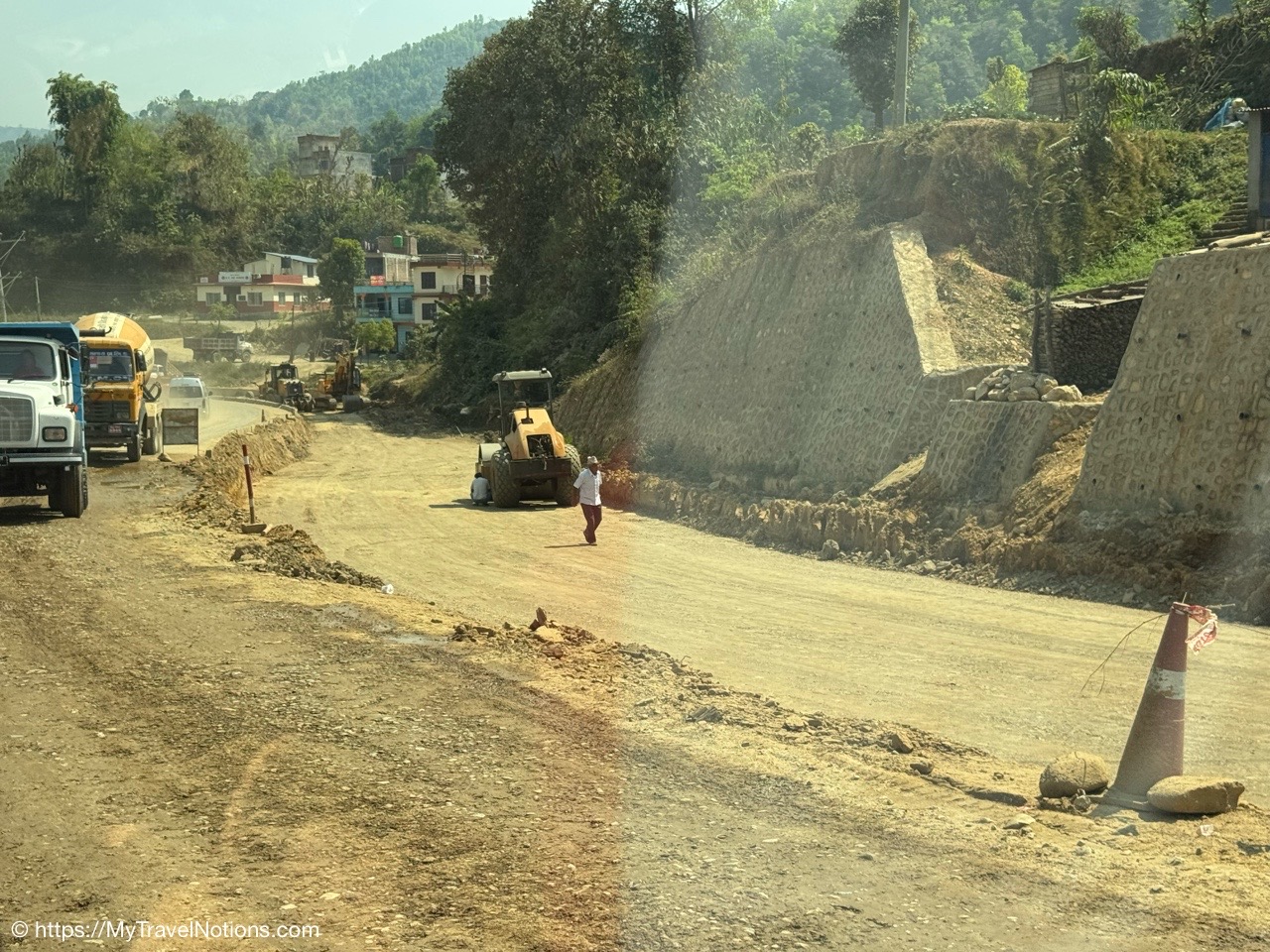
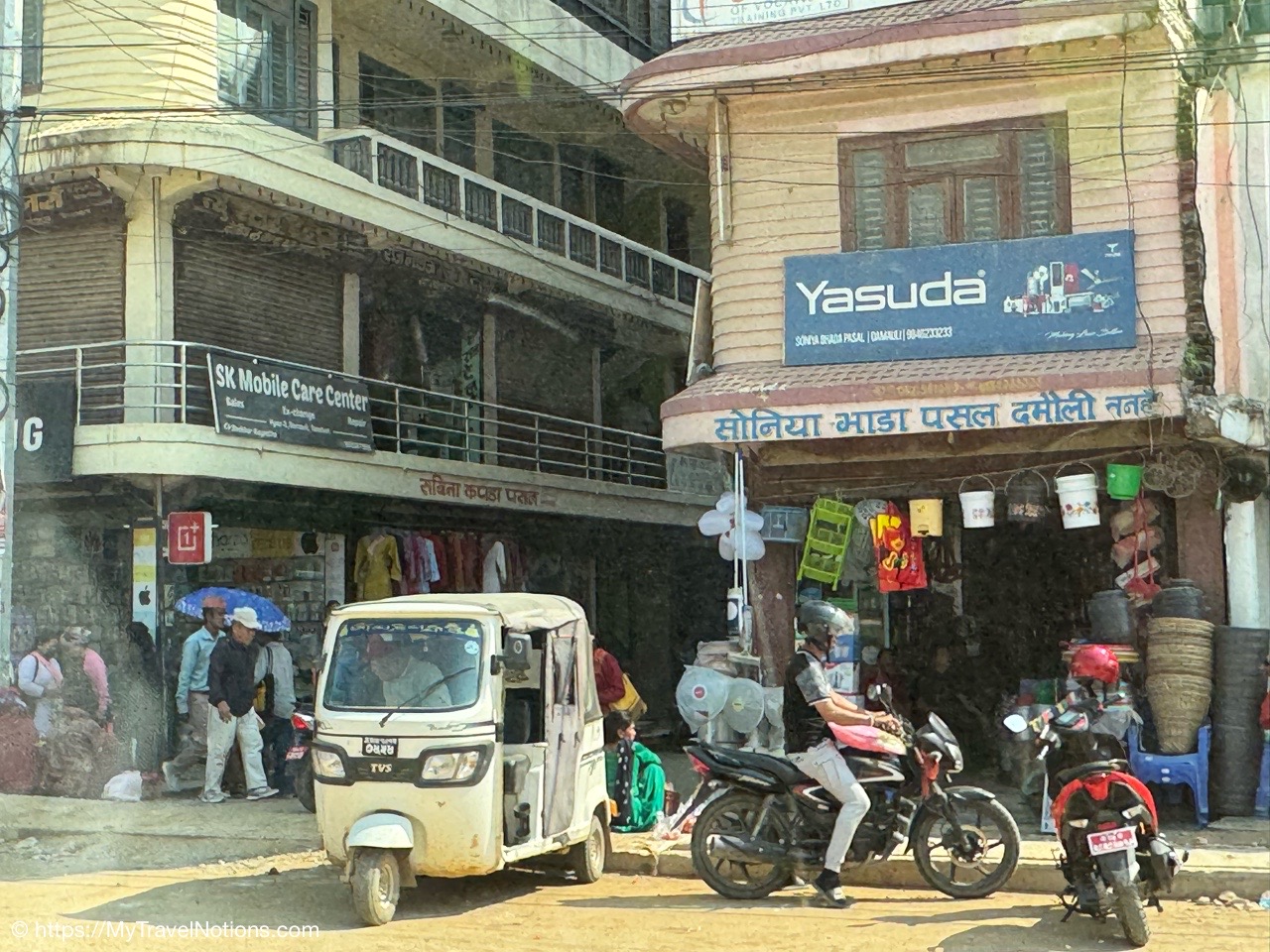
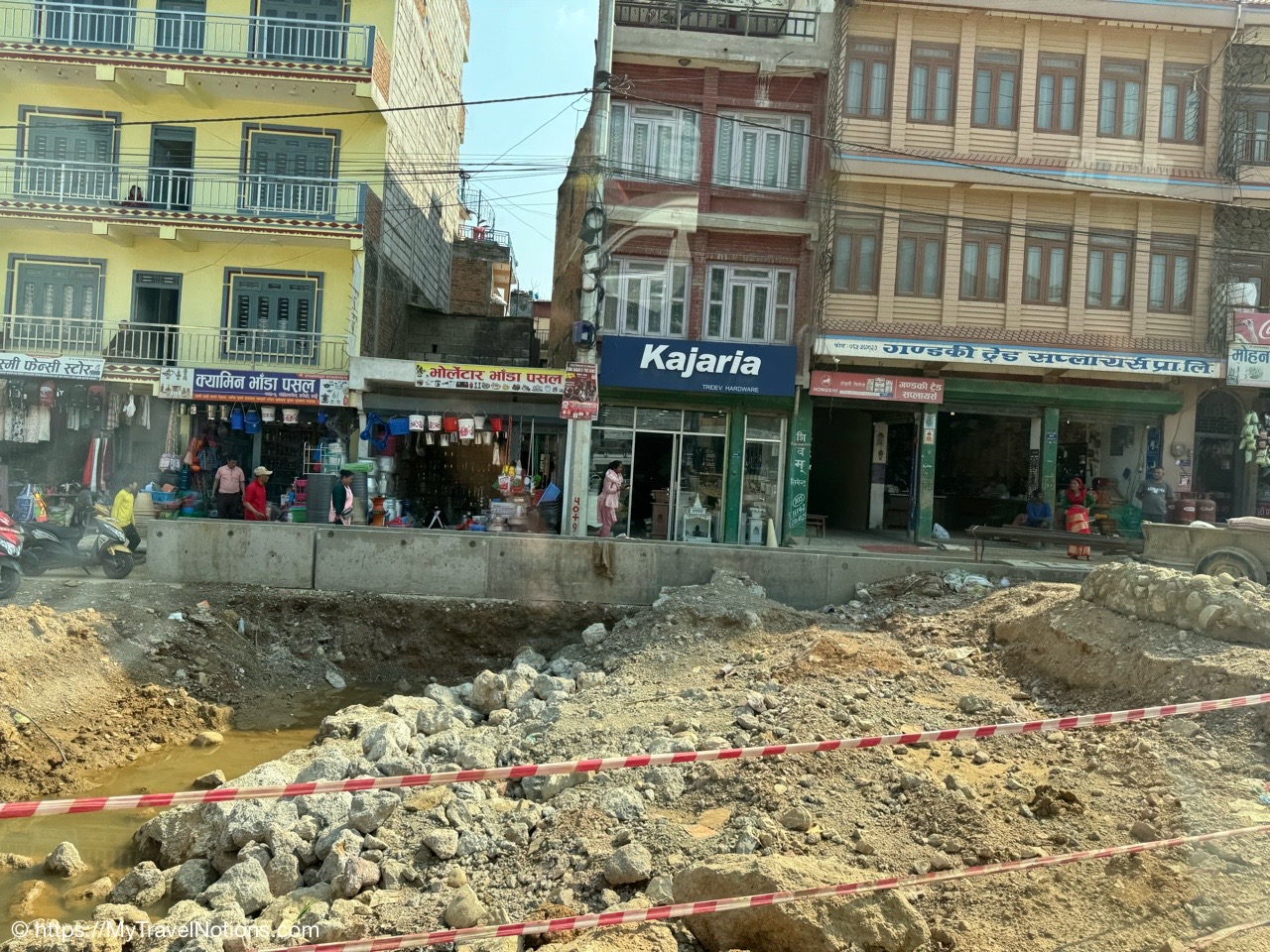
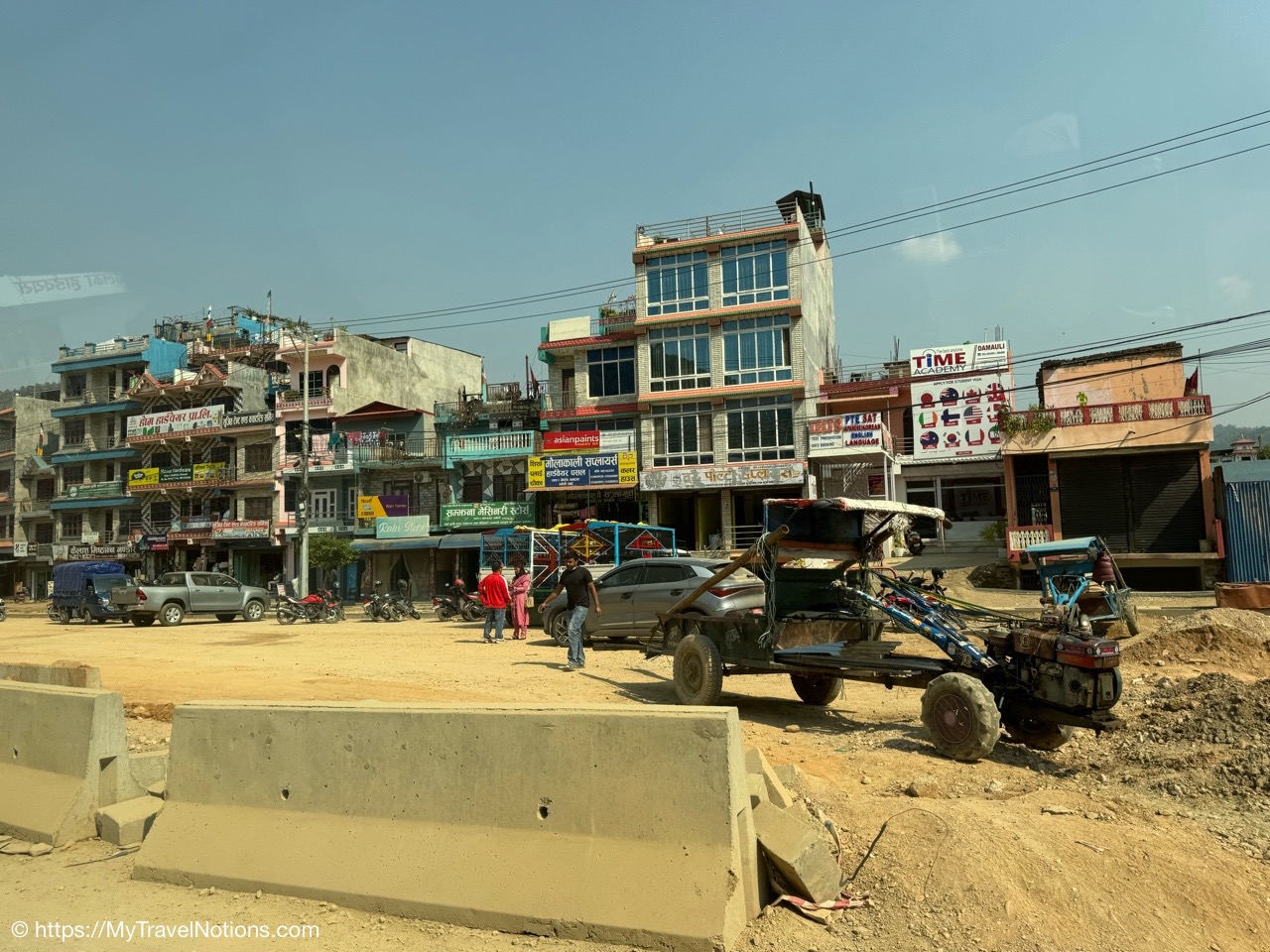
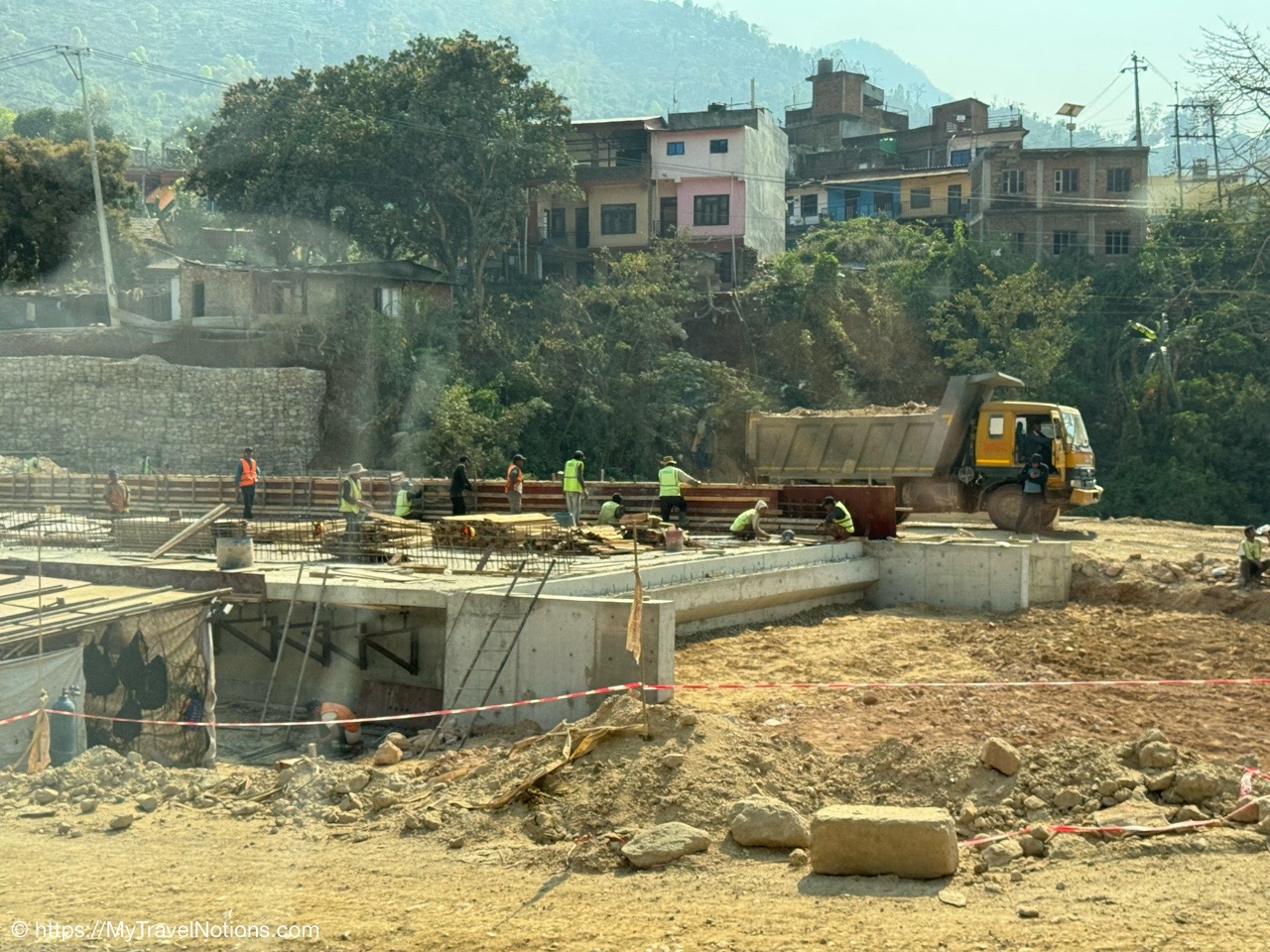
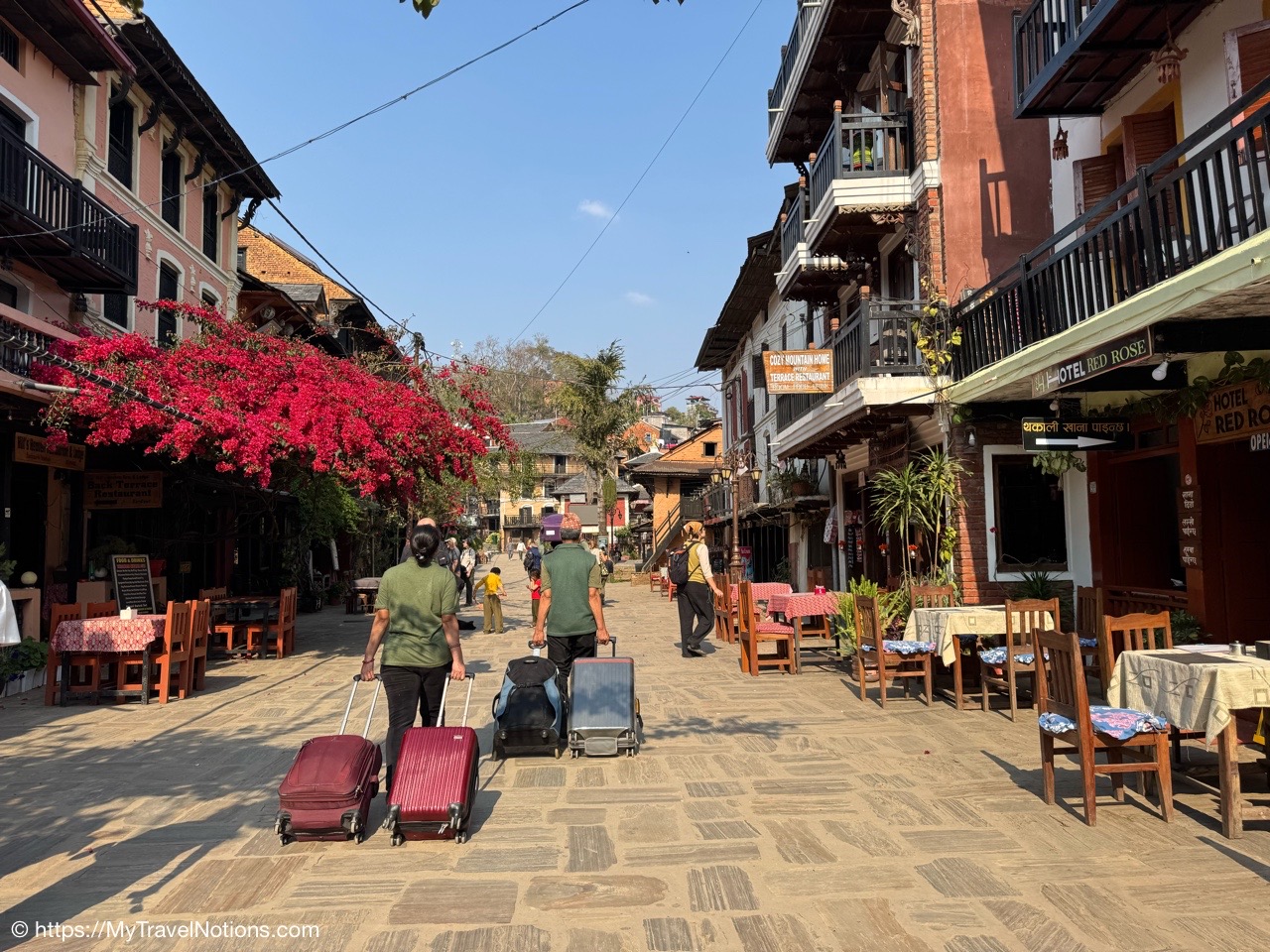
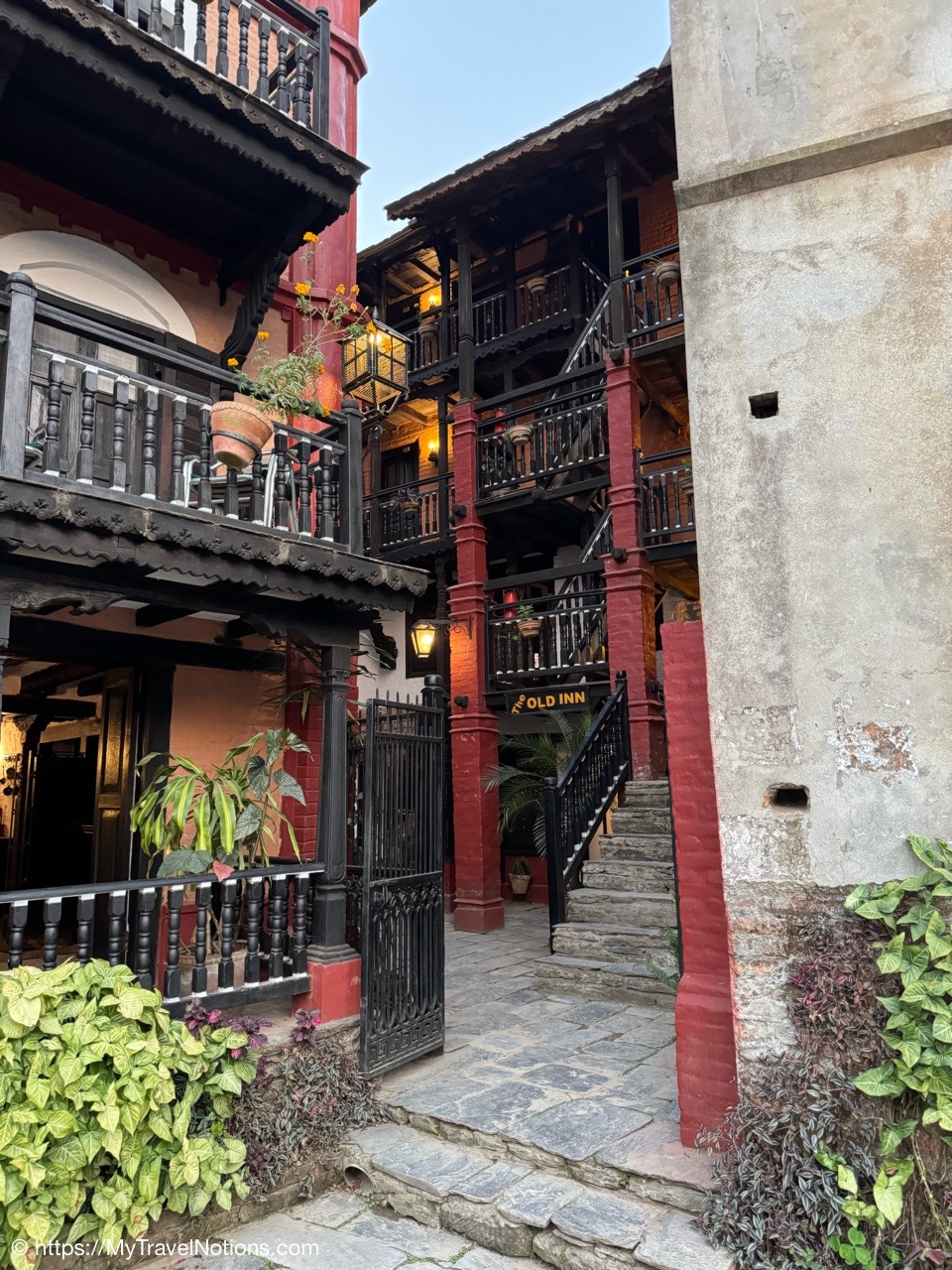
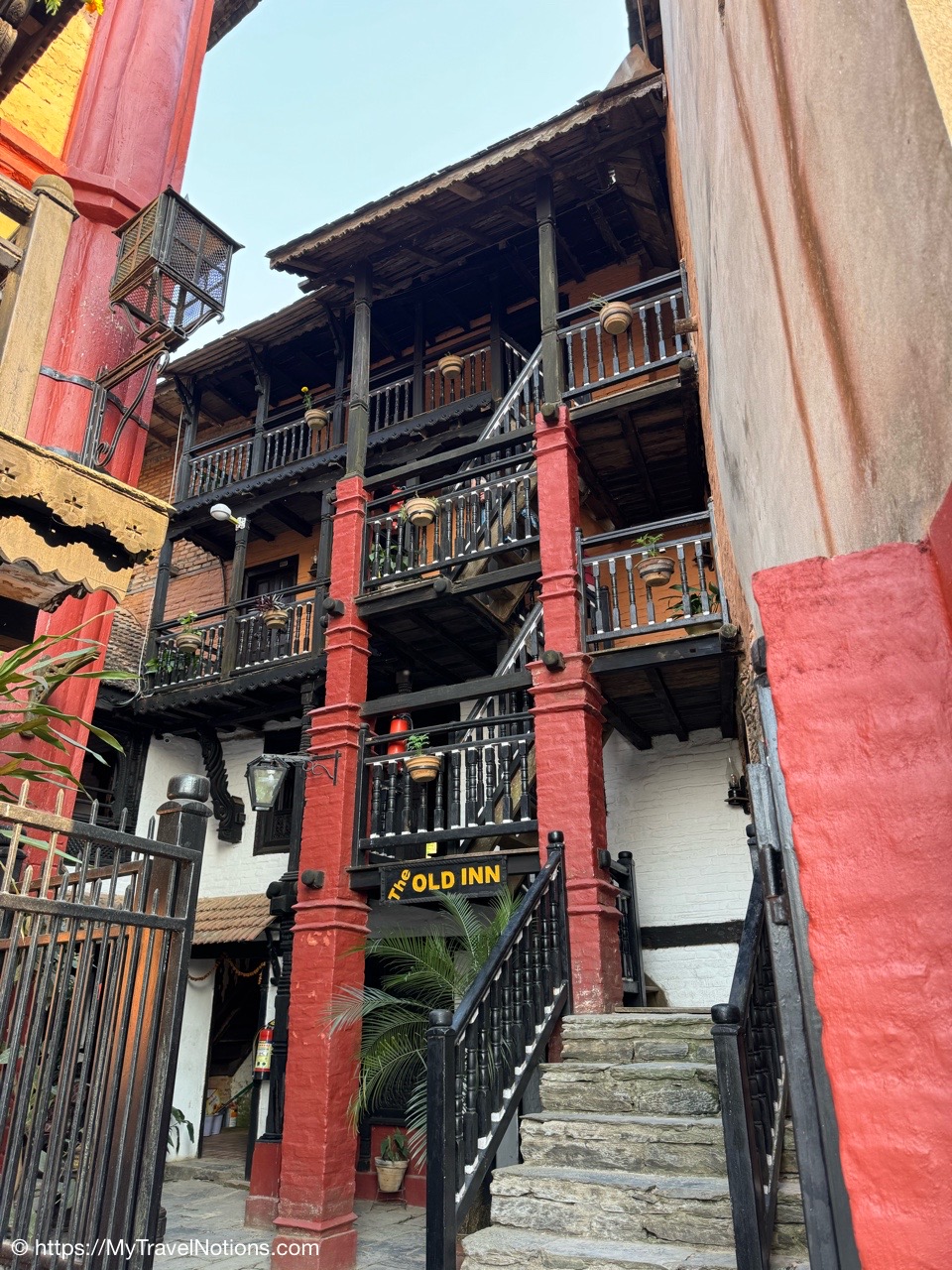
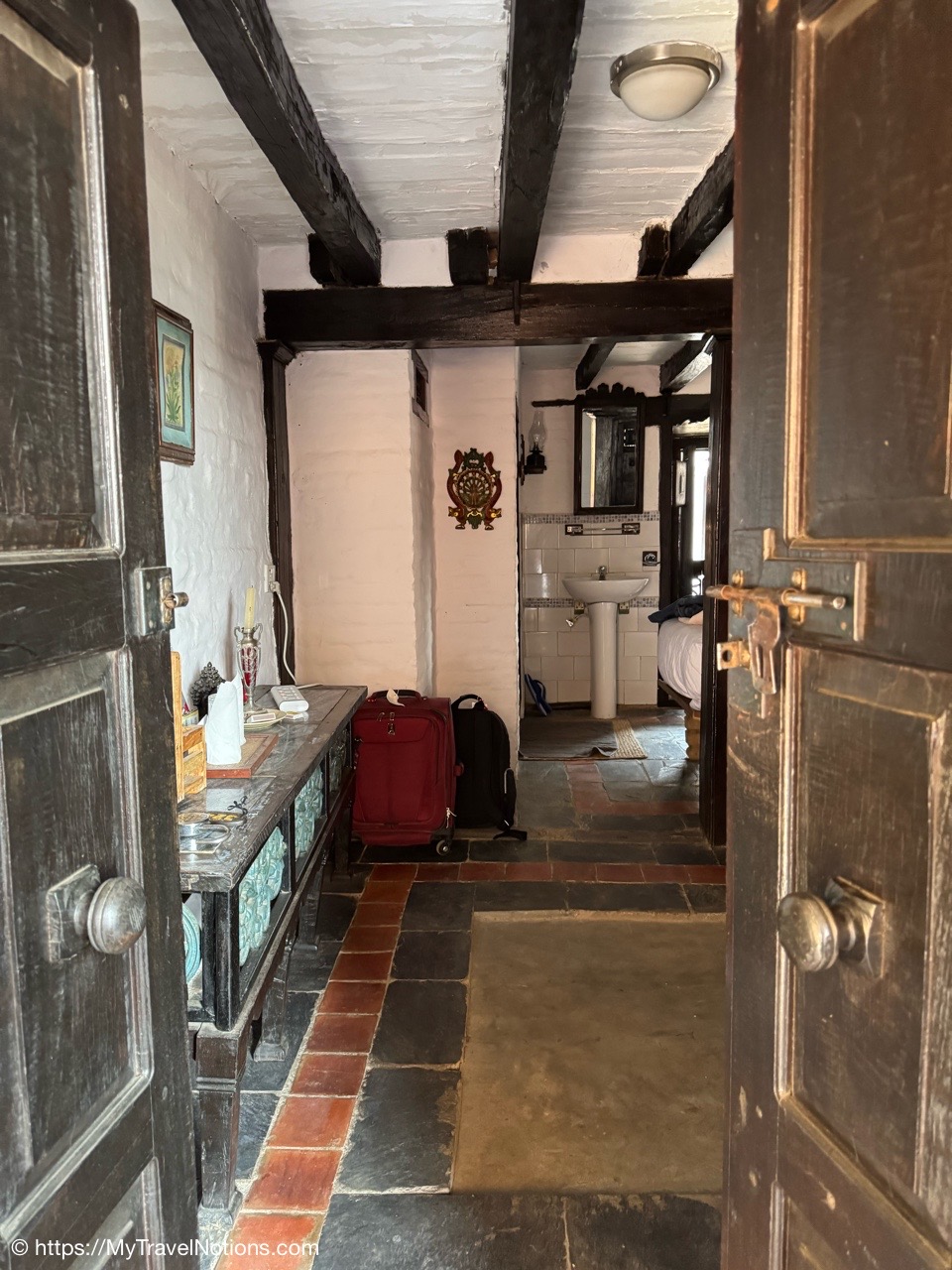
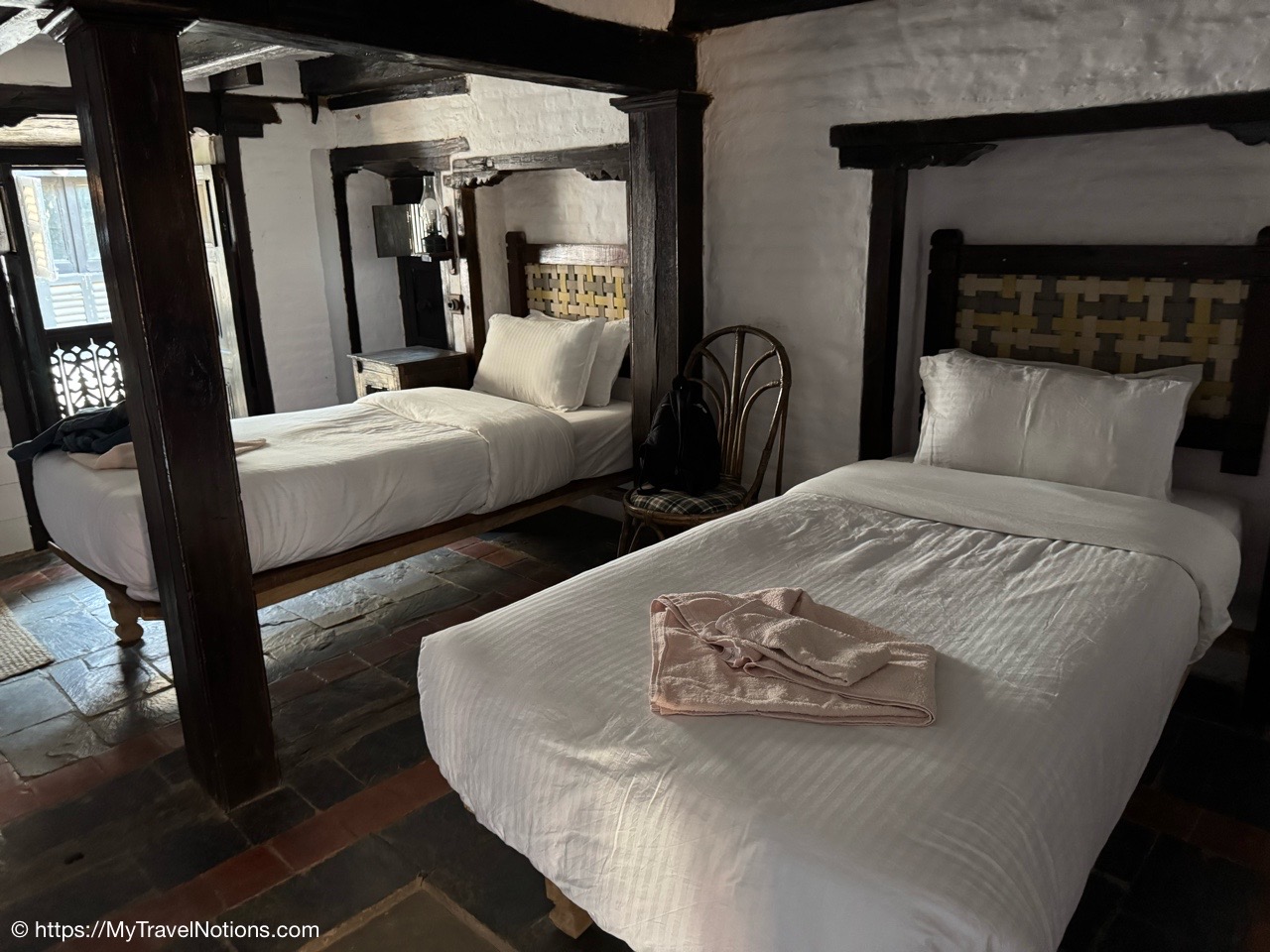
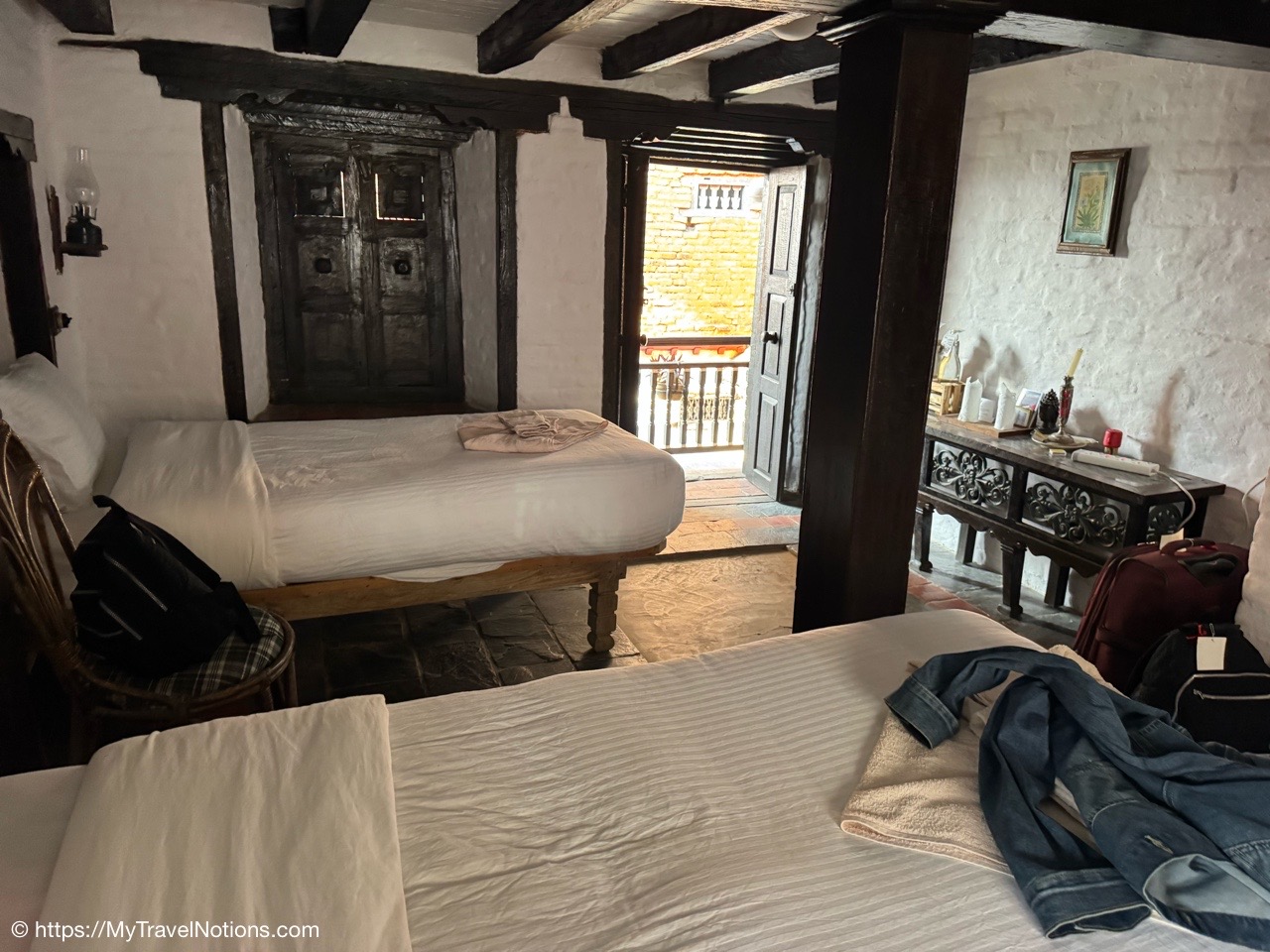
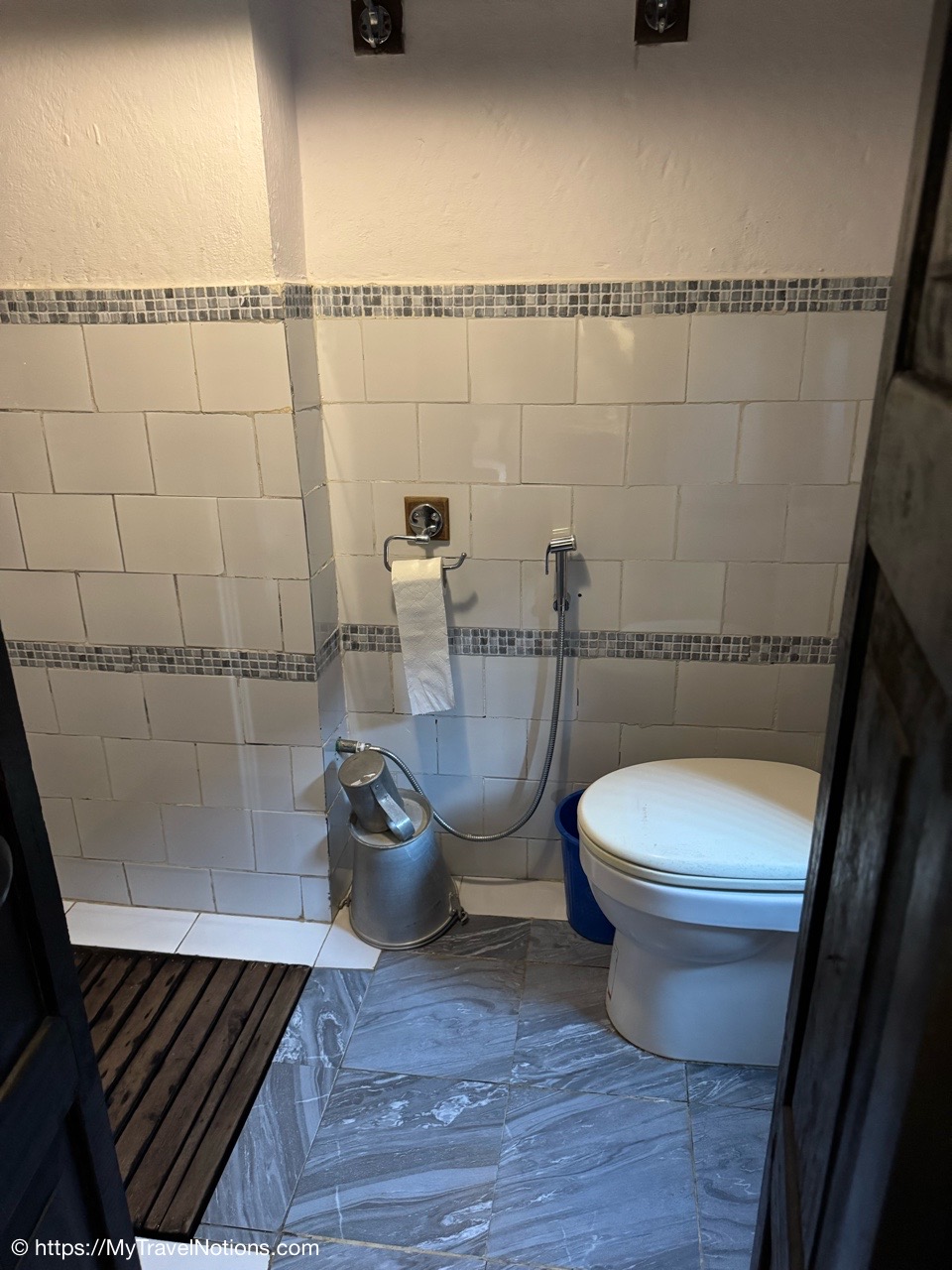
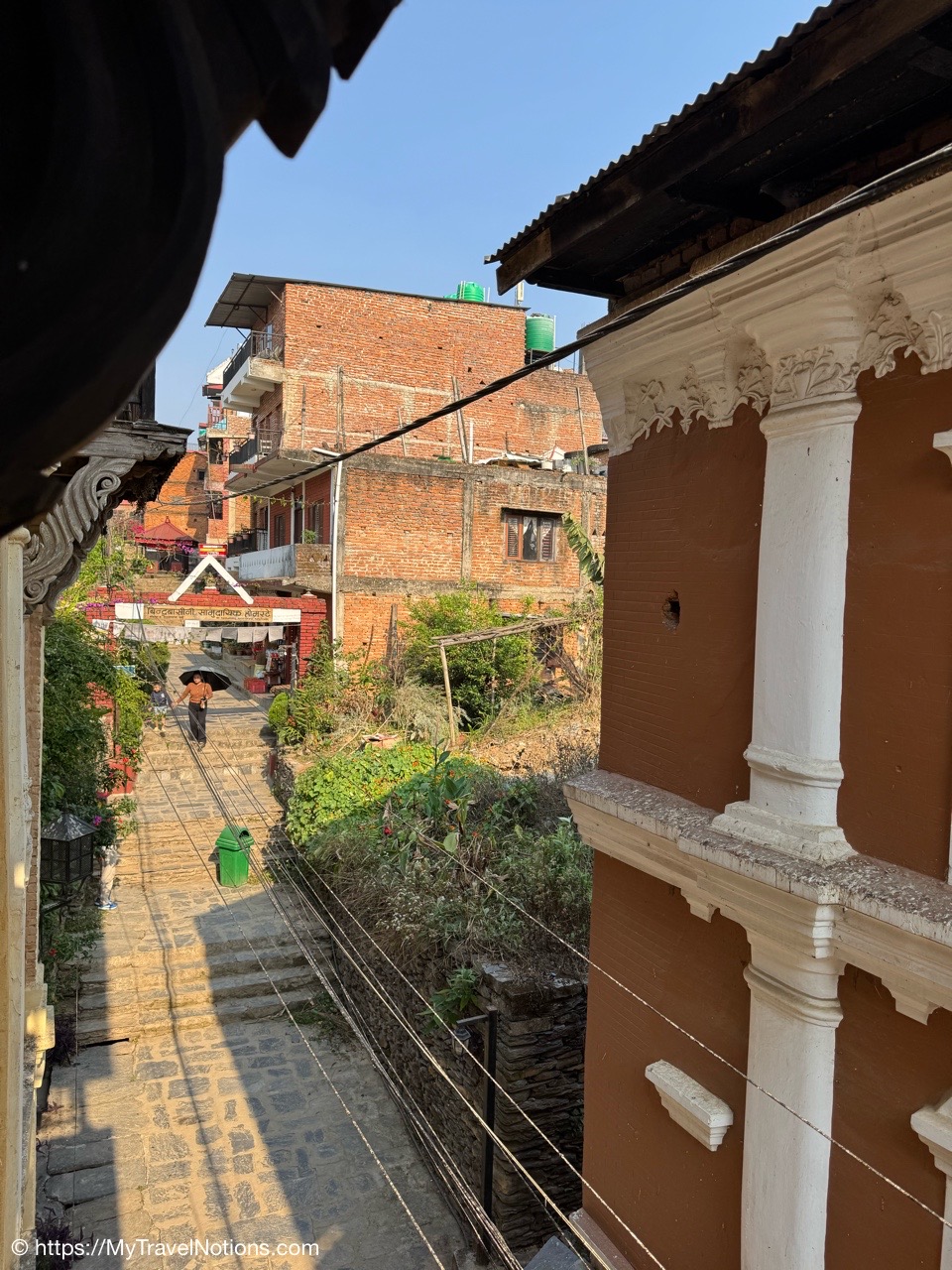
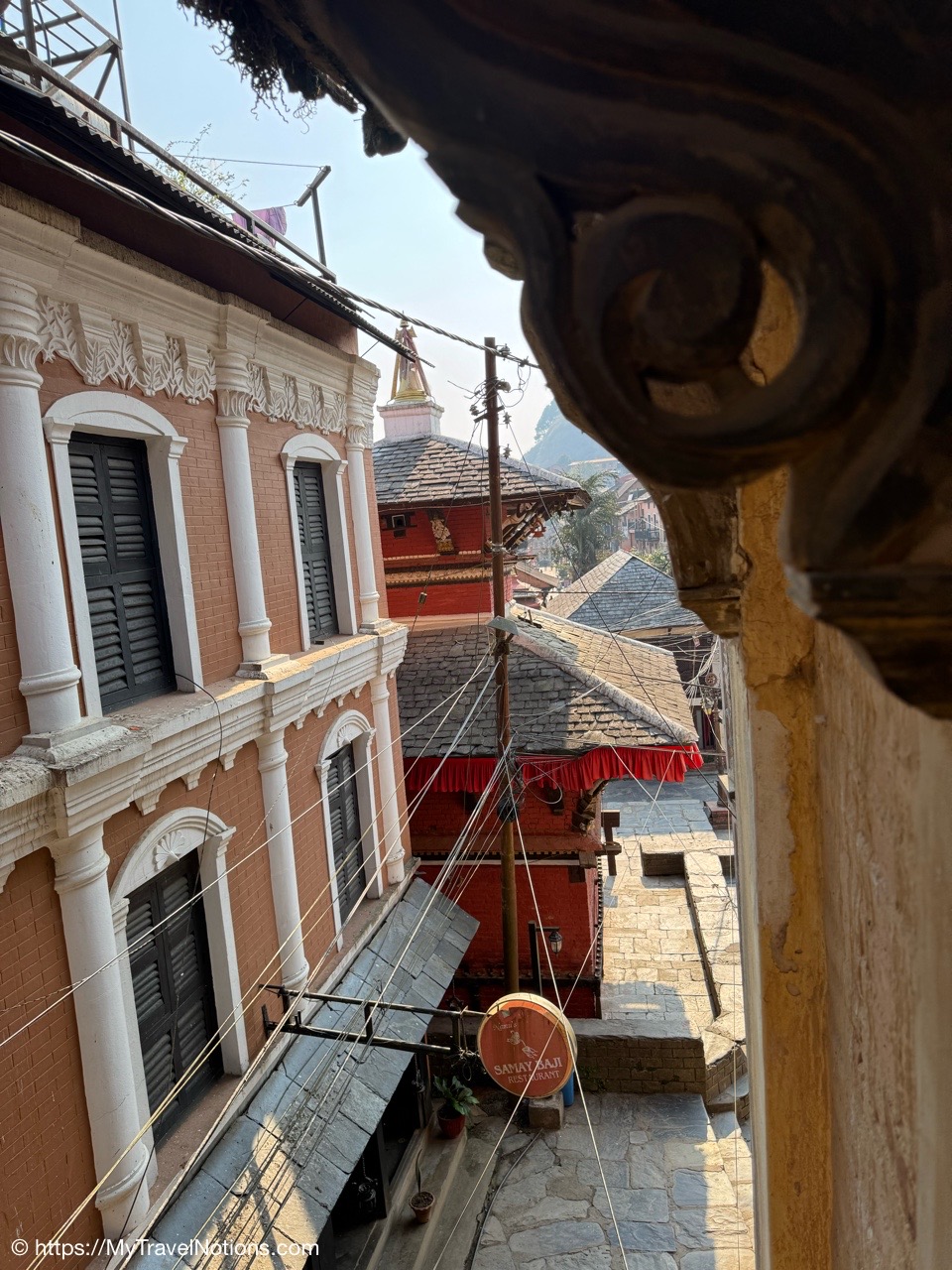
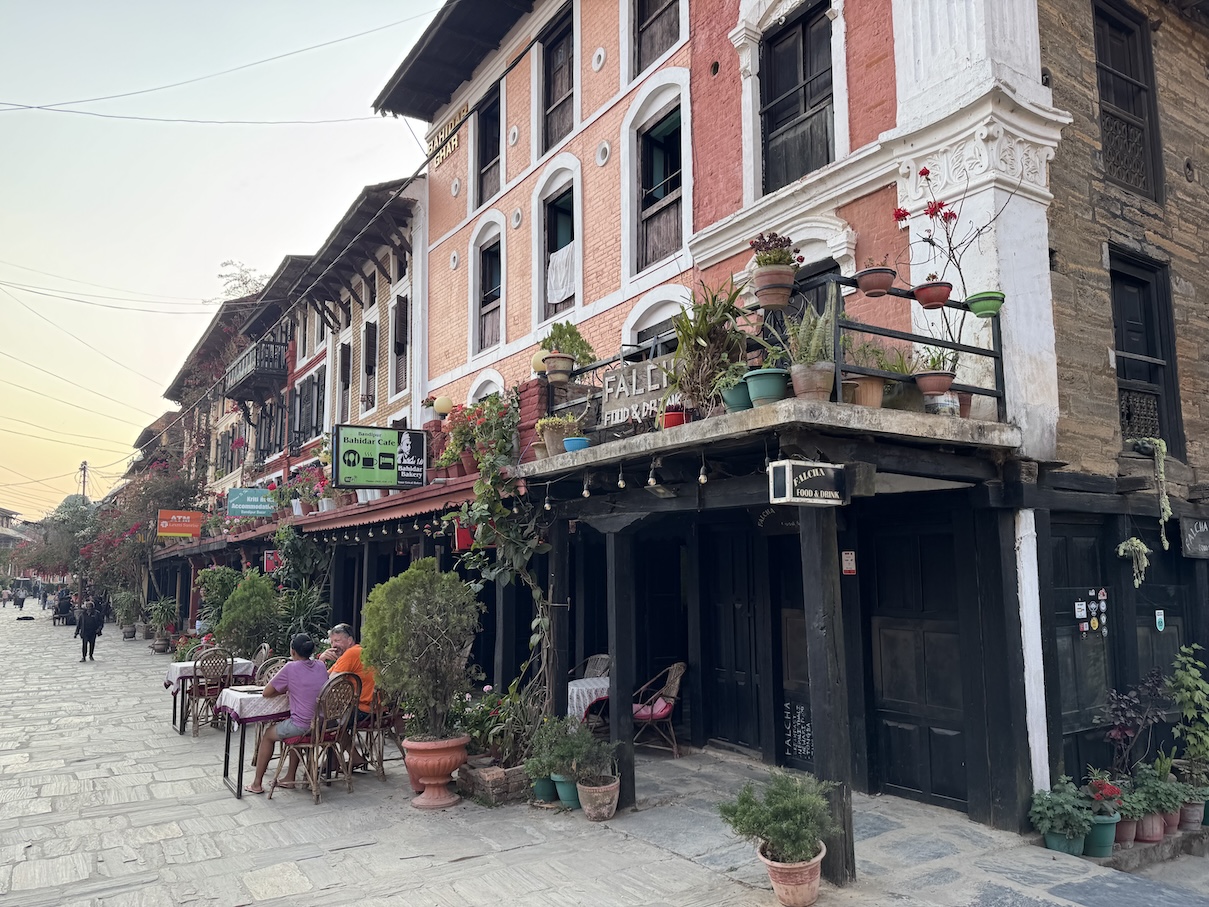
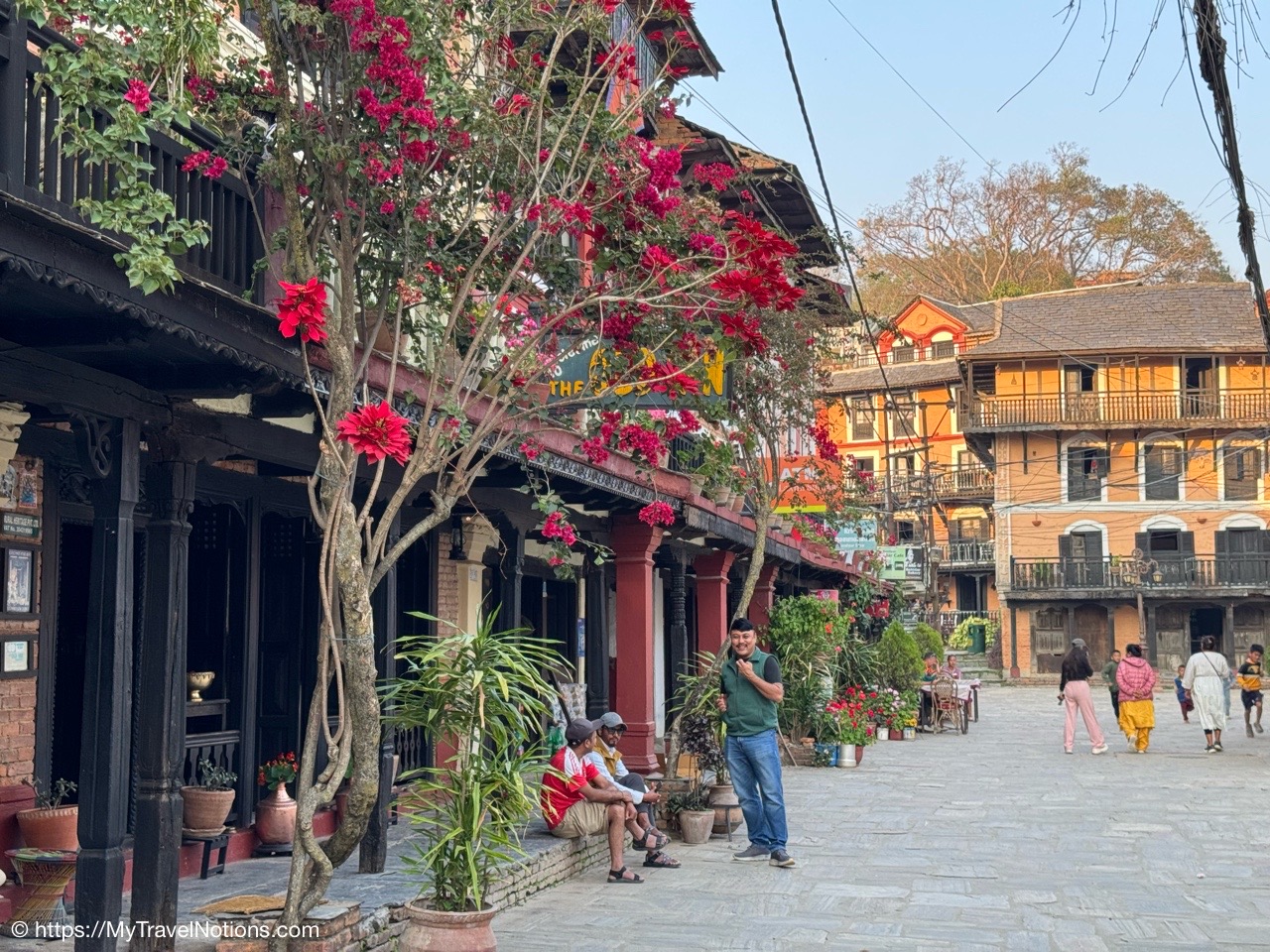
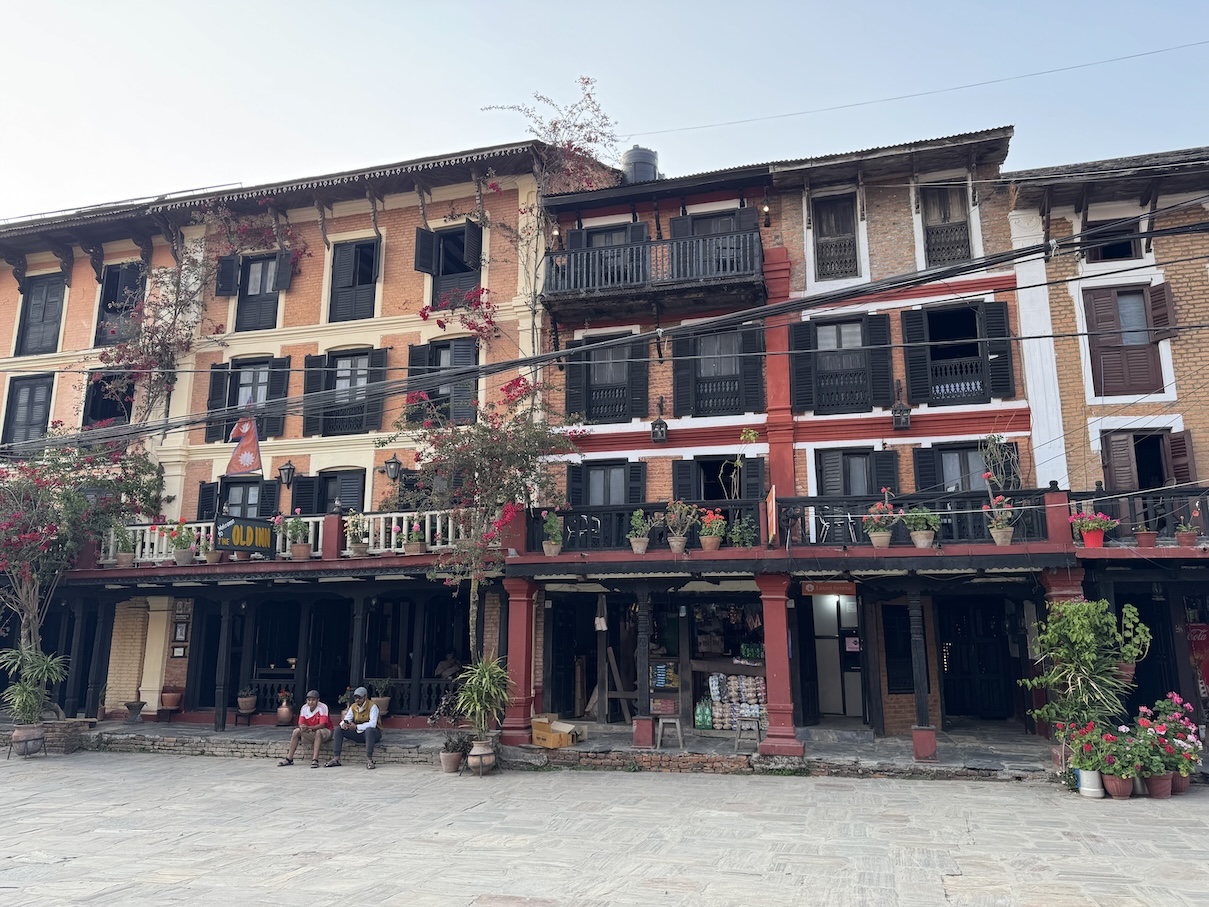
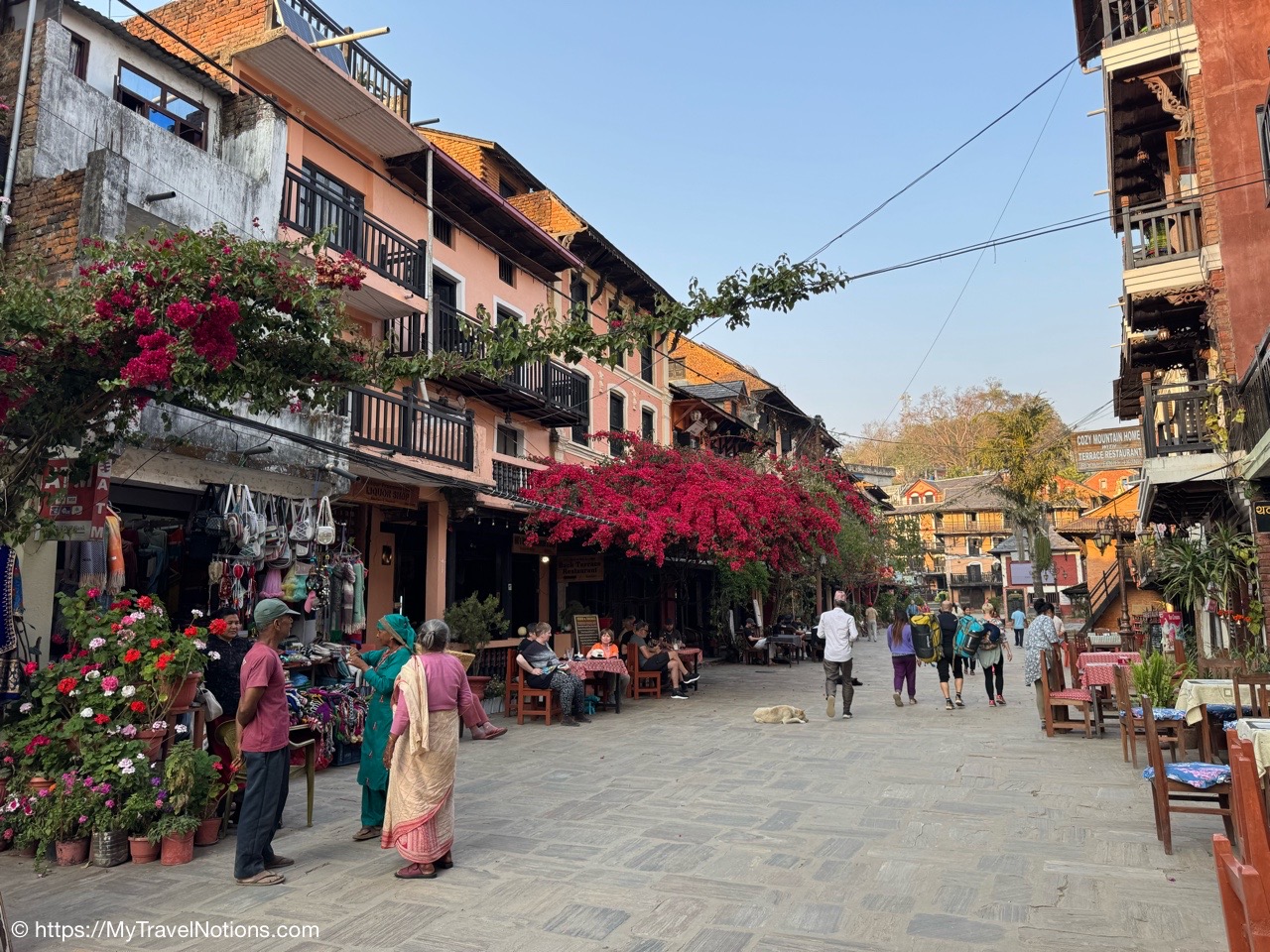
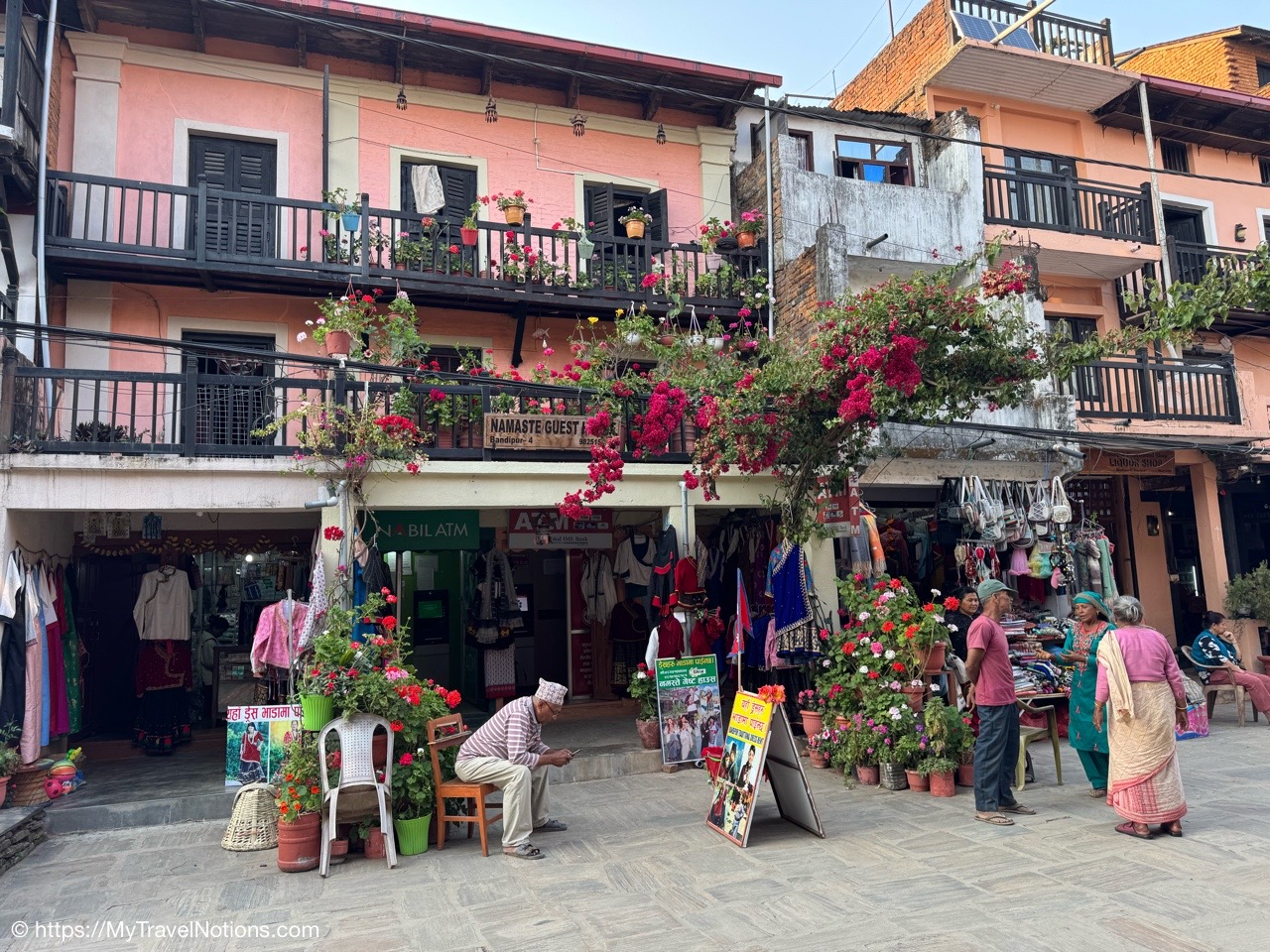
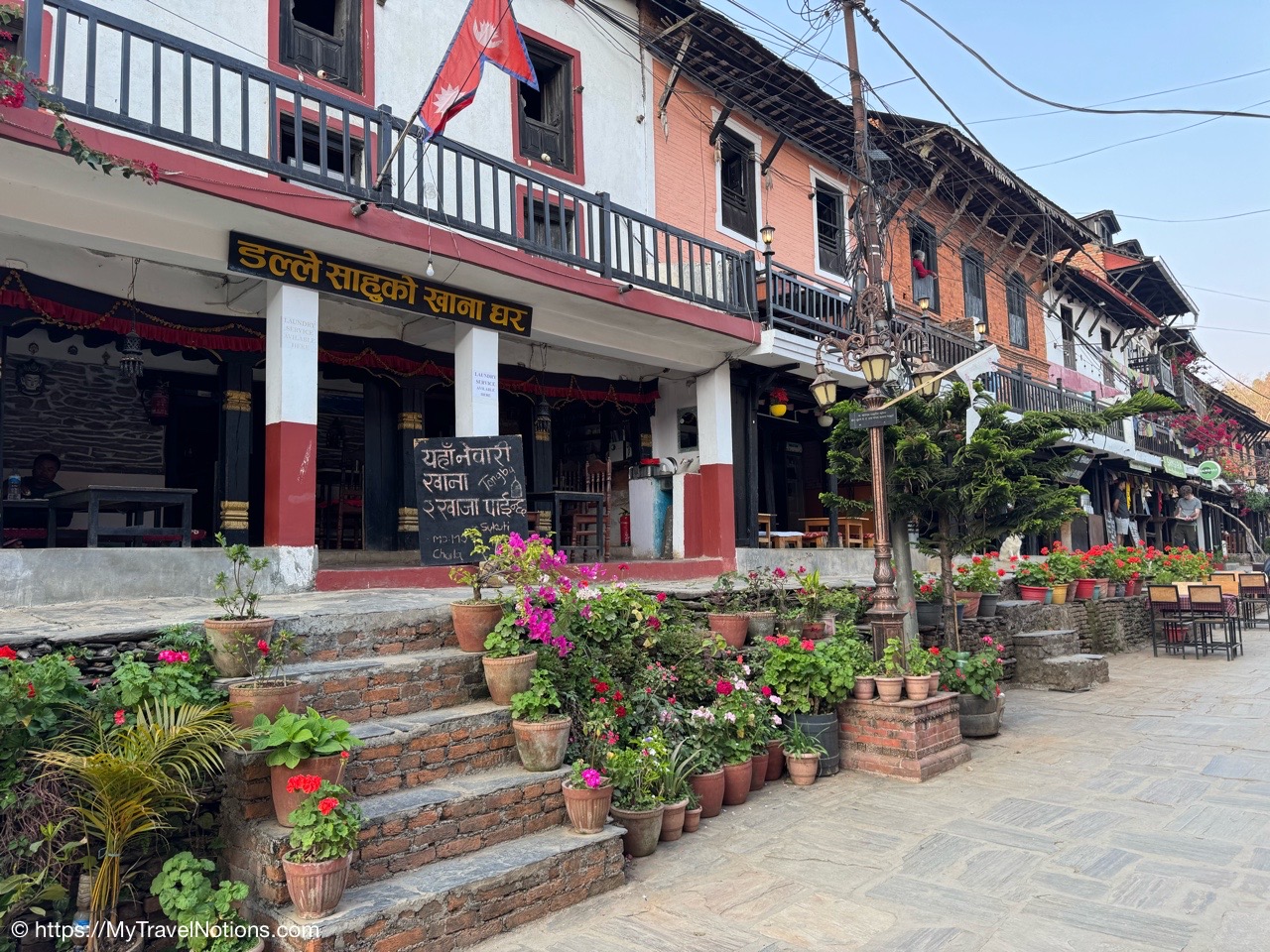
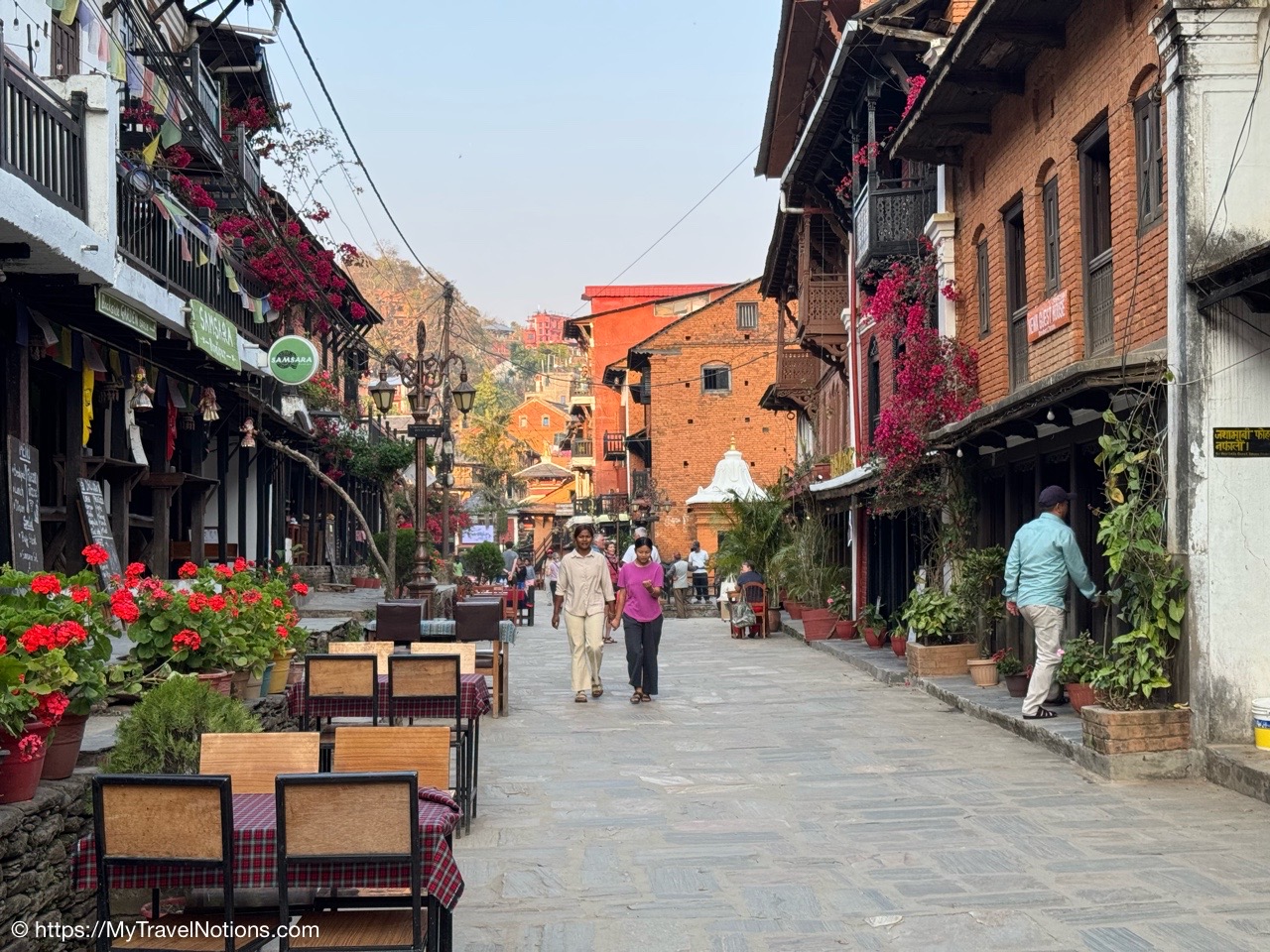
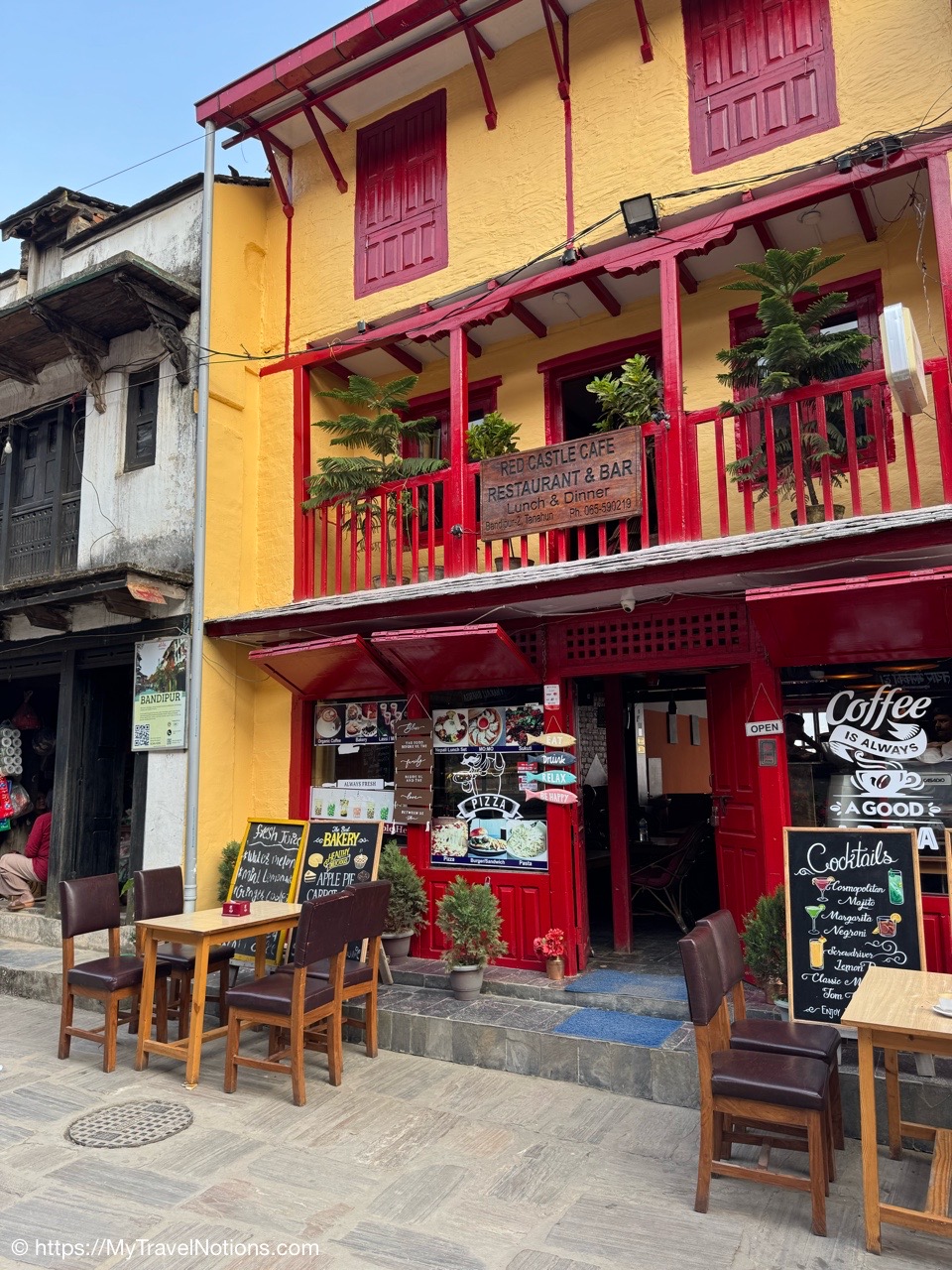
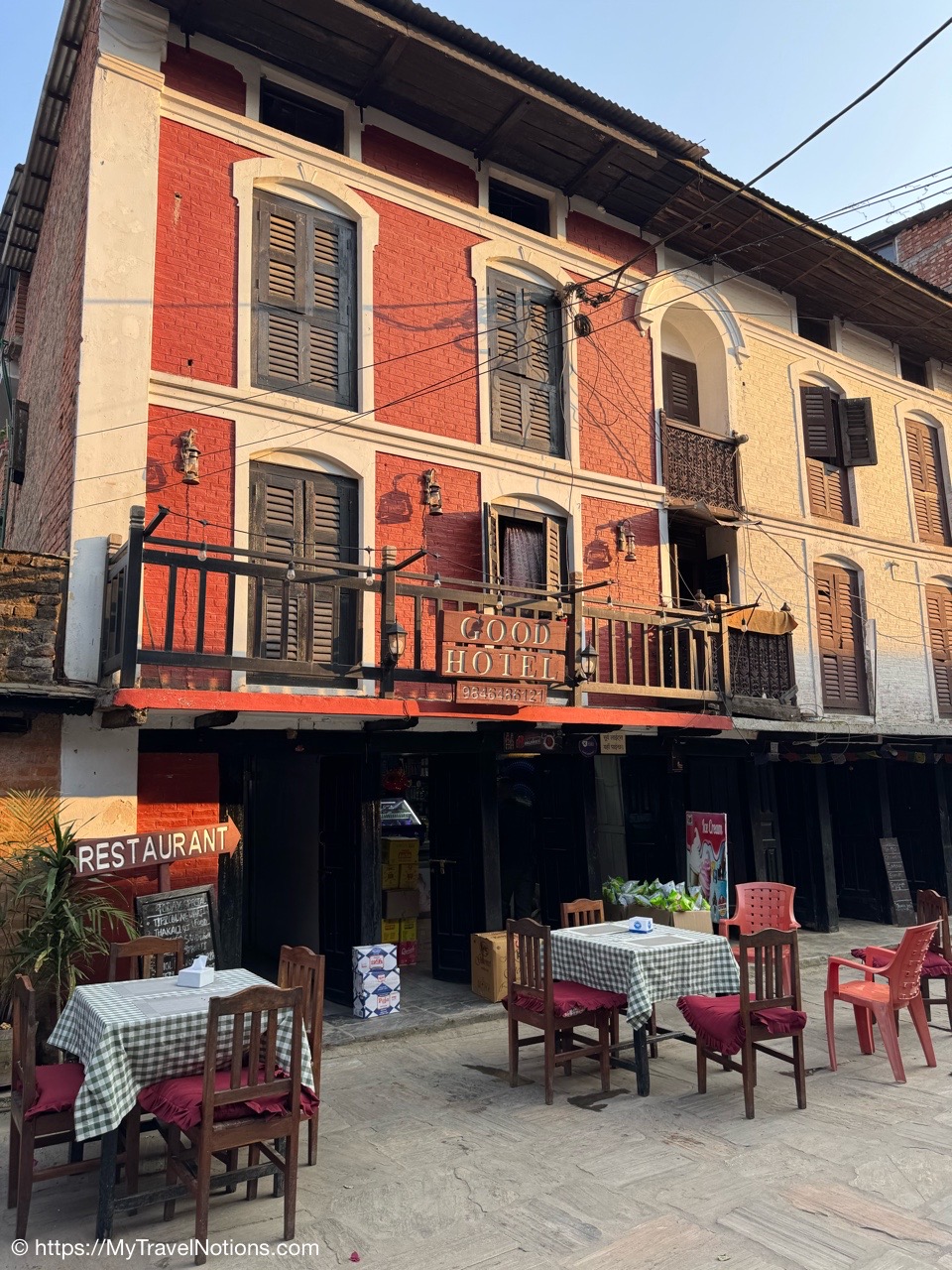
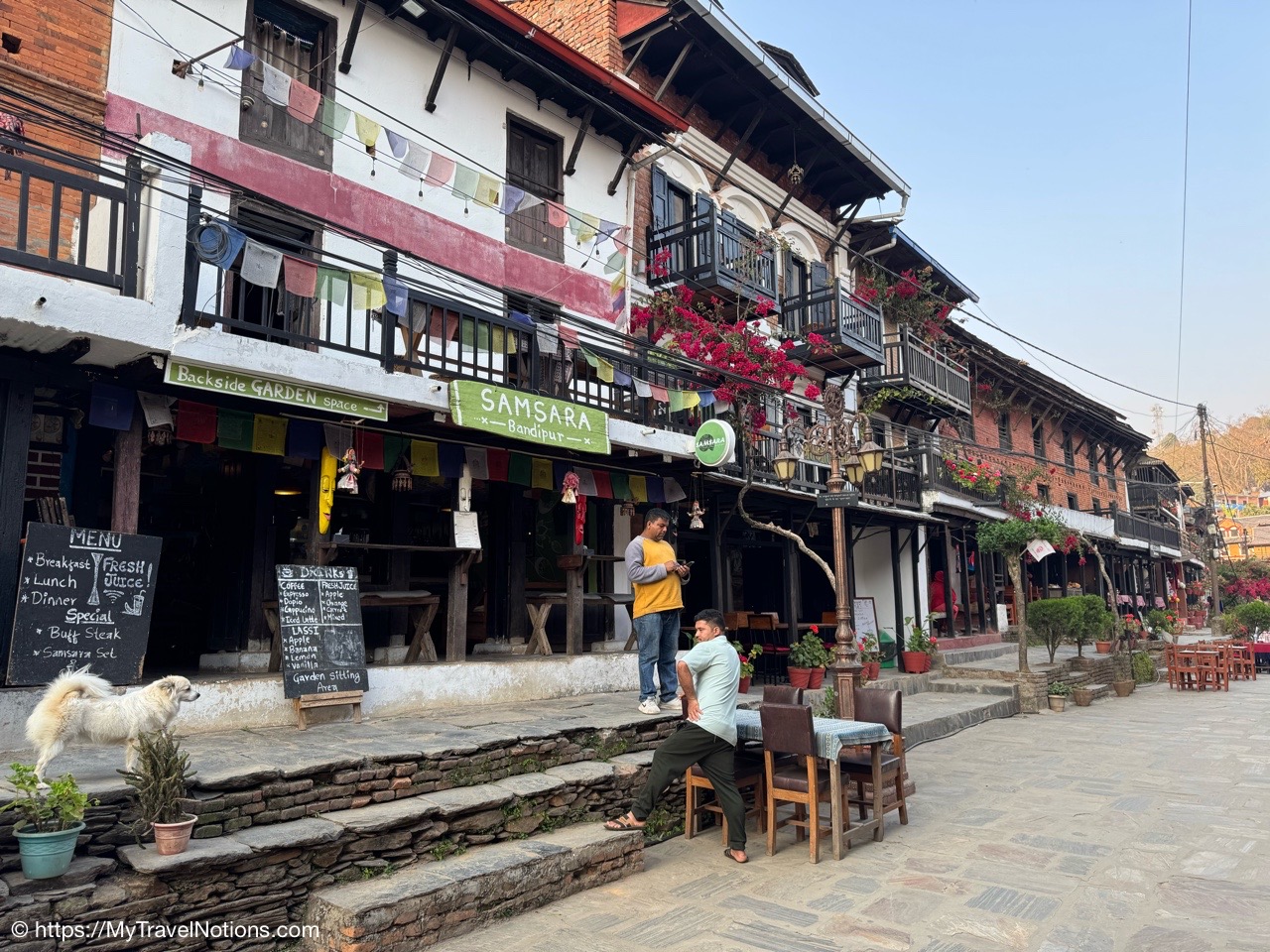
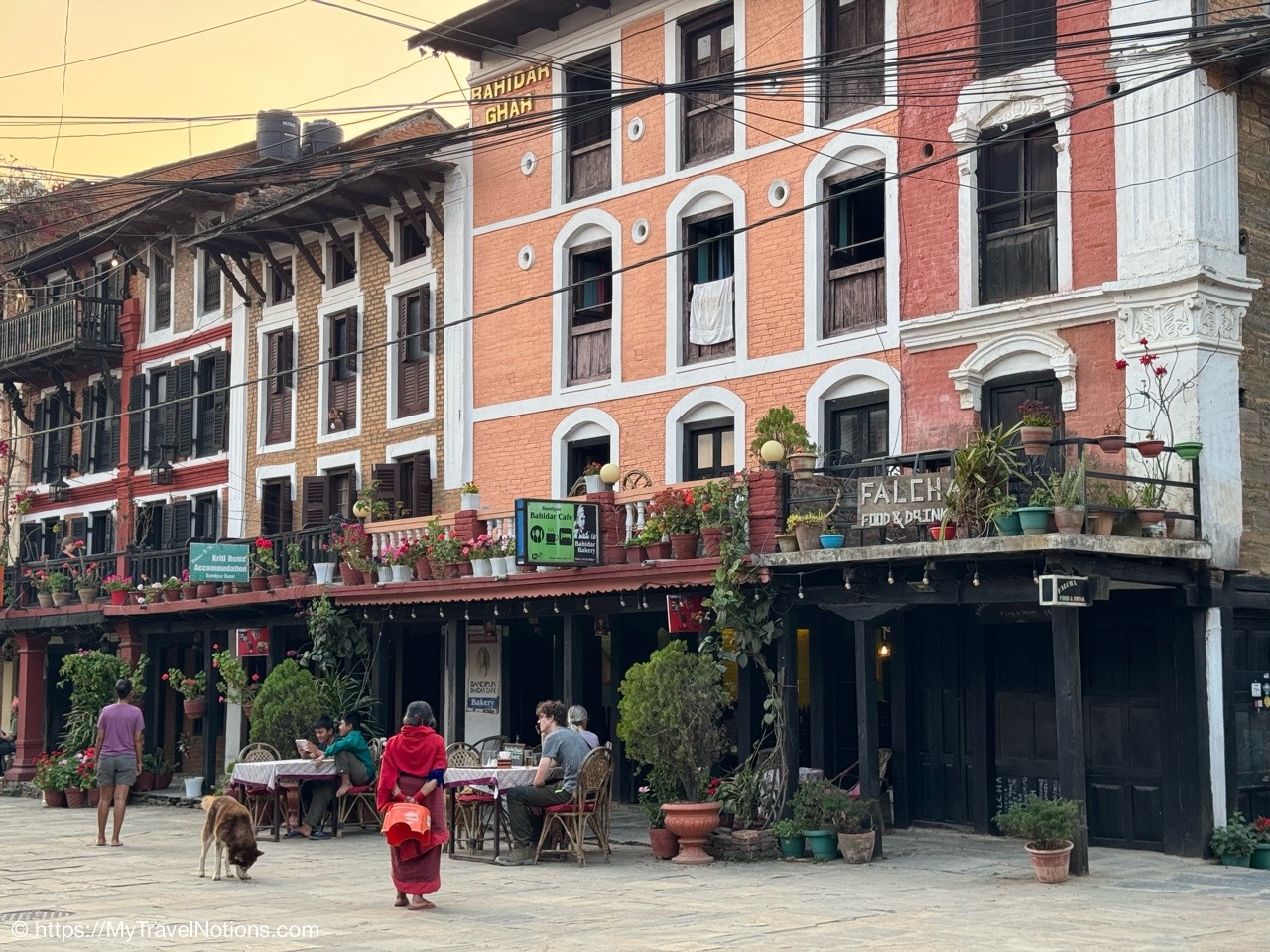
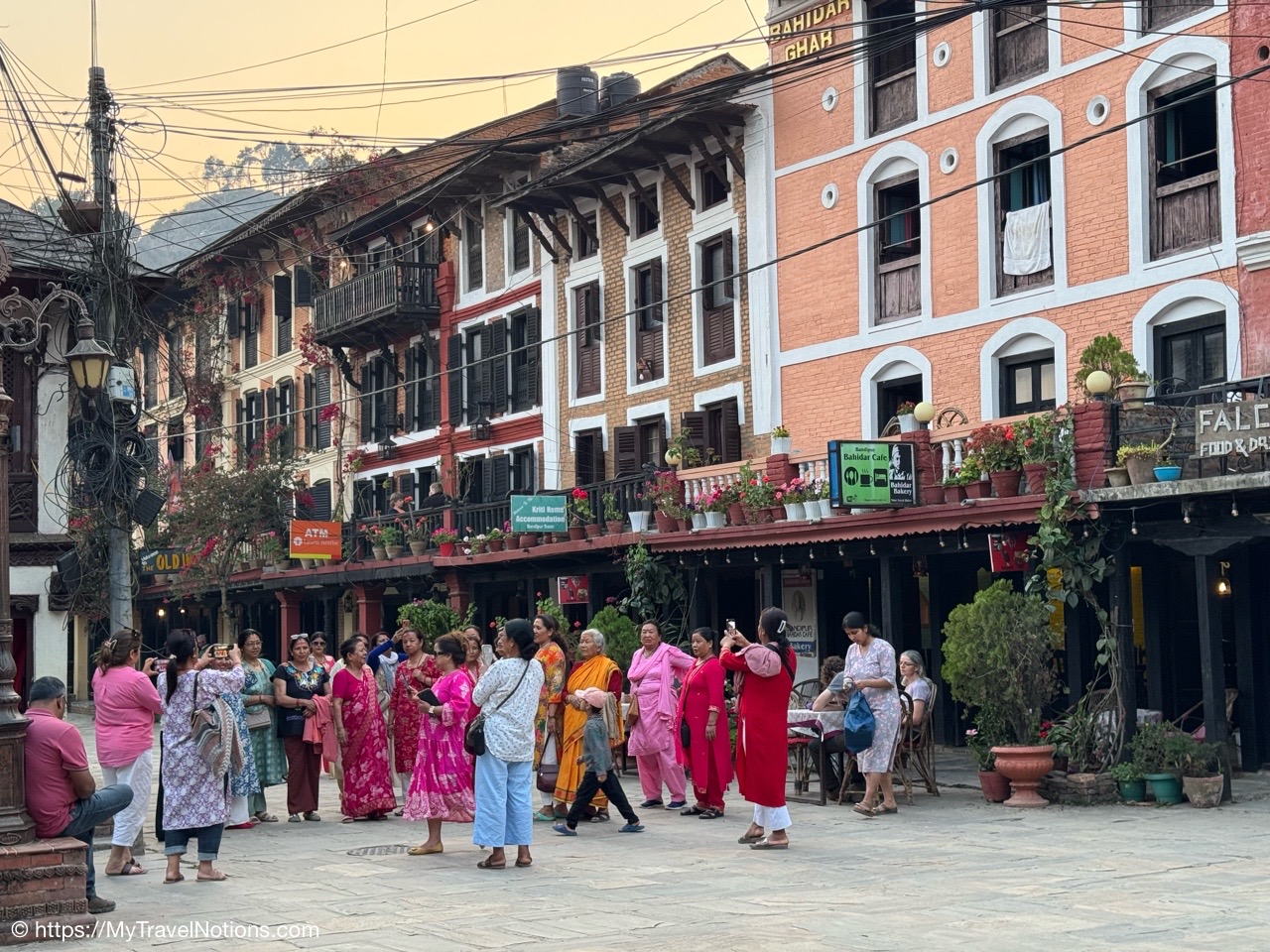
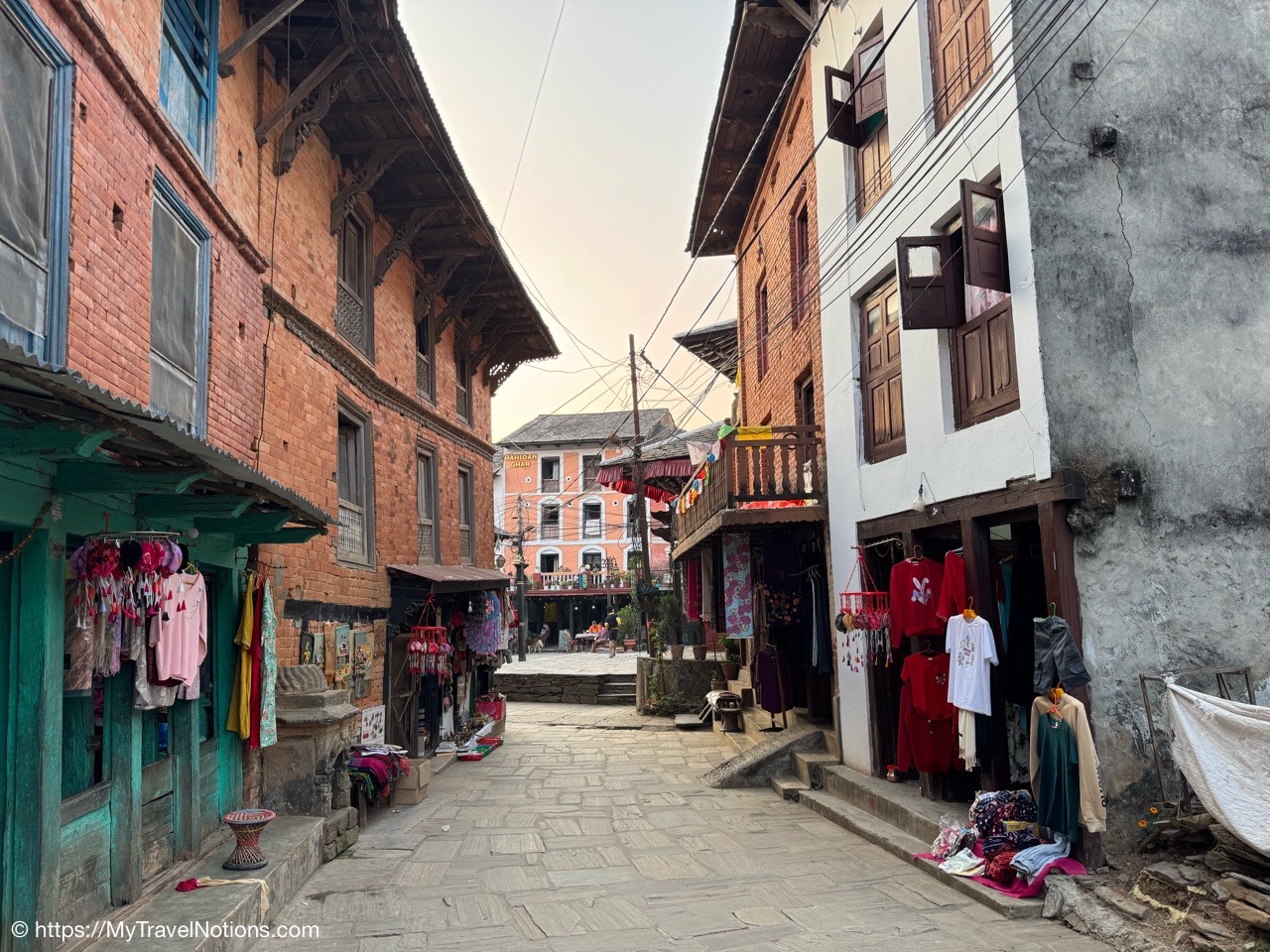
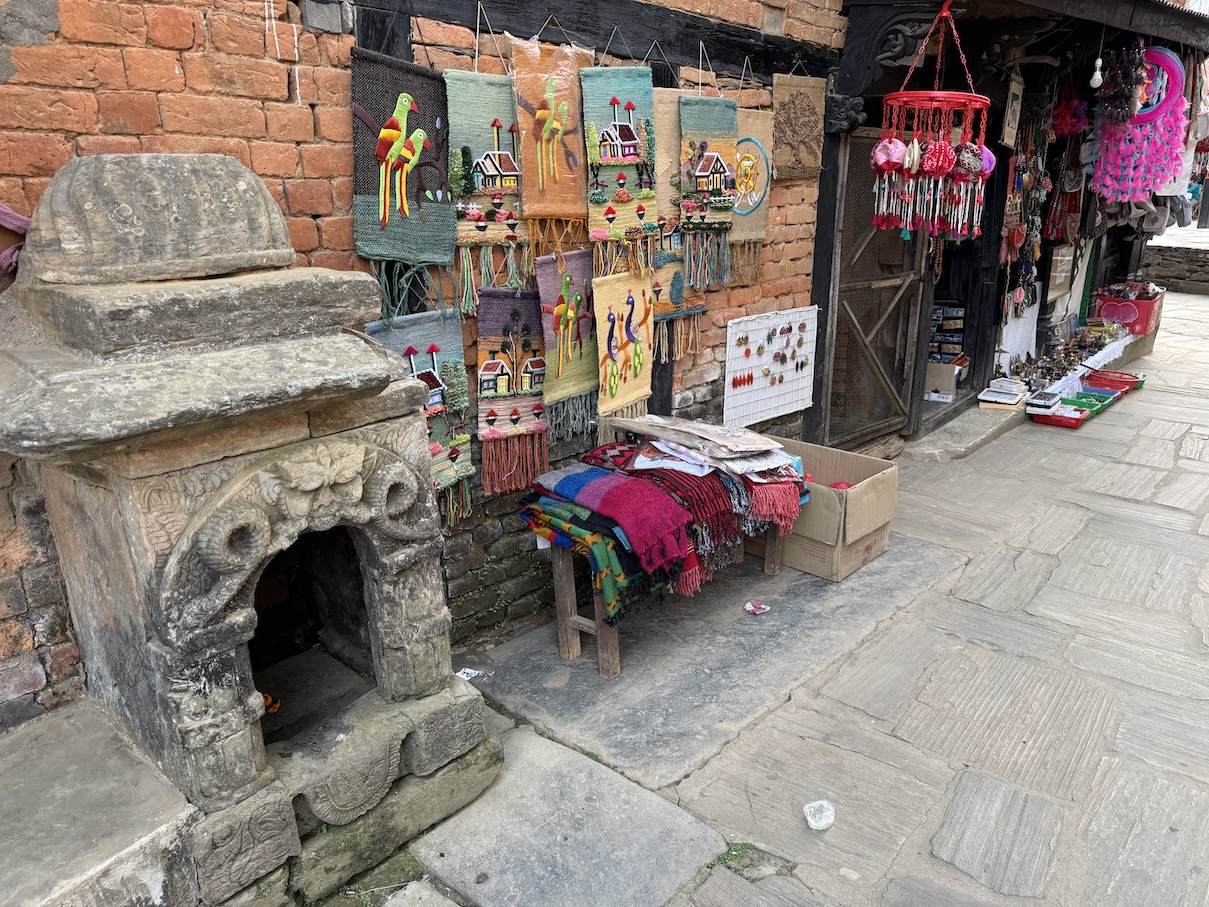
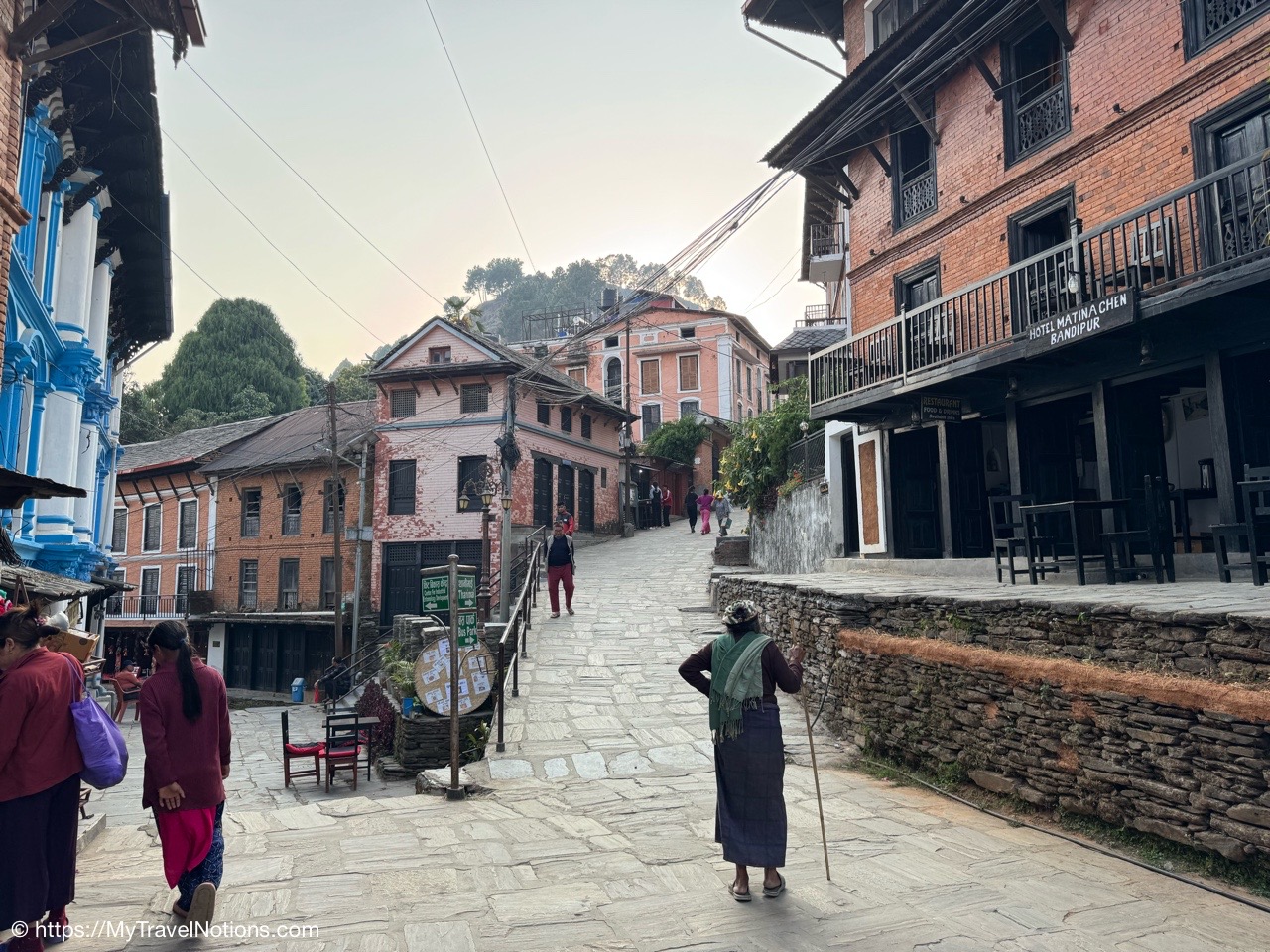
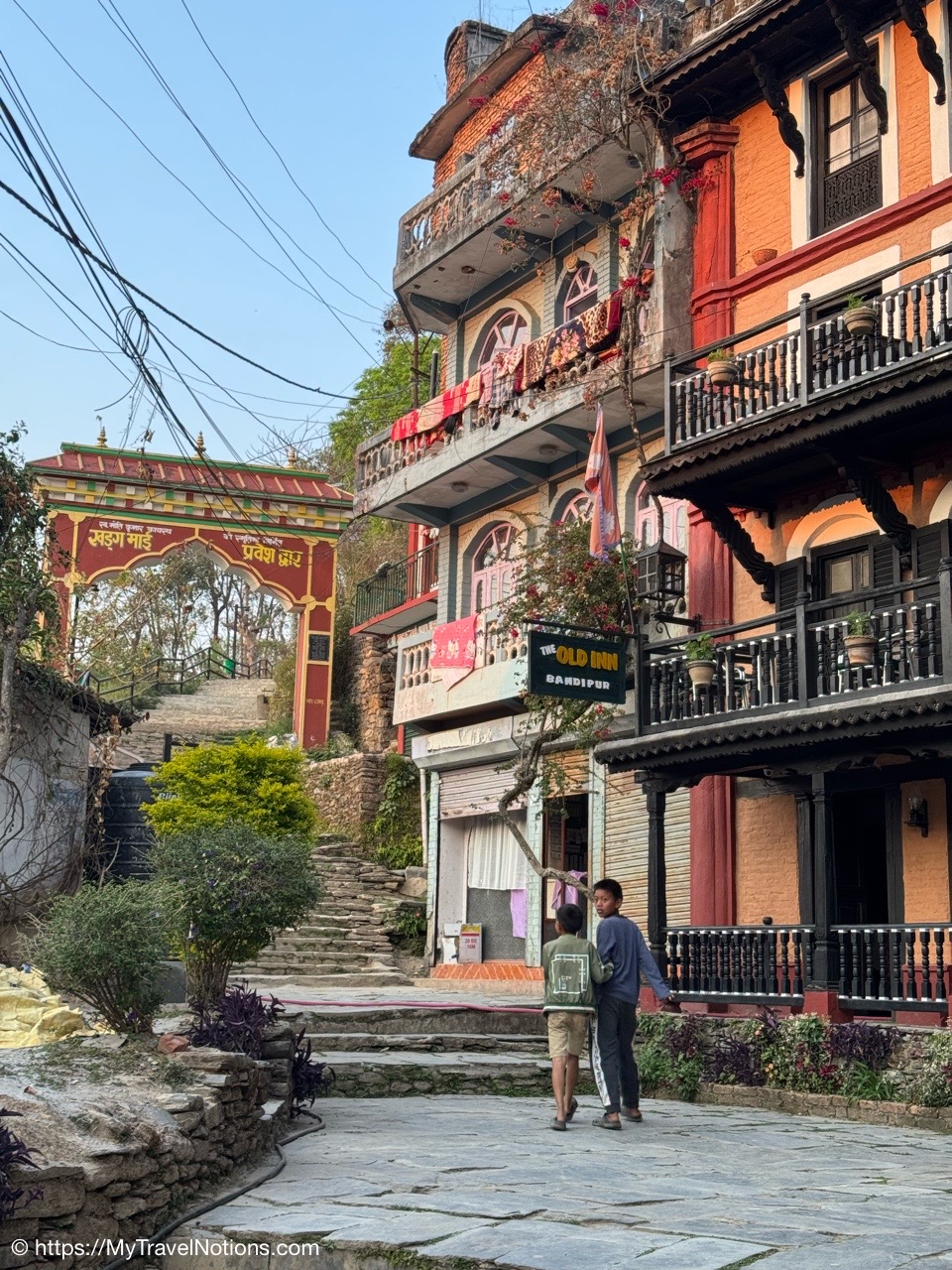
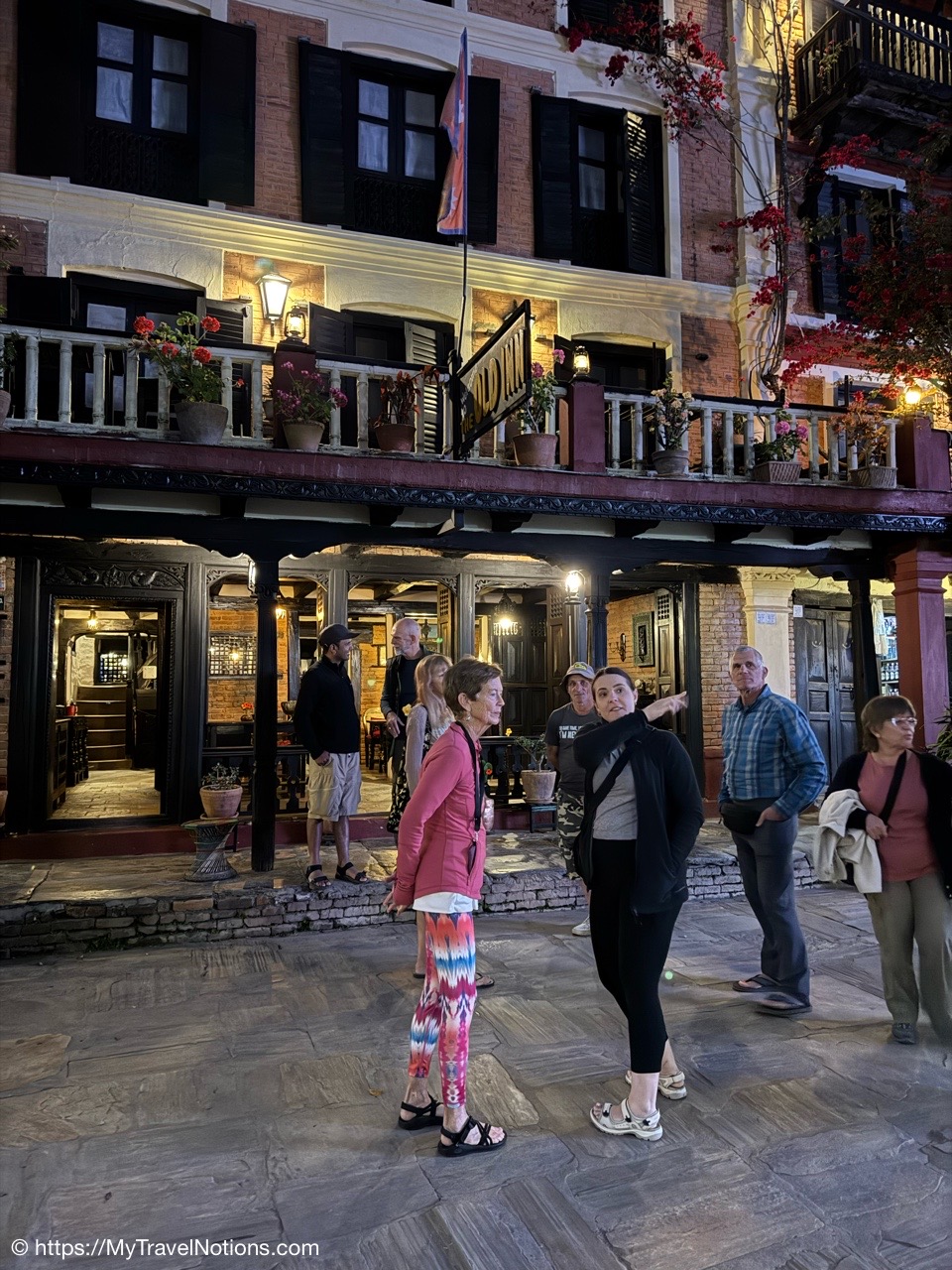
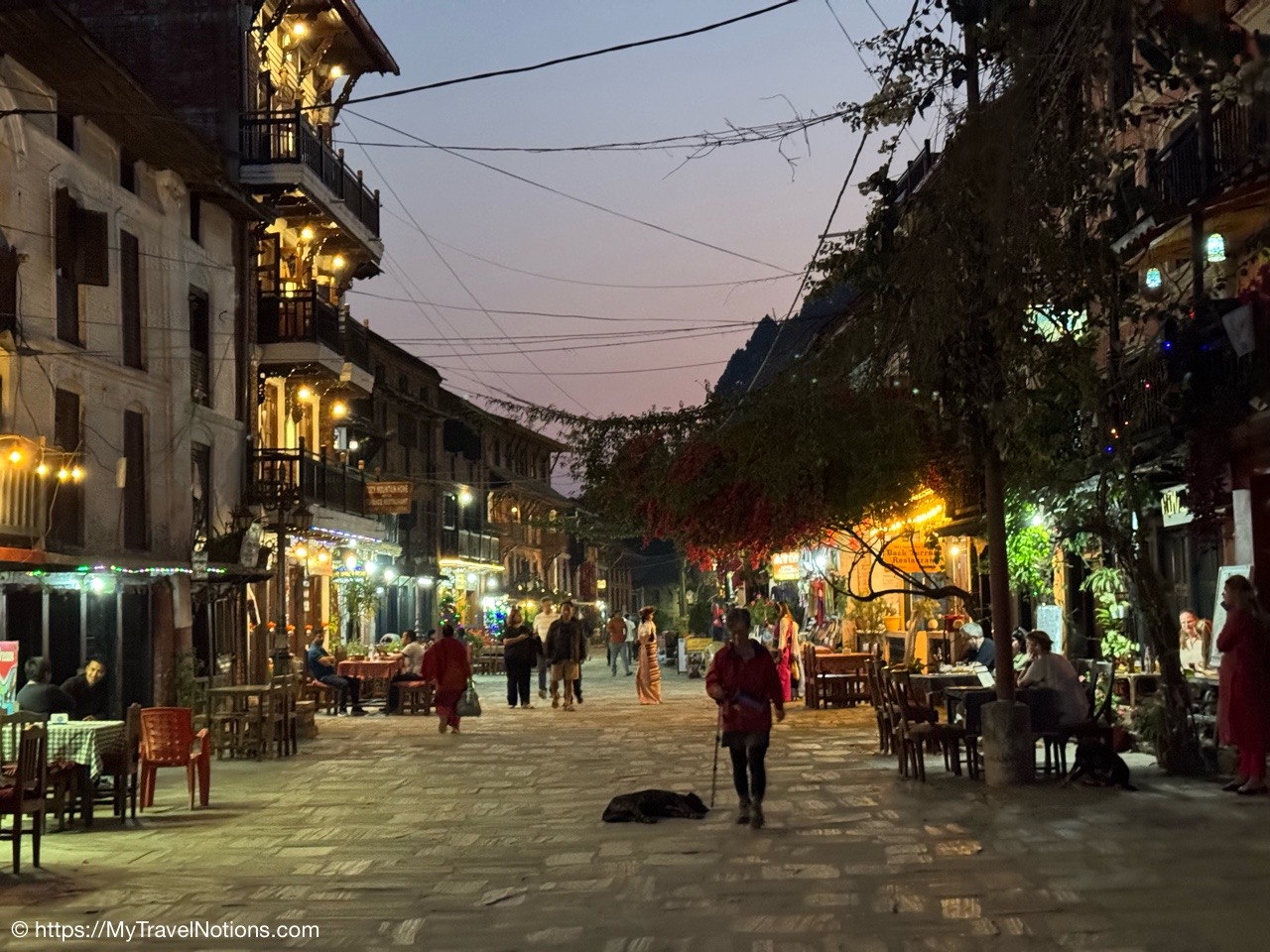
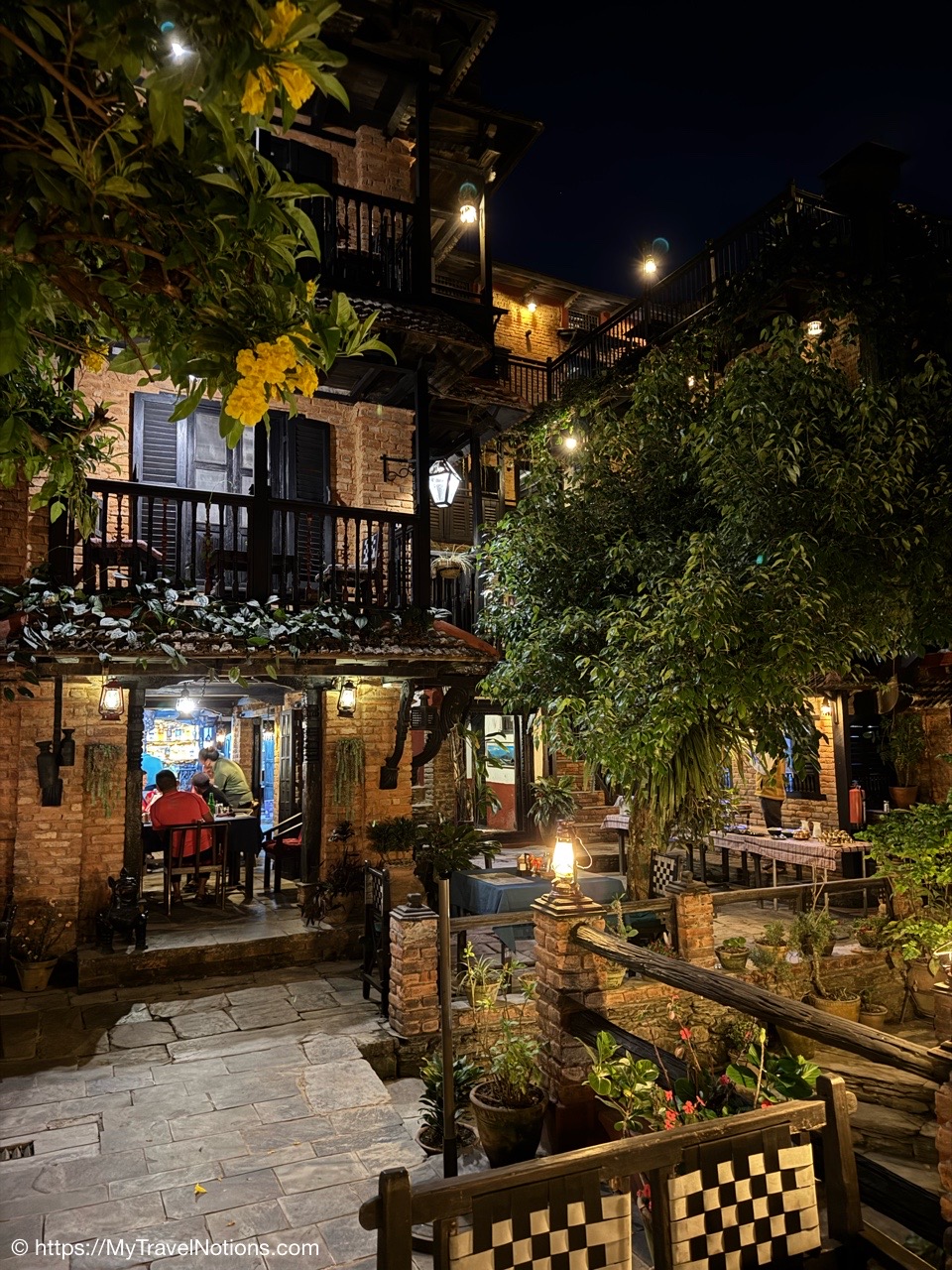
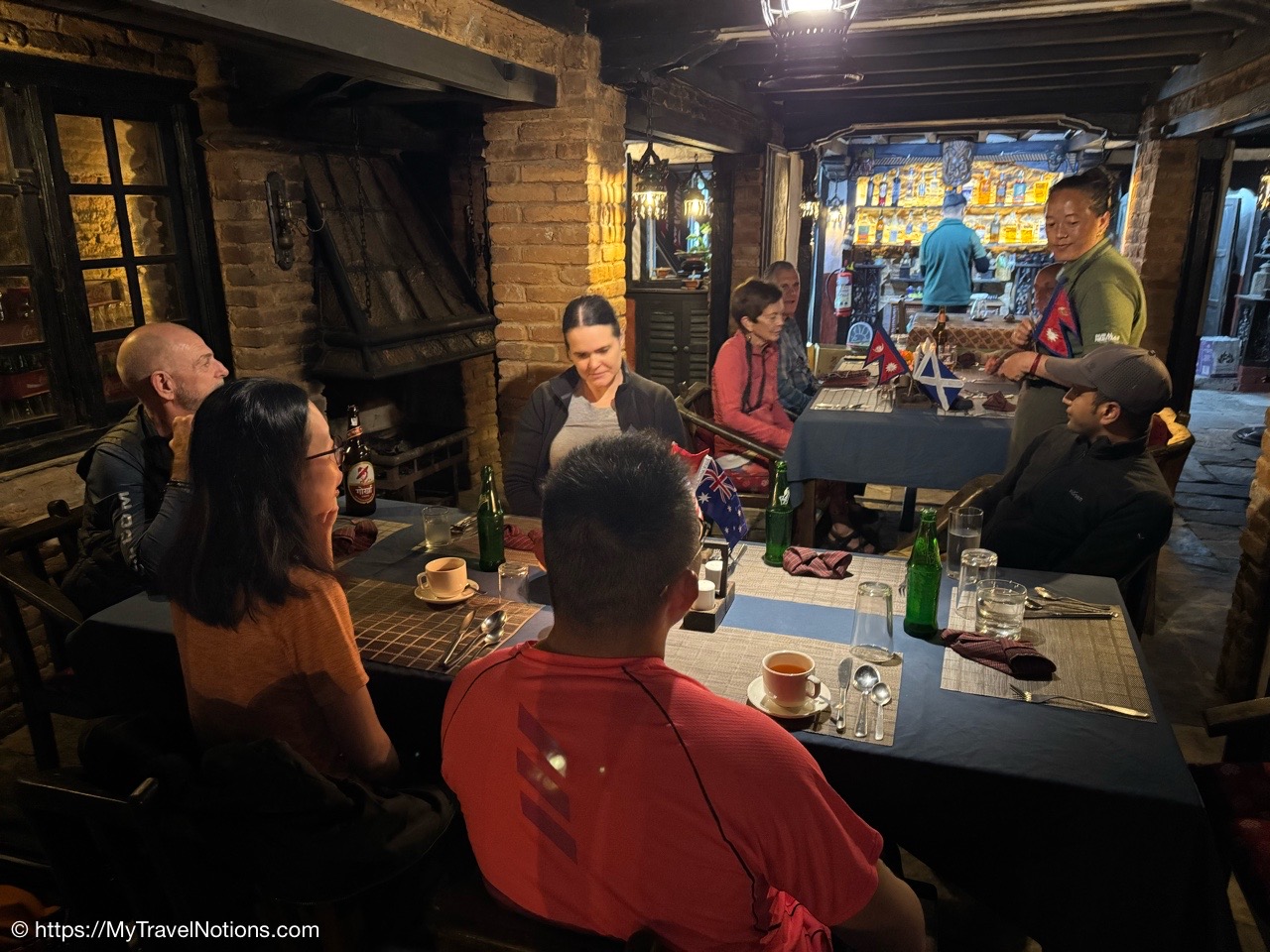
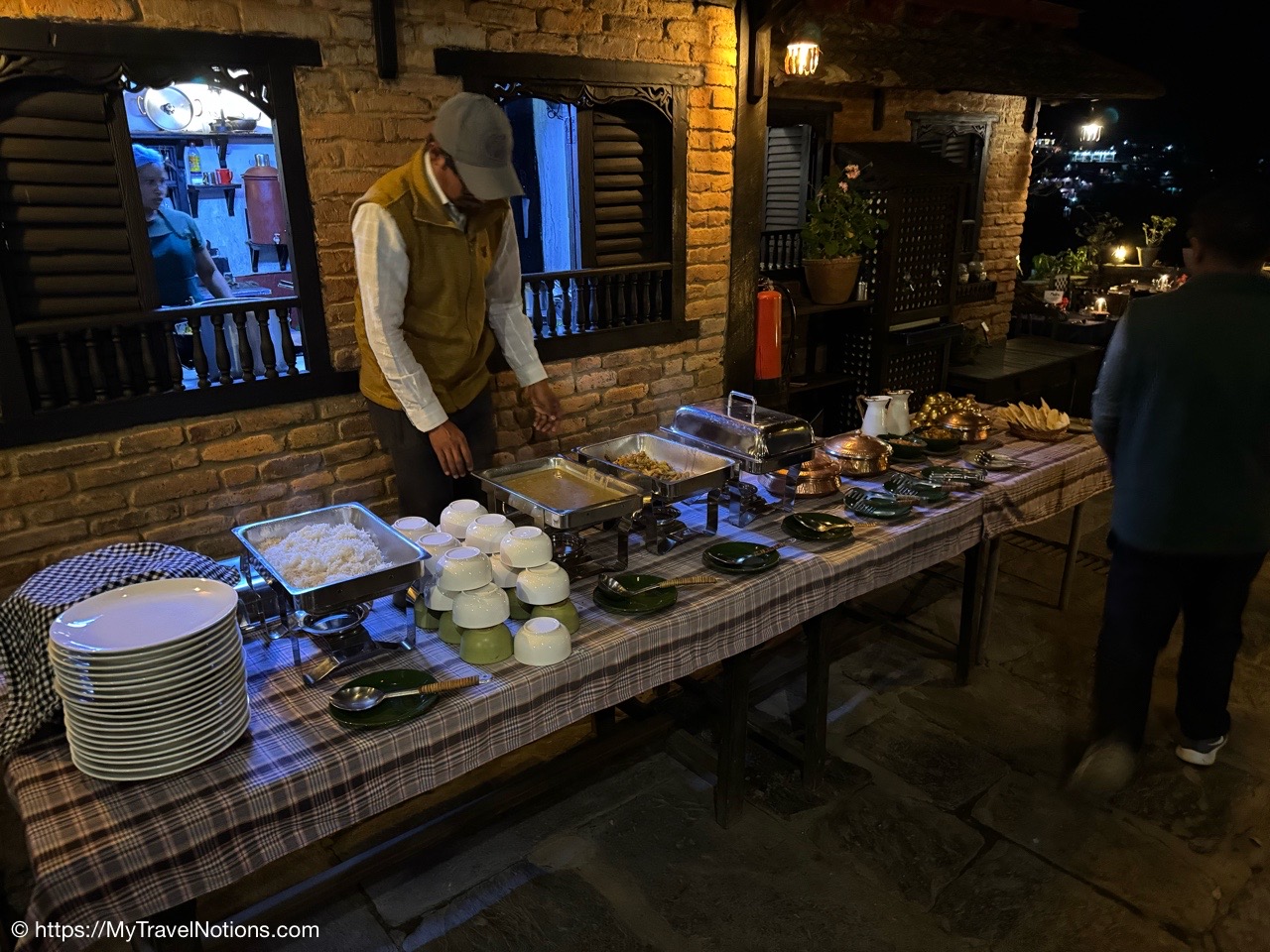
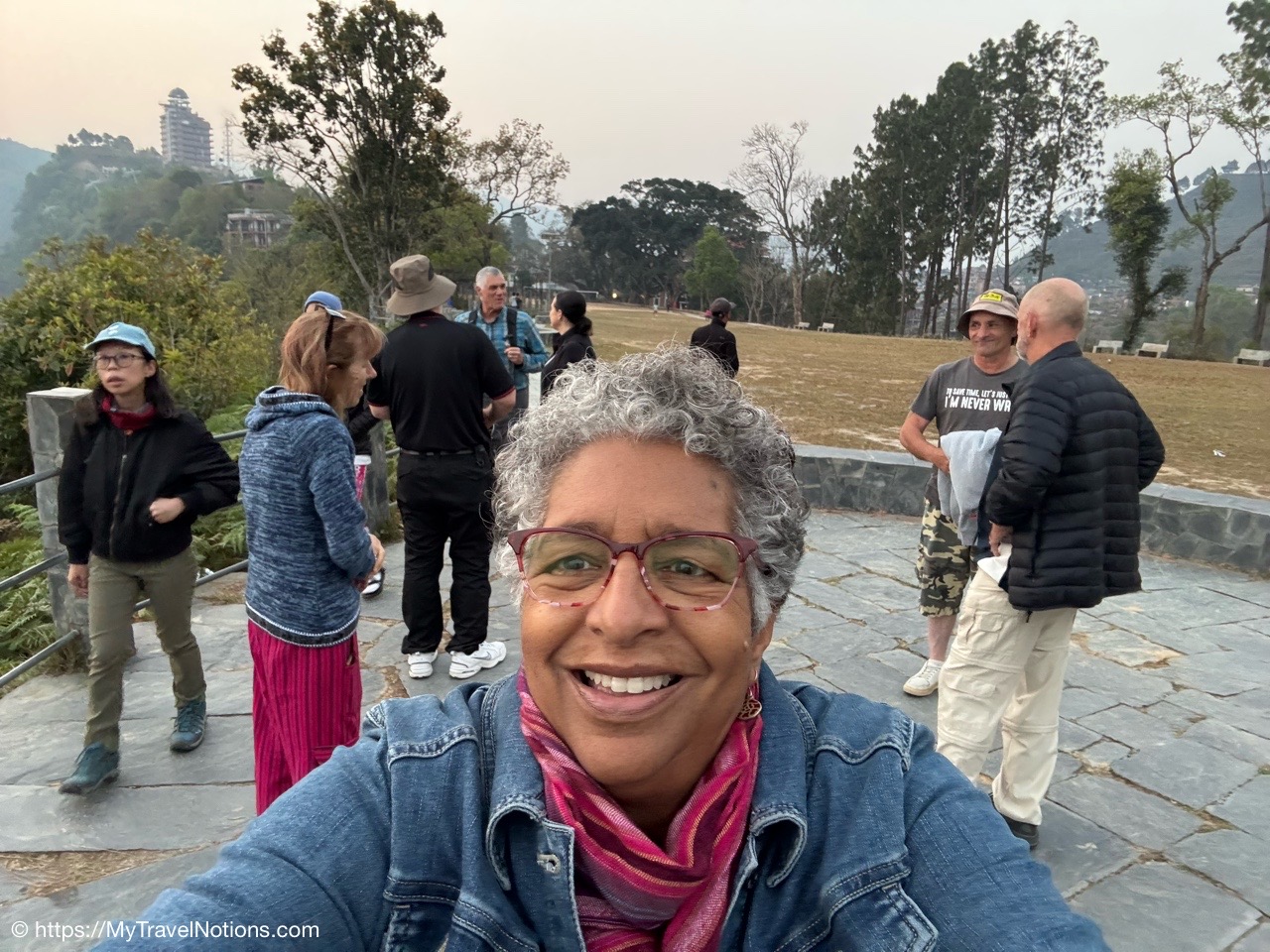
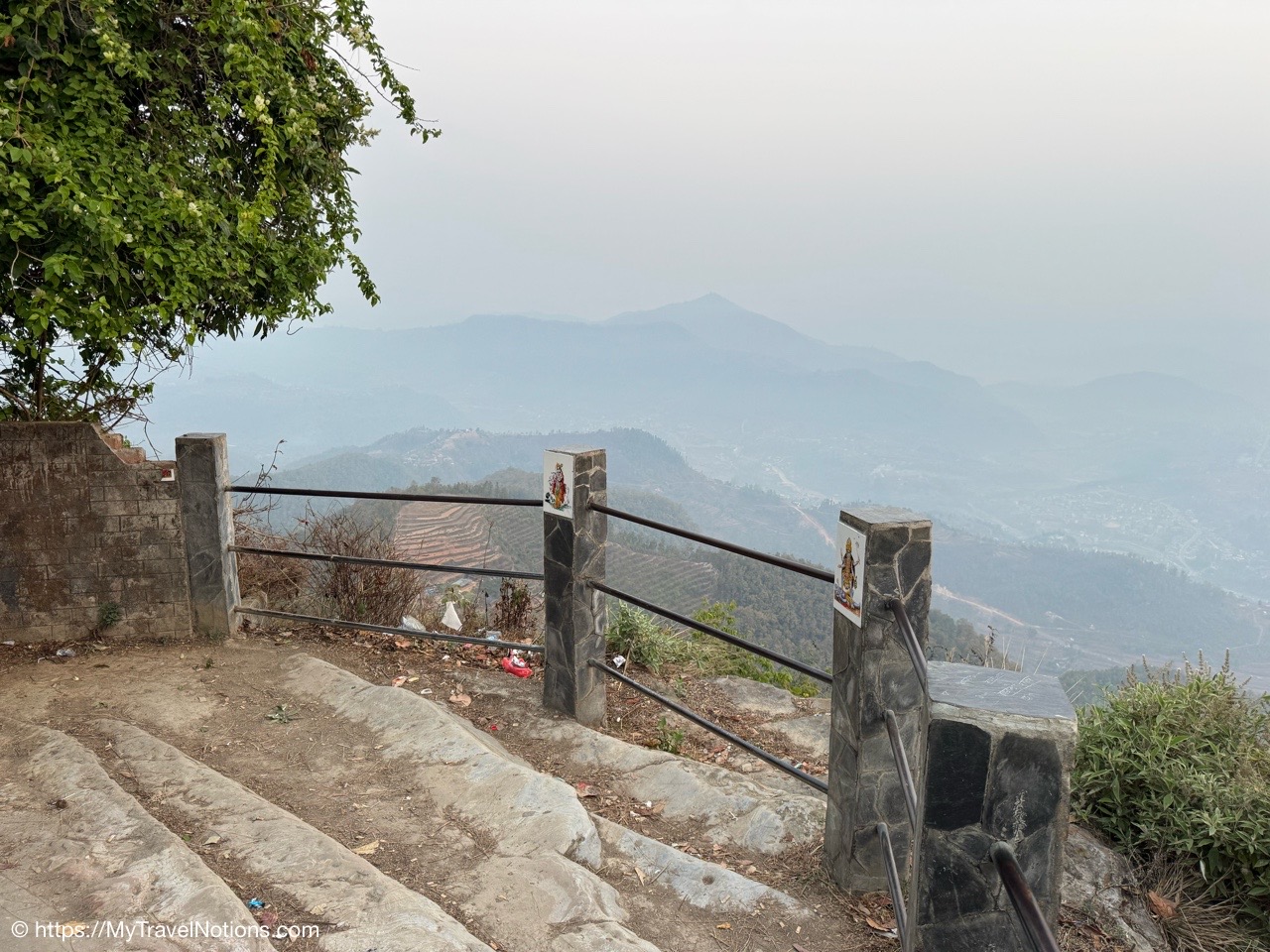
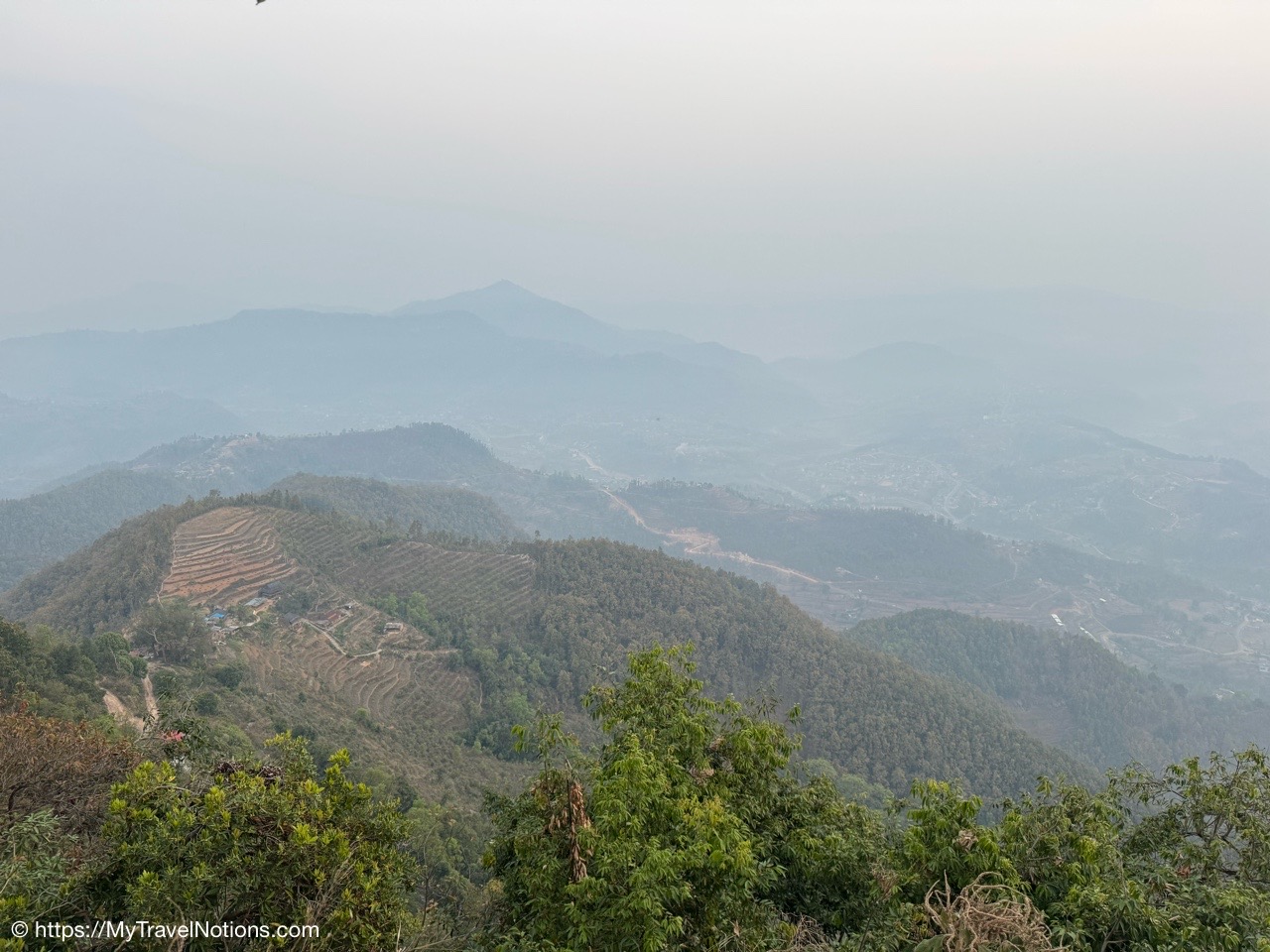
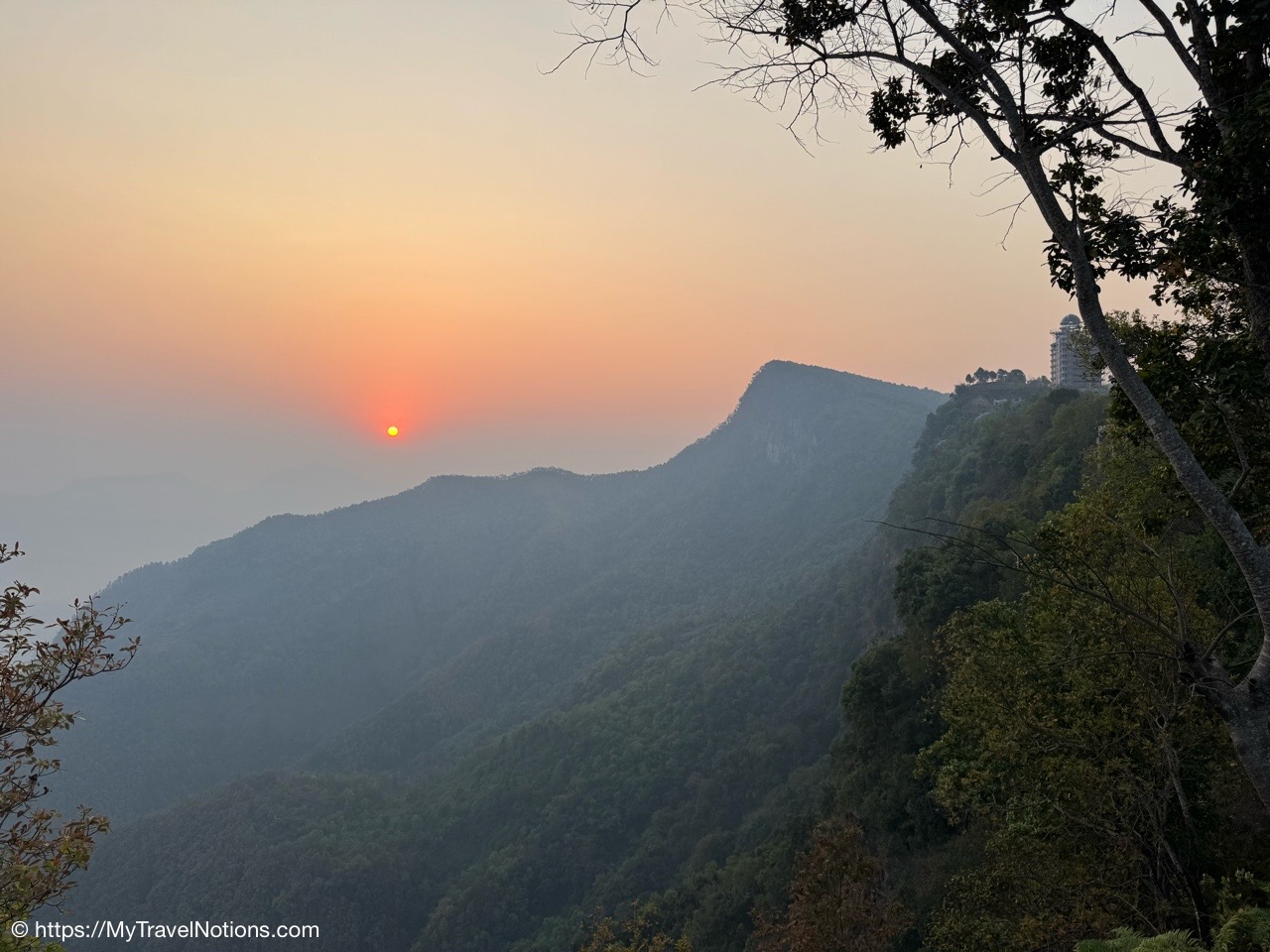
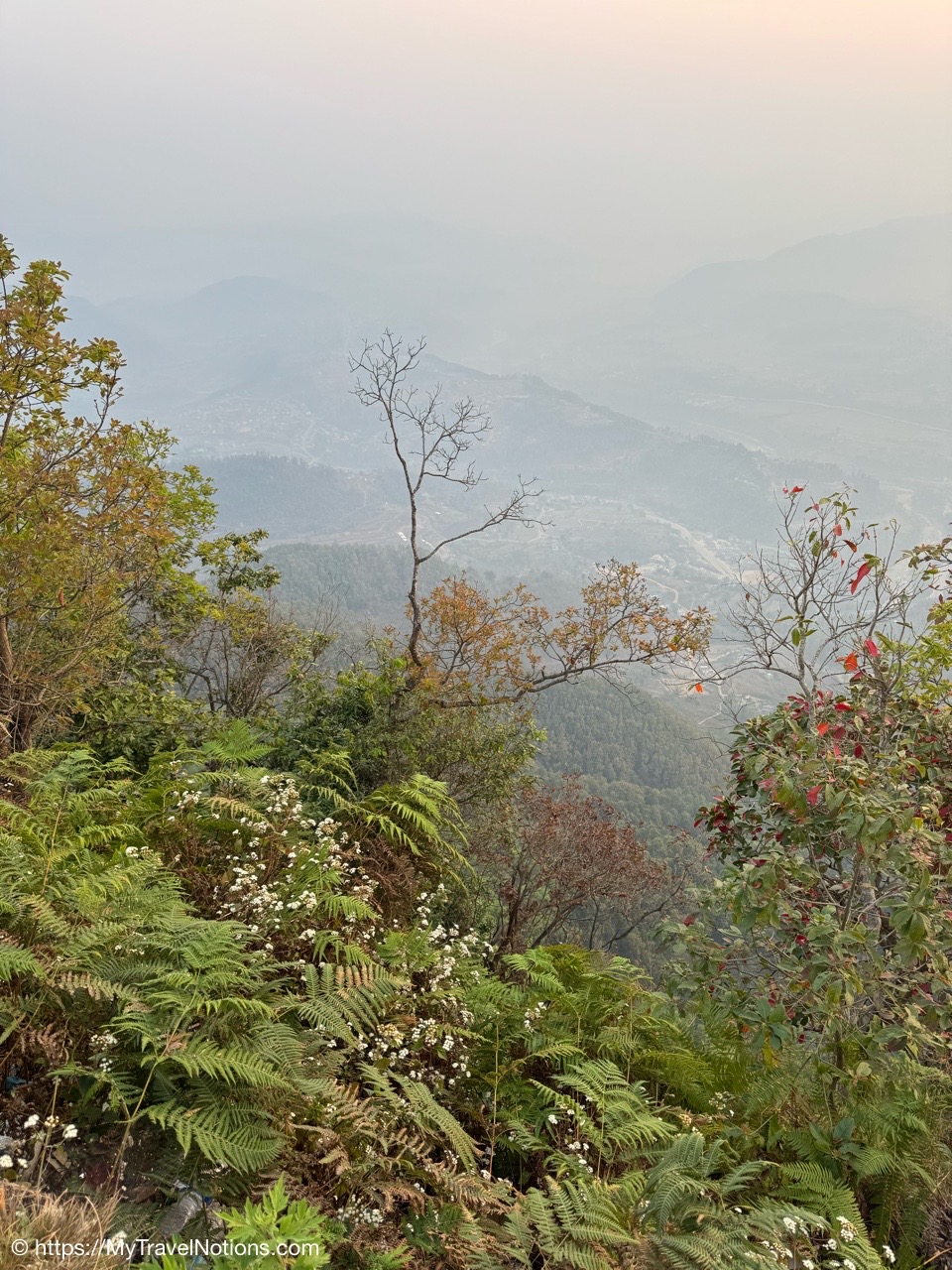
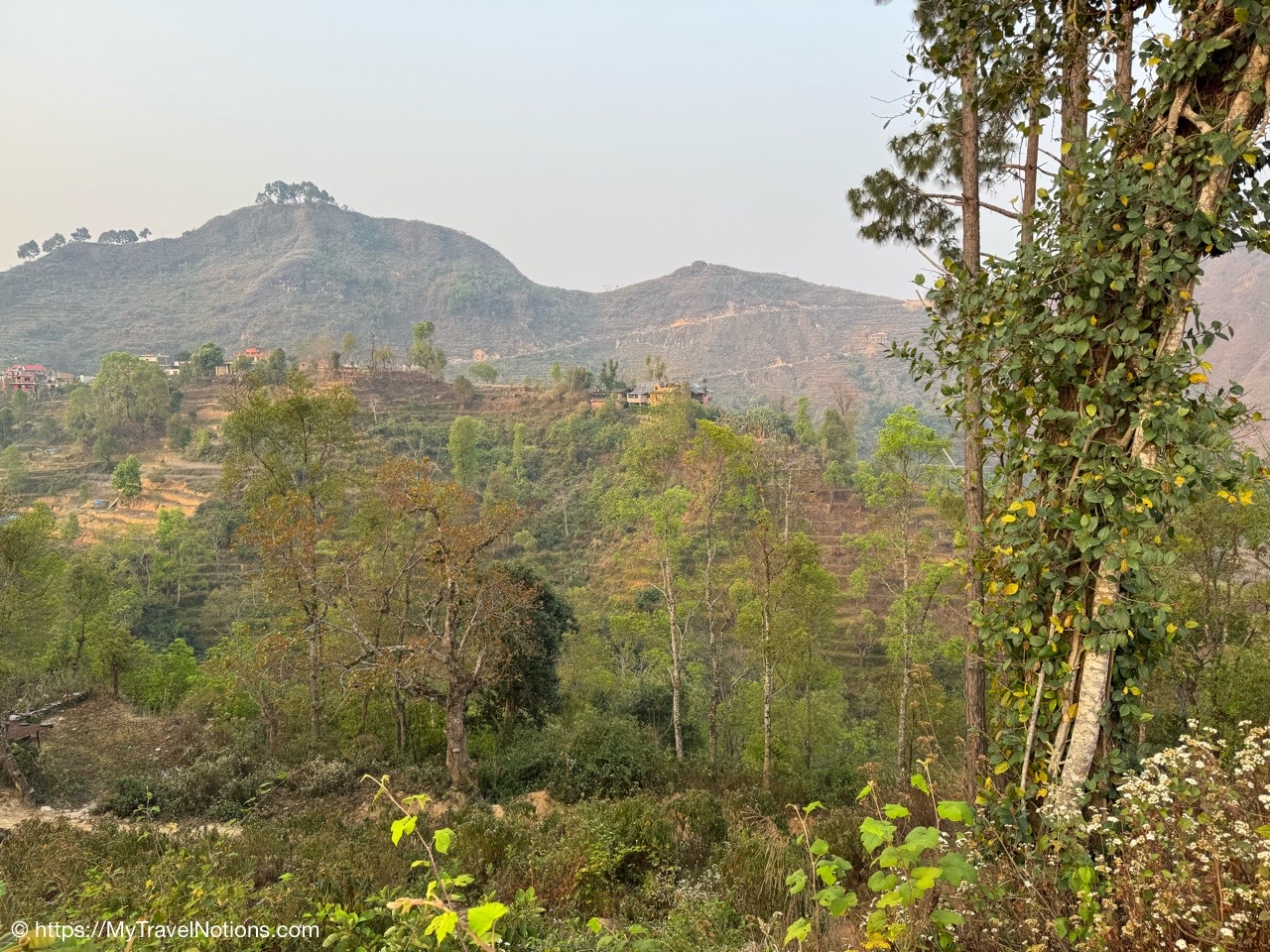
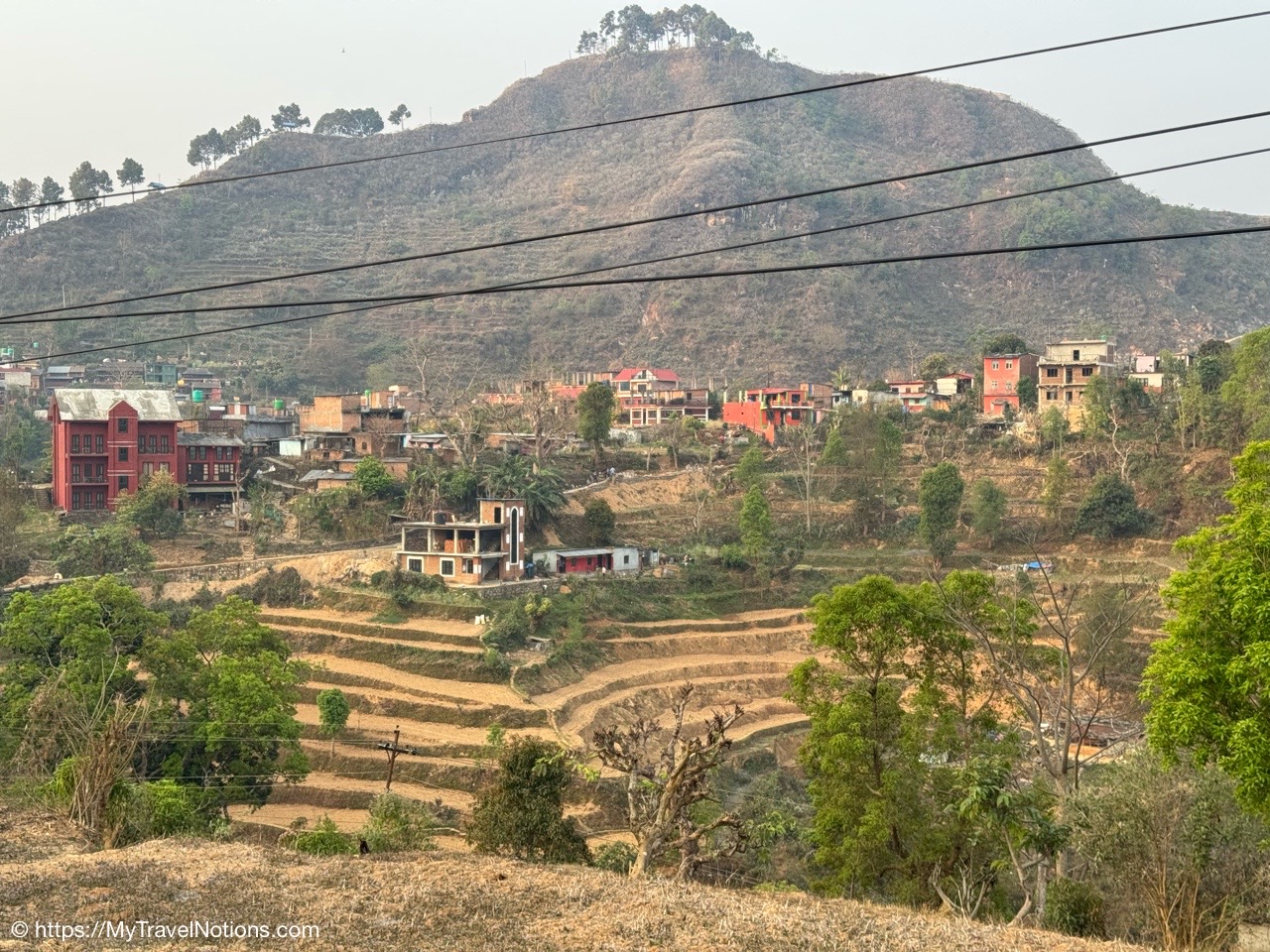
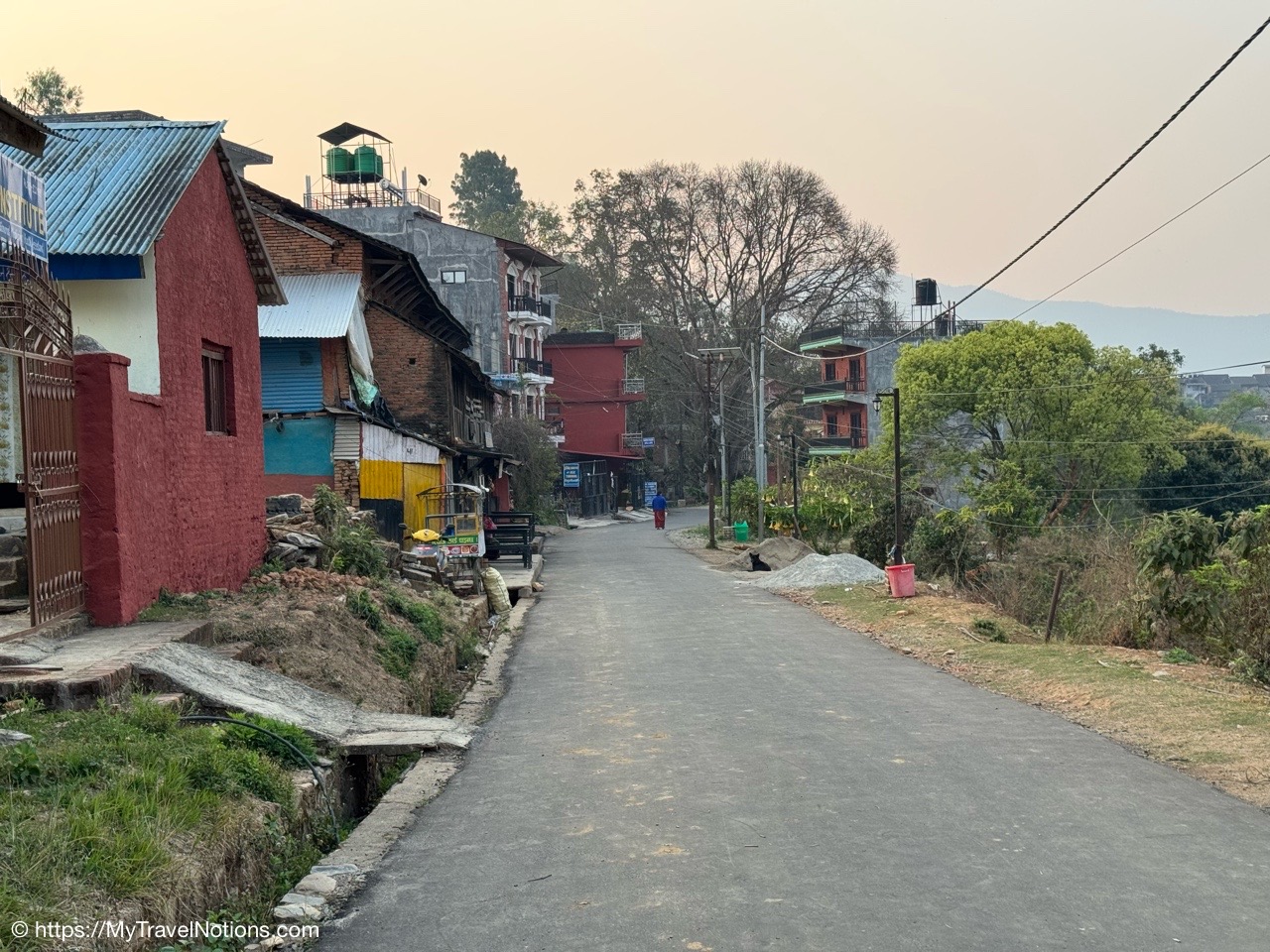
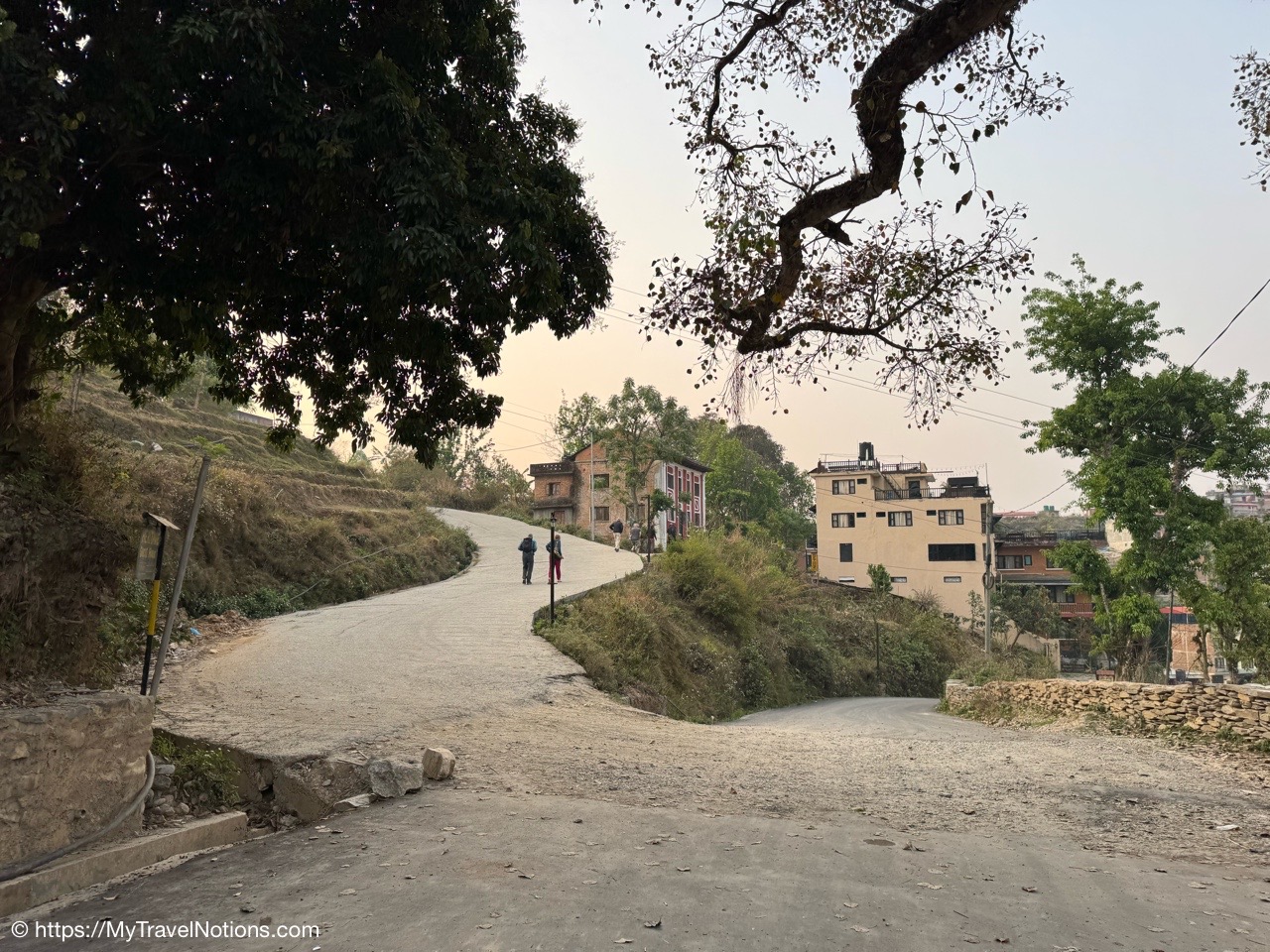
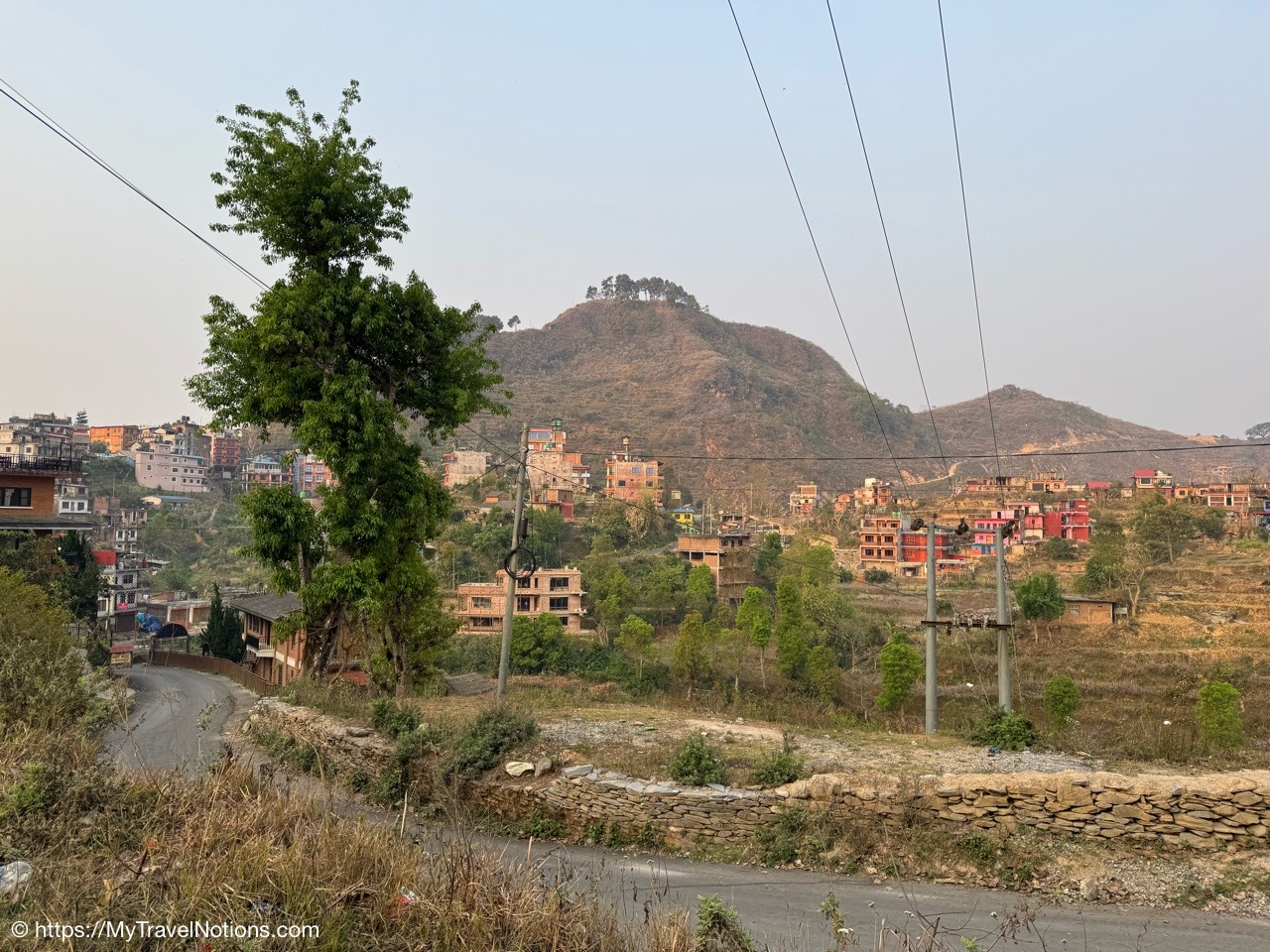
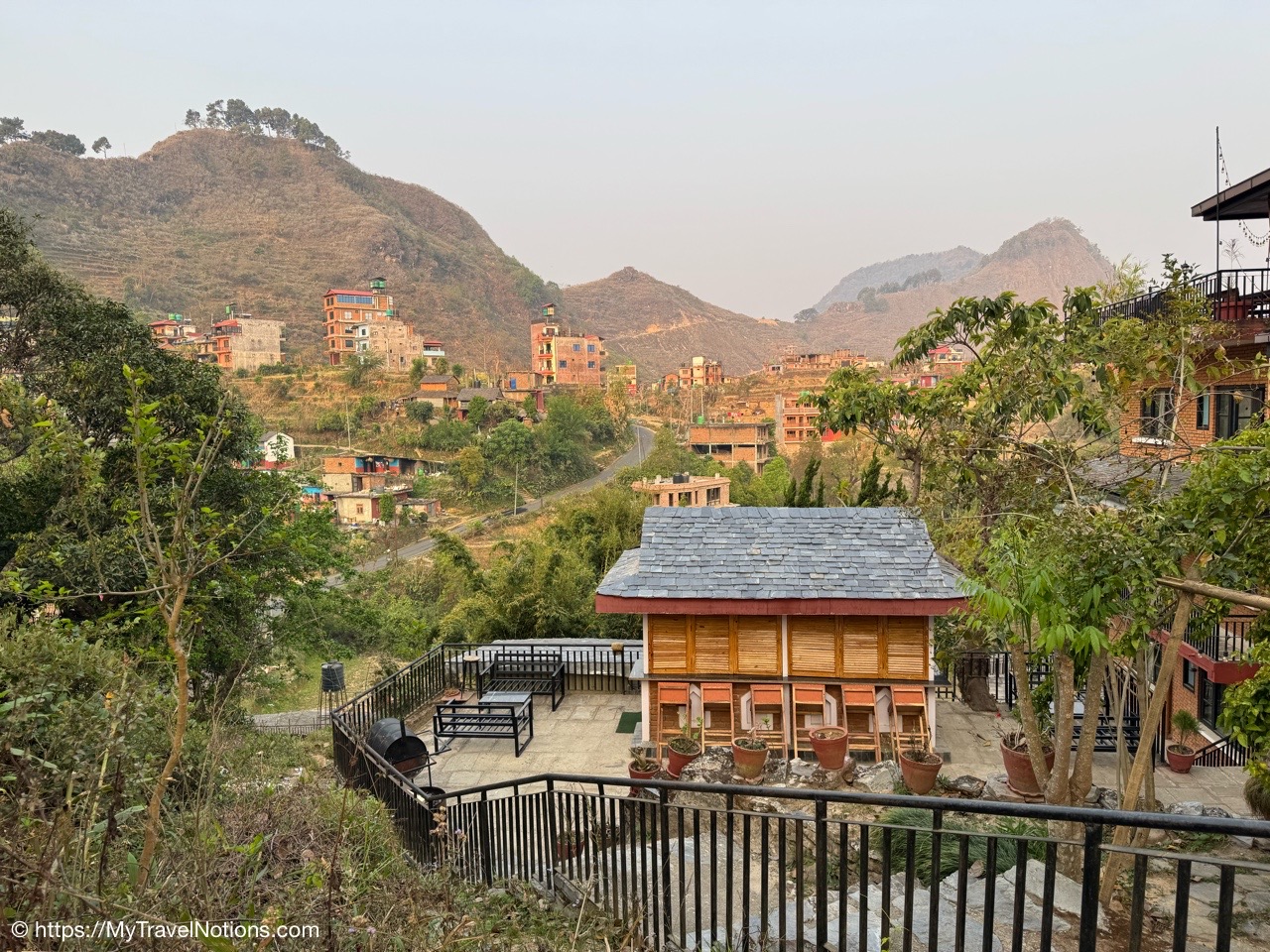
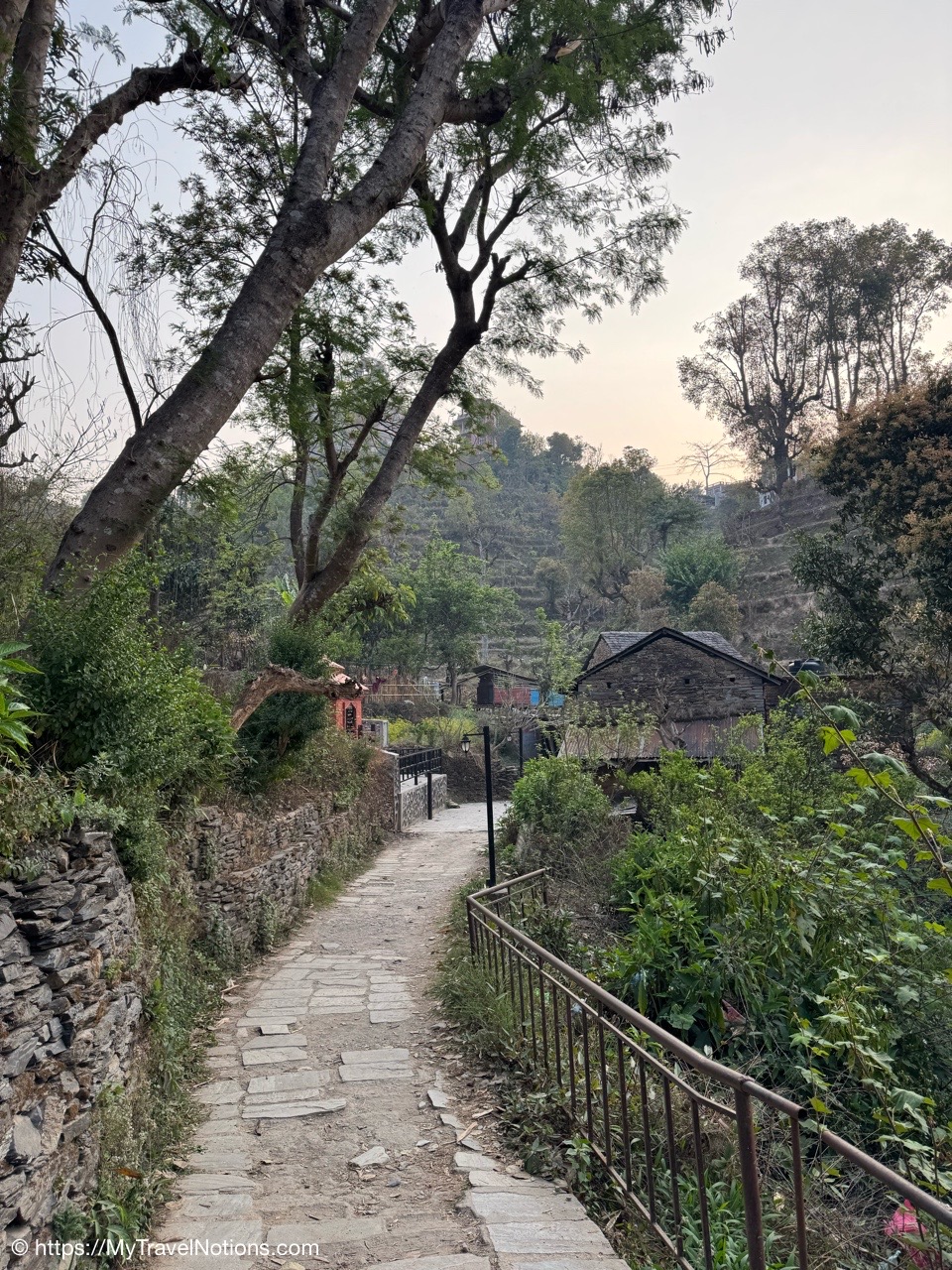
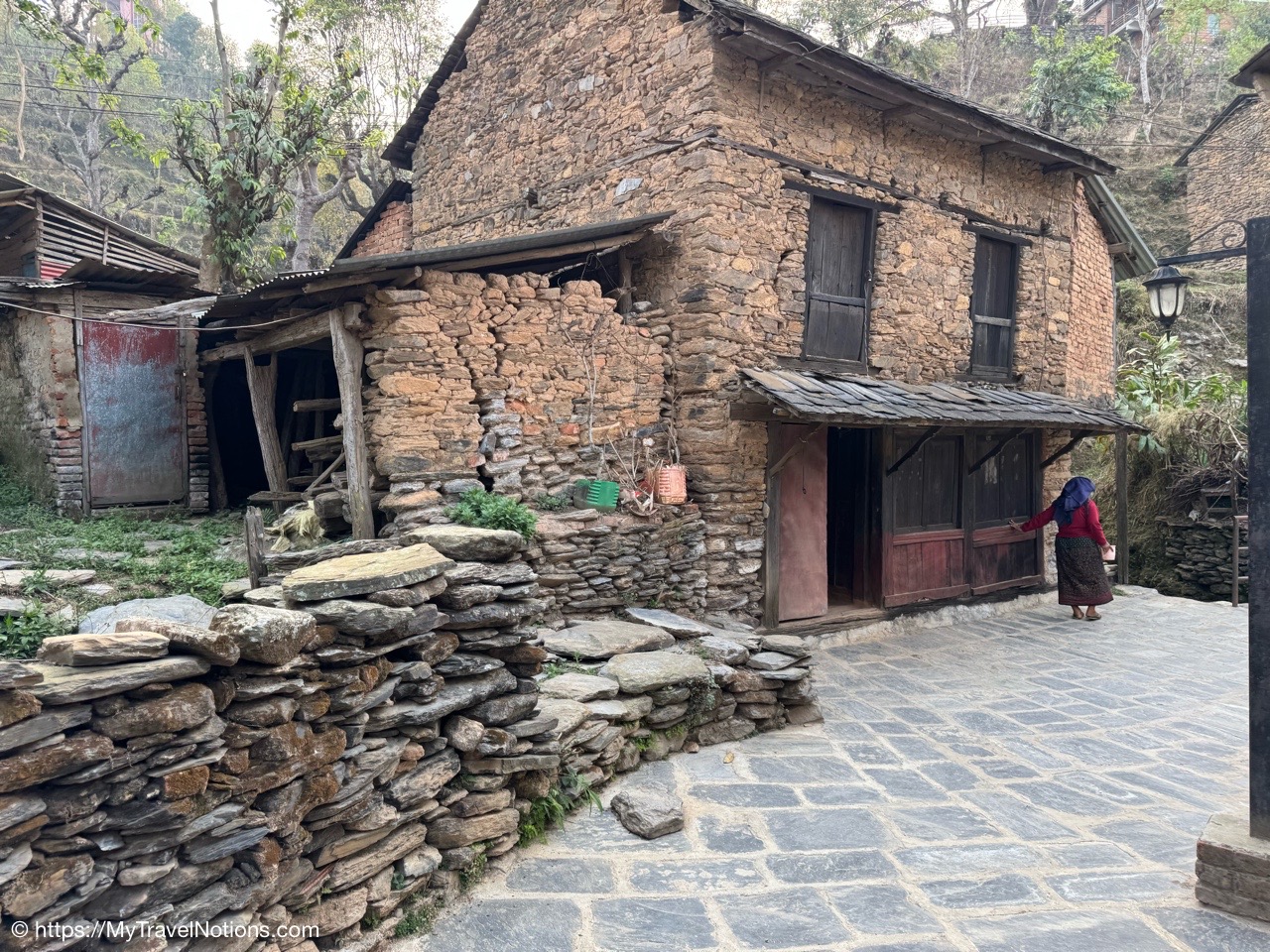
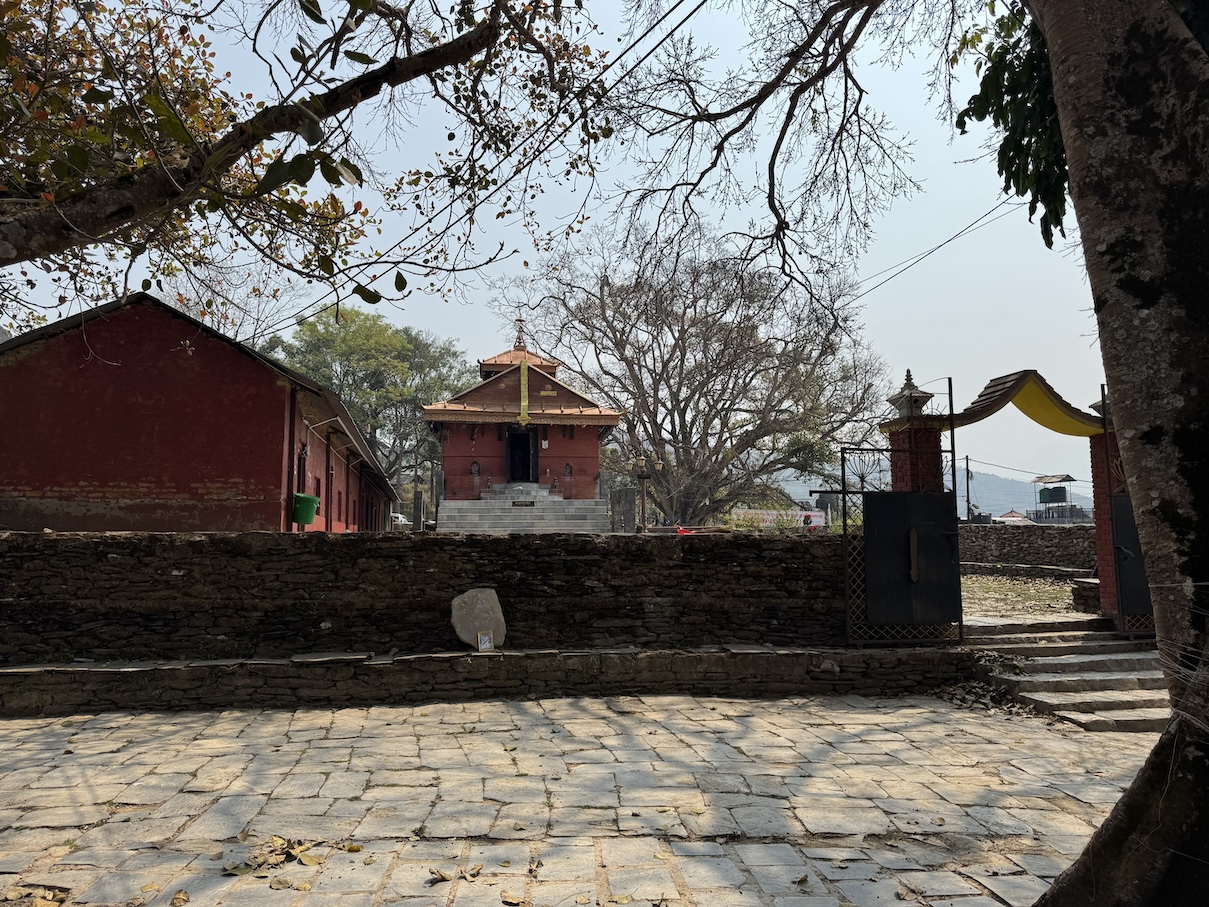
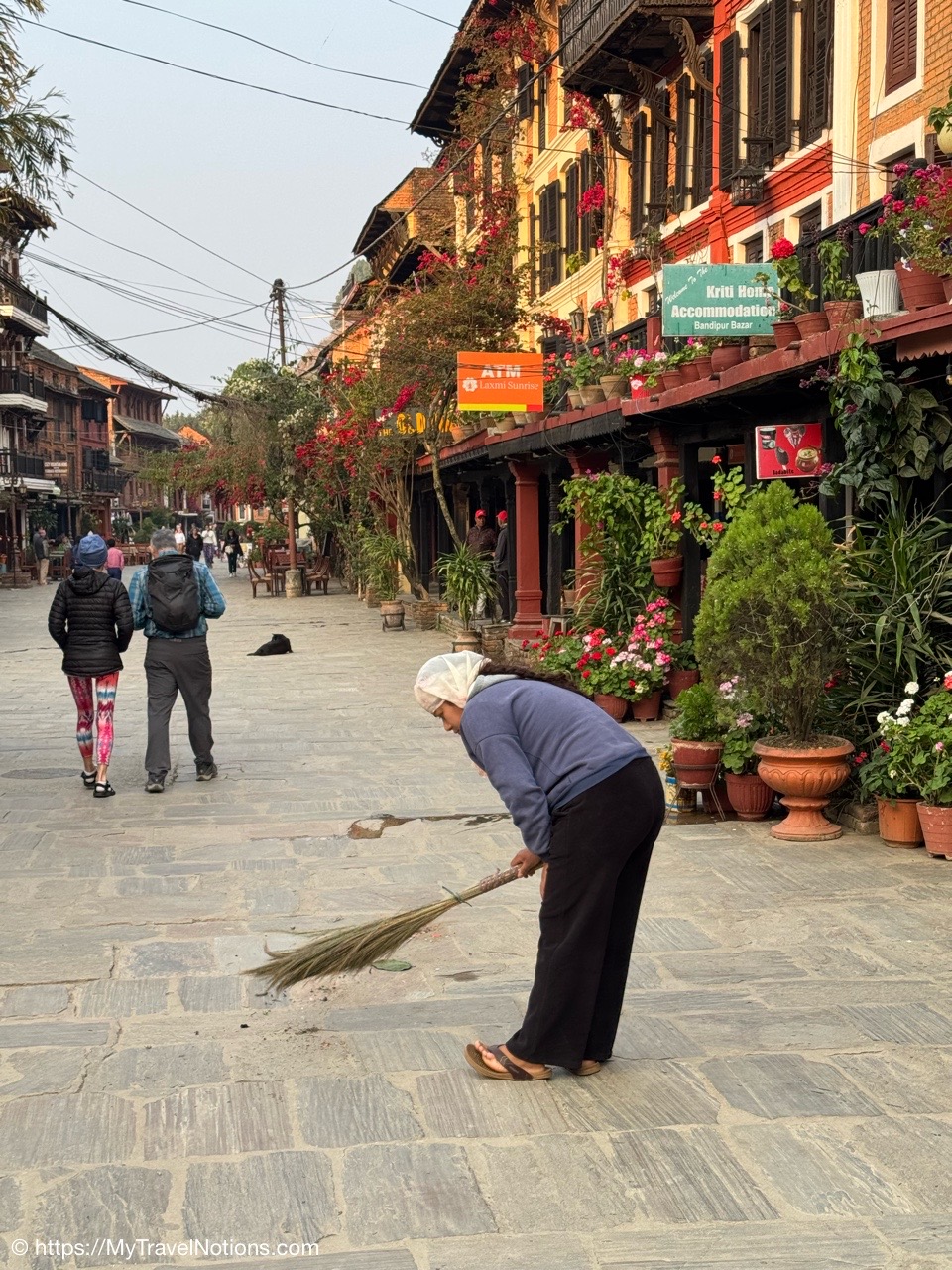
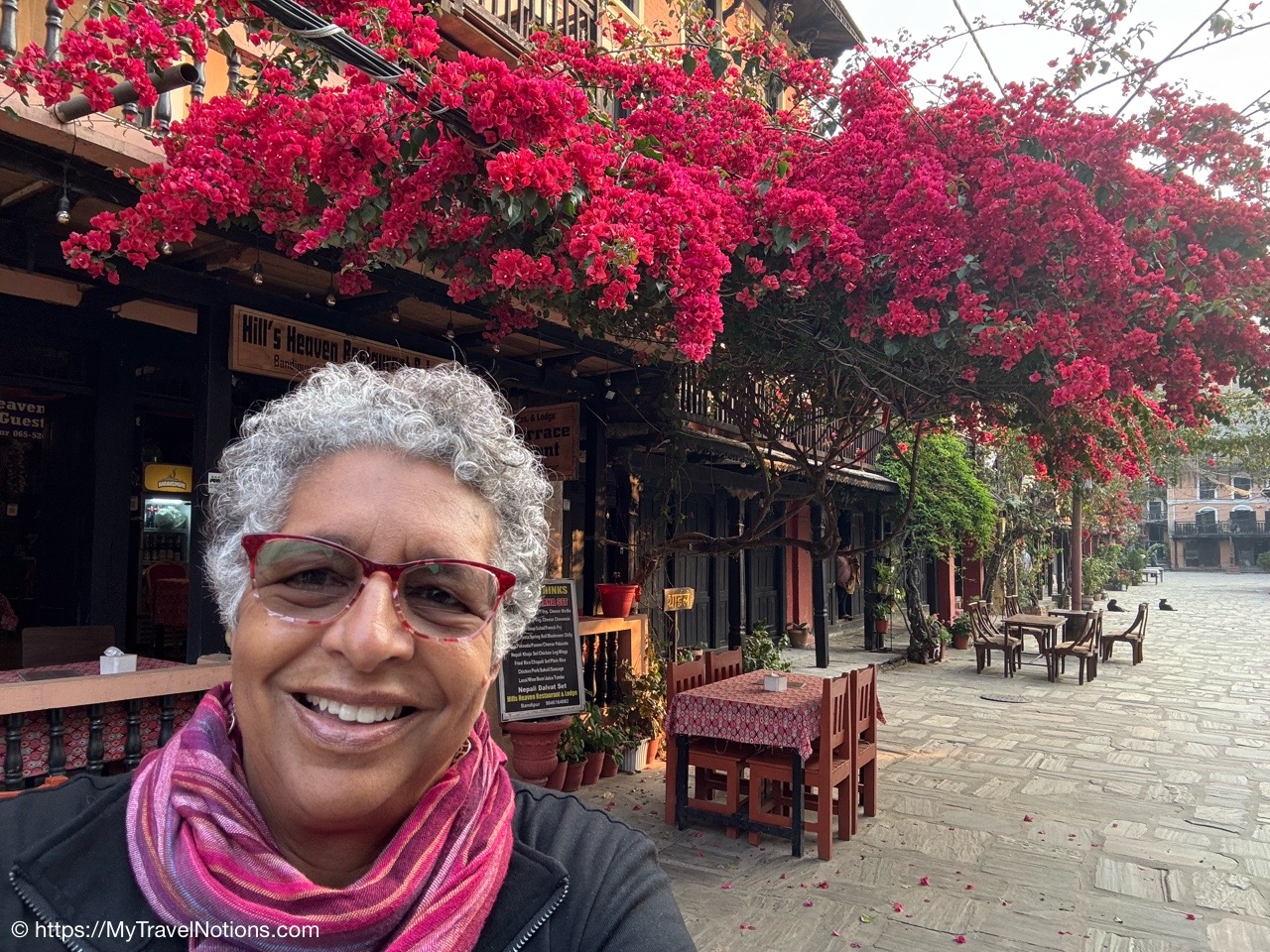
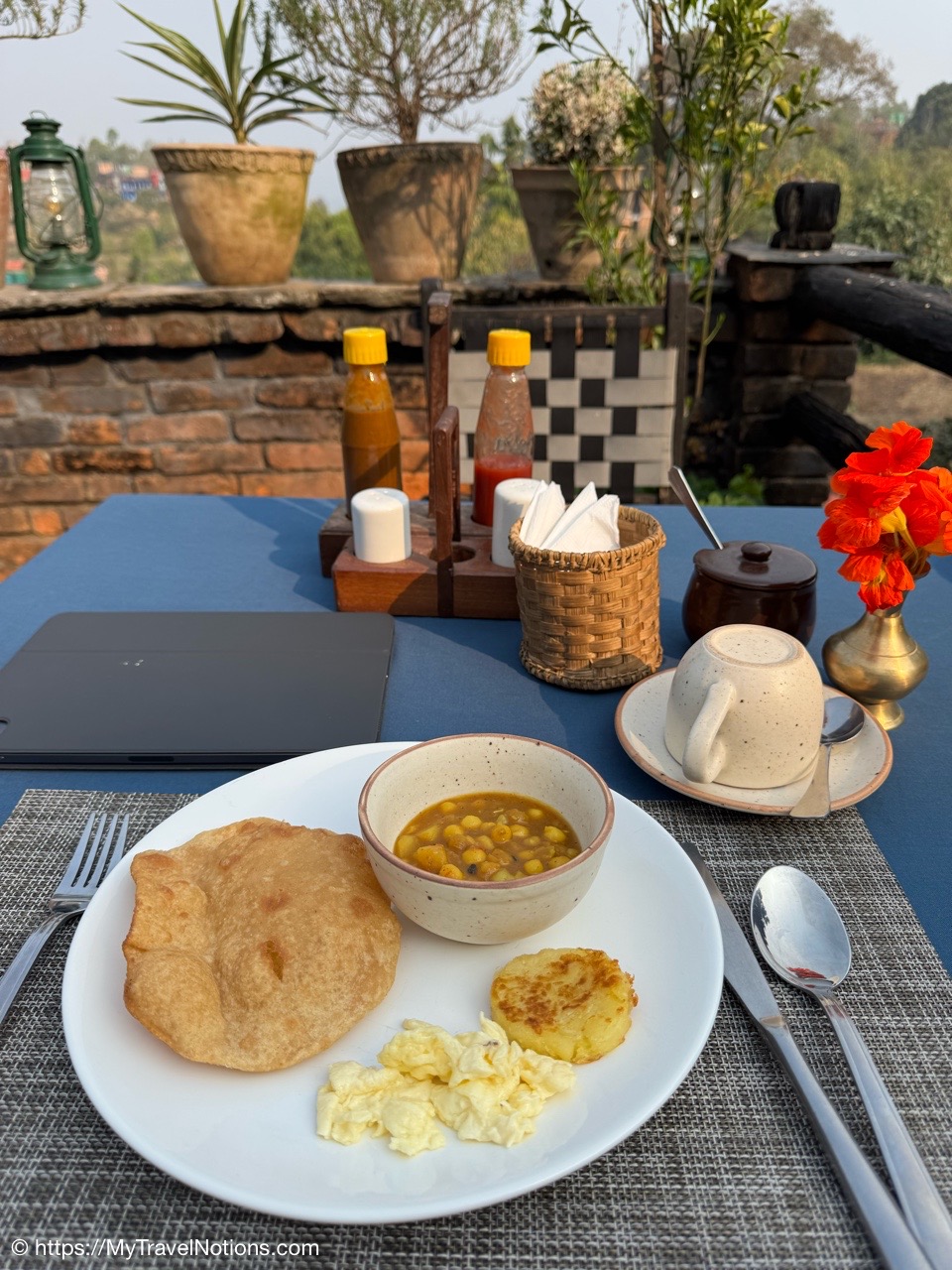
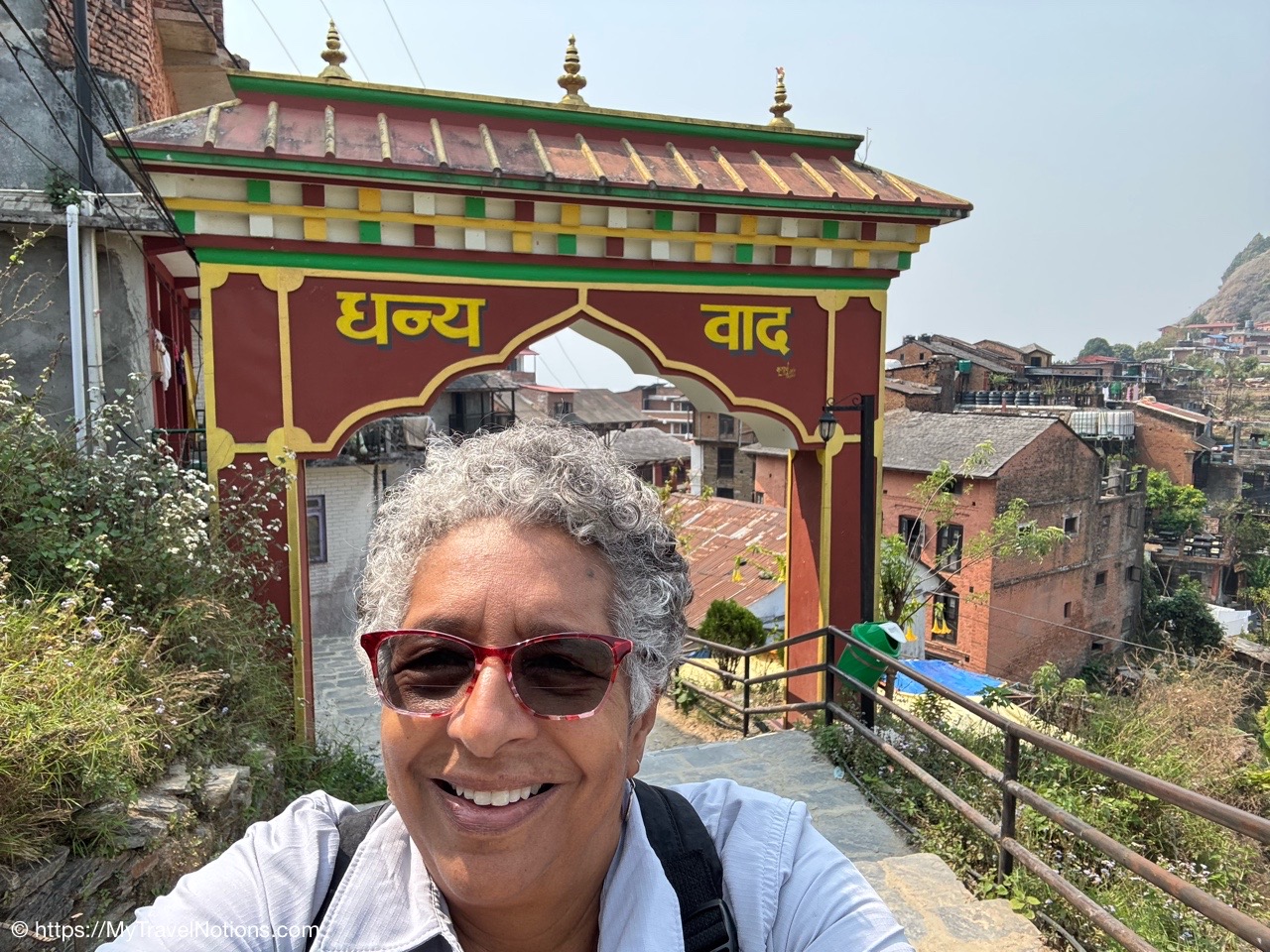
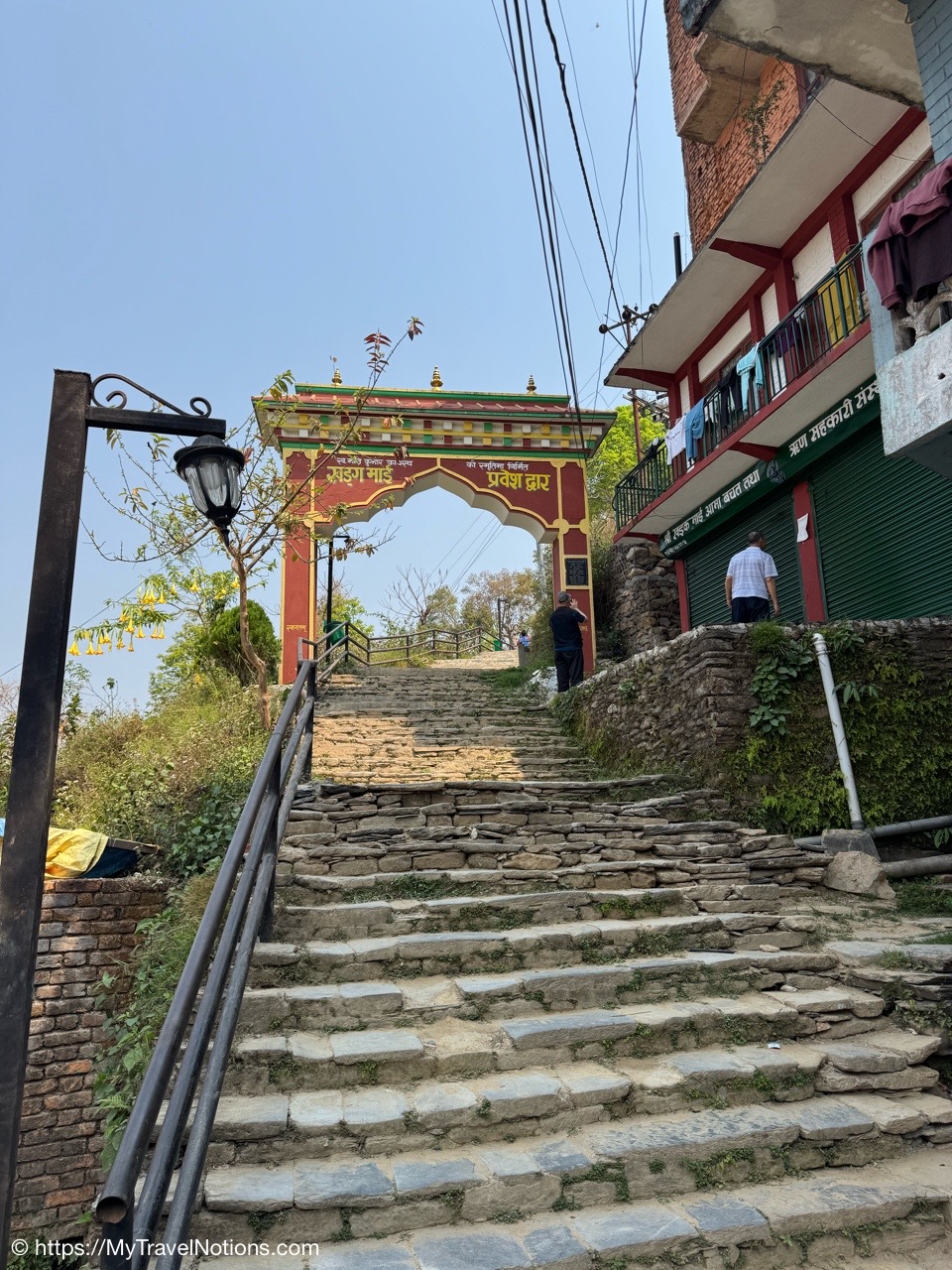
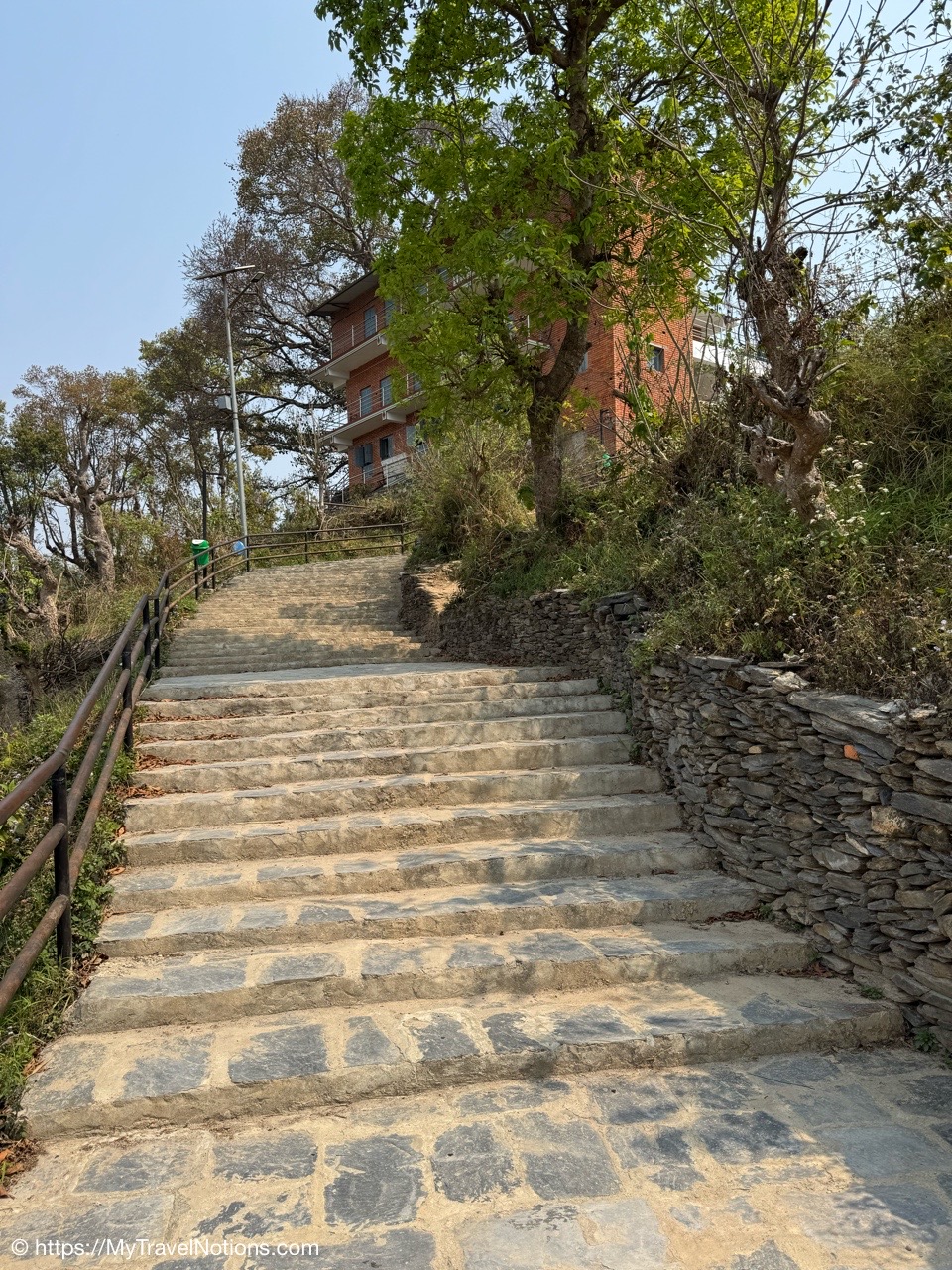
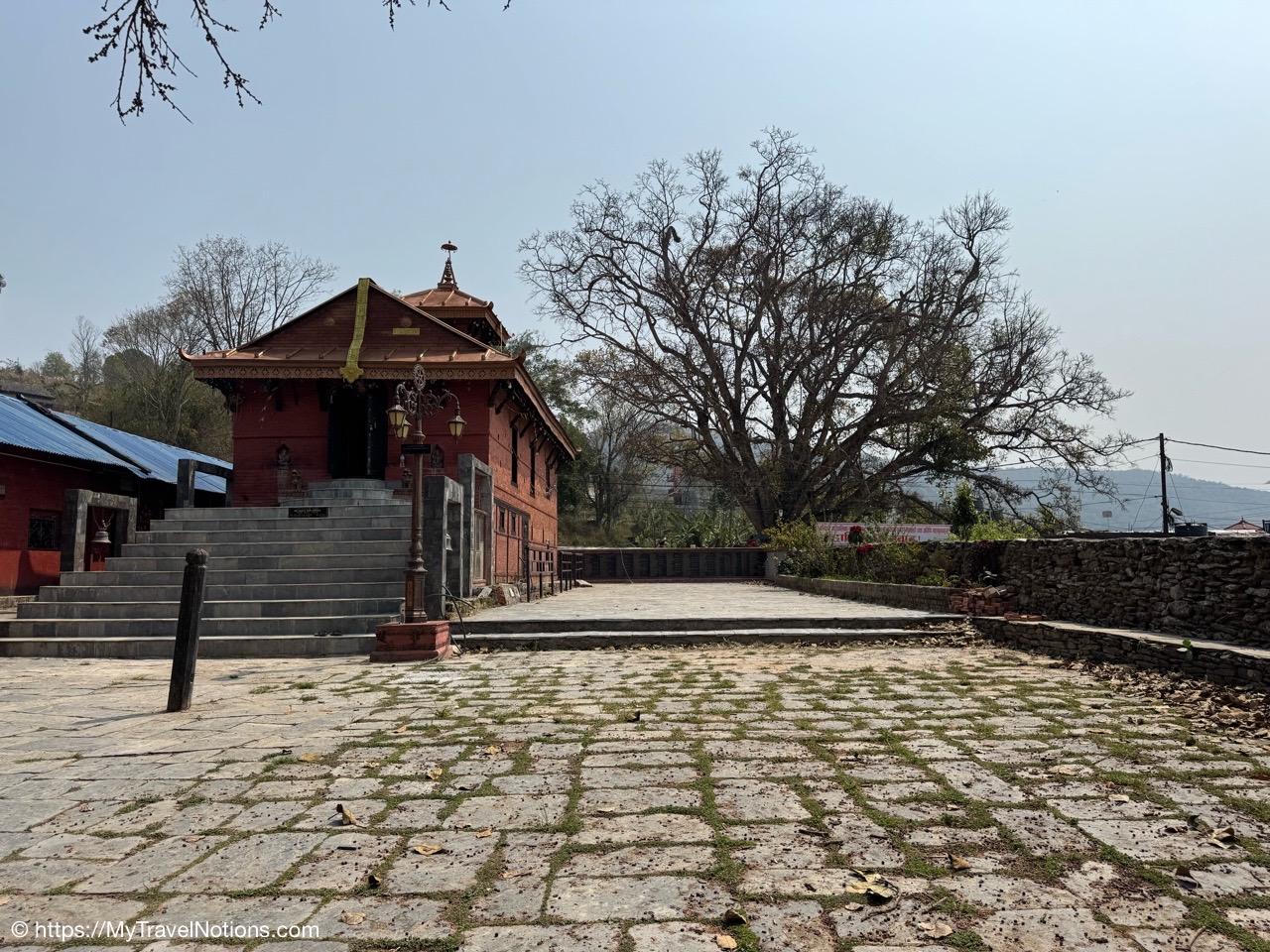
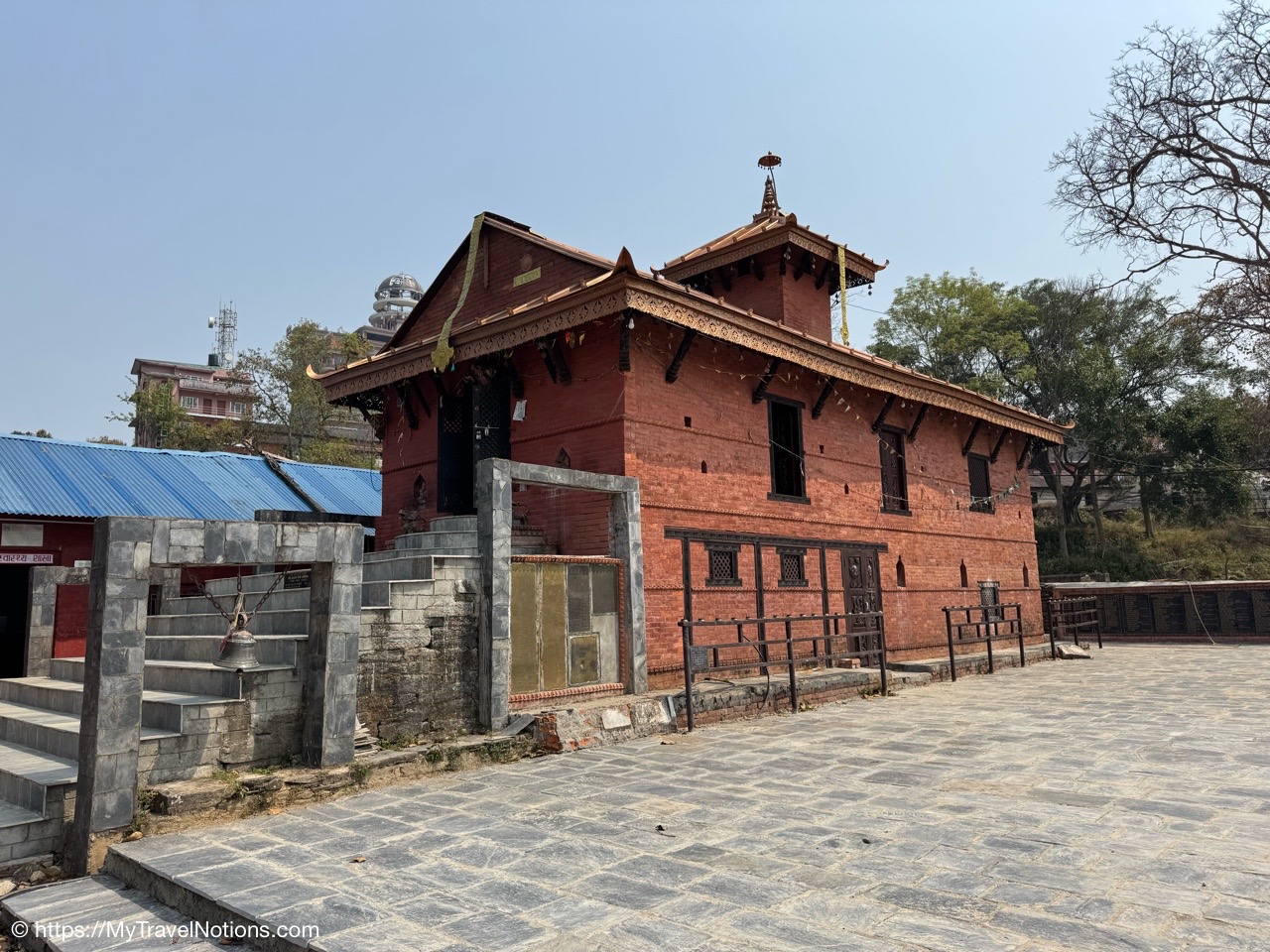
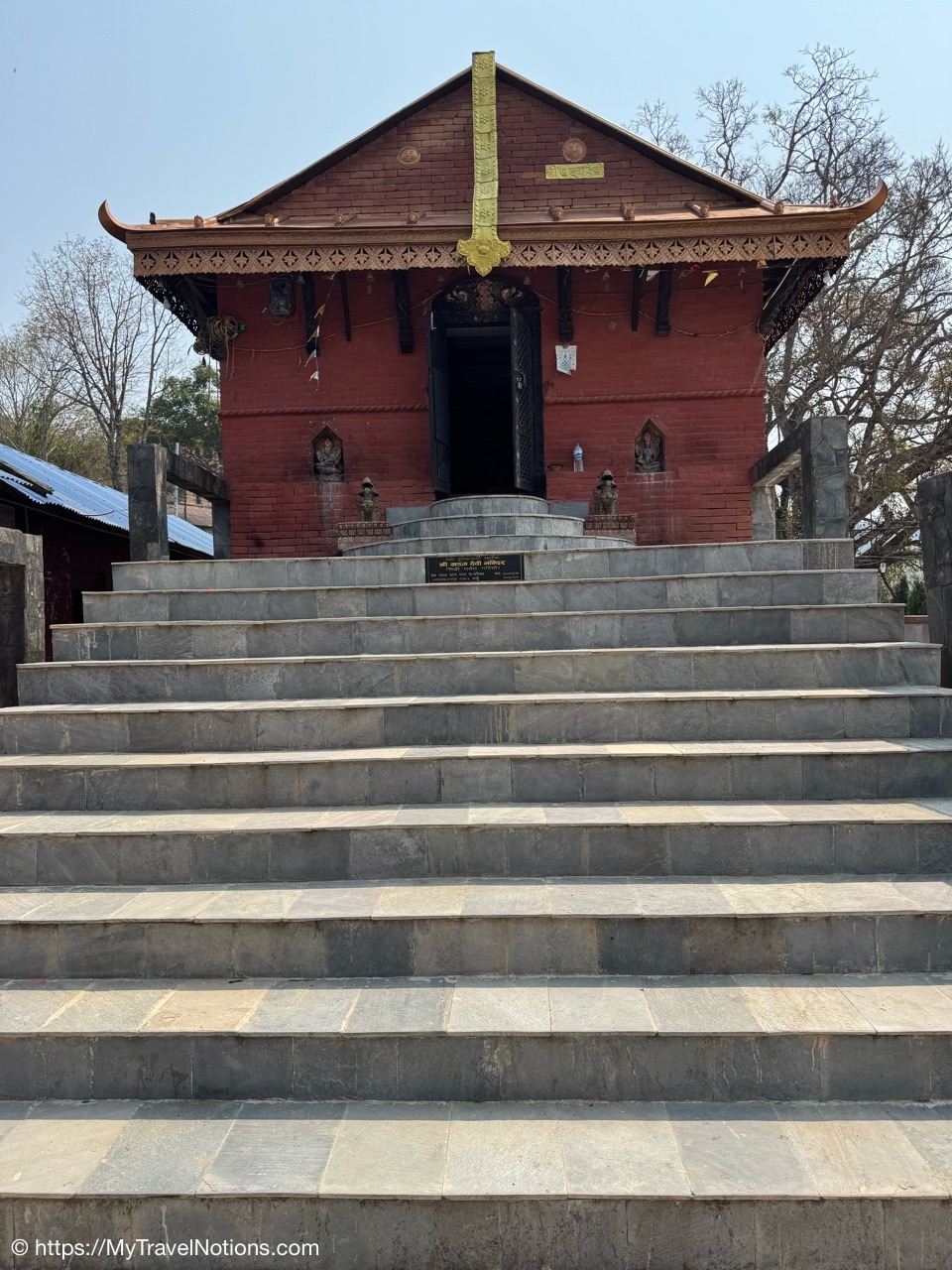
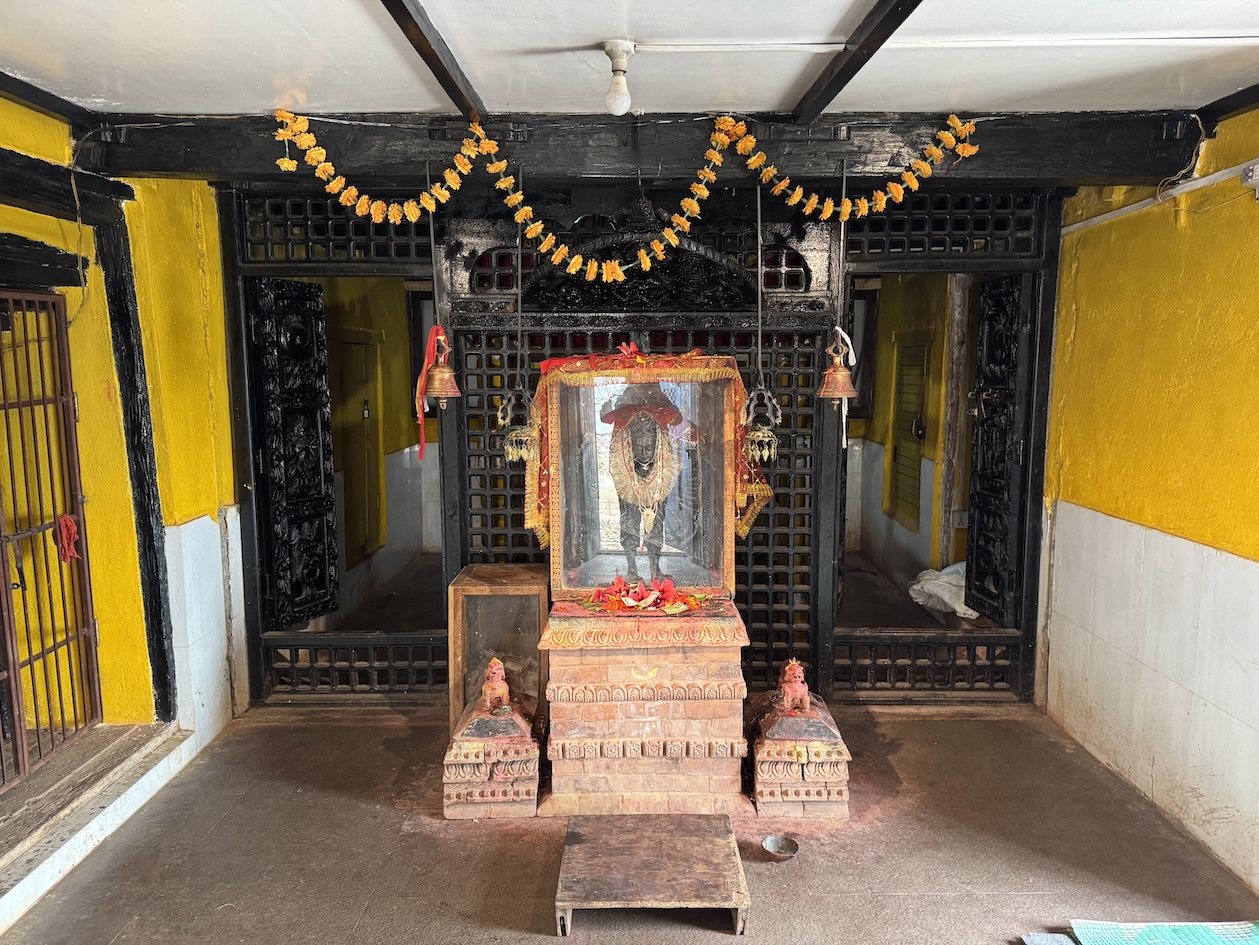
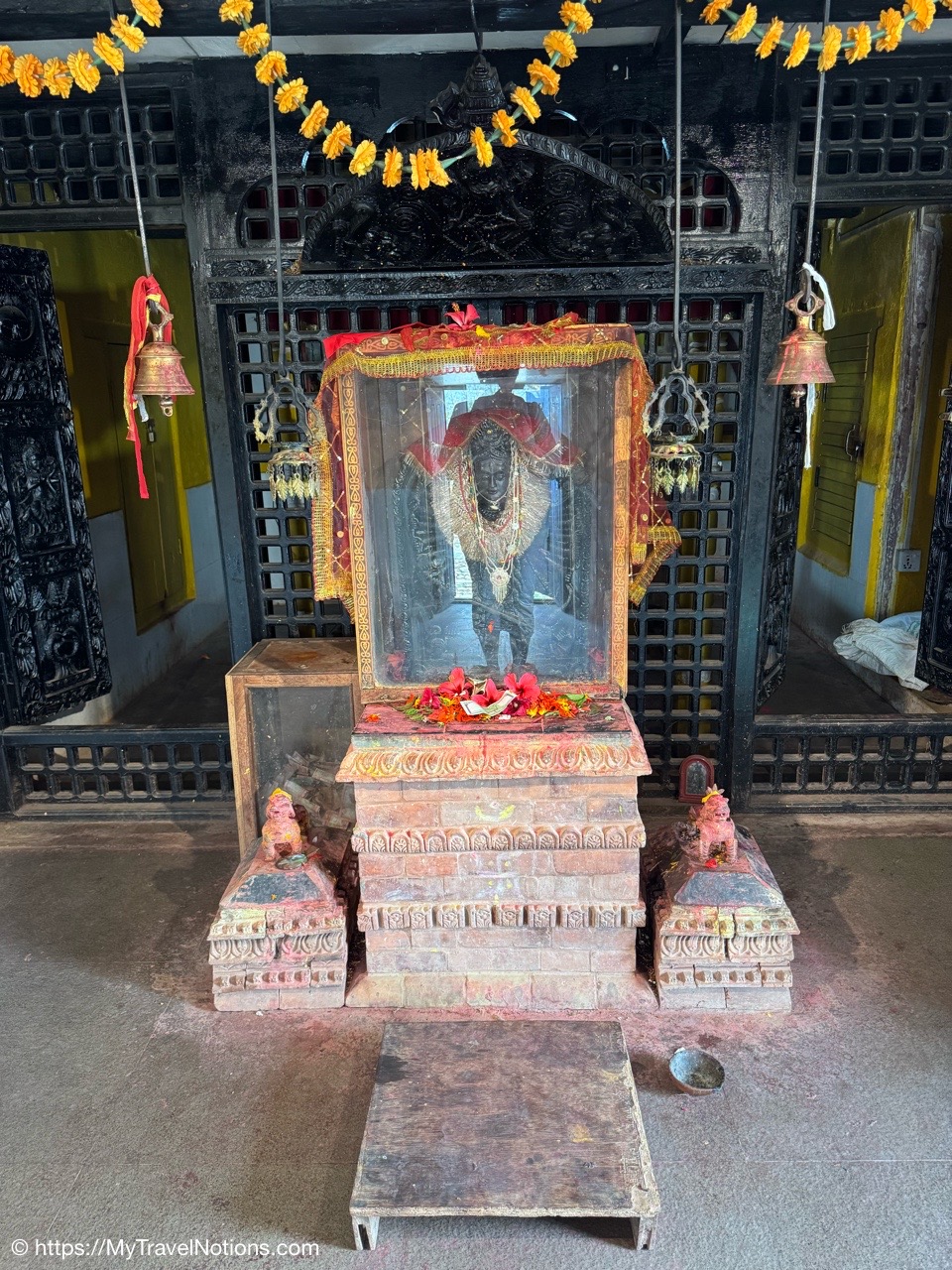
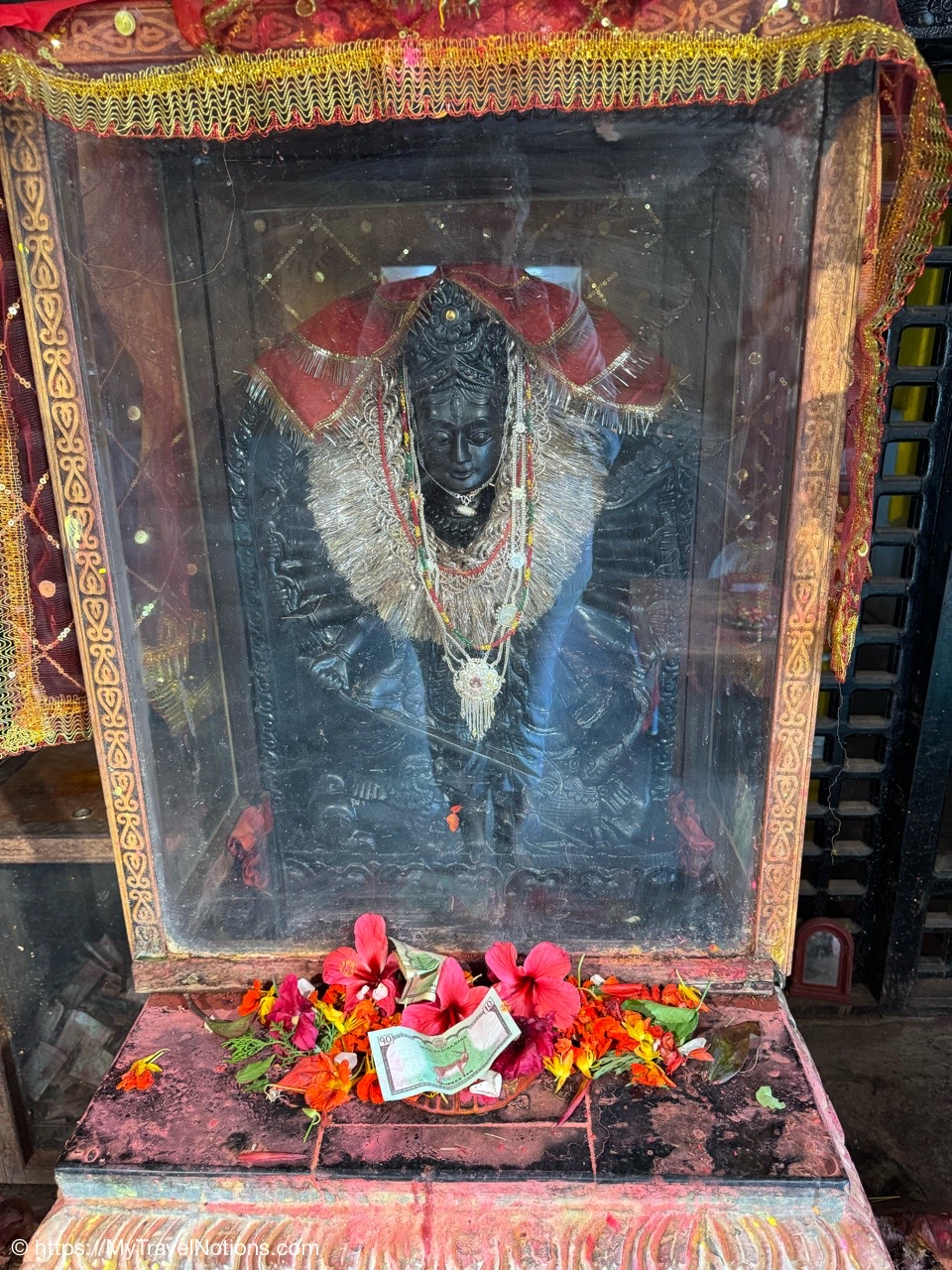
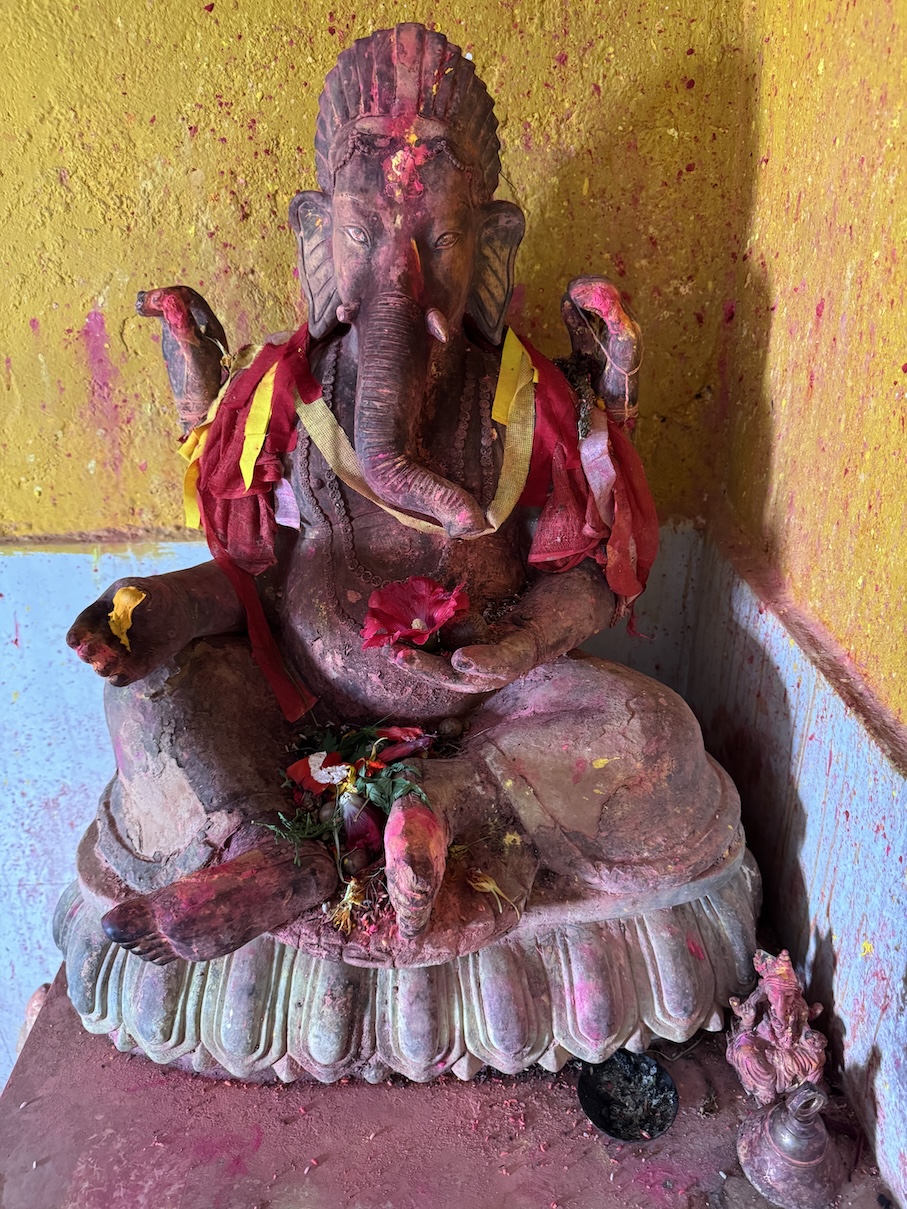
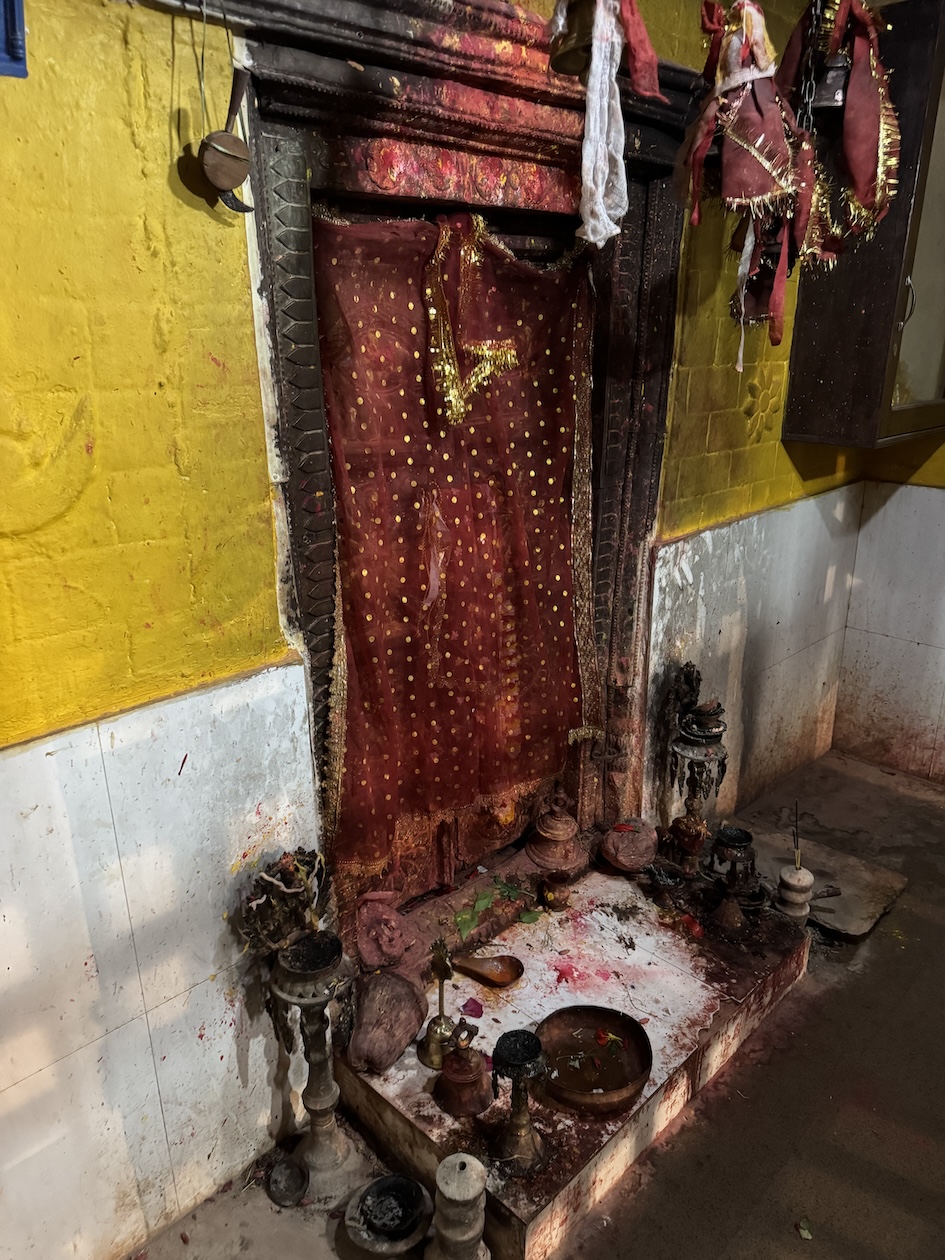
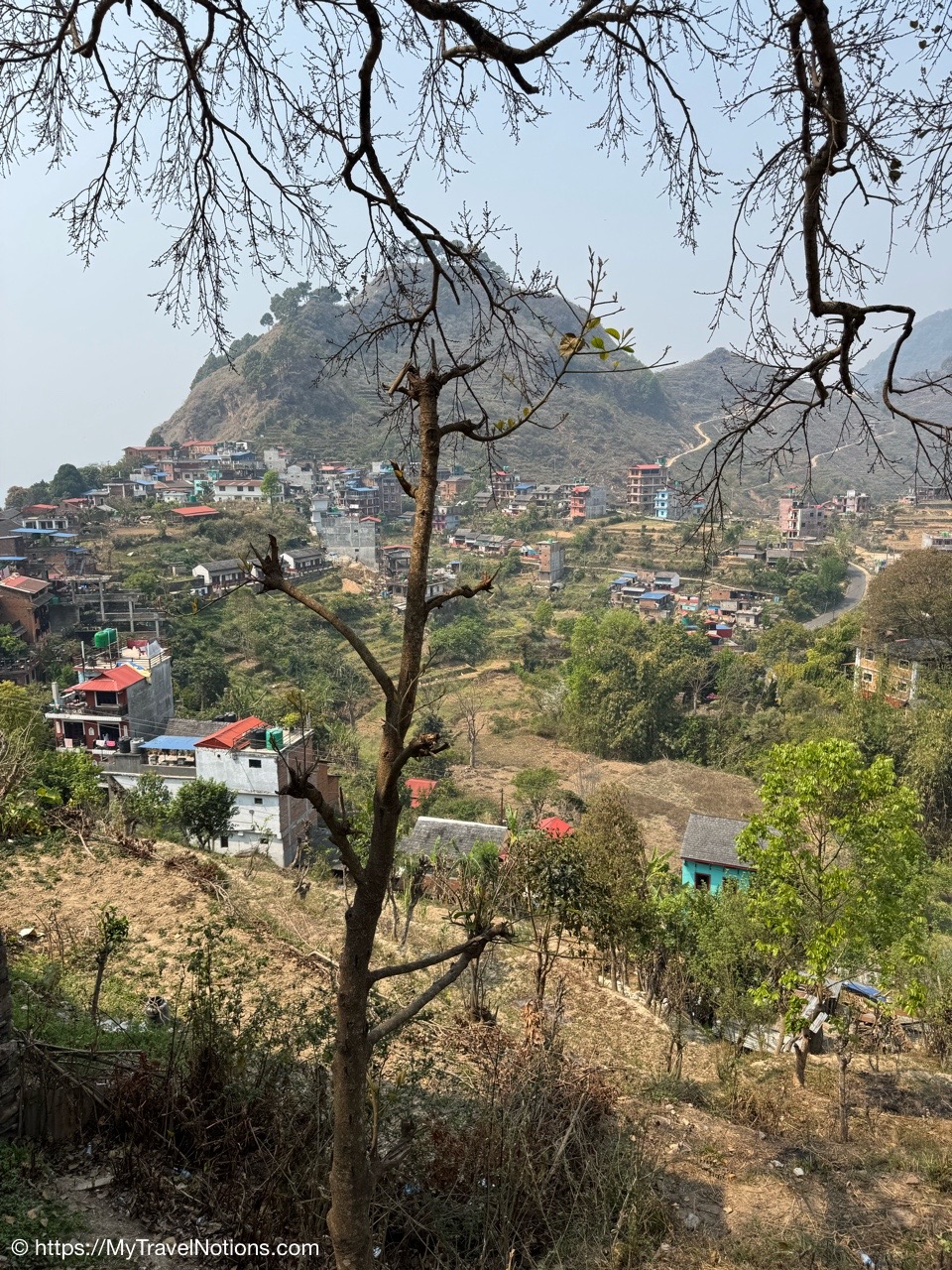
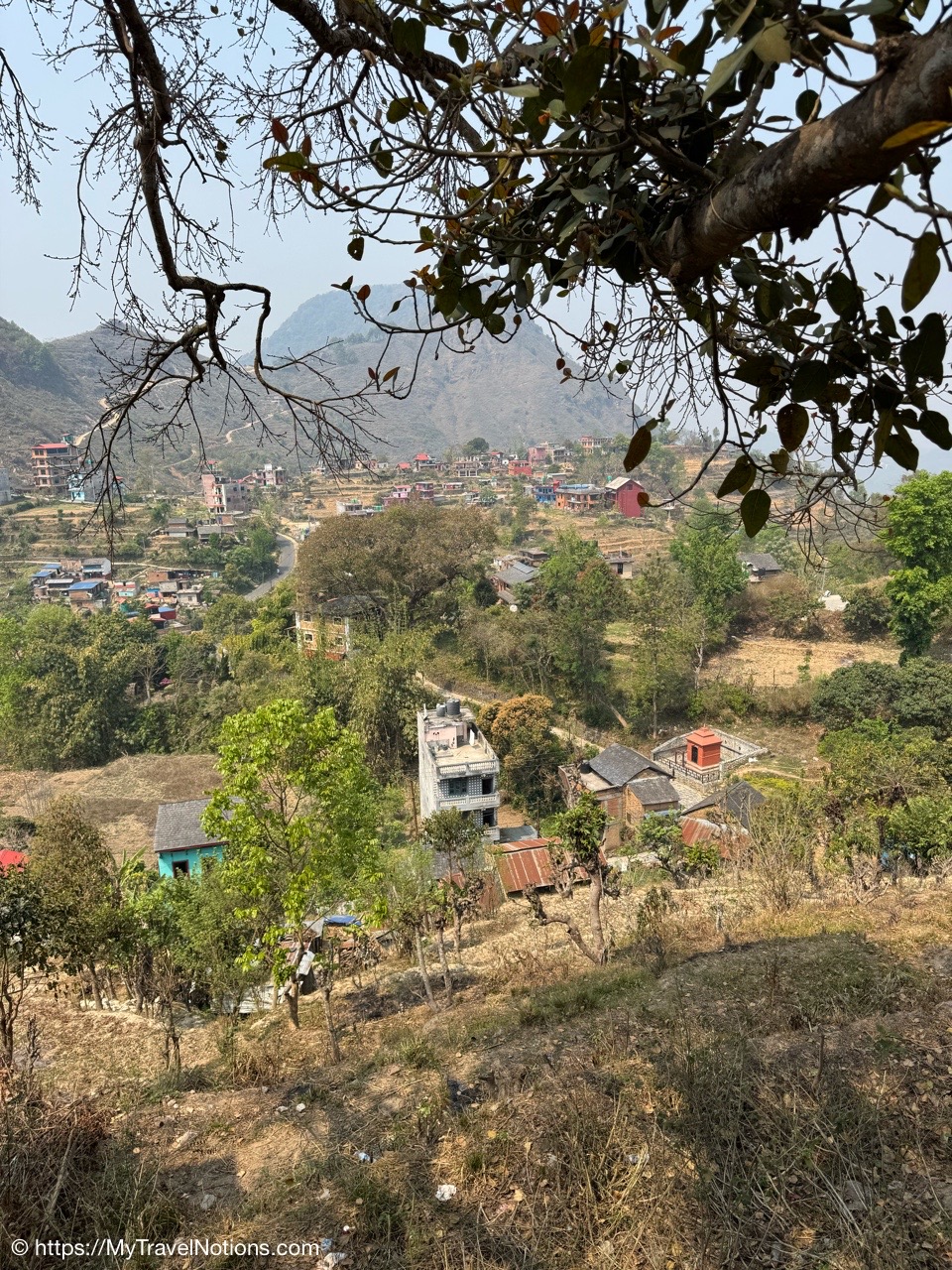
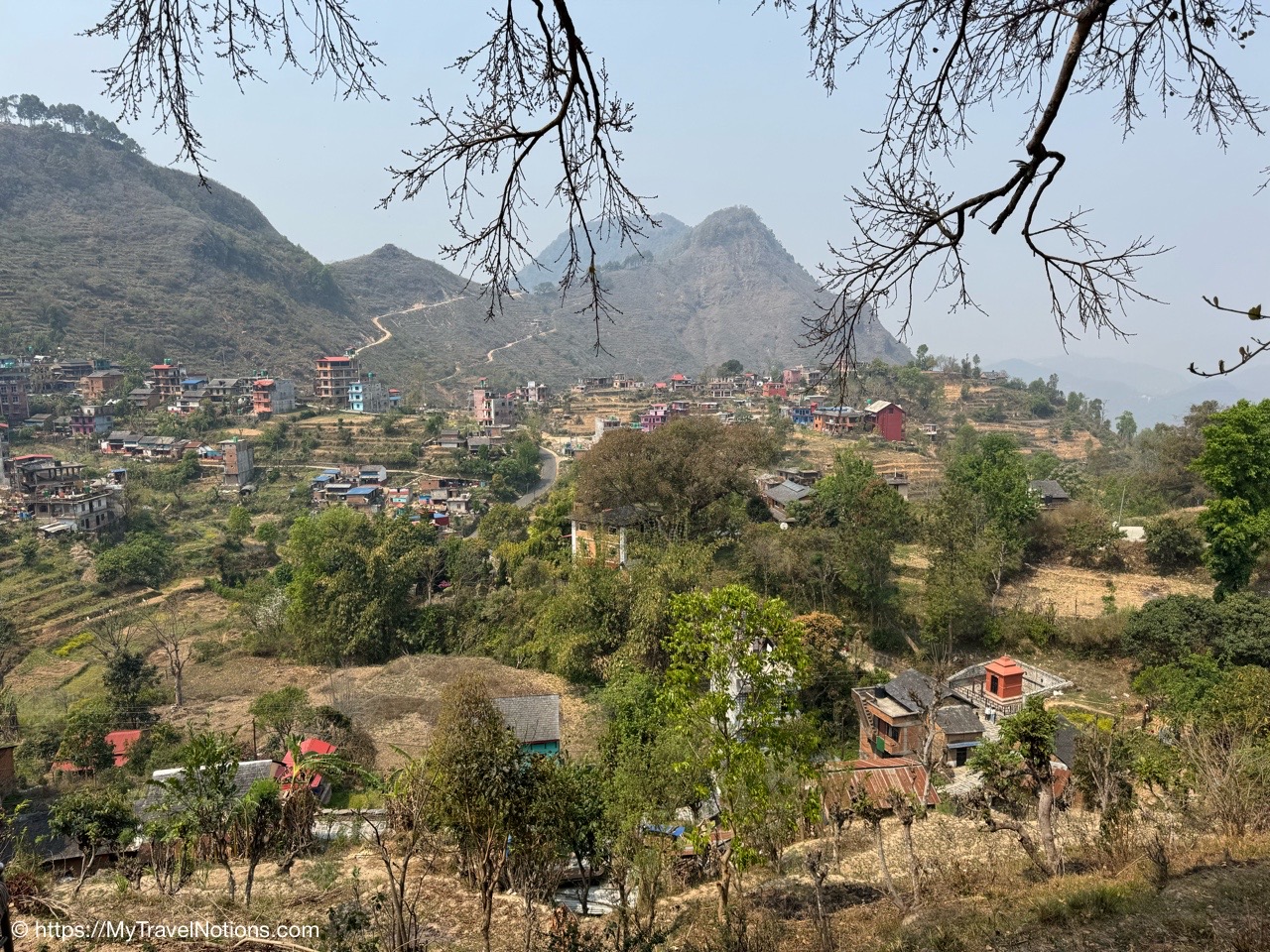
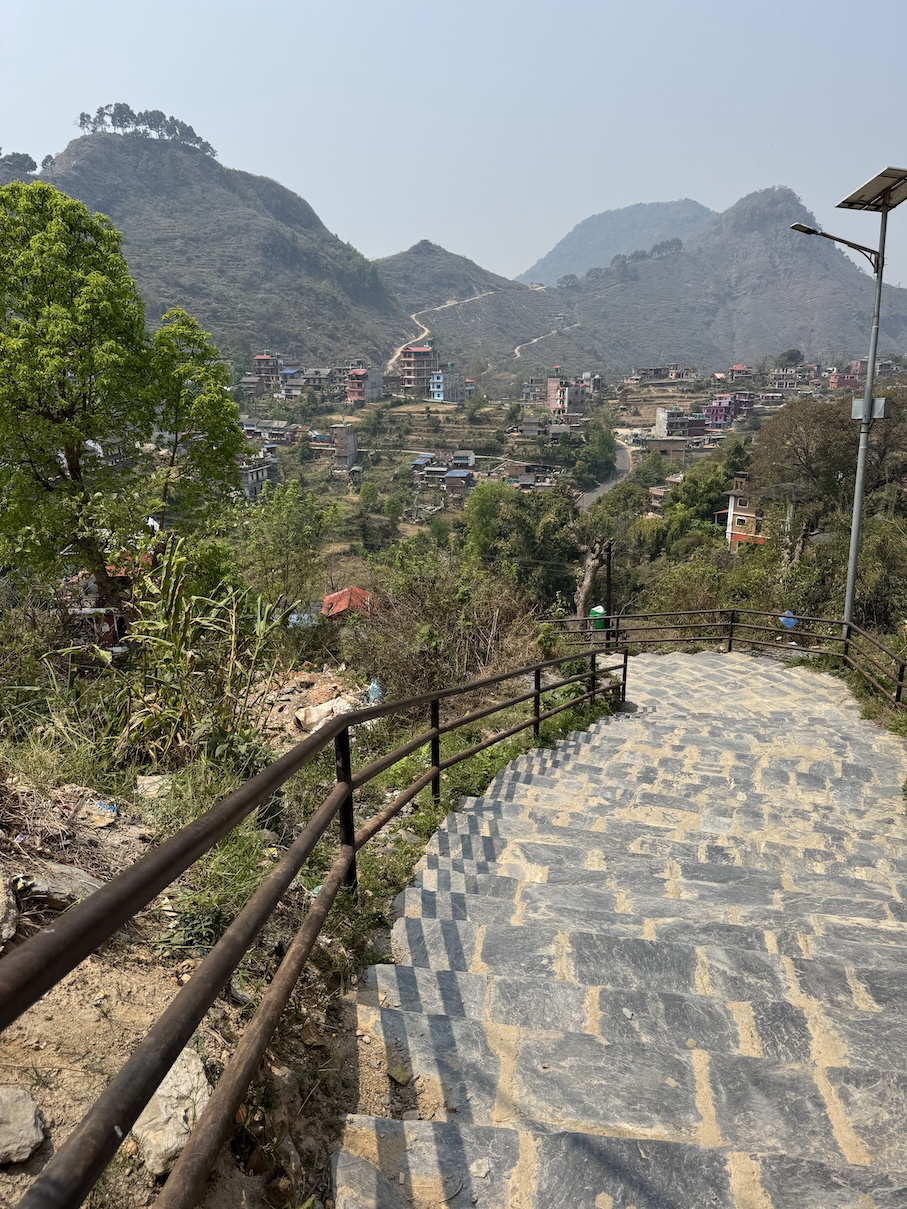
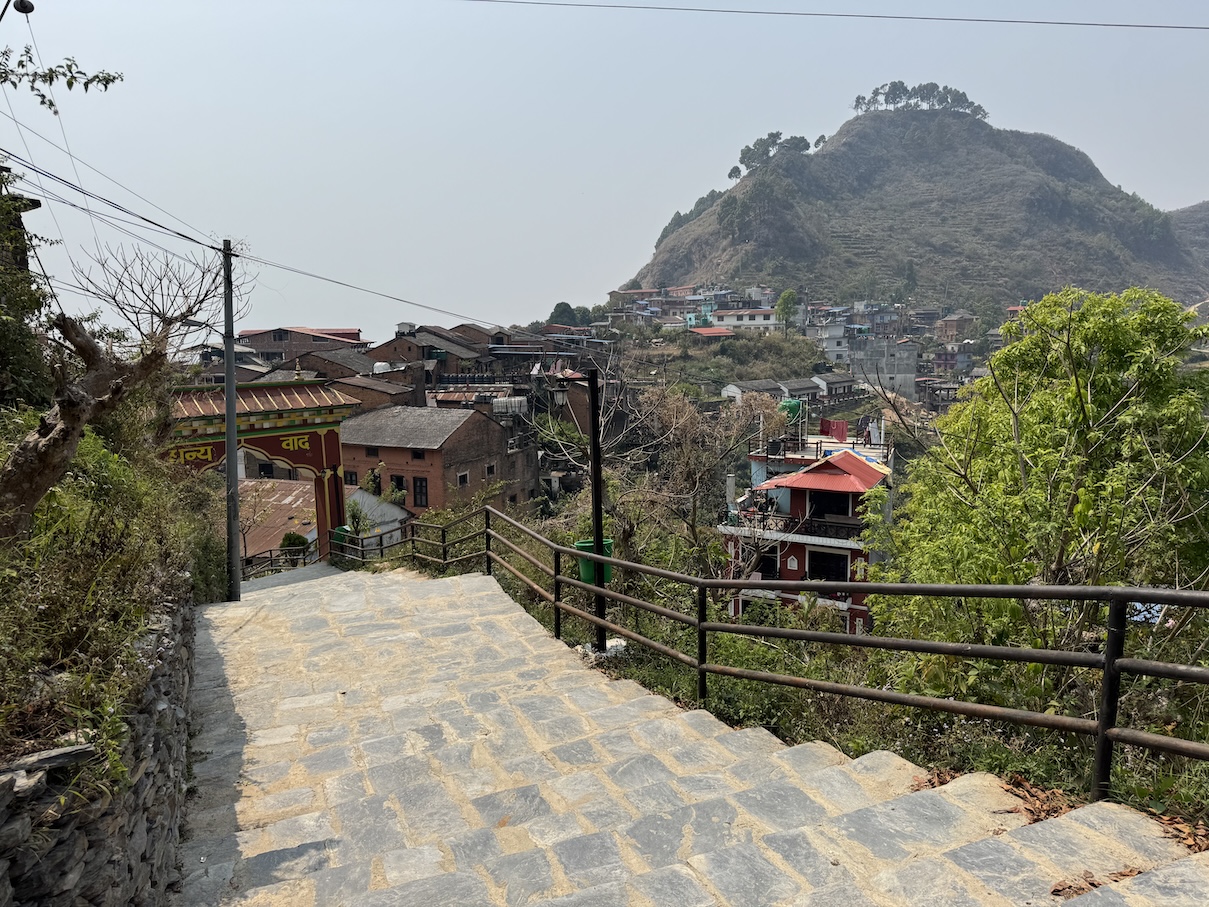
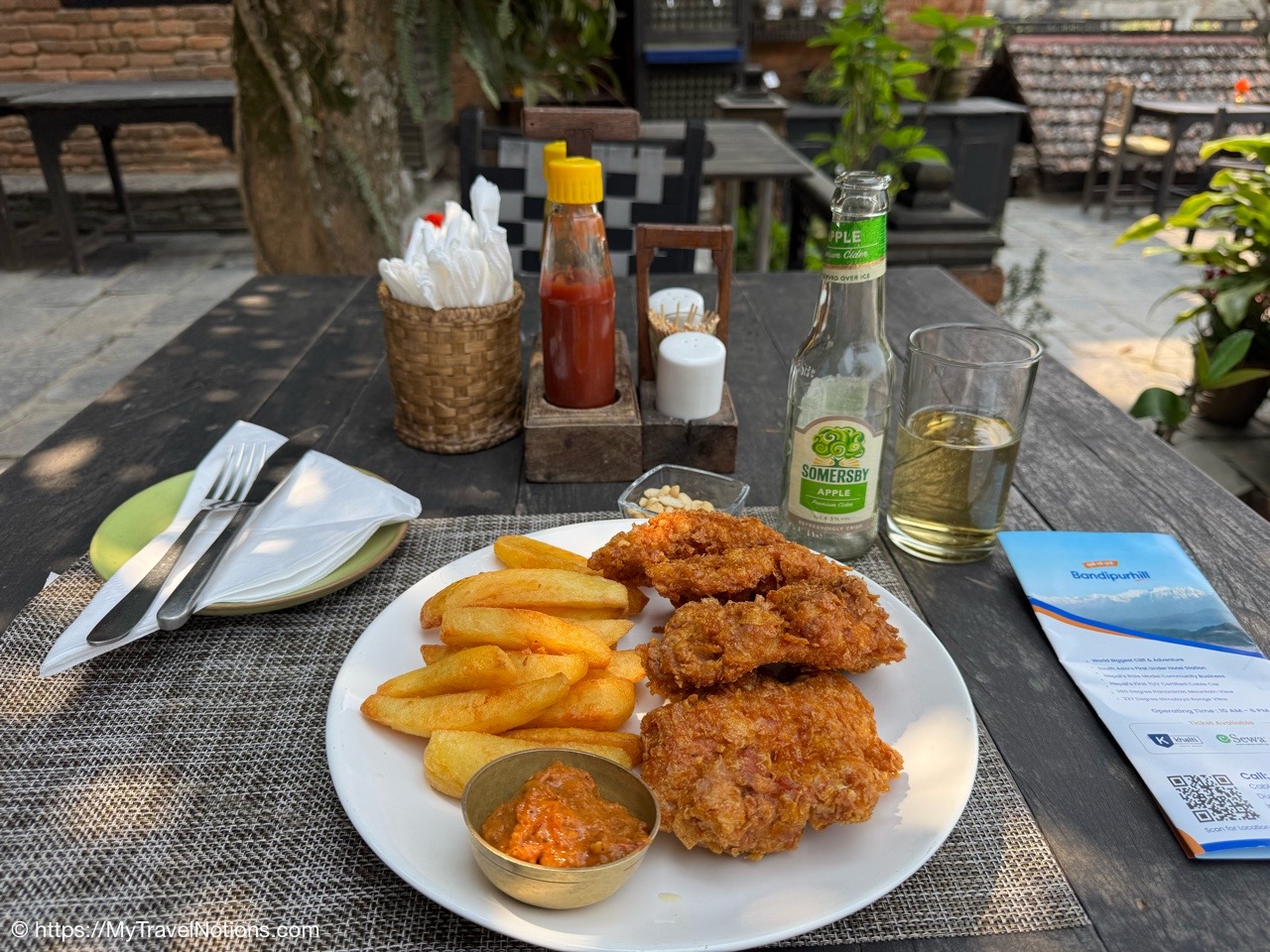
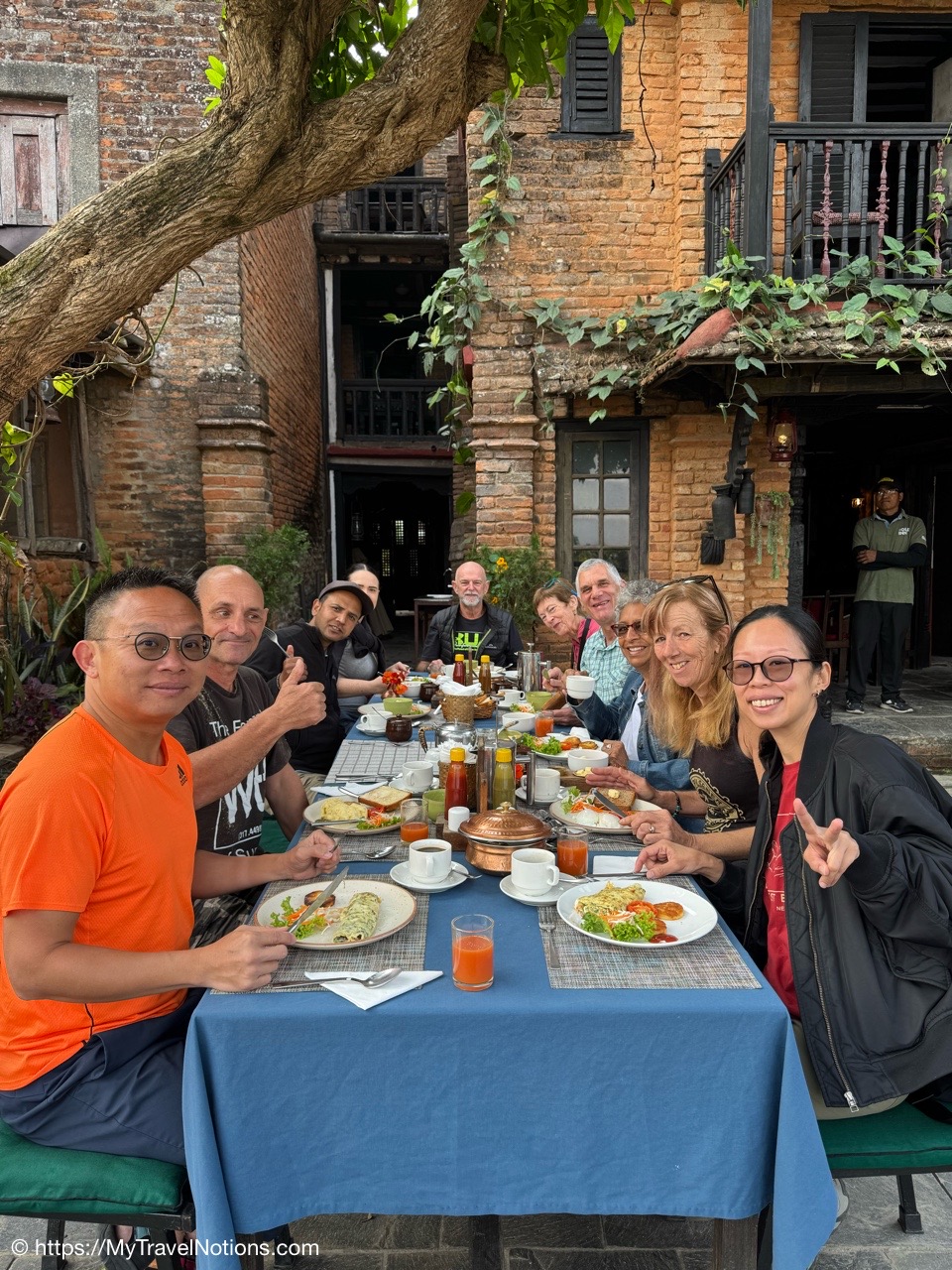
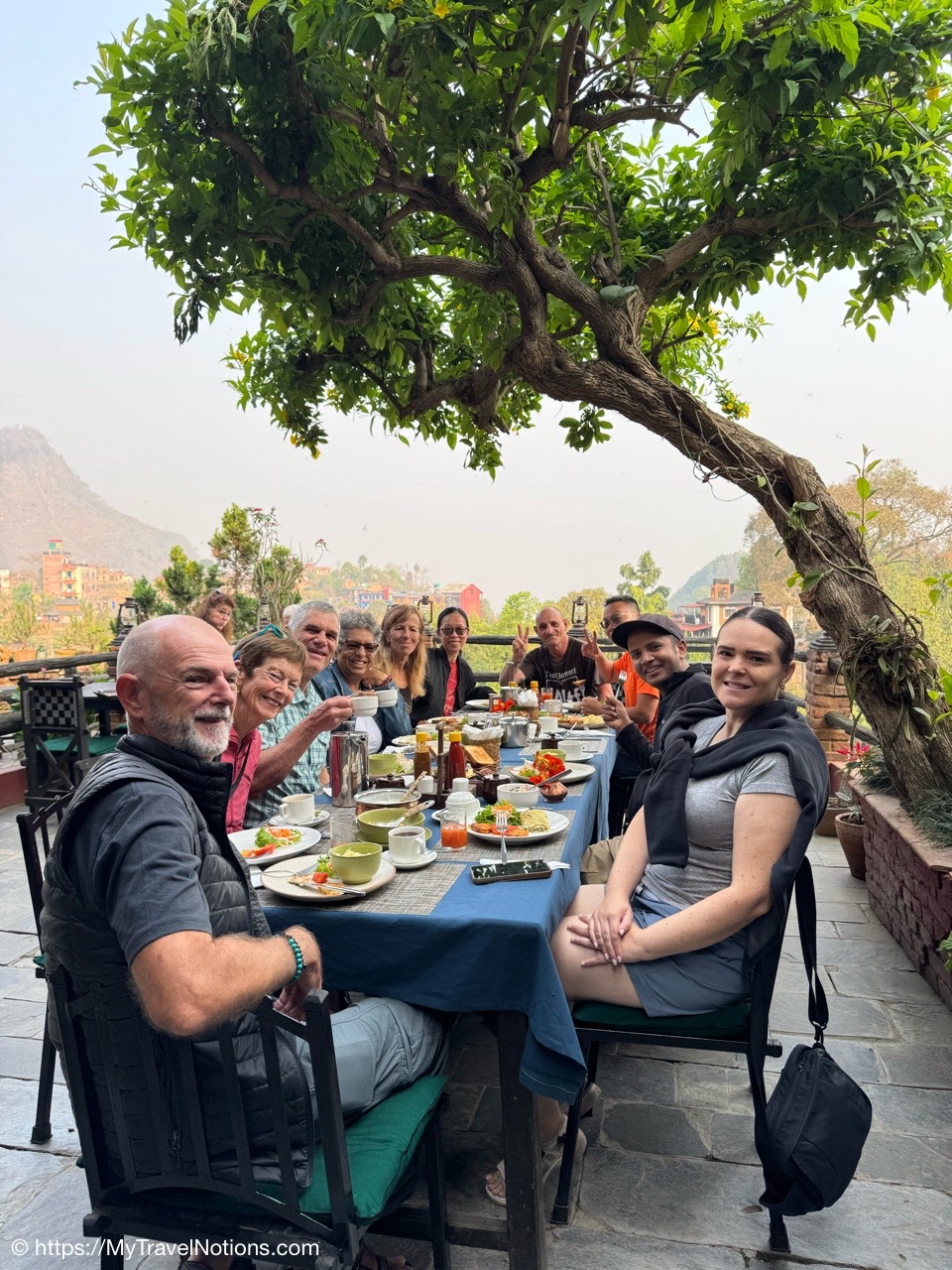
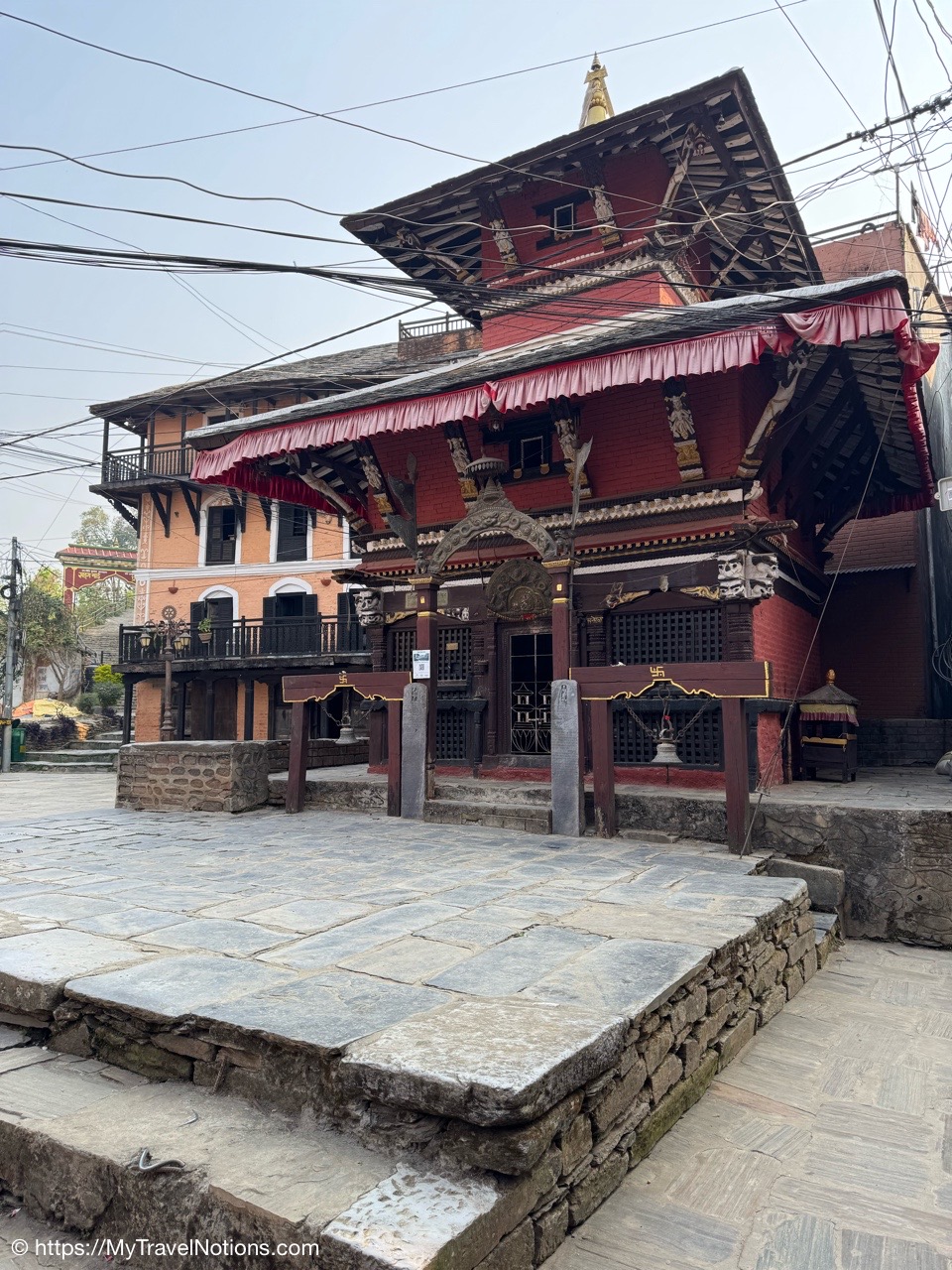
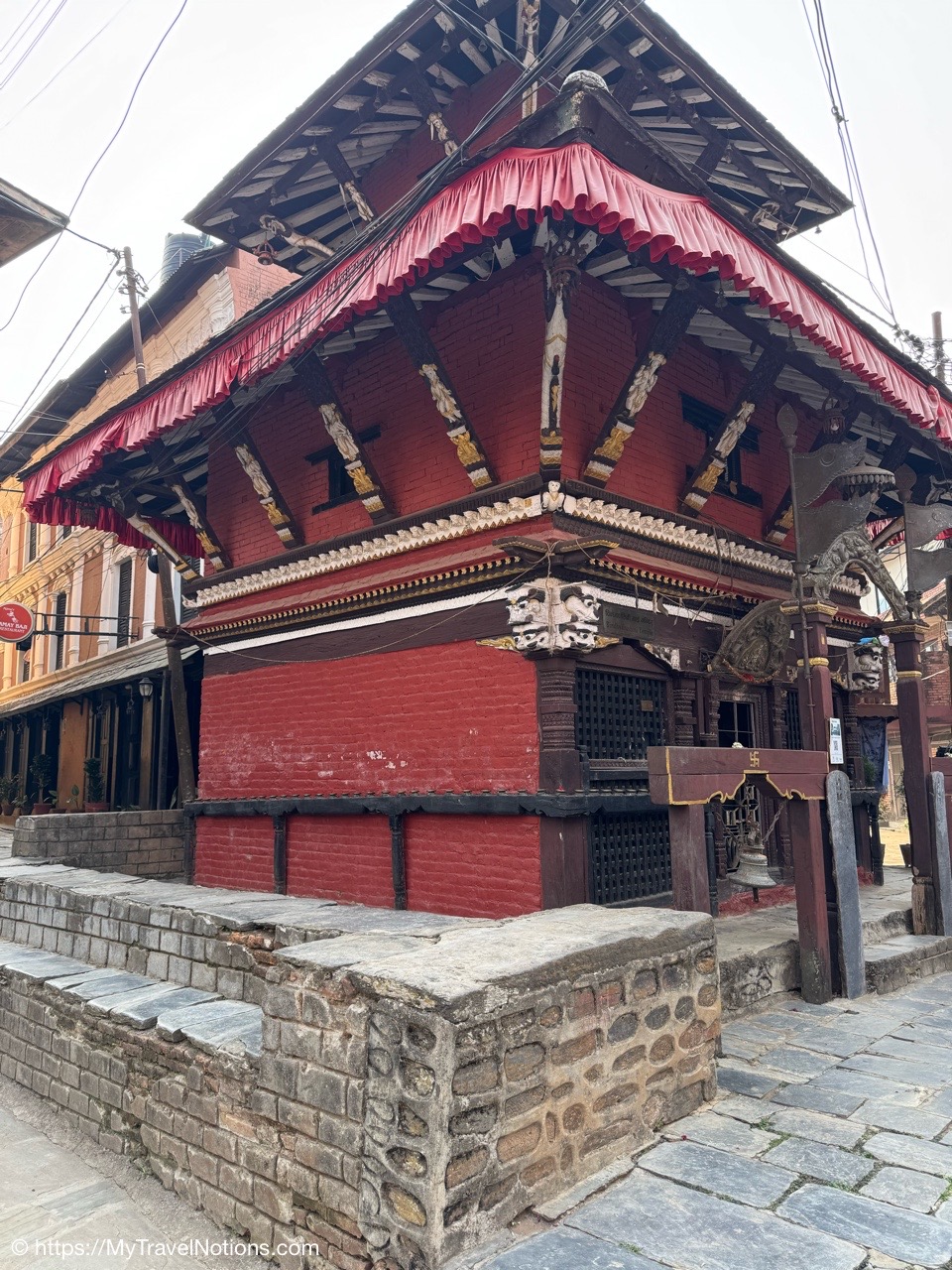
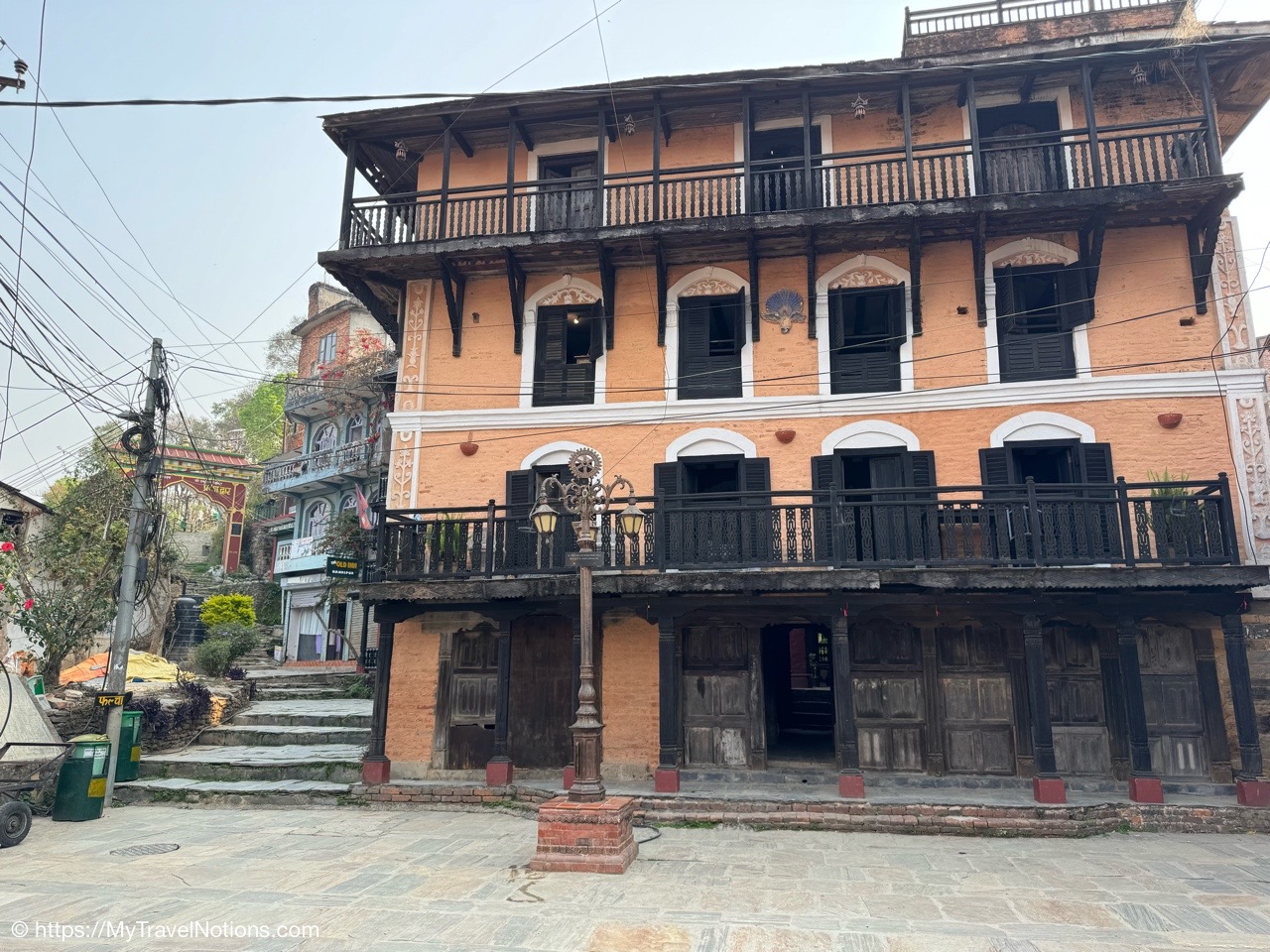
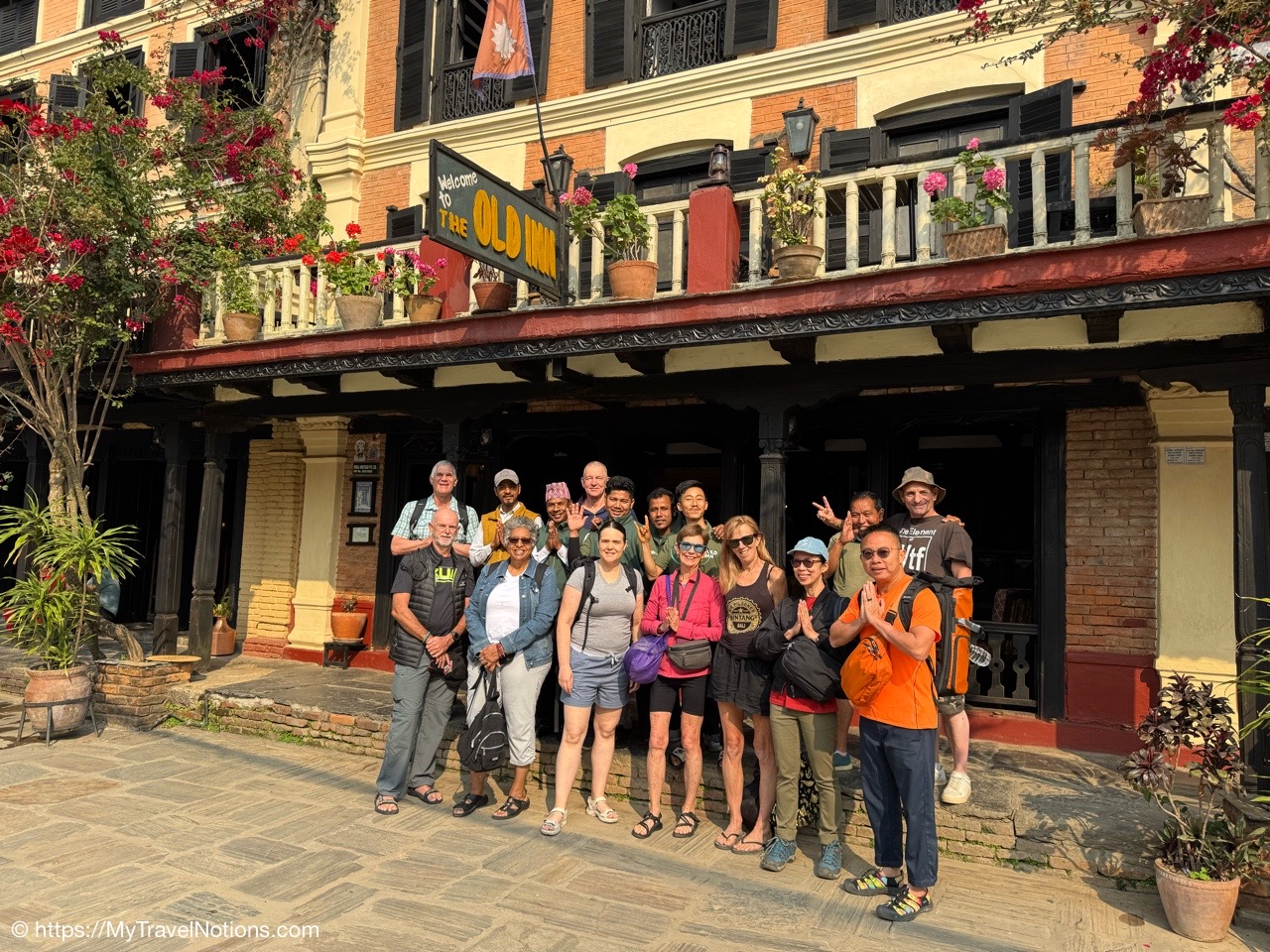
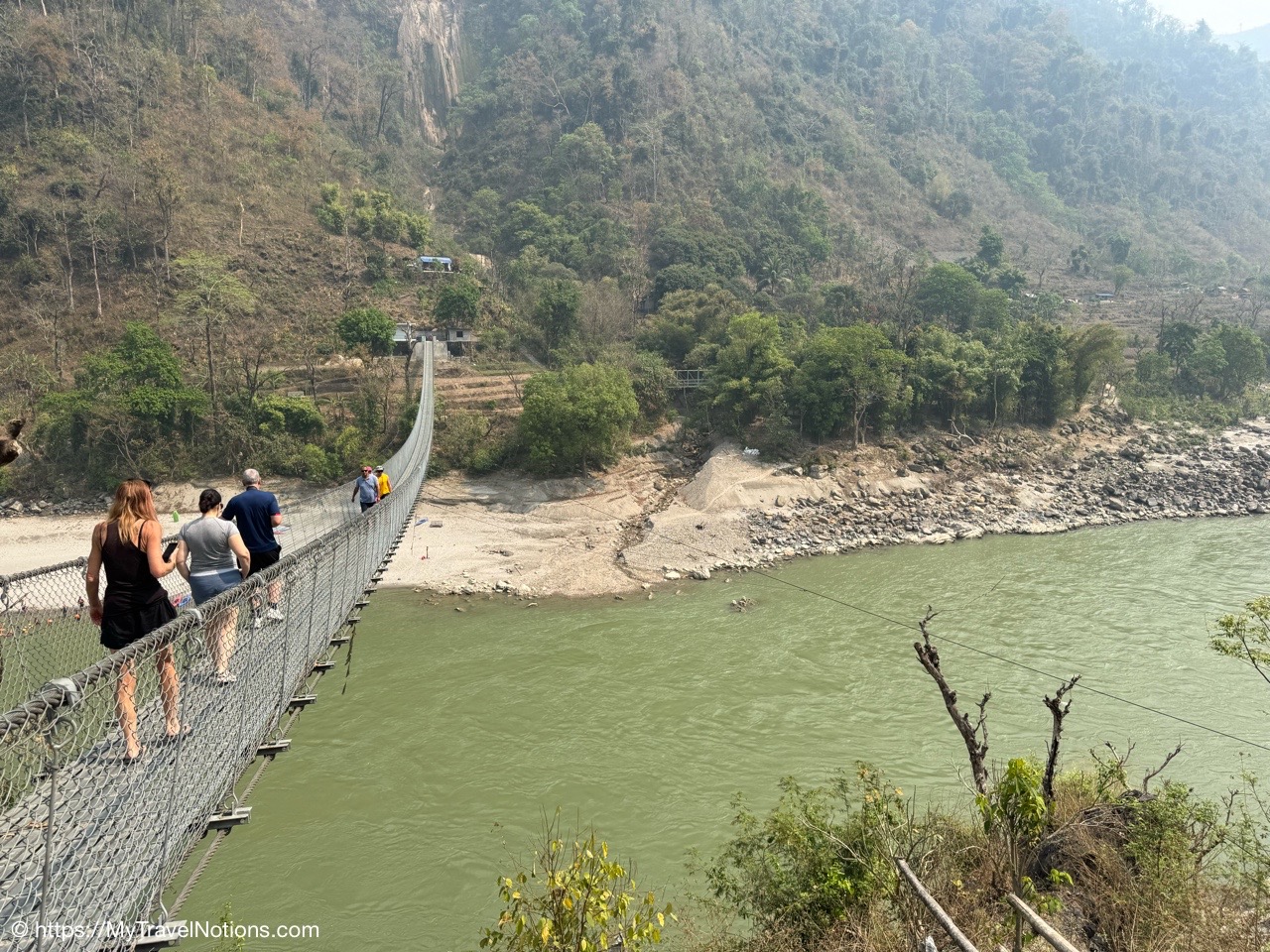
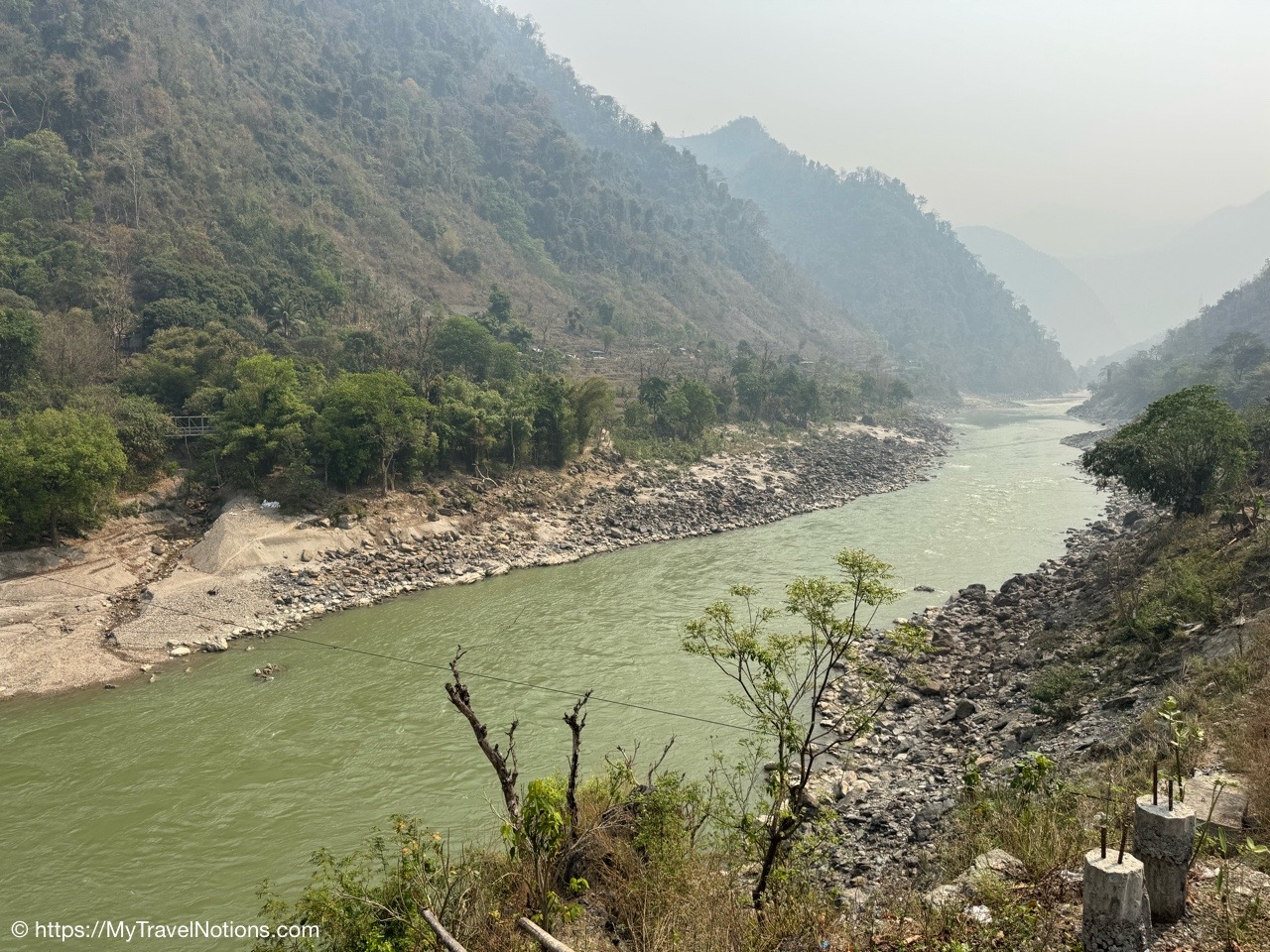
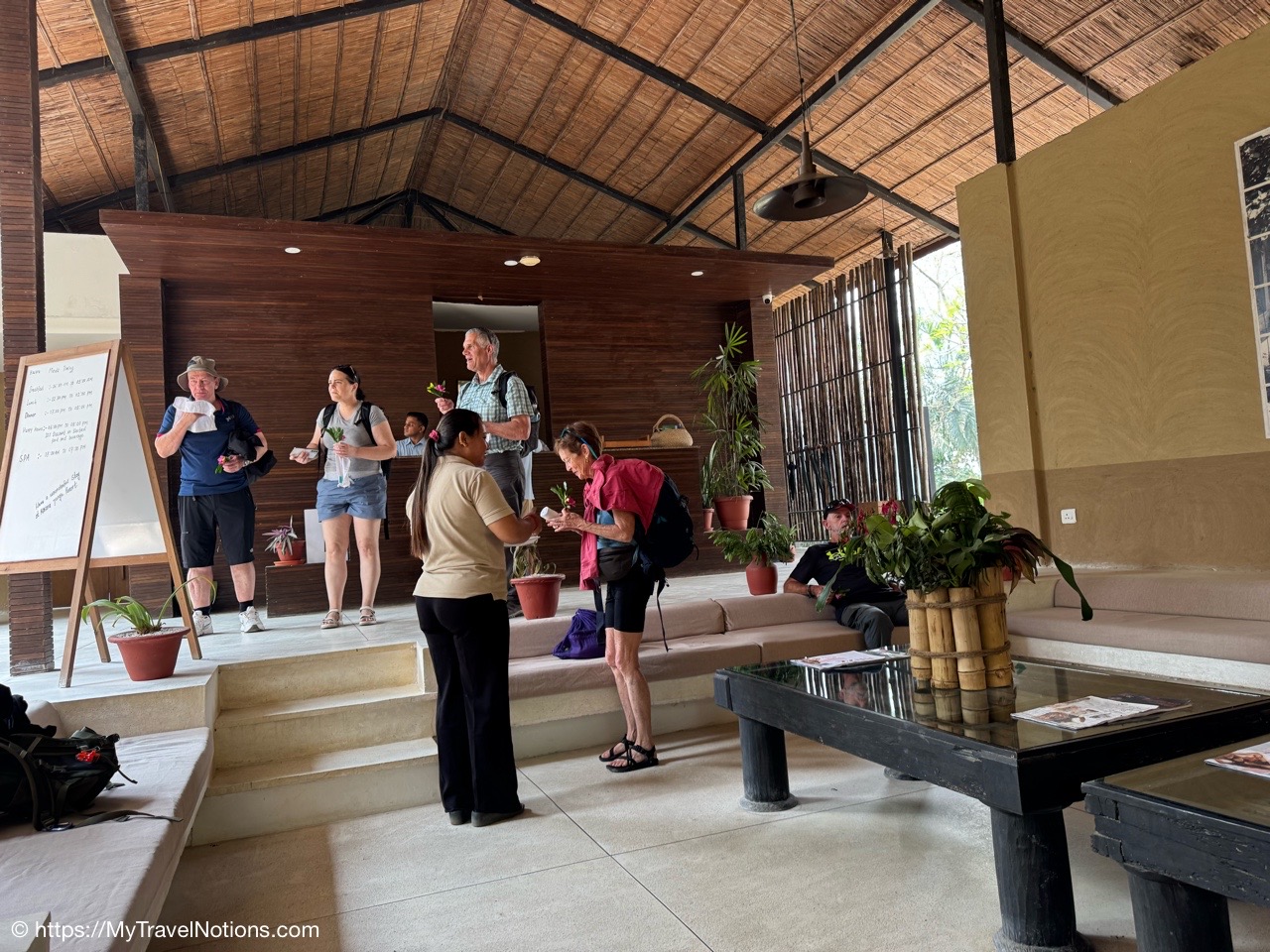
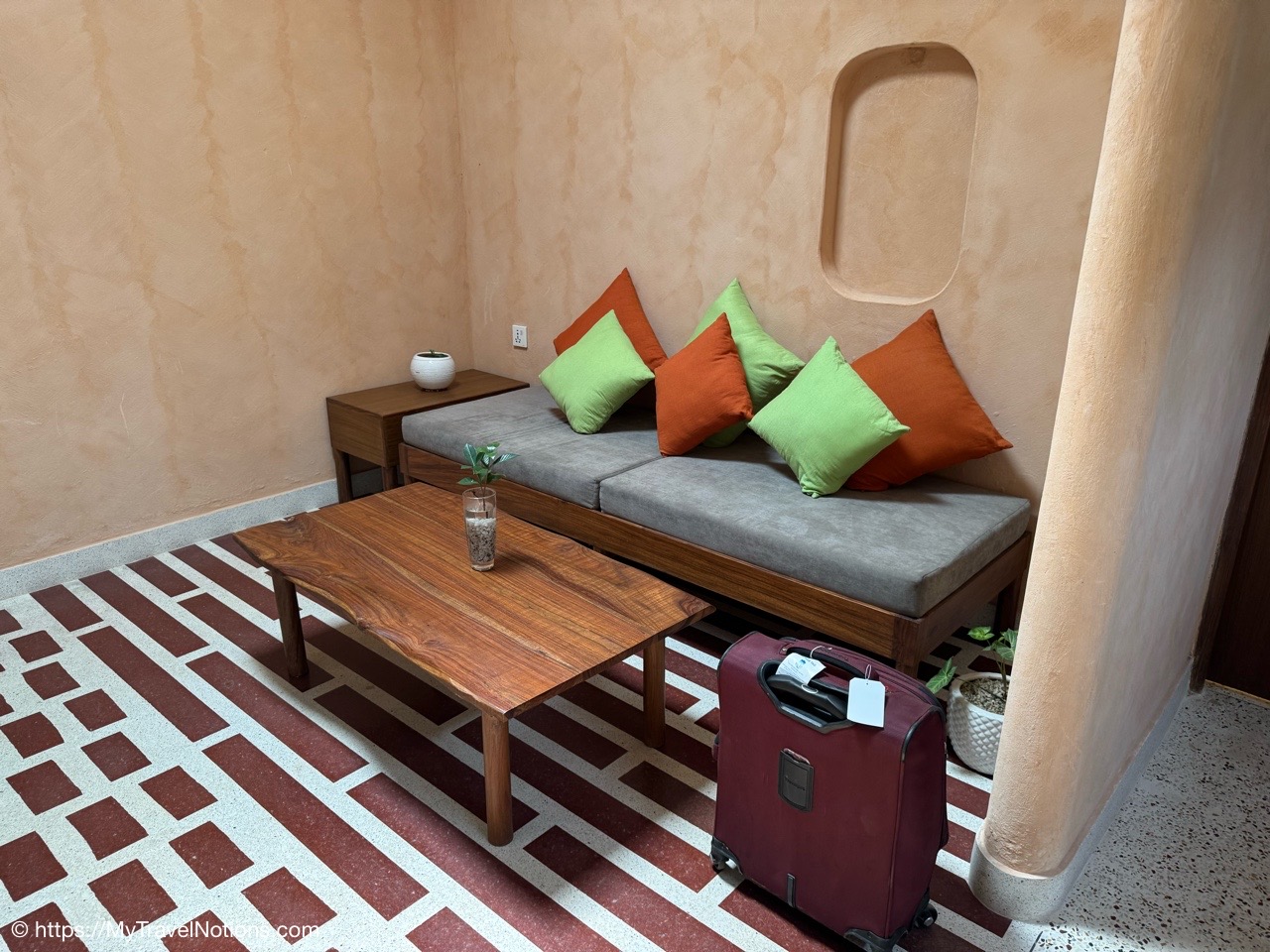
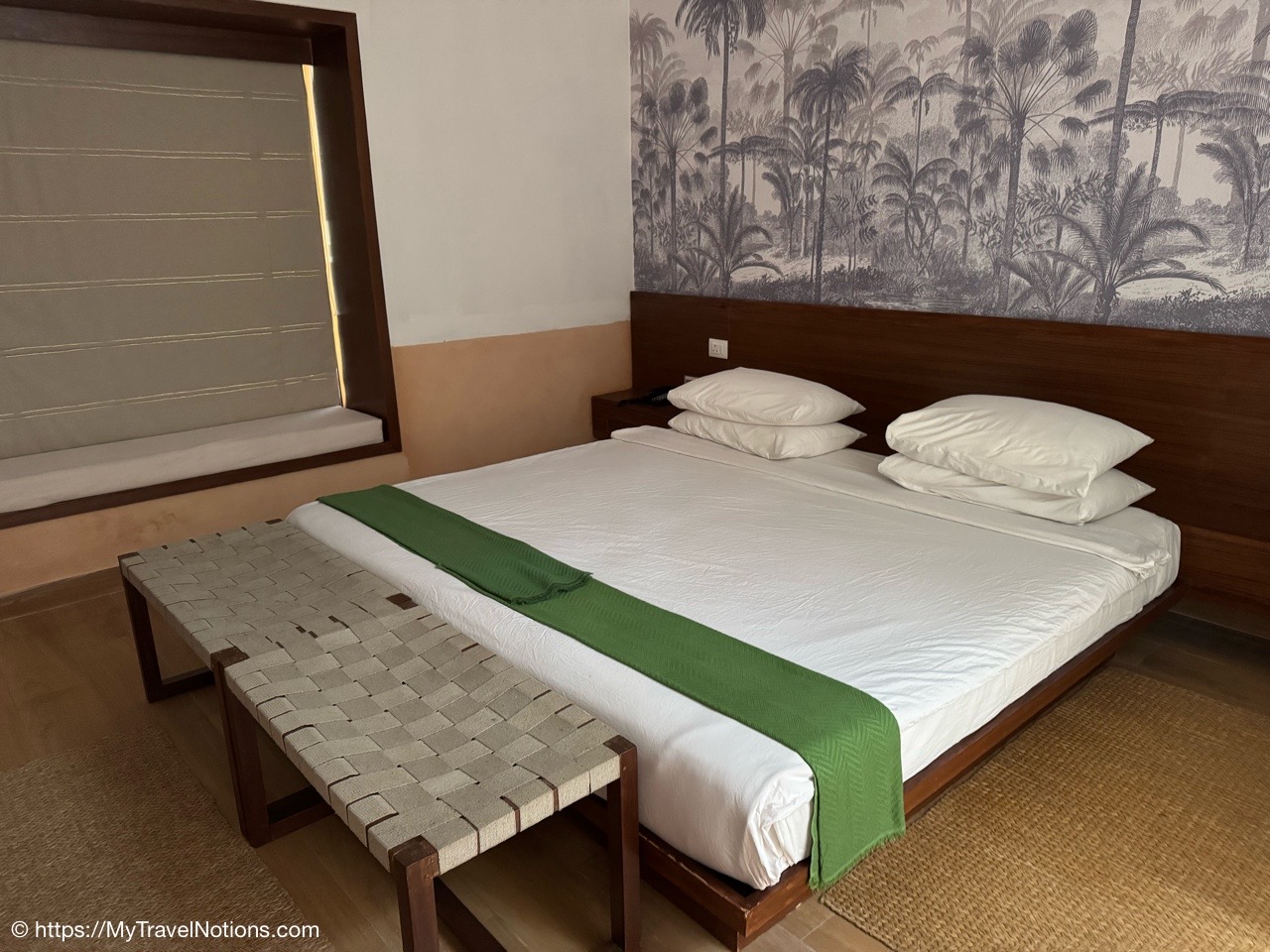
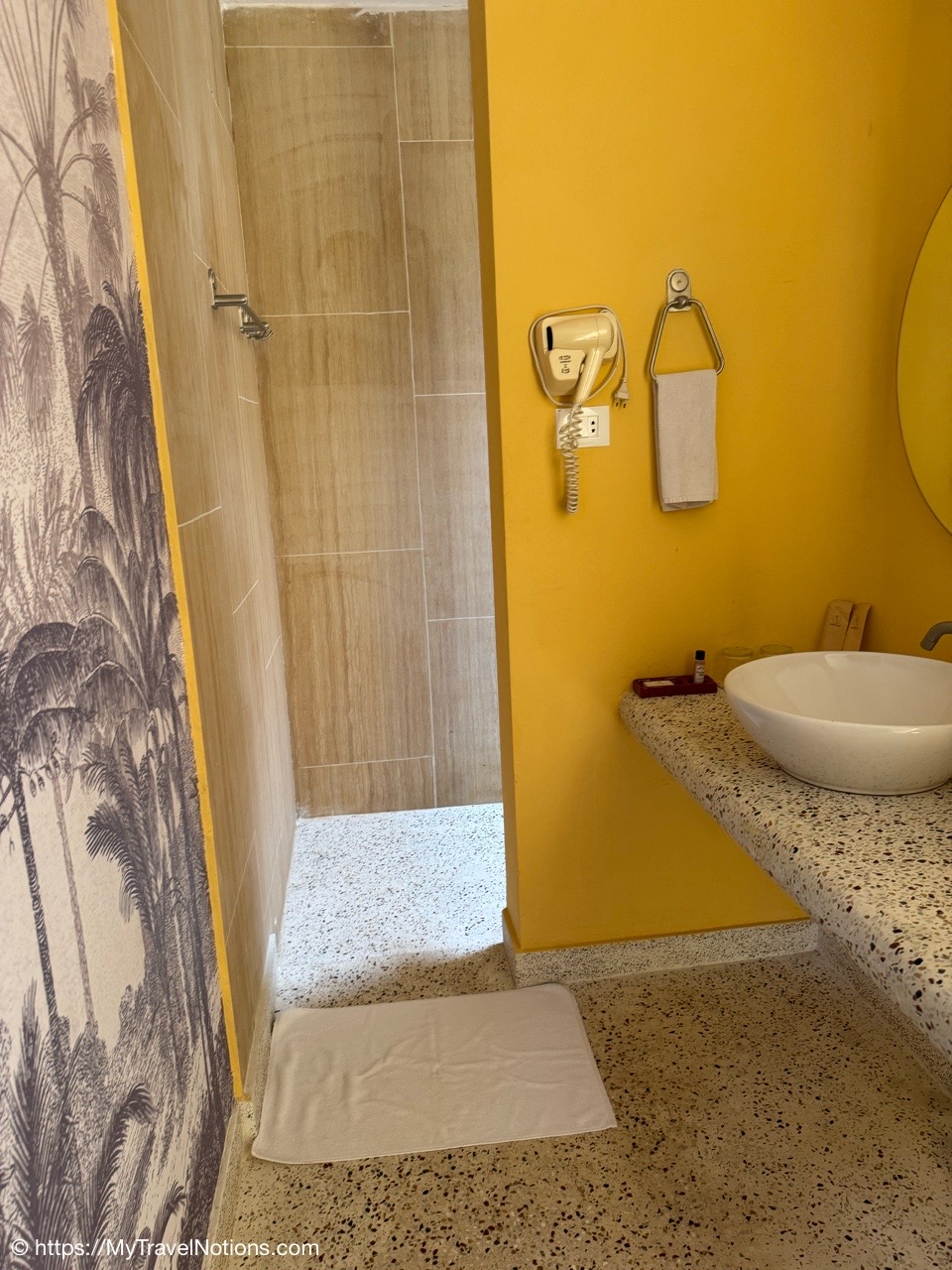
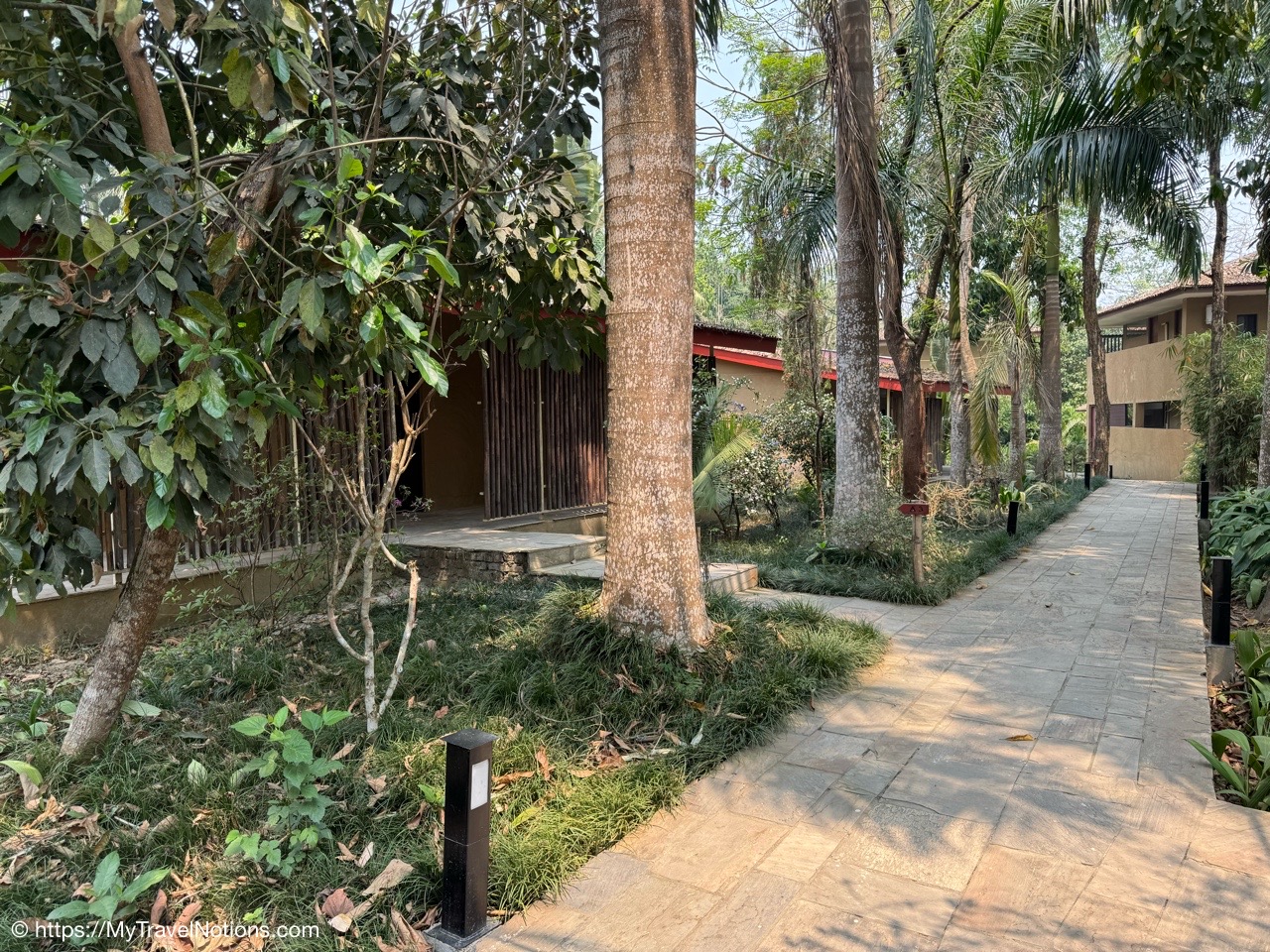
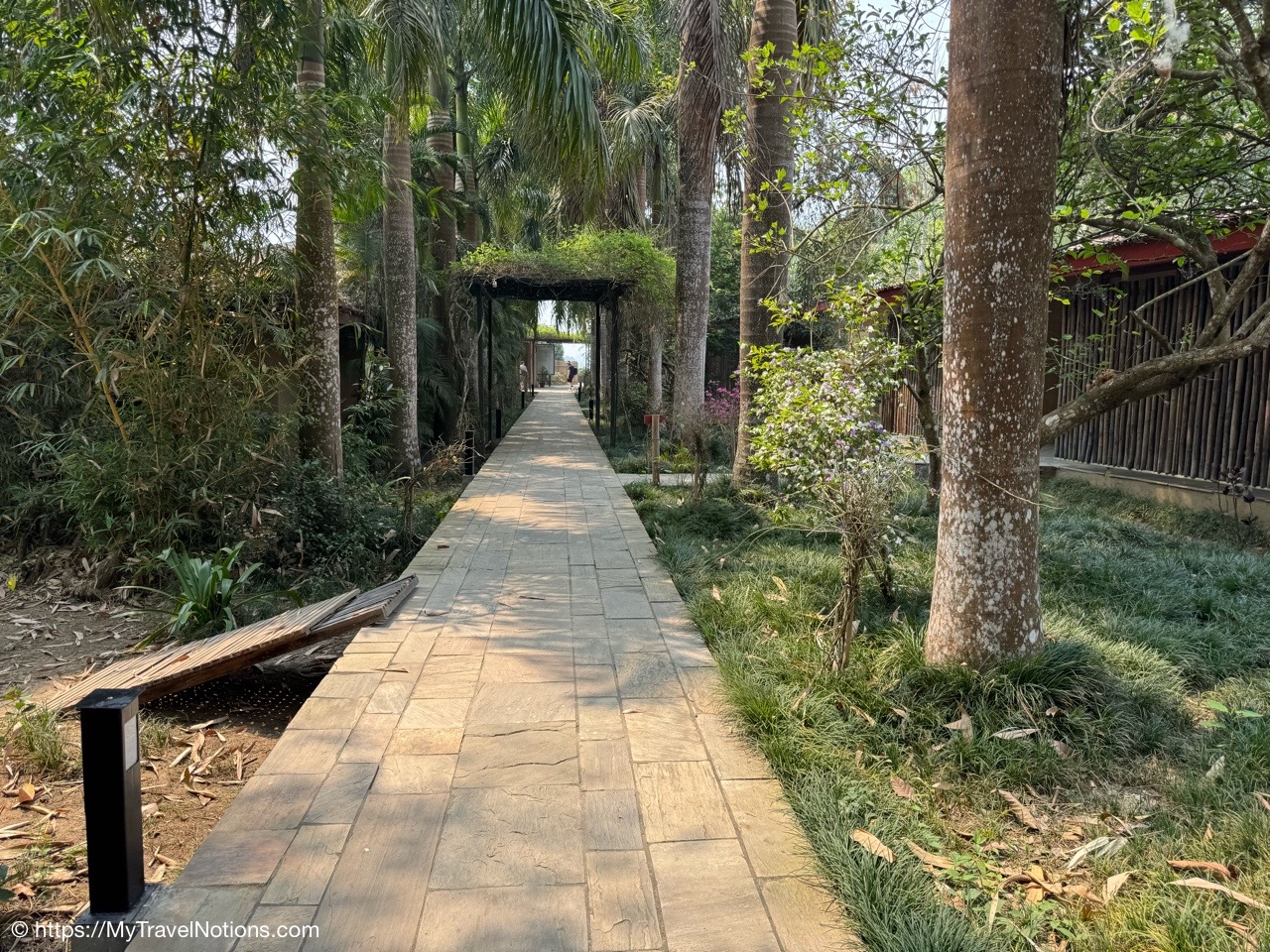
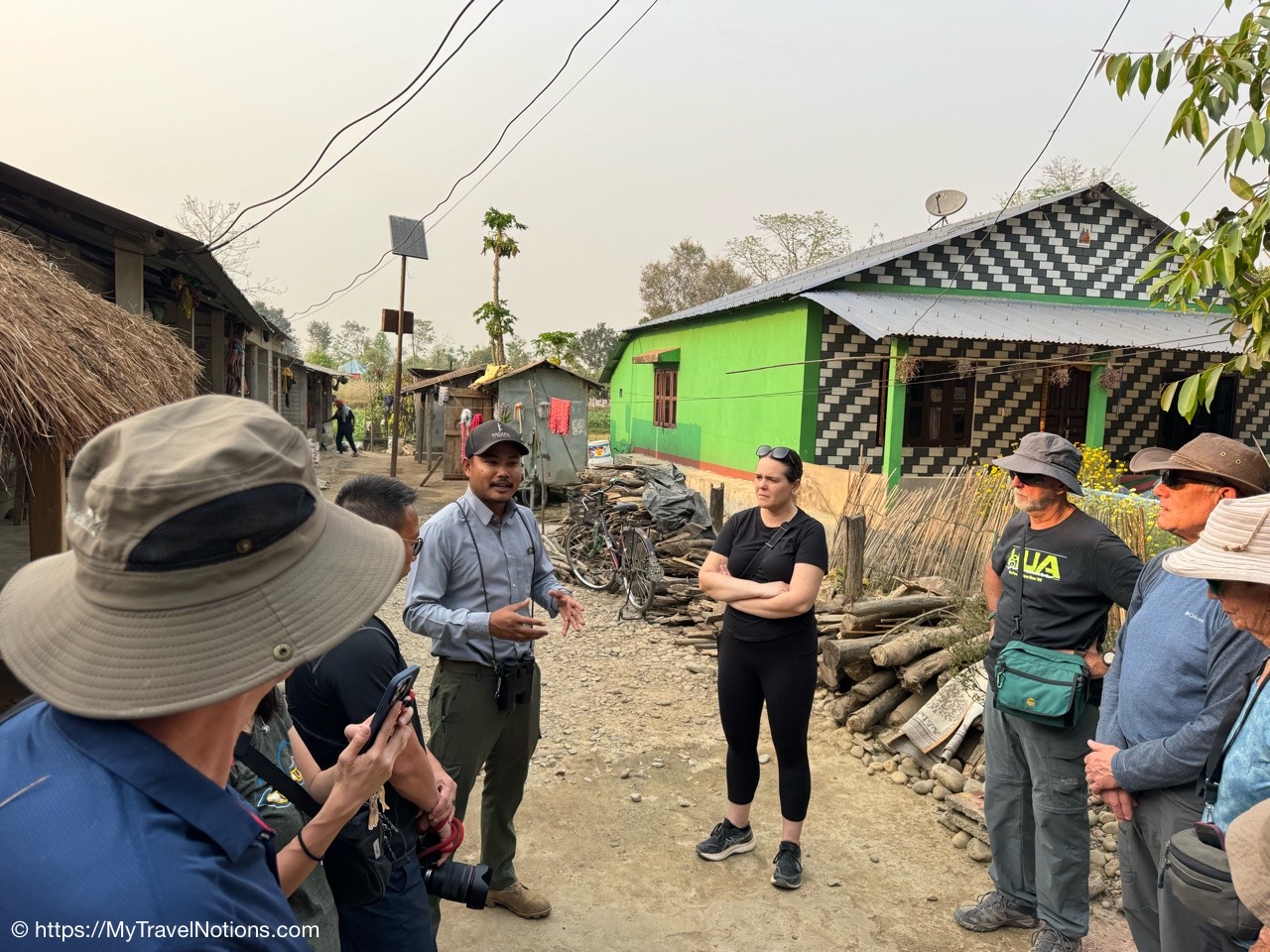
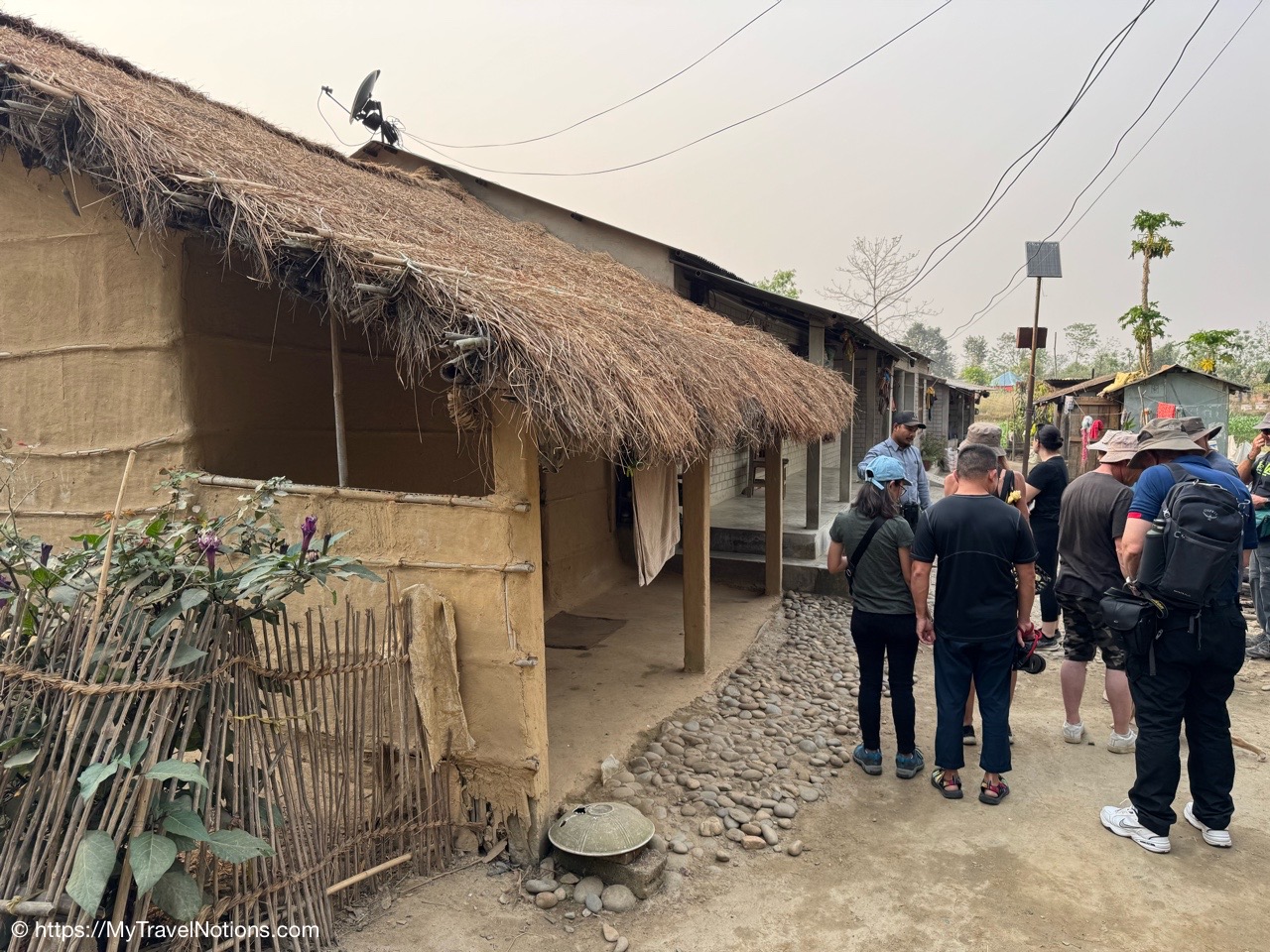
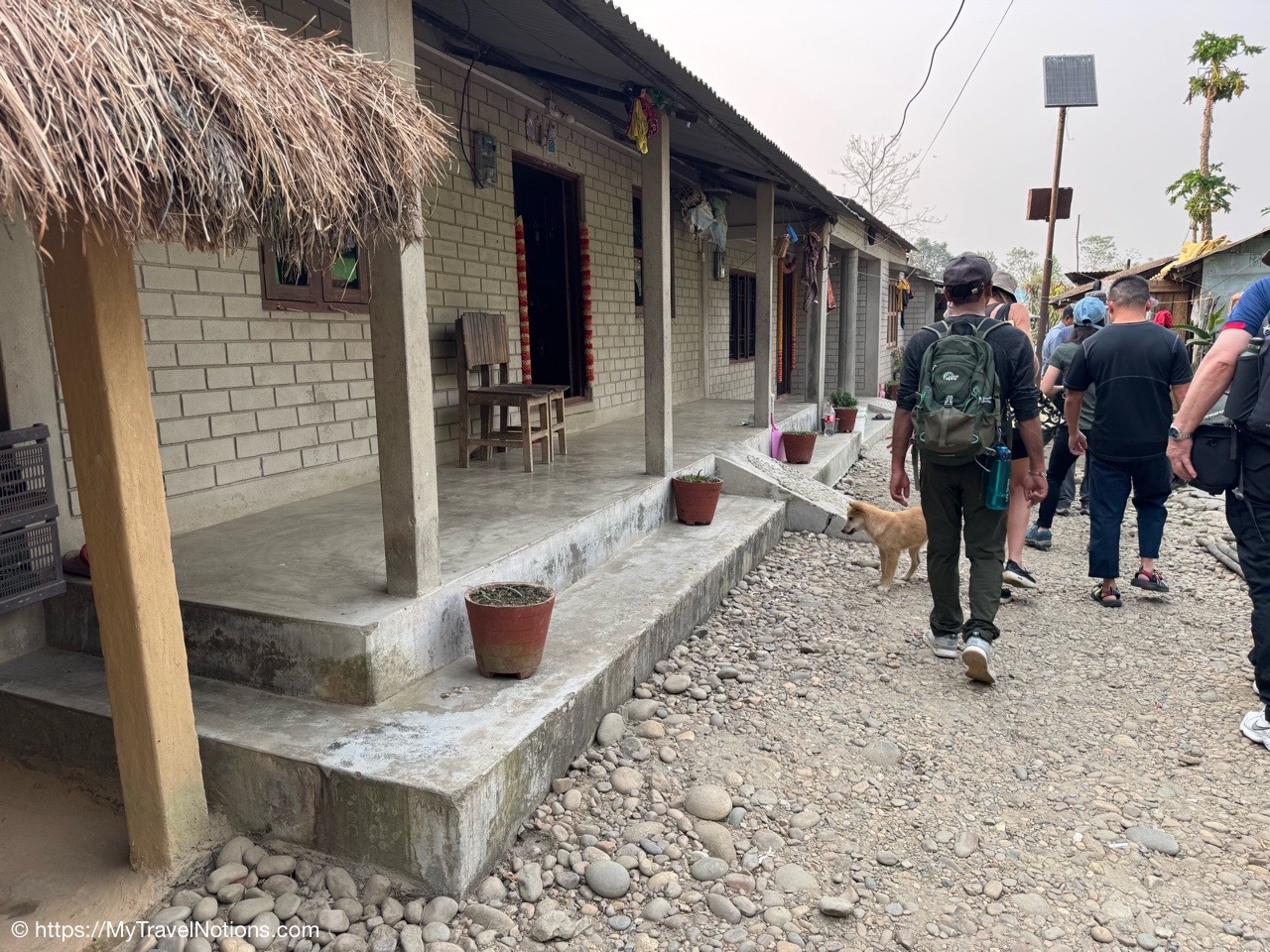
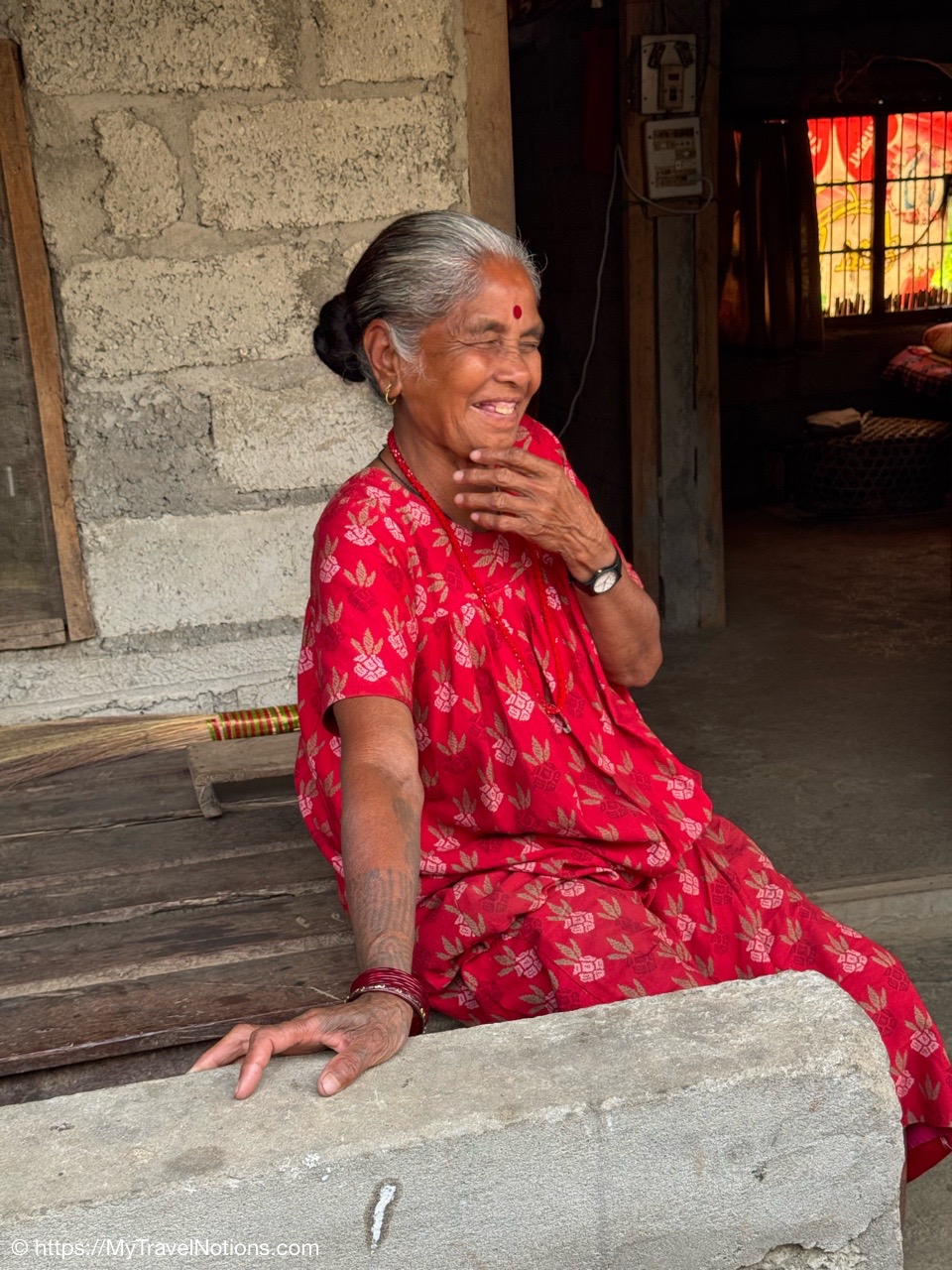
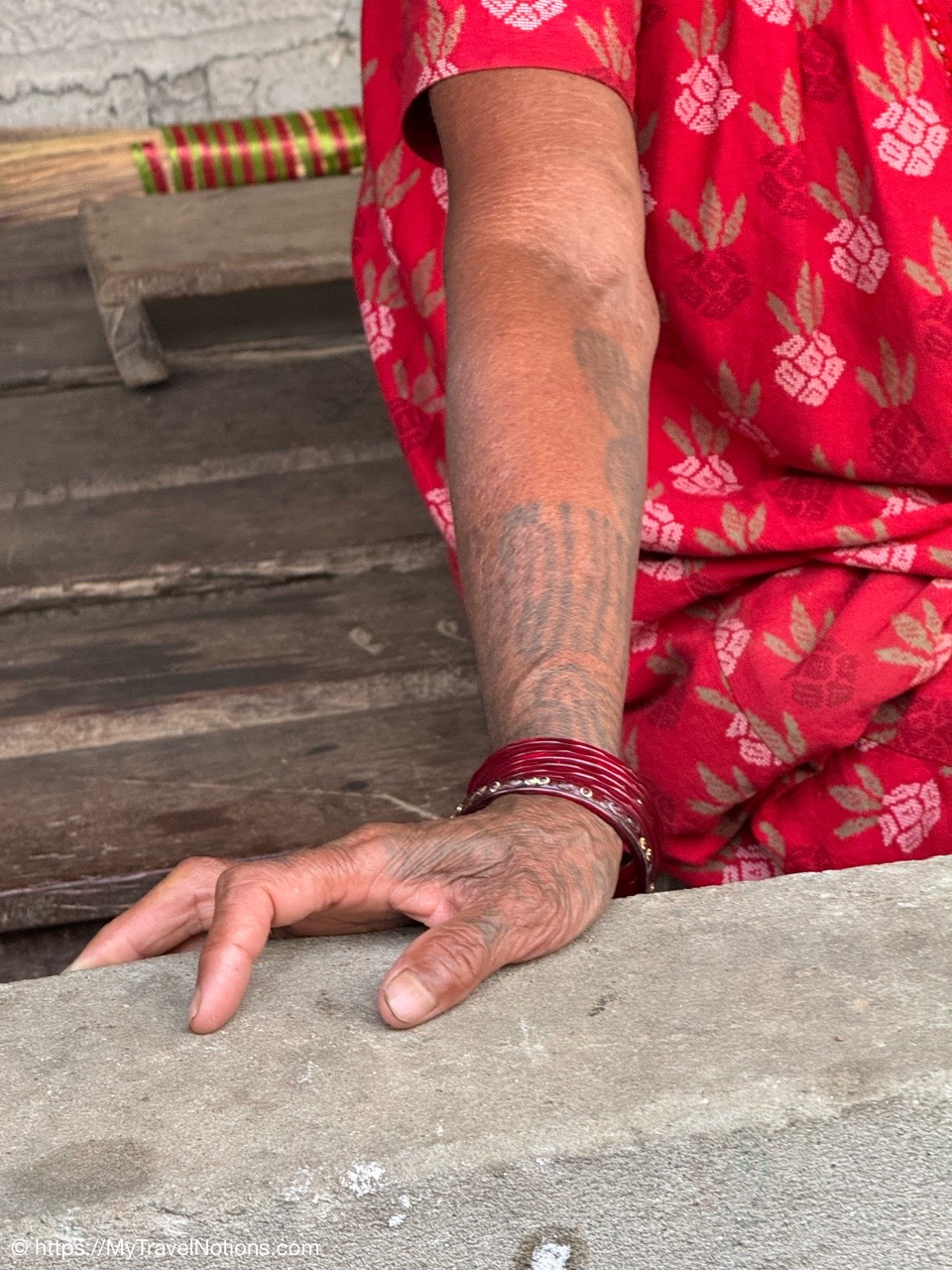
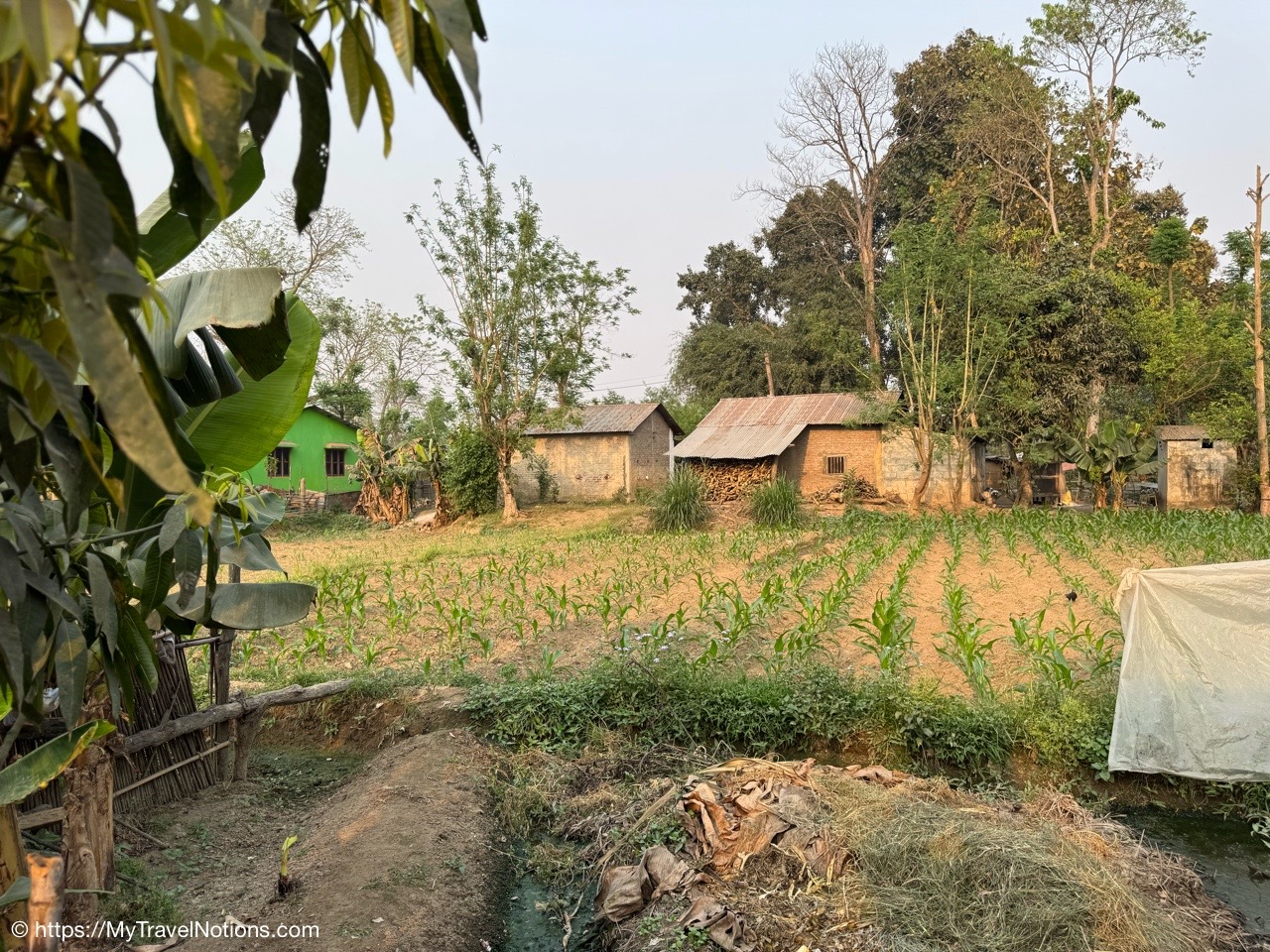
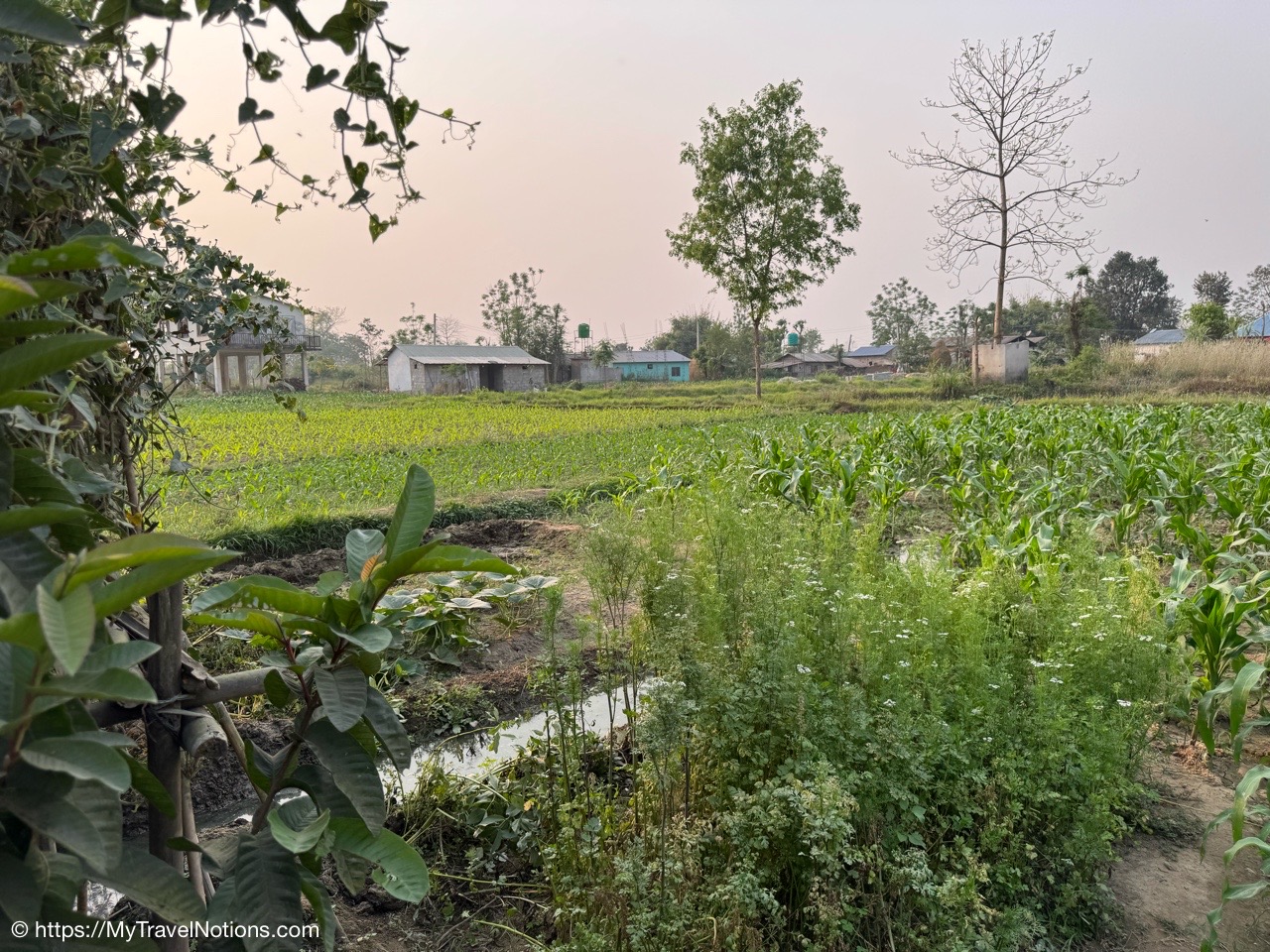
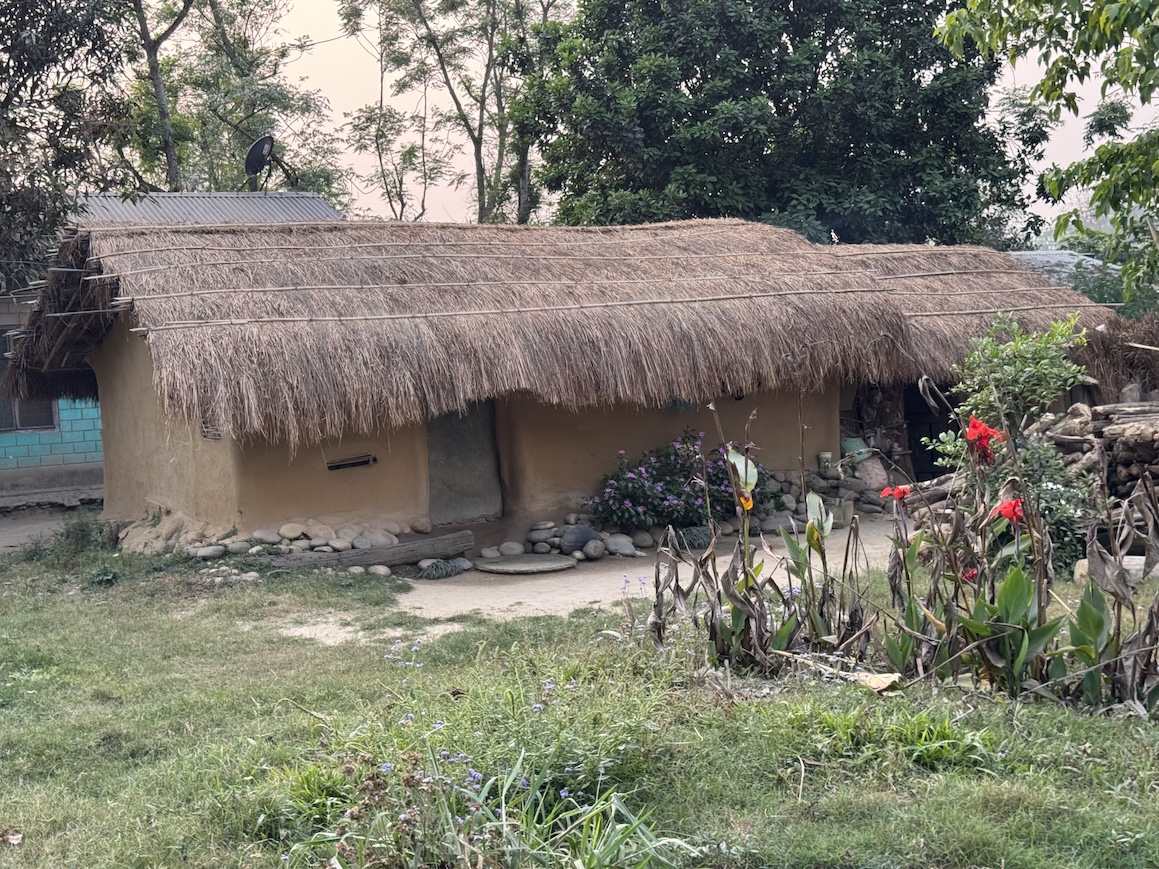
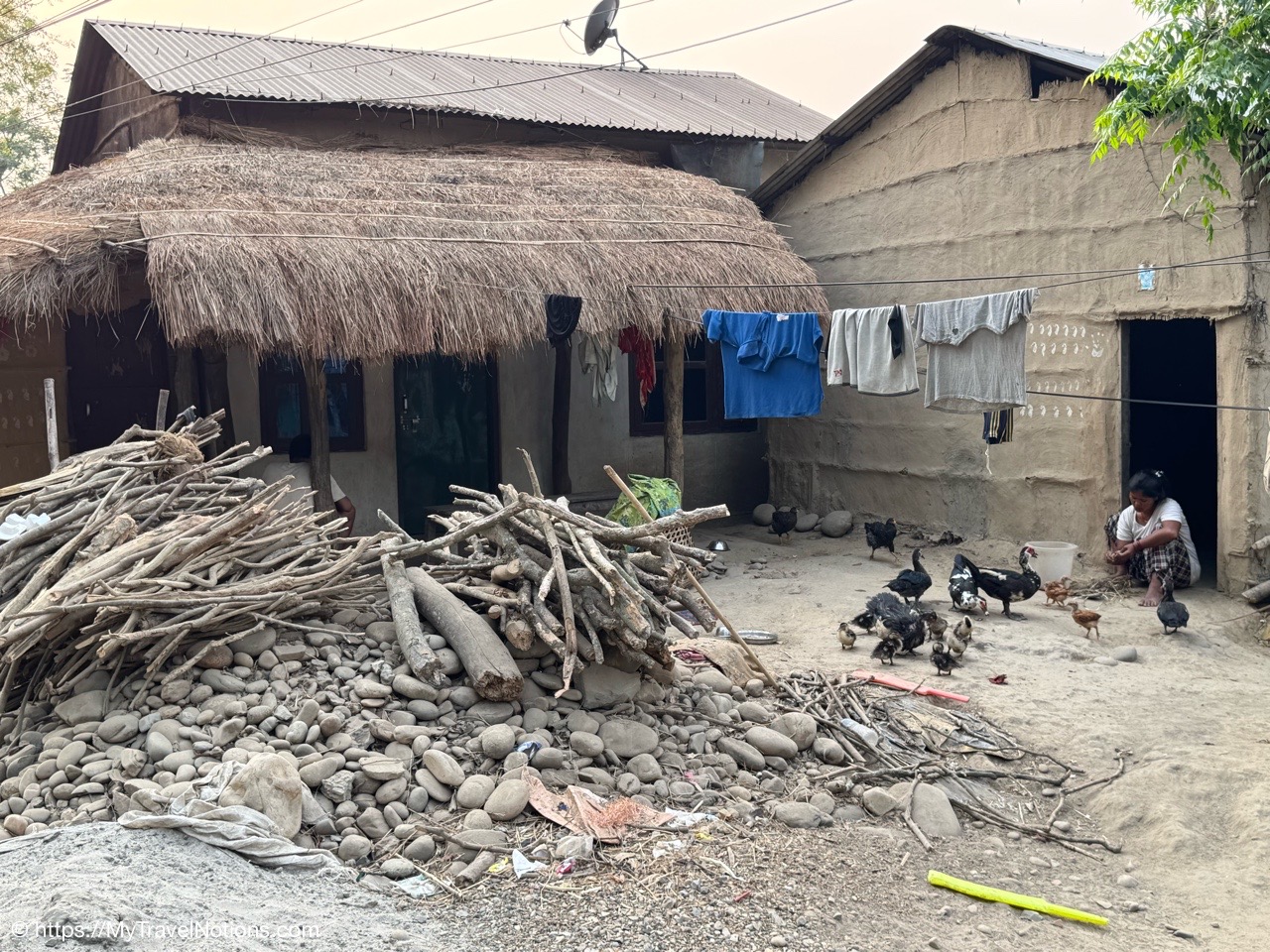
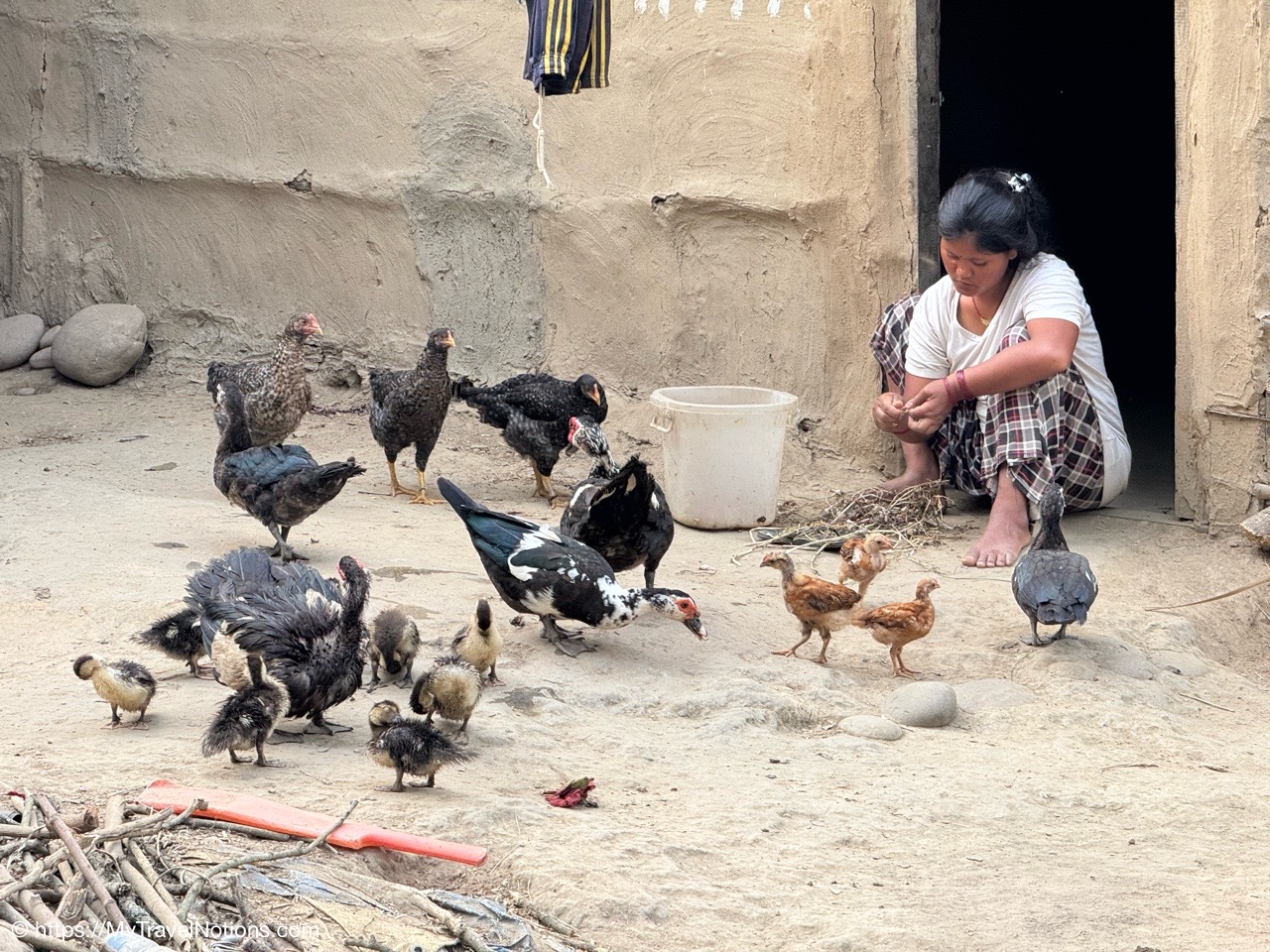
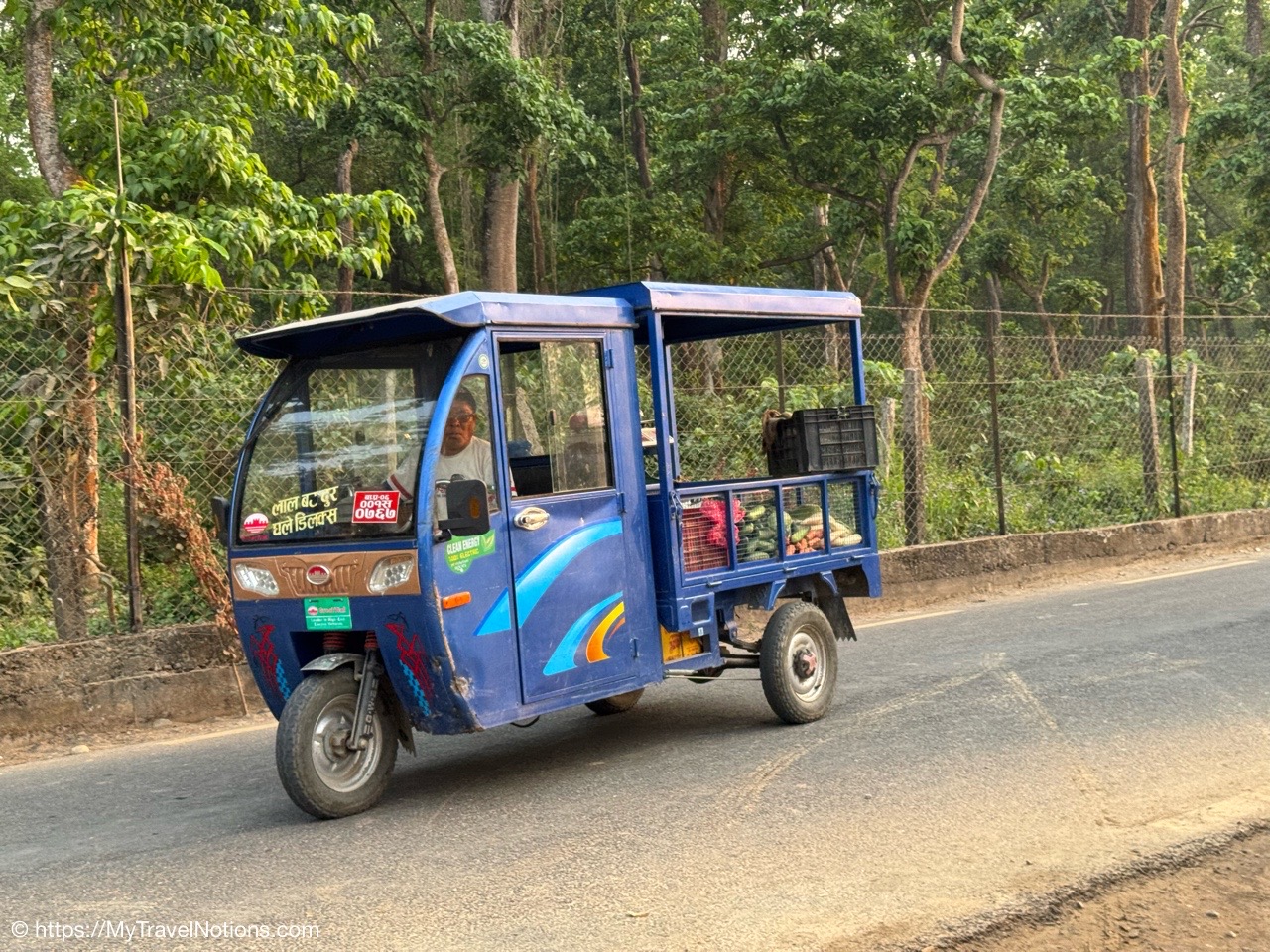
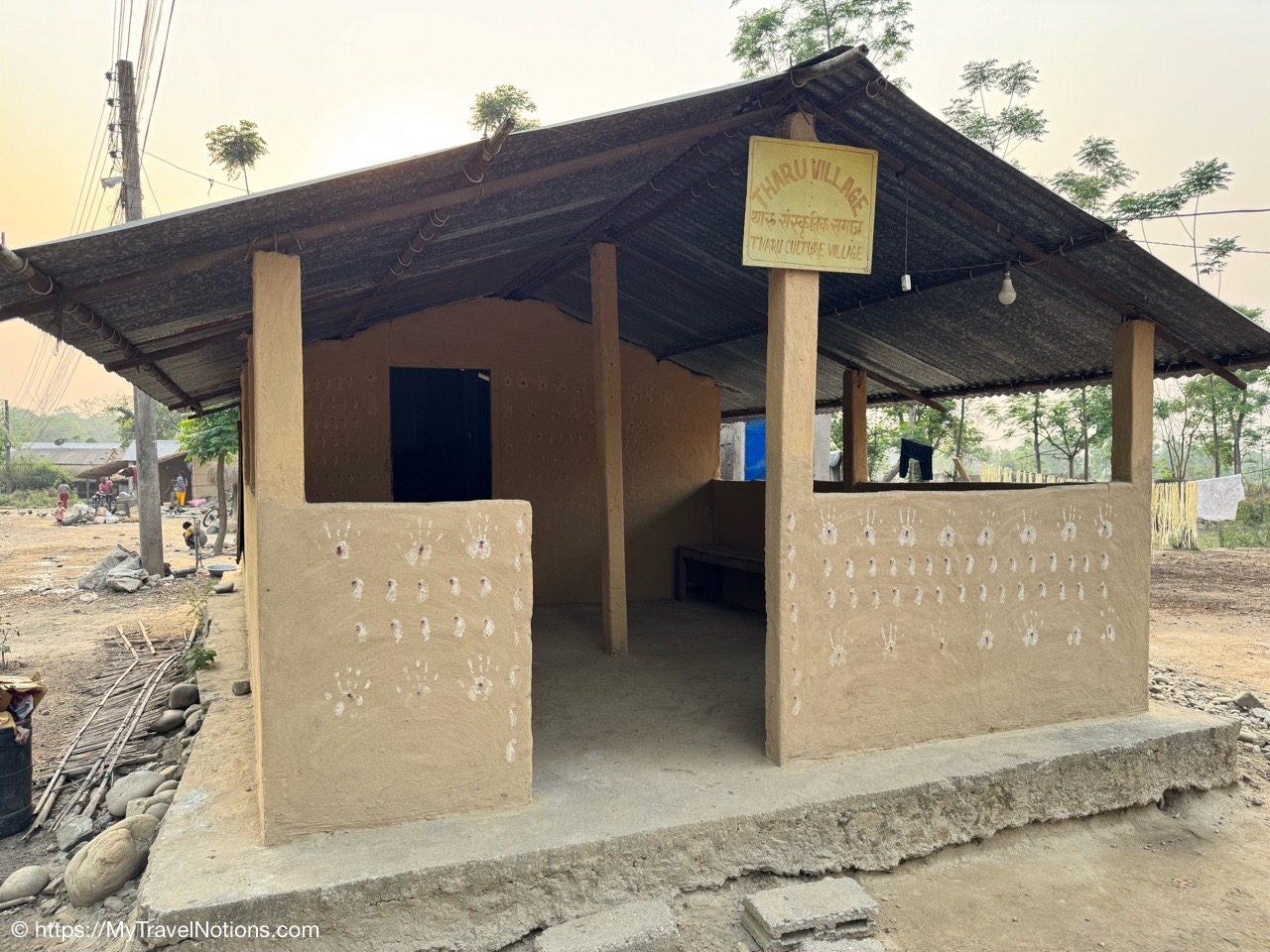
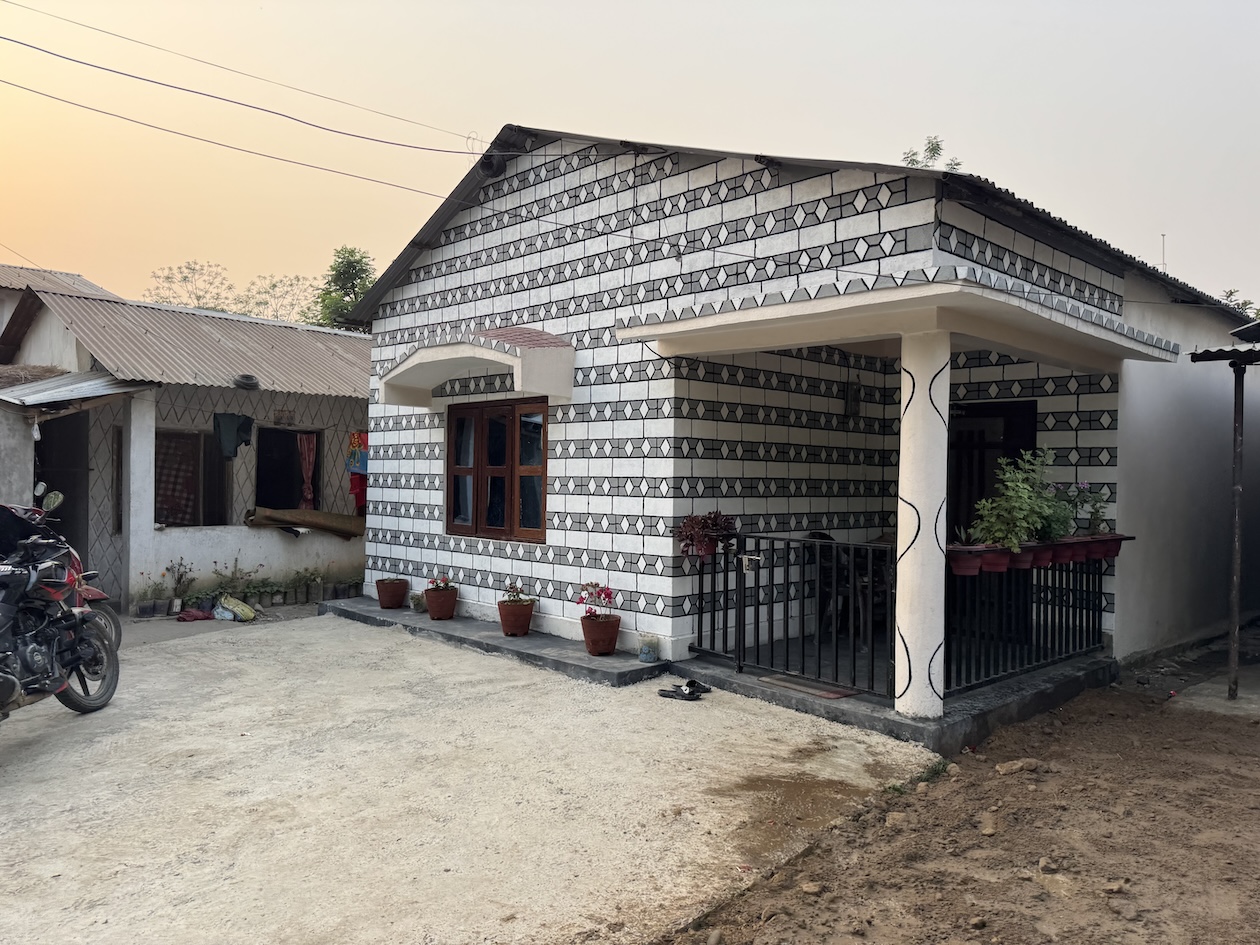
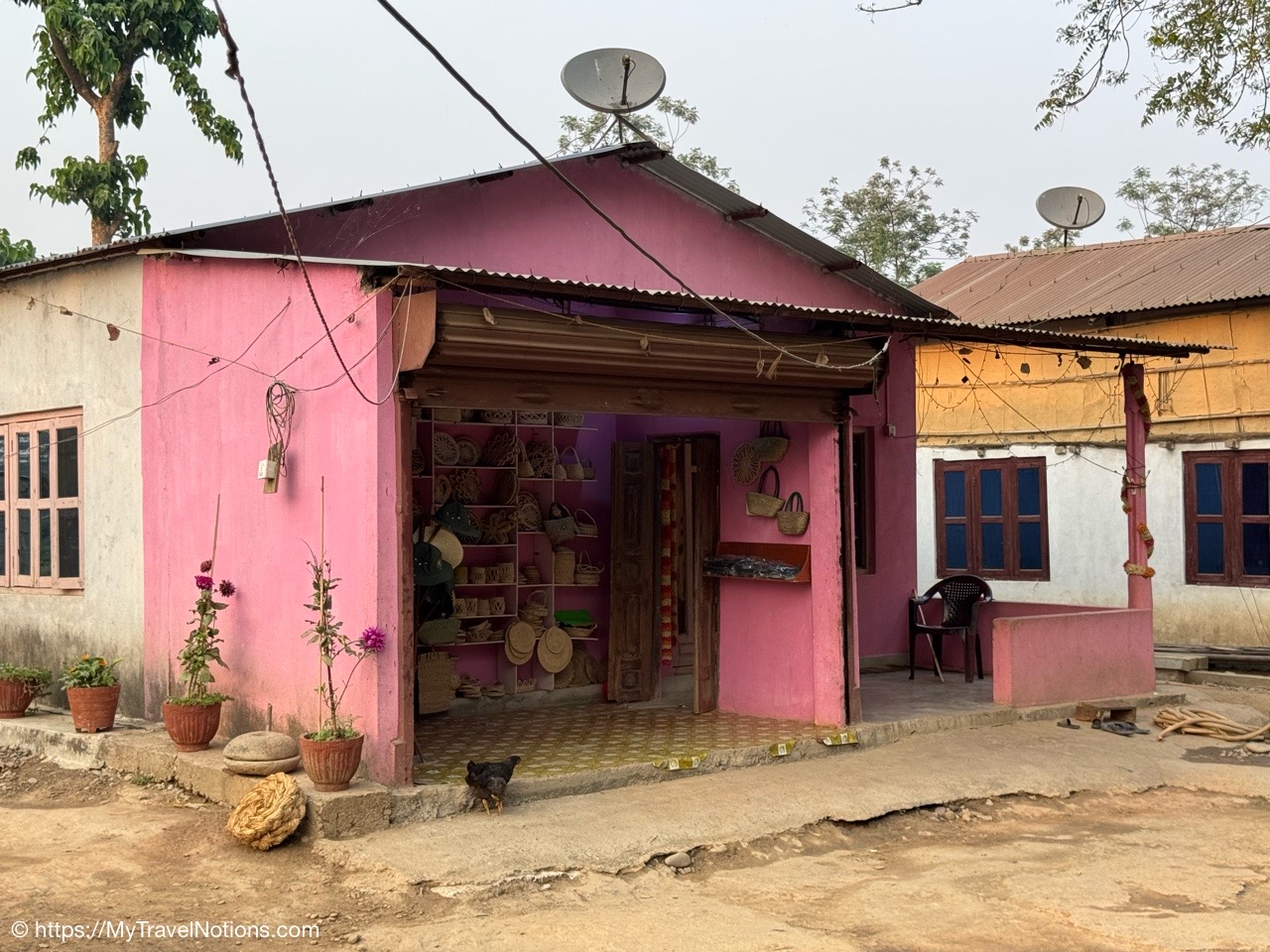
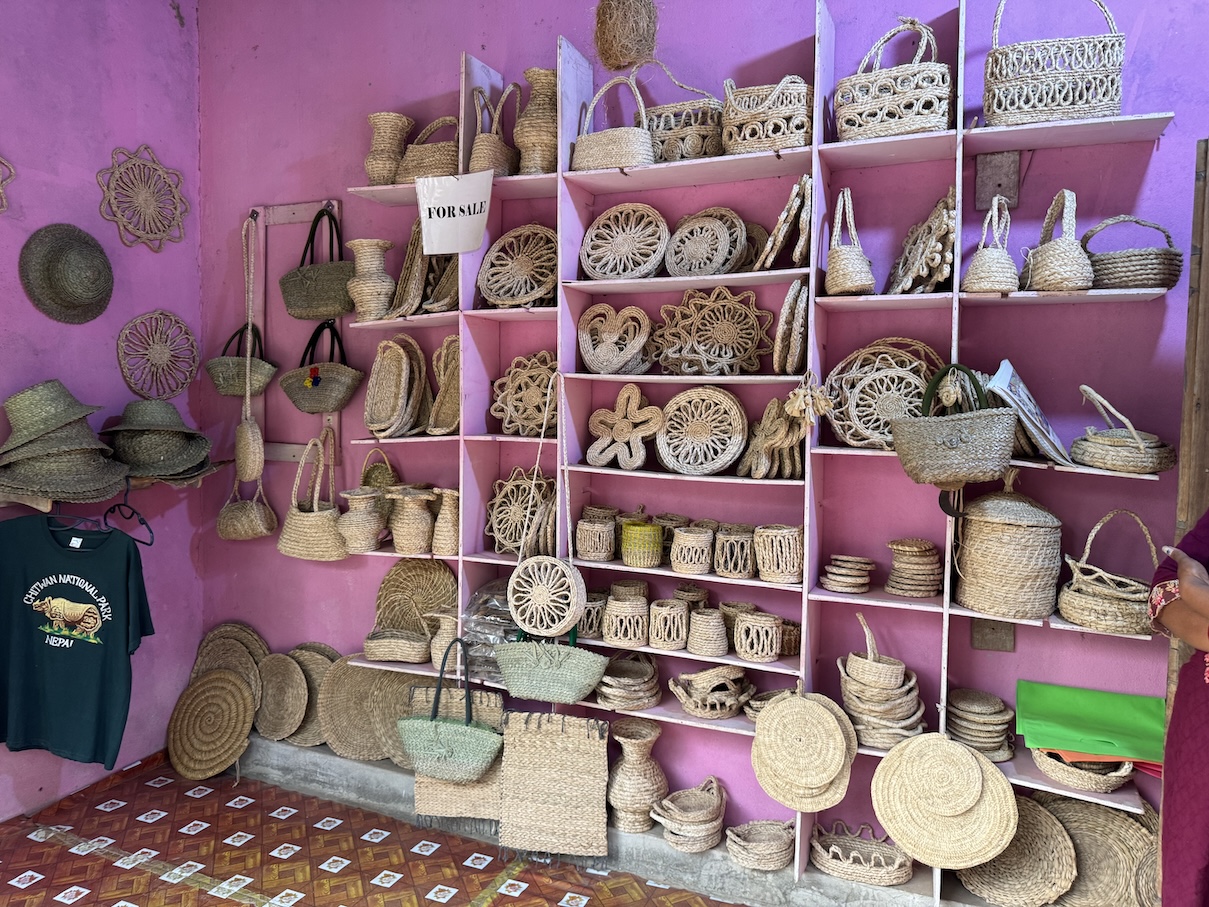
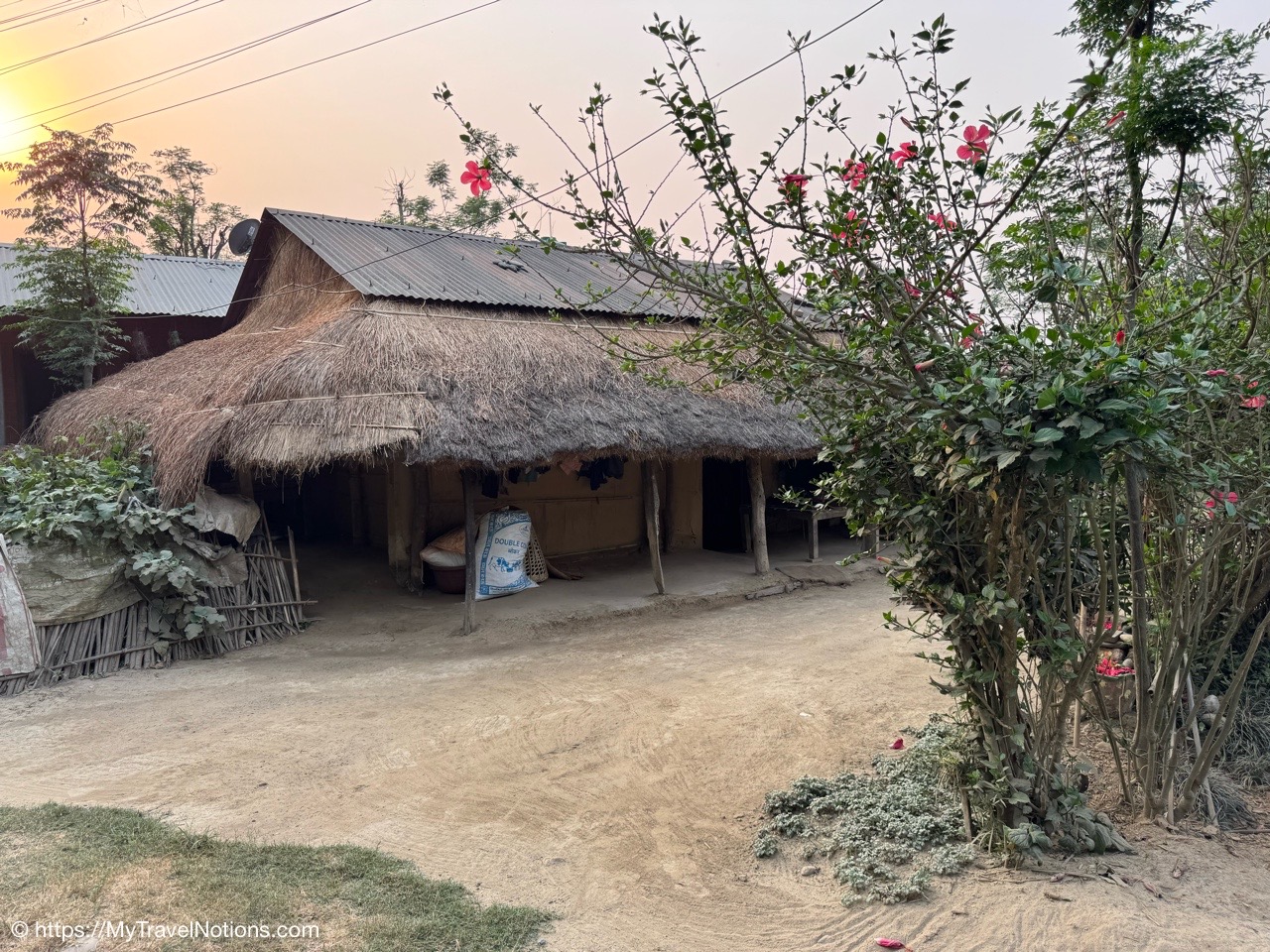
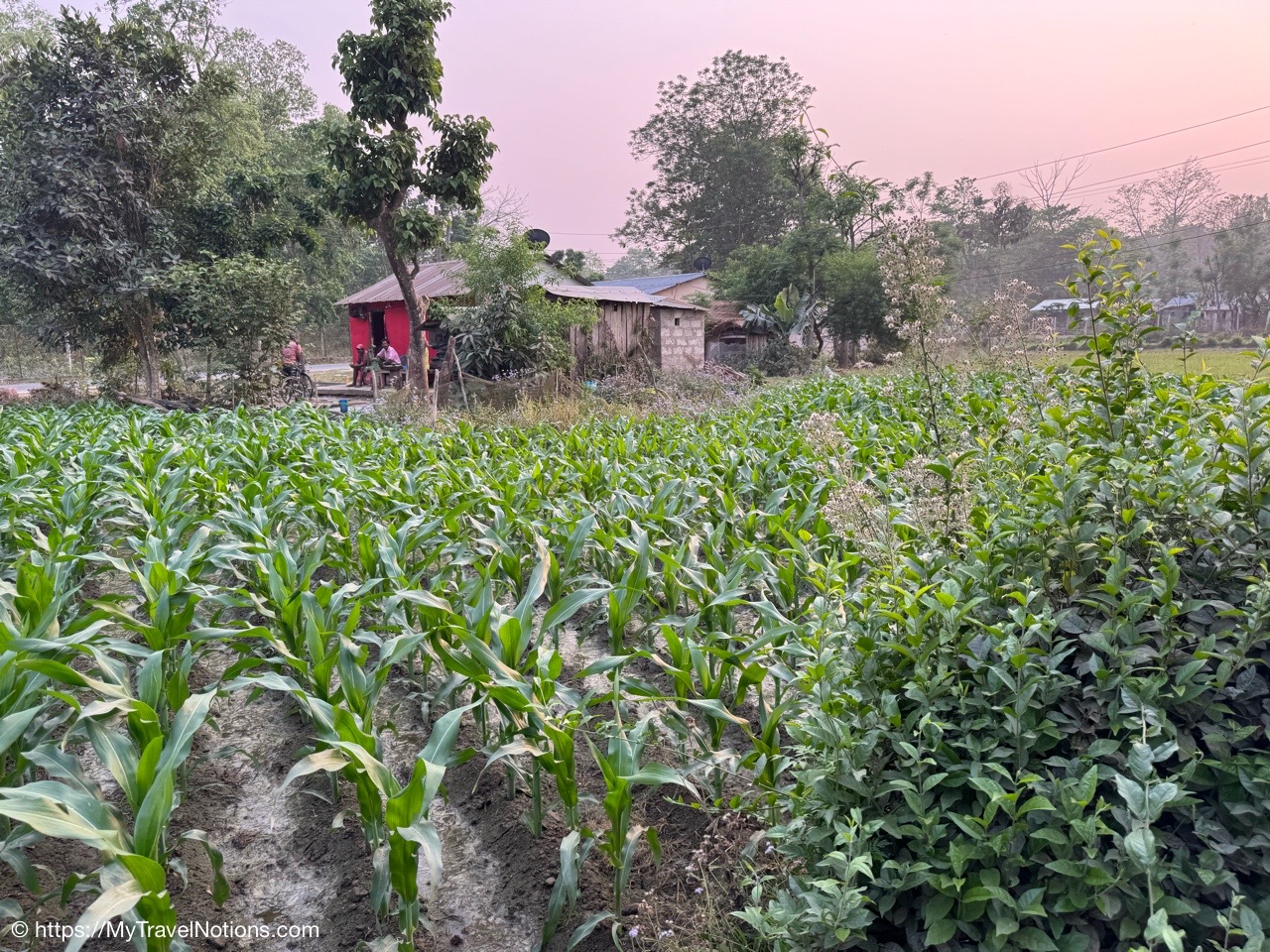
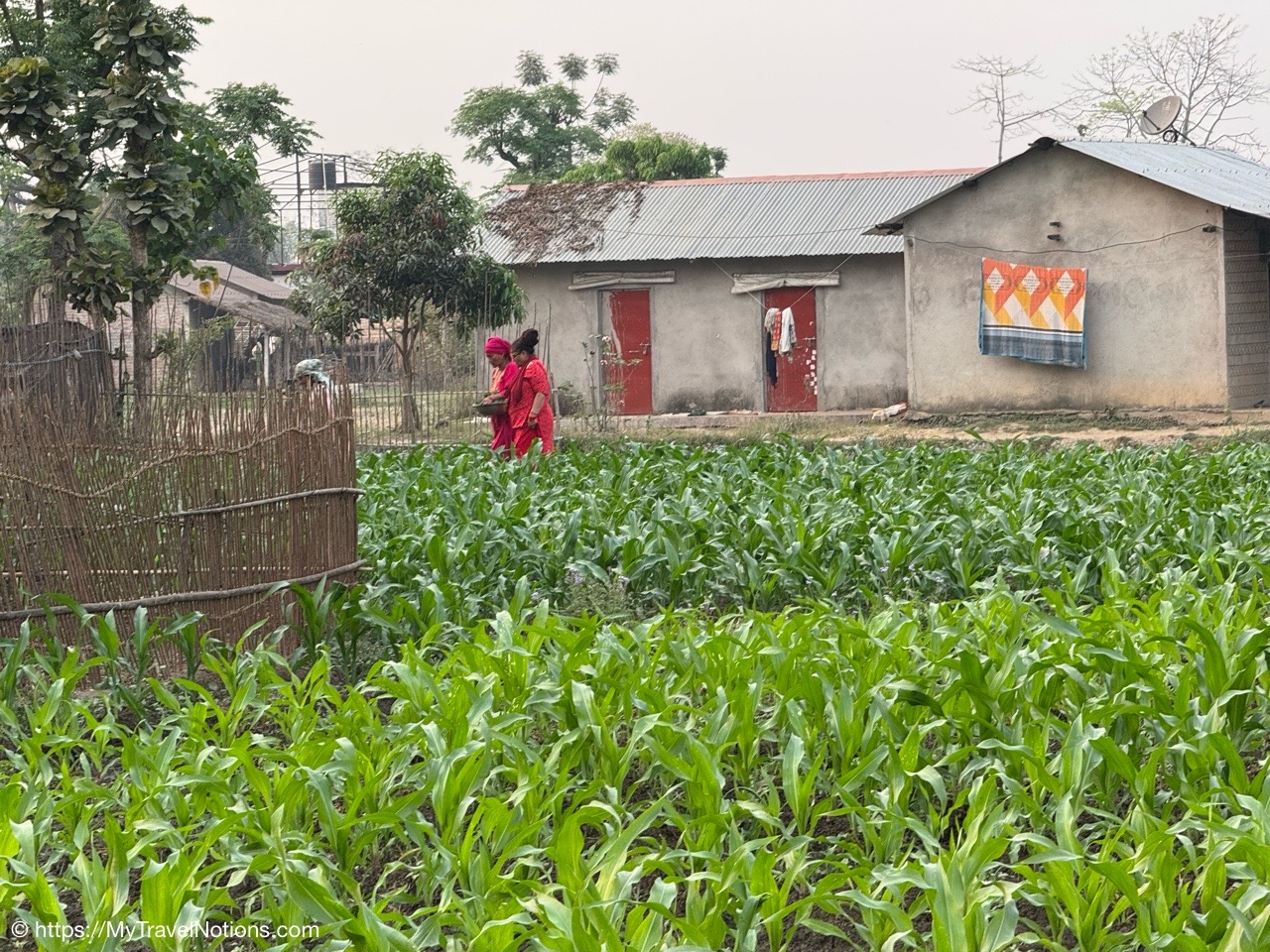
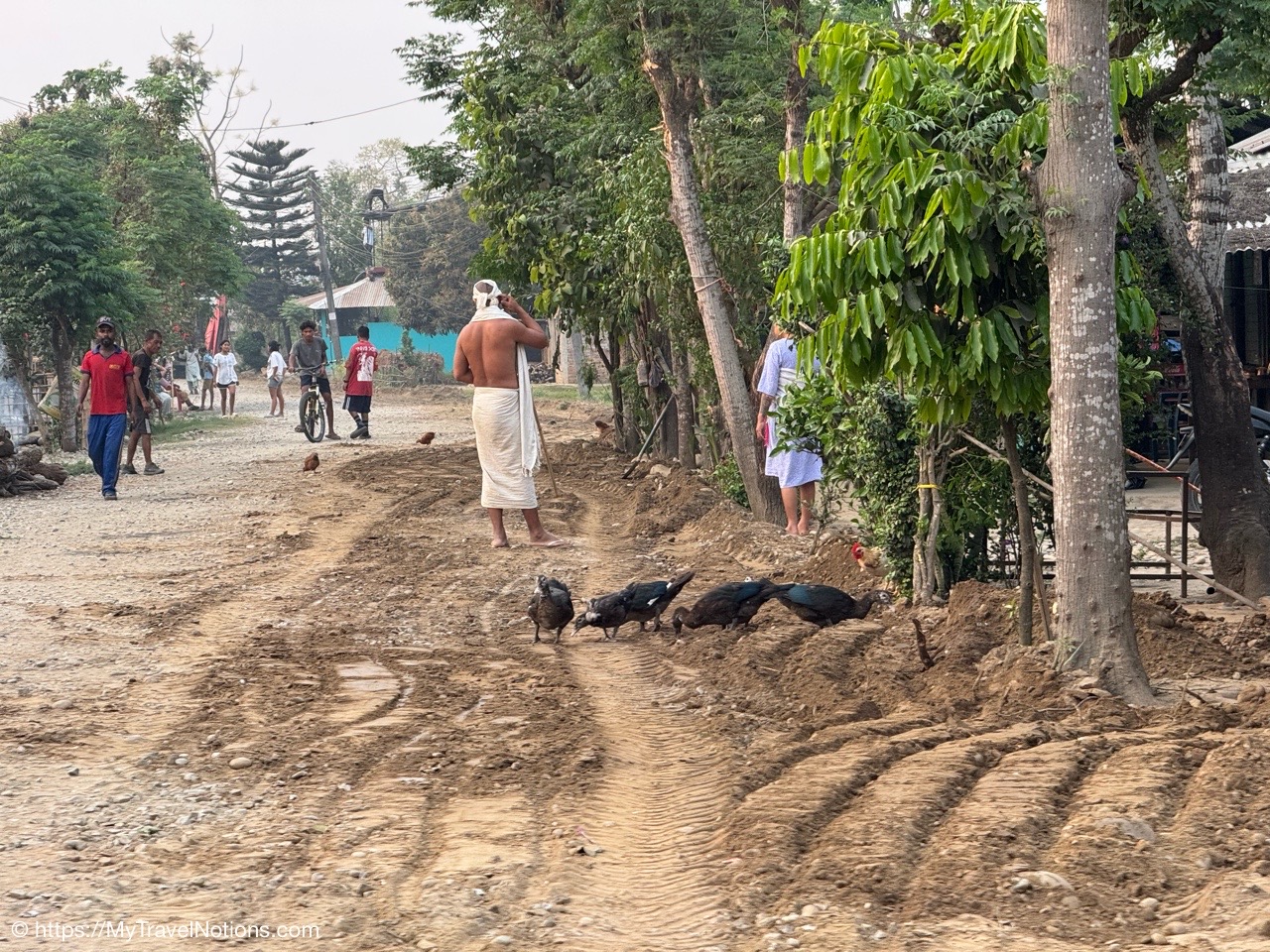
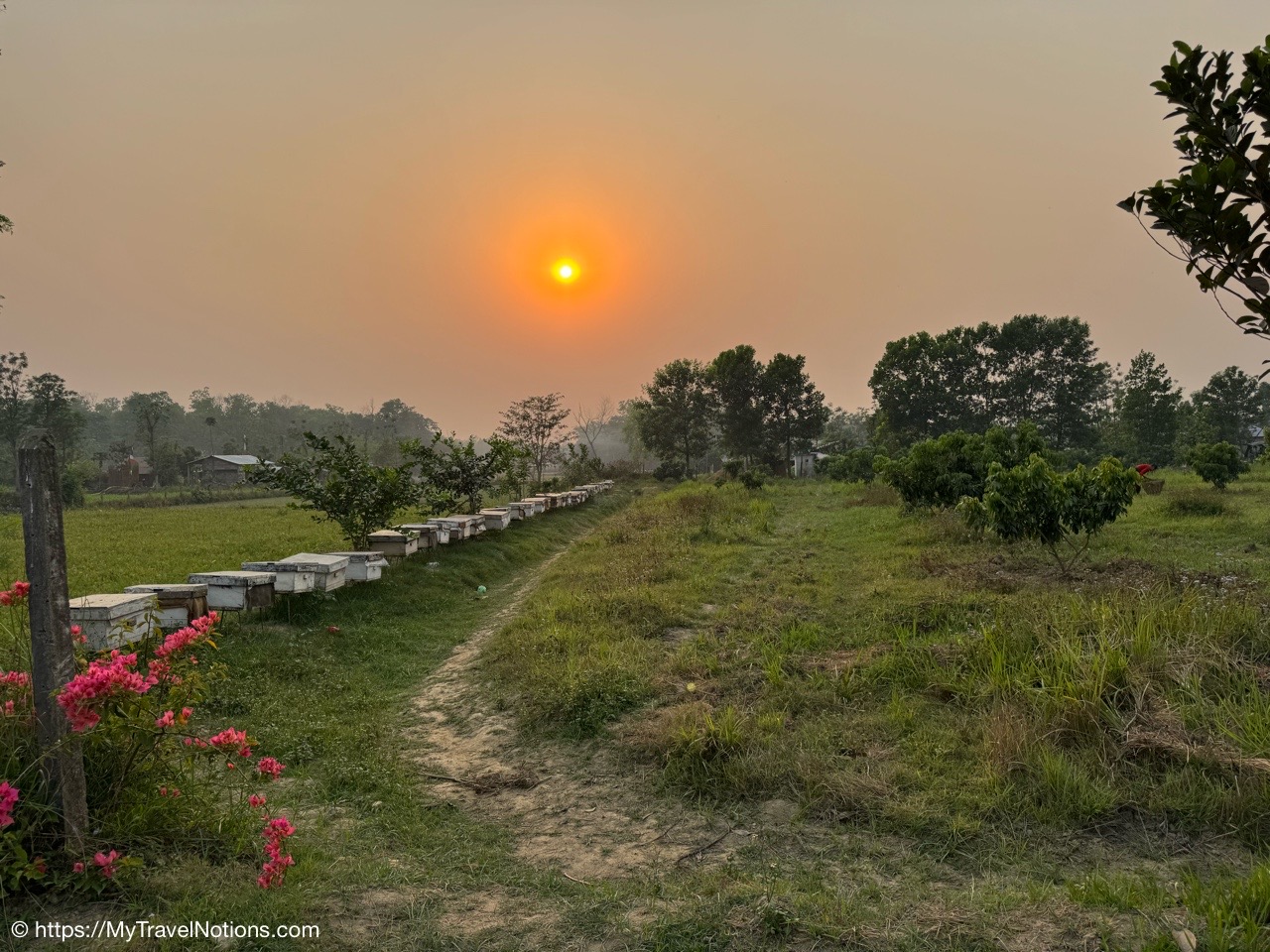
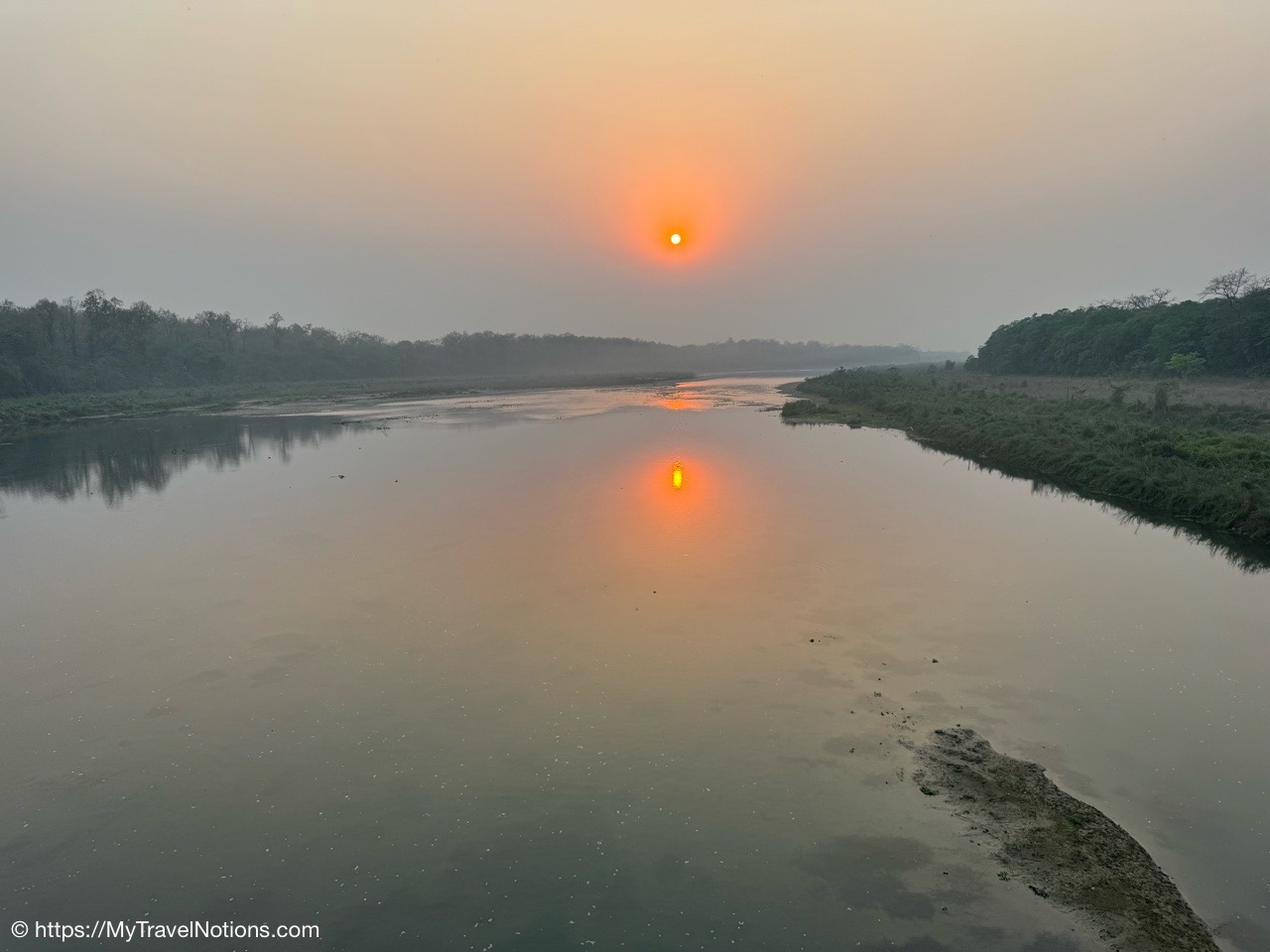
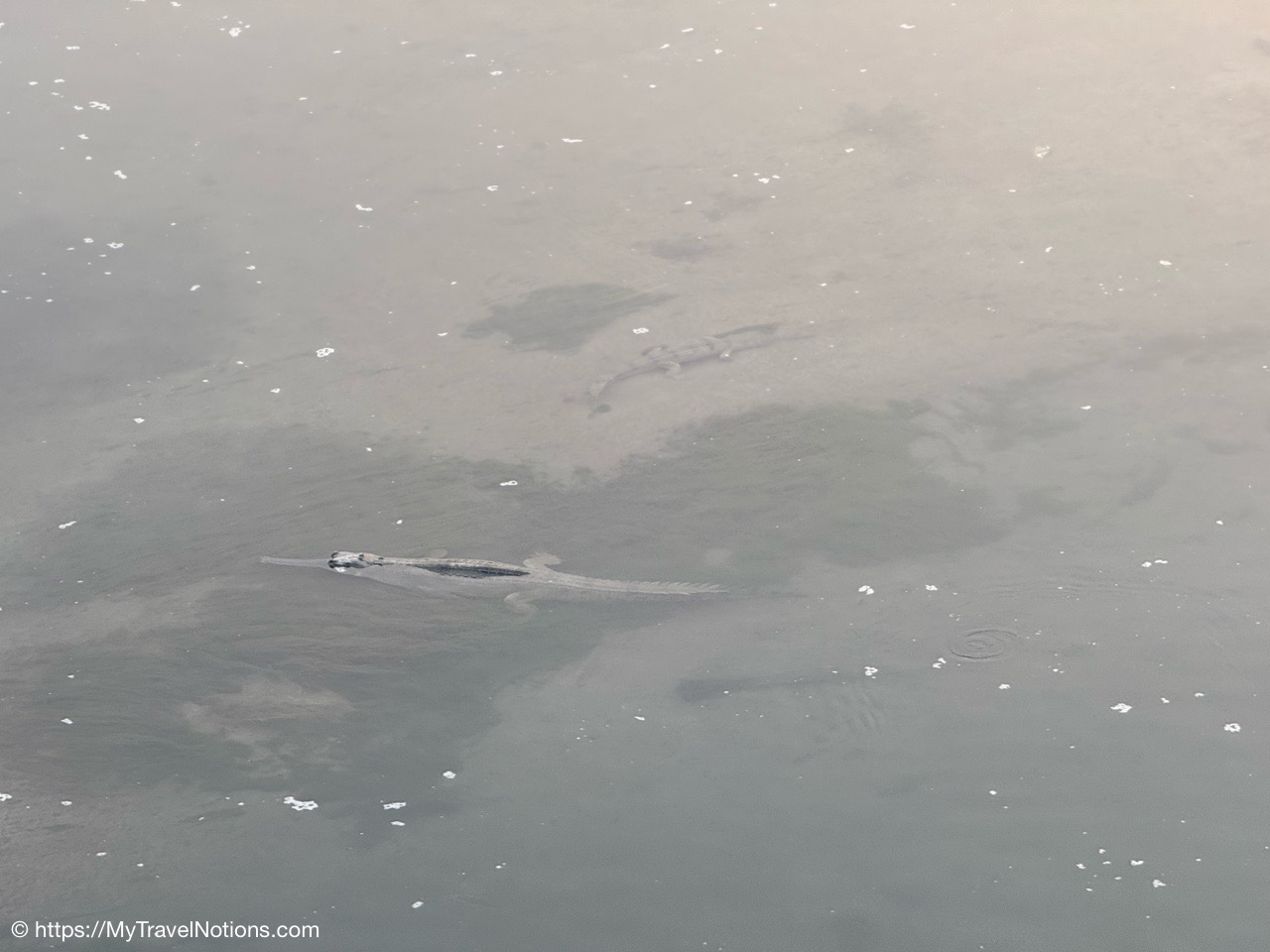
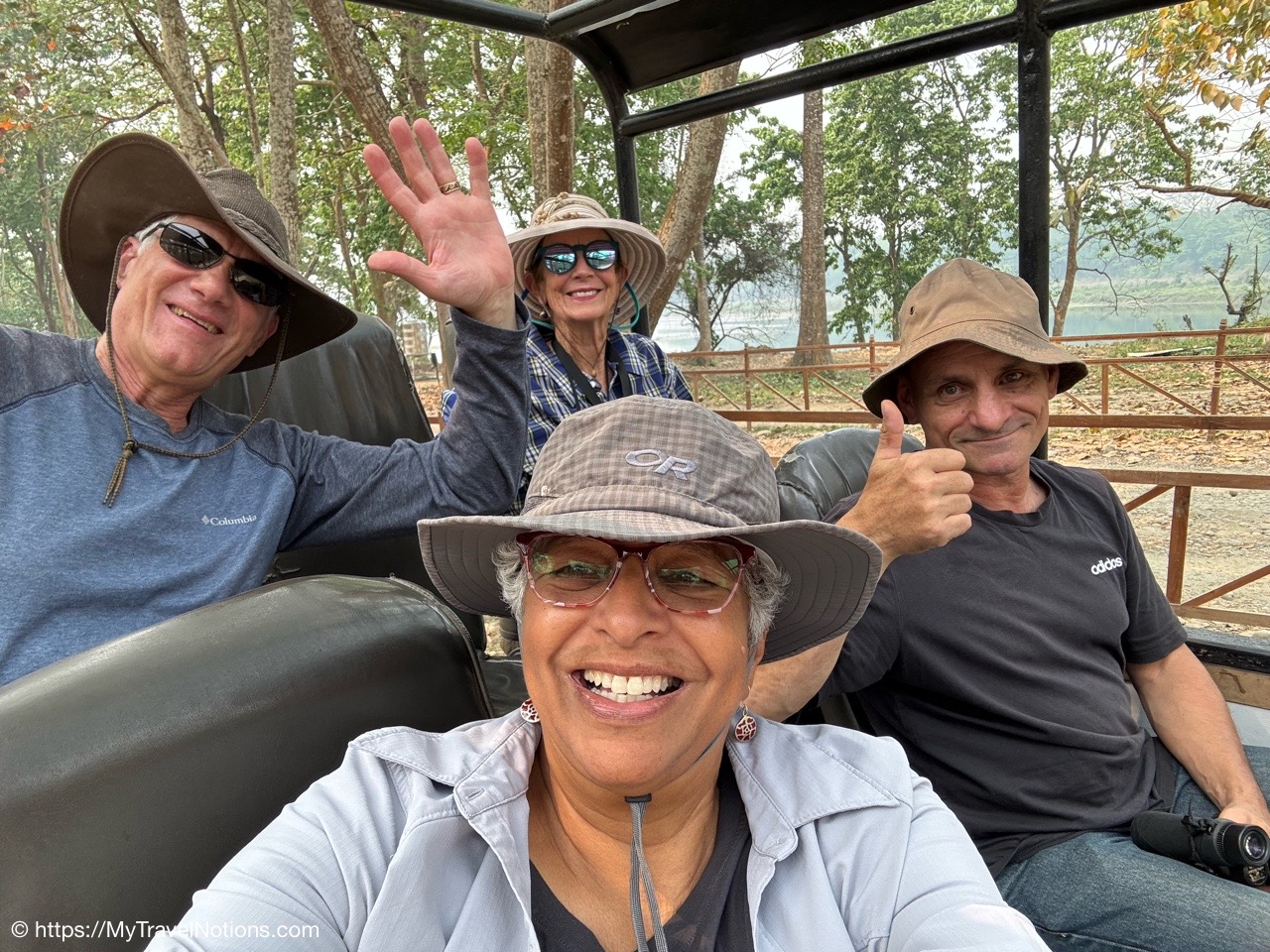
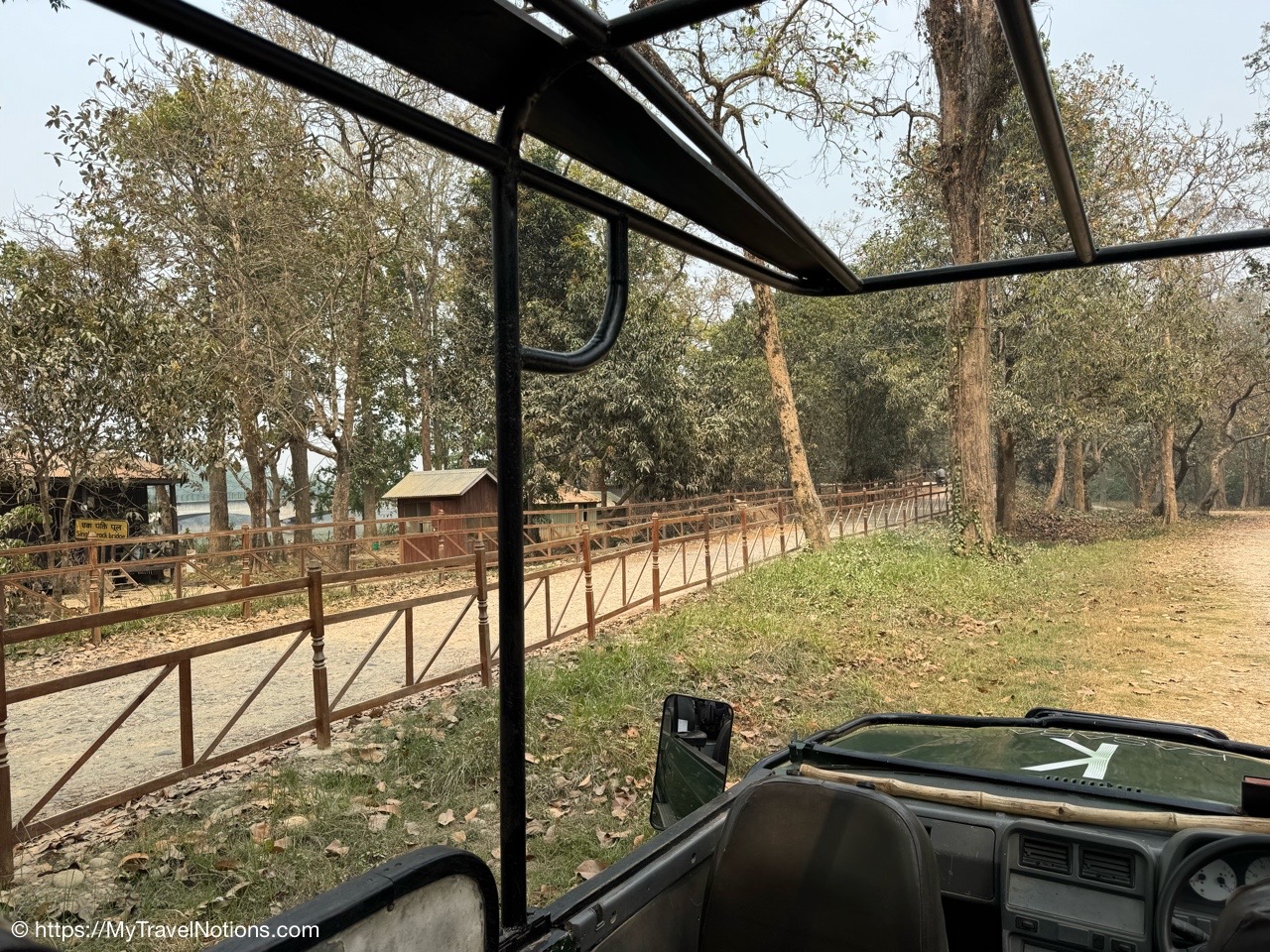
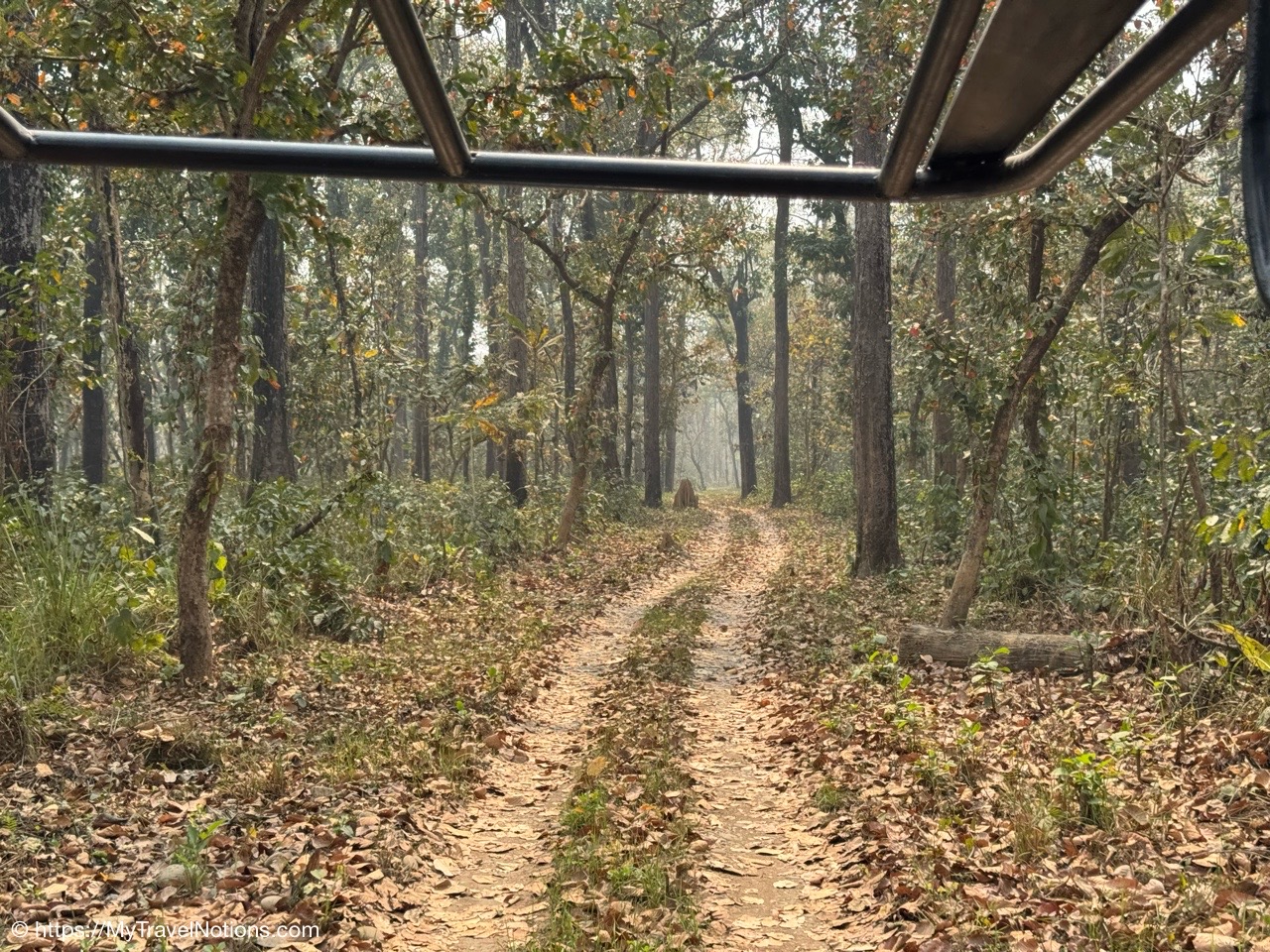
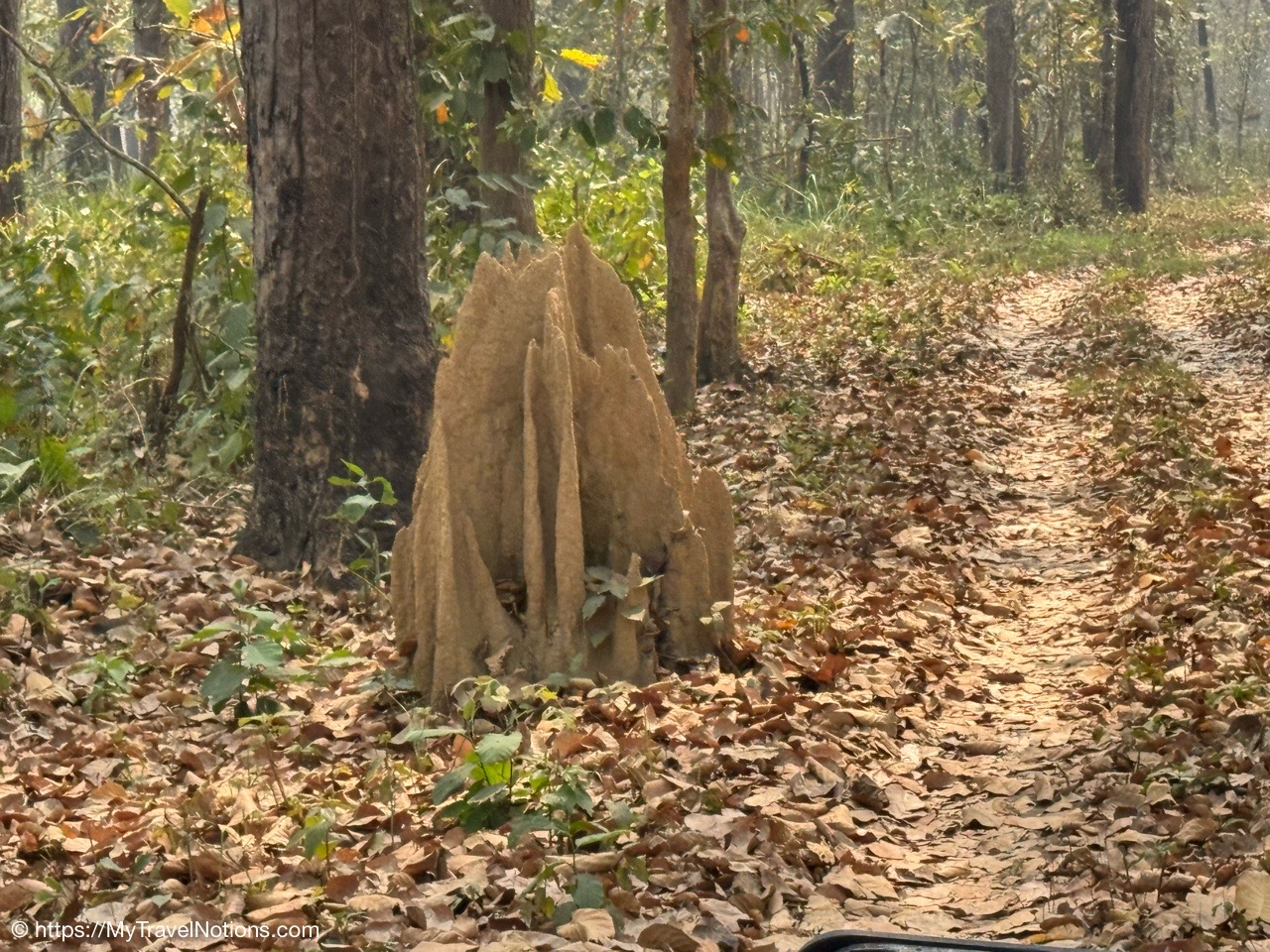
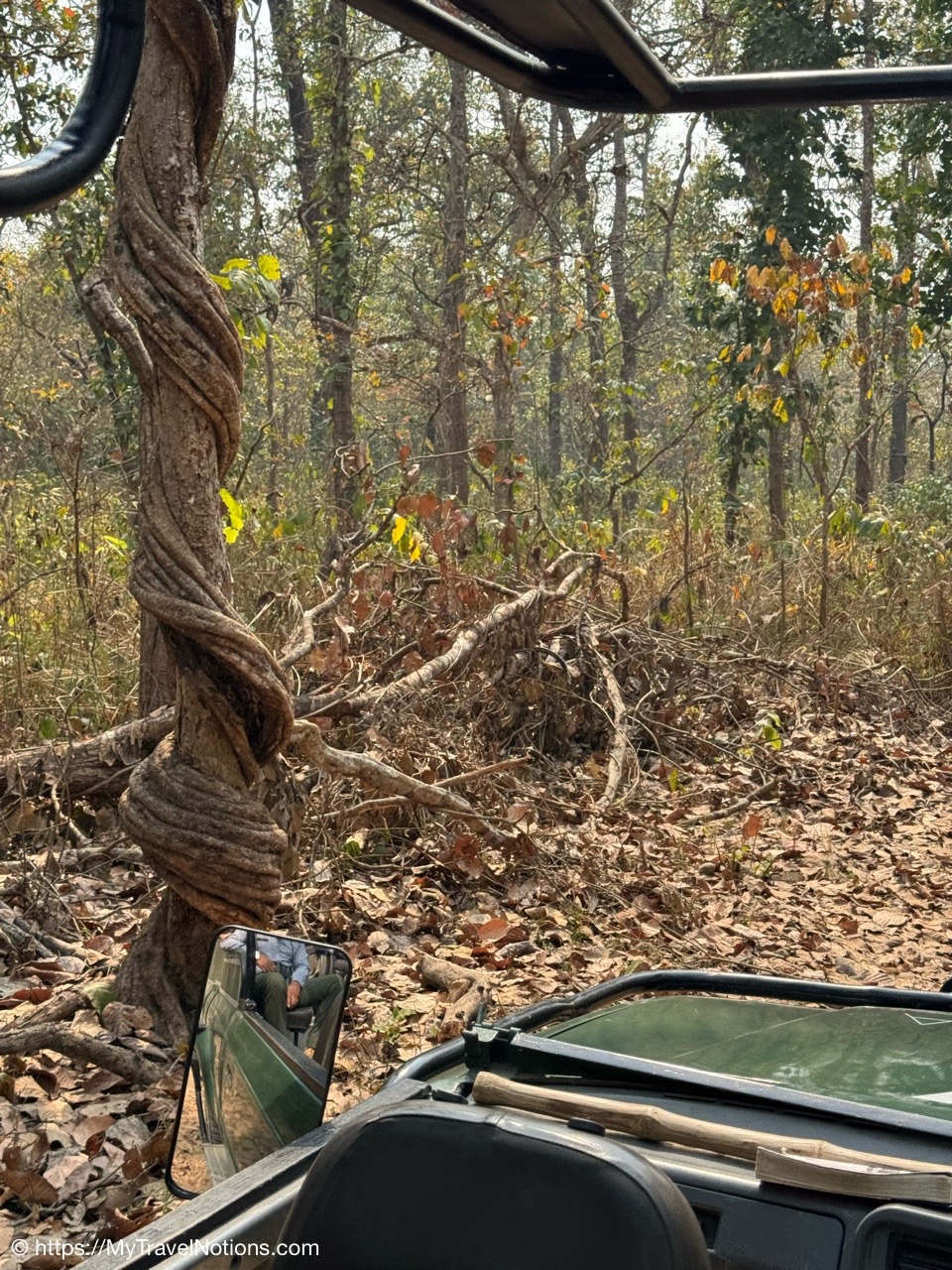
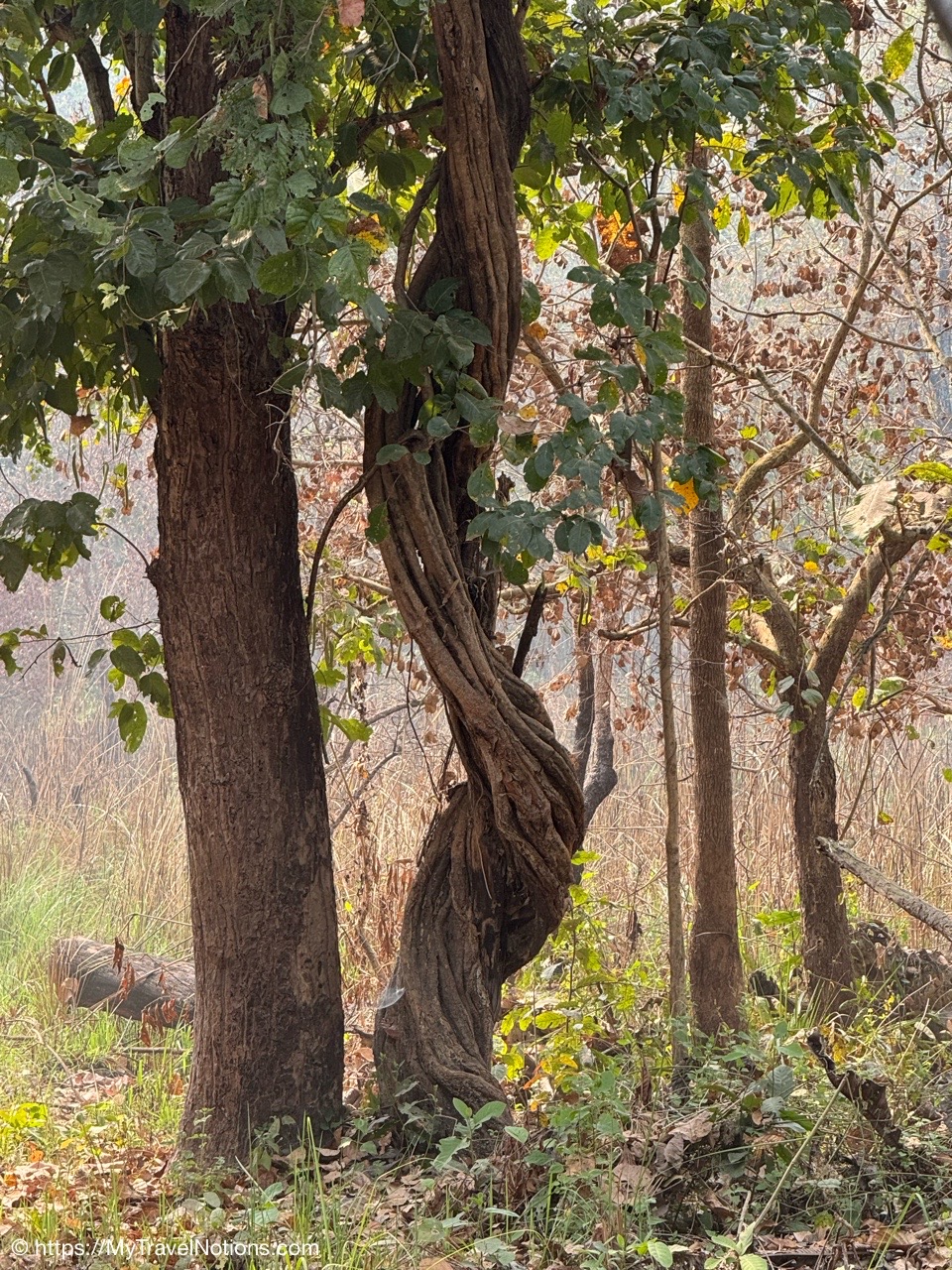
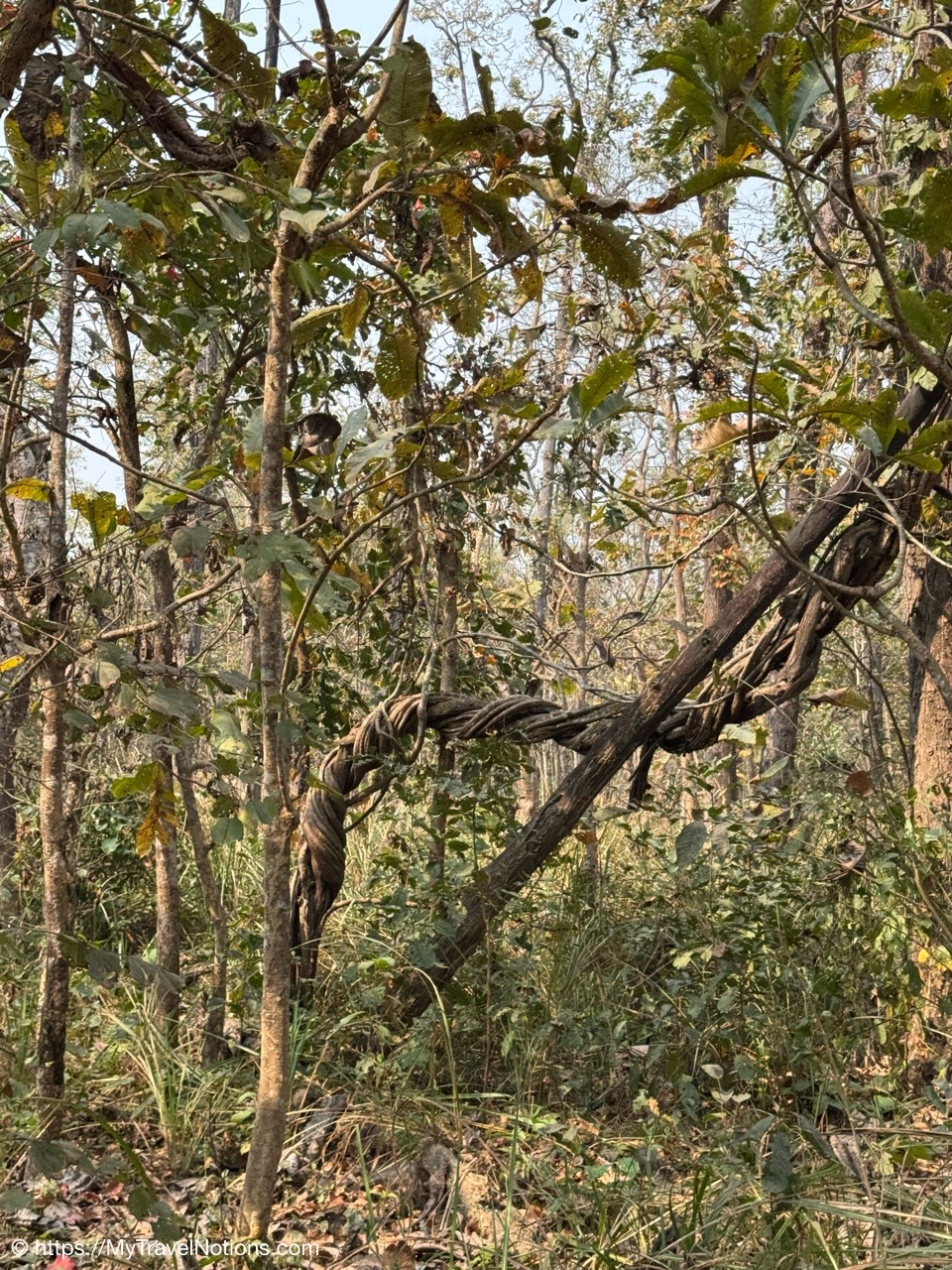
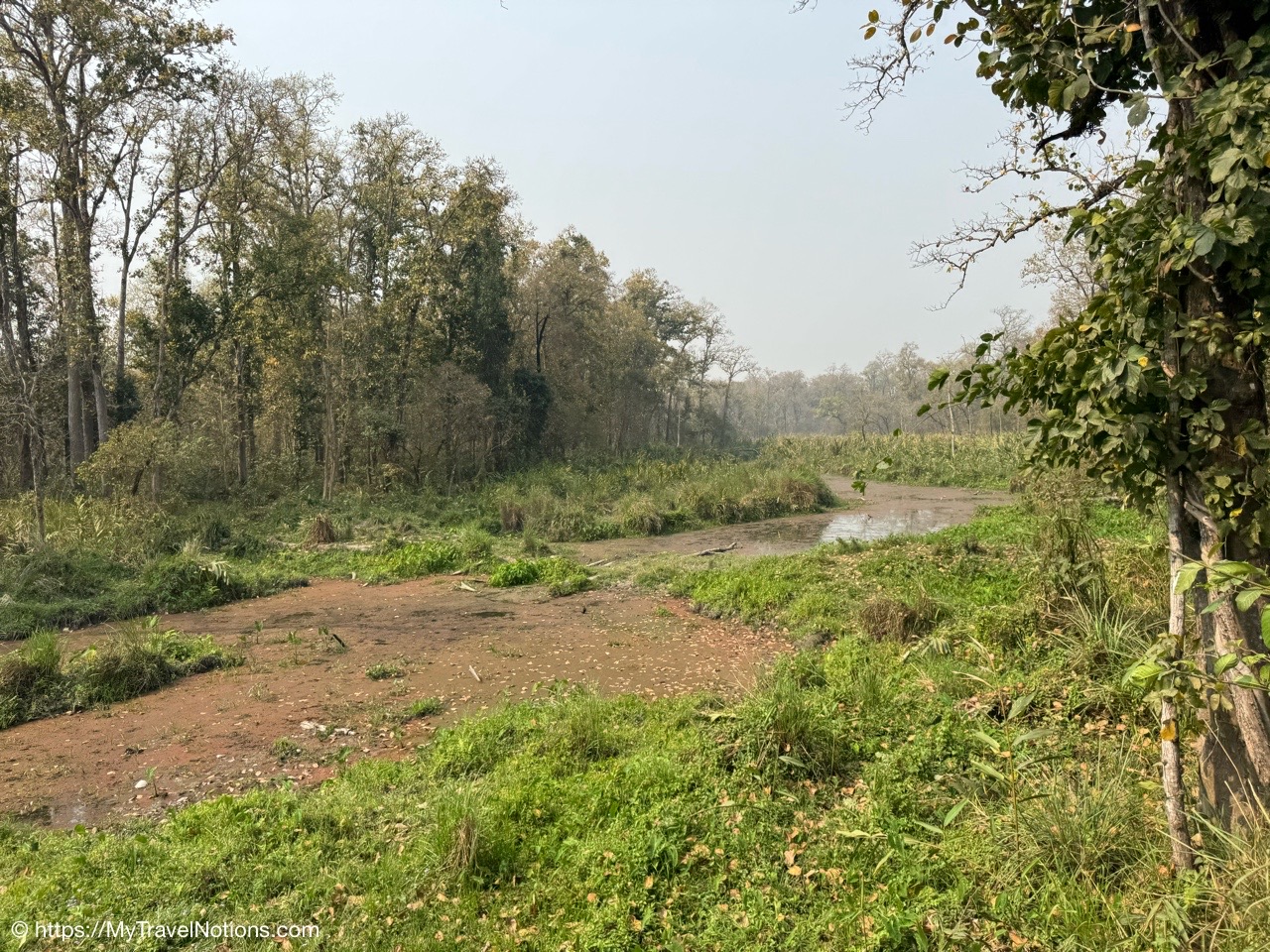
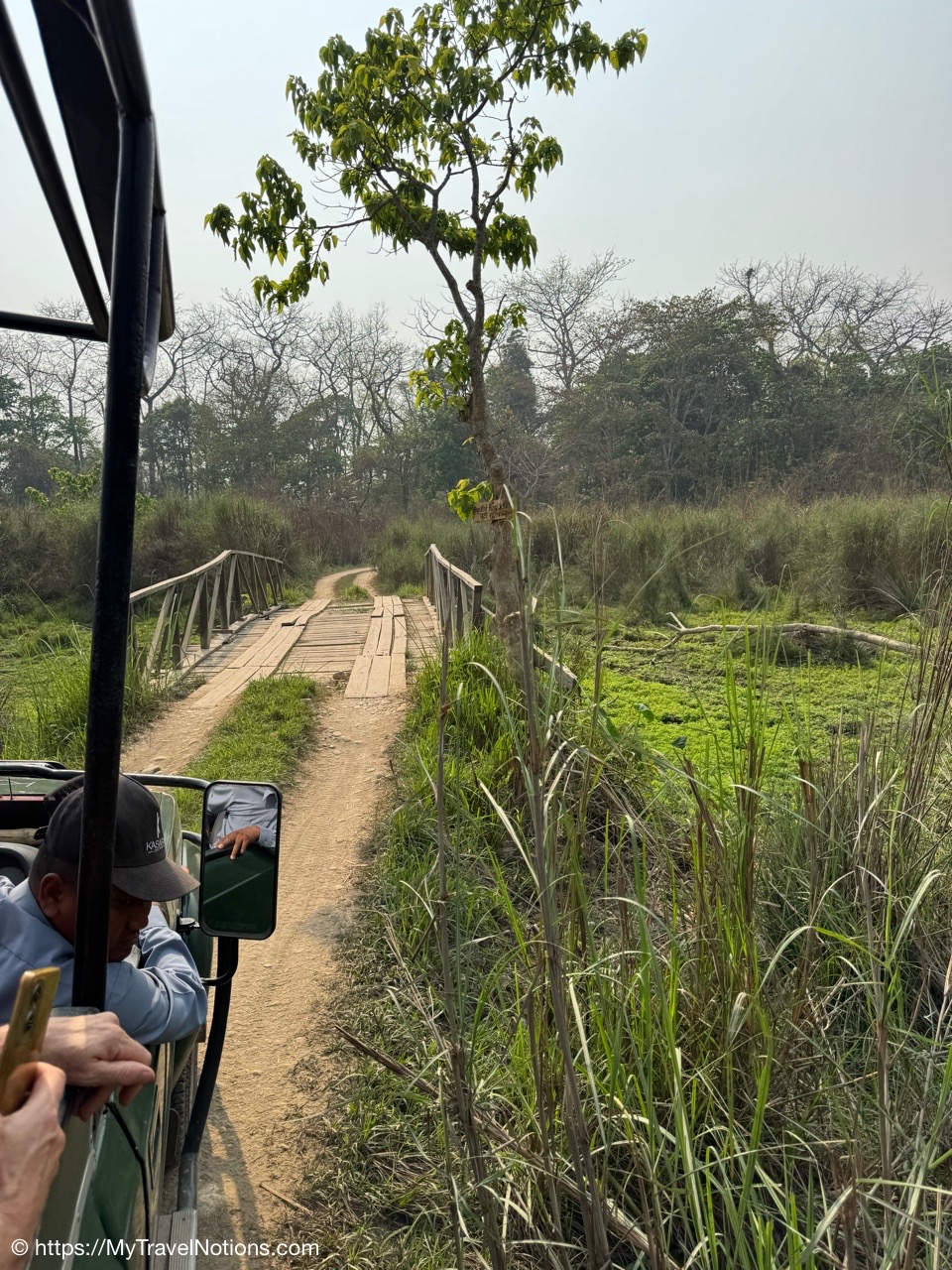
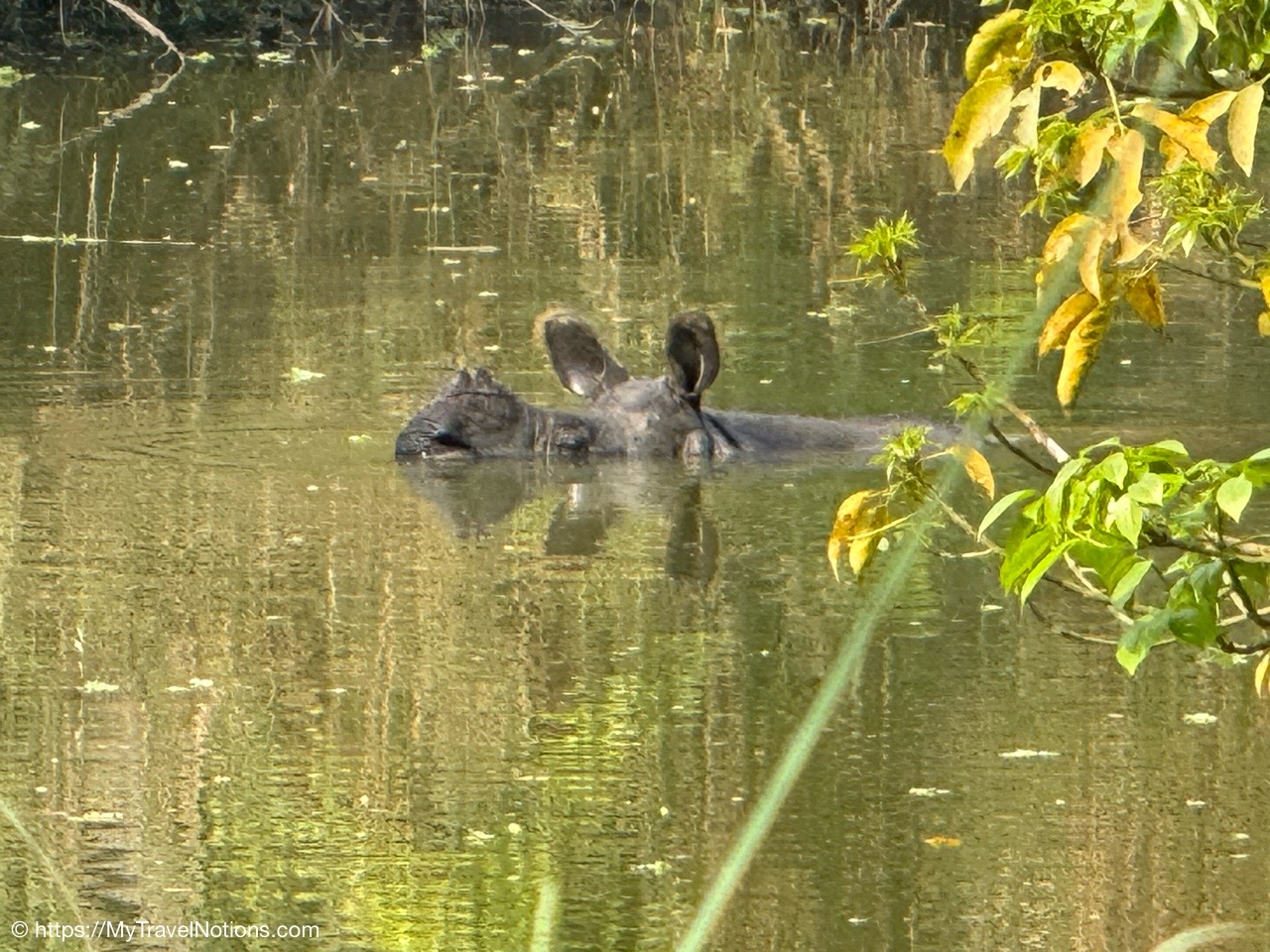
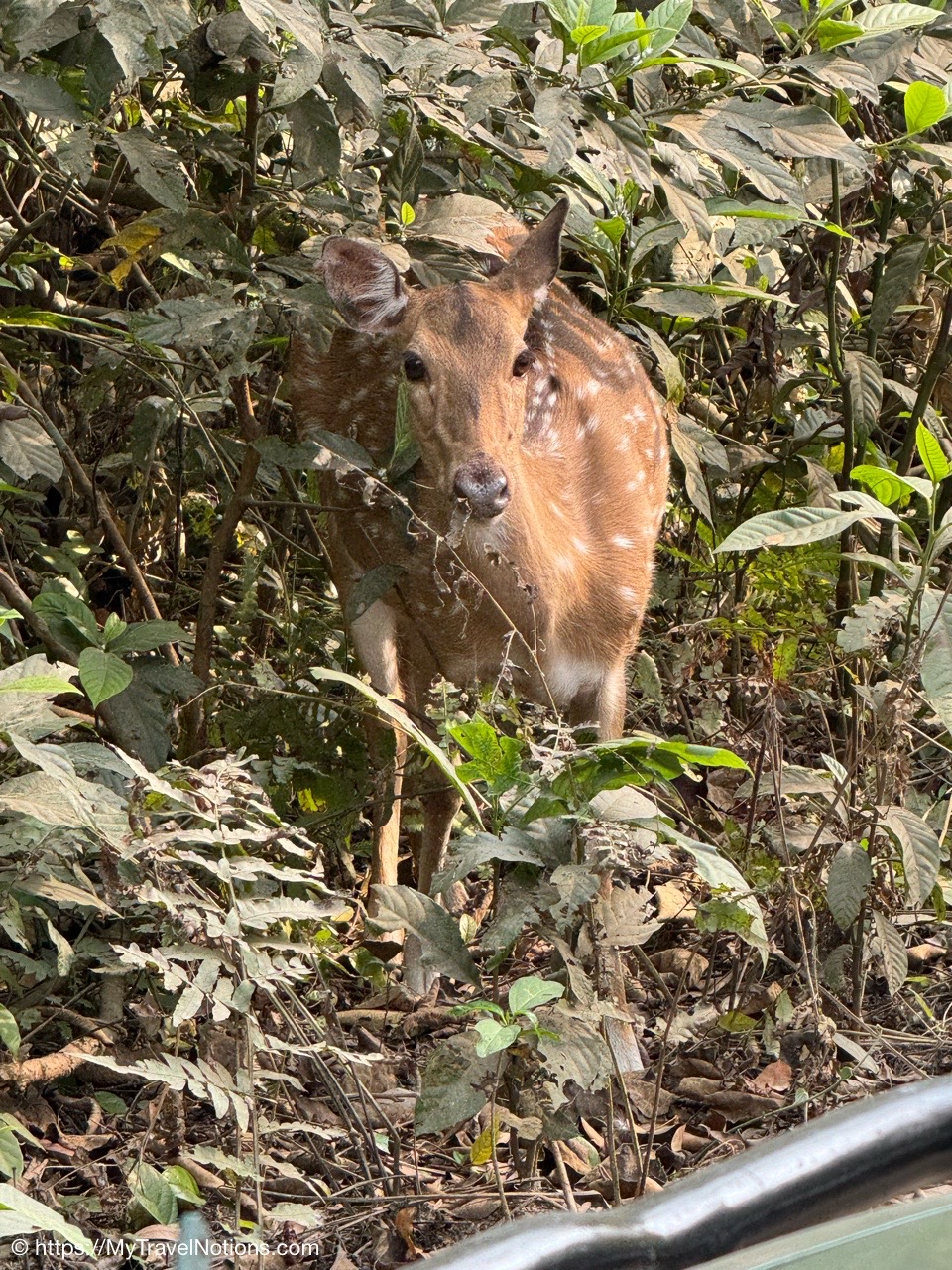
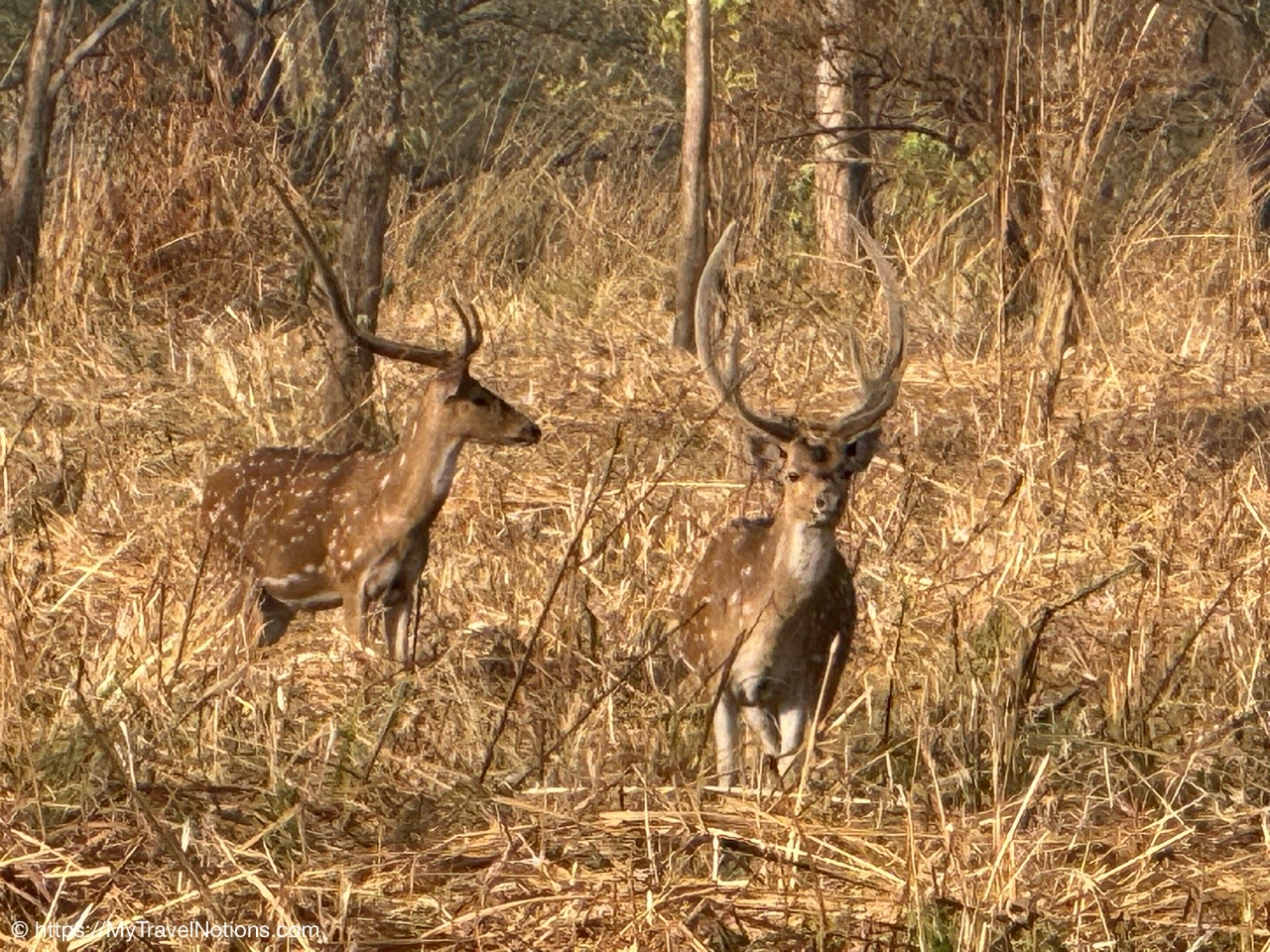
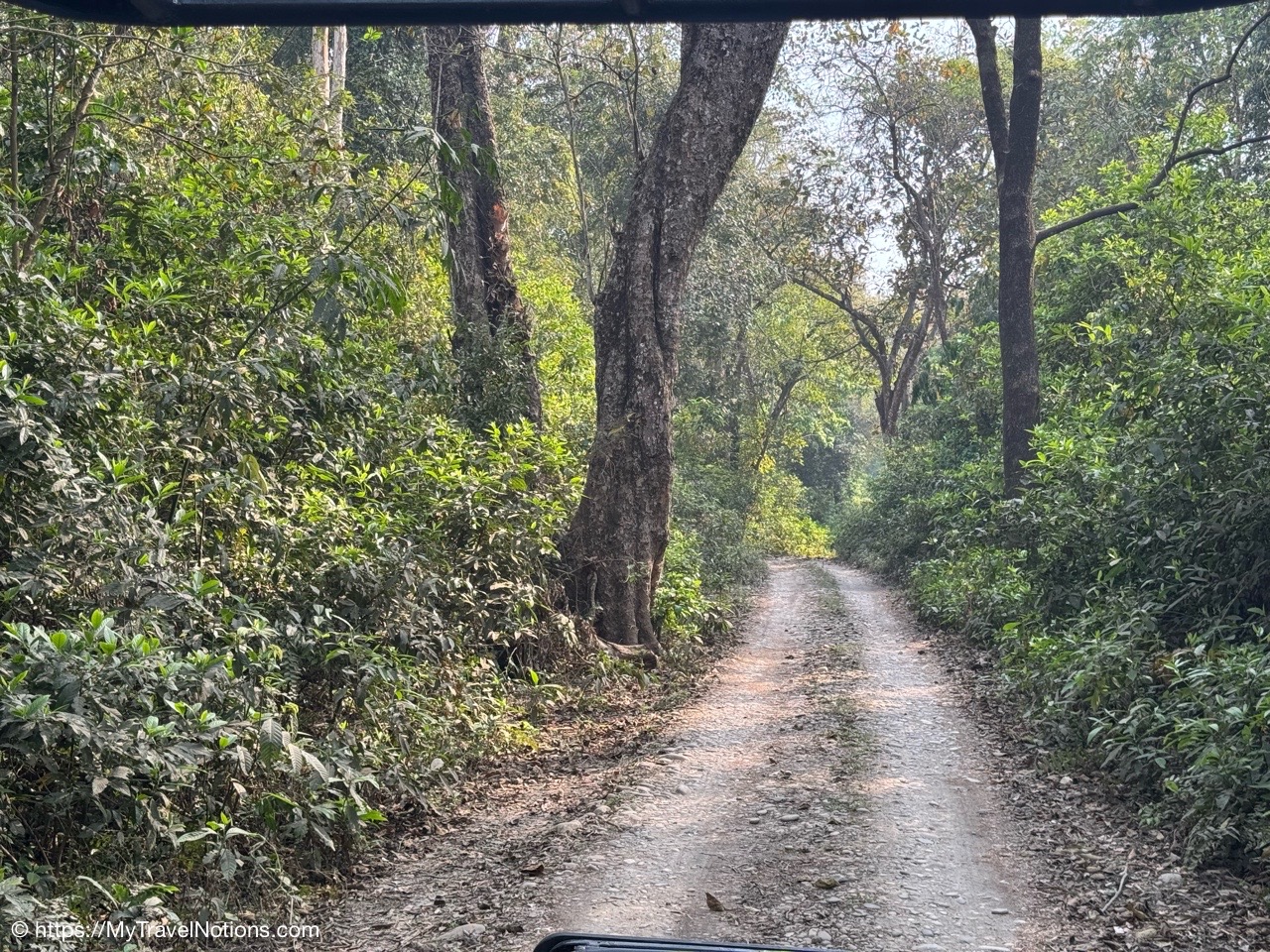
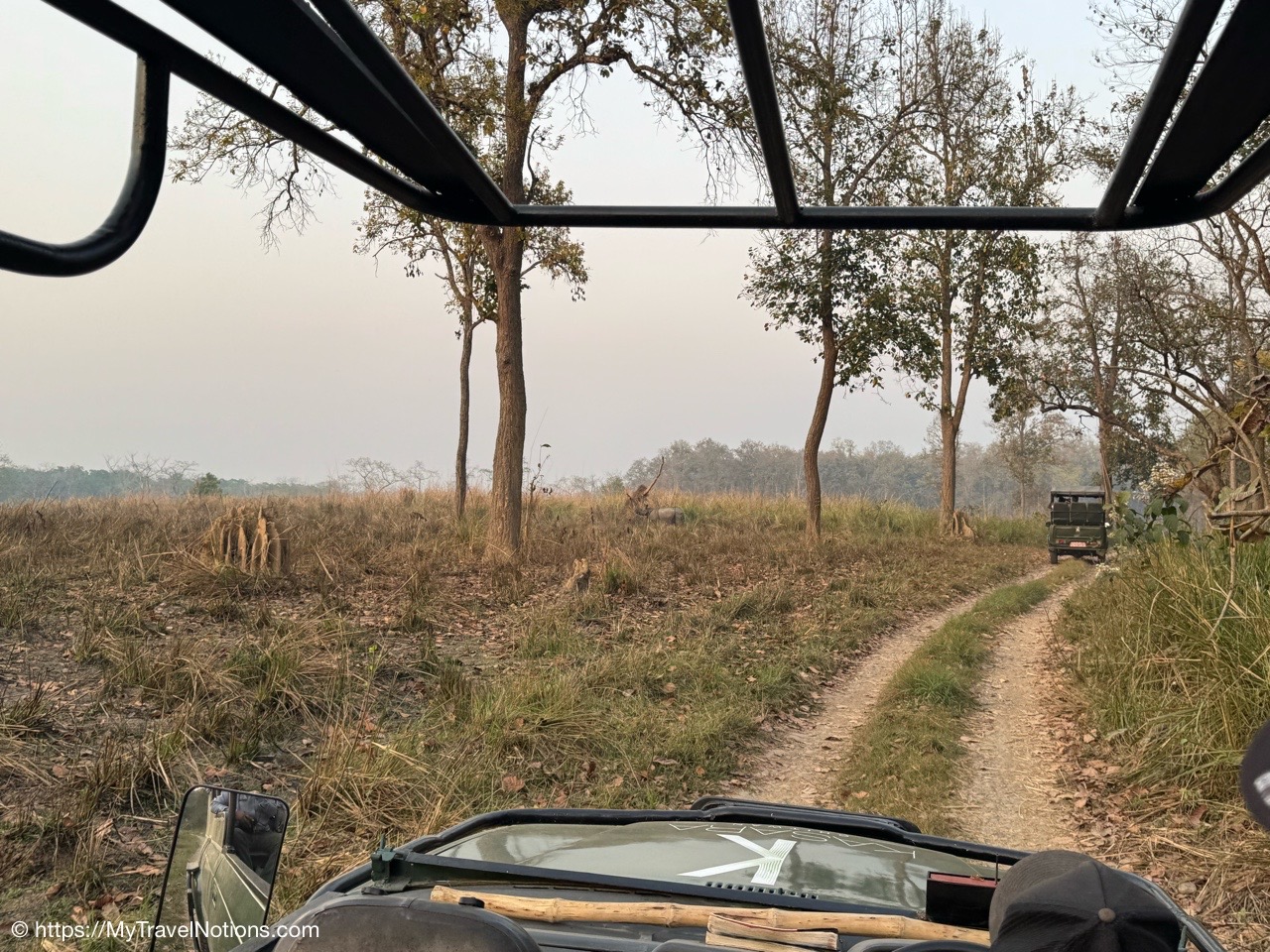
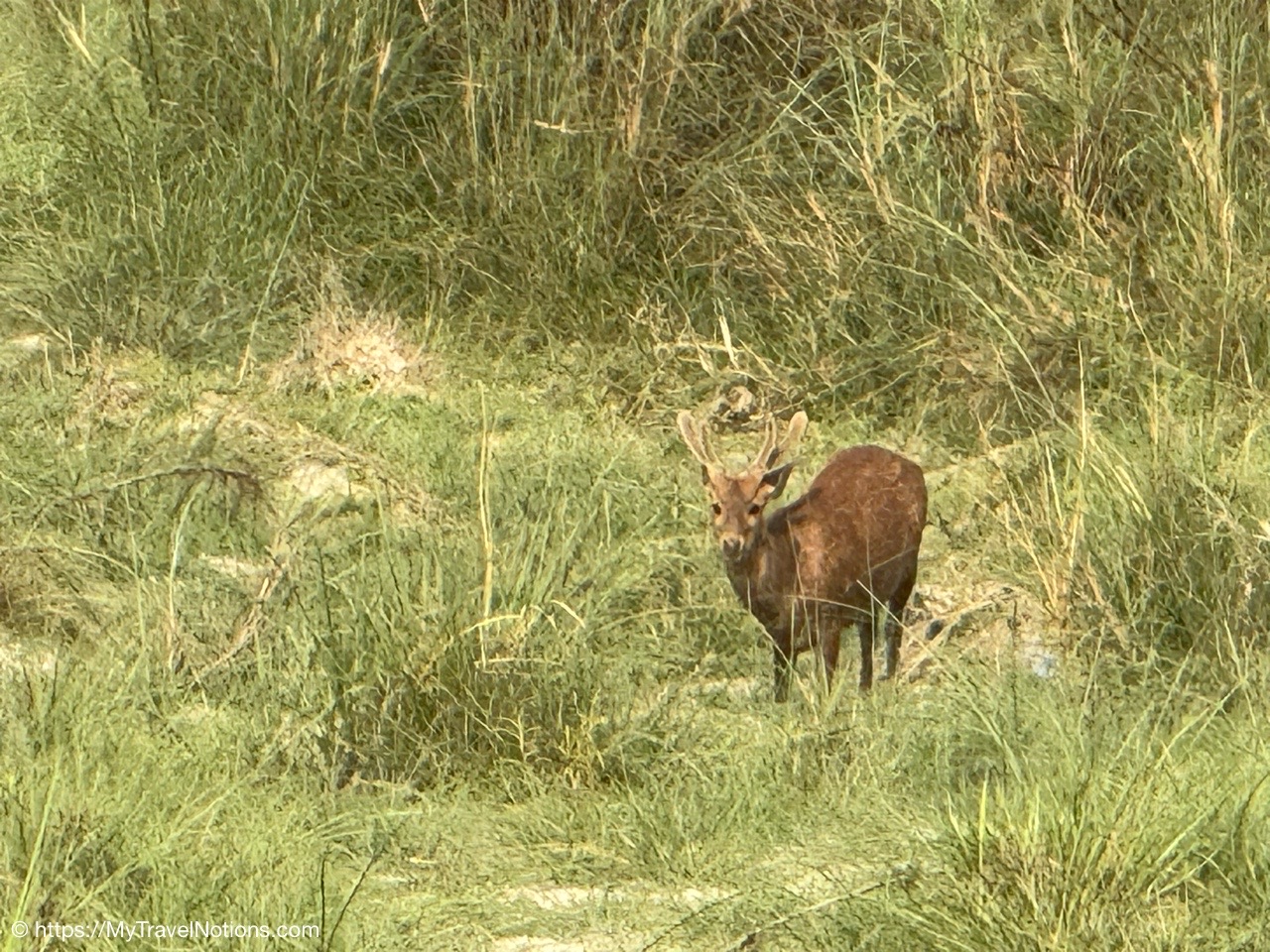
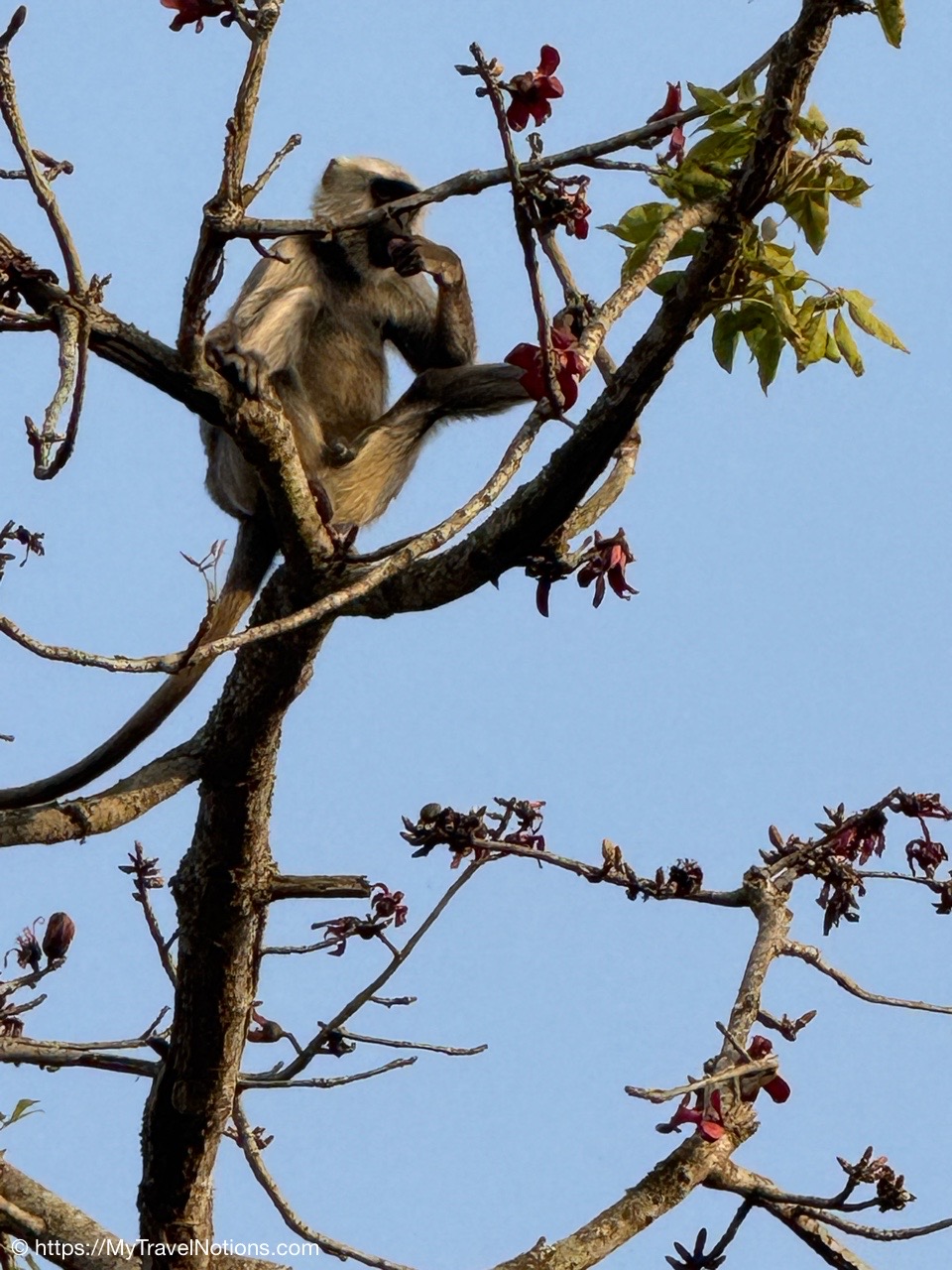
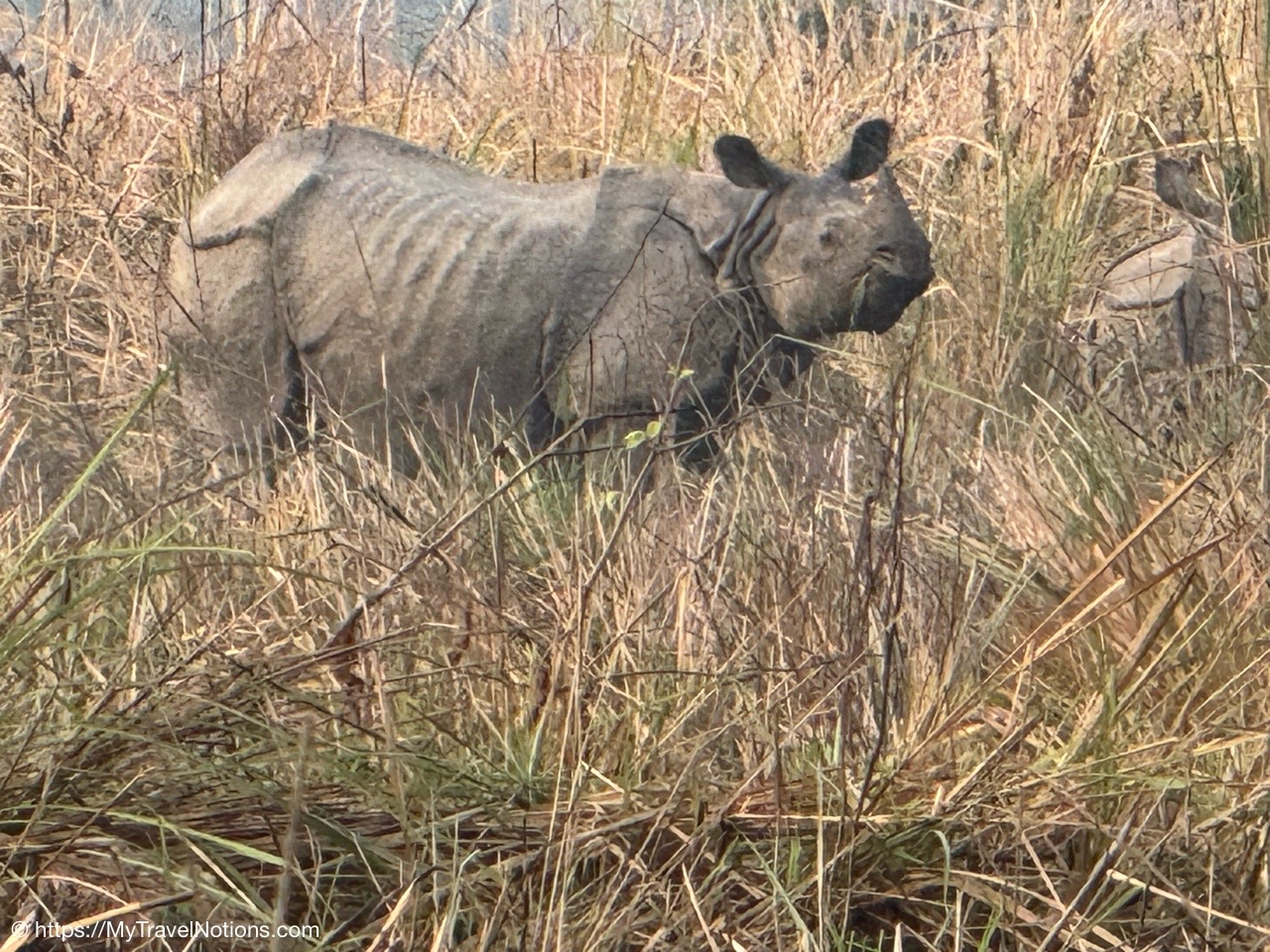
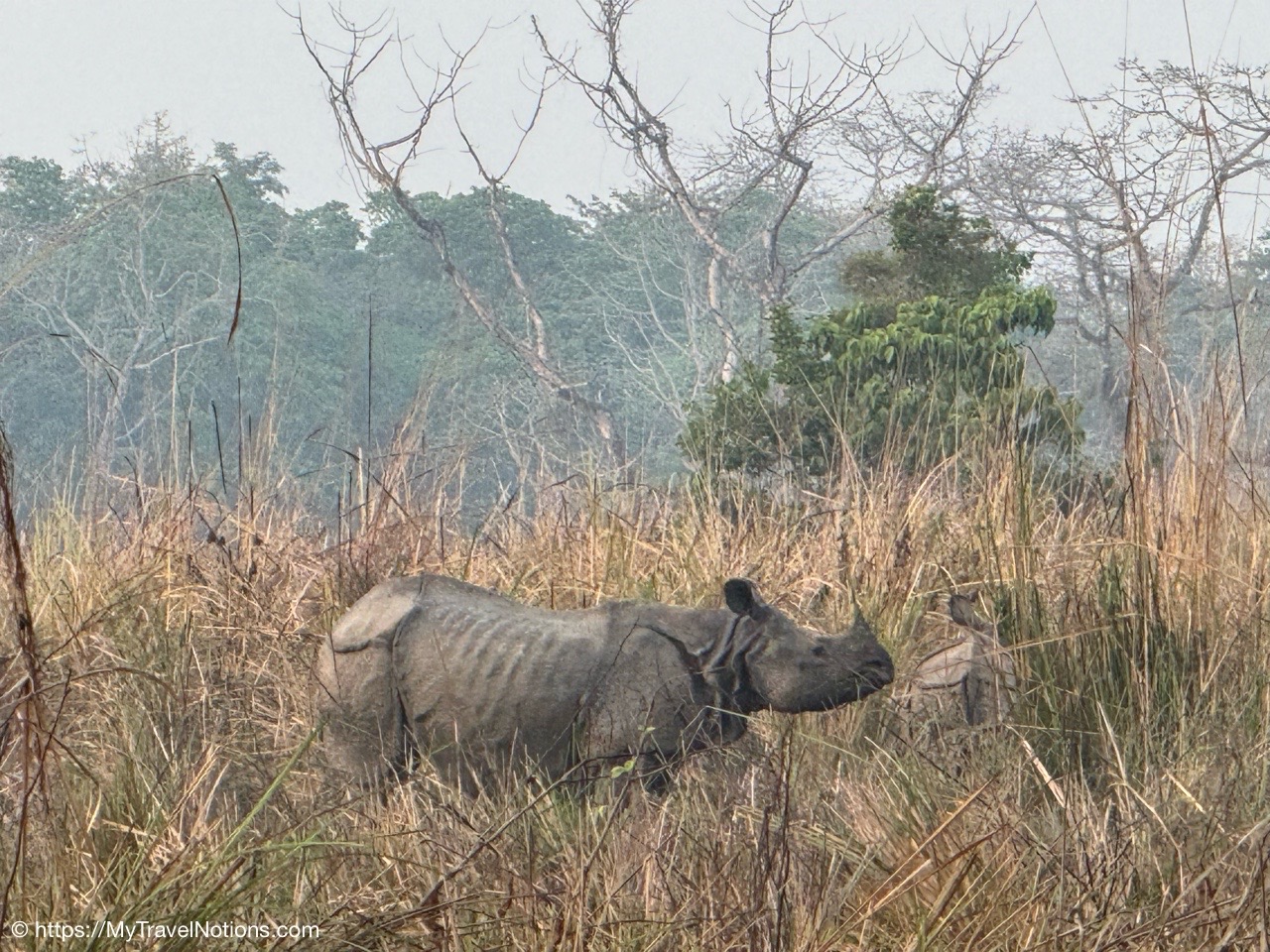
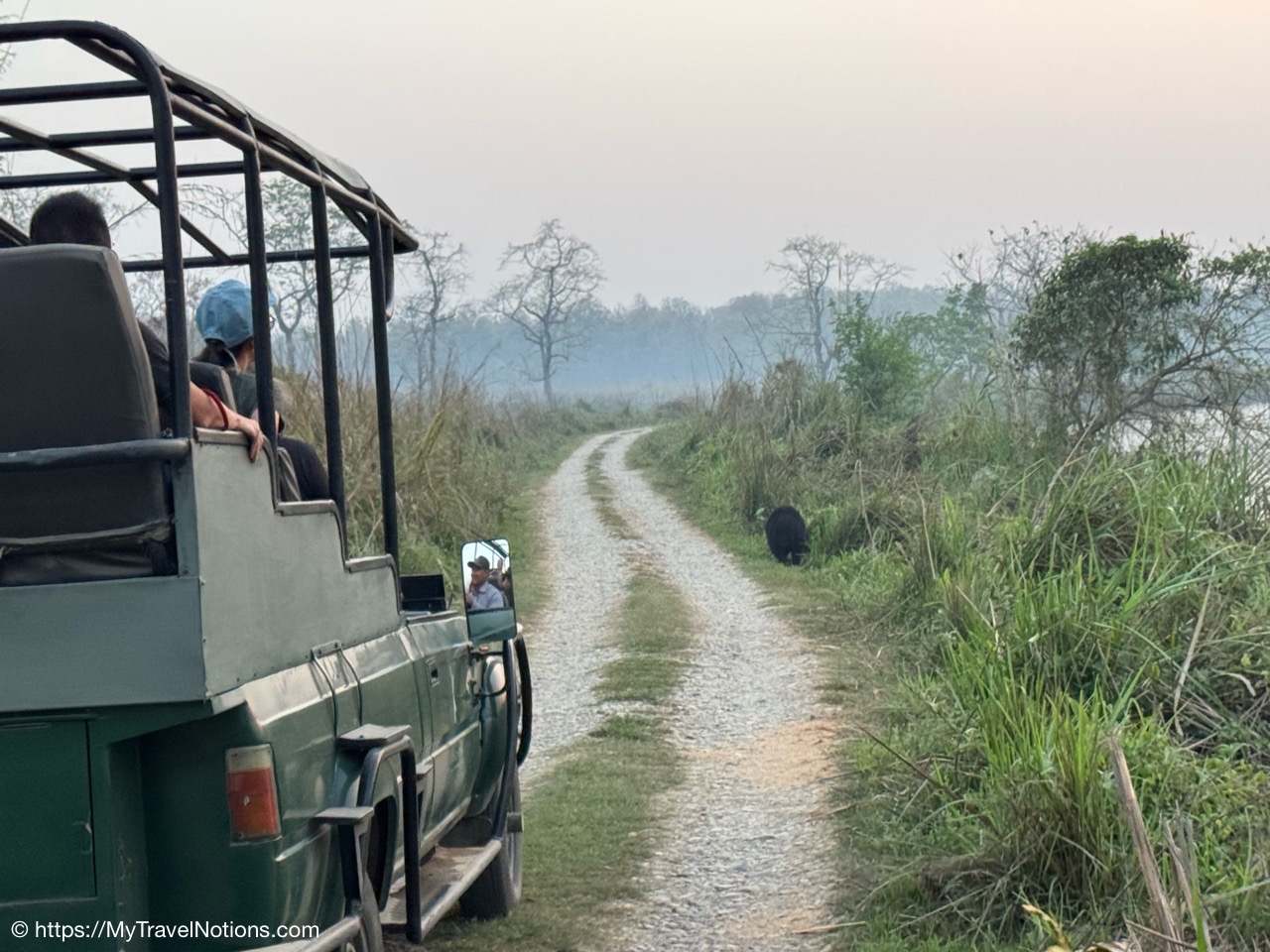
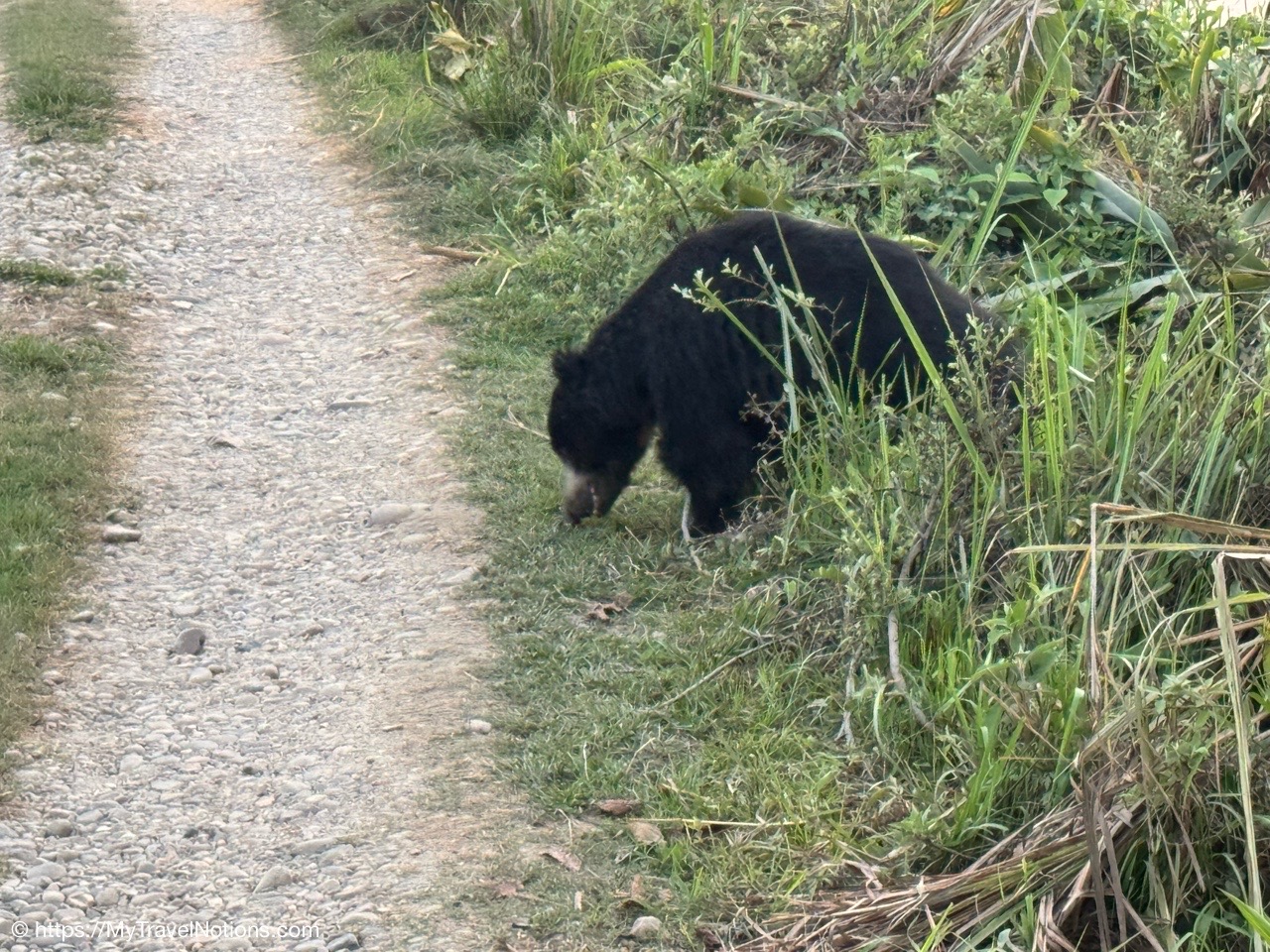
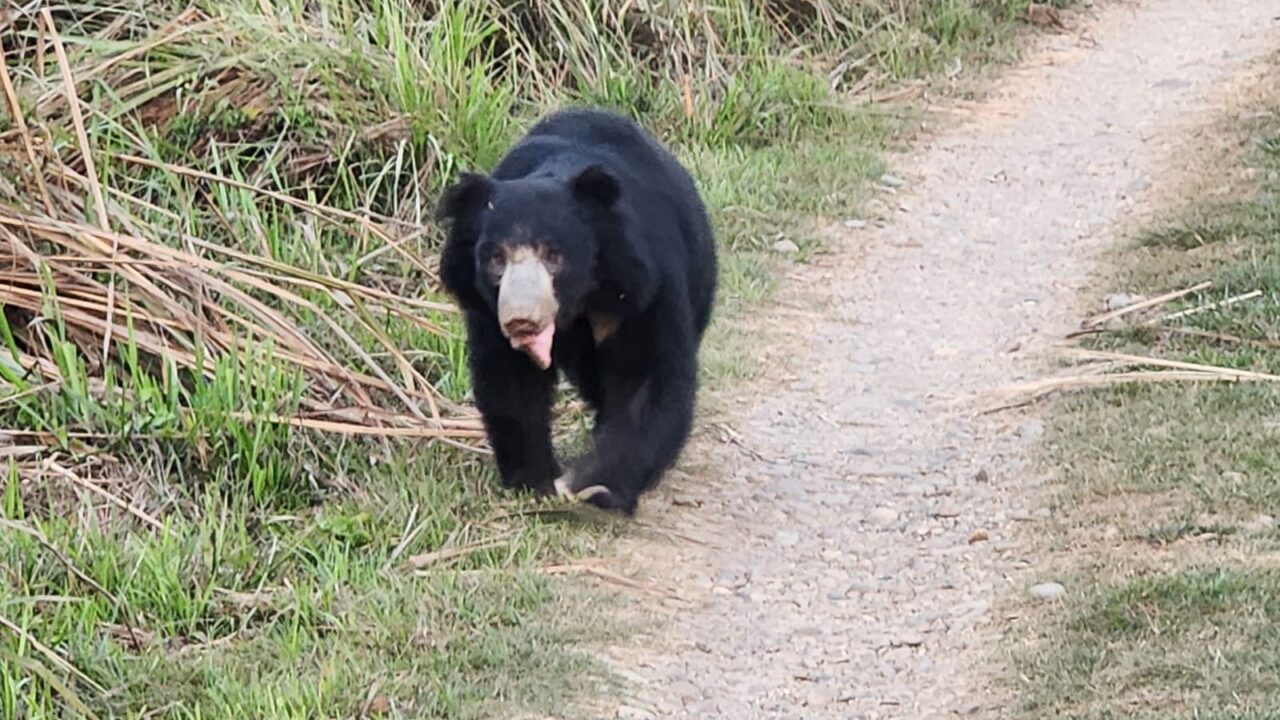
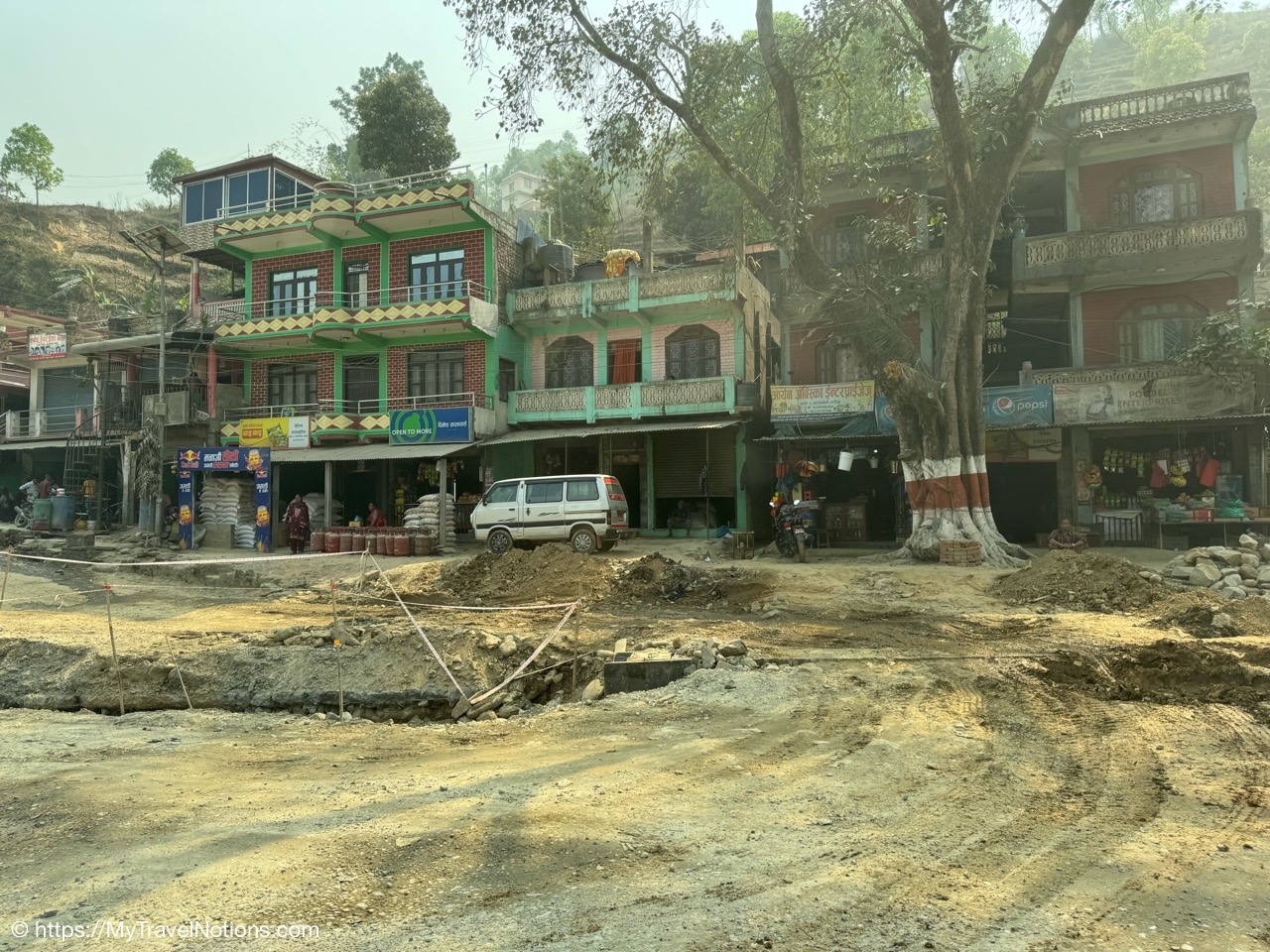
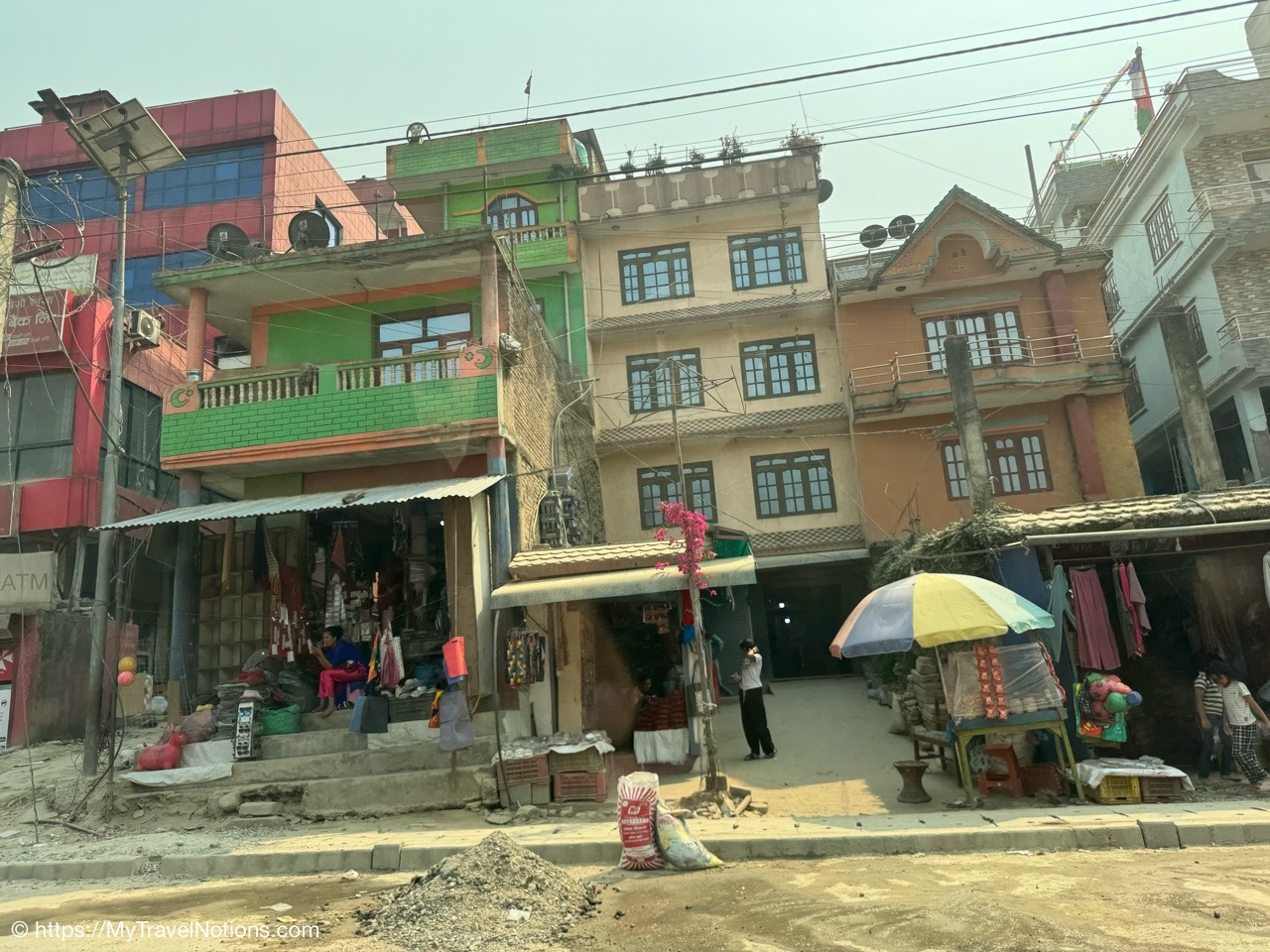
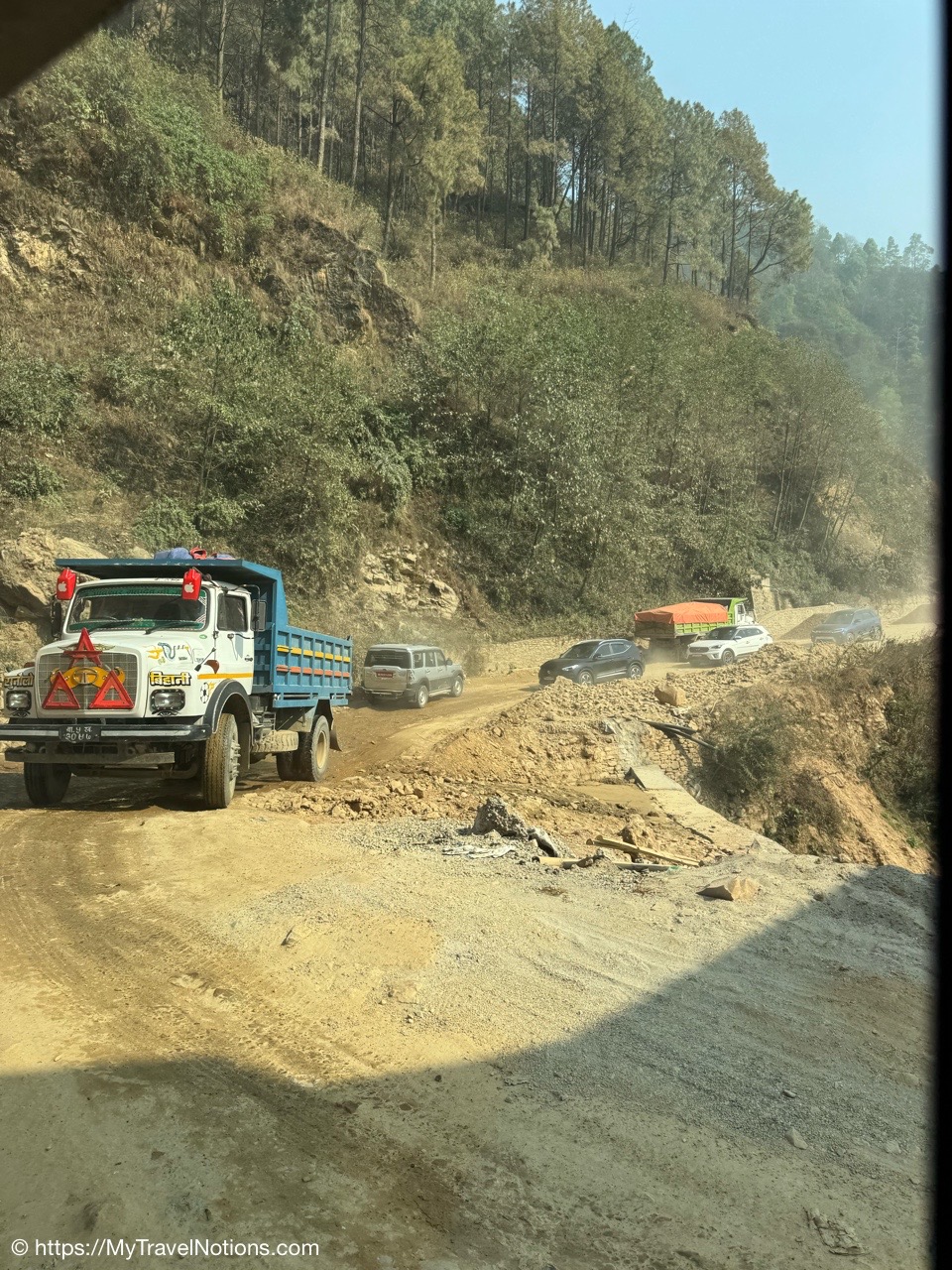
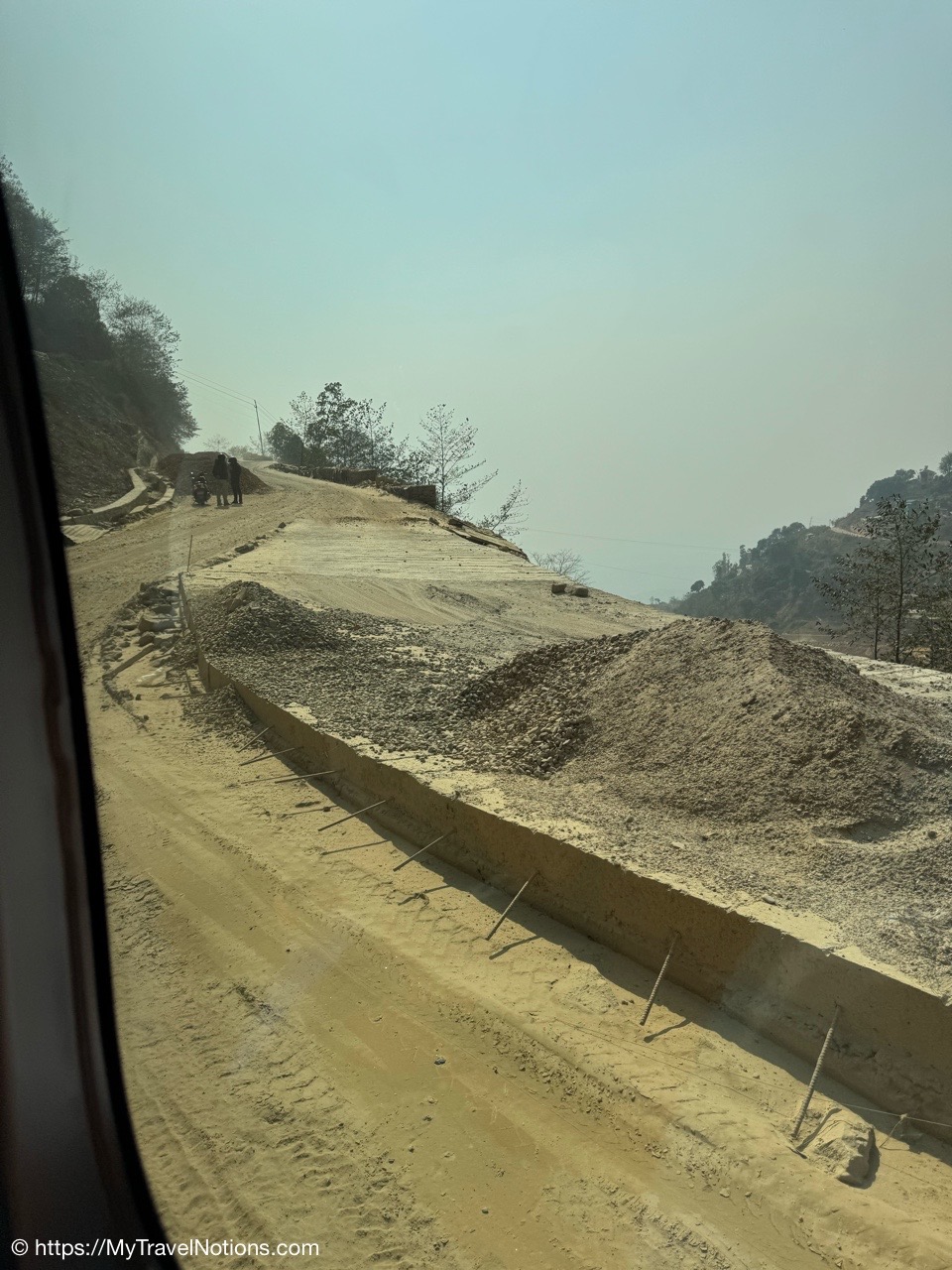
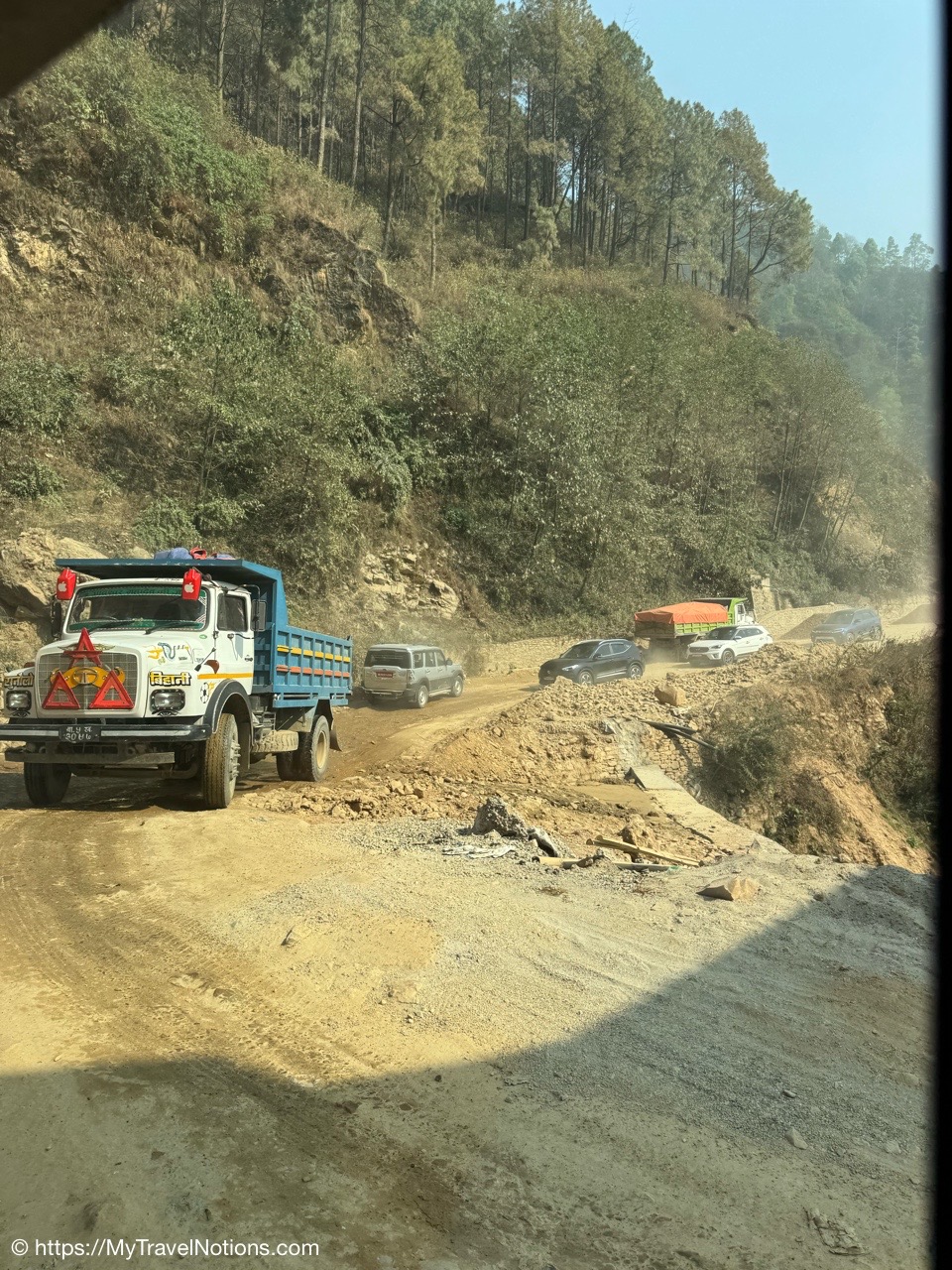
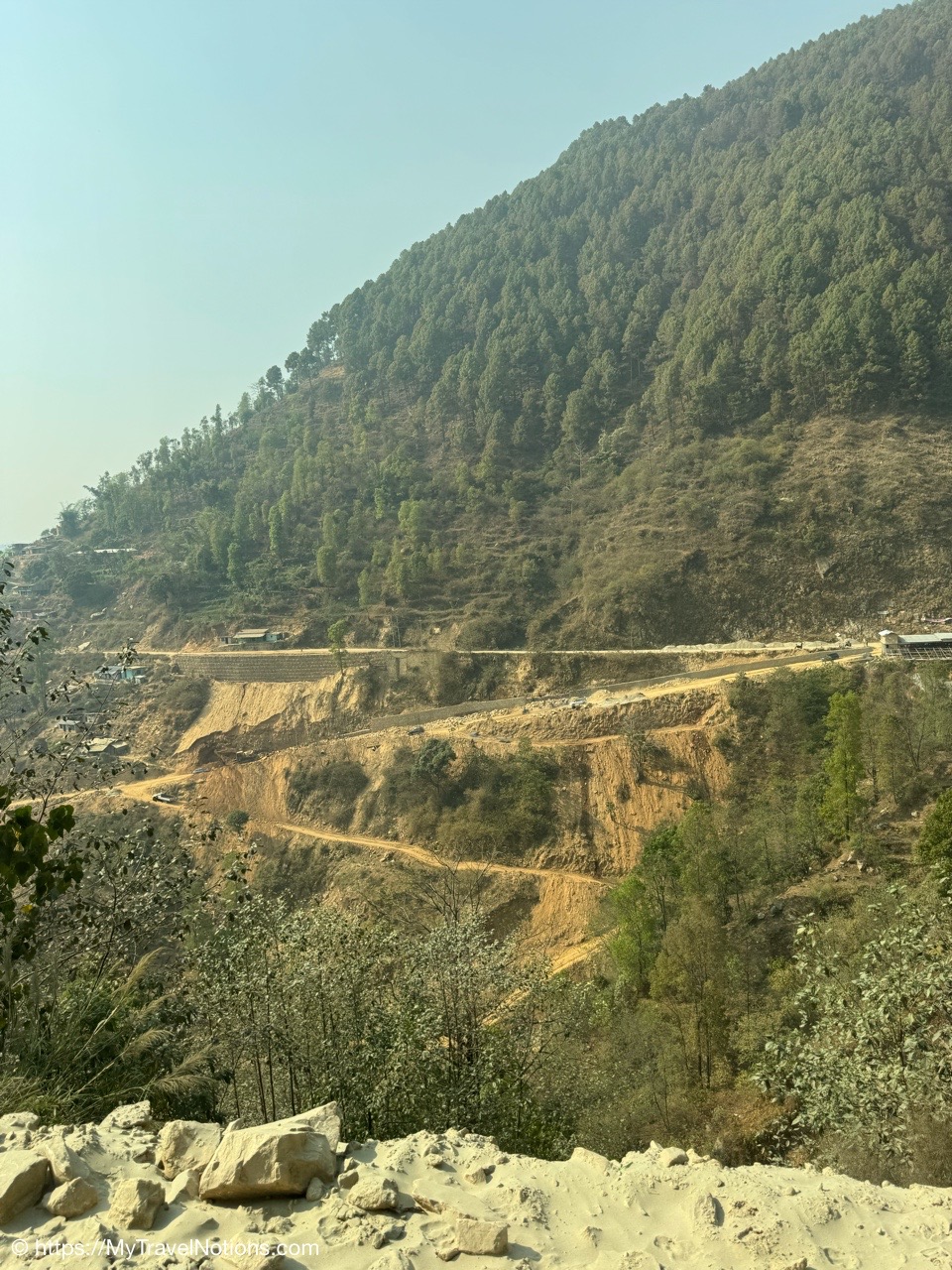
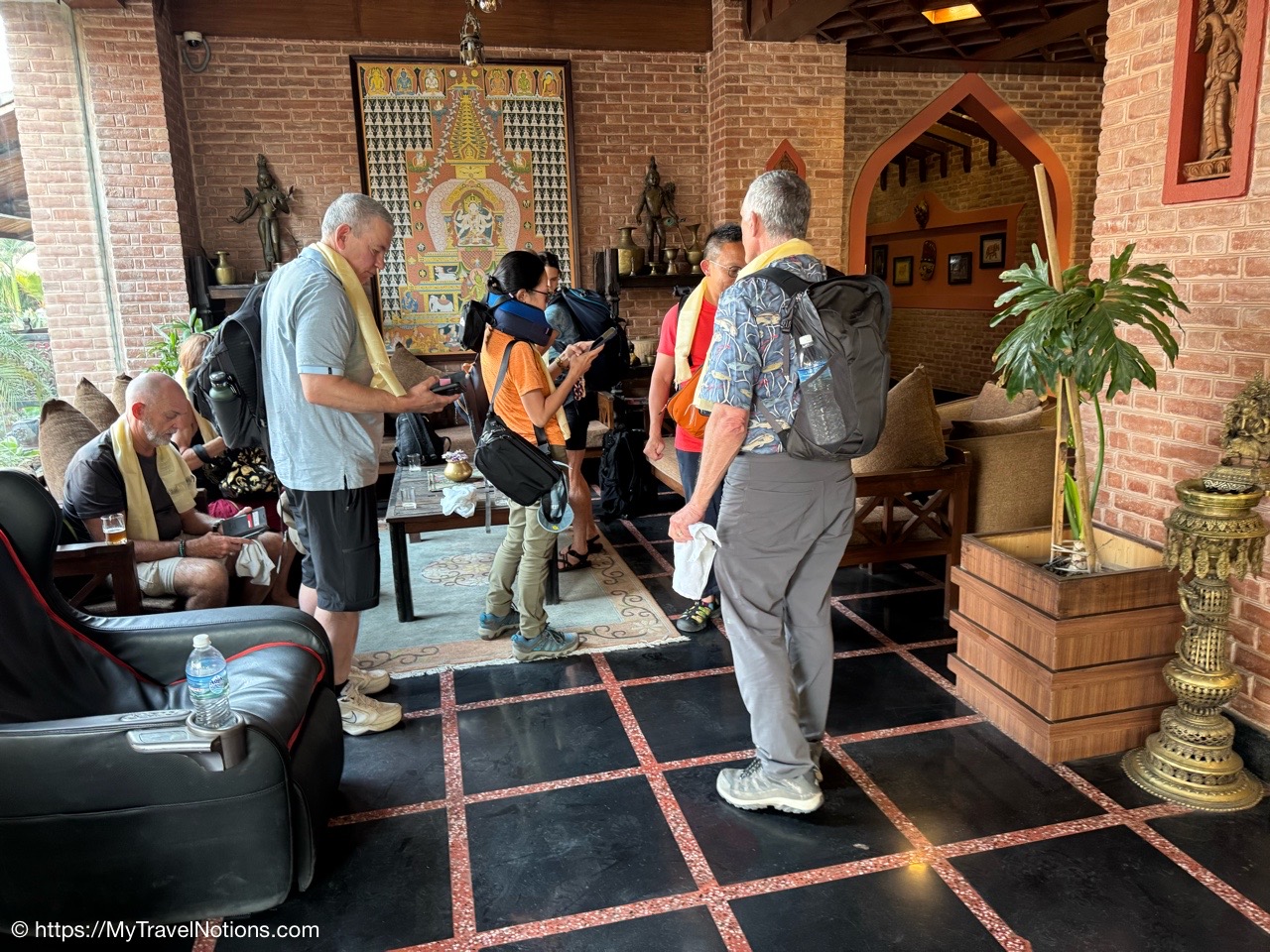
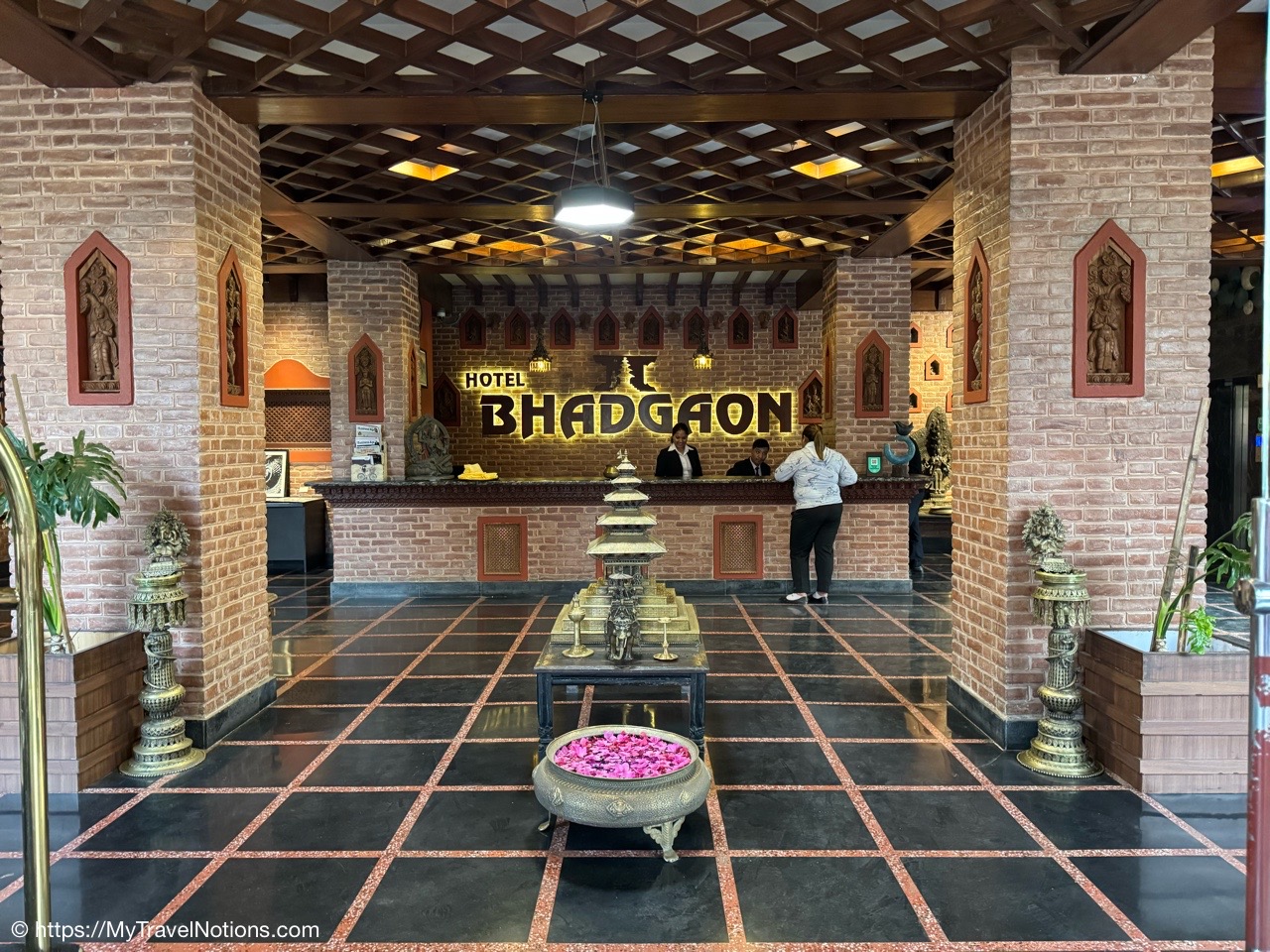
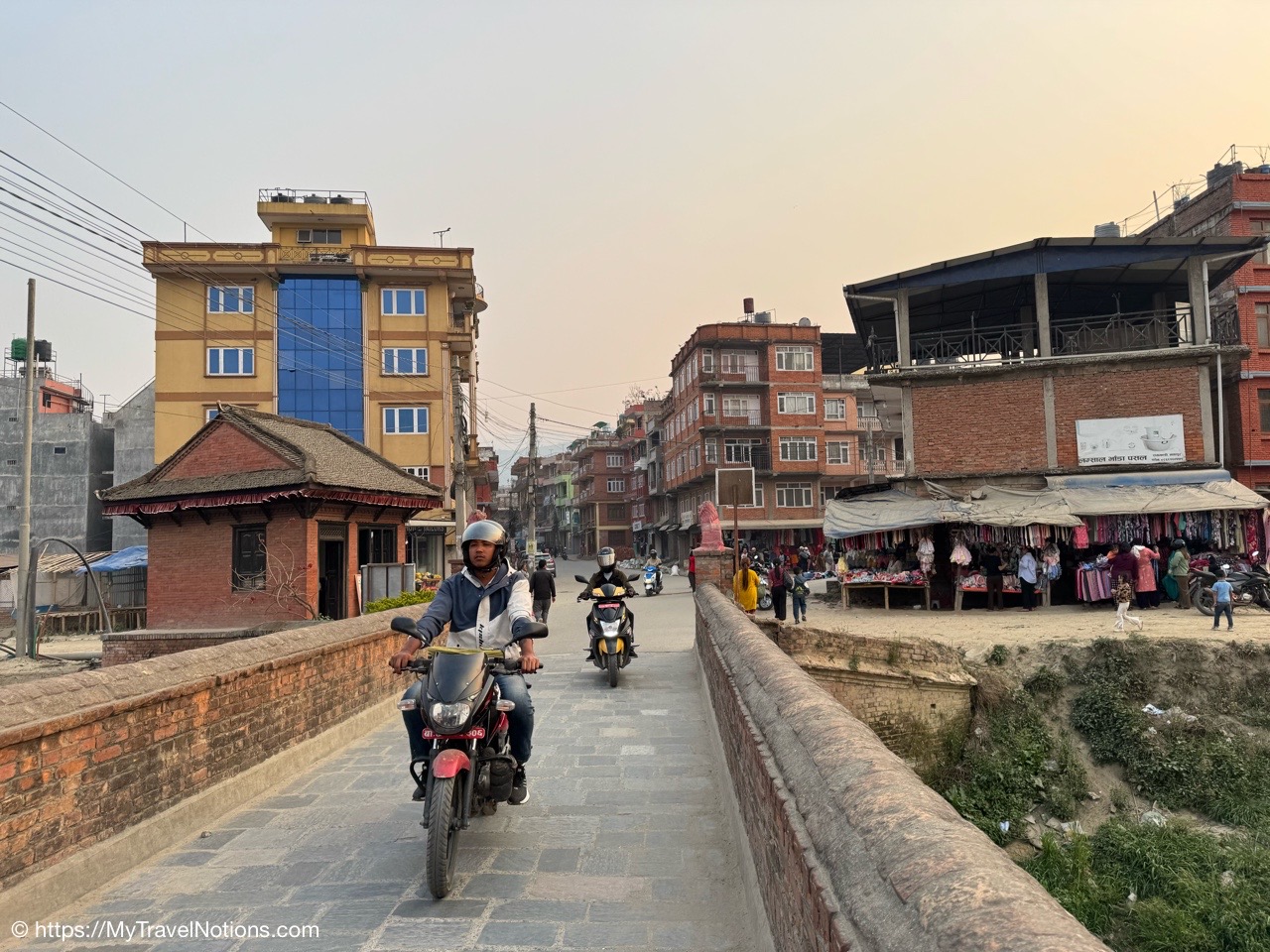
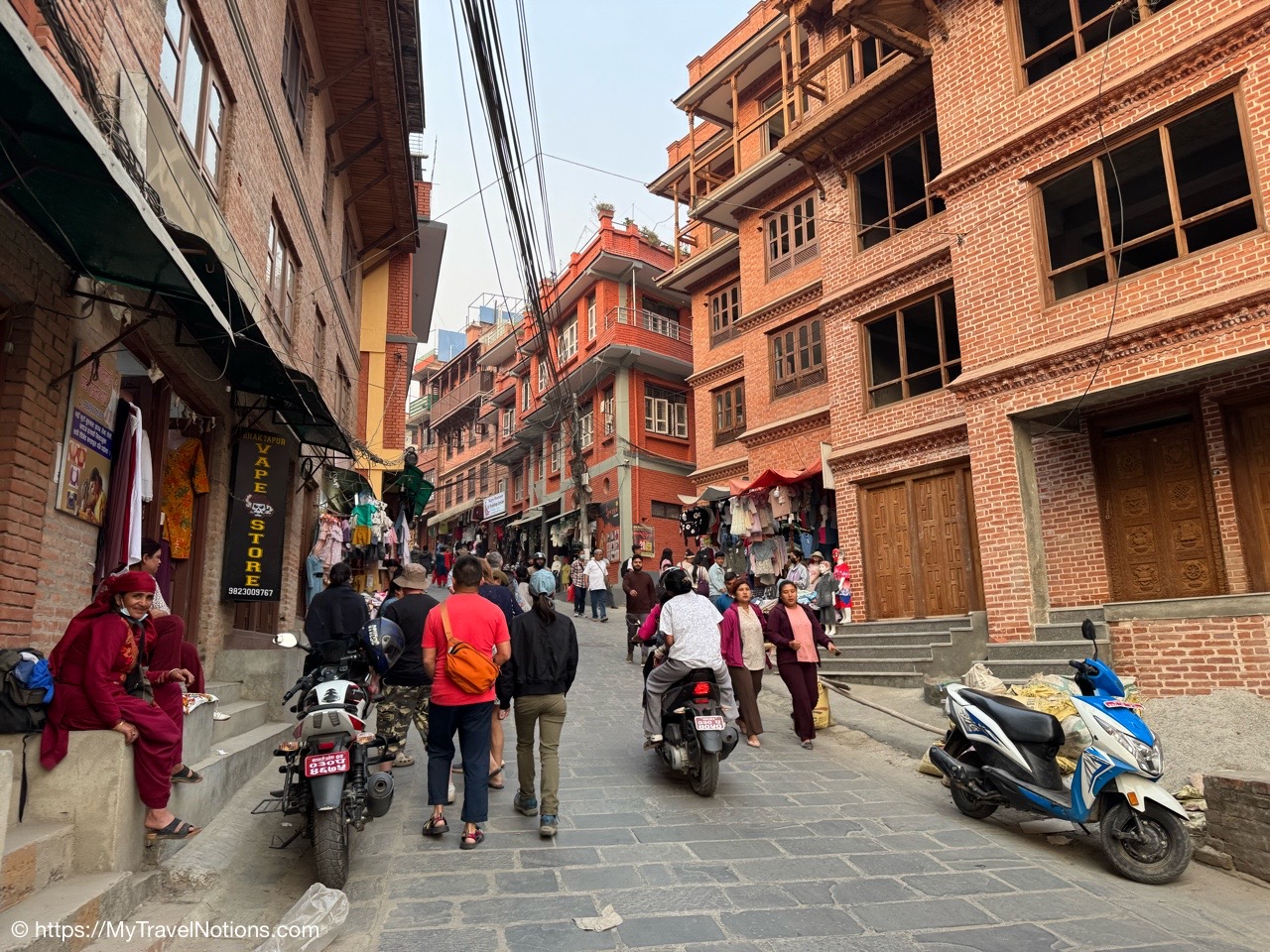
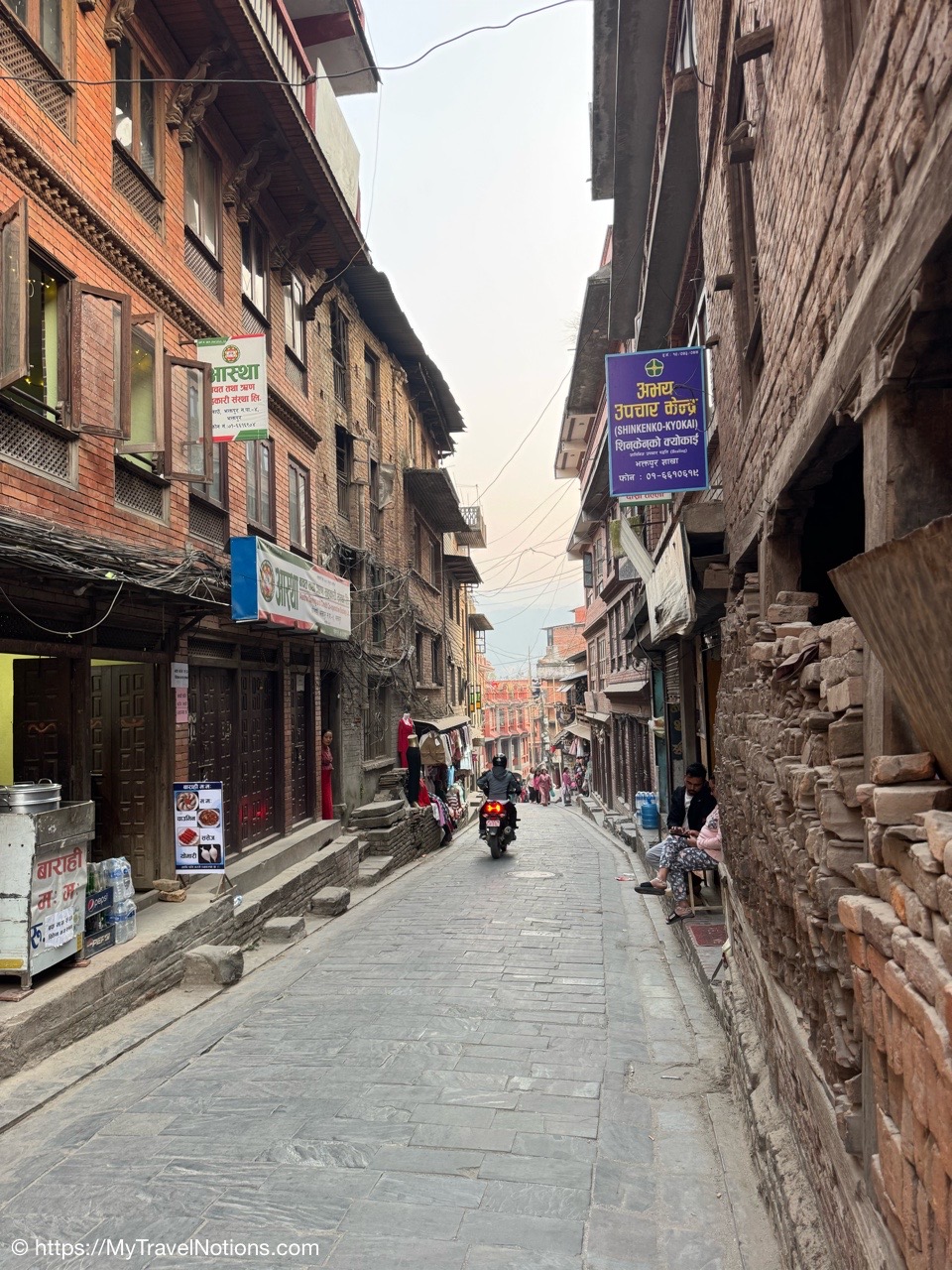
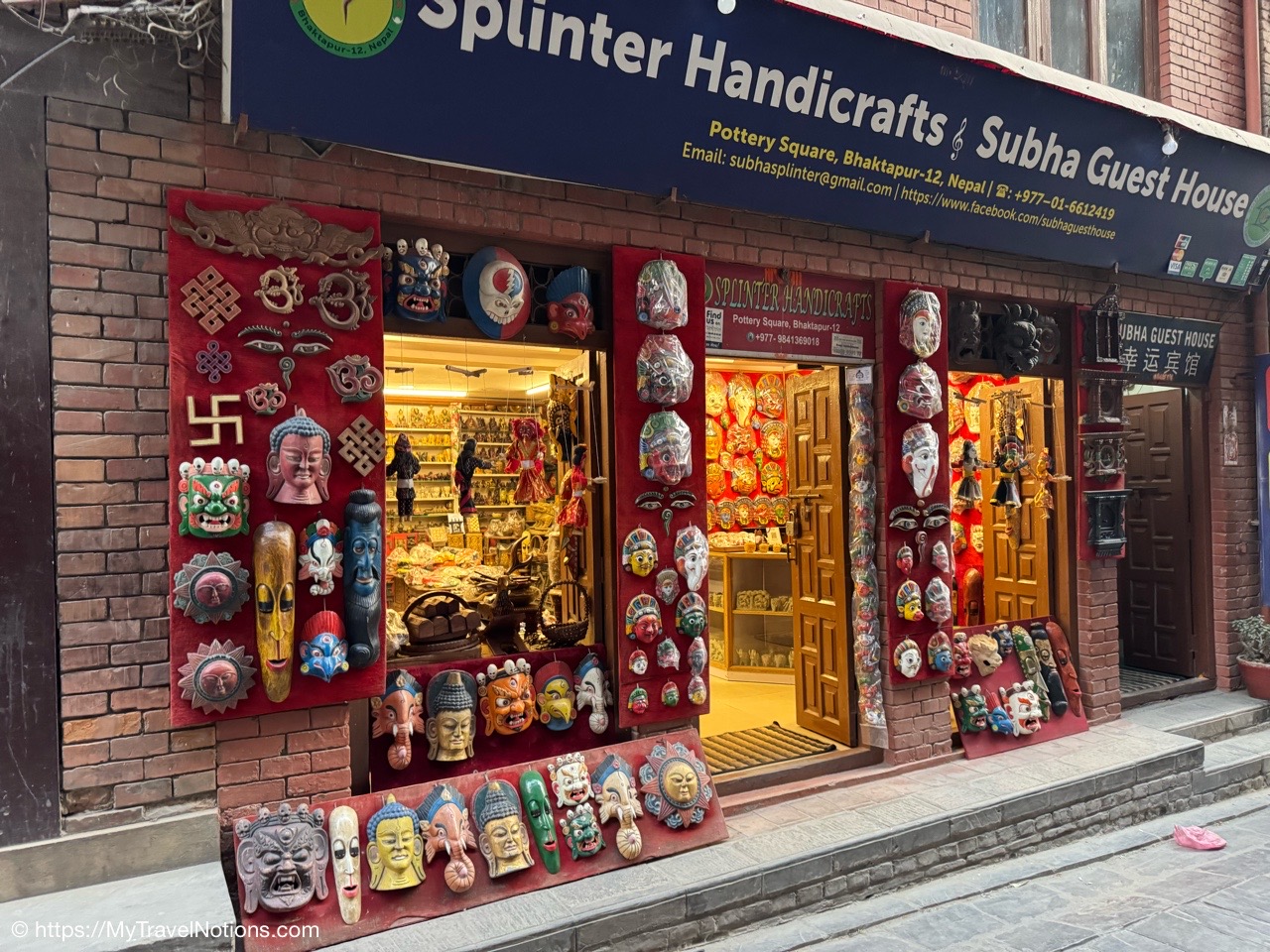
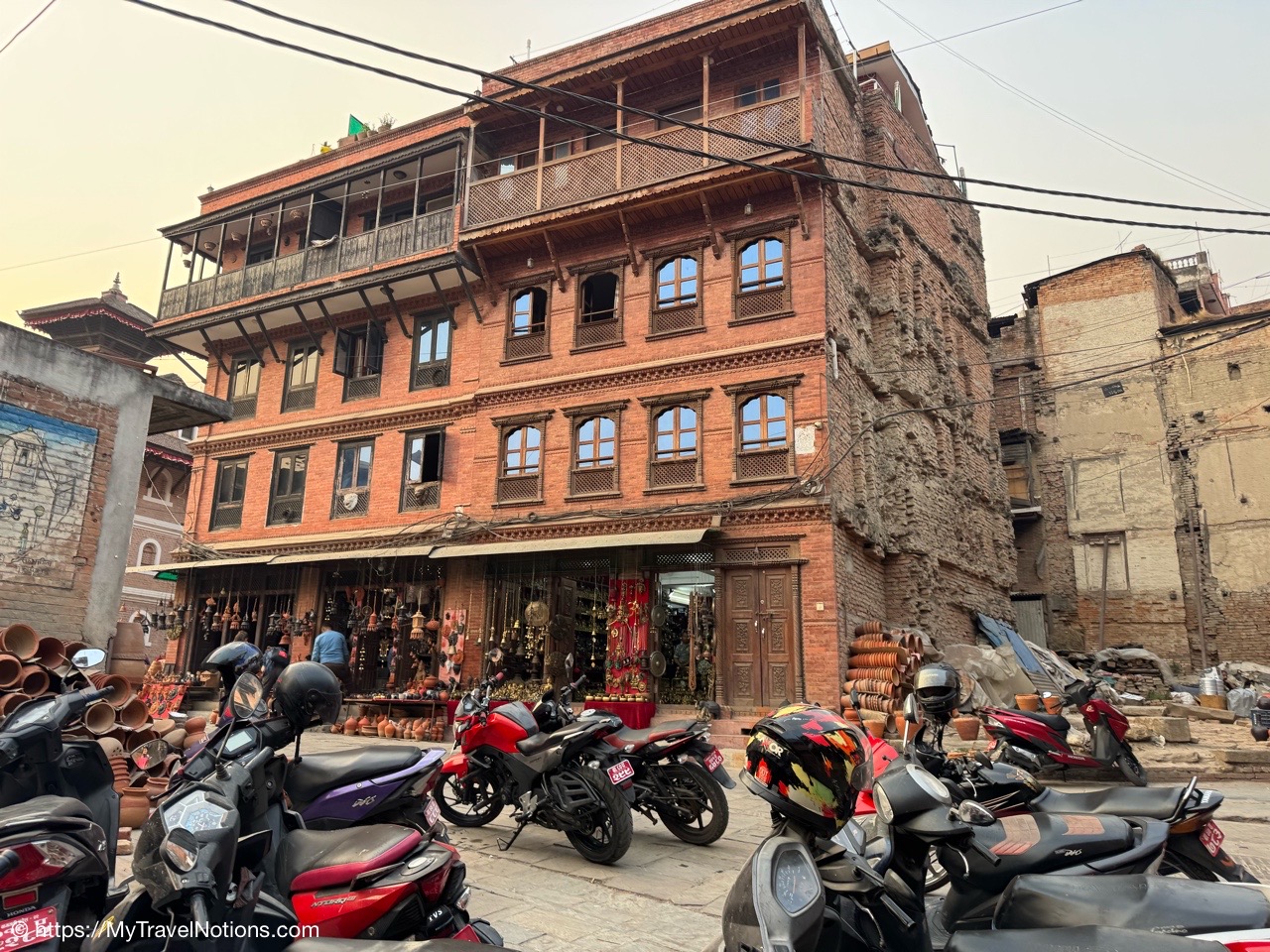
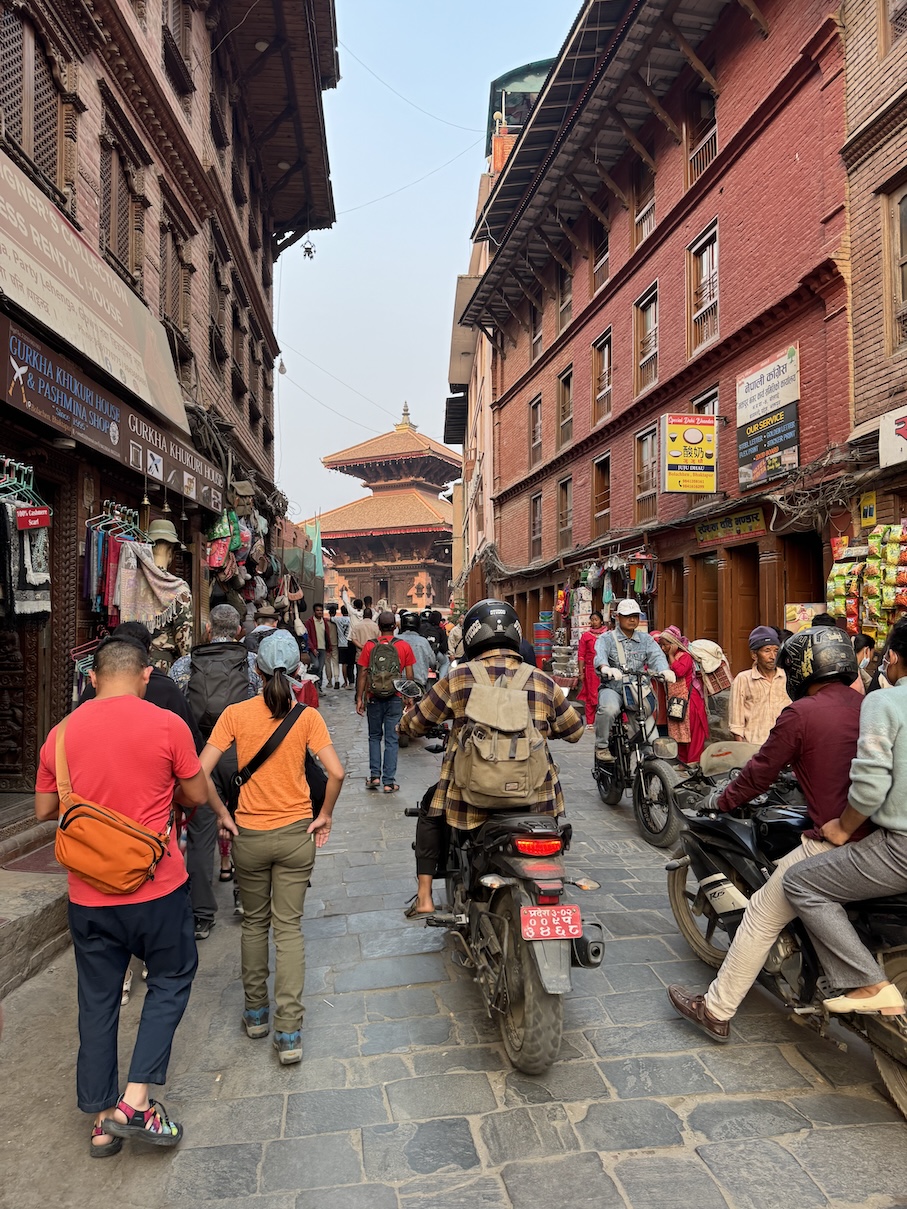
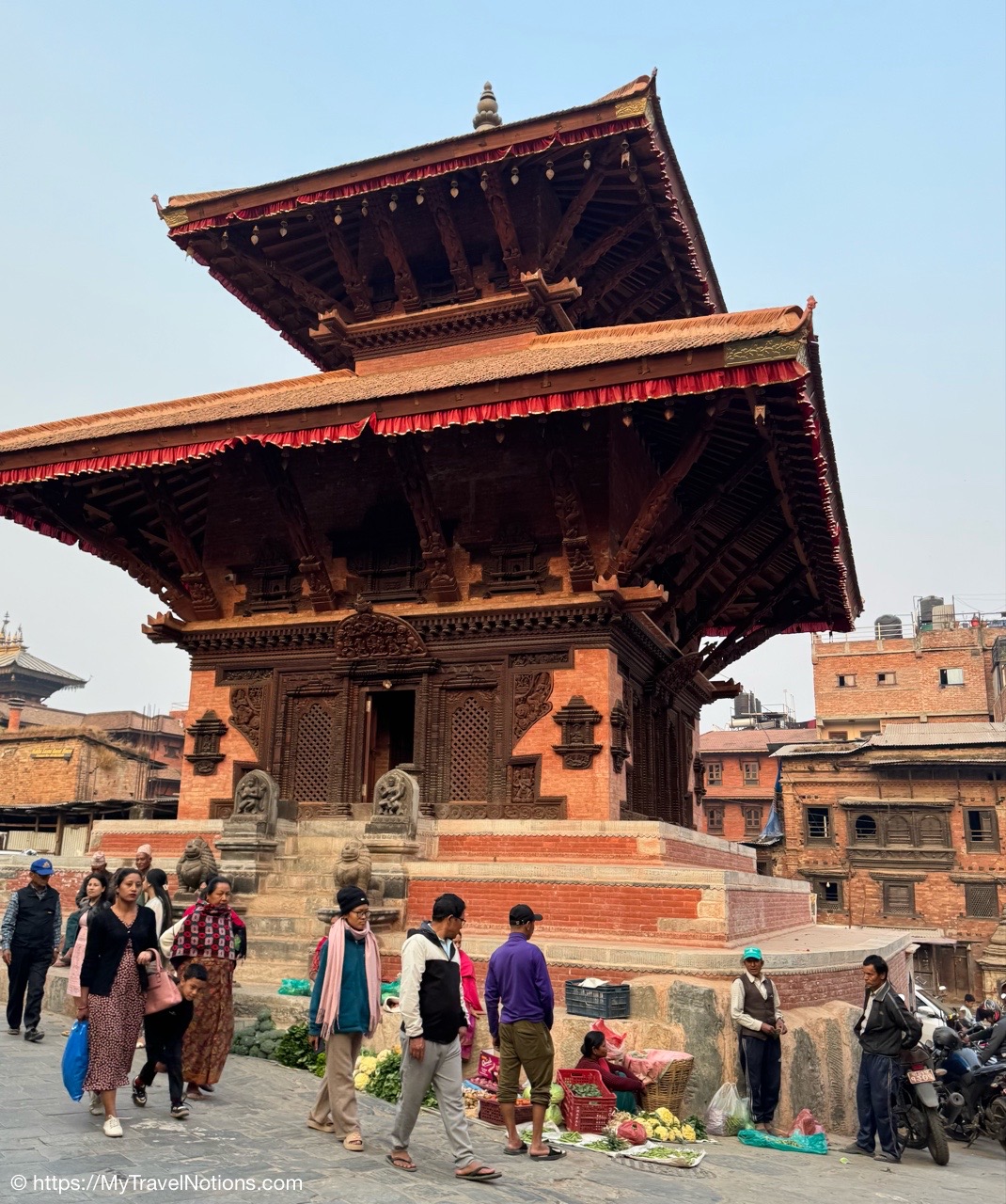
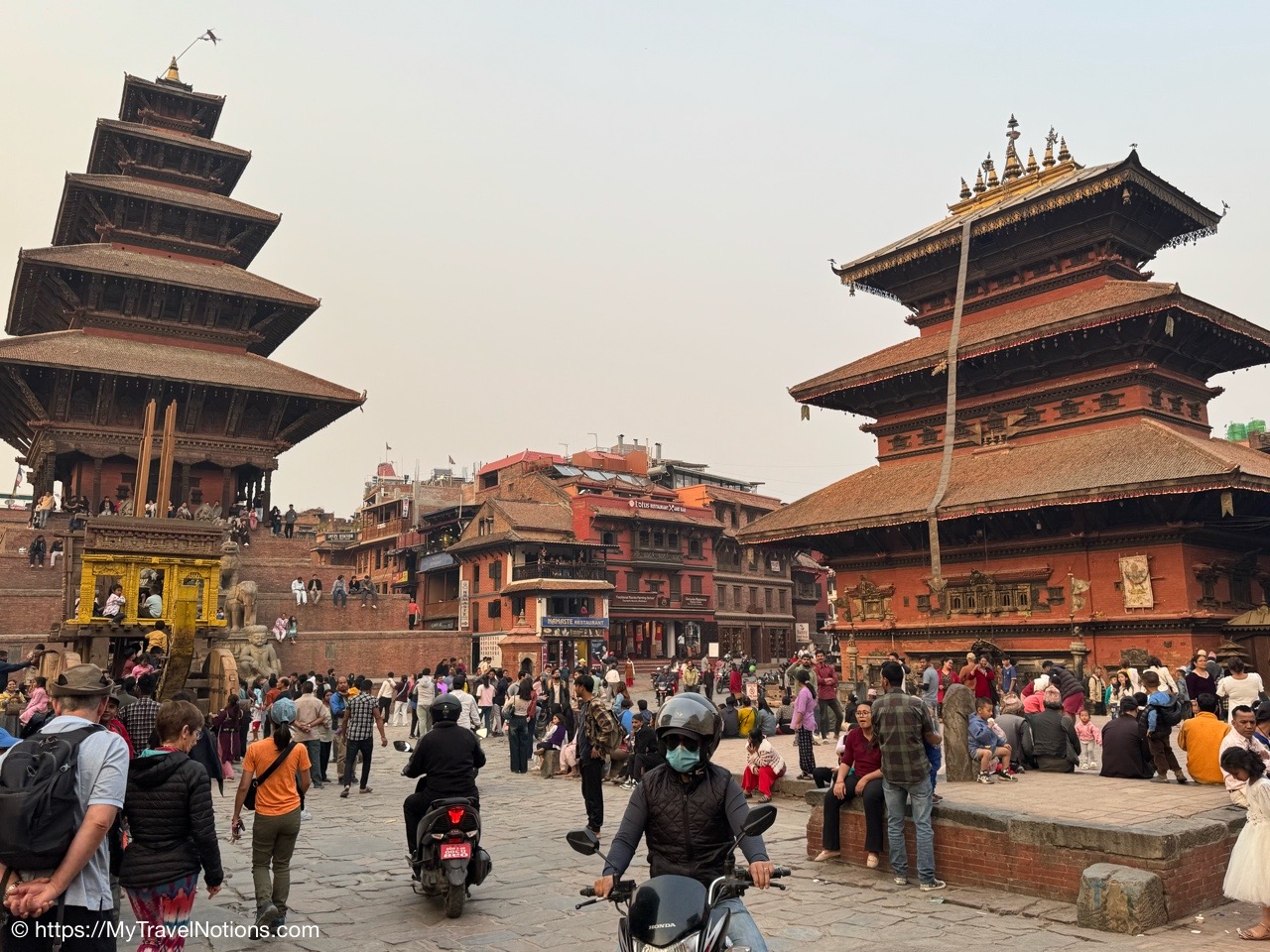
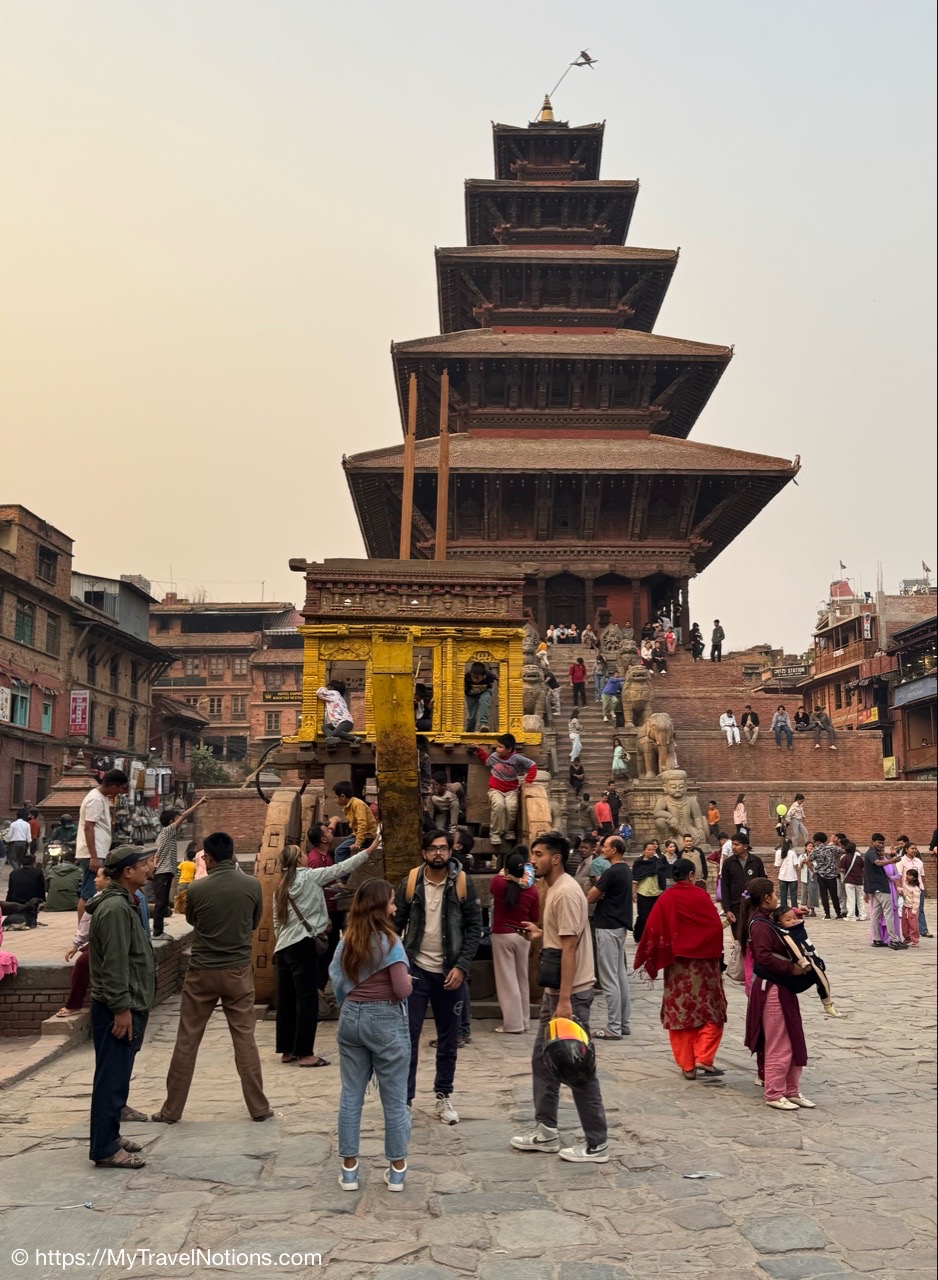
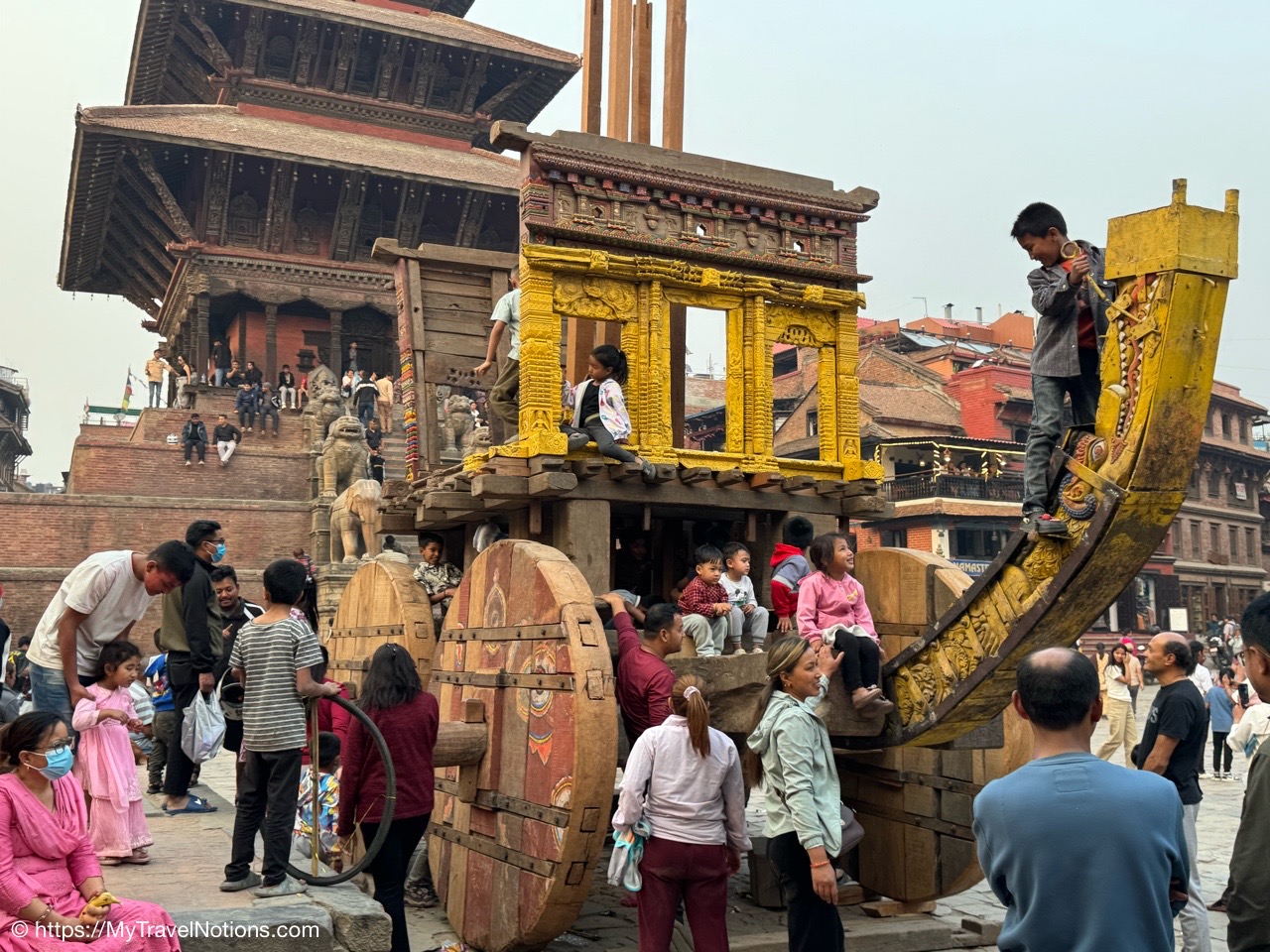
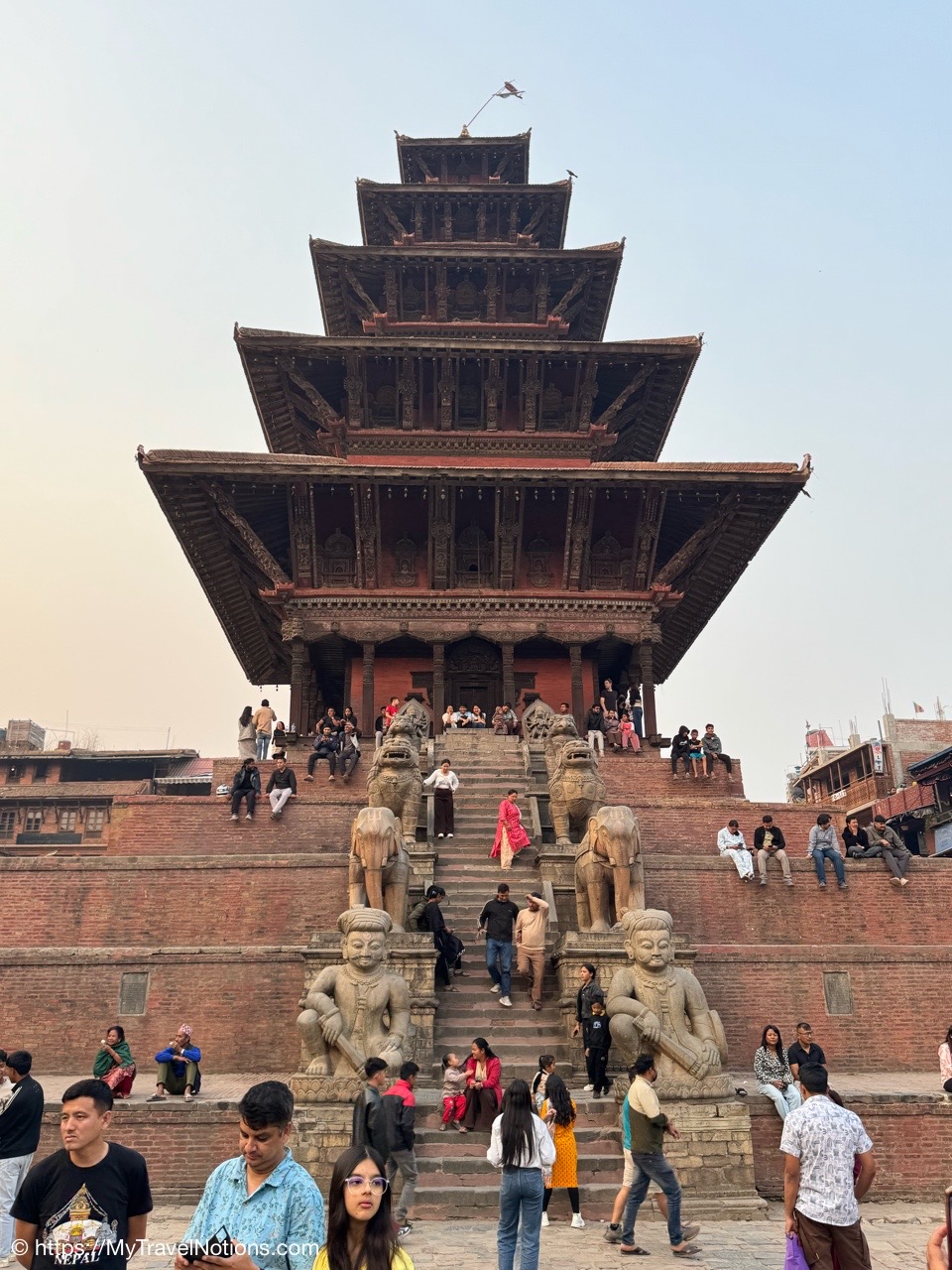
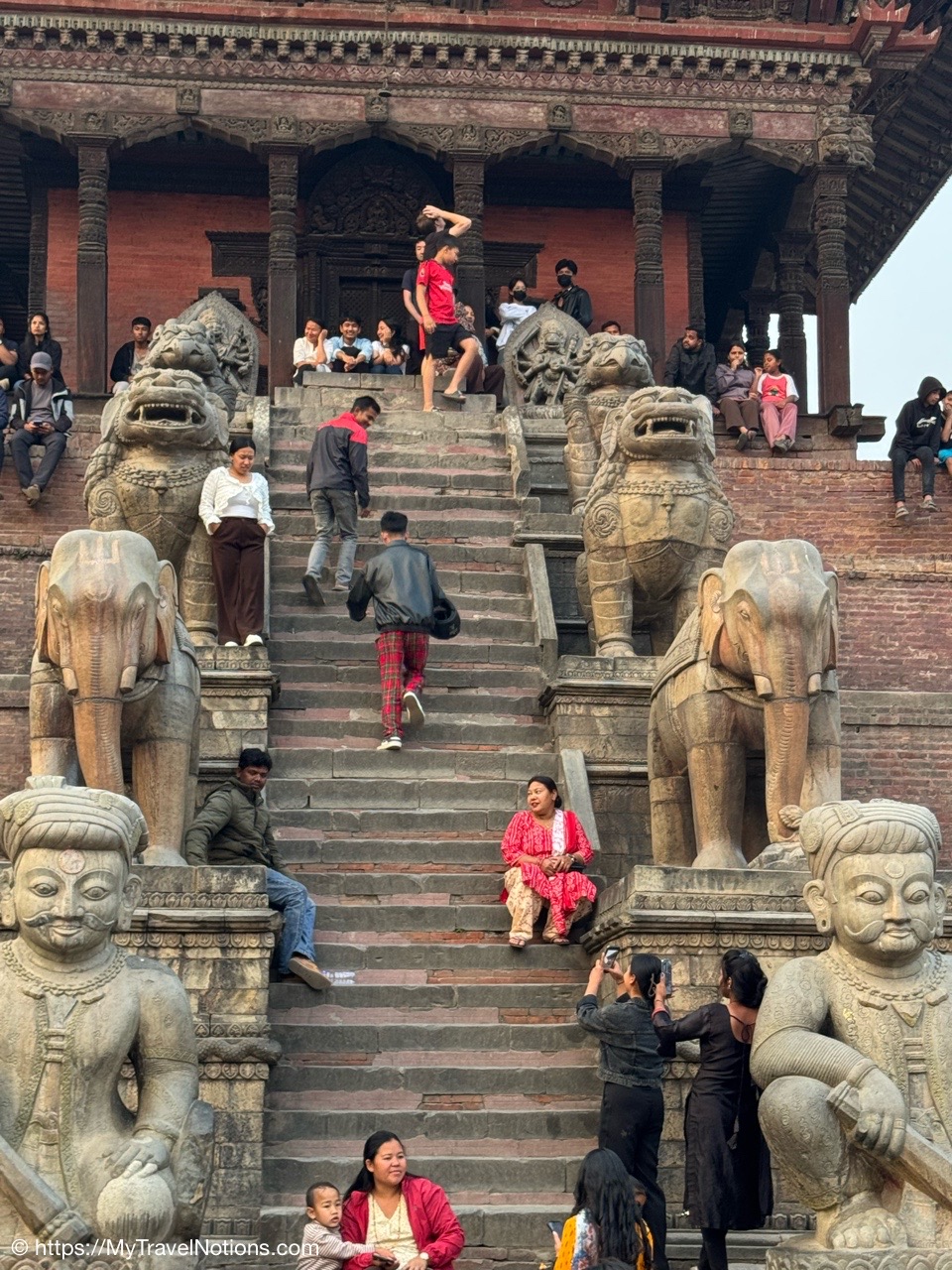
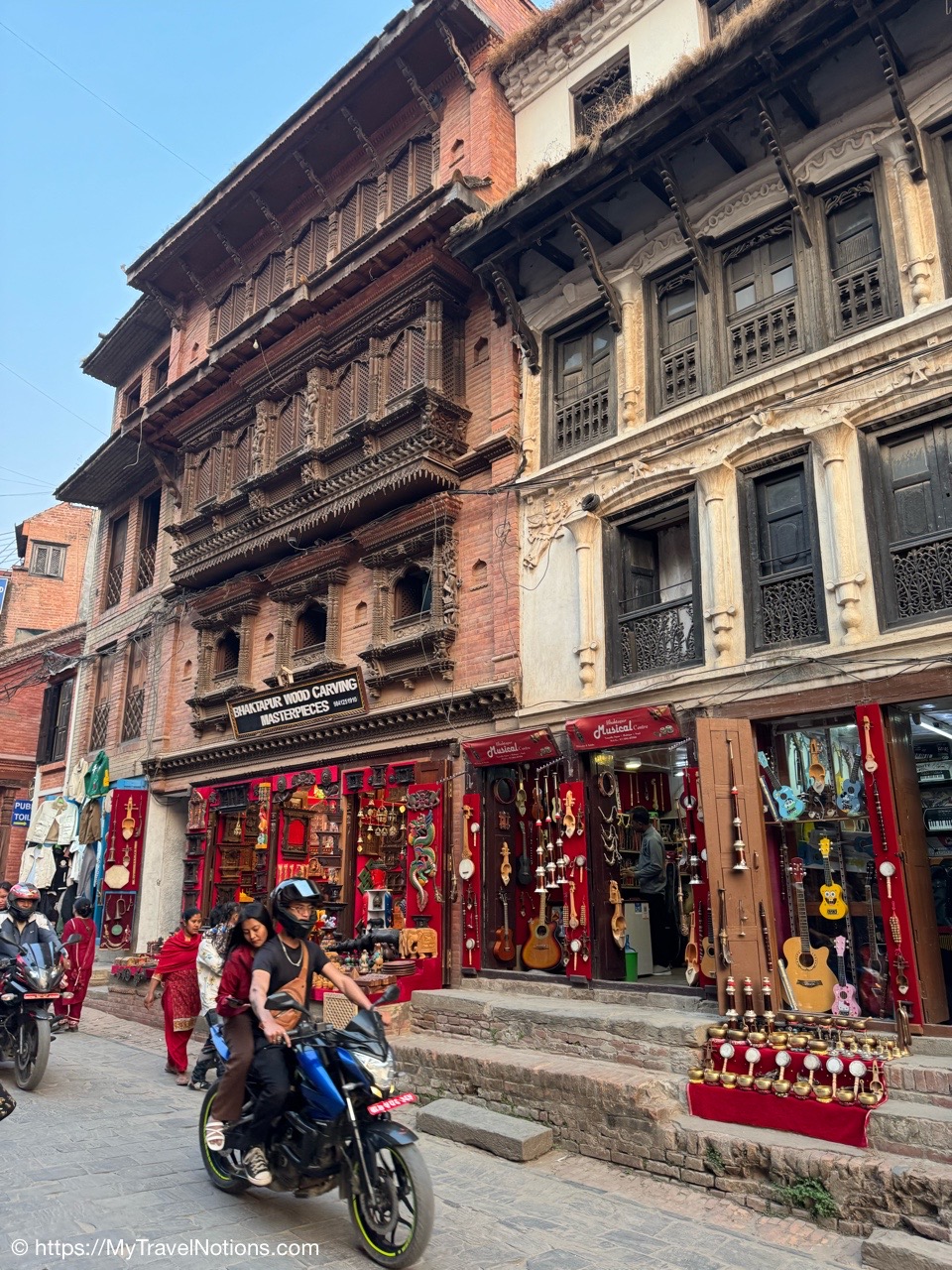
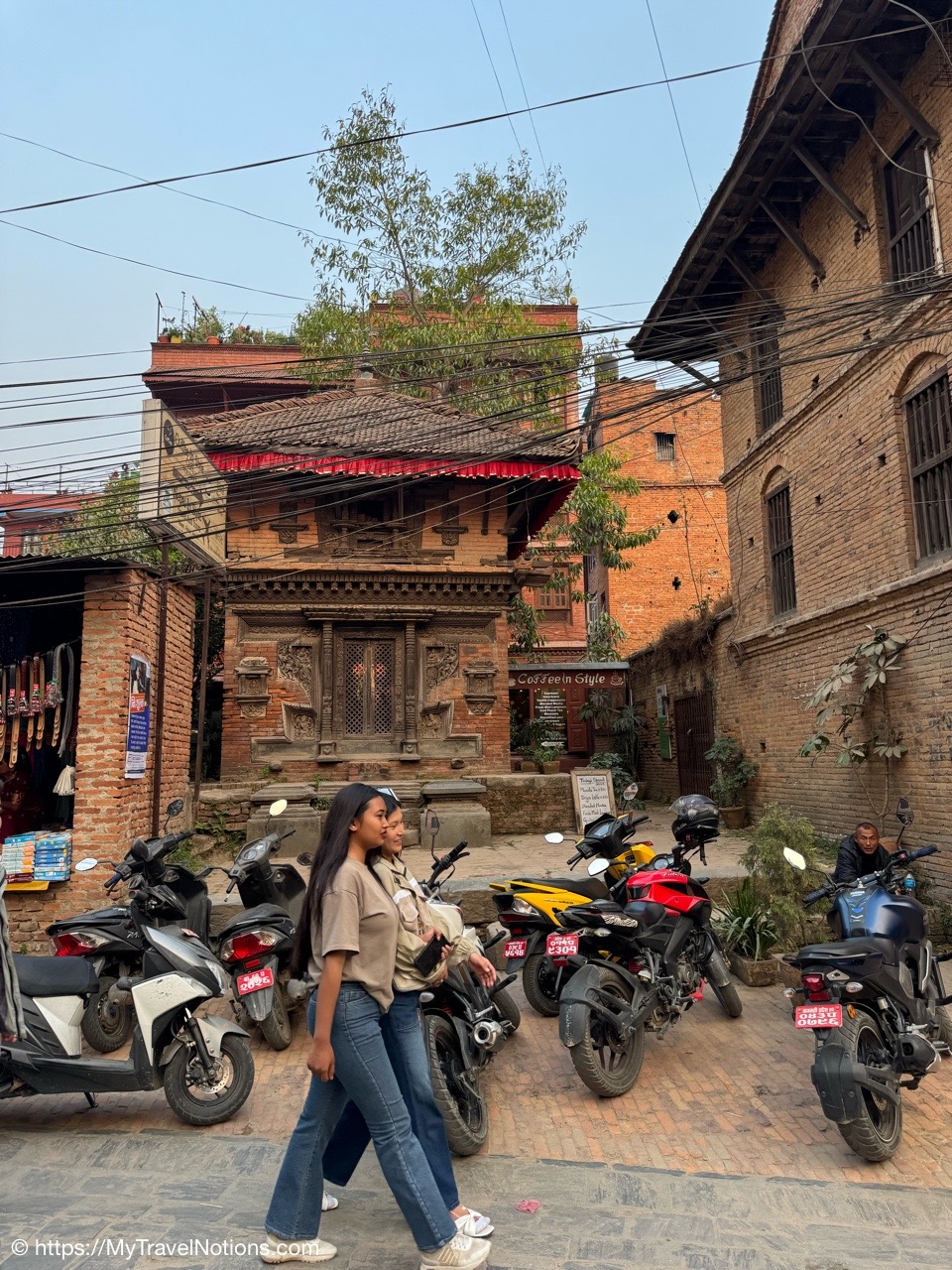
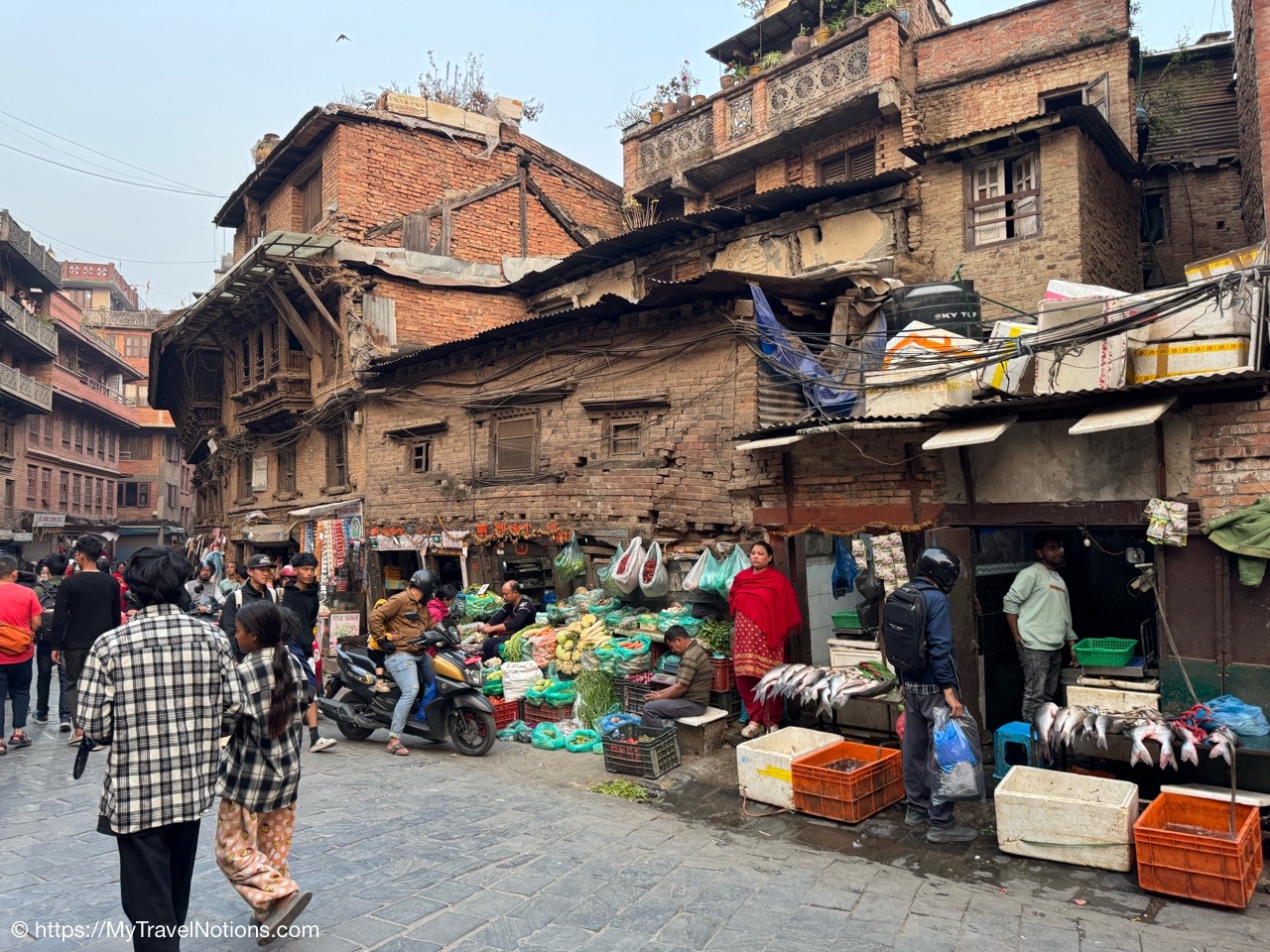
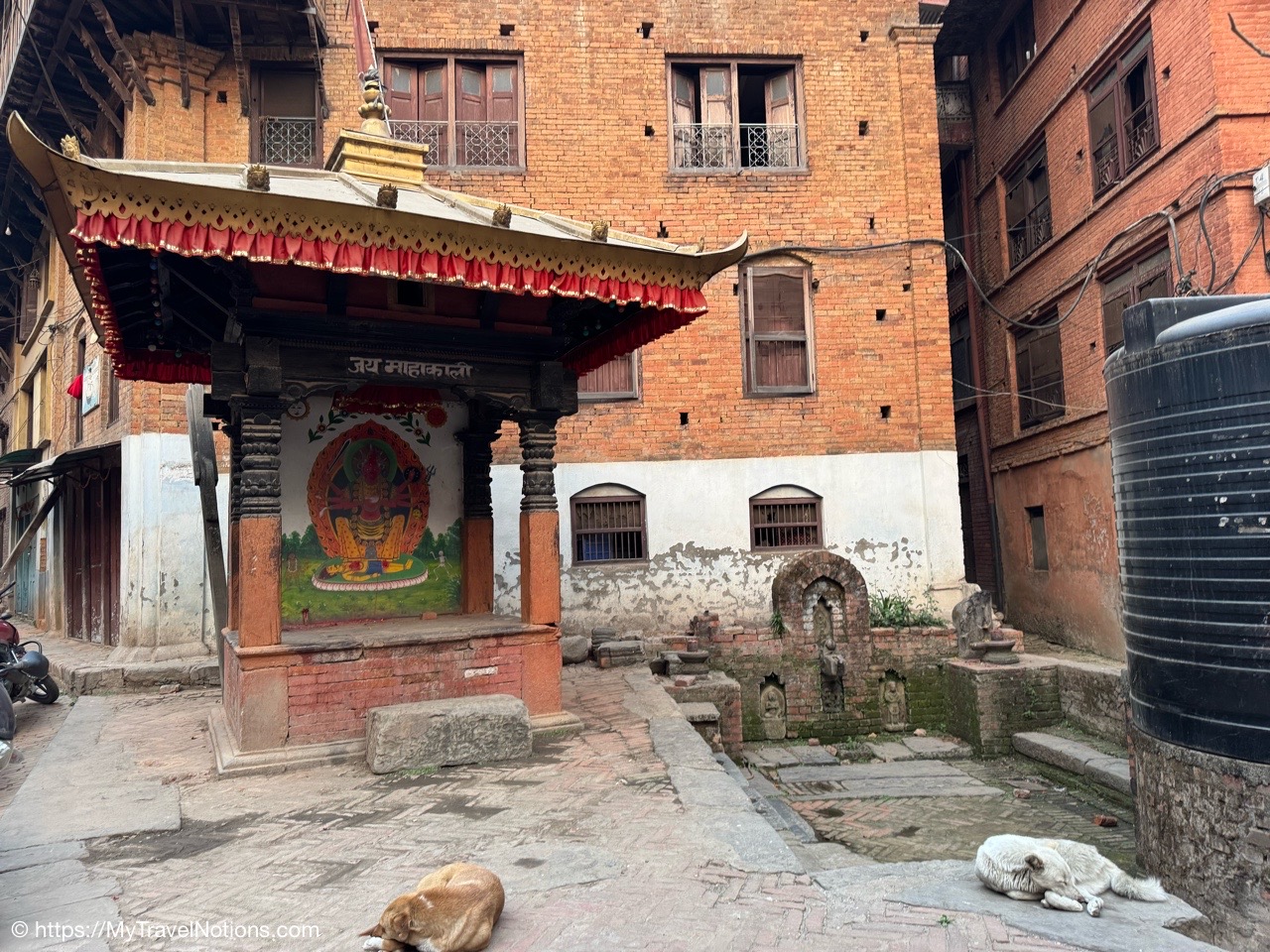
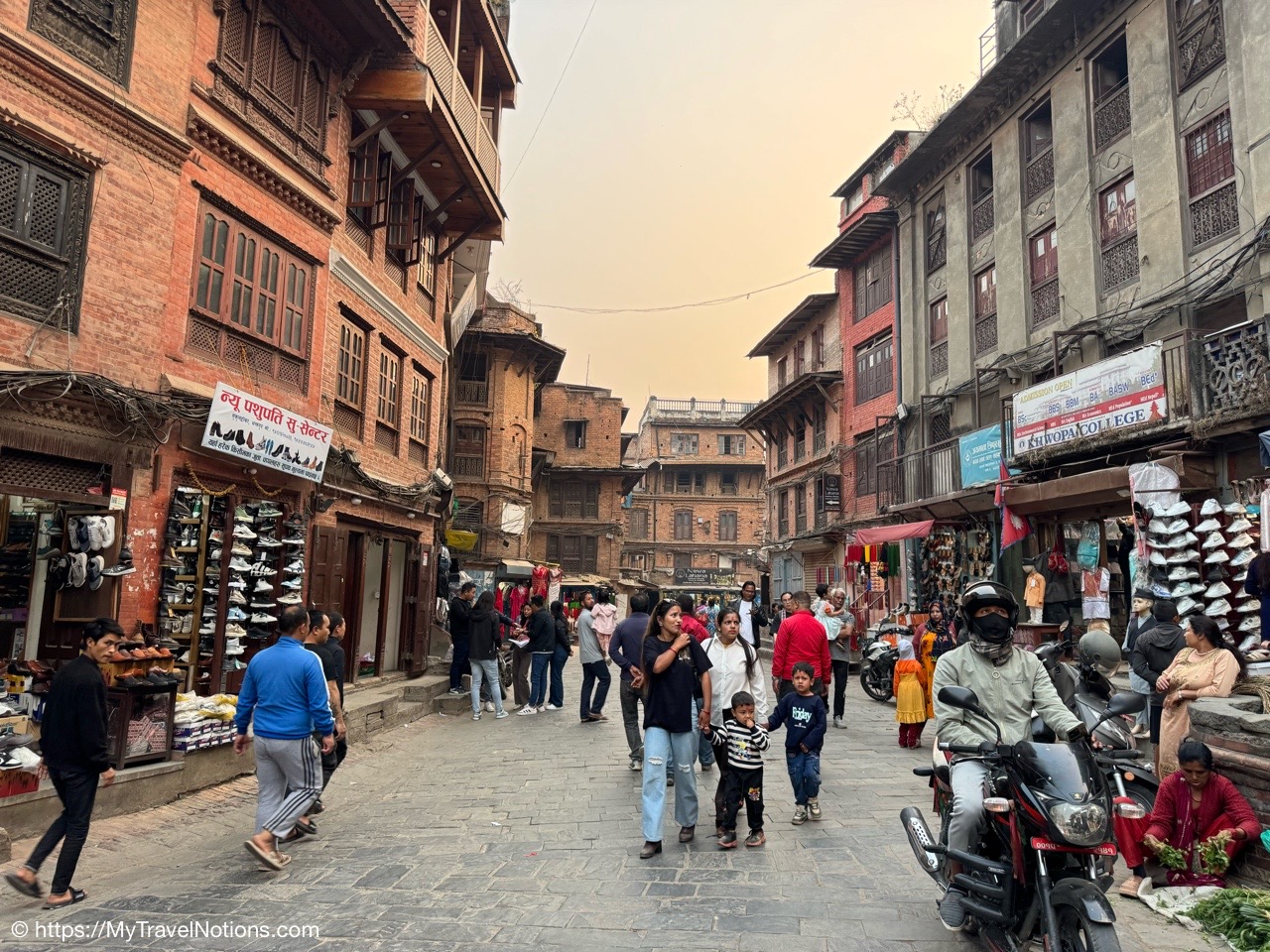
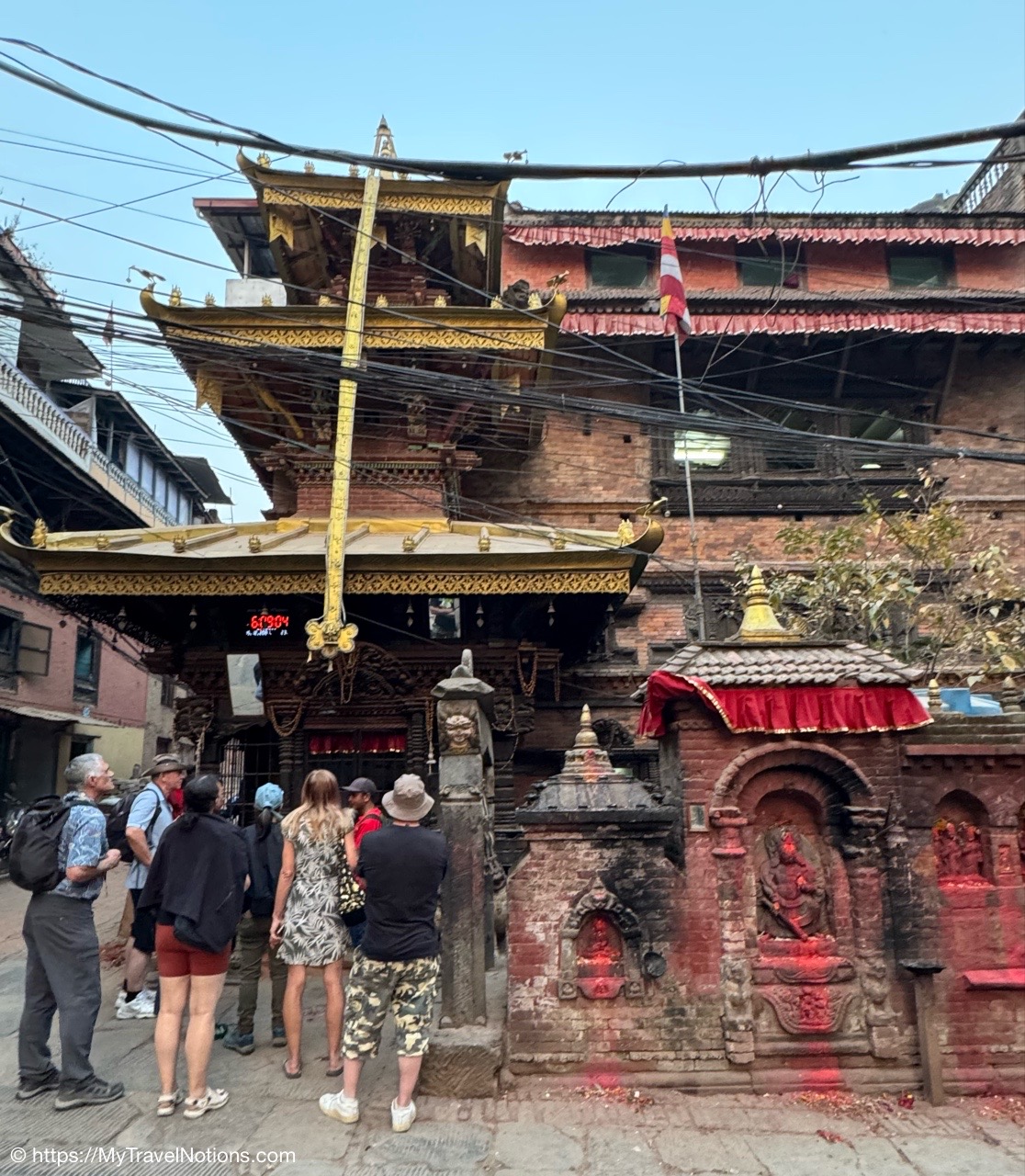
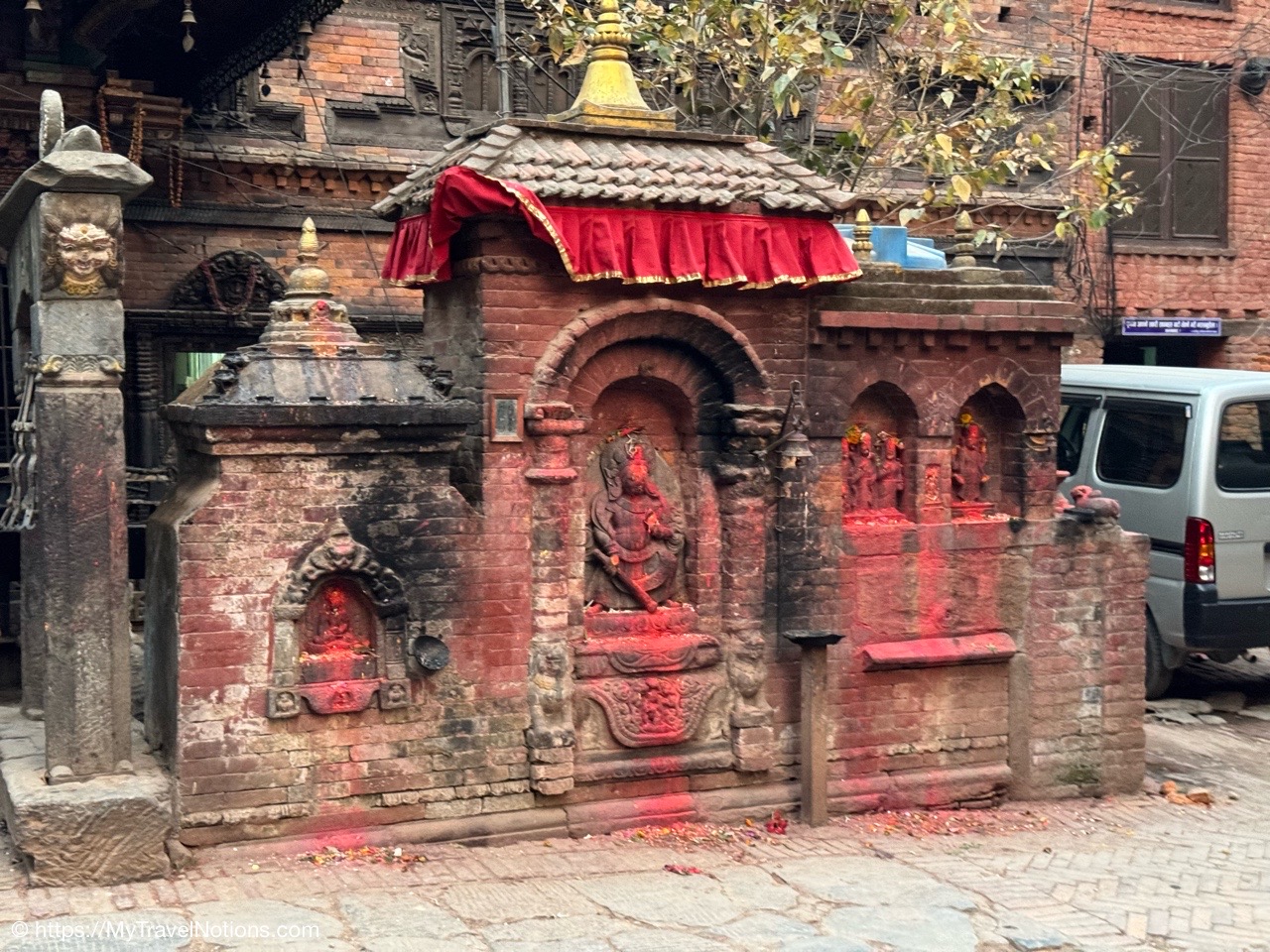
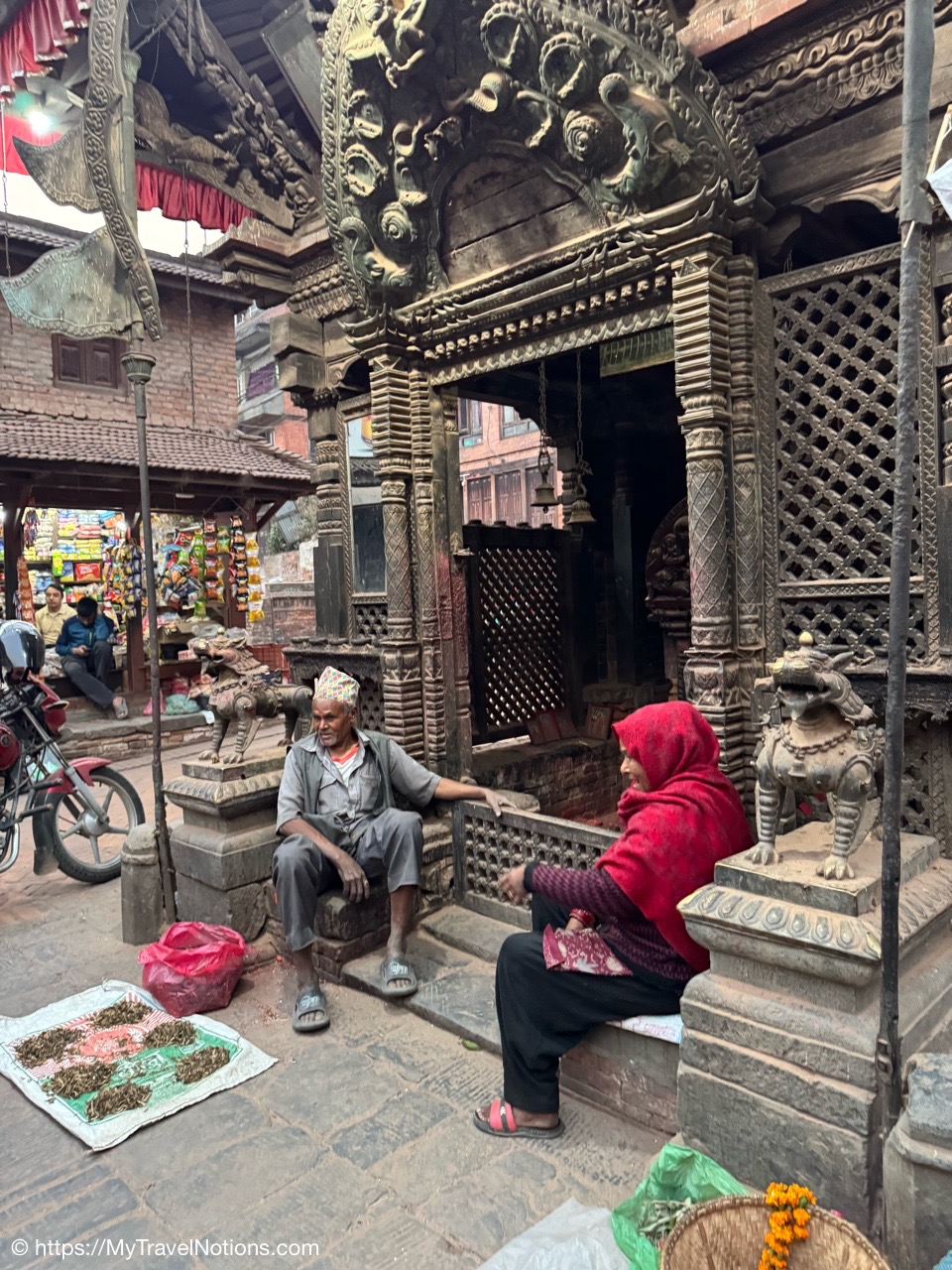
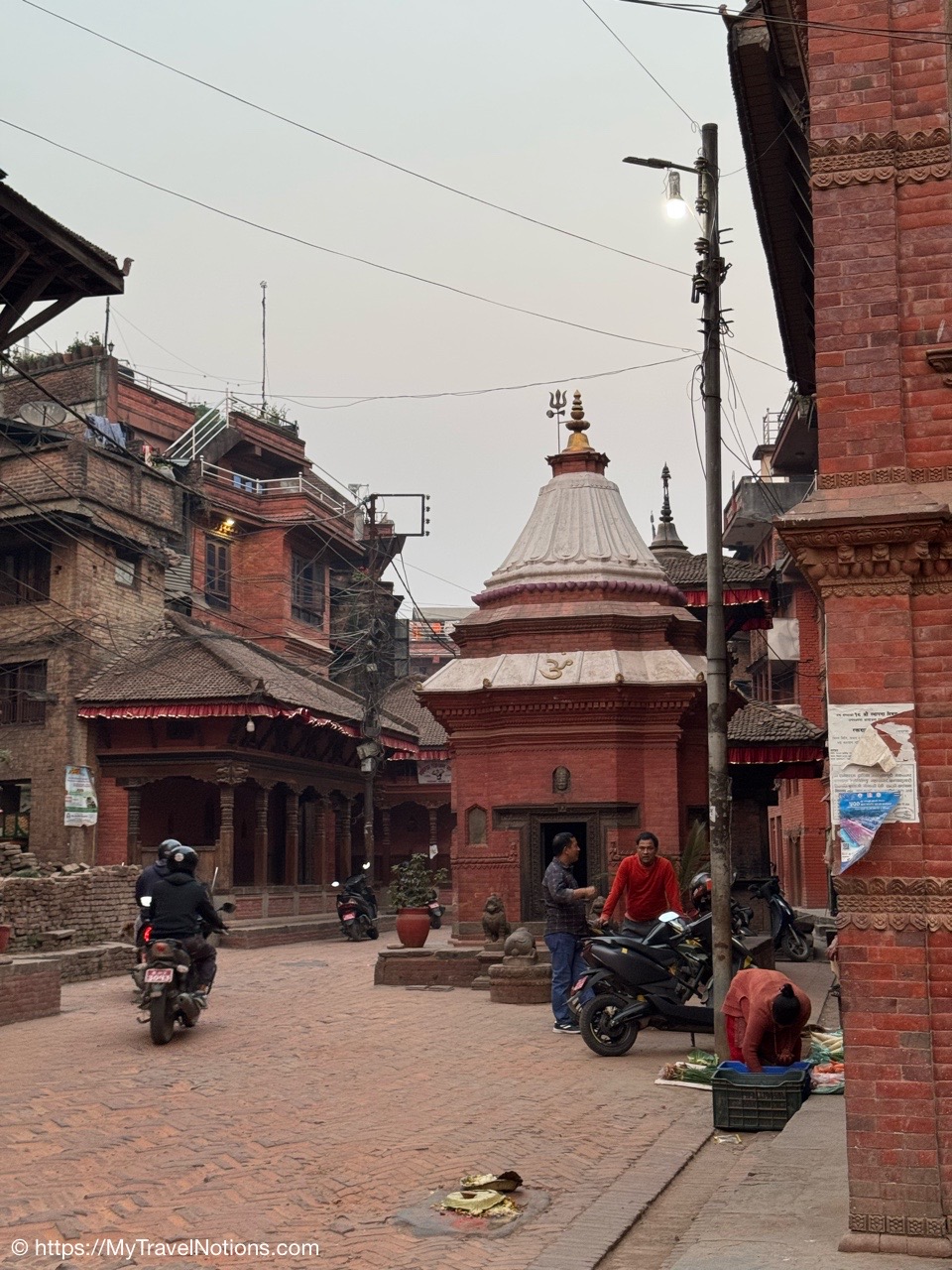
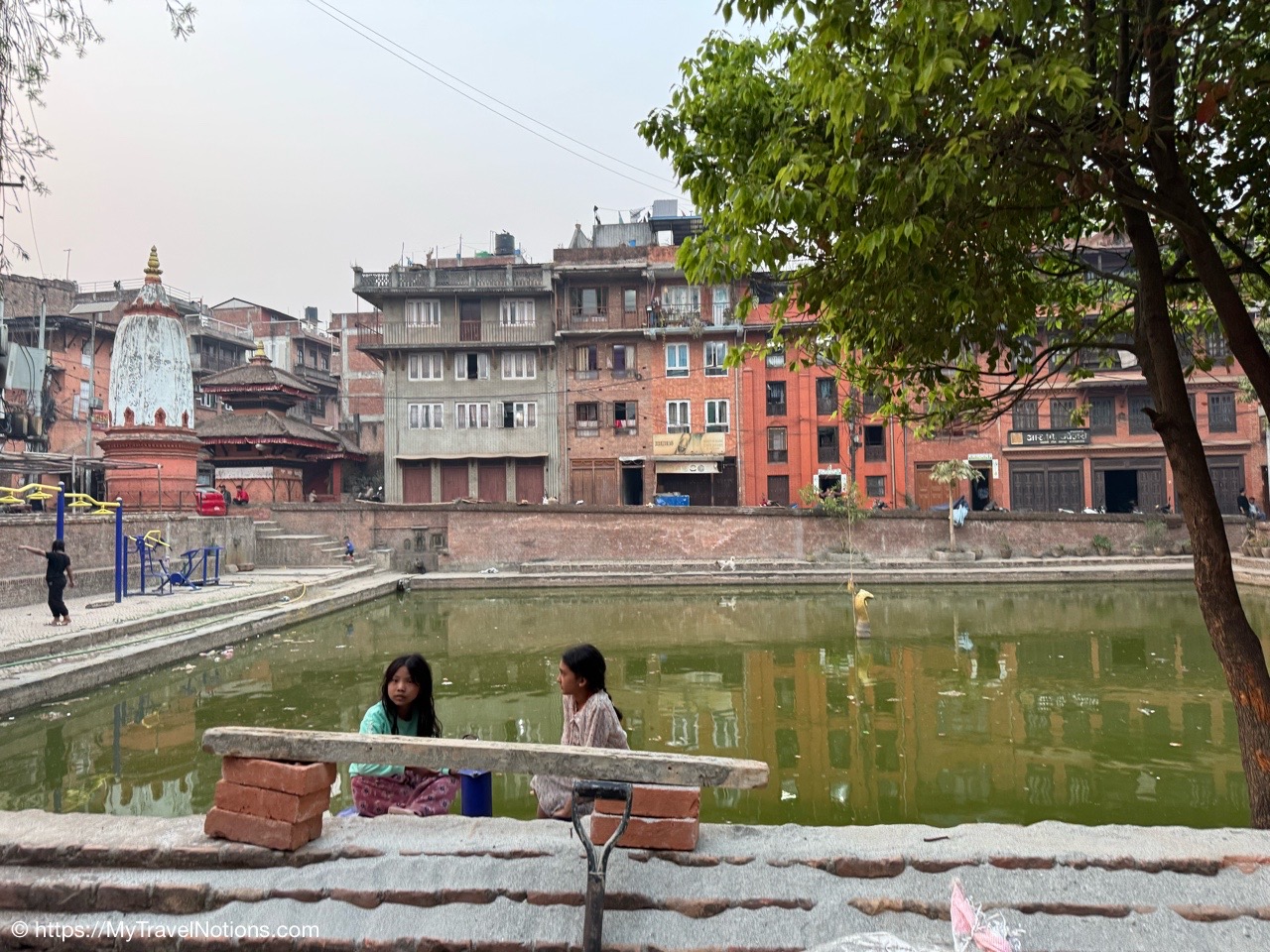
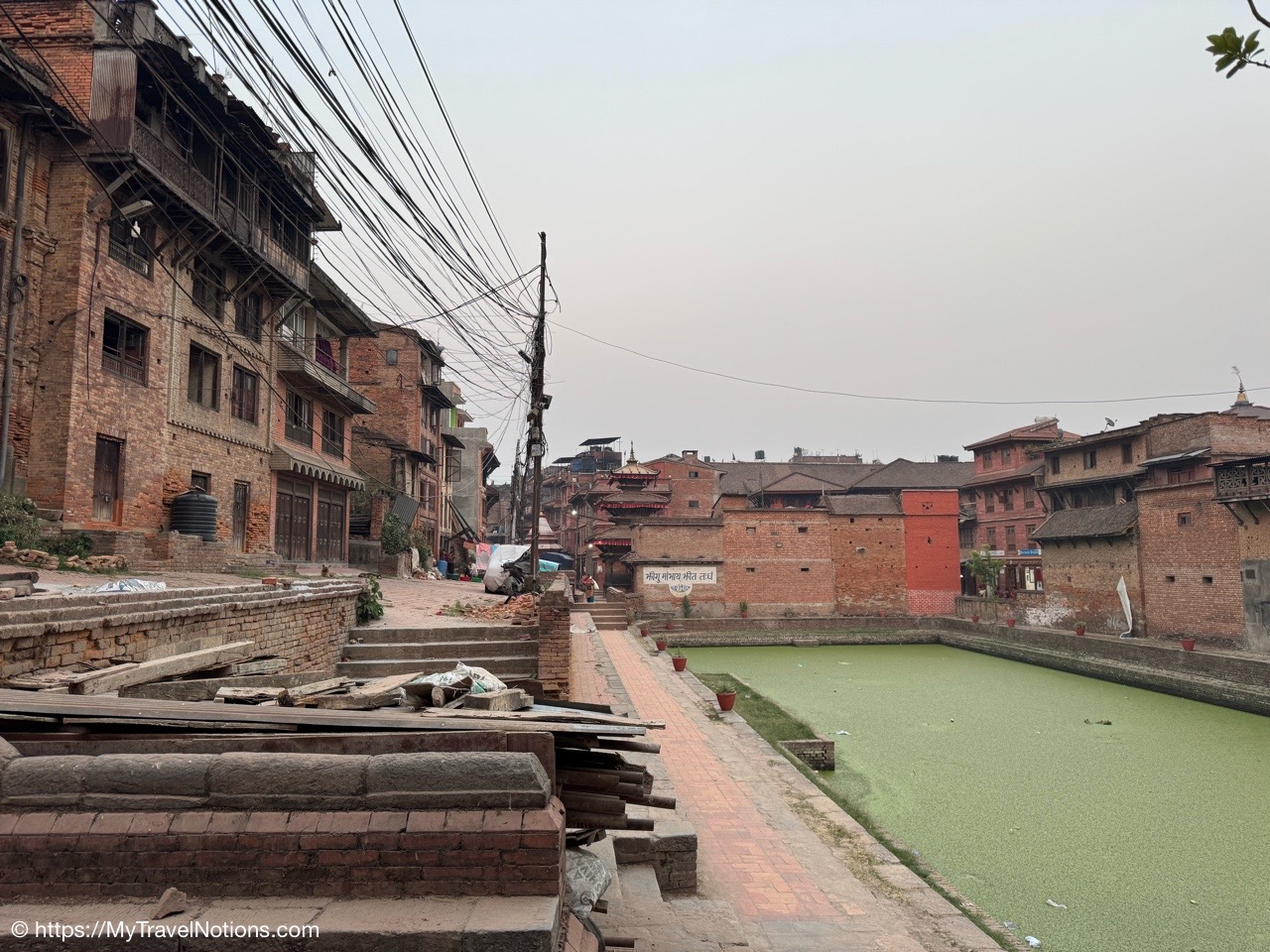
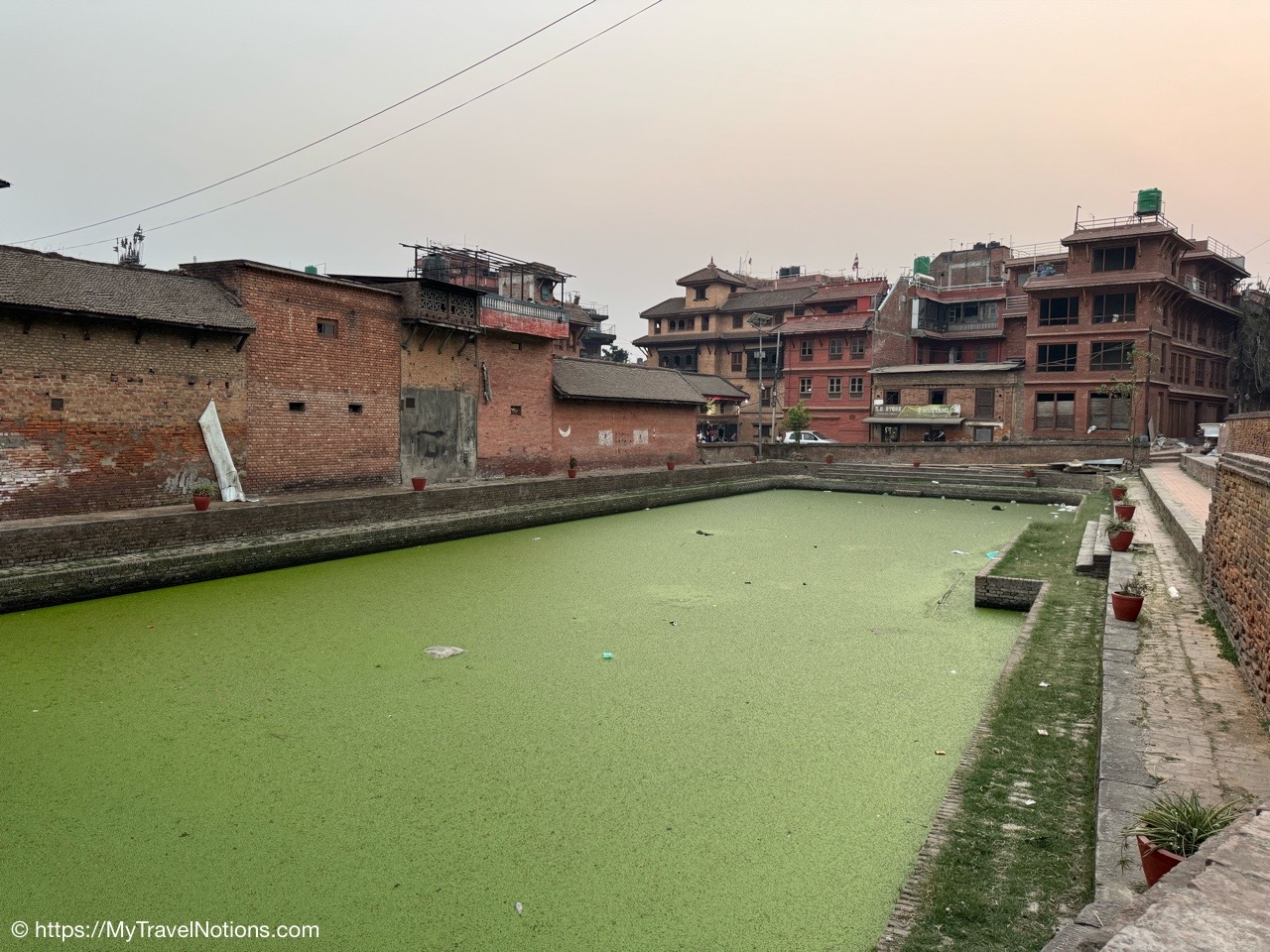
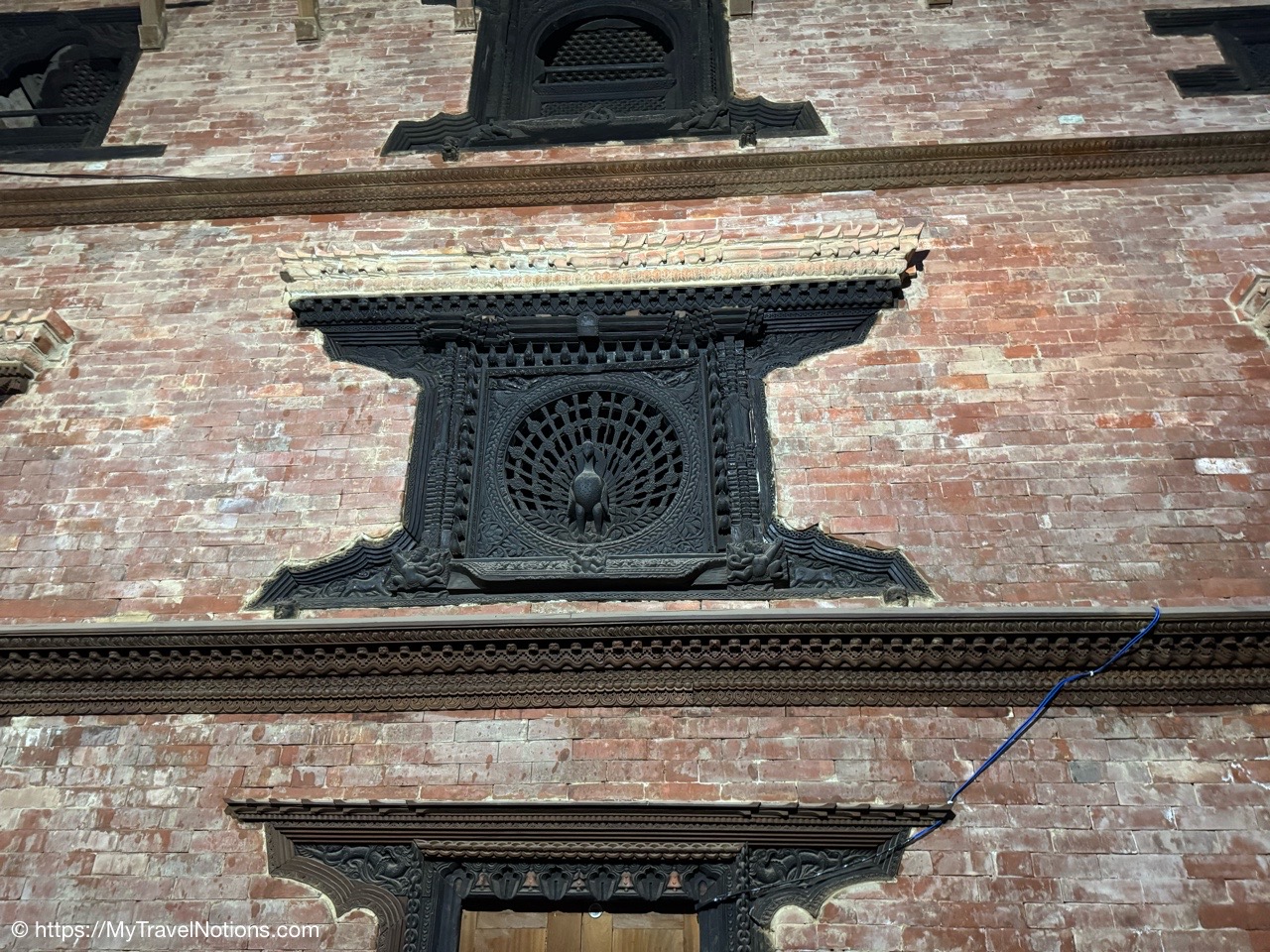
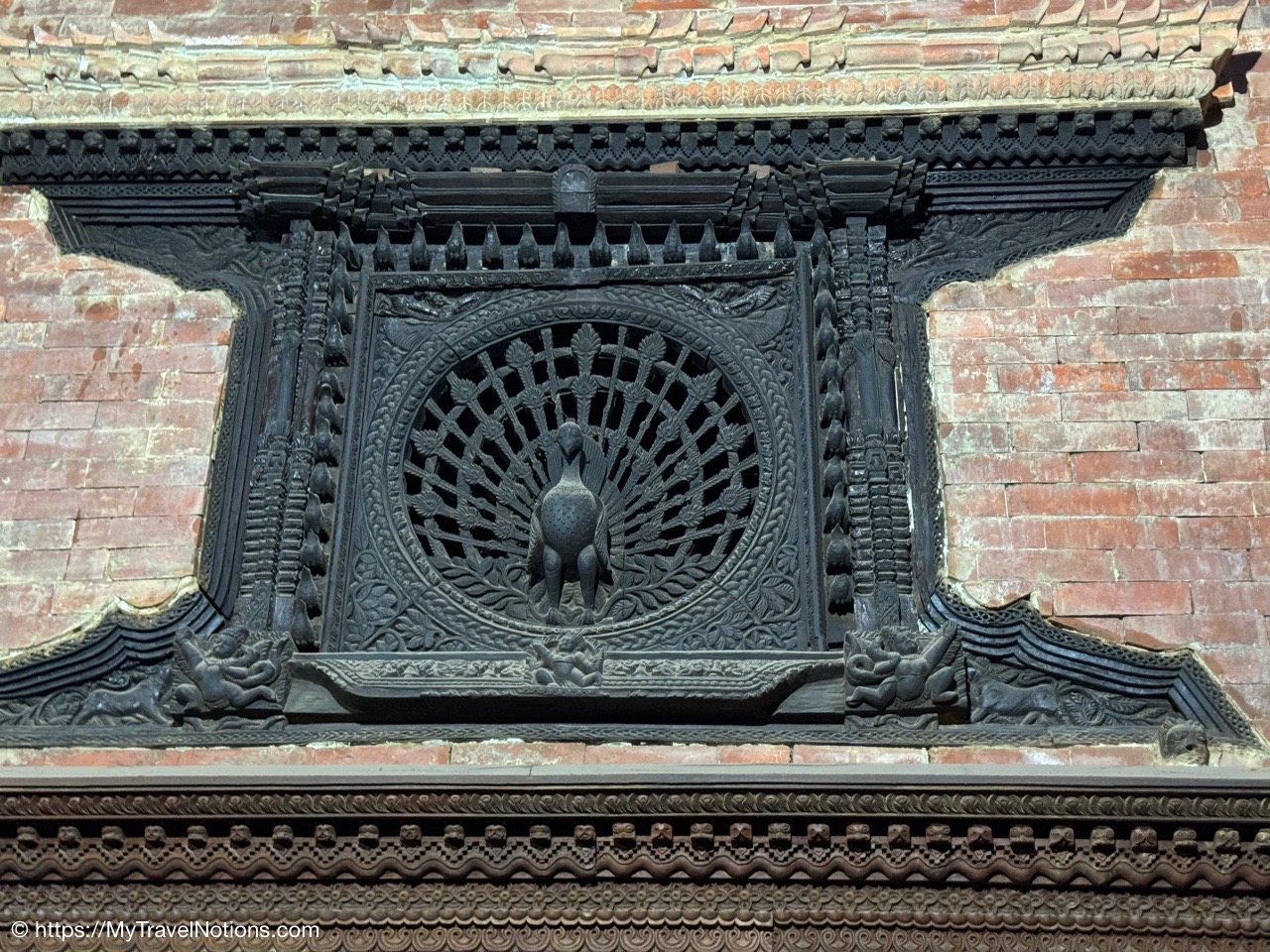
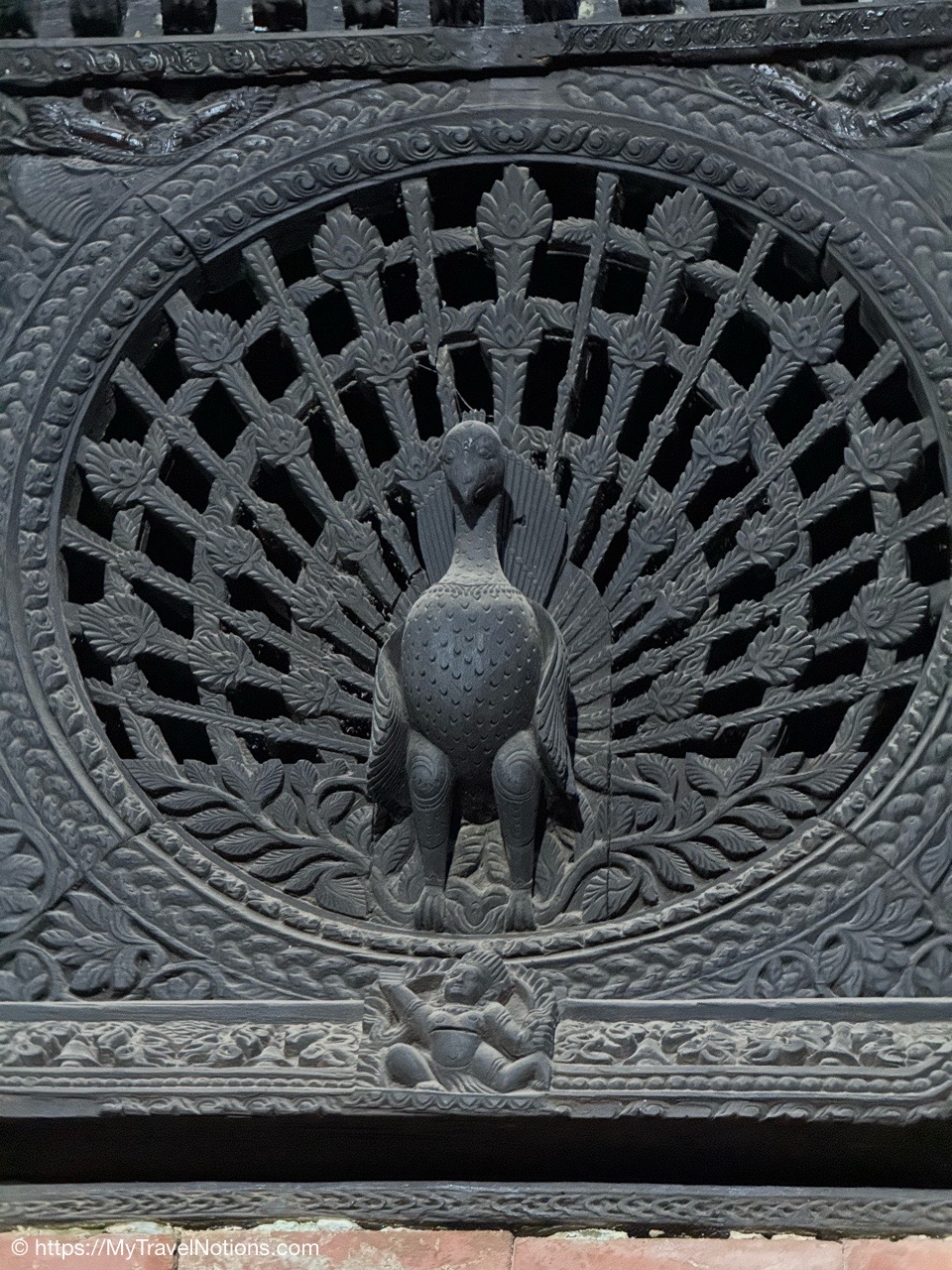
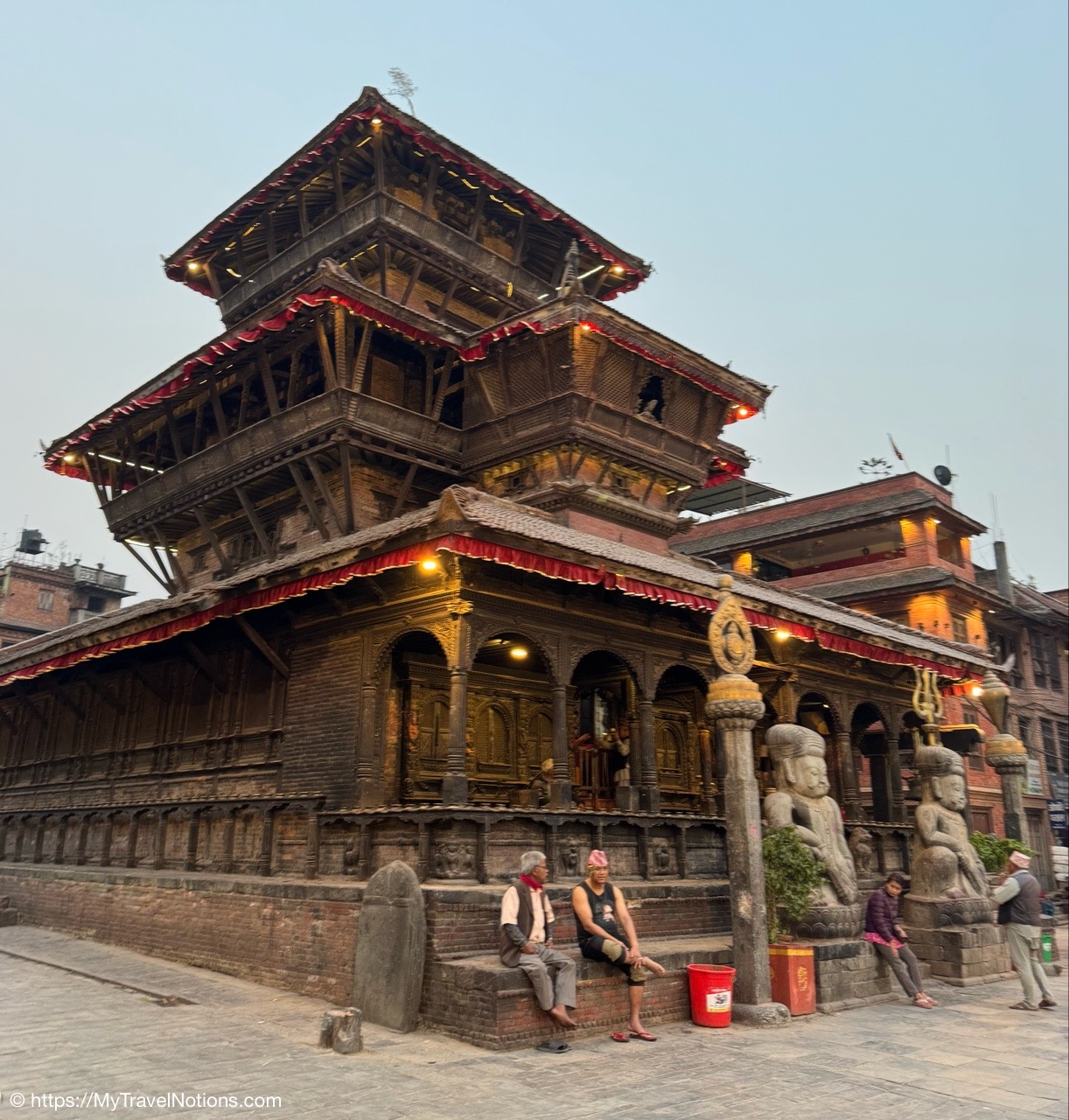
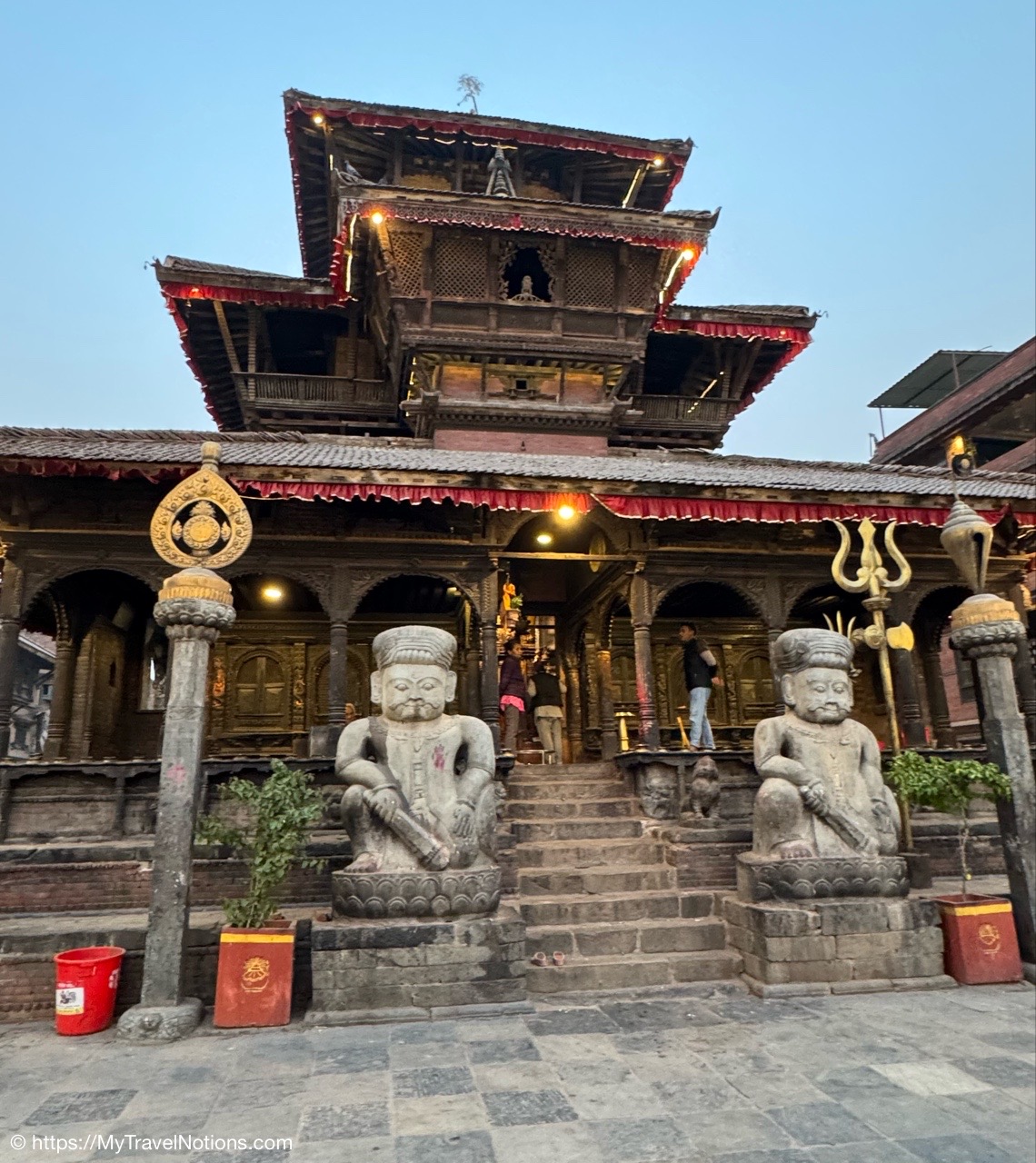
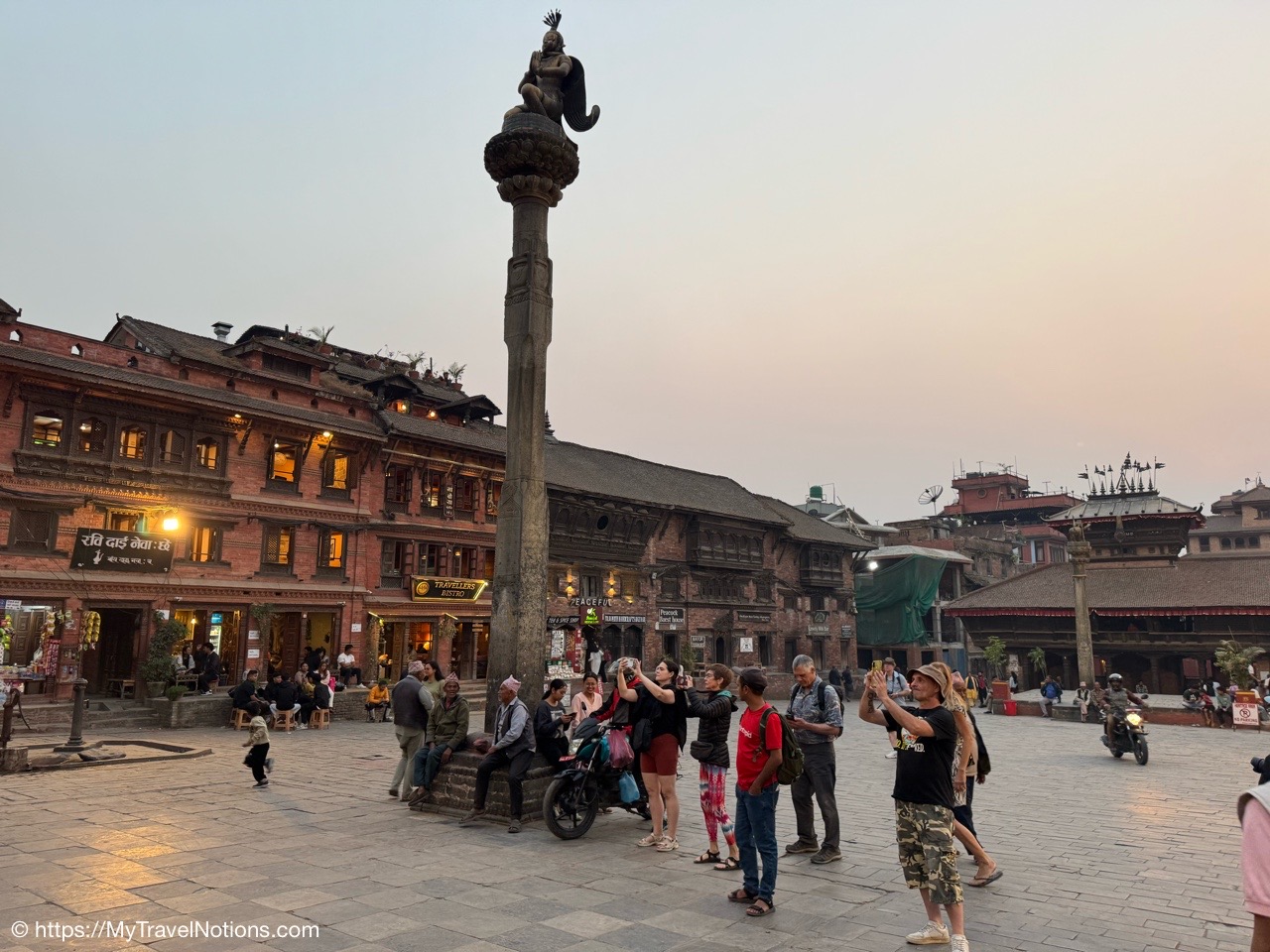
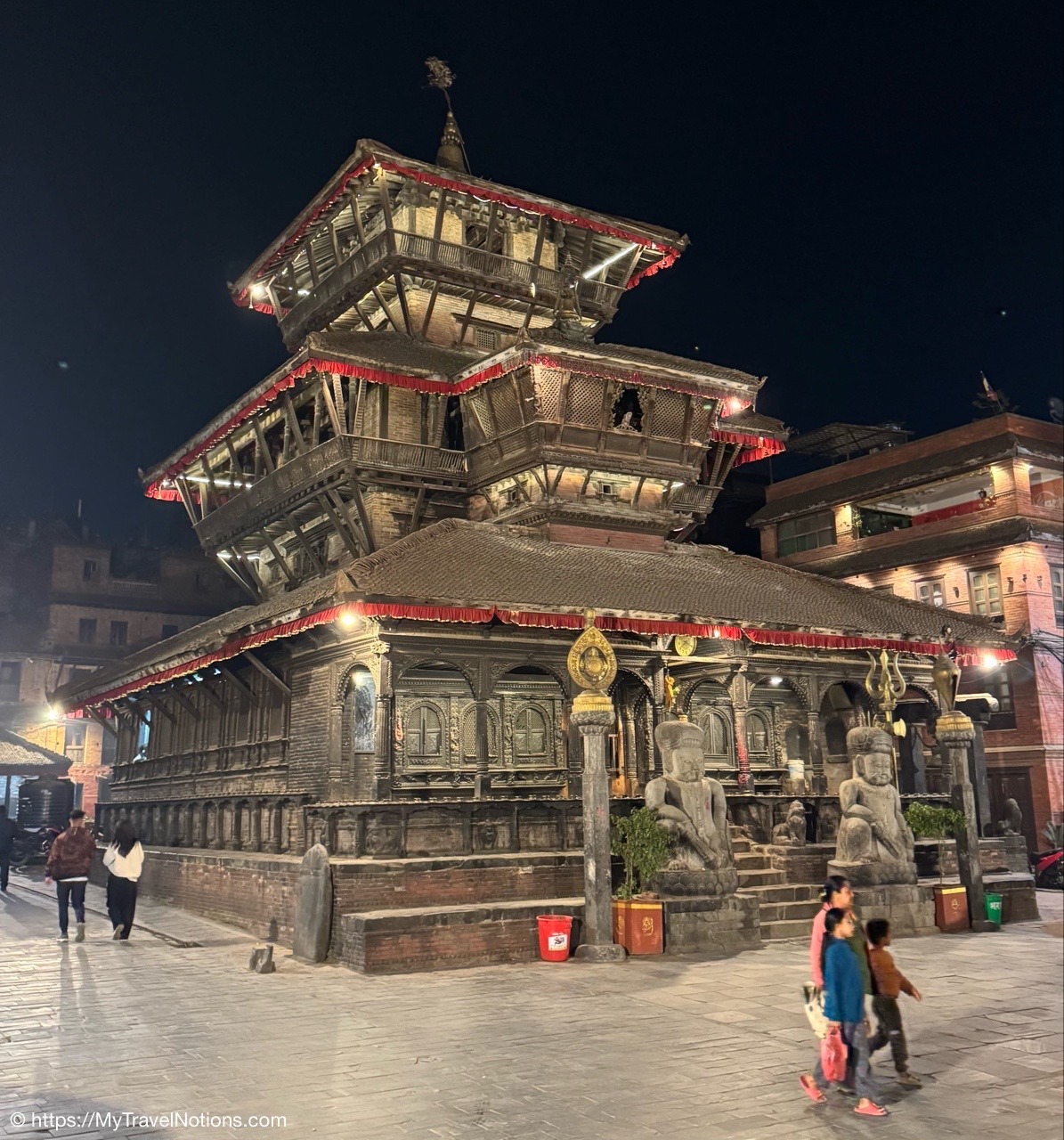
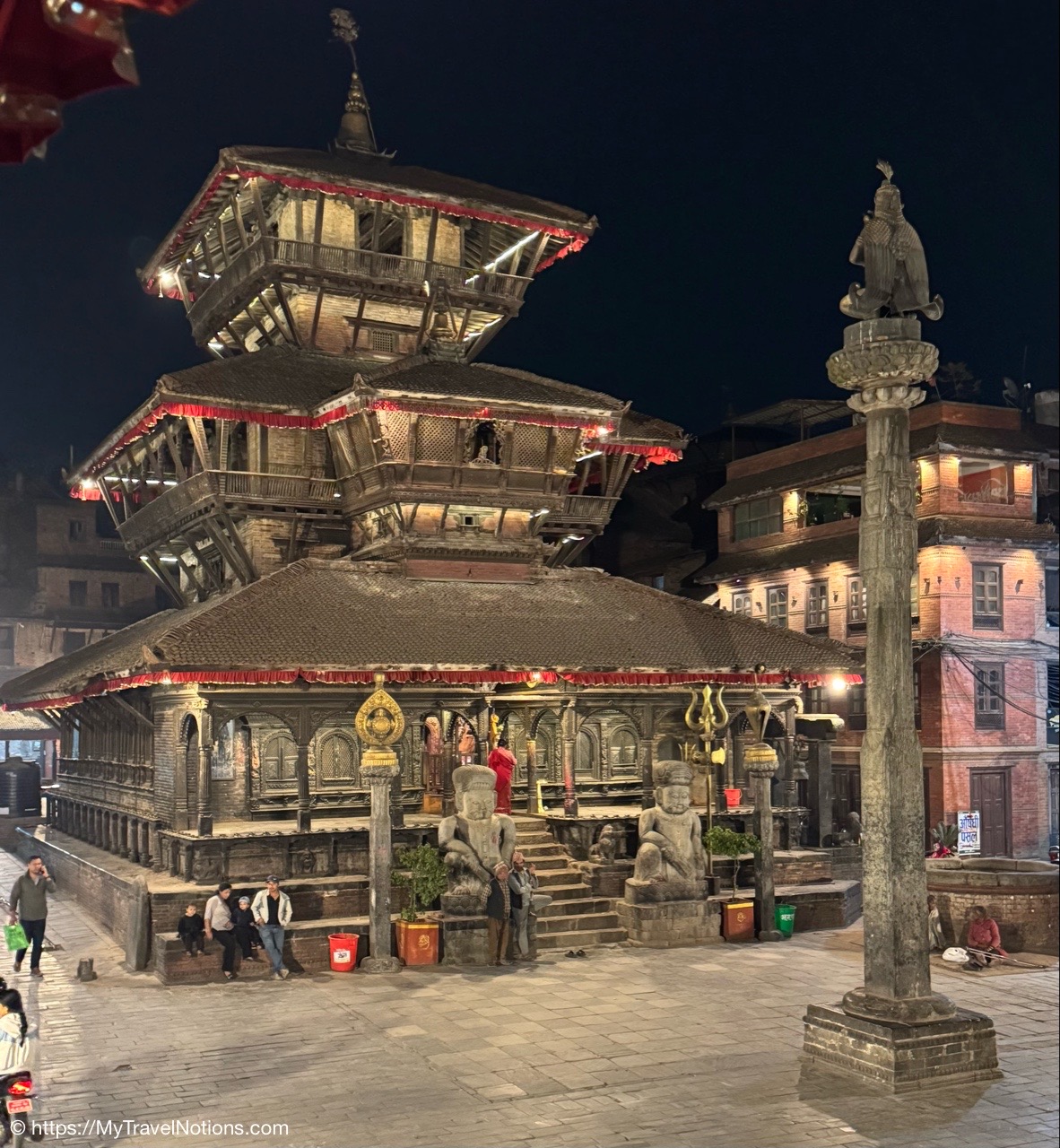
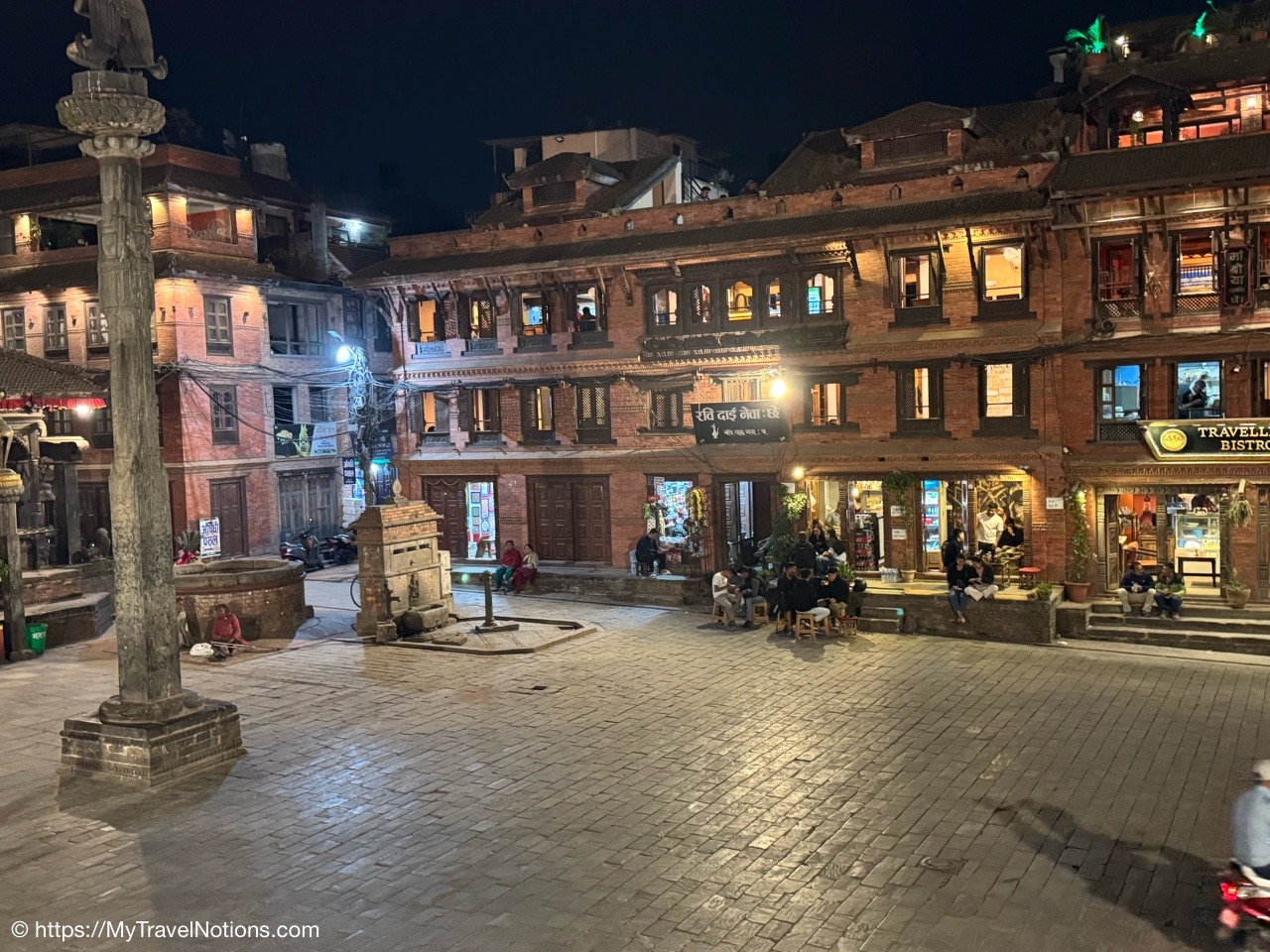
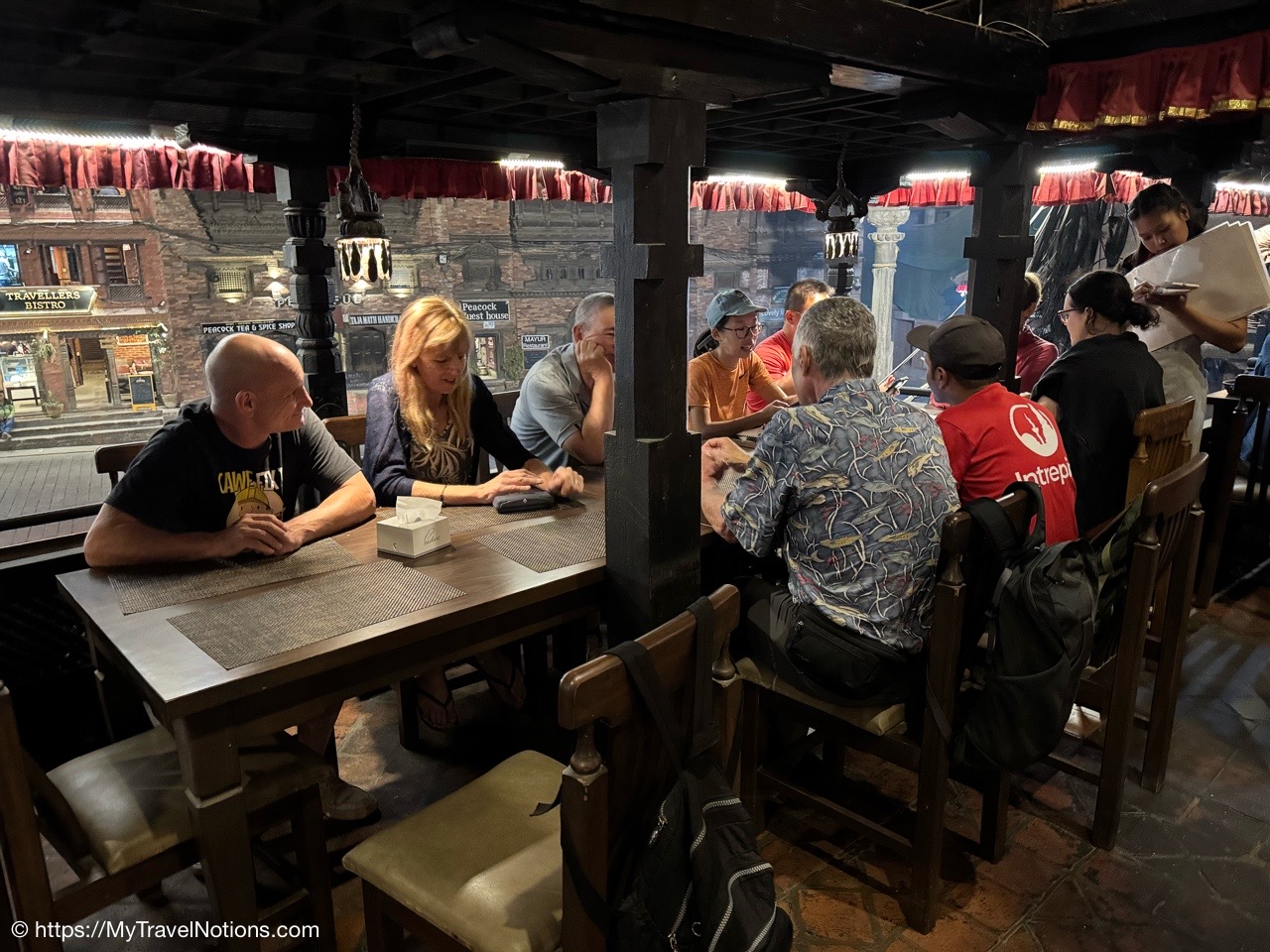
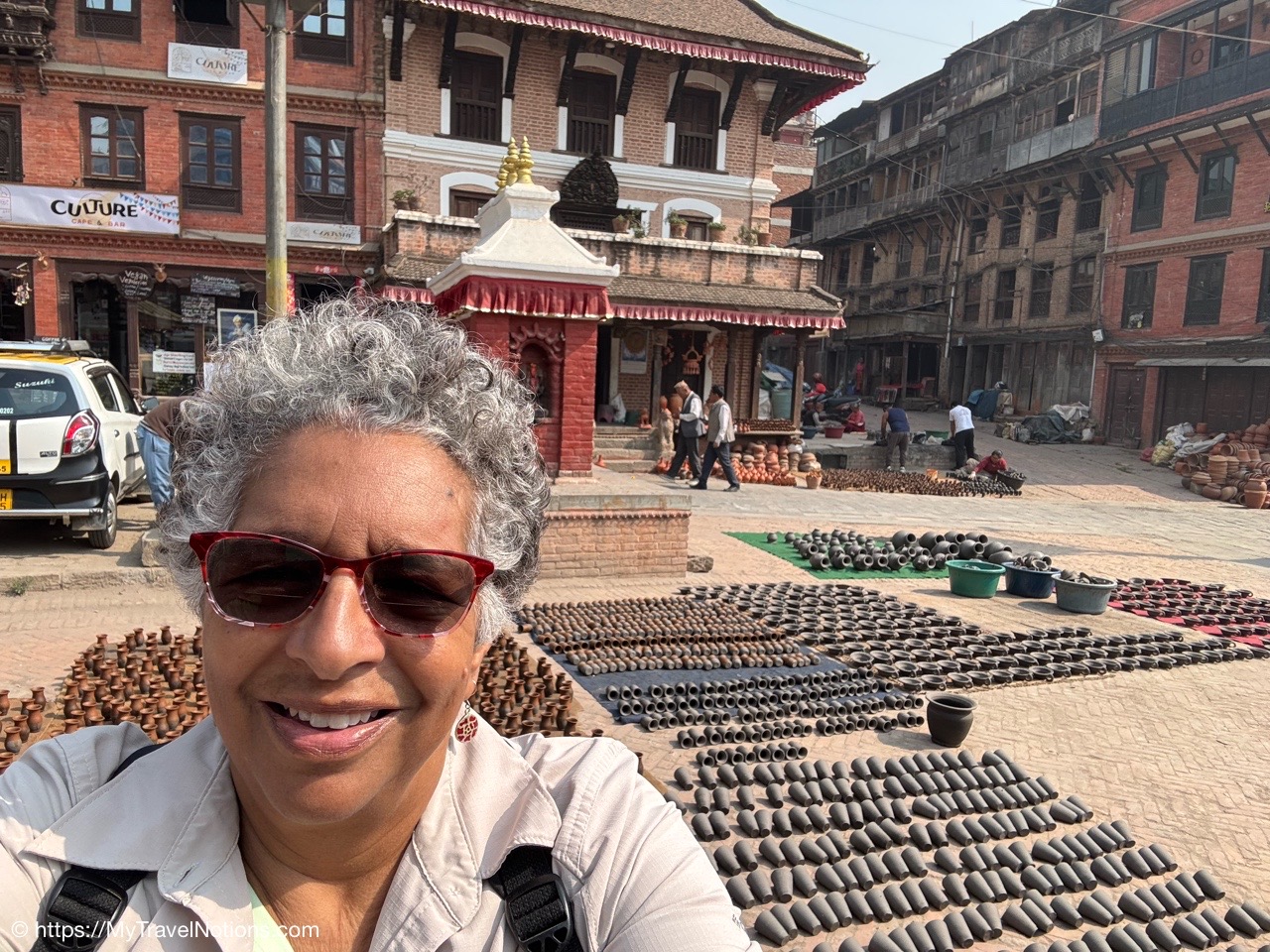
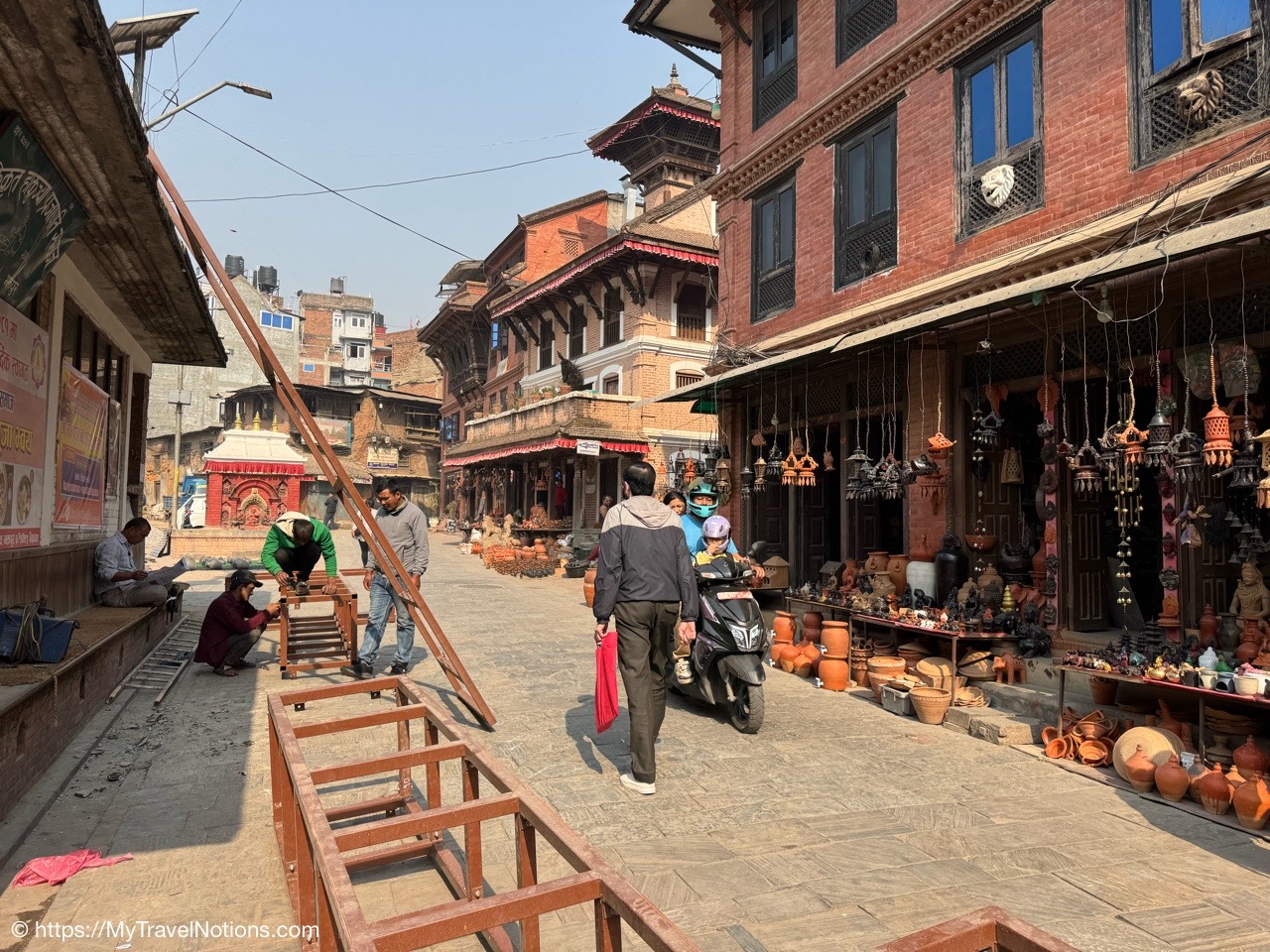
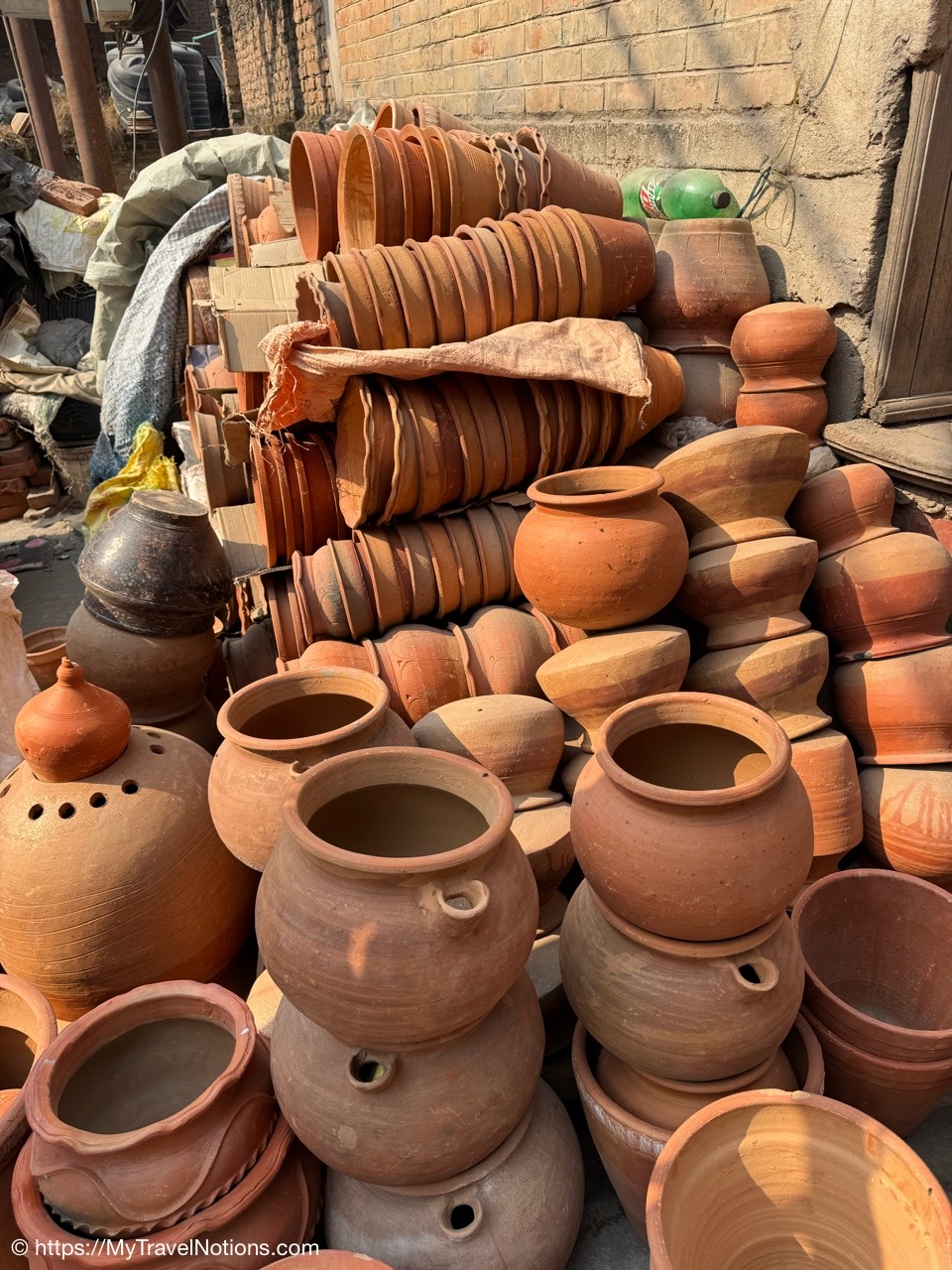
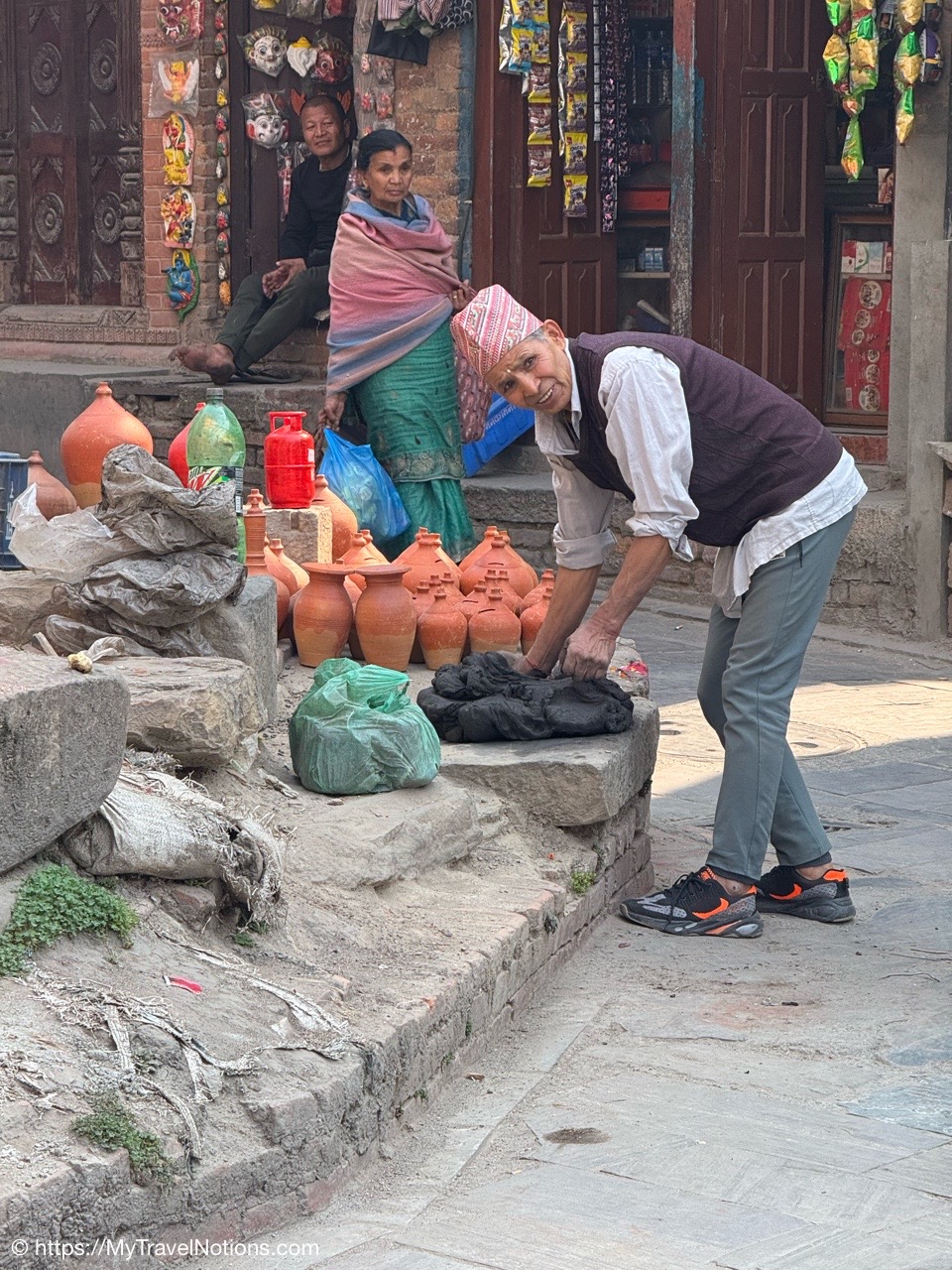
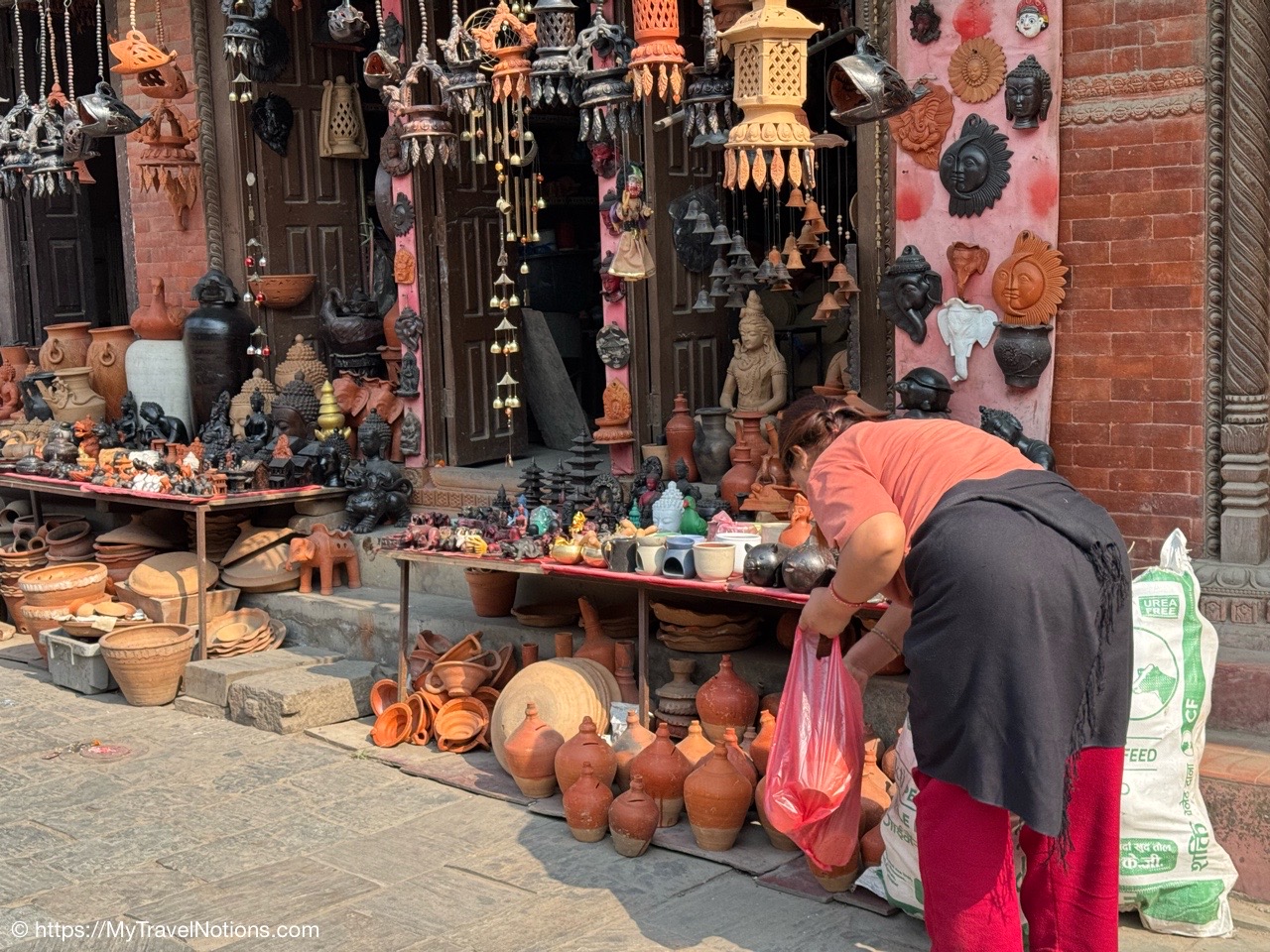
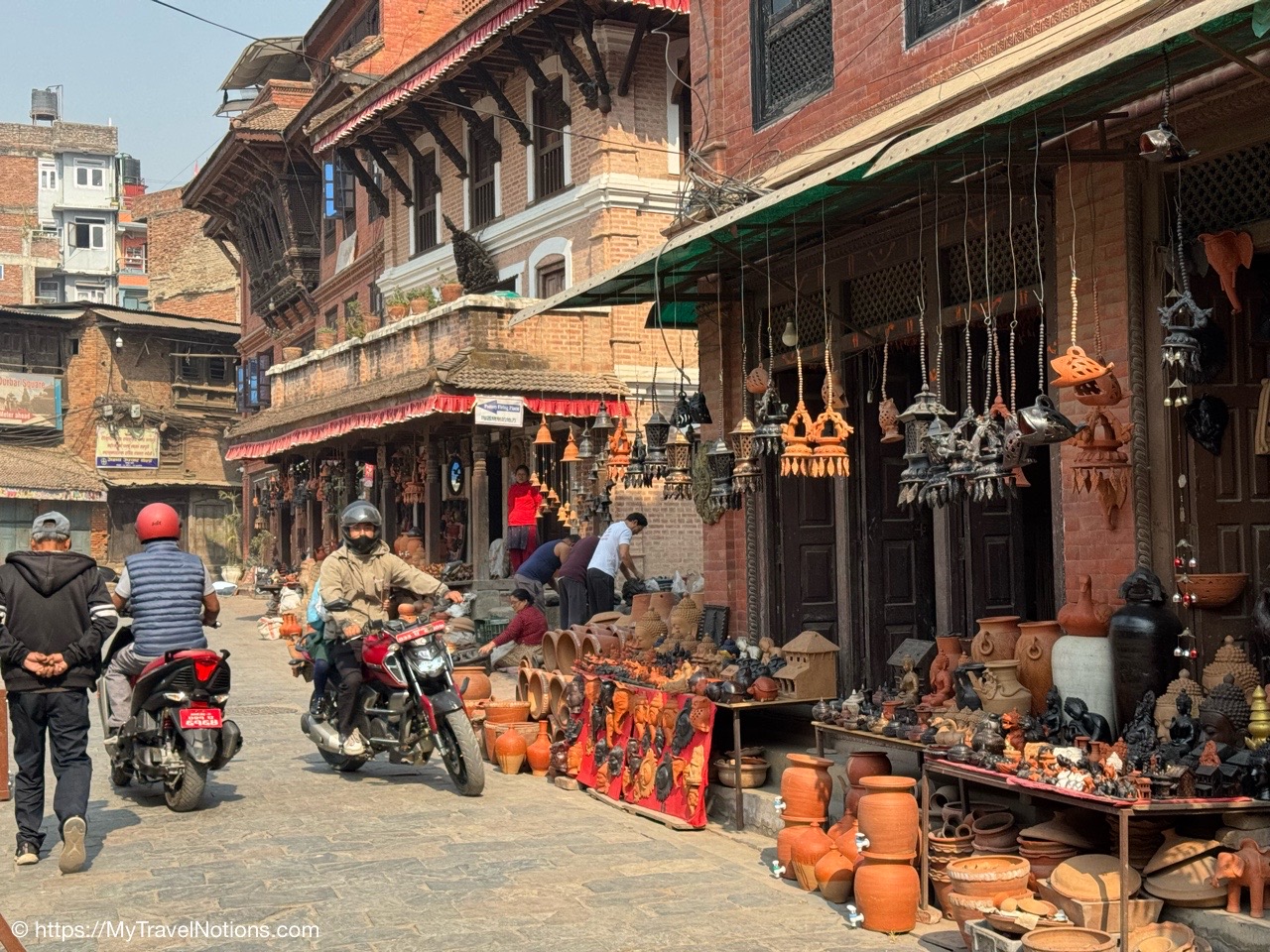
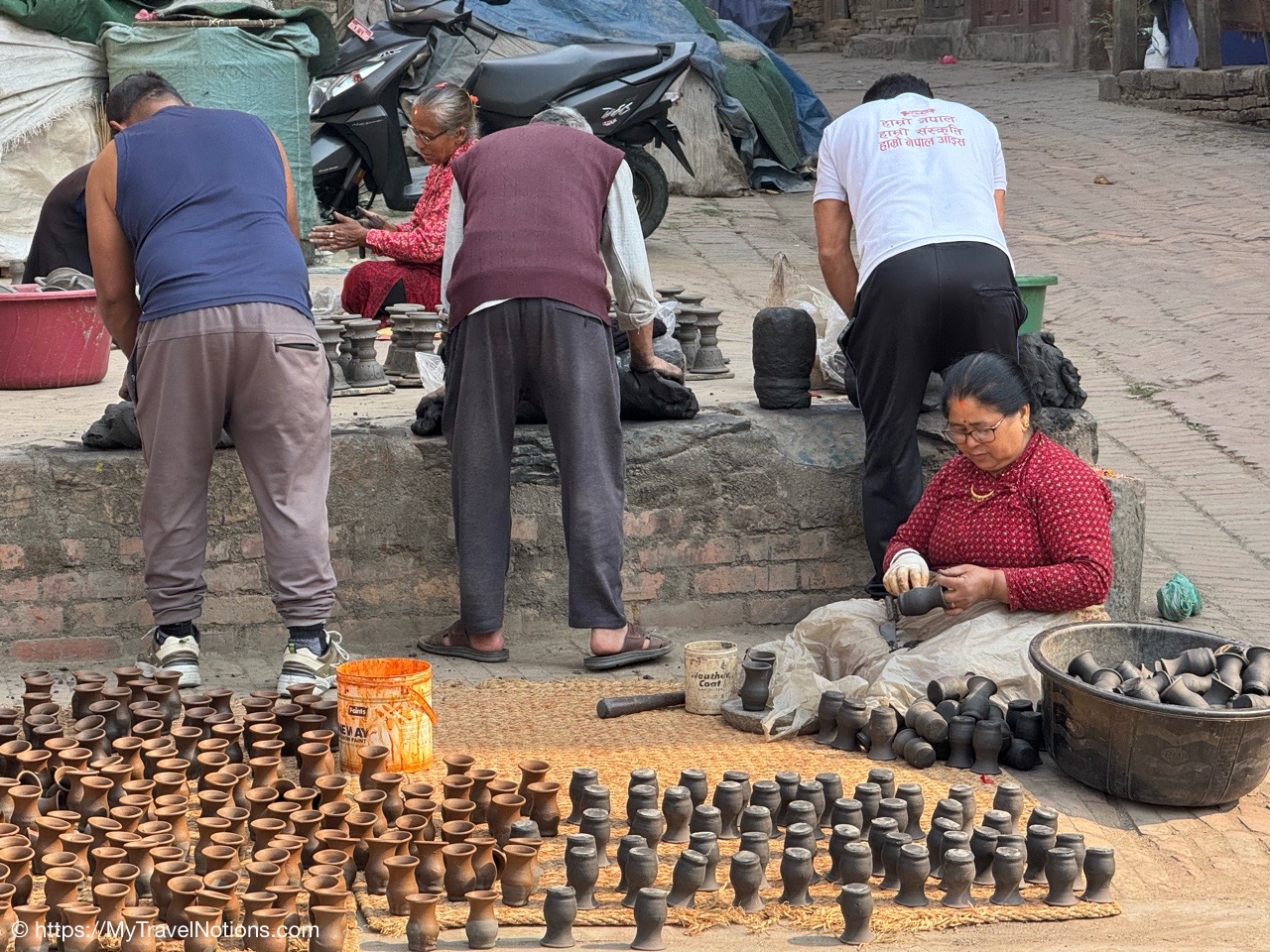
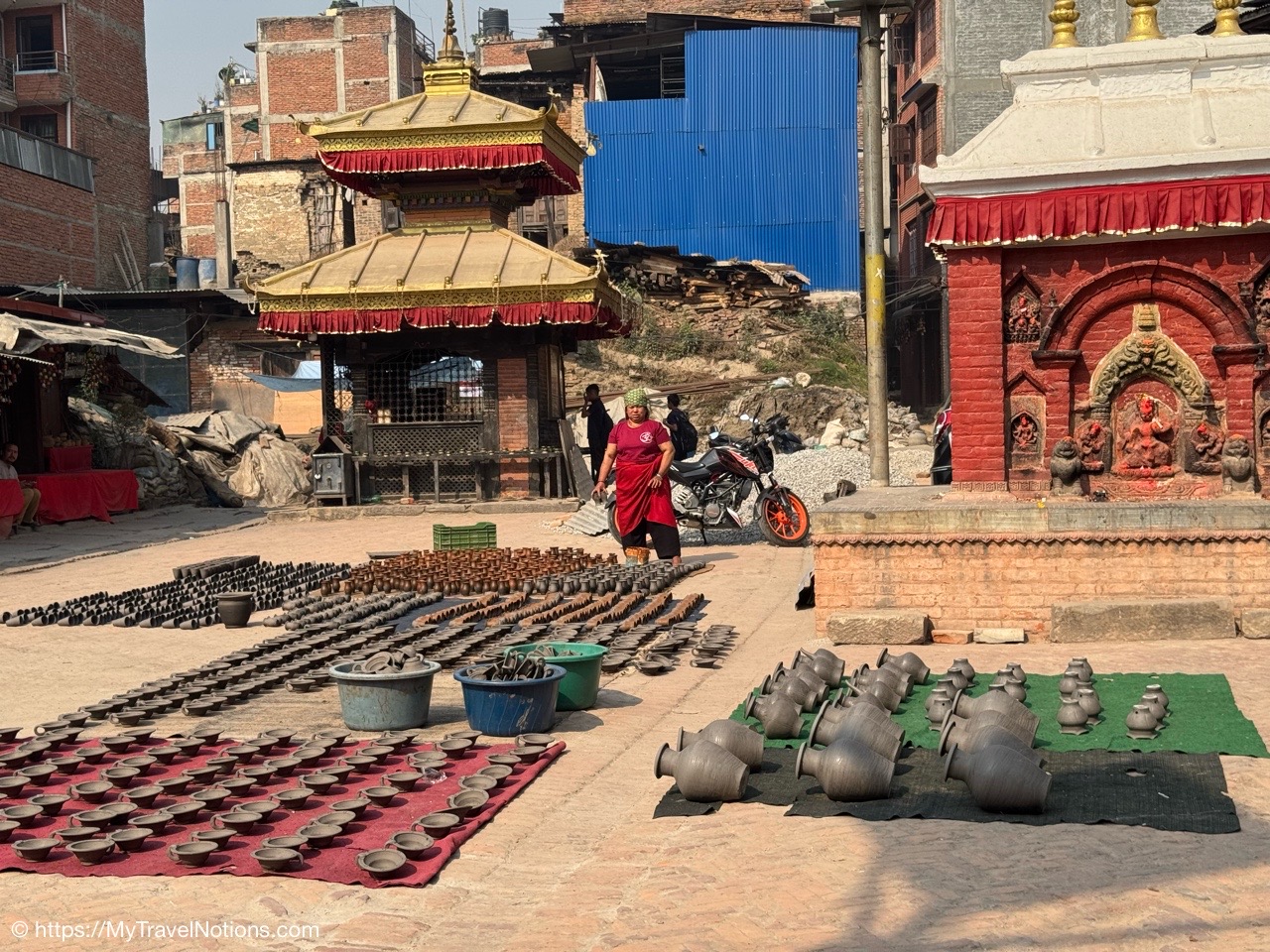
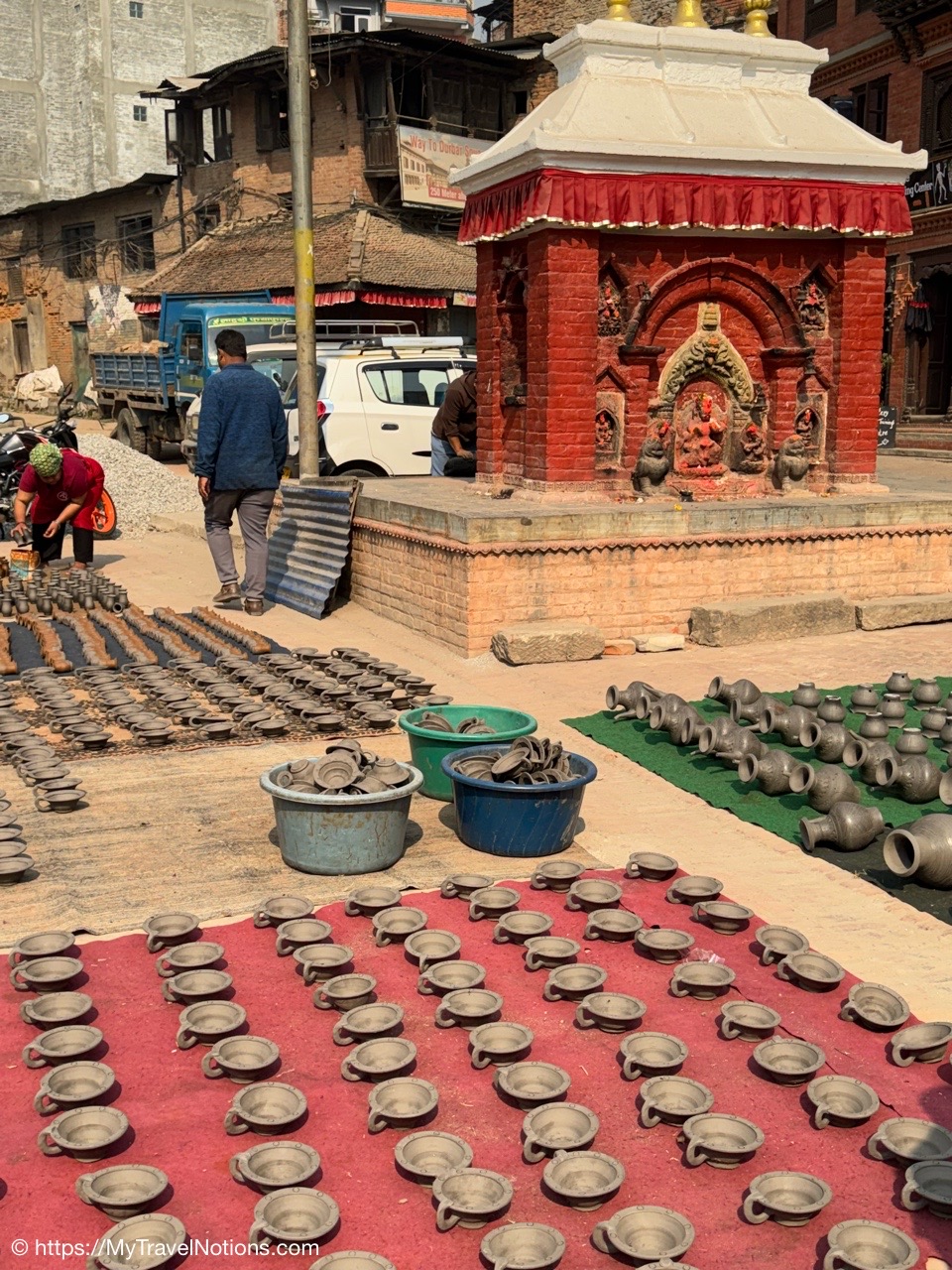
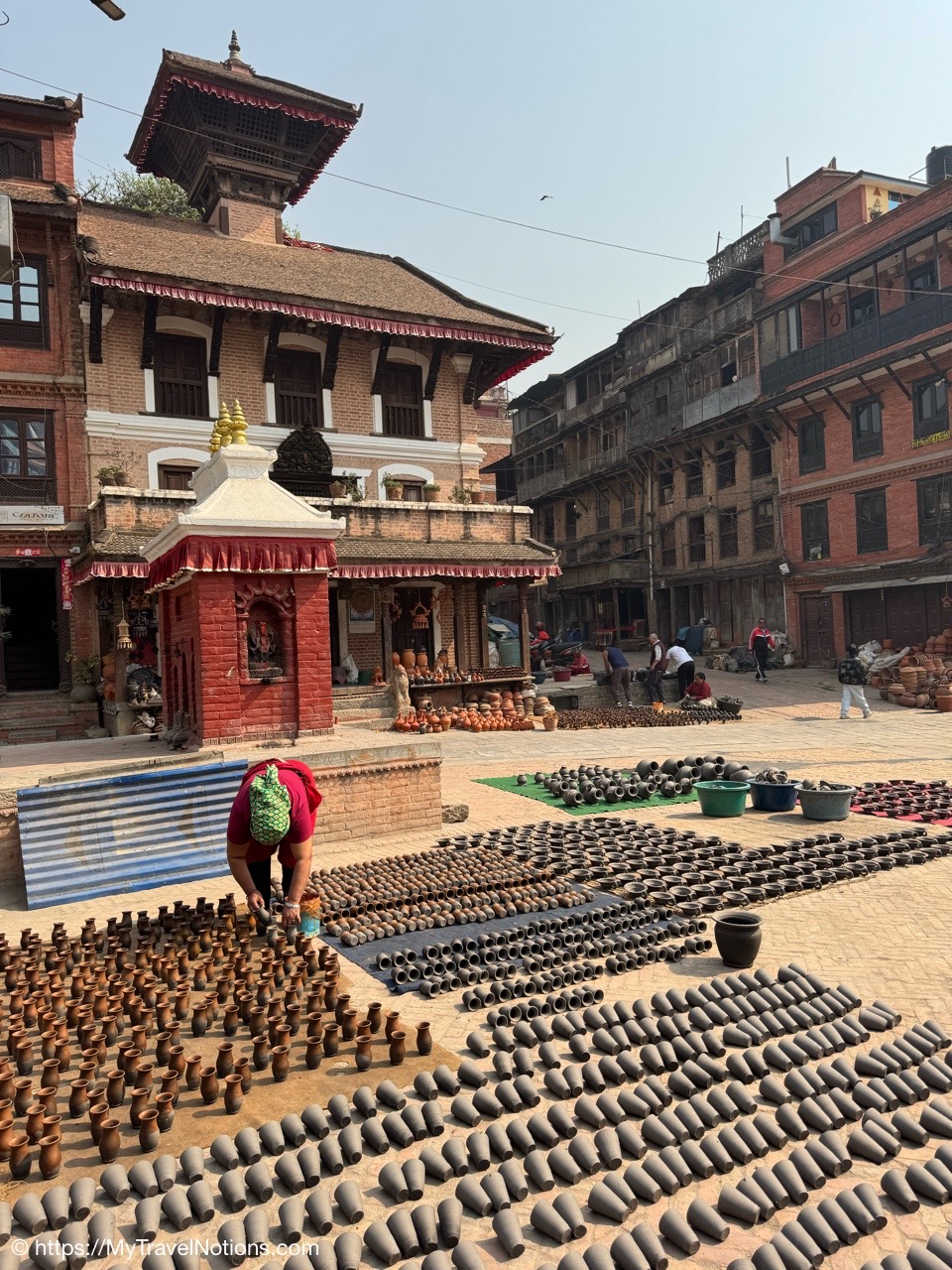
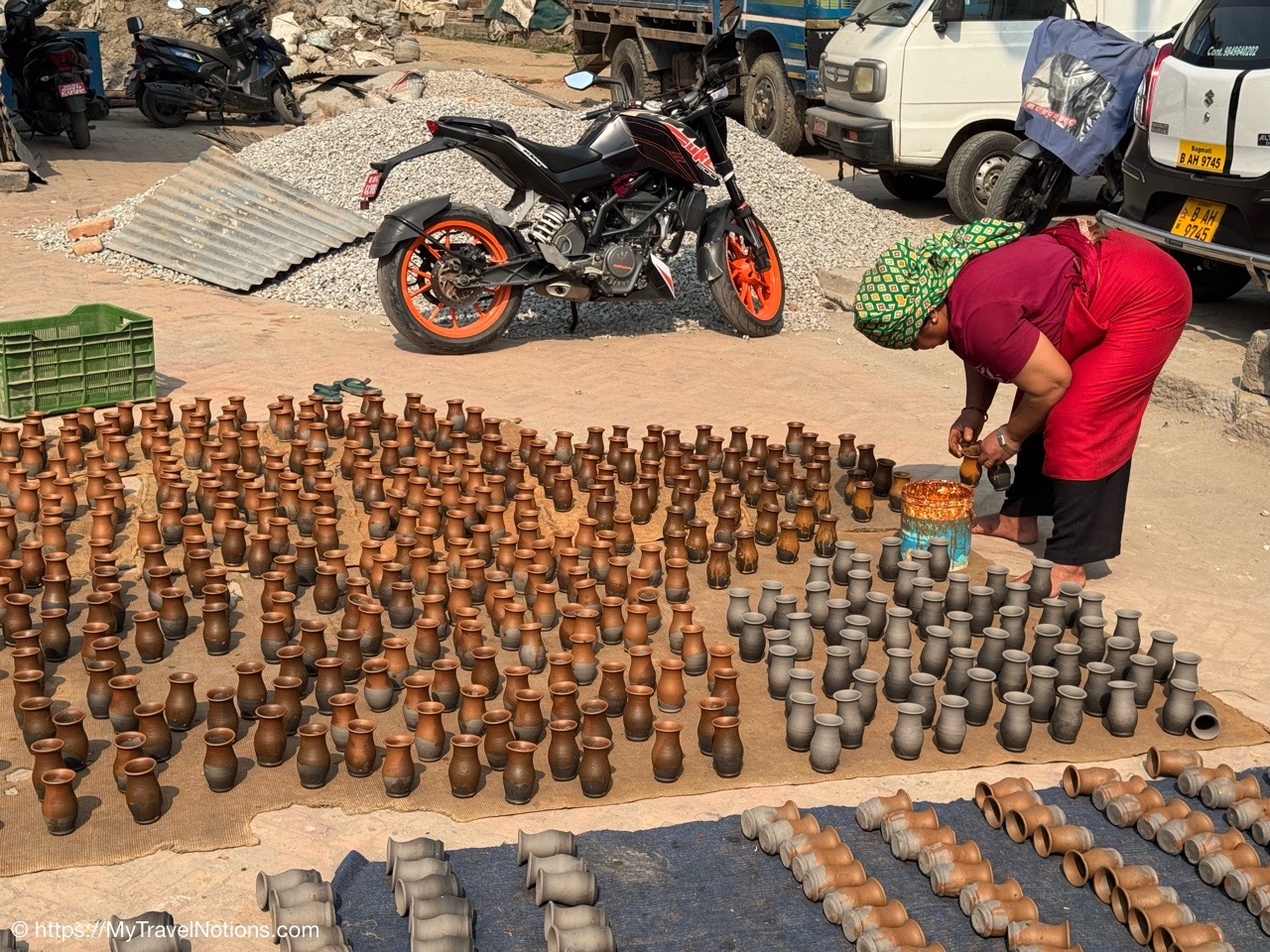
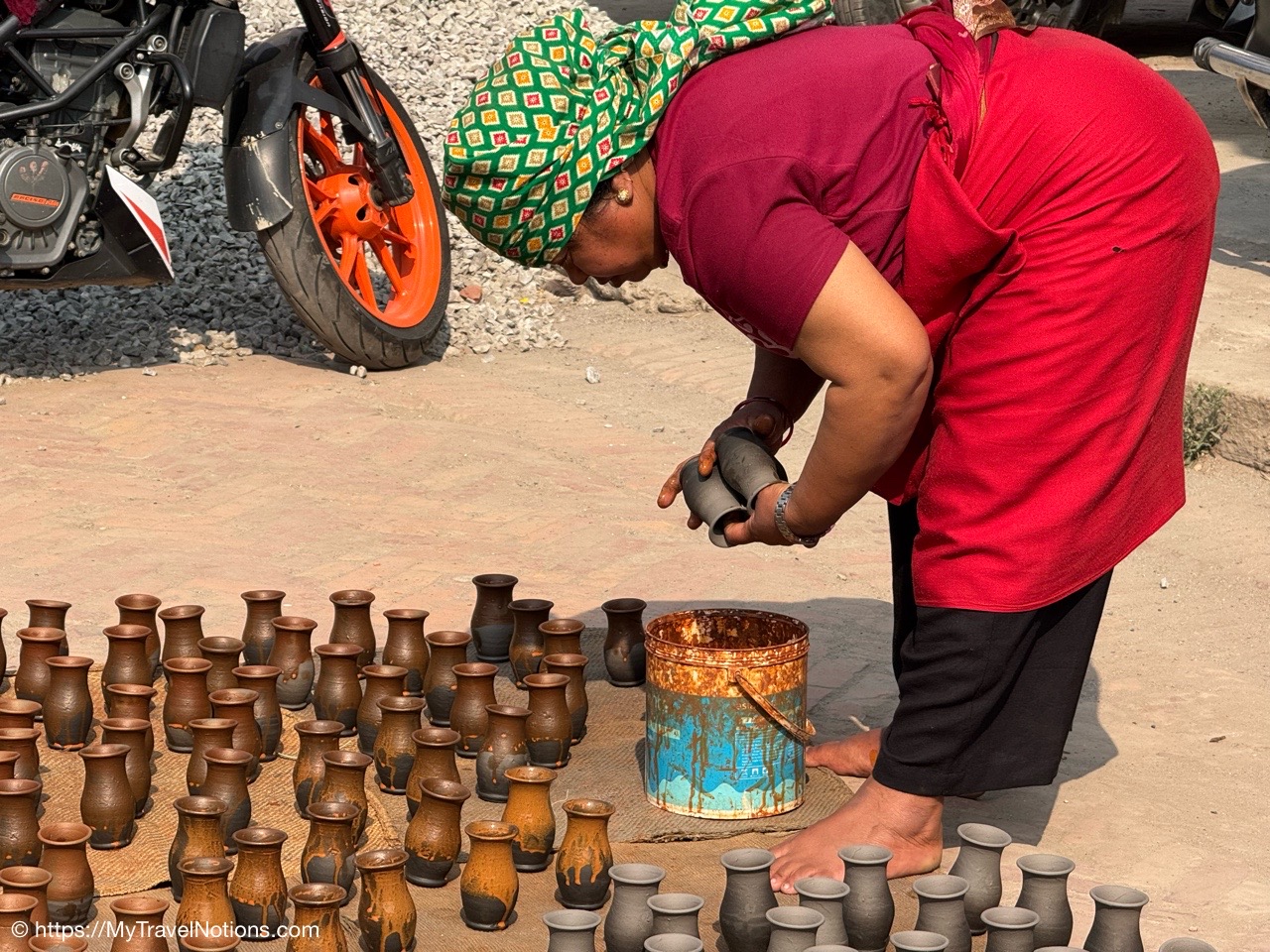
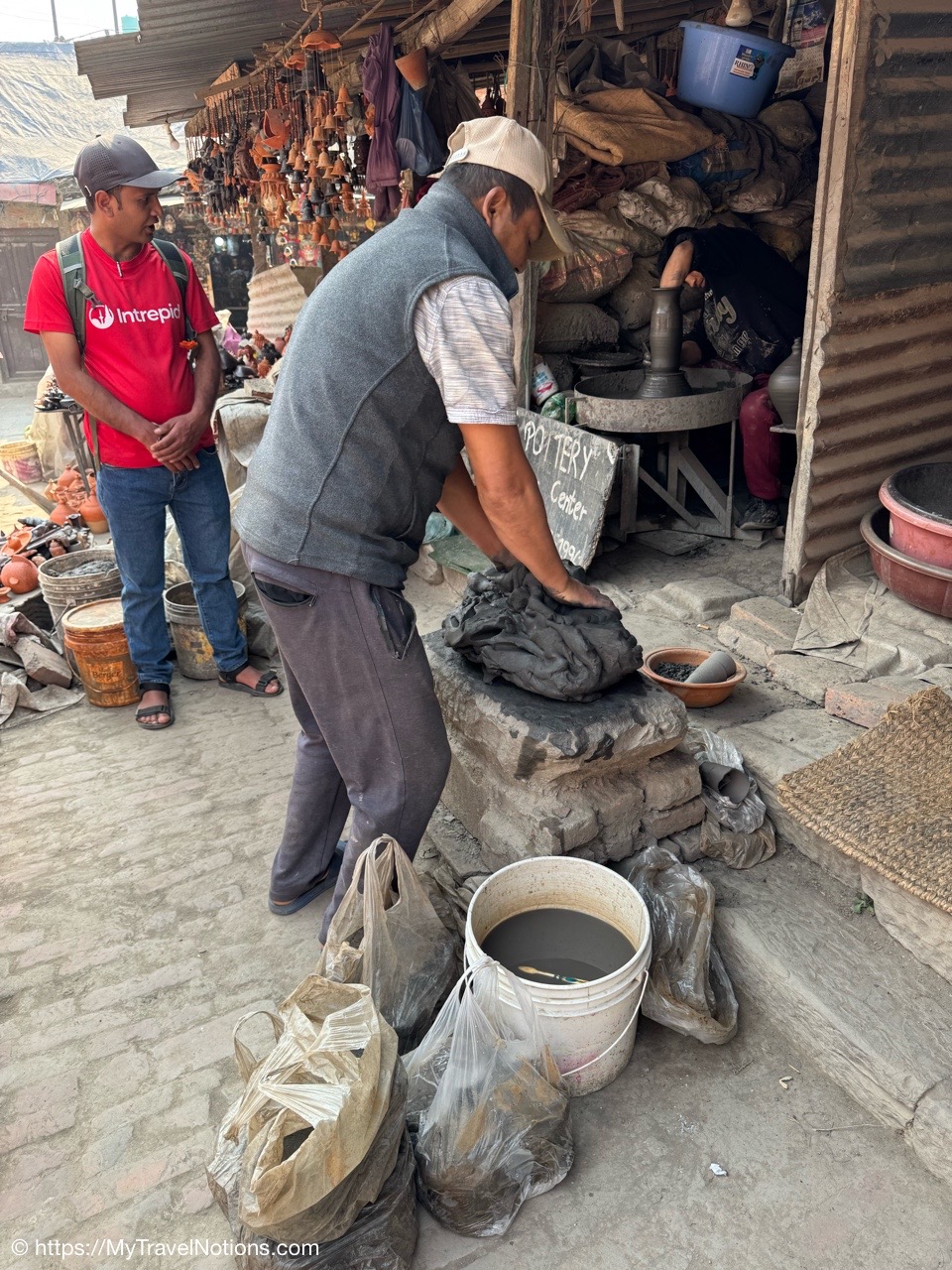
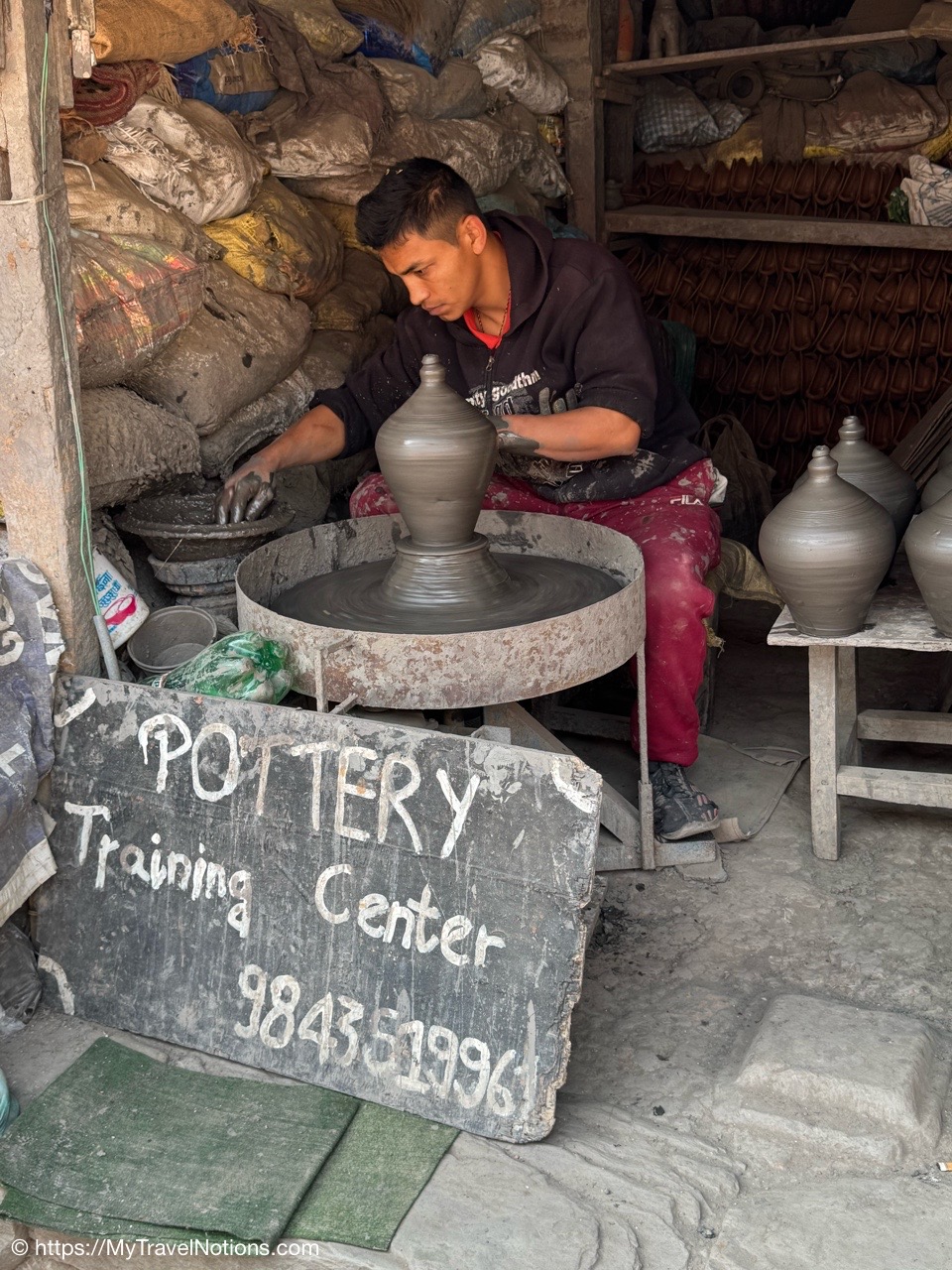
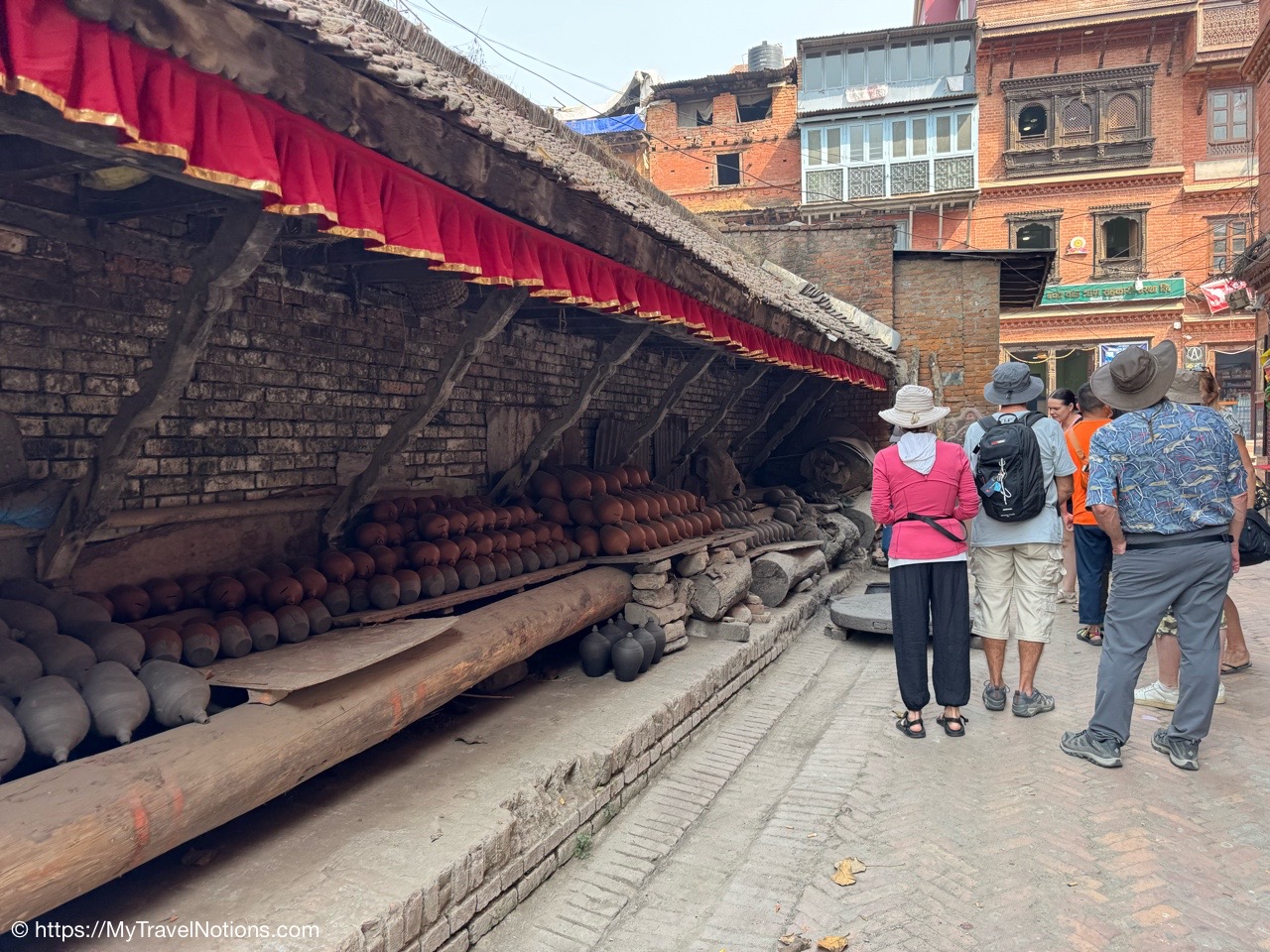
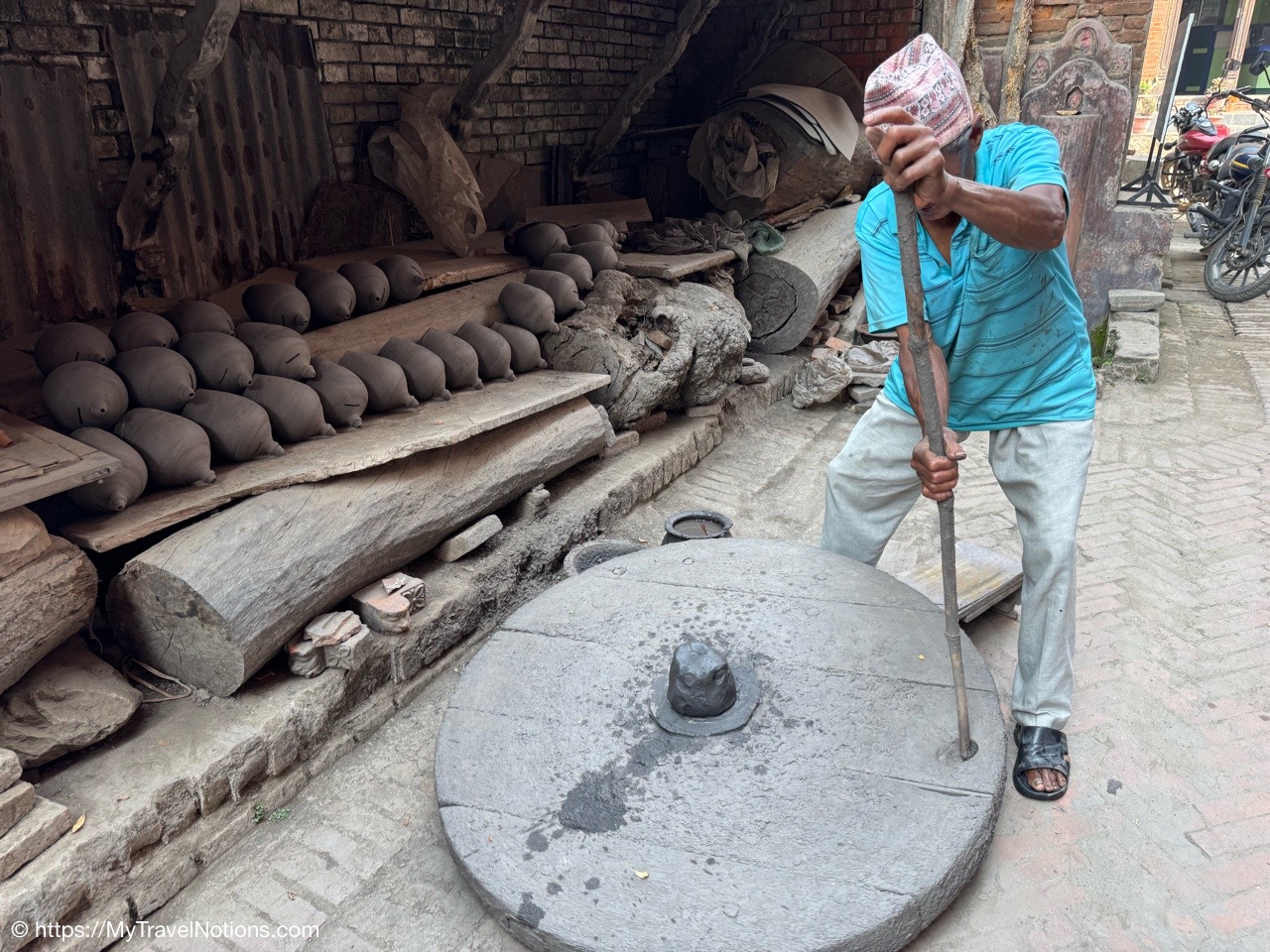
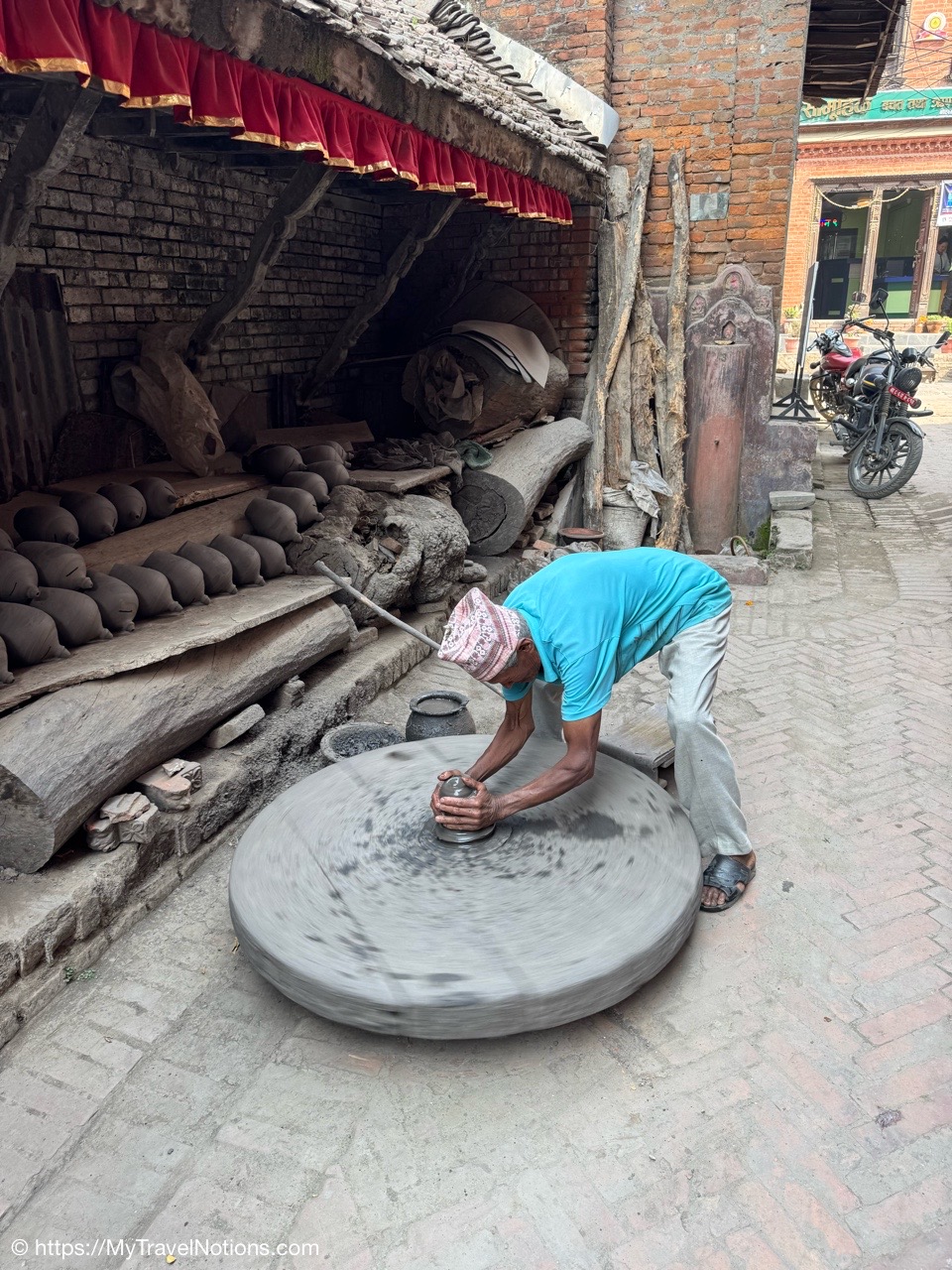
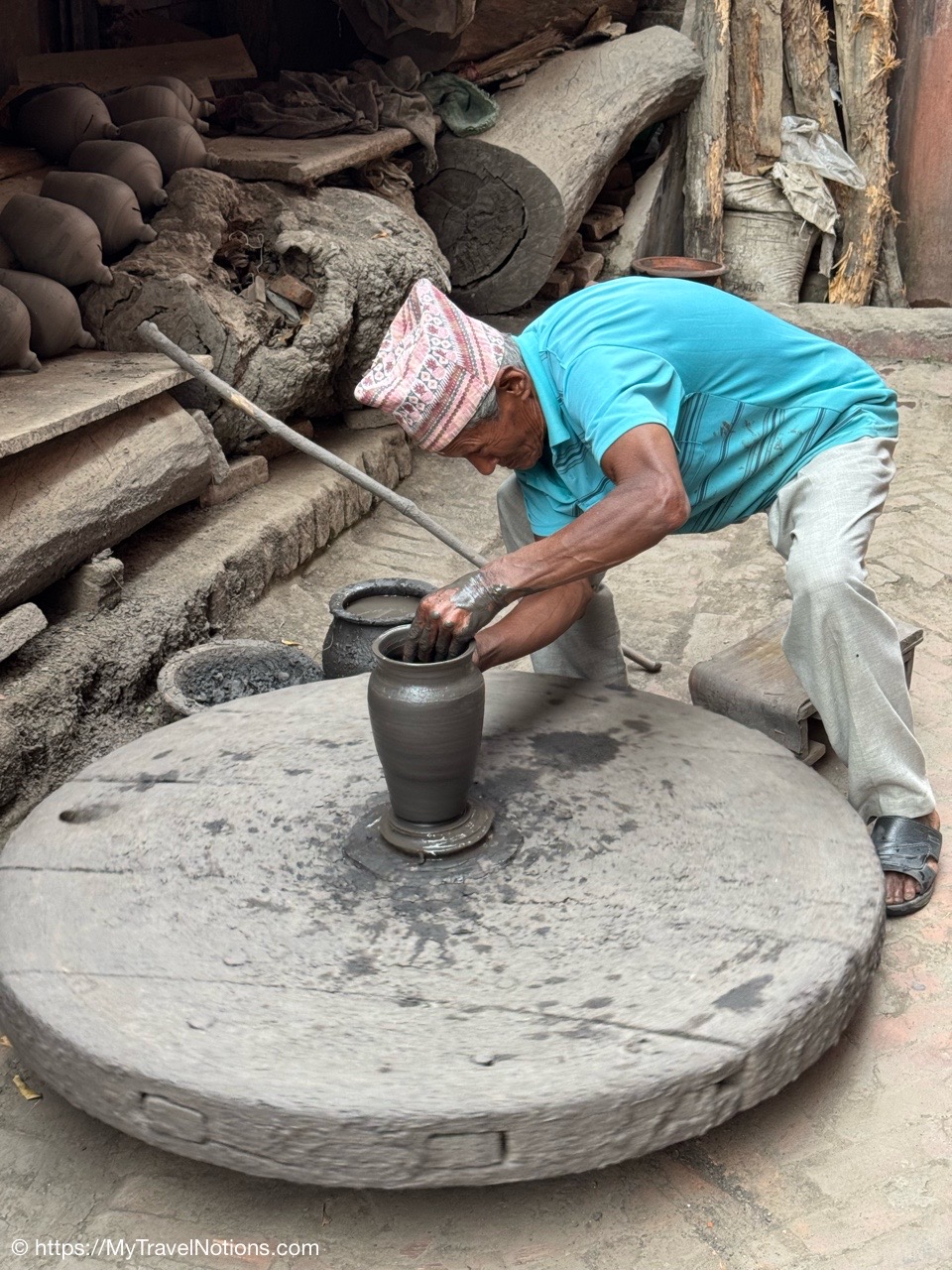
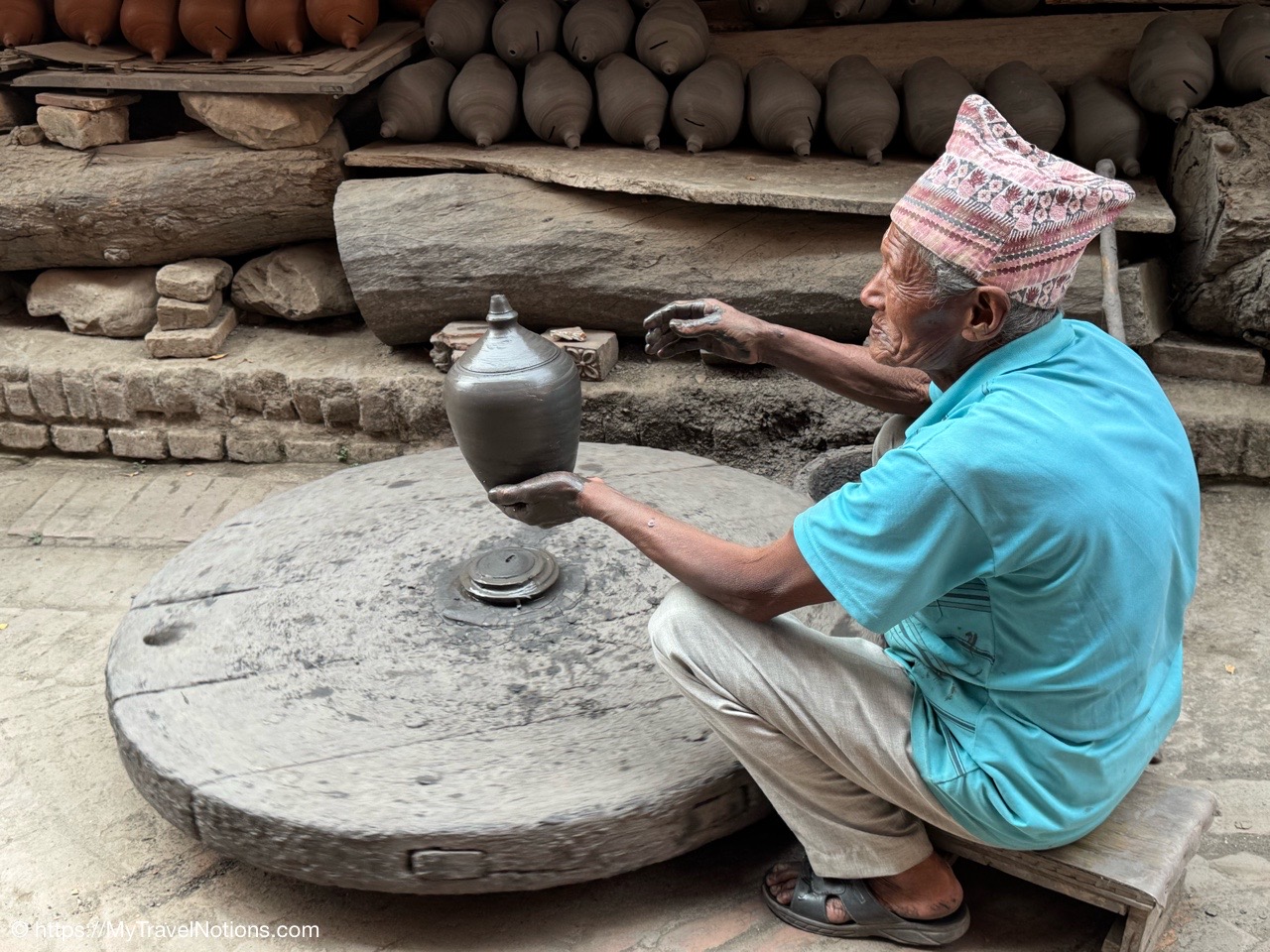
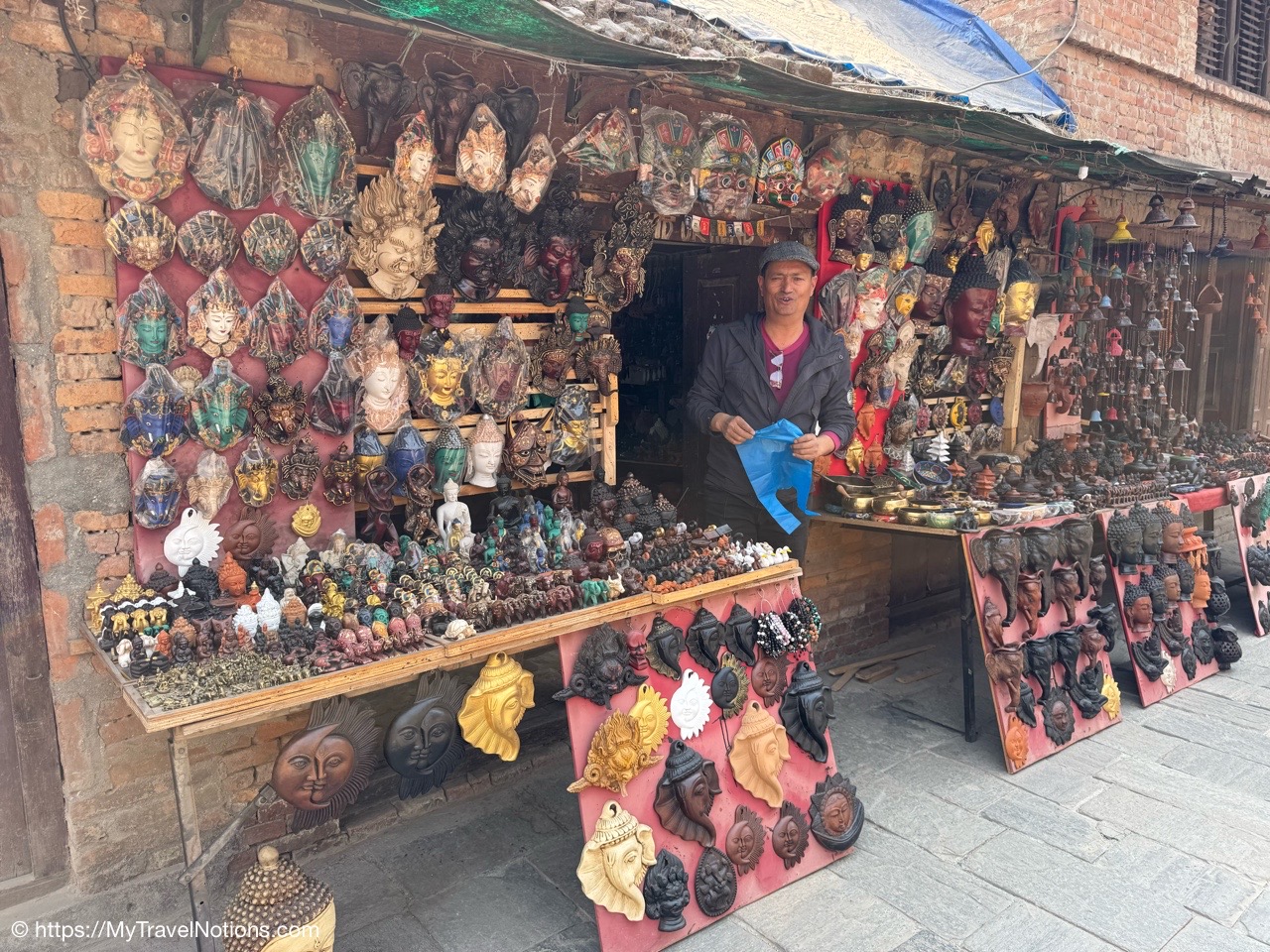
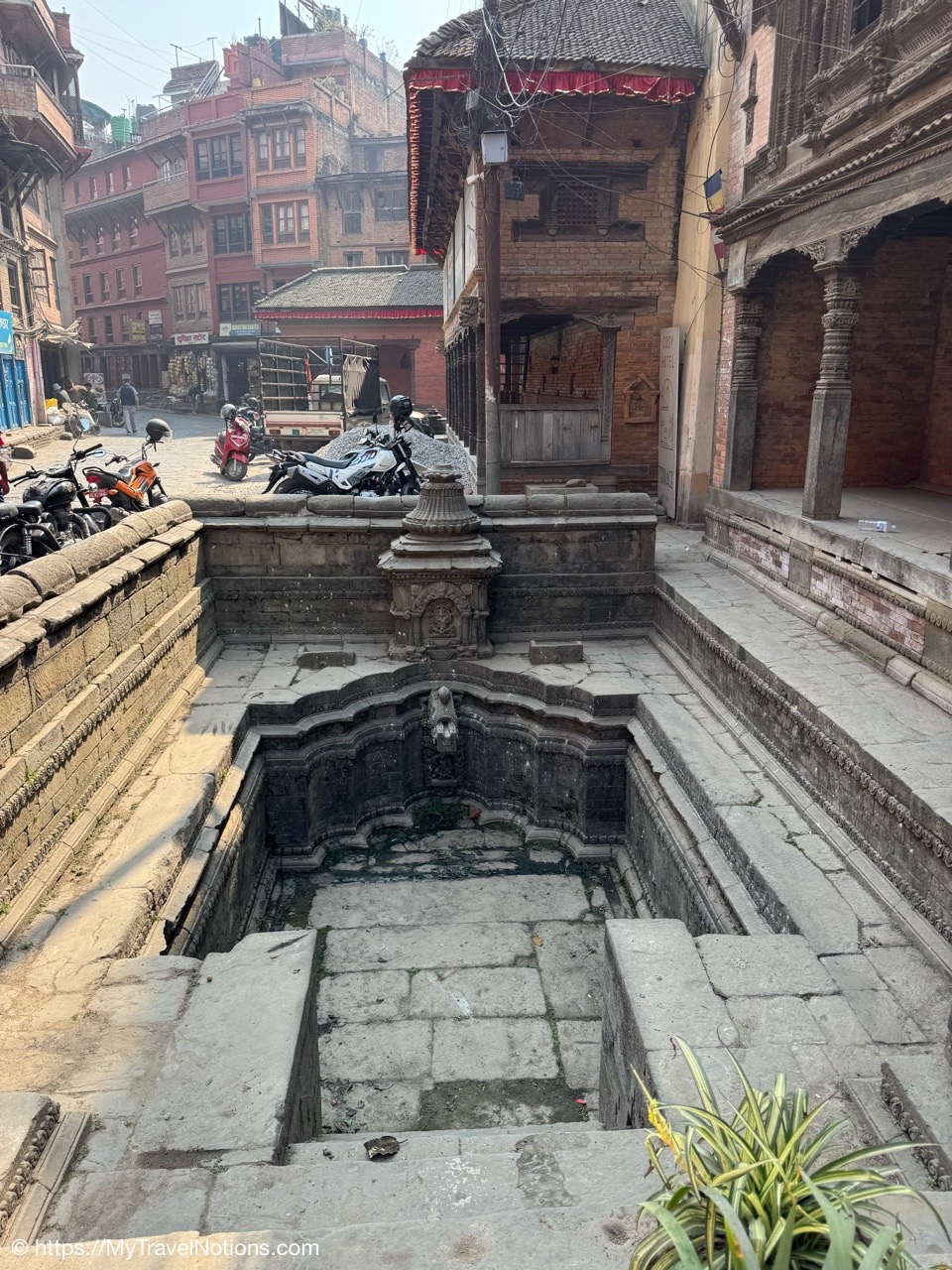
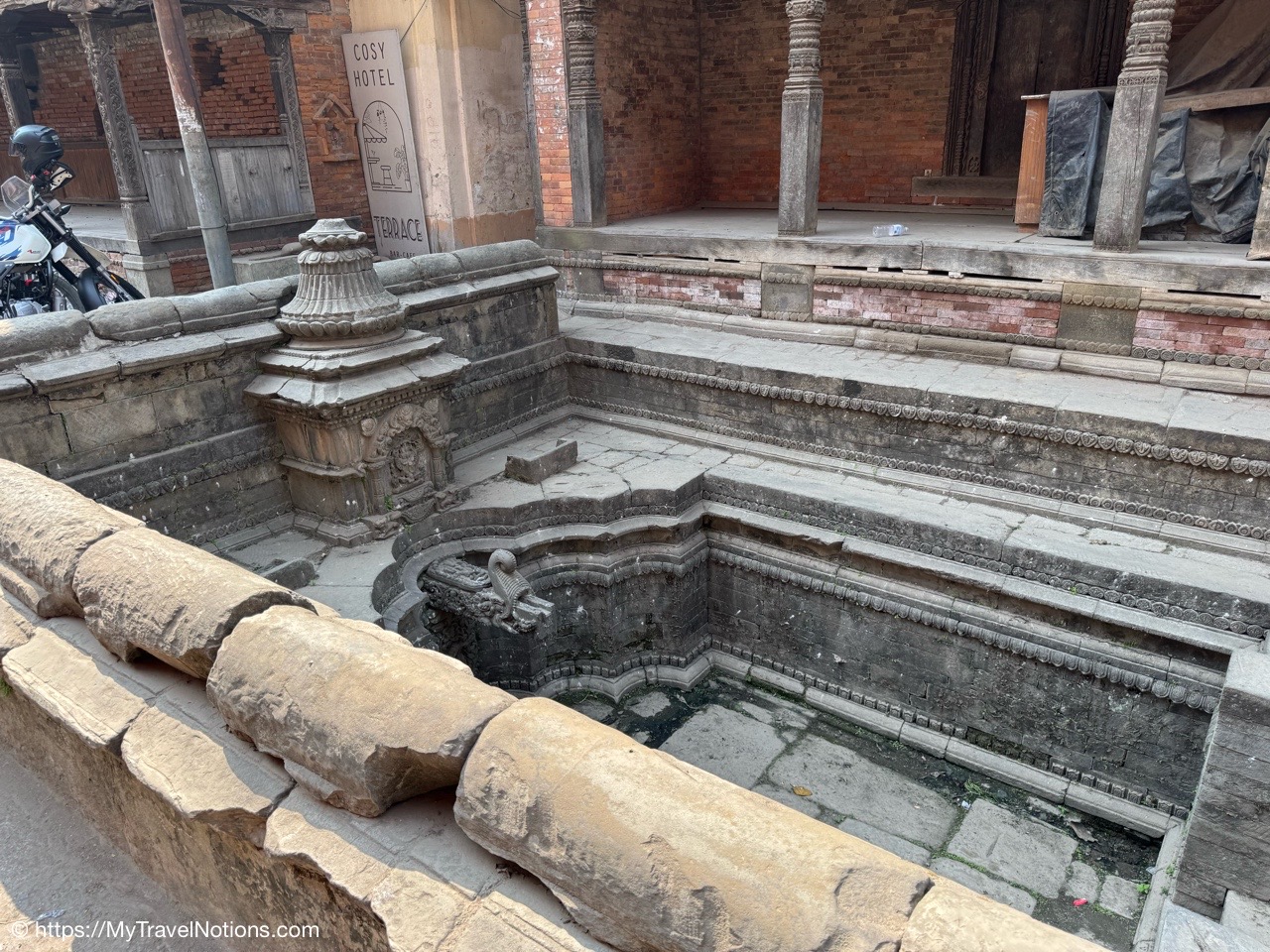
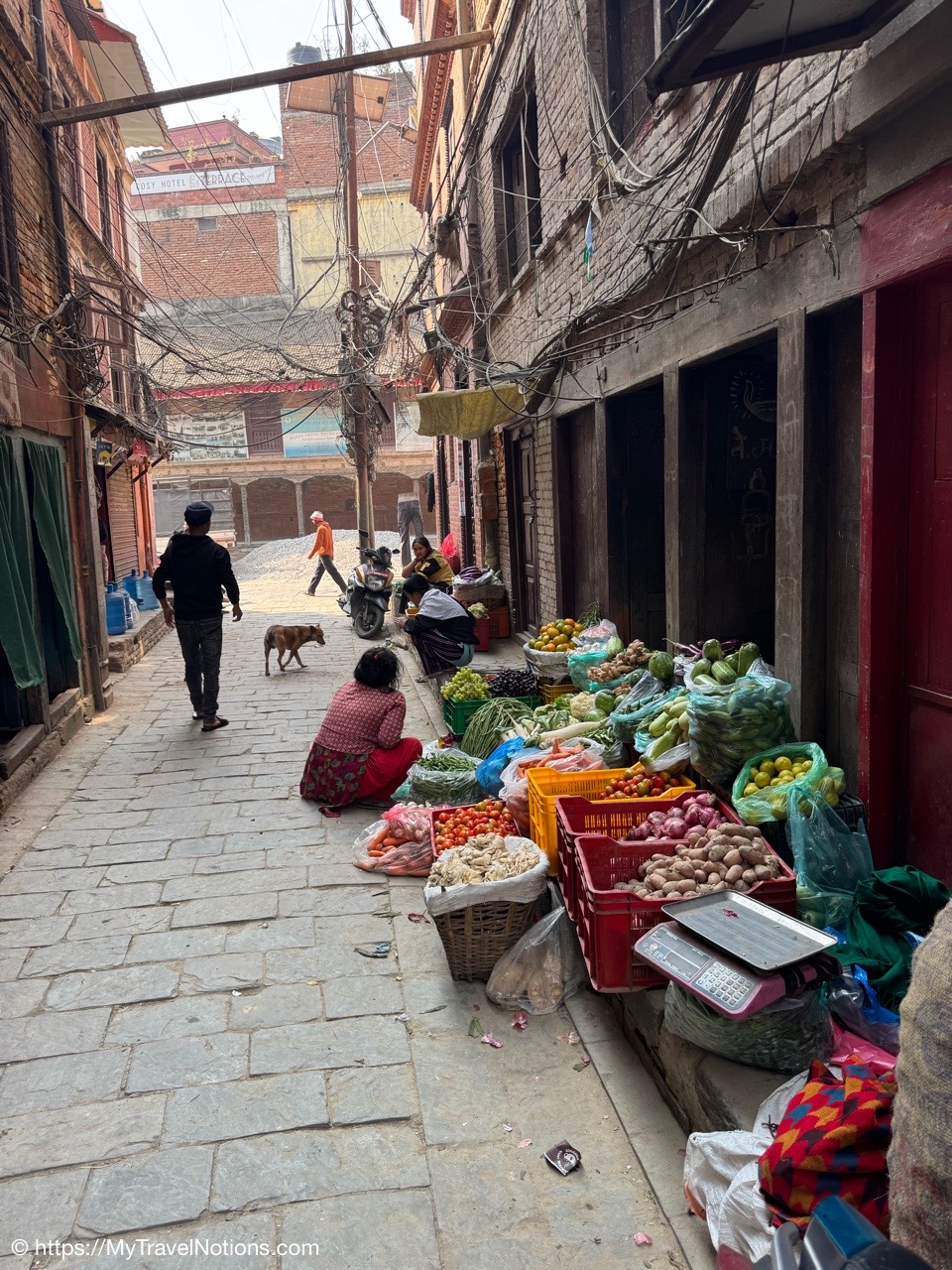
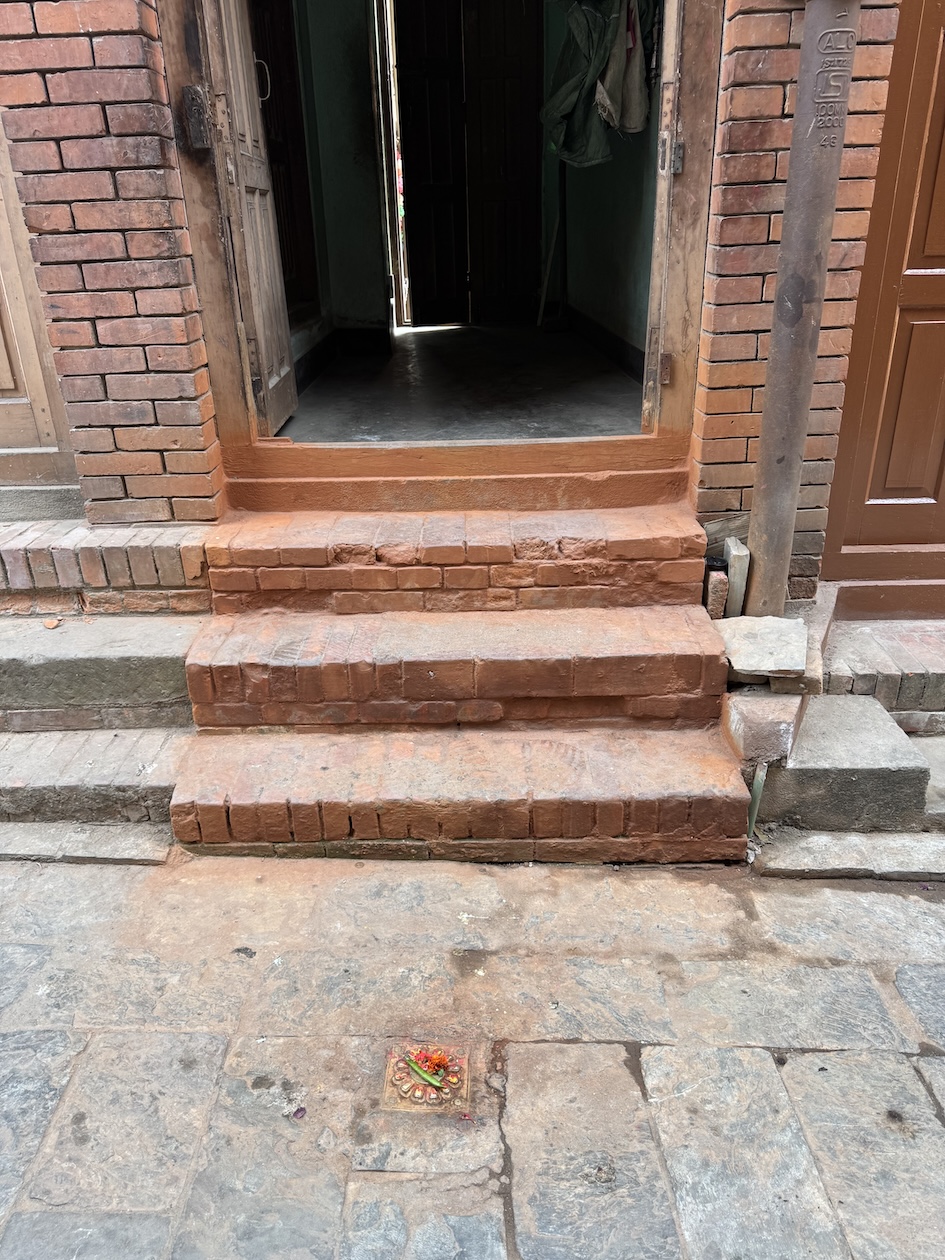
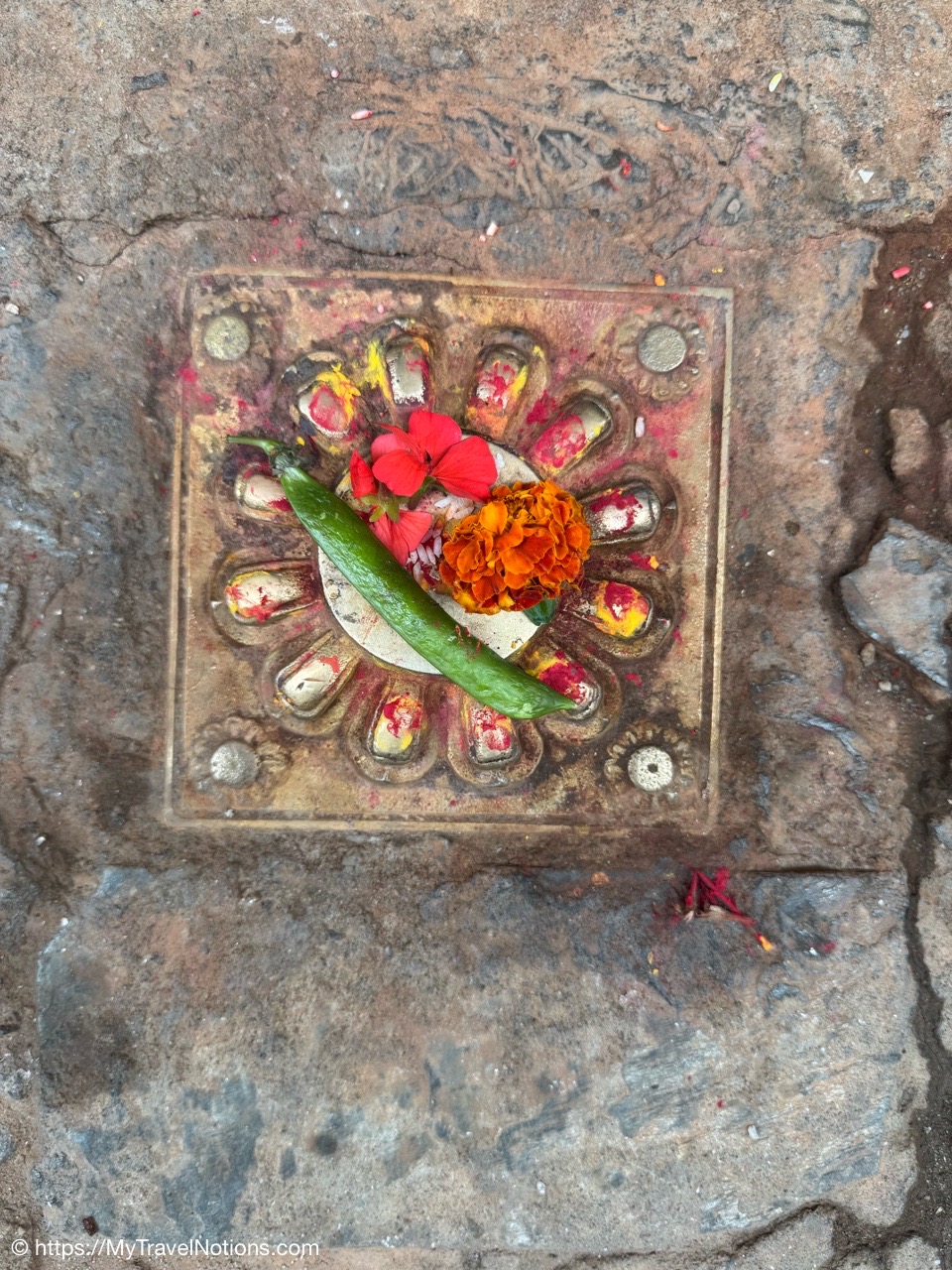
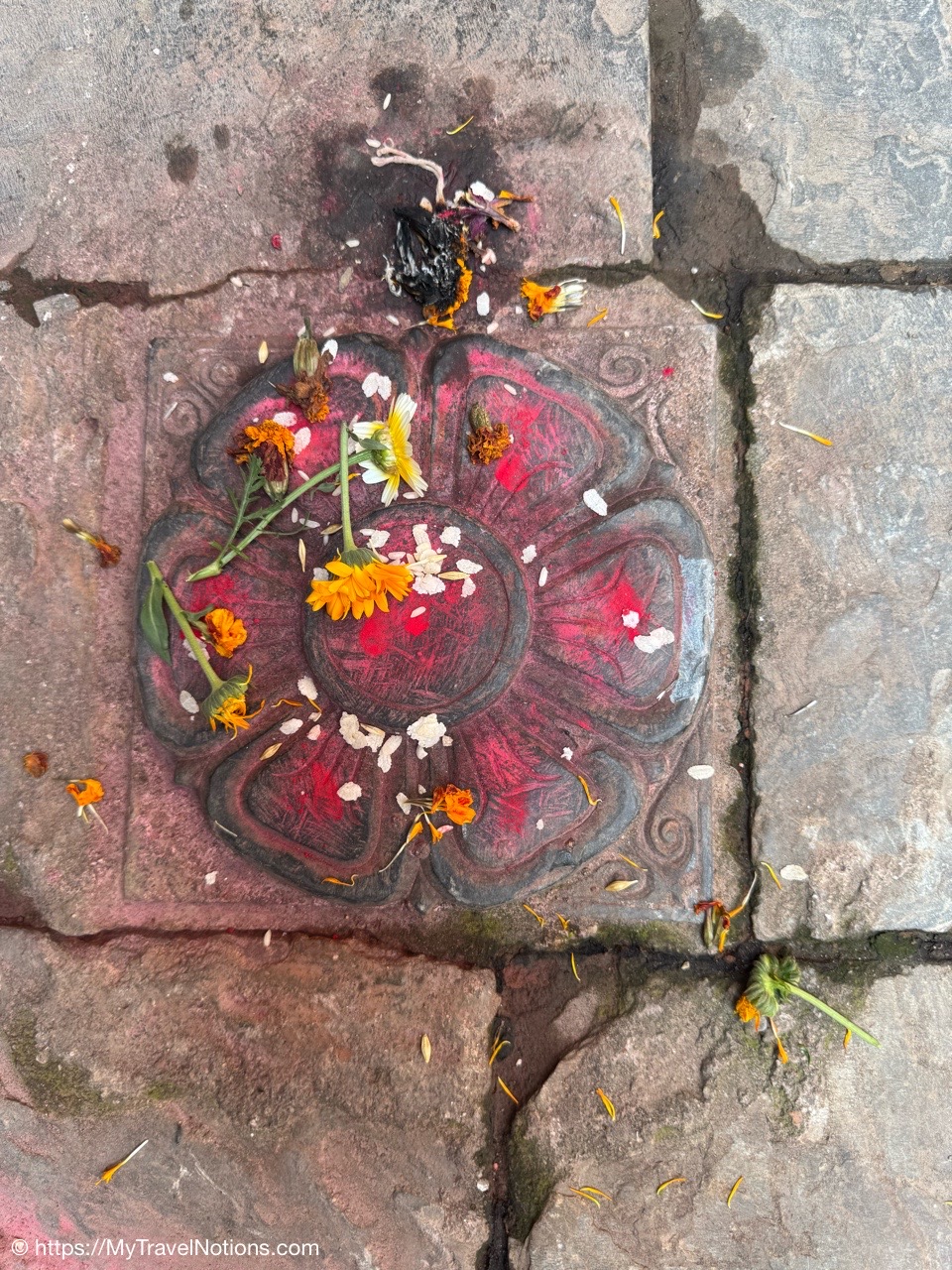
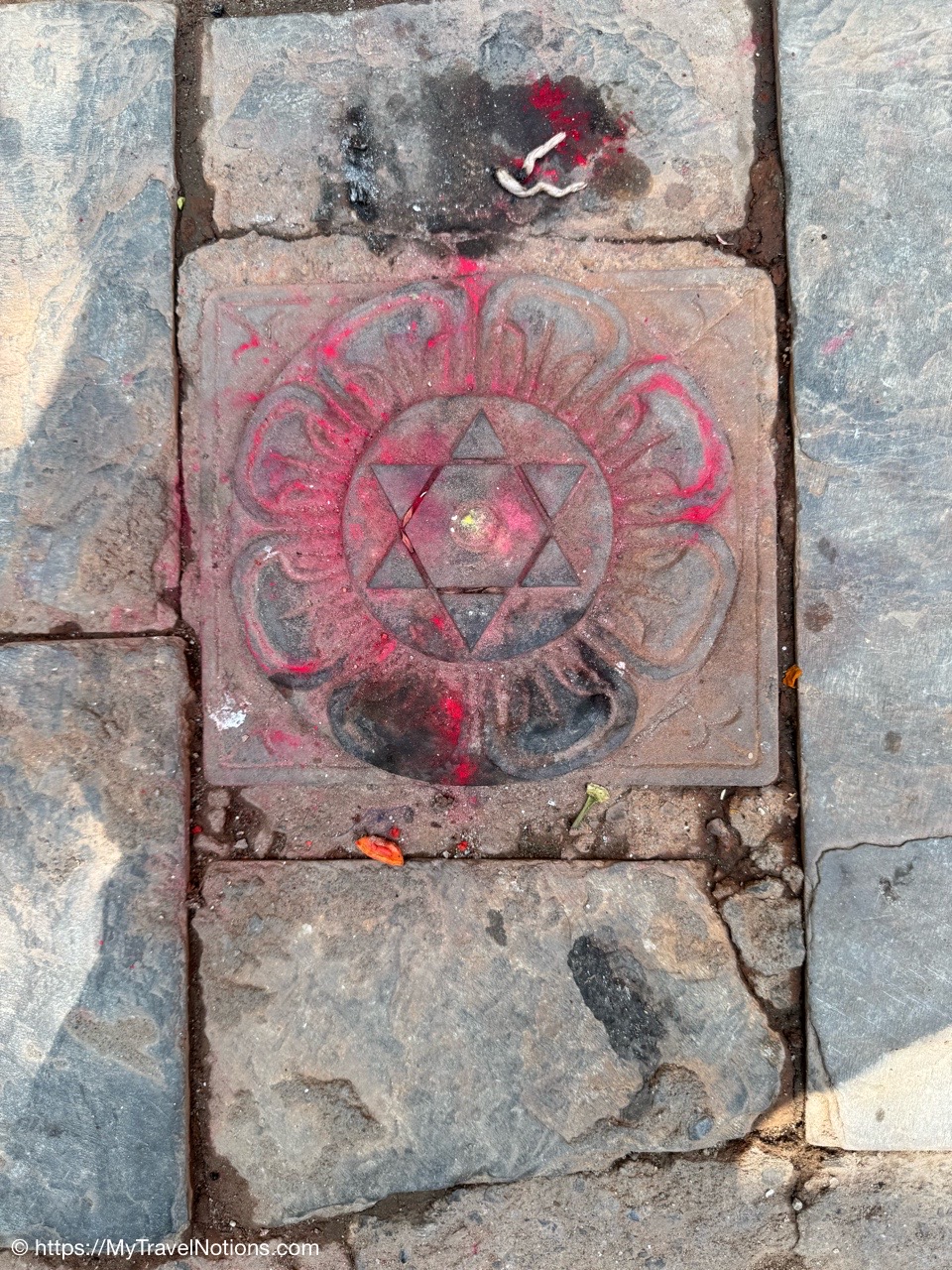
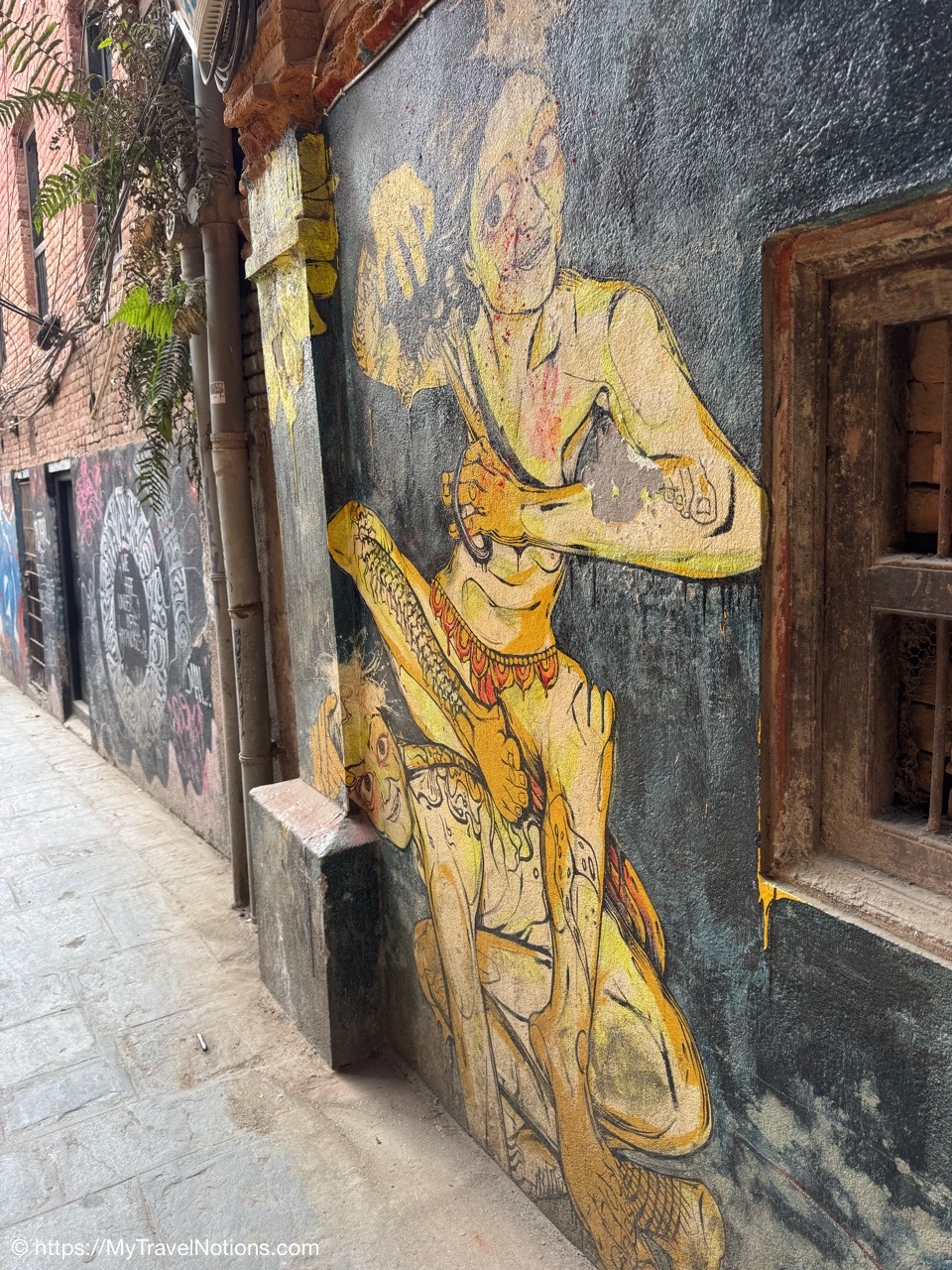
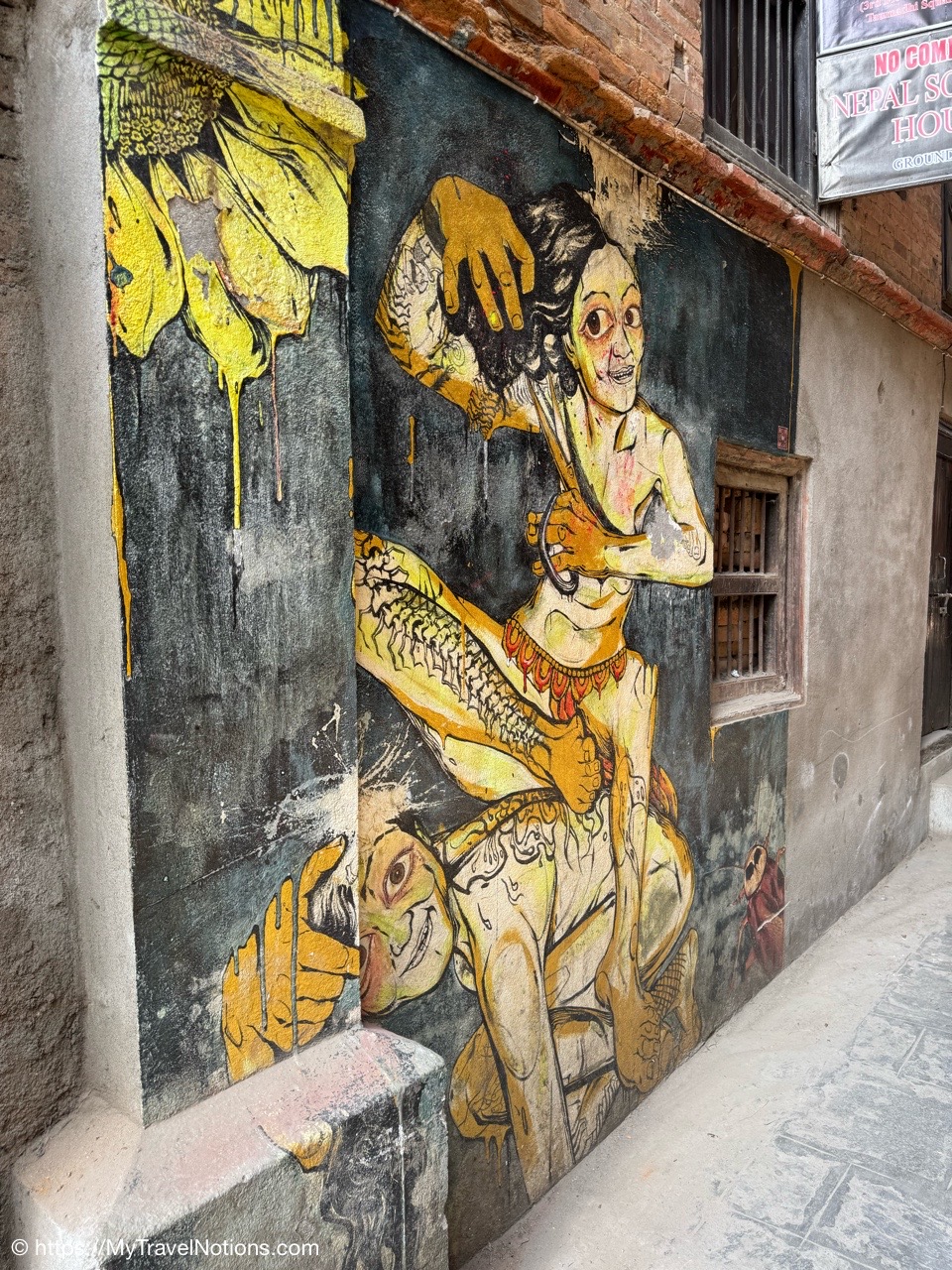
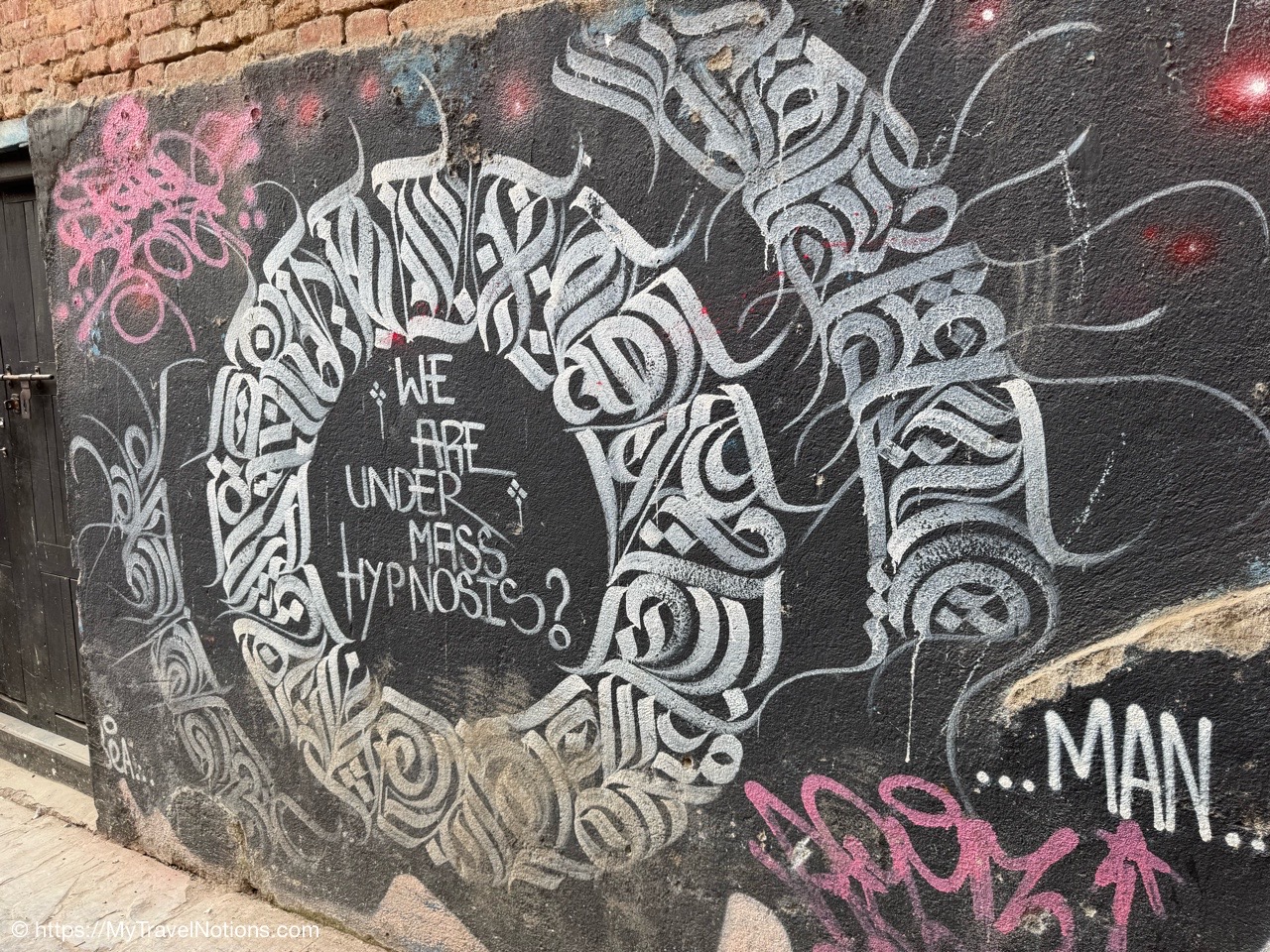
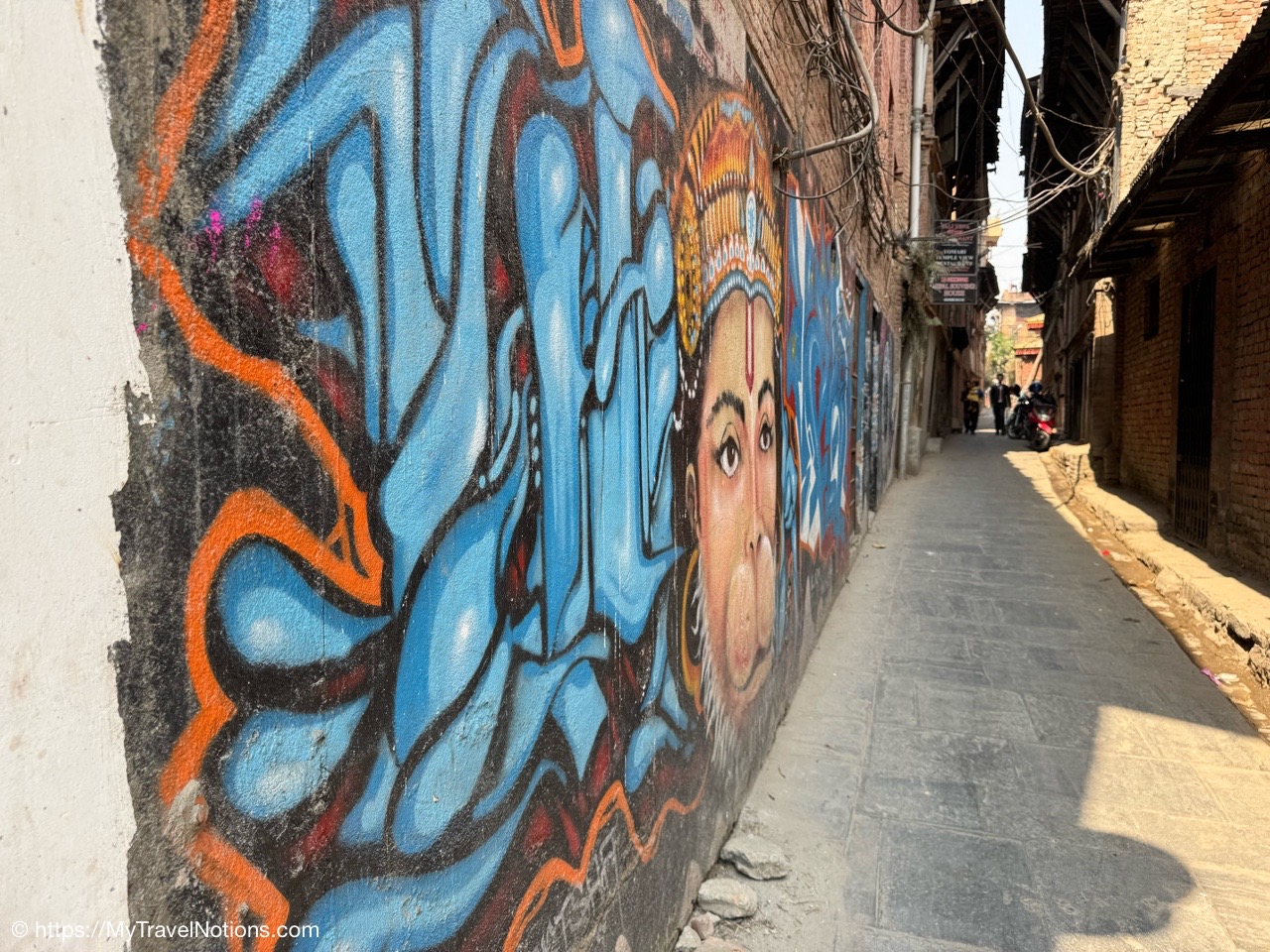
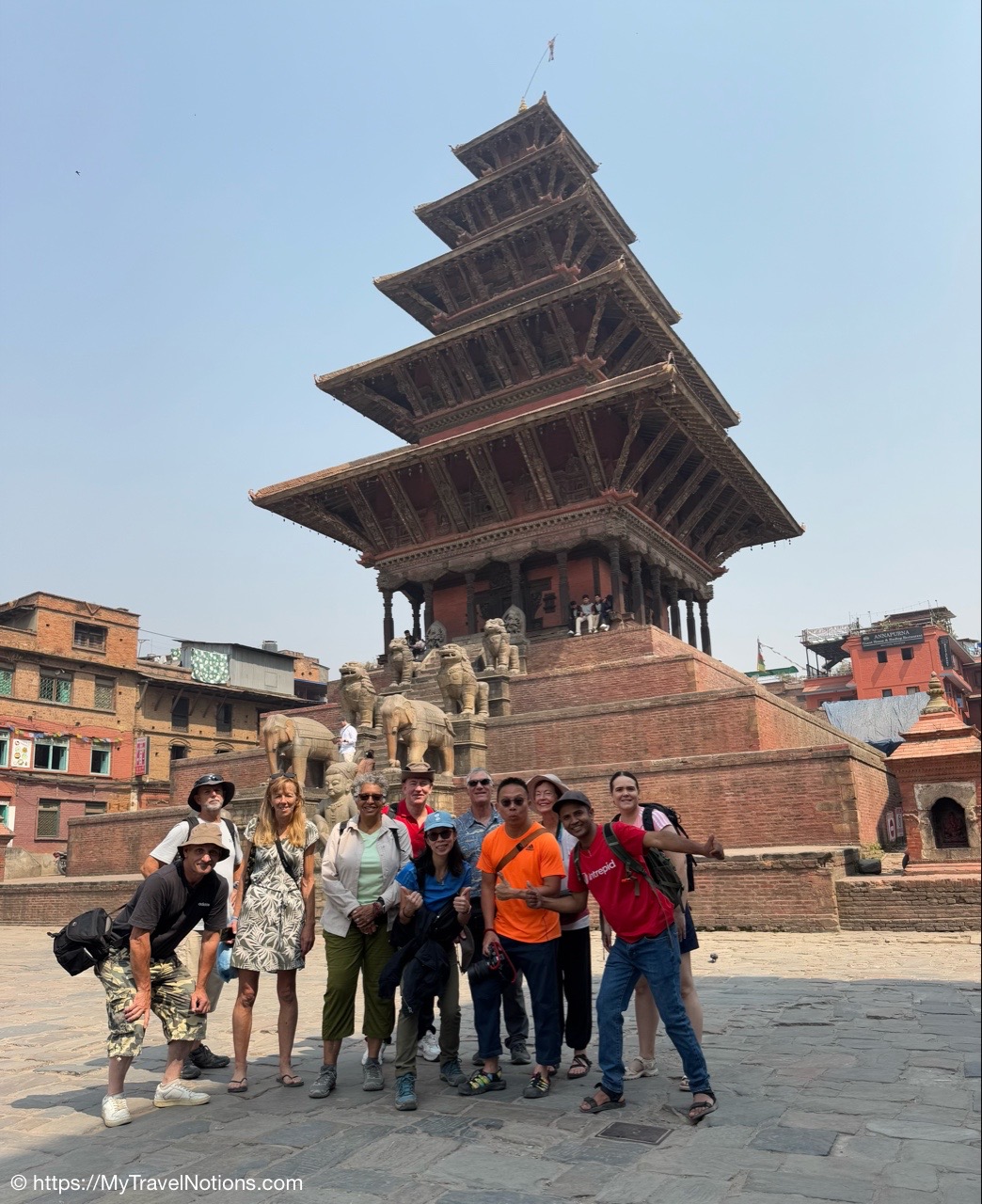
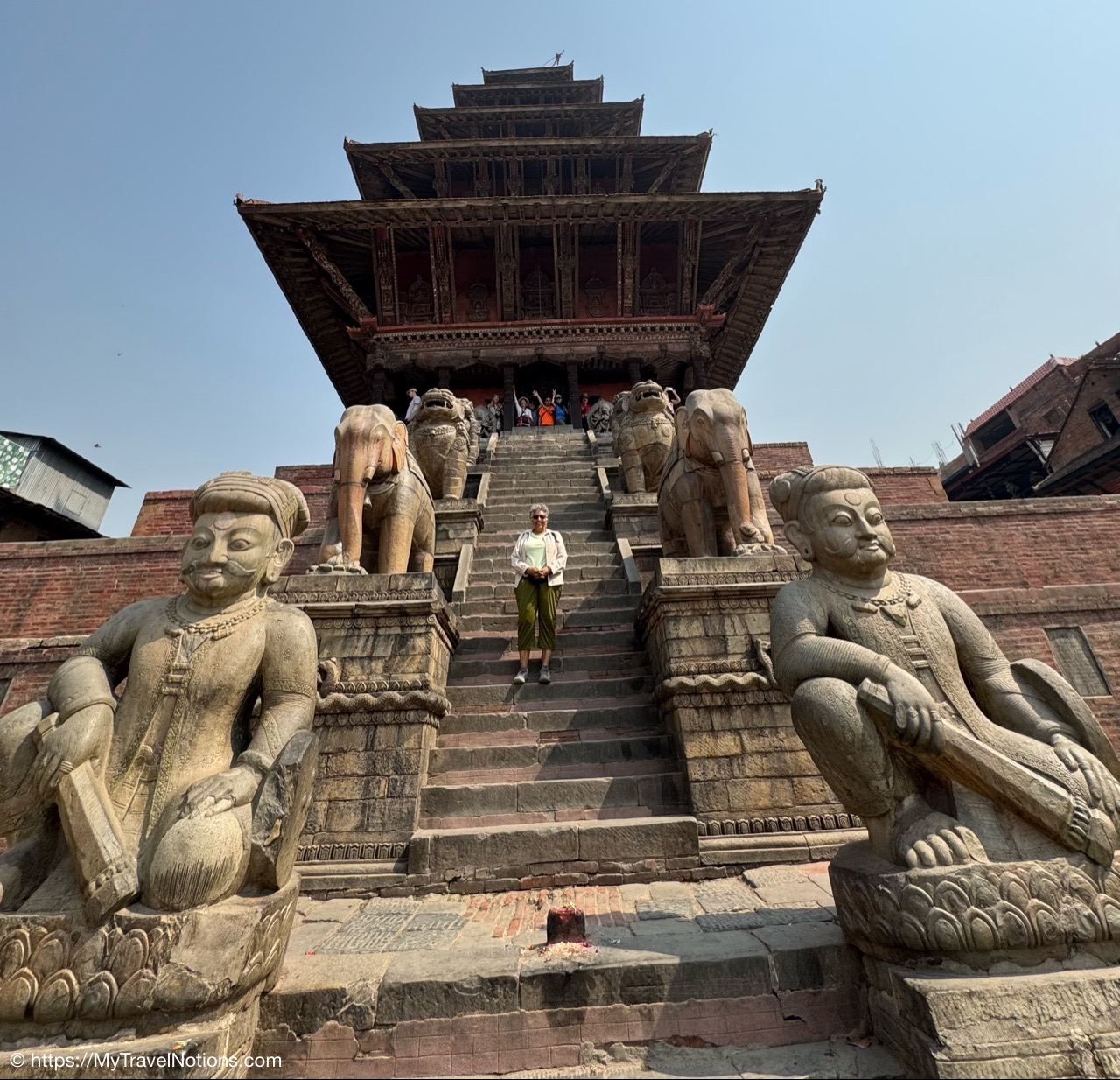
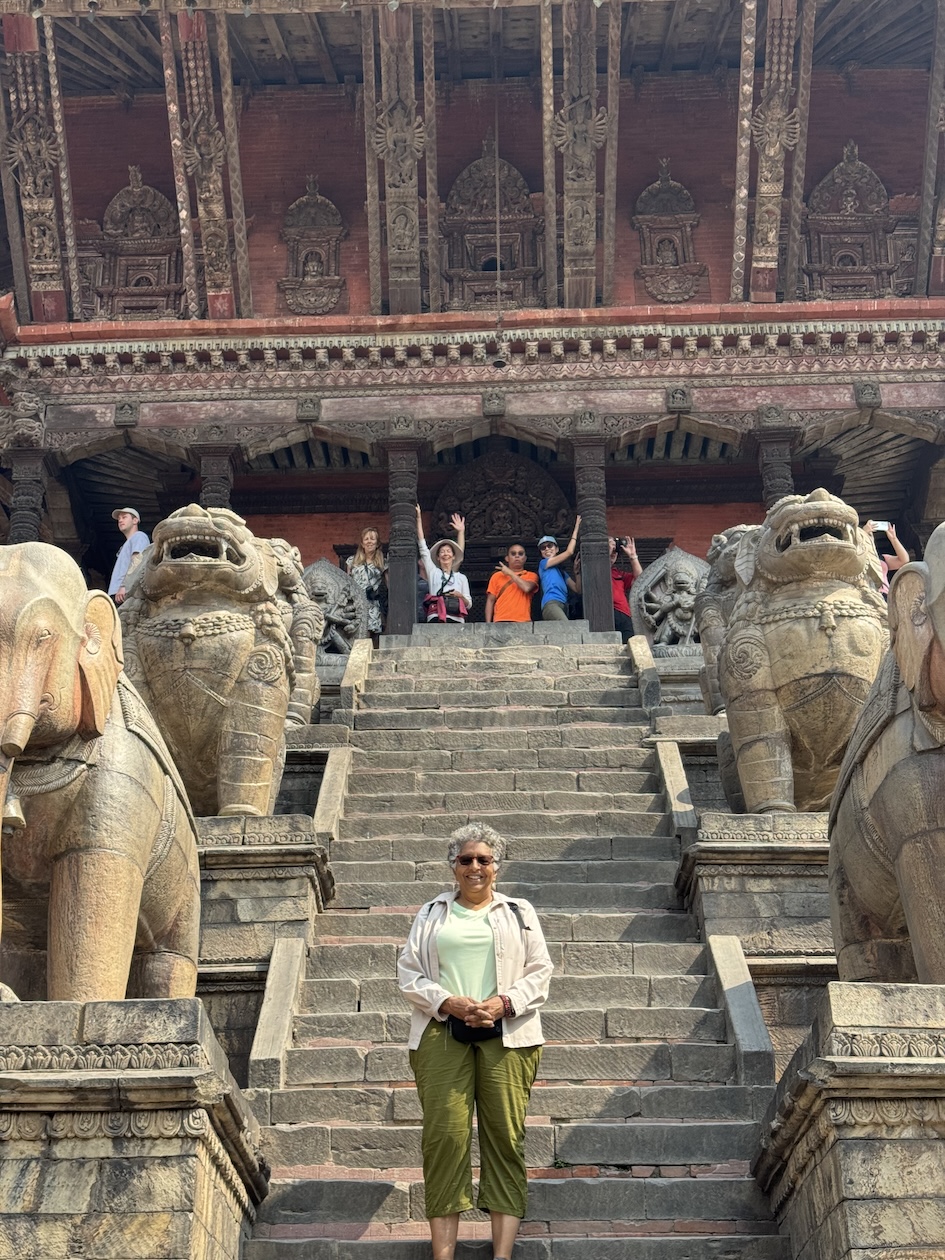
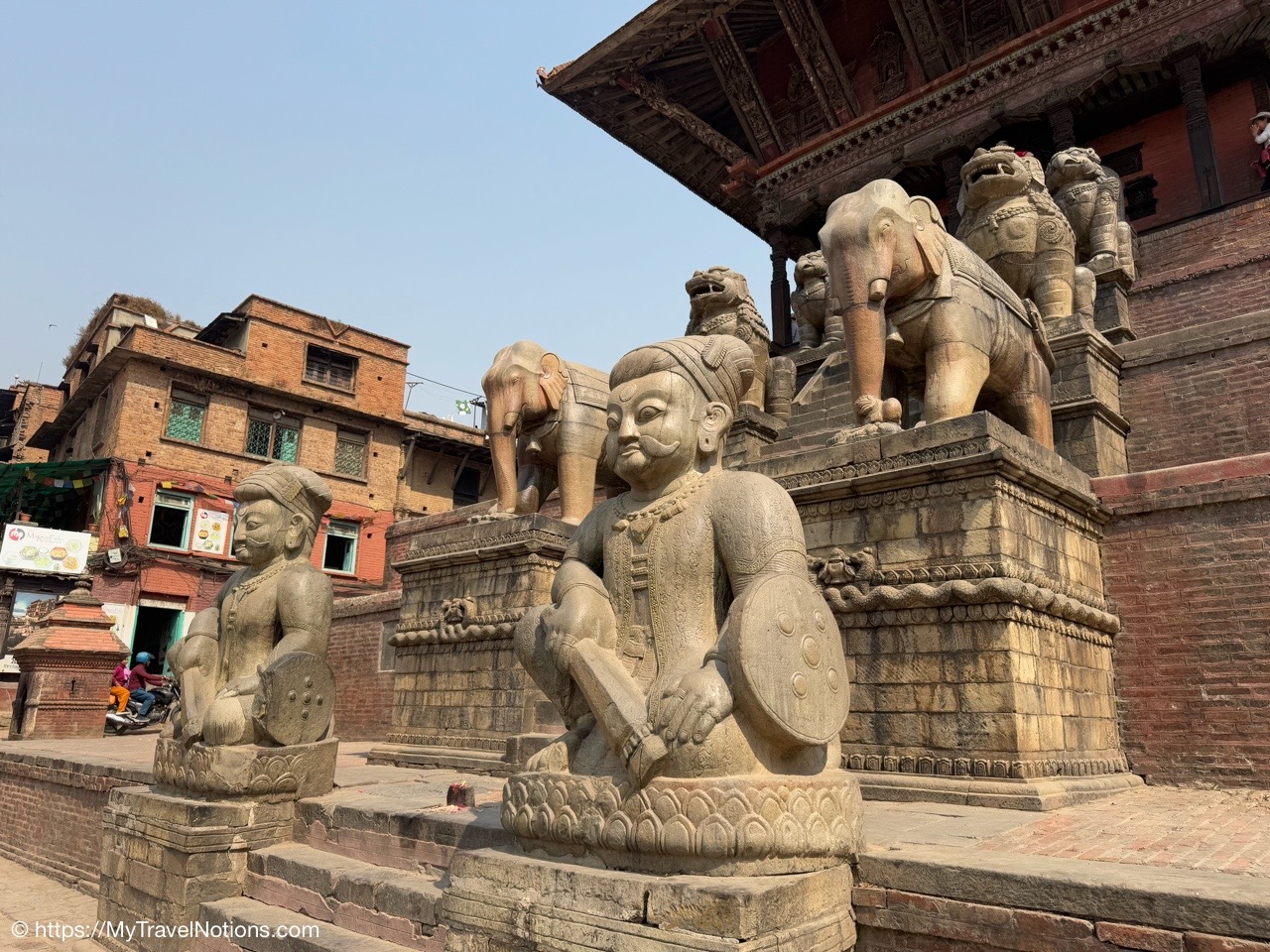
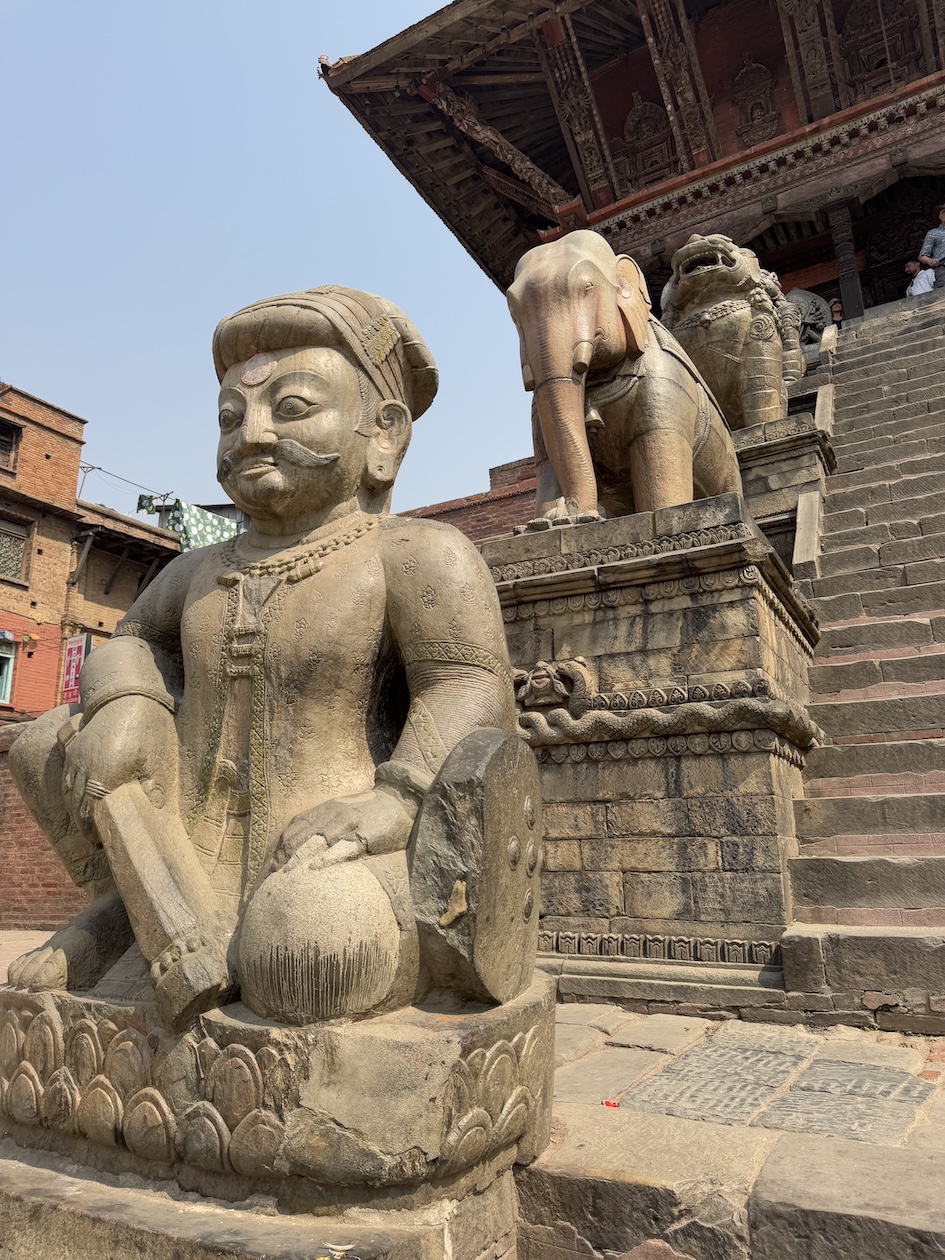
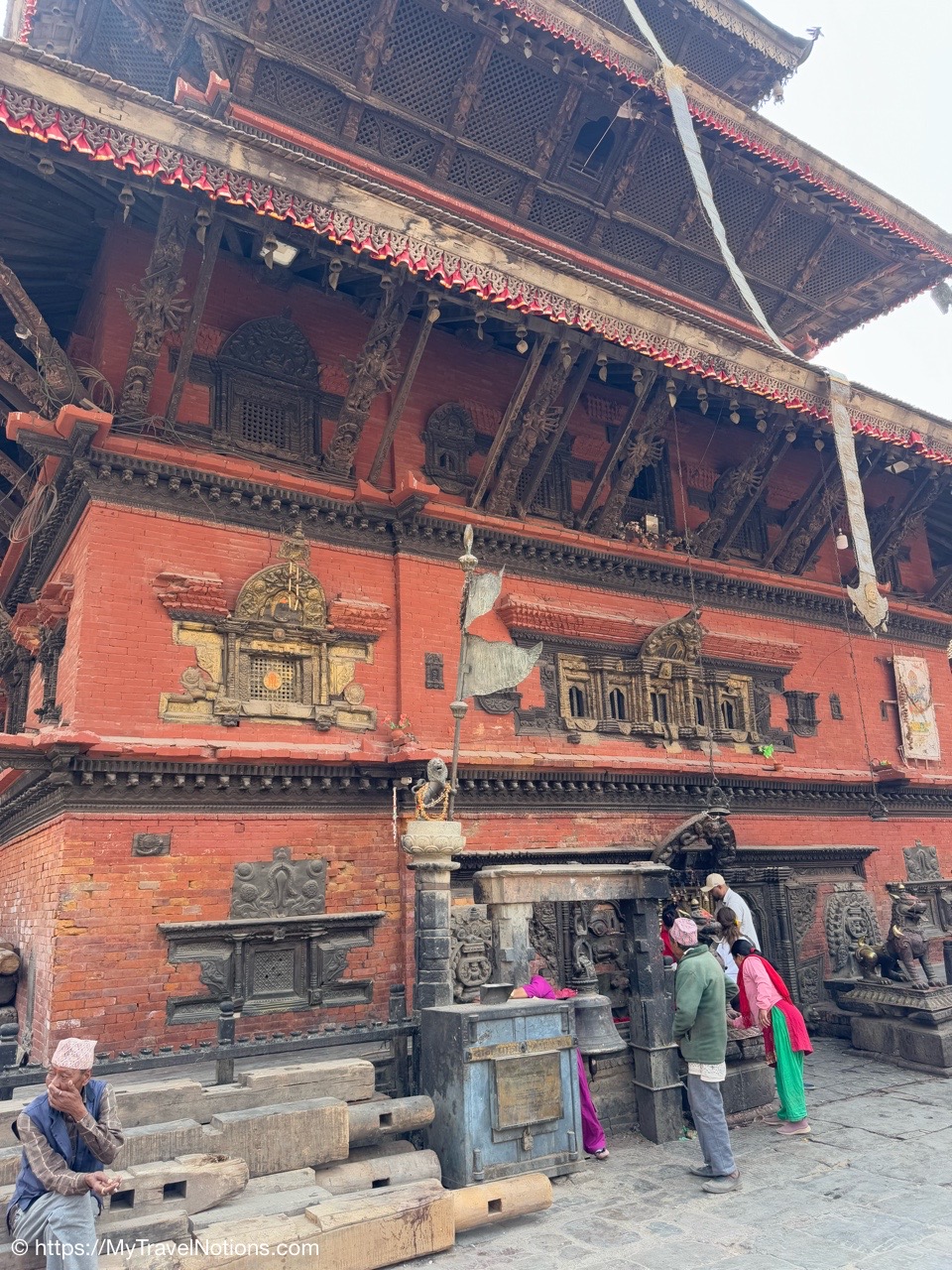
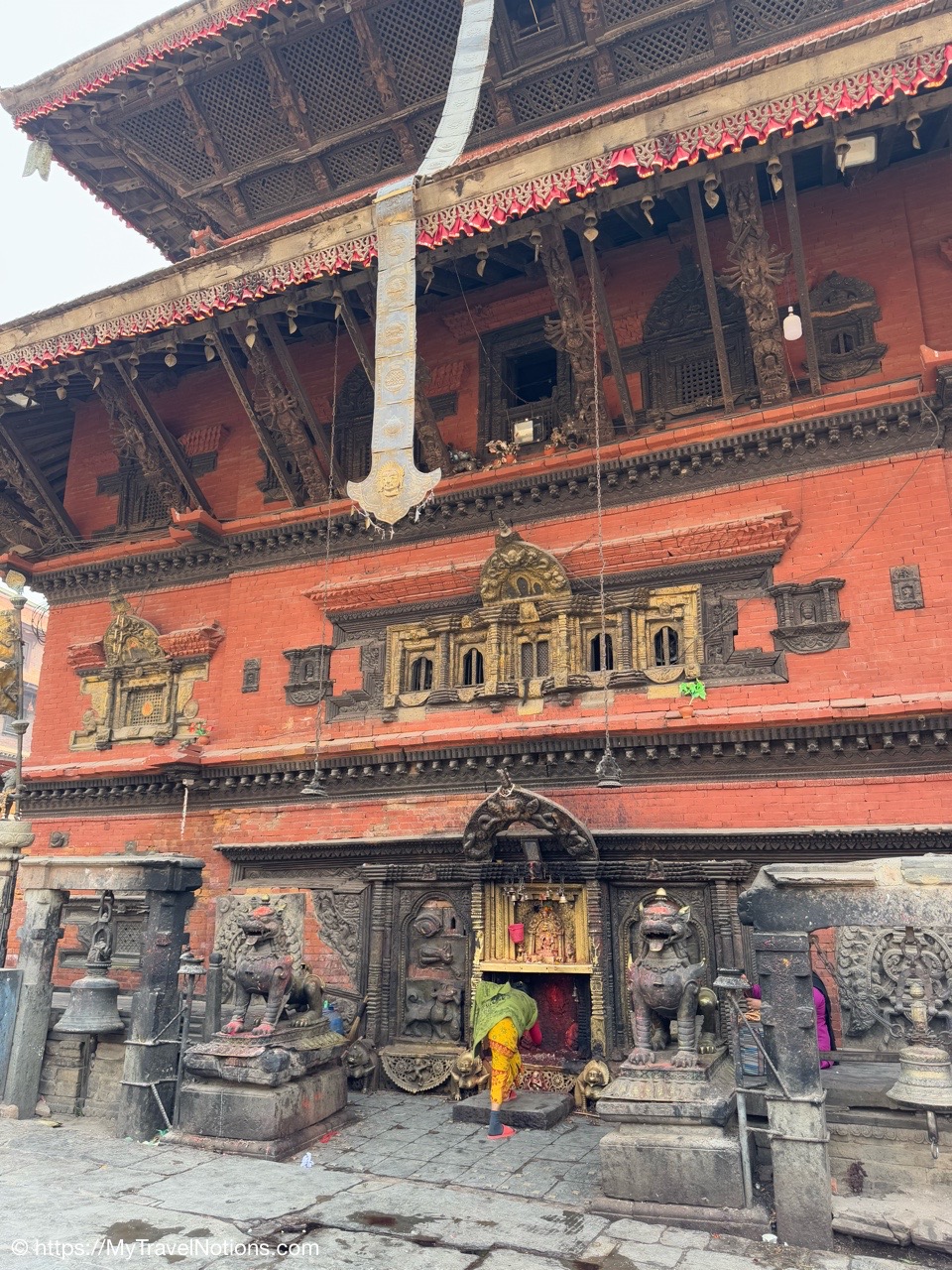
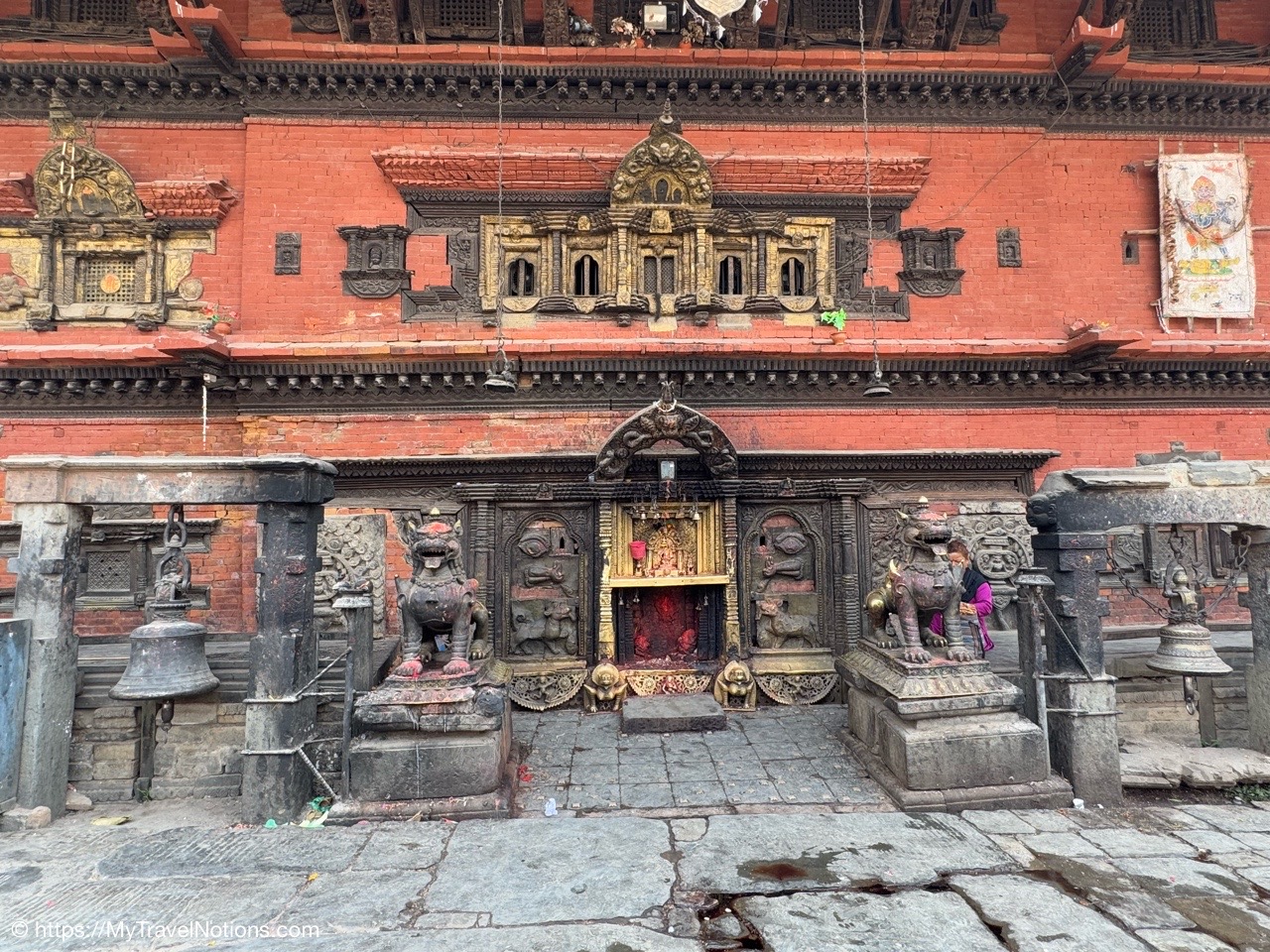
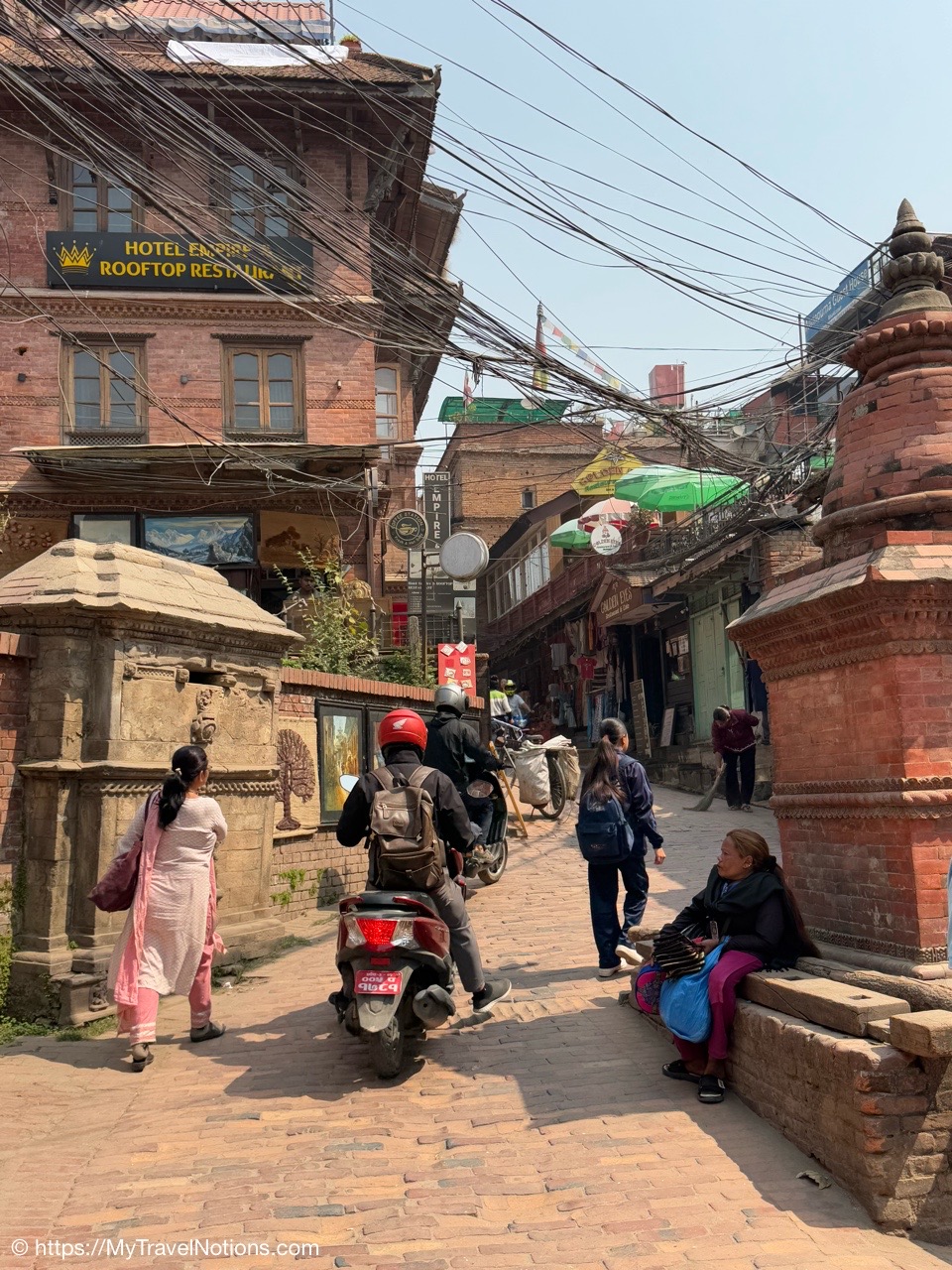
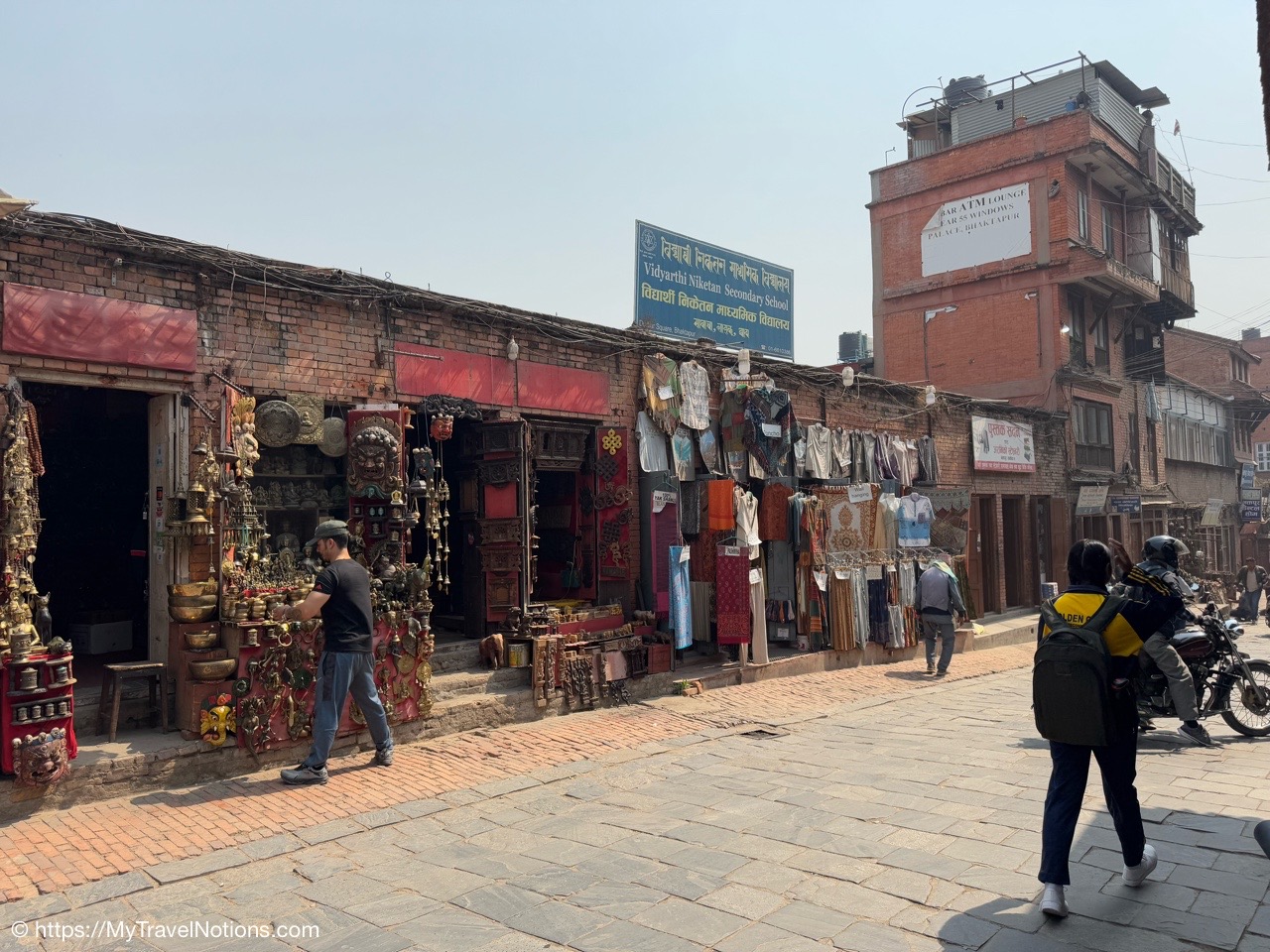
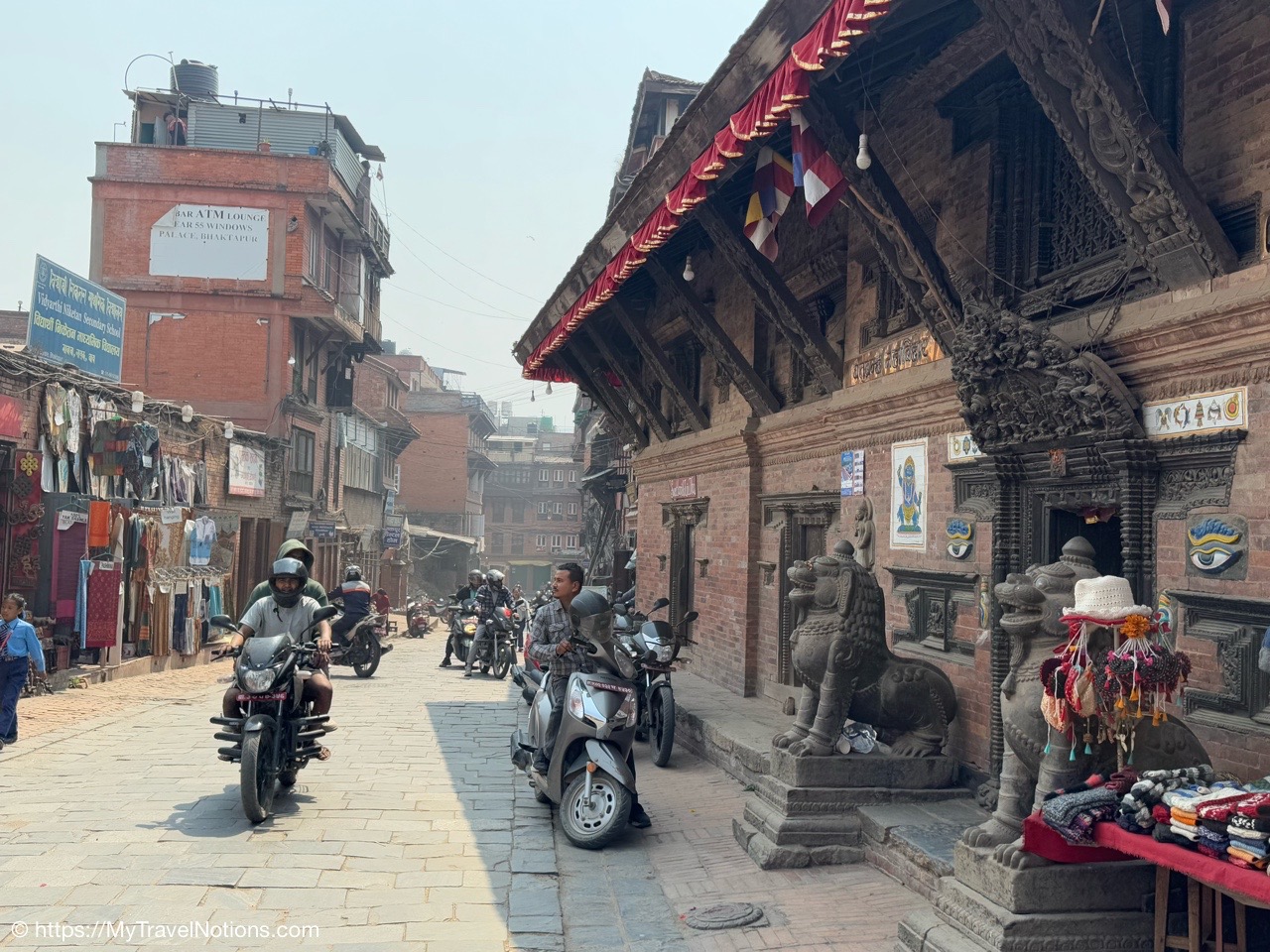
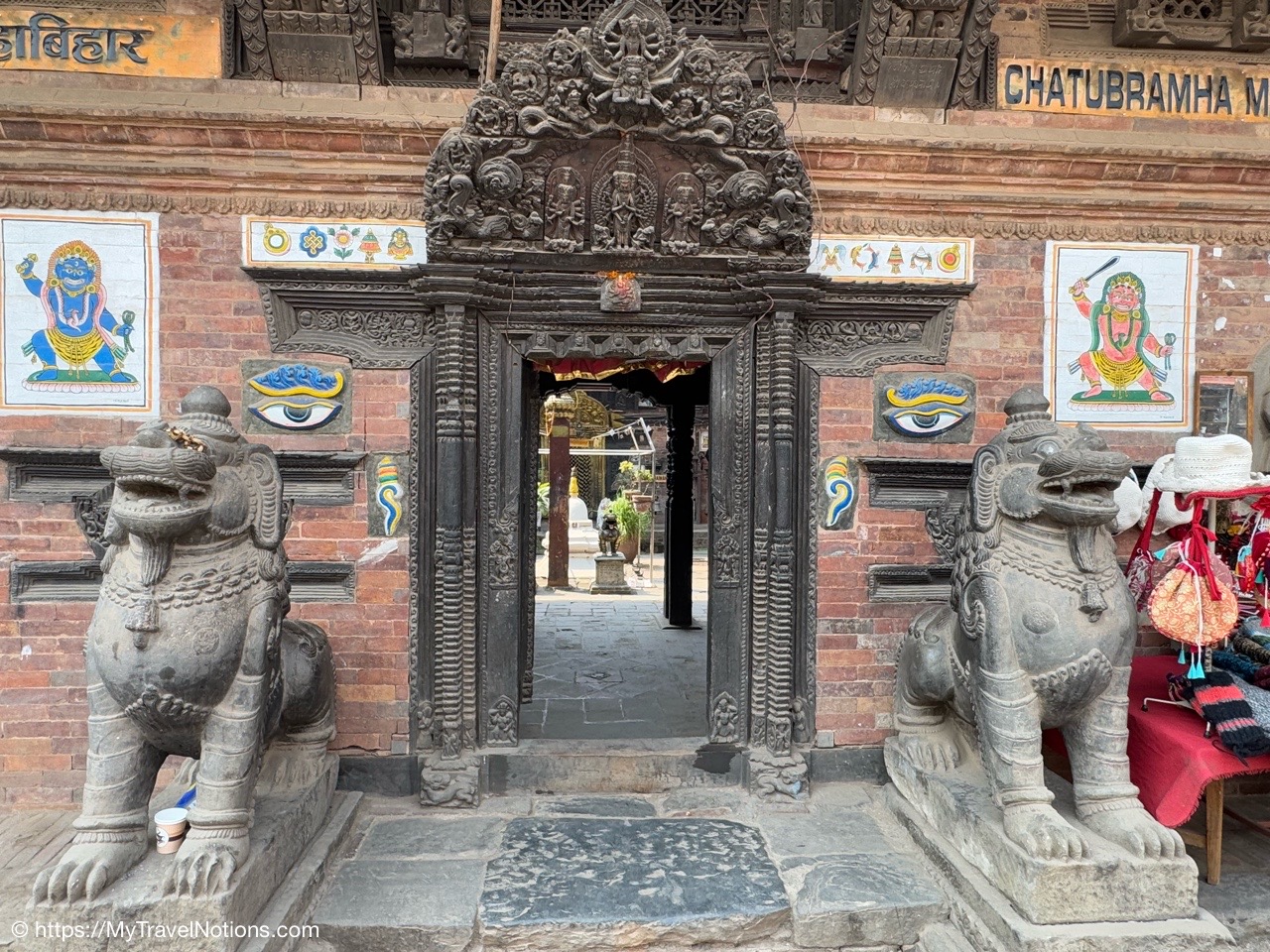
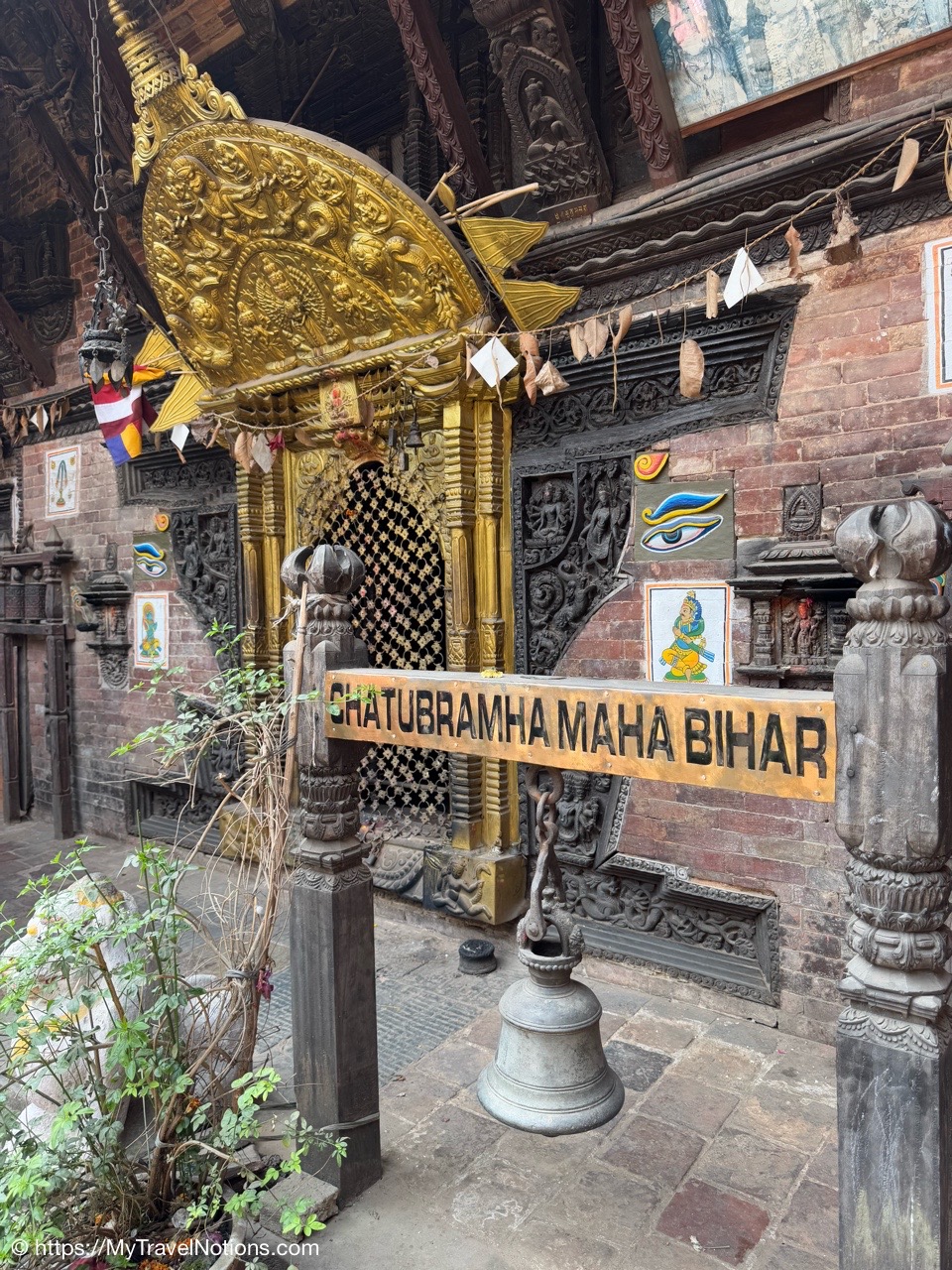

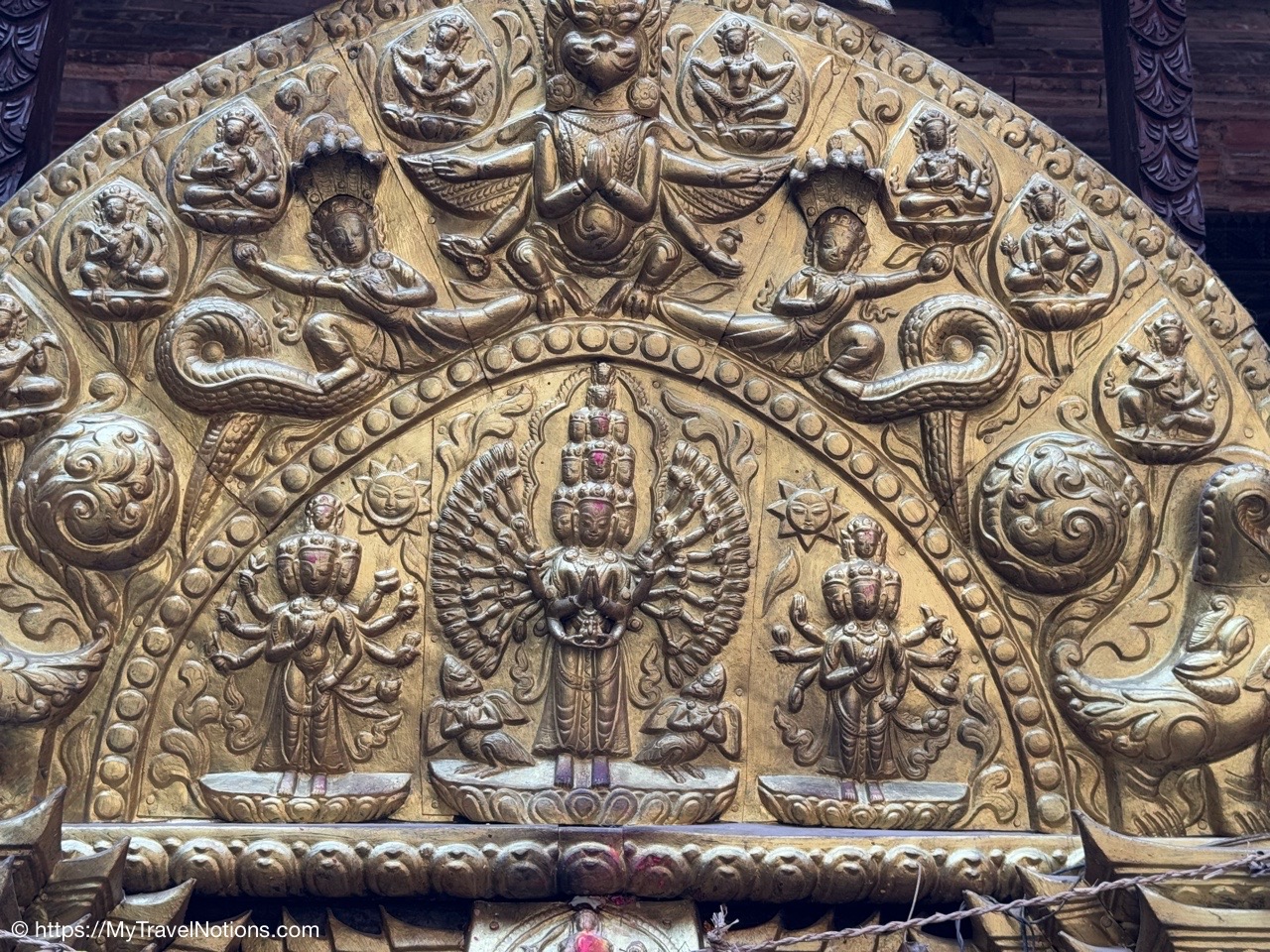
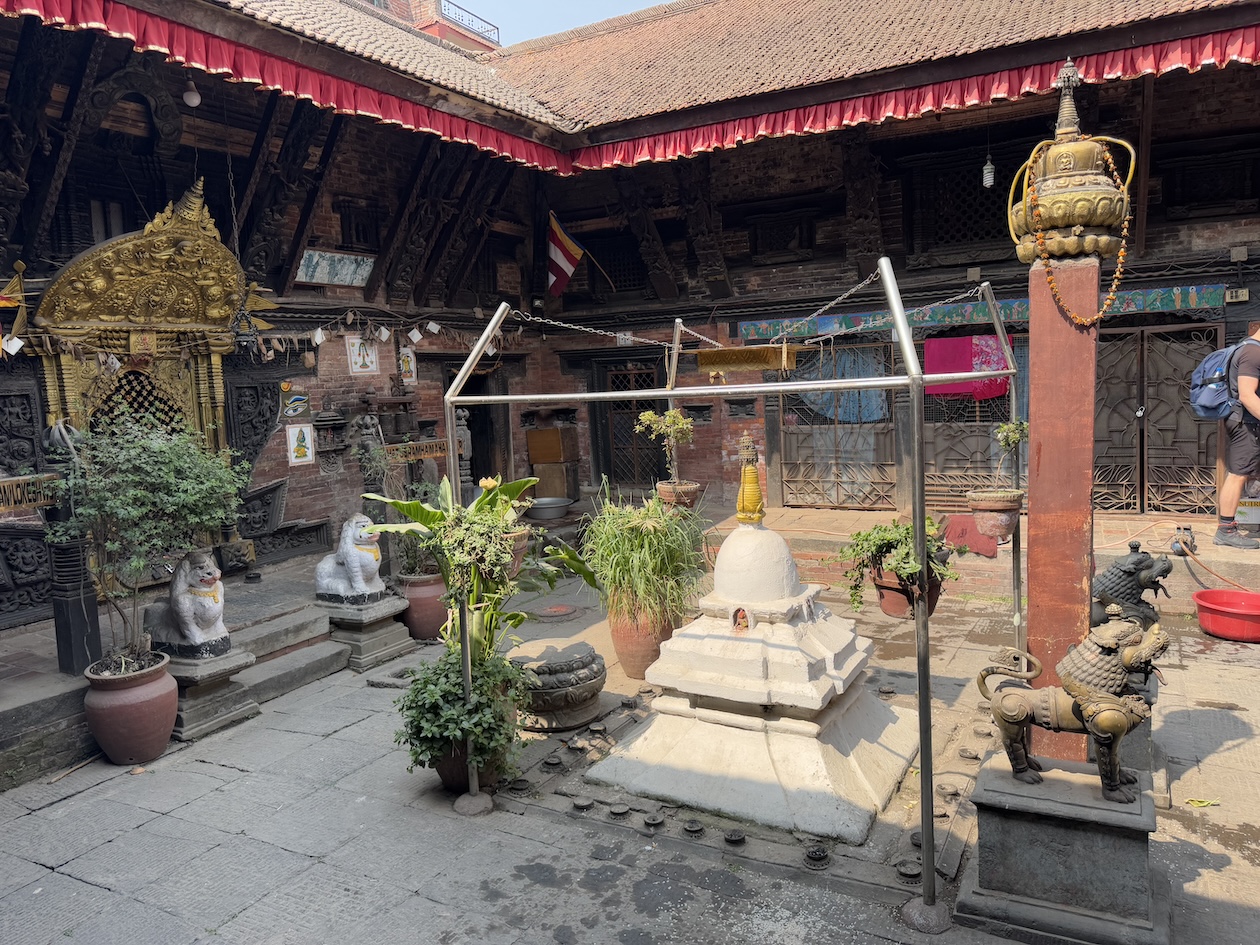
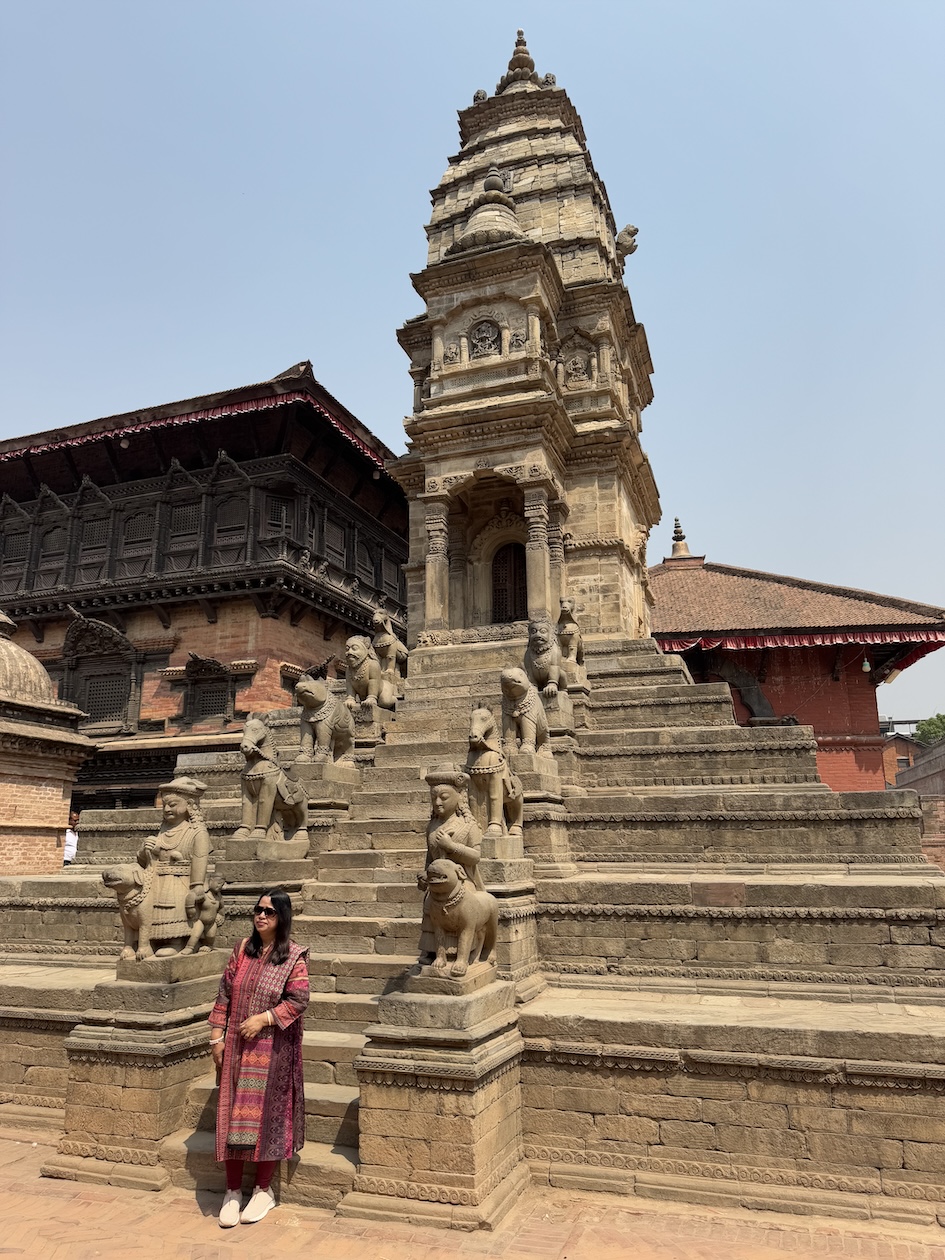
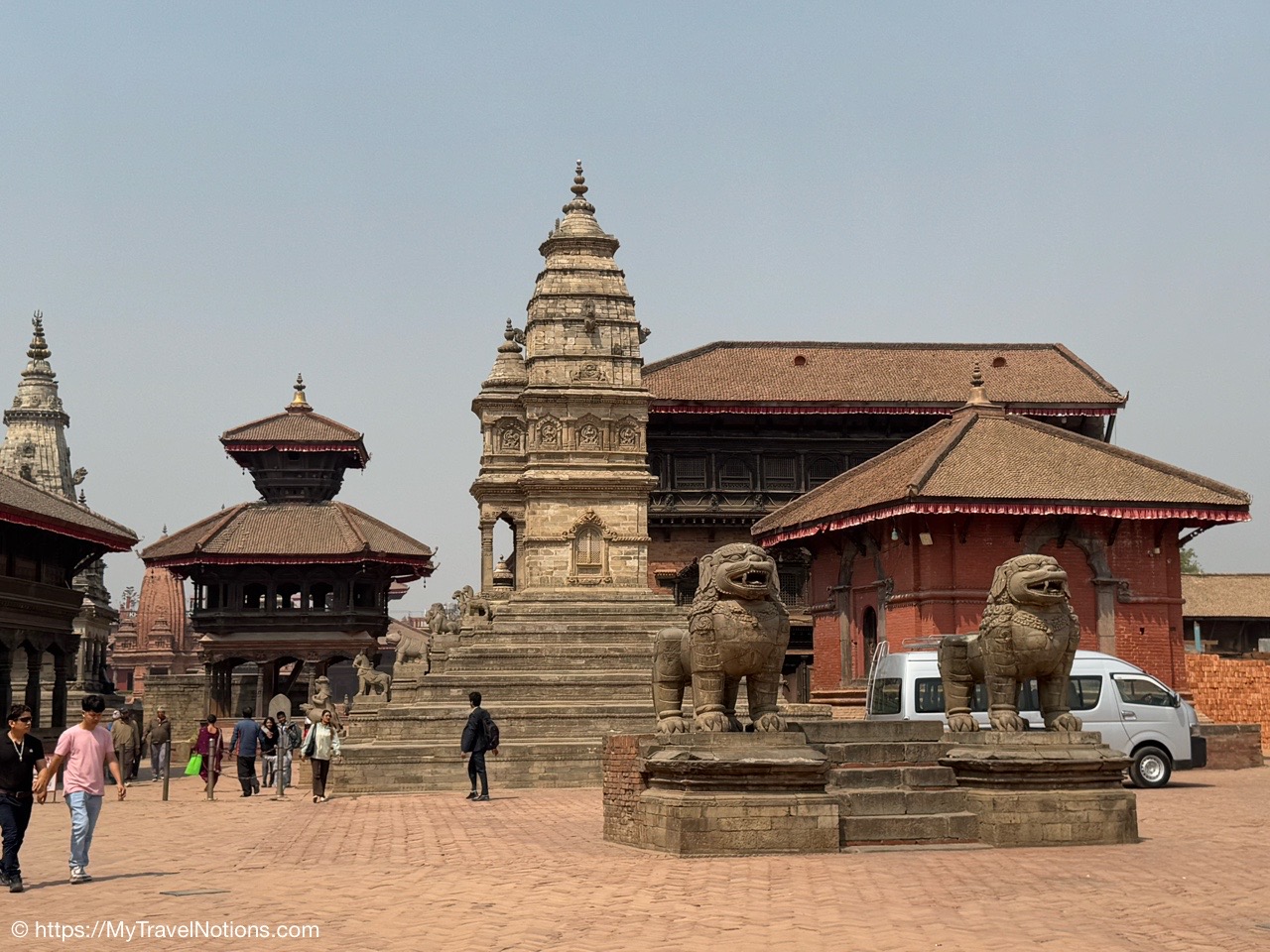
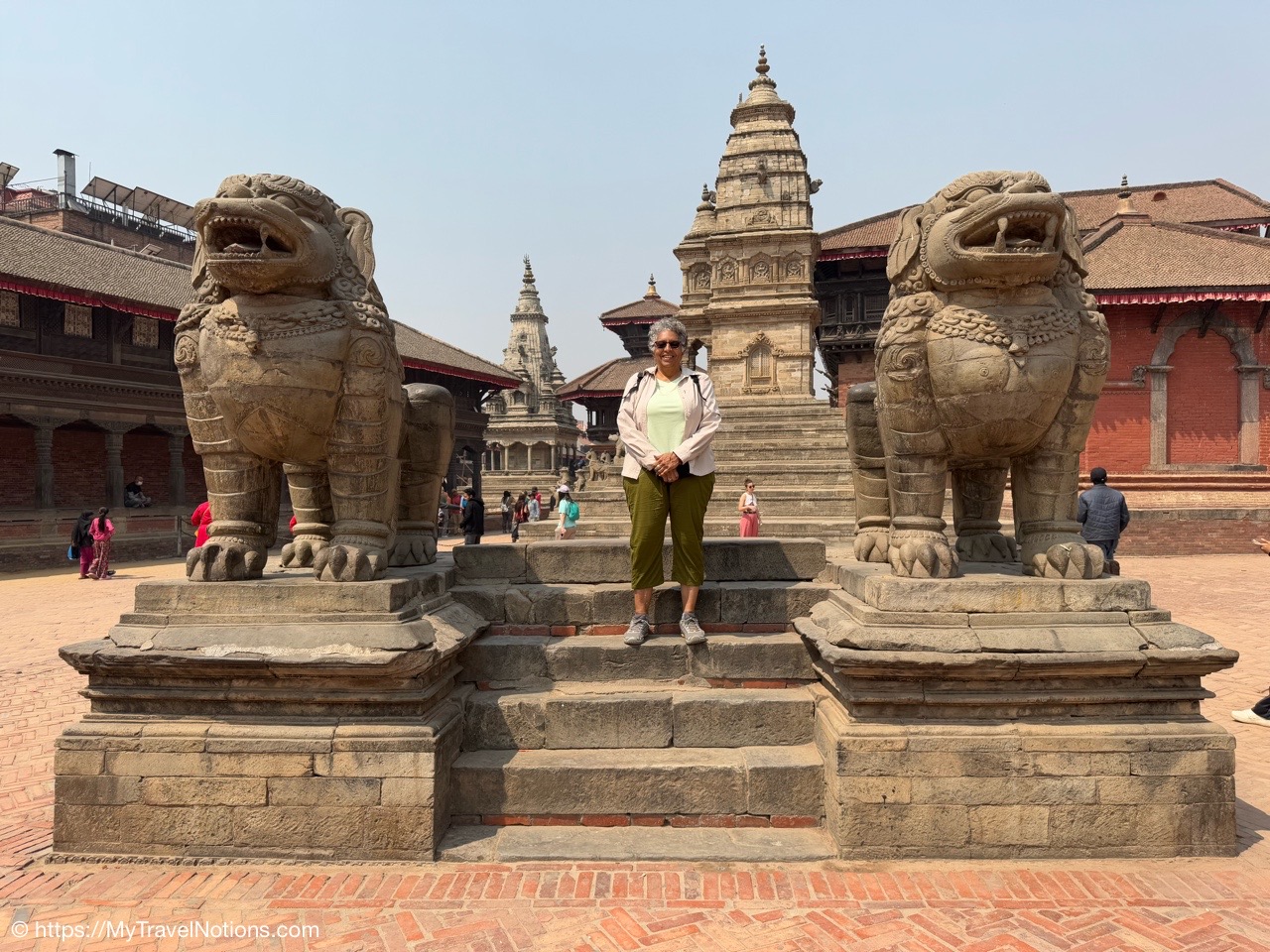
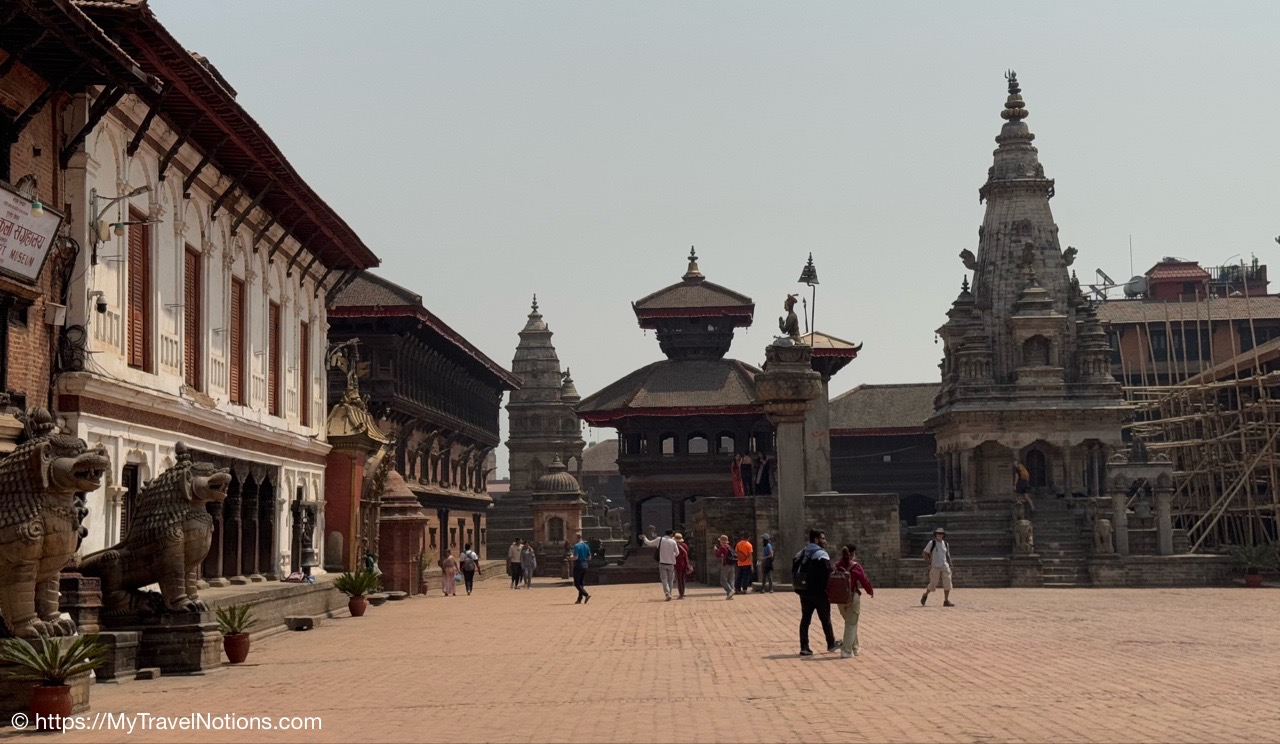
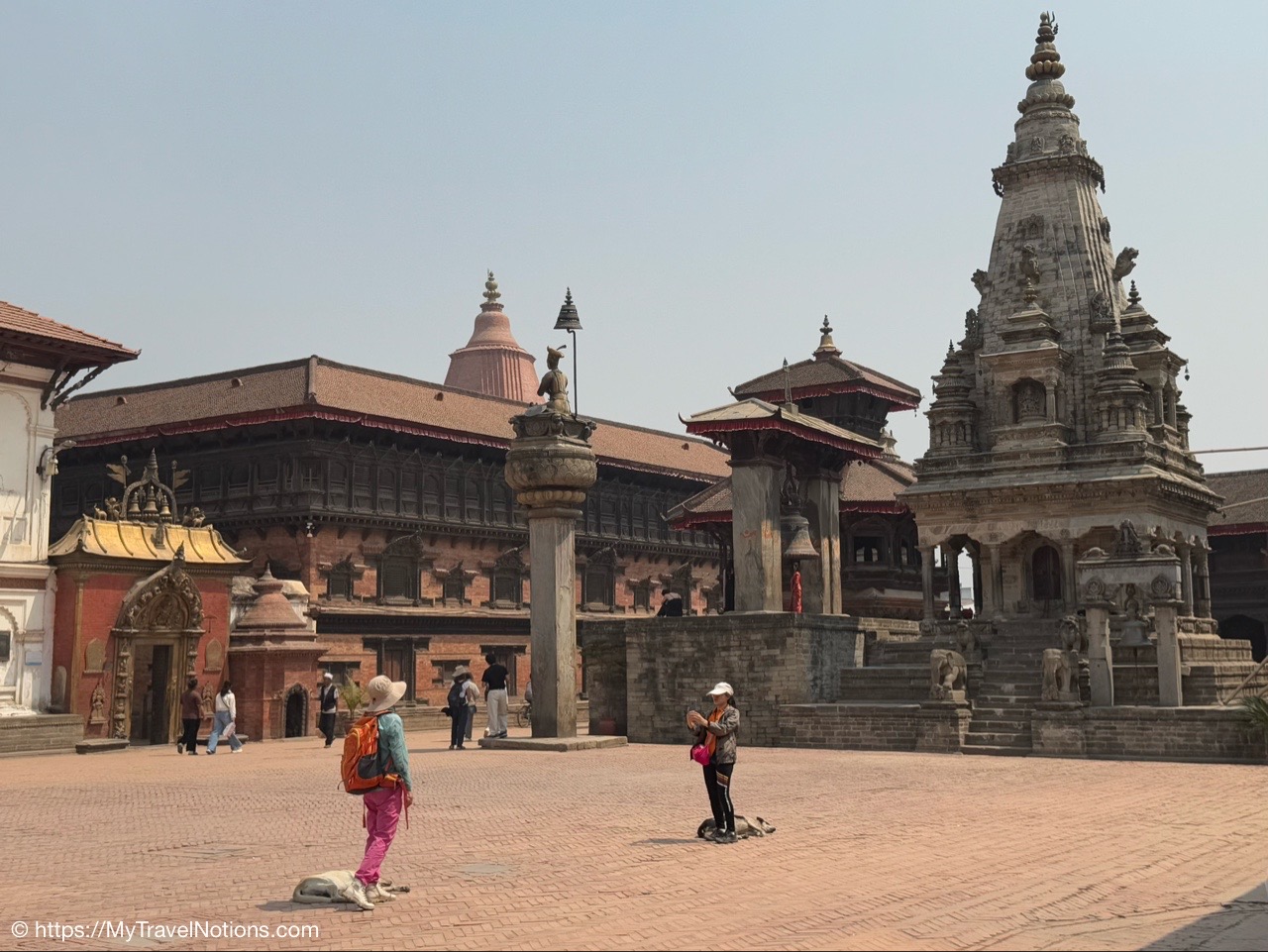
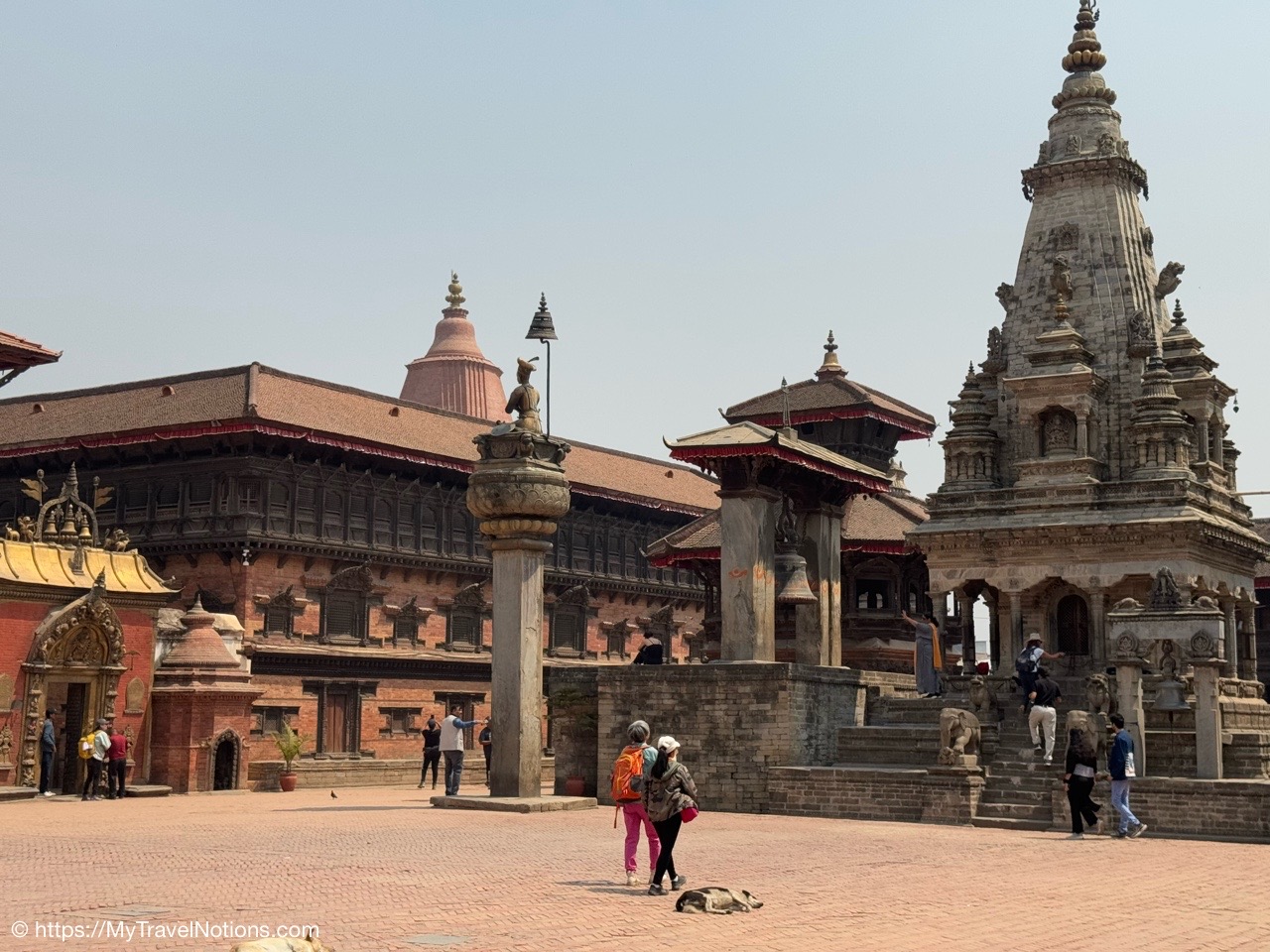
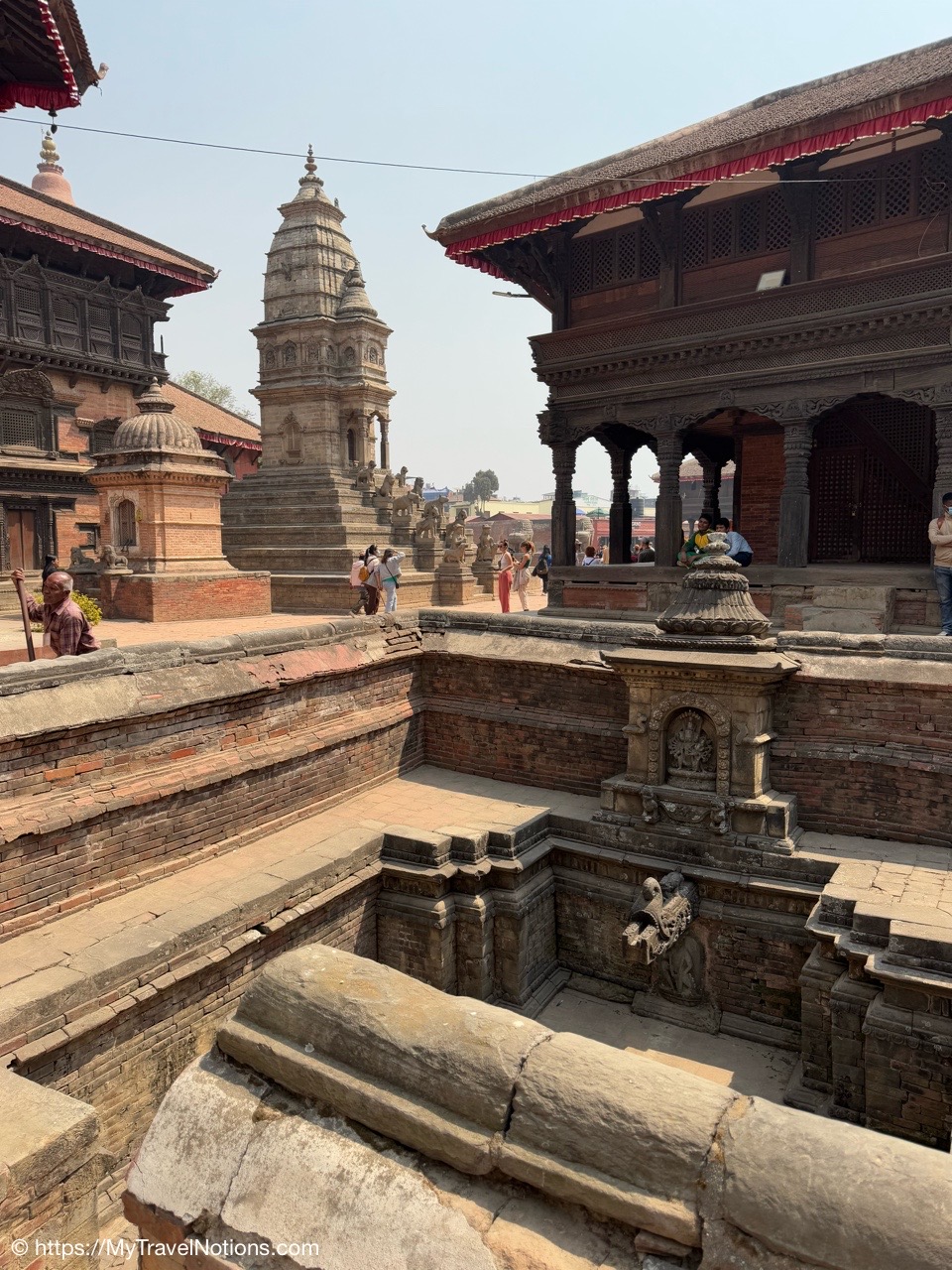
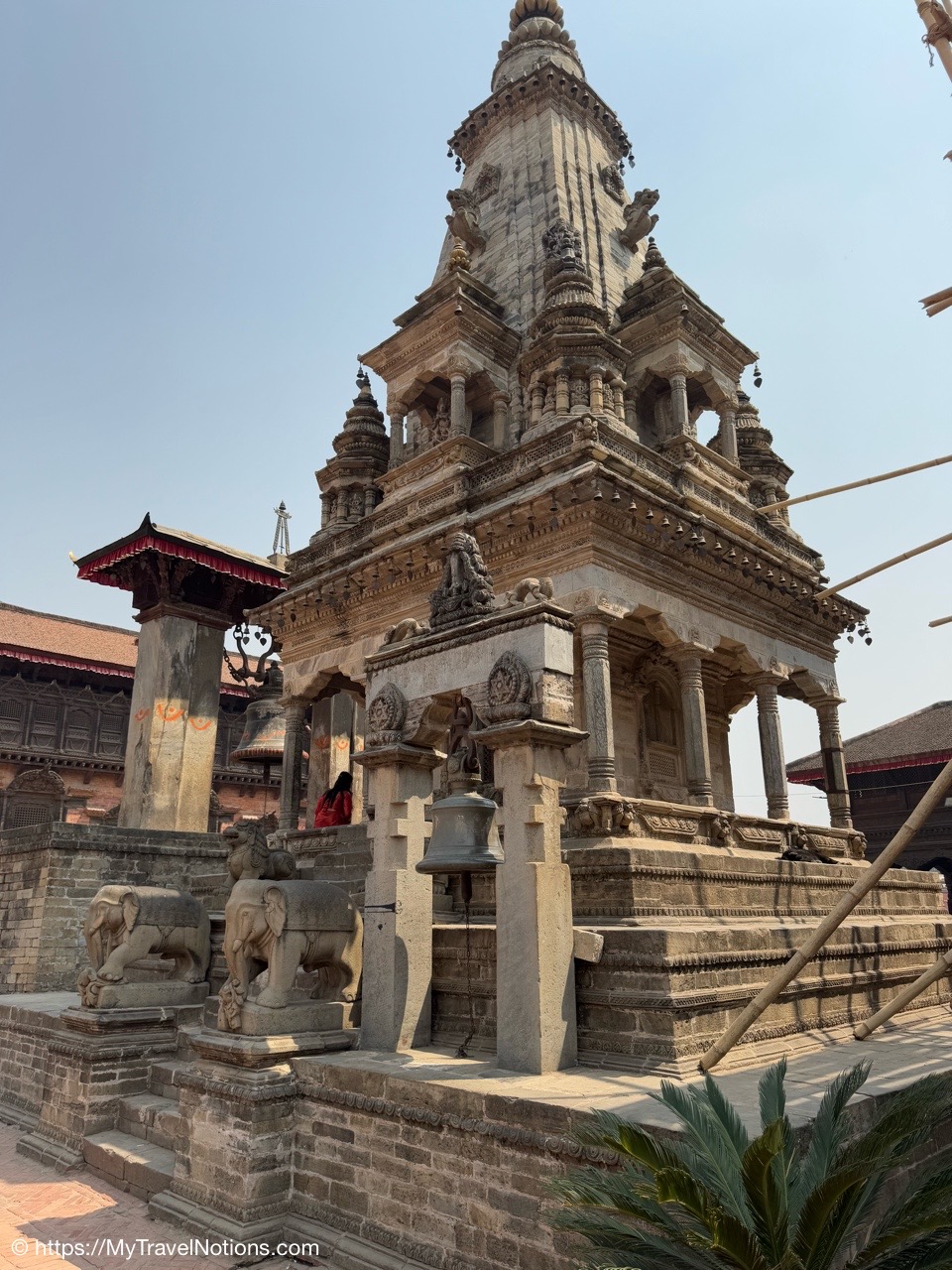
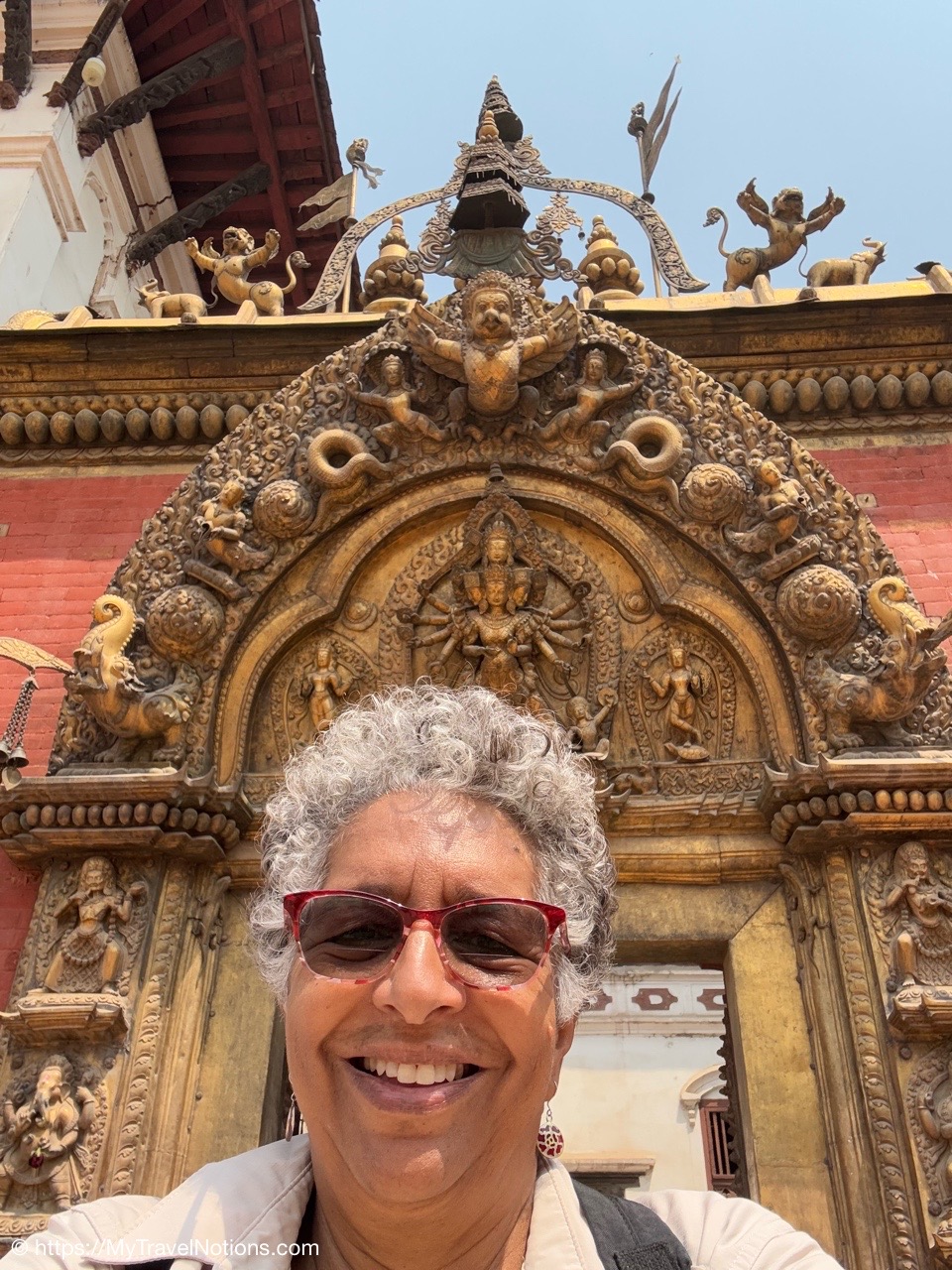
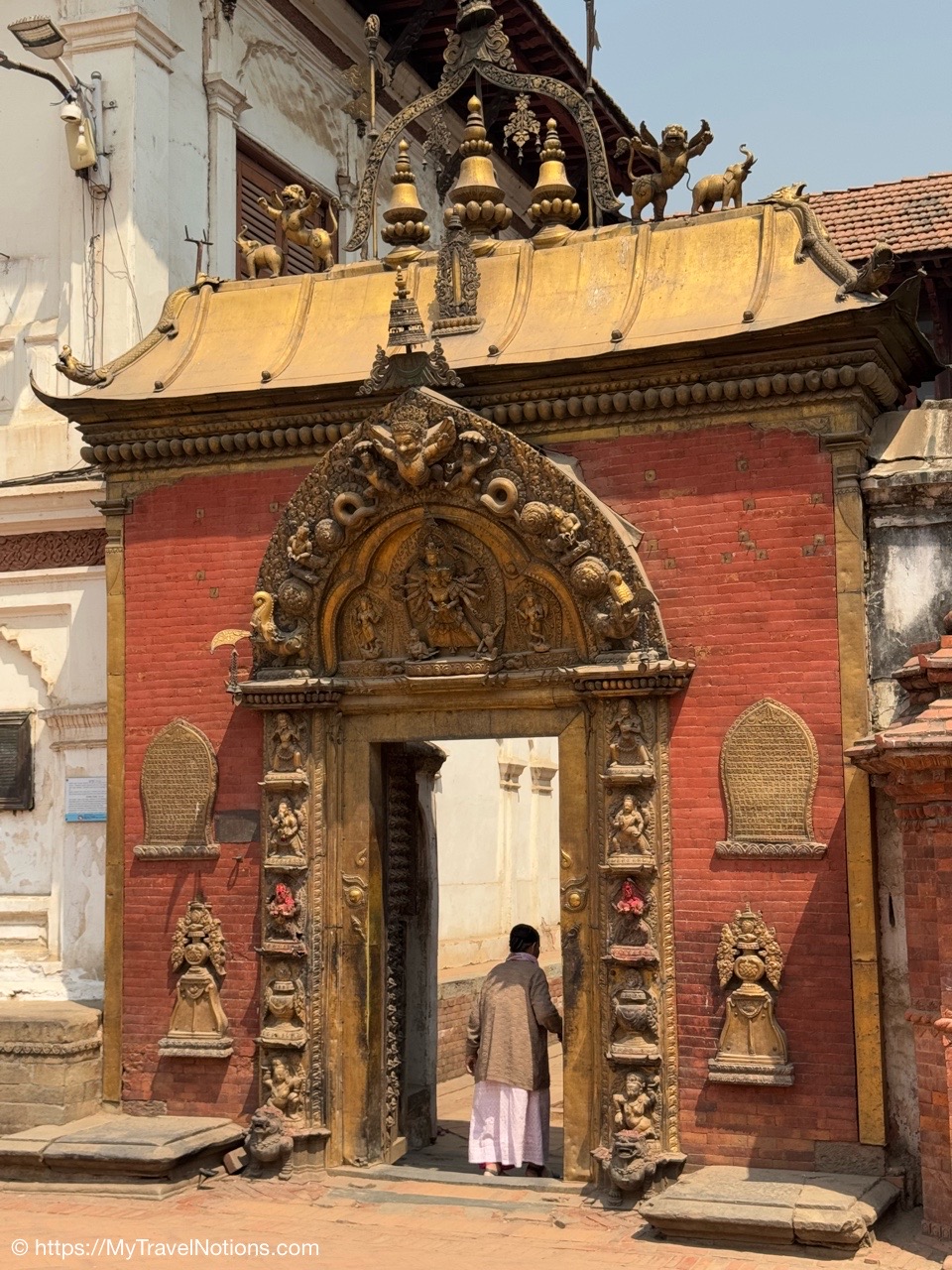
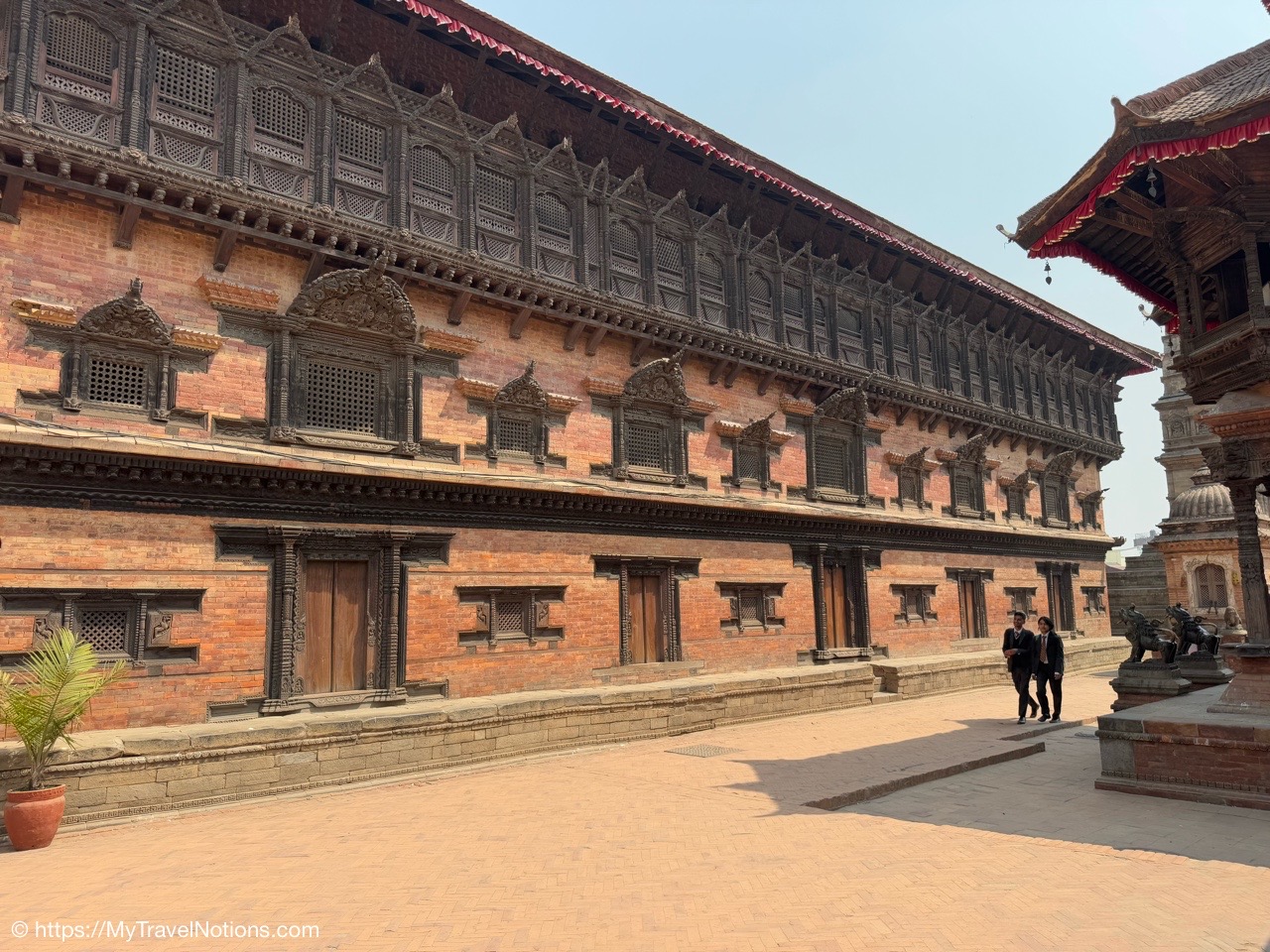
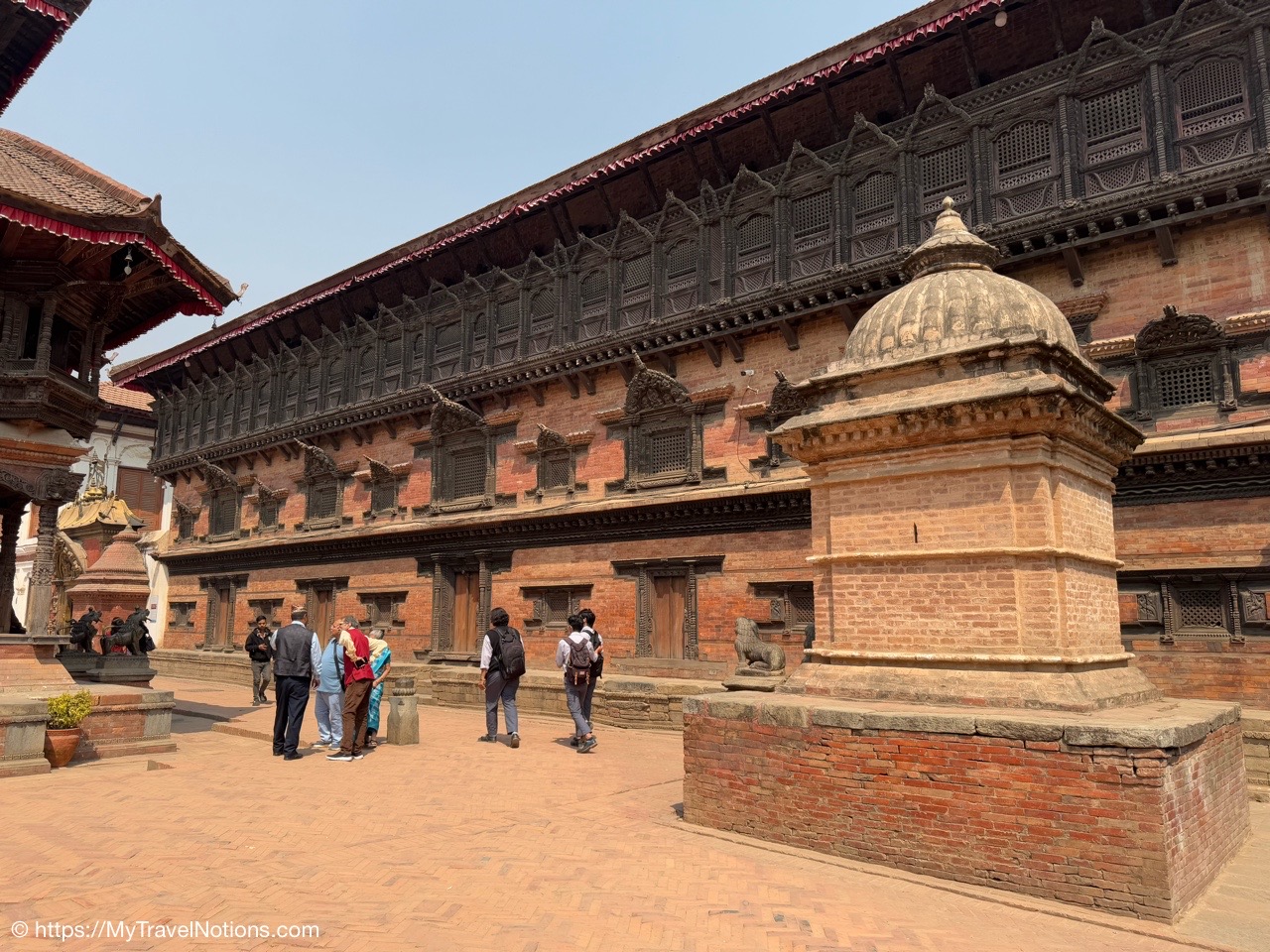
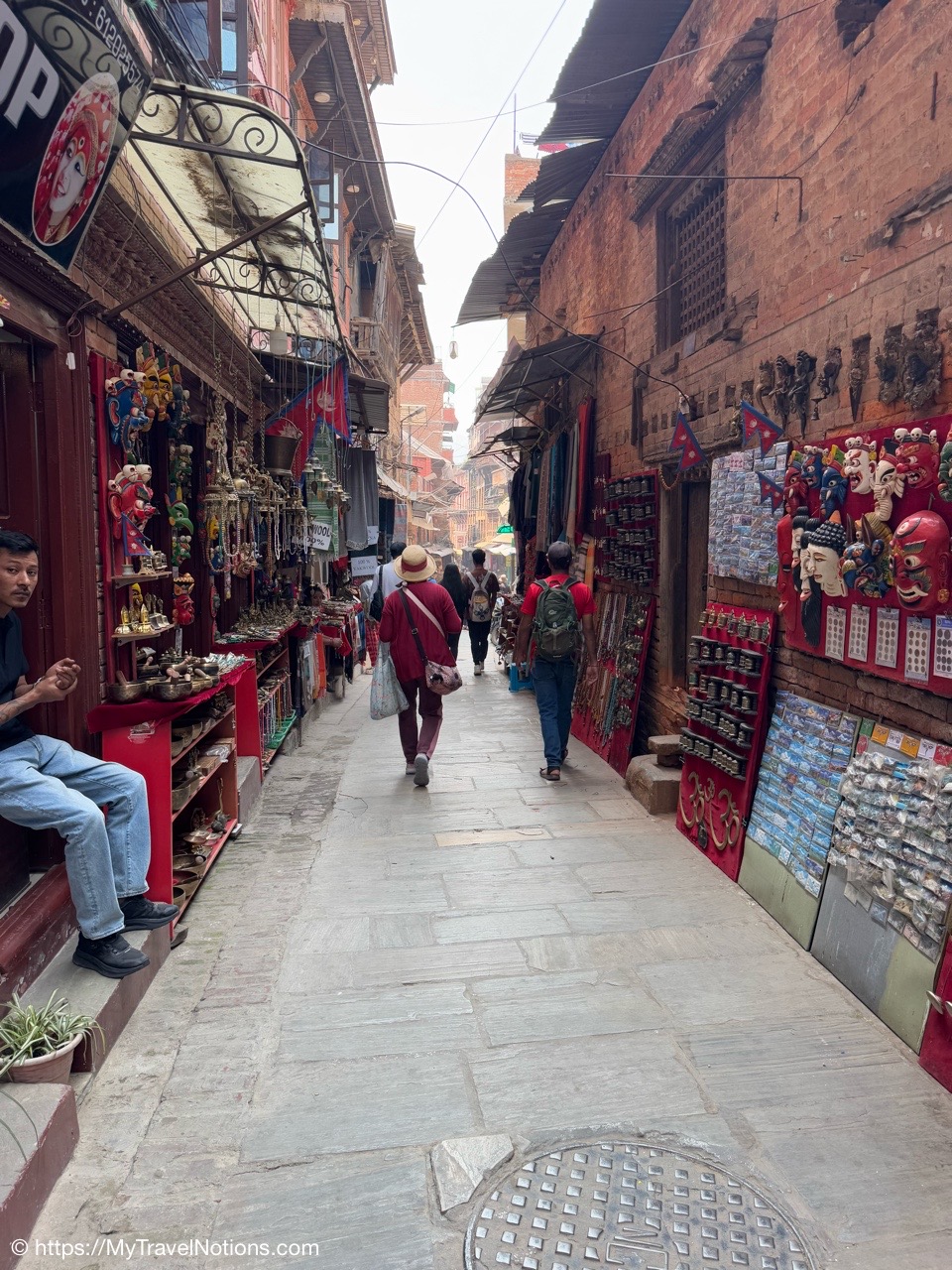
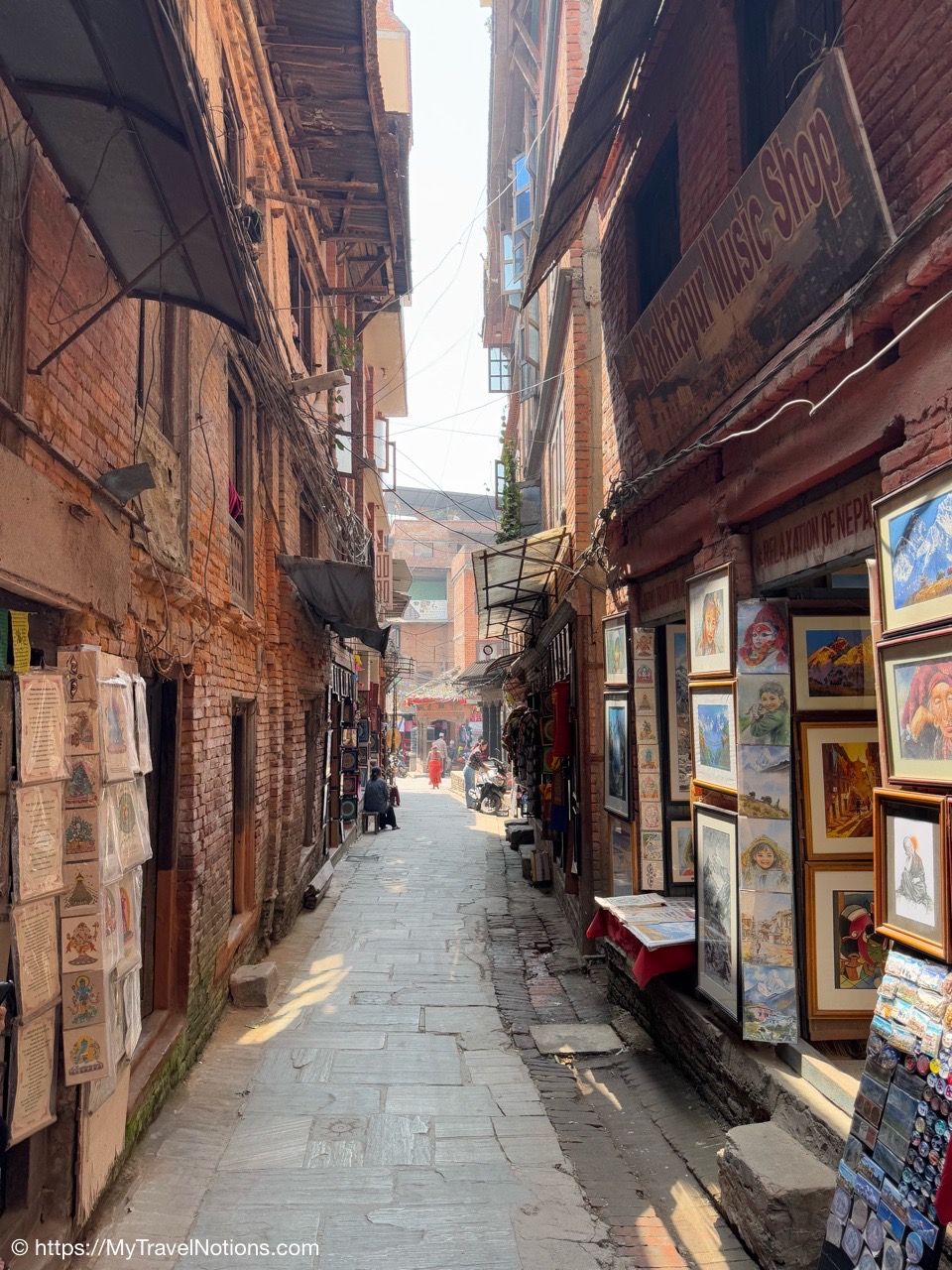
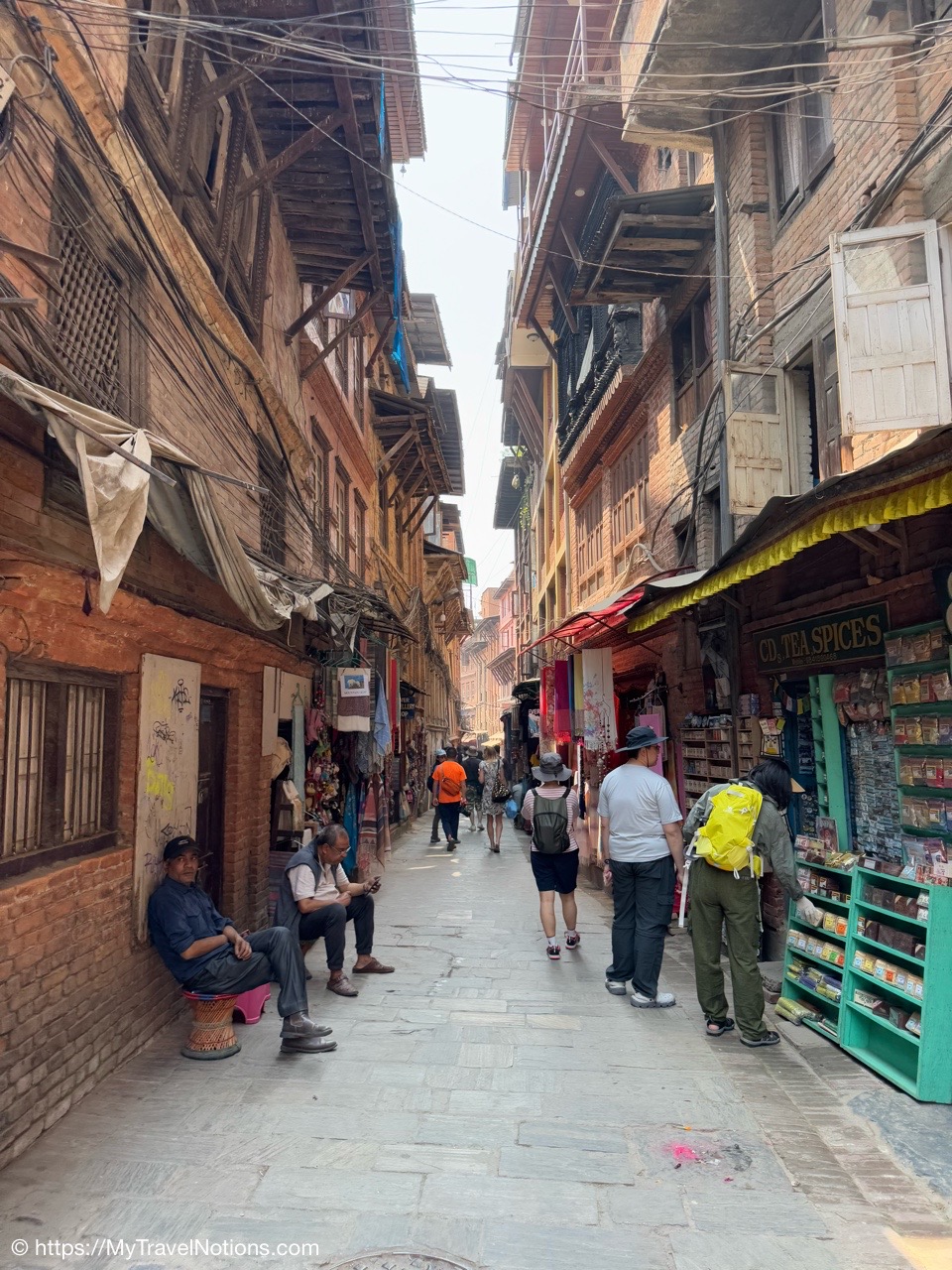
Thank you for reaching out.