India: My 94th country on my Countdown to 100 U.N. countries by the time I turn 70 in 2026.
And so begins the next leg of my journey, India!
I met my Intrepid Travel group the same day my Sri Lanka tour ended on Sunday, which meant taking an early flight to get me to Delhi in time to meet my new tour leader and group for our 10-day ‘North India Highlights’ tour beginning and ending in Delhi.
We were in Delhi just for the night before an early morning train ride to Varanasi, the spiritual city of India. I will be seeing more of Delhi at the end of this tour but for now, it’s Varanasi, the main reason I chose this tour.
Varanasi is bold, loud, serene and filled with people moving on feet, bikes, motorcycles, Tuk Tuks and cars all on the same road and in many cases going in opposite directions. Oh and let’s not forget the cows and dogs that call the streets home.
The northern city of on the Ganges river in northern India, Varanasi plays a central role in the traditions of pilgrimage, death and mourning in the Hindu world. This is one of those places in the world, like the Nile in Africa, I’ve wanted to see for myself. So, this was an amazing experience both Varanasi and the mother goddess of the Ganges River.
Enjoy this experience with me!
Varanasi: the spiritual city
An evening boat ride in the Ganges River in Varanasi, India. Considered the spiritual capital of India, Varanasi is a mixture of extremes from calm to chaotic. Here on the Ganges it is calm. And in the background are the riverfront steps called ghats, of which there are 84 that leads to the banks of the Ganges river. Most of the ghats are bathing and puja ceremonial ghats, while two ghats are used exclusively as cremation sites. The buildings are temples and other historically significant structures like palaces and forts, reflecting Hindu and Mughal architectural influences. (March 10, 2025)Before getting to Varanasi we rushed to catch our 7 am train from Delhi. (March 10, 2025)Even though it was a comfortable, but long 8-hour train ride, I did enjoy seeing the Indian towns and countryside as we wizzed by. (March 10, 2025)Getting in a selfie with my Intrepid tour group at the Varanasi Junction railway station in Varanasi, India. (March 10, 2025)At the Varanasi Junction railway station in Varanasi, India. (March 10, 2025)The Varanasi Junction railway station in Varanasi, India. (March 10, 2025)Boarding our van at the Varanasi Junction railway station to head to our hotel for the next two nights, Arcadia Hotel. (March 10, 2025)Arriving at our hotel, the Arcadia for a 2-night stay in Varanasi. (March 10, 2025)My room at the Acadia Hotel in Varanasi. (March 10, 2025)Views of Varanasi. After checking into our hotel rooms, we were off for our evening boat ride on the Ganges river in Varanasi. (March 10, 2025)Views of Varanasi. (March 10, 2025)Views of Varanasi. (March 10, 2025)Views of Varanasi. (March 10, 2025)Views of Varanasi. (March 10, 2025)Views of Varanasi. (March 10, 2025)Views of Varanasi. (March 10, 2025)Views of Varanasi. (March 10, 2025)Views of Varanasi. (March 10, 2025)Views of Varanasi. (March 10, 2025)Views of Varanasi. (March 10, 2025)Views of Varanasi. (March 10, 2025)Views of Varanasi. (March 10, 2025)Decorations set up and people are gathering at the Dasaswamedh Ghat, a riverfront step leading to the Ganges river in Varanasi. The nightly, after sunset ceremony, is called the Ganga Aarti, a devotional Hindu ritual performed offering reverence to the Ganges, considered a living goddess. (March 10, 2025)Decorations set up and people are gathering at the Dasaswamedh Ghat, a riverfront step leading to the Ganges river in Varanasi. The nightly, after sunset ceremony, is called the Ganga Aarti, a devotional Hindu ritual performed offering reverence to the Ganges, considered a living goddess. (March 10, 2025)Decorations set up and people are gathering at the Dasaswamedh Ghat, a riverfront step leading to the Ganges river in Varanasi. The nightly, after sunset ceremony, is called the Ganga Aarti, a devotional Hindu ritual performed offering reverence to the Ganges, considered a living goddess. (March 10, 2025)Me at the Dasaswamedh Ghat, a riverfront step leading to the Ganges in Varanasi. This is where the nightly Ganga Aarti ceremony is held after sunset. (March 10, 2025)The Dasaswamedh Ghat, a riverfront step leading to the Ganges in Varanasi. This is where the nightly Ganga Aarti ceremony is held after sunset. (March 10, 2025)Me at the Dasaswamedh Ghat, a riverfront step leading to the Ganges in Varanasi. This is where the nightly Ganga Aarti ceremony is held after sunset. (March 10, 2025)Blondes seem to get a lot of attention in India and Robyn, one of our travelers, caught a lot of attention and requests for photographs at the Dasaswamedh Ghat, a riverfront step leading to the Ganges river in Varanasi. The man standing next to Robyn on the left is trying to get a photo with her. (March 10, 2025)The flower lady selling flowers for the nightly Ganga Aarti ceremony at the banks of the Ganges river in Varanasi. (March 10, 2025)Heading towards our motorized wooden canoe-like boat for an evening ride along the Ganges river in Varanasi. (March 10, 2025)Boarding our motorized wooden canoe-like boat for an evening ride along the Ganges river in Varanasi. (March 10, 2025)On our evening boat ride along the Ganges river in Varanasi. (March 10, 2025)On our evening boat ride along the Ganges river in Varanasi. (March 10, 2025)Most of the ghats (steps) are for bathing and puja ceremonies, while two ghats are used exclusively as cremation sites along the Ganges river in Varanasi. This is the Manikarnika Ghat, the famous cremation site which holds significant religious importance. Some 150 bodies or more are cremated daily on wooden pyres. (March 10, 2025)Most of the ghats (steps) are for bathing and puja ceremonies, while two ghats are used exclusively as cremation sites along the Ganges river in Varanasi. This is the Manikarnika Ghat, the famous cremation site which holds significant religious importance. Some 150 bodies or more are cremated daily on wooden pyres. (March 10, 2025)Most of the ghats (steps) are for bathing and puja ceremonies, while two ghats are used exclusively as cremation sites along the Ganges river in Varanasi. This is the Manikarnika Ghat, the famous cremation site which holds significant religious importance. Some 150 bodies or more are cremated daily on wooden pyres. (March 10, 2025)On our evening boat ride along the Ganges river in Varanasi. (March 10, 2025)On our evening boat ride along the Ganges river in Varanasi. (March 10, 2025)On our evening boat ride along the Ganges river in Varanasi. (March 10, 2025)On our evening boat ride along the Ganges river in Varanasi. (March 10, 2025)On our evening boat ride along the Ganges river in Varanasi. (March 10, 2025)On our evening boat ride along the Ganges river in Varanasi. (March 10, 2025)Our evening offering during our boat ride on the Ganges river in Varanasi of flowers and a candle on banana leaves to lay in the river and offer a special prayer for our ancestors from the mother goddess. (March 10, 2025)Me with my flower offering during our evening flower ceremony on the Ganges river from our motorized wooden canoe-like boat. Part of the nightly Ganga Aarti, it is a spiritual Hindu ritual performed in honor of the Ganges and is a symbolic tribute to its power and sanctity. Thanking Sarah for the photo. (March 10, 2025)Me placing my flower offering onto the sacred river Ganges where worshippers bath in its waters and perform rituals at the ghats (steps) along the riverbank. Thanking Sarah for the photo. (March 10, 2025)After the boat ride on the Ganges river in Varanasi, we stopped back at the Dasaswamedh Ghat where the nightly ceremony of the Ganga Aarti was underway. The ceremony, a devotional Hindu ritual performed every evening on the banks of the river, offering reverence to the Ganges, considered a living goddess. It is a celebration of life, faith, and devotion, and a chance for people to express gratitude and reverence to the Ganges and its divine nature. (March 10, 2025)Back at the Dasaswamedh Ghat in Varanasi where the nightly ceremony of the Ganga Aarti was underway. (March 10, 2025)A holy man at the Dasaswamedh Ghat in Varanasi where the nightly ceremony of the Ganga Aarti was underway. (March 10, 2025)The Ganga Aarti ceremony at the Dasaswamedh Ghat in Varanasi is a devotional ritual where priests light oil lamps, fire, incense sticks, chanting mantras and offering prayers to the Ganges, the goddess of the holy river. (March 10, 2025)The Ganga Aarti ceremony at the Dasaswamedh Ghat at the banks of the Ganges river in Varanasi. (March 10, 2025)The Ganga Aarti ceremony at the Dasaswamedh Ghat at the banks of the Ganges river in Varanasi. (March 10, 2025)Heading to a vegetarian dinner at the Pizzeria Yaatika Cafe on the banks of the Ganges River in Varanasi. (March 10, 2025)Vegetarian dinner at the Pizzeria Yaatika Cafe on the banks of the Ganges River in Varanasi. (March 10, 2025)My Spinach and jalapeño pizza, which was quite delicious with a nice kick to it, at the Pizzeria Yaatika Cafe on the banks of the Ganges river in Varanasi. (March 10, 2025)Walking back to our van to head to our hotel, the Arcadia for our first night in Varanasi. (March 10, 2025)
It was a full day in vibrant Varanasi, providing quite an absolute intense sensory overload, of the people, sites and sounds in one of the holiest cities in Hinduism.
We left our hotel, the Arcadia, at 5:00 am to head back to the Dasaswamedh Ghat, the riverfront step leading to the Ganges river in Varanasi. It’s where we caught our evening boat ride and saw the nightly ceremony. But this morning it was about the beautiful sunrise boat ride on the Ganges River where we watched the light gradually illuminate the many ghats and temples along the river.
Ghats in Varanasi are riverfront steps leading to the banks of the Ganges river. The city has 84 ghats. Most of the ghats are bathing and puja ceremonial ghats, while two ghats, Manikarnika and Harishchandra, are used exclusively as cremation sites.
Part of this morning’s experience of sailing along the Ganges River are the cremations that typically occur 24 hours a day and usually within 24 hours of the person’s death. In Hindu tradition, cremation is a deeply spiritual practice believed to help the deceased’s soul achieve moksha, or liberation from the cycle of rebirth. The Ganges is considered a sacred river, and immersing ashes in it is thought to purify the soul and ensure its passage to a better afterlife.
And, oddly enough, the smell of burning bodies at these cremation sites while sailing along the Ganges River was not even something I noticed. It could be because most bodies are covered in flowers and doused with ghee, clarified butter, before cremation and the wood pyres used to burn the body.
After our boat ride, we walked around the Old City of Varanasi through the terraces of the Ganges, the crowded streets and the narrow laneways packed with stalls and shops where we visited a silk vendor and purchased our white clothing for the forthcoming Holi Festival on the 14th. The Holi Festival of Colors, primarily a Hindu festival, celebrates the arrival of spring, the end of winter and the triumph of good over evil. The festival provides a temporary space where people can shed their inhibitions and enjoy a day of carefree fun and mischief.
We enjoyed a group vegetarian thali lunch at a local restaurant. A thali is a popular style of serving food in India, offering a selection of dishes, sides and condiments on a single large plate.
Come experience the colorful vividness of Varanasi with me.
Getting ready to board our motorized wooden canoe-looking boat to experience sunrise over the Ganges River in Varanasi. (March 11, 2025)And there she is, the sunrise along the calm Ganges River from our morning boat ride in Varanasi. (March 11, 2025)Sunrise boat ride over the Ganges river in Varanasi. (March 11, 2025)Sunrise boat ride over the Ganges river in Varanasi. (March 11, 2025)Sunrise boat ride over the Ganges river in Varanasi. (March 11, 2025)The billowing smoke clouds from the Manikarnika Ghat, the holy cremation ground, along the banks of the Ganges river signaling the end of life during our sunrise boat ride in Varanasi. Fire pits, fed each day by thousands of pounds of wood, burn the bodies of the dead brought here by grieving family members. What surprised me was the lack of smell which might have been masked by the flowers (March 11, 2025)The billowing smoke clouds from the Manikarnika Ghat, the holy cremation ground, along the banks of the Ganges river signaling the end of life during our sunrise boat ride in Varanasi. Fire pits, fed each day by thousands of pounds of wood, burn the bodies of the dead brought here by grieving family members. (March 11, 2025)The billowing smoke clouds from the Manikarnika Ghat, the holy cremation ground, along the banks of the Ganges river signaling the end of life during our sunrise boat ride in Varanasi. Fire pits, fed each day by thousands of pounds of wood, burn the bodies of the dead brought here by grieving family members. (March 11, 2025)The billowing smoke clouds from the Manikarnika Ghat, the holy cremation ground, along the banks of the Ganges river signaling the end of life during our sunrise boat ride in Varanasi. Fire pits, fed each day by thousands of pounds of wood, burn the bodies of the dead brought here by grieving family members. (March 11, 2025)The billowing smoke clouds from the Manikarnika Ghat, the holy cremation ground, along the banks of the Ganges river signaling the end of life during our sunrise boat ride in Varanasi.(March 11, 2025)The billowing smoke clouds from the Manikarnika Ghat, the holy cremation ground, along the banks of the Ganges river signaling the end of life during our sunrise boat ride in Varanasi.(March 11, 2025)The billowing smoke clouds from the Manikarnika Ghat, the holy cremation ground, along the banks of the Ganges river signaling the end of life during our sunrise boat ride in Varanasi.(March 11, 2025)Sunrise boat ride over the Ganges river in Varanasi. (March 11, 2025)Sunrise boat ride over the Ganges river in Varanasi. (March 11, 2025)Sunrise boat ride over the Ganges river in Varanasi. (March 11, 2025)Sunrise boat ride over the Ganges river in Varanasi. (March 11, 2025)Sunrise boat ride over the Ganges river and the Darbhanga Ghat in Varanasi. (March 11, 2025)Sunrise boat ride over the Ganges river and the Darbhanga Ghat in Varanasi. (March 11, 2025)Sunrise boat ride over the Ganges river in Varanasi. (March 11, 2025)Sunrise boat ride over the Ganges river in Varanasi. (March 11, 2025)Sunrise boat ride over the Ganges river in Varanasi. (March 11, 2025)People bathing and walking in the Ganges river in Varanasi during our sunrise boat ride. The river goddess is believed to wash away sins and bestow spiritual purification. (March 11, 2025)People bathing and walking in the Ganges river in Varanasi during our sunrise boat ride. The river goddess is believed to wash away sins and bestow spiritual purification. (March 11, 2025)People bathing and walking in the Ganges river in Varanasi during our sunrise boat ride. The river goddess is believed to wash away sins and bestow spiritual purification. (March 11, 2025)Me during our sunrise boat ride over the Ganges river in Varanasi. (March 11, 2025)Sunrise boat ride over the Ganges river in Varanasi. (March 11, 2025)Sunrise boat ride over the Ganges river in Varanasi. (March 11, 2025)Sunrise boat ride over the Ganges river in Varanasi. (March 11, 2025)Sunrise boat ride over the Ganges river in Varanasi. (March 11, 2025)A family gathering at the cremation site during our sunrise boat ride over the Ganges river in Varanasi. (March 11, 2025)The Chet Singh Ghat, named after a local landlord from the 18th century during our sunrise boat ride over the Ganges river in Varanasi. (March 11, 2025)The Chet Singh Ghat, named after a local landlord from the 18th century during our sunrise boat ride over the Ganges river in Varanasi. (March 11, 2025)On our motorized boat during our sunrise boat ride over the Ganges river in Varanasi. (March 11, 2025)The Jain Ghat/Bachraj Ghat during our sunrise boat ride over the Ganges river in Varanasi. (March 11, 2025)The Jain Ghat/Bachraj Ghat during our sunrise boat ride over the Ganges river in Varanasi. (March 11, 2025)Back on the land for the morning prayers on the terrace after our sunrise boat ride over the Ganges river in Varanasi. (March 11, 2025)The morning prayers on the terrace after our sunrise boat ride over the Ganges river in Varanasi. (March 11, 2025)The morning prayers on the terrace after our sunrise boat ride over the Ganges river in Varanasi. (March 11, 2025)The terrace area along the Ganges river in Varanasi. (March 11, 2025)An engraved historical timeline block on the terrace along the Ganges river provides Varanasi’s history that stretches back over 3,000 years, making it one of the oldest continuously inhabited cities globally, the majority of the current ghats were built or rebuilt after 1700 AD. It’s a journey through the ghats, their history, culture, religions and philosophy. (March 11, 2025)Walking on the terrace area along the Ganges river in Varanasi. (March 11, 2025)Walking along the side streets close to the Ganges river in Varanasi. (March 11, 2025)Walking along the side streets close to the Ganges river in Varanasi. (March 11, 2025)Walking along the side streets close to the Ganges river in Varanasi. (March 11, 2025)Walking along the side streets close to the Ganges river in Varanasi. (March 11, 2025)Stopping at Kashi Cafe for a Masala tea in Varanasi. That’s our tour leader, Kush, purchasing the masala tea that’s served in copper cups. (March 11, 2025)Our Intrepid India tour group drinking Masala chai tea, except for Sarah who took the photo. From left: Paul, our India Intrepid leader Kush, Janine, Sam, Atsu, Kay, me, Nicola and Robyn. Thanks Sarah for the photo. (March 11, 2025)The cows digging through the trash along the streets of Varanasi. (March 11, 2025)Walking along the streets of Varanasi. Our Intrepid leader, stopping to show us the dyes being sold in preparation of the coming Holi Festival celebrate. The “Festival of Colors,” is a major Hindu festival celebrated on the last full moon of the Hindu lunar calendar, typically in March to mark the arrival of spring, the end of winter, and the triumph of good over evil, as well as to celebrate love and divine relationships. (March 11, 2025)Walking along the streets of Varanasi. Dyes being sold in preparation of the coming Holi Festival celebrate. The “Festival of Colors,” is a major Hindu festival celebrated on the last full moon of the Hindu lunar calendar, typically in March to mark the arrival of spring, the end of winter, and the triumph of good over evil, as well as to celebrate love and divine relationships. (March 11, 2025)Walking along the streets of Varanasi. (March 11, 2025)Walking along the streets of Varanasi. (March 11, 2025)Walking along the streets of Varanasi. There are little to no sidewalks so we have to walk on the streets along with the motorcycles, Tuk Tuks, bicycles, cars, carts, people, etc. (March 11, 2025)Walking along the streets of Varanasi. (March 11, 2025)Walking along the streets of Varanasi. (March 11, 2025)Walking along the streets of Varanasi. (March 11, 2025)Walking along the streets of Varanasi. (March 11, 2025)Walking along the streets of Varanasi. (March 11, 2025)Walking along the streets of Varanasi. (March 11, 2025)A cow on the sidewalk along the streets of Varanasi. (March 11, 2025)Fresh fruits and vegetables sold alongside the streets in Varanasi. (March 11, 2025)Fresh fruits and vegetables sold alongside the streets in Varanasi. (March 11, 2025)Walking back towards the terraces in Varanasi. (March 11, 2025)Walking back towards the terraces in Varanasi. (March 11, 2025)Walking back towards the terraces along the Ganges river in Varanasi. (March 11, 2025)Walking back towards the terraces along the Ganges river in Varanasi. (March 11, 2025)Walking along the terraces along the Ganges river in Varanasi. (March 11, 2025)Walking along the terraces along the Ganges river in Varanasi. (March 11, 2025)Walking along the terraces along the Ganges river in Varanasi. (March 11, 2025)Although the Holi festival was not until March 13-14, some young people decided to start celebrating early and shared their enthusiasm with some of our tour members as we walking along the terraces of the various ghats along the Ganges river in Varanasi. From left: Janine, Robyn, Sam and Sarah. (March 11, 2025)Walking along the terraces of the ghats along the Ganges river in Varanasi. (March 11, 2025)Walking along the terraces of the ghats along the Ganges river in Varanasi. (March 11, 2025)Walking along the terraces of the ghats along the Ganges river in Varanasi. (March 11, 2025)Walking along the terraces of the ghats along the Ganges river in Varanasi. (March 11, 2025)Walking along the terraces of the ghats along the Ganges river in Varanasi. (March 11, 2025)Walking up the stairs from the terrace of the Ganges river in Varanasi. (March 11, 2025)We explored the laneways and alleys behind the ghats in Varanasi and to visit a silk vendor and buy clothes for the Holi Festival on the 14th. (March 11, 2025)We explored the crowded laneways and alleys behind the ghats in Varanasi and to visit a silk vendor and buy clothes for the Holi Festival on the 14th. (March 11, 2025)We explored the crowded laneways and alleys behind the ghats in Varanasi and to visit a silk vendor and buy clothes for the Holi Festival on the 14th. (March 11, 2025)Passed by this colorful merchant’s shop through an alleyway of shops to visit a silk vendor and buy clothes for the Holi Festival on the 14th. (March 11, 2025)Showing of the workmanship of a beautiful scarfs or pashminas in Varanasi. (March 11, 2025)Showing of the workmanship of a beautiful scarfs or pashminas in Varanasi. (March 11, 2025)From the silk vendor, our tour group members ventured to another vendor to buy our white garments, myself included, for the upcoming Holi Festival of Colors on March 14th. (March 11, 2025)At a vendor for our group members to buy our white garments for the upcoming Holi Festival of Colors on March 14th. (March 11, 2025)We enjoyed a group vegetarian thali lunch at a local restaurant. A thali is a popular style of serving food in India, offering a selection of dishes, sides and condiments on a single large plate. From left: Nicola, Janine, Sam, Sarah, Robyn and me. Thank you Kay for the photo. (March 11, 2025)Even if this was not a vegetarian meal, I could not eat it all at our group vegetarian thali lunch at a local restaurant in Varanasi. A thali is a popular style of serving food in India, offering a selection of dishes, sides and condiments on a single large plate. (March 11, 2025)Walking through the old city of Varanasi. (March 11, 2025)Walking through the old city shops of Varanasi. (March 11, 2025)Exiting the shop-filled alleyways in Varanasi to have our vegetarian lunch in Varanasi. (March 11, 2025)Walking through the old city of Varanasi to meet our van and head back to our hotel for a rest. (March 11, 2025)Walking through the old city of Varanasi to meet our van and head back to our hotel for a rest. (March 11, 2025)A nice evening walk to dinner at the Surya Kaiser Palace in Varanasi. (March 11, 2025)My meal, minced chicken kababs, at the Surya Kaiser Palace in Varanasi. (March 11, 2025)Had a glass of this wonderful Shiraz Cabernet at the Surya Kaiser Palace in Varanasi. The meal and the wine were a nice end to a full day. (March 11, 2025)
This morning, several of us visited three temples in Varanasi on a Tuk Tuk tour before taking a flight back to India’s buzzing capital of Delhi just in time for an early dinner.
At the main entrance, or east wall, of the prominent Hindu temple of the Shri Vishwanath Mandir with the tallest temple tower in India during our last morning in Varanasi. From left: Robyn, Kay, me and Sarah. Photo from our Intrepid tour leader, Kush. (March 12, 2025)Views of Varanasi along our Tuk Tuk ride to our first temple, the prominent Hindu temple of the Shri Vishwanath Mandir during our last morning in Varanasi before taking a flight to the capital city of Delhi for the night. (March 12, 2025)Getting in a selfie with my small Tuk Tuk Intrepid tour group and our Intrepid leader, Kush, at the beginning of our morning temples tour in Varanasi. (March 12, 2025)The entrance into the Shri Vishwanath Mandir, also known as the Golden Temple, a prominent Hindu temple dedicated to Lord Shiva in Varanasi. Construction took 35 years to complete (1931-1966) and is one of the 12 holiest Shiva temples in India and holds immense spiritual significance for Hindus and is a major pilgrimage site. (March 12, 2025)The entrance into the Shri Vishwanath Mandir, also known as the Golden Temple, a prominent Hindu temple dedicated to Lord Shiva in Varanasi. Construction took 35 years to complete (1931-1966) and is one of the 12 holiest Shiva temples in India and holds immense spiritual significance for Hindus and is a major pilgrimage site. (March 12, 2025)The entrance into the Shri Vishwanath Mandir, also known as the Golden Temple, a prominent Hindu temple dedicated to Lord Shiva in Varanasi. (March 12, 2025)The interior of the Shri Vishwanath Mandir, also known as the Golden Temple, a prominent Hindu temple dedicated to Lord Shiva in Varanasi. (March 12, 2025)Statue of Nandi, the sacred bull and vehicle of Lord Shiva on the north side of the Shri Vishwanath Mandir, also known as the Golden Temple, a prominent Hindu temple dedicated to Lord Shiva in Varanasi. (March 12, 2025)Our tour leader Kush placing a beaded bracelet on a shrine on the north side of the Shri Vishwanath Mandir, also known as the Golden Temple, a prominent Hindu temple dedicated to Lord Shiva in Varanasi. (March 12, 2025)The beaded bracelet shrine on the north side of the Shri Vishwanath Mandir, also known as the Golden Temple, a prominent Hindu temple dedicated to Lord Shiva in Varanasi. (March 12, 2025)Me, with my blessing strokes from the Hindu priest at the Shri Vishwanath Mandir, also known as the Golden Temple, a prominent Hindu temple dedicated to Lord Shiva in Varanasi. (March 12, 2025)Back on the Tuk Tuk to our next temple and driving by the Shri Guru Ravidass Gate, a monumental gate marking the birthplace of the revered saint, Sant Guru Ravidas in Varanasi. (March 12, 2025)Viewing interesting architecture during our Tuk Tuk ride to our next temple, the Tulsi Manas Temple in Varanasi. (March 12, 2025)Viewing interesting architecture during our Tuk Tuk ride to our next temple, the Tulsi Manas Temple in Varanasi. (March 12, 2025)Viewing interesting architecture during our Tuk Tuk ride to our next temple, the Tulsi Manas Temple in Varanasi. (March 12, 2025)Views during our Tuk Tuk ride to our next temple, the Tulsi Manas Temple in Varanasi. (March 12, 2025)Entering the gates of the Tulsi Manas Temple, dedicated to Lord Rama and is named after the saint poet Tulsi Das, in Varanasi. (March 12, 2025)Walking towards the entrance of the Tulsi Manas Temple in Varanasi. Made entirely of marble, the temple, constructed in 1964, is dedicated to Lord Rama is named after the saint poet Tulsi Das. It displays the Shikhara style of architecture and exhibits various inscriptions from the Ram Charit Manas on the walls of the temple. (March 12, 2025)Entering the Tulsi Manas Temple in Varanasi. Made entirely of white marble, the temple, constructed in 1964, is dedicated to Lord Rama is named after the saint poet Tulsi Das. (March 12, 2025)Inside the white marble-made Tulsi Manas Temple in Varanasi and its ground floor shrine, with idols of Lord Rama and his queen, Sita, joined by his faithful sibling, Lakshmana, and the pious Hanuman. (March 12, 2025)Inside the white marble-made Tulsi Manas Temple in Varanasi and its ground floor shrine, with idols of Lord Rama and his queen, Sita, joined by his faithful sibling, Lakshmana, and the pious Hanuman. (March 12, 2025)The shrine on the ground floor center inside the marble-made Tulsi Manas Temple in Varanasi is the shrine, with idols of Lord Rama and his queen, Sita, joined by his faithful sibling, Lakshmana, and the pious Hanuman. In the Hindu world, Hanuman is a revered deity, often depicted as a monkey, known for his immense strength, unwavering loyalty, and devotion to Lord Rama. (March 12, 2025)Inside the white marble-made Tulsi Manas Temple, constructed in 1964, in Varanasi with its engraved wall stanzas of Ramacharitamanas, the life story of Lord Rama’s life and teachings in both Hindi and Sanskrit. Legend has it that Tulsidas penned the epic Ramcharitmanas in the vicinity of this very temple during the 16th century AD. (March 12, 2025)Upstairs inside the Tulsi Manas Temple in Varanasi is a colorful exhibit of handcrafted puppets and puppet shows, bringing alive the story of Rama, Sita, and the epic battle of good versus evil to life. (March 12, 2026)Upstairs inside the Tulsi Manas Temple in Varanasi is a colorful exhibit of handcrafted electrically operated puppets and puppet shows, bringing alive the story of Rama, Sita, and the epic battle of good versus evil to life. The 3-dimensional, brightly attired, animated figures from the Ramayana are shown in the various scenes Hindus know by heart. (March 12, 2026)Upstairs inside the Tulsi Manas Temple in Varanasi is a colorful exhibit of handcrafted electrically operated puppets and puppet shows, bringing alive the story of Rama, Sita, and the epic battle of good versus evil to life. The 3-dimensional, brightly attired, animated figures from the Ramayana are shown in the various scenes Hindus know by heart. (March 12, 2026)Upstairs inside the Tulsi Manas Temple in Varanasi is a colorful exhibit of handcrafted electrically operated puppets and puppet shows, bringing alive the story of Rama, Sita, and the epic battle of good versus evil to life. The 3-dimensional, brightly attired, animated figures from the Ramayana are shown in the various scenes Hindus know by heart. (March 12, 2026)Upstairs inside the Tulsi Manas Temple is a colorful exhibit of handcrafted electrically operated puppets and puppet shows, bringing alive the story of Rama, Sita, and the epic battle of good versus evil to life. The 3-dimensional, brightly attired, animated figures from the Ramayana are shown in the various scenes Hindus know by heart. (March 12, 2026)Upstairs inside the Tulsi Manas Temple in Varanasi is a colorful exhibit of handcrafted electrically operated puppets and puppet shows, bringing alive the story of Rama, Sita, and the epic battle of good versus evil to life. (March 12, 2025)Upstairs inside the Tulsi Manas Temple in Varanasi is a colorful exhibit of handcrafted electrically operated puppets and puppet shows, bringing alive the story of Rama, Sita, and the epic battle of good versus evil to life. (March 12, 2025)Upstairs inside the Tulsi Manas Temple in Varanasi is a colorful exhibit of handcrafted electrically operated puppets and puppet shows, bringing alive the story of Rama, Sita, and the epic battle of good versus evil to life. (March 12, 2025)Upstairs inside the Tulsi Manas Temple in Varanasi is a colorful exhibit of handcrafted electrically operated puppets and puppet shows, bringing alive the story of Rama, Sita, and the epic battle of good versus evil to life. (March 12, 2025)Looking downstairs onto the ground floor of the Tulsi Manas Temple in Varanasi. (March 12, 2025)Walking through the hall of the upper floor of the the white marble-made Tulsi Manas Temple, constructed in 1964, in Varanasi with its engraved wall stanzas of Ramacharitamanas. It’s the life story of Lord Rama’s life and teachings in both Hindi and Sanskrit. Legend has it that Tulsidas penned the epic Ramcharitmanas in the vicinity of this very temple during the 16th century AD. (March 12, 2025)A close-up of the writing on the hall walls of the white marble-made Tulsi Manas Temple, constructed in 1964, in Varanasi with its engraved wall stanzas of Ramacharitamanas. It’s the life story of Lord Rama’s life and teachings in both Hindi and Sanskrit. Legend has it that Tulsidas penned the epic Ramcharitmanas in the vicinity of this very temple during the 16th century AD. (March 12, 2025)Getting a group photo with local women on the steps of the the Tulsi Manas Temple in Varanasi. (March 12, 2025)Back on the Tuk Tuk to our next our next and last temple in Varanasi. (March 12, 2025)Walking towards the entrance of the Shri Mani Mandir, our third and last temple visit in Varanasi with our forehead painted of yellow vermillion and red trident, a Hindu symbol called the Trishula. It is a divine symbol commonly associated with Lord Shiva and embodies the importance of balancing the three universal forces of creation, preservation and destruction. From left: me, Sarah, Kay and Robyn. Thank you Kush, our Intrepid tour leader, for the photo. (March 12, 2025)A close-up photo of the four of us – me, Sarah, Kay and Robyn, with our painted foreheads of yellow vermillion with a red trident, a Hindu symbol called the Trishula. It is a divine symbol commonly associated with Lord Shiva and embodies the importance of balancing the three universal forces of creation, preservation and destruction. Thanks Kush, our Intrepid tour leader, for the photo. (March 12, 2025)The Shri Mani Mandir, our 3rd and last temple, in Varanasi, is a Hindu place of worship dedicated to Lord Shiva and other deities, including Lord Rama. (March 12, 2025)Our Intrepid tour leader, at the Rama Darbar, the main shivling at the front entrance of the Shri Mani Mandir temple in Varanasi. The main shivling indicates a harmonious coexistence of Lord Rama and Lord Shiva’s energies within the temple premises. (March 12, 2025)Inside the granite interior of the Shri Mani Mandir temple in Varanasi dedicated to Lord Shiva. The temple, which has undergone renovations, was built over the shrine of Dharm Samrat Swami Karpatri Maharaj in the 1940s. Along with its beautiful golden dome ceiling, the prominent features of the temple are its 151 shivlings, placed across the sides of the temple in organized rows. (March 12, 2025)The organized rows of some 151 shivlings placed across the sides of the granite interior of the Shri Mani Mandir temple in Varanasi dedicated to Lord Shiva. The Shiva Lingam represents the formless, infinite nature of Lord Shiva, the destroyer and transformer in the Hindu trinity (Trimurti). It is often depicted with a Yoni, a pedestal representing the female principle of Shakti, symbolizing the union of Shiva and Shakti, the cosmic male and female principles. (March 12, 2025)The organized rows of some 151 shivlings placed across the sides of the granite interior of the Shri Mani Mandir temple in Varanasi dedicated to Lord Shiva. The Shiva Lingam represents the formless, infinite nature of Lord Shiva, the destroyer and transformer in the Hindu trinity (Trimurti). It is often depicted with a Yoni, a pedestal representing the female principle of Shakti, symbolizing the union of Shiva and Shakti, the cosmic male and female principles. (March 12, 2025)Shrines of various gods and goddesses inside the Shri Mani Mandir temple in Varanasi dedicated to Lord Shiva. (March 12, 2025)Shrines of various gods and goddesses inside the Shri Mani Mandir temple in Varanasi dedicated to Lord Shiva. (March 12, 2025)Shrines of various gods and goddesses inside the Shri Mani Mandir temple in Varanasi dedicated to Lord Shiva. (March 12, 2025)In Hinduism, the swastika symbol, derived from the Sanskrit word “svastika” meaning “well-being,” represents prosperity, good luck, and auspiciousness. It is a sacred symbol deeply embedded in Hindu rituals, temples and homes, including the Shri Mani Mandir temple in Varanasi. It’s important to acknowledge that the swastika was unfortunately appropriated by the Nazi Party in Germany, who distorted it into a symbol of hate and racial supremacy. (March 12, 2025)Outside of the Shri Mani Mandir temple in Varanasi is this Goshala (cow shed) within the temple’s premises. Although it’s not explicitly a “sanctuary” in the sense of a large, dedicated animal refuge. This Goshala is part of the temple’s efforts to maintain the sanctity of cows, which are considered sacred in Hinduism. (March 12, 2025)Outside of the Shri Mani Mandir temple in Varanasi is this Goshala (cow shed) within the temple’s premises. Although it’s not explicitly a “sanctuary” in the sense of a large, dedicated animal refuge. This Goshala is part of the temple’s efforts to maintain the sanctity of cows, which are considered sacred in Hinduism. (March 12, 2025)Outside of the Shri Mani Mandir temple in Varanasi is this Goshala (cow shed) within the temple’s premises. Although it’s not explicitly a “sanctuary” in the sense of a large, dedicated animal refuge. This Goshala is part of the temple’s efforts to maintain the sanctity of cows, which are considered sacred in Hinduism. (March 12, 2025)Views while riding through Varanasi on our way back from visiting three temples to our hotel, the Arcadia to prepare for our late afternoon flight back to the capital city of Delhi. (March 12, 2025)Views while riding through Varanasi on our way back from visiting three temples to our hotel, the Arcadia to prepare for our late afternoon flight back to the capital city of Delhi. (March 12, 2025)Views while riding through Varanasi on our way back from visiting three temples to our hotel, the Arcadia to prepare for our late afternoon flight back to the capital city of Delhi. (March 12, 2025)Views while riding through Varanasi on our way back from visiting three temples to our hotel, the Arcadia to prepare for our late afternoon flight back to the capital city of Delhi. (March 12, 2025)Views while riding through Varanasi on our way back from visiting three temples to our hotel, the Arcadia to prepare for our late afternoon flight back to the capital city of Delhi. (March 12, 2025)Views while riding through Varanasi on our way back from visiting three temples to our hotel, the Arcadia to prepare for our late afternoon flight back to the capital city of Delhi. (March 12, 2025)Views while riding through Varanasi on our way back from visiting three temples to our hotel, the Arcadia to prepare for our late afternoon flight back to the capital city of Delhi. (March 12, 2025)Views while riding through Varanasi on our way back from visiting three temples to our hotel, the Arcadia to prepare for our late afternoon flight back to the capital city of Delhi. (March 12, 2025)Views while riding through Varanasi on our way back from visiting three temples to our hotel, the Arcadia to prepare for our late afternoon flight back to the capital city of Delhi. (March 12, 2025)Views while riding through Varanasi on our way back from visiting three temples to our hotel, the Arcadia to prepare for our late afternoon flight back to the capital city of Delhi. (March 12, 2025)Our group being dropped off at the Varanasi airport for our hour and a half flight to Delhi. (March 12, 2025)And, arriving at the Indira Gandhi International Airport in Delhi to spend the night at the Bloom Hotel before leaving in the morning for Agra, India. (March 12, 2025)Several of us walked around the corner from our hotel, the Bloom Hotel to the Miss Doozy restaurant in Delhi. (March 12, 2025)I didn’t want much and this Chicken 65 Popcorn at the Miss Doozy’s restaurant in Delhi fit the bill. These delicious chunks of marinated chicken with curry leaves and green chilies, mustard seeds and red chilies were perfect. (March 12, 2025)Getting a quick dinner at Miss Doozy’s restaurant in Delhi before a 5-hour coach bus ride to Jaipur, Rajasthan,s capital of India. From left: me, Nicola, our Intrepid leader Kush, Sarah and Kay. (March 12, 2025)
Jaipur
We left Delhi again around 7:30 a.m. for our 5-hour coach bus ride to Jaipur, the capital of Rajasthan, one of India’s 28 states.
Jaipur, also known as the “Pink City”, is famous for its historical sites like the Amber Fort, commonly Amer Fort or Amer Palace, the stunning honey-comb-like facade of Hawa Mahal as well as its architectural heritage of Hindu Rajput and Islamic Mughal styles of its vibrant markets and and distinctive pink buildings.
Jaipur earned its nickname because, in 1876, Maharaja Sawai Ram Singh had most of the city’s buildings painted pink, the color of hospitality, to welcome Prince Albert Edward (later King Edward VII).
After arriving in Jaipur, six members of our nine-member tour group were not feeling well so they were dropped off at our hotel, the Golden Tulip before making our way to the incredible Amer Fort palace.
Rising over a rocky valley to the north of Jaipur about situated about 6.8 miles or 11 kilometers, this classic Rajasthani fort, almost a fortified city enclosed by invader-repelling yellow and pink sandstone walls. It’s a UNESCO World Heritage Site known for its artistic style, Hindu and Islamic architecture, and historical significance. Originally built by Raja Man Singh I in 1592, construction continued over the centuries with contributions from other rulers.
From the Amer Fort, we took a drive along the Amer Road, which connects the city of Jaipur to Amer, where the Amer Fort is located andpart of what contributes to the city’s nickname, “The Pink City.” While the color is technically a terracotta pink, the overall effect creates the signature pink hue that defines Jaipur.
Let’s see the wonders of the Pink City starting with the Amer Fort palace just outside of Jaipur.
Me at the Amber Fort, also popularly known as the Amer Palace, in Amer, Rajasthan, India. It’s situated about 6.8 miles or 11 kilometers from Jaipur, the capital of Rajasthan. It’s a UNESCO World Heritage Site known for its artistic style, Hindu and Islamic architecture, and historical significance. Originally built by Raja Man Singh I in 1592, construction continued over the centuries with contributions from other rulers. Before entering the Jalebi Chowk courtyard of the Sun Gate, my small Intrepid tour group and I were given sacred marks of green on our foreheads by a holy man.(March 13, 2025)On our tour bus for our five hour drive from Delhi to Jaipur. (March 13, 2025)Leaving our New Delhi hotel, the Bloom Hotel where we spent the night at the beginning of the tour, last night and we’ll be back at the end of the tour. (March 13, 2025)Hitting the morning traffic on our drive from Delhi to Jaipur. (March 13, 2025)A parade of people, during our drive from Delhi to Jaipur, heading to a local Holly man’s shrine. (March 13, 2025)A parade of people, during our drive from Delhi to Jaipur, heading to a local Holly man’s shrine. (March 13, 2025)Arriving in Jaipur on our way to our hotel to drop off several tour members who were not feeling well before heading to the Amer Fort or Amber Fort in Amer, Rajasthan. (March 13, 2025)Our smaller tour group on a jeep to travel the Amer Fort or Amber Fort in Amer, Rajasthan, India. From left: Sarah, Kay, our Intrepid leader Kush, Paul, Janine and me. (March 13, 2025)On our jeep traveling through the narrow streets to the Amber Fort, also known as Amer Fort, located in Amer, Rajasthan, India. It’s situated about 11 kilometers (6.8 miles) from Jaipur, the capital of Rajasthan. The fort sits on a hill overlooking the town of Amer. (March 13, 2025)On our jeep traveling through the narrow streets to the Amber Fort, also known as Amer Fort, located in Amer, Rajasthan, India. It’s situated about 6.8 miles or 11 kilometers from Jaipur, the capital of Rajasthan. The fort sits on a hill overlooking the town of Amer. (March 13, 2025)On our jeep traveling through the narrow streets to the Amber Fort, also known as Amer Fort, located in Amer, Rajasthan, India. It’s situated about 6.8 miles or 11 kilometers from Jaipur, the capital of Rajasthan. The fort sits on a hill overlooking the town of Amer. (March 13, 2025)On our jeep traveling through the narrow streets and congested street to the Amber Fort, also known as Amer Fort, located in Amer, Rajasthan, India. The fort sits on a hill overlooking the town of Amer. (March 13, 2025)On our jeep traveling through the narrow streets and congested street to the Amber Fort, also known as Amer Fort, located in Amer, Rajasthan, India. The fort sits on a hill overlooking the town of Amer. (March 13, 2025)On our jeep traveling through the narrow streets and congested street to the Amber Fort, also known as Amer Fort, located in Amer, Rajasthan, India. The fort sits on a hill overlooking the town of Amer. (March 13, 2025)On our jeep traveling through the narrow streets and congested street to the Amber Fort, also known as Amer Fort, located in Amer, Rajasthan, India. The fort sits on a hill overlooking the town of Amer. (March 13, 2025)Being dropped off at the entrance the Amber Fort, also known as Amer Fort, located in Amer, Rajasthan, India. The fort sits on a hill overlooking the town of Amer. Originally built by Raja Man Singh I in 1592, construction continued over the centuries with contributions from other rulers. (March 13, 2025)Entering the Amber Fort, also known as Amer Fort, located in Amer, Rajasthan, India. It’s situated about 6.8 miles or 11 kilometers from Jaipur, the capital of Rajasthan. The fort sits on a hill overlooking the town of Amer. (March 13, 2025)Entering the Amber Fort, also known as Amer Fort, located in Amer, Rajasthan, India. It’s situated about 6.8 miles or 11 kilometers from Jaipur, the capital of Rajasthan. The fort sits on a hill overlooking the town of Amer. (March 13, 2025)The Sun Gate or Suraj Pool within the biggest courtyard, the Jalebi Chowk, of the Amber Fort also known as the Amer Fort, located in Amer, Rajasthan, India. The Amer Fort is an extensive palace complex that has been built with pale yellow and pink sandstone with white marble. Before coming into the courtyard we were given sacred marks on our foreheads by a holy man. (March 13, 2025)The Sun Gate within the Jaleb Chowk, the entrance to the biggest courtyard of the Amber Fort also known as the Amer Fort, located in Amer, Rajasthan, India. The Amer Fort is an extensive palace complex that has been built with pale yellow and pink sandstone with white marble. (March 13, 2025)Heading up the stairs from the Jalebi Chowk into the main palace grounds of the Amber Fort also known as the Amer Fort, located in Amer, Rajasthan, India. Originally built by Raja Man Singh I in 1592, construction continued over the centuries with contributions from other rulers. (March 13, 2025)The Diwan-i-Aam or Hall of Public Audience in the courtyard of the Ganesh Pol or the Ganesh Gate was built during the reign of Mirza Raja Jai Singh from 1621 to 1627 A.D. and took around six years to complete. It is where the Raja would greet his subjects and met officials on the main palace grounds of the Amber Fort also known as the Amer Fort or Amer Palace located in Amer, Rajasthan. (March 13, 2025)Me inside the Diwan-i-Aam or Hall of Public Audience in the courtyard of the Ganesh Pol or the Ganesh Gate of the Amber Fort. The Hall was during the reign of Mirza Raja Jai Singh from 1621 to 1627 A.D. and took around six years to complete. It is where the Raja would greet his subjects and met officials on the main palace grounds of the Amber Fort. (March 13, 2025)The Diwan-i-Aam or Hall of Public Audience in the courtyard of the Ganesh Pol or the Ganesh Gate was built in 1623 A.D. during the reign of Mirza Raja Jai Singh from 1621 to 1627 A.D. and took around six years to complete. It is where the Raja would greet his subjects and met officials on the main palace grounds of the Amber Fort also known as the Amer Fort or Amer Palace located in Amer, Rajasthan. (March 13, 2025)The Diwan-i-Aam or Hall of Public Audience in the courtyard of the Ganesh Pol or the Ganesh Gate was built during the reign of Mirza Raja Jai Singh from 1621 to 1627 A.D. and took around six years to complete. It is where the Raja would greet his subjects and met officials on the main palace grounds of the Amber Fort also known as the Amer Fort or Amer Palace located in Amer, Rajasthan. (March 13, 2025)The Diwan-i-Aam or Hall of Public Audience in the courtyard of the Ganesh Pol or the Ganesh Gate was built during the reign of Mirza Raja Jai Singh from 1621 to 1627 A.D. and took around six years to complete. It is where the Raja would greet his subjects and met officials on the main palace grounds of the Amber Fort also known as the Amer Fort or Amer Palace located in Amer, Rajasthan. (March 13, 2025)The Diwan-i-Aam or Hall of Public Audience in the courtyard of the Ganesh Pol or the Ganesh Gate was built during the reign of Mirza Raja Jai Singh from 1621 to 1627 A.D. and took around six years to complete. It is where the Raja would greet his subjects and met officials on the main palace grounds of the Amber Fort also known as the Amer Fort or Amer Palace located in Amer, Rajasthan. (March 13, 2025)The Hammam or Turkish Bath area next to the Ganesh Pol or Gate and adjacent to the Diwan-i-Aam or Hall of Public Audience of the Amber Fort, also popularly known as the Amer Palace. The hammam was used by the ruler and the royal family. (March 13, 2025)The Ganesh Pol or the Ganesh Gate of the Amber Fort also known as the Amer Fort, located in Amer, Rajasthan, India. Named after the Hindu deity Ganesha, believed to remove all obstacles in life, the Ganesh Gate into the private palaces of the Maharajas. Above this gate is the Suhag Mandir where ladies of the royal family used to watch functions held in the Diwan-i-Aam through latticed marble windows. (March 13, 2025)The Ganesh Pol or Ganesh Gate of the Amber Fort, also popularly known as the Amer Palace, provides access to the inner and private parts of the palace. Covered with frescoes, it was constructed on the orders of Mirza Raja Jai Singh (1621-67 AD). Lord Ganesh is the deity who, it is believed, removes obstructions likely to come in the way of human being in their everyday life. His likeness is therefore traditionally painted or placed over the main entry into a building. The above lattice screens were used as a chamber by the royal ladies to witness state functions held at the adjacent Diwan-i-Aam. (March 13, 2025)A painting of Lord Ganesh above the Ganesh Gate of the Amber Fort is the deity who, it is believed, removes obstructions likely to come in the way of human being in their everyday life. His likeness is therefore traditionally painted or placed over the main entry into a building. (March 13, 2025)My smaller Intrepid tour group on the stairs of the decorative Ganesh Gate of the Amber Fort also known as the Amer Fort, located in Amer, Rajasthan, India. Thanks Kush, our Intrepid tour group leader, for the photo. (March 13, 2025)Me on the stairs of the decorative Ganesh Gate of the Amber Fort also known as the Amer Fort, located in Amer, Rajasthan, India. Thanks Kush, our Intrepid tour group leader, for the photo. (March 13, 2025)Views from the Amber Fort also known as the Amer Fort, located in Amer, Rajasthan, India. (March 13, 2025)Views from the Amber Fort overlooking the historical city of Amer and the Maota Lake which serves as both a scenic feature and a water reservoir. Amer was once the capital of the Kachwaha Rajput clan before the establishment of Jaipur. And, the Maota Lake was created to provide water for the fort’s inhabitants. (March 13, 2025)Views from the Amber Fort overlooking the historical city of Amer and the Maota Lake which serves as both a scenic feature and a water reservoir. Amer was once the capital of the Kachwaha Rajput clan before the establishment of Jaipur. And, the Maota Lake was created to provide water for the fort’s inhabitants. (March 13, 2025)Views from the Amber Fort overlooking the historical city of Amer and the Maota Lake which serves as both a scenic feature and a water reservoir. Amer was once the capital of the Kachwaha Rajput clan before the establishment of Jaipur. And, the Maota Lake was created to provide water for the fort’s inhabitants. (March 13, 2025)Views from the Amber Fort overlooking the historical city of Amer and the Maota Lake which serves as both a scenic feature and a water reservoir. Amer was once the capital of the Kachwaha Rajput clan before the establishment of Jaipur. And, the Maota Lake was created to provide water for the fort’s inhabitants. (March 13, 2025)Views from the Amber Fort overlooking the historical city of Amer and the Maota Lake which serves as both a scenic feature and a water reservoir. Amer was once the capital of the Kachwaha Rajput clan before the establishment of Jaipur. And, the Maota Lake was created to provide water for the fort’s inhabitants. (March 13, 2025)In the middle of Maota Lake, near Amer Fort in Jaipur, is a beautiful Mughal garden called Kesar Kyari Bagh. It’s a star-shaped garden built on a raised platform in the center of the lake and is known for its colorful flowerbeds. (March 13, 2025)The Sheesh Mahal, also known as the Palace of Mirrors (to the right), is a beautiful hall within the Amber Fort is famous for its intricate mirror work. The walls and ceilings are adorned with thousands of tiny mirrors, creating a mesmerizing, glittering effect when illuminated, especially by candlelight. It was built as a pleasure chamber for the royal family and is a testament to the opulence and artistic brilliance of the Rajput era. It was built by King Man Singh in the 16th century and completed in 1727. (March 13, 2025)The Sheesh Mahal, also known as the Palace of Mirrors (to the right), is a beautiful hall within the Amber Fort is famous for its intricate mirror work. The Sheesh Mahal, to the right, also known as the Palace of Mirrors (to the right), is a beautiful hall within the Amber Fort is famous for its intricate mirror work. The walls and ceilings are adorned with thousands of tiny mirrors, creating a mesmerizing, glittering effect when illuminated, especially by candlelight. It was built as a pleasure chamber for the royal family and is a testament to the opulence and artistic brilliance of the Rajput era. It was built by King Man Singh in the 16th century and completed in 1727. (March 13, 2025)The walls and ceilings are adorned with thousands of tiny mirrors, creating a mesmerizing, glittering effect when illuminated, especially by candlelight. It was built as a pleasure chamber for the royal family and is a testament to the opulence and artistic brilliance of the Rajput era. It was built by King Man Singh in the 16th century and completed in 1727. (March 13, 2025)The Sheesh Mahal, also known as the Palace of Mirrors, is a beautiful hall within the Amber Fort amous for its embellished inlaid glass panels and multi-mirrored ceilings. It was built by King Man Singh in the 16th century and completed in 1727. (March 13, 2025)The Sheesh Mahal also known as the Palace of Mirrors, is a beautiful hall within the Amber Fort is famous for its embellished inlaid glass panels and multi-mirrored ceilings. It was built by King Man Singh in the 16th century and completed in 1727. (March 13, 2025)The Sheesh Mahal also known as the Palace of Mirrors, is a beautiful hall within the Amber Fort is famous for its embellished inlaid glass panels and multi-mirrored ceilings. (March 13, 2025)The Sheesh Mahal also known as the Palace of Mirrors, is a beautiful hall within the Amber Fort is famous for its embellished inlaid glass panels and multi-mirrored ceilings. (March 13, 2025)Me at the beautiful Sheesh Mahal also known as the Palace of Mirrors, is a beautiful hall within the Amber Fort is famous for its embellished inlaid glass panels and multi-mirrored ceilings. (March 13, 2025)A wall of the Sheesh Mahal also known as the Palace of Mirrors, is a beautiful hall within the Amber Fort is famous for its embellished inlaid glass panels and multi-mirrored ceilings. (March 13, 2025)A wall of the Sheesh Mahal also known as the Palace of Mirrors, is a beautiful hall within the Amber Fort is famous for its embellished inlaid glass panels and multi-mirrored ceilings. (March 13, 2025)Tunnels inside the Amber Fort to an upper level. (March 13, 2025)Me at the colorful building atop the Amber Fort in Amer, India, a blend of Rajput and Mughal architectural styles, showcasing intricate details, vibrant decorations and frescoes. (March 13, 2025)A colorful building atop the Amber Fort in Amer, India, a blend of Rajput and Mughal architectural styles, showcasing intricate details, vibrant decorations and frescoes. (March 13, 2025)The Palace of Raja Màn Singh at the Amber Fort or Amer Palace is considered the oldest part of the palace fort. The palace took 25 years to build and was completed in 1599 during the reign of Raja Man Singh I (1589–1614). In the central courtyard of the palace is the pillared baradari or pavilion (which used to be curtained for privacy) was used as the meeting venue by the maharanis (queens of the royal family). All sides of this pavilion are connected to several small rooms with open balconies. (March 13, 2025)Baradari pavilion (left) at the Raja Man Singh Palace at the Amber Fort or Amer Palace considered the oldest part of the palace fort. The palace took 25 years to build and was completed in 1599 during the reign of Raja Man Singh I (1589–1614). In the central courtyard of the palace is the pillared Baradari or pavilion; frescoes and colored tiles decorate the rooms on the ground and upper floors. (March 13, 2025)The Zenani Deorhi or Ladies Apartments of the the Raja Man Singh Palace at the Amber Fort or Amer Palace considered the oldest part of the palace fort is where the queen-mothers and the Raja’s consorts lived in this part of the palace which also housed their female attendants. The royal ladies often had estates assigned to them, the management of which was also carried out from here. (March 13, 2025)Baradari pavilion (left) at the Raja Man Singh Palace at the Amber Fort or Amer Palace considered the oldest part of the palace fort. The palace took 25 years to build and was completed in 1599 during the reign of Raja Man Singh I (1589–1614). In the central courtyard of the palace is the pillared Baradari or pavilion; frescoes and colored tiles decorate the rooms on the ground and upper floors. (March 13, 2025)Baradari pavilion (left) at the Raja Man Singh Palace at the Amber Fort or Amer Palace considered the oldest part of the palace fort. The palace took 25 years to build and was completed in 1599 during the reign of Raja Man Singh I (1589–1614). In the central courtyard of the palace is the pillared Baradari or pavilion; frescoes and colored tiles decorate the rooms on the ground and upper floors. (March 13, 2025)A viewpoint of the Amber Fort or Amer Palace above a rocky valley north of Jaipur. (March 13, 2025)A viewpoint of the Amber Fort or Amer Palace above a rocky valley north of Jaipur. (March 13, 2025)A viewpoint of the Amber Fort or Amer Palace above a rocky valley north of Jaipur. (March 13, 2025)Views while traveling through Jaipur on our tour bus. (March 13, 2025)Views while traveling through Jaipur on our tour bus. (March 13, 2025)Views of our drive along the Amer Road in Jaipur showcasing its beautiful blend of architectural styles, primarily Rajput and Mughal architecture, contributes to the city’s nickname, “The Pink City.” While the color is technically a terracotta pink, the overall effect creates the signature pink hue that defines Jaipur. (March 13, 2025)Views of our drive along the Amer Road in Jaipur showcasing its beautiful blend of architectural styles, primarily Rajput and Mughal architecture, contributes to the city’s nickname, “The Pink City.” While the color is technically a terracotta pink, the overall effect creates the signature pink hue that defines Jaipur. (March 13, 2025)Views of our drive along the Amer Road in Jaipur showcasing its beautiful blend of architectural styles, primarily Rajput and Mughal architecture, contributes to the city’s nickname, “The Pink City.” While the color is technically a terracotta pink, the overall effect creates the signature pink hue that defines Jaipur. (March 13, 2025)Views of our drive along the Amer Road in Jaipur showcasing its beautiful blend of architectural styles, primarily Rajput and Mughal architecture, contributes to the city’s nickname, “The Pink City.” While the color is technically a terracotta pink, the overall effect creates the signature pink hue that defines Jaipur. (March 13, 2025)Views of our drive along the Amer Road in Jaipur showcasing its beautiful blend of architectural styles, primarily Rajput and Mughal architecture, contributes to the city’s nickname, “The Pink City.” While the color is technically a terracotta pink, the overall effect creates the signature pink hue that defines Jaipur. (March 13, 2025)The much photographed east side of the Hawa Mahal, also known as the Palace of the Winds in Jaipur. Built from red and pink sandstone by the maharaja of Jaipur in 1799, this imposing building, part of a palace complex, is today actually only a facade. This street view of the intricate work of the Hawa Mahal may appear as the front view of the palace, but it is actually the back. Its five-floor exterior is akin to a honeycomb with its 953 small windows called Jharokhas decorated with intricate latticework. The original intent of the lattice design was to allow royal ladies to observe everyday life and festivals celebrated in the street below without being seen. (March 13, 2025)The much photographed east side of the Hawa Mahal, also known as the Palace of the Winds in Jaipur. Built from red and pink sandstone by the maharaja of Jaipur in 1799, this imposing building, part of a palace complex, is today actually only a facade. This street view of the intricate work of the Hawa Mahal may appear as the front view of the palace, but it is actually the back. (March 13, 2025)My hotel room at the Hotel Golden Tulip Jaipur in Jaipur, Rajasthan, India. (March 13, 2025)Our group heading out to dinner at Haveli restaurant in Jaipur. (March 13, 2025)Views from the rooftop of the Haveli restaurant in Jaipur. (March 13, 2025)
Happy Holi Day! Celebrating in Jaipur!
Holi is known as the “Festival of Colors. It’s a vibrant Hindu festival marking the arrival of spring, the triumph of good over evil, and the blossoming of love. And what makes it colorful are the people playfully throw colored powder (gulal) at each other. There’s also music, dancing and people just having fun.
The colors used during Holi are believed to represent different emotions and aspects of life, such as love, joy, and new beginnings.
Come celebrate the colorful Holi day festival with me!
Me at the Holi celebrations in Jaipur. Thanks Nicola for the photo. (March 14, 2025)My Intrepid tour group, with our clean white (in my case, light gray) tunic and pants in front of our hotel, the Golden Tulip in Jaipur. We all purchased our white gear at a shop in Varanasi. I paid 500 Rupees or $5.75 USD for my outfit. From left: Our Intrepid leader Kush, Atsu, Paul, Janine, me, Sarah, Nicola, Robyn, Sam and Kay. Thanks Kush for the photo. (March 14, 2025)We began our Holi festivities at our hotel, the Golden Tulip in Jaipur. From left: Robyn, Sam, Kay, Sarah, Our Intrepid leader Kush, Janine, Paul, Nicola, Atsu and me. (March 14, 2025)We began our Holi festivities at our hotel, the Golden Tulip in Jaipur. (March 14, 2025)On our van to the Dhulandi Festival for us foreign tourists to celebrate Holi in Jaipur. (March 14, 2025)Entering the Dhulandi Festival for Holi celebrations set up, unfortunately for us tourists as a way for us to enjoy the holiday and be safe…and yes, it was still festive and fun. Plus the colorful powders being used here are derived from natural ingredients that avoid those that contain harmful chemicals. (March 14, 2025)Heading towards the entrance of the Dhulandi Festival grounds for Holi celebrations set up for us tourists or foreigners in Jaipur. (March 14, 2025)Walking towards the Holi festivities set up, unfortunately for us tourists at the Dhulandi Festival…but it was still festive and fun. Plus the colorful powders being used here are derived from natural ingredients that avoid those that contain harmful chemicals. (March 14, 2025)Celebrating Holi at the Dhulandi Festival in Jaipur. (March 14, 2025)Entering the festival grounds of the Holi celebrations at the Dhulandi Festival in Jaipur. (March 14, 2025)Entering the festival grounds of the Holi celebrations at the Dhulandi Festival in Jaipur. (March 14, 2025)Partying and throwing and putting colorful powders on people during the Holi celebrations at the Dhulandi Festival grounds in Jaipur. (March 14, 2025)Me being my colorful self at the Dhulandi Festival grounds of the Holi celebrations in Jaipur. (March 14, 2025)Me being my colorful self at the Dhulandi Festival grounds of the Holi celebrations in Jaipur. (March 14, 2025)The Dhulandi Festival grounds of the Holi celebrations in Jaipur. (March 14, 2025)The Dhulandi Festival grounds of the Holi celebrations in Jaipur. (March 14, 2025)Back at our hotel, the Golden Tulip to get cleaned up and move onto other activities like gem cutting, block printing and a night tour of Jaipur from a jeep. (March 14, 2025)Now, back on the van as we make our way through Jaipur to the first of our afternoon adventures, to learn about the cutting and polishing of precious gemstones, block printing on fabric and a night drive through the old city of Jaipur. (March 14, 2025)Now, back on the van as we make our way through Jaipur to the first of our afternoon adventures, to learn about the cutting and polishing of precious gemstones, block printing on fabric and a night drive through the old city of Jaipur. (March 14, 2025)Now, back on the van as we make our way through Jaipur to the first of our afternoon adventures, to learn about the cutting and polishing of precious gemstones, block printing on fabric and a night drive through the old city of Jaipur. (March 14, 2025)Now, back on the van as we make our way through Jaipur to the first of our afternoon adventures, to learn about the cutting and polishing of precious gemstones, block printing on fabric and a night drive through the old city of Jaipur. (March 14, 2025)Now, back on the van as we make our way through Jaipur to the first of our afternoon adventures, to learn about the cutting and polishing of precious gemstones, block printing on fabric and a night drive through the old city of Jaipur. (March 14, 2025)Now, back on the van as we make our way through Jaipur to the first of our afternoon adventures, to learn about the cutting and polishing of precious gemstones, block printing on fabric and a night drive through the old city of Jaipur. (March 14, 2025)Now, back on the van as we make our way through Jaipur to the first of our afternoon adventures, to learn about the cutting and polishing of precious gemstones, block printing on fabric and a night drive through the old city of Jaipur. (March 14, 2025)Now, back on the van as we make our way through Jaipur to the first of our afternoon adventures, to learn about the cutting and polishing of precious gemstones, block printing on fabric and a night drive through the old city of Jaipur. (March 14, 2025)Now, back on the van as we make our way through Jaipur to the first of our afternoon adventures, to learn about the cutting and polishing of precious gemstones, block printing on fabric and a night drive through the old city of Jaipur. (March 14, 2025)Now, back on the van as we make our way through Jaipur to the first of our afternoon adventures, to learn about the cutting and polishing of precious gemstones, block printing on fabric and a night drive through the old city of Jaipur. (March 14, 2025)Jaipur is considered to be the world’s largest gem cutting center and we visited the Shanti Jewelers with a wing entirely devoted to cutting and polishing precious stones using simple unsophisticated machinery. Many national and international tourists visit the Pink City for these gems that are the prime attraction of Jaipur. (March 14, 2025)Showing the results of the gem polishing at the Shanti Jewelers in Jaipur with a wing entirely devoted to cutting and polishing precious stones using simple unsophisticated machinery. (March 14, 2025)Jaipur is considered to be the world’s largest gem cutting center and we visited the Shanti Jewelers with a wing entirely devoted to cutting and polishing precious stones using simple unsophisticated machinery. Many national and international tourists visit the Pink City for these gems that are the prime attraction of Jaipur. (March 14, 2025)Holding the gemstone Lapis Azul at the Shanti Jewelers in Jaipur with a wing entirely devoted to cutting and polishing precious stones using simple unsophisticated machinery. (March 14, 2025)Holding the yellow gemstone called Topaz at the Shanti Jewelers in Jaipur with a wing entirely devoted to cutting and polishing precious stones using simple unsophisticated machinery. (March 14, 2025)Holding some traditional gemstone polishing hand tools at the Shanti Jewelers in Jaipur where our tour group saw a demonstration devoted to cutting and polishing precious stones using simple unsophisticated machinery. (March 14, 2025)On to our next stop, the Ganesham Textile & Handicraft shop in Jaipur for a block printing demonstration and of course shopping for textiles. (March 14, 2025)Passing a clay pot manufacturer on Amer Road in Jaipur on our way to the Ganesham Textile & Handicraft shop in Jaipur for a block printing demonstration and of course shopping for textiles. Many businesses in Jaipur specialize in crafting various types of clay pots, including terracotta, earthenware, and more, catering to both local and tourist markets. (March 14, 2025)Passing a clay pot manufacturer on Amer Road in Jaipur on our way to the Ganesham Textile & Handicraft shop in Jaipur for a block printing demonstration and of course shopping for textiles. (March 14, 2025)Arriving at the Ganesham Textile & Handicraft shop in Jaipur for a block printing demonstration and of course shopping for textiles. (March 14, 2025)We had a quick hand block printing demonstration at the Ganesham Textile Handicraft shop in Jaipur. Block fabric printing is a traditional textile printing technique in Jaipur where artisans use carved wooden blocks to stamp designs onto fabric. This method, also known as woodblock printing, is a slow and intricate process that produces unique, artistic patterns. (March 14, 2025)Block stamp demonstration, filling in the elephant design with color, at the Ganesham Textile Handicraft shop in Jaipur. (March 14, 2025)Block stamp demonstration, filling in the elephant design with color, at the Ganesham Textile Handicraft shop in Jaipur. (March 14, 2025)Dipping the block stamp design into the dye to continue filling in the elephant design with color at the Ganesham Textile Handicraft shop in Jaipur. (March 14, 2025)Block stamp demonstration, filling in the elephant print with color, at the Ganesham Textile Handicraft shop in Jaipur. (March 14, 2025)The completed elephant block stamp and the different stamps used to create the colorful elephant design at the Ganesham Textile Handicraft shop in Jaipur. Indigo is used to create blue dyes, madder root is used to produce red dyes, and a combination of indigo and pomegranate juice is used to create green colors. Additionally, Turmeric provides the yellow hues to the fabric. (March 14, 2025)The block stamps used to create the colorful elephant design at the Ganesham Textile Handicraft shop in Jaipur. Indigo is used to create blue dyes, madder root is used to produce red dyes, and a combination of indigo and pomegranate juice is used to create green colors. Additionally, Turmeric provides the yellow hues to the fabric. (March 14, 2025)Inside the Ganesham Textile Handicraft shop in Jaipur preparing for a demonstration, really a sales pitch, of beautiful handmade textiles. (March 14, 2025)A colorful, quilted cotton coverlet at the Ganesham Textile Handicraft shop in Jaipur during our demonstration of handmade textiles. (March 14, 2025)A block printed piece of cotton fabric using seven blocks of designs and colors at the Ganesham Textile Handicraft shop in Jaipur during our demonstration, more so sales pitch, of handmade textiles. (March 14, 2025)A close-up of the block printed piece of cotton fabric using seven blocks of designs and colors at the Ganesham Textile Handicraft shop in Jaipur during our demonstration, more so sales pitch, of handmade textiles. (March 14, 2025)Here’s another coverlet of cotton and silk at the Ganesham Textile Handicraft shop in Jaipur during our demonstration, more so sales pitch, of handmade textiles. (March 14, 2025)A beautiful reverse appliqué coverlet at the Ganesham Textile Handicraft shop in Jaipur during our demonstration, really a sales pitch, about the handmade textiles. Reverse appliqué, a textile technique where fabric layers are cut to reveal a contrasting base, has a rice history in Jaipur. (March 14, 2025)Another reverse appliqué coverlet with beautiful white embroidery at the Ganesham Textile Handicraft shop in Jaipur during our demonstration of handmade textiles. (March 14, 2025)The colorful textile items for sale at the Ganesham Textile Handicraft shop in Jaipur. (March 14, 2025)The colorful textile items for sale at the Ganesham Textile Handicraft shop in Jaipur. (March 14, 2025)For dinner, we had a home cooked meal in Jaipur. (March 14, 2025)For dinner, we had a home cooked meal in Jaipur. (March 14, 2025)For dinner, we had a home cooked meal in Jaipur. (March 14, 2025)For dinner, we had a home cooked meal in Jaipur. (March 14, 2025)For dinner, we had a home cooked meal in Jaipur. (March 14, 2025)Trying to get in a selfie on our jeep during a night tour of Jaipur. (March 14, 2025)A night view of the Albert Hall Museum, the Prince of Wales, in Jaipur. (March 14, 2025)The main gate located along Jauhari Bazaar Road in Jaipur is the Sanganeri Gate. (March 14, 2025)The main gate located along Jauhari Bazaar Road in Jaipur is the Sanganeri Gate. (March 14, 2025)Driving by, on our jeep, a “Vaishno Devi Mandir” temple along the Jauhari Bazar Road in Jaipur. (March 14, 2025)The other half of our group on their jeep during our evening tour of Jaipur, Atsu, Sam, Robin, Sarah and Kay. (March 14, 2025)This was actually an accident, along the Jauhari Bazar Road in Jaipur, between this motorcycle and a cow, which had run away before I could take a photo. (March 14, 2025)Night views along the Amer Road in Jaipur. (March 14, 2025)A beautiful night view of the Hawa Mahal along the Amer Road in Jaipur. Also known as the “Palace of Winds,” the Hawa Mahal is a palace known for its unique honeycomb-like structure with 953 windows. Built by Maharaja Sawai Pratap Singh in 1799, it was designed by Lal Chand Ustad. The palace was constructed to allow royal women to observe street festivals and daily life while maintaining their privacy. (March 14, 2025)A close-up of the beautiful, colorful honey-comb windows of Hawa Mahal along the Amer Road in Jaipur. (March 14, 2025)A night view of colorful lights over the Joravar Singh Gate along the Amer Road in Jaipur. (March 14, 2025)A night view of colorful lights over the Joravar Singh Gate along the Amer Road in Jaipur. (March 14, 2025)A night view of colorful lights over the Joravar Singh Gate along the Amer Road in Jaipur. (March 14, 2025)A night view of the Jal Mahal, also known as the Water Palace, located in the middle of Man Sagar Lake in Jaipur, Rajasthan. It was constructed in 1699, nearly 100 years after the Man Sagar Lake, a man-made reservoir, was erected. And, the pink building? I have no idea. (March 14, 2025)Night views of the Jal Mahal, also known as the Water Palace, is a stunning palace located in the middle of Man Sagar Lake in Jaipur, Rajasthan. The Jal Mahal was constructed in 1699, nearly 100 years after the Man Sagar Lake, a man-made reservoir, was erected. (March 14, 2025)Night views of the Amber Fort at a viewpoint along Amer Road in the city of Amer, close to Jaipur. (March 14, 2025)Night views of the Amber Fort at a viewpoint along Amer Road in the city of Amer, close to Jaipur. (March 14, 2025)Night views of the historic, triple-arched gateway of the Tripolia Gate in Jaipur. It’s a prominent landmark known for its architectural grandeur and historical importance, particularly as a former entrance for the royal family. (March 14, 2025)Night views of the Isarlat Sargasooli, the majestic Victory Tower, stands erect in the middle of the ‘Pink City’ of Jaipur since 1749. It was built to celebrate the victory of Maharaja Sawai Ishwari Singh. He was the eldest son and heir apparent of the founder of Jaipur, Maharaja Sawai Jai Singh II. (March 14, 2025)The Museum of Legacies along the Kishanpol Bazar Road in Jaipur. (March 14, 2025)Night driving along the MI Road in Jaipur. (March 14, 2025)The Raj Mandir Cinema along the Bhagwan Das Road in Jaipur. (March 14, 2025)
Happy 69th birthday to me!
I appreciate being 69 today. I appreciate being alive, healthy and sane in mind. I can think for myself and do for myself. And most important of all, I have amazing people in my life who love me and whom I love dearly.
I’ve had the privilege to see the vastness of this world that’s home to all kinds of beautiful human beings. I’ve been witness to their struggles and their triumphs. I’ve seen them love their families like I love mine.
I pray we all find inner peace and acceptance of ourselves while extending grace and understanding to those who don’t look like you, pray like you or love like you.
I am a U.S. citizen but I consider myself a global citizen of sorts who gets the opportunity to visit, learn, photograph and write about these incredible places in the world.
Thank you for joining me and helping me celebrate my date of birth.
Me this morning at the Hawa Mahal, the back facade of a former palace in the city of Jaipur, before leaving for Agra. Built in 1799 from red and pink sandstone, its five-floor exterior is akin to a honeycomb with its 953 small windows called Jharokhas decorated with intricate latticework. (March 15, 2025)
Along with it being my 69th birthday, today turned out to be an incredible day of historical sites in India. We left Jaipur, the “Pink City” for the Agra Fort with a stop at the very impressiveChand Baori stepwell and the ruins of the Harshat Mata Temple.
The stepwell – built more than 1,100 years ago, is one of the largest stepwells in India and quite possibly the world. This architectural wonder was once a gathering place for locals and royals alike. This impressive example of ancient Indian engineering features a rectangular structure with a deep central well and a series of narrow steps that creates a beautiful pattern leading to a body of water below.
And, the ruins of the Harshat Mata Temple a Hindu temple in the Abhaneri village of Rajasthan and close to the Chand Baori stepwell. The temple is dedicated to a goddess named Harshat Mata. It’s also where I was given a red string on my right wrist by a holy man signifying several meanings including protection, blessings, good fortune, connection, health and well-being.
No written evidence survives regarding the temple’s construction but architectural and sculptural style analysis suggests it was built in the early 800s, shortly after the construction of the close-by Chand Baori stepwell.
With a late lunch stop along the Agra Road and a three hour drive, we arrived at the stunning dark red sandstone Agra Fort in the city of Agra.Part fort, part fortress, part palace and part prison, the Agra Fort was initially built by the Mughal emperor Akbar, starting in 1565 and completed in 1573. Subsequent Mughal emperors, including Jahangir and Shah Jahan, made additions and modifications to the fort.
And, after dinner, I was treated to a wonderful surprise, a delicious chocolate cake to celebrate my birthday. All in all, a simply wonderful day.
Me at the Chand Baori stepwell located in the Abhaneri village, some 60 miles from Jaipur, in Rajasthan is renowned for its unique architectural design and historical significance. It was constructed sometime during the 800’s, possibly by King Chanda of the Nikumbha Dynasty, to provide a reliable water source in the arid region. The stepwell is characterized by its 3,500 steps arranged in a precise, symmetrical pattern, descending 13 stories to a depth of approximately 100 feet or 30 meters. (March 15, 2025)The Chand Baori stepwell, in the Abhaneri village, some 60 miles from Jaipur, in Rajasthan is an impressive example of ancient Indian engineering, featuring a rectangular structure with a deep central well and a multi-storied pavilion on one side. (March 15, 2025)The Chand Baori stepwell, in the Abhaneri village, some 60 miles from Jaipur, in Rajasthan is an impressive example of ancient Indian engineering, featuring a rectangular structure with a deep central well and a multi-storied pavilion on one side. The stepwell is characterized by its 3,500 steps arranged in a precise, symmetrical pattern, descending 13 stories to a depth of approximately 100 feet or 30 meters. (March 15, 2025)The Chand Baori stepwell, in the Abhaneri village, some 60 miles from Jaipur, in Rajasthan is an impressive example of ancient Indian engineering, featuring a rectangular structure with a deep central well and a multi-storied pavilion on one side. The stepwell is characterized by its 3,500 steps arranged in a precise, symmetrical pattern, descending 13 stories to a depth of approximately 100 feet or 30 meters. (March 15, 2025)The Chand Baori stepwell, in the Abhaneri village, some 60 miles from Jaipur, in Rajasthan is an impressive example of ancient Indian engineering, featuring a rectangular structure with a deep central well and a multi-storied pavilion on one side. The stepwell is characterized by its 3,500 steps arranged in a precise, symmetrical pattern, descending 13 stories to a depth of approximately 100 feet or 30 meters. (March 15, 2025)The Chand Baori stepwell, in the Abhaneri village, some 60 miles from Jaipur, in Rajasthan is an impressive example of ancient Indian engineering, featuring a rectangular structure with a deep central well and a multi-storied pavilion on one side. The stepwell is characterized by its 3,500 steps arranged in a precise, symmetrical pattern, descending 13 stories to a depth of approximately 100 feet or 30 meters. (March 15, 2025)The Chand Baori stepwell, in the Abhaneri village, some 60 miles from Jaipur, in Rajasthan is an impressive example of ancient Indian engineering, featuring a rectangular structure with a deep central well and a multi-storied pavilion on one side. The stepwell is characterized by its 3,500 steps arranged in a precise, symmetrical pattern, descending 13 stories to a depth of approximately 100 feet or 30 meters. (March 15, 2025)The arched arcade at the Chand Baori stepwell in the Abhaneri village houses the remains of old sculptures and carvings. (March 15, 2025)The remains of old sculptures and carvings under the arched arcade of the Chand Baori stepwell in the Abhaneri village. (March 15, 2025)The remains of old sculptures and carvings under the arched arcade of the Chand Baori stepwell in the Abhaneri village. (March 15, 2025)The remains of old sculptures and carvings under the arched arcade of the Chand Baori stepwell in the Abhaneri village. (March 15, 2025)From the Chand Baori stepwell we went to the Harshat Mata Temple, a Hindu temple also located in the village of Abhaneri and near the stepwell. Entering the front facade of the temple ruins dedicated to Harshat Mata, believed to be the goddess of happiness and joy, who spread her glow and brightness around the town. It’s also famous for its intricate architecture, including a Nagara style design with detailed carvings and geometric patterns. (March 15, 2025)Stone carvings on the upper terrace of the Harshat Mata Temple, a Hindu temple also located in the village of Abhaneri along with the Chand Baori stepwell. (March 15, 2025)Stone carvings on the upper terrace of the Harshat Mata Temple, a Hindu temple also located in the village of Abhaneri along with the Chand Baori stepwell. (March 15, 2025)Entering the dome of the Harshat Mata Temple’s innermost sanctuary, a Hindu temple ruin located in the village of Abhaneri. (March 15, 2025)The innermost sanctuary of the Harshat Mata Temple, with its intricate stone carvings, and a holy man seated on the steps with the image of Harshat Mata, the goddess of happiness and joy, who spread her glow and brightness around the town, standing in the darkened entrance. ( March 15, 2025)Me being blessed with a painting on my forehead by a holy man inside the innermost sanctuary of the Harshat Mata Temple for my 69th birthday. (March 15, 2025)Me being blessed by a holy man with a red thread tied on my right wrist inside the innermost sanctuary of the Harshat Mata Temple for my 69th birthday. In Hinduism, the red thread, tied on your wrist by a holy man, is called a Kalawa or Mauli, also sometimes referred to as a Raksha Sutra. It’s a significant symbol with several meanings of protection, blessings, good fortune, connection, health and well-being. It’s worn until it naturally breaks or falls off, signifying that its protective purpose has been fulfilled. (March 15, 2025)Me being blessed by a holy man with a red thread tied on my right wrist inside the innermost sanctuary of the Harshat Mata Temple for my 69th birthday. In Hinduism, the red thread, tied on your wrist by a holy man, is called a Kalawa or Mauli, also sometimes referred to as a Raksha Sutra. It’s a significant symbol with several meanings of protection, blessings, good fortune, connection, health and well-being. It’s worn until it naturally breaks or falls off, signifying that its protective purpose has been fulfilled. (March 15, 2025)A quick stop for lunch along Agra Road on our way to the Agra Fort. (March 15, 2025)A quick stop for lunch along Agra Road on our way to the Agra Fort. (March 15, 2025)Views on our drive to the Agra Fort in Agra. (March 15, 2025)Views on our drive to the Agra Fort in Agra. (March 15, 2025)Views on our drive to the Agra Fort in Agra. (March 15, 2025)Views on our drive to the Agra Fort in Agra. (March 15, 2025)Views on our drive to the Agra Fort in Agra. (March 15, 2025)Views on our drive to the Agra Fort in Agra. (March 15, 2025)Arriving at the Agra Fort, a historical Mughal fort in the city of Agra, also known as Agra’s Red Fort. It was also known as the “Lal-Qila” or “Qila-i-Akbari” before being captured by the British. The last Indian rulers to have occupied it were the Marathas. Architects laid the foundation and the fort was built with bricks in the inner core and sandstone on external surfaces. Some 4,000 builders worked daily for eight years, completing it in 1573. In 1983, the Agra fort was inscribed as a UNESCO World Heritage Site because of its importance during Mughal rule. (March 15, 2025)Me at the Amar Singh Gate entrance to the Agra Fort, a historical Mughal fort in the city of Agra, also known as Agra’s Red Fort. It was also known as the “Lal-Qila” or “Qila-i-Akbari” before being captured by the British. Architects laid the foundation and the fort was built with bricks in the inner core and sandstone on external surfaces. Some 4,000 builders worked daily for eight years, completing it in 1573. (March 15, 2025)The Amar Singh Gate entrance to the Agra Fort, a historical Mughal fort in the city of Agra, also known as Agra’s Red Fort. It was also known as the “Lal-Qila” or “Qila-i-Akbari” before being captured by the British. Architects laid the foundation and the fort was built with bricks in the inner core and sandstone on external surfaces. Some 4,000 builders worked daily for eight years, completing it in 1573. (March 15, 2025)The rampart at the Amar Singh Gate entrance to the Agra Fort, a historical Mughal fort in the city of Agra, also known as Agra’s Red Fort. It was also known as the “Lal-Qila” or “Qila-i-Akbari” before being captured by the British. Architects laid the foundation and the fort was built with bricks in the inner core and sandstone on external surfaces. Some 4,000 builders worked daily for eight years, completing it in 1573. (March 15, 2025)Inside the Agra Fort, a historical Mughal fort in the city of Agra, also known as Agra’s Red Fort. It was also known as the “Lal-Qila” or “Qila-i-Akbari” before being captured by the British. It took eight years to build and was completed in 1573. (March 15, 2025)Inside the Agra Fort, a historical Mughal fort in the city of Agra, also known as Agra’s Red Fort. It was also known as the “Lal-Qila” or “Qila-i-Akbari” before being captured by the British. It took eight years to build and was completed in 1573. (March 15, 2025)Inside the Agra Fort, a historical Mughal fort in the city of Agra, also known as Agra’s Red Fort. It was also known as the “Lal-Qila” or “Qila-i-Akbari” before being captured by the British. It took eight years to build and was completed in 1573. (March 15, 2025)The Jahangir Palace inside the Agra Fort, a historical Mughal fort in the city of Agra, also known as Agra’s Red Fort. It was also known as the “Lal-Qila” or “Qila-i-Akbari” before being captured by the British. It took eight years to build and was completed in 1573. (March 15, 2025)The Jahangir Palace entrance inside the Agra Fort, a historical Mughal fort in the city of Agra, also known as Agra’s Red Fort. It was also known as the “Lal-Qila” or “Qila-i-Akbari” before being captured by the British. It took eight years to build and was completed in 1573. (March 15, 2025)The beautiful red sandstone carvings of the Jahangir Palace inside the Agra Fort, a historical Mughal fort in the city of Agra, also known as Agra’s Red Fort. It was also known as the “Lal-Qila” or “Qila-i-Akbari” before being captured by the British. It took eight years to build and was completed in 1573. The red sandstone used to construct the Agra Fort came primarily from the Barauli area in the Dholpur district of Rajasthan. This particular type of sandstone, often referred to as Dholpur Red Sandstone or Agra Red Stone, was favored by the Mughals for its vibrant red hue, durability, and ease of carving. (March 15, 2025)The beautiful red sandstone carvings of the Jahangir Palace inside the Agra Fort, a historical Mughal fort in the city of Agra, also known as Agra’s Red Fort. It was also known as the “Lal-Qila” or “Qila-i-Akbari” before being captured by the British. It took eight years to build and was completed in 1573. The red sandstone used to construct the Agra Fort came primarily from the Barauli area in the Dholpur district of Rajasthan. This particular type of sandstone, often referred to as Dholpur Red Sandstone or Agra Red Stone, was favored by the Mughals for its vibrant red hue, durability, and ease of carving. (March 15, 2025)Me at the beautifully carved red sandstone columns inside the Agra Fort. (March 15, 2025)The carved and decorated red sandstone walls inside the Agra Fort. (March 15, 2025)Inside the Agra Fort. (March 15, 2025)Inside the Agra Fort. (March 15, 2025)The Diwan-i-Khas of Agra Fort, also known as the Hall of Private Audience, is a significant structure within the fort, serving as a space for the Mughal Emperor to receive distinguished guests and conduct private audiences. Inside the Agra Fort. It’s also notable for its terrace overlooking the Yamuna River and the Taj Mahal. (March 15, 2025)Views of the Taj Mahal and Yamuna river from the terrace of the Diwan-i-Khas, also known as the Hall of Private Audience, a significant structure within the Agra Fort. (March 15, 2025)Views of the Taj Mahal and Yamuna river from the terrace of the Diwan-i-Khas, also known as the Hall of Private Audience, a significant structure within the Agra Fort. (March 15, 2025)Views of the Taj Mahal and Yamuna river from the terrace of the Diwan-i-Khas, also known as the Hall of Private Audience, a significant structure within the Agra Fort. (March 15, 2025)The Diwan-i-Khas of Agra Fort, also known as the Hall of Private Audience, is a significant structure within the fort, serving as a space for the Mughal Emperor to receive distinguished guests and conduct private audiences. It’s known for its white marble construction, polylobed arches, and fluted columns. It’s also notable for the terrace overlooking the Yamuna River and the Taj Mahal. (March 15, 2025)The Diwan-i-Khas of Agra Fort, also known as the Hall of Private Audience, is a significant structure within the fort, serving as a space for the Mughal Emperor to receive distinguished guests and conduct private audiences. It’s known for its white marble construction, polylobed arches, and fluted columns. It’s also notable for the terrace overlooking the Yamuna River and the Taj Mahal. (March 15, 2025)The Diwan-i-Khas of Agra Fort, also known as the Hall of Private Audience, is a significant structure within the fort, serving as a space for the Mughal Emperor to receive distinguished guests and conduct private audiences. It’s known for its white marble construction, polylobed arches, and fluted columns. It’s also notable for the terrace overlooking the Yamuna River and the Taj Mahal. (March 15, 2025)The Diwan-i-Khas of Agra Fort, also known as the Hall of Private Audience, is a significant structure within the fort, serving as a space for the Mughal Emperor to receive distinguished guests and conduct private audiences. It’s known for its white marble construction, polylobed arches, and fluted columns. It’s also notable for the terrace overlooking the Yamuna River and the Taj Mahal. (March 15, 2025)The Musamman Burj inside the Agra Fort was built between 1631 and 1640 and it’s made of white marble and features intricate pietra dura inlay work and carved marble lattices. (March 15, 2025)The Musamman Burj inside the Agra Fort was built between 1631 and 1640 and it’s made of white marble and features intricate pietra dura inlay work and carved marble lattices. (March 15, 2025)The Musamman Burj inside the Agra Fort was built between 1631 and 1640 and it’s made of white marble and features intricate pietra dura inlay work and carved marble lattices. (March 15, 2025)The Anguri Bagh or Garden of Grapes inside the Agra Fort was built by Shah Jehan in 1637. (March 15, 2025)The Anguri Bagh or Garden of Grapes inside the Agra Fort was built by Shah Jehan in 1637. (March 15, 2025)The Anguri Bagh or Garden of Grapes inside the Agra Fort was built by Shah Jehan in 1637. (March 15, 2025)The exterior of Diwan-i-Am or Hall of Public Audience at the Agra Fort was constructed between 1631 to 1640. It was the place where the emperor addressed the general public as well as the nobility. (March 15, 2025)The exterior of Diwan-i-Am or Hall of Public Audience at the Agra Fort was constructed between 1631 to 1640. It was the place where the emperor addressed the general public as well as the nobility. (March 15, 2025)Celebrating my 69th birthday with a delicious chocolate cake from my Intrepid guide, Kush and travel group at our hotel, the Da’ Bungalow in Agra. It was really a wonderful surprise. Thank you Nicola for the birthday photos. (March 15, 2025)Celebrating my 69th birthday with a delicious chocolate cake from my Intrepid guide, Kush and travel group at our hotel, the Da’ Bungalow in Agra. It was really a wonderful surprise. Thank you Nicola for the birthday photos. (March 15, 2025)Celebrating my 69th birthday with a delicious chocolate cake from my Intrepid guide, Kush and travel group at our hotel, the Da’ Bungalow in Agra. It was really a wonderful surprise. Thank you Nicola for the birthday photos. (March 15, 2025)
This part of the post is all about the Taj Mahal. Although the Taj Mahal was on my list of things to see in the world, I can’t say it was at the top of my list but oh my, even with all the people visiting at the same time, it really is a majestic and peaceful place to behold.
The Taj Mahal complex is one of the New Seven Wonders of the World and a UNESCO World Heritage Site that’s literally visited by millions of people. The complex, on 42 acres or 17-hectares on the right bank of the Yamuna River in Agra, India, features the white marble mausoleum, a mosque, a guest house, a main gateway and formal gardens.
The beautiful marble masterpiece of Mughal architecture, blending Indian, Persian and Islamic styles may look a palace, but it’s actually a mausoleum. It was built between 1631 and 1648 by Mughal emperor Shah Jahan as a memorial to immortalize his wife, Mumtaz Mahal (“Beloved Ornament of the Palace”), who died in childbirth in 1631 after having been the emperor’s inseparable companion since their marriage in 1612.
The Mughal Empire was a powerful Muslim dynasty that ruled large parts of the Indian subcontinent from 1526 to 1857, known for its rich culture, art, and architecture, including the Taj Mahal.
Photos were not allowed inside the mausoleum’s main chamber where the cenotaphs or false tombs of Mumtaz Mahal and Mughal emperor Shah Jahan can be seen encircled behind a beautiful octagonal marble lattice screen, while the actual graves are located in a lower tomb chamber below.
Let’s check out my early morning adventure through the amazingly beautiful Taj Mahal mausoleum and complex in Agra, India.
Me at my early morning visit of the gorgeous Taj Mahal in the distance. Built between 1631 and 1648 by Mughal emperor Shah Jahan as a memorial to his wife, Mumtaz Mahal. The Taj Mahal is considered a masterpiece of Mughal architecture, blending Indian, Persian, and Islamic styles. (March 16, 2025)We left our Da Bungalow hotel by our tour bus in Agra at 5:15 am to arrive here at the parking lot area outside the Taj Mahal complex to take a shuttle, down a pedestrian path with shops and hotels to the Taj Mahal ticket office and entrance. (March 16, 2025)After Kush, our Intrepid tour leader, purchased our tickets with our complimentary booties, which are required to enter the mausoleum, we stood in this lengthy early morning line to see what we hoped was the sunrise. Unfortunately, we were standing in line when the sunrise was taking place. (March 16, 2025)And, we’re still standing in line to enter into the Taj Mahal in Agra, India. (March 16, 2025)Yes, still waiting but obviously getting closer to entering through the East Gate ticket entrance of the Taj Mahal complex in Agra, India. (March 16, 2025)Once we entered, there was still a walk towards the Great Gate or Darwaza-I-Rauz entrance to the mausoleum of the Taj Mahal. (March 16, 2025)Walking towards the Great Gate of the Taj Mahal known as the “Darwaza-I-Rauz” built between 1632 and 1638 of red sandstone, it features intricate mosaics, carvings and Hindu motifs. (March 16, 2025)Walking towards the Great Gate of the Taj Mahal known as the “Darwaza-I-Rauz” built between 1632 and 1638 of red sandstone, it features intricate mosaics, carvings and Hindu motifs. (March 16, 2025)Walking into the Great Gate or Darwaza-I-Rauz with morning views of the mausoleum of the Taj Mahal. (March 16, 2025)Walking into the Great Gate or Darwaza-I-Rauz with morning views of the mausoleum of the Taj Mahal. (March 16, 2025)Walking through the Great Gate or Darwaza-I-Rauz with morning views and so many of us with our cell phones out getting this beautiful photo of the mausoleum of the Taj Mahal. (March 16, 2025)The early morning crowds at the Taj Mahal with this iconic view of the reflecting pool and gardens leading to the beautiful white marble mausoleum. (March 16, 2025)The white marble mausoleum and the reflecting pool of the Taj Mahal. (March 16, 2025)The white marble mausoleum and the reflecting pool of the Taj Mahal. (March 16, 2025)The white marble mausoleum of the Taj Mahal. (March 16, 2025)Walking towards the Kali Mosque, just opposite the mausoleum, to stand in line to enter the mausoleum of the Taj Mahal. (March 16, 2025)Following the line to enter the Taj Mahal mausoleum. (March 16, 2025)A view of the Kali Mosque from the upstairs area of the Taj Mahal mausoleum. (March 16, 2025)The line of people waiting to enter into the Southern facade of the Taj Mahal mausoleum with its stunning formal entrance decorated with intricate Arabic calligraphy, tile work and geometric designs. This entrance way leads inside to the mausoleum’s main chamber where the cenotaphs or false tombs of Mumtaz Mahal and Mughal emperor Shah Jahan can be seen encircled behind a beautiful octagonal marble lattice screen, while the actual graves are located in a lower tomb chamber below. Photos inside the mausoleum are prohibited. (March 16, 2025)Southern facade showing the arches and Arabic calligraphy provides the entrance into the tomb. Photographs are not allowed inside the mausoleum’s main chamber where the cenotaphs or false tombs of Mumtaz Mahal and Mughal emperor Shah Jahan can be seen encircled behind a beautiful octagonal marble lattice screen, while the actual graves are located in a lower tomb chamber below. (March 16, 2025)These blue plastic booties are required footwear to walk on the marble surface of the mausoleum area only to protect the Taj Mahal’s delicate marble and maintain its sanctity. Visitors can also remove their shoes or use these provided shoe covers. (March 16, 2025)The decorated outdoor exterior of the cenotaphs area of the Taj Mahal mausoleum. Photos were not allowed inside the mausoleum’s main chamber where the cenotaphs or false tombs of Mumtaz Mahal and Mughal emperor Shah Jahan can be seen behind a beautiful laced marble screen, while the actual graves are located in a lower tomb chamber below. (March 16, 2025)Getting in a selfie of the beautiful exterior upstairs area of the Taj Mahal mausoleum. (March 16, 2025)Exterior of the upstairs or balcony area of the Taj Mahal mausoleum. (March 16, 2025)A view of the Yamuna River from the upstairs or balcony area a top the Taj Mahal mausoleum. (March 16, 2025)The upper view of the white marble mausoleum of the Taj Mahal with one of its four tall, slender towers called minarets. These minarets are an integral part of the monument’s architectural design and are positioned at each corner of the main platform. (March 16, 2025)A view of the Great Gate from the upstairs area of the Taj Mahal mausoleum showcasing the reflecting pool and gardens. (March 16, 2025)A view of the Great Gate from the upstairs area of the Taj Mahal mausoleum showcasing the reflecting pool and gardens. (March 16, 2025)A view of the Great Gate from the upstairs area of the Taj Mahal mausoleum showcasing the reflecting pool and gardens. (March 16, 2025)A side view of the Taj Mahal mausoleum with its minarets as I’m slowly walking to exit the Taj Mahal complex. (March 16, 2025)Okay, one more view of the Taj Mahal mausoleum as I’m slowly walking to exit the Taj Mahal complex. (March 16, 2025)A selfie as I’m ready to exit through the Great Gate or Darwaza-I-Rauz of the Taj Mahal complex. (March 16, 2025)A quick selfie back to where I began a couple hours earlier with views of the Taj Mahal mausoleum from the Great Gate. What a beautiful tribute to love and architectural genius. I enjoyed this experience so much more than I thought I would. (March 16, 2025)Most of the time, it’s exit through the gift shop, but in this case it’s exit to the street shops along the exterior of the Taj Mahal complex where I met up with my group at a designated coffee shop. (March 16, 2025)
After the artistic beauty of the Taj Mahal, we returned back to our hotel in Agra, the Da’ Bungalow, for breakfast. While the Taj Mahal is undoubtedly the most famous artistic landmark in Agra, there’s also vibrant street art. We also made stops to a marble inlay shop for a demonstration of exquisite marble inlay work with semi-precious stones and a hand knotted rug shop for exquisite wool and silk rugs before taking an express train back to Delhi.
Here’s to a bit more of incredible Agra.
Back at our hotel, the Da’ Bungalow in Agra for breakfast and to pack up and head out for stops to a marble inlay shop for a demonstration of exquisite marble inlay work with semi-precious stones and a hand knotted rug shop for exquisite wool and silk rugs before taking an express train back to Delhi. (March 16, 2025)Back at our hotel, the Da’ Bungalow in Agra for breakfast and to pack up and head out for stops to a marble inlay shop for a demonstration of exquisite marble inlay work with semi-precious stones and a hand knotted rug shop for exquisite wool and silk rugs before taking an express train back to Delhi. (March 16, 2025)Although the Taj Mahal is considered Agra’s most artistic landmark, Agra’s vibrant street art scene also provides a mix of murals and graffiti, reflecting the city’s culture and history which can be found while just traveling through the city. (March 16, 2025)Although the Taj Mahal is considered Agra’s most artistic landmark, Agra’s vibrant street art scene also provides a mix of murals and graffiti, reflecting the city’s culture and history which can be found while just traveling through the city. (March 16, 2025)Although the Taj Mahal is considered Agra’s most artistic landmark, Agra’s vibrant street art scene also provides a mix of murals and graffiti, reflecting the city’s culture and history which can be found while just traveling through the city. (March 16, 2025)Although the Taj Mahal is considered Agra’s most artistic landmark, Agra’s vibrant street art scene also provides a mix of murals and graffiti, reflecting the city’s culture and history which can be found while just traveling through the city. (March 16, 2025)Although the Taj Mahal is considered Agra’s most artistic landmark, Agra’s vibrant street art scene also provides a mix of murals and graffiti, reflecting the city’s culture and history which can be found while just traveling through the city. (March 16, 2025)Arts & Life: Finest Marble Inlay Craftsmanship in Agra where we learned about the amazing traditional craftsmanship involved in the creation of marble artworks inlaid with semi-precious stones. (March 16, 2025)The stunningly detailed Black Marble inlay of the Taj Mahal hanging on a wall inside the Arts & Life: Finest Marble Inlay Craftsmanship in Agra where we learned about the amazing traditional craftsmanship involved in the creation of marble artworks inlaid with semi-precious stones. The exquisite marble inlay work with semi-precious stones is one of Agra’s most significant ancestral crafting traditions. (March 16, 2025)The marble, as well as the precious and semi-precious stones, are carved and chiseled by hand at the Arts & Life: Finest Marble Inlay Craftsmanship in Agra. A hand-operated pulley is still used to soften the edges of the cut stones that are fitted into the carved marble. This skill is passed through generations of close male family members through home tutorials. (March 16, 2025)The precious and semi-precious cut stones that are fitted into the carved marble inlay at the Arts & Life: Finest Marble Inlay Craftsmanship in Agra. A hand-operated pulley is used to soften the edges of the cut stones that are fitted into the carved marble. (March 16, 2025)Seeing the artist at work using precious and semi-precious cut stones that are fitted into the carved marble inlay at the Arts & Life: Finest Marble Inlay Craftsmanship in Agra. Precious stones like emeralds, rubies and sapphires, as well as semi-precious stones like lapis lazuli, turquoise, and malachite are all used to create refined, decorative imagery within marble. (March 16, 2025)Seeing the artist at work using precious and semi-precious cut stones that are fitted into the carved marble inlay at the Arts & Life: Finest Marble Inlay Craftsmanship in Agra. Precious stones like emeralds, rubies and sapphires, as well as semi-precious stones like lapis lazuli, turquoise, and malachite are all used to create refined, decorative imagery within marble. (March 16, 2025)Framed floral art of semi-precious cut stones that are fitted into the carved marble inlay at the Arts & Life: Finest Marble Inlay Craftsmanship in Agra. (March 16, 2025)Kalra’s Cottage Industry: Hand Knotted Silk & Woolen Carpets in Agra where we came to learn about hand-knotted rugs. (March 16, 2025)Agra’s hand-knotted rugs are made by skilled artisans who tie each knot individually on a loom, a process that can take months or even years to complete. The lead weaver, the man seated to the right, following a pattern calls out the stitches at Kalra’s Cottage Industry: Hand Knotted Silk & Woolen Carpets in Agra where we came to learn about hand-knotted rugs. (March 16, 2025)Weavers at the Kalra’s Cottage Industry: Hand Knotted Silk & Woolen Carpets in Agra tie individual knots onto the warp threads, following the design on the graph paper pattern. The Tibetan knot technique is commonly used, where the yarn is wrapped around warp threads and a horizontal rod, with each new knot building upon the previous one. It is made by skilled artisans who spend months on a loom weaving the rug one knot at a time. Weavers work their way across the loom, row by row, tying knots and creating the pile of the rug. (March 16, 2025)Weavers at the Kalra’s Cottage Industry: Hand Knotted Silk & Woolen Carpets in Agra work their way across the loom, row by row, tying knots and creating the pile of the rug. The history of the art of hand-knotting traces back more than a couple thousand years. Rugs have existed for a very long time in various corners of the world and in many different forms. Hand-knotting, in particular, is one of the oldest forms of creating rugs. This craft first made its appearance in the Persian Empire (Iran in present-day) but slowly spread to other parts of the world. With time, it made its way to the Ottoman Empire and Spain under Islamic rule. In both of these places, different styles of hand-knotting developed. (March 16, 2025)Hand-knotting is a process that takes several hours, days or even months to complete, depending upon the level of detail being added to the rug. This is the hand-knotted rug being worked on at the the Kalra’s Cottage Industry: Hand Knotted Silk & Woolen Carpets in Agra. Each rug contains a certain amount of knots that are created by the craftsman with painstaking detail, by going from row to row and individually tying warp threads together. The number of knots depends on how much detail is required in the rugs or how high-quality a product needs to be. (March 16, 2025)Upstairs at Kalra’s Cottage Industry: Hand Knotted Silk & Woolen Carpets in Agra to see the hand knotted rugs for sale in the showroom. (March 16, 2025)The beautiful high knot density rugs for sale at the Kalra’s Cottage Industry: Hand Knotted Silk & Woolen Carpets in Agra. Agra rugs are known for their Persian and Mughal influences, often featuring floral motifs and vibrant color palettes. (March 16, 2025)I just loved the look and feel of this beautiful high knot density rug for sale at the Kalra’s Cottage Industry: Hand Knotted Silk & Woolen Carpets. Agra rugs are known for their Persian and Mughal influences, often featuring floral motifs and vibrant color palettes. (March 16, 2025)Back on the road again but this time towards the the Agra Cantonment Railway Station for our 2-hour train ride back to Delhi as we continue to pass by Agra’s vibrant street art scene of murals and graffiti, reflecting the city’s culture and history. (March 16, 2025)Back on the road again but this time towards the the Agra Cantonment Railway Station for our 2-hour train ride back to Delhi as we continue to pass by Agra’s vibrant street art scene of murals and graffiti, reflecting the city’s culture and history. (March 16, 2025)A herd of cows passing along the streets on our way to the Agra Cantonment Railway Station for our 2-hour train ride back to Delhi. (March 16, 2025)That’s Kay and I waiting with our Intrepid India tour group and leader at the Agra Cantonment Railway Station waiting on our train back to Agra. (March 16, 2025)Our Intrepid North India Highlights tour group and leader at the Agra Cantonment Railway Station waiting on our train back to Agra. (March 16, 2025)Inside our 2-hour train ride from Agra to Delhi, the final stop of my North India Highlights tour with Intrepid. (March 16, 2025)Back in Delhi at the Hazrat Nizamuddin Railway Station. (March 16, 2025)Back in Delhi at the Hazrat Nizamuddin Railway Station. (March 16, 2025)My comfortable room back at the Bloom Hotel – GK2 in New Delhi where I spent two nights as my tour in India comes to a close but before doing so, we’ll spend a full day visiting Old Delhi. (March 16, 2025)
It was a jam packed day in Old Delhi.
We set off on the city’s metro system to get a taste of Delhi’s famed public transport and from there, we walked through the chaotic, noisy Old Delhi towards the oldest mosque the Jama Masjid. From there we walked a bit more to the Gurdwara Sis Ganj Sahib Sikh temple before taking a cycle rickshaw ride down Chandni Chowk to the Omaxe Mall where we had a traditional meal at the food court.
Here’s to a full day in Old Delhi, starting with a journey through the city and then an afternoon of more sites with a small group of us trying to see as much as possible for our last tour group day in Delhi and India.
Sharing a bicycle rickshaw with our Intrepid tour leader, Kush, in the Old Delhi area of Chandni Chowk. (March 17, 2025)We began the morning at the Greater Kailash Metro Station for our metro train ride to Old Delhi. (March 17, 2025)The Greater Kailash Metro Station in New Delhi for our metro train ride to Old Delhi. (March 17, 2025)There’s a train car just for women and the five women in the group were able to ride on one of the trains from New Delhi to Old Delhi and I must say, it was awesome. I literally felt surrounded by men in India so it was nice to have this little separation. And, I can see why the young women seek out and ride the Women Only train car because it’s quite peaceful. (March 17, 2025)Arriving at the Chawri Bazar metro station in Central or Old Delhi for our walk along the street side. Mind you, there are few side walks. As a pedestrian, you walk along the same streets as the Tuk Tuks, motorcycles, rickshaws, bicycles, carts, cars and other pedestrians trying to get through the crowded, noisy streets. (March 17, 2025)Walking along the busy Chawari Bazar Road in Central or Old Delhi. (March 17, 2025)Walking along the busy Chawari Bazar Road in Central or Old Delhi. (March 17, 2025)Walking along the busy Chawari Bazar Road in Central or Old Delhi. (March 17, 2025)Walking along the busy Chawari Bazar Road in Central or Old Delhi. (March 17, 2025)Walking along the busy Chawari Bazar Road in Central or Old Delhi. (March 17, 2025)Walking along the busy Chawari Bazar Road in Central or Old Delhi to the Jama Masjid, Delhi’s principal Muslim mosque. (March 17, 2025)Walking along the busy Chawari Bazar Road in Central or Old Delhi to the Jama Masjid, Delhi’s principal Muslim mosque. (March 17, 2025)Walking along the busy Chawari Bazar Road in Central or Old Delhi to the Jama Masjid, Delhi’s principal Muslim mosque. (March 17, 2025)Walking along the busy Chawari Bazar Road in Central or Old Delhi to the Jama Masjid, Delhi’s principal Muslim mosque. (March 17, 2025)Walking along the busy Chawari Bazar Road in Central or Old Delhi to the Jama Masjid, Delhi’s principal Muslim mosque. (March 17, 2025)Walking along the busy Chawari Bazar Road in Central or Old Delhi to the Jama Masjid, Delhi’s principal Muslim mosque. (March 17, 2025)Walking along the busy Chawari Bazar Road in Central or Old Delhi to the Jama Masjid, Delhi’s principal Muslim mosque. (March 17, 2025)Walking along the busy Chawari Bazar Road in Central or Old Delhi to the Jama Masjid, Delhi’s principal Muslim mosque. (March 17, 2025)Walking along the busy Chawari Bazar Road in Central or Old Delhi to the Jama Masjid, Delhi’s principal Muslim mosque. (March 17, 2025)Walking along the busy Chawari Bazar Road in Central or Old Delhi to the Jama Masjid, Delhi’s principal Muslim mosque. (March 17, 2025)Walking along the busy Chawari Bazar Road in Central or Old Delhi to the Jama Masjid, Delhi’s principal Muslim mosque. (March 17, 2025)Walking along the busy Chawari Bazar Road in Central or Old Delhi to the Jama Masjid, Delhi’s principal Muslim mosque. (March 17, 2025)The stairs leading to the main gate entrance of the Jama Masjid, also known as the “Friday Mosque” or Masjid-i Jahanuma, Delhi’s principal Muslim mosque. It was built by and Mughal Emperor Shah Jahan between 1644 and 1658. He also had the Taj Mahal built in Agra. The mosque is located within the historic city of Shahjahanabad, now known as Old Delhi. It was founded as a walled city and officially named Shahjahanabad in 1648, when Mughal Emperor Shah Jahan decided to shift the Mughal capital from Agra. (March 17, 2025)Heading into the Jama Masjid in Central or Old Delhi where the shoes stay outside and women are required to wear a robe to enter into the courtyard. The robes were provided. (March 17, 2025)The Jama Masjid is Delhi’s principal mosque, the place where the city’s Muslims traditionally gather for Friday communal prayer where this red sandstone paved courtyard can accommodate 25,000 worshippers. The mosque was built by Mughal Emperor Shah Jahan between 1644 and 1658. The square sahn (courtyard) is paved with red sandstone, and faces the eastern gate. It has a side length of at least 325 feet or 99 meters, and can accommodate 25,000 worshippers. In its center lies a marble ablution tank, measuring 56 feet or 17 meters long and 49 feet or 15 meters wide. (March 17, 2025)The marble ablution tank or a cleansing place before entering the Jama Masjid mosque in Old Delhi. (March 17, 2025)Me in my robe, required by women to wear even though I had on long sleeves and long pants that covered my knees, at the Jama Masjid in Old Delhi. Thanks Nicola for the photo. (March 17, 2025)The prayer hall inside the Jama Masjid mosque in Old Delhi. (March 17, 2025)The archways on each side of the prayer hall inside the Jama Masjid mosque in Old Delhi. (March 17, 2025)The archways on each side of the prayer hall inside the Jama Masjid mosque in Old Delhi. (March 17, 2025)The ceiling of the prayer hall inside the Jama Masjid mosque in Old Delhi. (March 17, 2025)The ceiling of the prayer hall inside the Jama Masjid mosque in Old Delhi. (March 17, 2025)A view down the entire hallway inside the Jama Masjid mosque in Old Delhi. (March 17, 2025)After the Jama Masjid mosque, we continued our walk along the Jama Masjid road in Central or Old Delhi. (March 17, 2025)Walking along the Jama Masjid road in Central or Old Delhi. (March 17, 2025)Walking along the Jama Masjid road in Central or Old Delhi. (March 17, 2025)Now walking along the Kariba Kalan Road in Central or Old Delhi towards the Gurdwara Sis Ganj Sahib, a Sikh temple in Chandni Chowk in Old Delhi. (March 17, 2025)Now walking along the Kariba Kalan Road in Central or Old Delhi towards the Gurdwara Sis Ganj Sahib, a Sikh temple in Chandni Chowk in Old Delhi. (March 17, 2025)Now walking along the Kariba Kalan Road in Central or Old Delhi towards the Gurdwara Sis Ganj Sahib, a Sikh temple in Chandni Chowk in Old Delhi. (March 17, 2025)Now walking along the Kariba Kalan Road in Central or Old Delhi towards the Gurdwara Sis Ganj Sahib, a Sikh temple in Chandni Chowk in Old Delhi. (March 17, 2025)We did a quick walk in the alleyway of the Kinari Bazaar Road a wholesale market area in Old Delhi for fancy laces, borders and tassles plus fancy paper items including envelopes for gifting, adornments for idols and festival decorations and much more. (March 17, 2025)The alleyway of the Kinari Bazaar Road, a wholesale market area in Old Delhi for fancy laces, borders and tassles plus fancy paper items including envelopes for gifting, adornments for idols and festival decorations and much more. (March 17, 2025)The alleyway of the Kinari Bazaar Road, a wholesale market area in Old Delhi for fancy laces, borders and tassles plus fancy paper items including envelopes for gifting, adornments for idols and festival decorations and much more. (March 17, 2025)The alleyway of the Kinari Bazaar Road, a wholesale market area in Old Delhi for fancy laces, borders and tassles plus fancy paper items including envelopes for gifting, adornments for idols and festival decorations and much more. (March 17, 2025)The alleyway of the Kinari Bazaar Road, a wholesale market area in Old Delhi for fancy laces, borders and tassles plus fancy paper items including envelopes for gifting, adornments for idols and festival decorations and much more. (March 17, 2025)We’re preparing ourselves to enter the Gurdwara Sis Ganj Sahib, a place of assembly and worship in Sikhism. The colorful handkerchiefs or bandanas are called rumāl and are worn by guests when they are in a Gurdwara. Covering the head is respectful in Sikhism to show a sense of humility, reverence and respect for the Guru Granth Sahib, the Sikh holy scripture. The Guru Granth Sahib is considered the living Guru and is treated with the utmost reverence. The Gurdwara Sis Ganj Sahib is a Sikh place of worship and a community center that was built in 1783 at this place in the Chandni Chowk area of Old Delhi where the revered ninth Sikh Guru, Guru Tegh Bahadur, was beheaded in 1675, on the orders of the Mughal emperor, Aurangzeb, for refusing to convert to Islam. A gurdwara is a Sikh place of worship and community center, literally meaning “door to the Guru” or “gateway to the Guru,” where Sikhs gather for prayer, religious study, and communal meals. (March 17, 2025)Entering the Gurdwara Sis Ganj Sahib in Old Delhi, devotees step in the water as a symbolic act of cleansing and humility, commemorating the site where Guru Tegh Bahadur, the ninth Sikh Guru, was martyred for his faith. (March 17, 2025)The Prayer hall inside the Gurdwara Sis Ganj Sahib in Old Delhi. There are no idols, statues, or religious pictures in a gurdwara, as Sikhs believe in one God and do not engage in ritualistic practices. (March 17, 2025)The Prayer hall inside the Gurdwara Sis Ganj Sahib in Old Delhi. There are no idols, statues, or religious pictures in a gurdwara, as Sikhs believe in one God and do not engage in ritualistic practices. (March 17, 2025)The Prayer hall inside the Gurdwara Sis Ganj Sahib in Old Delhi. There are no idols, statues, or religious pictures in a gurdwara, as Sikhs believe in one God and do not engage in ritualistic practices. (March 17, 2025)The communal eating and cooking of the Gurdwara Sis Ganj Sahib in Old Delhi. Gurdwaras, along with being places of worship, have a langar (communal kitchen) where free meals are served to anyone, regardless of their background or faith. (March 17, 2025)The communal eating and cooking of the Gurdwara Sis Ganj Sahib in Old Delhi. Gurdwaras, along with being places of worship, have a langar (communal kitchen) where free meals are served to anyone, regardless of their background or faith. (March 17, 2025)The Chandni Chowk, meaning “Moonlight Square,” is a historic, bustling market area and road in Old Delhi with the cycle rickshaws lined up along the road. (March 17, 2025)Kush, our Intrepid tour group leader, arranging cycle rickshaws for us around the Chandni Chowk, meaning Moonlight Square, one of the oldest and busiest markets in Old Delhi. (March 17, 2025)Me in the cycle rickshaw getting ready to enjoy the sites along the Chandni Chowk a historic, bustling market area and road in Old Delhi. (March 17, 2025)Riding in a cycle rickshaw along the Chandni Chowk a historic, bustling market area and road in Old Delhi. (March 17, 2025)Riding in a cycle rickshaw along the Chandni Chowk a historic, bustling market area and road in Old Delhi. (March 17, 2025)Riding in a cycle rickshaw along the Chandni Chowk a historic, bustling market area and road in Old Delhi. (March 17, 2025)Riding in a cycle rickshaw along the Chandni Chowk a historic, bustling market area and road in Old Delhi. (March 17, 2025)Riding in a cycle rickshaw along the Chandni Chowk a historic, bustling market area and road in Old Delhi. (March 17, 2025)Riding in a cycle rickshaw along the Chandni Chowk a historic, bustling market area and road in Old Delhi. (March 17, 2025)Riding in a cycle rickshaw along the Chandni Chowk a historic, bustling market area and road in Old Delhi. (March 17, 2025)Riding in a cycle rickshaw along the Chandni Chowk a historic, bustling market area and road in Old Delhi. (March 17, 2025)Riding in a cycle rickshaw along the Chandni Chowk a historic, bustling market area and road in Old Delhi. (March 17, 2025)Riding in a cycle rickshaw along the Chandni Chowk a historic, bustling market area and road in Old Delhi. (March 17, 2025)Riding in a cycle rickshaw along the Chandni Chowk a historic, bustling market area and road in Old Delhi. (March 17, 2025)Riding in a cycle rickshaw (that’s the back of my hard-working cycle rickshaw driver) along the Chandni Chowk a historic, bustling market area and road in Old Delhi. (March 17, 2025)Riding in a cycle rickshaw along the Chandni Chowk a historic, bustling market area and road in Old Delhi. (March 17, 2025)Riding in a cycle rickshaw along the Chandni Chowk a historic, bustling market area and road in Old Delhi. (March 17, 2025)Ending our cycle rickshaw ride at the Omaxe Mall in Chandni Chowk Old Delhi for a group lunch at its food court. (March 17, 2025)Ending our cycle rickshaw ride at the Omaxe Mall in Chandni Chowk Old Delhi for a group lunch at its food court. (March 17, 2025)Inside the Omaxe Mall in Chandni Chowk Old Delhi for a group lunch at its food court. (March 17, 2025)The beautiful ethnic clothing native Indian women wear on display at a store inside the Omaxe Mall in Chandni Chowk Old Delhi. Women’s attire features a variety of styles including Saris, kurtas, shararas, salwar kameez sets, lehenga sets, palazzos, Anarkali kurtas etc, are all included under ethnic wear. Western style clothing is also worn. (March 17, 2025)The beautiful ethnic clothing native Indian women wear on display at a store inside the Omaxe Mall in Chandni Chowk Old Delhi where we stopped for a group lunch at the food court. (March 17, 2025)Nicola, my Intrepid travel tour companion, capturing me stepping off the escalator inside the Omaxe Mall in Chandni Chowk Old Delhi for lunch at its food court. Thanks Nicola for the photo! (March 17, 2025)The food court upstairs of the Omaxe Mall in Chandni Chowk Old Delhi where we stopped for a group lunch. (March 17, 2025)We stopped for an Intrepid group lunch at Haldiram’s in the food court at the Omaxe Mall in Chandni Chowk Old Delhi for all of us to try the North Indian dish of Chole Bhature. It’s a small dish of chana masala or spicy chickpea curry served with Puri Sabji, a thin fried bread made from wheat flour. (March 17, 2025)Exiting the Omaxe Mall in Chandni Chowk Old Delhi where our Intrepid tour group stopped for lunch at its food court. (March 17, 2025)
After our group had lunch together at the Omaxe Mall food court in the Chandni Chowk area of Old Delhi, several of us decided to carry on with a private driver to see a little bit more of Delhi during our last tour day. We spent time at the Isa Khan Niyazi, Humayun’s Tomb, the Lodhi Garden and the Hindu temple of Laxminarayan Mandir before heading back to the Bloom Hotel for our last dinner together.
Walking up to the tomb of the noble Isa Khan Niazi is located in the Humayun’s Tomb complex in Delhi, India. The mausoleum, octagonal in shape and built mainly of red sandstone, was built in 1547–1548 during the reign of Sher Shah Suri. (March 17, 2025)Isa Khan’s Garden Tomb in Delhi. The mausoleum is built mainly with grey quartzite with red sandstone used for ornamentation. The square head doorway of the gate chamber has been built in Hindu architectural style.(March 17, 2025)Isa Khan’s Garden Tomb in Delhi. The mausoleum is built mainly with grey quartzite with red sandstone used for ornamentation. The square head doorway of the gate chamber has been built in Hindu architectural style.(March 17, 2025)Isa Khan’s Garden Tomb in Delhi. The mausoleum is built mainly with grey quartzite with red sandstone used for ornamentation. The square head doorway of the gate chamber has been built in Hindu architectural style. (March 17, 2025)Entering the central tomb chamber of the cenotaphs inside the noble Isa Khan Niazi located in the Humayun’s Tomb complex in Delhi, India. The mausoleum, octagonal in shape and built mainly of red sandstone, was built in 1547–1548 during the reign of Sher Shah Suri. (March 17, 2025)The cenotaphs inside the central tomb chamber of the noble Isa Khan Niazi located in the Humayun’s Tomb complex in Delhi, India. The mausoleum, octagonal in shape and built mainly of red sandstone, was built in 1547–1548 during the reign of Sher Shah Suri. (March 17, 2025)The Mosque of Isa Khan located west of the Isa Khan’s mausoleum which form the UNESCO World Heritage Site of Humayun’s tomb complex in Delhi. (March 17, 2025)The entrance to the Mosque of Isa Khan located west of the Isa Khan’s mausoleum all form the UNESCO World Heritage Site of the Humayun’s tomb complex in Delhi. (March 17, 2025)Walking through the Bu Halima’s Enclosure towards the Humayun’s Tomb in Delhi. The Tomb, of the Mughal Emperor Humayun, is a UNESCO World Heritage Site located in Delhi. (March 17, 2025)Continuing to walk through another gate, the Western Facade of the West Gate, to get to Humayun’s Tomb in Delhi. The Tomb, of the Mughal Emperor Humayun, is a UNESCO World Heritage Site located in Delhi. (March 17, 2025)Walking through the Western Facade of the West Gate towards Humayun’s Tomb in Delhi. (March 17, 2025)Walking through the Western Facade of the West Gate towards Humayun’s Tomb in Delhi. (March 17, 2025)The Humayun’s Tomb, a UNESCO World Heritage Site in Delhi, is the tomb of the second Mughal Emperor of India, was built by his widow, Biga Begum (Hajji Begum), in 1569-70, 14 years after his death, at a cost of 1.5 million rupees. The architect was Mirak Mirza Ghiyath. It was later used for the burial of various members of the ruling family and contains some 150 graves. It has aptly been described as the necropolis of the Mughal dynasty. (March 17, 2025)The Humayun’s Tomb, a UNESCO World Heritage Site in Delhi, is the tomb of the second Mughal Emperor of India, was built by his widow, Biga Begum (Hajji Begum), in 1569-70, 14 years after his death, at a cost of 1.5 million rupees. The architect was Mirak Mirza Ghiyath. It was later used for the burial of various members of the ruling family and contains some 150 graves. It has aptly been described as the necropolis of the Mughal dynasty. (March 17, 2025)Getting in a selfie with a small portion of my Intrepid tour group who decided to spend the afternoon visiting more sites in Delhi including Humayun’s Tomb in Delhi. From left: Sam, Robyn, me, Kay, and Nicola. (March 17, 2025)The Humayun’s Tomb, a UNESCO World Heritage Site in Delhi, is the tomb of the second Mughal Emperor of India, was built by his widow, Biga Begum (Hajji Begum), in 1569-70. (March 17, 2025)Inside the Humayun’s Tomb cenotaph in Delhi. (March 17, 2025)Inside the Humayun’s Tomb cenotaph in Delhi. (March 17, 2025)Our next stop was a beautiful walk through the Lodi Garden Ashoka Gate in Delhi. It is known for its lush greenery, serene walking trails, and historic tombs and structures dating back to the 15th and 16th centuries. Lush greenery, historical monuments and jogging tracks. (March 17, 2025)Walking into the beautiful Lodhi Gardens, a city 90 acre city park in New Delhi. Along with being a sprawling park, it contains a variety of monuments from around the the mid to late 1400s when Lodhi Dynasty lords chose it as their burial ground. (March 17, 2025)A view of the Shish Gumbad (“glazed dome”), a tomb from the Lodi dynasty, inside the Lodhi Gardens in Delhi, is thought to have possibly been constructed between 1489 and 1517. (March 17, 2025)The Shish Gumbad (“glazed dome”), a tomb from the Lodi dynasty, inside the Lodhi Gardens in Delhi, is thought to have possibly been constructed between 1489 and 1517. (March 17, 2025)The Shish Gumbad in Bara Gumbad with a mosque at the Lodhi Gardens in Delhi. (March 17, 2025)The 3-domed Mosque of the Bara Gumbad in the Lodhi Gardens in Delhi was built around the 1490s. (March 17, 2025)The 3-domed Mosque of the Bara Gumbad in the Lodhi Gardens in Delhi was built around the 1490s. (March 17, 2025)Inside the 3-domed Mosque of the Bara Gumbad in the Lodhi Gardens in Delhi was built around the 1490s. (March 17, 2025)The Lodhi Gardens in Delhi. (March 17, 2025)We stopped by the Laxminarayan Mandir, a Hindu temple located in New Delhi, for a quick walk. The temple was built by Jugal Kishore Birla from 1933 and 1939 and inaugurated by Mahatma Gandhi. Gandhi ensured that members of all castes would be allowed in the temple. Its small shrines are dedicated to Shiva, Ganesha, Hanuman and Buddha. (March 17, 2025)We stopped by the Laxminarayan Mandir, a Hindu temple located in New Delhi, for a quick walk. The temple was built by Jugal Kishore Birla from 1933 and 1939 and inaugurated by Mahatma Gandhi. Gandhi ensured that members of all castes would be allowed in the temple. Its small shrines are dedicated to Shiva, Ganesha, Hanuman and Buddha. (March 17, 2025)We stopped by the Laxminarayan Mandir, a Hindu temple located in New Delhi, for a quick walk. The temple was built by Jugal Kishore Birla from 1933 and 1939 and inaugurated by Mahatma Gandhi. Gandhi ensured that members of all castes would be allowed in the temple. Its small shrines are dedicated to Shiva, Ganesha, Hanuman and Buddha. (March 17, 2025)We stopped by the Laxminarayan Mandir, a Hindu temple located in New Delhi, for a quick walk. The temple was built by Jugal Kishore Birla from 1933 and 1939 and inaugurated by Mahatma Gandhi. Gandhi ensured that members of all castes would be allowed in the temple. Its small shrines are dedicated to Shiva, Ganesha, Hanuman and Buddha. (March 17, 2025)We stopped by the Laxminarayan Mandir, a Hindu temple located in New Delhi, for a quick walk. The temple was built by Jugal Kishore Birla from 1933 and 1939 and inaugurated by Mahatma Gandhi. Gandhi ensured that members of all castes would be allowed in the temple. Its small shrines are dedicated to Shiva, Ganesha, Hanuman and Buddha. (March 17, 2025)
I said goodbye to my Intrepid travel tour group and a driver, arranged by my Intrepid leader, pick me up at the Bloom Hotel in New Delhi to take me to the Gandhi Smriti or Gandhi Remembrance and the National Gandhi Museum in Delhi before dropping me off at my new hotel, the Haveli Dharampura in the heart of crazy, hectic Old Delhi.
The National Gandhi Museum was definitely on my list of places to visit while in Delhi and I’m so glad I did. I was pretty much one of the few people who arrived early to enjoy the peaceful mainly outdoor museum to myself.
The Gandhi Smriti and museum was such a peaceful, quiet and pleasant place to learn about Mahatma Gandhi and walk through the place where he spent the last 144 days of his life before he was assassinated on the grounds.
So, who was Mohandas Karamchand Gandhi (1869–1948) was an Indian lawyer, anti-colonial nationalist and political ethicist who employed nonviolent resistance to lead the successful campaign for India’s independence from British rule. He inspired movements for civil rights and freedom across the world.
From the museum, my driver dropped me off at my hotel for the next two nights, the Haveli Dharampura in the heart of crazy, hectic Old Delhi. I was actually looking forward to staying at this hotel, but my enthusiasm quickly waned when I found the entrance to the main hotel was through a crowded alleyway but my room was in a completely separate building. Nice room, but I was genuinely disappointed.
Here’s to my last days on my own in Delhi, India before moving on to my next Intrepid Trael tour of Nepal starting in Kathmandu.
Me at the painted mural of Mahatma Gandhi’s life at the Gandhi Smriti and National Gandhi Museum in Delhi. This beautiful and peaceful estate in New Delhi is where India’s national hero lived for the final period of his life and the place where Gandhi was assassinated in 1948. (March 18, 2025)The walled estate of Gandhi Smriti, the Old Birla House, is home to the National Gandhi Museum dedicated to the life and legacy of Mahatma Gandhi. This is where Gandhi spent the last 144 days of his life and where he was assassinated. (March 18, 2025)Walking into the walled estate complex of the Gandhi Smriti, the Old Birla House, that is now home to the National Gandhi Museum in New Delhi is dedicated to the life and legacy of Mahatma Gandhi. The White house to the left, is where Gandhi lived in two simple rooms that have been preserved. More of Gandhi’s after my walk through the estate. (March 18, 2025)A statue of Mahatma Gandhi and Charkha, a spinning wheel, at the Gandhi Smriti, the Old Birla House, that is now home to the National Gandhi Museum in New Delhi dedicated to the life and legacy of Mahatma Gandhi who considered the charkha as the symbol of self-reliance. He made charkha and khadi (hand-spun cloth) a powerful medium to uplift the Indian economy damaged by the import of foreign clothes and the increase of unemployment. (March 18, 2025)Along one side of the garden at the Gandhi National Museum in Delhi is this semi-open-air exhibition which consists of a single row of large panels with photos and reproductions of text documents pertaining to the life and work of Mahatma Gandhi, with short explanatory texts at the bottom – in both Hindi and English. (March 18, 2025)A close-up of the information, photos and text documents pertaining to the life and work of Mahatma Gandhi, with short explanatory texts at the bottom – in both Hindi and English along the single row of large panels to the side of the garden at the Gandhi National Museum in Delhi. This information board along the single row of large panel: “Mohandas went to South Africa for work. But gradually he realized that he has to fight for the immoral practices of racial segregation towards the Indians residing there. The office for legal practice opened by him with so much enthusiasm was gradually closed.” (March 18, 2025)A close-up a photo of young Mahatma Gandhi as part of the information, photos and text documents pertaining to the his life and work along the single row of large panels to the side of the garden at the Gandhi National Museum in Delhi. (March 18, 2025)At the end of the garden is the Mahatma’s Prayer Spot with a painted mural inside of Mahatma Gandhi’s life at the Gandhi Smriti and National Gandhi Museum in Delhi. (March 18, 2025)At the end of the garden is the Mahatma’s Prayer Spot with a painted mural inside of Mahatma Gandhi’s life at the Gandhi Smriti and National Gandhi Museum in Delhi. (March 18, 2025)At the end of the garden is the Mahatma’s Prayer Spot with a painted mural inside of Mahatma Gandhi’s life at the Gandhi Smriti and National Gandhi Museum in Delhi. (March 18, 2025)At the end of the garden is the Mahatma’s Prayer Spot with a painted mural inside of Mahatma Gandhi’s life at the Gandhi Smriti and National Gandhi Museum in Delhi. (March 18, 2025)A path of symbolic footprints, representing Gandhi’s last steps, leading to the memorial site of the 4-pillared memorial stone’s ‘Martyr’s Column’ at the Gandhi Smriti and National Gandhi Museum in Delhi. (March 18, 2025)A path of symbolic footprints, representing Gandhi’s last steps, leading to the memorial site of the 4-pillared memorial stone’s ‘Martyr’s Column’ at the Gandhi Smriti and National Gandhi Museum in Delhi. (March 18, 2025)The Gandhi Smriti garden at the Gandhi National Museum in Delhi marks the spot where Mahatma Gandhi was assassinated at the ‘Martyr’s Column’ with a 4-pillared memorial stone and a path of symbolic footprints to the memorial. (March 18, 2025)The ‘Martyr’s Column’ of the Gandhi Smriti at the Gandhi National Museum in Delhi memorializing the spot where Gandhi was shot on Jan. 30, 1948 during his prayers at the place where Martyr’s Column now stands.. (March 18, 2025)Heading up to the exhibit space of the Eternal Gandhi Multimedia Museum located within Gandhi Smriti, which is part of the Gandhi National Museum in New Delhi. (March 18, 2025)Heading up to the exhibit space of the Eternal Gandhi Multimedia Museum located within Gandhi Smriti, which is part of the Gandhi National Museum in New Delhi. (March 18, 2025)Statues of Mahatma Gandhi and Kasturba Gandhi, his wife, with a spinning wheel at the Eternal Gandhi Multimedia Museum located within Gandhi Smriti, which is part of the Gandhi National Museum in New Delhi. For Gandhi, the spinning wheel, or charkha, was a powerful symbol of economic independence, self-reliance, and a rejection of British rule in India. It represented Swadeshi, the movement promoting indigenous goods, and became a unifying emblem for the Indian independence movement. (March 18, 2025)Inside the Eternal Gandhi Multimedia Museum located within Gandhi Smriti, which is part of the Gandhi National Museum in New Delhi. (March 18, 2025)A portrait of the Mahatma Gandhi inside the Eternal Gandhi Multimedia Museum located within Gandhi Smriti, which is part of the Gandhi National Museum in New Delhi. (March 18, 2025)A portrait of the Mahatma Gandhi inside the Eternal Gandhi Multimedia Museum located within Gandhi Smriti, which is part of the Gandhi National Museum in New Delhi. (March 18, 2025)An applique and embroidery art piece at the Eternal Gandhi Multimedia Museum located within Gandhi Smriti, which is part of the Gandhi National Museum in New Delhi. (March 18, 2025)A close-up of an applique and embroidery art piece at the Eternal Gandhi Multimedia Museum located within Gandhi Smriti, which is part of the Gandhi National Museum in New Delhi. (March 18, 2025)The ‘Tree of Life’ Unity Quilt at the Eternal Gandhi Multimedia Museum located within Gandhi Smriti, which is part of the Gandhi National Museum in New Delhi. This Installation explores both the Gandhian concept of equality of religion and the concept of collaborative interface. The quilt consists of two parts. The upper part depicts the tree of life, a symbol found in all religious traditions. Lower down, the interface part, shows a representation of hands. By placing your palm on these hands you can light up the tree of life thereby committing yourself to Gandhiji’s notion of equality of religion. (March 18, 2025)A close-up of the ‘Tree of Life’ Unity Quilt at the Eternal Gandhi Multimedia Museum located within Gandhi Smriti, which is part of the Gandhi National Museum in New Delhi. This Installation explores both the Gandhian concept of equality of religion and the concept of collaborative interface. The quilt consists of two parts. The upper part depicts the tree of life, a symbol found in all religious traditions. Lower down, the interface part, shows a representation of hands. By placing your palm on these hands you can light up the tree of life thereby committing yourself to Gandhiji’s notion of equality of religion. (March 18, 2025)A piece of engraved wood art at the Eternal Gandhi Multimedia Museum located within Gandhi Smriti, which is part of the Gandhi National Museum in New Delhi. (March 18, 2025)The Gandhi Smriti Gallery of photos and stories of Mahatma Gandhi life and death at the Eternal Gandhi Multimedia Museum located in a hallway within the Gandhi Smriti, which is part of the Gandhi National Museum in New Delhi. (March 18, 2025)The building at the Gandhi Smriti, known as the Birla House after the name of the business tycoon family who built it in the 1920s, and Gandhi National Museum in Delhi where Mahatma Gandhi was a guest before his assassination on Jan. 30, 1948. (March 18, 2025)The room at the Gandhi Smriti (formerly Birla House) and Gandhi National Museum in Delhi where Mahatma Gandhi lived during the last 144 days of his life. The room was preserved as it was on the day of his assassination. It is a key exhibit in the museum, showcasing Gandhi’s simple lifestyle and belongings. (March 18, 2025)Gandhi’s bed was a simple mattress on the floor, reflecting his minimalist lifestyle in his room at the Gandhi Smriti (formerly Birla House) and Gandhi National Museum in Delhi where Mahatma Gandhi lived during the last 144 days of his life. The room was preserved as it was on the day of his assassination. It is a key exhibit in the museum, showcasing Gandhi’s simple lifestyle and belongings. (March 18, 2025)Mahatma Gandhi’s worldly remains on display after his assassination on Jan. 30, 1948 at the Gandhi Smriti (formerly Birla House) and Gandhi National Museum in Delhi where Mahatma Gandhi lived during the last 144 days of his life. (March 18, 2025)A path of symbolic footprints, representing Gandhi’s last steps, leading to the memorial site of the 4-pillared memorial stone’s ‘Martyr’s Column’ at the Gandhi Smriti and National Gandhi Museum in Delhi. (March 18, 2025)A photo of Mahatma Gandhi’s last meeting with Sardar Patel on Jan. 30, 1948 between 4:00 and 5:00 pm, before he left for prayer in the garden of the Gandhi Smriti (formerly Birla House) where he was shot and killed. It is now the Gandhi National Museum in Delhi. (March 18, 2025)The wooden cot where Mahatma Gandhi’s body was placed after his assassination on Jan. 30, 1948 at the Gandhi Smriti (formerly Birla House) and Gandhi National Museum in Delhi where Mahatma Gandhi lived during the last 144 days of his life. (March 18, 2025)
After a couple of hours at the Gandhi Smriti and Gandhi National Museum in Delhi, my driver took me to my new hotel, the Haveli Dharampura in the heart of crazy, hectic Old Delhi for the next two nights before making my way to Kathmandu, Nepal, for my Intrepid Travel’s ‘Classic Nepal’ tour.
I selected the Haveli Dharampura, a UNESCO Awarded Boutique Heritage Hotel, because it looked like a great place to stay for my last two nights in India. It really is a beautiful place, but the location is definitely deep in the heart of Old Delhi and I did not stay in the main building but one down the busy alleyway. Once I got into the room, I chose not to leave it until it was time for me to go to the airport for Nepal. I just had no interest in exploring anymore of hectic Delhi.
And, after my first night’s disappointing dinner, I really did not want to subject myself to another tasteless, cold meal so I never left the room. I missed breakfast, lunch and dinner the next day. Plus I just did not want to pay these people one more penny for their overpriced food and/or accommodations.
I’ve appreciated my time in India, but I had explored enough and was ready to move on. Goodbye India! Hello Nepal!
The entrance to the main building of the Haveli Dharampura hotel along a busy alleyway in the midst of hectic Old Delhi. I thought I would be staying here in the main building, but instead, I was assigned the secondary building instead. (March 18, 2025)A morning view, as I was leaving the hotel for my flight to Nepal, of the alleyway leading from the building I stayed in of the Haveli Dharampura hotel in the heart of Old Delhi. (March 20, 2025)The lobby area of where I stayed at the Haveli Dharampura, a UNESCO awarded boutique hotel in the heart of Old Delhi. (March 20, 2025)Looking down onto the lobby area of my 2nd floor room where I stayed at the Haveli Dharampura, a UNESCO awarded boutique hotel in the heart of Old Delhi. (March 20, 2025)The door to my 2nd floor room at the Haveli Dharampura in the heart of crazy, hectic Old Delhi where I spent my last two nights in India. (March 18, 2025)My spacious room at the Haveli Dharampura in the heart of crazy, hectic Old Delhi. Since I pretty much did not leave my room during my stay at the hotel, it turned out to be a comfortable place to just unwind before moving on to Kathmandu for my Class Nepal tour with Intrepid Travel. (March 18, 2025)
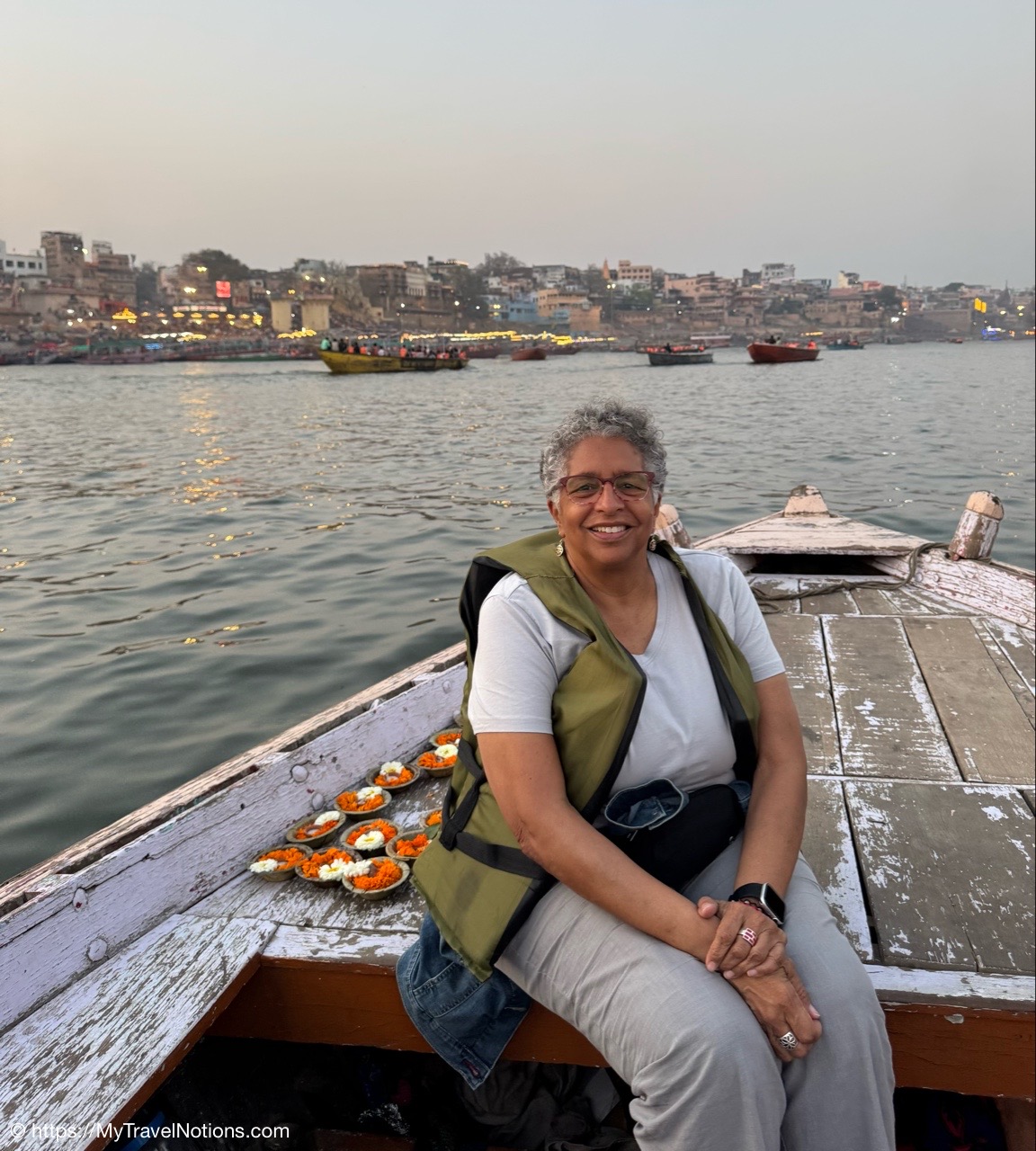
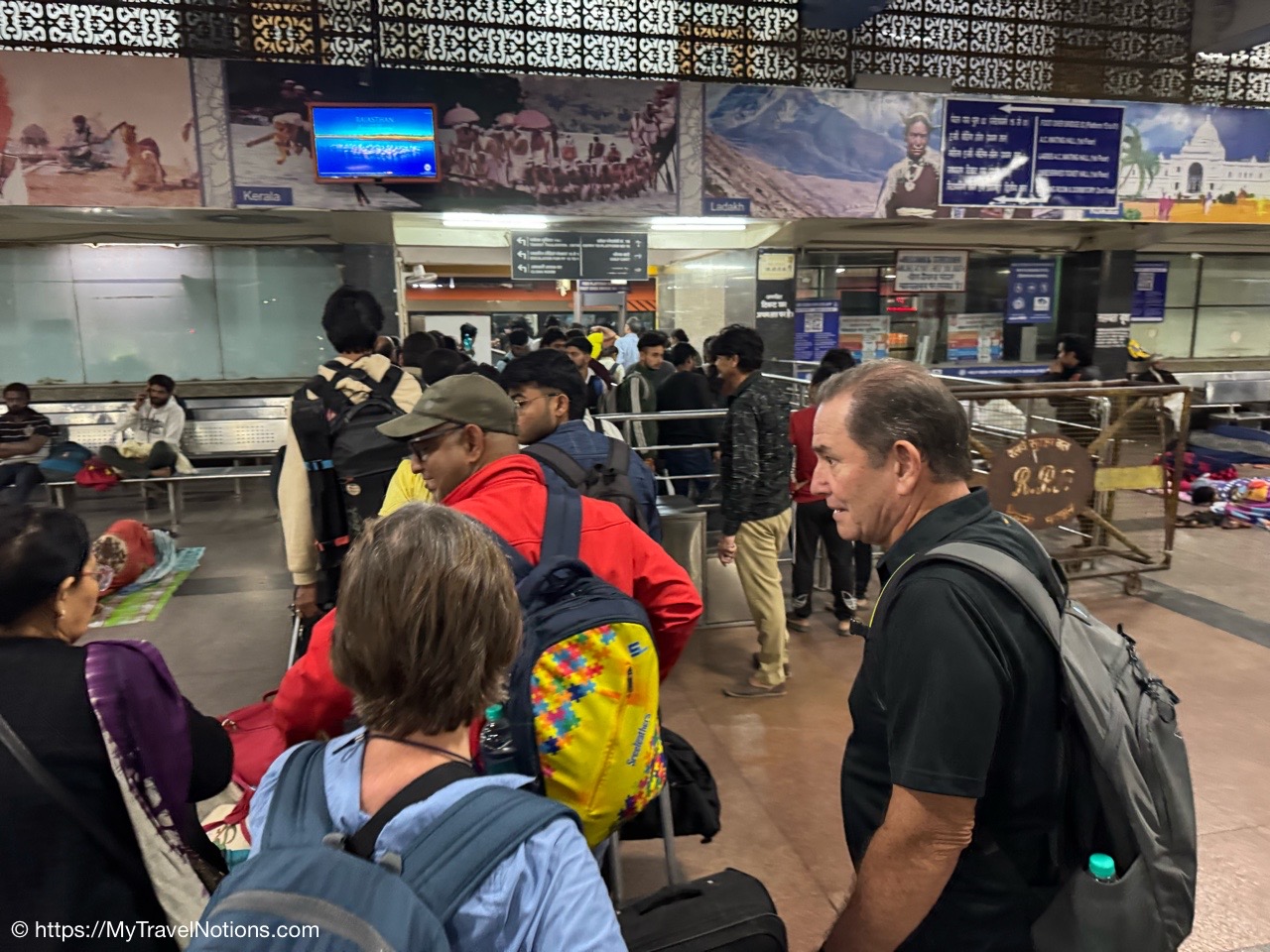

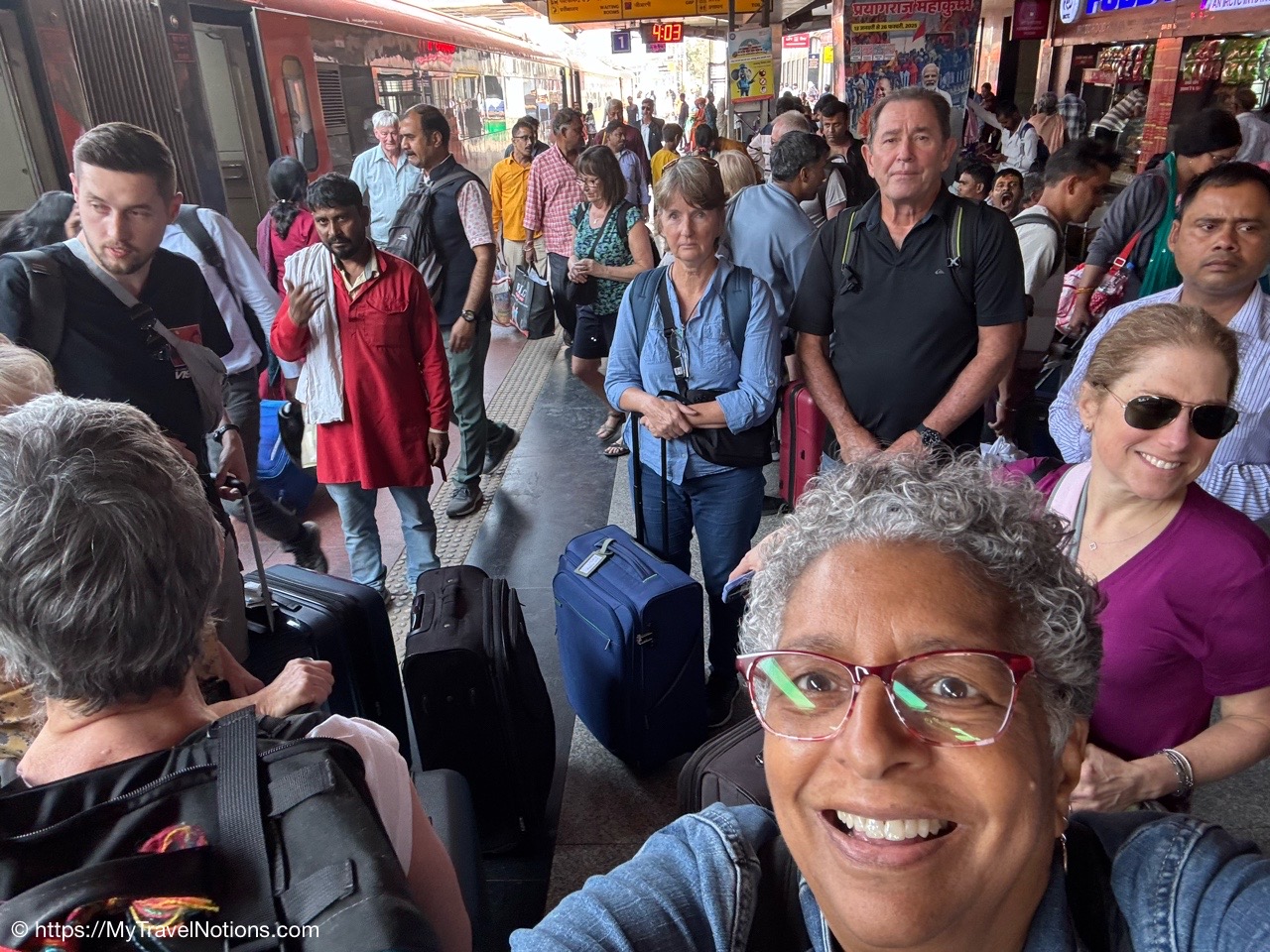
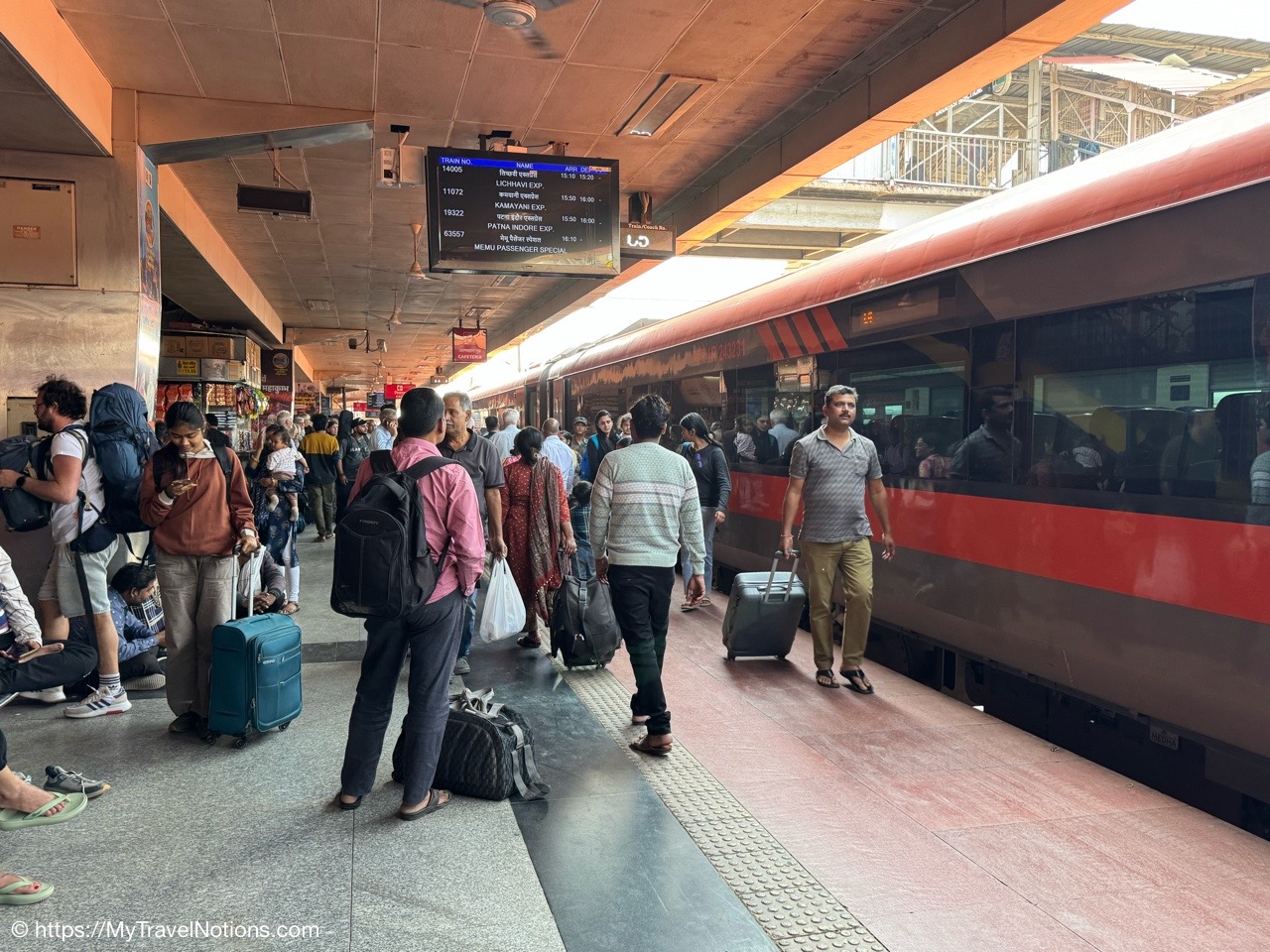
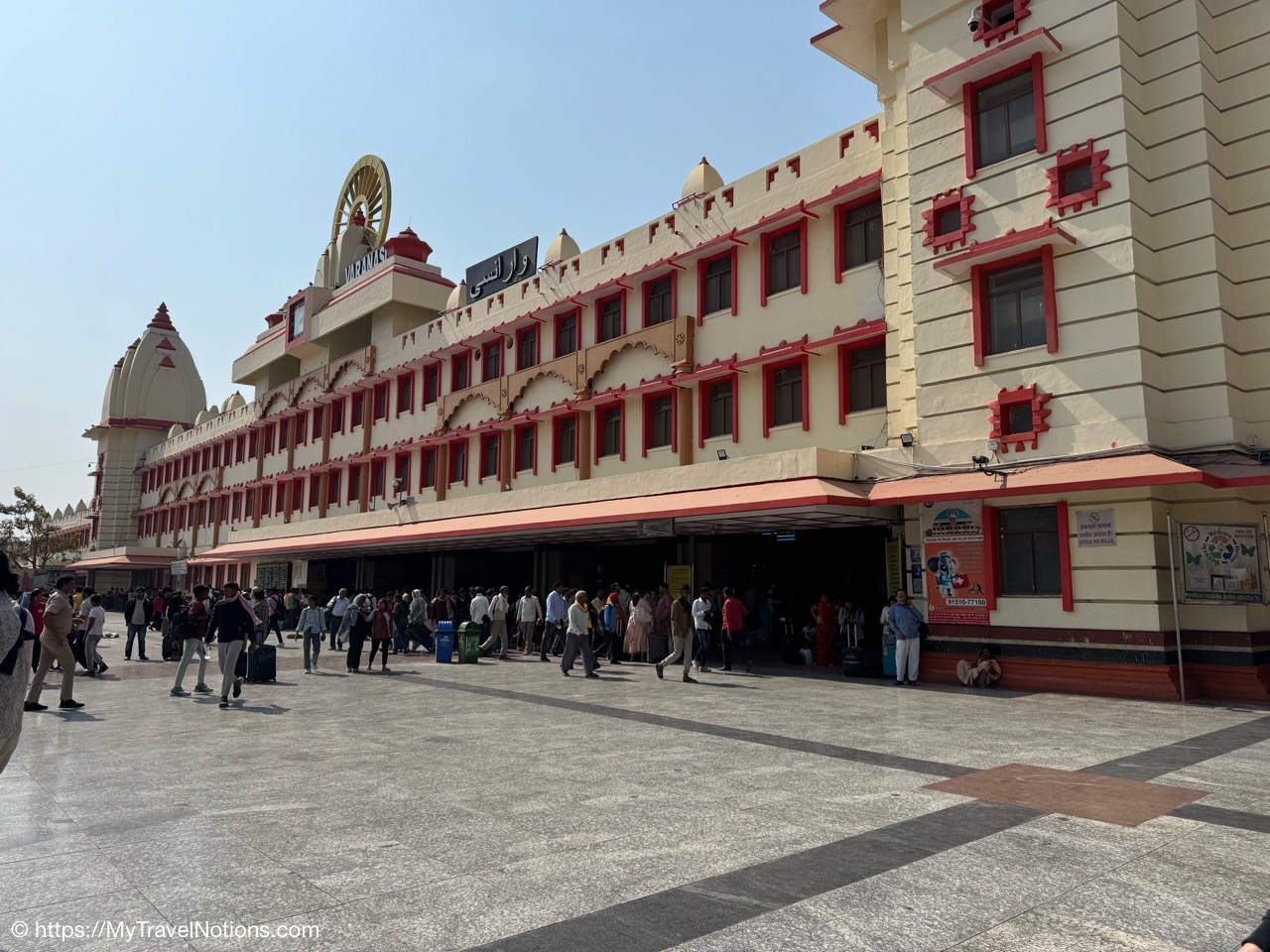
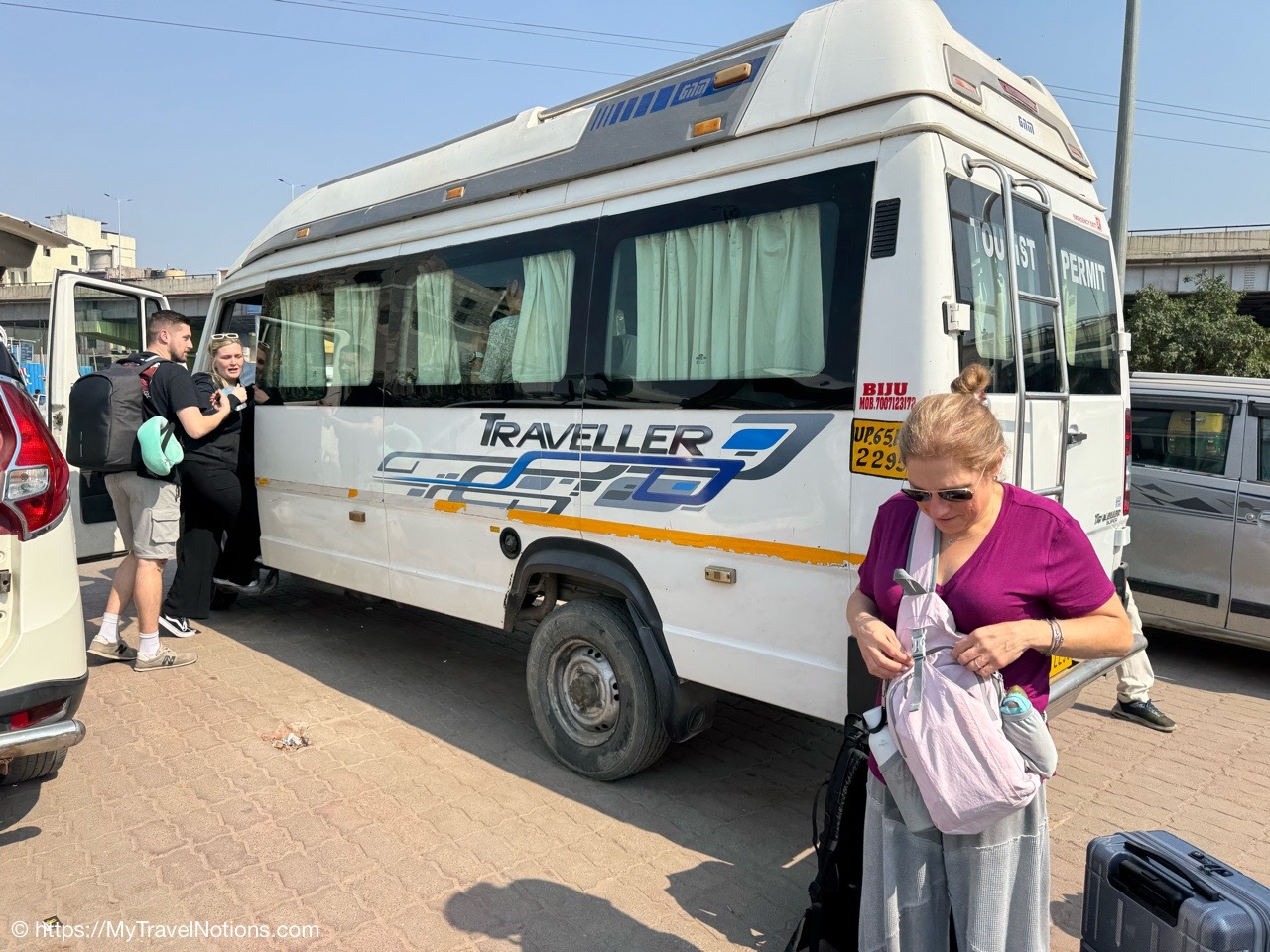
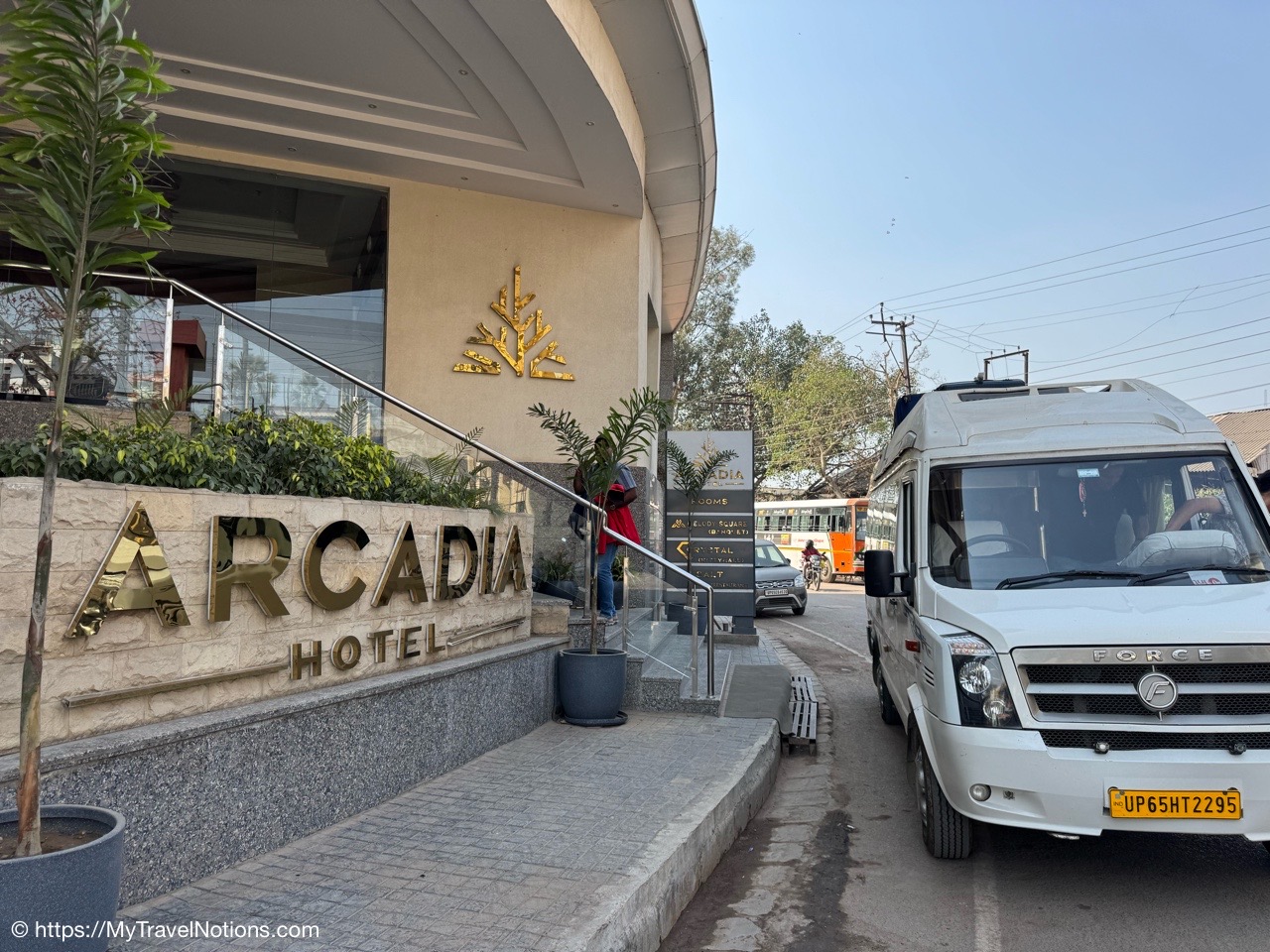
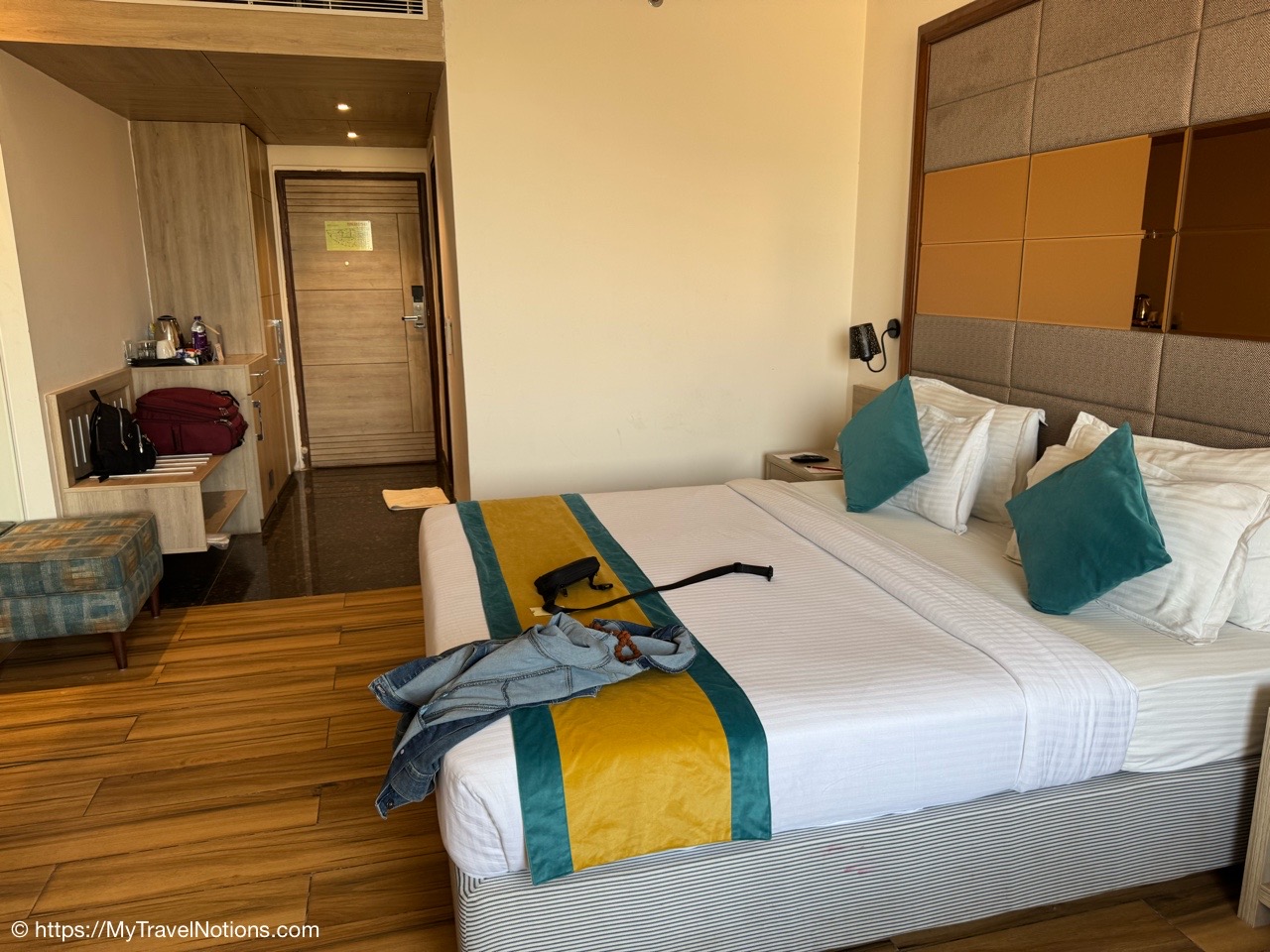
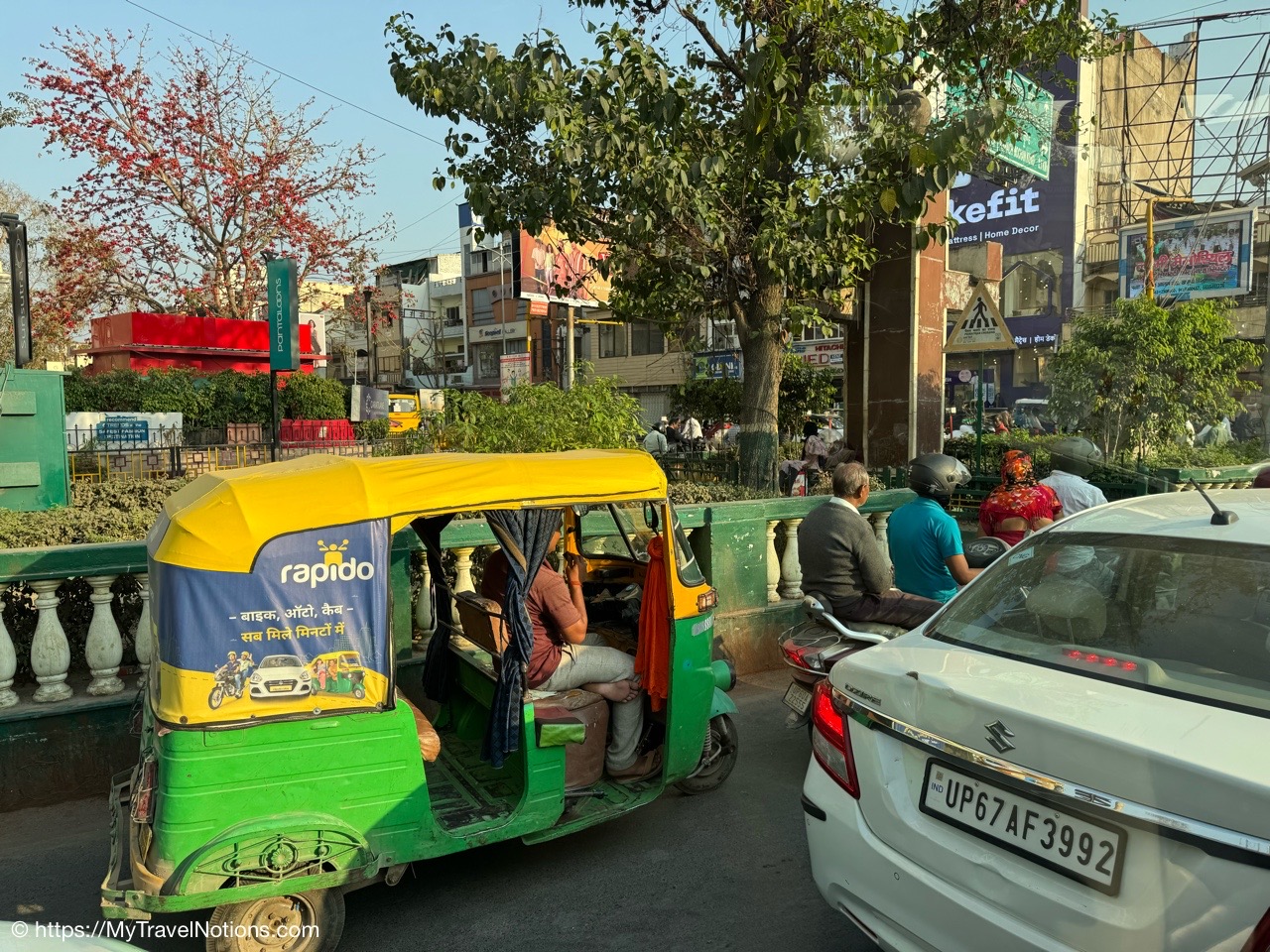
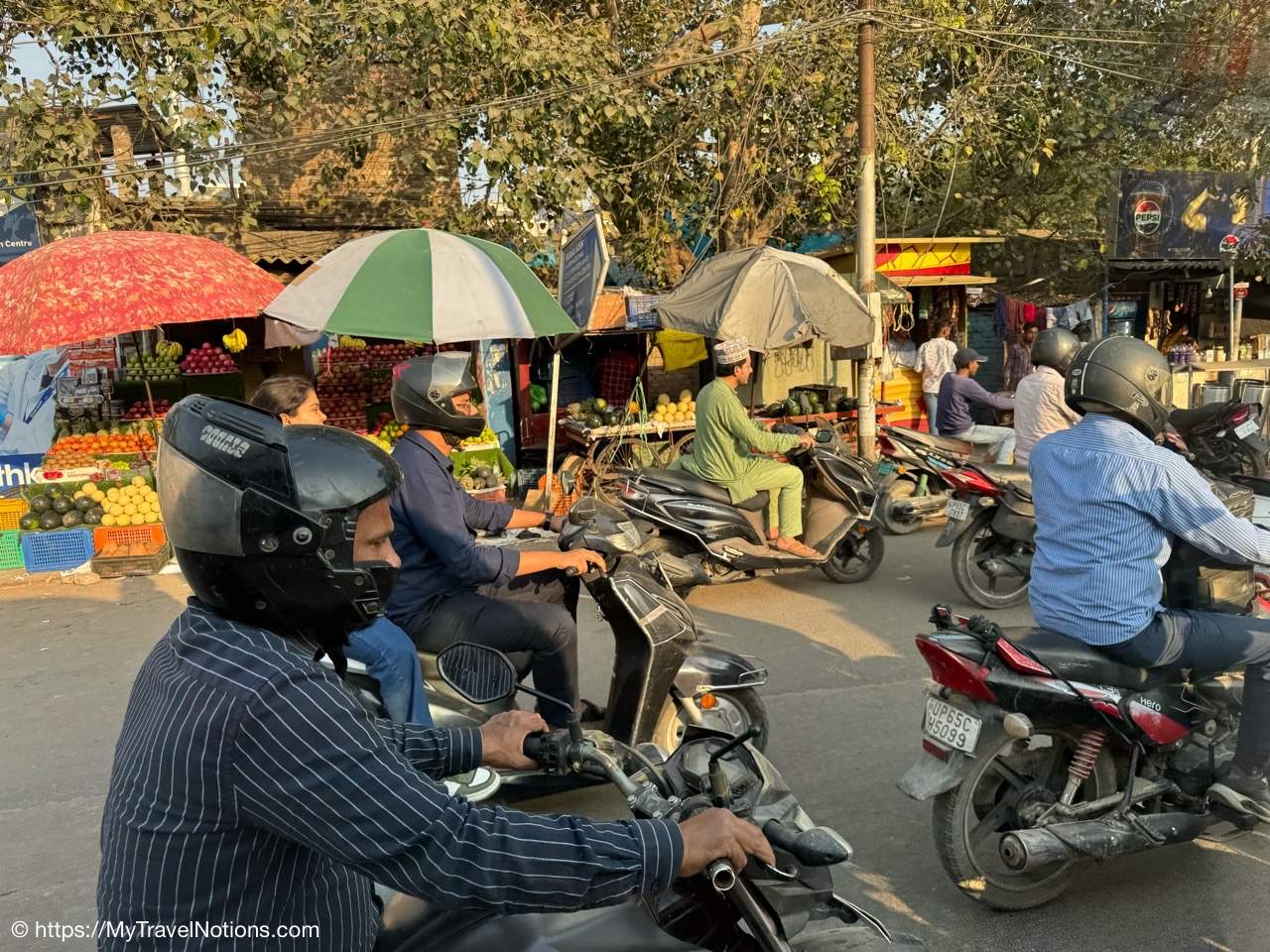
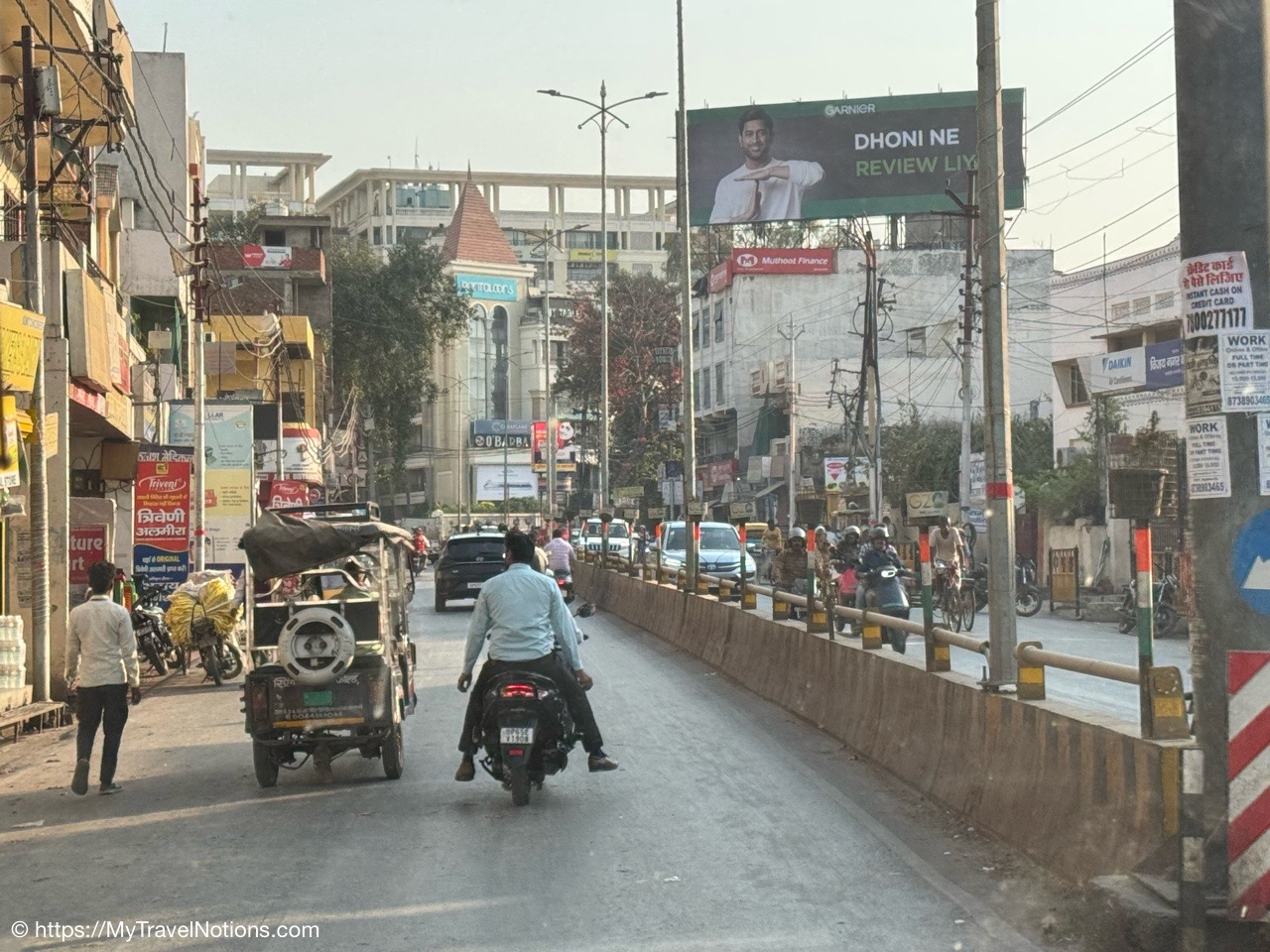
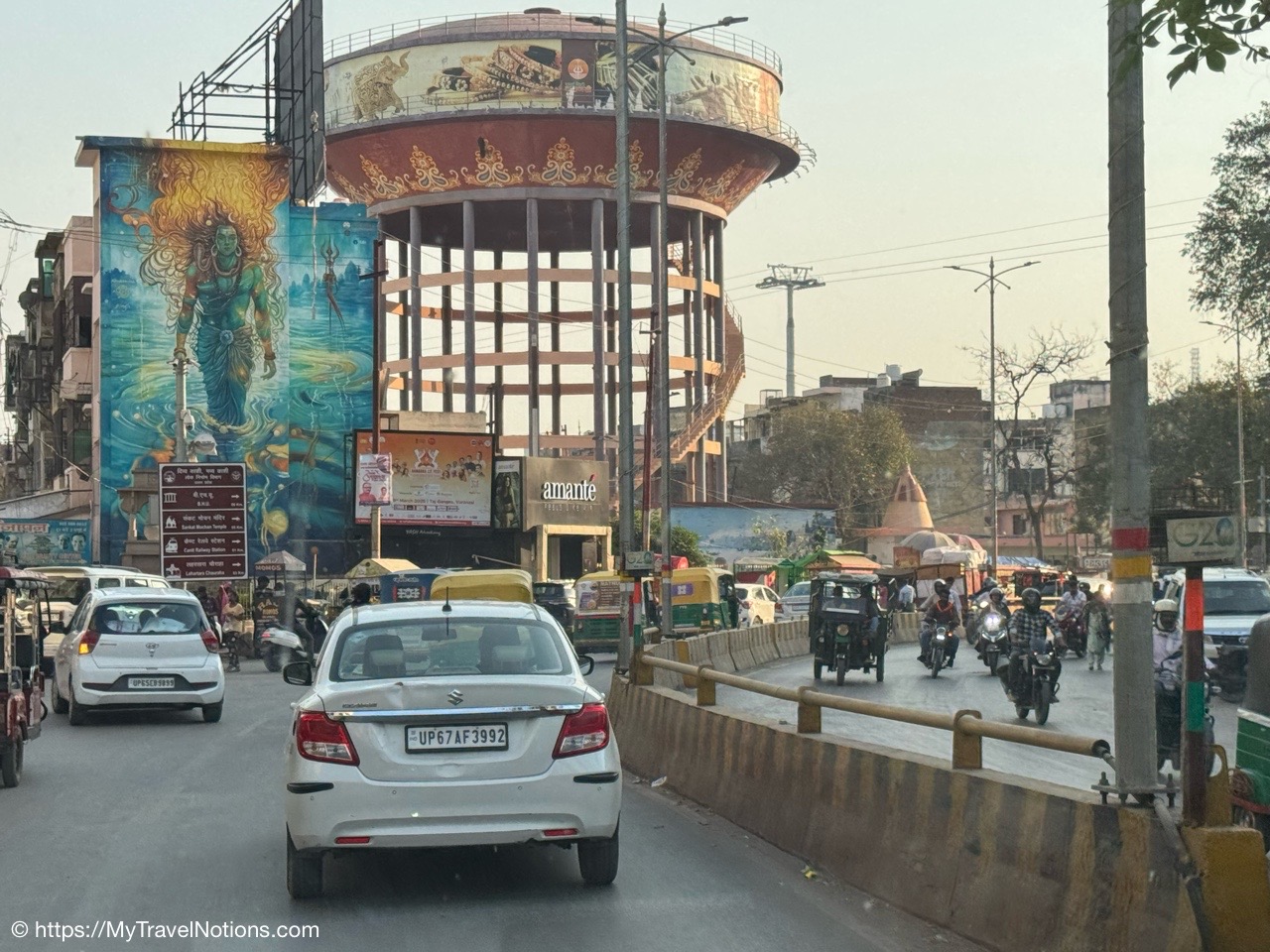
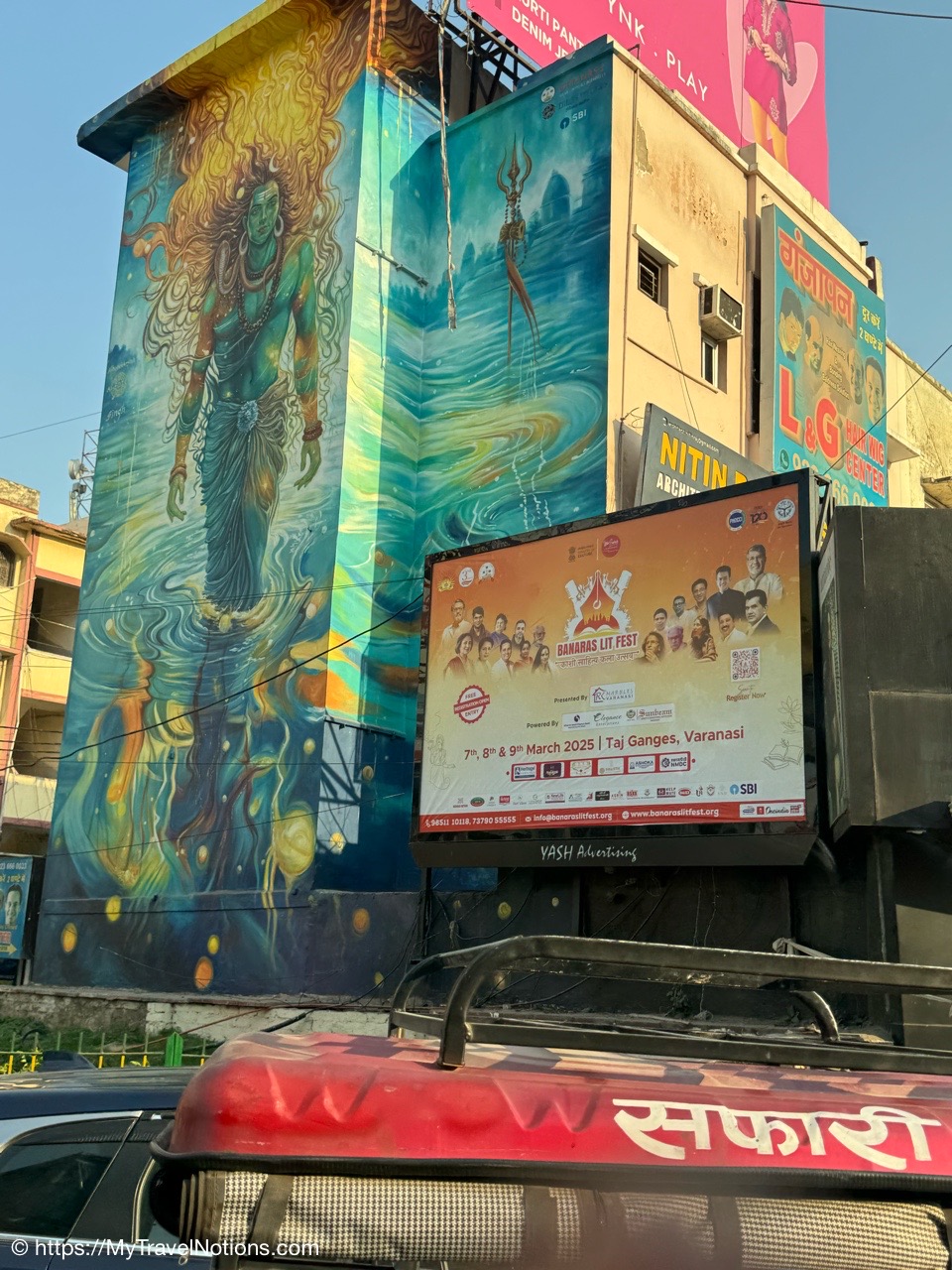
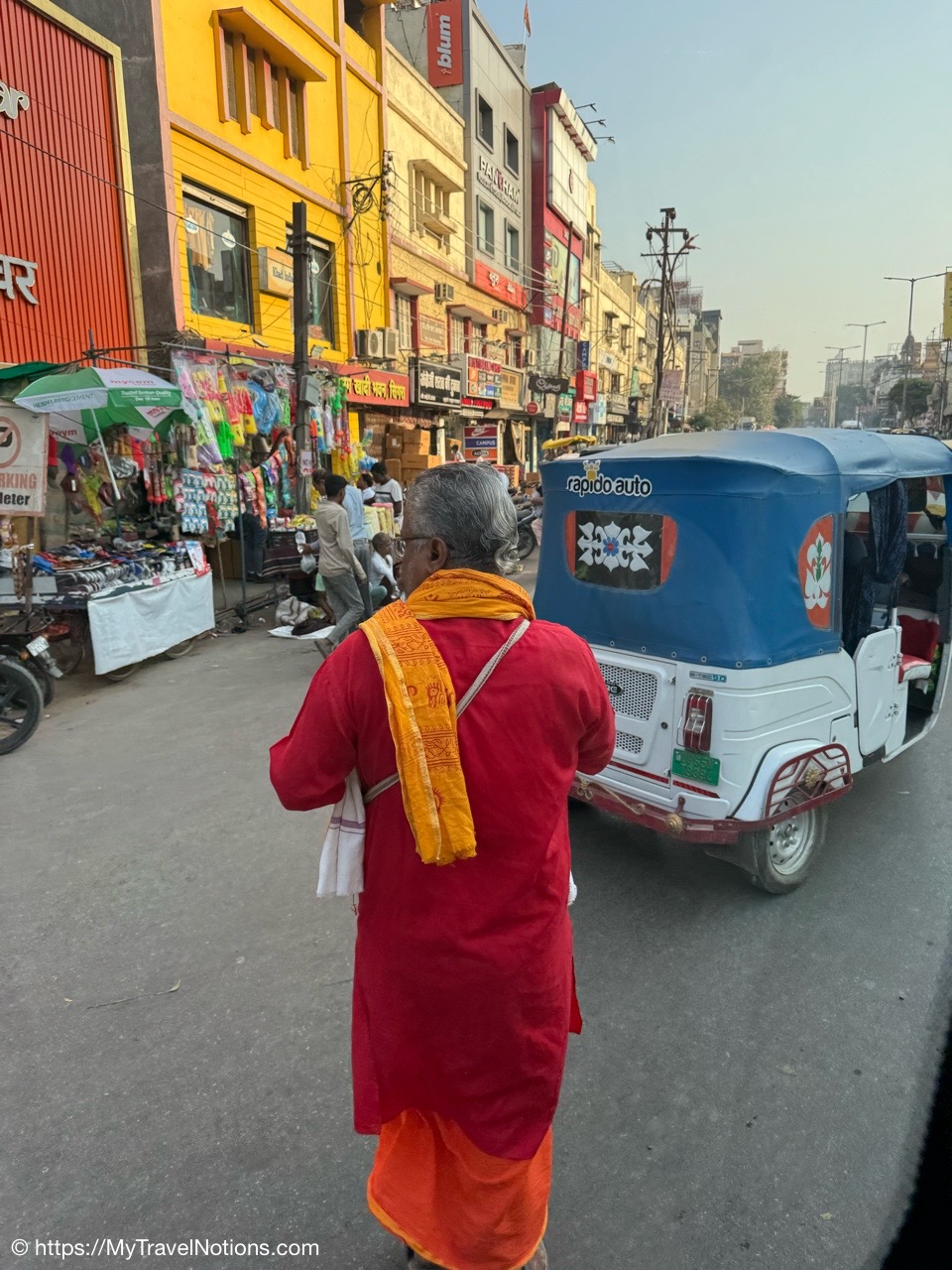
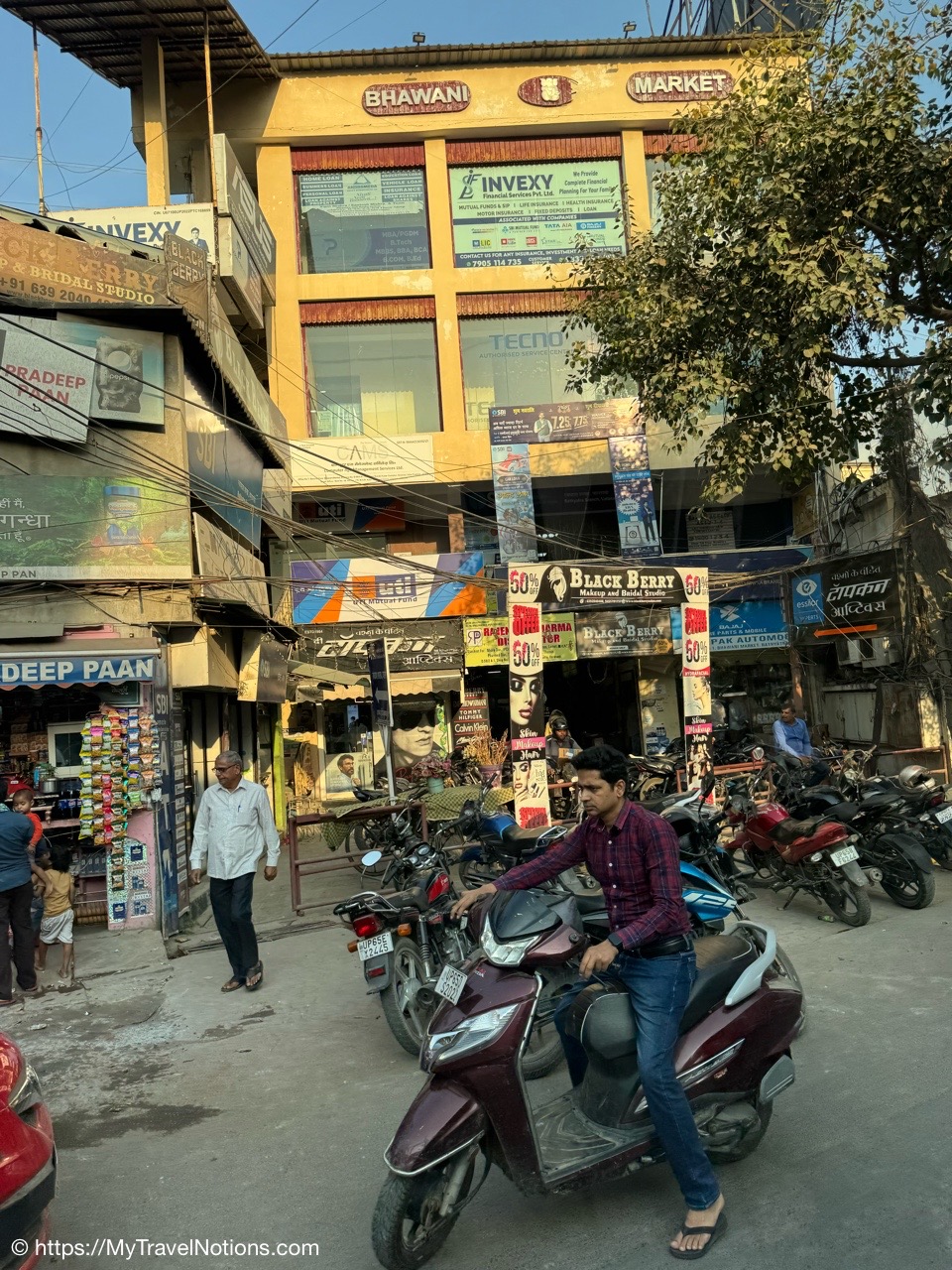
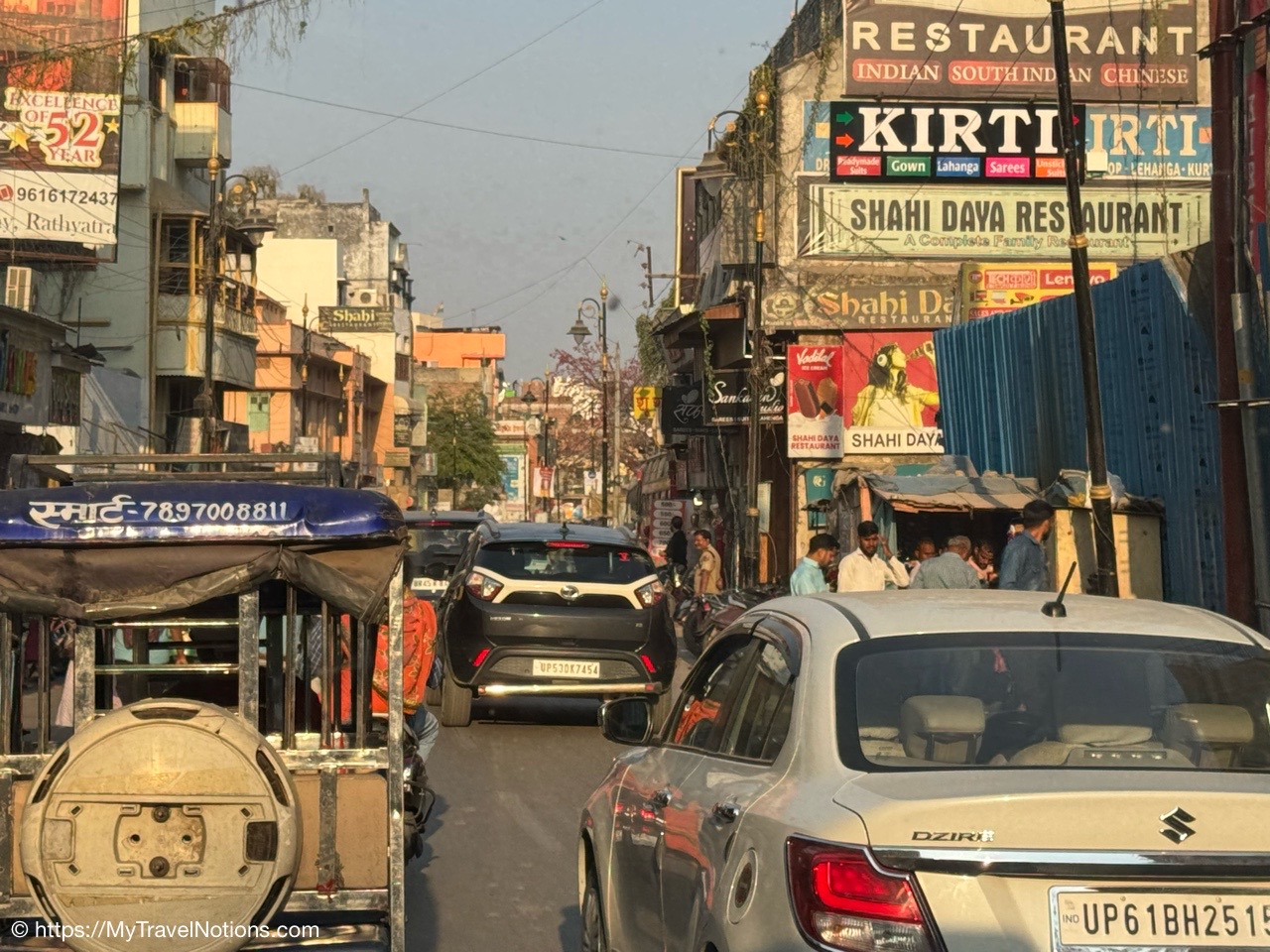
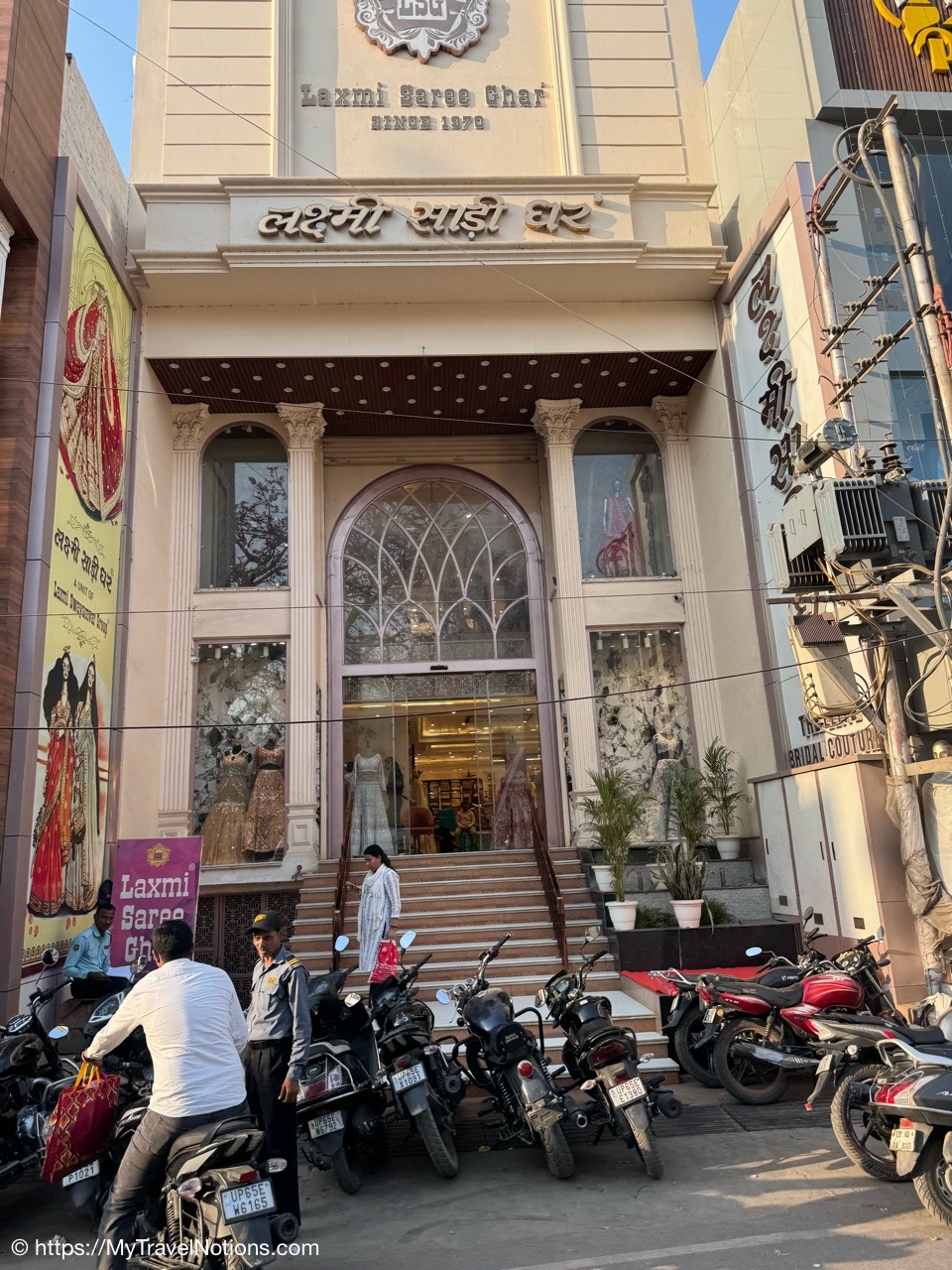
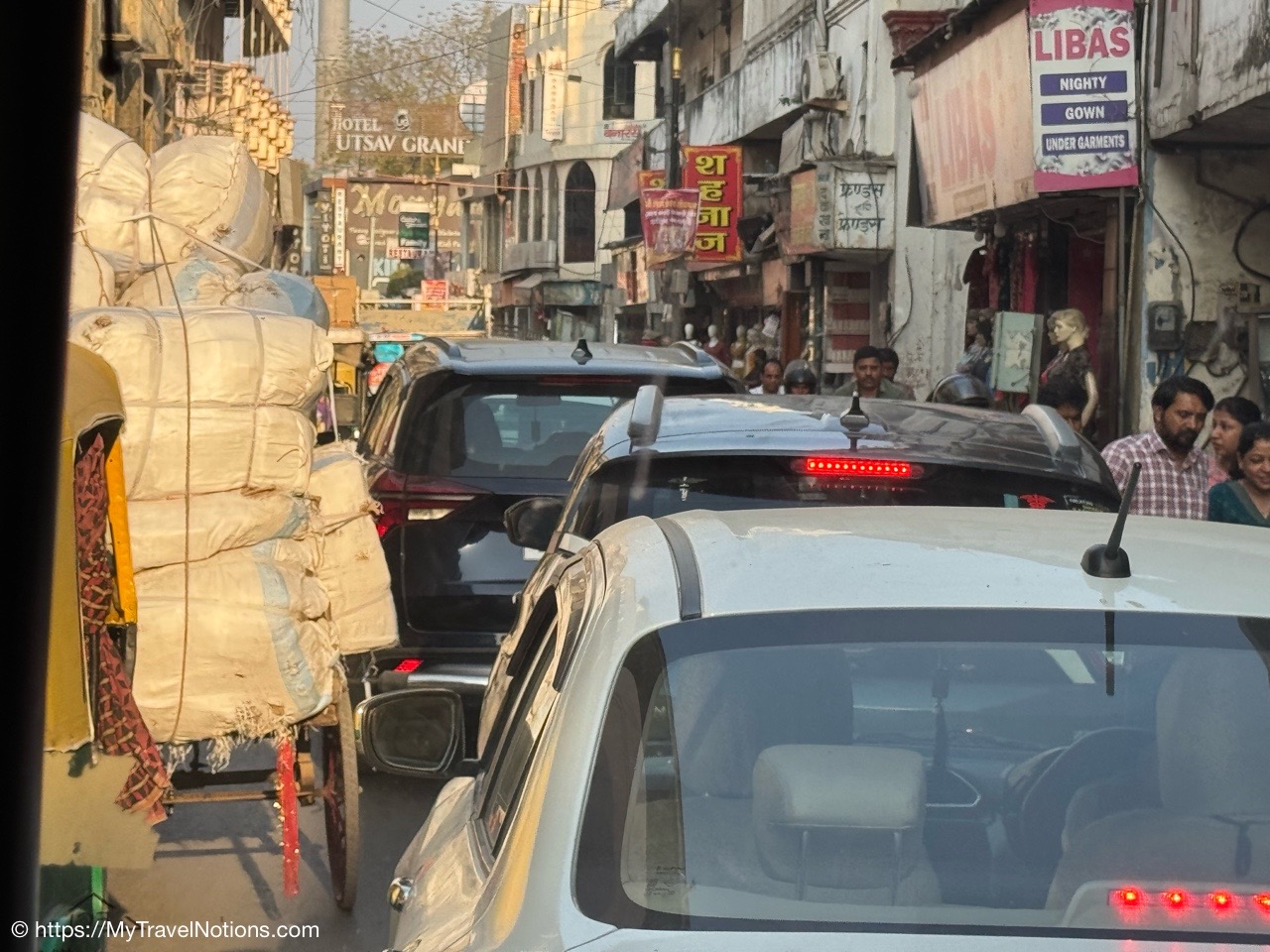
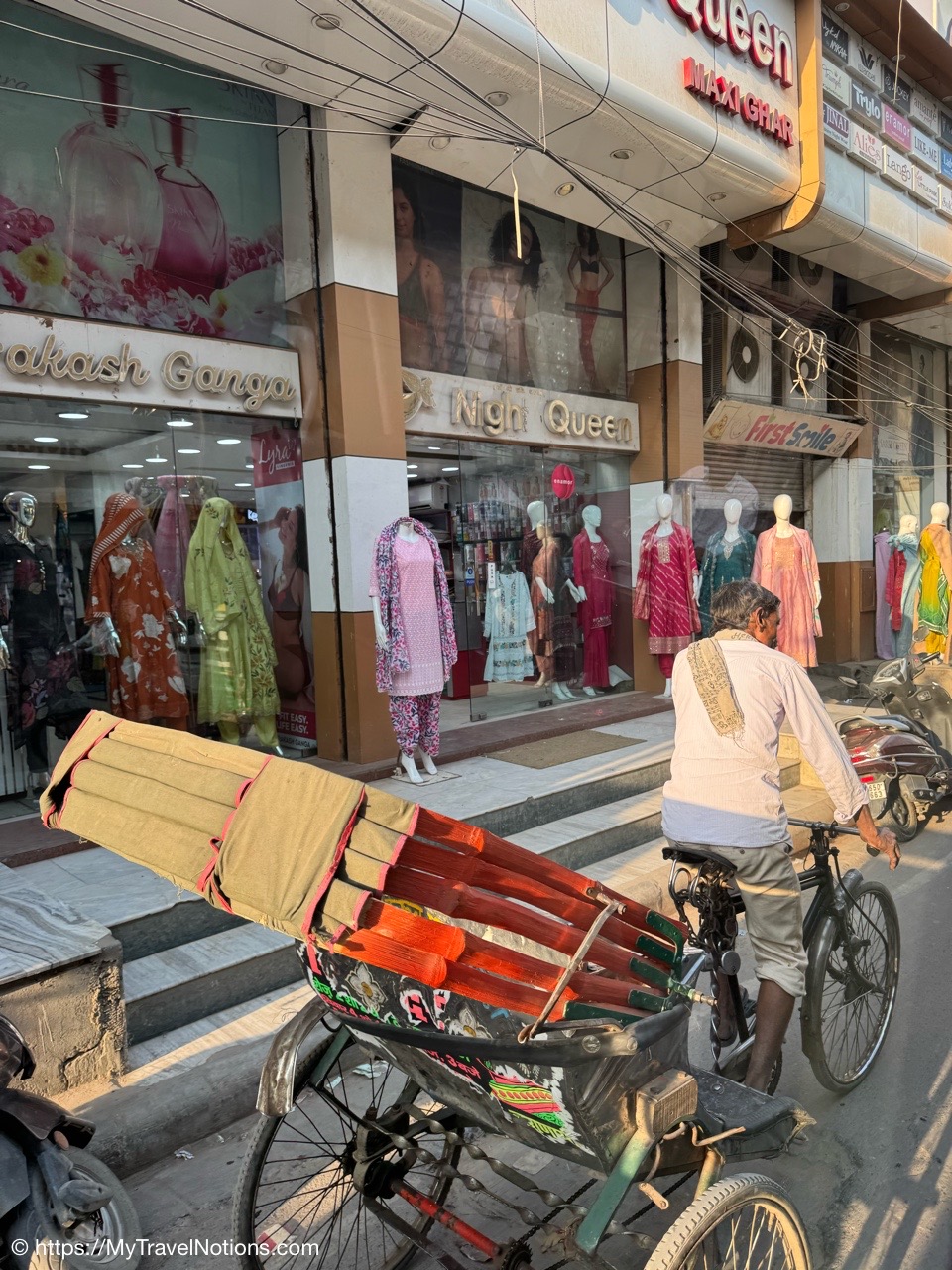
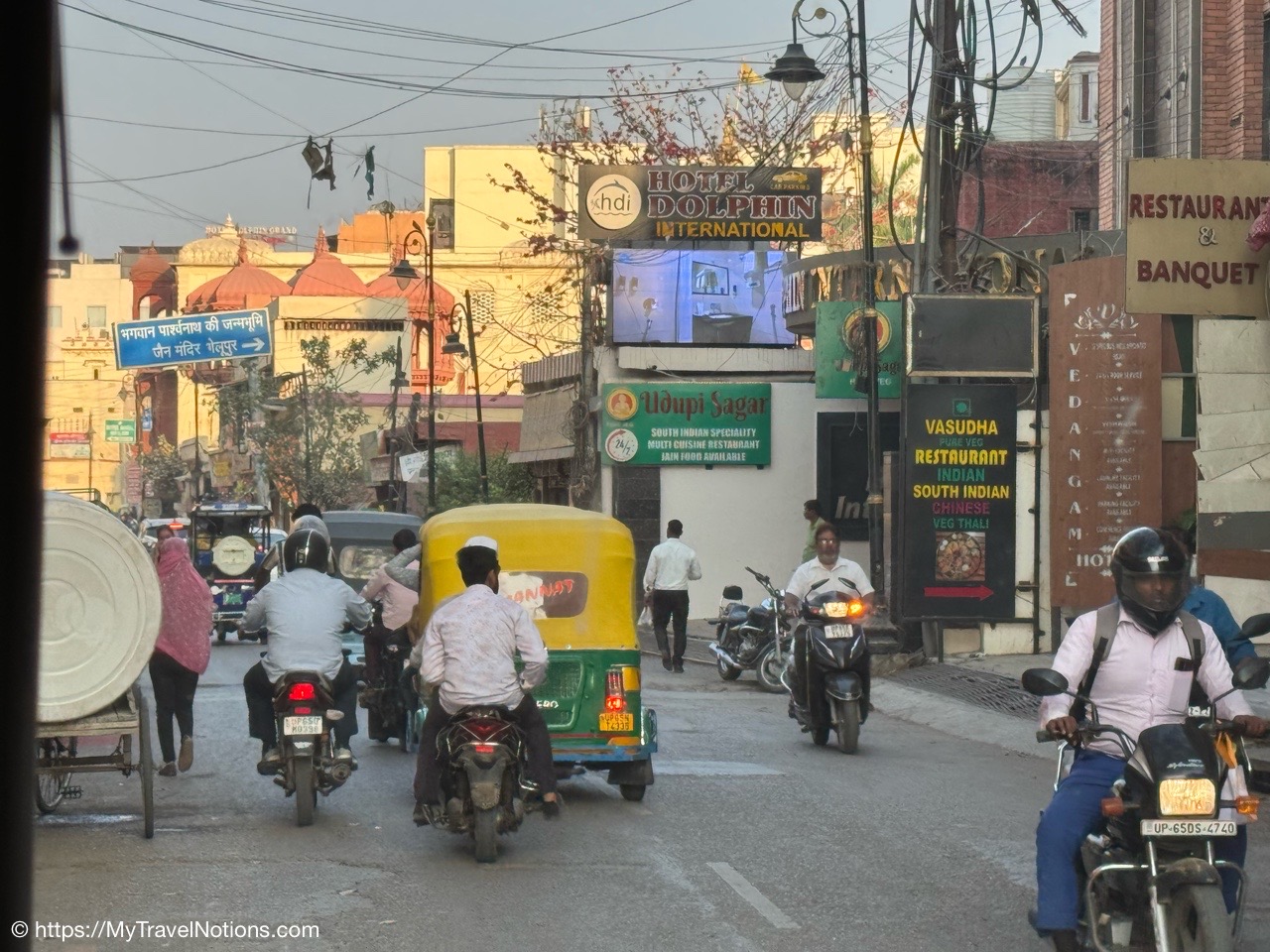
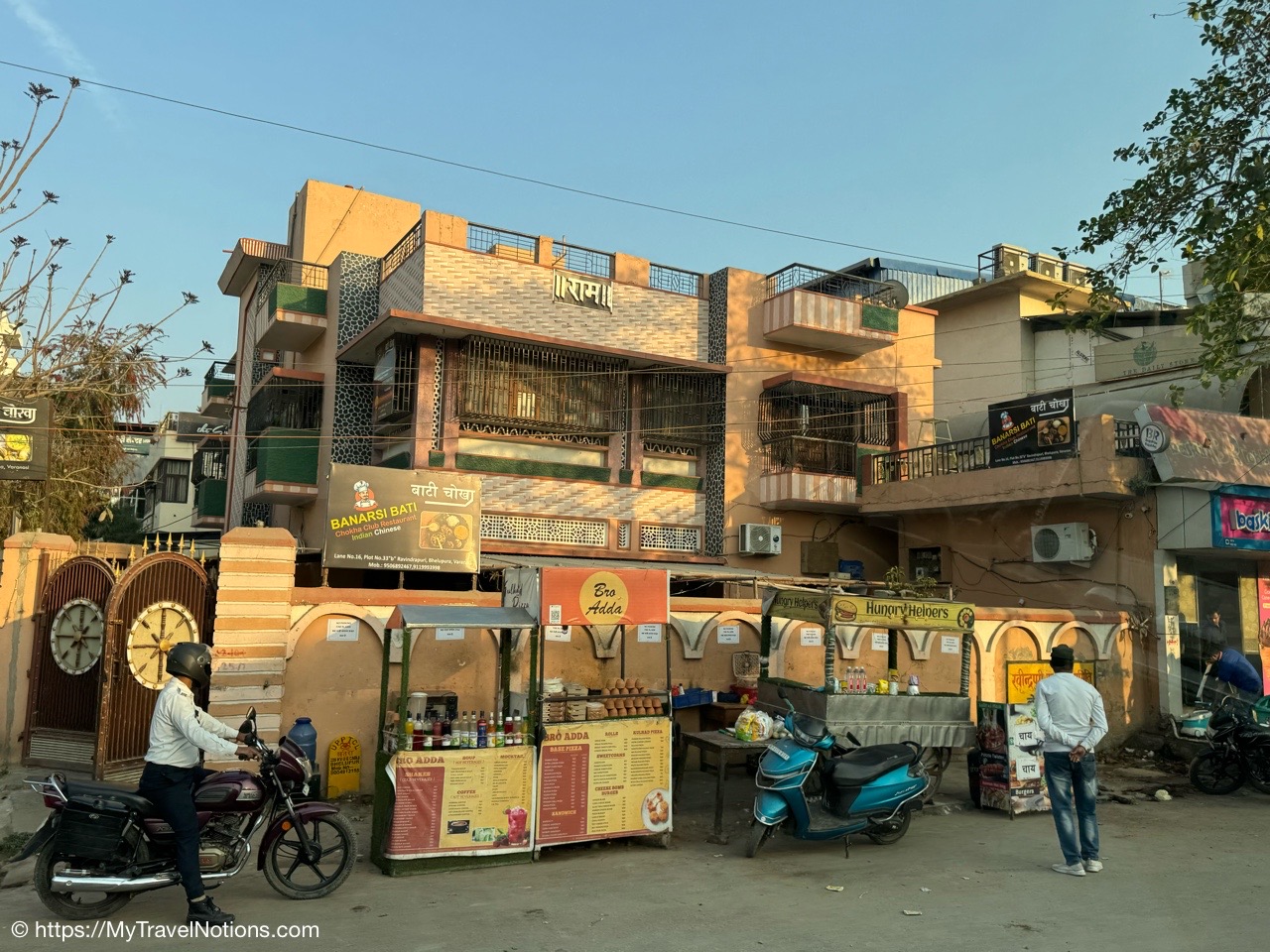
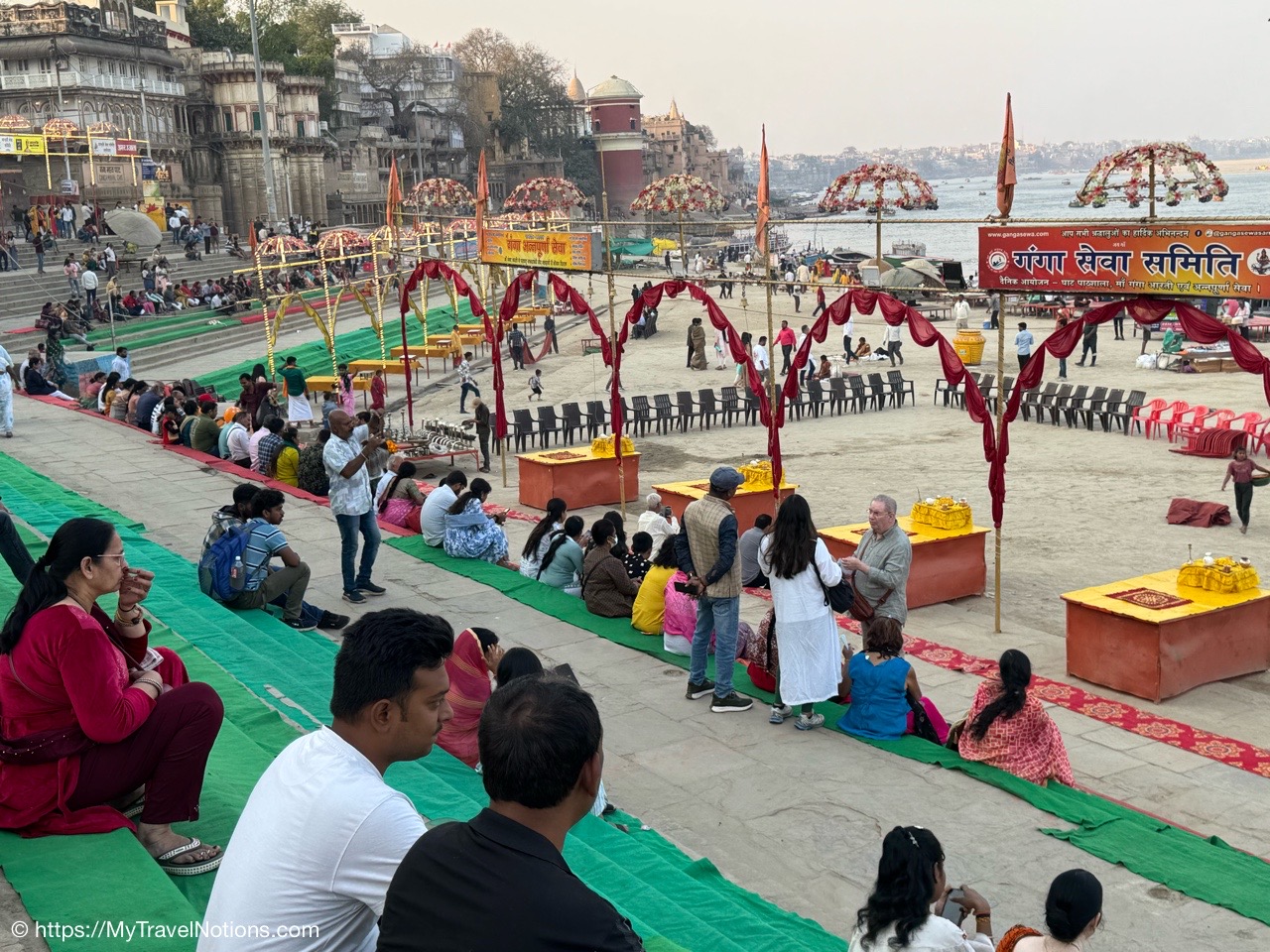
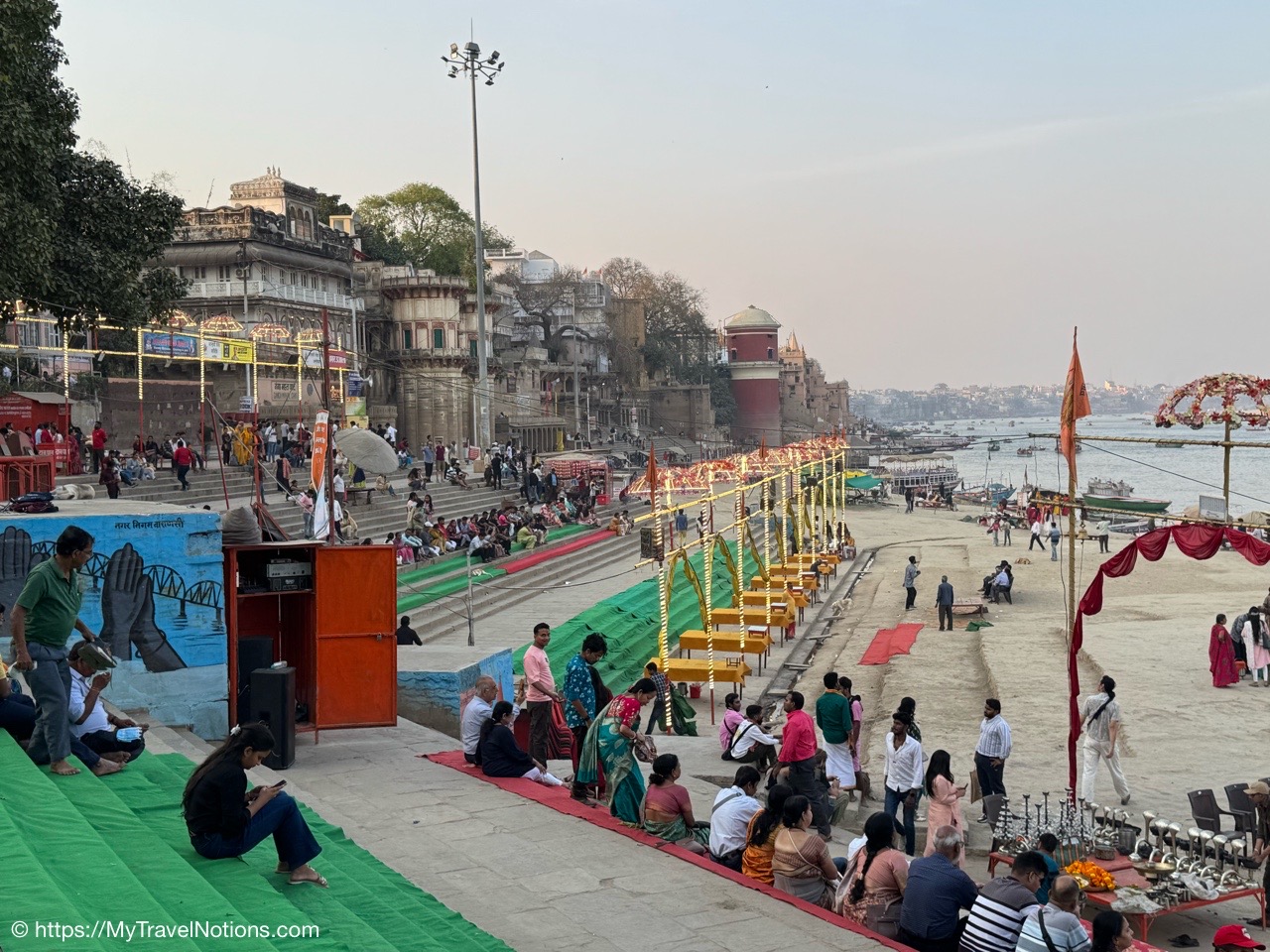
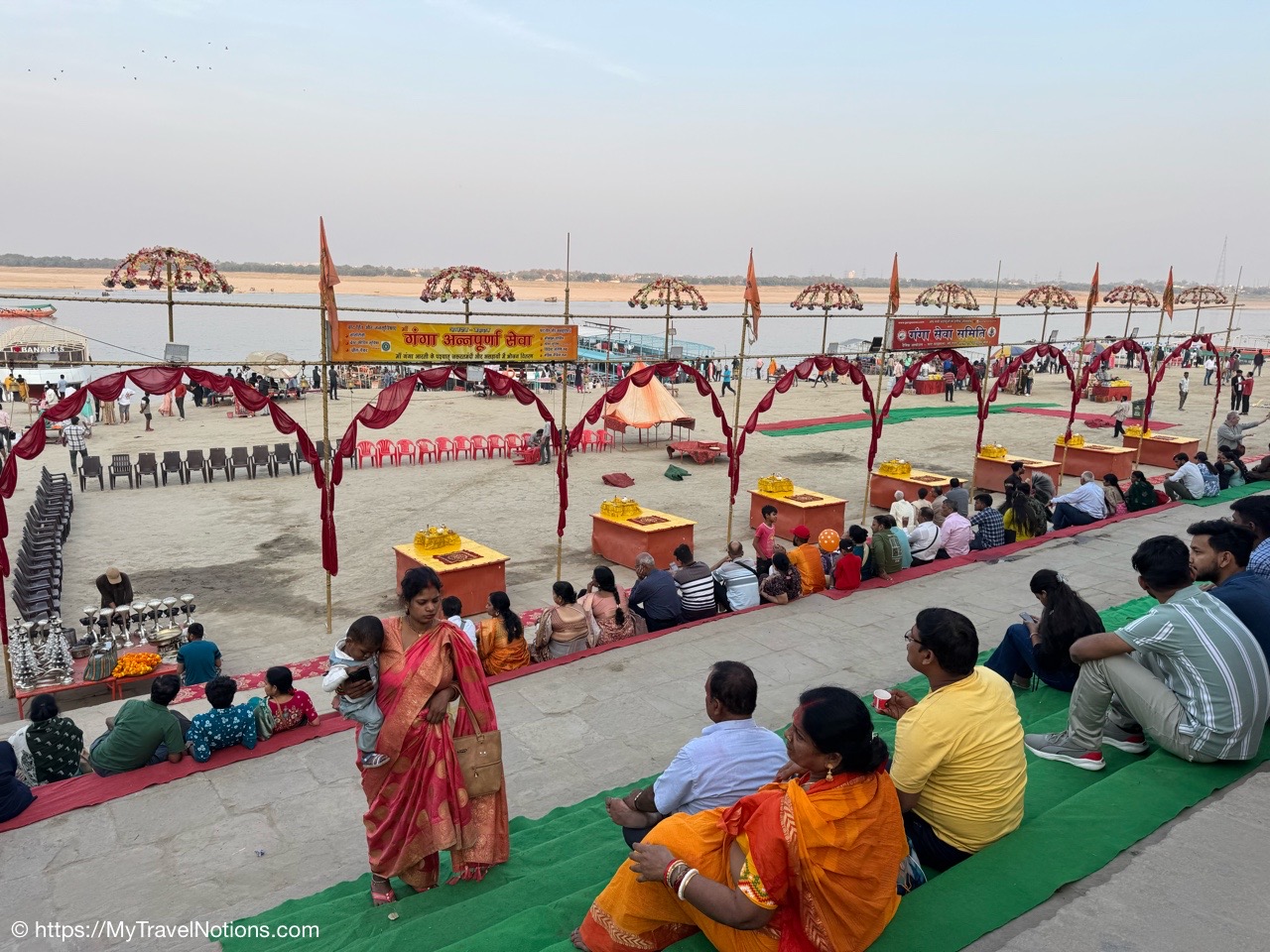
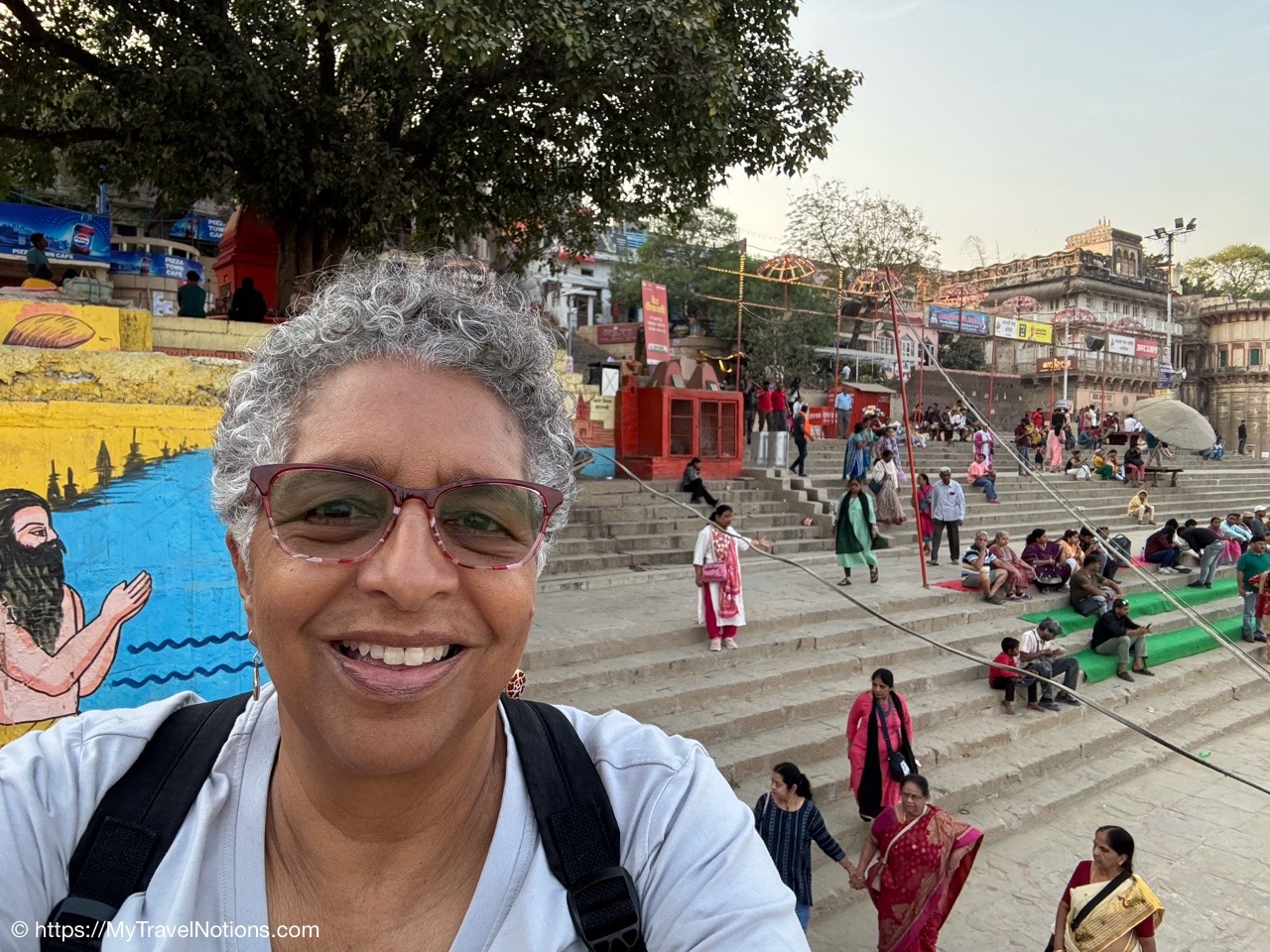
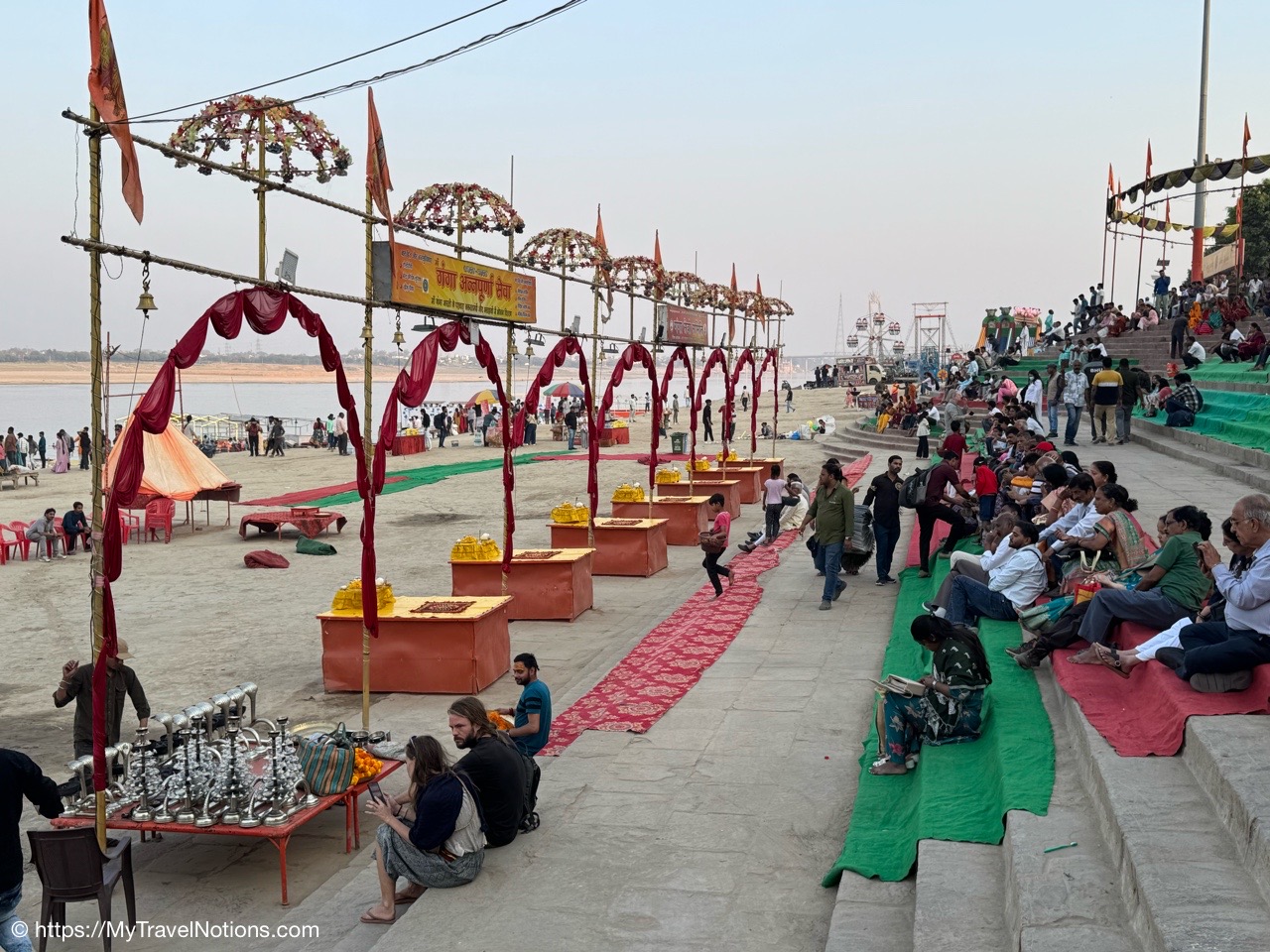
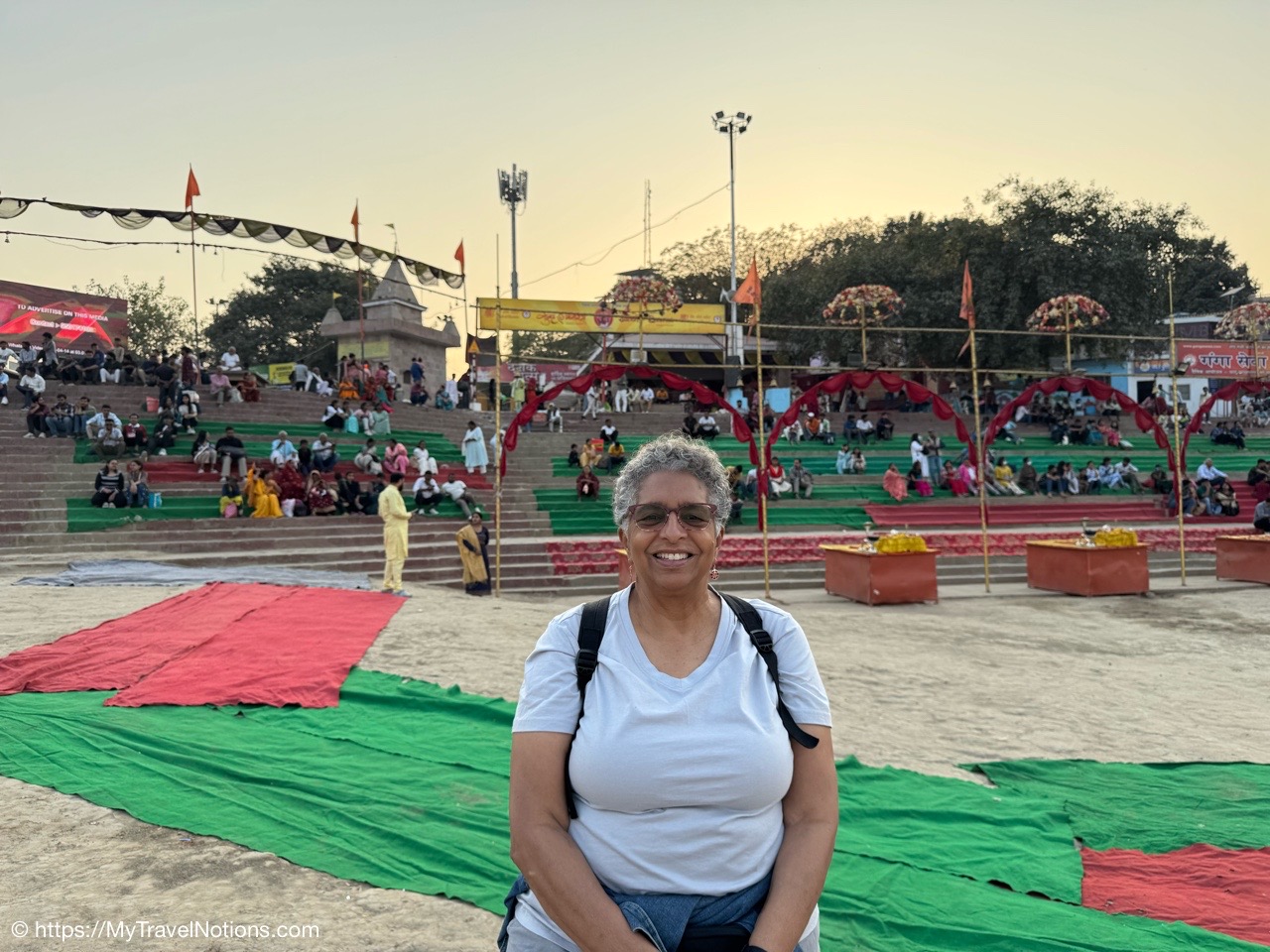
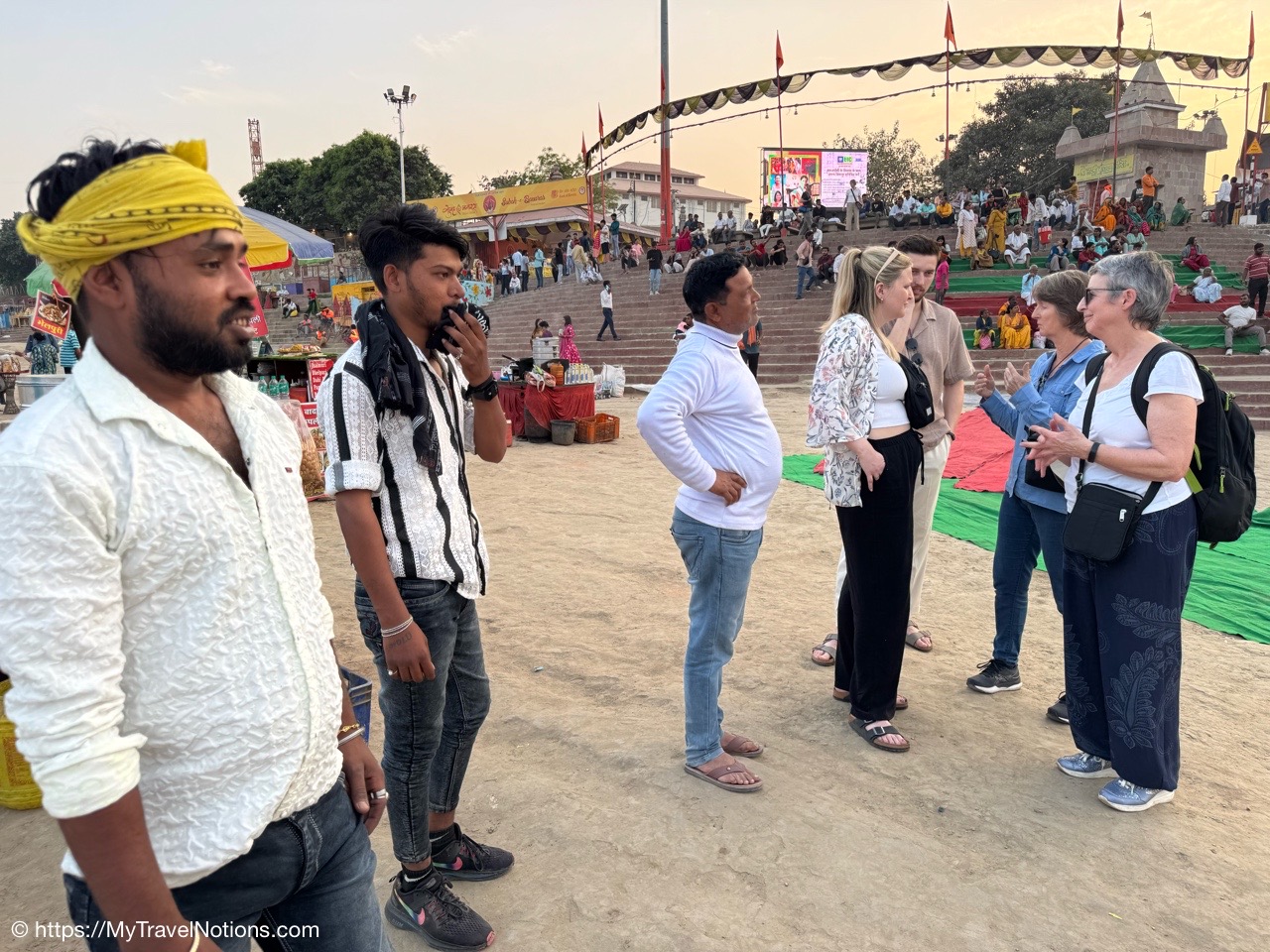
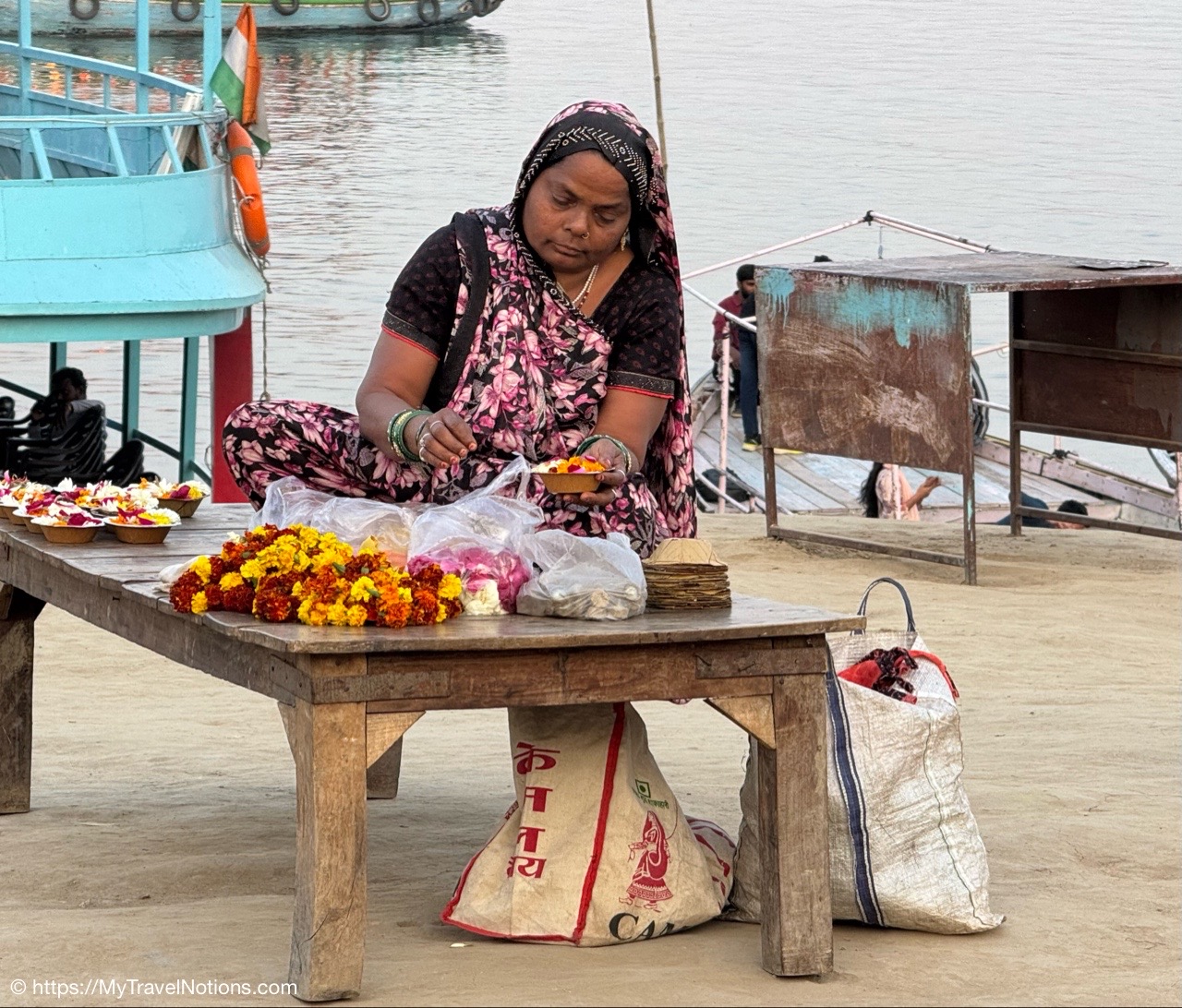
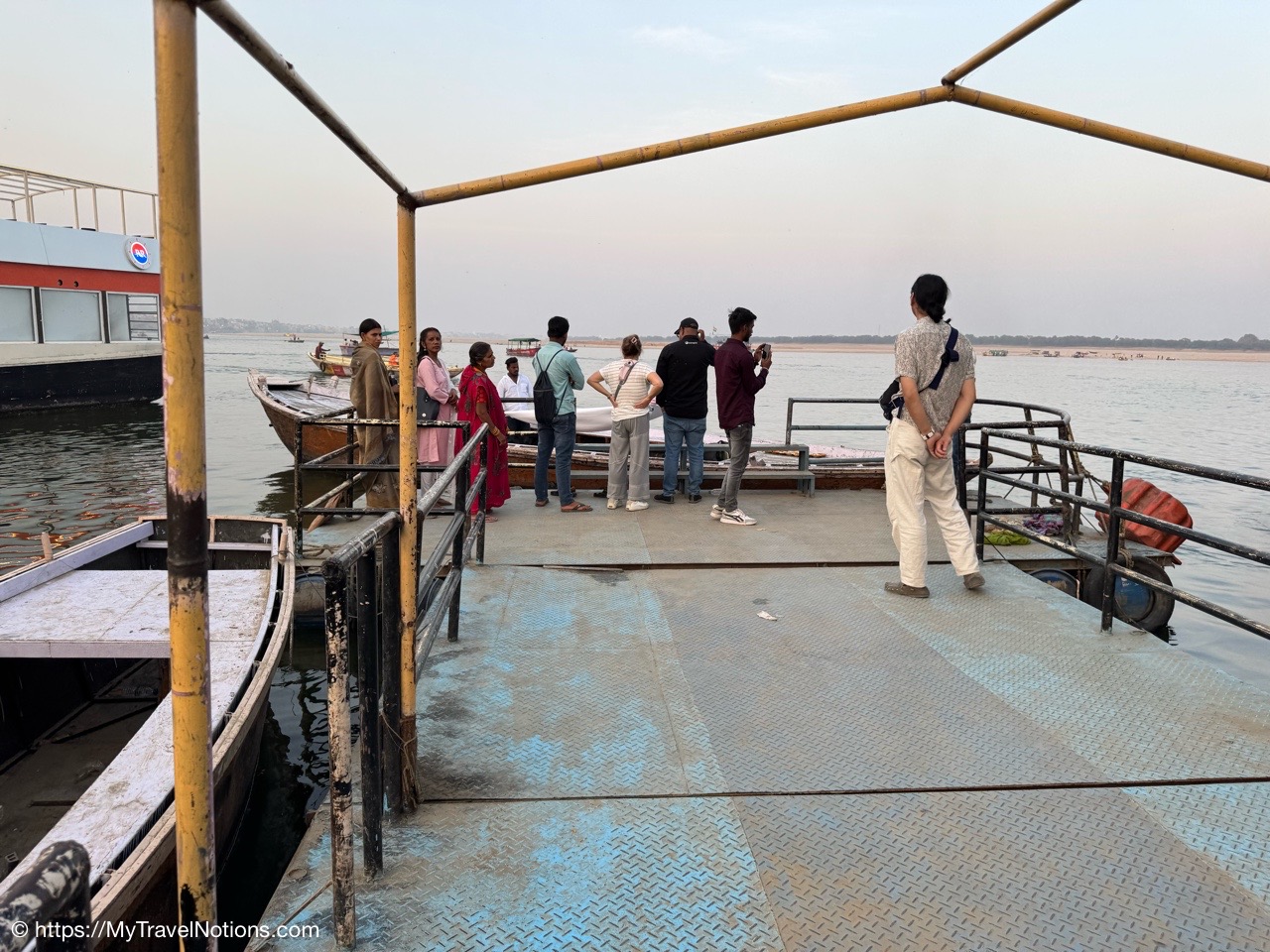
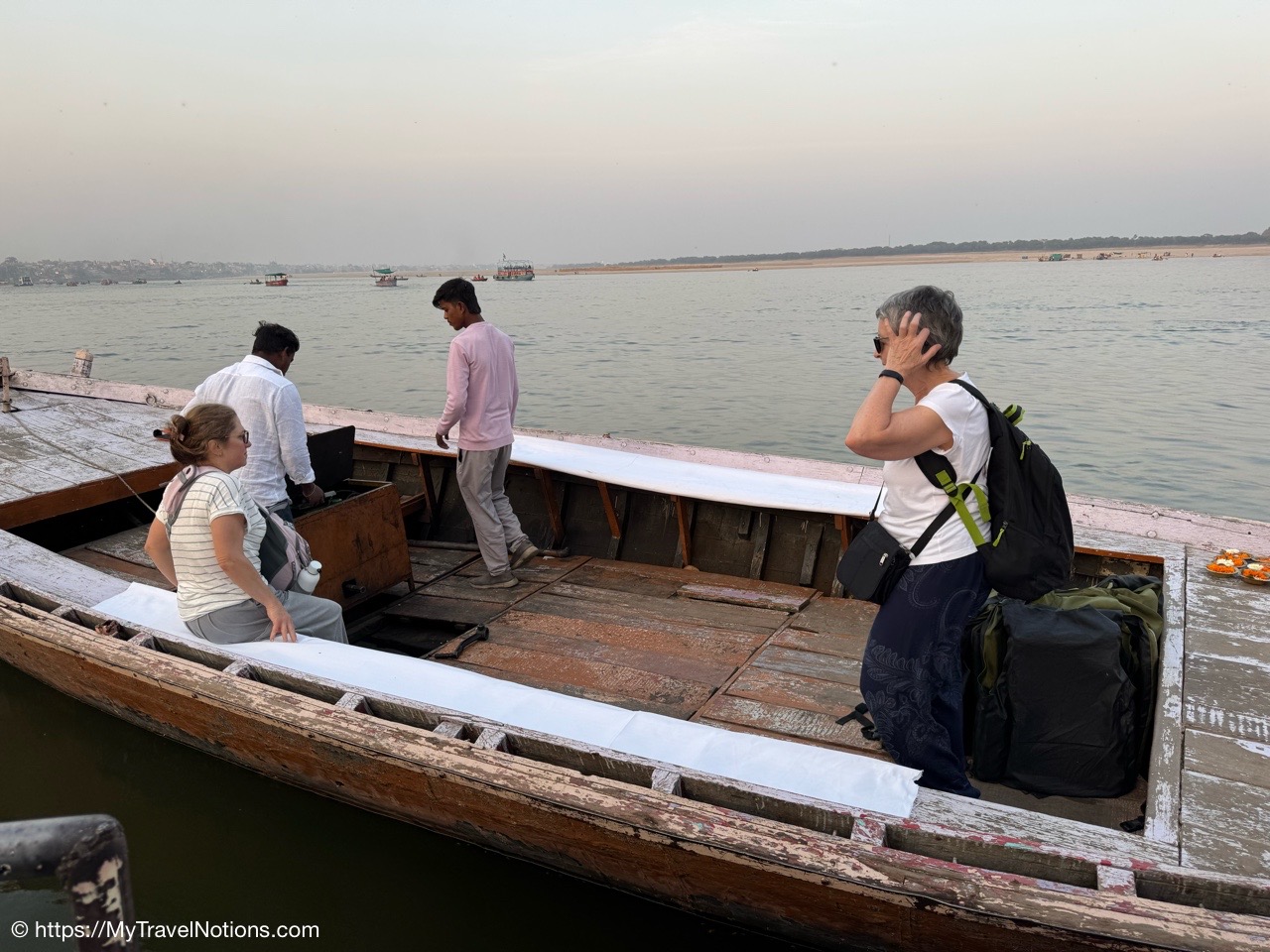
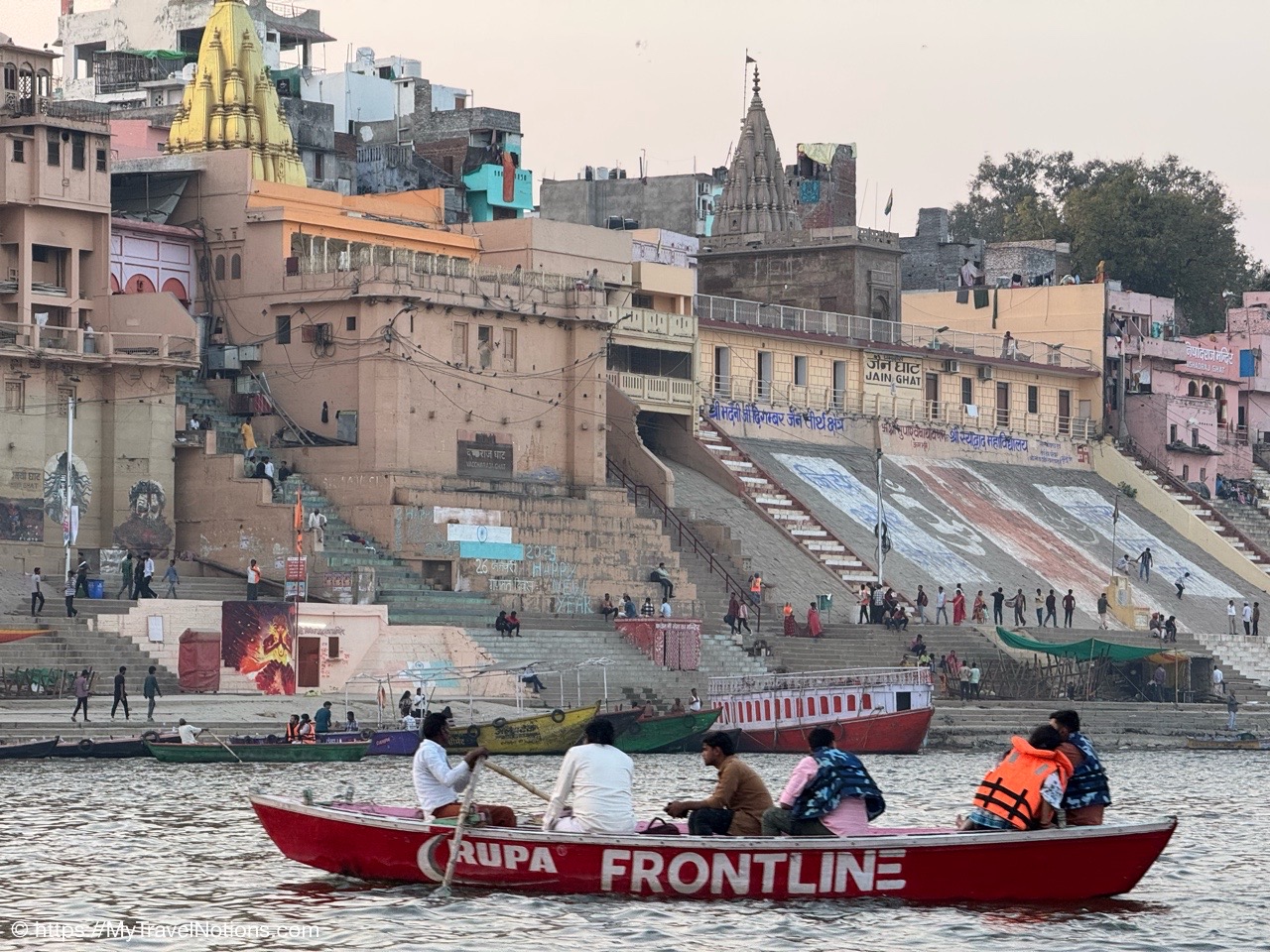
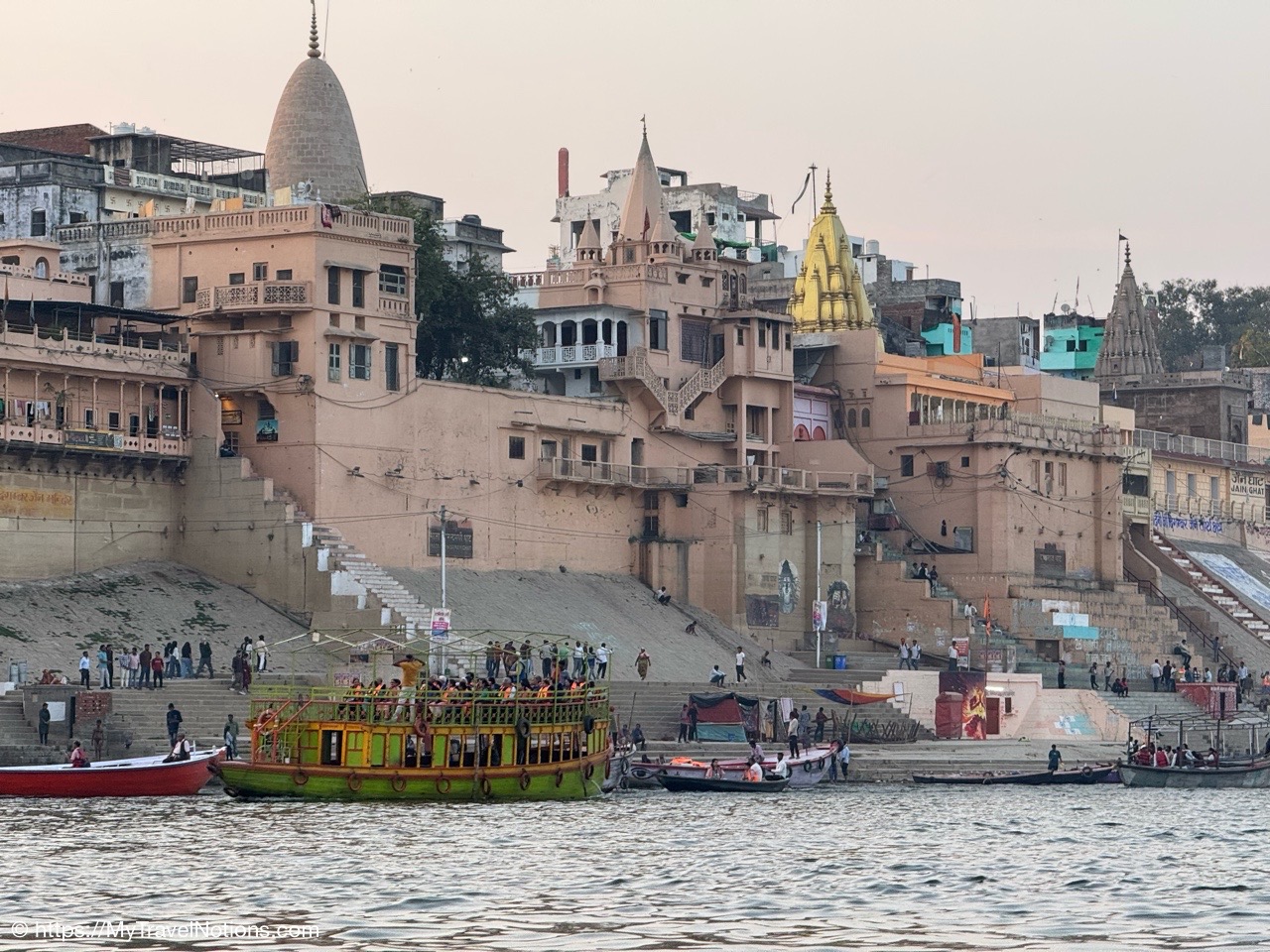
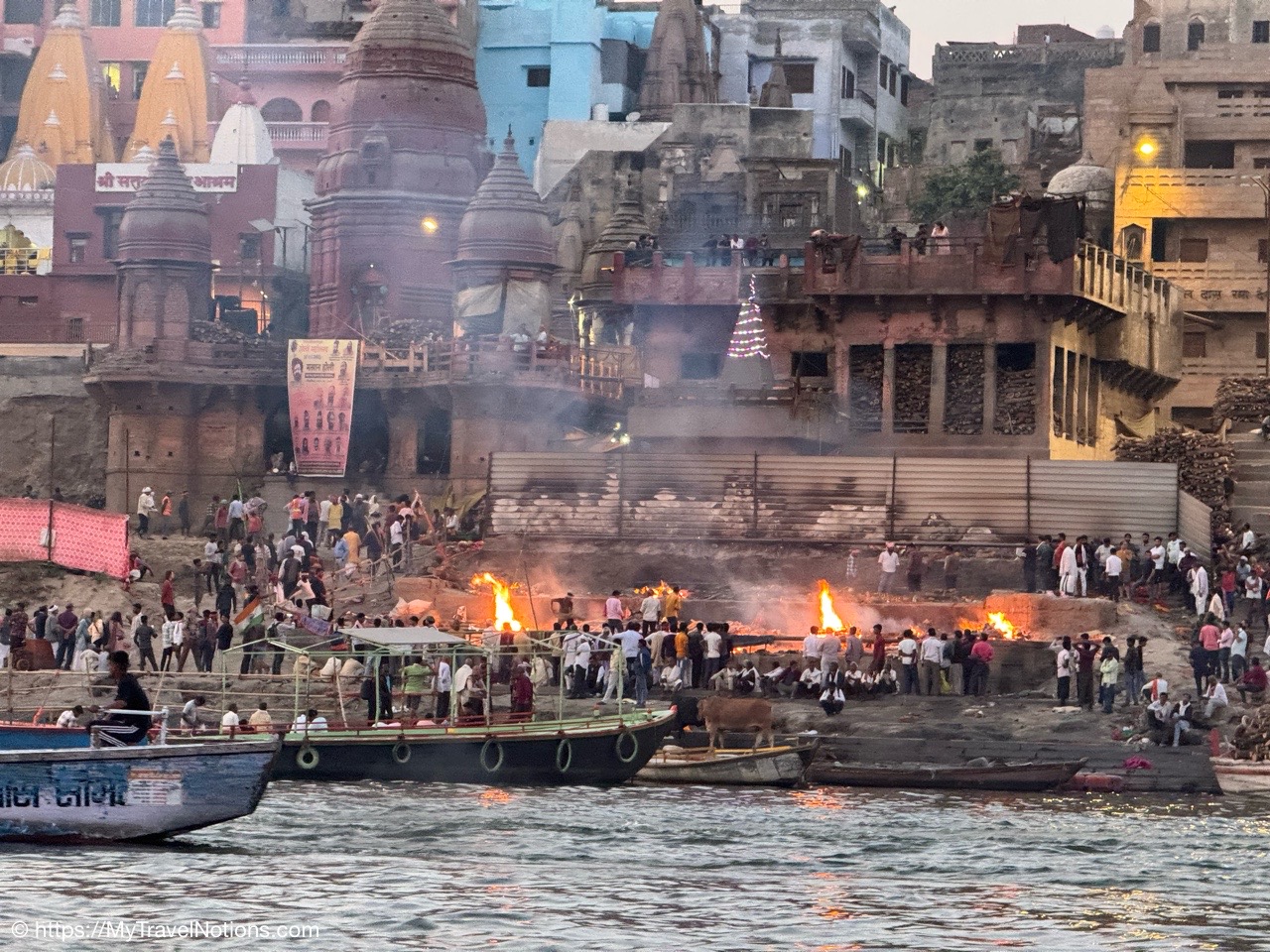
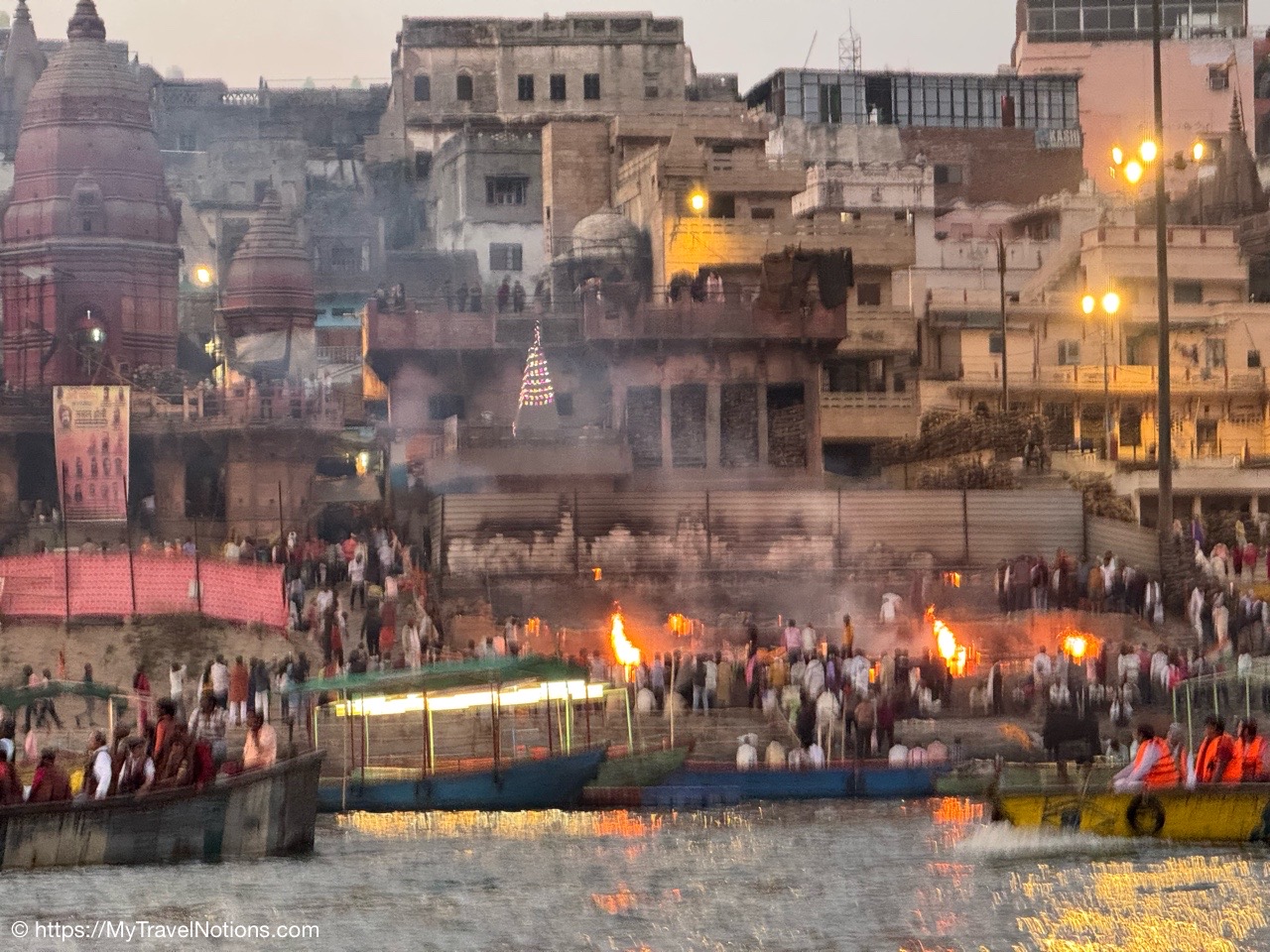
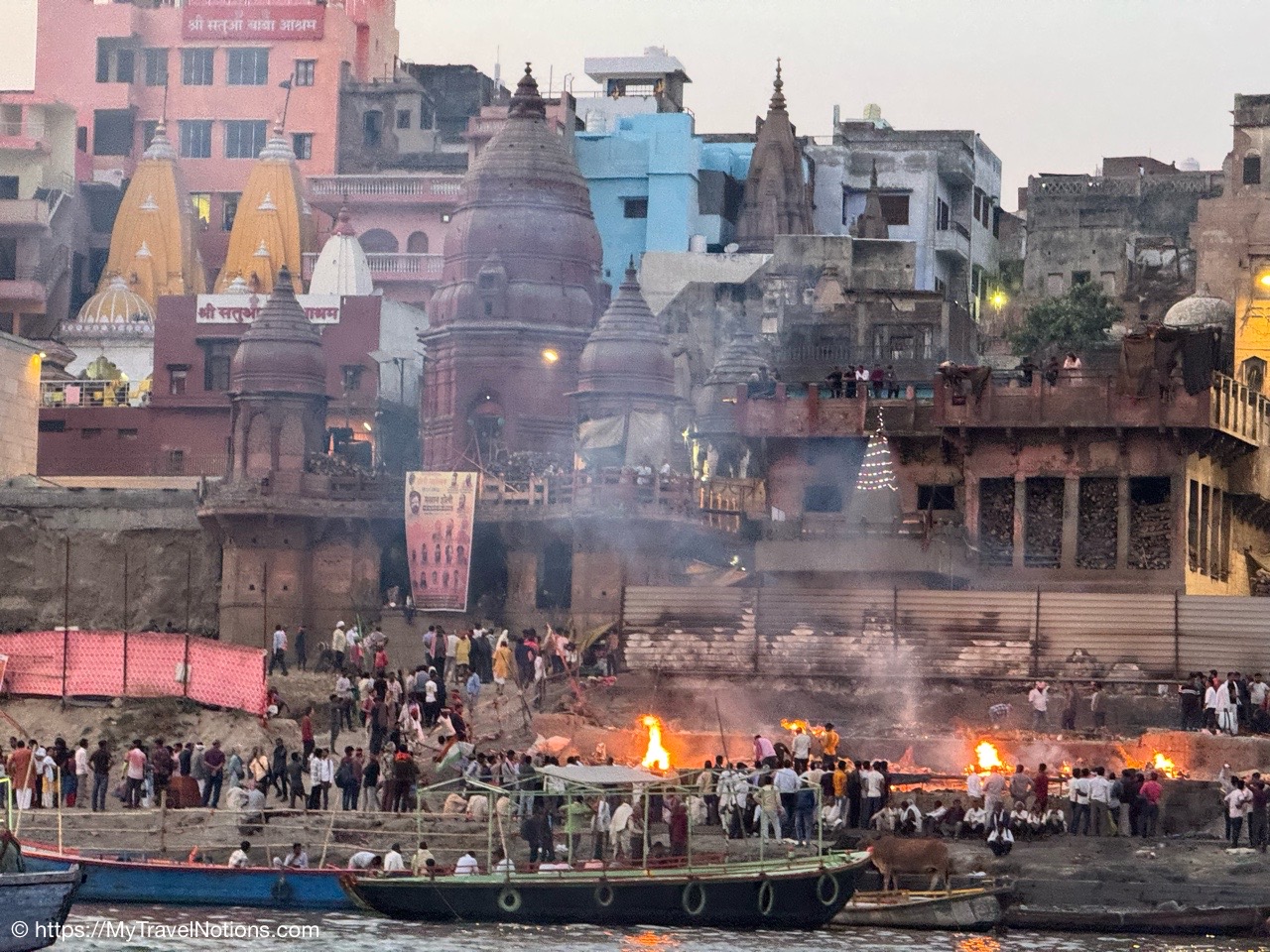
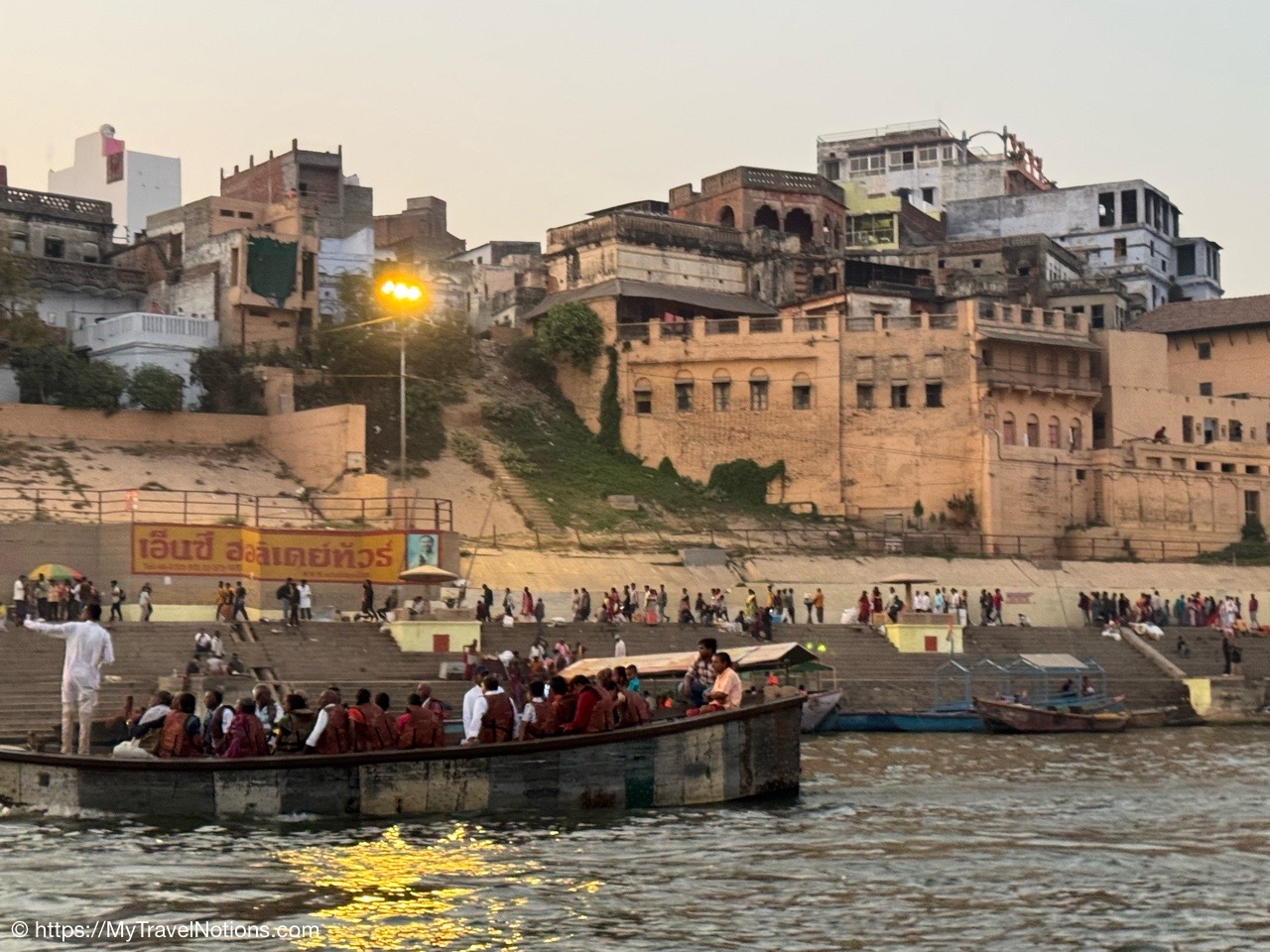
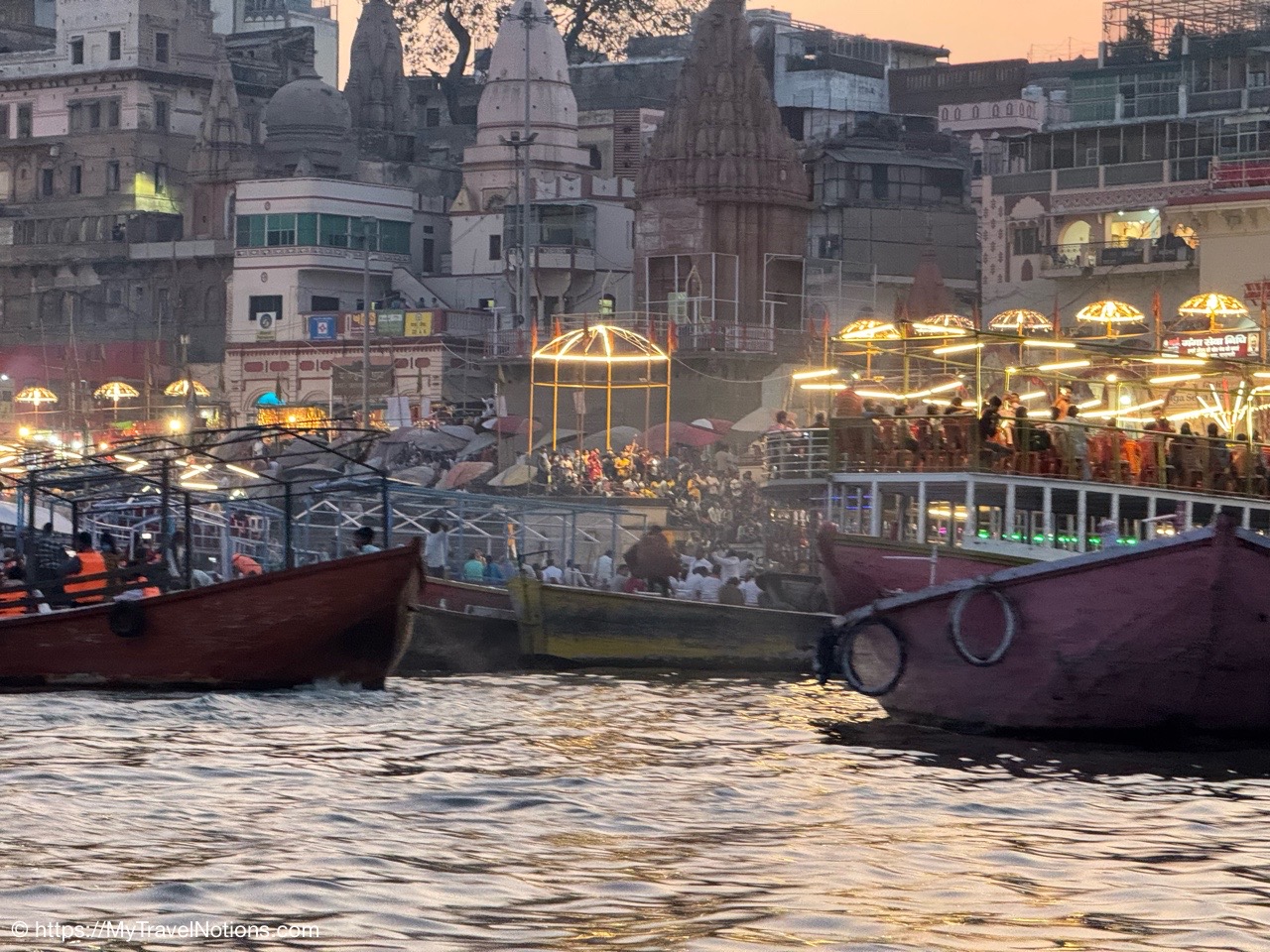
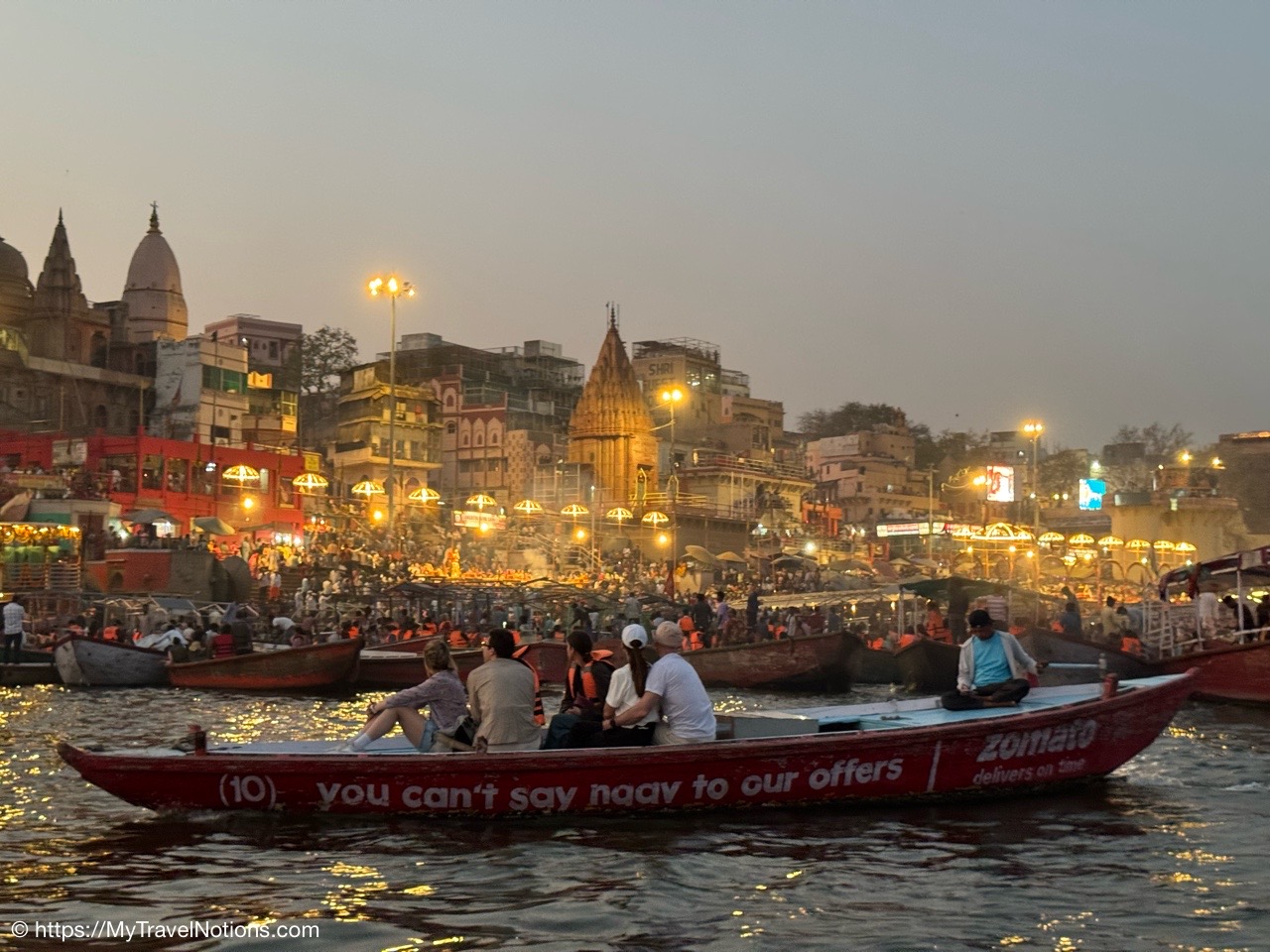
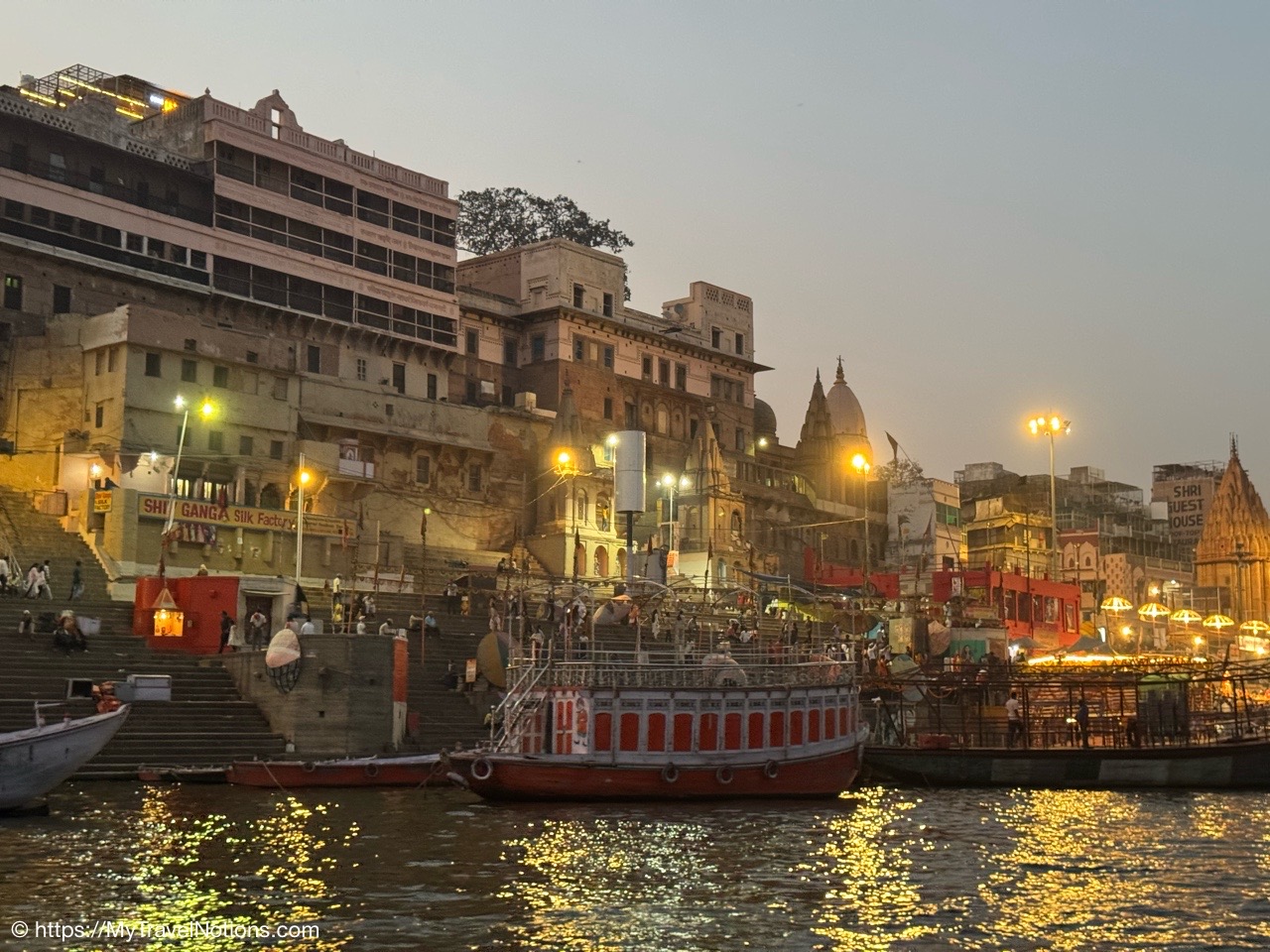
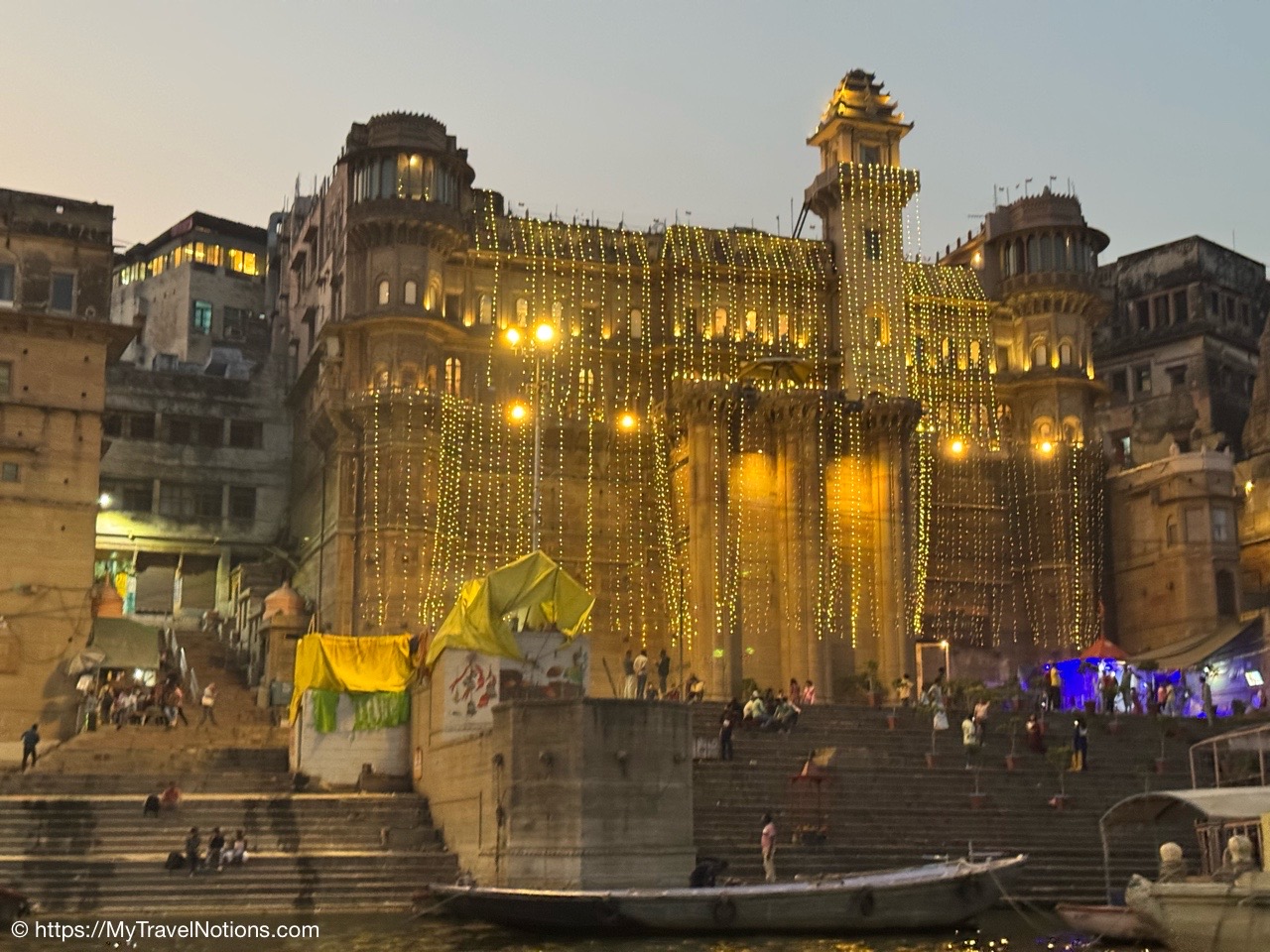
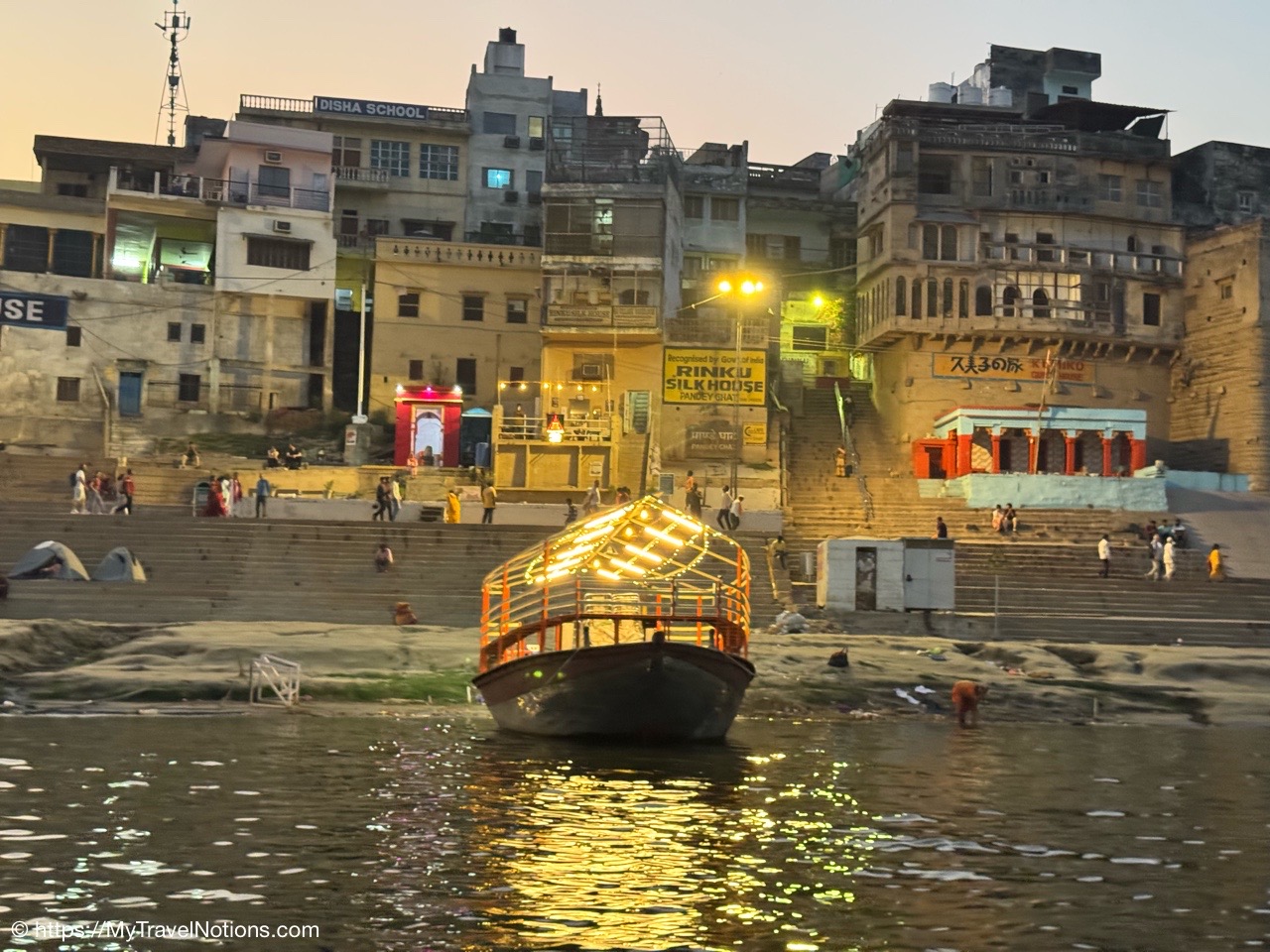
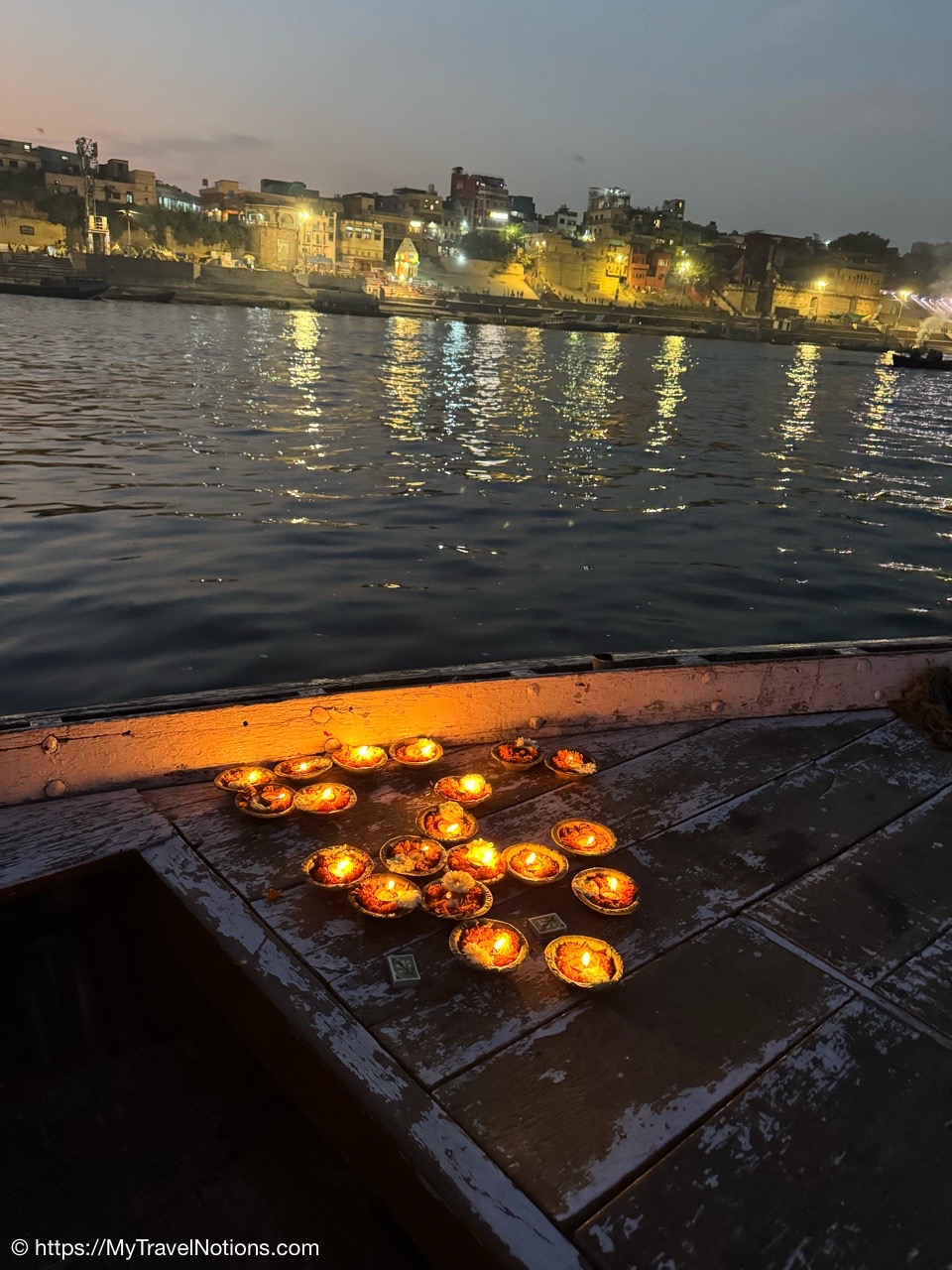
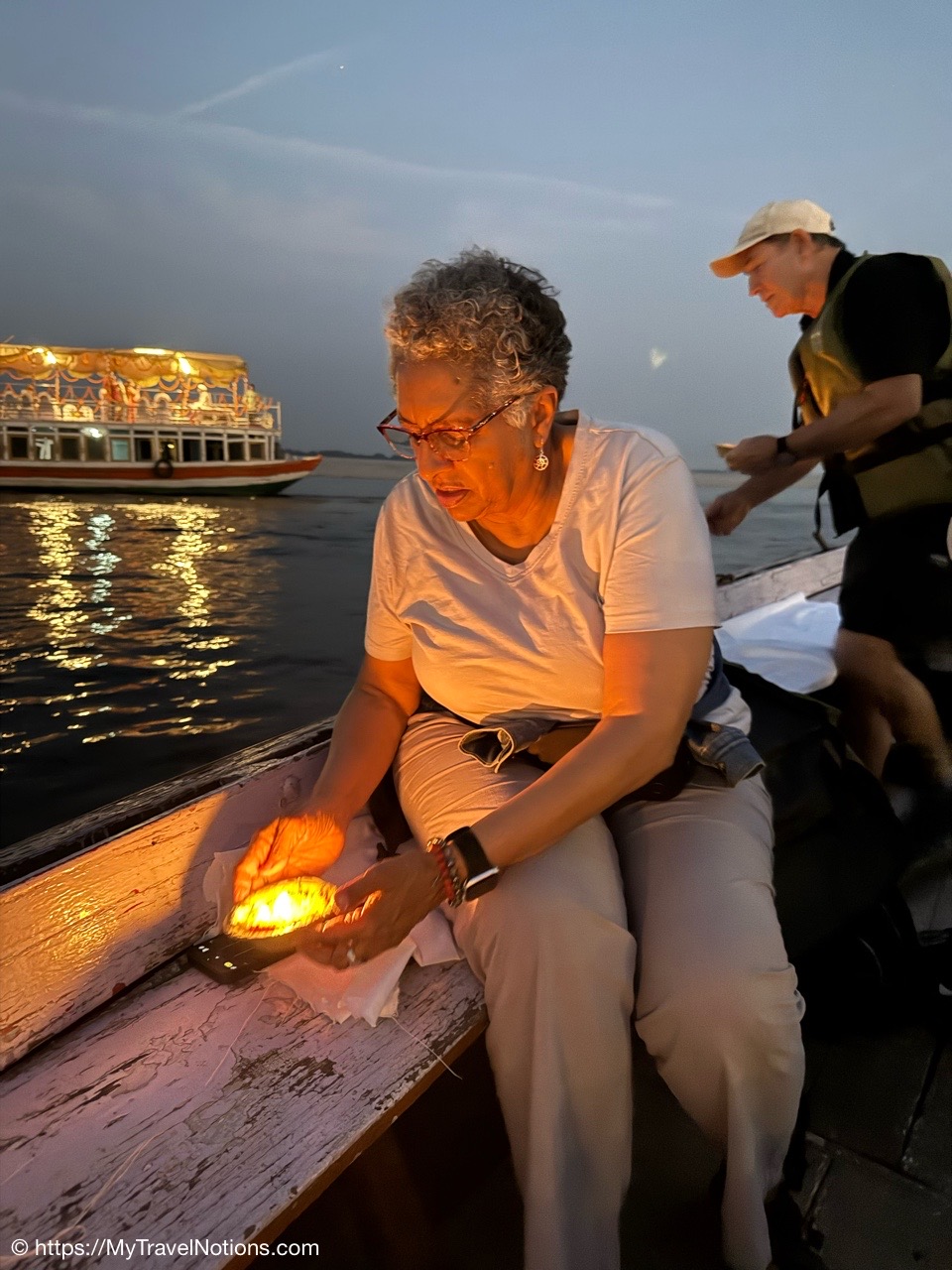

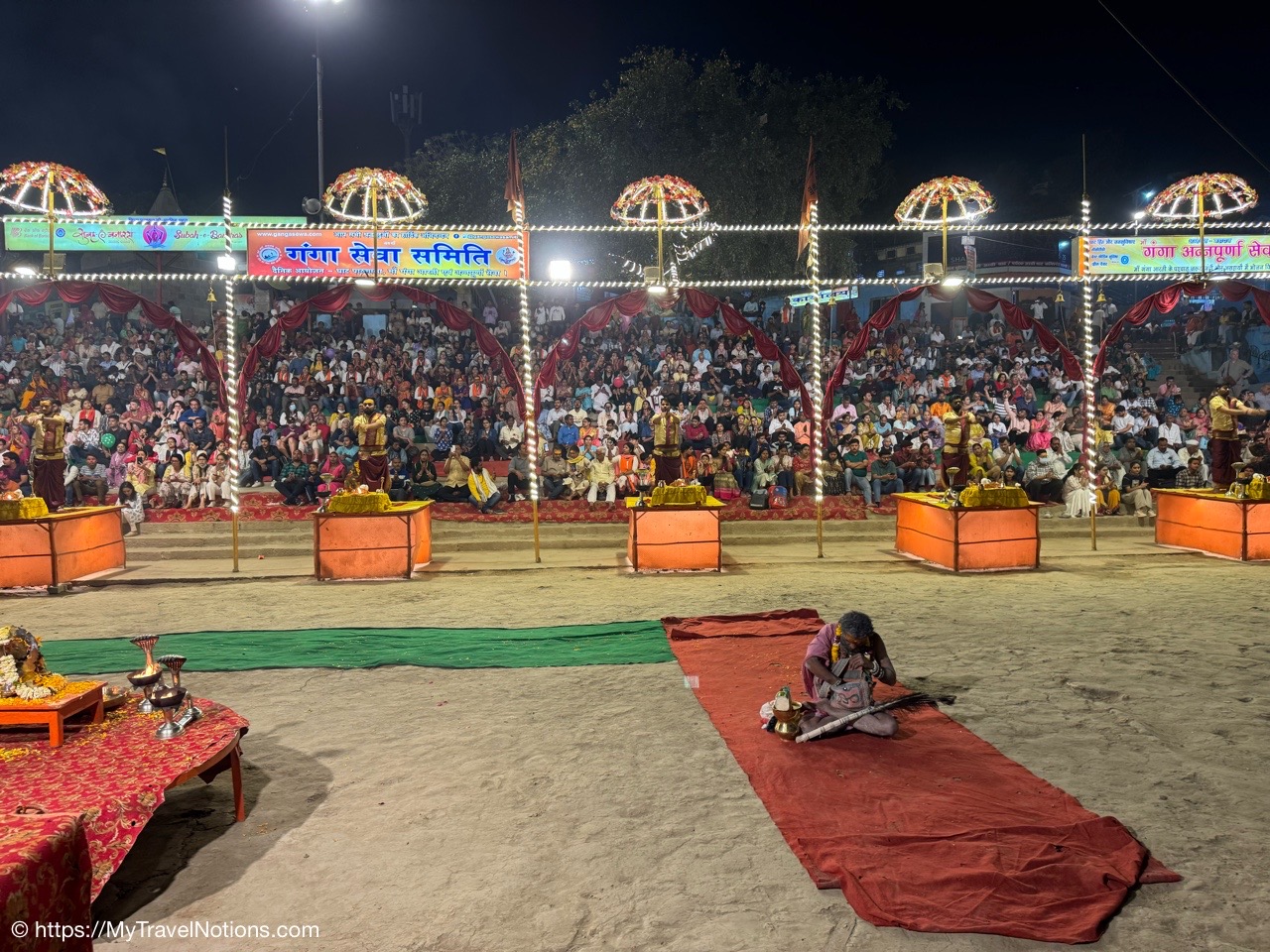
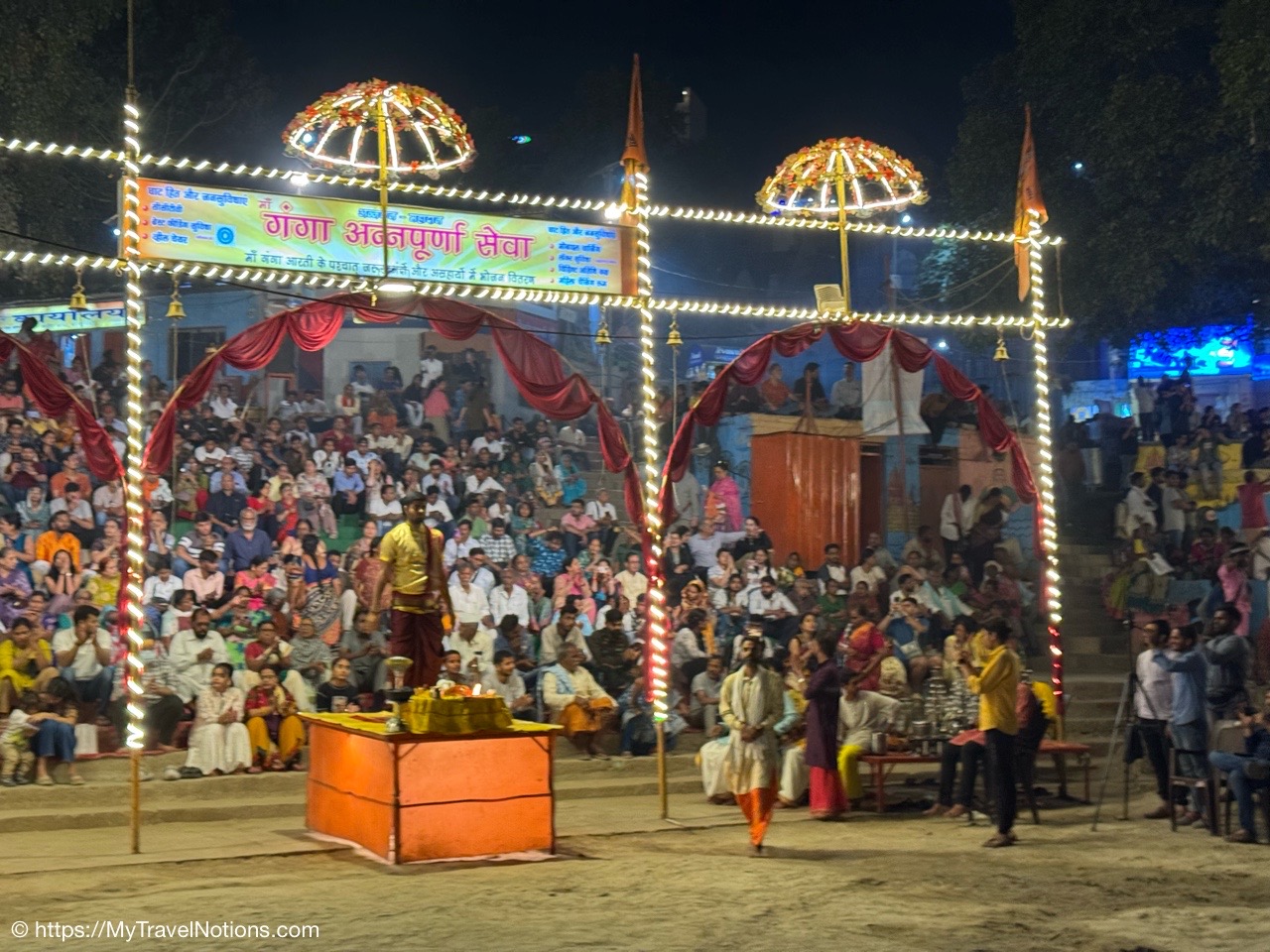
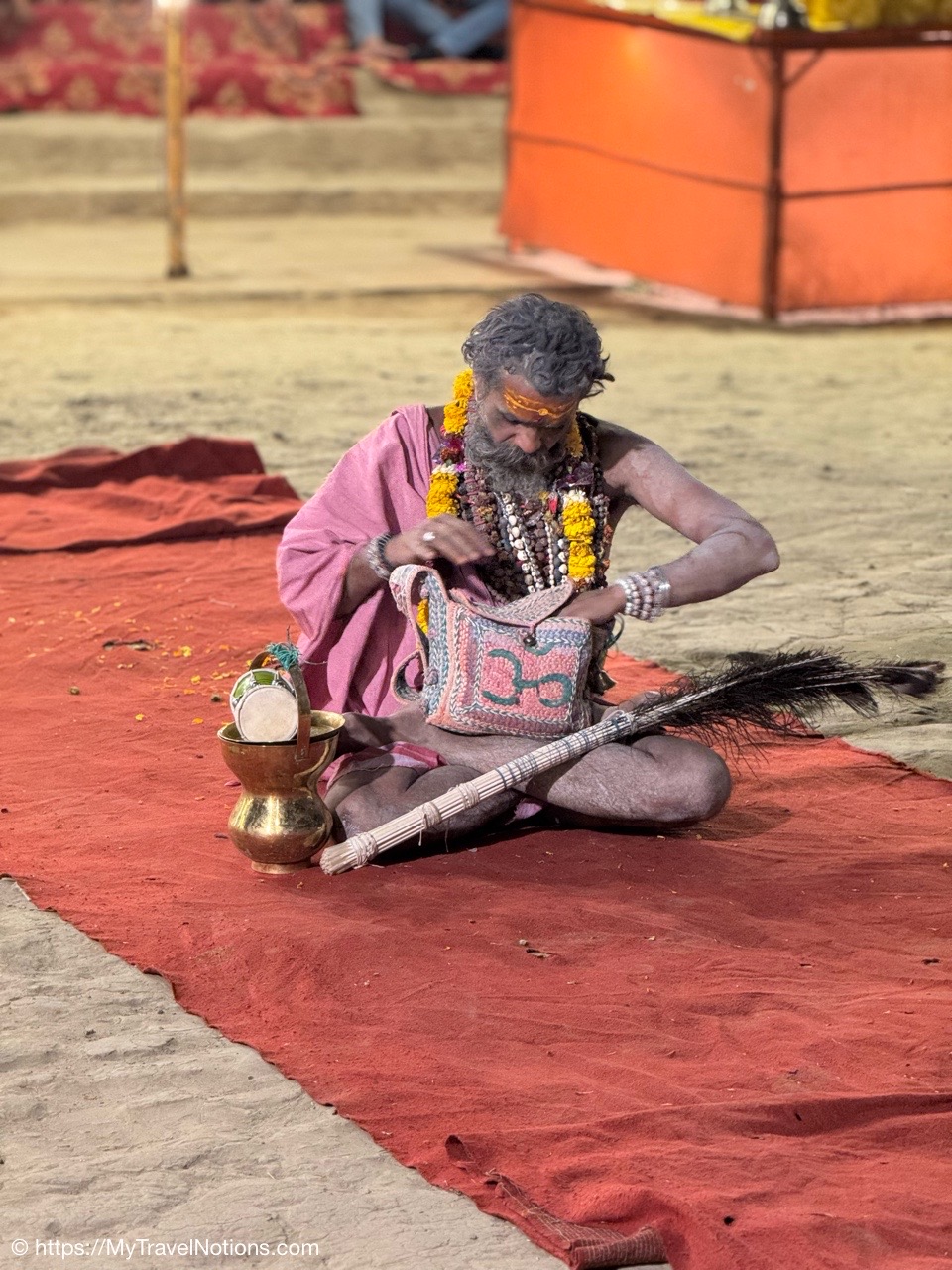
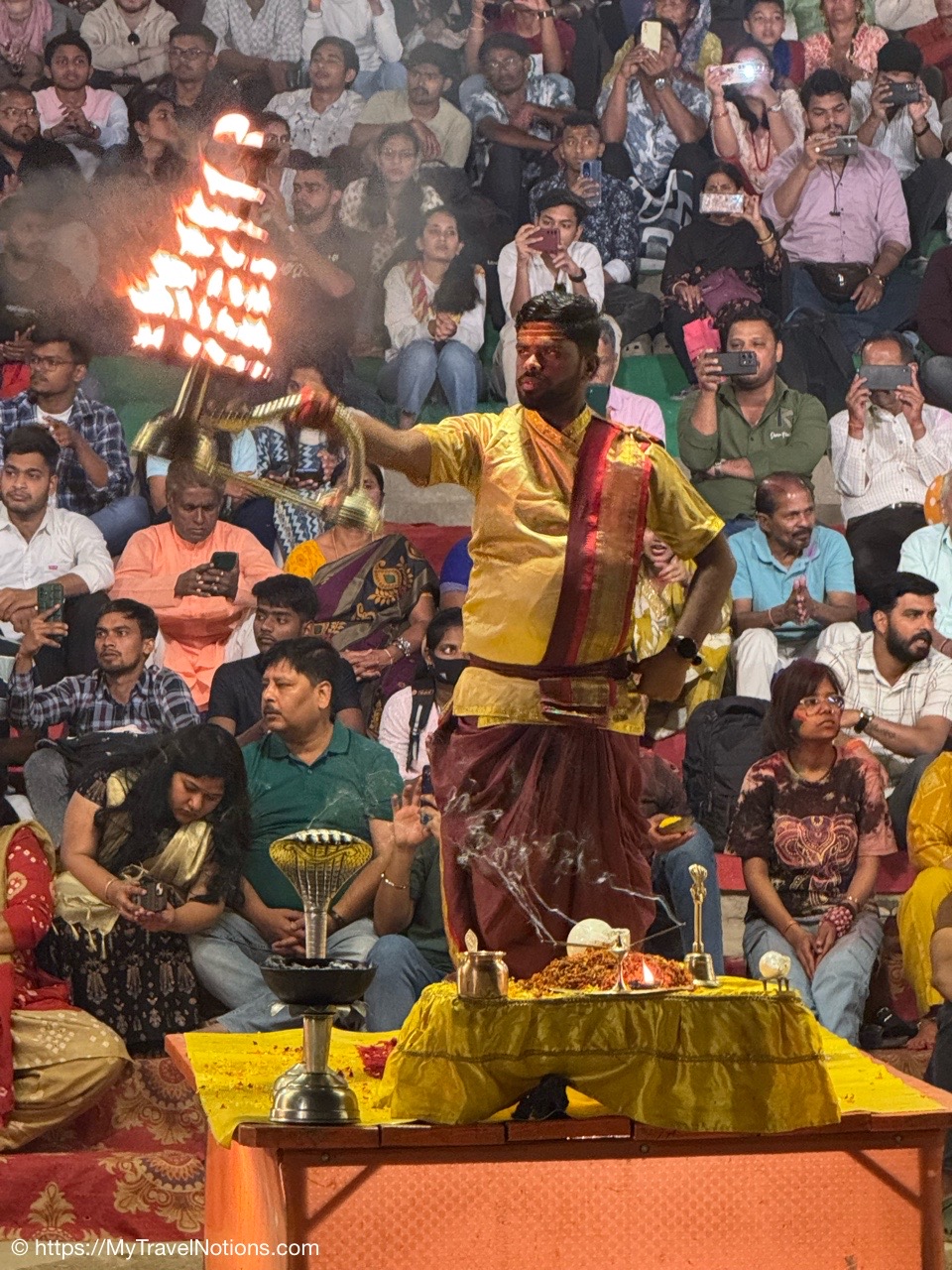
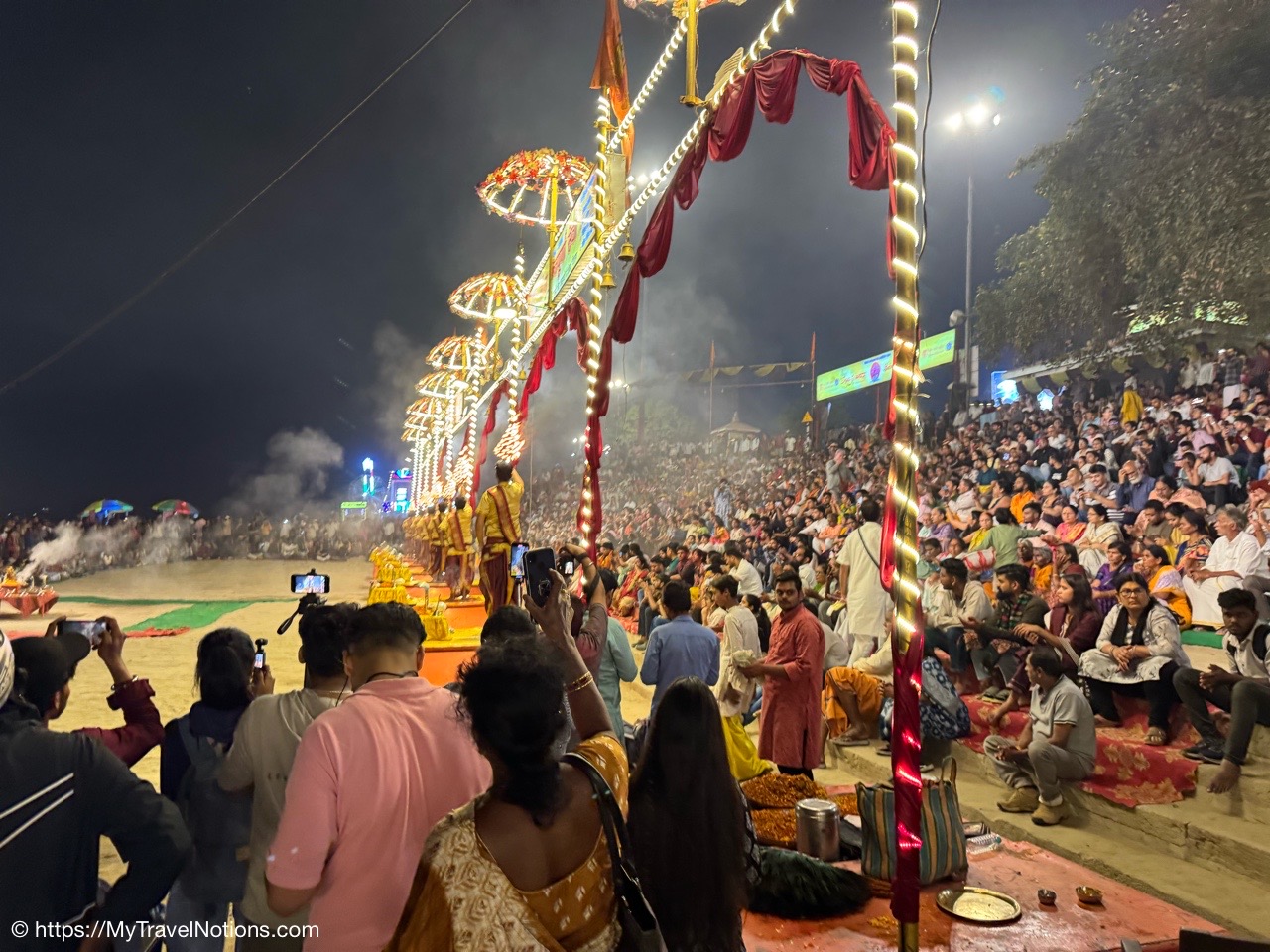
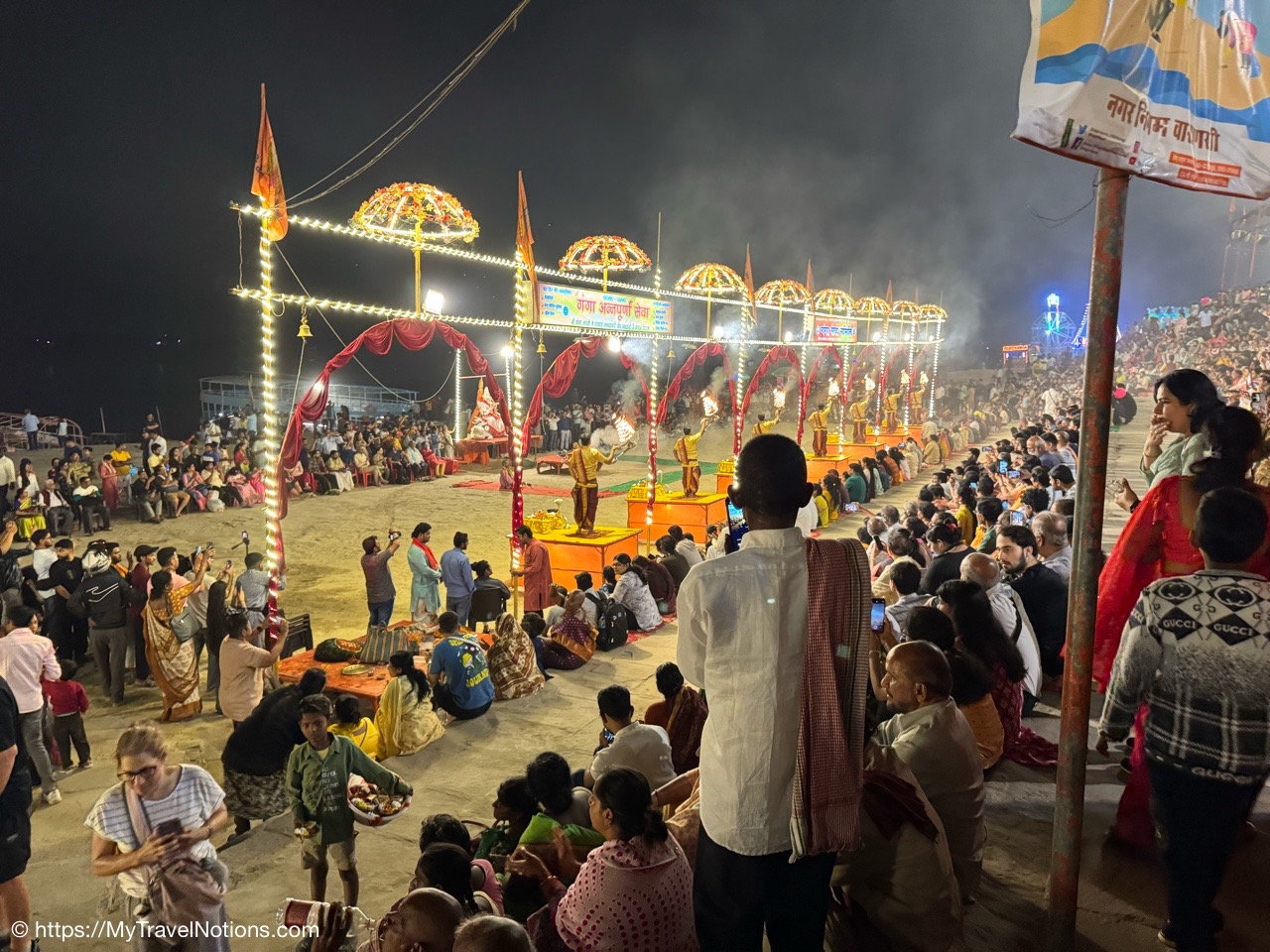
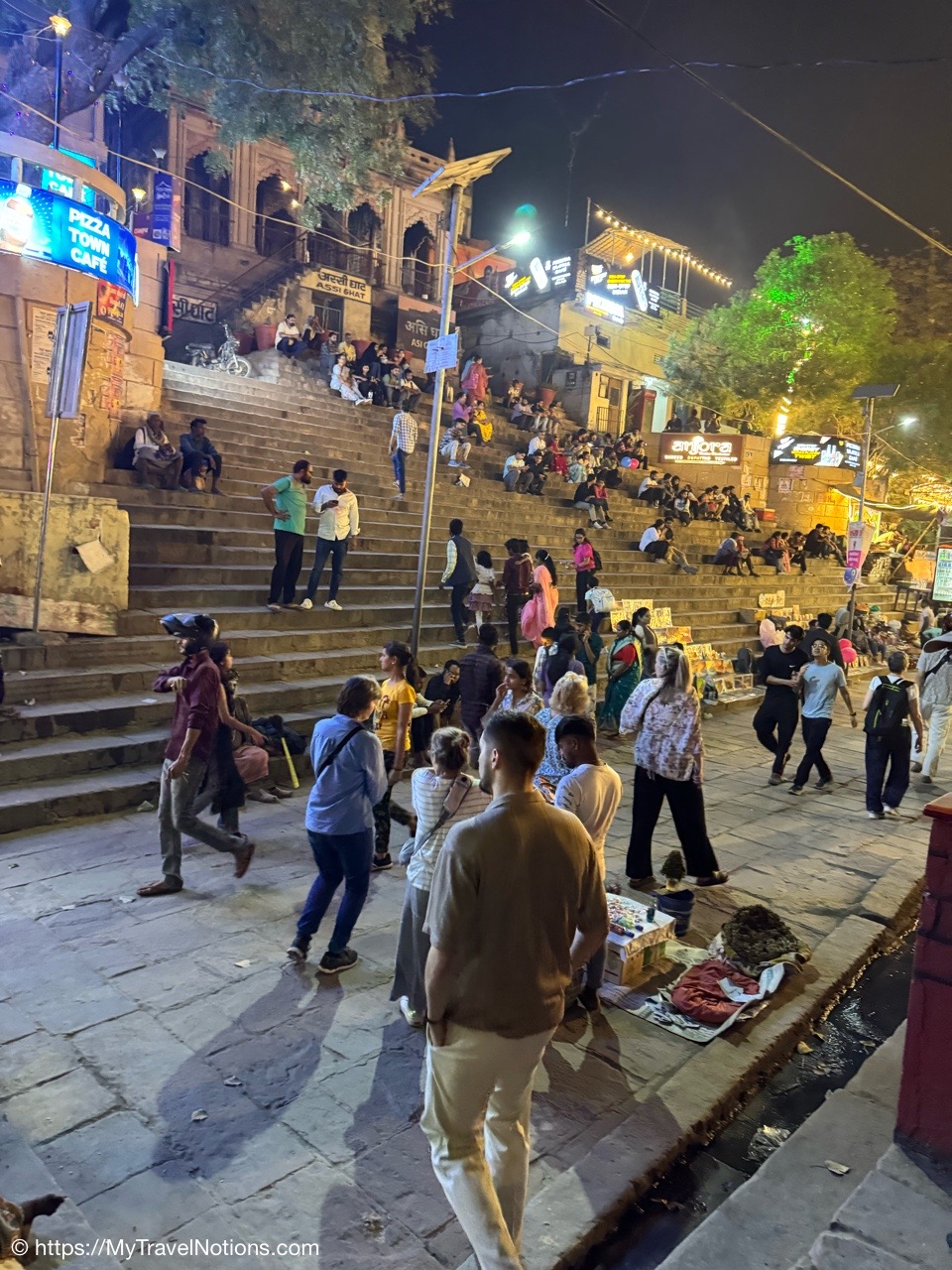
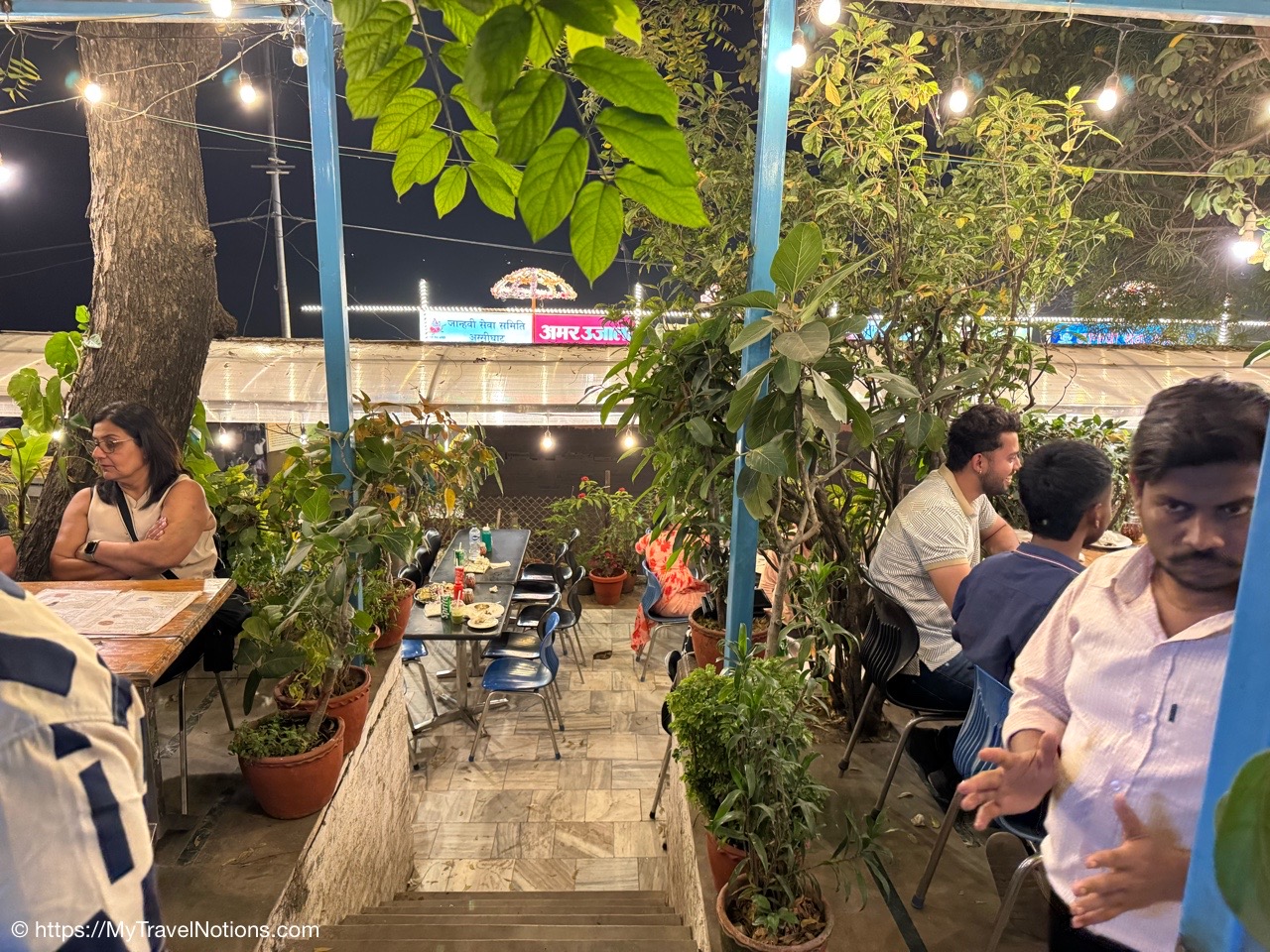

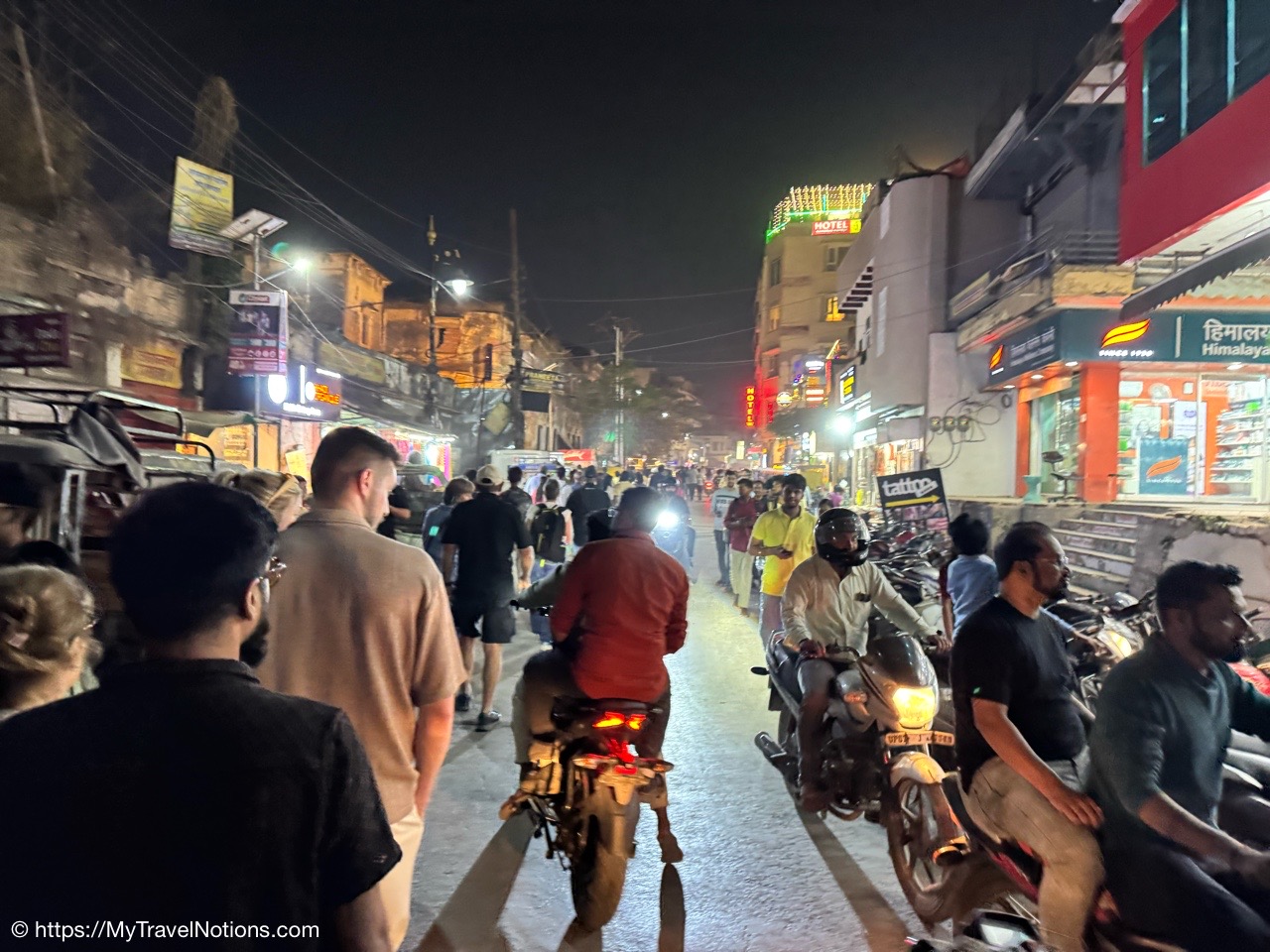
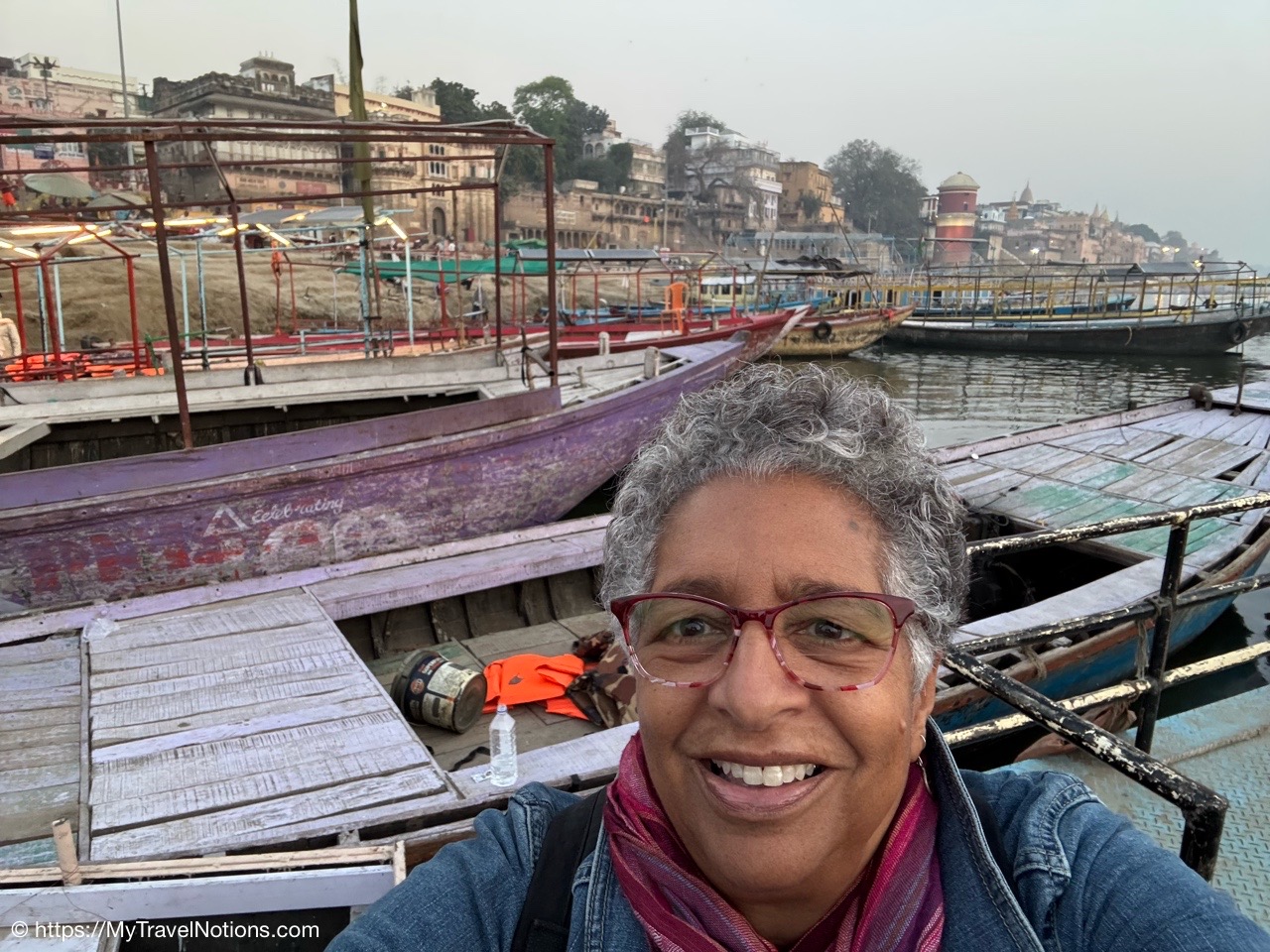
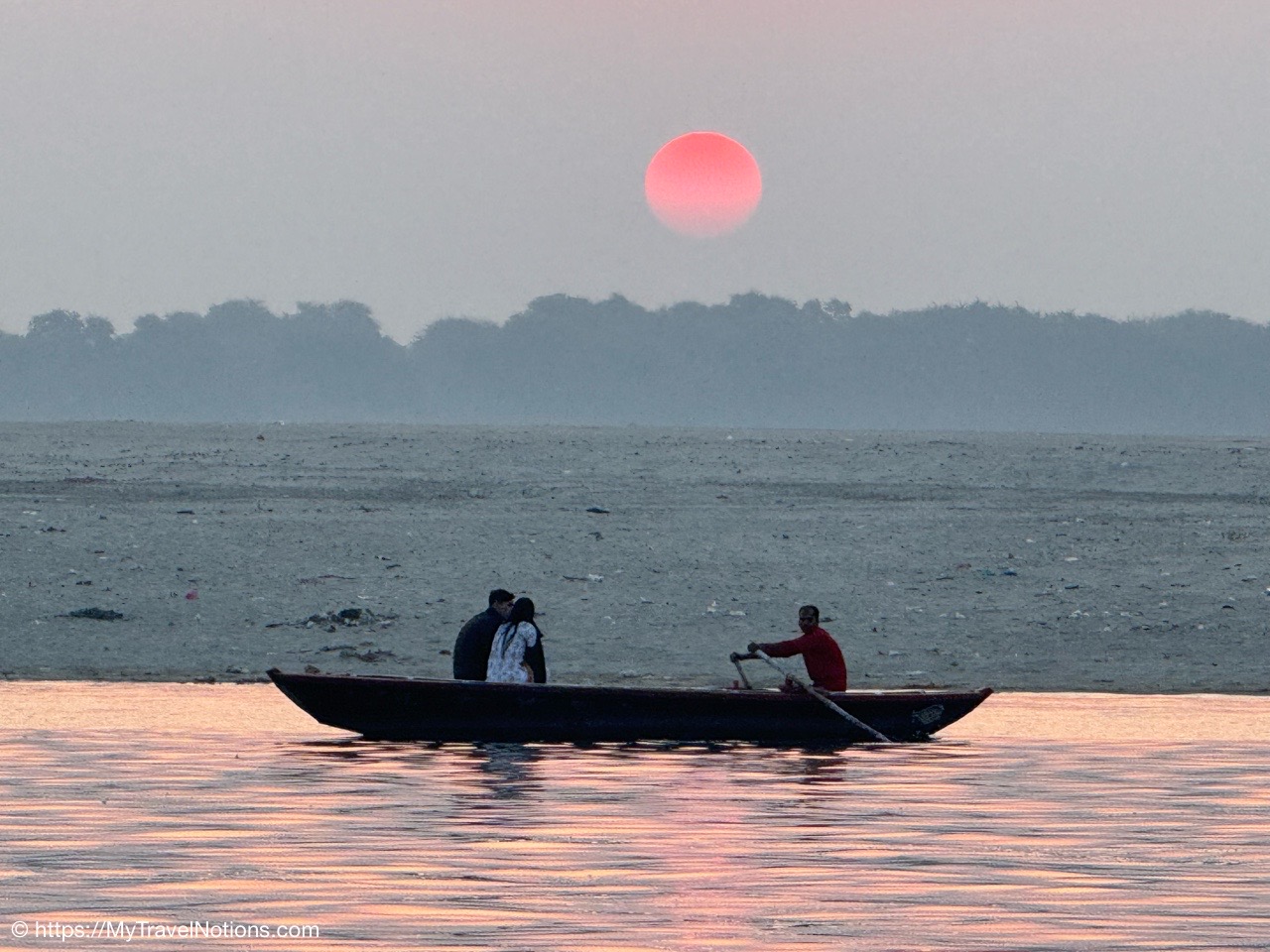
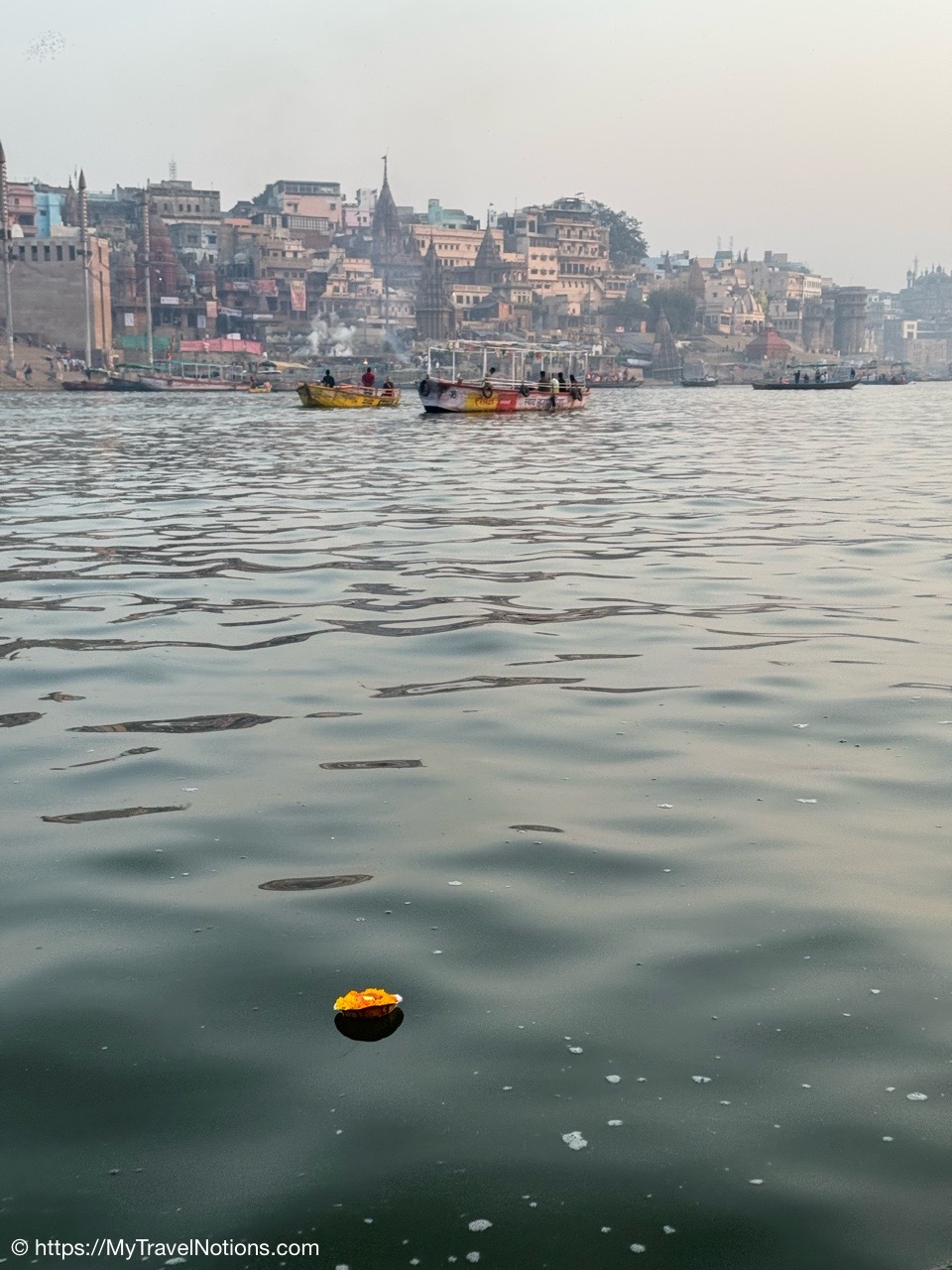
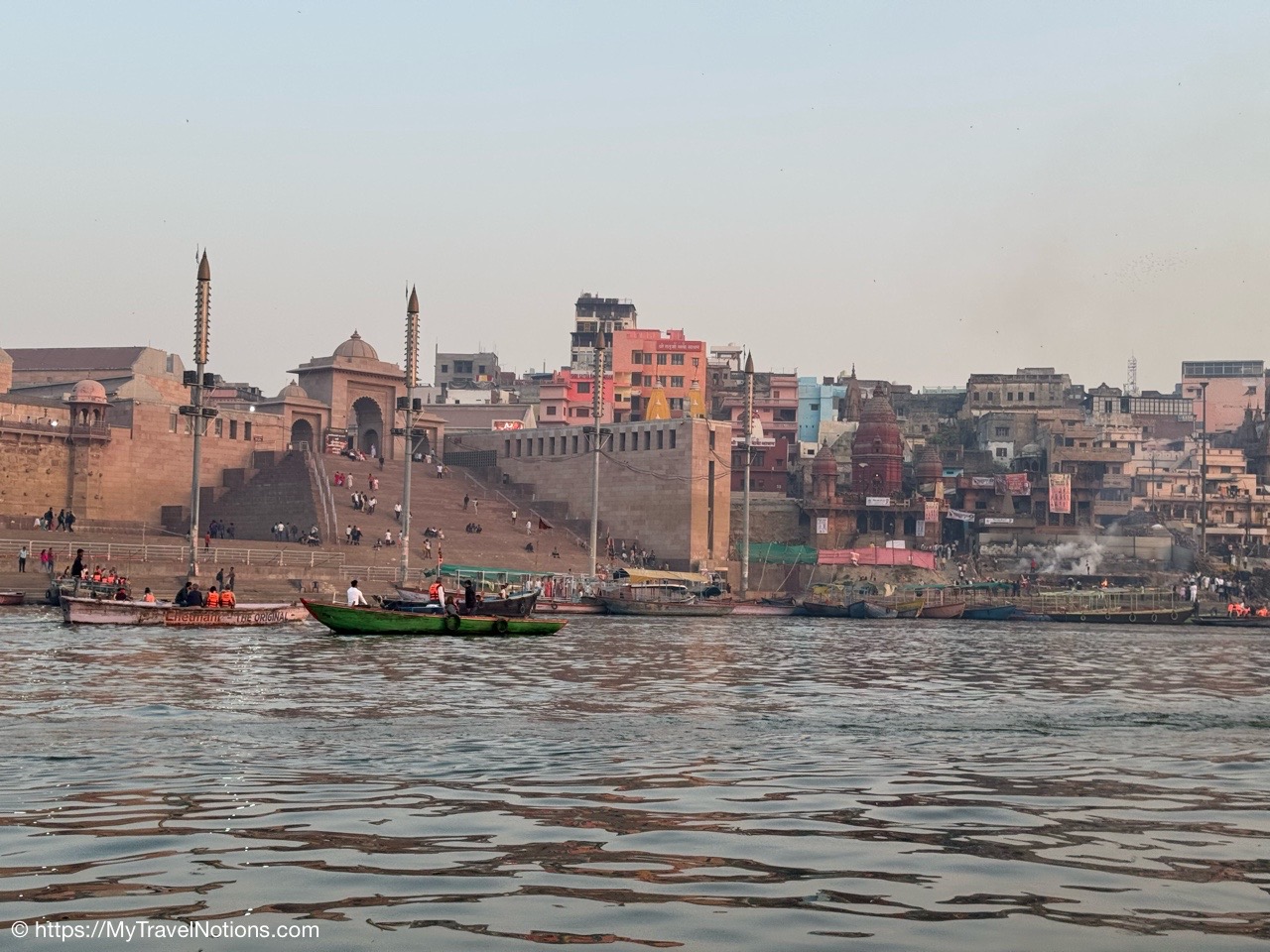
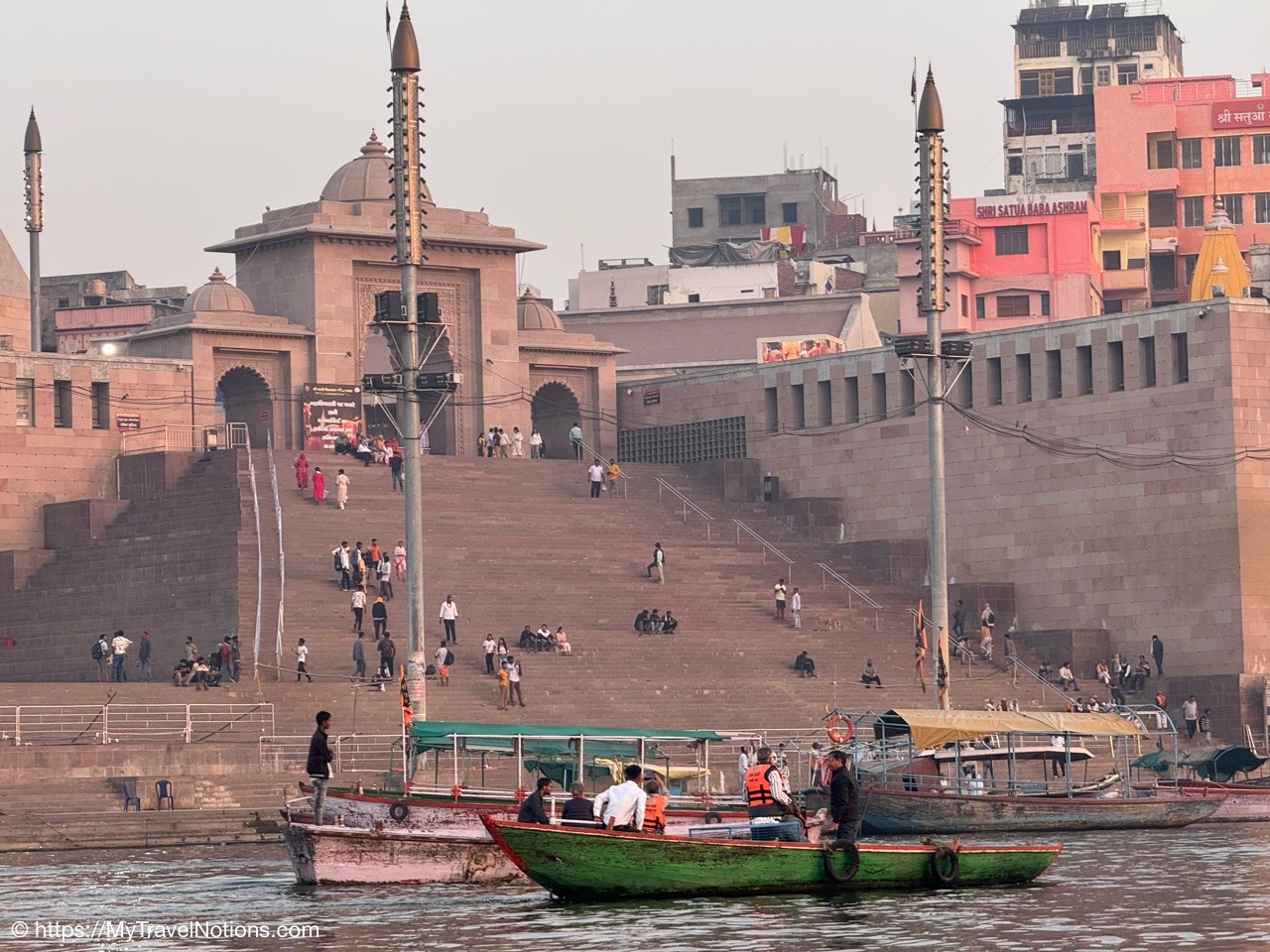
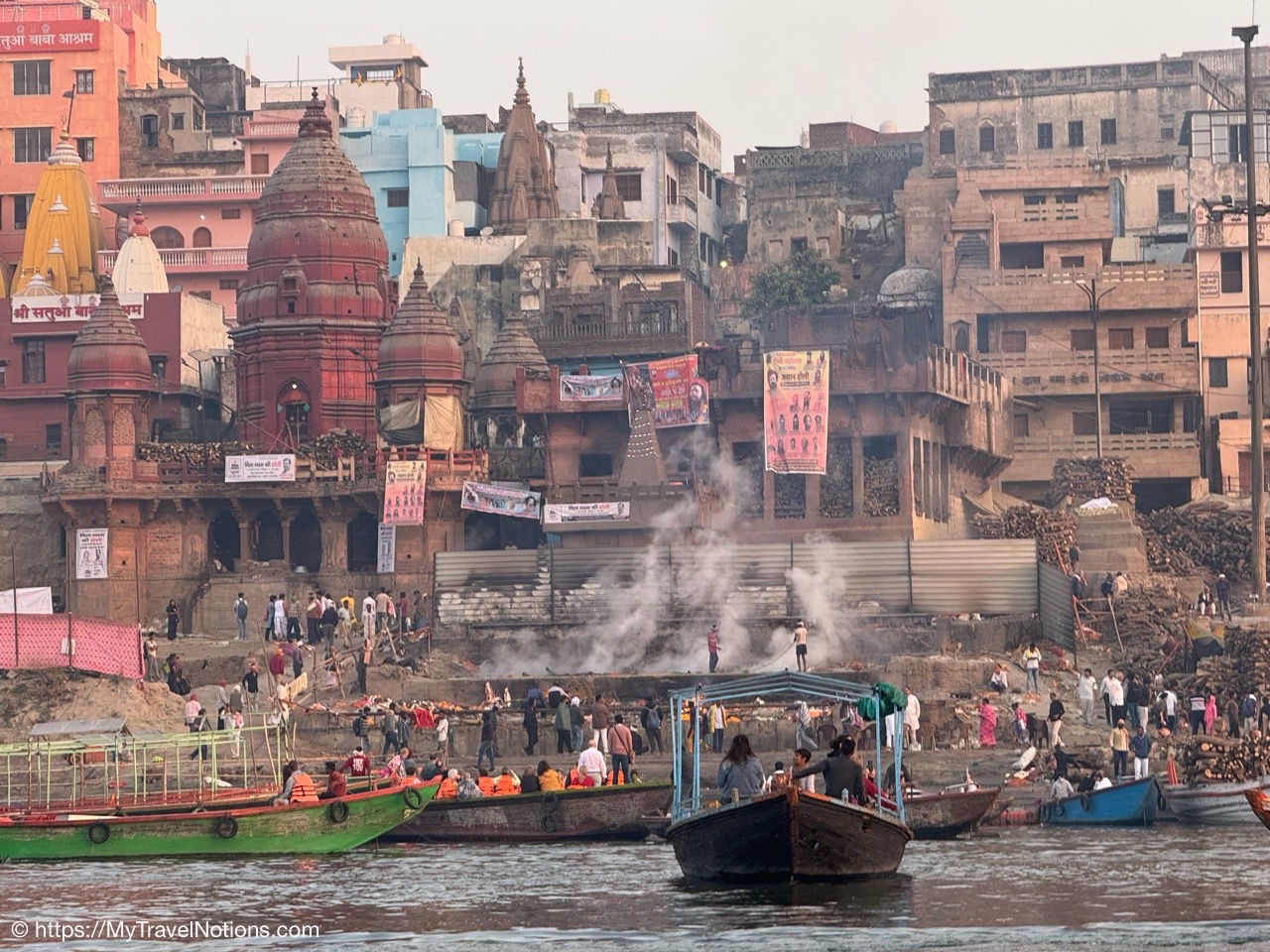
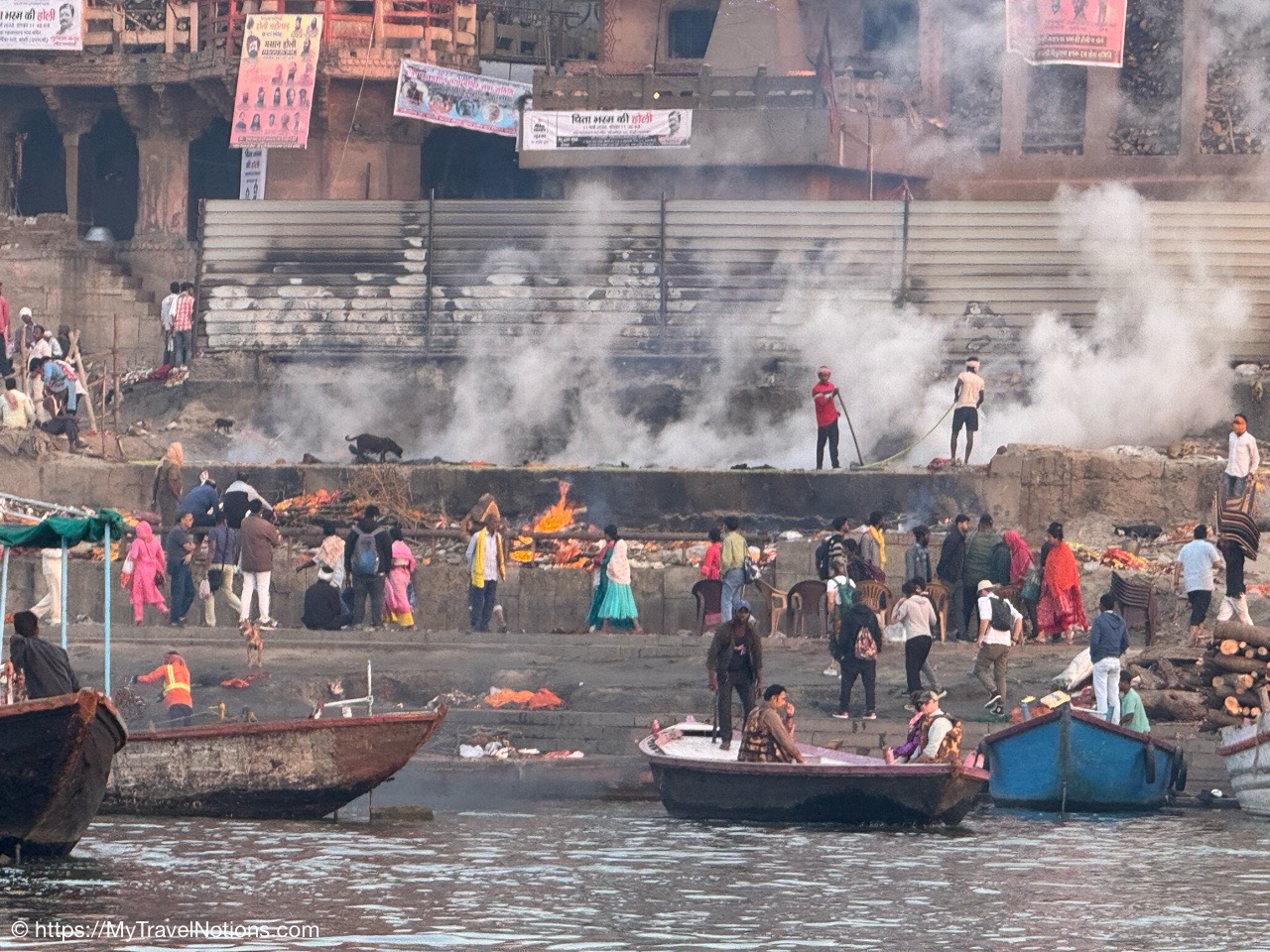
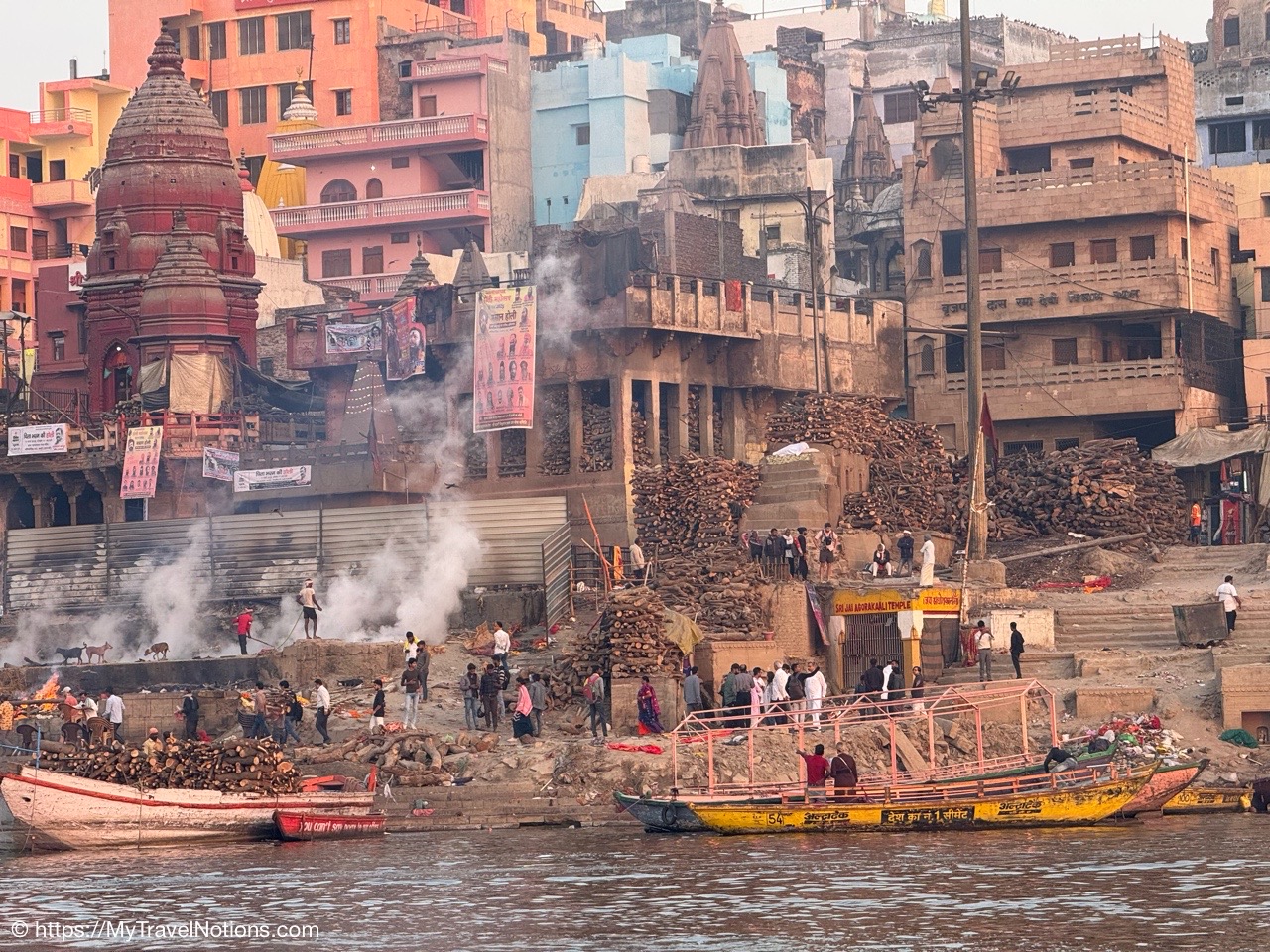
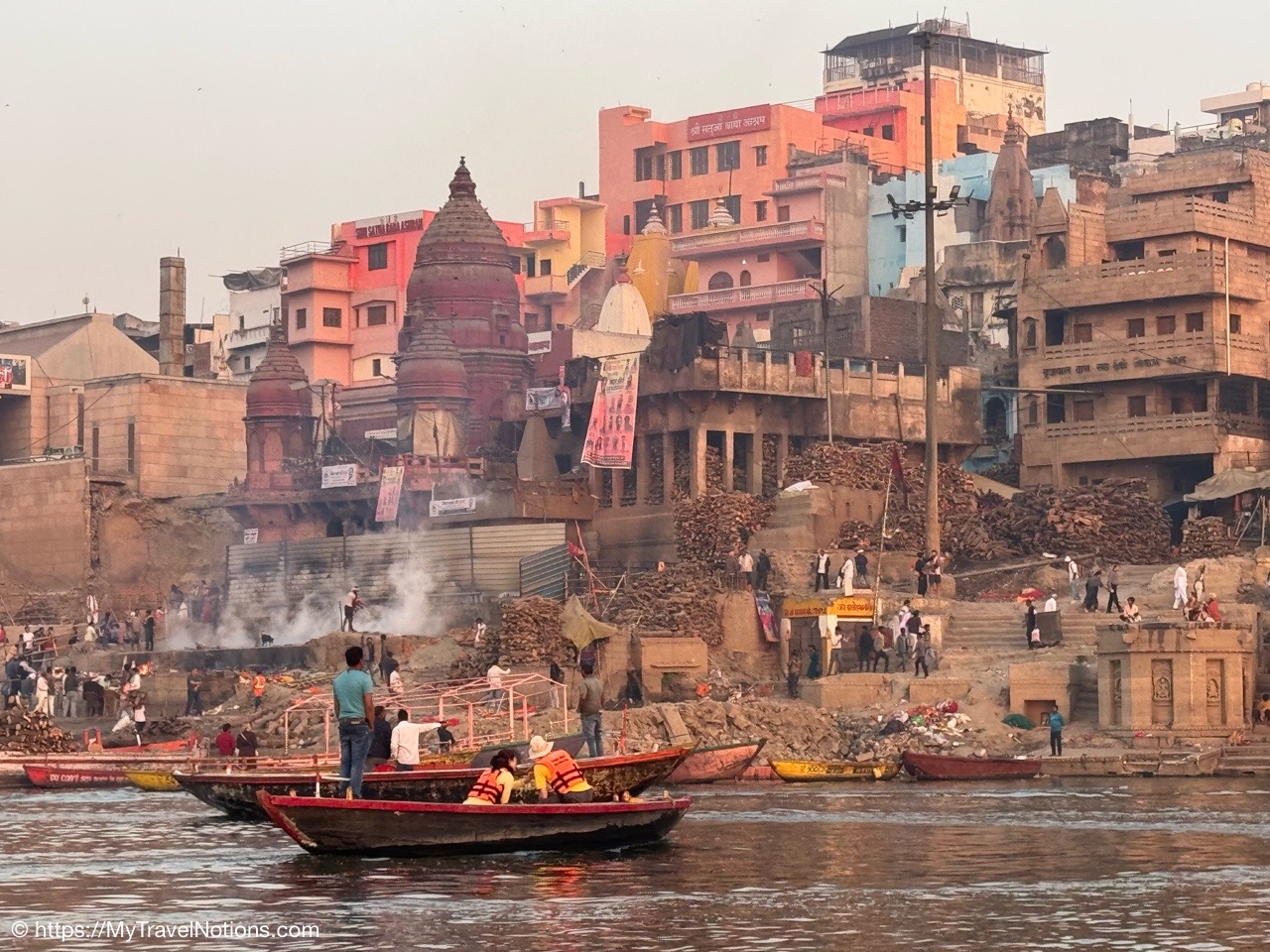
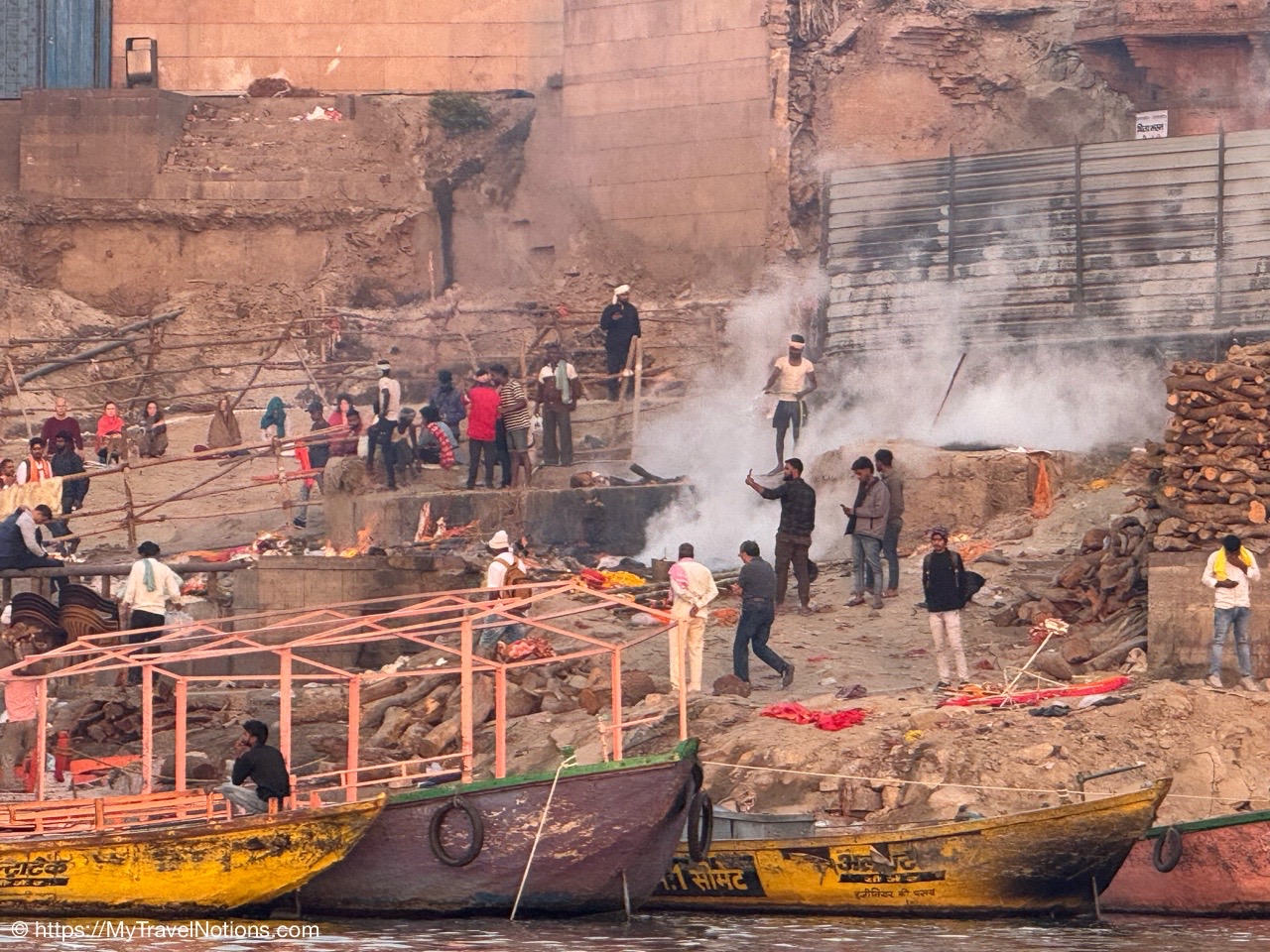
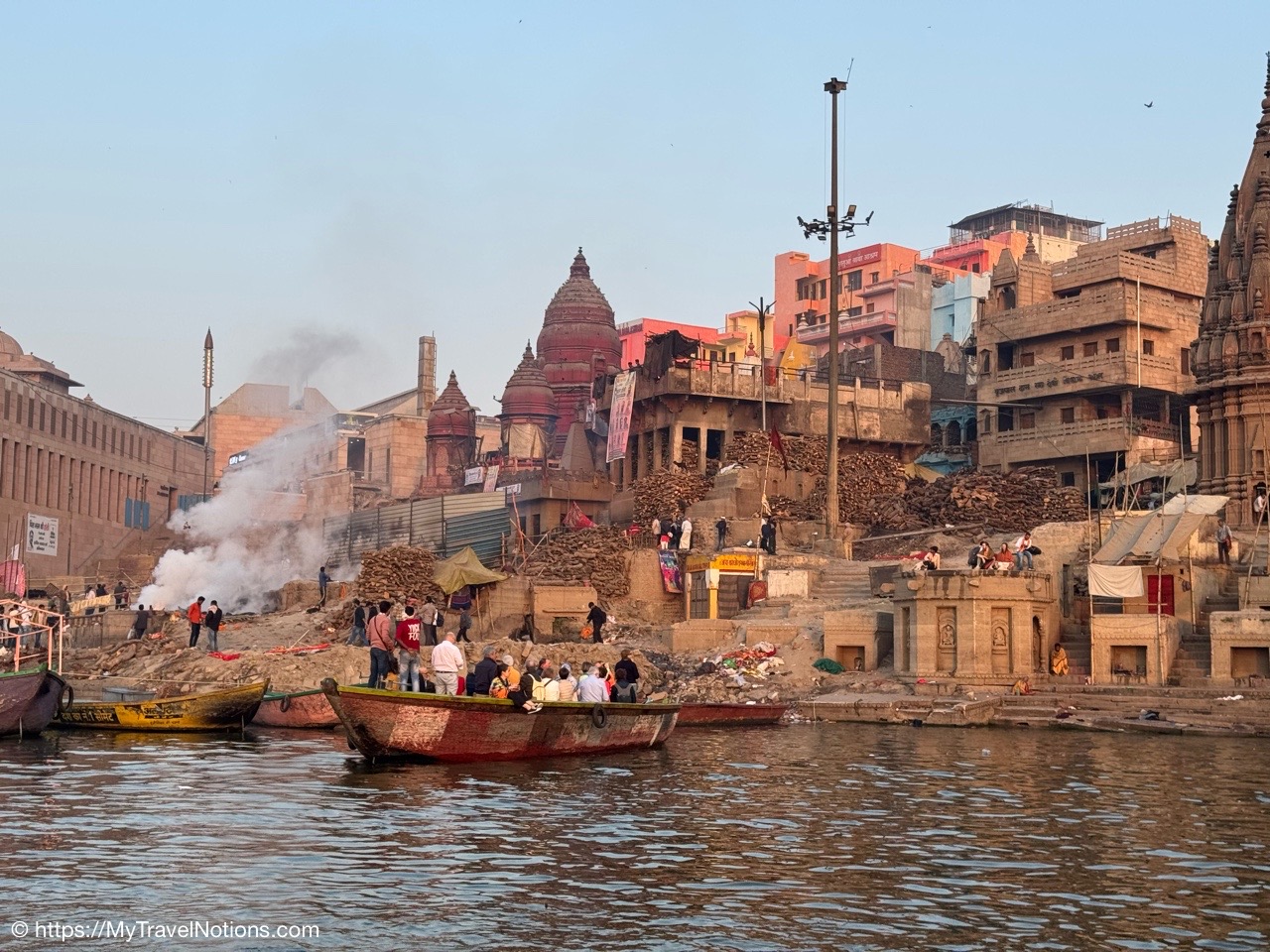
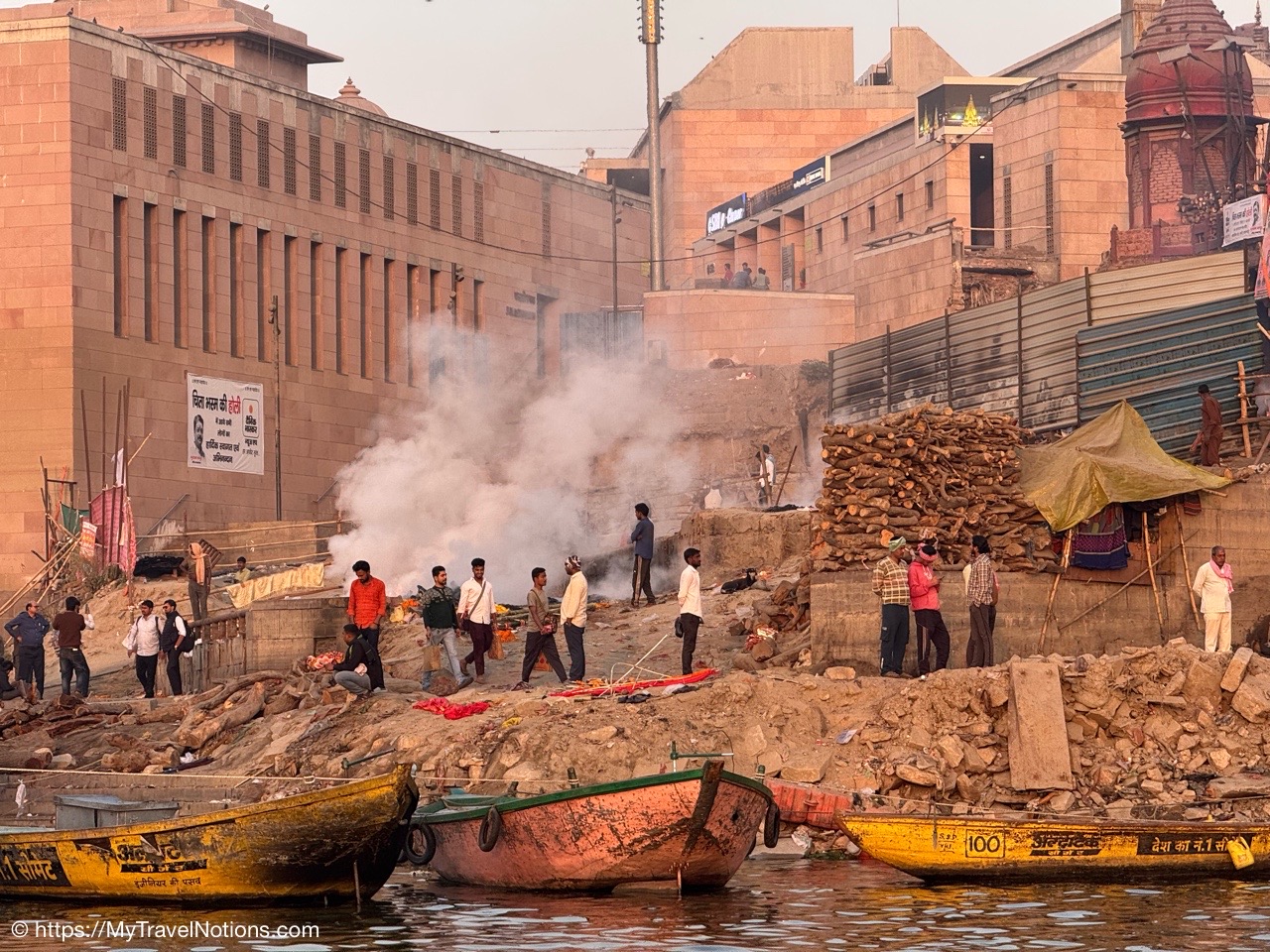
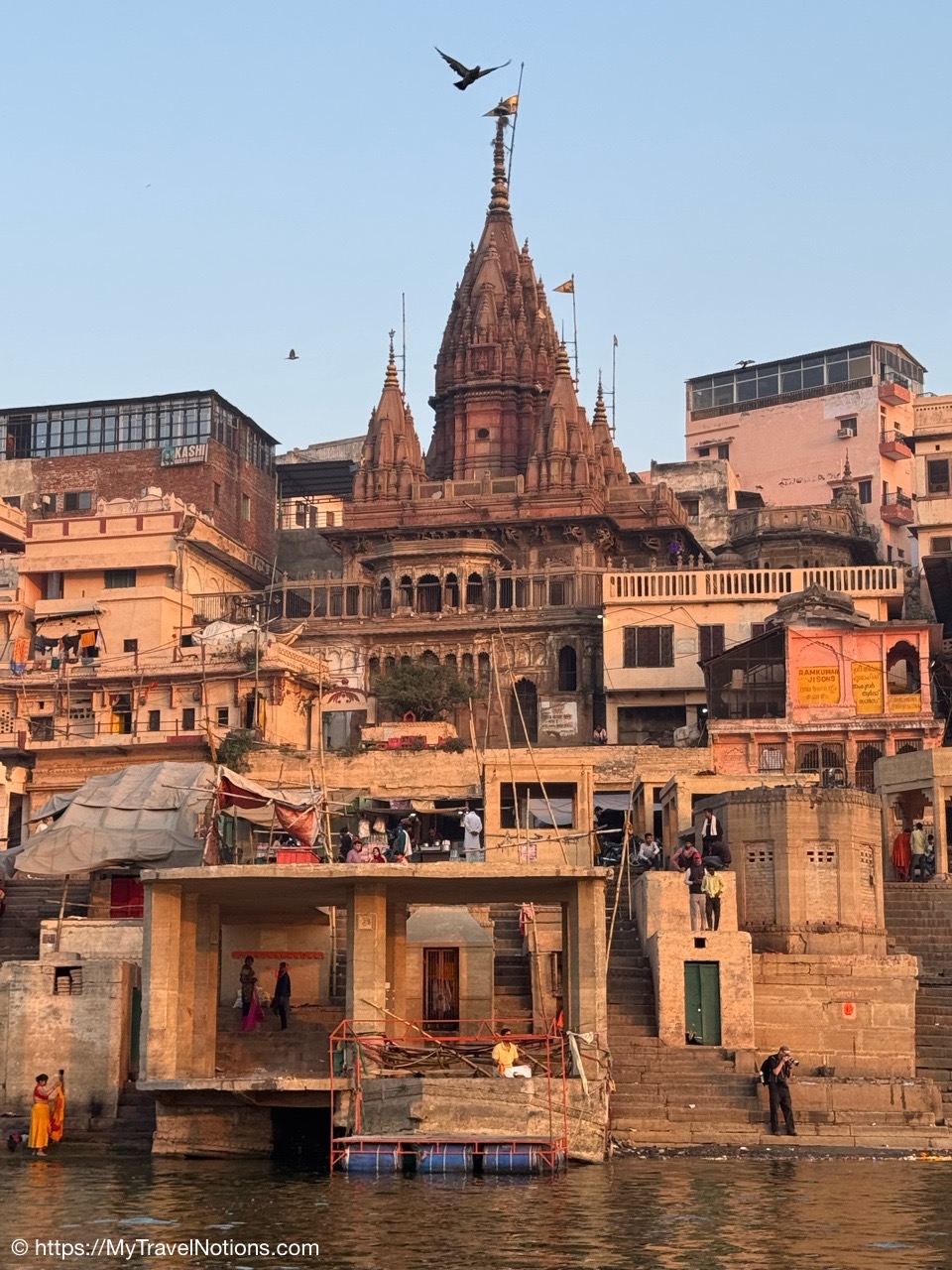
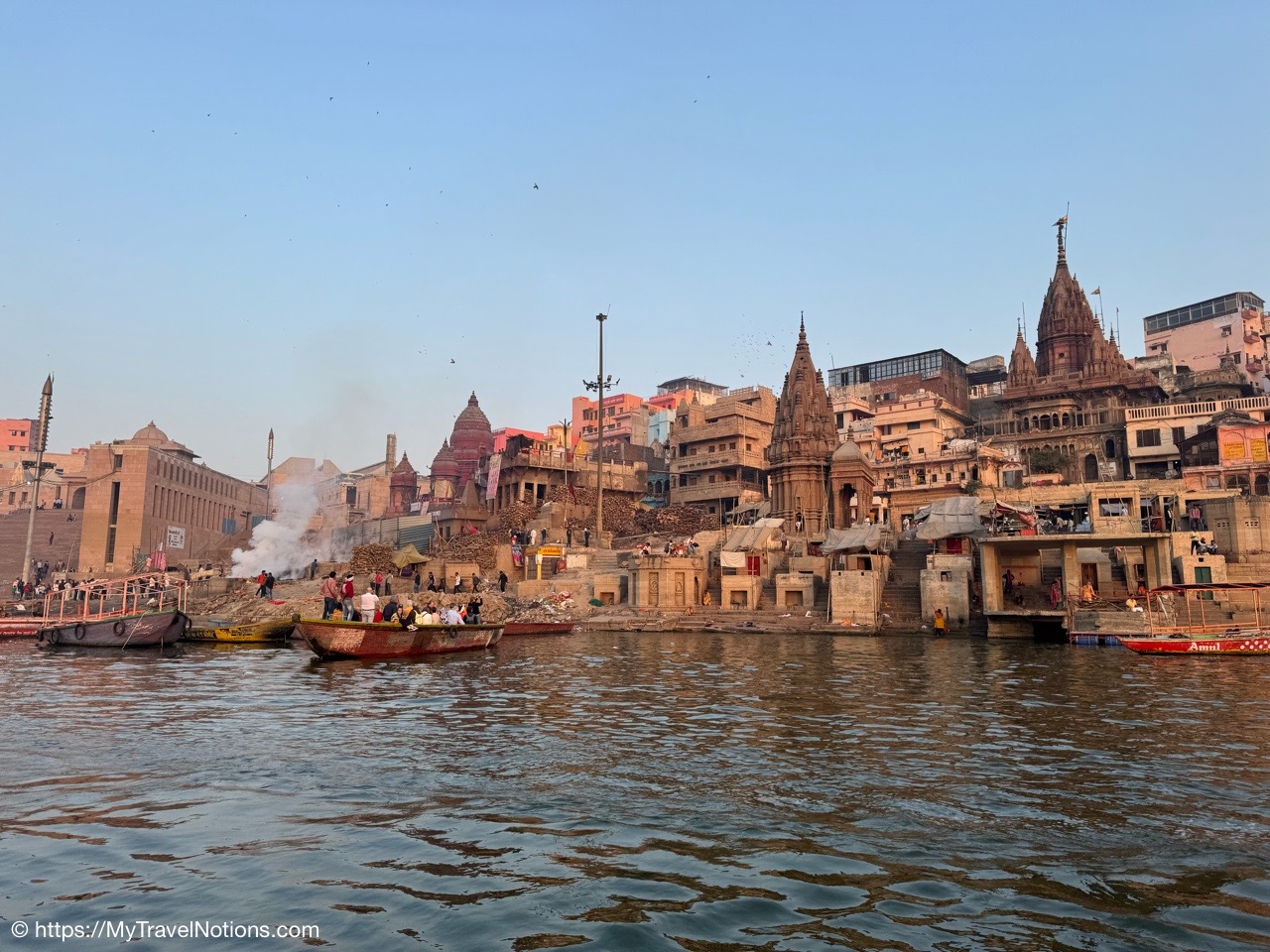
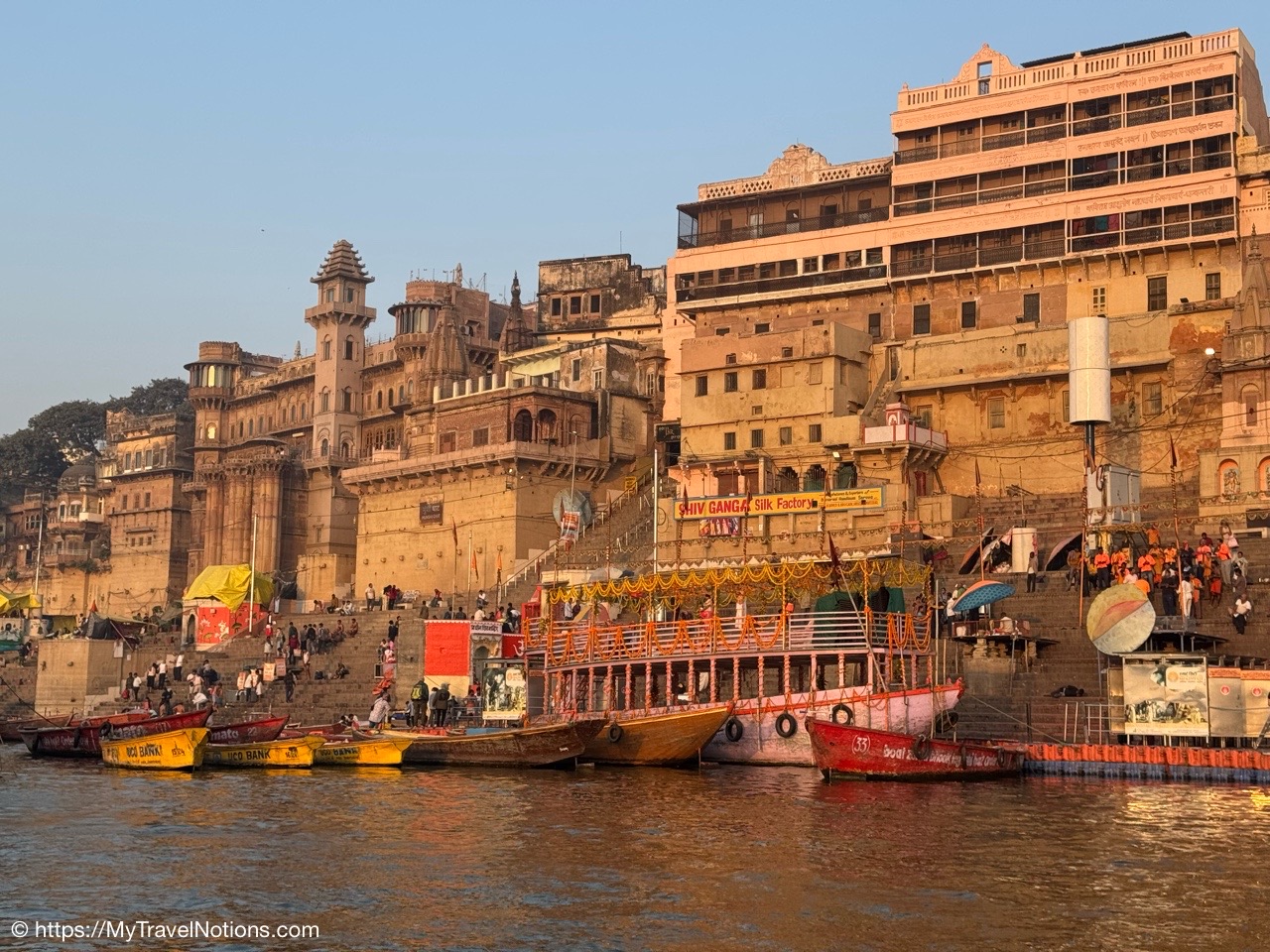
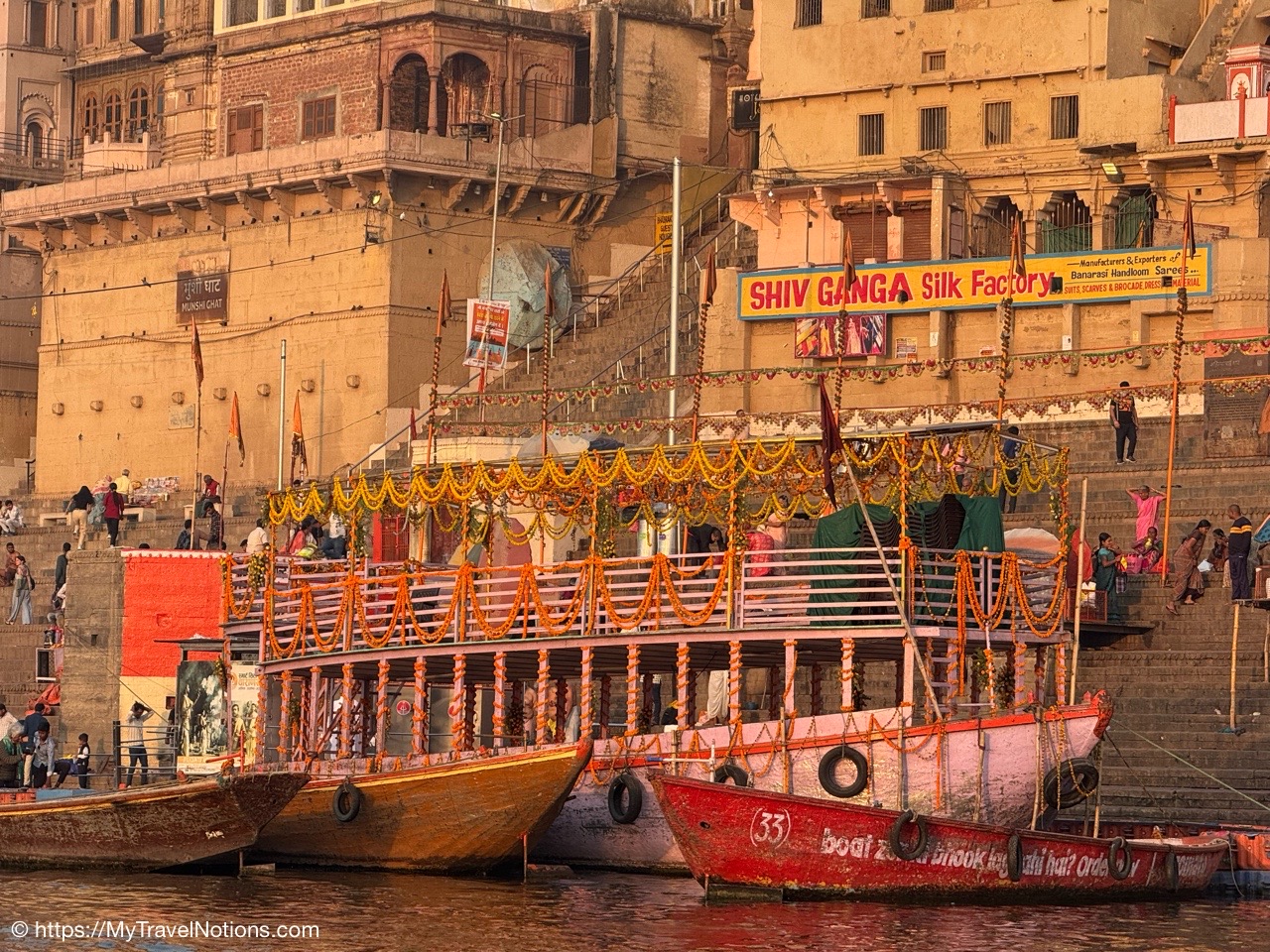
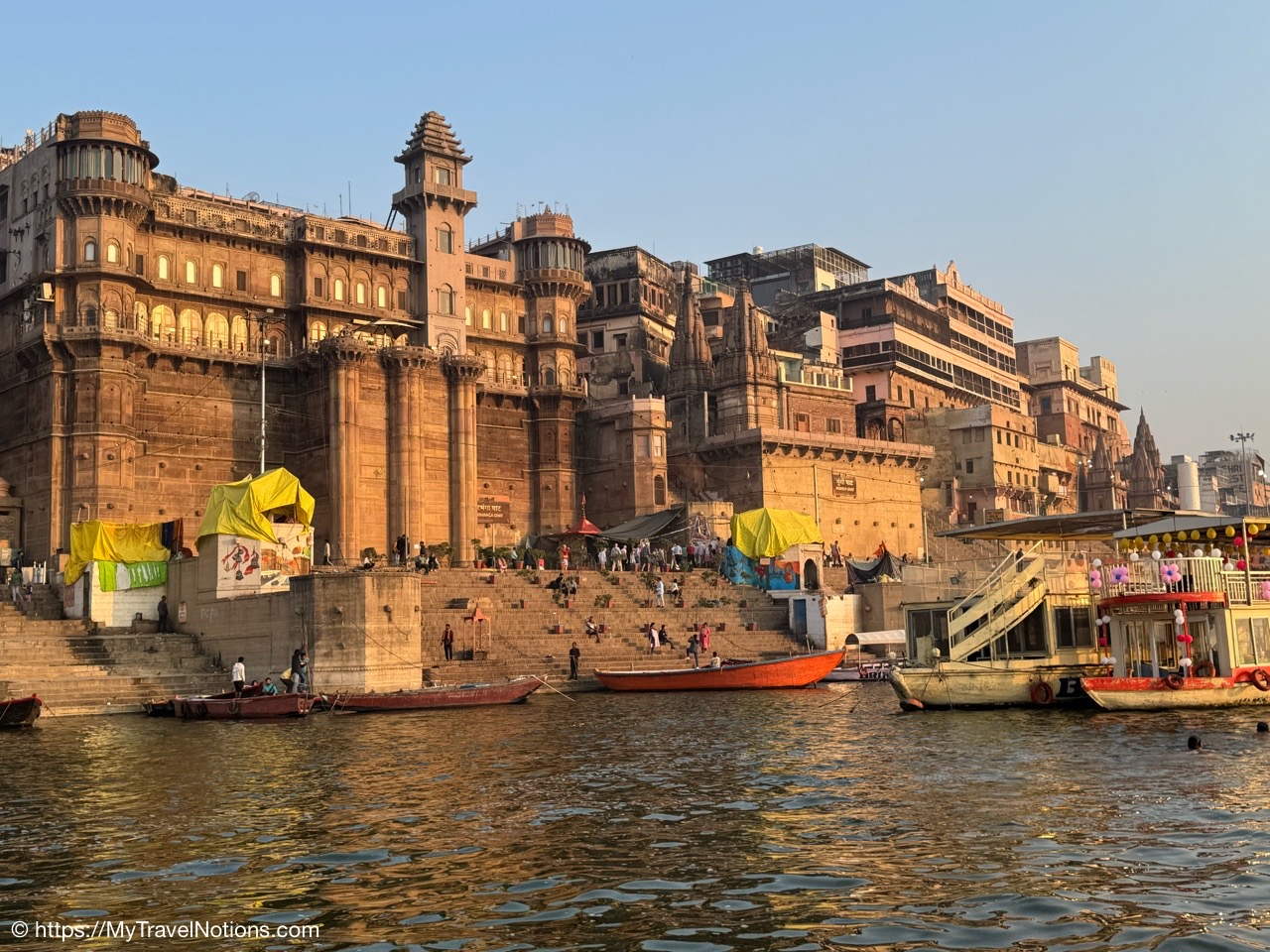
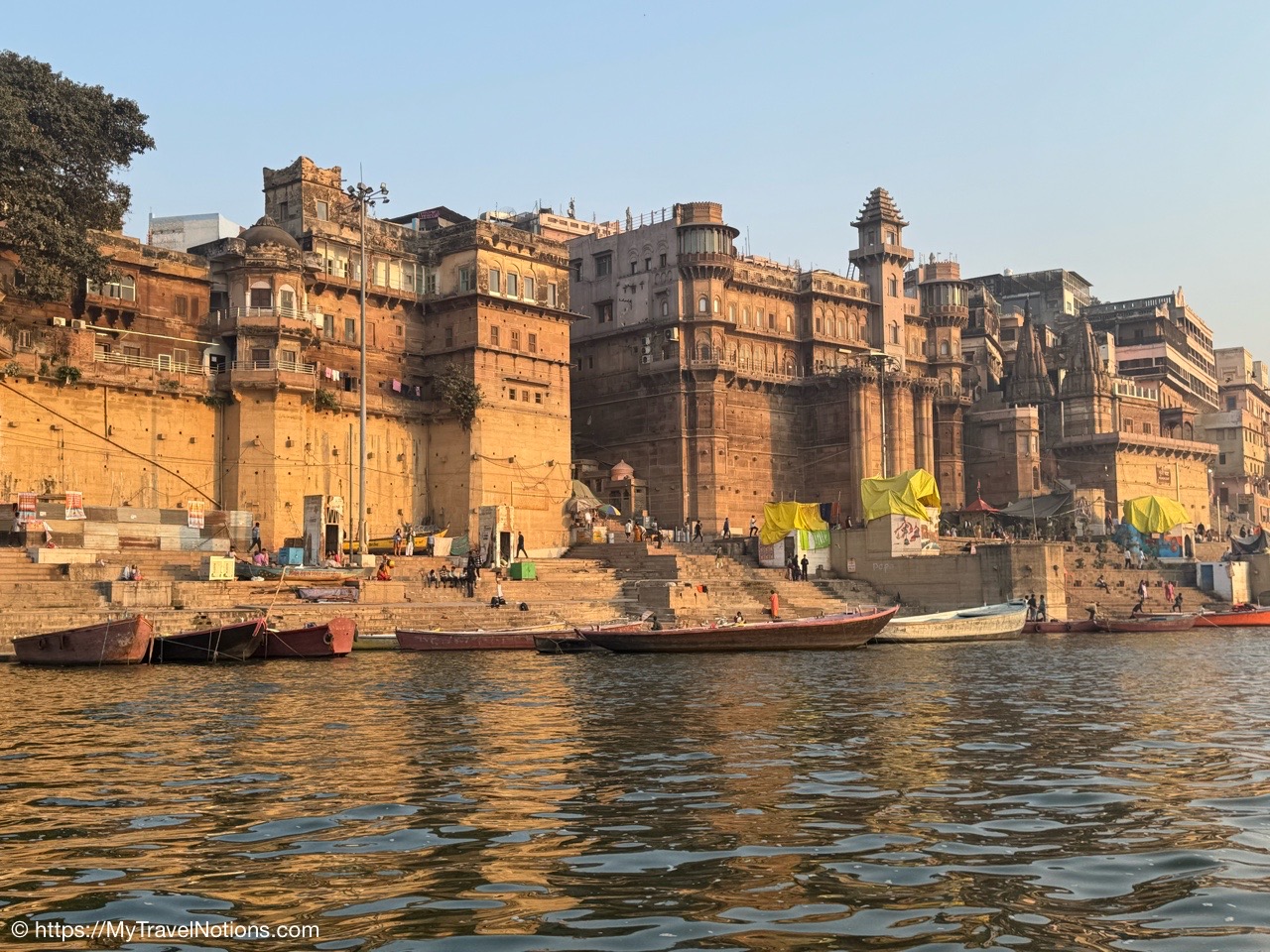
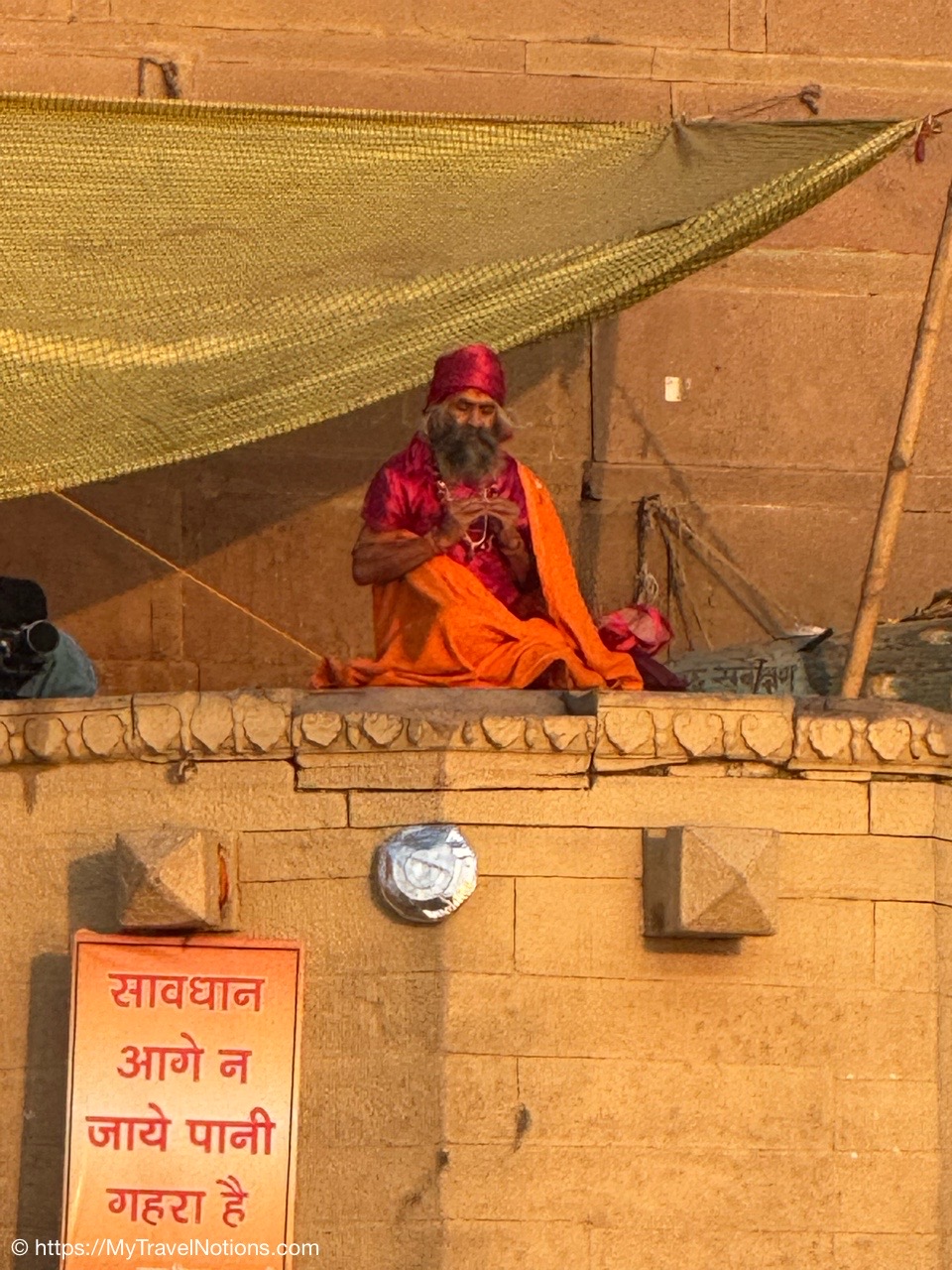
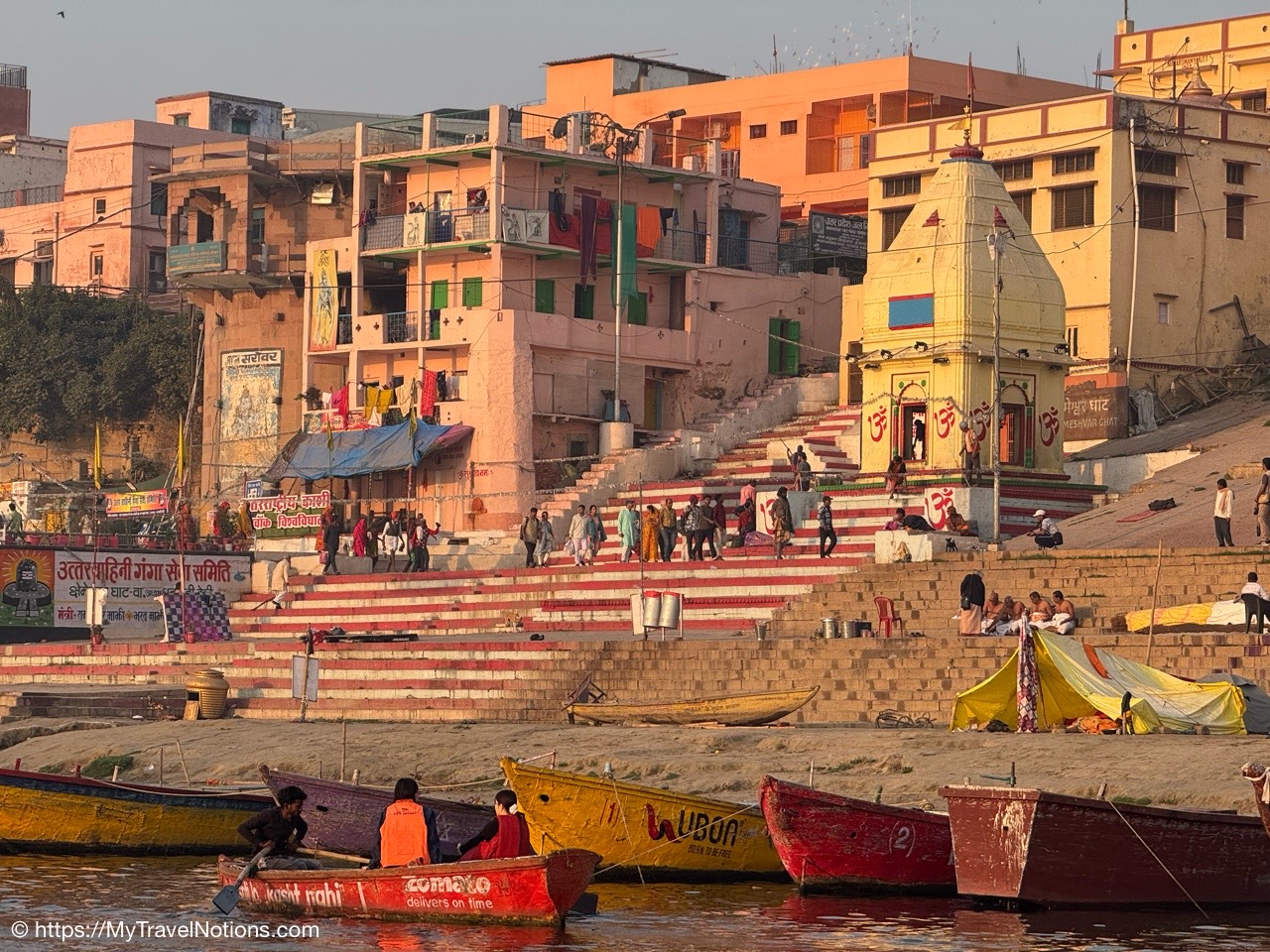
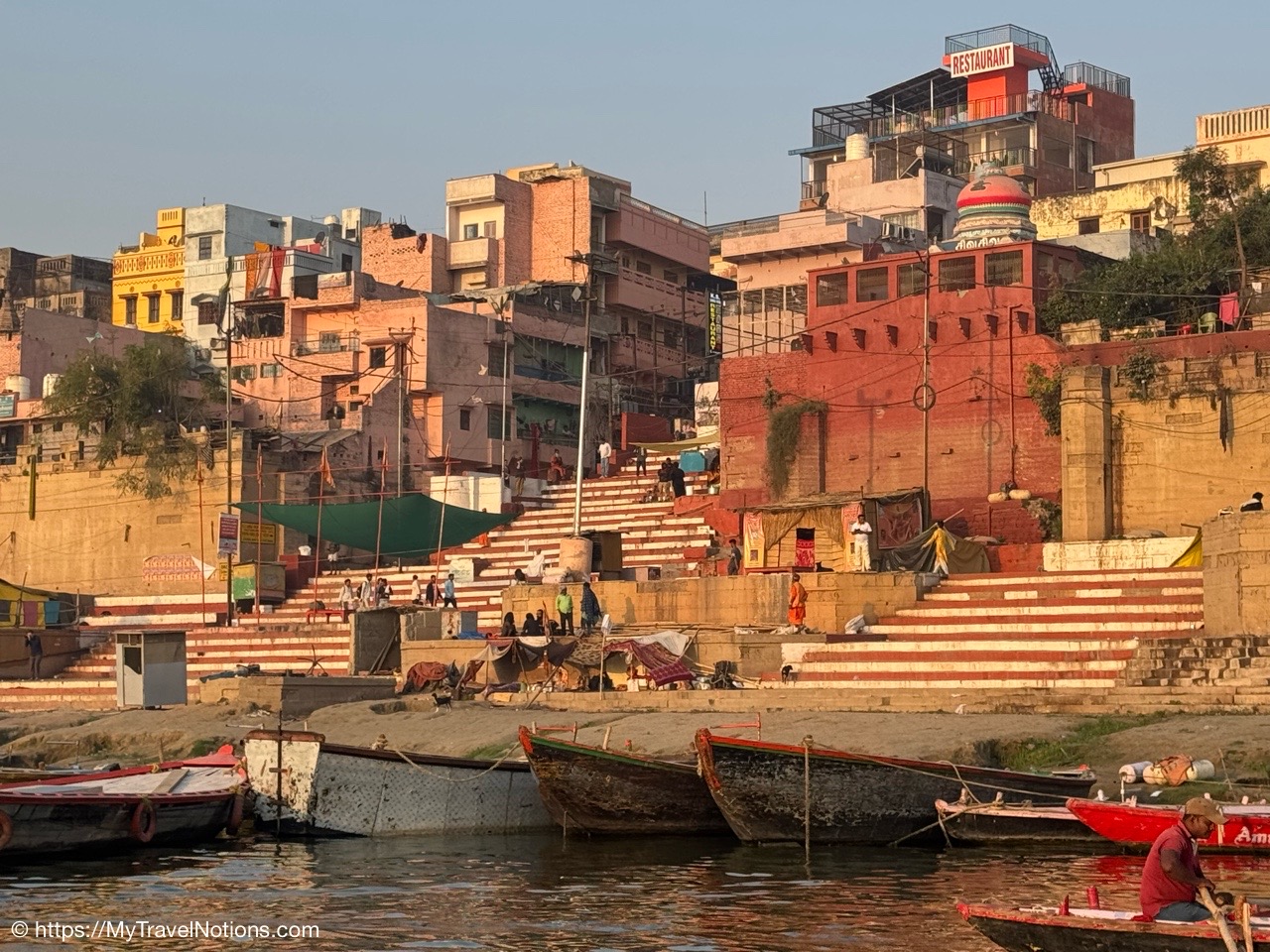
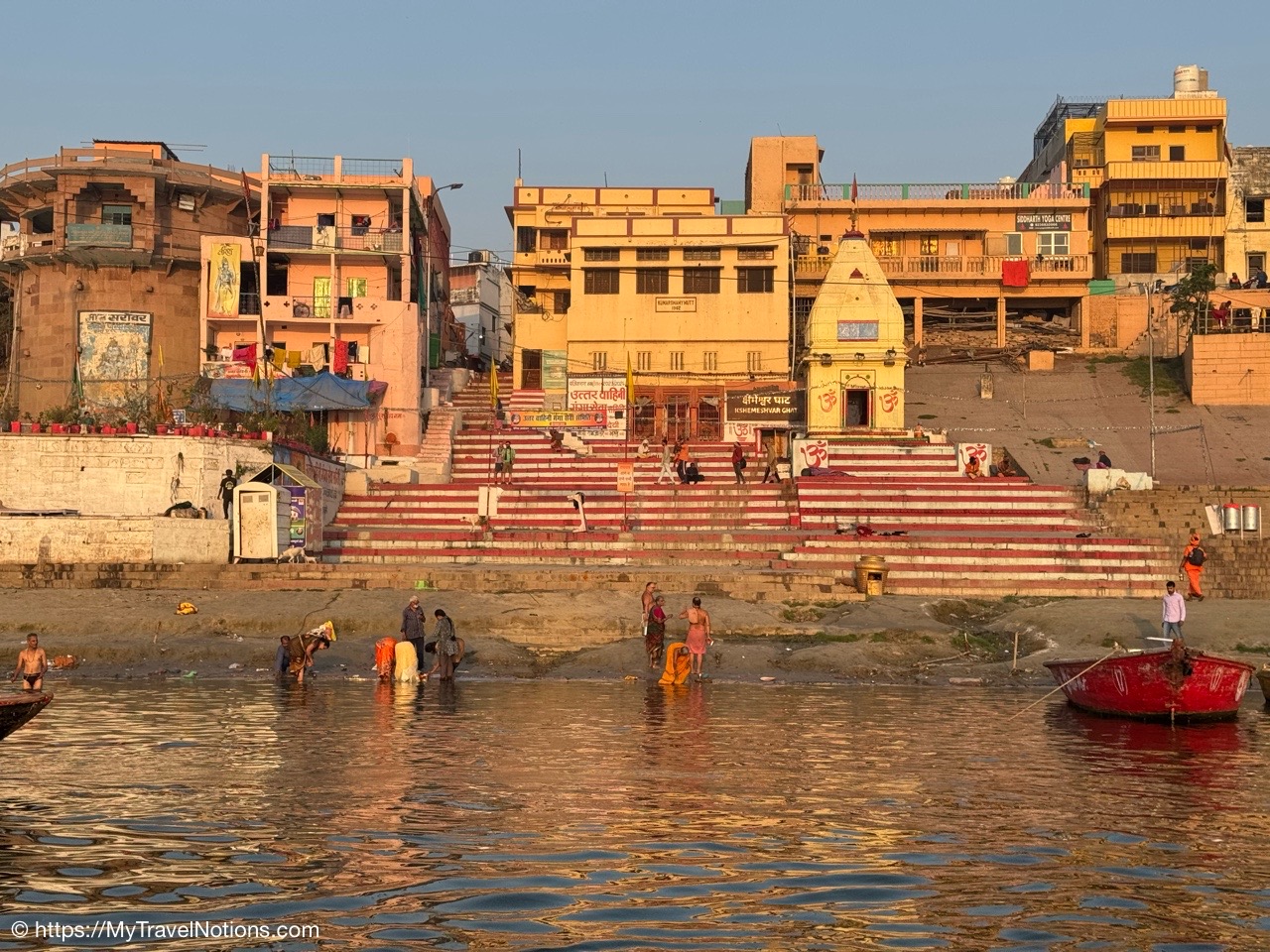
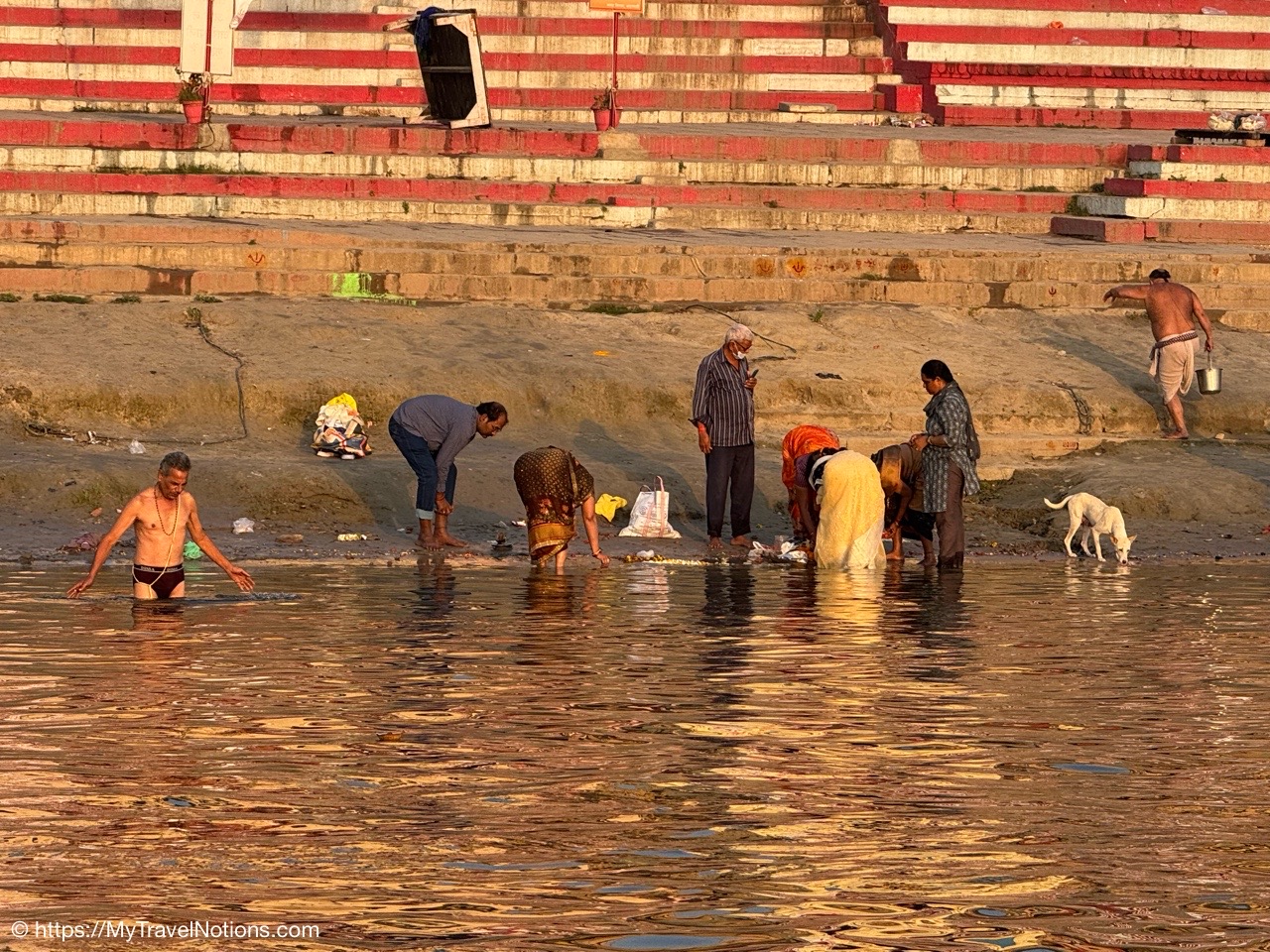
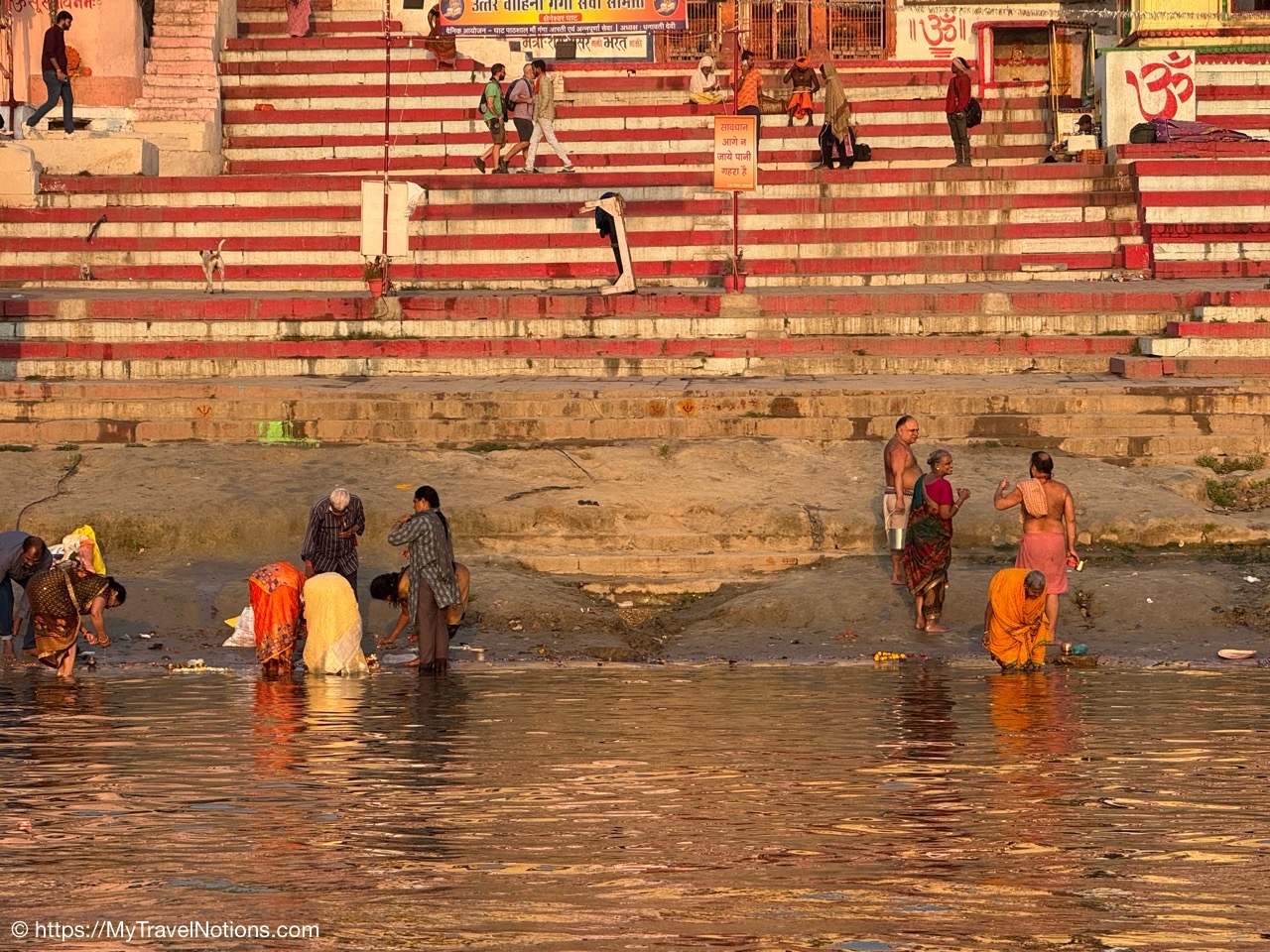
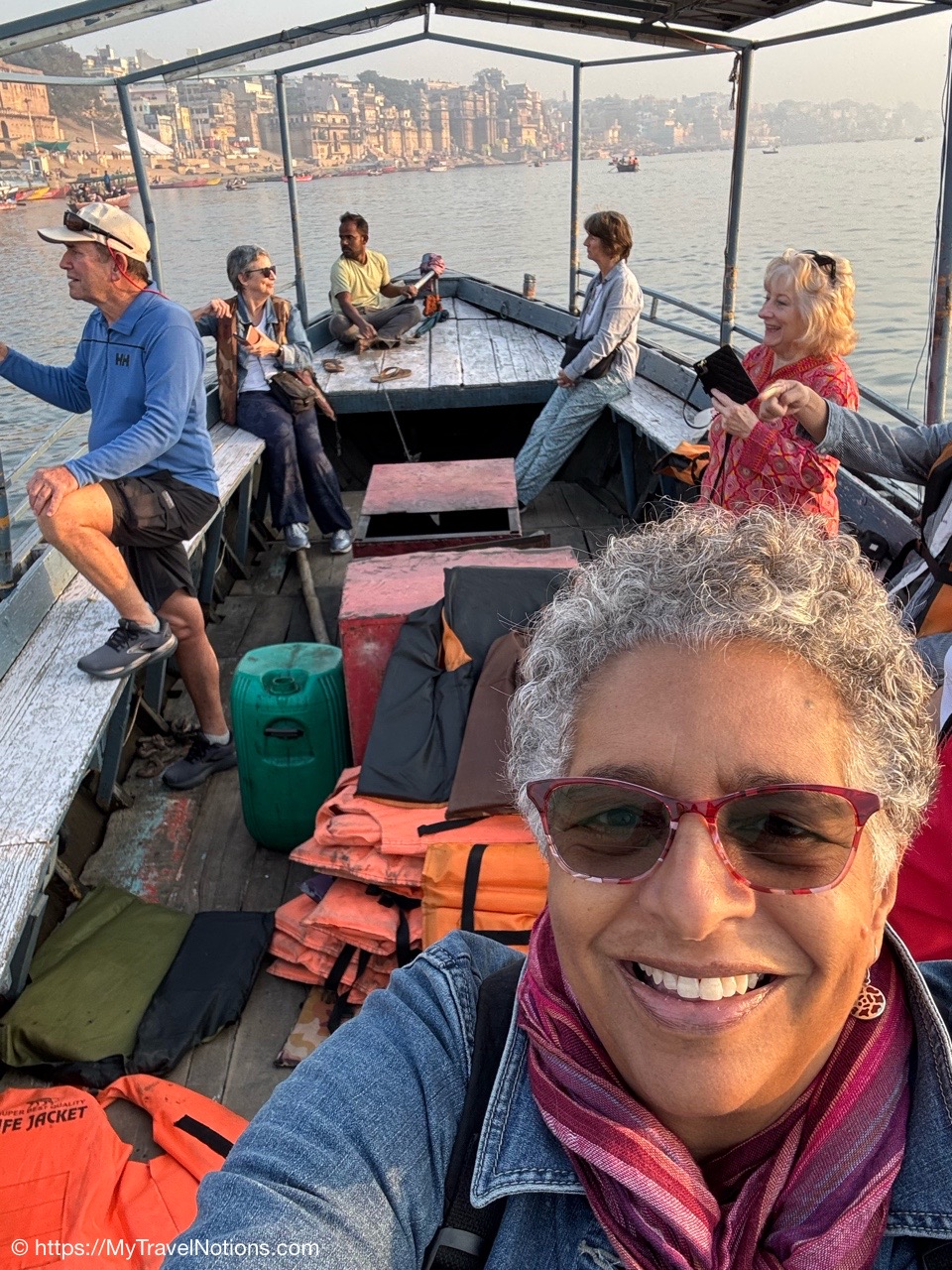
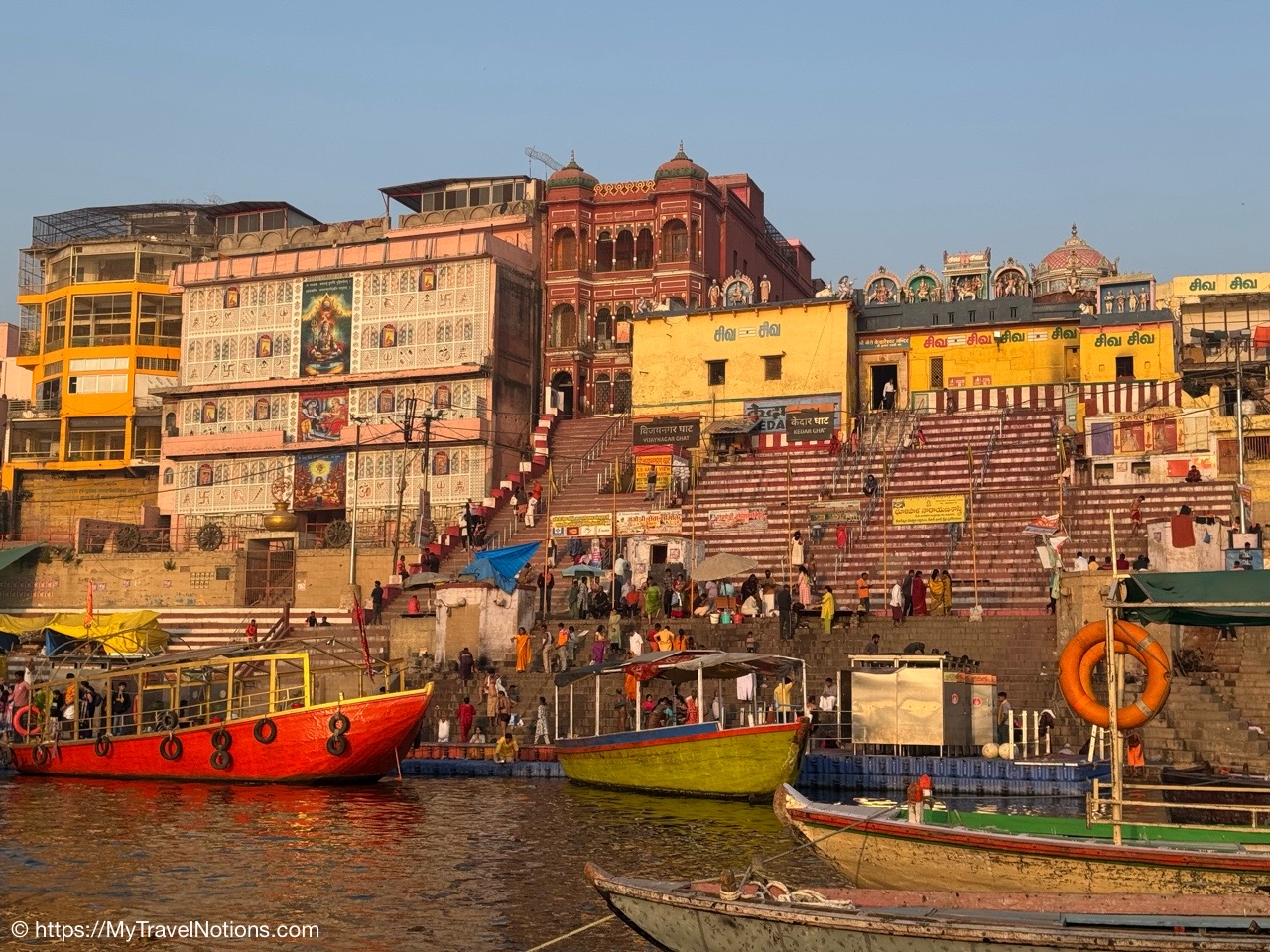
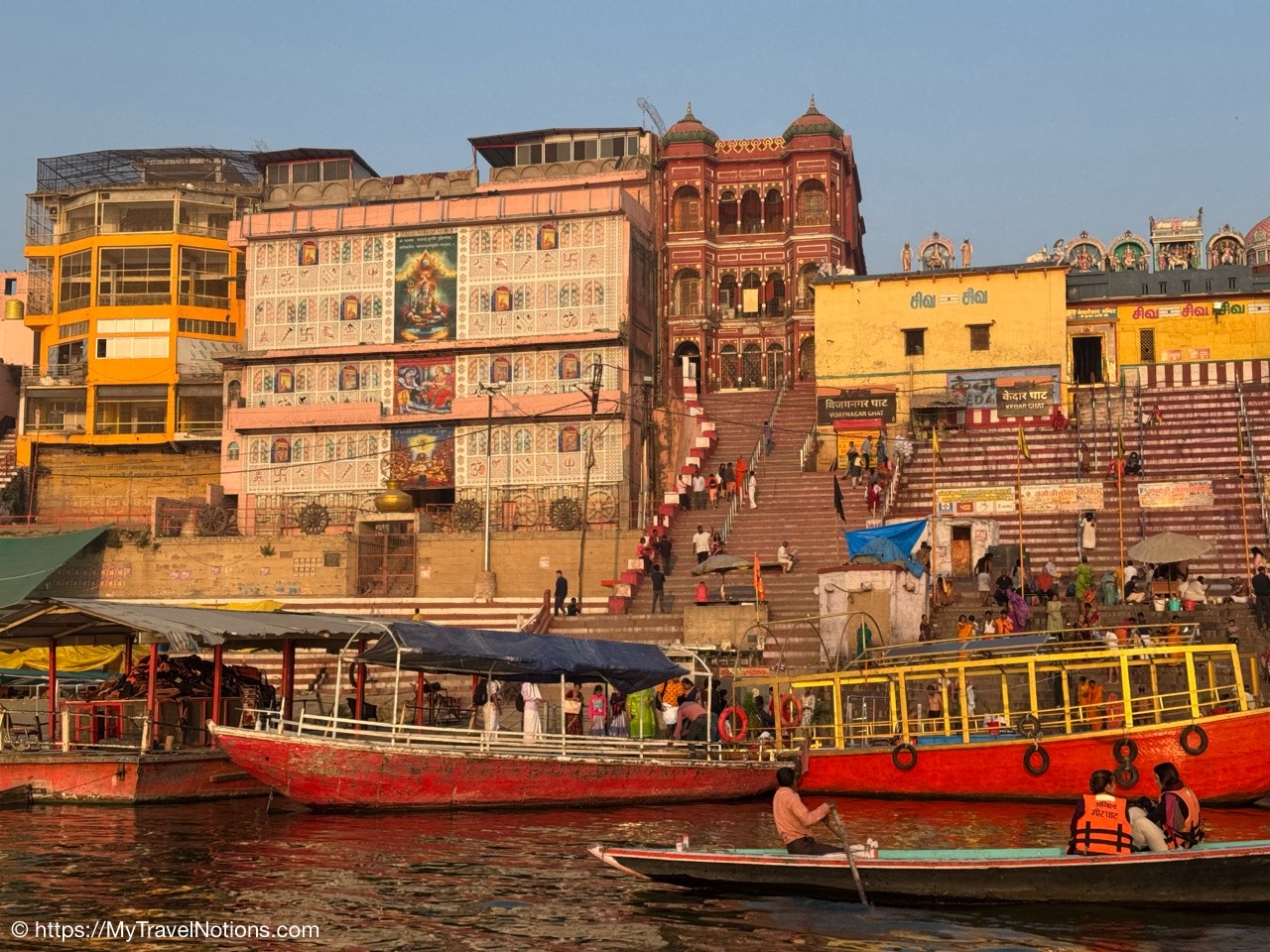
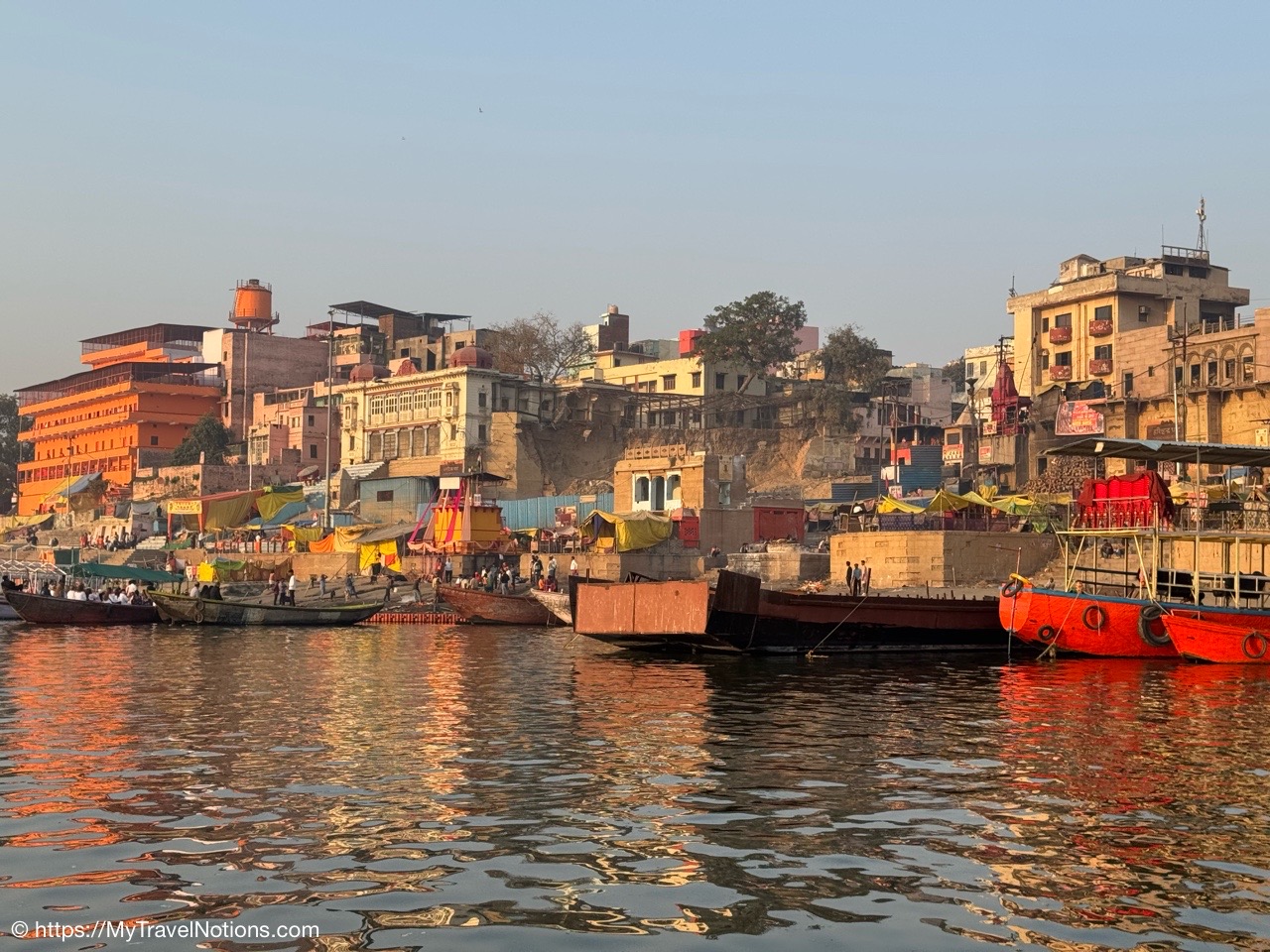
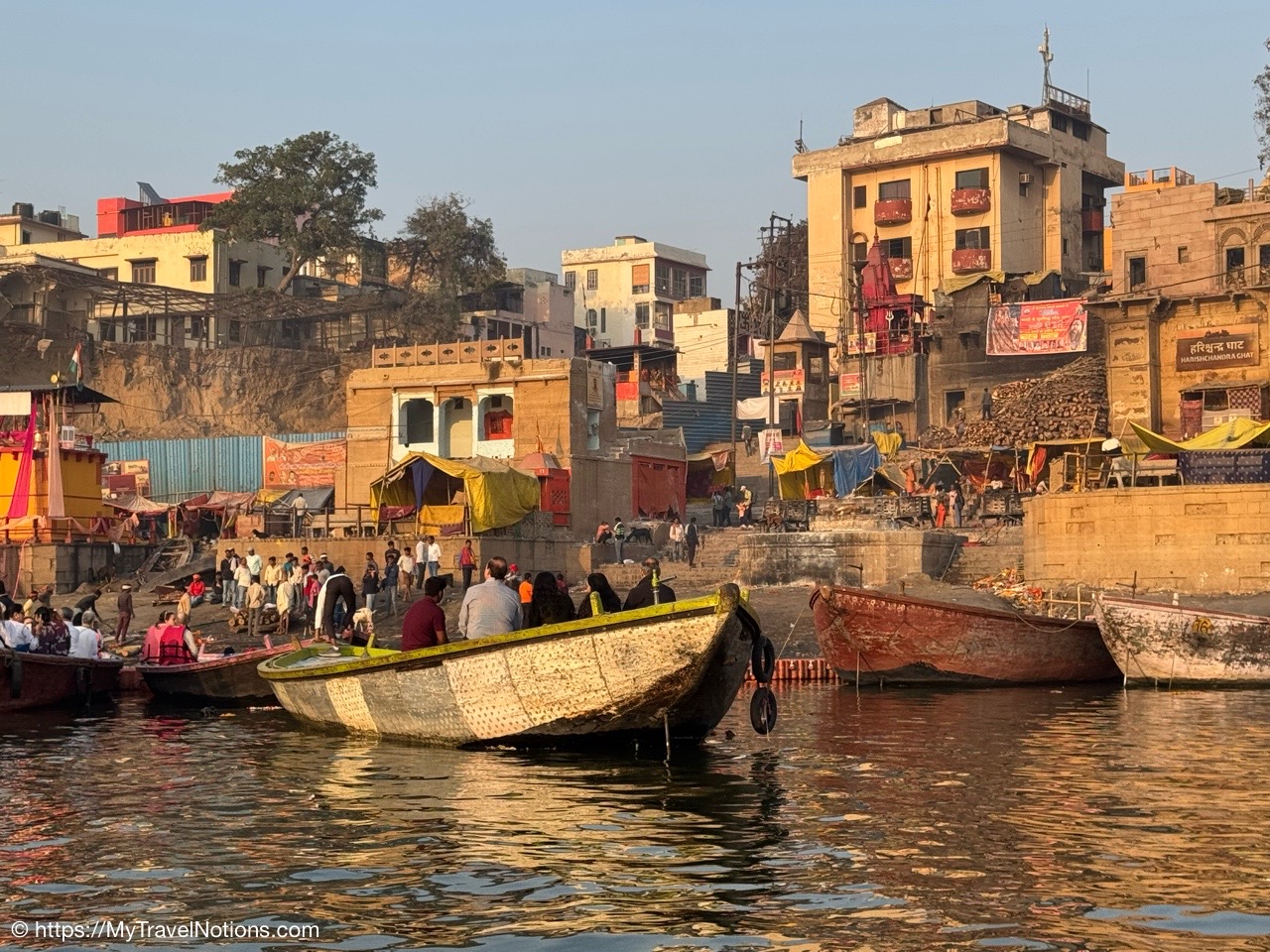
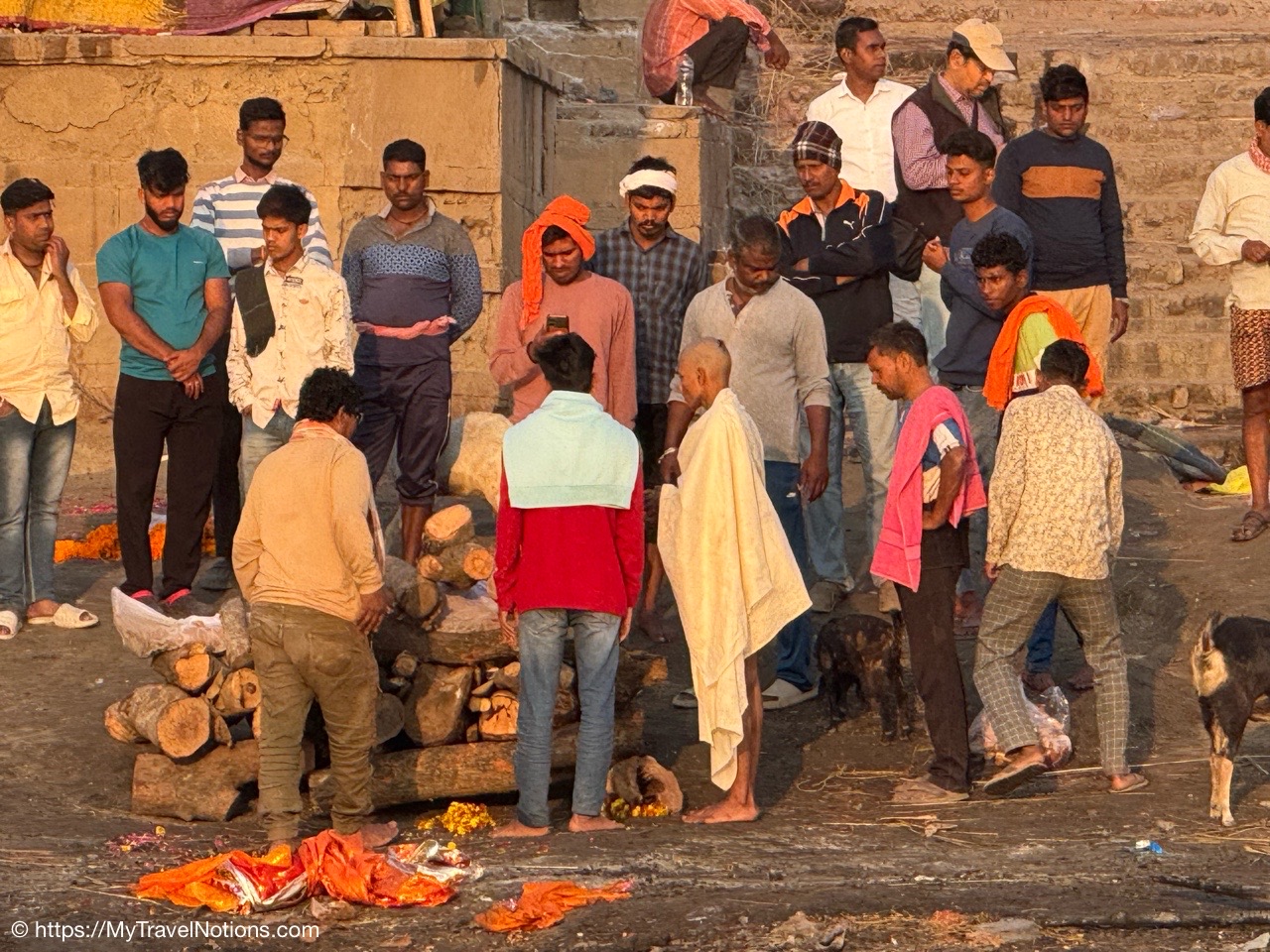
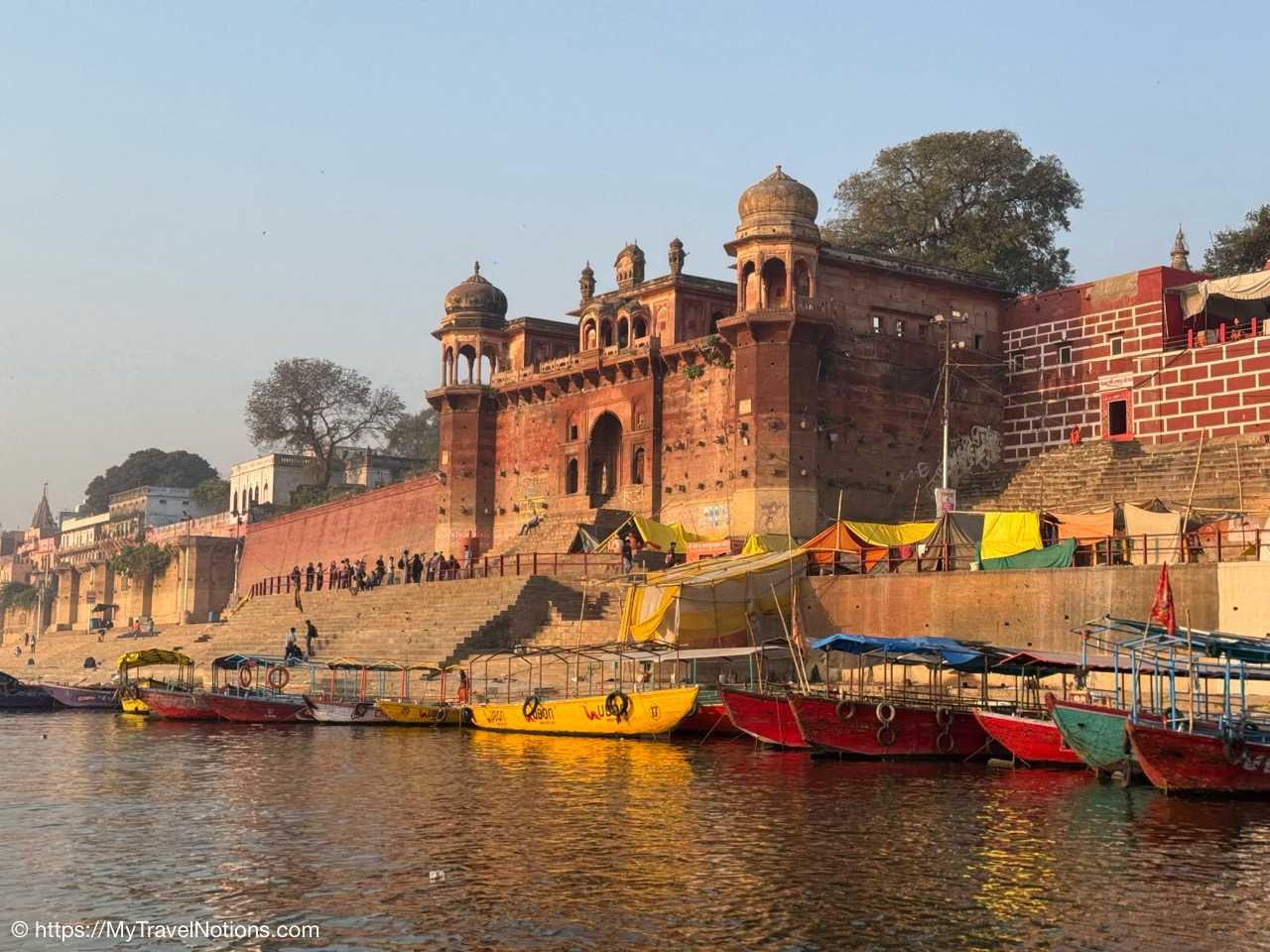
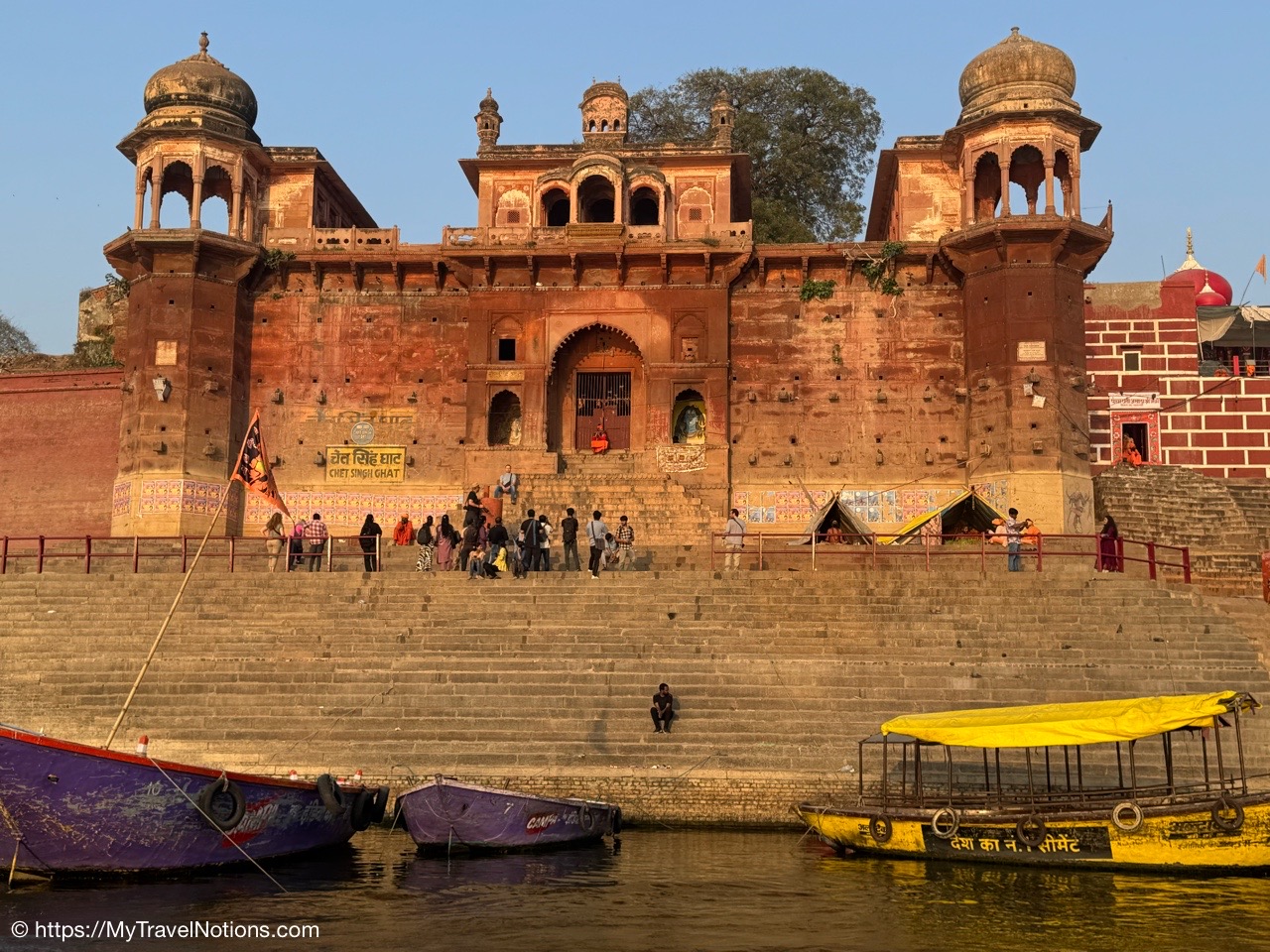
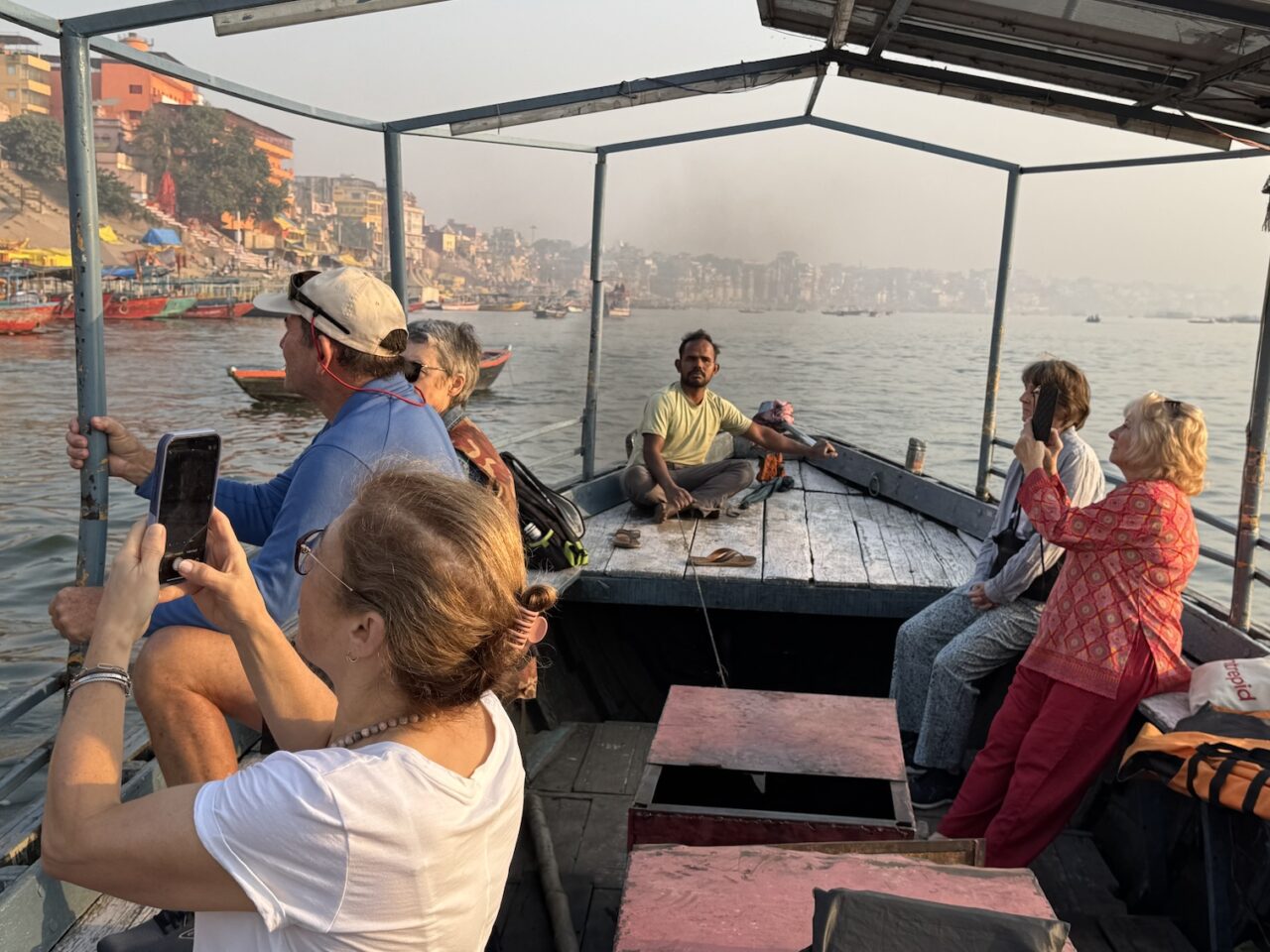
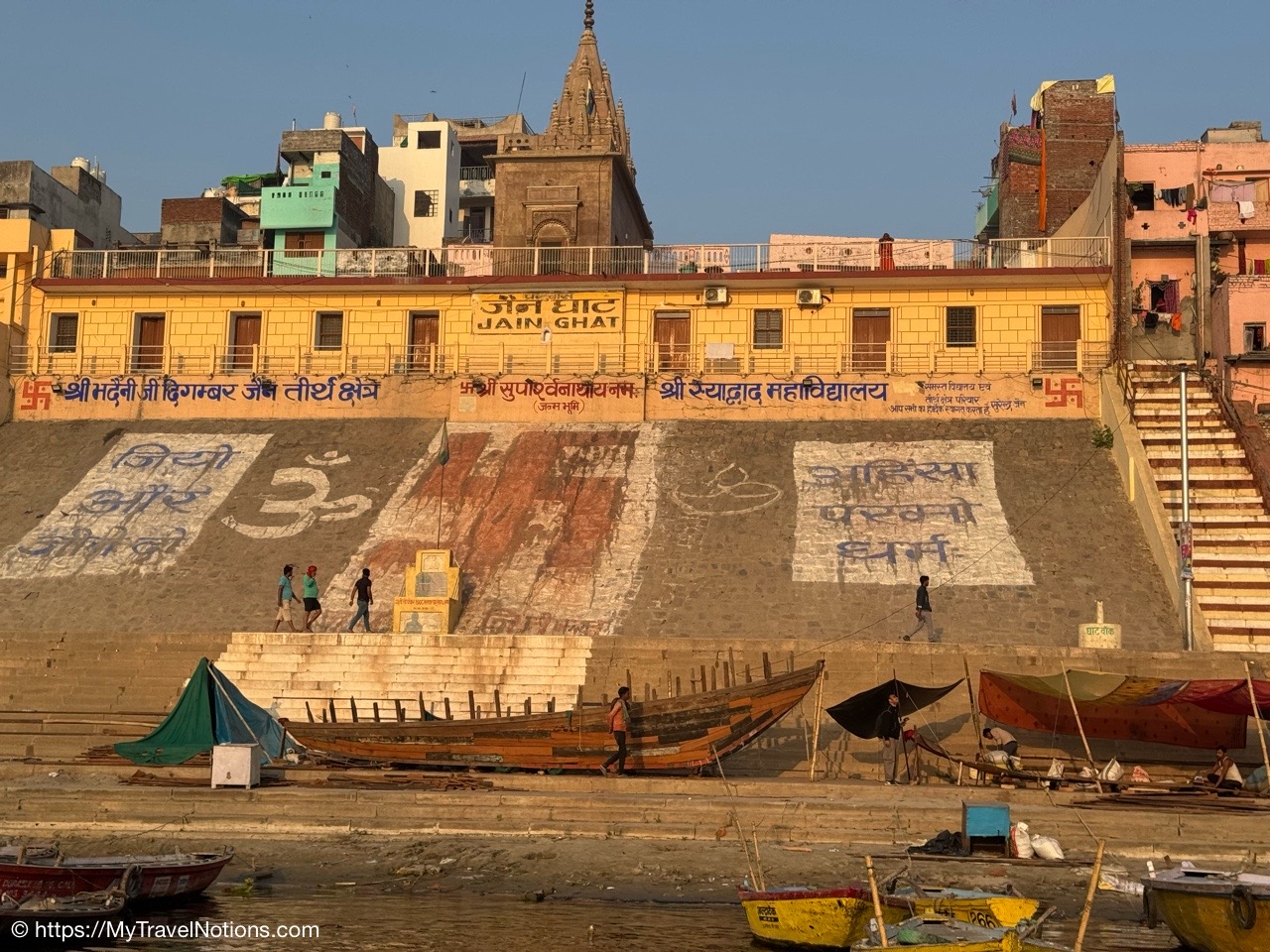
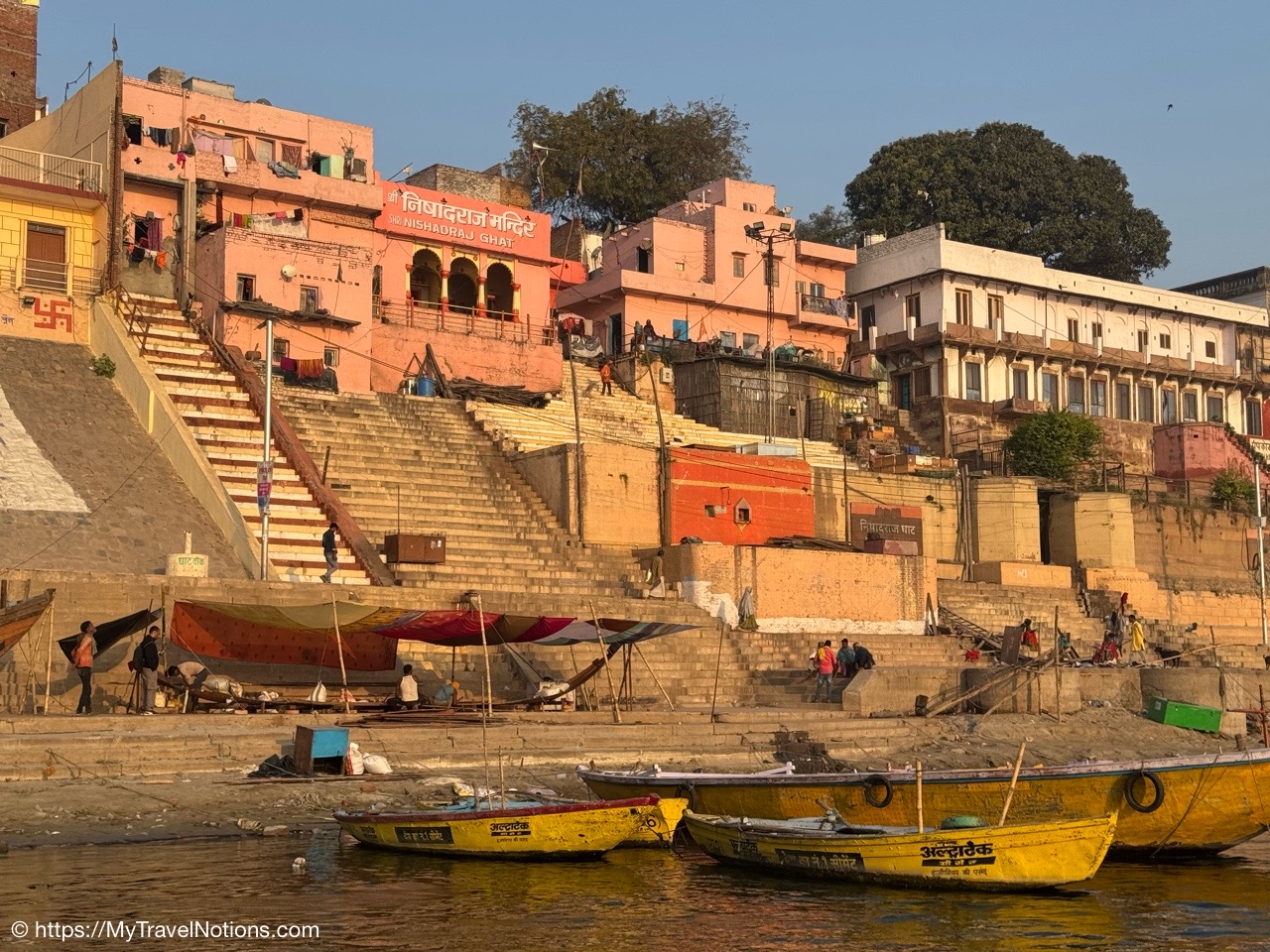
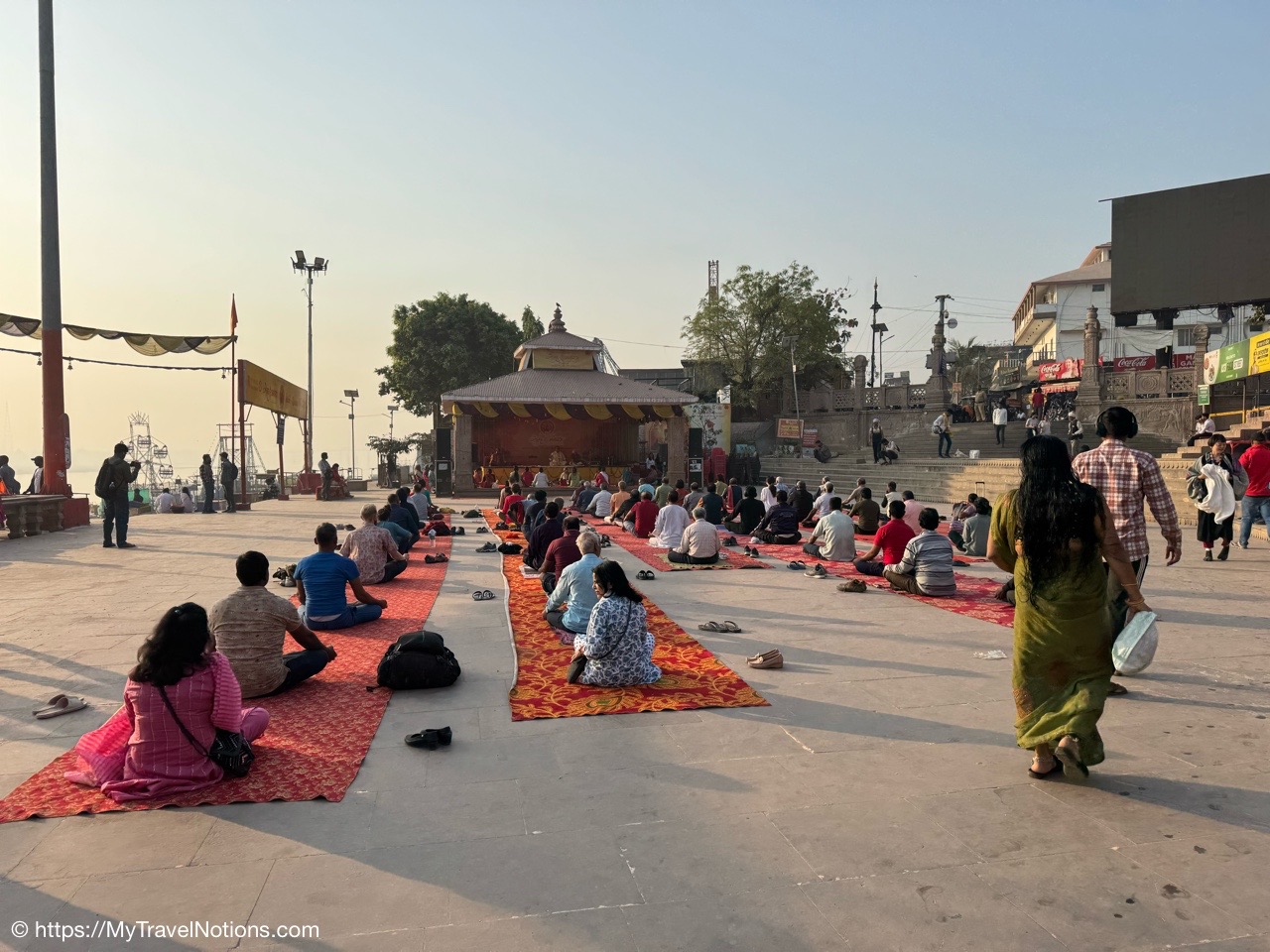
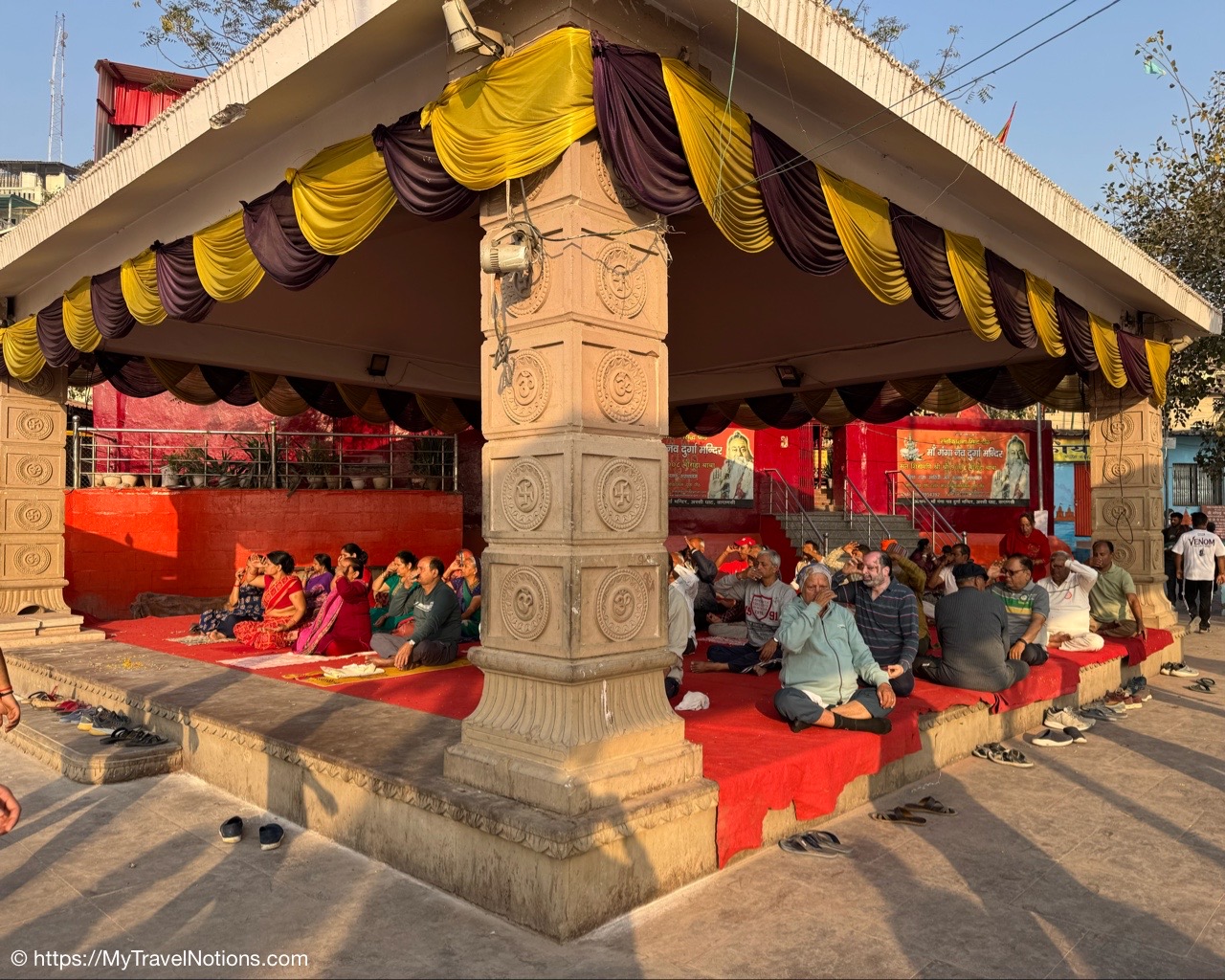
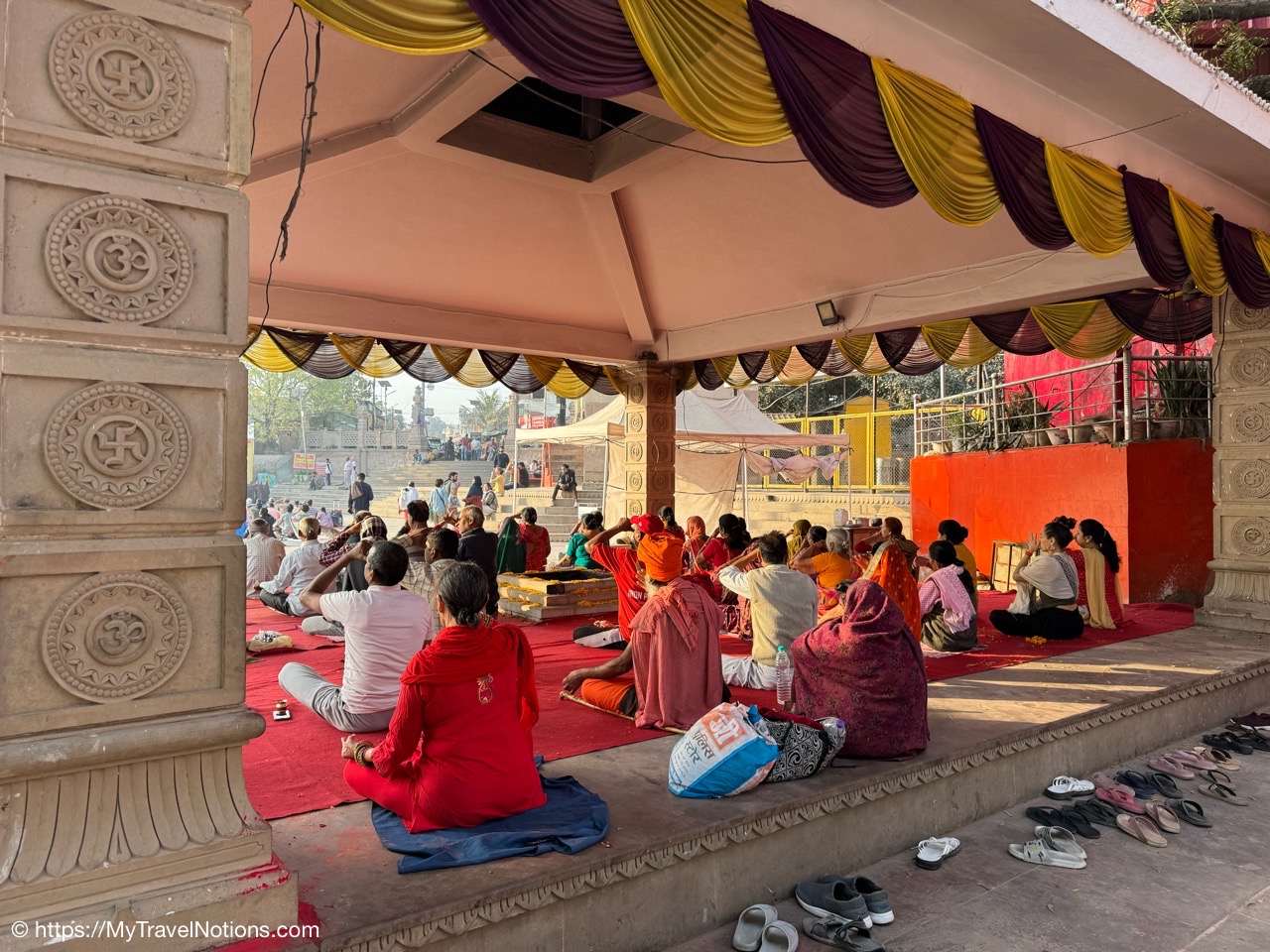
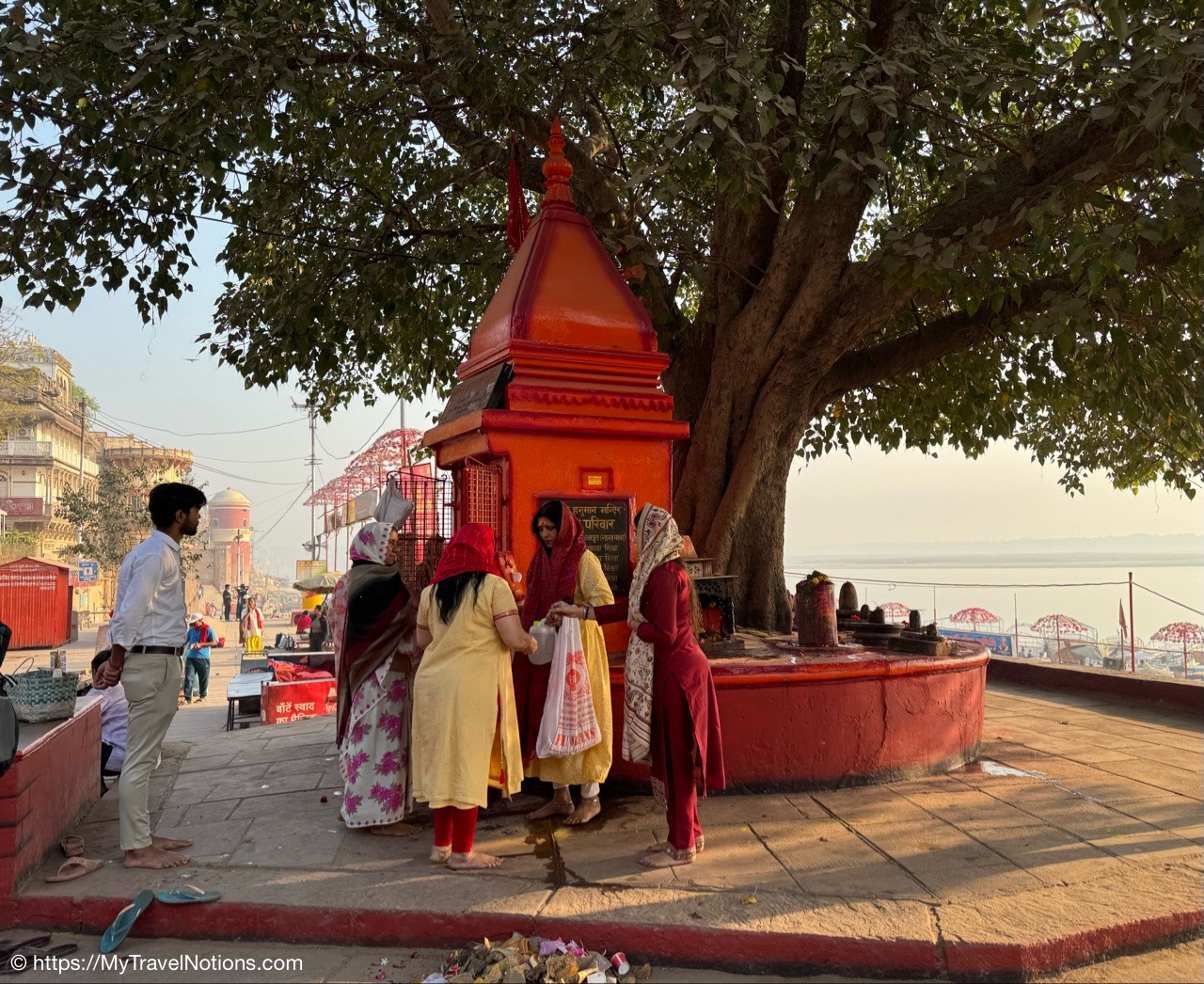
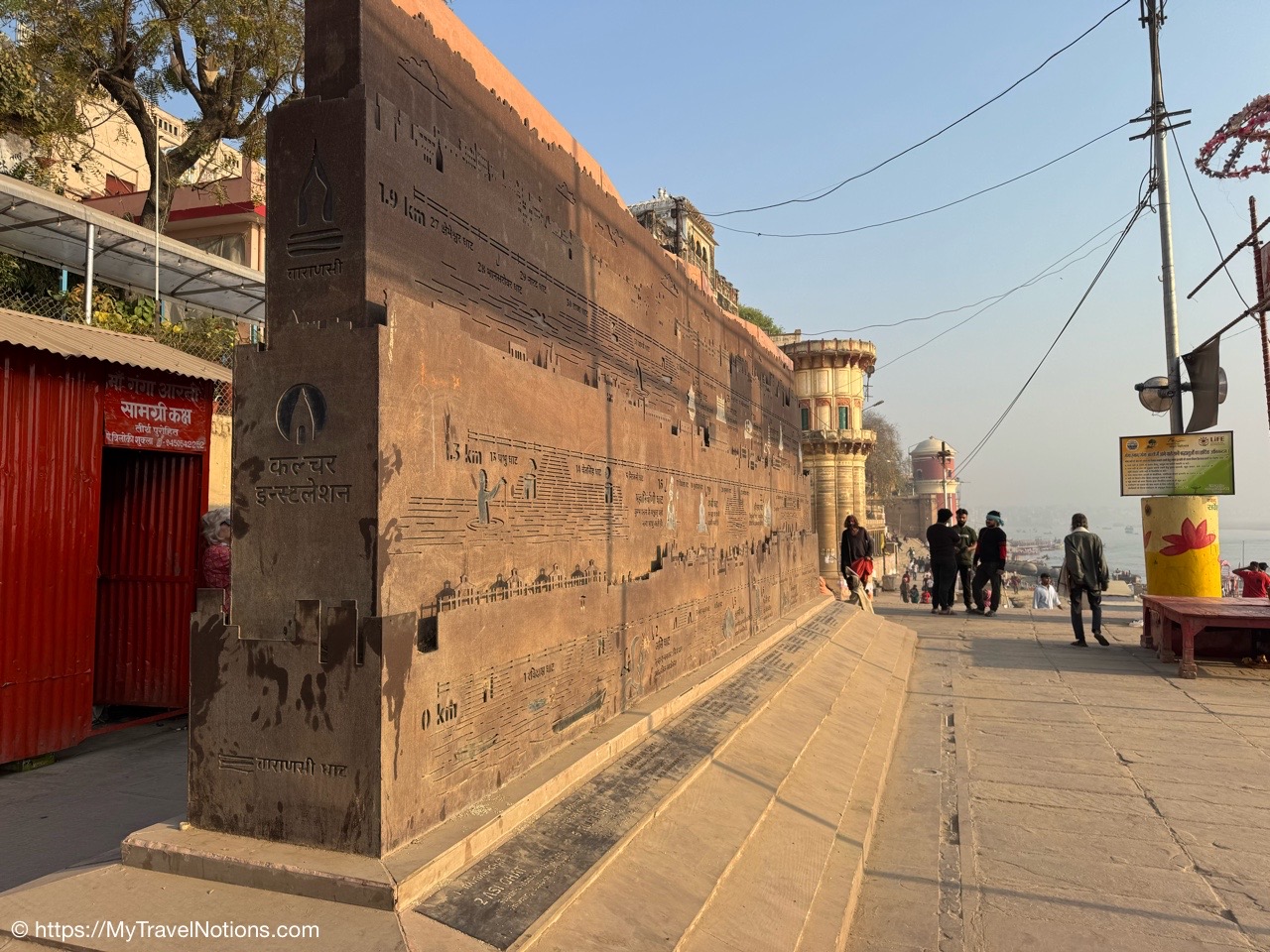
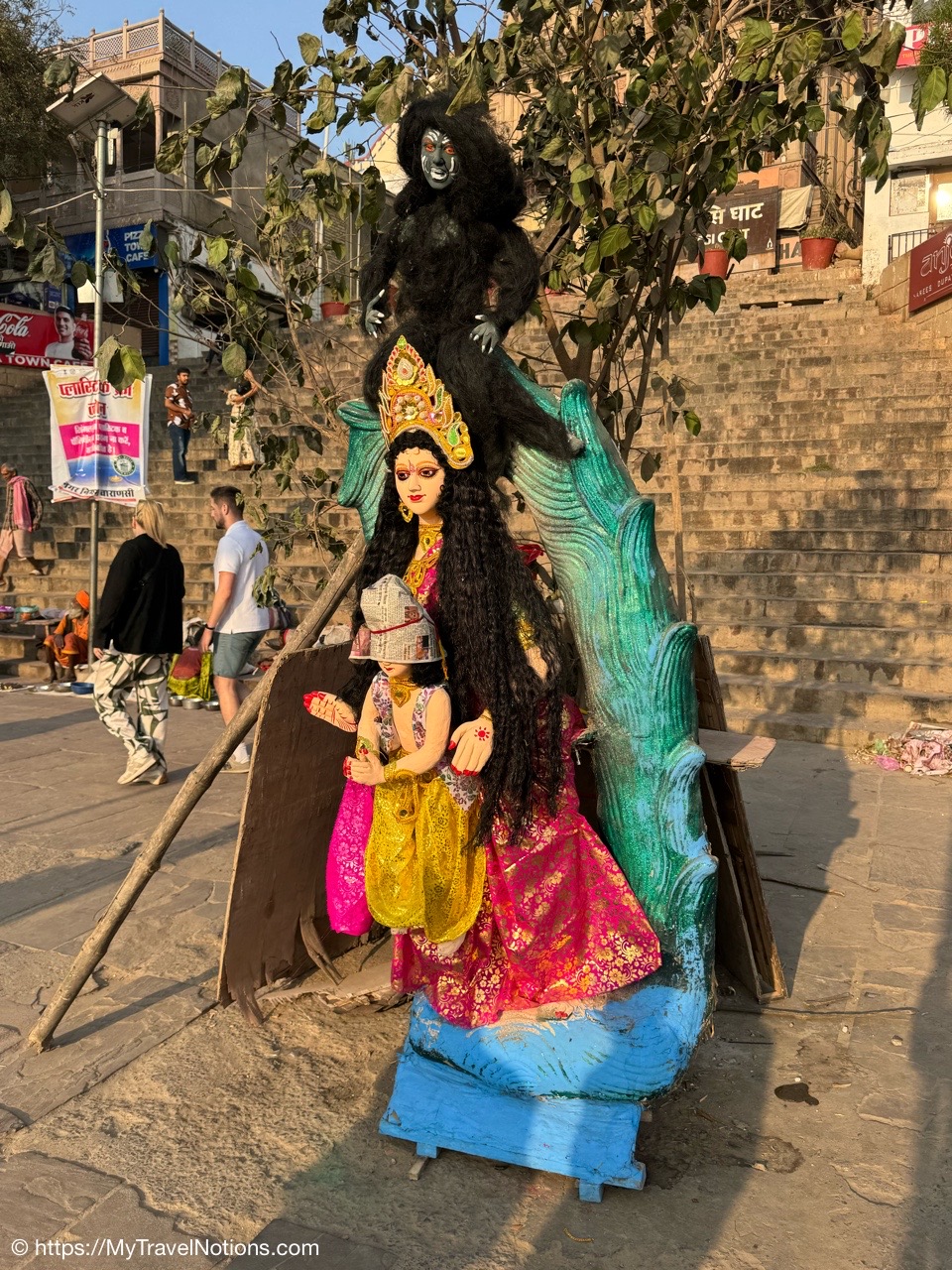
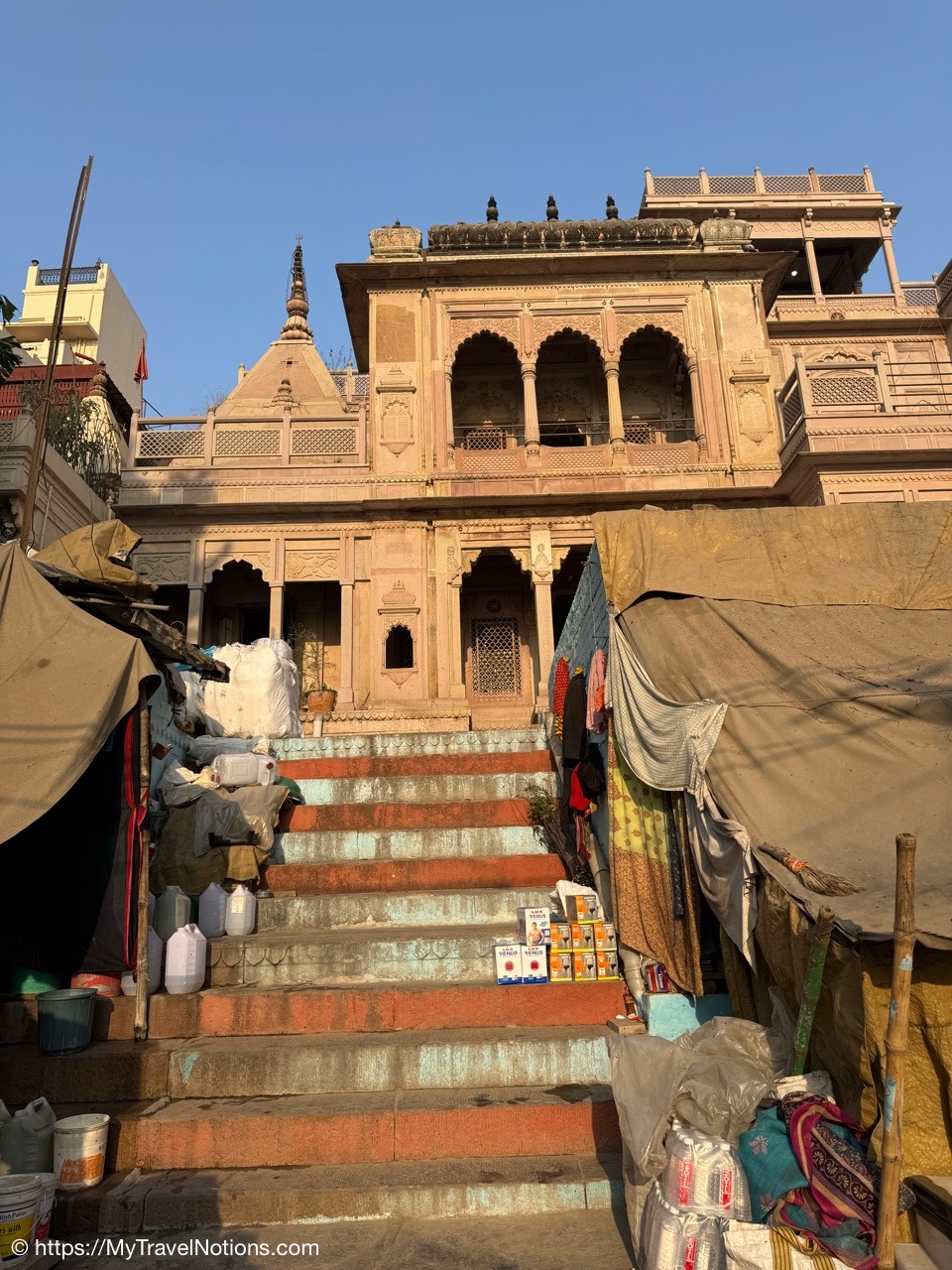
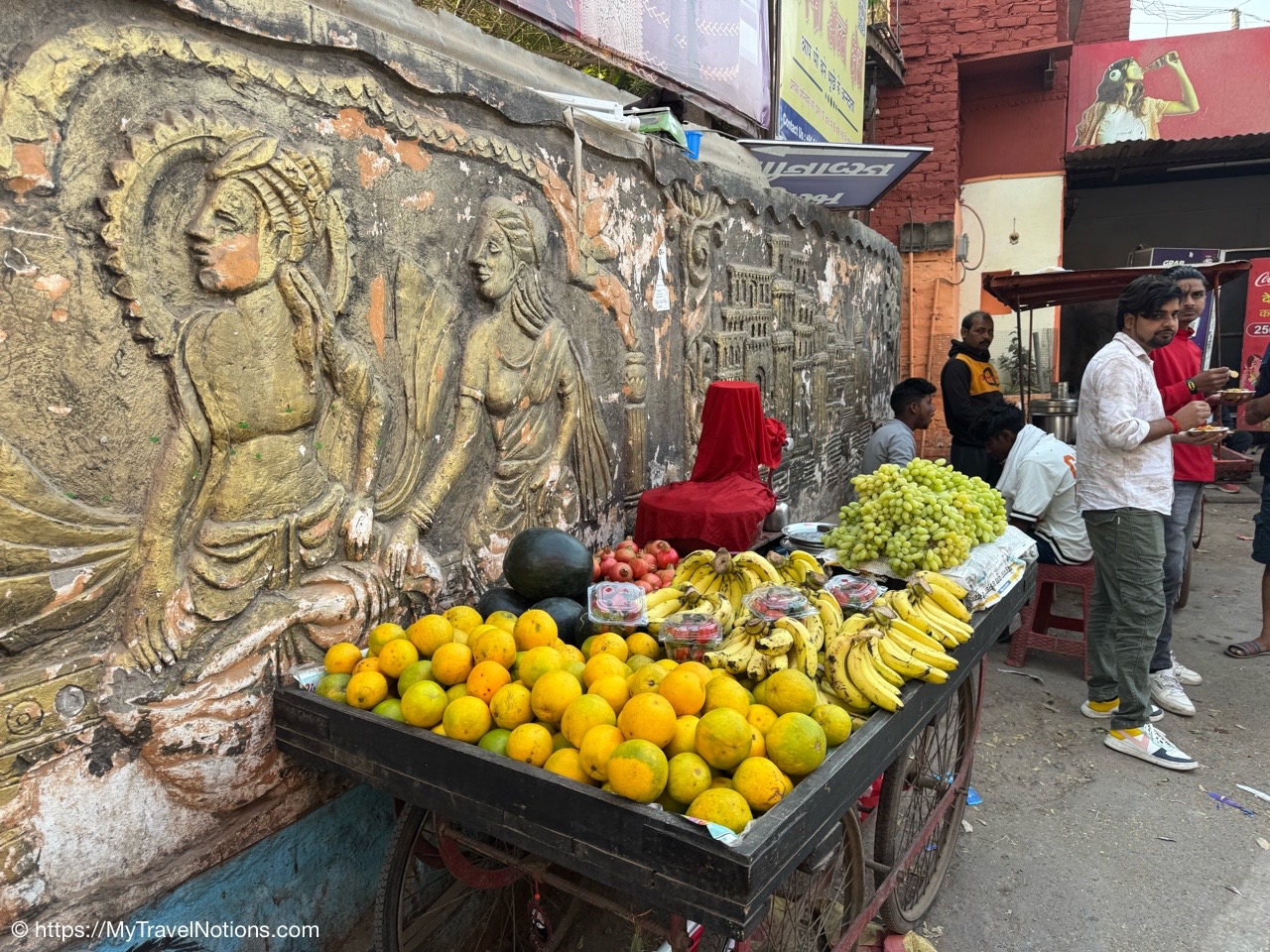
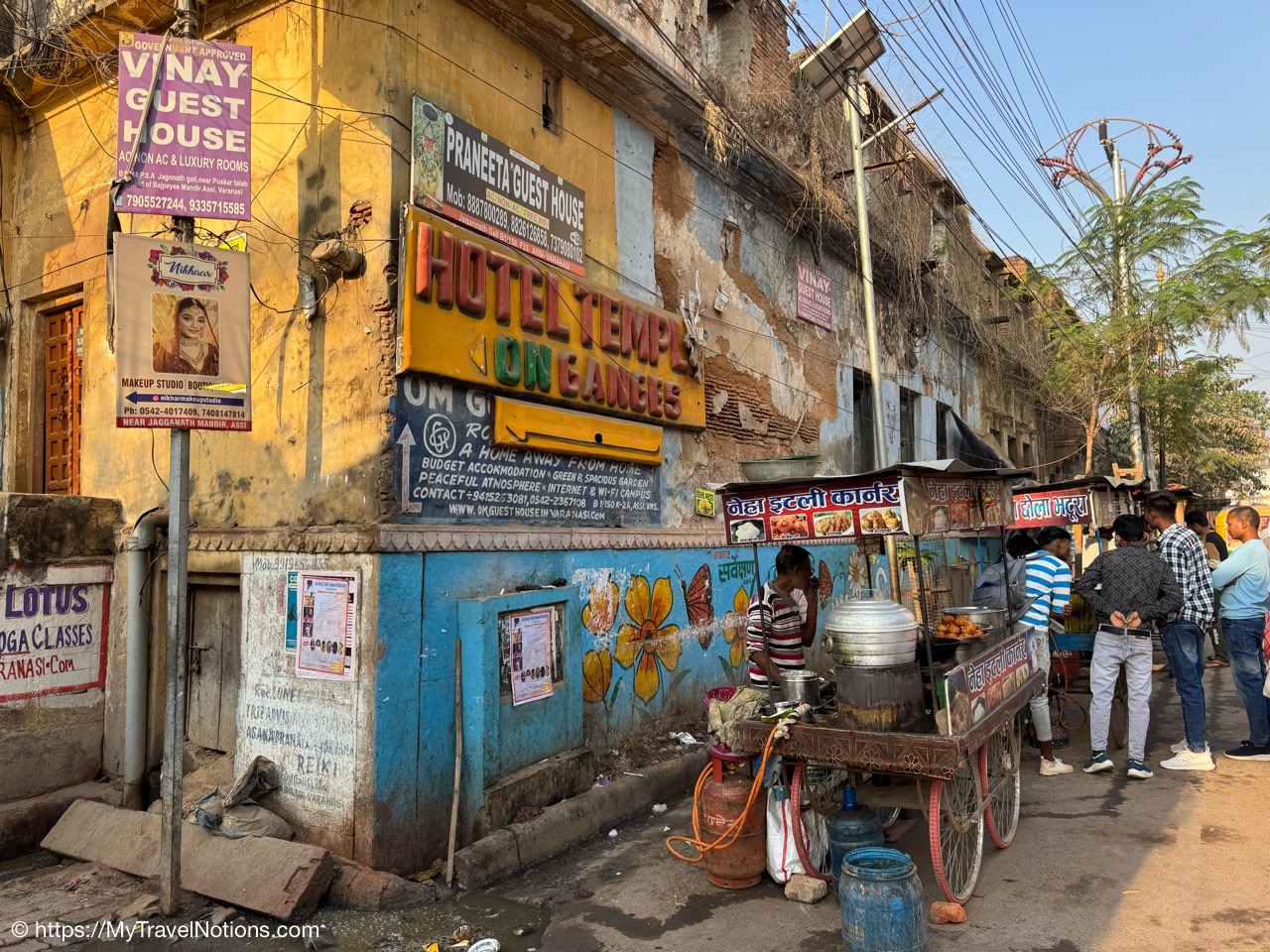
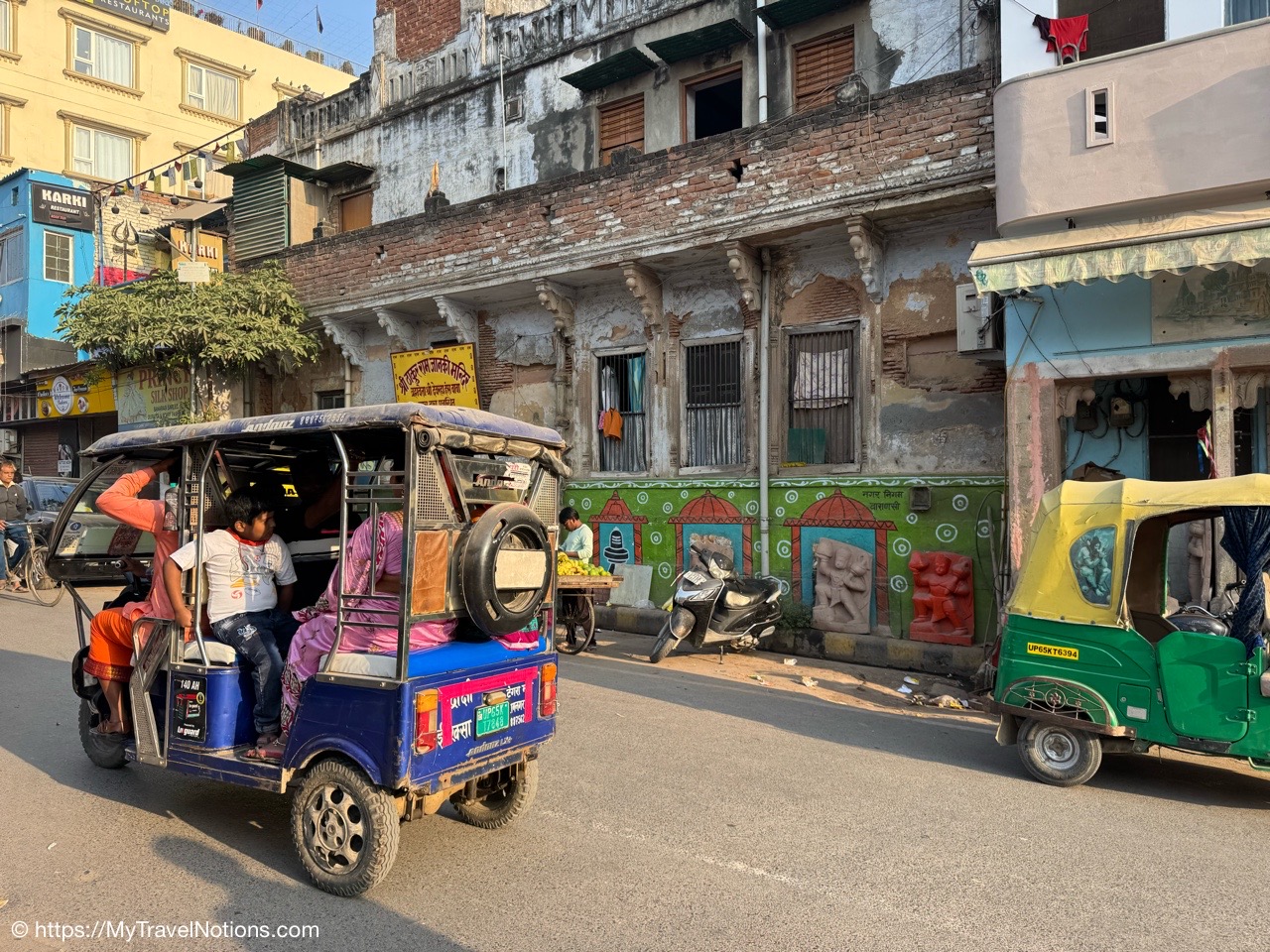
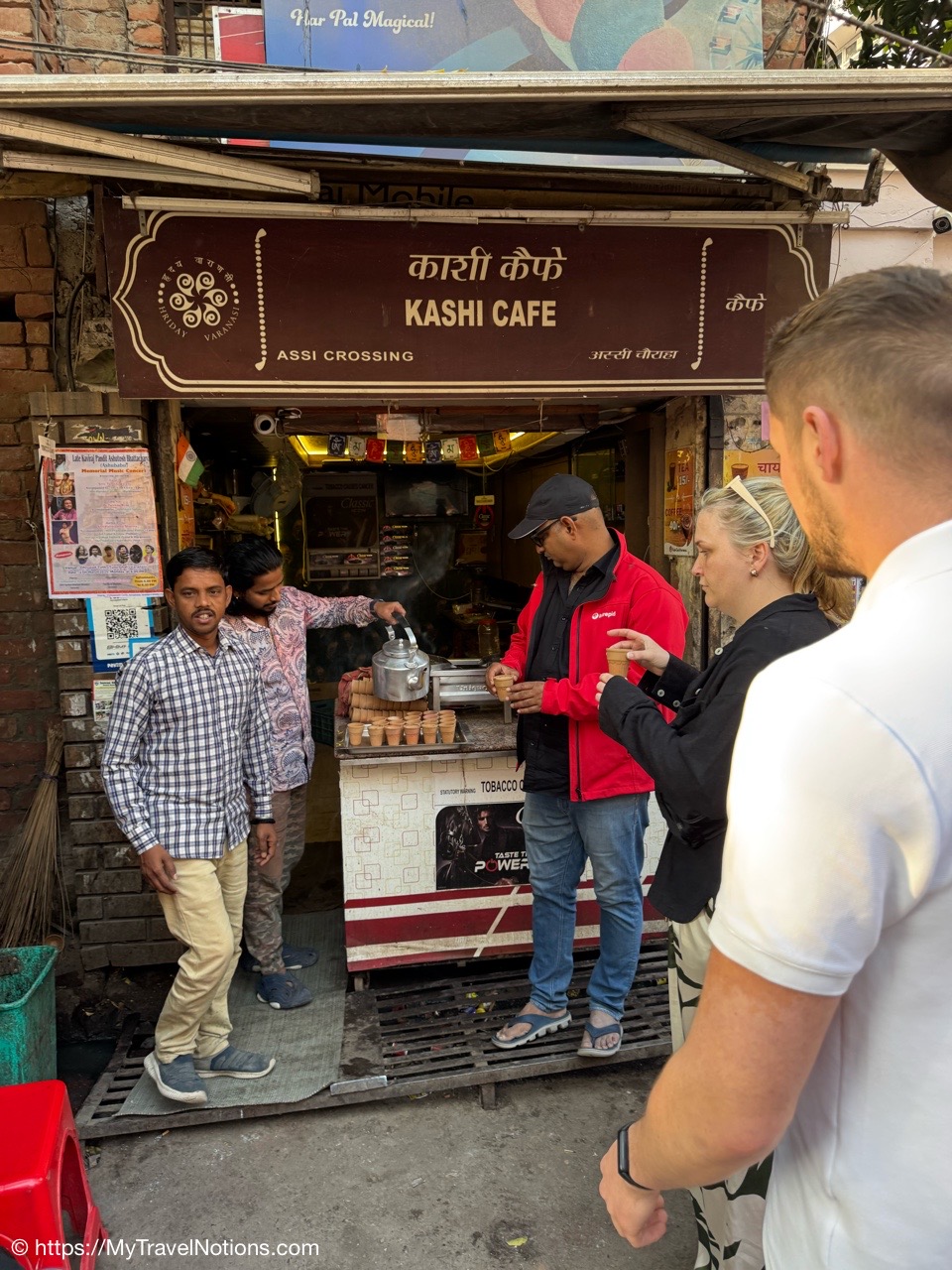
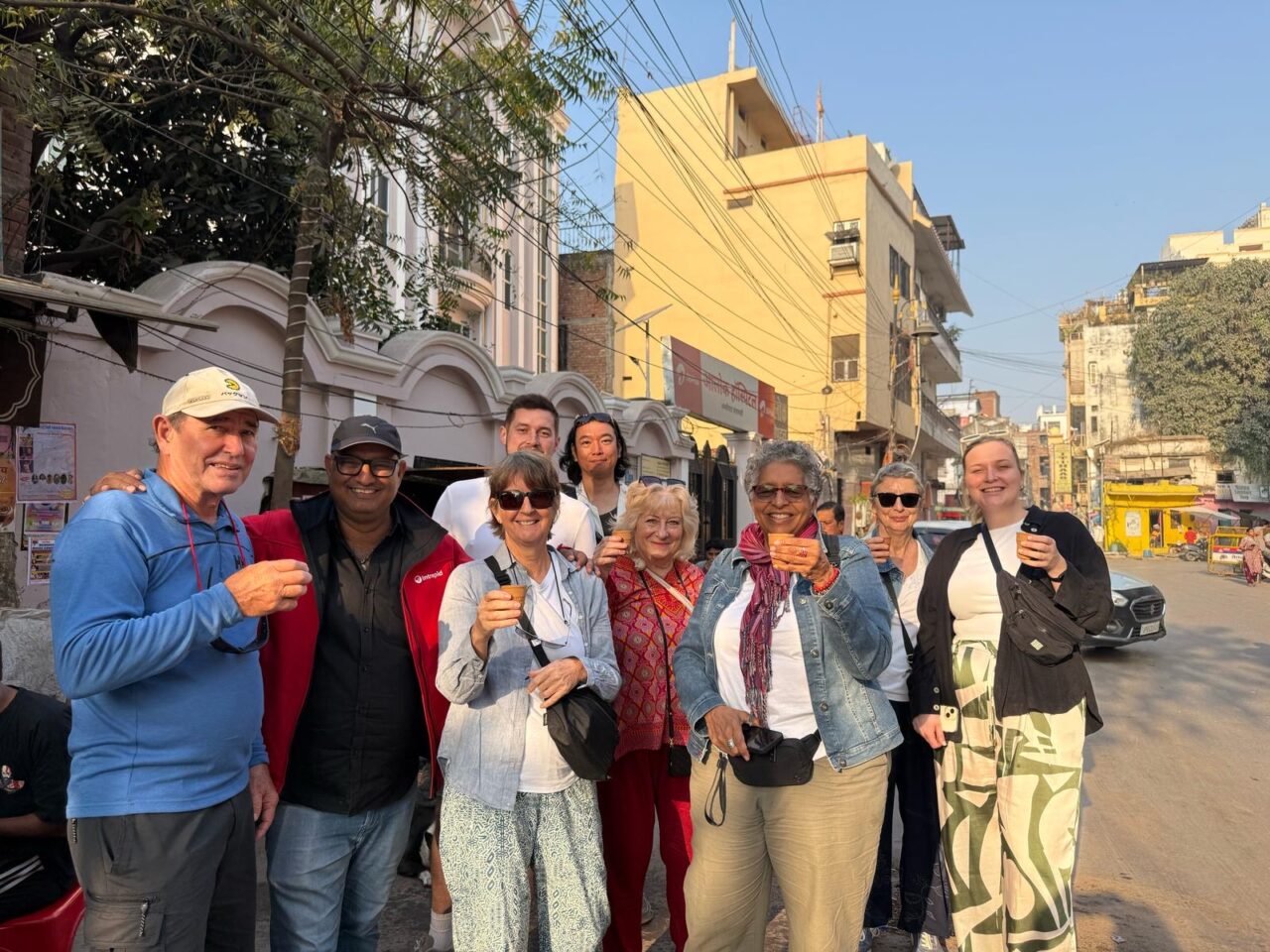
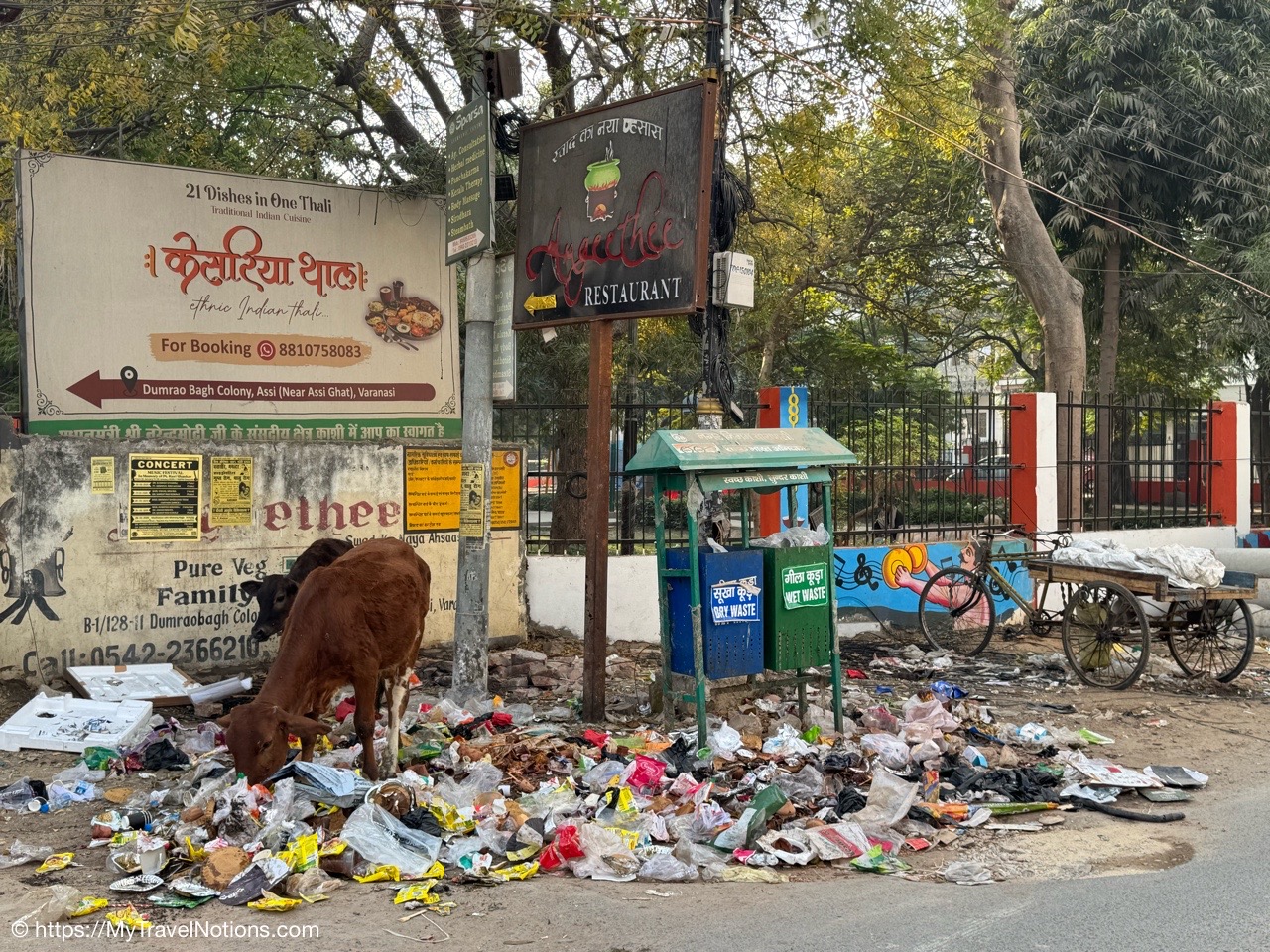
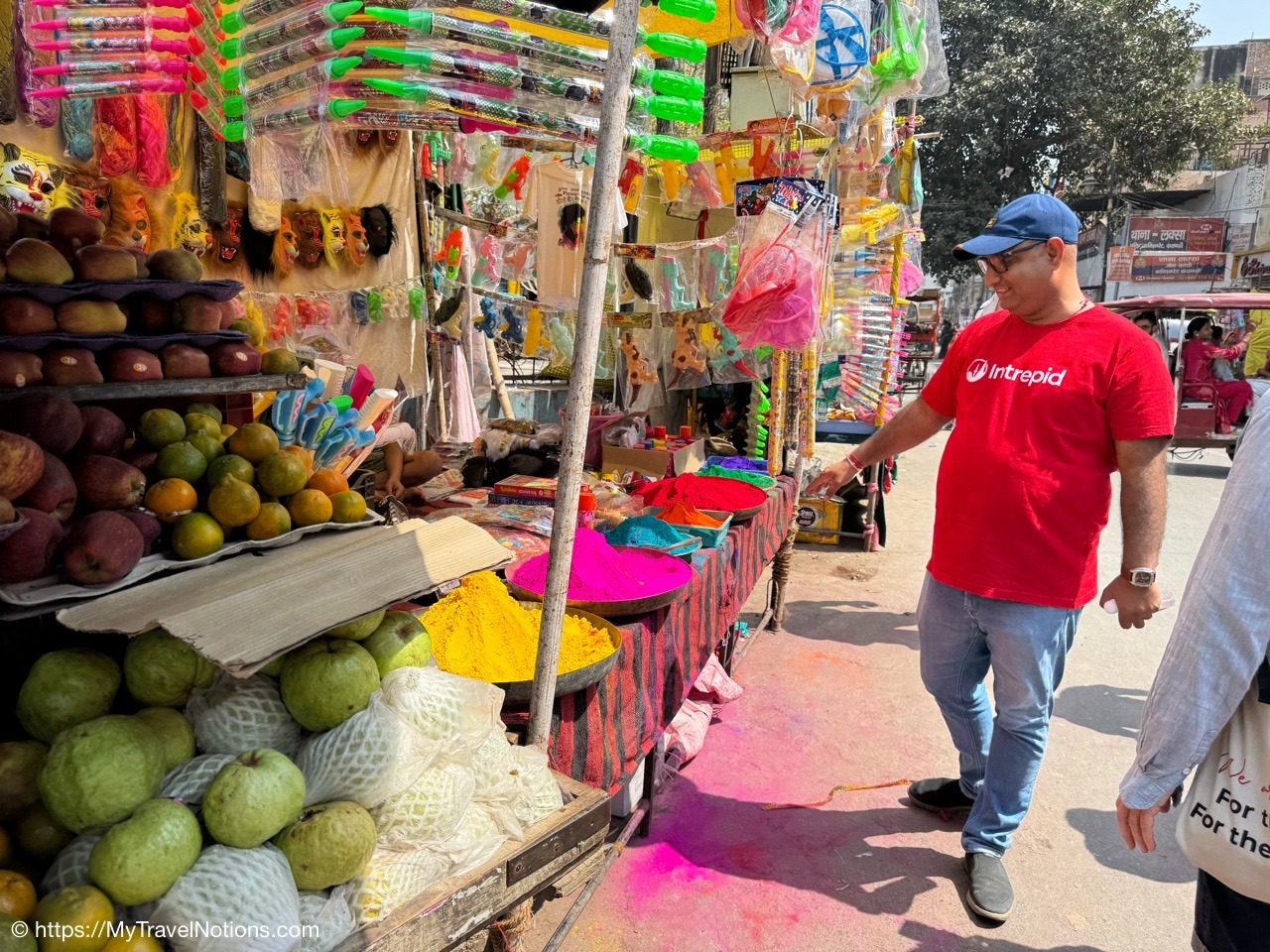
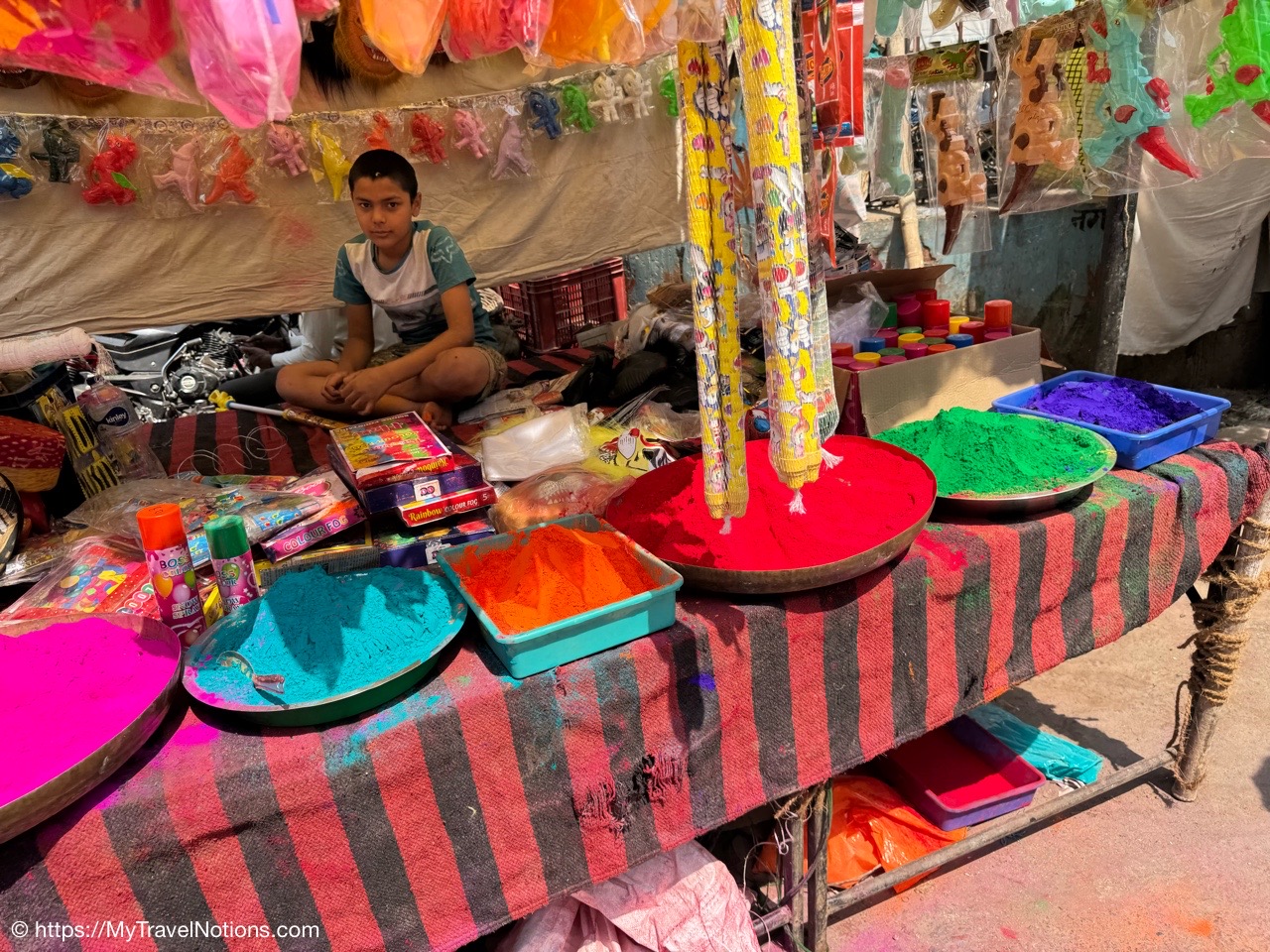
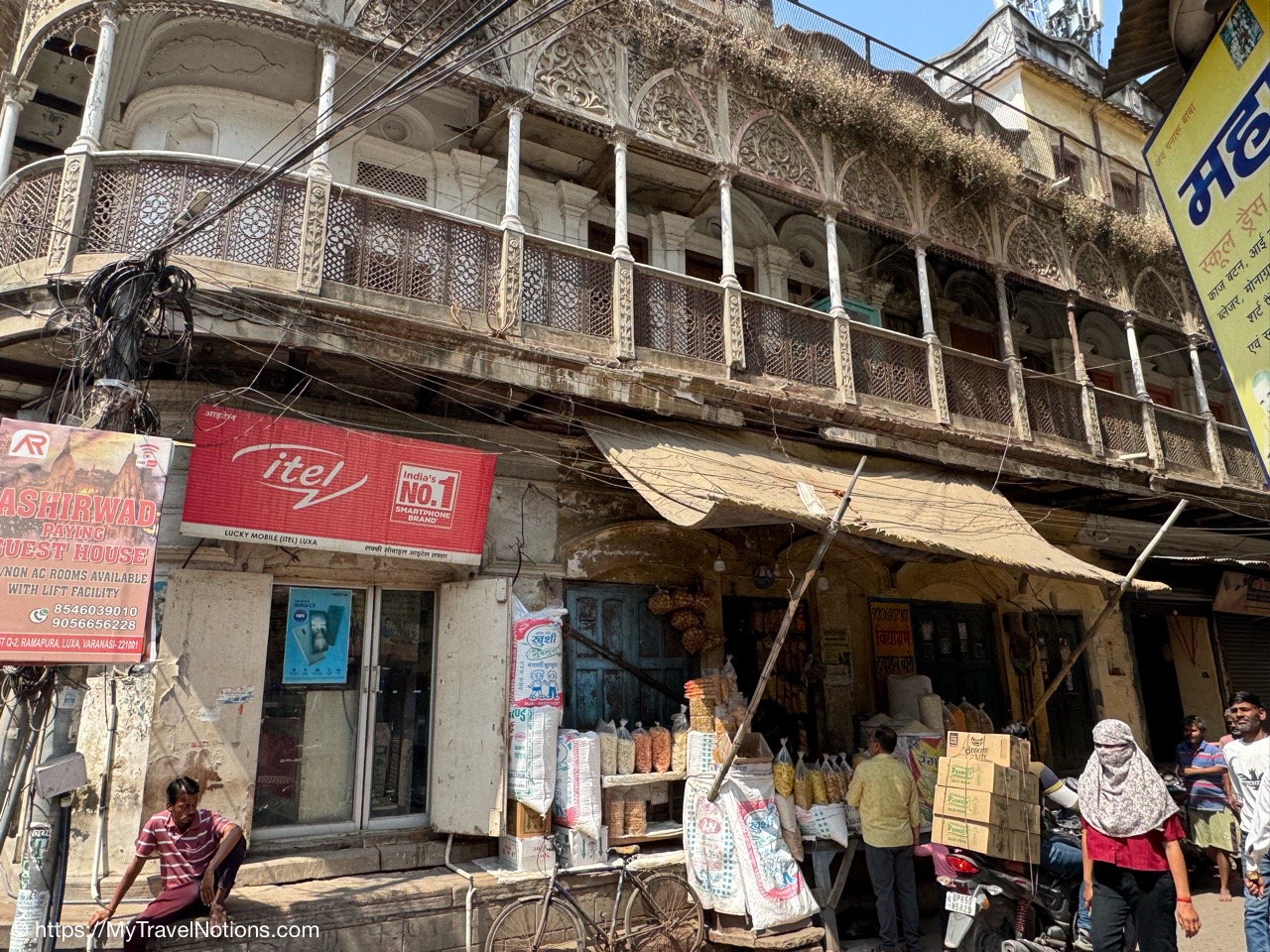
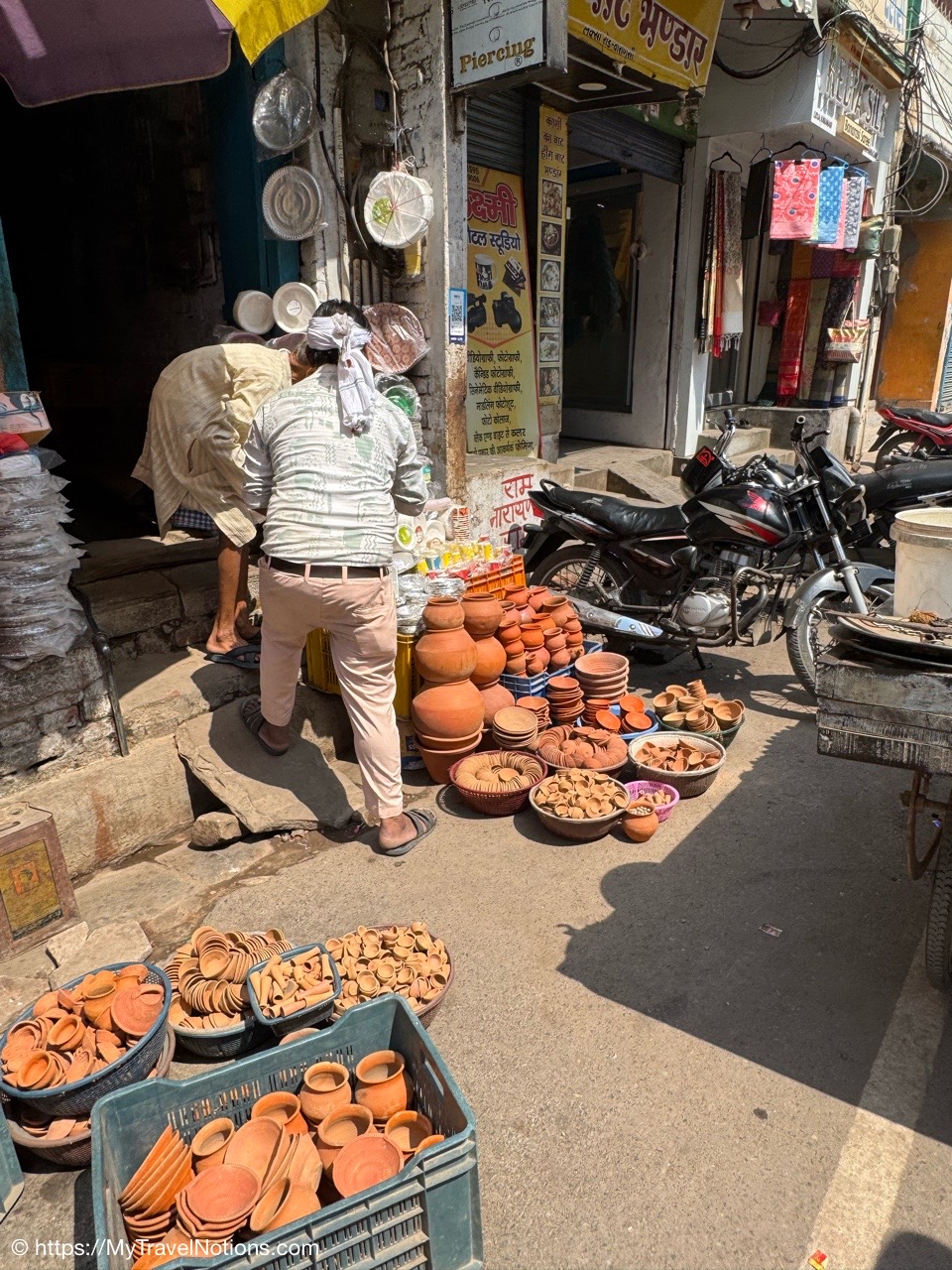
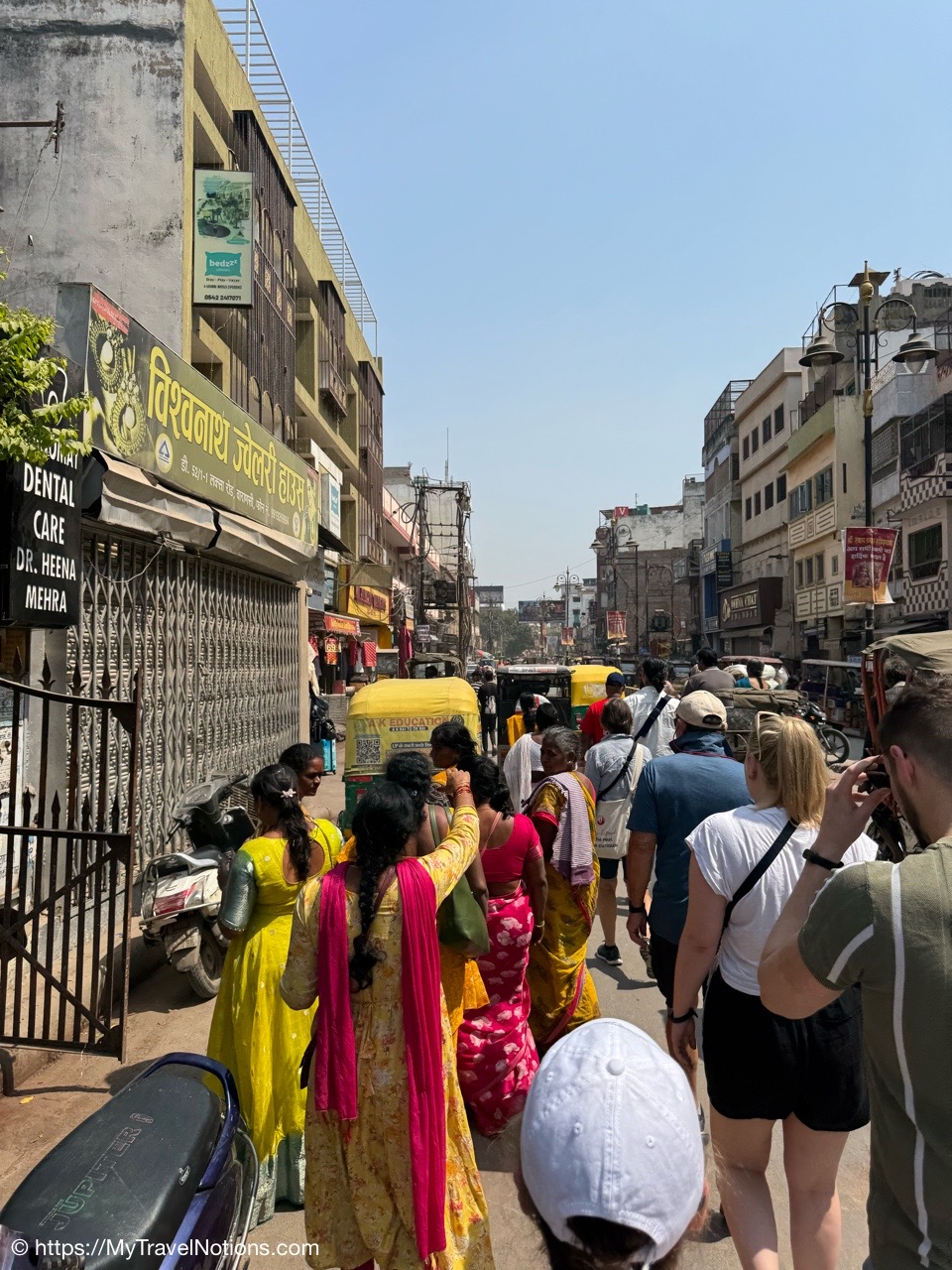
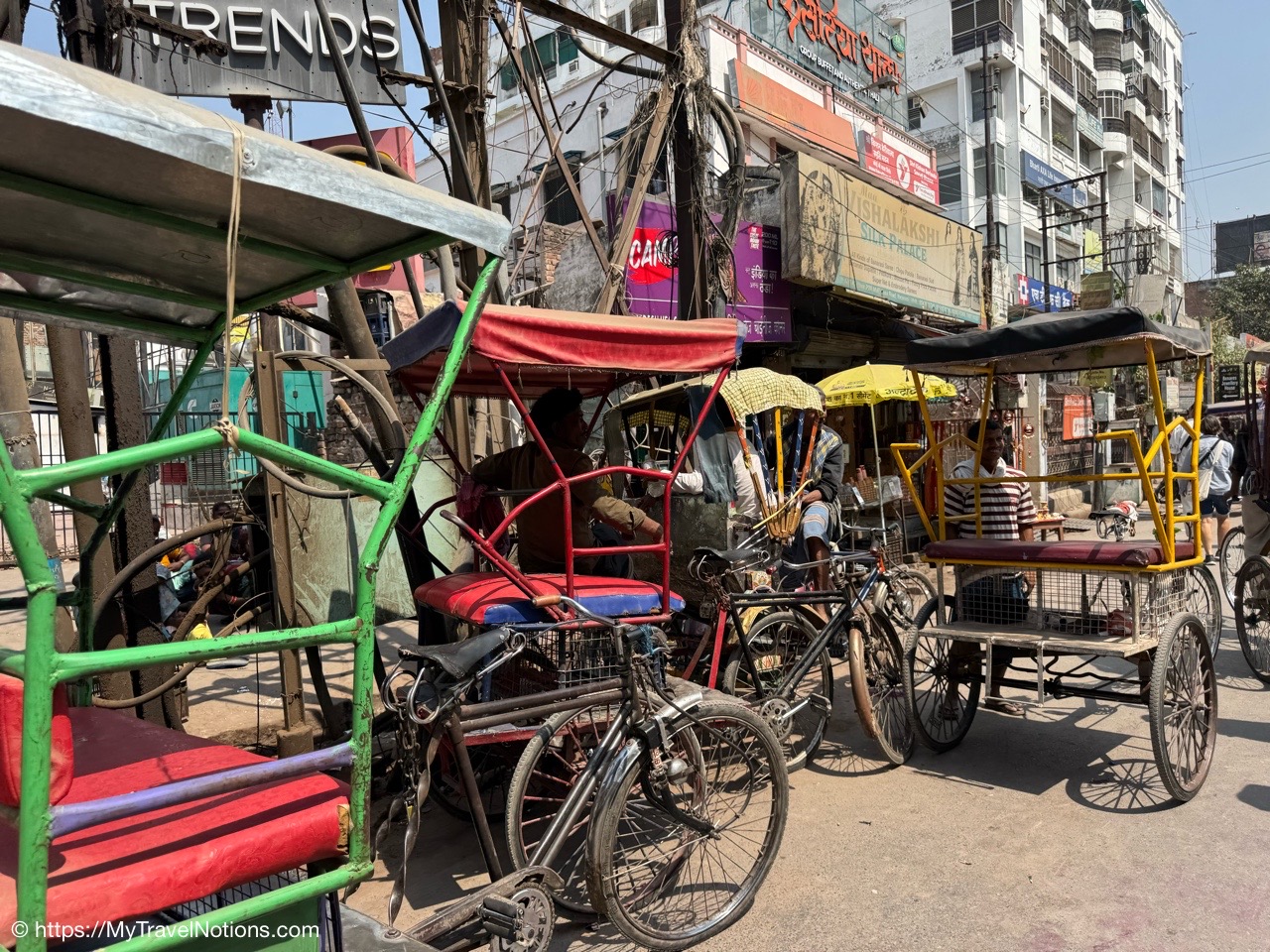
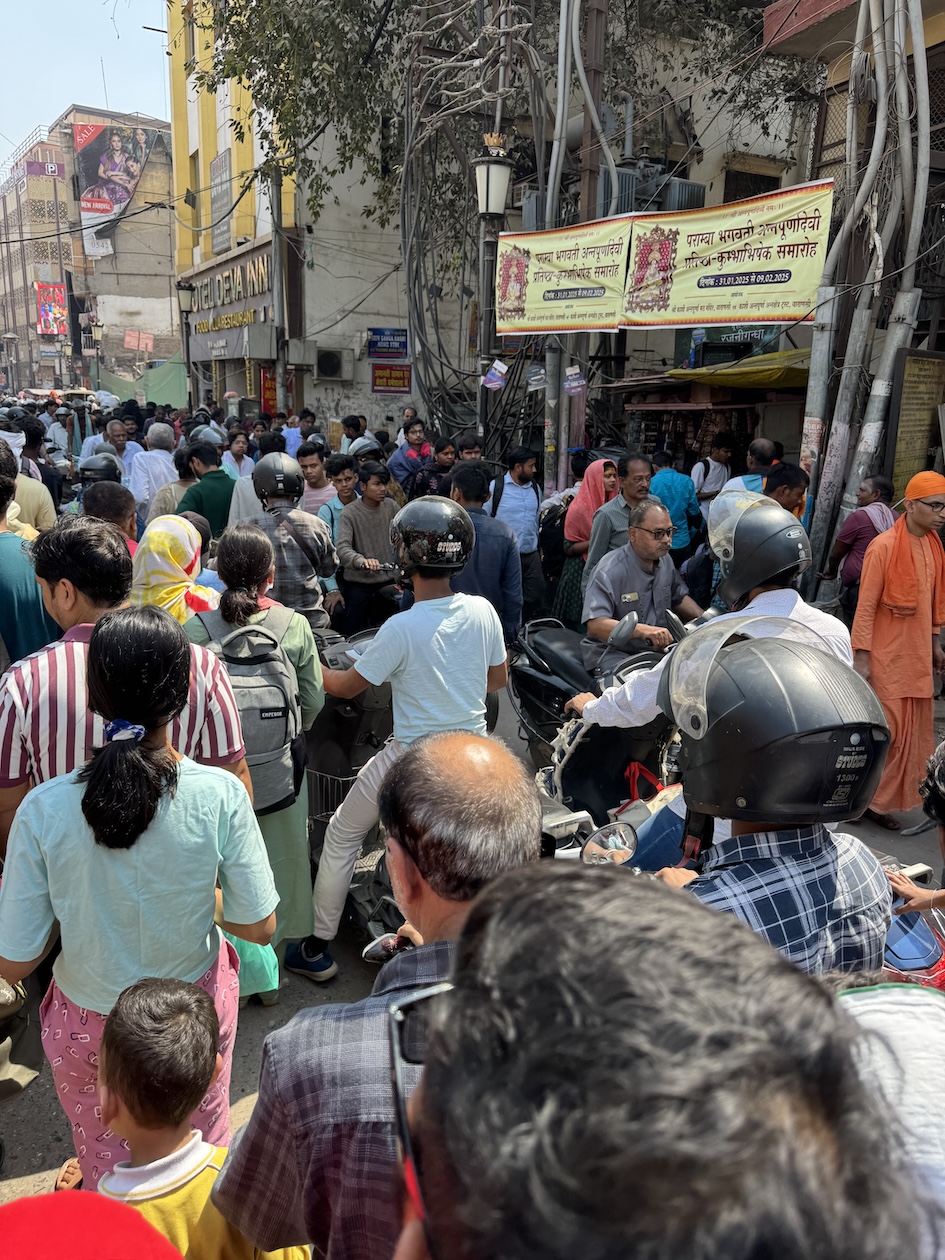
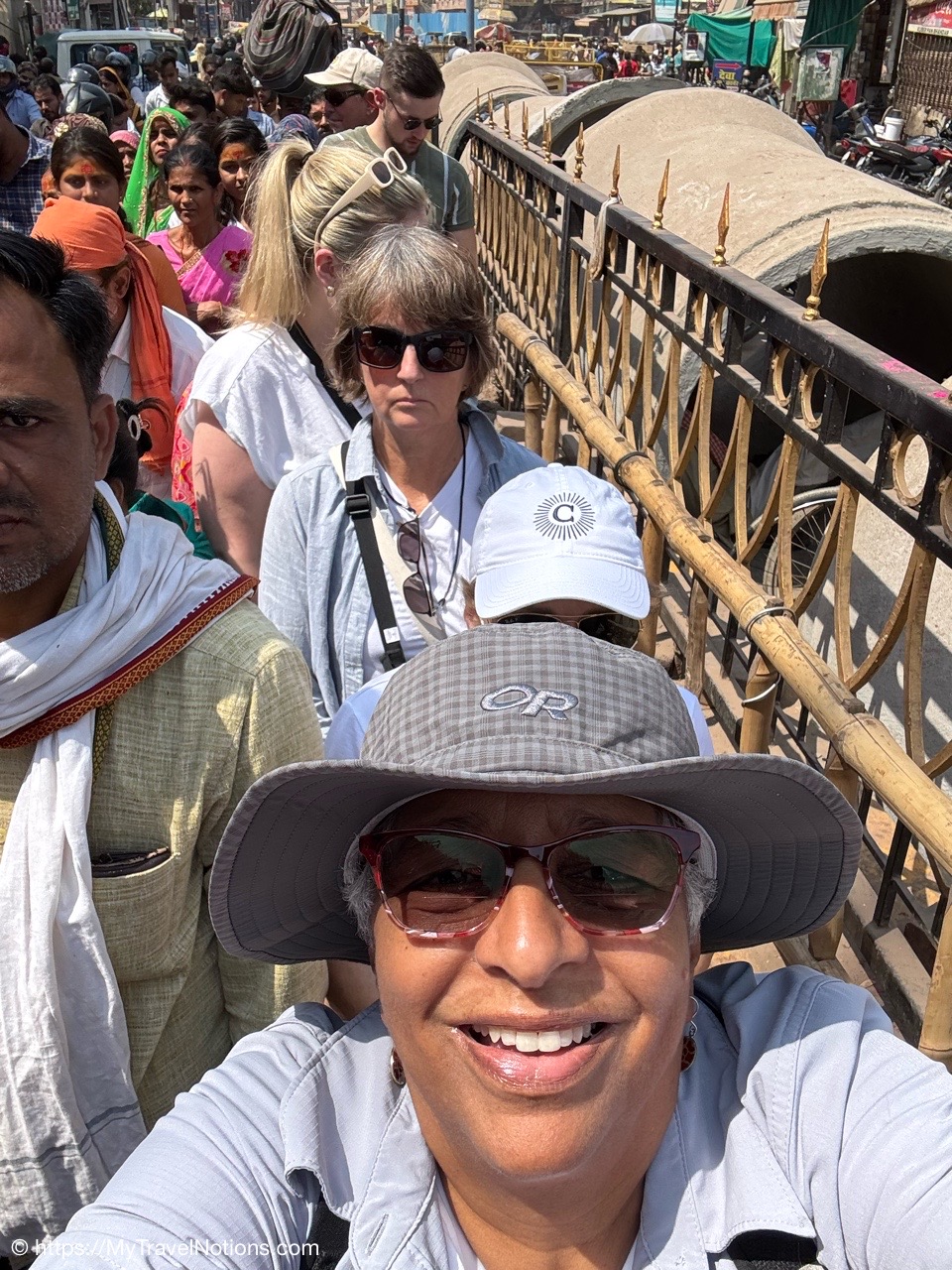
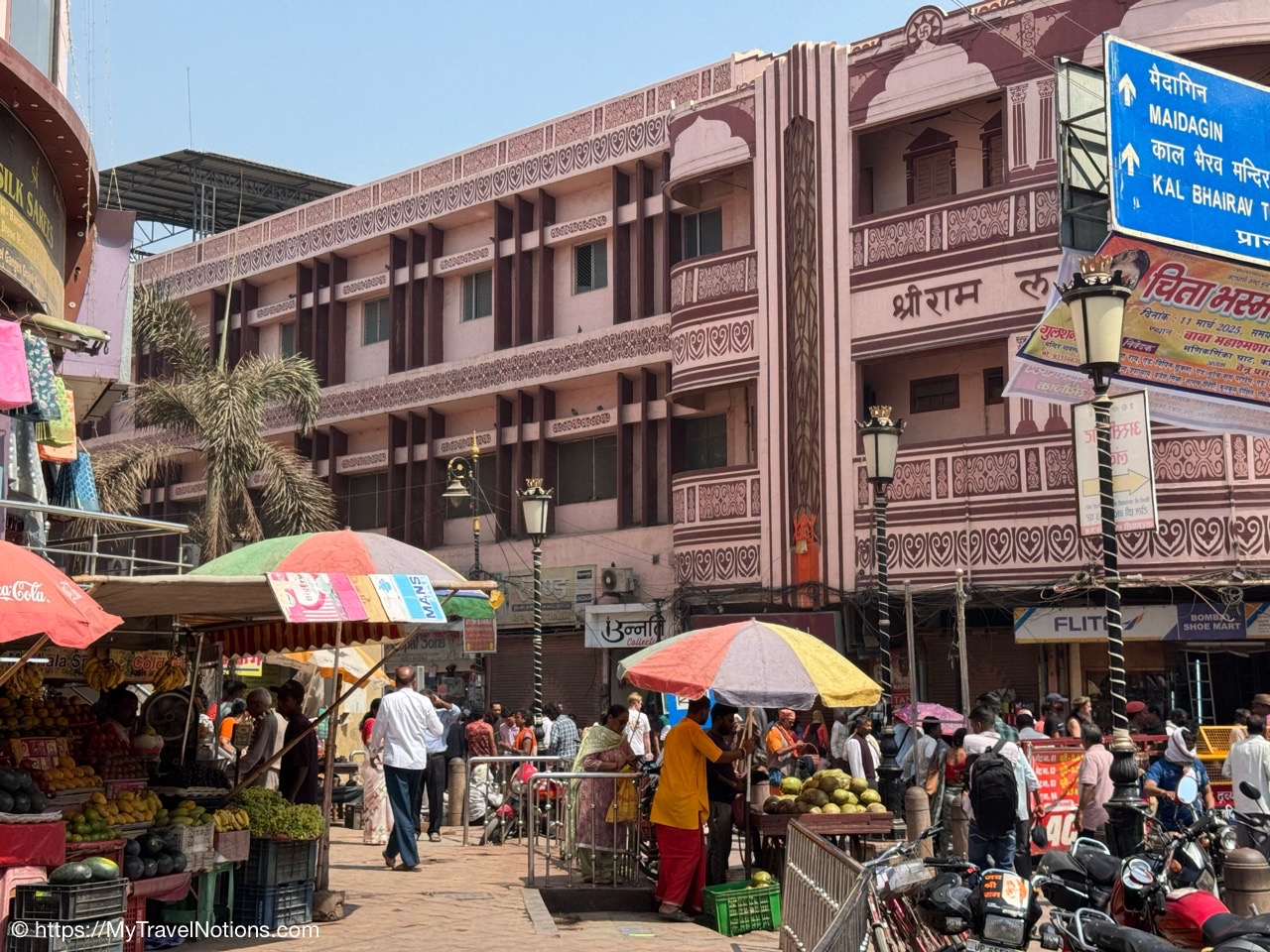
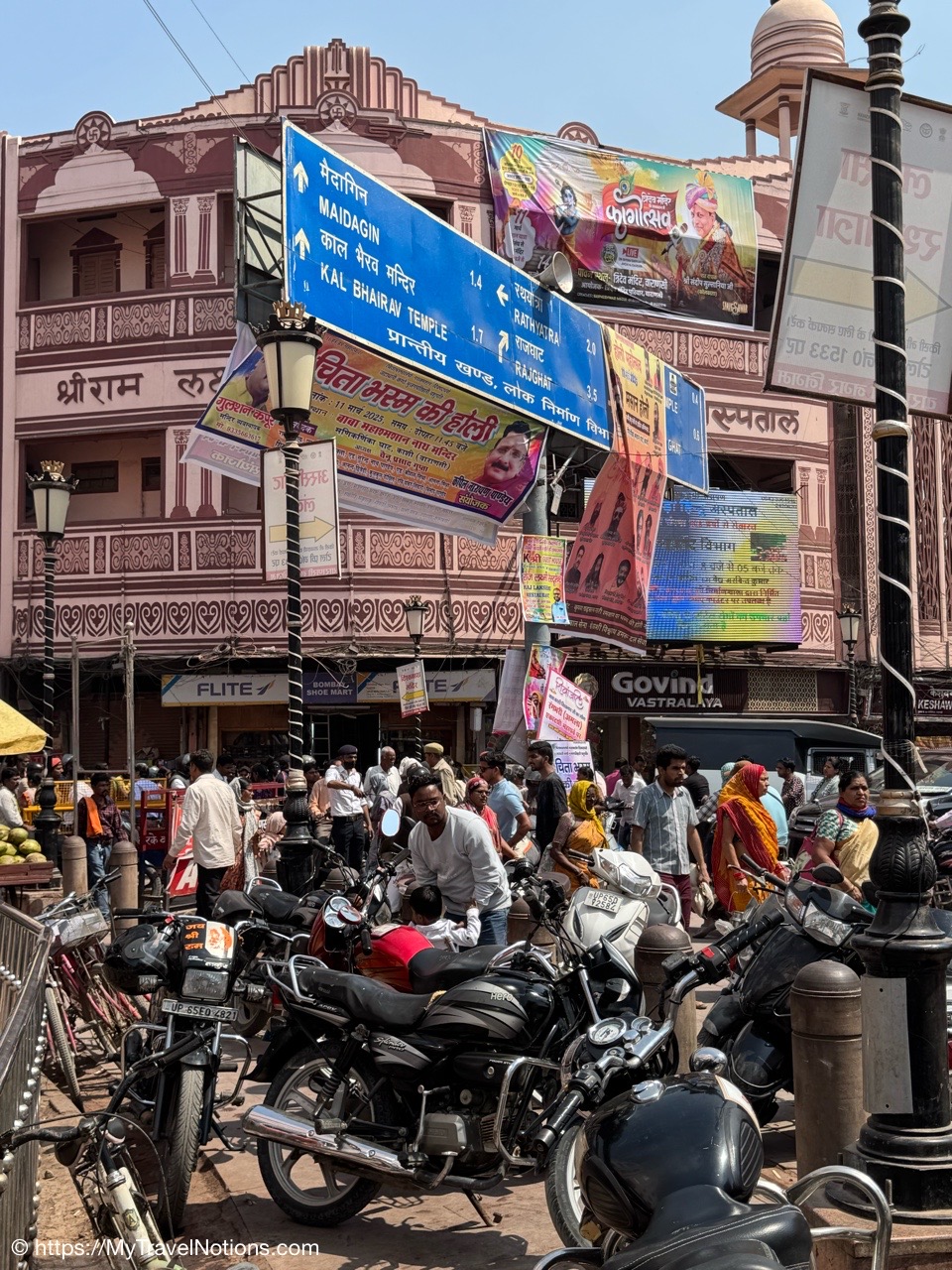
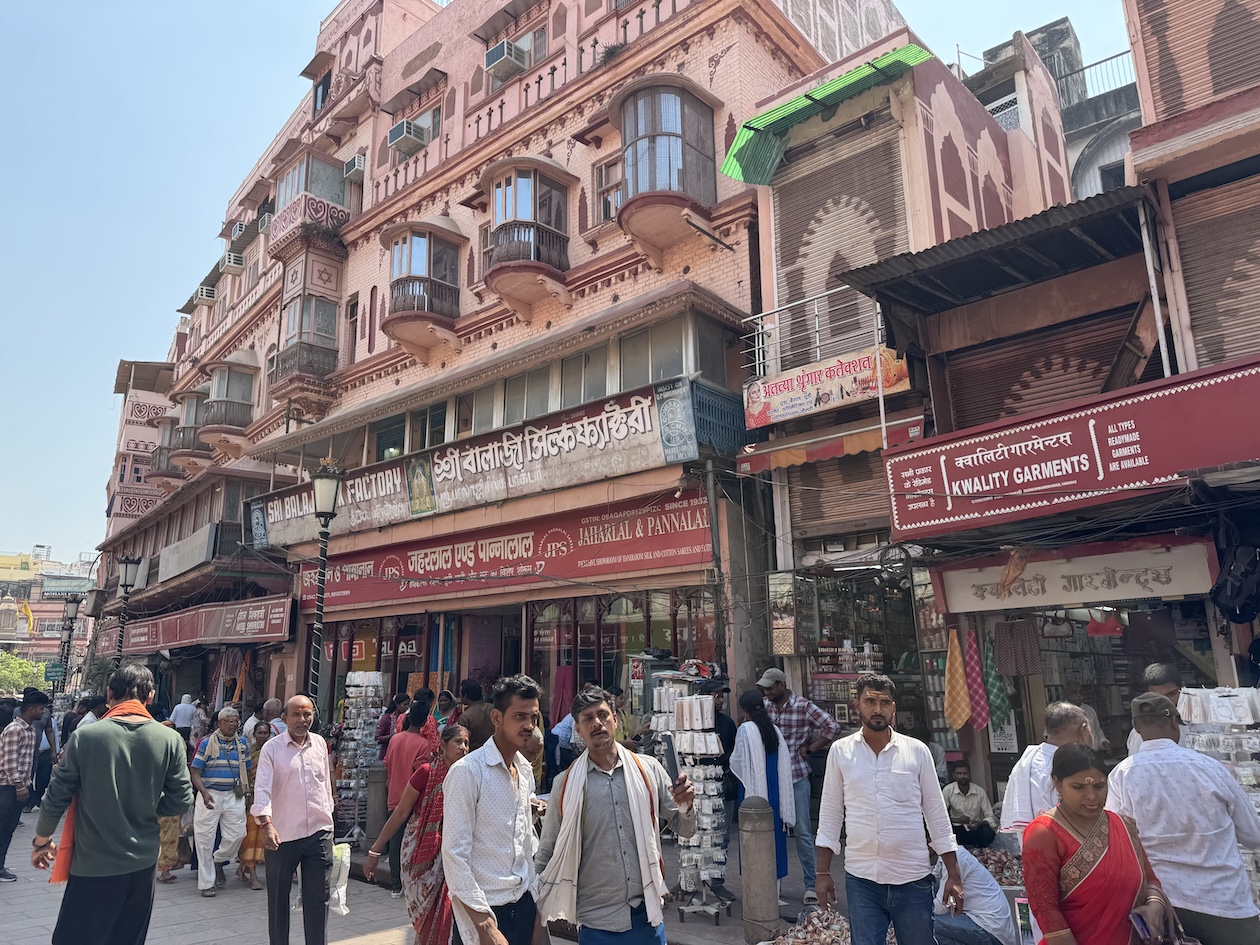
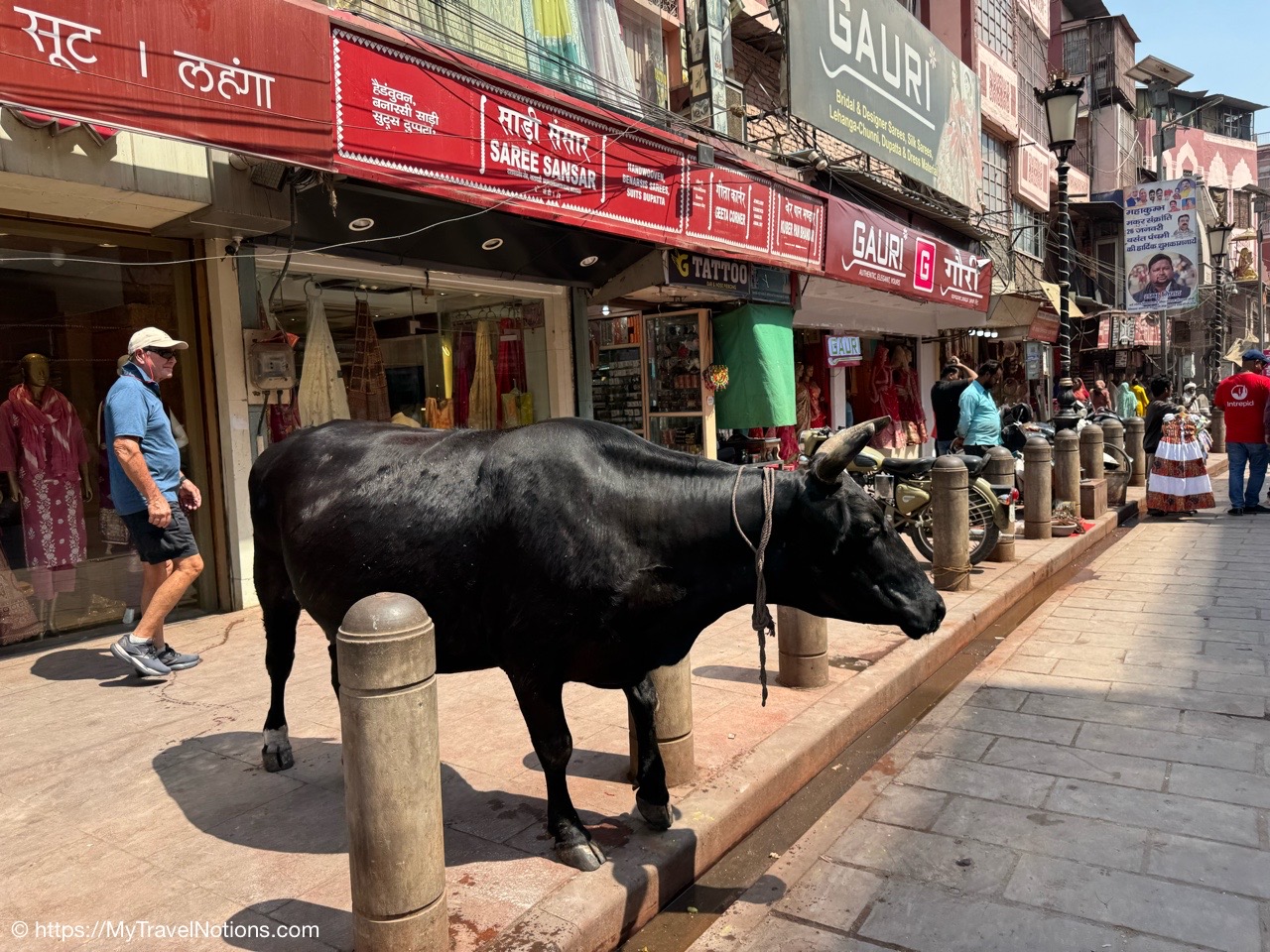
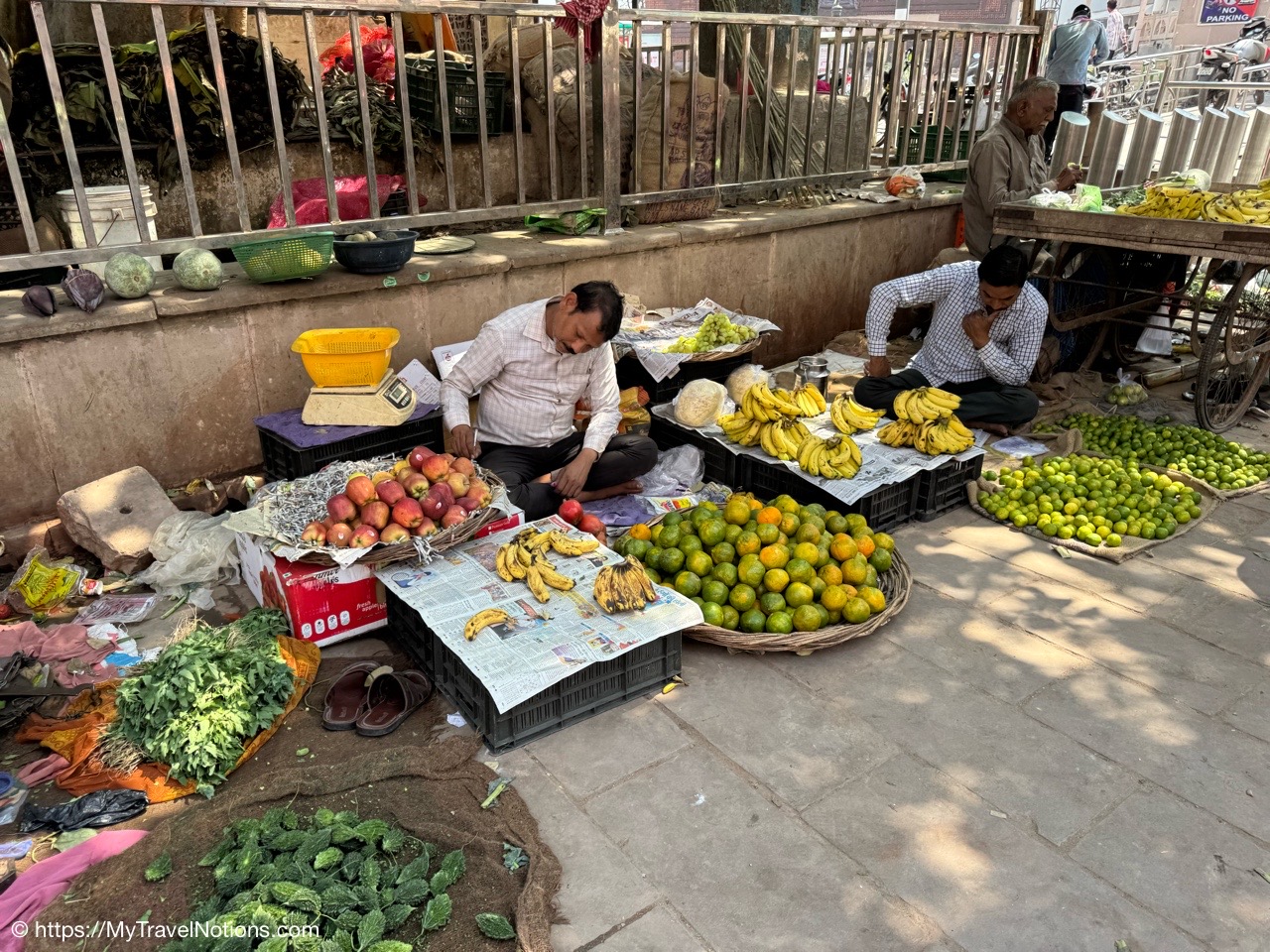
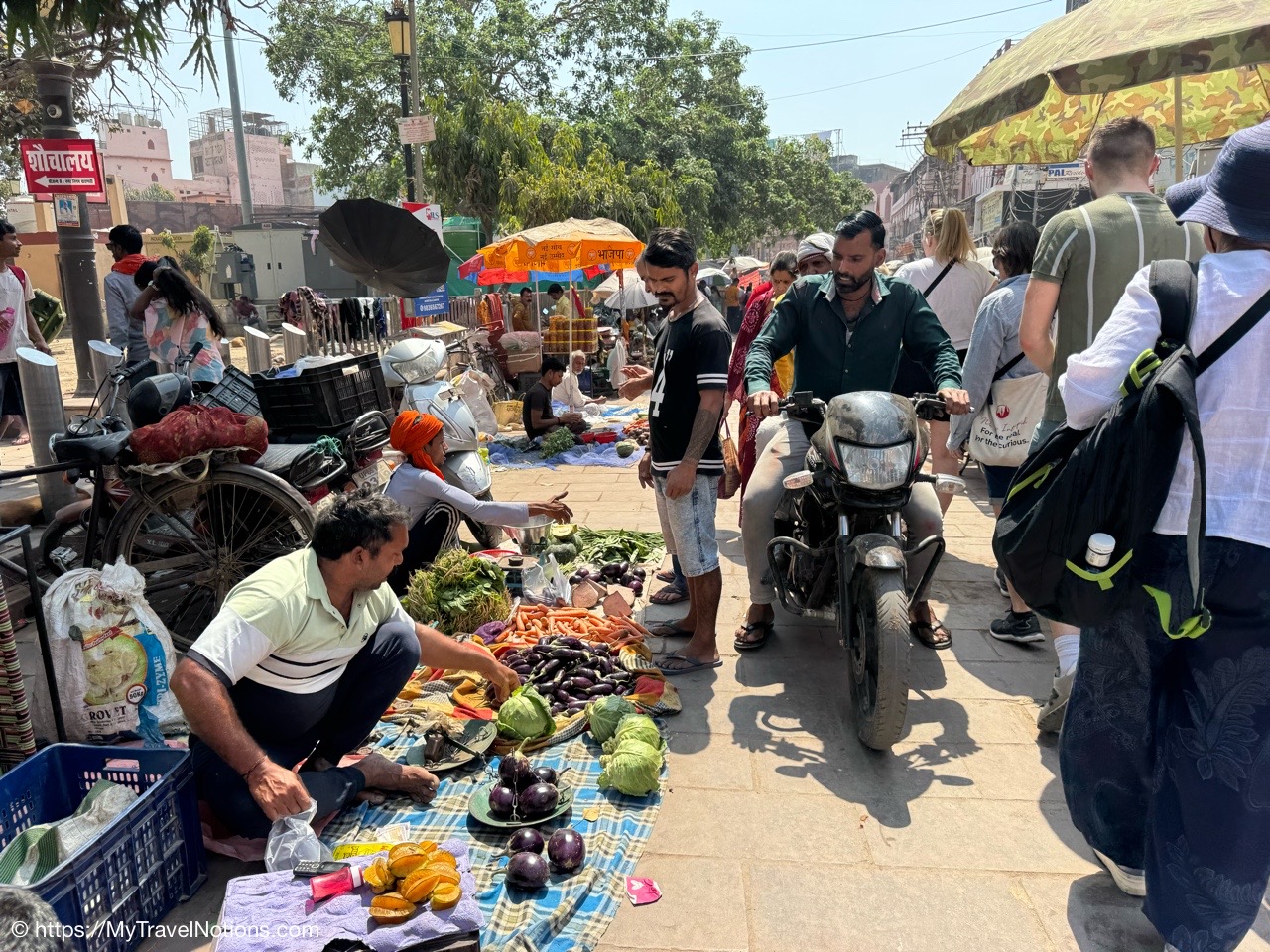
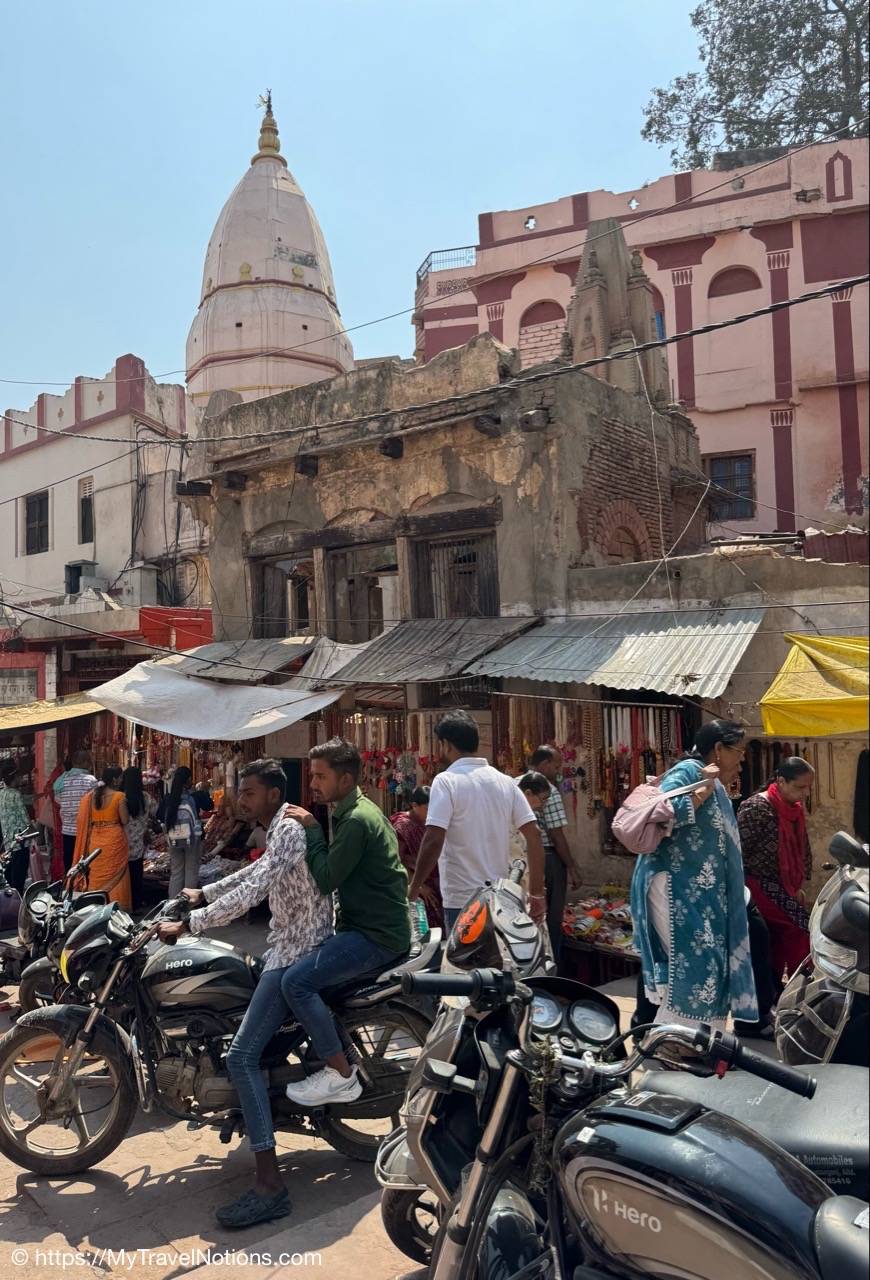
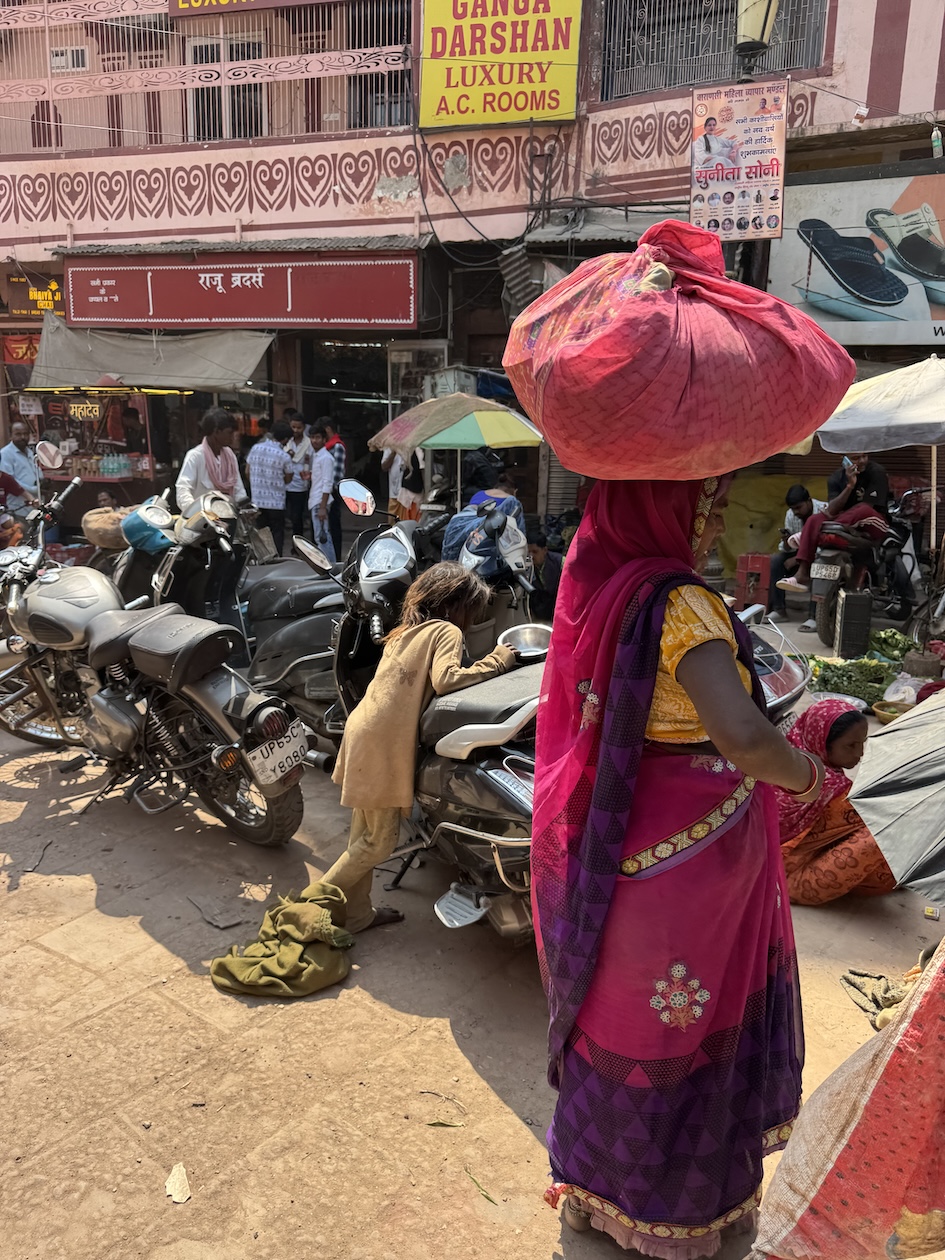
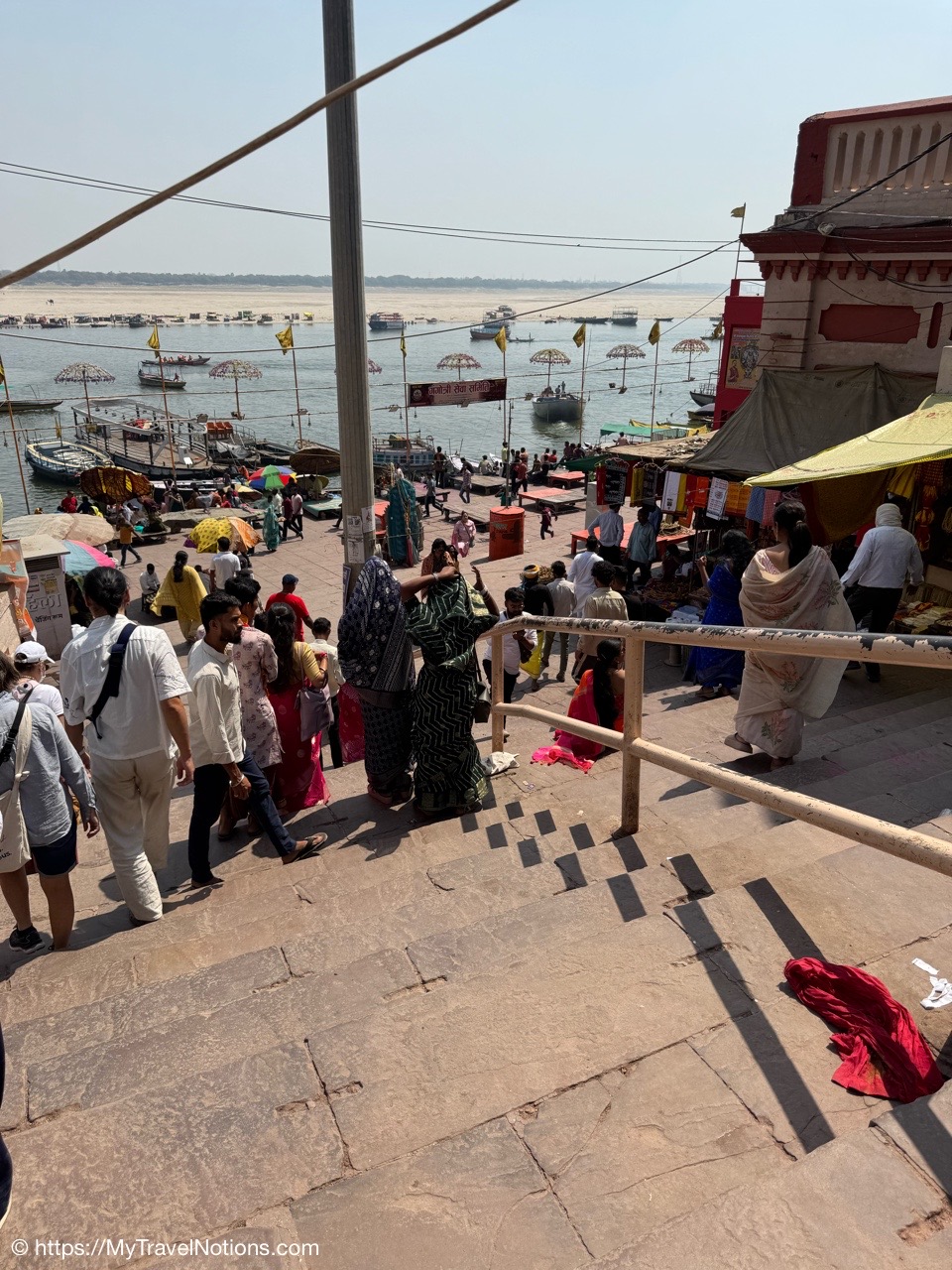
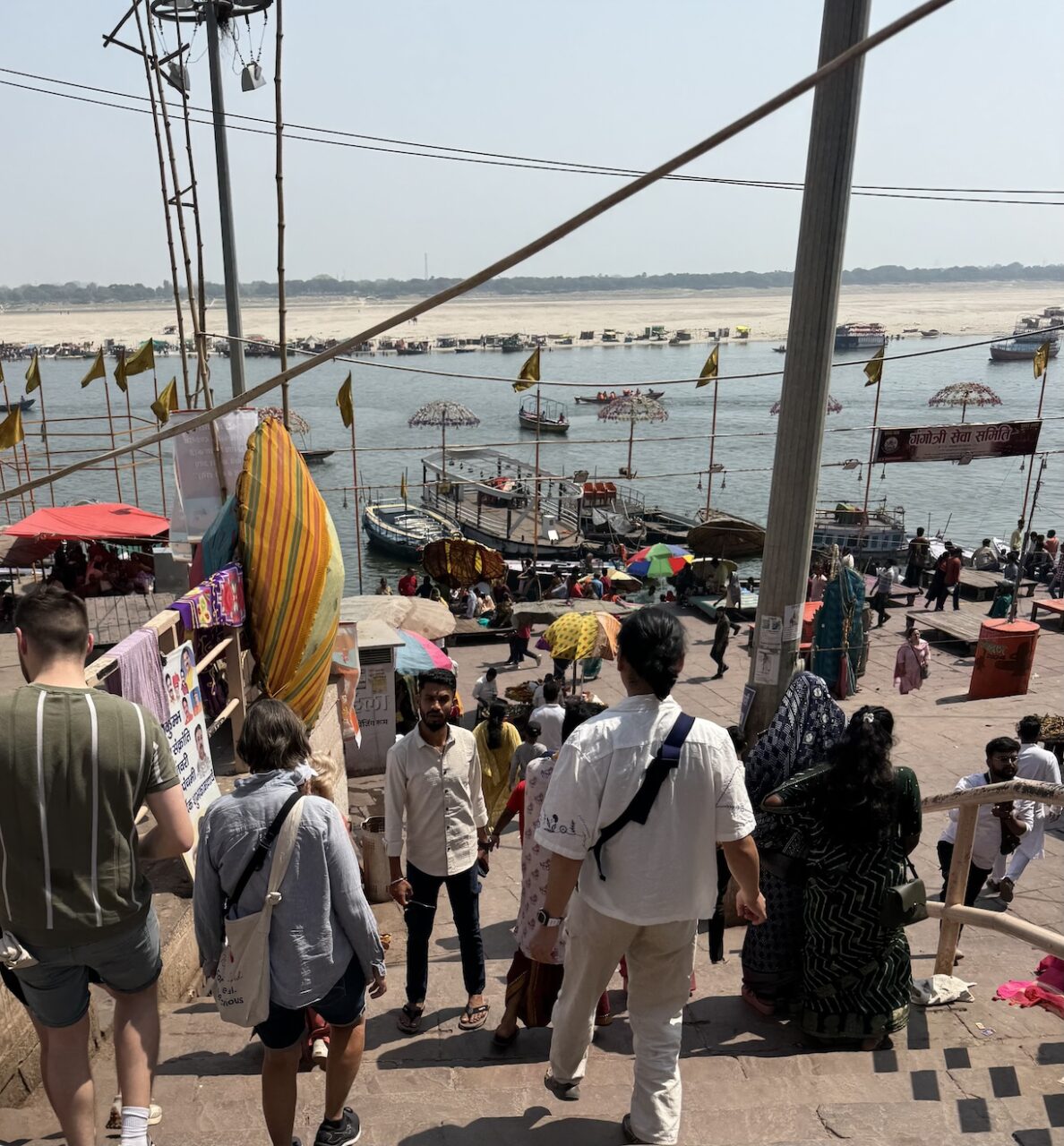
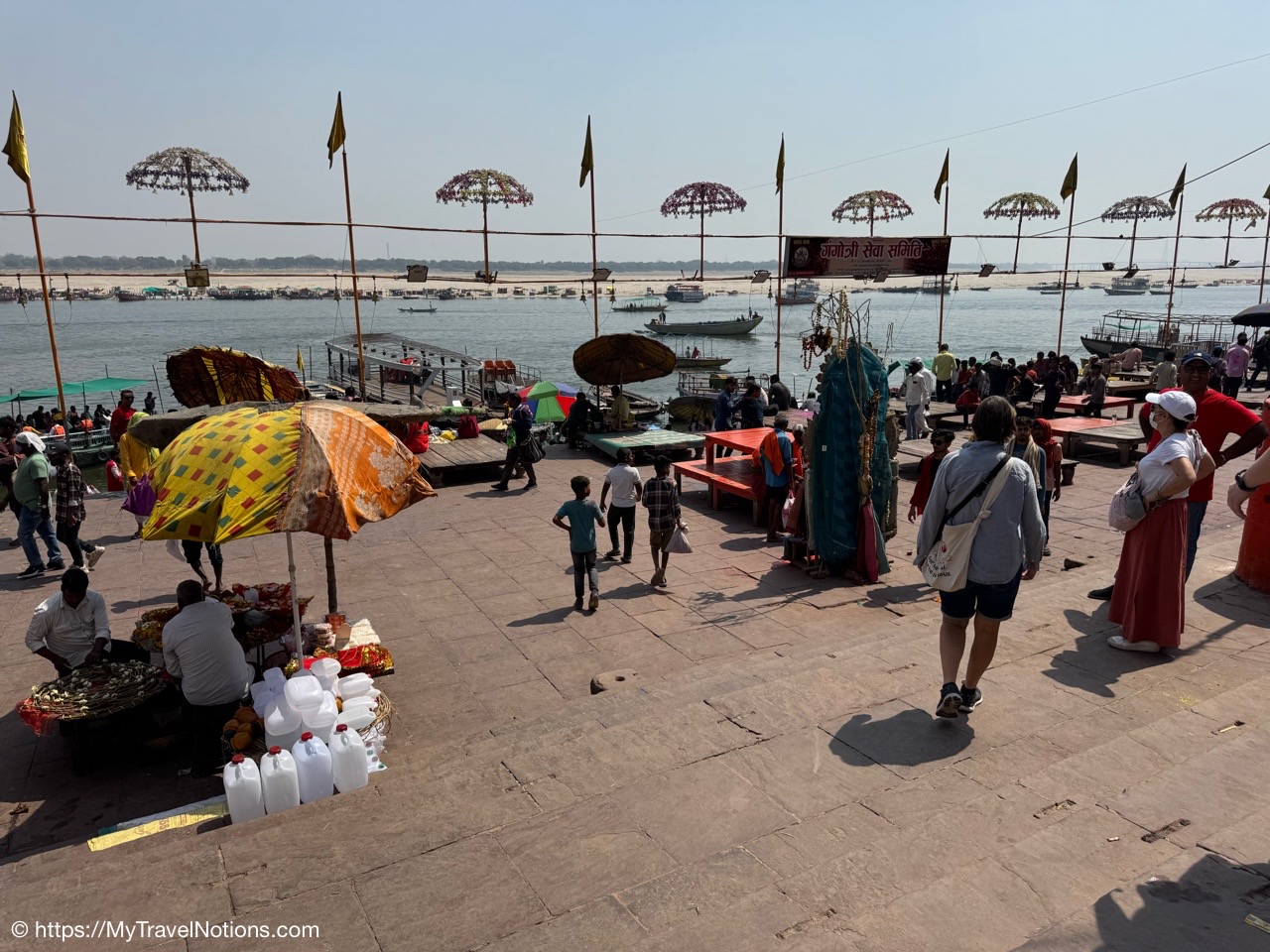
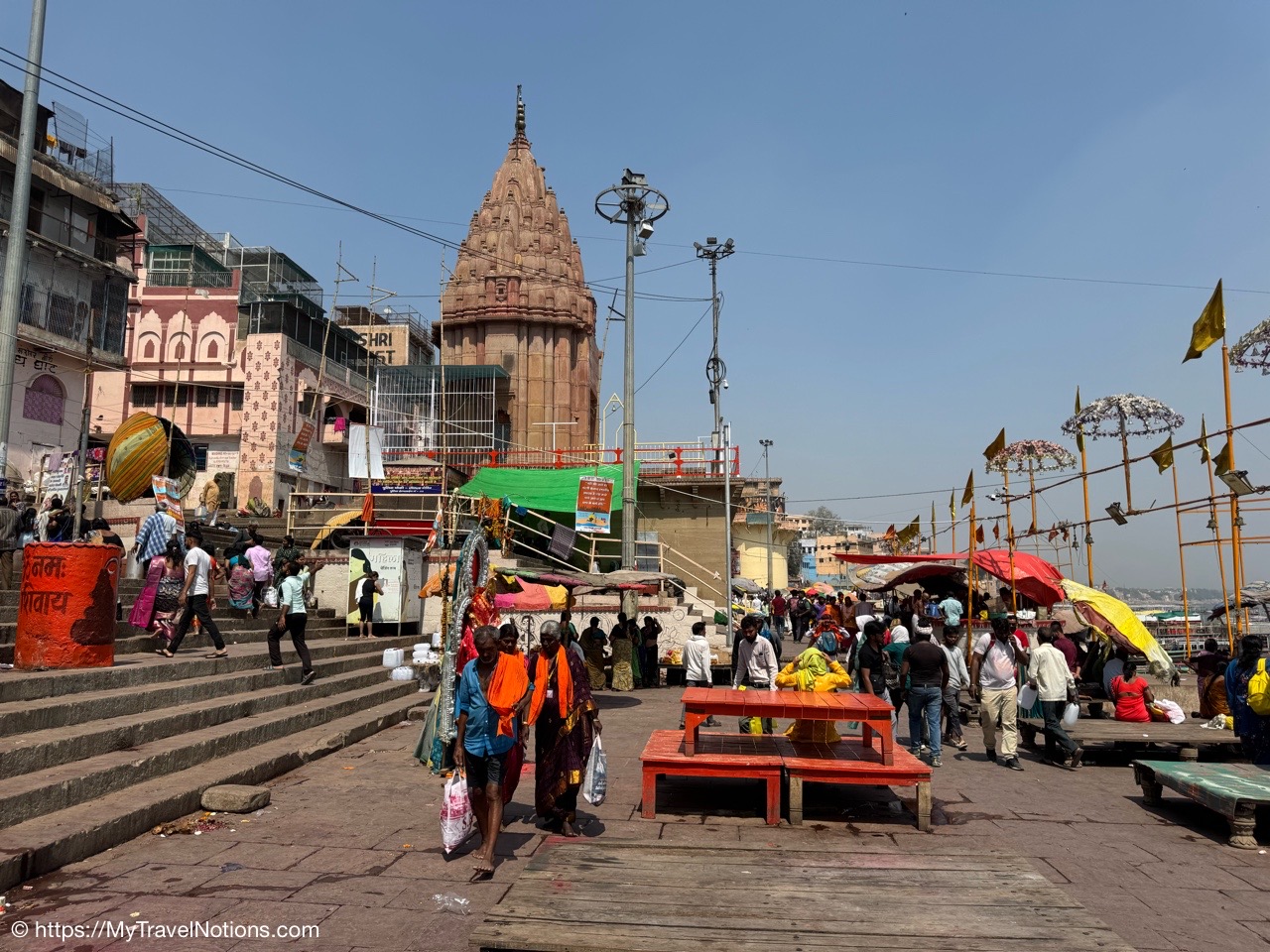
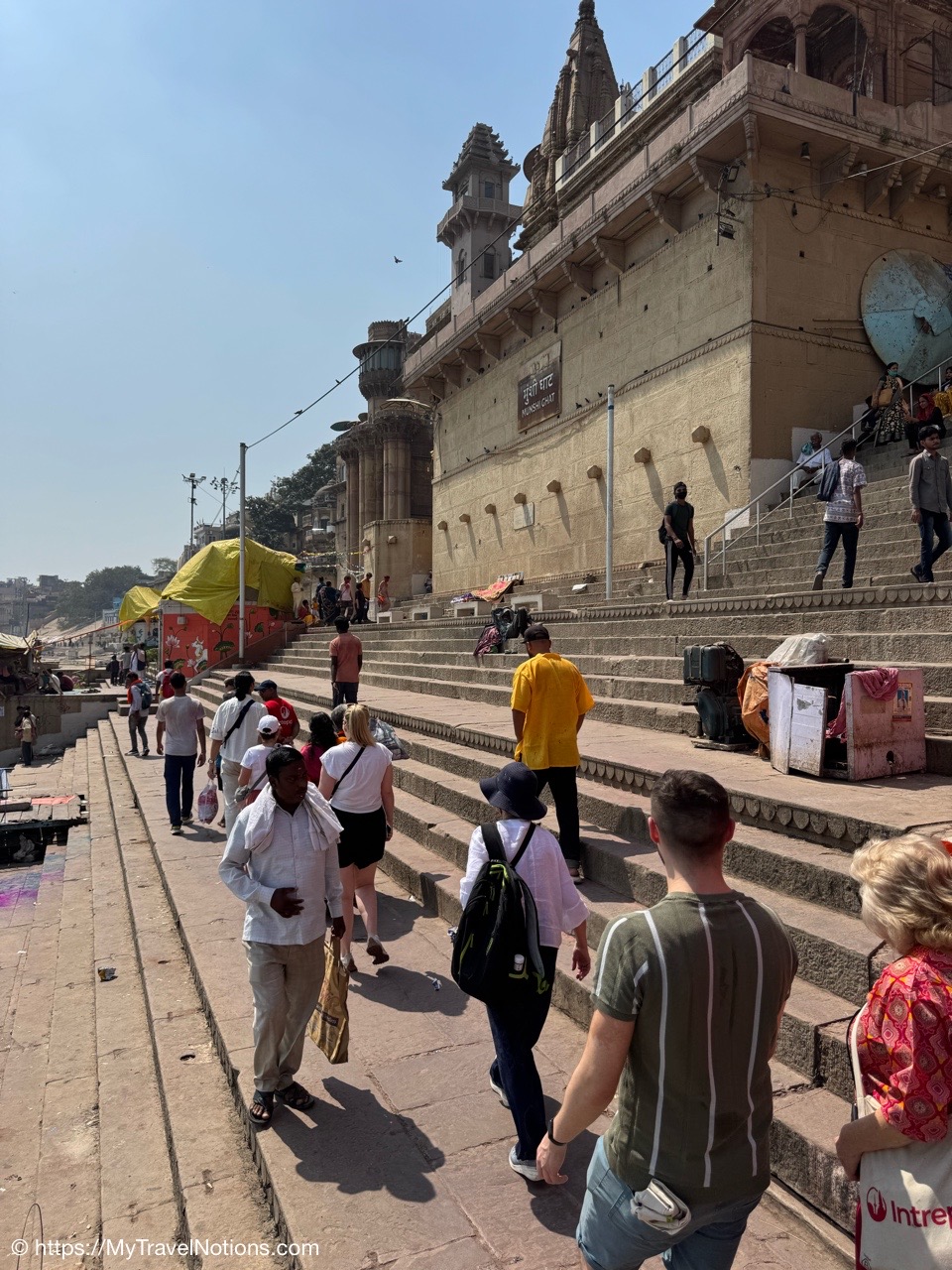
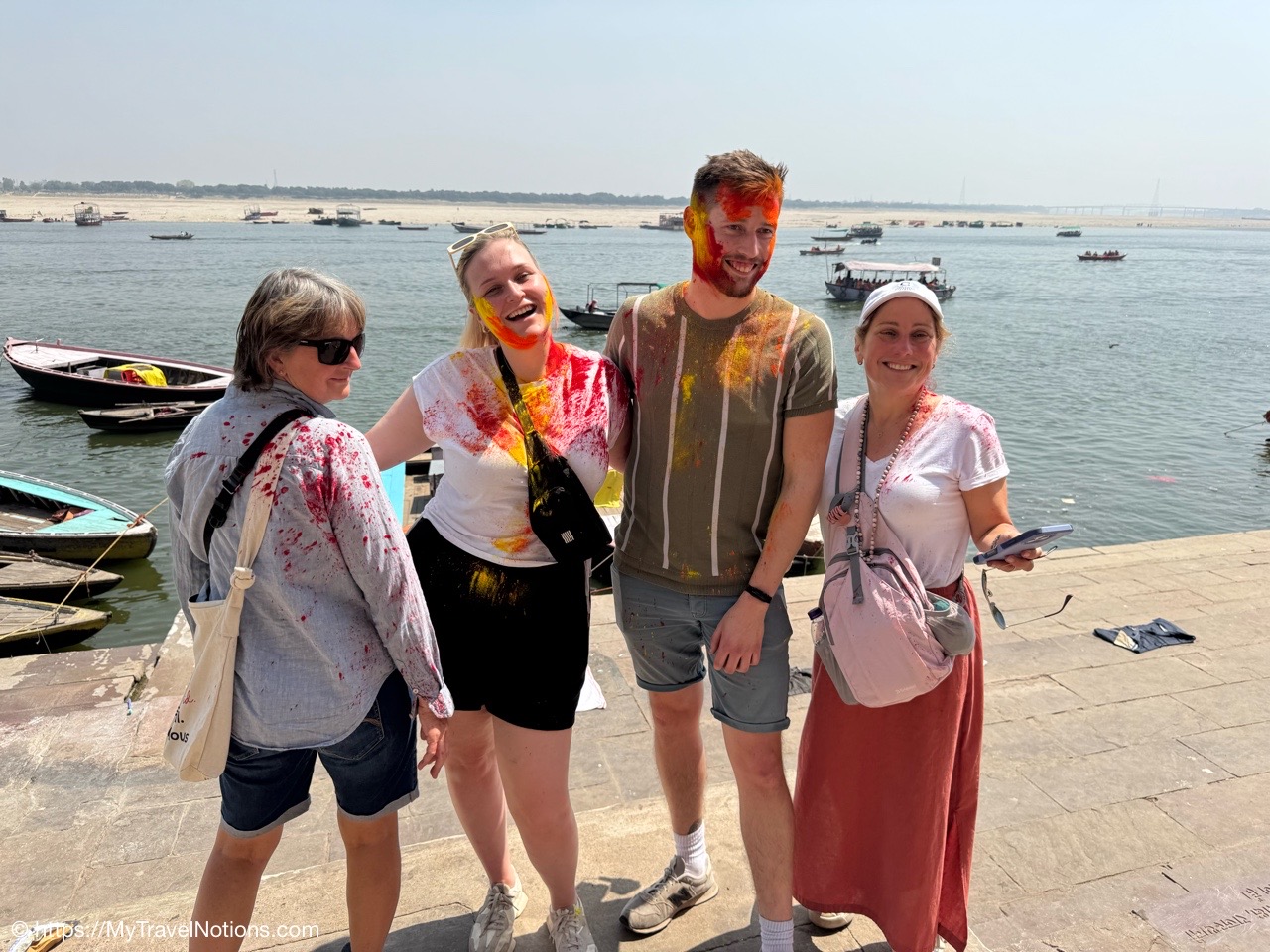
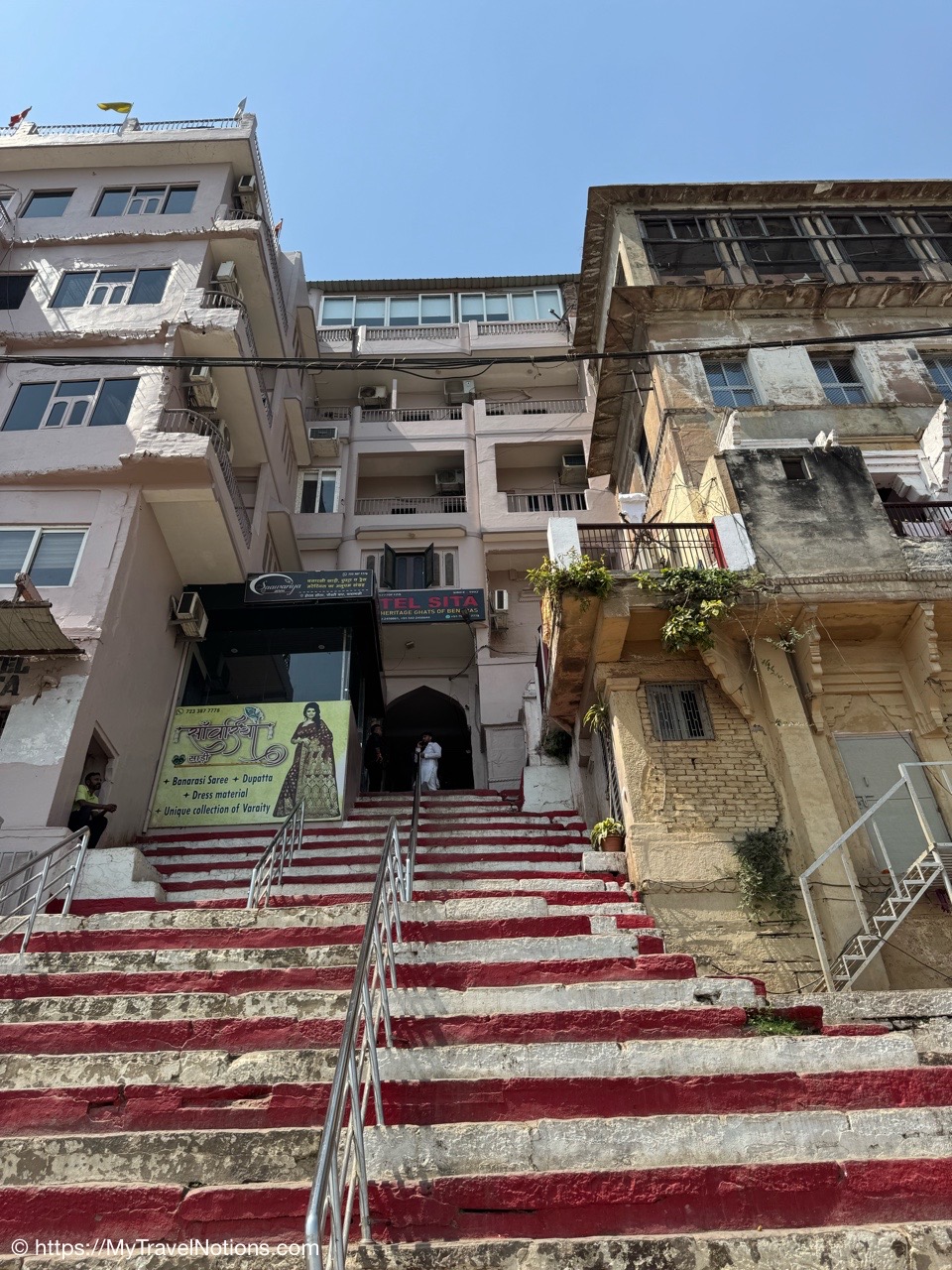
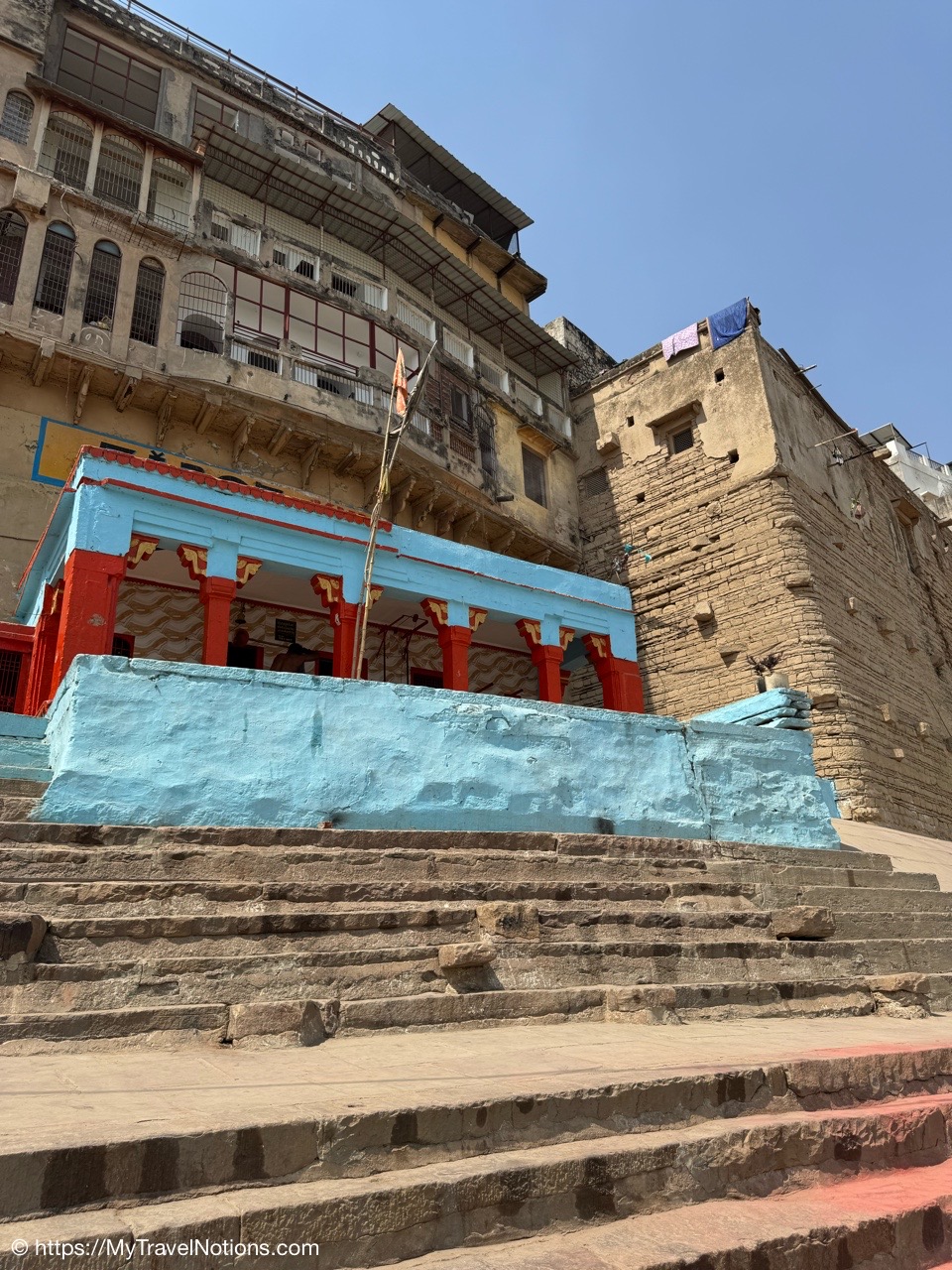
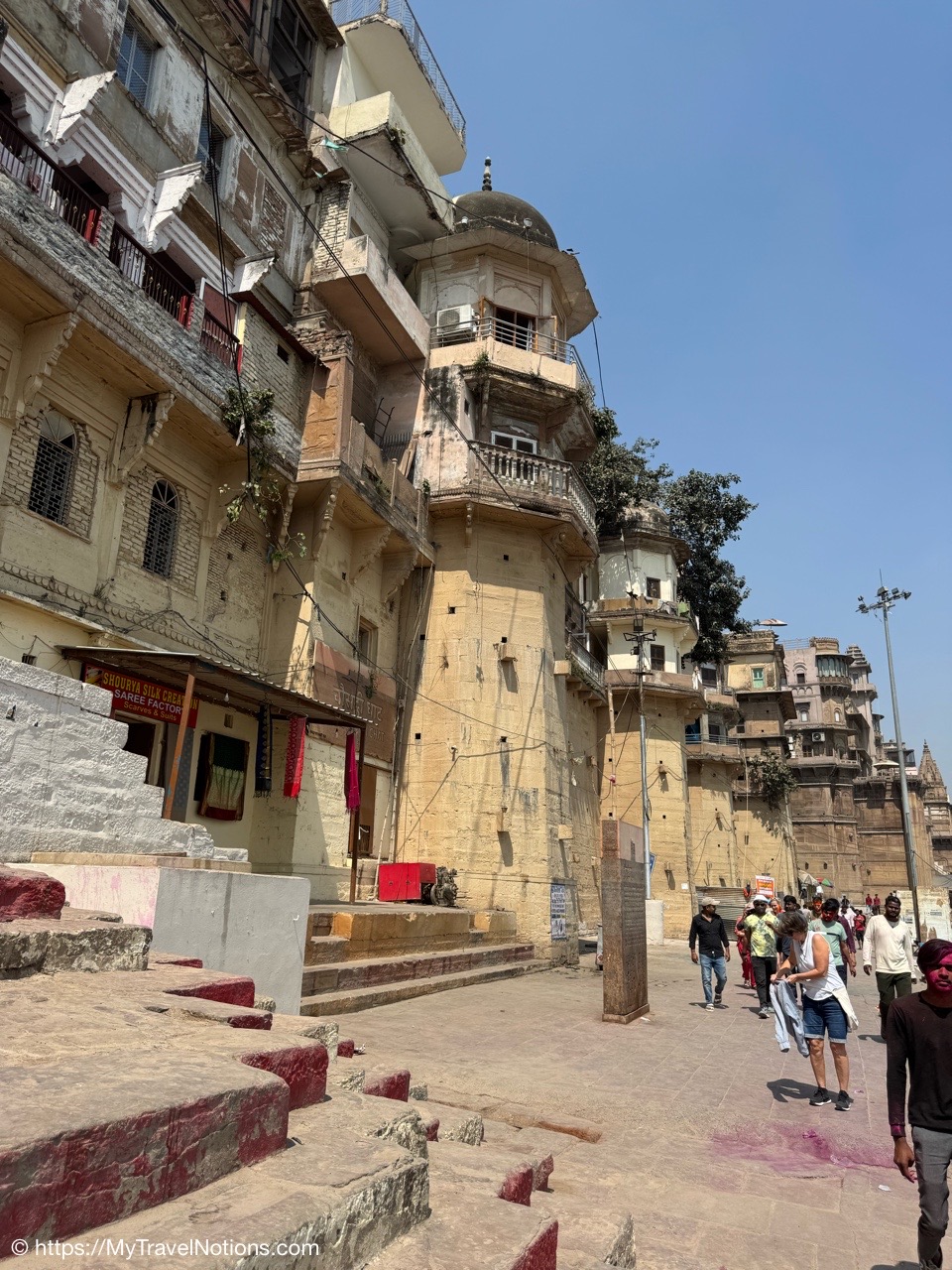
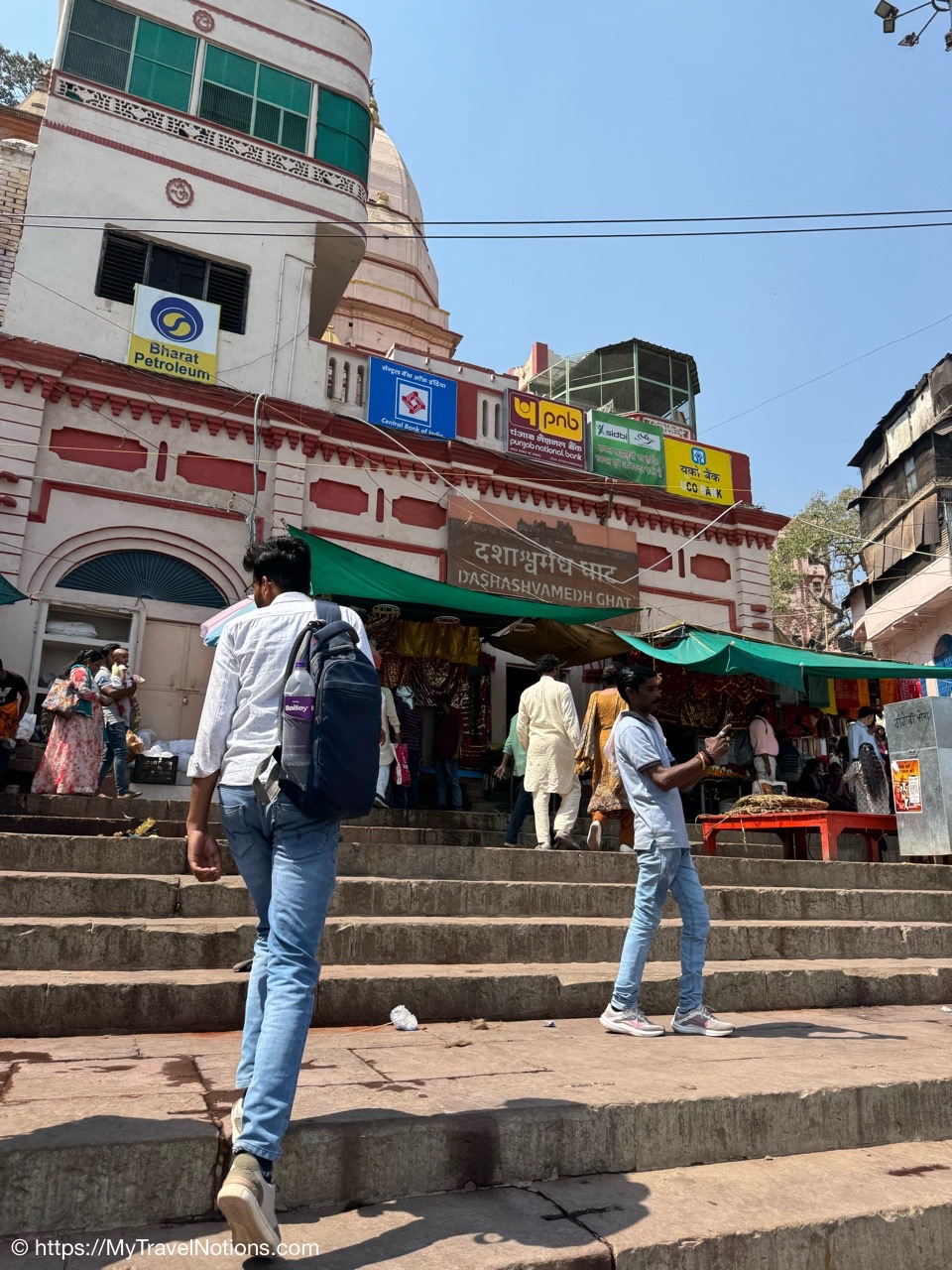
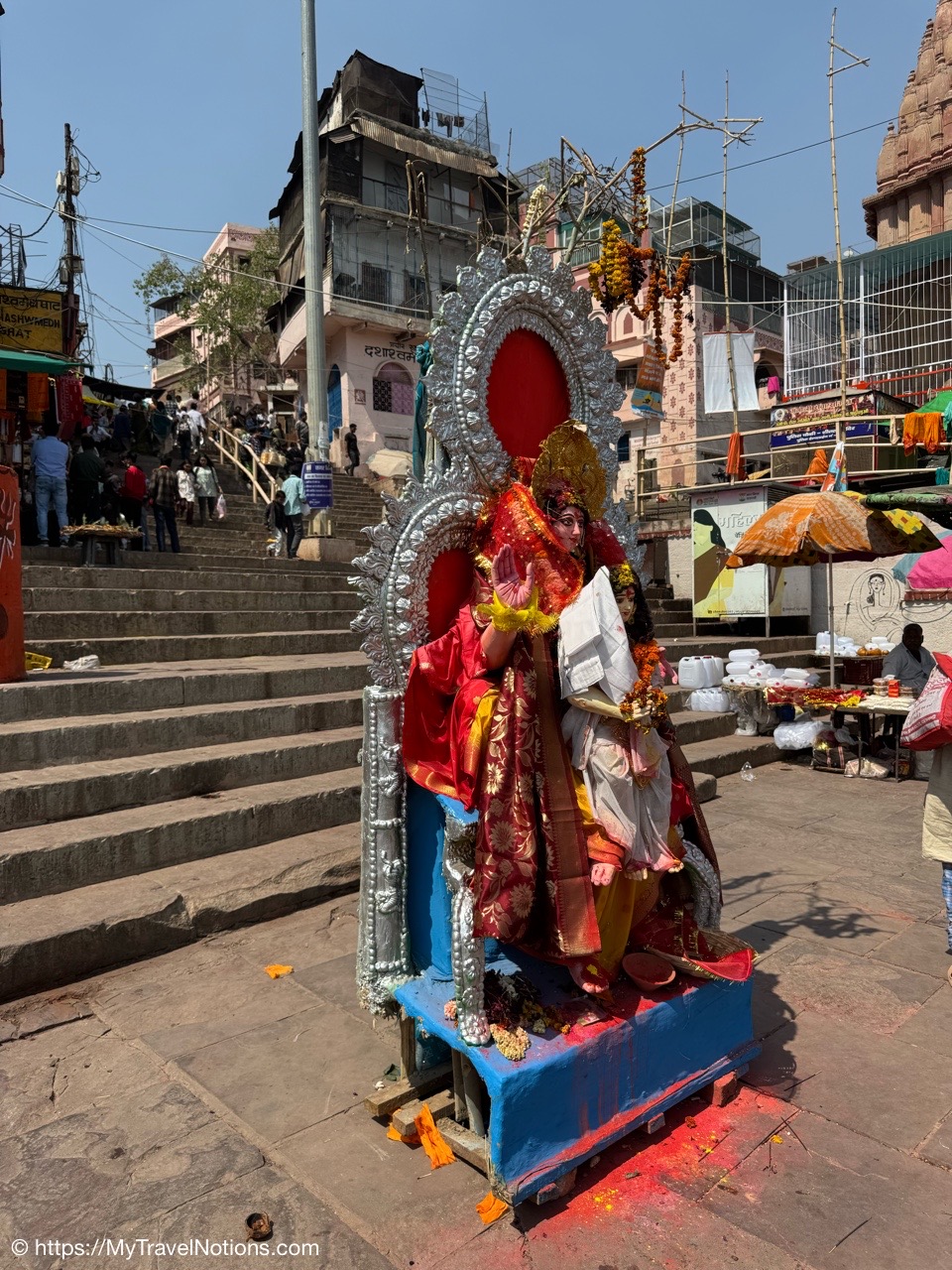
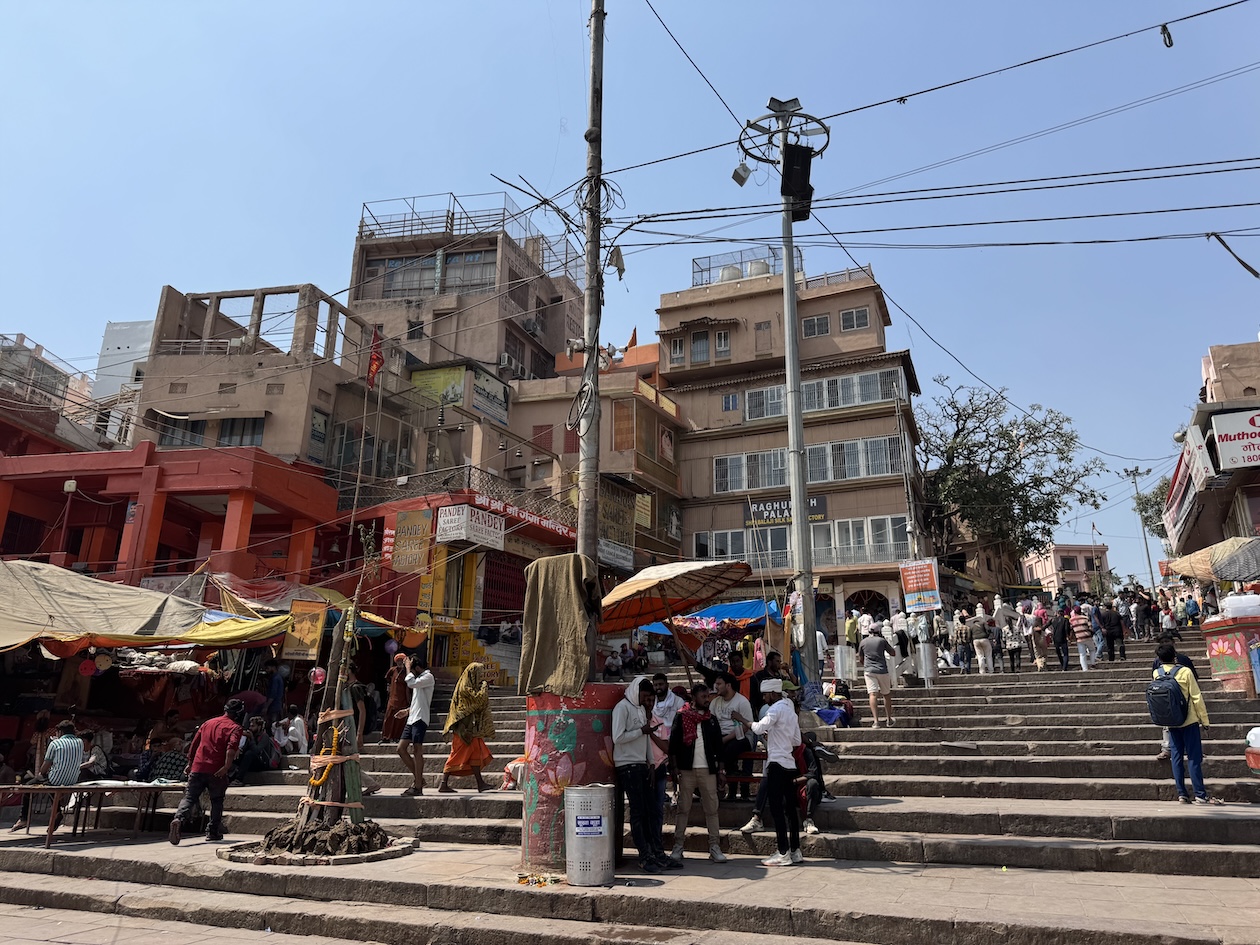
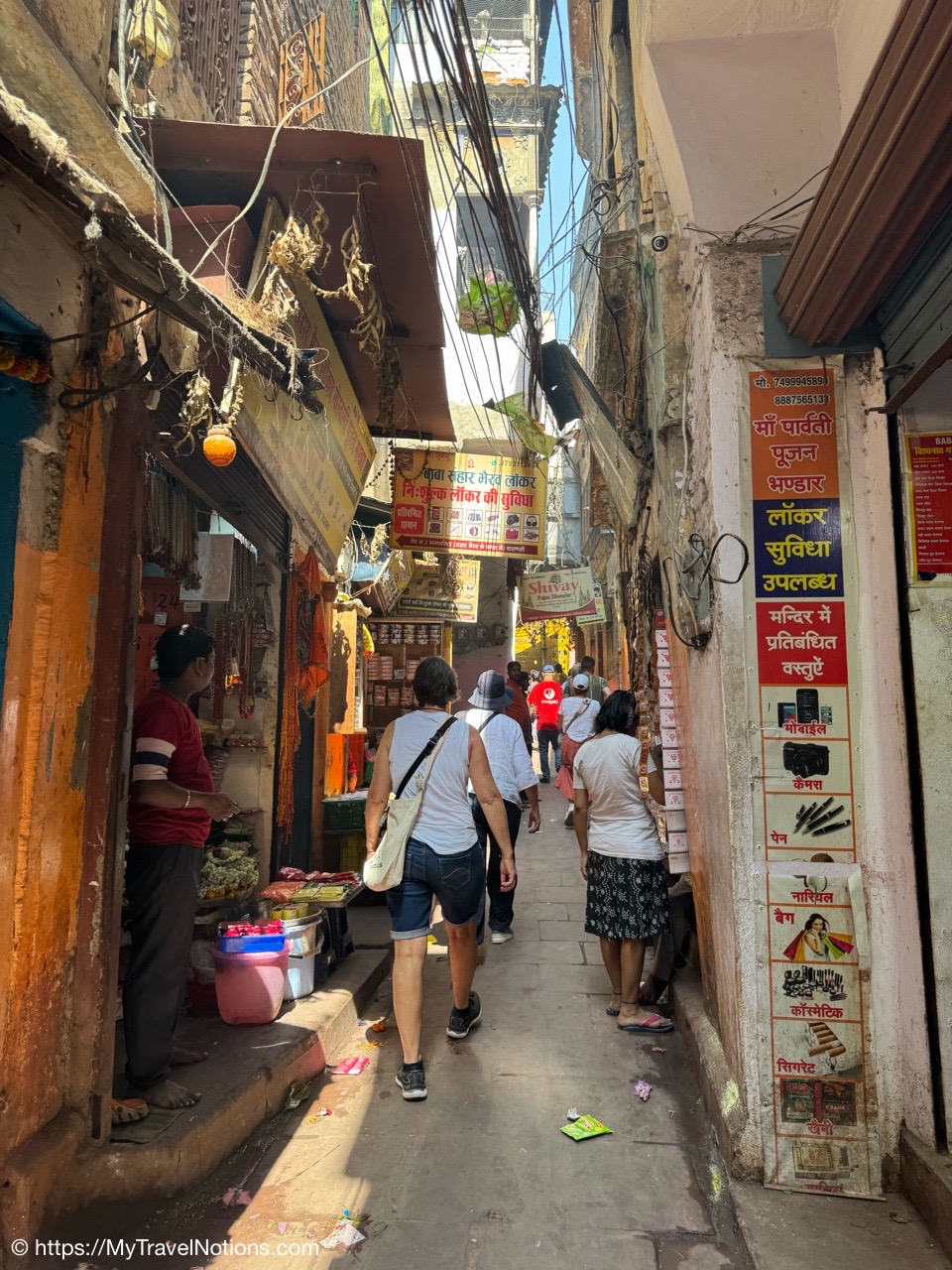
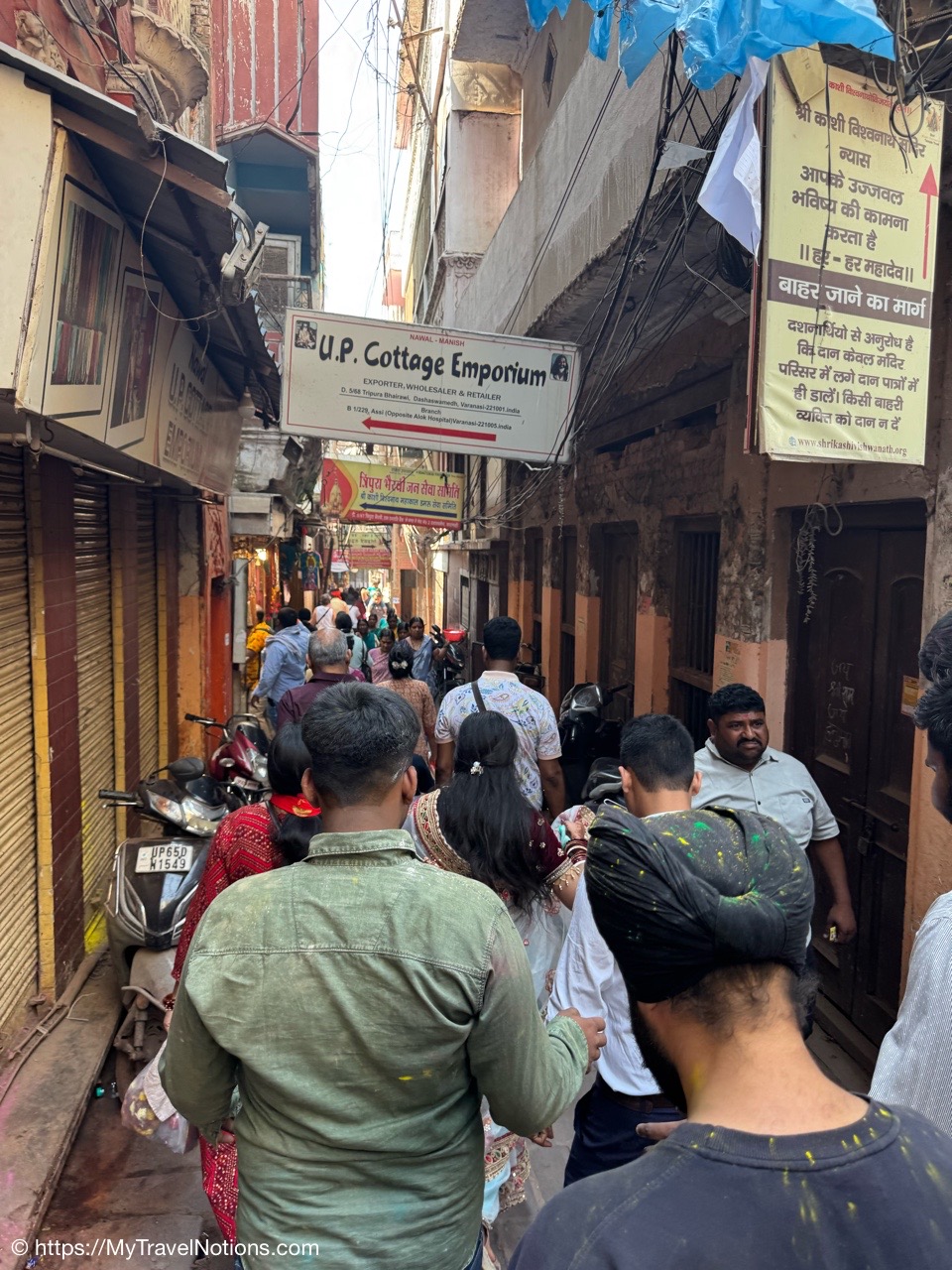
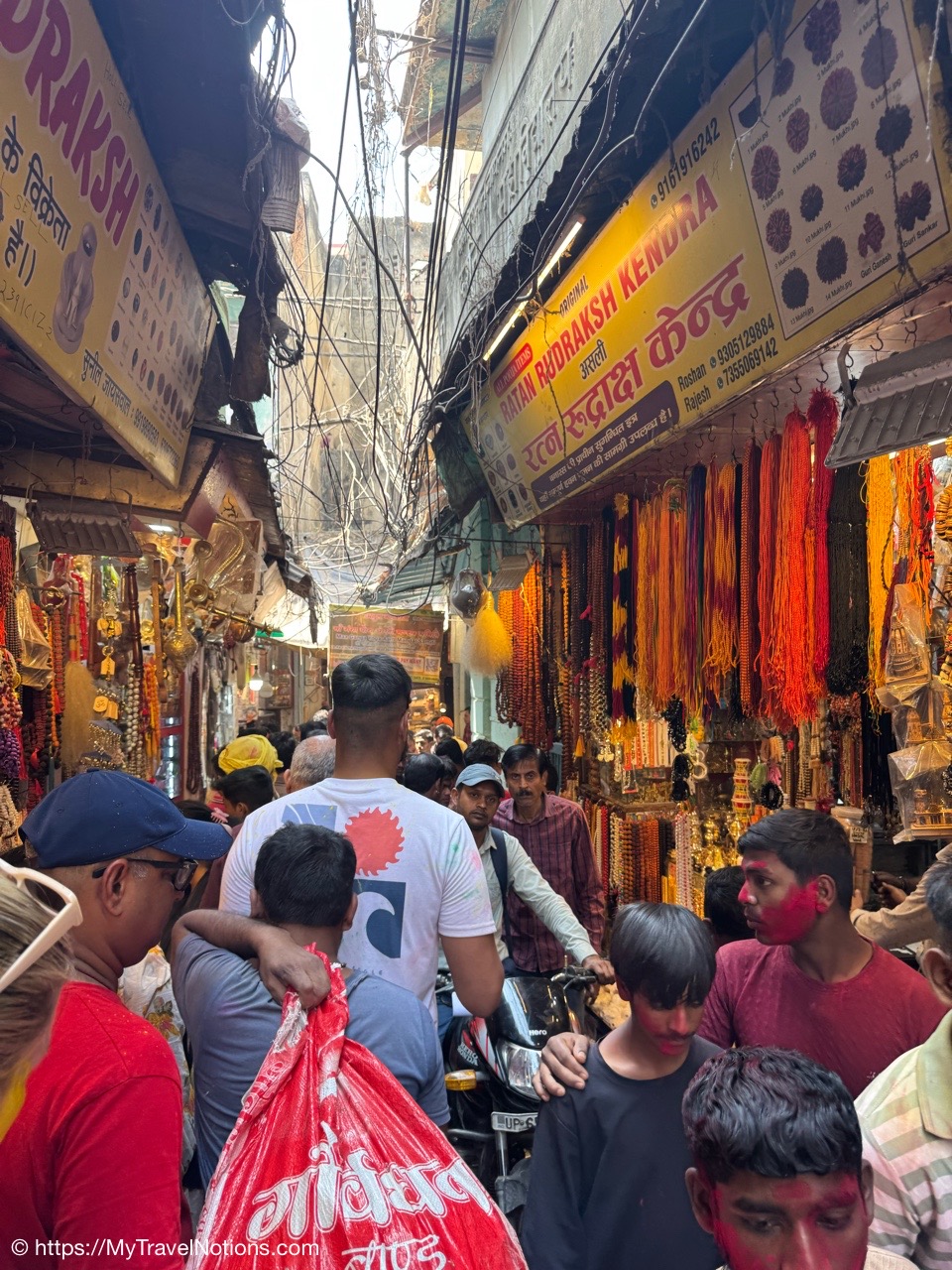
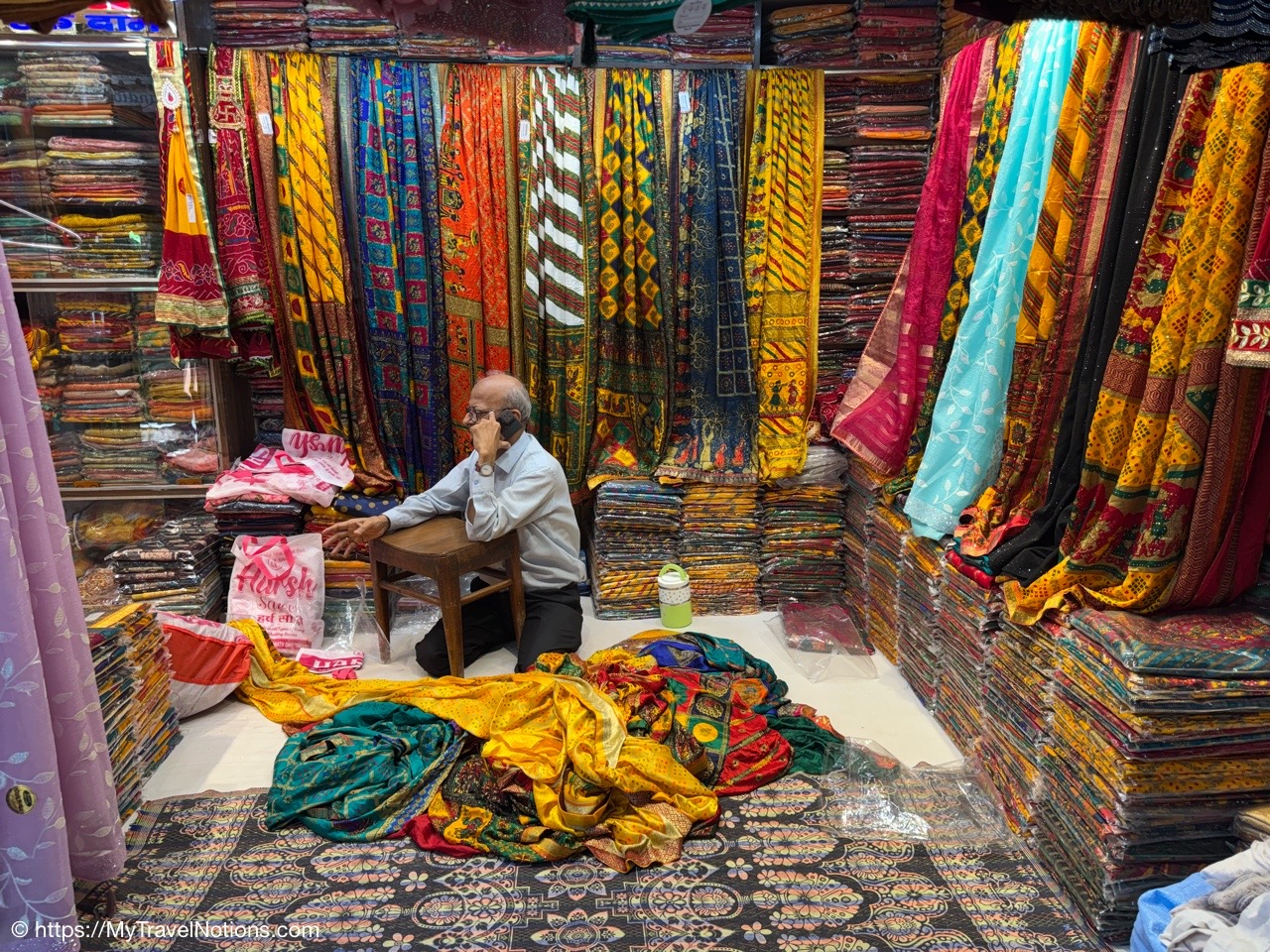
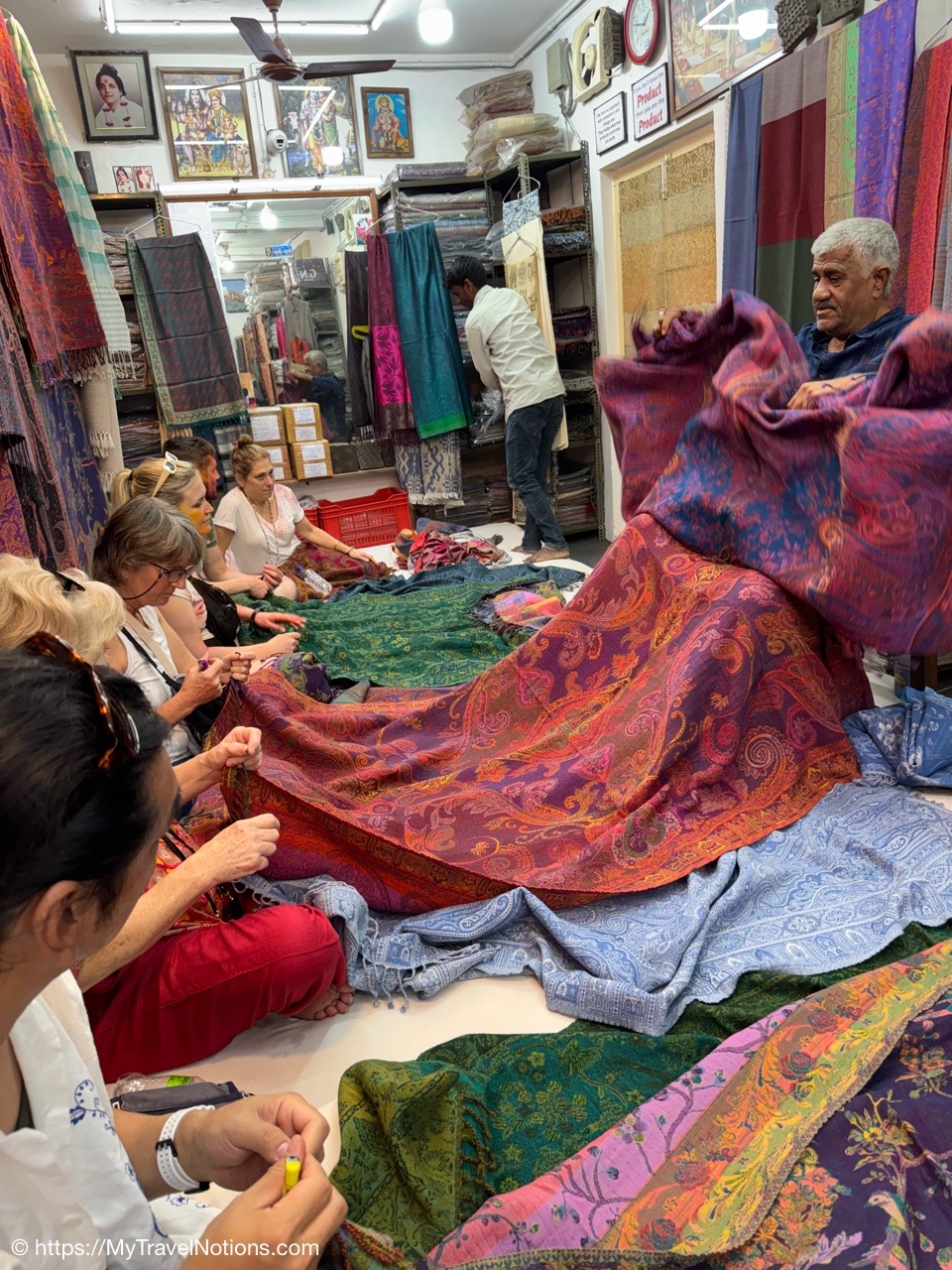
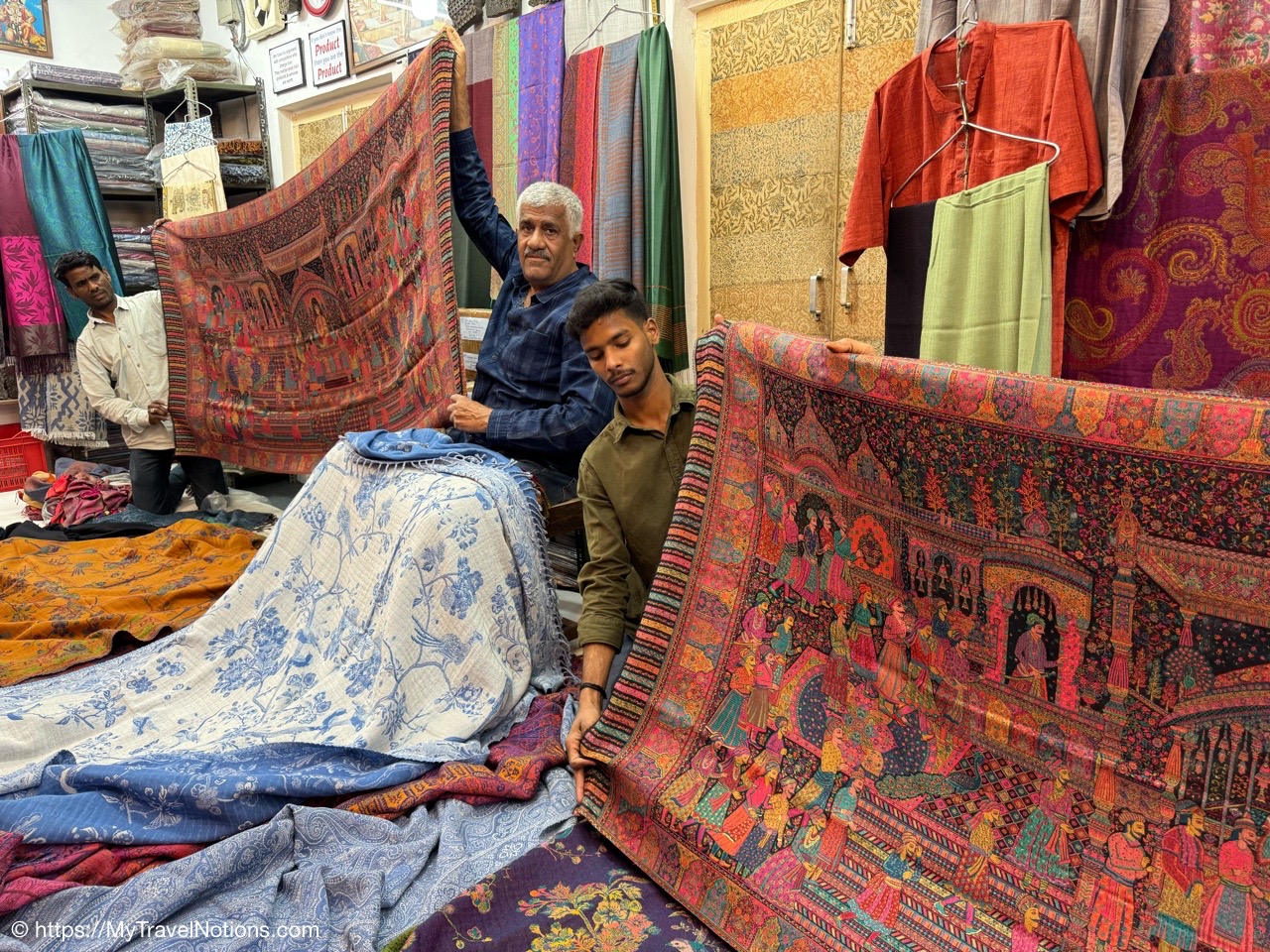
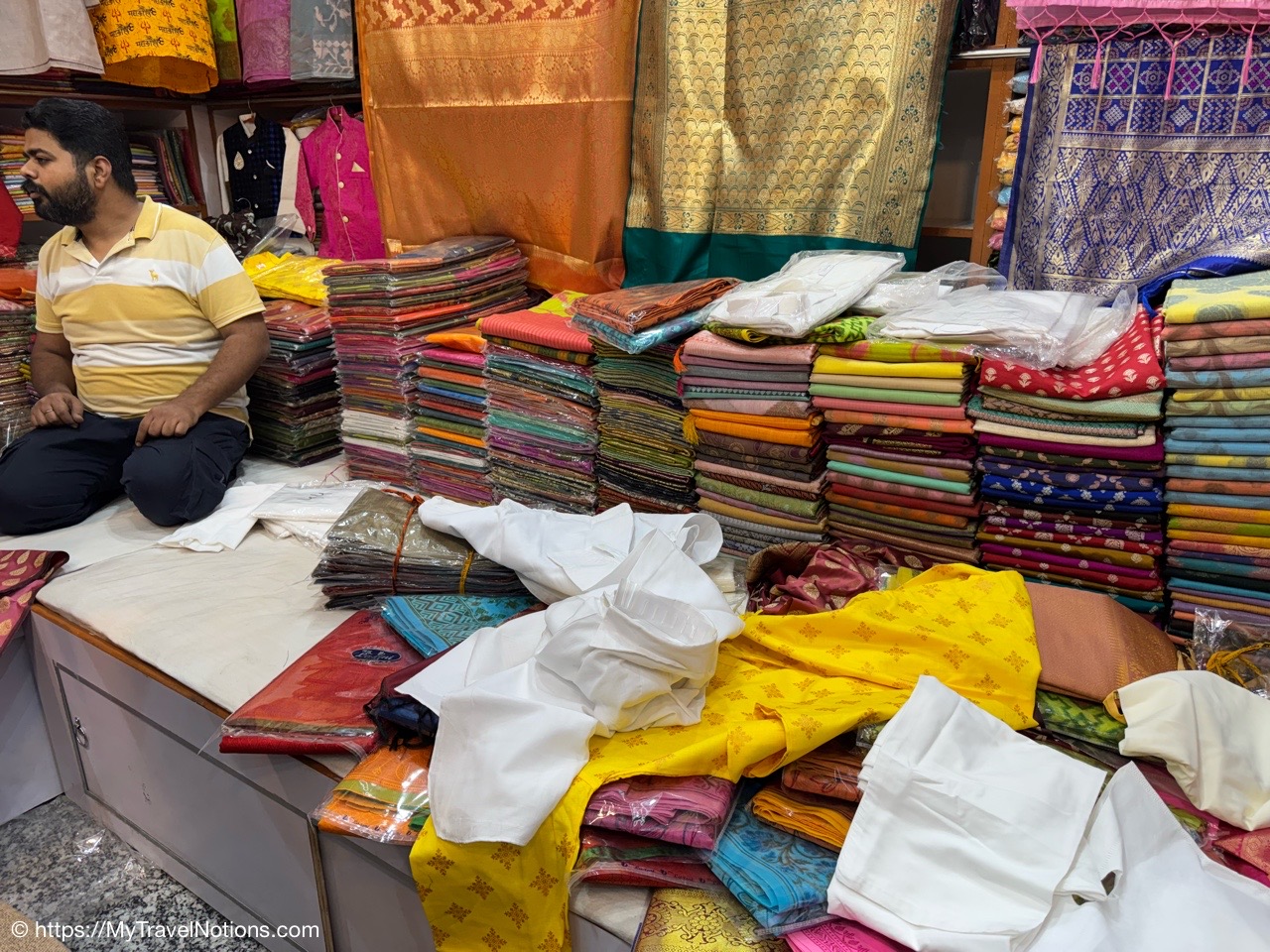
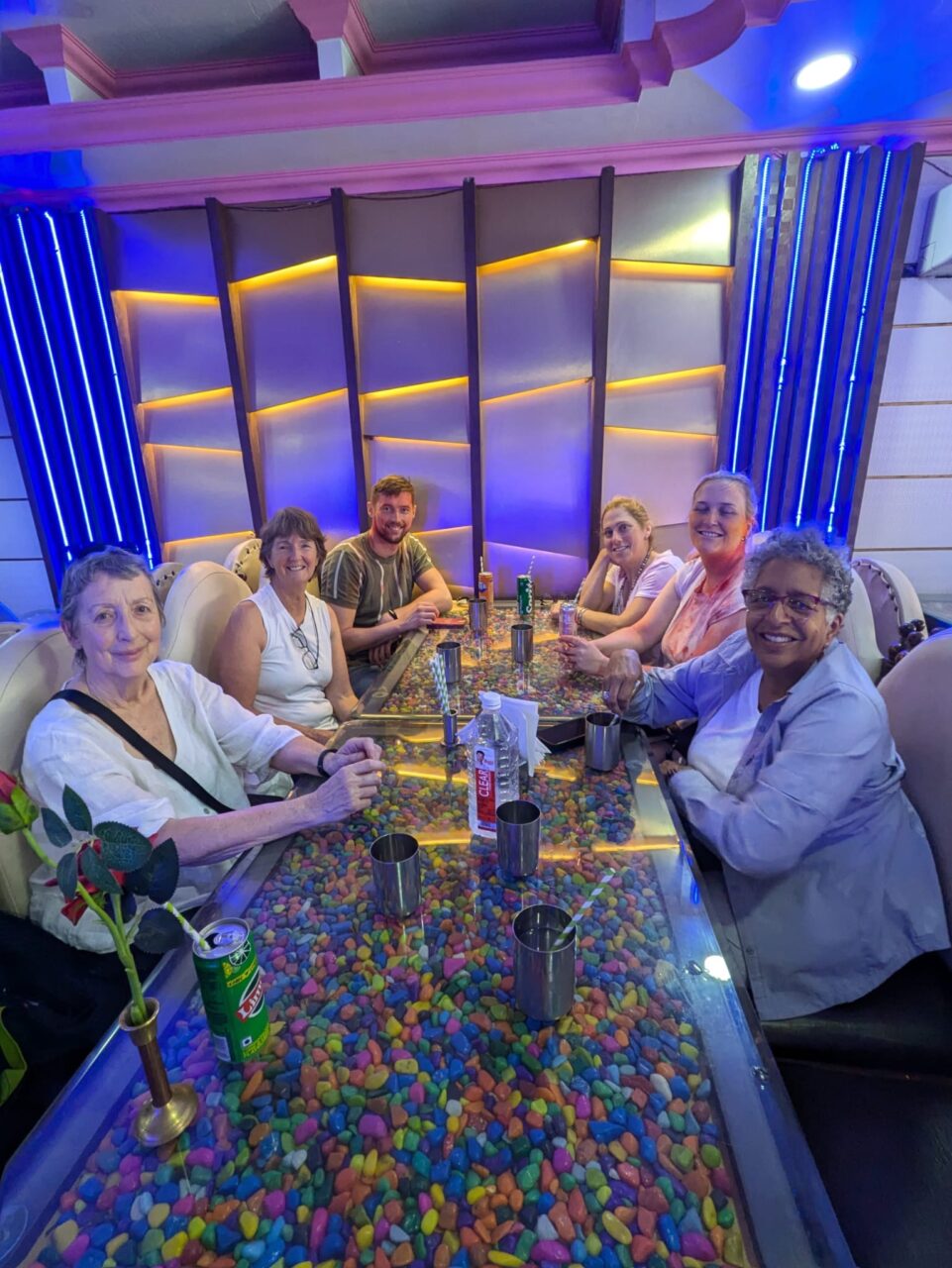
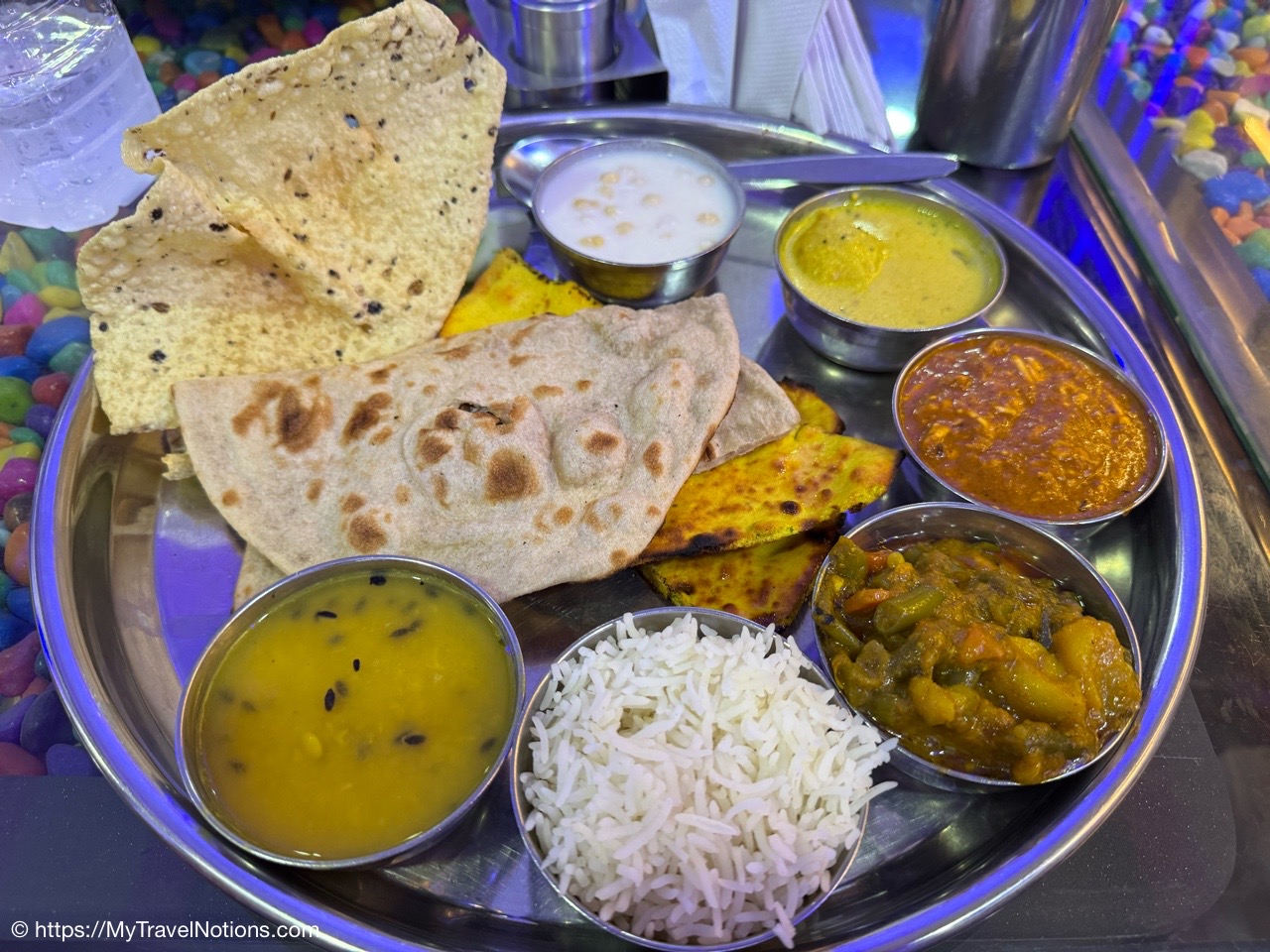
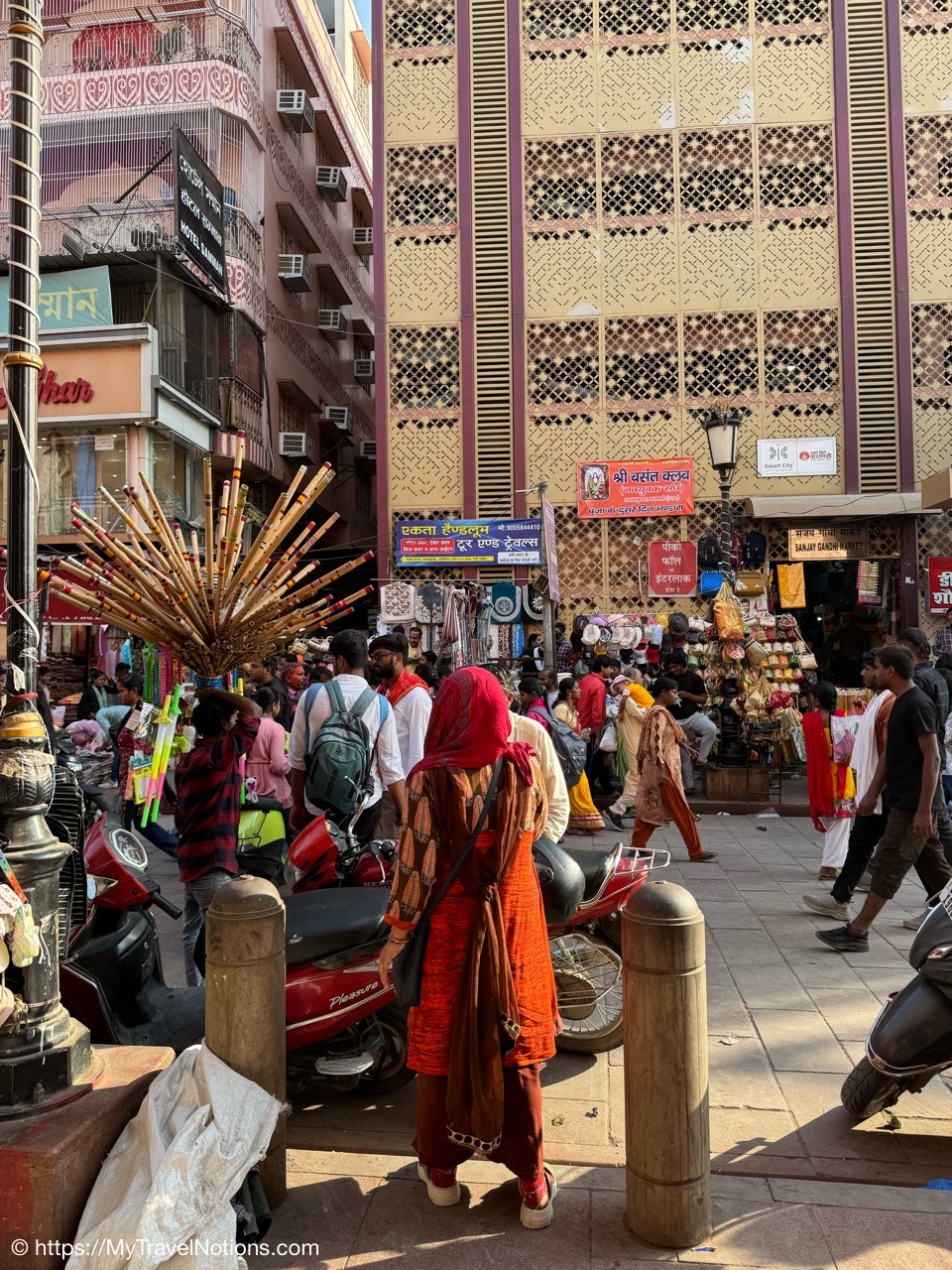
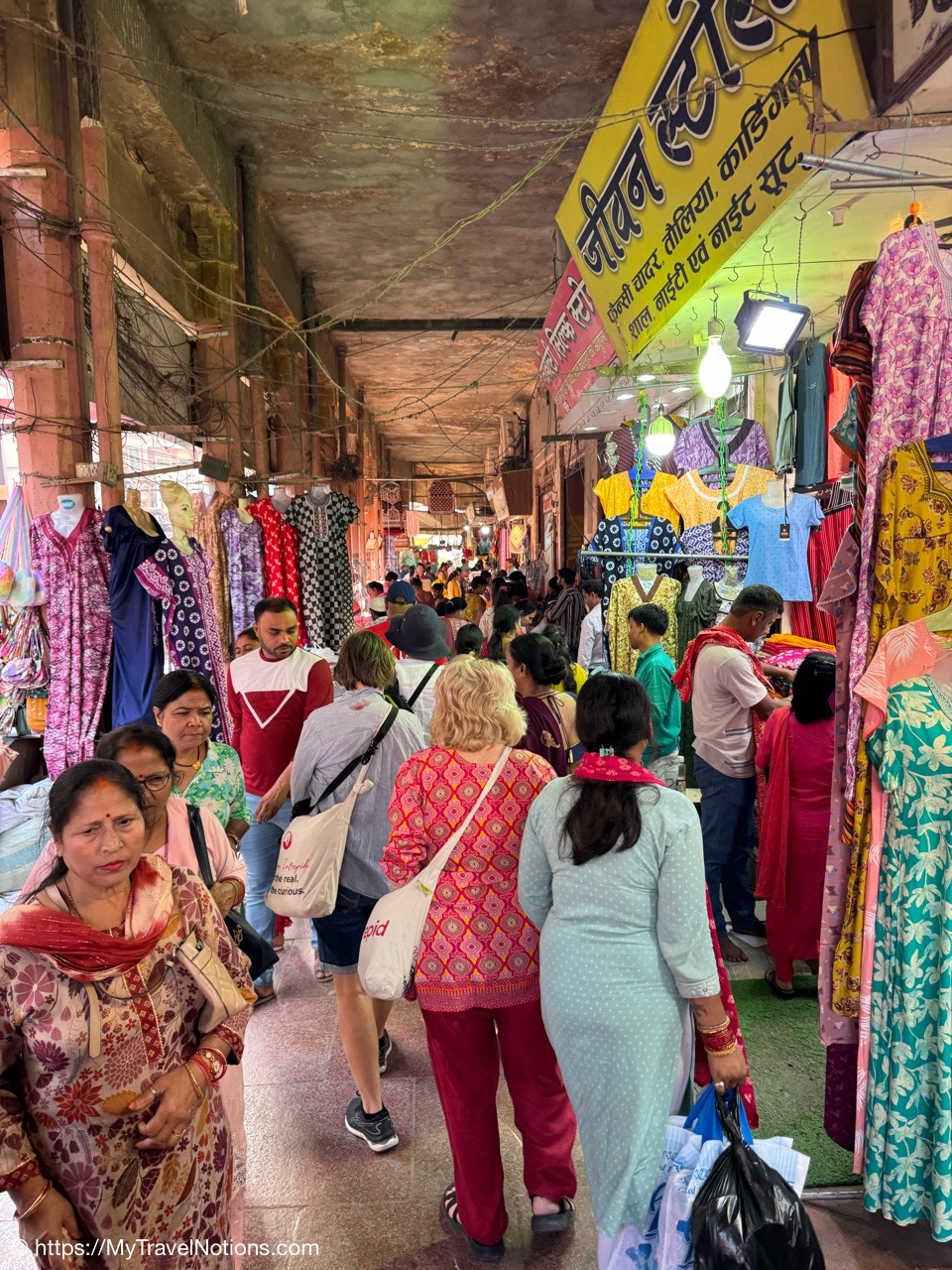
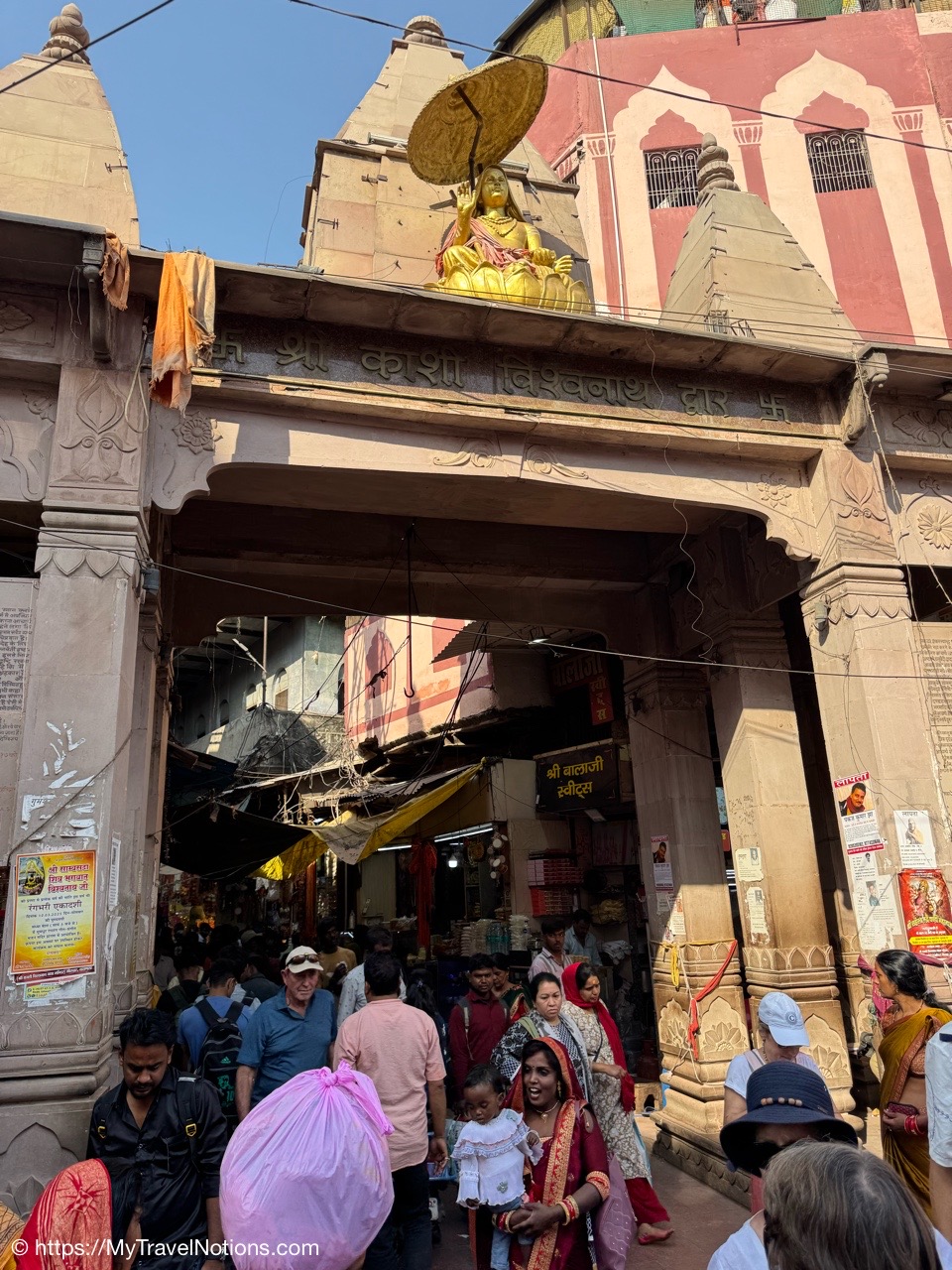
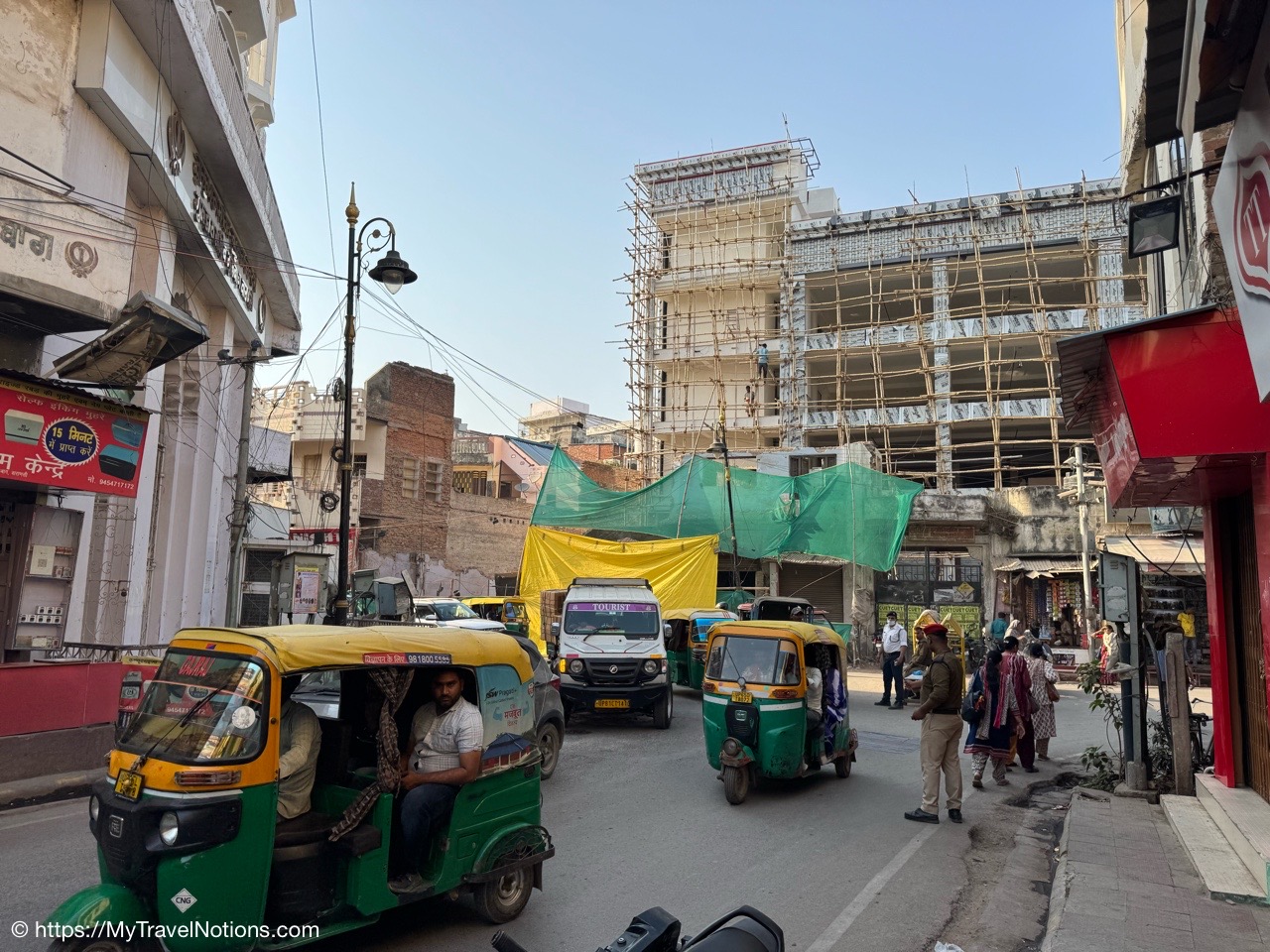
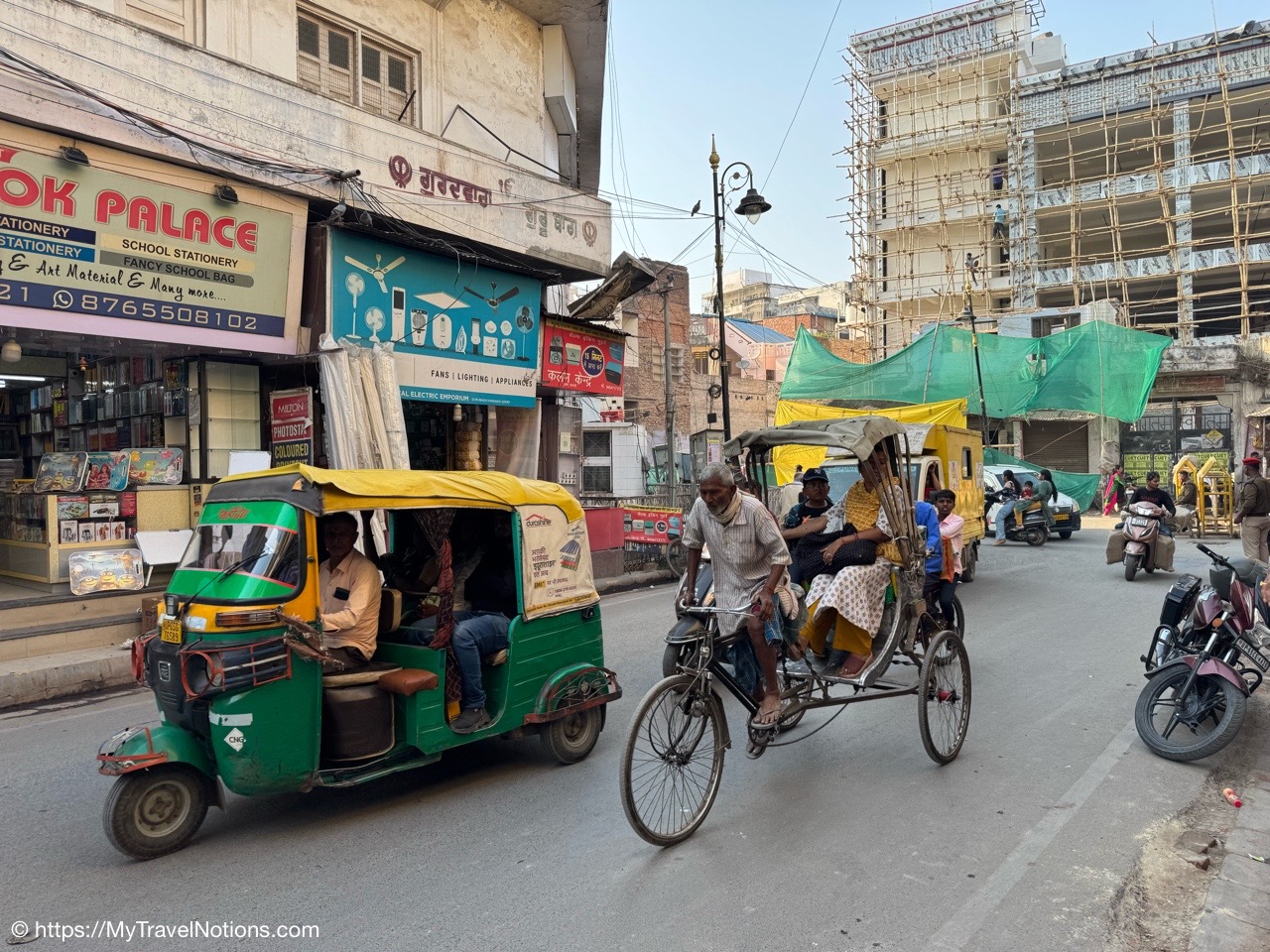
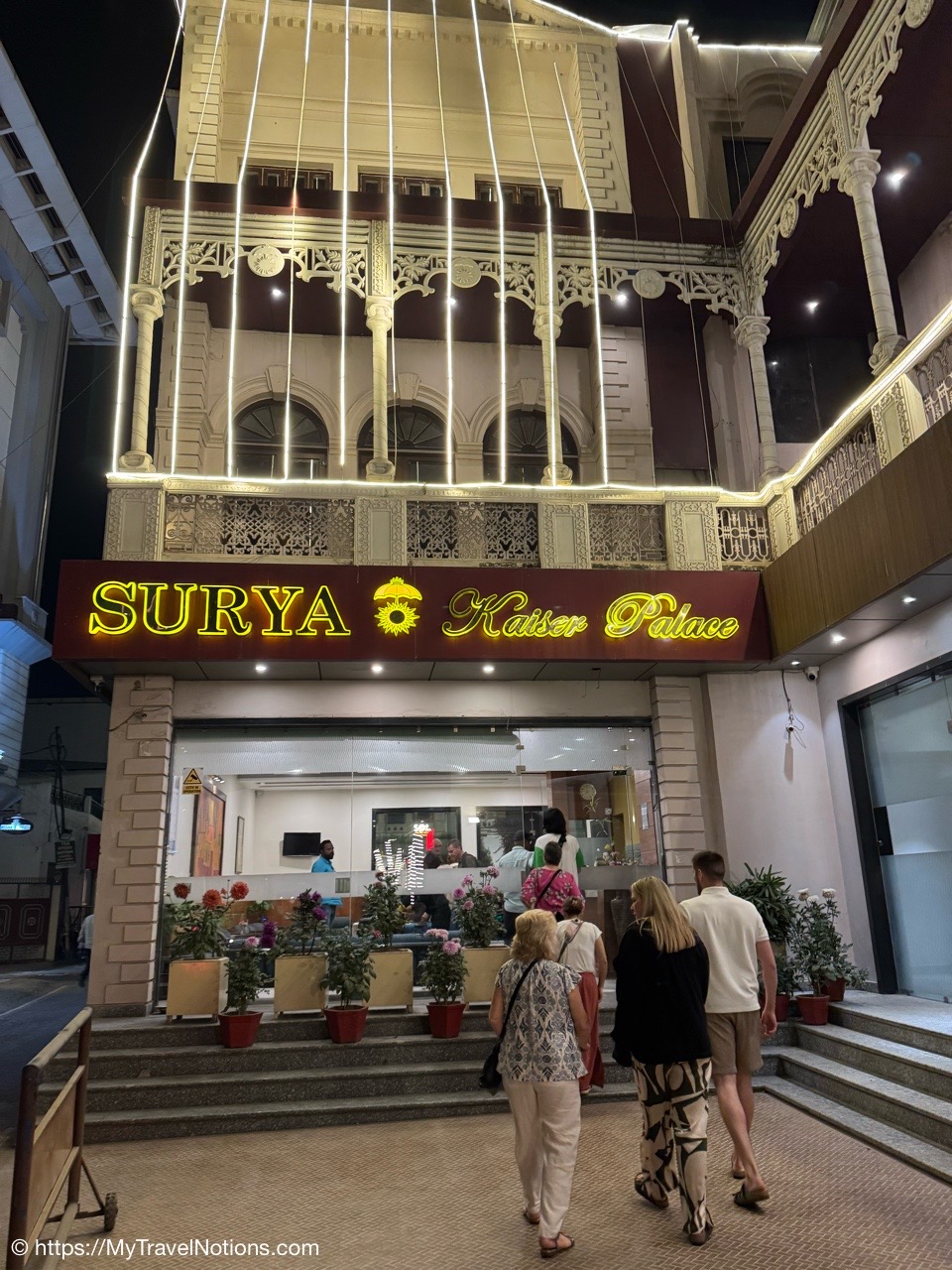
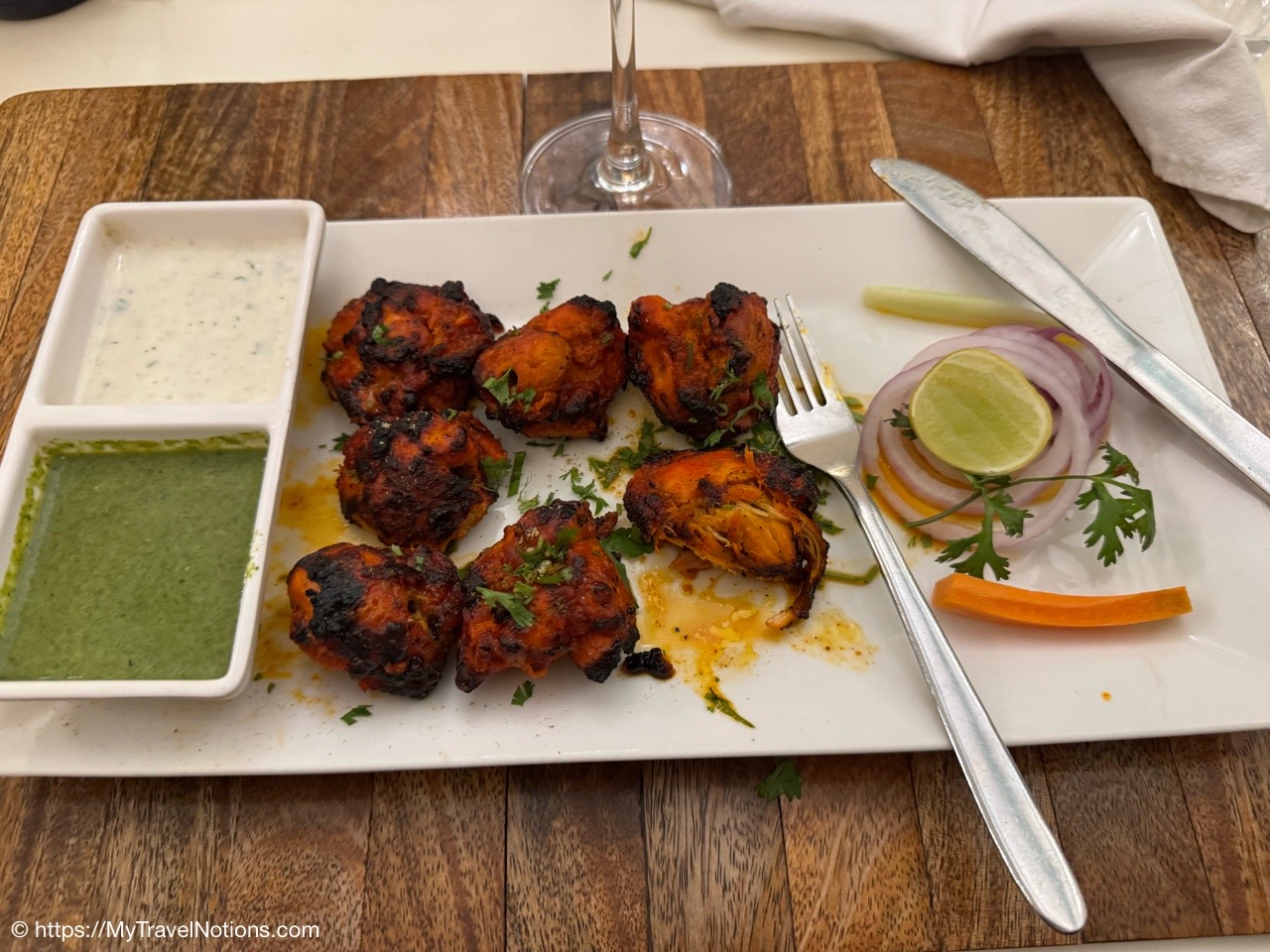
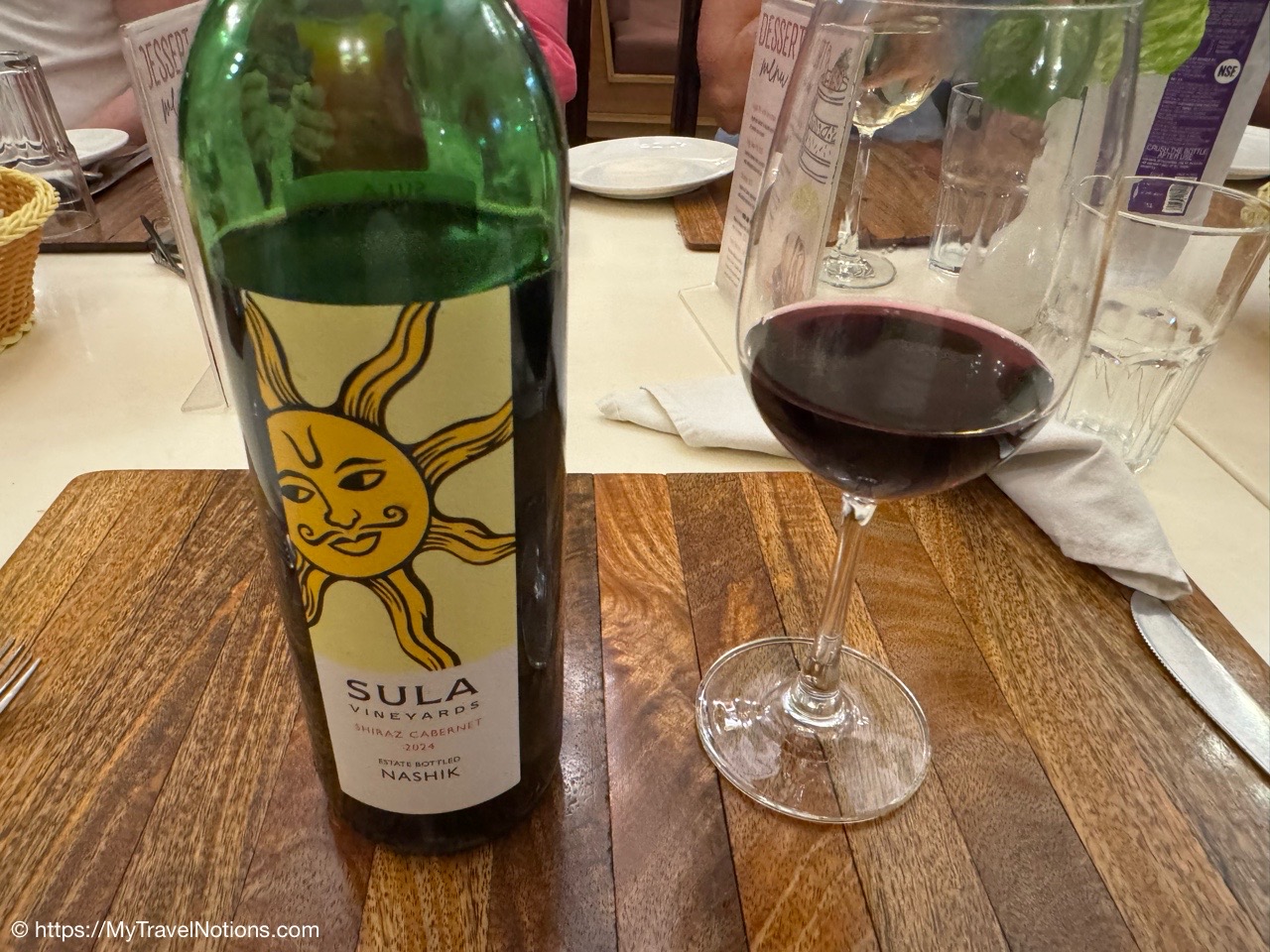
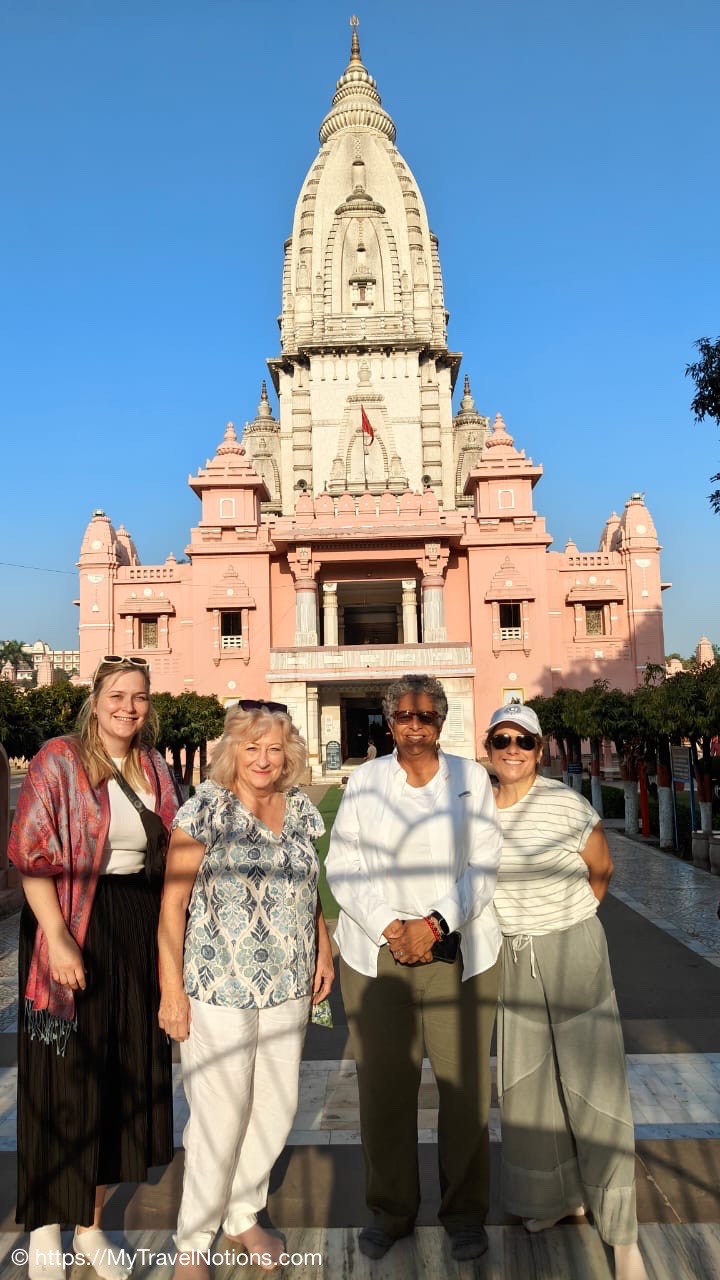
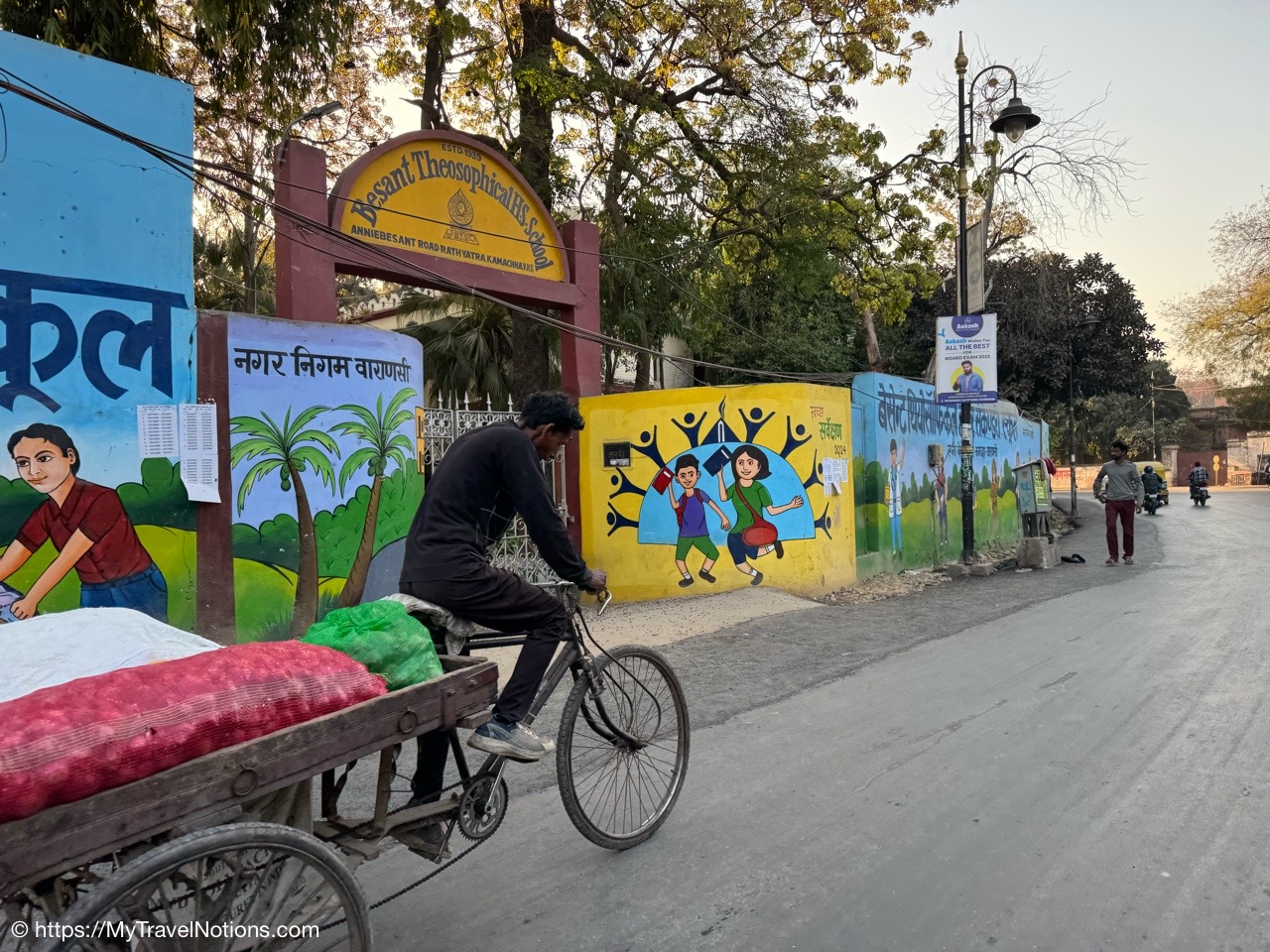
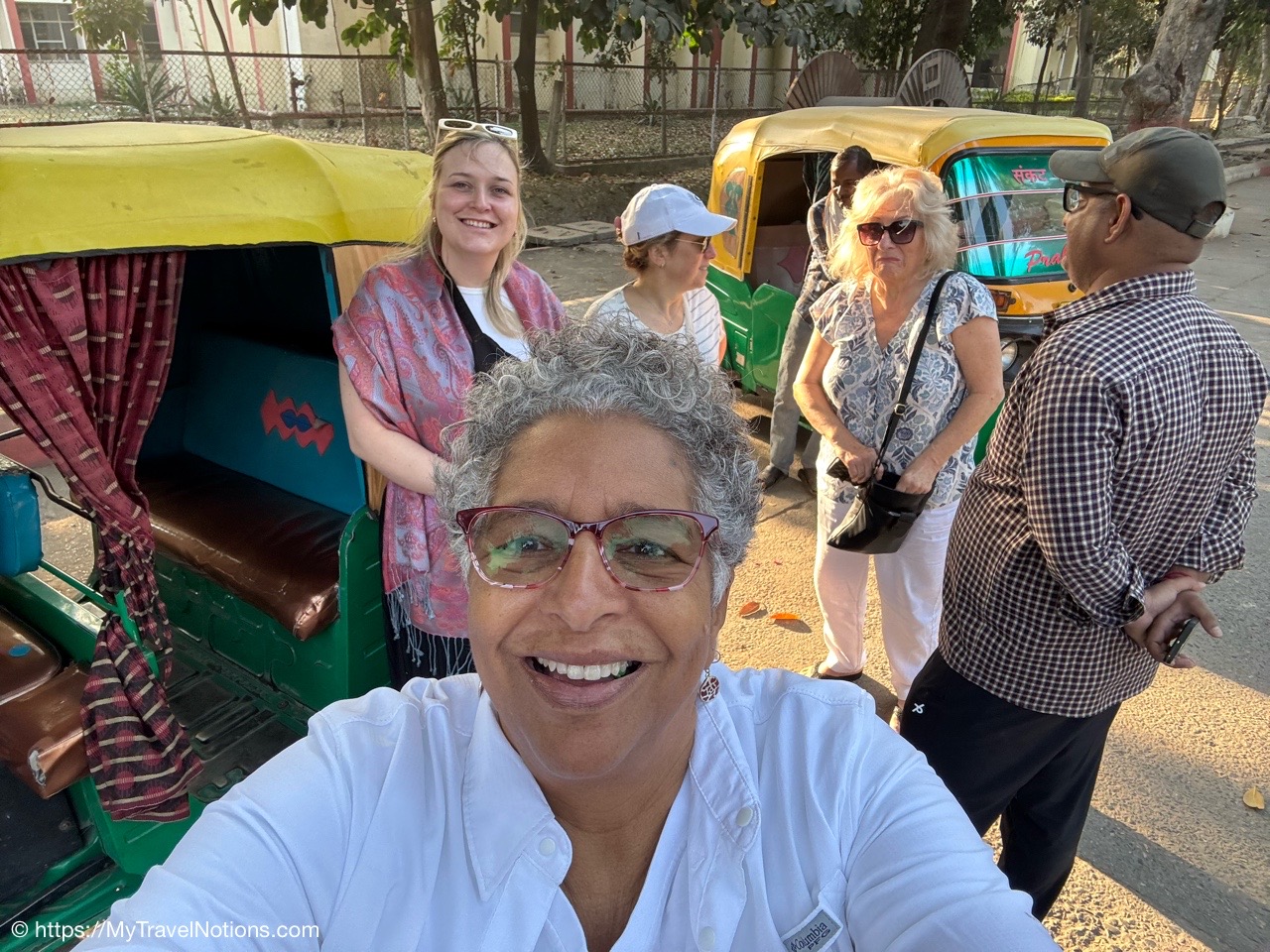
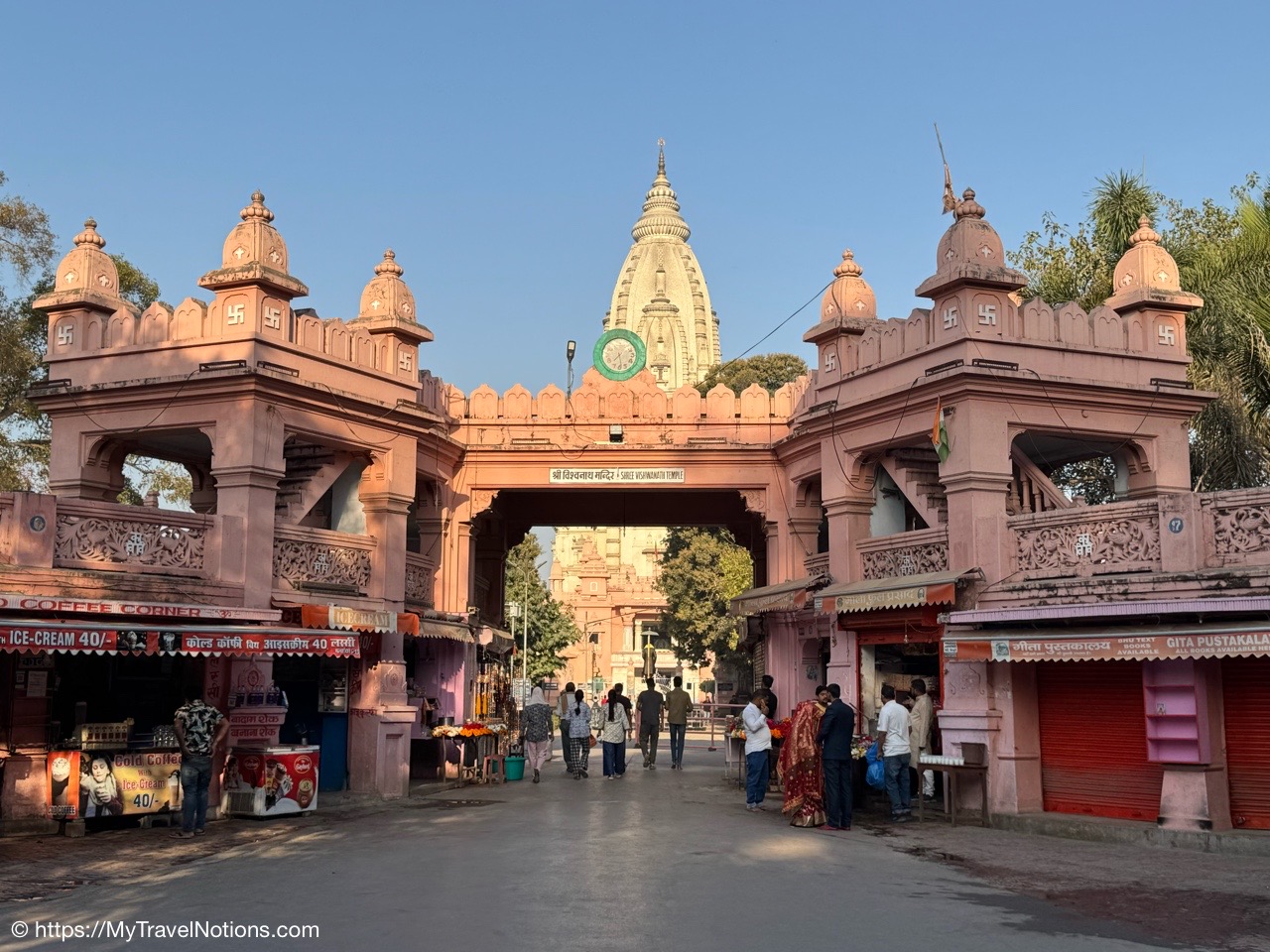
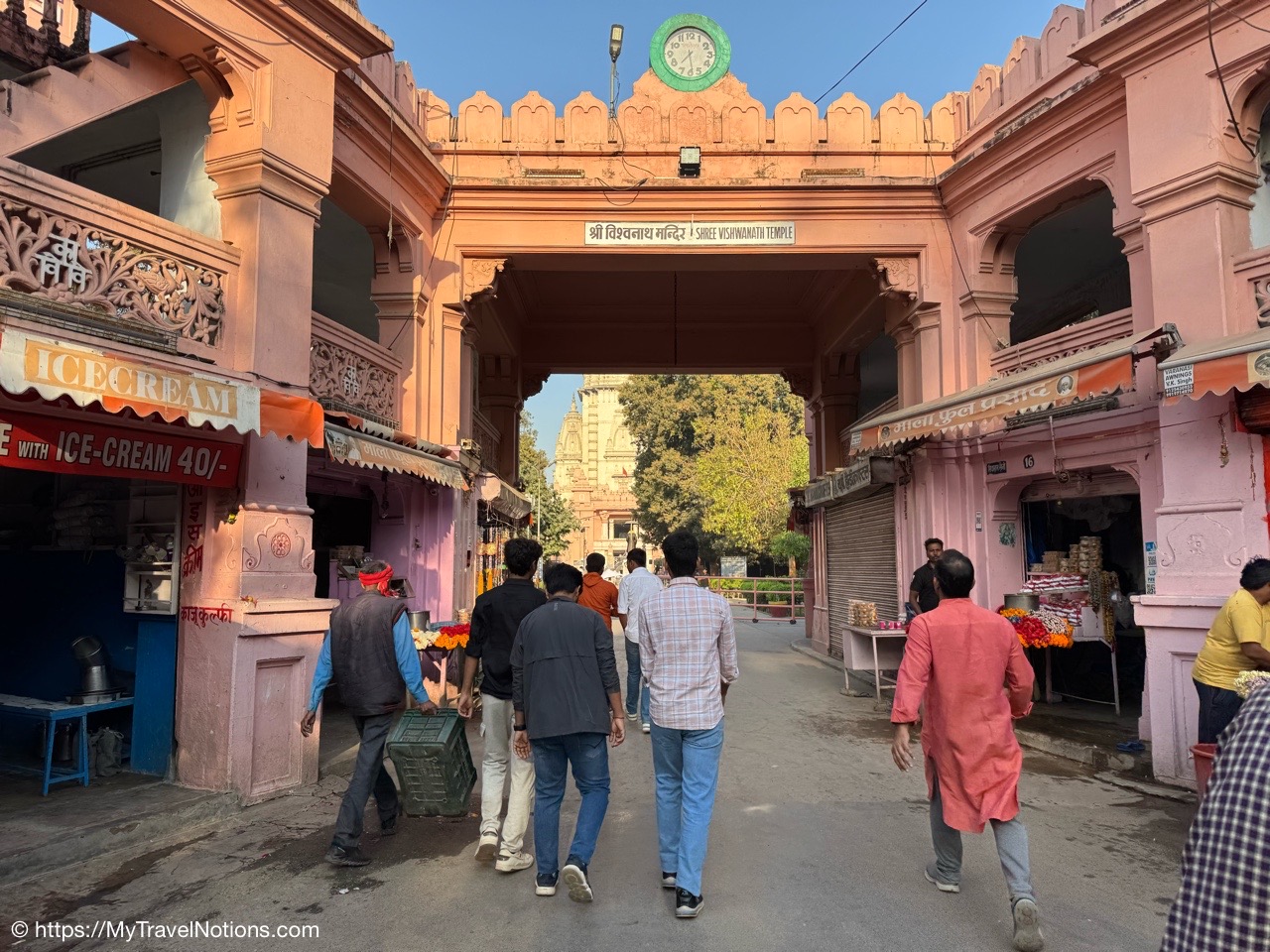
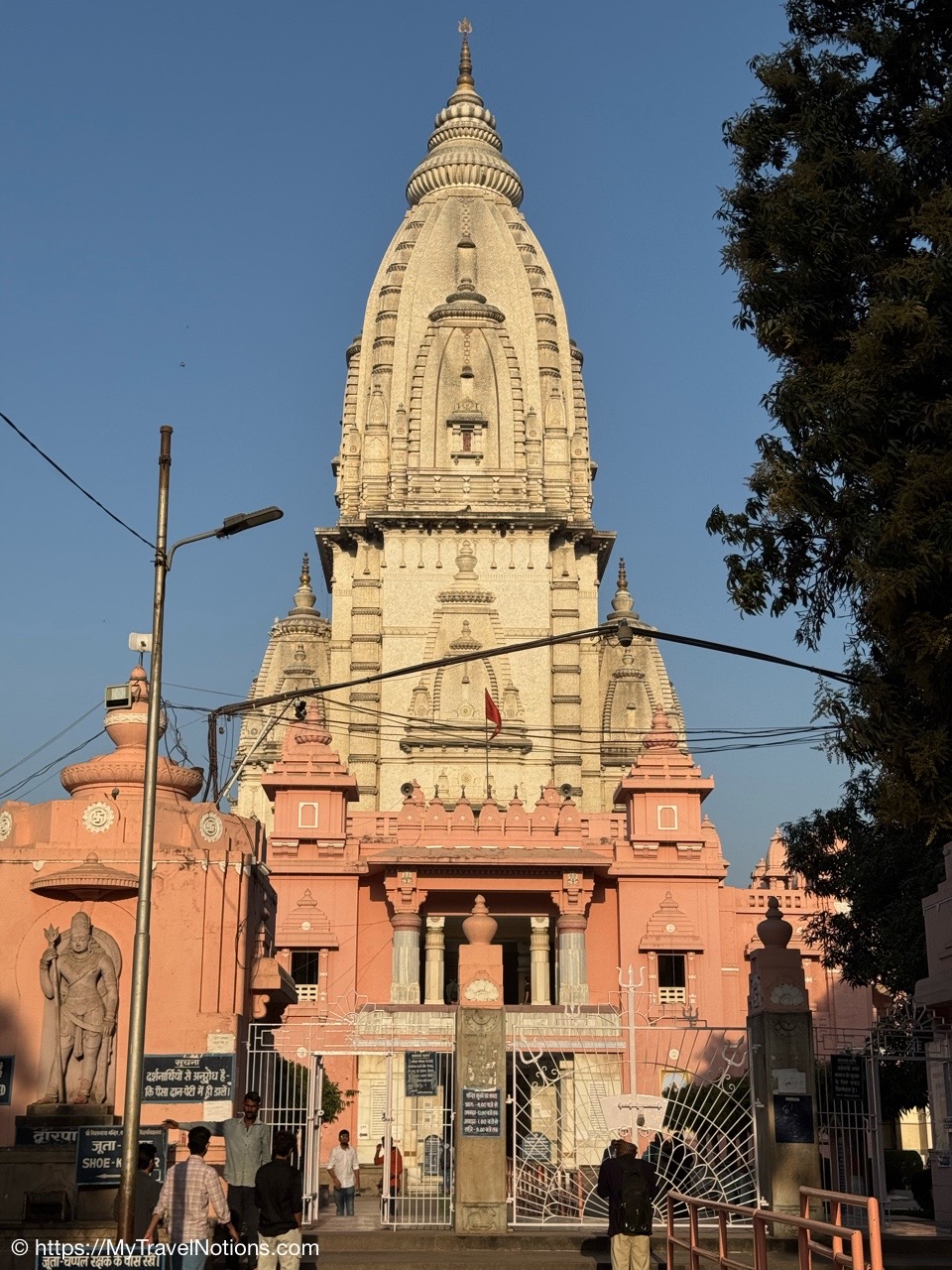
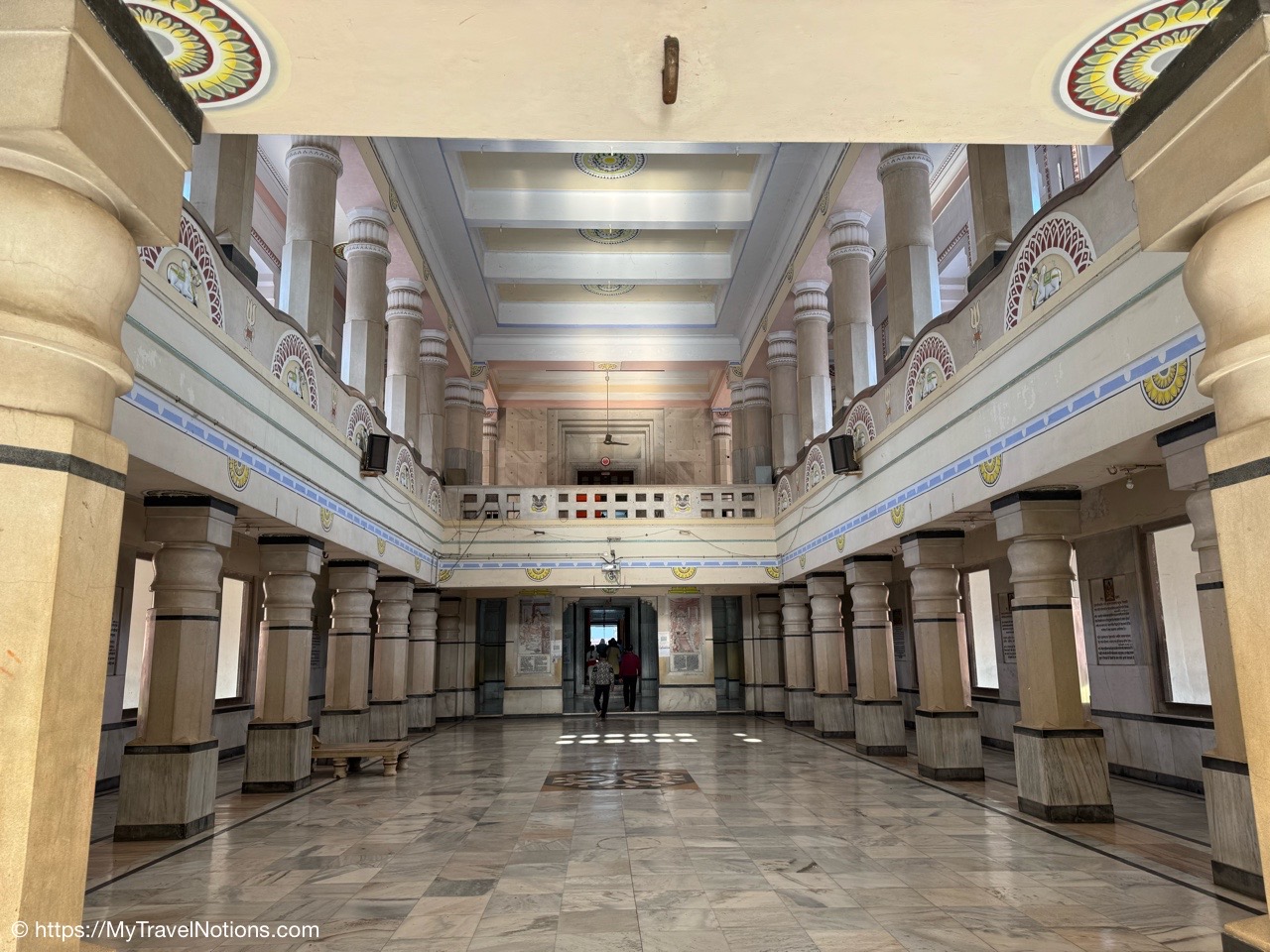
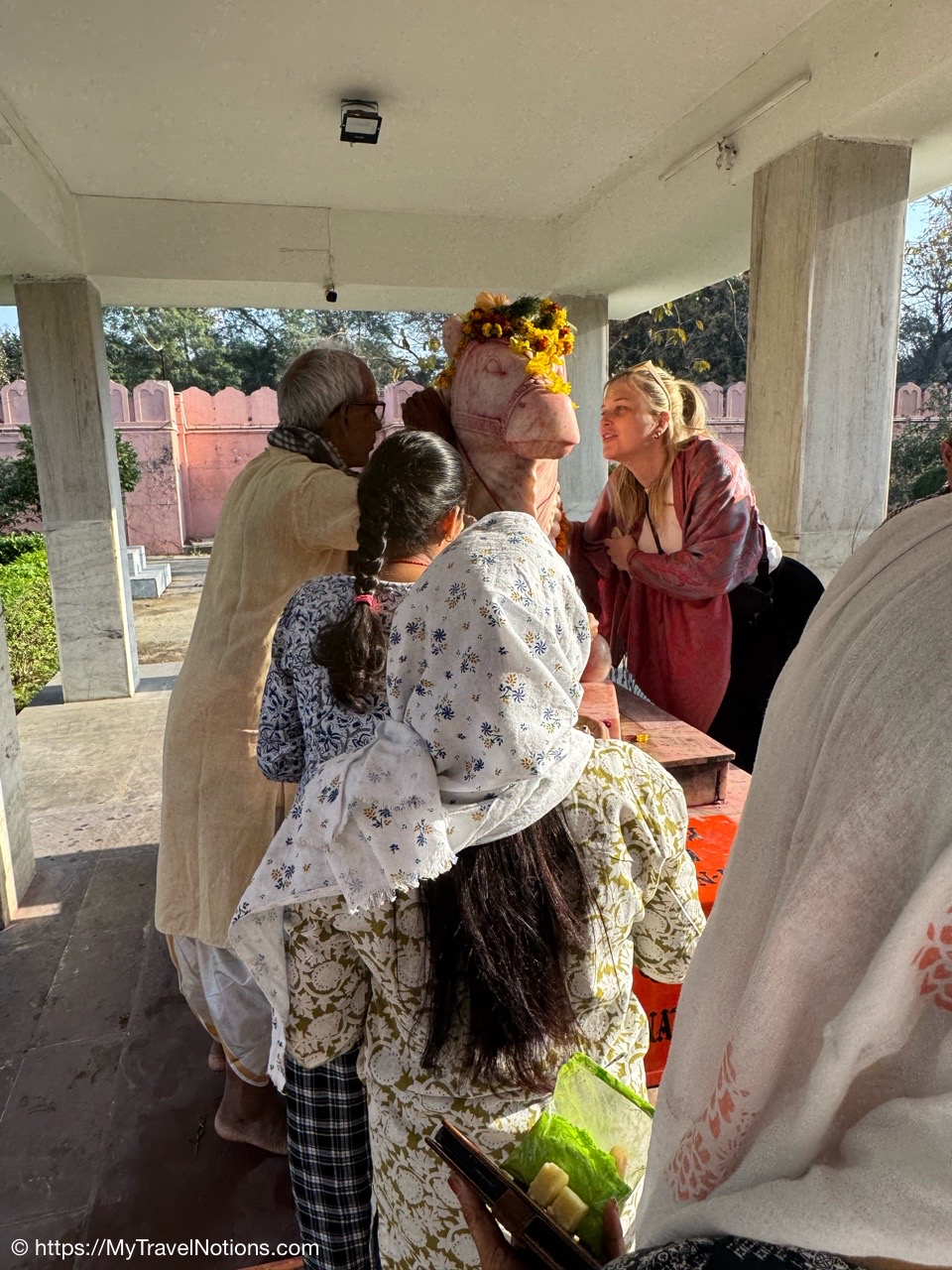
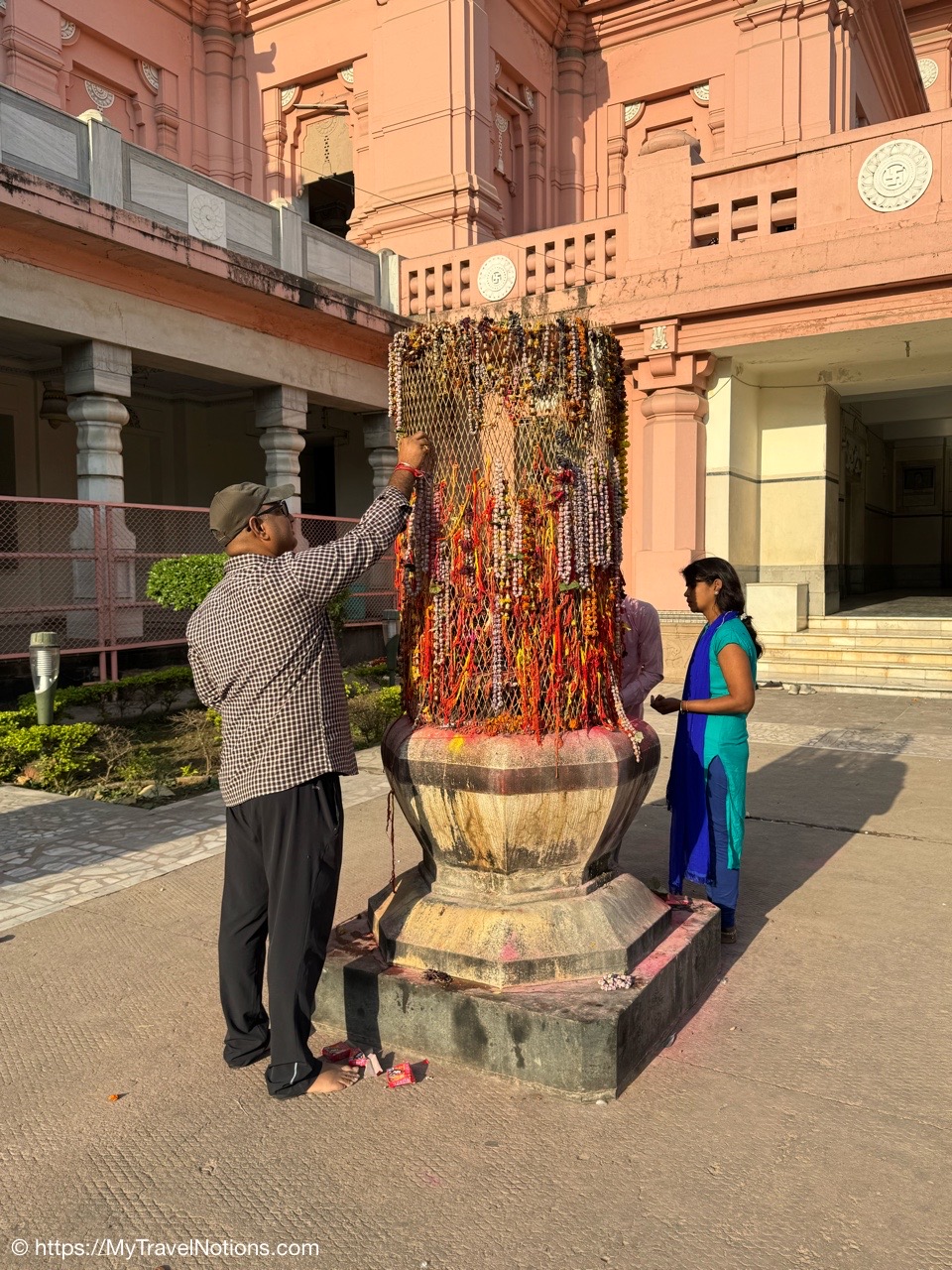
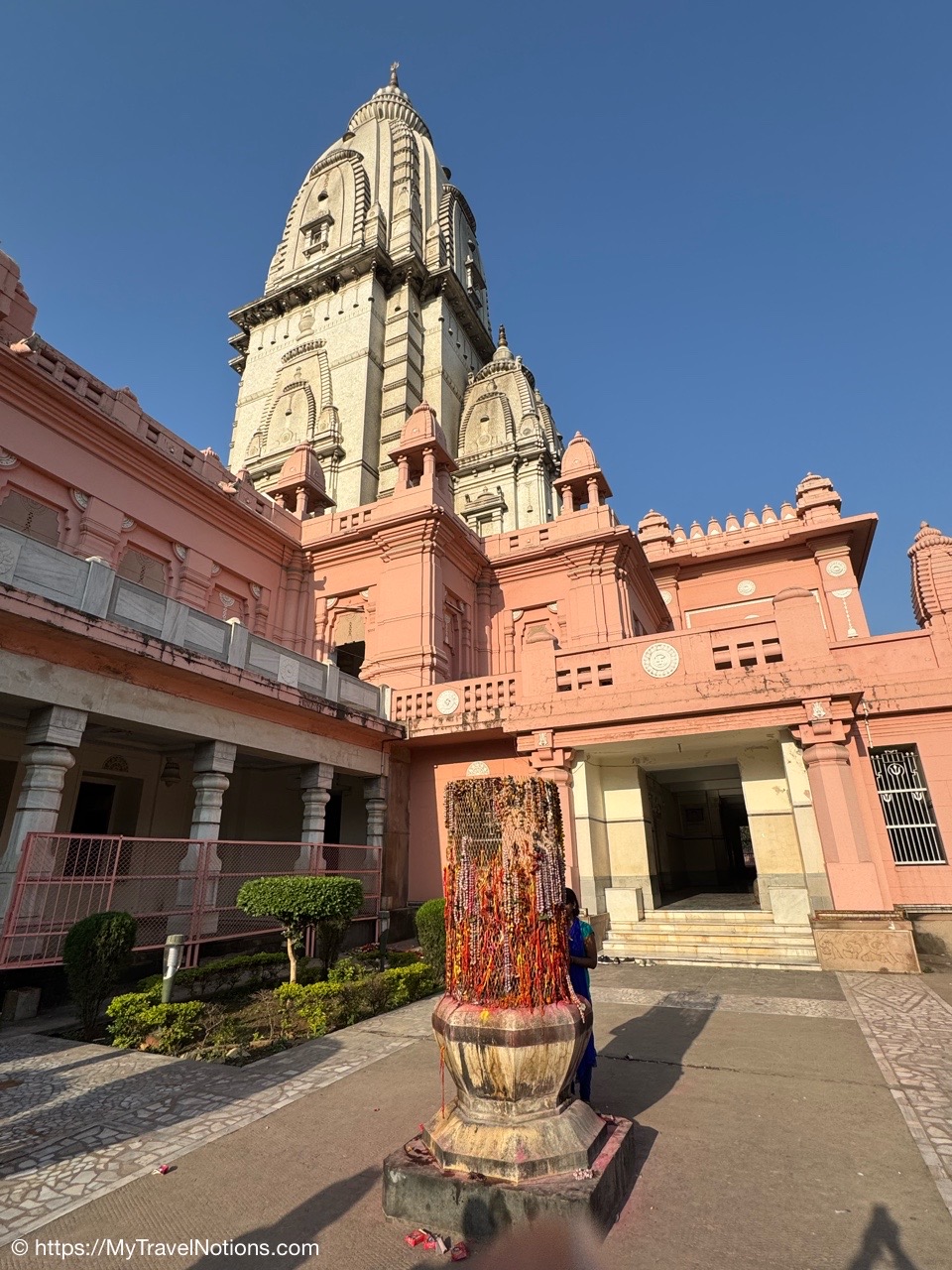
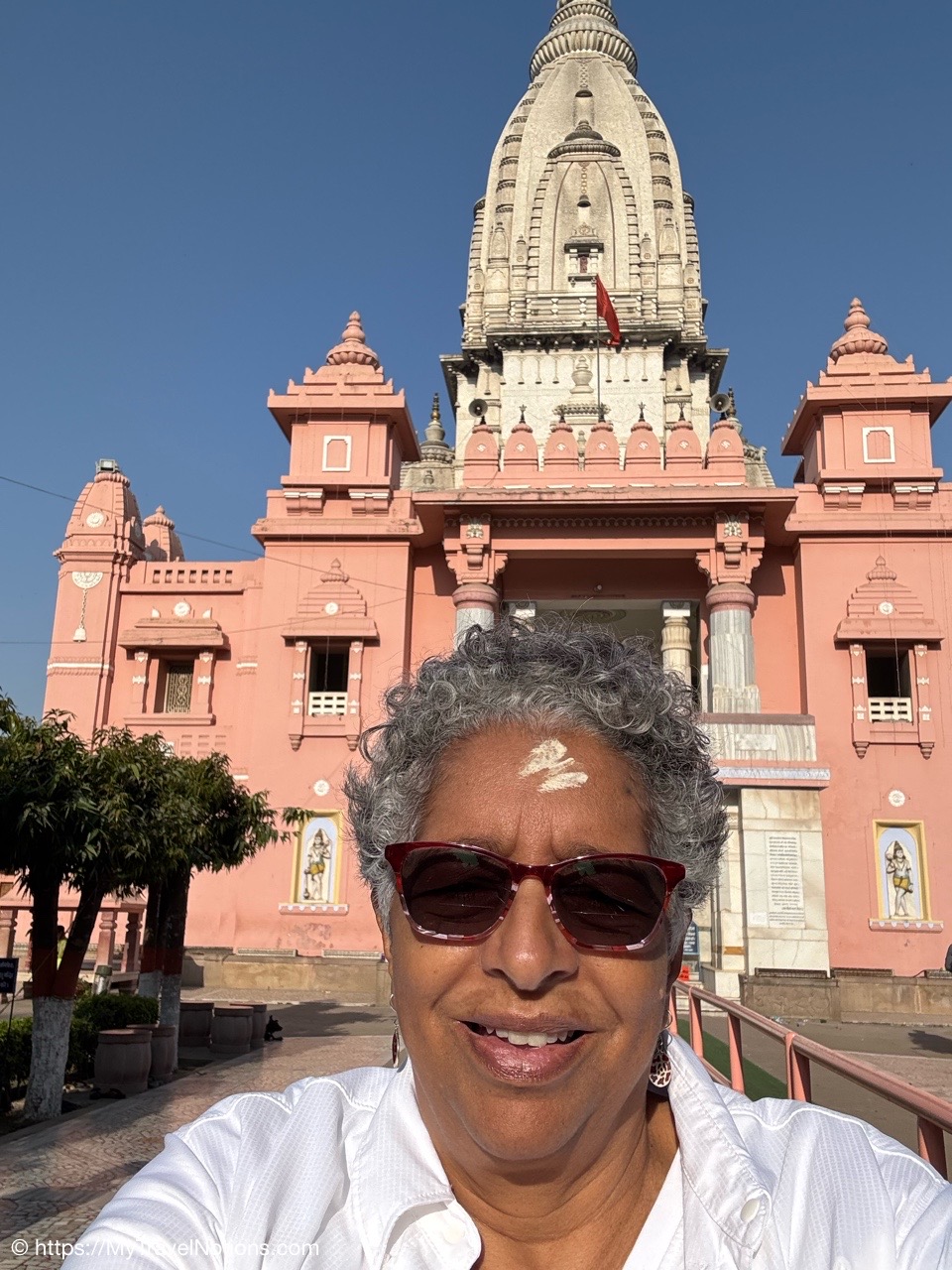
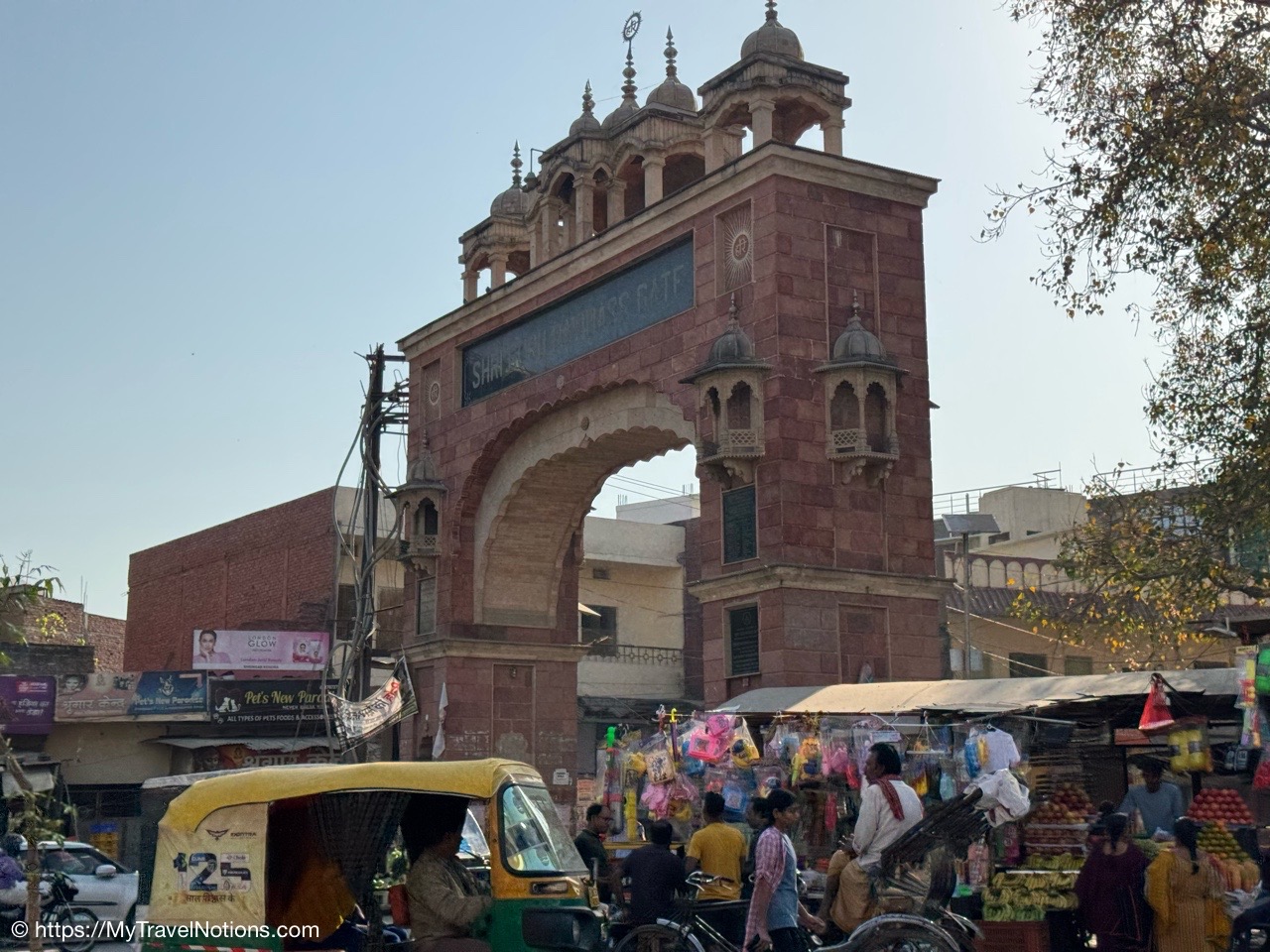
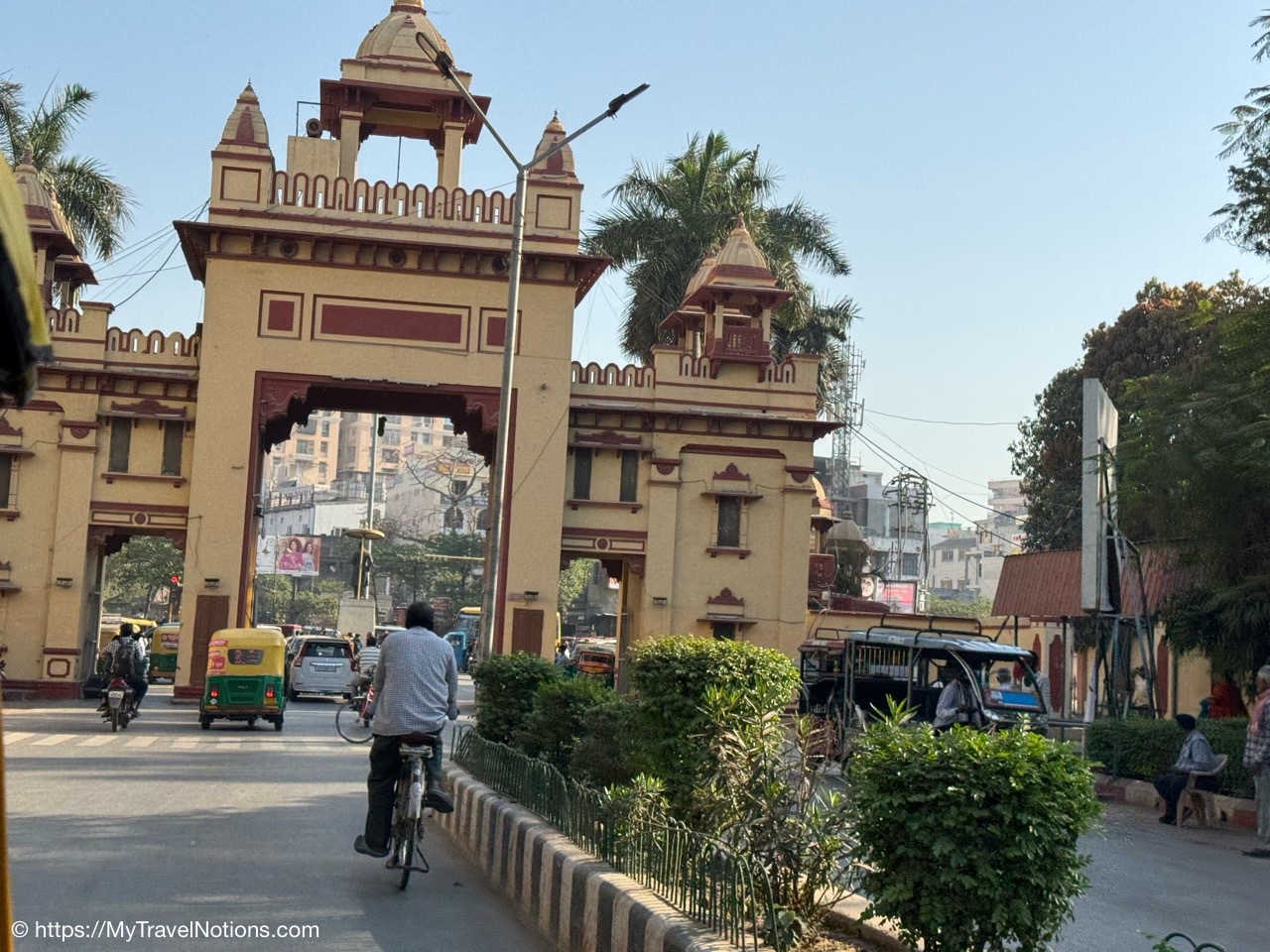
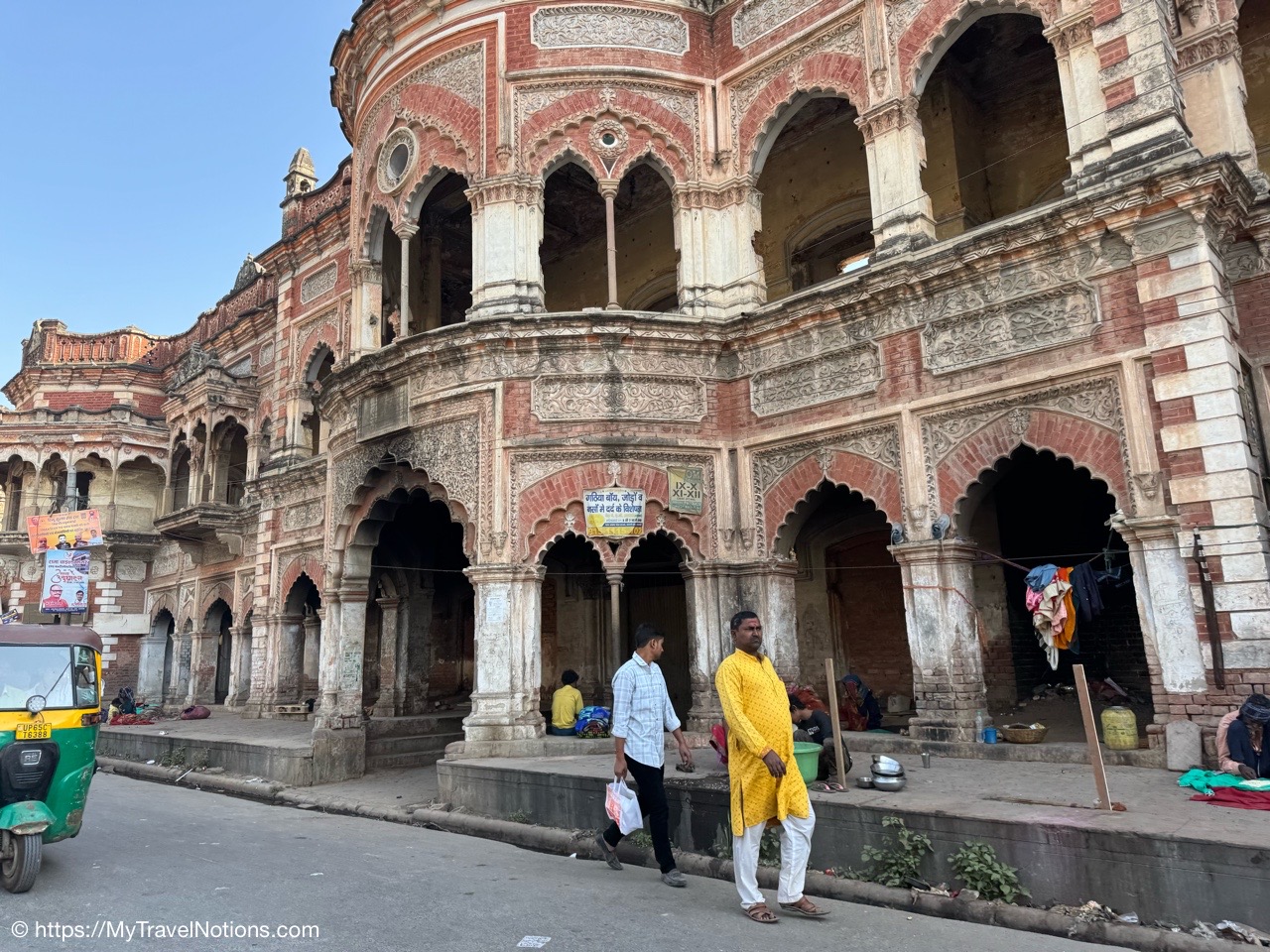
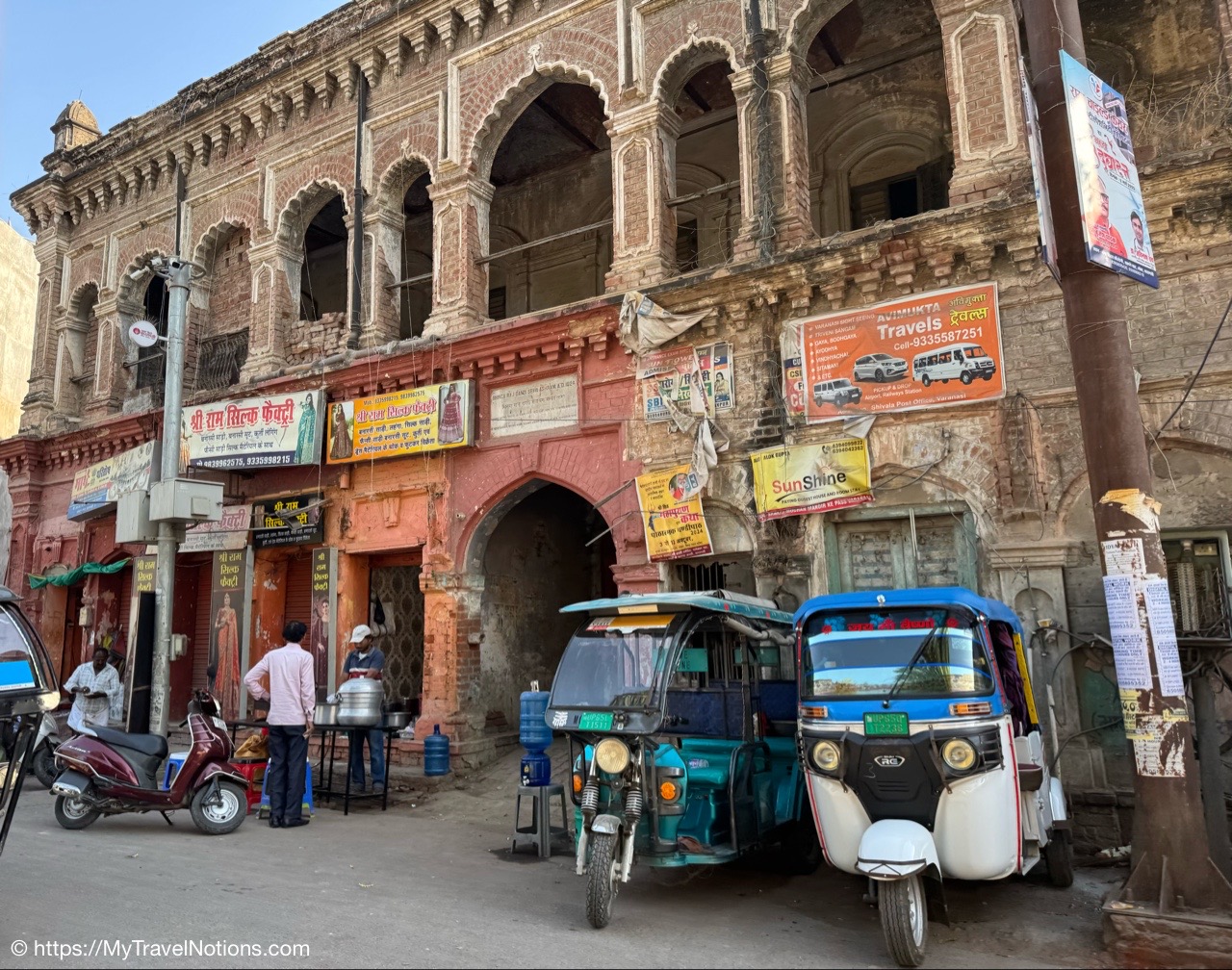
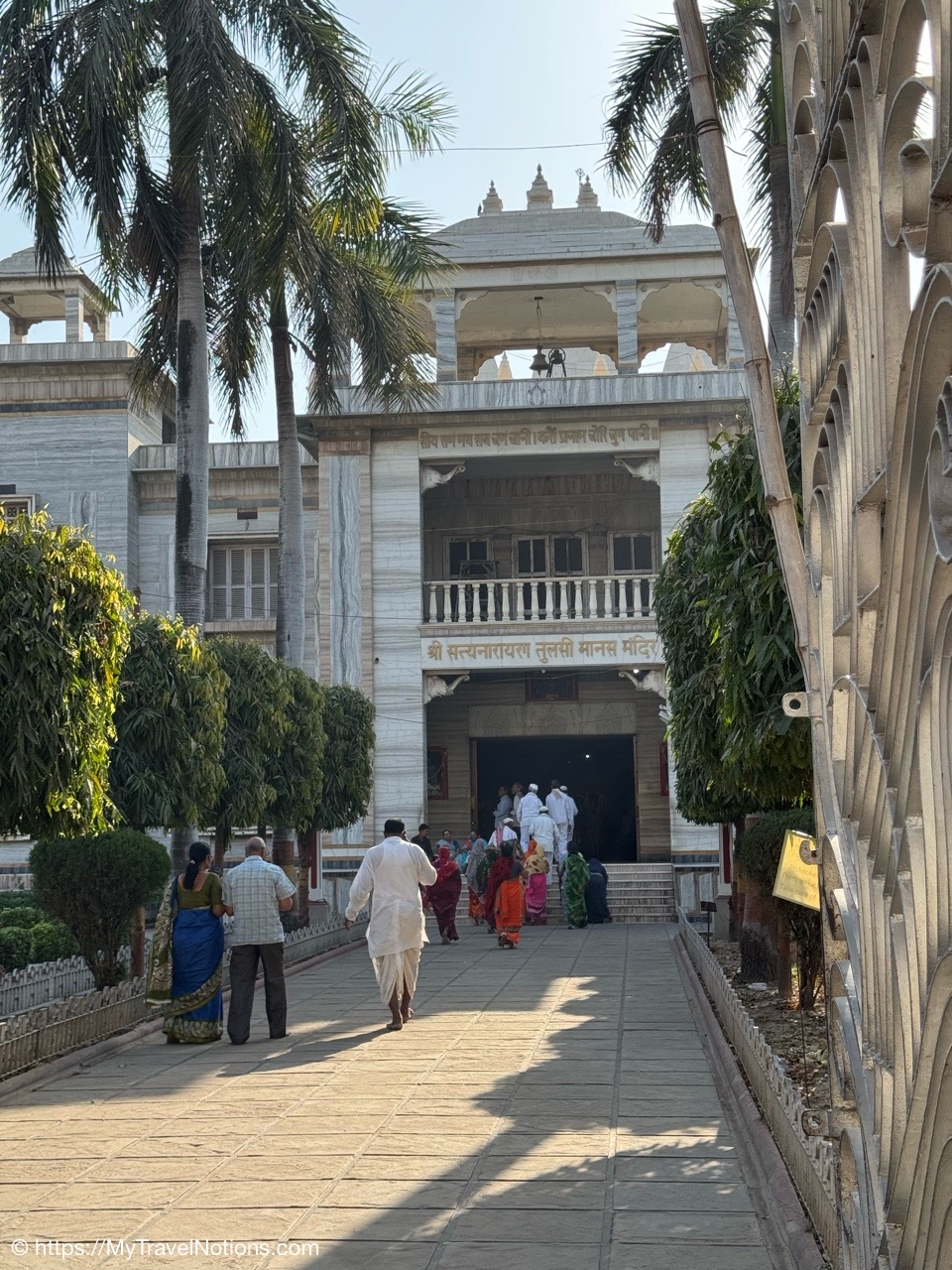
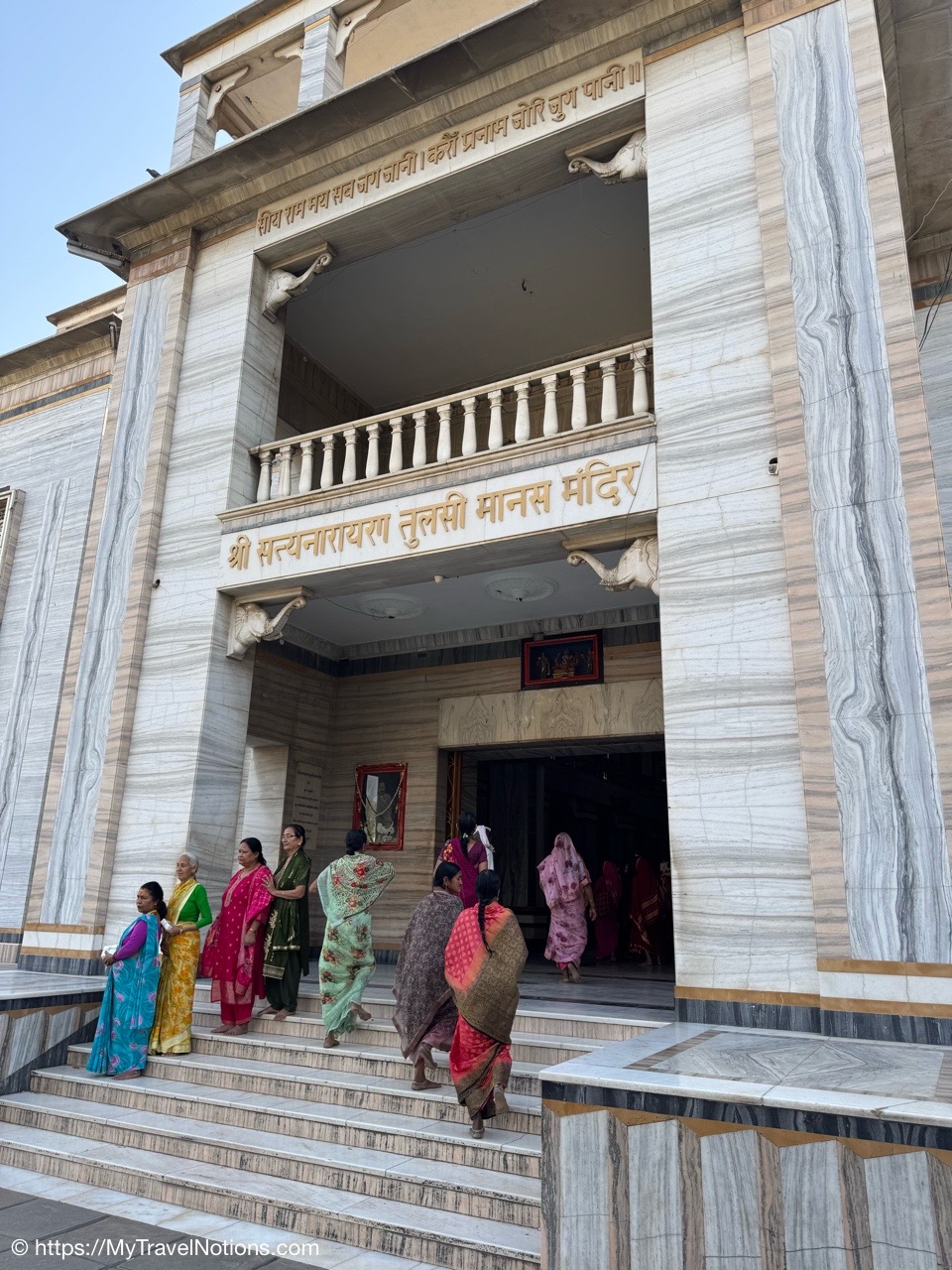
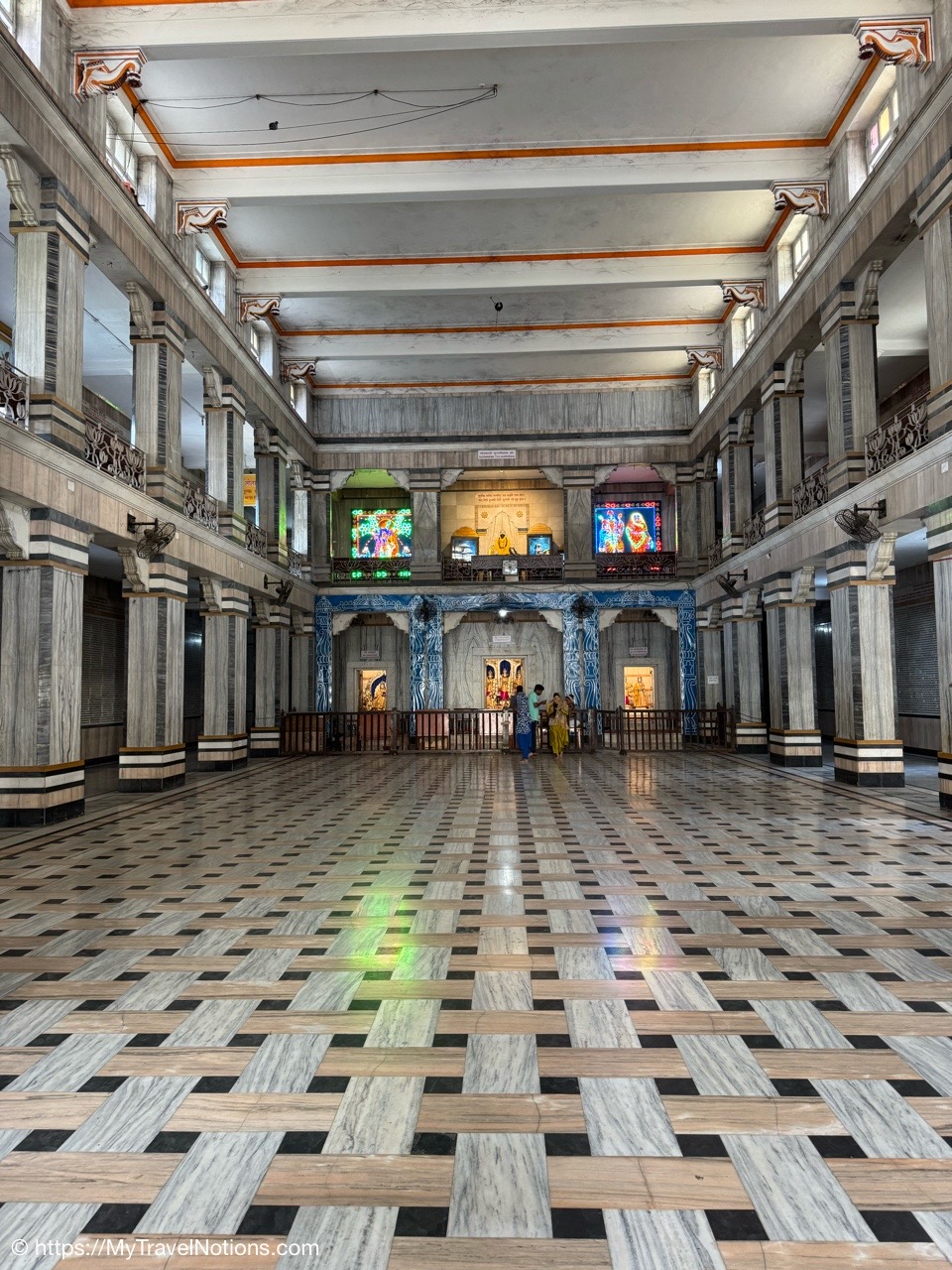
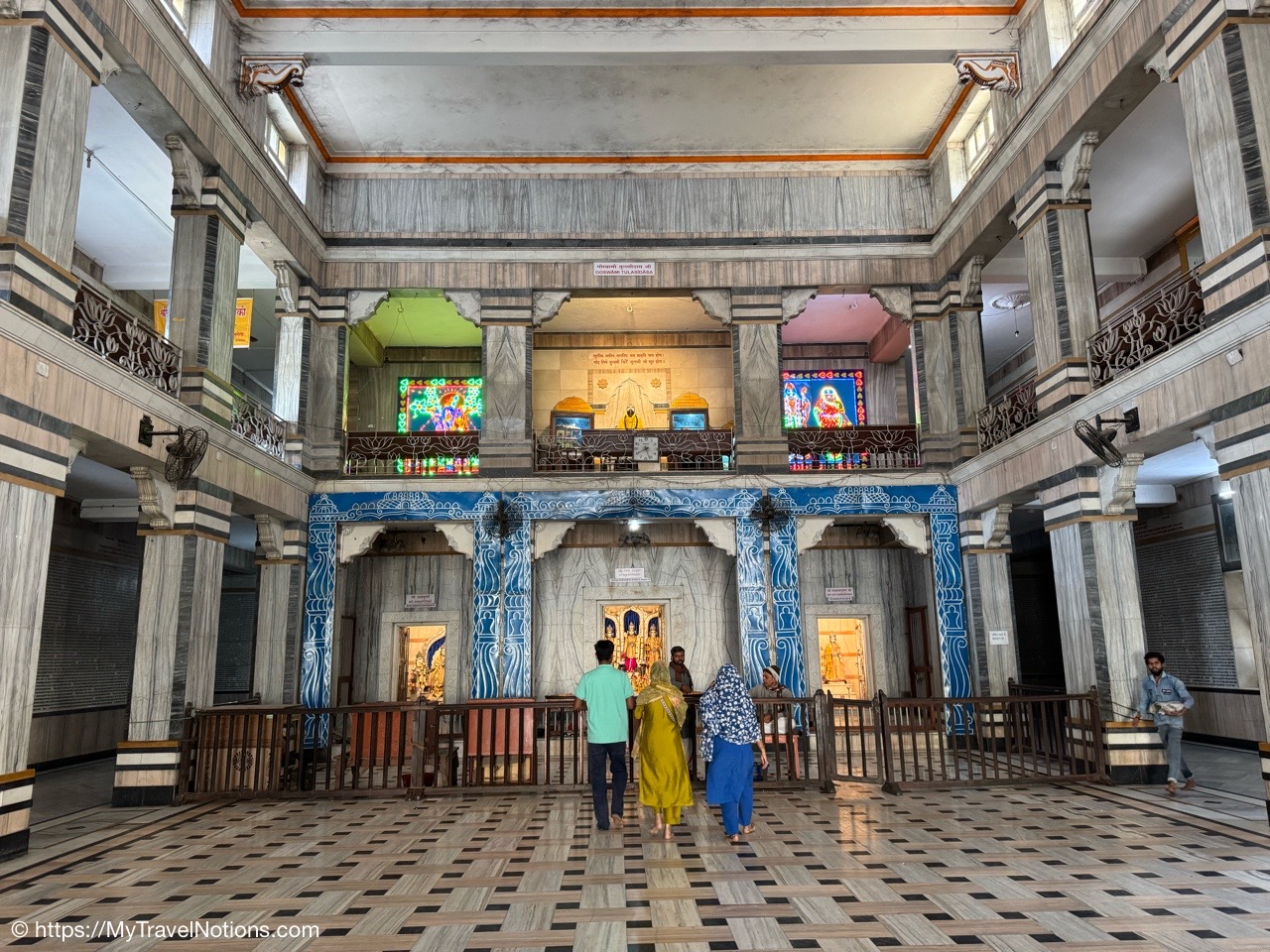
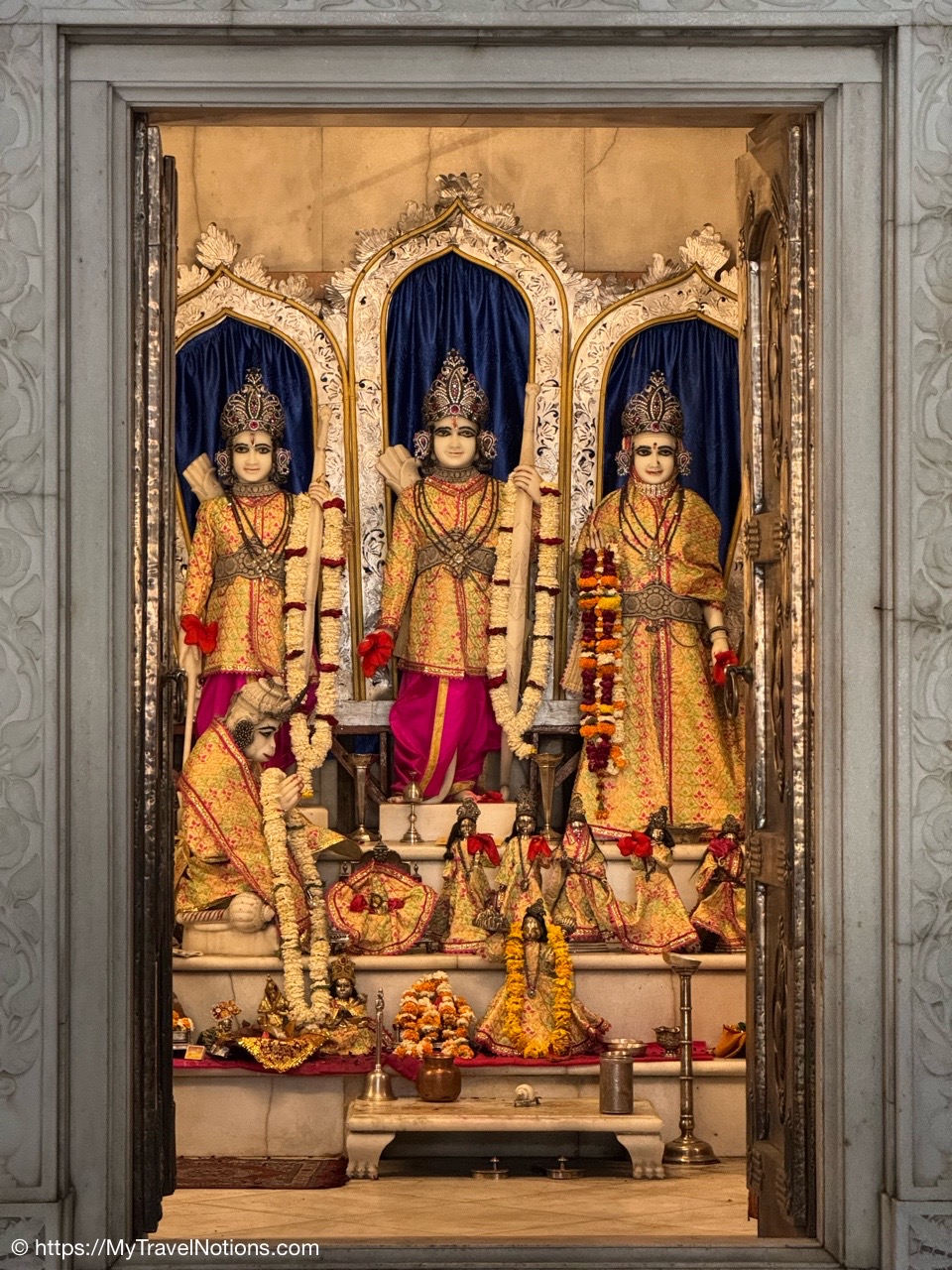
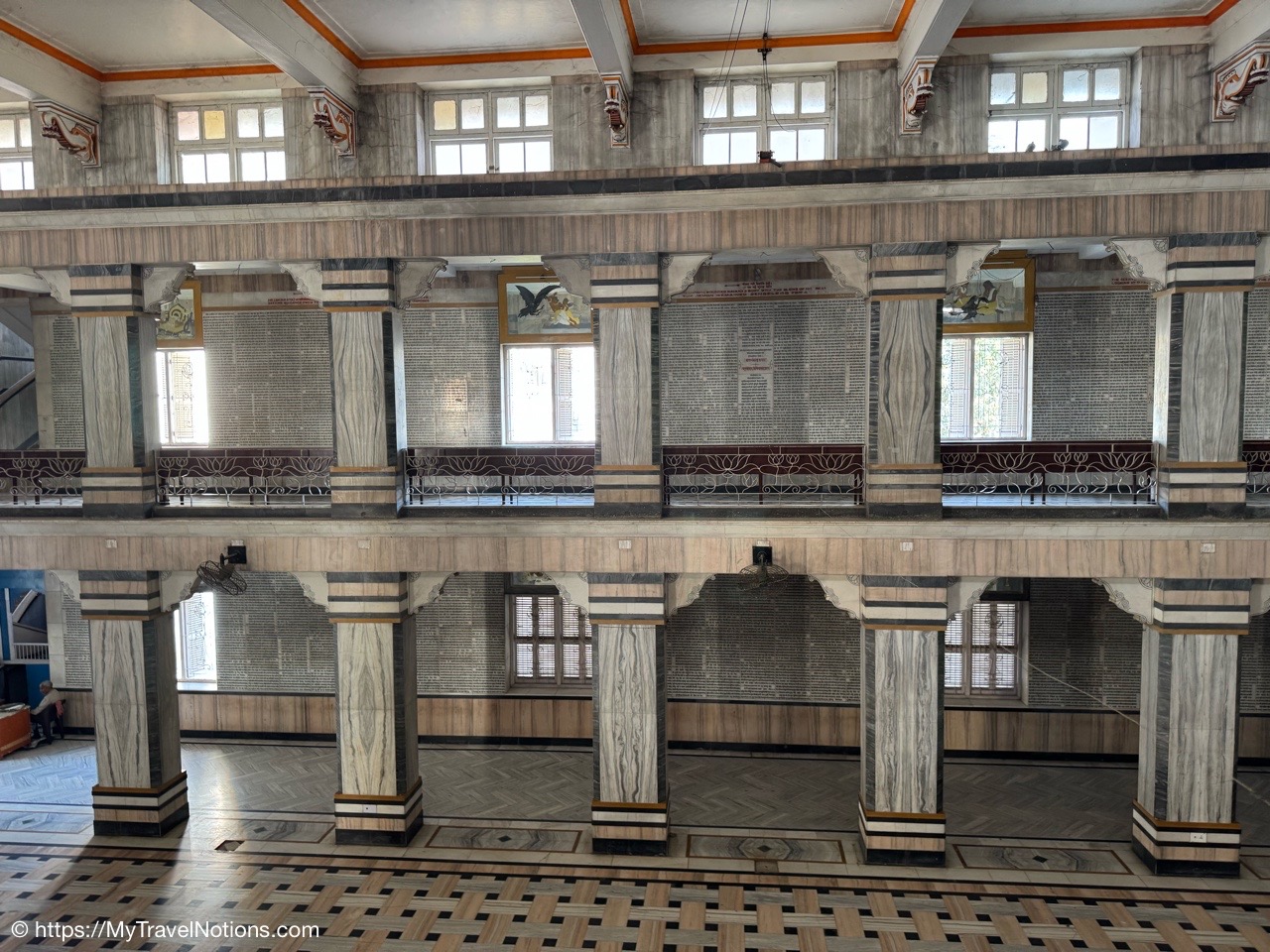
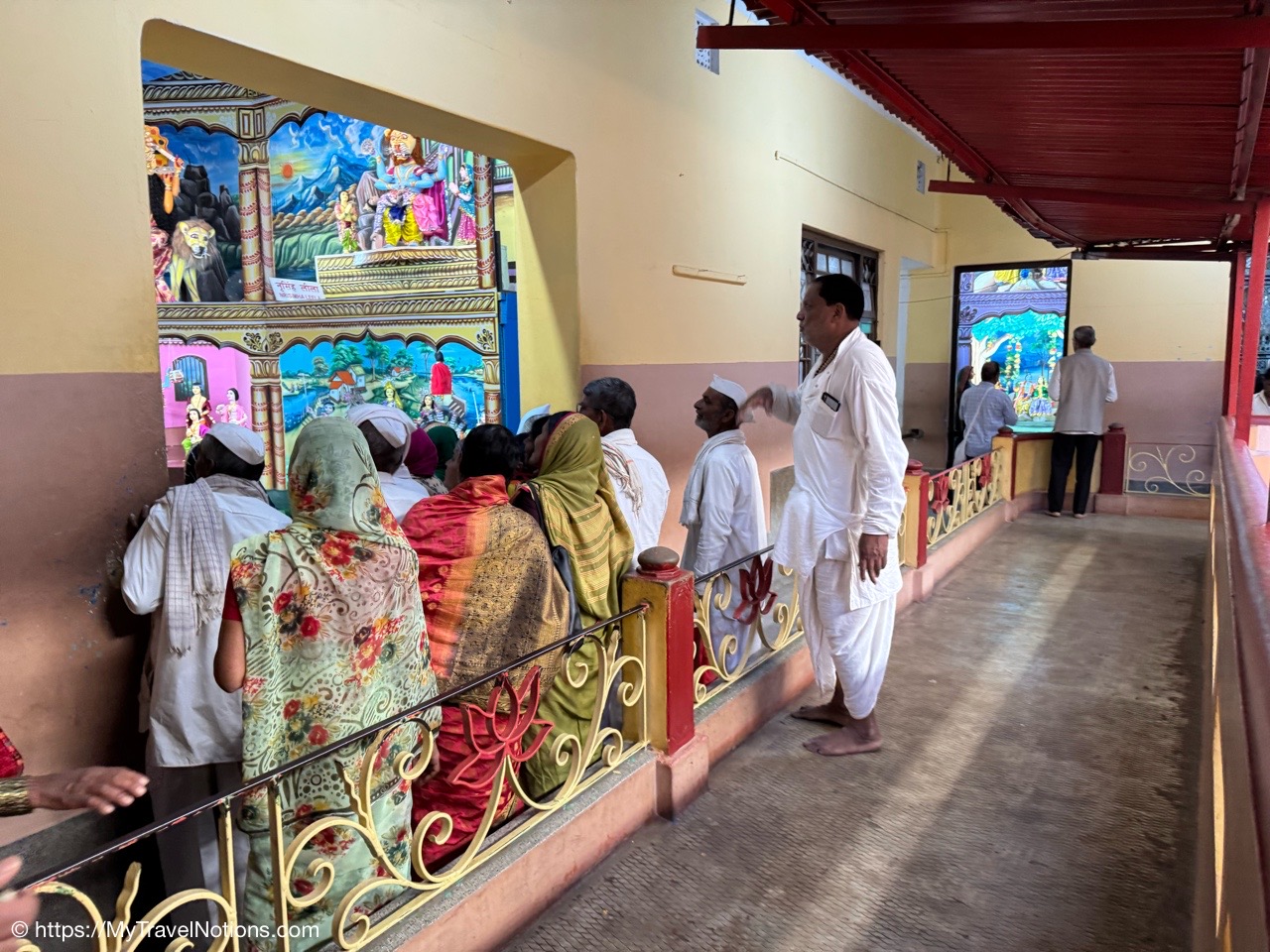
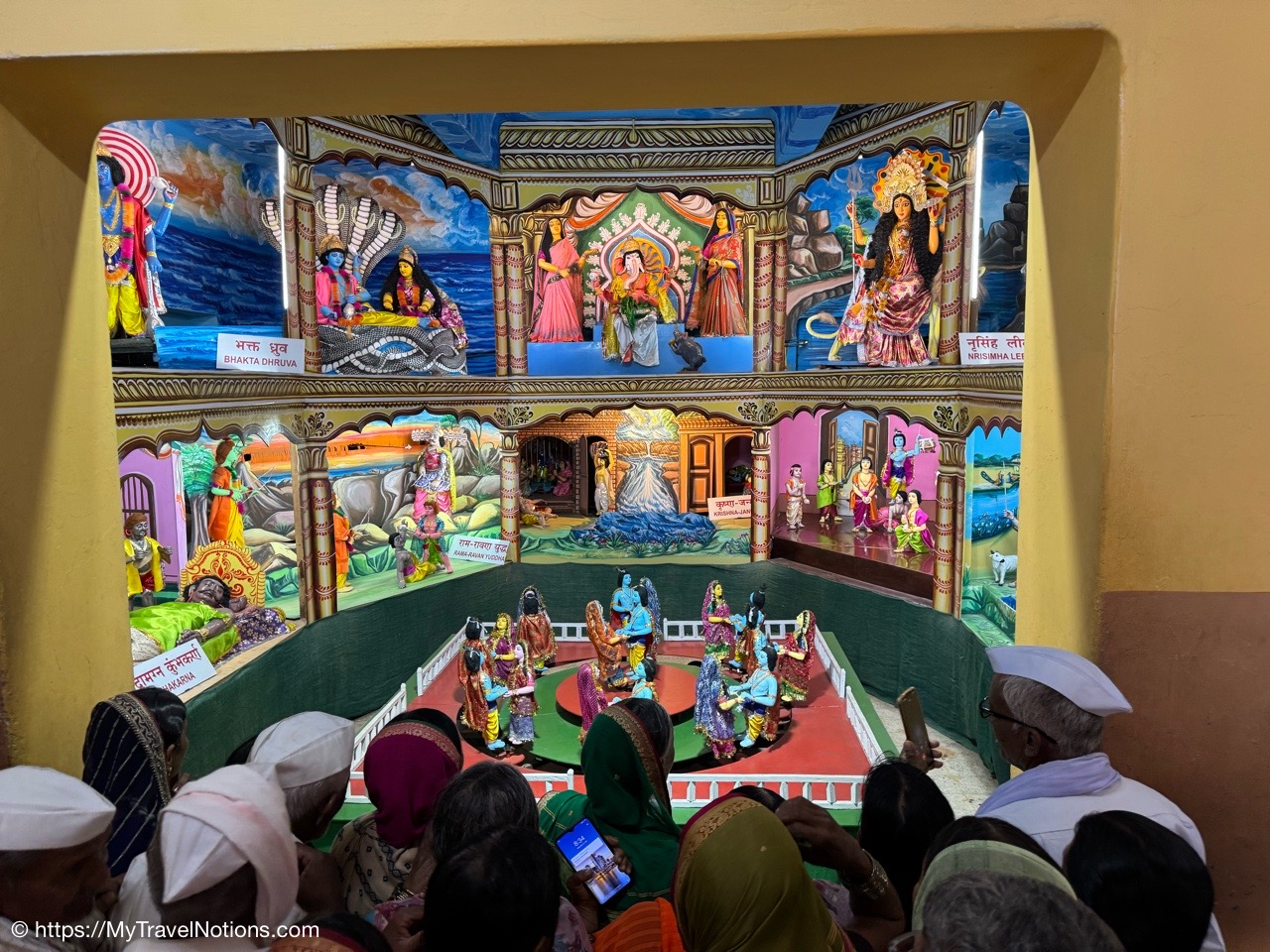
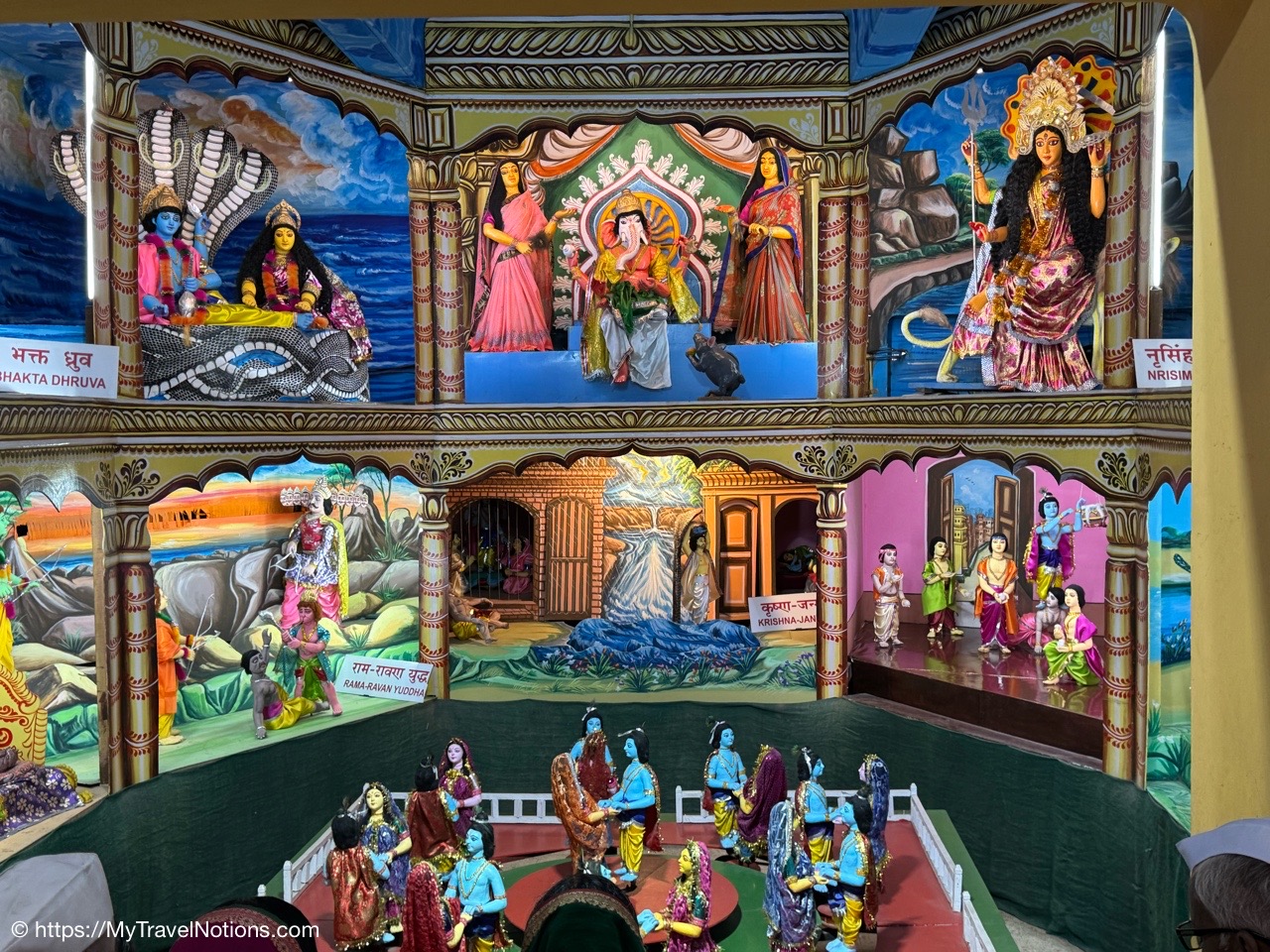
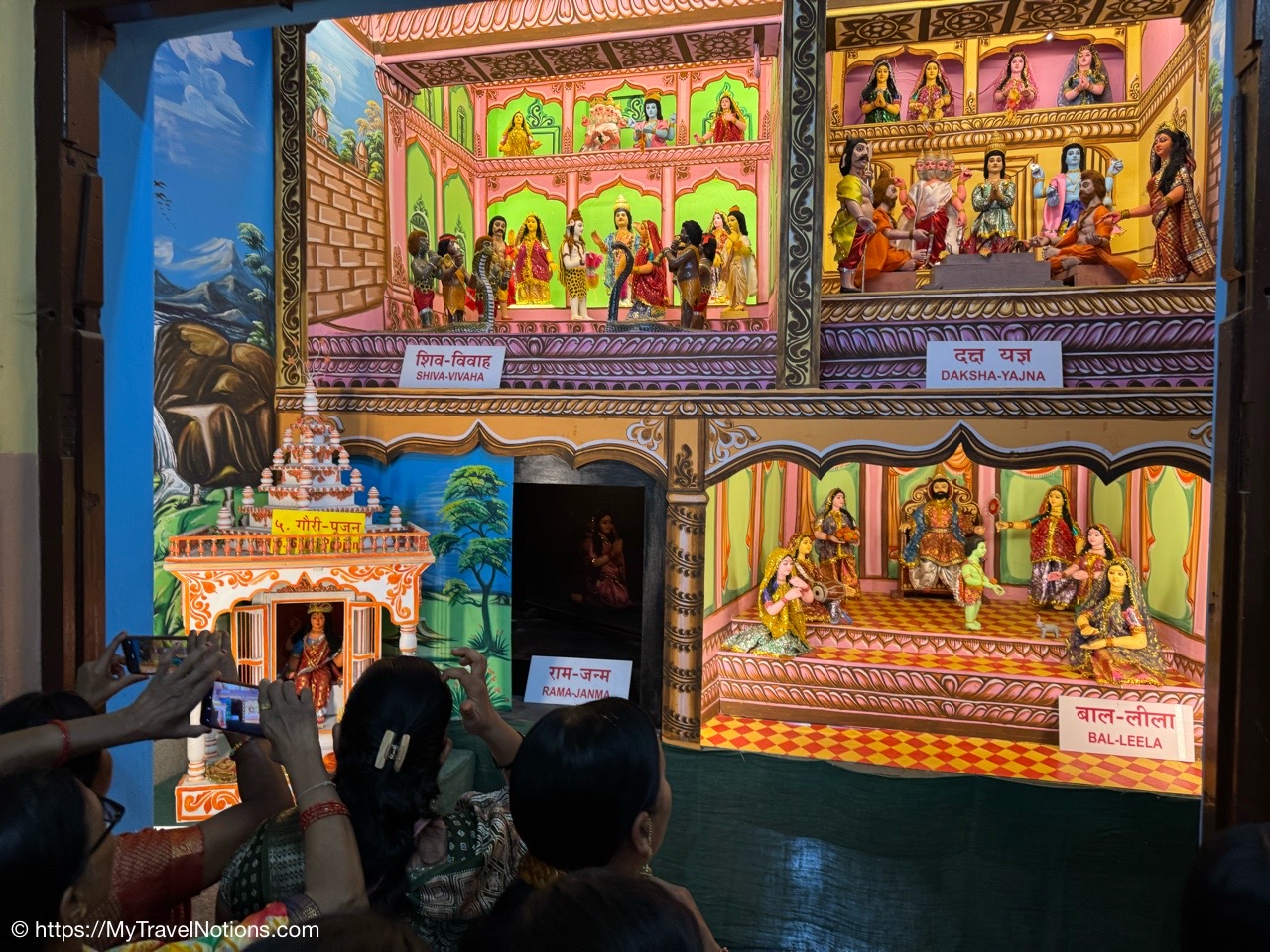
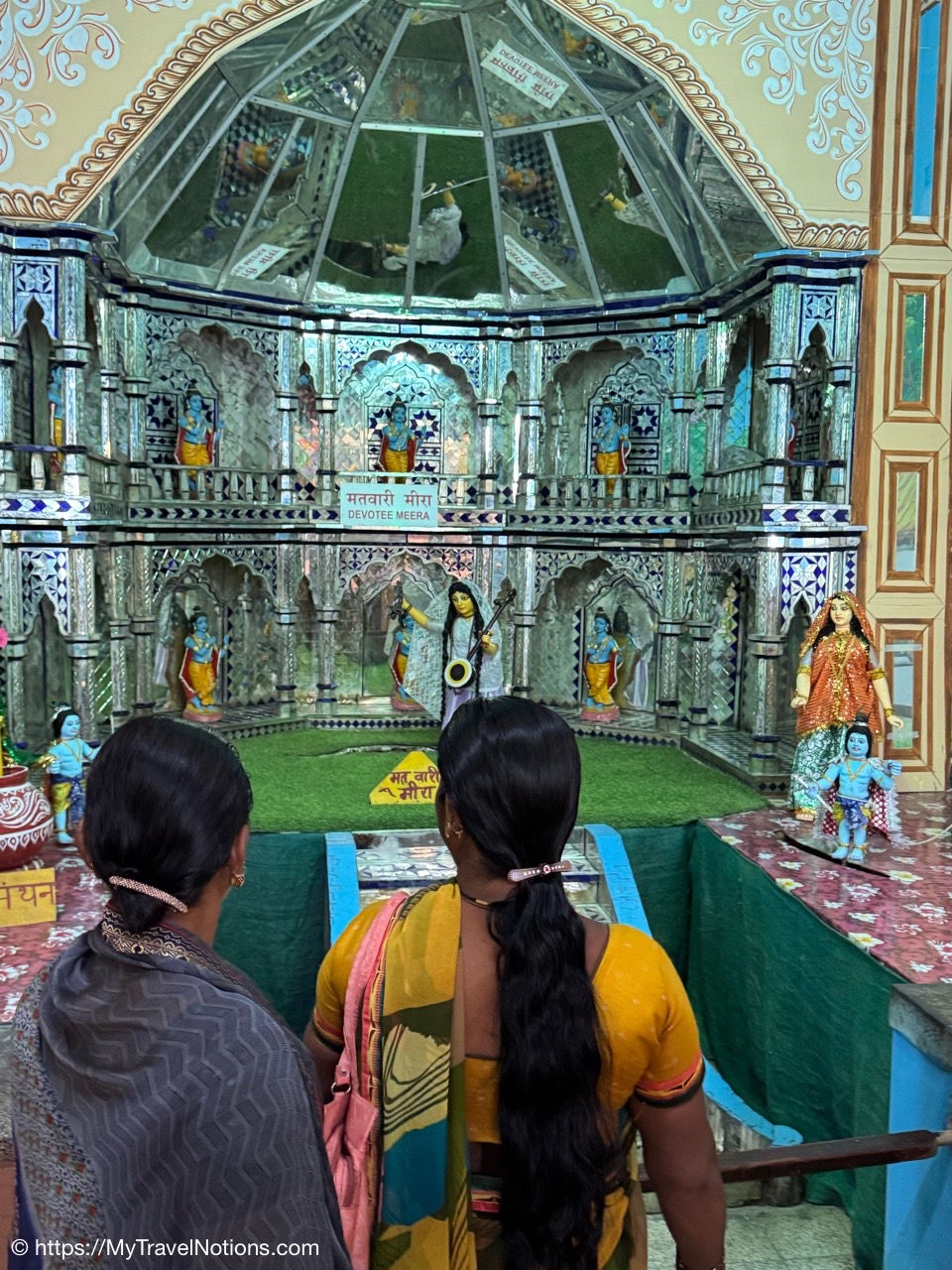
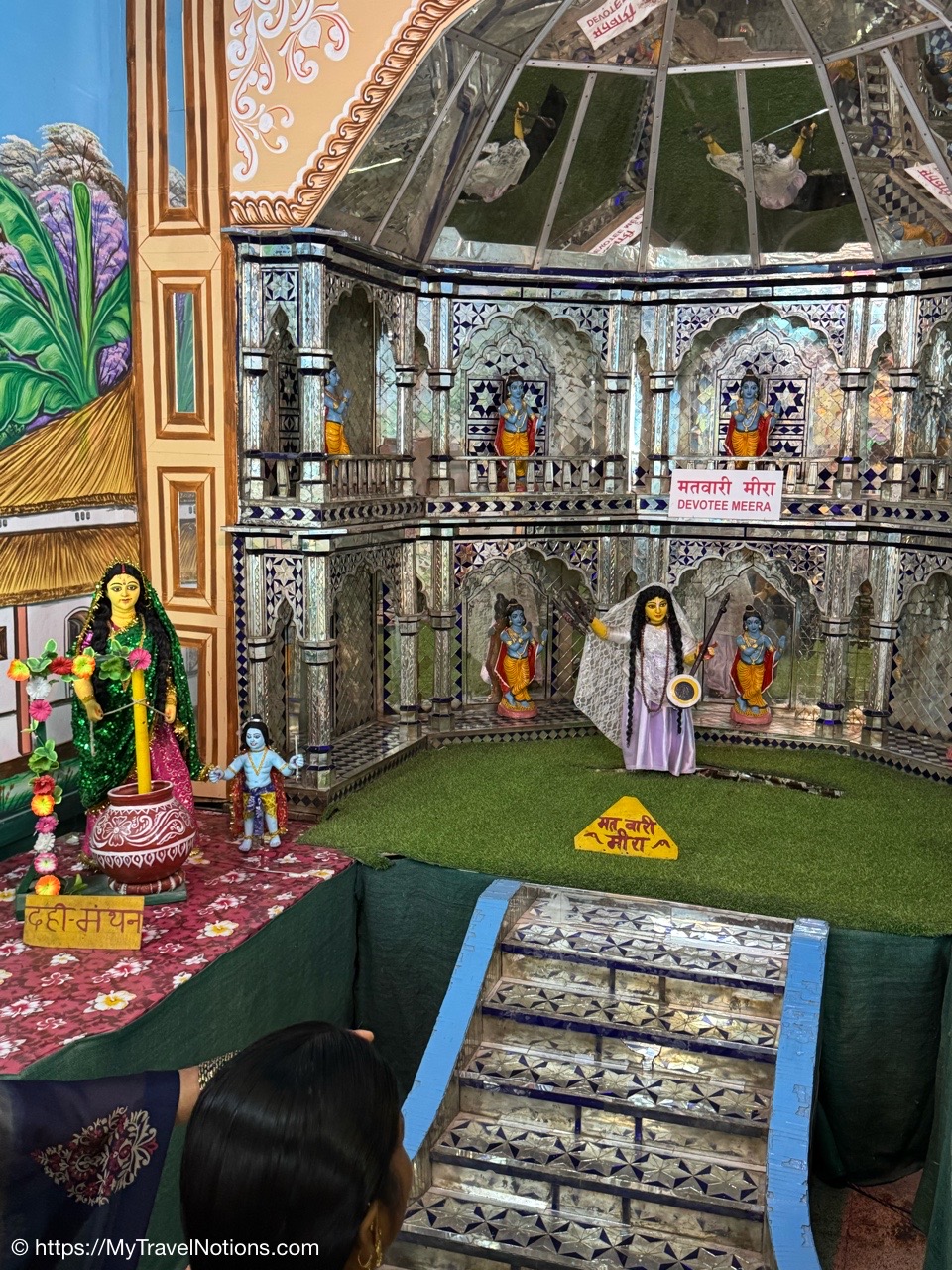
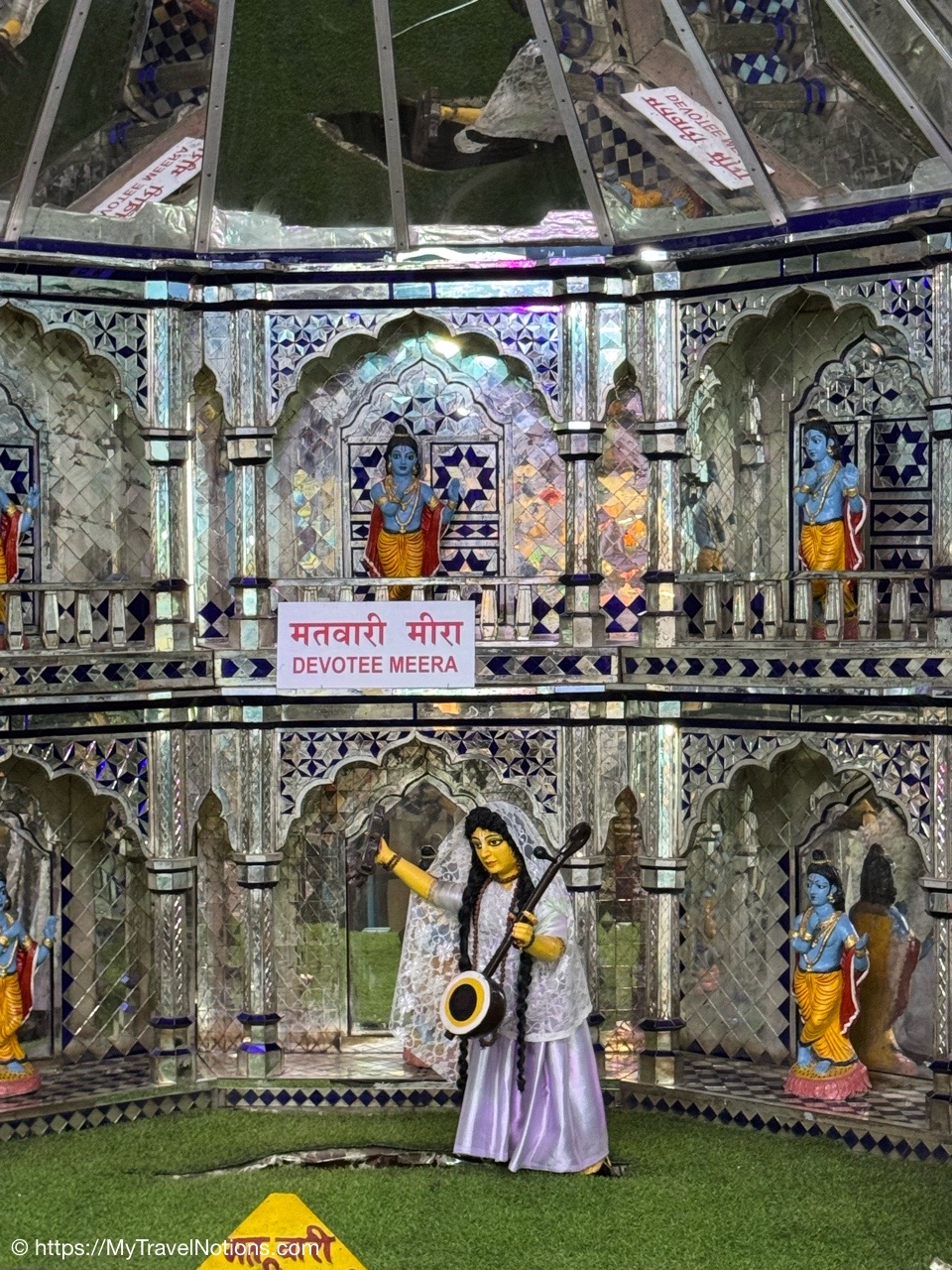
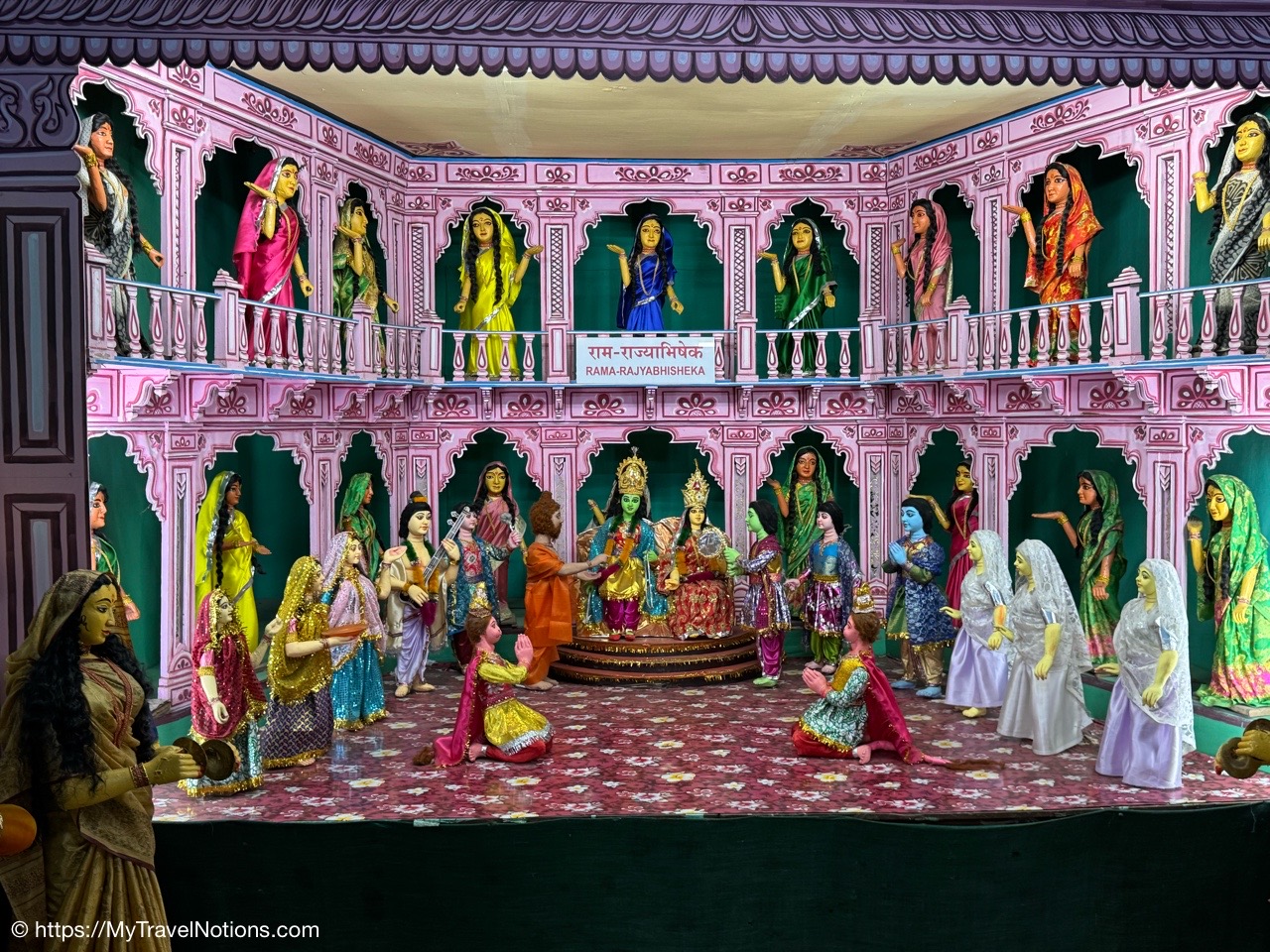
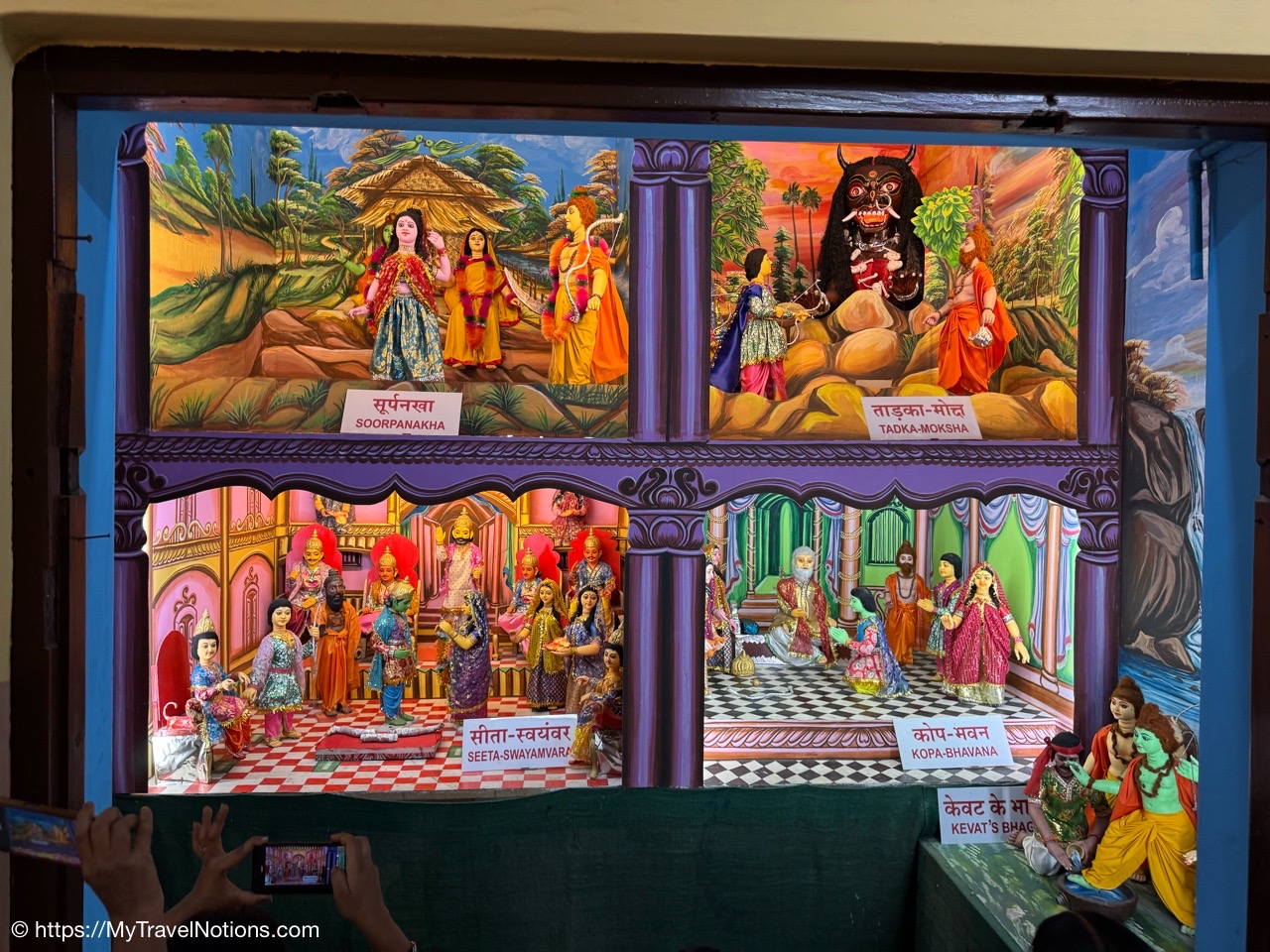
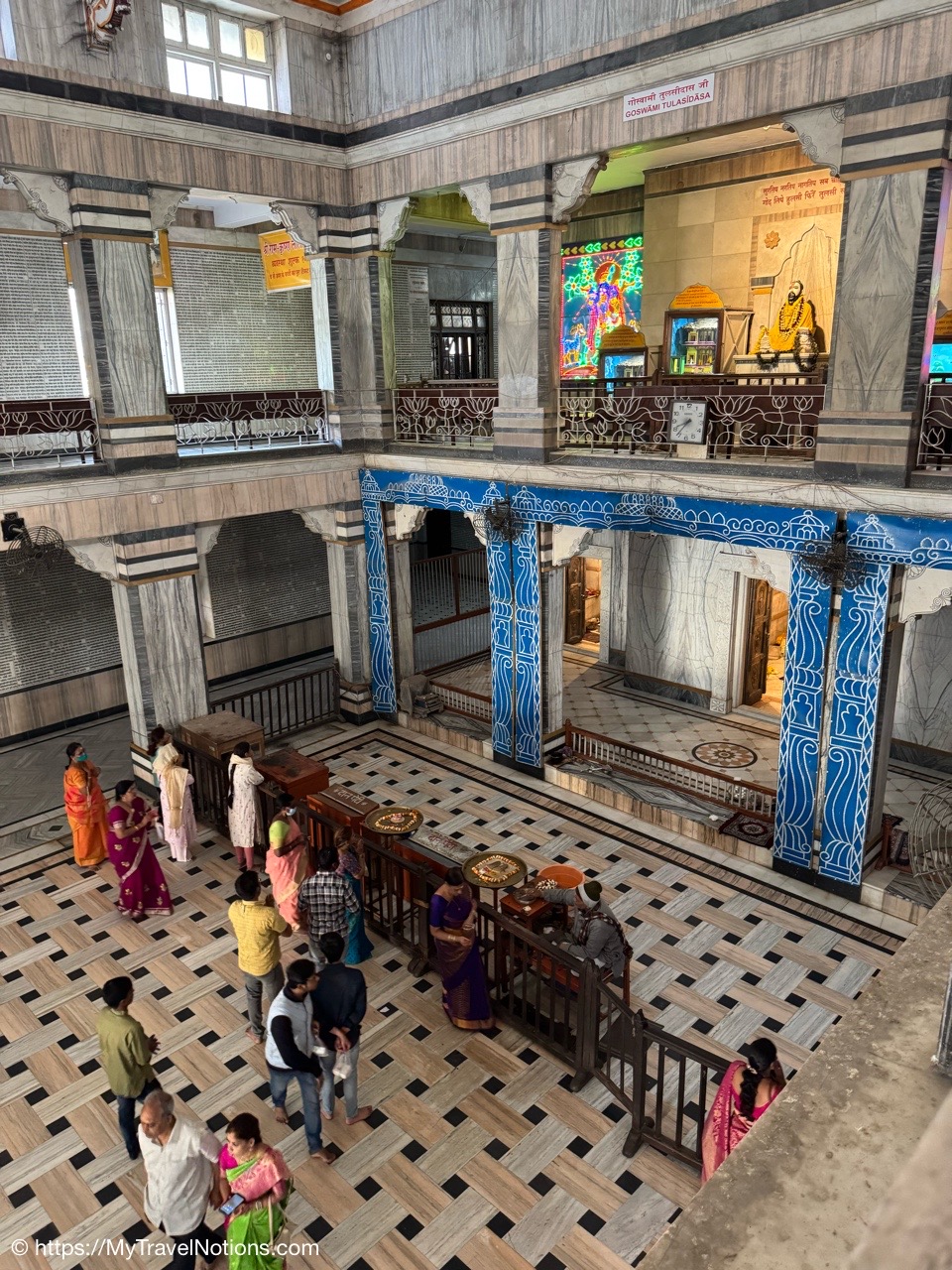
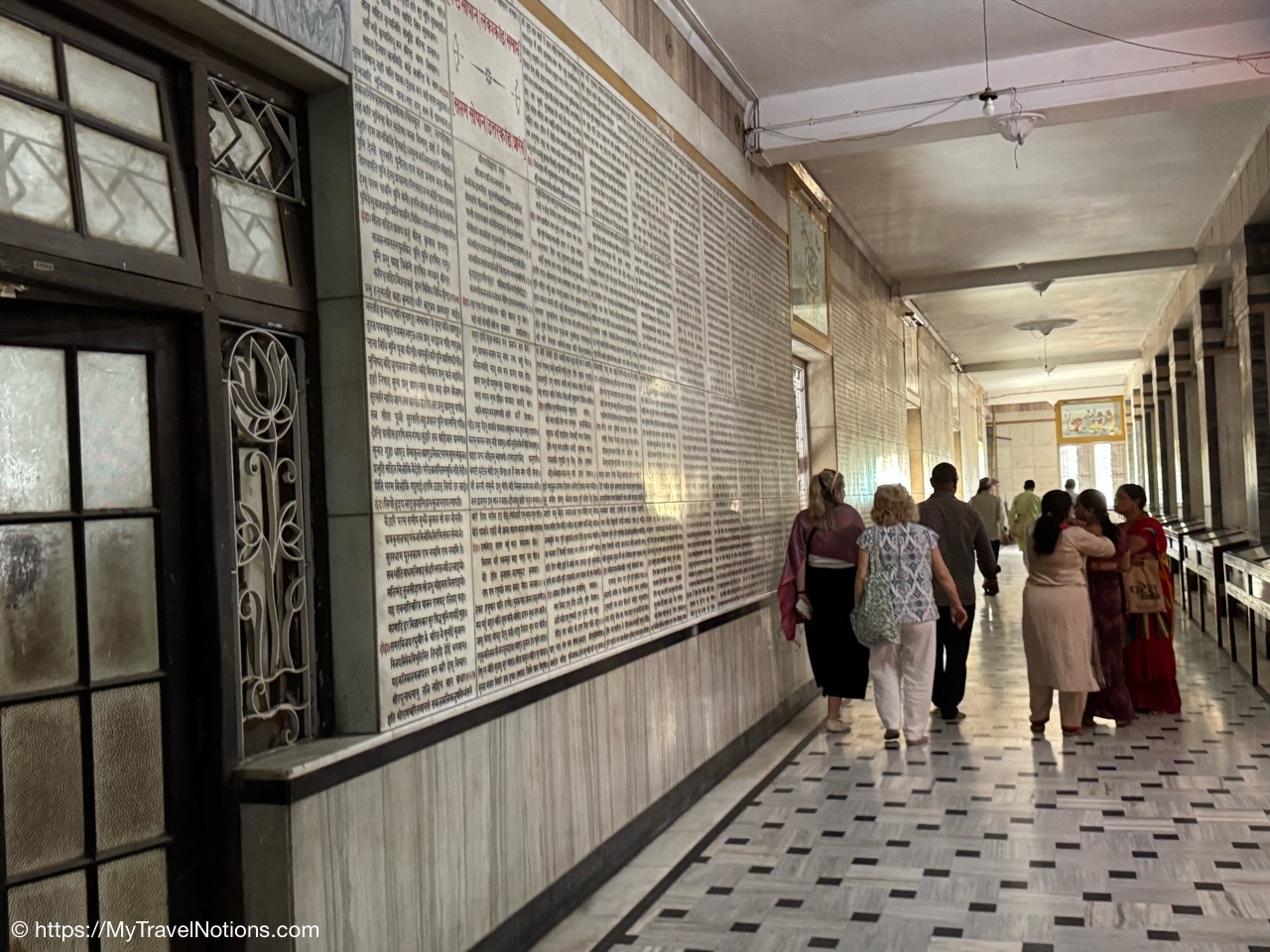
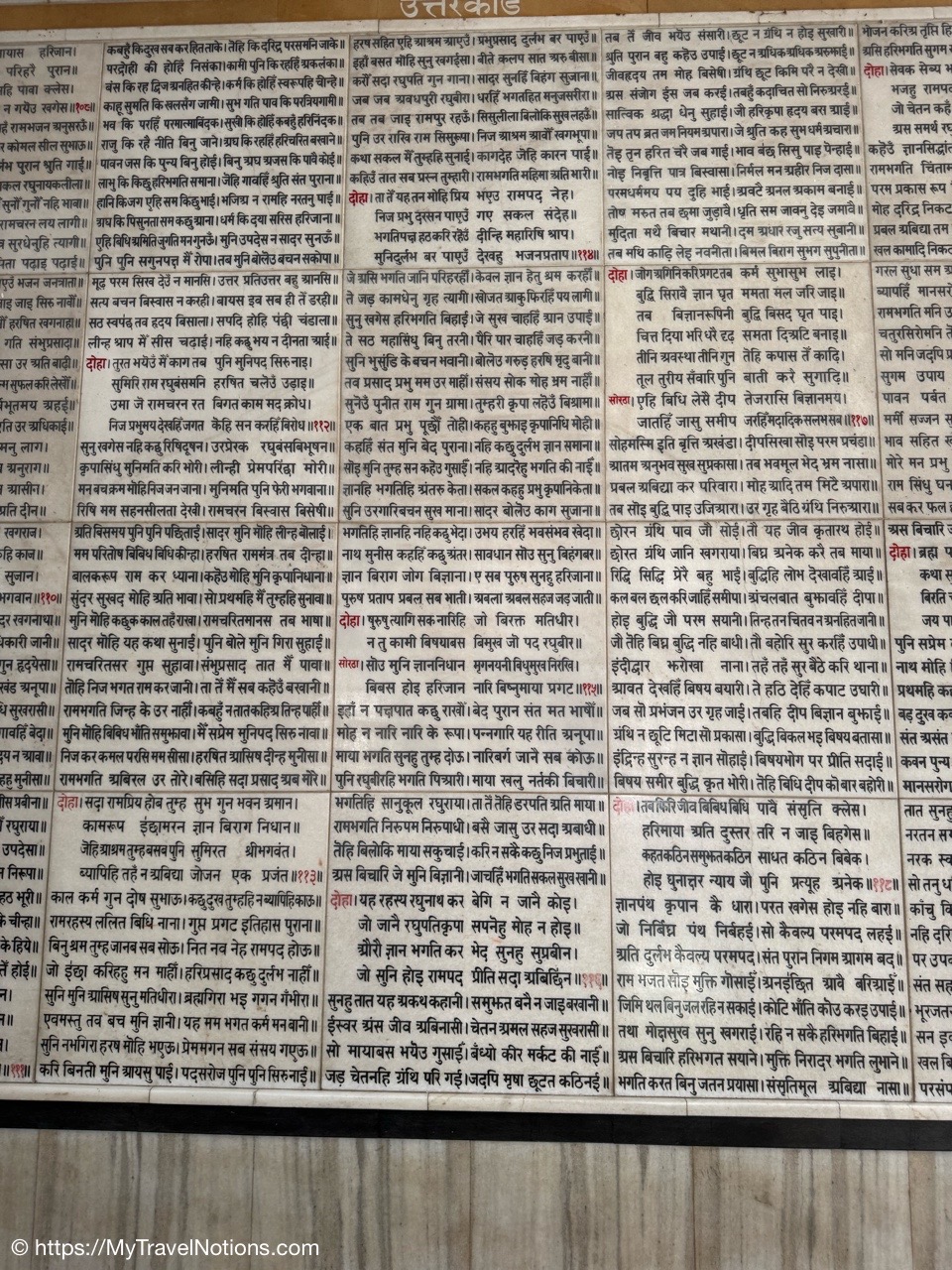
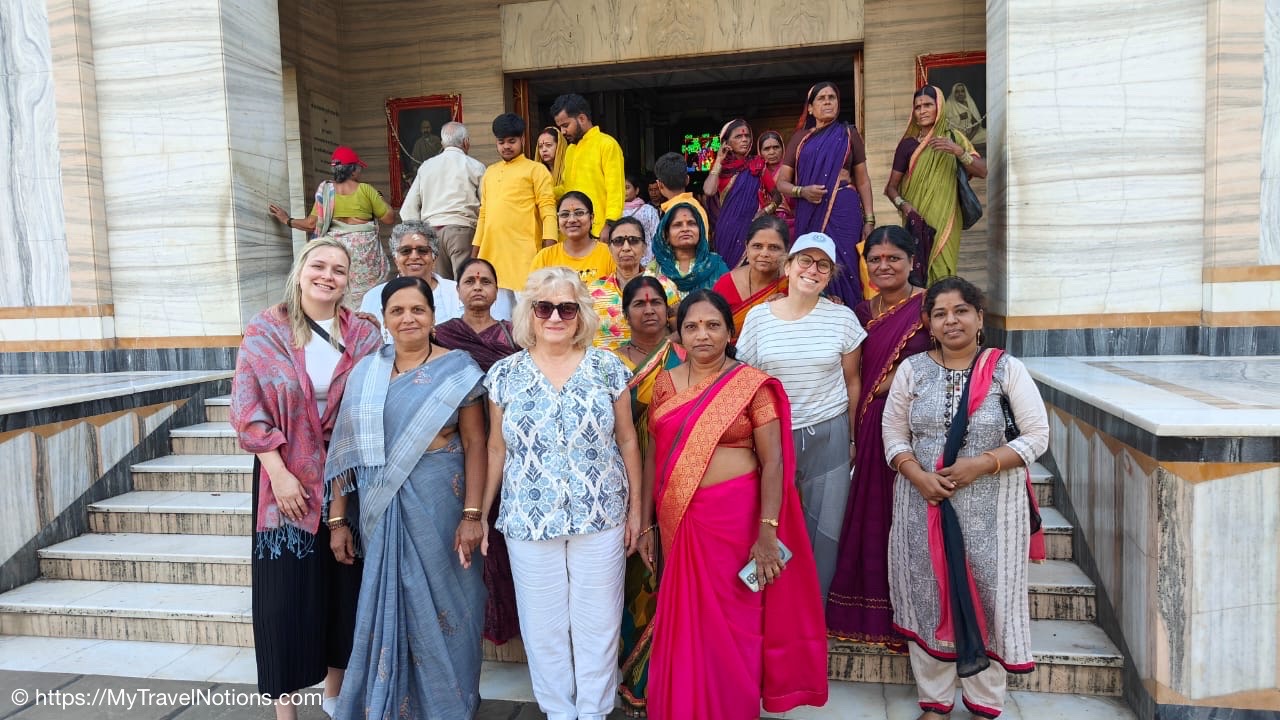
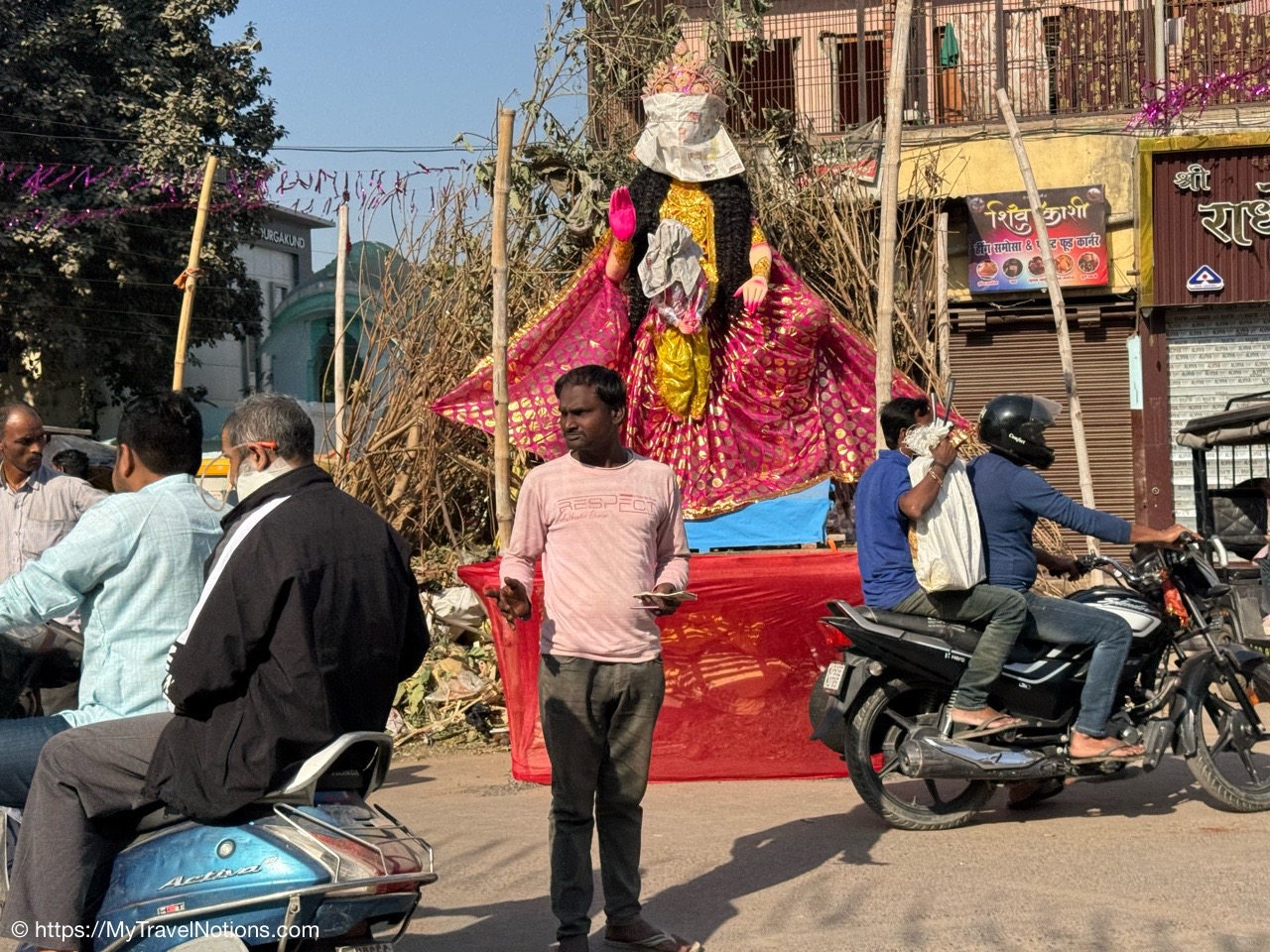
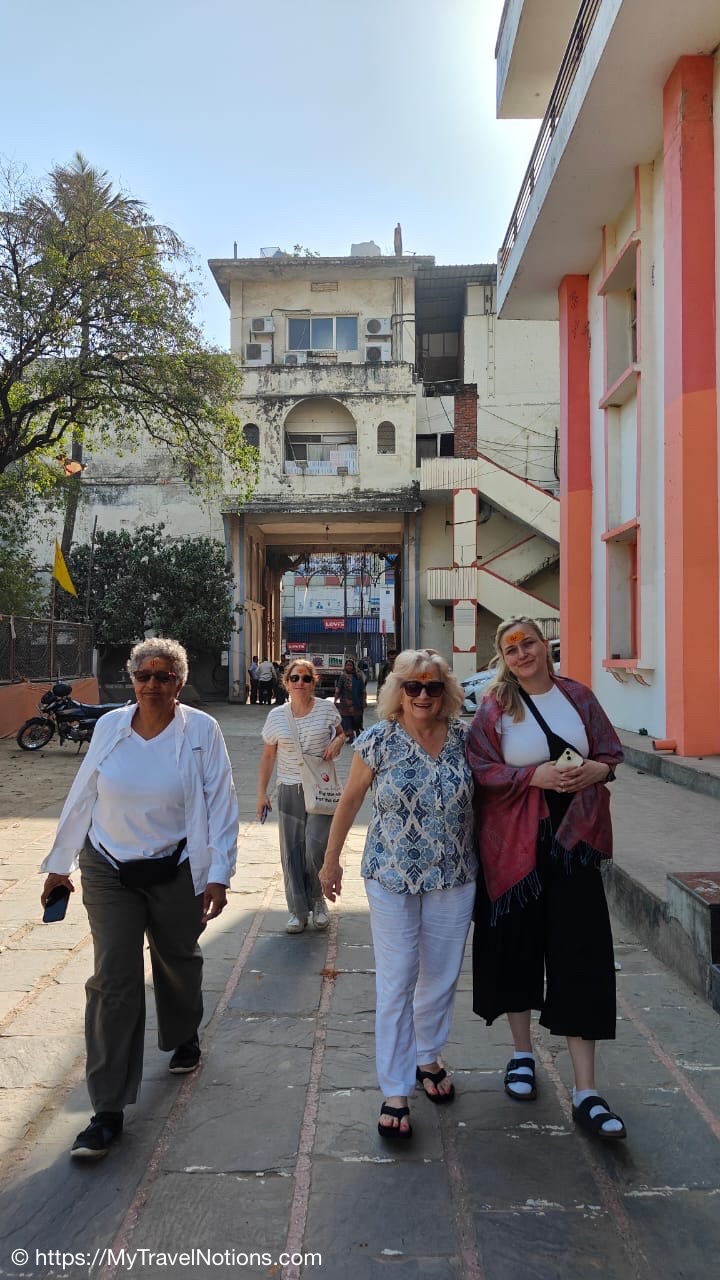
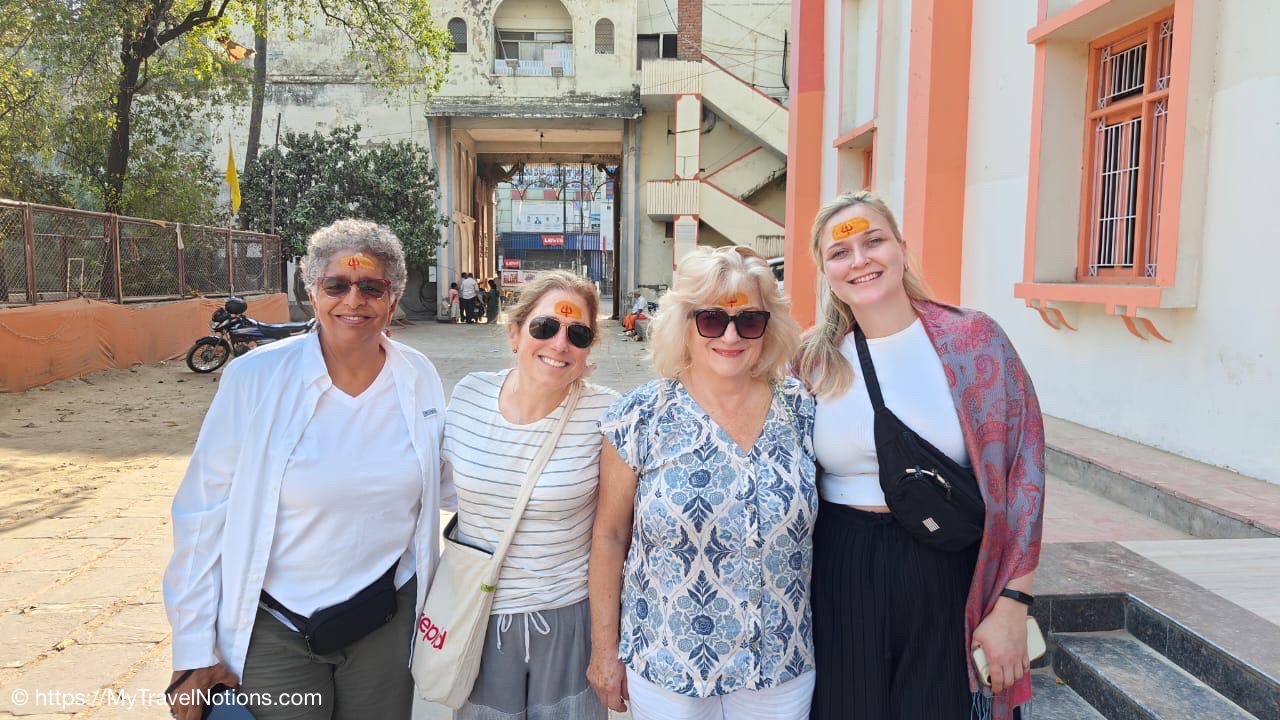
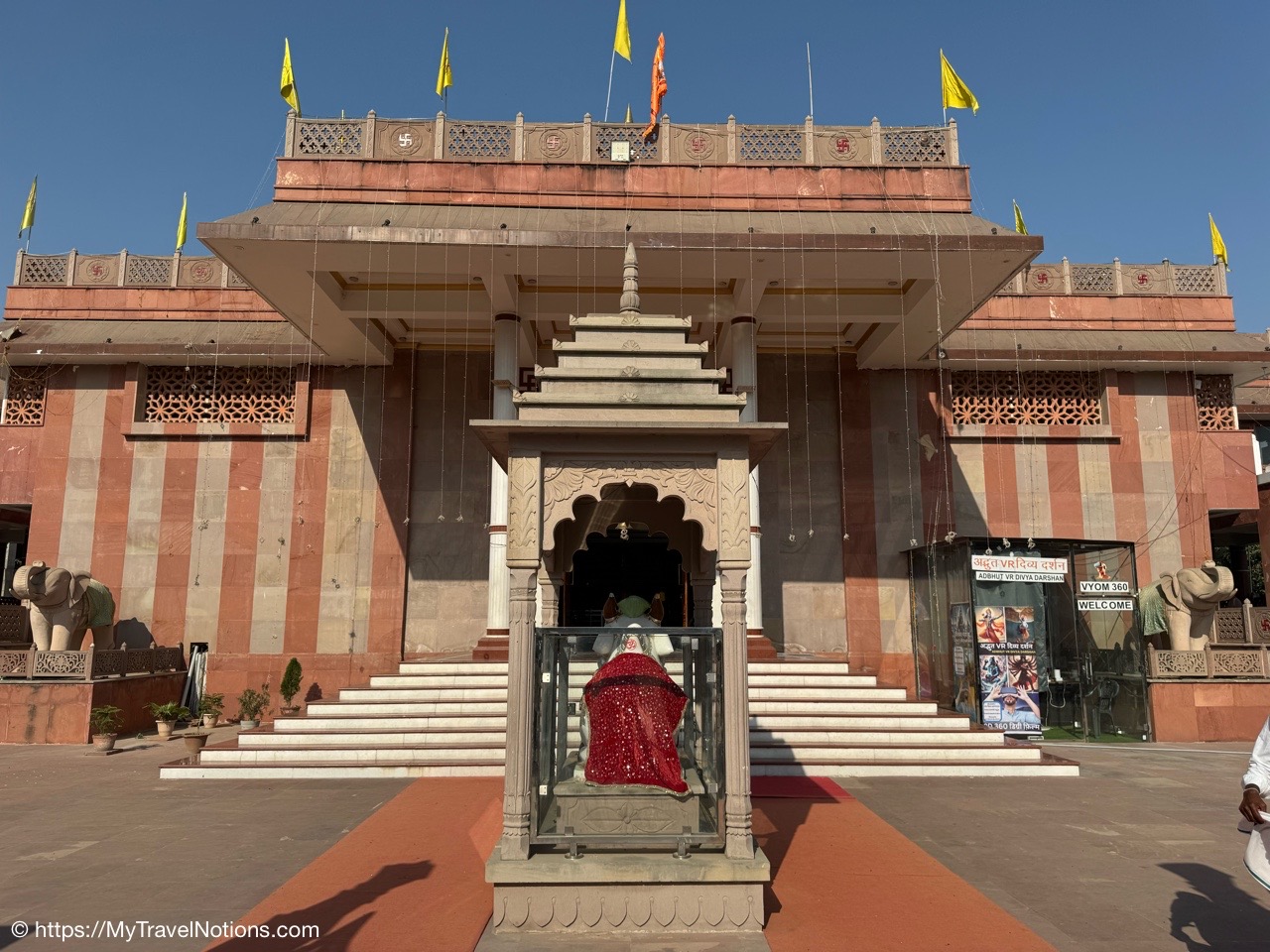
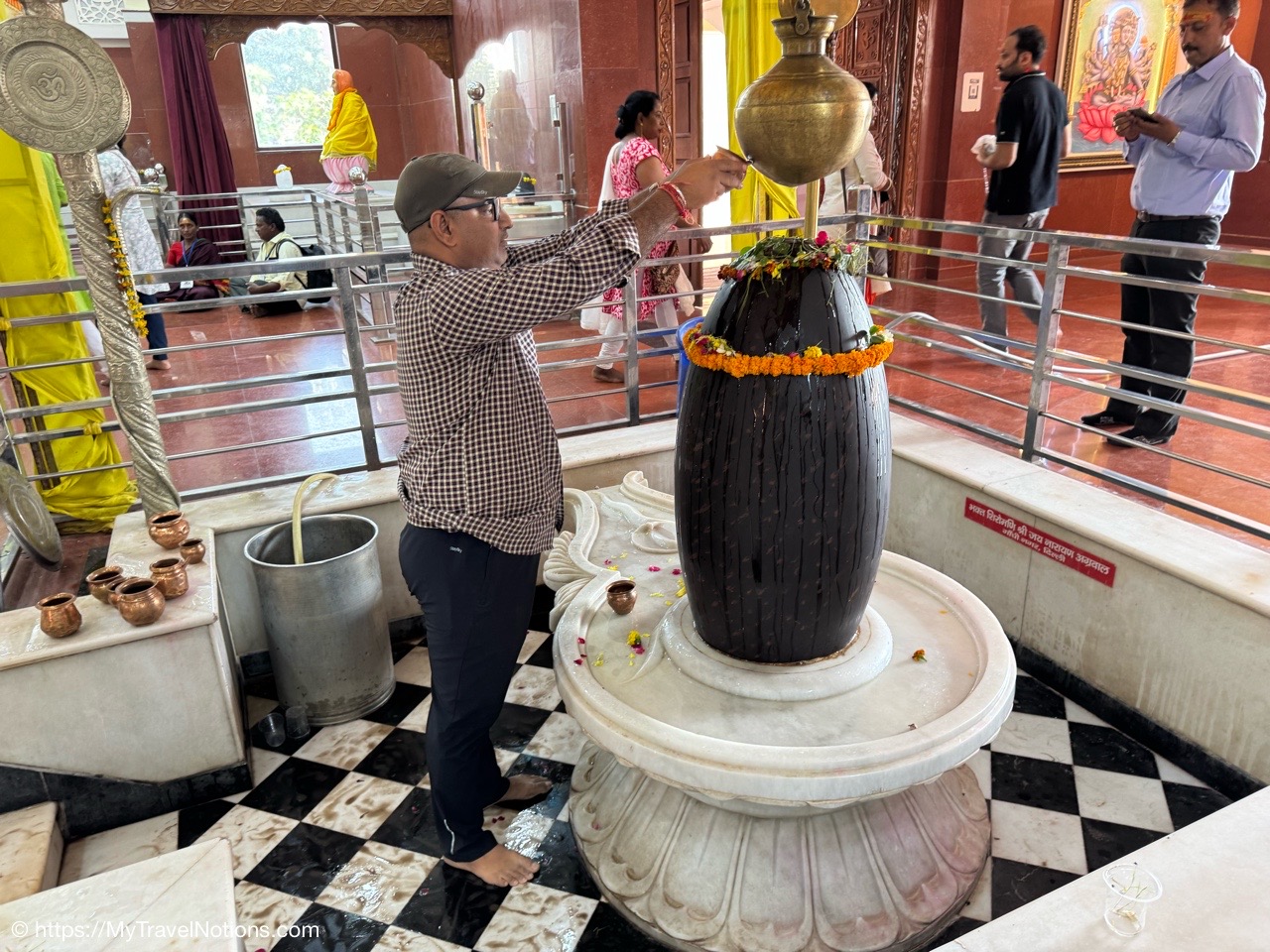
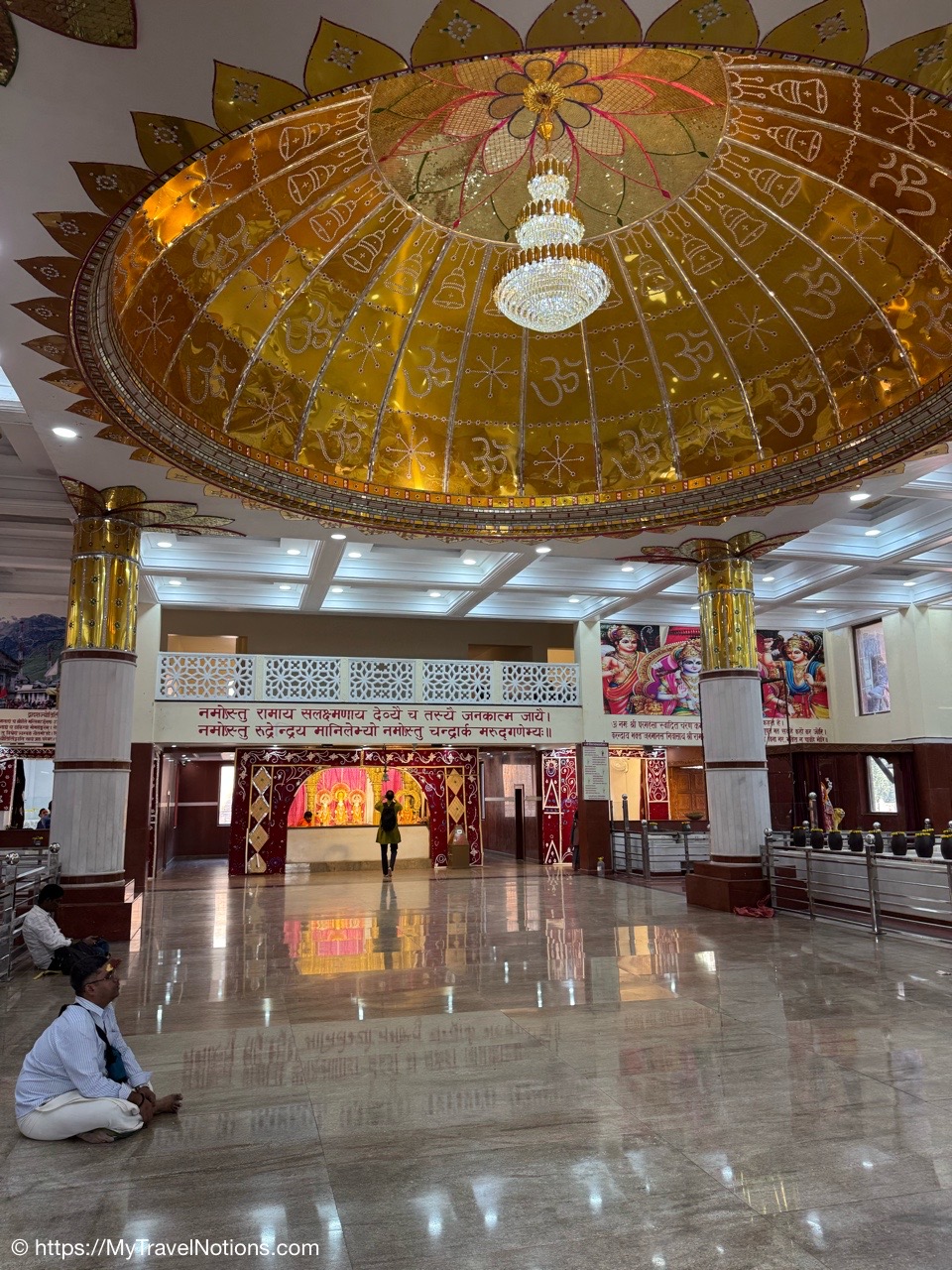
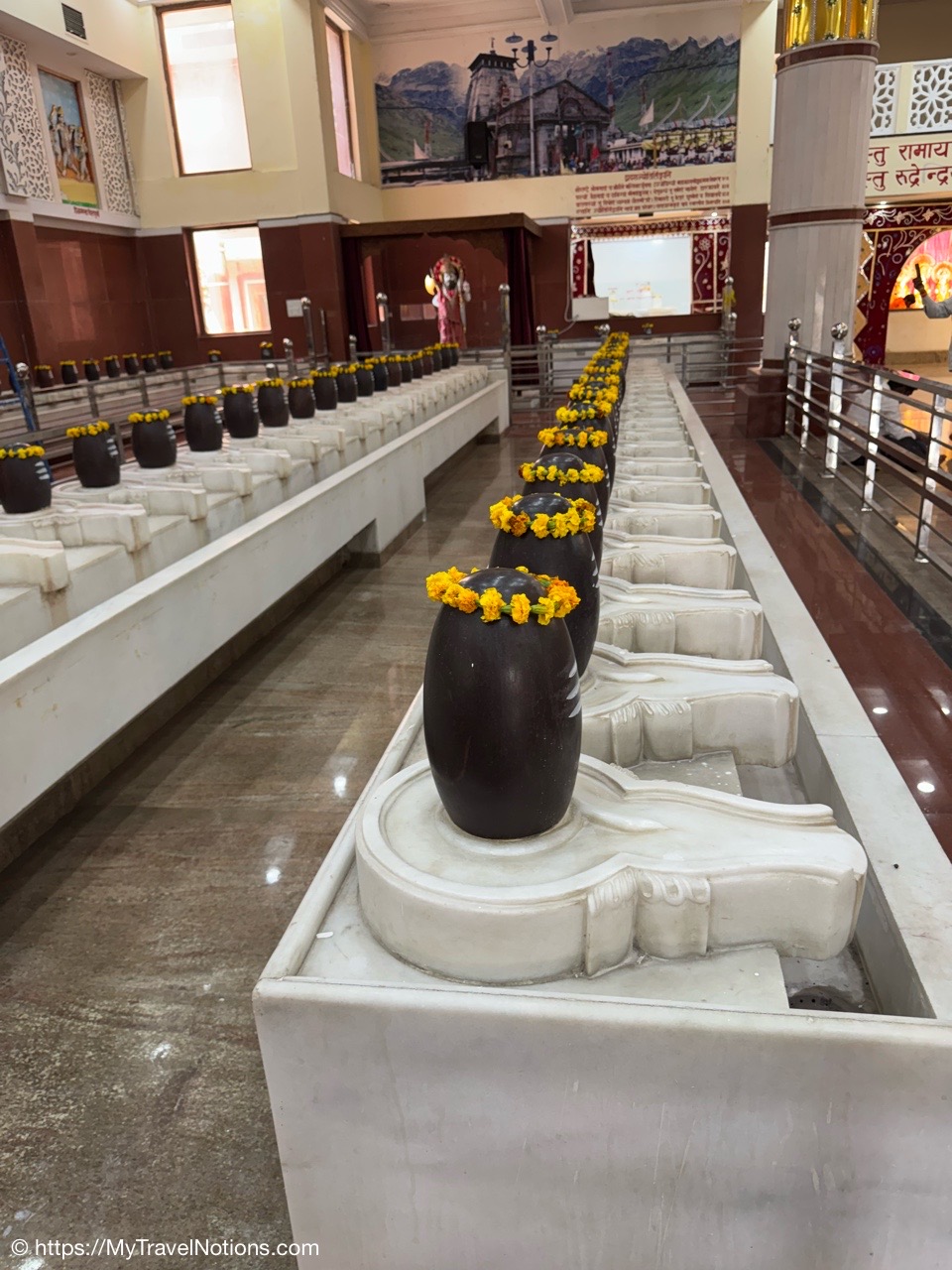
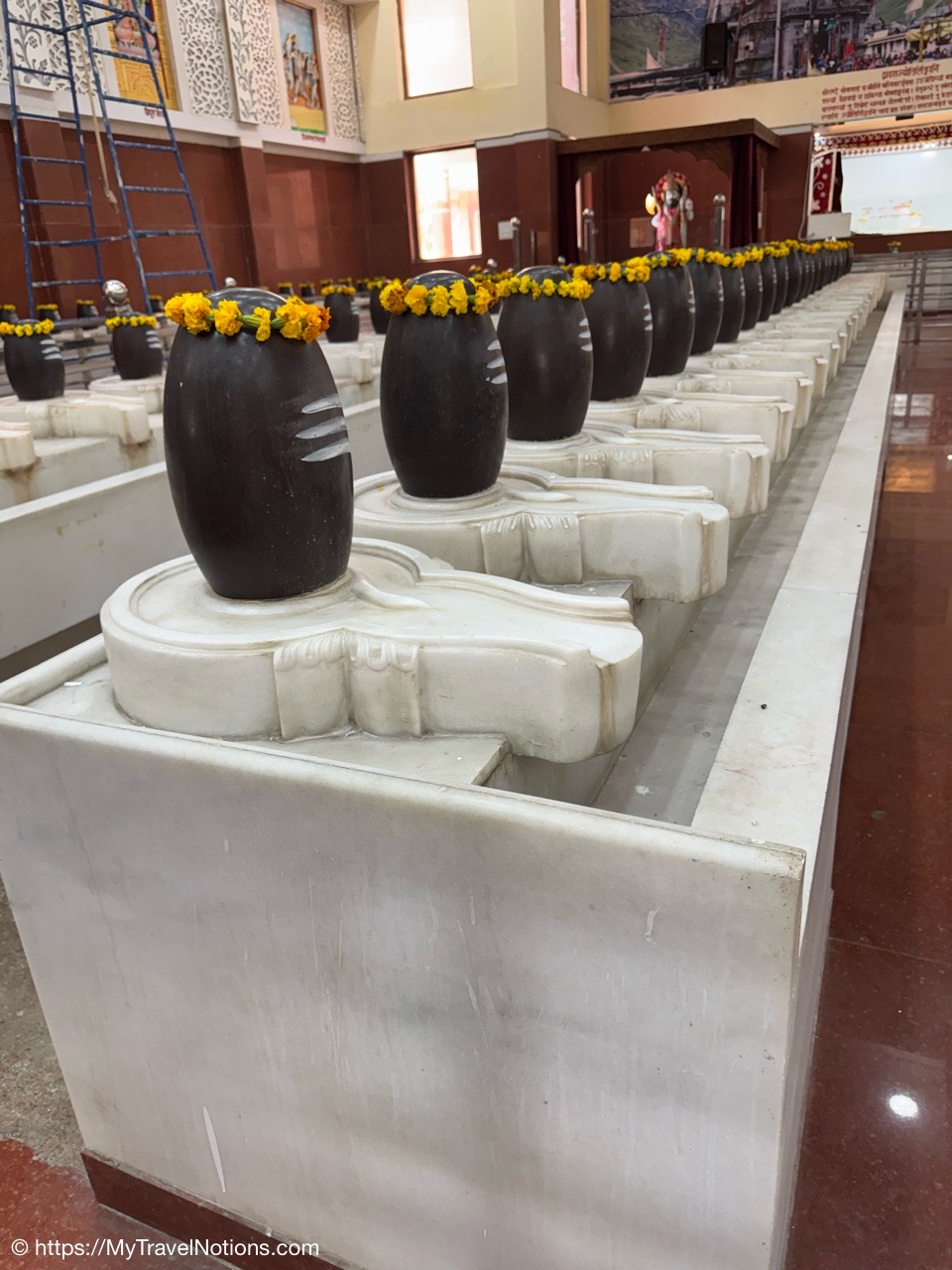
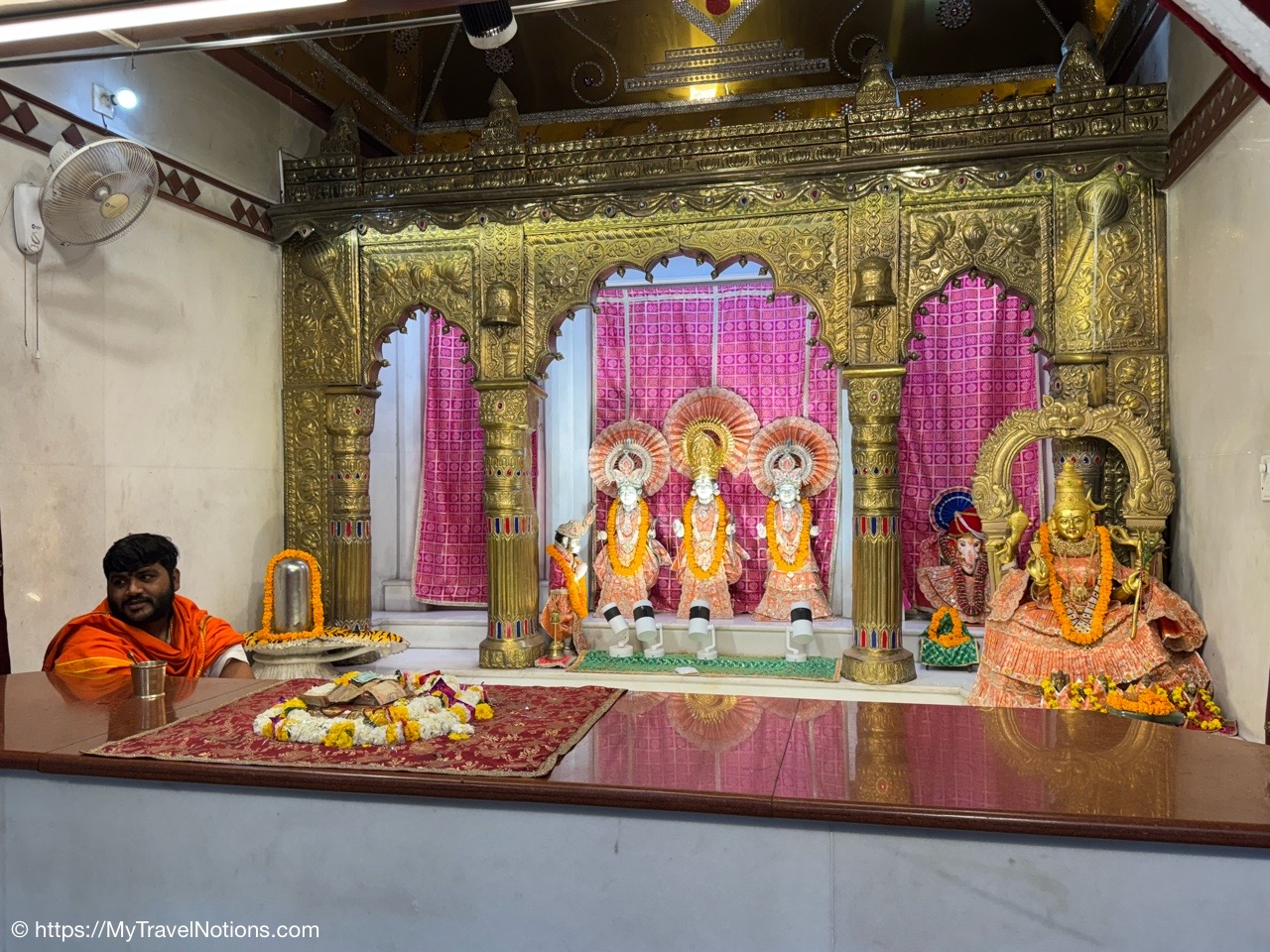
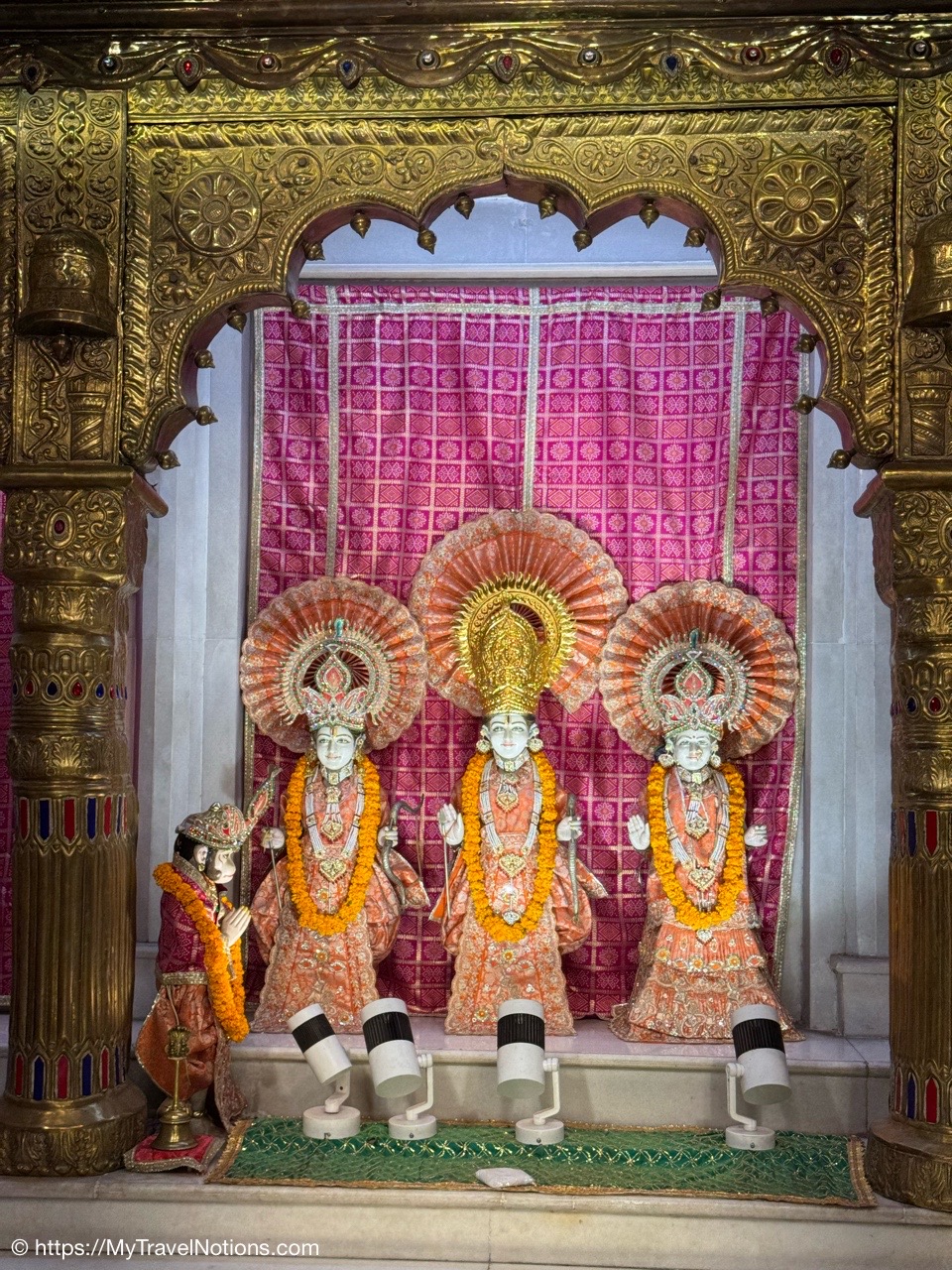
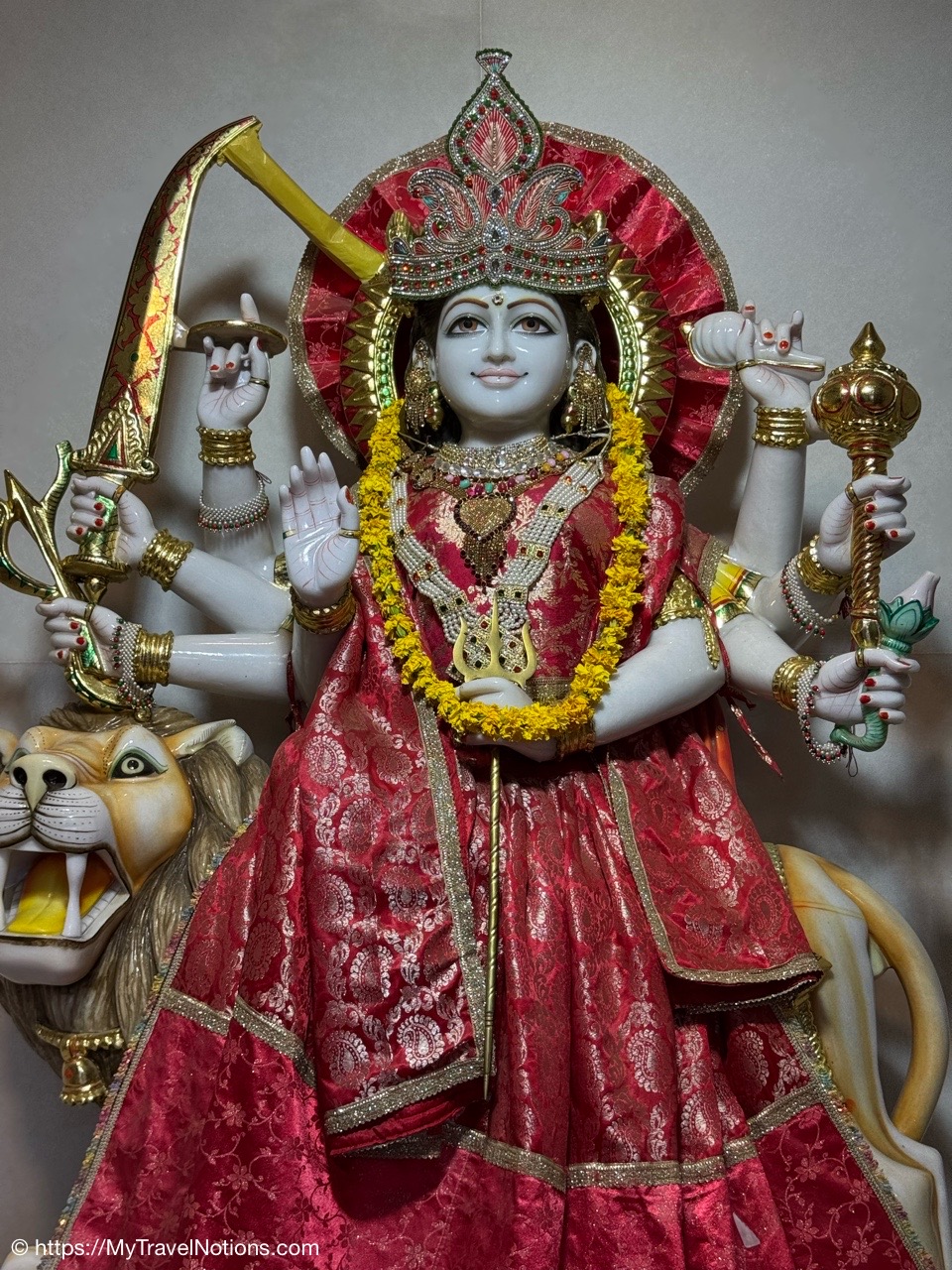
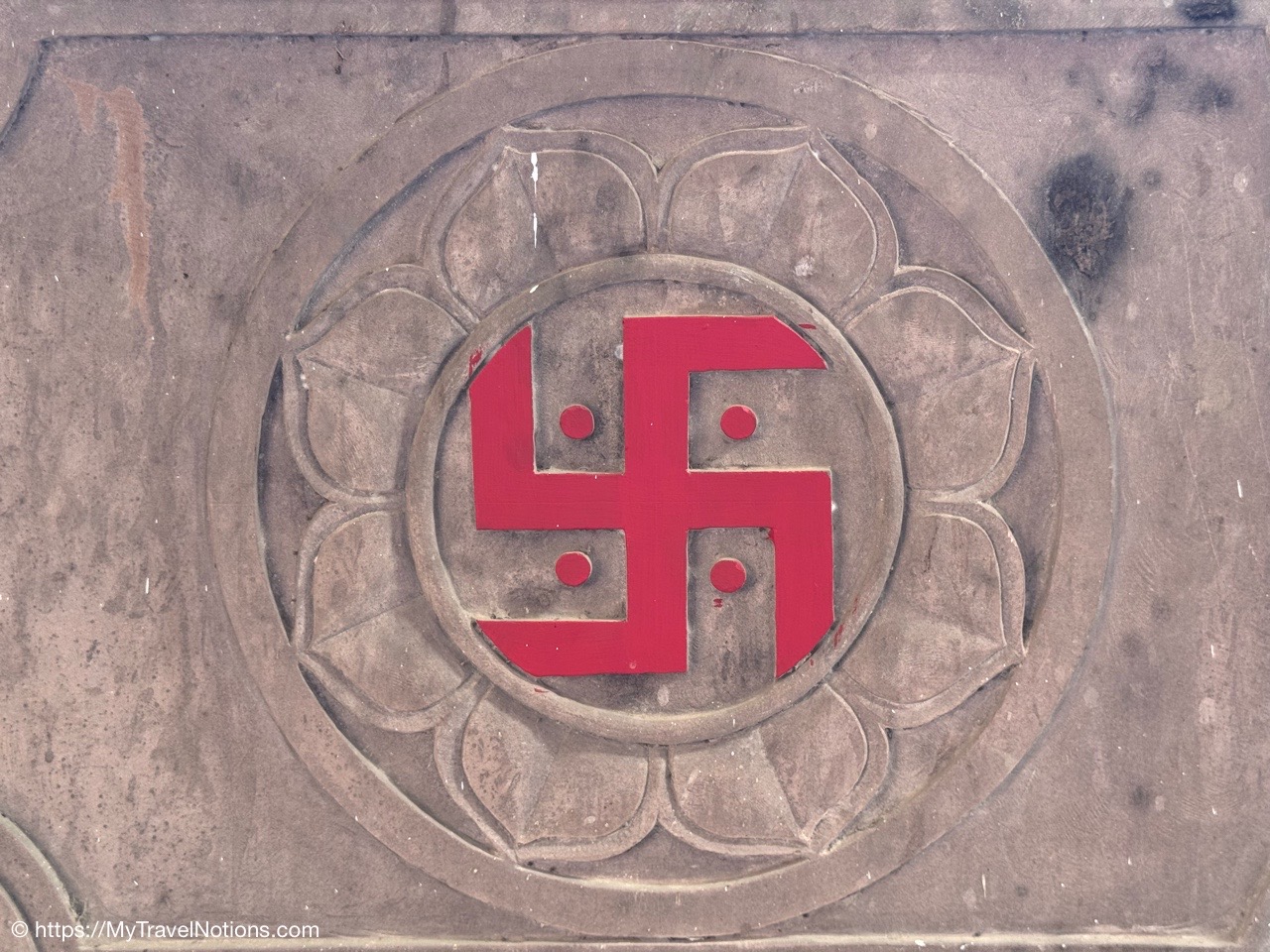
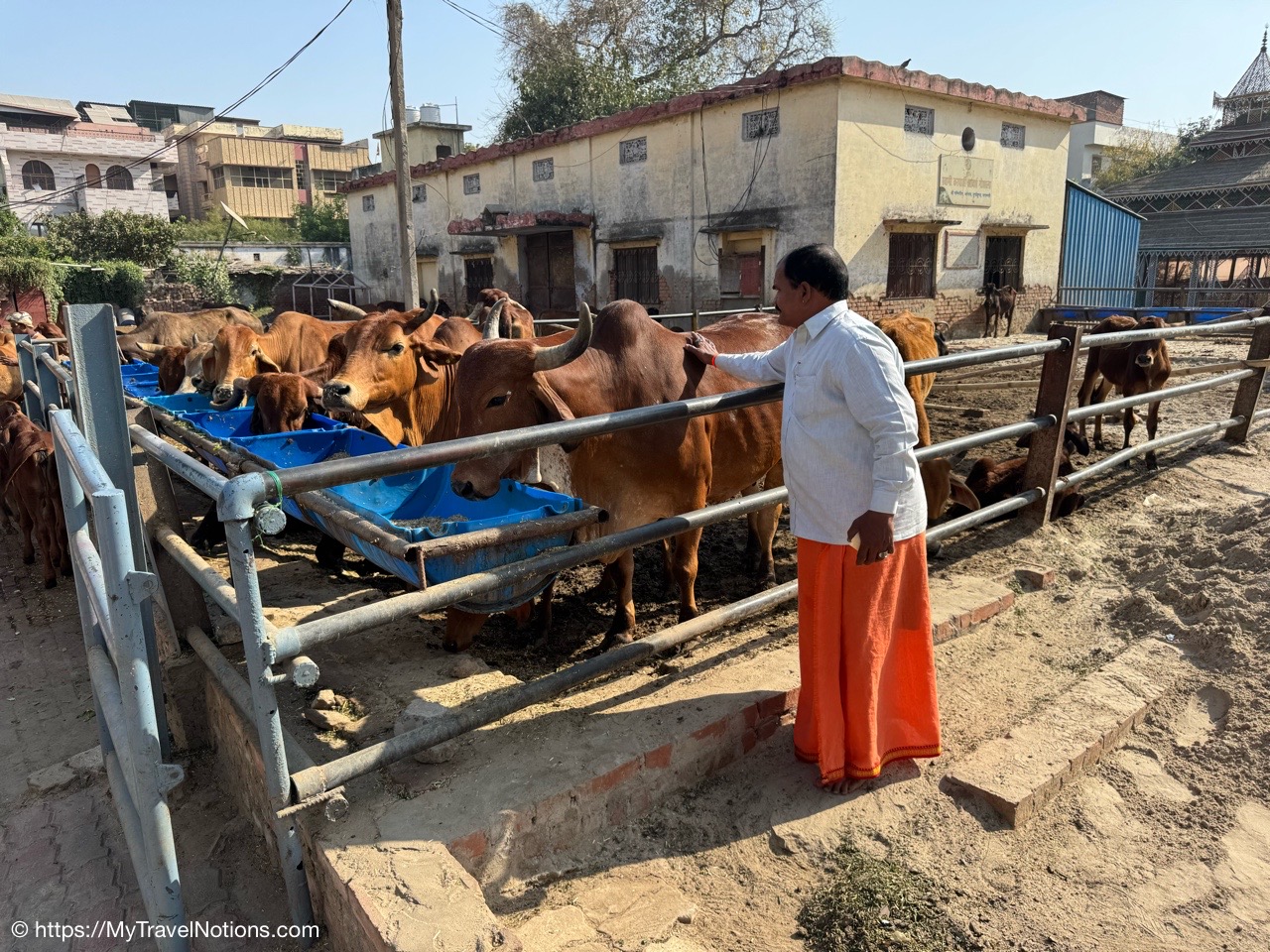
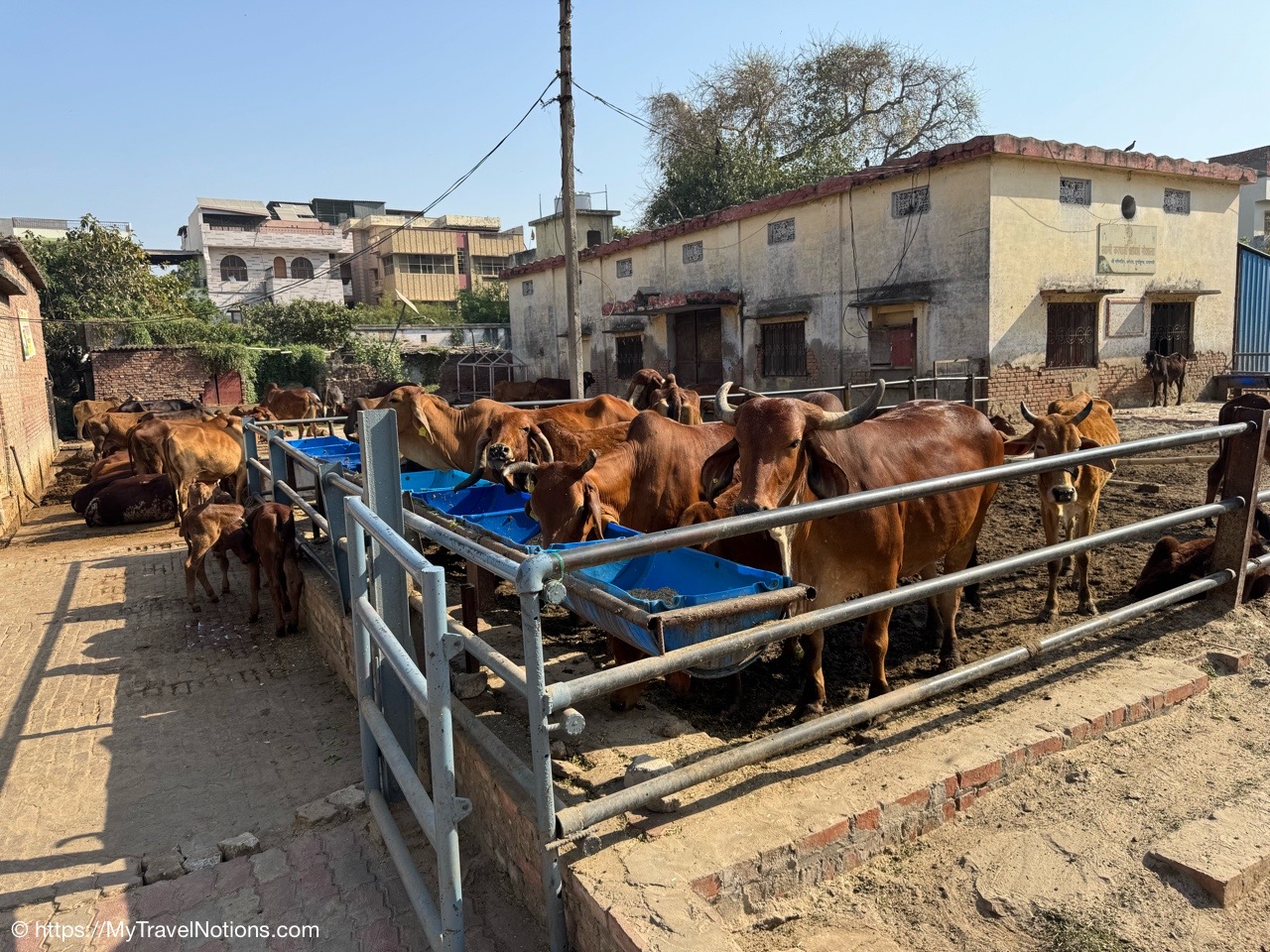
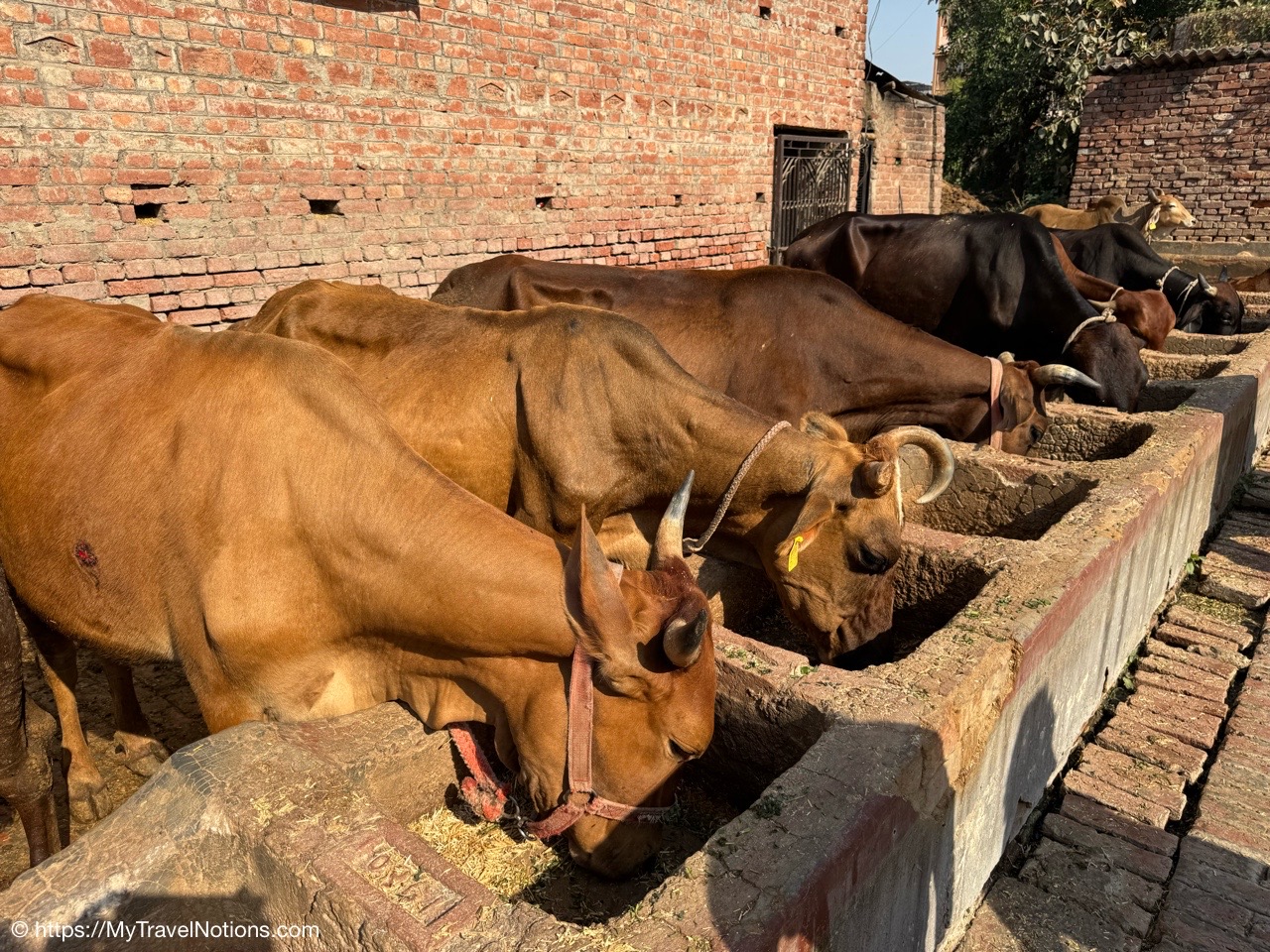
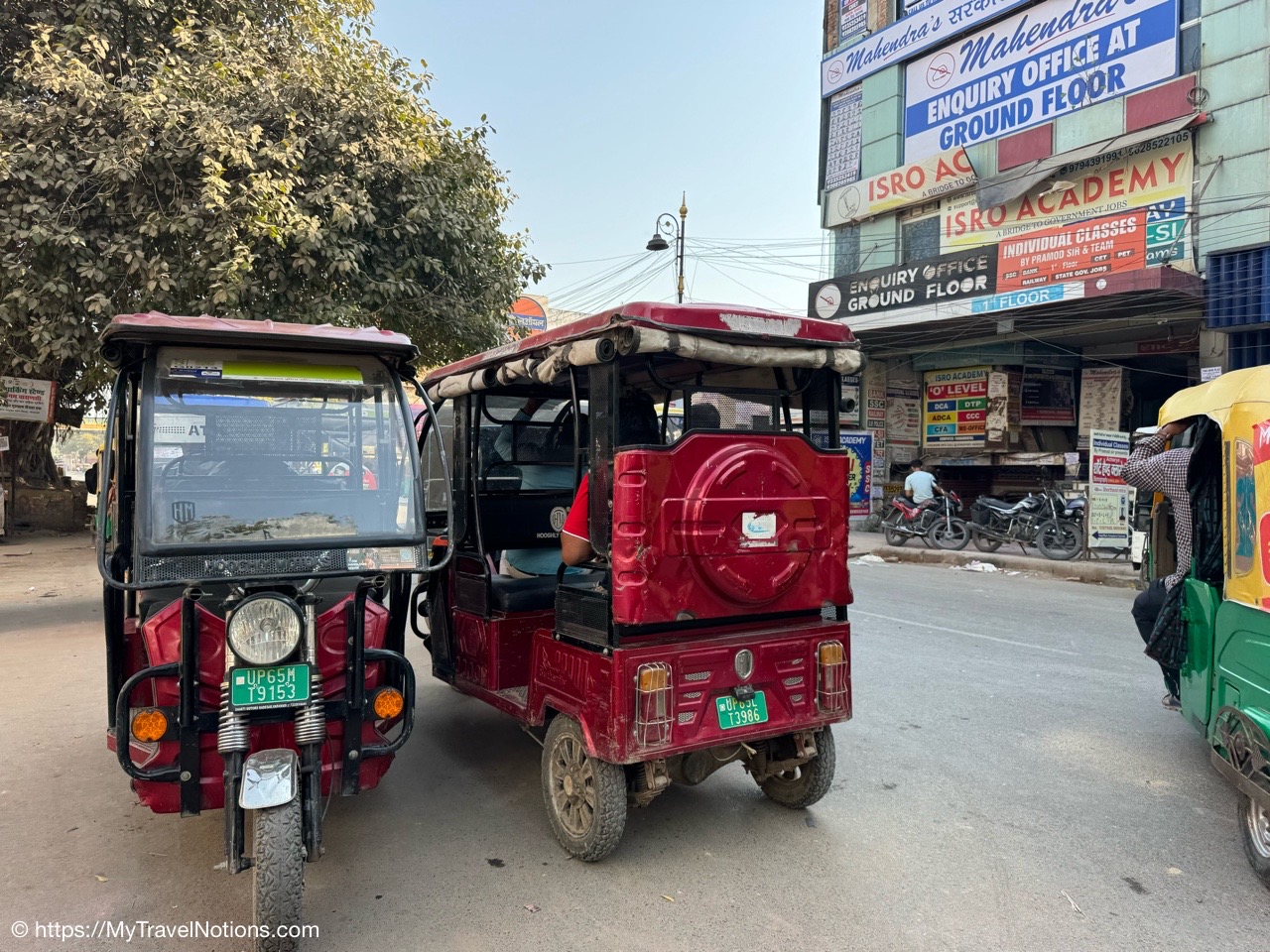
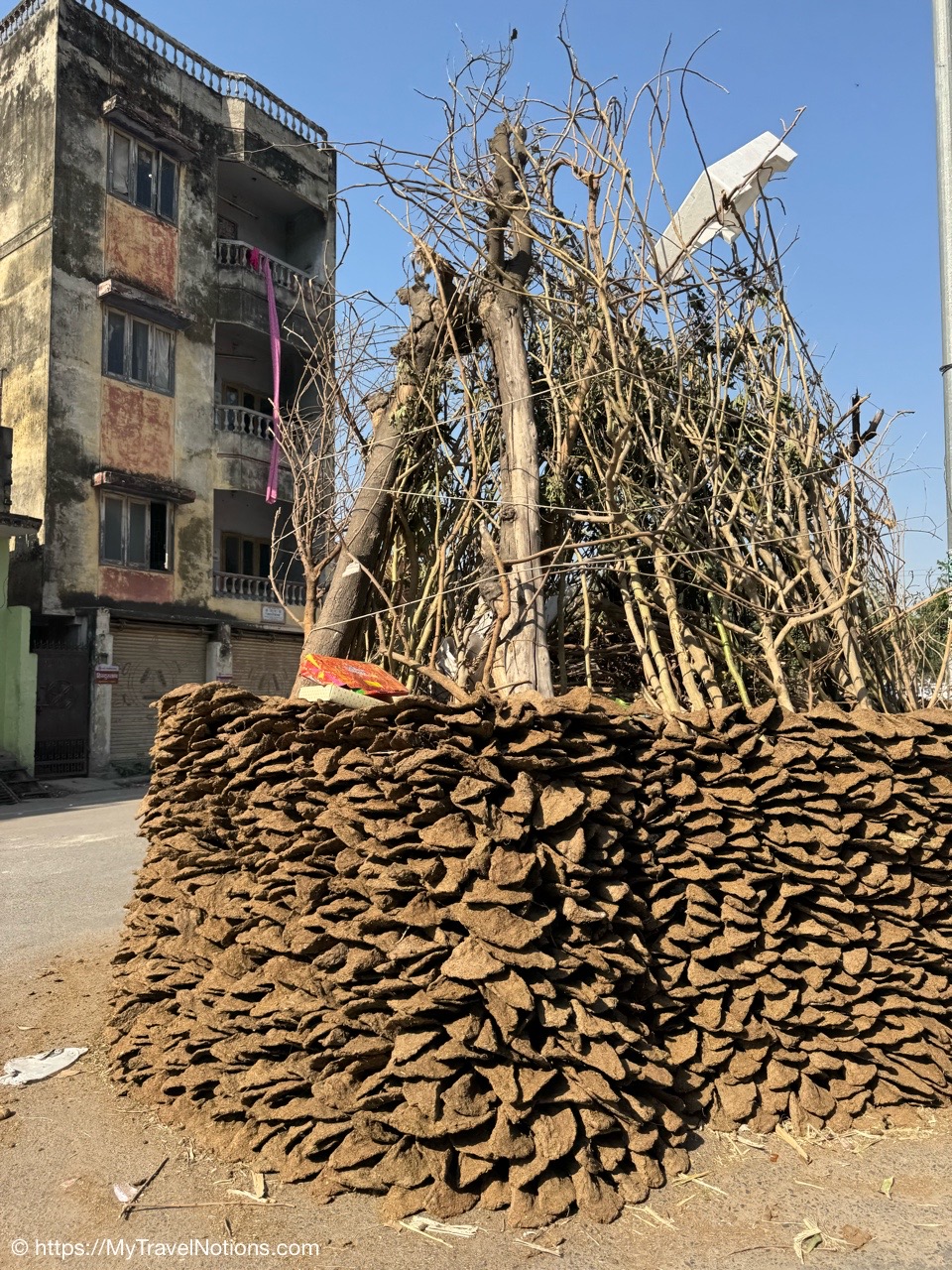
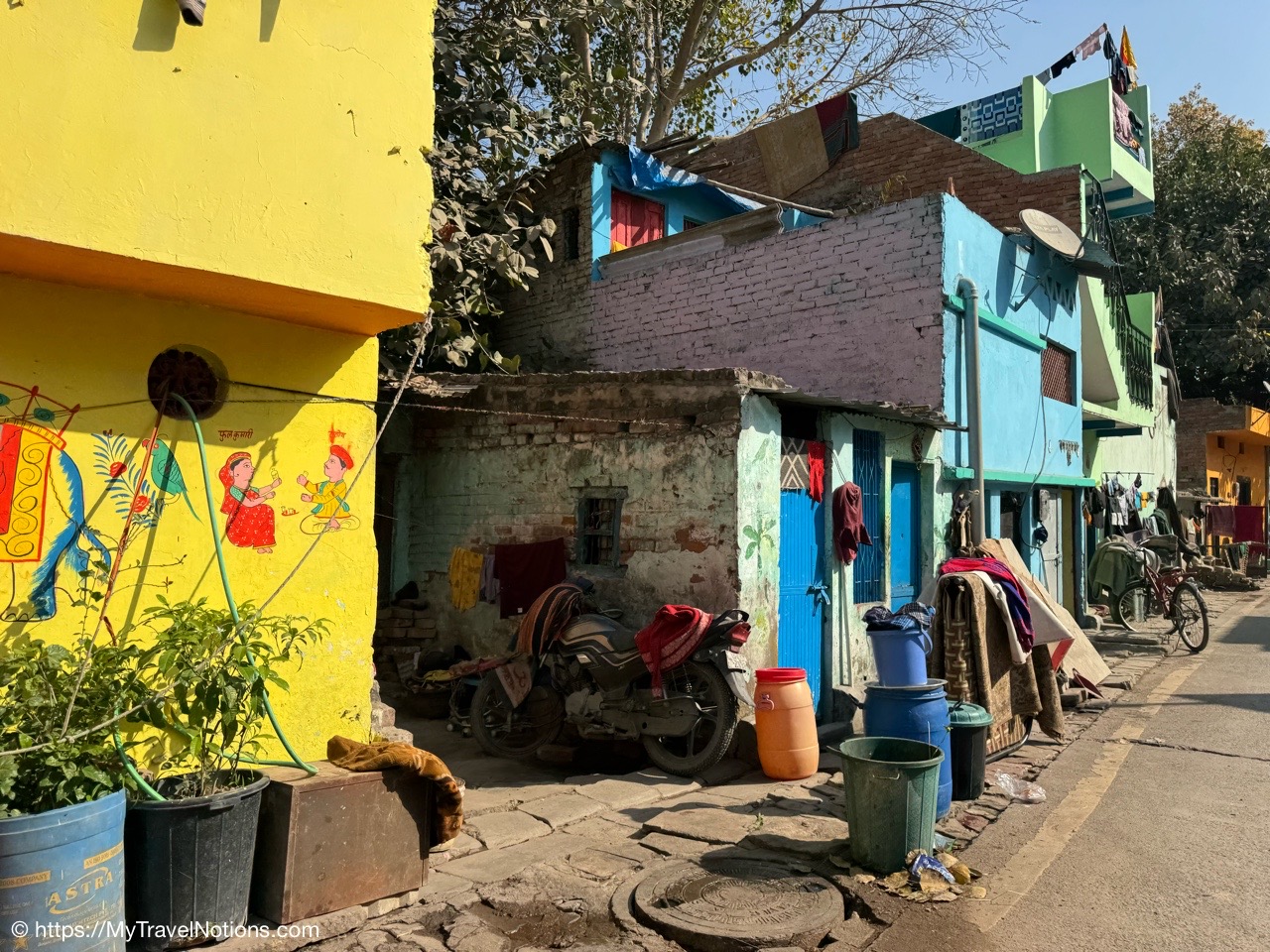
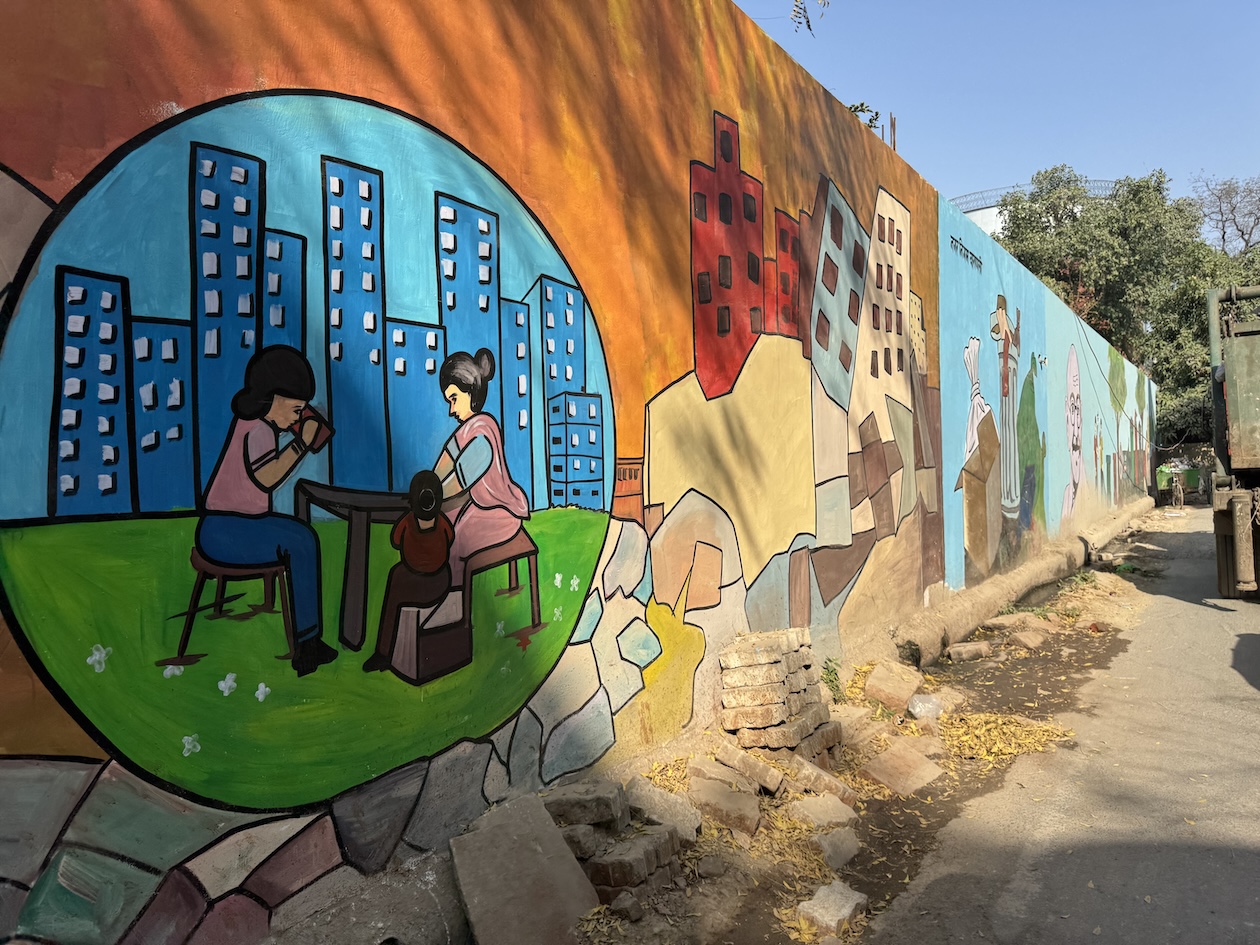
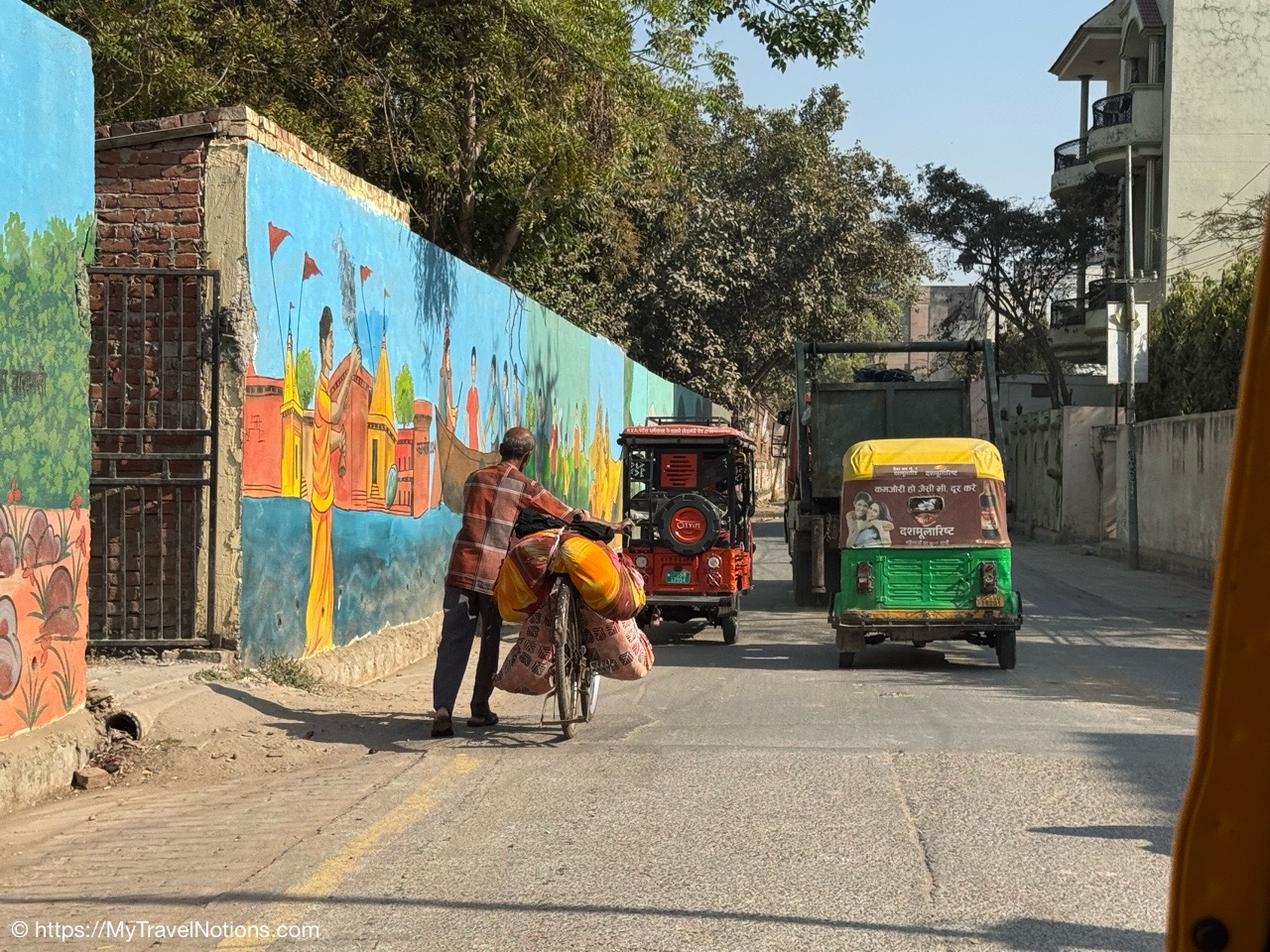
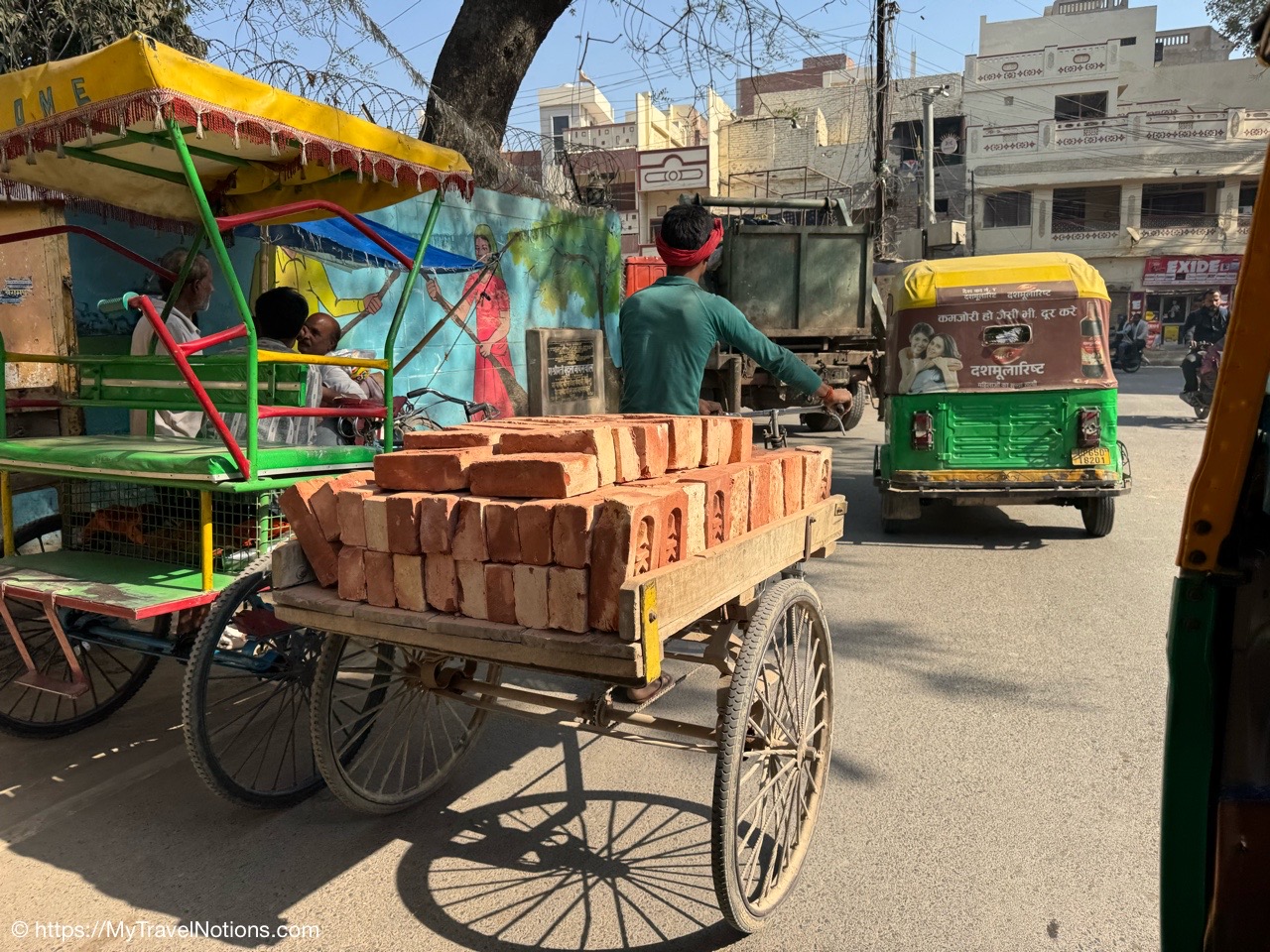
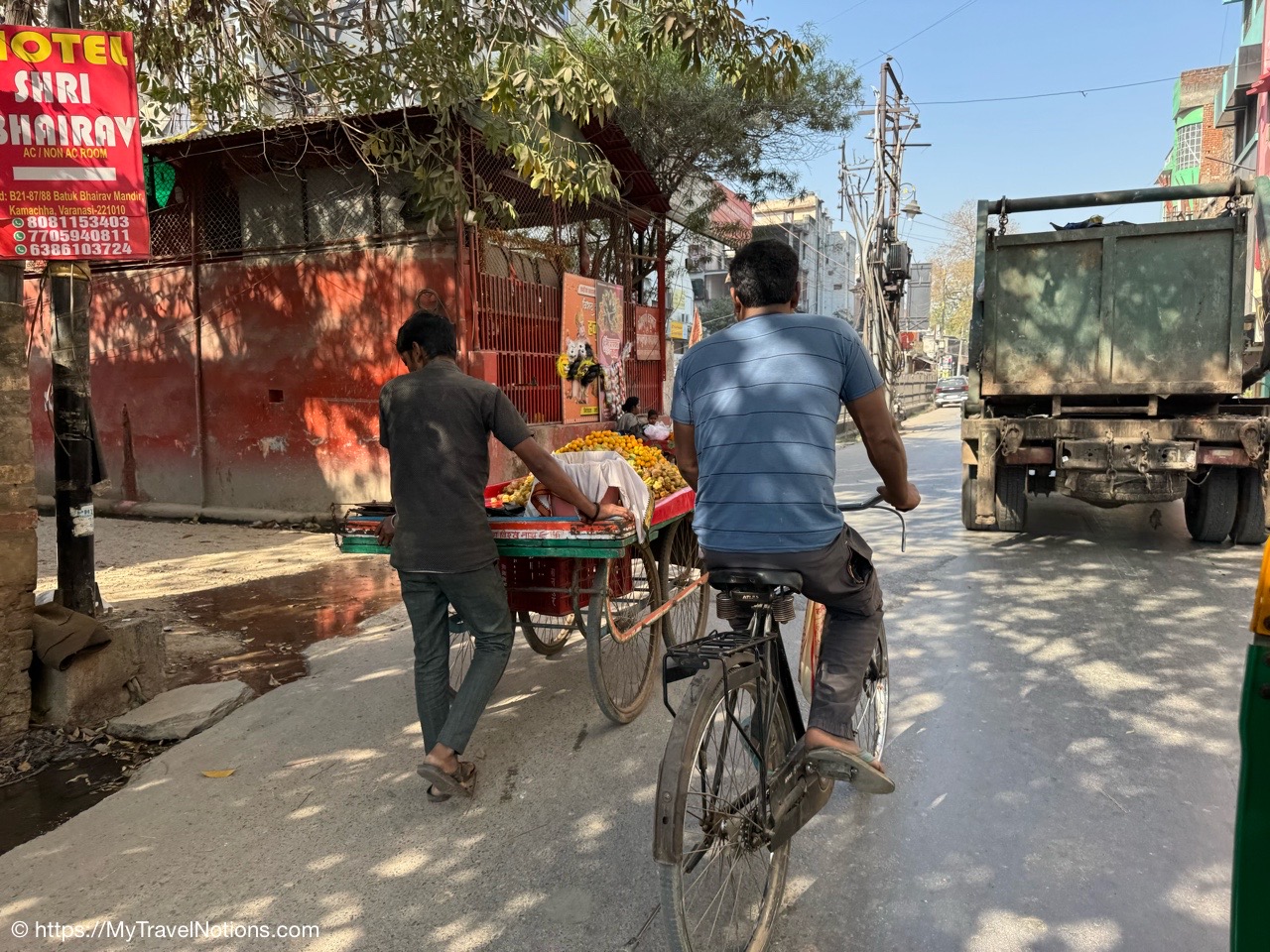
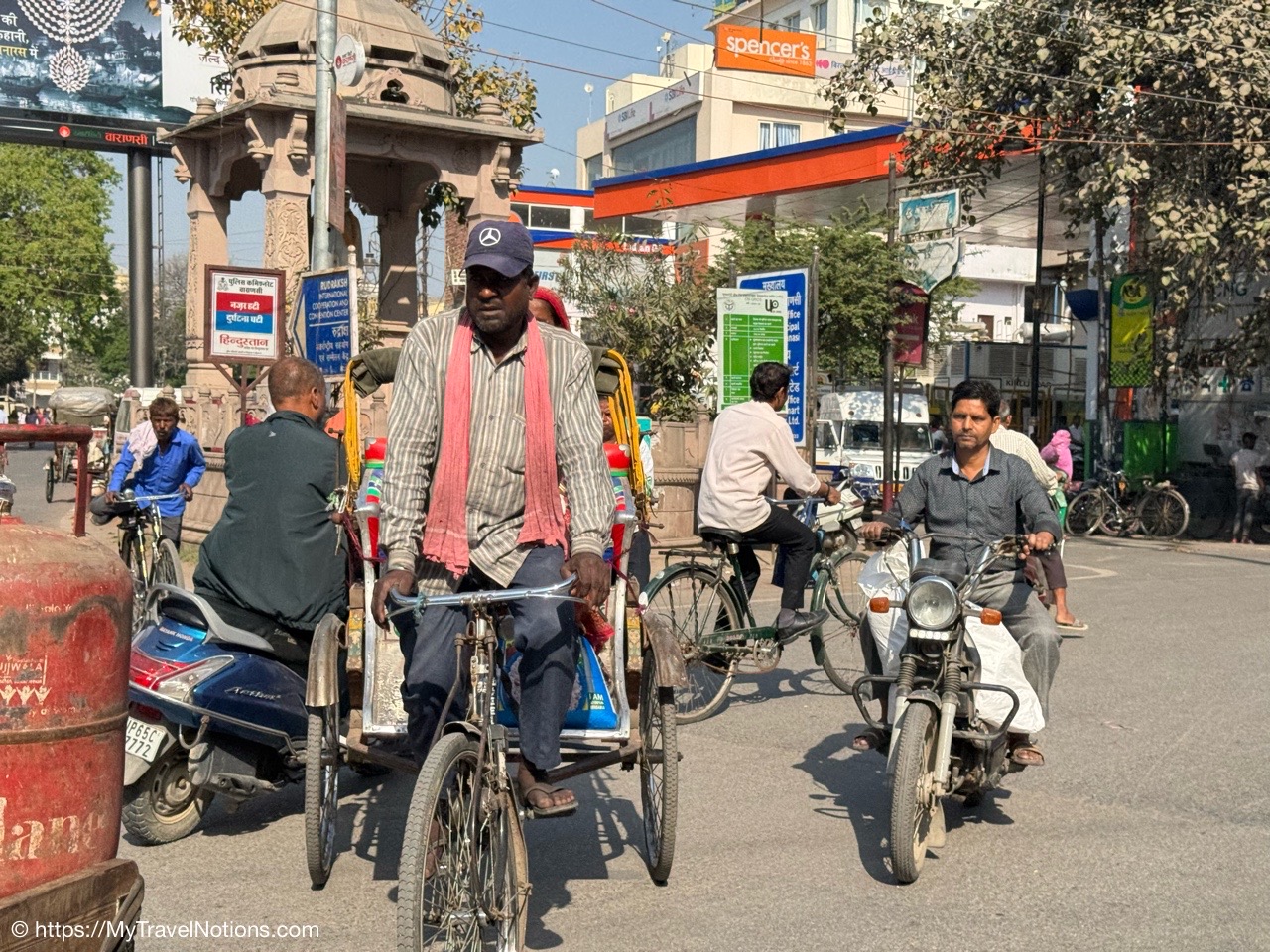
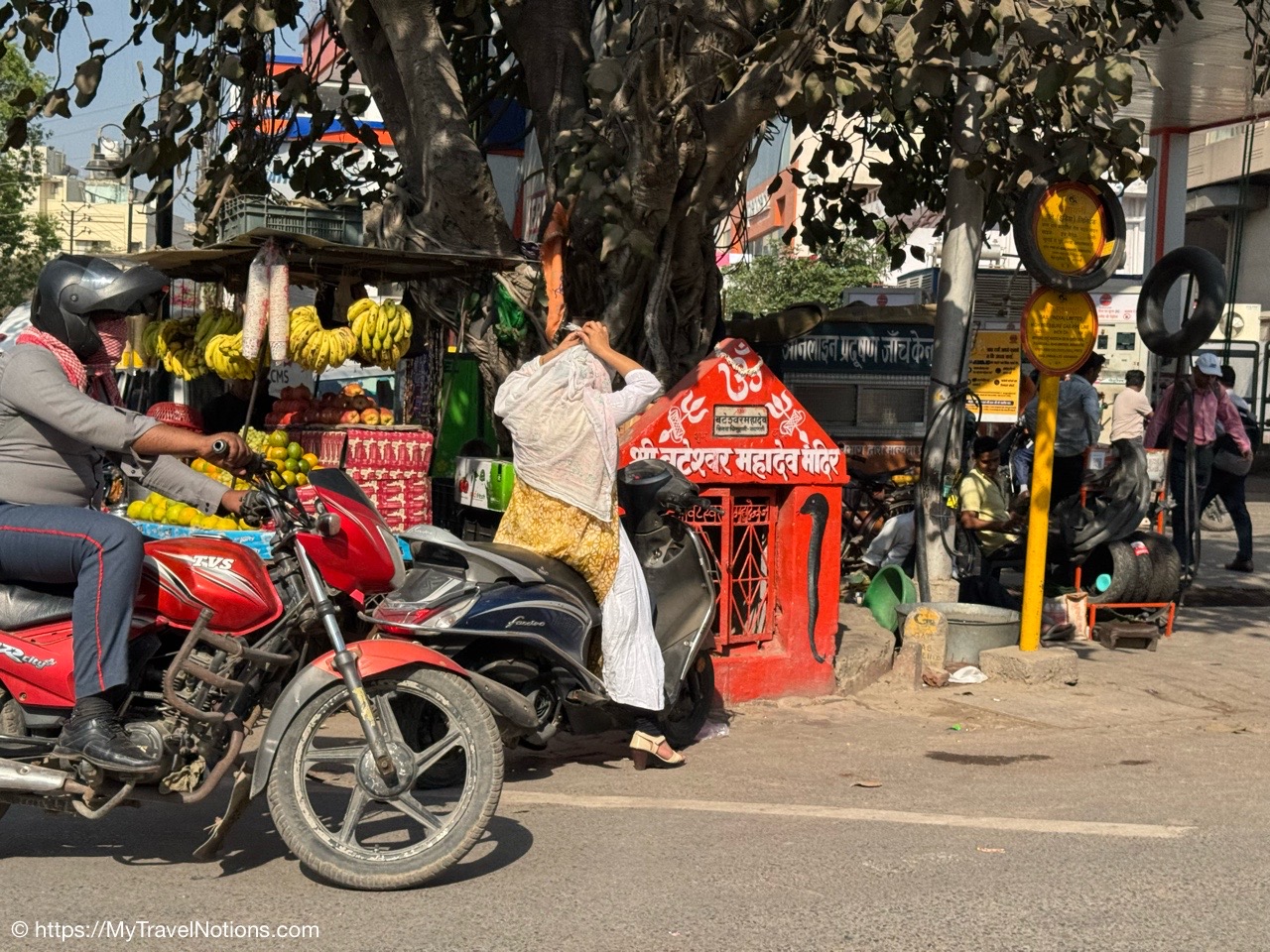
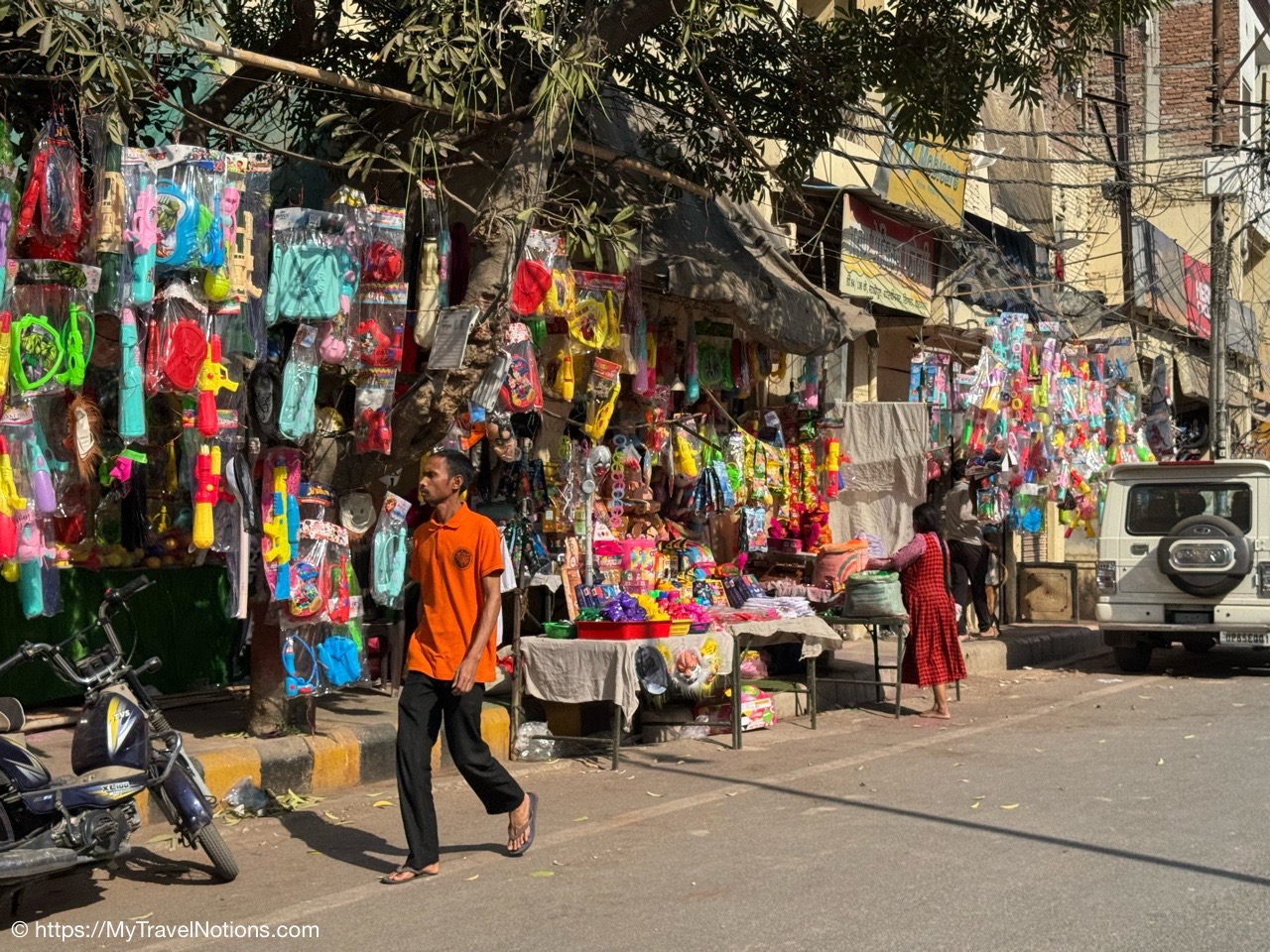
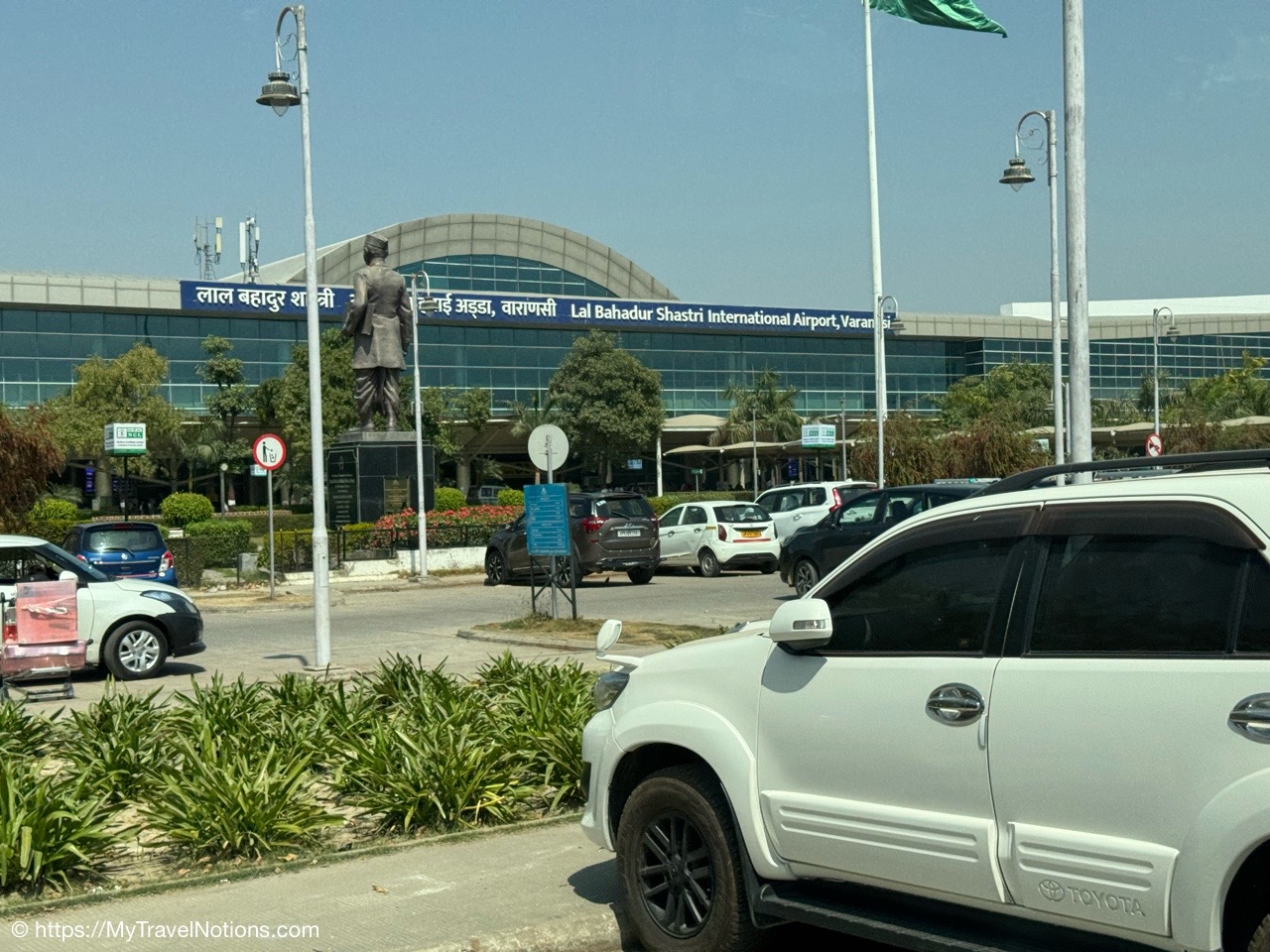
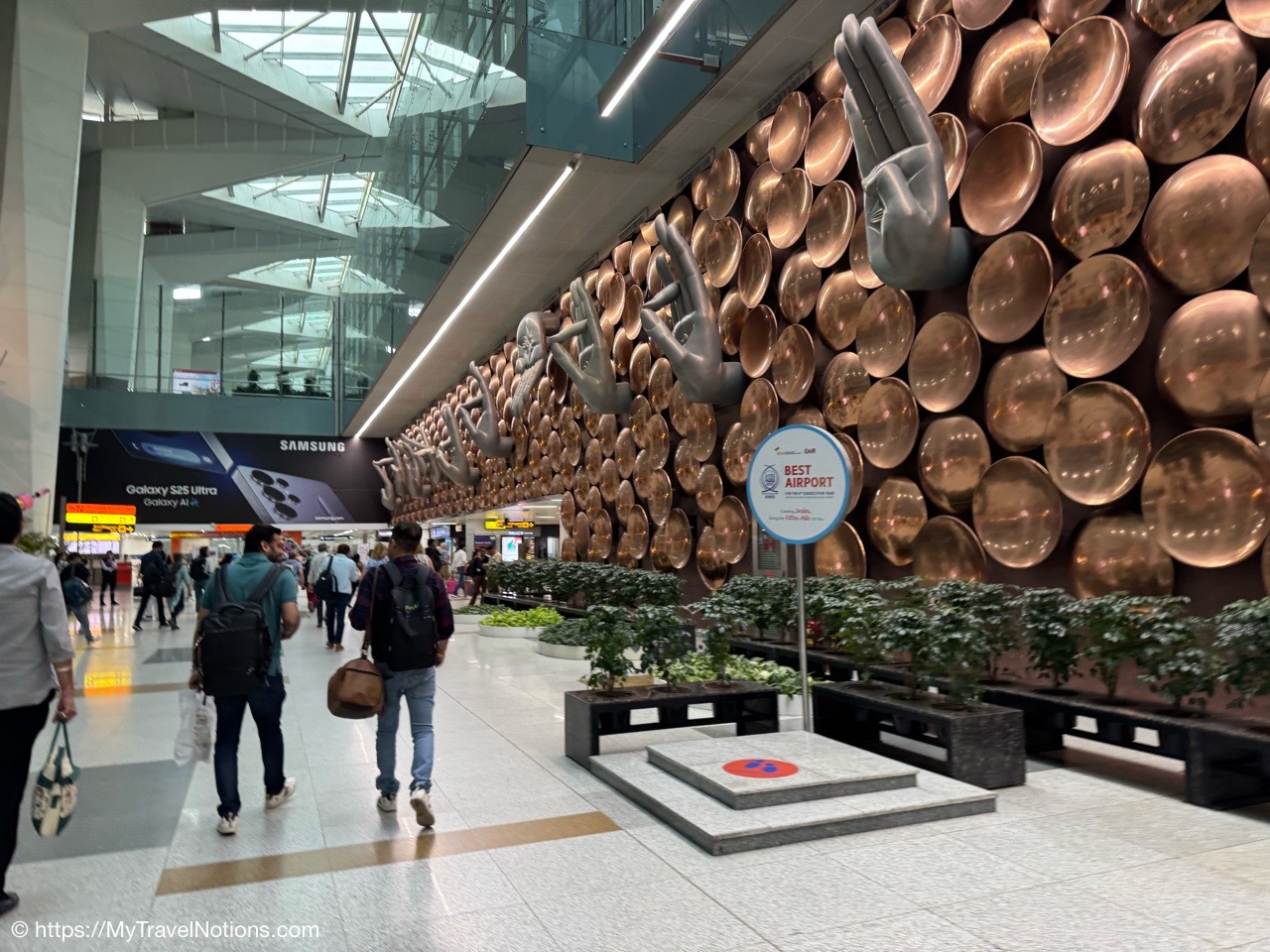
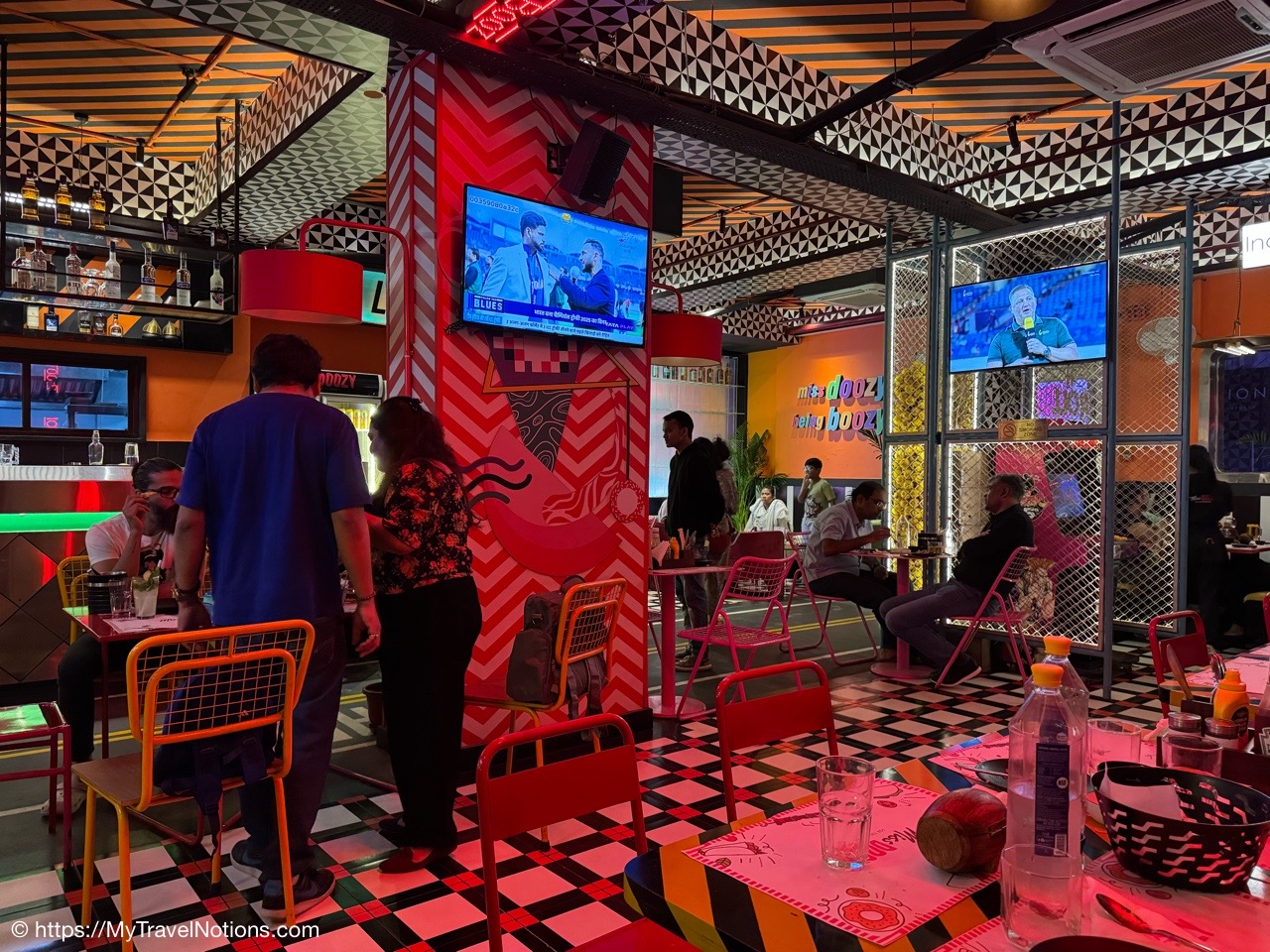
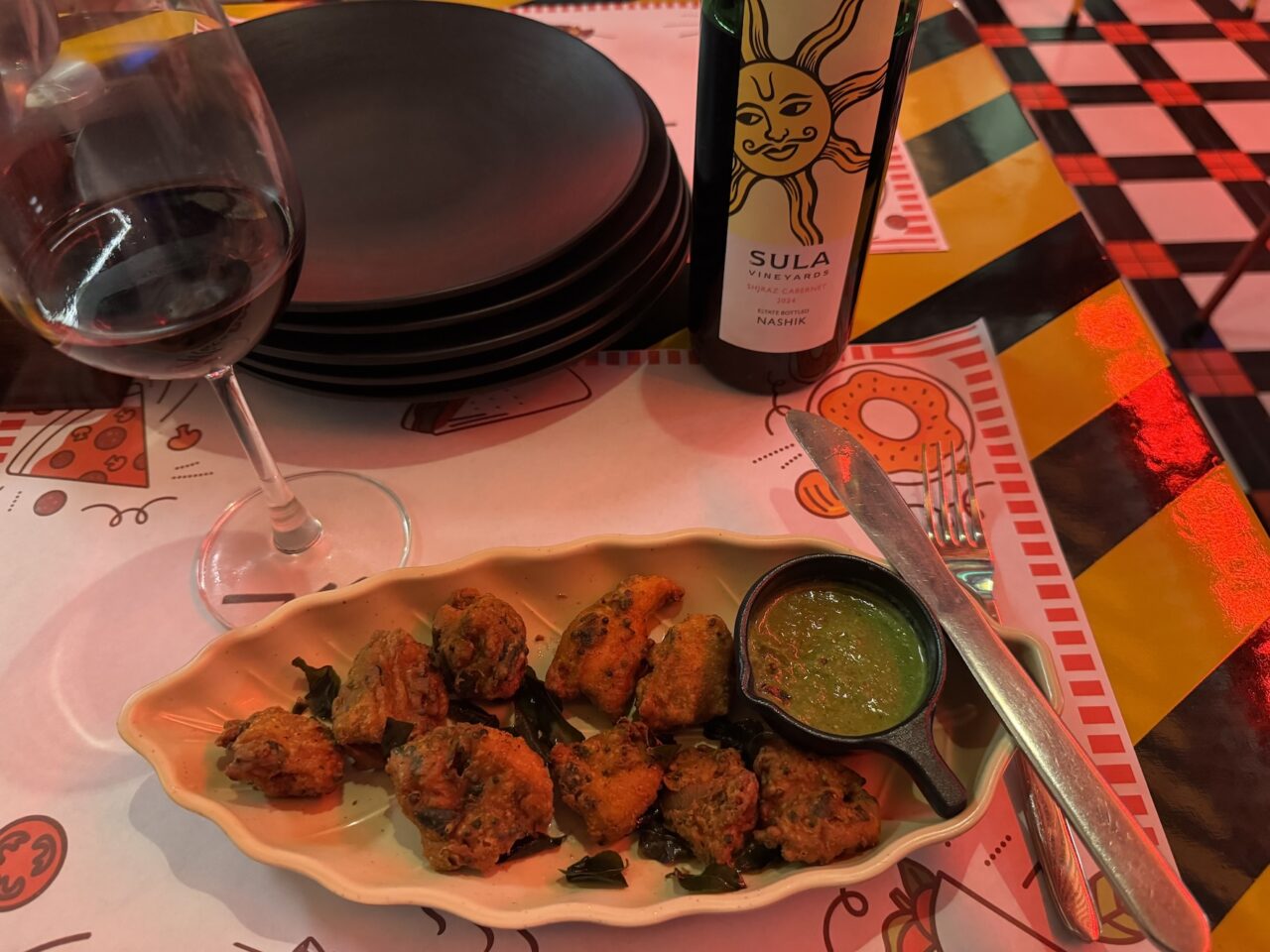
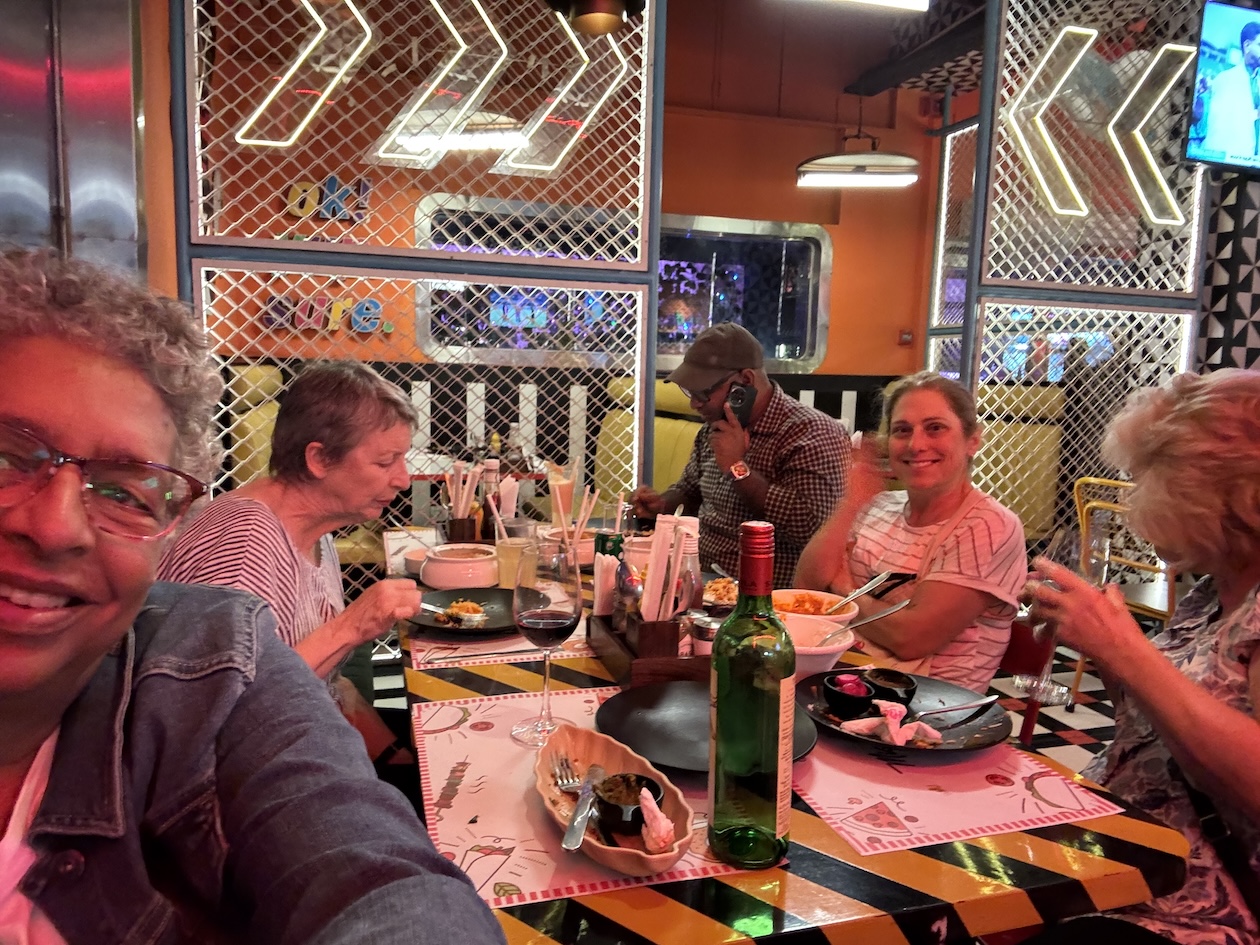
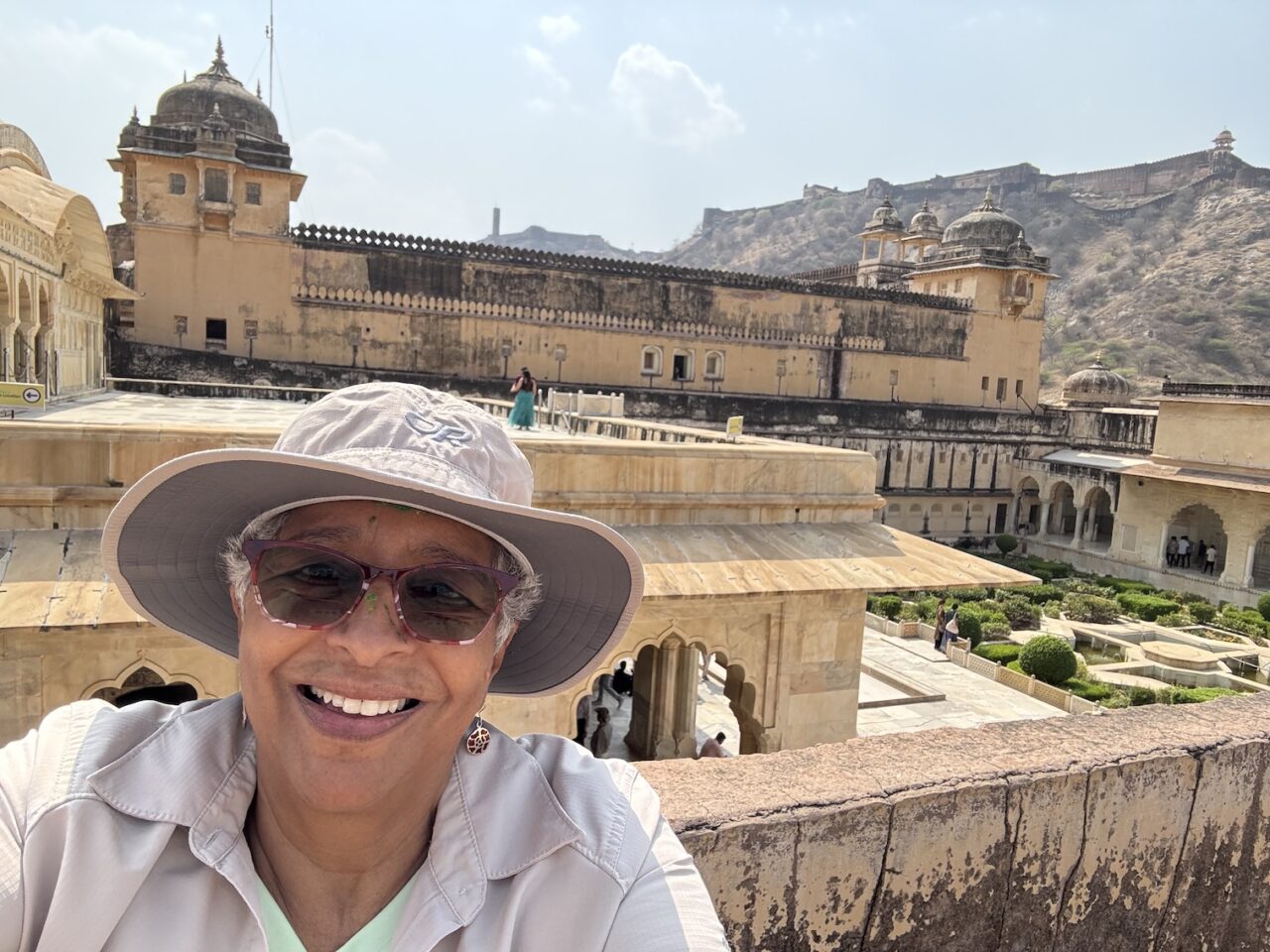

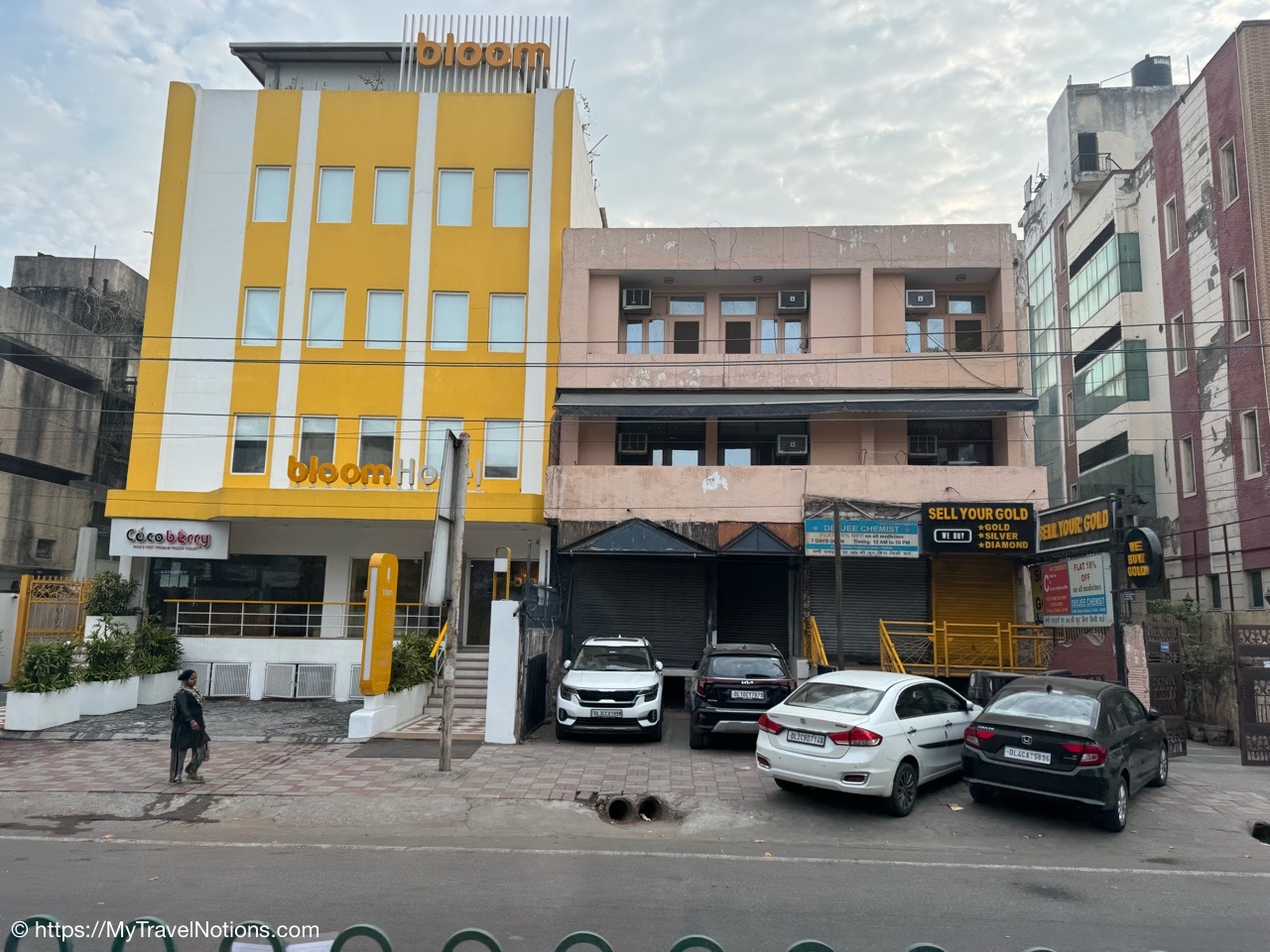
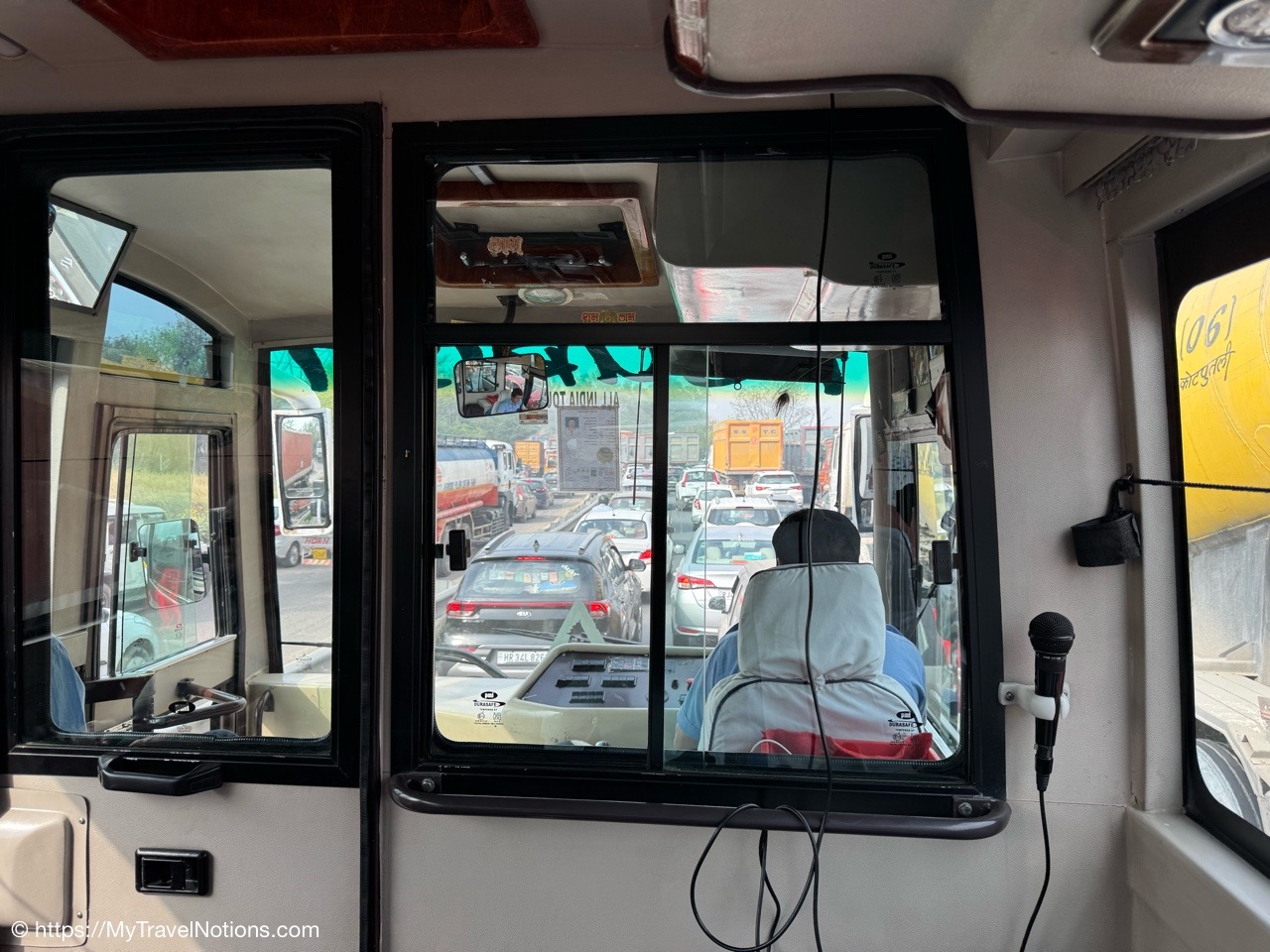
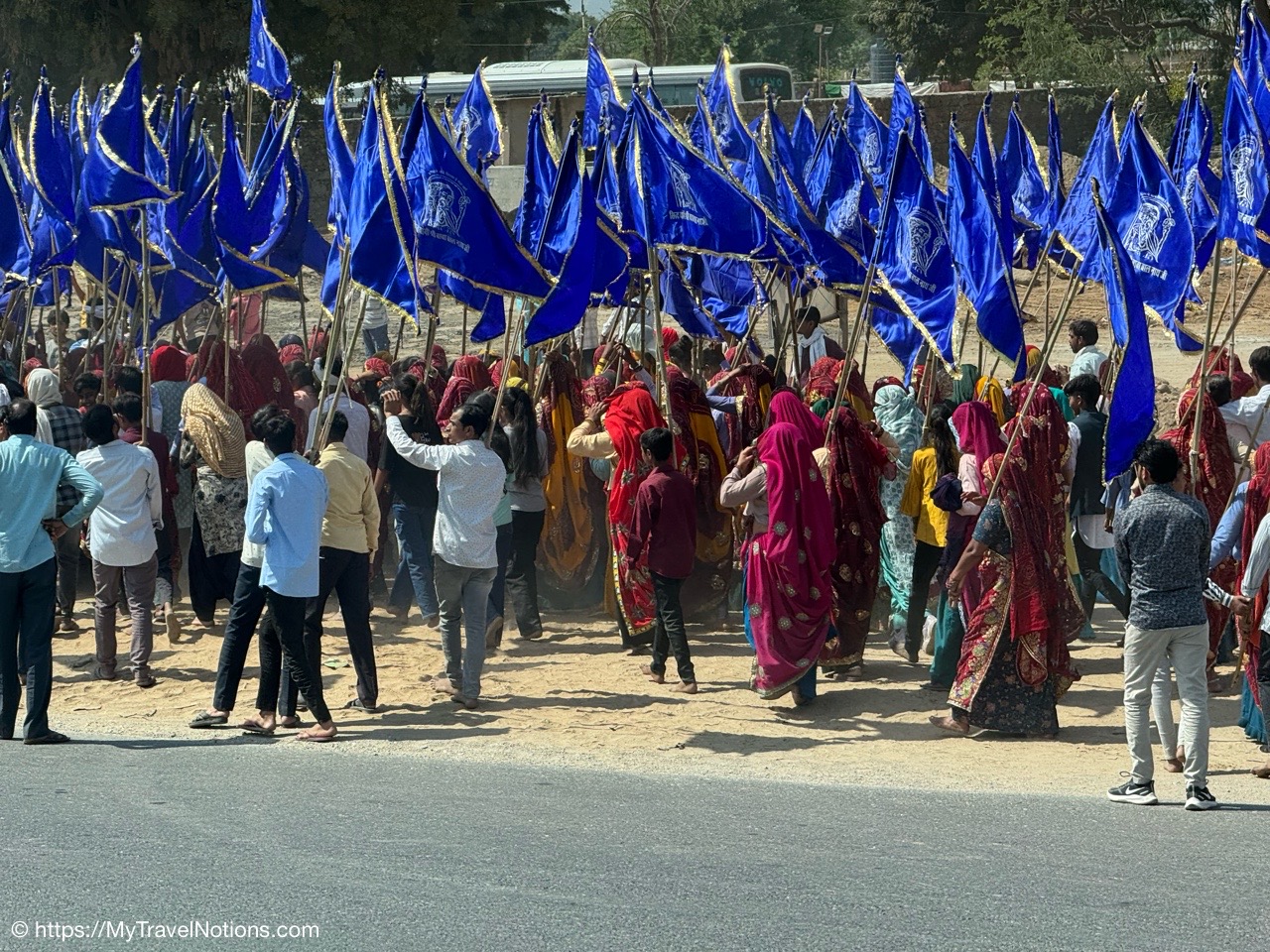
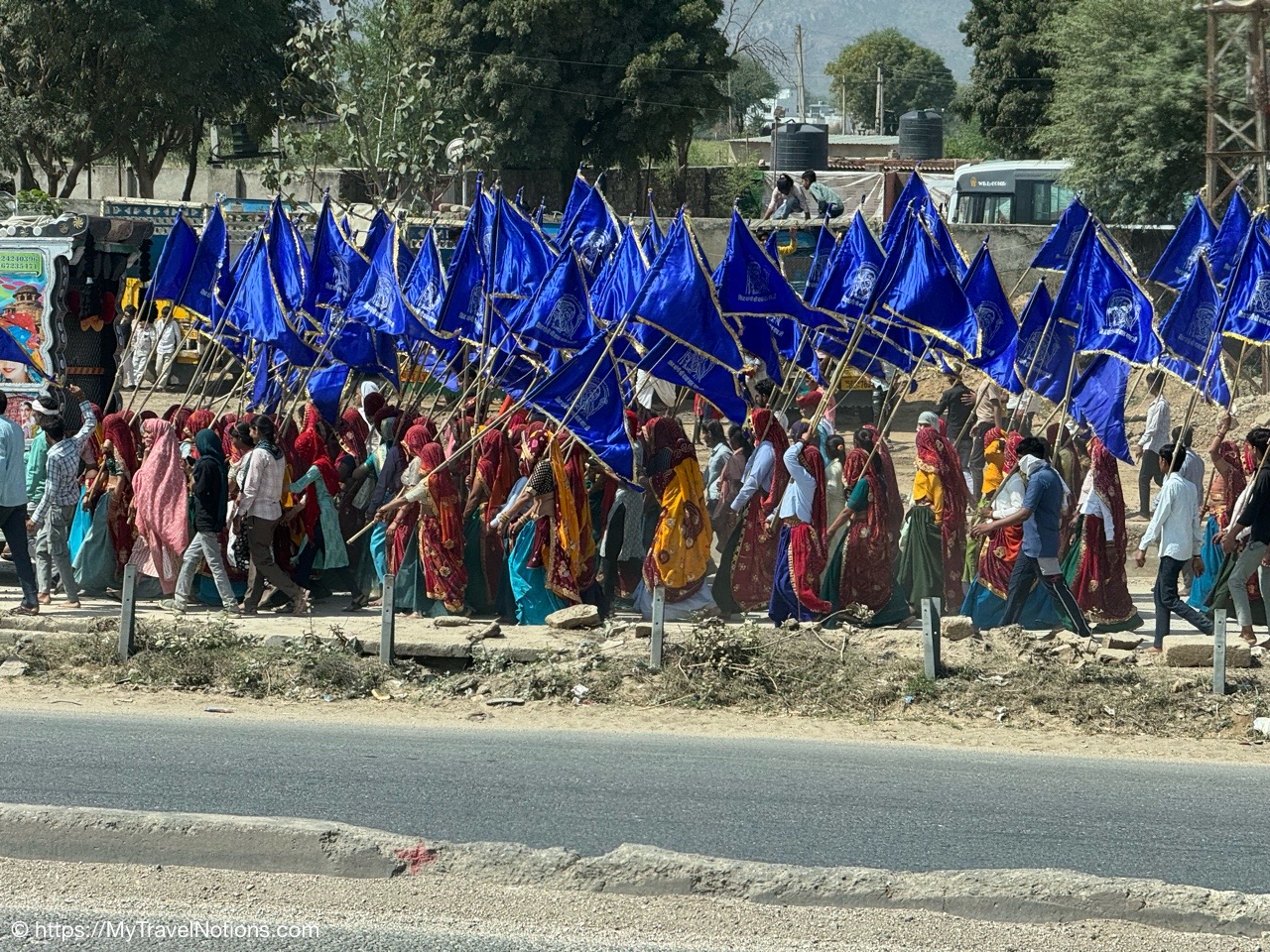
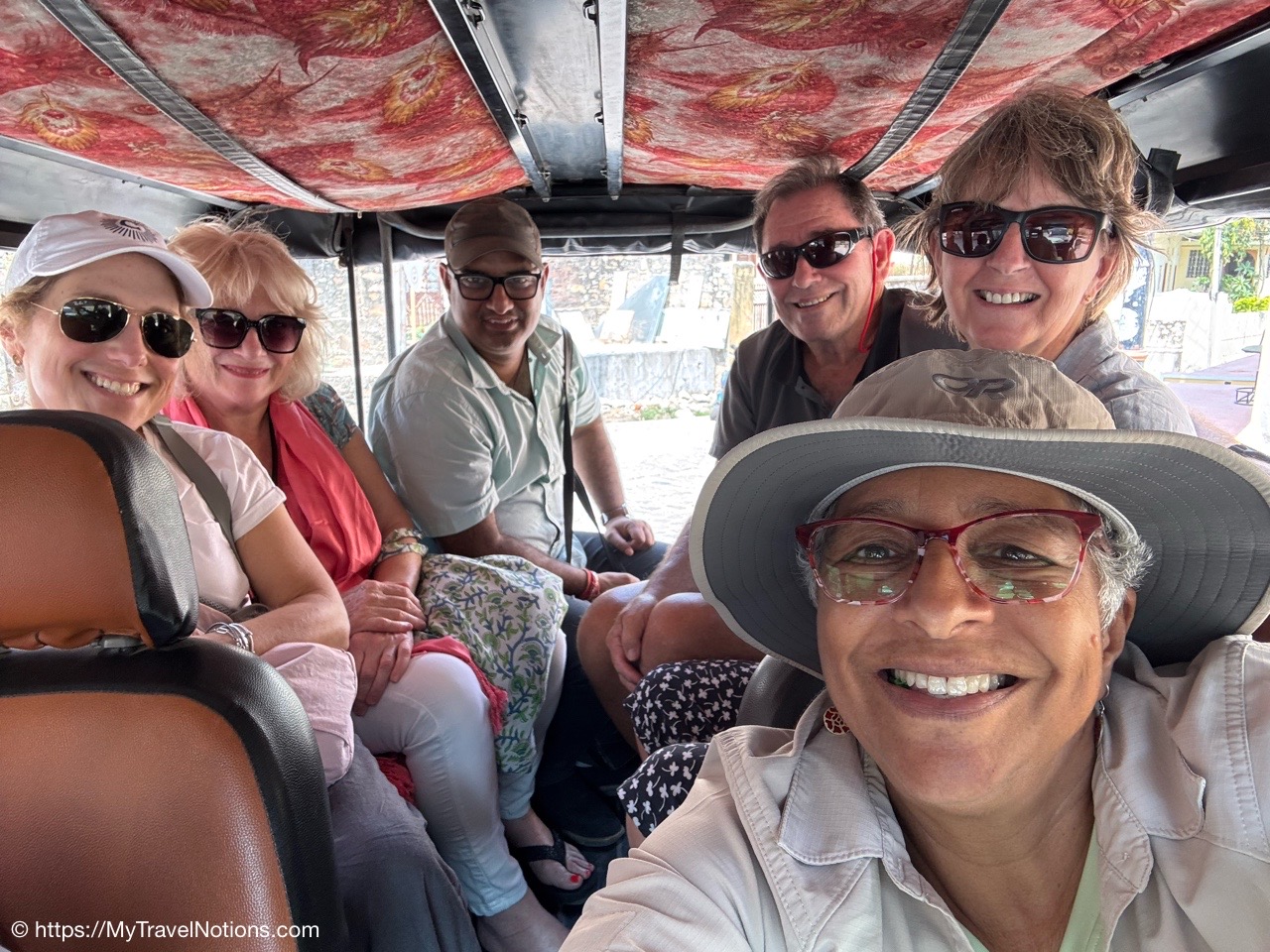
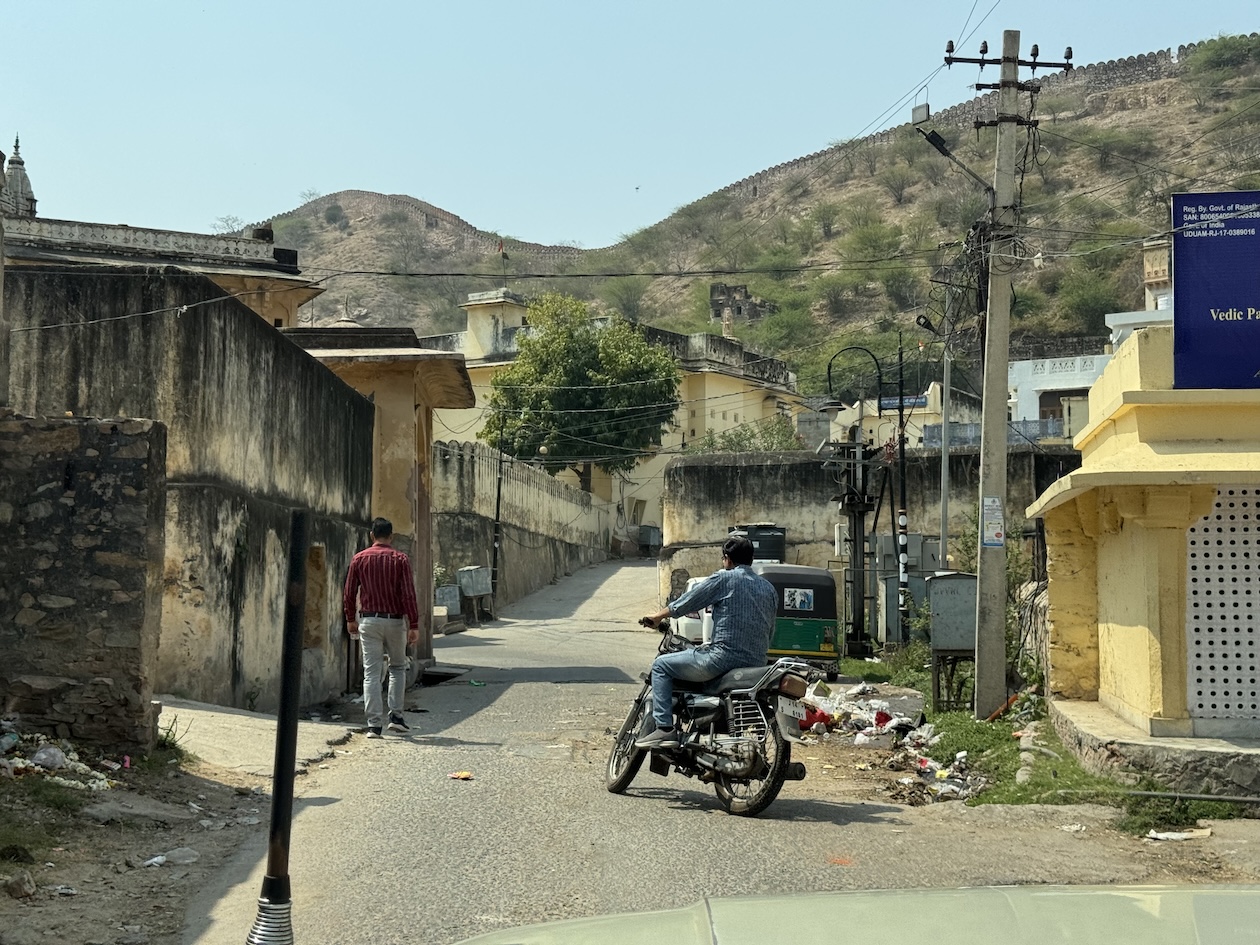
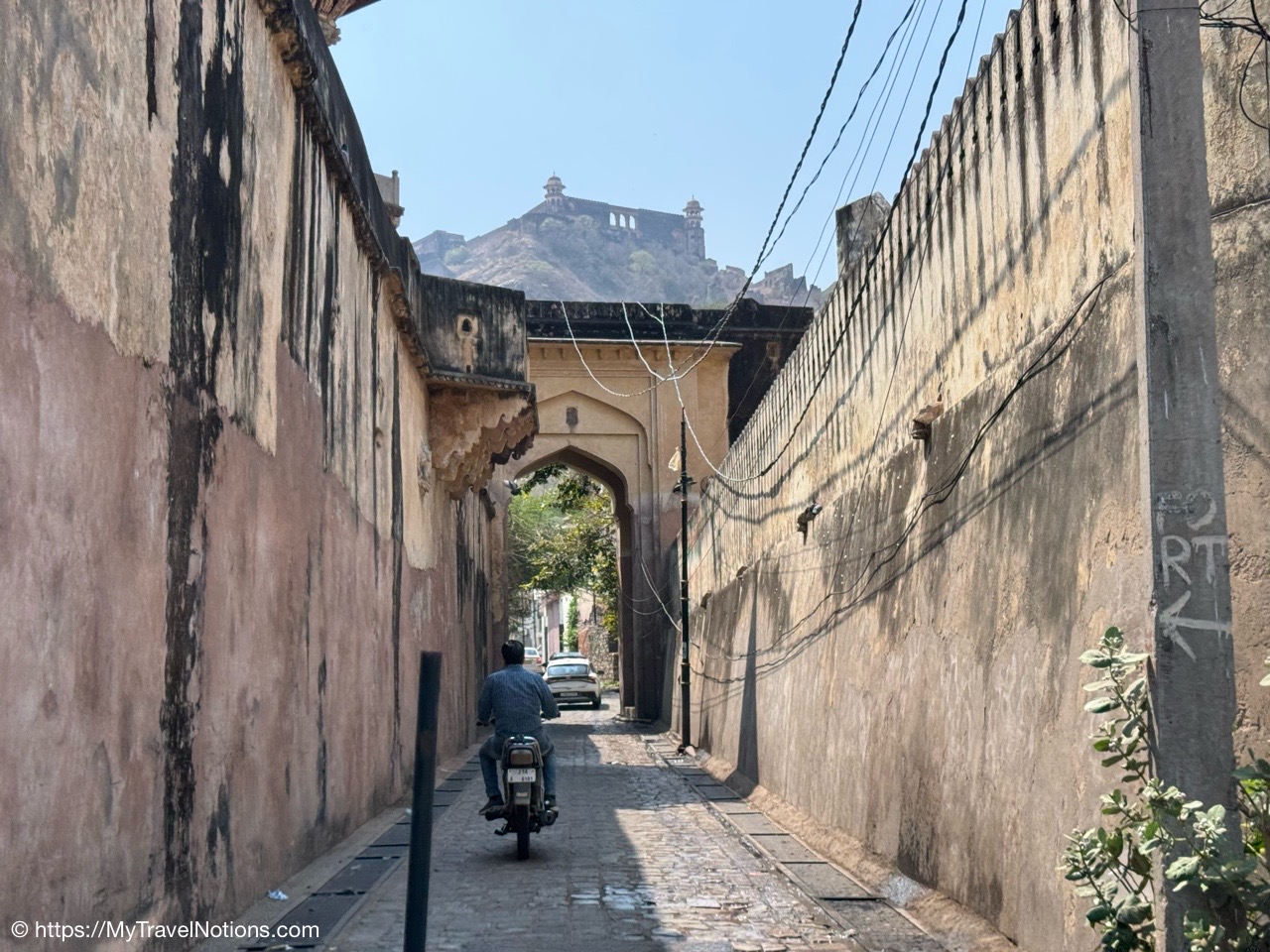
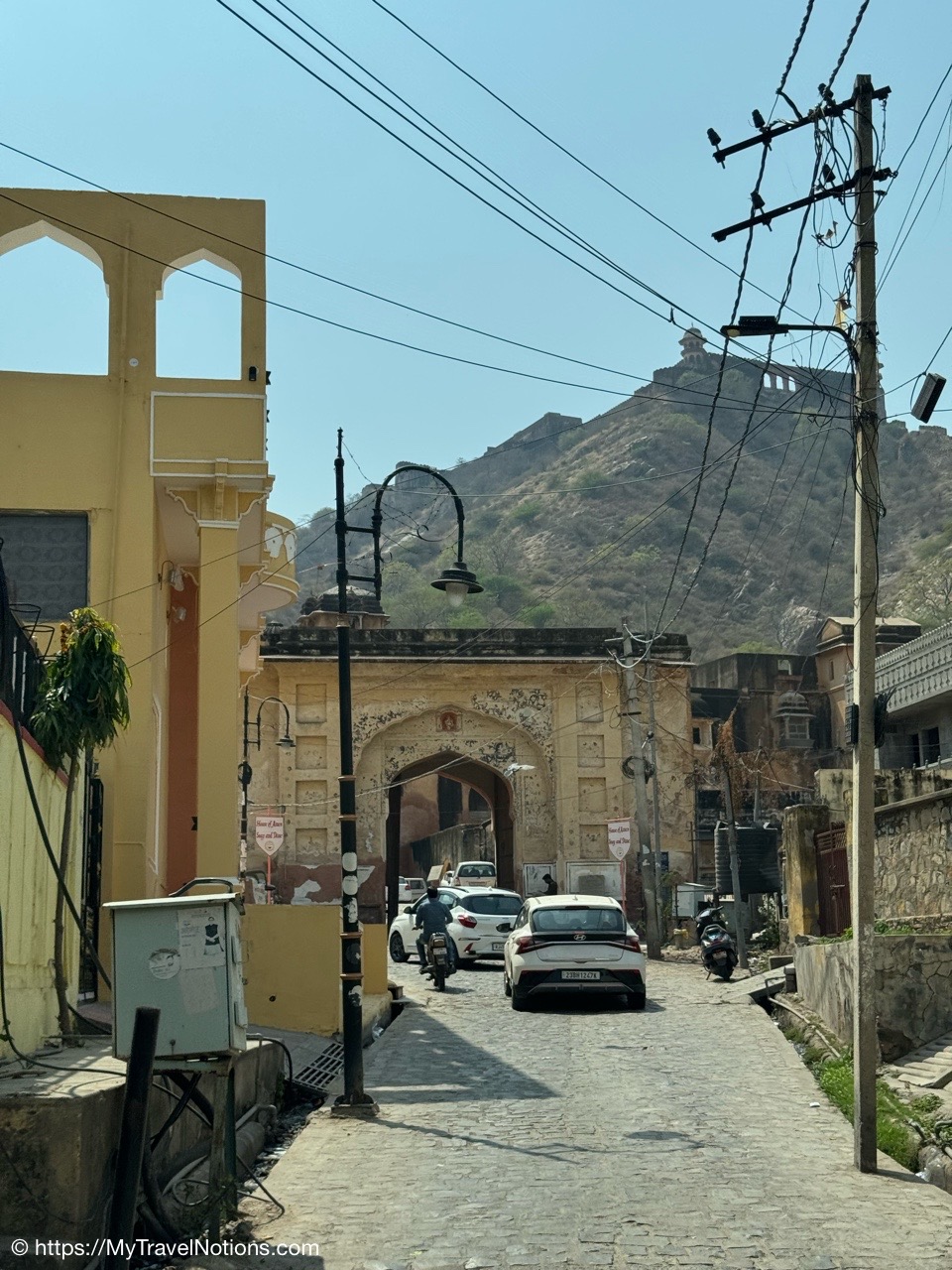
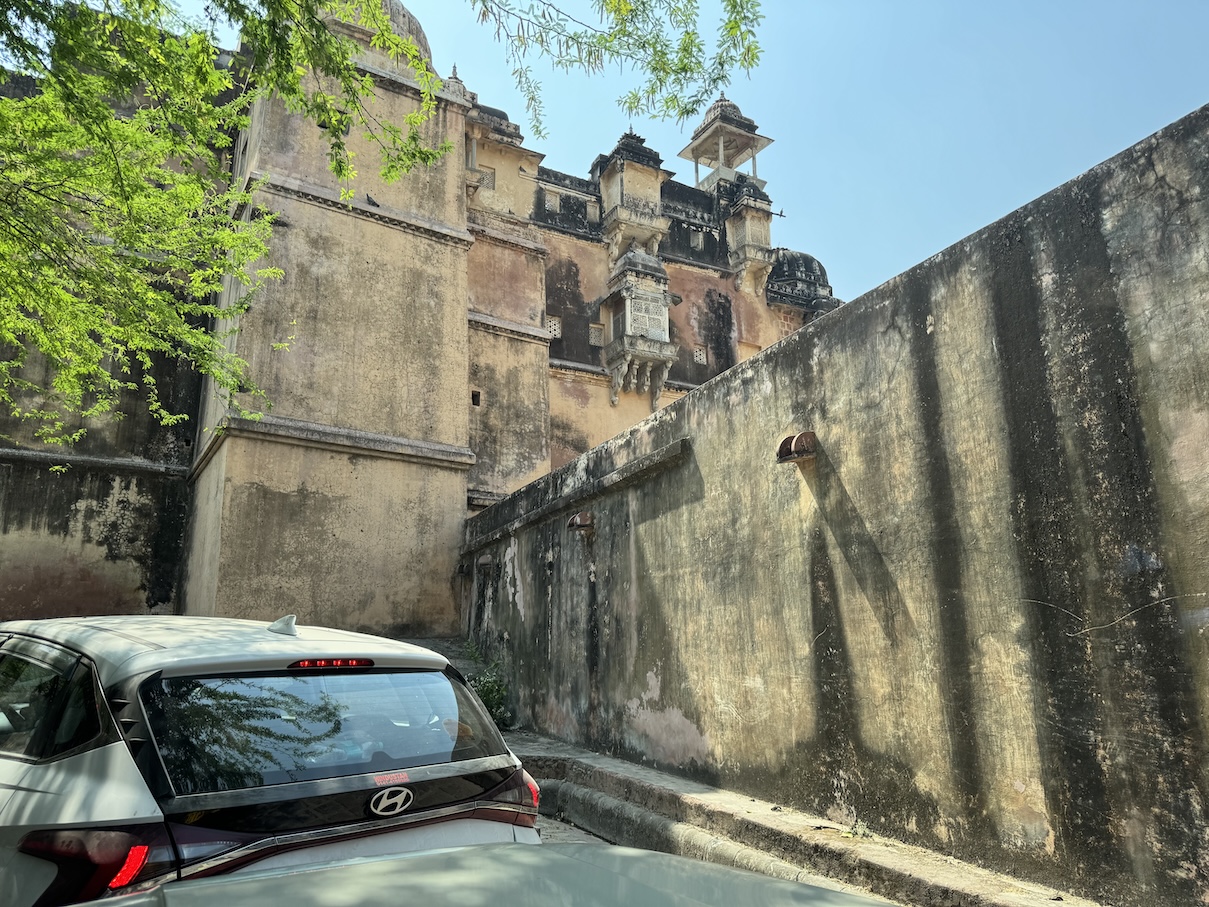
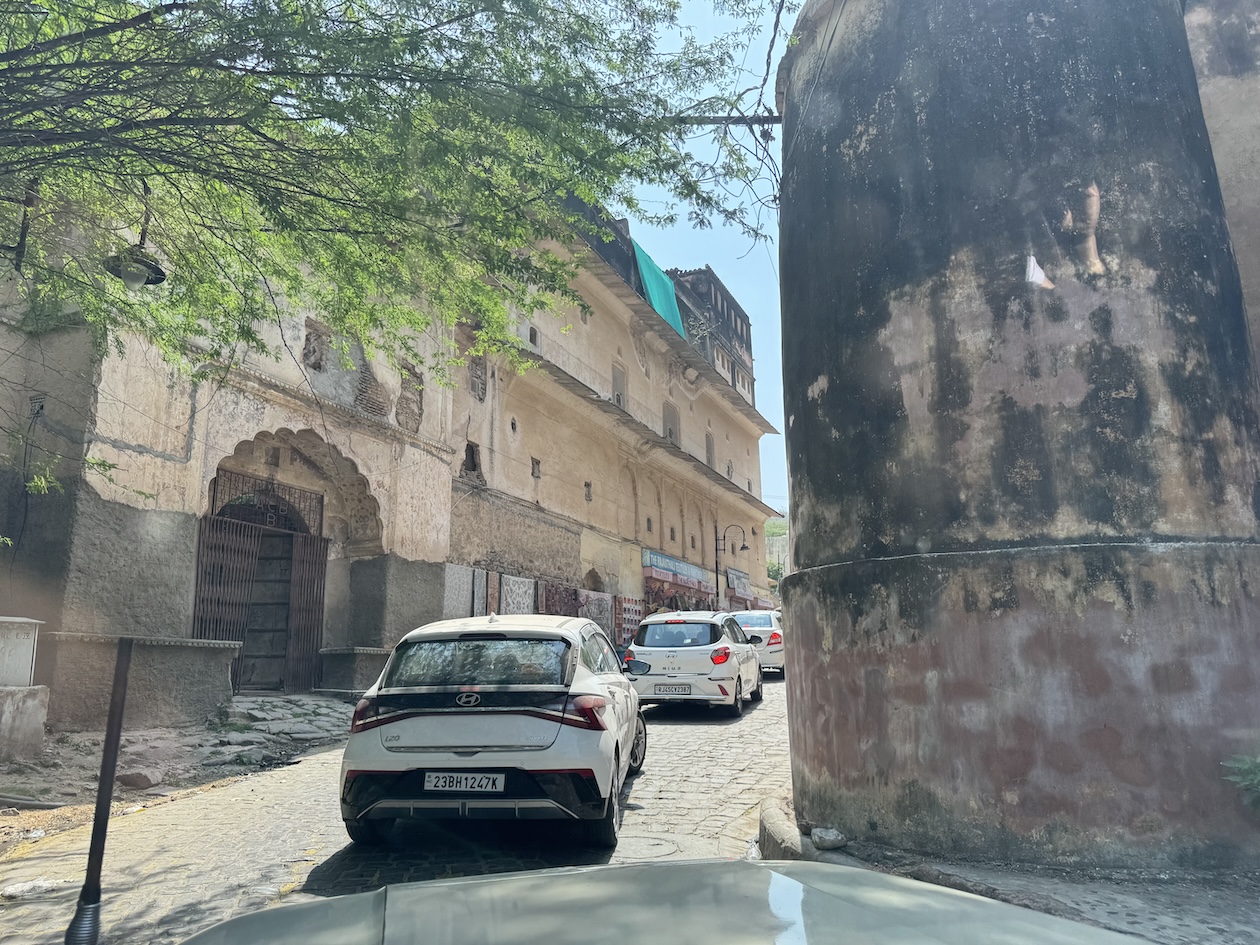
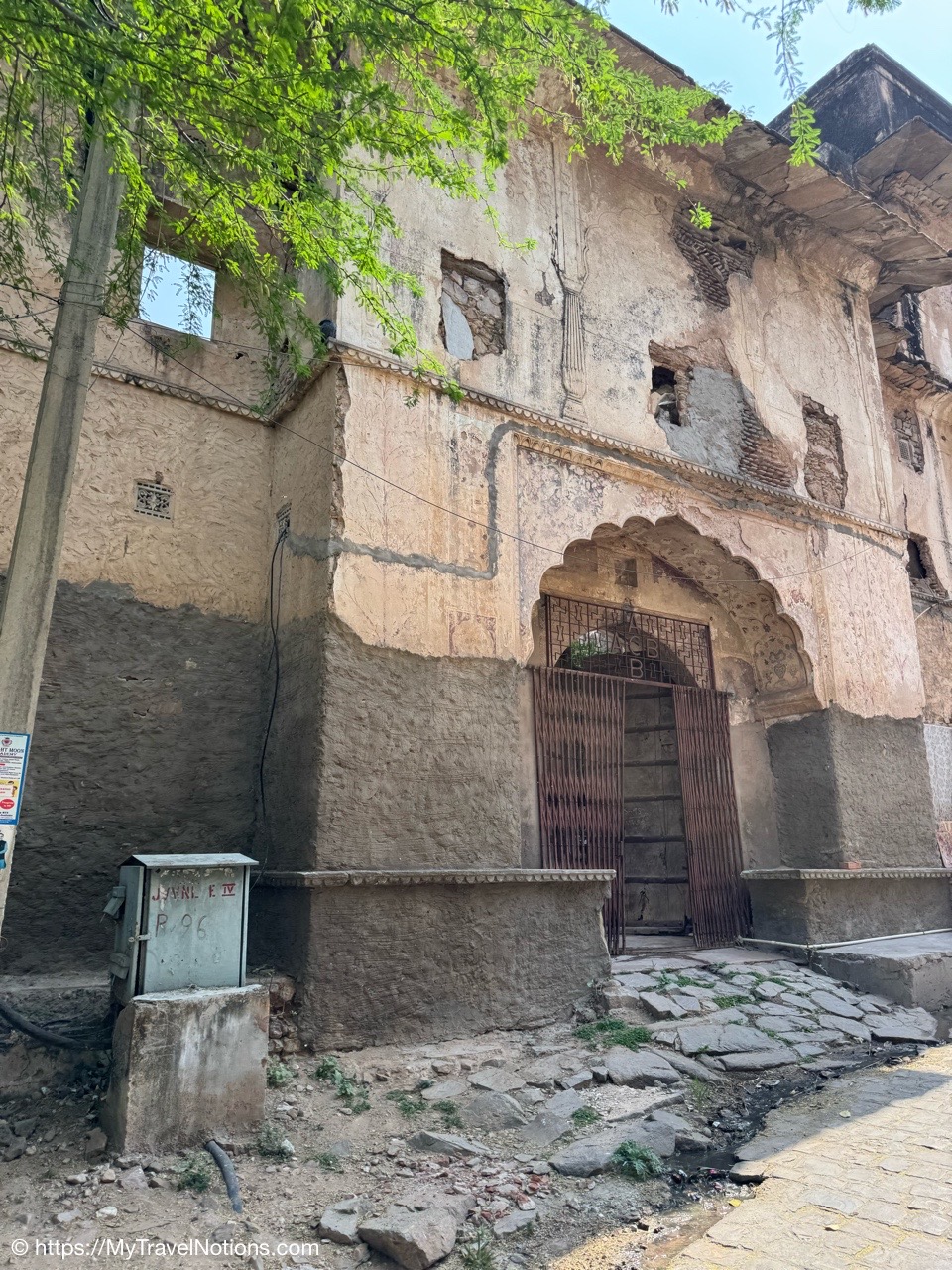
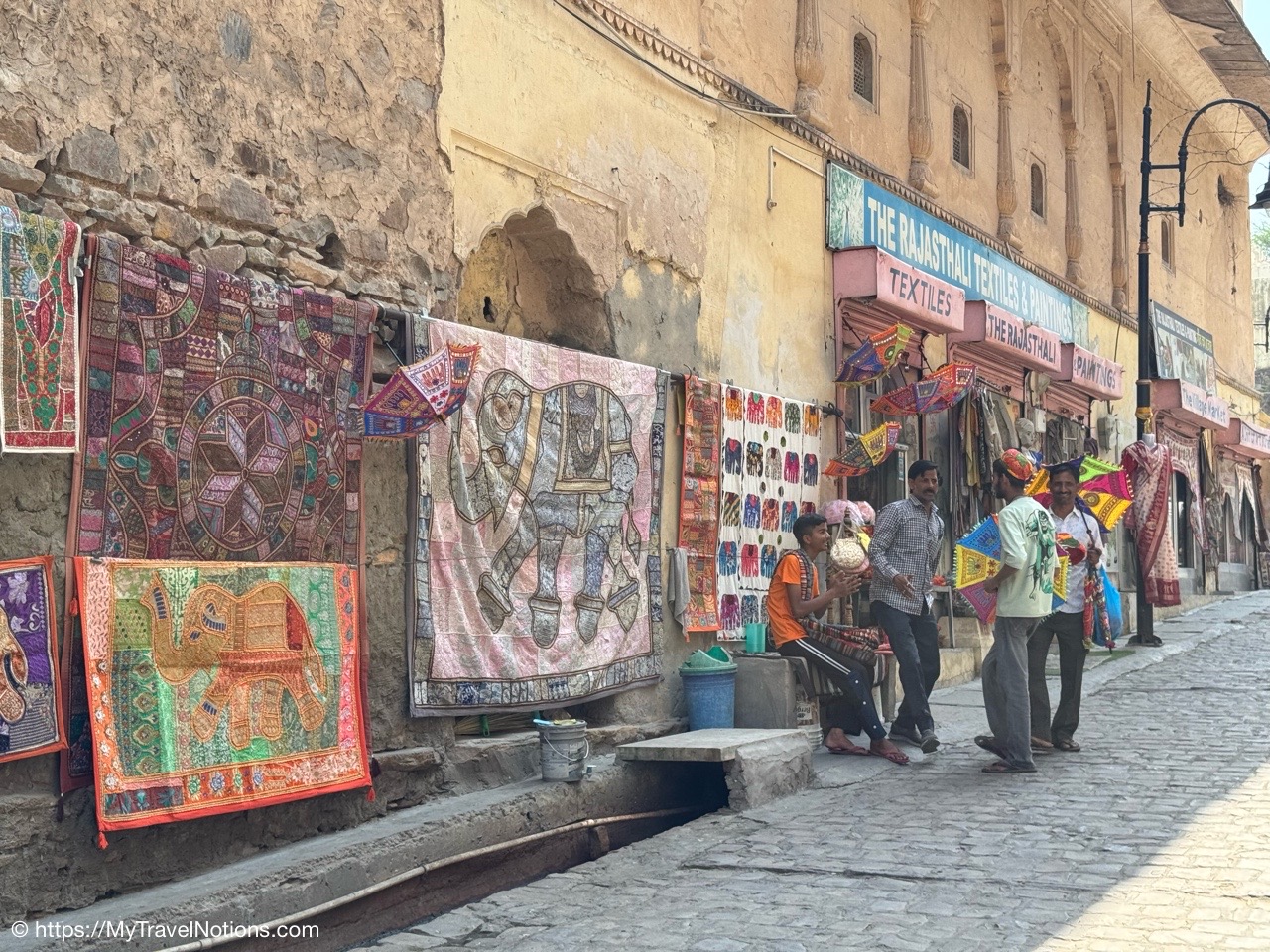
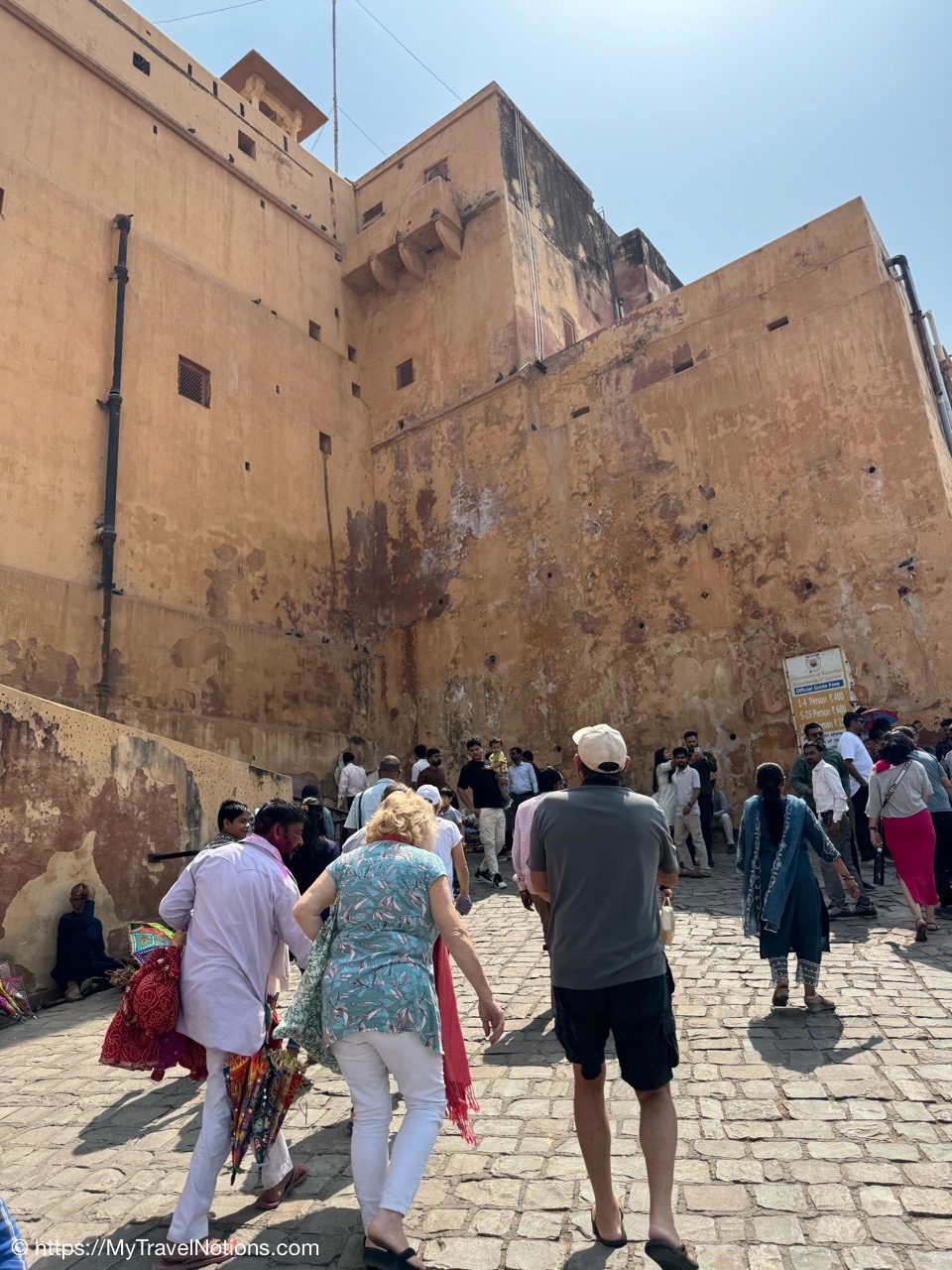
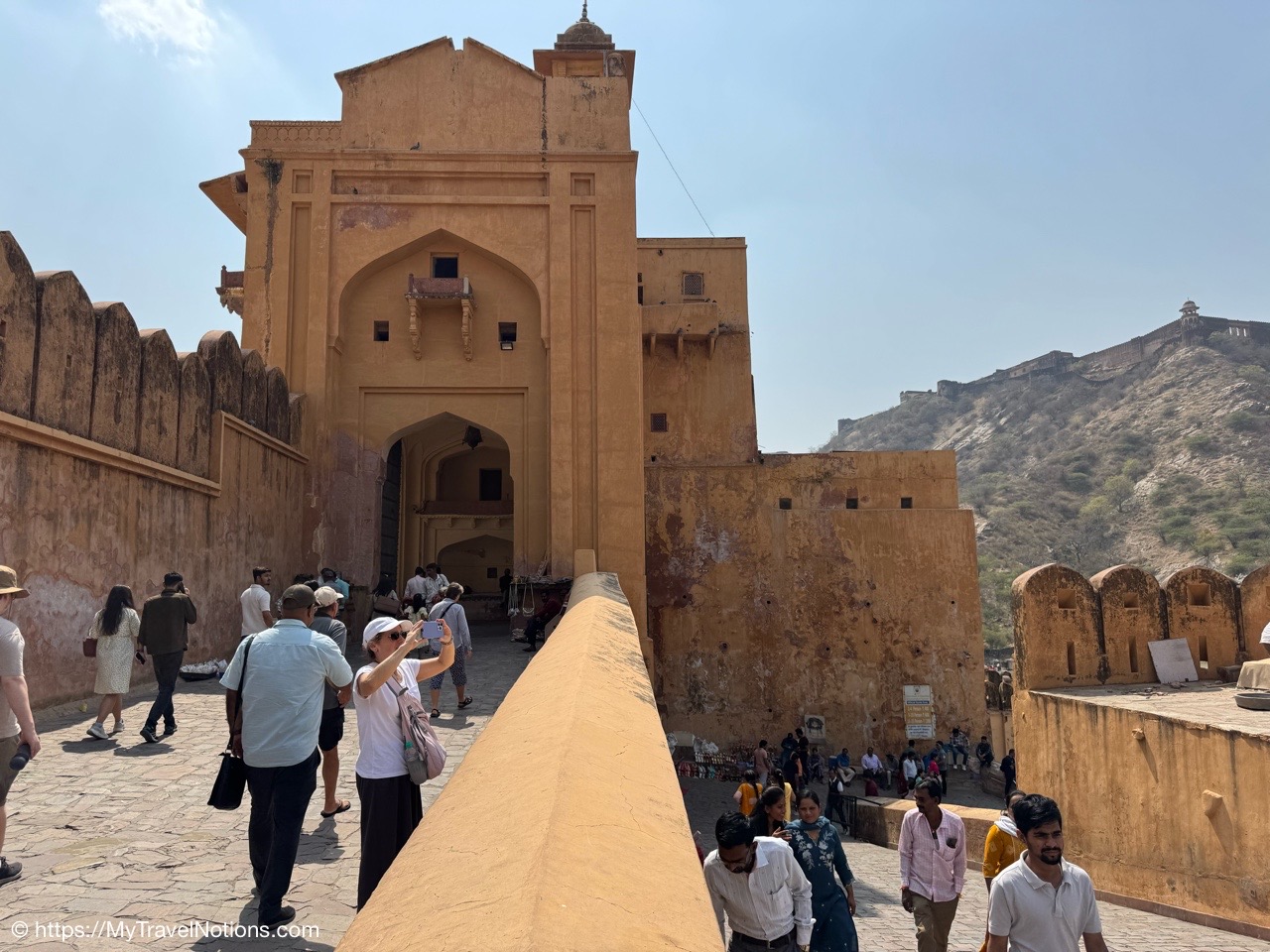
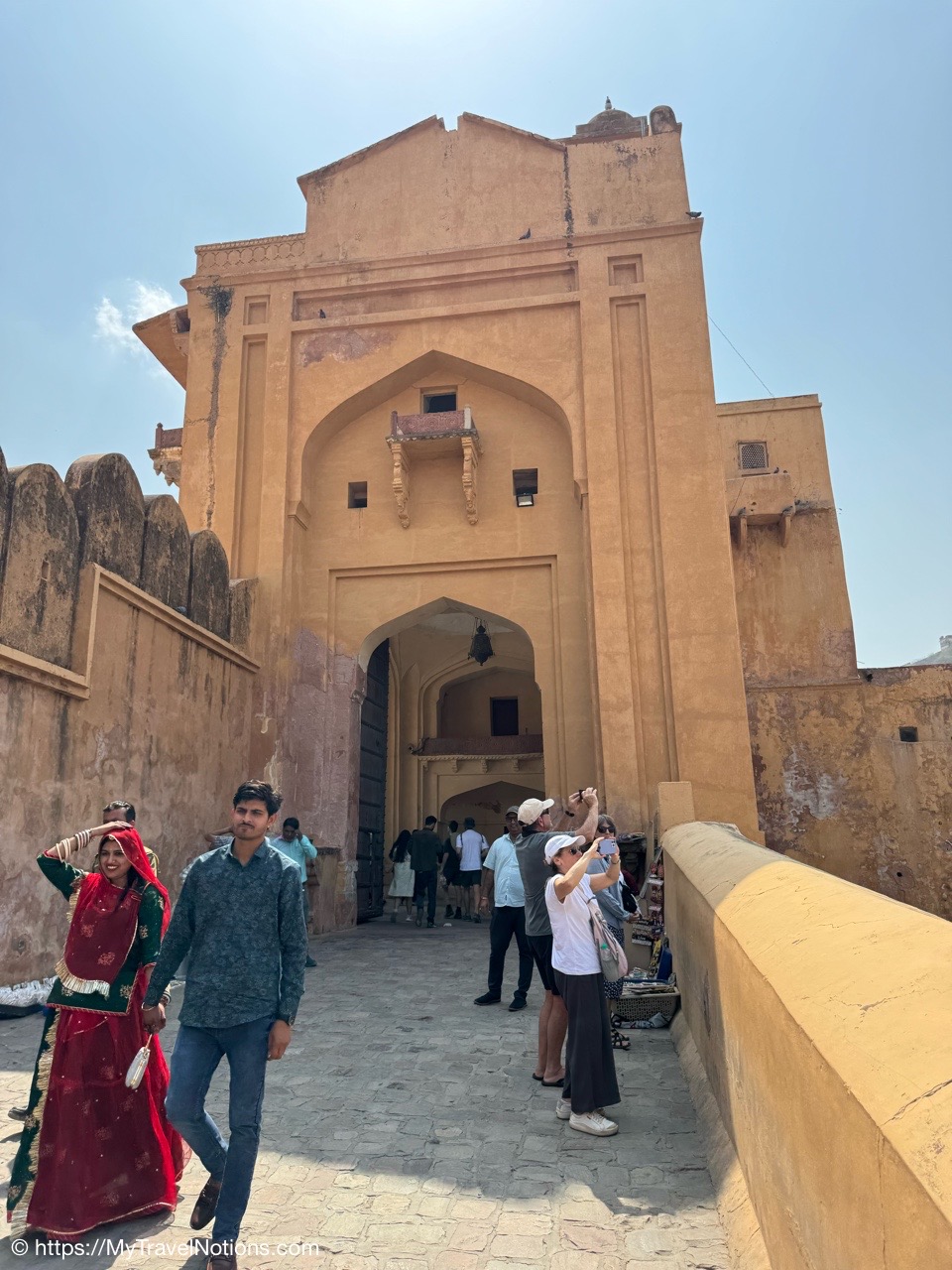
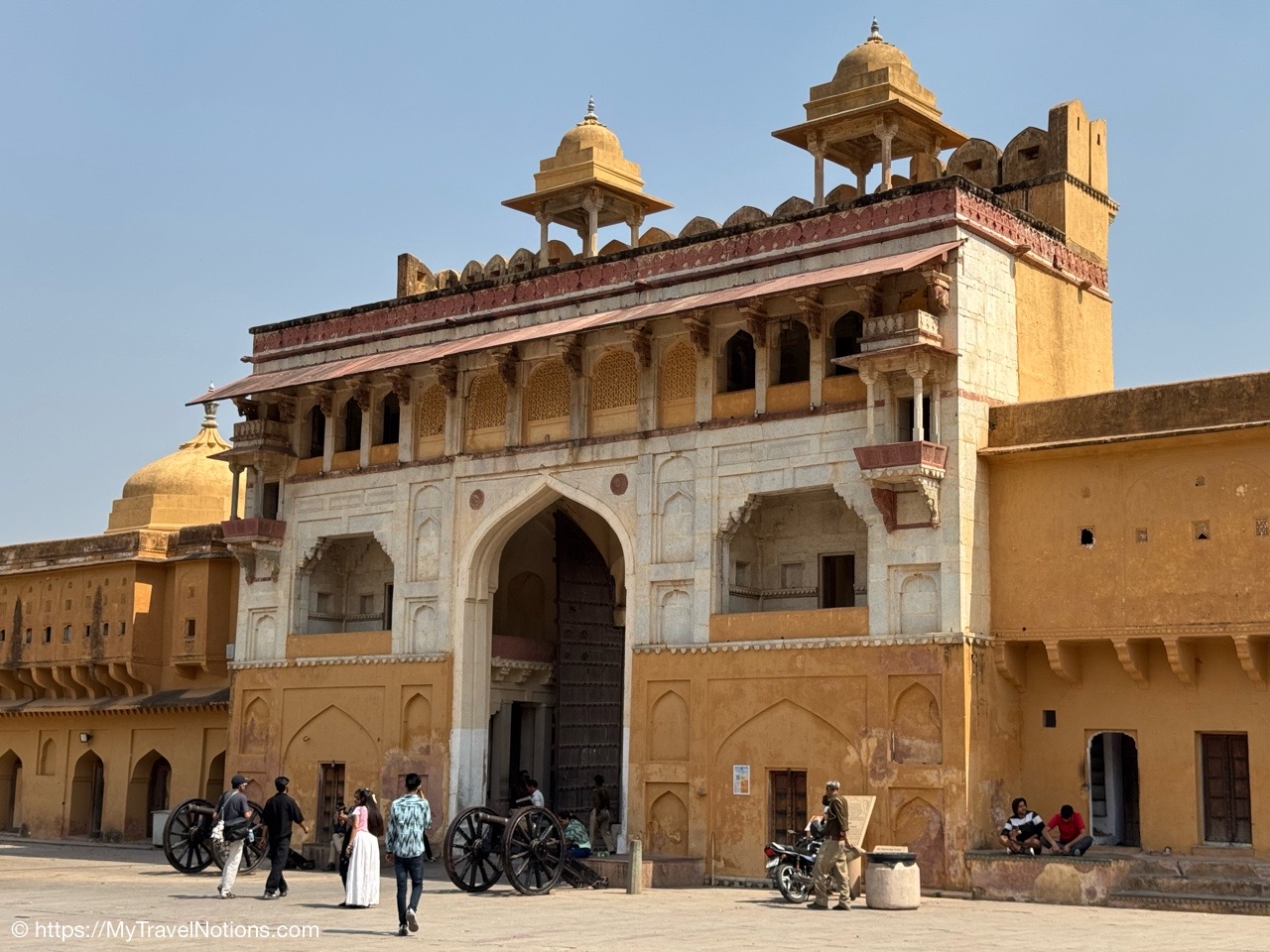
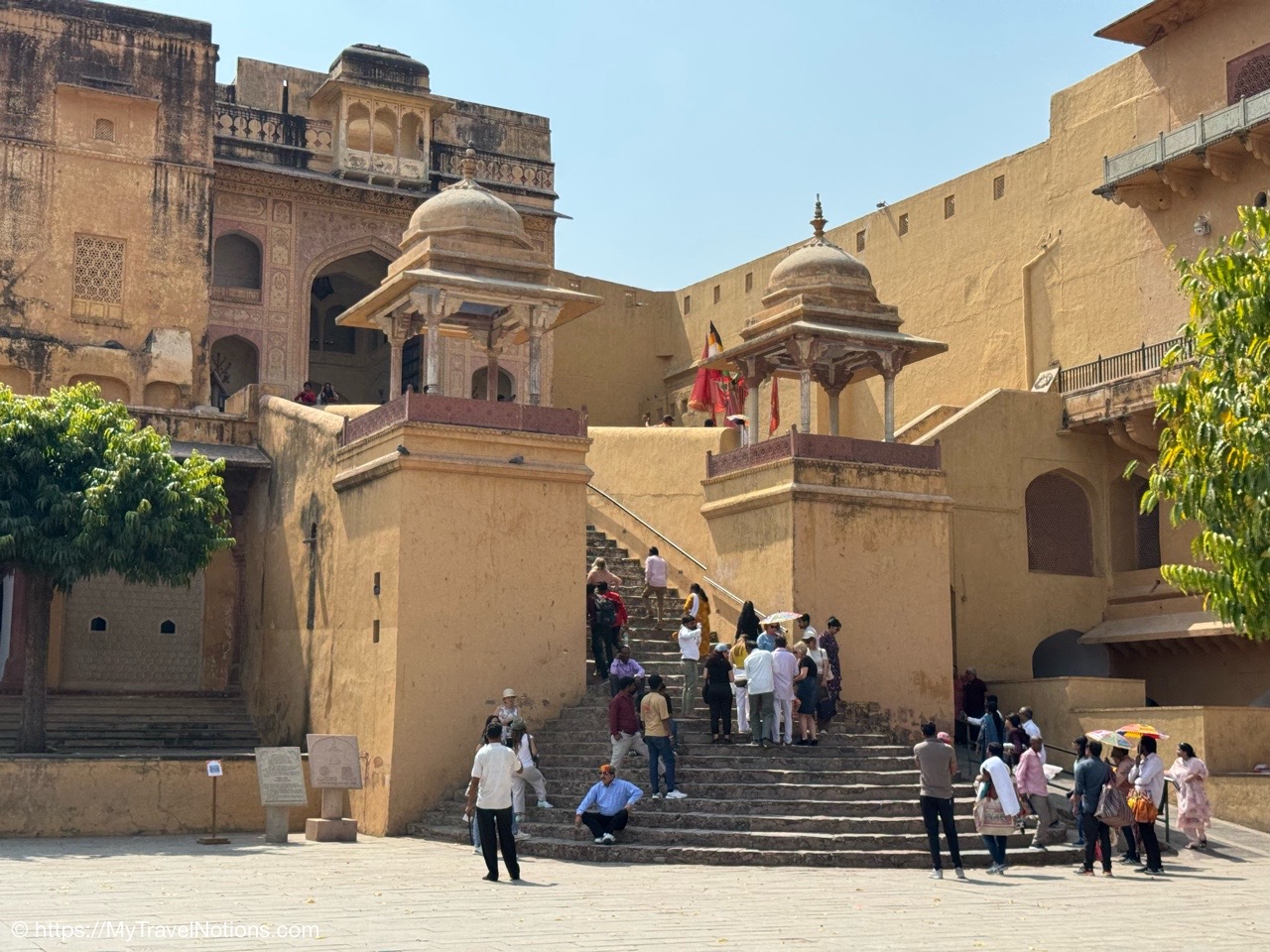
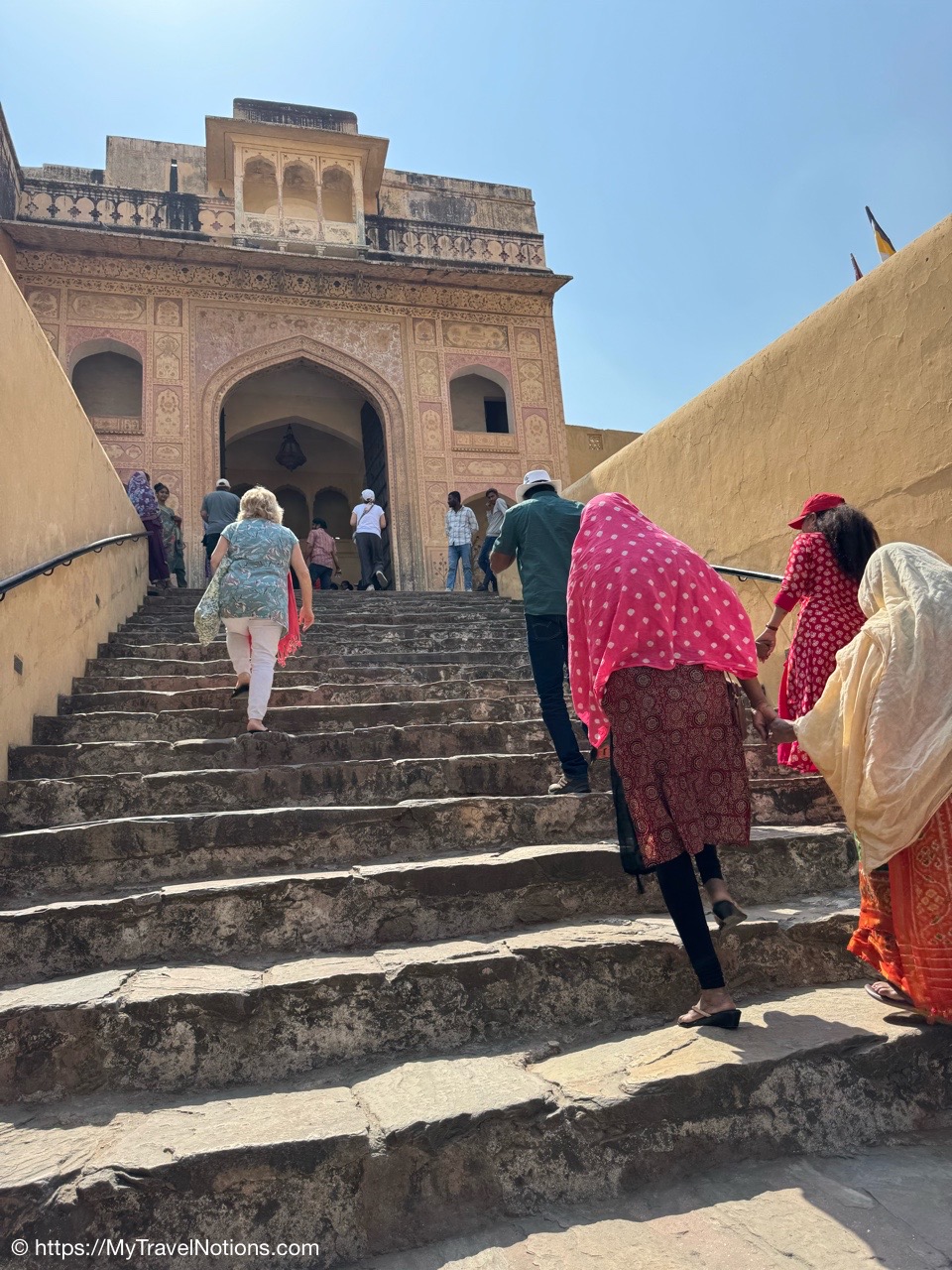
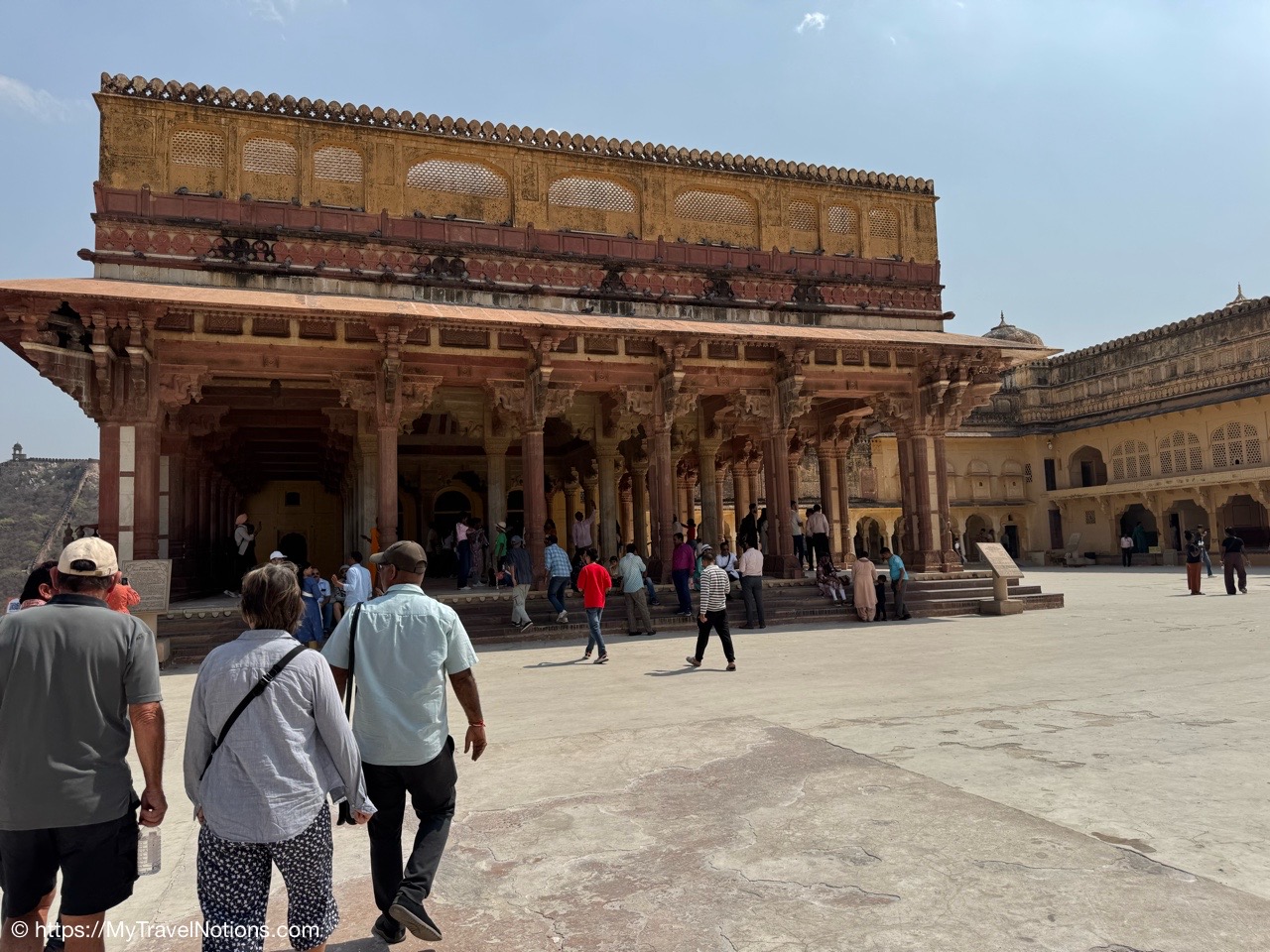
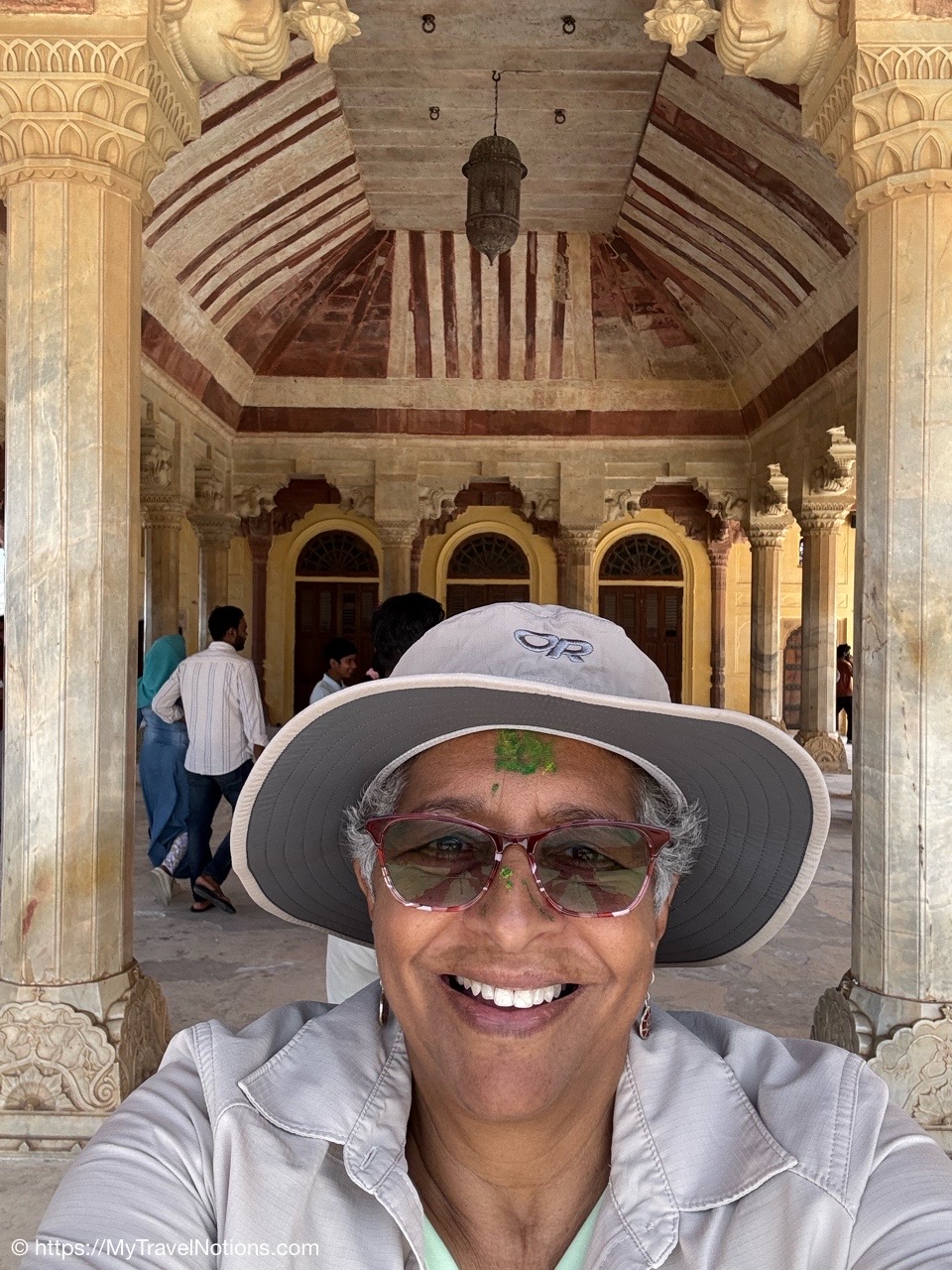
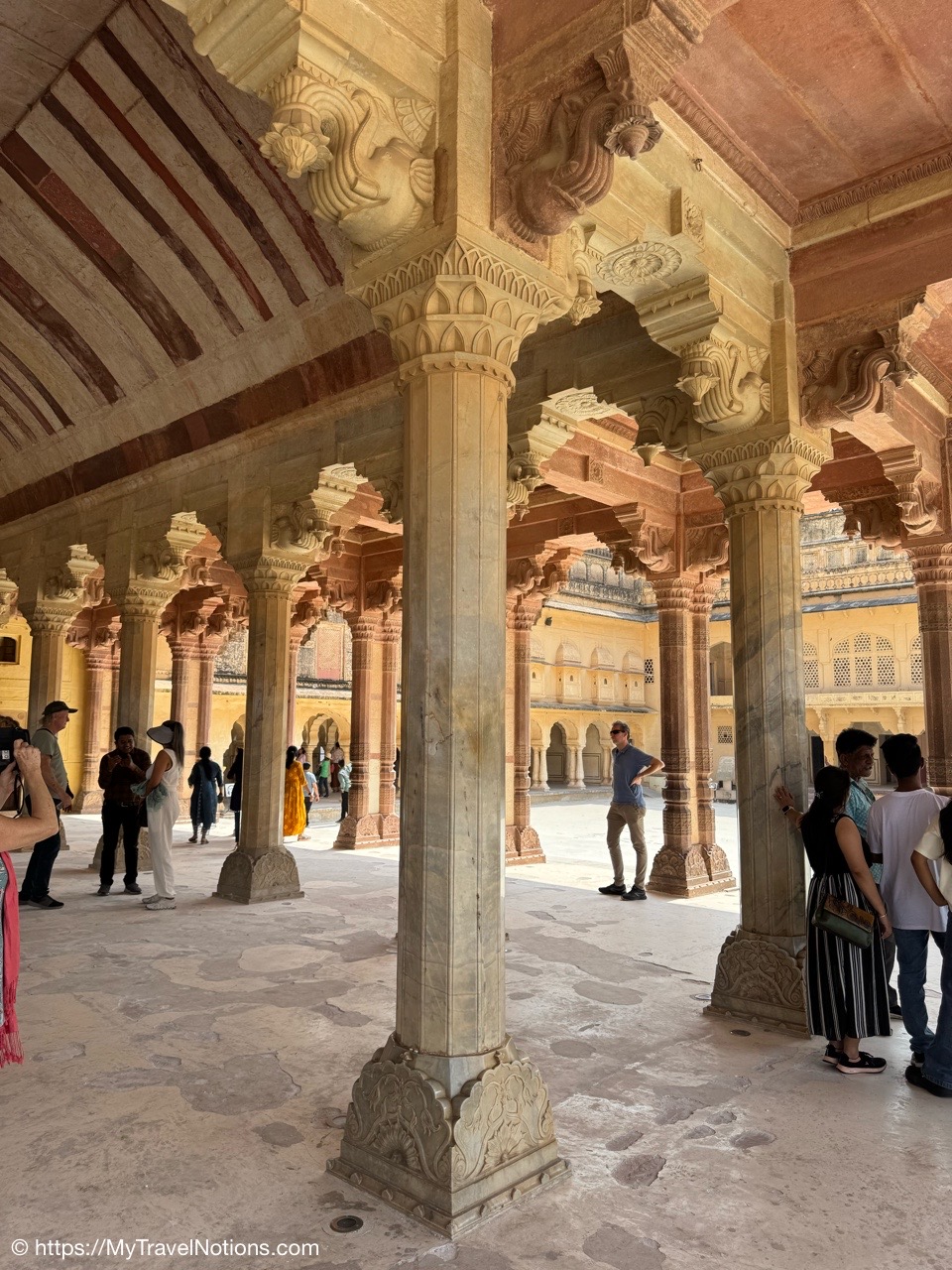
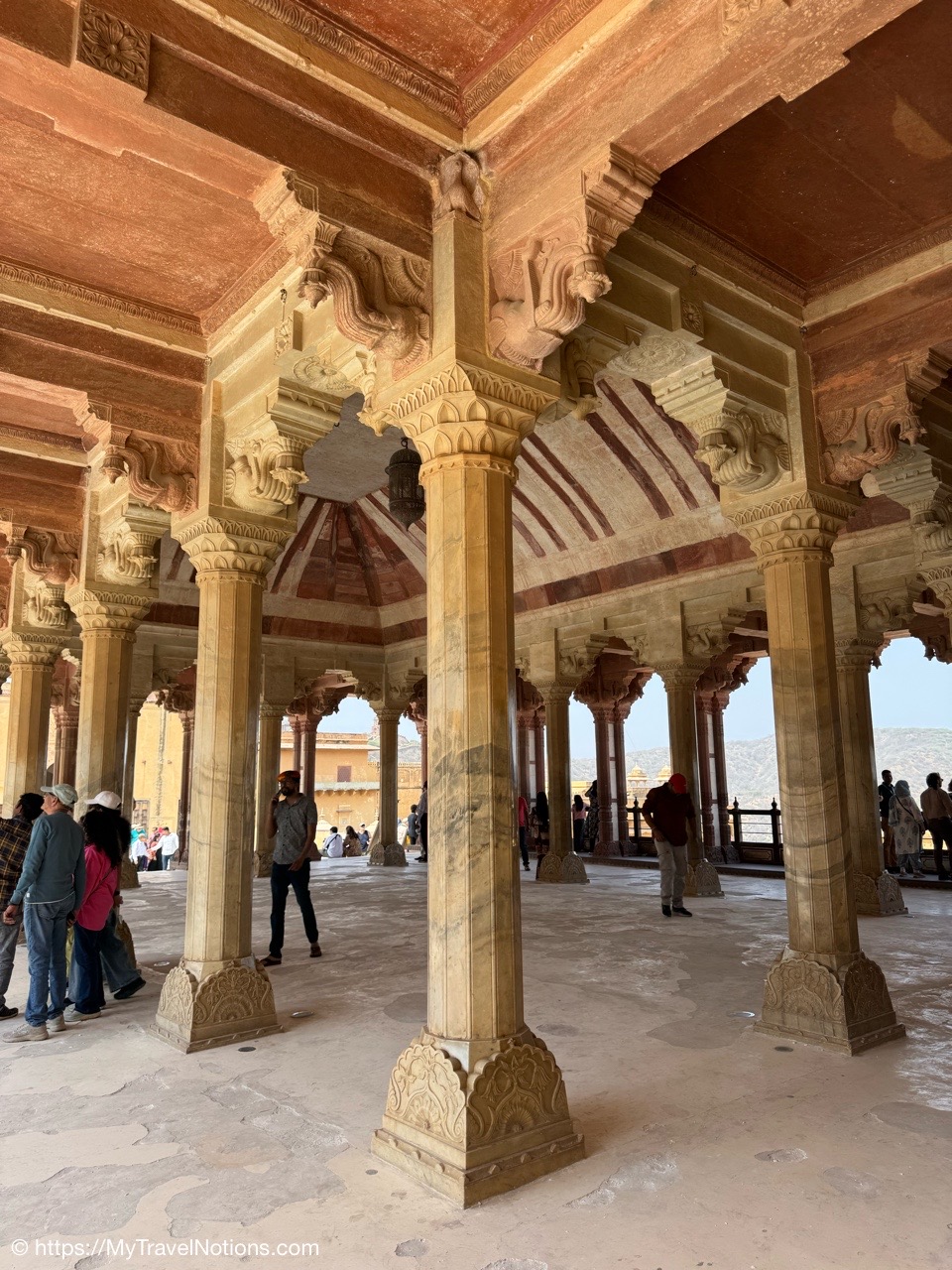
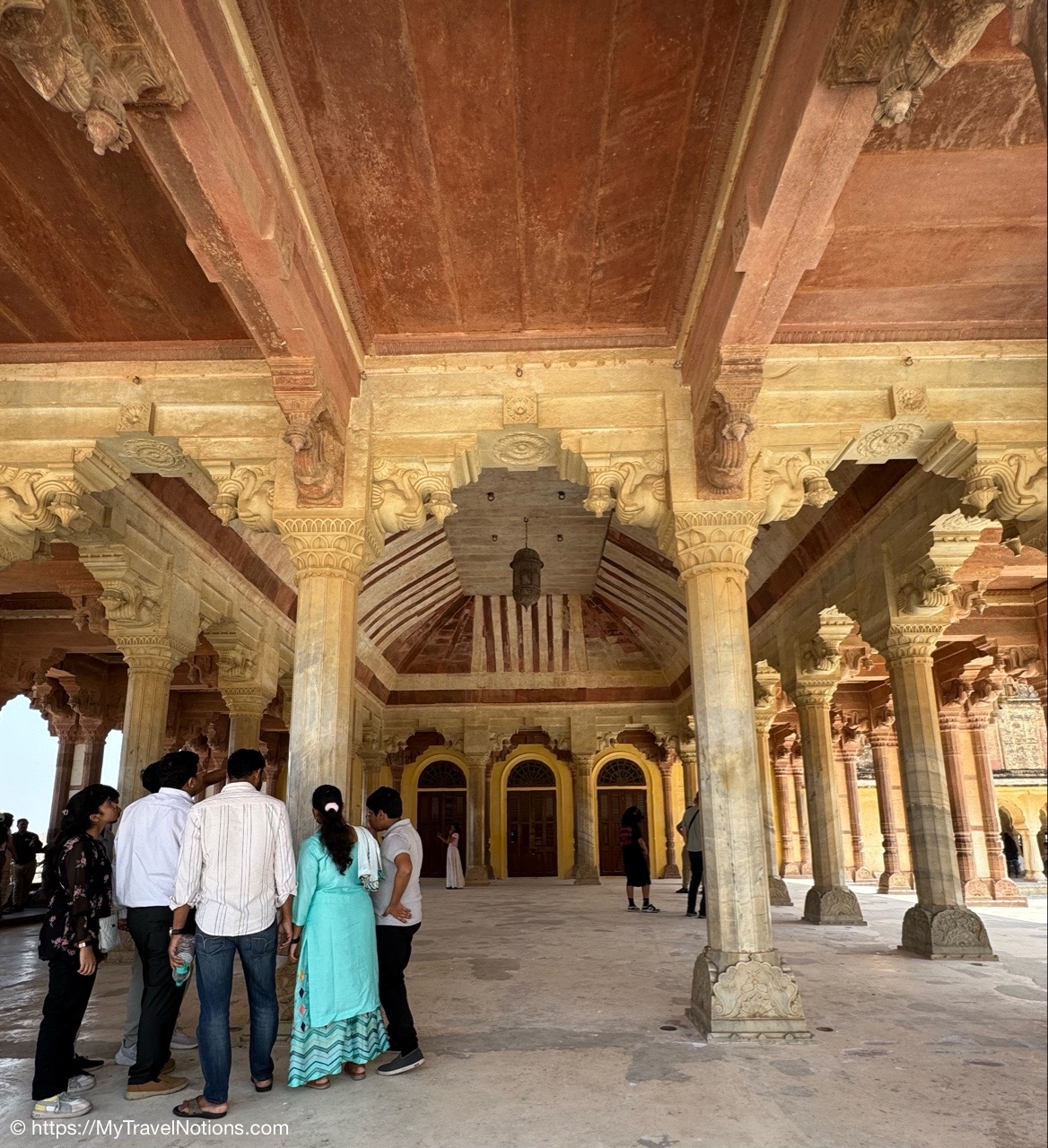
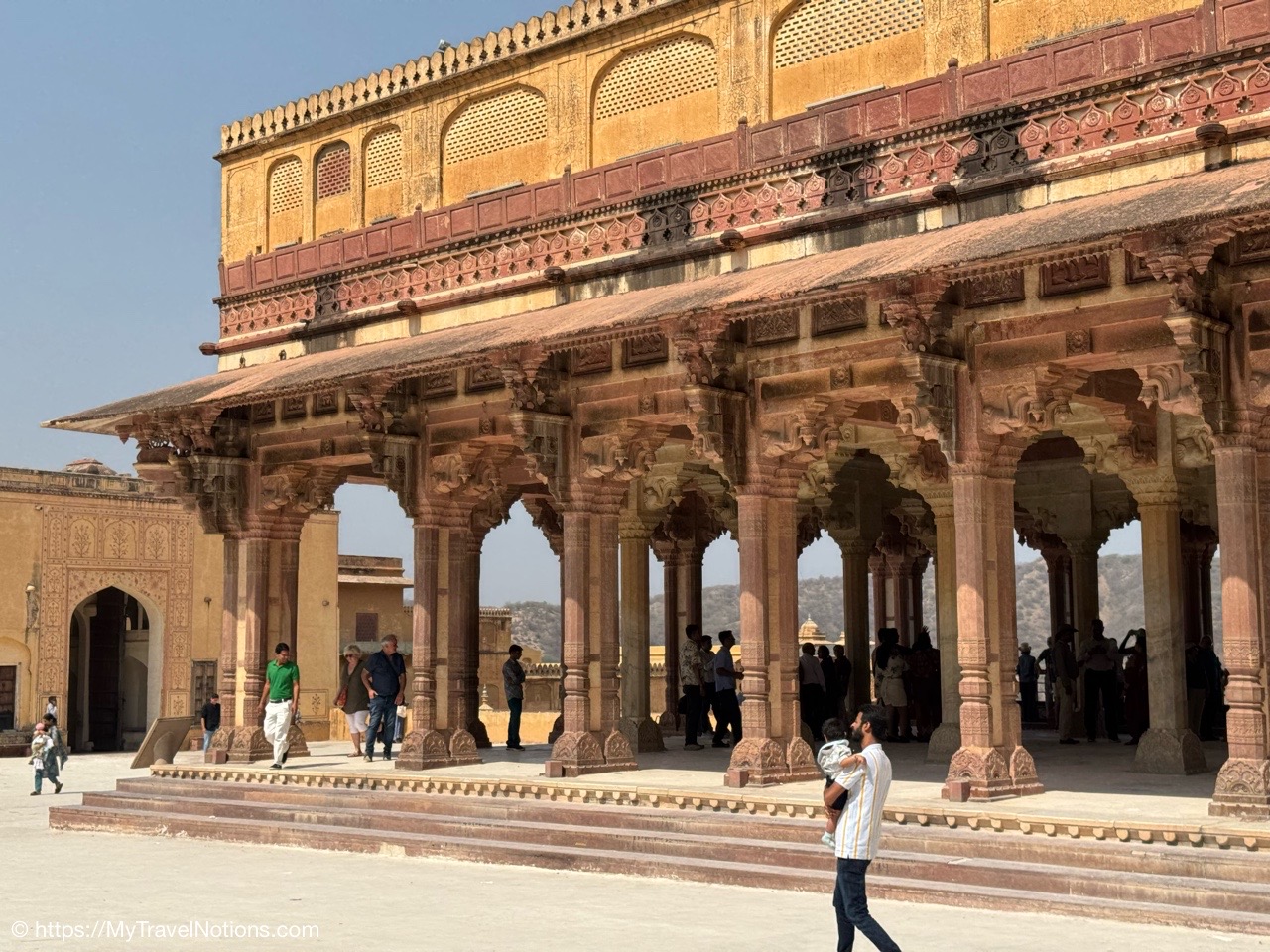
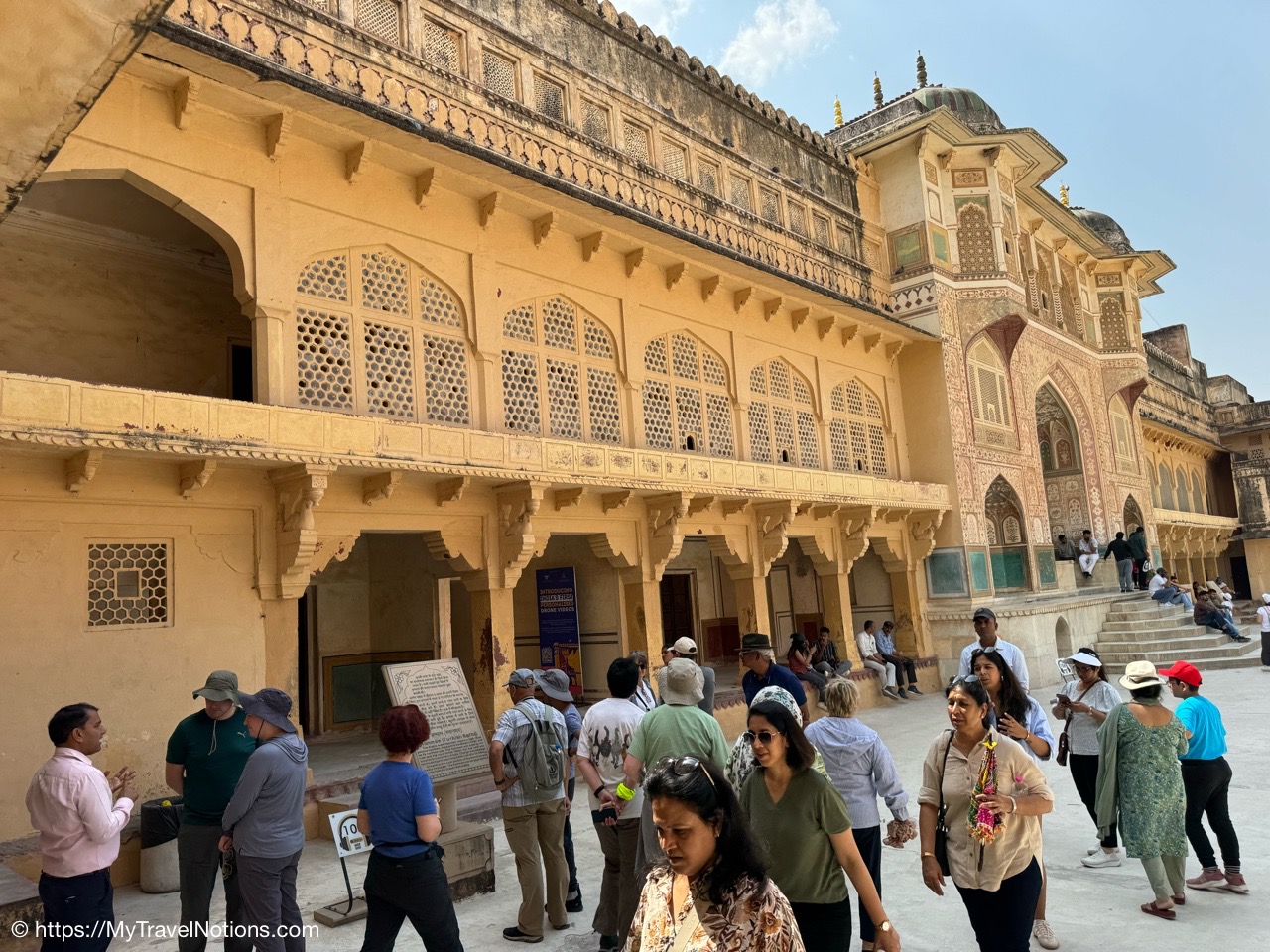
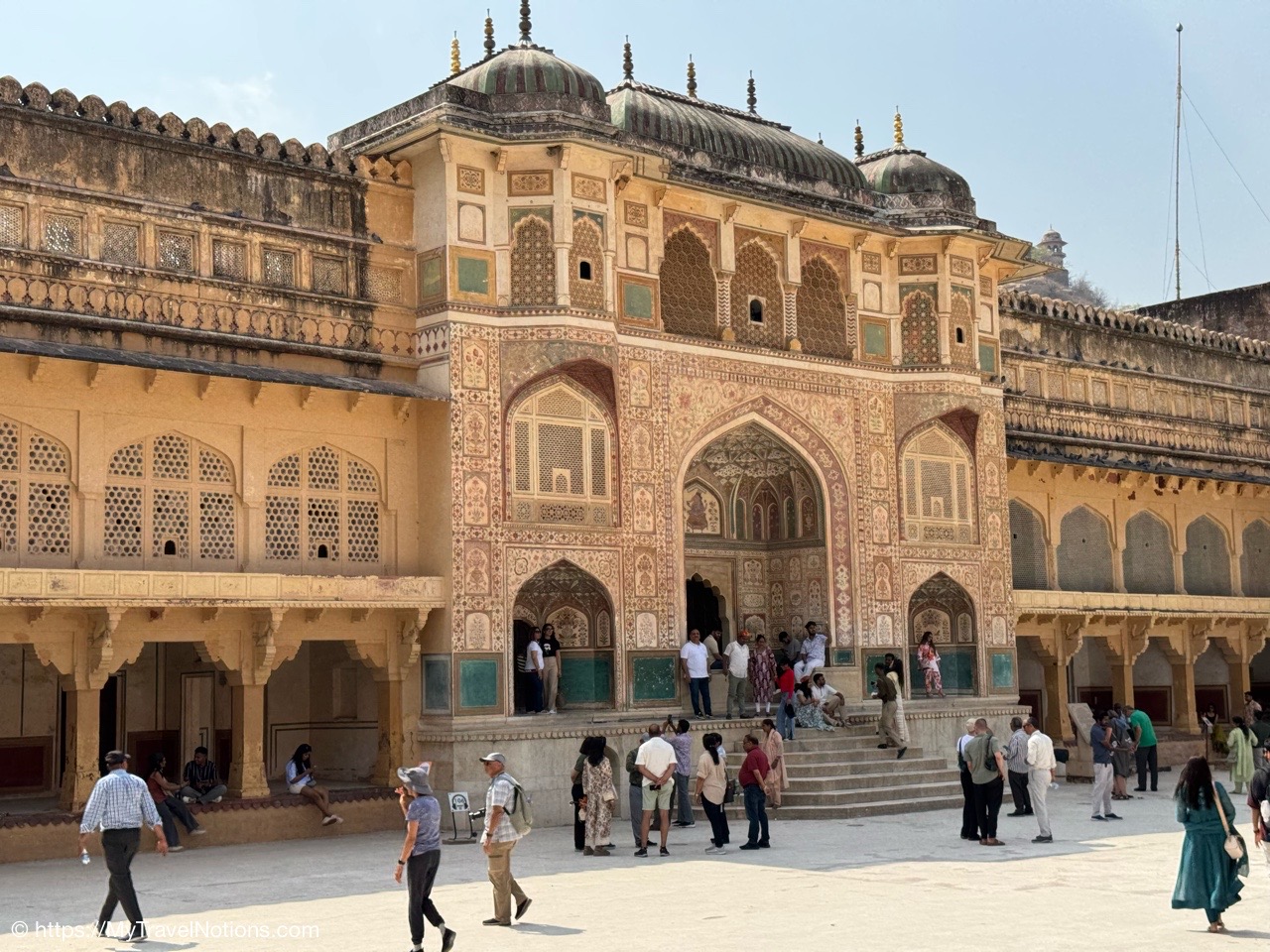
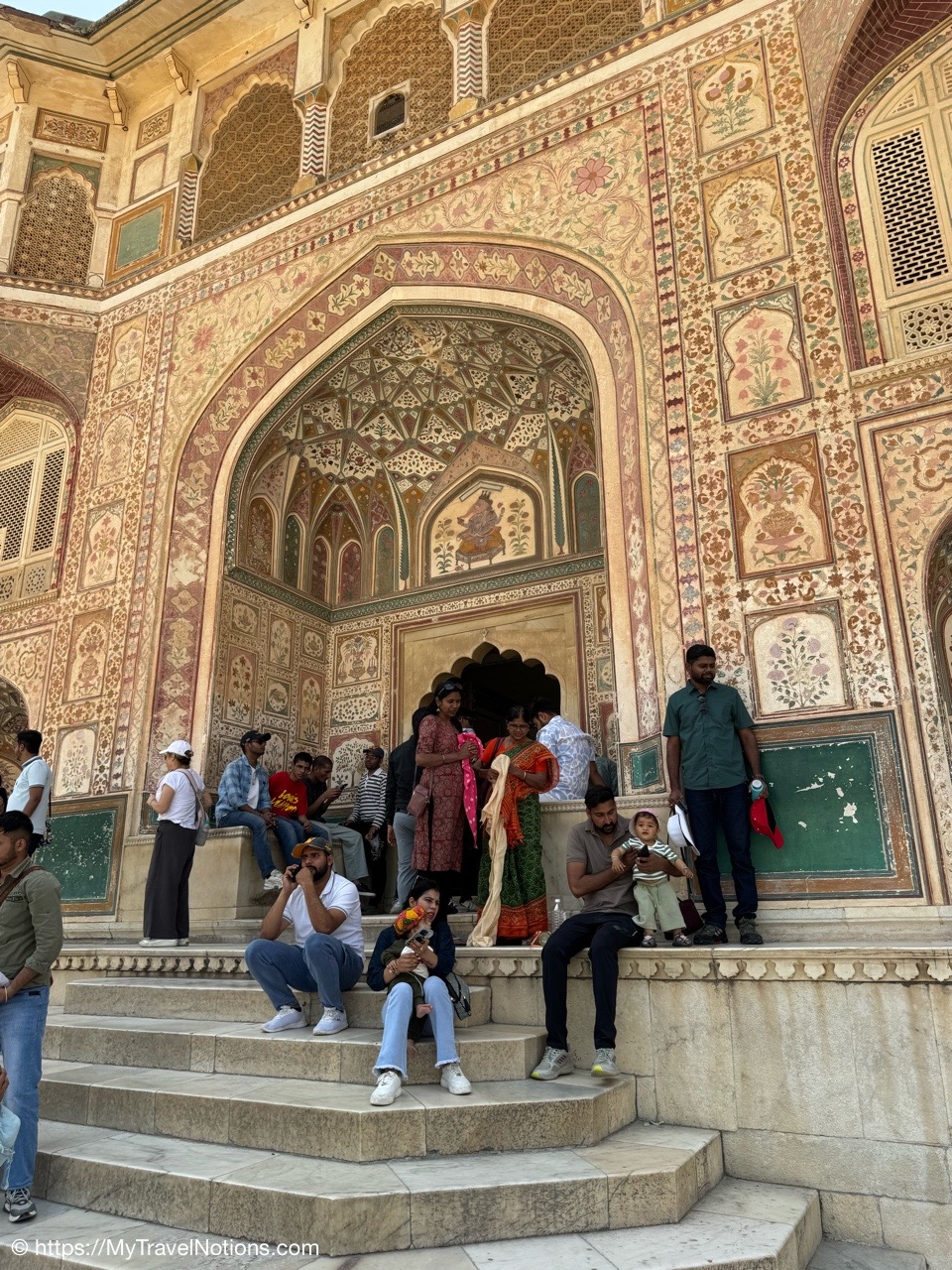
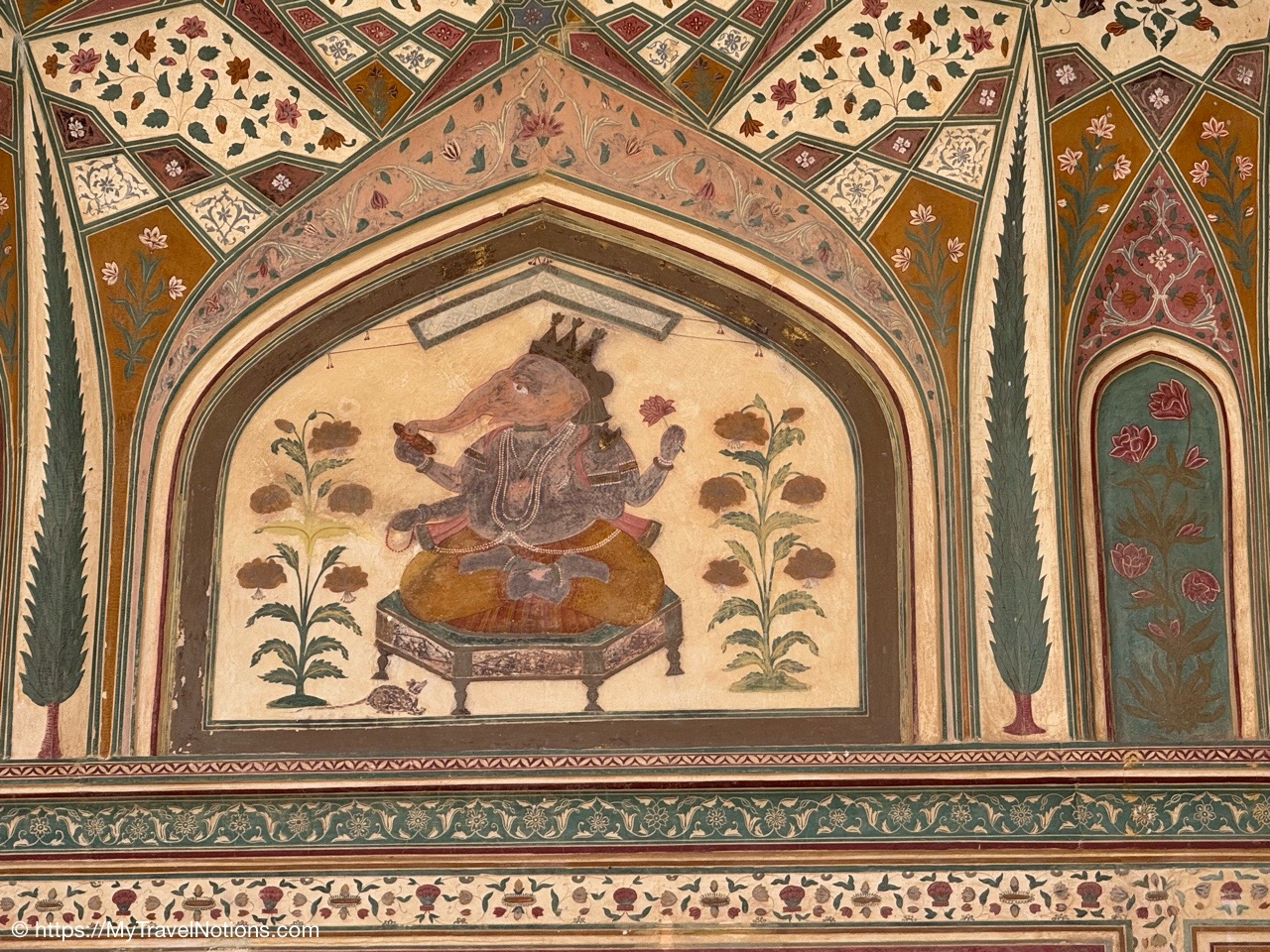
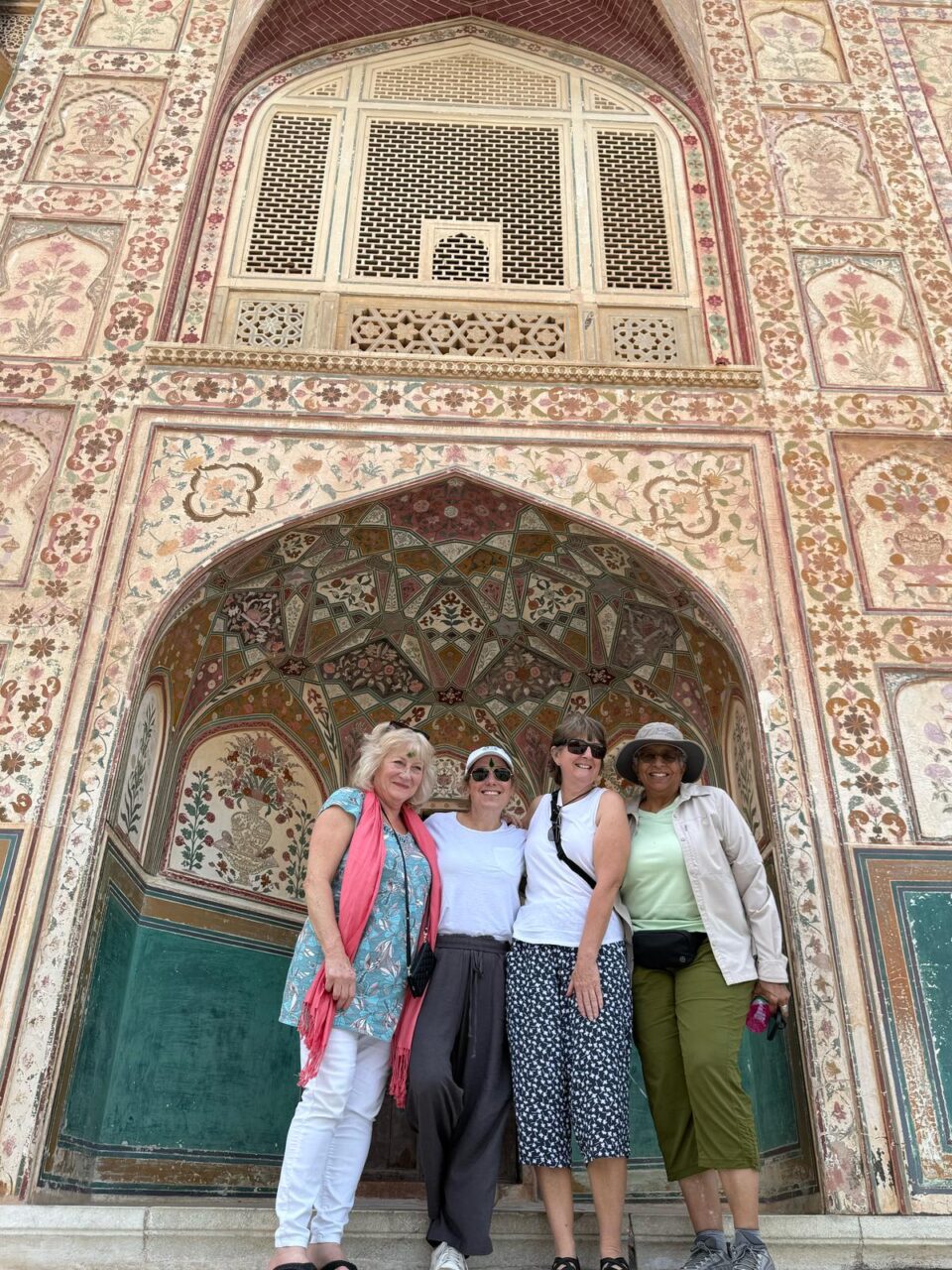
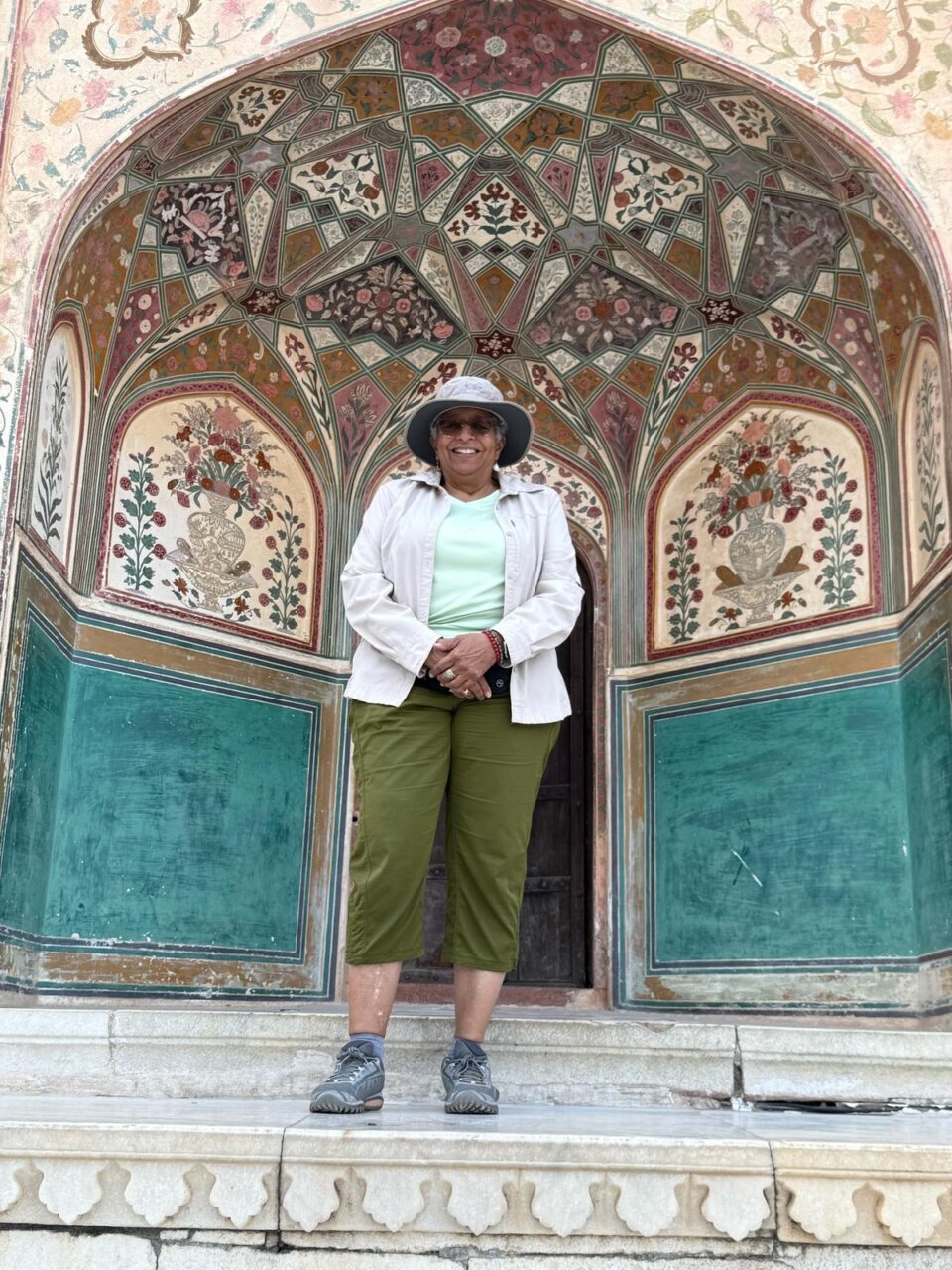
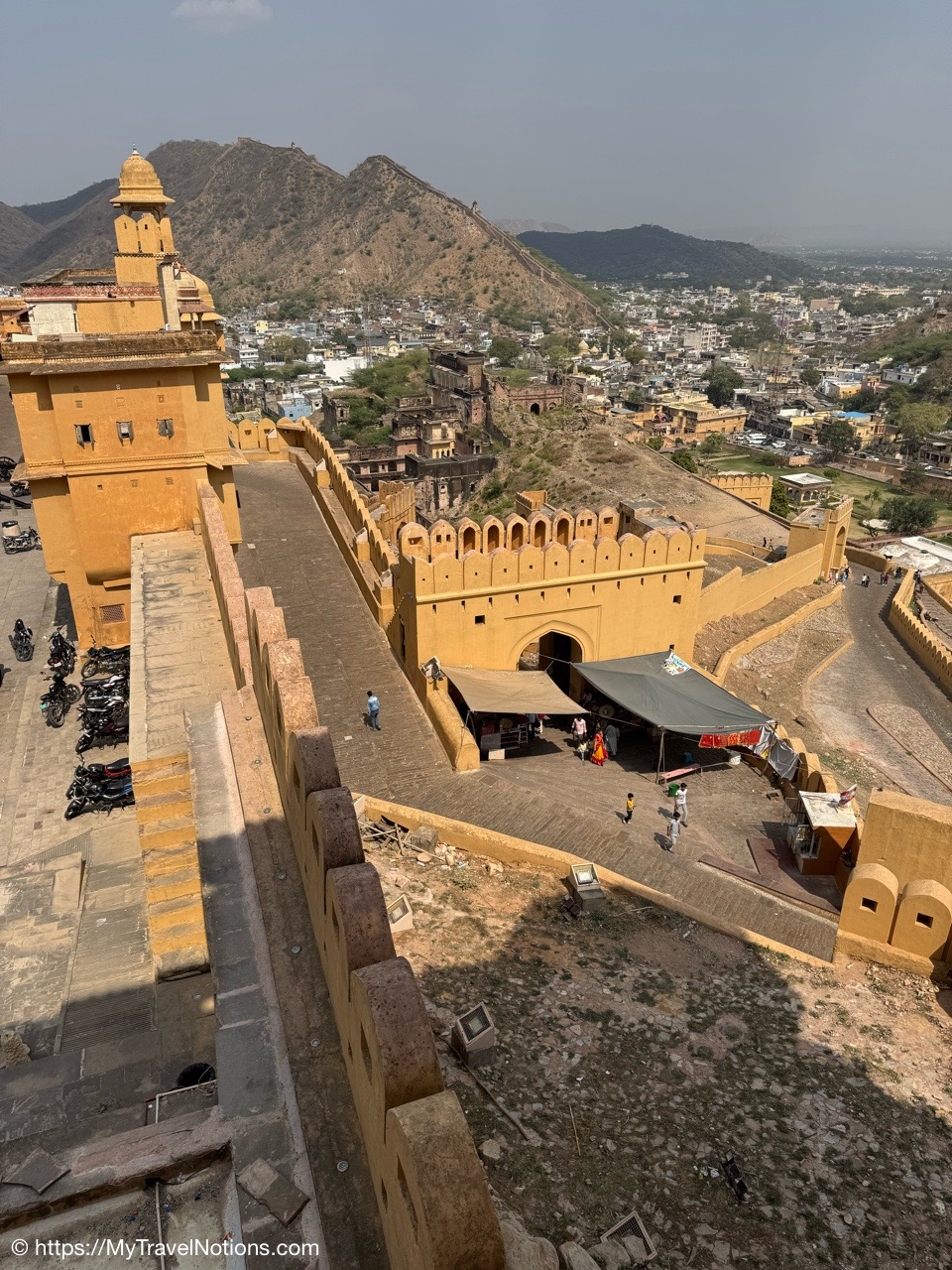
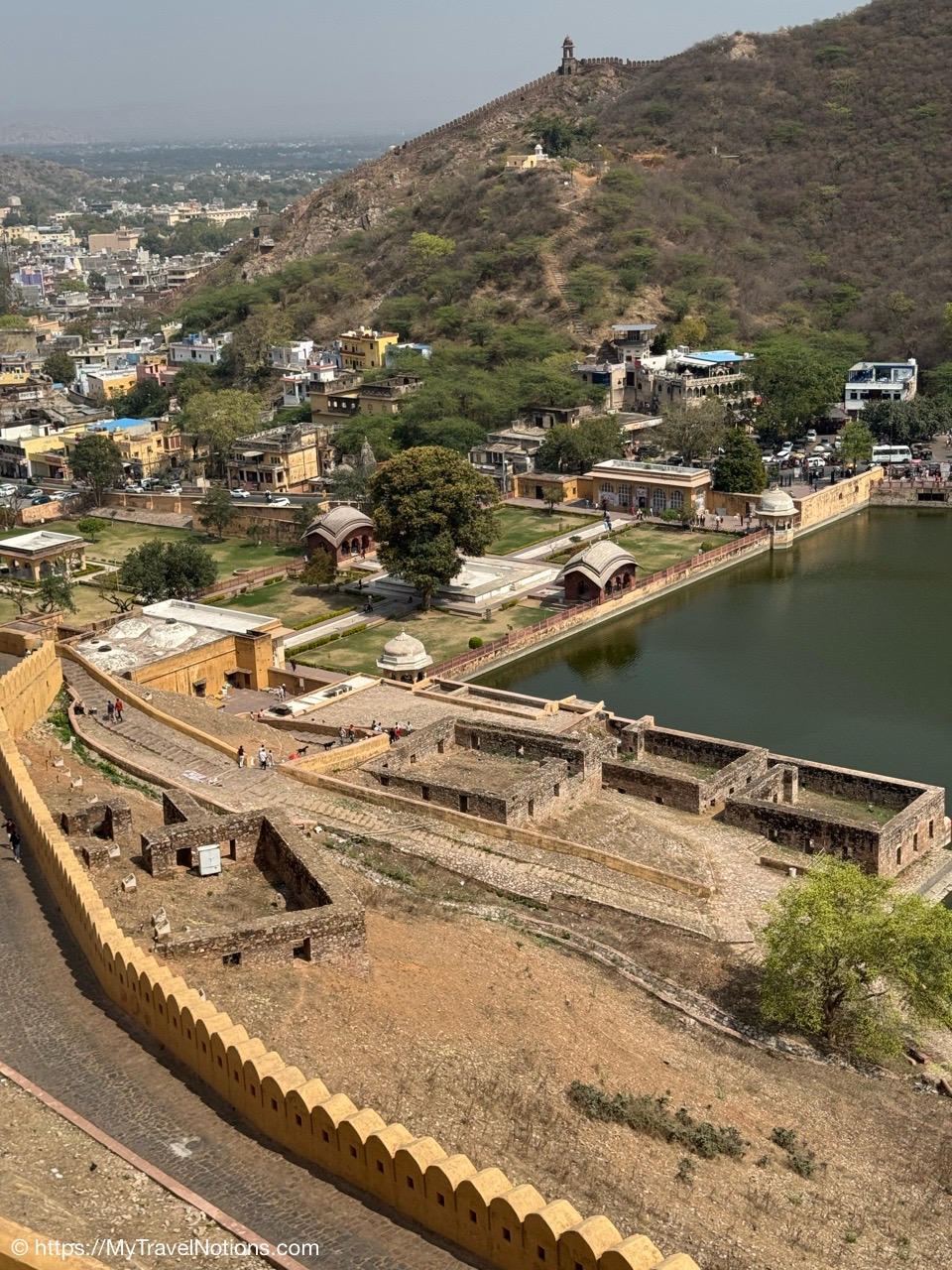
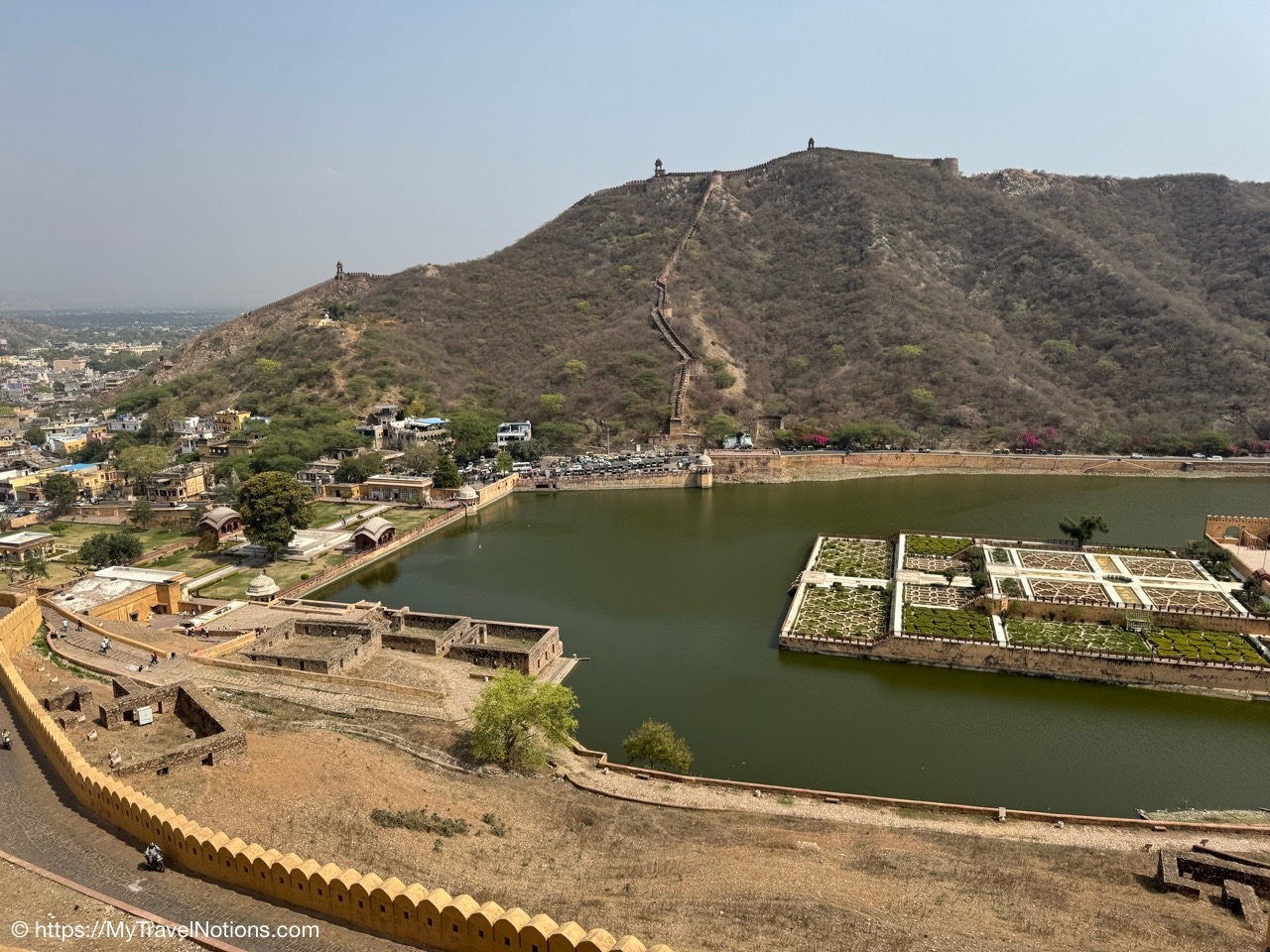
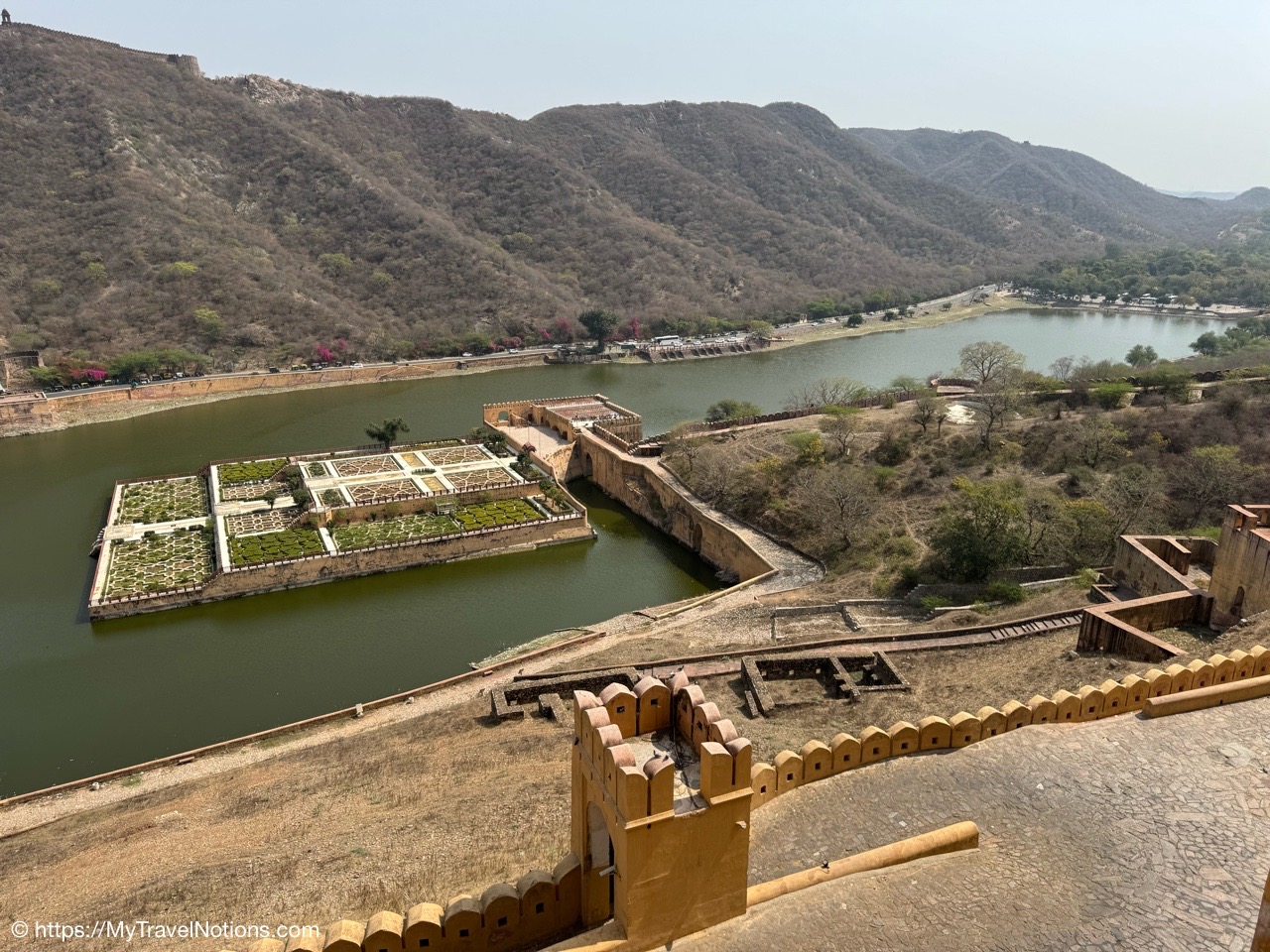
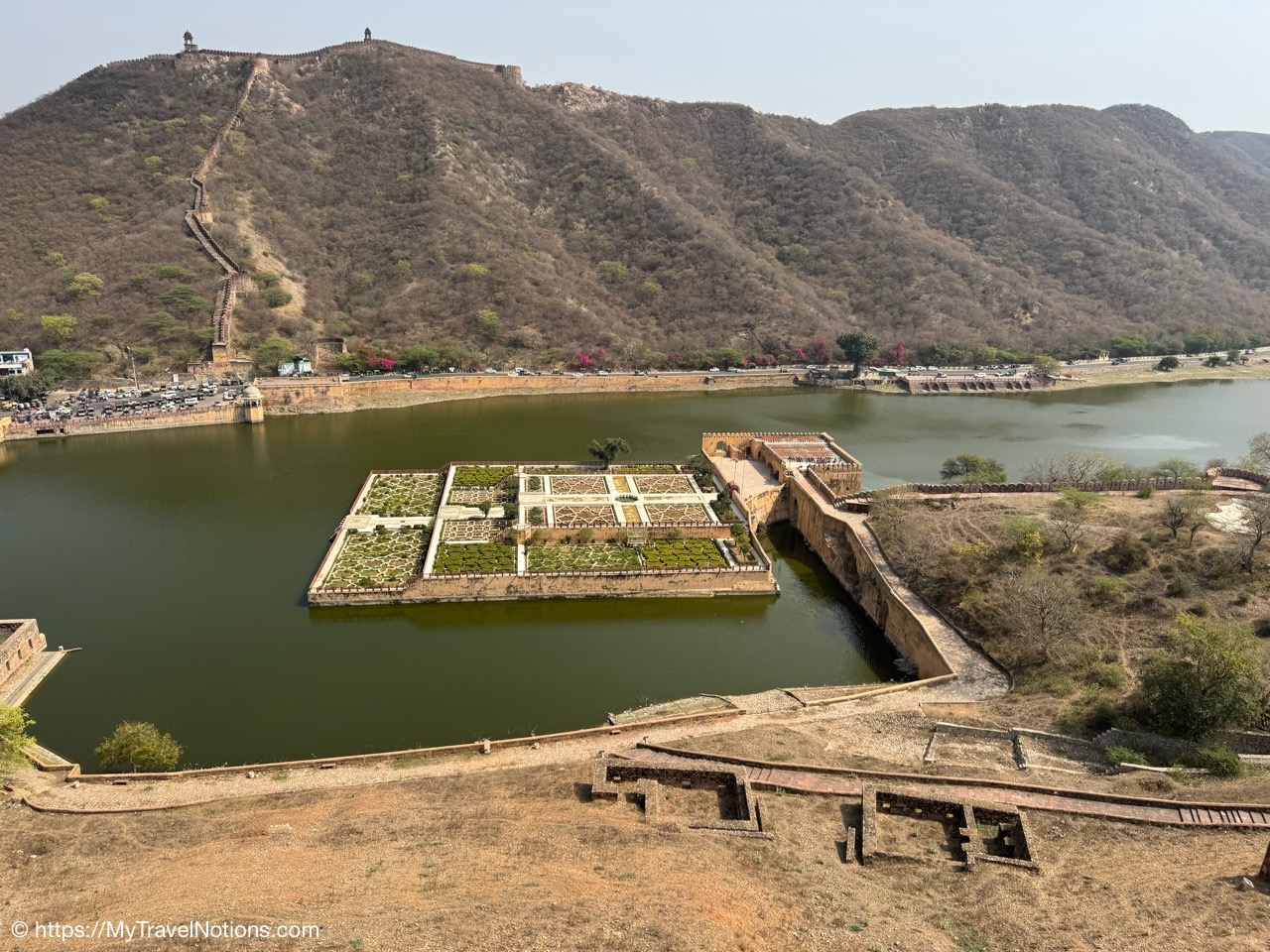
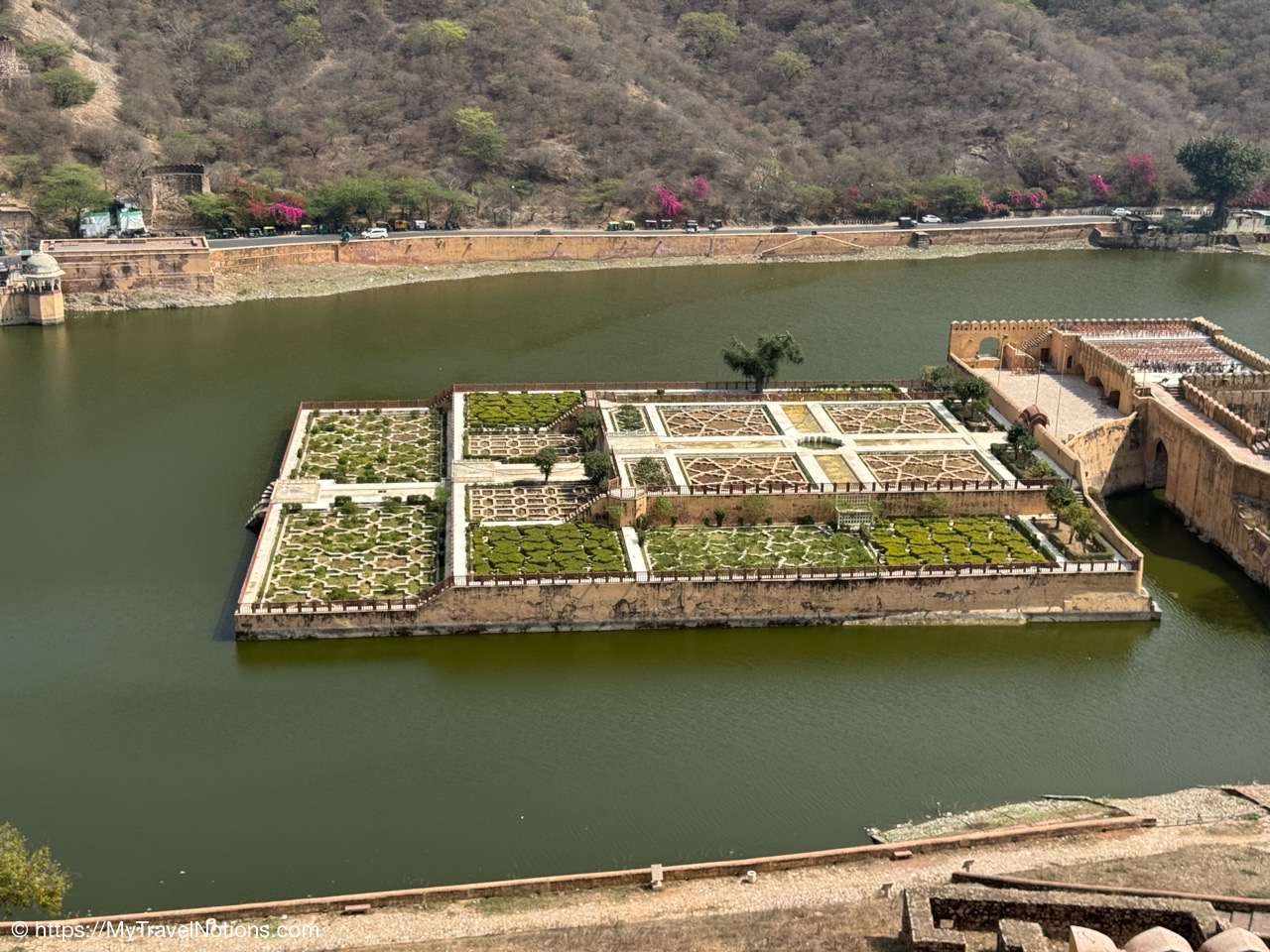
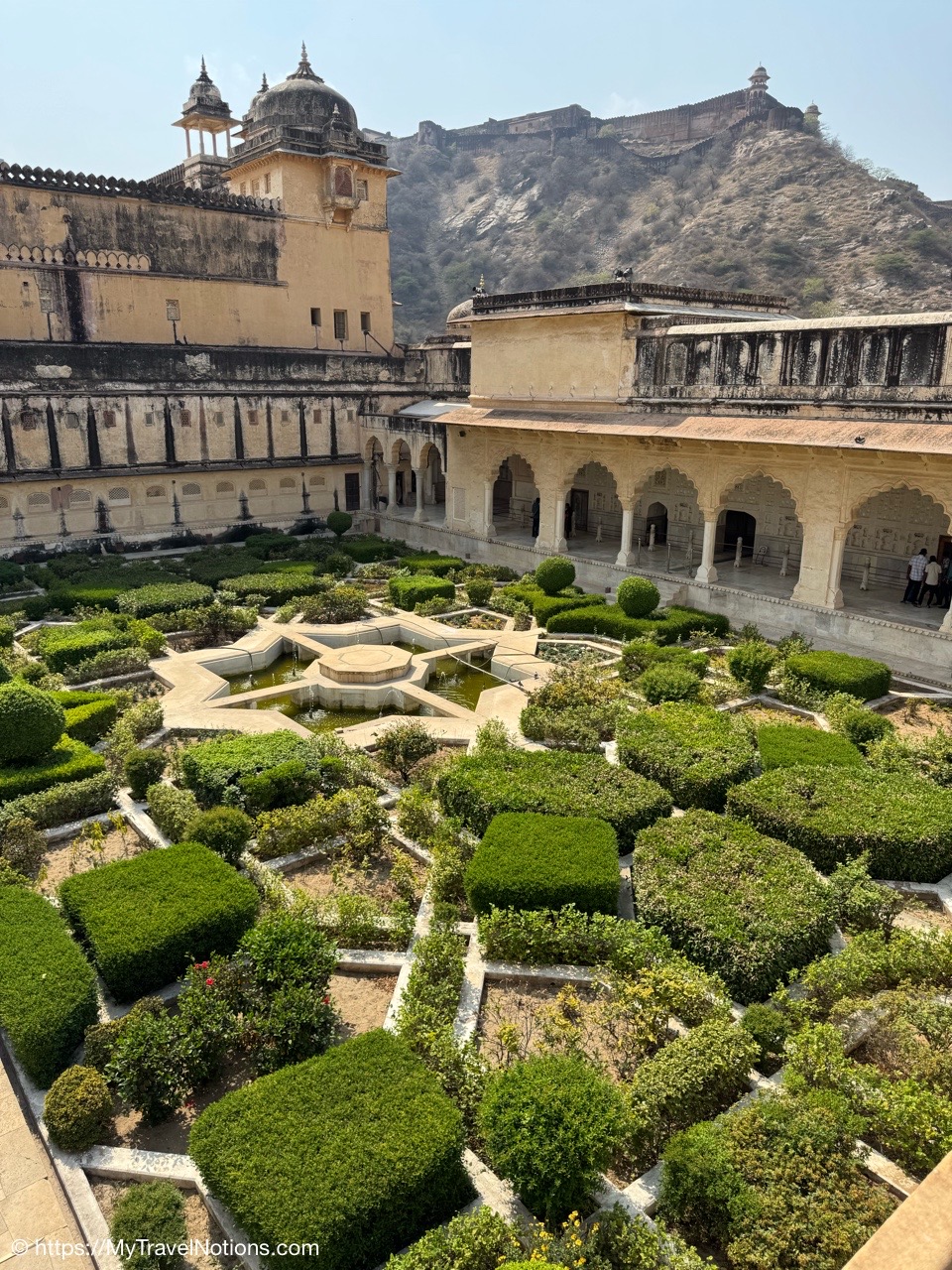
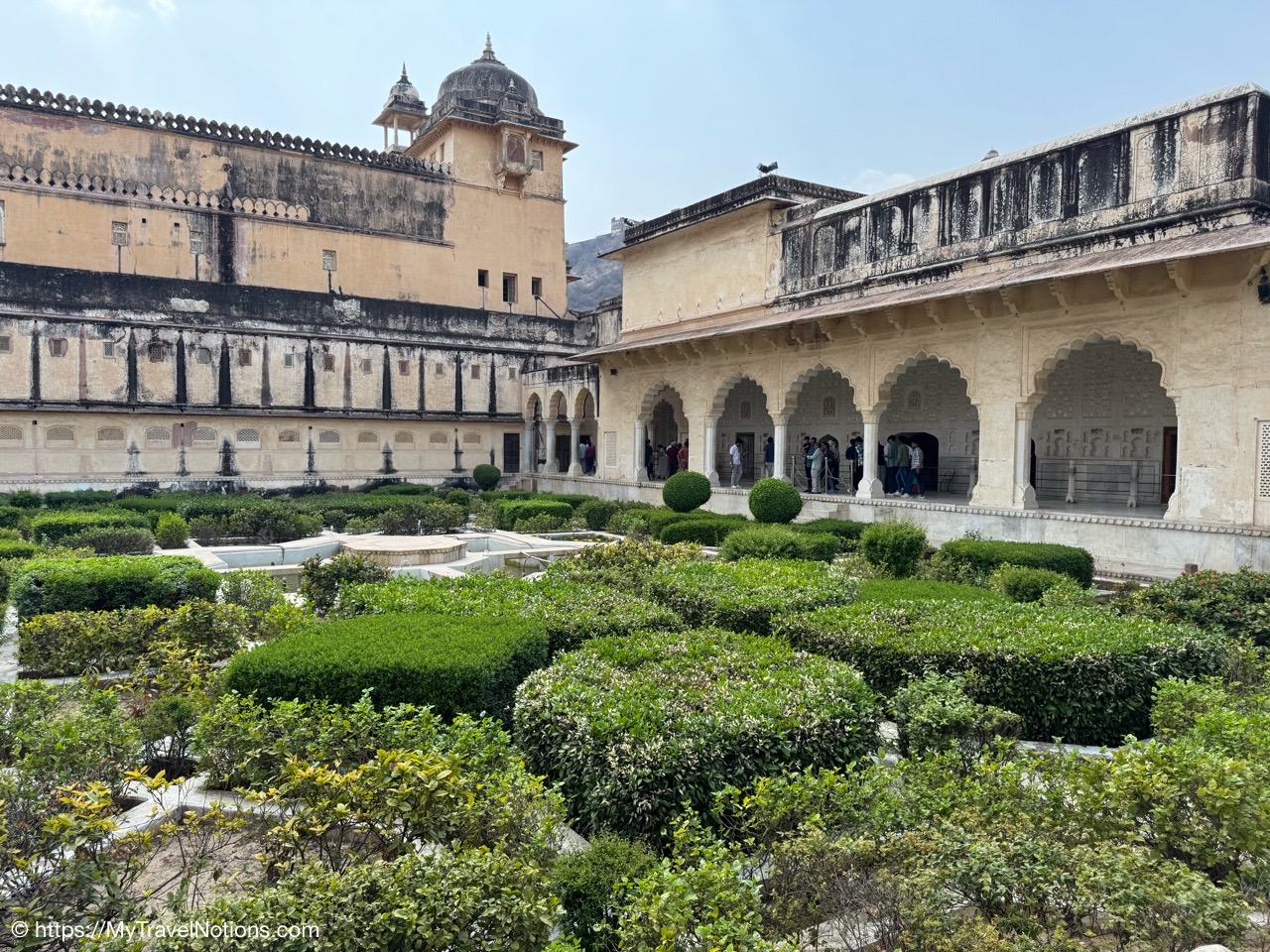
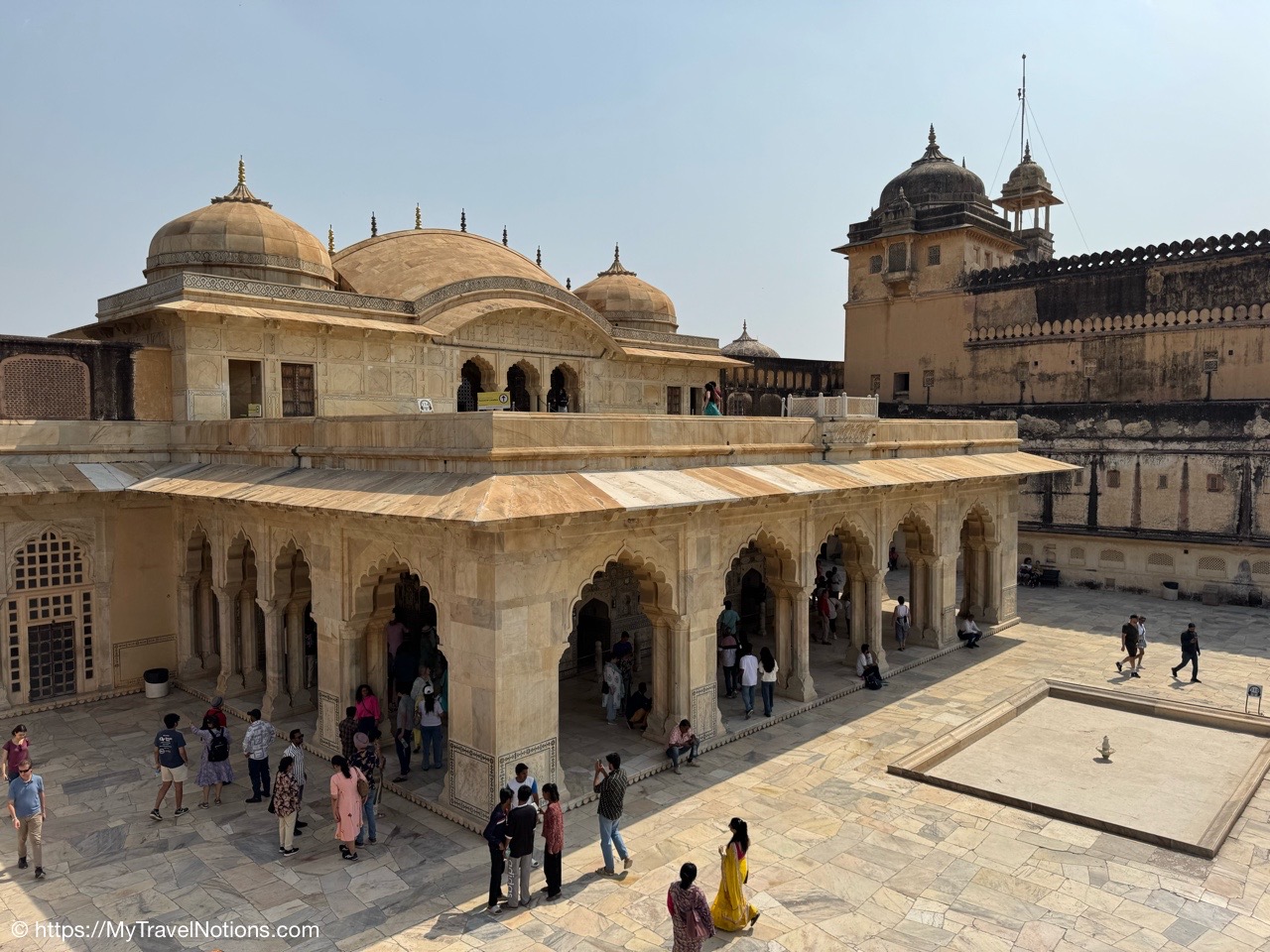
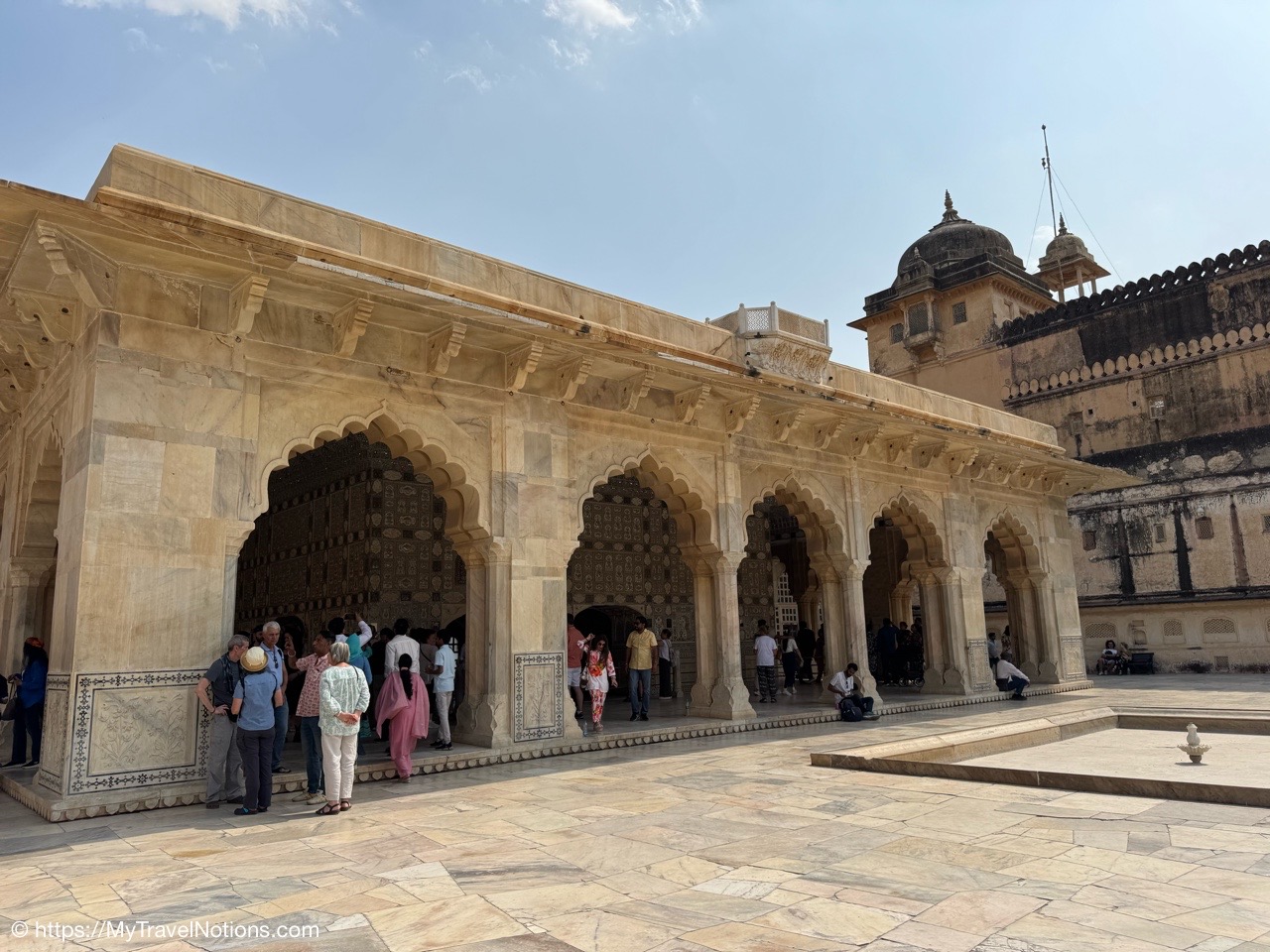
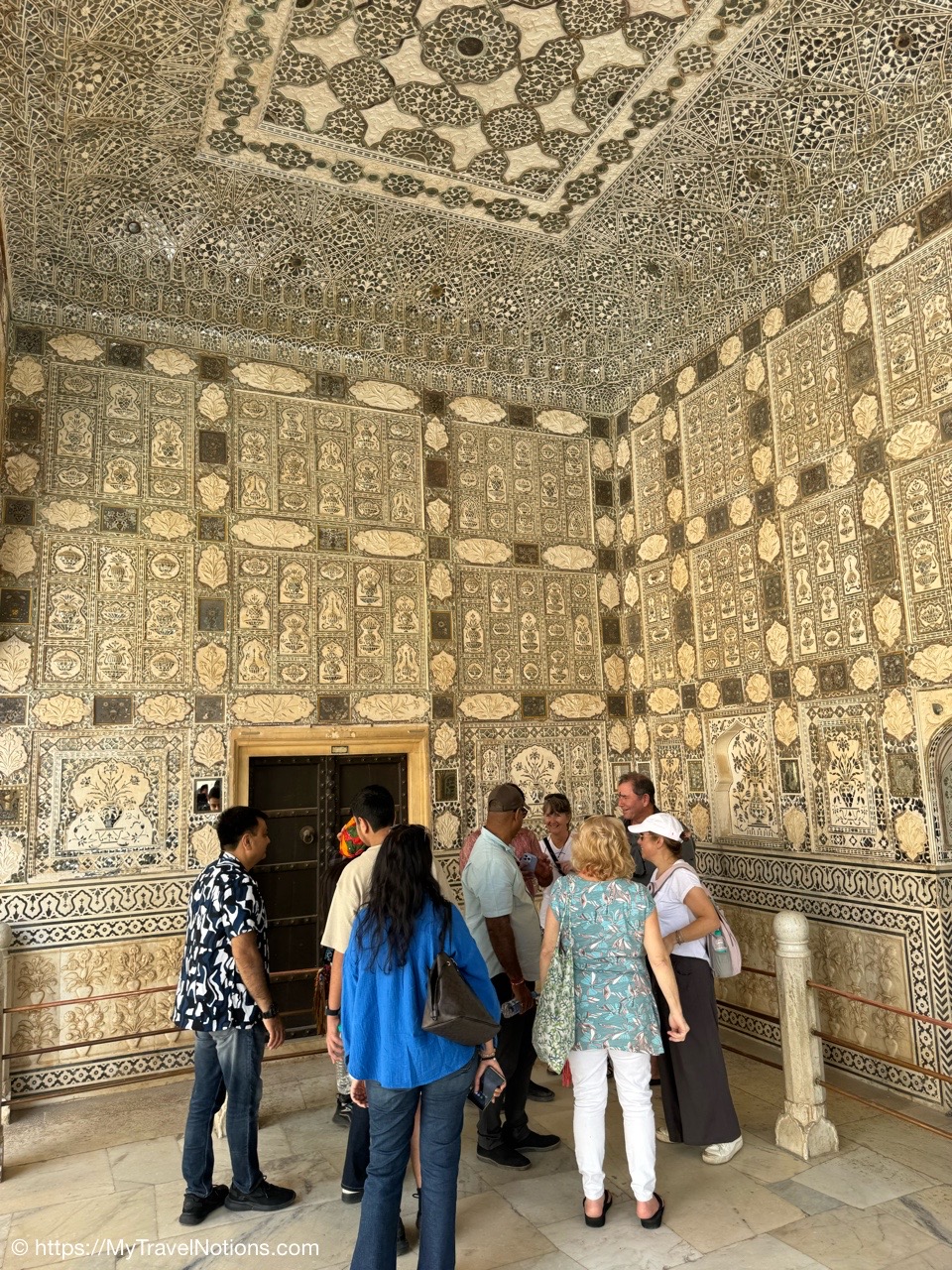
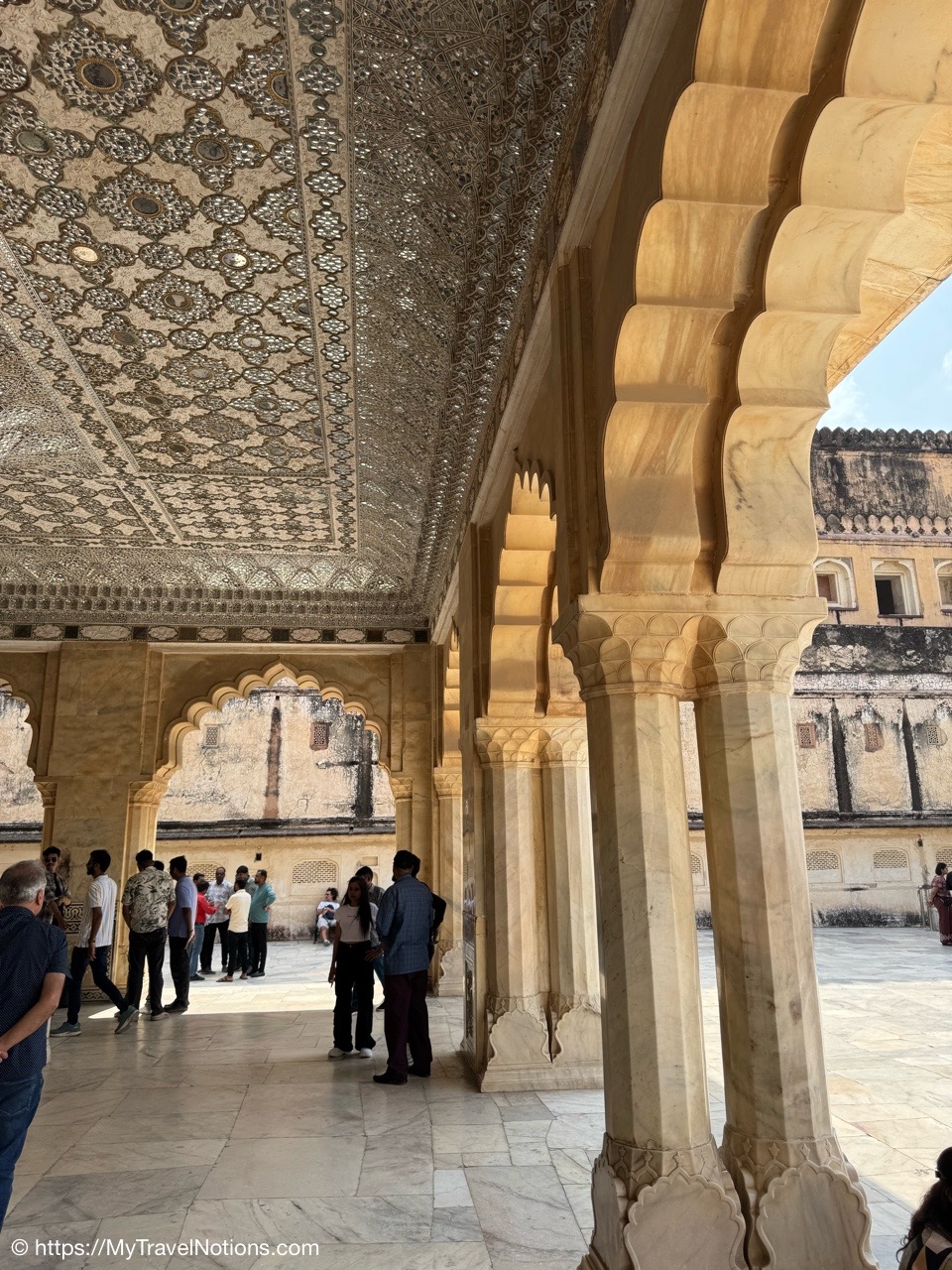
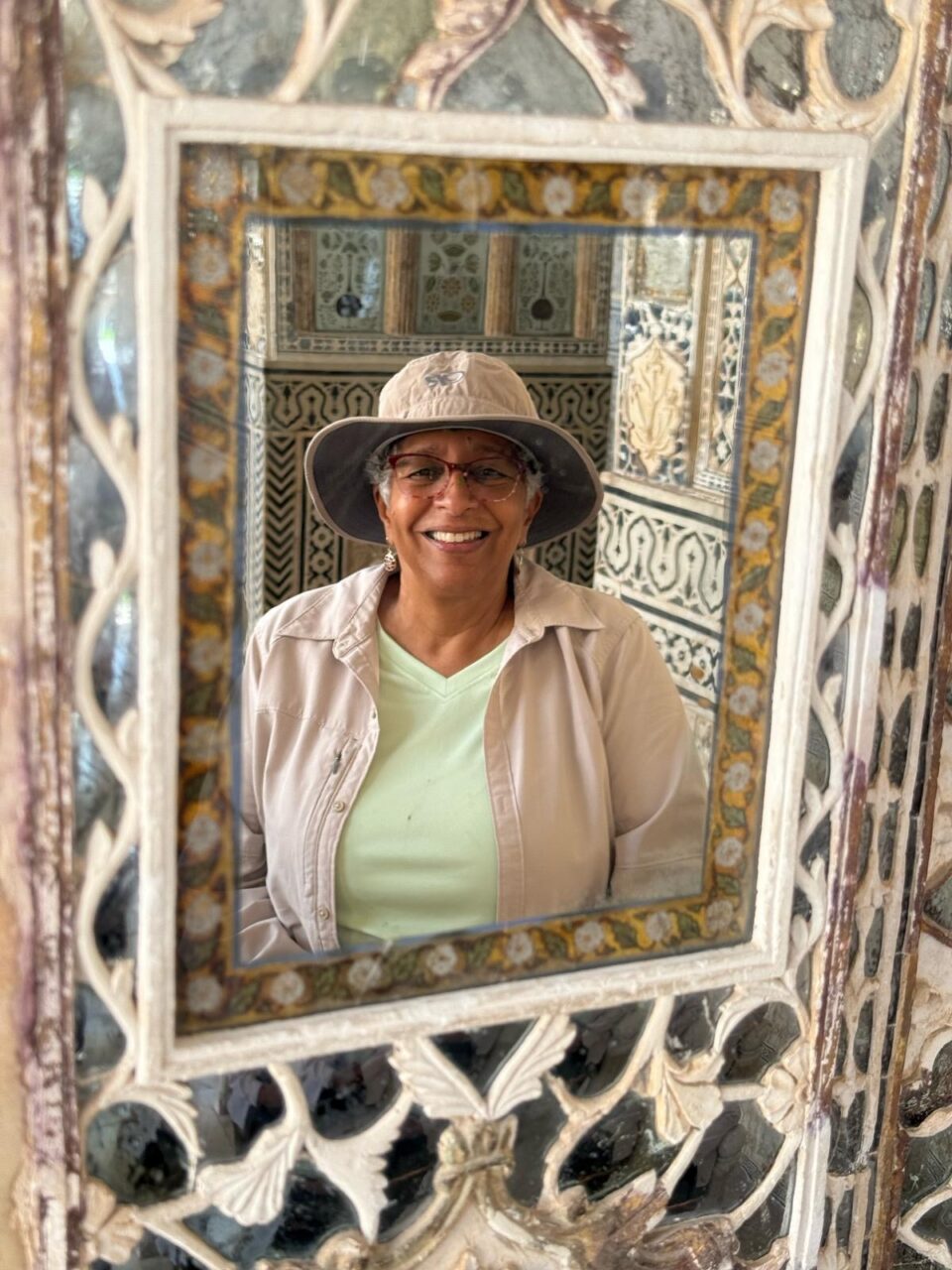
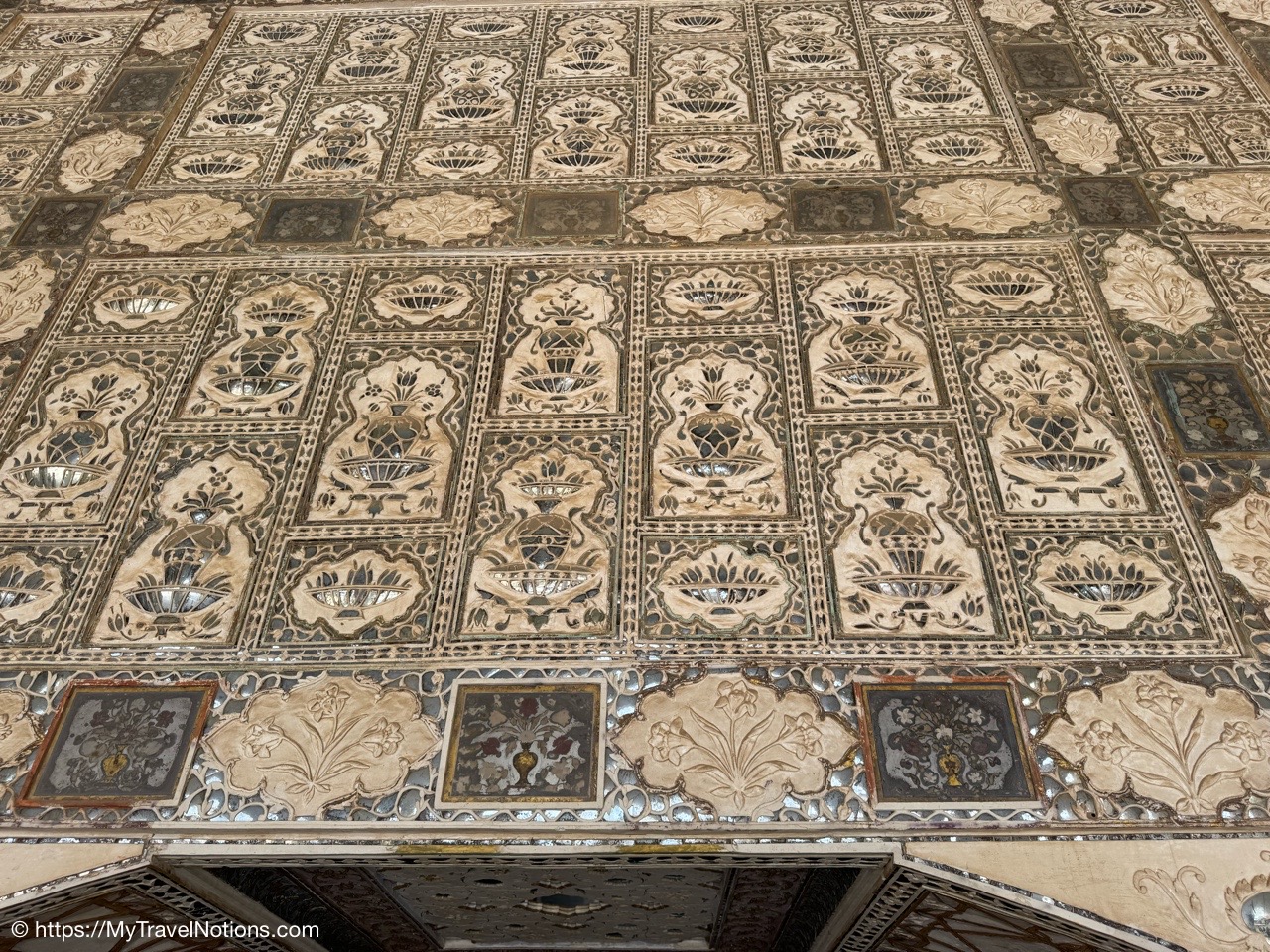
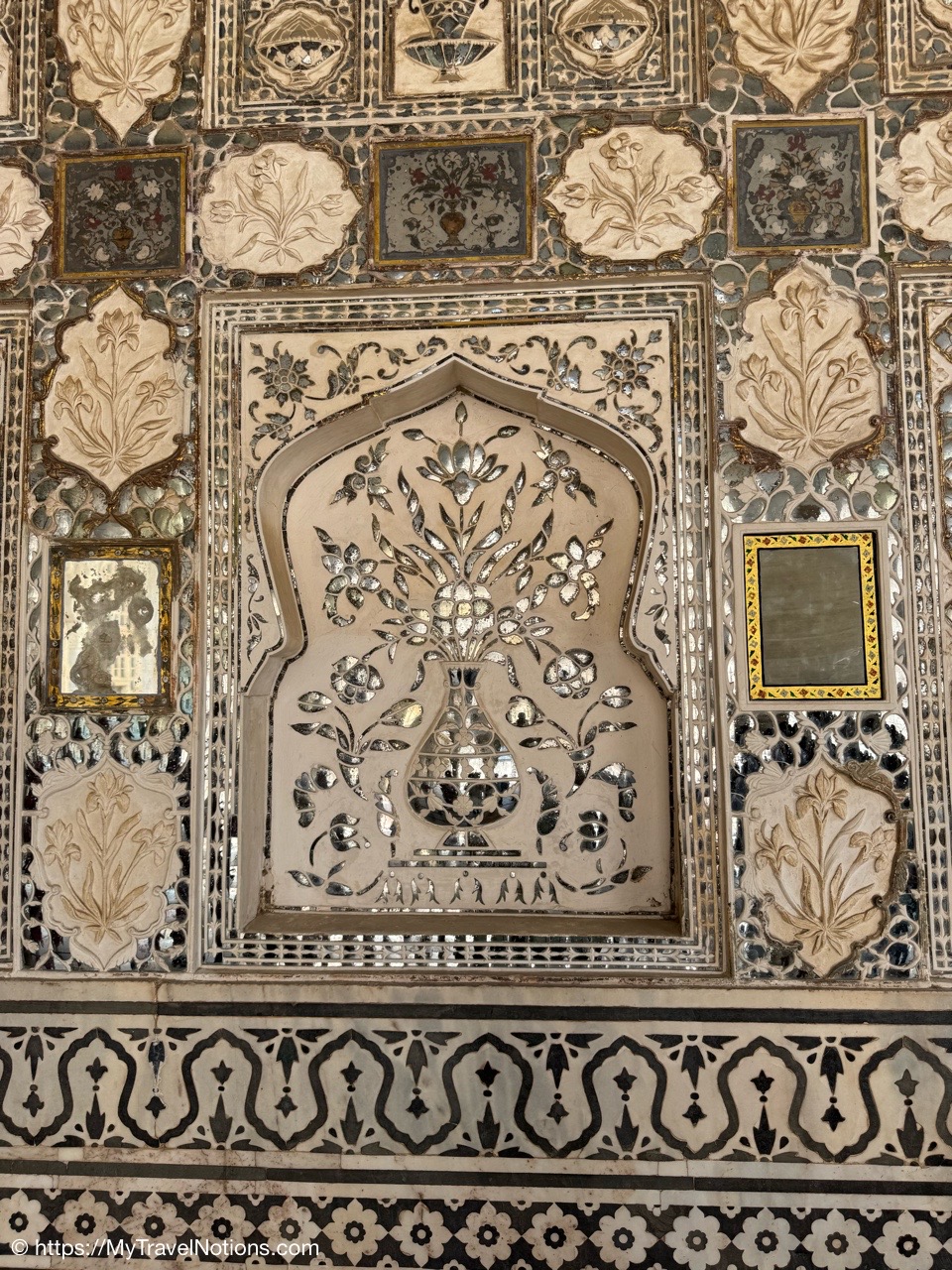
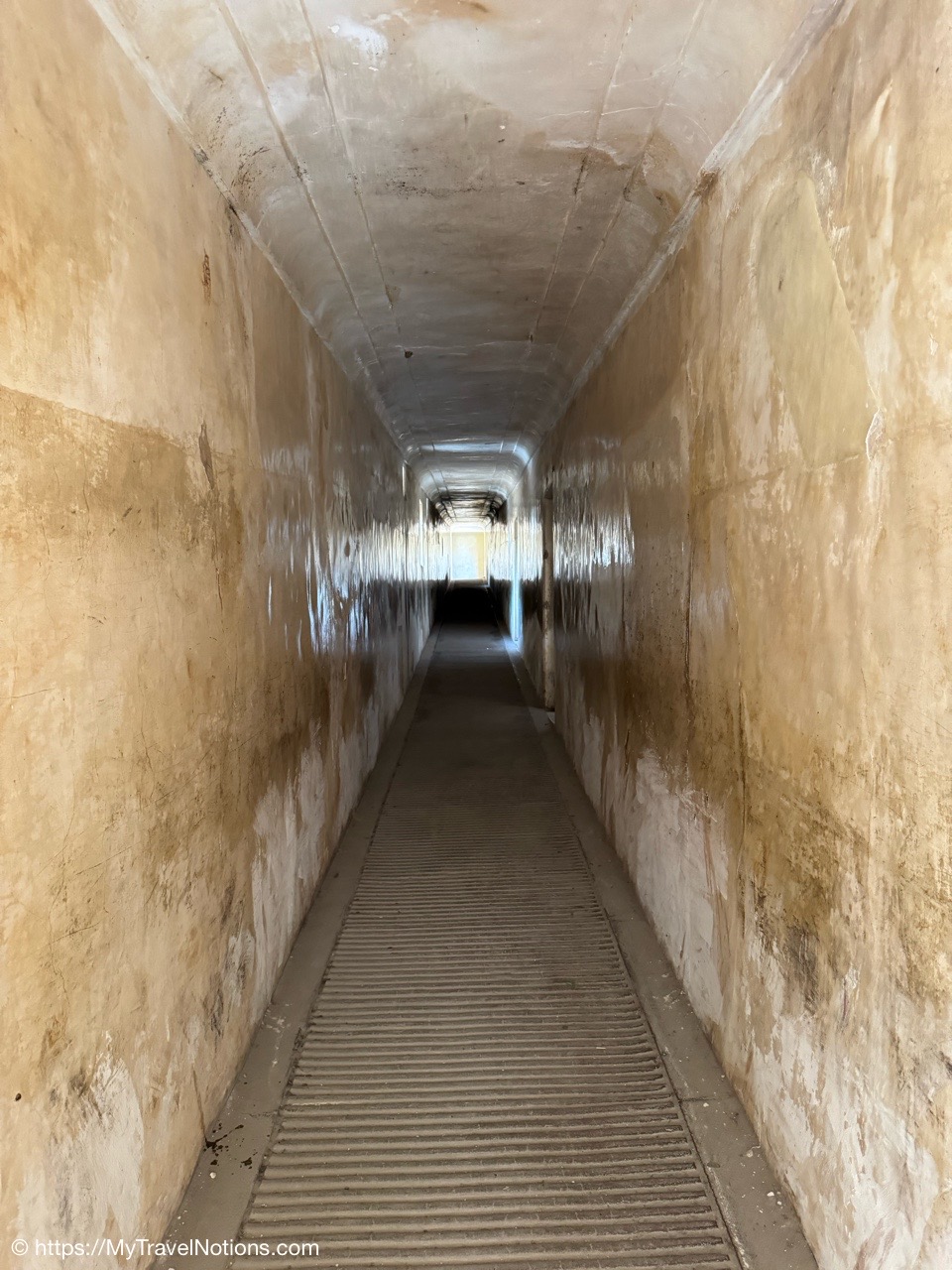
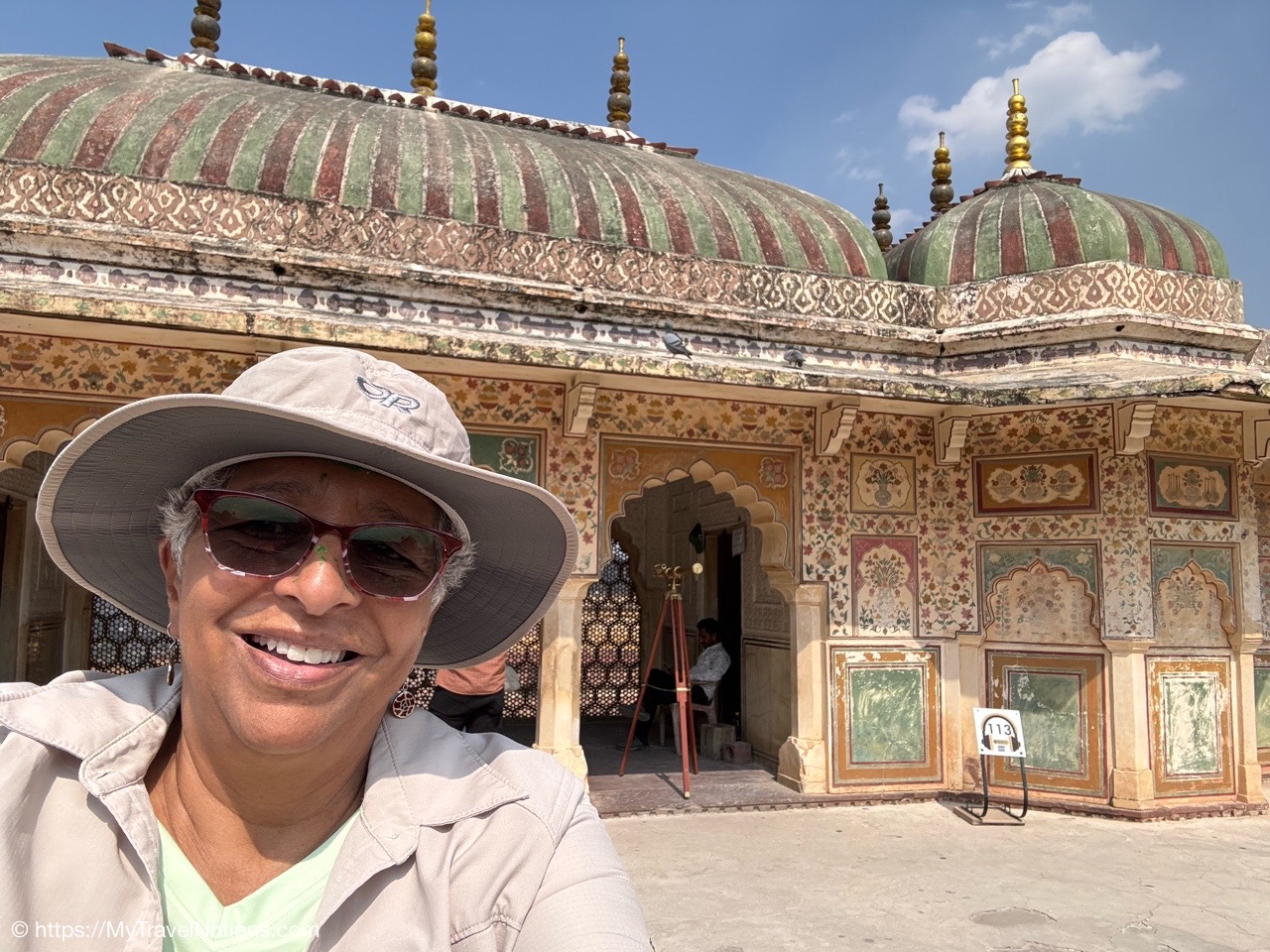
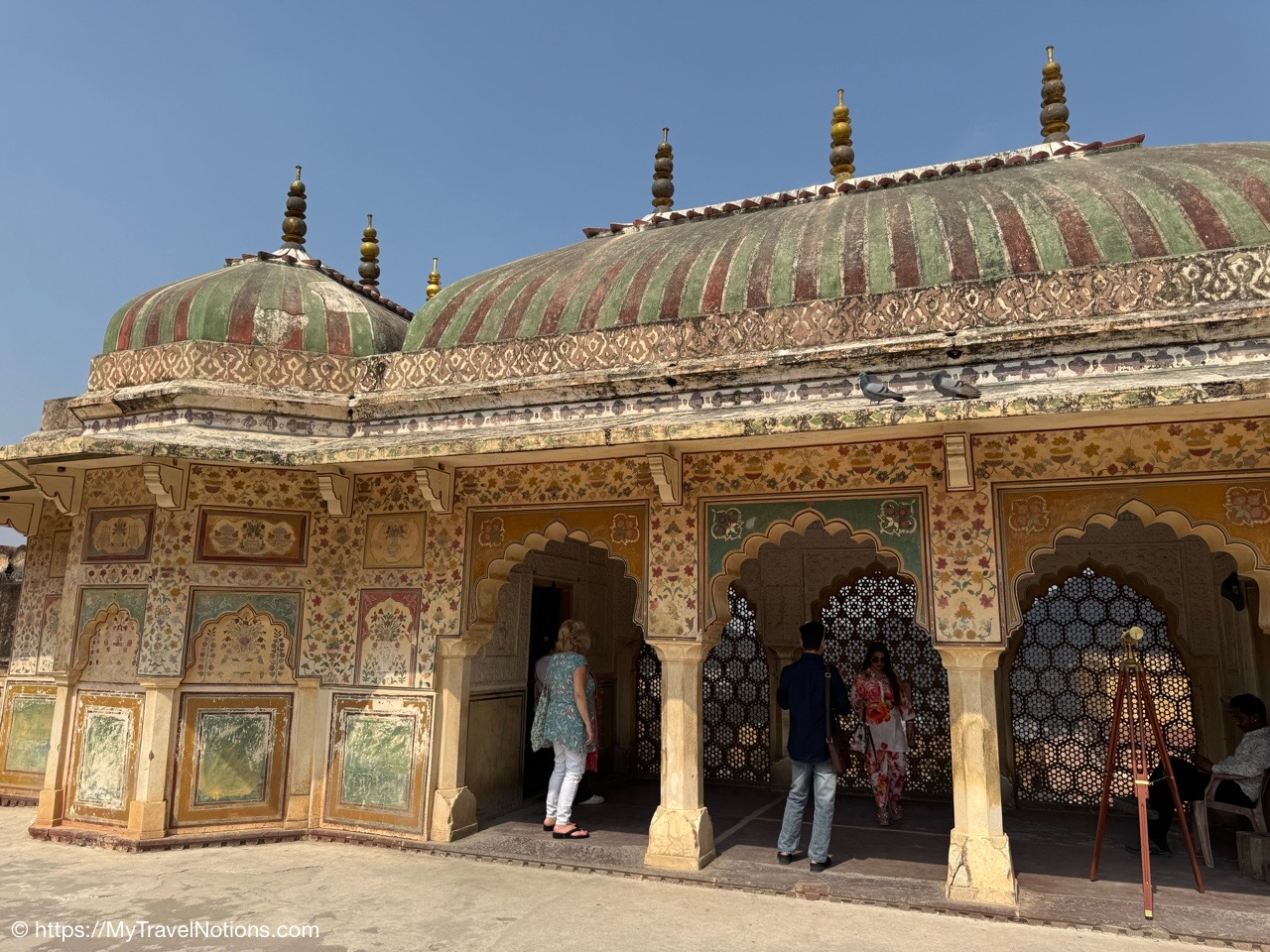
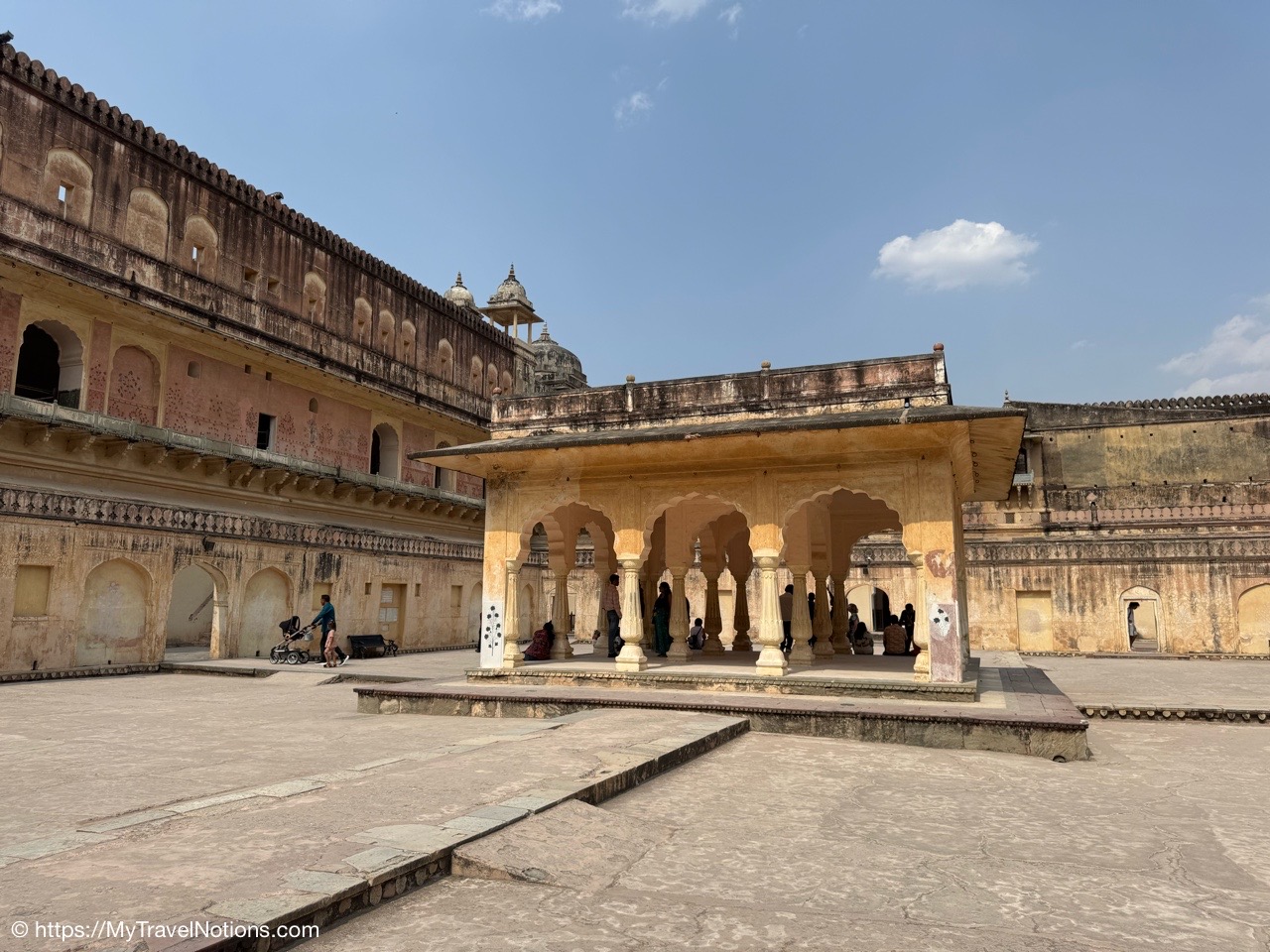
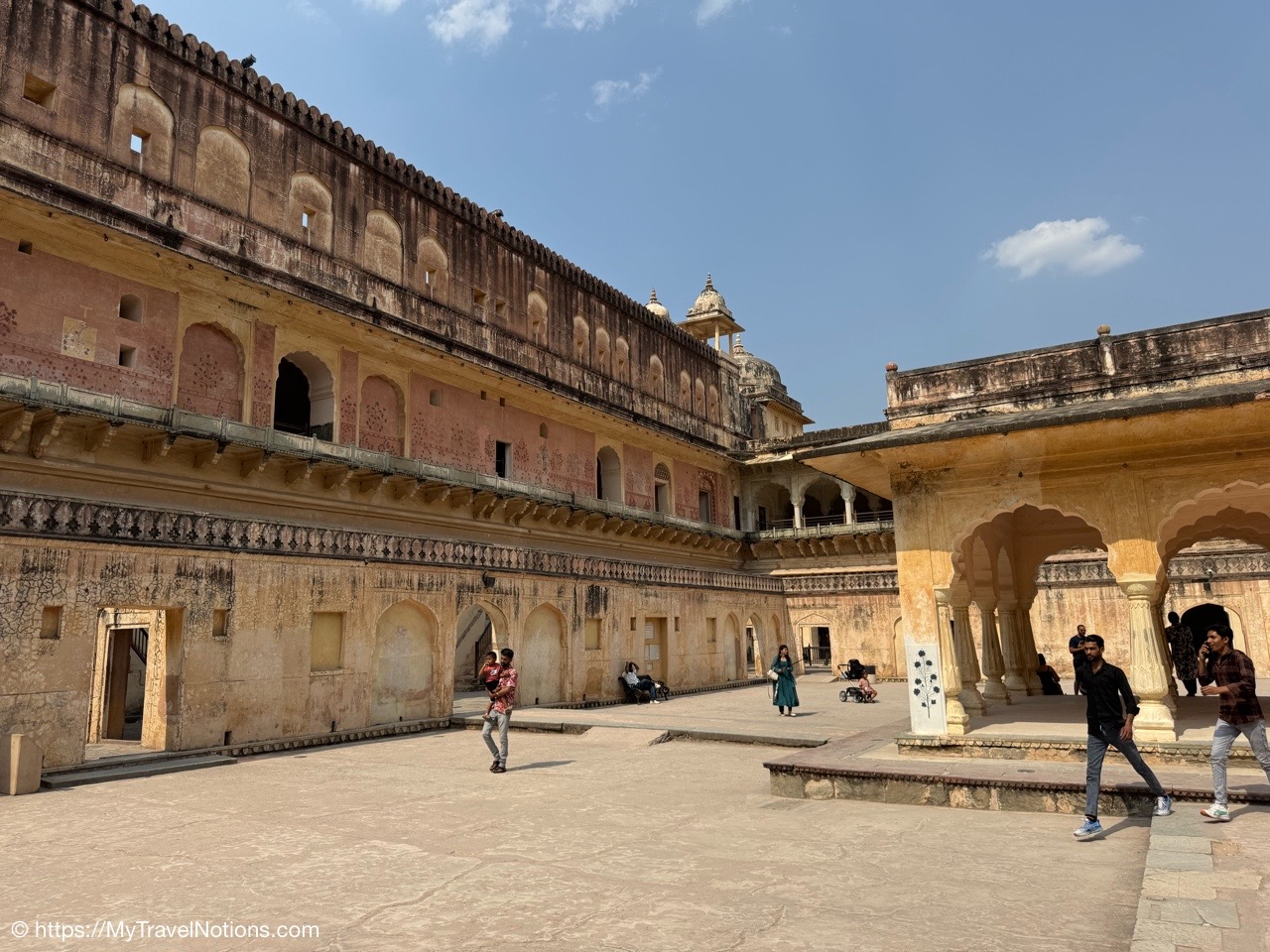
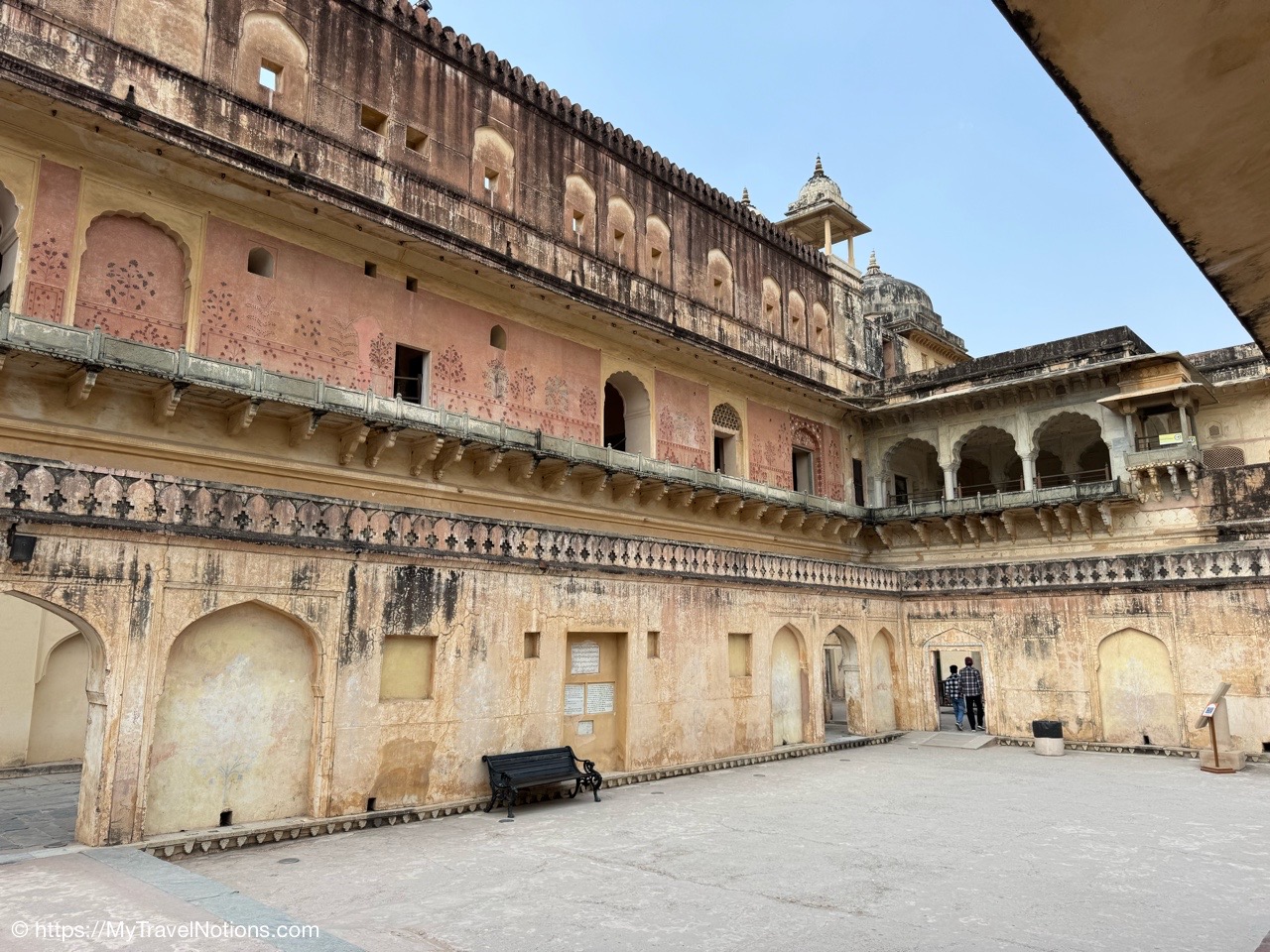
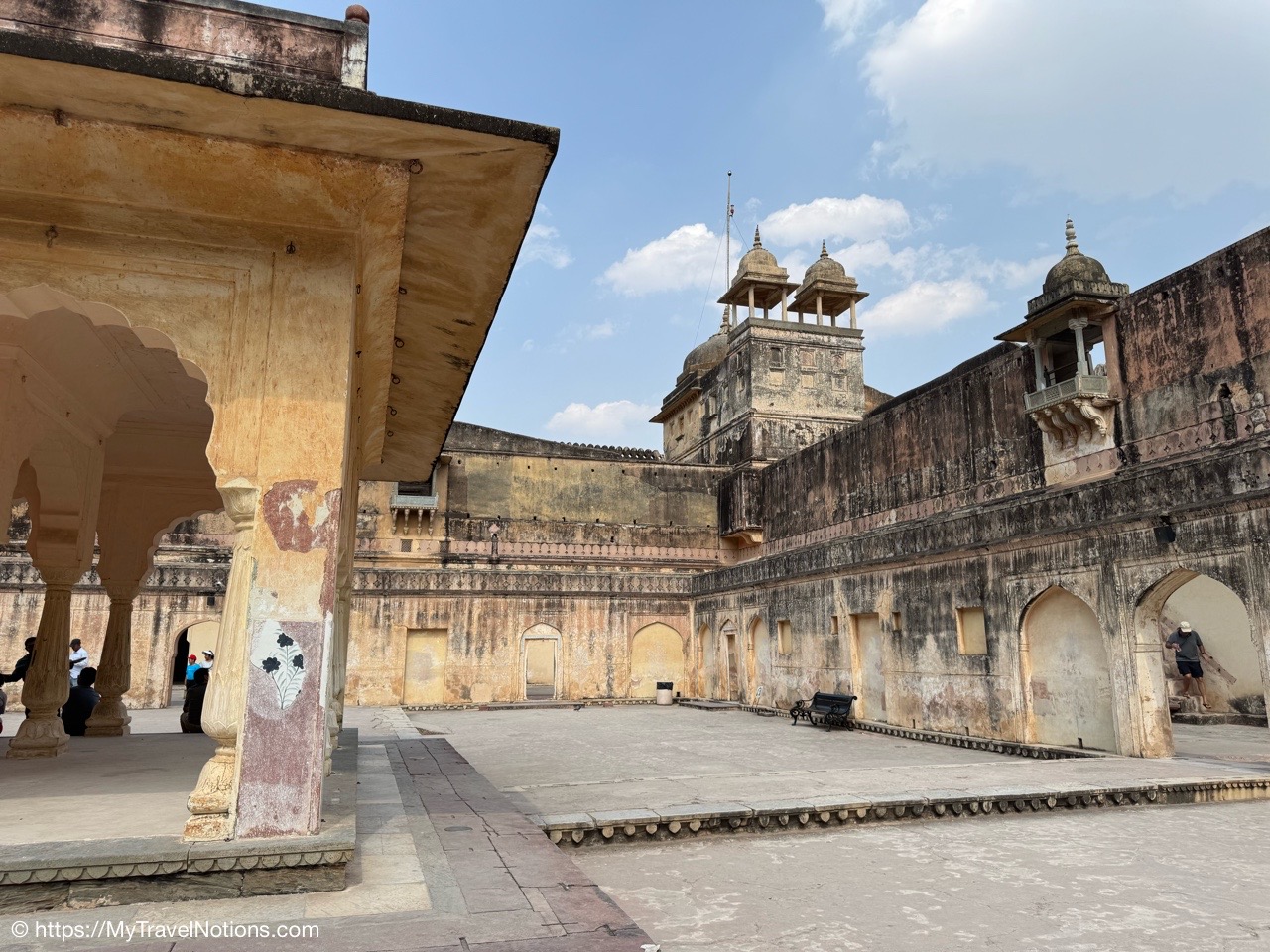
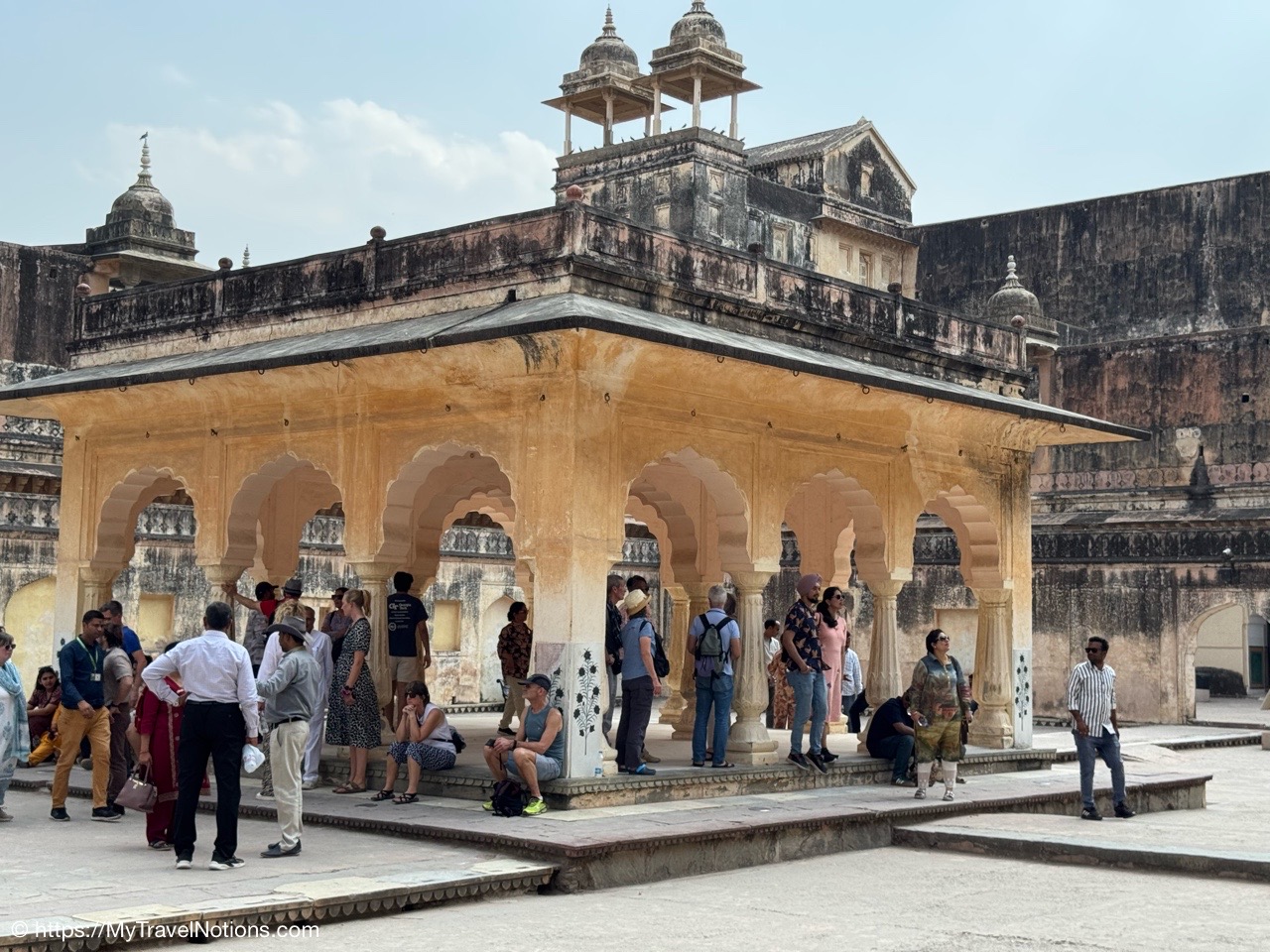
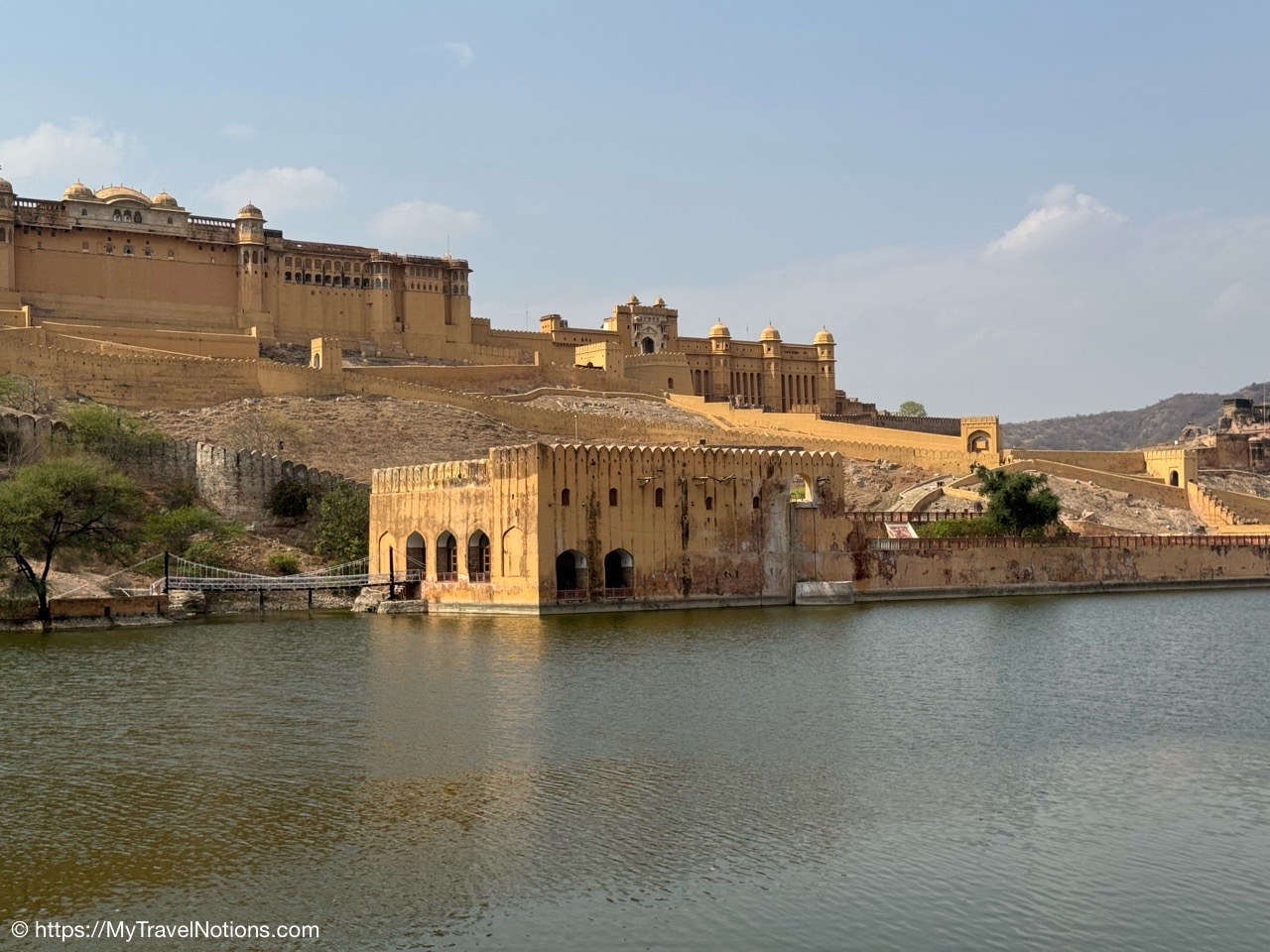
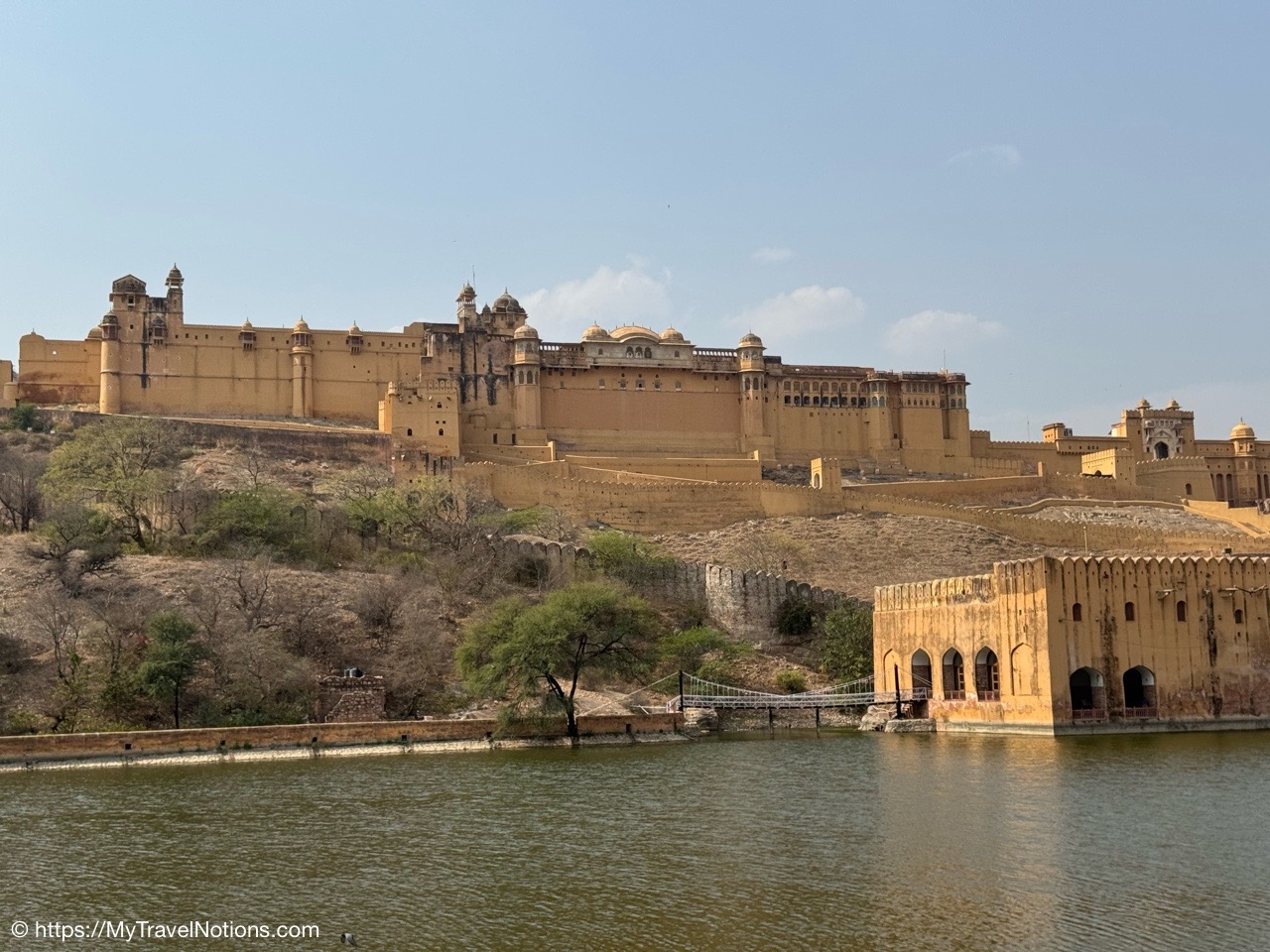
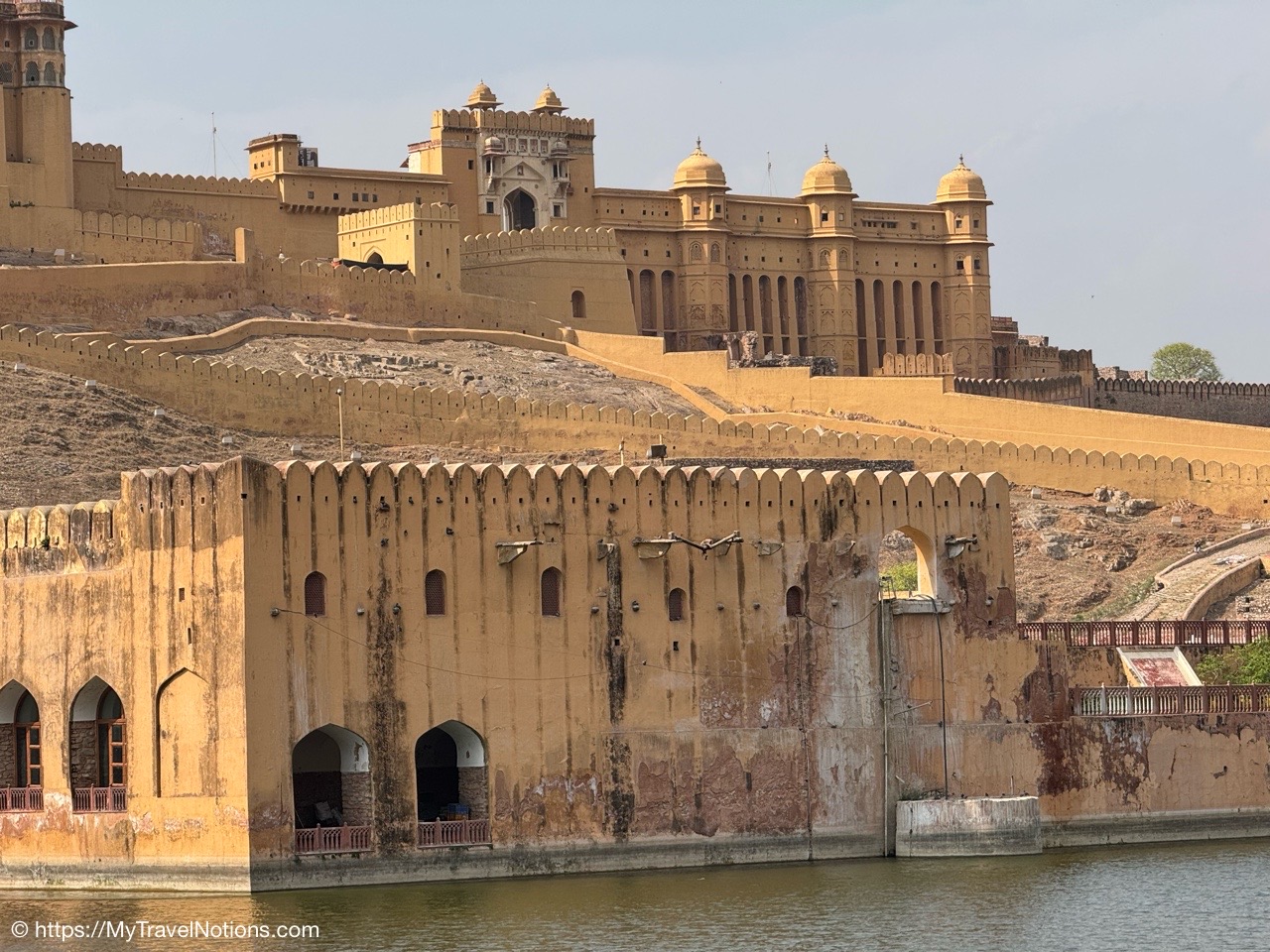
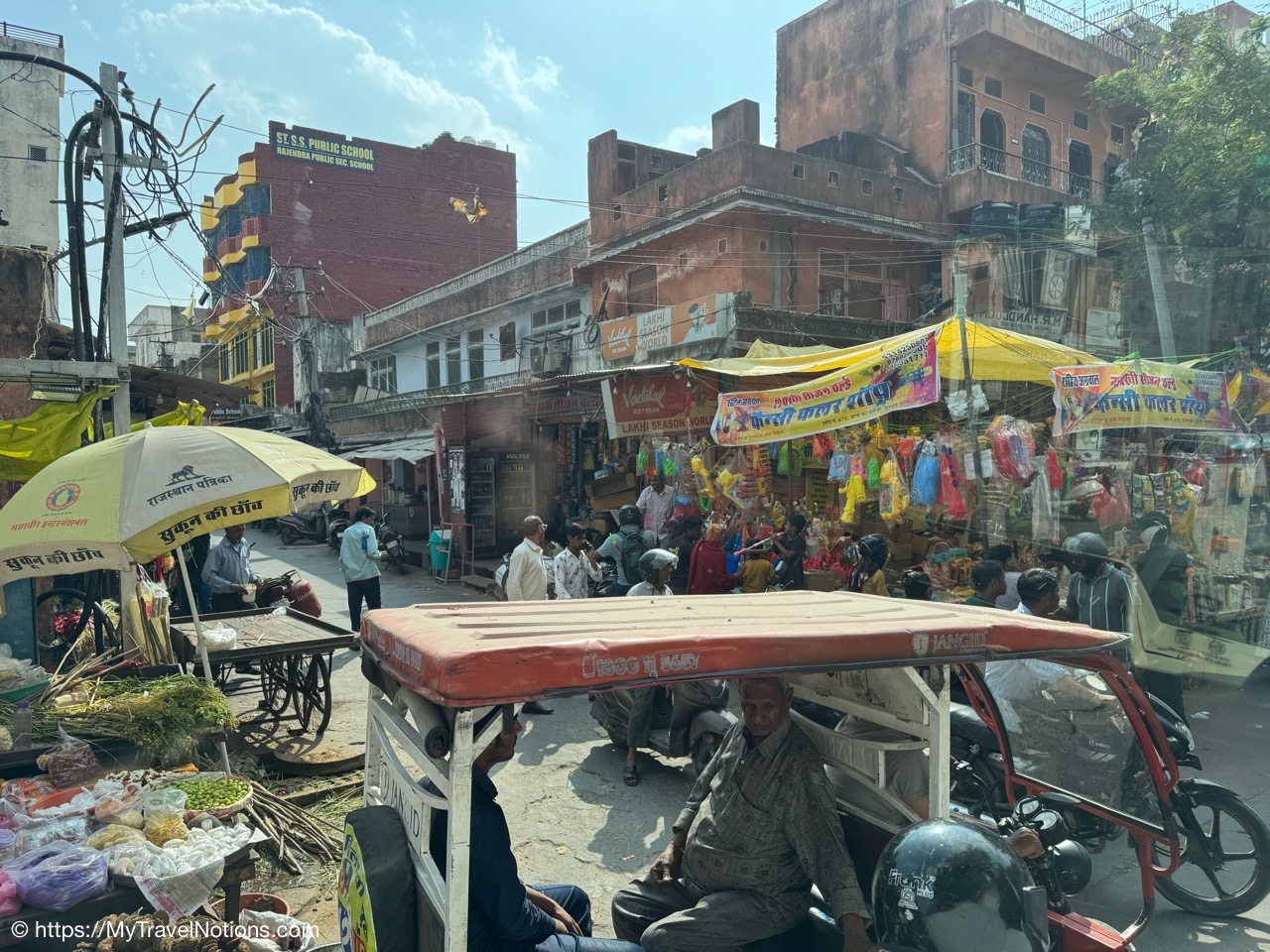
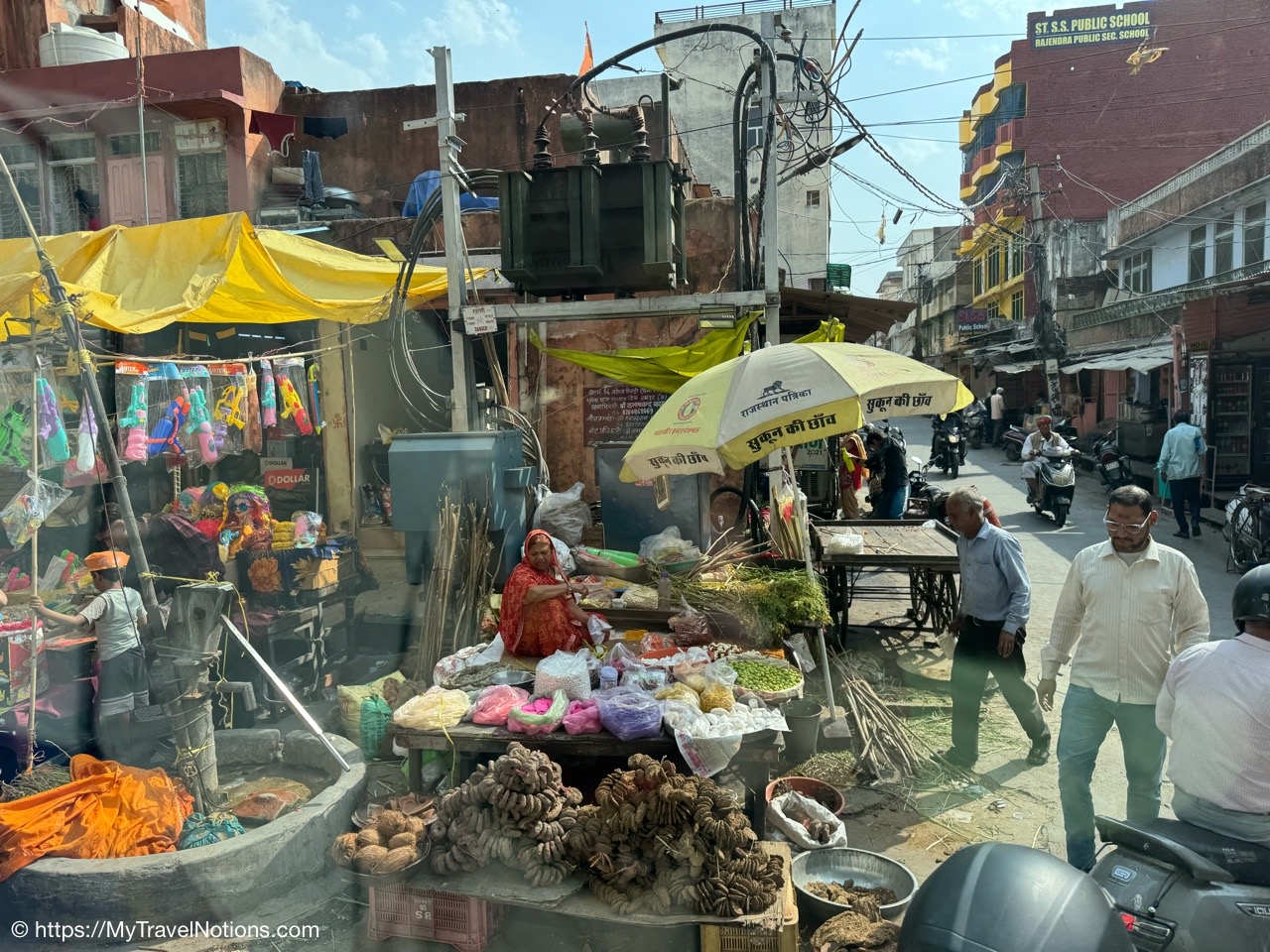
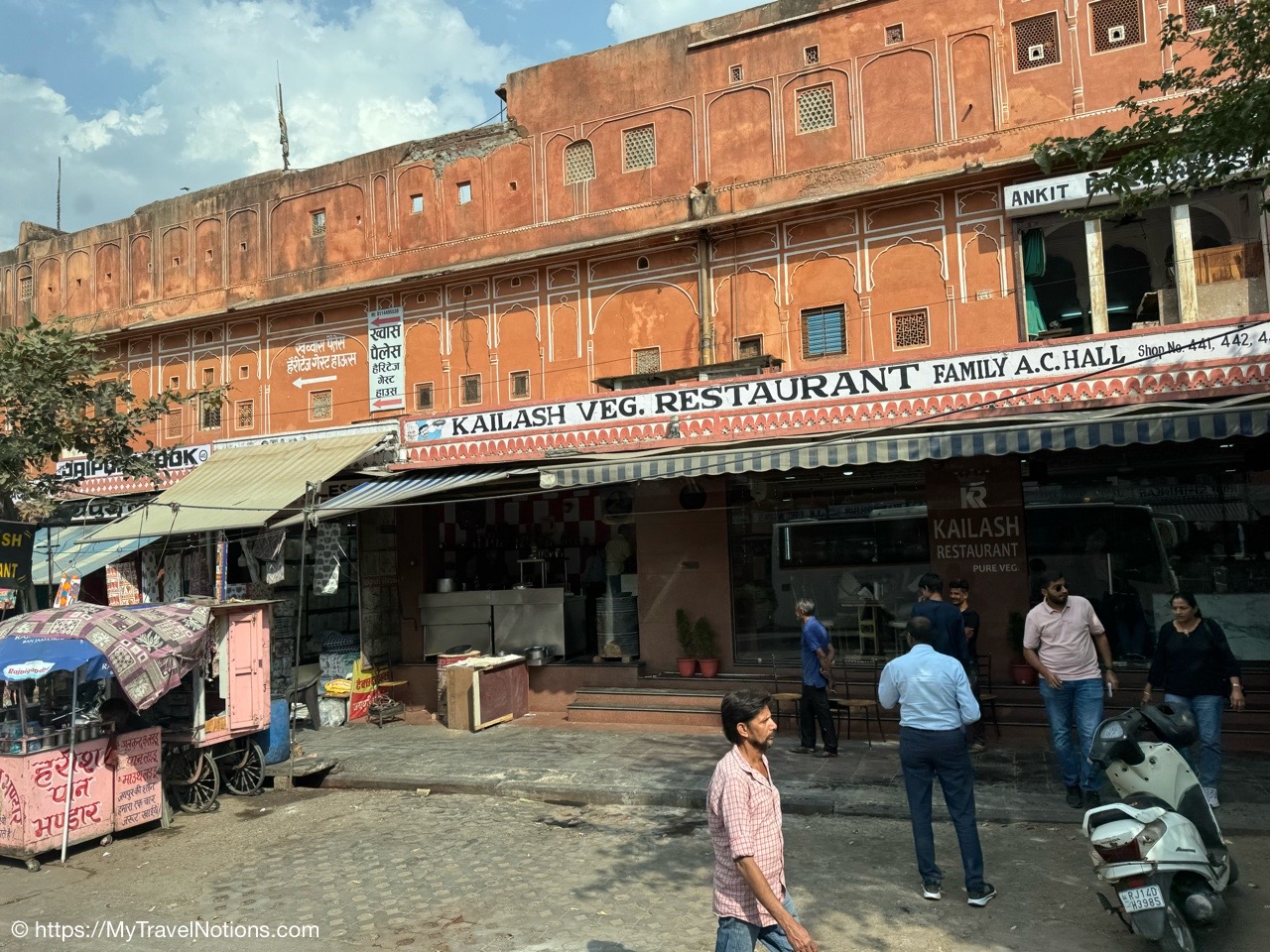
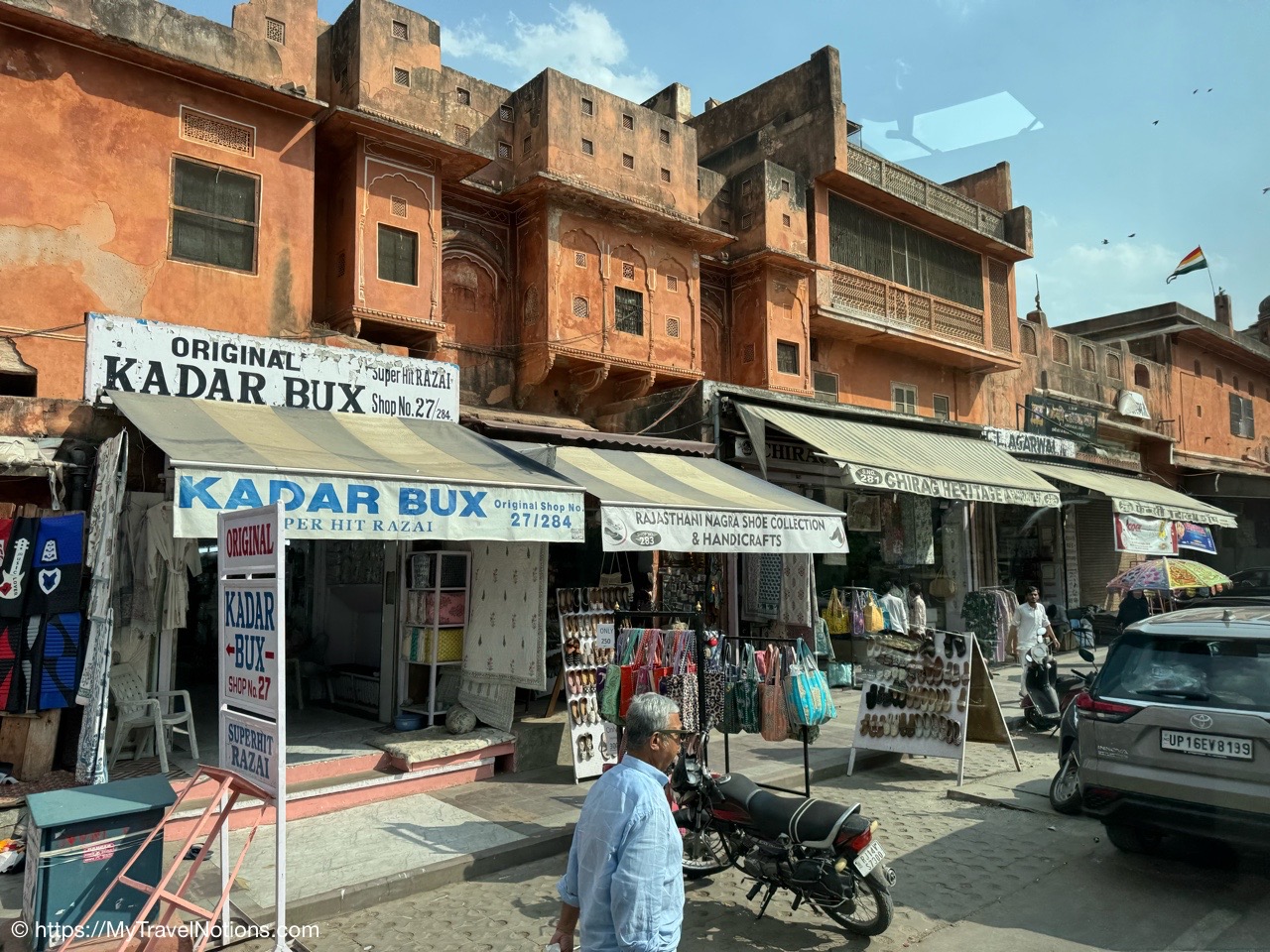
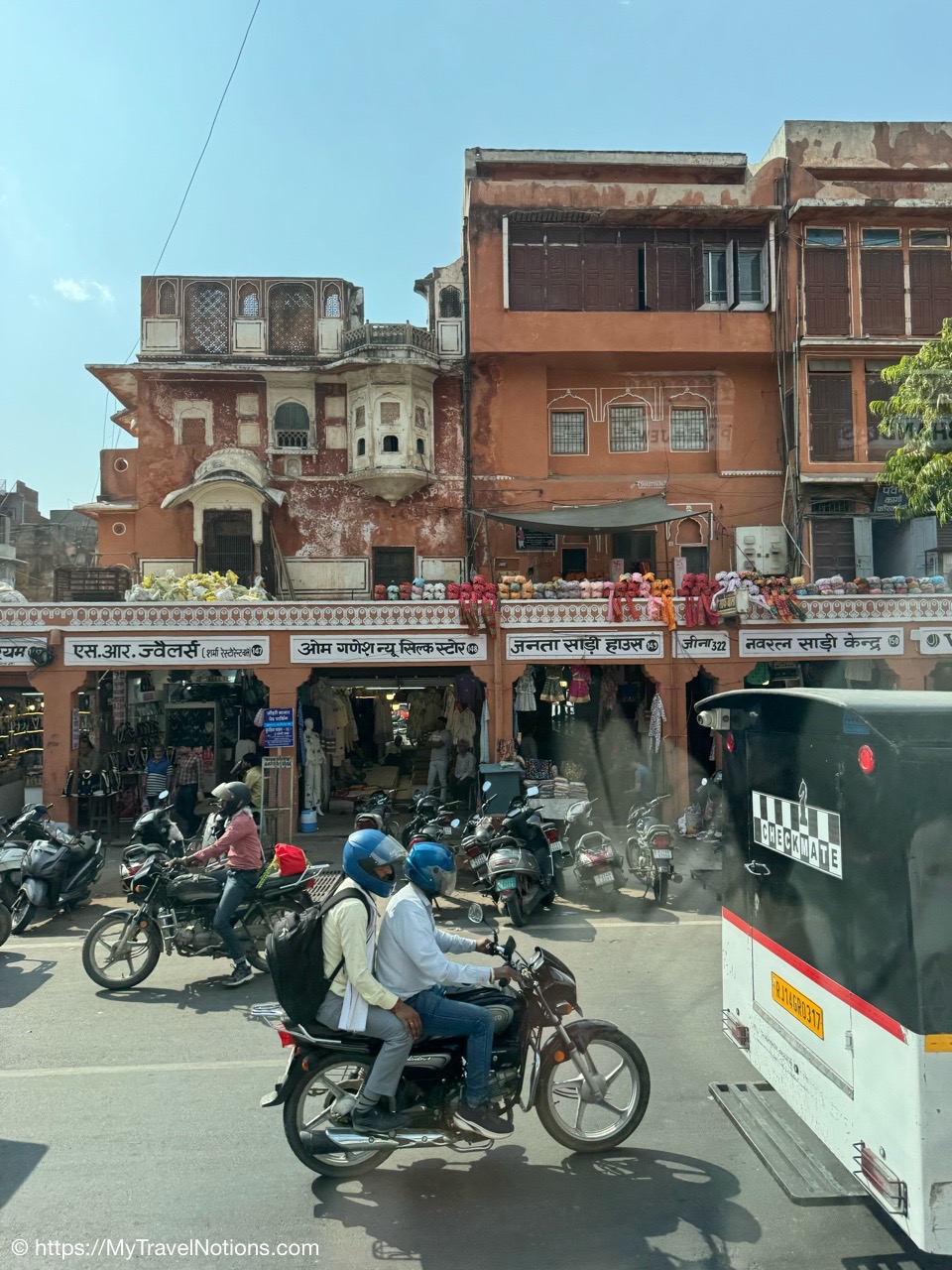
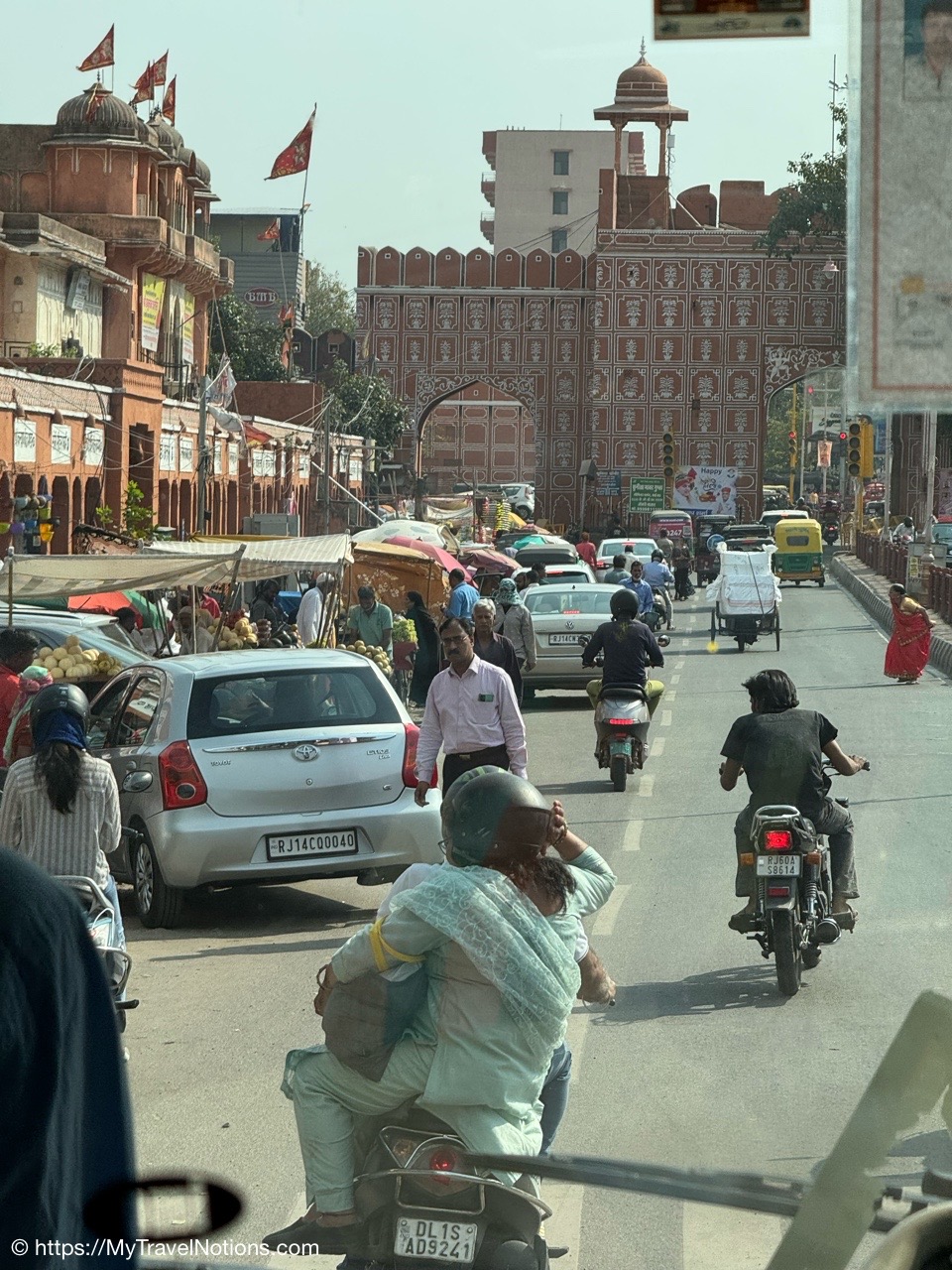
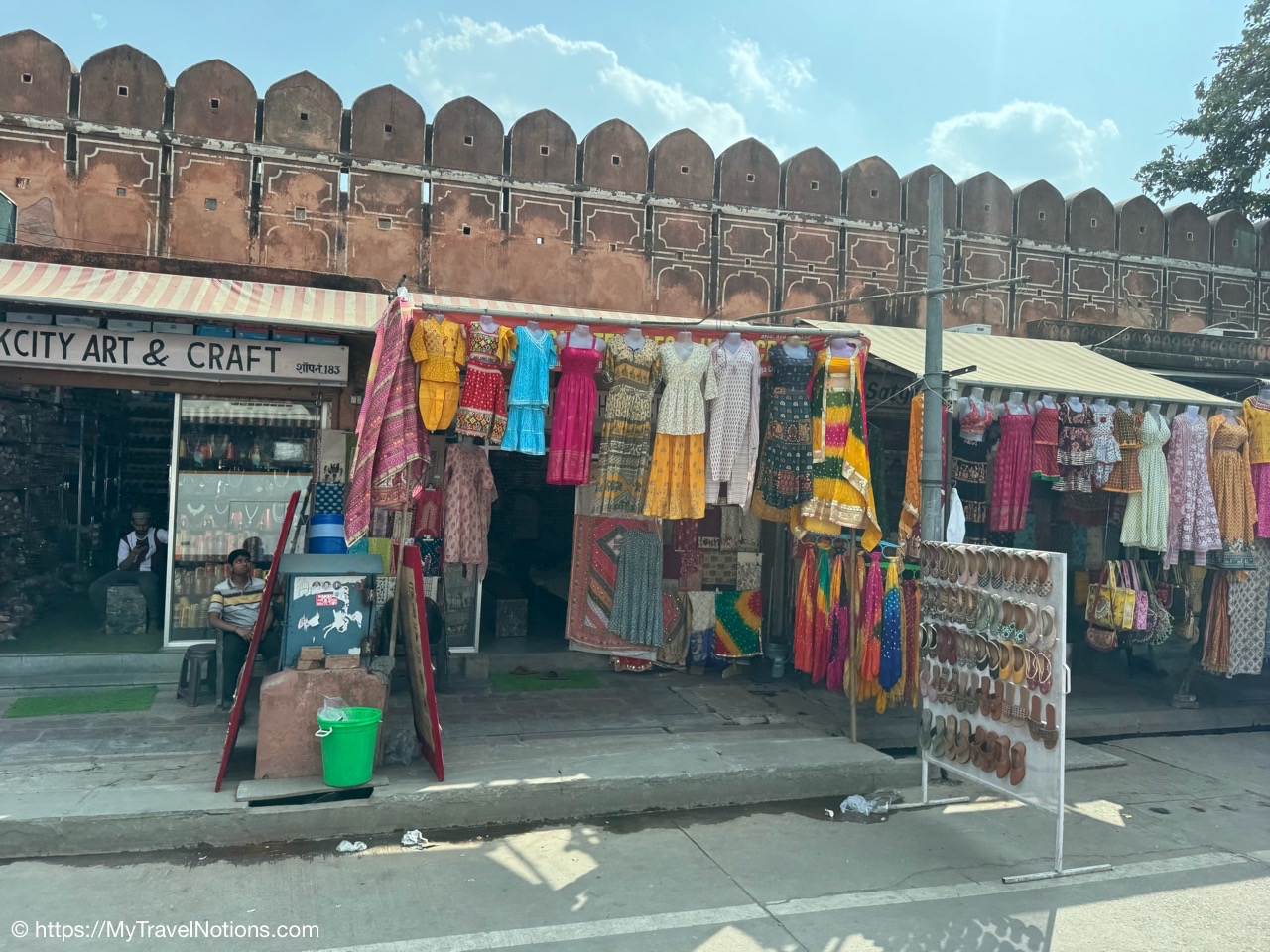
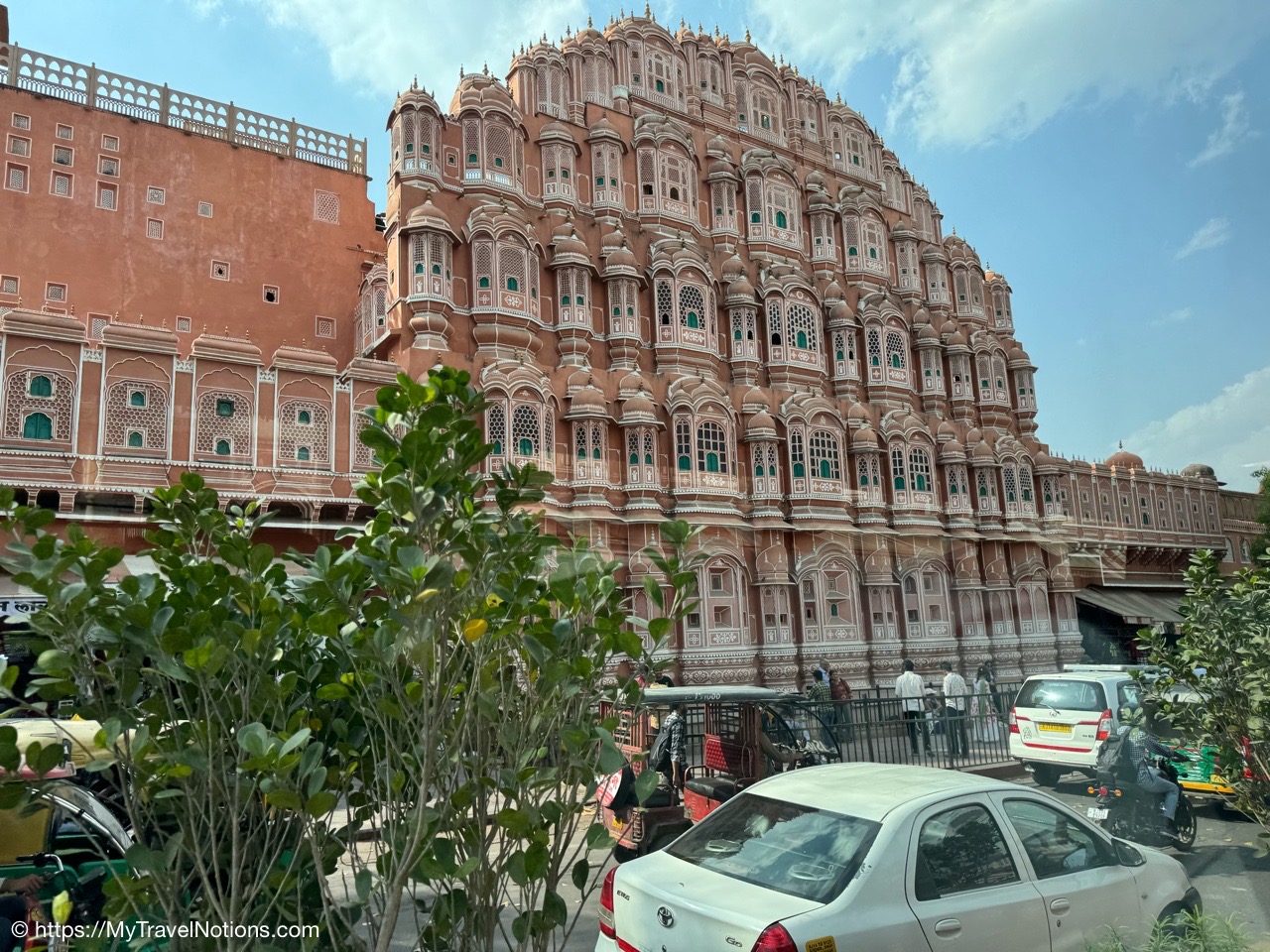
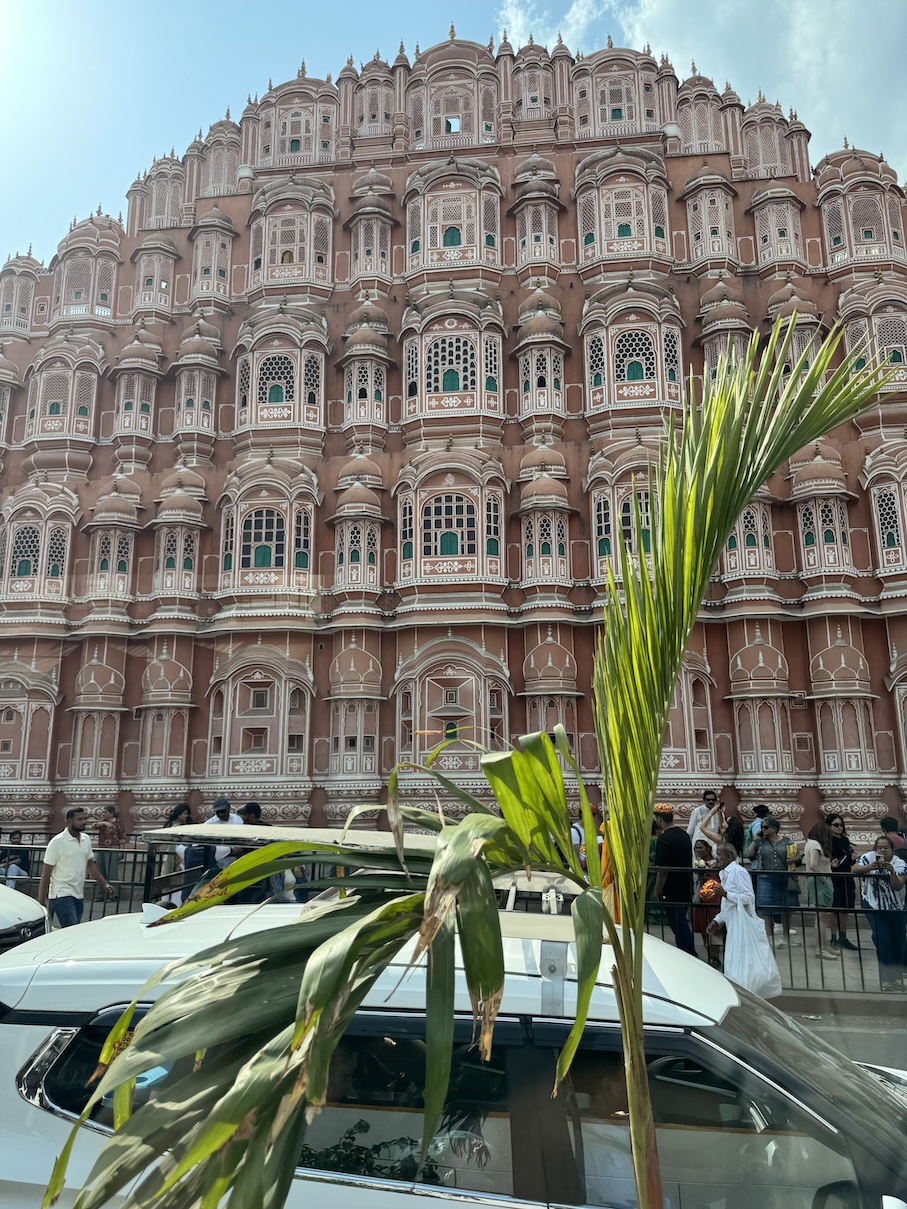
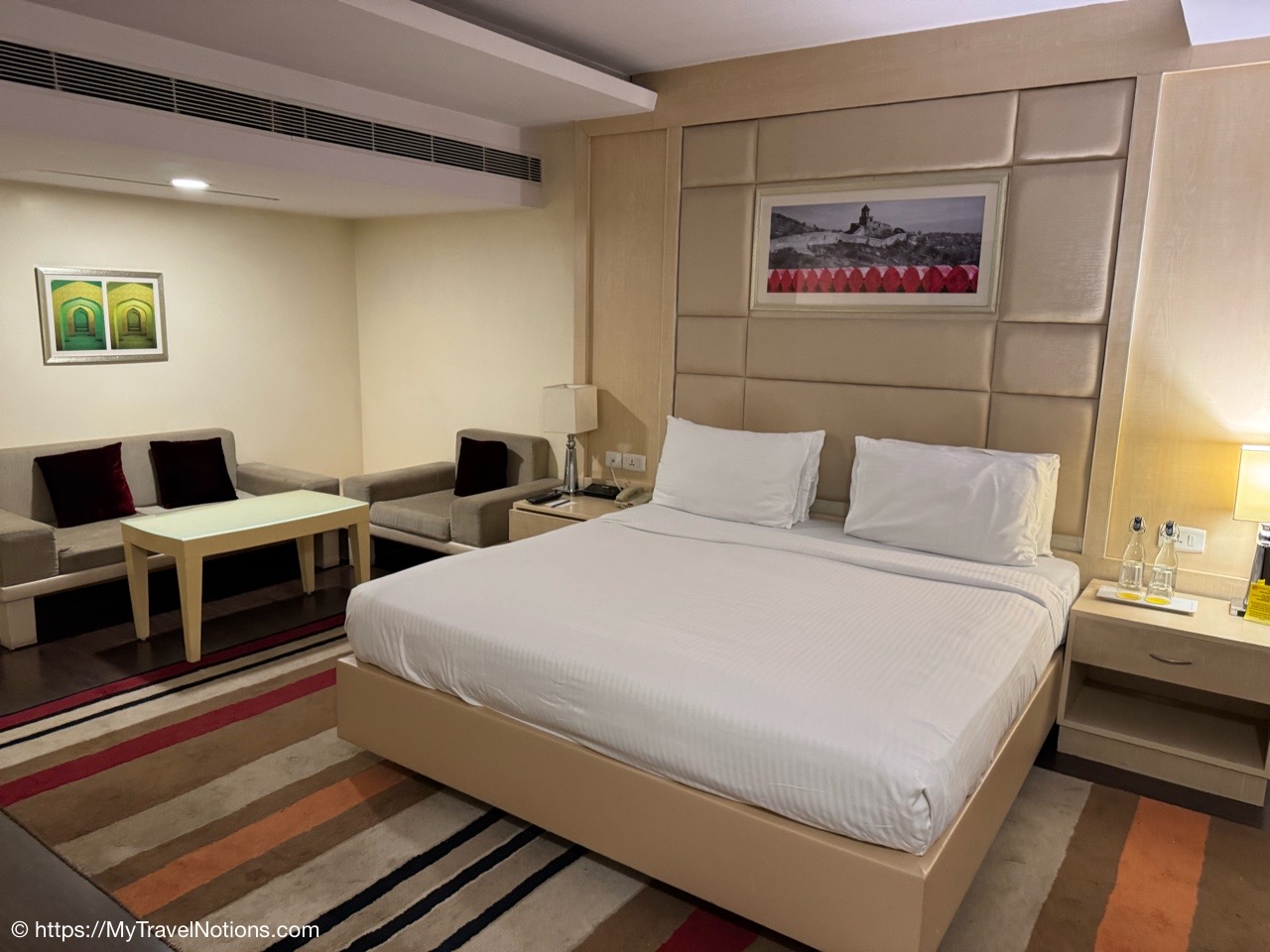
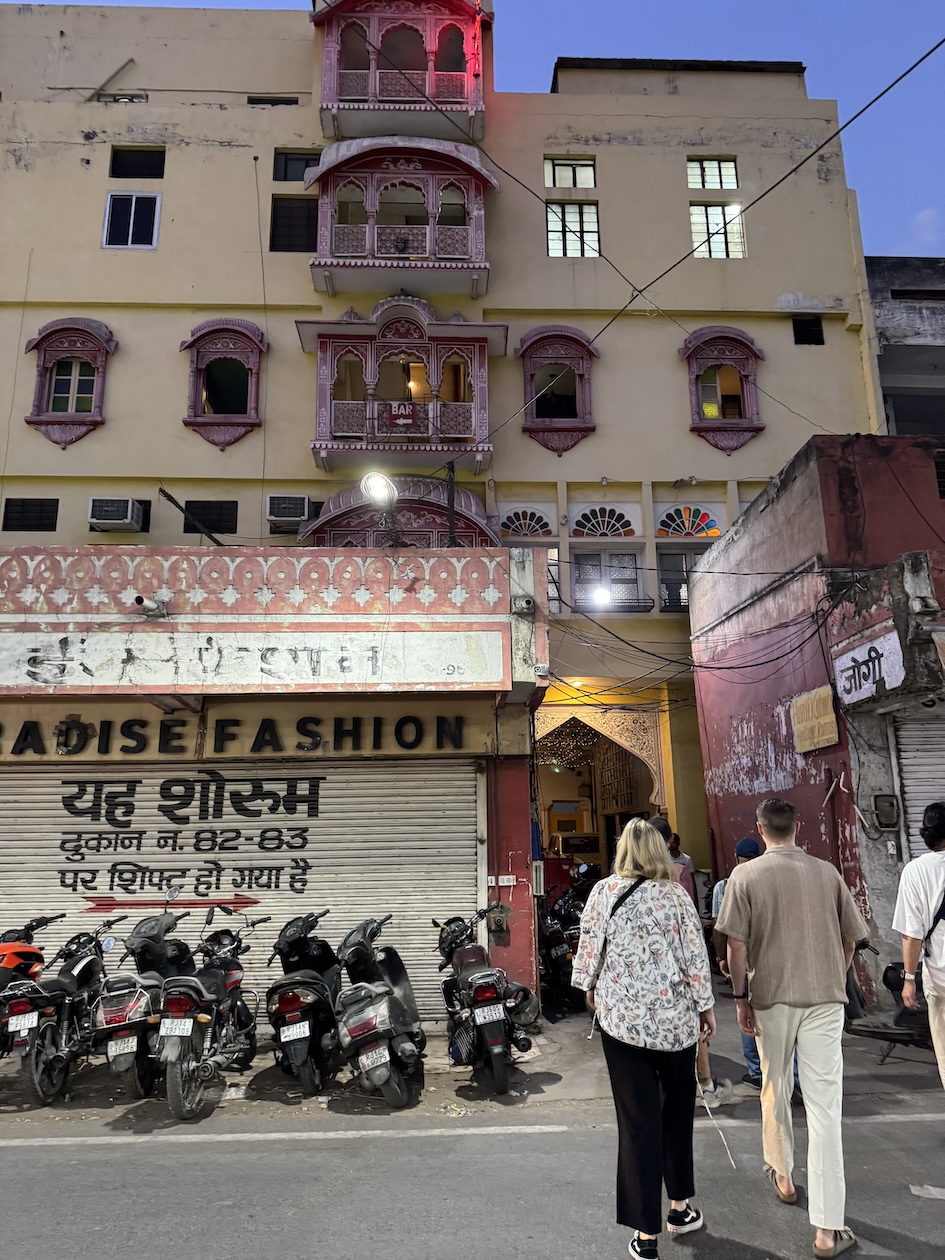
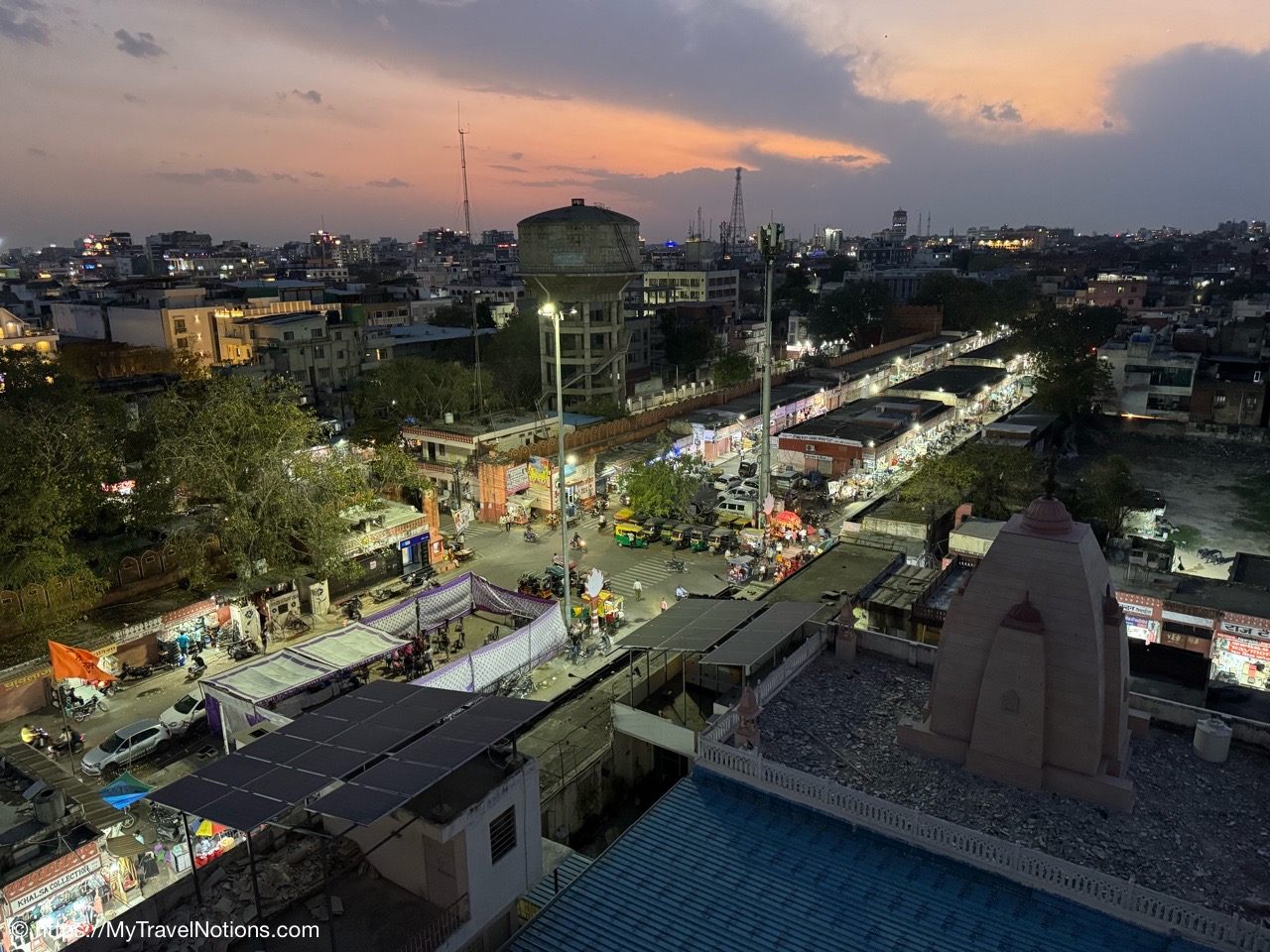
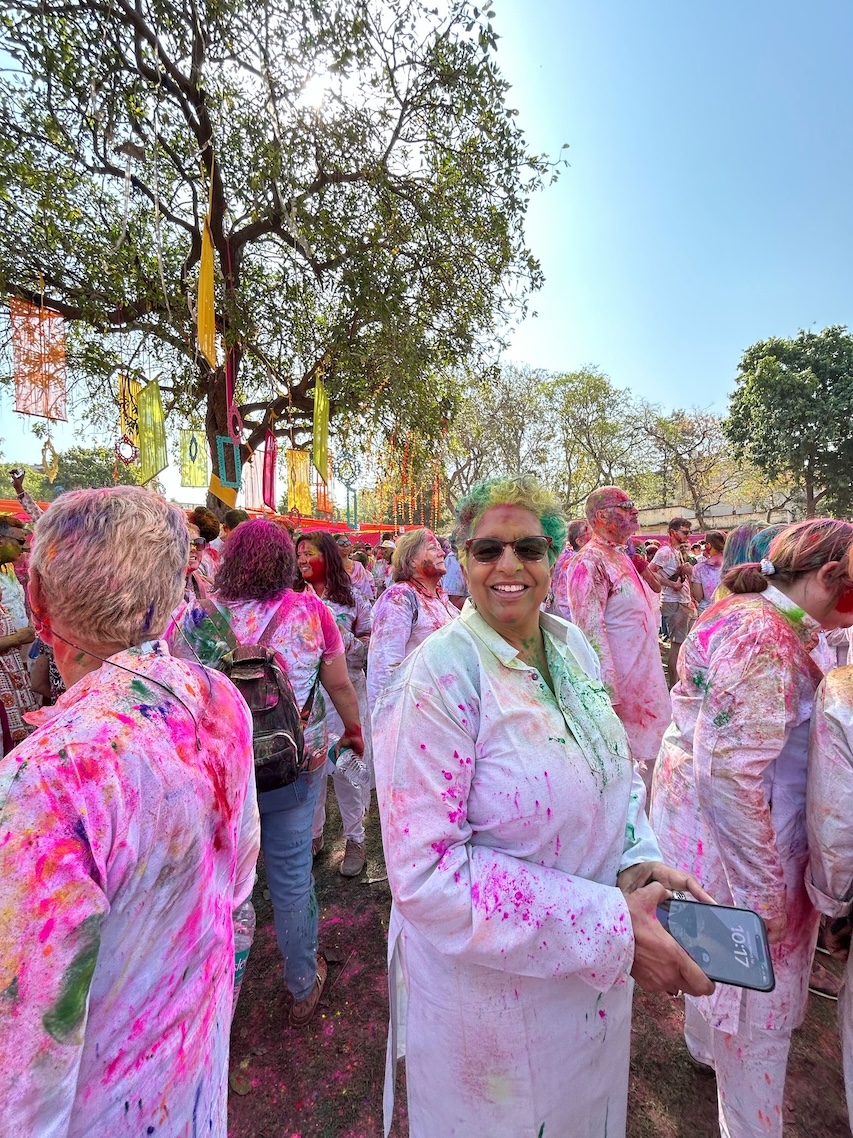
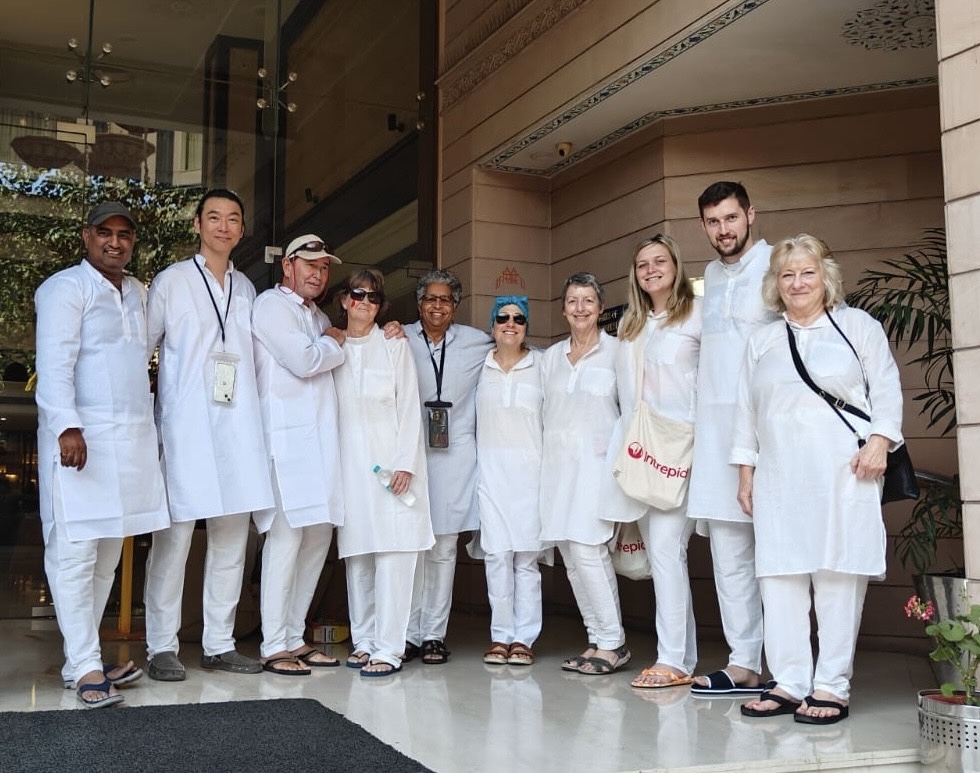
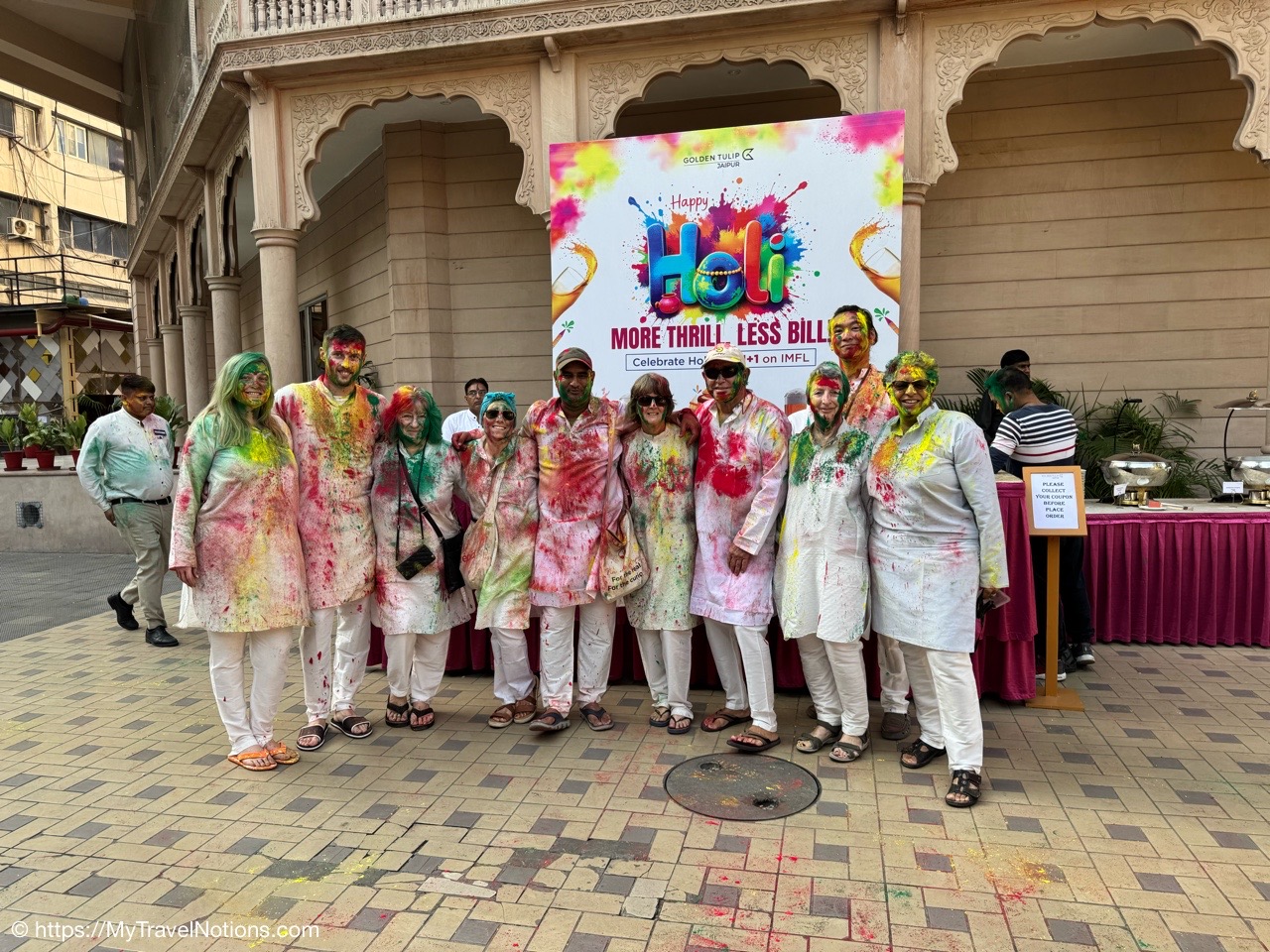
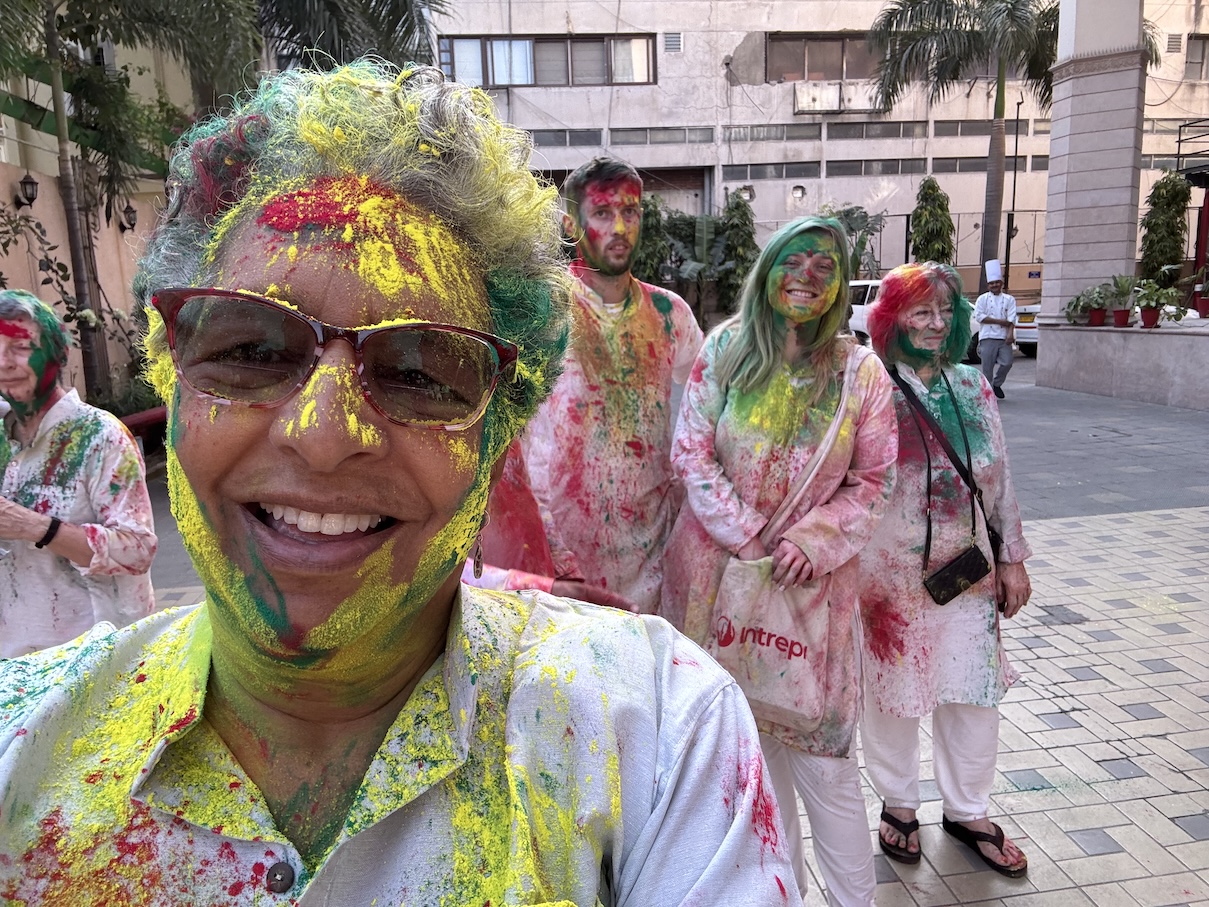
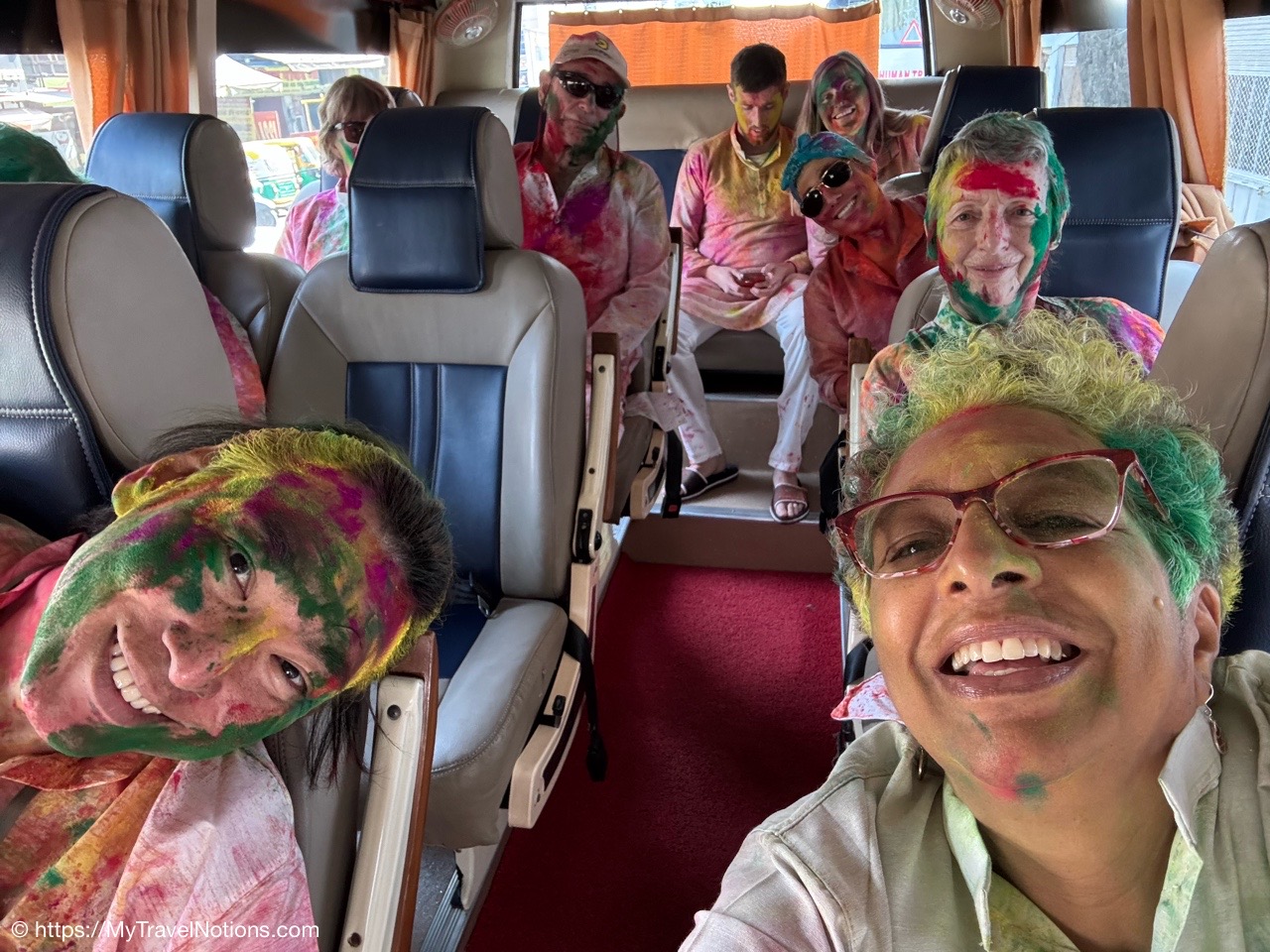
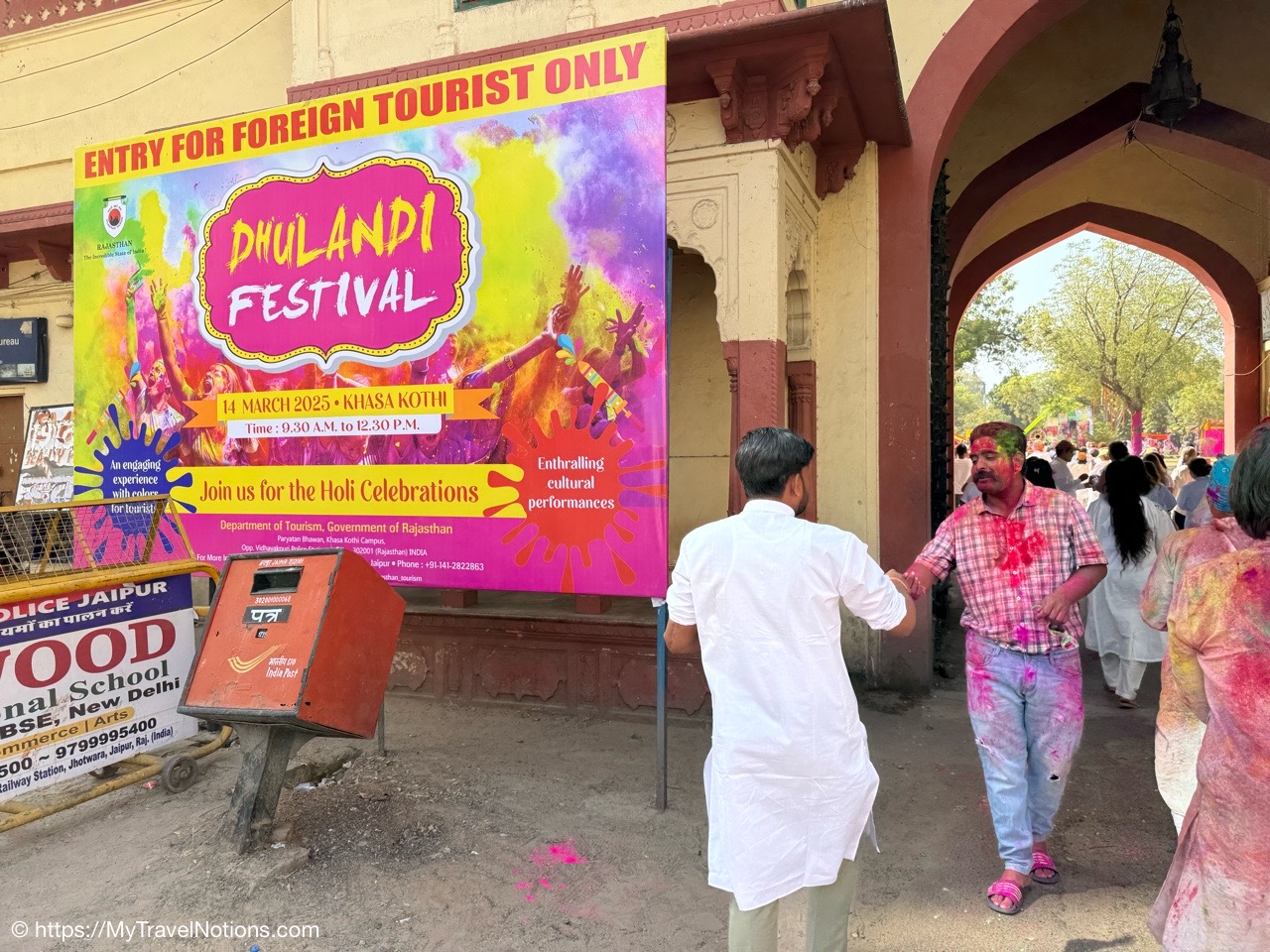
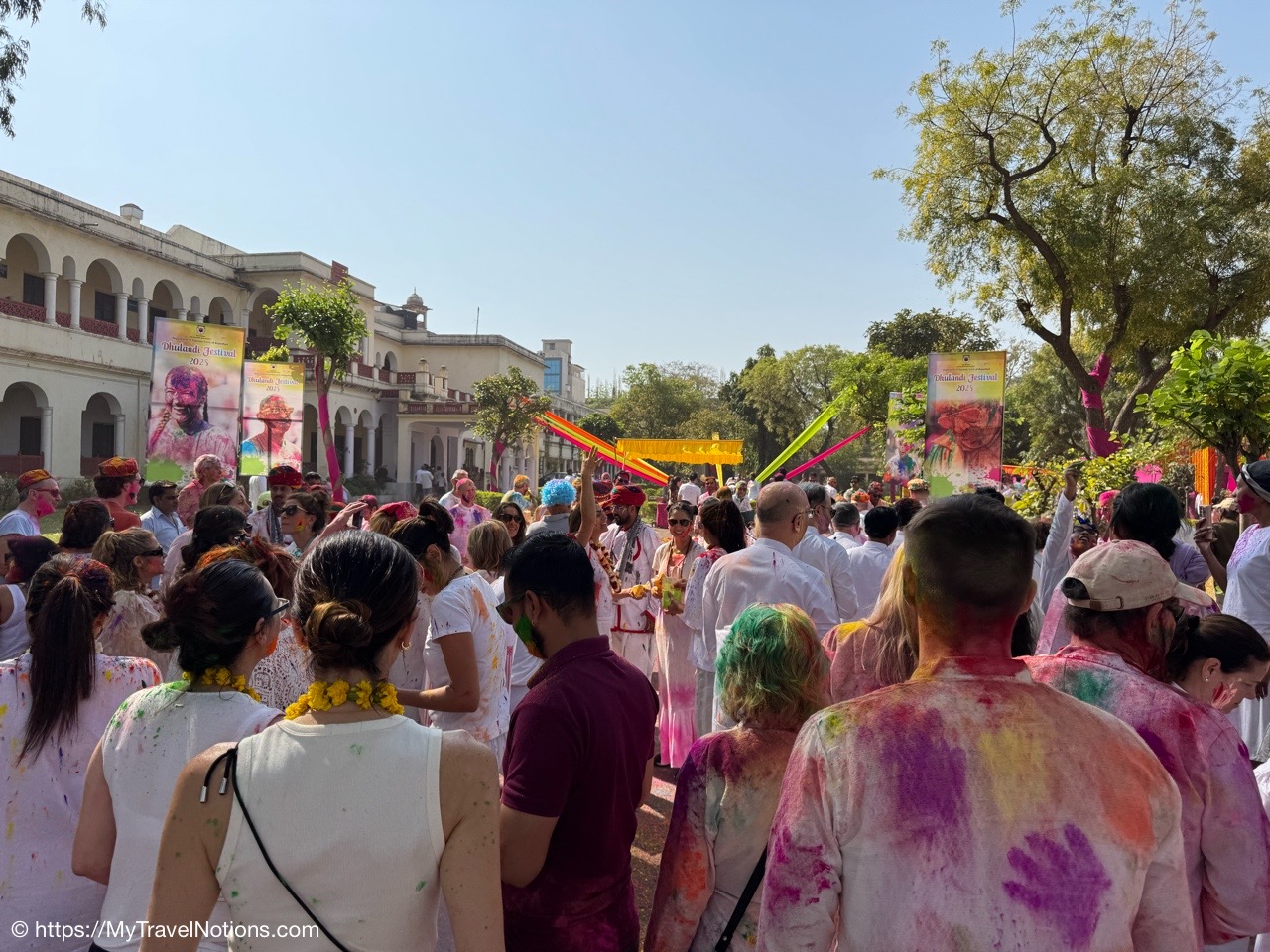
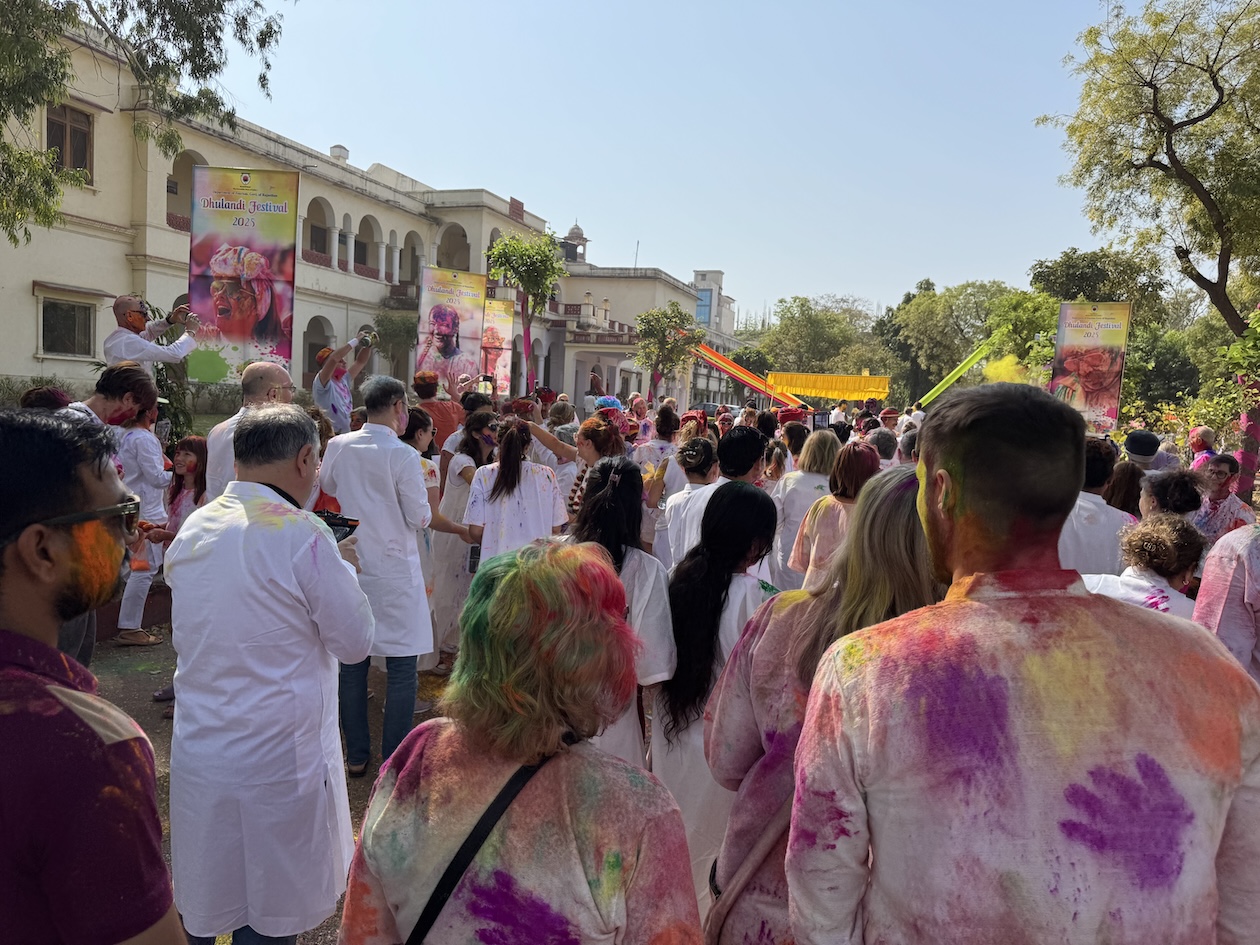
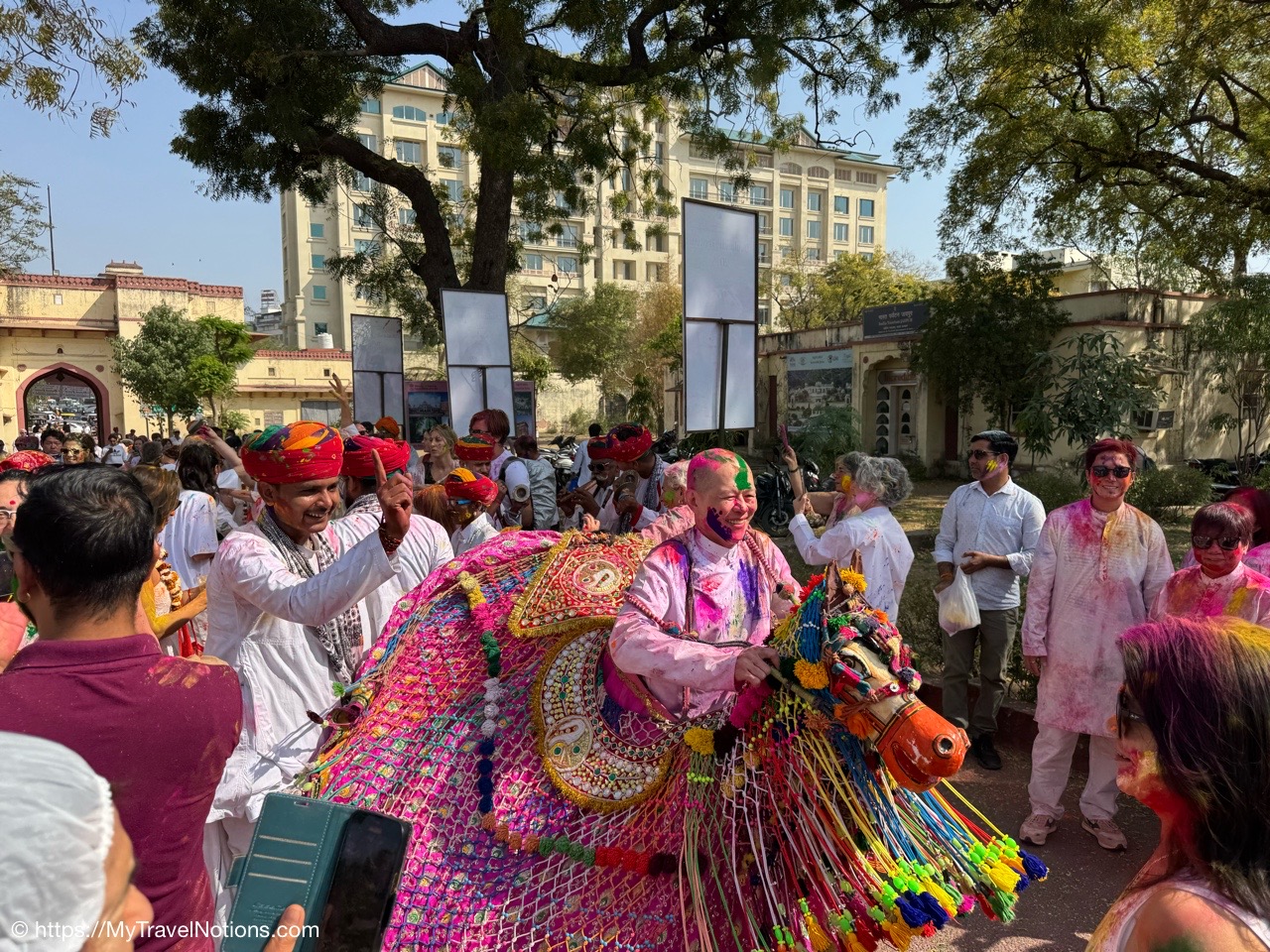
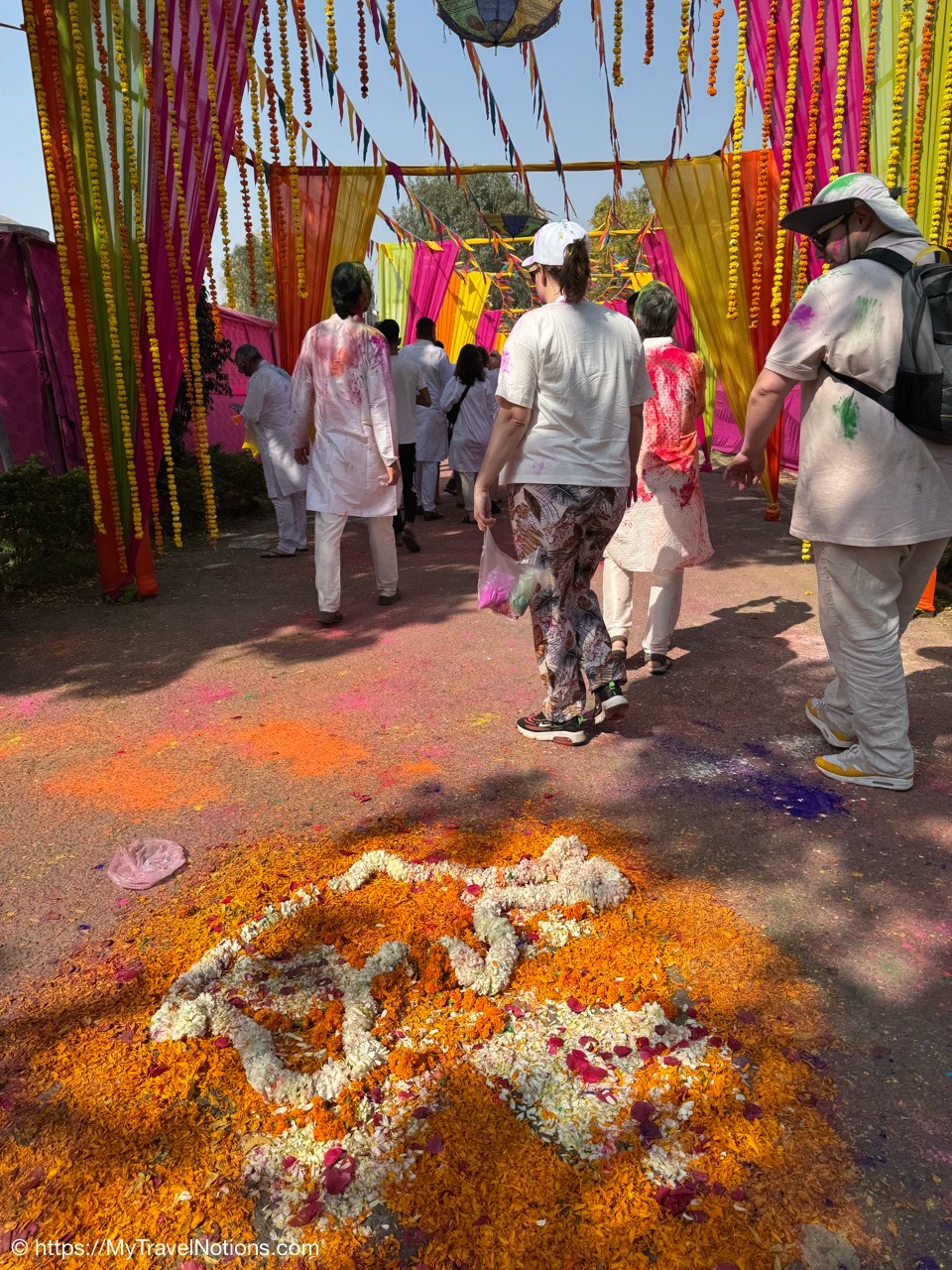
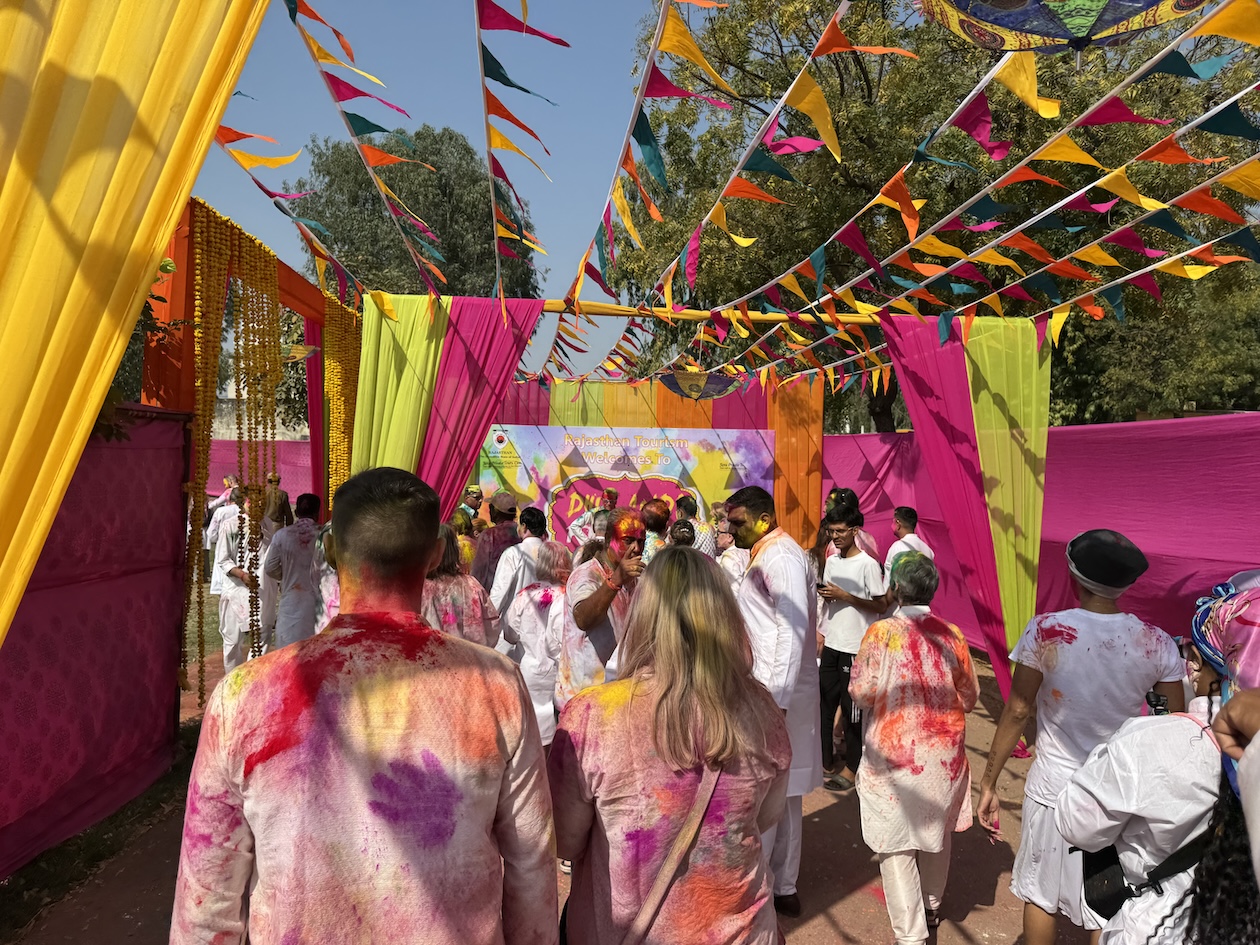
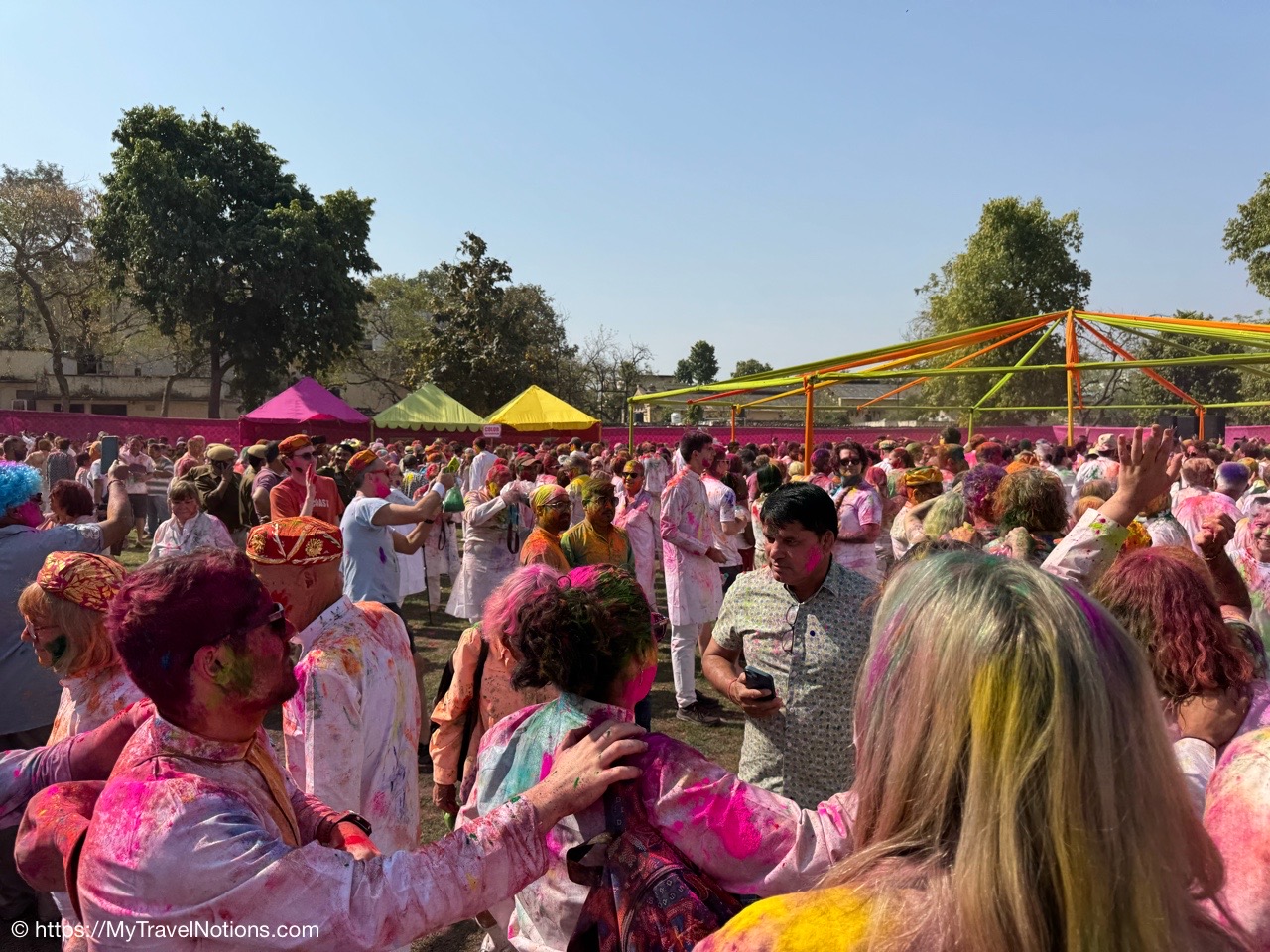
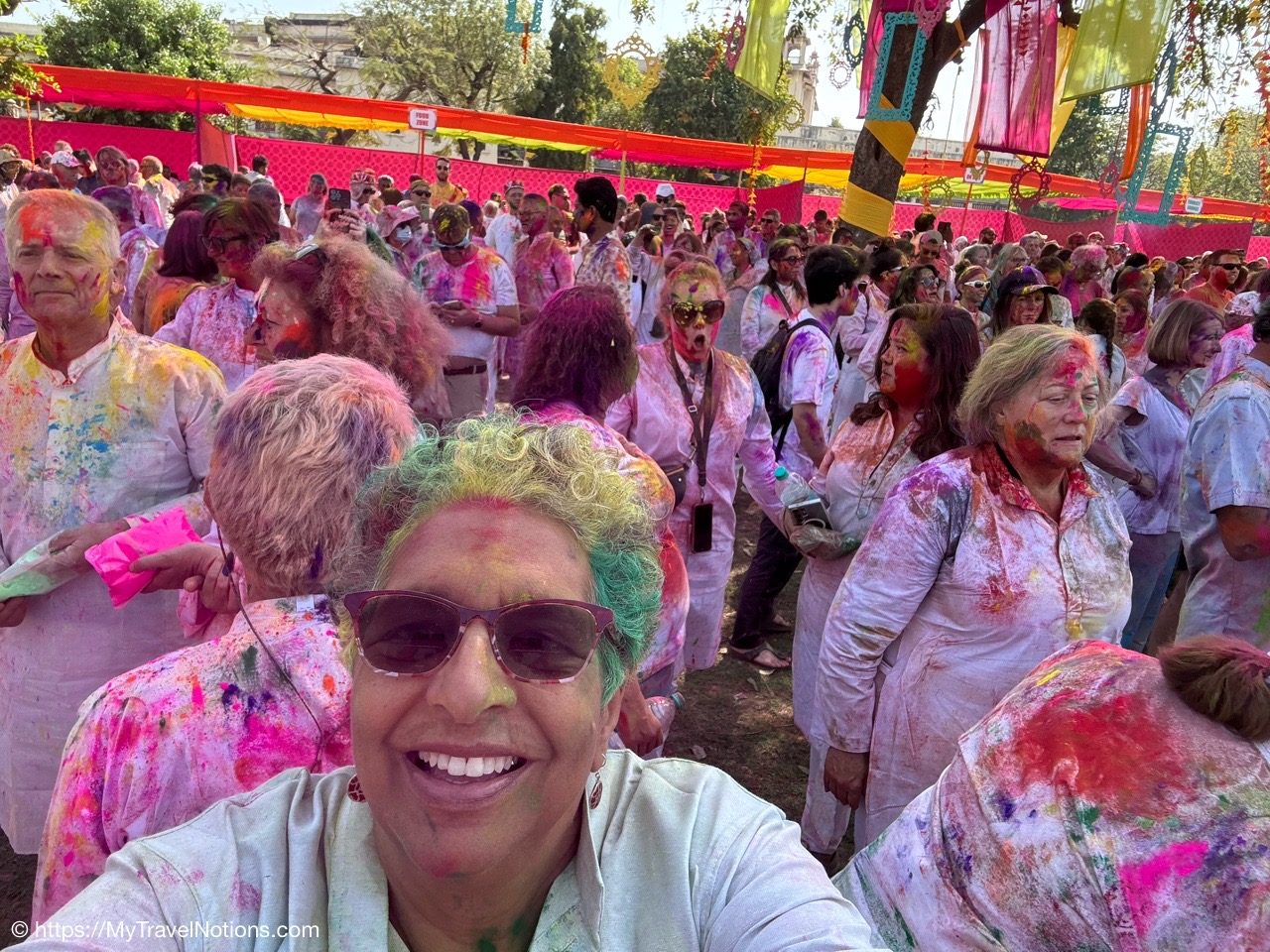

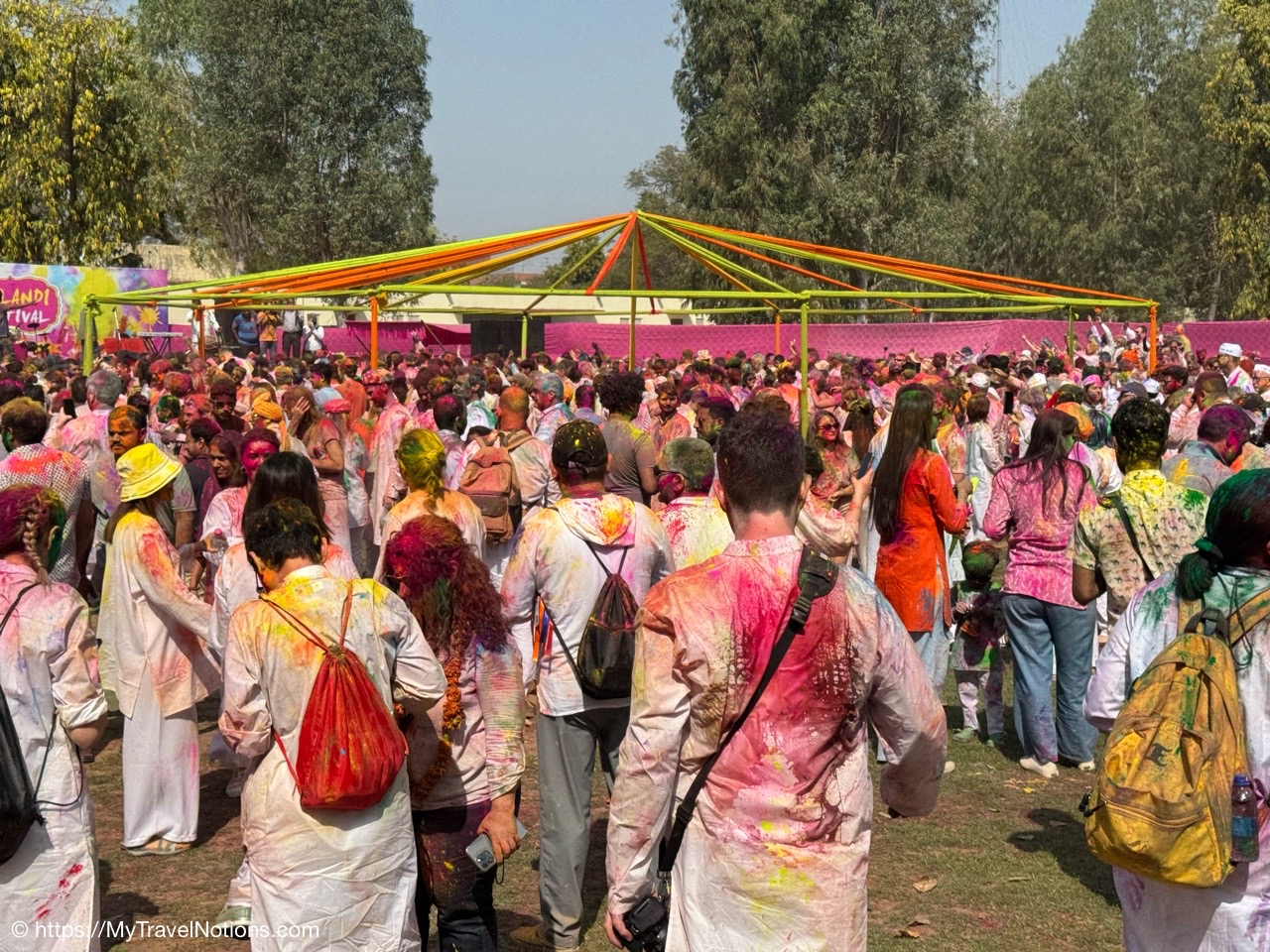
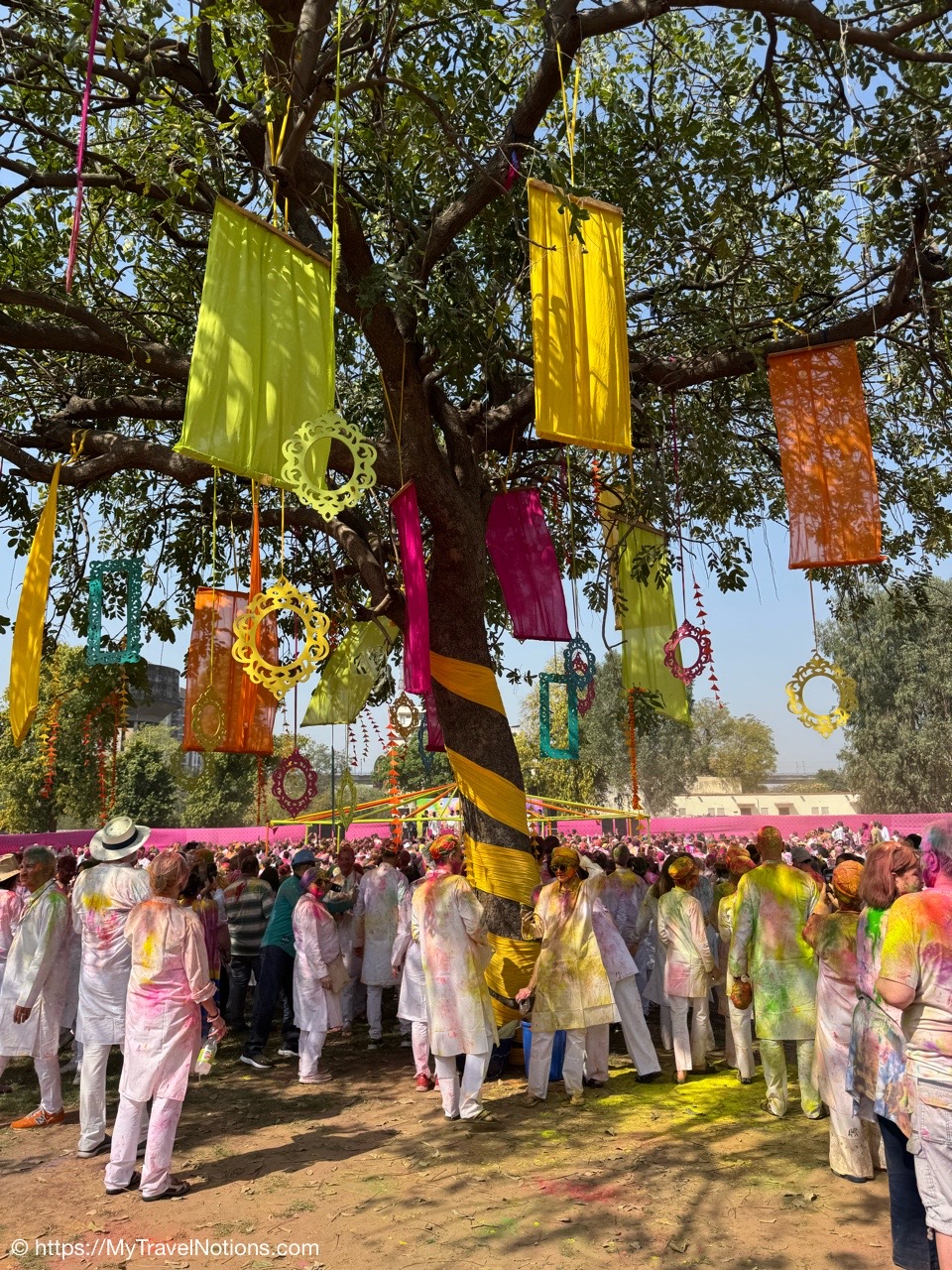
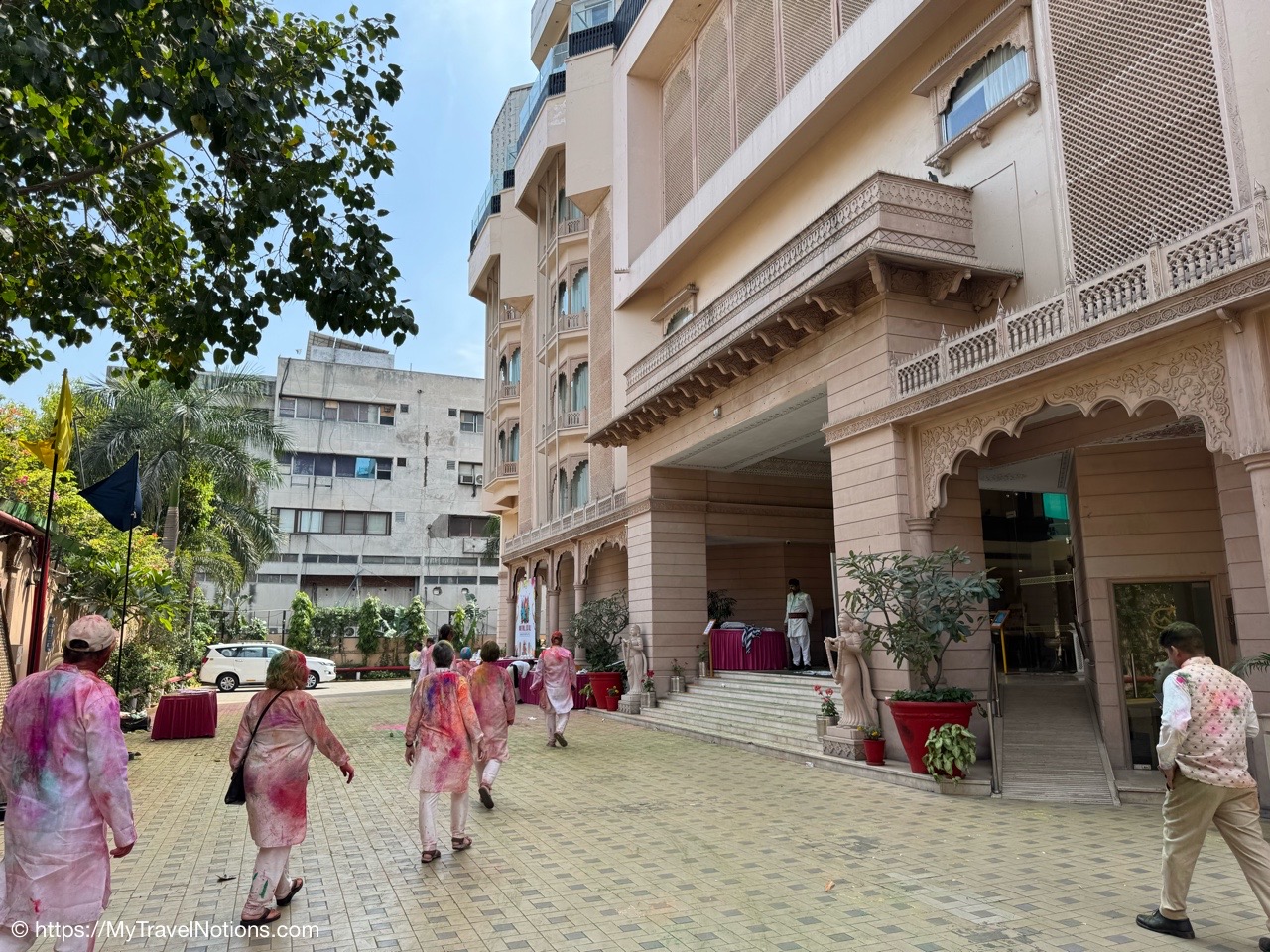
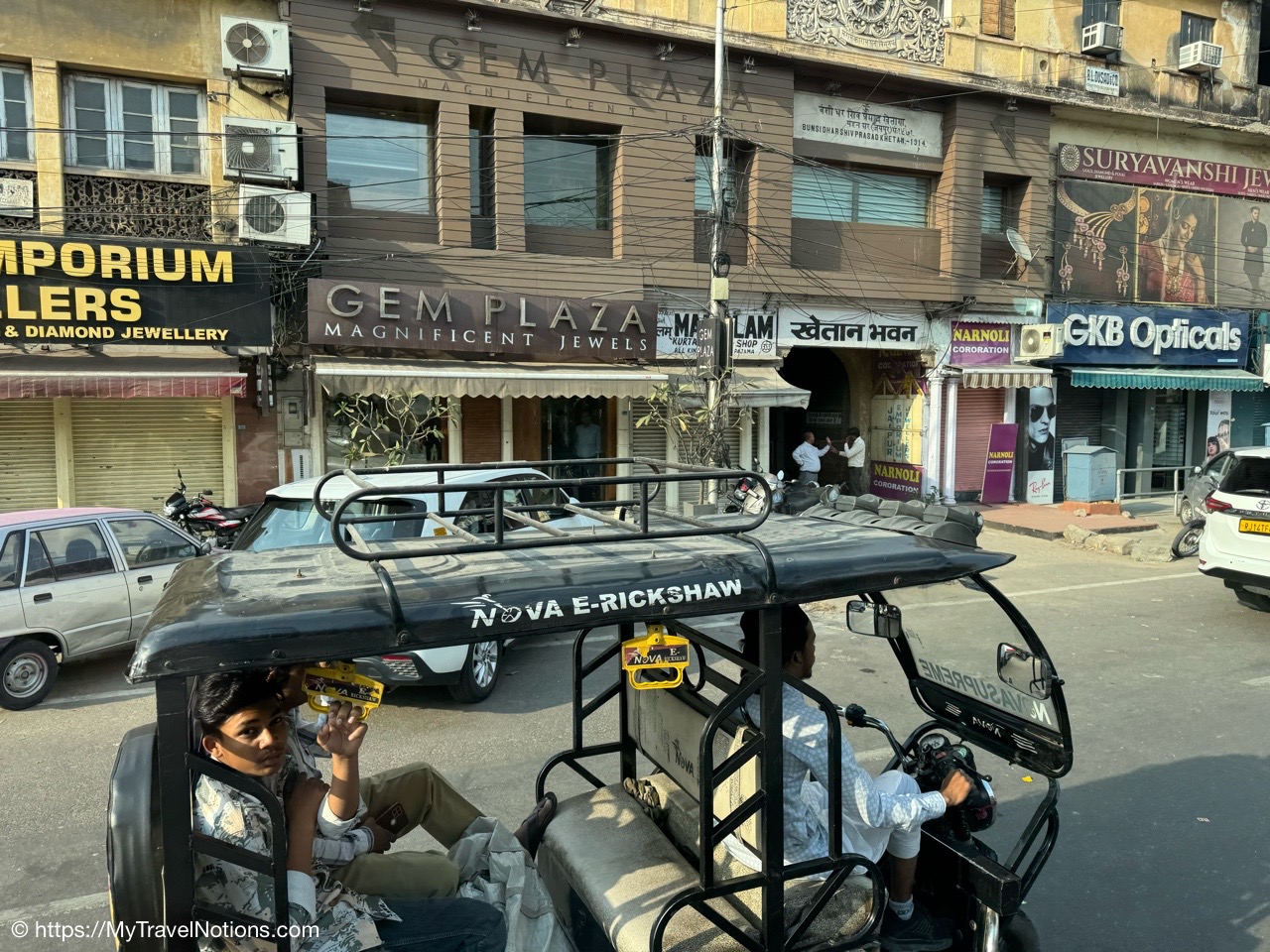
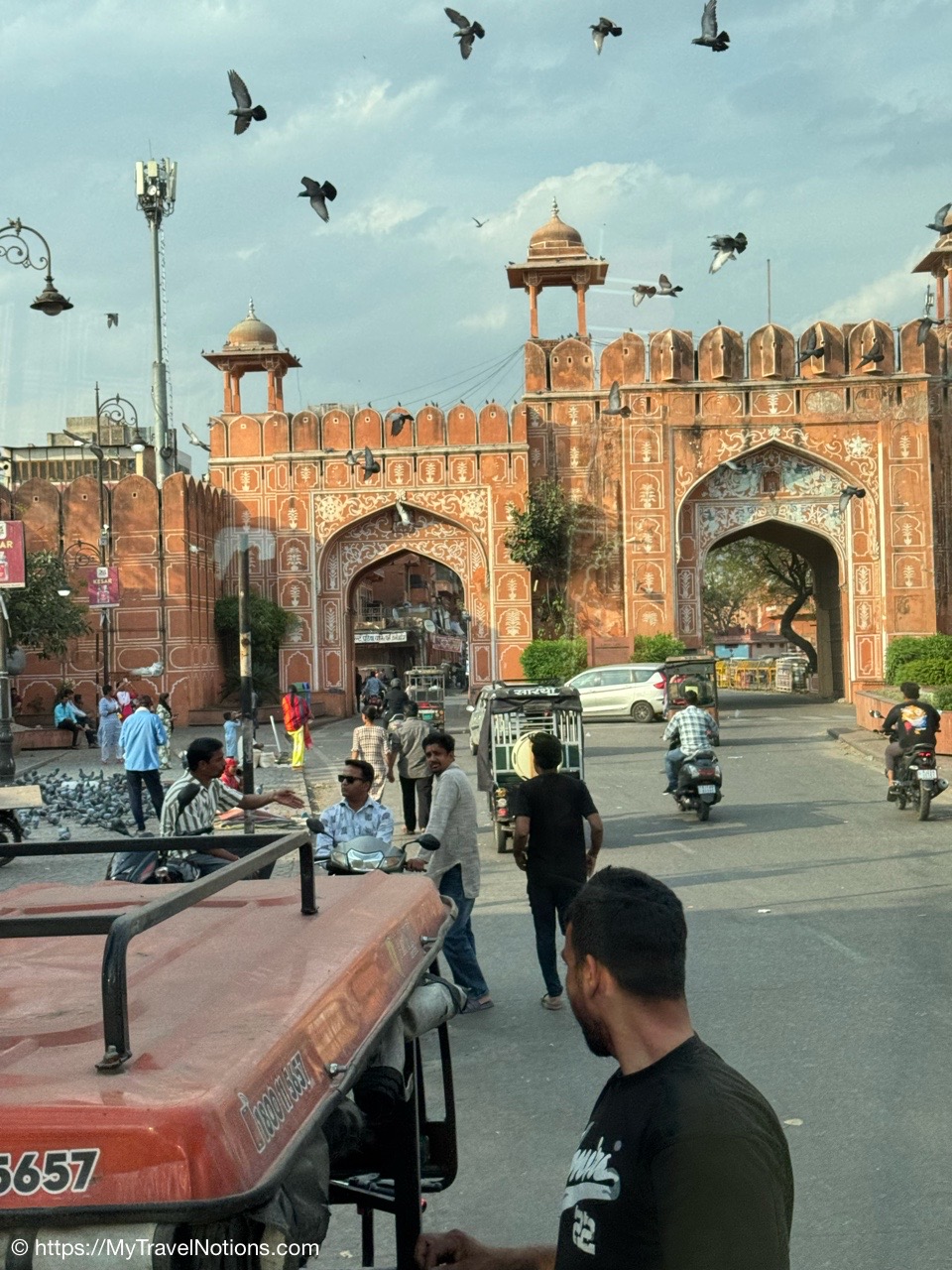
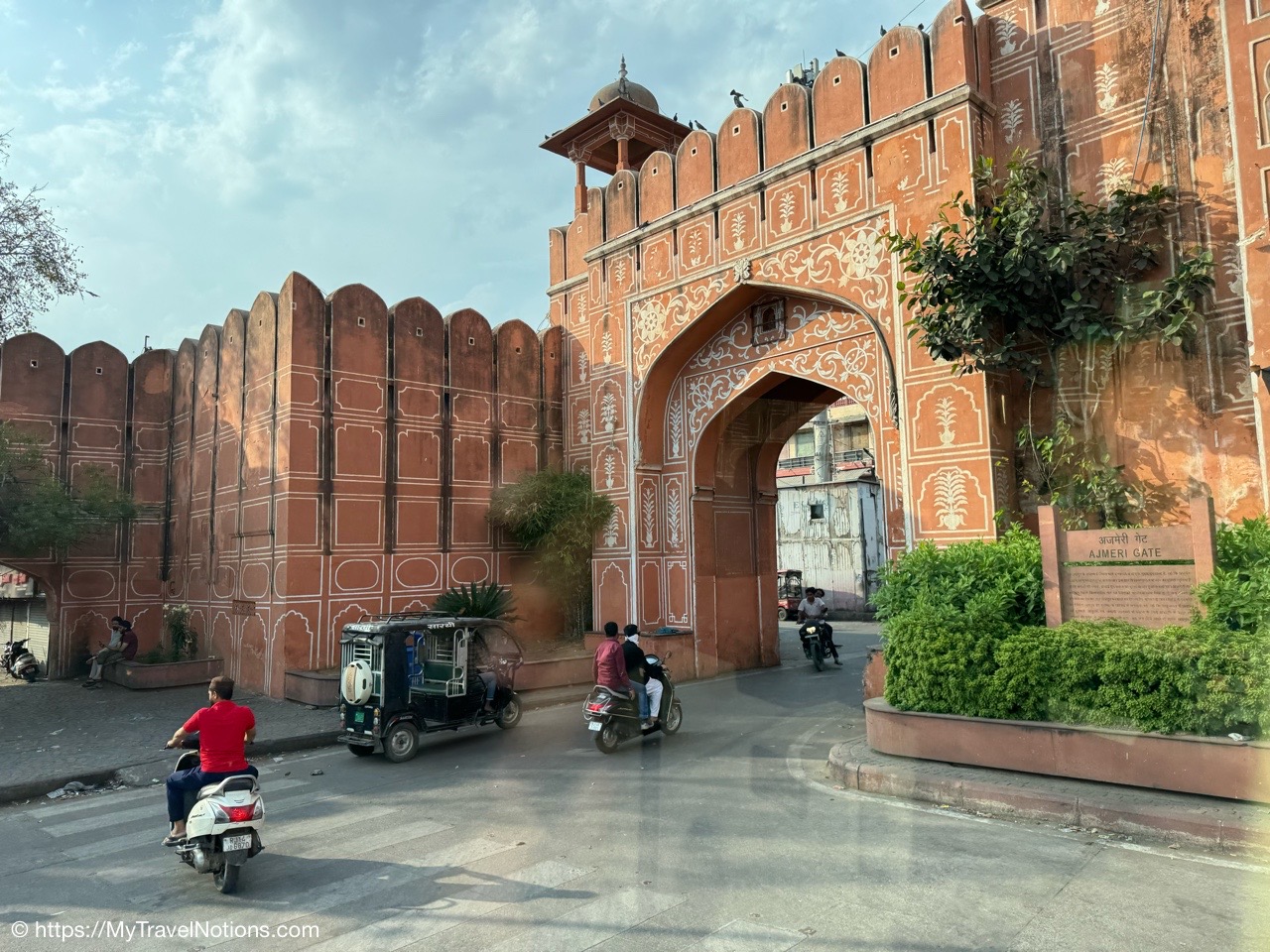
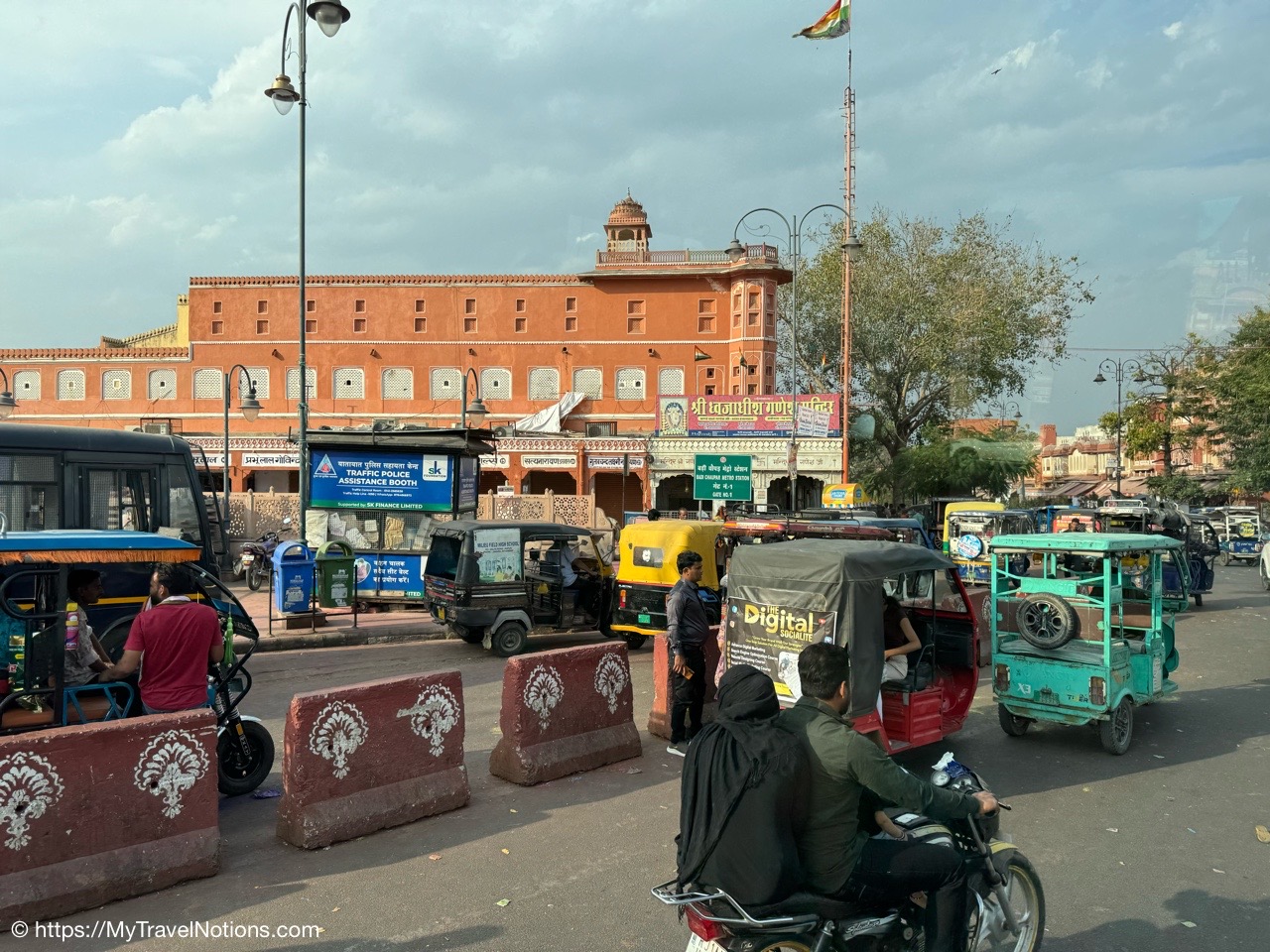
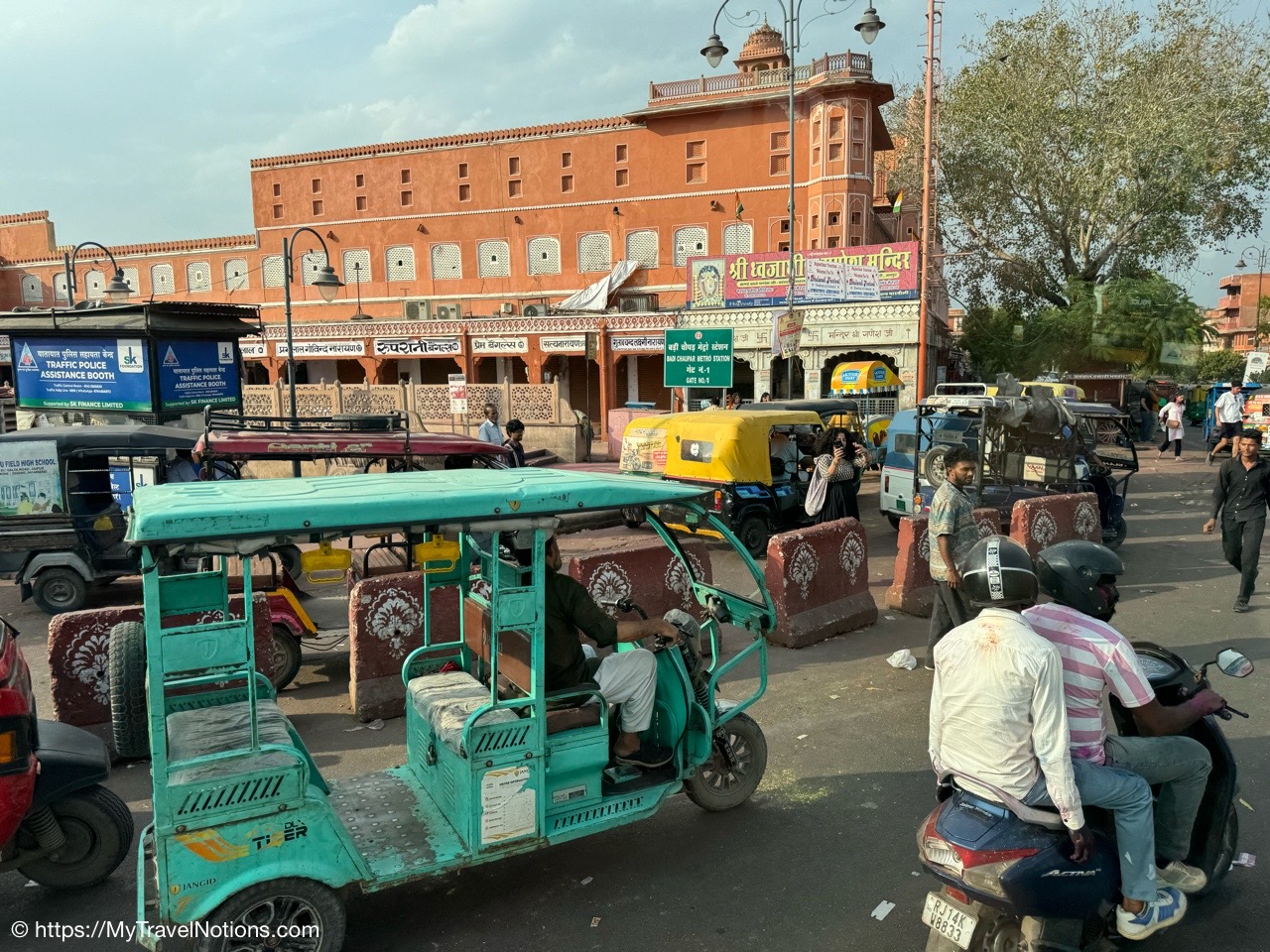
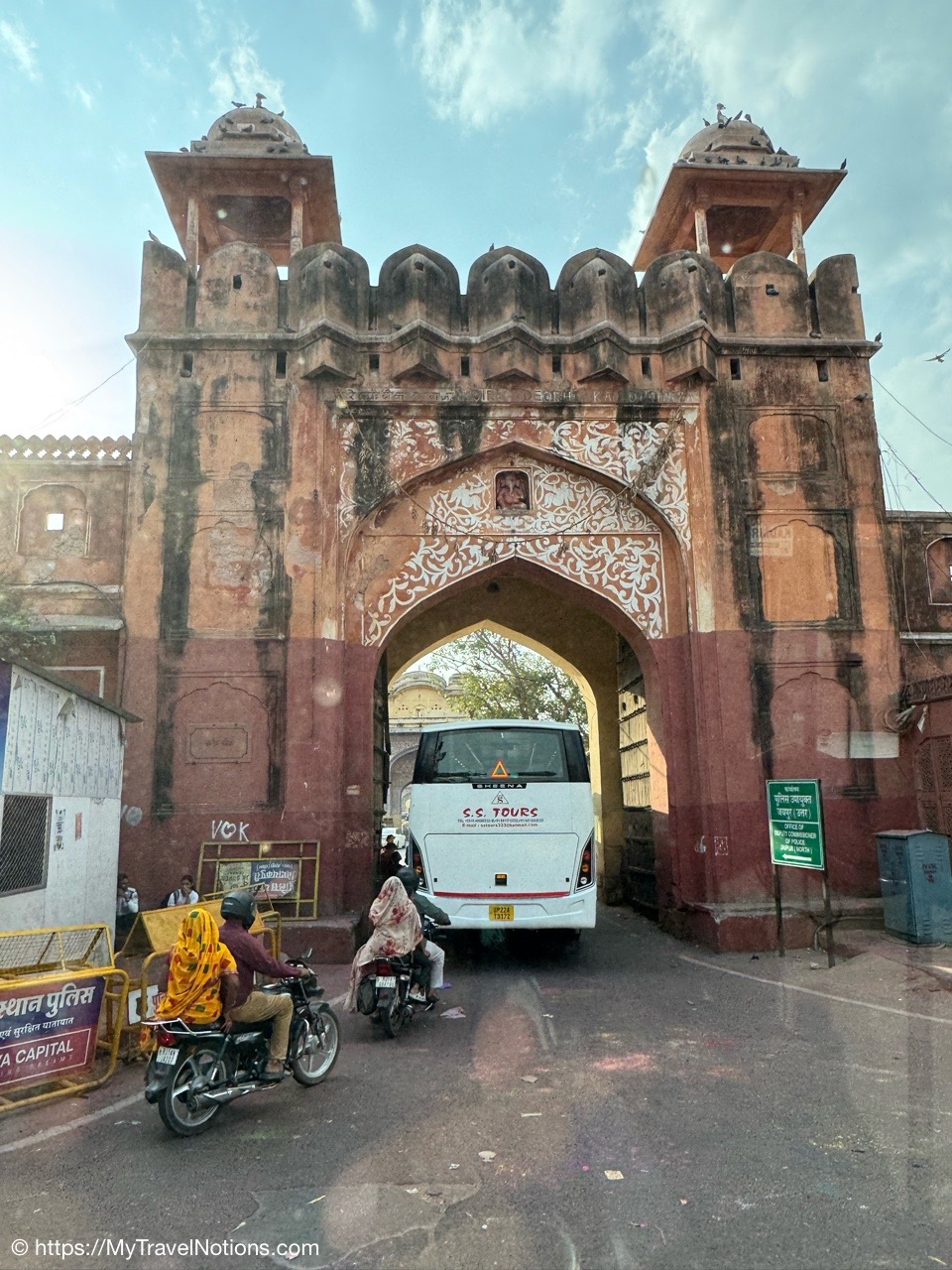
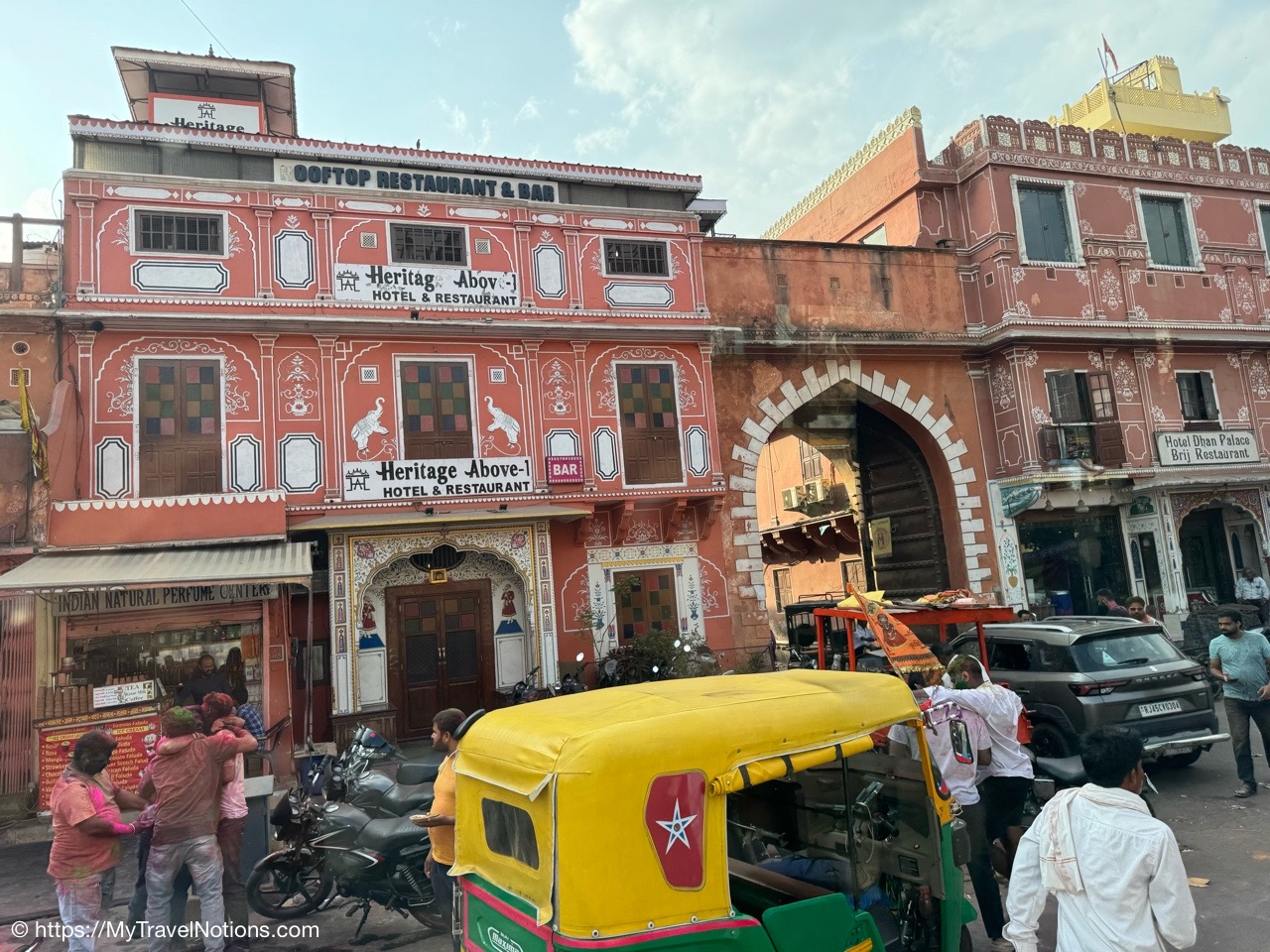
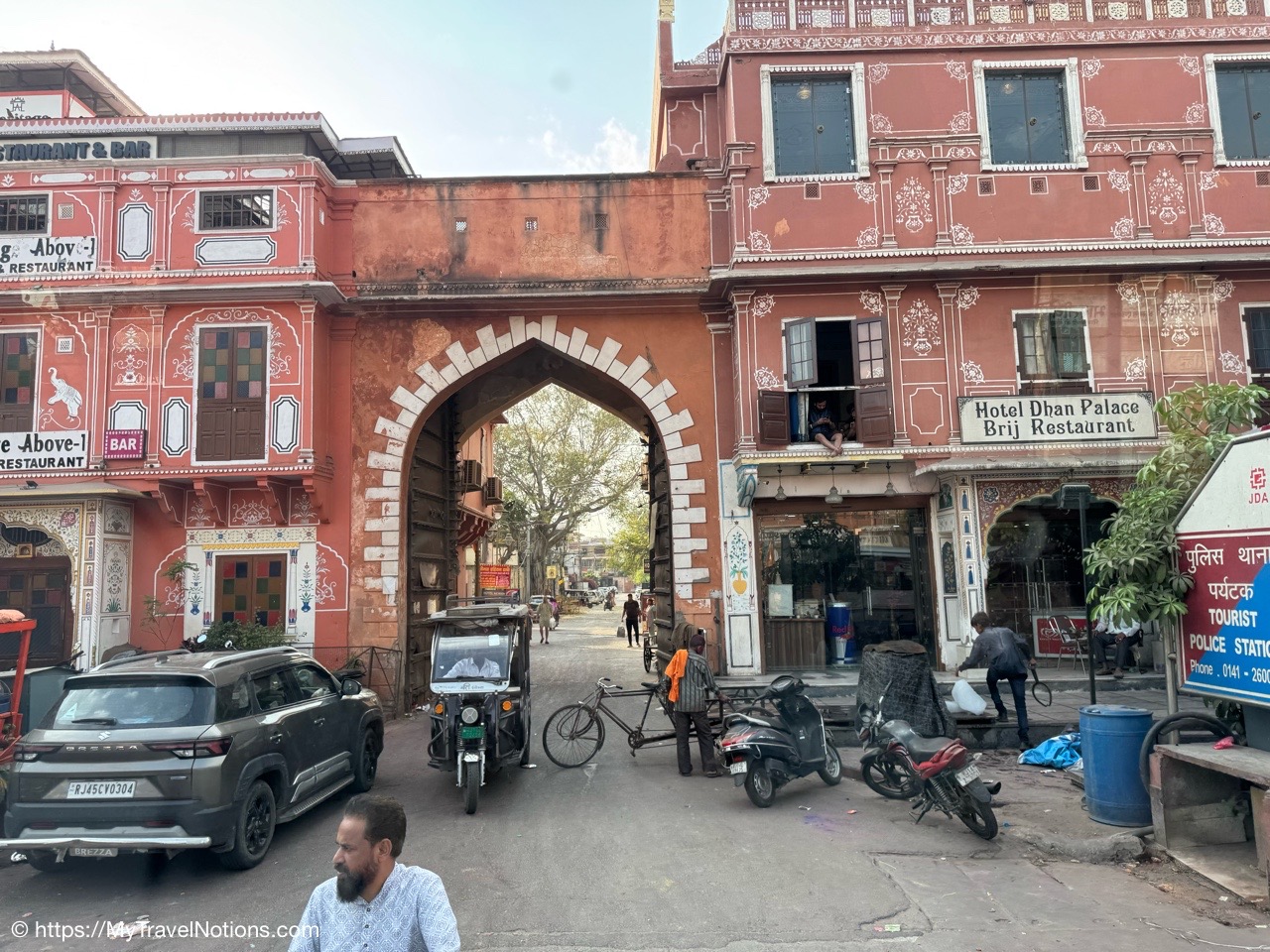
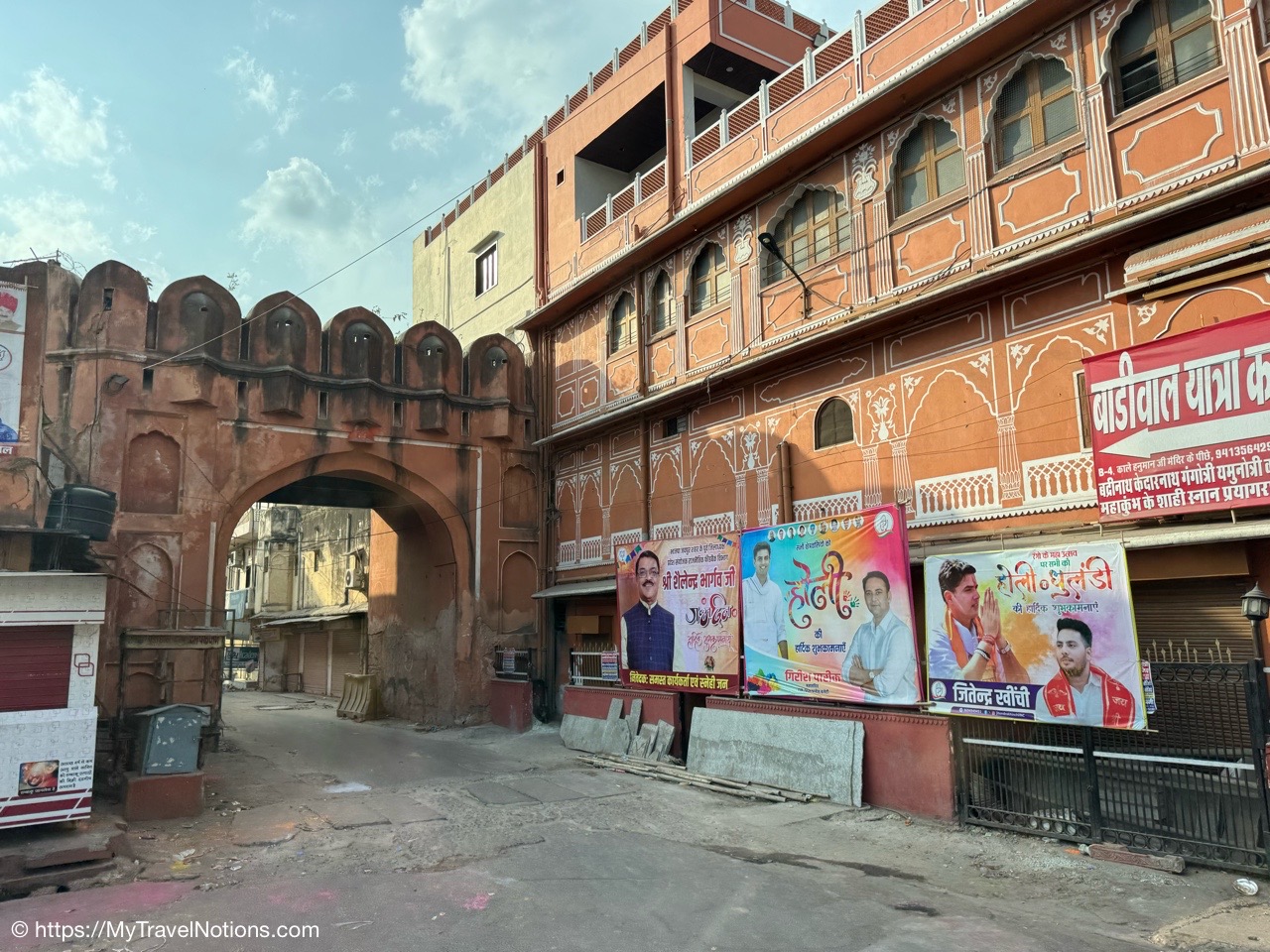
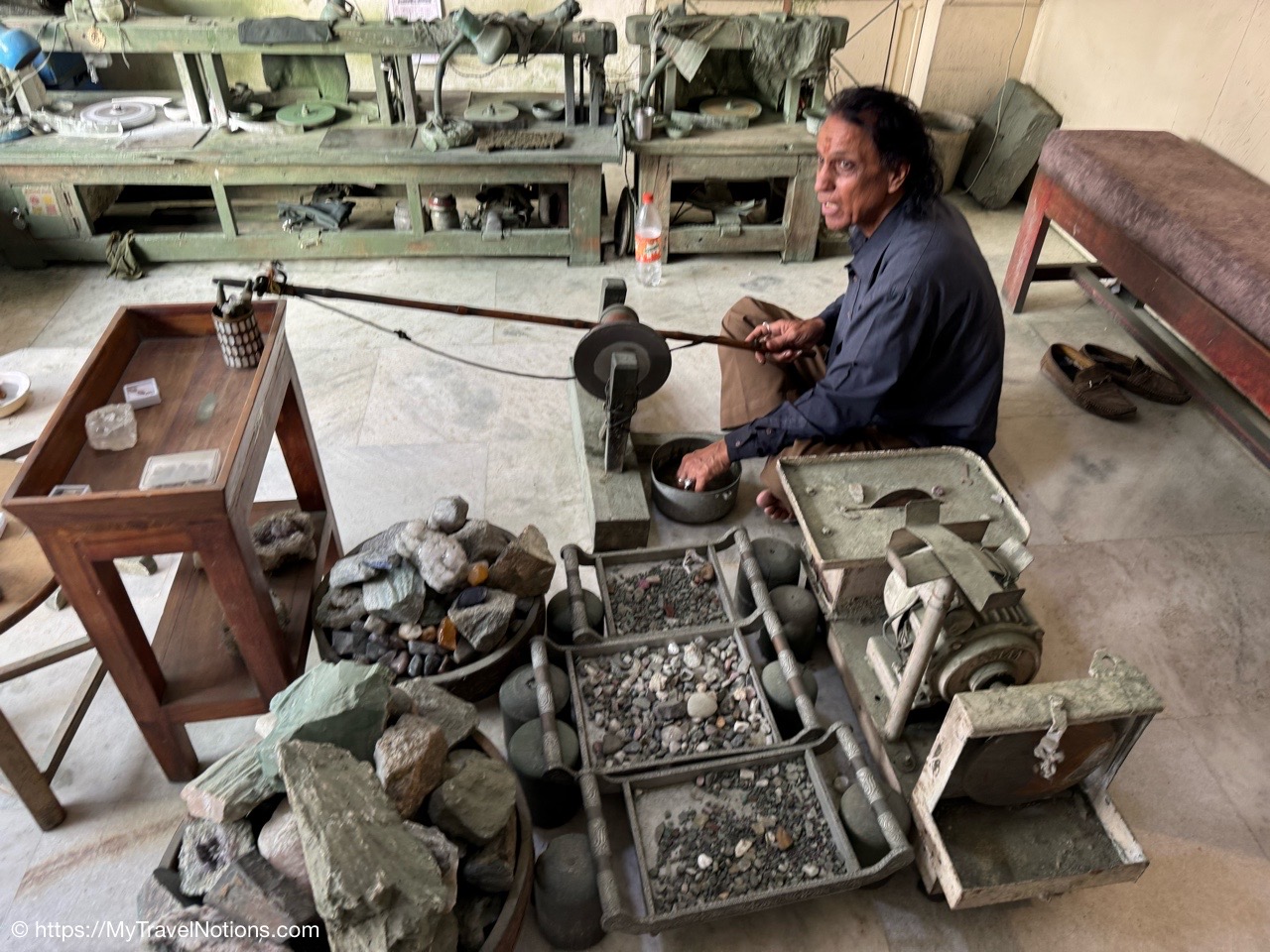
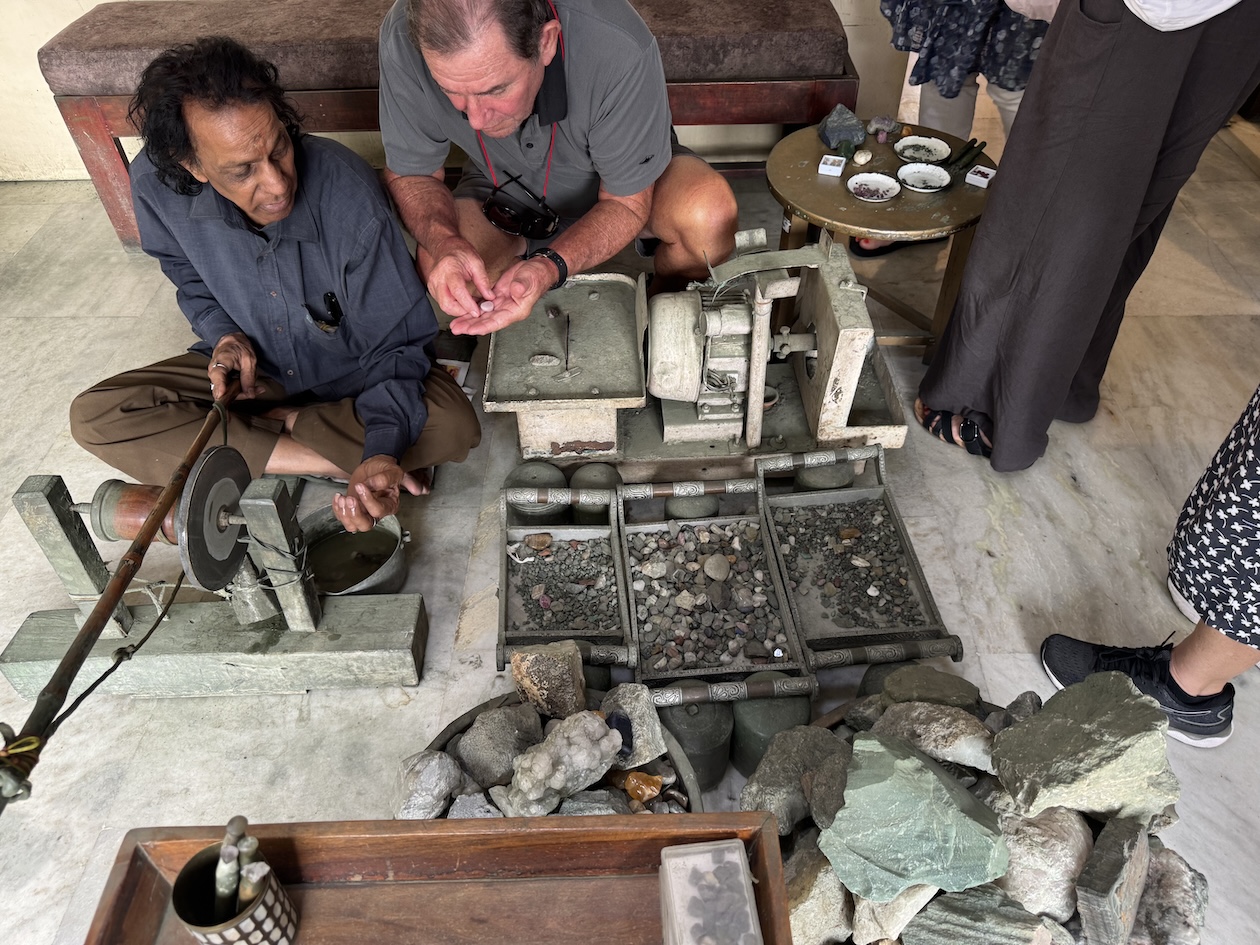
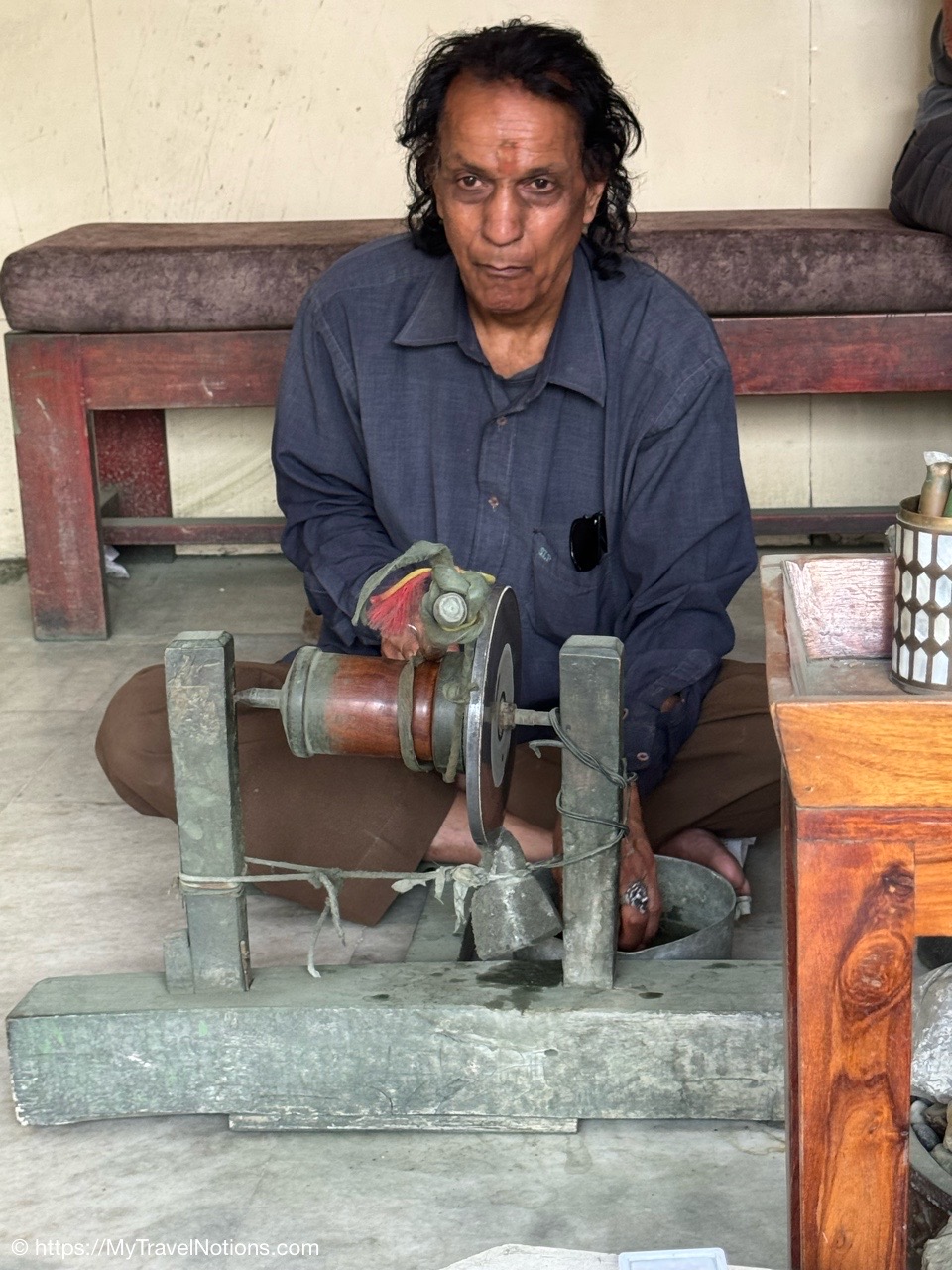
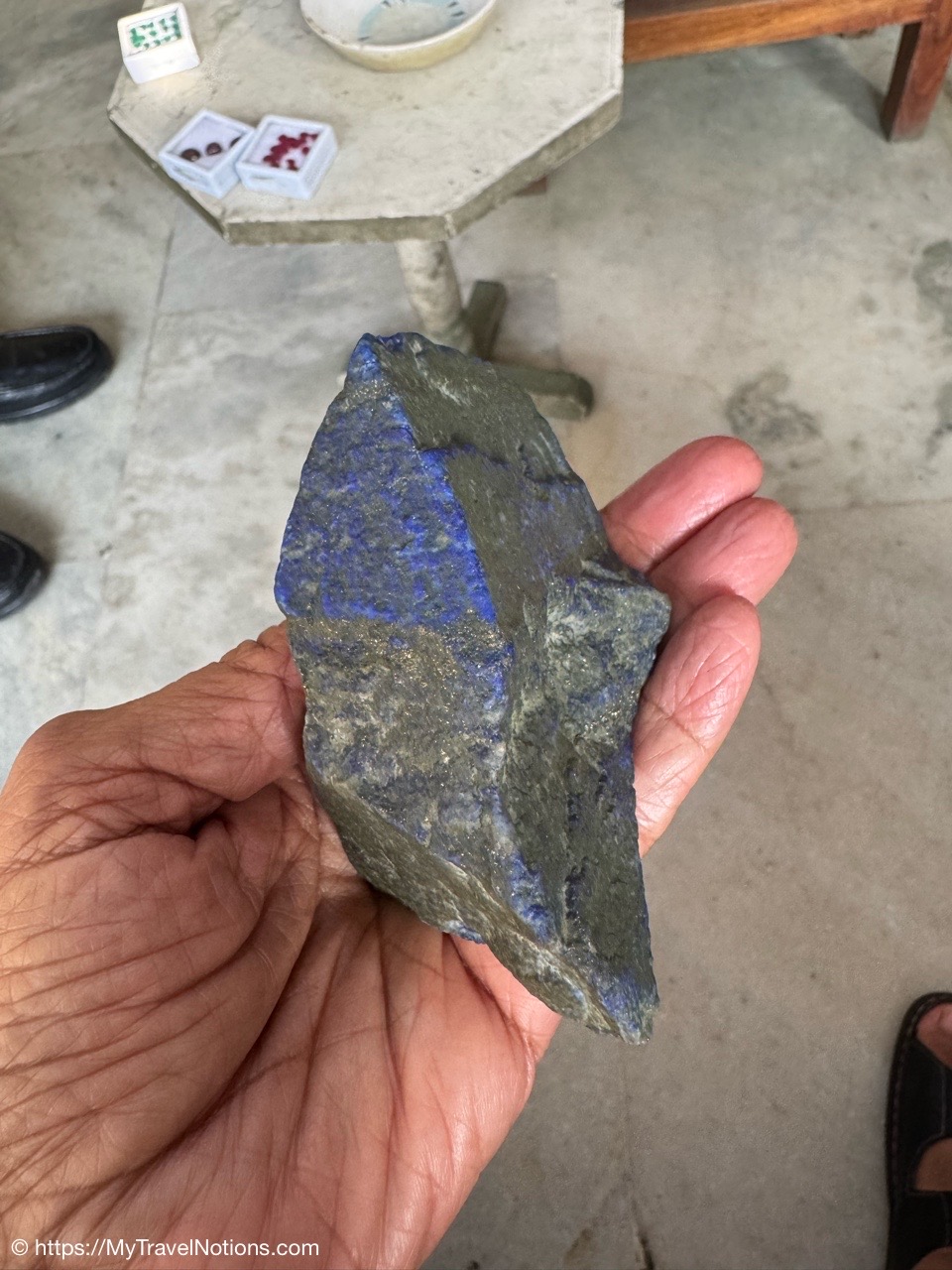
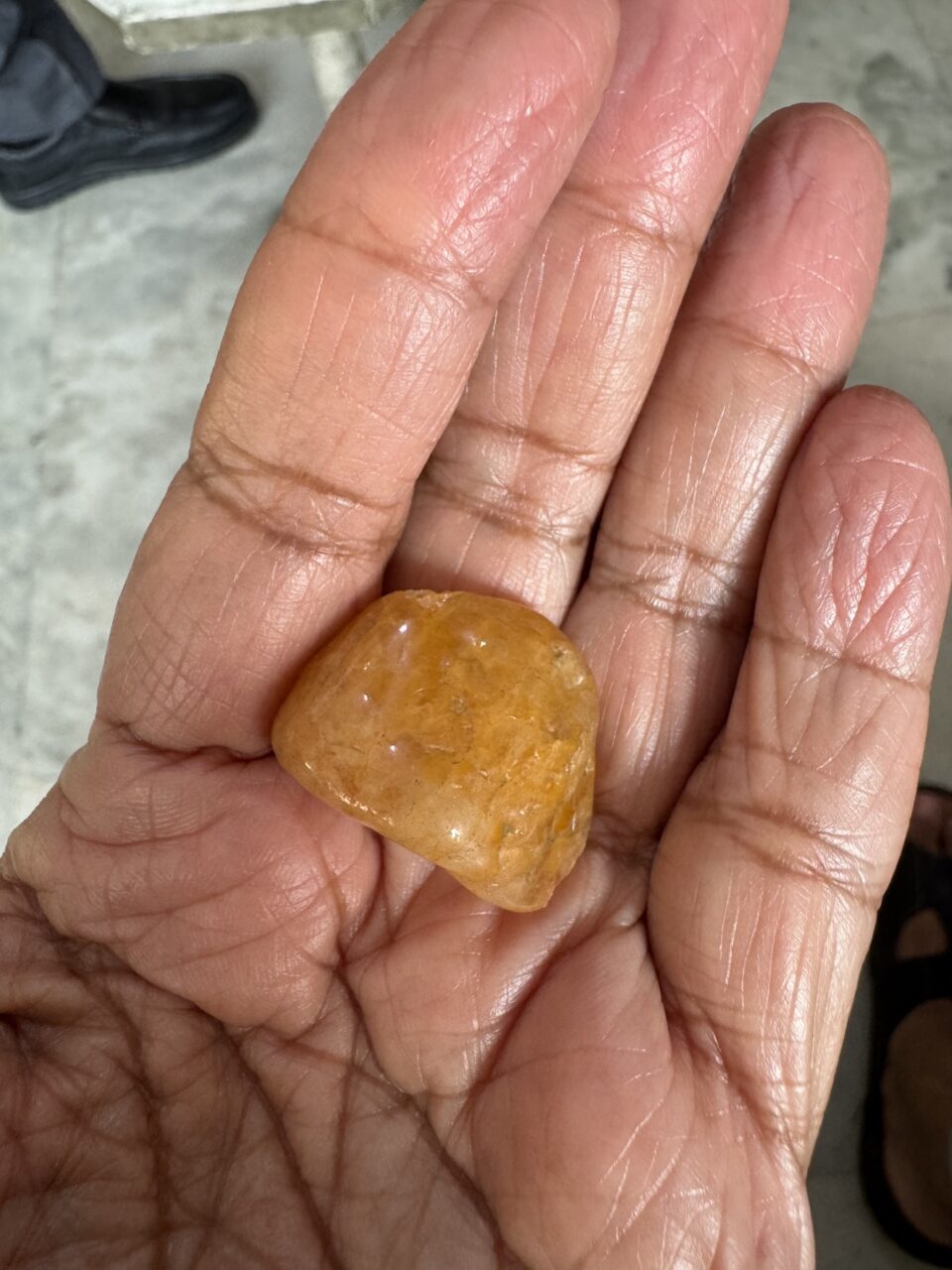
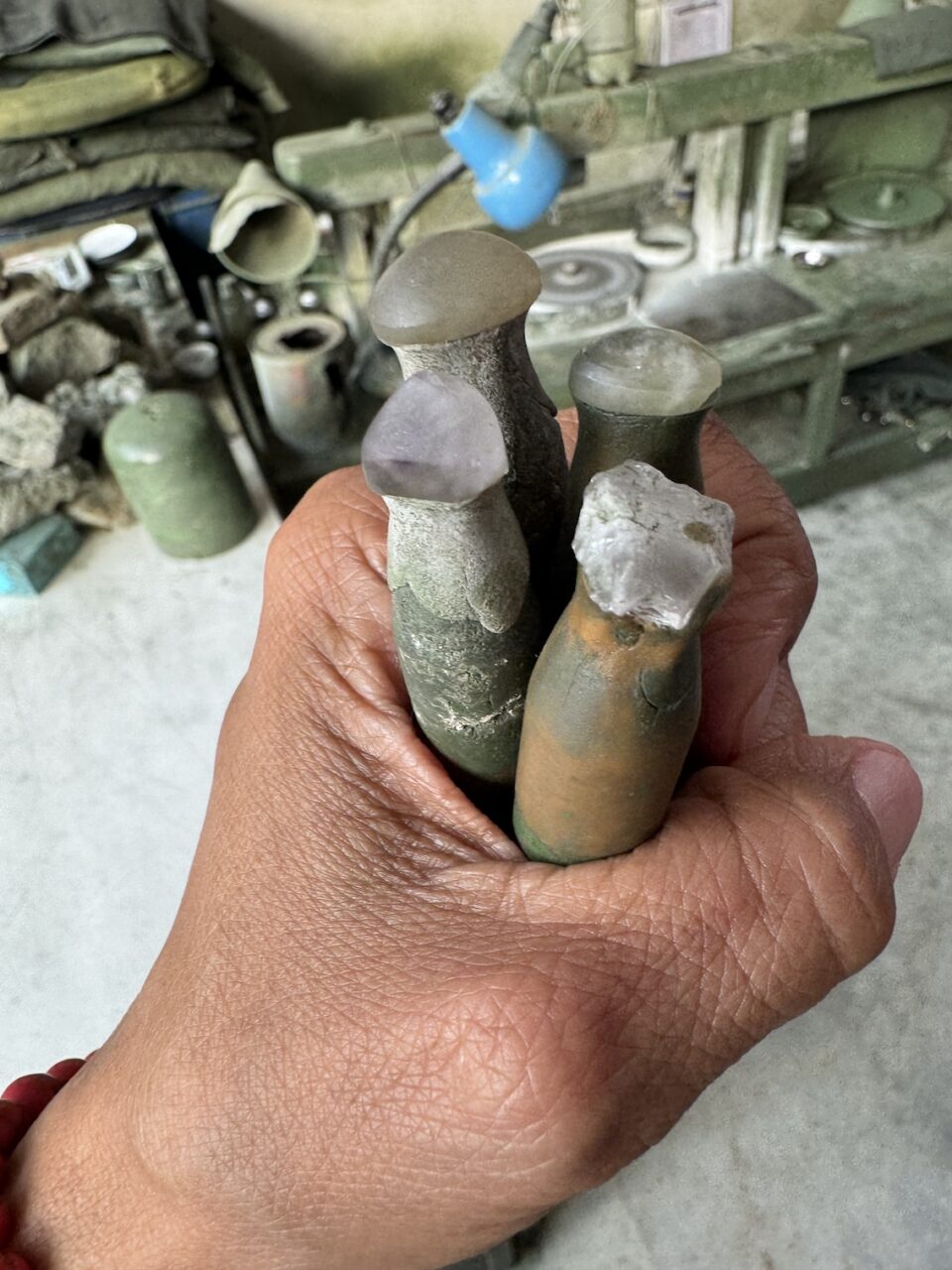
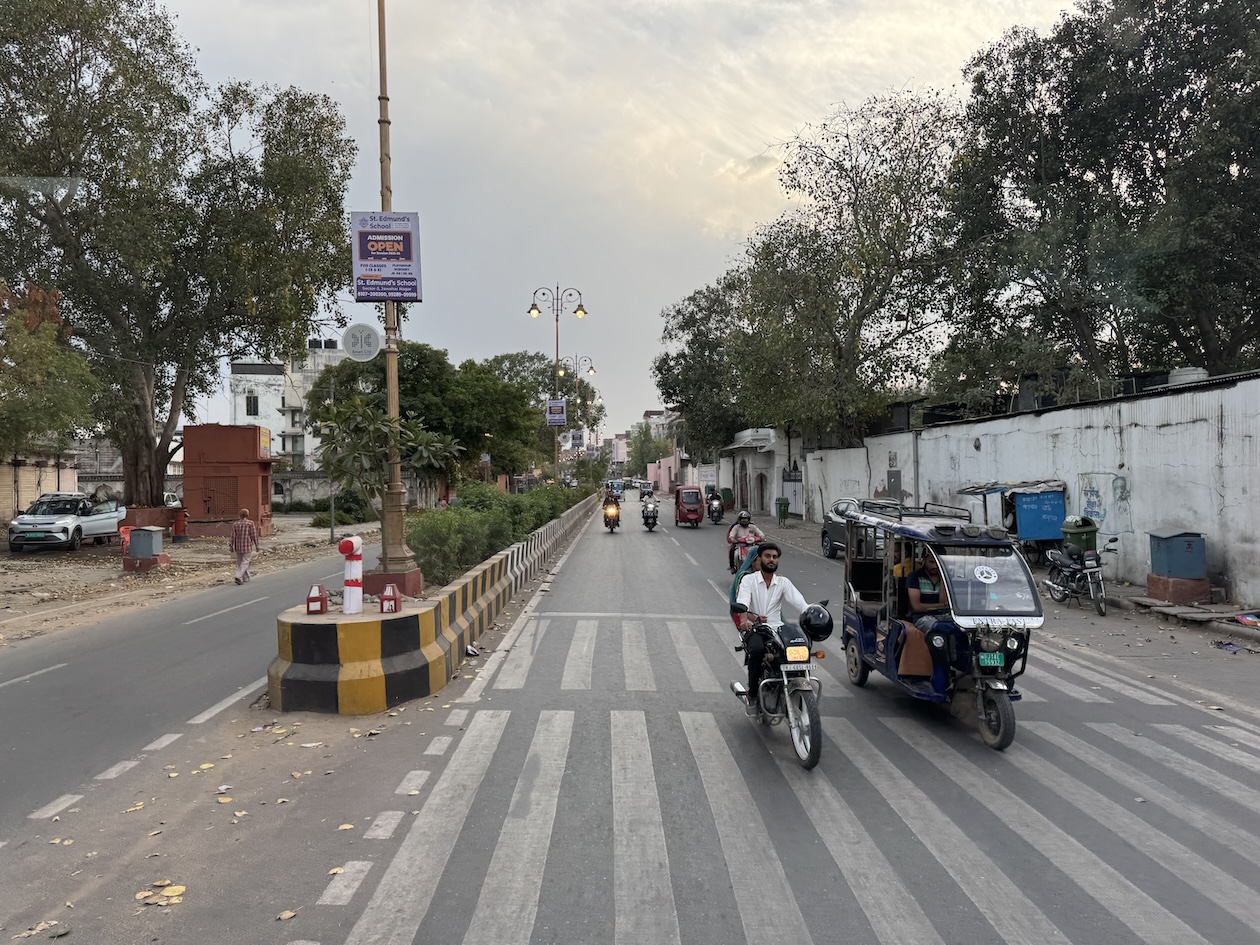
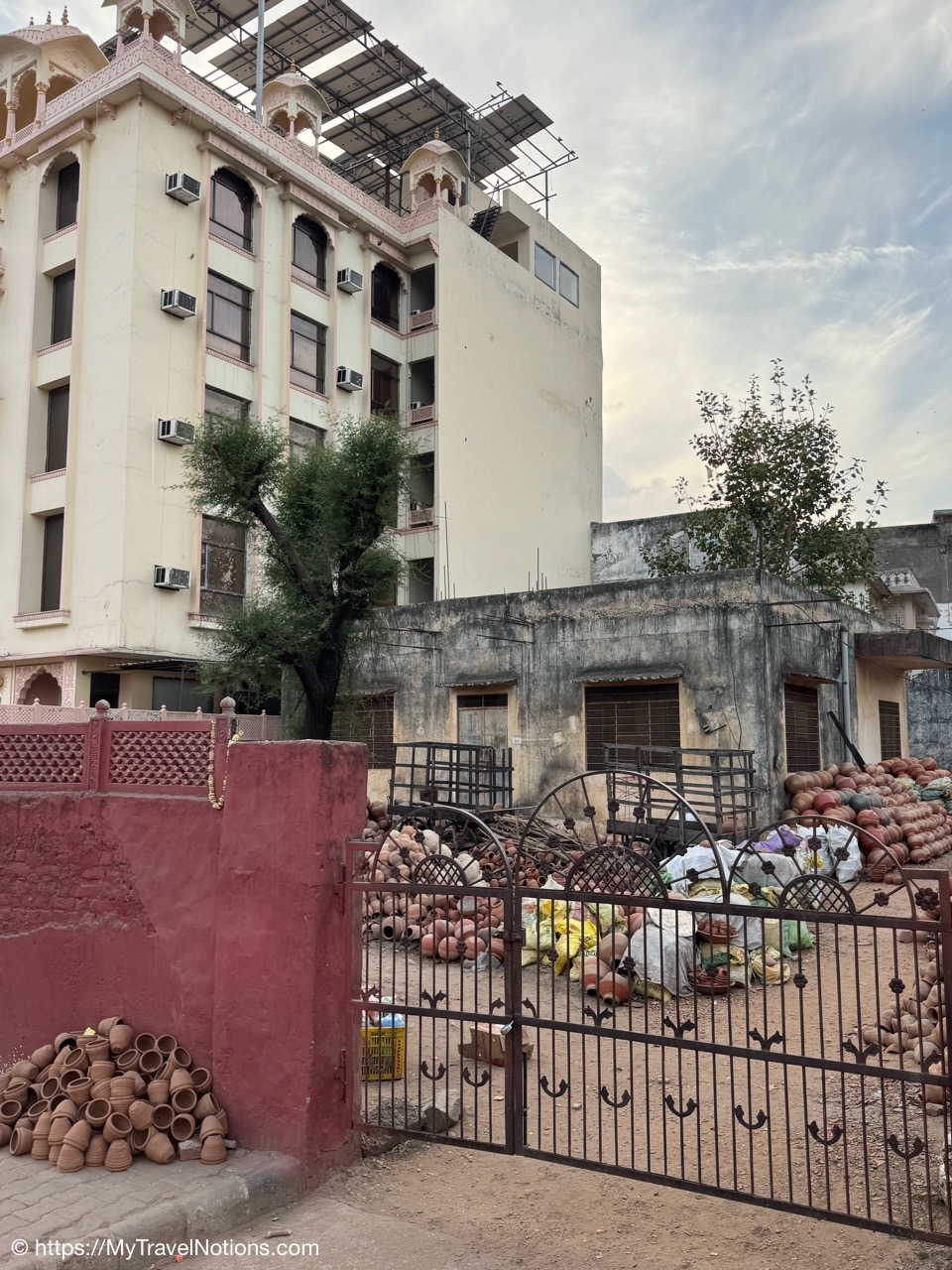
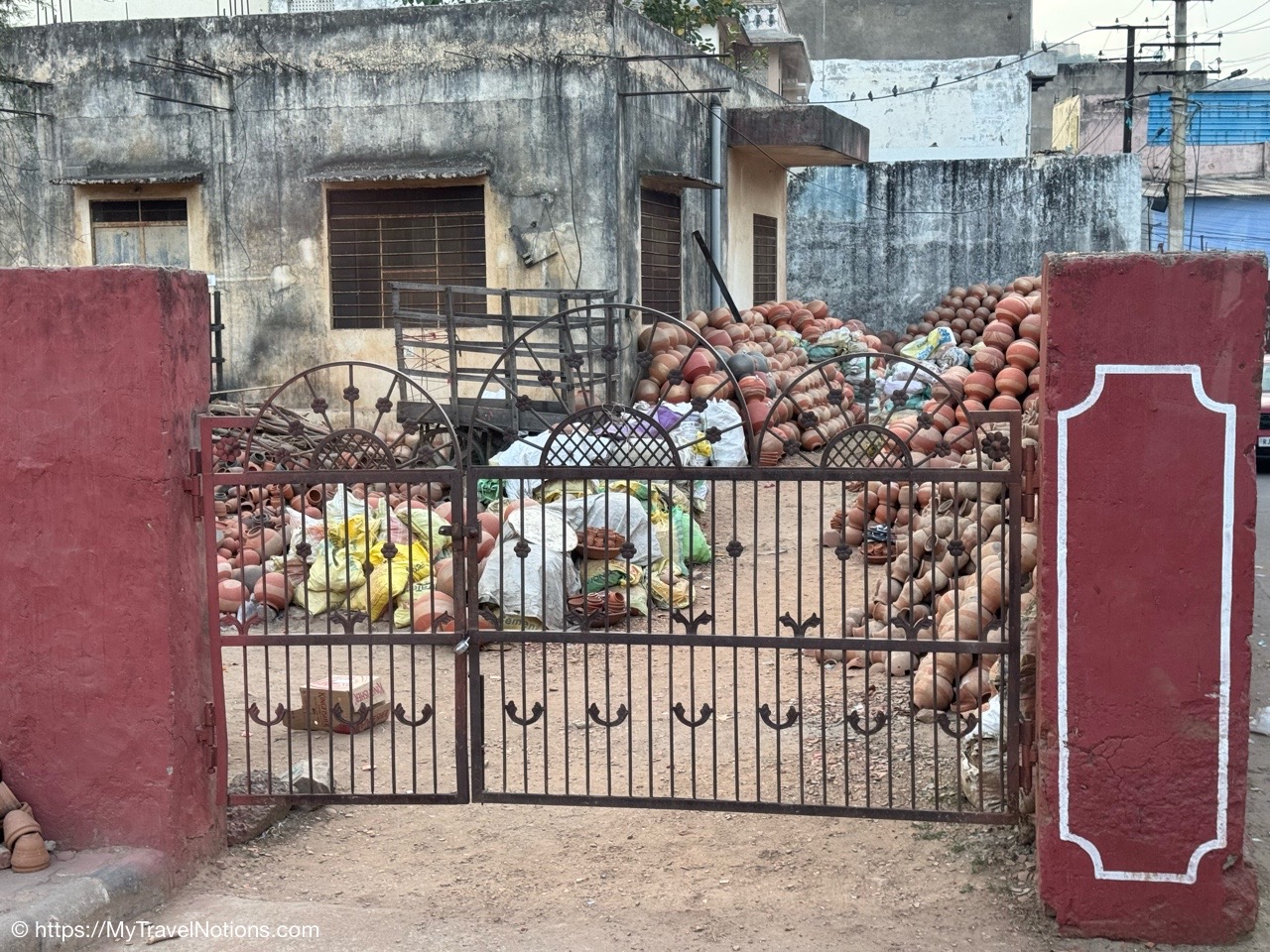
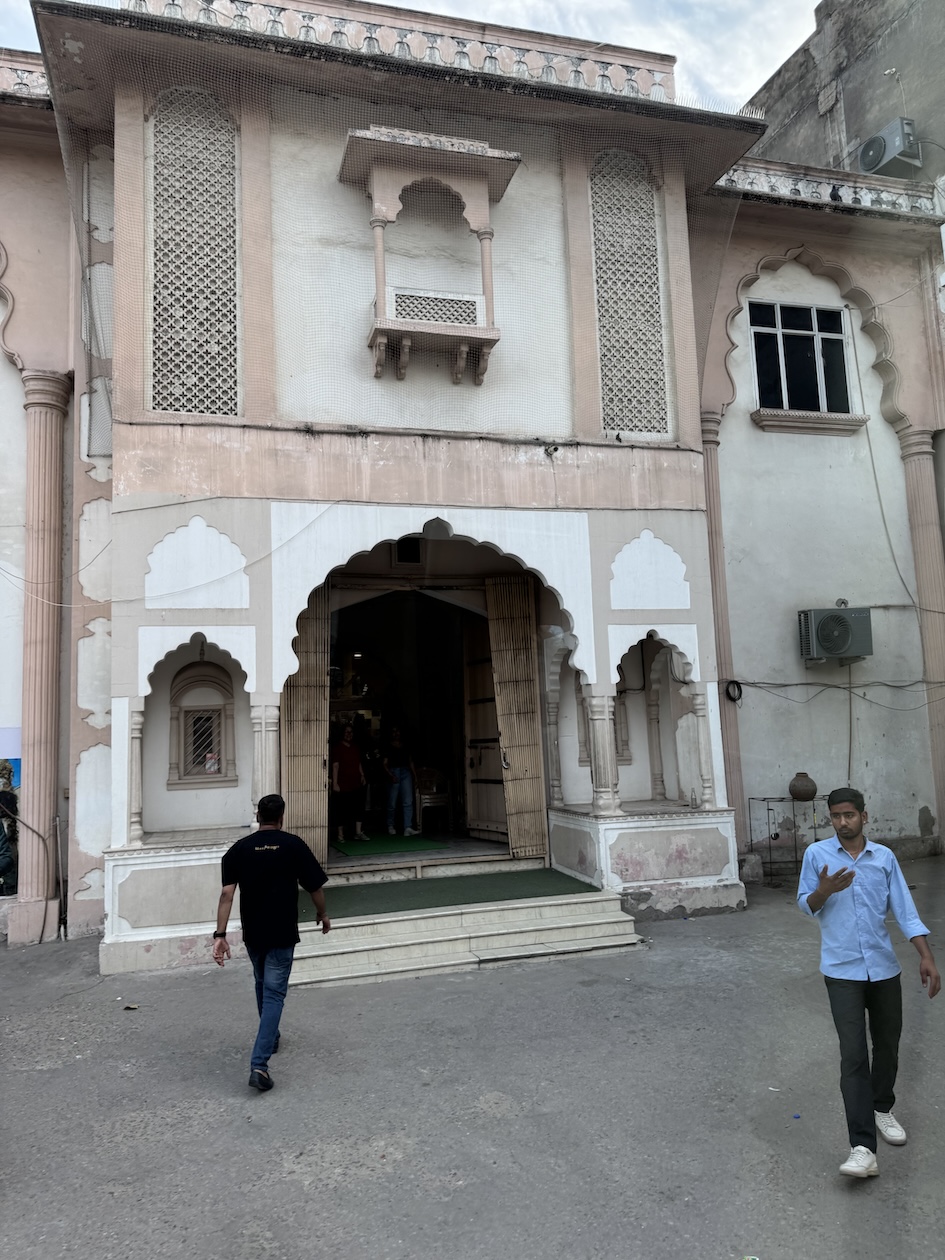
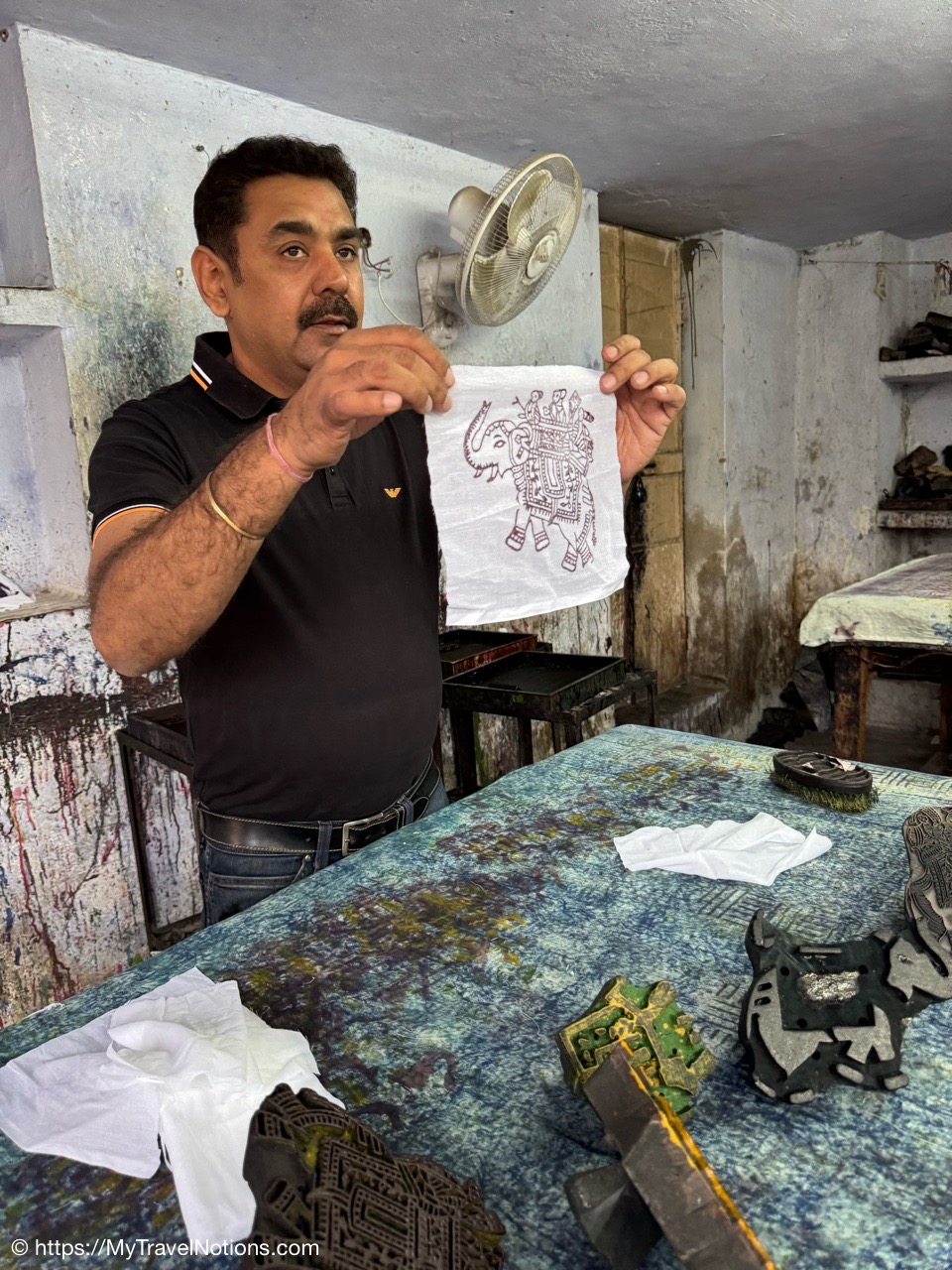
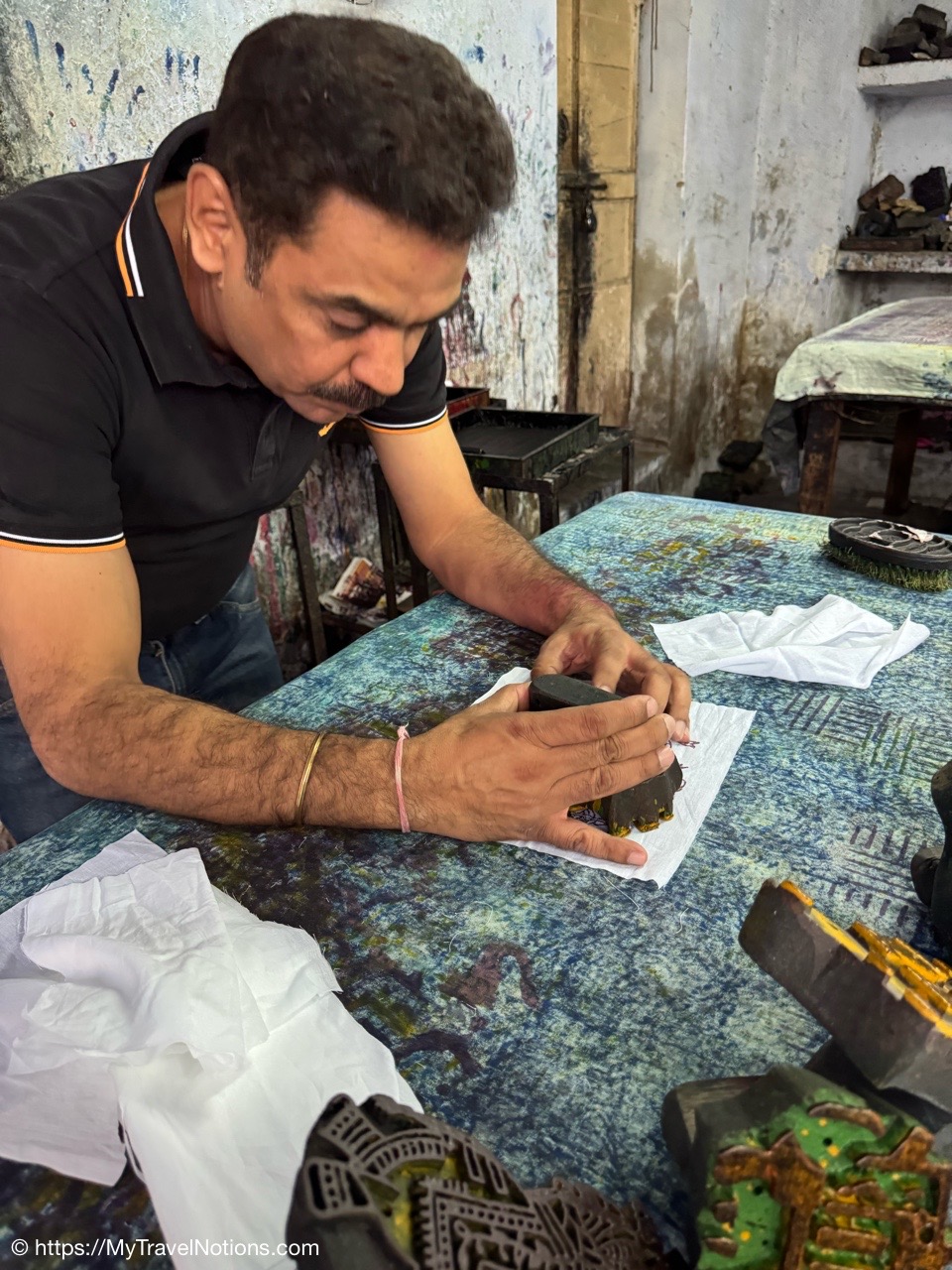
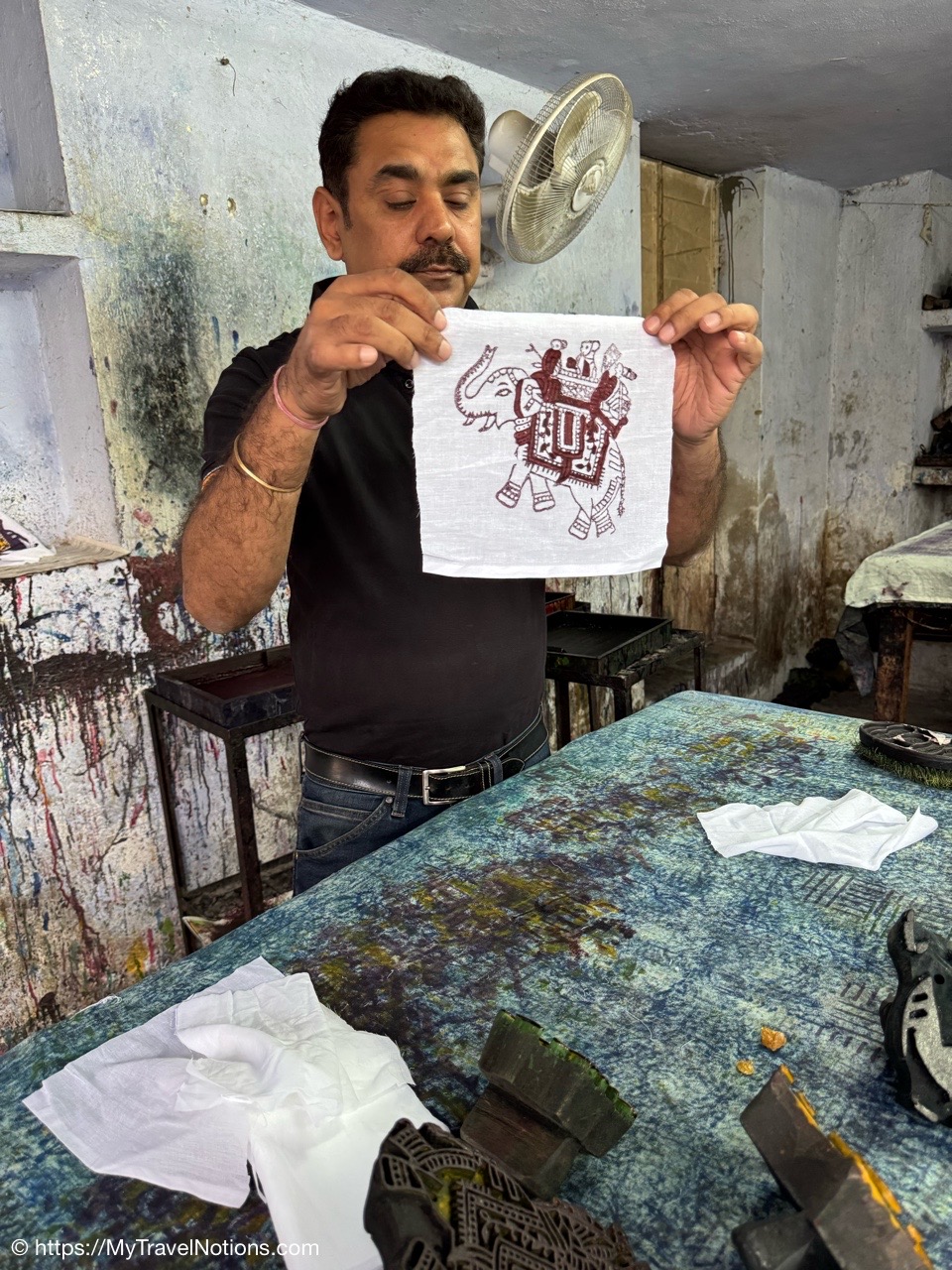
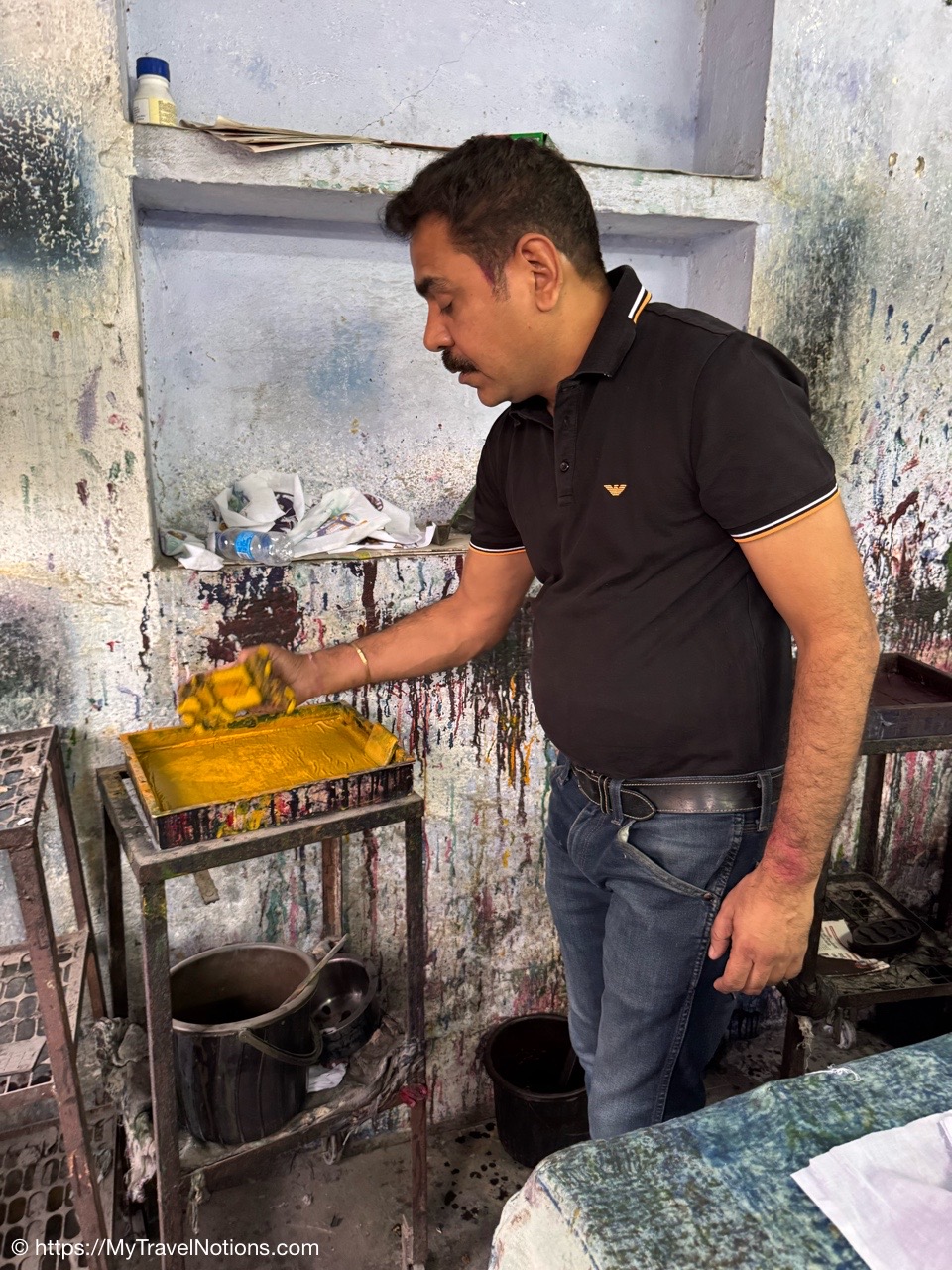
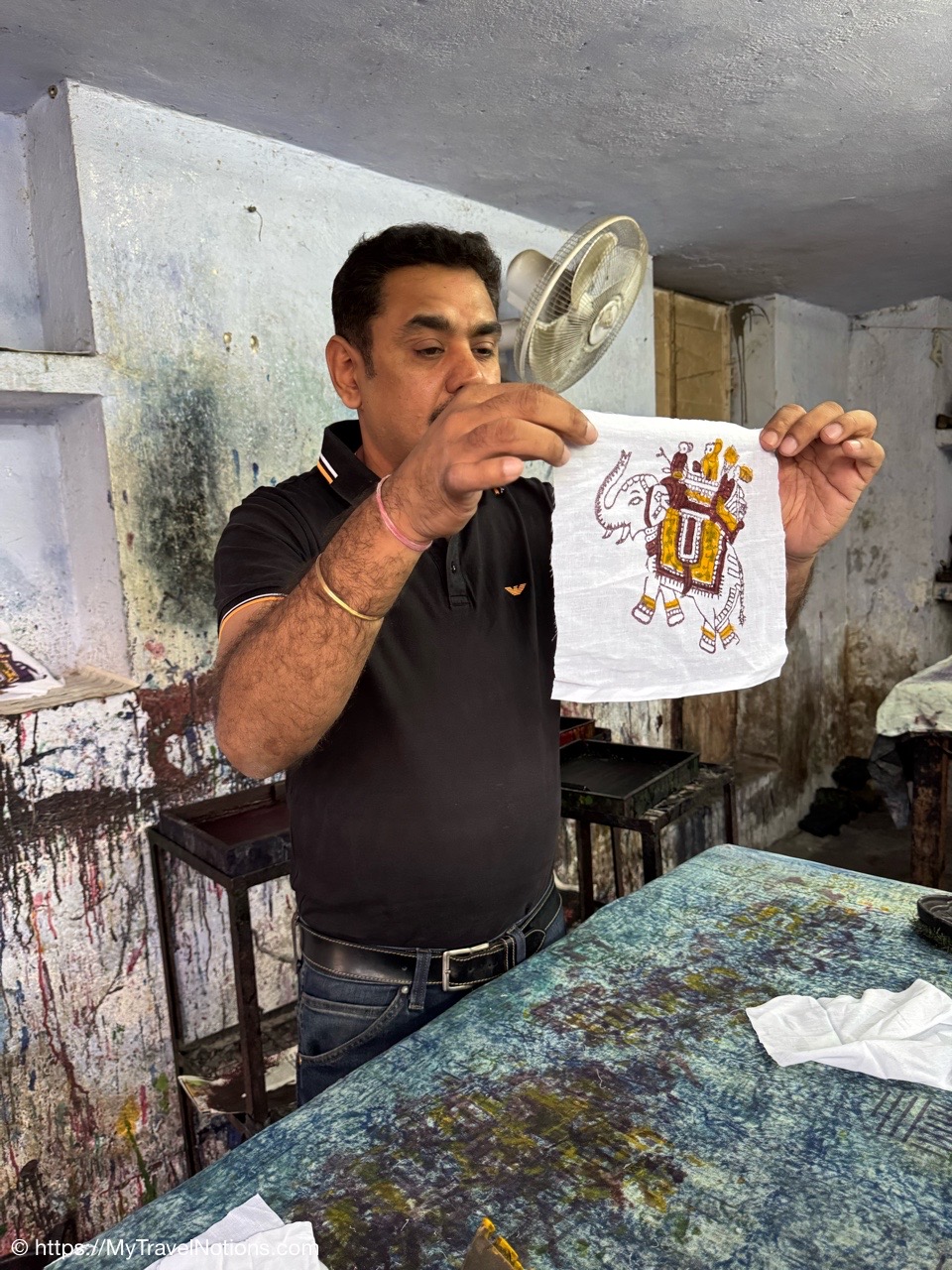
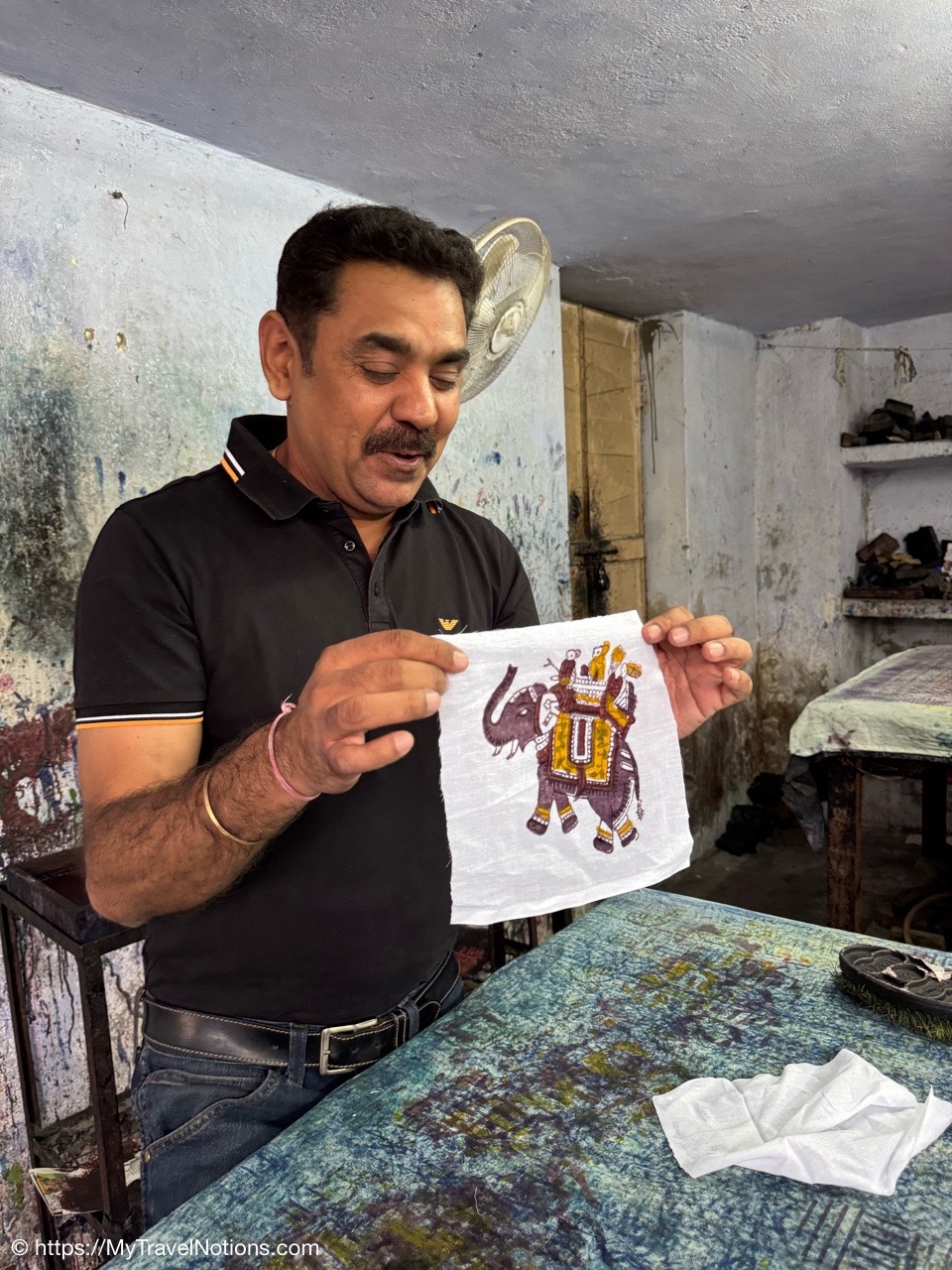
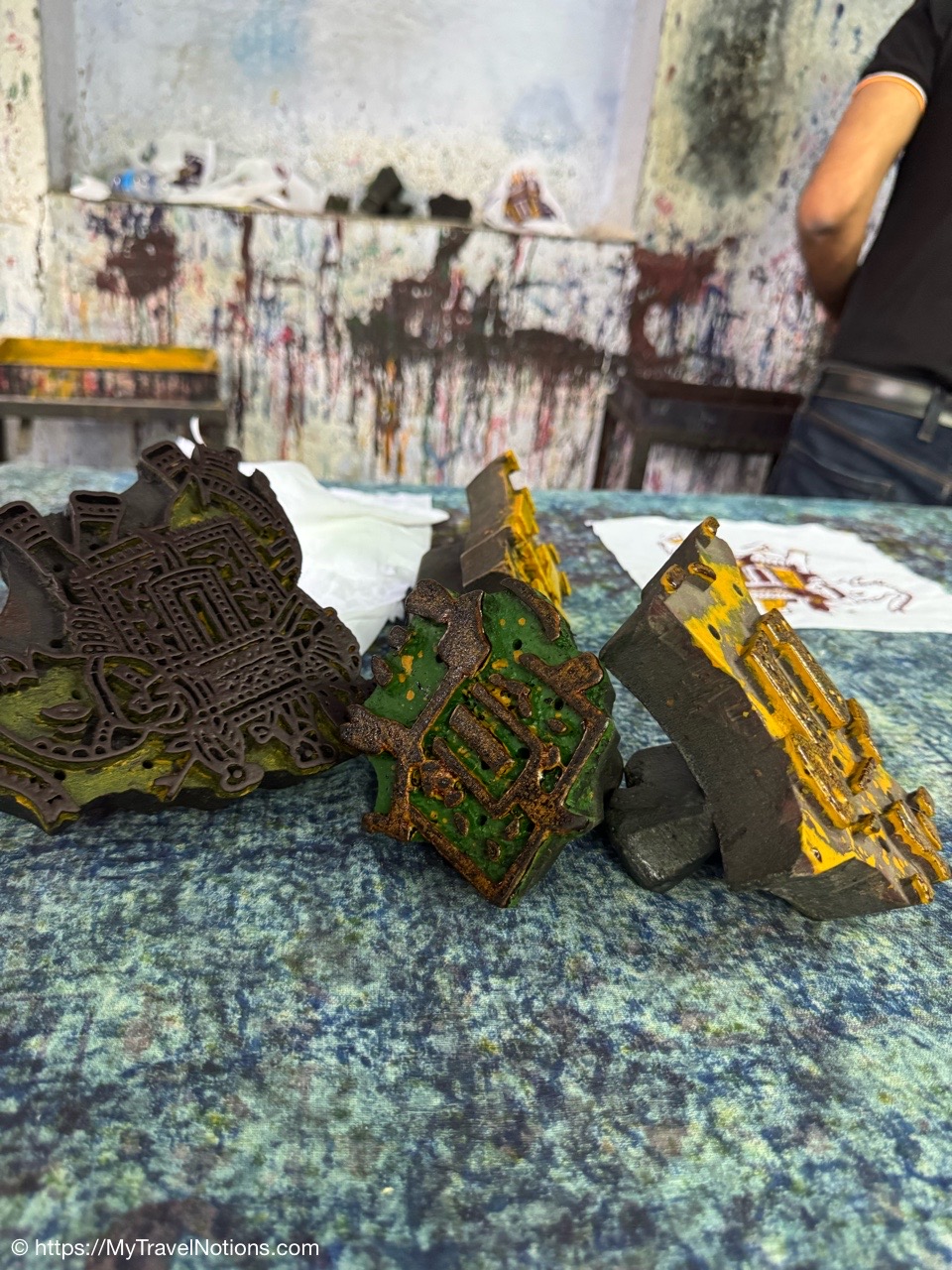
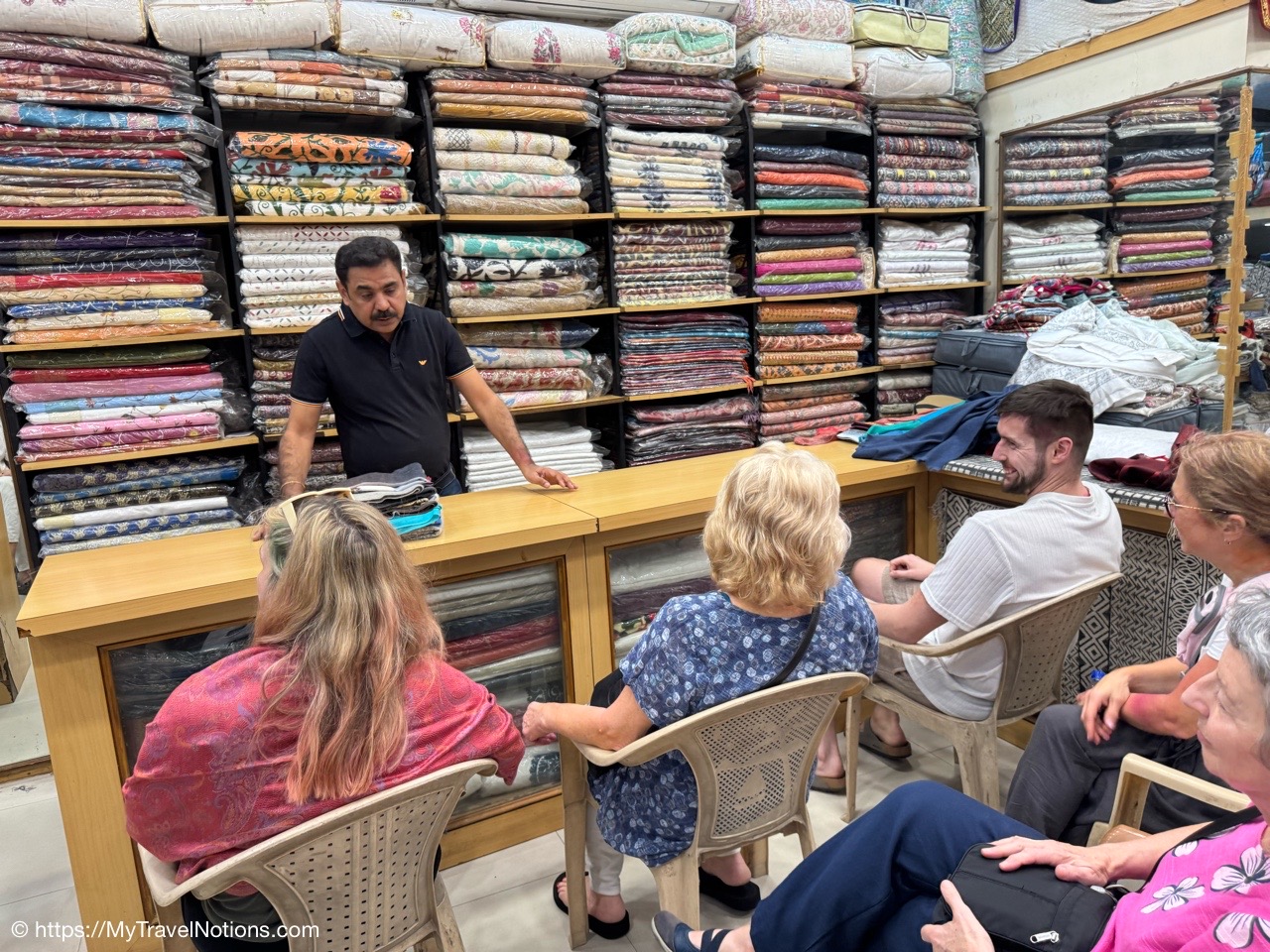
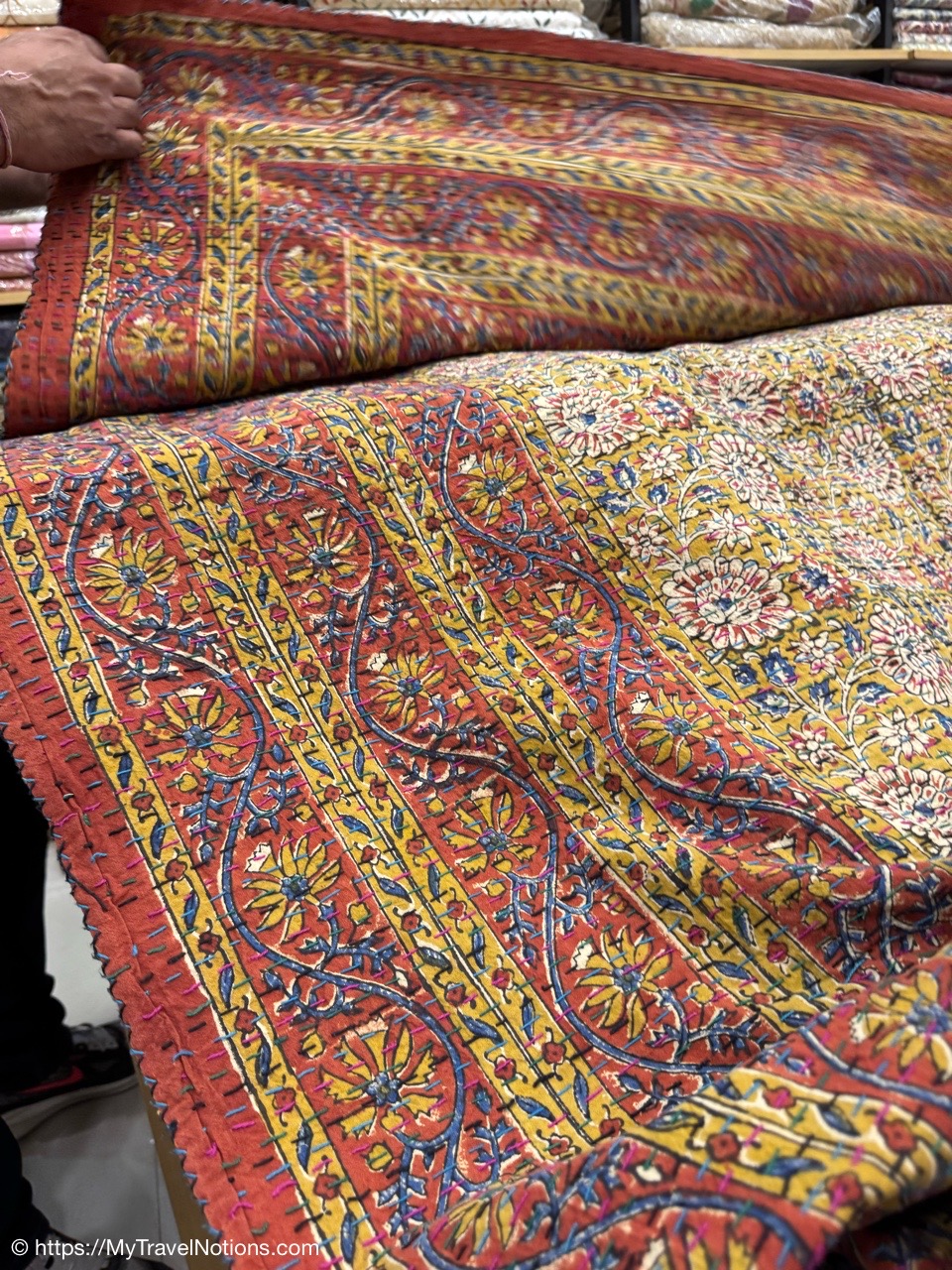
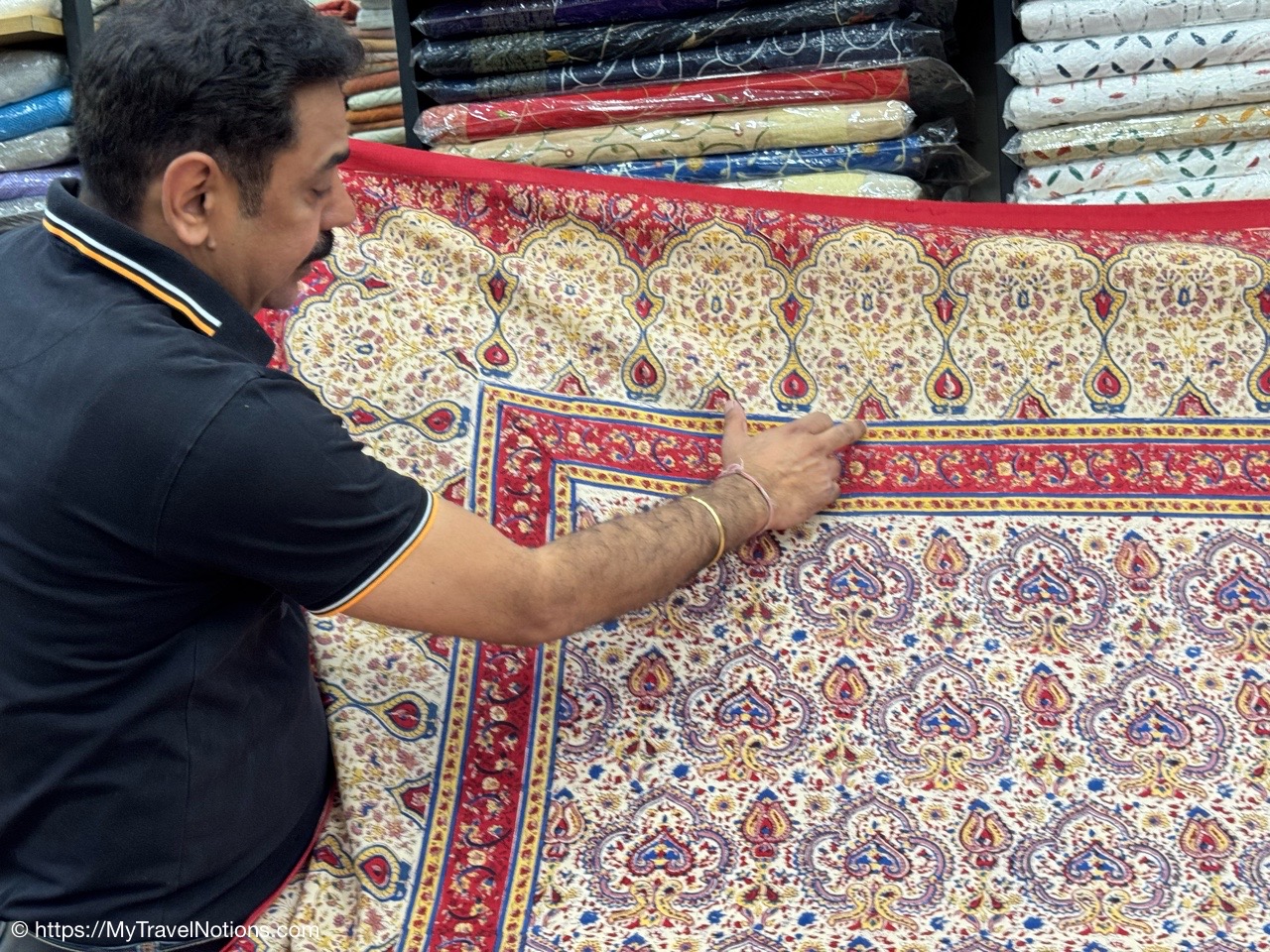
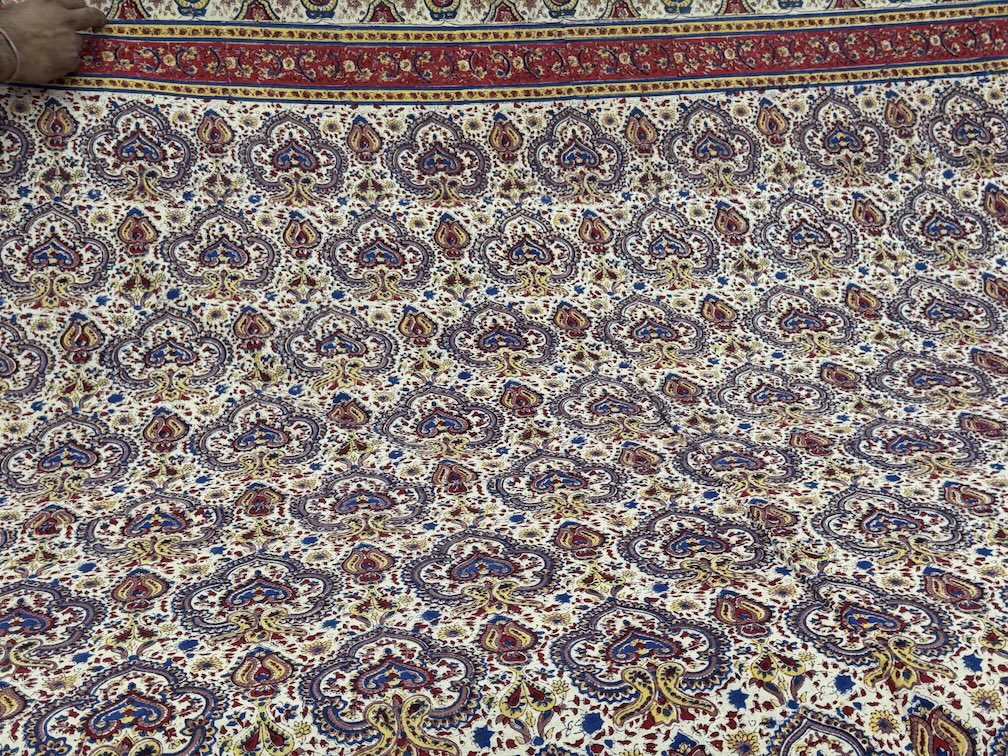
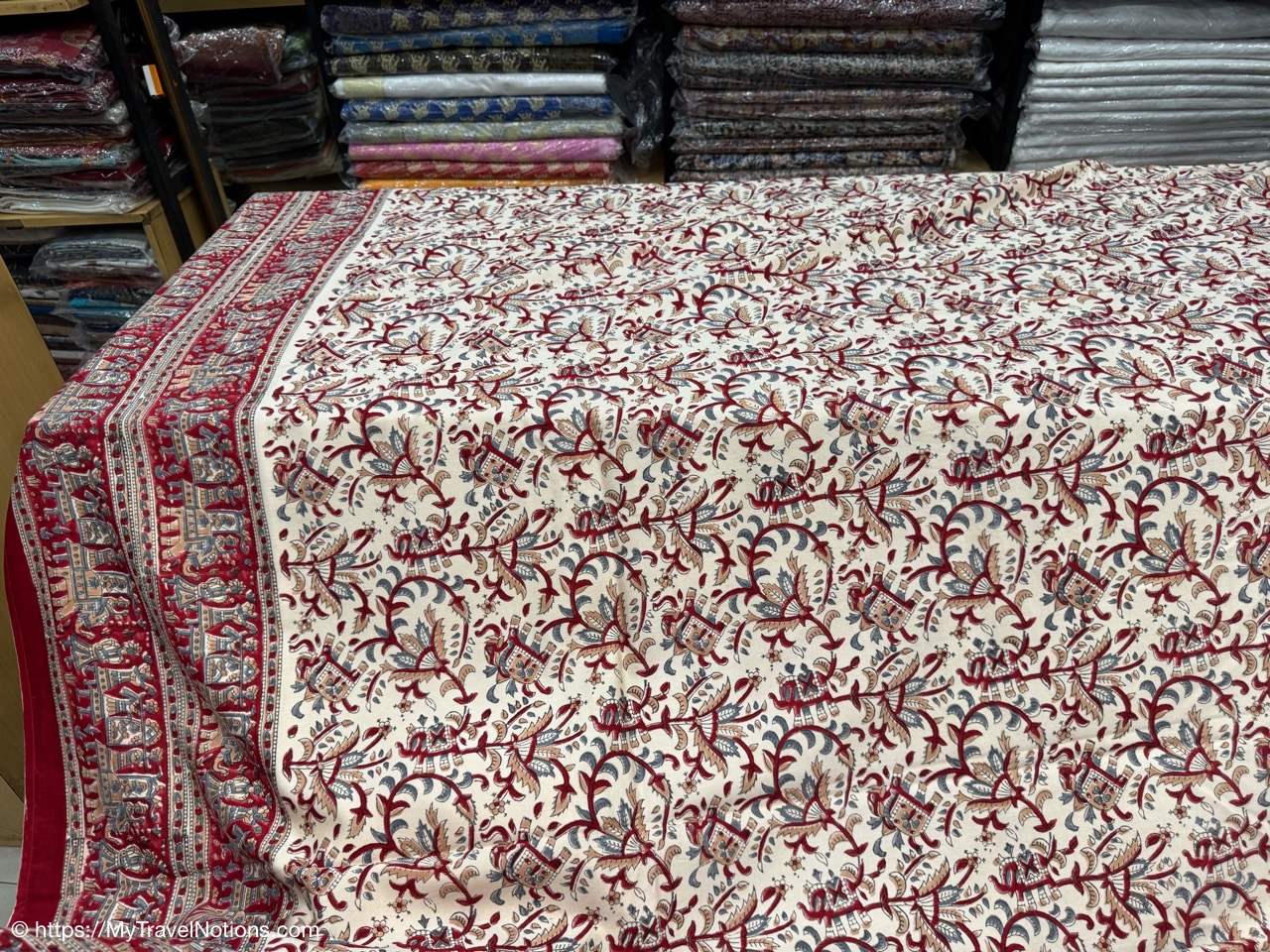
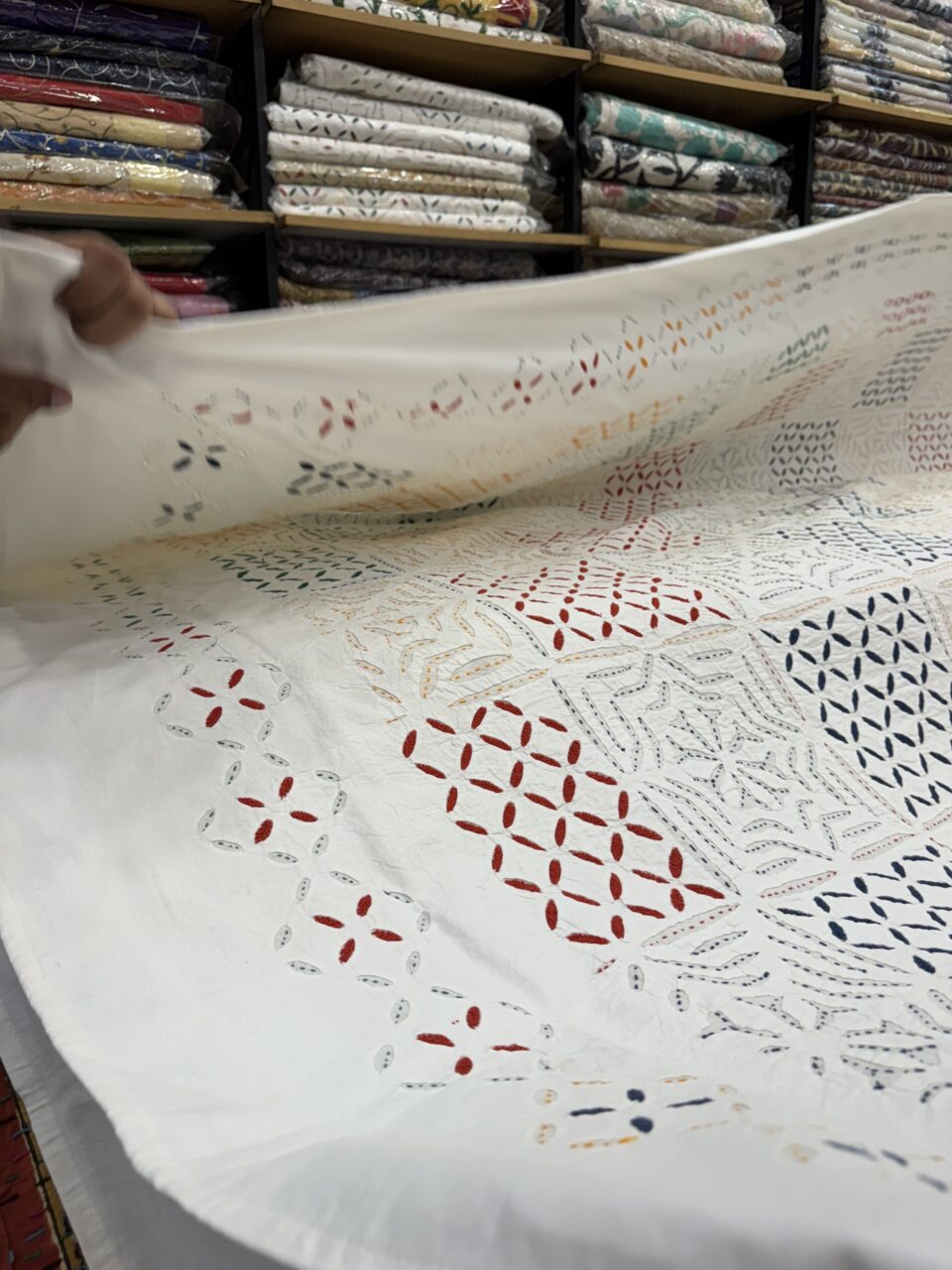
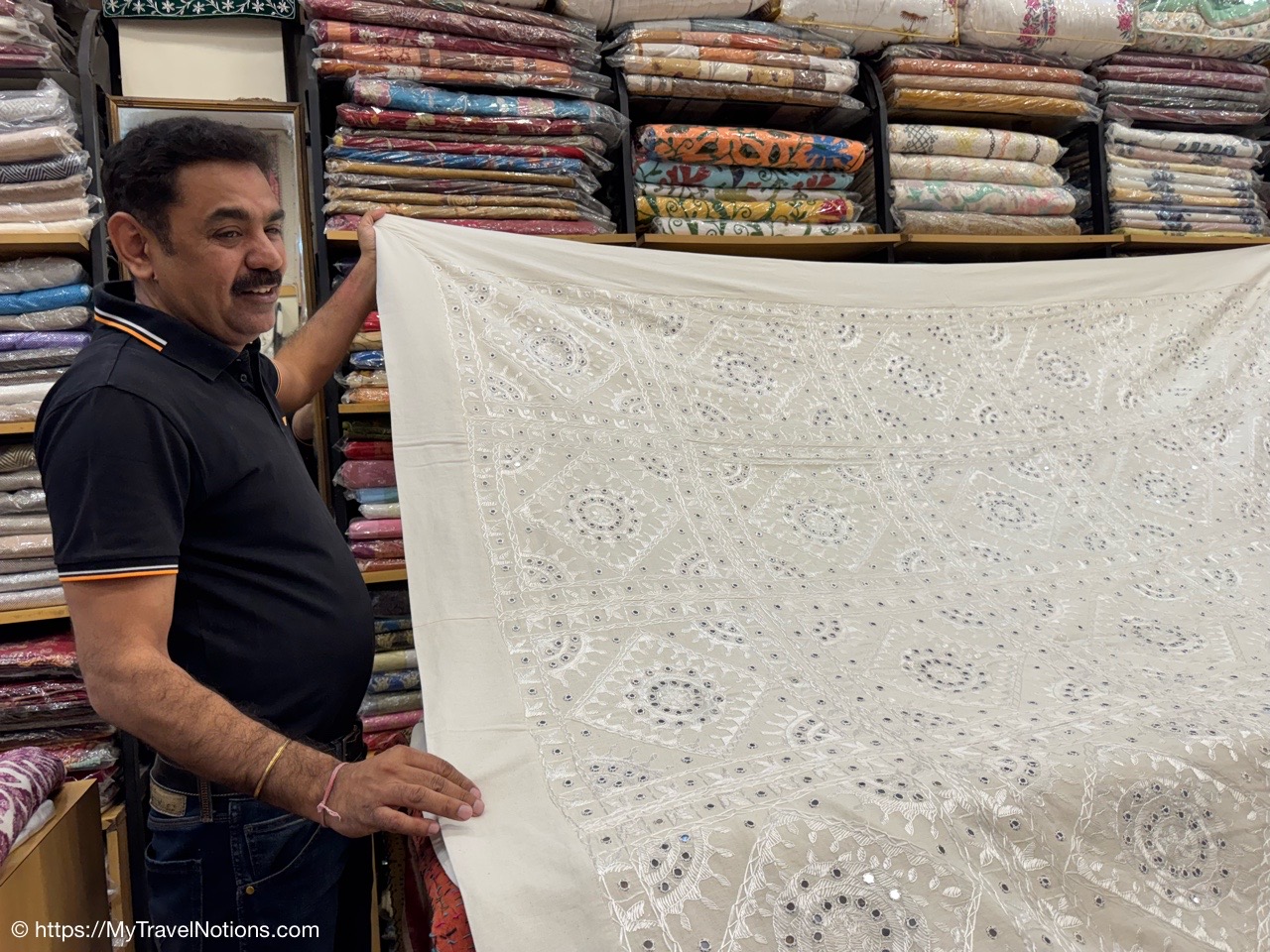
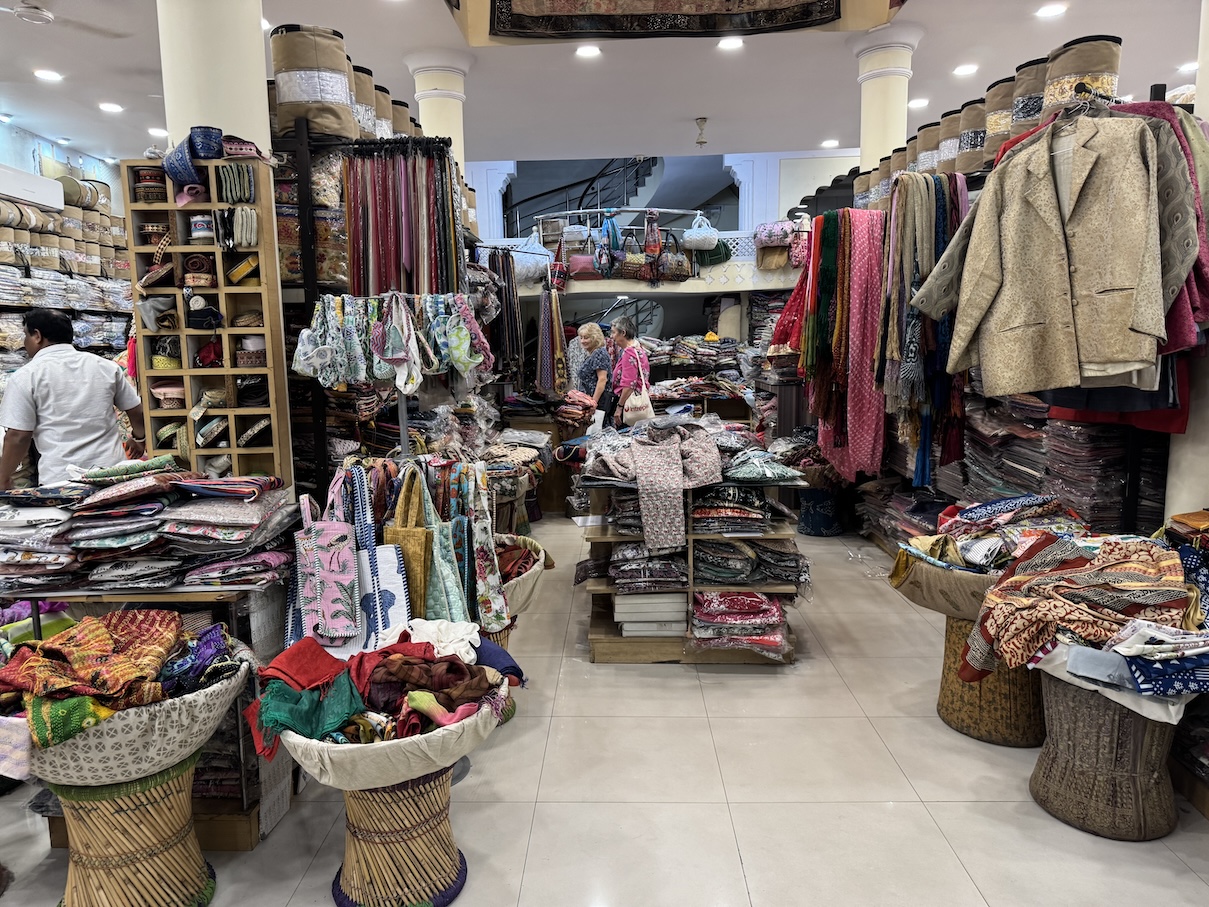
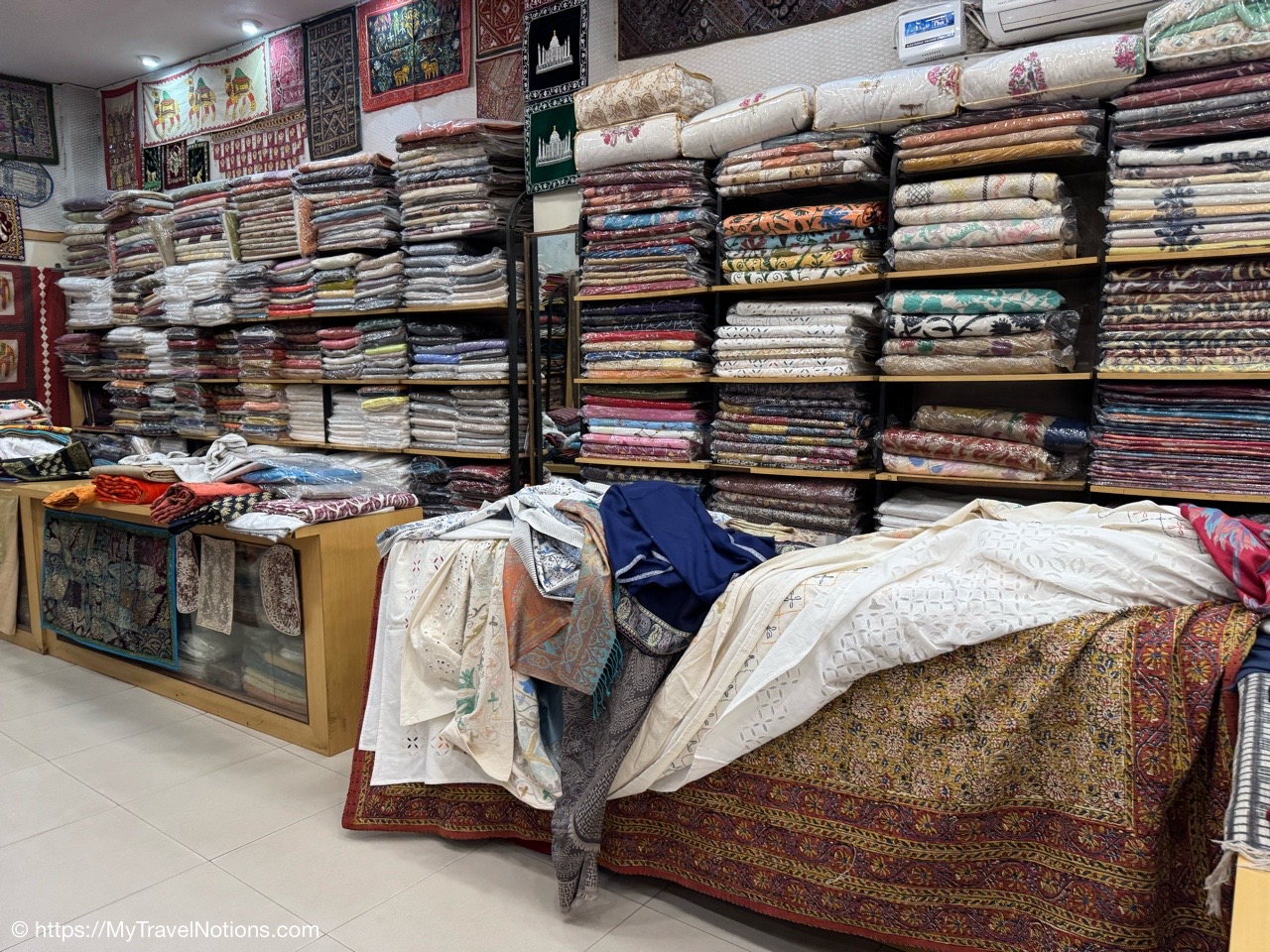
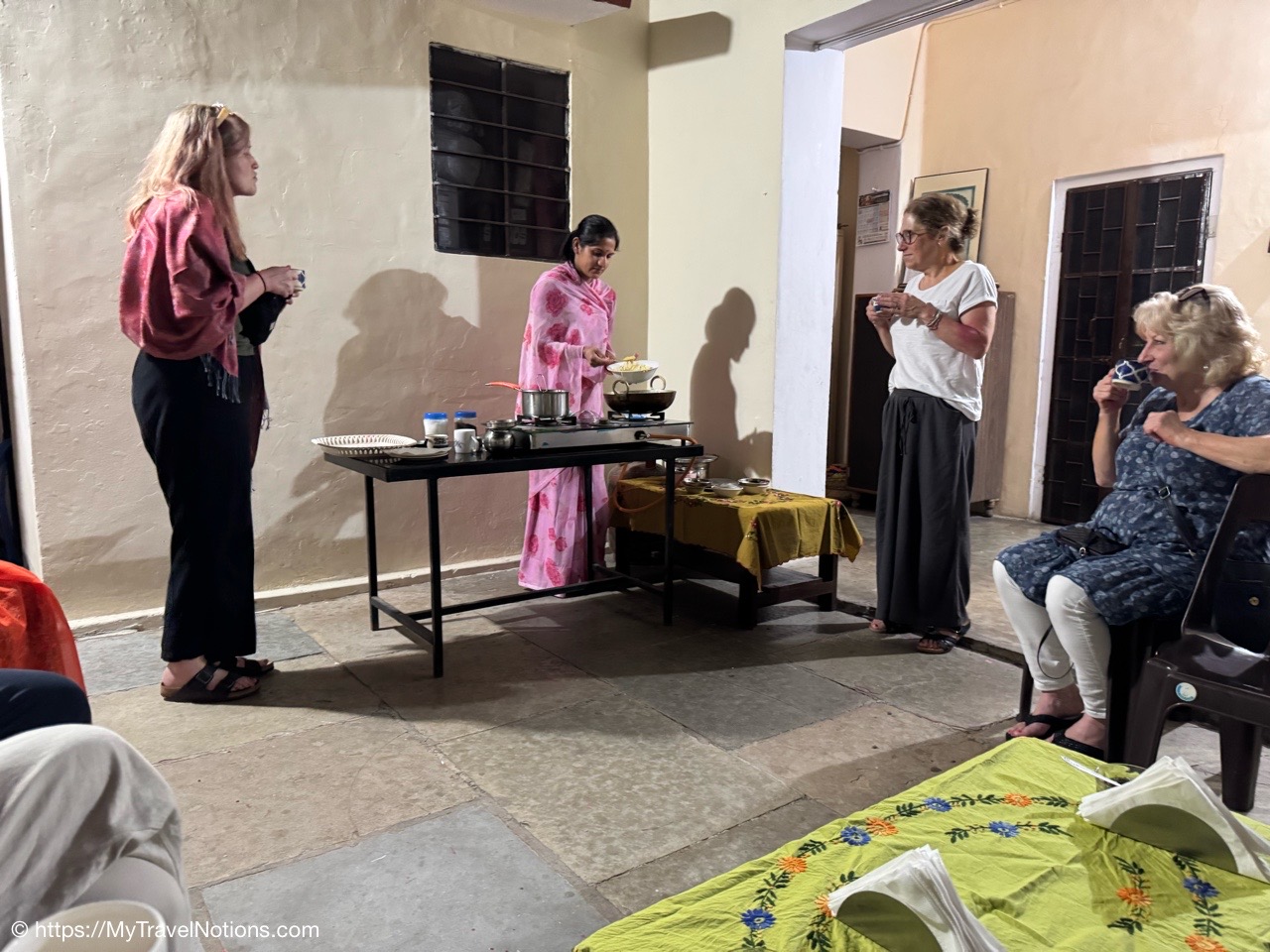
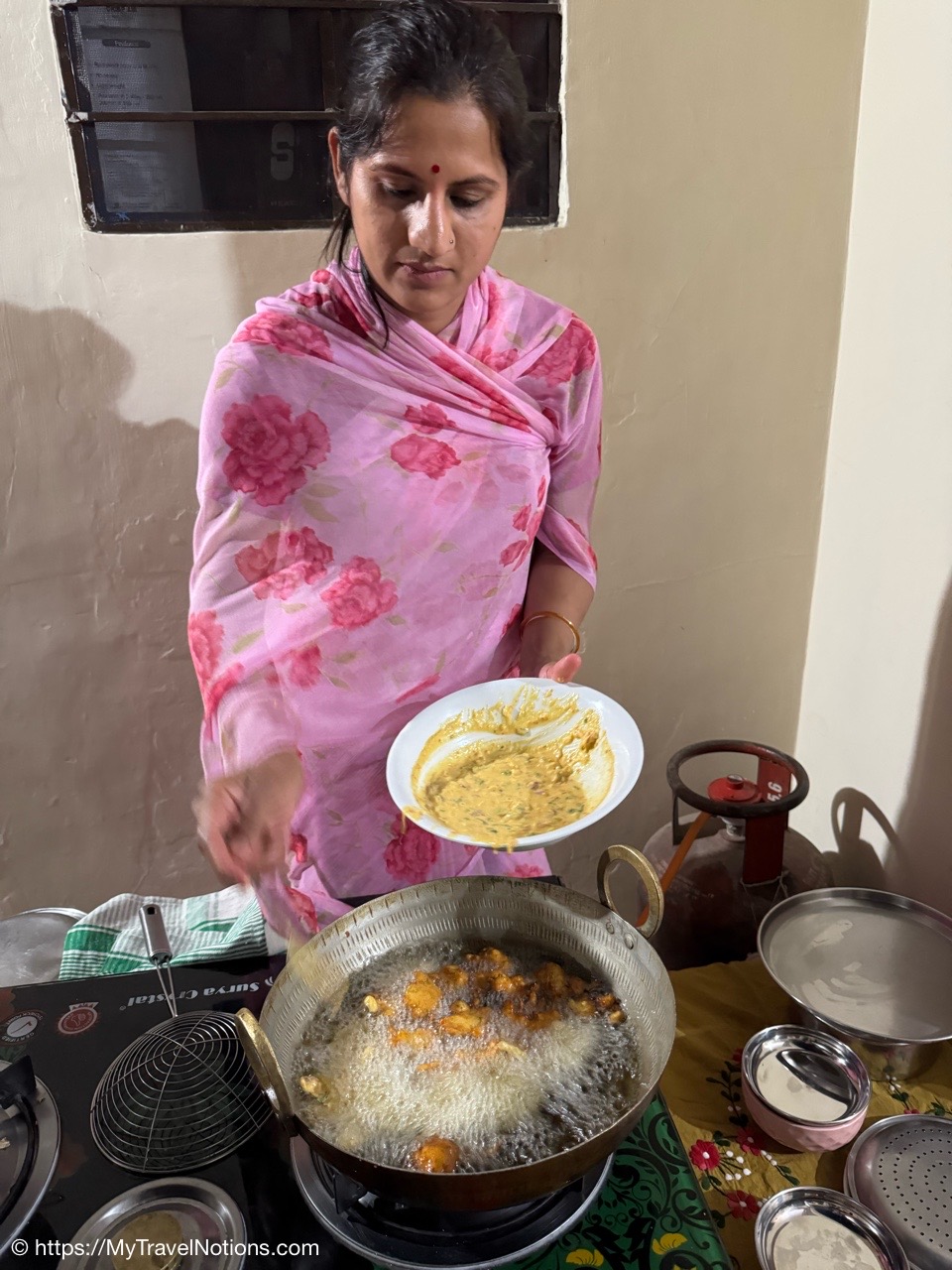
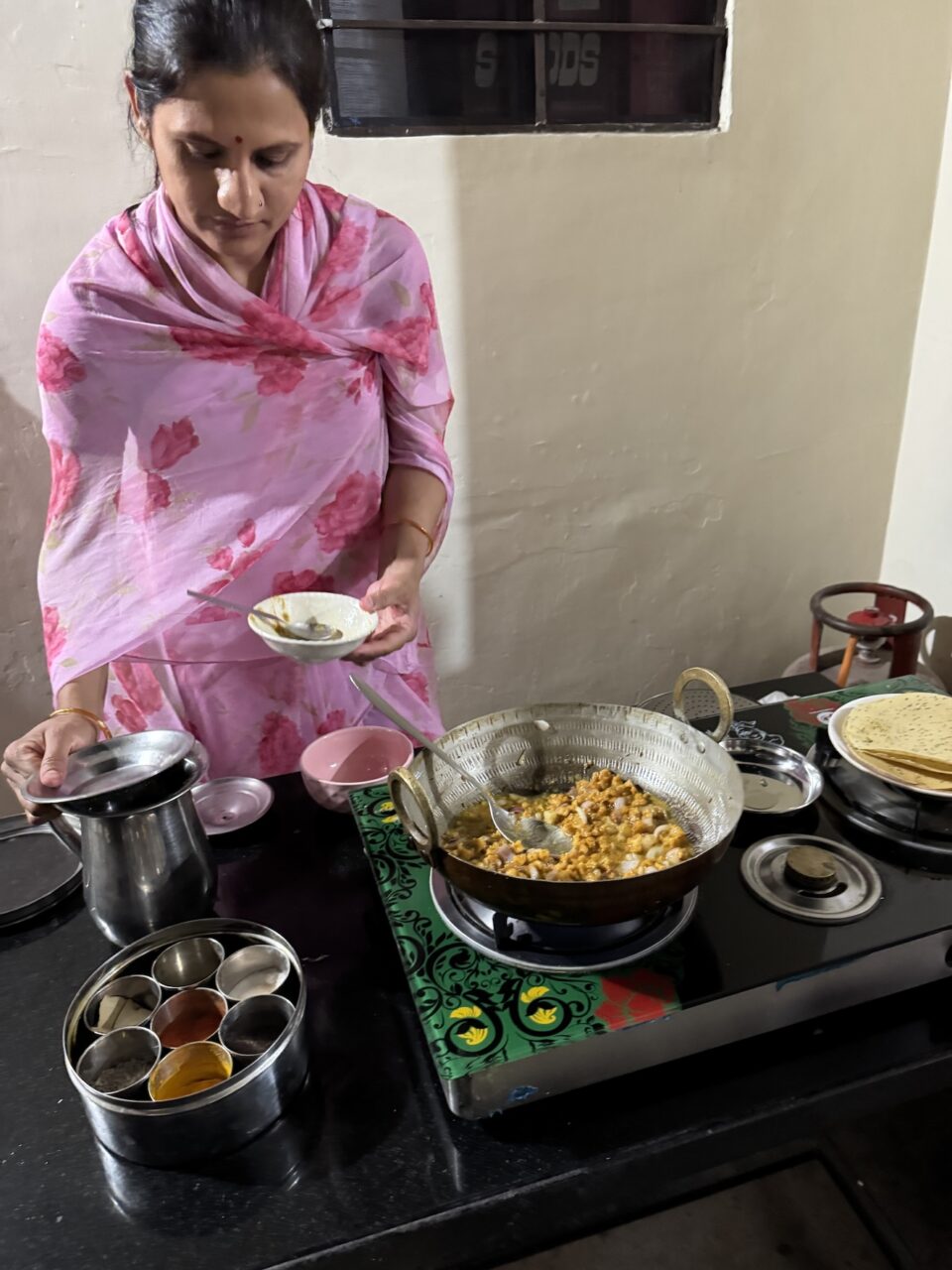
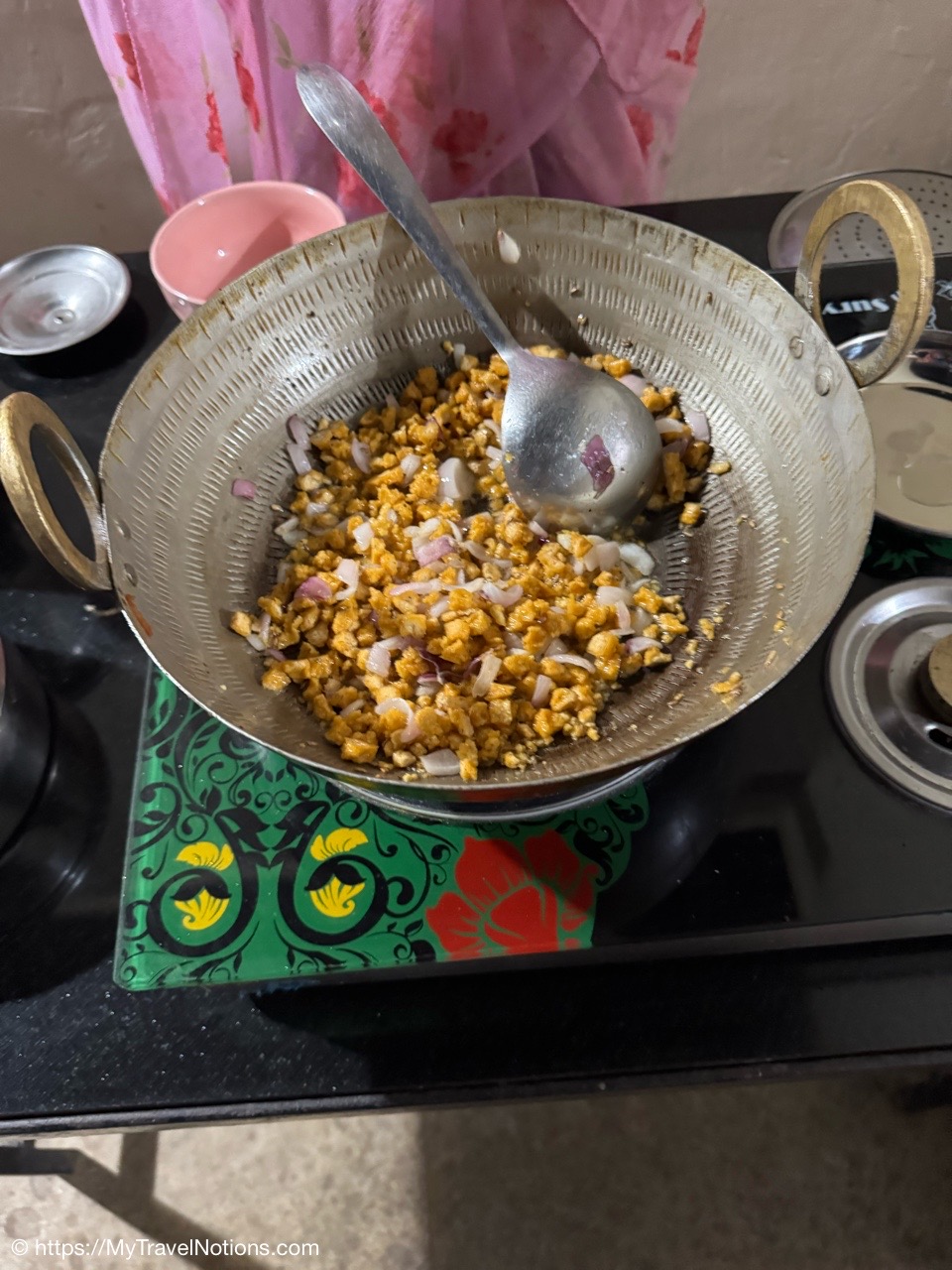
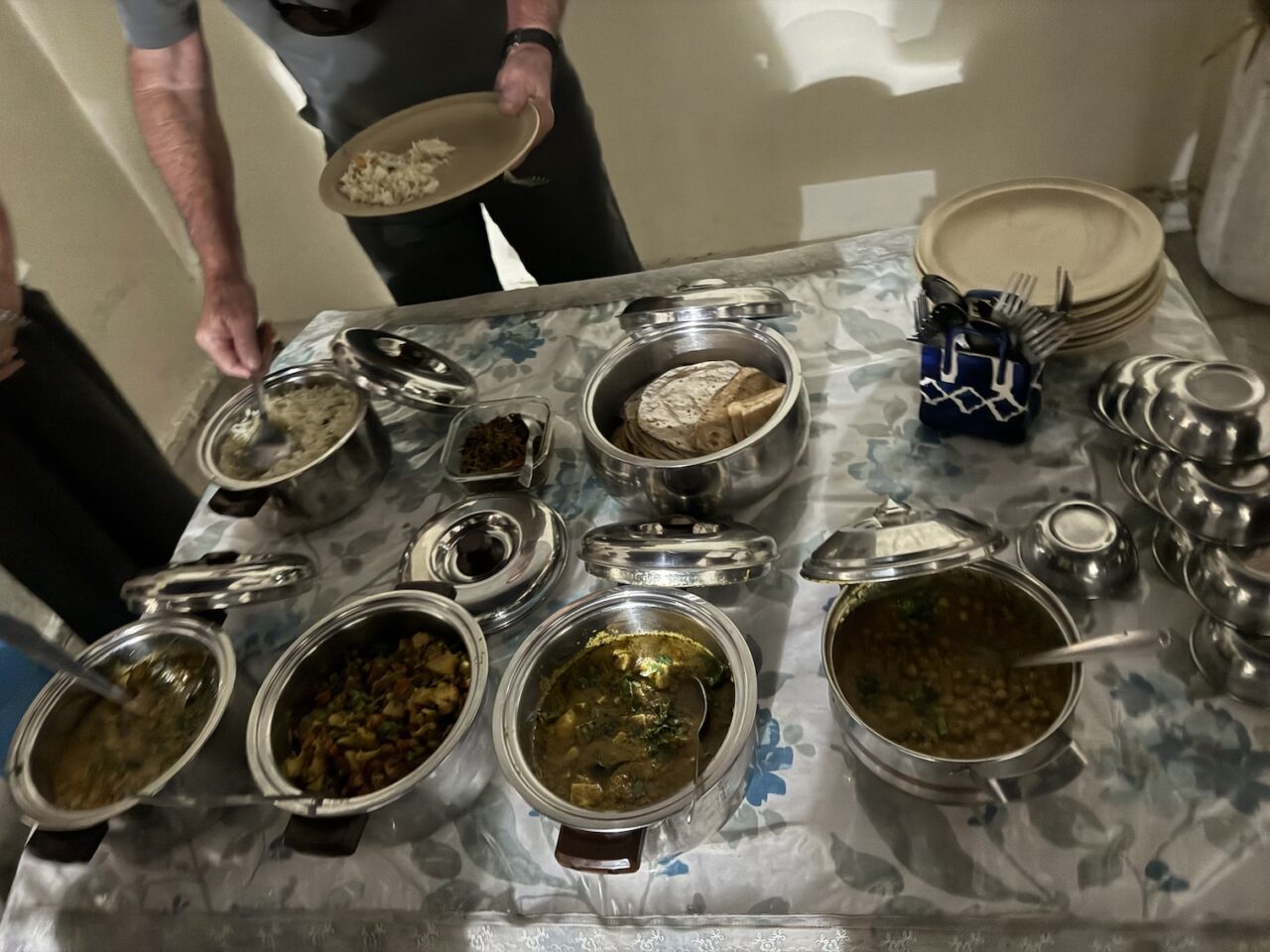
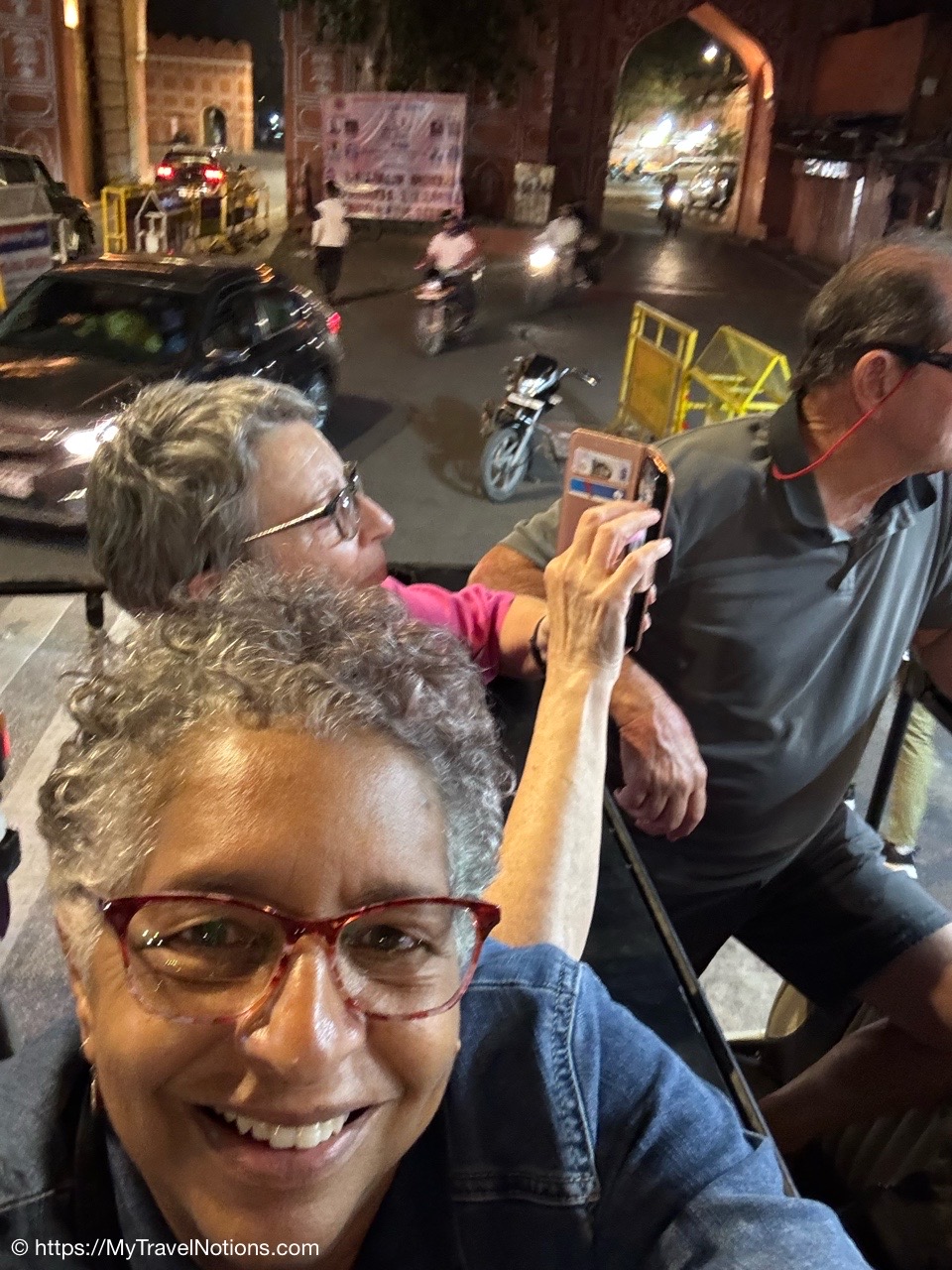
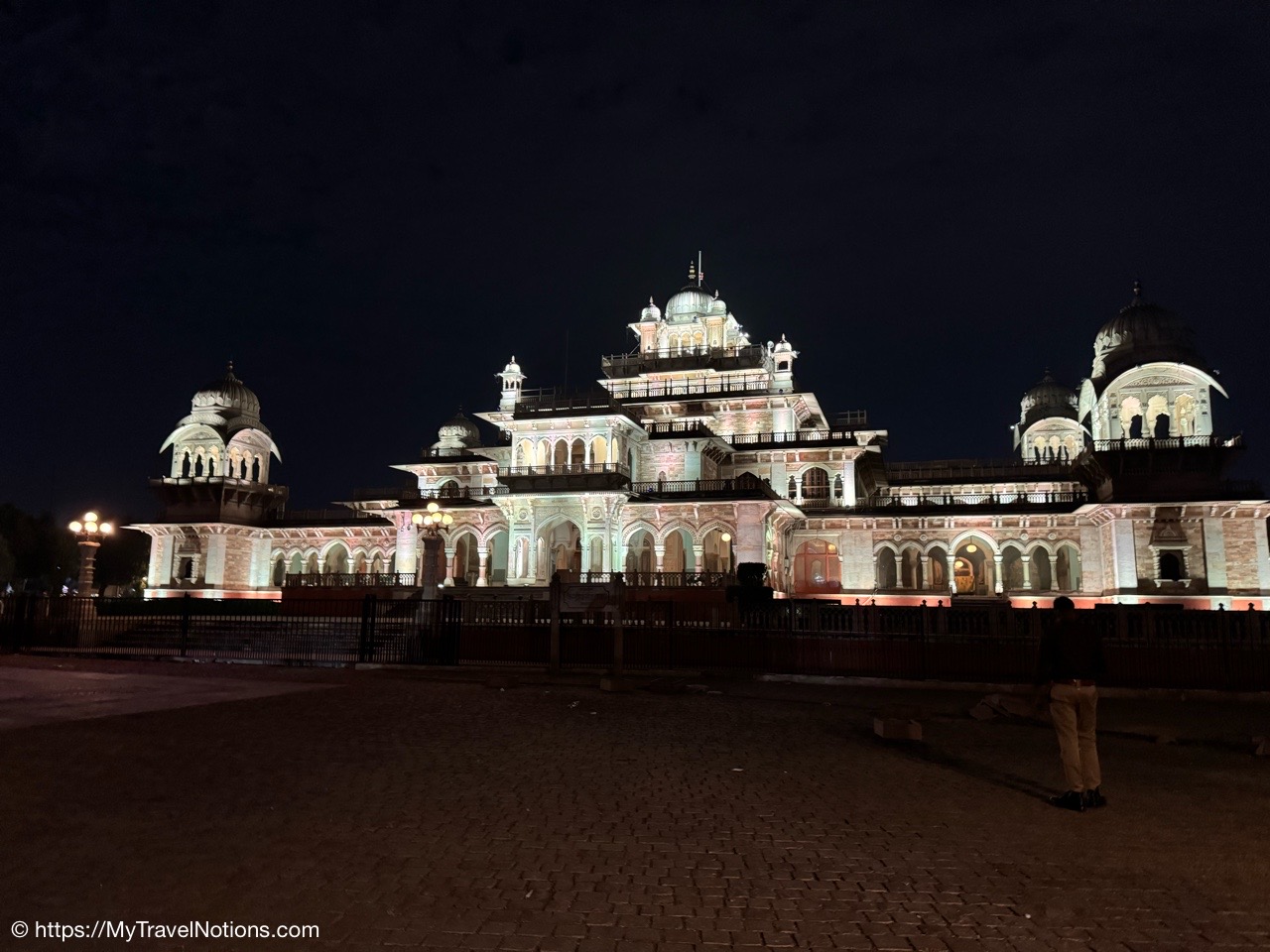
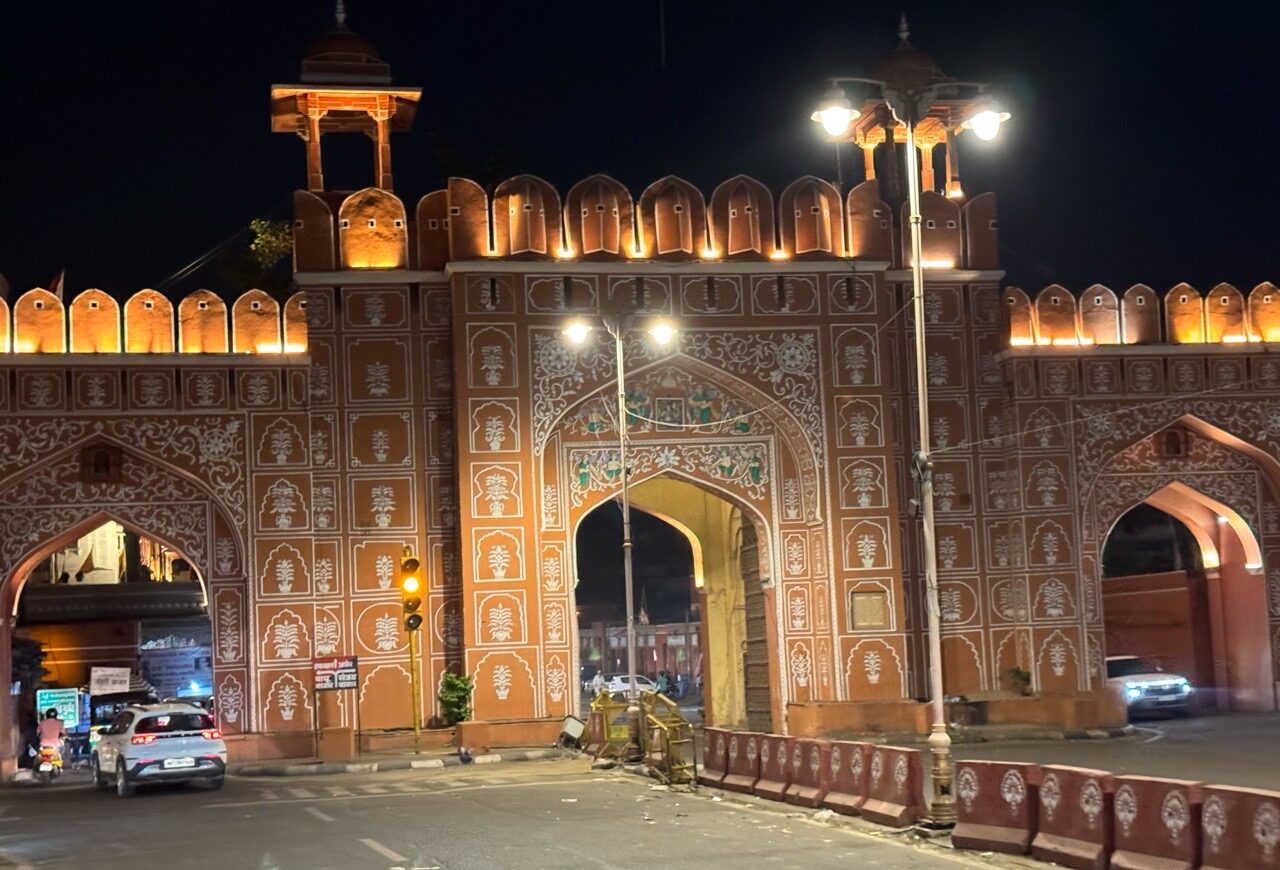
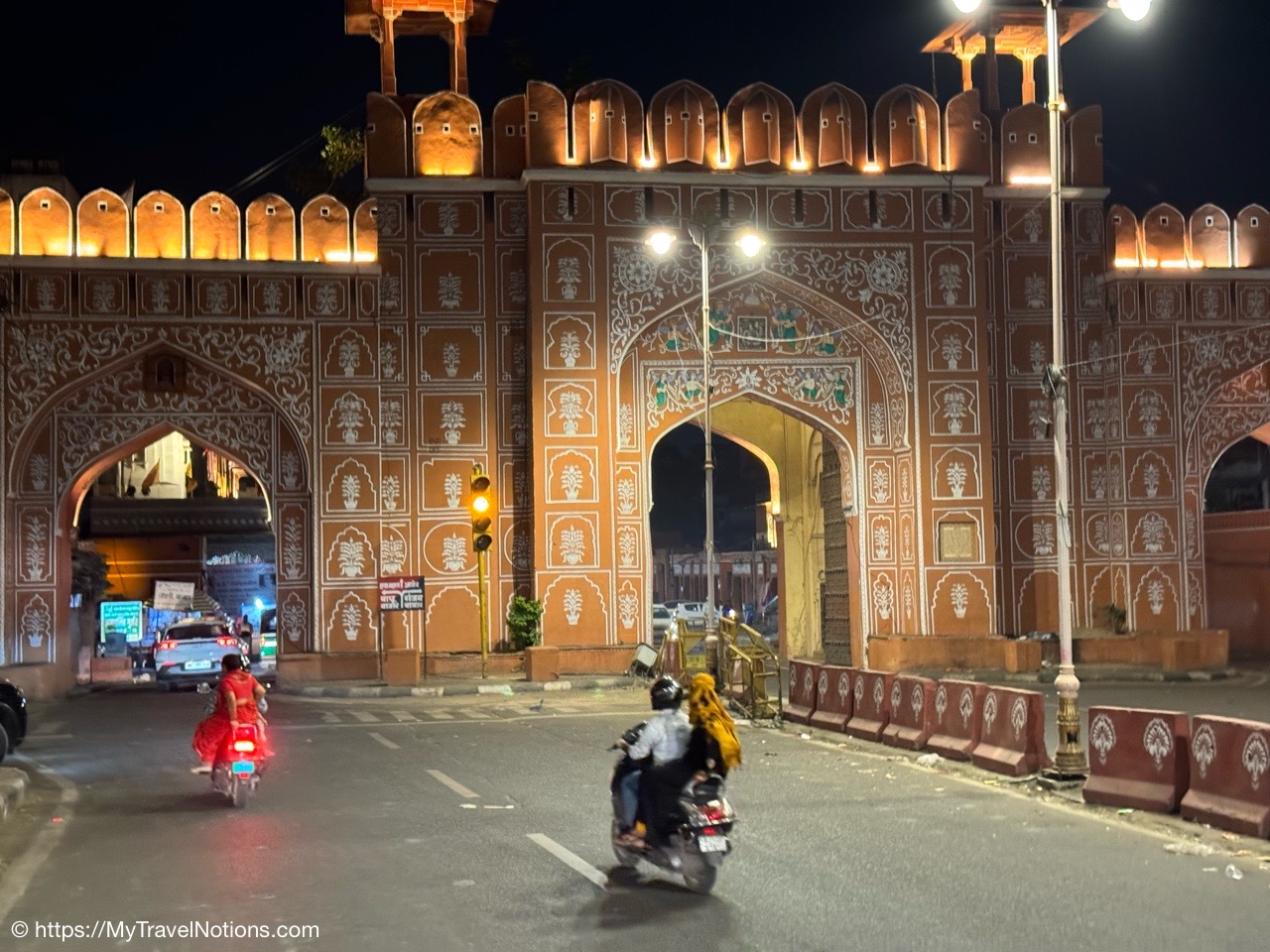
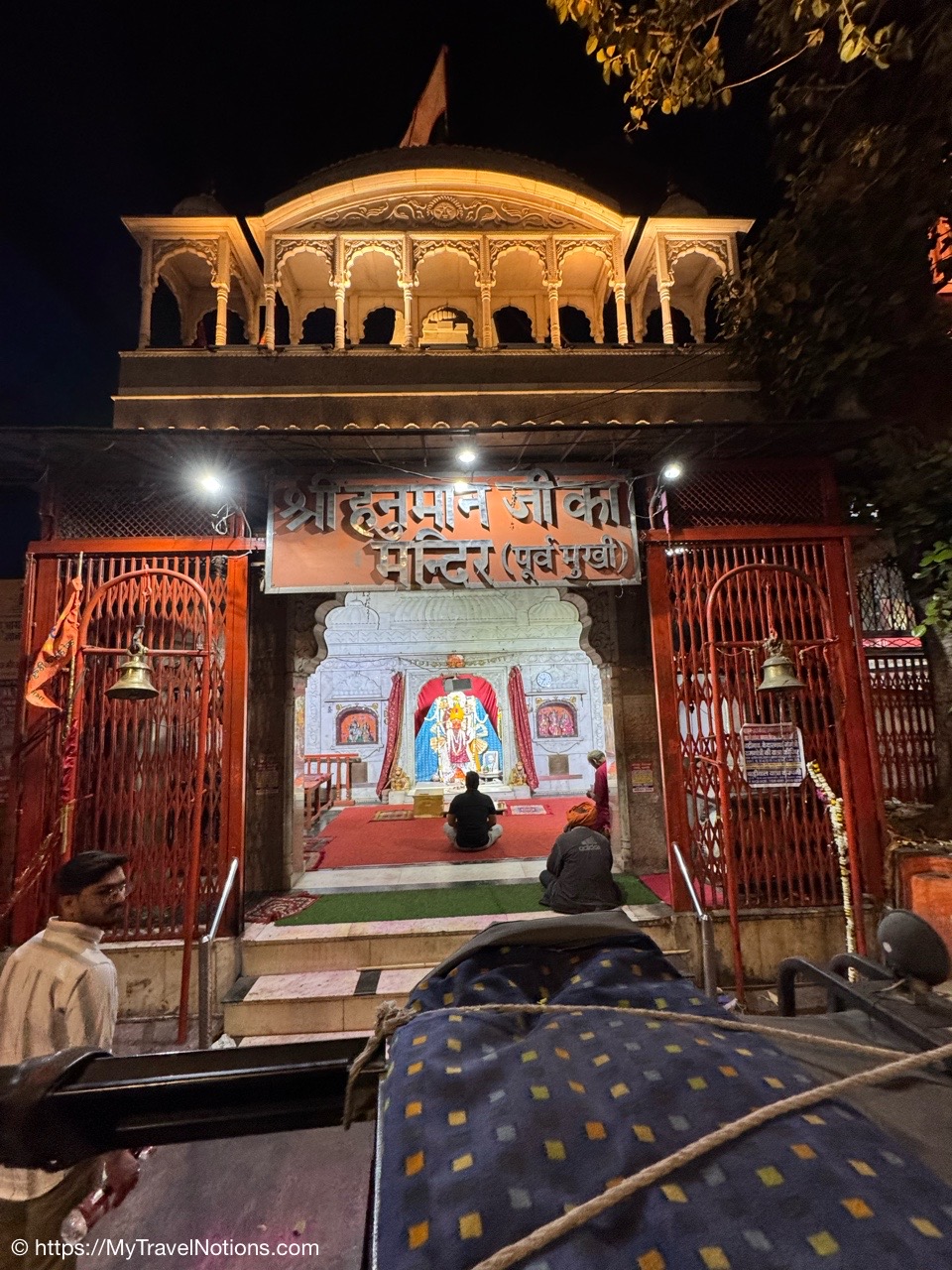
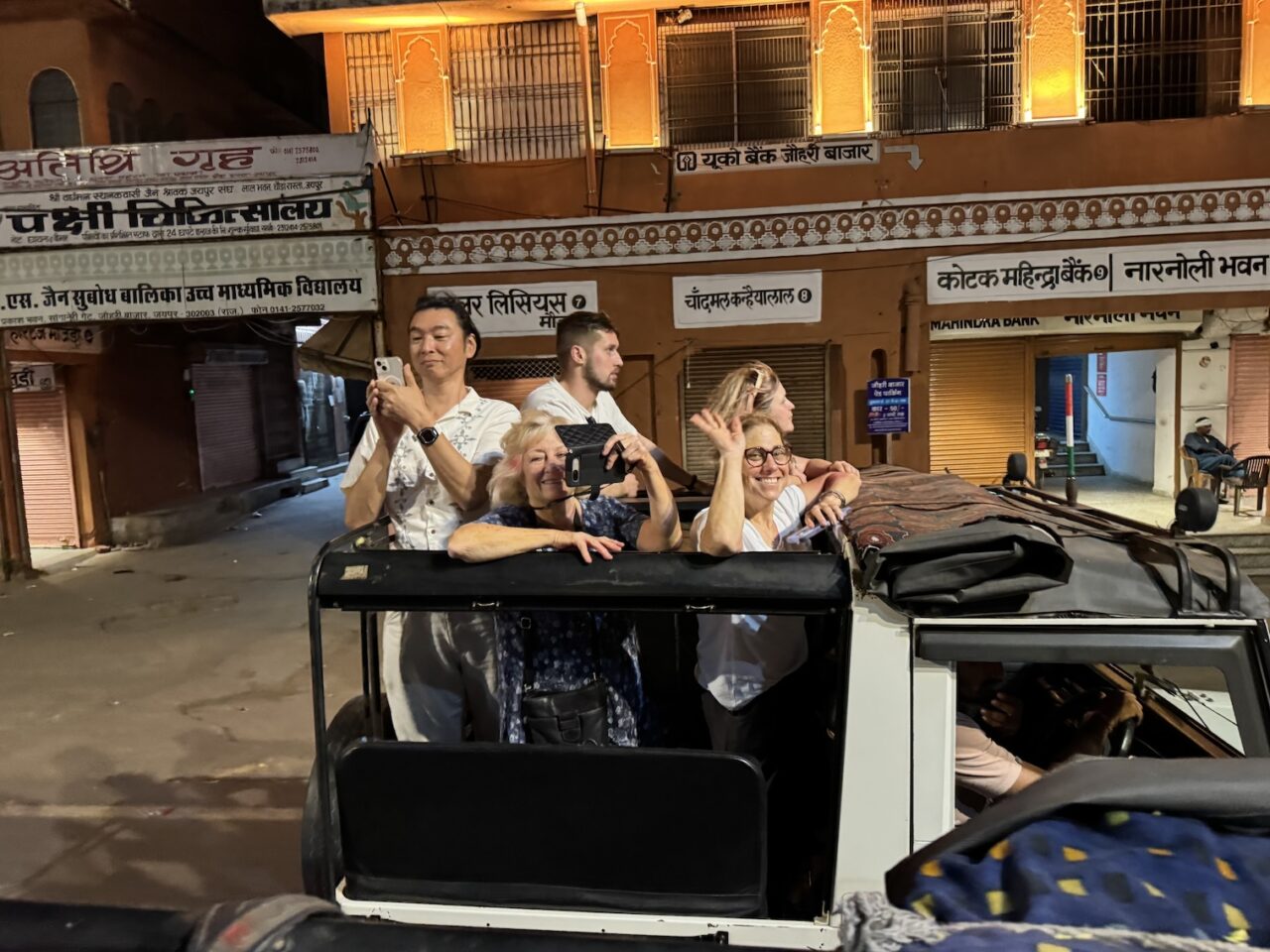
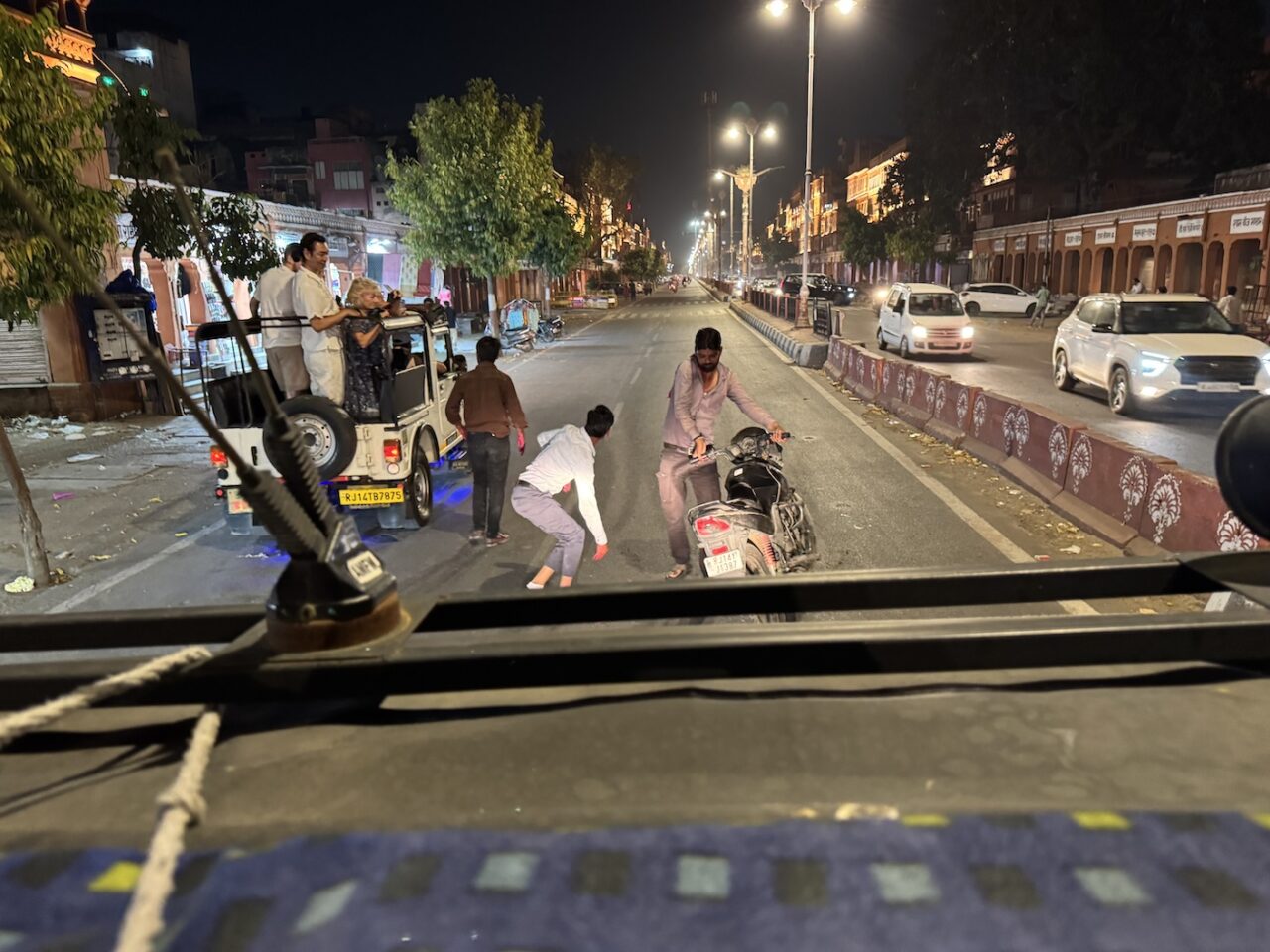
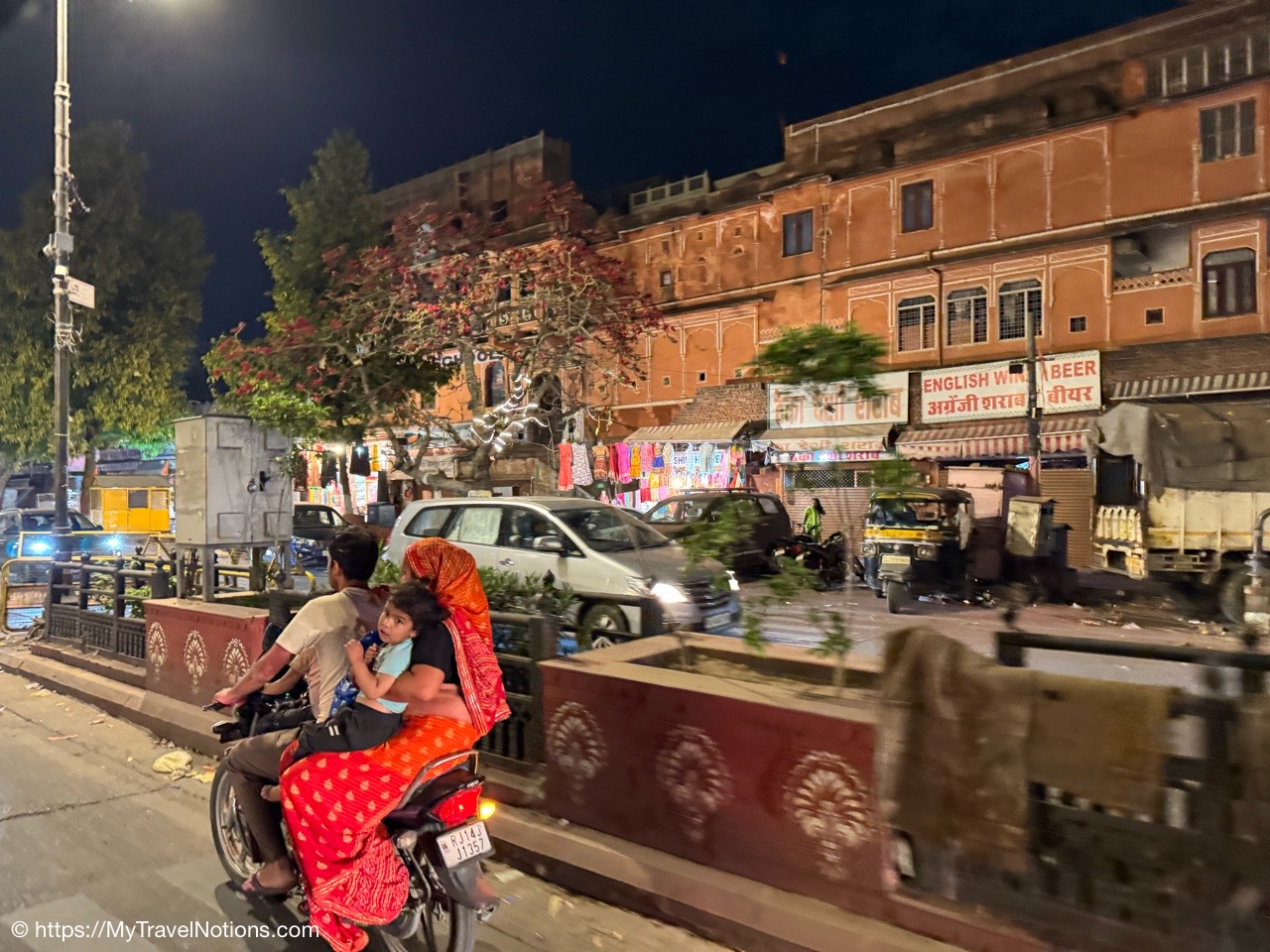
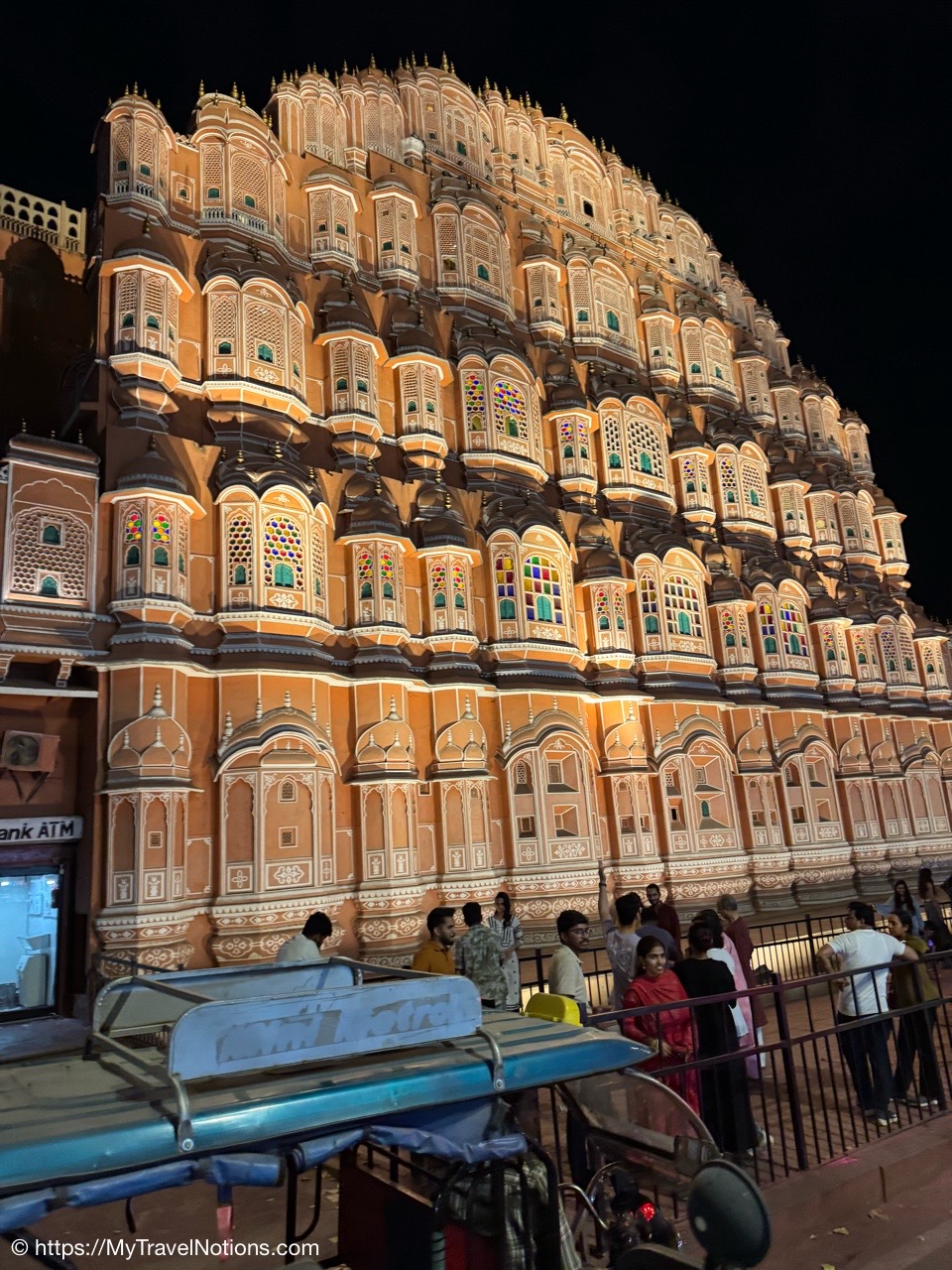
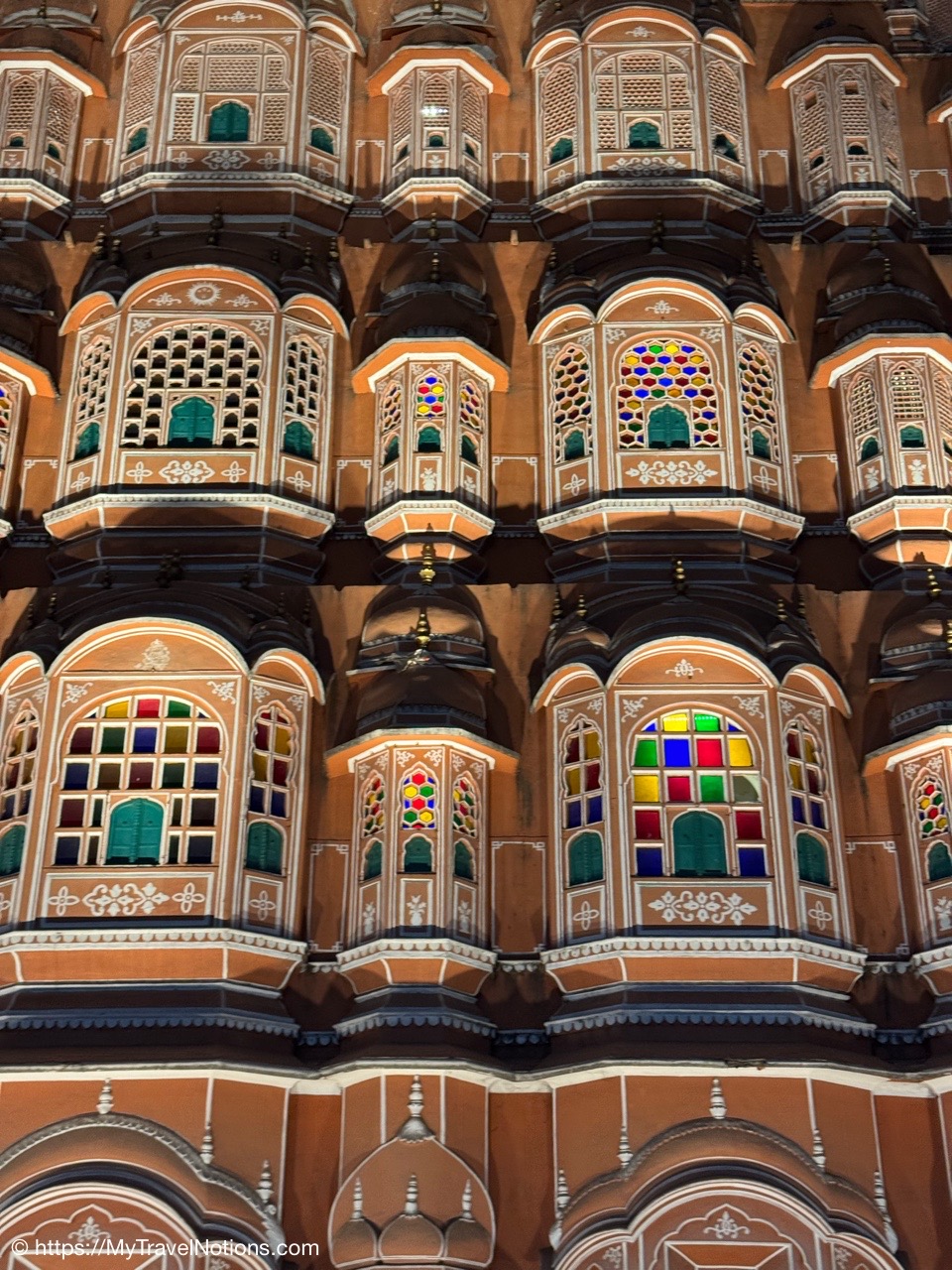
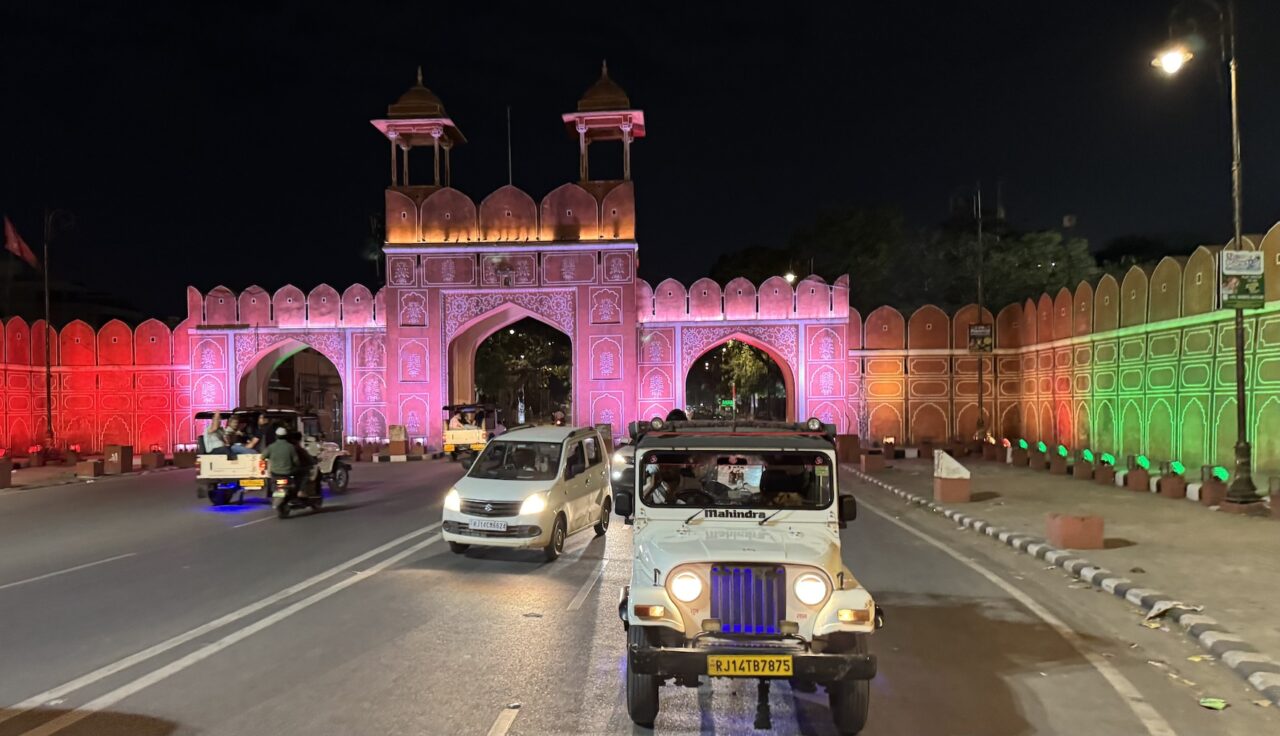
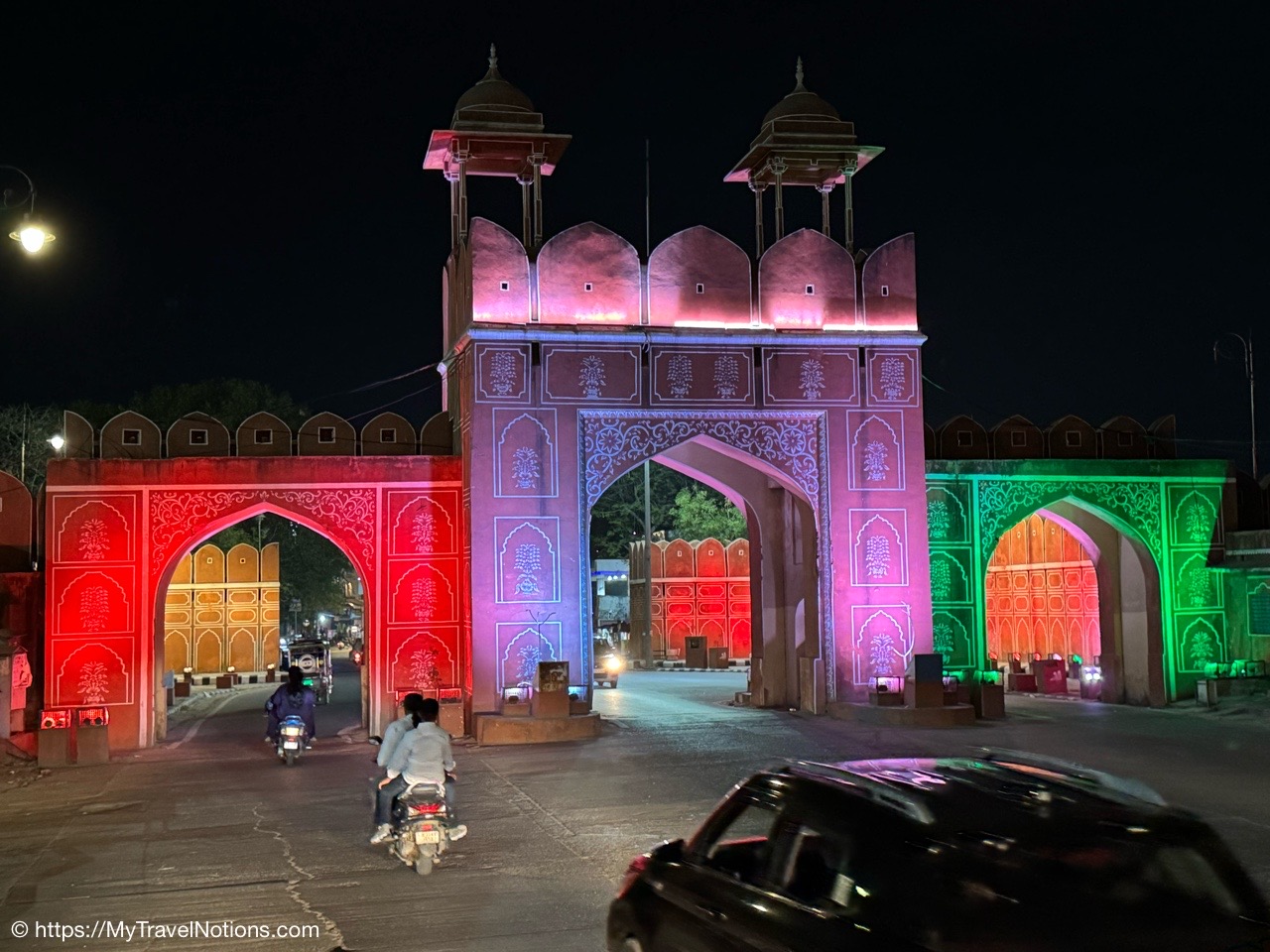
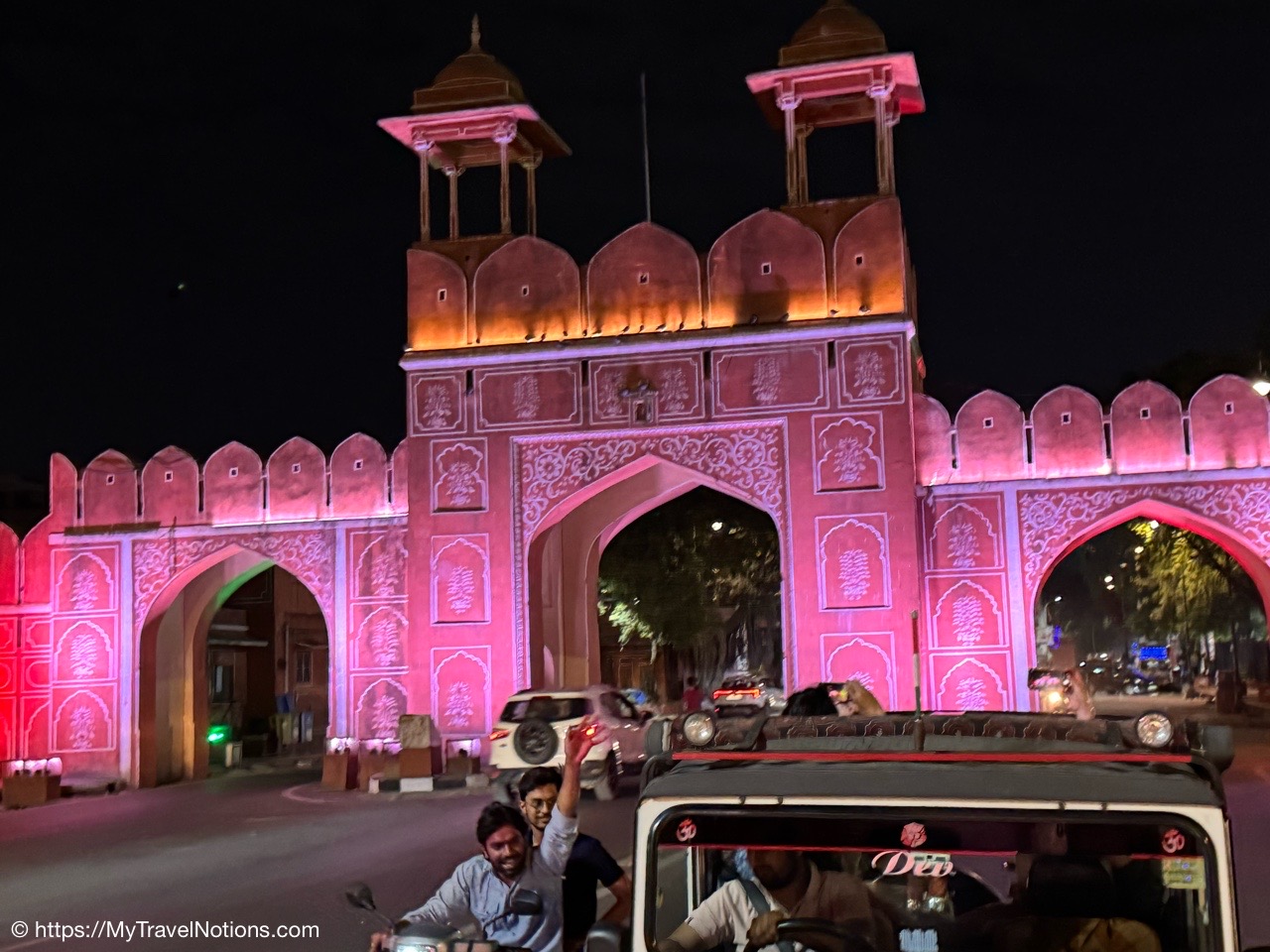
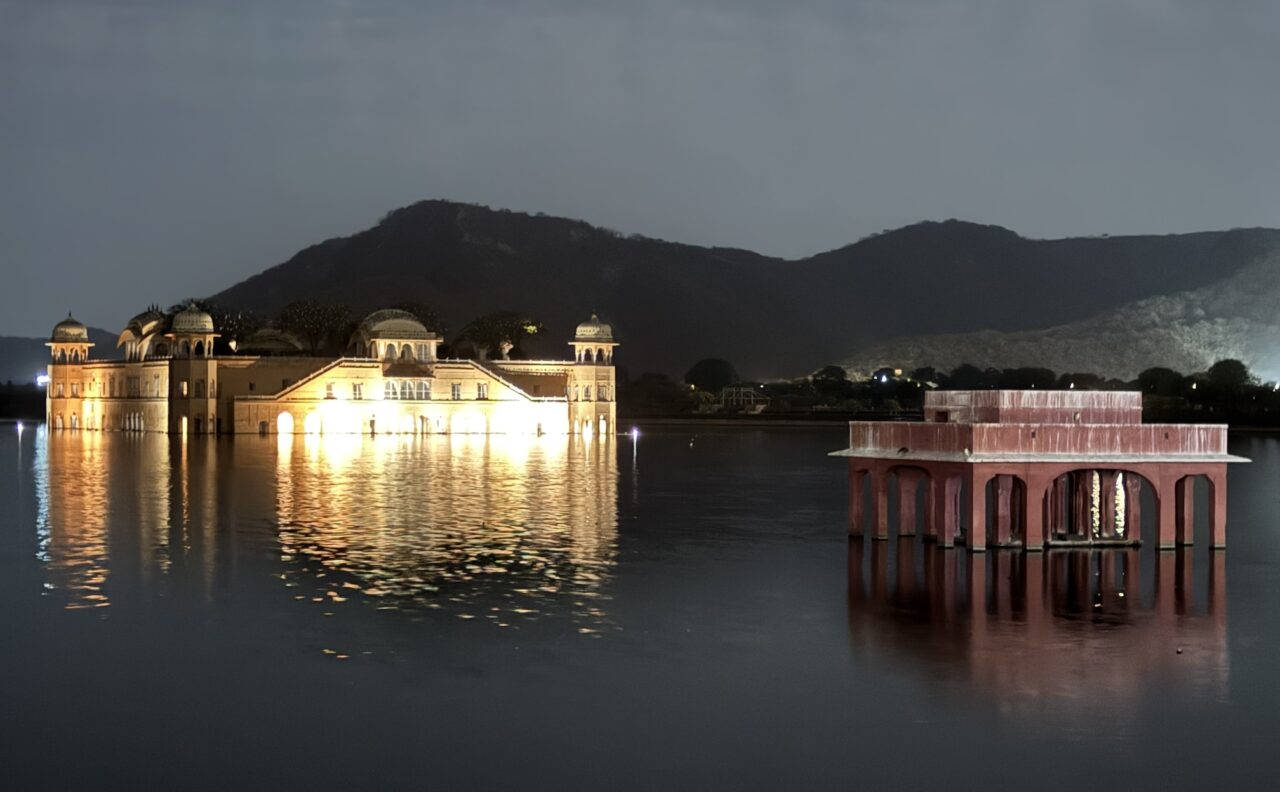
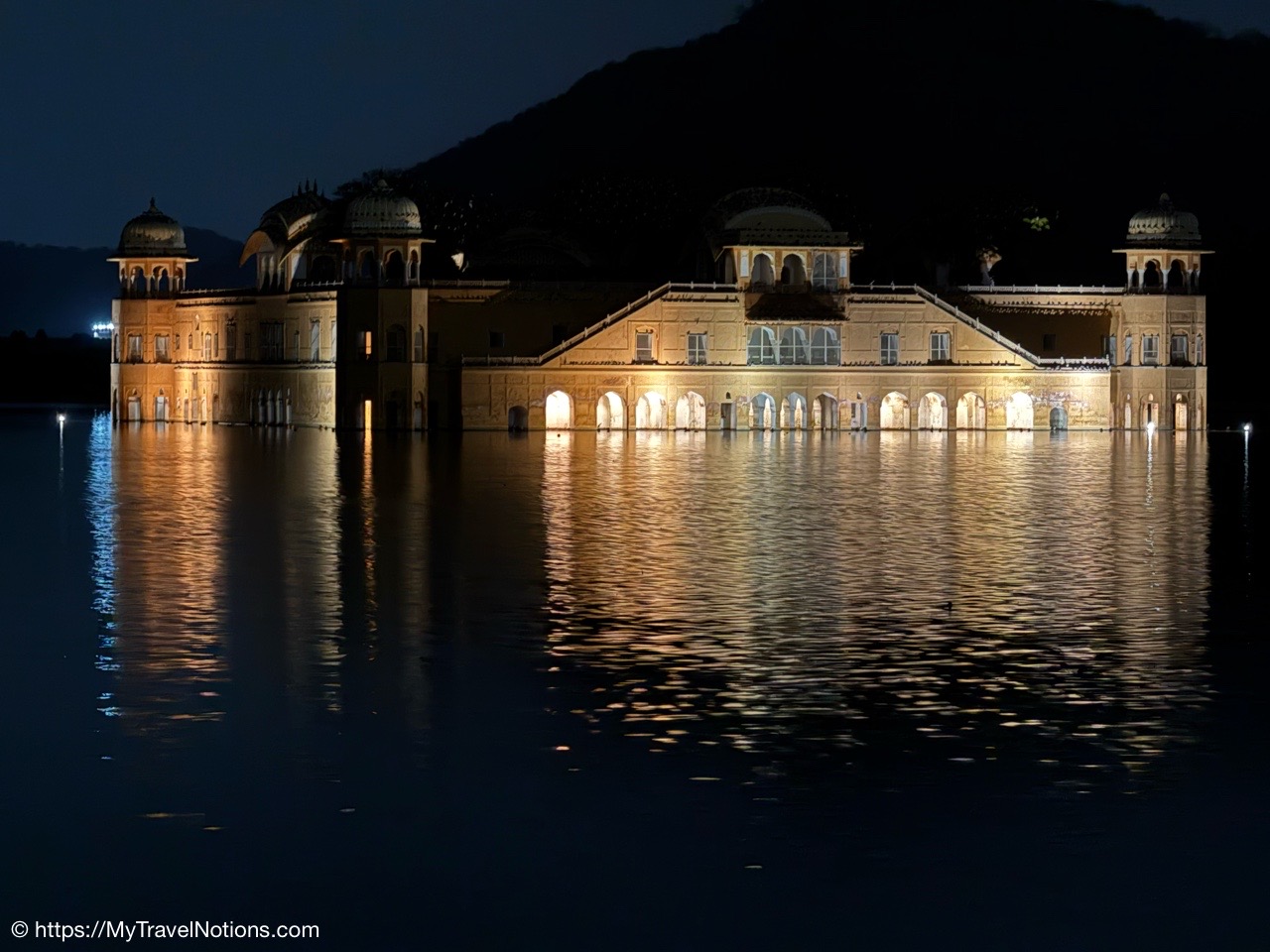
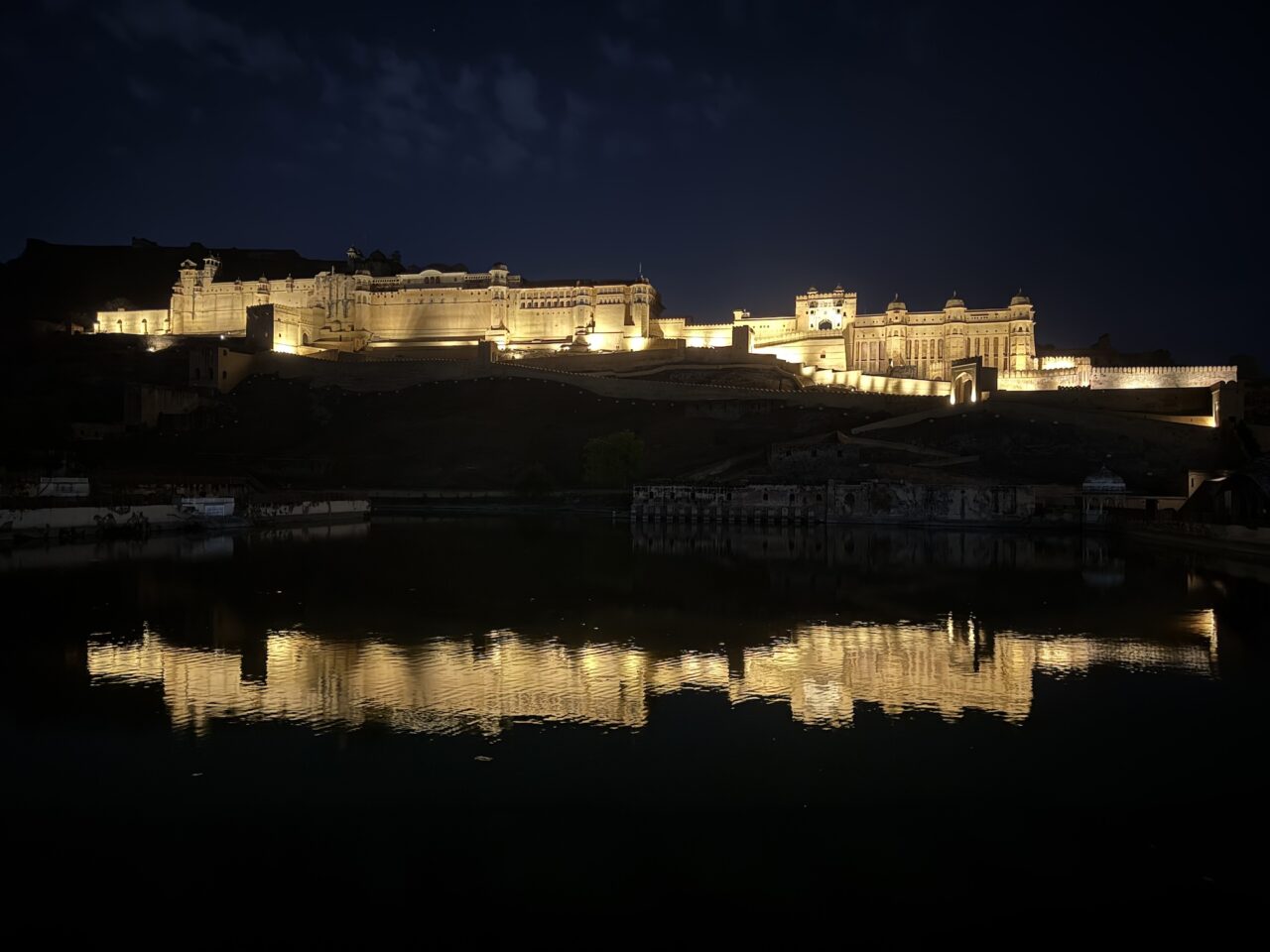
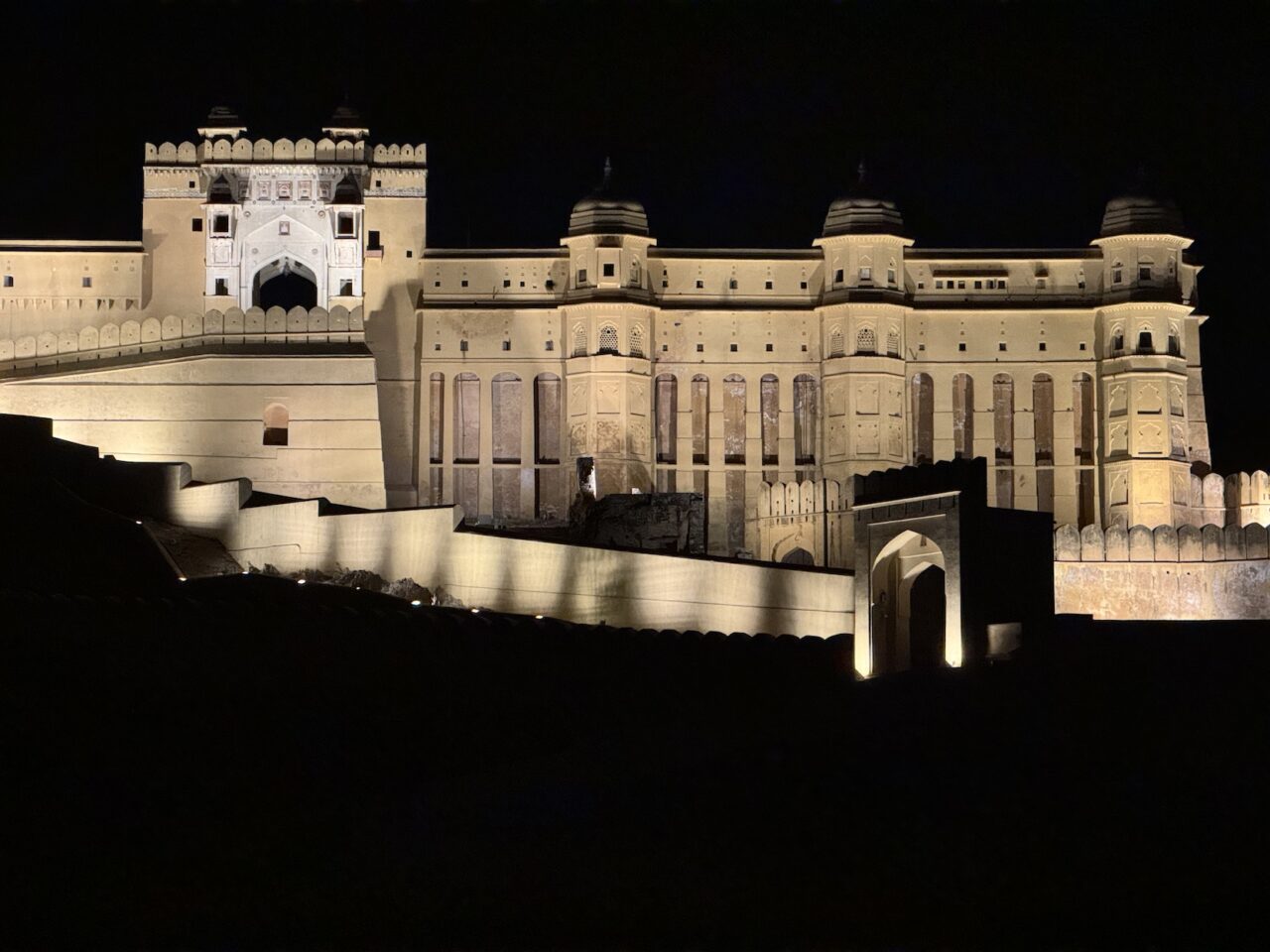
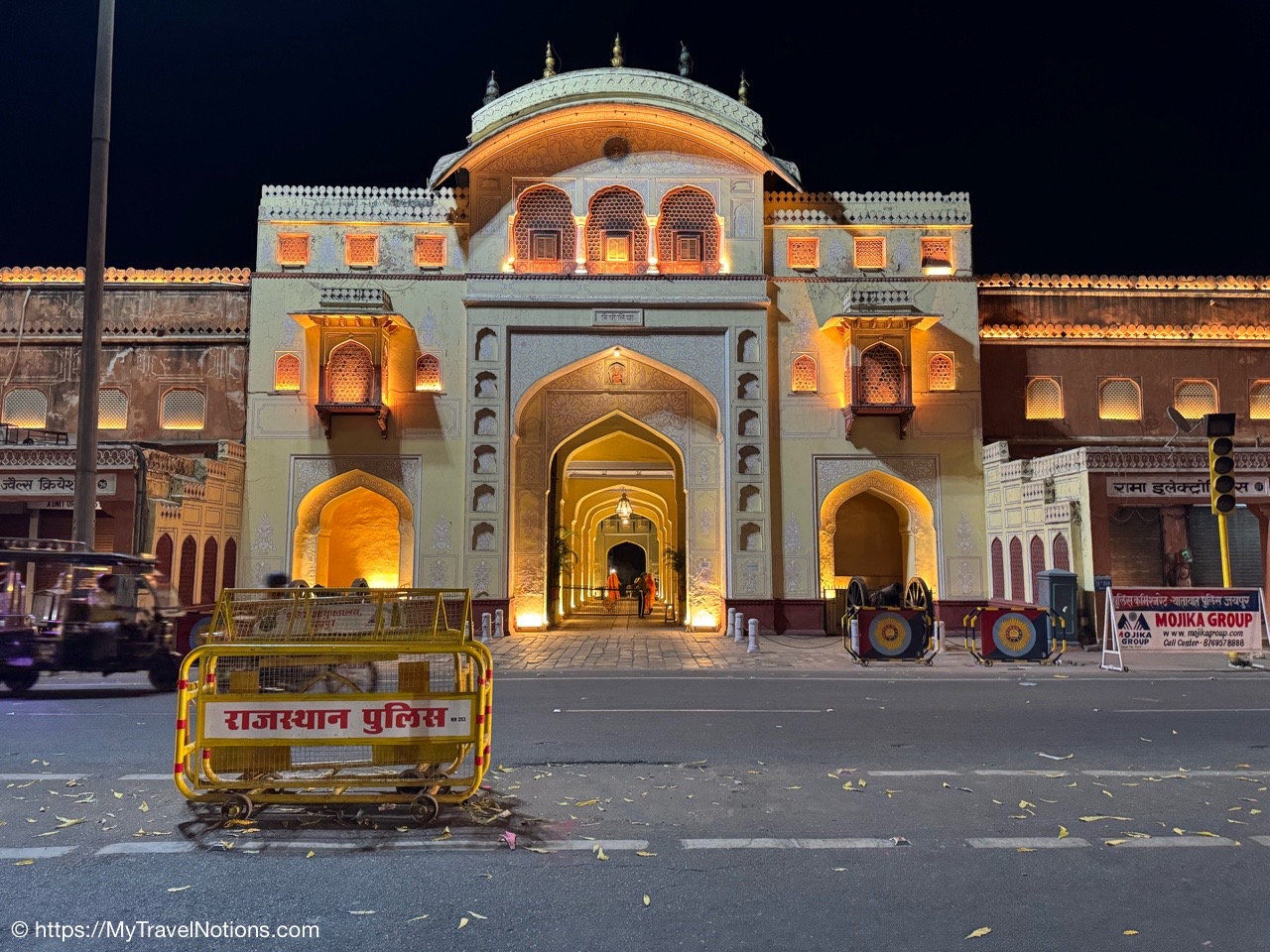
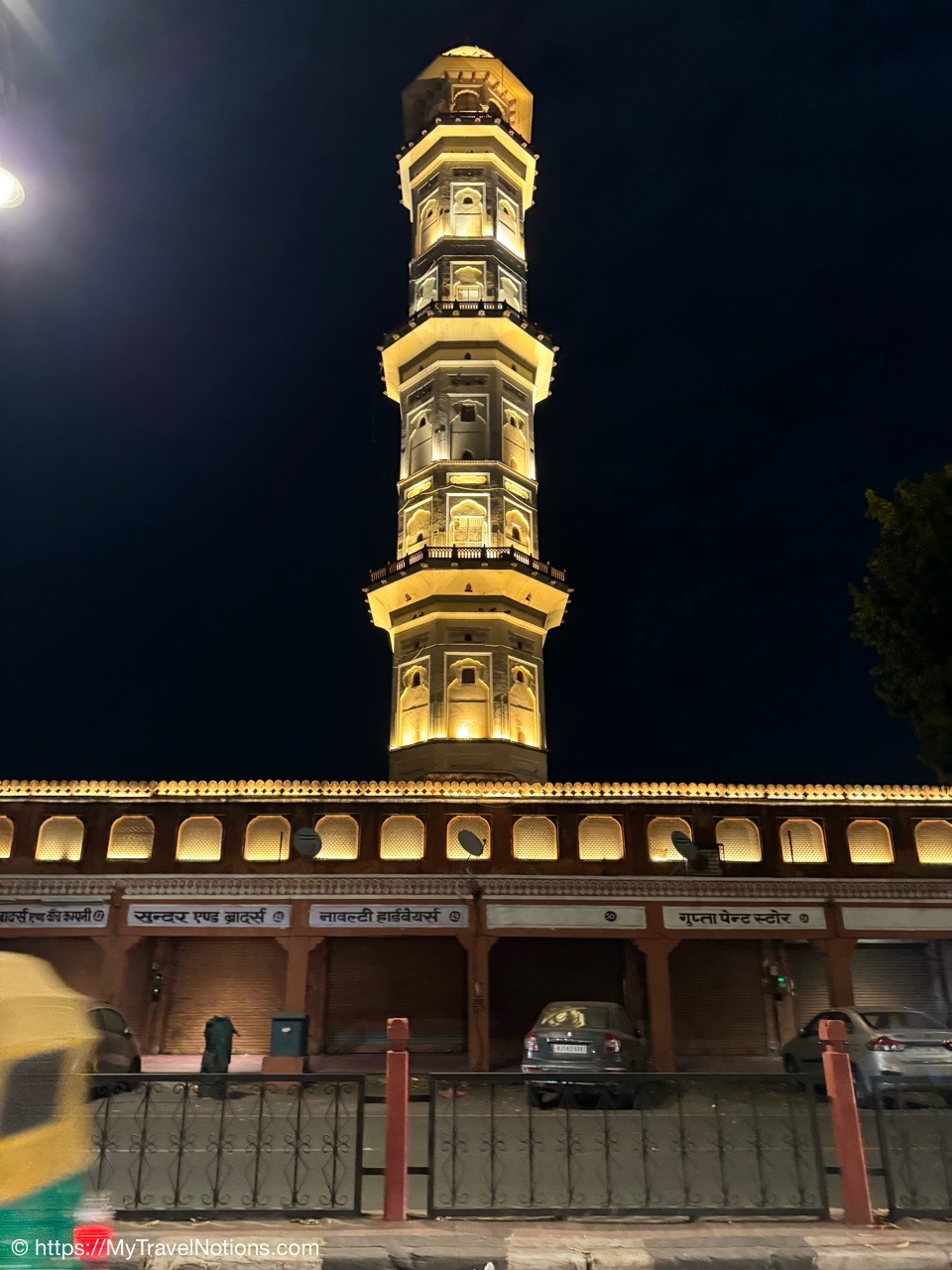
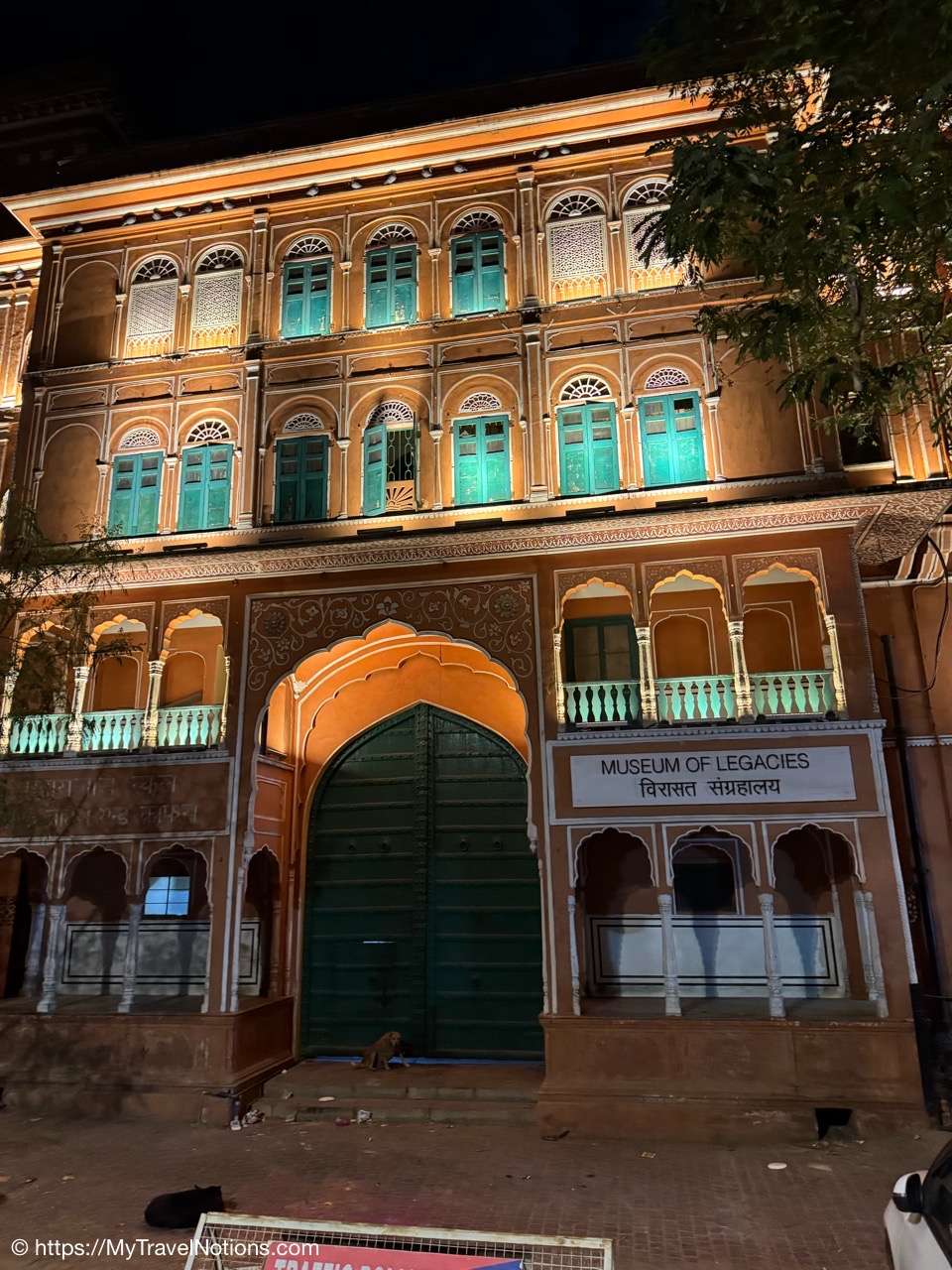
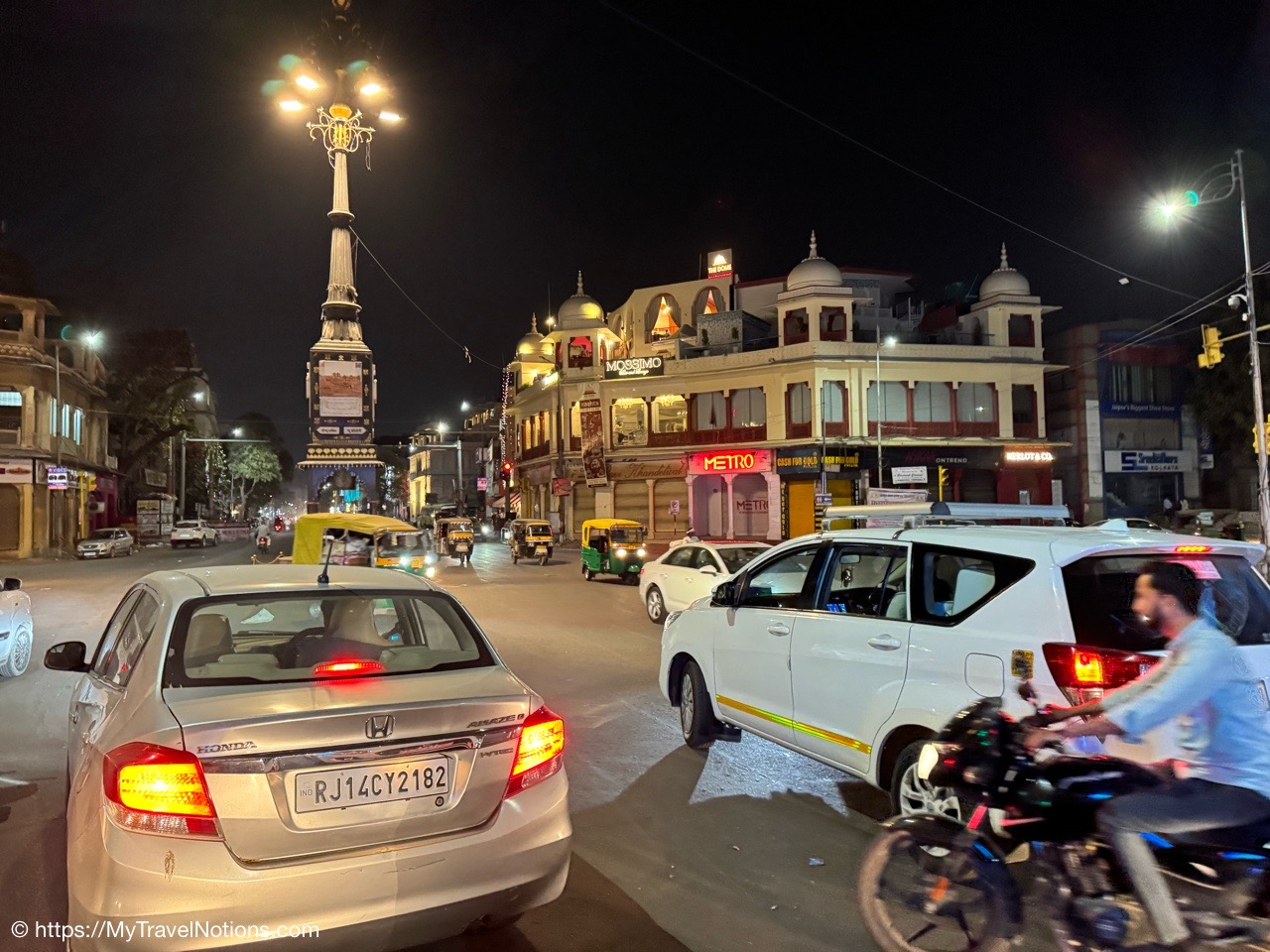
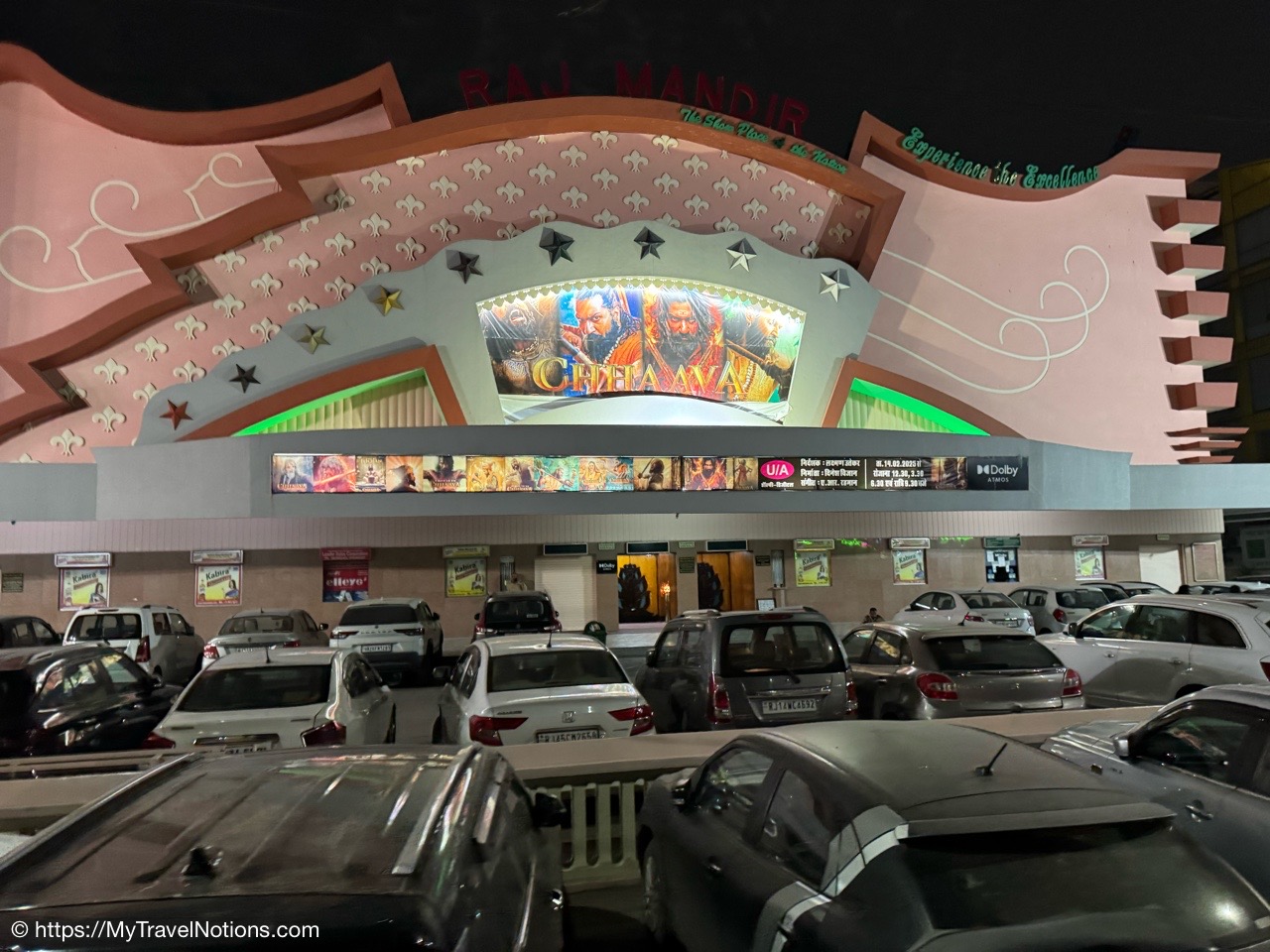
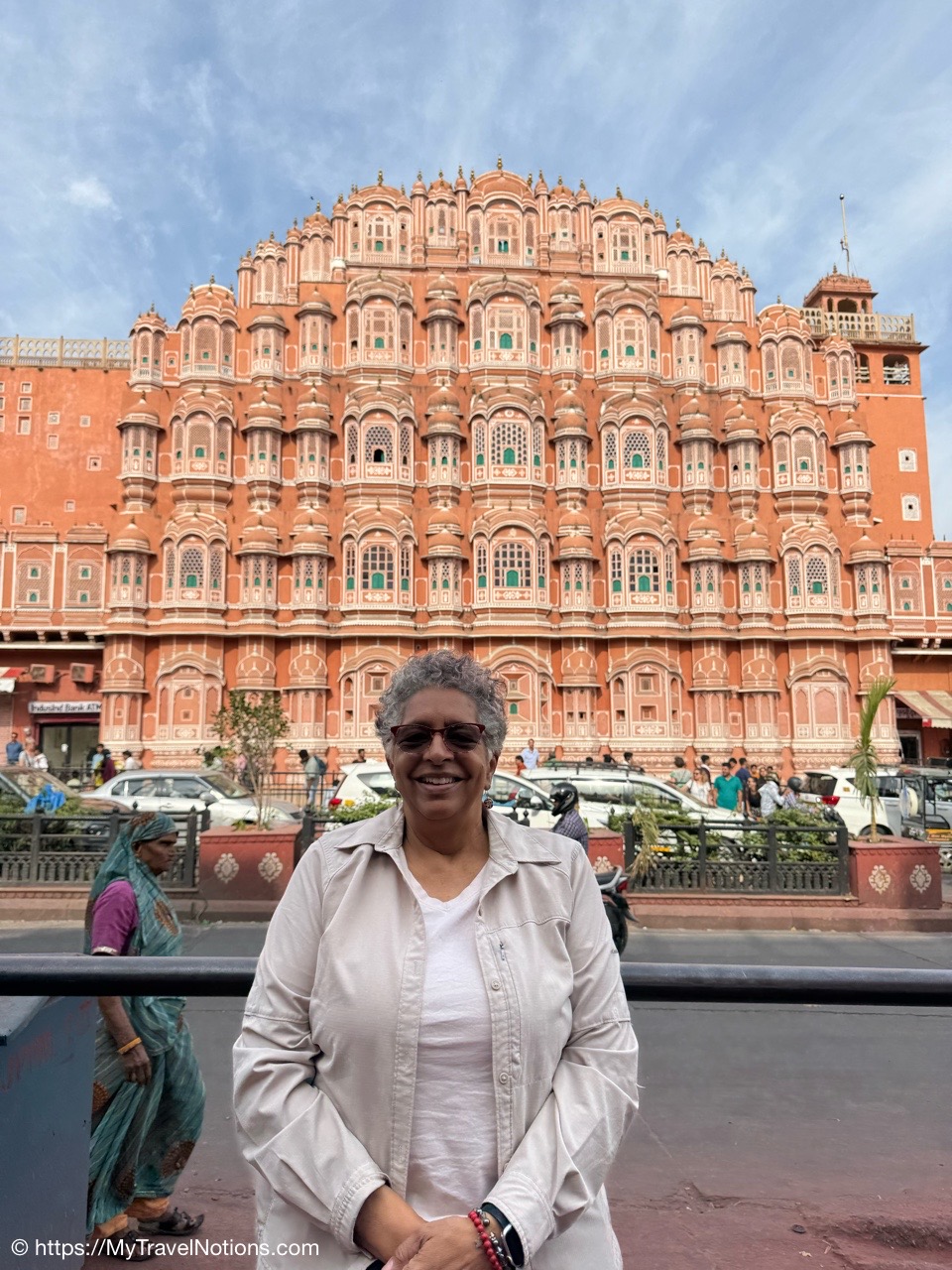
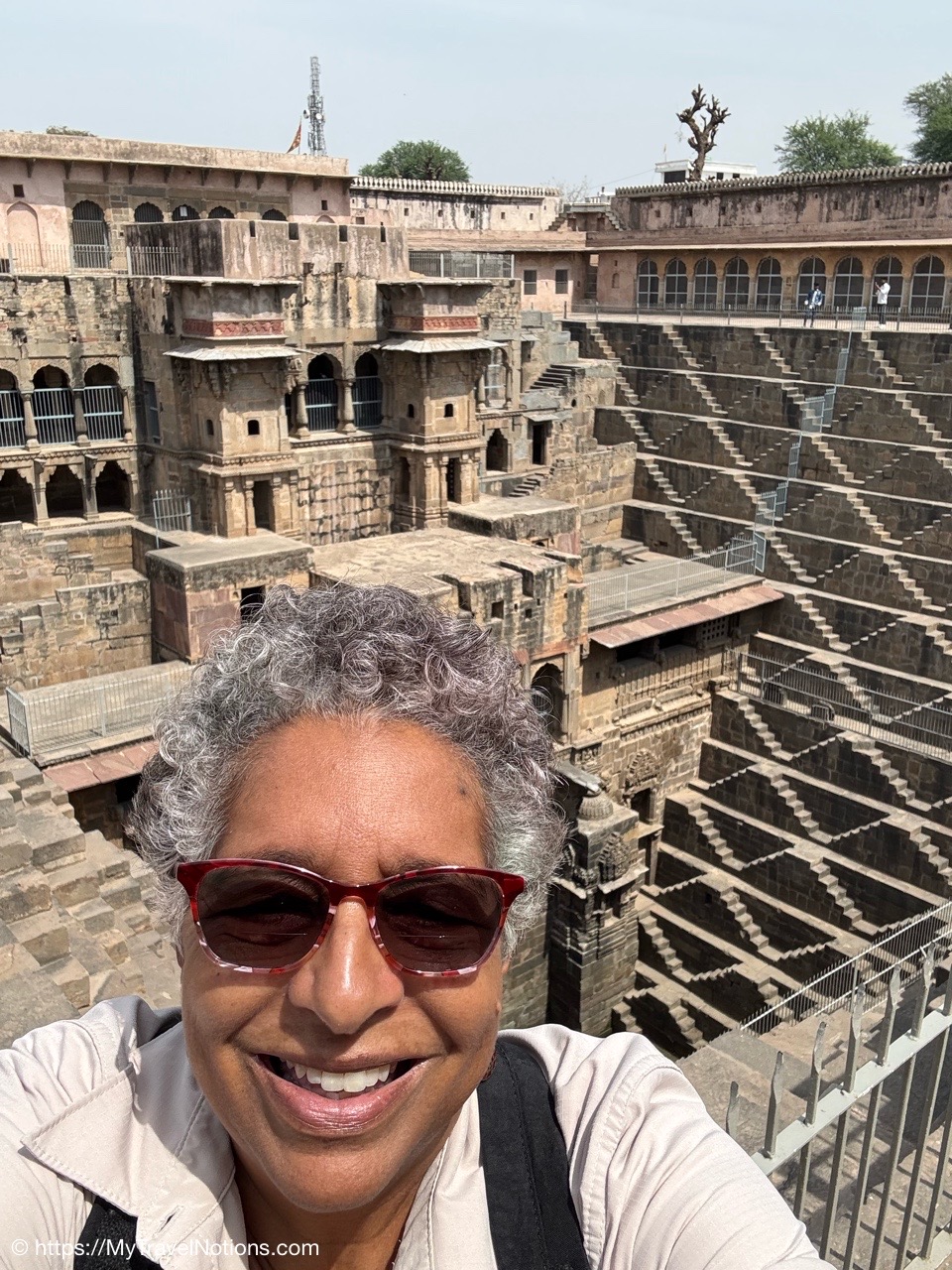
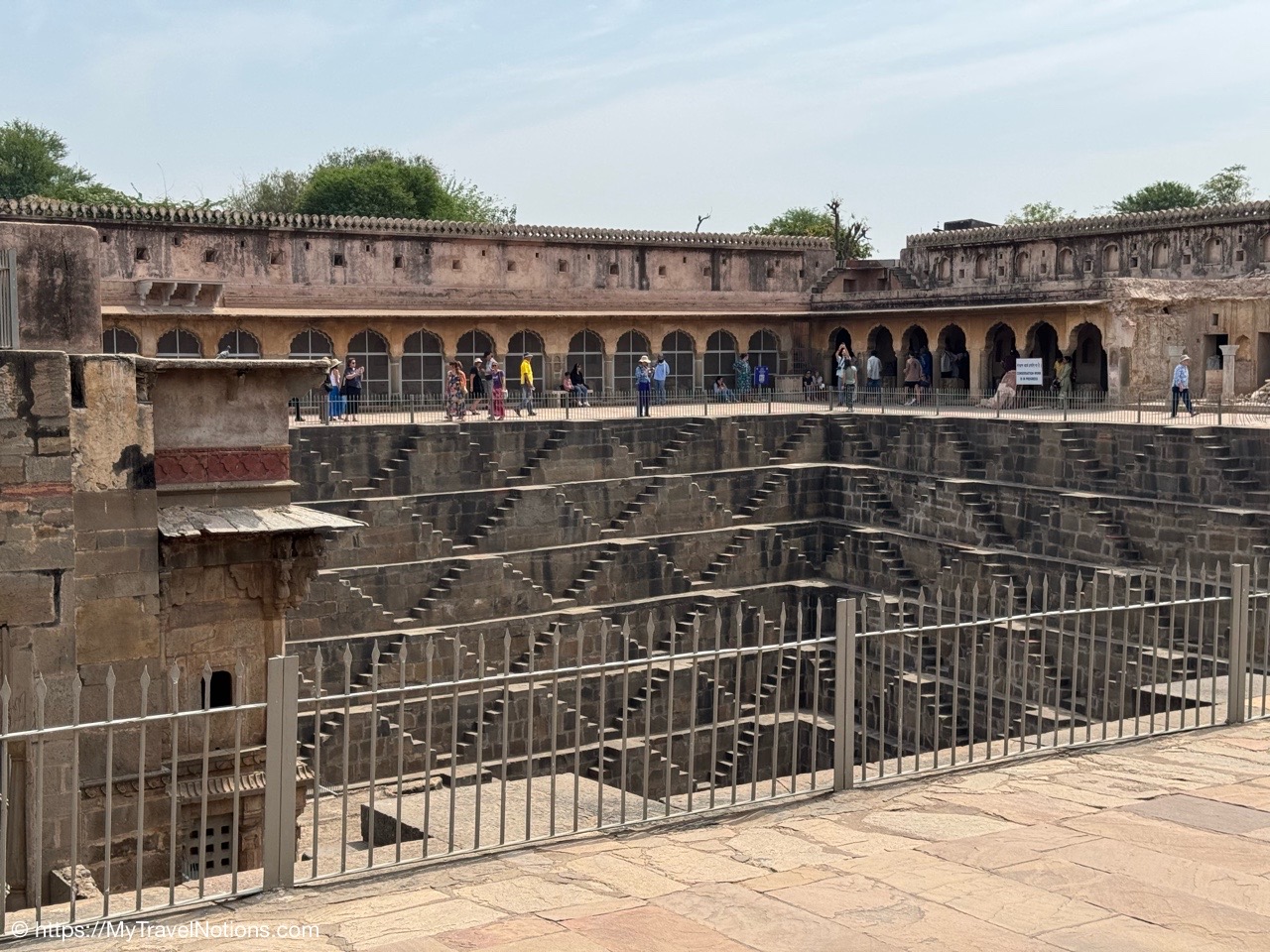
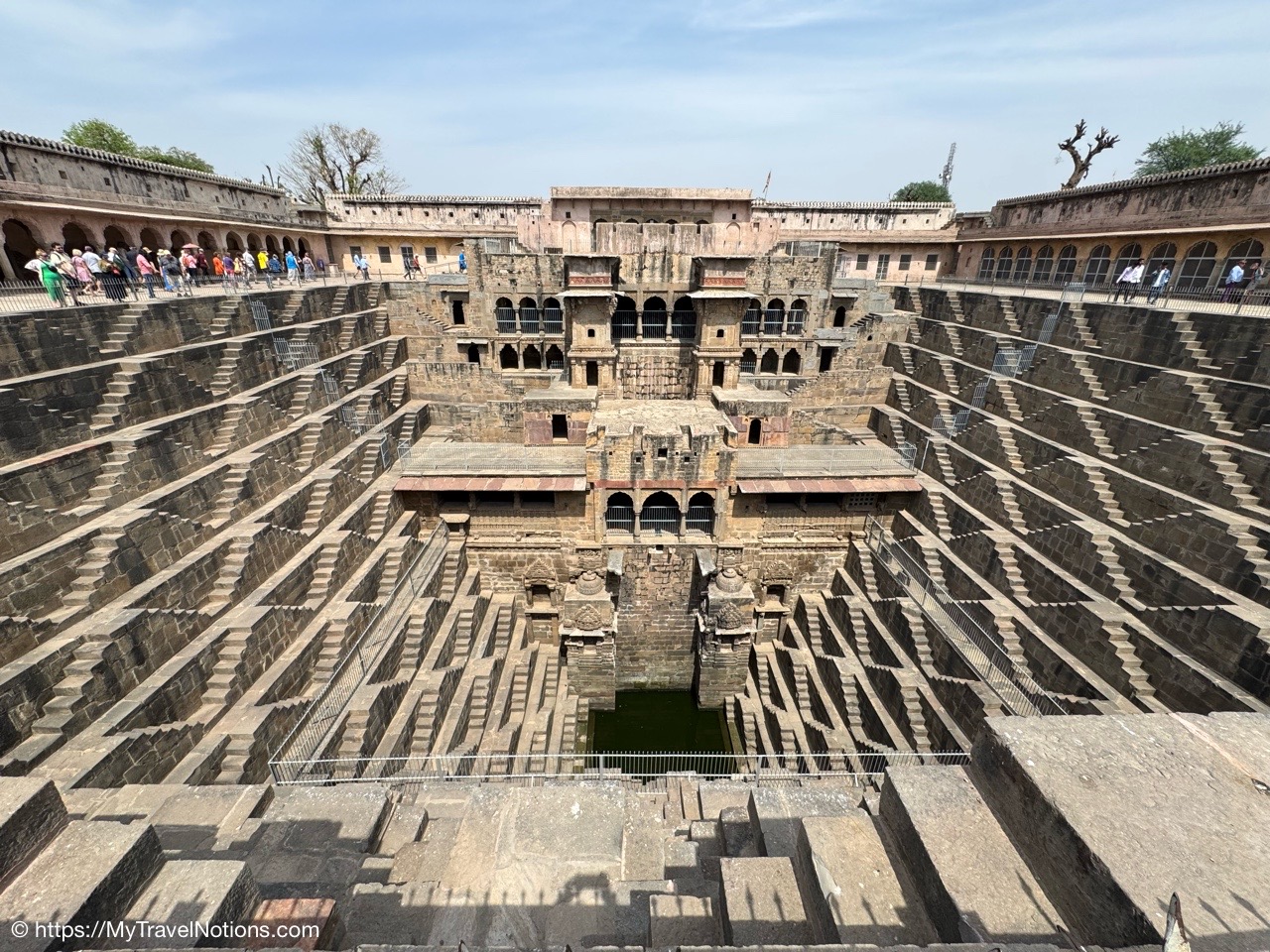
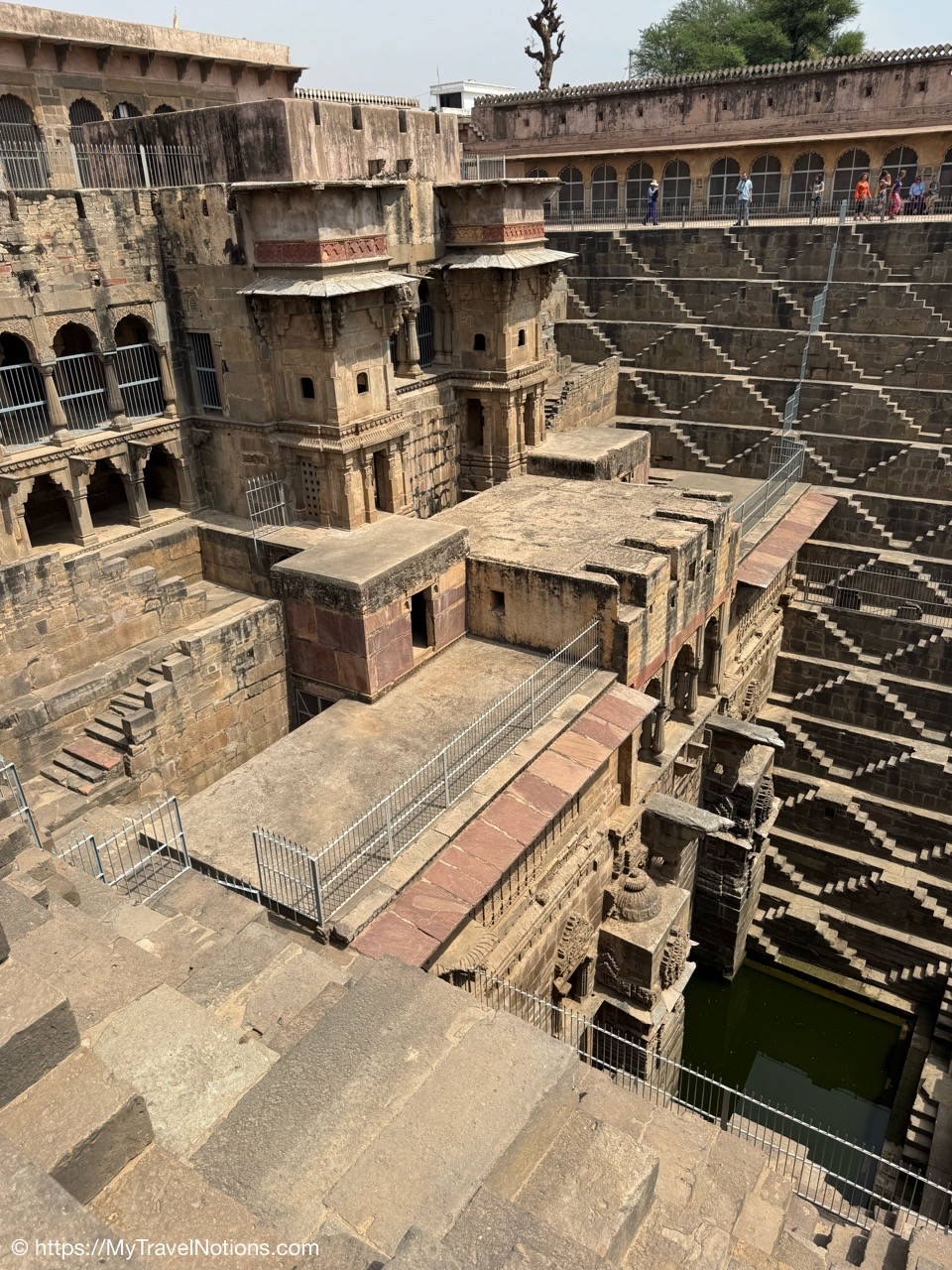
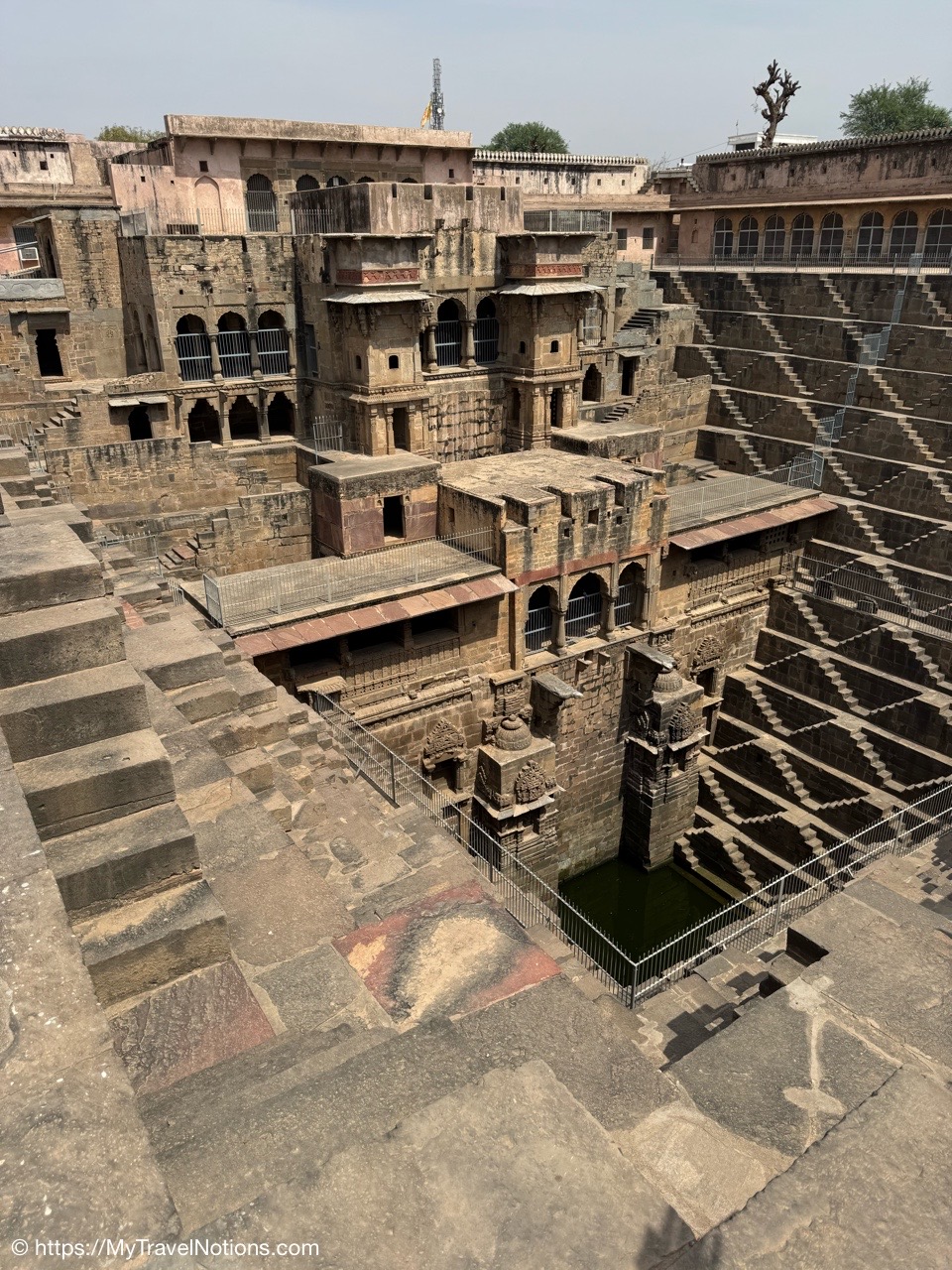
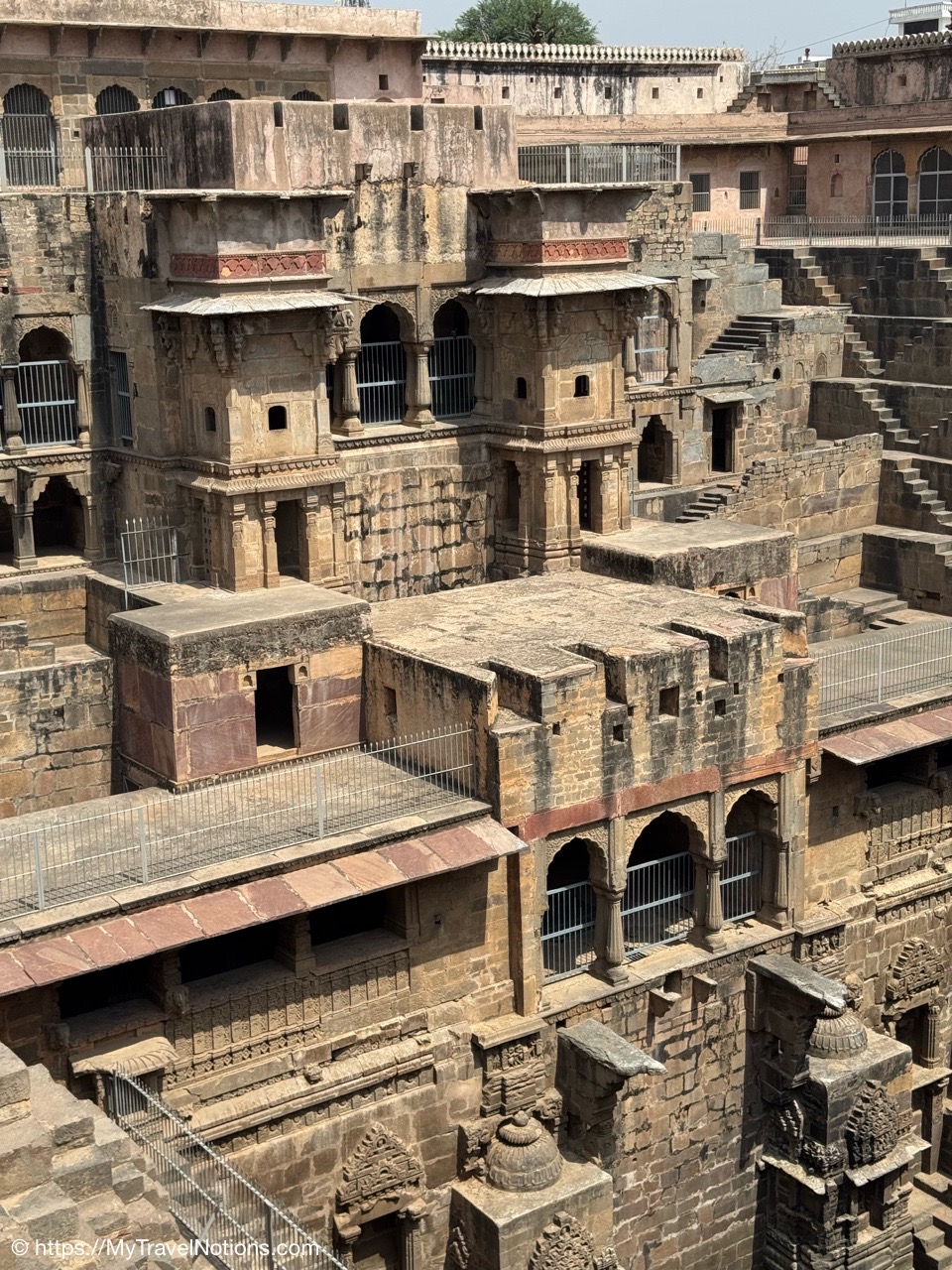
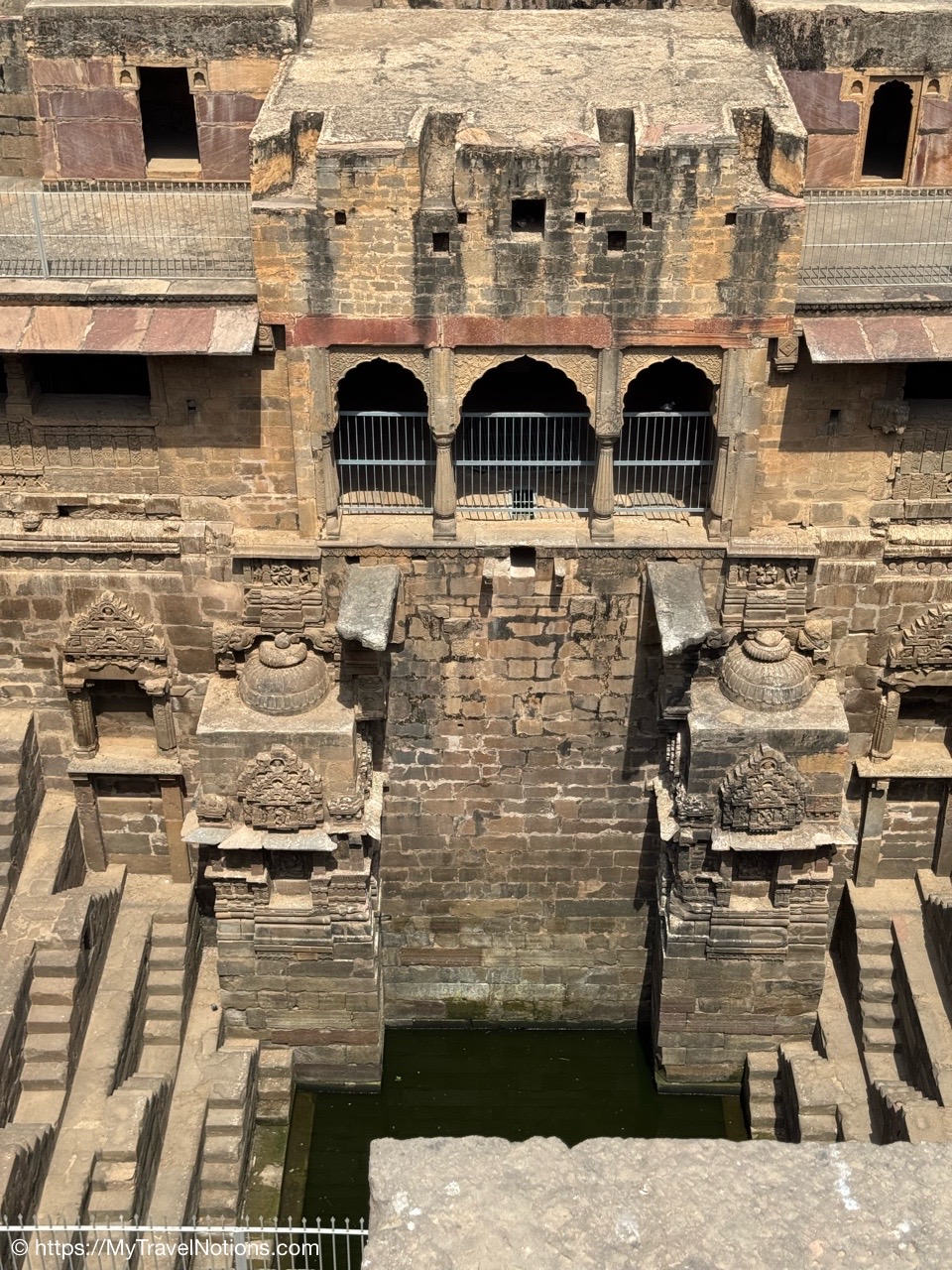
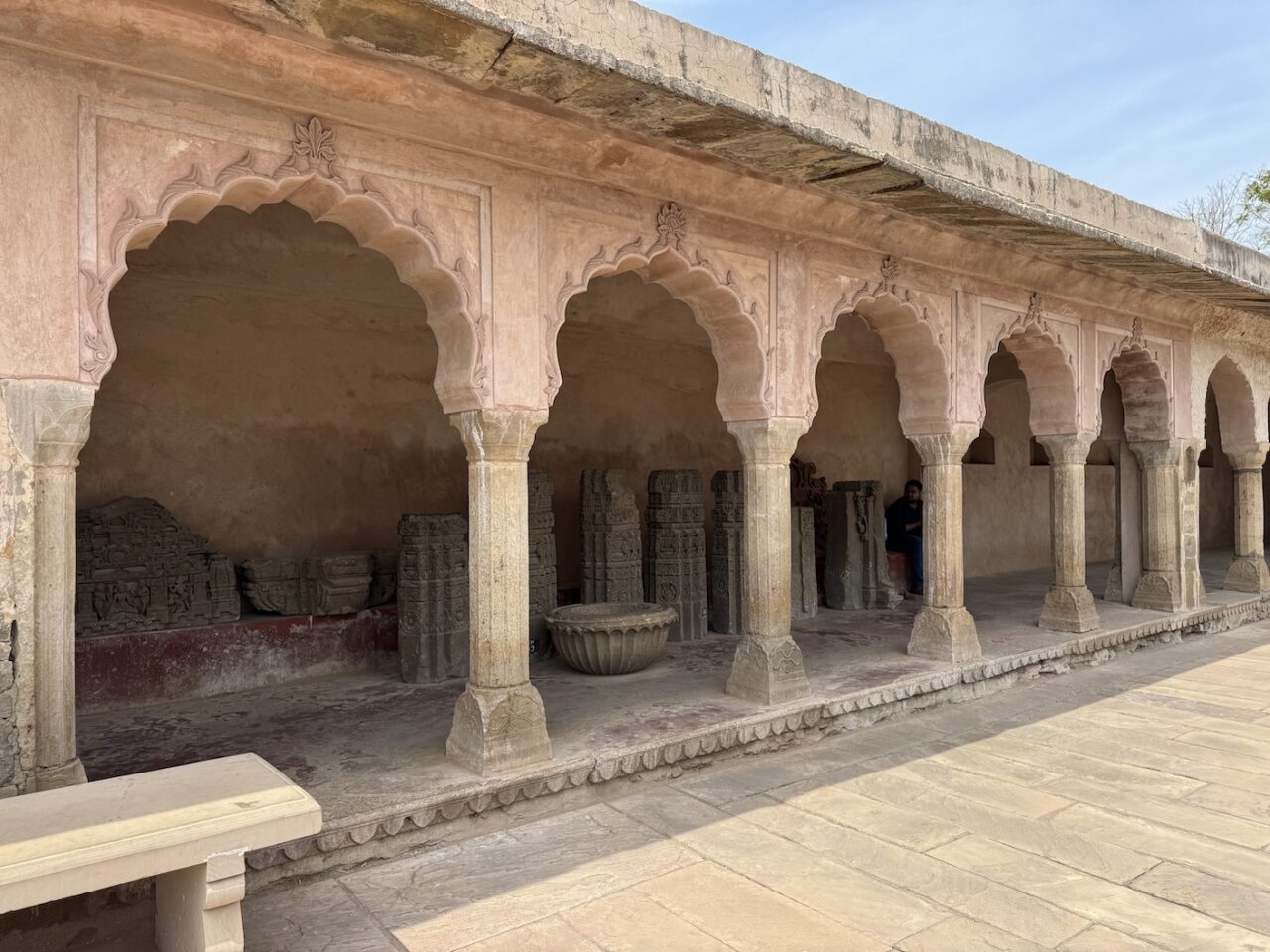
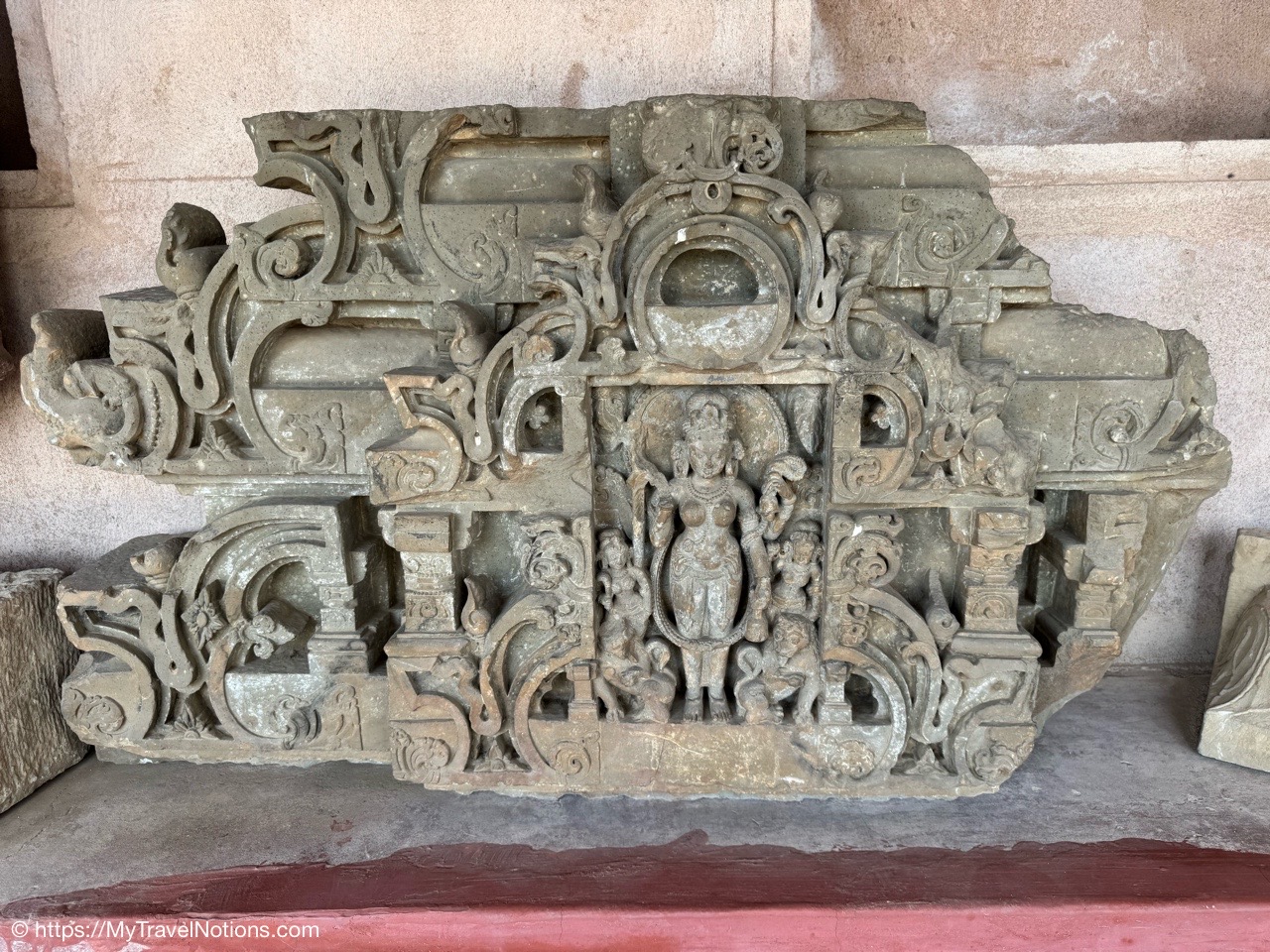
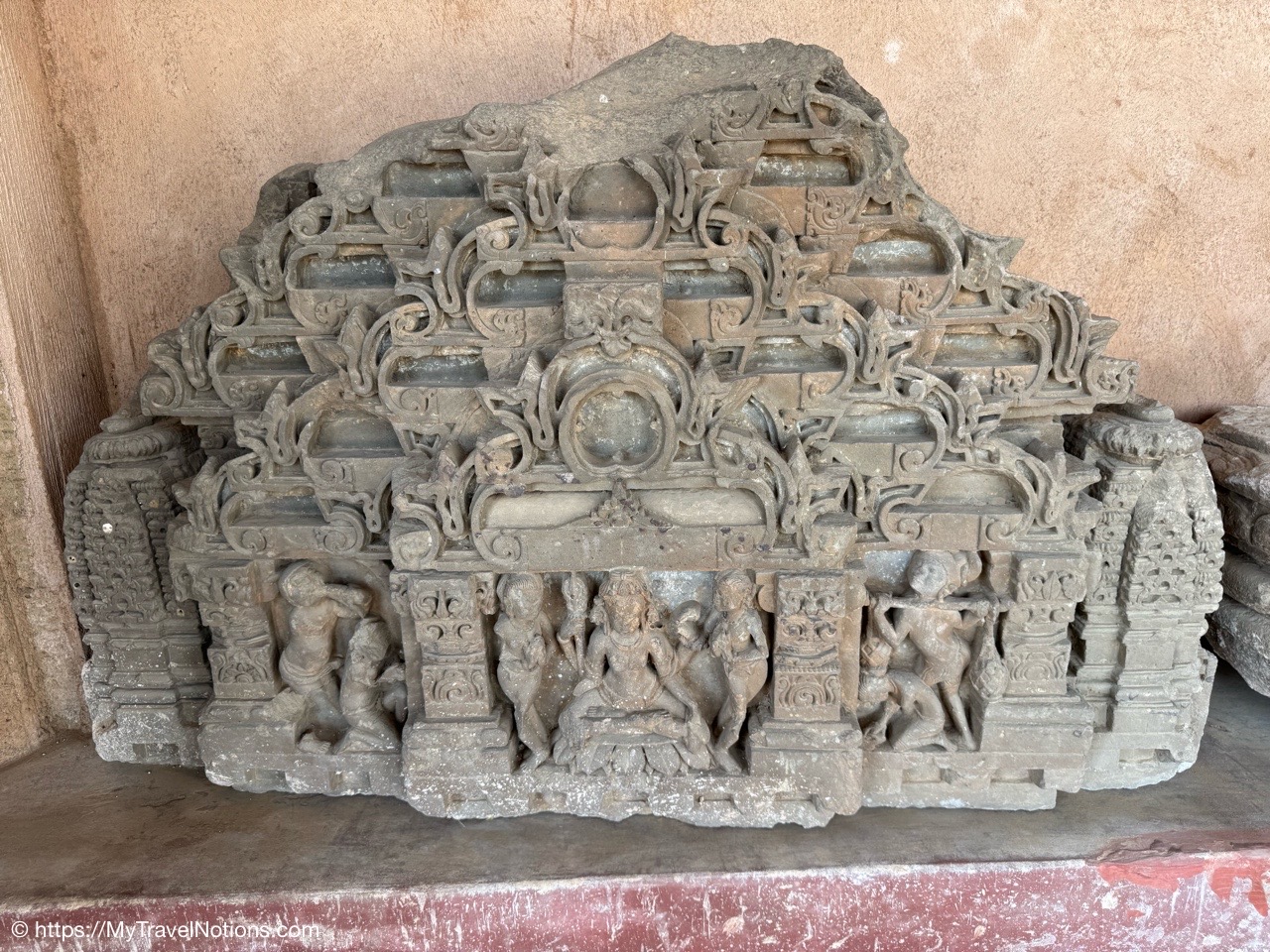
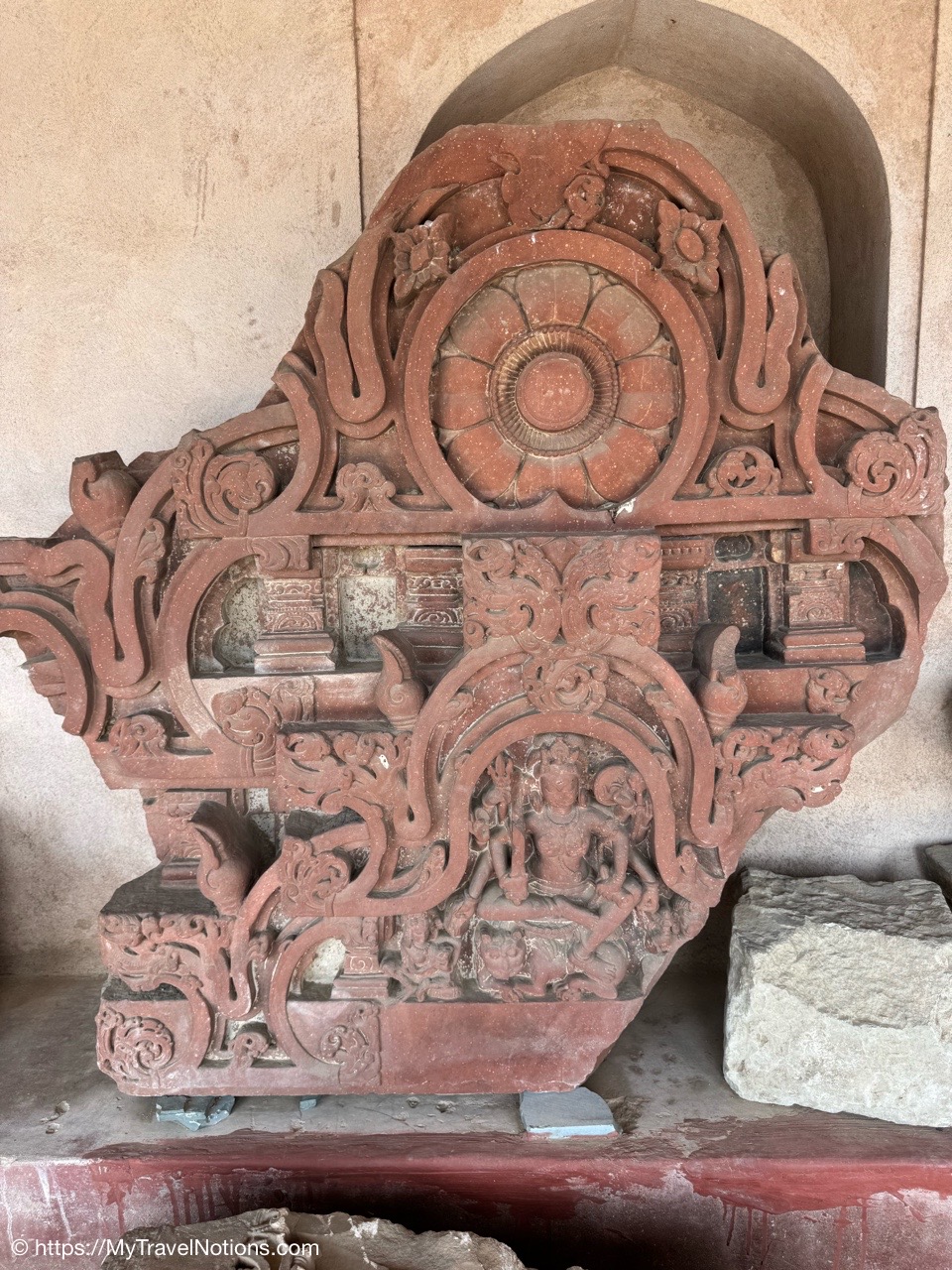
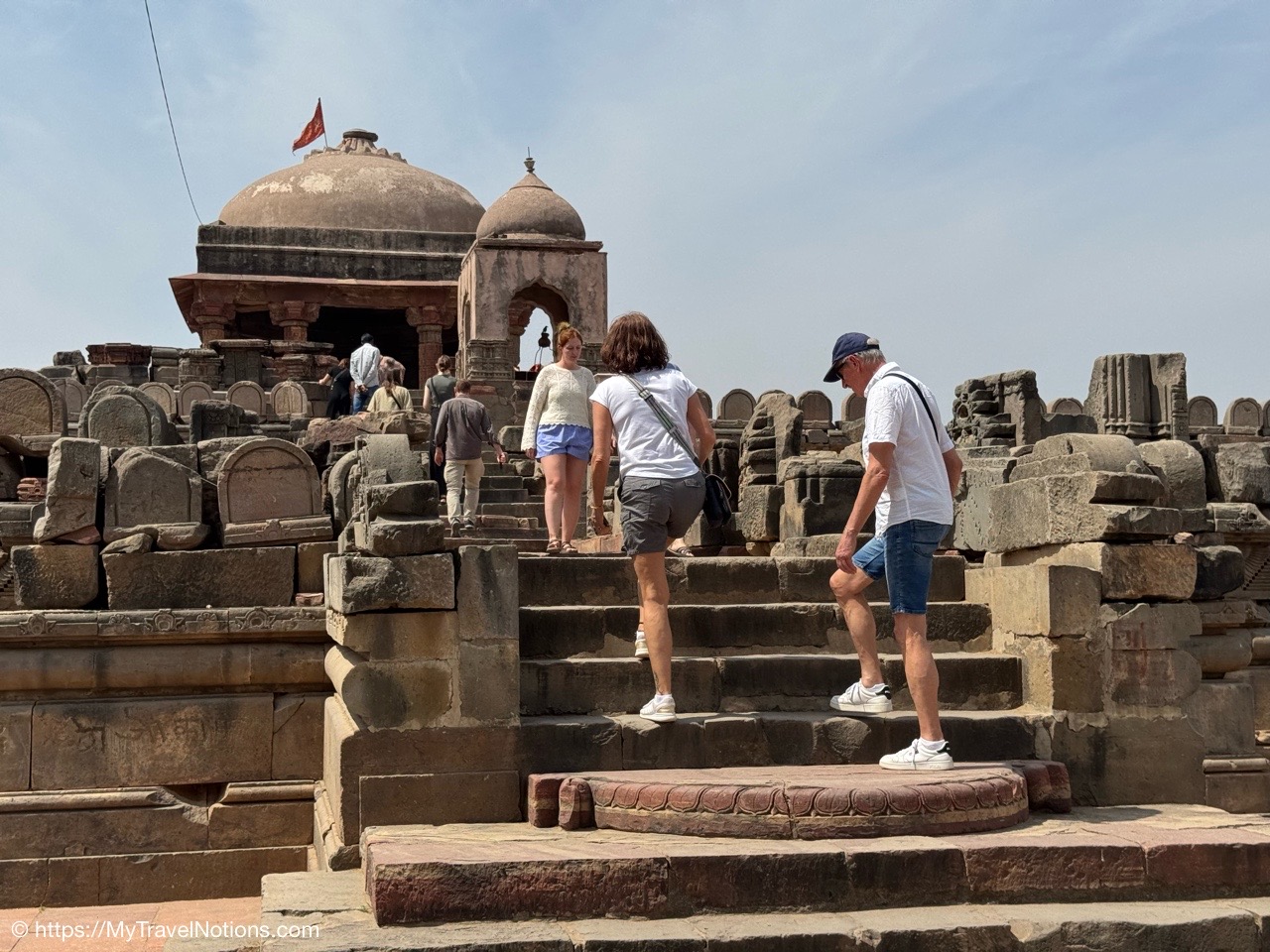
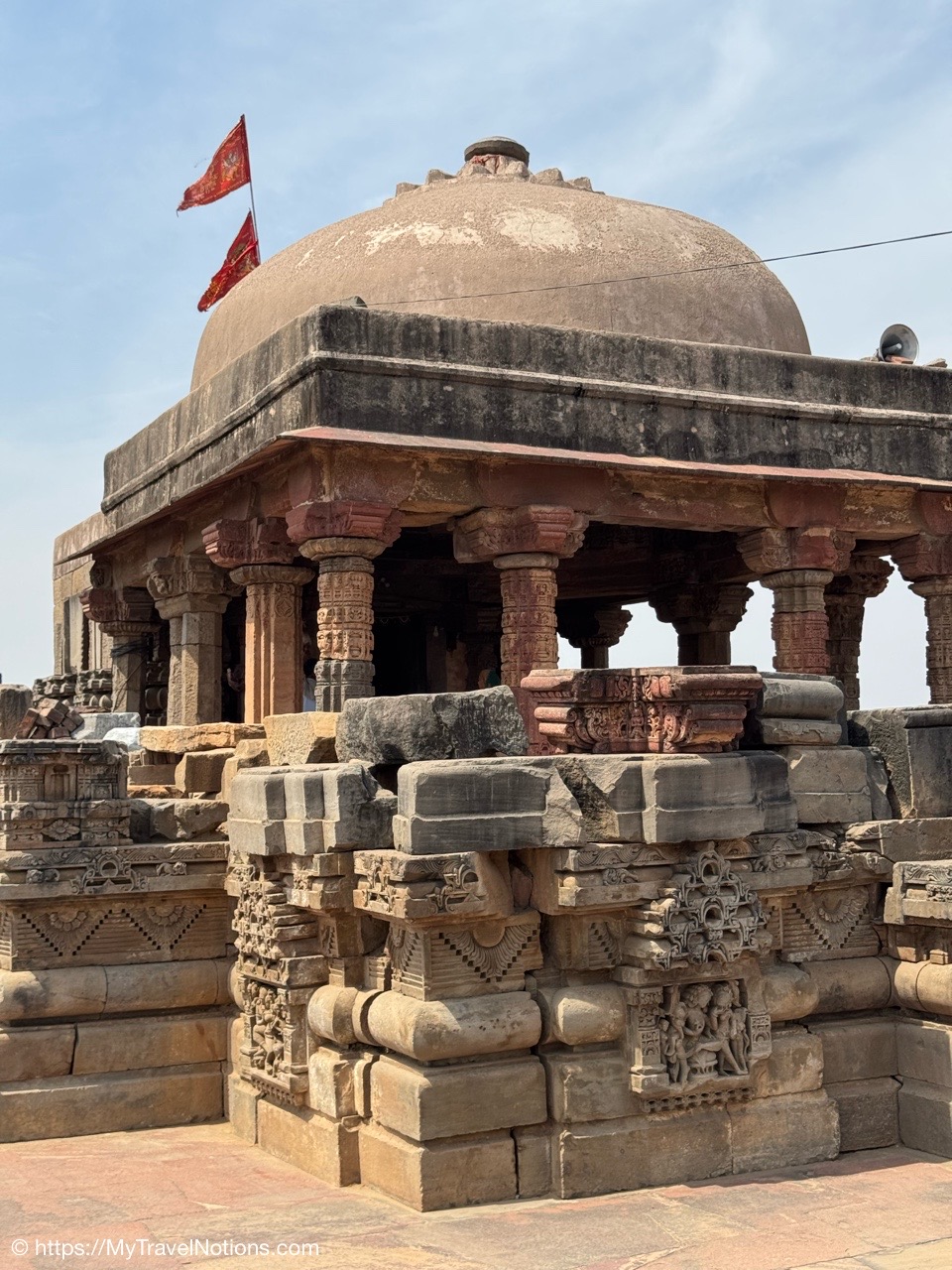
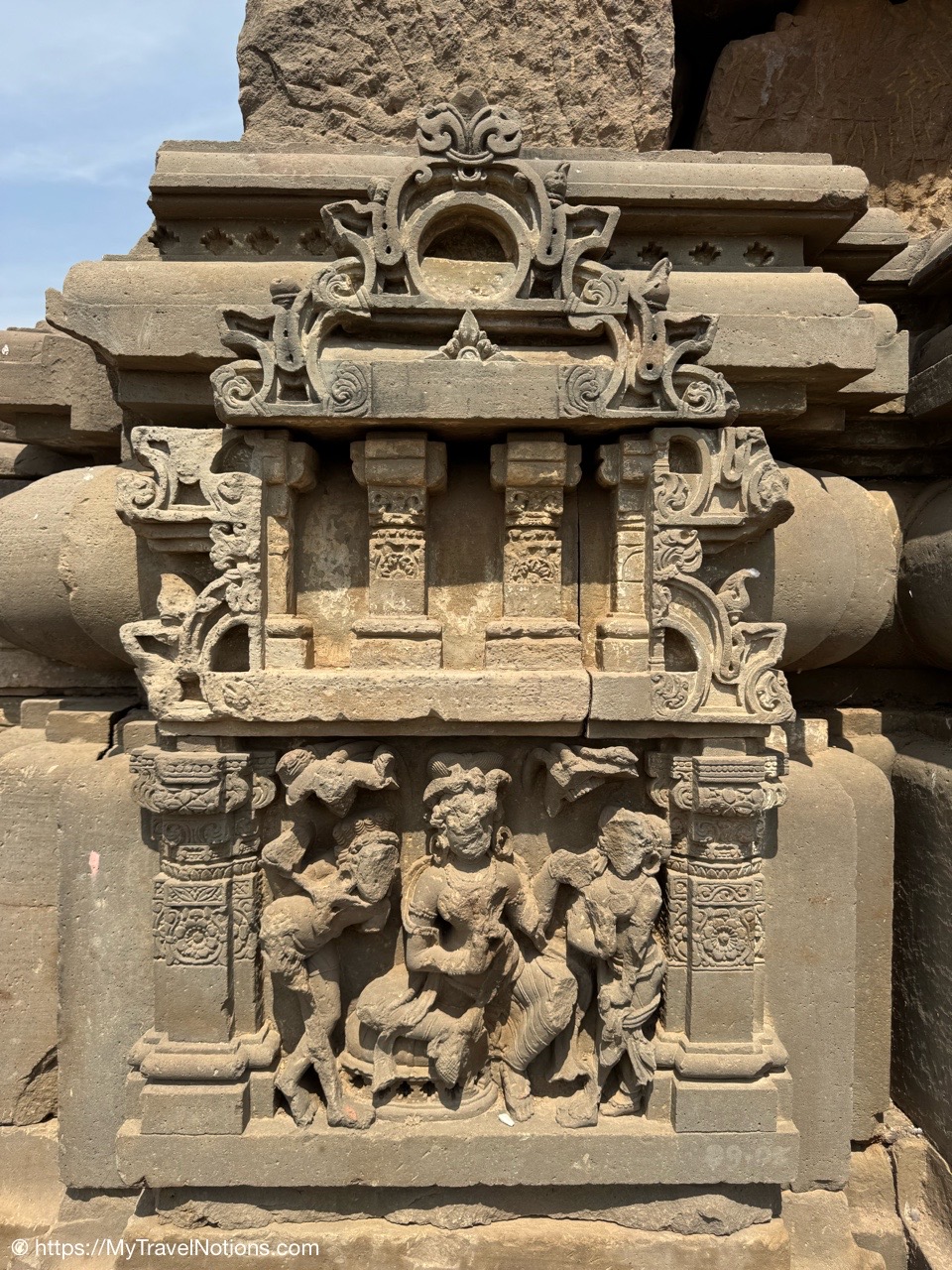
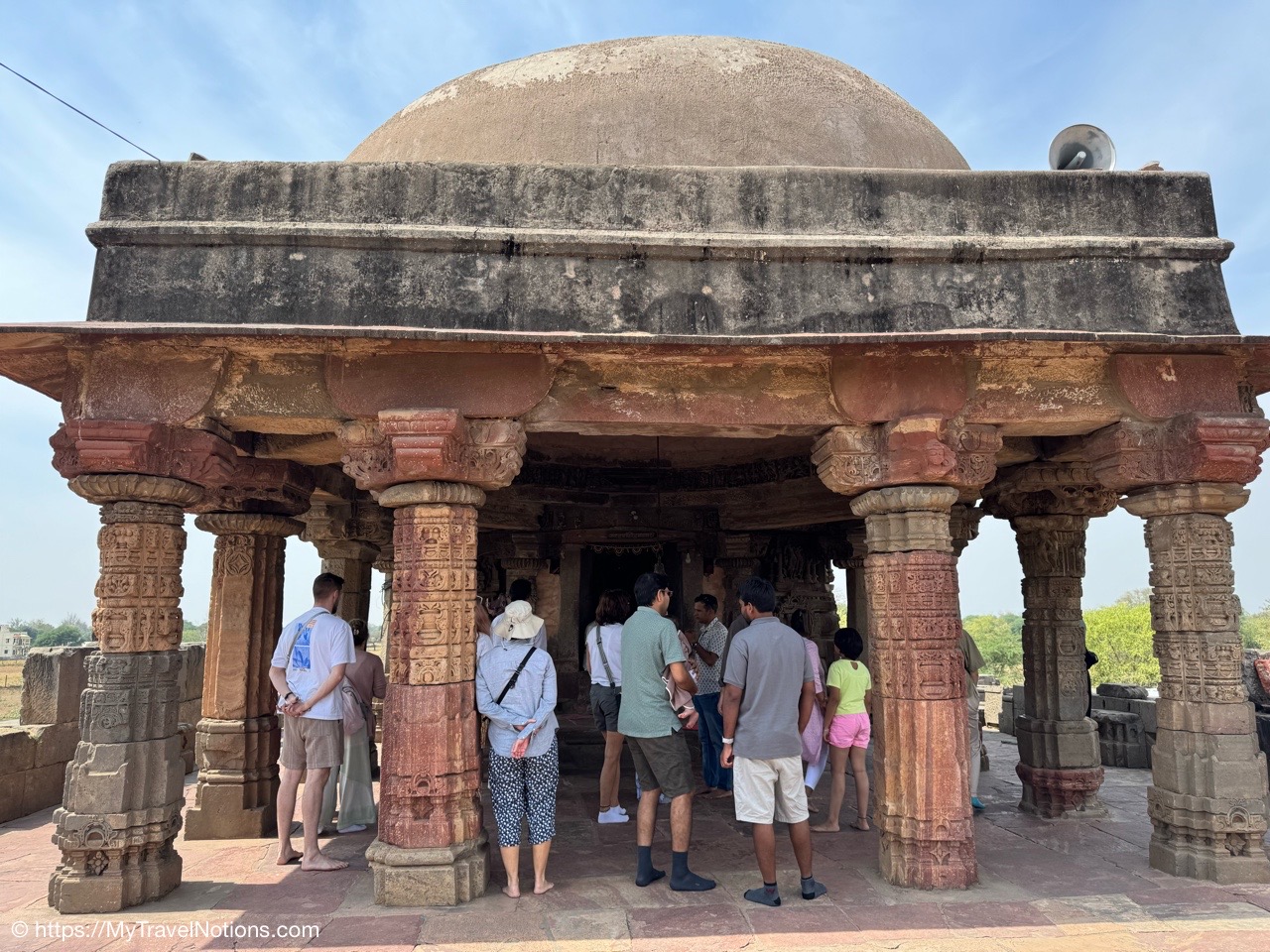
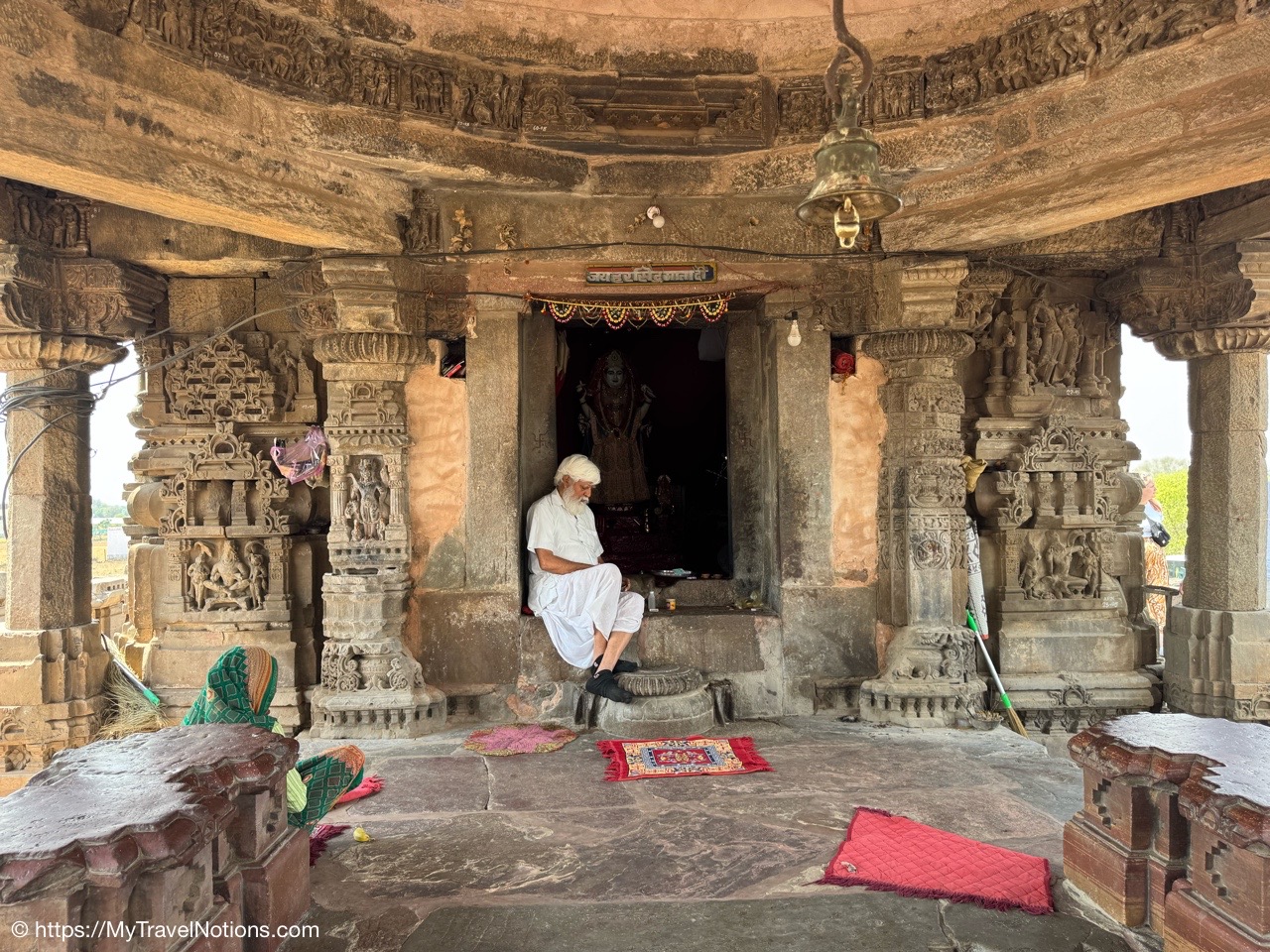
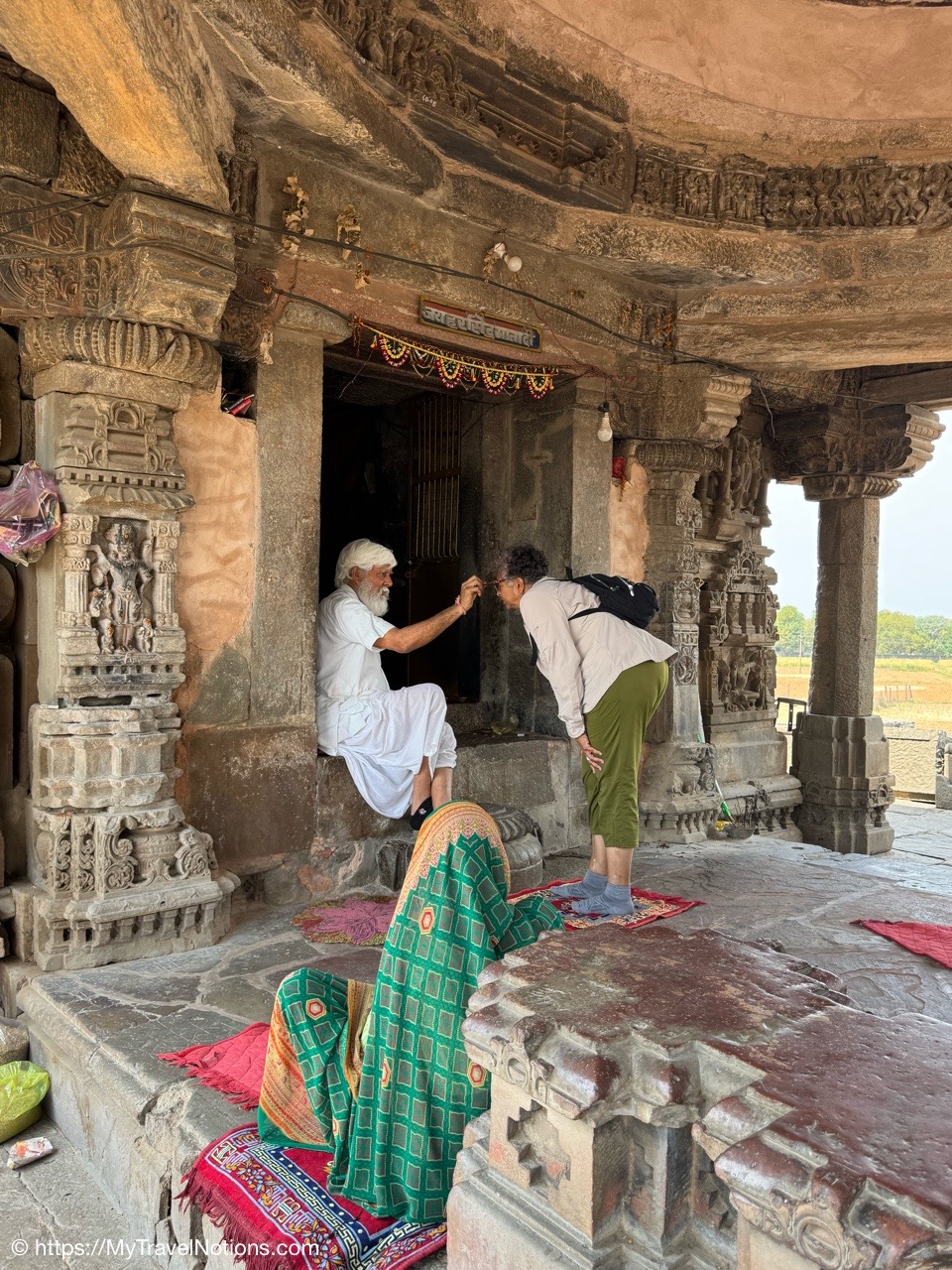
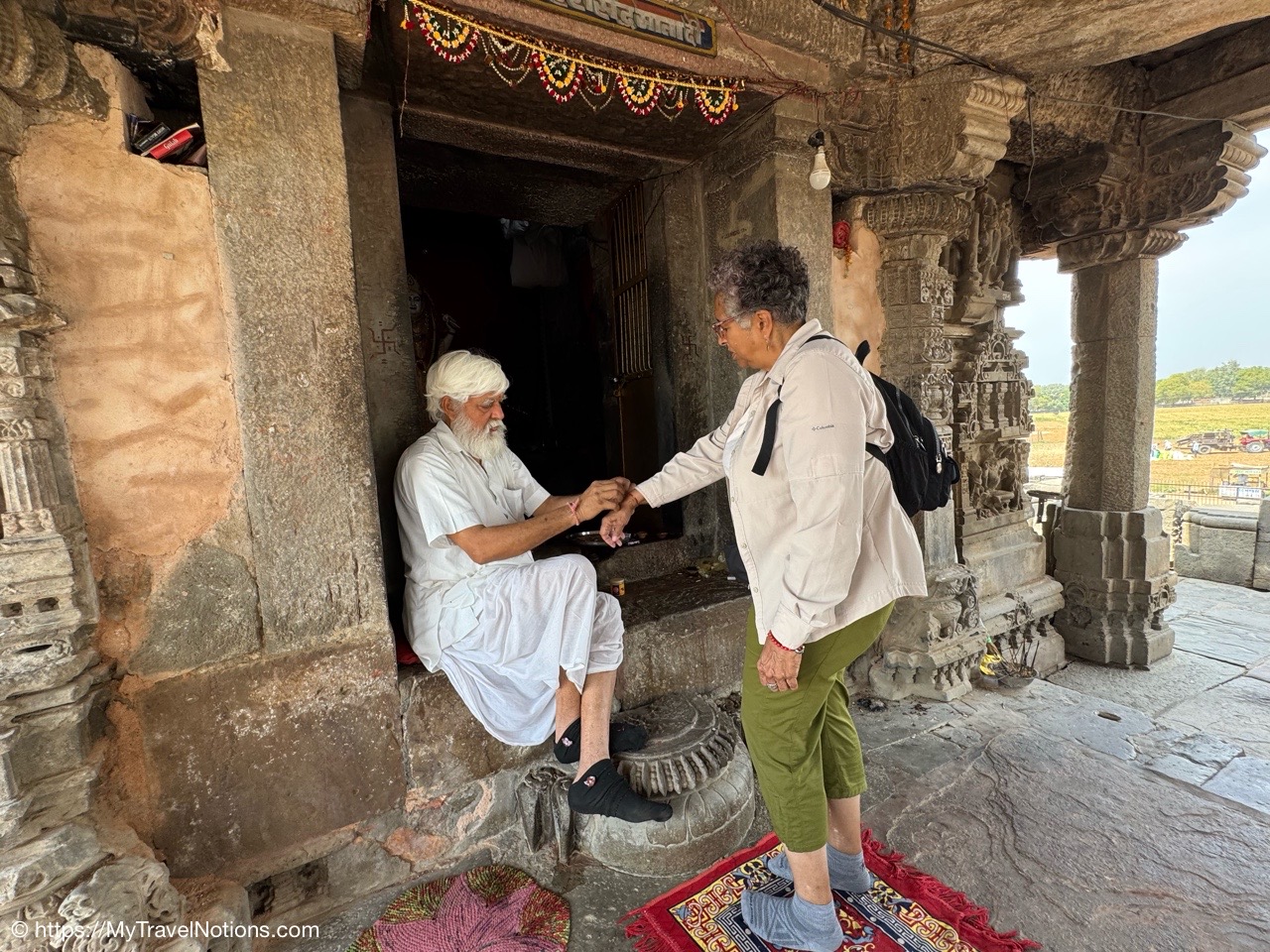
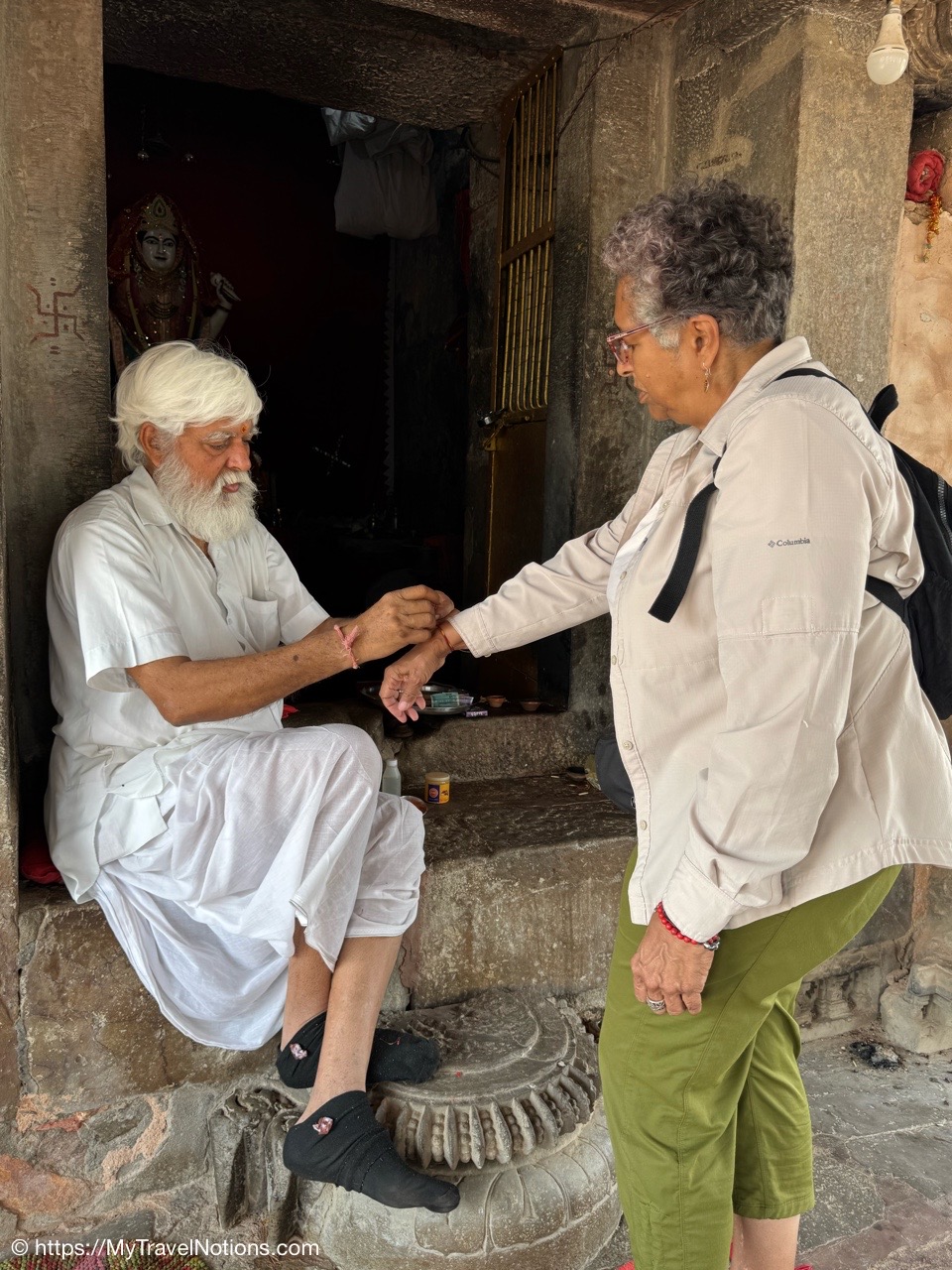
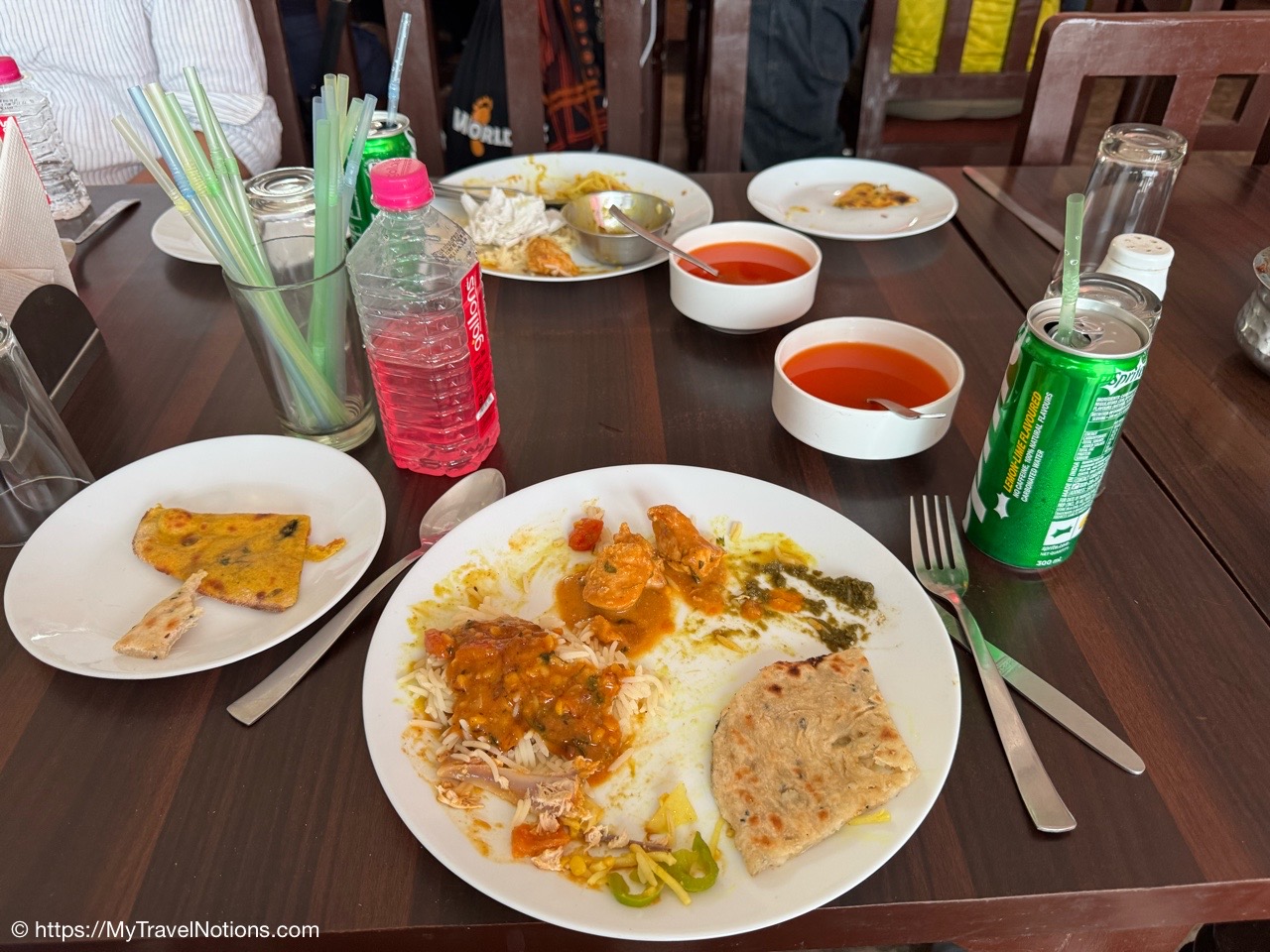
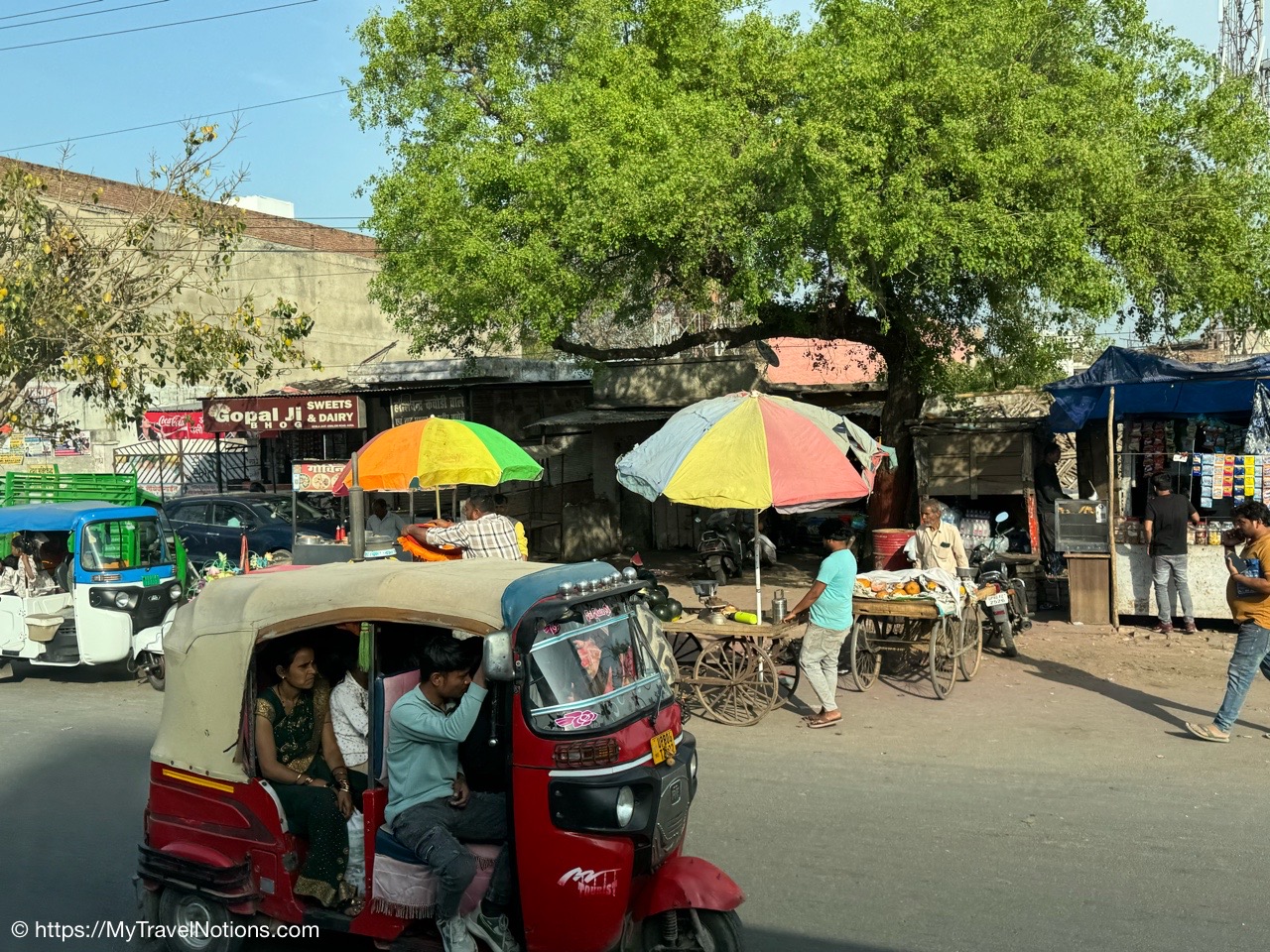
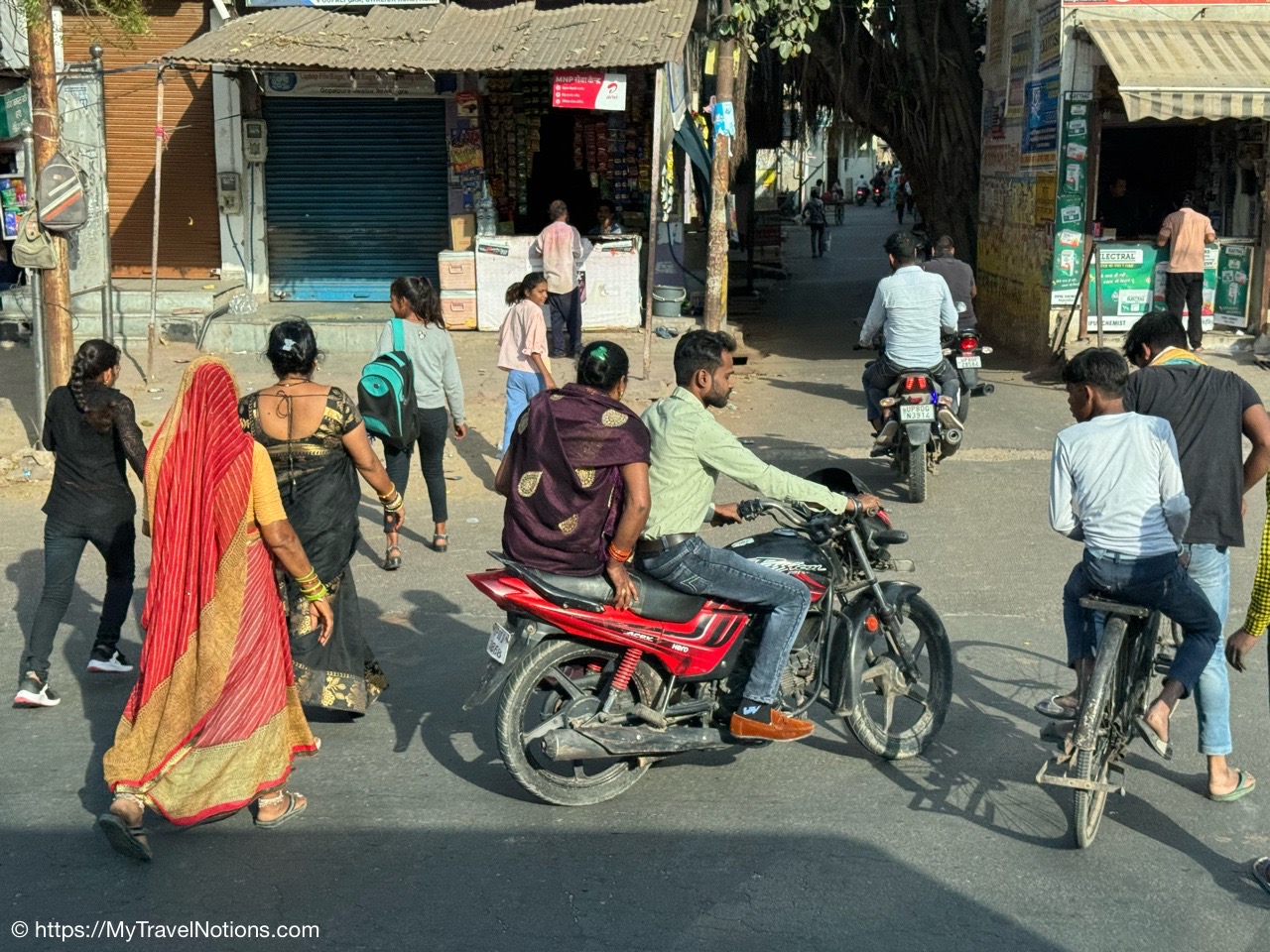
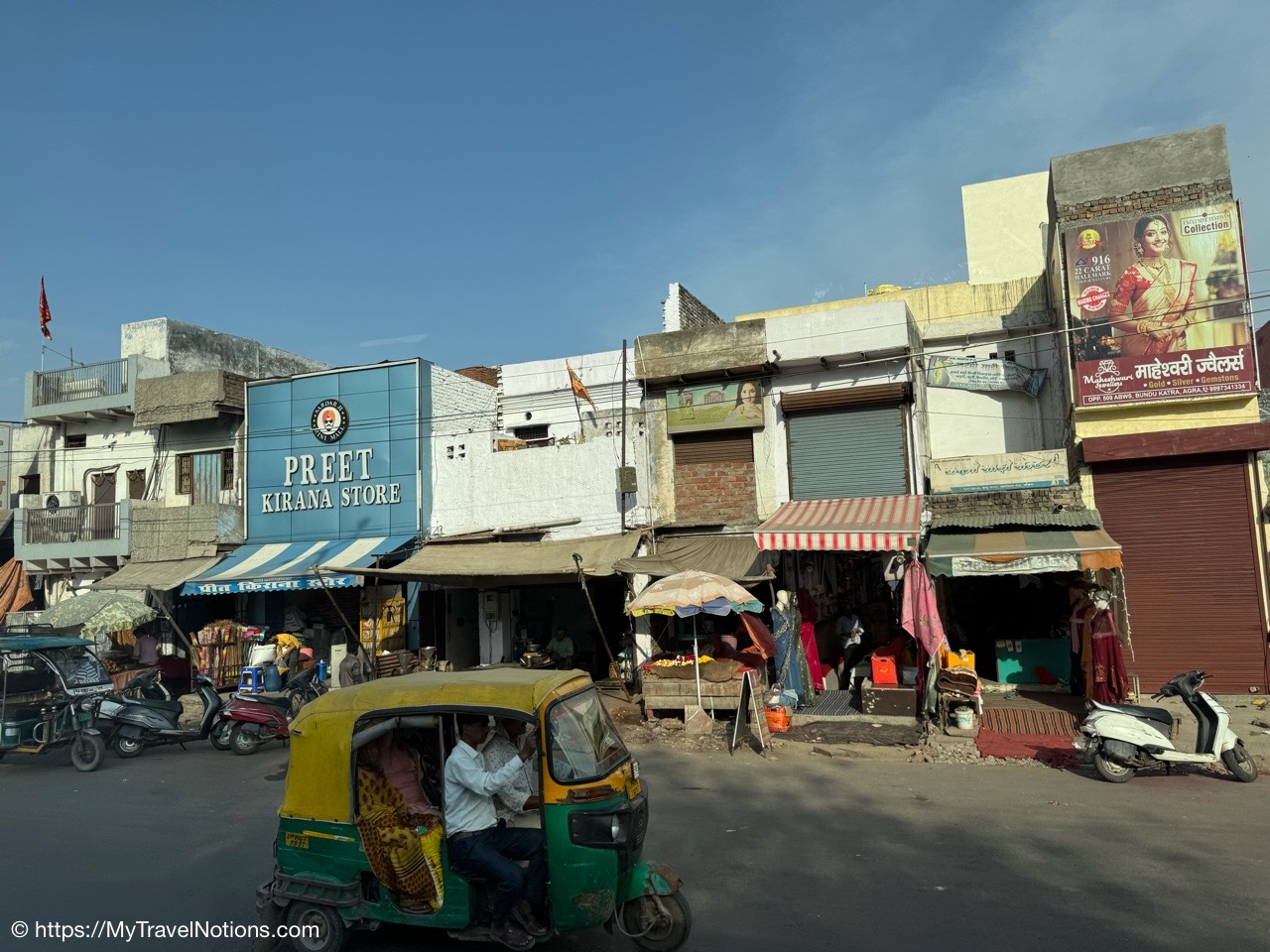
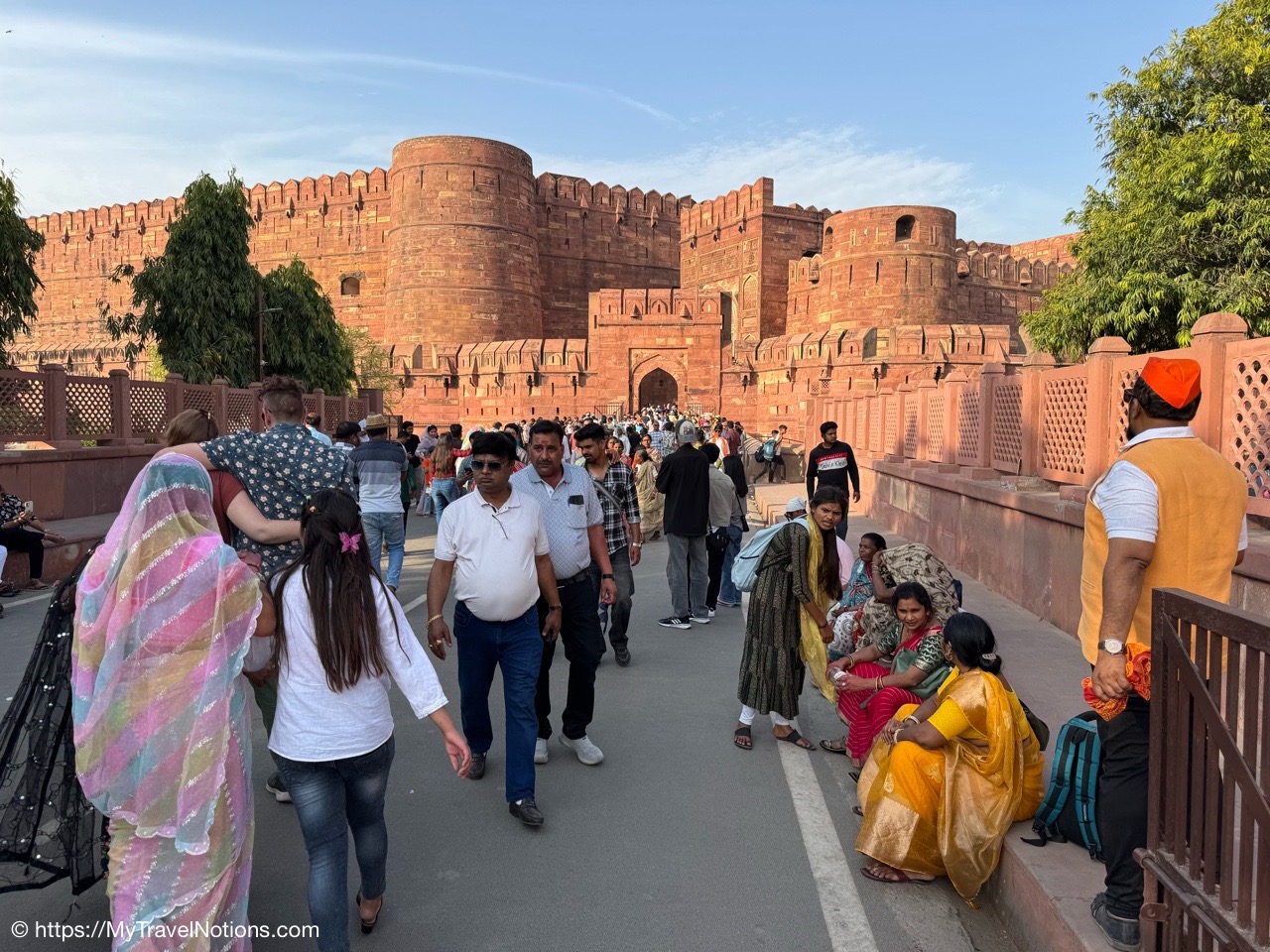
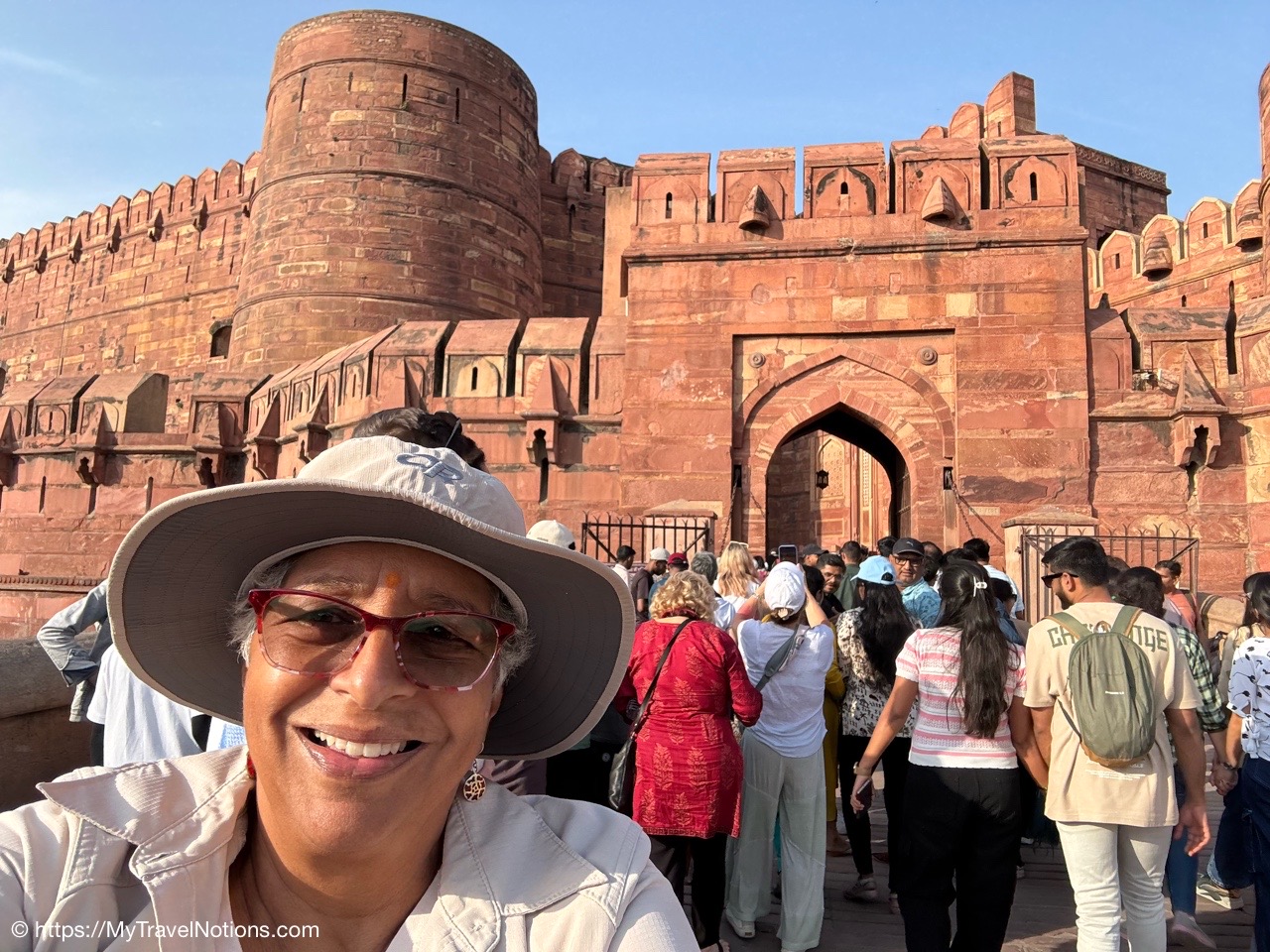
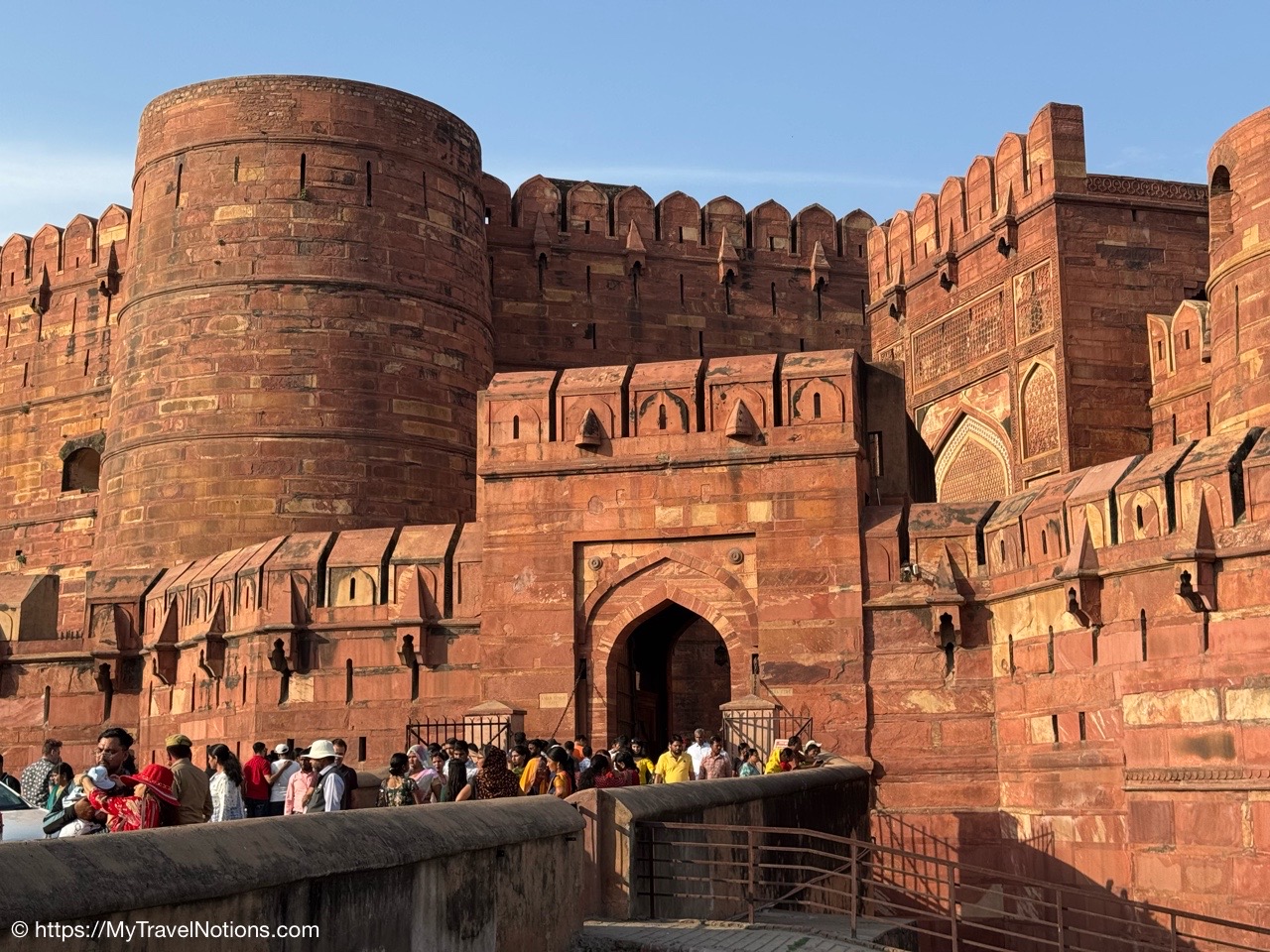
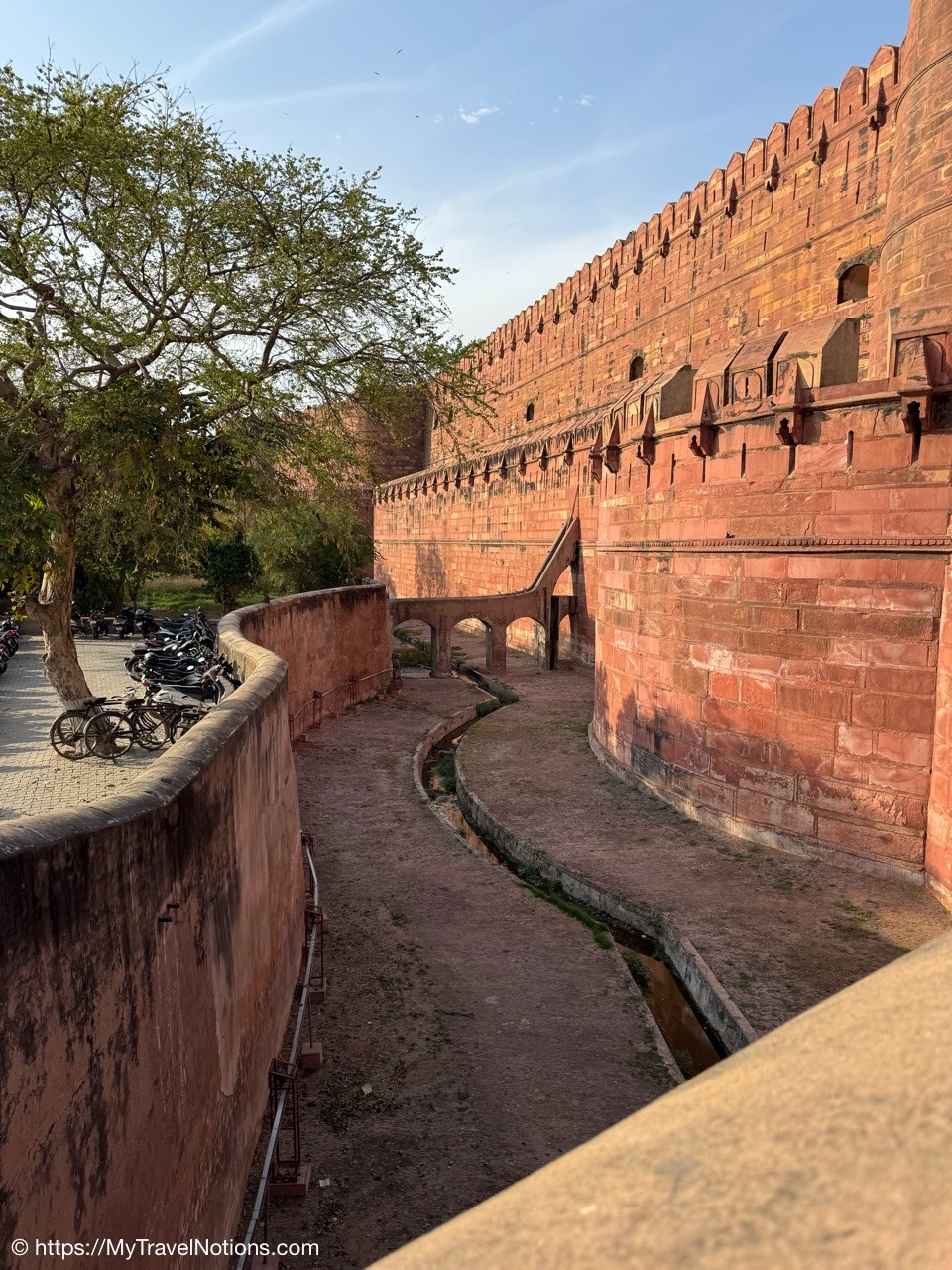
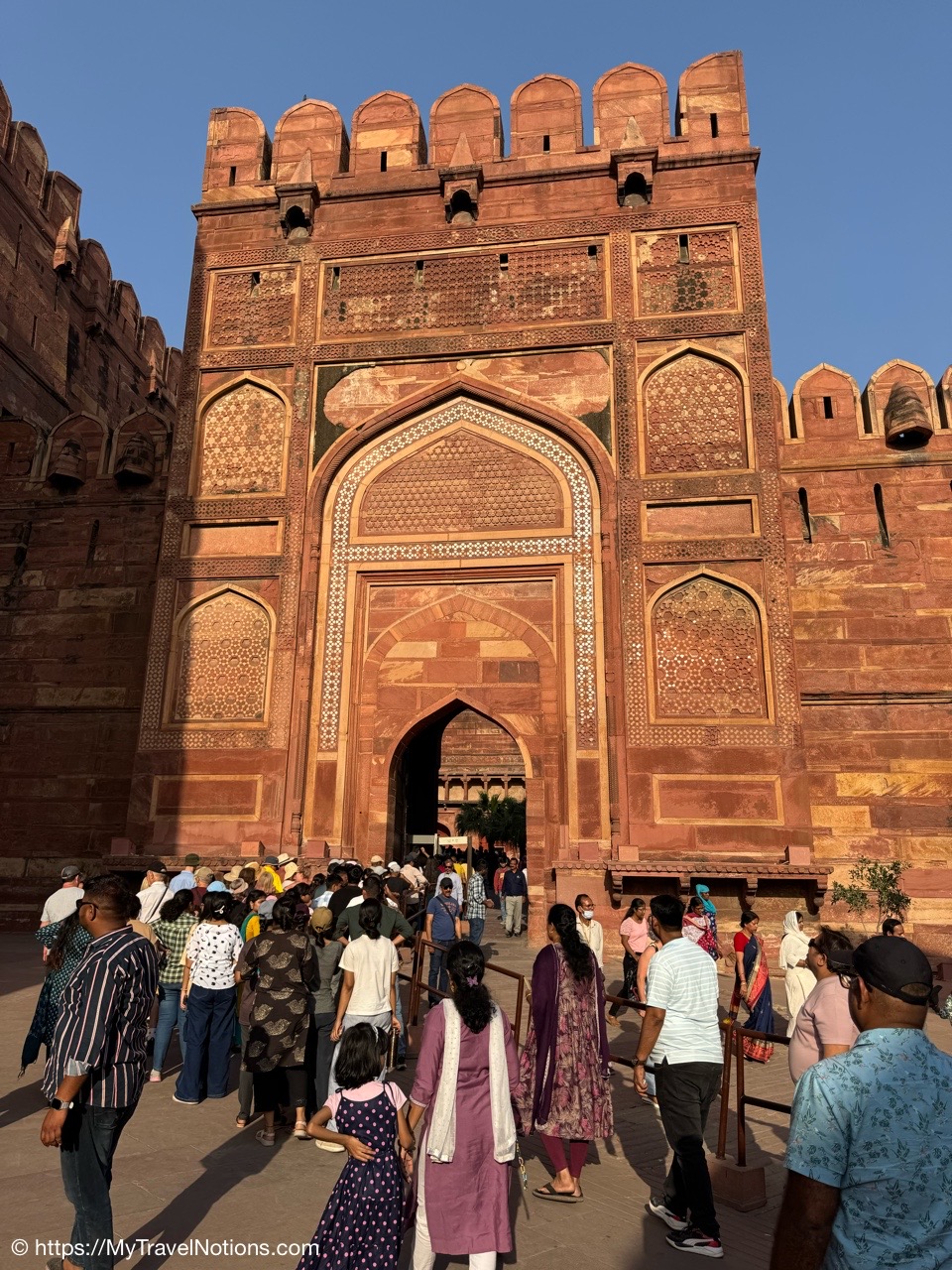
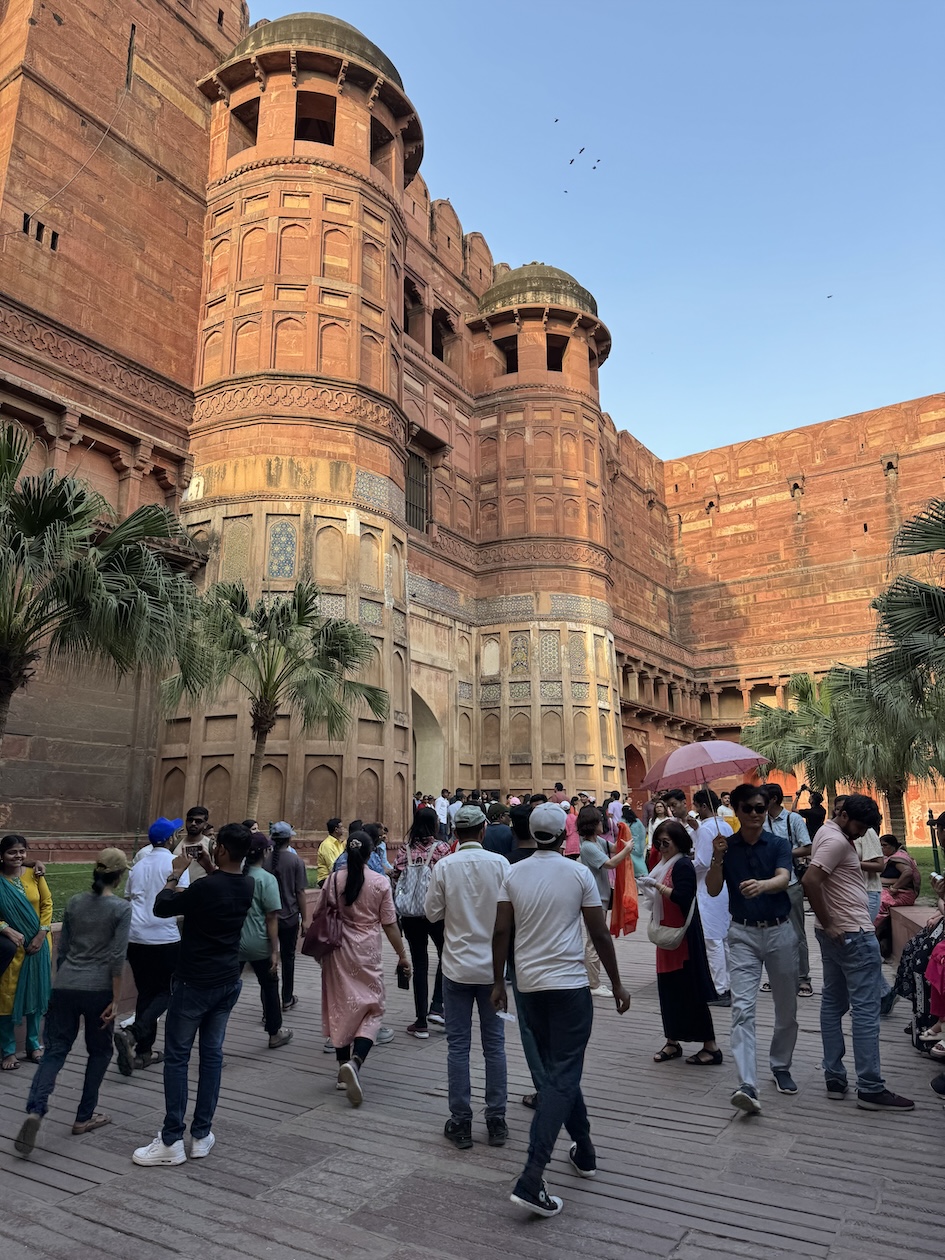
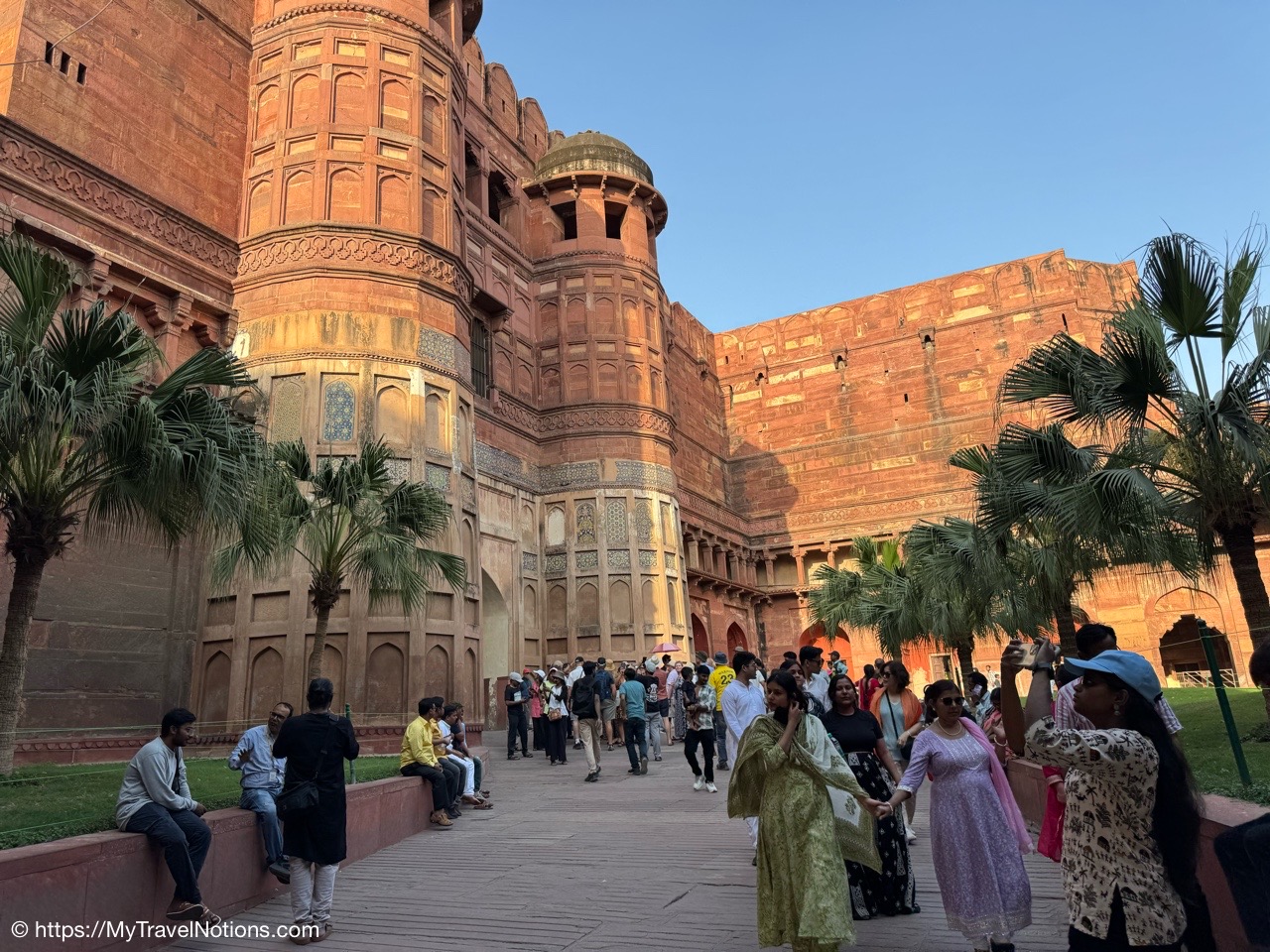
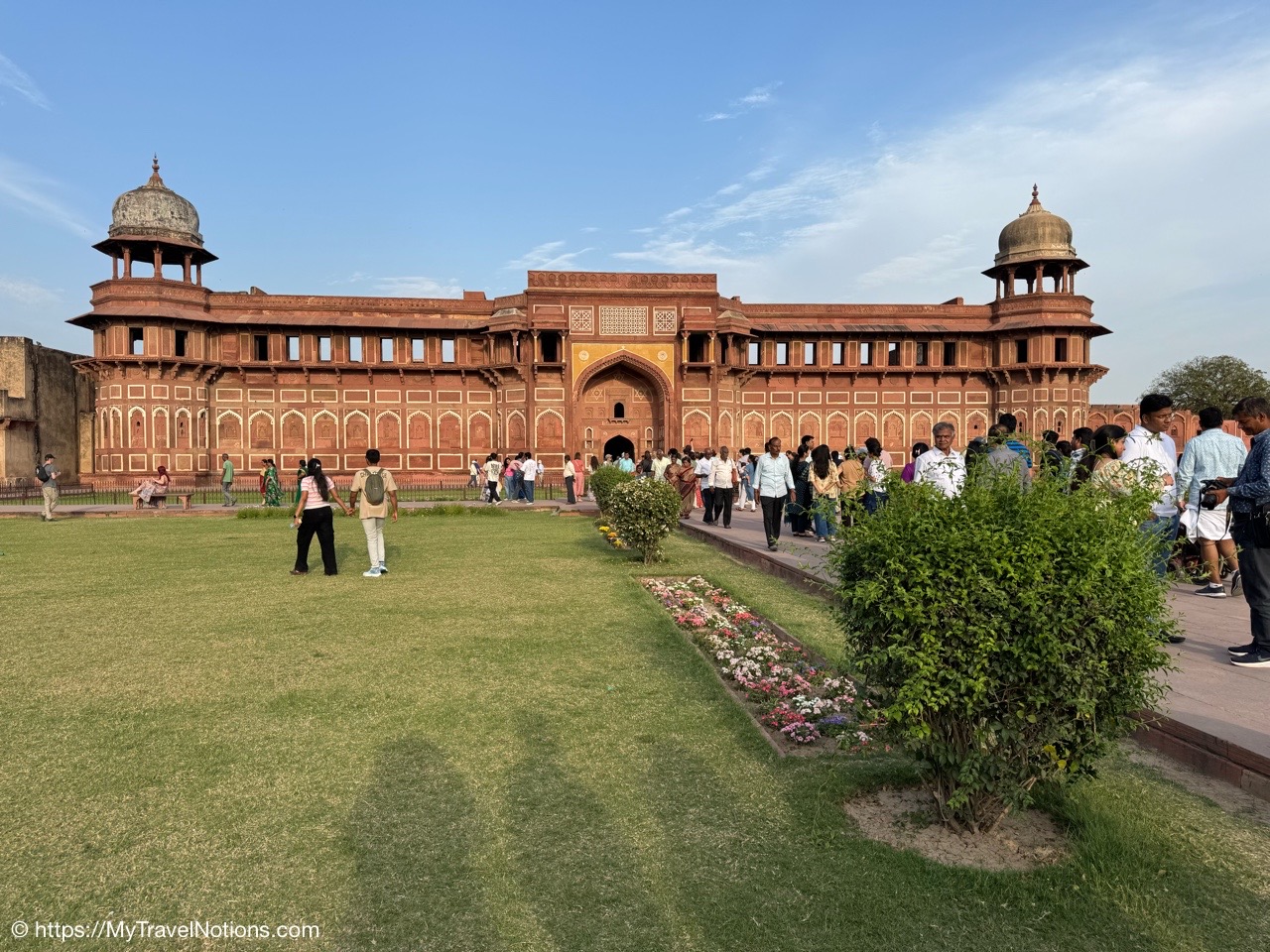
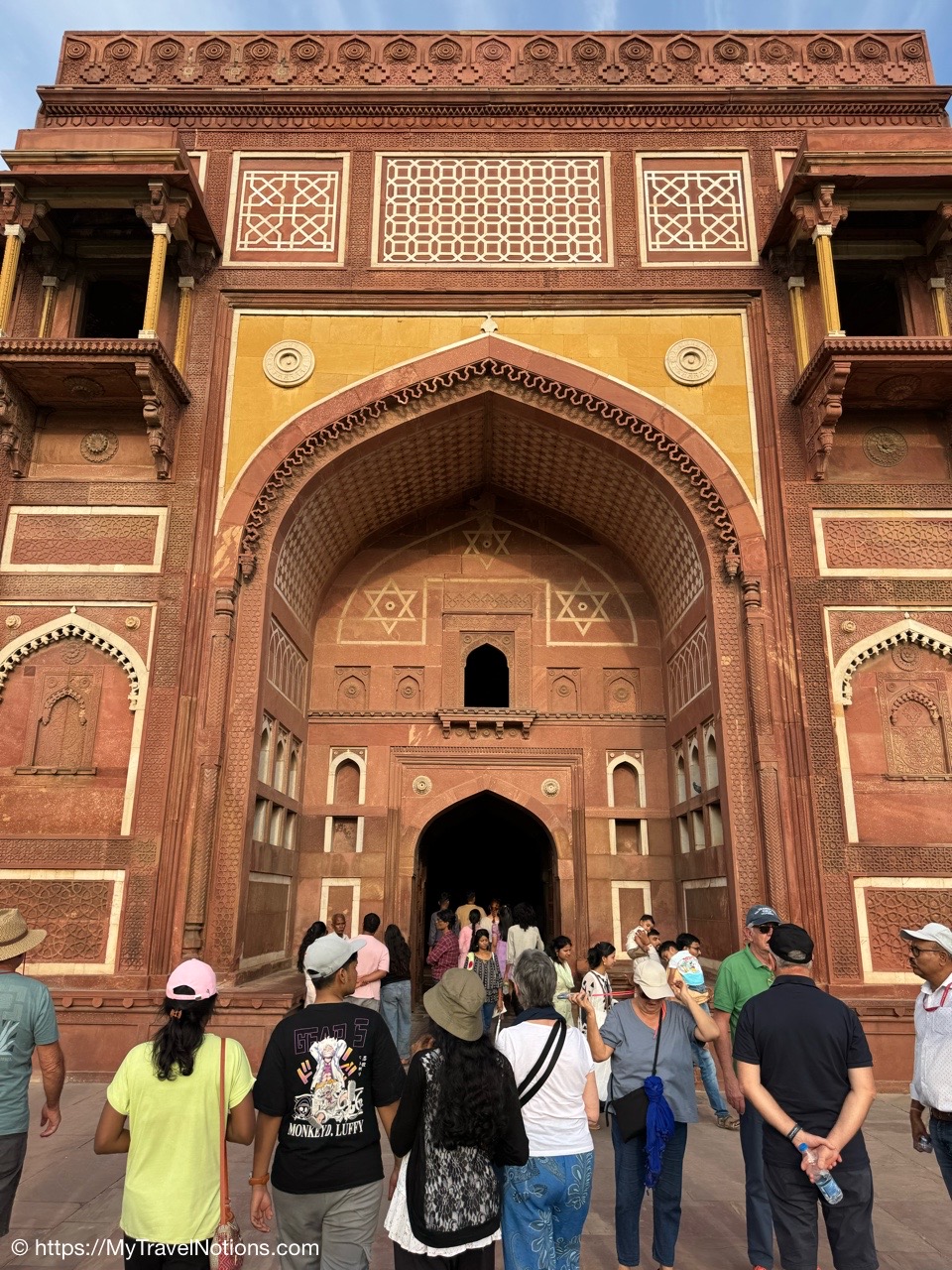
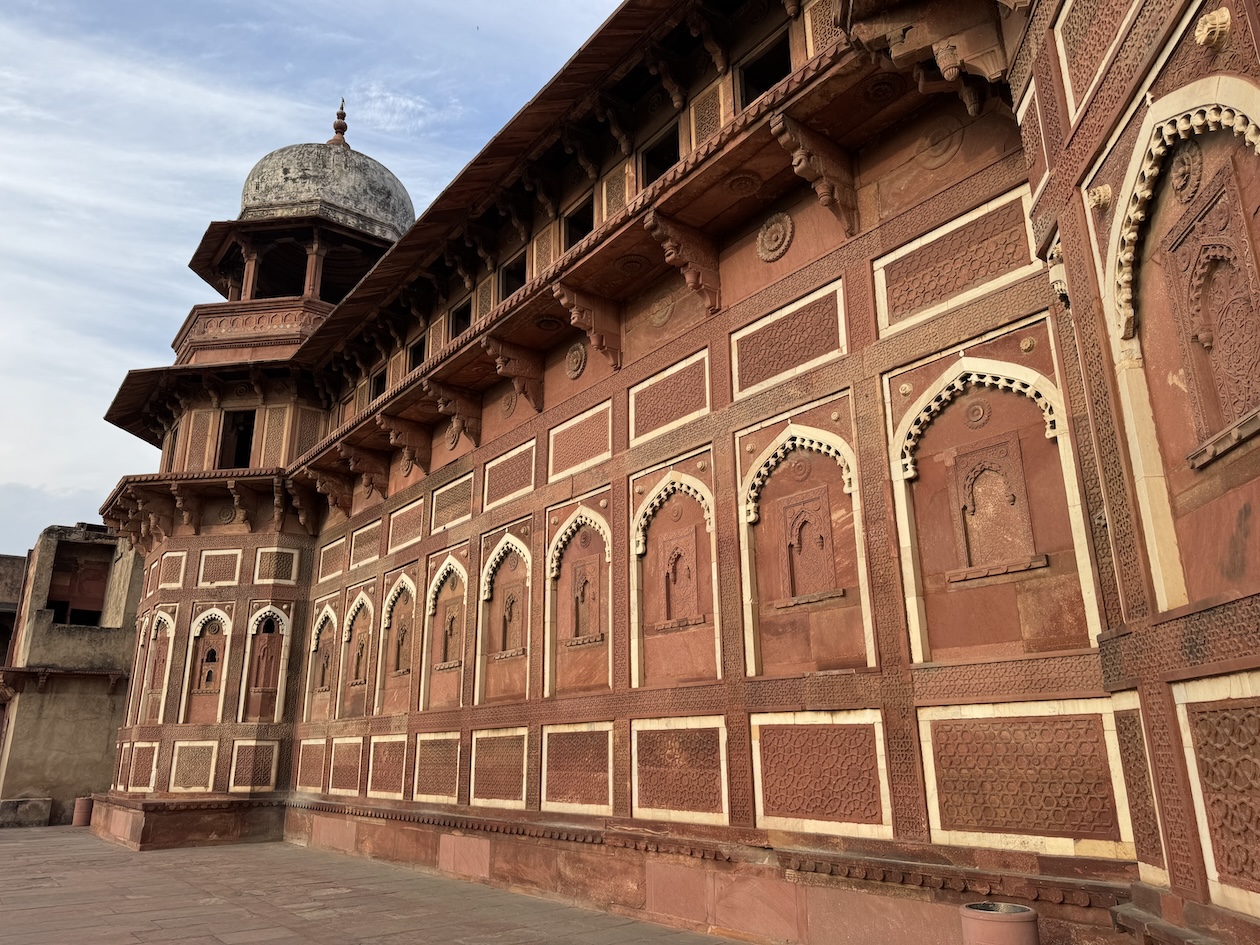
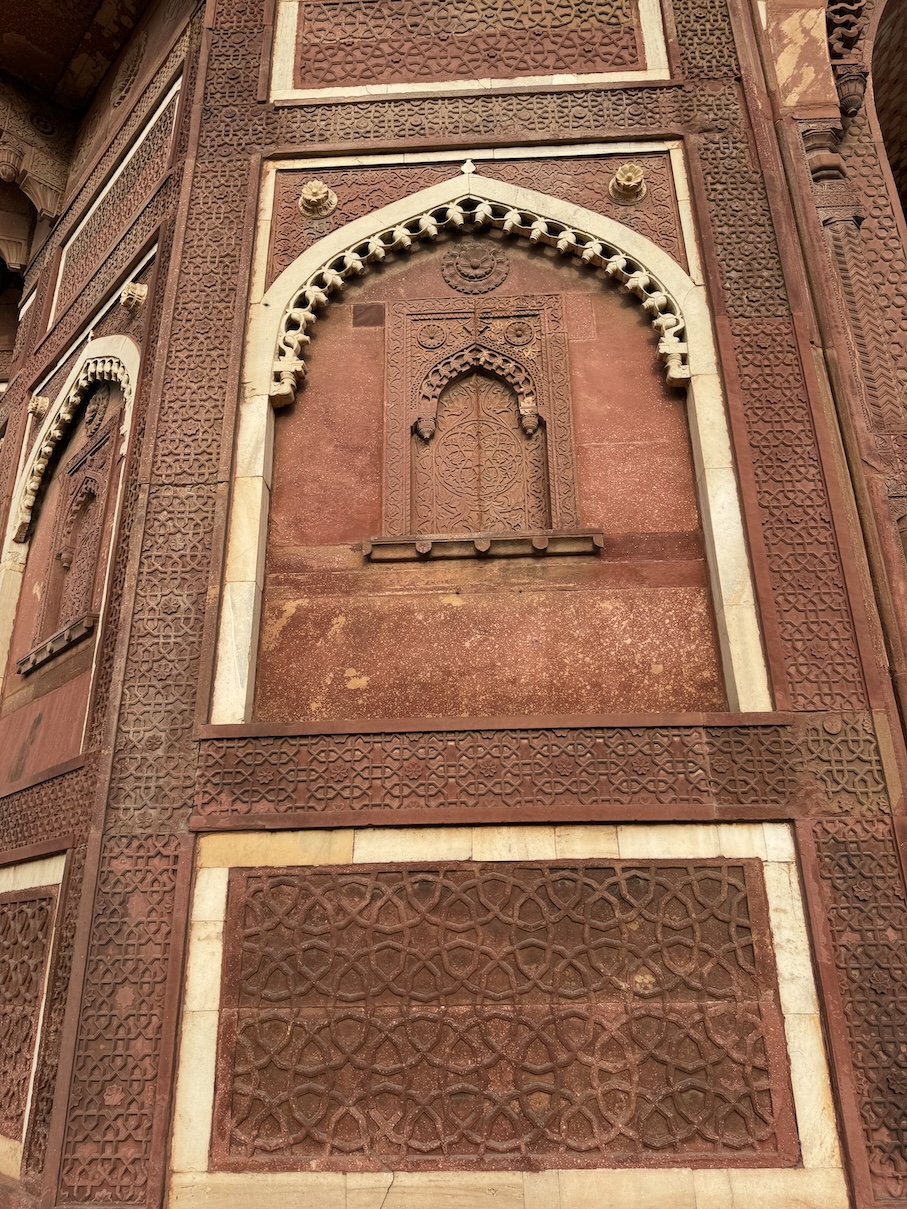
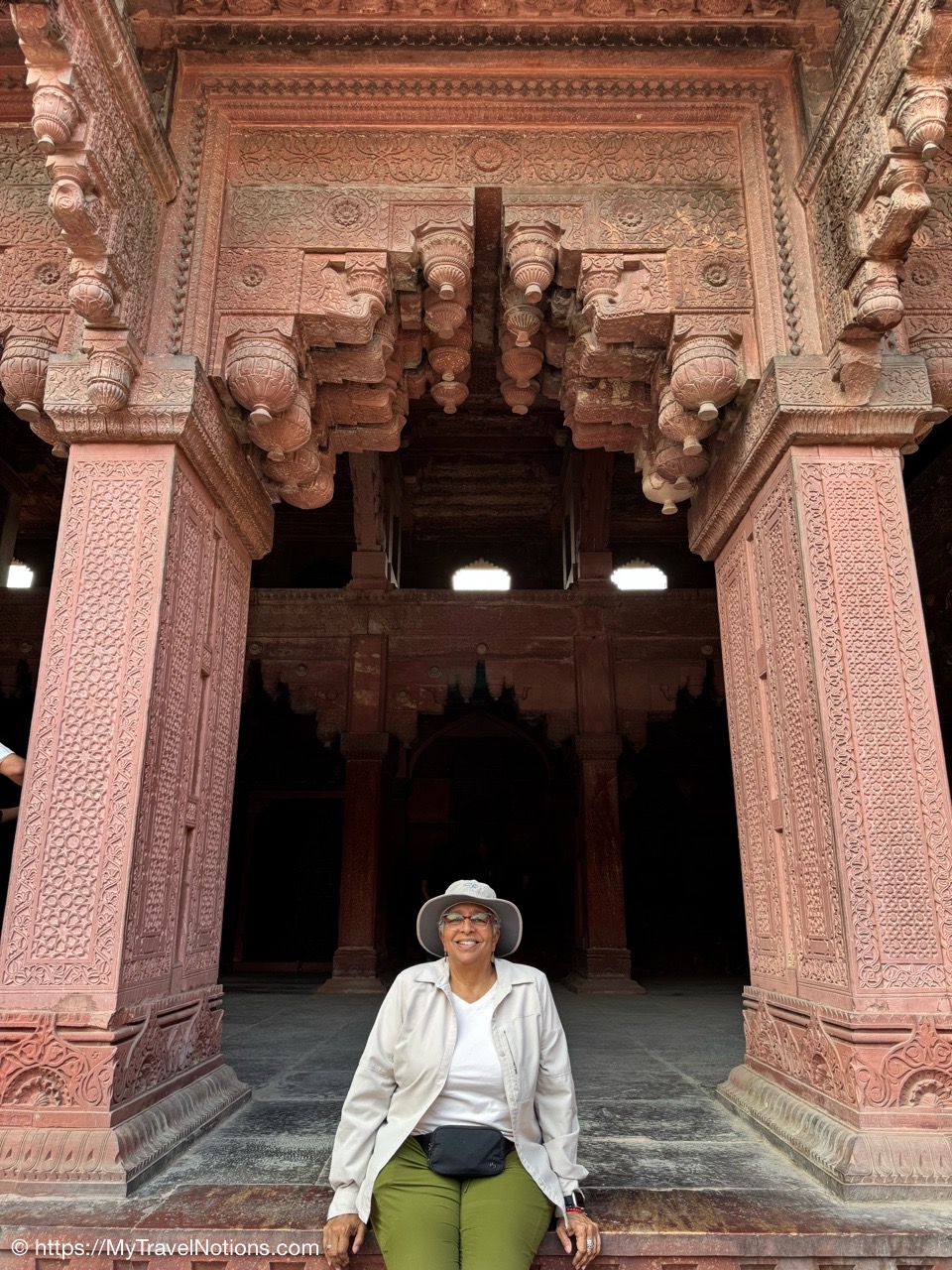
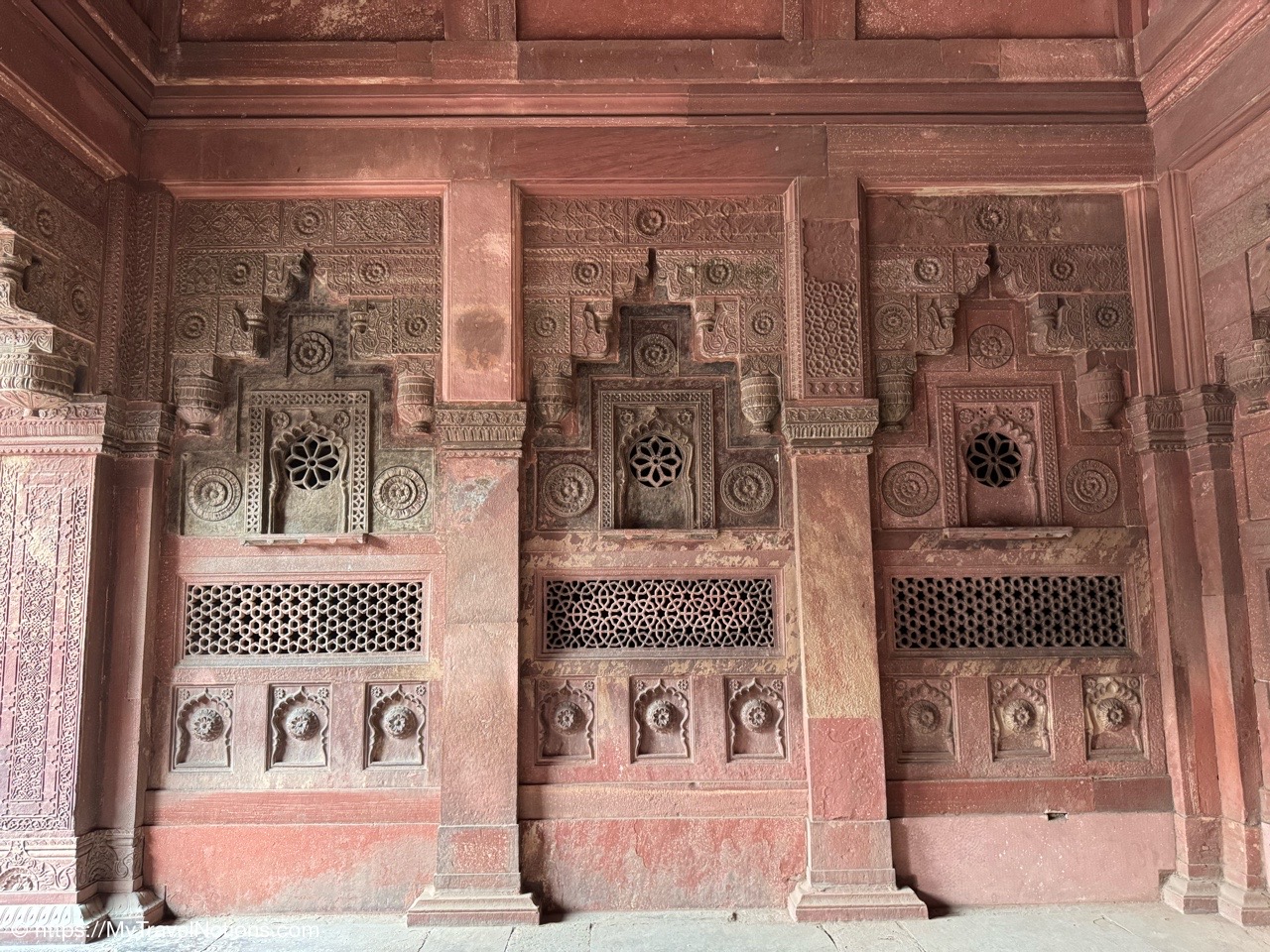
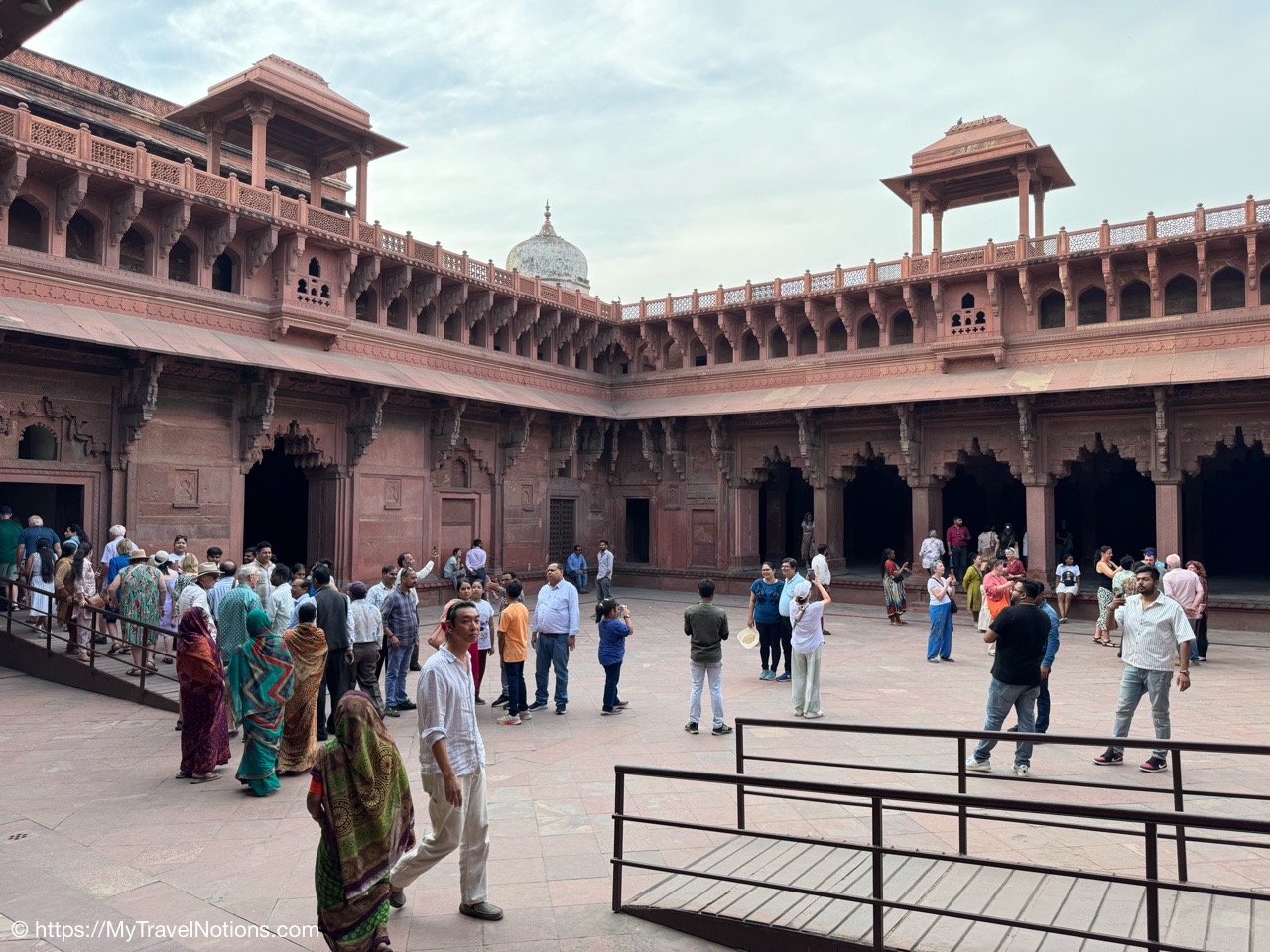
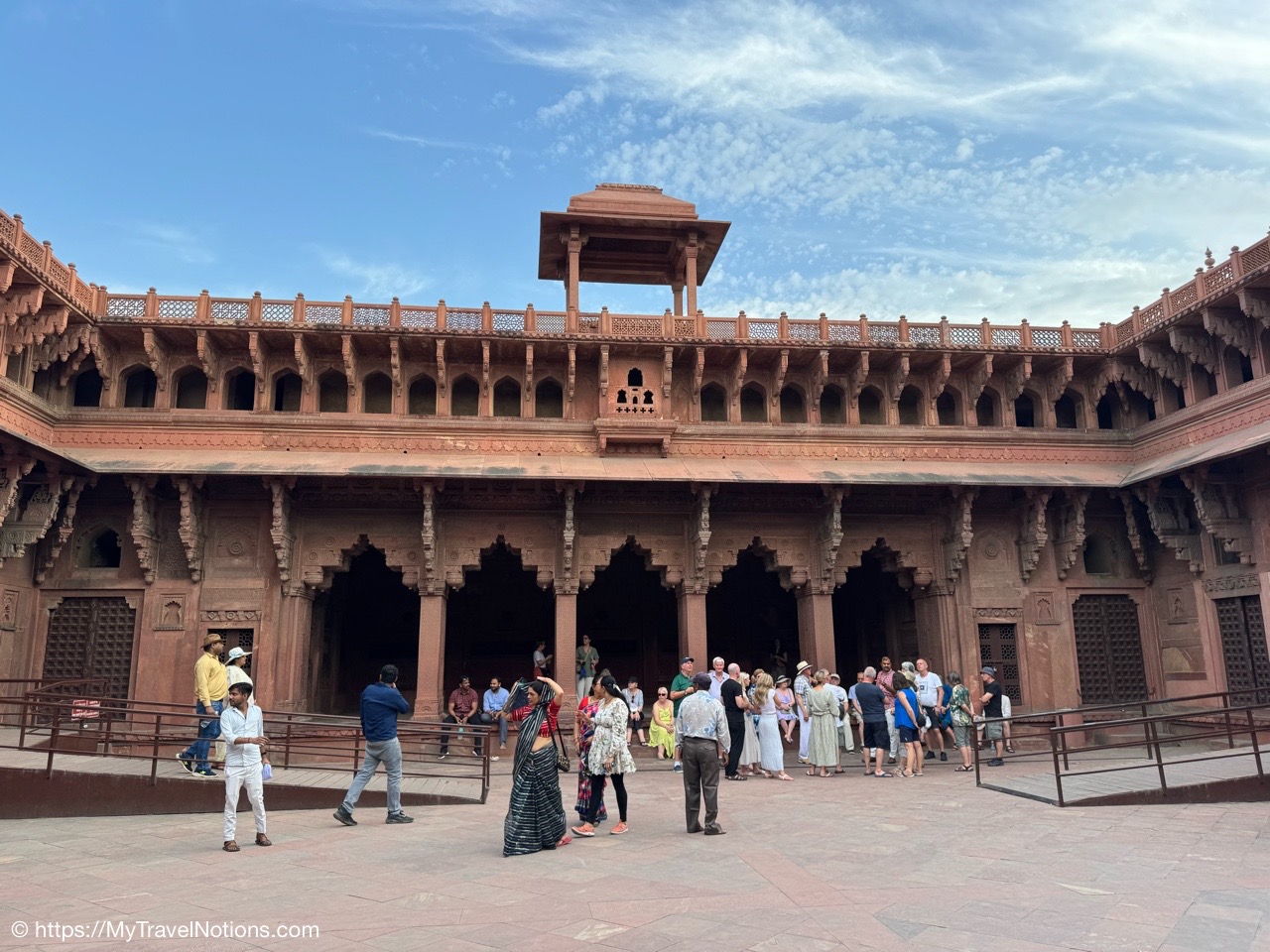
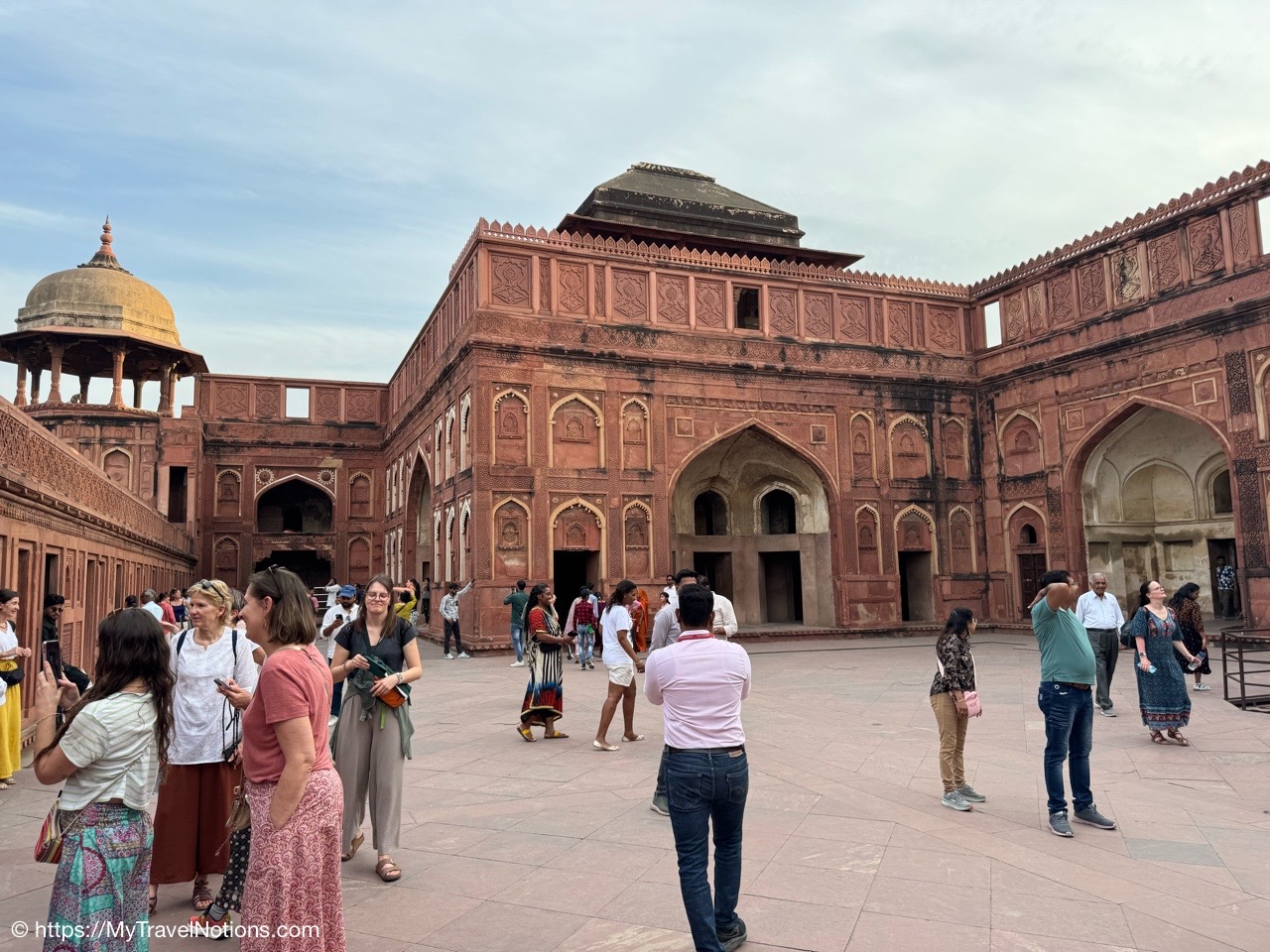
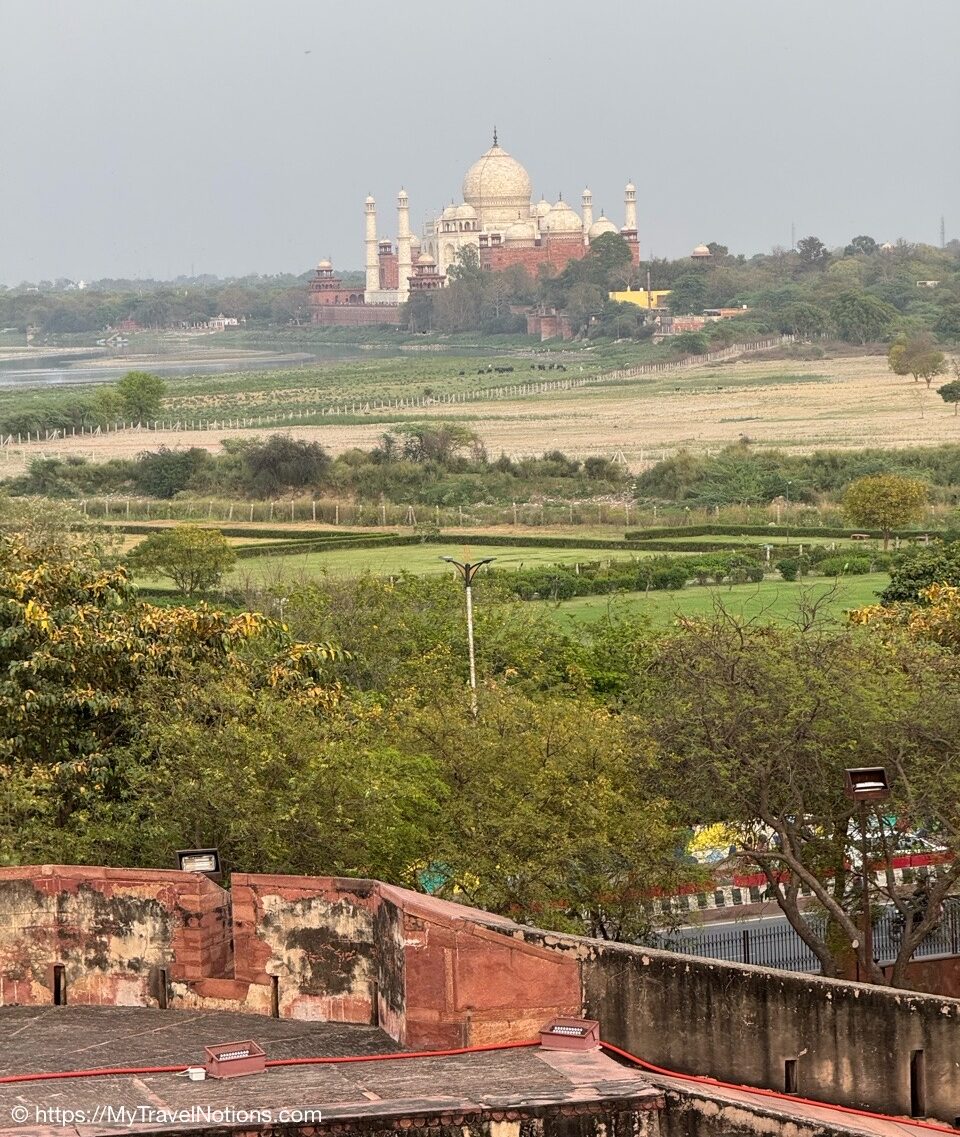
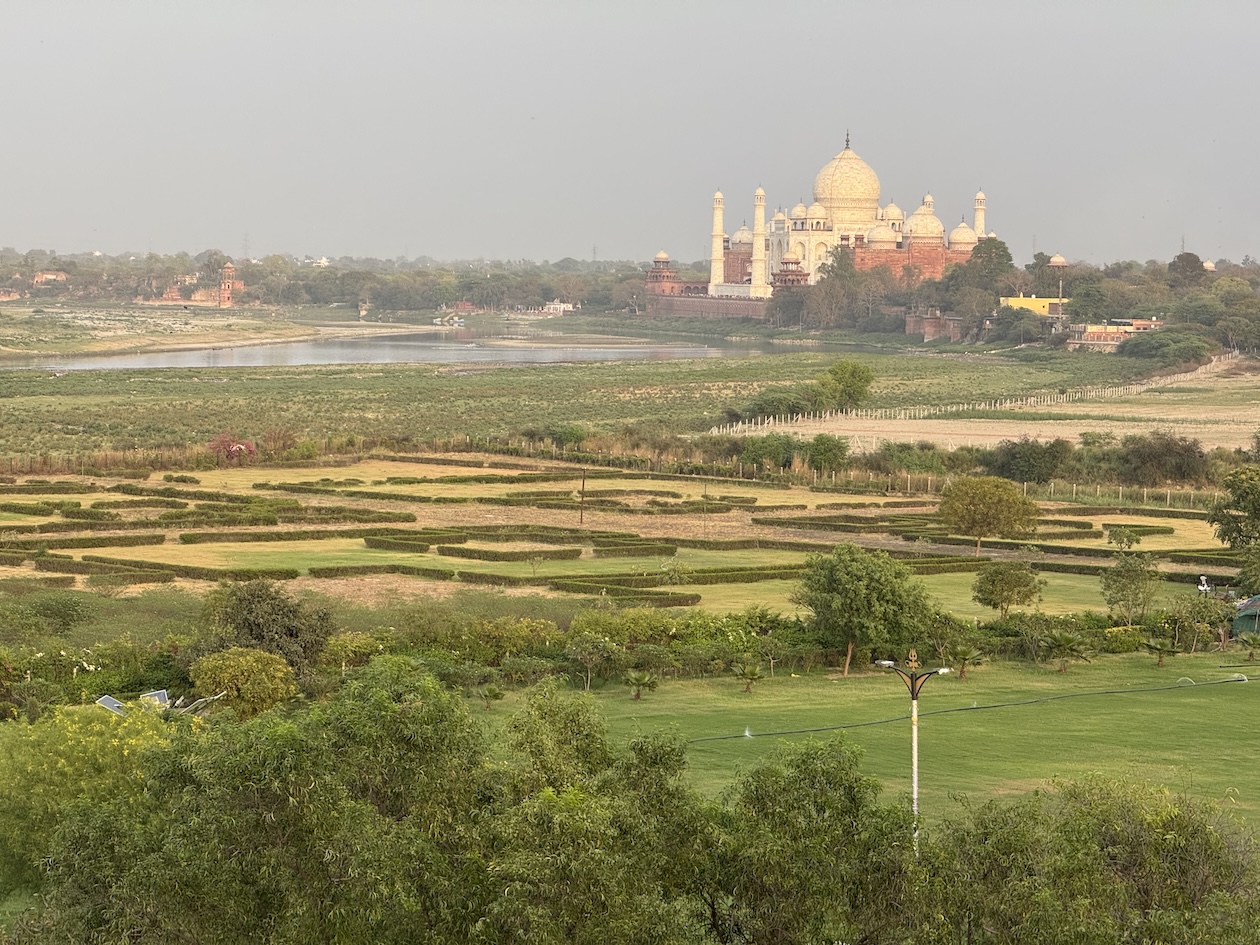
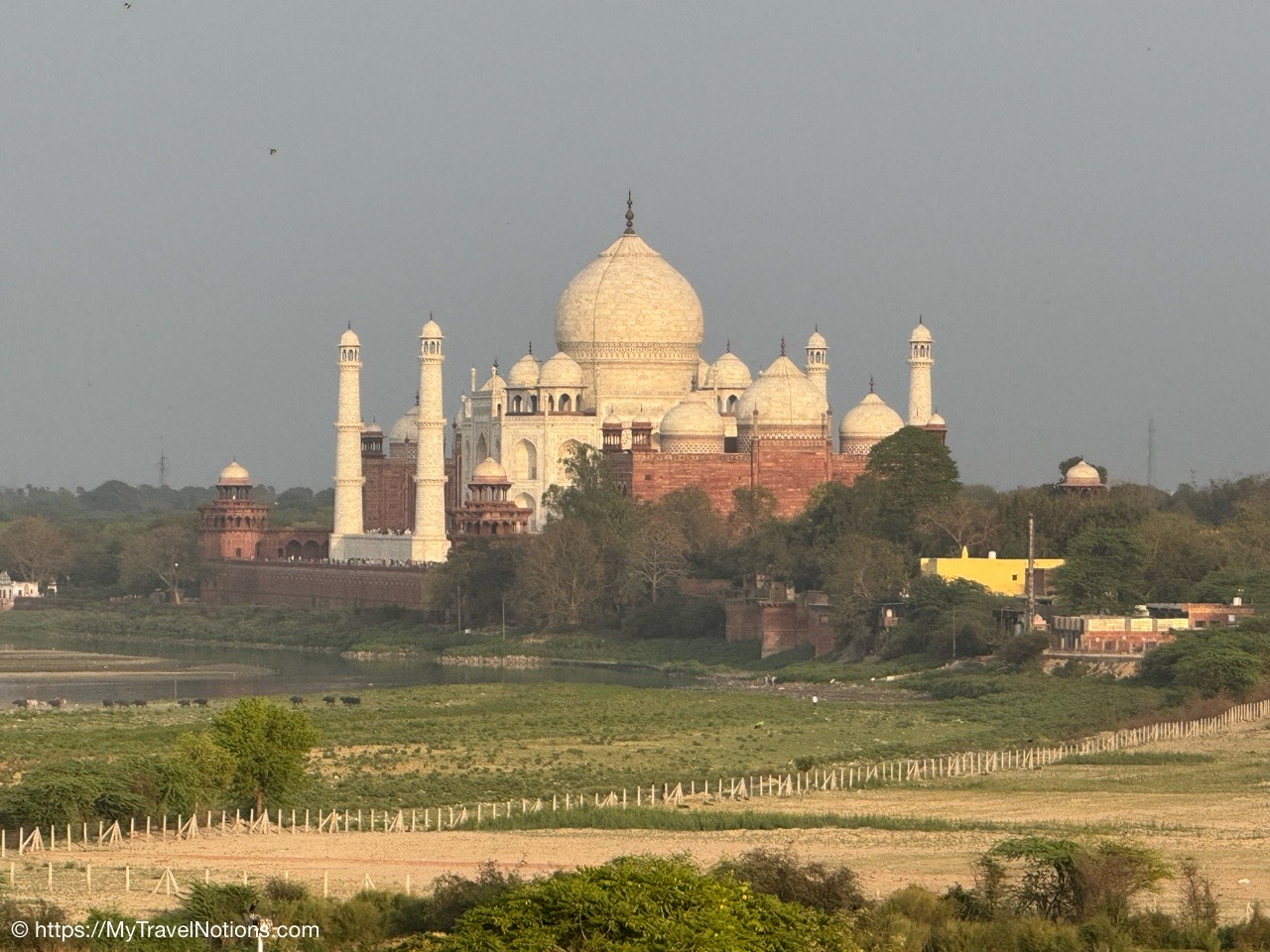
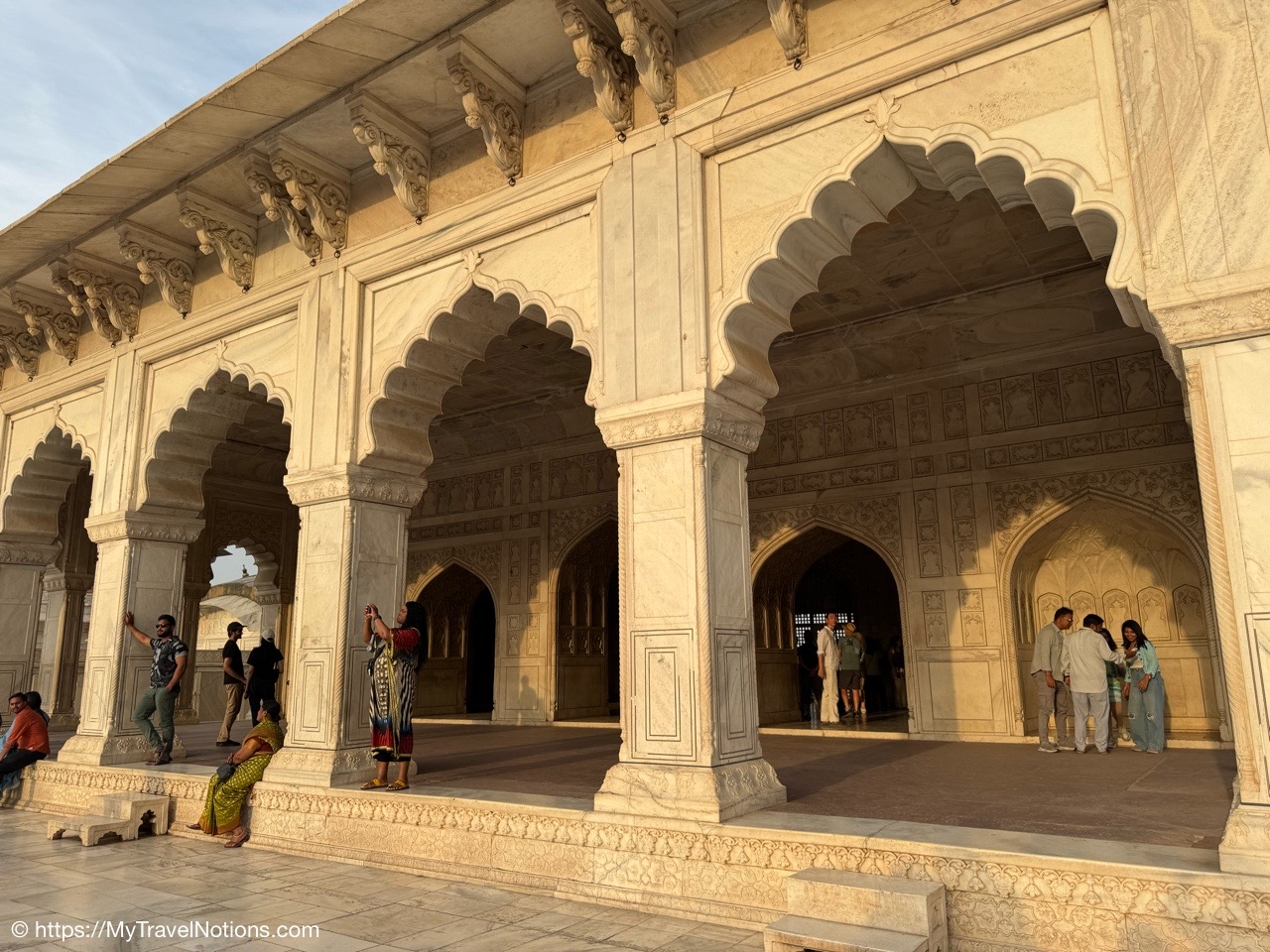
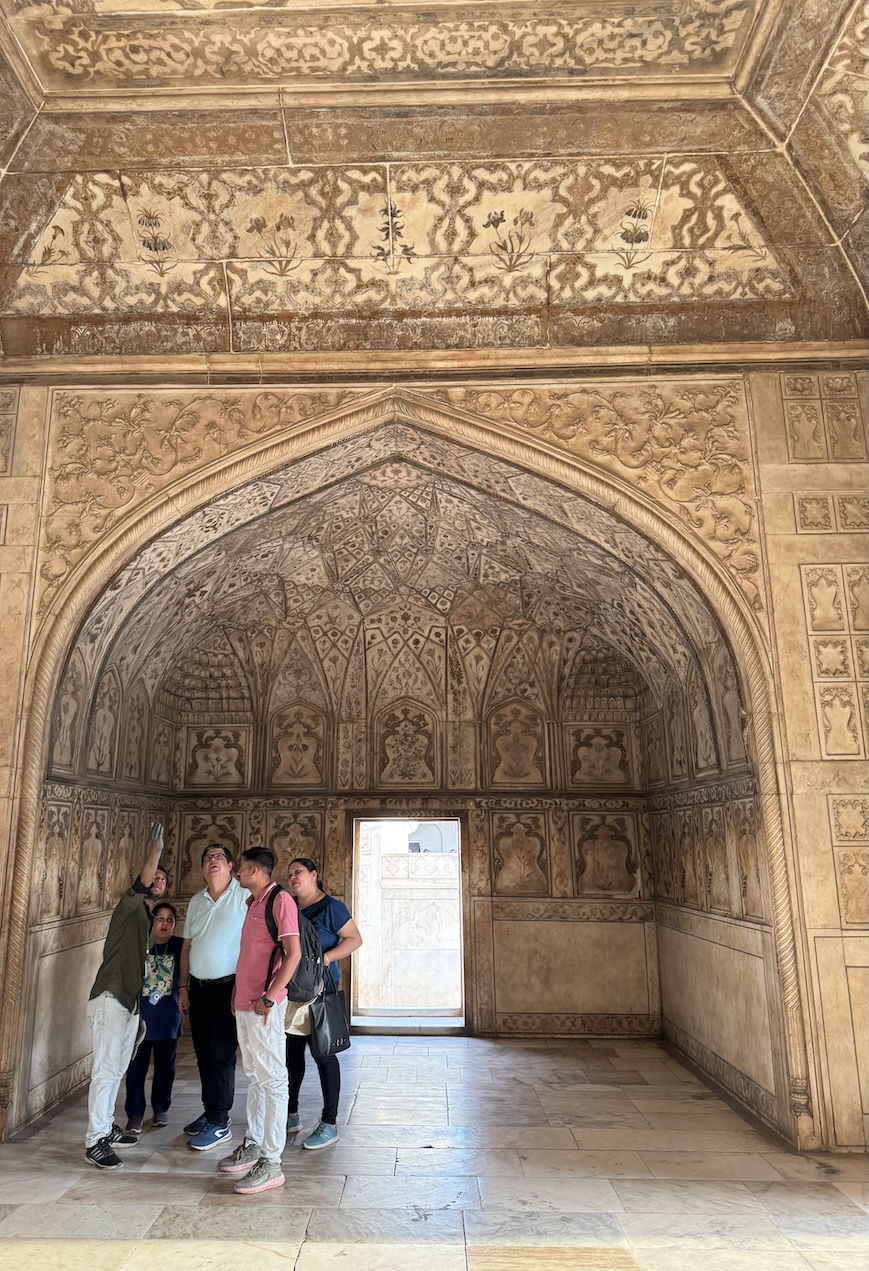
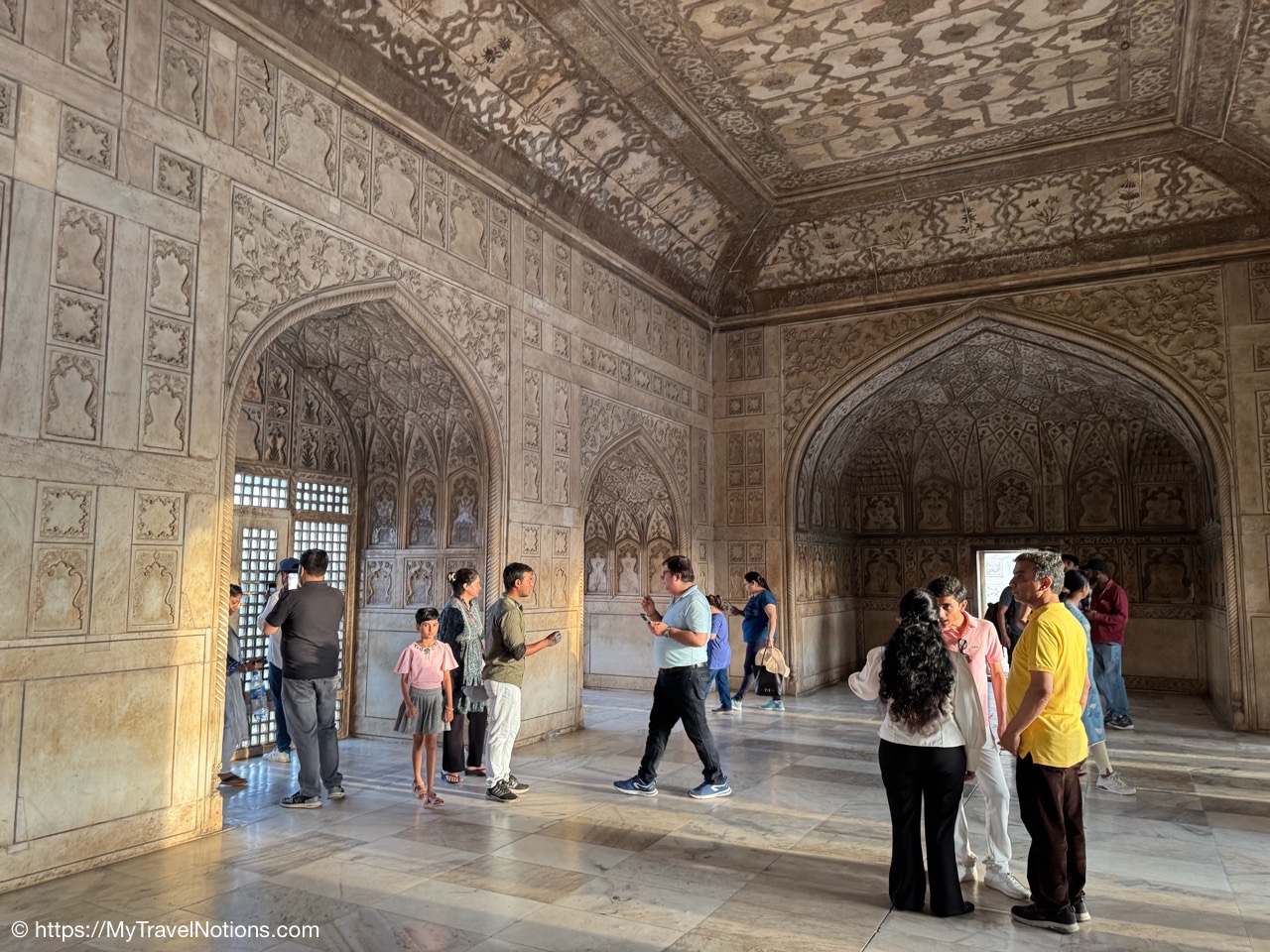
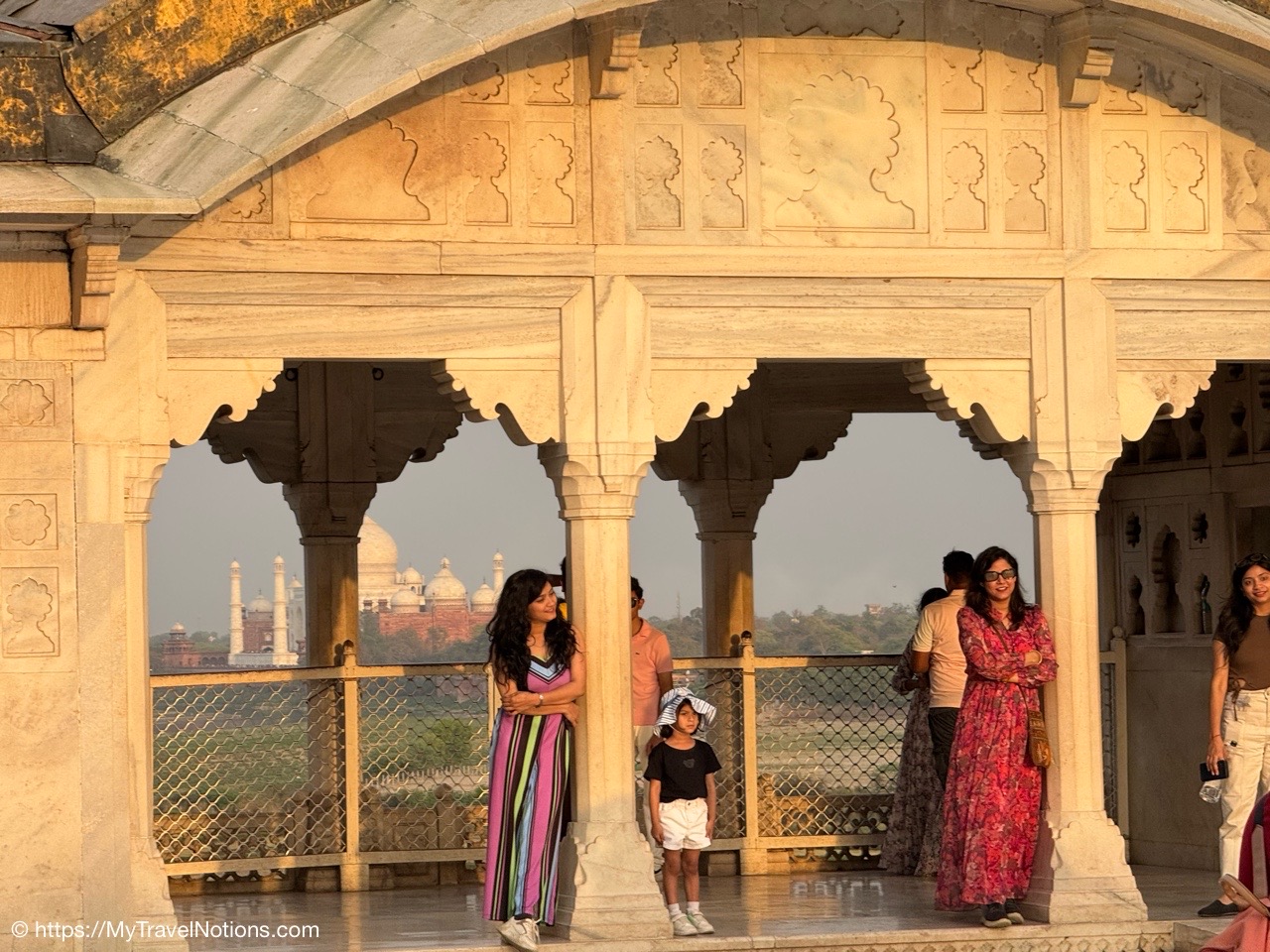
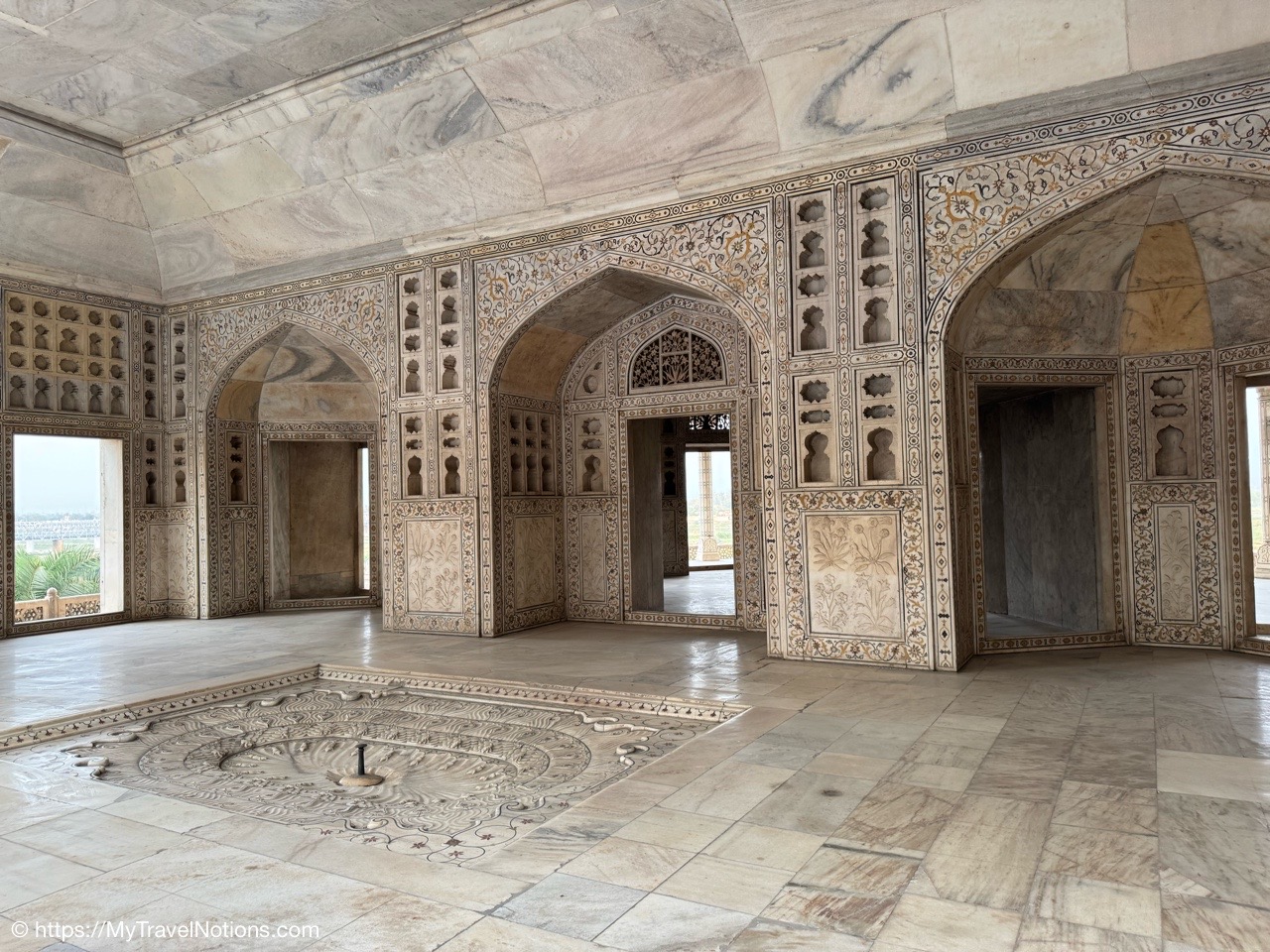
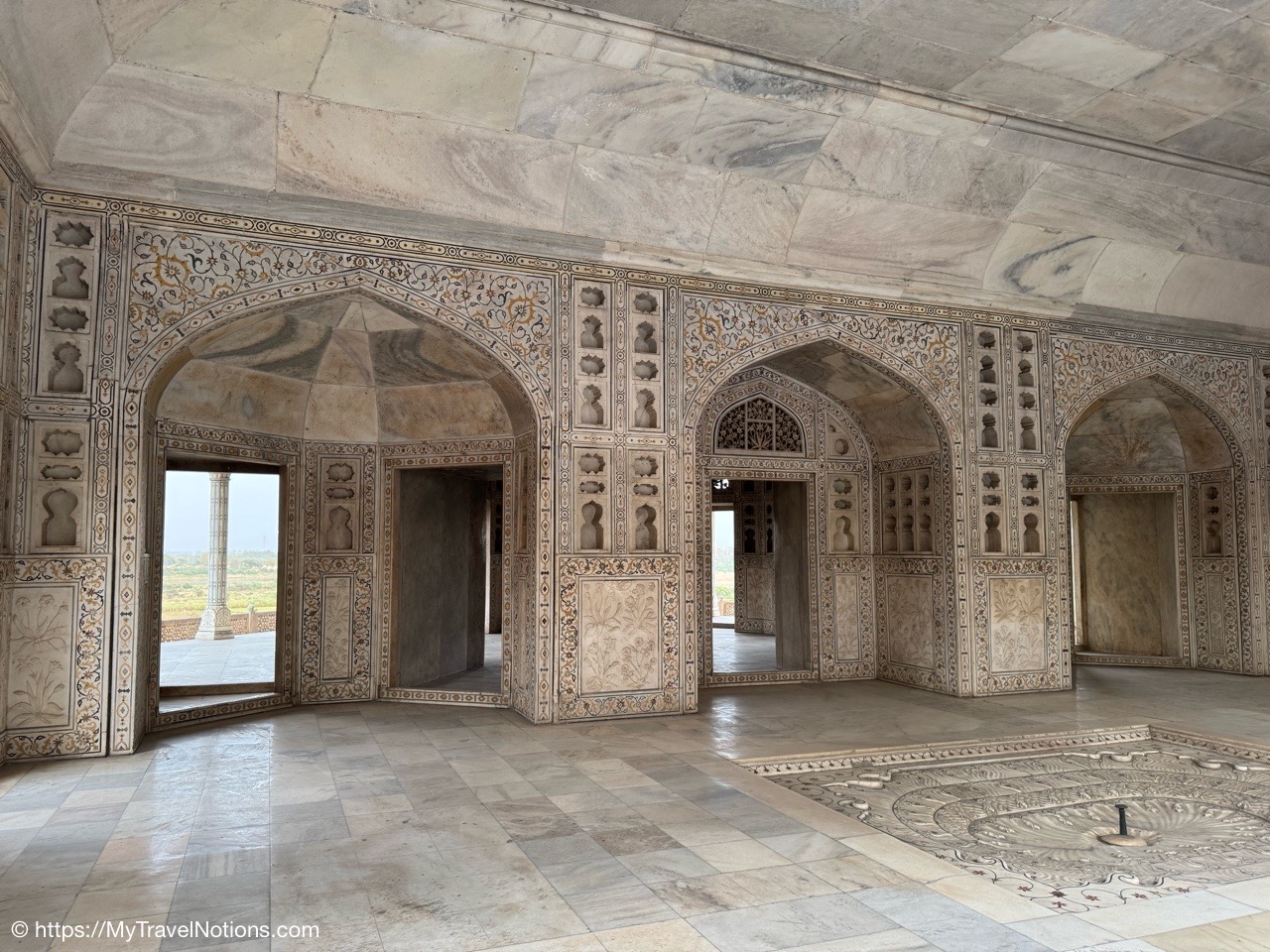
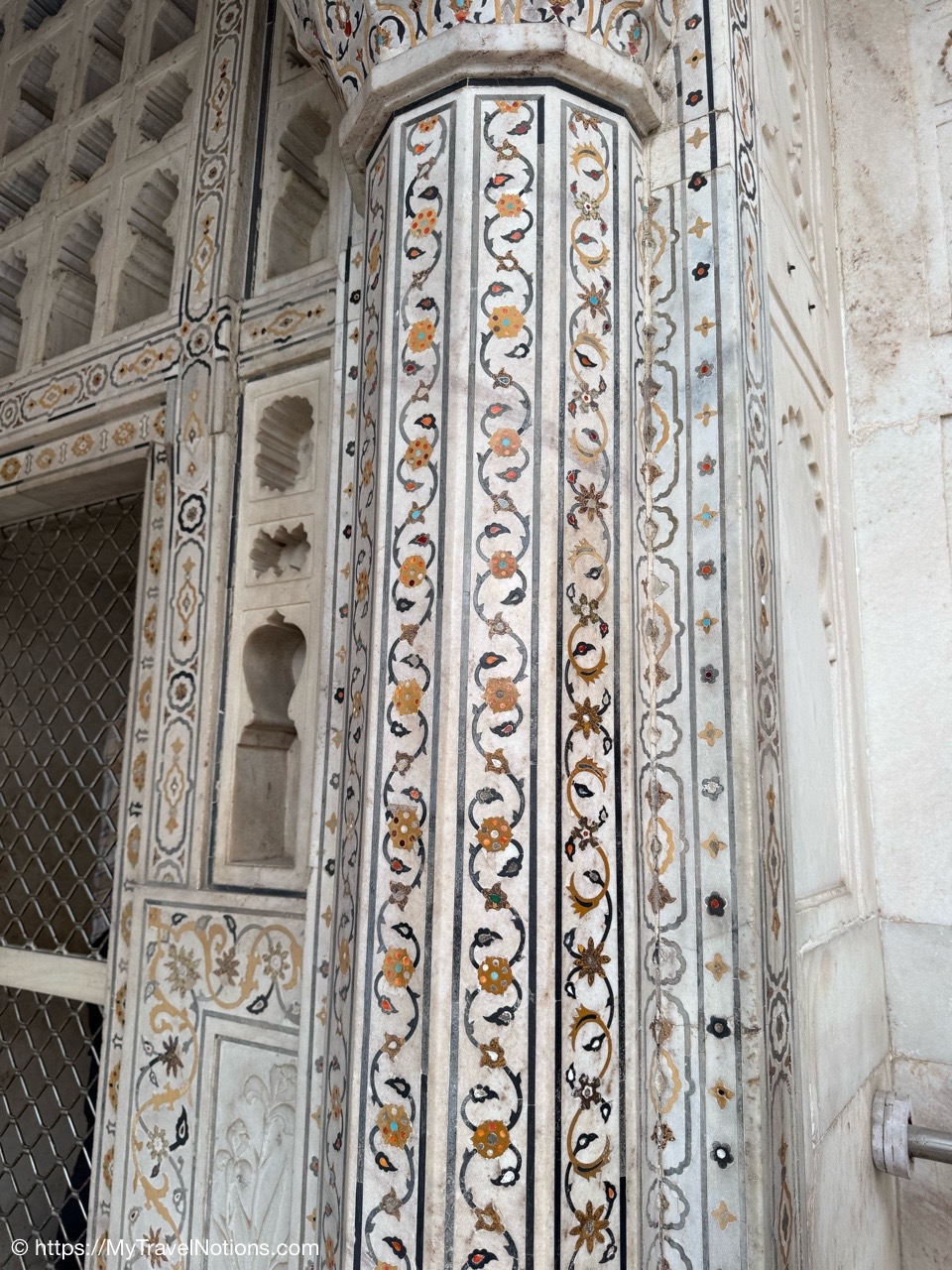
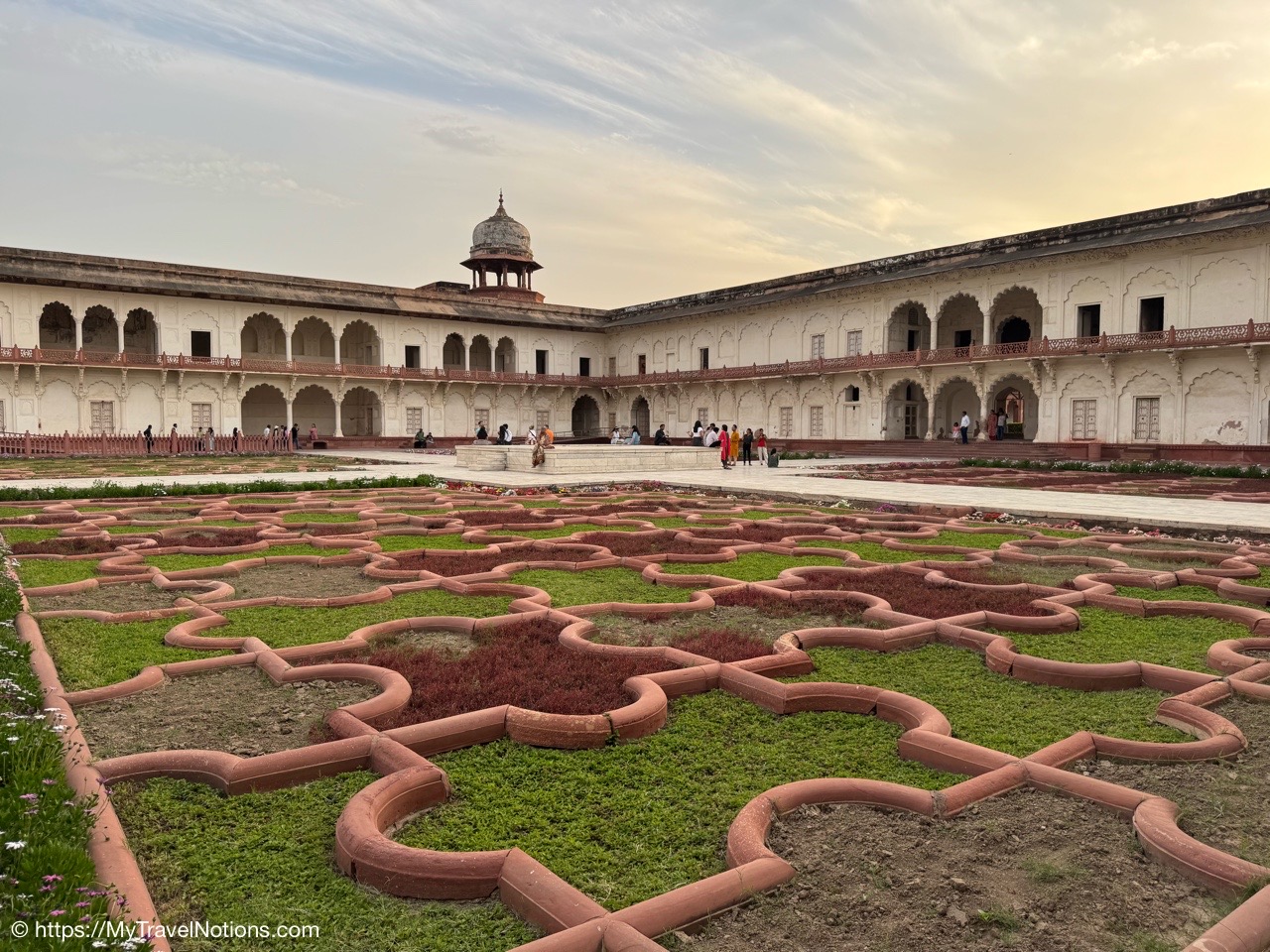
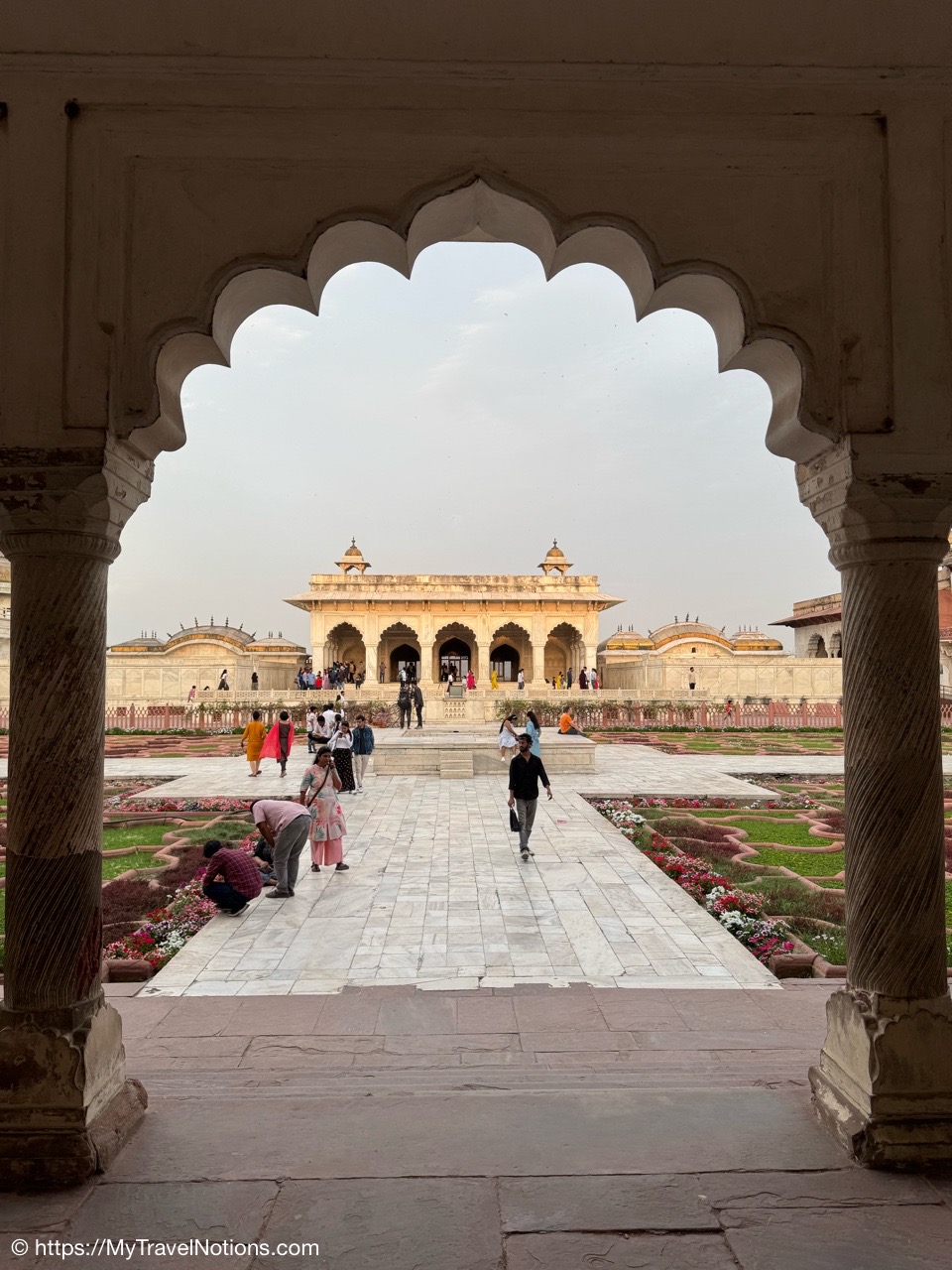
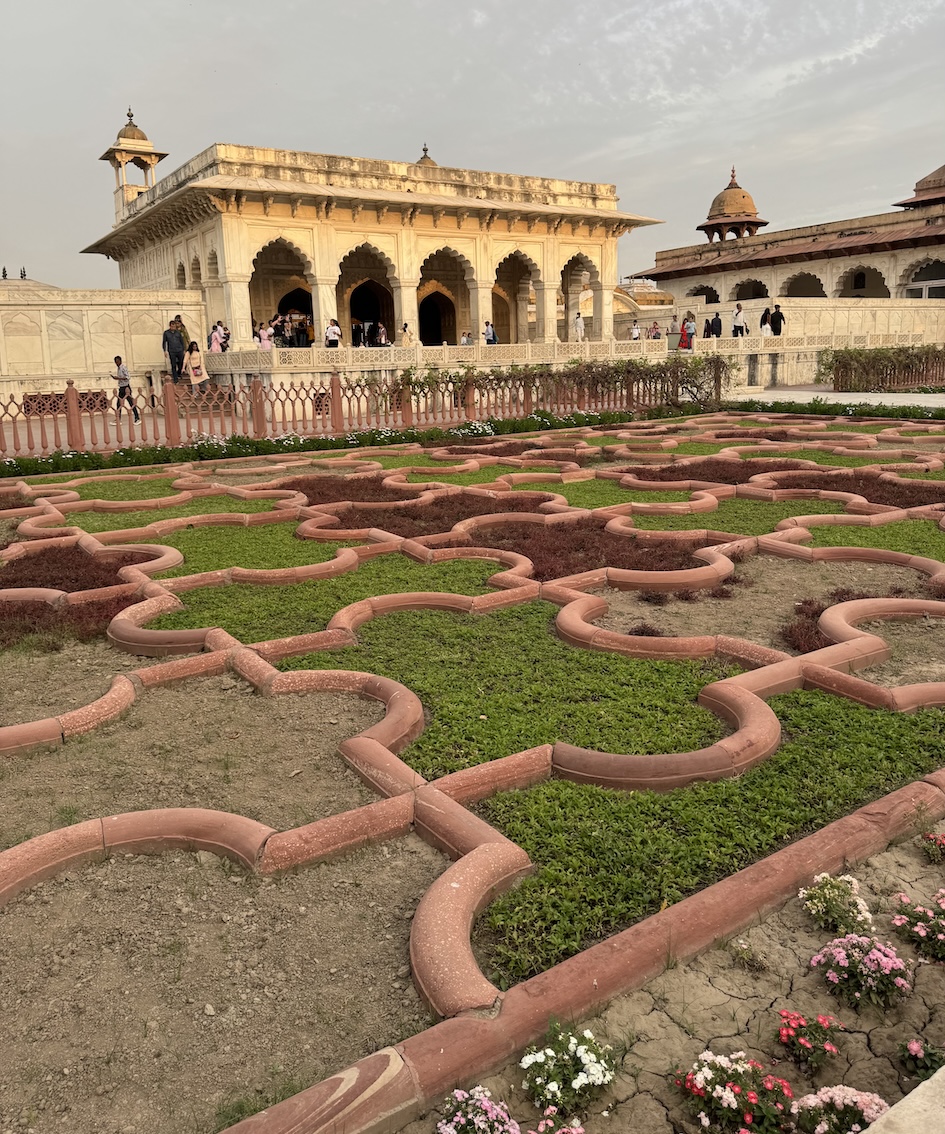
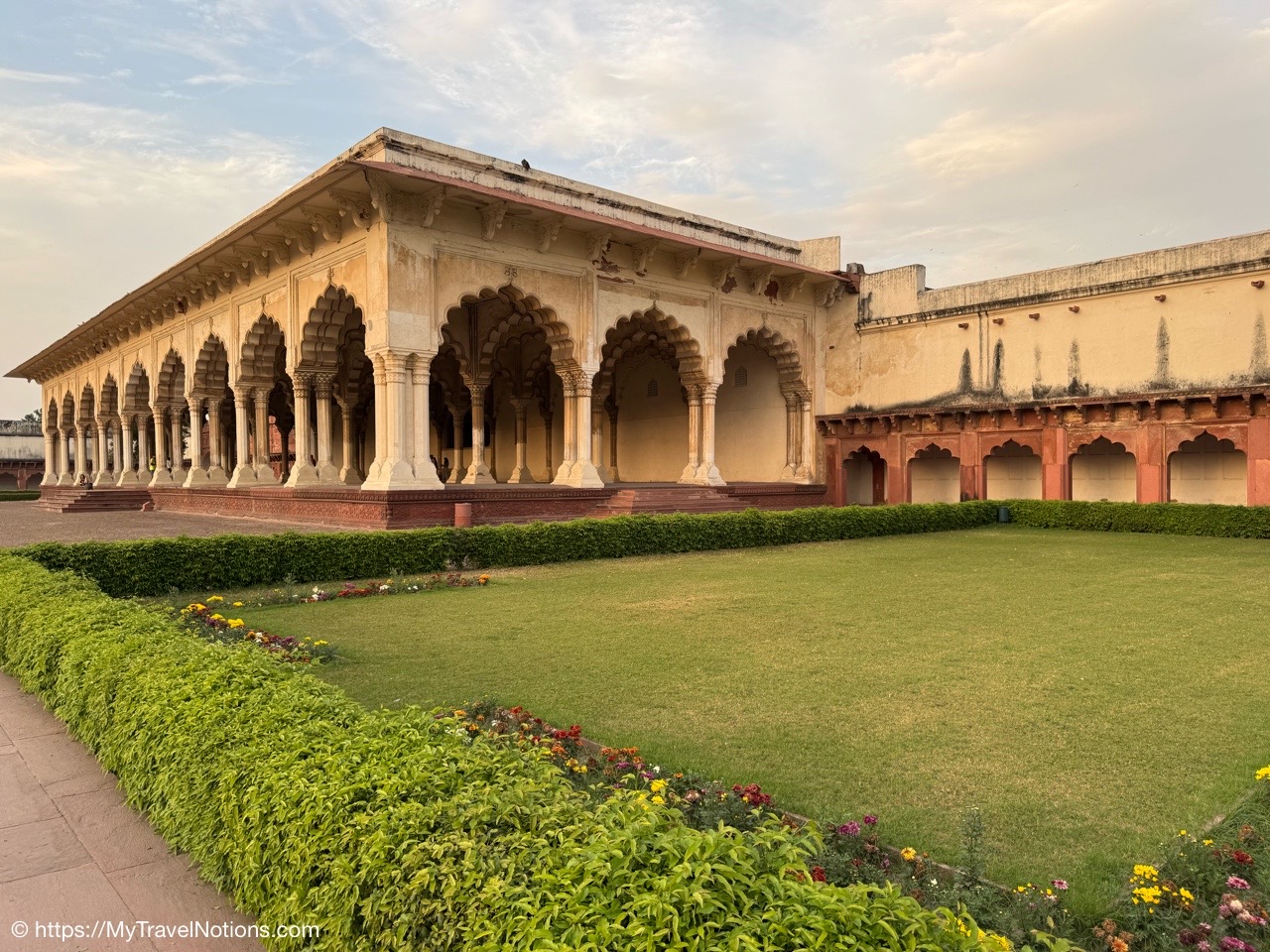
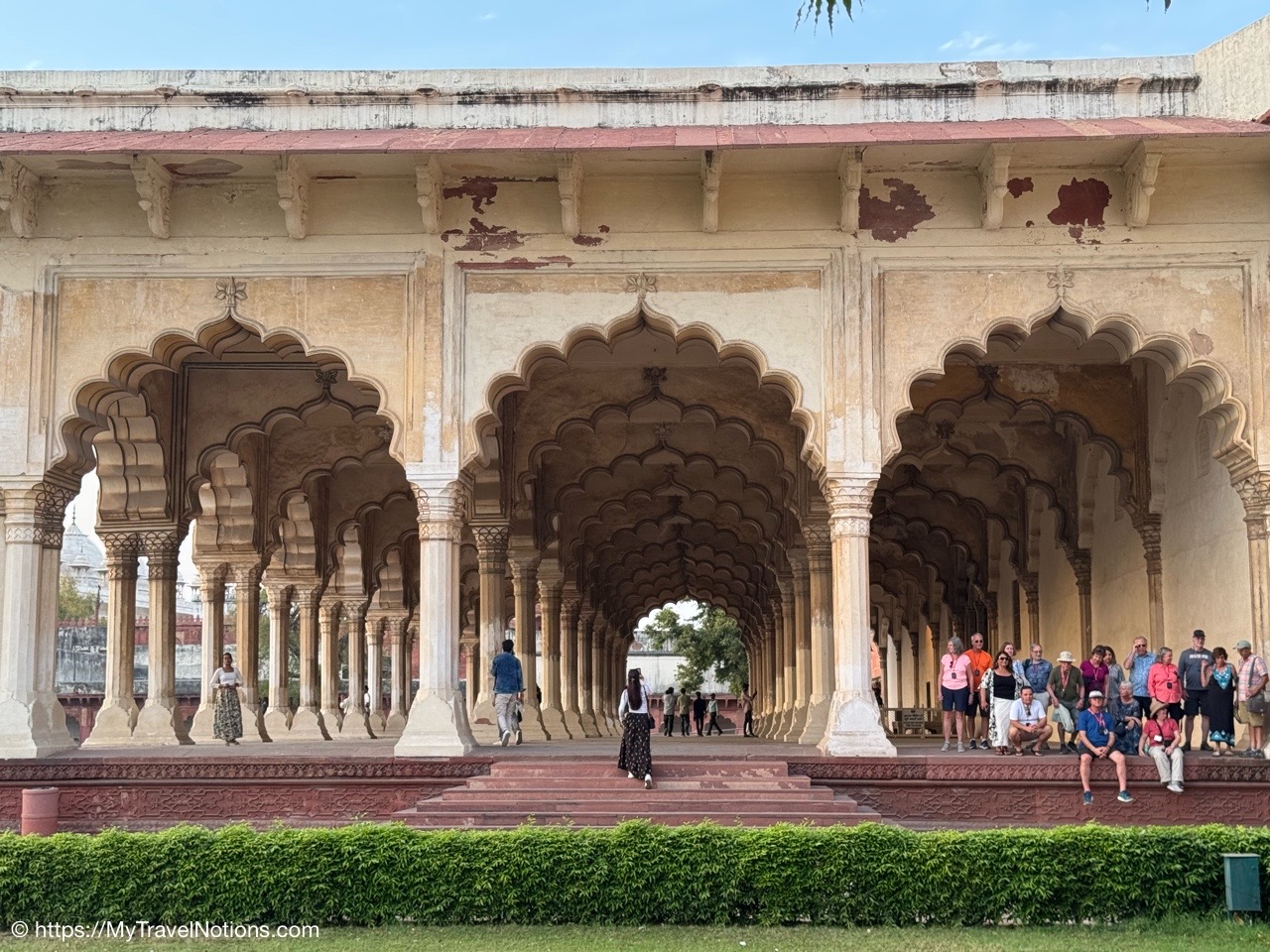
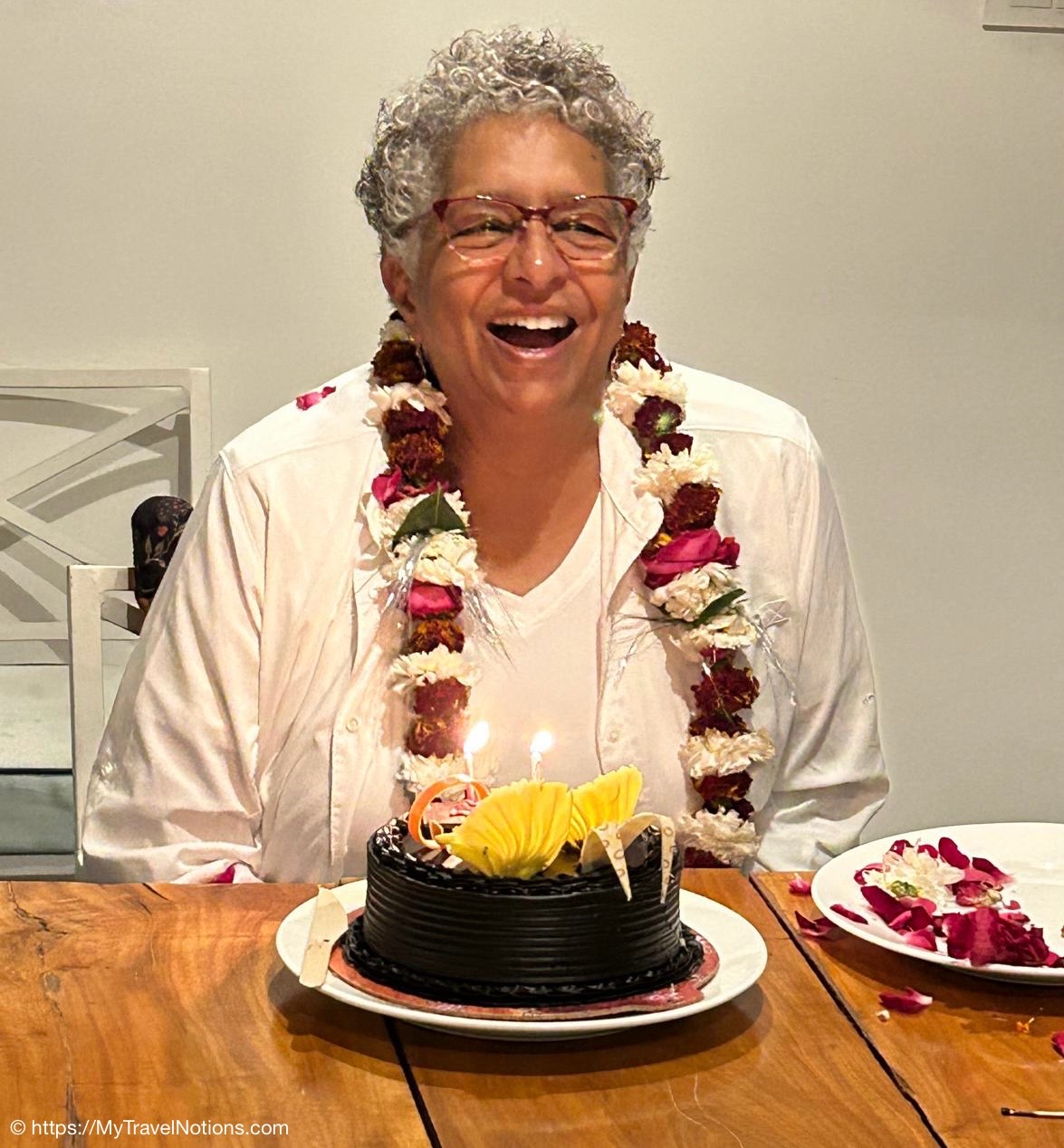
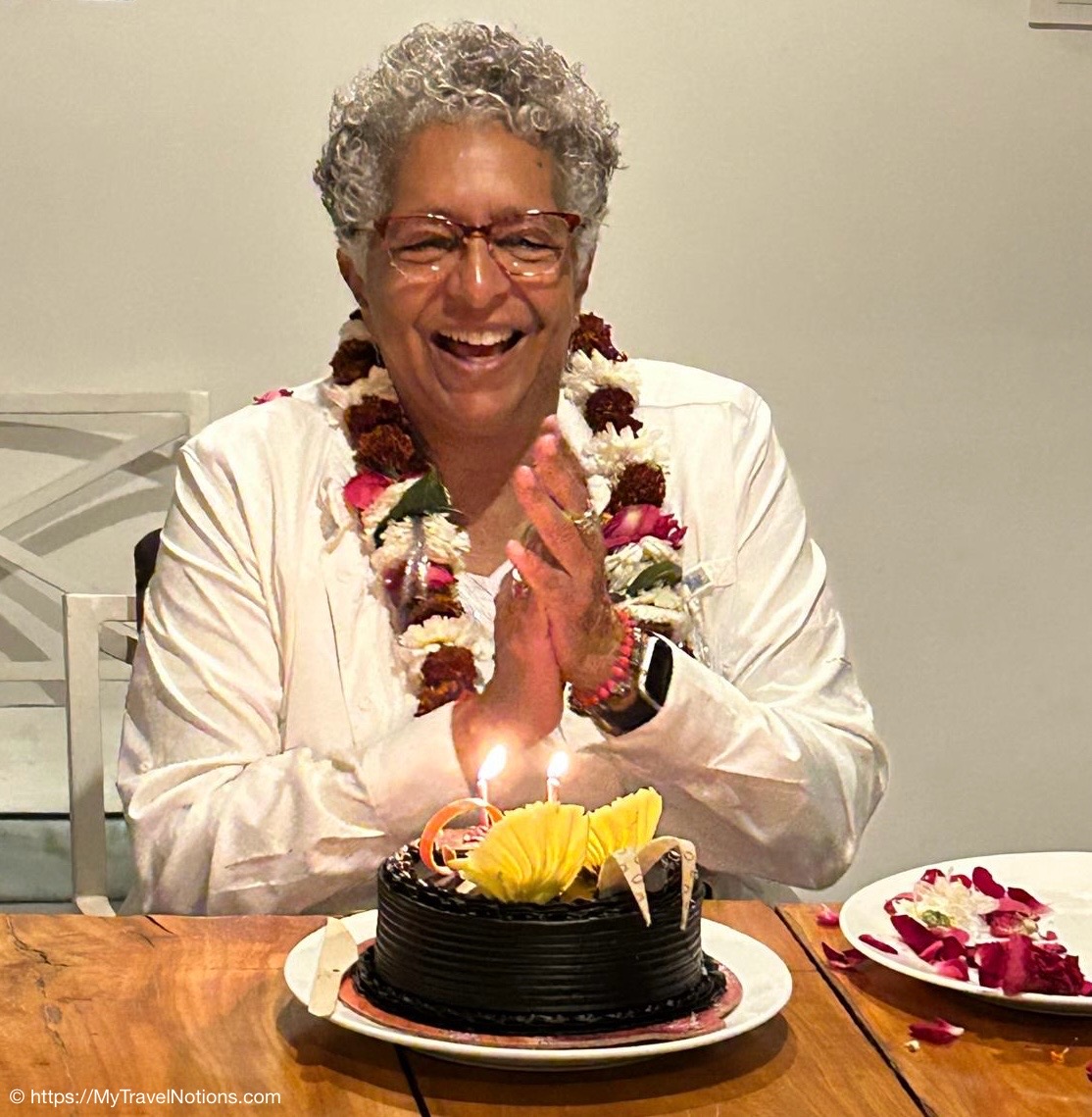
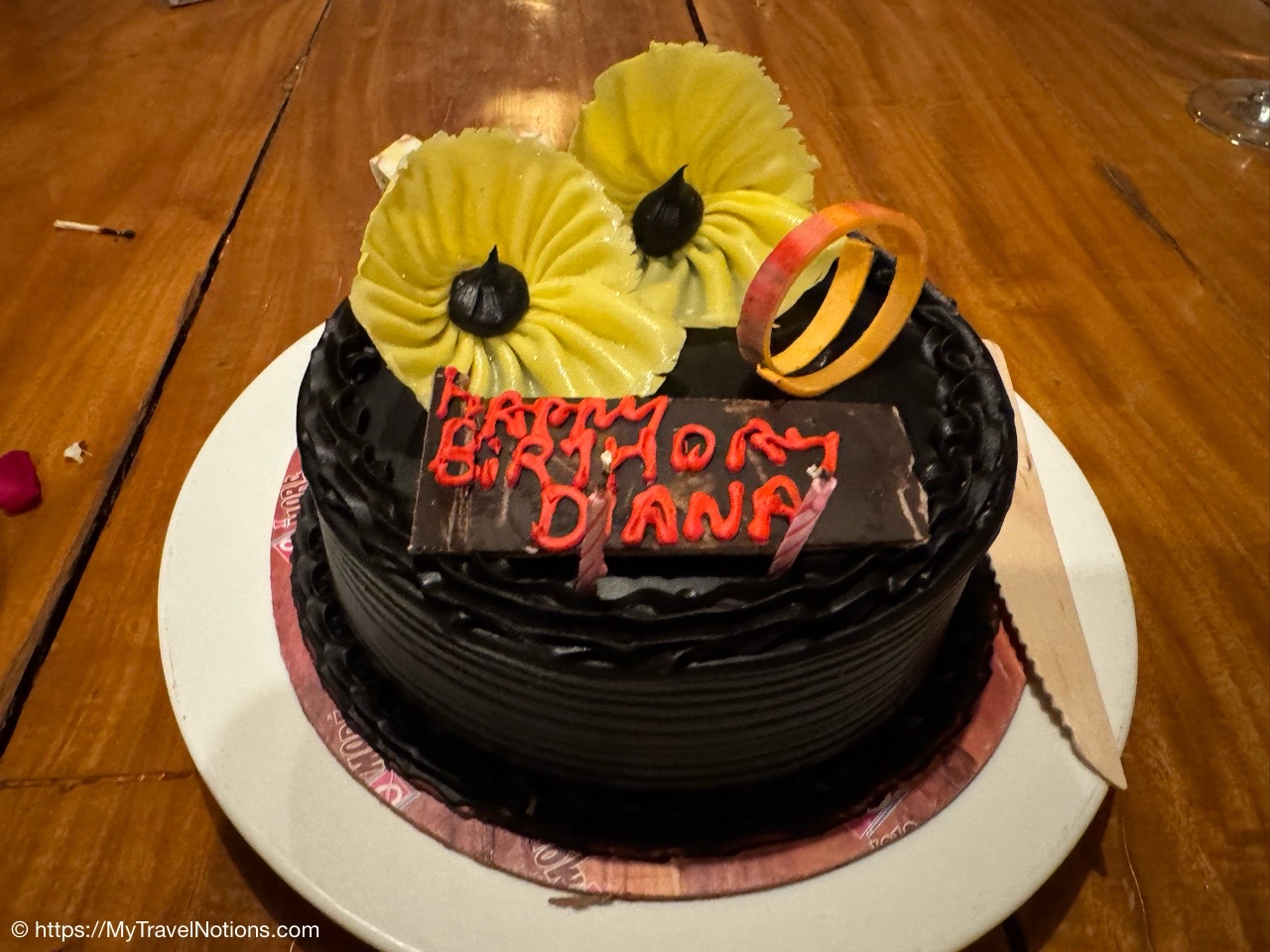
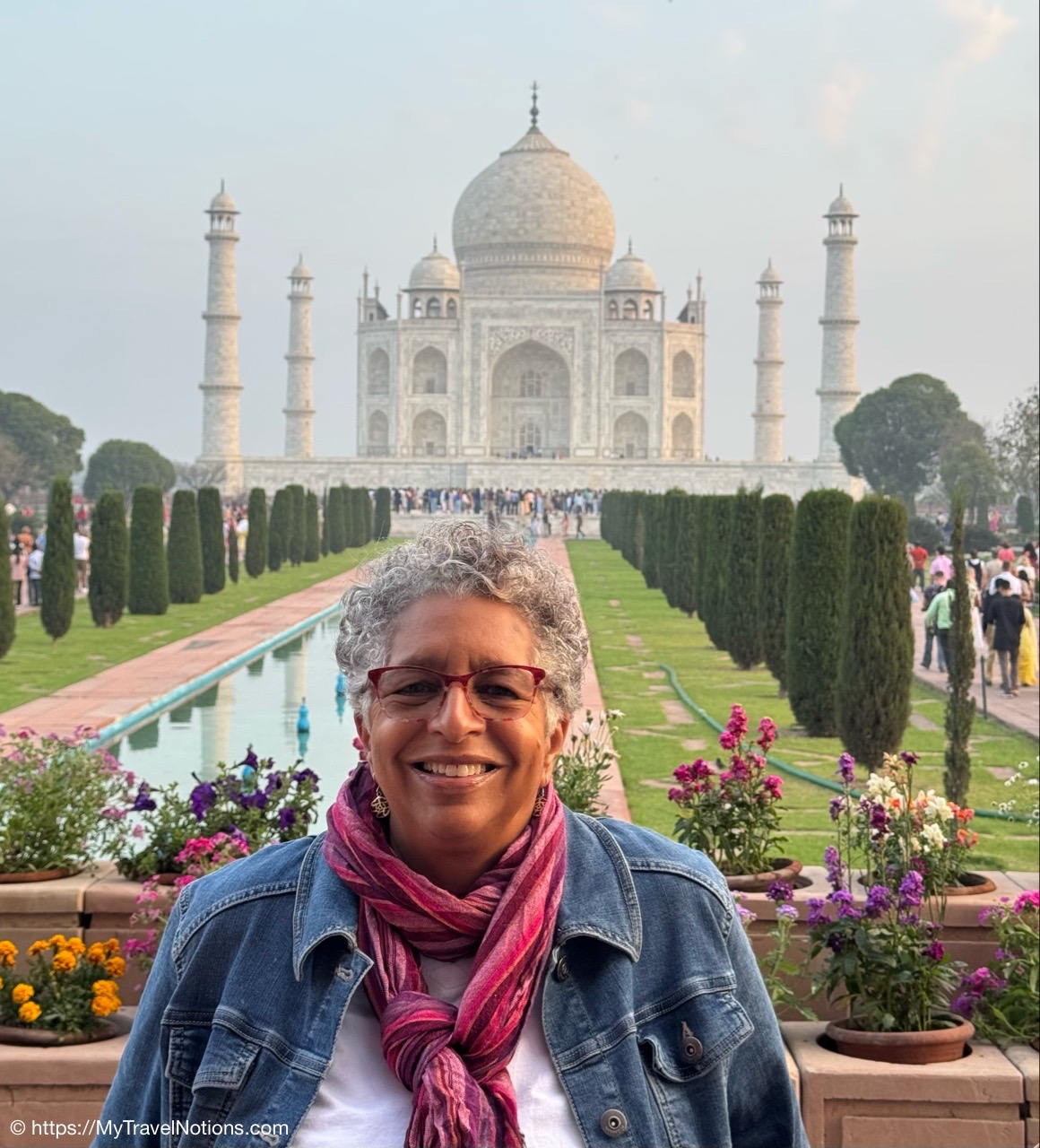
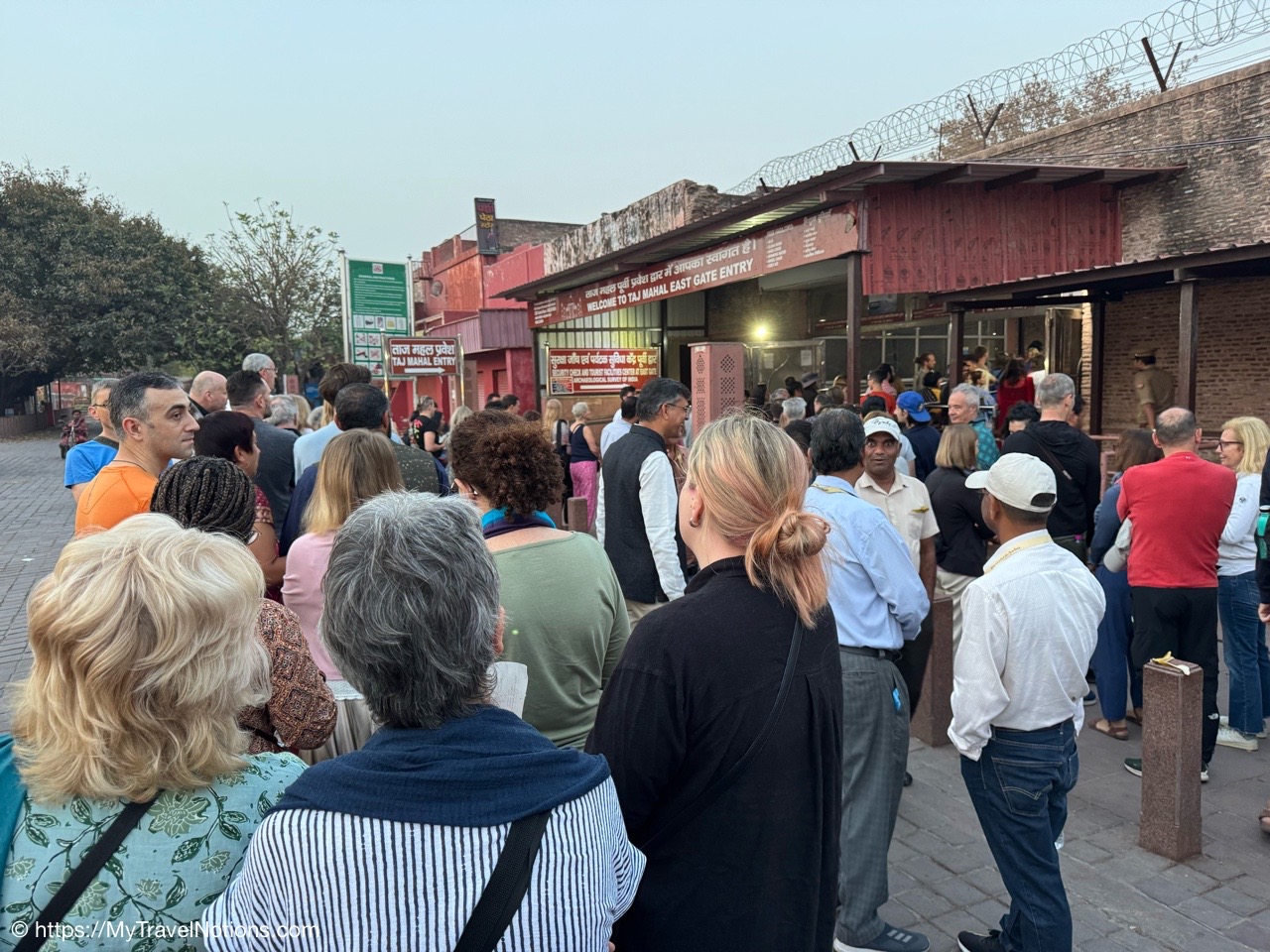
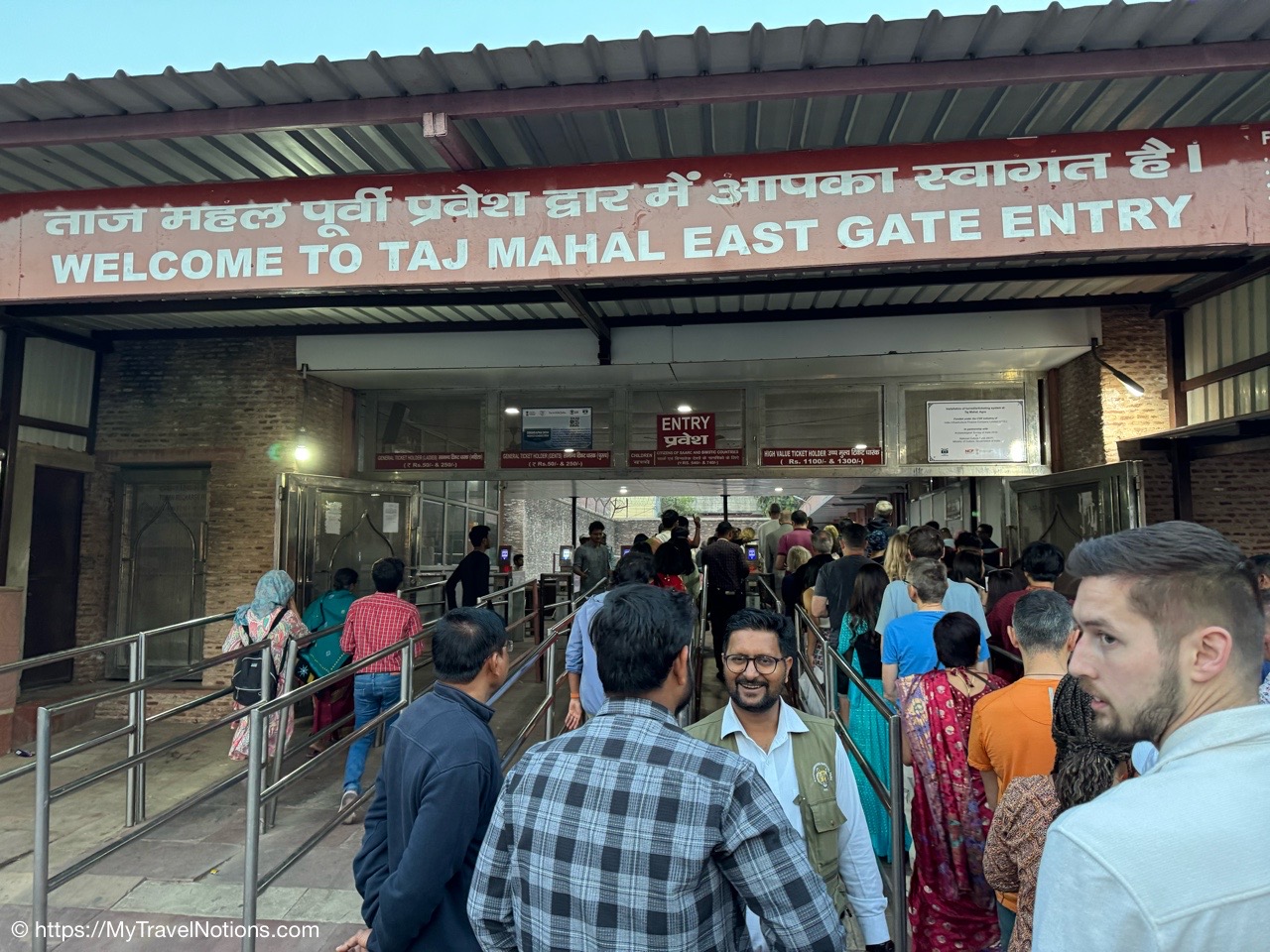
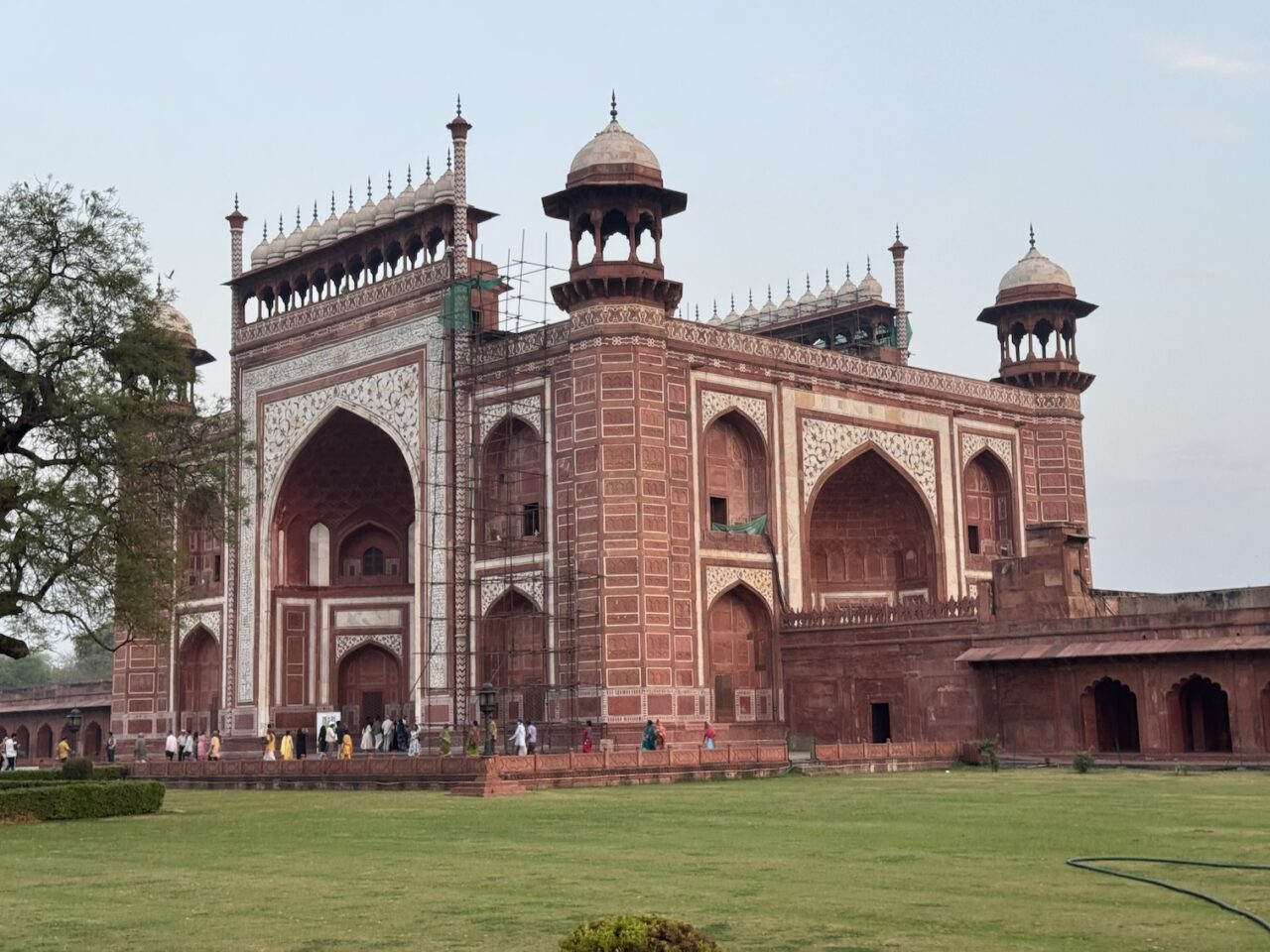
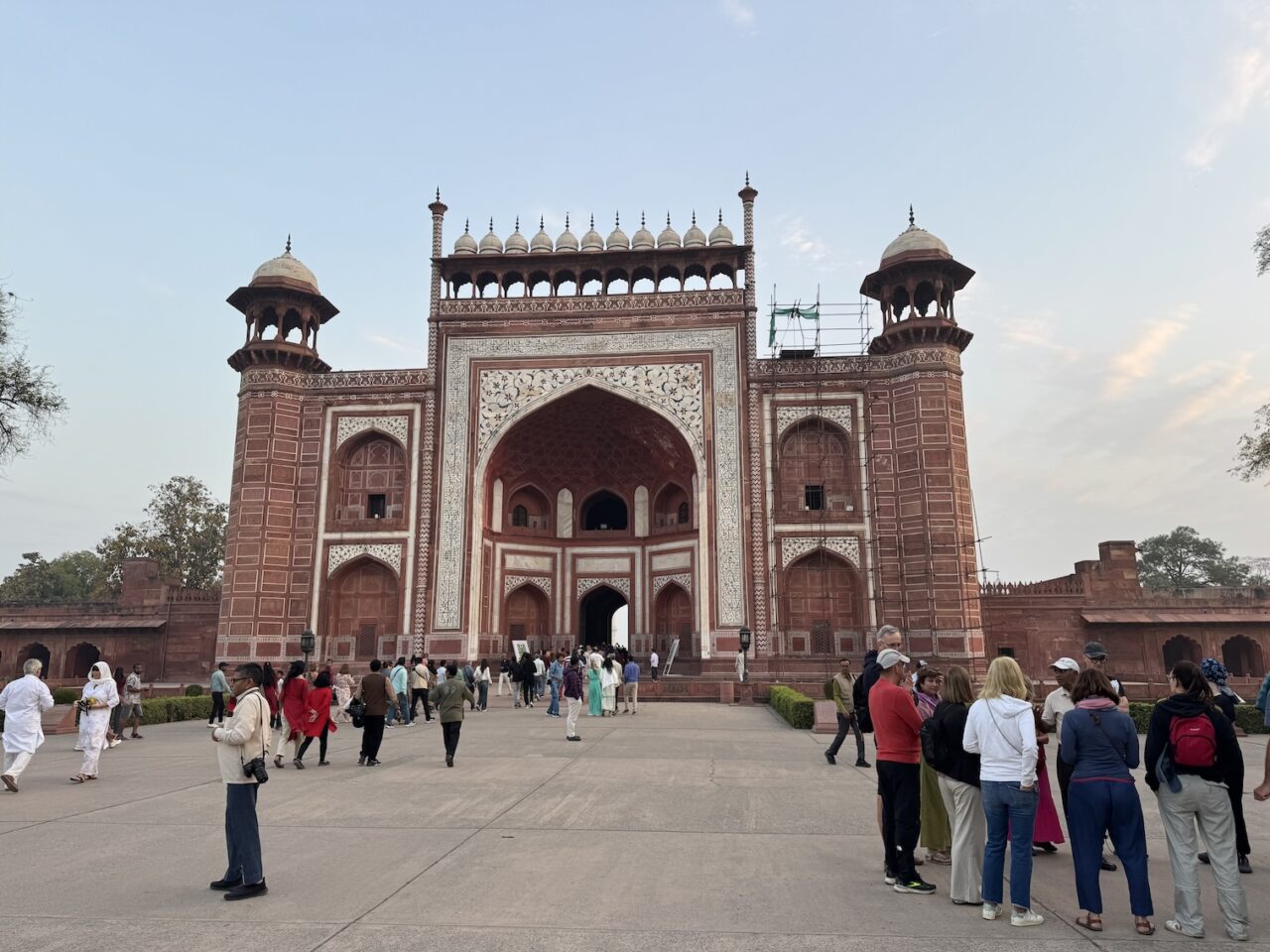
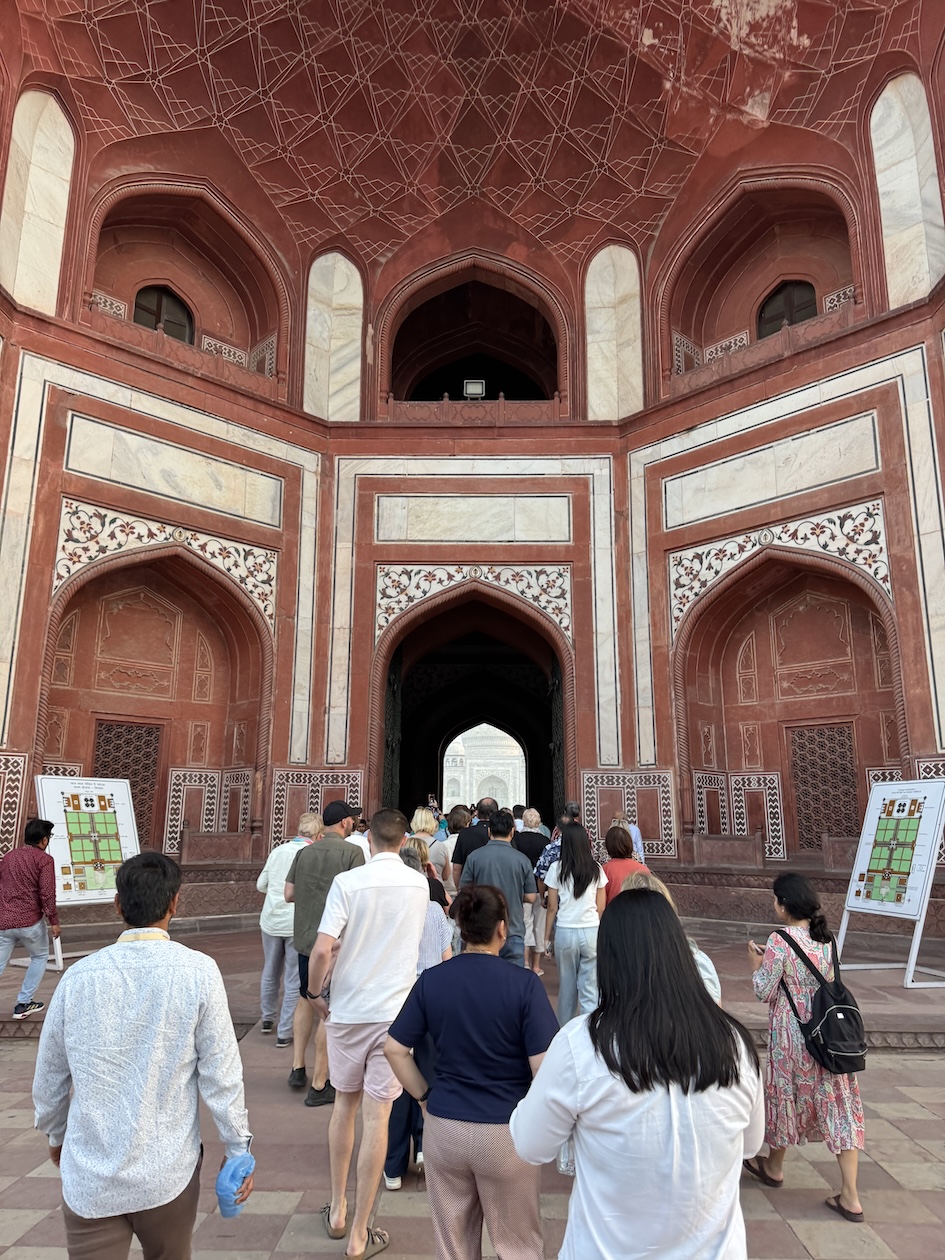
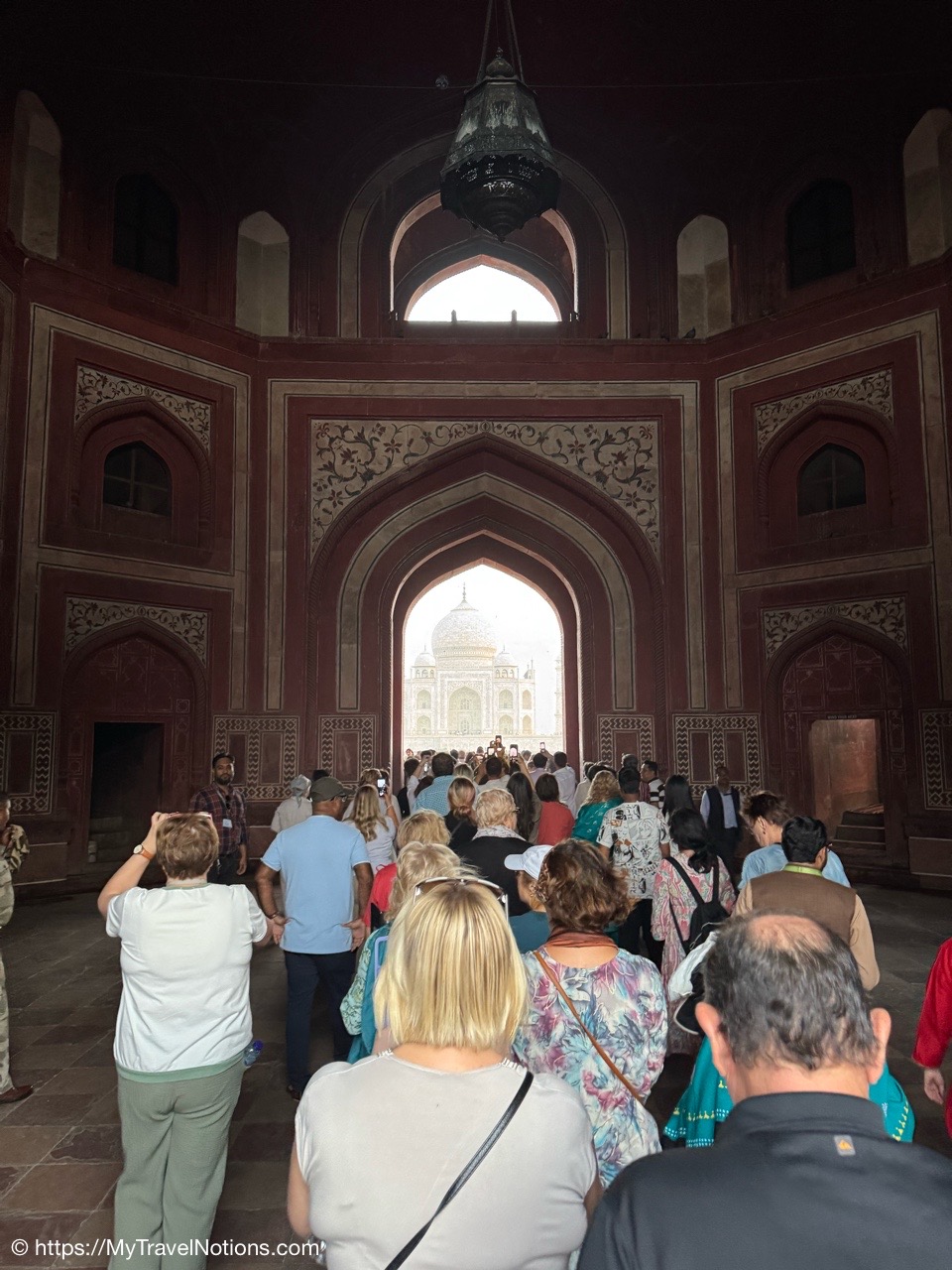
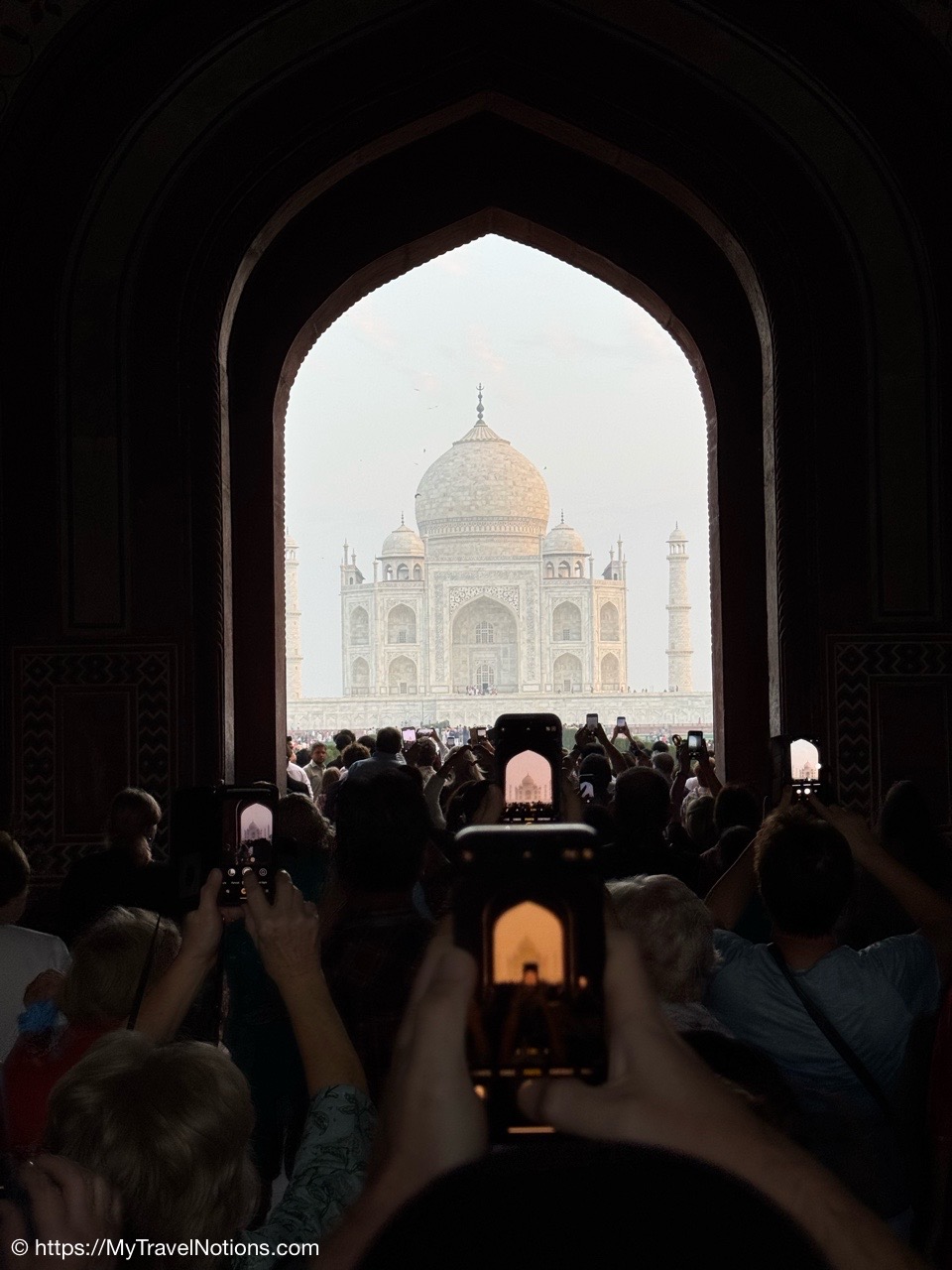
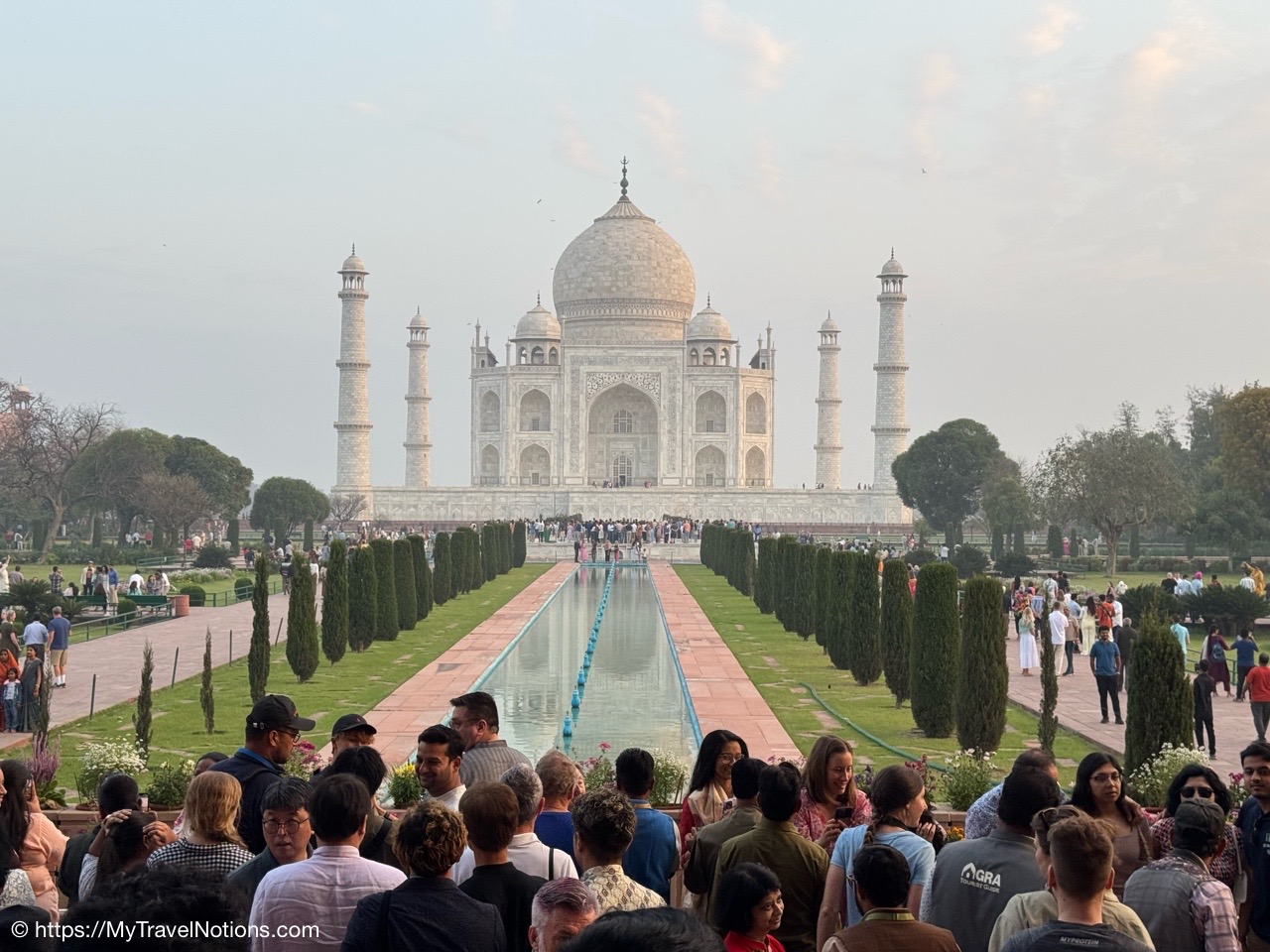
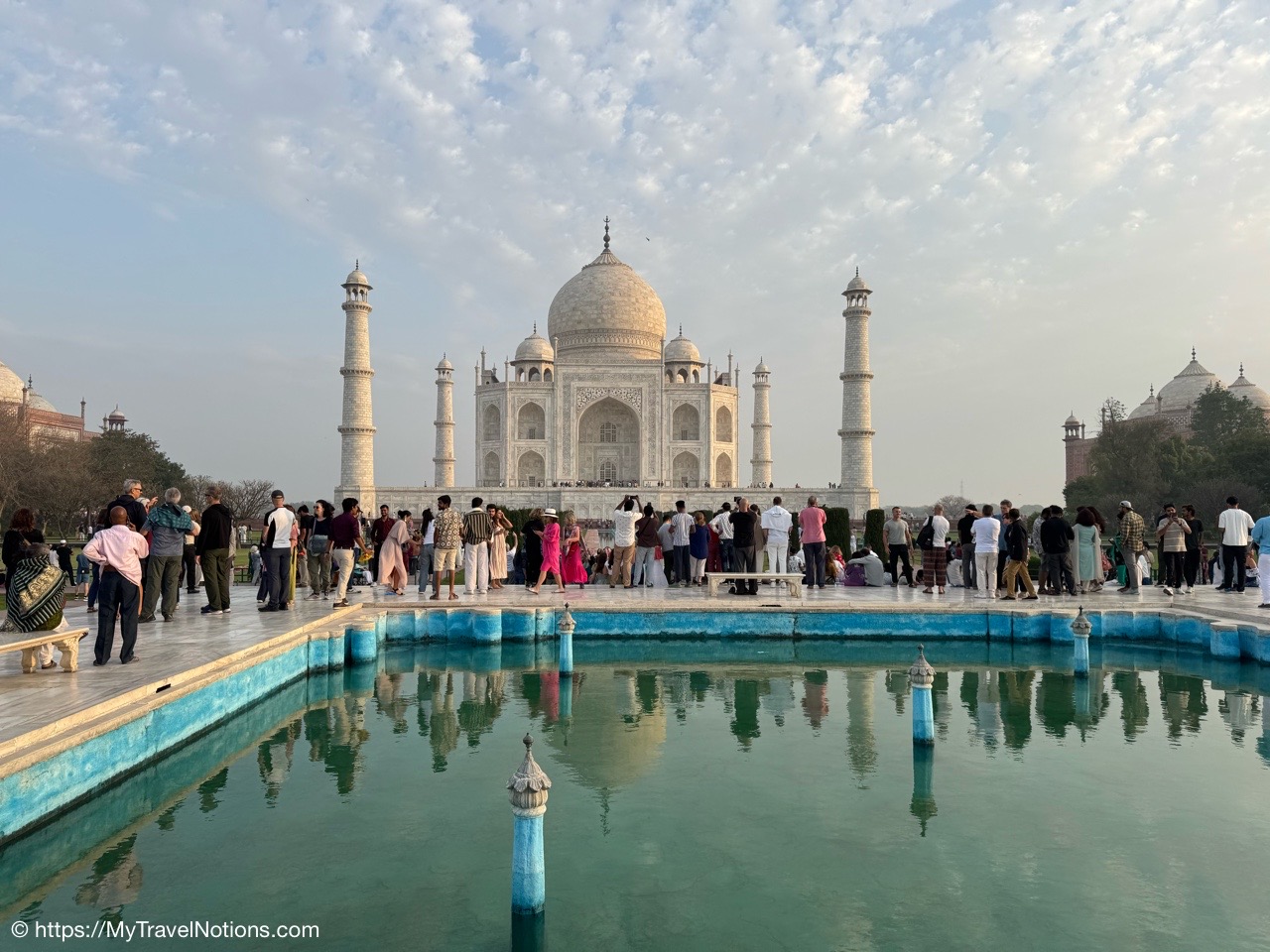
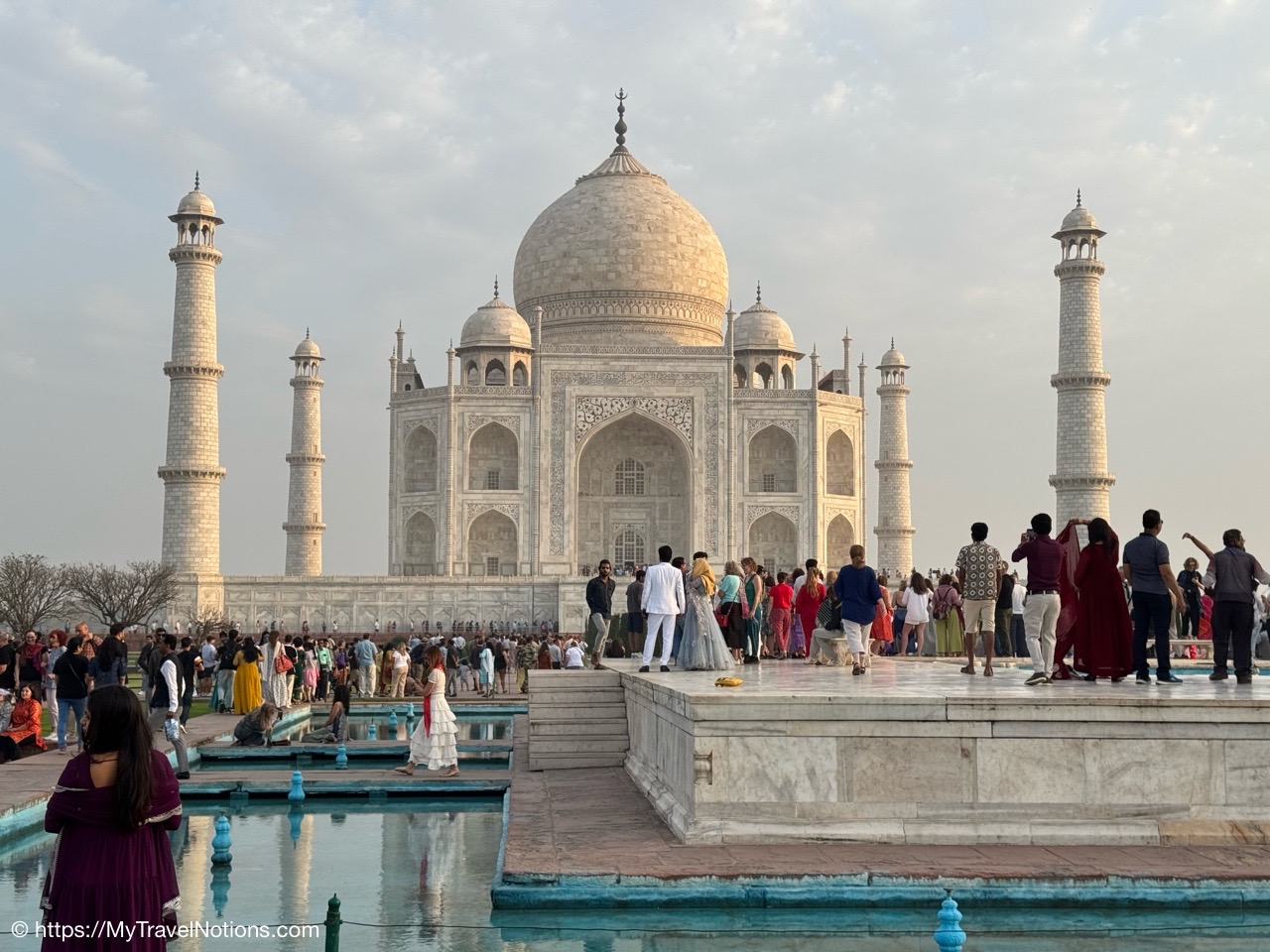
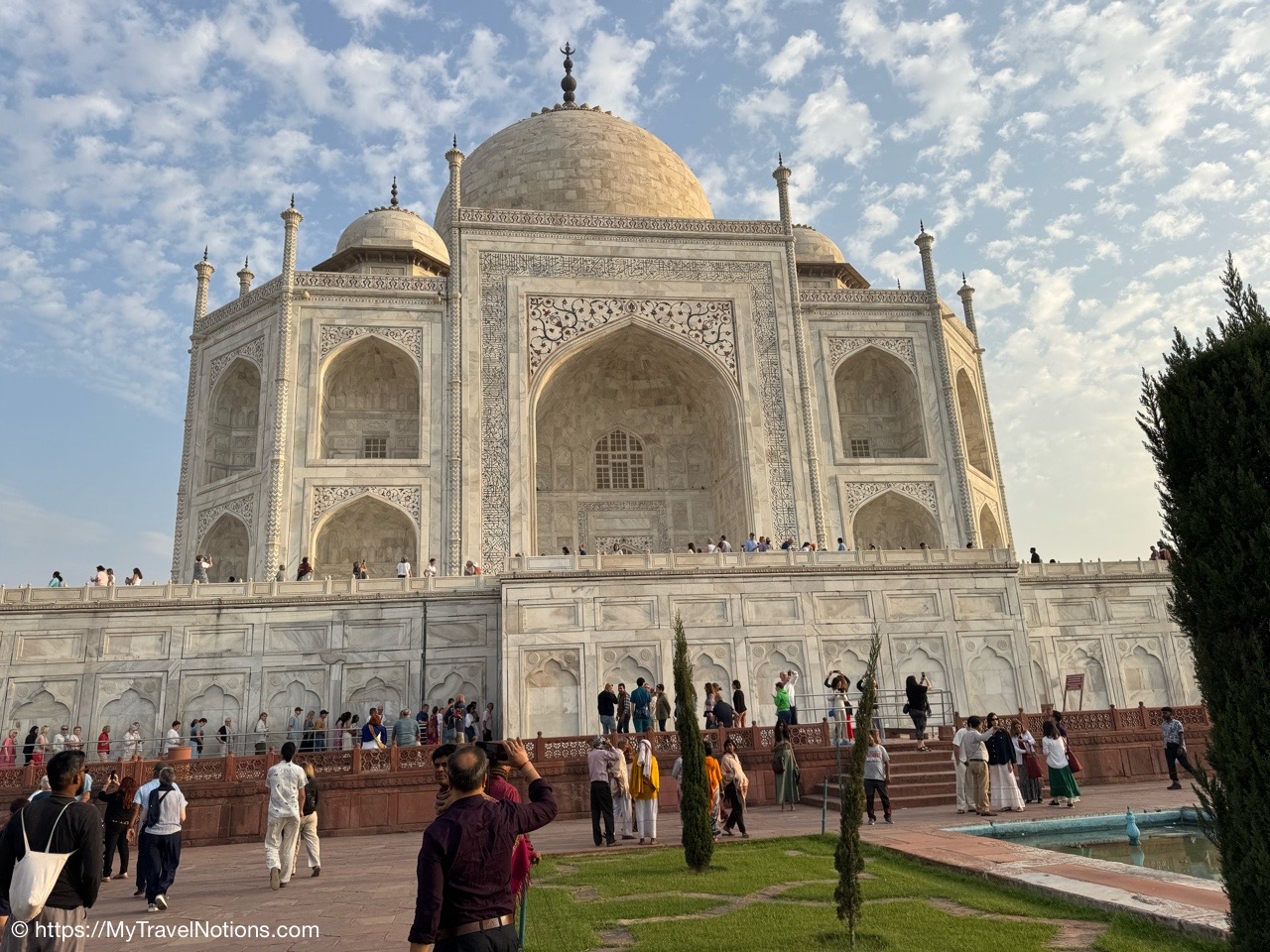
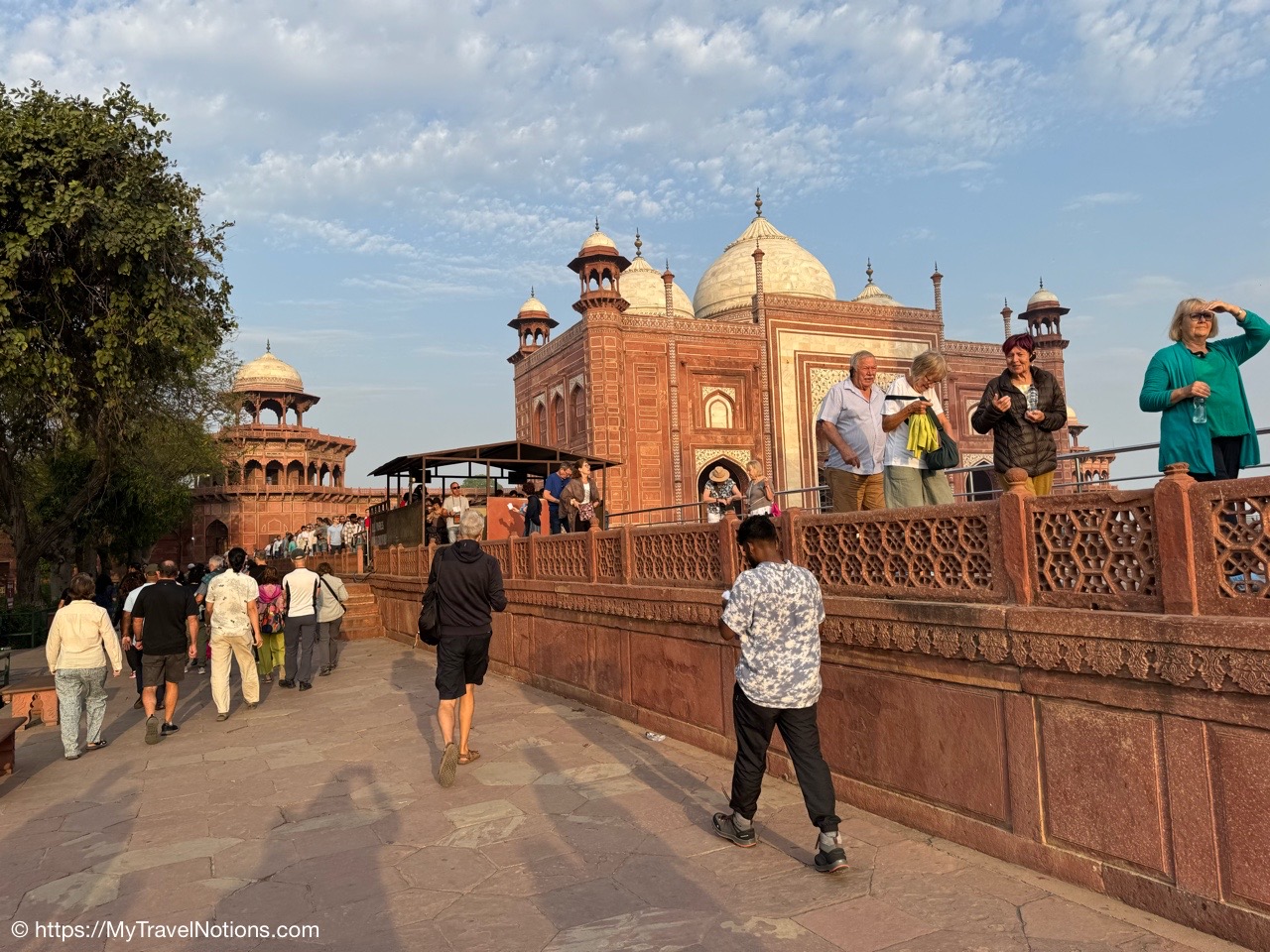
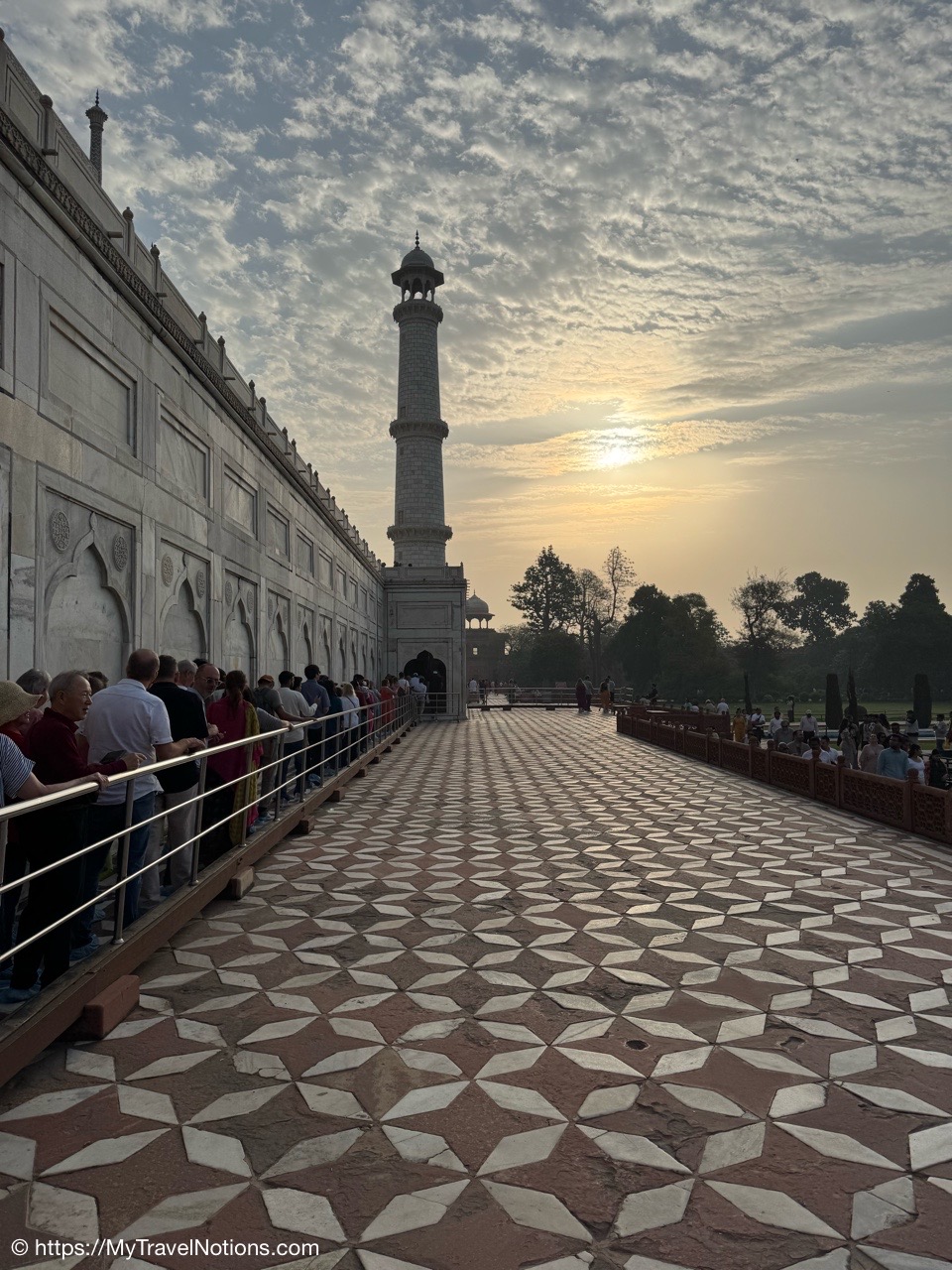
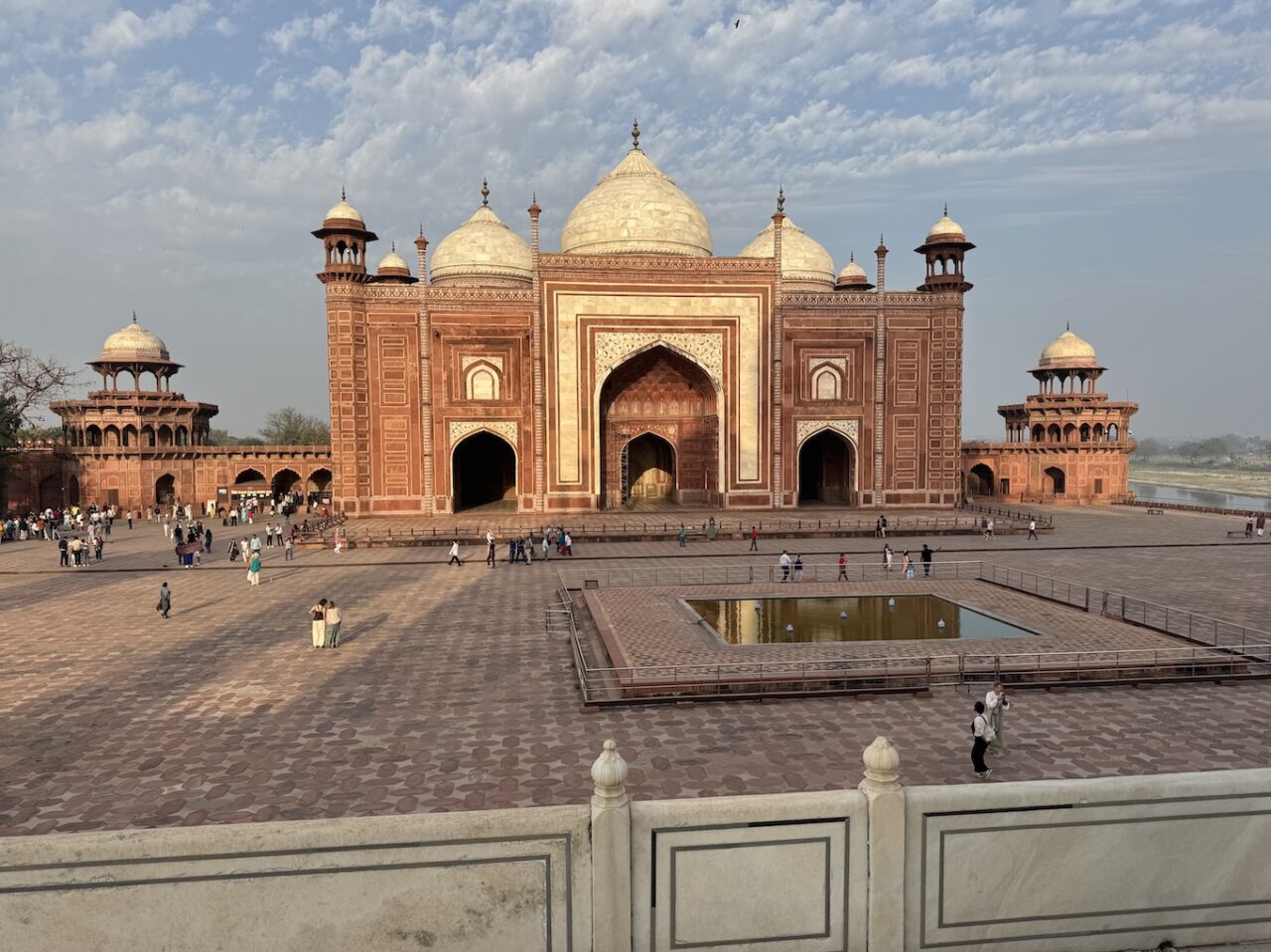
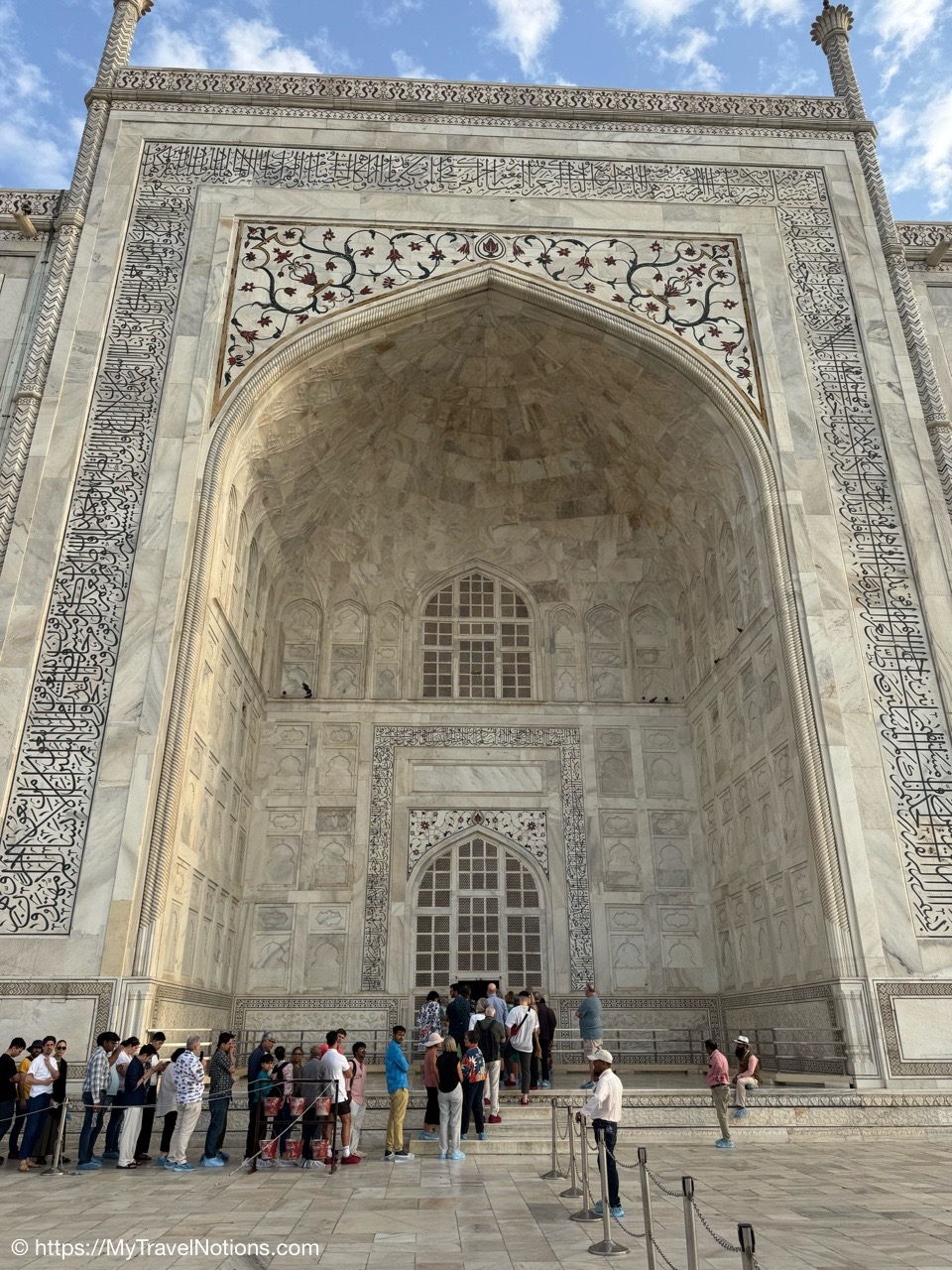
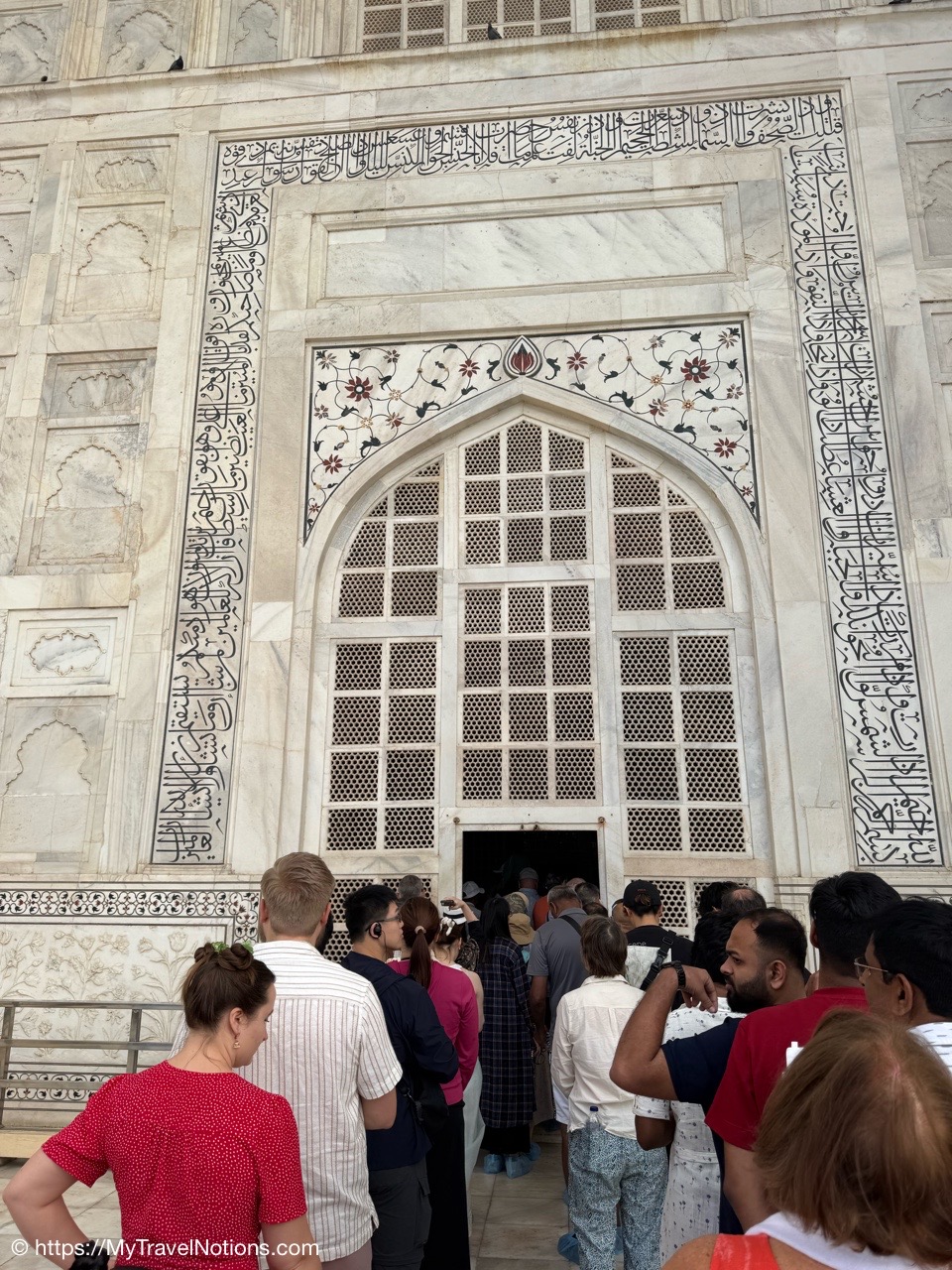
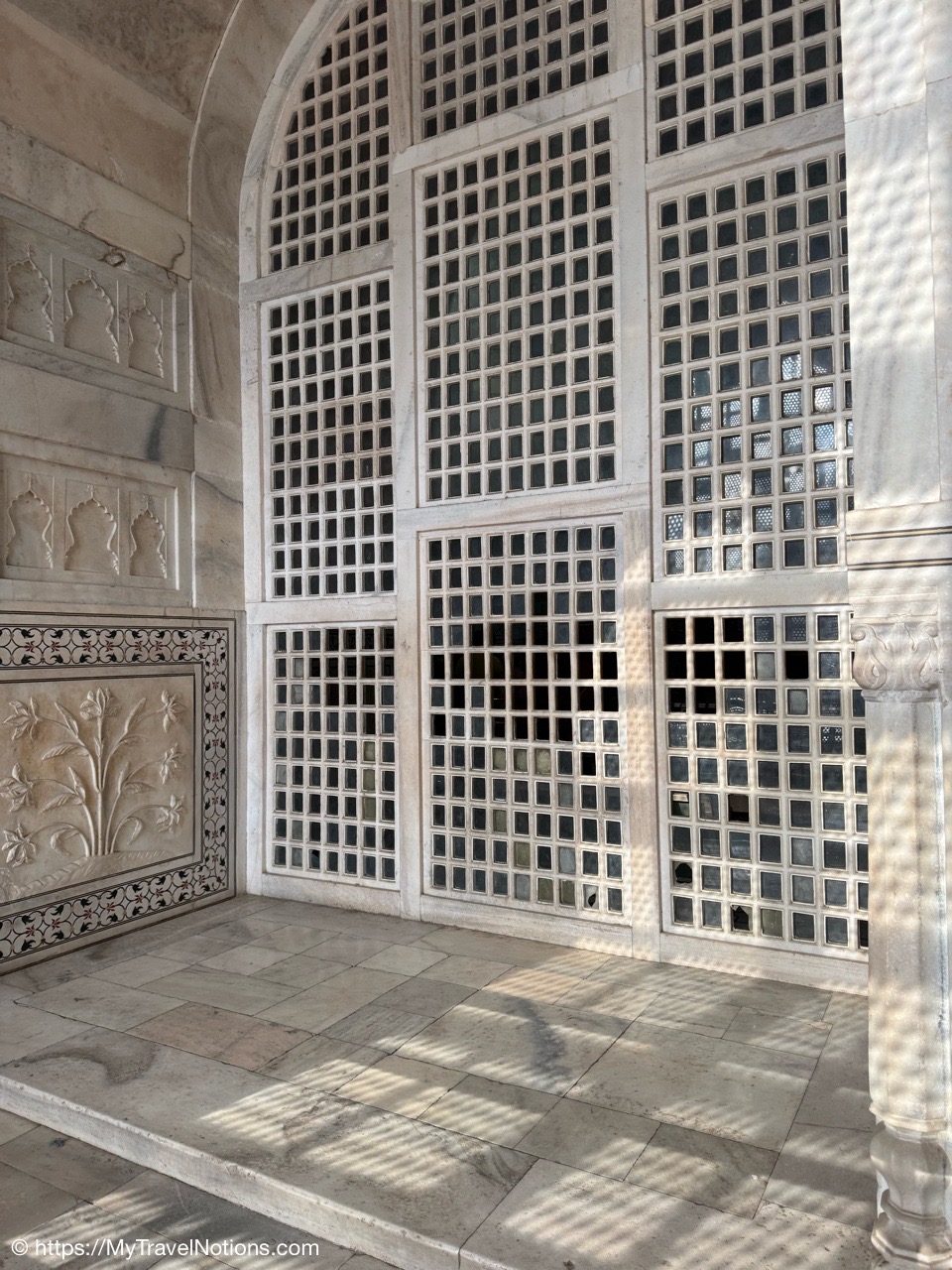
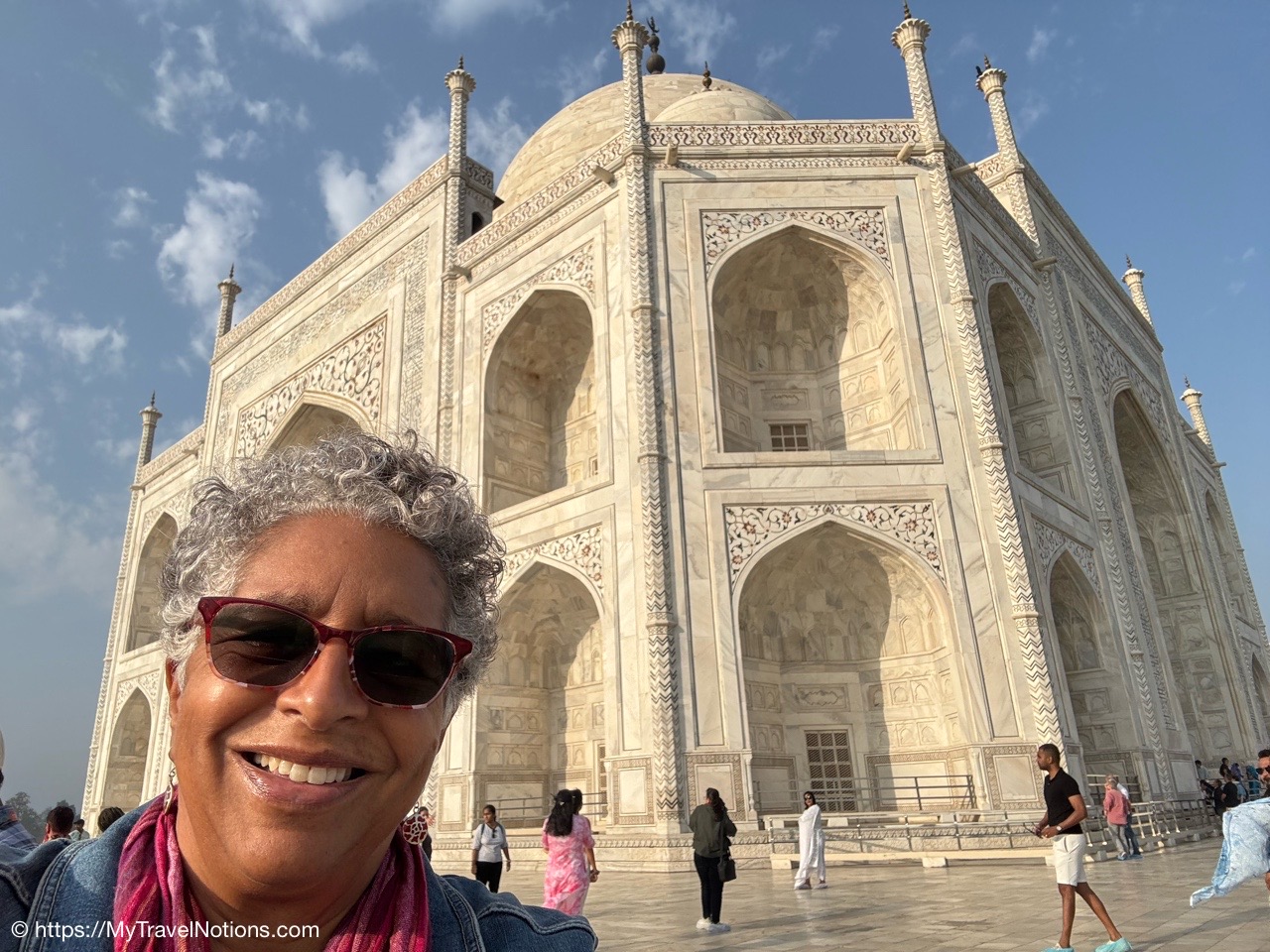
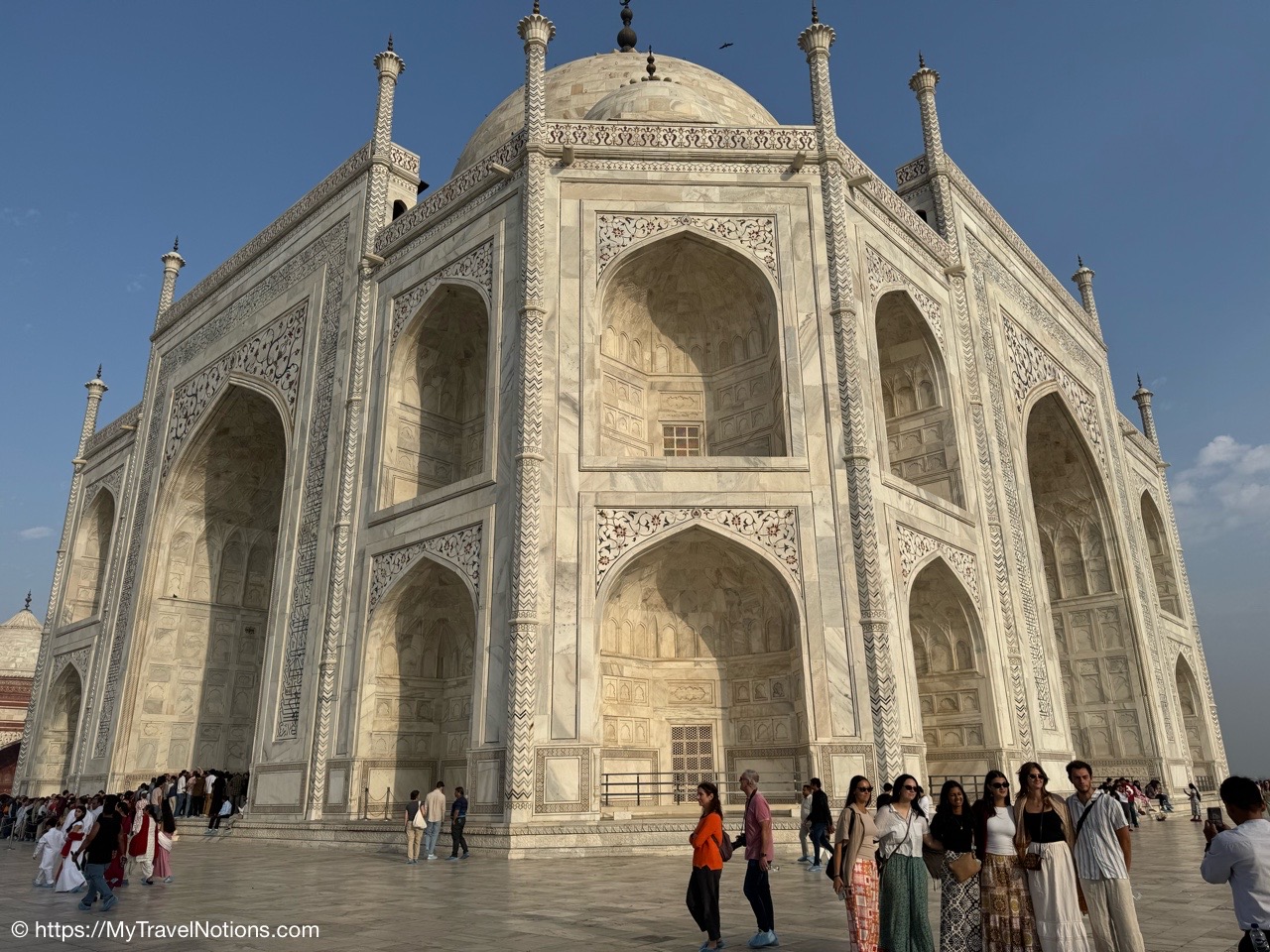
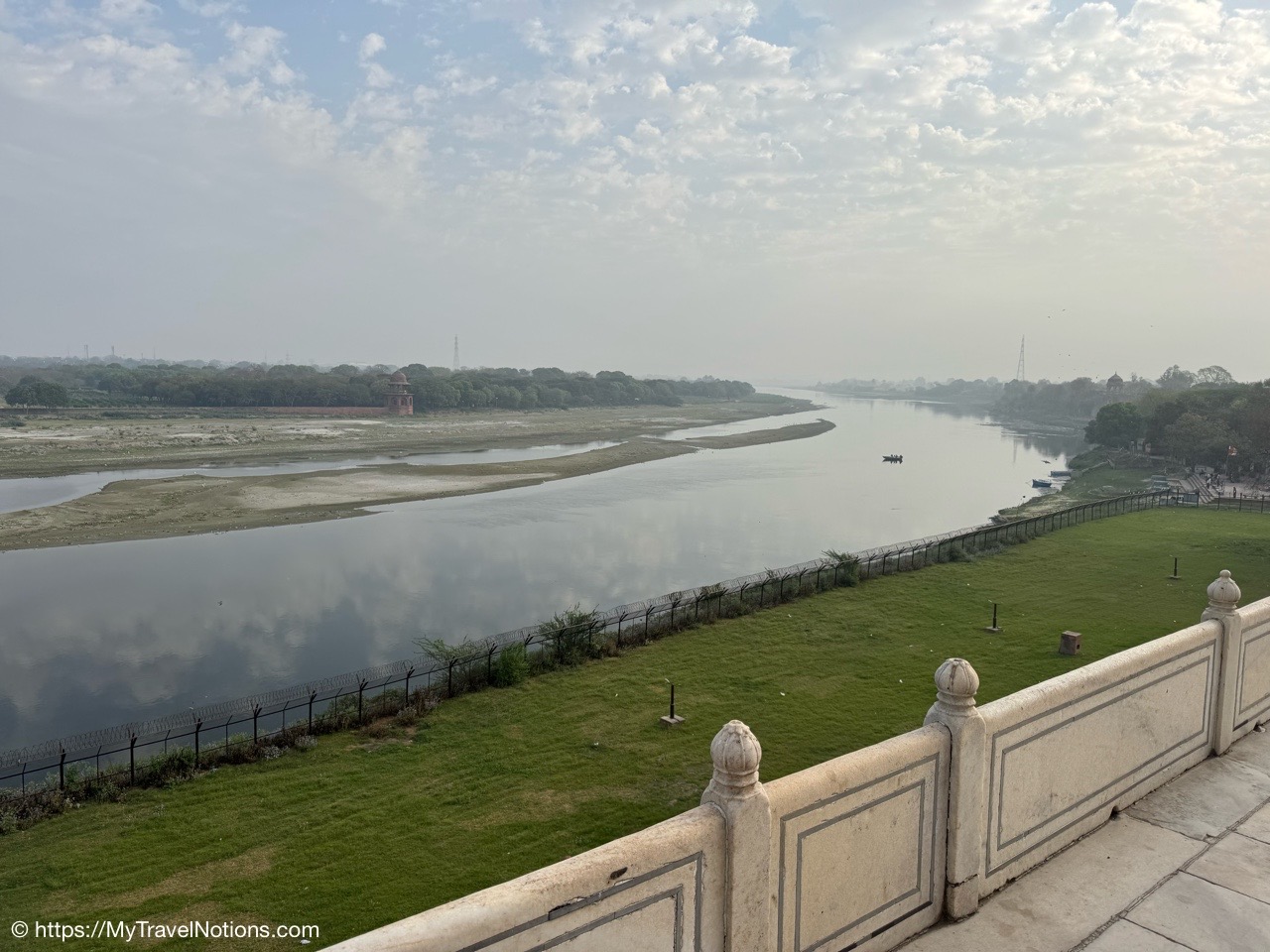
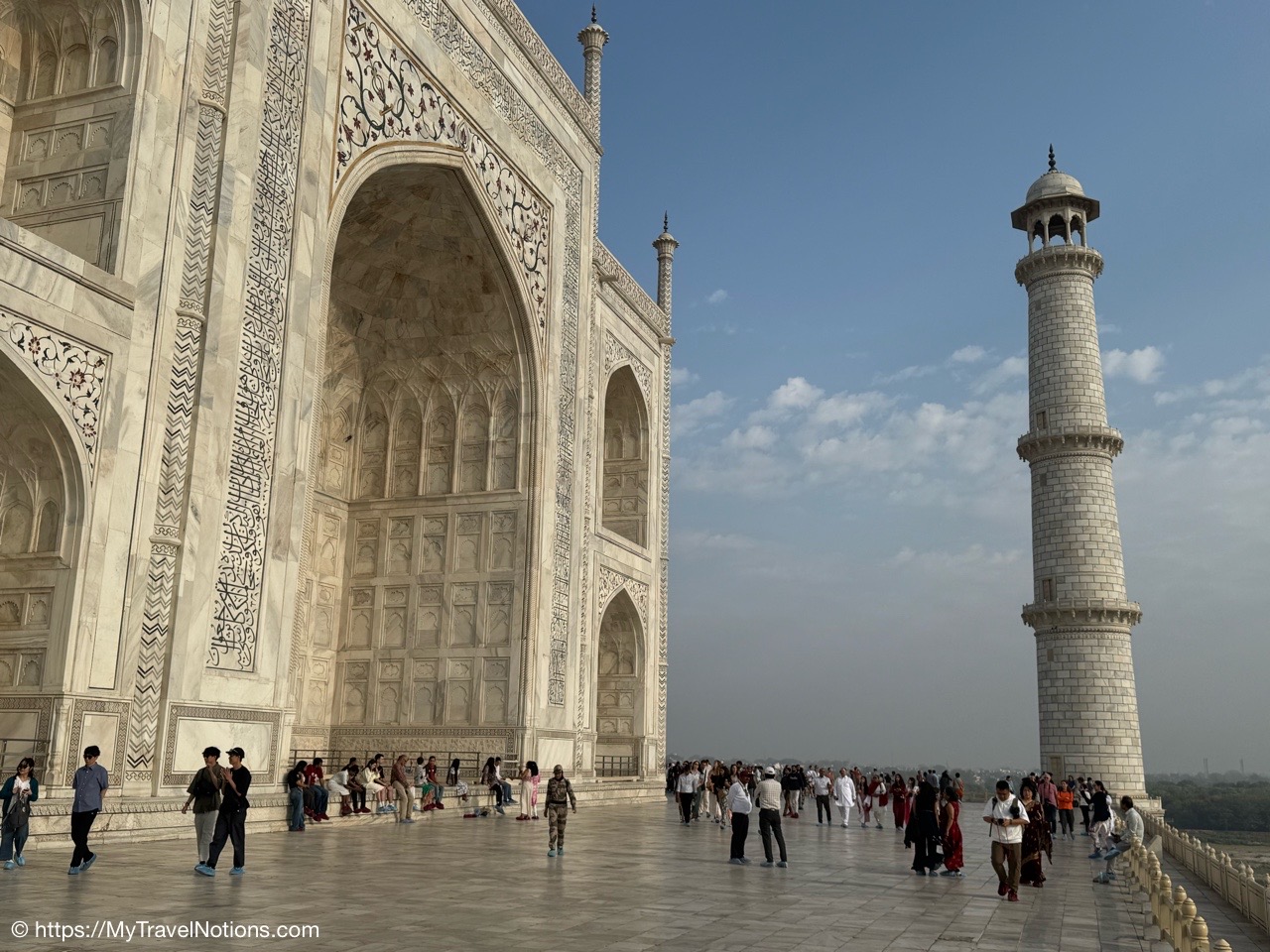
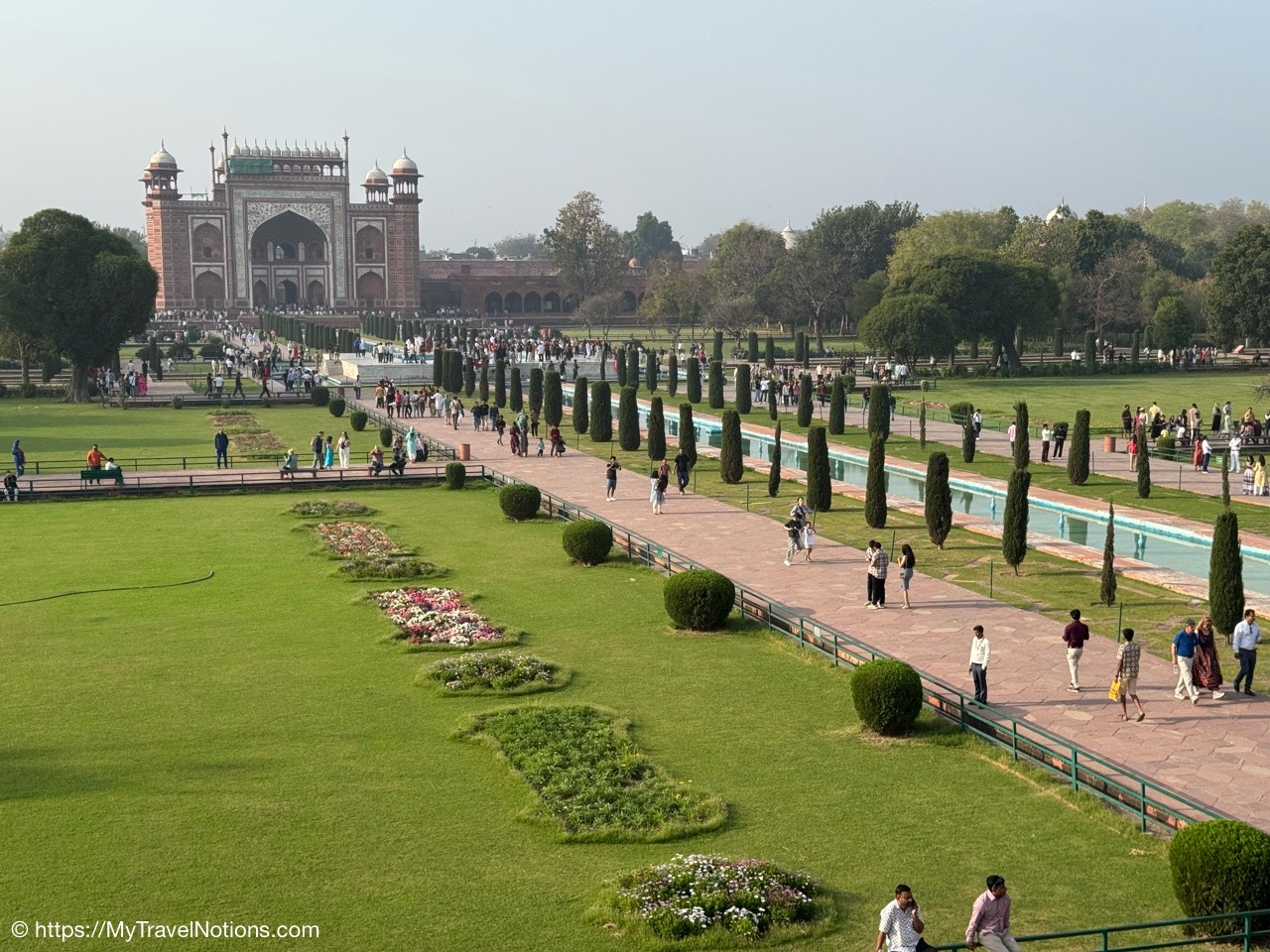
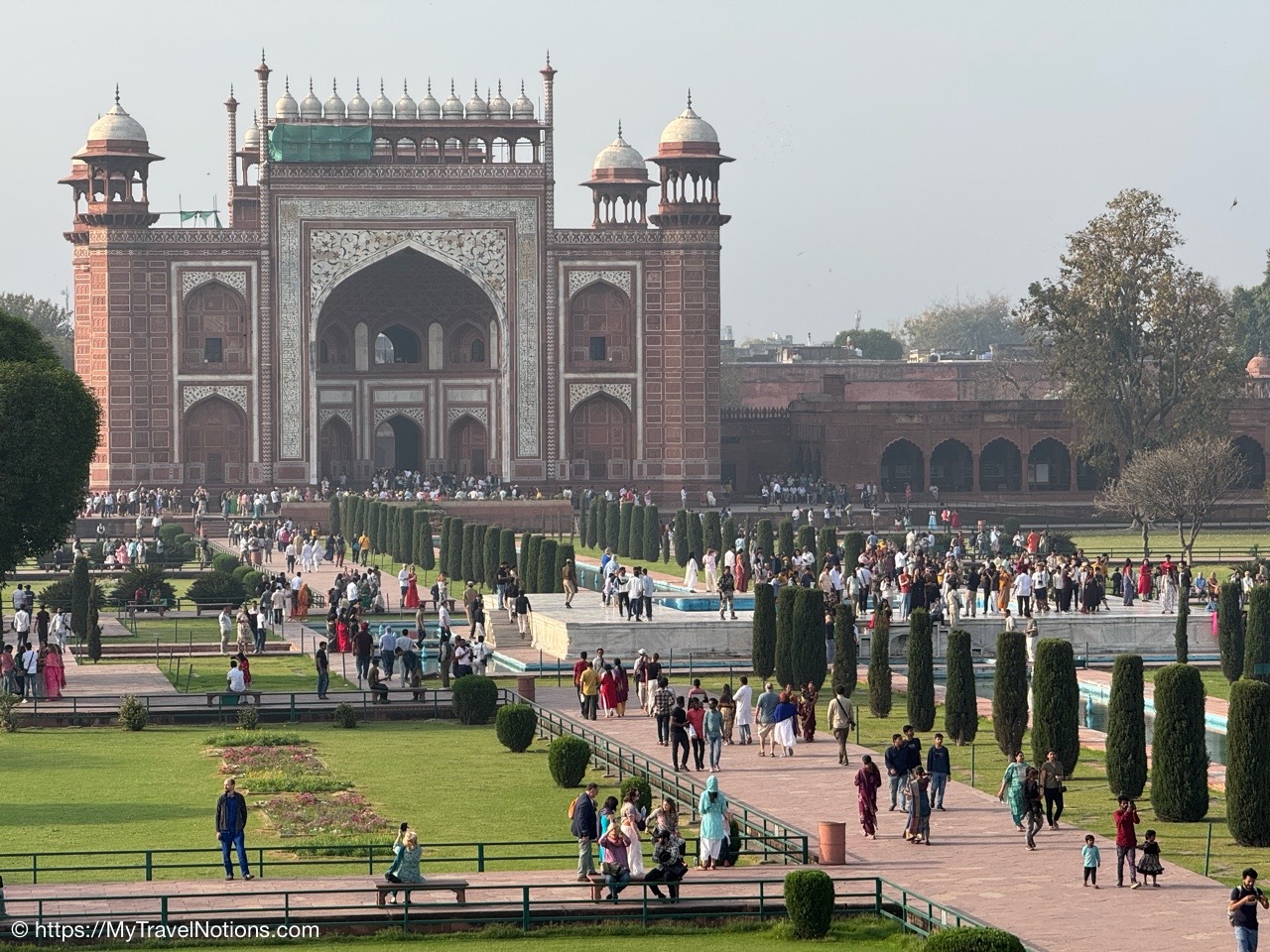
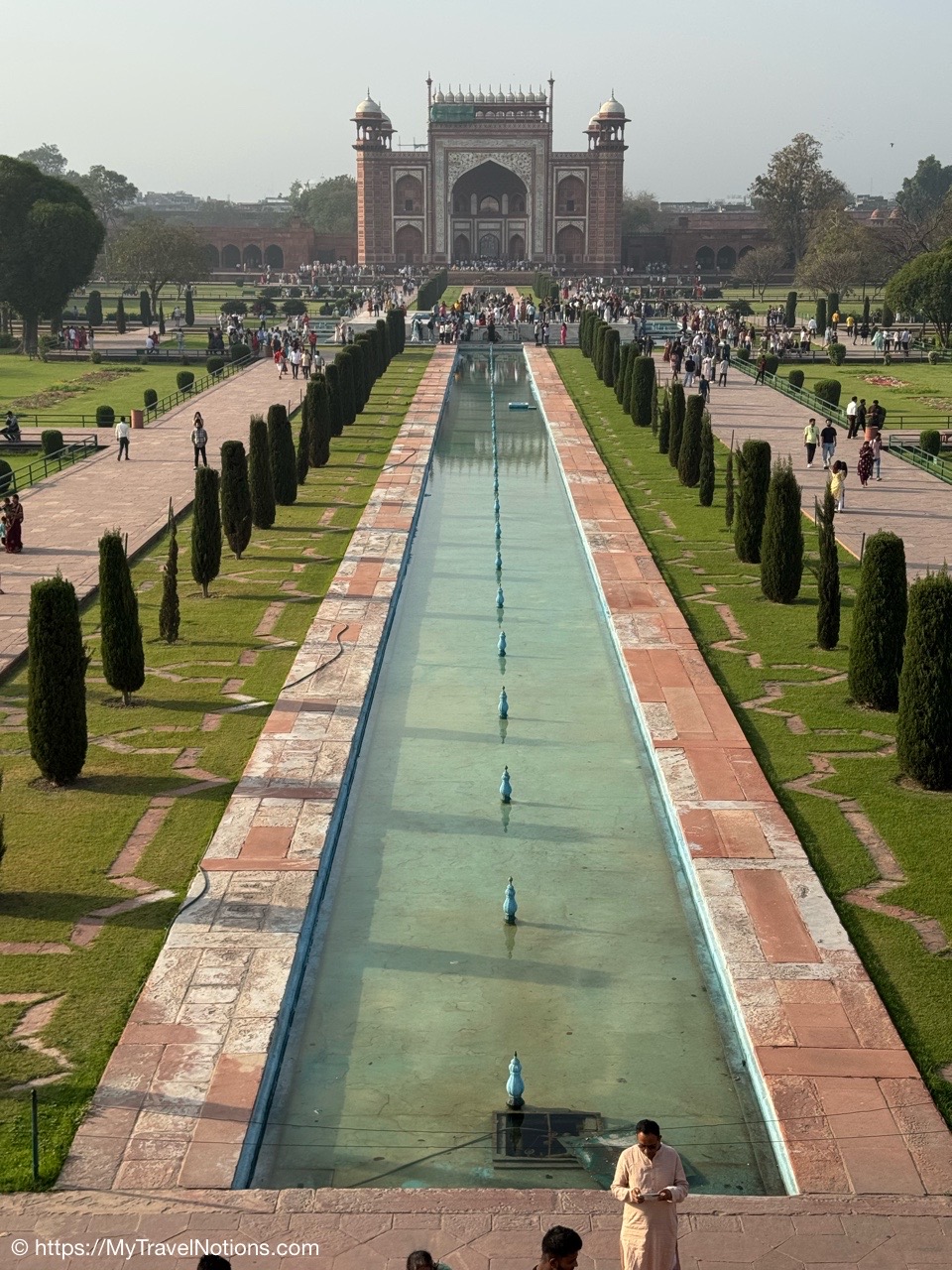
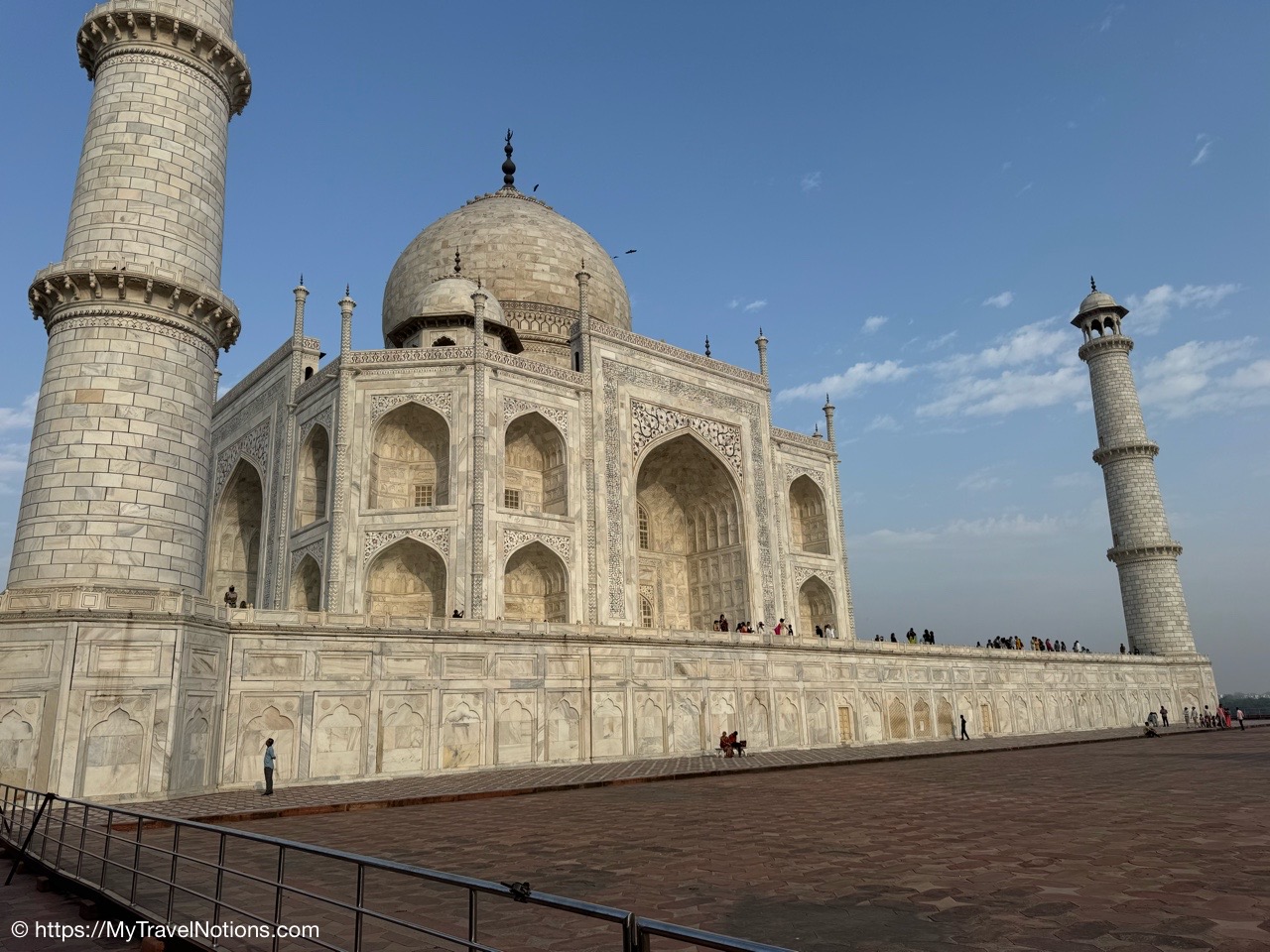
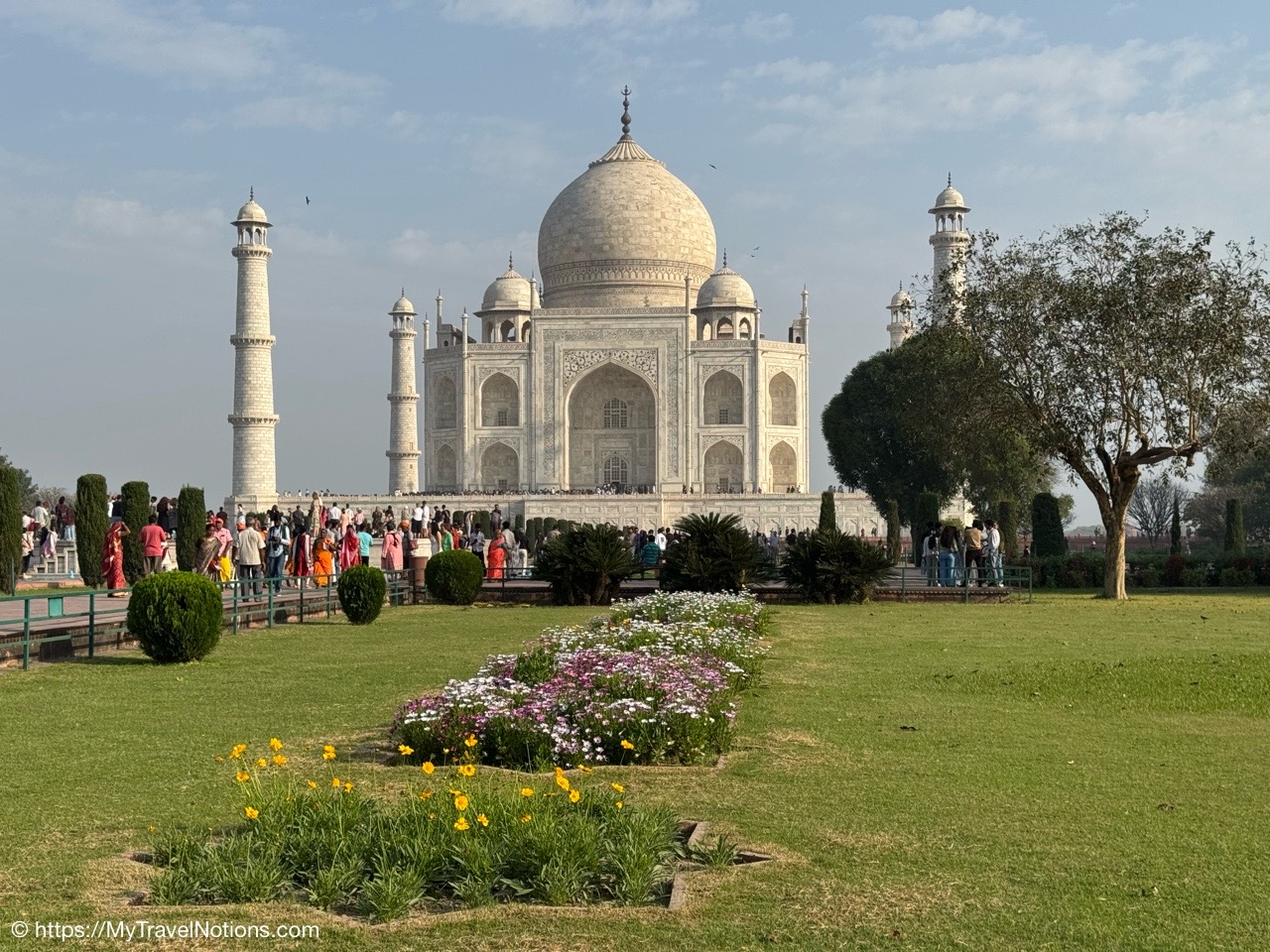
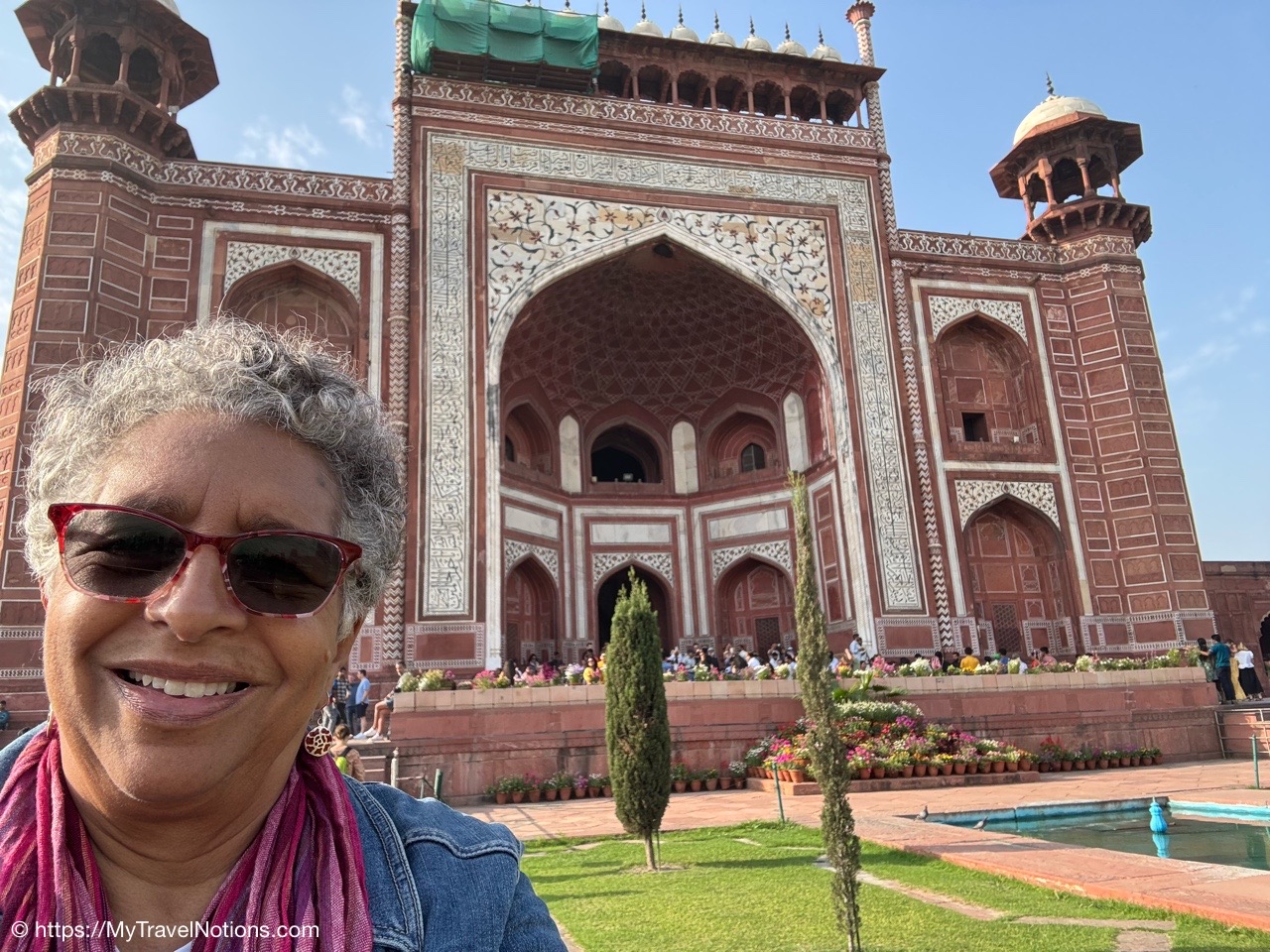
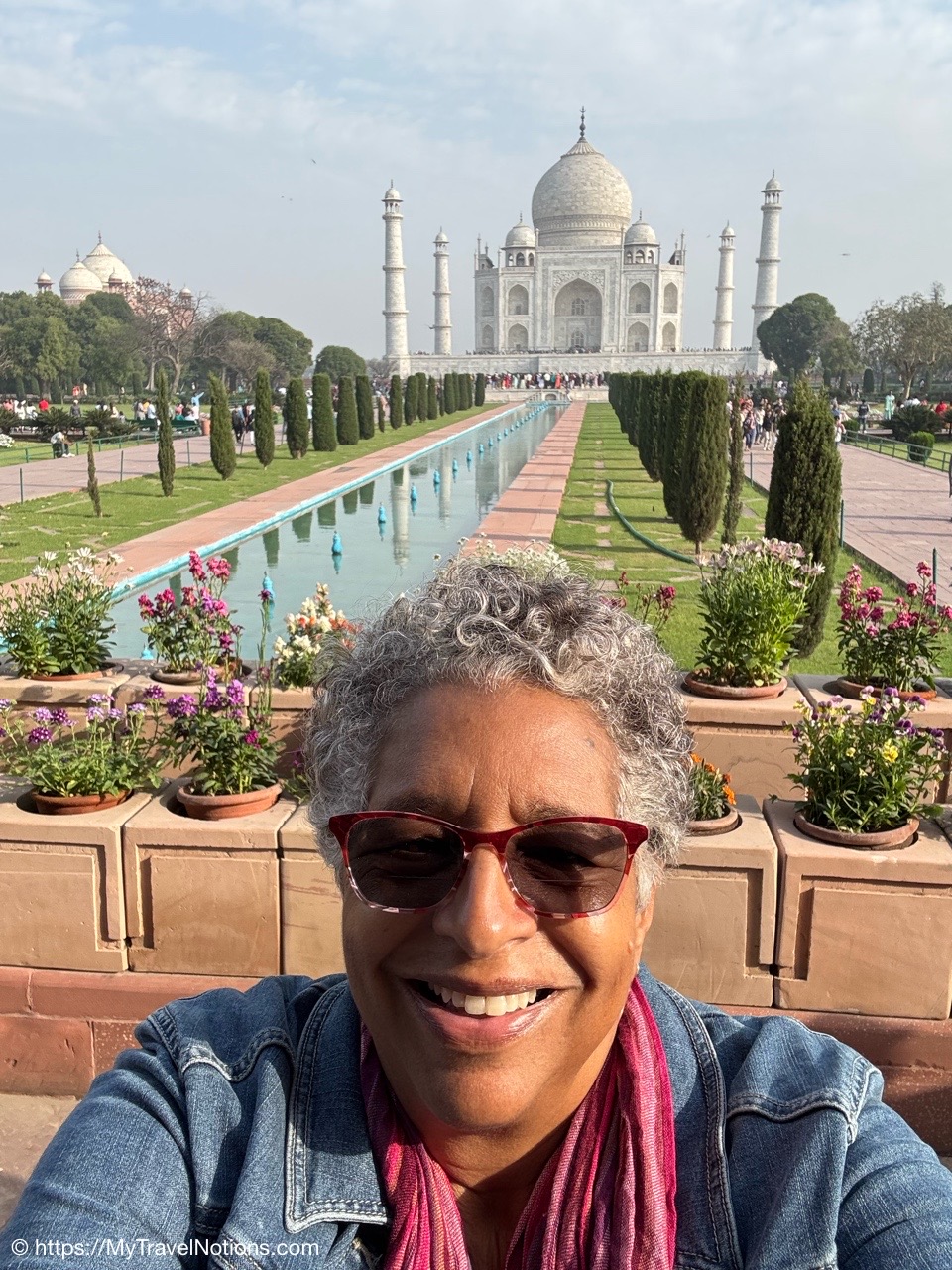
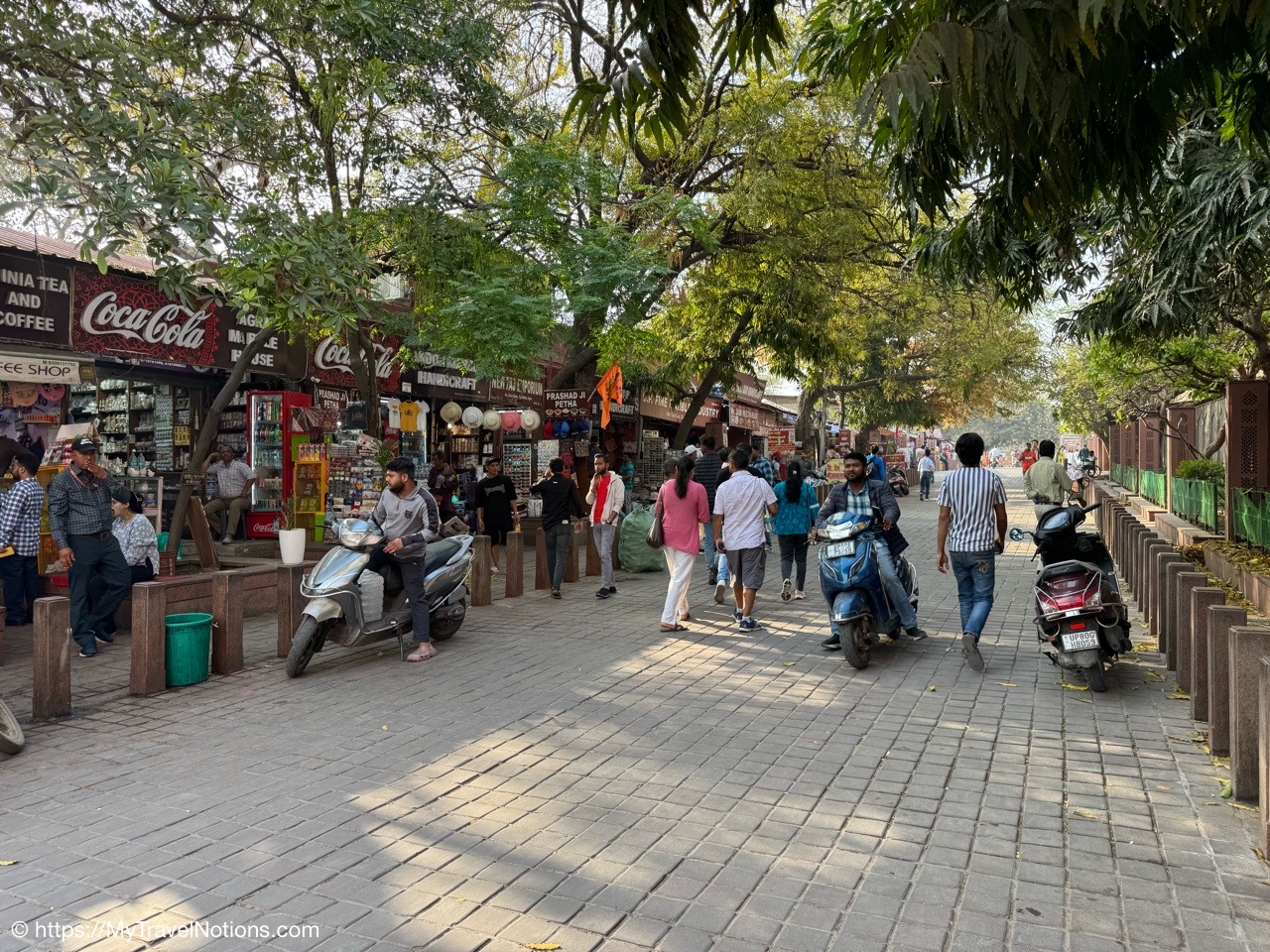
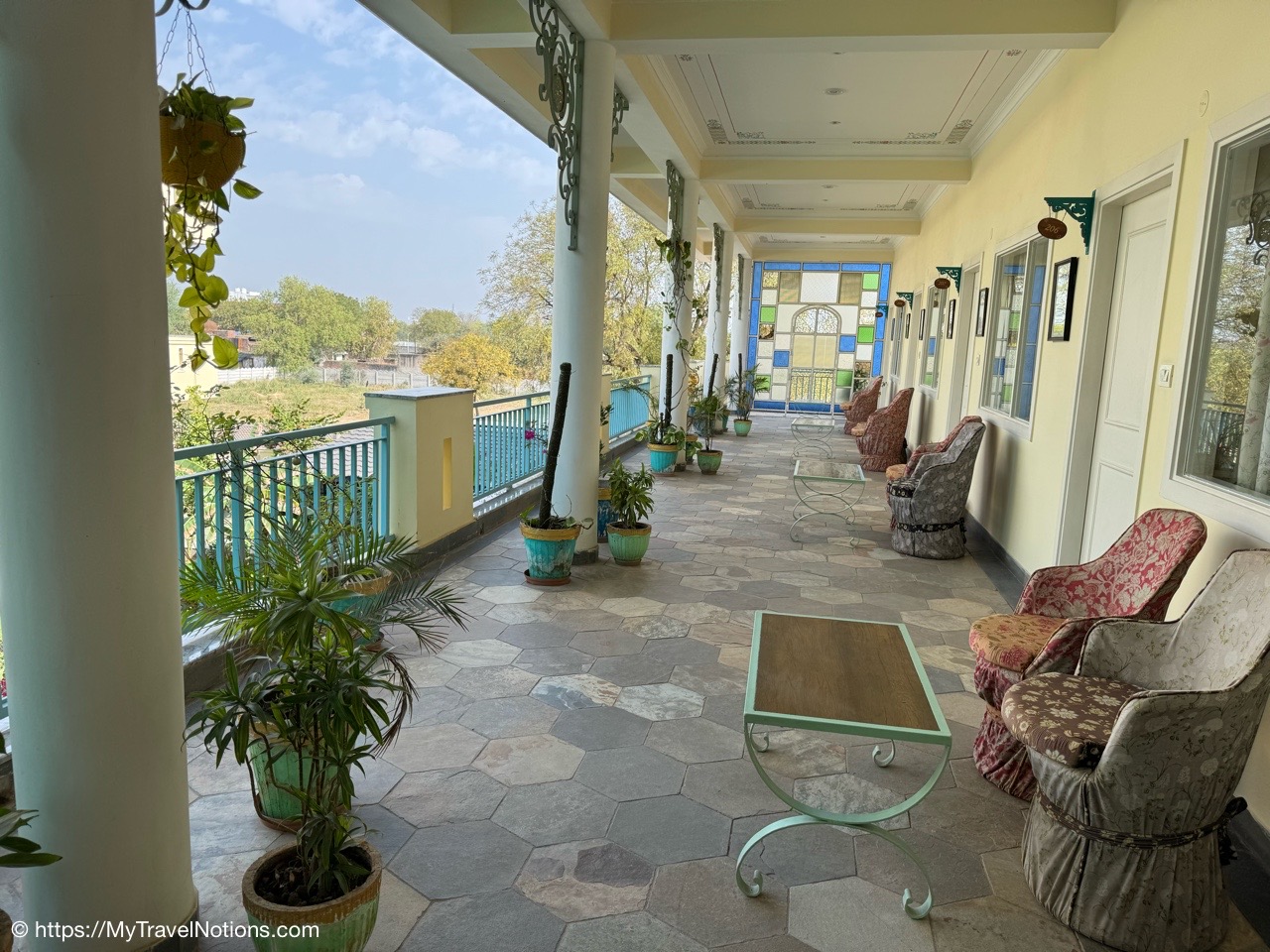
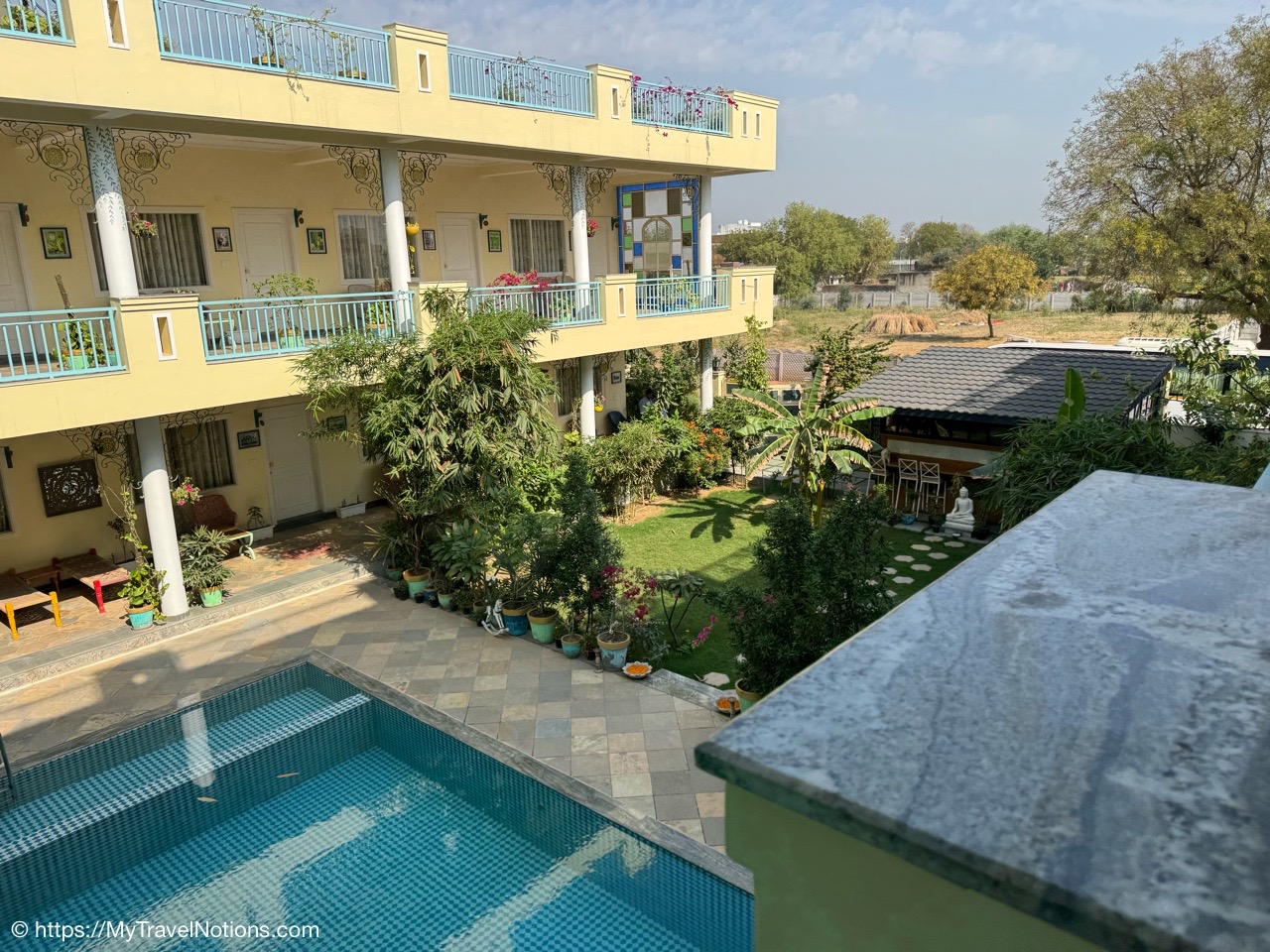
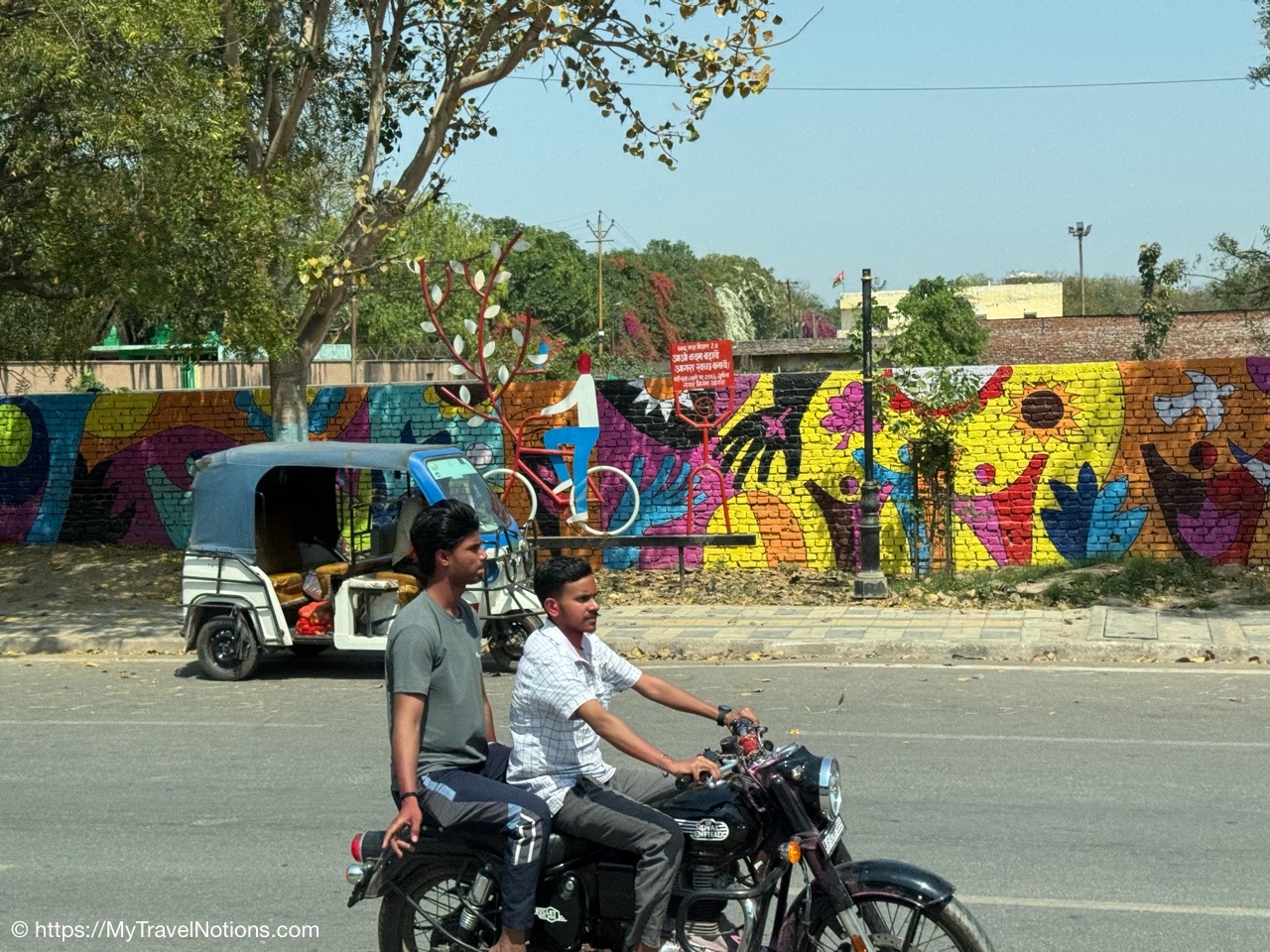
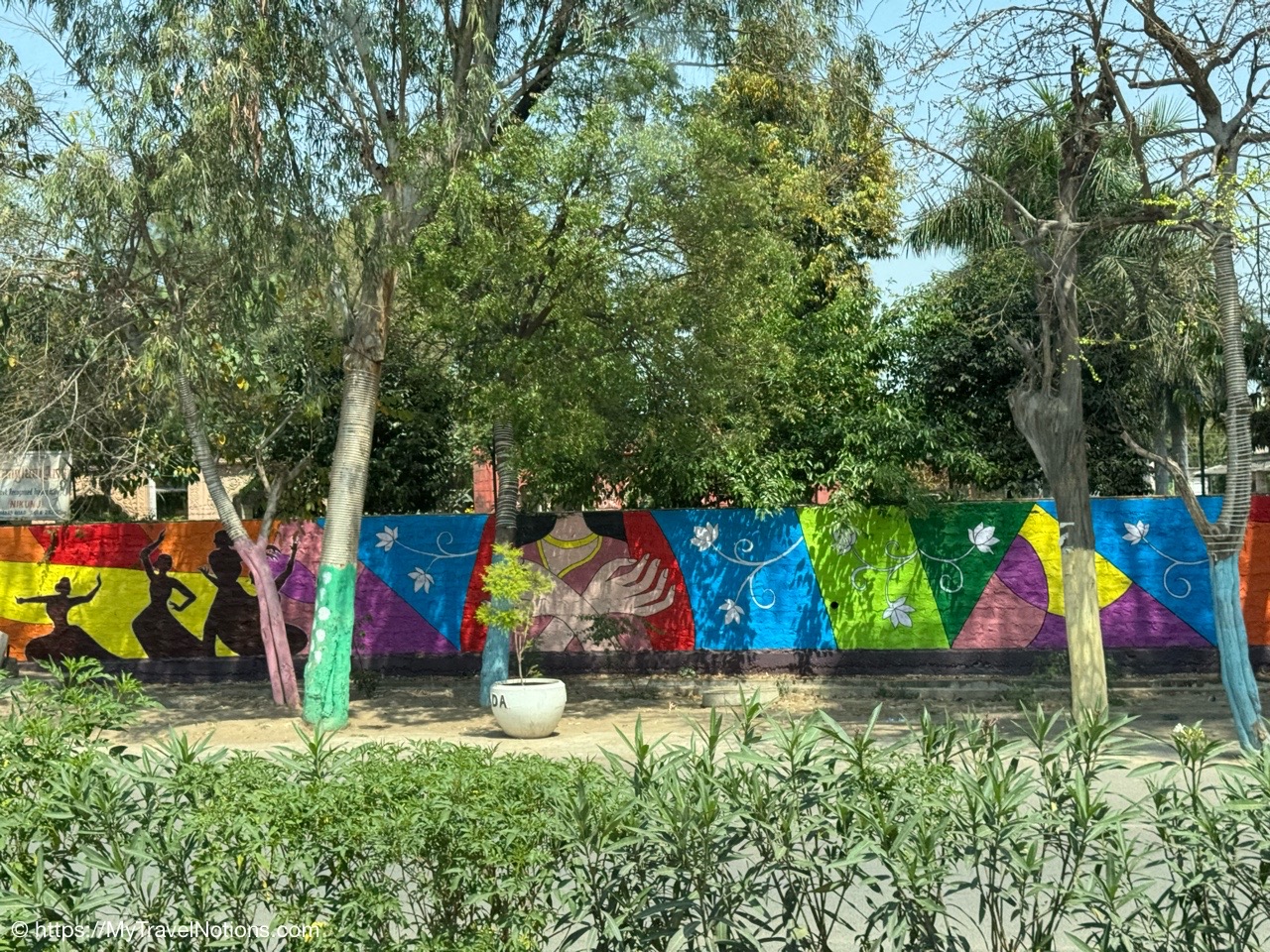
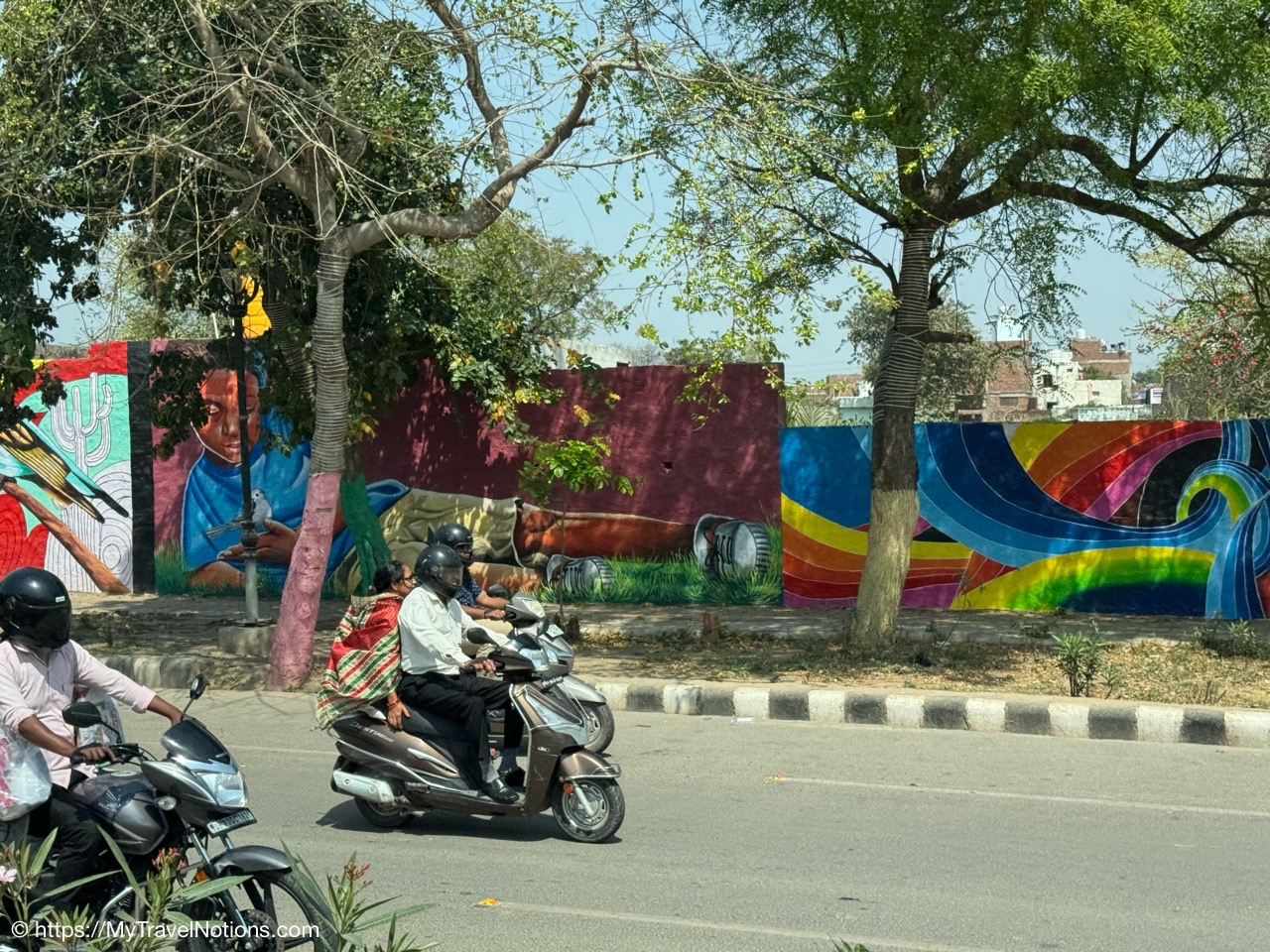
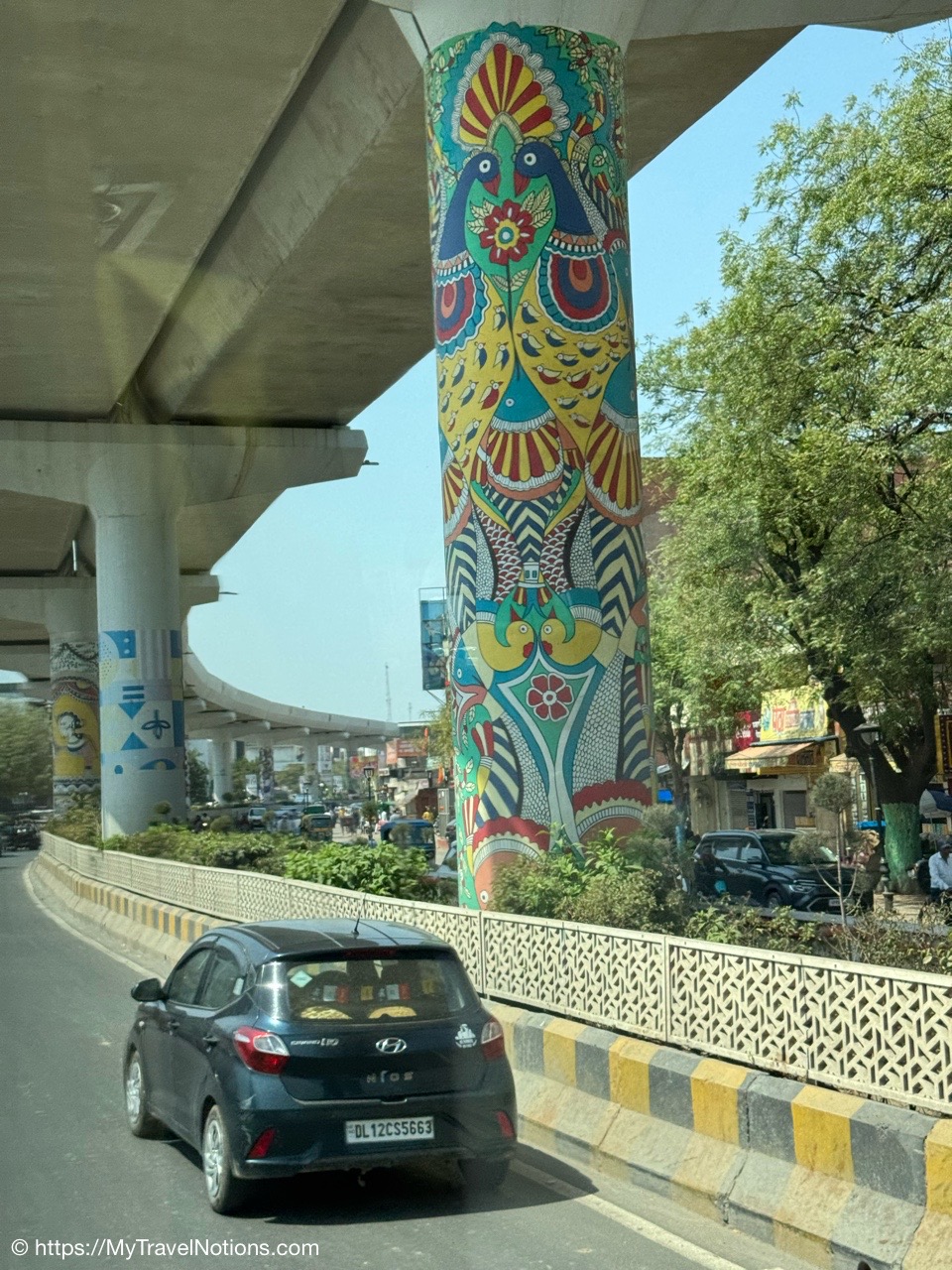
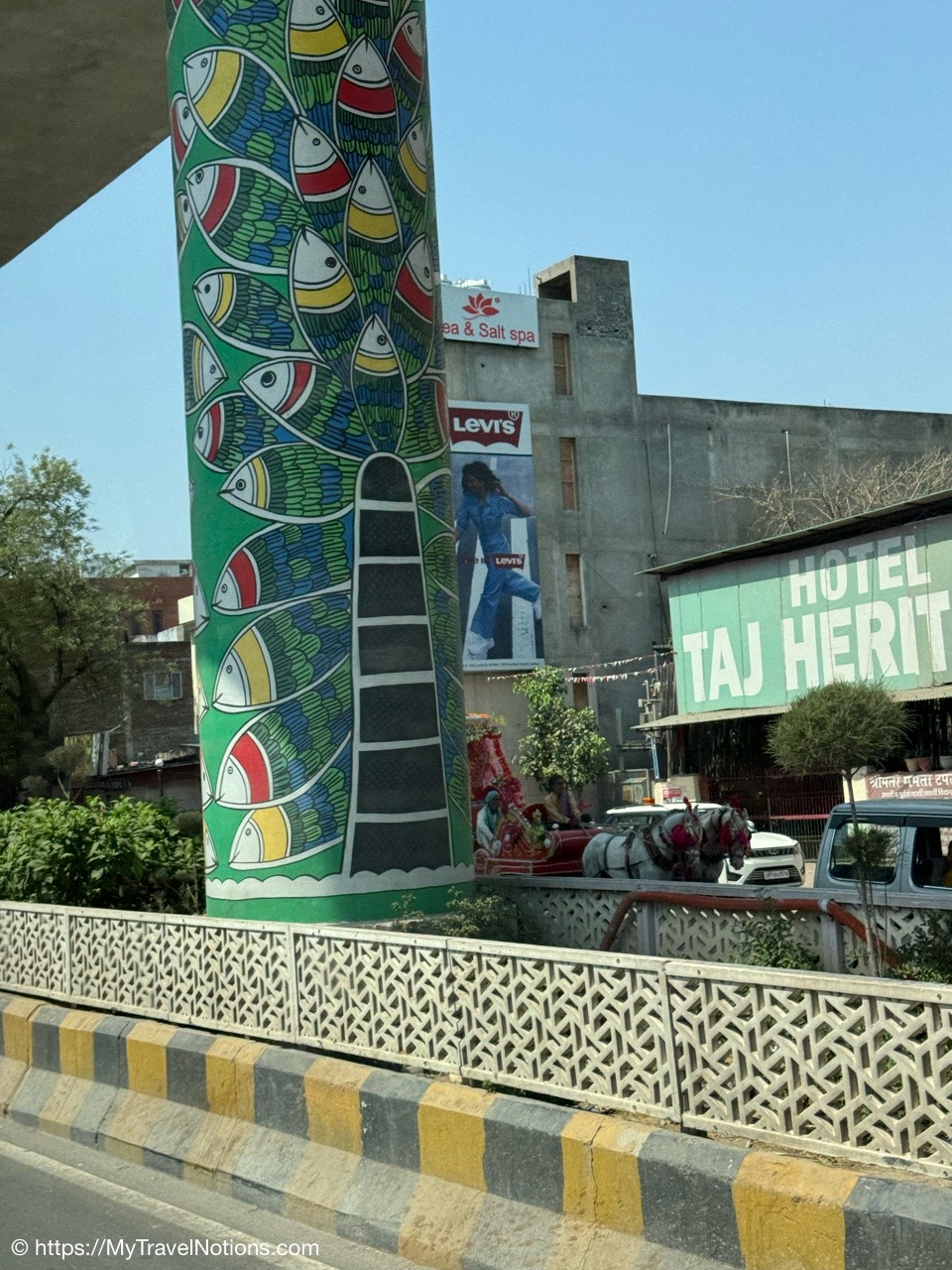
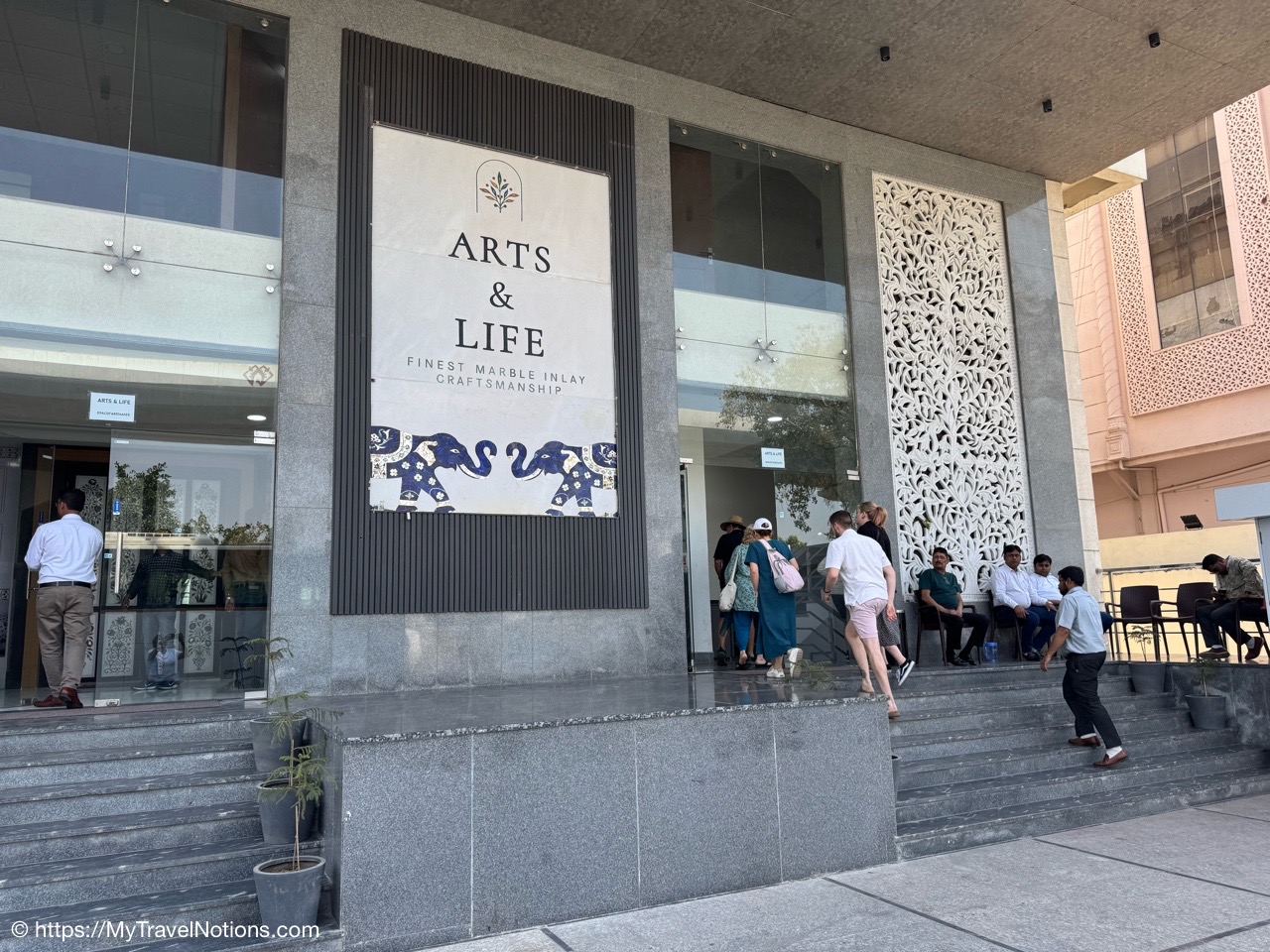
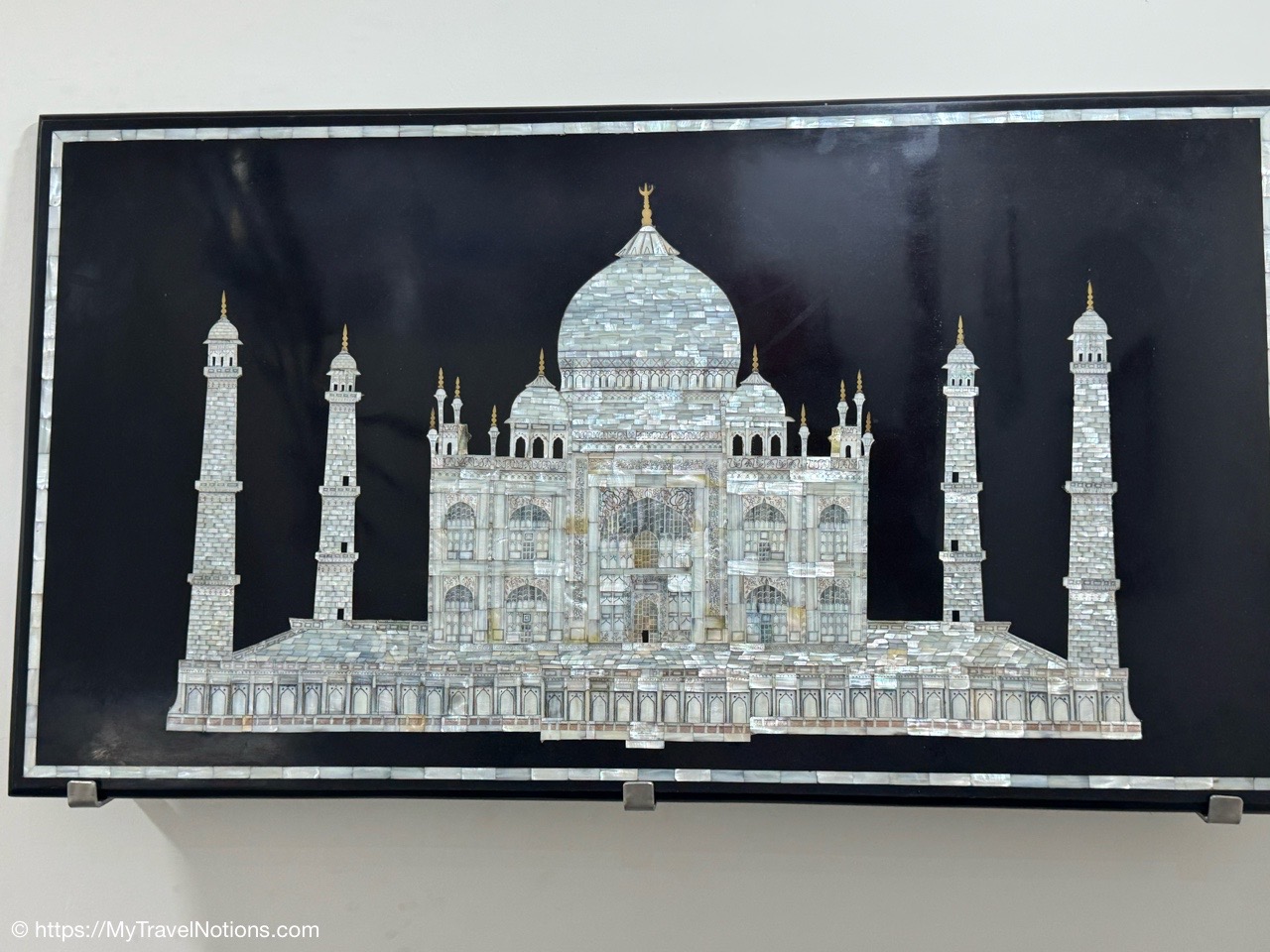
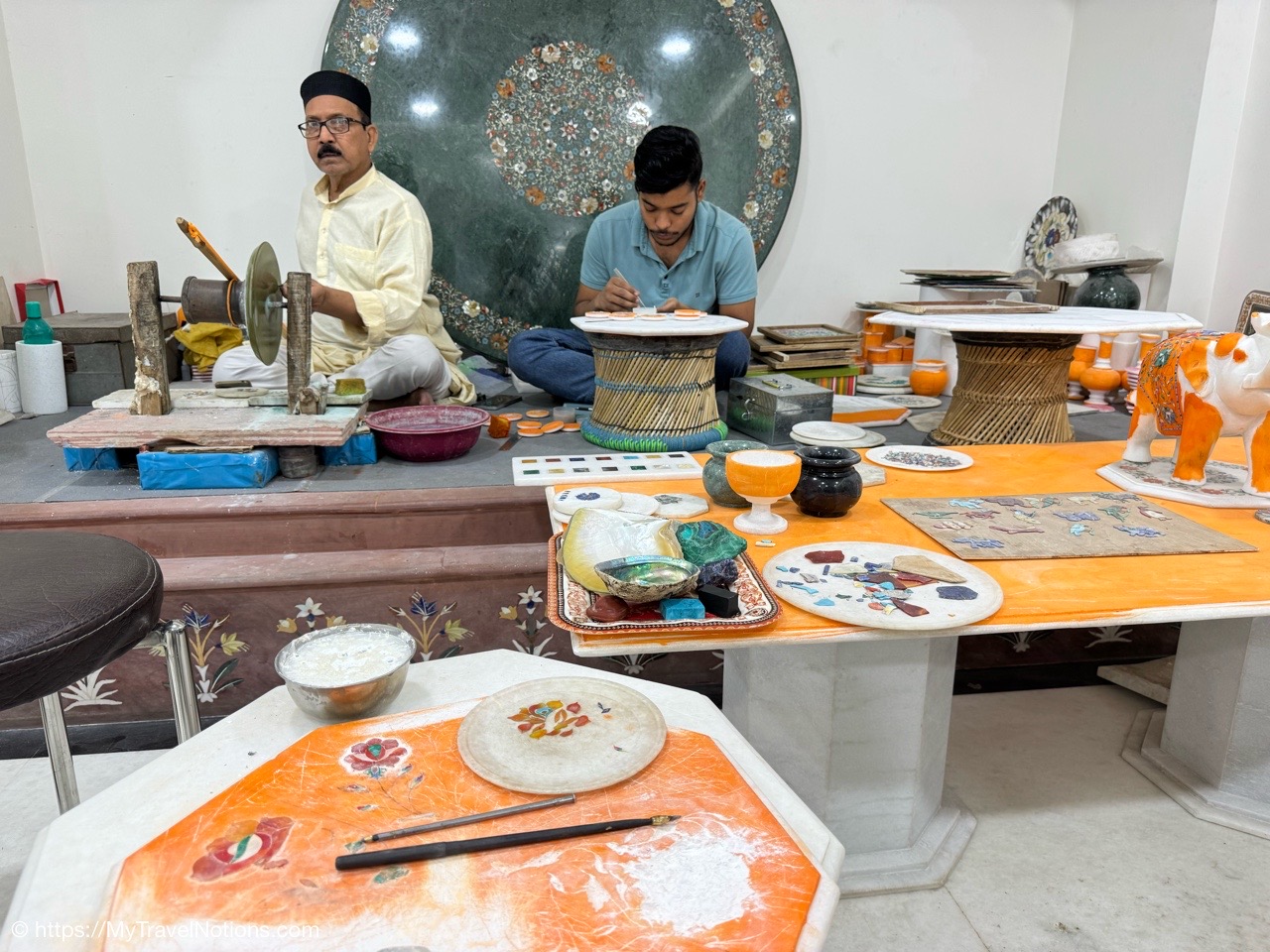
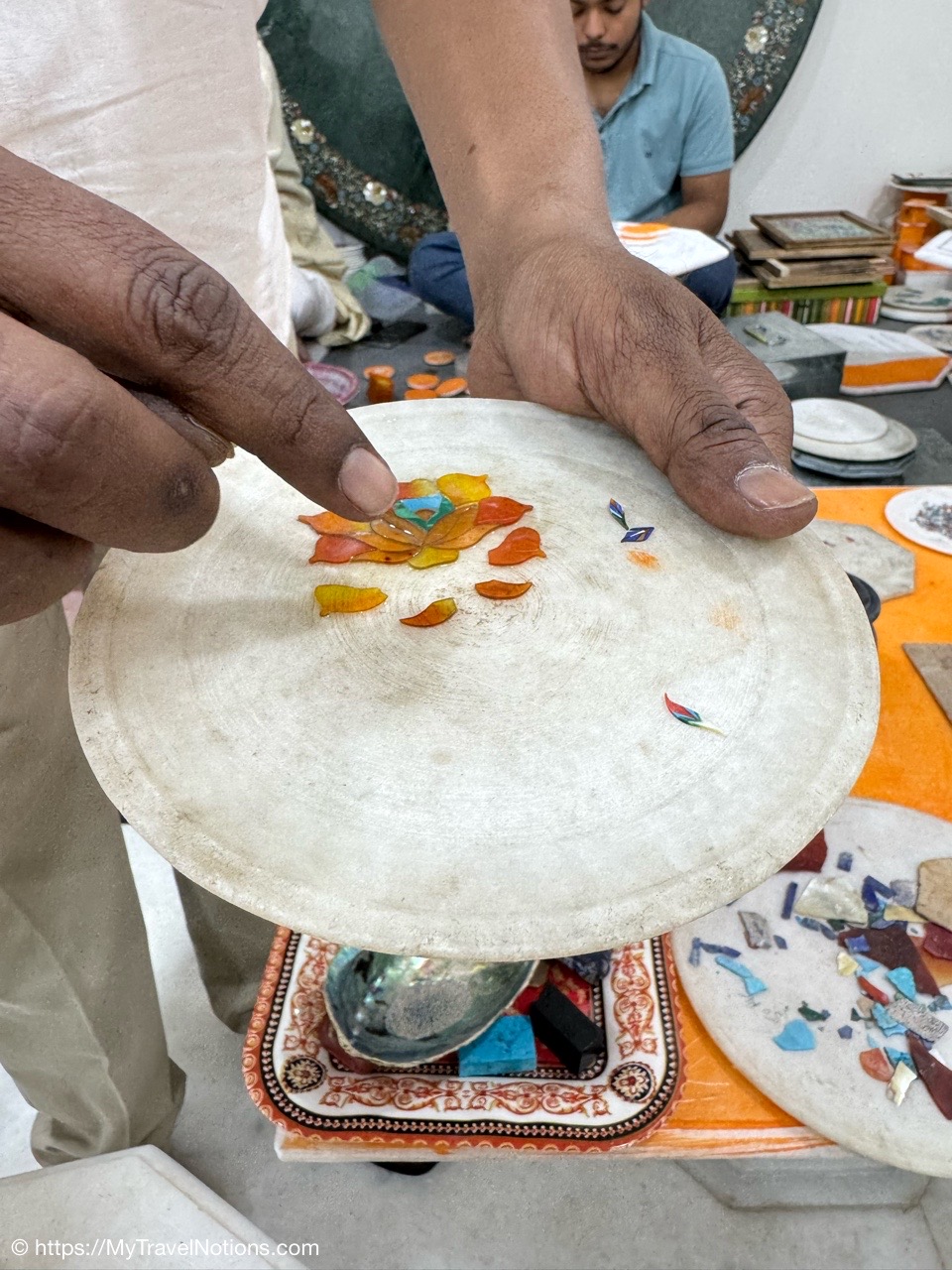
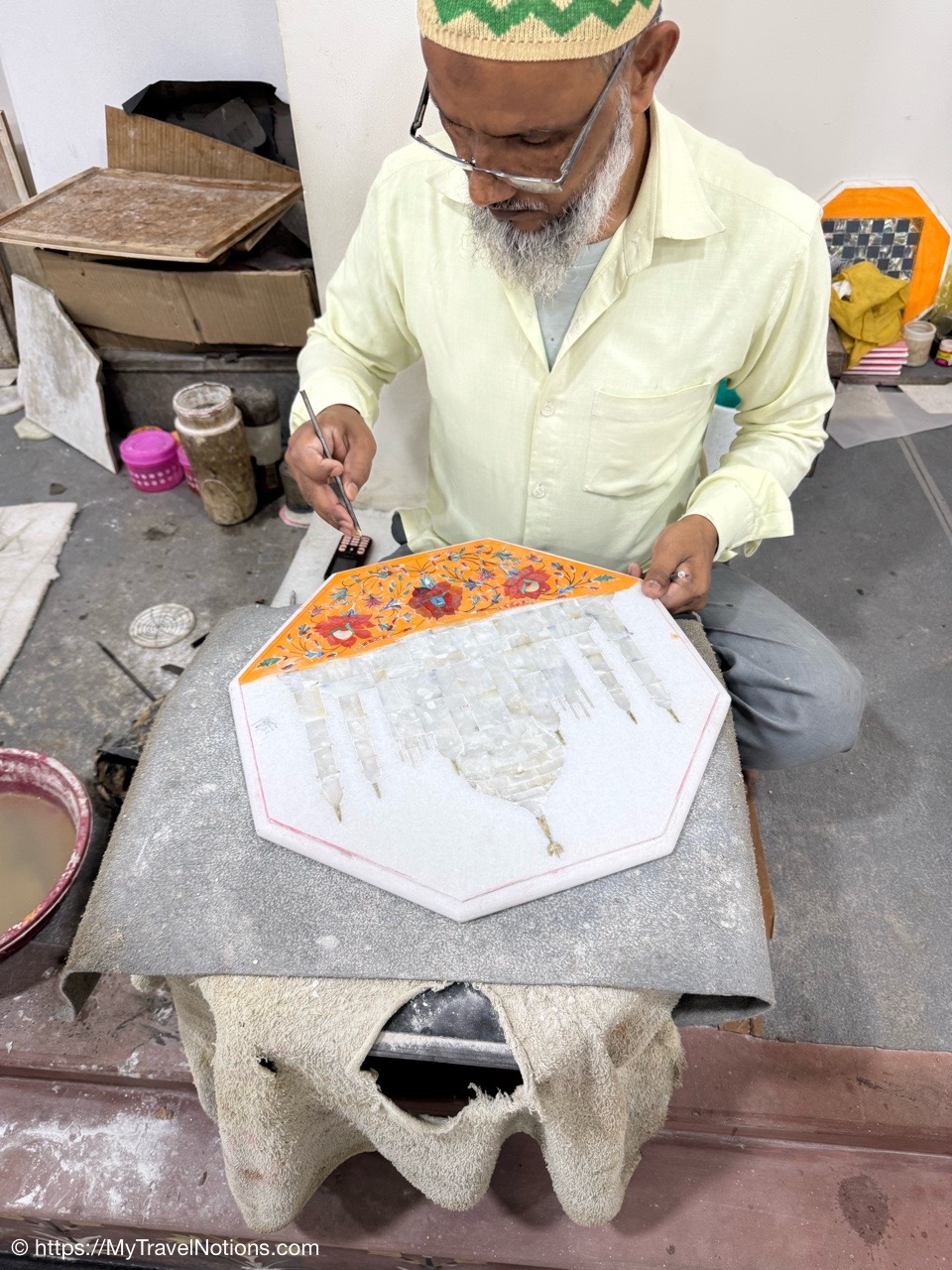
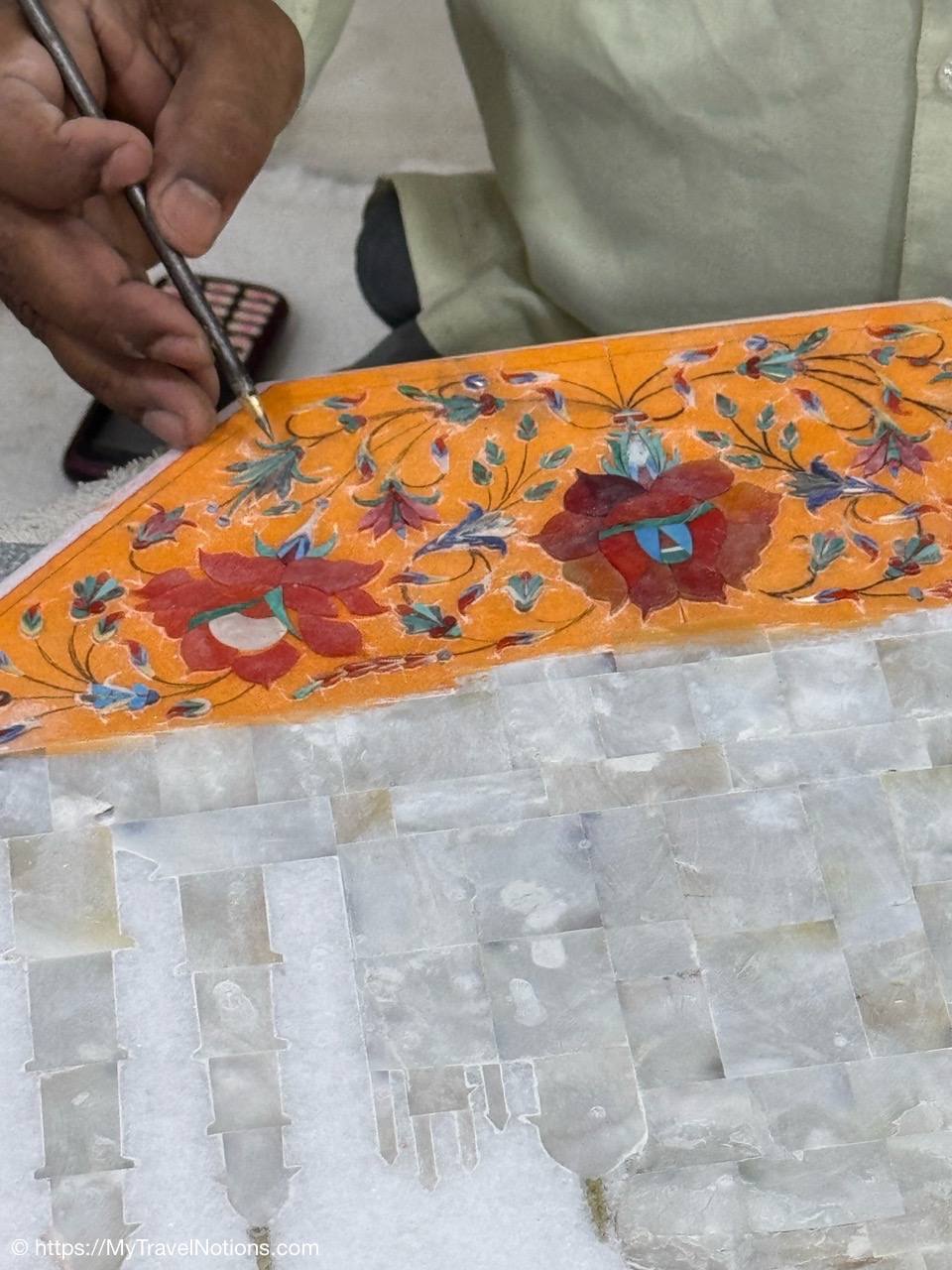
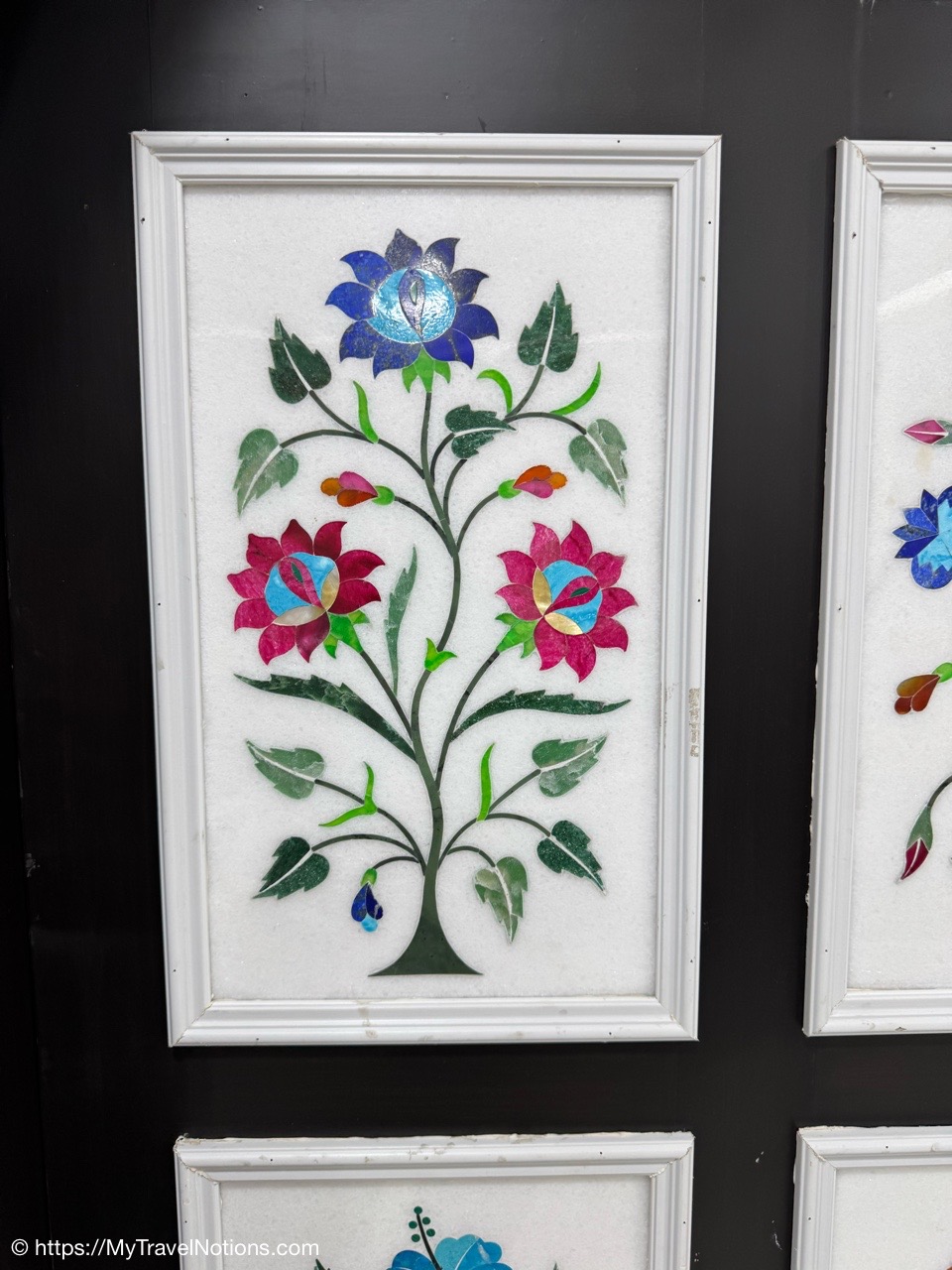

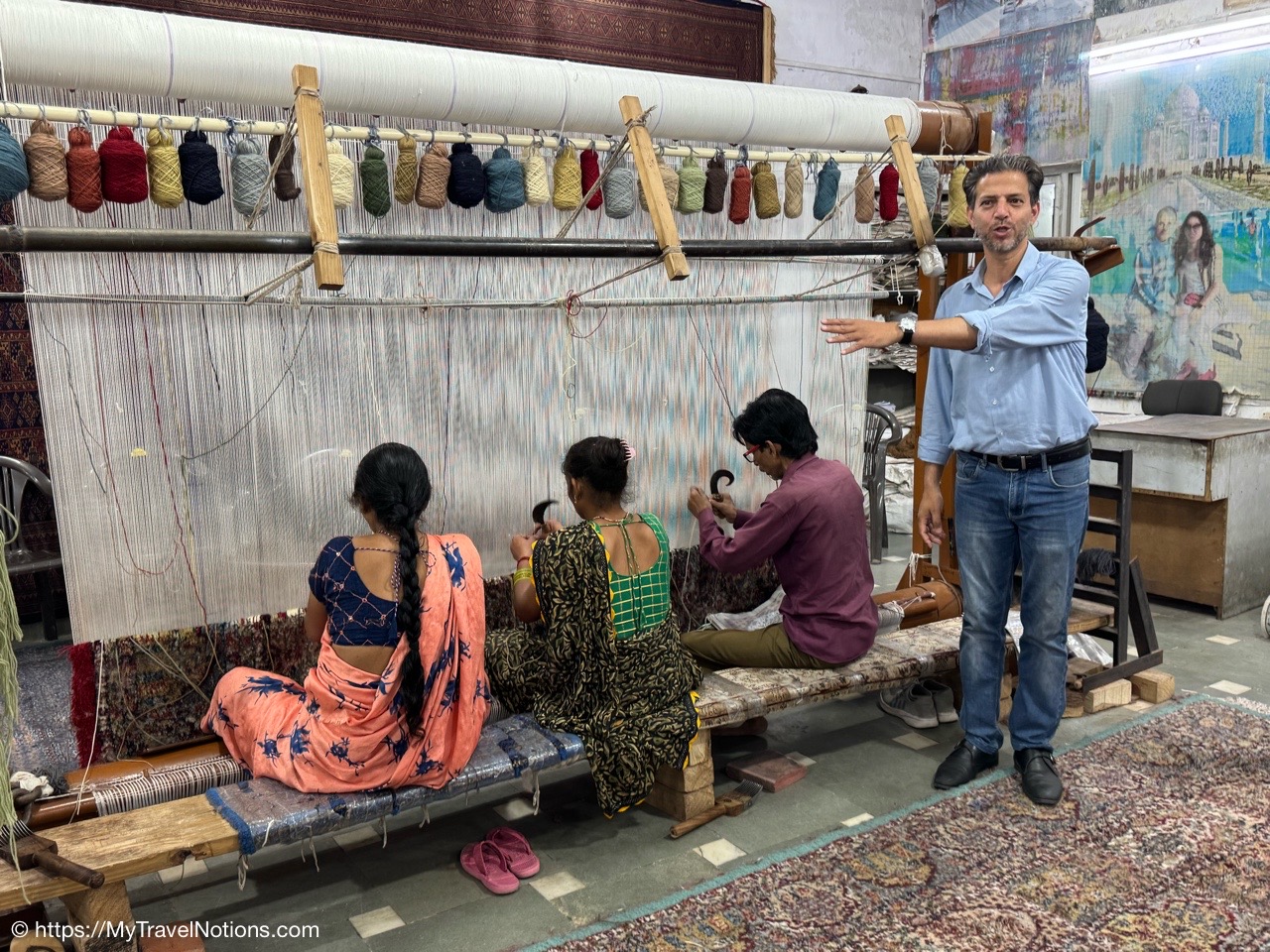
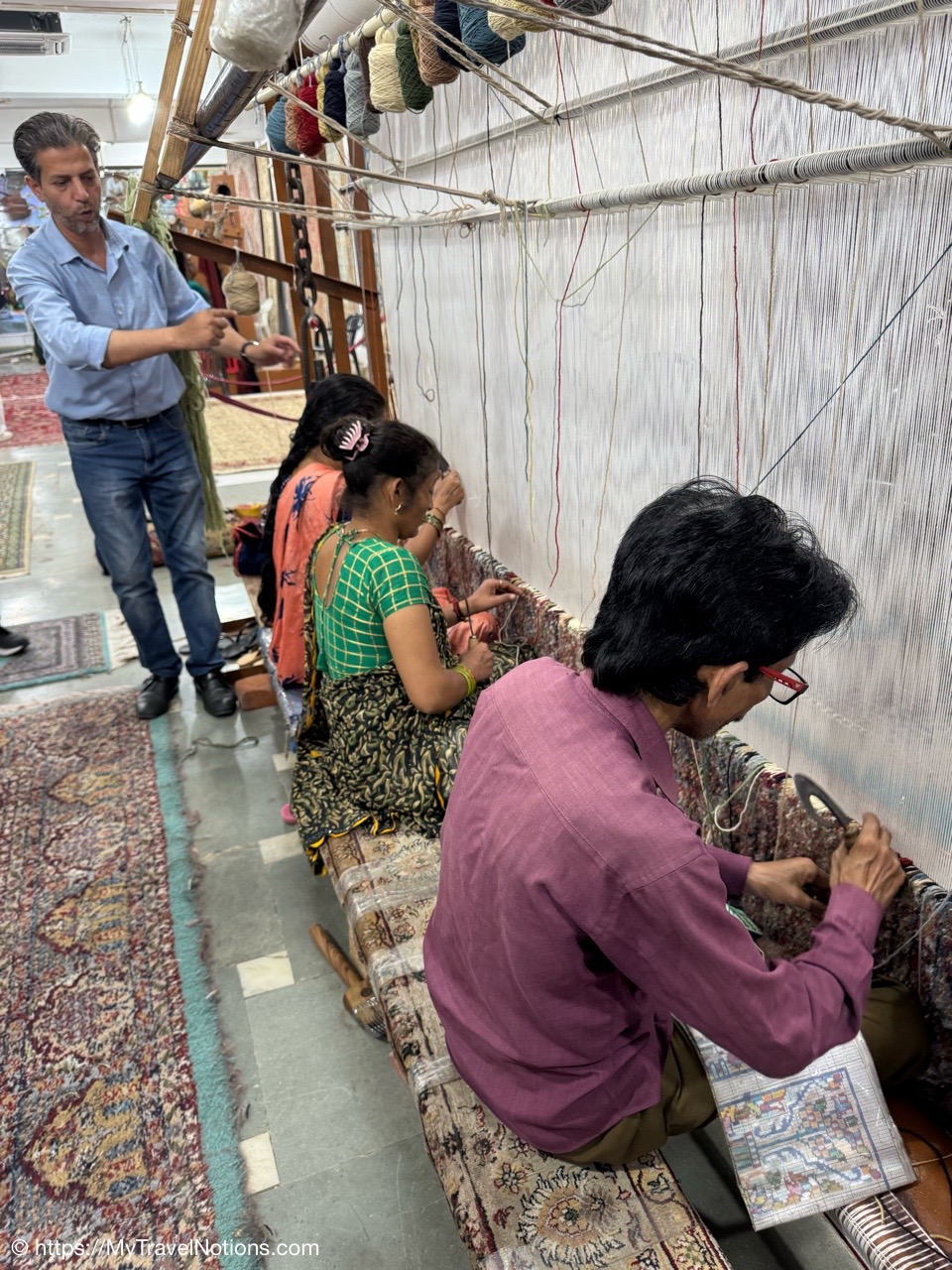
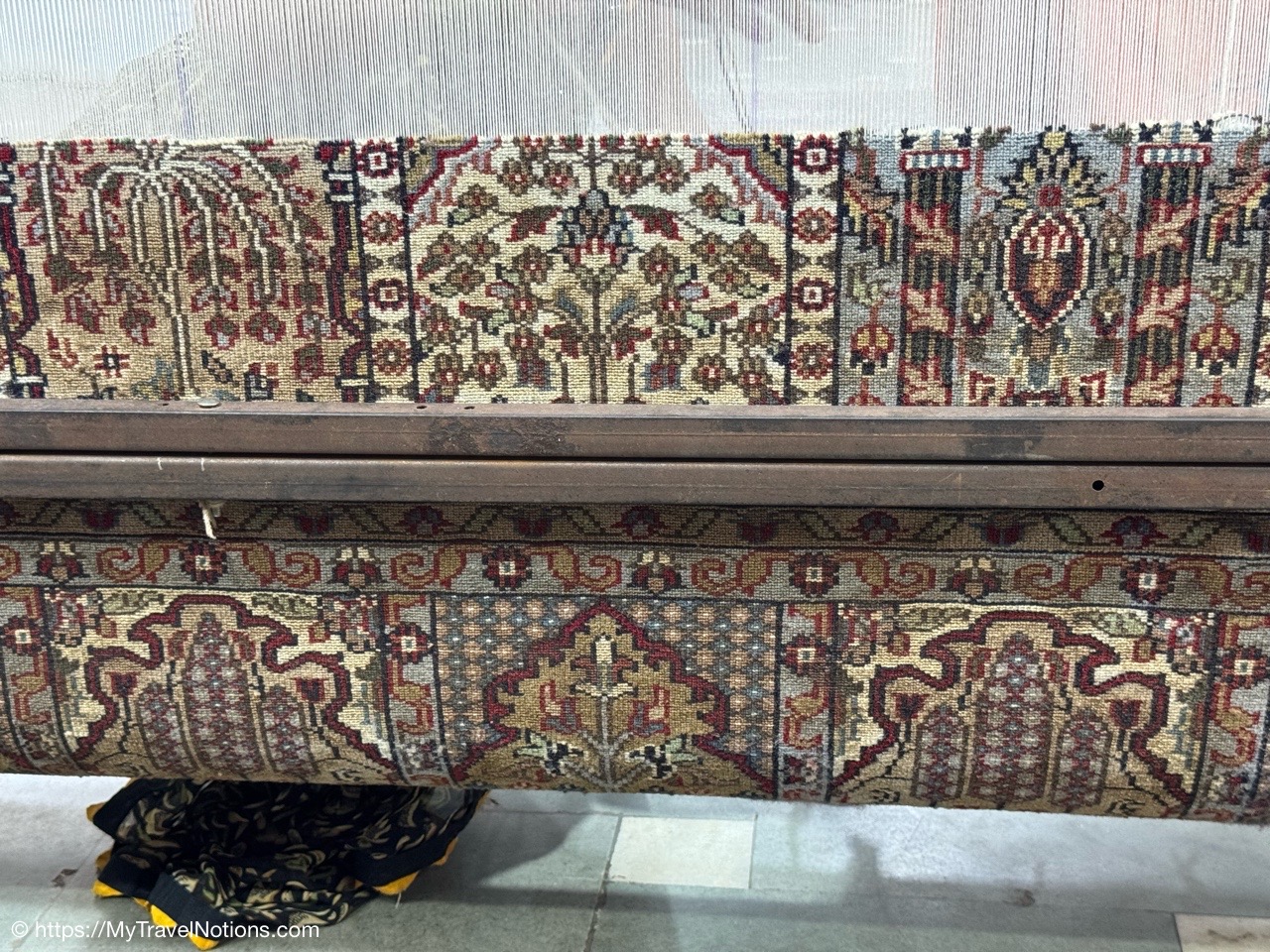
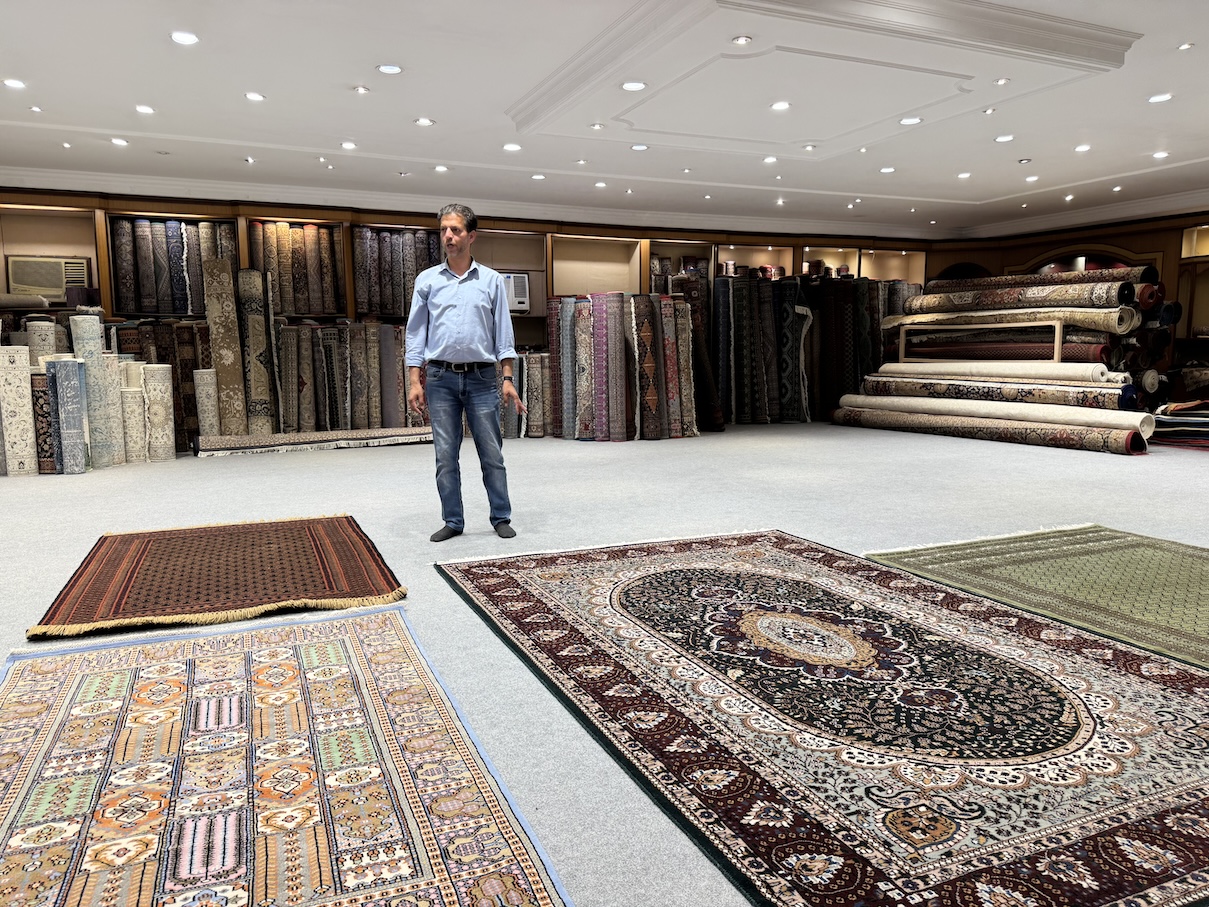
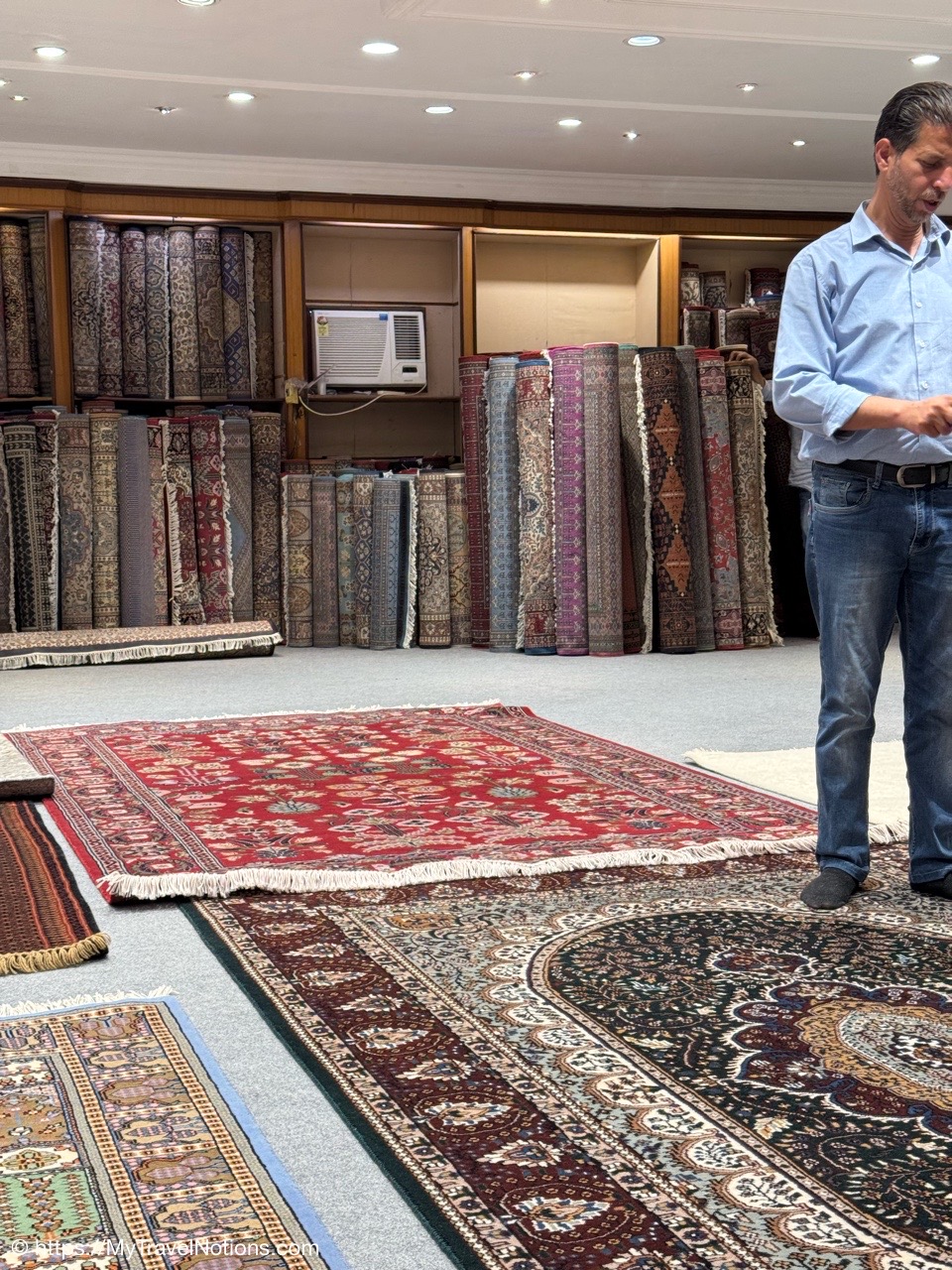
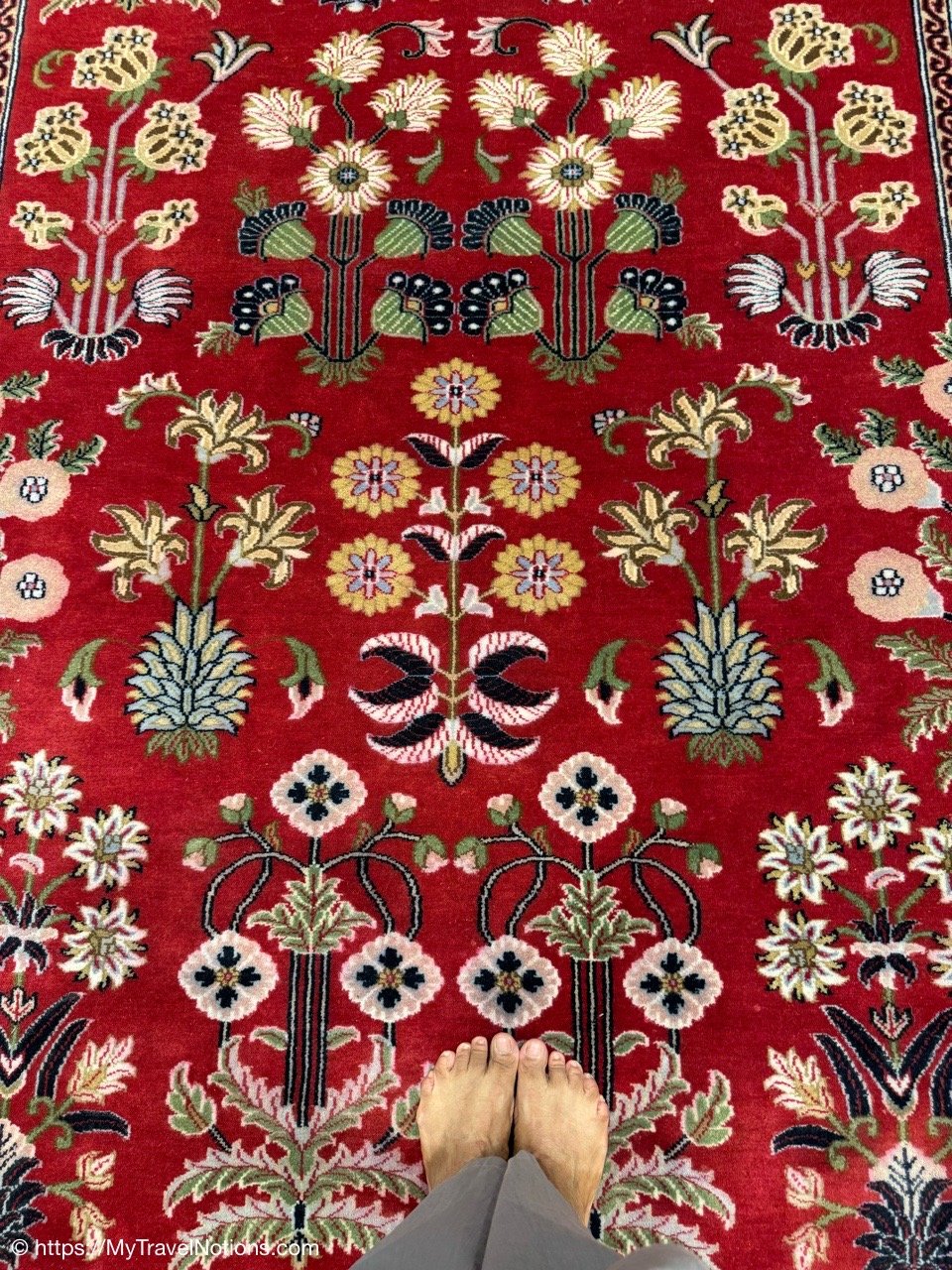
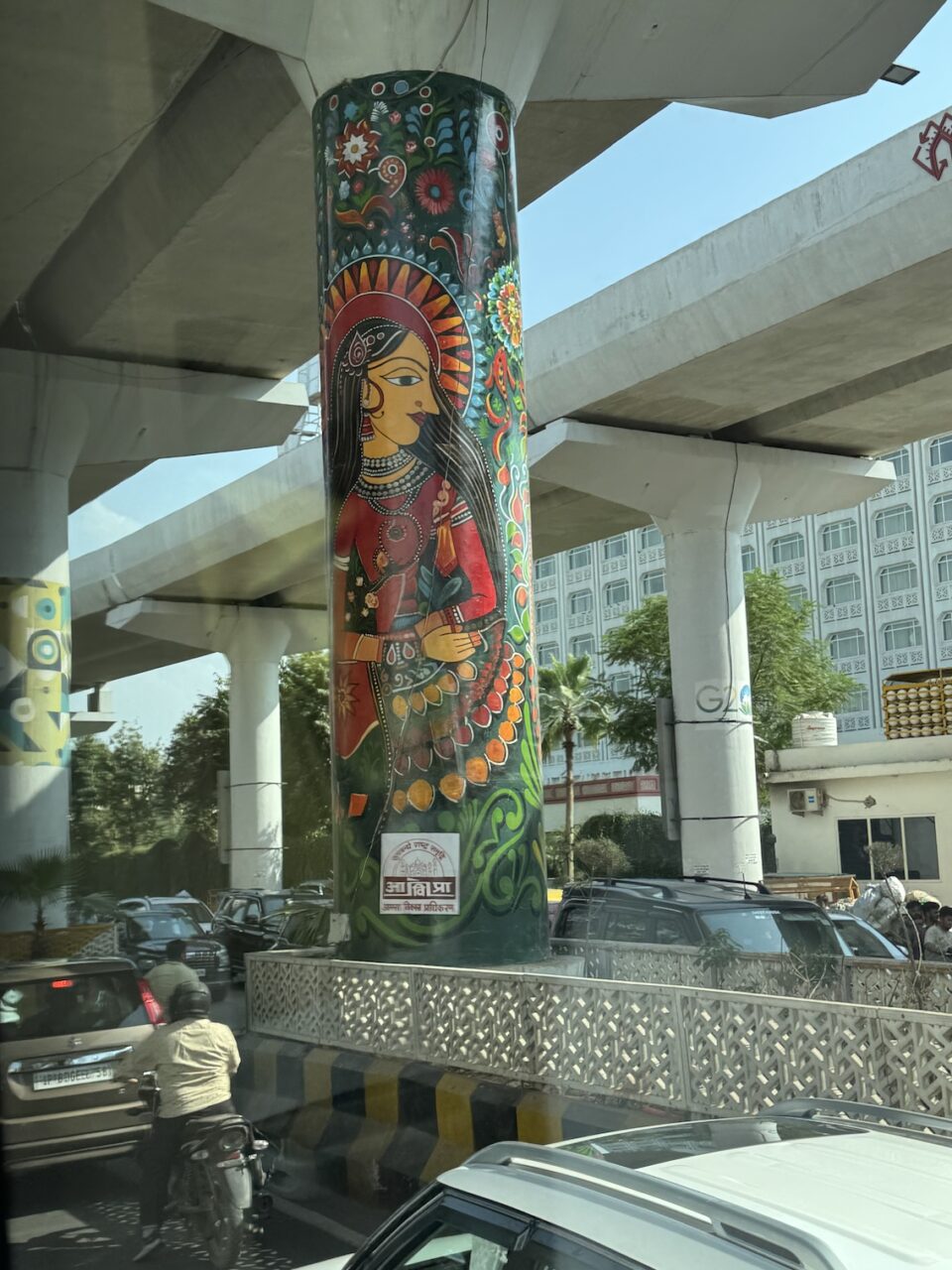
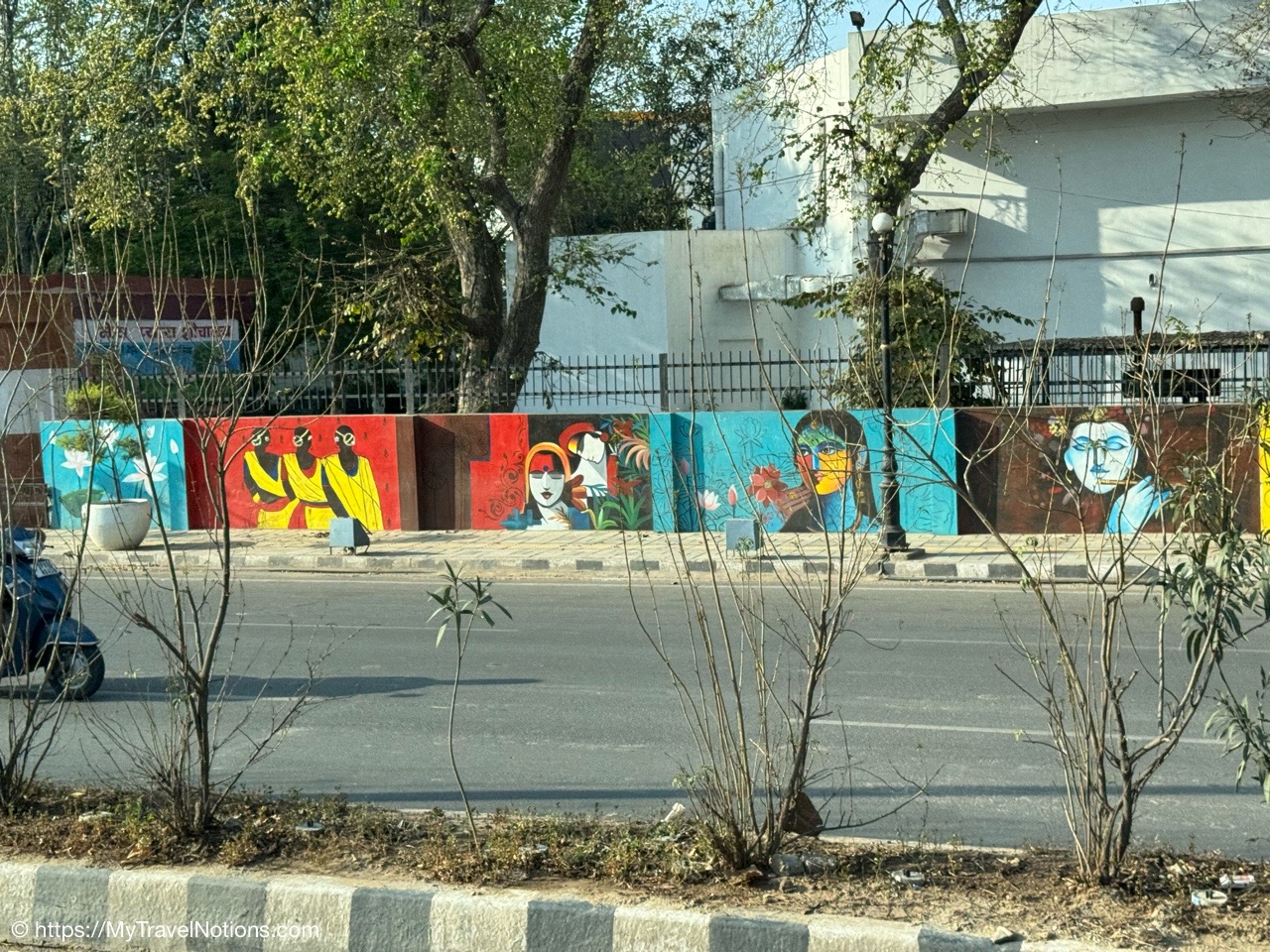
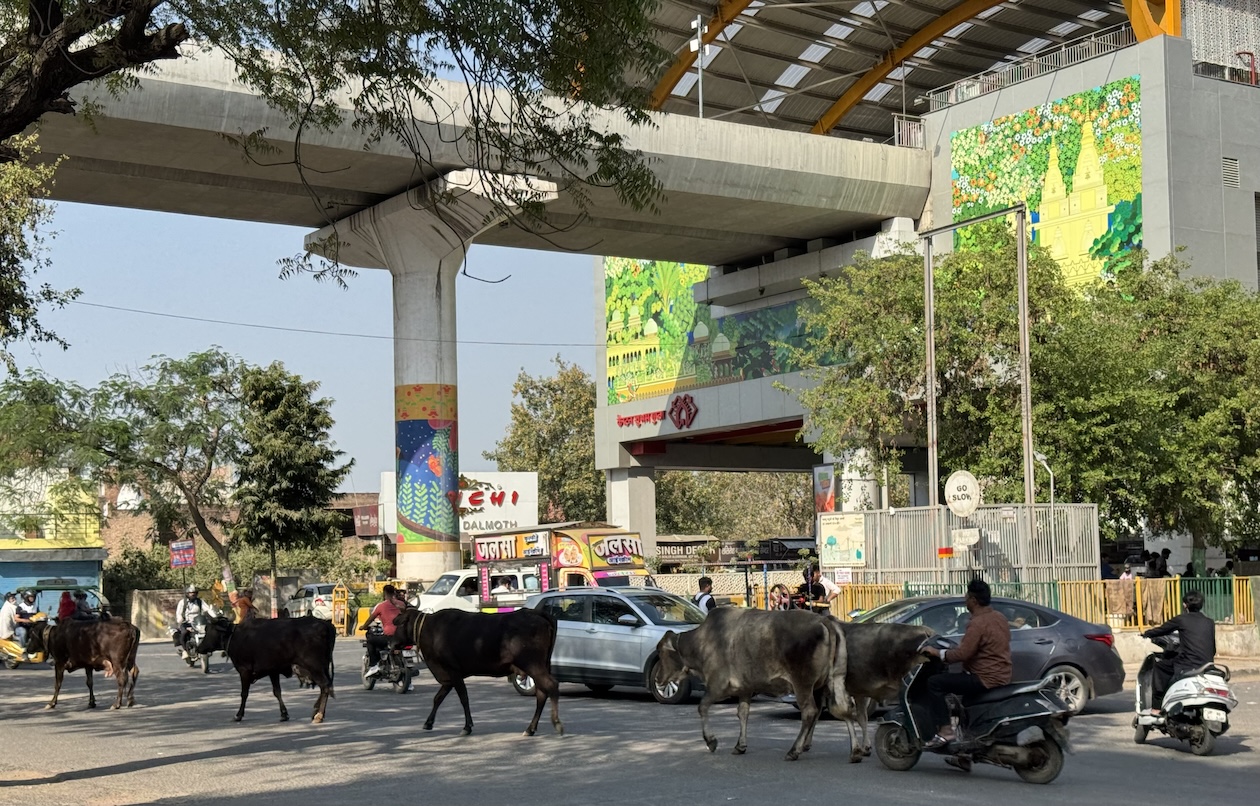
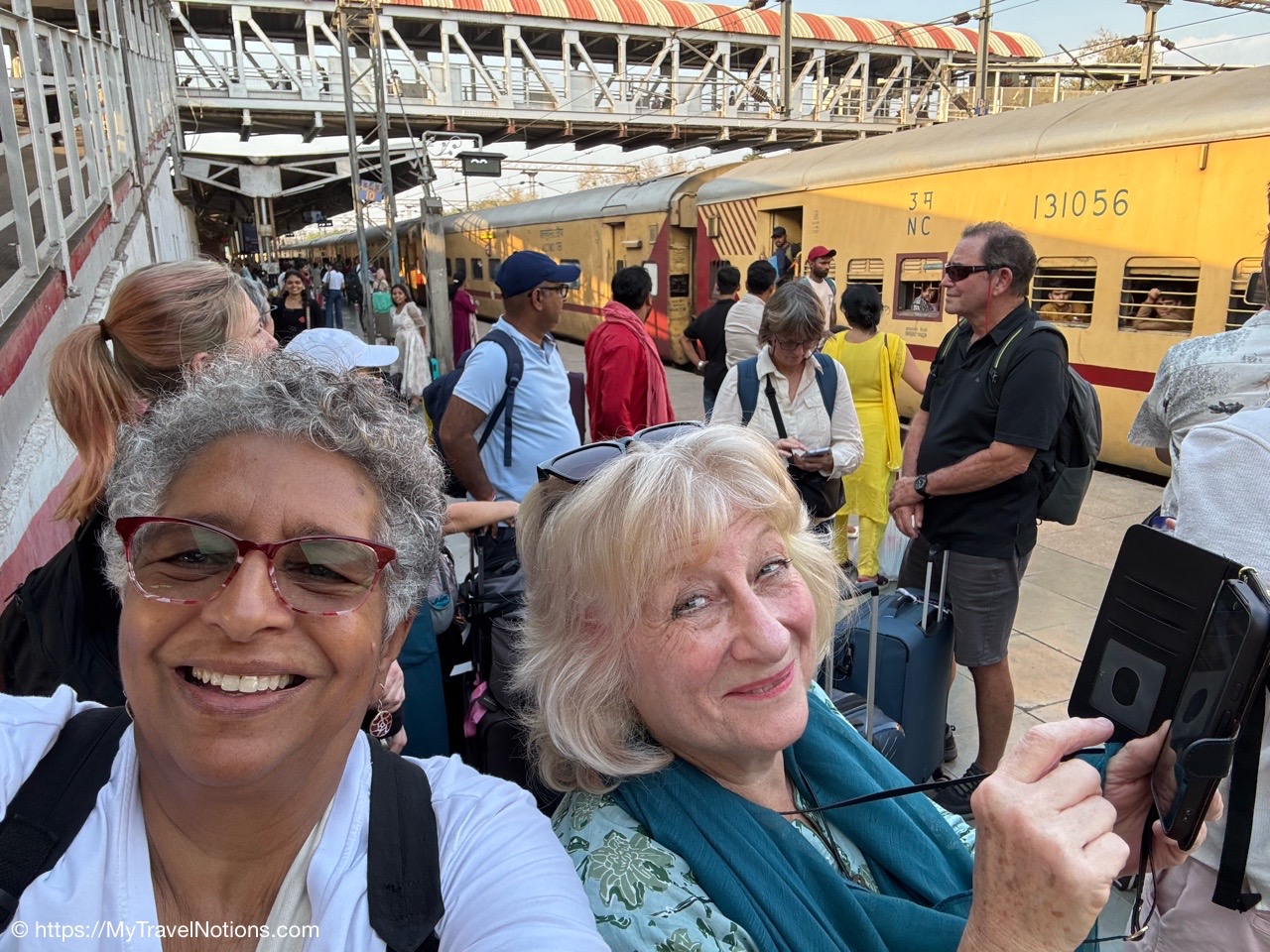
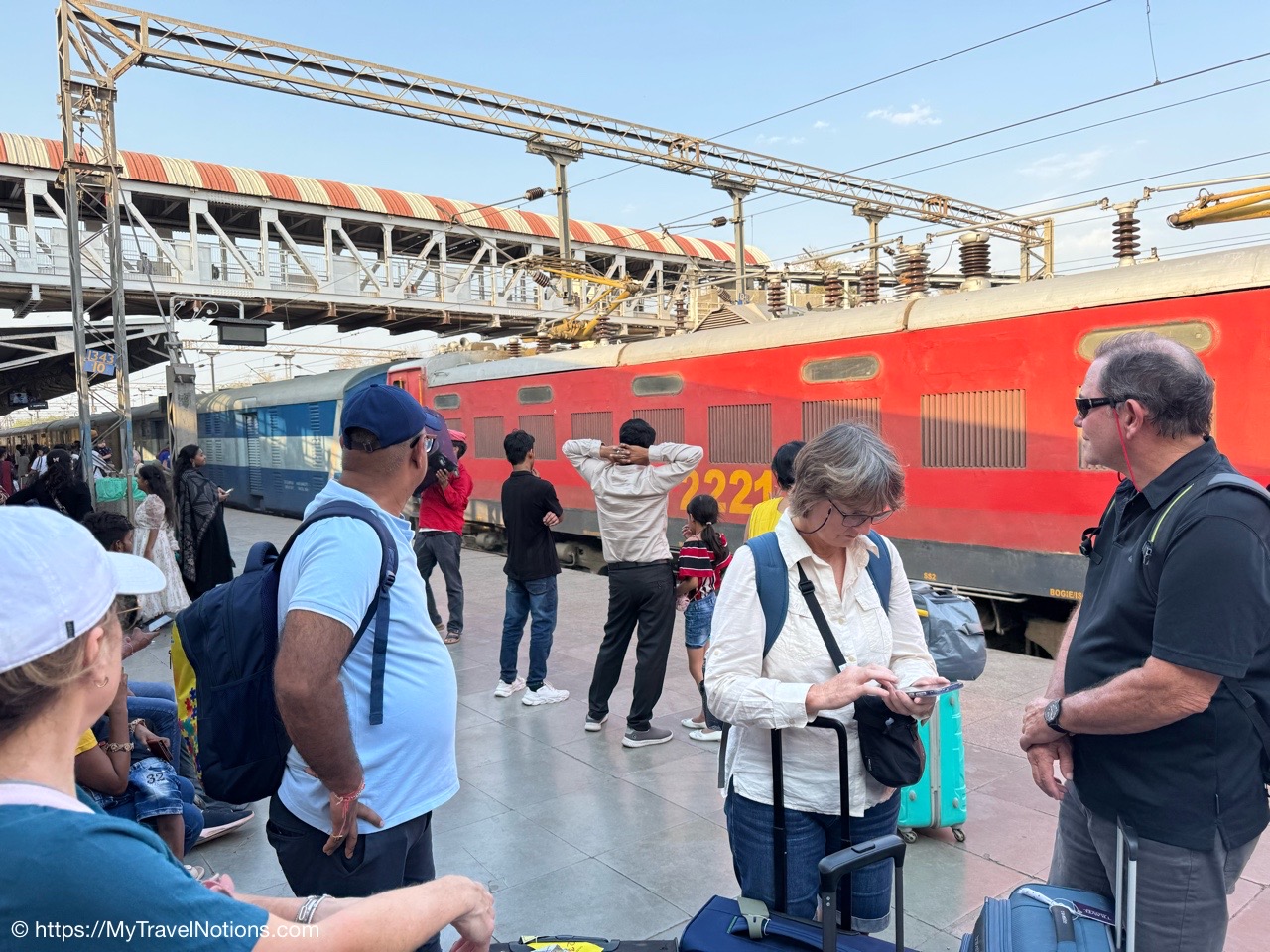
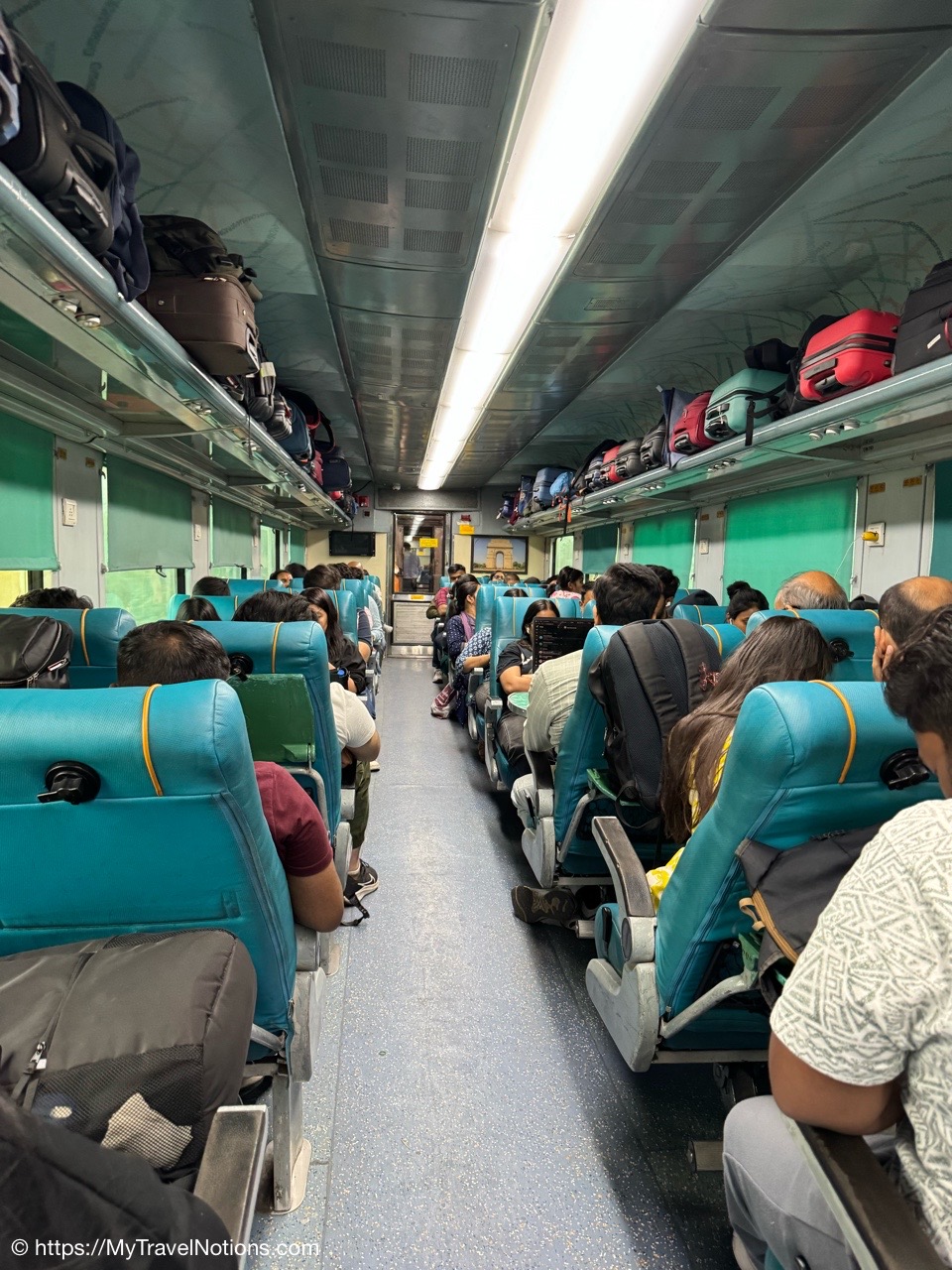
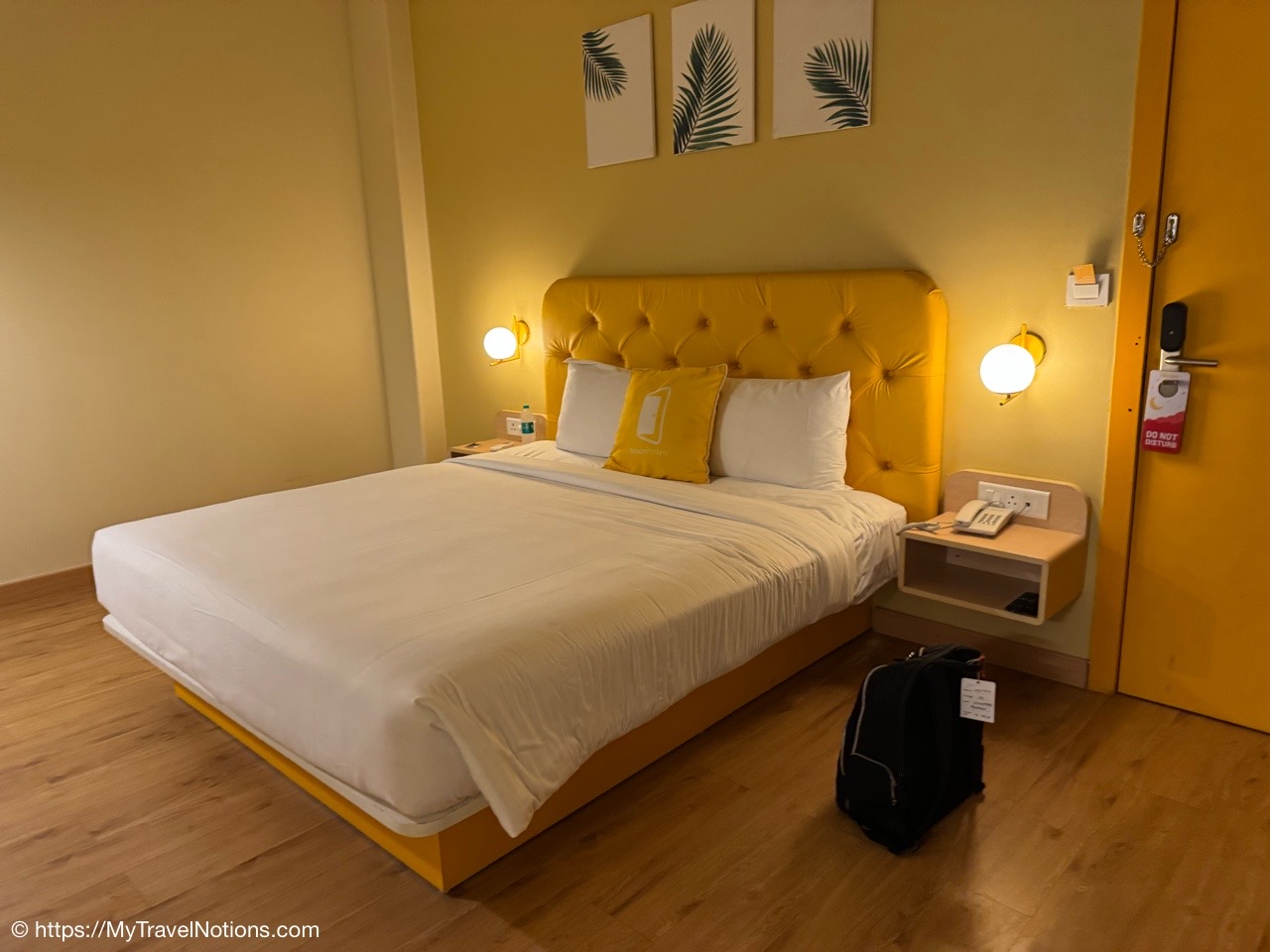
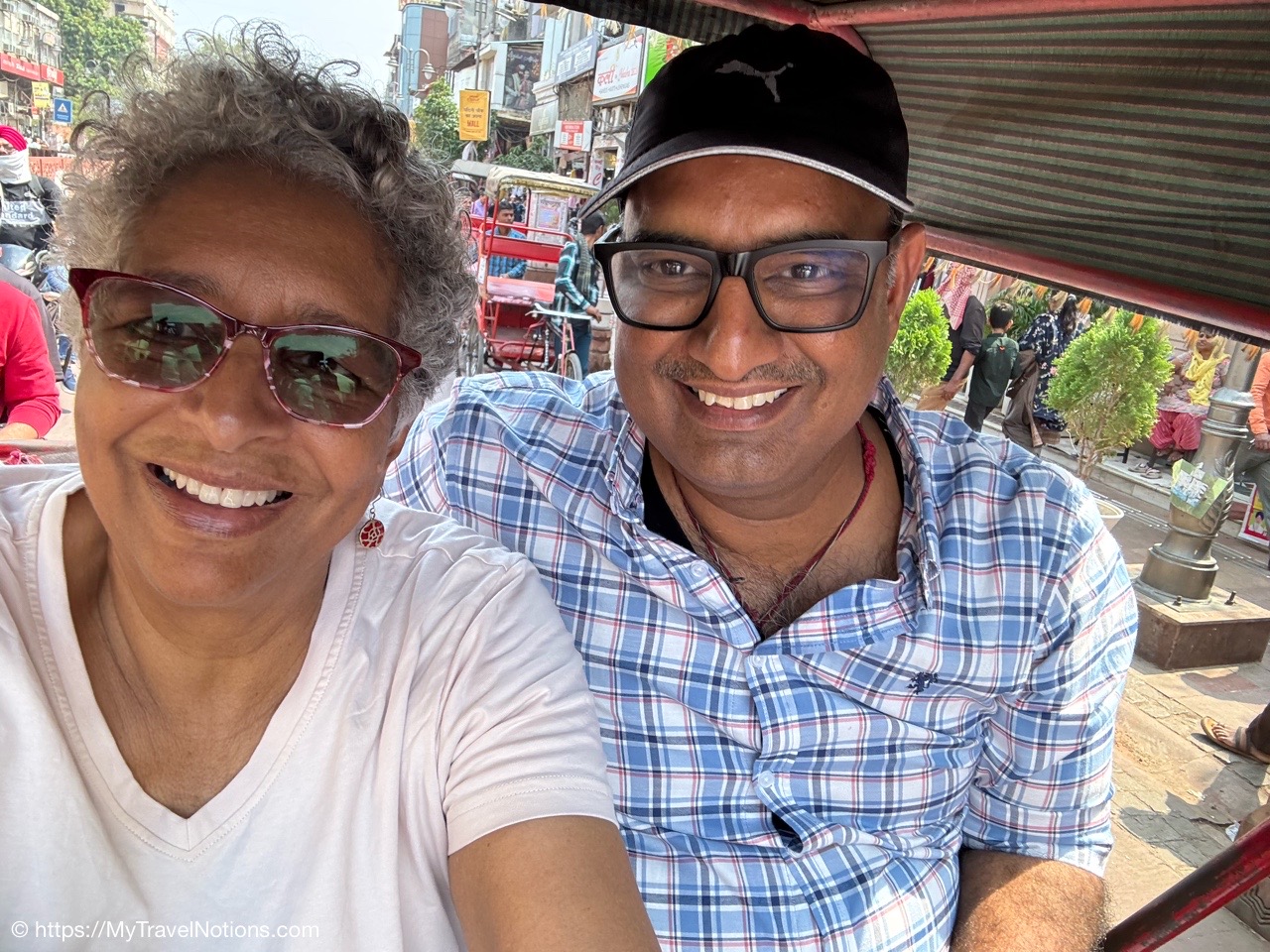
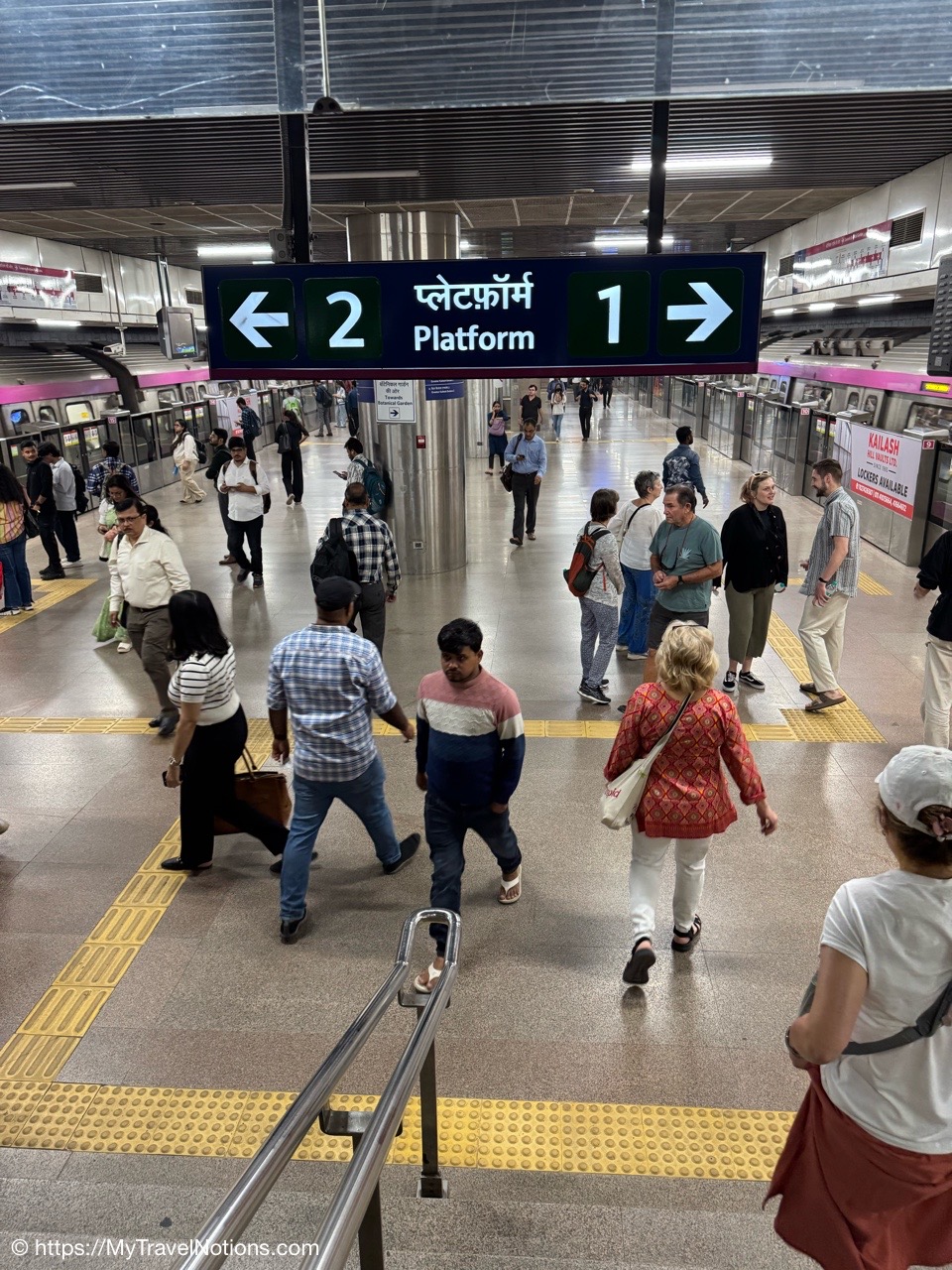
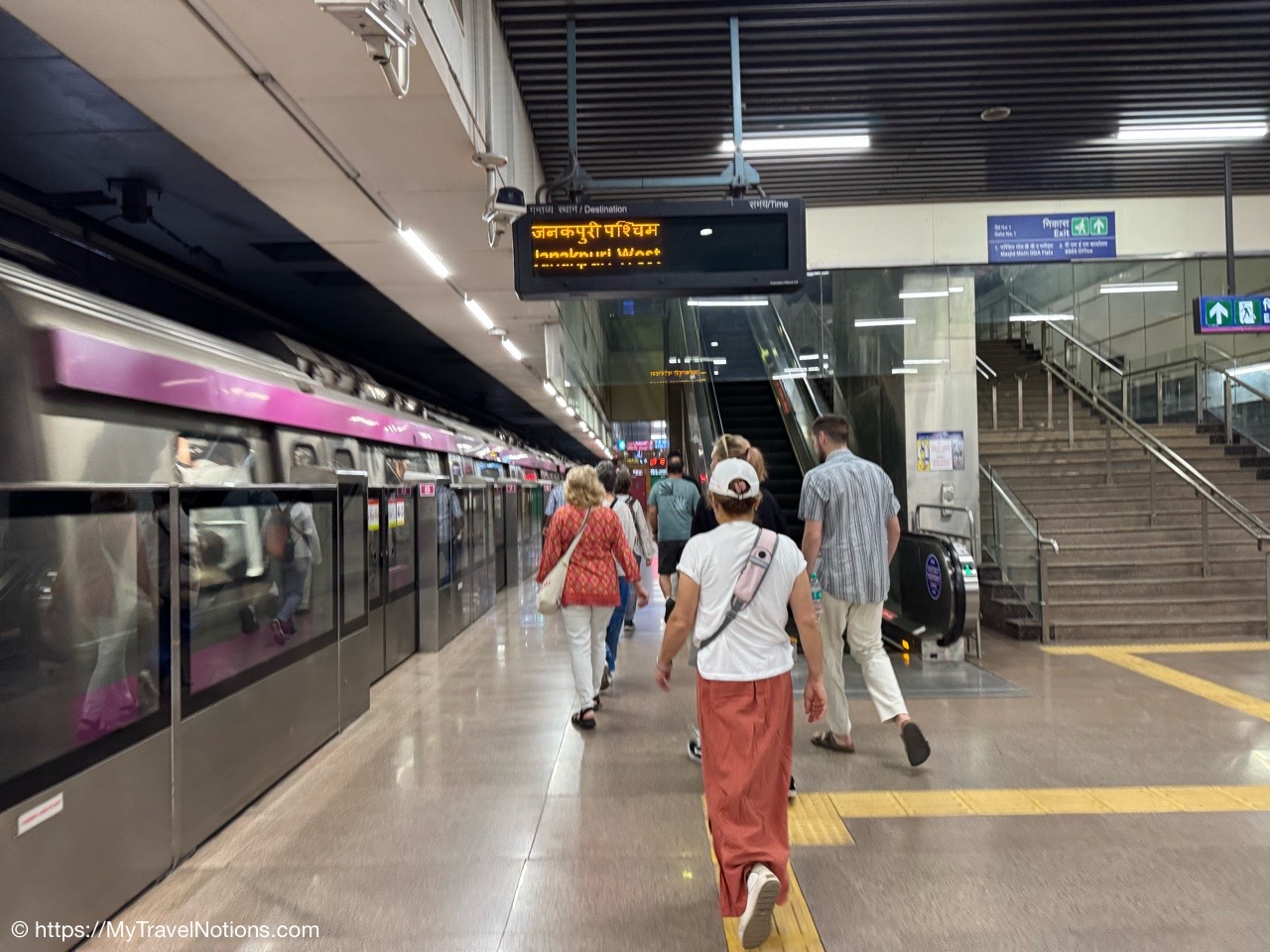
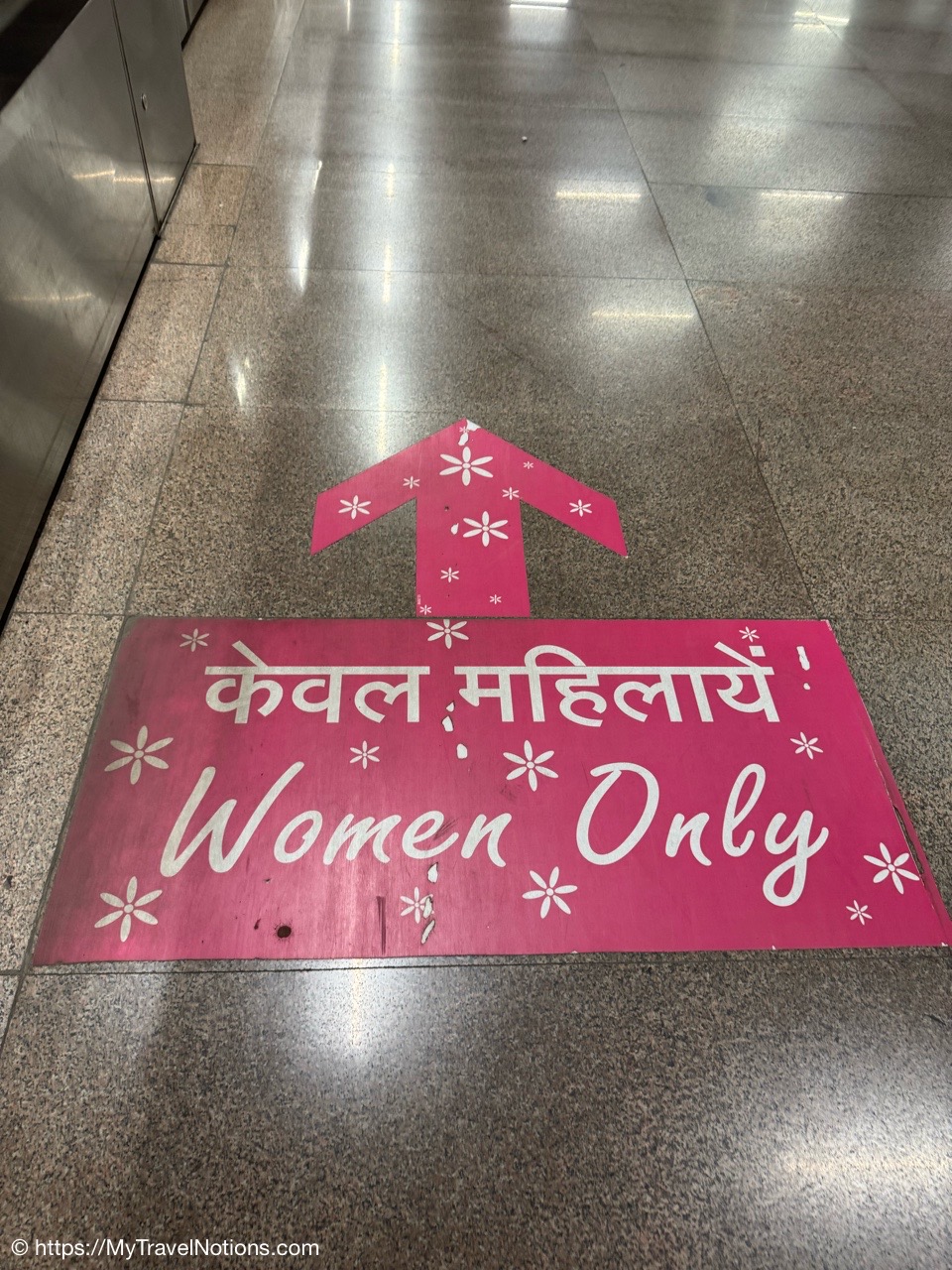
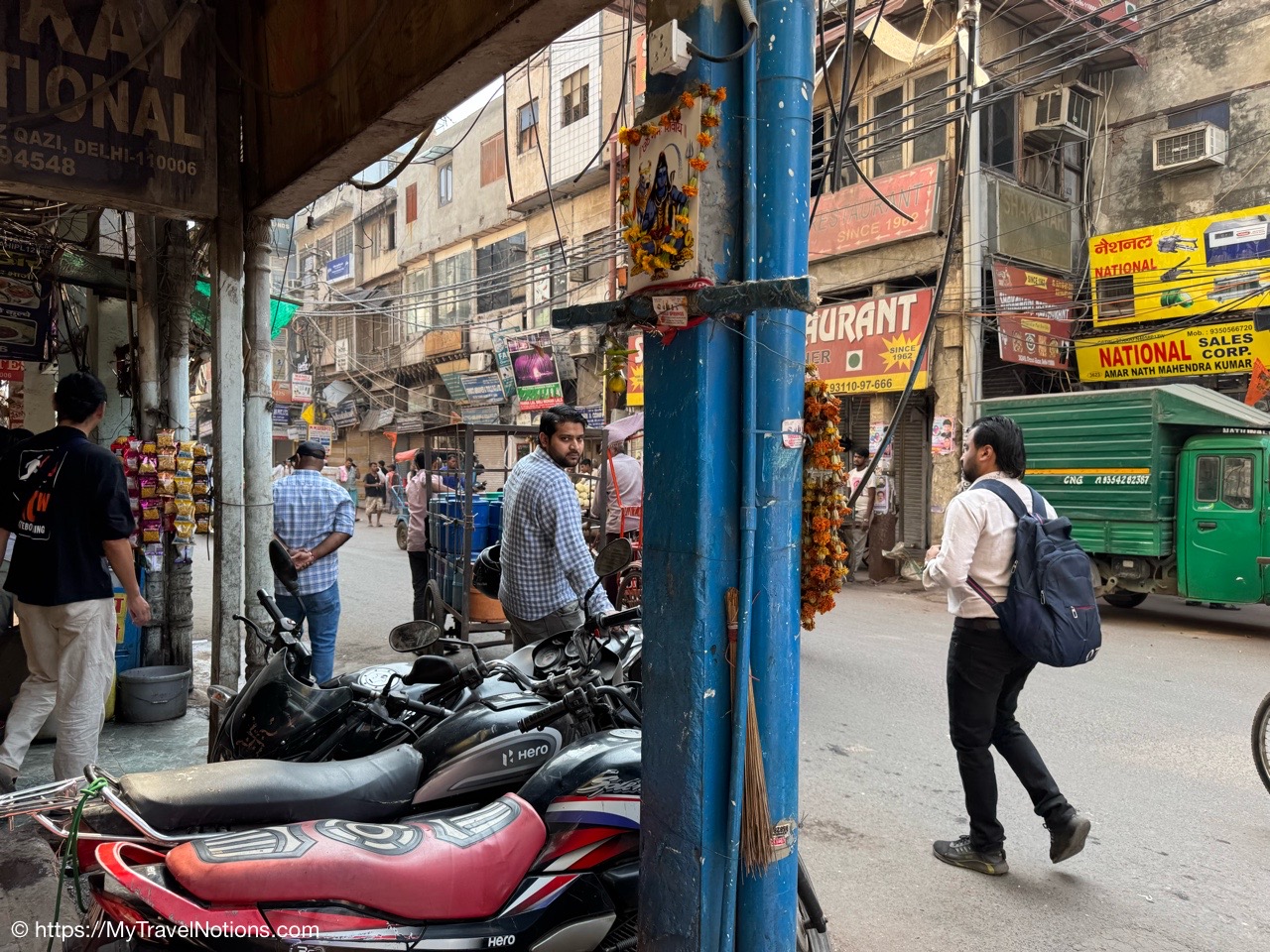
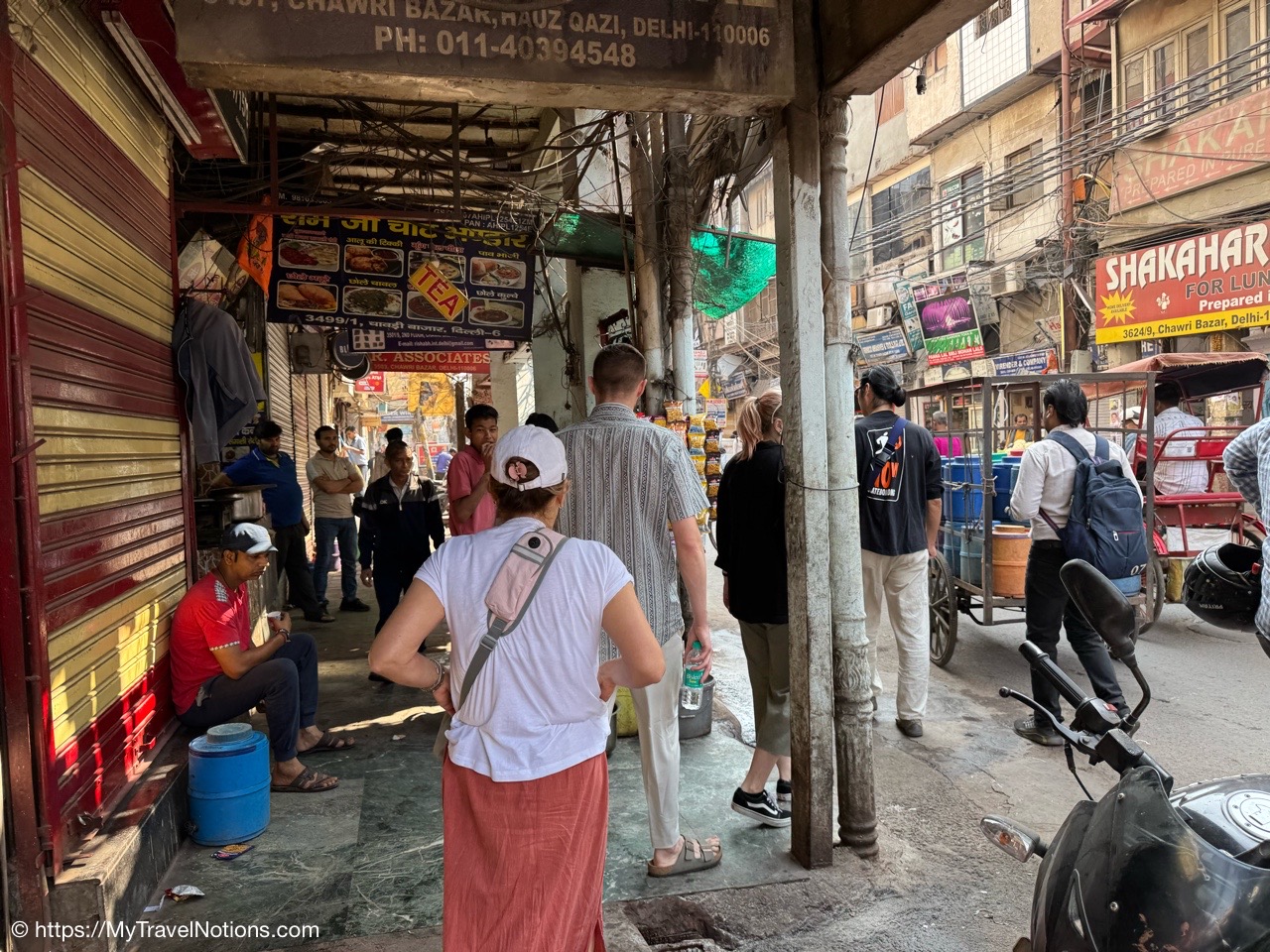
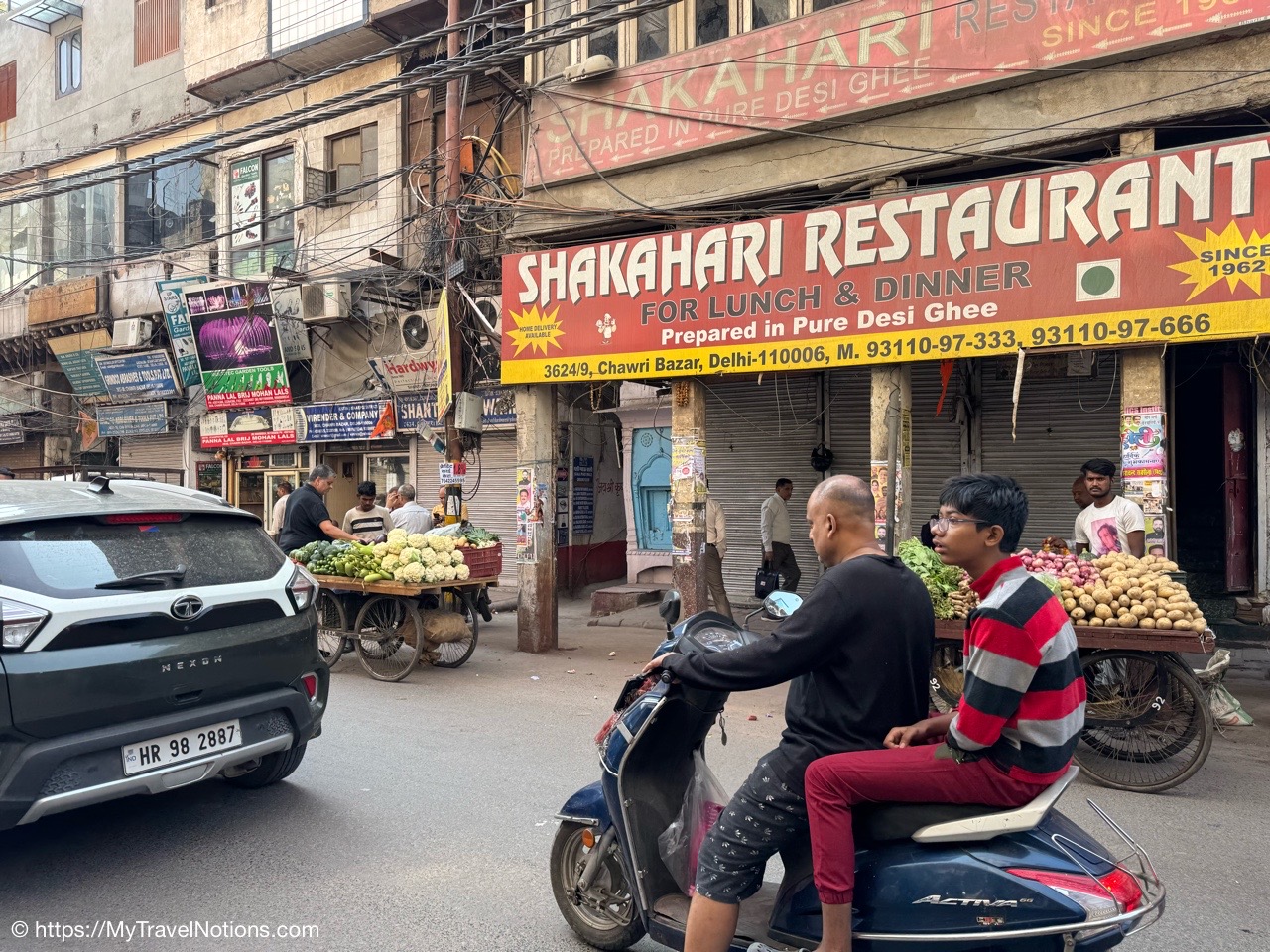
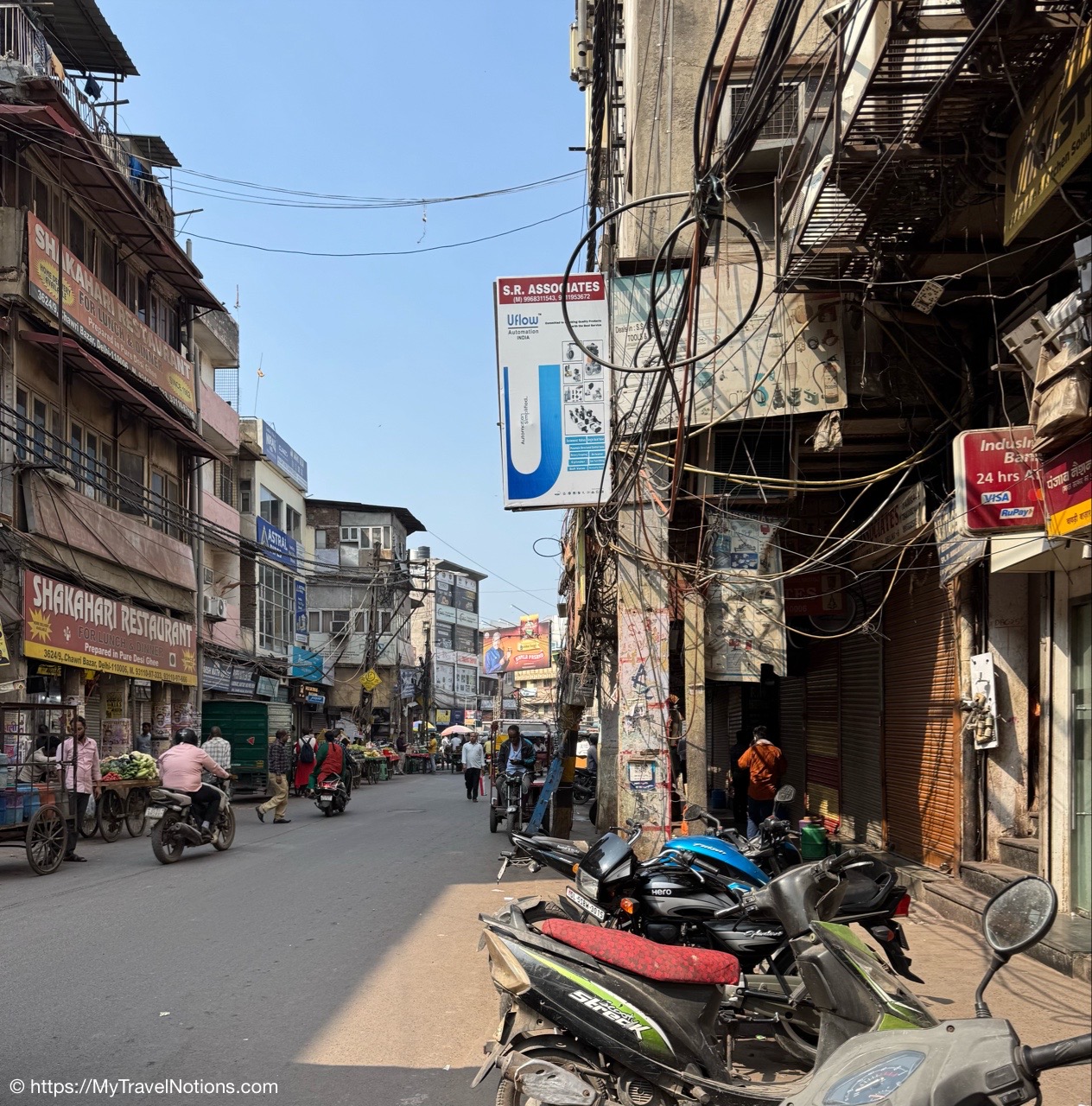
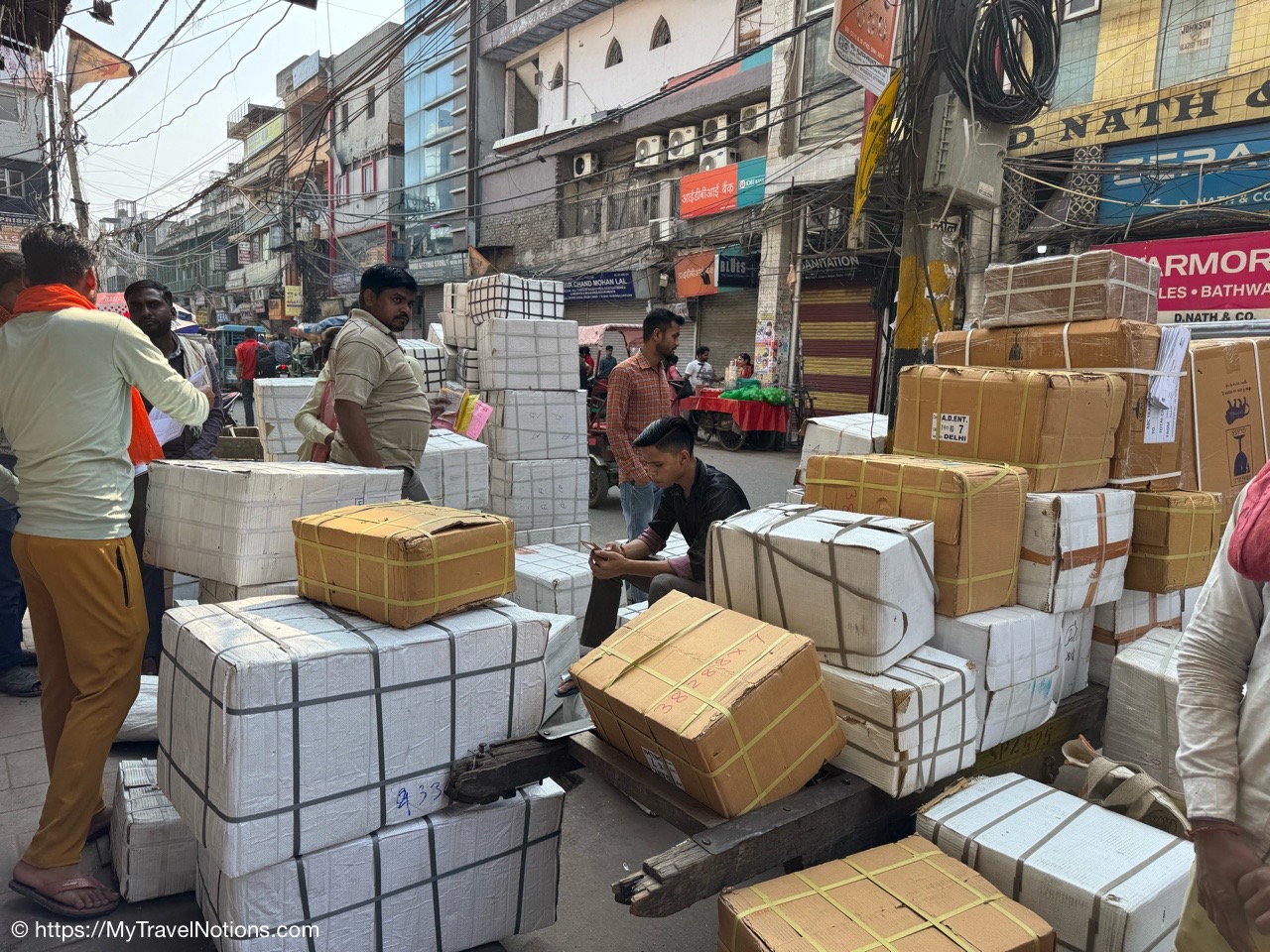
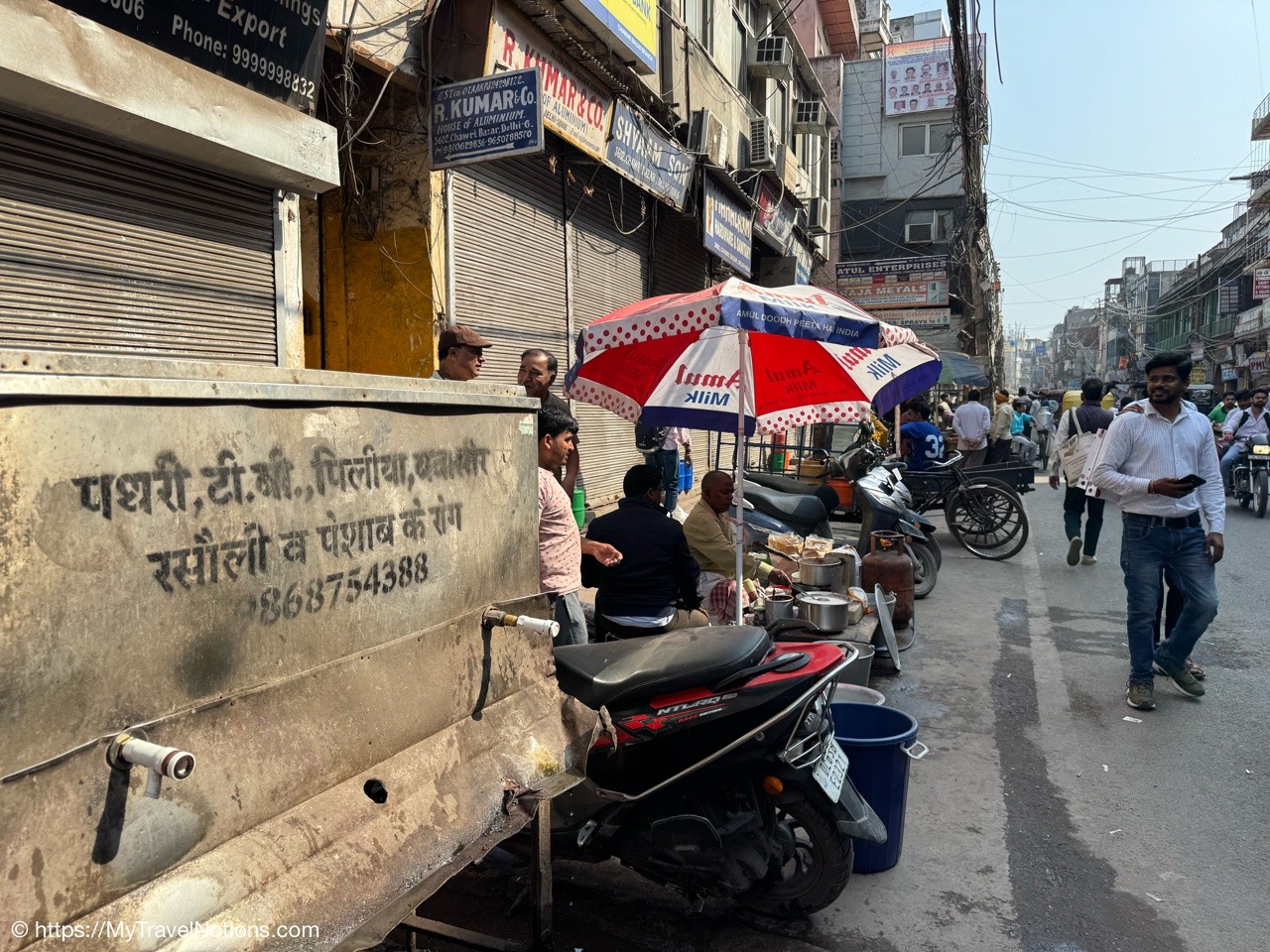
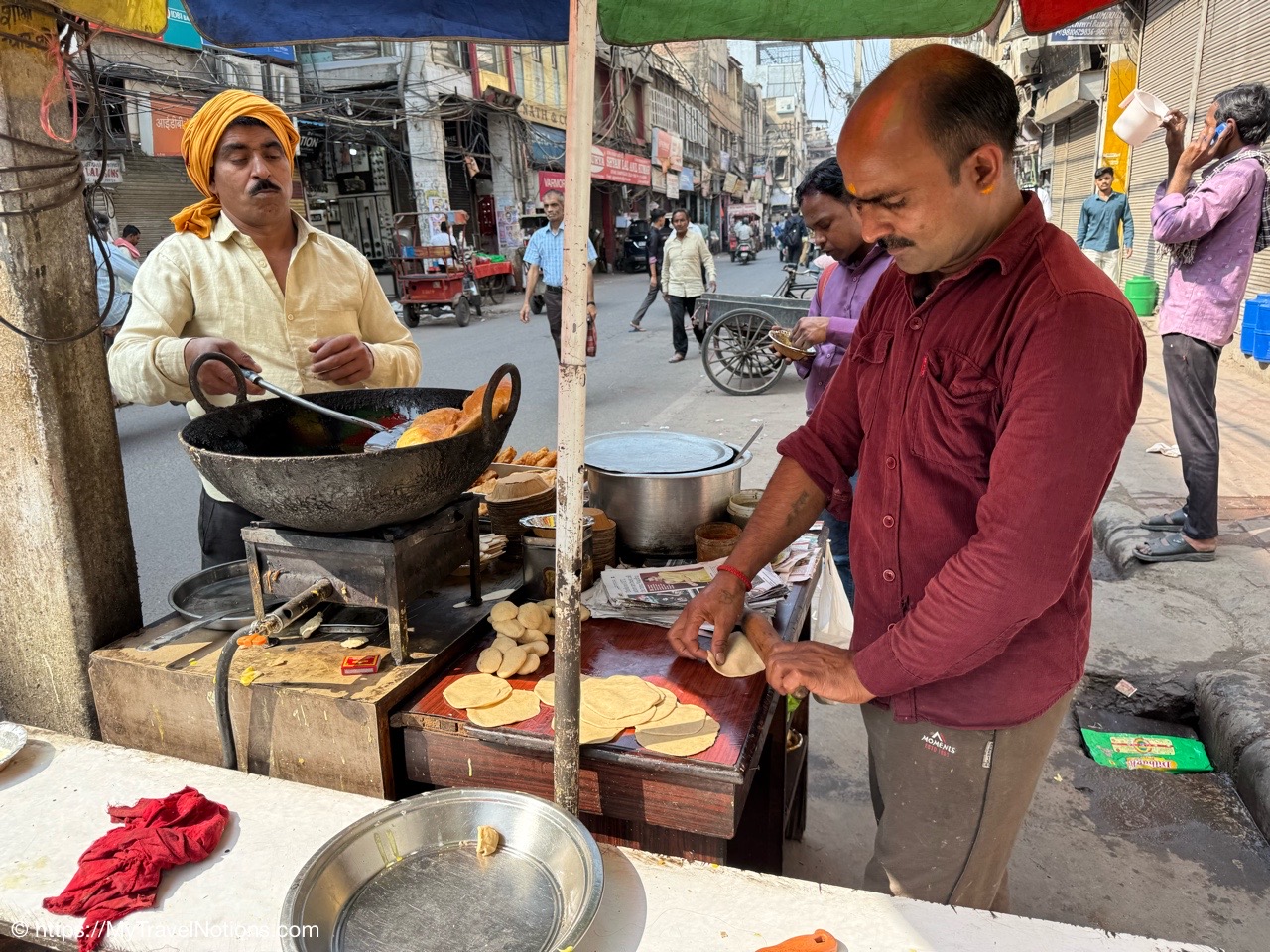
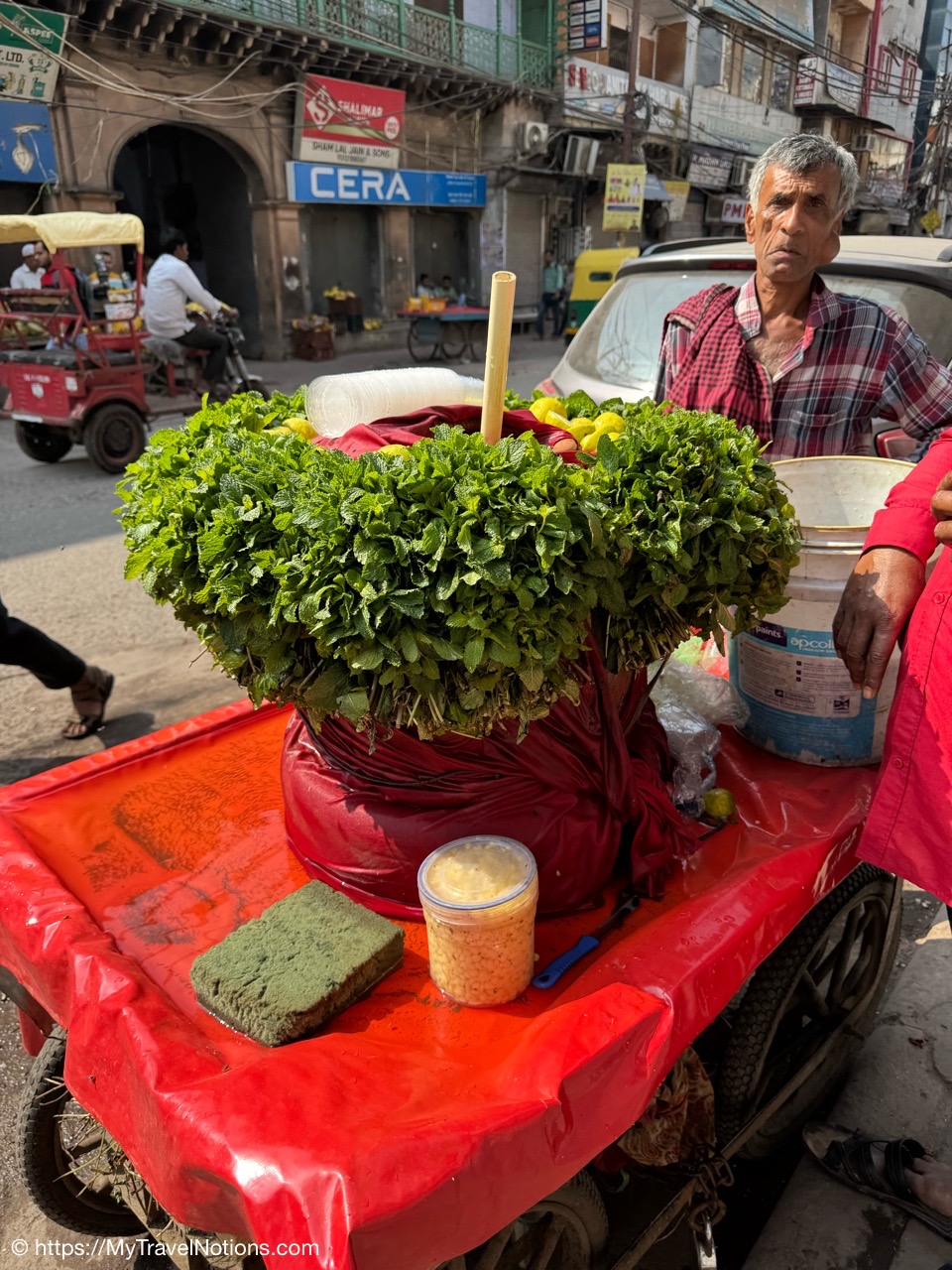
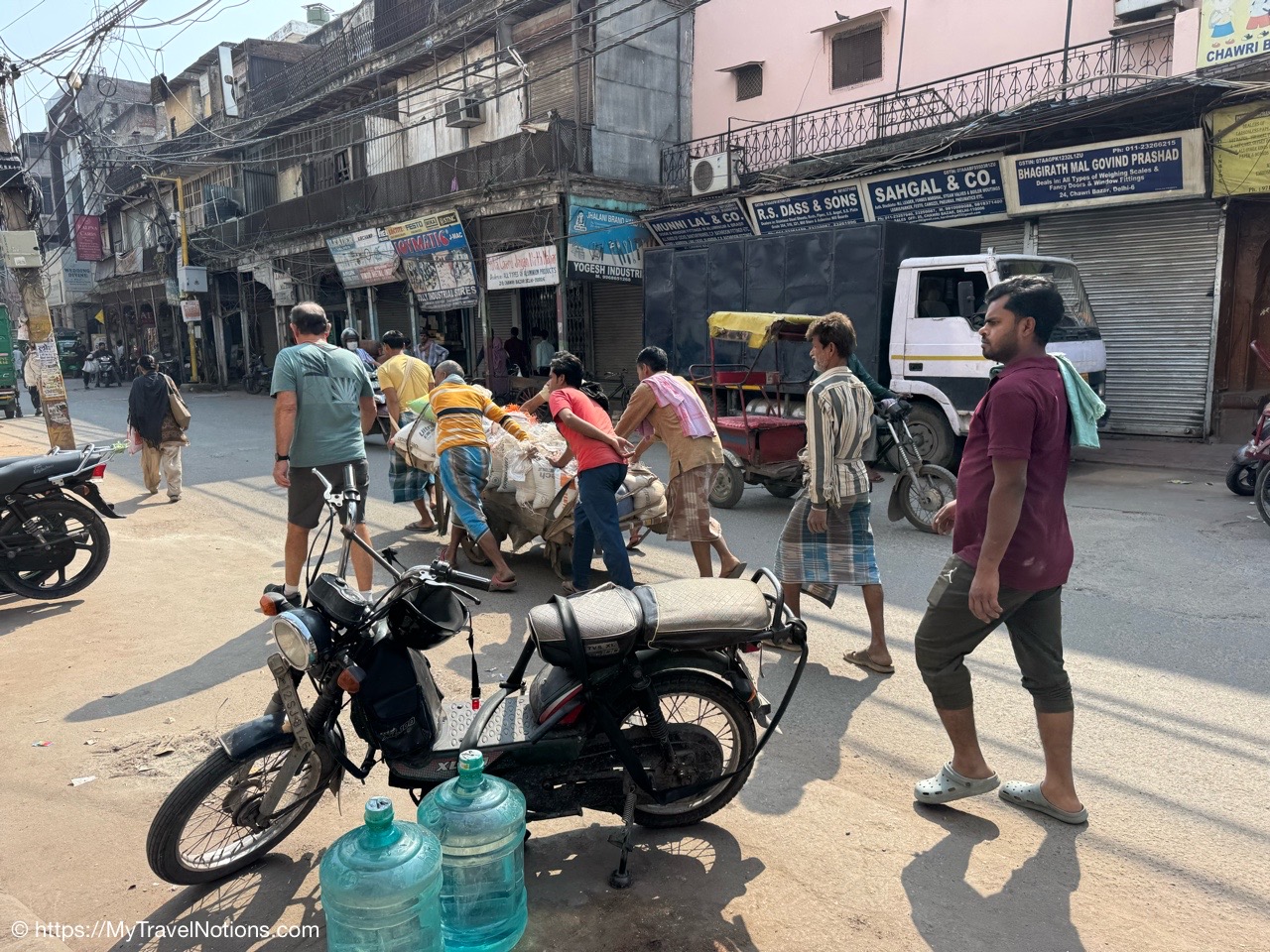
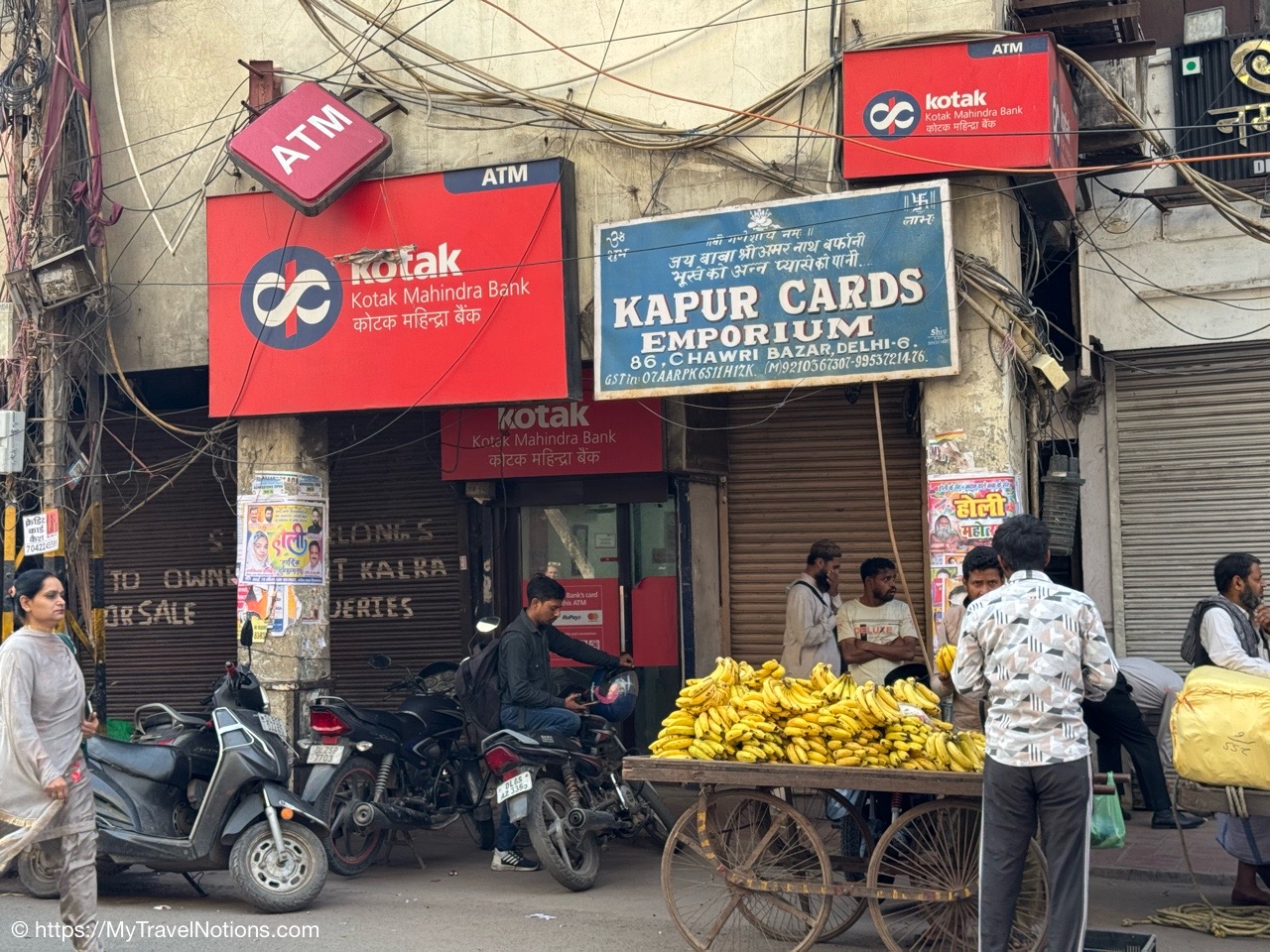
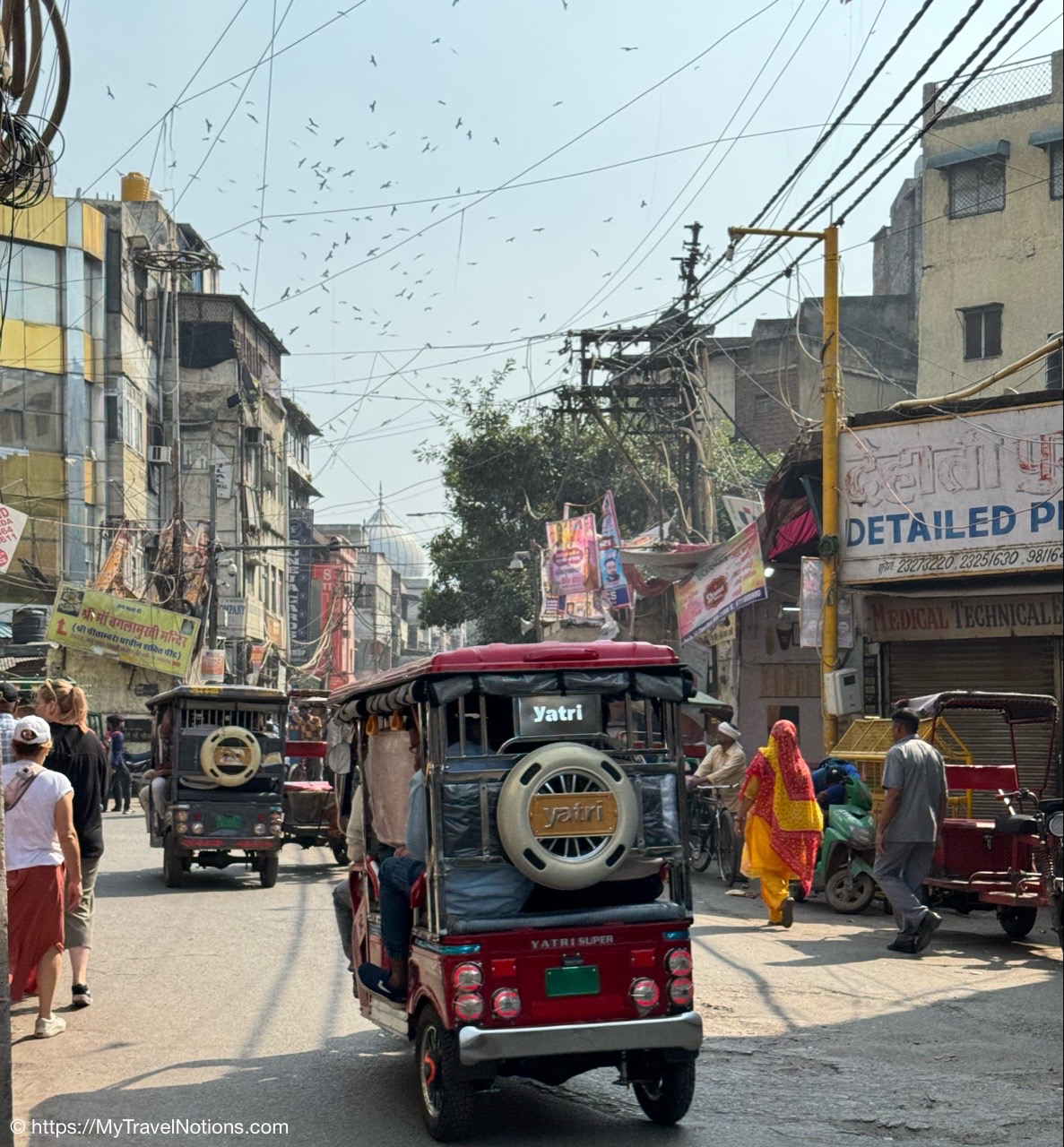
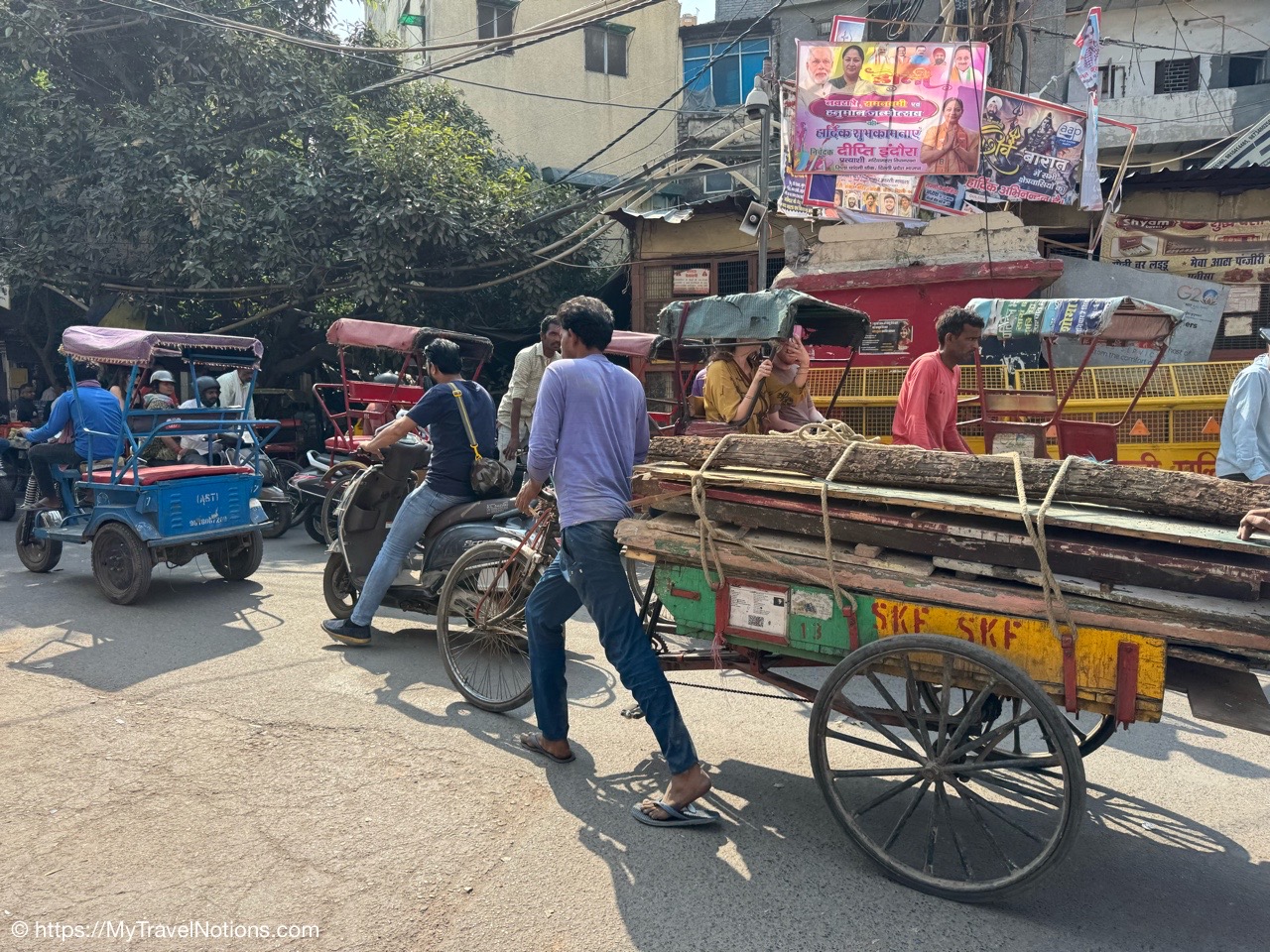
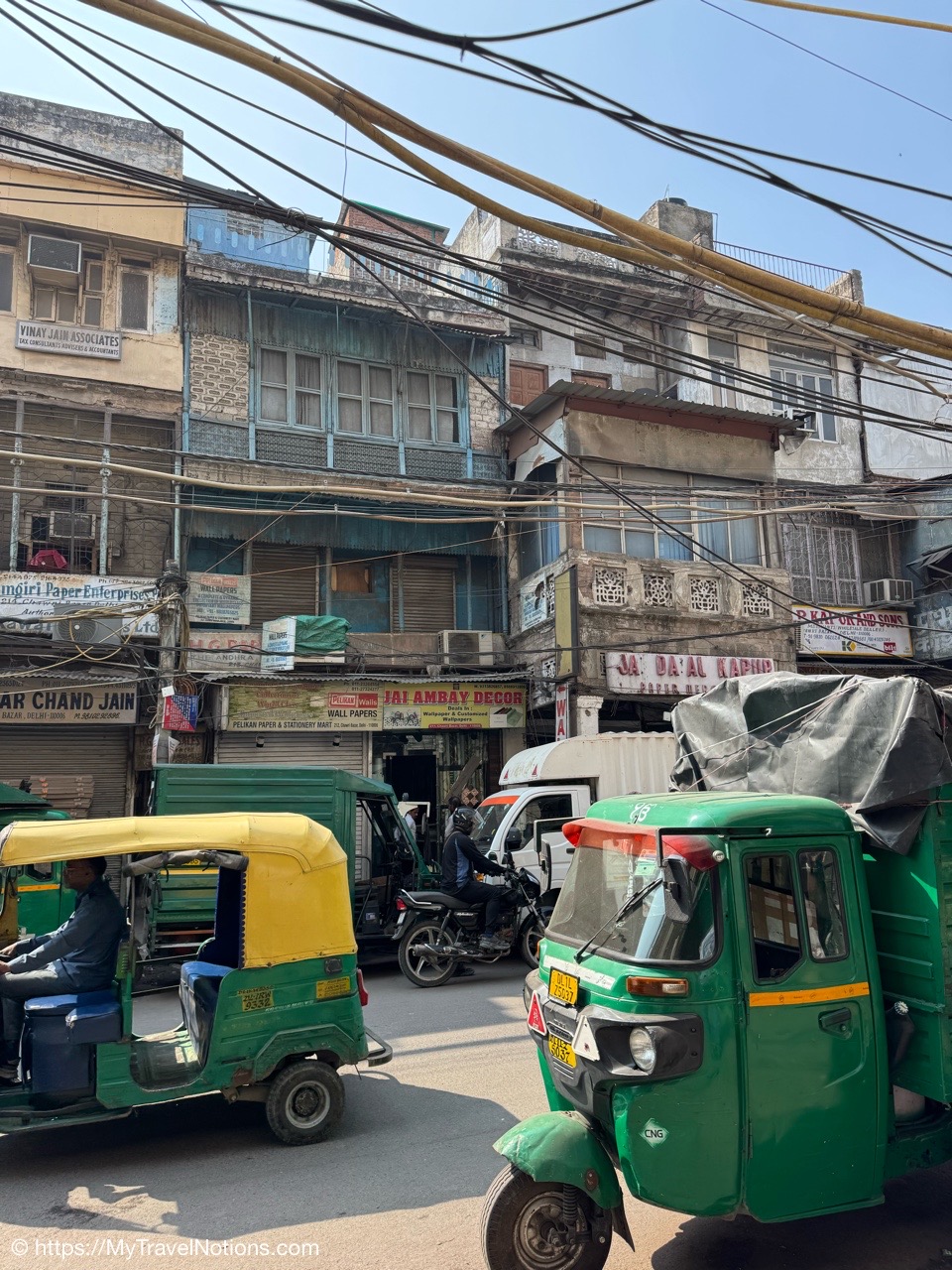
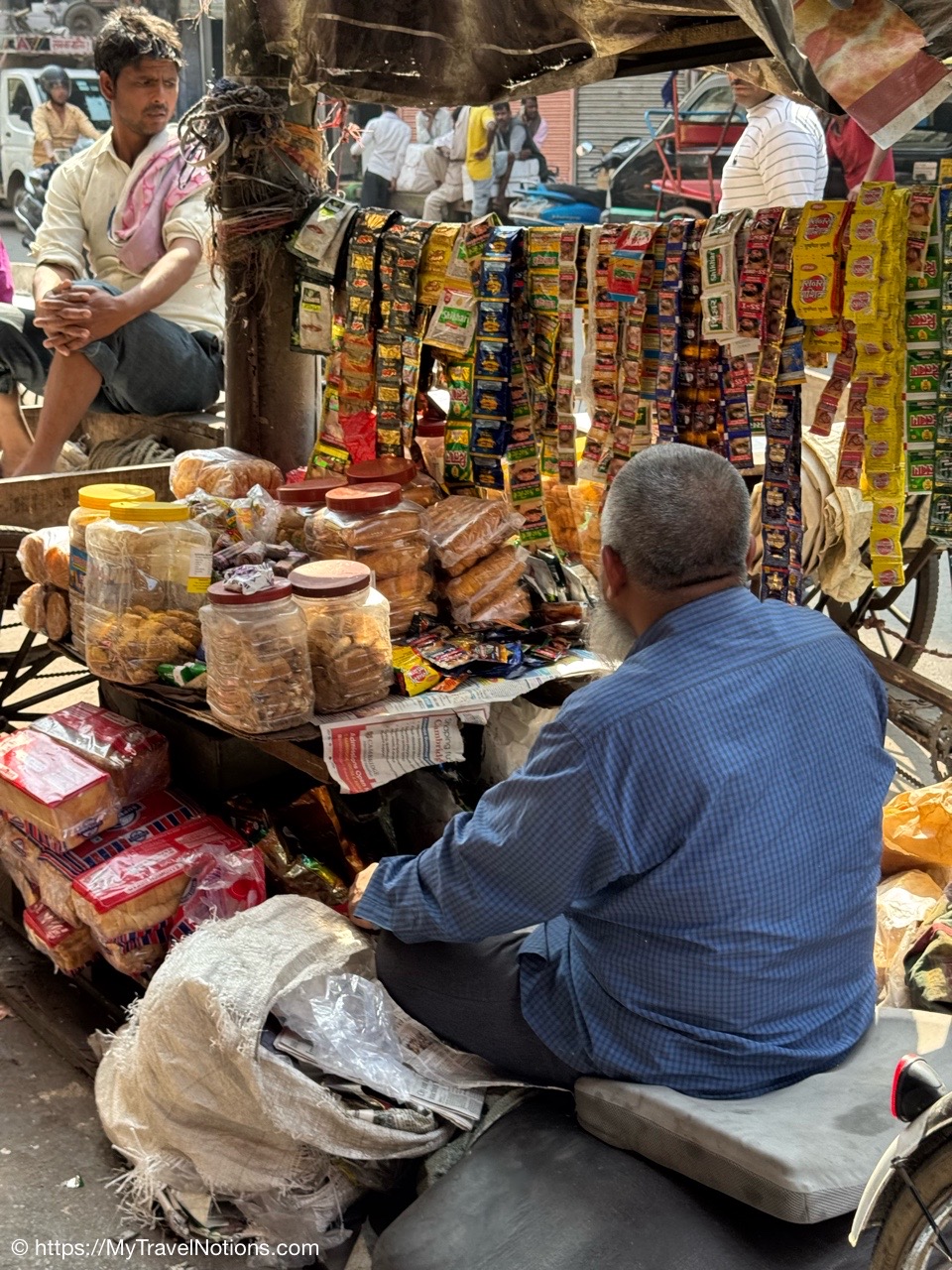
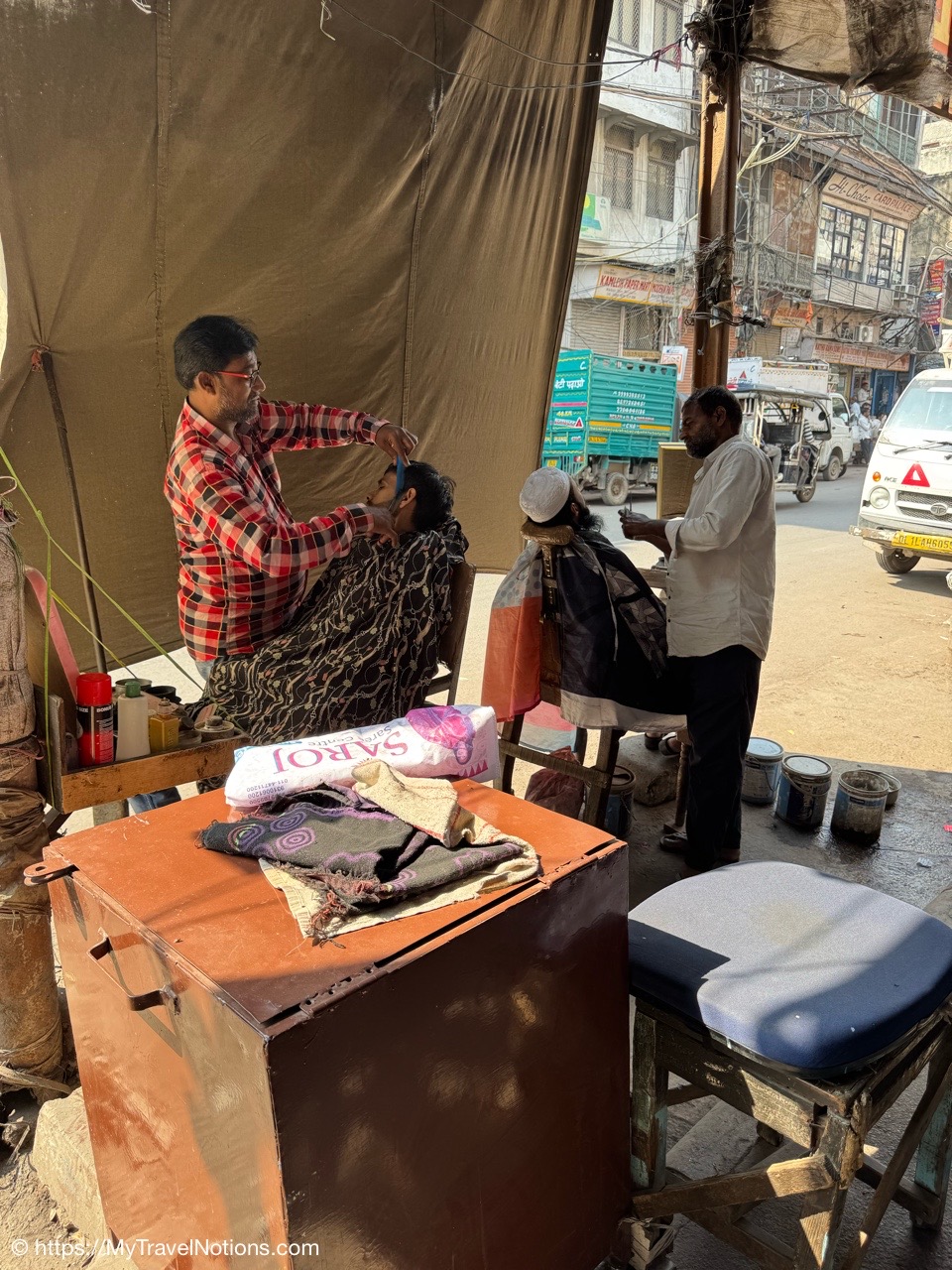
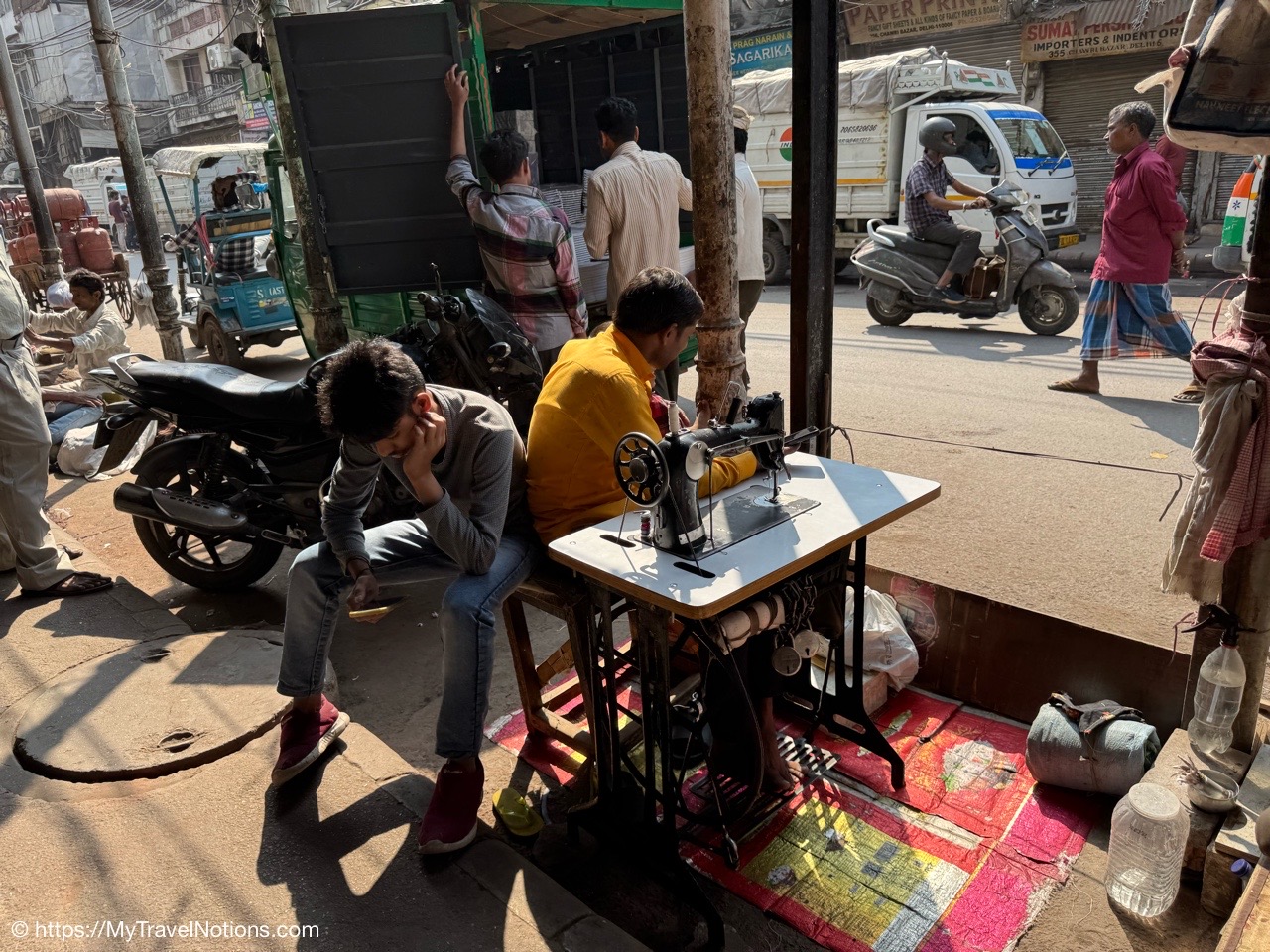
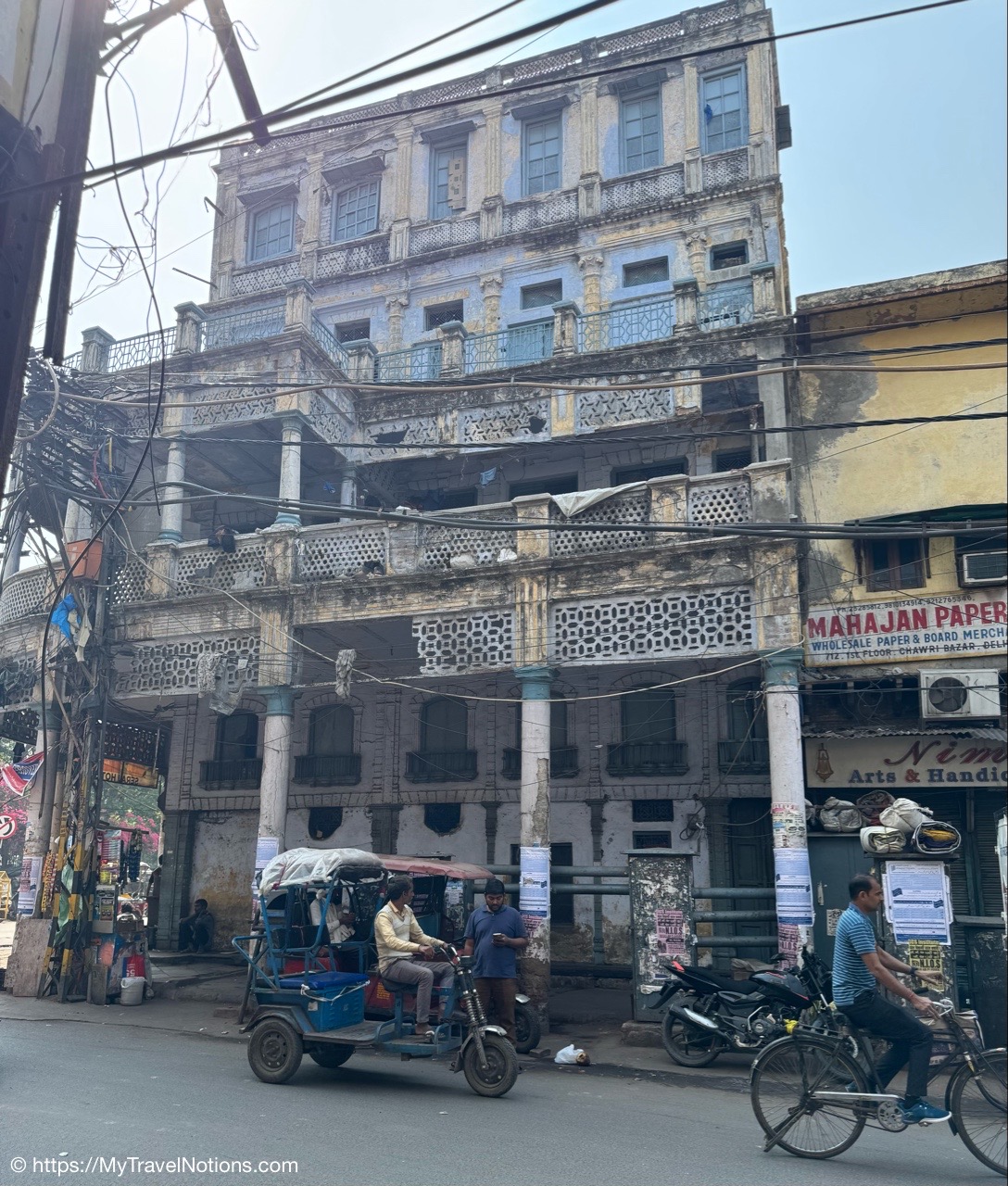
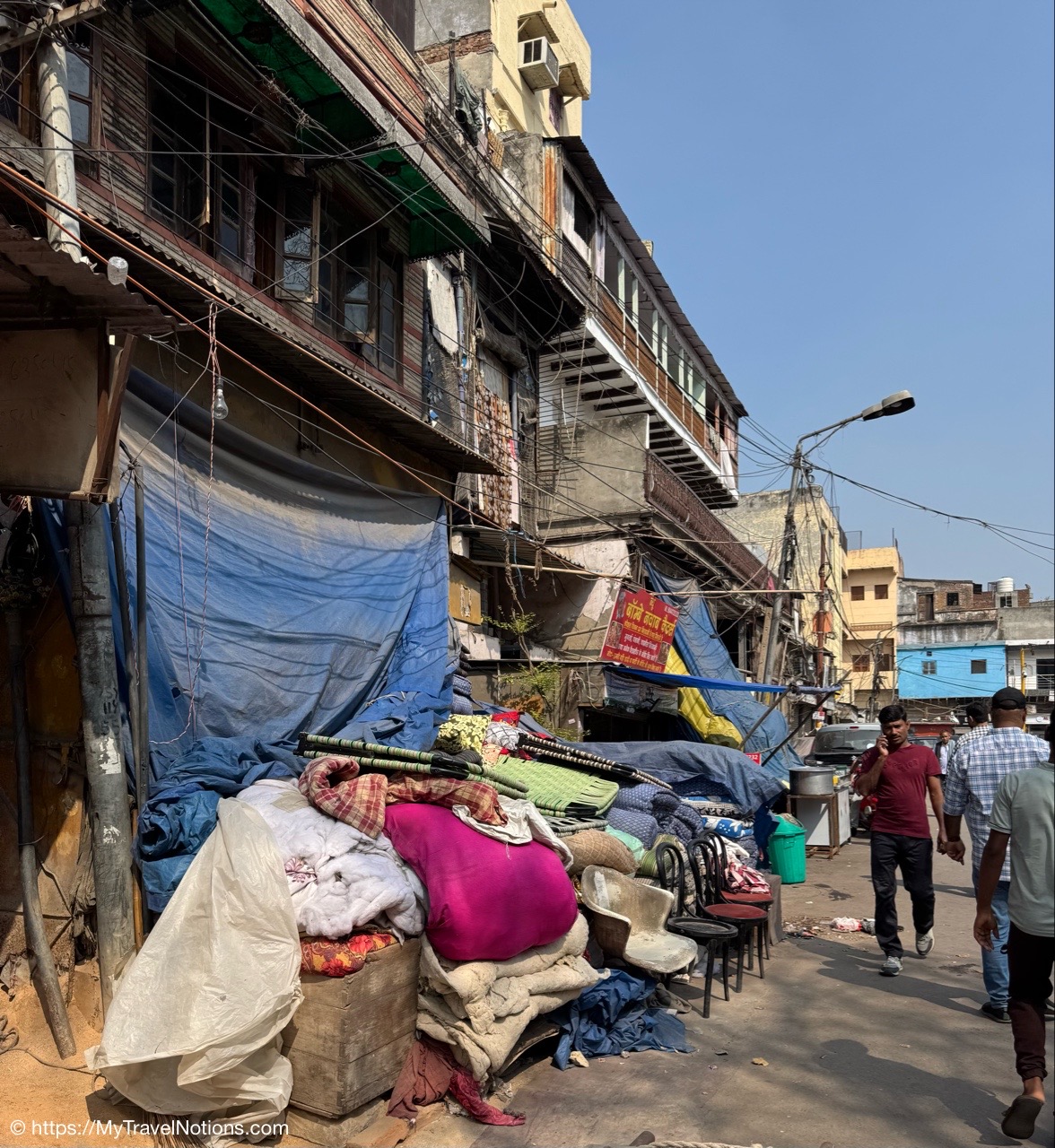
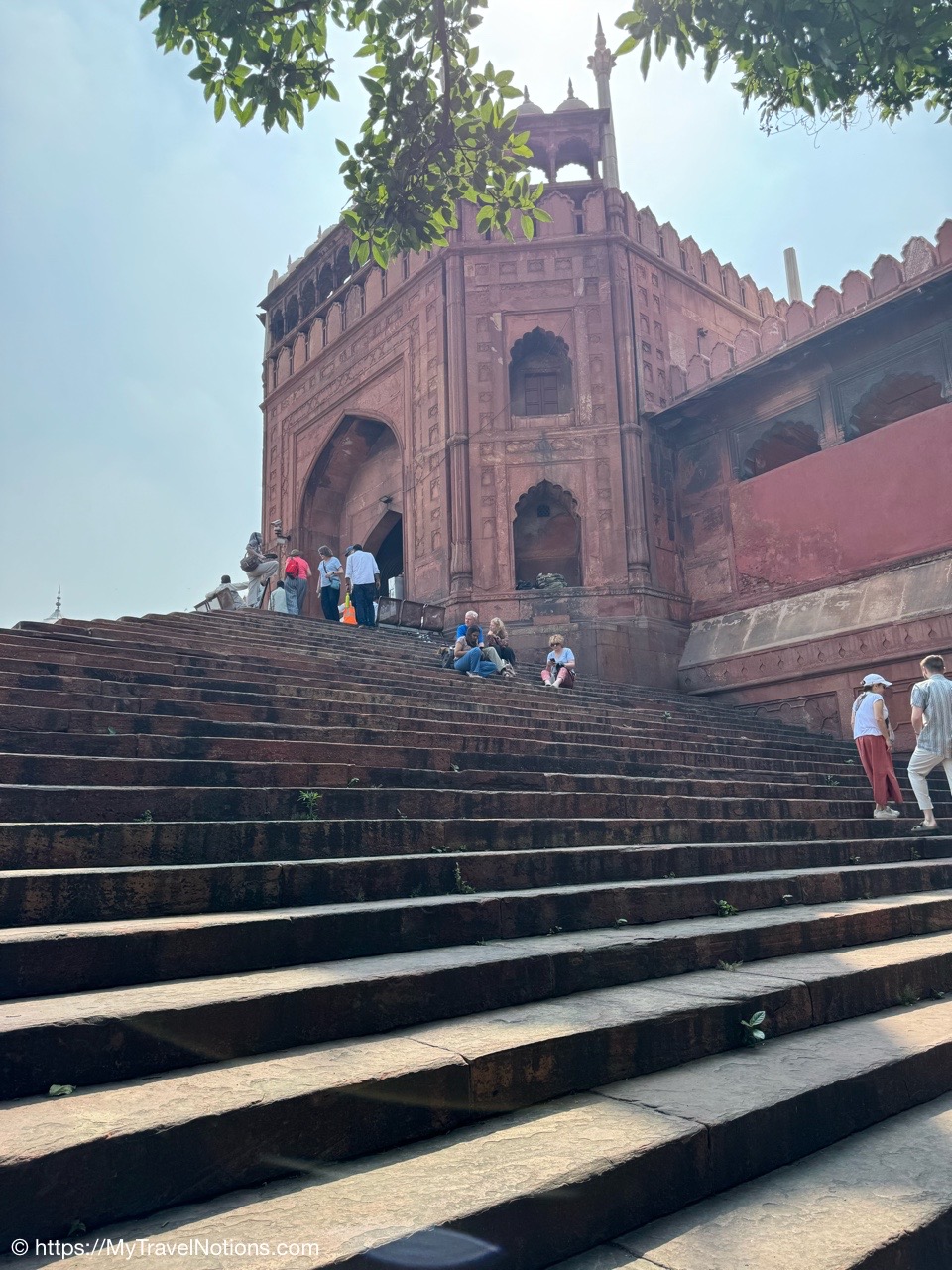
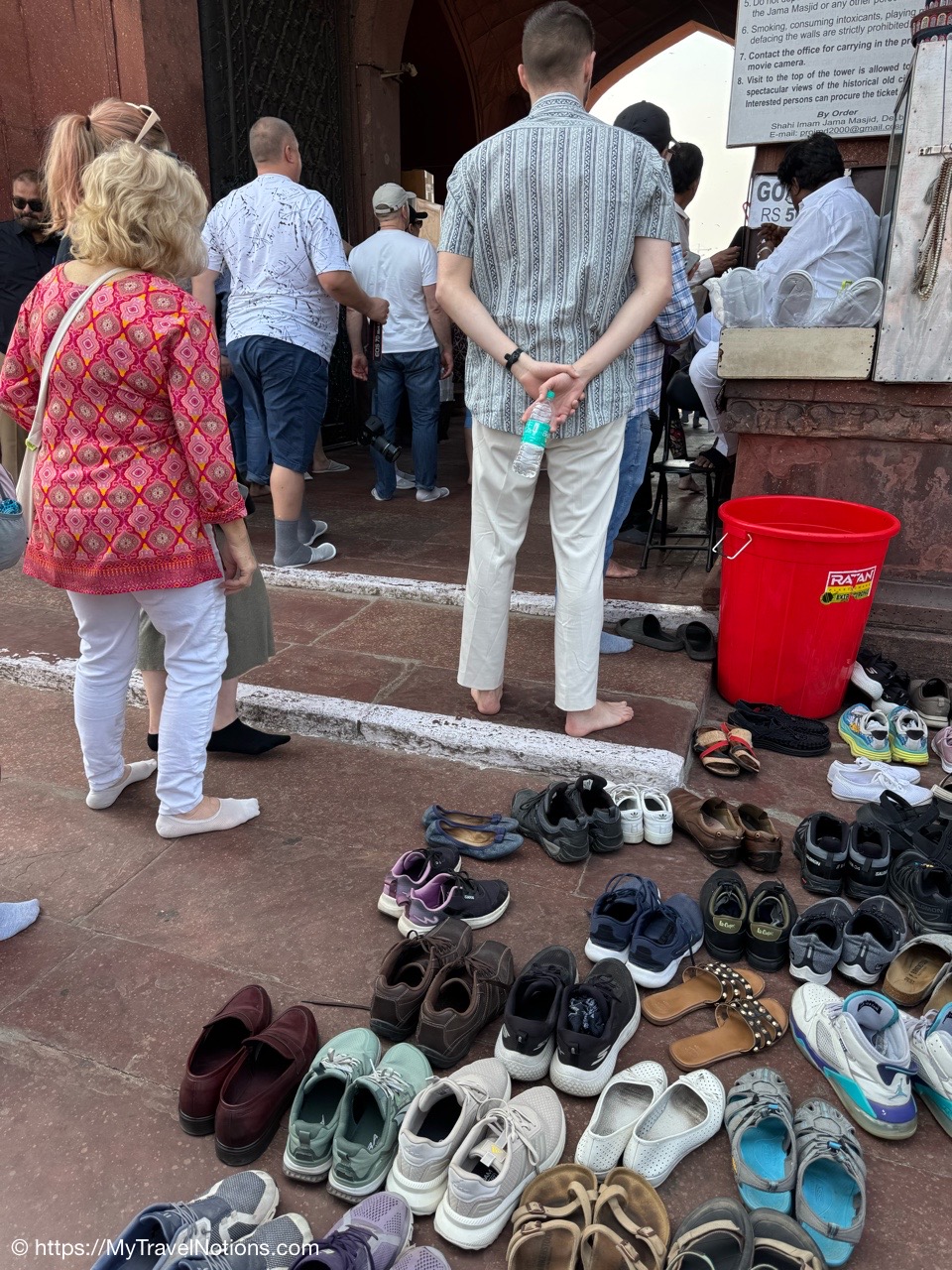
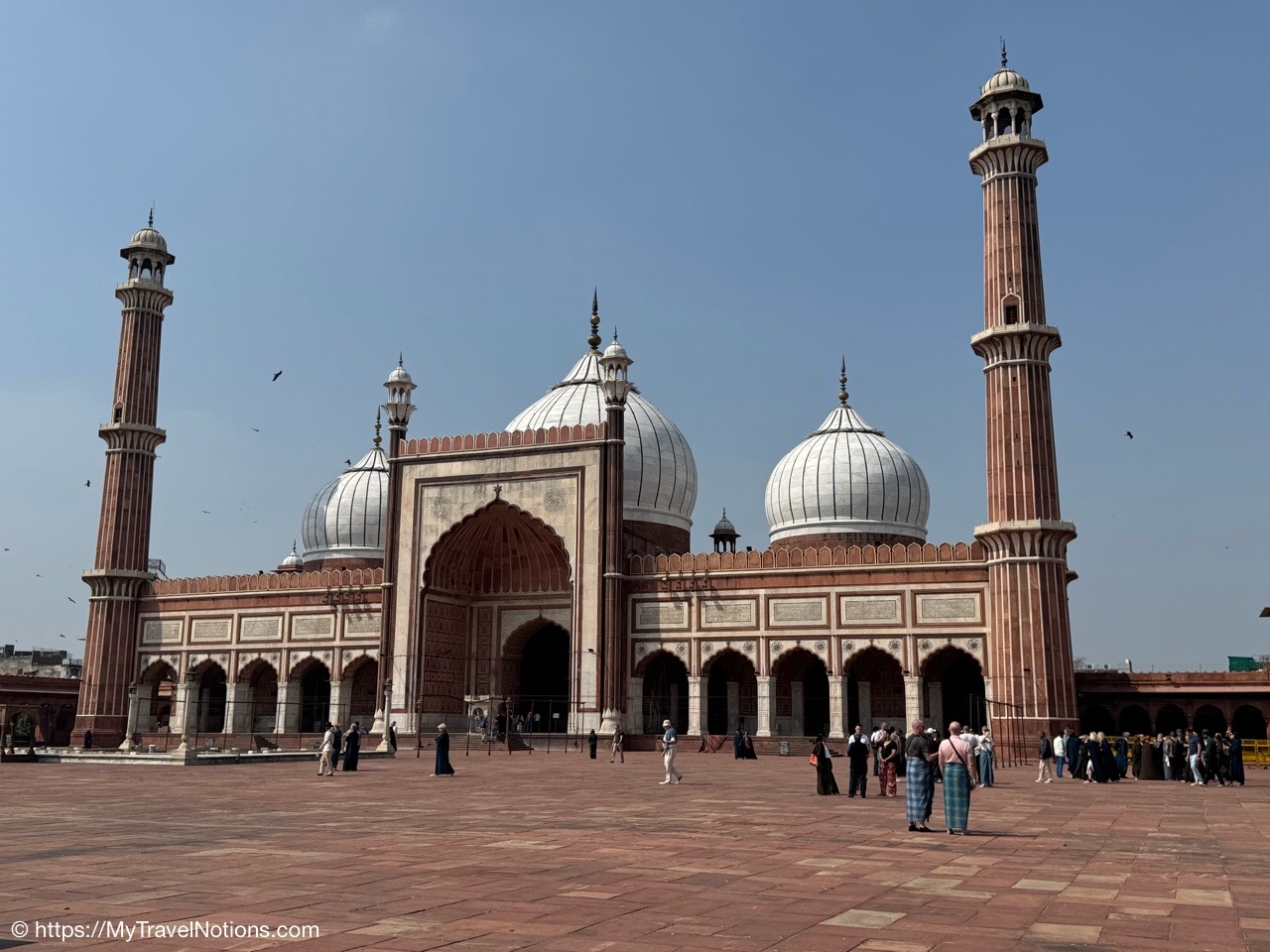
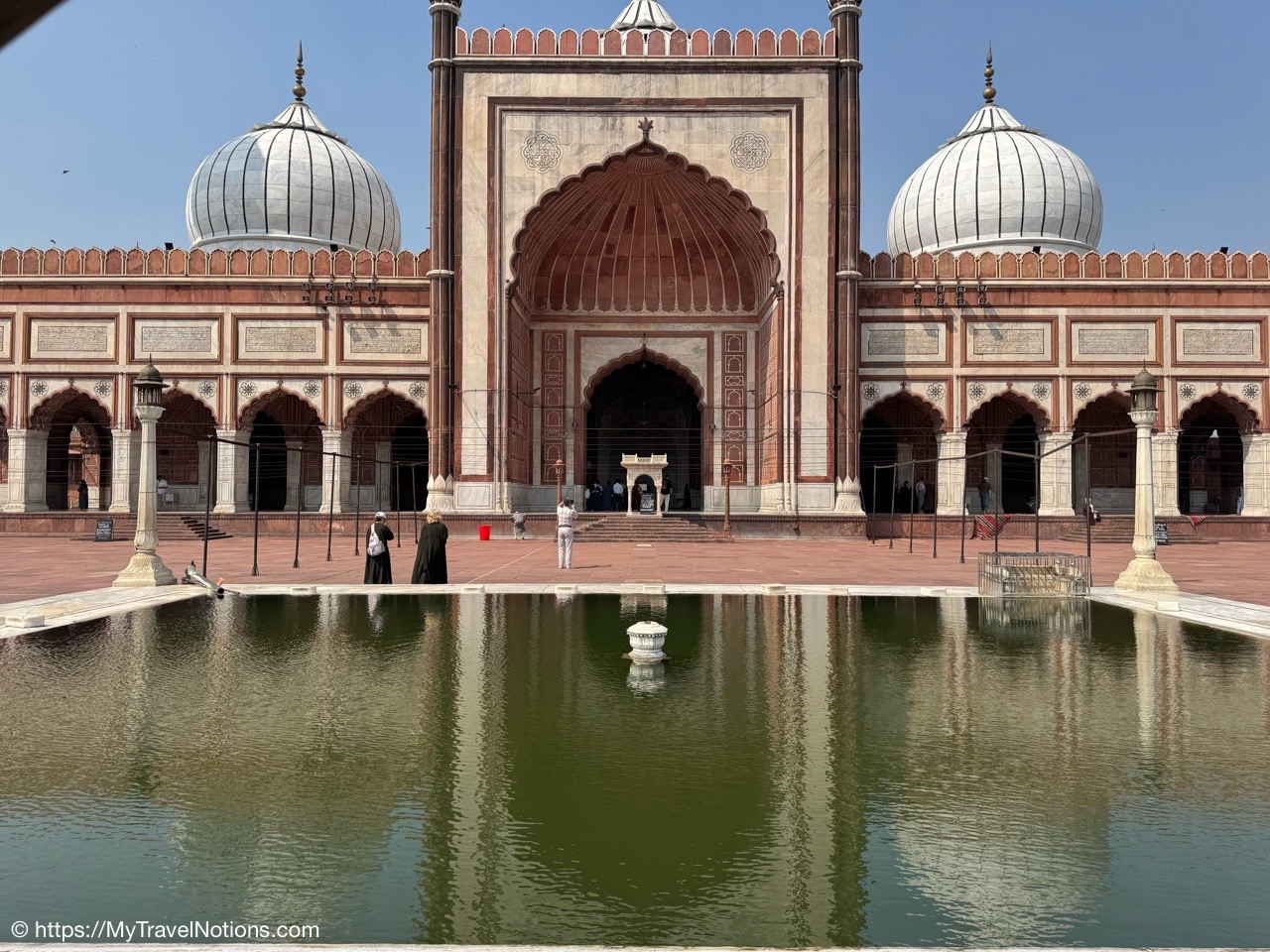
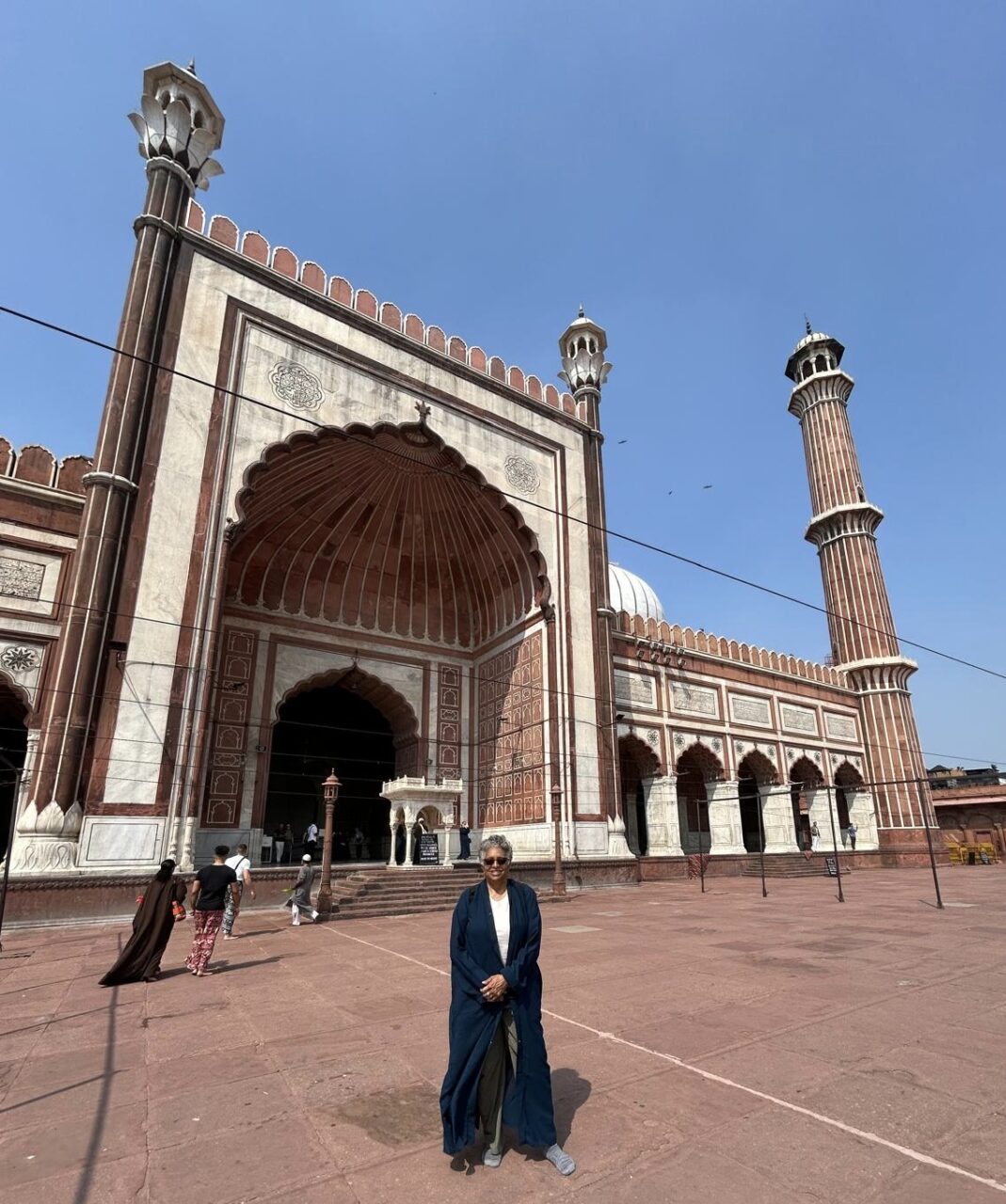
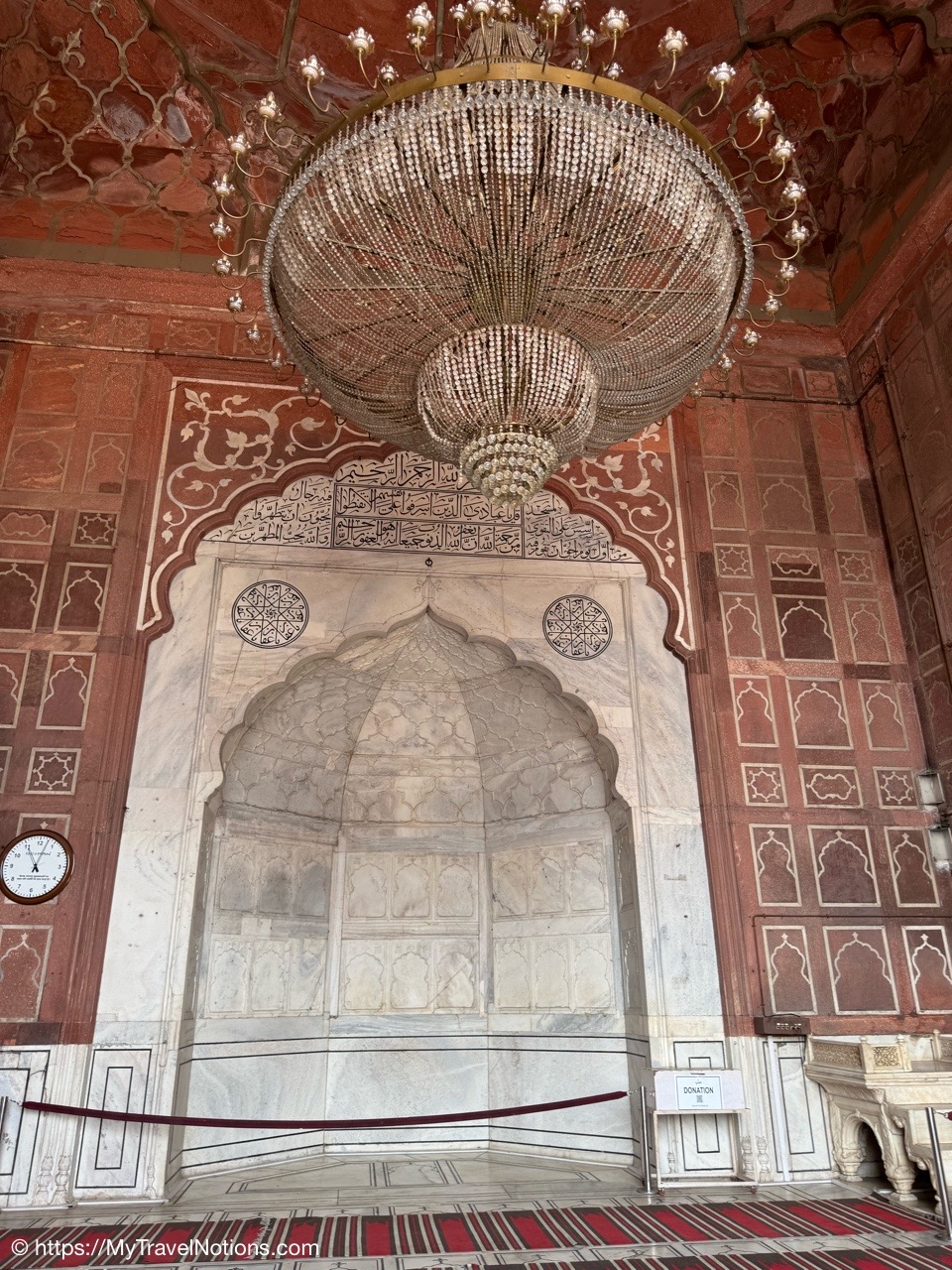
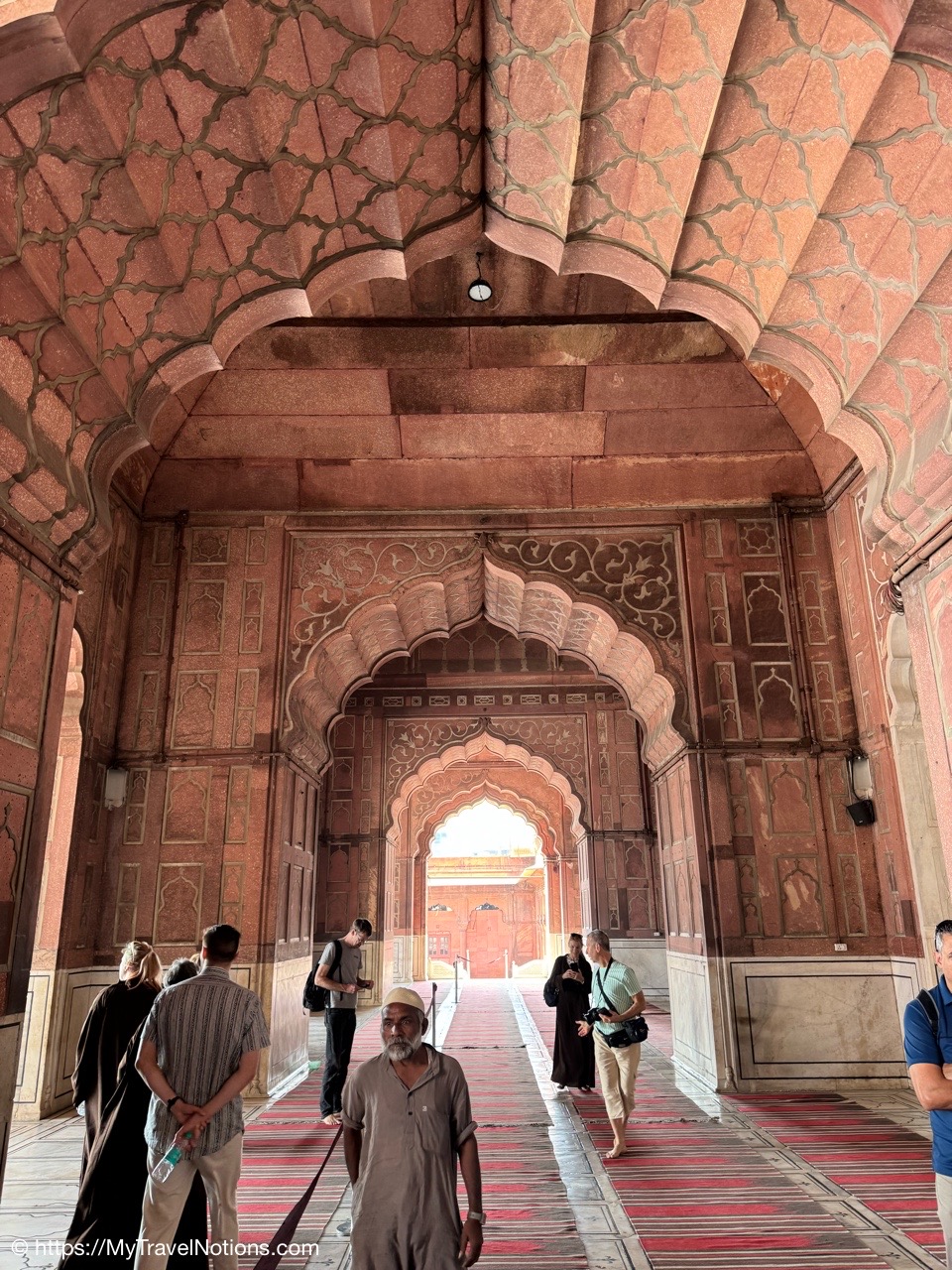
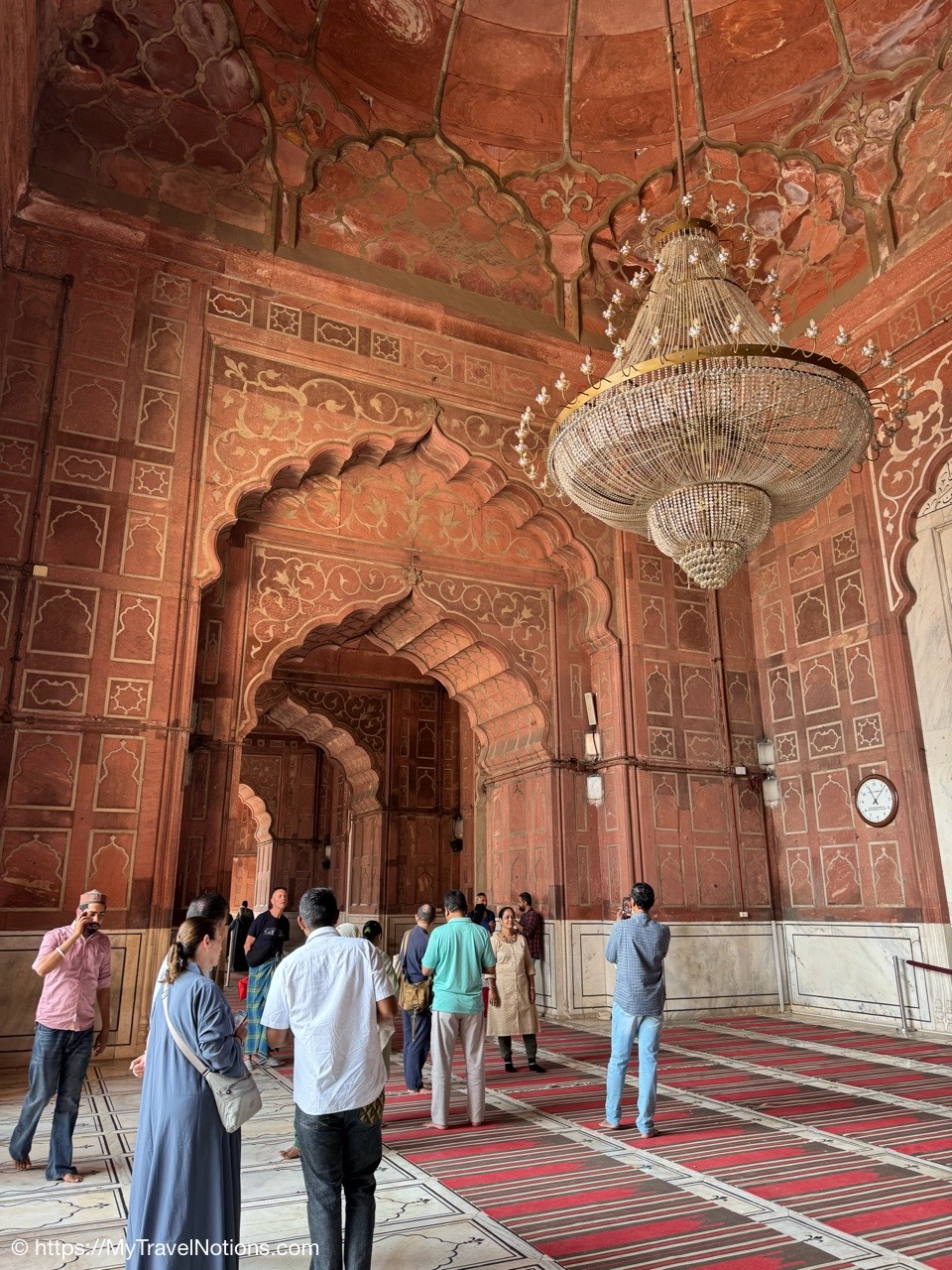
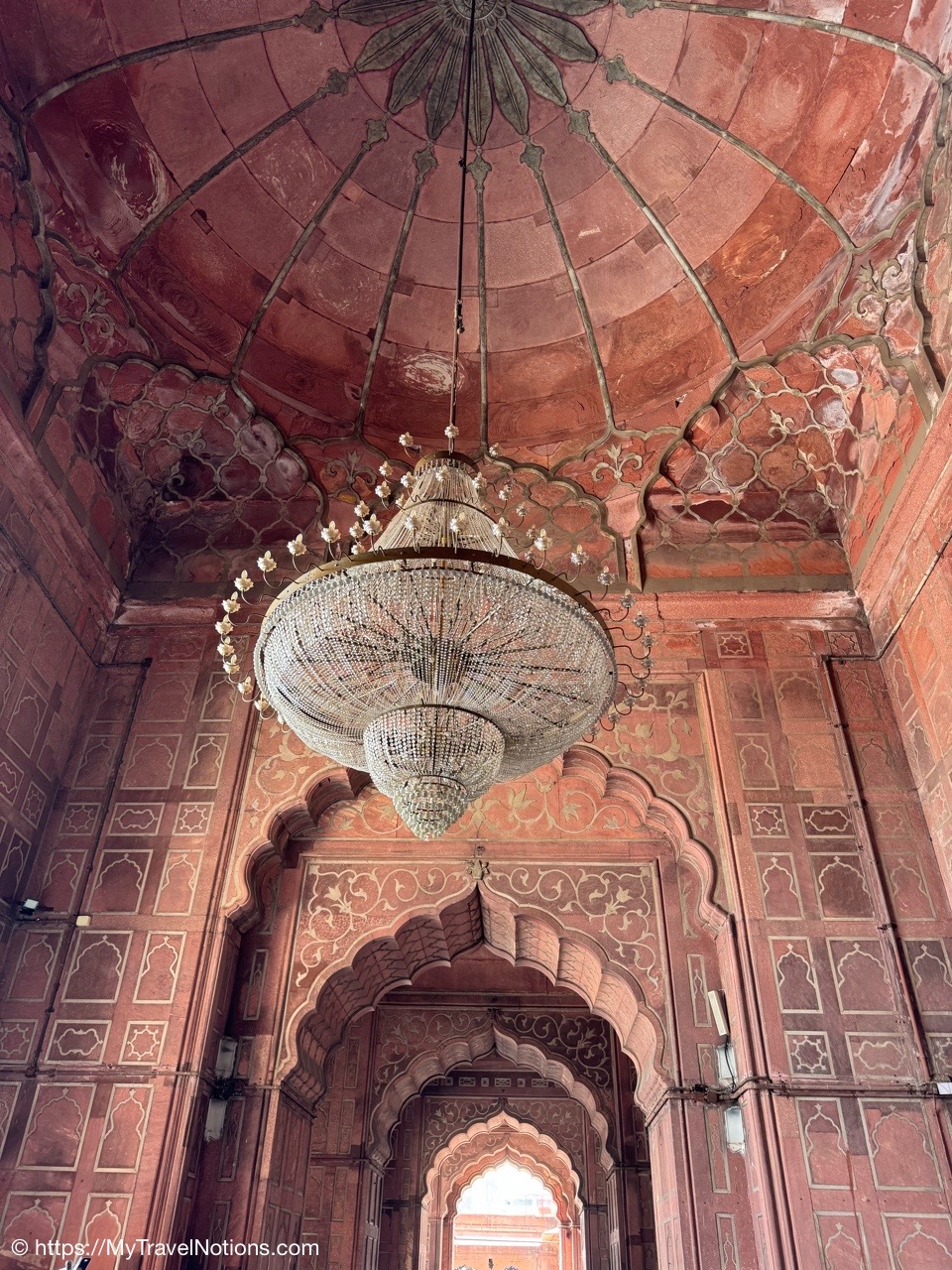
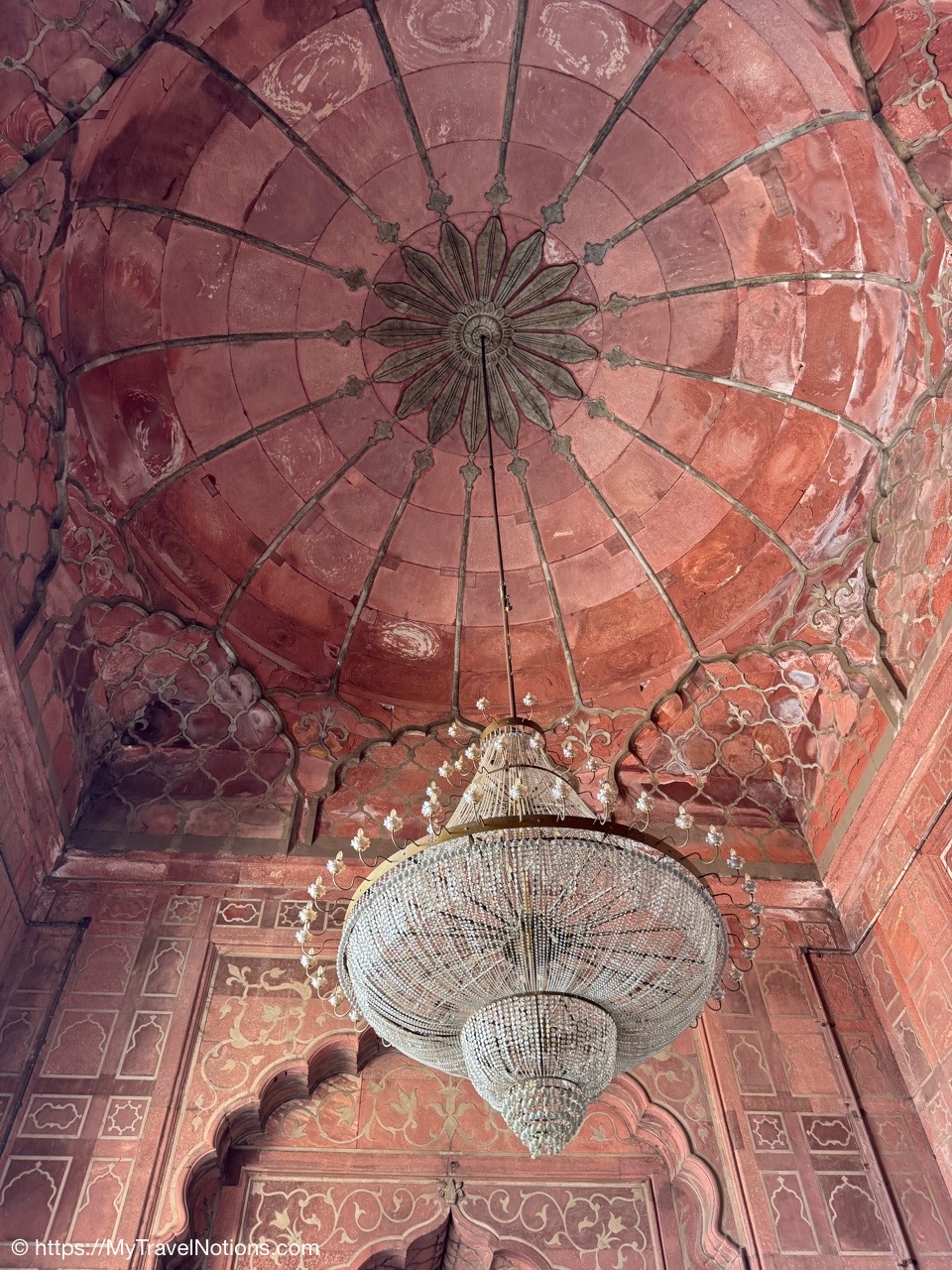
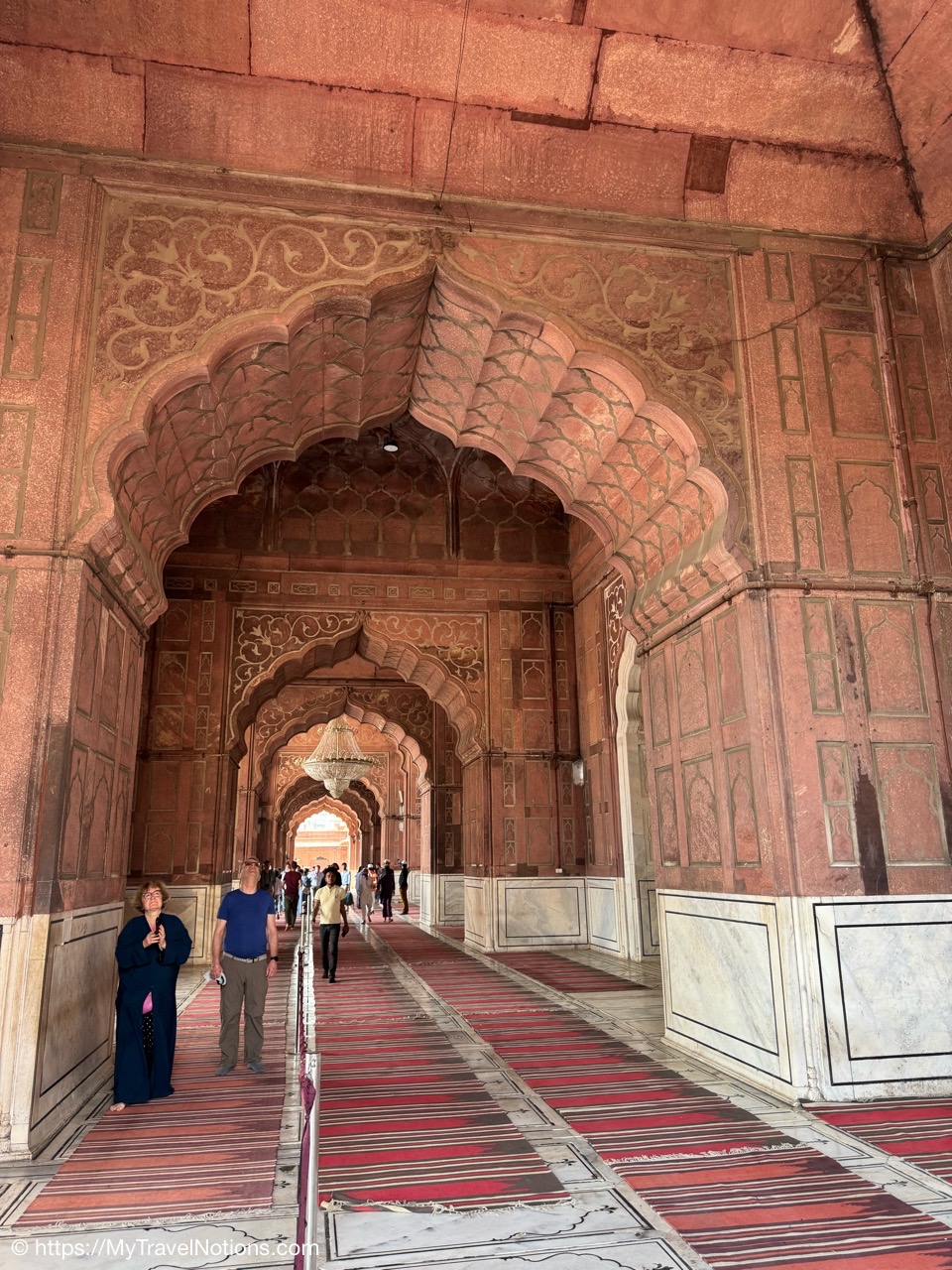
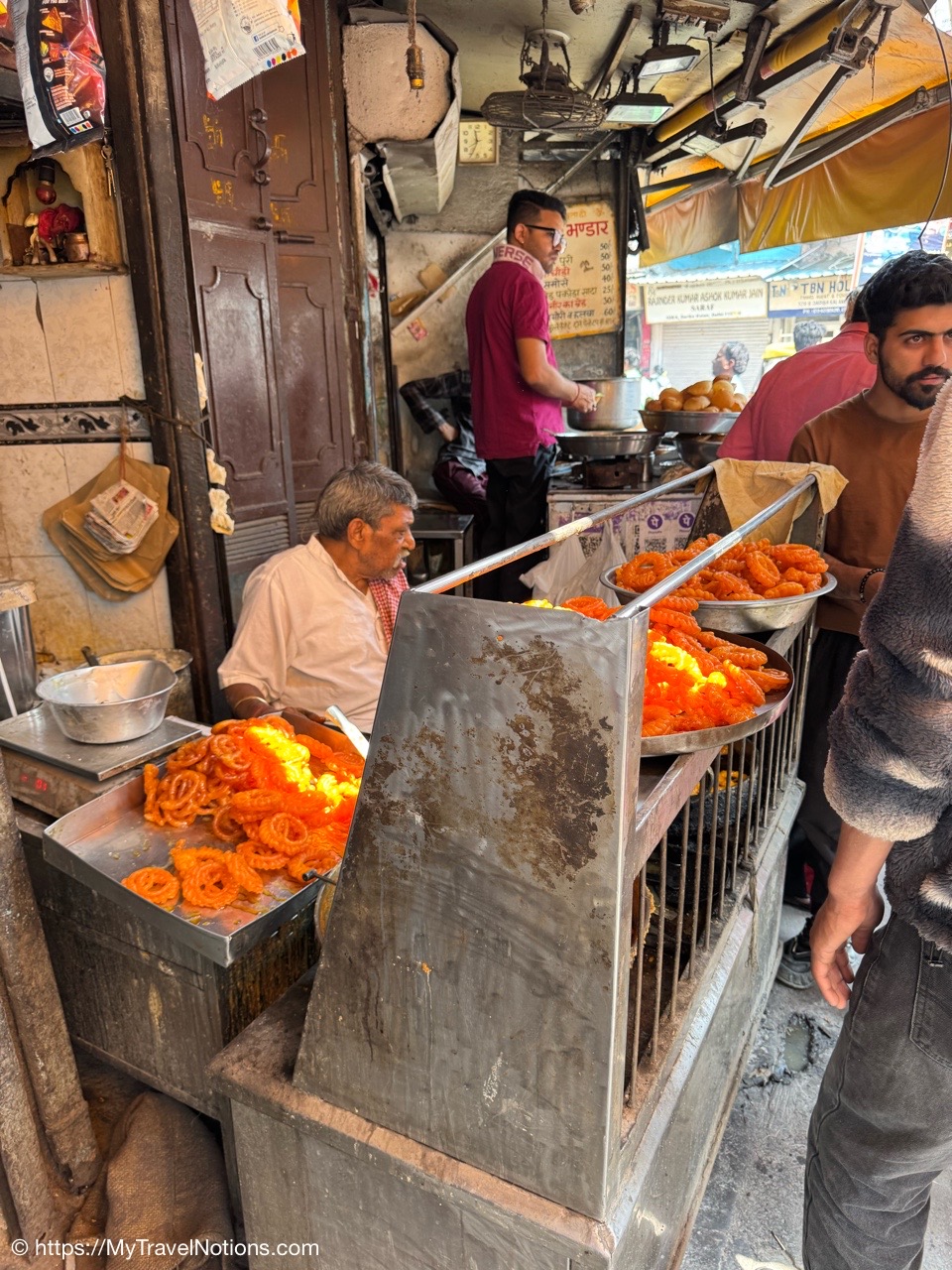
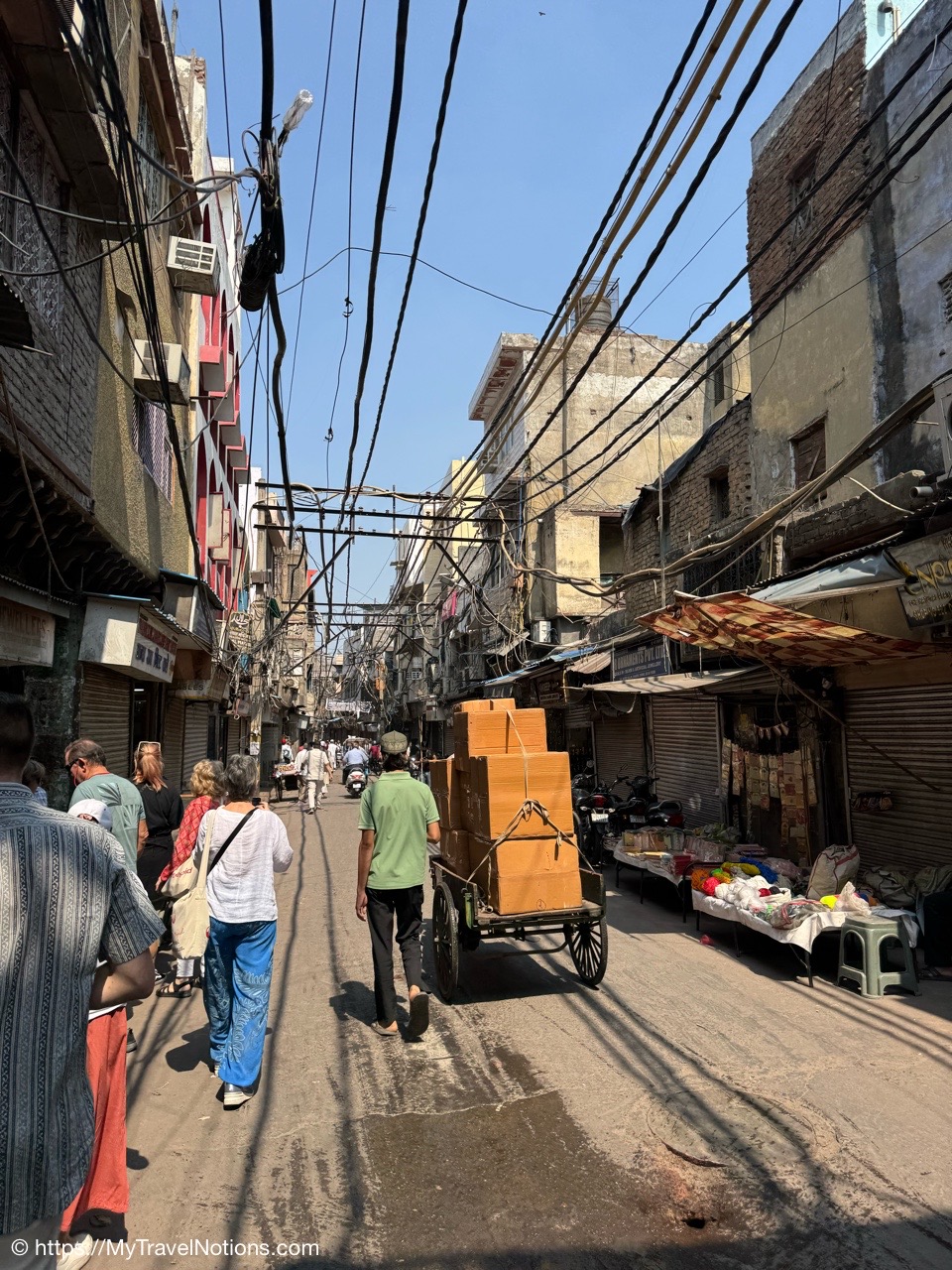
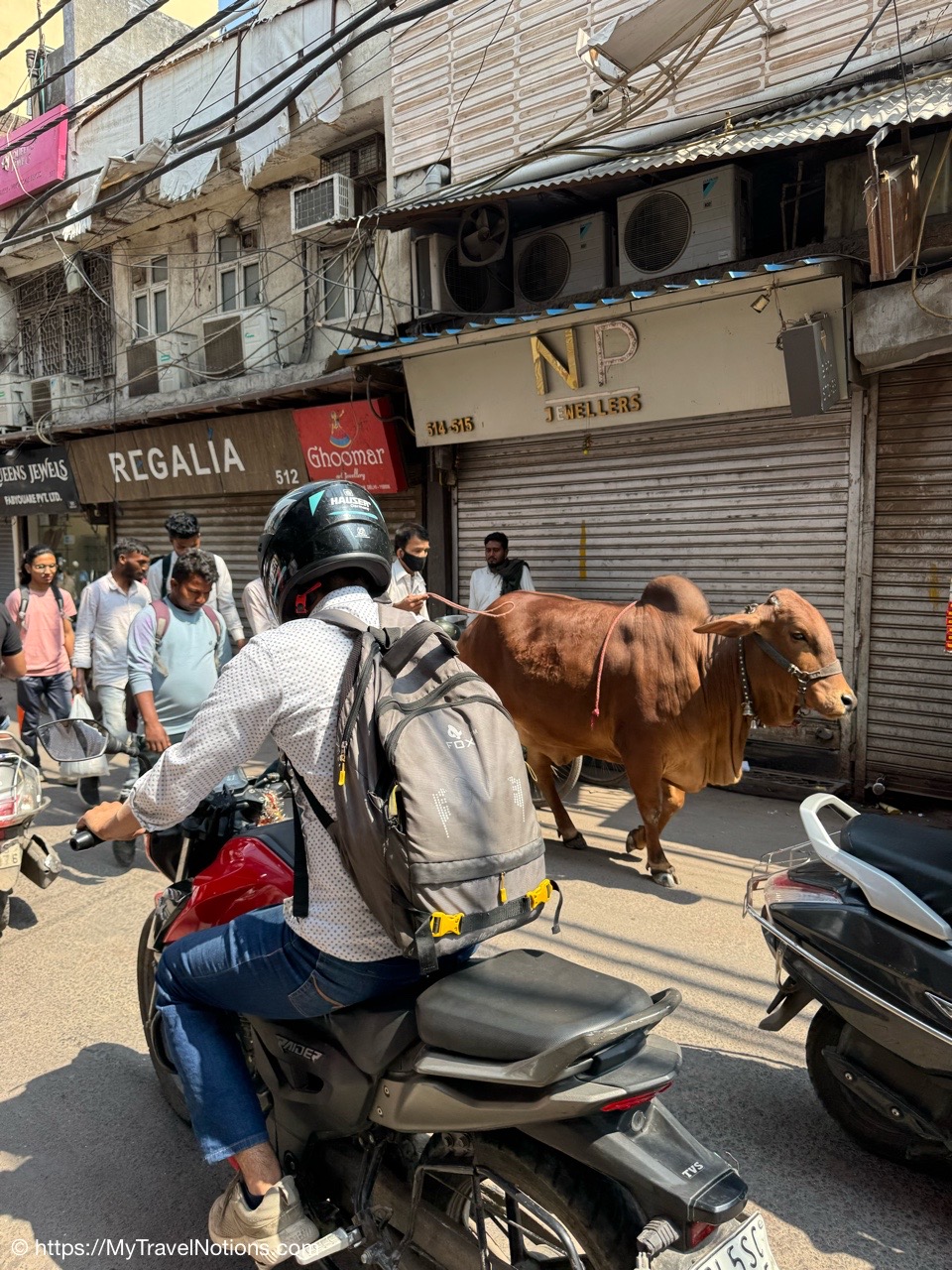
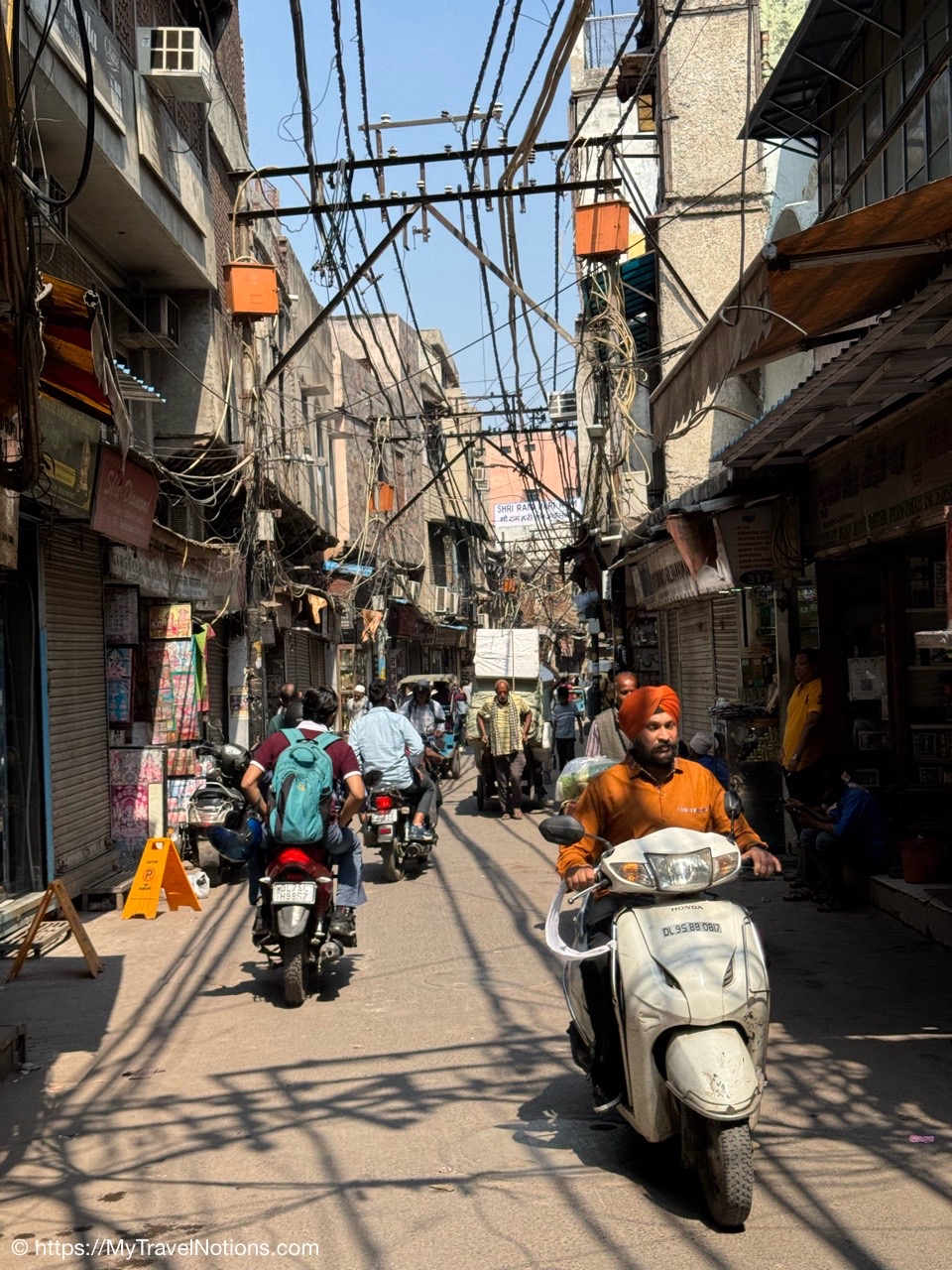
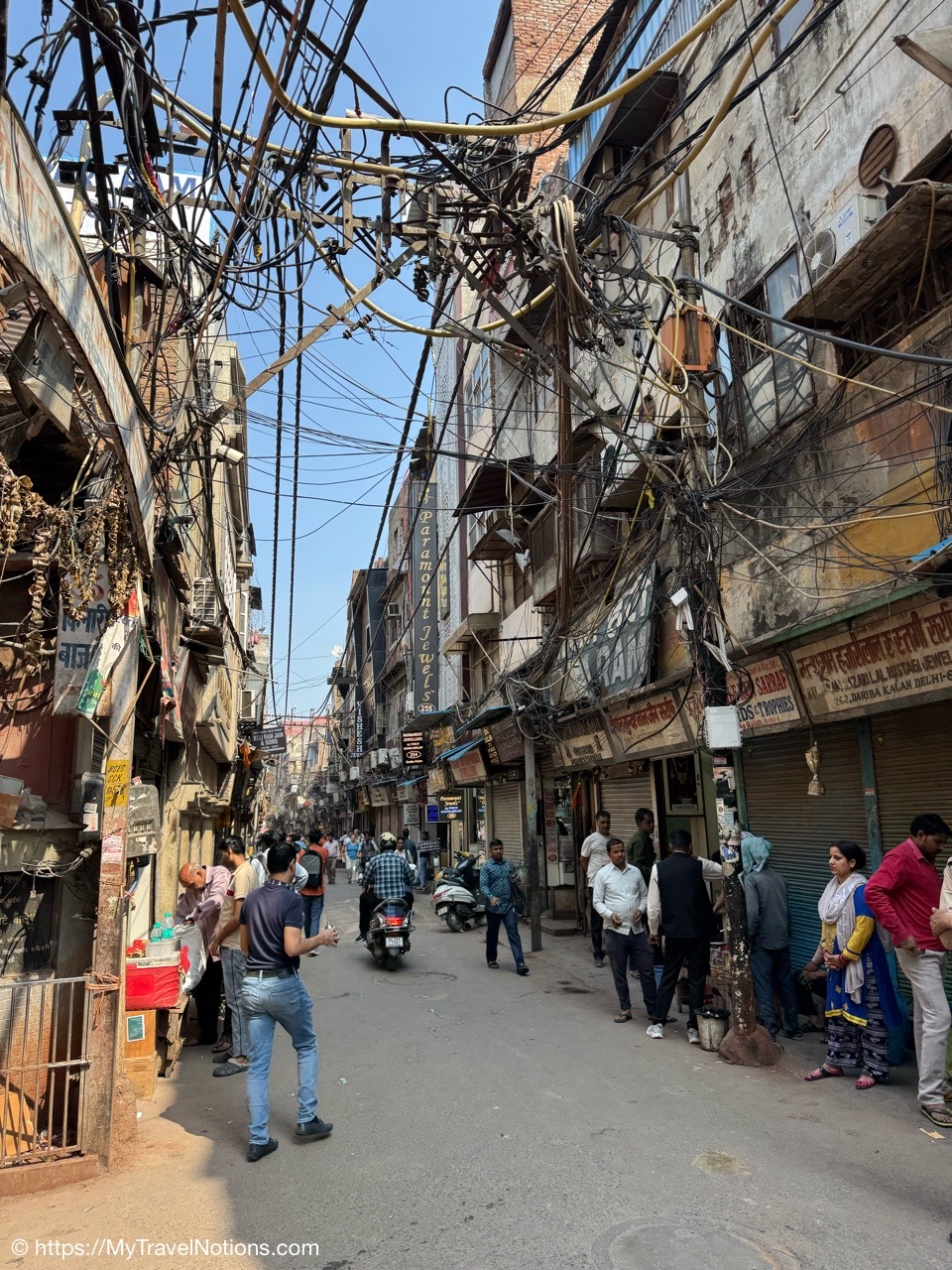
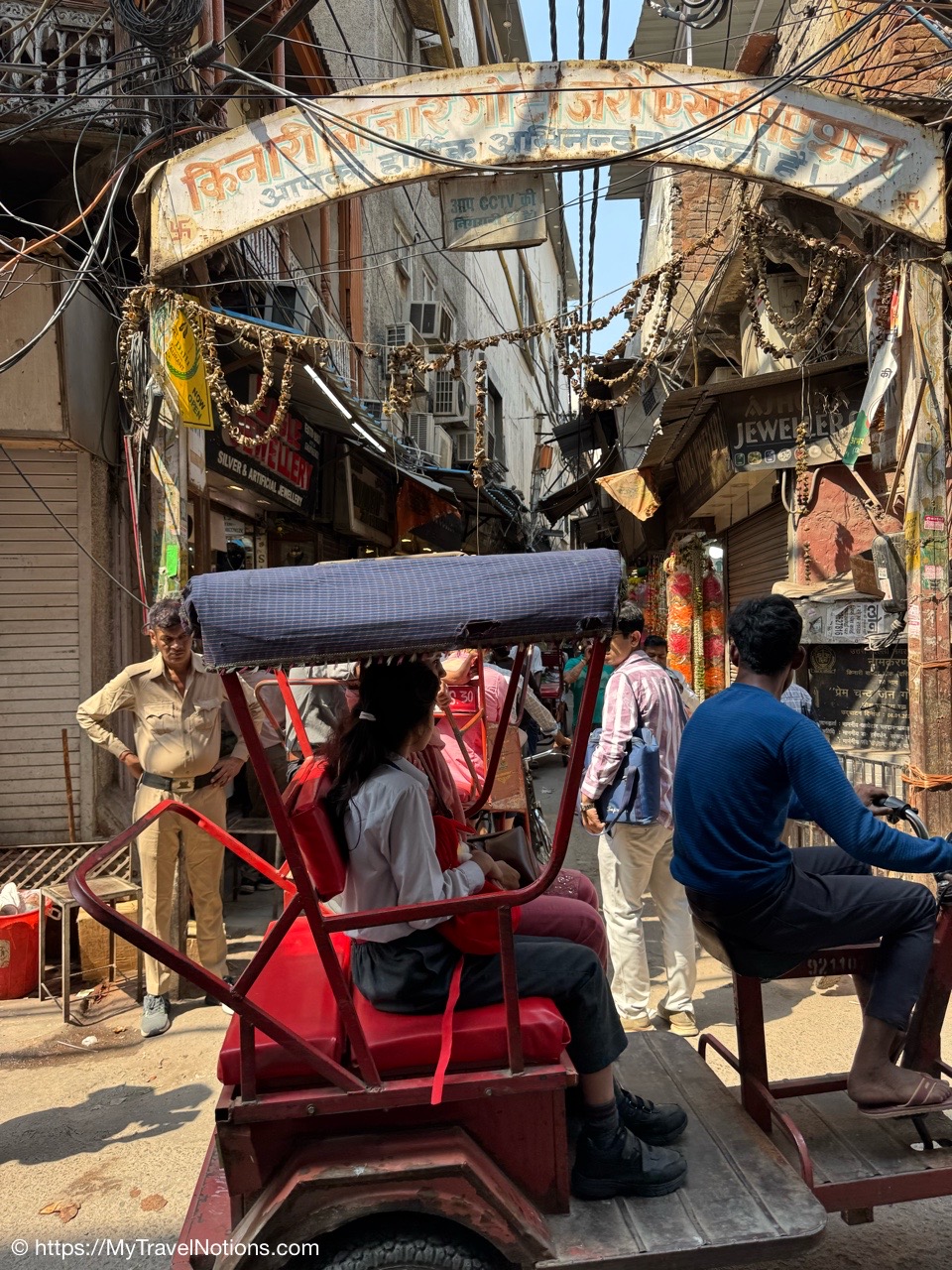
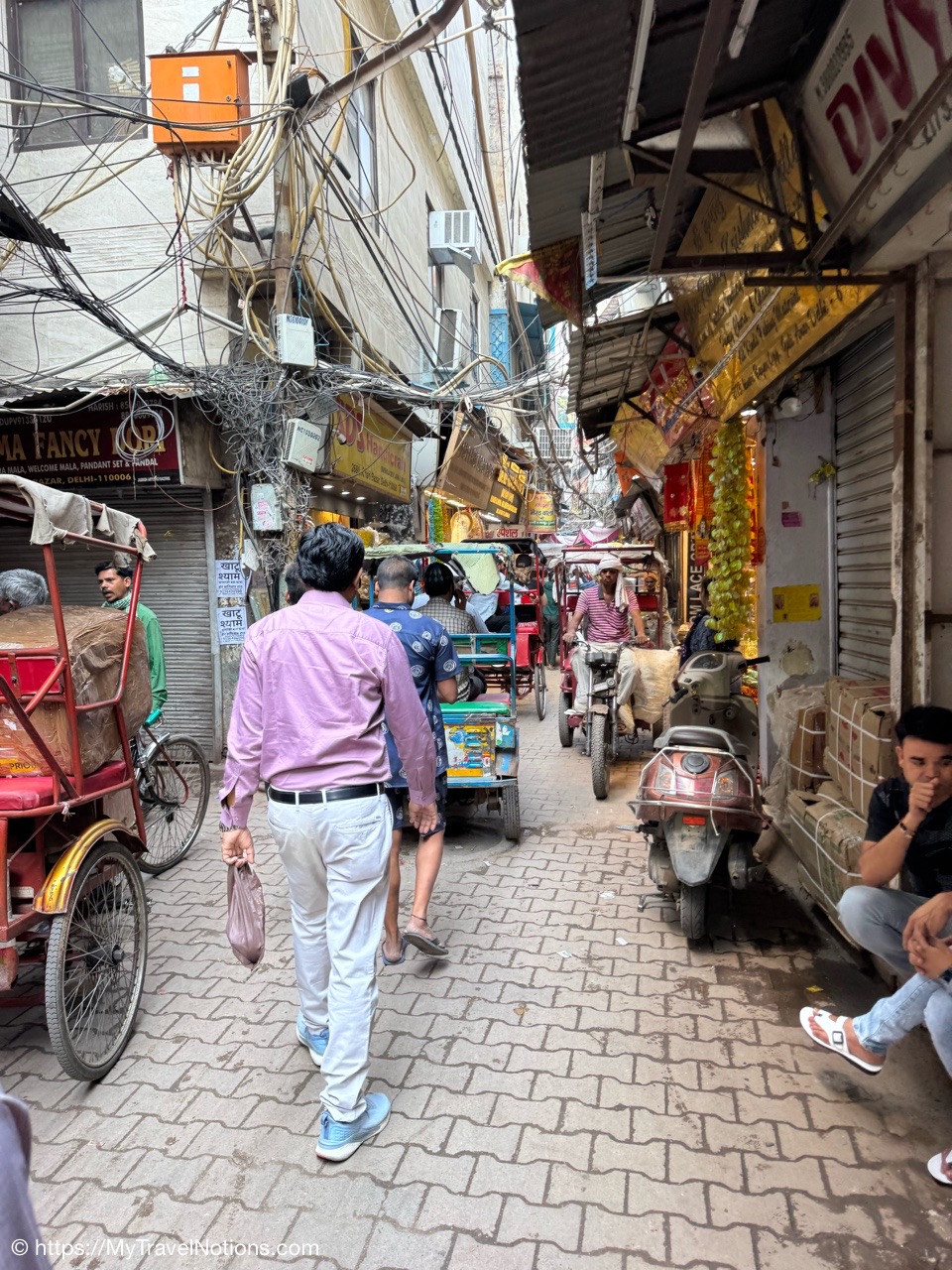
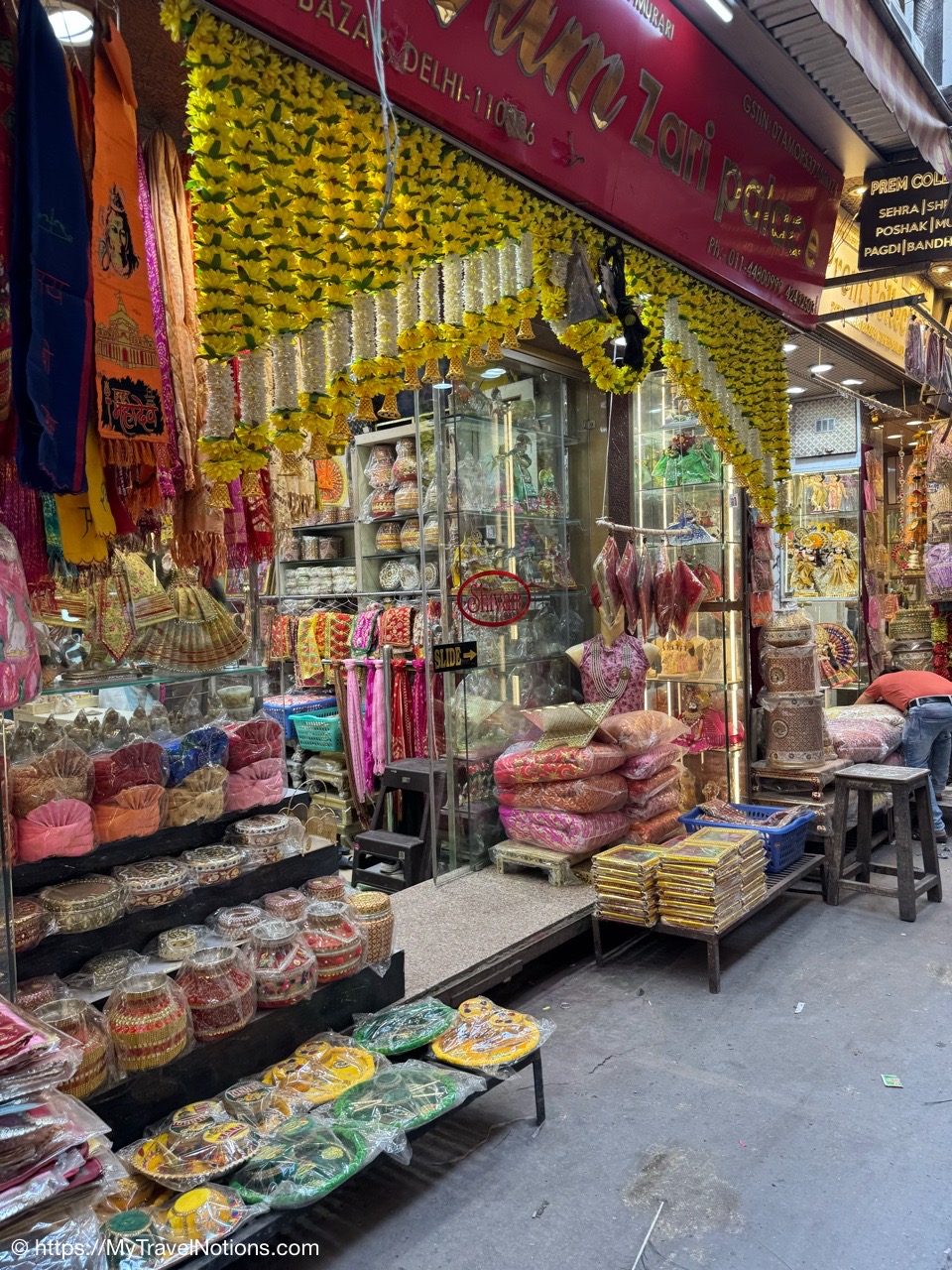
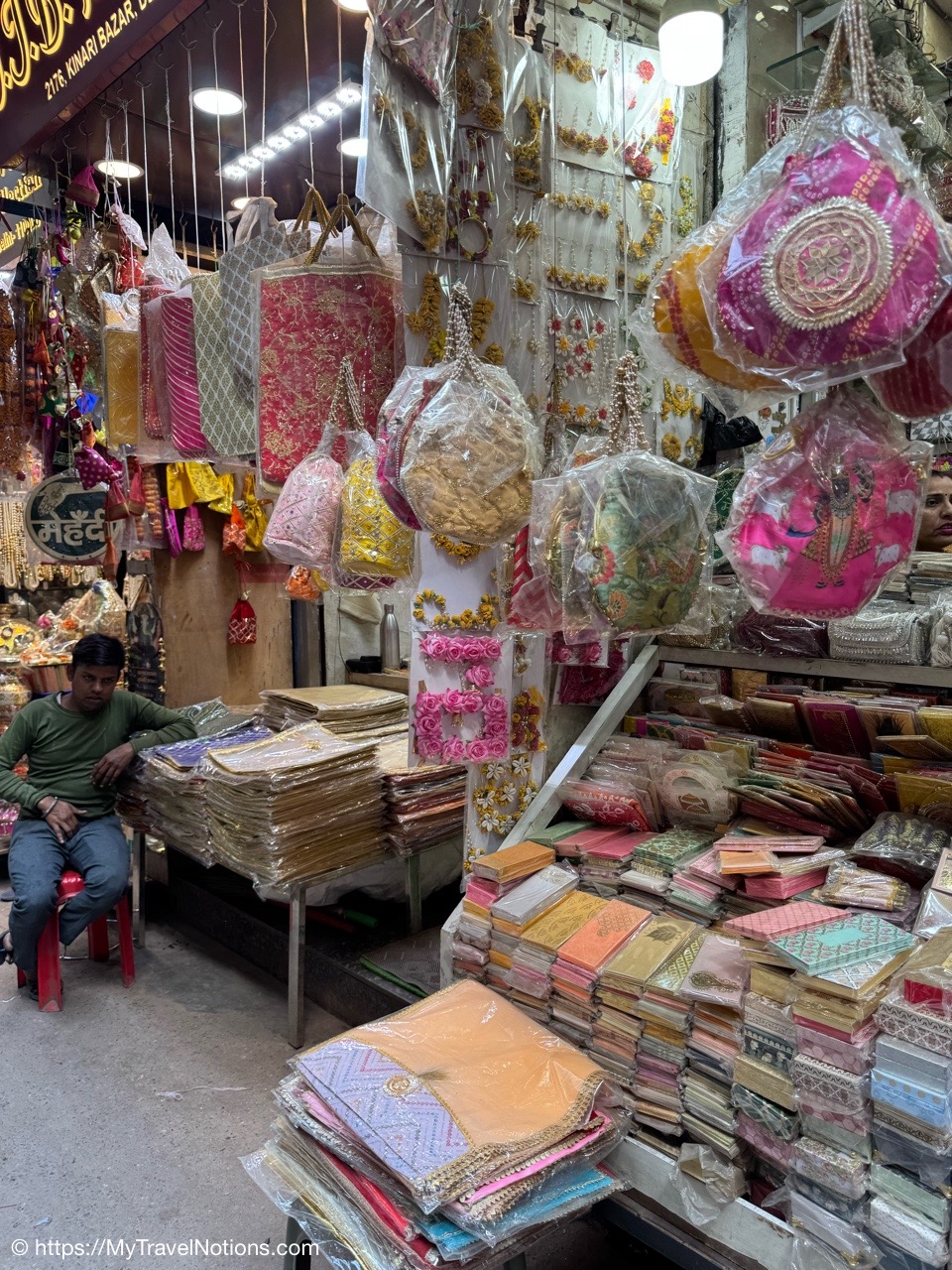
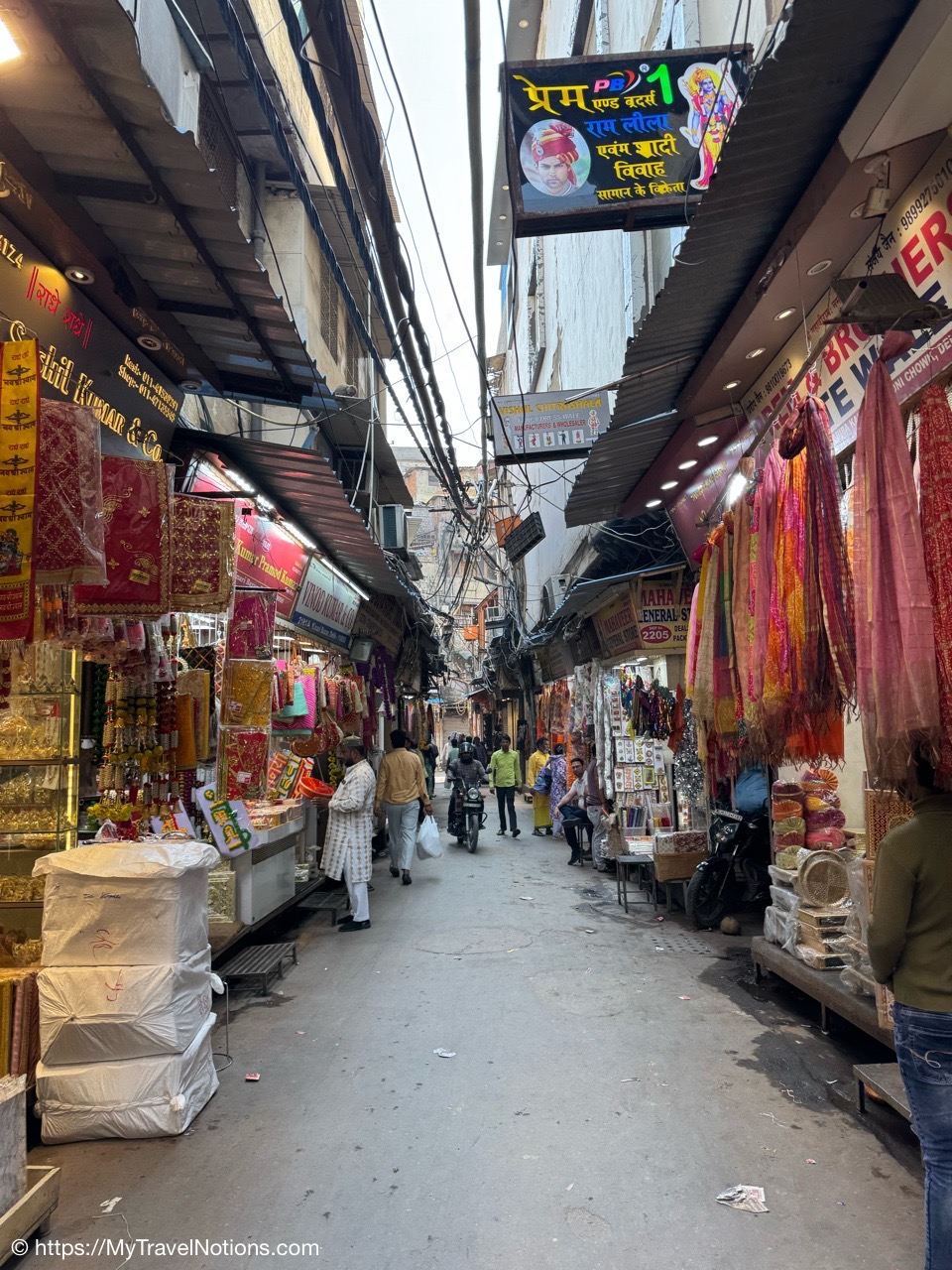
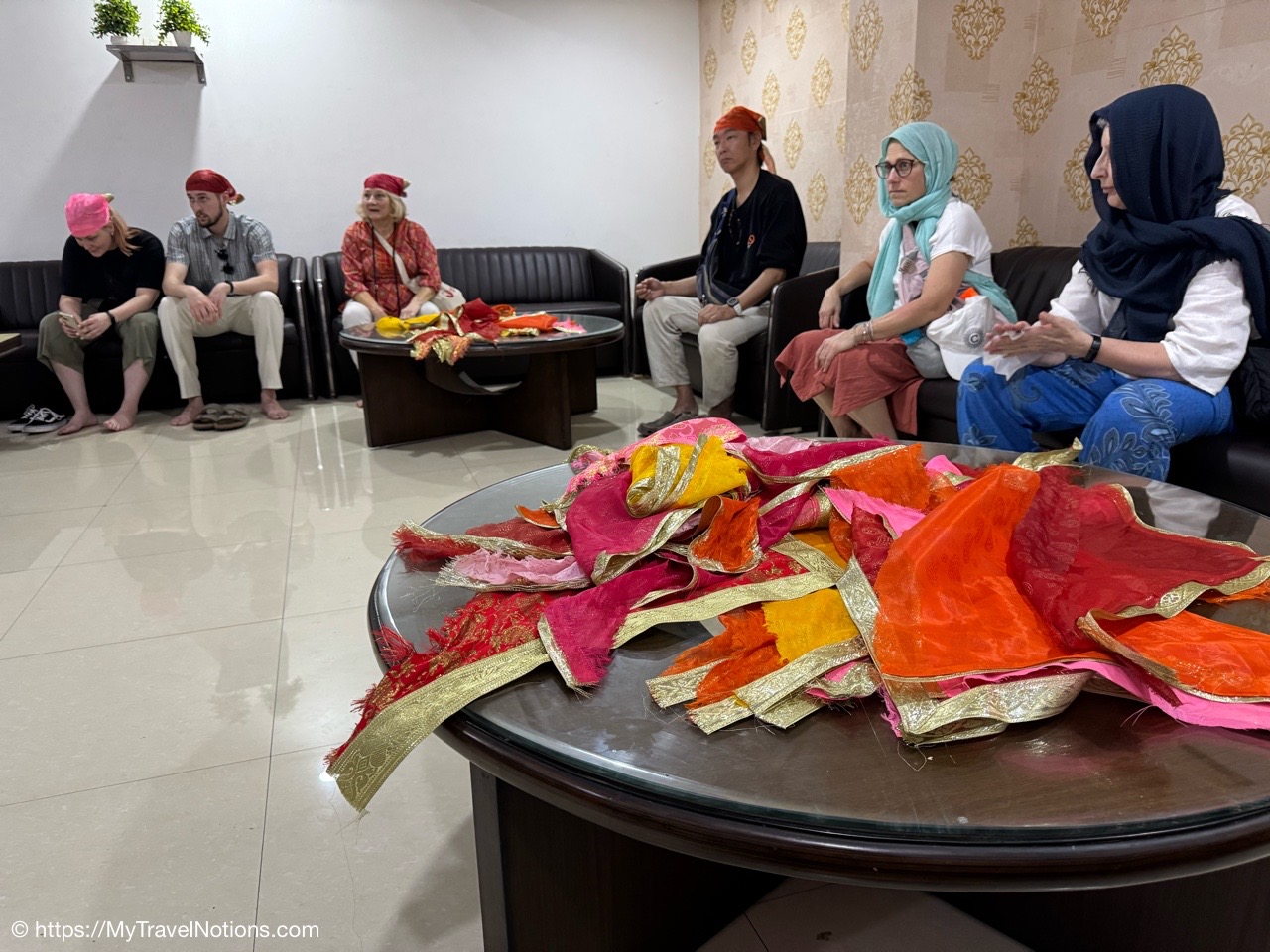
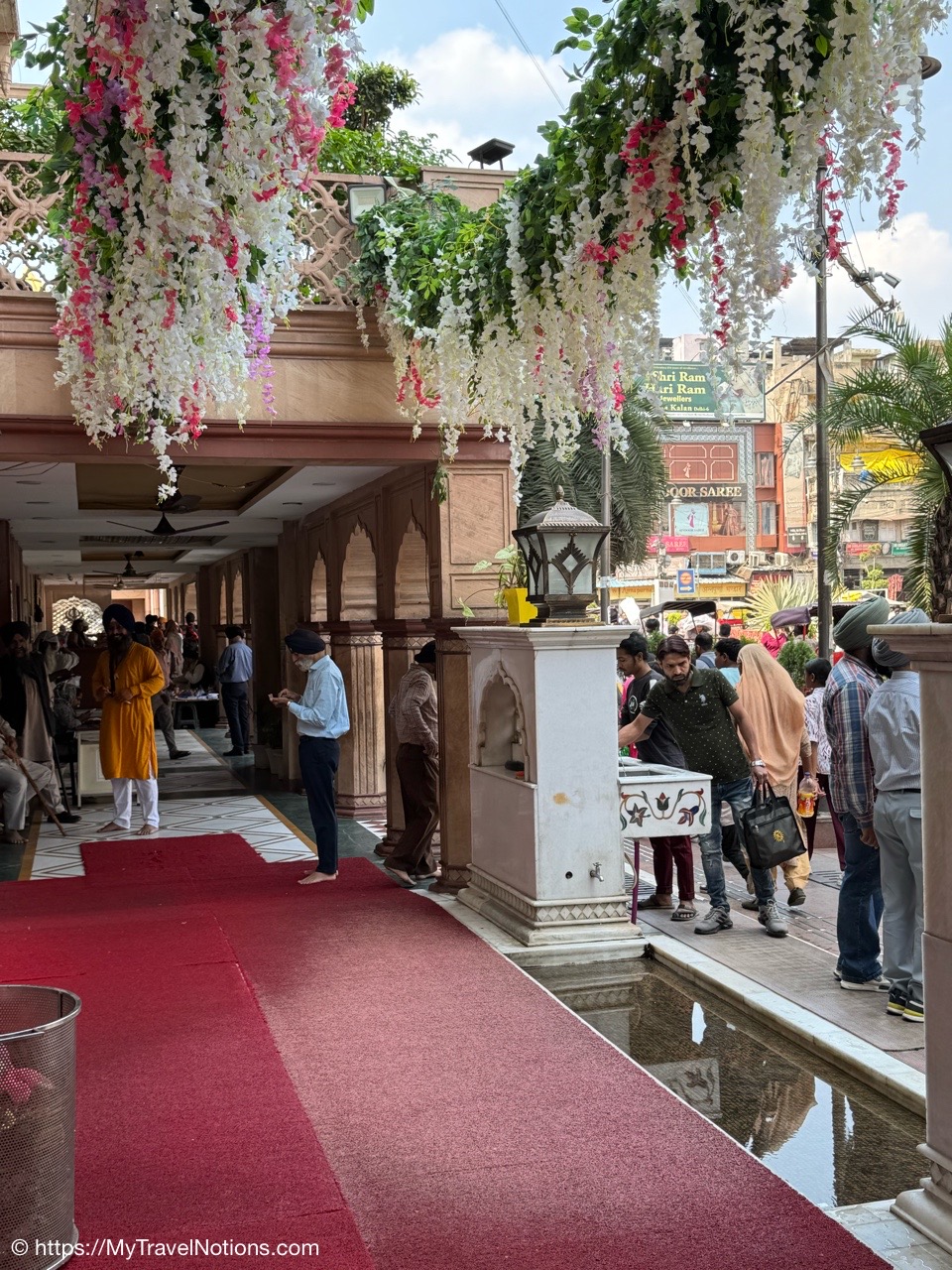
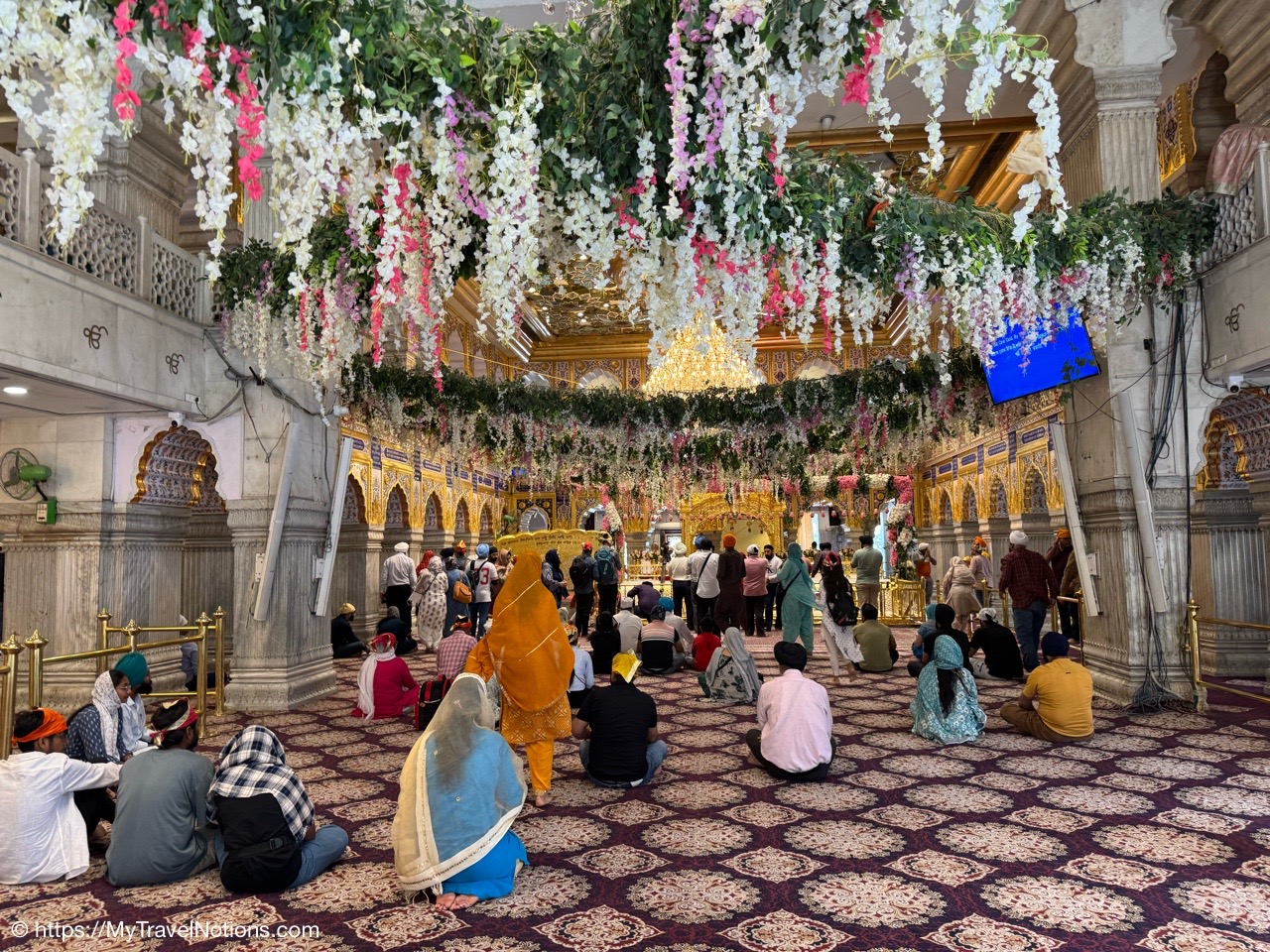
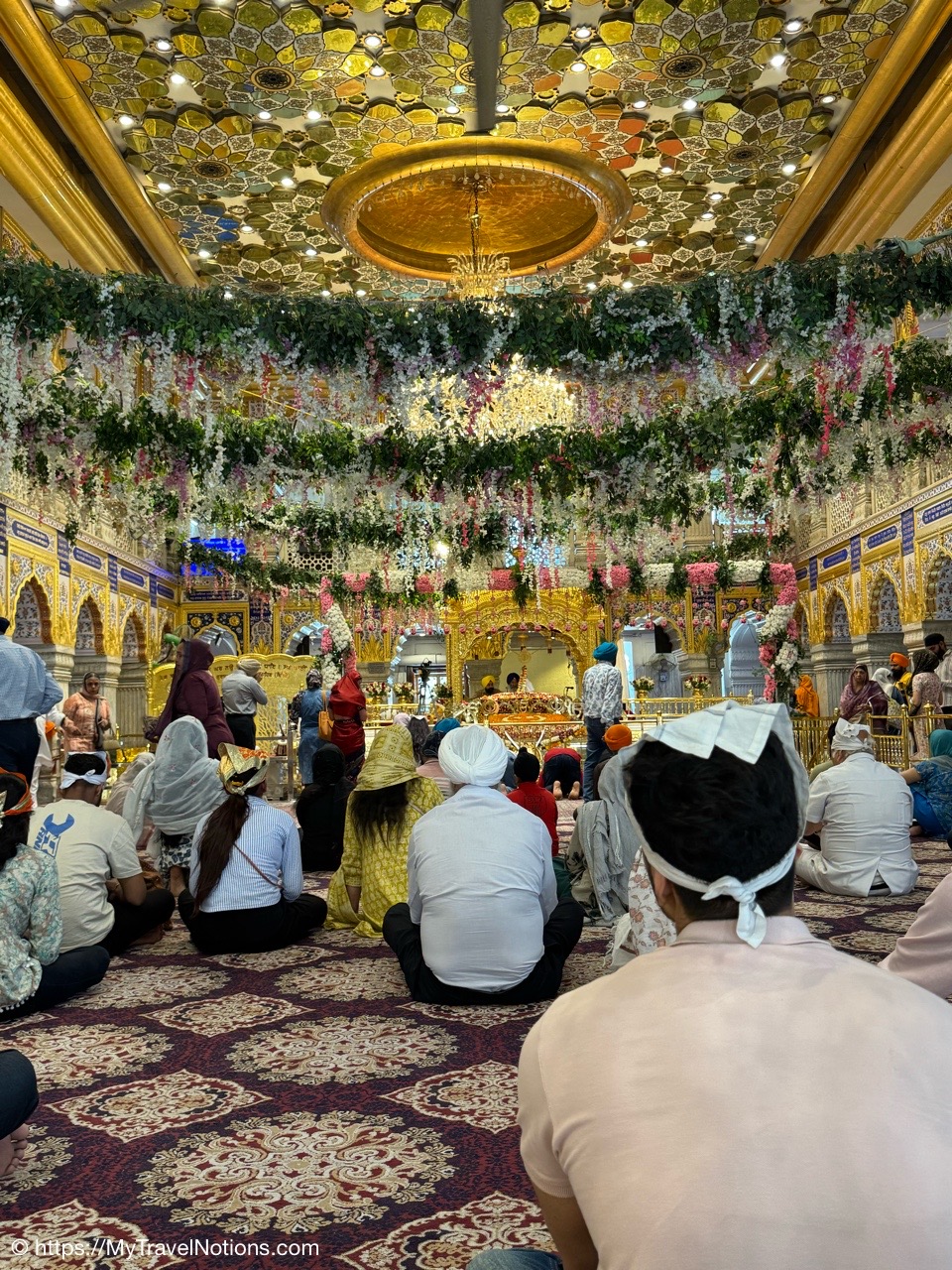
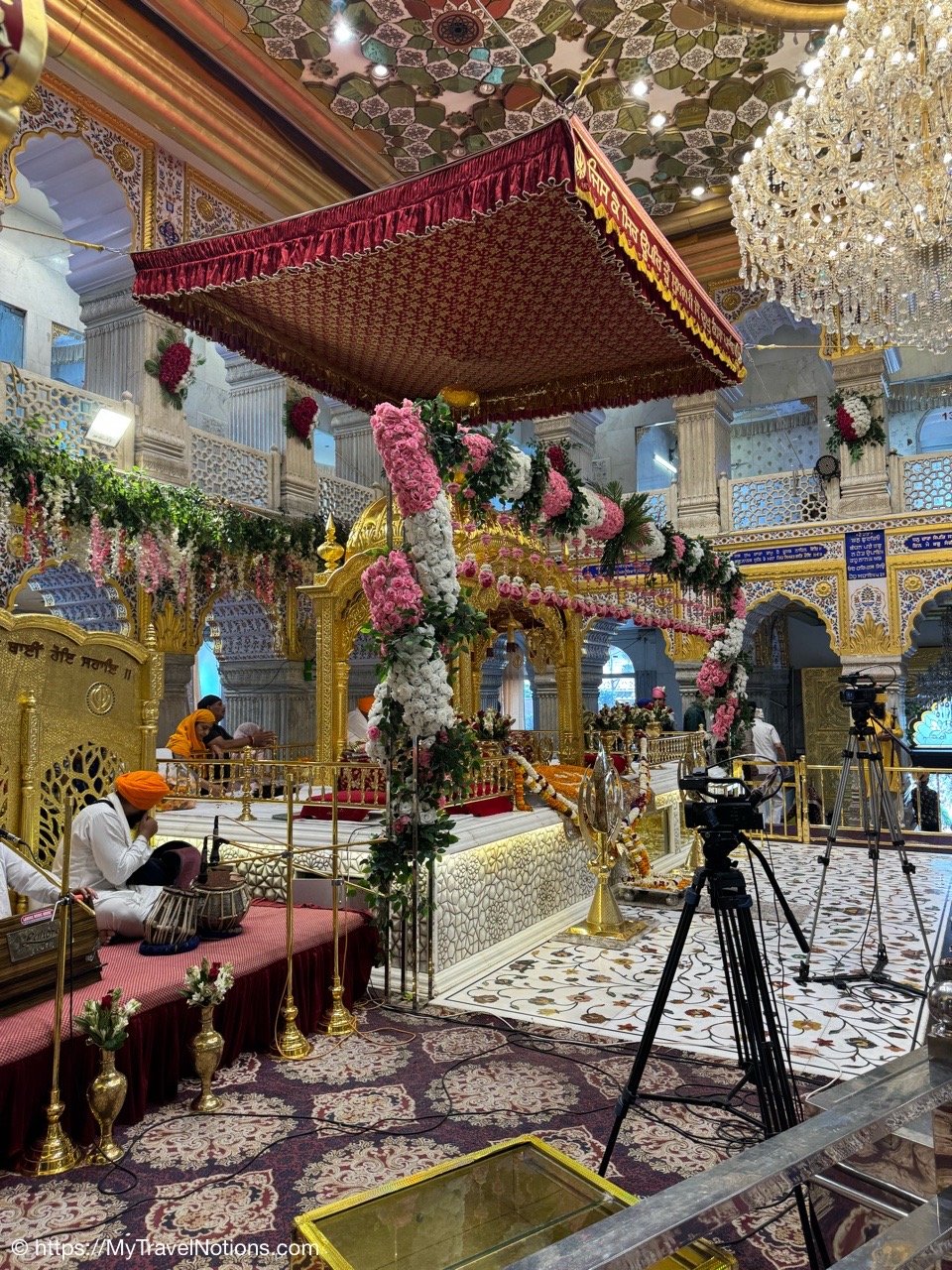
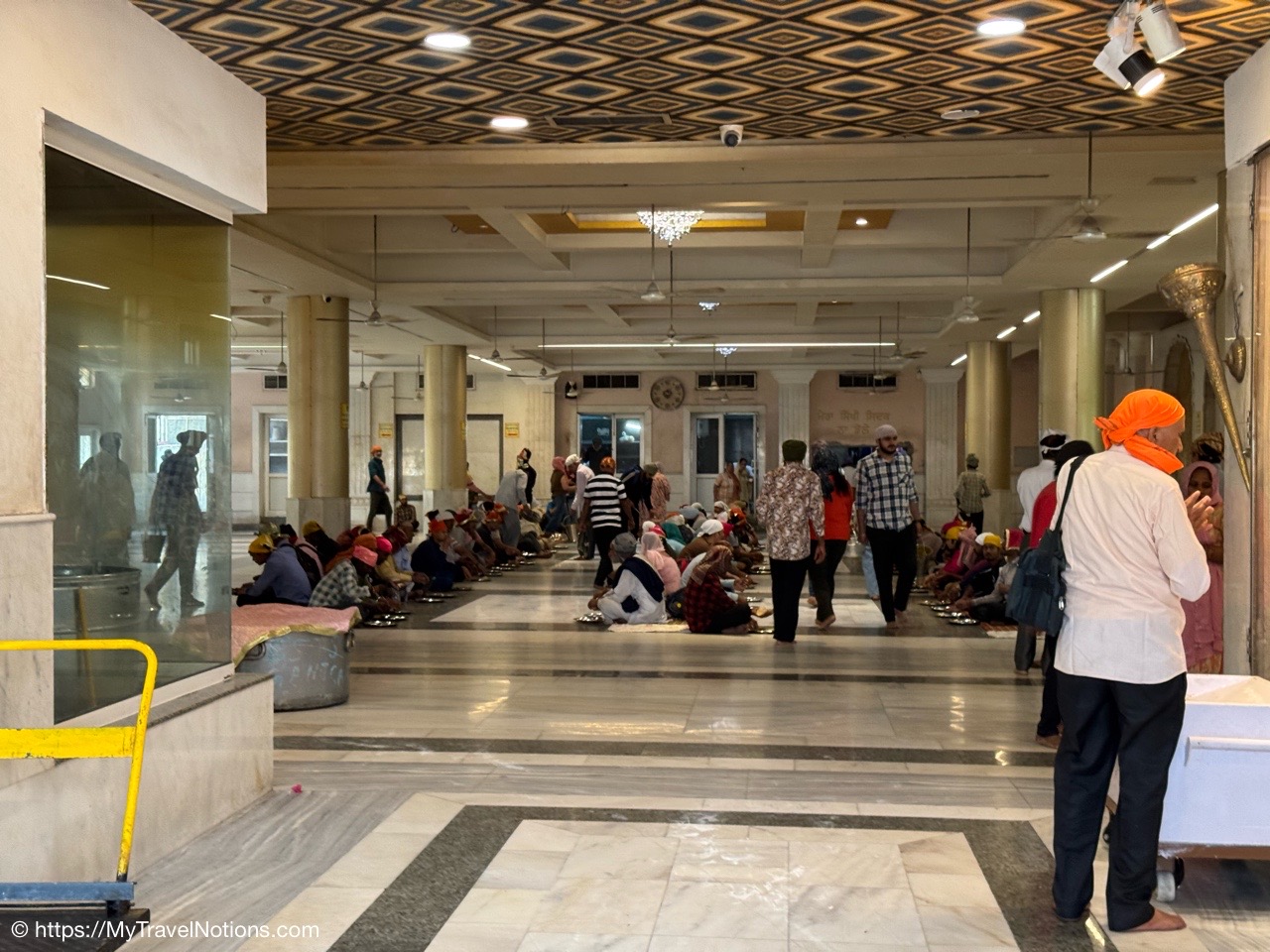
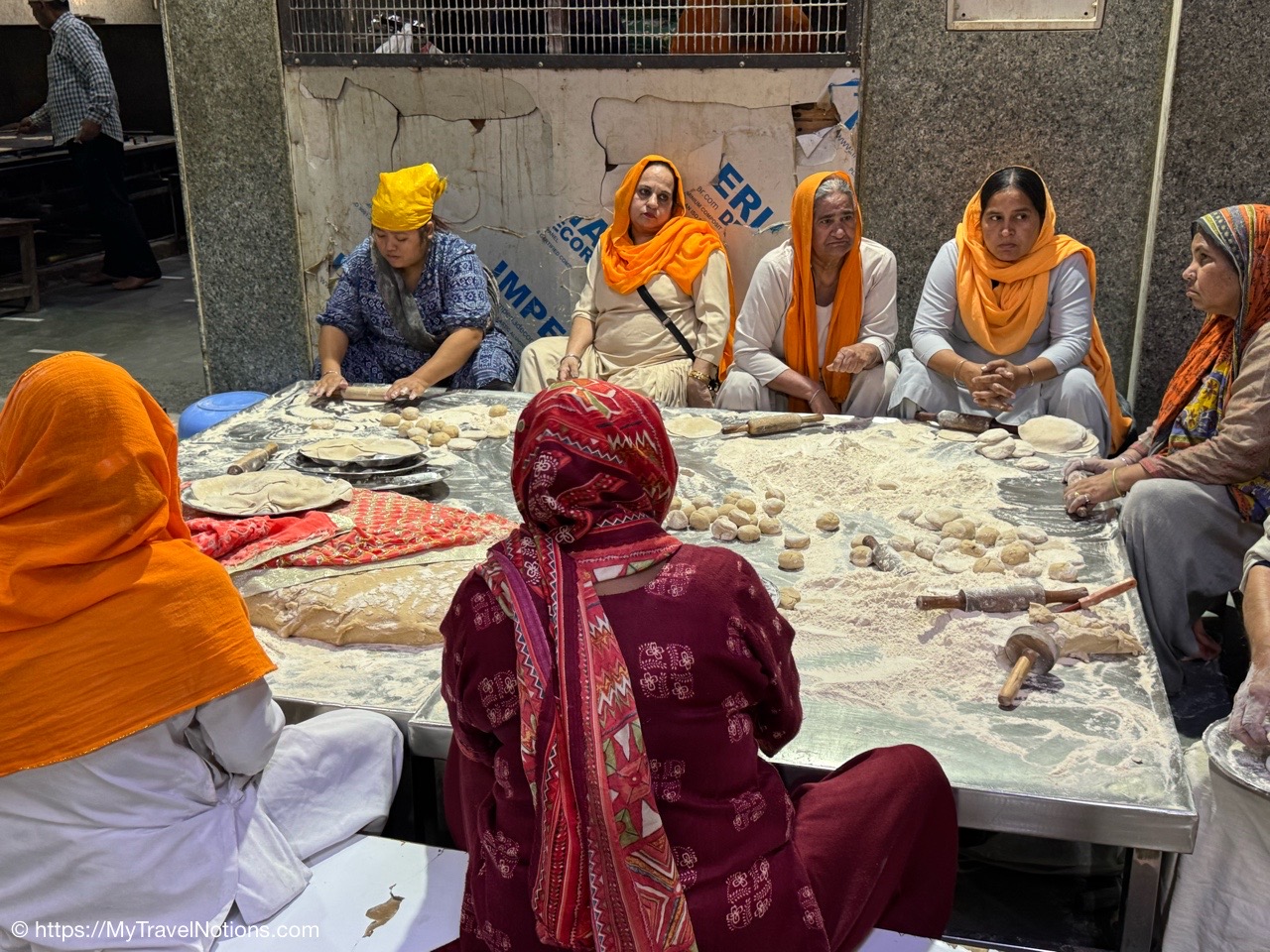
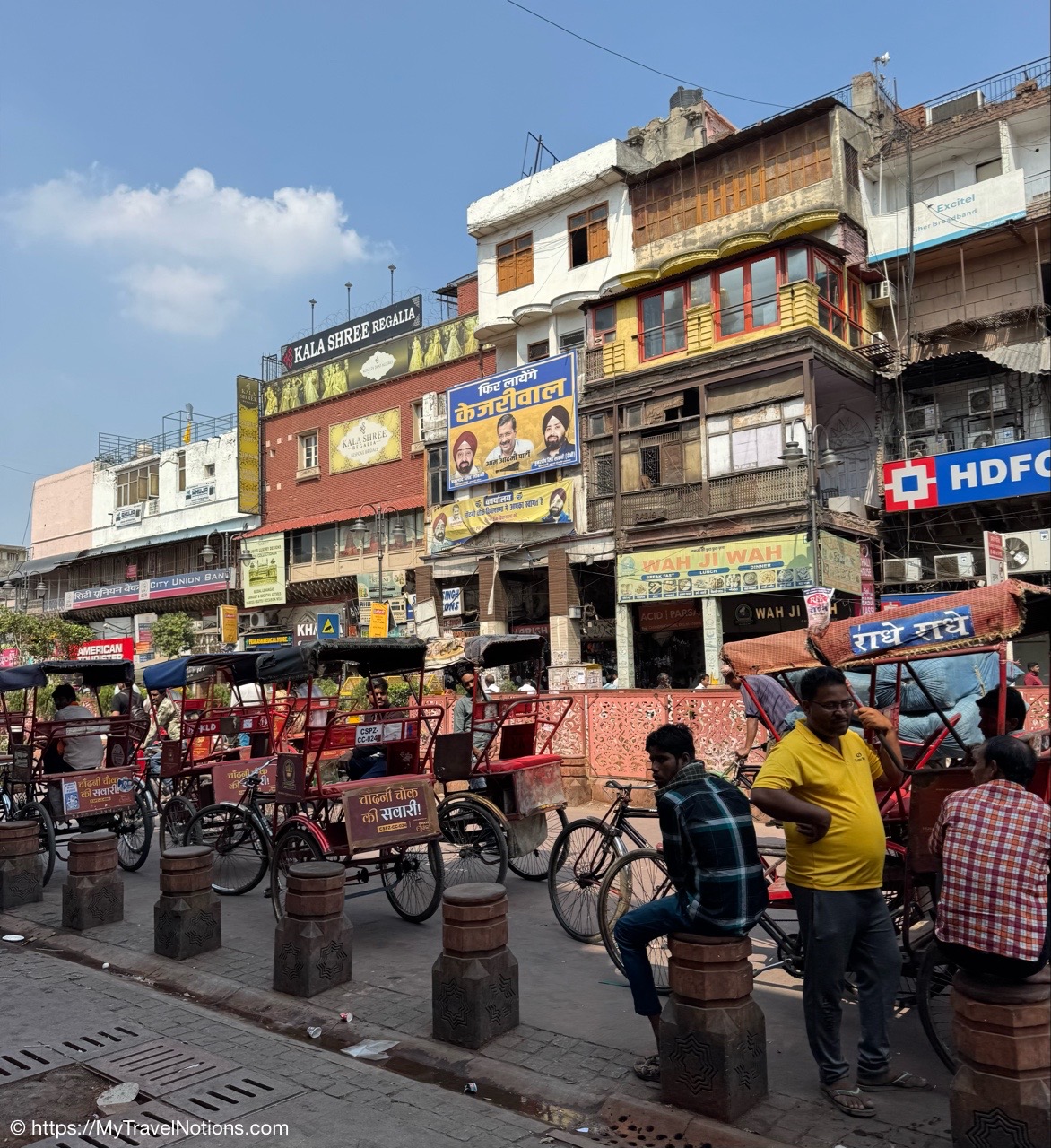
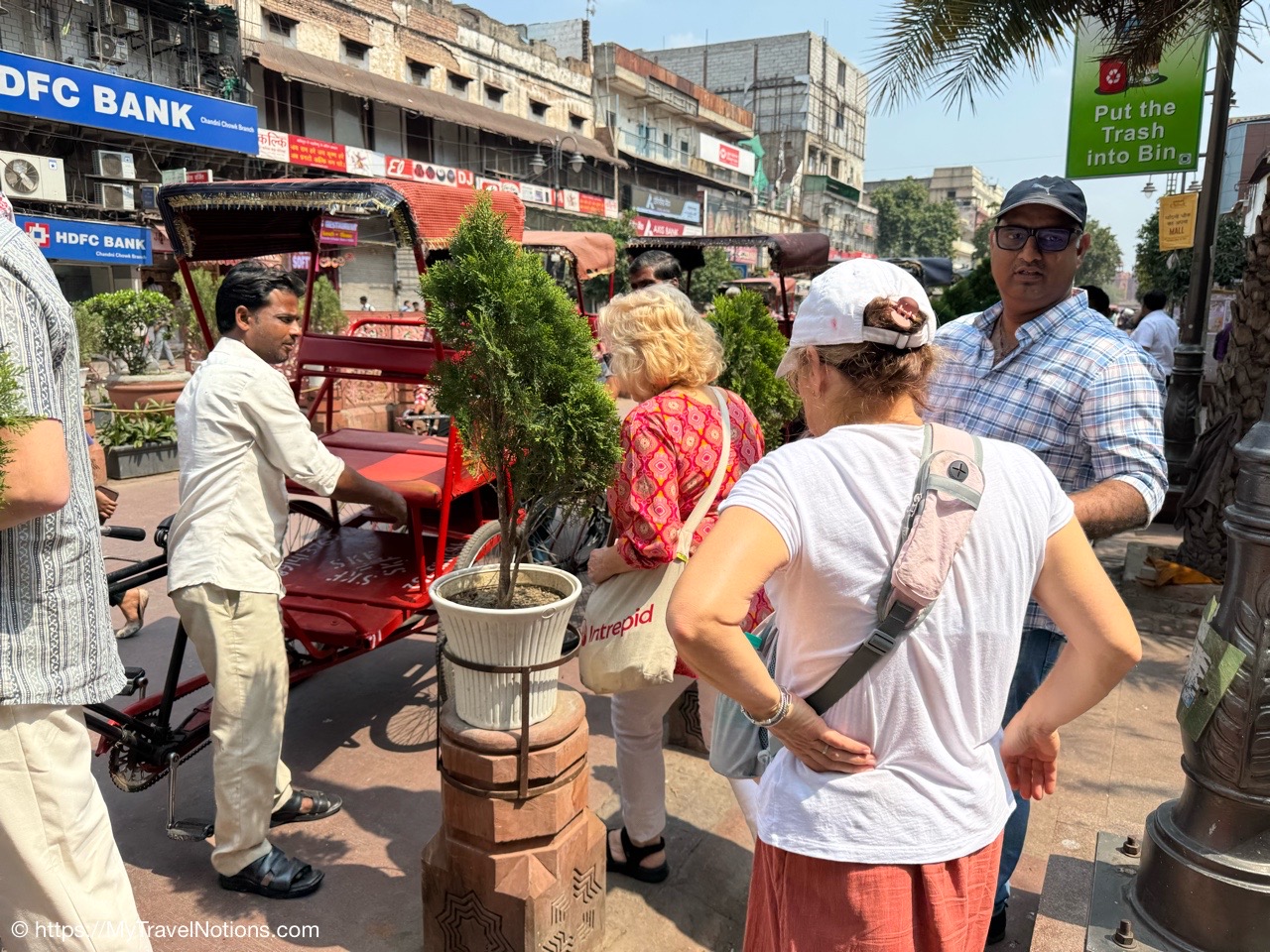
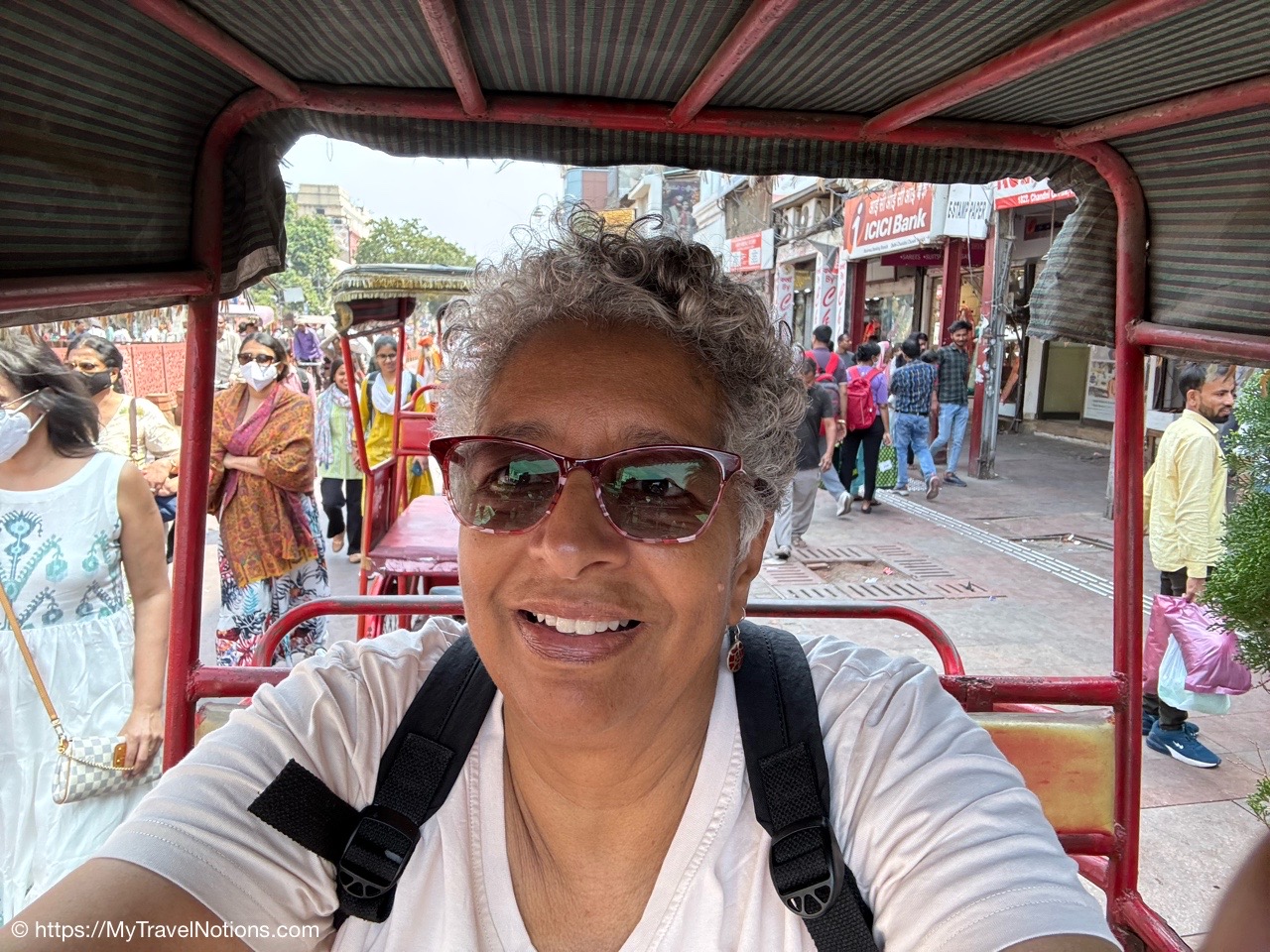
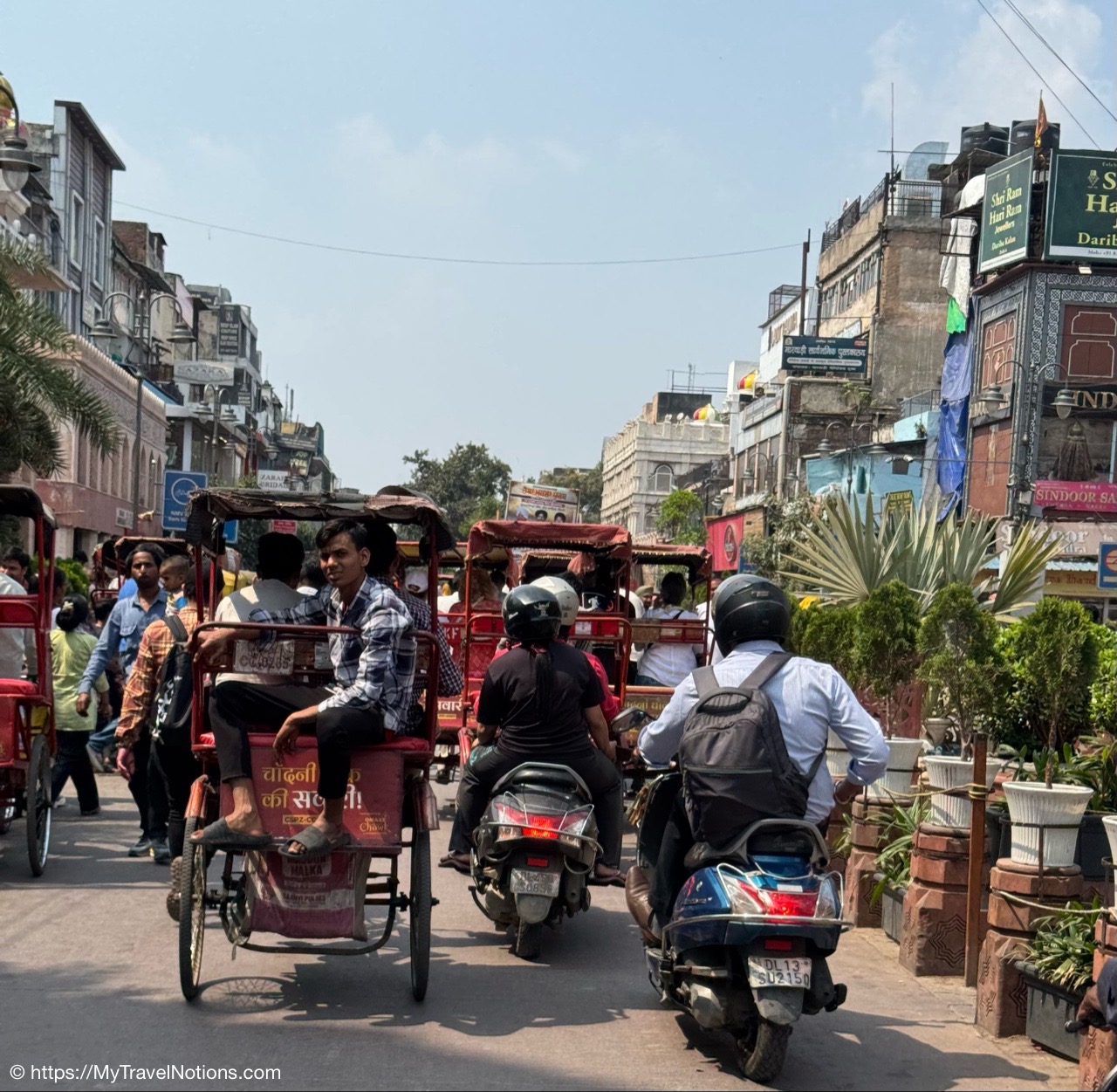
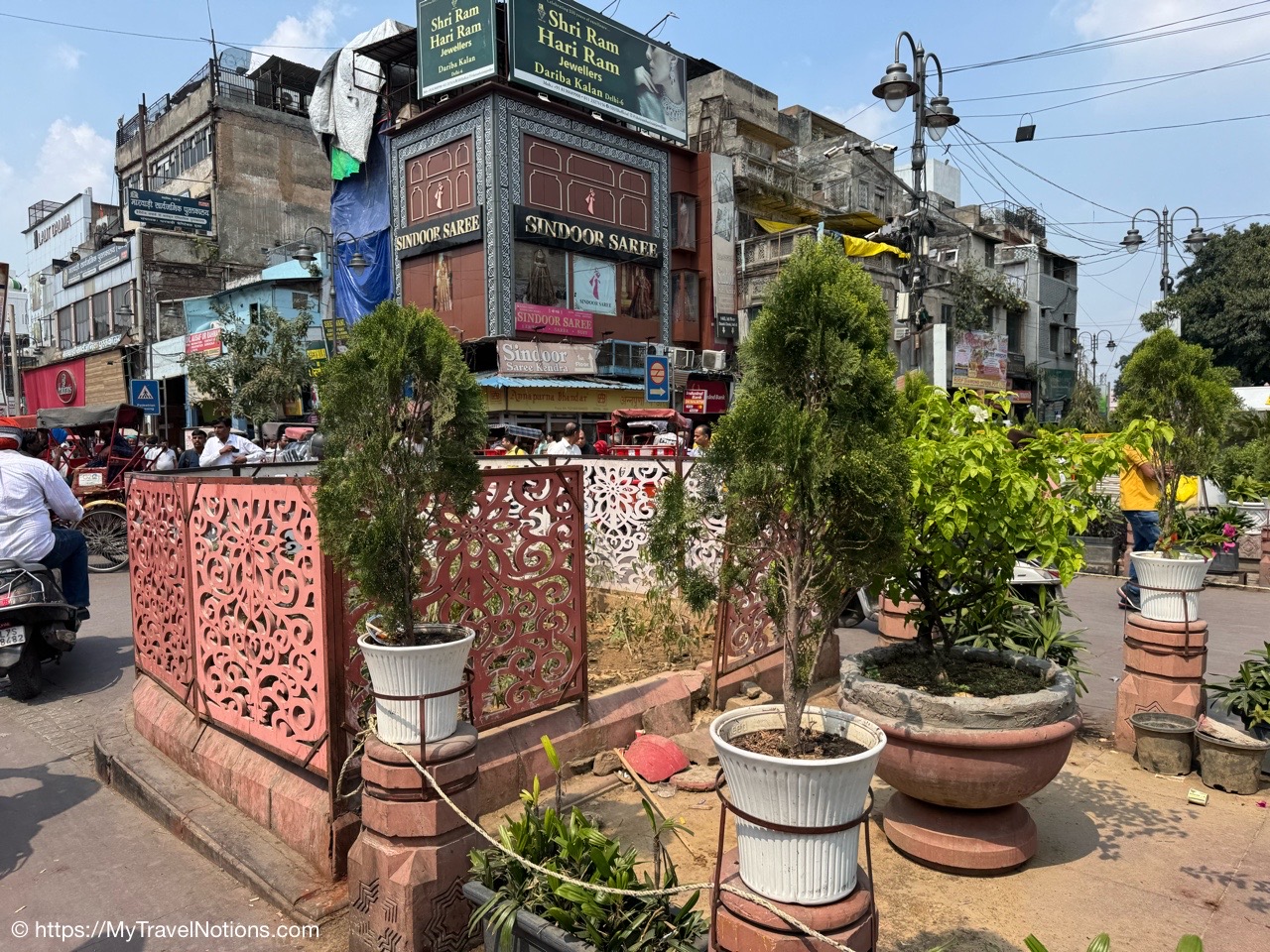
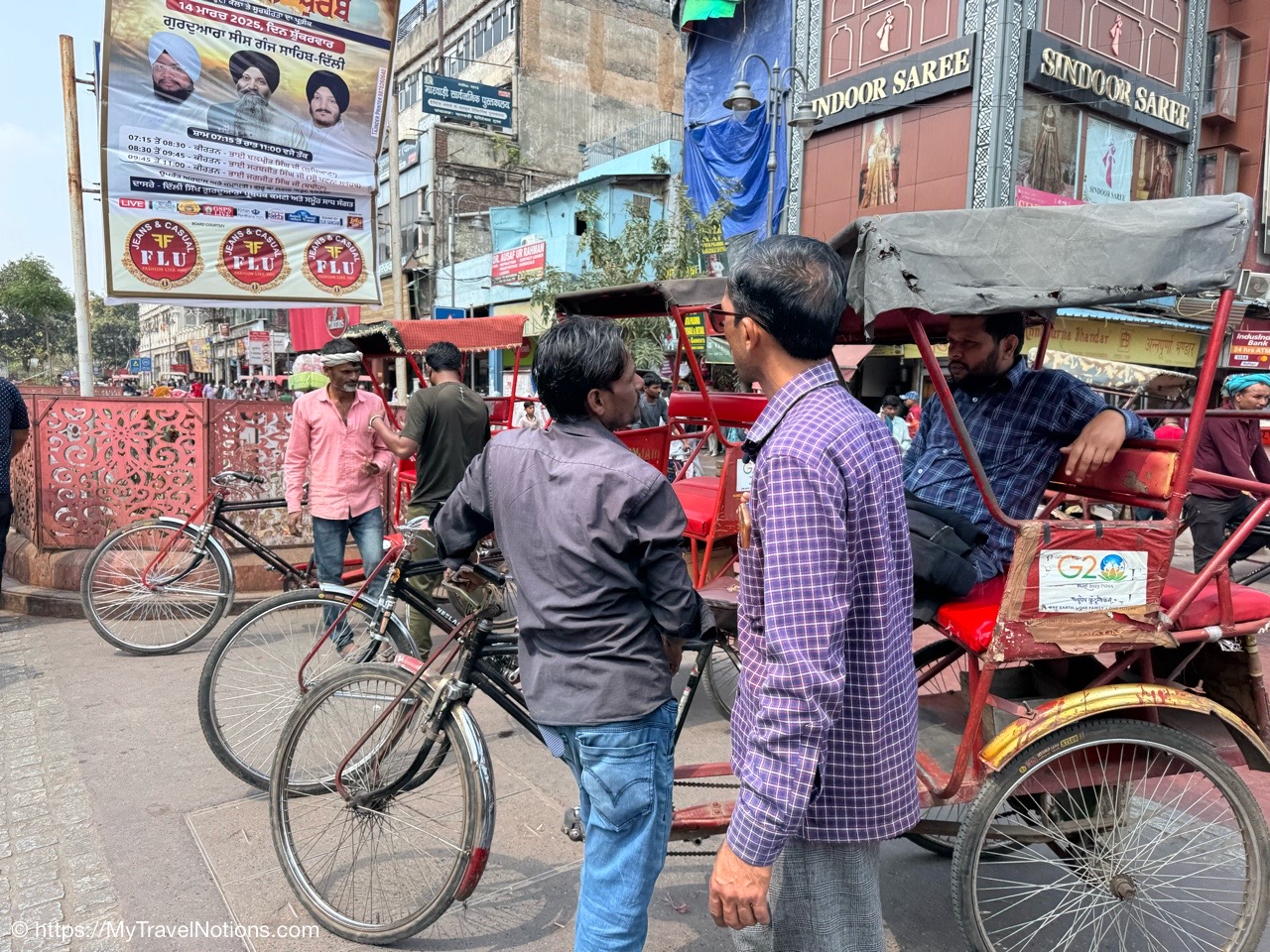
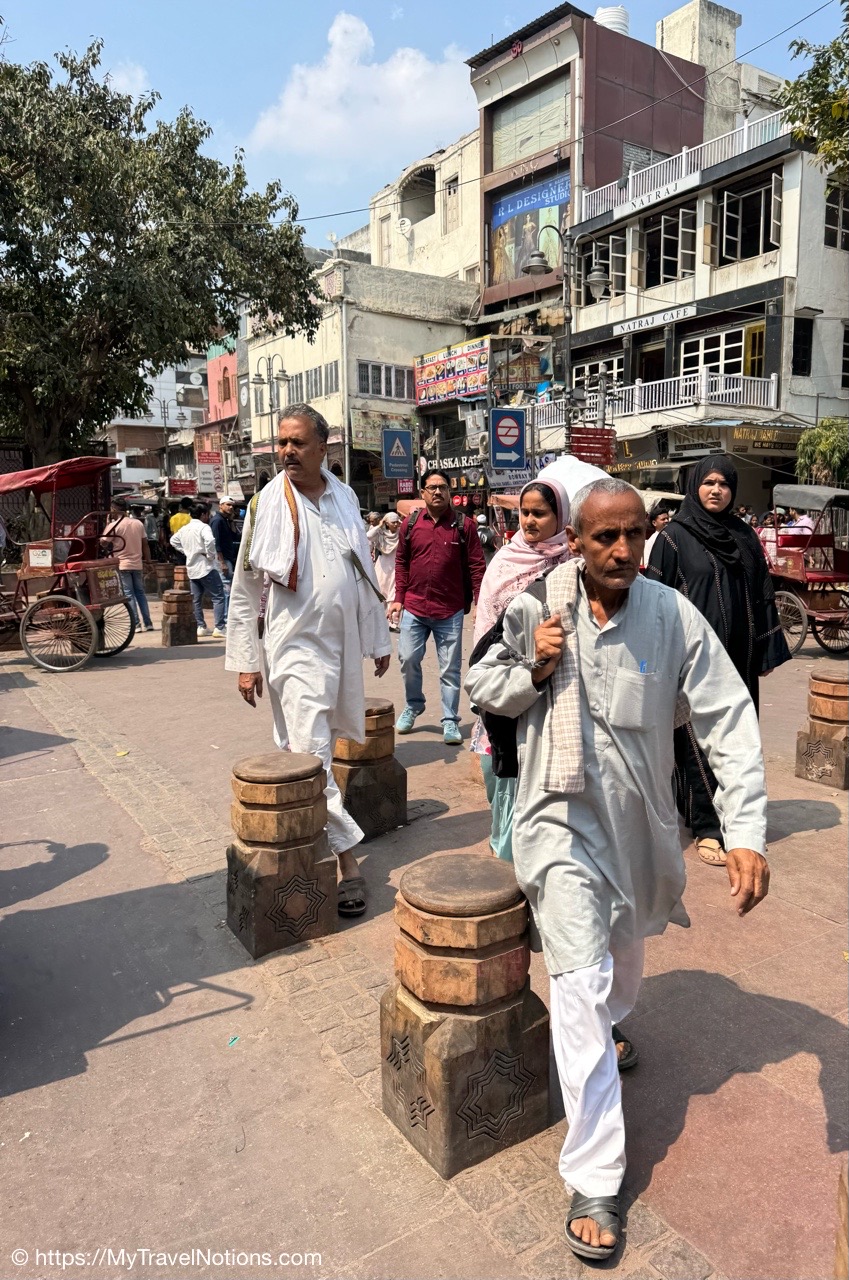
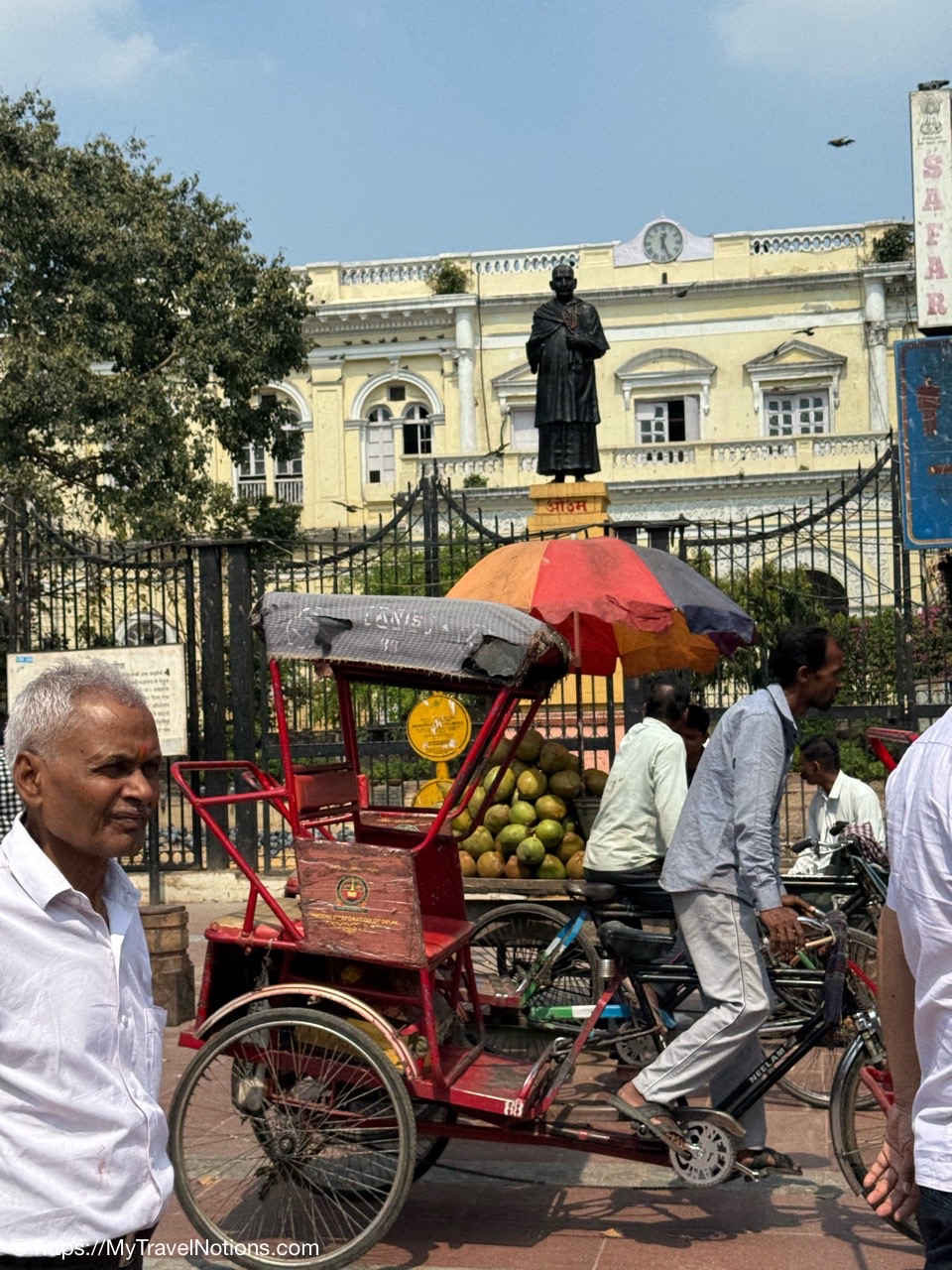
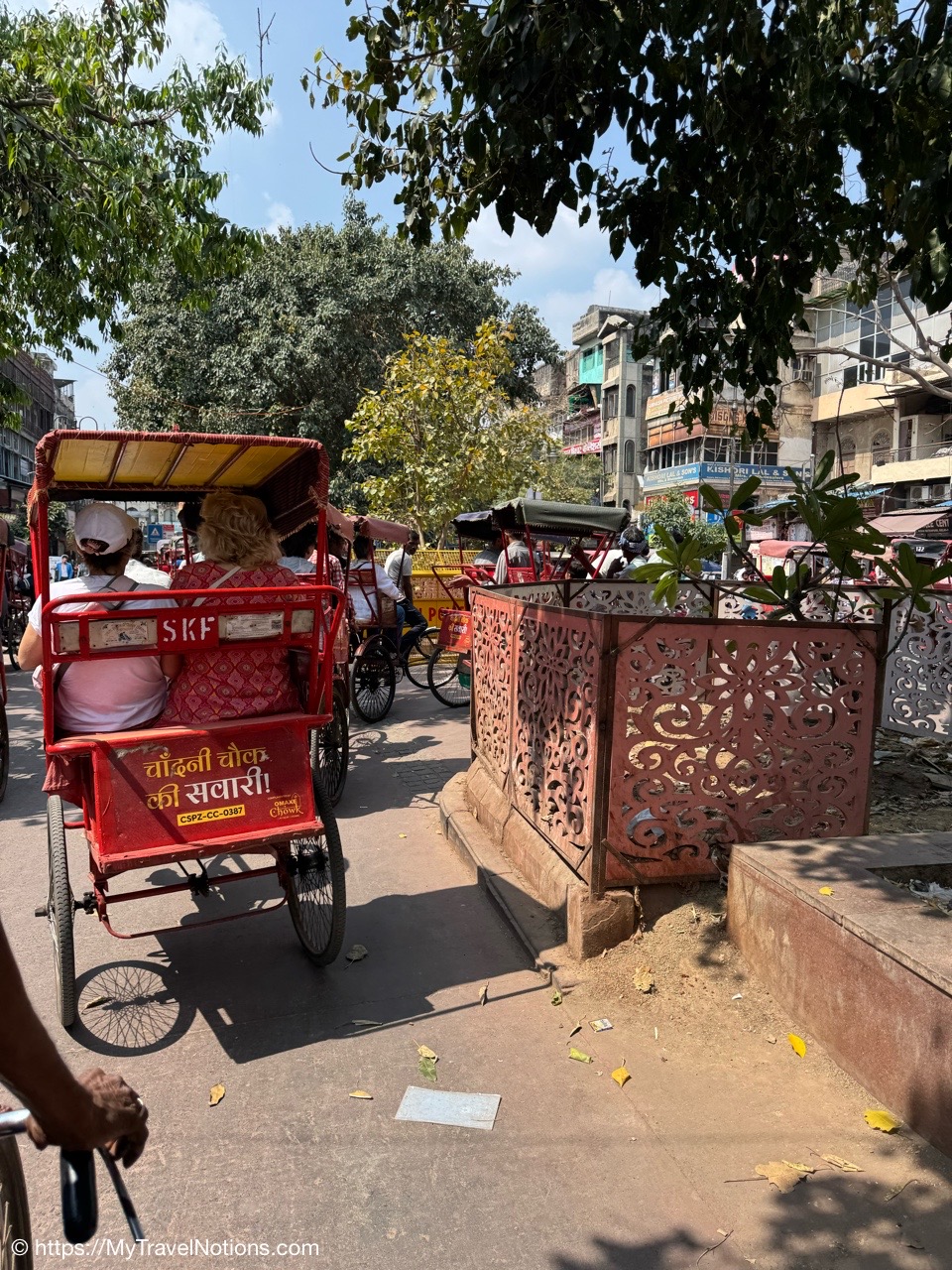
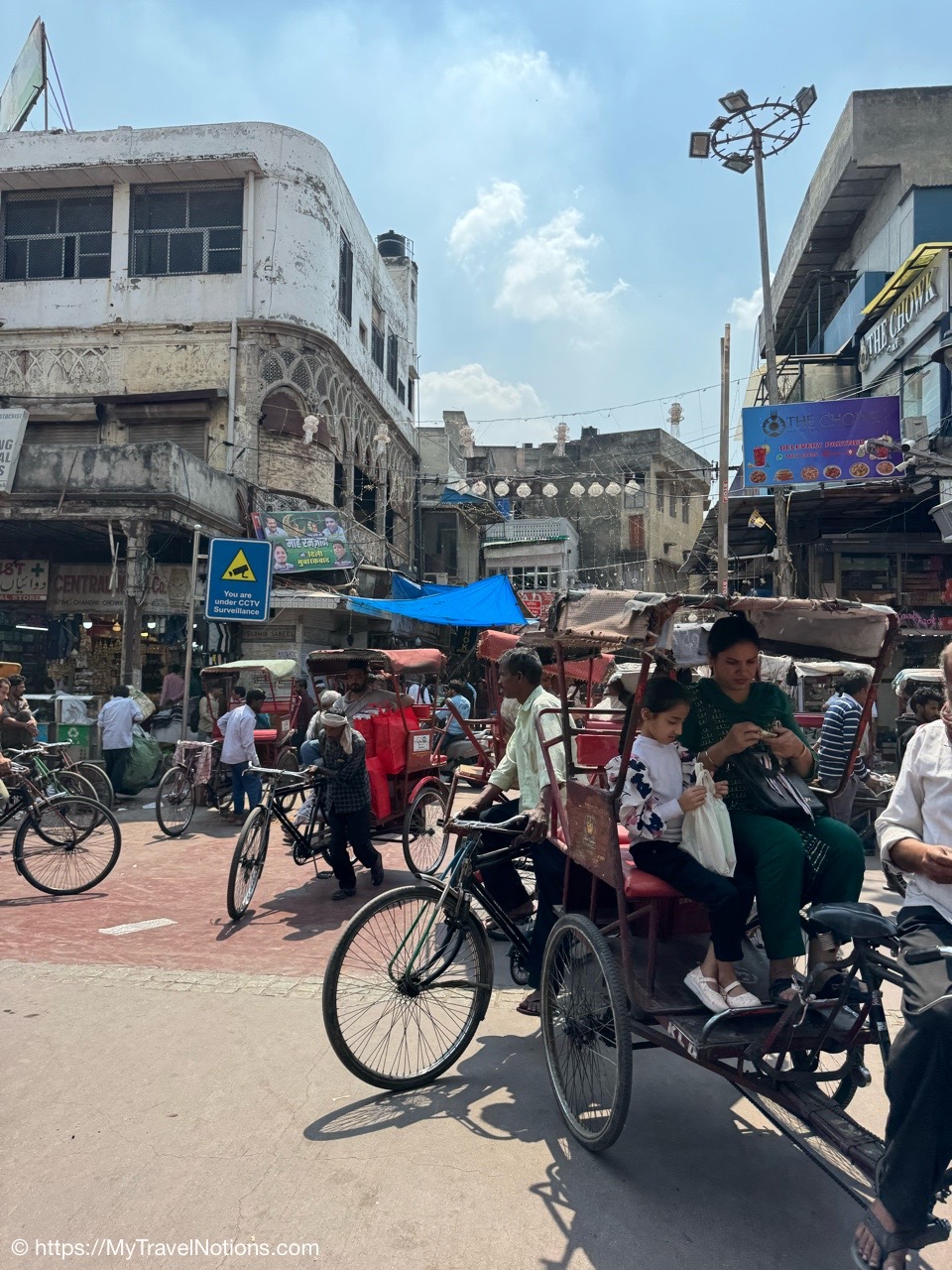
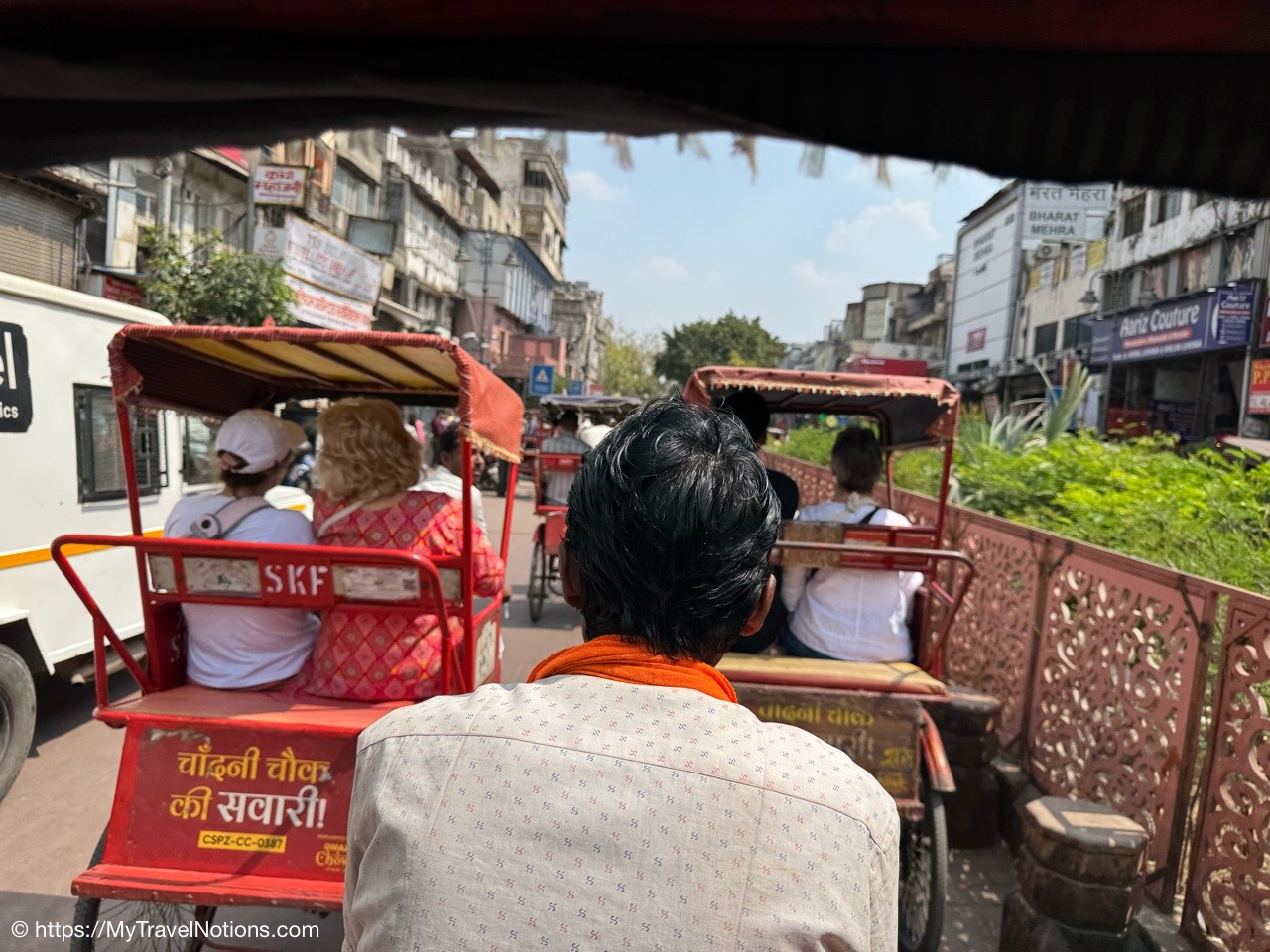
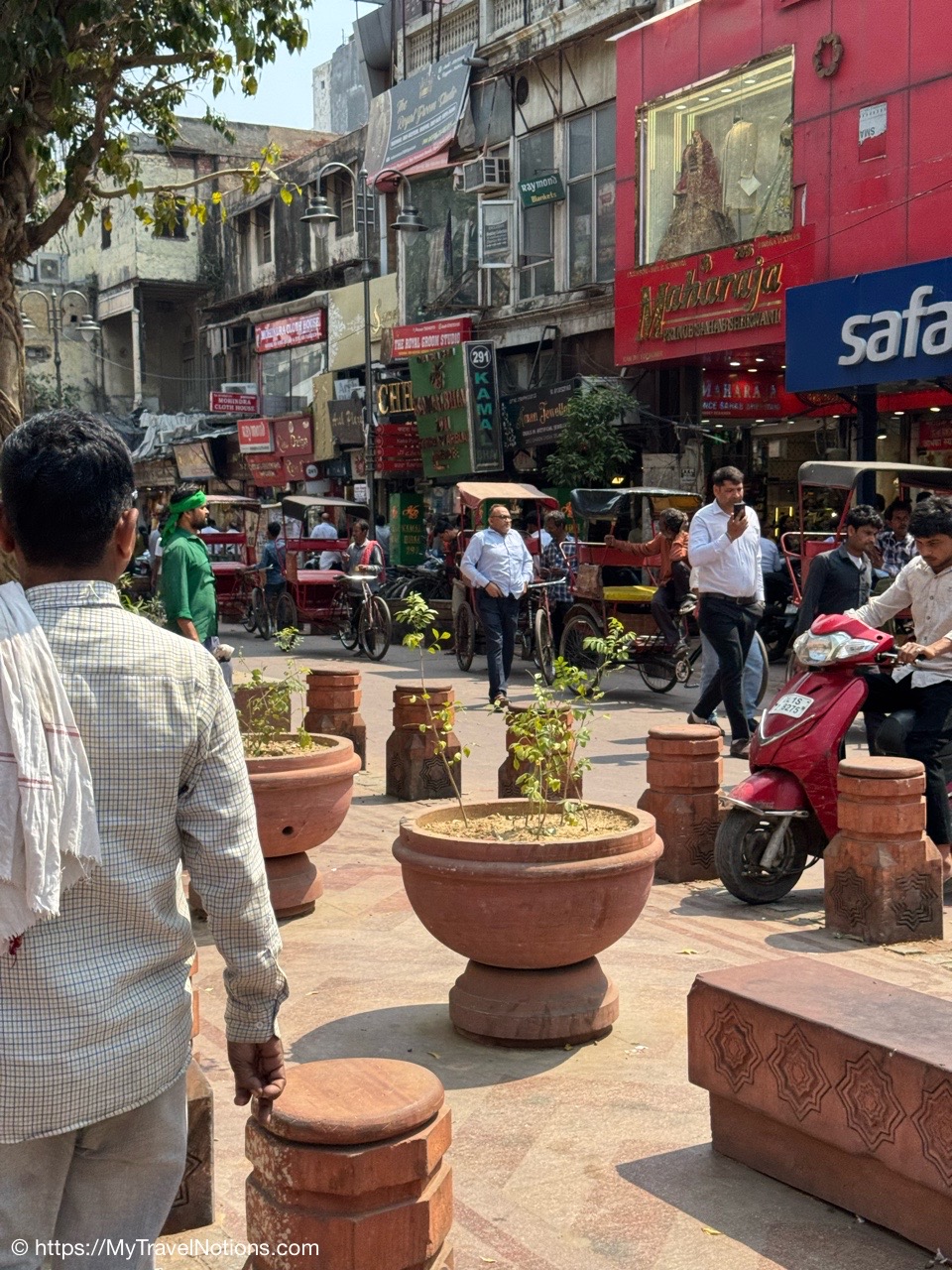
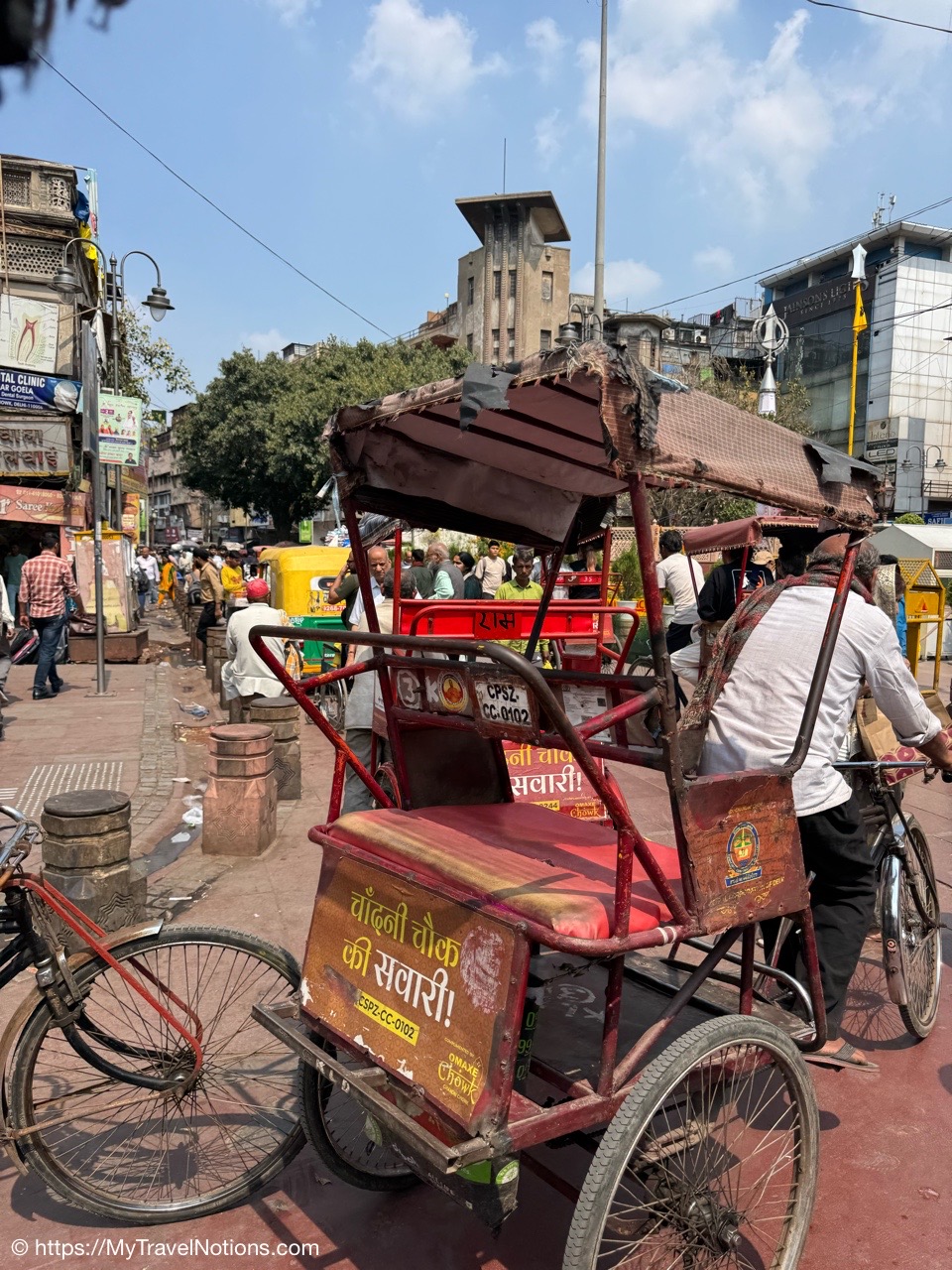
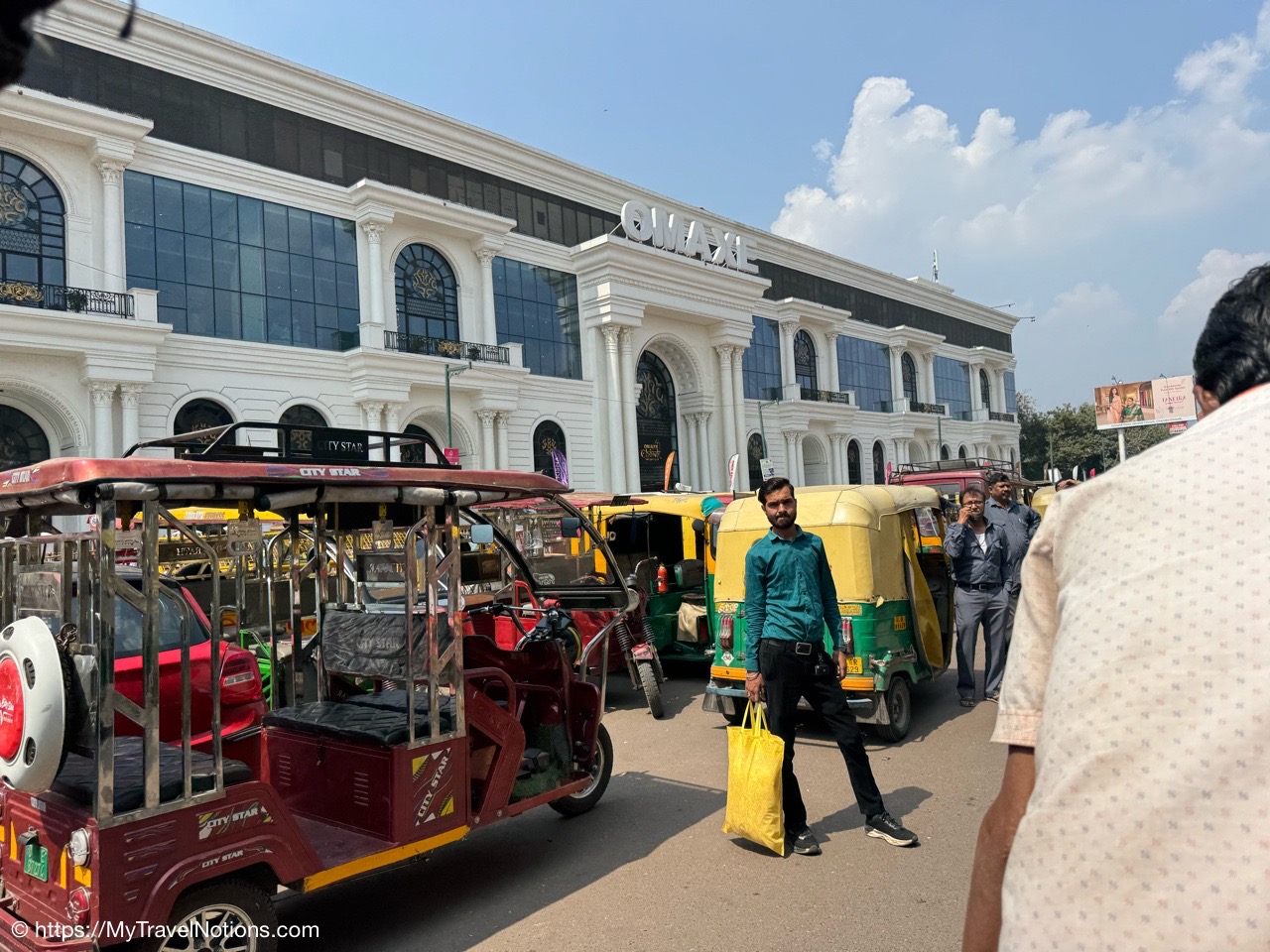
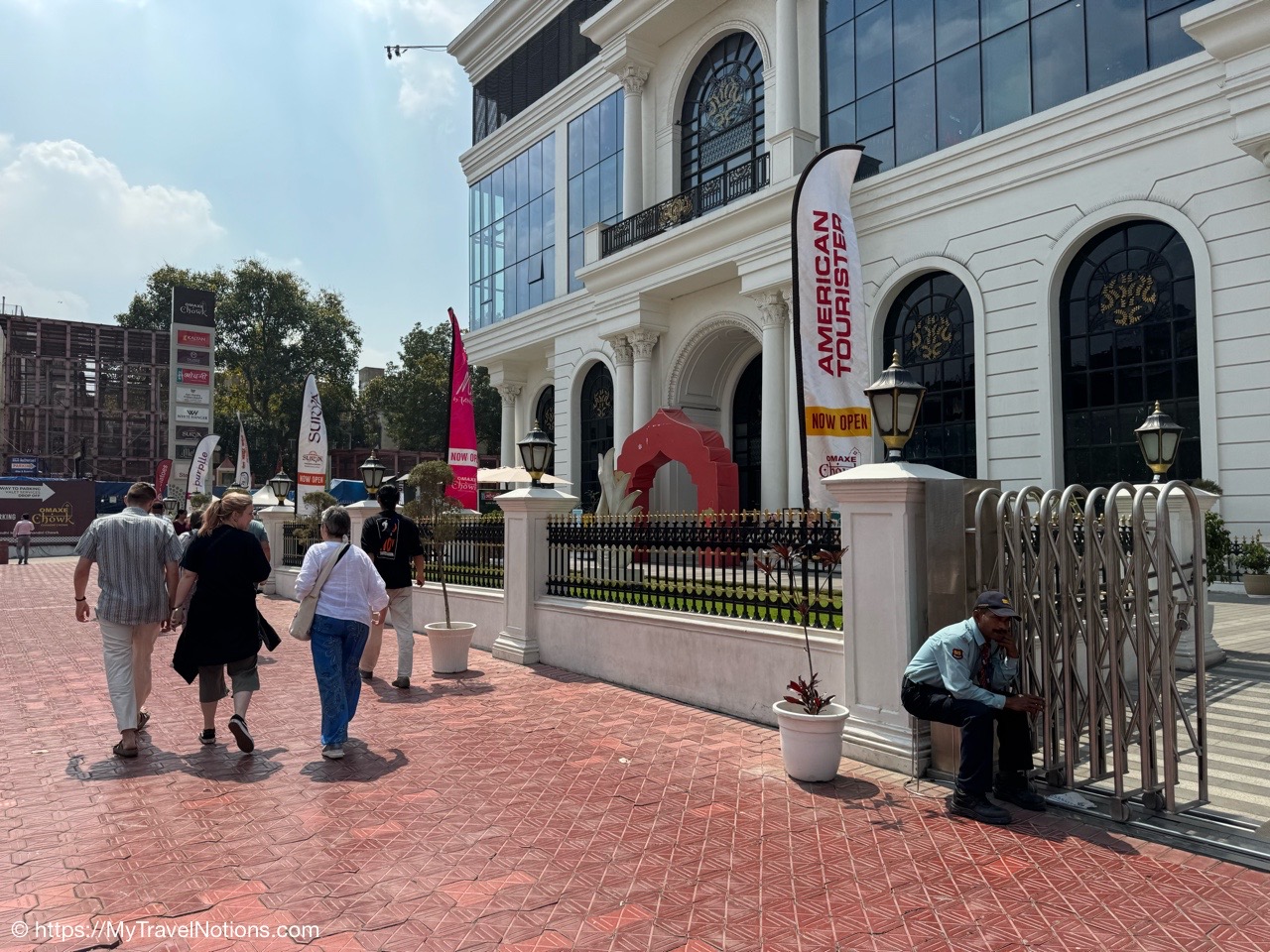
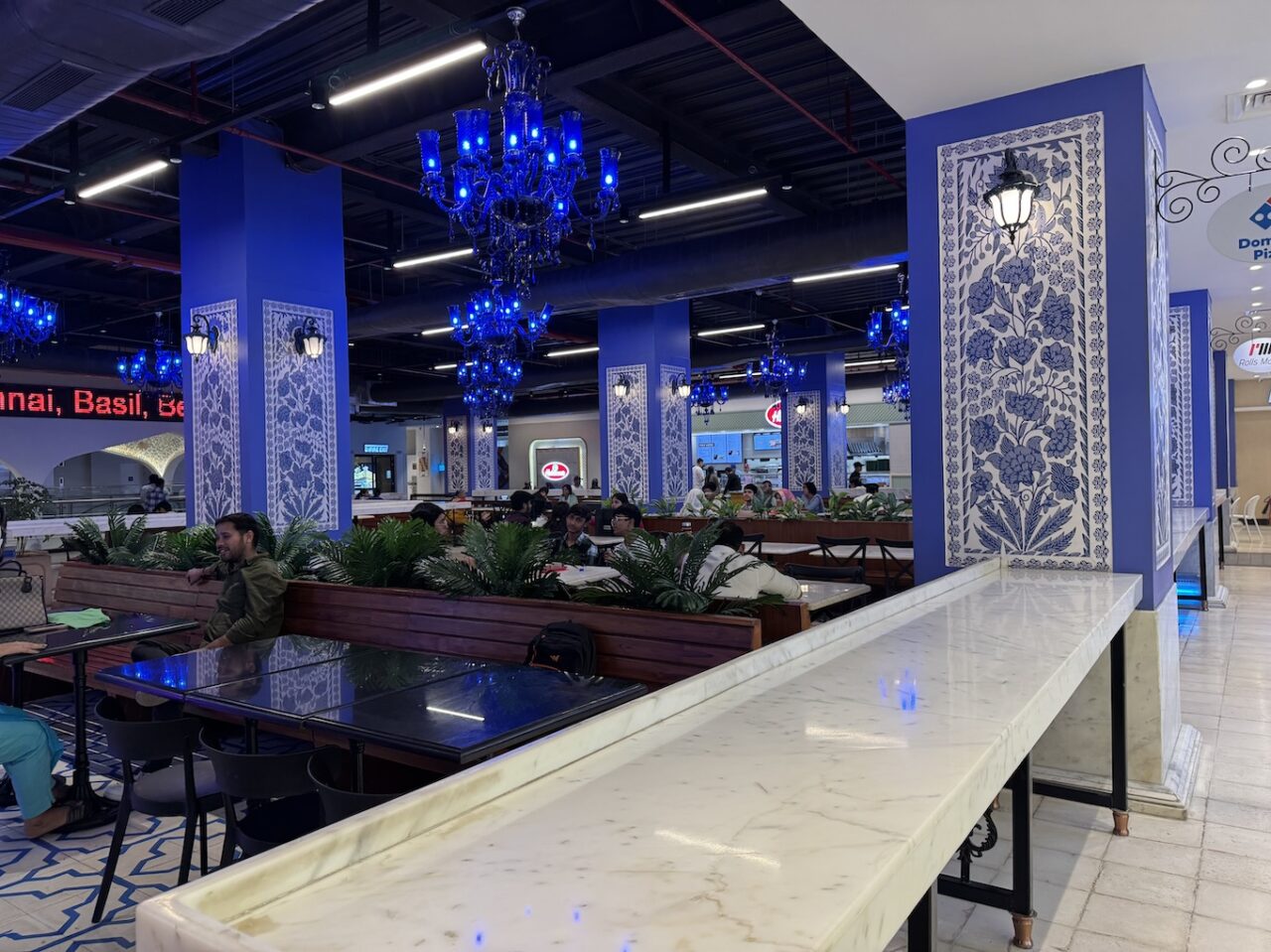
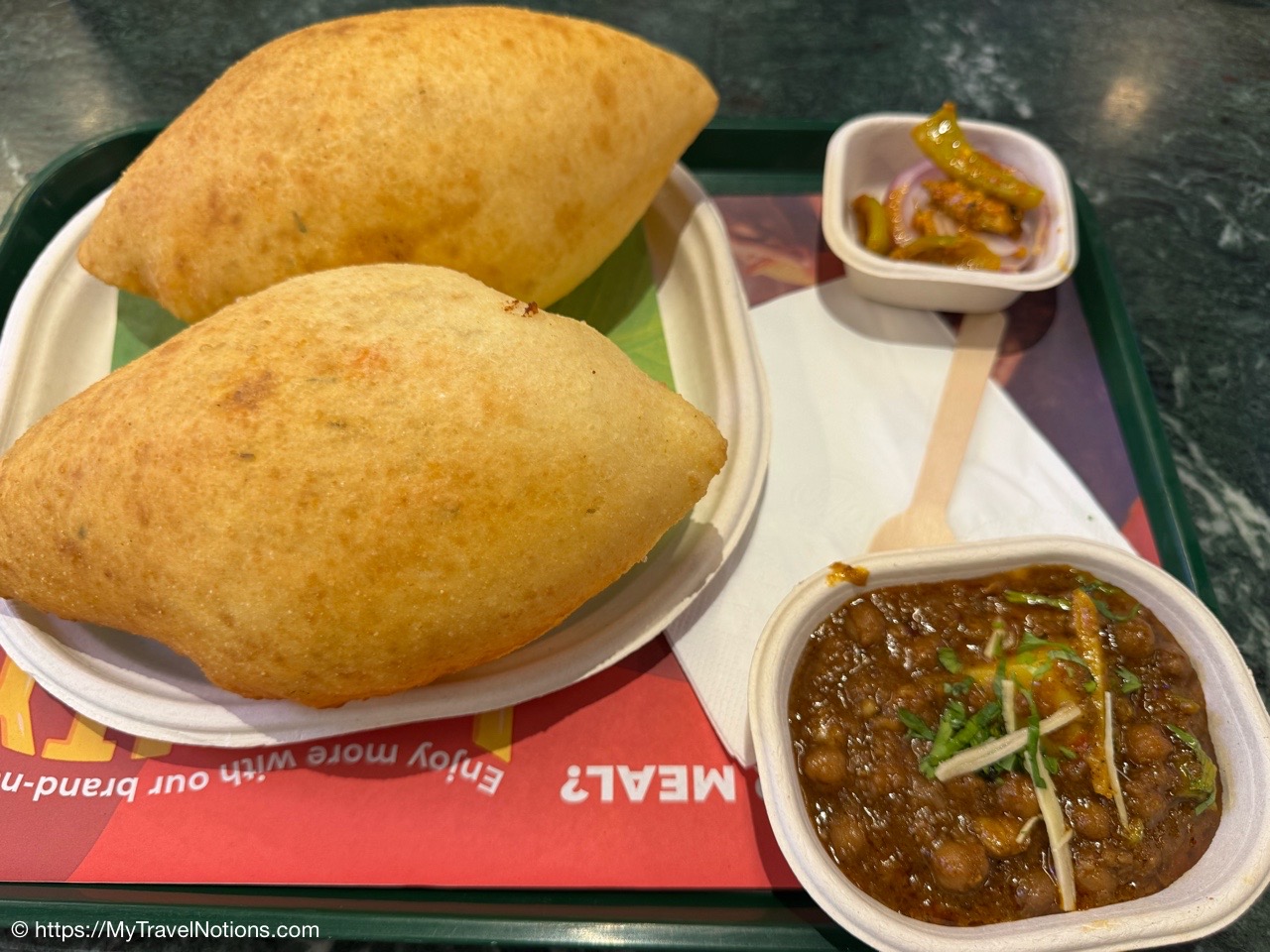
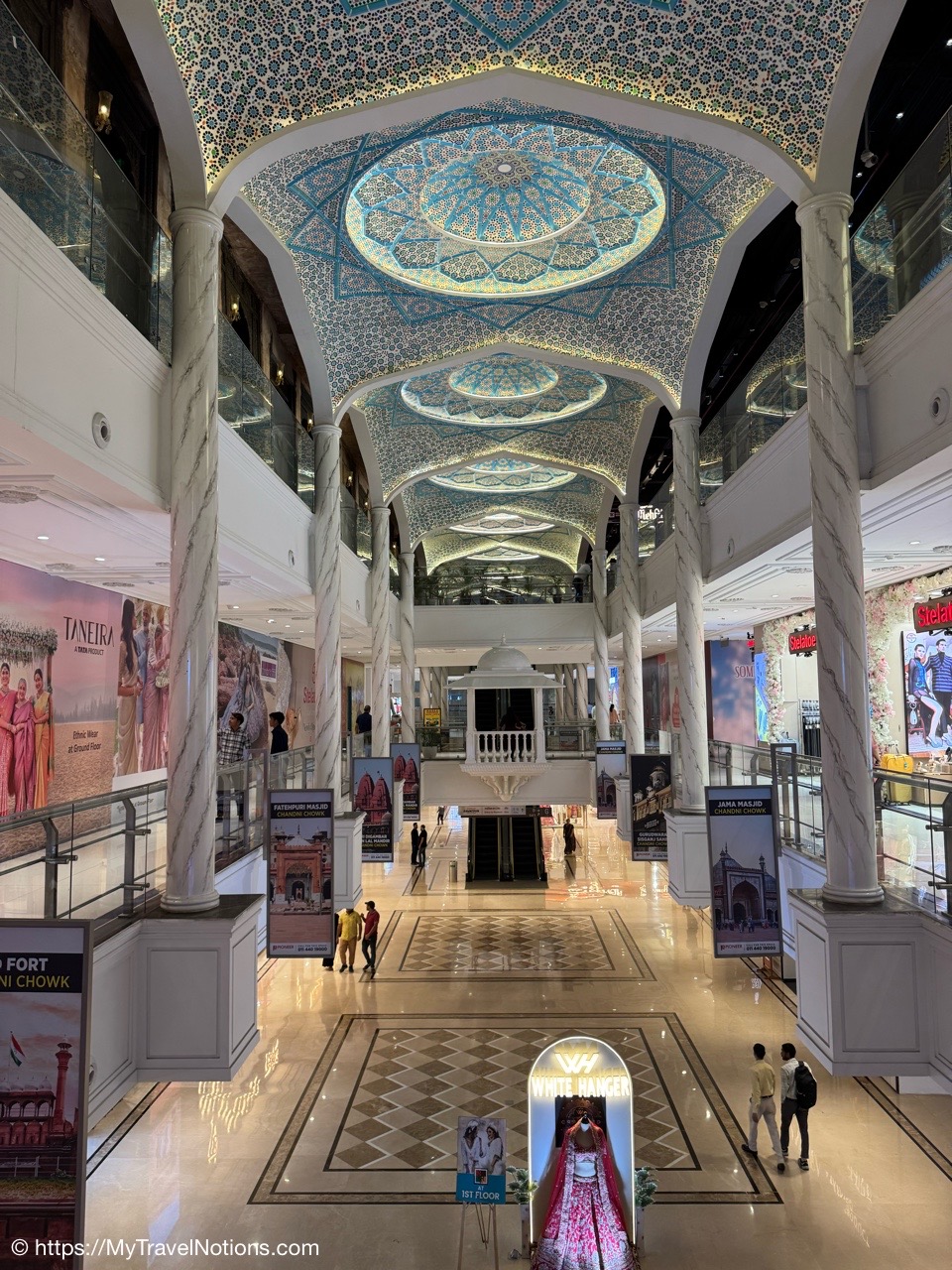
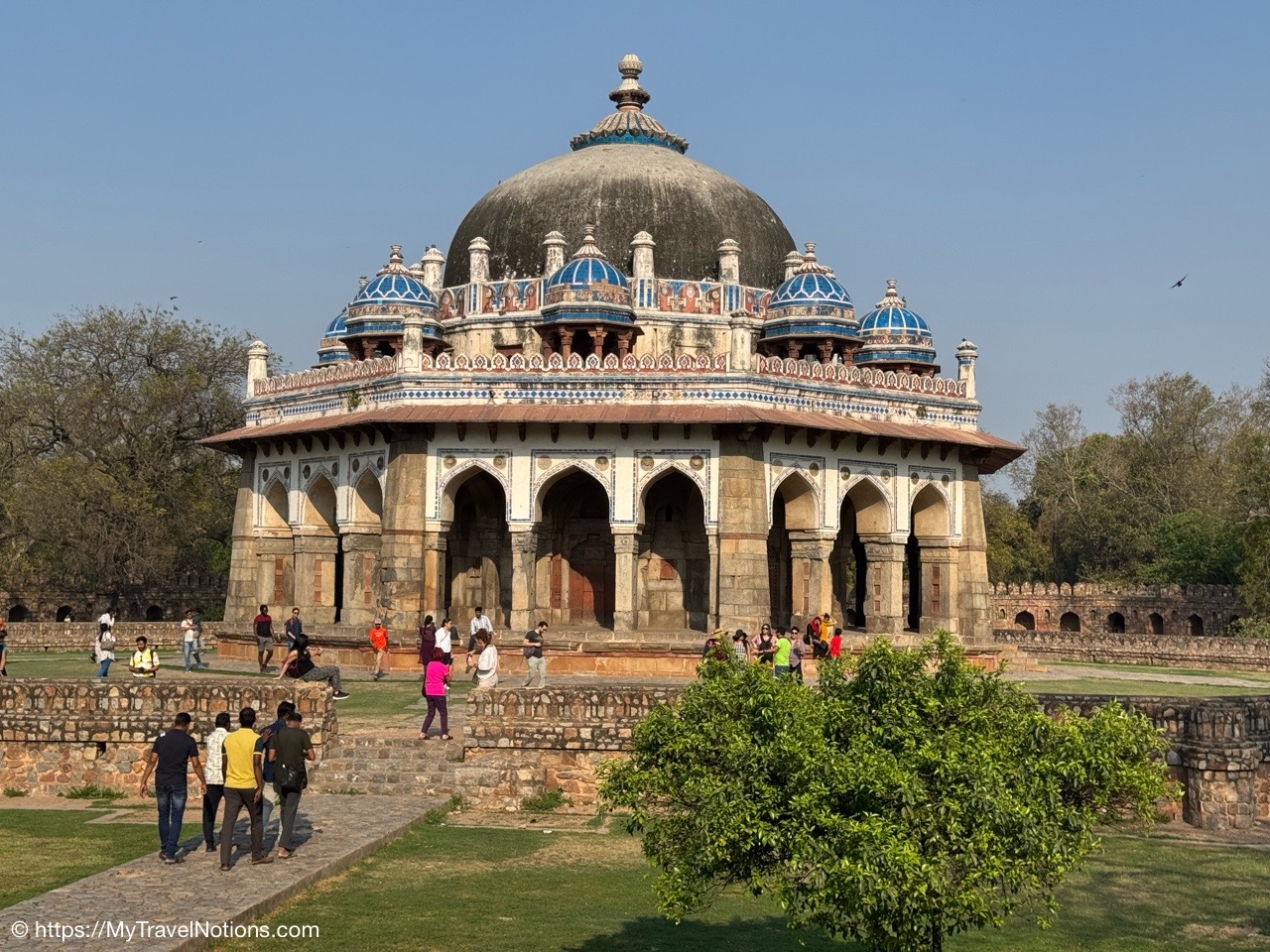
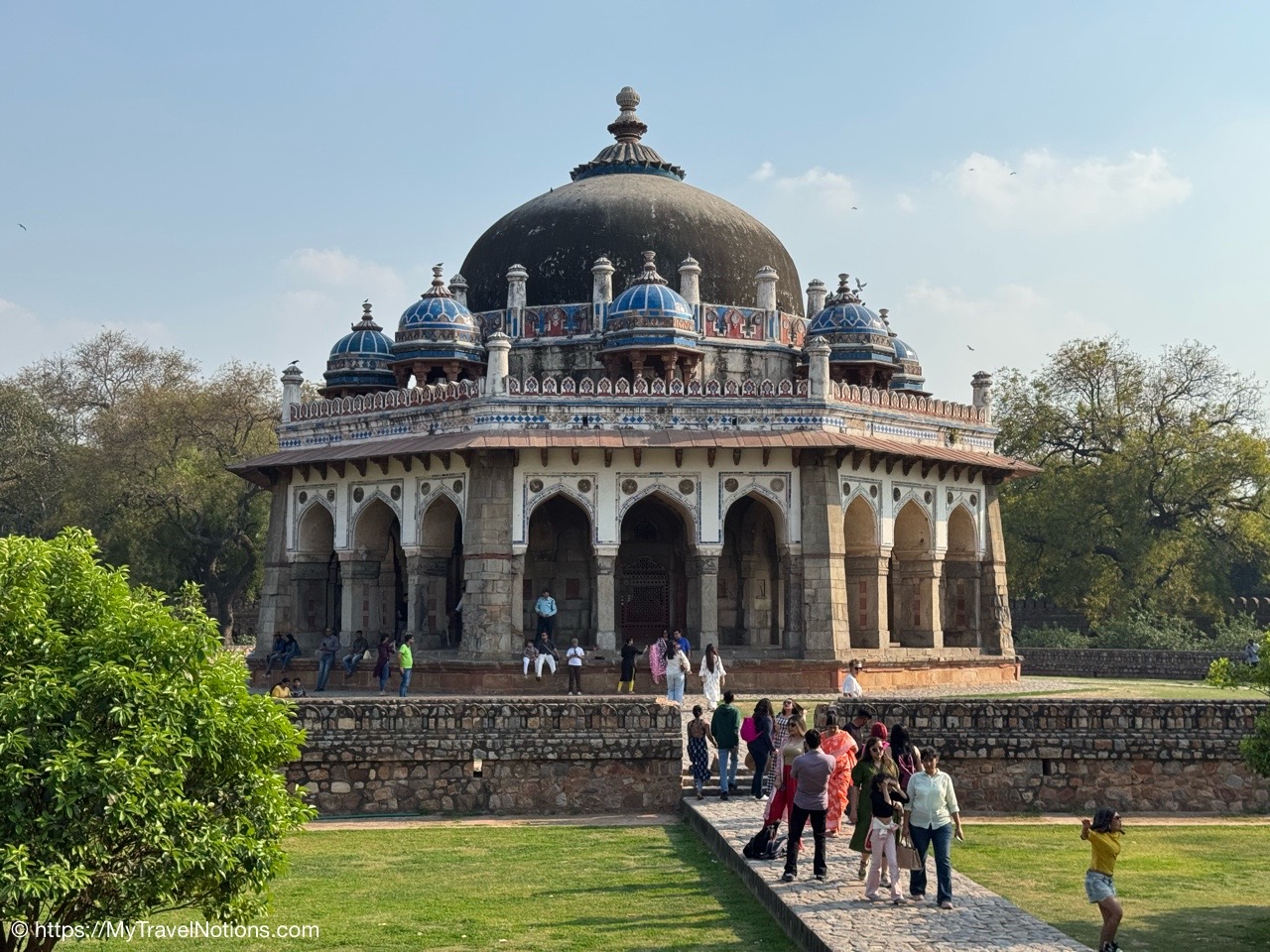
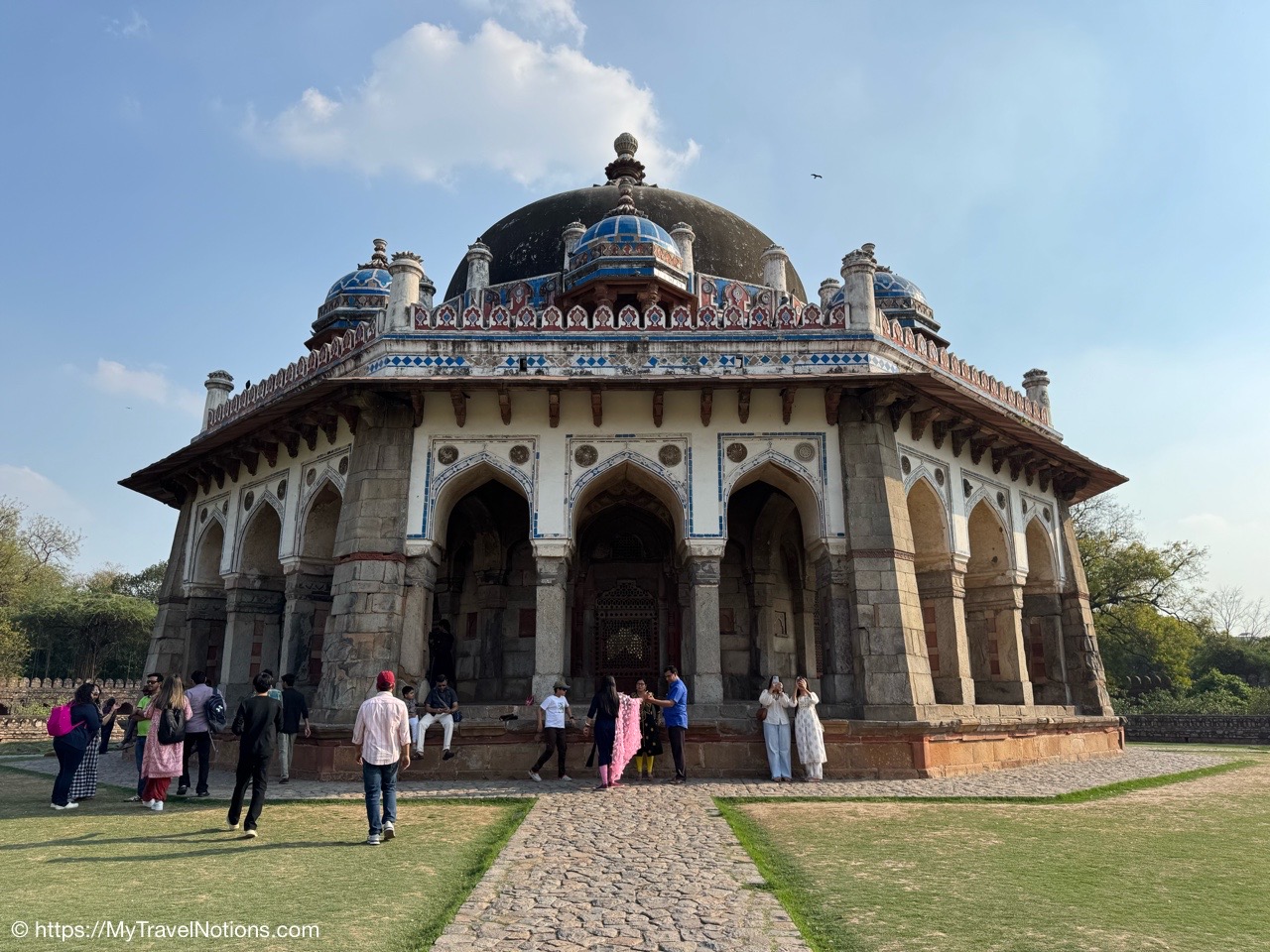
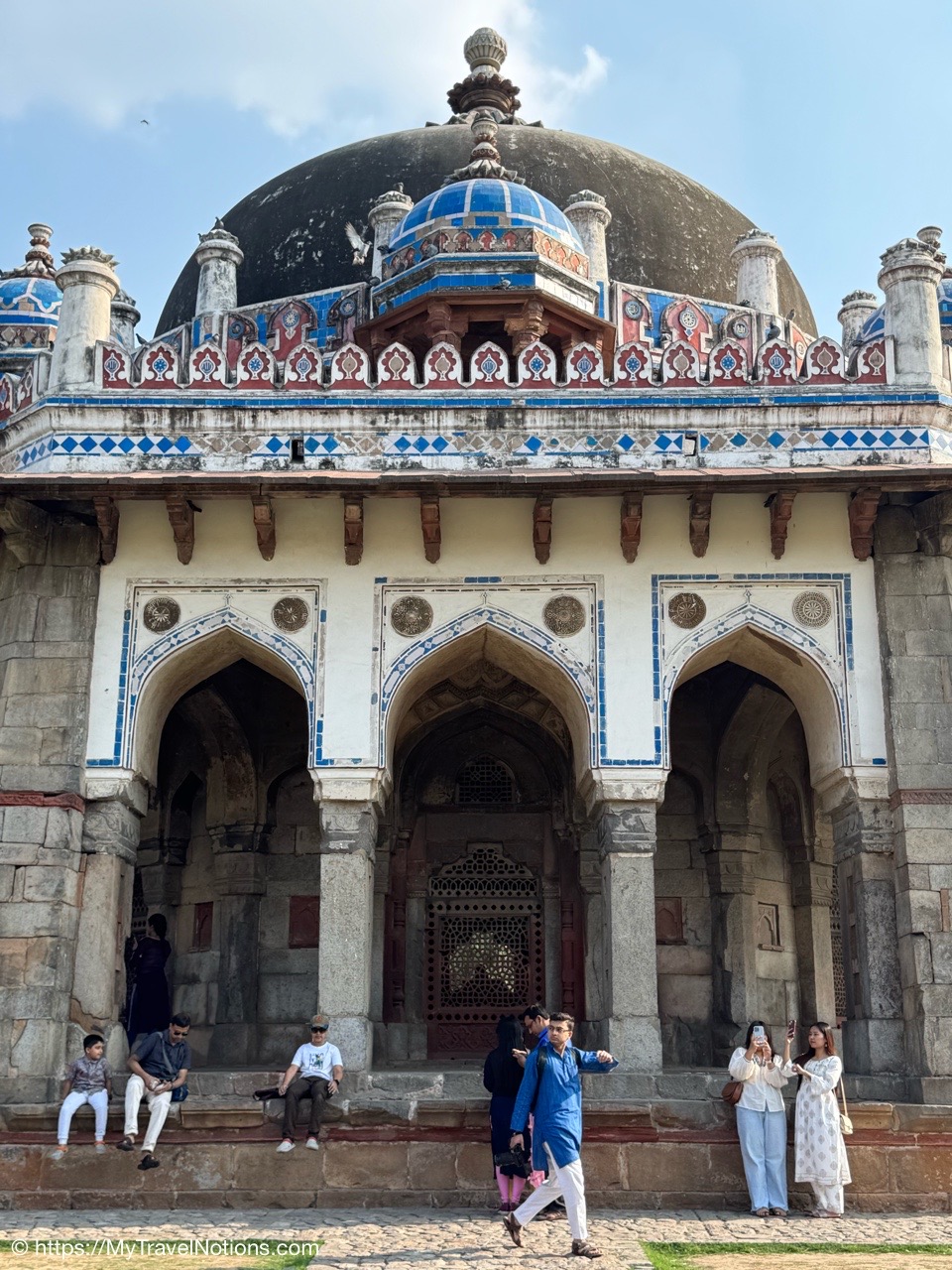
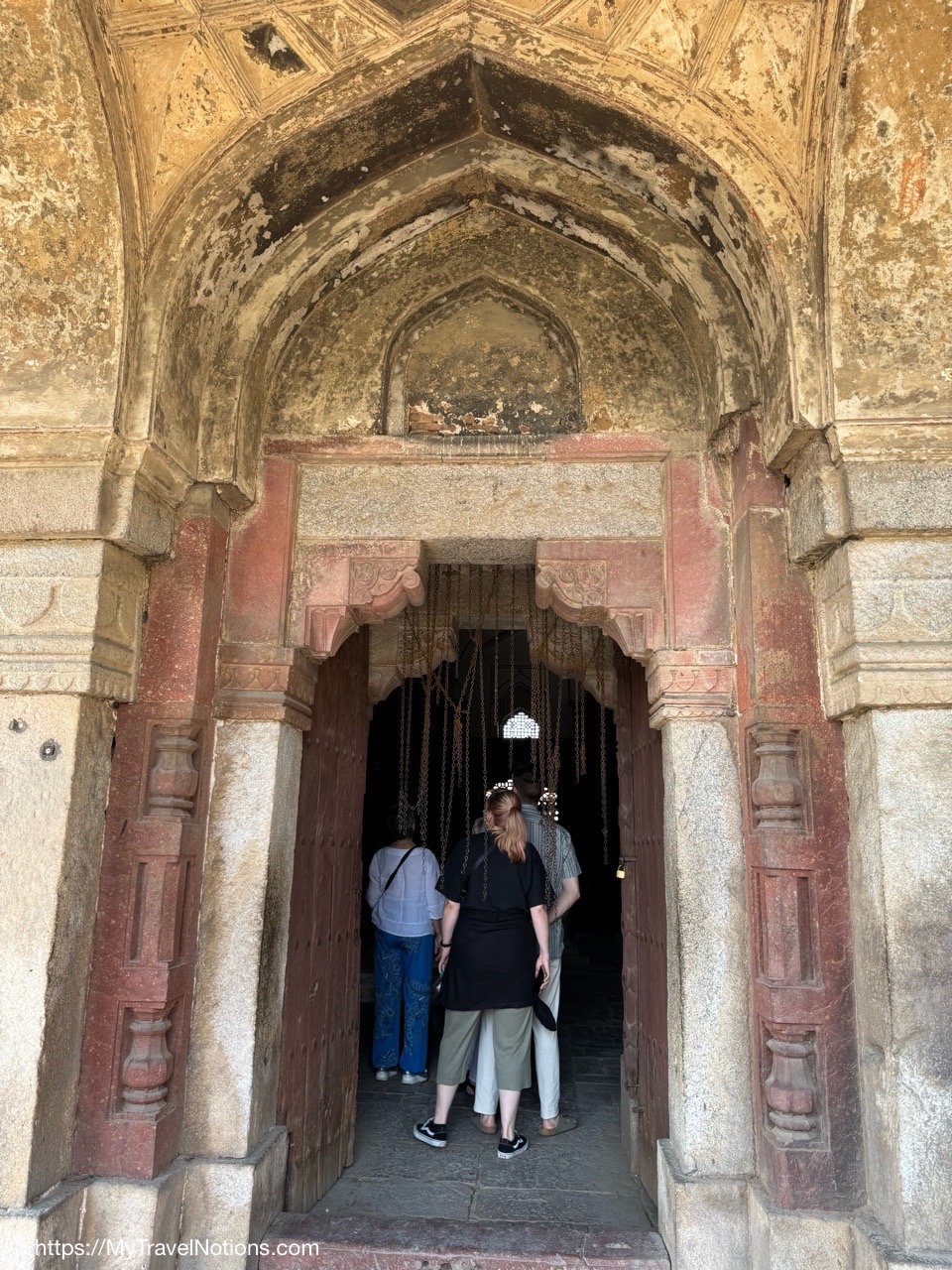
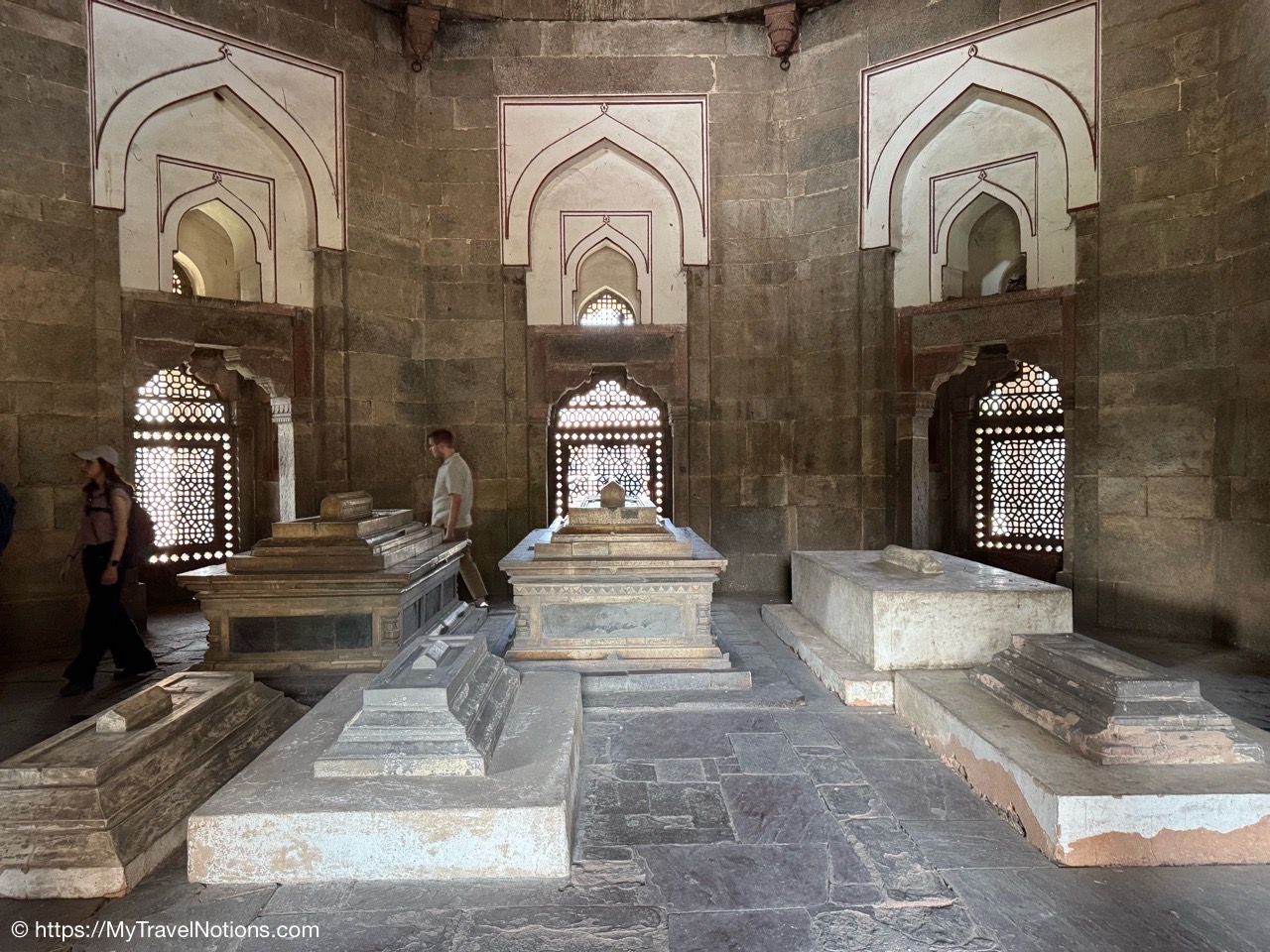
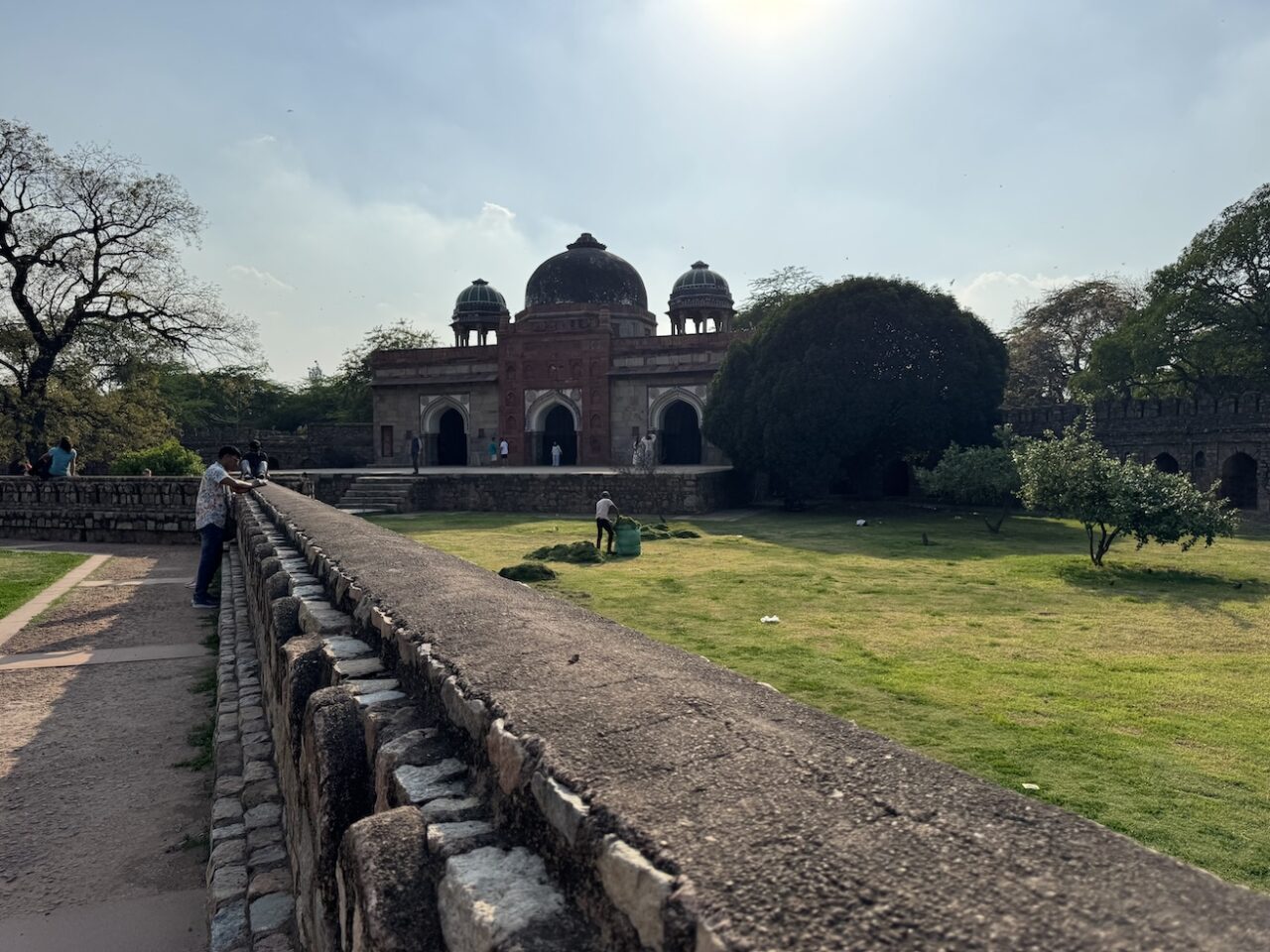
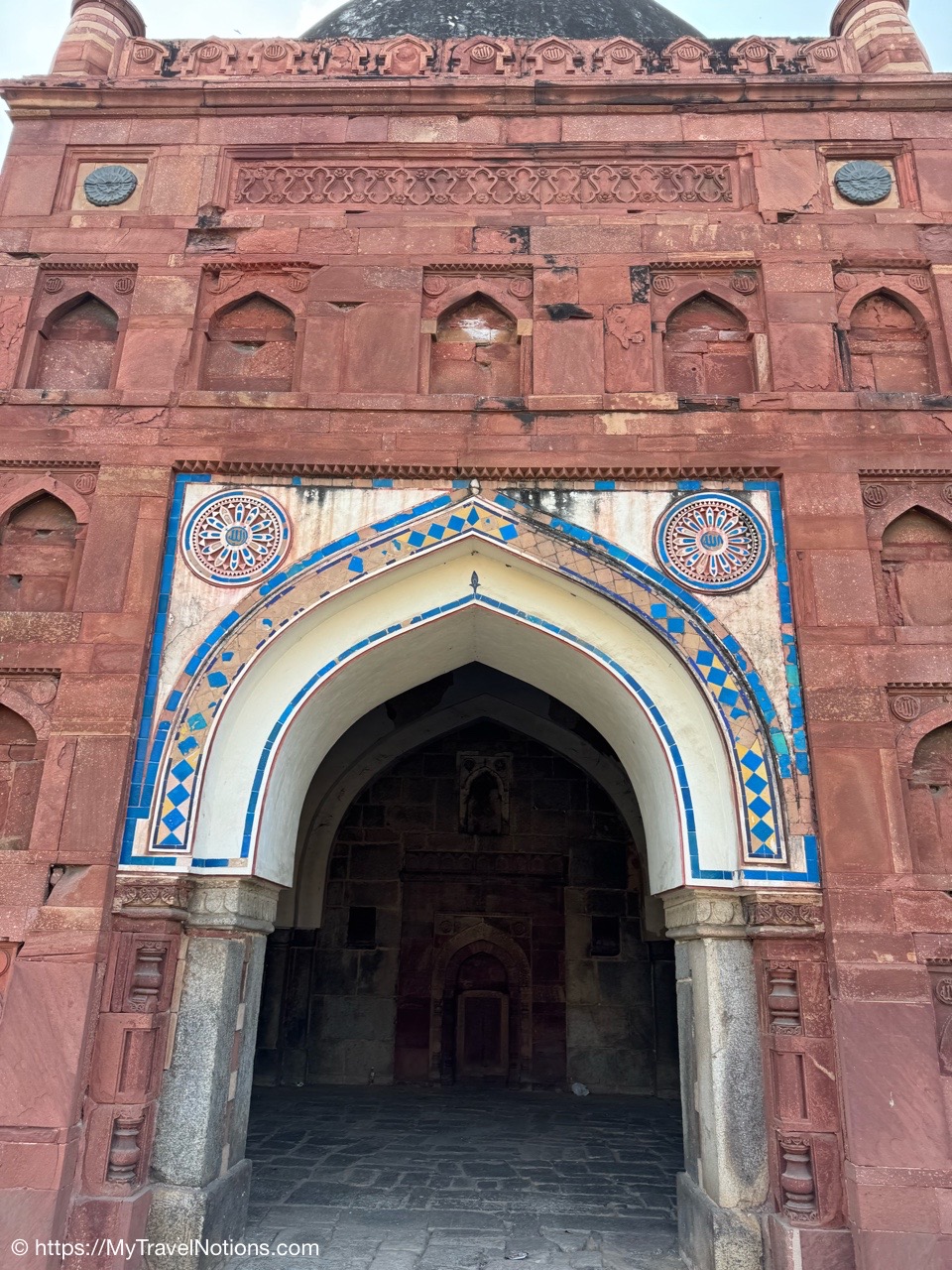
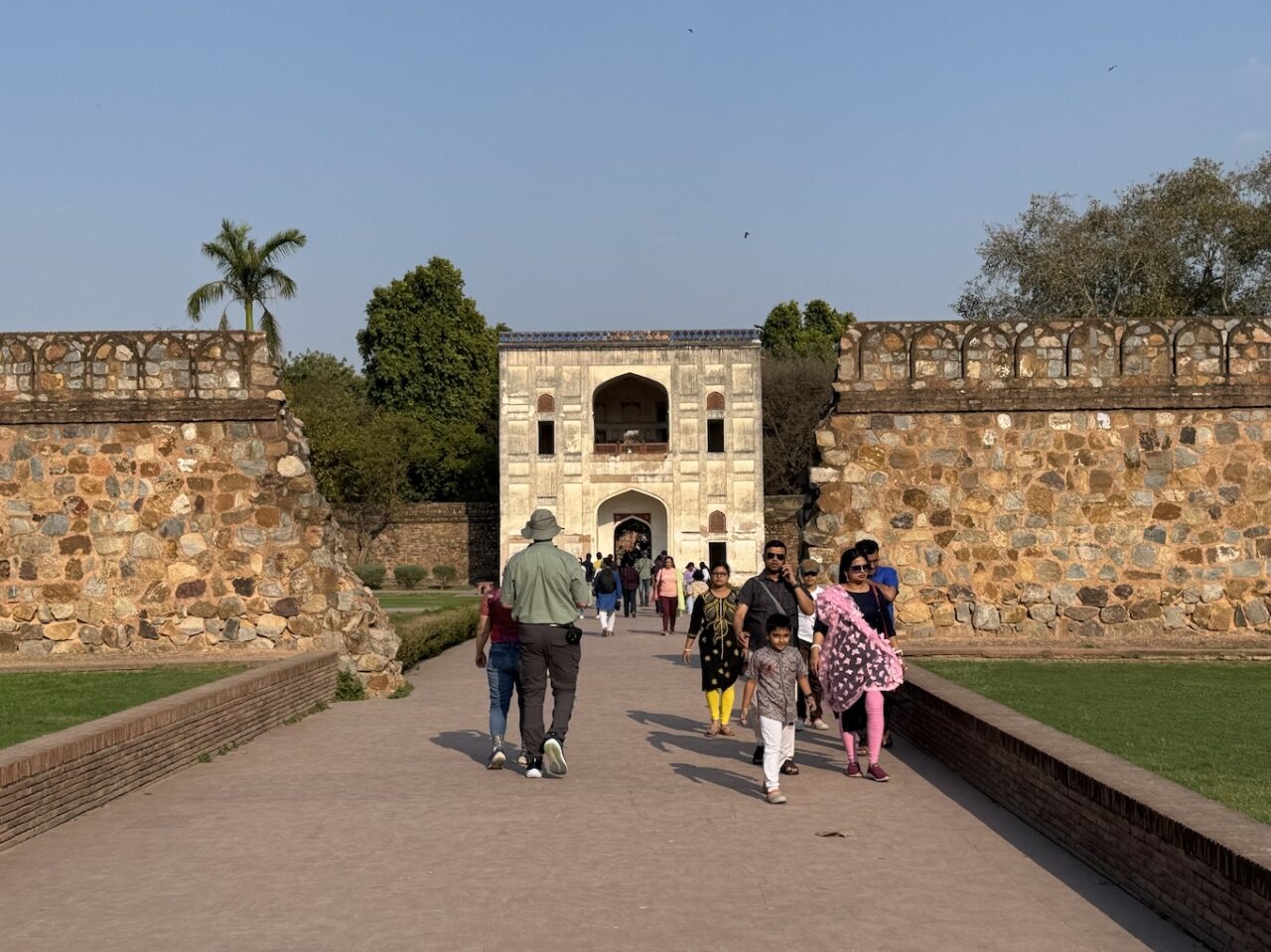
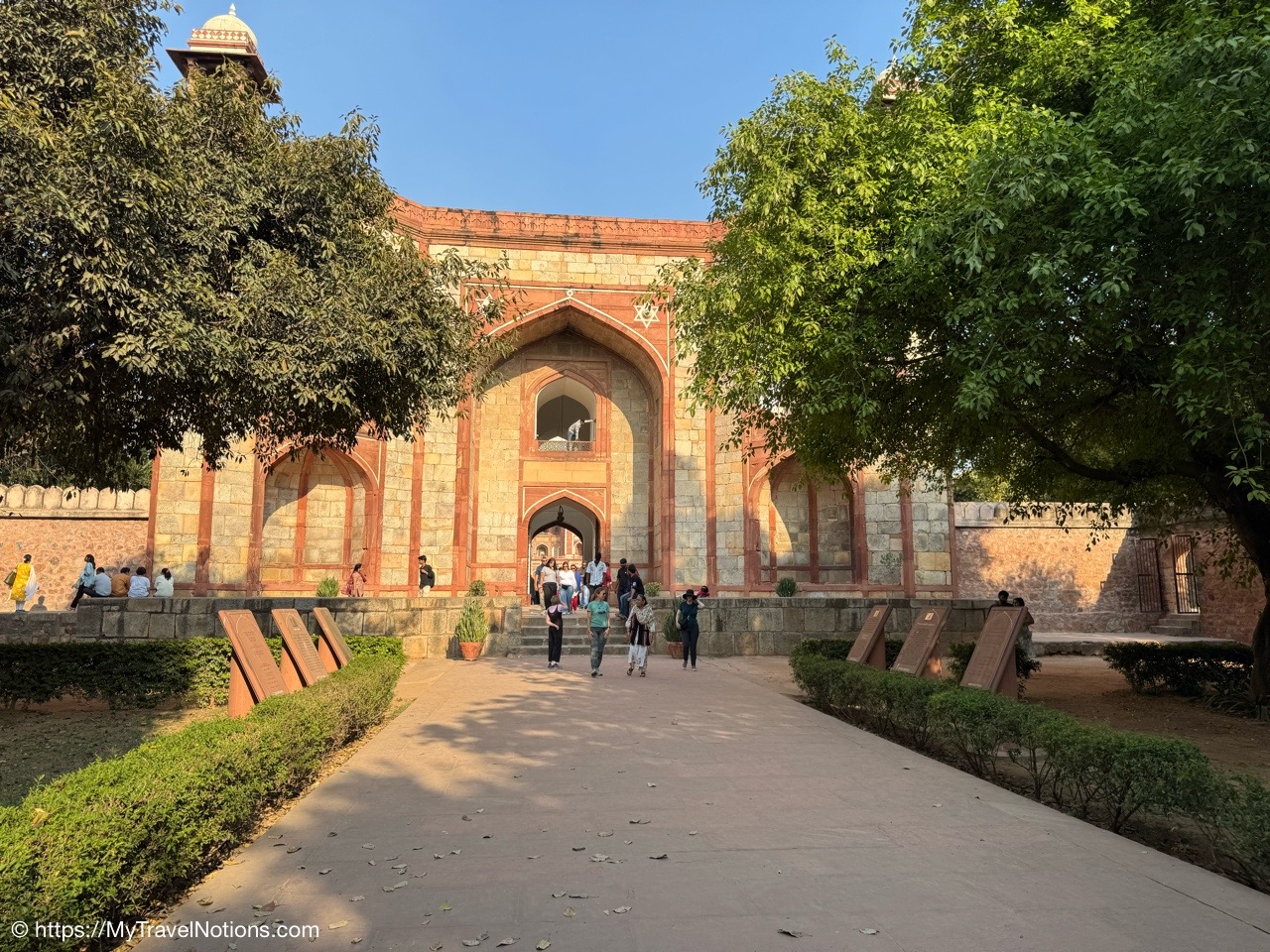
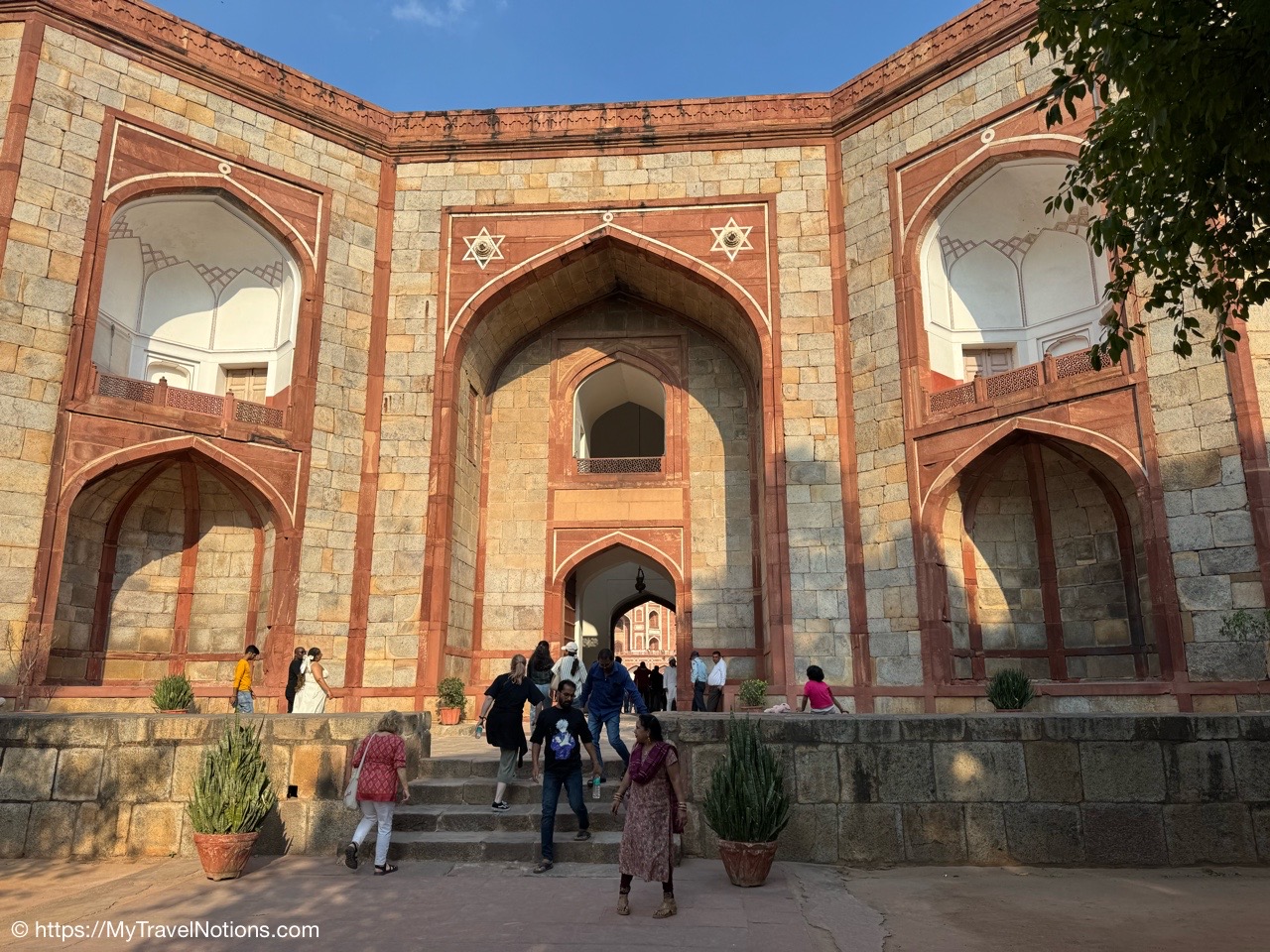
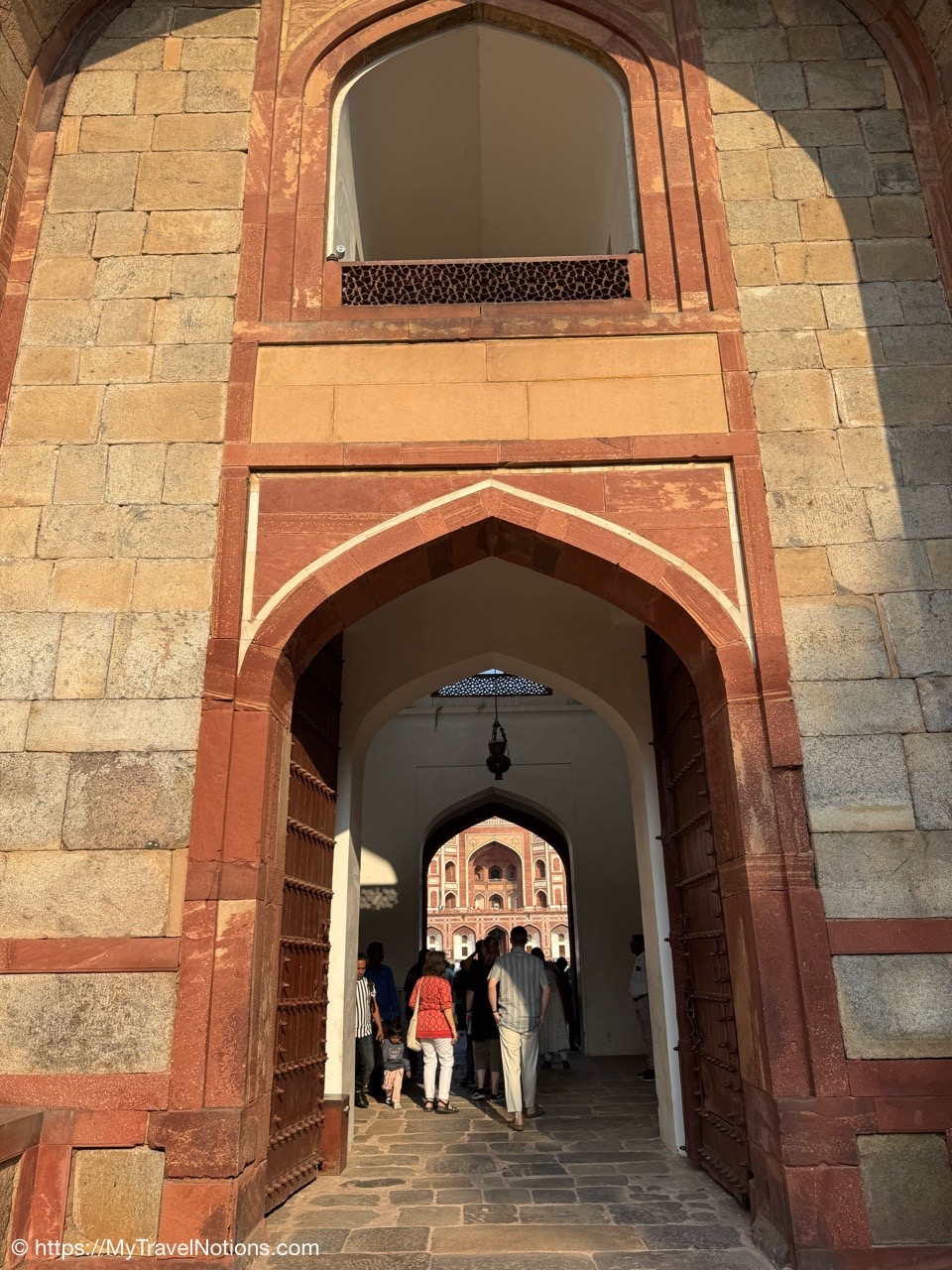
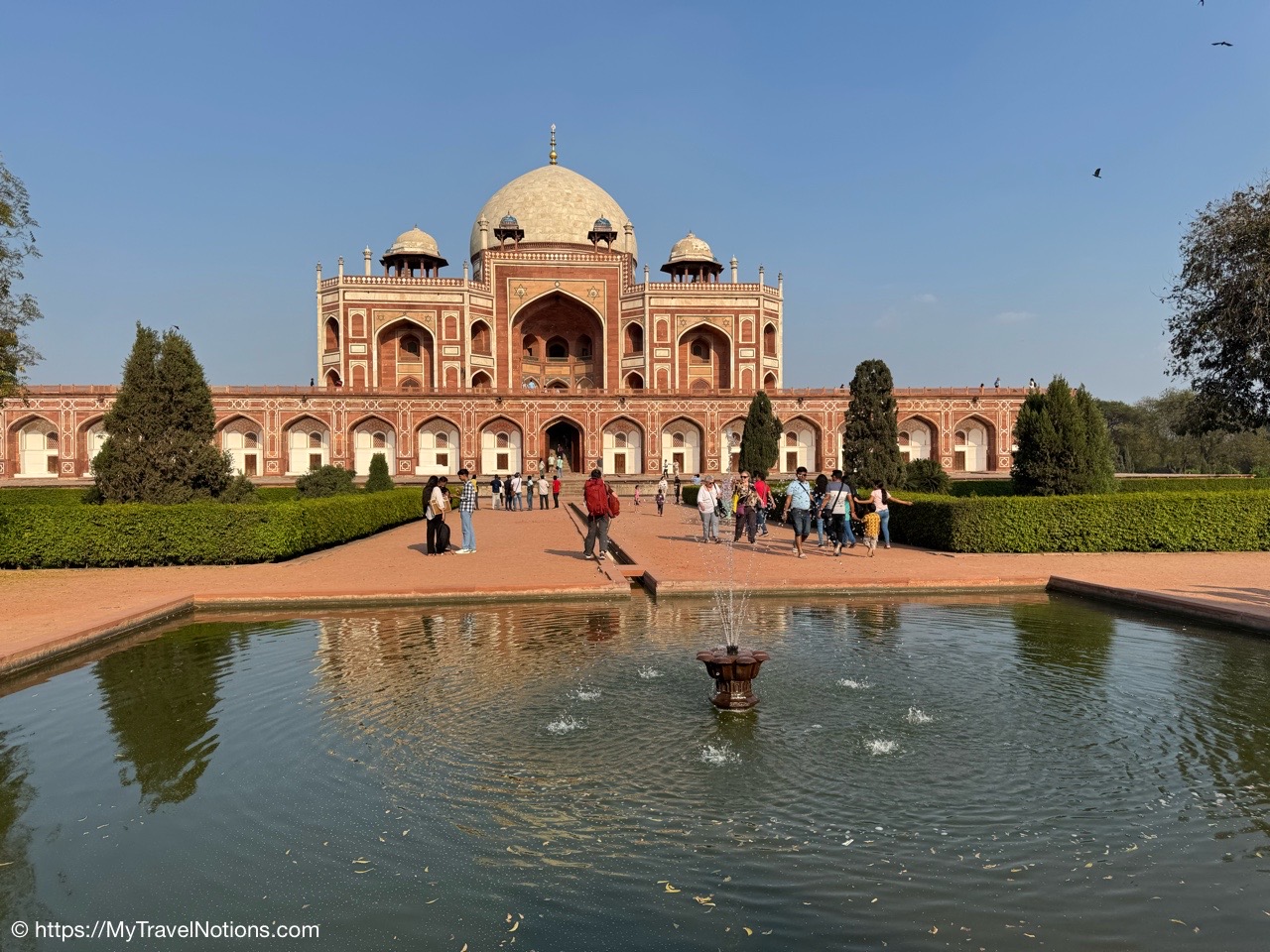
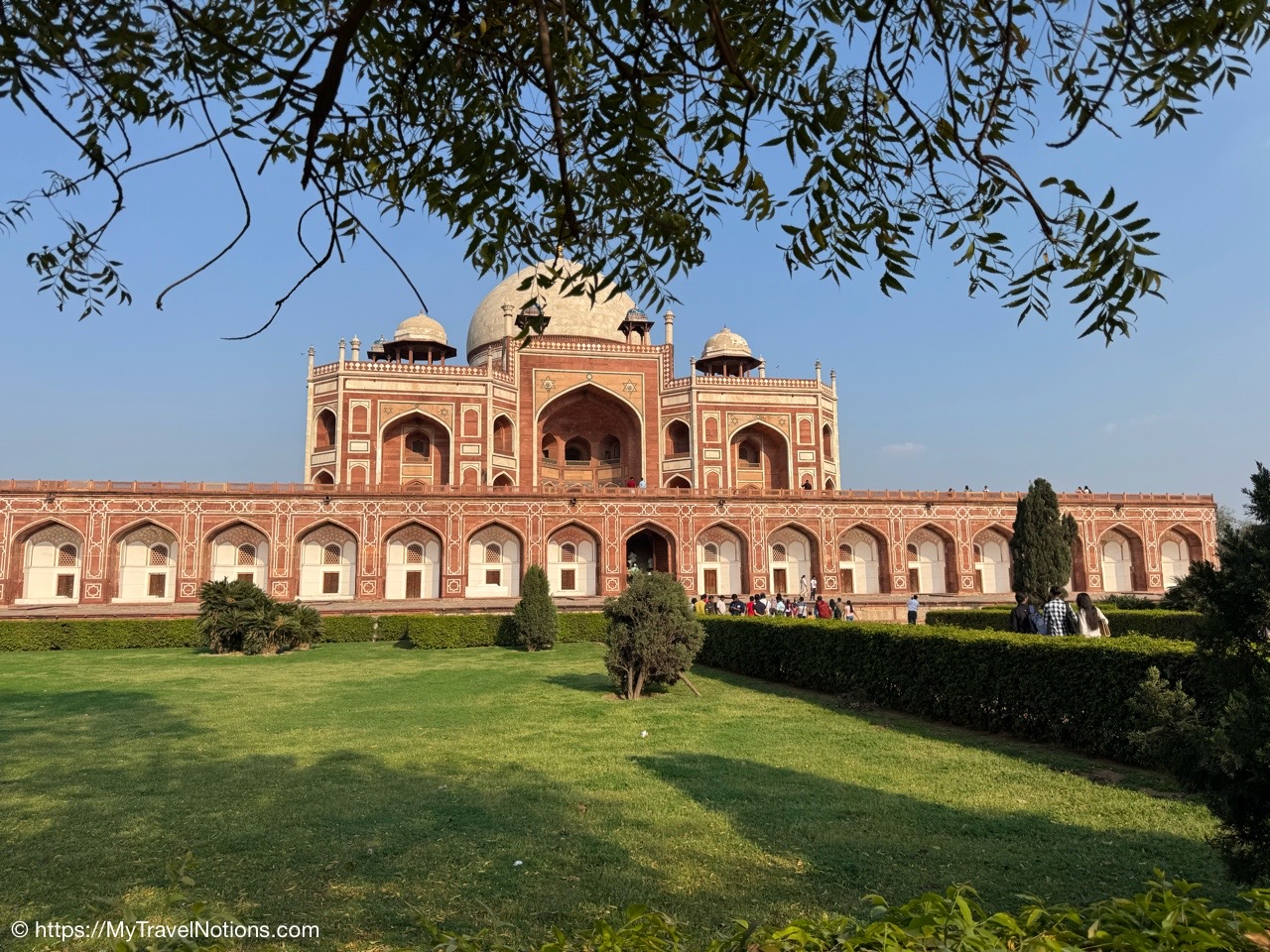
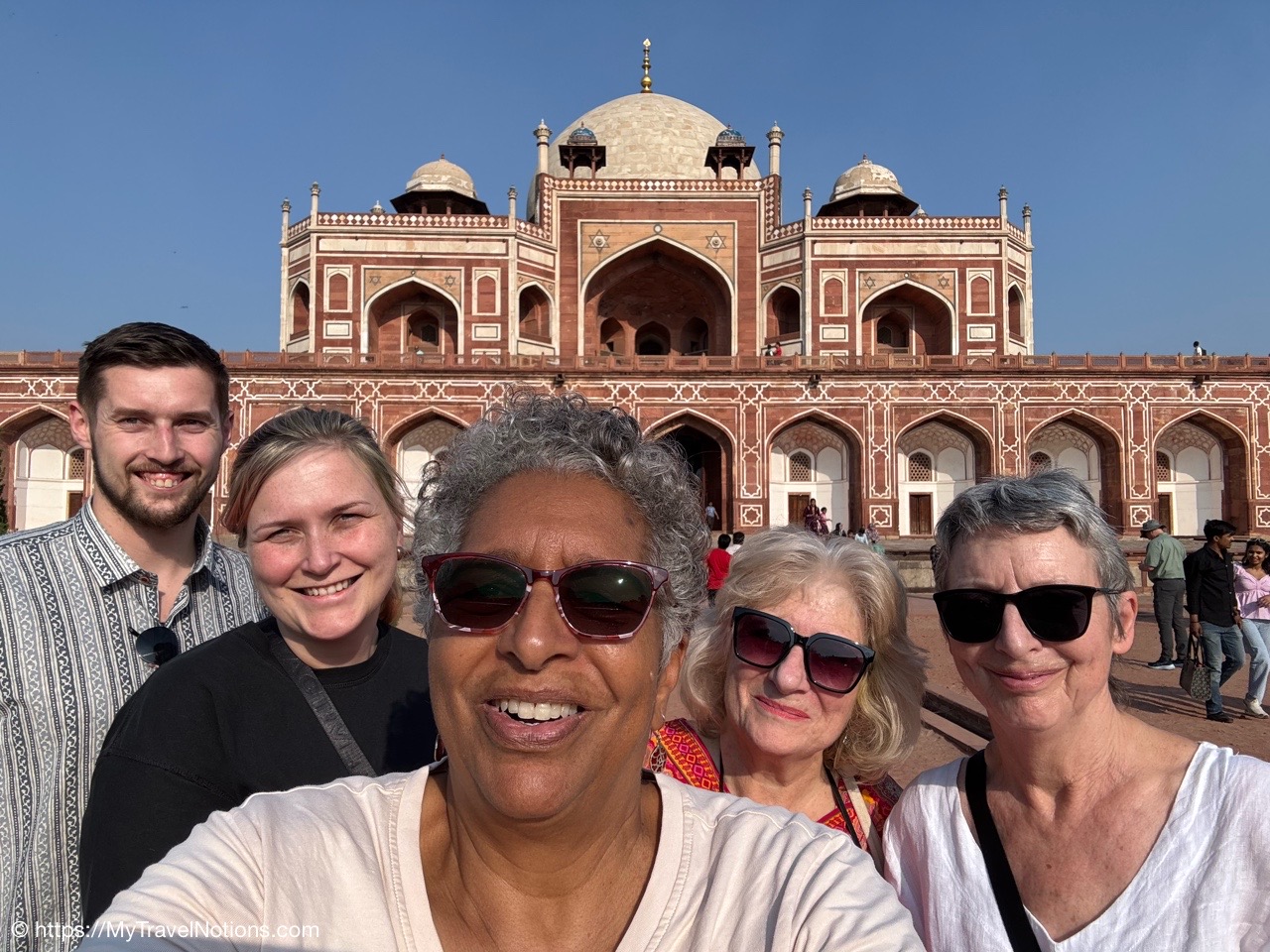
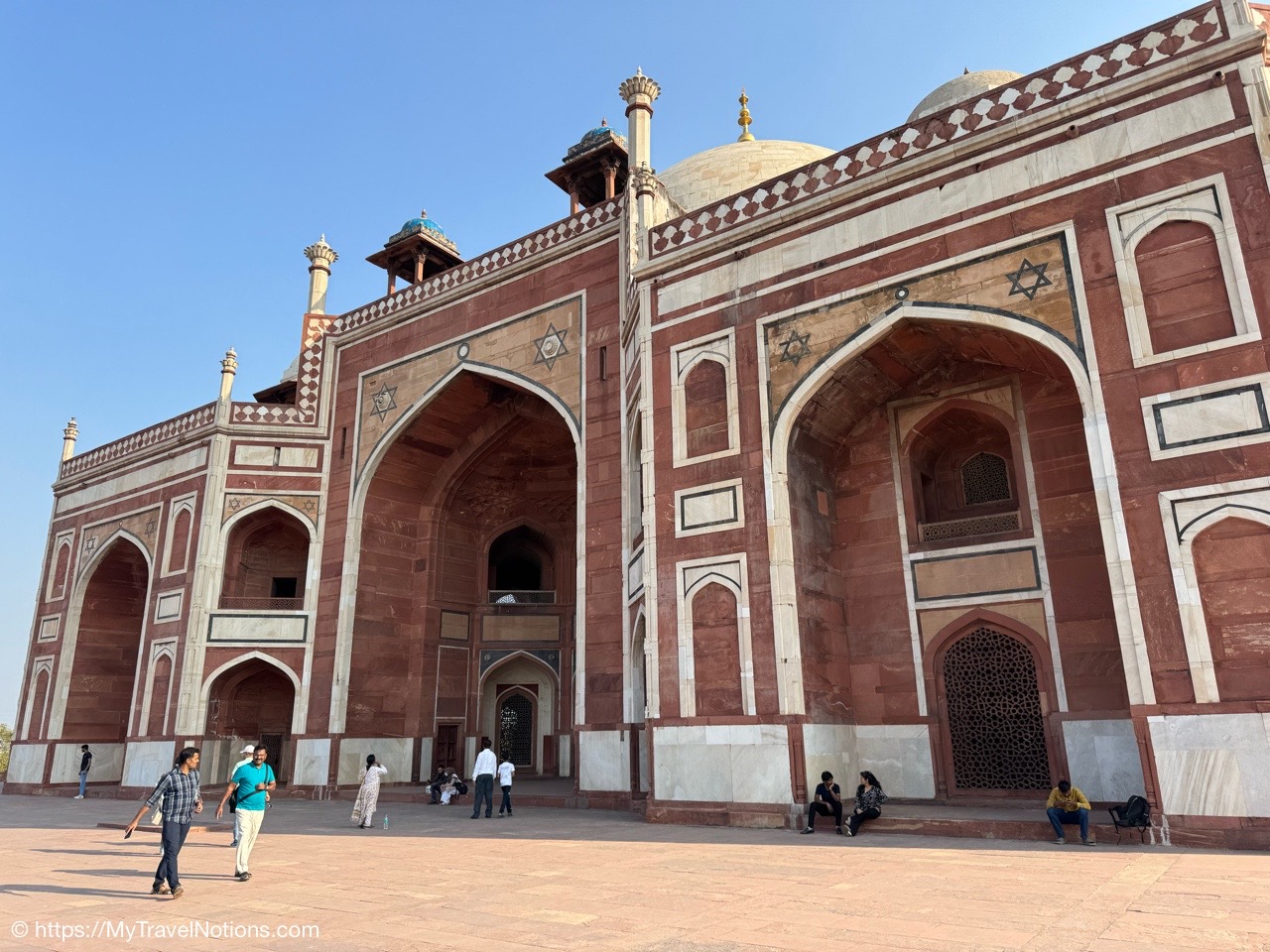
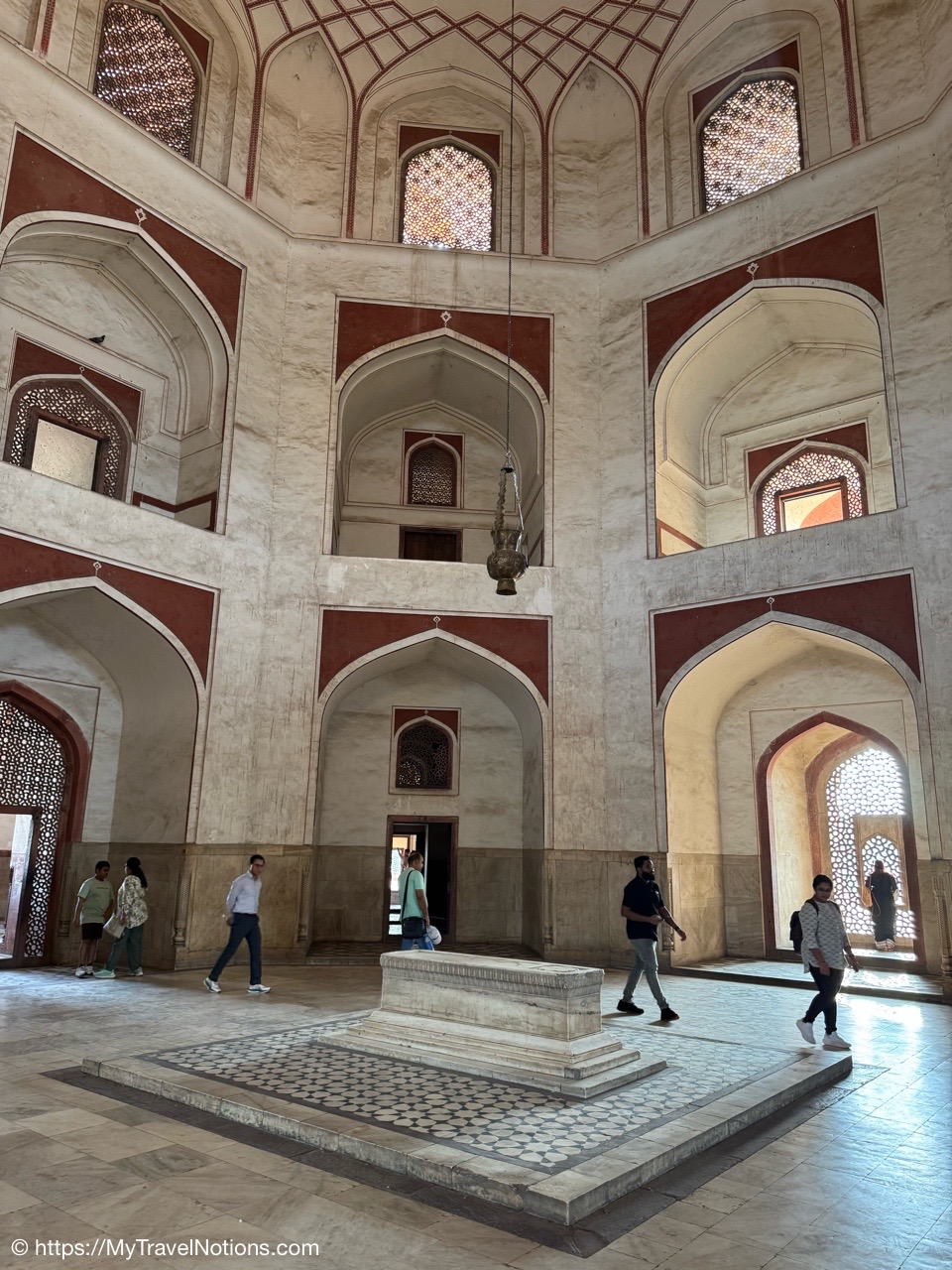
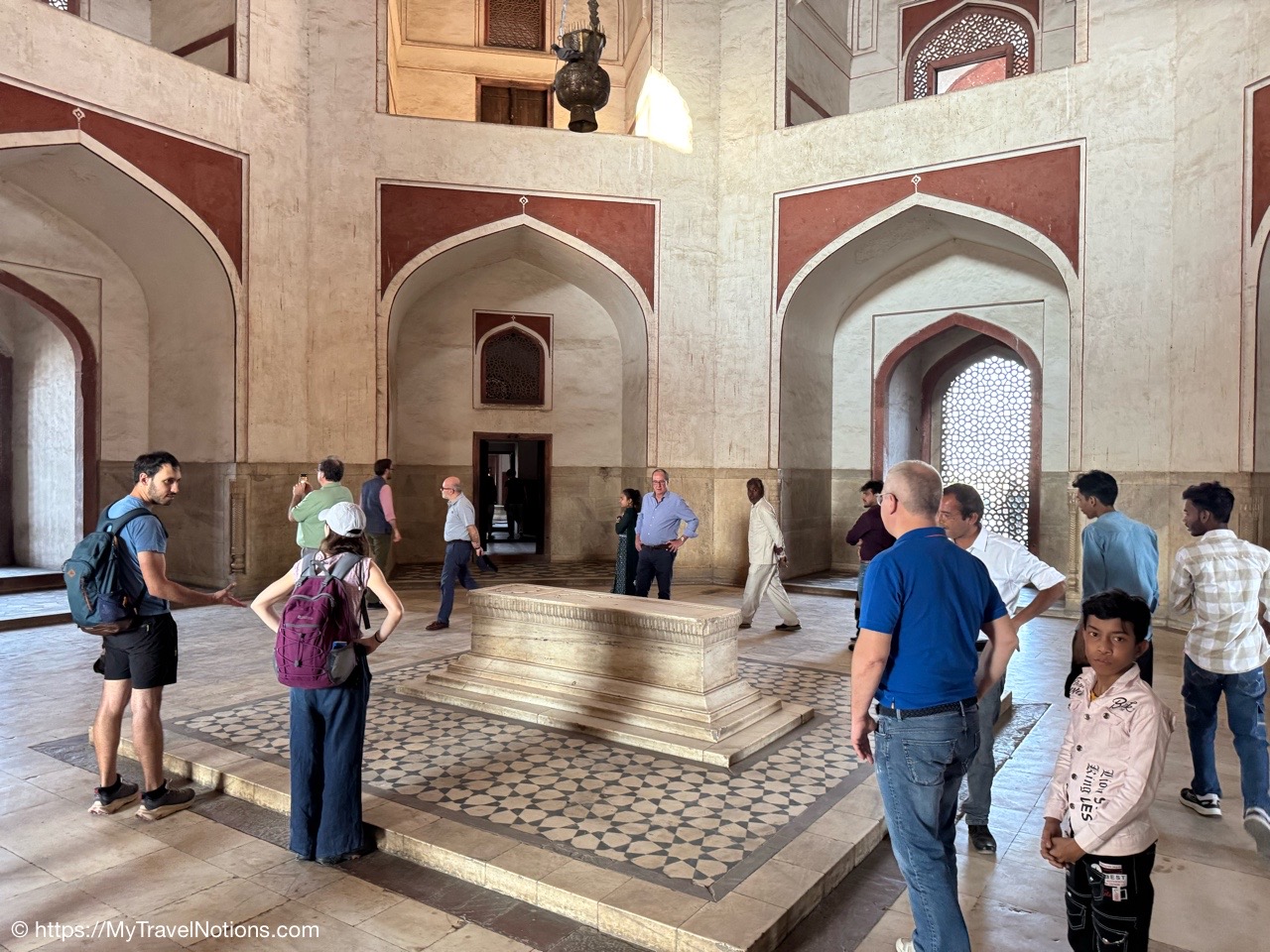
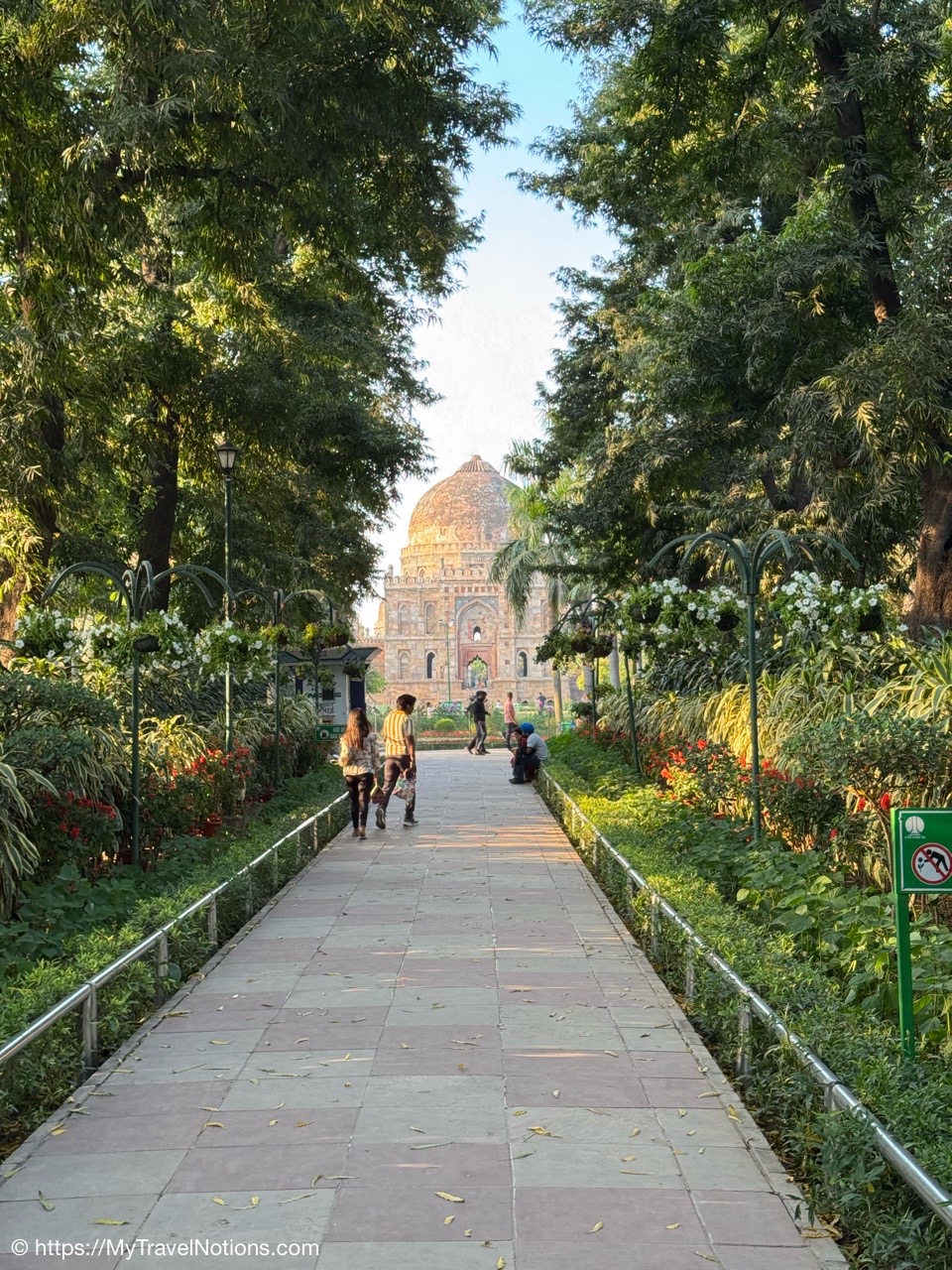
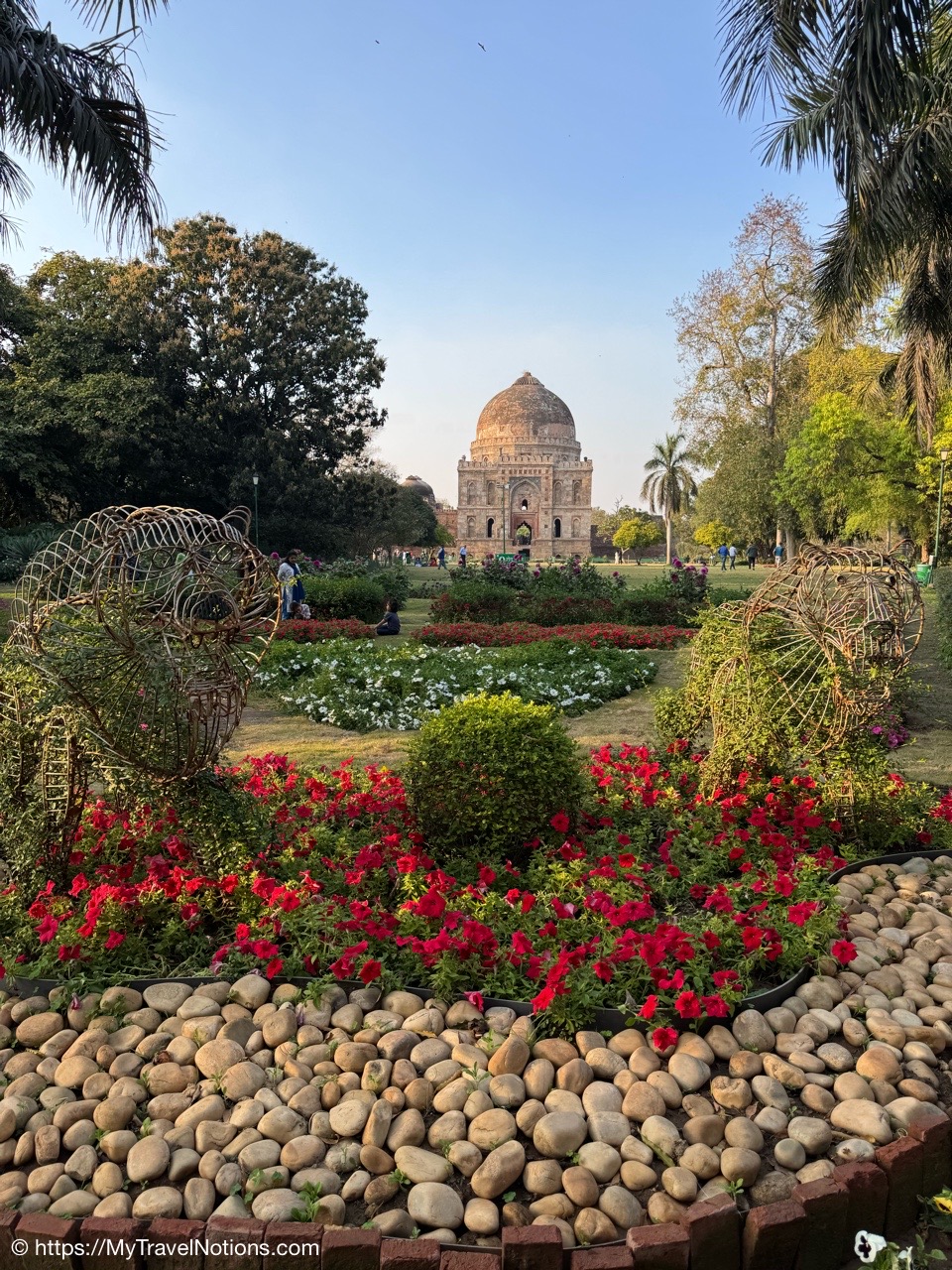
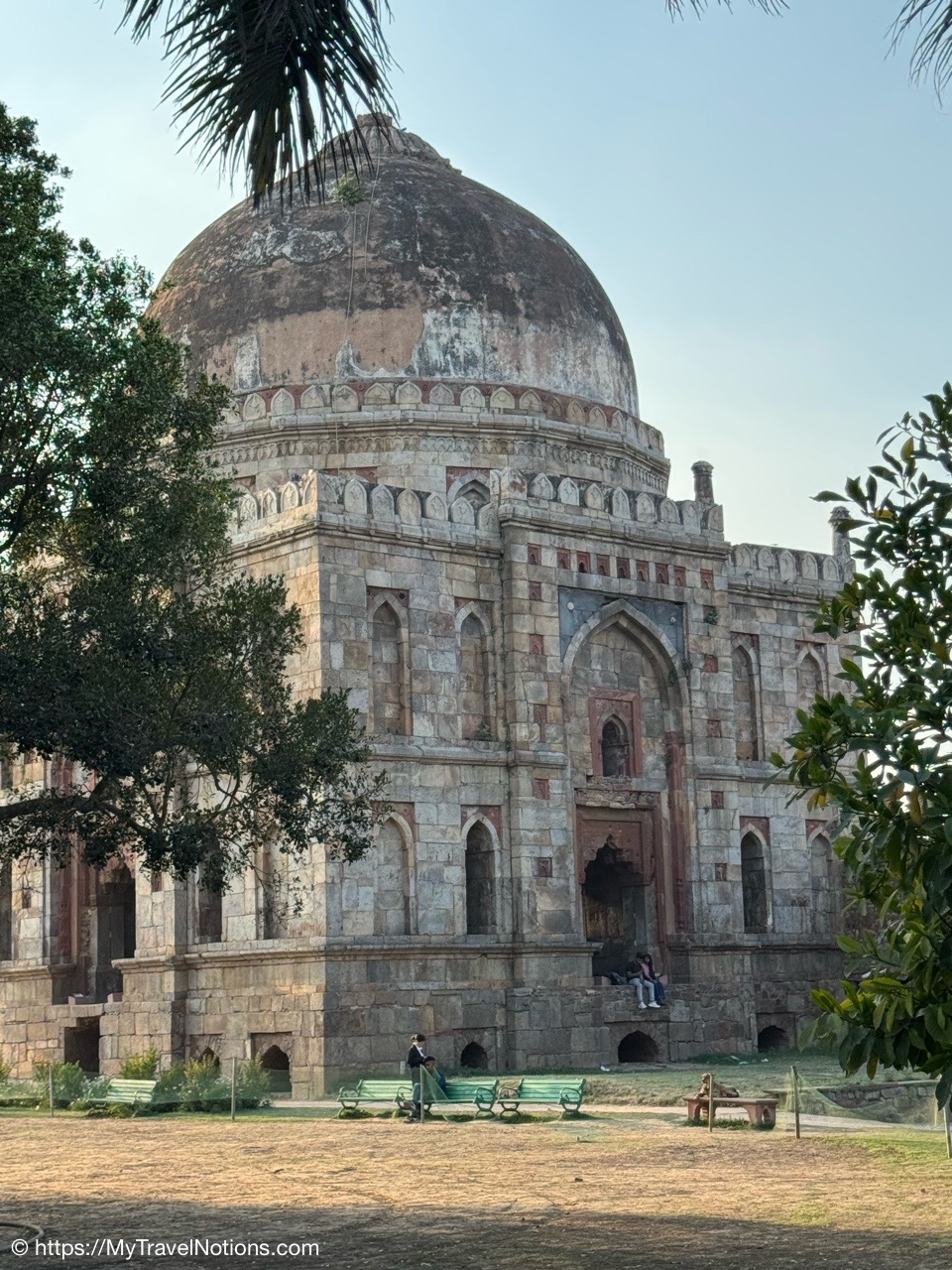
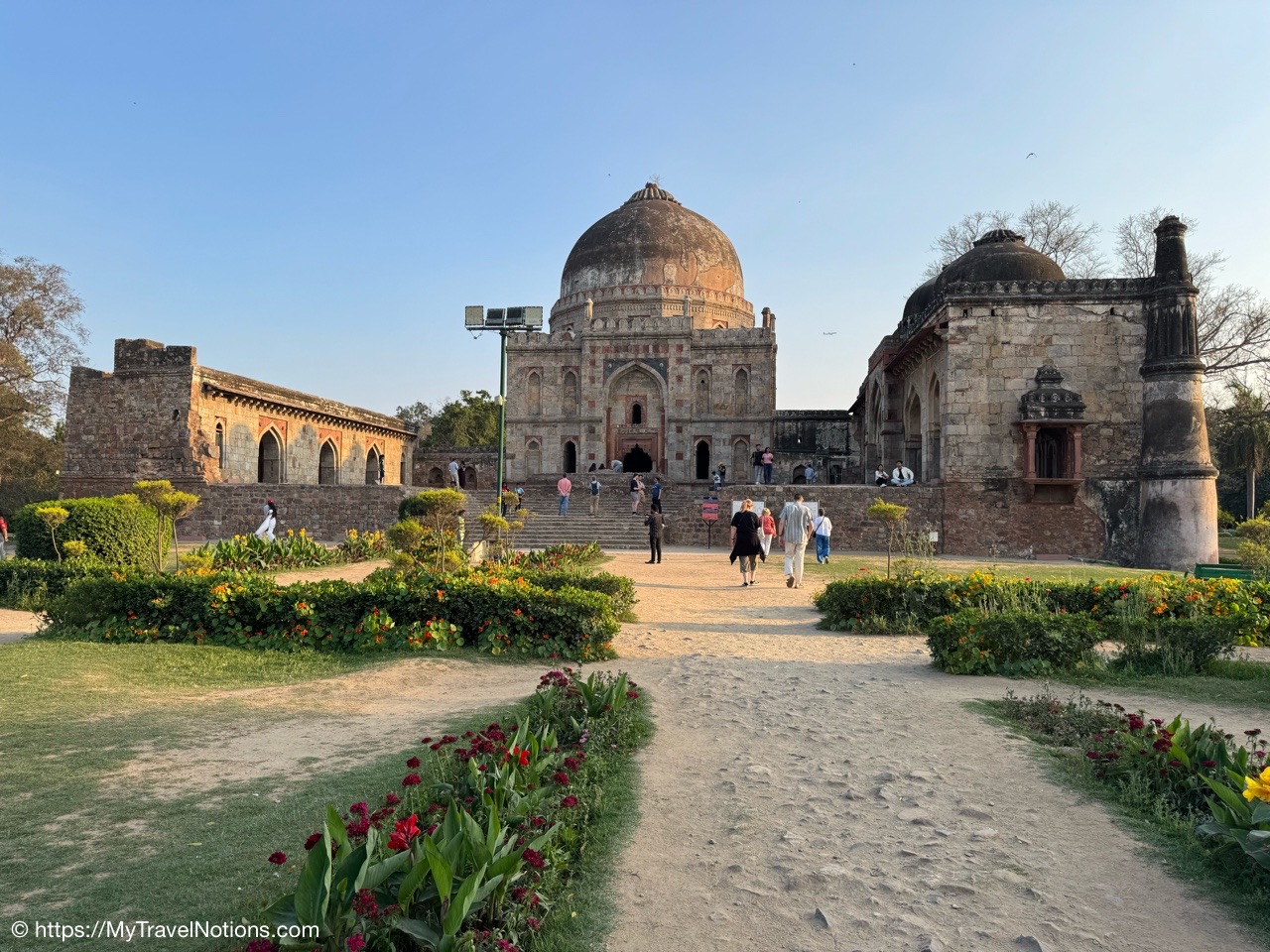
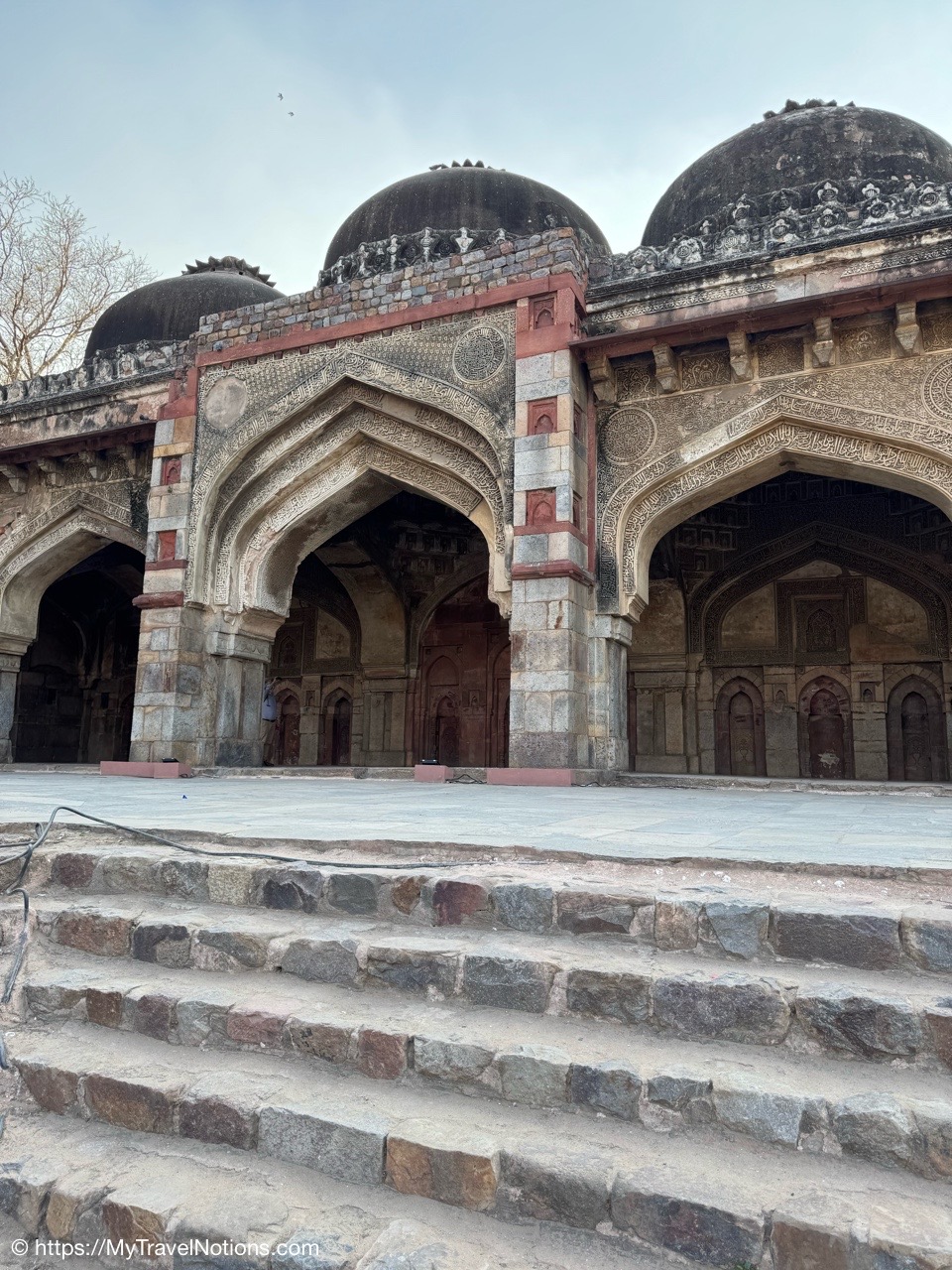
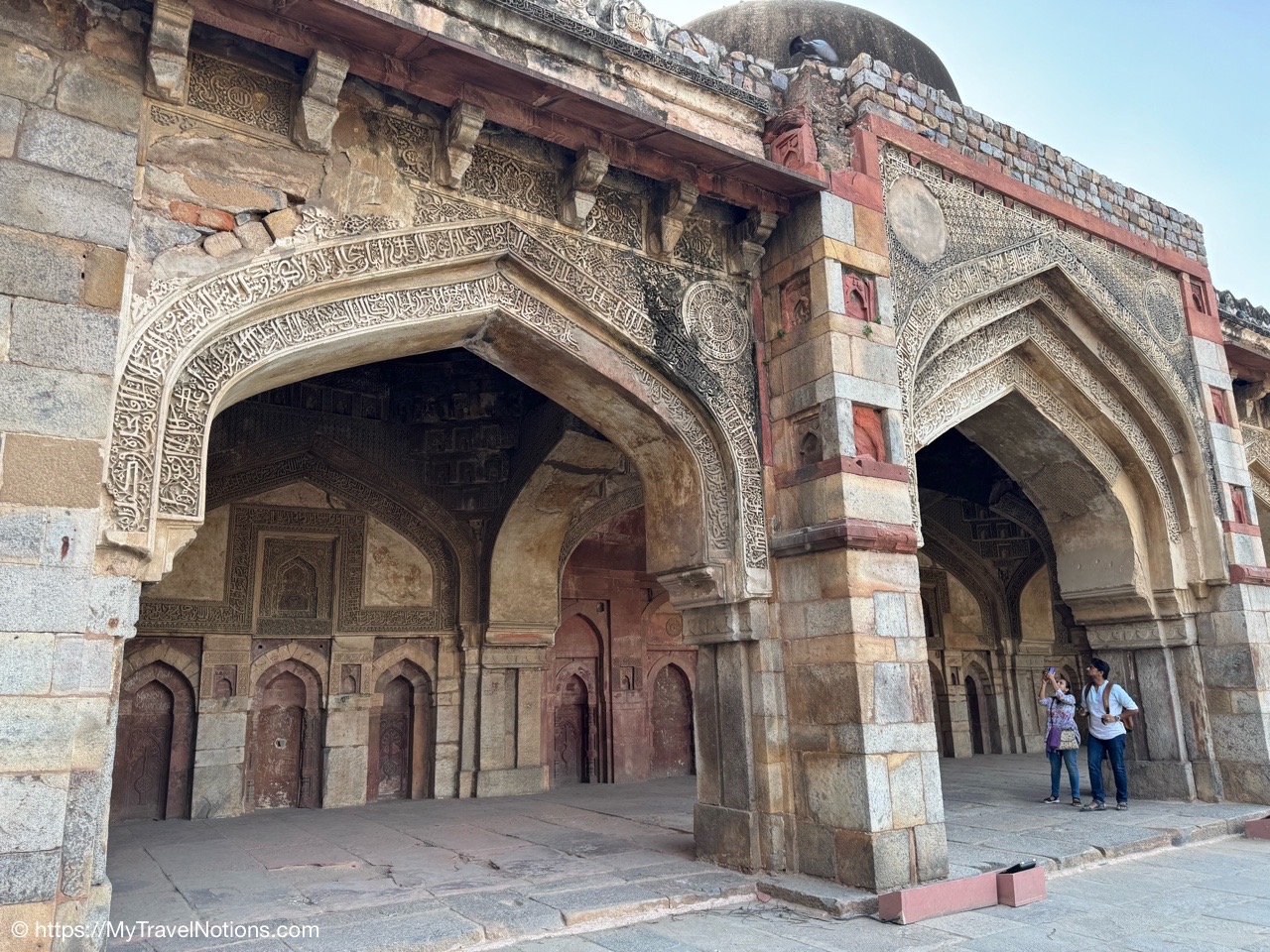
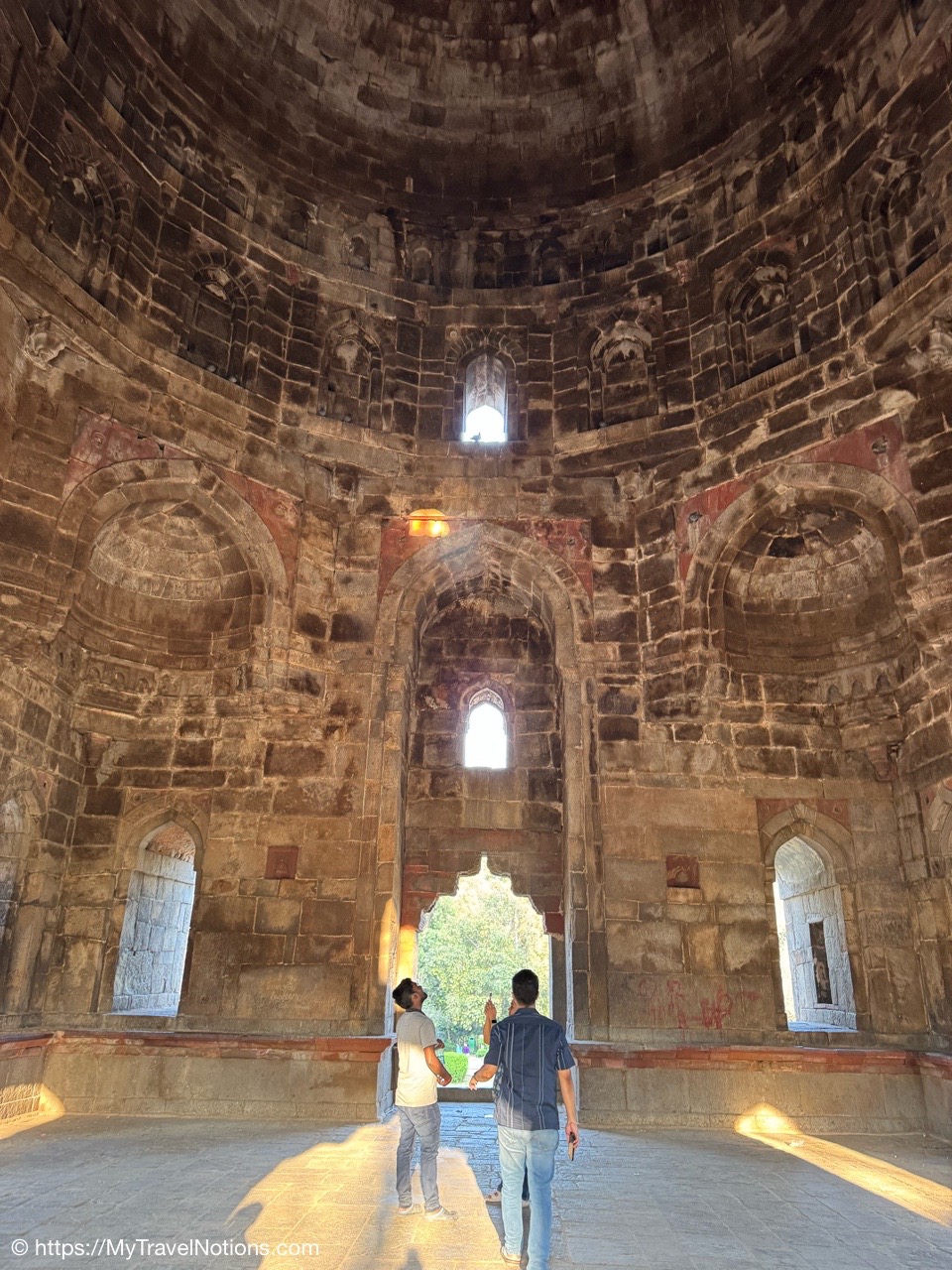
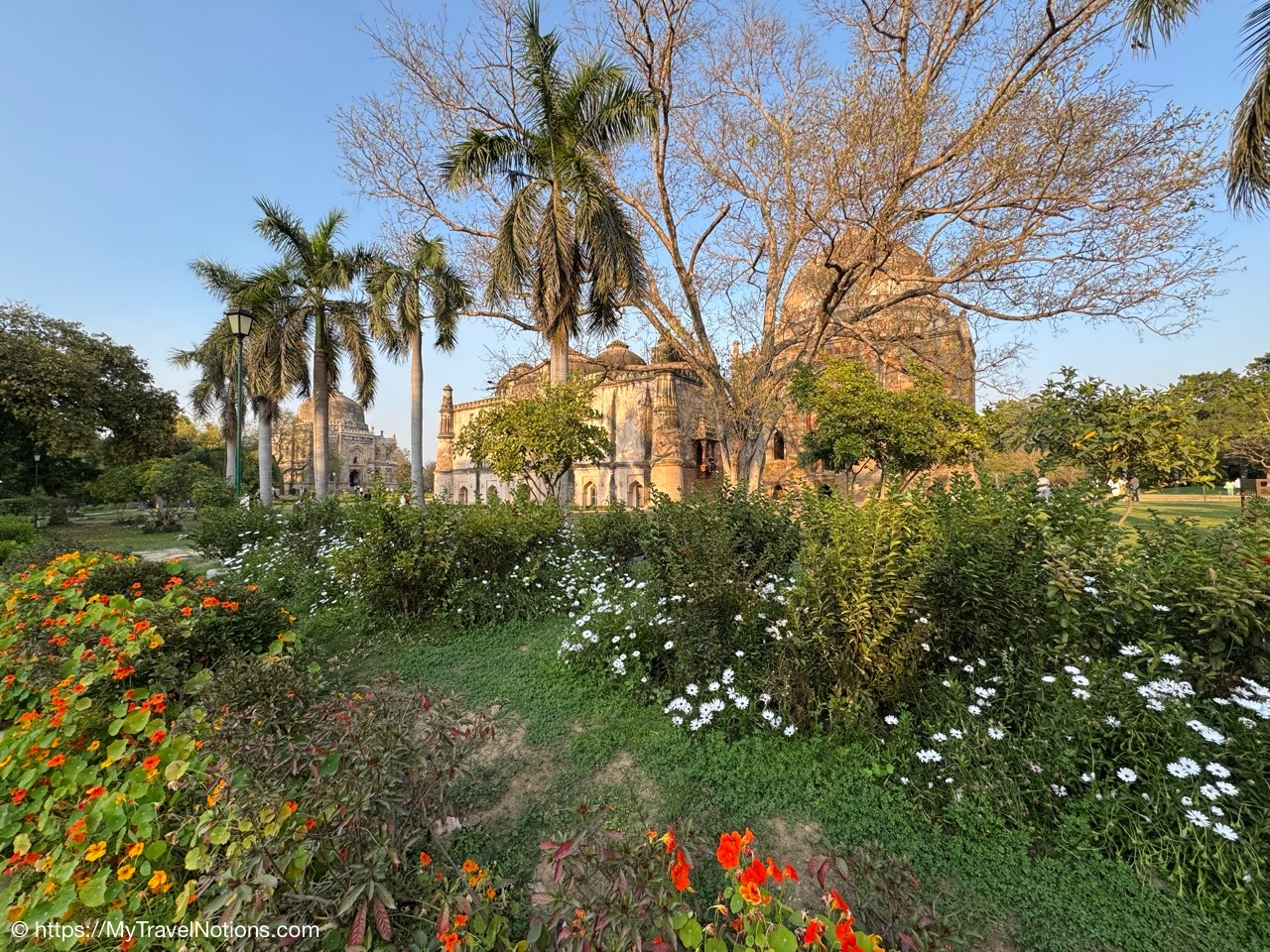
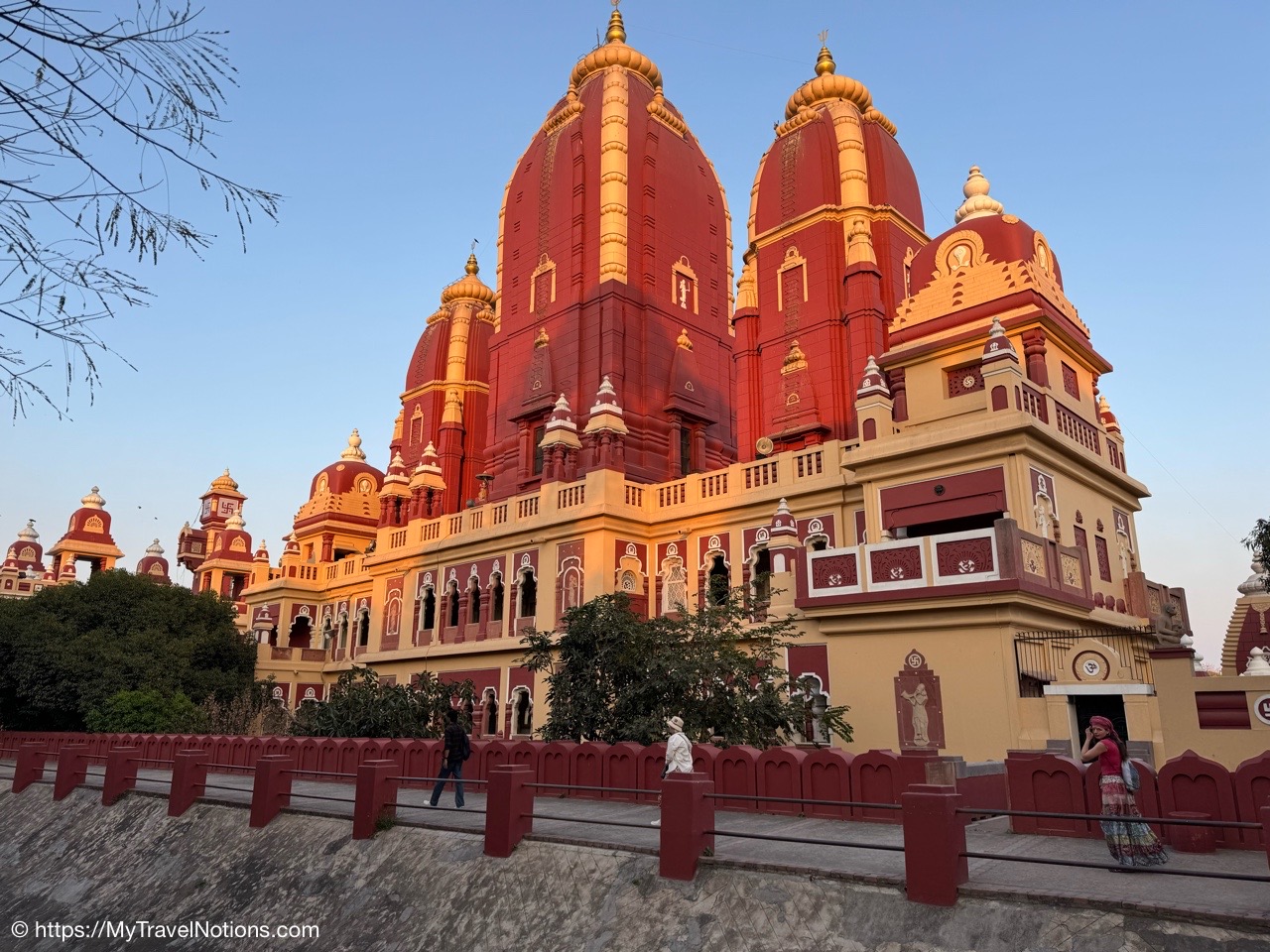
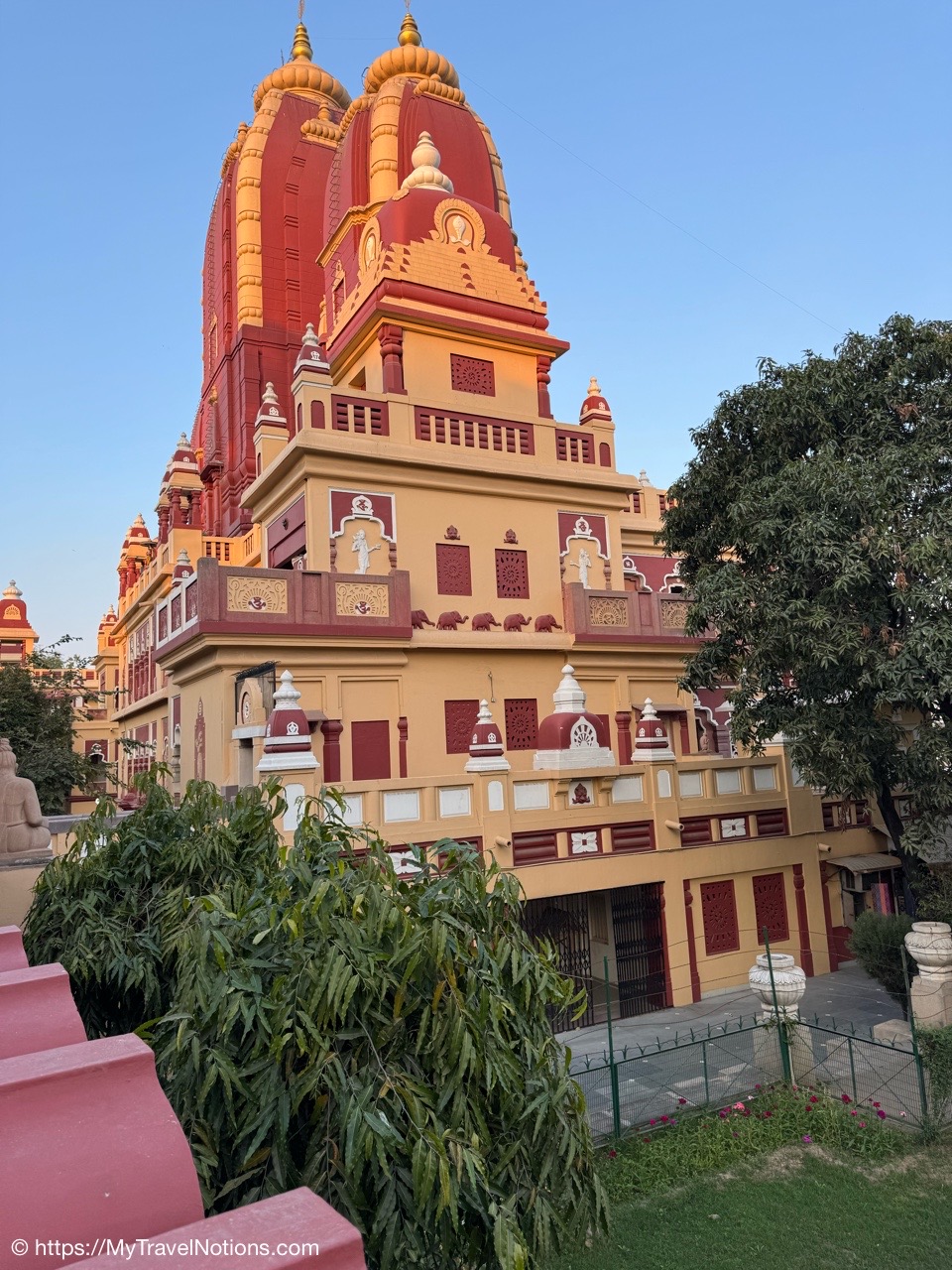
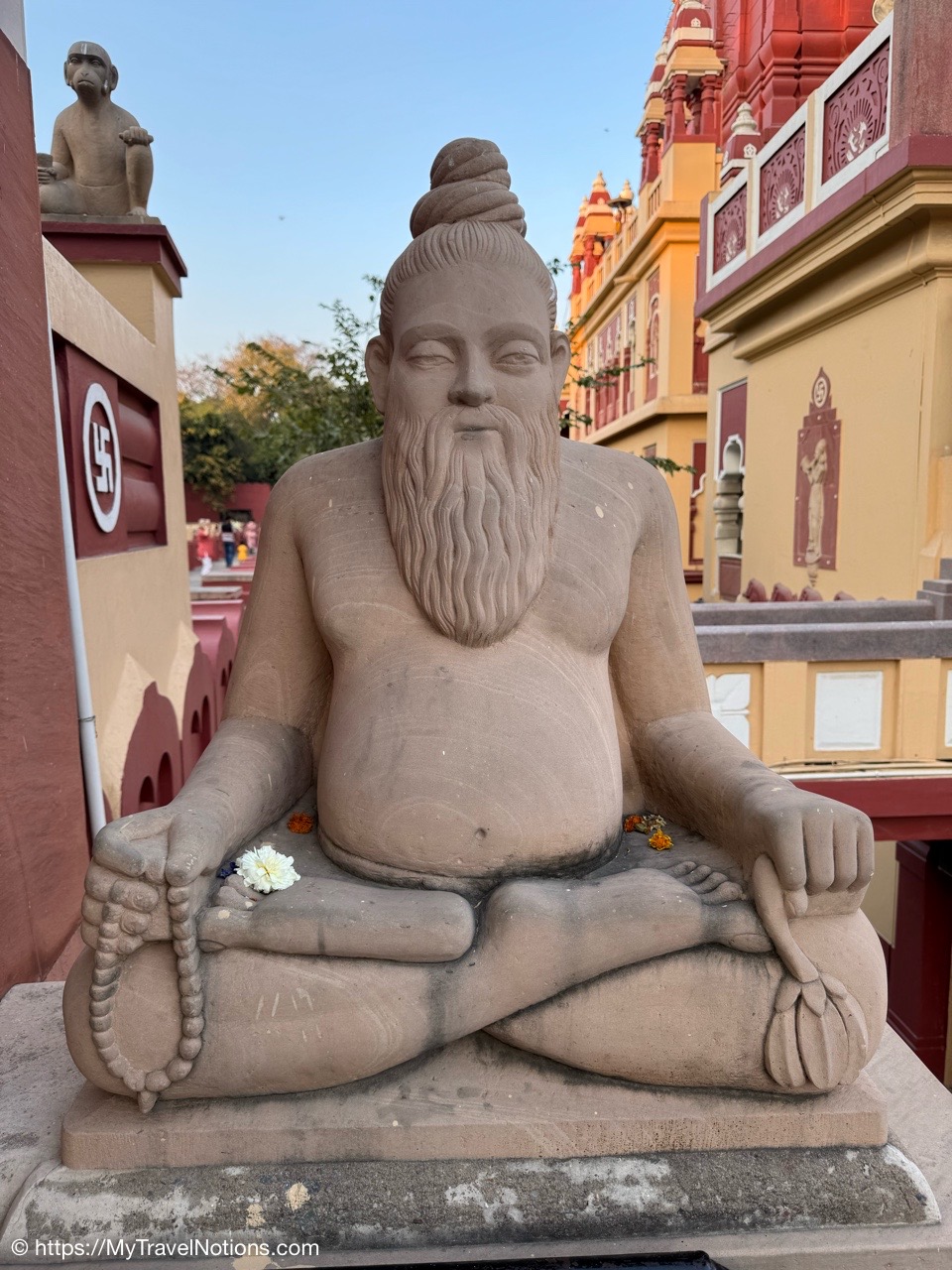
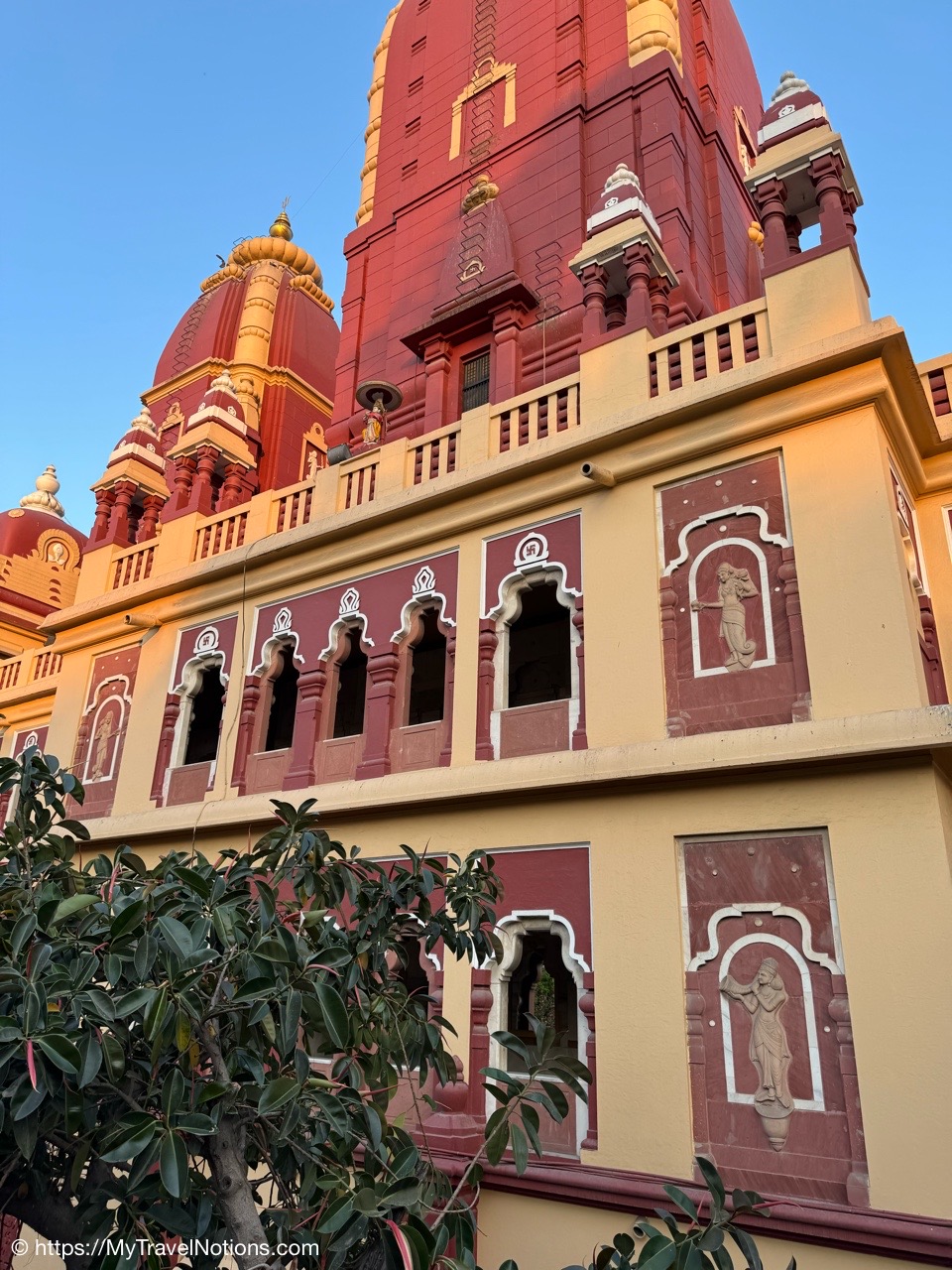
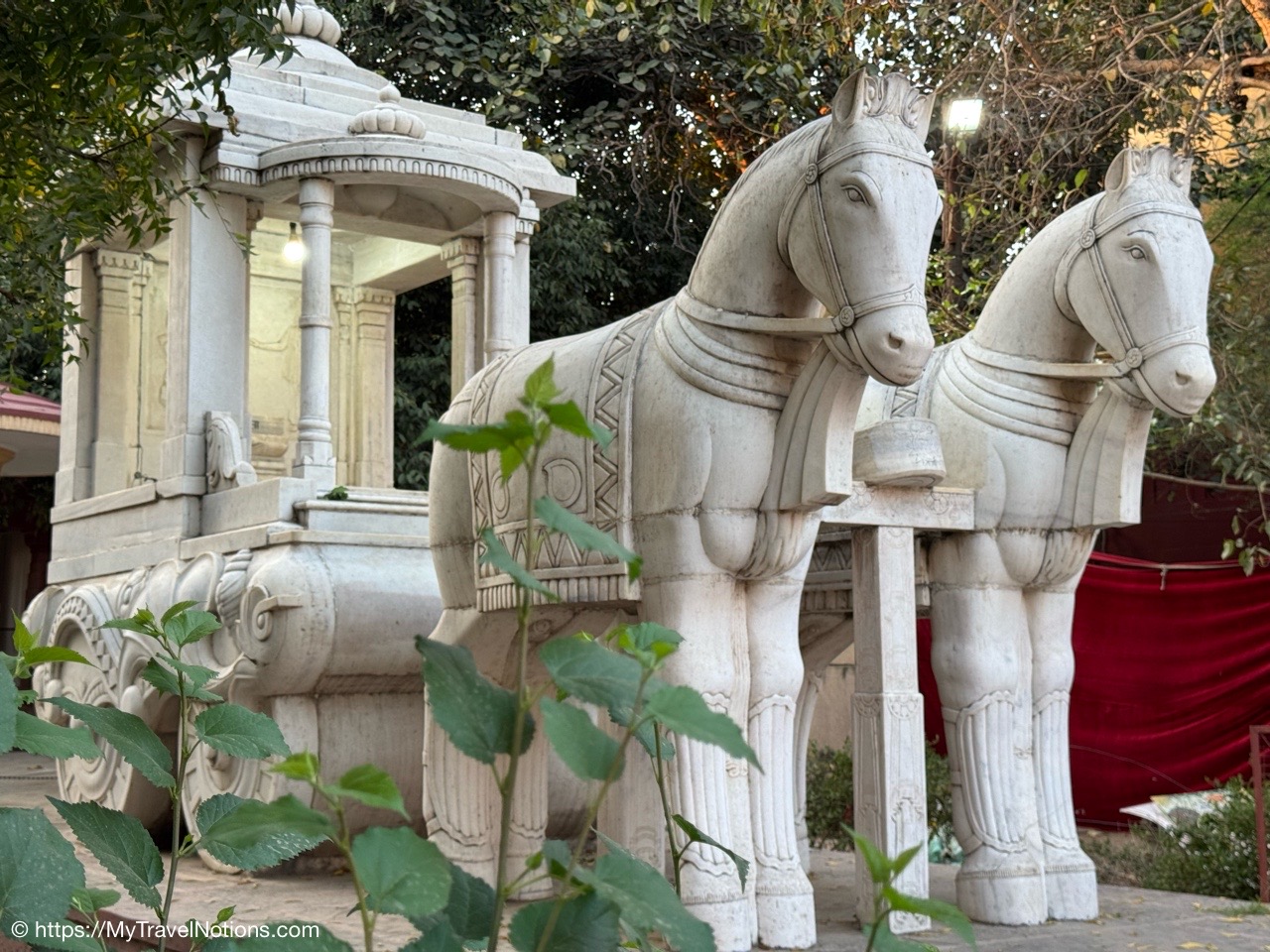
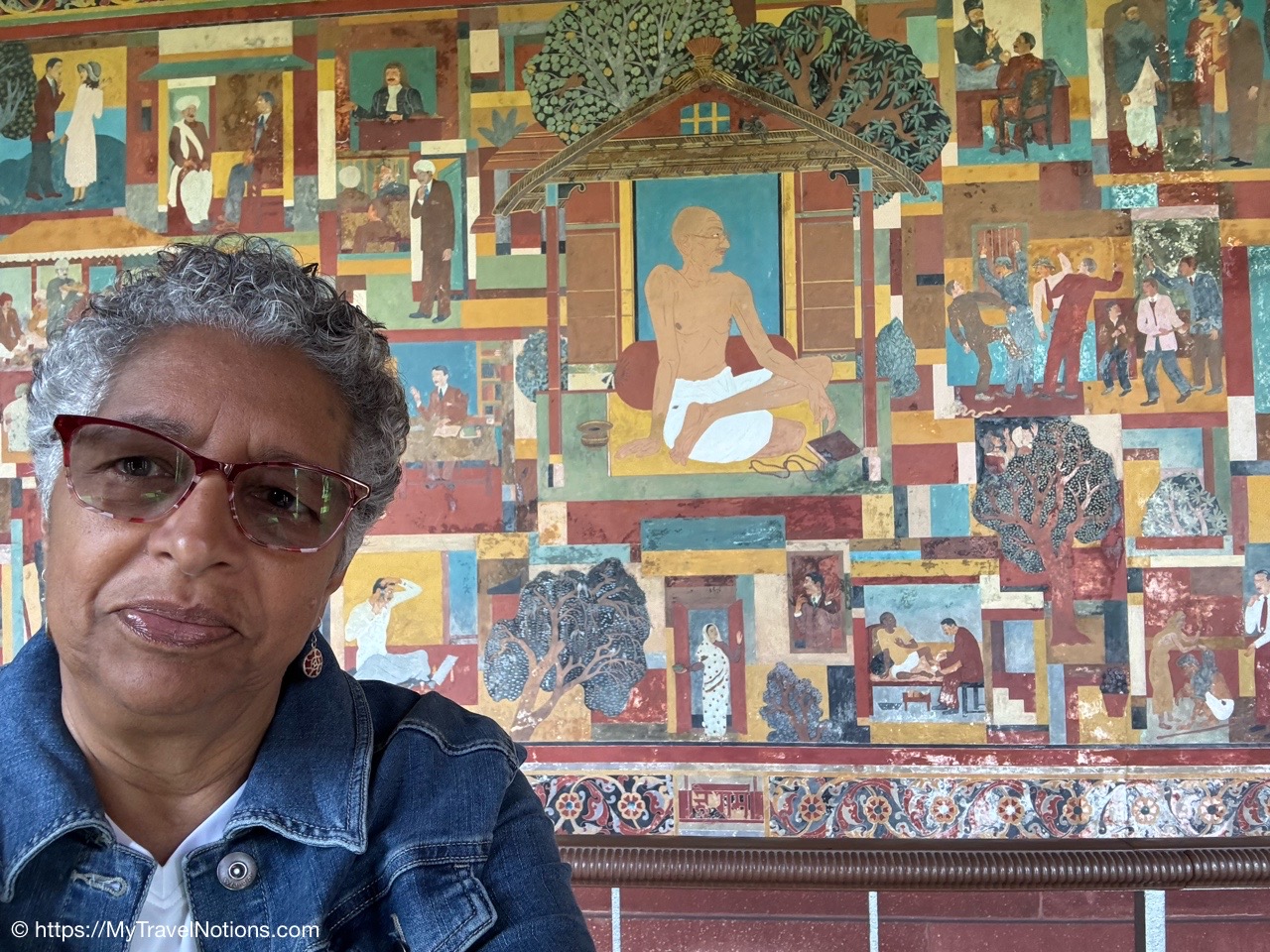
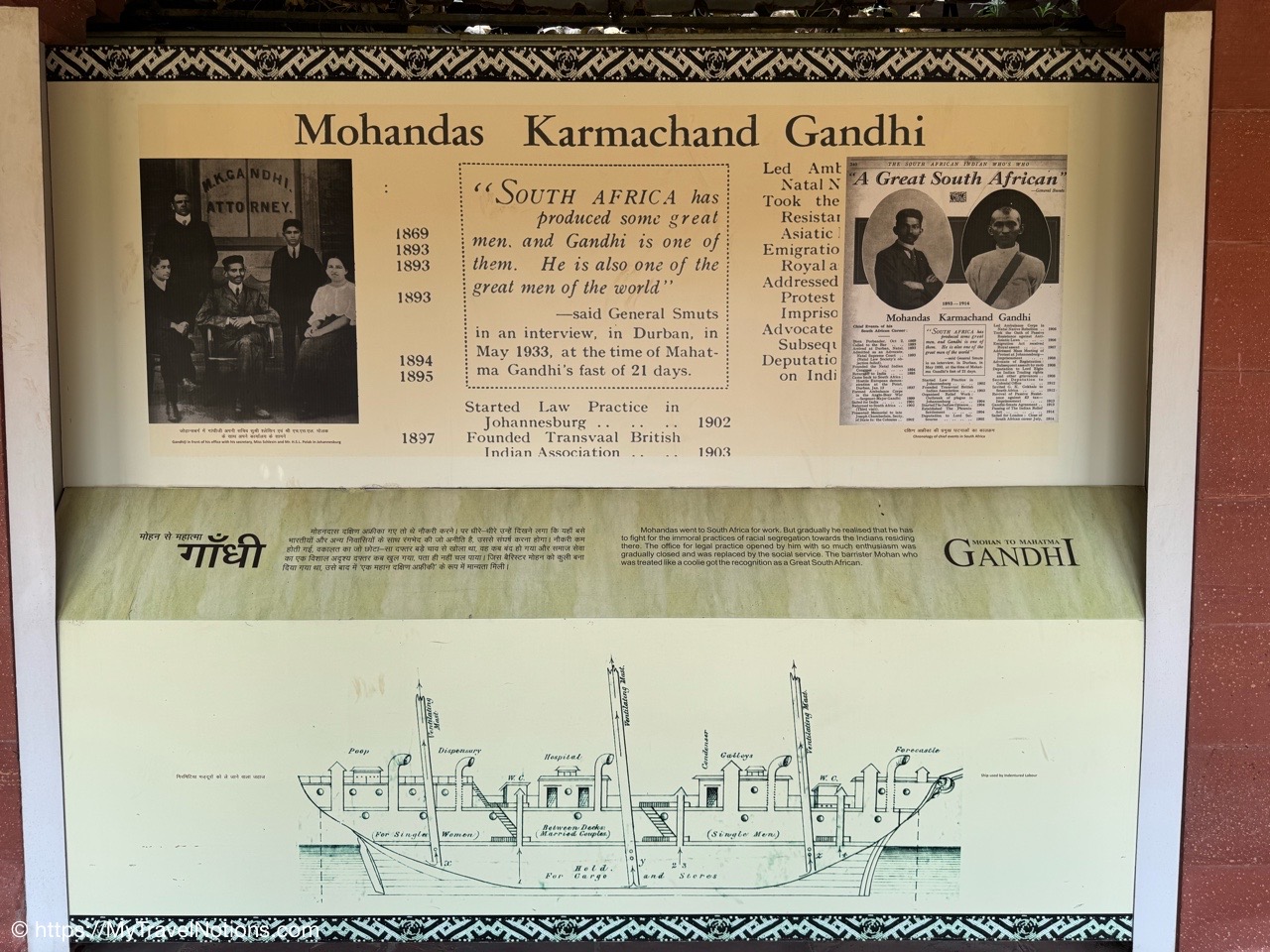
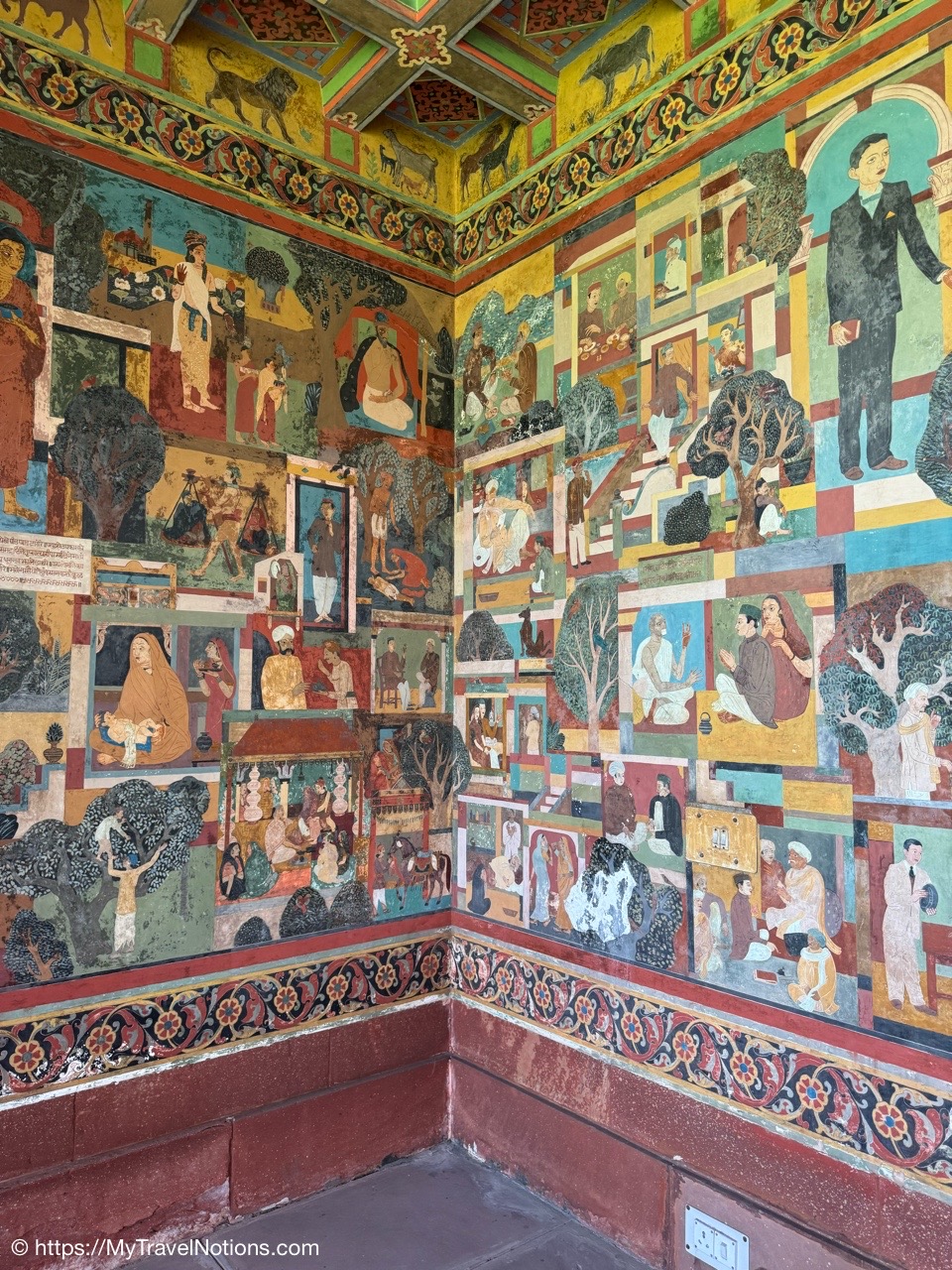
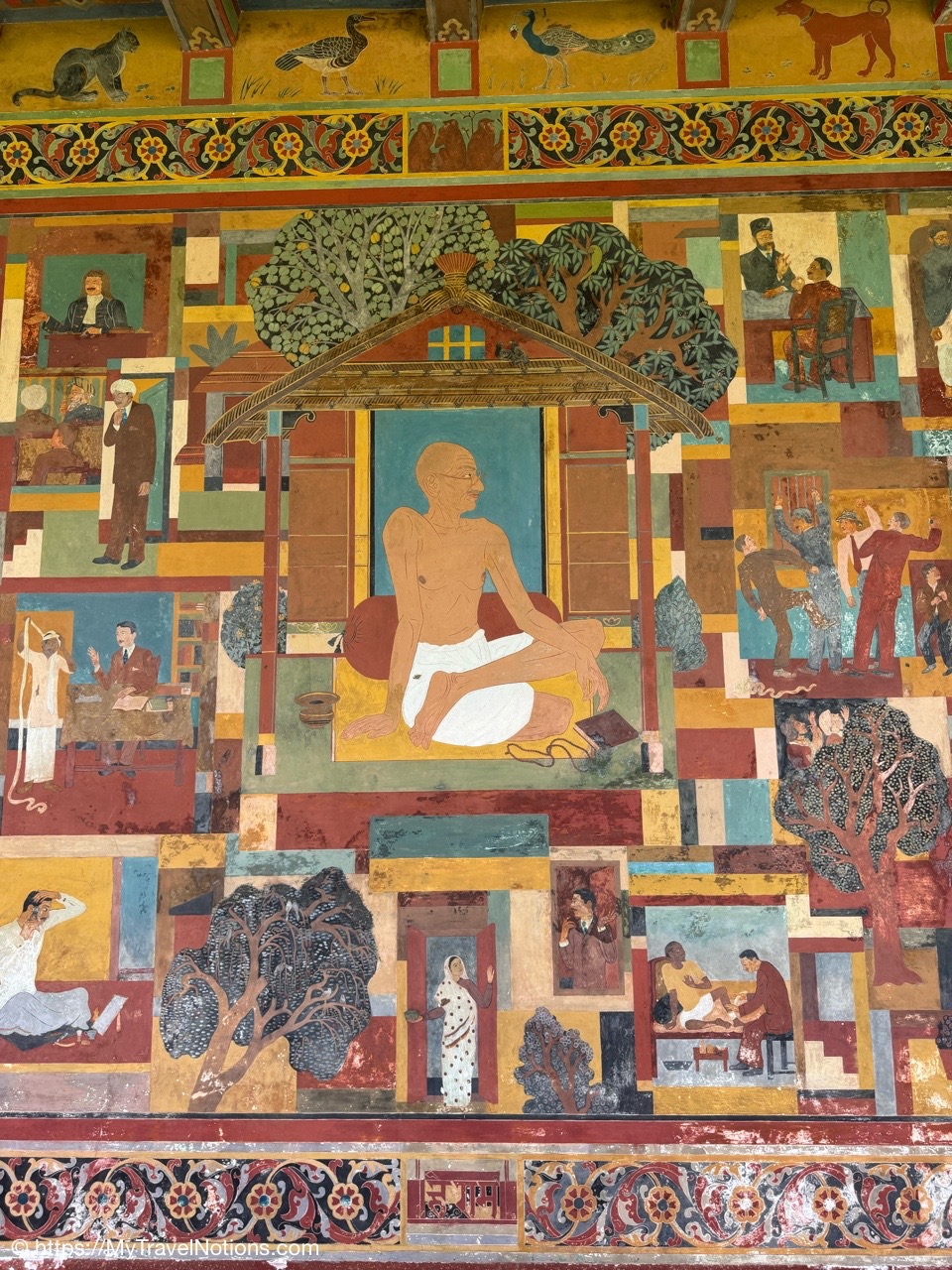
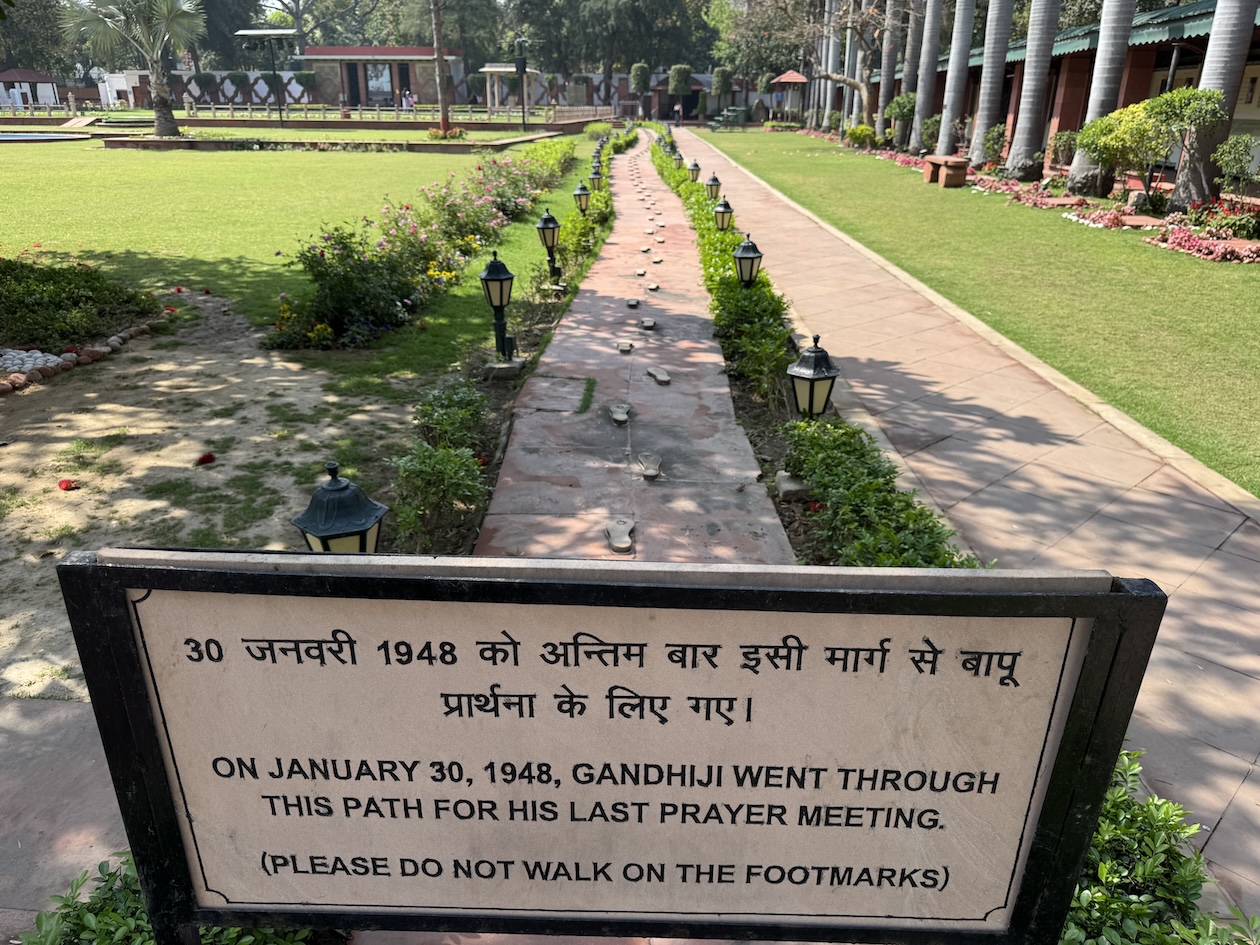
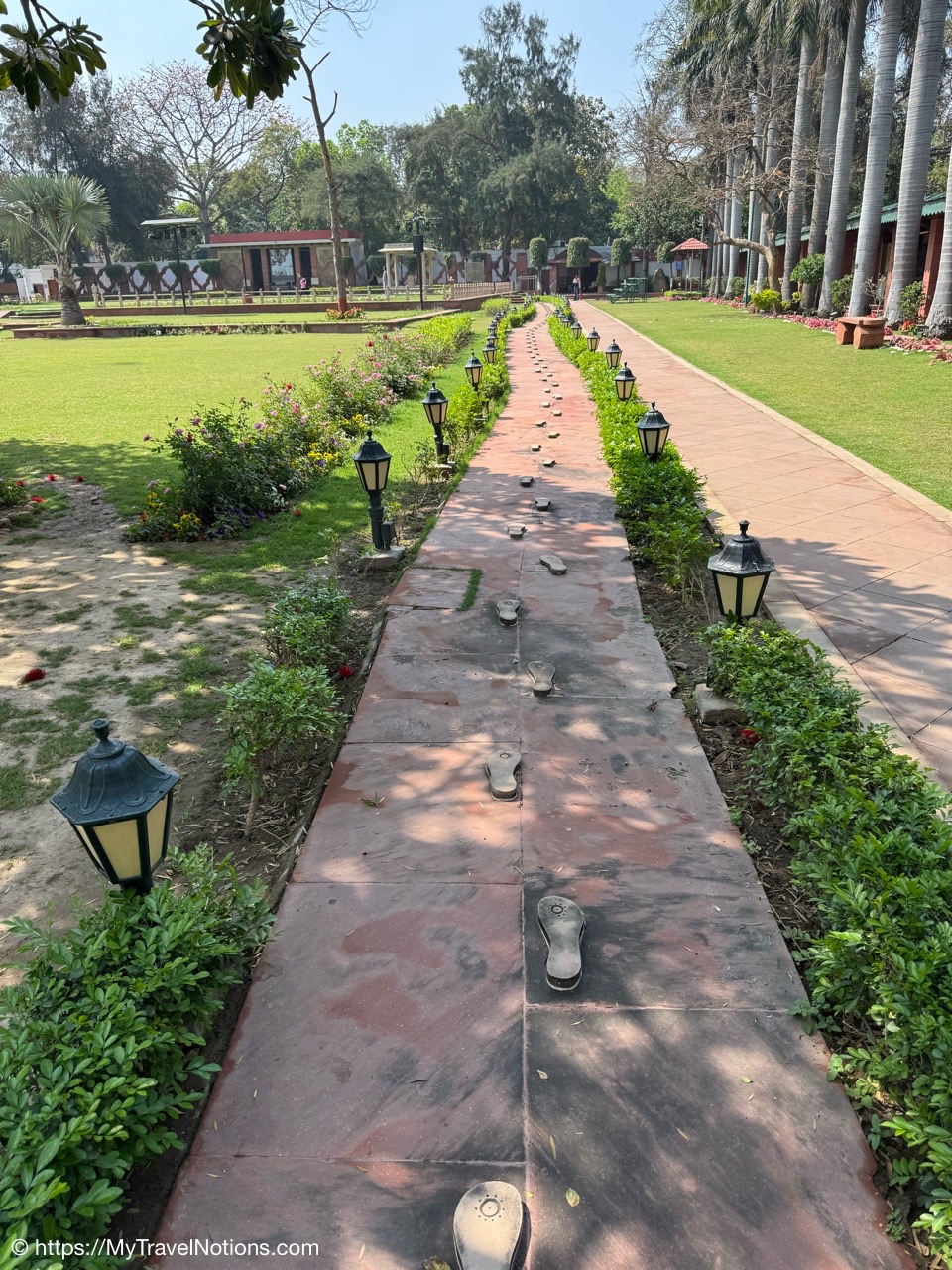
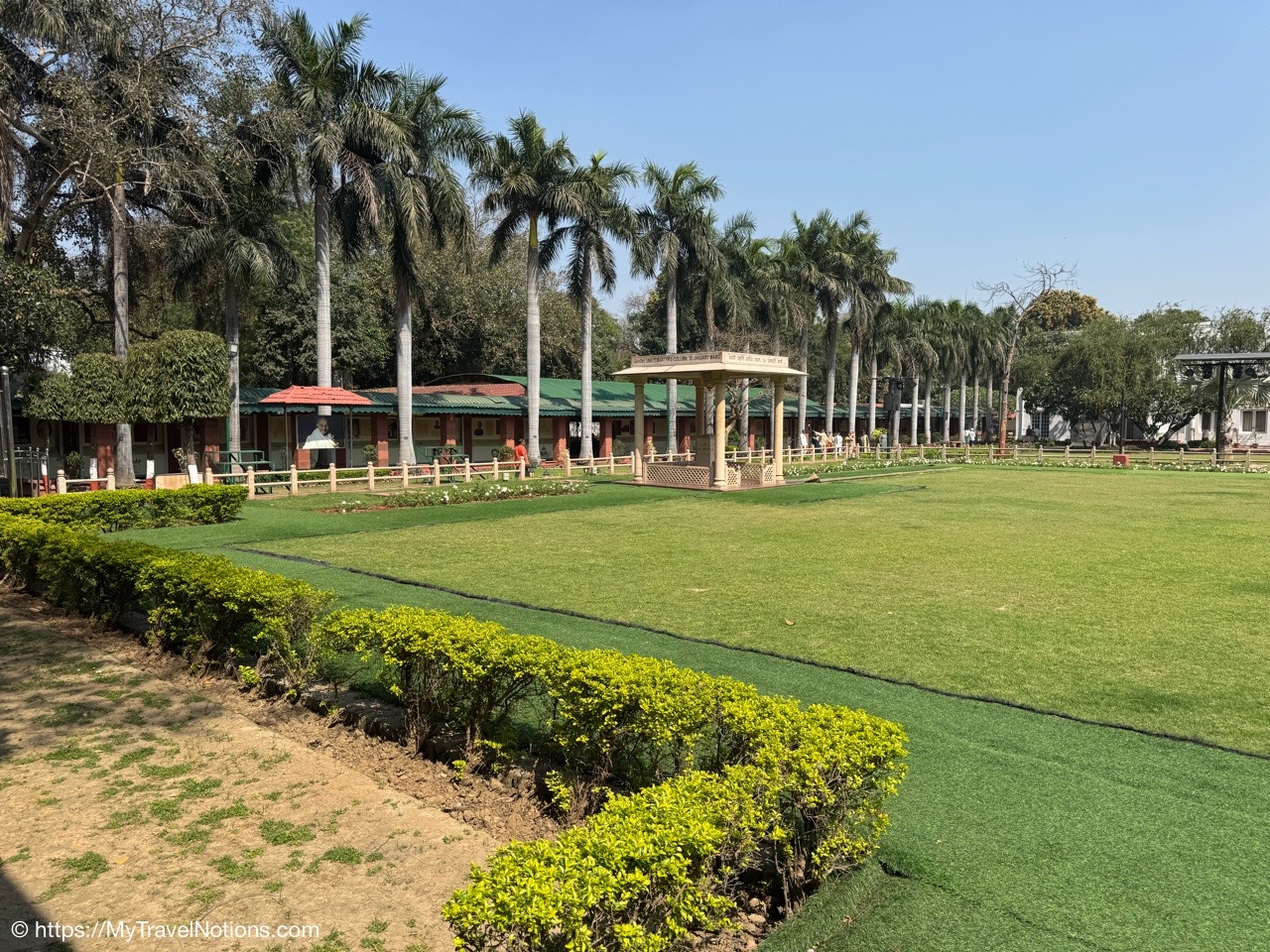
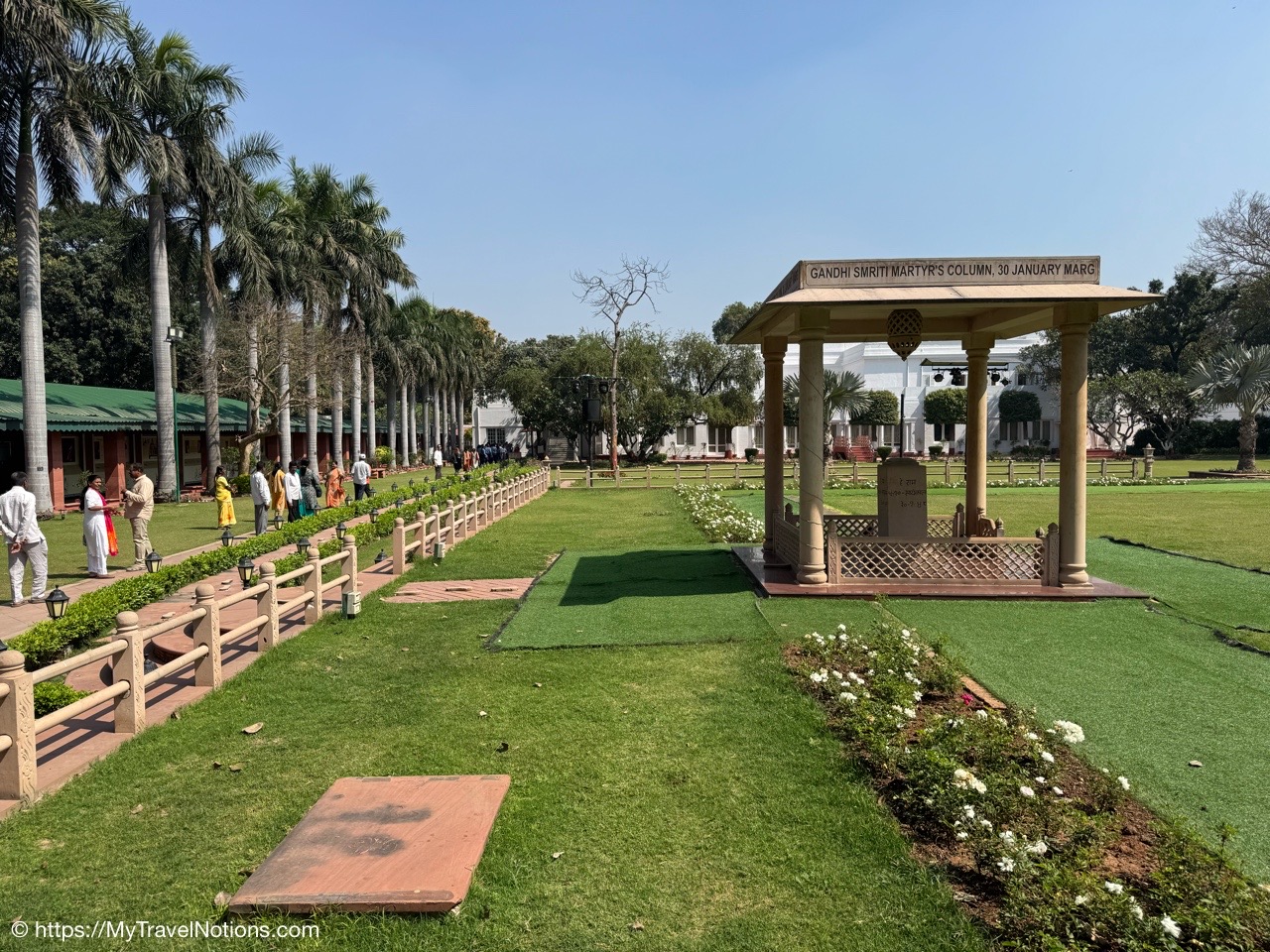
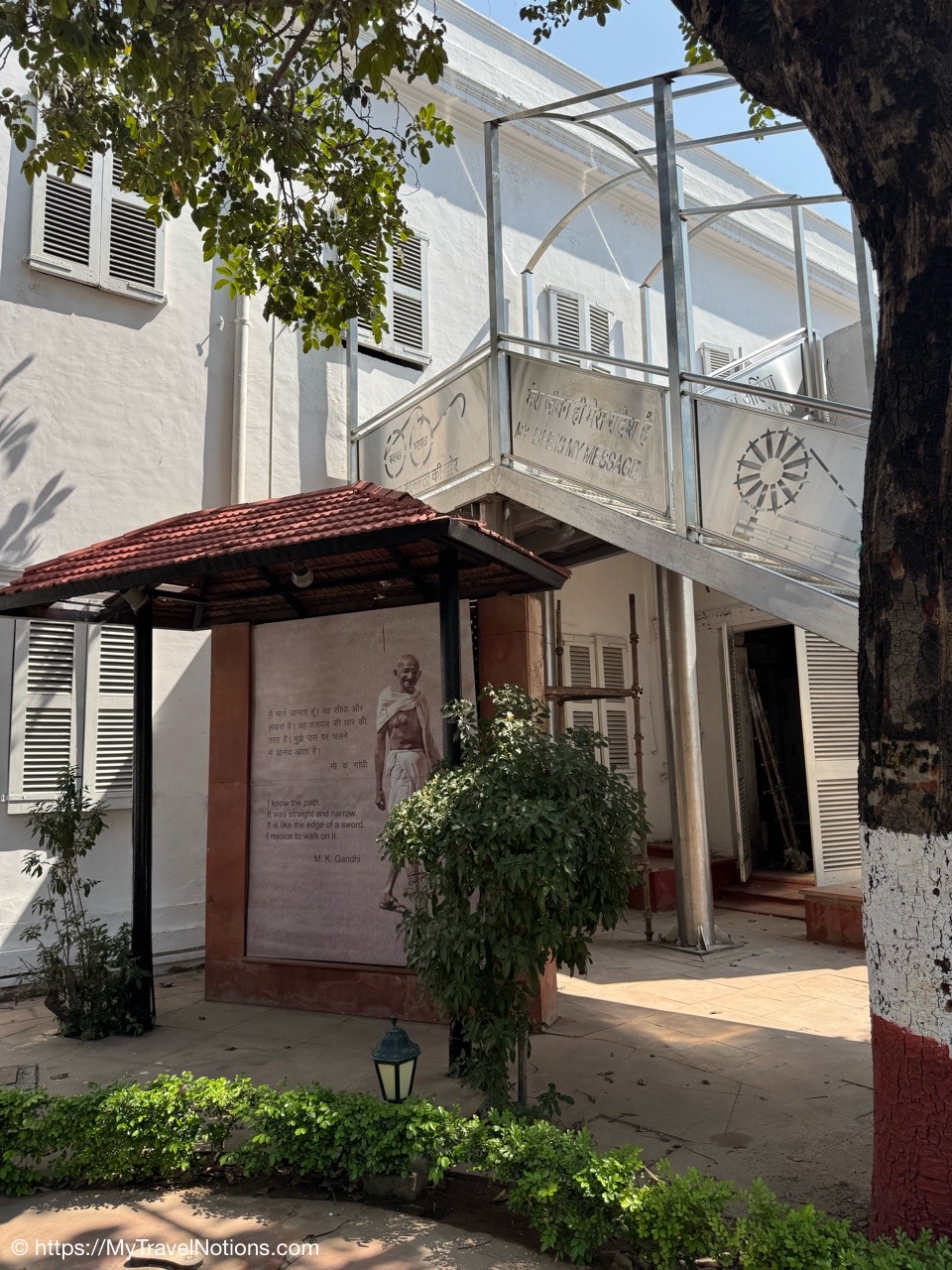
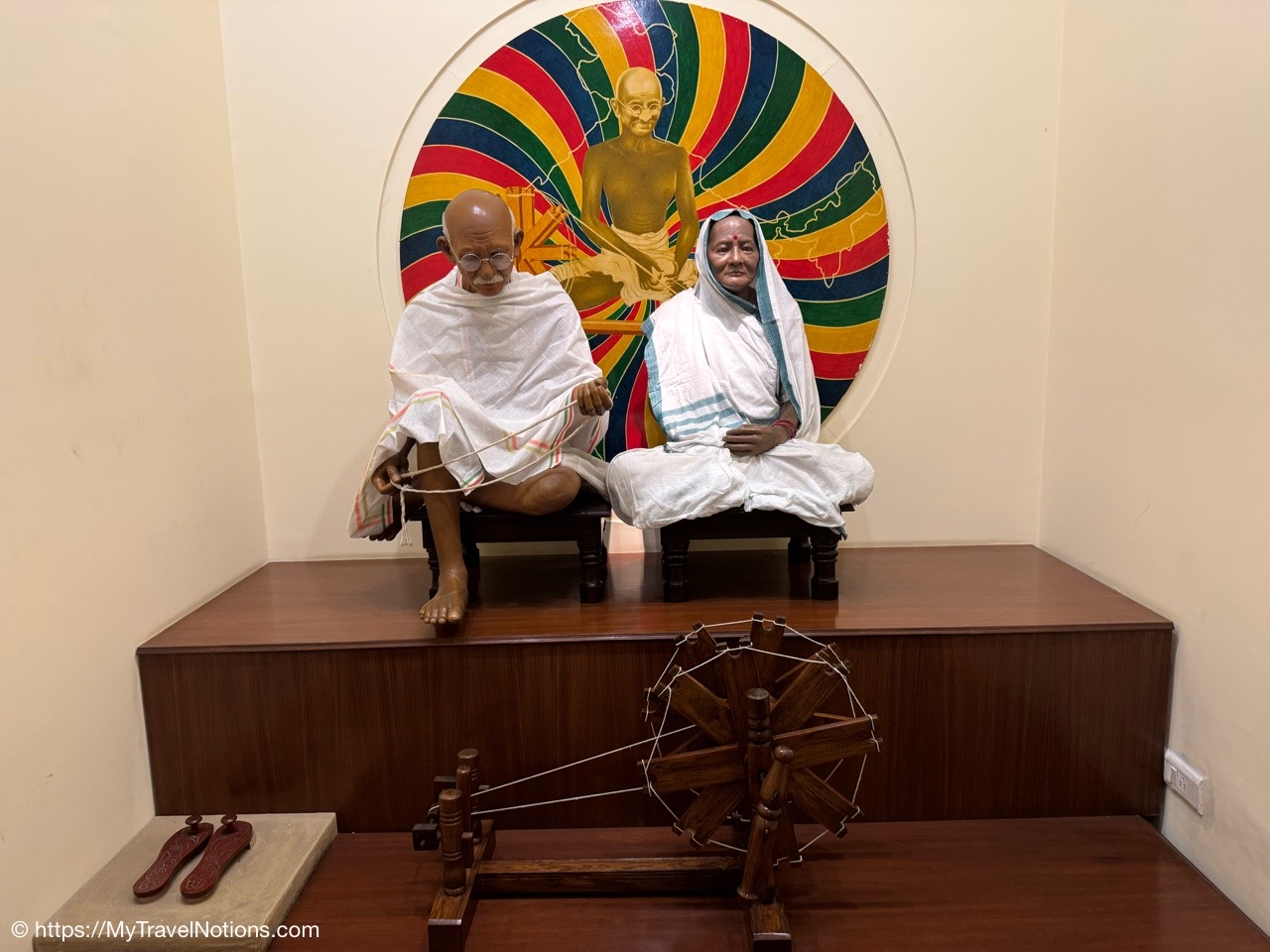
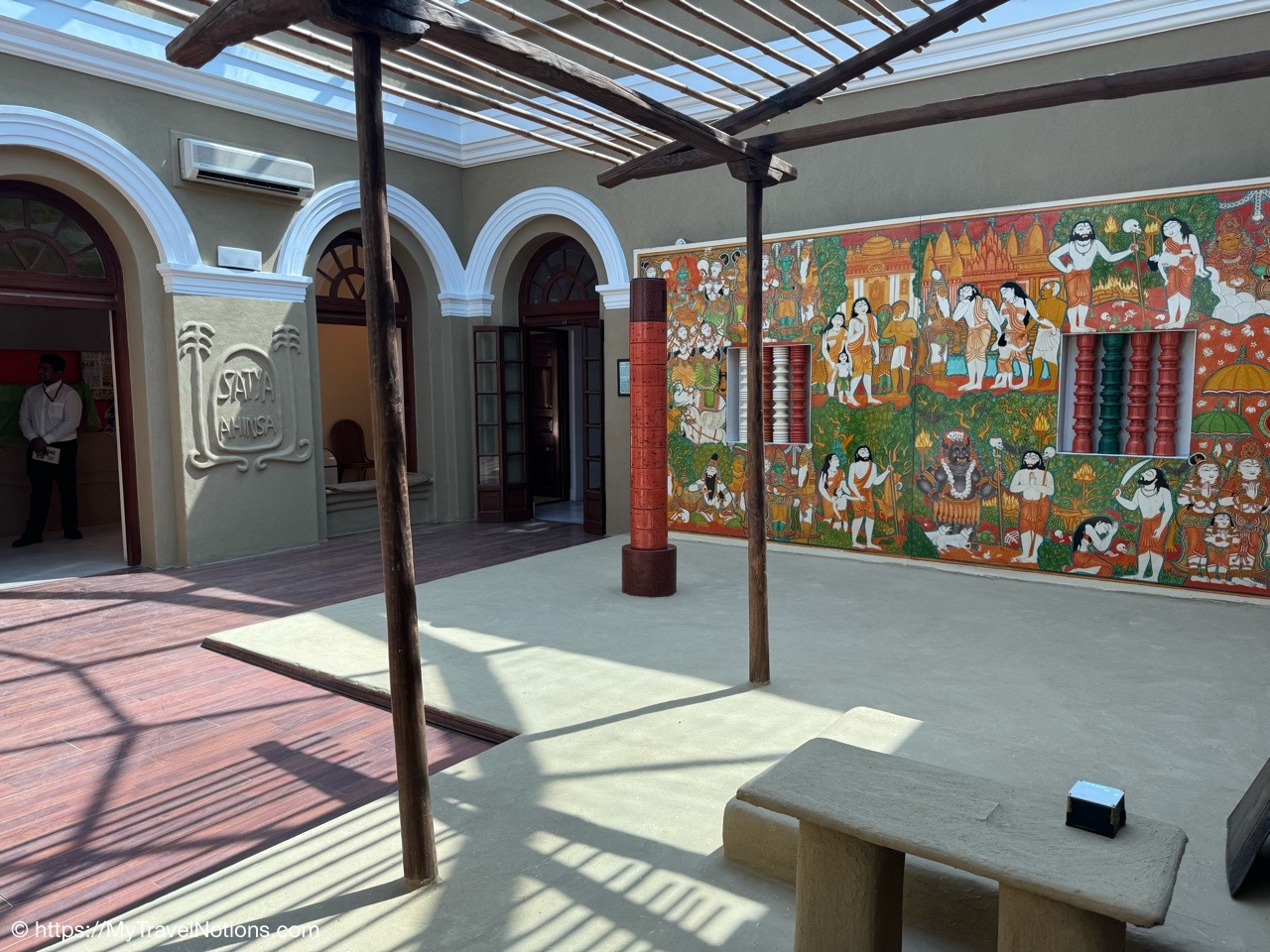
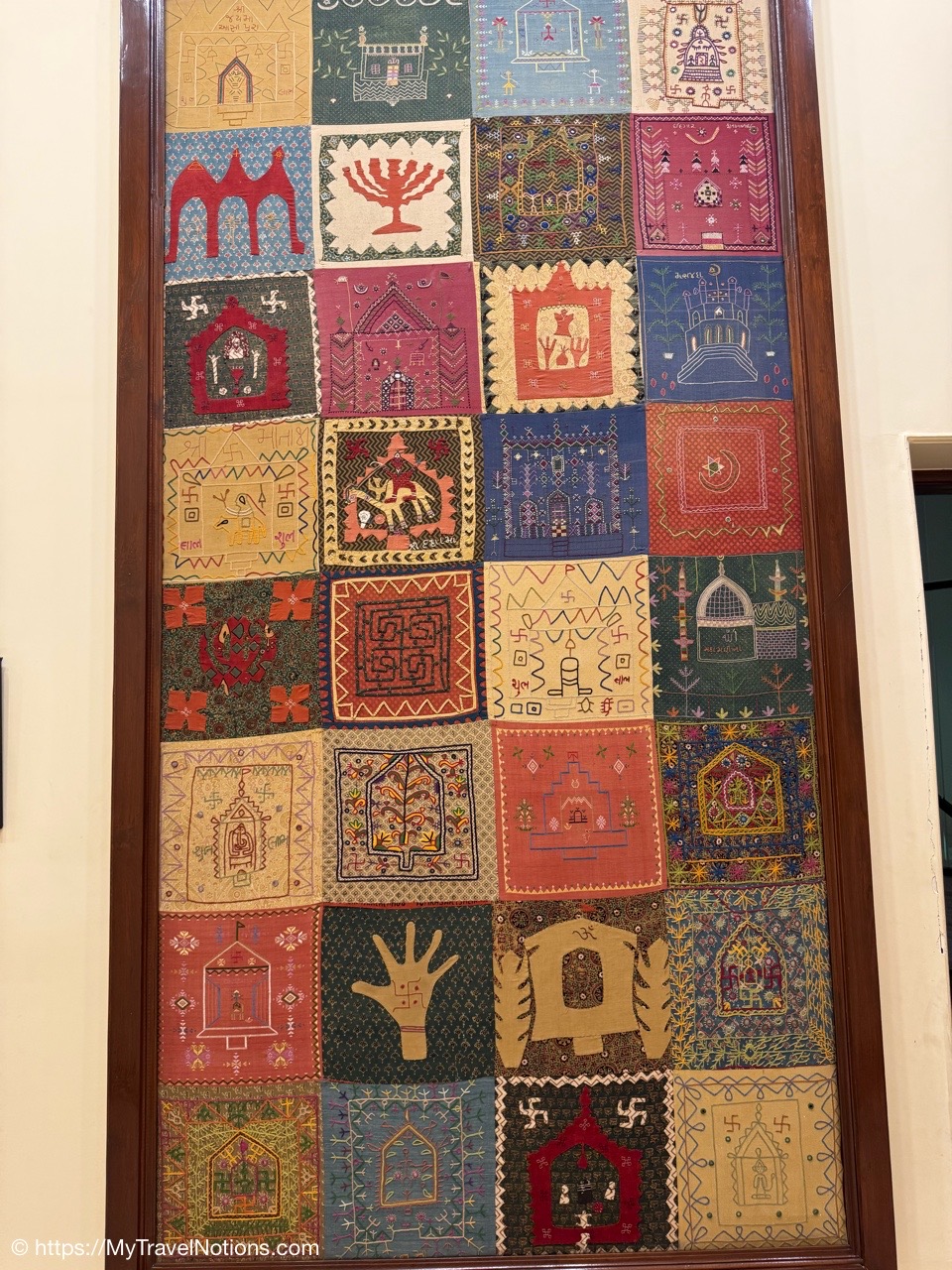
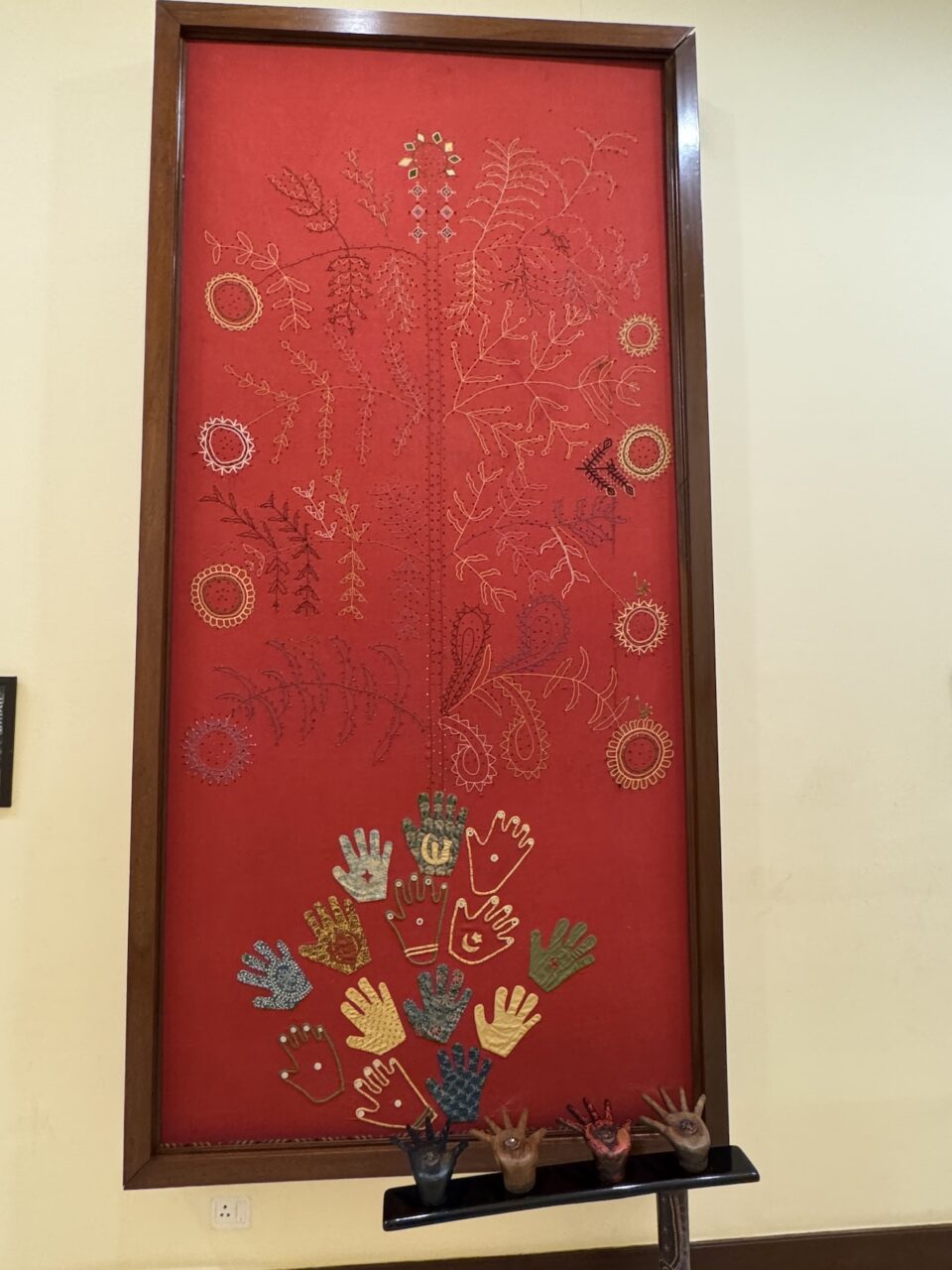
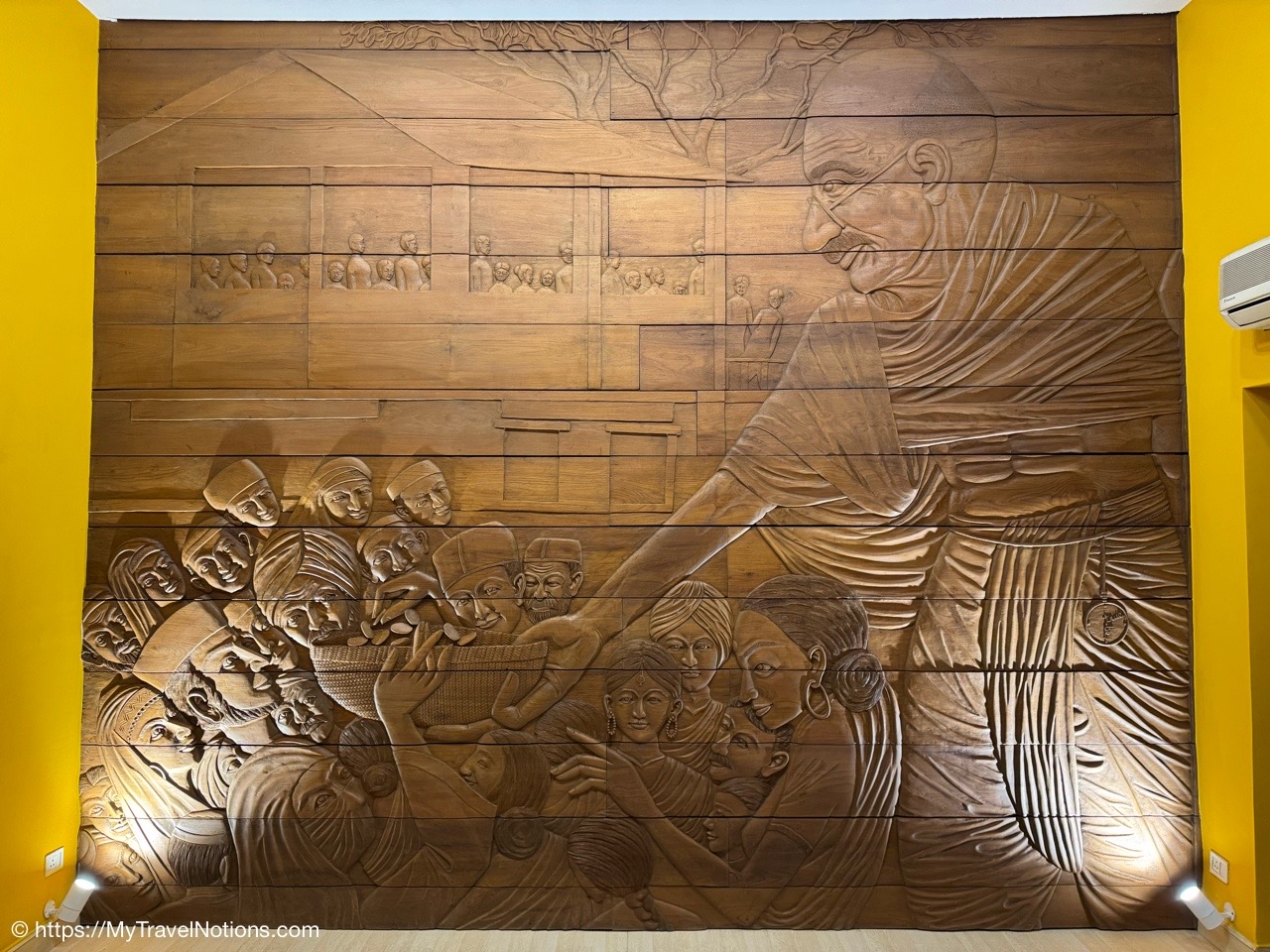
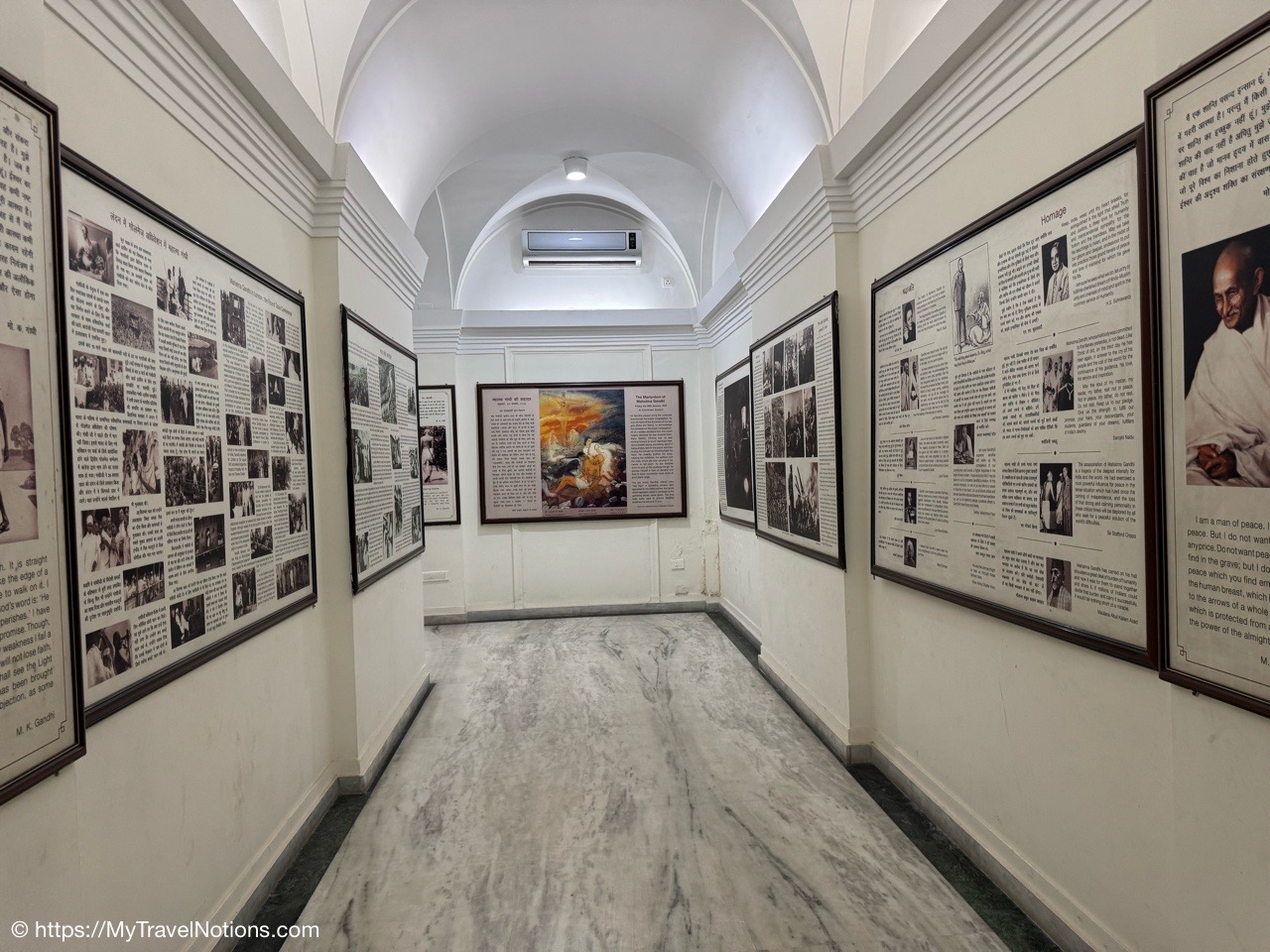
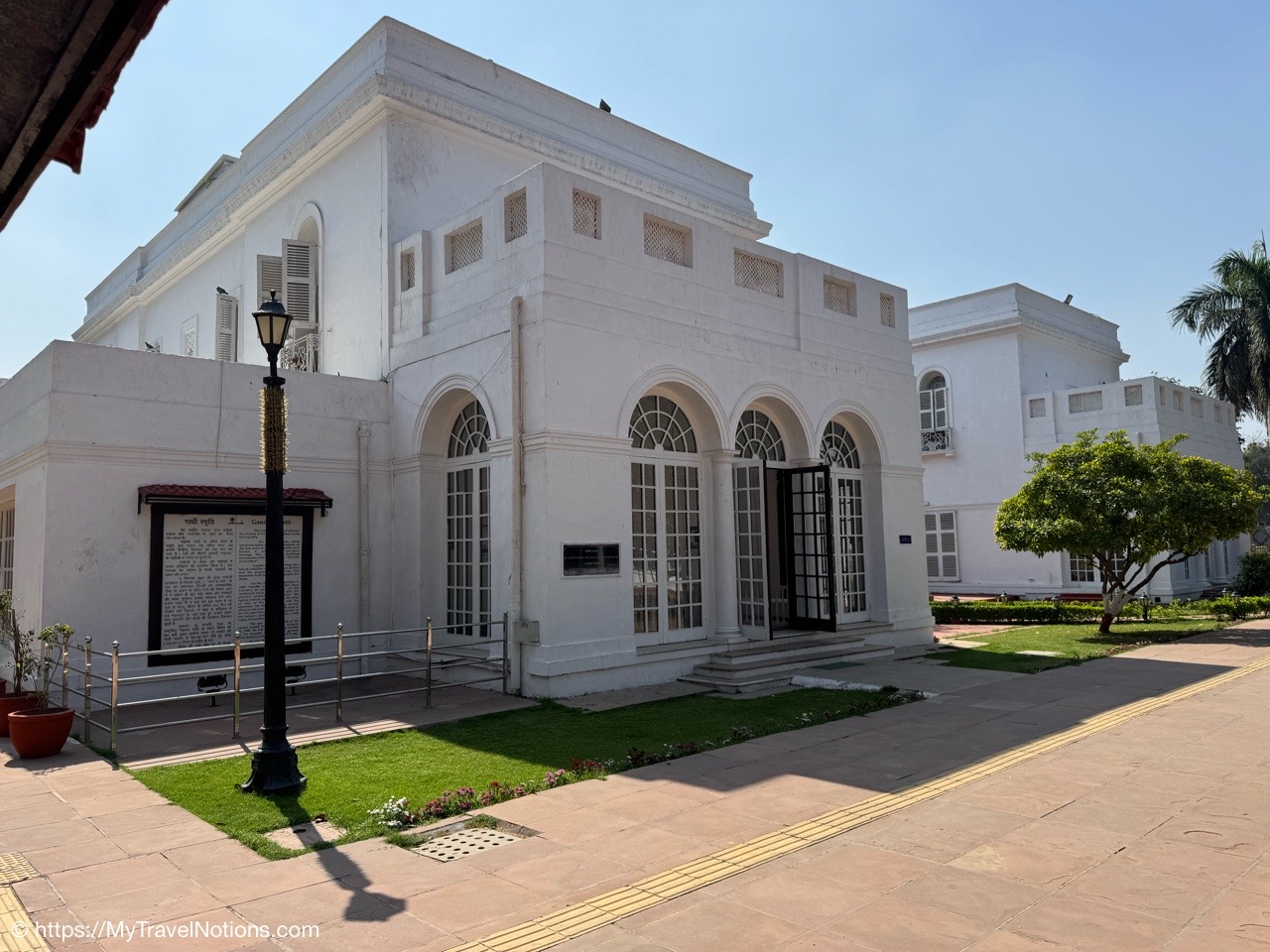
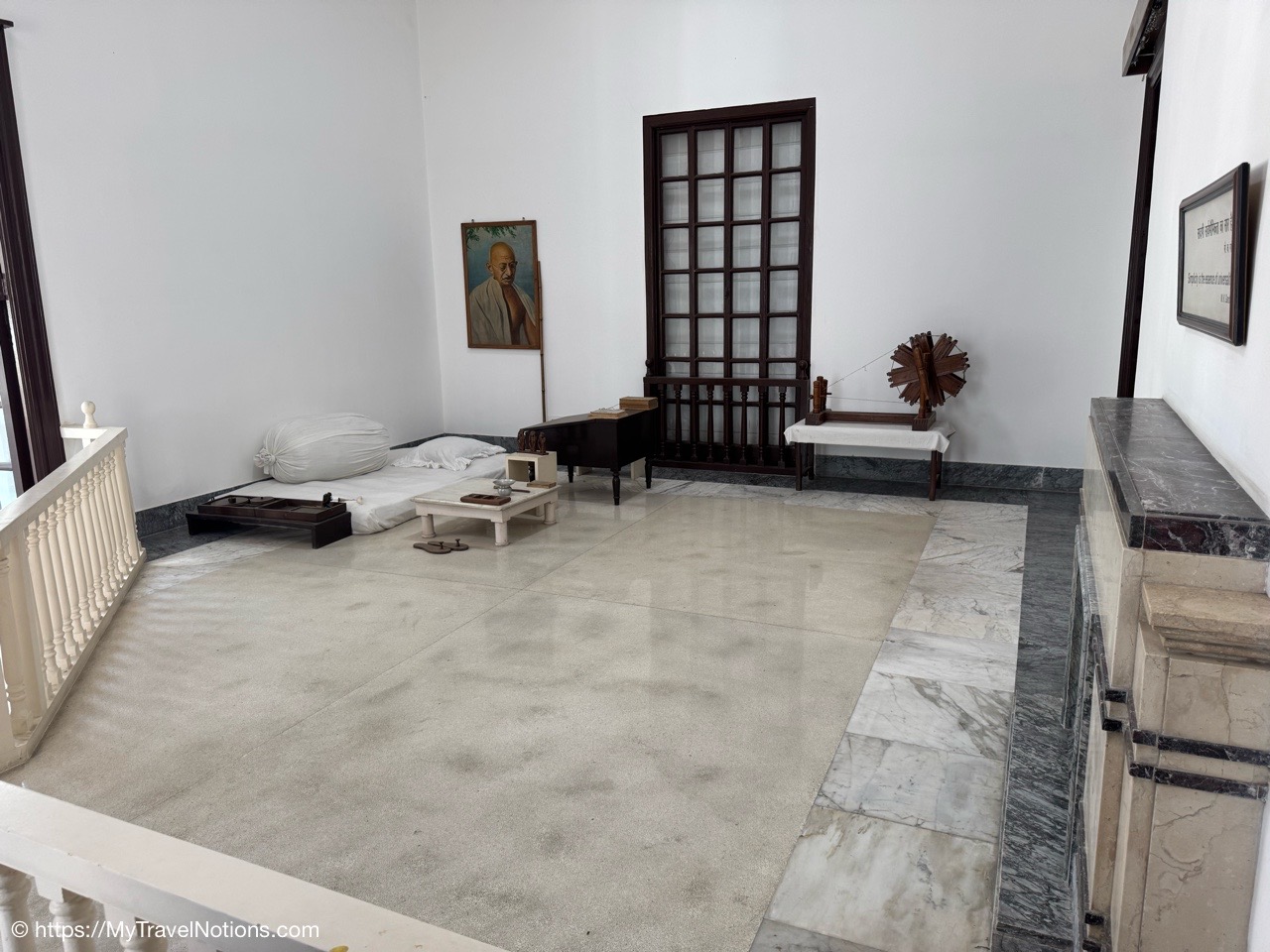
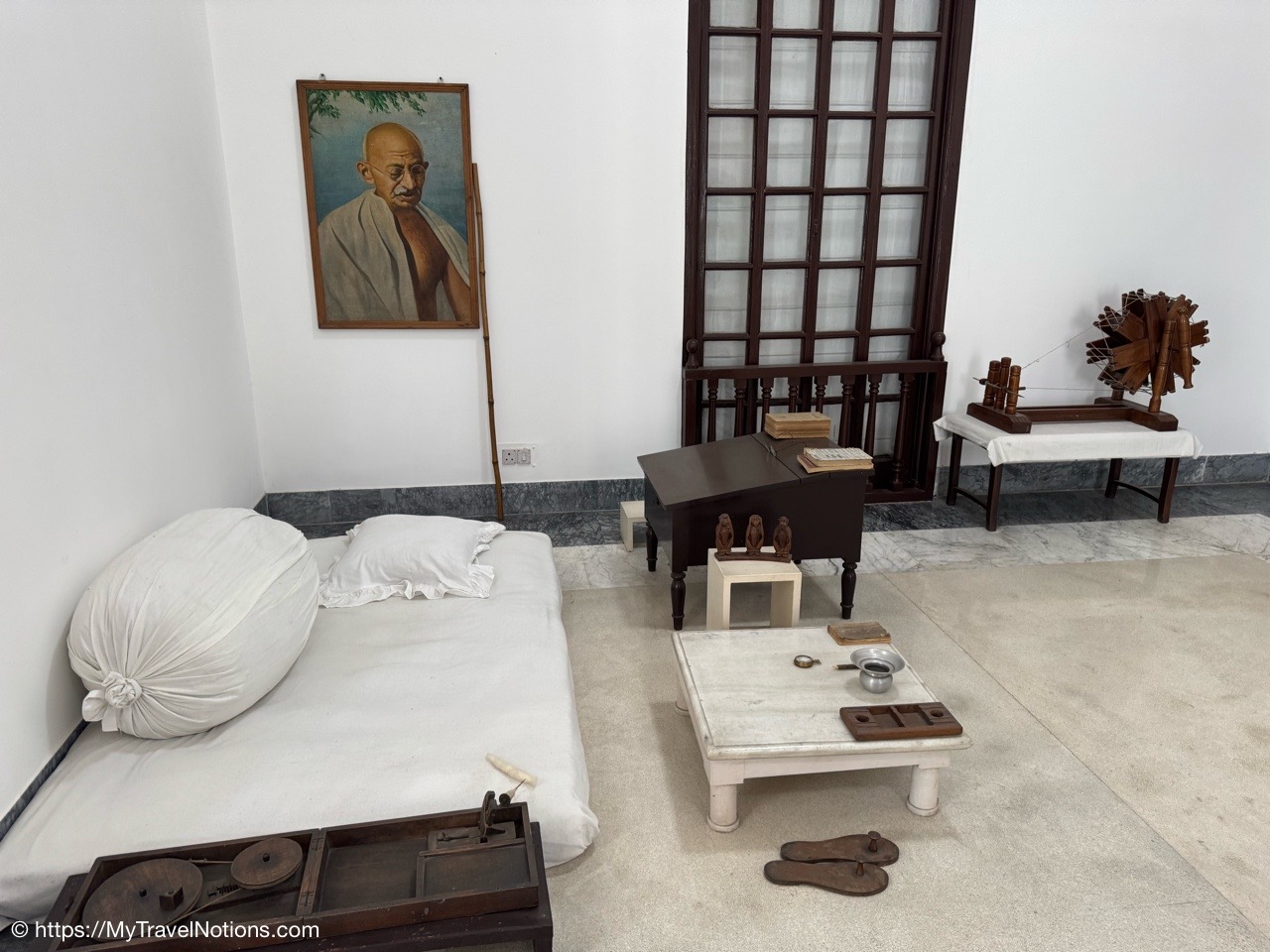
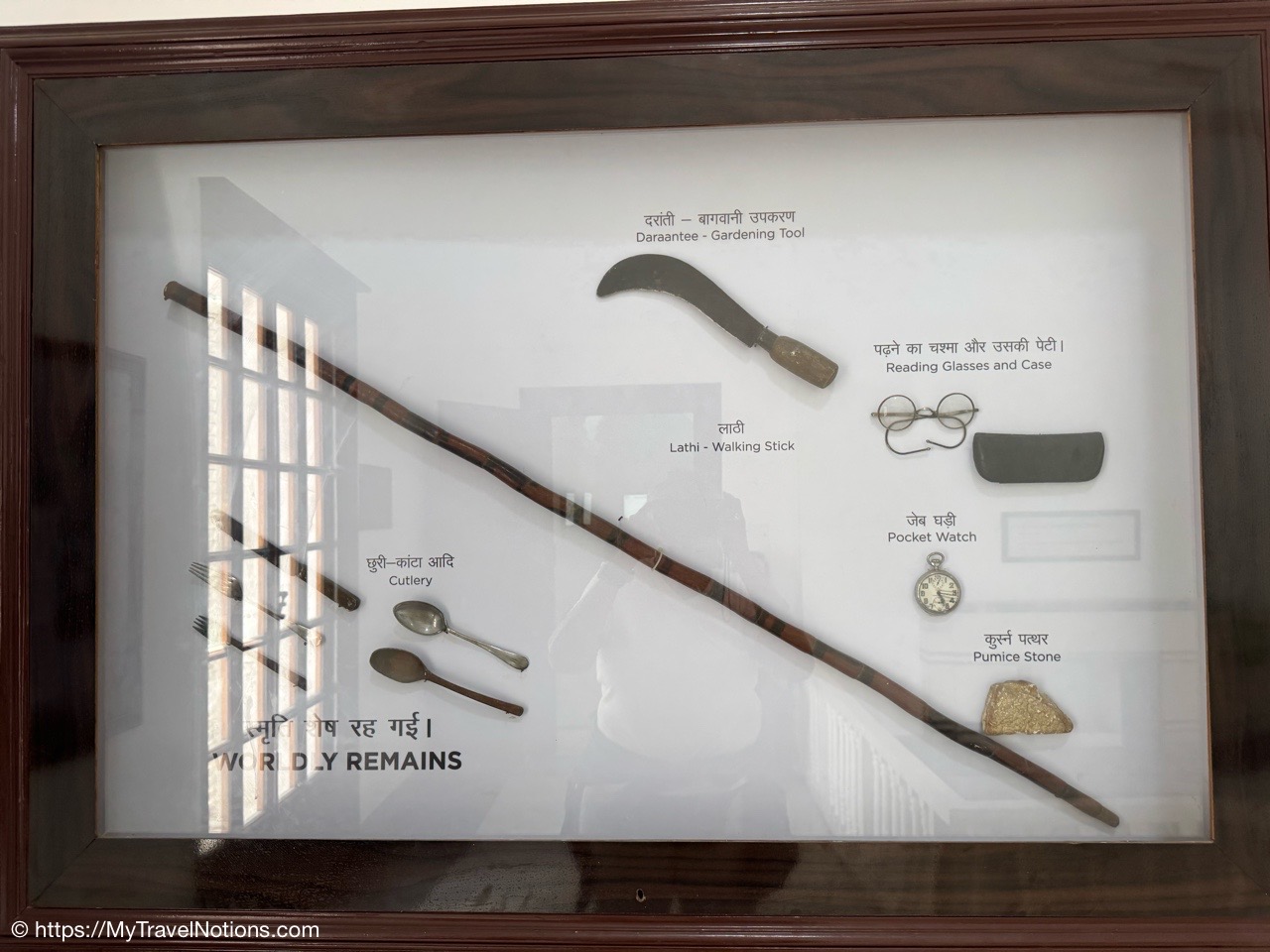
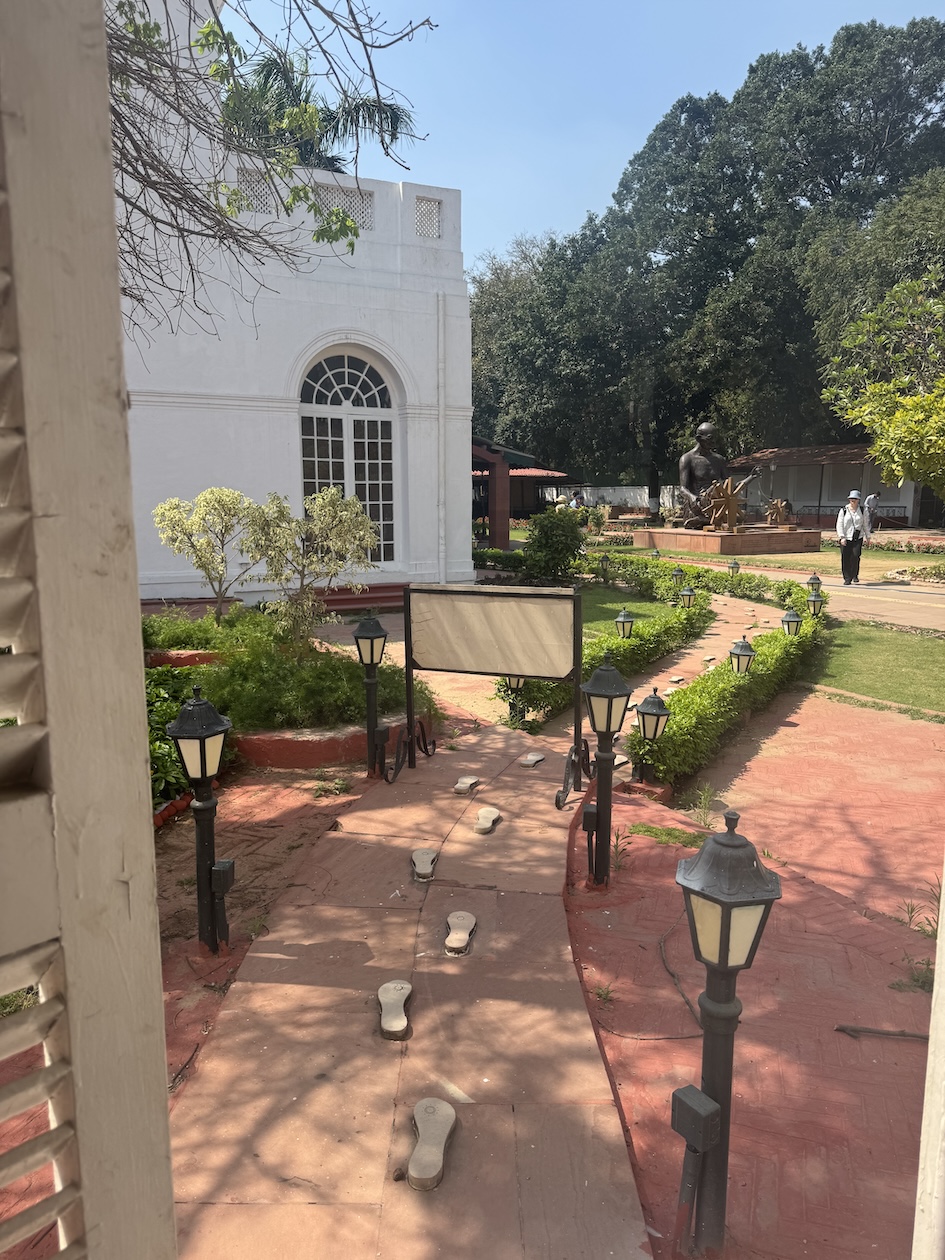
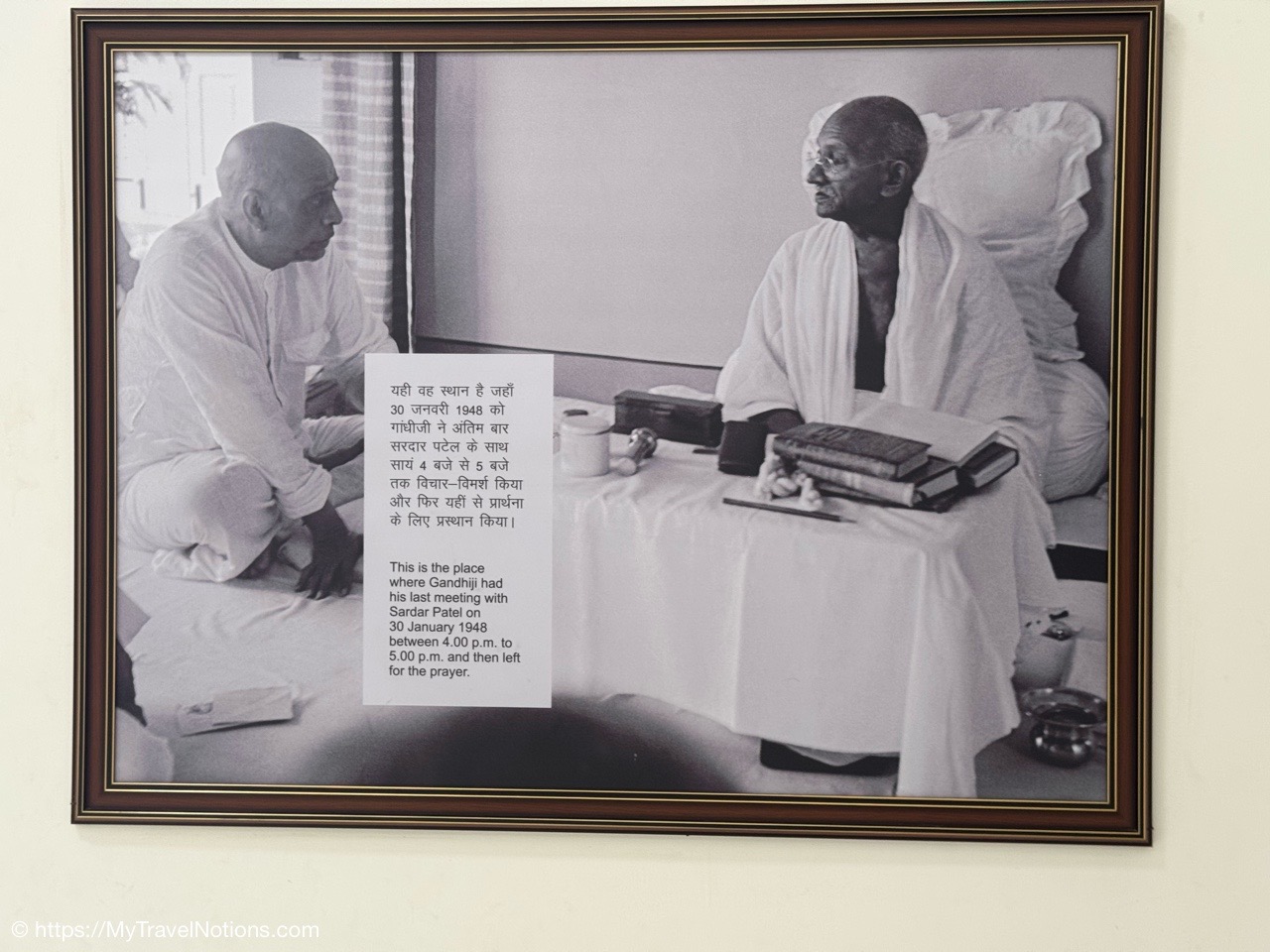
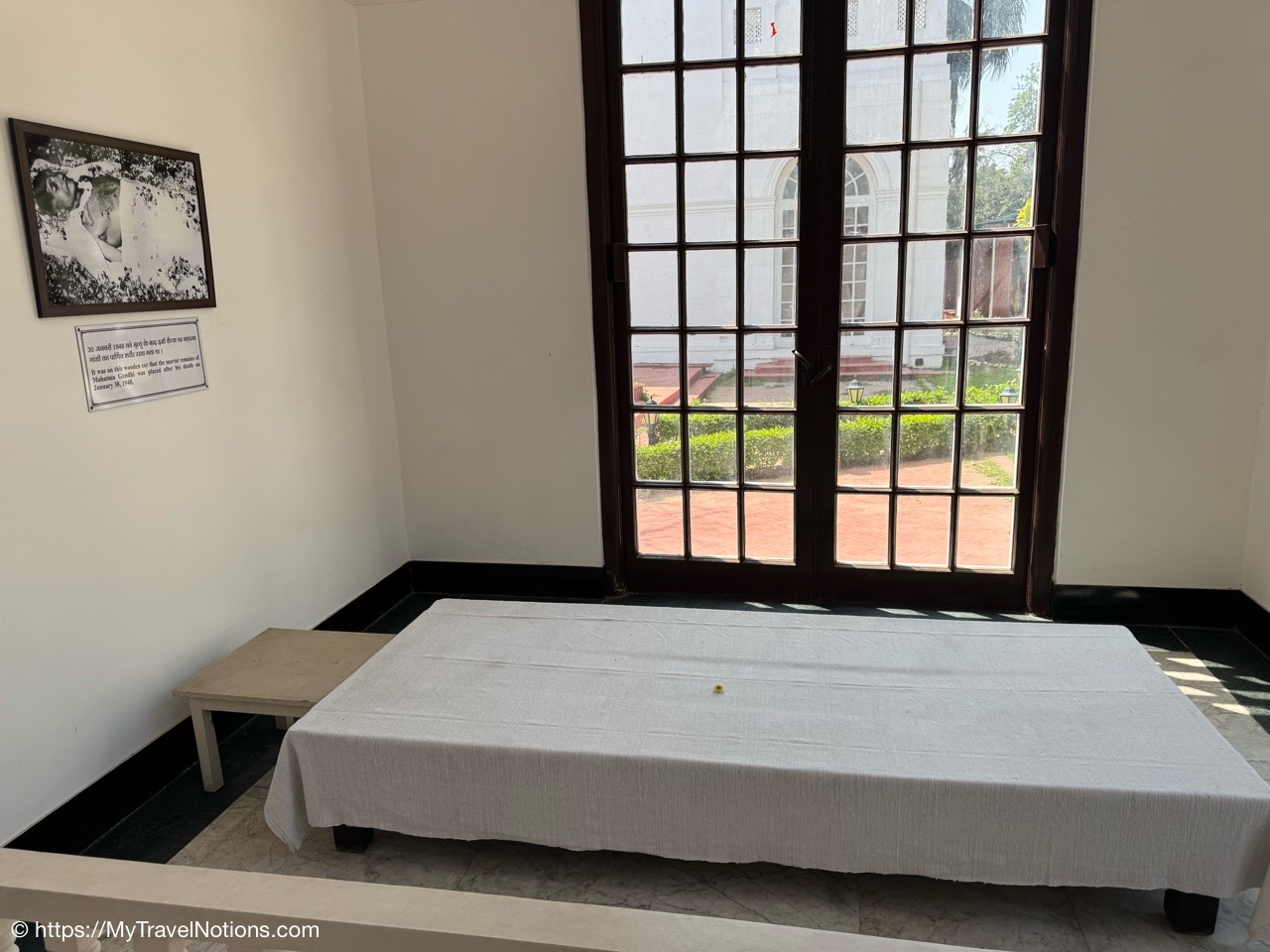
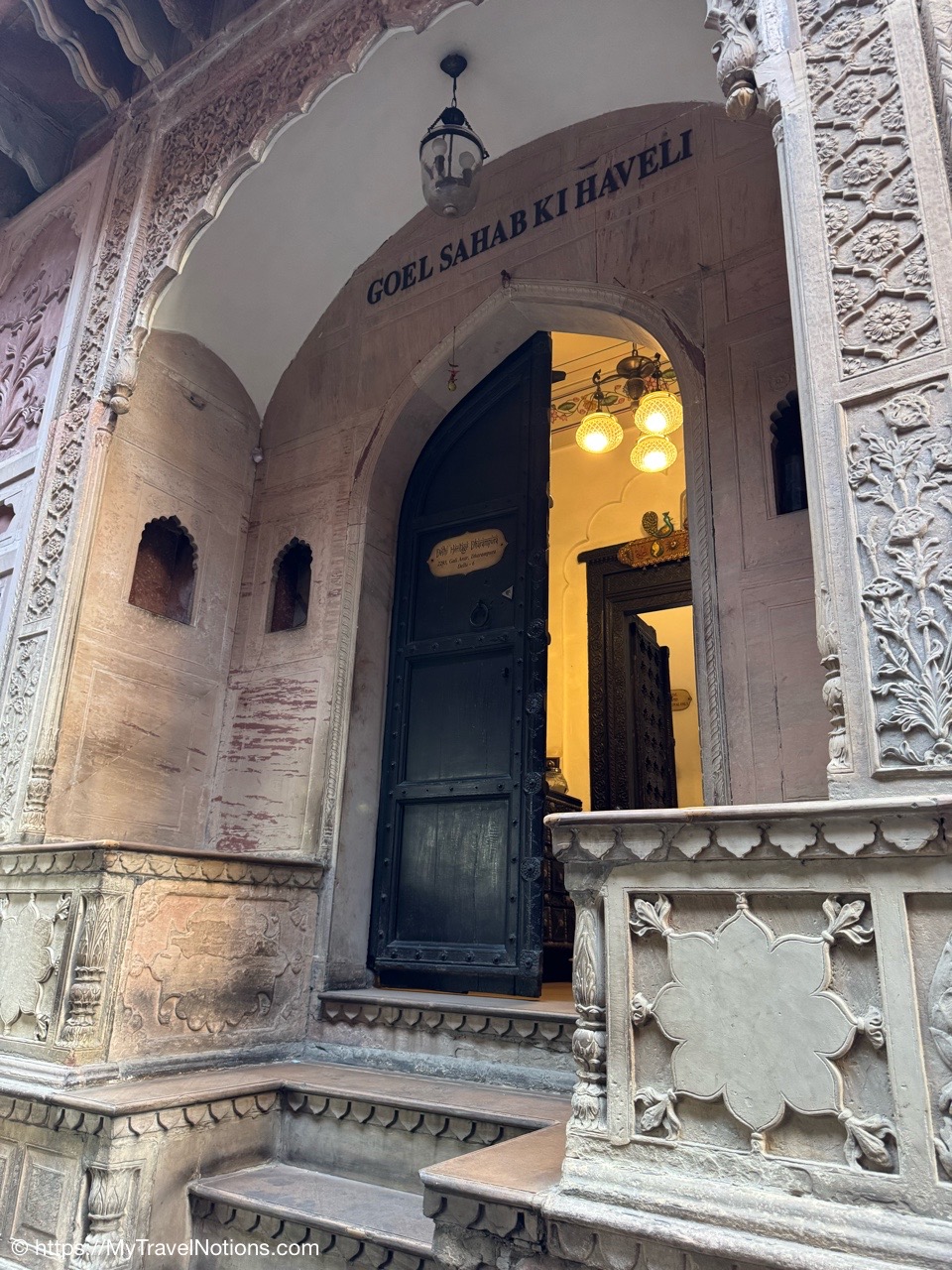
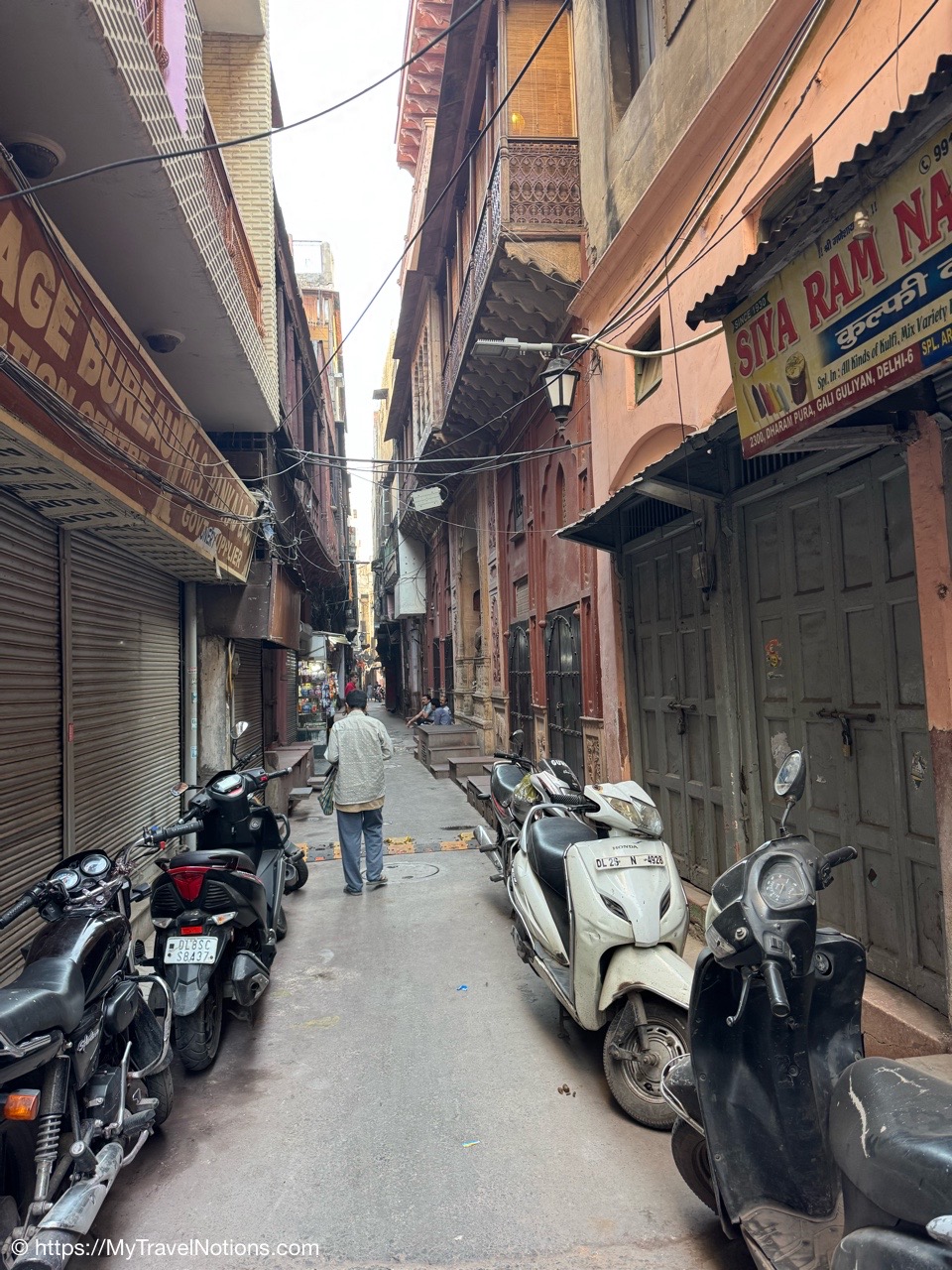
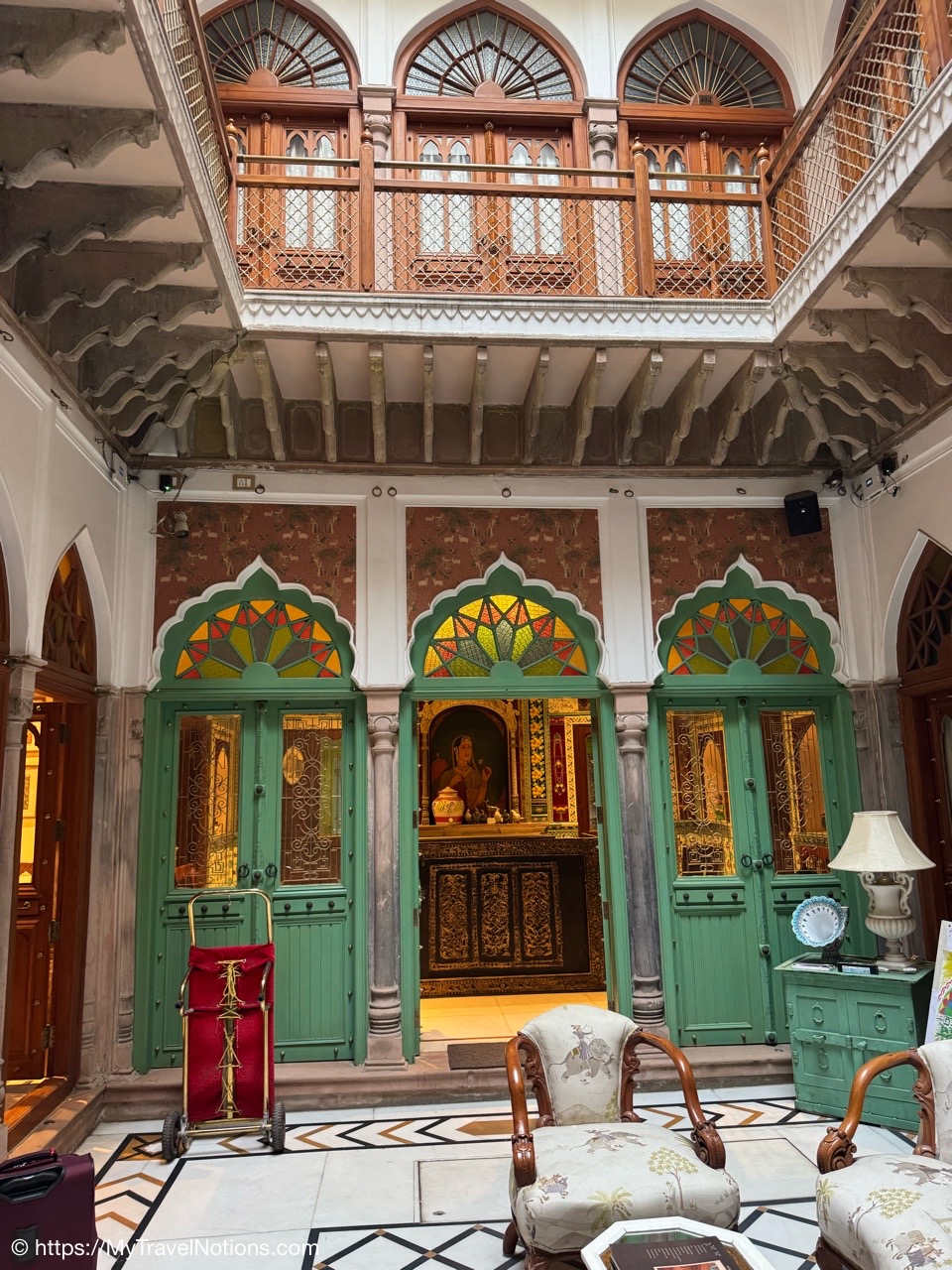
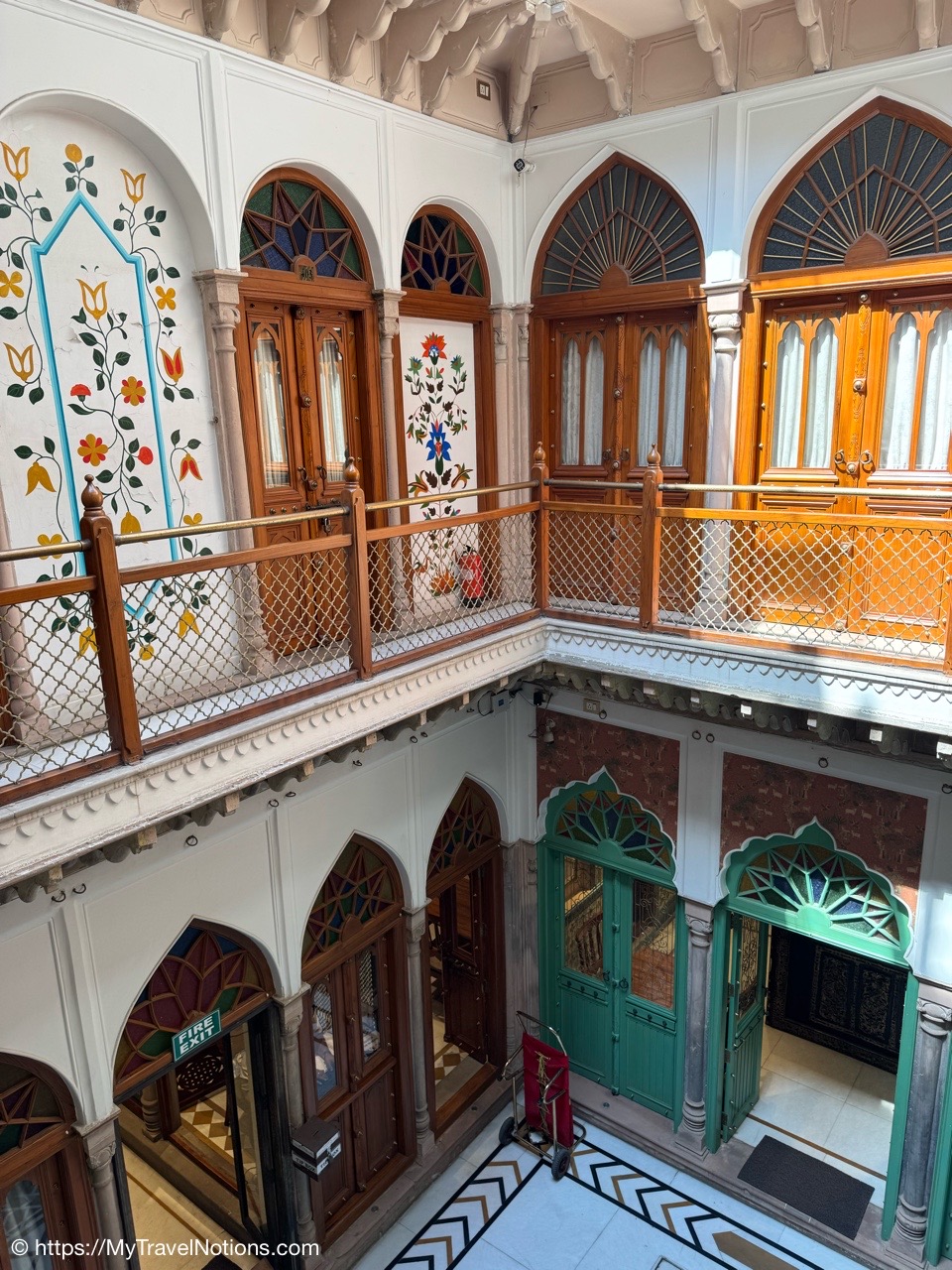
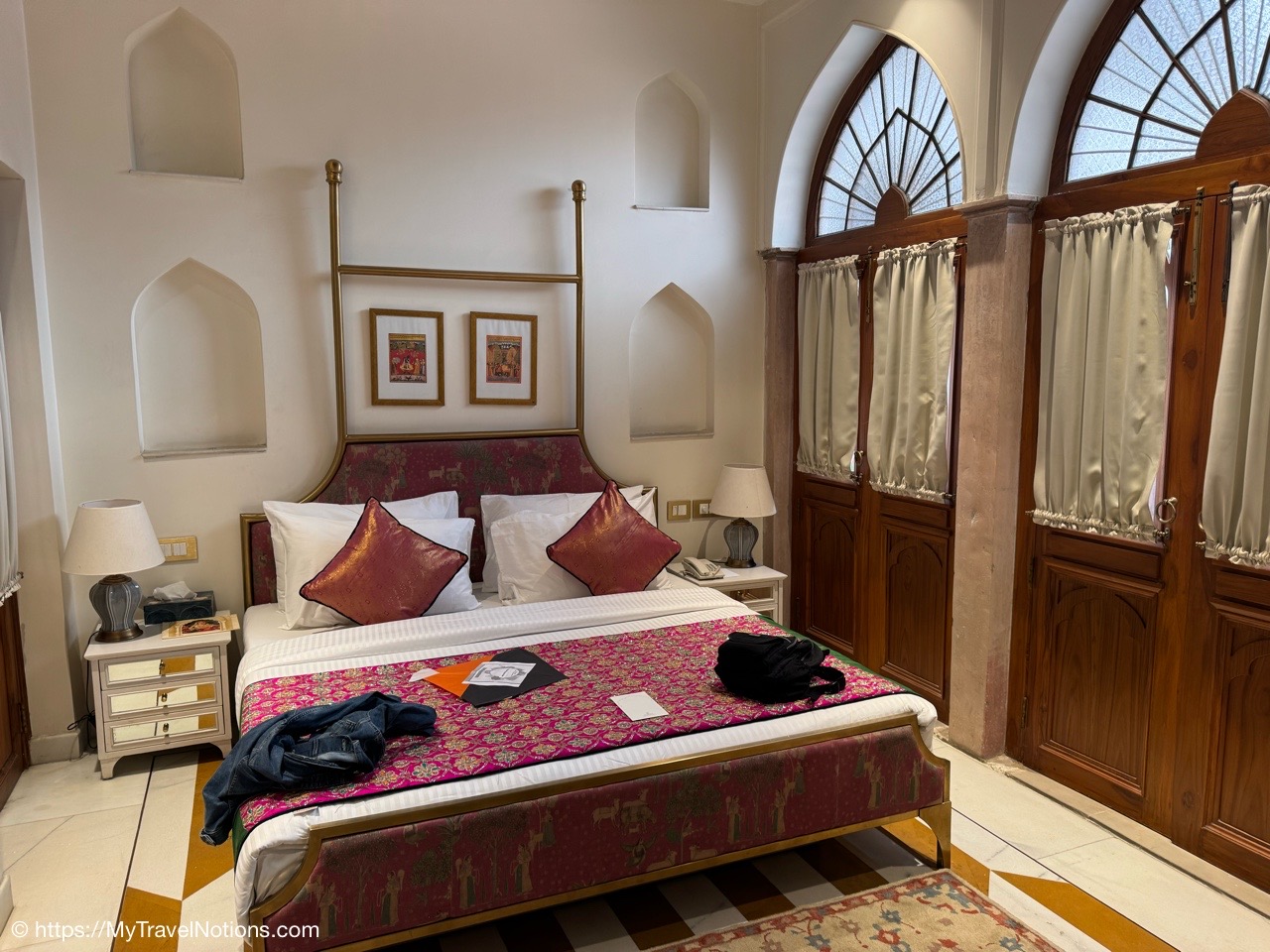
Thank you for reaching out.