Kicking off 2025 with a whole new year of travels that begins today. I’m heading to Sri Lanka for back to back Intrepid Travel tours that also includes India and Nepal.
There’s something magical about packing a suitcase and a backpack to travel across oceans, time zones and countries, especially in this case to arrive at my destination.
More often than not, I travel on American Airlines but today I’ll be traveling with Turkish Airlines, 12 hours to Istanbul and close to 8 hours from there to Colombo, Sri Lanka.
I packed in quite a bit of travel in 2024. Pretty much all of which I’ve documented on this website. So if you’re interested, to see where I’ve been, just use the search engine on my home page to find out if I’ve been to someplace you want to see.
I’m still on my quest to reach 100 U.N. countries by my 70th birthday in March 2026. I’m close with 92 countries at the end of 2024 and, as you can see, plans to travel to more countries in 2025.
For now, I will see you in Sri Lanka. And thanks so much for all your caring, encouragement, kindness and following along. I really appreciate it.
Me and my travel gear, packed and ready to get on my Turkish Airlines flight at Dallas/Fort Worth International Airport to Colombo, Sri Lanka. (Feb. 27, 2025)My daughter Sydney dropping me off at the Dallas Forth Worth International Airport for my flight turkish Airlines flight first to Istanbul and then to Colombo, Sri Lanka. (Feb. 27, 2025)The Sri Lanka tour map on Intrepid Travel’s 8-days “Classic Sri Lanka” tour.
Sri Lanka : Country #93 on my Countdown to 100 U.N. countries by the time I turn 70 in 2026.
Colombo Tuk Tuk tour in Sri Lanka before my Intrepid Tour officially begins
After close to 24 hours of flying from Dallas to Istanbul, then a layover and close to eight more hours of flying to get to Colombo, Sri Lanka, I arrived early Saturday morning.
I skipped through immigration/passport control without a line or a hitch. I had my printed out visa approval but the immigration officer didn’t seem to be concerned. She took several looks at me, stamped my passport and sent me on my way.
And, there they were, a host of people with signs waiting on us new arrivals. I easily scanned the ‘signs line’ and so one big red letter sign that said ‘Intrepid.’ Easy. Although he was not my driver, he led me to my driver just outside of the airport door. My male driver was quiet, but courteous and the car smelled heavily of smoke. I was excited and tired at the same time. It actually felt like it took little to no time to get to my hotel, the Jetwing Sea in Negombo.
And, there I was, ready to check in early only, which should have been arranged by Intrepid, to be told that I would need to wait another 7 or so hours for a room. But I was assured by the young man helping me that he would check to see what he could do. Well, as it turns out, he didn’t do much, which is why a young woman, Sanduni stepped in. I didn’t just get a room, I got a gorgeous room with a view of the sand, palm trees and views of the Negombo Beach. It was spacious, comfortable and even though I wanted to get out and explore, I just could not. So for my first day in Sri Lanka, I basically slept.
Officially Sunday began my exploration of Sri Lanka starting with a Tuk Tuk tour of the city of Negombo. Although Colombo is Sri Lanka’s capital city, which I will see at the end of my time in Sri Lanka, Negombo is known for its long sandy beaches and centuries old fishing industry. And, it’s also a multi-religious city. Since the beginning of European colonisation, the township of Negombo has had a majority of Roman Catholics along with Muslims, Buddhist and Hindus.
Tuk Tuks, mortorcyles, bicycles, people walking and a few cars are the modes of transportation Sri Lankans use. And as a former British colony, they drive on the left side of the road.
For now, come take a spin with me on a Tuk Tuk in Negombo.
Sitting in the drivers seat of my Tuk Tuk city tour transportation with my guide and driver, Ricky from Capital Tour, taking the photo during our stop at the Buddhist and Hindu temple of Angurukaramulla in Negombo. (March 2, 2025)Getting to our first stop of the tour, St. Mary’s Church in Negombo. (March 2, 2025)St. Mary’s Church , is considered to be one of the largest Catholic Churches in Sri Lanka. Construction began in 1874 and completed, after a long gap in 1922. (March 2, 2025)Inside St. Mary’s Church in Negombo which features a ceiling of paintings, sculptures of the Stations of the Cross and various statues of saints along its columns. (March 2, 2025)The altar inside St. Mary’s Church in Negombo. (March 2, 2025)The altar inside St. Mary’s Church in Negombo. (March 2, 2025)One of the sculptures of the Stations of the Cross, ‘Simon of Cyrene helps Jesus to carry his Cross’ on the columns inside St. Mary’s Church in Negombo. (March 2, 2025)The ceiling painting inside St. Mary’s Church in Negombo. (March 2, 2025)The ceiling painting inside St. Mary’s Church in Negombo. (March 2, 2025)The side aisle inside St. Mary’s Church in Negombo. (March 2, 2025)A side view of St. Mary’s Church in Negombo. (March 2, 2025)Views around Negombo from my city Tuk Tuk tour. (March 2, 2025)Views around Negombo from my city Tuk Tuk tour. (March 2, 2025)Views around Negombo from my city Tuk Tuk tour. (March 2, 2025)Views around Negombo from my city Tuk Tuk tour. (March 2, 2025)Entering the Negombo Fish Market area which of course smells very fishy. (March 2, 2025)The Negombo Fish Market is interesting because the fresh catch and drying takes place right on the beach. Negombo made its start as a fishing community and continue to do so today. (March 2, 2025)Fish drying in the sun along the Negombo Beach. After sitting in a salt bath for several days, the fish can be laid out to dry for more than a week. (March 2, 2025)Fish drying in the sun along the Negombo Beach. After sitting in a salt bath for several days, the fish can be laid out to dry for more than a week. (March 2, 2025)Fish drying in the sun along the Negombo Beach. After sitting in a salt bath for several days, the fish can be laid out to dry for more than a week. (March 2, 2025)Fish drying in the sun along the Negombo Beach. After sitting in a salt bath for several days, the fish can be laid out to dry for more than a week. (March 2, 2025)This woman is laying out fish to dry that’s been gutted near the Fish Market by Negombo Beach. (March 2, 2025)The vendor stalls at the Negombo Central Fish Market, which are closed on Sundays. (March 2, 2025)The vendor stalls at the Negombo Central Fish Market, which are closed on Sundays. (March 2, 2025)And, even though it is Sunday, fishermen still sell their fish on a road alongside the Negombo Fish Market. (March 2, 2025)Local fishermen selling their fish at the Negombo Fish Market. (March 2, 2025)The remains of the 17th century Dutch Fort or the Negombo Fort. The original fort, though small, was built by the Portuguese. It was captured by Dutch forces in 1640. Then in 1796, the British, without opposition occupied the fort. In the late 1800s the British authorities demolished the fort and built a prison constructed from the stones of the fort. (March 2, 2025)The remains of a tower at the Dutch Fort in Negombo. (March 2, 2025)The prison built in the late 1800s by the British who tore down the Dutch Fort and used its stones to build this prison. (March 2, 2025)My Tuk Tuk driver and guide, Ricky and me, for my Negombo city tour as we’re standing under the tunnel inside the remains of the Dutch Fort. (March 2, 2025)The Negombo Lagoon by St. Nicholas Road or the Munnakkara Bridge showing off the moored colorful, traditional fishing boats or canoes. (March 2, 2025)The Negombo Lagoon by St. Nicholas Road or the Munnakkara Bridge showing off the moored colorful, traditional fishing boats or canoes. (March 2, 2025)A close-up of the fishermen’s colorful and traditional fishing boats and canoes along the Negombo Lagoon. This Dutch-era Hamilton Canal leads south to Colombo, Sri Lanka’s capital city. (March 2, 2025)Outdoor Catholic prayer shrines can be found intermittently along the streets in Negombo. (March 2, 2025)The Angurukaramulla Temple complex in Negombo. (March 2, 2025)The Angurukaramulla Temple in Negombo is known for its famous exterior close to 20 feet or 6 meters statue of Lord Buddha visible from afar is considered as a symbol of serenity and enlightenment that watches over the grounds. And, at its base lies a dragon’s head, which looks more like a lion’s head, with its mouth open wide is the entryway to the Buduge (Shrine room). This entryway is believed to protect the temple from evil spirits. The temple was constructed during the reign of King Devanampiyatissa, one of Sri Lanka’s early rulers, who reigned in the 3rd century BCE. This is a place of worship for both Hindus and Buddhists. (March 2, 2025)The Buddhist and Hindu Angurukaramulla Temple in Negombo is known for its famous exterior close to 20 feet or 6 meters statue of Lord Buddha visible from afar is considered as a symbol of serenity and enlightenment that watches over the grounds. And, at its base lies a dragon’s head, which looks more like a lion’s head, with its mouth open wide is the entryway to the Buduge (Shrine room). (March 2, 2025)Inside the Shrine room of the Angurukaramulla Temple in Negombo. (March 2, 2025)The Buddha taking one last look at his beloved wife and new born son before leaving the his royal life in search of eternal peace of the mind along the mural painted wall inside the Shrine room of the Angurukaramulla Temple in Negombo. (March 2, 2025)Inside the Shrine room hall of the Angurukaramulla Temple in Negombo. (March 2, 2025)The Buddha ascending from heaven inside the Shrine room of the Angurukaramulla Temple in Negombo. (March 2, 2025)Inside the Shrine room hall of the Angurukaramulla Temple in Negombo. (March 2, 2025)The hallway of murals and statues previous Buddhas inside the Shrine Room of the Angurukaramulla Temple in Negombo. (March 2, 2025)A Buddha statue inside the Shrine room of the Angurukaramulla Temple in Negombo. (March 2, 2025)The reclining Buddha symbolizes the death of the Buddha inside the Shrime room of the Angurukaramulla Temple in Negombo. (March 2, 2025)The Pilima Ge inside the Angurukaramulla Temple complex in Negombo contains important Buddhist events in Sri Lanka as well as the life-size images chronicling Sri Lanka’s historical kings from Vijaya to Sri Wickrema Rajasinghe. (March 2, 2025)Inside the Pilima Ge at the Angurukaramulla Temple complex in Negombo contains these full-scale imageries of Sri Lanka’s historical kings Vijaya to Sri Wickrema Rajasinghe. (March 2, 2025)Me standing by the large white stupa inside the Angurukaramulla Temple complex in Negombo with its beautiful paintings and sculptures, as well as carved walls and window decorations. (March 2, 2025)I get a lot of looks but this young guy on a motorcycle, at one of the few stop lights in Negombo, just couldn’t keep his eyes off me, so I took his photo. But I don’t think he liked having his photo taken. Motorcyclists, of which there are many, are required to wear helmets but not bicyclists or folks riding around in Tuk Tuks. (March 2, 2025)St. Sebastian, a Roman Catholic Church in Negombo. It is said to be architecturally based on the Reims Cathedral in France and is built in Gothic Revival style. Saint Sebastian, whose military-like silver statue can be seen on the top exterior of the church, is considered a martyr in Catholic church history and is Negombo’s patron saint. This church replaces a smaller church and was completed in 1946. (March 2, 2025)A close-up of the Saint Sebastian, whose military-like silver statue can be seen on the top exterior of his namesake church, is considered a martyr in Catholic church history and is Negombo’s patron saint. (March 2, 2025)The very simple interior of St. Sebastian’s Church, a Roman Catholic church, in Negombo. (March 2, 2025)The altar inside St. Sebastian’s Church, a Roman Catholic church, in Negombo.The circular chapel to the back of the church, which can be seen from the altar inside St. Sebastian’s Church, a Roman Catholic church, in Negombo. (March 2, 2025)The circular chapel to the back of the church, which can be seen from the altar inside St. Sebastian’s Church, a Roman Catholic church, in Negombo. (March 2, 2025)The colorful murals of the circular chapel to the back of the church, which can be seen from the altar inside St. Sebastian’s Church, a Roman Catholic church, in Negombo. (March 2, 2025)The colorful murals of the circular chapel to the back of the church, which can be seen from the altar inside St. Sebastian’s Church, a Roman Catholic church, in Negombo. (March 2, 2025)An exterior side view of St. Sebastian’s Church, a Roman Catholic church, in Negombo. (March 2, 2025)The exterior bell tower of St. Sebastian’s Church, a Roman Catholic church, in Negombo. (March 2, 2025)The Catholic Cemetery in Negombo. (March 2, 2025)The Catholic Cemetery in Negombo. (March 2, 2025)My wonderful hotel room at the Jetwing Sea with a balcony and views of Negombo Beach. (Feb. 28, 2025)My Negombo Beach view from my room’s balcony at the Jetwing Sea Hotel. (Feb. 28, 2025)Met my Intrepid group leader and group members tonight as we have our first of several meals together at Lords Cocktail Bar and Restaurant in Negombo. (March 2, 2025)I had to try the Googly at Lords Cocktail Bar and Restaurant in Negombo. It was made with Tequila, Coconut Syrup, Coconut Creme, Triple Sec, Desiccated Coconut and White Chocolate Flakes. It was delicious! (March 2, 2025)My Intrepid group dinner meal at Lords Cocktail Bar and Restaurant in Negombo were these delicious batter fried prawns, fries, coleslaw and tartar sauce. The whole meal including water, which you seem to have to pay for, was a total of 8,683 Rupees which was about $29.42 USD. (March 2, 2025)
Kandy, Sri Lanka
We left Negombo early Monday morning to make our way to Kandy on 16-seat van with more than enough room for the 10 of us traveling on our “Classic Sri Lanka” tour with Intrepid Travel. It’s an older group, myself included, with six from Great Britain, a couple from Australia, a woman from Finland and me. I’m an advocate of small group travel and that’s what I enjoy about traveling with Intrepid.
Anyway, onto Kandy. It’s a bustling city set on a plateau surrounded by mountains and a forest of greenery. And it’s also home to tea plantations. It’s also known as a sacred city and a pilgrimage destination for the Temple of the Tooth Relic (a sacred tooth of the Buddha), a UNESCO World Heritage Site.
Kandy, a small city in the Central Highlands of Sri Lanka, is in the middle of the island’s mountainous interior. The drive to get to Kandy was about six hours, but felt quite manageable as we made stops along the way while enjoying the beautiful landscape.
Let’s say goodbye to Negombo as we begin our Sri Lankan explorations, aboard our Intrepid tour, of Kandy.
Me at the Royal Palace Complex of the former Kingdom of Kandy in Sri Lanka. This complex houses the venerated relic of the tooth of the Buddha in its Temple of the Tooth Relic, which is a UNESCO World Heritage Site. (March 3, 2025)Leaving Negombo for Kandy, Sri Lanka, as the area is waking up and families are getting their day started. (March 3, 2025)Leaving Negombo for Kandy, Sri Lanka, as the area is waking up and families are getting their day started. (March 3, 2025)Passing by a Hindu Temple in Negombo as we leave the city to make our way to Kandy. (March 3, 2025)Passing the Negombo Lagoon where the colorful fisherman’s boats are docked. (March 3, 2025)Passing the Negombo Lagoon where the colorful fisherman’s boats are docked. (March 3, 2025)The busy Monday morning Negombo Fish Market where fishing vendors sell their catch and also where the fish are dried. (March 3, 2025)As we made our way from Negombo to Kandy we passed fields of rice paddies. (March 3, 2025)As we made our way from Negombo to Kandy we passed fields of rice paddies. (March 3, 2025)To get to Kandy, we hopped onto the tolled highway. Tuk Tuks and motorcycles are not allowed on the highways otherwise they face heavy fines. (March 3, 2025)A quick stop at the crowded Cafe Amakie coffee shop, on our way to Kandy, with a variety of pastries and some pretty delicious dark chocolates that I bought. But as a chocolate lover, I am seeing mostly chocolate cakes rather than whole pieces of chocolate. But it’s just the beginning of my Sri Lankan journey and the hunt continues. (March 3, 2025)Pants for sale along the roadway to Kandy starting at a cost of 900 Rupees or $3.07 USD up to 2000 Rupees or $6.82 USD. (March 3, 2025)Passing a beautifully carved temple area at the crossroads of three intersections on our way to Kandy. (March 3, 2025)The beautiful landscape between Negombo and Kandy in Sri Lanka. (March 3, 2025)We made a quick stop to checkout the coconuts on our way to Kandy and get an education on what they are used for in Sri Lanka. The orange-looking ones are young coconuts known best for its coconut juice. (March 3, 2025)The husks of these green coconuts are good for fertilizer. (March 3, 2025)Standing under a coconut palm tree along the Kurunegala-Kandy Road on our way to Kandy. (March 3, 2025)Colorful murals along the Kurunegala-Kandy Road on our way to Kandy. (March 3, 2025)Heading to lunch with a family, in the Kandy District, off the Kurunegala-Kandy Road on our way to Kandy, who will welcome us into their home and provide us with a home cooked meal. (March 3, 2025)The porch and entryway of the kind family welcoming us into their home for a home cooked lunch in the Kandy District. (March 3, 2025)A help yourself to nine bowls of food from rice to chicken and more at our home cooked meal in Kandy. Let me introduce you to my Intrepid Travel group, from left: me, Tina, Helen, Liz, Merlyn, Nathan, Cheryl, David, our tour leader Varij, Sue and Patrick. (March 3, 2025)My plate of food. I couldn’t tell you what everything is but I can tell you it was delicious and perfectly seasoned with a little touch of spice, especially the chicken. This has, so far, been my best meal in Sri Lanka. (March 3, 2025)The wonderful family who welcomed us into their home in the Kandy District of Sri Lanka. We actually ate a lot as a group, but they still had more food for us. From left: Kolita, Deepthi, Chamodi. (March 3, 2025)We quickly checked into our hotel Thilanka in Kandy. This is my very roomy room with another balcony with different views than in Negombo yet still stunning. (March 3, 2025)Views of the forestry and greenery from my hotel room balcony at the Thilanka Hotel in Kandy, Sri Lanka. (March 3, 2025)After we got checked into our hotel we moved on to the Kandy Viewpoint with its Statue of the Lord Buddha along the roadside in Kandy. (March 3, 2025)Statue of the Lord Buddha along the roadside by the Kandy Viewpoint in Kandy. (March 3, 2025)And, here are some more views, from the Kandy Viewpoint overlooking Kandy Lake. (March 3, 2025)The Kandy Viewpoint overlooking Kandy Lake. (March 3, 2025)The Kandy Viewpoint overlooking Kandy Lake. (March 3, 2025)We stopped at the gem stone shop of Isini to learn about Sri Lanka’s very long gem industry and of course gemstone jewelry to purchase. (March 3, 2025)Seeing the technicians at their jewelry-making craft at the Isini Gems & Jewellers Shop in Kandy. “In Sri Lanka, gemstones are primarily mined using a traditional, manual method called “placer mining,” where miners dig open pits in riverbeds and alluvial gravels, then wash the gravel by hand in baskets or sieves to reveal the gemstones, with most operations relying on simple tools and minimal mechanization; this process is considered a time-honored practice with little capital outlay, utilizing techniques like pit-head mining, surface placer mining, and riverbed dredging,” according to the Gemstone Mining and Industry. (March 3, 2025)The showroom inside the Isini Gems & Jewellers Shop in Kandy for the buying part of the gemstone demonstration. (March 3, 2025)Driving thru Kandy, Sri Lanka. (March 3, 2025)Driving thru Kandy, Sri Lanka. (March 3, 2025)The Queens Hotel across the way from the entrance to the Sri Dalada Maligawa, commonly known in English as the Temple of the Sacred Tooth Relic, inside the Royal Palace Complex of the former Kingdom of Kandy. (March 3, 2025)The Queens Hotel across the way from the entrance to the Sri Dalada Maligawa, commonly known in English as the Temple of the Sacred Tooth Relic, inside the Royal Palace Complex of the former Kingdom of Kandy. (March 3, 2025)Walking towards the Royal Palace Complex of the former Kingdom of Kandy, which houses the relic of the tooth of the Buddha, the Sri Dalada Maligawa, commonly known in English as the Temple of the Sacred Tooth Relic. This complex encompasses a range of structures, including the Audience Hall, the Queen’s Palace, the King’s Palace, and the Temple of the Tooth Relic, a venerated Buddhist temple with global significance. Both the palace complex and the Temple of the Tooth are recognised as UNESCO World Heritage Sites. Since ancient times, the relic has played an important role in local politics because it is believed that whoever holds the relic holds the governance of the country. Kandy was the last capital of the Sinhalese kings. (March 3, 2025)Walking towards the Royal Palace Complex of the former Kingdom of Kandy, which houses the relic of the tooth of the Buddha, the Sri Dalada Maligawa, commonly known in English as the Temple of the Sacred Tooth Relic. (March 3, 2025)The Royal Palace Complex of the former Kingdom of Kandy, which houses the relic of the tooth of the Buddha, the Sri Dalada Maligawa, commonly known in English as the Temple of the Sacred Tooth Relic. (March 3, 2025)The Royal Palace Complex of the former Kingdom of Kandy, which houses the relic of the tooth of the Buddha, the Sri Dalada Maligawa, commonly known in English as the Temple of the Sacred Tooth Relic. (March 3, 2025)Entering the side entrance of the Royal Palace Complex, the former Kingdom of Kandy. It houses the relic of the tooth of the Buddha, the Sri Dalada Maligawa, commonly known in English as the Temple of the Sacred Tooth Relic. The Royal Palace is a historical complex that served as the official residence for the monarchs of the Kingdom of Kandy until the advent of British colonial rule in 1815. (March 3, 2025)Entering the side entrance of the Royal Palace Complex, the former Kingdom of Kandy. It houses the relic of the tooth of the Buddha, the Sri Dalada Maligawa, commonly known in English as the Temple of the Sacred Tooth Relic. (March 3, 2025)The Royal Palace Complex, of the former Kingdom of Kandy. It houses the relic of the tooth of the Buddha, the Sri Dalada Maligawa, commonly known in English as the Temple of the Sacred Tooth Relic. (March 3, 2025)The morning offering area of the lower or ground floor sanctum inside the Sri Dalada Maligawa, commonly known in English as the Temple of the Sacred Tooth Relic, in Kandy. There was a sign posted that said no selfies. (March 3, 2025)The morning offering area of the lower or ground floor sanctum inside the Sri Dalada Maligawa, commonly known in English as the Temple of the Sacred Tooth Relic, in Kandy. (March 3, 2025)The morning offering area of the lower or ground floor sanctum inside the Sri Dalada Maligawa, commonly known in English as the Temple of the Sacred Tooth Relic, in Kandy. (March 3, 2025)A stupa surrounded by pieces of white prayer ribbons inside the lower or ground floor sanctum of the Sri Dalada Maligawa, commonly known in English as the Temple of the Sacred Tooth Relic, in Kandy. A stupa is a spiritual monument that represents enlightenment, the Buddha, and the path to becoming enlightened. (March 3, 2025)Looking down into the ground floor or lower sanctum inside the Sri Dalada Maligawa, commonly known in English as the Temple of the Sacred Tooth Relic, in Kandy as we make our way upstairs to the upper sanctum where the tooth relic is housed. (March 3, 2025)People praying and giving flower offerings at the upper sanctum in front of the Sri Dalada Maligawa, commonly known in English as the Temple of the Sacred Tooth Relic, in Kandy. (March 3, 2025)This is where the Sri Dalada Maligawa, commonly known in English as the Temple of the Sacred Tooth Relic in Kandy, is securely located behind the door of the upper sanctum. (March 3, 2025)This is where the Sri Dalada Maligawa, commonly known in English as the Temple of the Sacred Tooth Relic in Kandy, is securely located behind the door of the upper sanctum. (March 3, 2025)Behind this door, inside the Sri Dalada Maligawa, commonly known in English as the Temple of the Sacred Tooth Relic in Kandy is the actual tooth. Too sacred to be displayed to the public, the tooth is kept in a series of gold caskets shaped like a dagoba or stupa. The caskets are inlaid with precious gemstones. (March 3, 2025)Inside the Sri Dalada Maligawa, commonly known in English as the Temple of the Sacred Tooth Relic in Kandy. (March 3, 2025)Inside the Sri Dalada Maligawa, commonly known in English as the Temple of the Sacred Tooth Relic in Kandy. (March 3, 2025)Inside the Sri Dalada Maligawa, commonly known in English as the Temple of the Sacred Tooth Relic in Kandy. (March 3, 2025)A tunnel exit walkway with stunning murals inside the Sri Dalada Maligawa, commonly known in English as the Temple of the Sacred Tooth Relic in Kandy. (March 3, 2025)A tunnel exit walkway with stunning murals inside the Sri Dalada Maligawa, commonly known in English as the Temple of the Sacred Tooth Relic in Kandy. (March 3, 2025)Looking back into the lower sanctum through the tunnel exit with its stunning murals inside the Sri Dalada Maligawa, commonly known in English as the Temple of the Sacred Tooth Relic in Kandy. (March 3, 2025)The staircase and entrance to the tunnel walkway inside the Sri Dalada Maligawa, commonly known in English as the Temple of the Sacred Tooth Relic in Kandy. (March 3, 2025)Exiting the Sri Dalada Maligawa, commonly known in English as the Temple of the Sacred Tooth Relic in Kandy. (March 3, 2025)The murals as we continue to exit the Sri Dalada Maligawa, commonly known in English as the Temple of the Sacred Tooth Relic in Kandy. (March 3, 2025)My Intrepid tour group after seeing the Sri Dalada Maligawa, commonly known in English as the Temple of the Sacred Tooth Relic in Kandy. You have to take off our shoes and dress properly, covering shoulders and below the knees, to enter the temple. From left: Helen, Merlyn, Nathan, me, Liz (who also goes by the name Diana, but decided to use Liz instead to prevent any confusion), Sue, Patrick and Tiina. Two members of the group, Cheryl and David, were not present at the time. (March 3, 2025)The Sri Dalada Maligawa, commonly known in English as the Temple of the Sacred Tooth Relic in Kandy. (March 3, 2025)Exiting the Sri Dalada Maligawa, commonly known in English as the Temple of the Sacred Tooth Relic in Kandy through the flower market. (March 3, 2025)Exiting the Sri Dalada Maligawa, commonly known in English as the Temple of the Sacred Tooth Relic in Kandy through the flower market. (March 3, 2025)The peaceful Kandy Lake. (March 3, 2025)The peaceful Kandy Lake. (March 3, 2025)
The tea slopes of Nuwara Eliya
Our Tuesday journey through the Central Province of Sri Lanka was all about tea as we left Kandy for the day to make our way along the crowded small two-lane roadway into the main high-grown tea area of Nuwara Eliya. This is where the cool, misty climate makes for excellent growing conditions.
And, quite frankly it is an absolutely beautiful emerald green vision of terraced landscapes throughout this gorgeous highland area of Sri Lanka. We traveled through winding roads and lush green valleys to marvel at the tea farms on slopes and hill banks.
The British colonized Sri Lanka from 1796 until 1948. This period is known as British Ceylon. And, in 1824 its recorded that a tea plant from brought fromChina and planted for non-commercial purposes. In 1867, James Taylor, a Scotsman, started the first commercial tea plantation in the Loolecondera Estate in Kandy.
Join me for a lovely day devoted to tea in Sri Lanka.
Me doing my best to bring that pinkie up as I’m drinking the delicious black tea at the Damro Labookellie Tea Lounge in Nuwara Eliya the hill country area of Sri Lanka where the tea plantations and industry is most prevalent. We also stopped here to tour their tea factory to see how the tea leaves are processed, after being picked in the fields, and taste the three different teas of black, green and white. I don’t buy much but I loved this and bought some loose tea to bring home. (March 4, 2025)On our 16-passenger van making our way out of the busy Tuesday morning traffic in Kandy to the tea harvesting area of the Central Province in Sri Lanka. There are 10 of us on the tour, plus our tour leader, driver and driver’s assistance. (March 4, 2025)Leaving Kandy for the day as we head to the high tea and hill country area of Nuwara Eliya. It is considered the highest tea-growing region in the country and produces a high-quality tea known for its floral aroma and refreshing taste, often referred to as the “Champagne of Ceylon Tea”. Under British rule from 1796 until 1948, Sri Lanka was known as British Ceylon. (March 4, 2025)The murals along the roadway as we are leaving Kandy for the day to travel to the high tea region of Nuwara Eliya. (March 4, 2025)The murals along the roadway as we are leaving Kandy for the day to travel to the high tea region of Nuwara Eliya. (March 4, 2025)Tea trees grown along the Kandy-Nuwara Eliya Road on terraces in the Nuwara Eliya region of Sri Lanka primarily because of the steep mountainous terrain, which necessitates creating flat, leveled areas to efficiently cultivate tea plants while managing water flow and preventing soil erosion on the hillsides. This method allows for optimal growing conditions for the tea plants in the region’s cool, misty climate. (March 4, 2025)Tea trees grown along the Kandy-Nuwara Eliya Road on terraces in the Nuwara Eliya region of Sri Lanka primarily because of the steep mountainous terrain, which necessitates creating flat, leveled areas to efficiently cultivate tea plants while managing water flow and preventing soil erosion on the hillsides. This method allows for optimal growing conditions for the tea plants in the region’s cool, misty climate. (March 4, 2025)Women working picking, just two tea leaves and a bud from each tree branch, along the Kandy-Nuwara Eliya Road and tossing them into bags slung on their backs. Sri Lanka is one of only a few countries where tea is still plucked by hand, from bushes planted along the contours of the slopes. The British introduced tea to the island in the late 19th century, which was vital to the economy. Some of the finest tea in the world is produced in this high tea area of Nuwara Eliya. (March 4, 2025)Women working picking, just two tea leaves and a bud from each tree branch, along the Kandy-Nuwara Eliya Road in Sri Lanka and tossing them into bags slung on their backs. (March 4, 2025)Women working picking, just two tea leaves and a bud from each tree branch, along the Kandy-Nuwara Eliya Road in Sri Lanka and tossing them into bags slung on their backs. (March 4, 2025)Women working picking, just two tea leaves and a bud from each tree branch, along the Kandy-Nuwara Eliya Road in Sri Lanka and tossing them into bags slung on their backs. (March 4, 2025)Views of the beautiful landscape along the Kandy-Nuwara Eliya Road in the tea plantation area of Nuwara Eliya in Sri Lanka. (March 4, 2025)Views of the beautiful landscape along the Kandy-Nuwara Eliya Road in the tea plantation area of Nuwara Eliya in Sri Lanka. (March 4, 2025)Views of the beautiful landscape along the Kandy-Nuwara Eliya Road in the tea plantation area of Nuwara Eliya in Sri Lanka. (March 4, 2025)Views of the beautiful landscape along the Kandy-Nuwara Eliya Road in the tea plantation area of Nuwara Eliya in Sri Lanka. (March 4, 2025)Driving up the hillside country of Sri Lanka along the along the Kandy-Nuwara Eliya Road. (March 4, 2025)The Damro Labookellie Tea Center and Tea Garden in Nuwara Eliya, a tea factory we visited to see how the tea leaves, after being picked, are produced into a delicious tea drink. (March 4, 2025)The Damro Labookellie Tea Center and Tea Garden in Nuwara Eliya, a tea factory we visited to see how the tea leaves, after being picked, are produced into a delicious tea drink. (March 4, 2025)The Damro Labookellie Tea Center and Tea Garden in Nuwara Eliya, a tea factory we visited to see how the tea leaves, after being picked, are produced into a delicious tea drink. (March 4, 2025)The beautiful terraced area surrounding the Damro Labookellie Tea Center and Tea Garden in Nuwara Eliya, a tea factory we visited to see how the tea leaves, after being picked, are produced into a delicious tea drink. (March 4, 2025)The beautiful terraced area surrounding the Damro Labookellie Tea Center and Tea Garden in Nuwara Eliya, a tea factory we visited to see how the tea leaves, after being picked, are produced into a delicious tea drink. (March 4, 2025)The beautiful terraced area surrounding the Damro Labookellie Tea Center and Tea Garden in Nuwara Eliya, a tea factory we visited to see how the tea leaves, after being picked, are produced into a delicious tea drink. (March 4, 2025)The beautiful terraced area surrounding the Damro Labookellie Tea Center and Tea Garden in Nuwara Eliya, a tea factory we visited to see how the tea leaves, after being picked, are produced into a delicious tea drink. (March 4, 2025)The tea production factory at the Damro Labookellie Tea Center and Tea Garden in Nuwara Eliya began with steaming the tea leaves dry by this machine. This is just for black tea. (March 4, 2025)Walking through the tea production process at the tea-making factory of Damro Labookellie Tea Center and Tea Garden in Nuwara Eliya beginning with spreading out the leaves on these troughs, steaming the leaves and tossing them. (March 4, 2025)Walking through the tea production process at the tea-making factory of Damro Labookellie Tea Center and Tea Garden in Nuwara Eliya beginning with spreading out the leaves on these troughs, steaming the leaves and tossing them. (March 4, 2025)Then in this room, the leaves are both graded or crushed and fermented to develop the flavor at the tea production factory of Damro Labookellie Tea Center and Tea Garden in Nuwara Eliya. (March 4, 2025)And, the last step of the tea production process at the tea production factory of Damro Labookellie Tea Center and Tea Garden in Nuwara Eliya is the drying to reach the preferred degree of fermentation. (March 4, 2025)Then the tea is packaged in these large brown paper bags to be shipped at the tea production factory of Damro Labookellie Tea Center and Tea Garden in Nuwara Eliya. (March 4, 2025)The black, green and white teas at the tea-making factory of Damro Labookellie Tea Center and Tea Garden in Nuwara Eliya. (March 4, 2025)And, the tea shopping areas with staff helping you at the tea-making factory of Damro Labookellie Tea Center and Tea Garden in Nuwara Eliya. I bought the delicious black tea. I am not a tea drinker but I do like the taste and will practice my tea making skills because I bought loose, not bagged tea. (March 4, 2025)Most of my Intrepid tour group member at the tea-making factory of Damro Labookellie Tea Center and Tea Garden in Nuwara Eliya. From left: Helen, Nathan, Liz, me, Sue, Cheryl, Patrick, Tina, Merlyn; Rohan, our driver’s assistant and Varij, our Intrepid tour leader. David, Cheryl’s husband is taking the photo. (March 4, 2025)Driving through more of the beautiful landscape of the Nuwara Eliya hill country area of Sri Lanka. I read where this area was described as a carpeted terrain of an emerald sea vista. (March 4, 2025)Driving through more of the beautiful landscape of the Nuwara Eliya hill country area of Sri Lanka. I read where this area was described as a carpeted terrain of an emerald sea vista. (March 4, 2025)Driving through more of the beautiful landscape of the Nuwara Eliya hill country area of Sri Lanka. I read where this area was described as a carpeted terrain of an emerald sea vista. (March 4, 2025)Driving through more of the beautiful landscape of the Nuwara Eliya hill country area of Sri Lanka. I read where this area was described as a carpeted terrain of an emerald sea vista. (March 4, 2025)Driving through more of the beautiful landscape of the Nuwara Eliya hill country area of Sri Lanka. I read where this area was described as a carpeted terrain of an emerald sea vista. (March 4, 2025)Driving through more of the beautiful landscape of the Nuwara Eliya hill country area of Sri Lanka. I read where this area was described as a carpeted terrain of an emerald sea vista. (March 4, 2025)Driving through more of the beautiful landscape of the Nuwara Eliya hill country area of Sri Lanka. I read where this area was described as a carpeted terrain of an emerald sea vista. (March 4, 2025)Driving through more of the beautiful landscape of the Nuwara Eliya hill country area of Sri Lanka. I read where this area was described as a carpeted terrain of an emerald sea vista. (March 4, 2025)Driving through more of the beautiful landscape of the Nuwara Eliya hill country area of Sri Lanka. I read where this area was described as a carpeted terrain of an emerald sea vista. (March 4, 2025)Heading towards the Central Market of Nuwara Eliya in Sri Lanka. Nuwara Eliya is Sri Lanka’s highest town and a favourite hill station during British colonial times. And, due to its high altitude, Nuwara Eliya has a much cooler climate than the lowlands of Sri Lanka. (March 4, 2025)Entering the Central Market of Nuwara Eliya in Sri Lanka. Nuwara Eliya is Sri Lanka’s highest town and a favourite hill station during British colonial times. And, due to its high altitude, Nuwara Eliya has a much cooler climate than the lowlands of Sri Lanka. (March 4, 2025)Inside the colorful fresh produce Central Market in Nuwara Eliya. (March 4, 2025)Inside the colorful fresh produce Central Market in Nuwara Eliya. (March 4, 2025)Inside the colorful fresh produce Central Market in Nuwara Eliya. (March 4, 2025)Dry fish from the Negombo area available at the colorful fresh produce Central Market in Nuwara Eliya. (March 4, 2025)Fish from the Negombo area available at the colorful fresh produce Central Market in Nuwara Eliya. (March 4, 2025)The pink or is it red brick Victorian Post office in Nuwara Eliya, a sure reminder of the British era, was built in 1894. (March 4, 2025)The pink or is it red brick Victorian Post office in Nuwara Eliya, a sure reminder of the British era, was built in 1894. (March 4, 2025)Stamp collections for sale at the Victorian Post Office in Nuwara Eliya. In one of my former lives, I was a stamp collector and as tempted as I was to buy one of these collections of stamps, I am just not interested in adding one more thing to my collections of things. (March 4, 2025)Stamp collections for sale at the Victorian Post Office in Nuwara Eliya. In one of my former lives, I was a stamp collector and as tempted as I was to buy one of these collections of stamps, I am just not interested in adding one more thing to my collections of things. (March 4, 2025)A Buddha shrine across from the Victorian Post Office in Nuwara Eliya. (March 4, 2025)Continuing our way back down to Kandy and passing through the beautiful landscape. (March 4, 2025)Continuing our way back down to Kandy and passing through the beautiful landscape. (March 4, 2025)This young man, selling flowers, literally our van down the hillside as we were driving back to Kandy. Even after three times, when we thought we had passed him by, he showed up again. Photo by my tour member Tiina from Finland of our flower delivery man. Photo by my tour member Tiina from Finland of our flower delivery man. (March 4, 2025)At his 3rd and final sighting, several of us said that we should stop and I’m so glad we did. He was selling one bushel of flowers for 4000 Sri Lankan Rupees, about $14 USD. I bought one to share with the group and gave him 5000 Rupees, a little more than $17 USD. The average daily wage in Sri Lanka is around 1,100 Rupees which is about $3.76 USD. Photo by my tour member Sue from England. (March 4, 2025)Here he is passing out the flowers I purchased for each member of our tour group. And, as he approached me, sweating and handing me the two remaining dahlias, he looked me straight in the eyes and said thank you. I don’t know what will come of this young man but I appreciated his hustle and his appreciation. (March 4, 2025)A village area where the Ramboda Falls runs through it along the Kandy-Nuwara Eliya Road on our way back to Kandy. (March 4, 2025)A village area by the Ramboda Falls along the Kandy-Nuwara Eliya Road on our way back to Kandy. (March 4, 2025)The Center Ramboda Falls along the Kandy-Nuwara Eliya Road we make our way back to our Thilanka Hotel in Kandy. (March 4, 2025)The Lower Ramboda Falls along the Kandy-Nuwara Eliya Road we make our way back to our Thilanka Hotel in Kandy. (March 4, 2025)
Habarana in the Anuradhapura District
We bid farewell to Kandy for a three hour or so drive to Habarana, a small city in the Anuradhapura District of Sri Lanka.
About an hour or so into the drive, we stopped at a Herbal and Spice Garden in Matale known for its cultivation and processing of spices with a chance to learn about the culinary and medicinal uses of spices while also, as always, an opportunity purchase the different products available to help what ails you.
Having been to the epic spice center of Zanzibar, I was not quite as impressed by the Matale center but I was quite impressed with the many uses of these herbs for Ayurvedic medicinal purposes as possible cures for a variety of ailments. Many Sri Lankans use the advice of both herbal and western medicine doctors.
From here we had lunch, another buffet of tasties at a small restaurant, Athula, along the Jaffna-Kandy roadway before arriving at the Golden Temple of Dambulla, a UNESCO World Heritage Site filled with paintings and statues of Lord Buddha.
Murals cover the rough walls and sloping ceilings of the caves, which once served as dwellings for prehistoric Sri Lankans before the arrival of Buddhism. The temple, a sacred Buddhist site carved into caves as early as the 3rd century BC was once inhabited by forest-dwelling monks.
Here’s to the Anuradhapura District of Sri Lanka.
Getting ready to climb the more than 200 steps up to the temple cave known as the Golden Temple of Dambulla, a UNESCO World Heritage Site located in the Matale District within the town of Dambulla. (March 5, 2025)Before climbing to the Dambulla cave temple, we began our morning with a visit to the Spice Garden in Matale, Sri Lanka on our drive to the small city of Habarana in the Anuradhapura District of Sri Lanka. When I was in Zanzibar last year in October, I did a magnificent Spice Tour. Although this Spice Garden was lacking in variety, I did learn a thing or two about the medicinal purposes of spices and herbs. (March 5, 2025)Our Spice Garden guide in Matale is holding a cinnamon stick that comes from the tree barks in Sri Lanka. Cinnamon sticks known as “Ceylon cinnamon,” are traditionally used for their potential to help with blood sugar regulation (particularly for diabetes), digestion issues like gas and bloating and inflammation. (March 5, 2025)The ‘King of Spices’ at the Spice Garden in Matale is the peppercorn. When harvested while still unripe the peppercorns are then dried through a process that causes the outer layer of the to darken and shrivel. (March 5, 2025)Cacao are the beans that come from the fruit pods of the Theobroma cacao tree at the Spice Garden in Matale. The cacao is the primary ingredient in chocolate and is used to make products like cocoa powder, cocoa butter and of course delicious chocolate. Besides tasting good, it has magnesium and it is good for the heart. (March 5, 2025)Cacao are the beans that come from the fruit pods of the Theobroma cacao tree at the Spice Garden in Matale, Sri Lanka. (March 5, 2025)The Arabica coffee flowering plant at the Spice Garden in Matale, Sri Lanka. The first written record of coffee made from roasted coffee beans (botanical seeds) comes from Arab scholars, who wrote that it was useful in prolonging their working hours. (March 5, 2025)We stopped for lunch along the side of the road at this little eatery, Athula Restaurant on our way to Habarana in the Anuradhapura District of Sri Lanka. (March 5, 2025)It’s a buffet style lunch, which we seem to have a lot of, at the Athula Restaurant along Kandy Road on our way to Habarana in the Anuradhapura District of Sri Lanka. Buffet meals, always includes rice, is heavy on variety (and sometimes little visitors looking for food). For me, it provides an opportunity to pick and choose while getting small amounts to taste and if I like it, go back for more. (March 5, 2025)Sitting down to eat in this quite humble establishment, the Athula Restaurant, along Kandy Road, on our way to Habarana in the Anuradhapura District of Sri Lanka. (March 5, 2025)My plate of food at the Athula Restaurant along Kandy Road on our way to Habarana in the Anuradhapura District of Sri Lanka. These meals can cost around 2500 Sri Lankan Rupees which is about $8.50 USD. The food is also well seasoned and can be a bit spicy, but I love it. (March 5, 2025)After lunch, we made a quick stop to this bustling hub of commerce, the Dambulla Dedicated Economic Center (DEC), a wholesale marketplace attracting traders and farmers from various parts of Sri Lanka. The DEC was supposedly a method to help farmers sell their agricultural goods to wholesalers, but detractors claim the middleman still exerts significant influence leading to price fluctuations that neither bully benefit the farmer nor the consumer. Out for a buck on someone else’s hard work. (March 5, 2025)Inside the commerce hub of the Dambulla Dedicated Economic Center (DEC), a wholesale marketplace attracting traders and fruits and vegetable farmers from various parts of Sri Lanka. (March 5, 2025)Inside the commerce hub of the Dambulla Dedicated Economic Center (DEC), a wholesale marketplace attracting traders and fruits and vegetable farmers from various parts of Sri Lanka. (March 5, 2025)Inside the commerce hub of the Dambulla Dedicated Economic Center (DEC), a wholesale marketplace attracting traders and fruits and vegetable farmers from various parts of Sri Lanka. (March 5, 2025)Inside the commerce hub of the Dambulla Dedicated Economic Center (DEC), a wholesale marketplace attracting traders and fruits and vegetable farmers from various parts of Sri Lanka. (March 5, 2025)The colorful buses parked at the Dambulla Dedicated Economic Center (DEC), a wholesale marketplace attracting traders and fruits and vegetable farmers from various parts of Sri Lanka. (March 5, 2025)The entrance to the Golden Temple of Dambulla, a World Heritage Site located in the Matale District within the town of Dambulla and up along the slope of the Dambulla Rock. (March 5, 2025)I had prepared myself for the 200 steps, just not the heat, up to the Golden Temple of Dambulla, a World Heritage Site located in the Matale District within the town of Dambulla and up along the slope of the Dambulla Rock. (March 5, 2025)Still climbing the stairs up to the Golden Temple of Dambulla.(March 5, 2025)Views on the way up to the Golden Temple of Dambulla along the gentle slope of the Dambulla Rock. (March 5, 2025)Made it up the 200 plus steps but before entering the Golden Temple of Dambulla, everyone has to remove their shoes. Also legs, below the knees, and shoulders need to be covered. So glad I had on socks because the ground was hot. (March 5, 2025)Walking to the main entryway of the Golden Temple of Dambulla. It is the largest and best-preserved cave temple complex in Sri Lanka. The rock towers about 524 feet or 160 meters over the surrounding plains. There are more than 80 documented caves in the surrounding area. (March 5, 2025)The Golden Temple of Dambulla, also known as the Dambulla Cave Temple, is a sacred Buddhist site carved into caves as early as the 3rd century BC and features five distinct cave shrines of varying sizes, each containing a unique collection of statues, paintings, and religious art, showcasing various epochs or eras of Sinhala sculpture and art. The caves are adorned with 157 statues, 6,890 feet (1.3 miles) or 2,100 meters of Buddhist mural paintings and polychrome sculpture. (March 5, 2025)The Golden Temple of Dambulla, also known as the Dambulla Cave Temple, is a sacred Buddhist site carved into caves as early as the 3rd century BC and features five distinct cave shrines of varying sizes, each containing a unique collection of statues, paintings and religious art showcasing various epochs or eras of Sinhala sculpture and art. (March 5, 2025)The entrance leading to Cave 1, Devaraja Lena, also known as the “Cave of the Divine King” at the Golden Temple of Dambulla, a sacred Buddhist site carved into caves as early as the 3rd century BC. (March 5, 2025)The carved entry leading to Cave 1, Devaraja Lena, also known as the “Cave of the Divine King” at the Golden Temple of Dambulla, a sacred Buddhist site carved into caves as early as the 3rd century BC. (March 5, 2025)Inside Cave 1 of Devaraja Lena, also known as the “Cave of the Divine King,” at the Golden Temple of Dambulla, houses a 46 foot or 14-meter reclining Buddha statue carved out of the rock representing the Parinirvana or final passing away of the Buddha. The statue has been repainted countless times in the course of its history, and probably received its last coat of paint in the 20th century. (March 5, 2025)Inside Cave 1 of Devaraja Lena, also known as the “Cave of the Divine King,” at the Golden Temple of Dambulla, houses a 46 foot or 14-meter reclining Buddha statue carved out of the rock representing the Parinirvana or final passing away of the Buddha. (March 5, 2025)Inside Cave 1 of Devaraja Lena, also known as the “Cave of the Divine King,” at the Golden Temple of Dambulla, houses a 46 foot or 14-meter reclining Buddha statue carved out of the rock representing the Parinirvana or final passing away of the Buddha. (March 5, 2025)Inside Cave 1 of Devaraja Lena also known as the “Cave of the Divine King,” at the Golden Temple of Dambulla, a sacred Buddhist site carved into caves as early as the 3rd century BC. (March 5, 2025)Inside Cave 1 of Devaraja Lena also known as the “Cave of the Divine King,” which houses a 46 feet or 14-meter reclining Buddha statue carved out of the rock, along with these statues of Ananda and Vishnu. A statue of Venerable Ananda, a devoted disciple of the Buddha, is located near the feet of the reclining Buddha along with the image of the God Vishnu, who is said to have used his divine powers to create the caves. (March 5, 2025)Inside Cave 1 of Devaraja Lena also known as the “Cave of the Divine King,” at the Golden Temple of Dambulla, a sacred Buddhist site carved into caves as early as the 3rd century BC. (March 5, 2025)Inside Cave 1 of Devaraja Lena also known as the “Cave of the Divine King,” houses the 46 feet or 14-meter reclining Buddha statue carved out of the rock. These are the painted red, white and gold flower motifs on the feet bottoms of the reclining Buddha. (March 5, 2025)Inside Cave 1 of Devaraja Lena also known as the “Cave of the Divine King,” houses the 46 feet or 14-meter reclining Buddha statue carved out of the rock. These are the painted red, white and gold flower motifs on the feet bottoms of the reclining Buddha. (March 5, 2025)Valagamba of Anuradhapura is traditionally thought to have converted the Dambulla caves into a temple in the 1st century BC. Exiled from Anuradhapura, he sought refuge here from South Indian usurpers for 15 years. After reclaiming his capital, the King built this temple in thankful worship. (March 5, 2025)Inside the largest cave of the Golden Temple of Dambulla is Cave 2, the “Cave of the Great Kings,” with its 16 standing and 40 seated statues of Buddha and a sloping ceiling, along with its walls are decorated with vibrant murals and paintings that depict scenes from Buddha’s life, as well as important events from Sri Lankan history. The width of Cave 2 is about 164 feet or more than 50 meters wide. (March 5, 2025)Inside the largest cave of the Golden Temple of Dambulla is Cave 2, the “Cave of the Great Kings,” with its 16 standing and 40 seated statues of Buddha and a sloping ceiling, along with its walls are decorated with vibrant murals and paintings that depict scenes from Buddha’s life, as well as important events from Sri Lankan history. The width of Cave 2 is about 164 feet or more than 50 meters wide. (March 5, 2025)Inside the largest cave of the Golden Temple of Dambulla is Cave 2, the “Cave of the Great Kings,” with its 16 standing and 40 seated statues of Buddha and a sloping ceiling, along with its walls are decorated with vibrant murals and paintings that depict scenes from Buddha’s life, as well as important events from Sri Lankan history. The width of Cave 2 is about 164 feet or more than 50 meters wide. (March 5, 2025)A beautifully painted mural on the ceiling of Cave 2 the “Cave of the Great Kings” at the Golden Temple of Dambulla. (March 5, 2025)A beautifully painted mural on the ceiling of Cave 2 the “Cave of the Great Kings” at the Golden Temple of Dambulla. (March 5, 2025)A beautifully painted mural on the ceiling of Cave 2 the “Cave of the Great Kings” at the Golden Temple of Dambulla. (March 5, 2025)A reclining Buddha inside Cave 2 of the “Cave of the Great Kings” at the Golden Temple of Dambulla. (March 5, 2025)A stupa inside Cave 2 of the Maharaja Lena, also known as the “Cave of the Great Kings.” (March 5, 2025)A stupa inside Cave 2 of the Maharaja Lena, also known as the “Cave of the Great Kings.” (March 5, 2025)Inside Cave 2, the “Cave of the Great Kings,” of the Golden Temple of Dambulla. (March 5, 2025)Inside Cave 2, the “Cave of the Great Kings,” of the Golden Temple of Dambulla. (March 5, 2025)The reclining Buddha inside the largest cave of the Golden Temple of Dambulla is Cave 2, the “Cave of the Great Kings,” at the Golden Temple of Dambulla, a sacred Buddhist site carved into caves as early as the 3rd century BC. (March 5, 2025)Cave 3 of the Golden Temple of Dambulla, the “Cave of the Great Kings,” a sacred Buddhist site carved into caves as early as the 3rd century BC. (March 5, 2025)The carved entrance of Cave 4 the Paschima Viharaya (Western Temple) at the Golden Temple of Dambulla features a serene Buddha in a meditative pose, along with images and statues of the Buddha. (March 5, 2025)Inside Cave 4 the Paschima Viharaya (Western Temple) at the Golden Temple of Dambulla features a serene Buddha in a meditative pose, along with images and statues of the Buddha. (March 5, 2025)The serene Buddha in a meditative pose inside Cave 4 the Paschima Viharaya (Western Temple) at the Golden Temple of Dambulla. (March 5, 2025)A reclining Buddha inside Cave 4 the Paschima Viharaya (Western Temple) at the Golden Temple of Dambulla. (March 5, 2025)Entering Cave 5 known as “Devana Alut Viharaya” or “The Cave of the Second New Temple,” is the most recent cave in the Golden Temple of Dambulla complex. It features brick and plaster Buddha statues and images, and is the smallest of the caves. (March 5, 2025)Inside Cave 5, the Devana Alut Viharaya (Second New Temple) of the Golden Temple of Dambulla, is the smallest cave, believed to have been a dwelling place for meditating monks, and features a seated Buddha statue and smaller statues of other deities. (March 5, 2025)Inside Cave 5, the Devana Alut Viharaya (Second New Temple) of the Golden Temple of Dambulla, is the smallest cave, believed to have been a dwelling place for meditating monks, and features a seated Buddha statue and smaller statues of other deities. (March 5, 2025)A reclining Buddha inside Cave 5, the Devana Alut Viharaya (Second New Temple) of the Golden Temple of Dambulla, is the smallest cave, believed to have been a dwelling place for meditating monks, and features a seated Buddha statue and smaller statues of other deities. (March 5, 2025)A reclining Buddha inside Cave 5, the Devana Alut Viharaya (Second New Temple) of the Golden Temple of Dambulla, is the smallest cave, believed to have been a dwelling place for meditating monks, and features a seated Buddha statue and smaller statues of other deities. (March 5, 2025)A stupa inside Cave 5, the Devana Alut Viharaya (Second New Temple) of the Golden Temple of Dambulla, is the smallest cave, believed to have been a dwelling place for meditating monks, and features a seated Buddha statue and smaller statues of other deities. (March 5, 2025)Arriving at our hotel, Oak Ray Elephant Lake Hotel in Habarana, a small city in the Anuradhapura District of Sri Lanka. (March 5, 2025)I had to walk quite a distance to get to my room at the Oak Ray Elephant Lake Hotel in Habarana but as you can see, it was worth it. Updated, roomy and clean, but I had to say good-bye to these luxuries and turn it over to the geckos. (March 5, 2025)Meet the geckos. At first, they were on the ceiling of my room at the Oak Ray Elephant Lake Hotel in Habarana but then they decided to drop down to earth and hang out with me, except, the party pooper that I am just was not interested. Instead, I tried talking to the people in the reception area, but they either did not understand or could not comprehend my issue with the partying geckos, but Viraj, my Intrepid leader, was able to have me transferred to a less luxurious yet gecko free room. (March 5, 2025)
Ancient rock, traditional lunch and an Asian elephan safari in Anuradhapura
I wasn’t quite prepared for today’s heat, but my day began with a walk to the immense Sigiriya, an ancient rock fortress near the town of Dambulla; a wonderful traditional village lunch on a banana leaf plate and a late afternoon Asian elephant safari at the Minneriya National Park.Come join my full day in Sri Lanka’s Anuradhapura district.
Me at the boulder garden area of Sigiriya, the Lion Rock Fortress, an ancient rock fortress near the town of Dambulla in Sri Lanka. (March 6, 2025)Walking towards the entrance gate to the Sigiriya, the ancient rock fortress near the town of Dambulla. (March 6, 2025)The monkeys checking us out at he entrance gate to the Sigiriya, the ancient rock fortress near the town of Dambulla. (March 6, 2025)Crossing the moat and the rampart of Sigiriya, the ancient rock fortress near the town of Dambulla. (March 6, 2025)The inner moat at the entrance of Sigiriya, the ancient rock fortress near the town of Dambulla. (March 6, 2025)Walking towards the ancient rock fortress of Sigiriya, also known as Sinhagiri or Lion’s Rock near Dambulla, Sri Lanka. It is a site of historical and archaeological significance, dominated by this massive rock column nearly 656 feet or 200 meters high. (March 6, 2025)Walking towards the Sigiriya, the ancient rock fortress near the town of Dambulla. The site dates back to the reign of King Kasyapa (477-495 AD), who chose this site as his new capital. He decorated the walls with frescoes, and built an impressive palace right on top of the rock column, accessible only through the mouth of an enormous carved lion. (March 6, 2025)Walking towards the Sigiriya, the ancient rock fortress near the town of Dambulla. The site dates back to the reign of King Kasyapa (477-495 AD), who chose this site as his new capital. He decorated the walls with frescoes, and built an impressive palace right on top of the rock column, accessible only through the mouth of an enormous carved lion. (March 6, 2025)The Sigiriya, the ancient rock fortress near the town of Dambulla. (March 6, 2025)The Sigiriya, the ancient rock fortress near the town of Dambulla. The site dates back to the reign of King Kasyapa (477-495 AD), who chose this site as his new capital. He decorated the walls with frescoes, and built an impressive palace right on top of the rock column, accessible only through the mouth of an enormous carved lion. (March 6, 2025)The Sigiriya, the ancient rock fortress near the town of Dambulla. (March 6, 2025)The boulder garden area around Sigiriya, the ancient rock fortress near the town of Dambulla. (March 6, 2025)The boulder garden area around Sigiriya, the ancient rock fortress near the town of Dambulla. (March 6, 2025)The Sigiriya, the ancient rock fortress near the town of Dambulla. (March 6, 2025)Just some of the many stairs for climbing up to the summit and through the boulder garden of Sigiriya, the ancient rock fortress near the town of Dambulla. (March 6, 2025)The boulder garden area around Sigiriya, the ancient rock fortress near the town of Dambulla. (March 6, 2025)Climbing through the boulder garden to the summit of Sigiriya, the ancient rock fortress near the town of Dambulla. (March 6, 2025)Climbing through the boulder garden to the summit of Sigiriya, the ancient rock fortress near the town of Dambulla. (March 6, 2025)Climbing through the boulder garden to the summit of Sigiriya, the ancient rock fortress near the town of Dambulla. (March 6, 2025)Tour member Sue made it up the ancient rock fortress of Sigiriya to the remains of the great lion sculpture with obviously more stairs up to the summit. There are over 1,200 steps to the top. I did not climb the stairs up to this Lion’s Paw Terrace or the summit above. Thanks Sue for the photo. (March 6, 2025)The fresco cave-like gallery inside the Sigiriya Archeological Museum located outside the Sigiriya fortress rock grounds features replica murals of the famous fresco paintings found on the walls of the rock fortress. (March 6, 2025)The fresco cave-like gallery inside the Sigiriya Archeological Museum located outside the Sigiriya fortress rock grounds features replica murals of the famous fresco paintings found on the walls of the rock fortress. These murals depict beautiful golden skinned, bare breasted female figures who were admired for their sensuous and exotic beauty. (March 6, 2025)The fresco cave-like gallery inside the Sigiriya Archeological Museum located outside the Sigiriya fortress rock grounds features replica murals of the famous fresco paintings found on the walls of the rock fortress. These murals depict beautiful golden skinned, bare breasted female figures who were admired for their sensuous and exotic beauty. (March 6, 2025)The fresco cave-like gallery inside the Sigiriya Archeological Museum located outside the Sigiriya fortress rock grounds features replica murals of the famous fresco paintings found on the walls of the rock fortress. These murals depict beautiful golden skinned, bare breasted female figures who were admired for their sensuous and exotic beauty. (March 6, 2025)The fresco cave-like gallery inside the Sigiriya Archeological Museum located outside the Sigiriya fortress rock grounds features replica murals of the famous fresco paintings found on the walls of the rock fortress. These murals depict beautiful golden skinned, bare breasted female figures who were admired for their sensuous and exotic beauty. (March 6, 2025)For lunch, we ate outdoors in a small village off of the Dambulla-Habarana Road in the Anuradhapura District of Sri Lanka. (March 6, 2025)For lunch, we ate outdoors in a small village off of the Dambulla-Habarana Road in the Anuradhapura District of Sri Lanka. (March 6, 2025)For lunch, we ate outdoors in this covered outdoor kitchen and room in a small village off of the Dambulla-Habarana Road in the Anuradhapura District of Sri Lanka. (March 6, 2025)The outdoor covered kitchen where we had lunch in a small village off of the Dambulla-Habarana Road in the Anuradhapura District of Sri Lanka. (March 6, 2025)The outdoor covered kitchen where we had lunch in a small village off of the Dambulla-Habarana Road in the Anuradhapura District of Sri Lanka. Clay pots are used to store the prepared food. (March 6, 2025)Our cook and host Anusha, cutting up the vegetables to cook for our lunch in a small village off of the Dambulla-Habarana Road in the Anuradhapura District of Sri Lanka. (March 6, 2025)Our cook and host Anusha, cooking the vegetables for our lunch in a small village off of the Dambulla-Habarana Road in the Anuradhapura District of Sri Lanka. (March 6, 2025)Our cook and host Anusha, cooking the vegetables for our lunch in a small village off of the Dambulla-Habarana Road in the Anuradhapura District of Sri Lanka. (March 6, 2025)Our cook and host Anusha, with help from Dipica, preparing our lunch in a small village off of the Dambulla-Habarana Road in the Anuradhapura District of Sri Lanka. (March 6, 2025)Vegetables cooking in freshly made coconut milk during our lunch in a small village off of the Dambulla-Habarana Road in the Anuradhapura District of Sri Lanka. (March 6, 2025)Vegetables cooking in freshly made coconut milk during our lunch in a small village off of the Dambulla-Habarana Road in the Anuradhapura District of Sri Lanka. (March 6, 2025)Helping ourselves to the variety of different foods served in clay pots during our lunch in a small village off of the Dambulla-Habarana Road in the Anuradhapura District of Sri Lanka. (March 6, 2025)Eating my lunch off of a banana leaf plate during our lunch in a small village off of the Dambulla-Habarana Road in the Anuradhapura District of Sri Lanka. Banana leaves are large, flexible, and waterproof, making them useful for cooking, serving, and wrapping food. In some cultures, eating from banana leaves is a traditional practice. (March 6, 2025)Our wonderful Sri Lanka, Intrepid guide, Varij, demonstrating how to use this inground wood tool to remove the outer fibrous husk from a coconut so our host and cook can demonstrate how she grates the coconut and makes her coconut milk to cook with the small village off of the Dambulla-Habarana Road in the Anuradhapura District of Sri Lanka. (March 6, 2025)Our host and cook, Anusha, holding the cut hard shell of the coconut to demonstrate how she makes coconut milk with the inside flesh of the coconut. (March 6, 2025)Our host and cook, Anusha, sits on a hiramanaya, or coconut scraper, demonstrates how she grates the coconut. The hiramanaya consists of two parts, the wood seating portion and the sharp steel grater. Coconut is an essential item in Sri Lankan cuisine with coconut milk, the grated coconut mixed with water, used in curry and rice. (March 6, 2025)Me sitting on the hiramanaya, or coconut scraper, which consists of two parts, the wood seating portion and the sharp steel grater grating coconut to mix with water and create coconut milk for cooking. (March 6, 2025)Our host and cook, Anusha, showing us the sun-dried Nadu rice with its husk before being pounded in a wooden dhenki to remove the husks. This is a traditional method used in Sri Lanka for centuries. (March 6, 2025)Our host and cook, Anusha, demonstrating how to dehull the husk from Nadu rice by pounding it in a wooden dhenki to remove the husks. This is a traditional method used in Sri Lanka for centuries. (March 6, 2025)The difference being the husked rice and the dehulled rice after being pounded in a wooden dhenki to remove the husks. This is a traditional method used in Sri Lanka for centuries. (March 6, 2025)Our host and cook, Anusha, demonstrating how to weave coconut leaves into mats called “cadjans”, a traditional and sustainable roofing materia, which are a common sight on roofs in rural Sri Lanka, especially in areas like Anuradhapura and on the roof of this building. (March 6, 2025)Our host and cook, Anusha, showing what woven coconut leaves into mats called ‘cajans’ looks like. In Anuradhapura District, Sri Lanka, coconut leaves are used extensively as a traditional and sustainable roofing material in rural areas. These mats provide natural insulation helping to keep homes cool in the hot and humid climate. (March 6, 2025)Our Intrepid tour group was separated into two jeeps for our late afternoon Asian elephant safari at the Minneriya National Park, known to be home to some 150 or more elephants. My jeep group from left Liz, Tiina, Merlyn, Helen and me. (March 6, 2025)The jeeps in search of the Asian elephants at the Minneriya National Park. (March 6, 2025)The jeeps lined up to see the Asian elephants at the Minneriya National Park. (March 6, 2025)The jeeps lined up to see the Asian elephants at the Minneriya National Park. (March 6, 2025)The Asian elephants at the Minneriya National Park. The elephants have large ears and wrinkled grey skin that is partly depigmented on the trunk, ears or neck. (March 6, 2025)The Asian elephants at the Minneriya National Park. The elephants have large ears and wrinkled grey skin that is partly depigmented on the trunk, ears or neck. (March 6, 2025)The Asian elephants at the Minneriya National Park. The elephants have large ears and wrinkled grey skin that is partly depigmented on the trunk, ears or neck. (March 6, 2025)Me on our jeep during our Asian elephant safari at the Minneriya National Park. (March 6, 2025)The Asian elephants at the Minneriya National Park. The elephants have large ears and wrinkled grey skin that is partly depigmented on the trunk, ears or neck. (March 6, 2025)The Asian elephants at the Minneriya National Park. The elephants have large ears and wrinkled grey skin that is partly depigmented on the trunk, ears or neck. (March 6, 2025)The Asian elephants at the Minneriya National Park. The elephants have large ears and wrinkled grey skin that is partly depigmented on the trunk, ears or neck. (March 6, 2025)The Asian elephants during our safari at the Minneriya National Park. Only a small number of Asian elephants males have tusks. (March 6, 2025)The Asian elephants during our safari at the Minneriya National Park. Only a small number of Asian elephants males have tusks. (March 6, 2025)The Asian elephants during our safari at the Minneriya National Park. Only a small number of Asian elephants males have tusks. (March 6, 2025)The Asian elephants during our safari at the Minneriya National Park. Only a small number of Asian elephants males have tusks. (March 6, 2025)The sun setting during our elephant safari at the Minneriya National Park. (March 6, 2025)The sun setting during our elephant safari at the Minneriya National Park. (March 6, 2025)
The ancient city of Anuradhapura City
As much as I liked the thought of riding a bike around the ancient UNESCO World Heritage sites of Anuradhapura City, the actual act of doing so did not work out well for me.I ended up falling off the very wobbly bike, thankfully to the side on grass and not getting hurt.
I should have never ridden that bike in the first place. Even when I was trying it out, I had a difficult time balancing it. My gut told me this was not good, but I chose to ignore it. I’m just grateful that I did not hurt myself when I fell. So, what contributed to my fall, besides a shaky, wobbly bike…I allowed myself to be distracted and during those few moments, I lost my concentration and that’s when I fell over. It taught me an important lesson, pay attention to your inner knowings and don’t allow distractions, well meaning or not, to break your concentration. Lesson learned.
But let’s get back to the historic Anuradhapura City, which was established as the first royal capital of Sri Lanka in the 4th century BC for some 119 successive Singhalese Kings. It’s also considered as one of the oldest continuously inhabited cities in the world.
Let’s see the famous 2300-year-old Jaya Sri Maha Bodhi Tree, lunch at Margo’s Lake Resort, the ancient Buddhist forest monastery of Wessagiriya, the Thuparama Temple, my short bike ride to the immense brick structure of the Jetavana Dagaba, a quick stop at the ancient engineering of the Twin Ponds and a serenely beautiful evening at the Saga of the Ruvanmali Maha Stupa.
Here’s just of the sacred sites of the ancient world heritage city of Anuradhapura.
Me at the beginning of our bike riding tour in the ancient city of Anuradhapura. But this bike turned out to be a wobbly mess that I was uncomfortable riding from the start and ended up falling to the side on it. I am so utterly grateful that I did not hurt myself. (March 7, 2025)Our first stop of the ancient city of Anuradhapura, before our bicycle riding tour, was the 2,300-year-old Jaya Sri Maha Bodhi tree. (The big tree to the right.) It was planted in 288 BC, making it the oldest human-planted tree with a known planting date. The tree originated from a branch of the sacred Bodhi tree in Buddha Gaya, North India, under which the Buddha himself attained enlightenment. Princess Sanghamitta, sister of the revered Mahinda, brought this branch to Sri Lanka in the 3rd century B.C. Ever since, it has been diligently cared for by hereditary attendants and the country’s kings. The last king, Sri Vikrama Rajasingha, even ordered the construction of a protective wall around its platform. In 1966, it was enclosed within a golden railing, further emphasizing its significance. (March 7, 2025)The 2,300-year-old Jaya Sri Maha Bodhi tree in the ancient city of Anuradhapura. The tree was planted in 288 BC, making it the oldest human-planted tree with a known planting date. The tree originated from a branch of the sacred Bodhi tree in Buddha Gaya, North India, under which the Buddha himself attained enlightenment. (March 7, 2025)The 2,300-year-old Jaya Sri Maha Bodhi tree in the ancient city of Anuradhapura. The tree was planted in 288 BC, making it the oldest human-planted tree with a known planting date. The tree originated from a branch of the sacred Bodhi tree in Buddha Gaya, North India, under which the Buddha himself attained enlightenment. (March 7, 2025)For some reason, I chose not to wear socks during our walk through 2,300-year-old Jaya Sri Maha Bodhi tree in the ancient city of Anuradhapura. Wrong move on my part because walking barefoot on the hot sand is a bit painful for these tender, dainty feet. So, I followed and or ran to the shade as fast as I could. (March 7, 2025)The 2,300-year-old Jaya Sri Maha Bodhi tree in the ancient city of Anuradhapura. The tree was planted in 288 BC, making it the oldest human-planted tree with a known planting date. The tree originated from a branch of the sacred Bodhi tree in Buddha Gaya, North India, under which the Buddha himself attained enlightenment. (March 7, 2025)For a nice and quick buffet lunch we stopped at Margo’s Lake Resort in Anuradhapura. Seemed like a touristy hot spot. (March 7, 2025)Our buffet lunch stop at Margo’s Lake Resort in Anuradhapura. Seemed like a touristy hot spot. (March 7, 2025)Our buffet lunch stop at Margo’s Lake Resort in Anuradhapura. Seemed like a touristy hot spot. (March 7, 2025)My very delicious buffet lunch at Margo’s Lake Resort in Anuradhapura. (March 7, 2025)My hotel room at the Heritage Hotel in Anuradhapura where we were checked in after lunch, rested about an hour and left for our bike riding tour of the ancient city. (March 7, 2025)My bathroom at the Heritage Hotel in Anuradhapura where we were checked in after lunch, rested about an hour and left for our bike riding tour of the ancient city. (March 7, 2025)The ancient Buddhist forest monastery ruins of Wessagiriya perched atop a prominent rock in the ancient city of Anuradhapura, one of the ancient capitals of Sri Lanka. Begun in the reign of King Devanampiya Tissa (mid-3rd century BC), the site was expanded during the reign of King Kasyapa (473 – 491 AD) to become home to about five hundred monks. The Wessagiriya monks lived in rock shelters that were constructed by quarrying from local materials to create dwellings using wood and other perishable materials. (March 7, 2025)The ancient Buddhist forest monastery ruins of Wessagiriya perched atop a prominent rock in the ancient city of Anuradhapura, one of the ancient capitals of Sri Lanka. (March 7, 2025)The ancient Buddhist forest monastery ruins of Wessagiriya perched atop a prominent rock in the ancient city of Anuradhapura, one of the ancient capitals of Sri Lanka. (March 7, 2025)The ancient Buddhist forest monastery ruins of Wessagiriya perched atop a prominent rock in the ancient city of Anuradhapura, one of the ancient capitals of Sri Lanka. (March 7, 2025)The ancient Buddhist forest monastery ruins of Wessagiriya perched atop a prominent rock in the ancient city of Anuradhapura, one of the ancient capitals of Sri Lanka. (March 7, 2025)The boulders atop the ancient Buddhist forest monastery ruins of Wessagiriya in the ancient city of Anuradhapura, one of the ancient capitals of Sri Lanka. (March 7, 2025)Picking out our bikes for our bike riding tour of the UNESCO World Heritage sites in the ancient city of Anuradhapura. (March 7, 2025)Me trying to figure out this wobbly bike I should not be riding during our biking riding tour of the UNESCO World Heritage sites in the ancient city of Anuradhapura. But I did ride it and made it safely to the first stop on our bike riding tour, the Thuparamaya Dagoba Temple. Thank you Helen for the photo. (March 7, 2025)The Thuparamaya Dagoba Temple in the ancient city of Anuradhapura is considered the earliest documented Buddhist temple and marks the introduction of Buddhism to Sri Lanka. The Thuparamaya Stupa is the earliest Dagoba, a dome-shaped structure erected as a Buddhist shrine, to be constructed on the island, dating back to the reign of King Devanampiya Tissa (247-207 BC). (March 7, 2025)The Thuparamaya Dagoba Temple in the ancient city of Anuradhapura is considered the earliest documented Buddhist temple and marks the introduction of Buddhism to Sri Lanka. (March 7, 2025)The stairs up to the shrine platform of the Thuparamaya Dagoba (Stupa) Temple, guarded by the Nagas often depicted in statues and carvings near temple entrances or stupas as watchful guardians, in the ancient city of Anuradhapura. The stupa is considered the earliest documented Buddhist temple in Sri Lanka. (March 7, 2025)The Naga, protectors of Buddhist temples and shrines, here at the Thuparamaya Dagoba in the ancient city of Anuradhapura, are generally considered guardians of the Dharma, the Buddha’s teachings and true nature of reality, and protectors of Buddhist temples and shrines. They are often depicted in statues and carvings near temple entrances or stupas, acting as watchful guardians. (March 7, 2025)The shrine atop the platform where worshippers are chanting prayers at the Thuparamaya Dagoba Temple in the ancient city of Anuradhapura. The stupa is considered the earliest documented Buddhist temple and marks the introduction of Buddhism to Sri Lanka. (March 7, 2025)The Thuparamaya Dagoba Temple in the ancient city of Anuradhapura. The stupa is considered the earliest documented Buddhist temple and marks the introduction of Buddhism to Sri Lanka. The stone pillars around the Stupa suggest that a conical roof once sheltered the Stupa at the center. The stupa has undergone several renovations throughout history, with the current structure dating back to 1862. (March 7, 2025)Me rolling along on my very wobbly bike while still trying to maintain control during our bike tour of the ancient city of Anuradhapura as we ride to the Jetavanaramaya Dagaba an immense brick historic Buddhist stupa. Thank you Helen for the photo. (March 7, 2025)The Jetavanaramaya Dagaba or Stupa, also known as the Jetavanarama or Jetavana, is an immense brick historic Buddhist stupa in the ancient city of Anuradhapura, which was once the capital of the Anuradhapura Kingdom in Sri Lanka. It was built by King Mahasena in the 3rd century AD. It was originally 400 feet (120 meters) tall, making it the third tallest building in the world at that time. Only the largest Egyptian pyramids, which were built two thousand years earlier, were taller. The dagaba’s foundation is made of concrete and 26-foot-deep (12 m) brick foundations. (March 7, 2025)The immense brick Buddhist Jetavanaramaya Dagaba or Stupa in the ancient city of Anuradhapura. It was built by King Mahasena in the 3rd century AD. It was originally 400 feet (120 meters) tall, making it the third tallest building in the world at that time. (March 7, 2025)The various Buddha paintings on the exterior of the Jetavanaramaya Dagaba or Stupa, are interesting but its the immense brick historic stupa that is the primary focus of the Buddhists in the ancient city of Anuradhapura. The stupa was built by King Mahasena in the 3rd century AD and was originally 400 feet (120 meters) tall, making it the third tallest building in the world at that time. (March 7, 2025)The various Buddha paintings on the exterior of the Jetavanaramaya Dagaba or Stupa in the ancient city of Anuradhapura. (March 7, 2025)The reclining buddha and art work at the Jetavanaramaya Dagaba or Stupa in the ancient city of Anuradhapura. (March 7, 2025)The reclining buddha and art work at the Jetavanaramaya Dagaba or Stupa in the ancient city of Anuradhapura. (March 7, 2025)The paintings of and at the Jetavanaramaya Dagaba or Stupa in the ancient city of Anuradhapura. (March 7, 2025)The Jetavanaramaya stupa’s dome-like structure in the ancient city of Anuradhapura. (March 7, 2025)Me at the Twin Ponds considered a remarkable example of ancient Sri Lankan engineering and architecture in the ancient city of Anuradhapura. On the way to the Twin Ponds, I fell off my wobbly bike and rode the accompanying Tuk Tuk instead. Still just slightly shaken from my bike fall, but also very grateful I was not injured. (March 7, 2025)The Twin Ponds are considered a remarkable example of ancient Sri Lankan engineering and architecture in the ancient city of Anuradhapura. Although the pounds look the same, the ponds are not identical, with one pond being 40 feet longer than the other. (March 7, 2025)The Twin Ponds are considered a remarkable example of ancient Sri Lankan engineering and architecture in the ancient city of Anuradhapura. Although the pounds look the same, the ponds are not identical, with one pond being 40 feet longer than the other. (March 7, 2025)The Twin Ponds are considered a remarkable example of ancient Sri Lankan engineering and architecture in the ancient city of Anuradhapura. Although the pounds look the same, the ponds are not identical, with one pond being 40 feet longer than the other. (March 7, 2025)And, our evening was spent at the Ruwanweliseya, also known as Ruwanweli Maha Seya Stupa, one of the most revered Buddhist stupas in the ancient city of Anuradhapura. But first, we had to go through a security pat down where men and women go in separate entrances. (March 7, 2025)Walking towards the Ruwanweliseya, also known as Ruwanweli Maha Seya Stupa, one of the most revered Buddhist stupas. It was built by King Dutugamunu during his reign from 137 BCE to 119 BCE in Anuradhapura, the ancient capital of Sri Lanka. (March 7, 2025)The beautiful night view of the Ruwanweliseya, also known as Ruwanweli Maha Seya Stupa, one of the most revered Buddhist stupas. The stupa is said to enshrine the largest known collection of Buddha’s relics ever placed in a dagoba on the island, making it a revered pilgrimage site. (March 7, 2025)Walking towards the Ruwanweliseya, also known as Ruwanweli Maha Seya Stupa, one of the most revered Buddhist stupas. The original stupa stood approximately 180 feet (55 meters) tall and has undergone multiple expansions and renovations by successive kings. Today, it reaches a height of 350 feet (107 meters) with a diameter of 300 feet (92 meters). (March 7, 2025)The beautiful night views of the Ruwanweliseya, also known as Ruwanweli Maha Seya Stupa in the ancient city of Anuradhapura, with the many worshippers dressed in white. (March 7, 2025)The beautiful night views of the Ruwanwelisaya, also known as Ruwanweli Maha Seya Stupa, in the ancient city of Anuradhapura. The stairs up to the Dagoba or Stupad features an intricate frieze of elephants encircling its base, representing strength and guardianship. In the 19th century, the stupa was covered by wilderness. After fund raising efforts by a bhikkhu, Buddhist monastics, it was renovated in the early 20th century. The Ruwanweli Seya Restoration Society was set up in 1902. (March 7, 2025)The stairs up to the shrine platform of the Ruwanweli Seya Stupa, guarded by the Nagas often depicted in statues and carvings near temple entrances or stupas as watchful guardians, in the ancient city of Anuradhapura. And, it also features an intricate frieze of elephants encircling its base, representing strength and guardianship. (March 7, 2025)Climbing up the stairs to the white powerful and revered Buddhist shrimp of the Ruwanwelisaya Seya Stupa in the ancient city of Anuradhapura. It symbolizes the rich history, deep spirituality and architectural heritage of Sri Lanka. The modern day crown (the large gem placed at the very top of the stupa) was done on June 17, 1940, and the final crowning of the stupa took place on November 26, 2019. (March 7, 2025)The relic chamber containing the drone, a measure of relics of Lord Buddha is said to be inside the Ruwanwelisaya Seya Stupa in the ancient city of Anuradhapura. The relics are believed to be enshrined inside a pure gold relic chamber, adorned with gold, silver, and gems a vessel, specifically a small basin, used to divide the Buddha’s relics after his cremation. (March 7, 2025)The relic chamber containing the drone, a measure of relics of Lord Buddha is said to be inside the Ruwanwelisaya Seya Stupa in the ancient city of Anuradhapura. The relics are believed to be enshrined inside a pure gold relic chamber, adorned with gold, silver, and gems a vessel, specifically a small basin, used to divide the Buddha’s relics after his cremation. (March 7, 2025)The Ruwanwelisaya Seya Stupa in the ancient city of Anuradhapura is a major pilgrimage destination, particularly for Buddhists in Sri Lanka and globally. Pilgrims visit to pay homage to the Buddha’s relics, offer flowers and incense, and participate in religious rituals like walking clockwise around the stupa. (March 7, 2025)The Ruwanwelisaya Seya Stupa in the ancient city of Anuradhapura is a major pilgrimage destination, particularly for Buddhists in Sri Lanka and globally. (March 7, 2025)The Ruwanwelisaya Seya Stupa in the ancient city of Anuradhapura is a major pilgrimage destination, particularly for Buddhists in Sri Lanka and globally. (March 7, 2025)The Ruwanwelisaya Seya Stupa in the ancient city of Anuradhapura is a major pilgrimage destination, particularly for Buddhists in Sri Lanka and globally. (March 7, 2025)The statue of King Dutugemunut at the Ruwanwelisaya Seya Stupa in the ancient city of Anuradhapura was a significant figure in Sri Lankan history. He reigned as king of the Anuradhapura Kingdom from 161 to 137 BC. He is renowned for unifying the island by defeating King Elara, a Tamil king who had invaded Anuradhapura. Dutugemunu is also celebrated for expanding and beautifying the city of Anuradhapura and for promoting Theravada Buddhism. (March 7, 2025)
Heading to the capital city of Colombo and the tour’s end
After an early breakfast, we left the beautiful, sacred ancient city and former capital of Anuradhapura for a more than five hour drive to the current capital city of Colombo, where my tour in Sri Lanka came to an end.
It was pretty much a laid back day. I actually enjoyed the drive and seeing some of Colombo before making our way to our hotel for the night in preparation for my next adventure…India.
But for now, let’s say goodbye to my group, our wonderful tour leader, driver, driver assistant, van and of course the country of Sri Lanka. A country I knew very little about before visiting yet thoroughly enjoyed for its beautiful nature and sacred history.
Getting in a group van selfie on our way to Colombo, Sri Lanka’s capital city and the end of this trip. From left: Liz, David, Sue, Patrick, Merlyn, Cheryl, Tiina, Nathan and Helen. (March 8, 2025)During a brief coffee and snack stop, on our way to the capital city of Colombo, we got to take a sort of “goodbye” photo of our driver, Anton; driver’s assistant, Rohan; our Intrepid tour leader, Varij and the van we’ve ridden in as we traveled around Sri Lanka, (March 8, 2024)Making our way into Colombo, the capital city of Sri Lanka, as our tour of Sri Lanka comes to an end. (March 8, 2025)Making our way into Colombo, the capital city of Sri Lanka, as our tour of Sri Lanka comes to an end. (March 8, 2025)Making our way into Colombo, the capital city of Sri Lanka, as our tour of Sri Lanka comes to an end. (March 8, 2025)Making our way into Colombo, the capital city of Sri Lanka, as our tour of Sri Lanka comes to an end. (March 8, 2025)Making our way into Colombo, the capital city of Sri Lanka, as our tour of Sri Lanka comes to an end. (March 8, 2025)Making our way into Colombo, the capital city of Sri Lanka, as our tour of Sri Lanka comes to an end. (March 8, 2025)Making our way into Colombo, the capital city of Sri Lanka, as our tour of Sri Lanka comes to an end. (March 8, 2025)Passing the Jami Ul-Alfar Mosque, popularly known as the Red Mosque, in Colombo. Built in 1909, it is one of the oldest operating mosques in Colombo commissioned by the local Indian Muslim community, and is also one of the most recognizable buildings within commercial and bustling Pettah Market district. (March 8, 2025)he Jami Ul-Alfar Mosque, popularly known as the Red Mosque, in Colombo. Built in 1909, it is one of the oldest operating mosques in Colombo commissioned by the local Indian Muslim community, and is also one of the most recognizable buildings within commercial and bustling Pettah Market district. (March 8, 2025)he Jami Ul-Alfar Mosque, popularly known as the Red Mosque, in Colombo. Built in 1909, it is one of the oldest operating mosques in Colombo commissioned by the local Indian Muslim community, and is also one of the most recognizable buildings within commercial and bustling Pettah Market district. (March 8, 2025)Passing through the bustling Pettah Market district of Colombo, Sri Lanka’s capital city. (March 8, 2025)Making our way into Colombo, the capital city of Sri Lanka as our tour of Sri Lanka comes to an end. (March 8, 2025)Driving along Galle Road in Colombo with views of the the Indian Ocean and the Sri Lankan flag waving in the wind. (March 8, 2025)Making our way through Colombo, the capital city of Sri Lanka as our tour of Sri Lanka comes to an end. (March 8, 2025)On the way to a rather late lunch, we stopped at the Lakarcade, a big novelty gift and souvenir shopping mall in the heart of Colombo. Several members wanted to shop for souvenirs. It offers a wide array of authentic Sri Lankan souvenirs like teas, spices, traditional arts and crafts items, batiks, gems, jewelry, silverware, masks and a whole lot more. (March 8, 2025)Inside the Lakarcade, a big novelty gift and souvenir shopping mall in the heart of Colombo. Several members wanted to shop for souvenirs. It offers a wide array of authentic Sri Lankan souvenirs like teas, spices, traditional arts and crafts items, batiks, gems, jewelry, silverware, masks and a whole lot more. (March 8, 2025)Inside the Lakarcade, a big novelty gift and souvenir shopping mall in the heart of Colombo. Several members wanted to shop for souvenirs. It offers a wide array of authentic Sri Lankan souvenirs like teas, spices, traditional arts and crafts items, batiks, gems, jewelry, silverware, masks and a whole lot more. (March 8, 2025)Inside the Lakarcade, a big novelty gift and souvenir shopping mall in the heart of Colombo. Several members wanted to shop for souvenirs. It offers a wide array of authentic Sri Lankan souvenirs like teas, spices, traditional arts and crafts items, batiks, gems, jewelry, silverware, masks and a whole lot more. (March 8, 2025)Inside the Lakarcade, a big novelty gift and souvenir shopping mall in the heart of Colombo. Several members wanted to shop for souvenirs. It offers a wide array of authentic Sri Lankan souvenirs like teas, spices, traditional arts and crafts items, batiks, gems, jewelry, silverware, masks and a whole lot more. (March 8, 2025)Stopping momentarily by the 39-stories twin towers World Trade Center, also known as WTC Colombo or WTCC, is an almost 500 foot tall or 152 meter tall buildings in Colombo, Sri Lanka. (March 8, 2025)Before checking into our hotel, the Sofia Colombo City Hotel, we stopped at the Ceylon Curry Club for a late lunch. (March 8, 2025)My late lunch, the Deviled Chicken at the Ceylon Curry Club in Colombo. Some overdone too crispy boneless chicken tossed in a capsicum sauce with onions and a spicy tomato sauce. I was a bit hungry and this turned out to be more than enough food. (March 8, 2025)Checking into our hotel for the night, the Sofia Colombo City Hotel with incredible views of the city. (March 8, 2025)Incredible views Sri Lanka’s capital city of Colombo and the Indian Ocean from our hotel for the night, the Sofia Colombo City Hotel. (March 8, 2025)Incredible views of Sri Lanka’s capital city of Colombo and the Indian Ocean from our hotel for the night, the Sofia Colombo City Hotel. (March 8, 2025)Incredible views of Sri Lanka’s capital city of Colombo from our hotel for the night, the Sofia Colombo City Hotel. (March 8, 2025)Incredible views of the Sri Lanka’s capital city of Colombo and the Lotus Tower from our hotel for the night, the Sofia Colombo City Hotel. The Lotus Tower, also known as Nelum Kuluna, is a prominent landmark known for its purple and green colors resembling a lotus flower. It’s a communications tower, about 1,150 feet or 350 meters tall, that also serves as an observation deck and entertainment venue. (March 8, 2025)My hotel room for the night at the Sofia Colombo City Hotel.A nice place to spend my last night in Sri Lanka. (March 8, 2025)
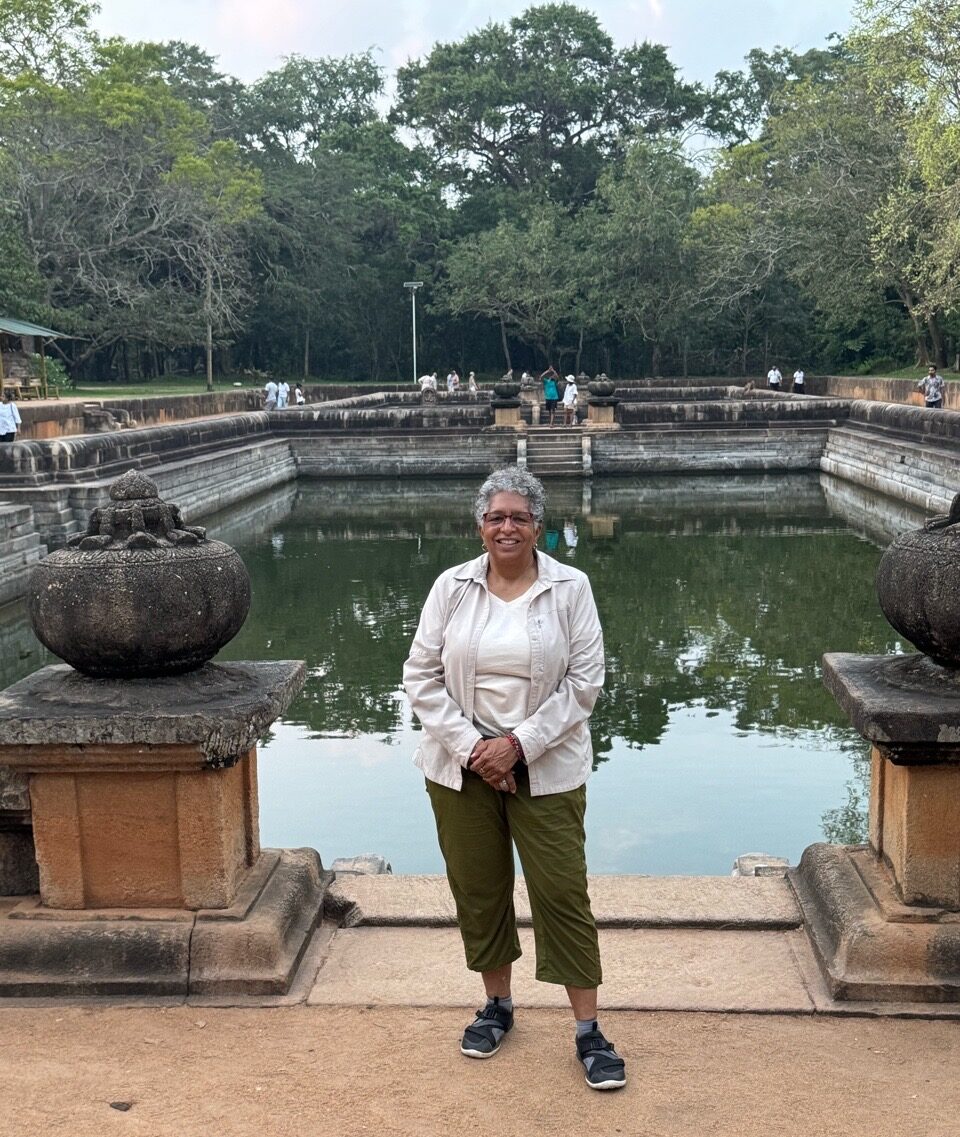
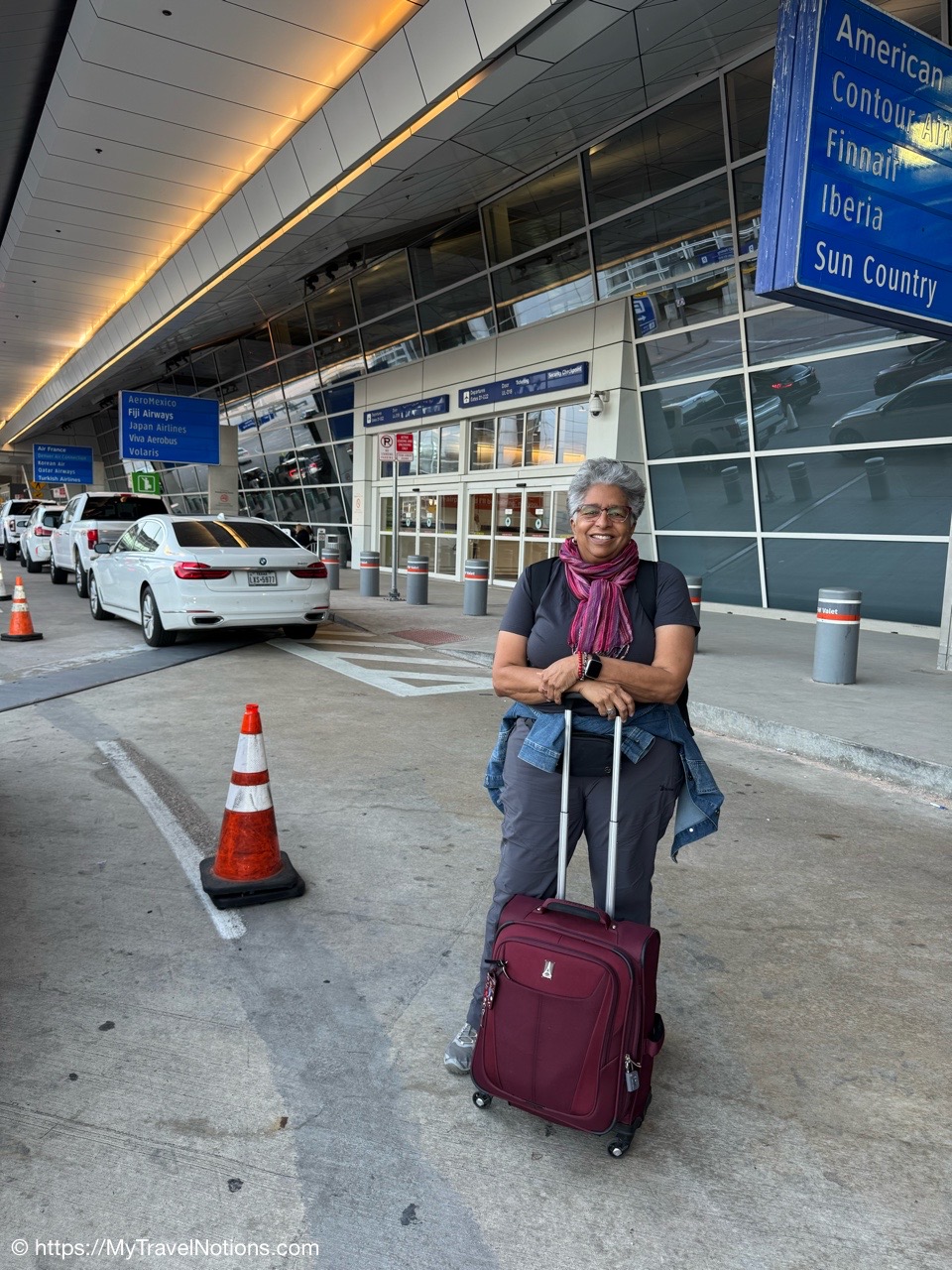
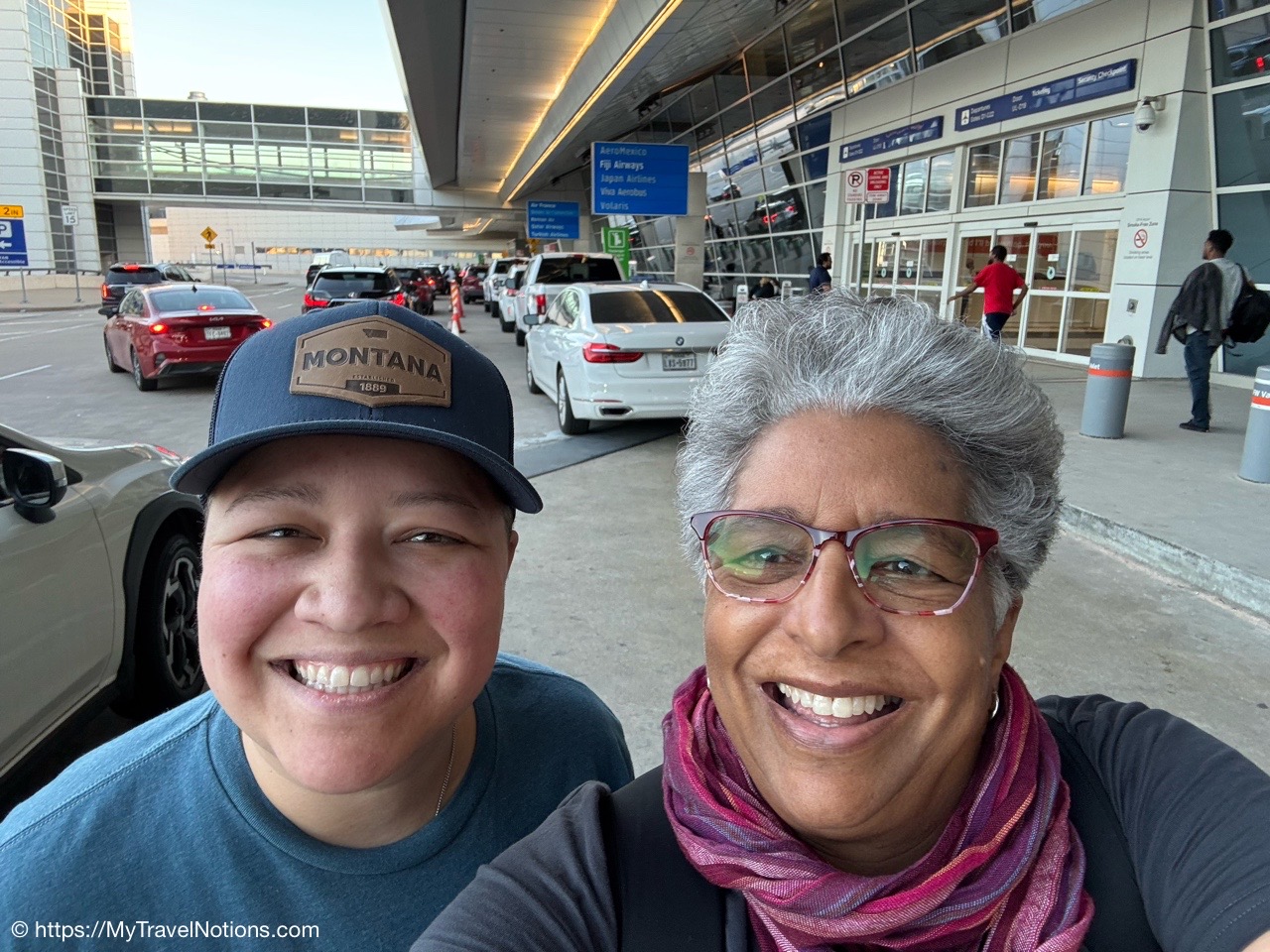
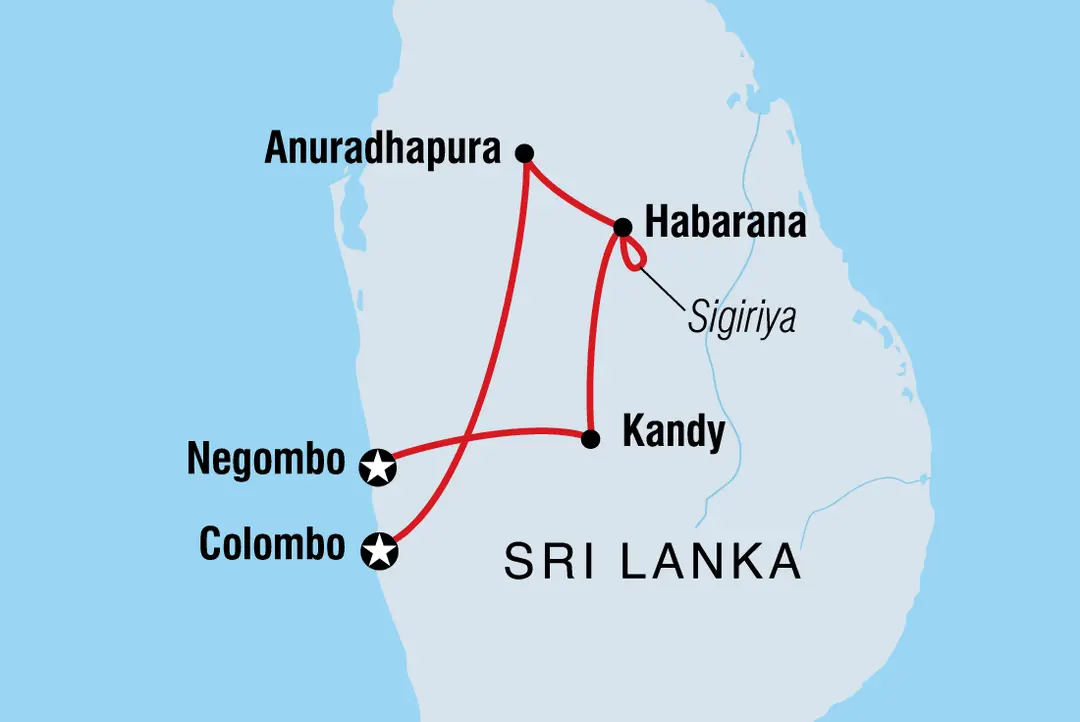
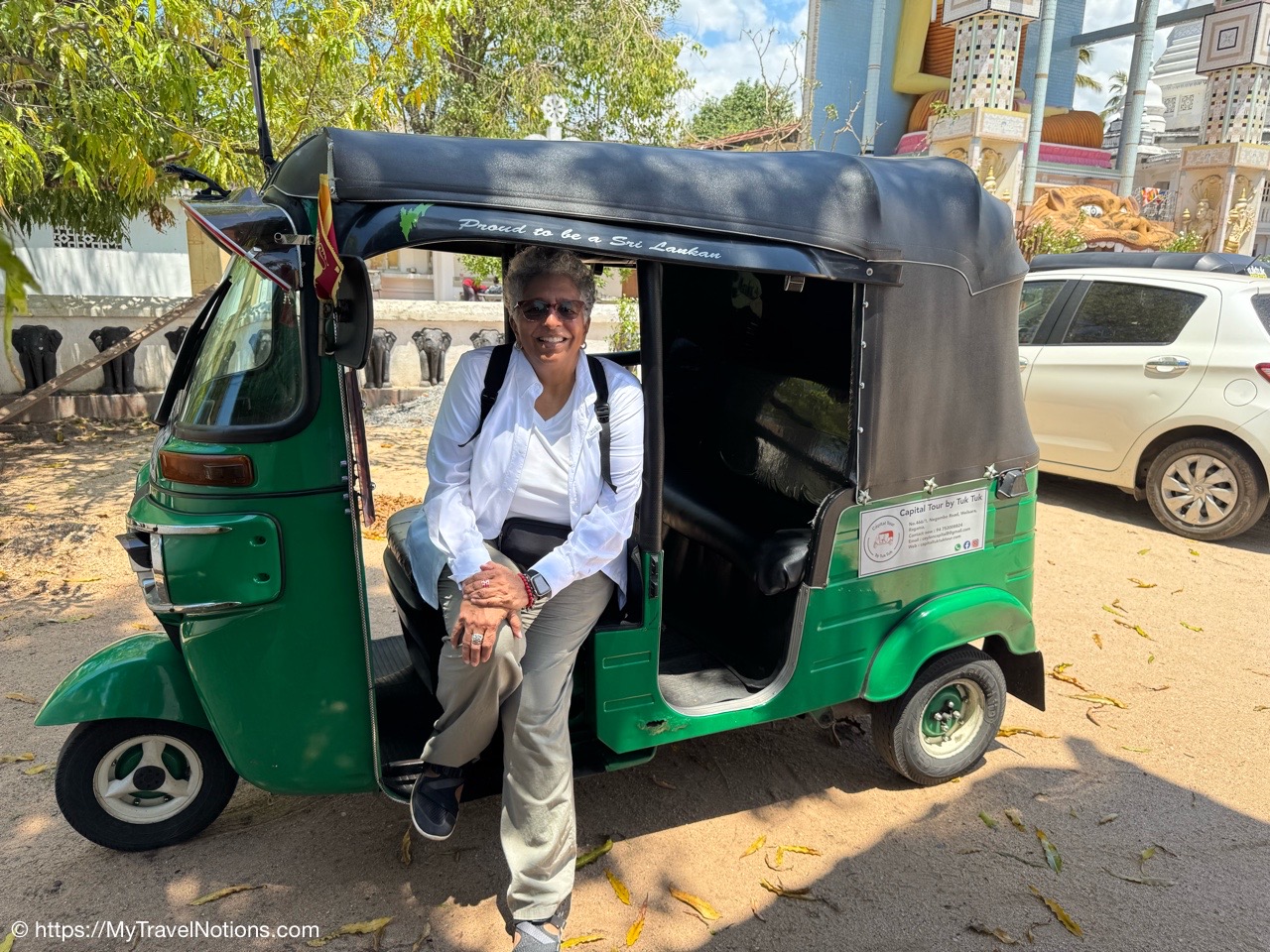
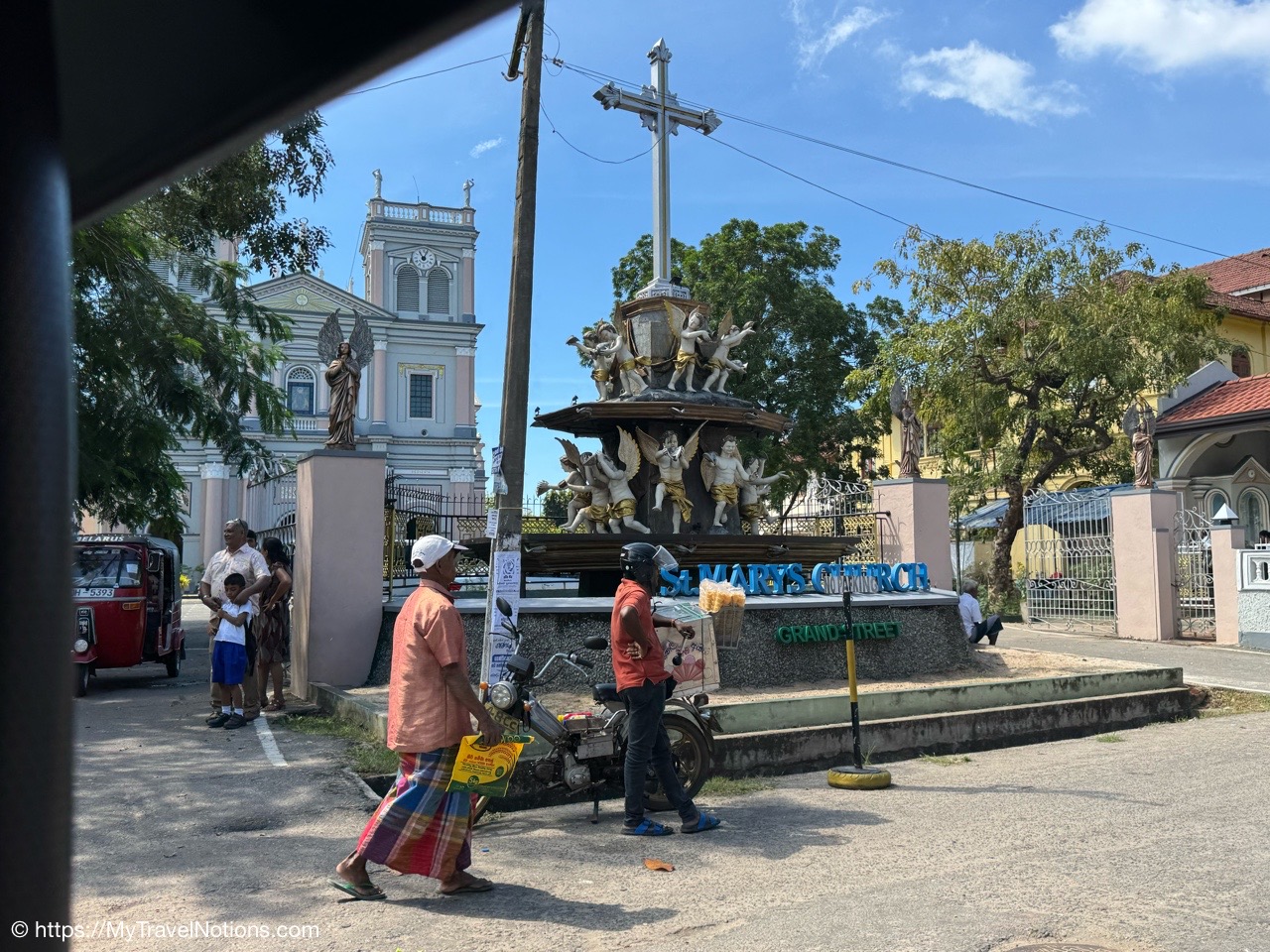
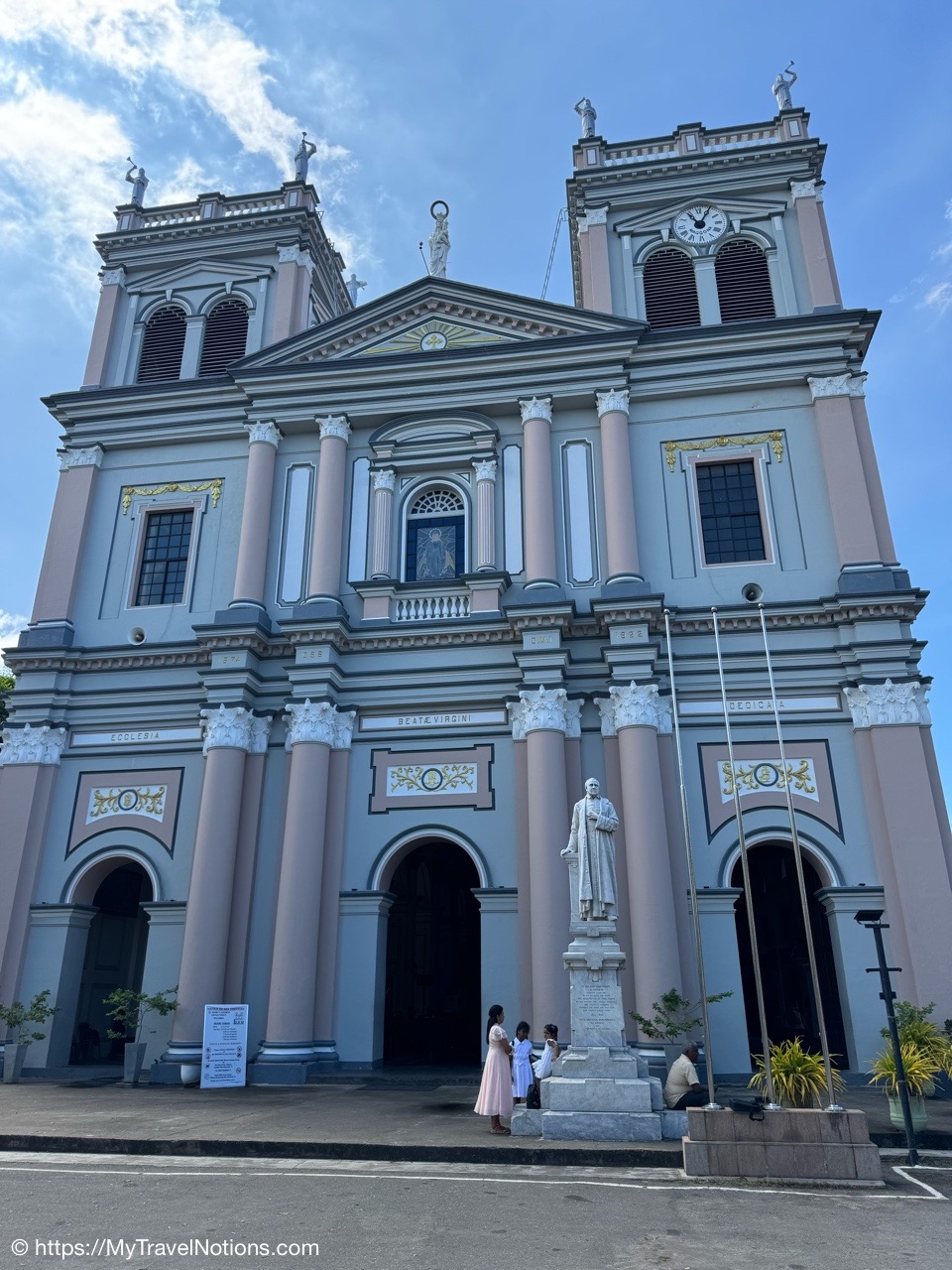
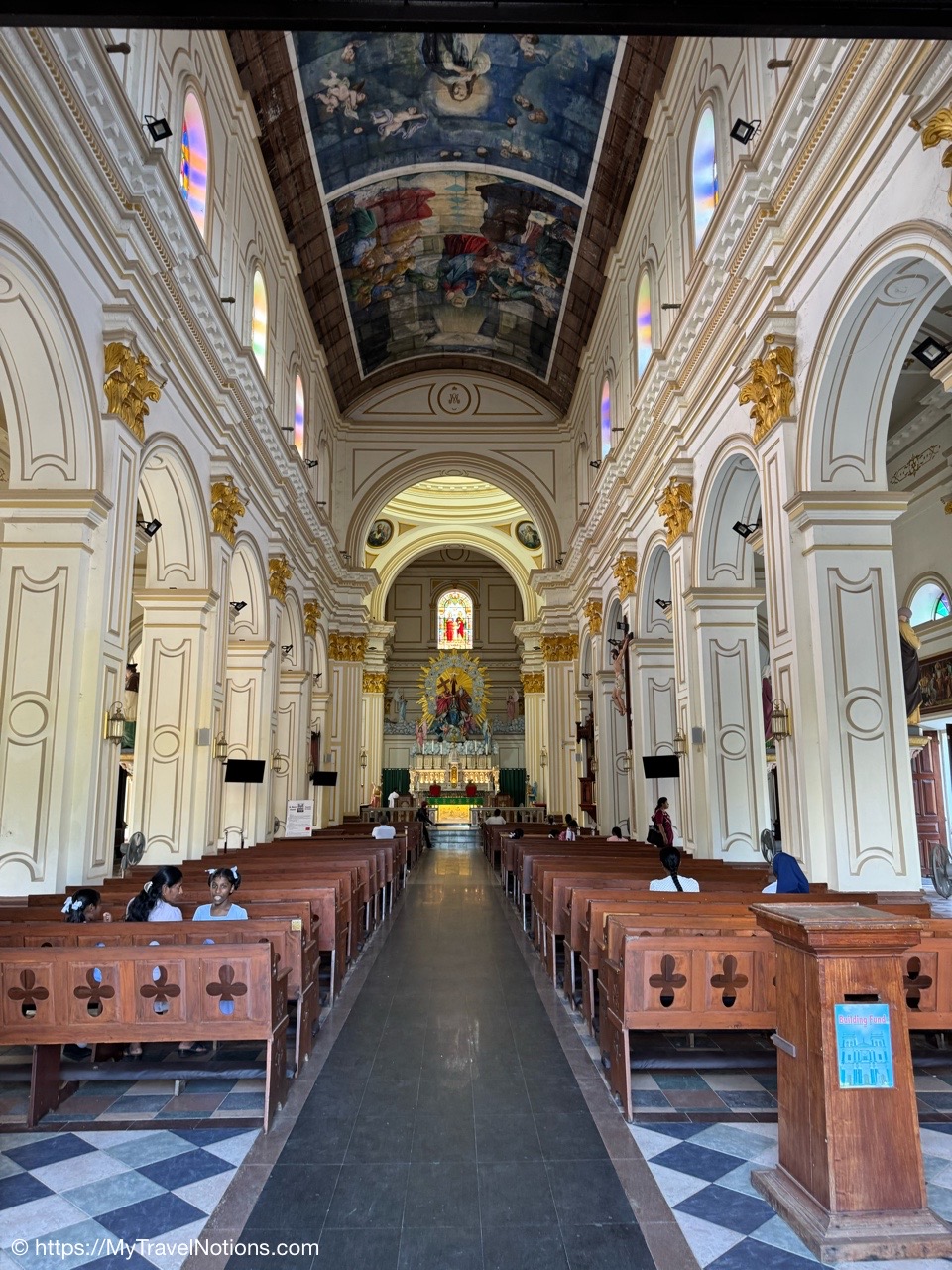
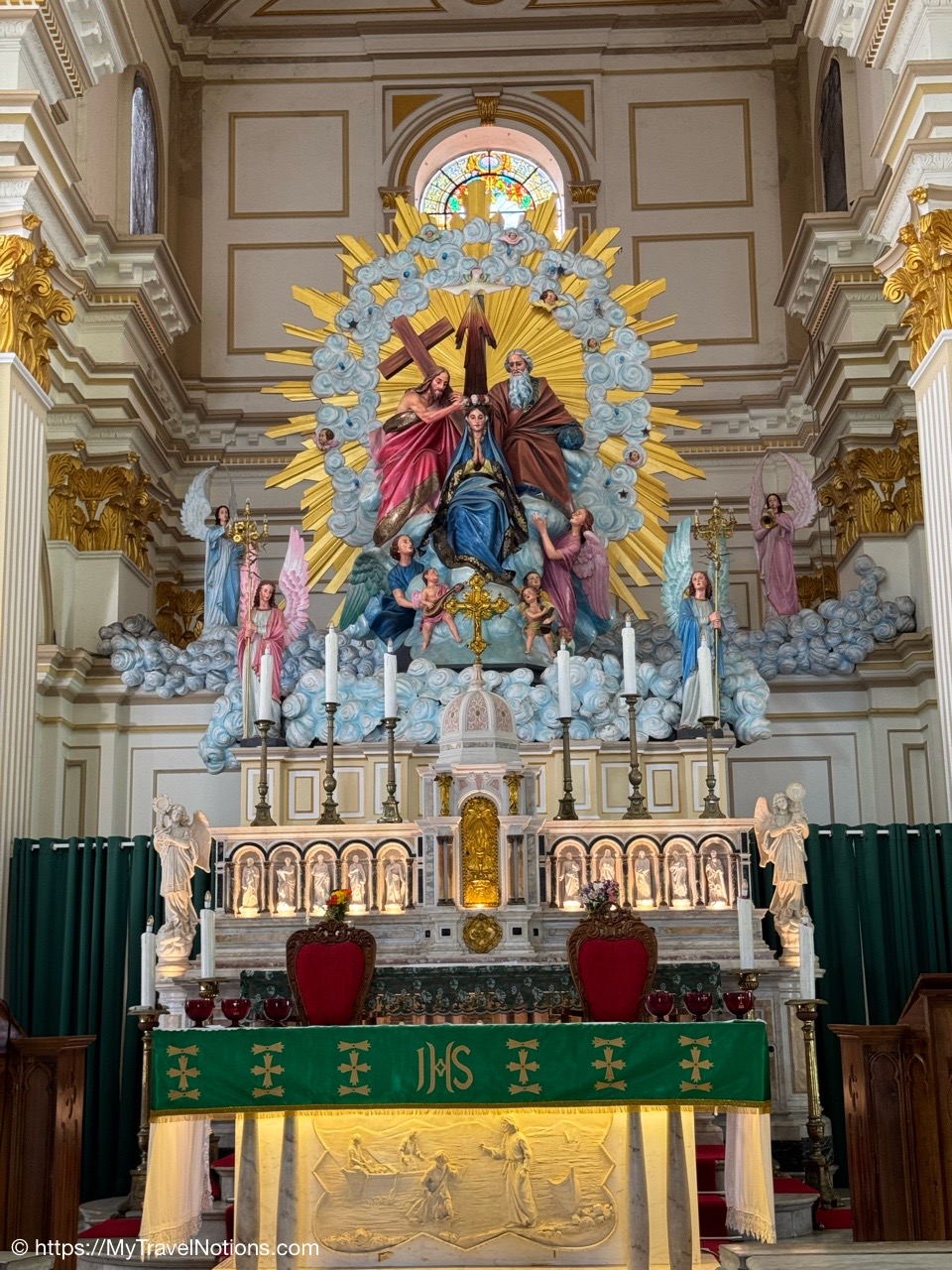
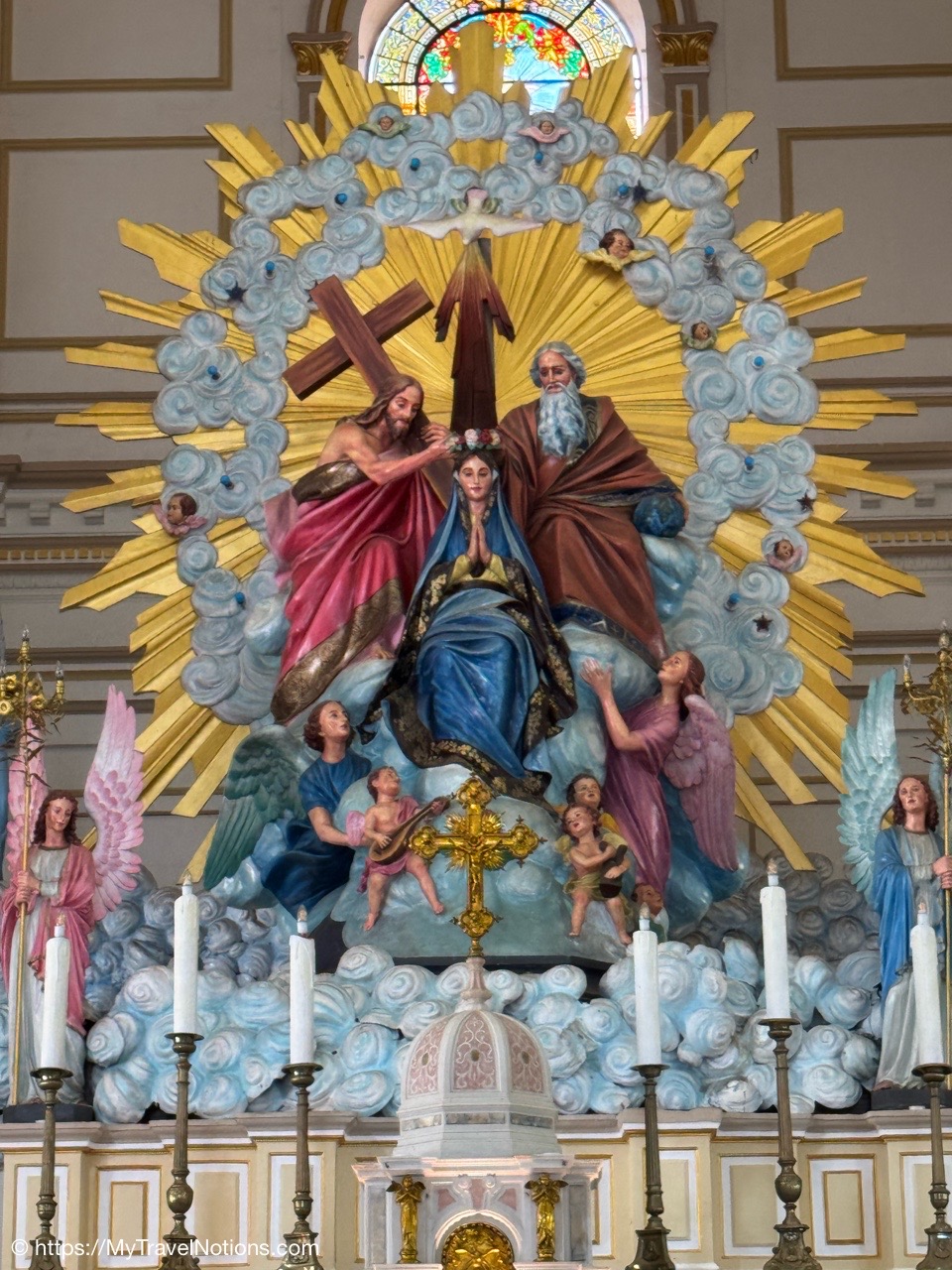
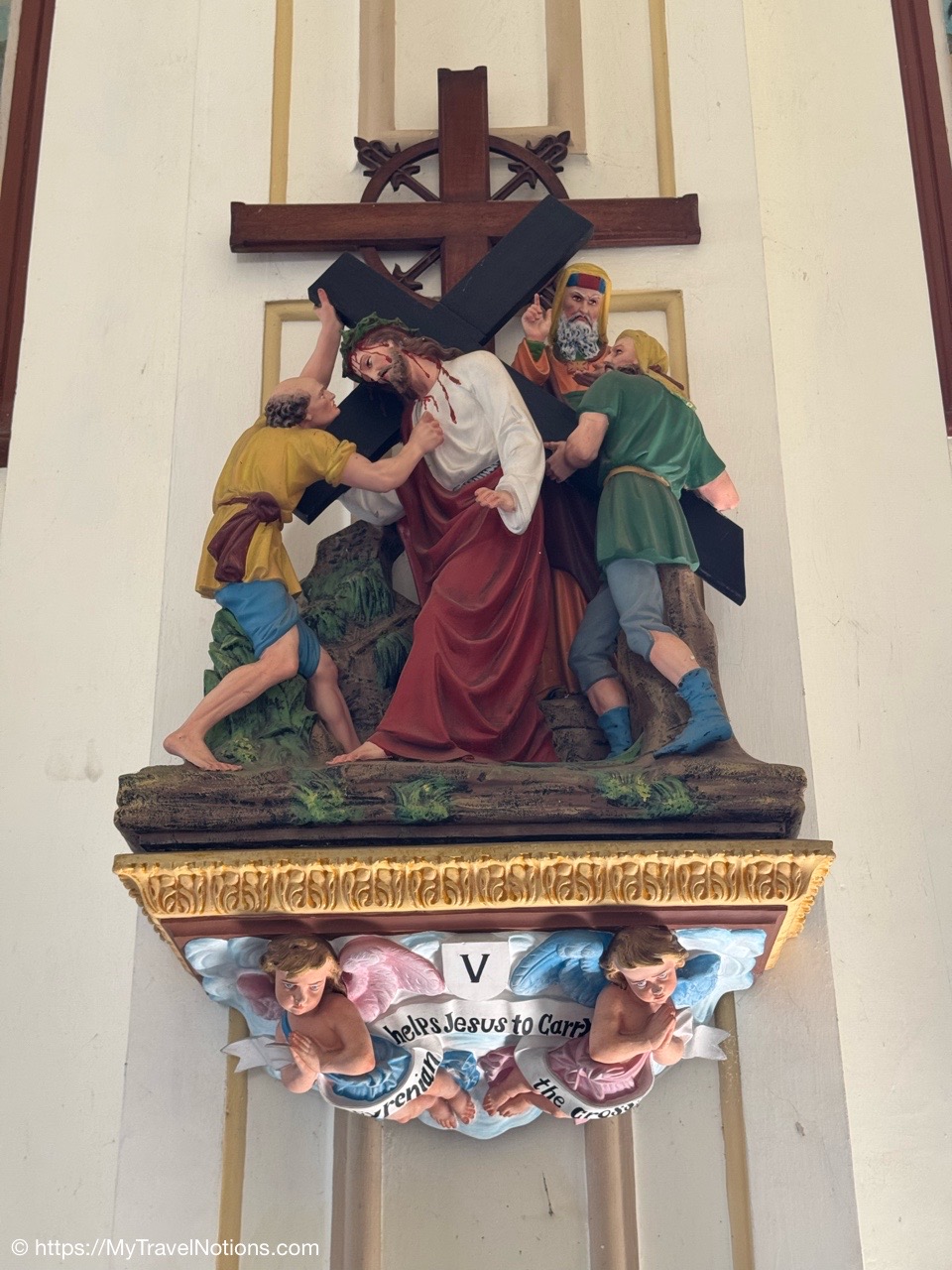
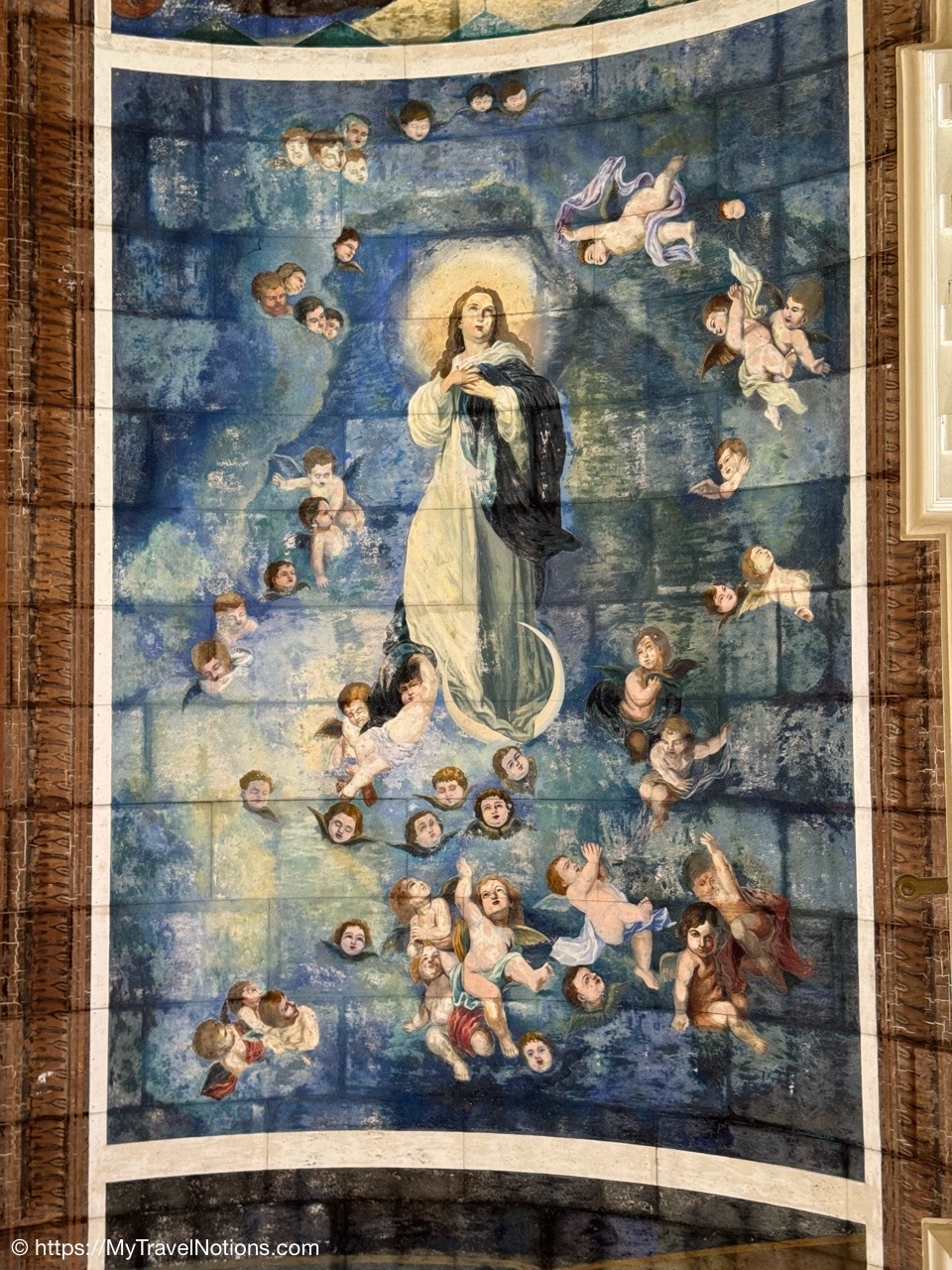
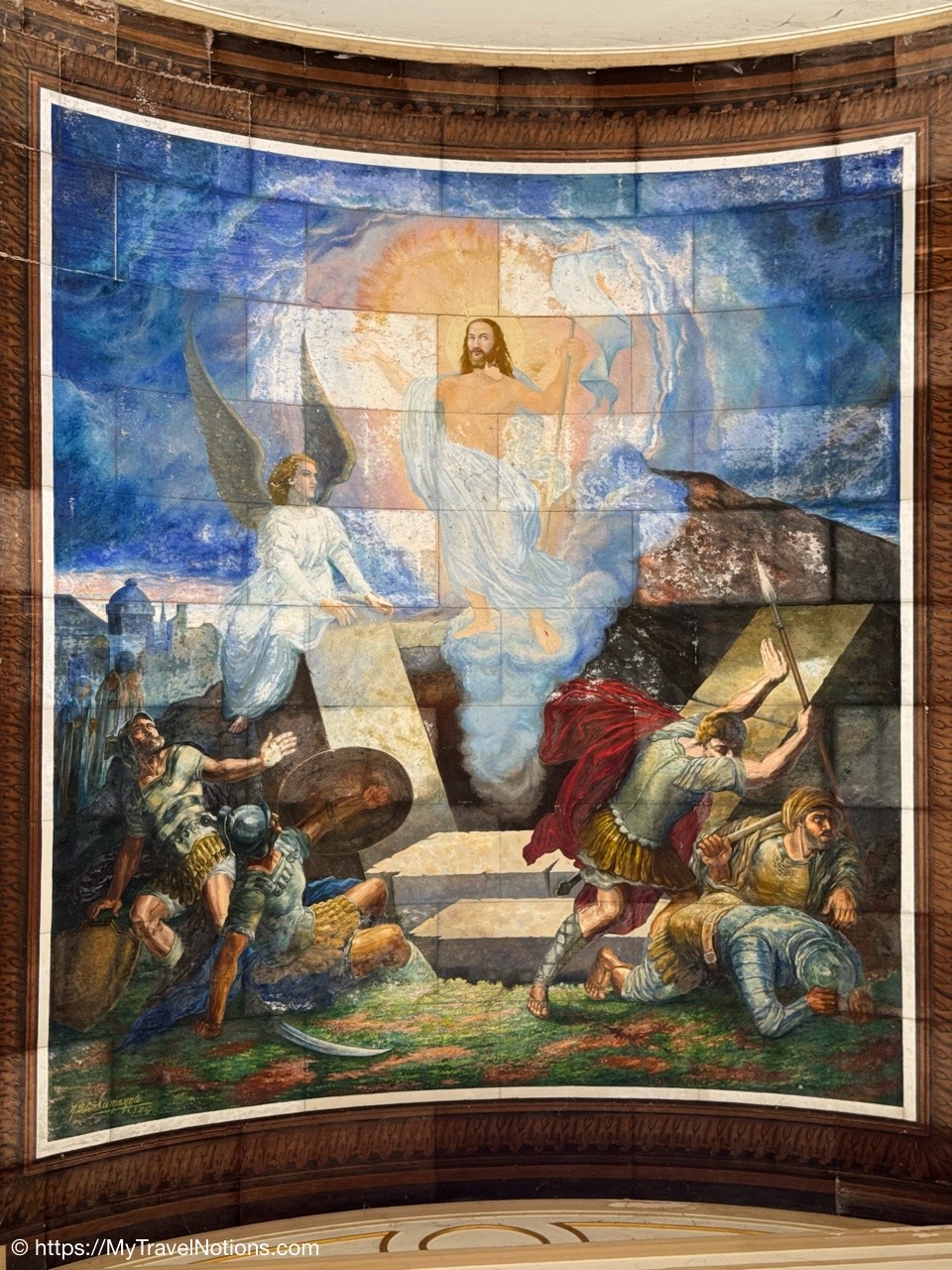
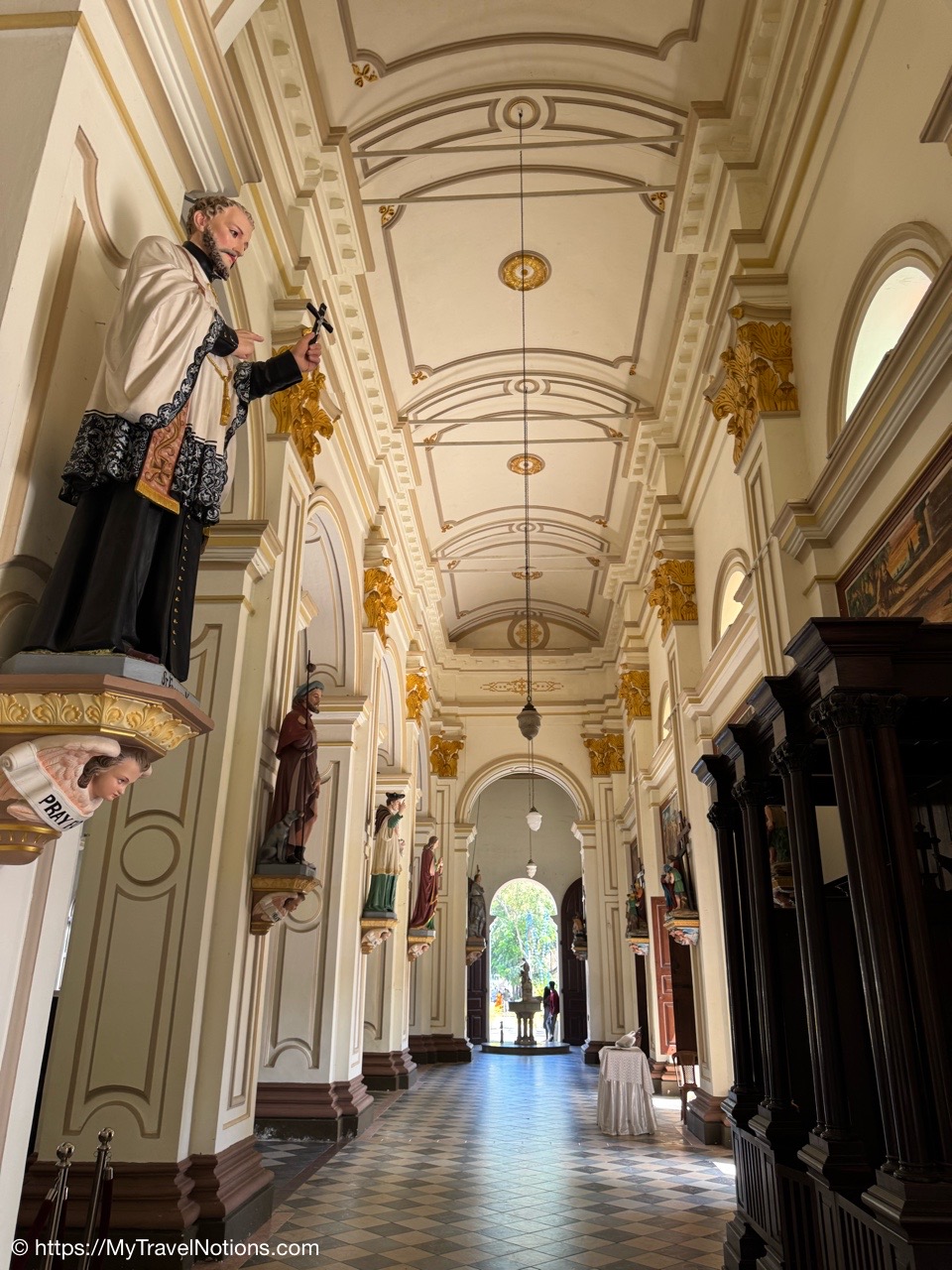
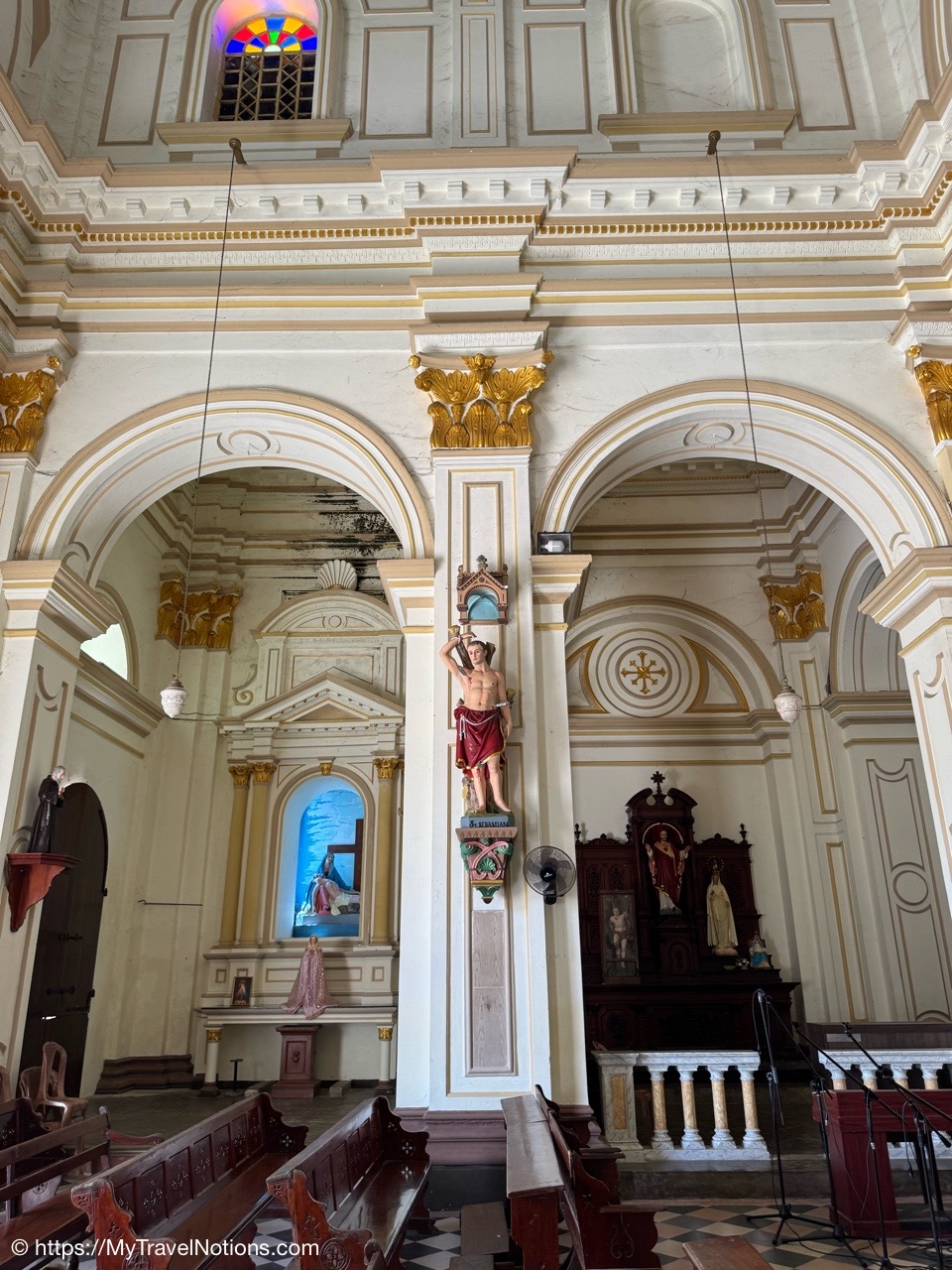
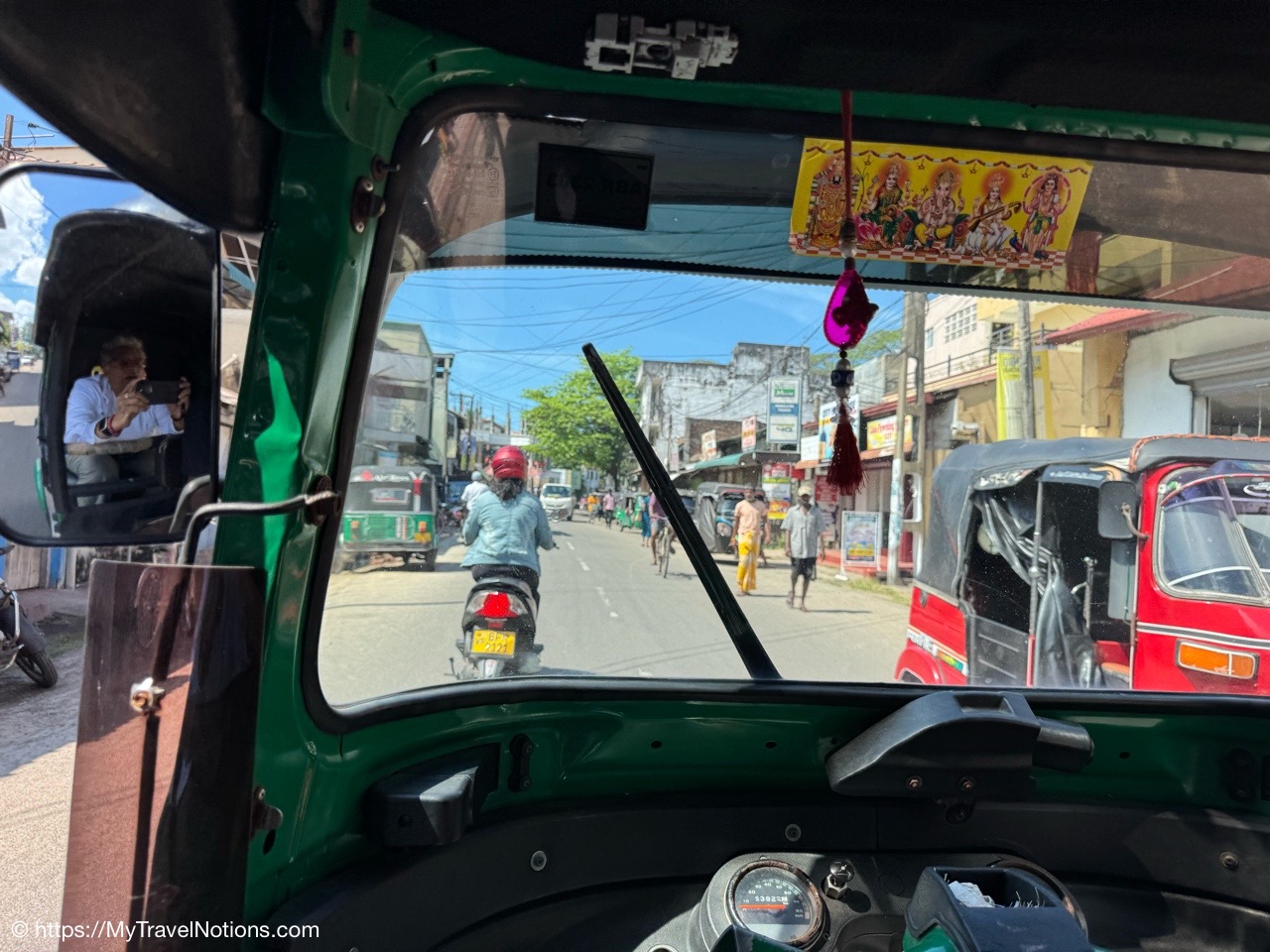
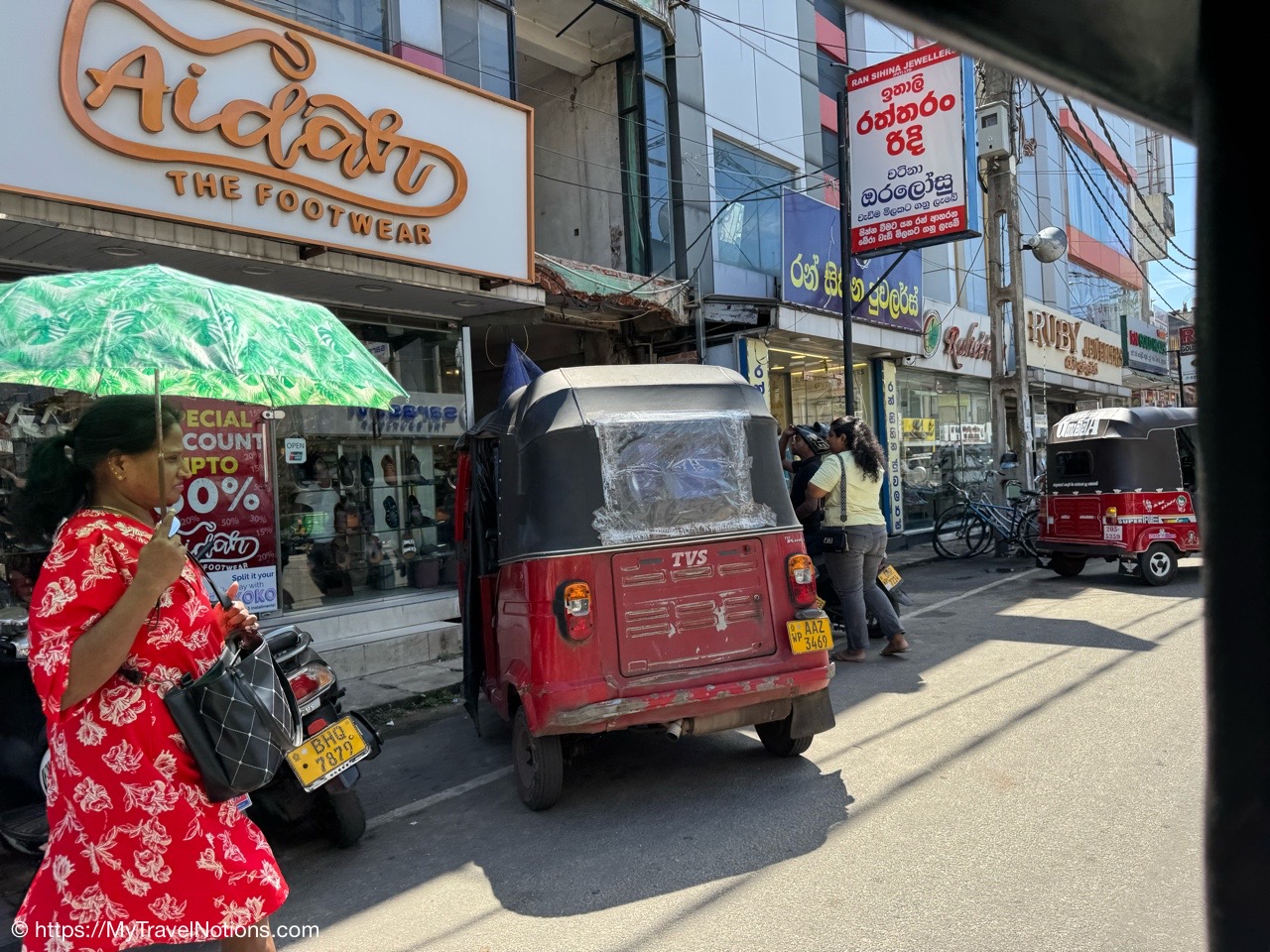
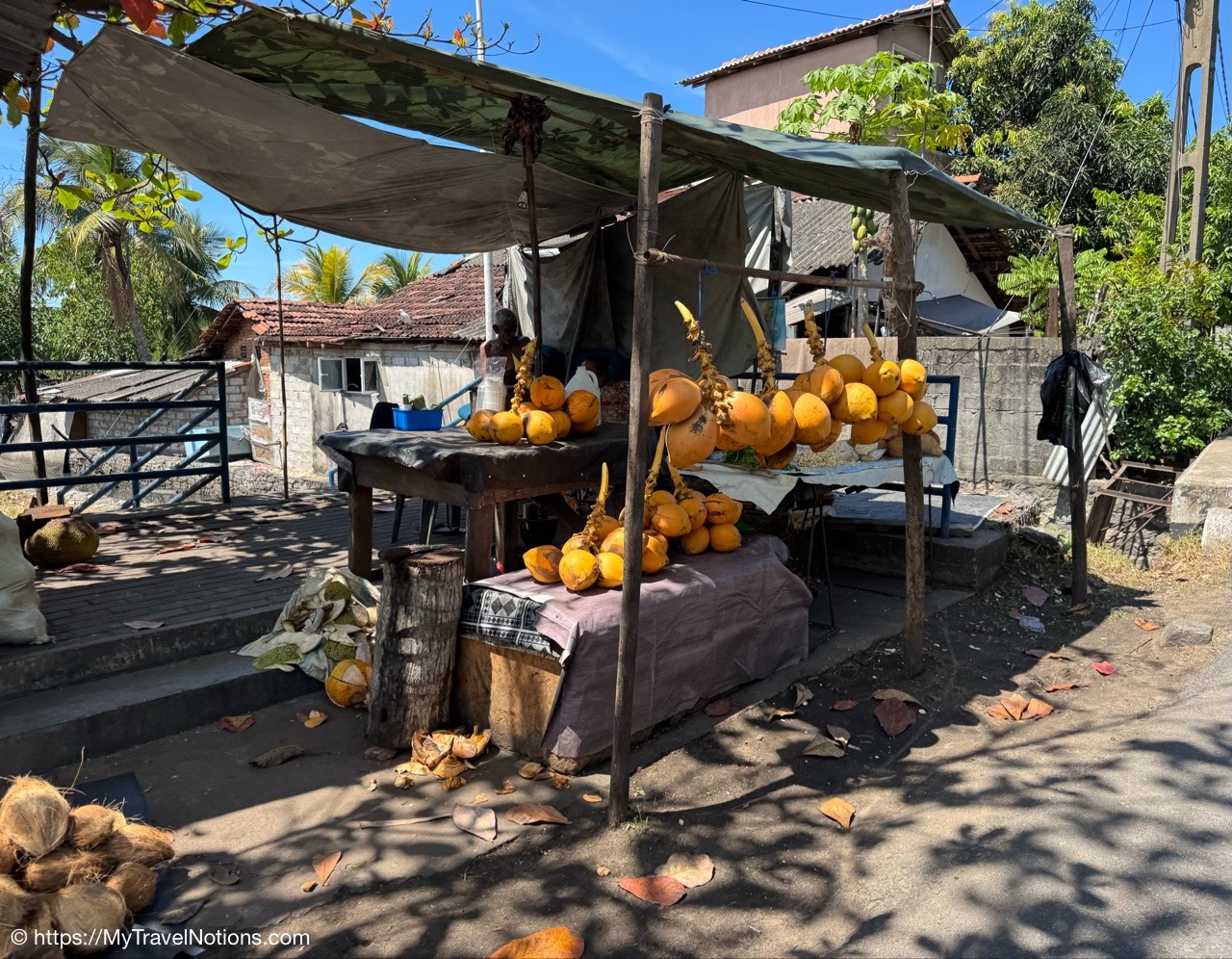
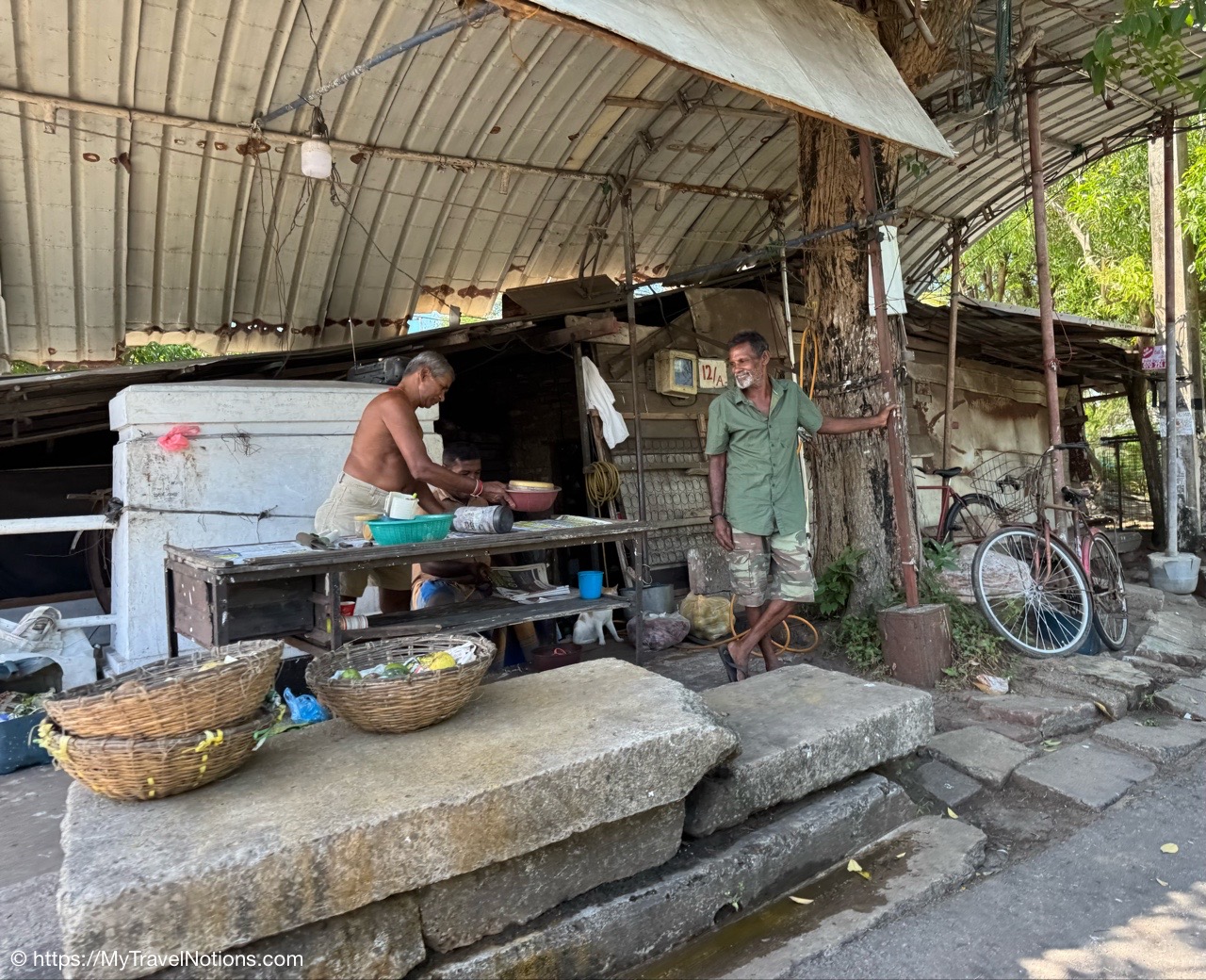
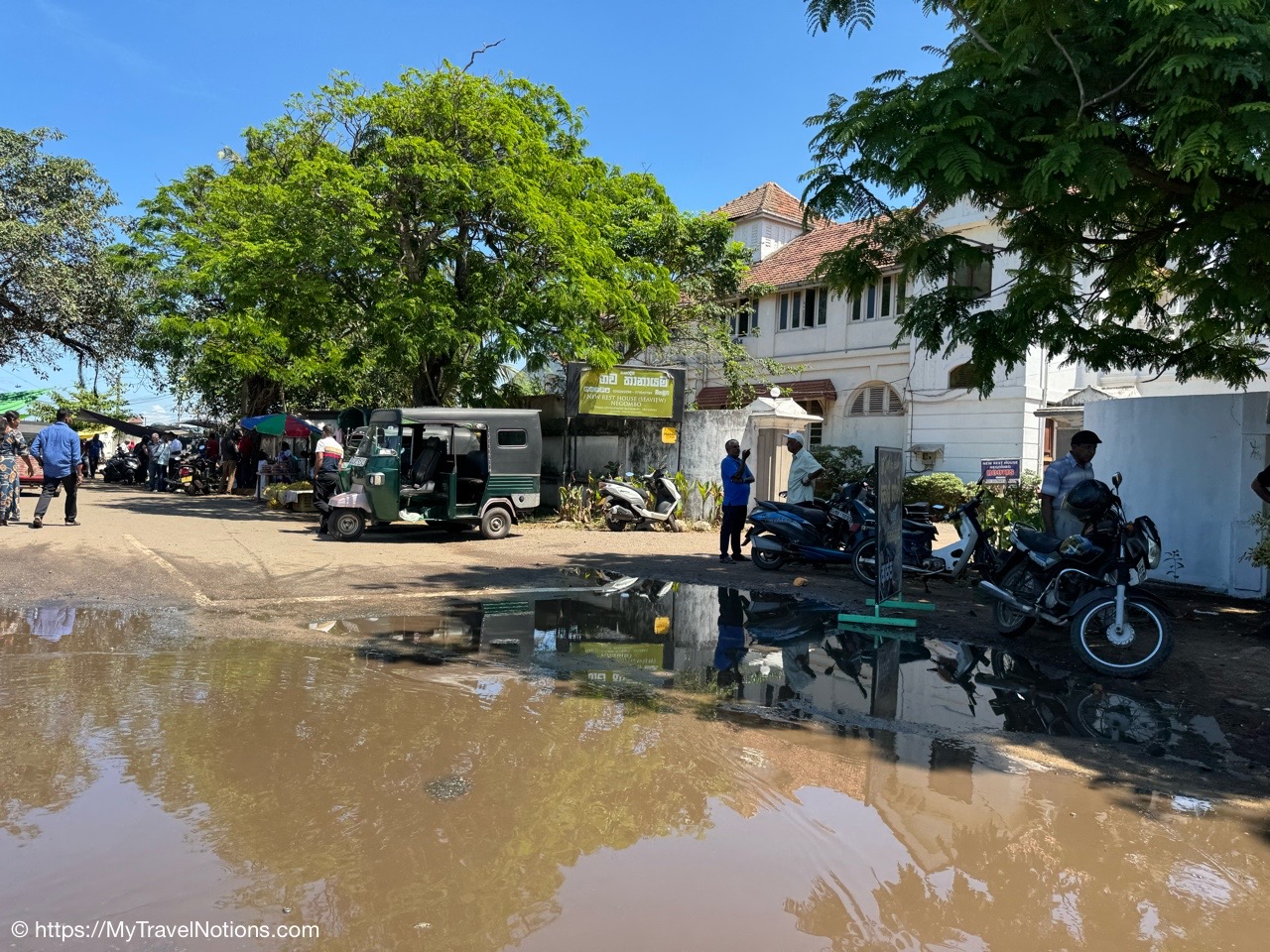
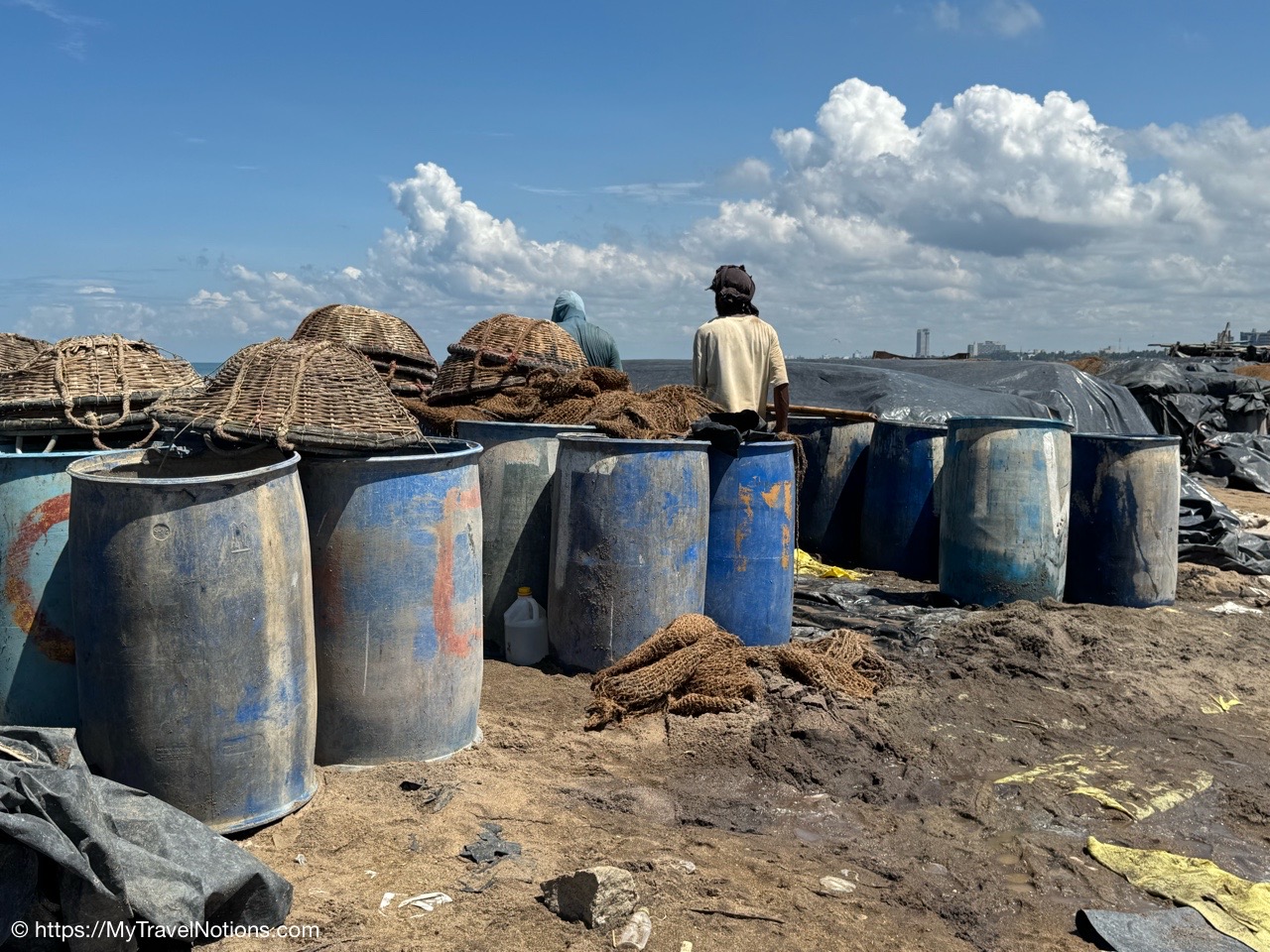
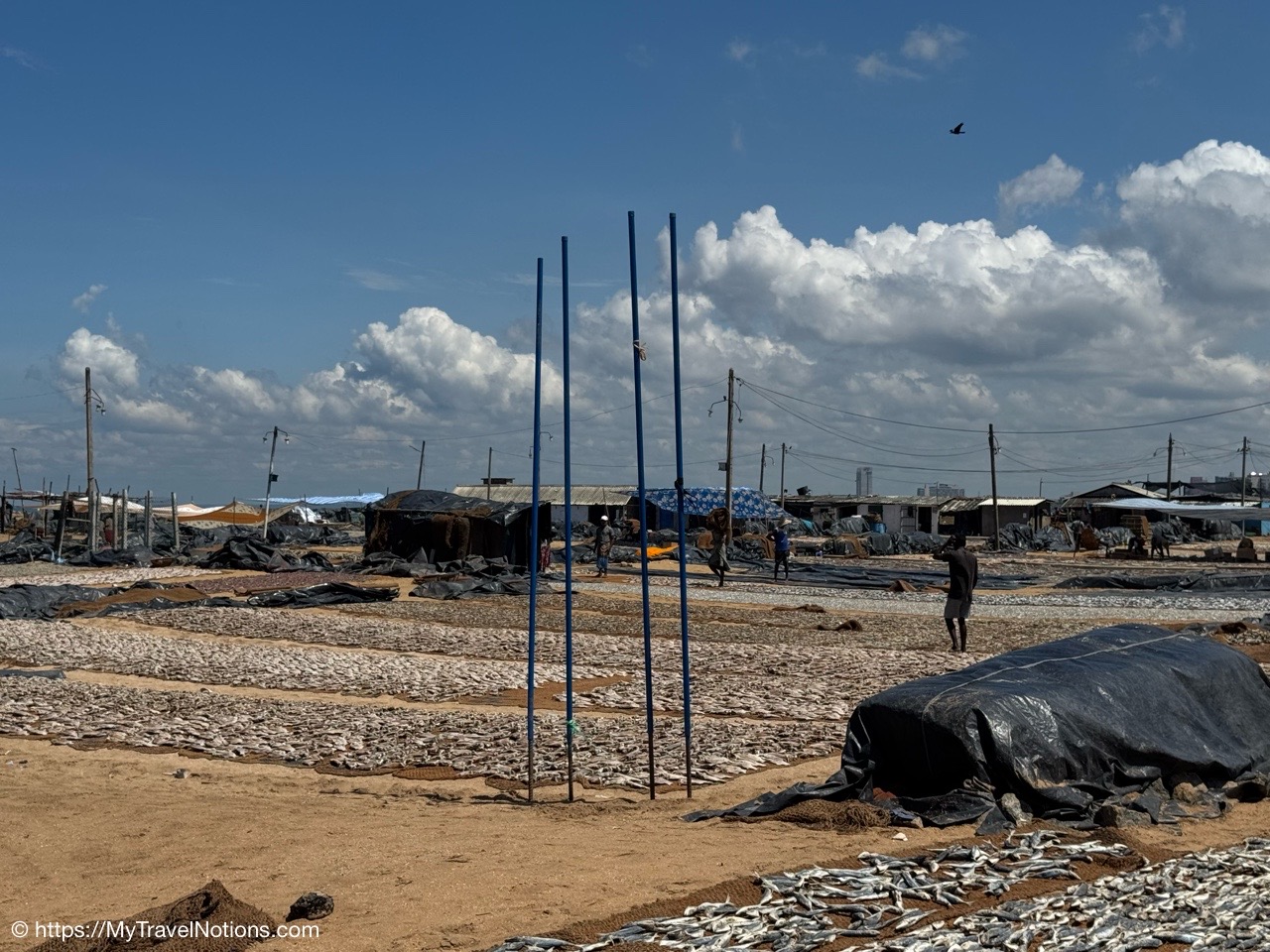
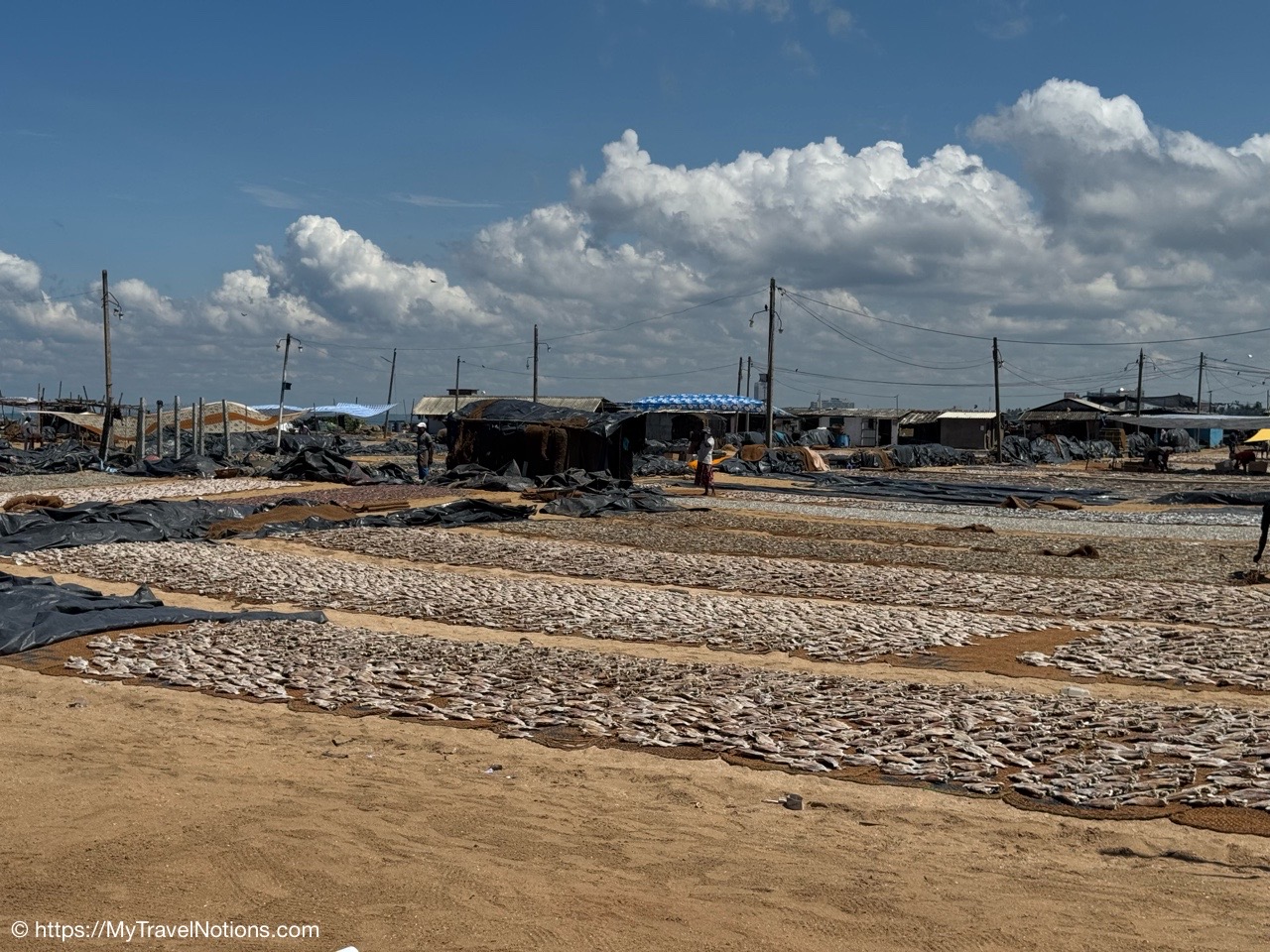
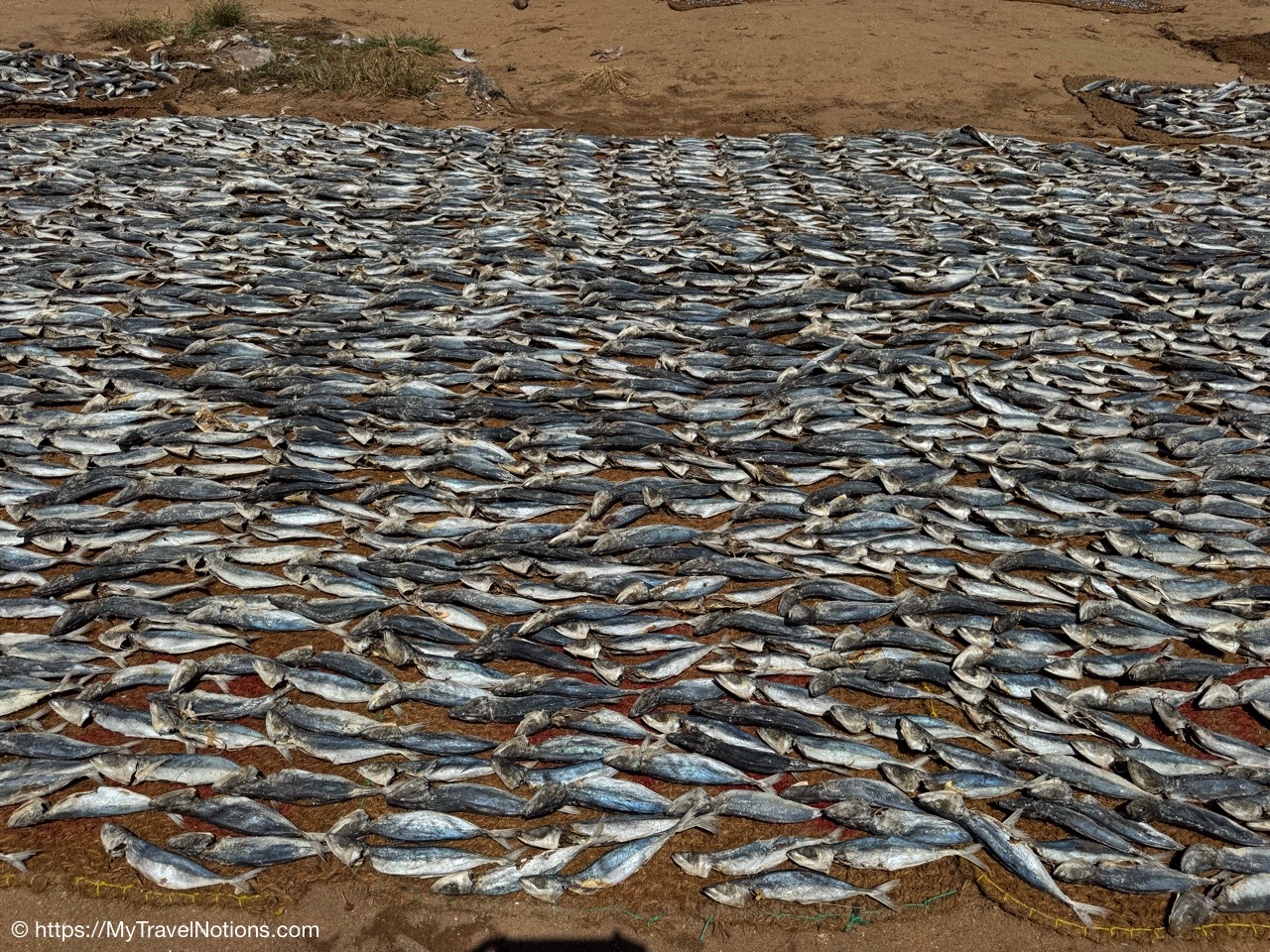
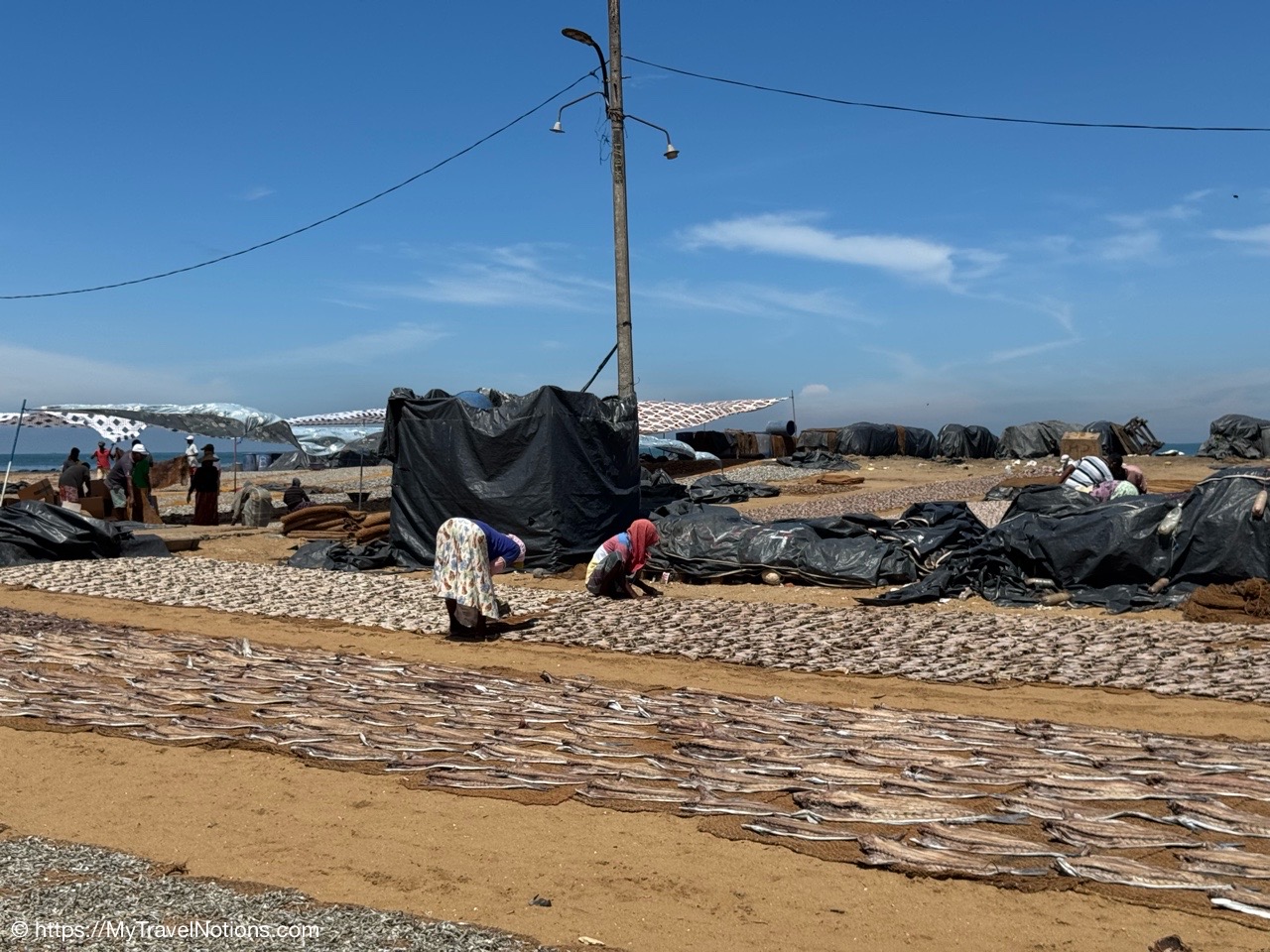
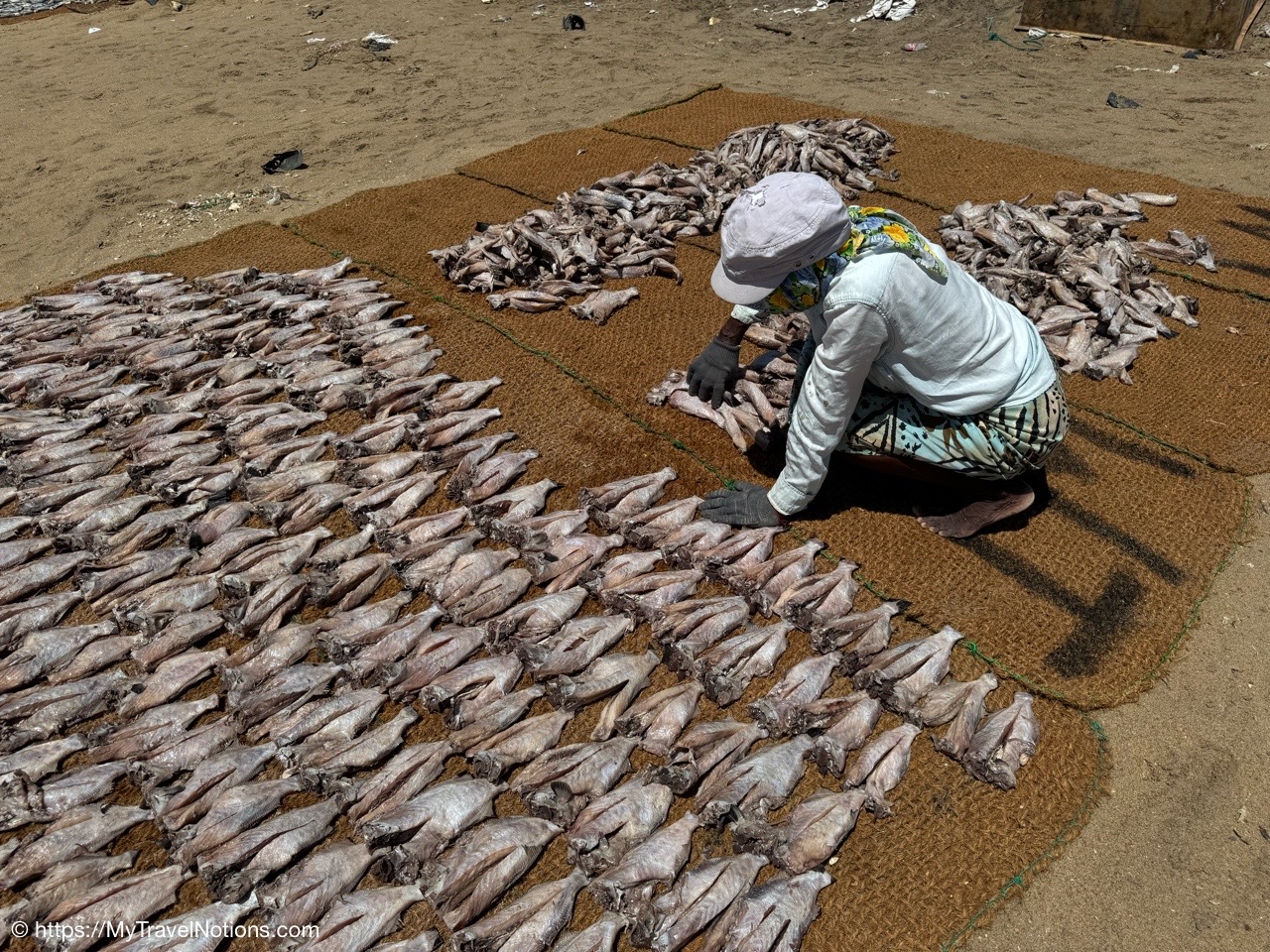
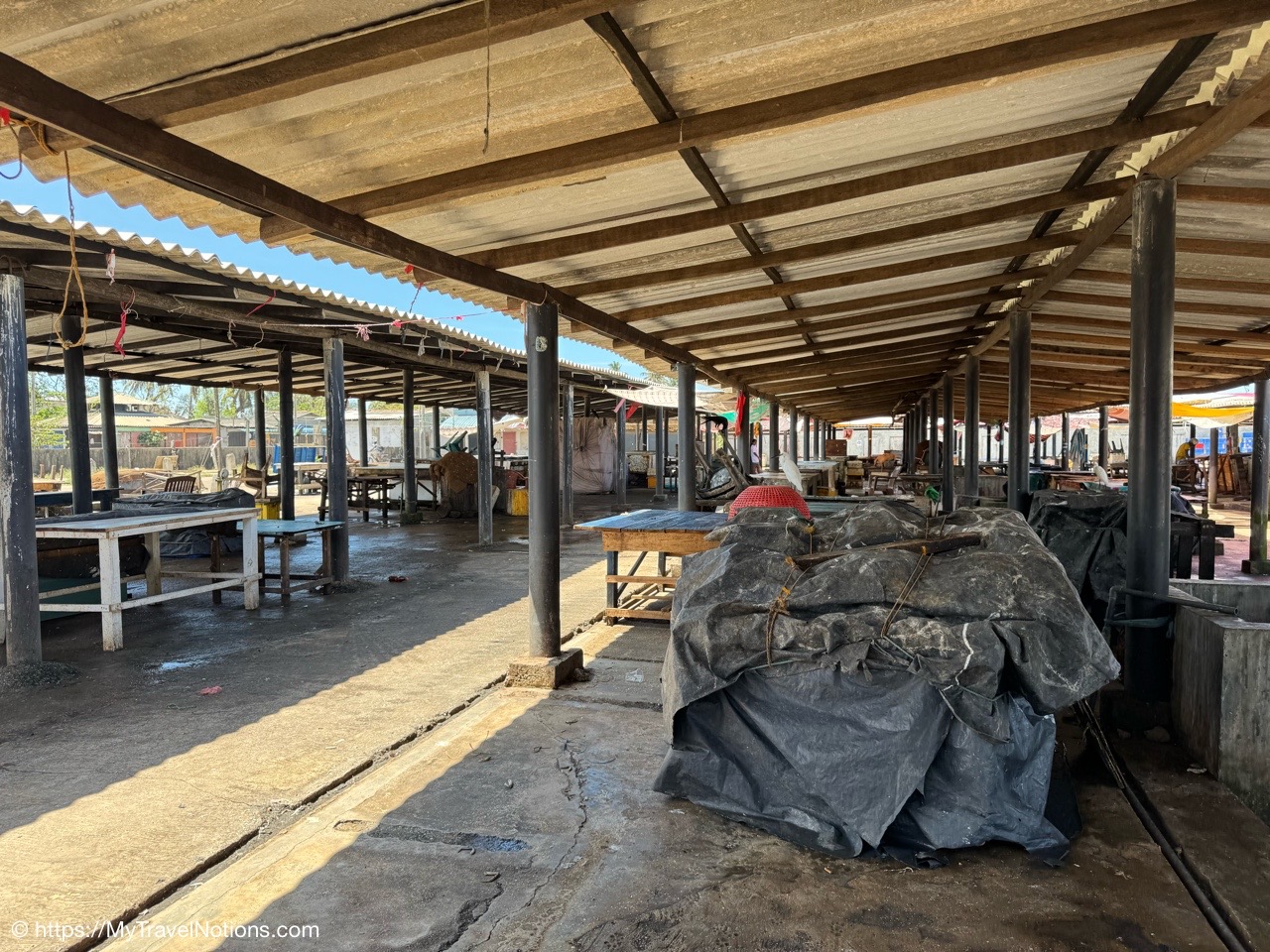
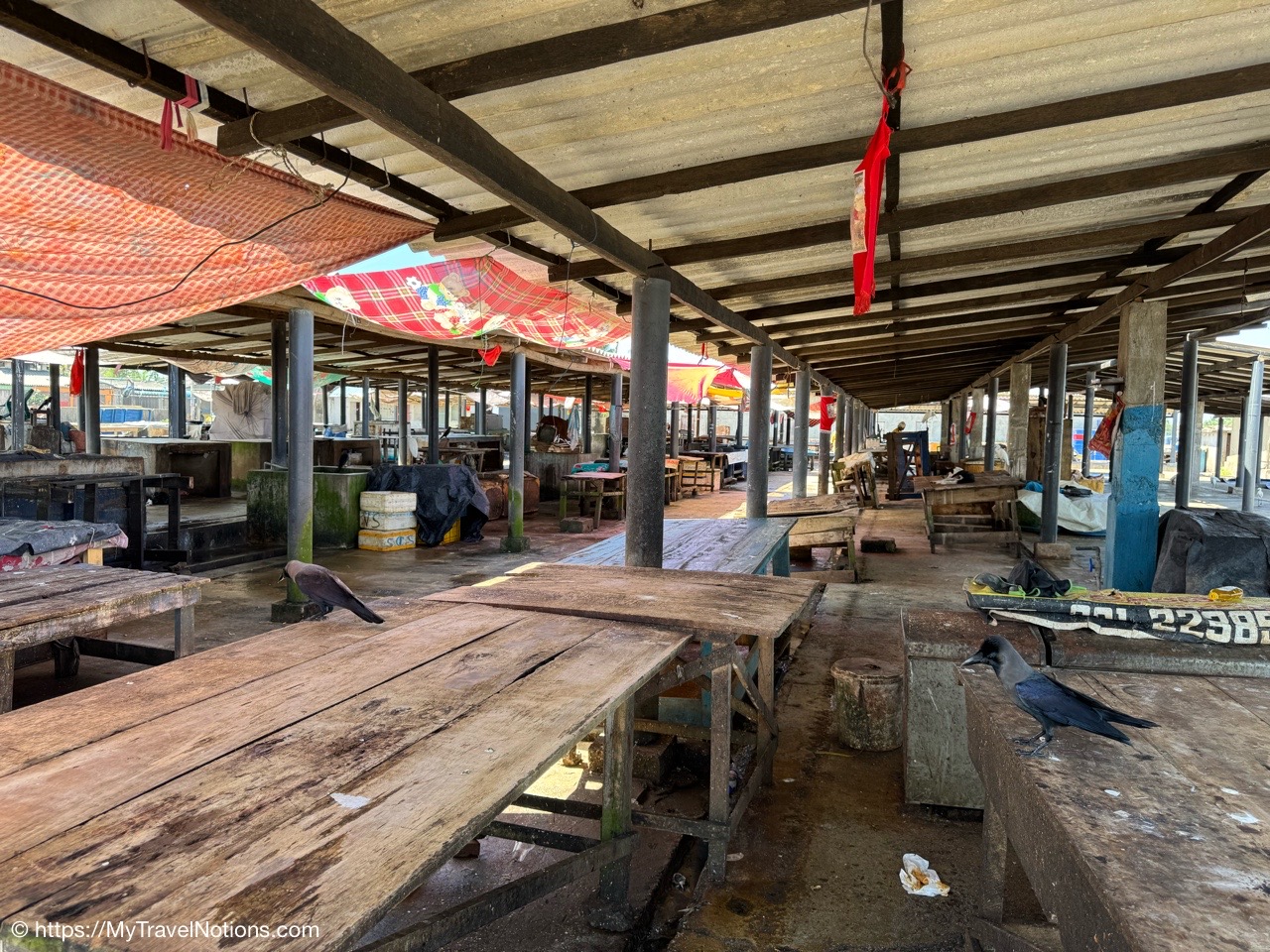
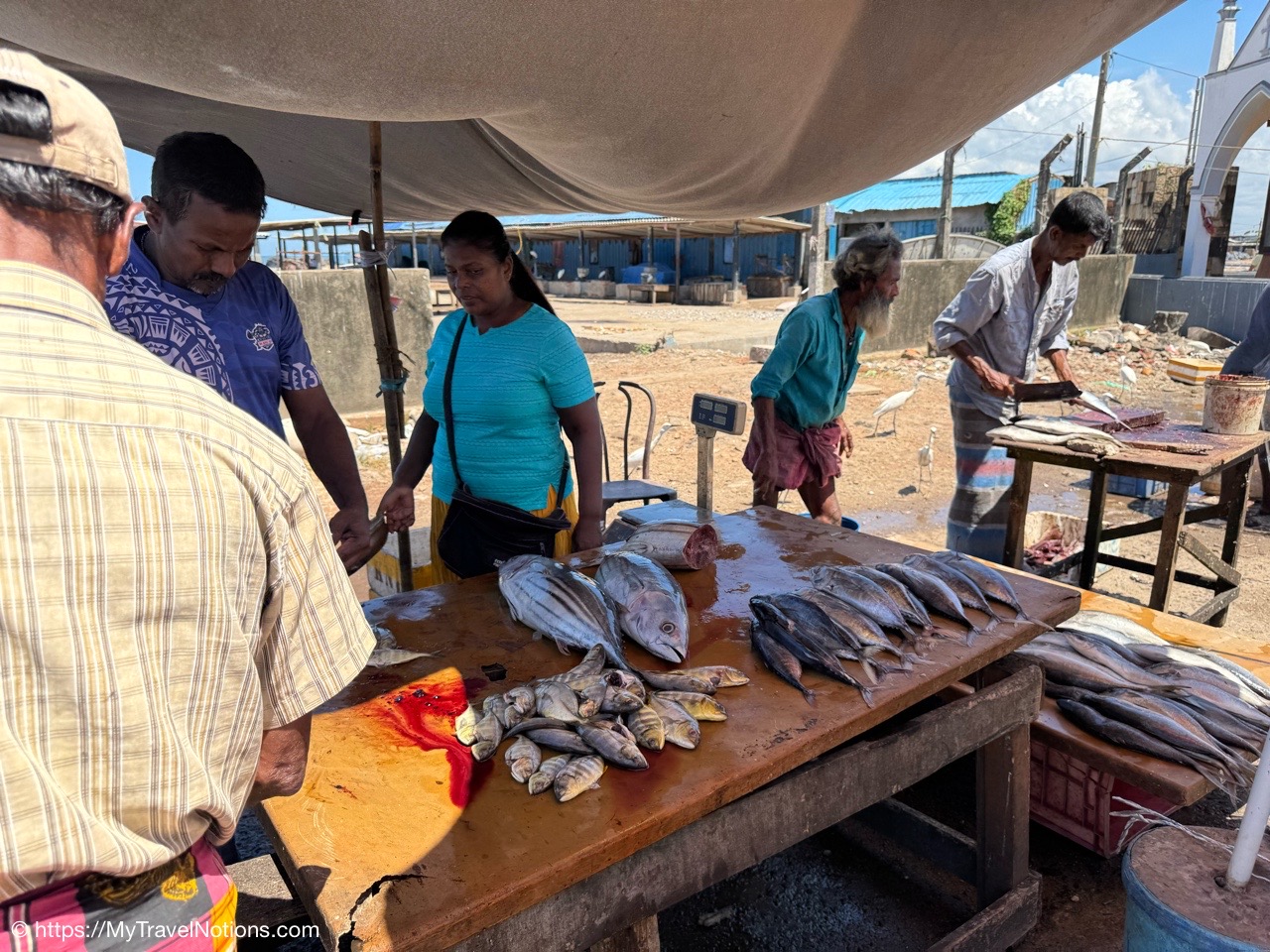
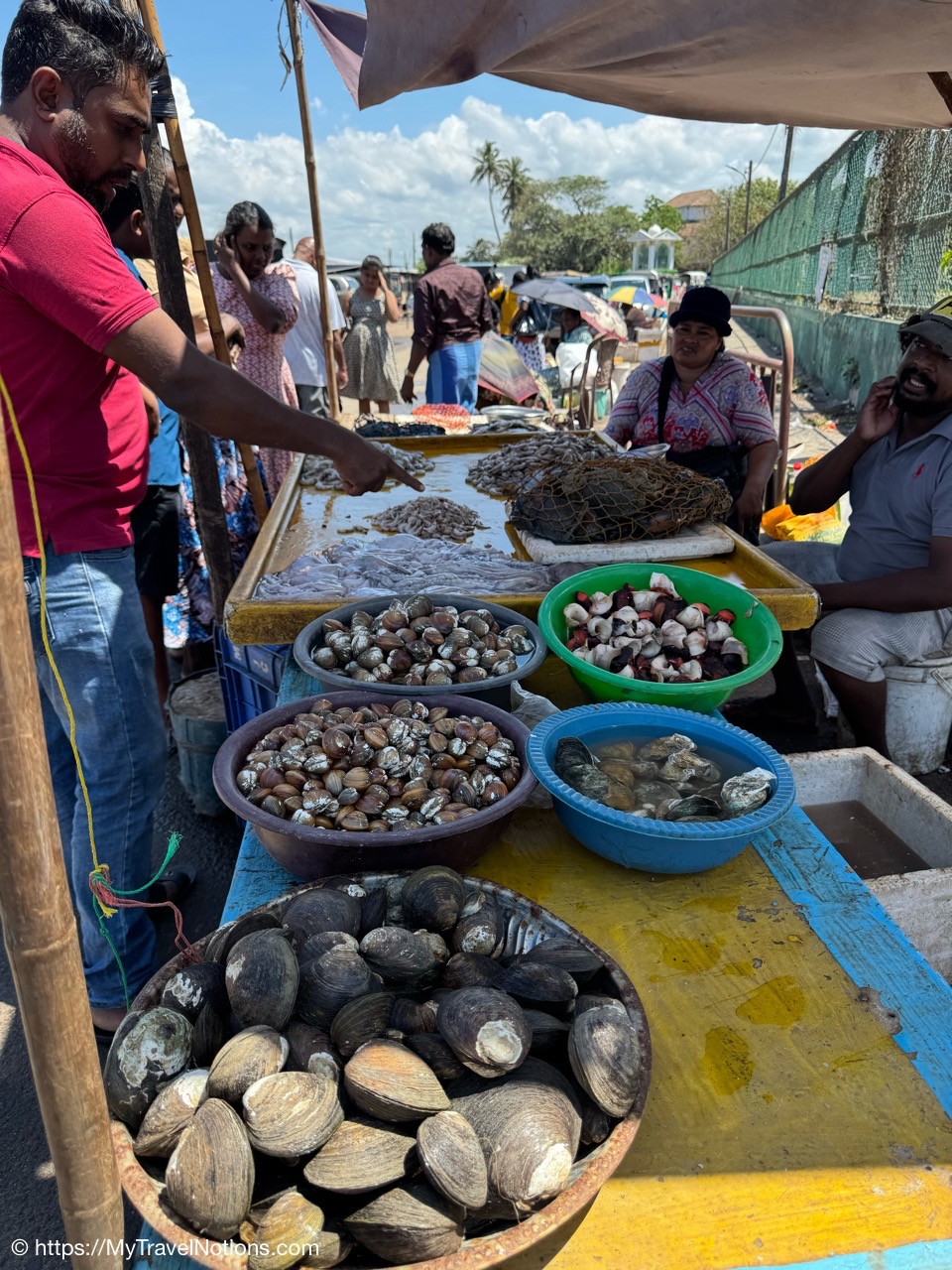
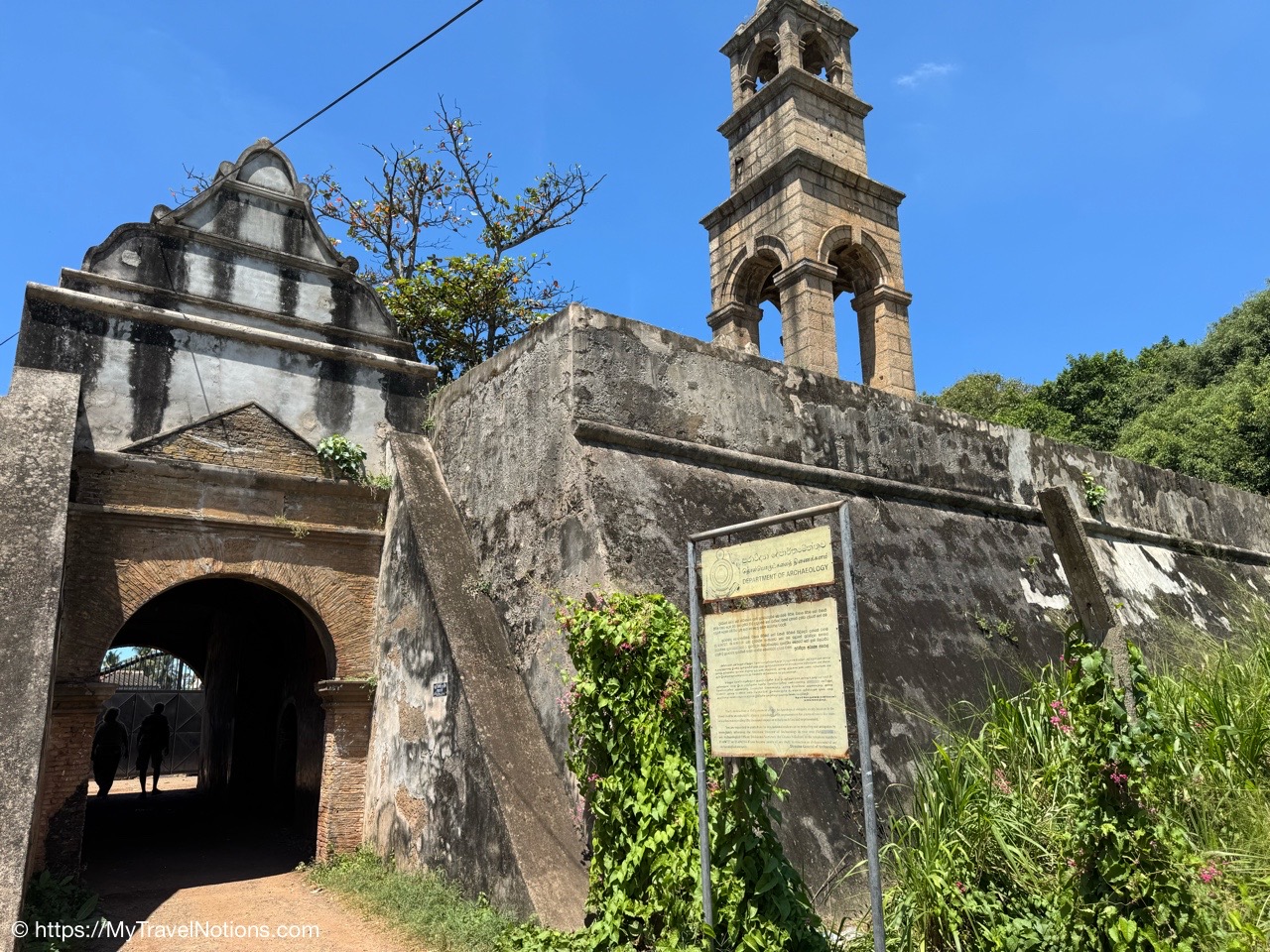
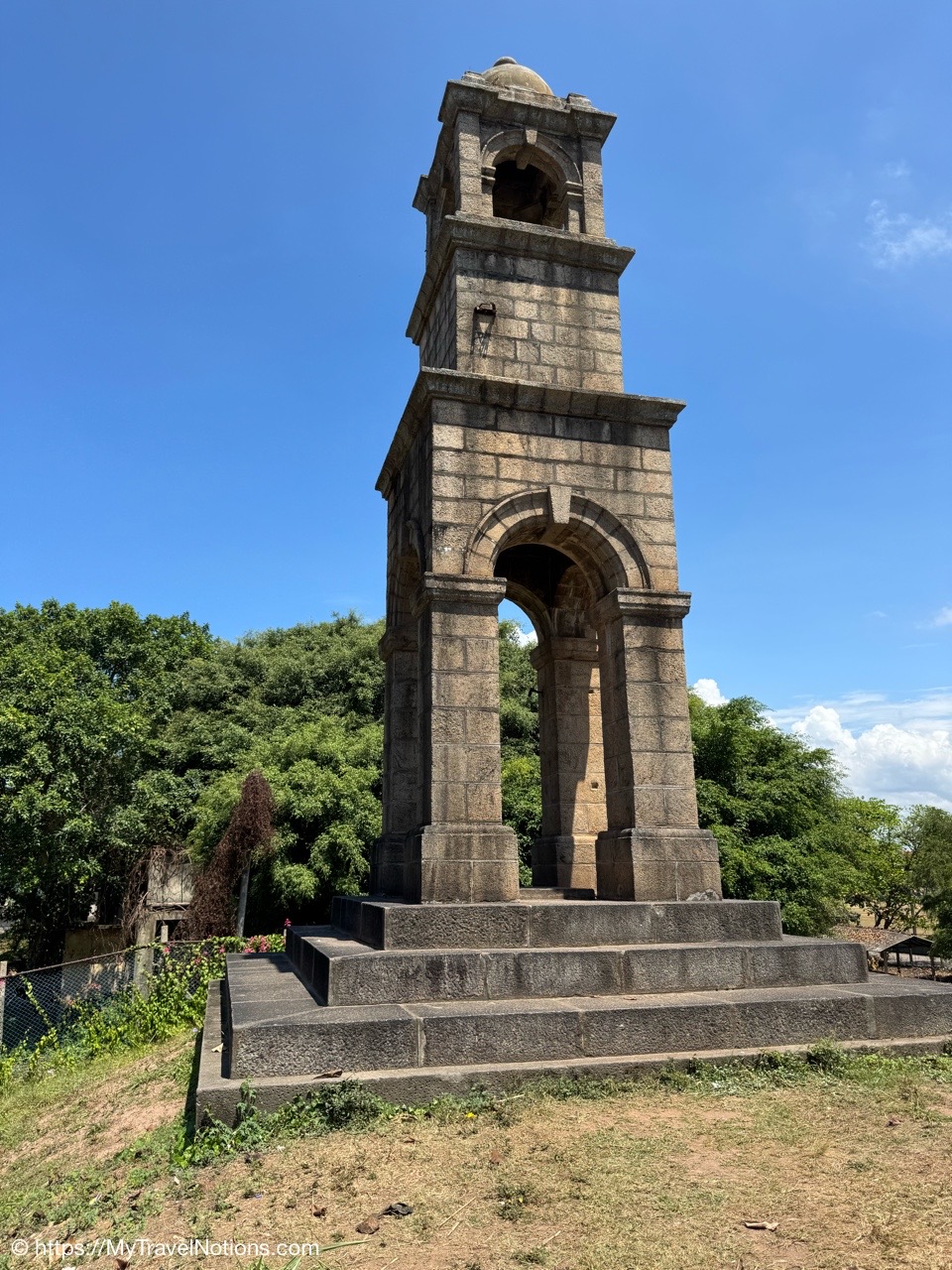
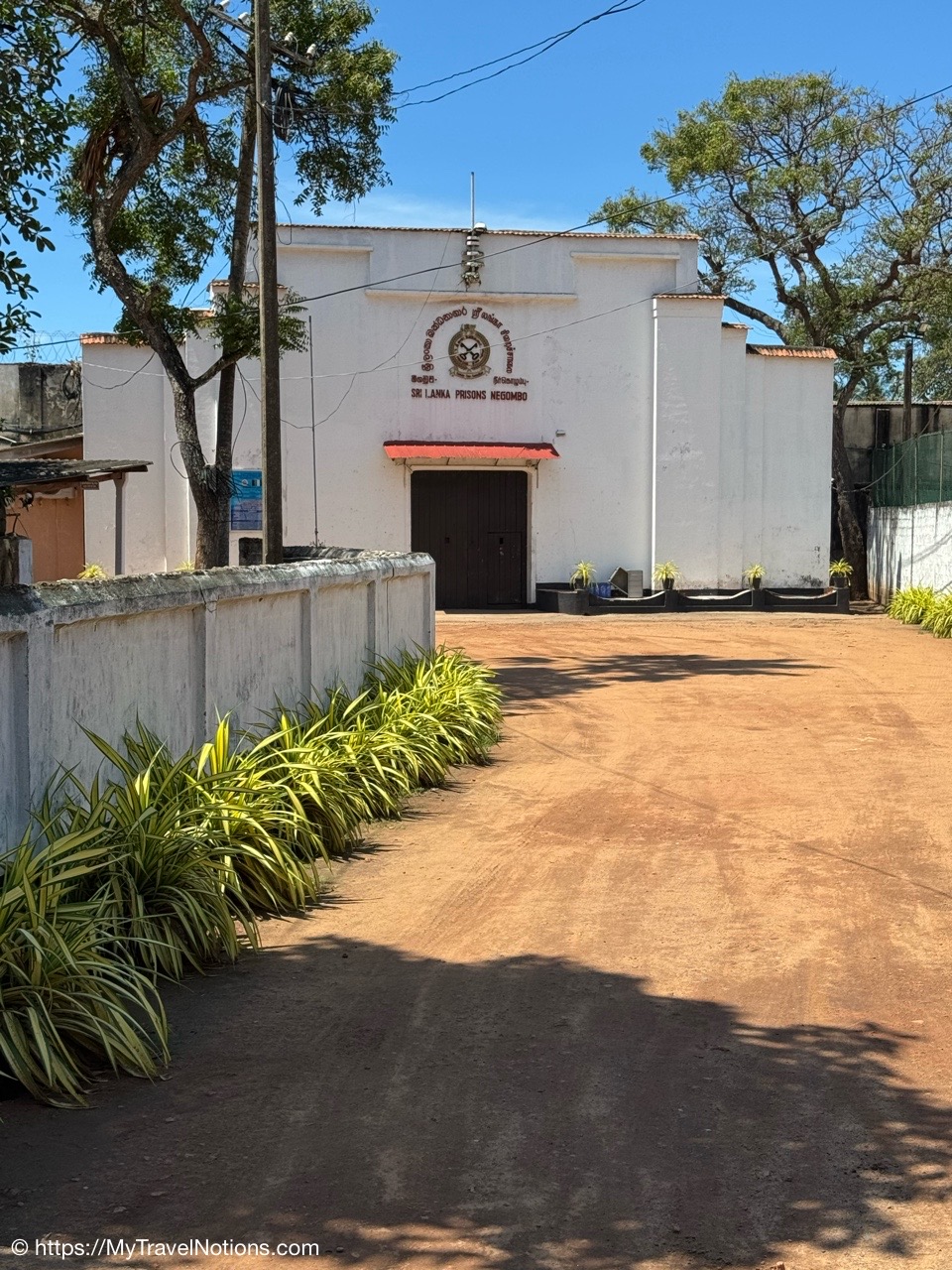
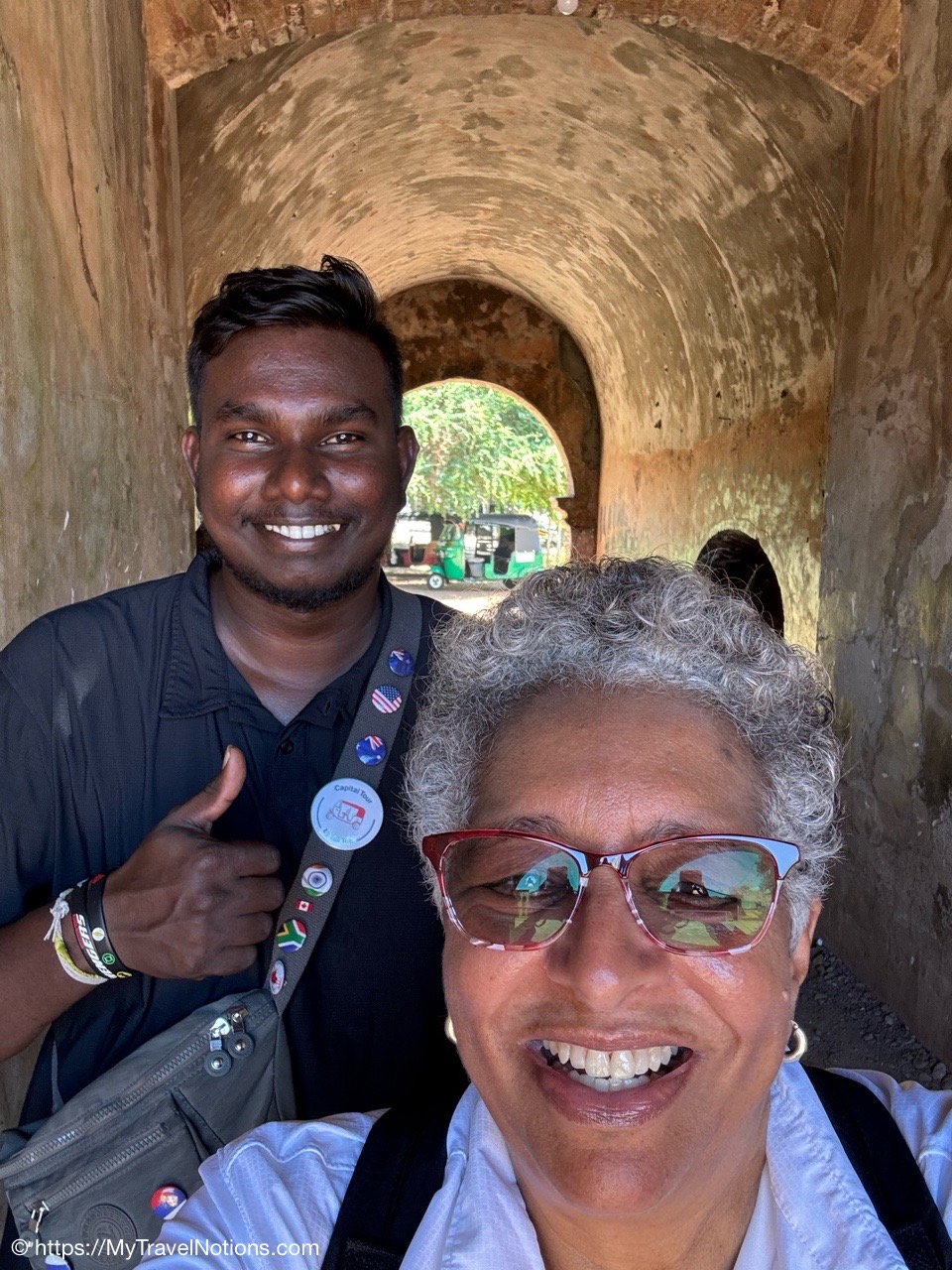
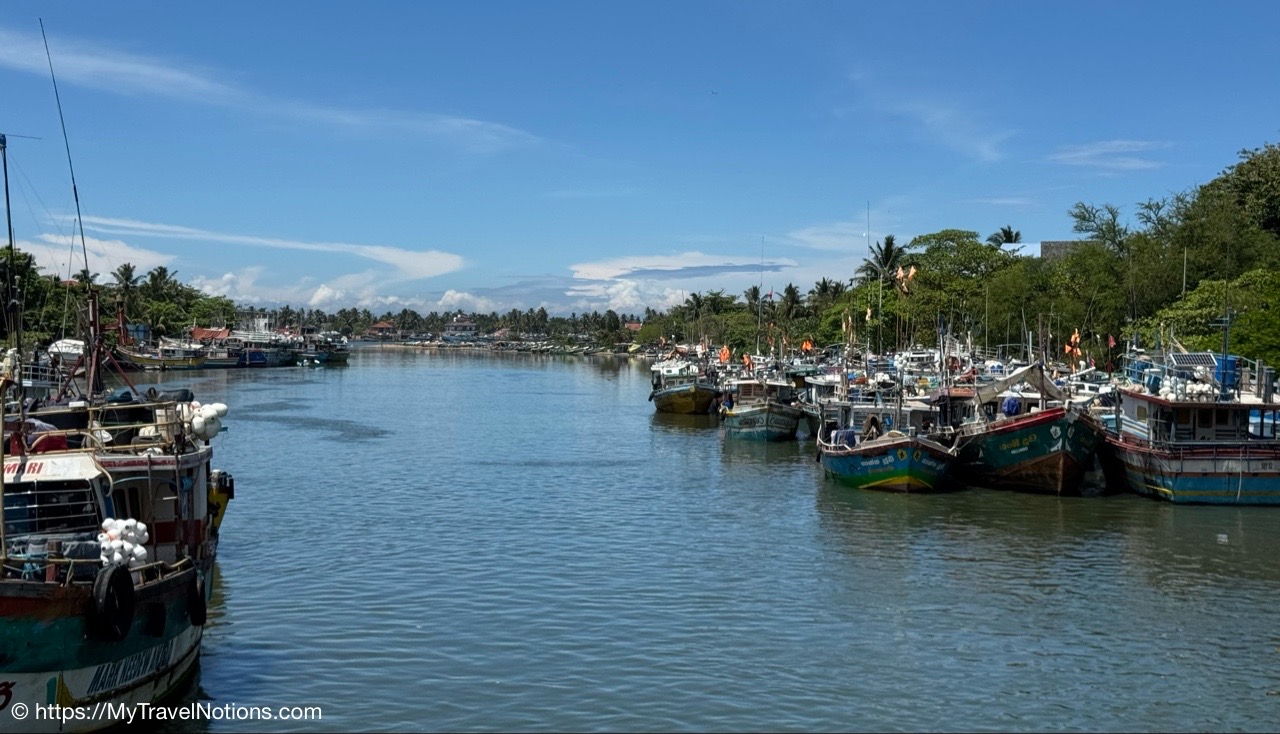
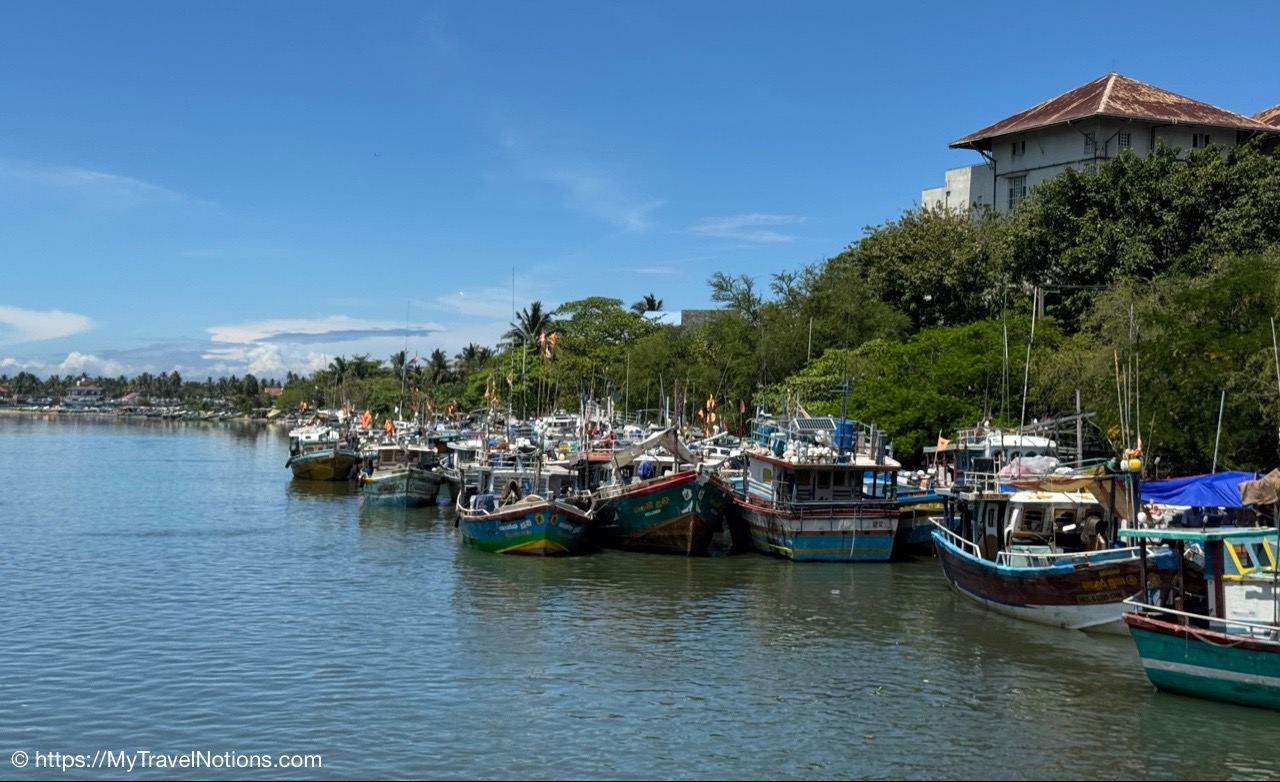
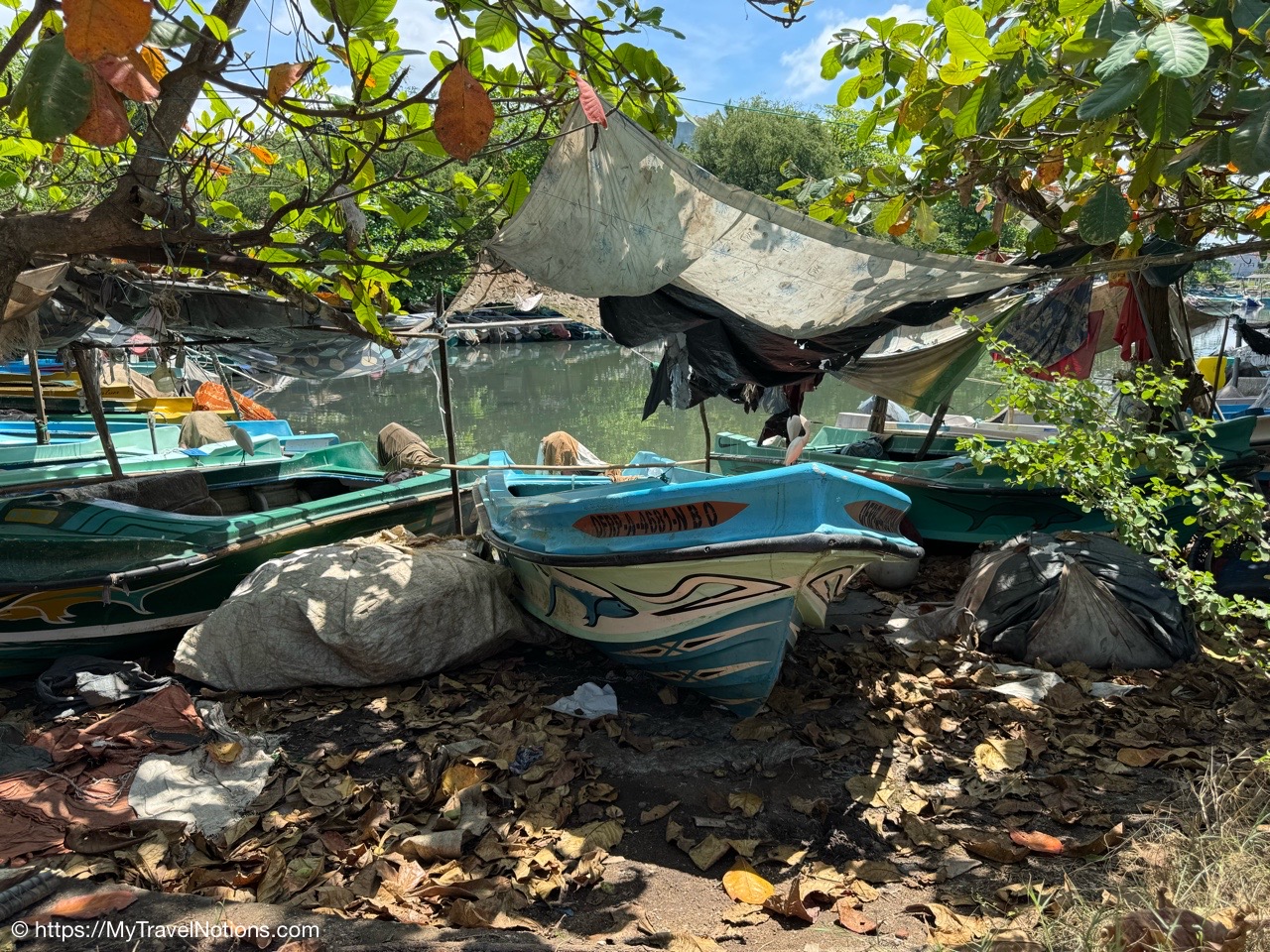
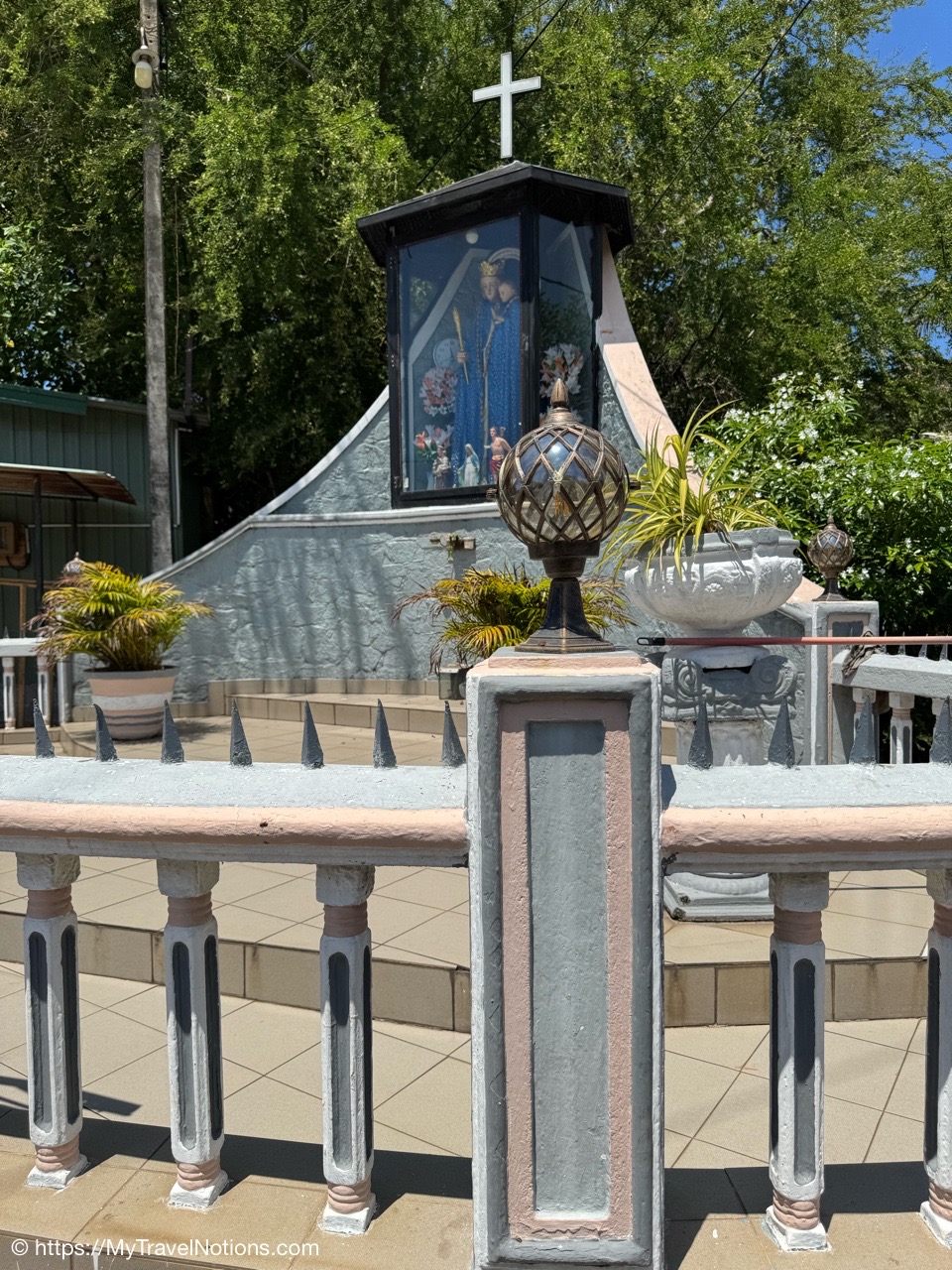
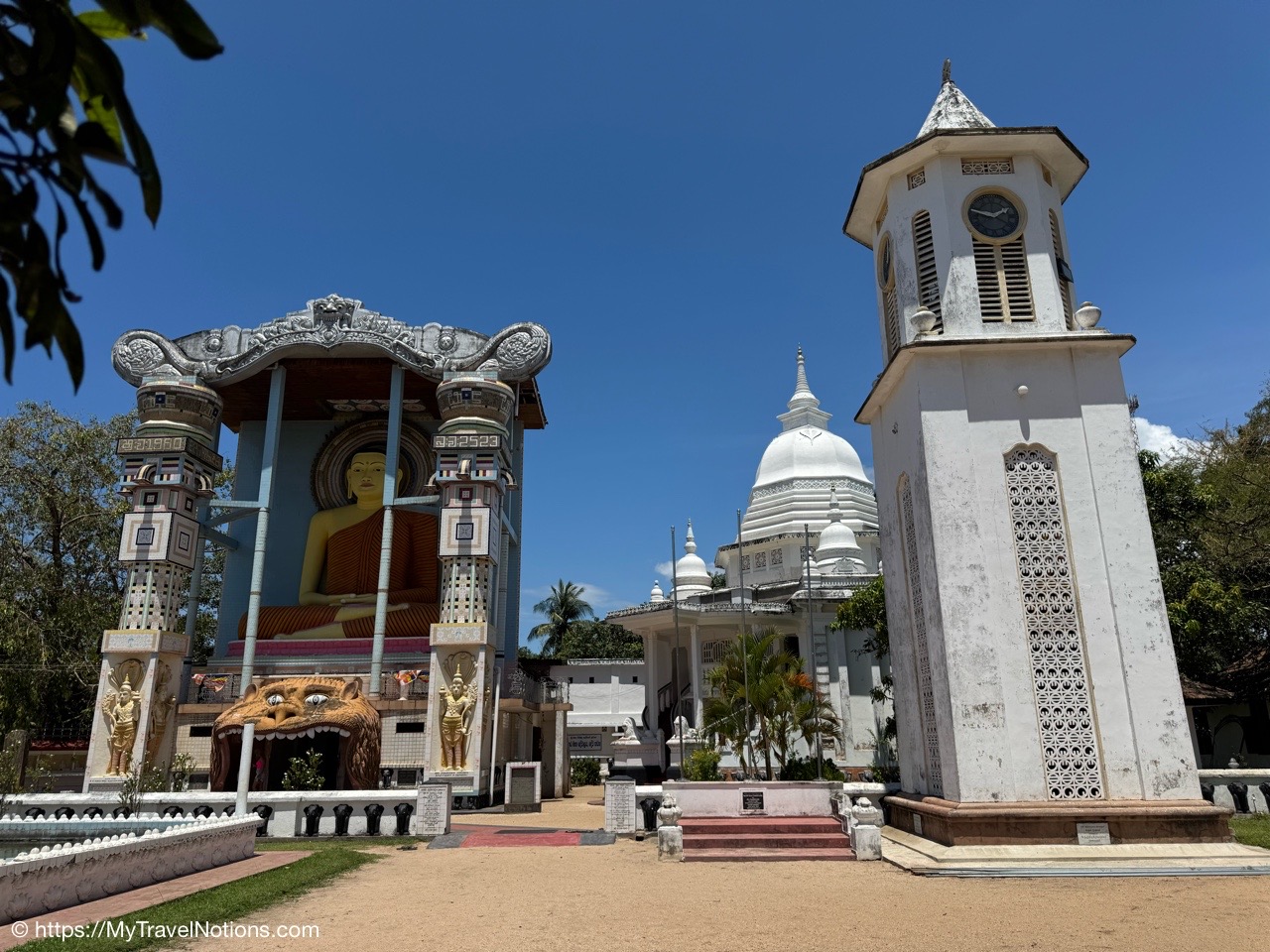
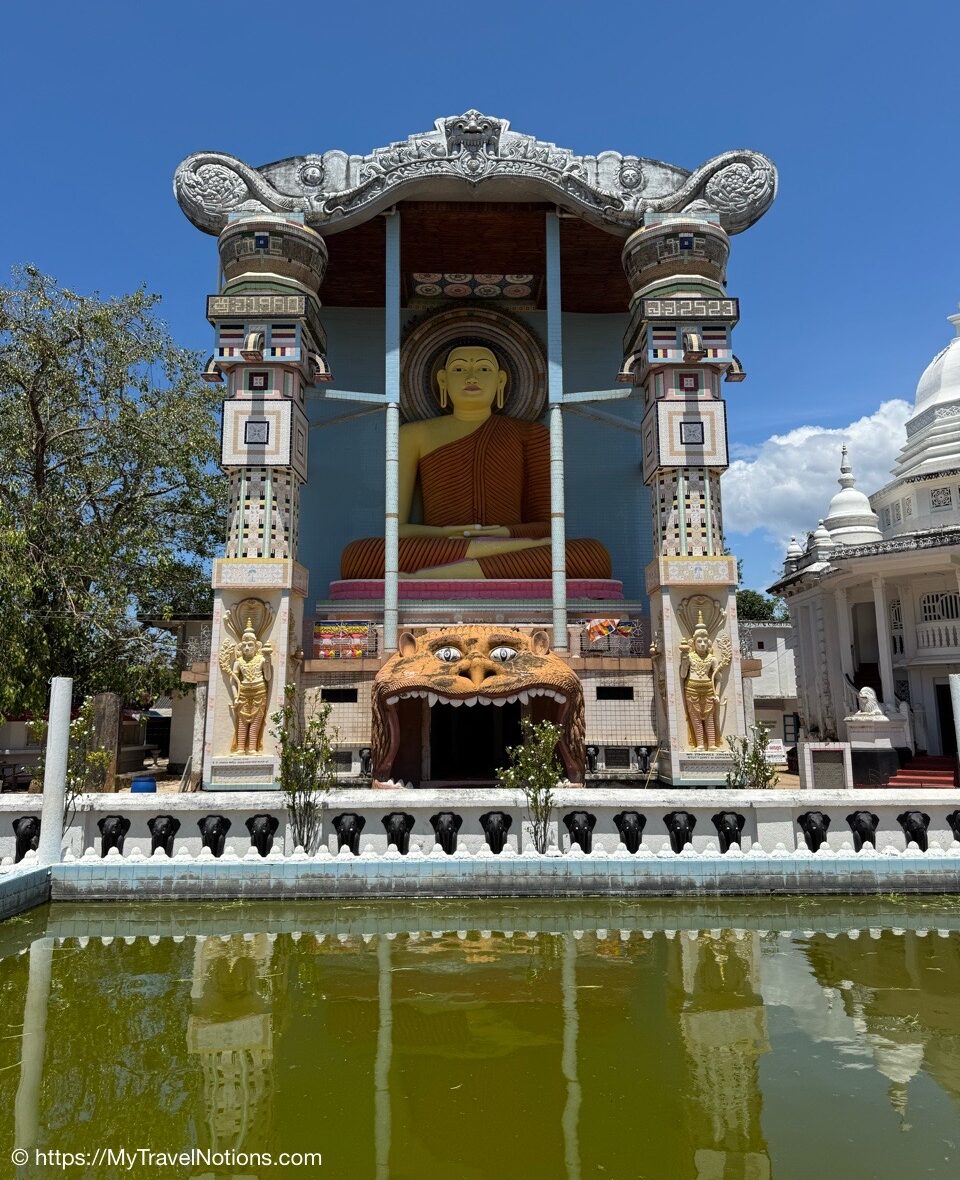
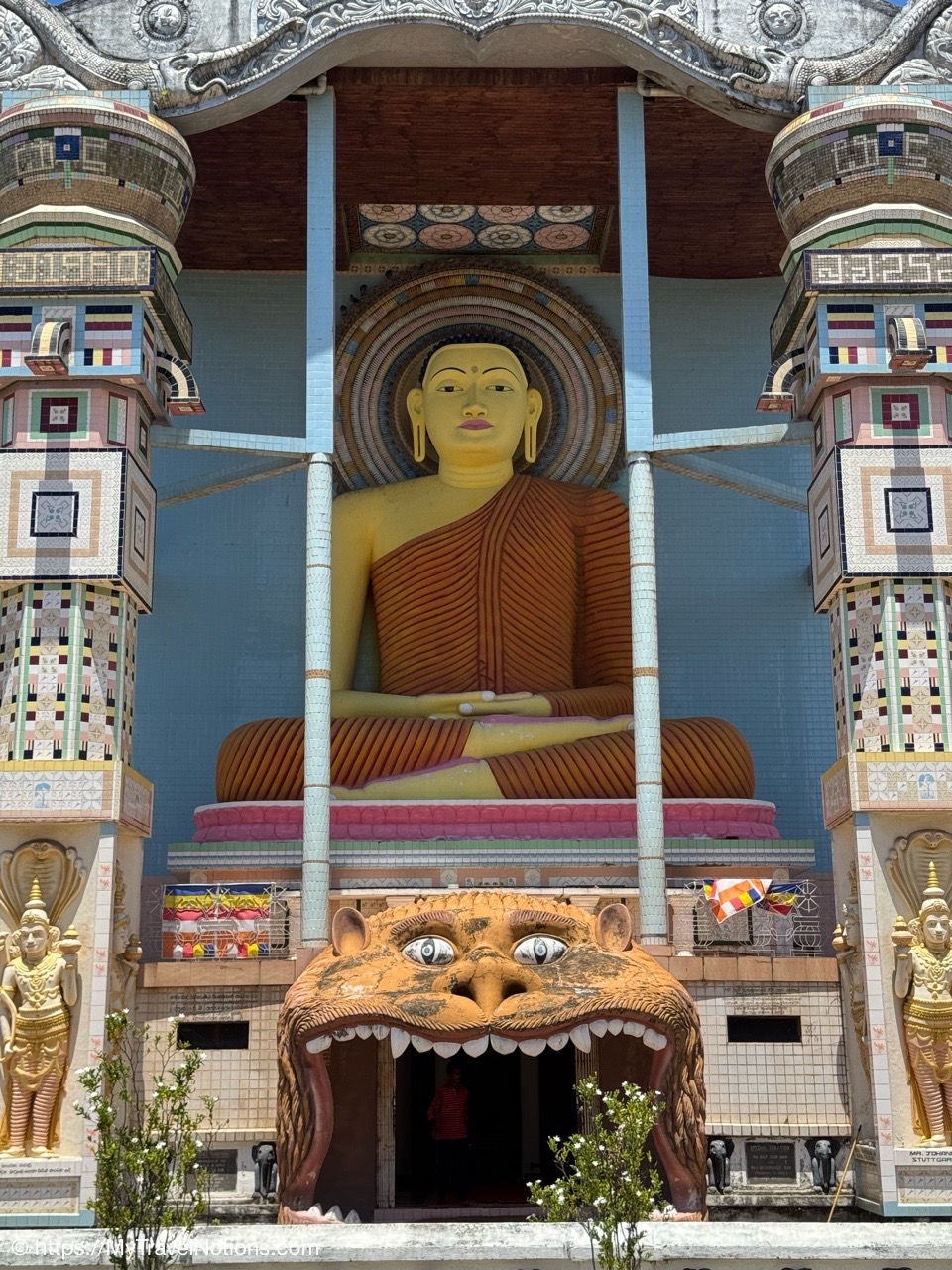
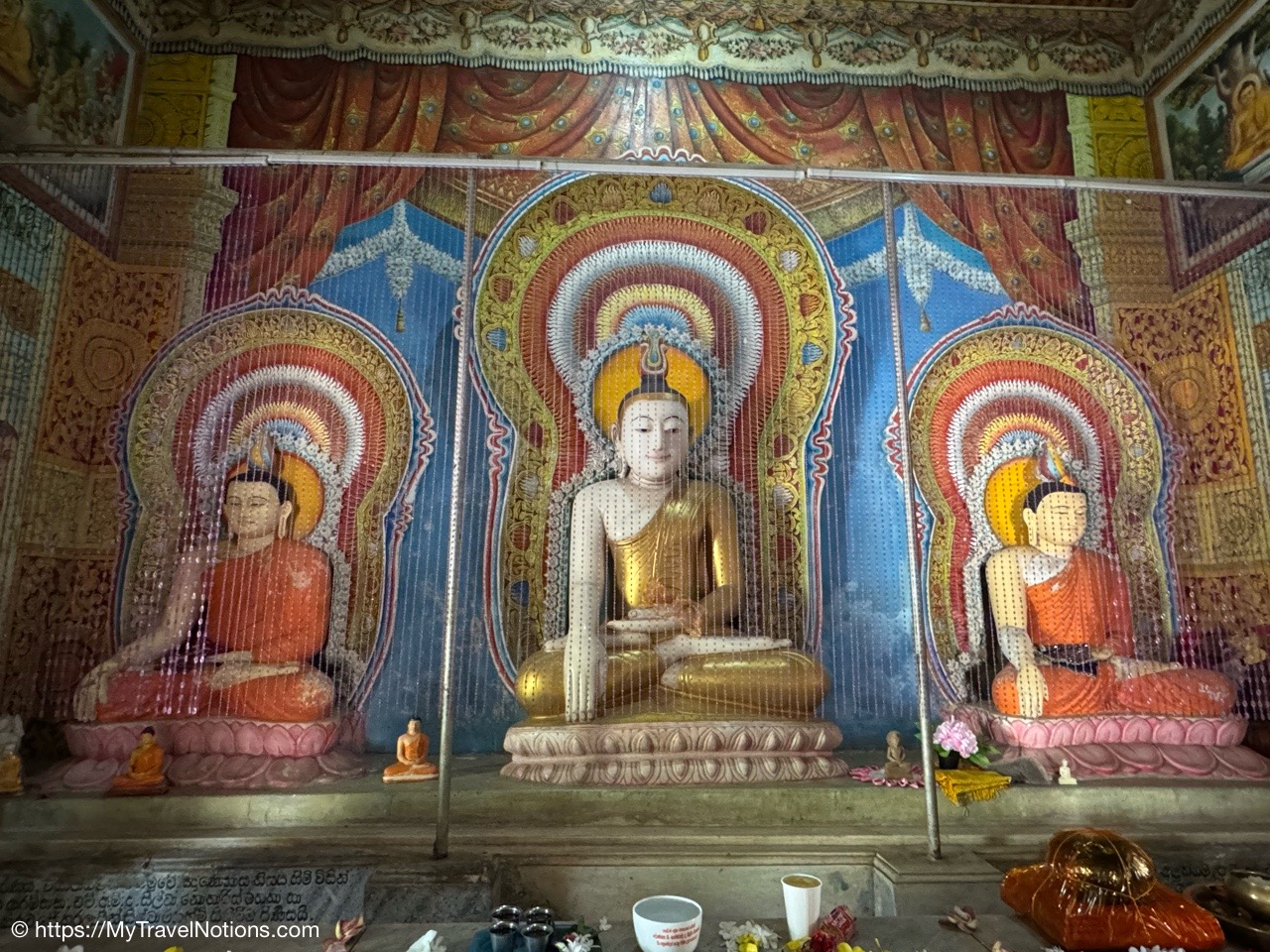
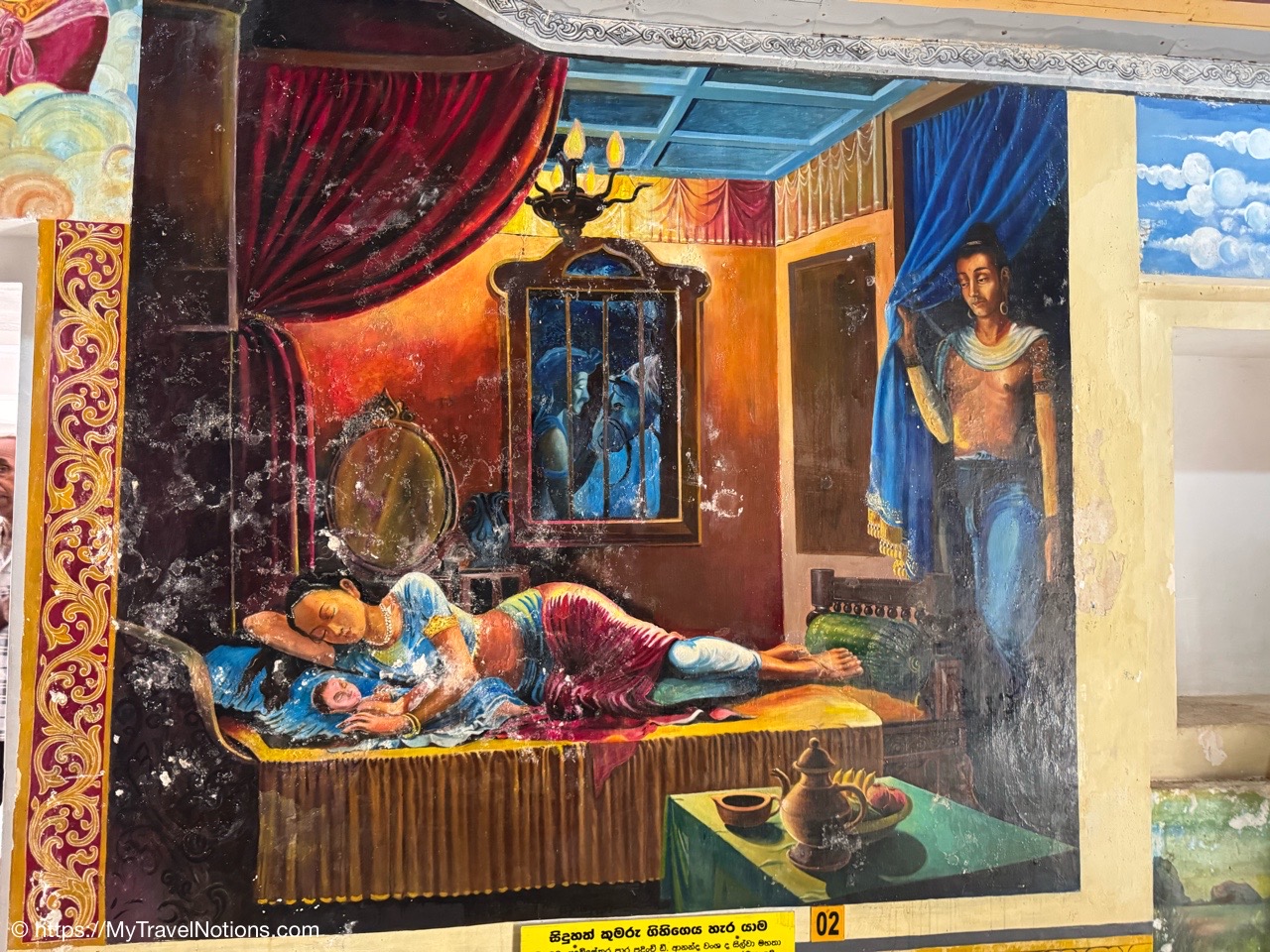
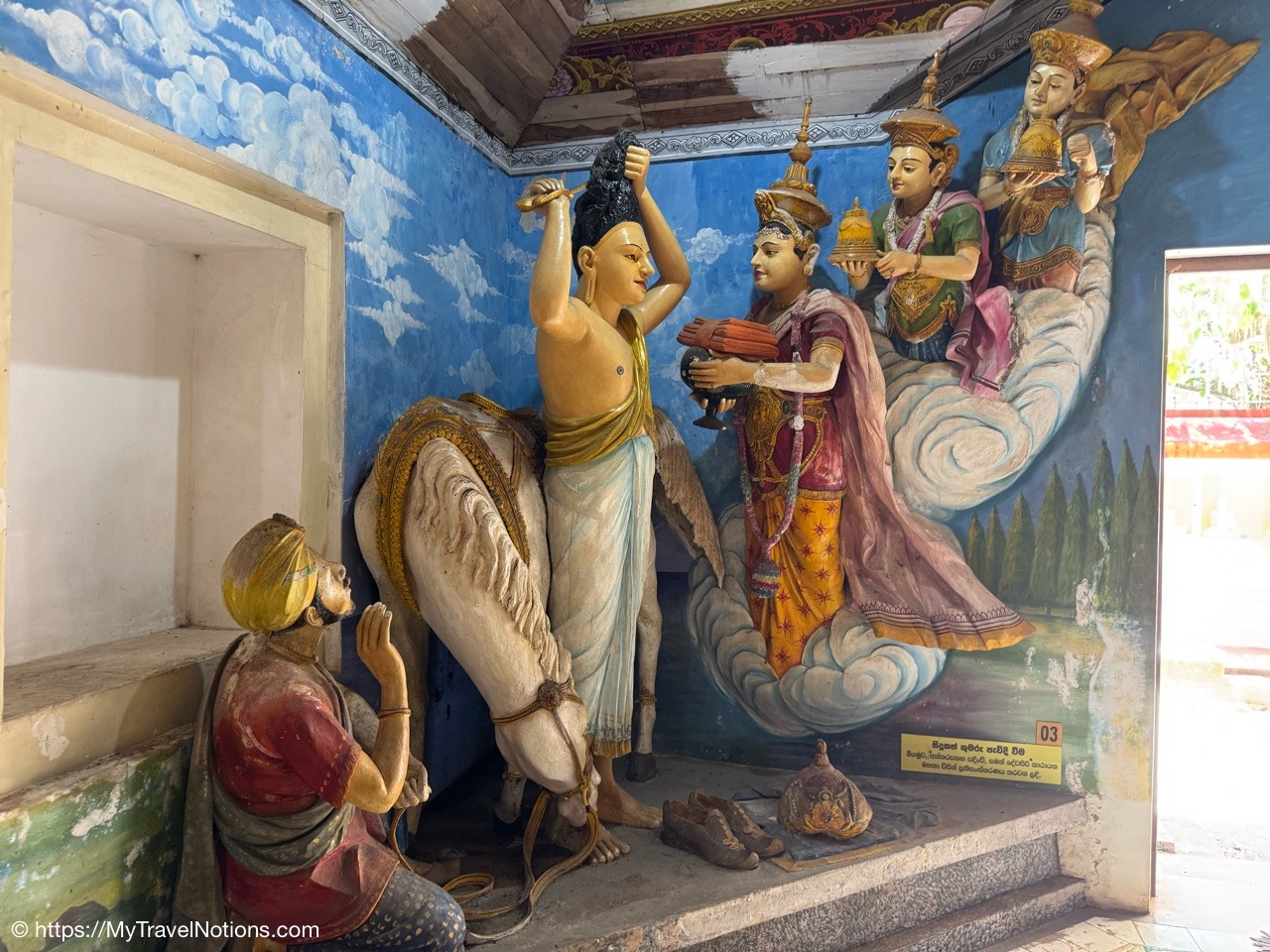
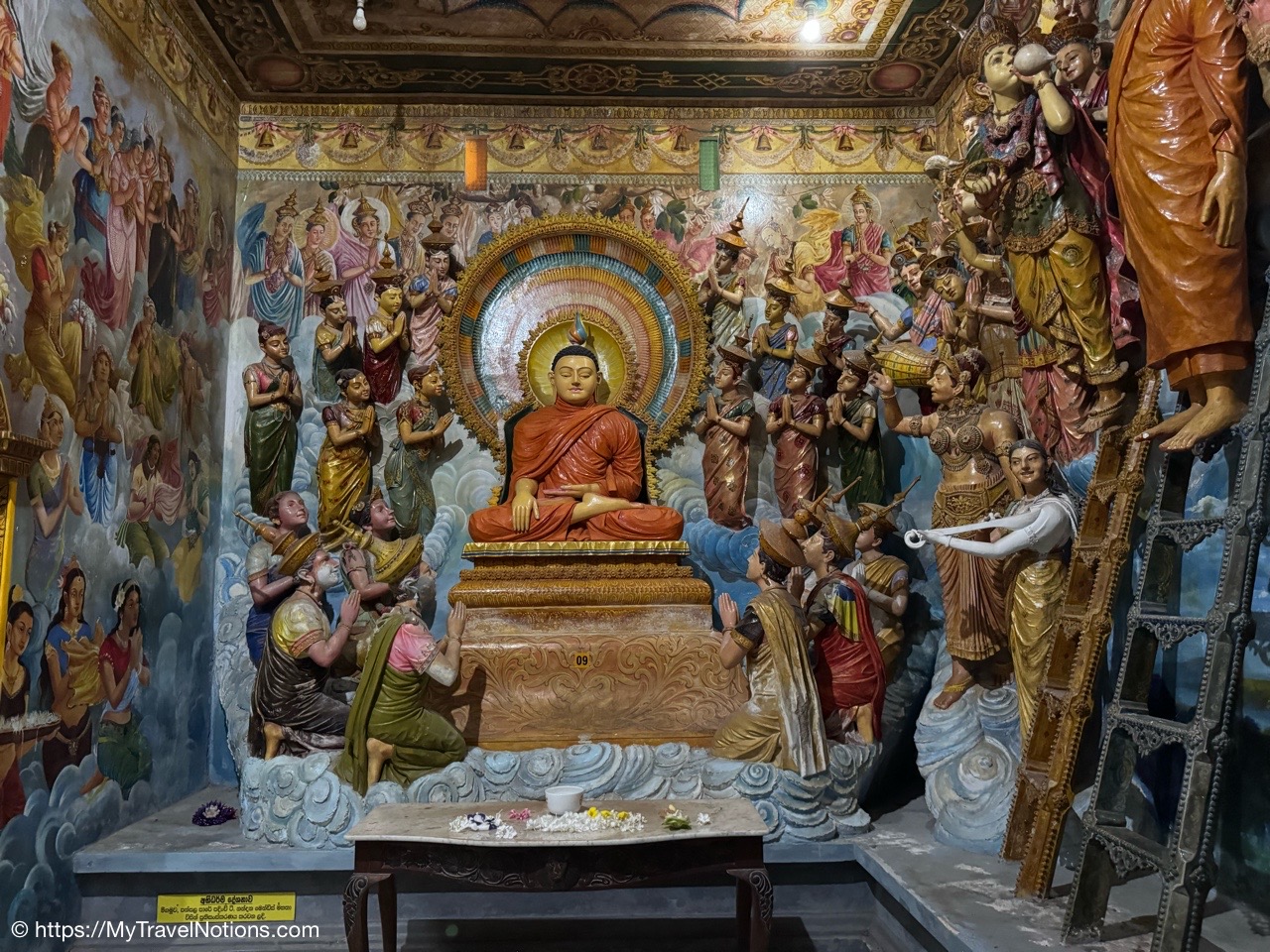
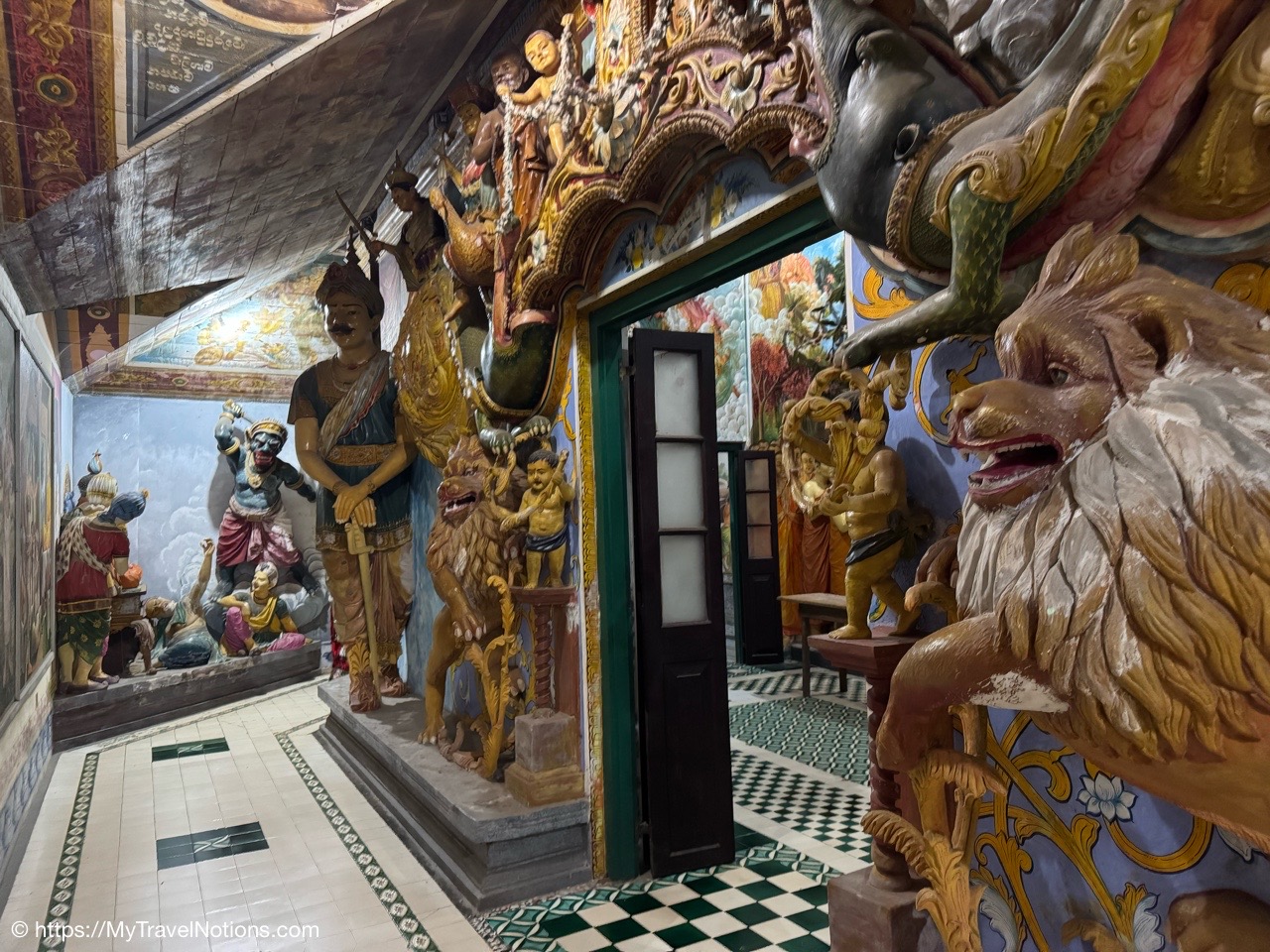
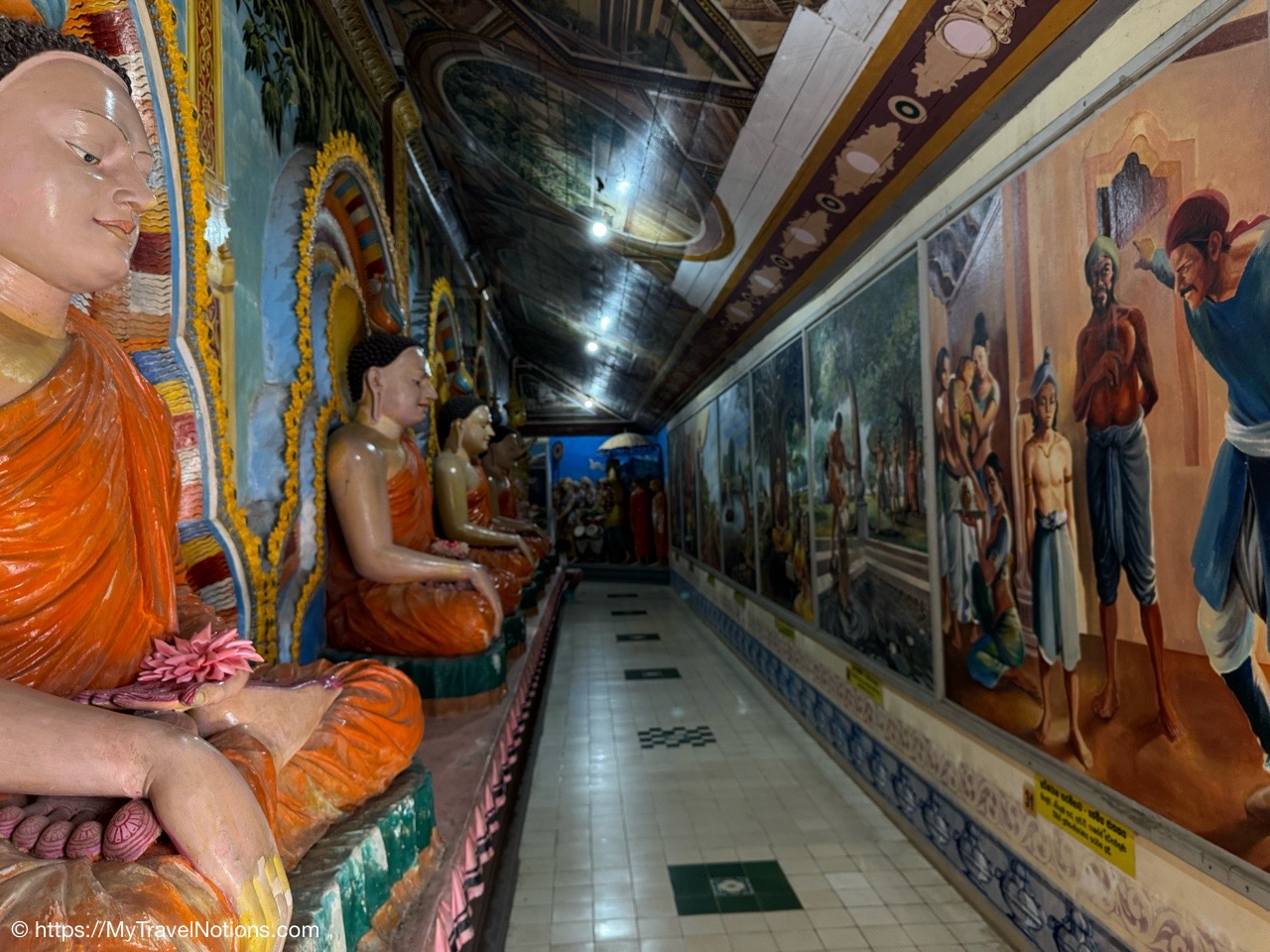
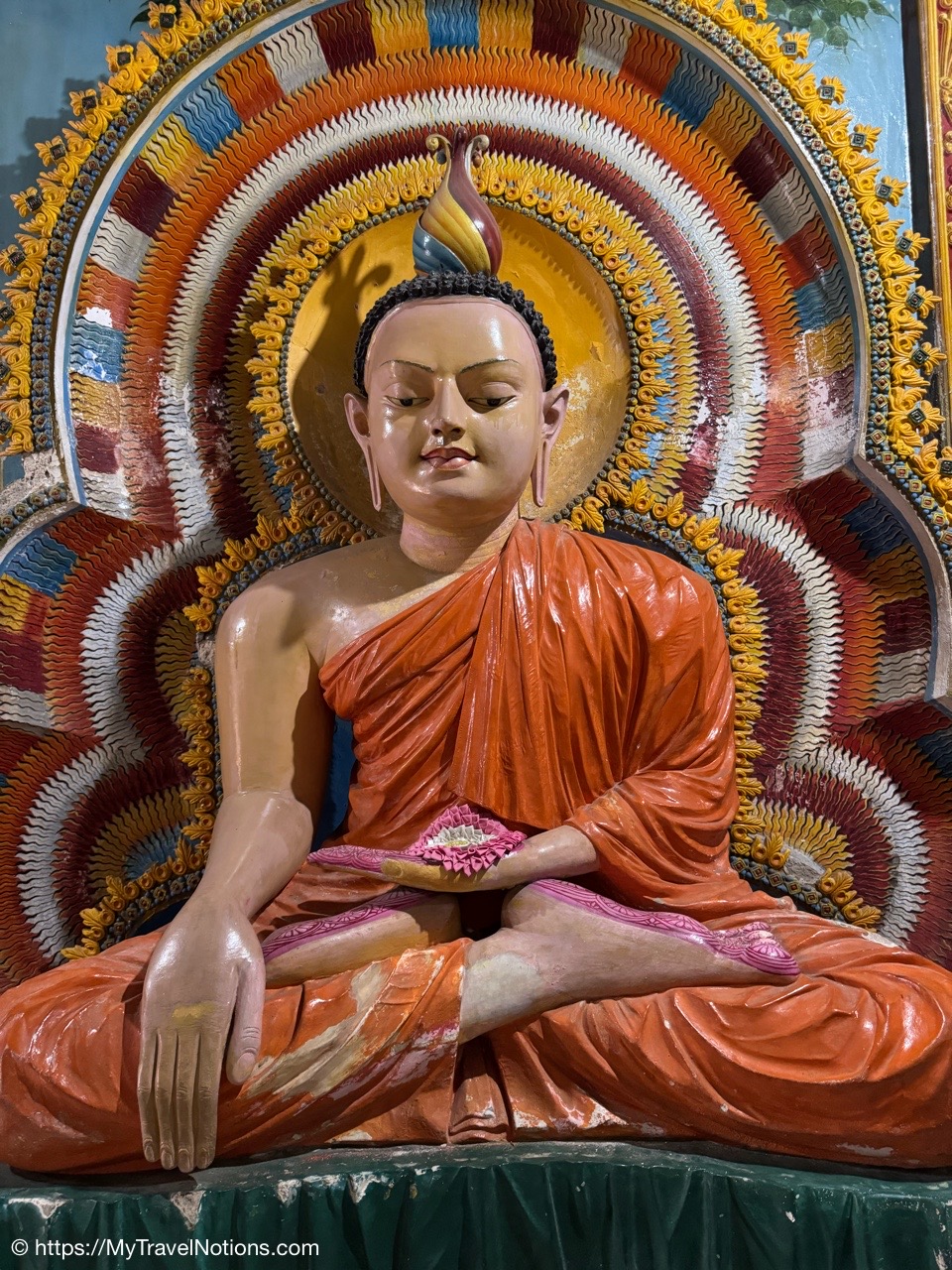
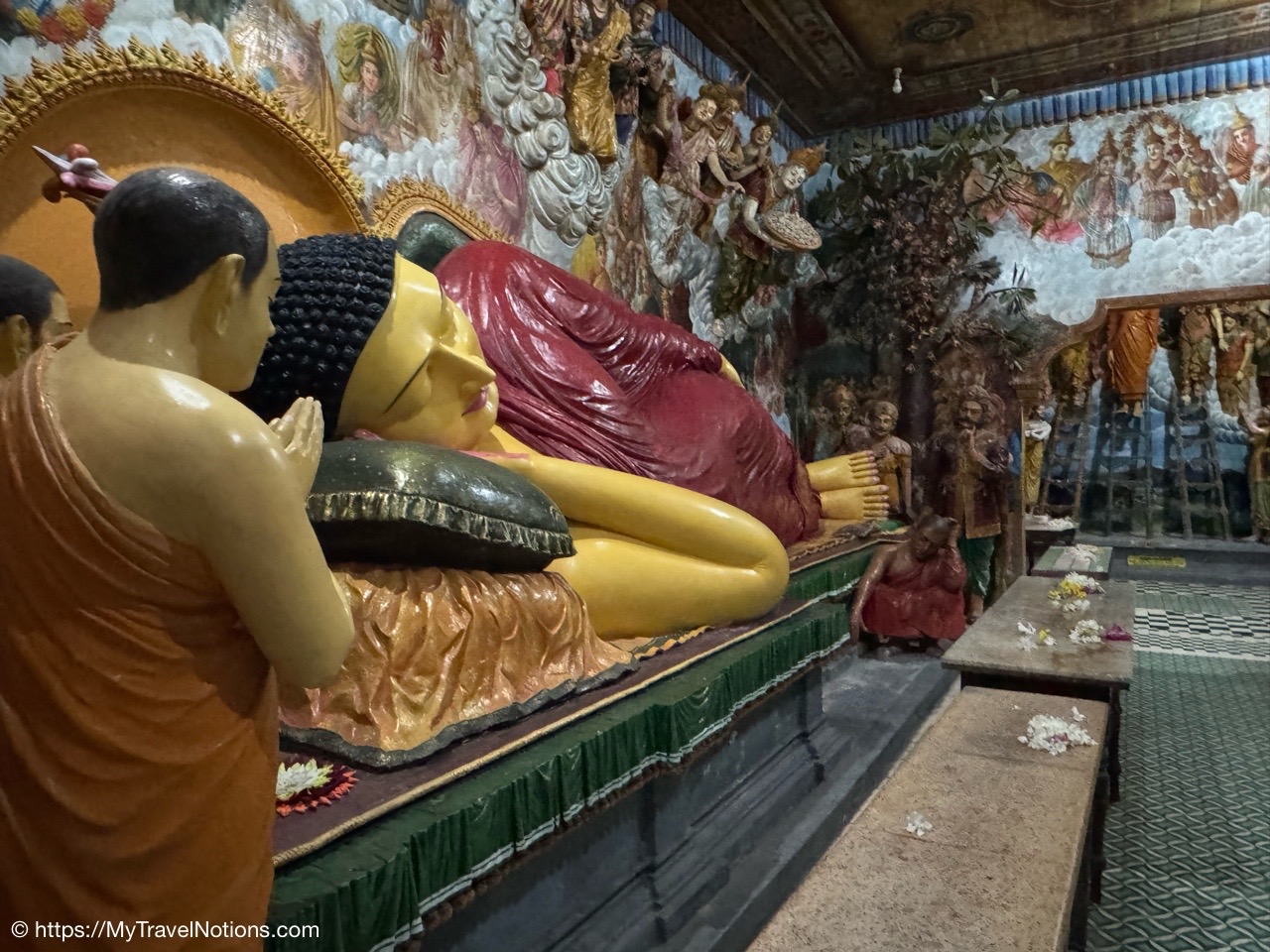
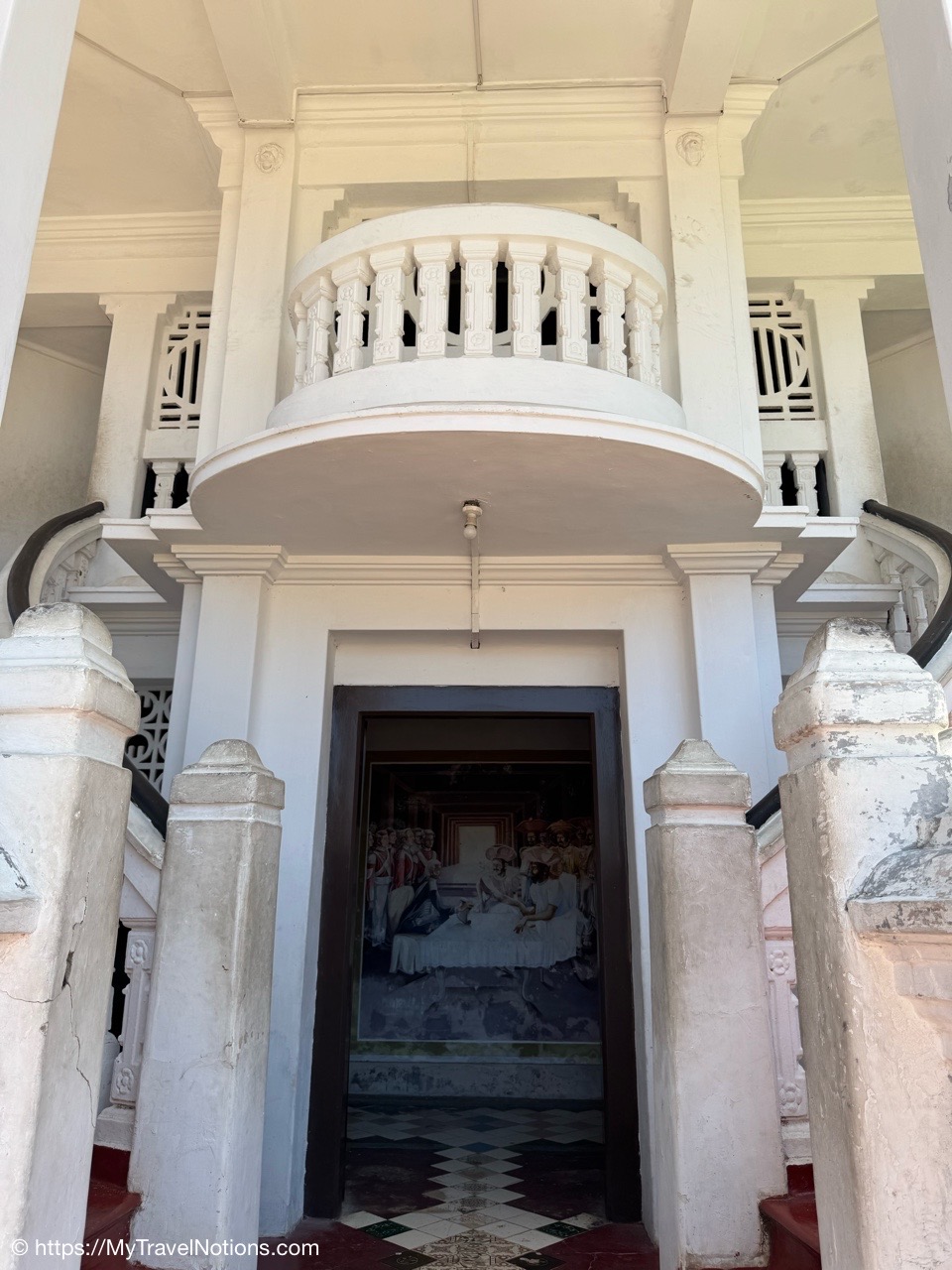
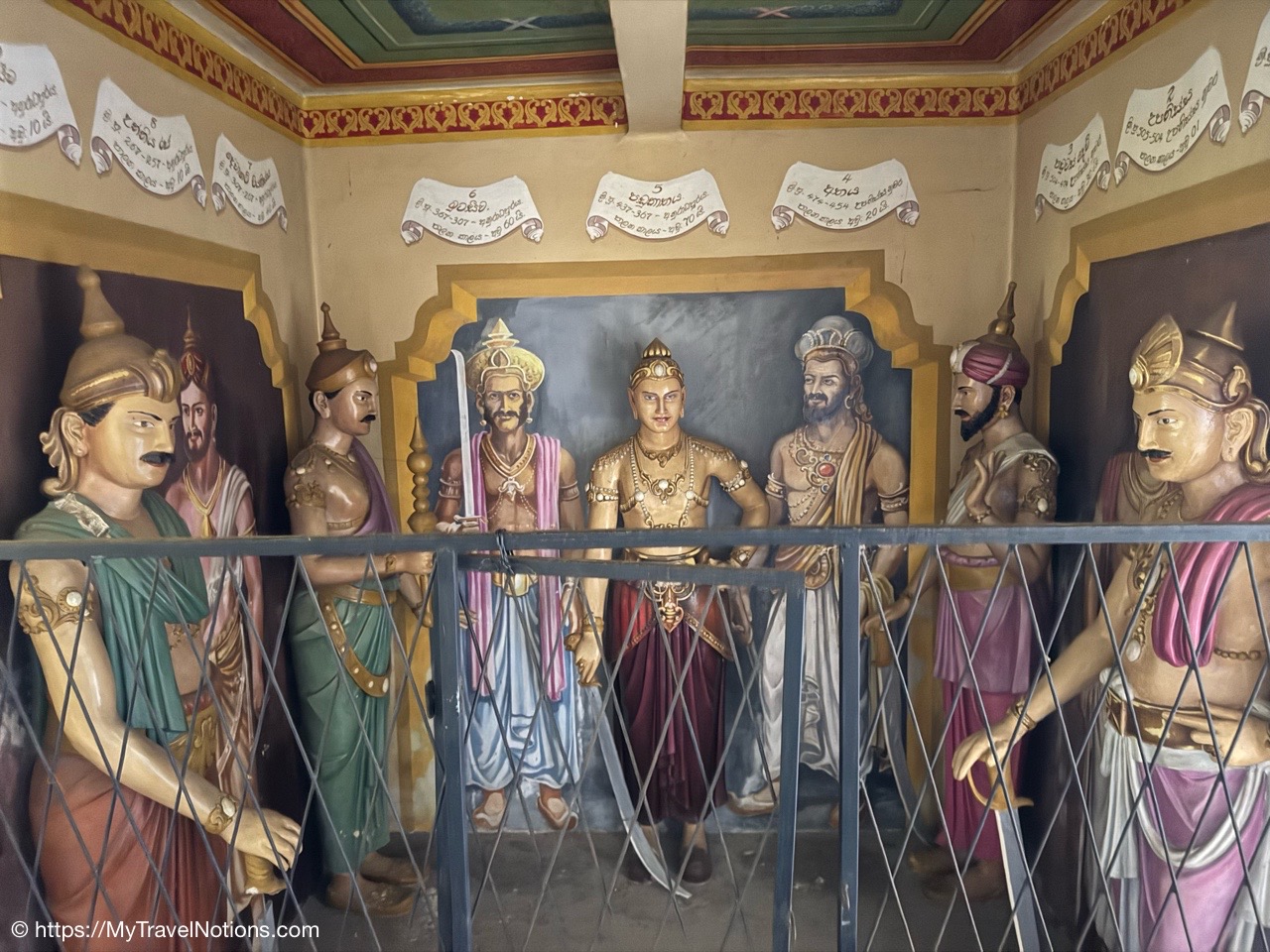
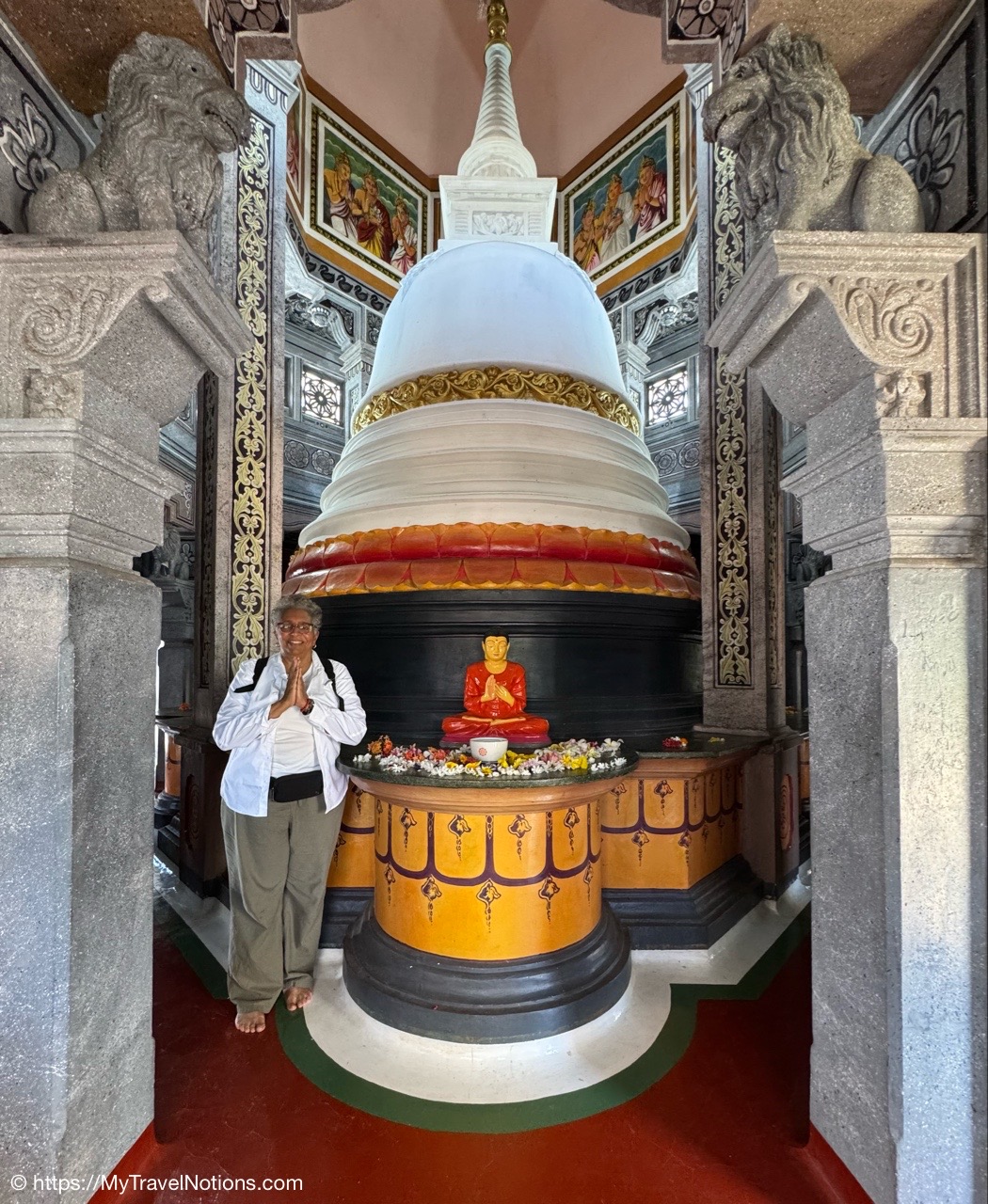
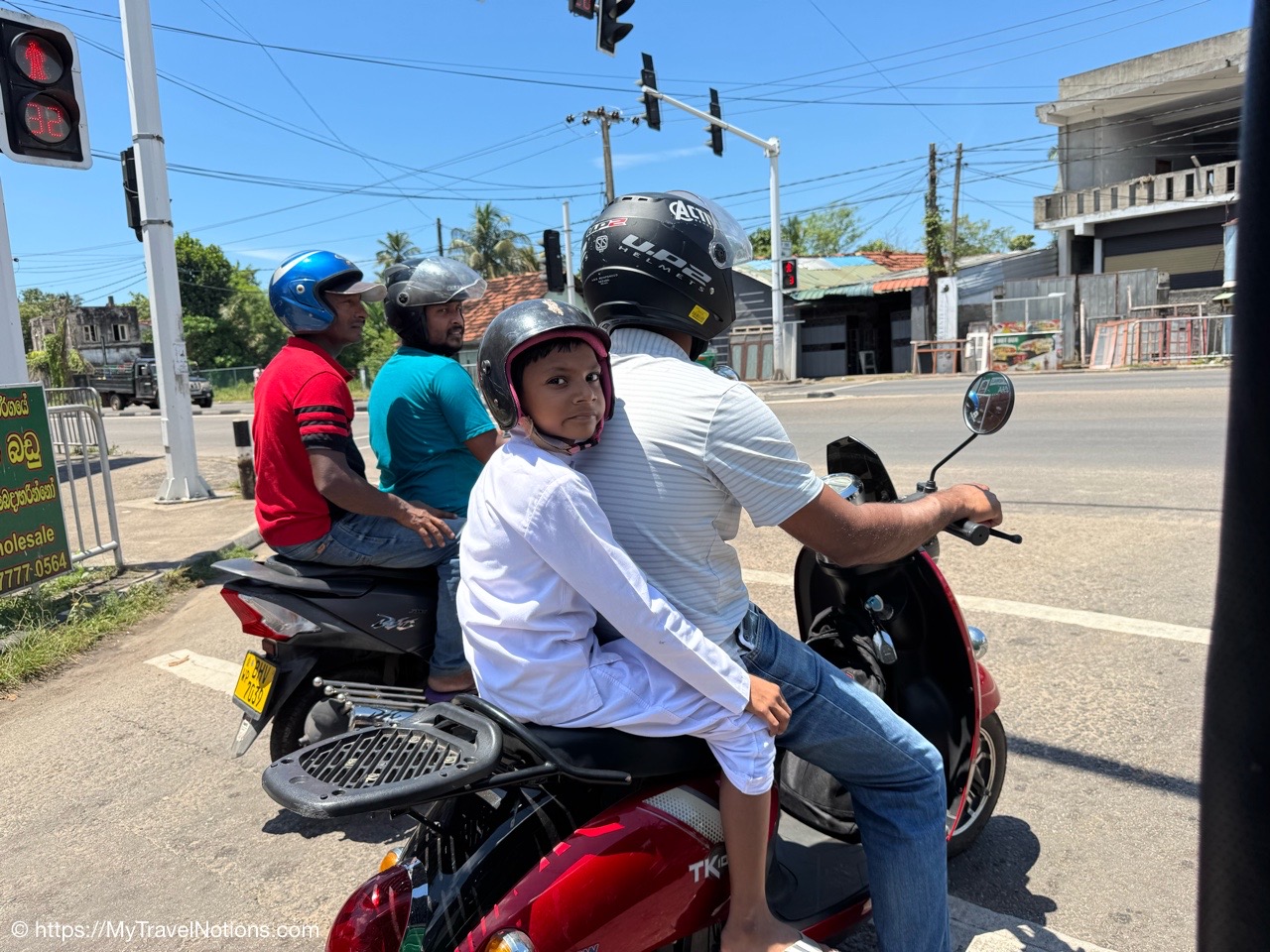
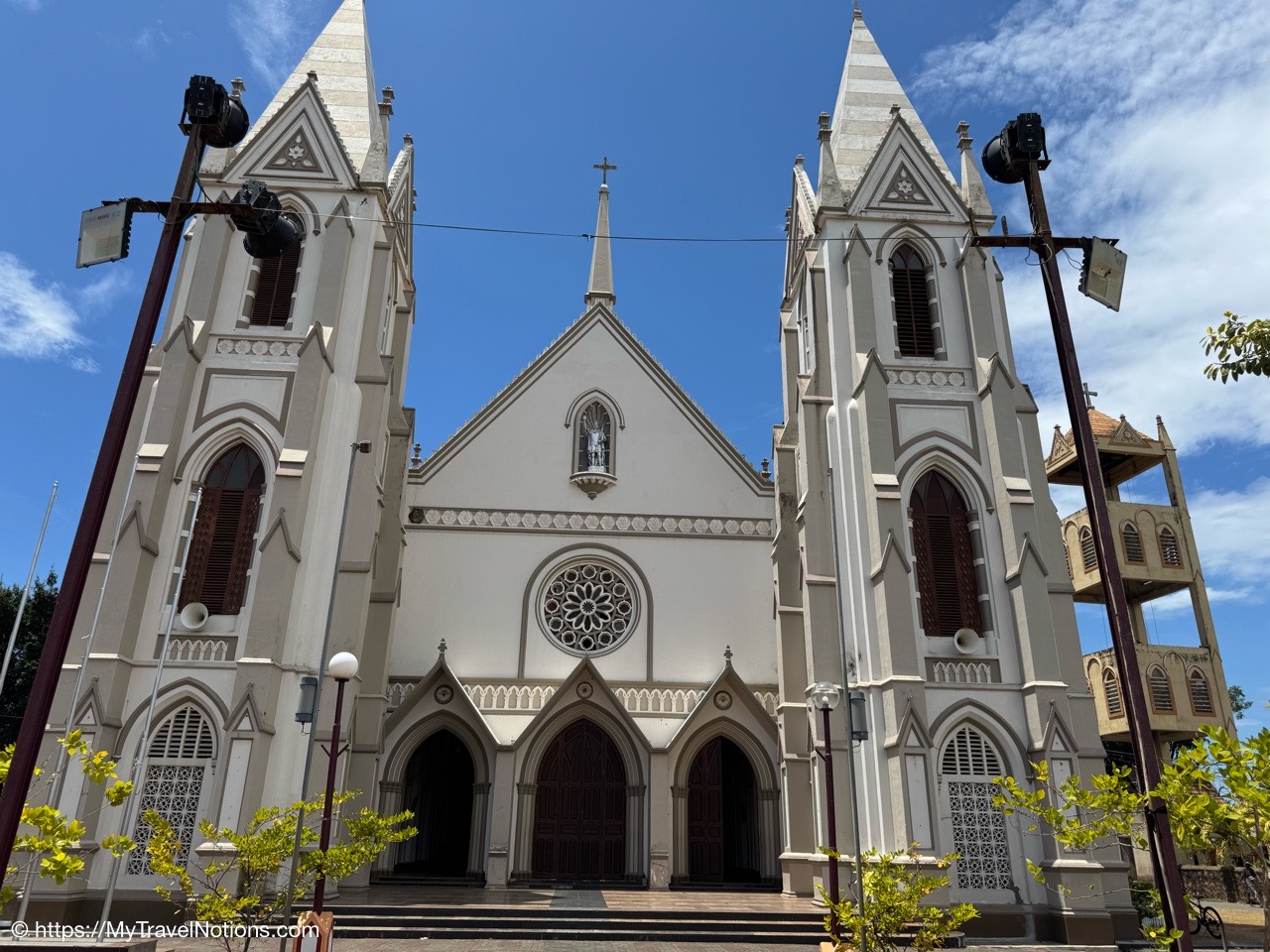
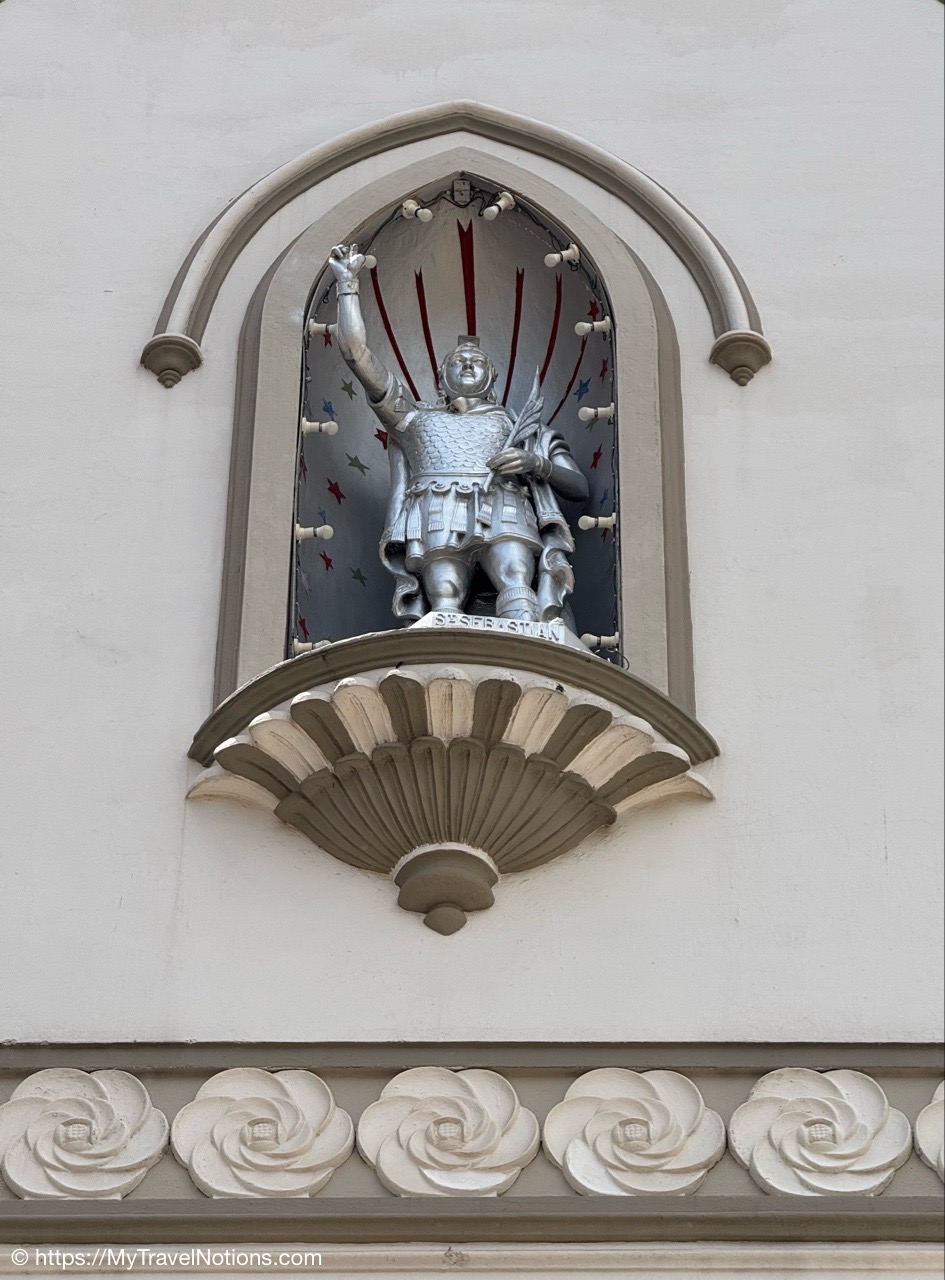
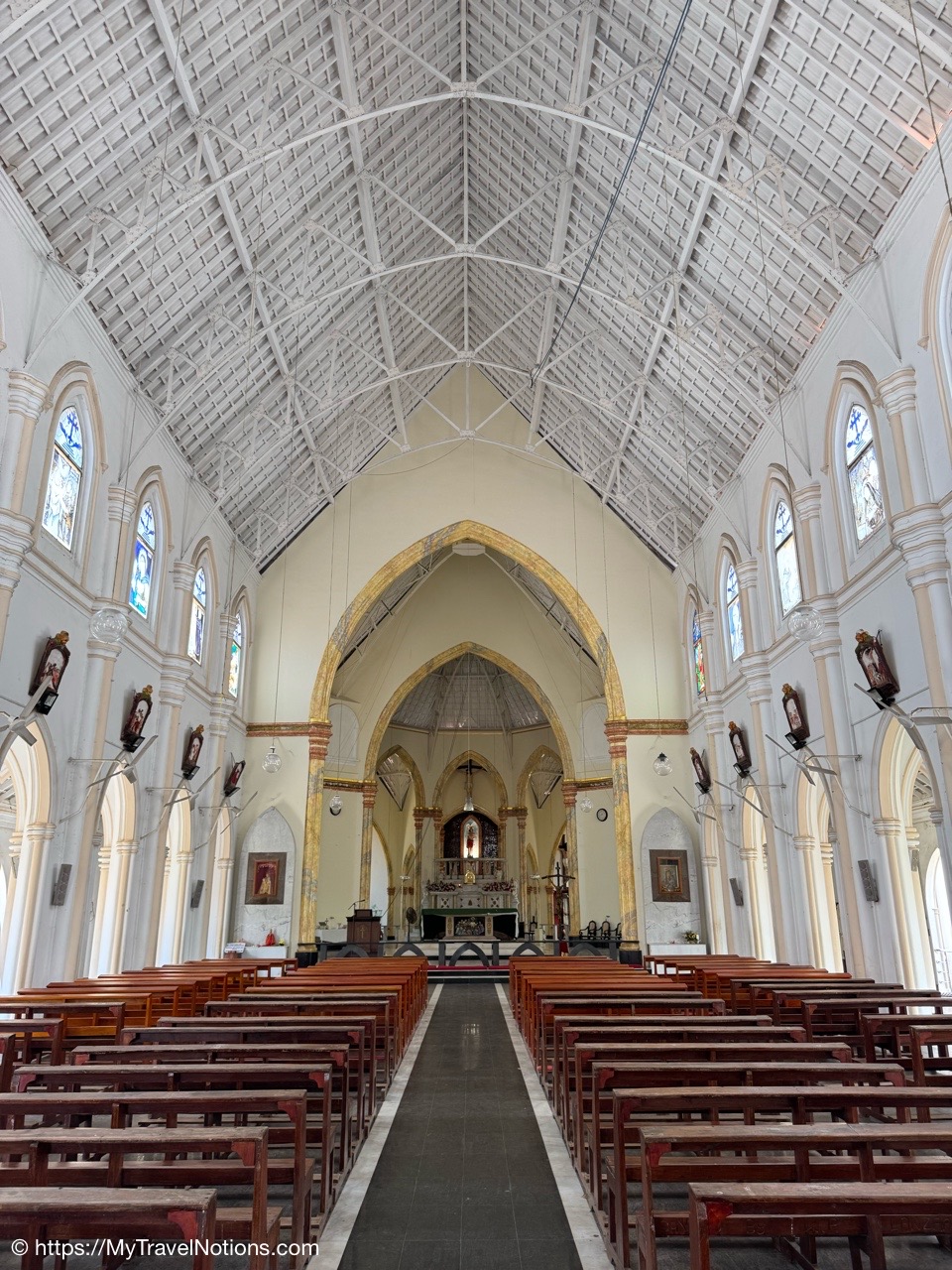
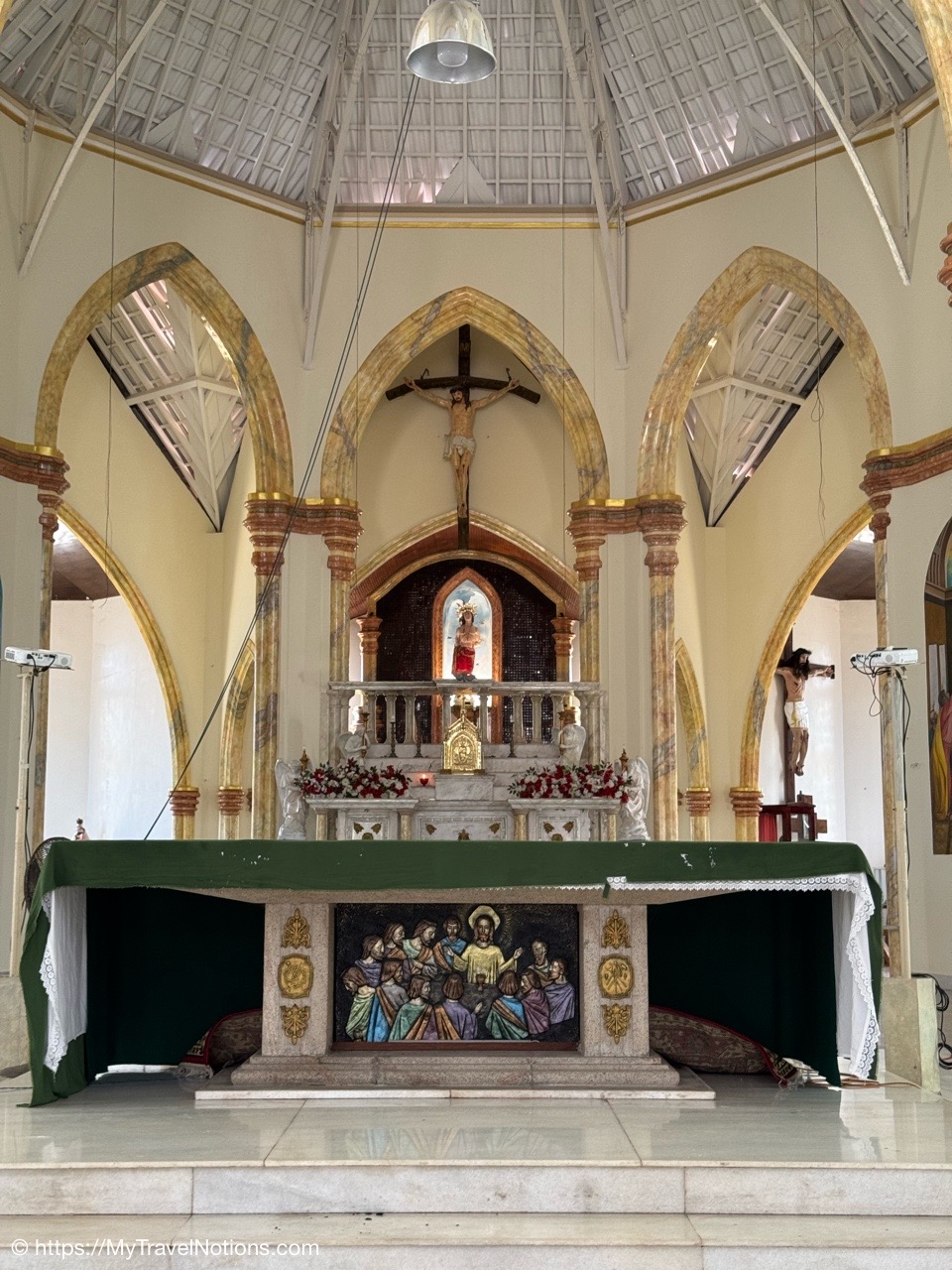
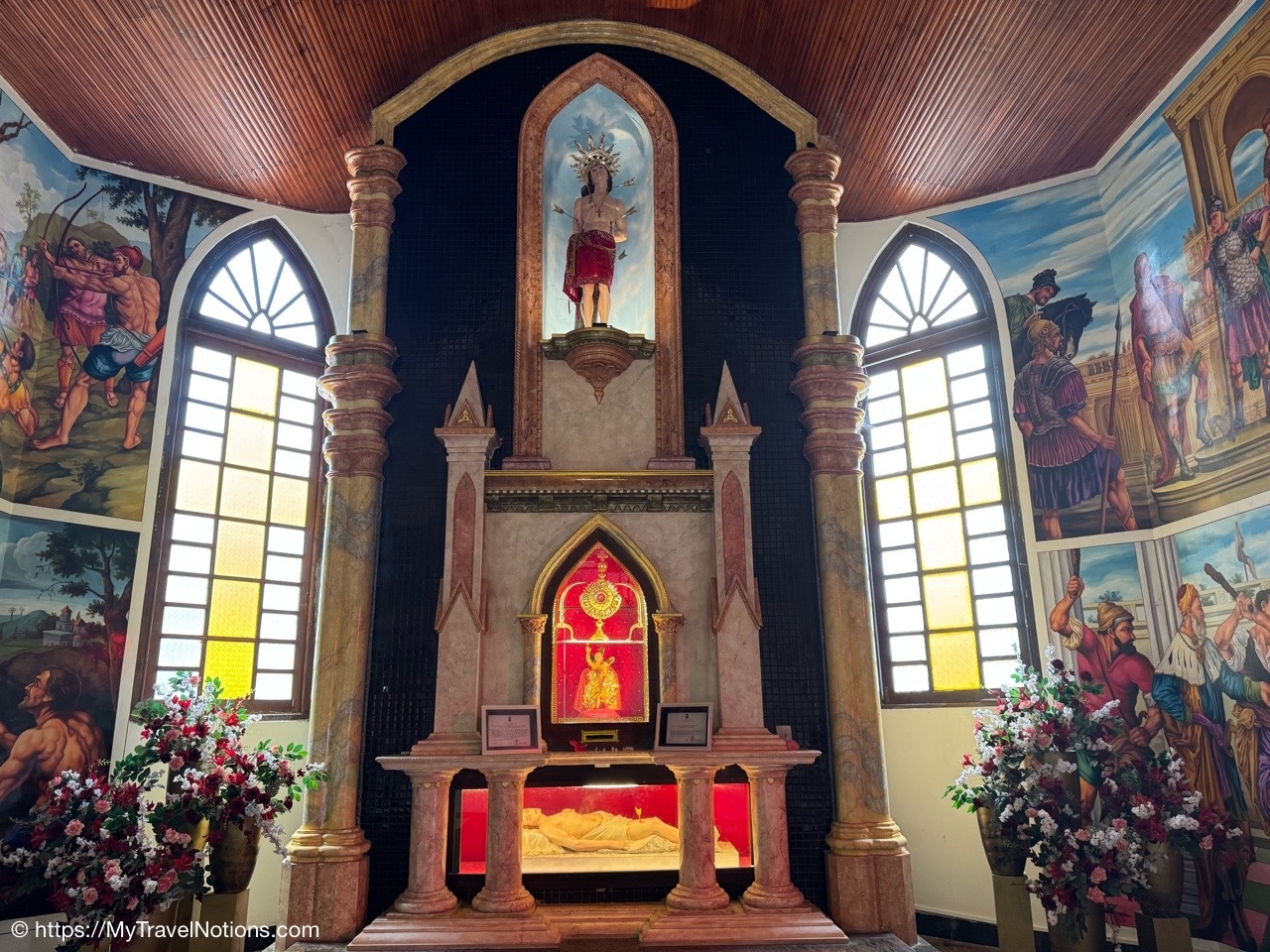
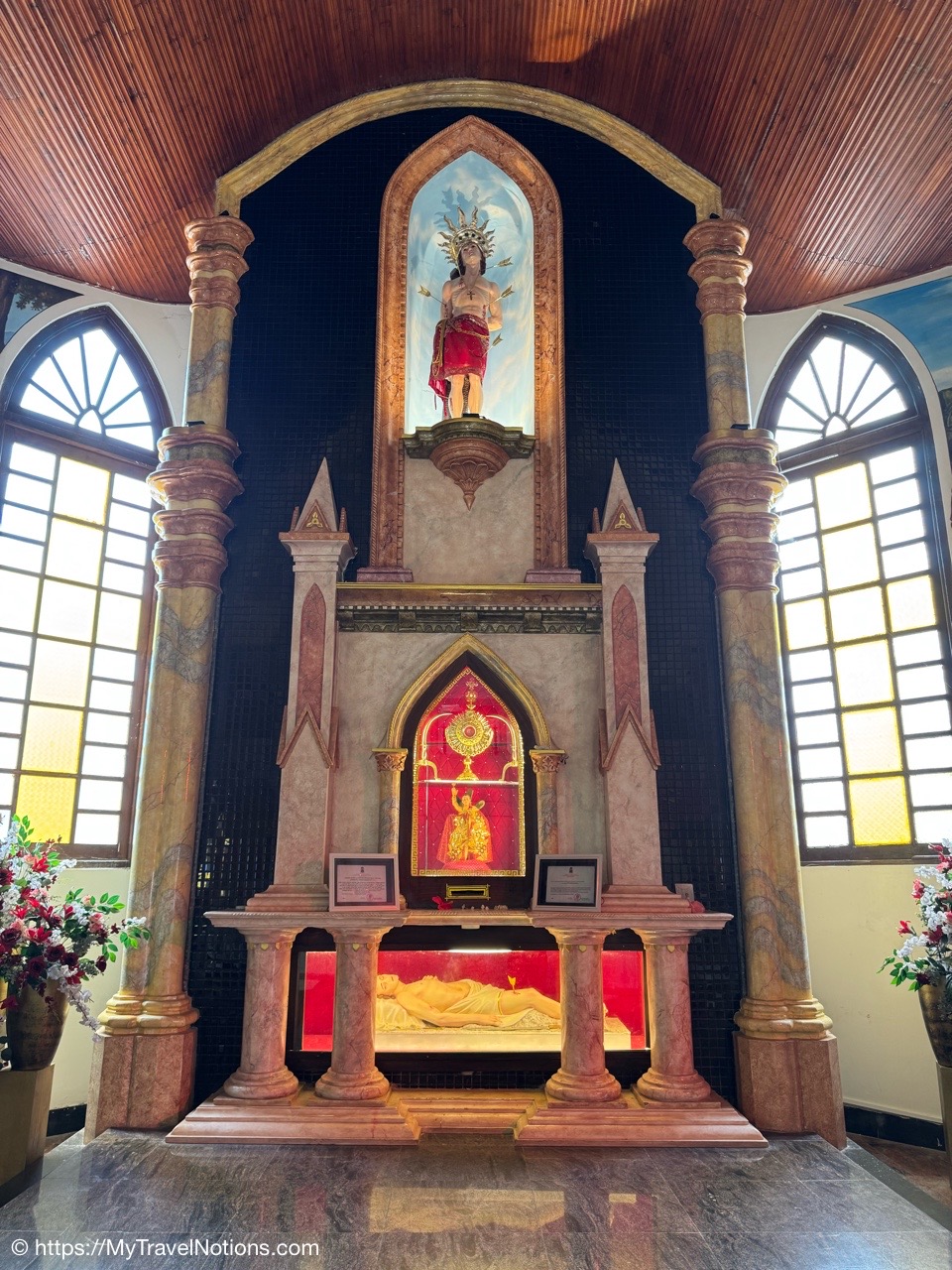
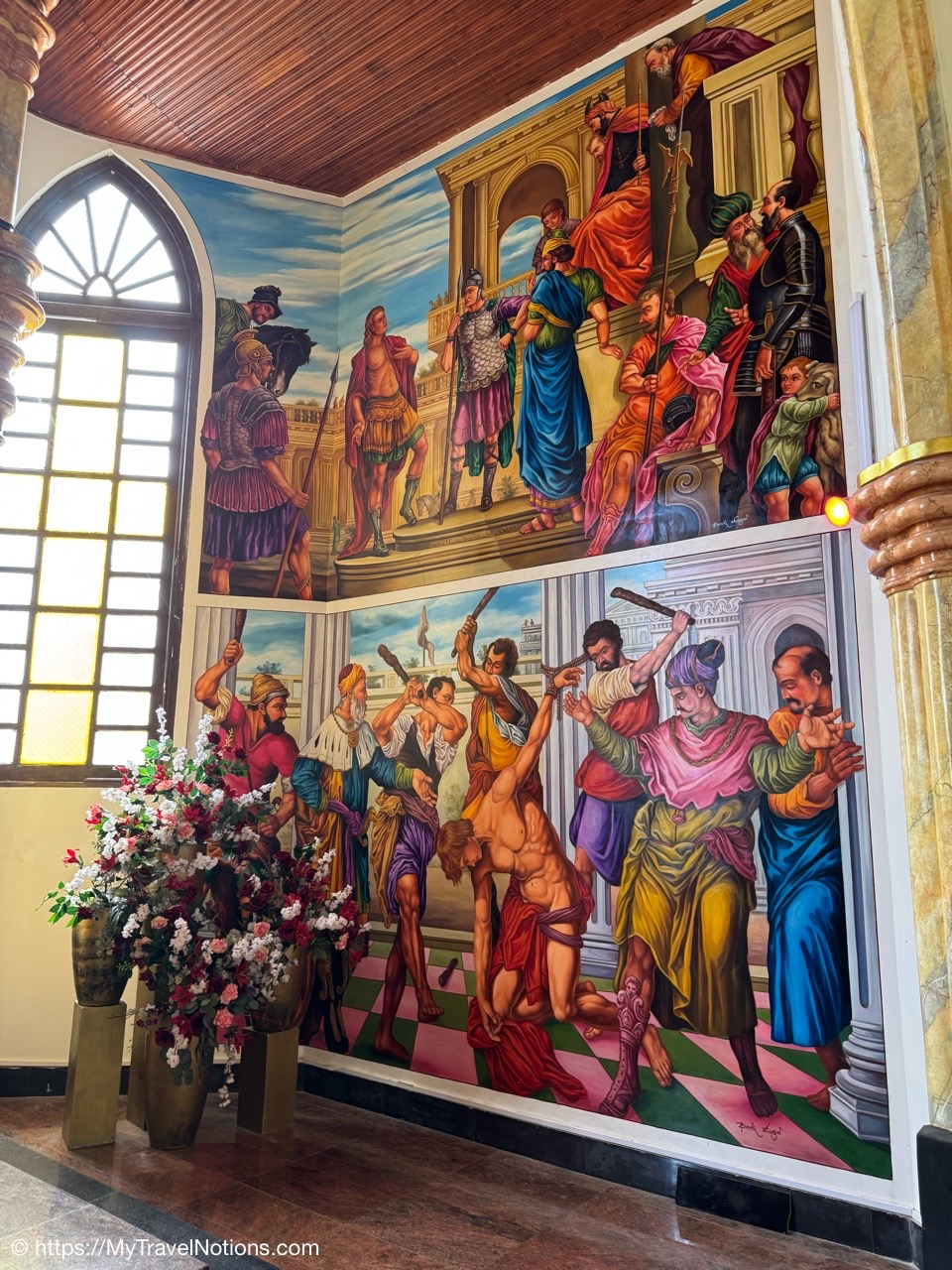
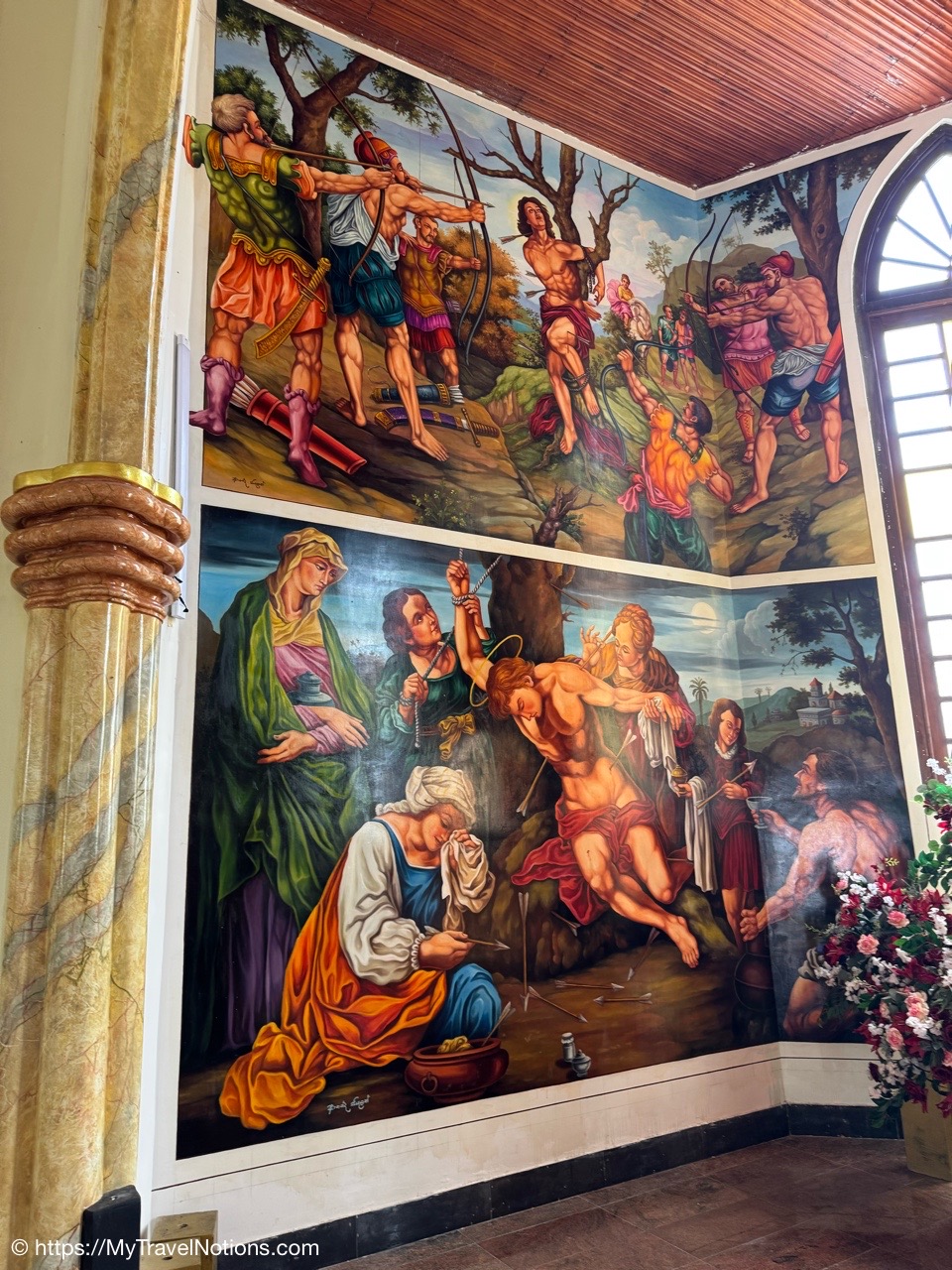
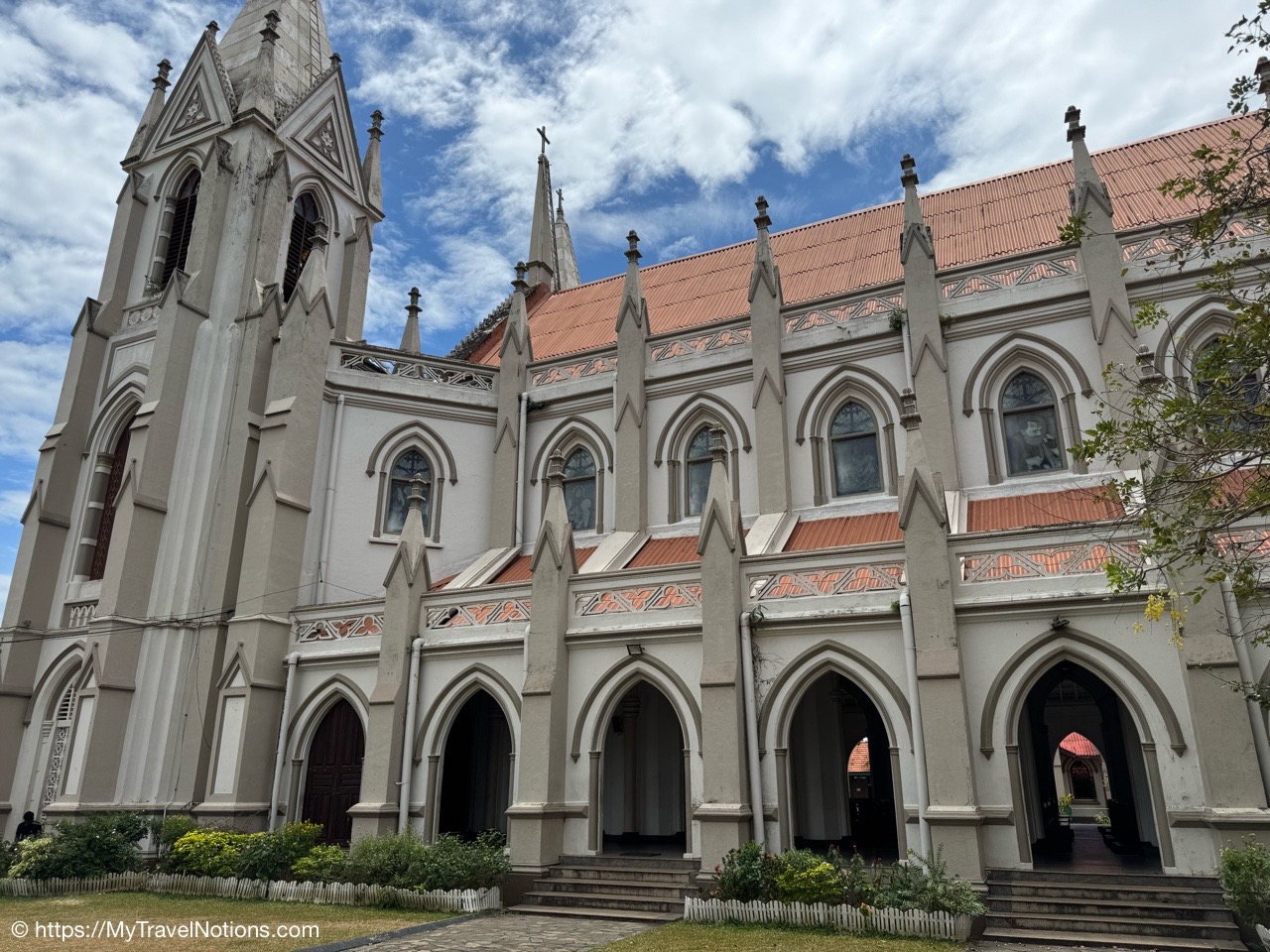
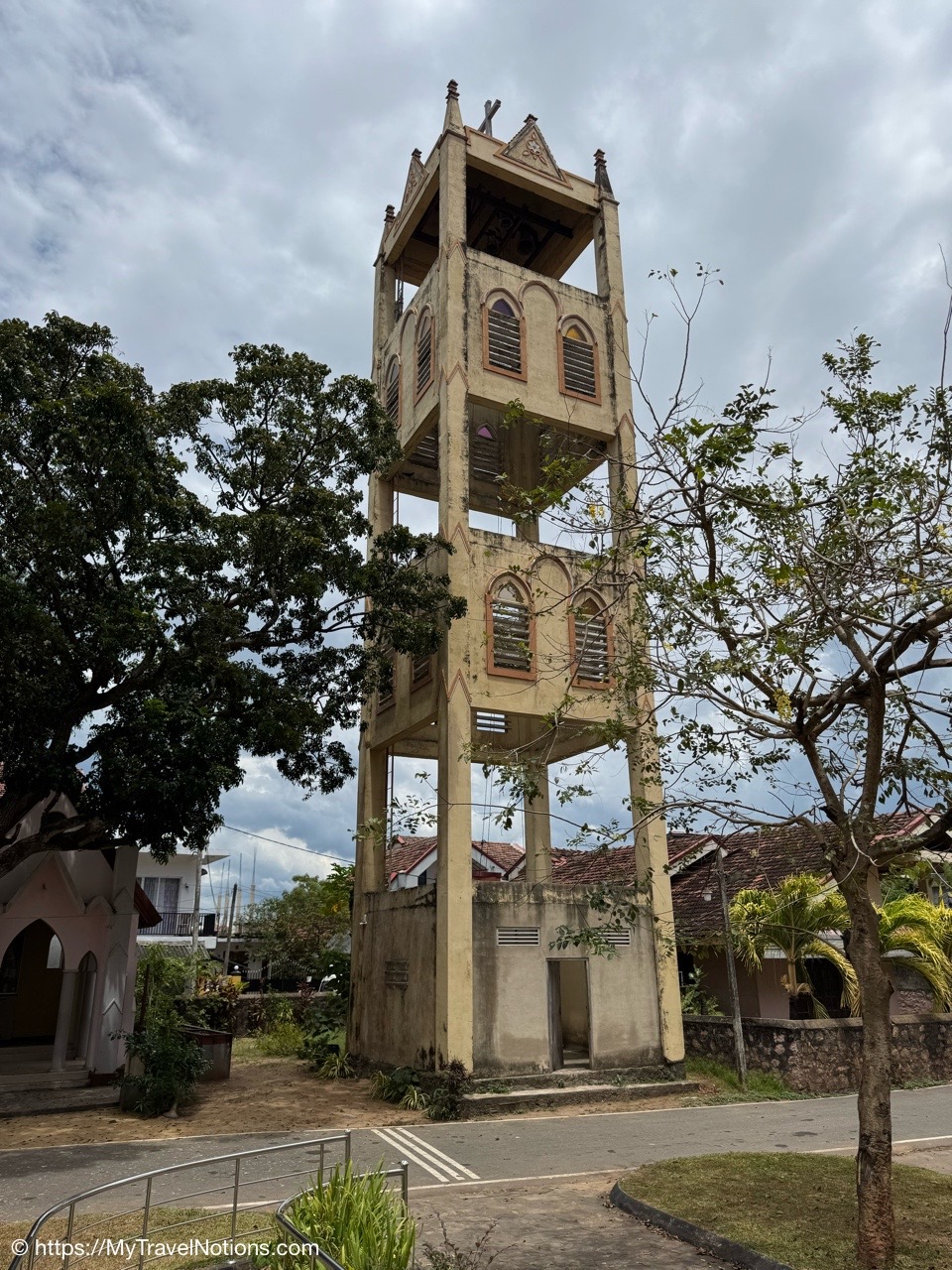
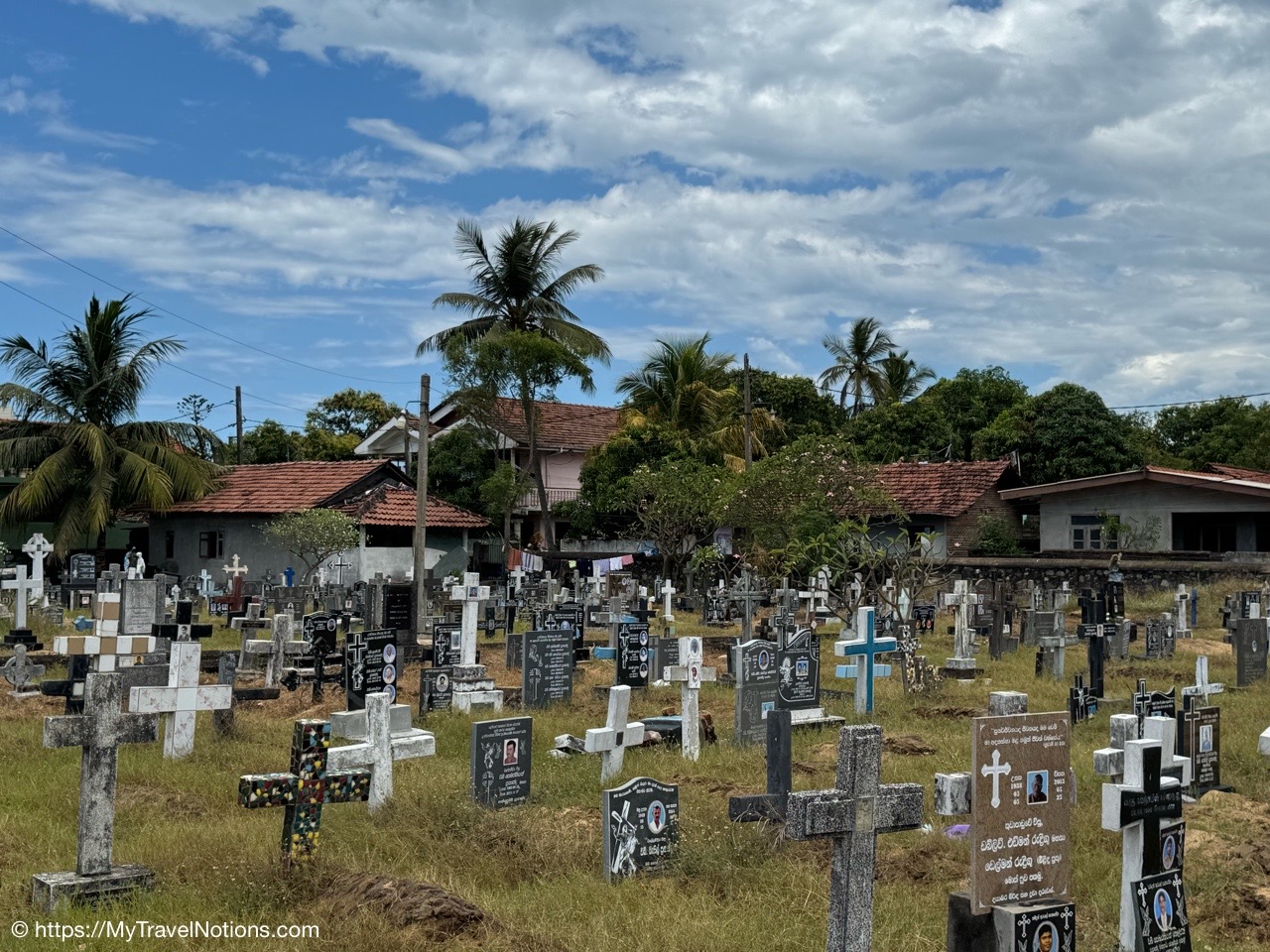
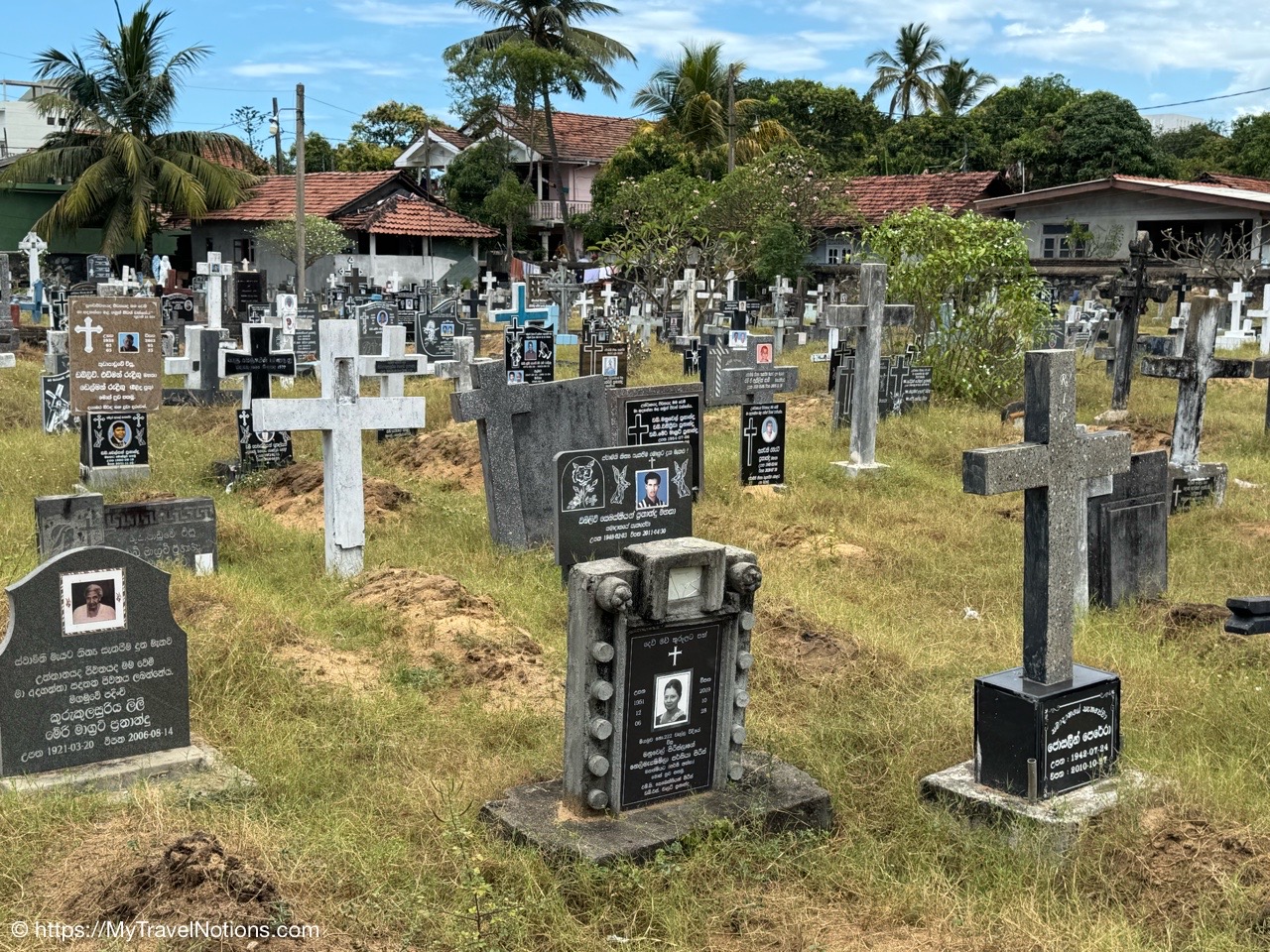
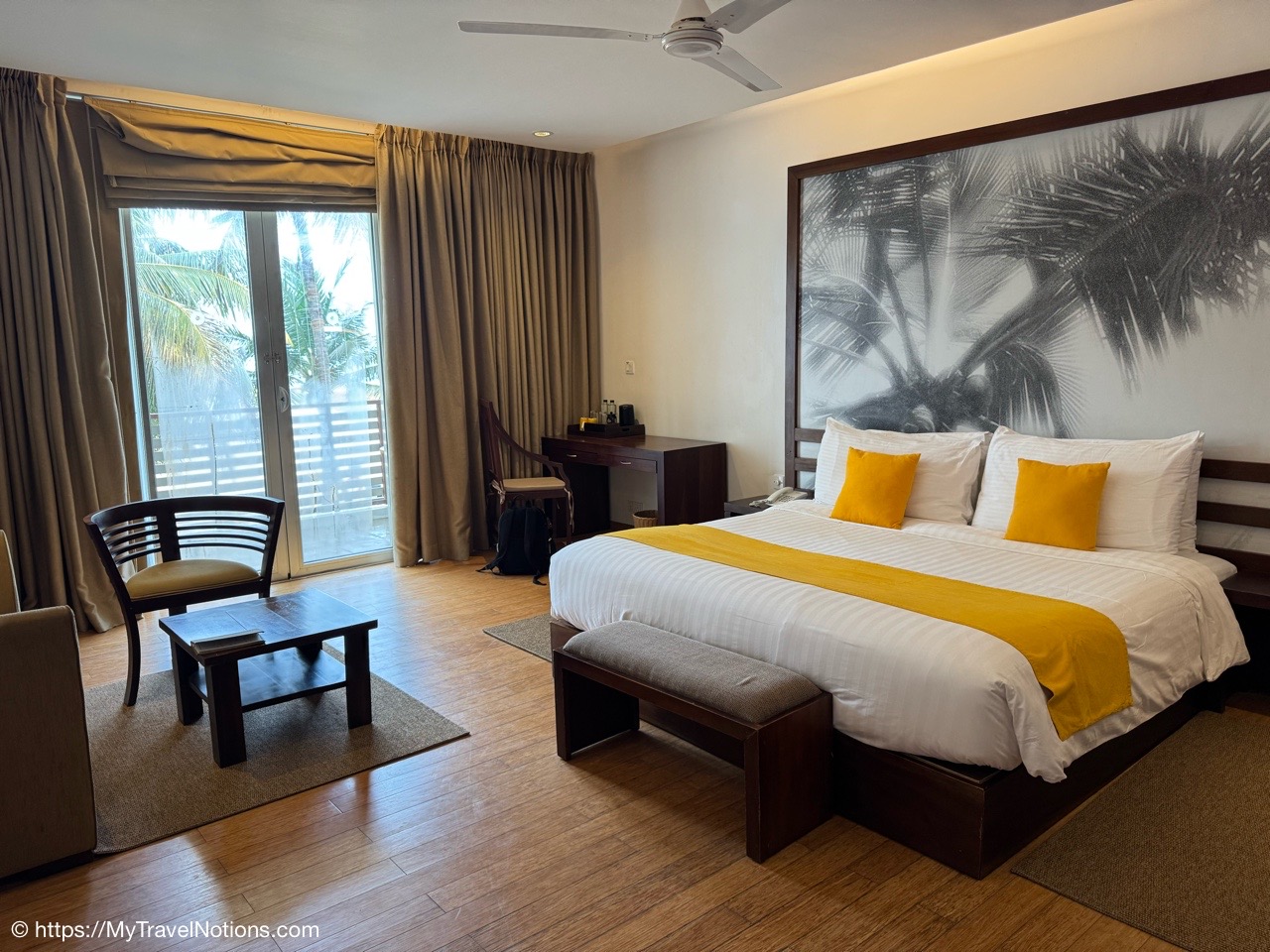
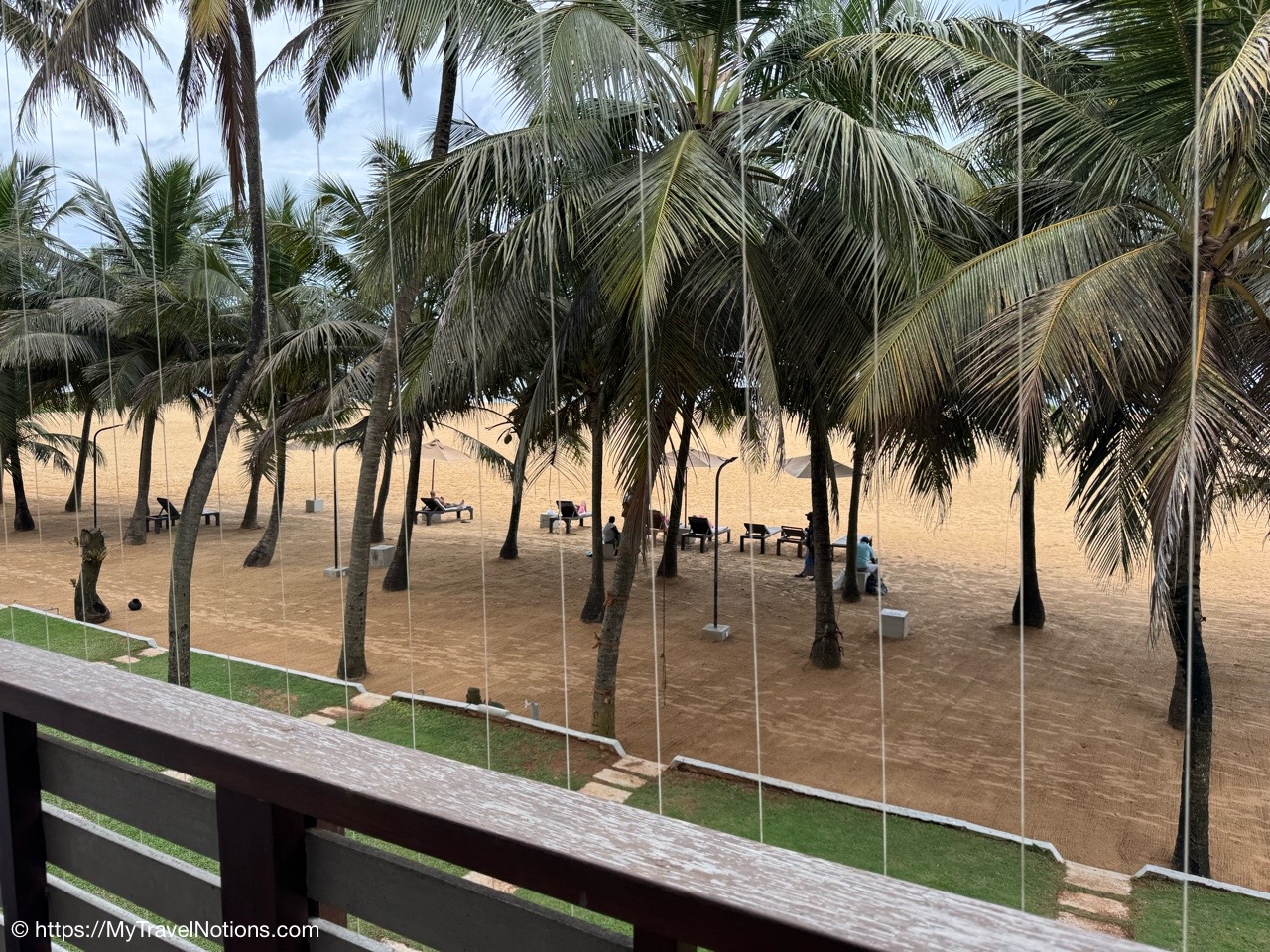
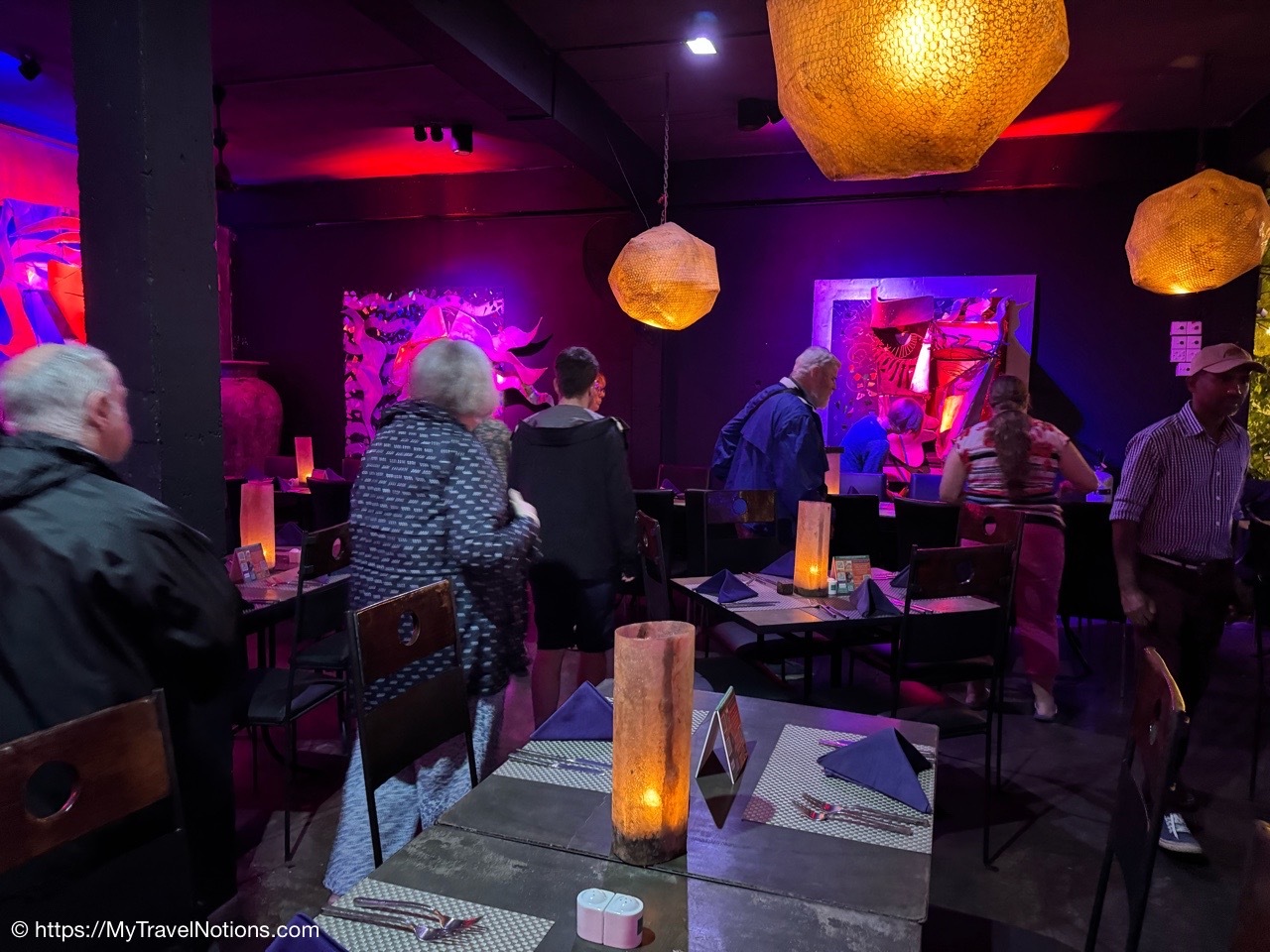
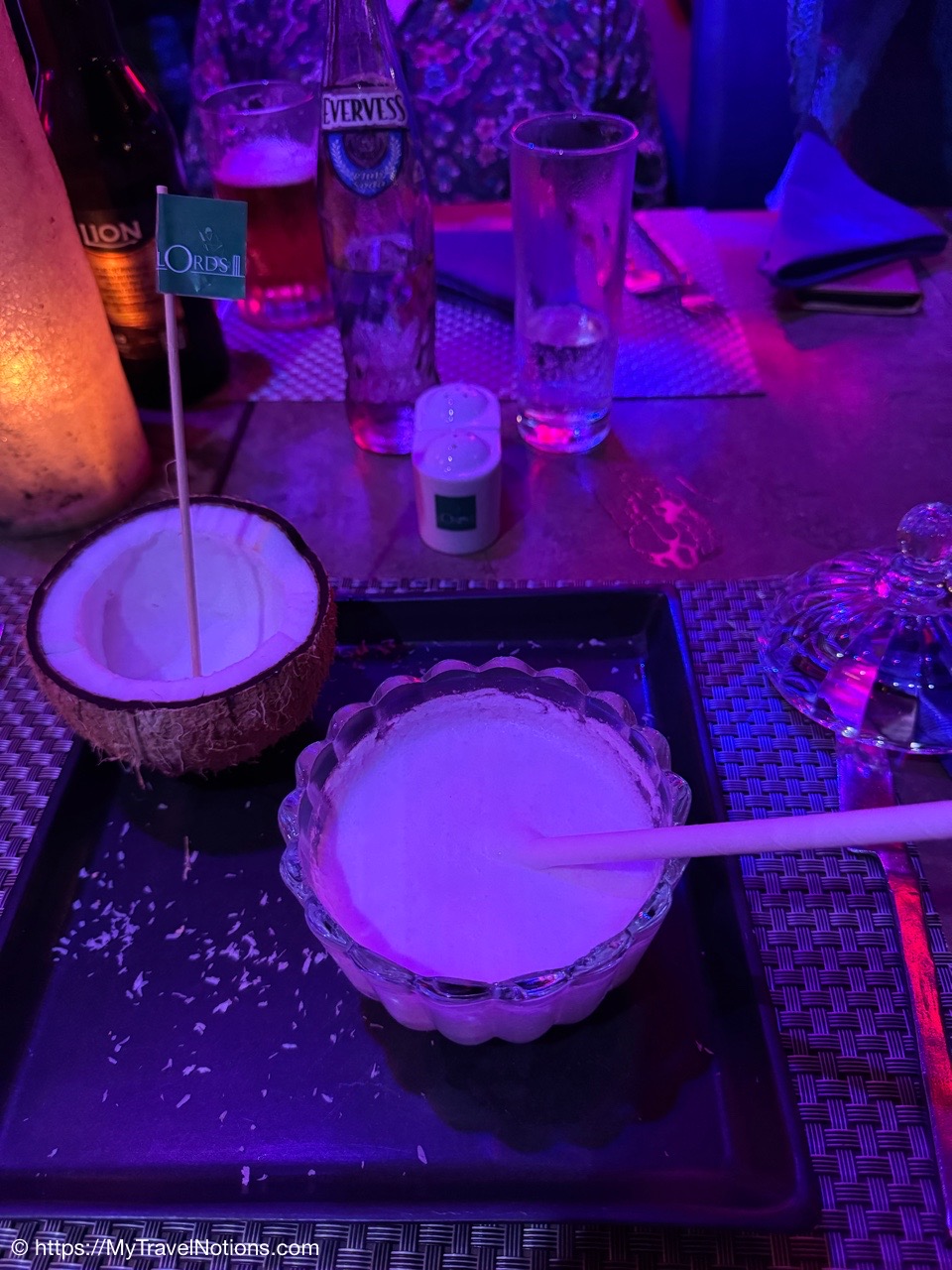
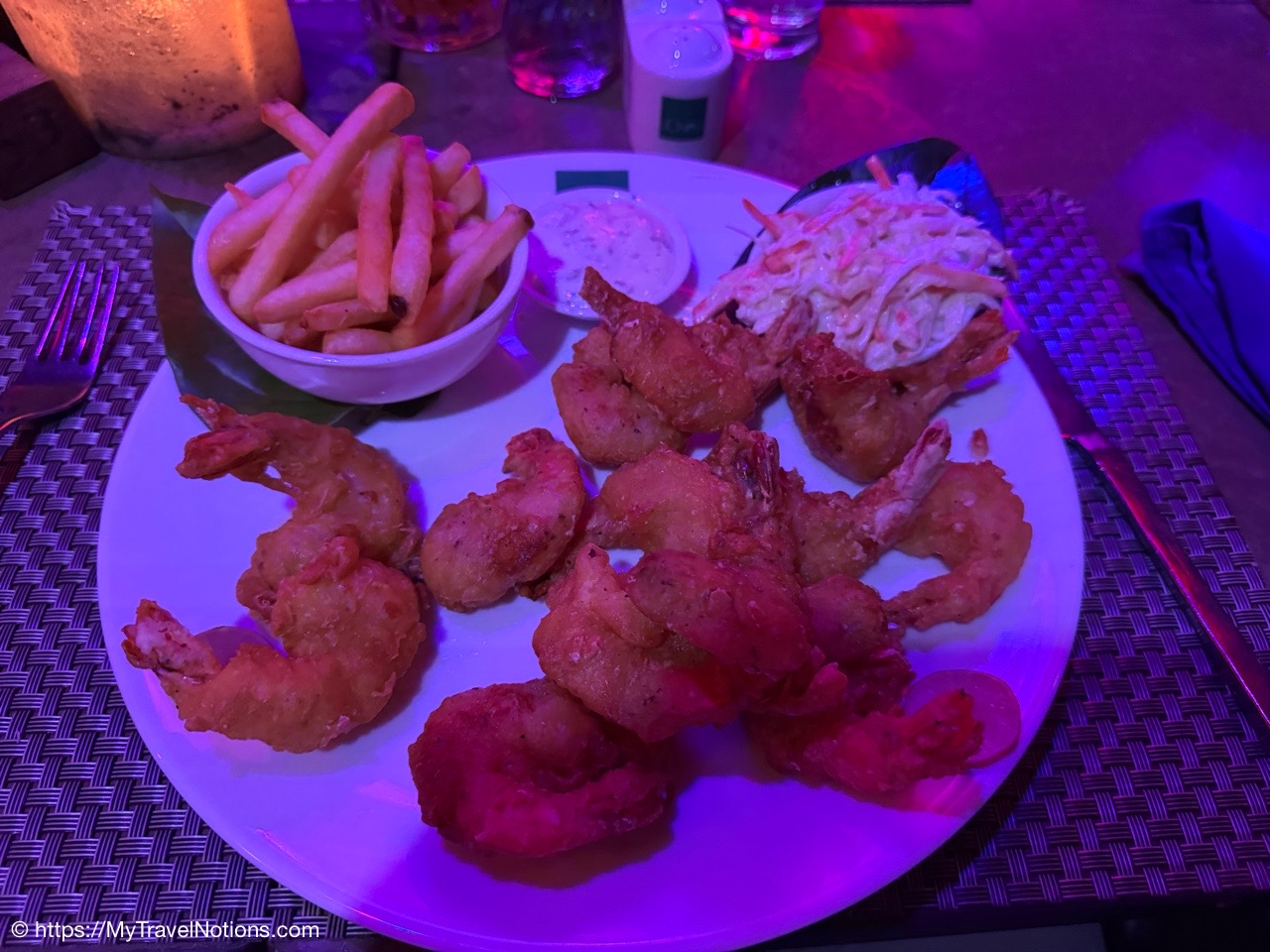
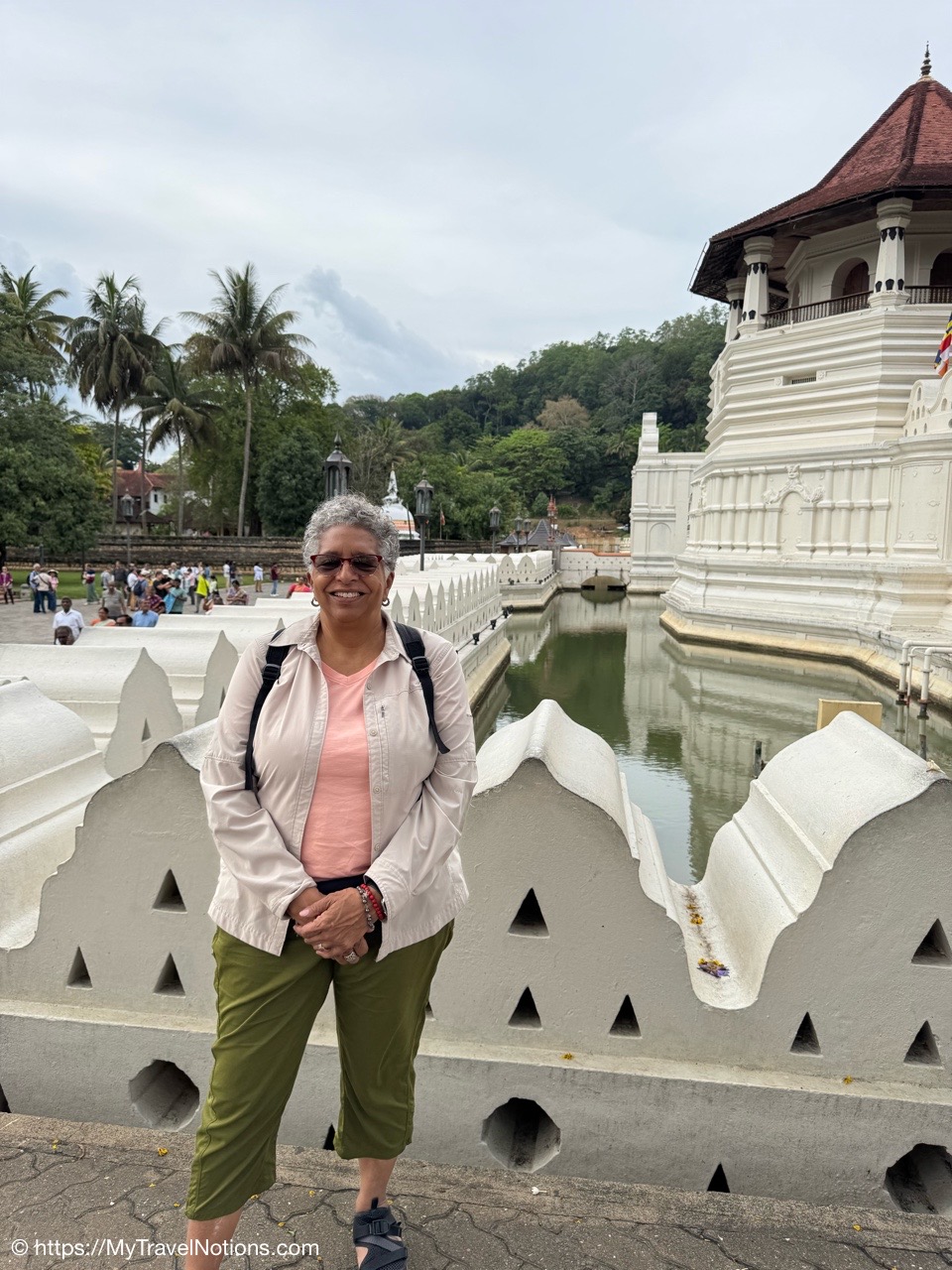
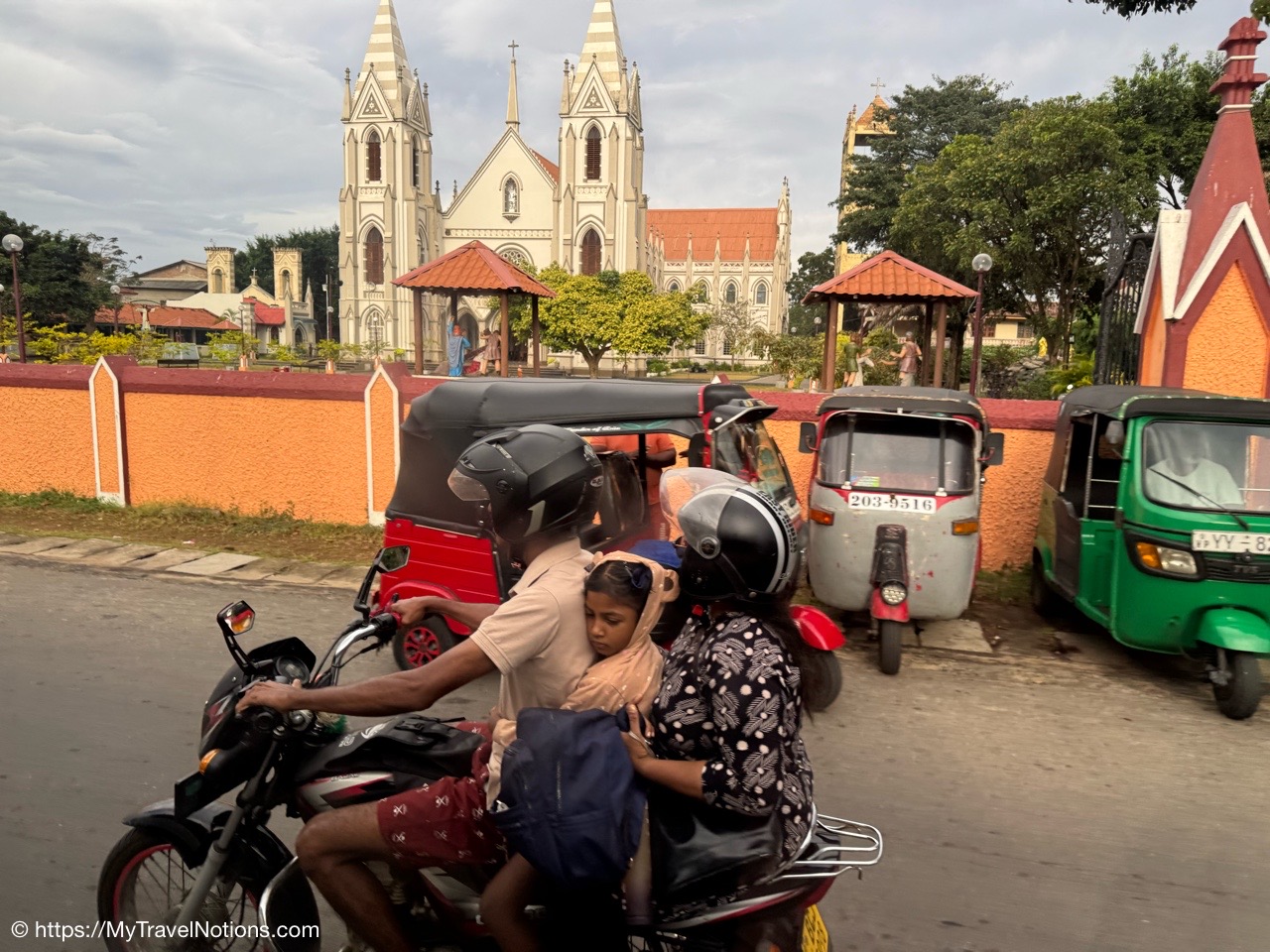
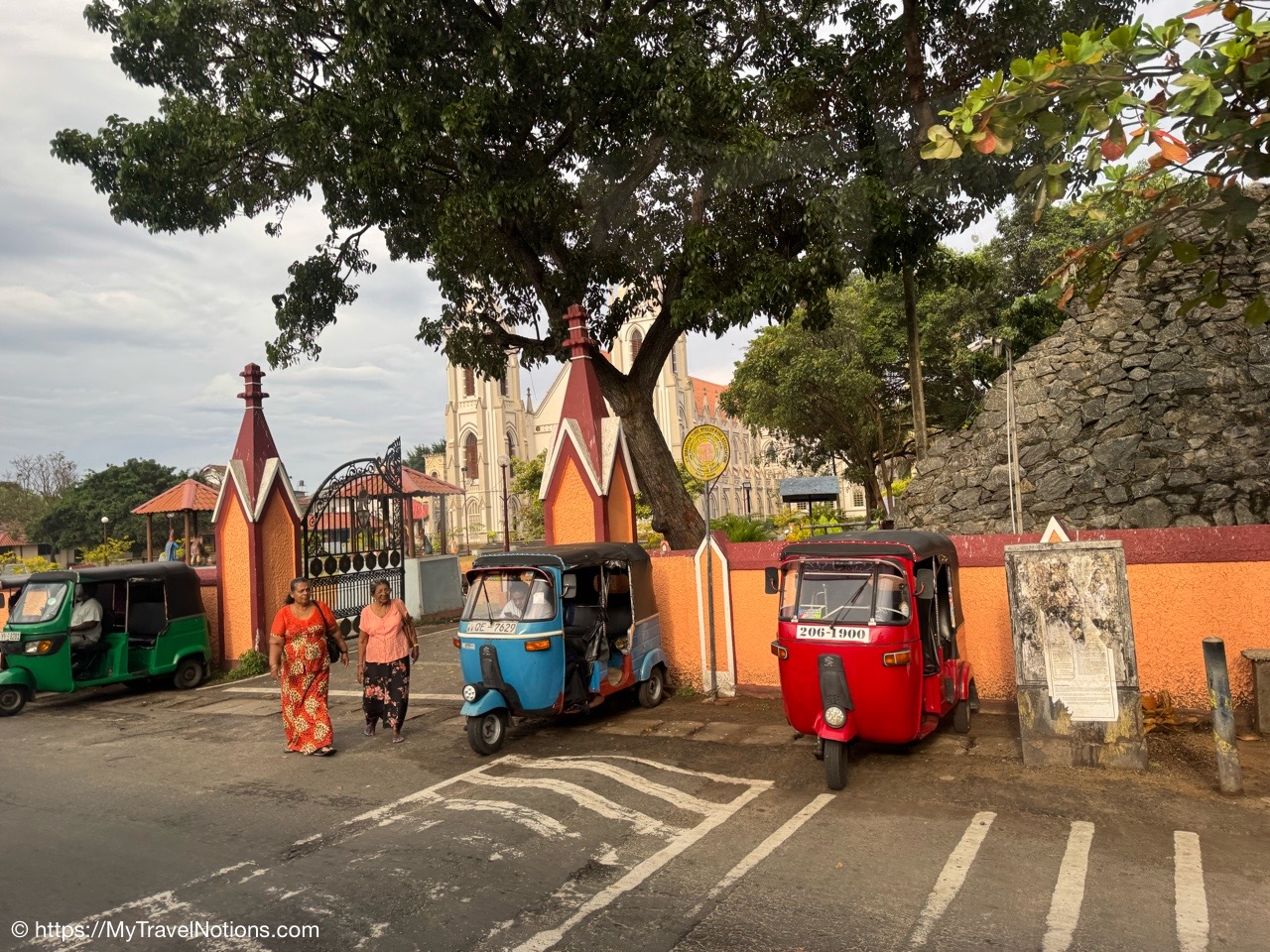
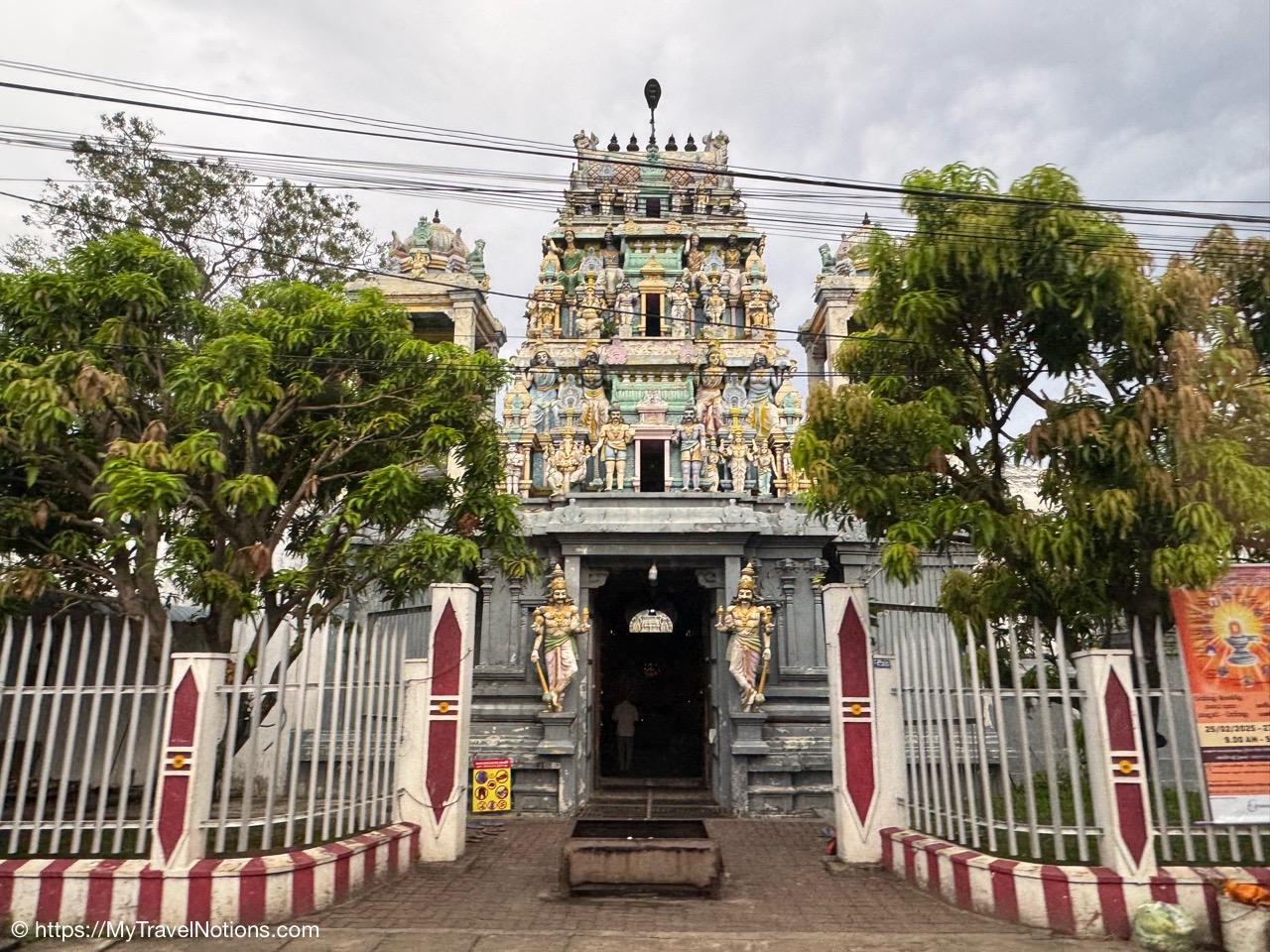
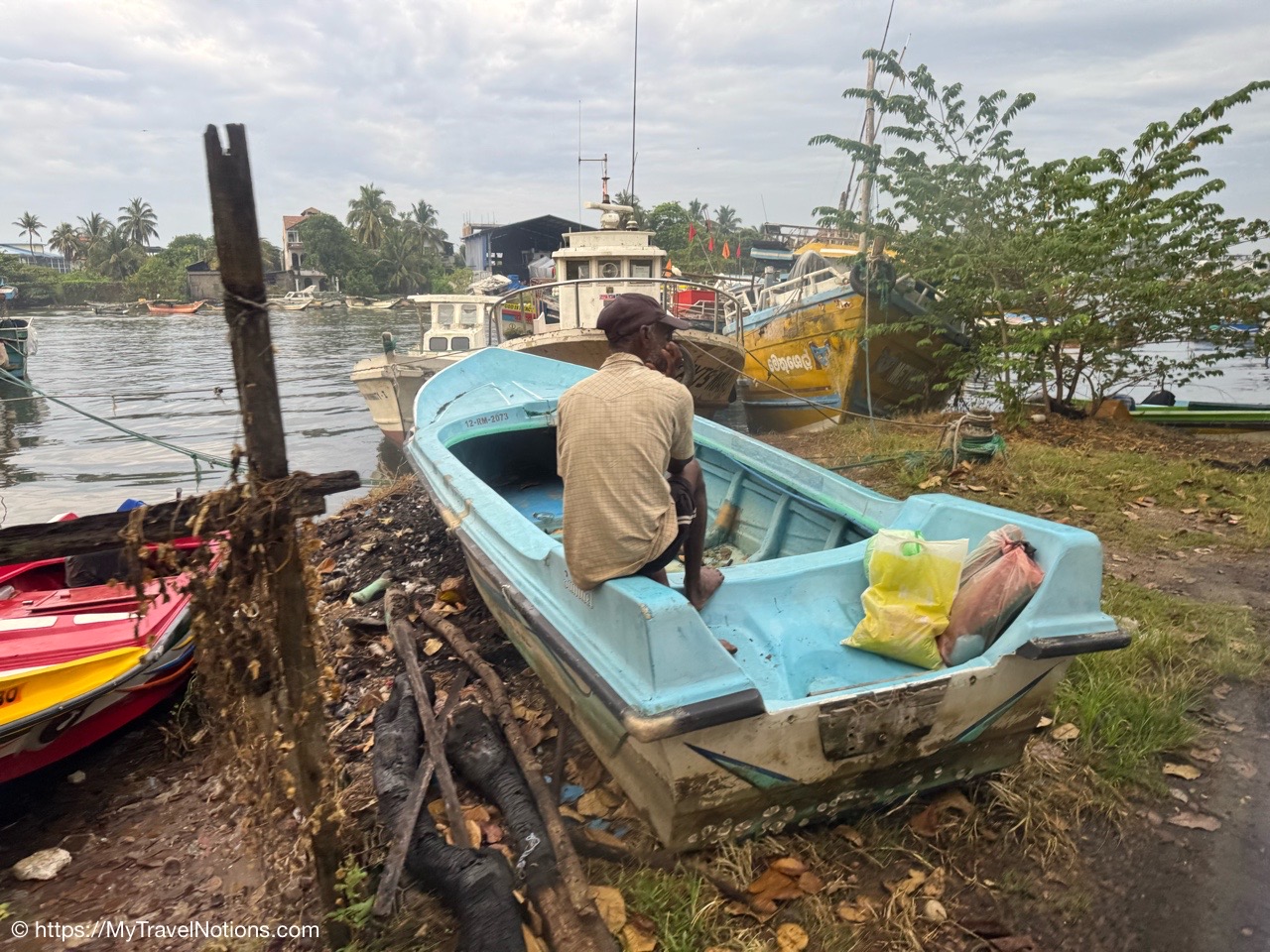
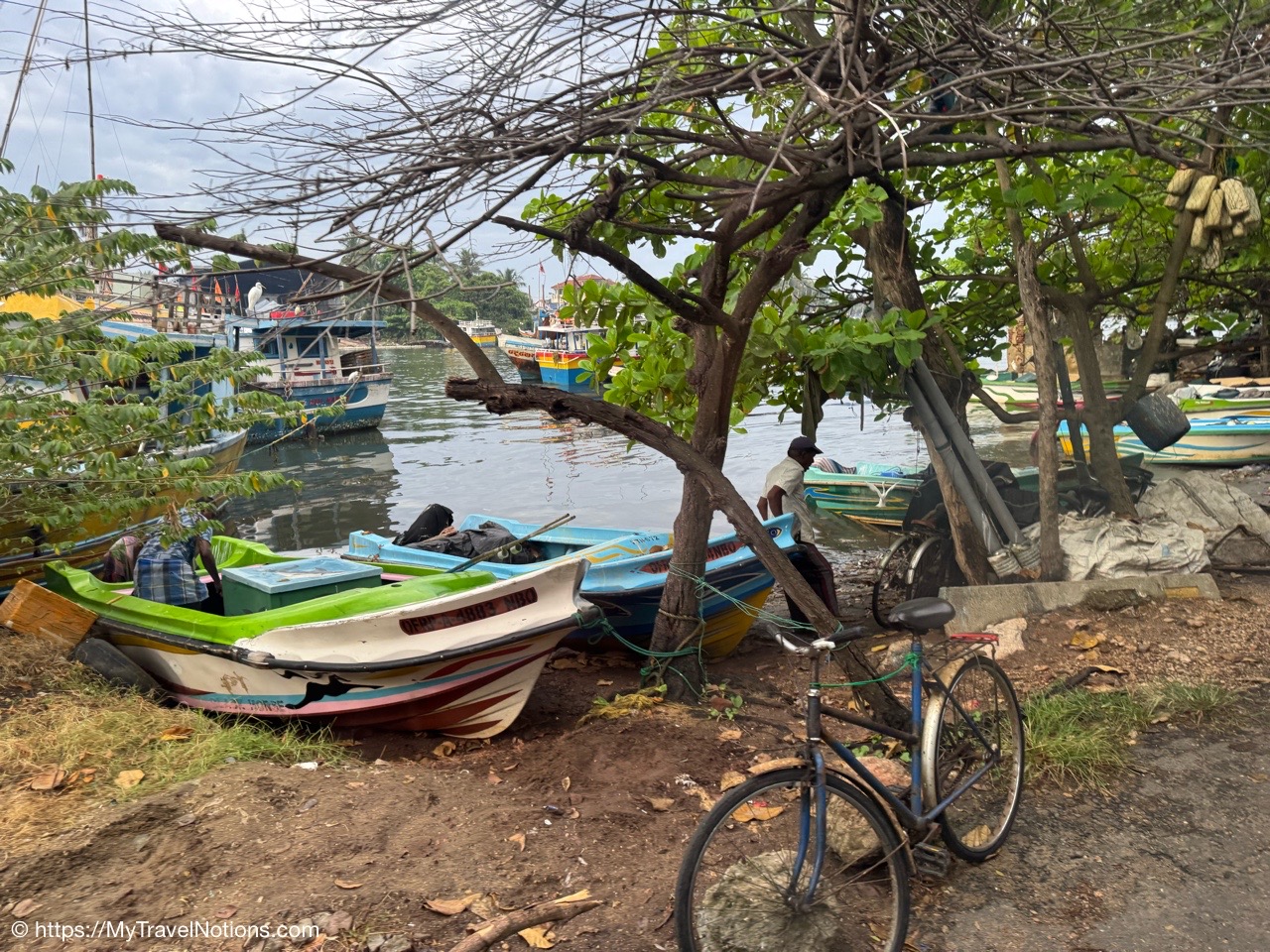
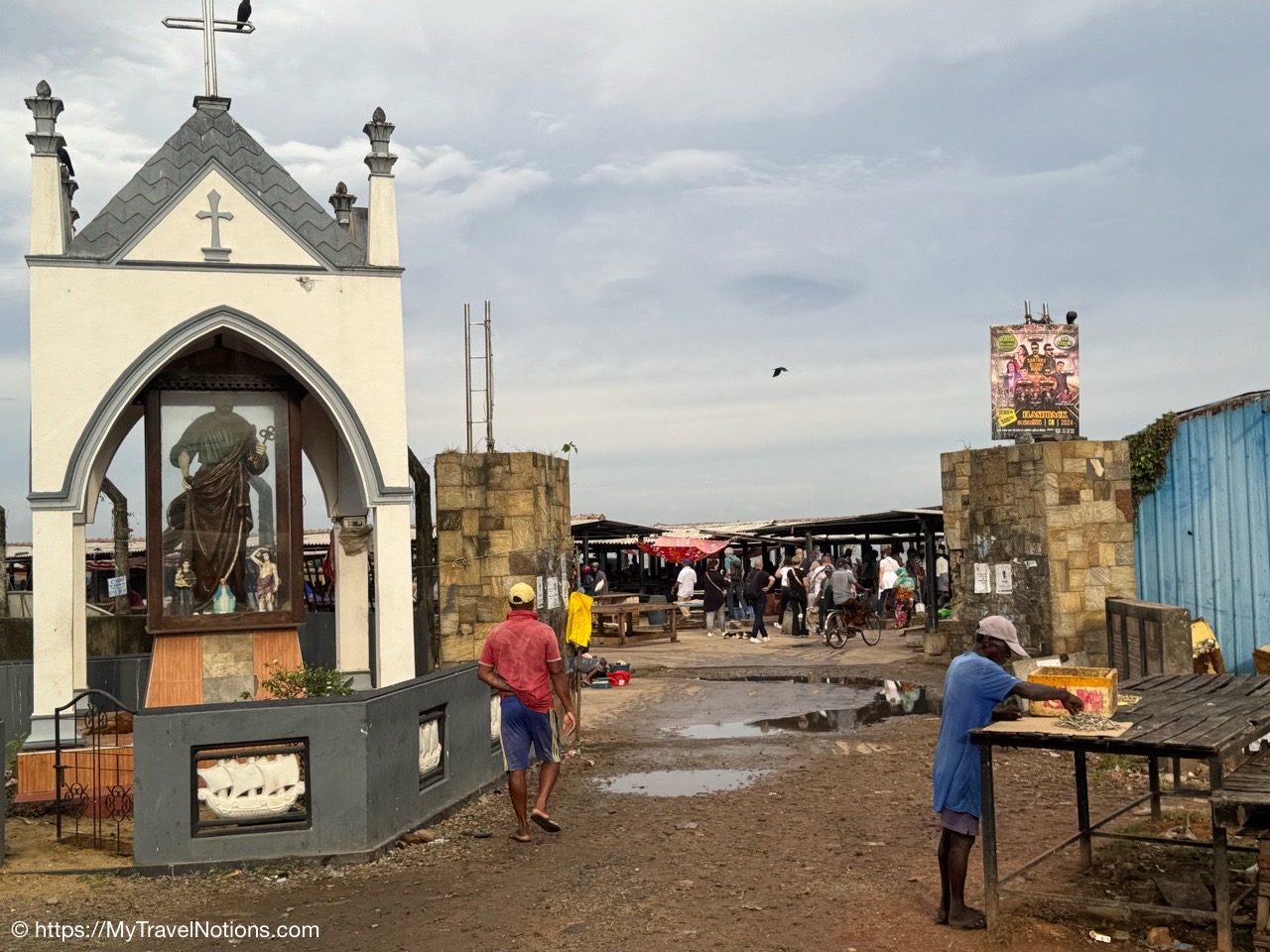
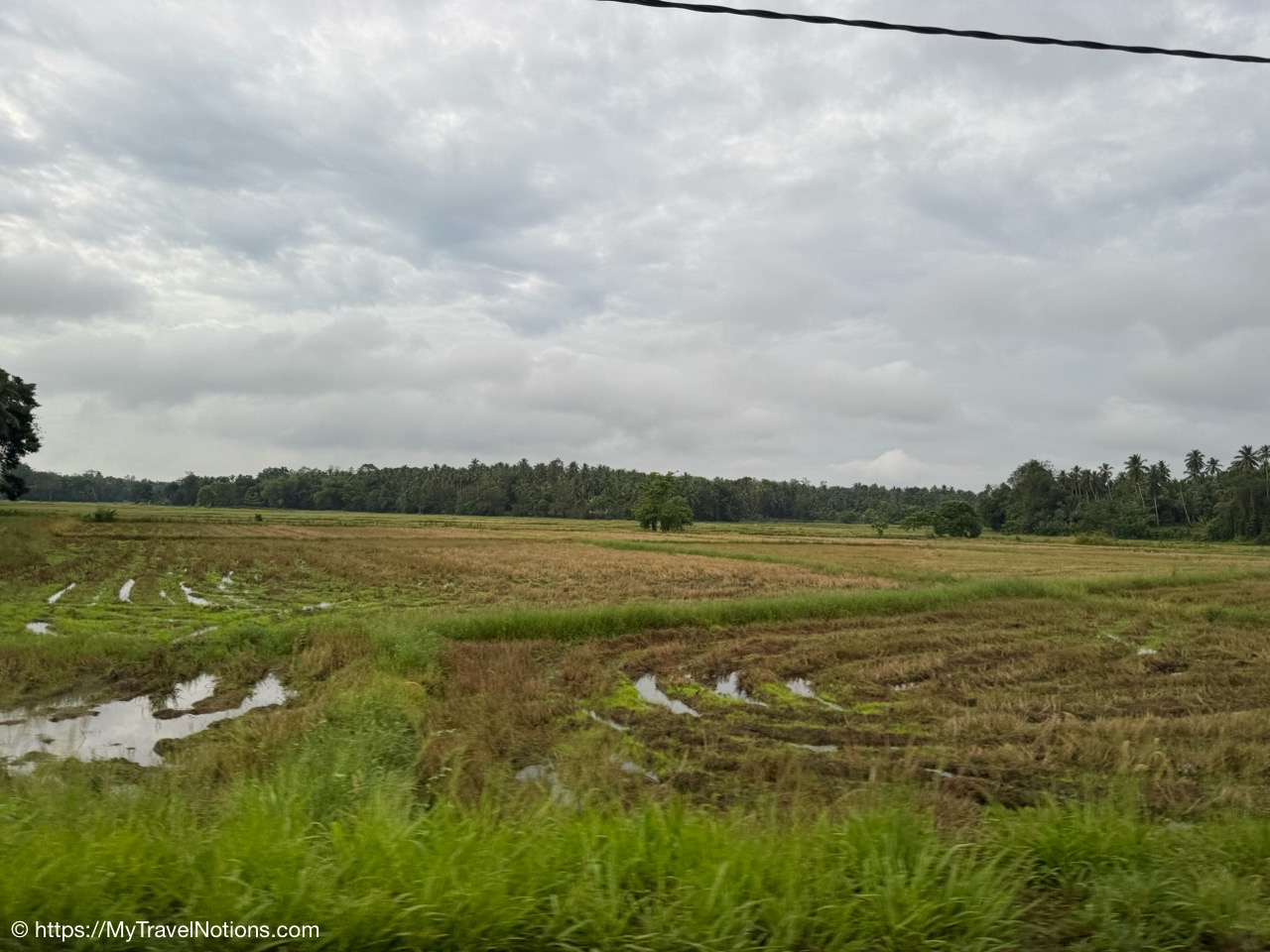
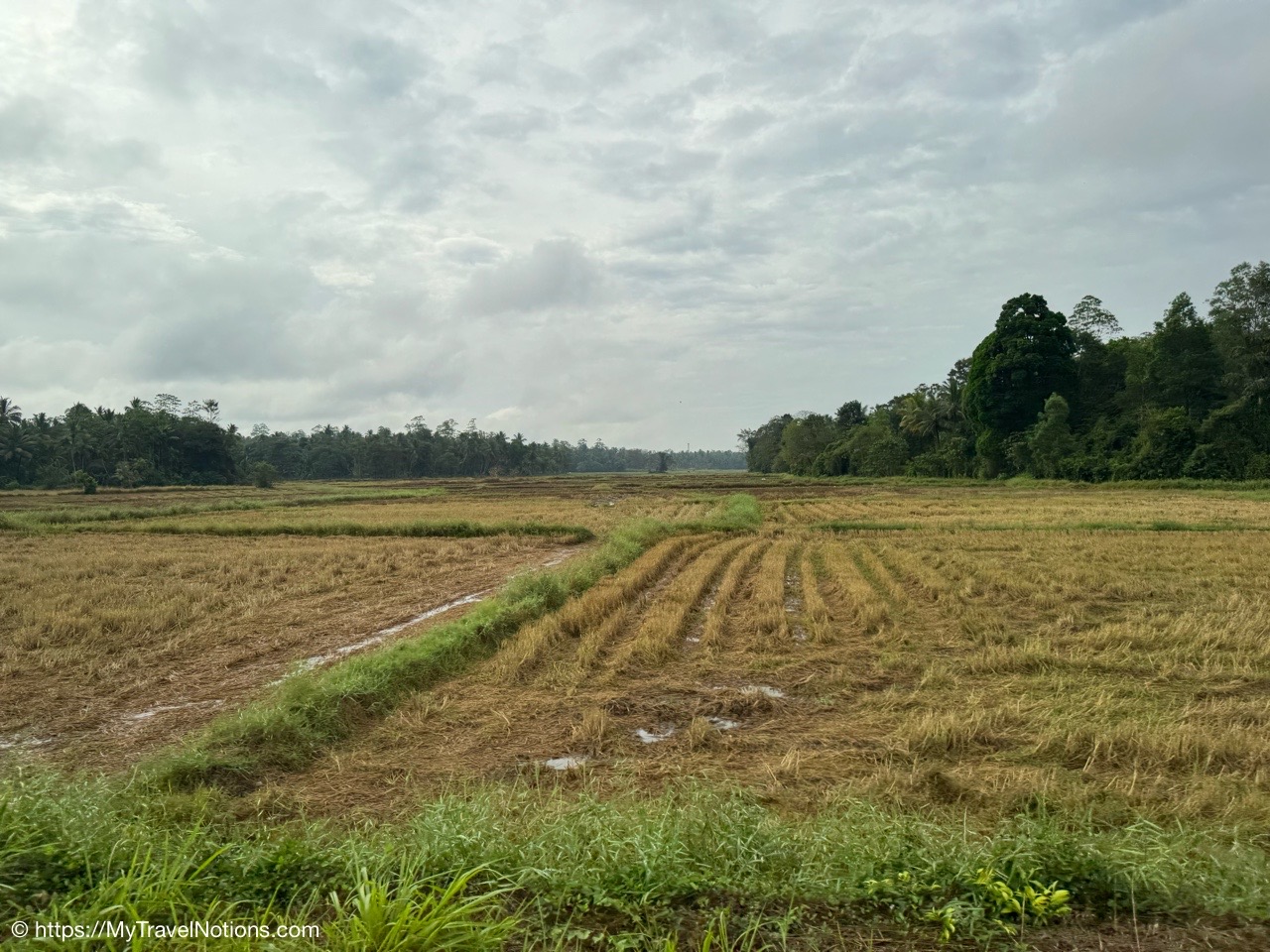
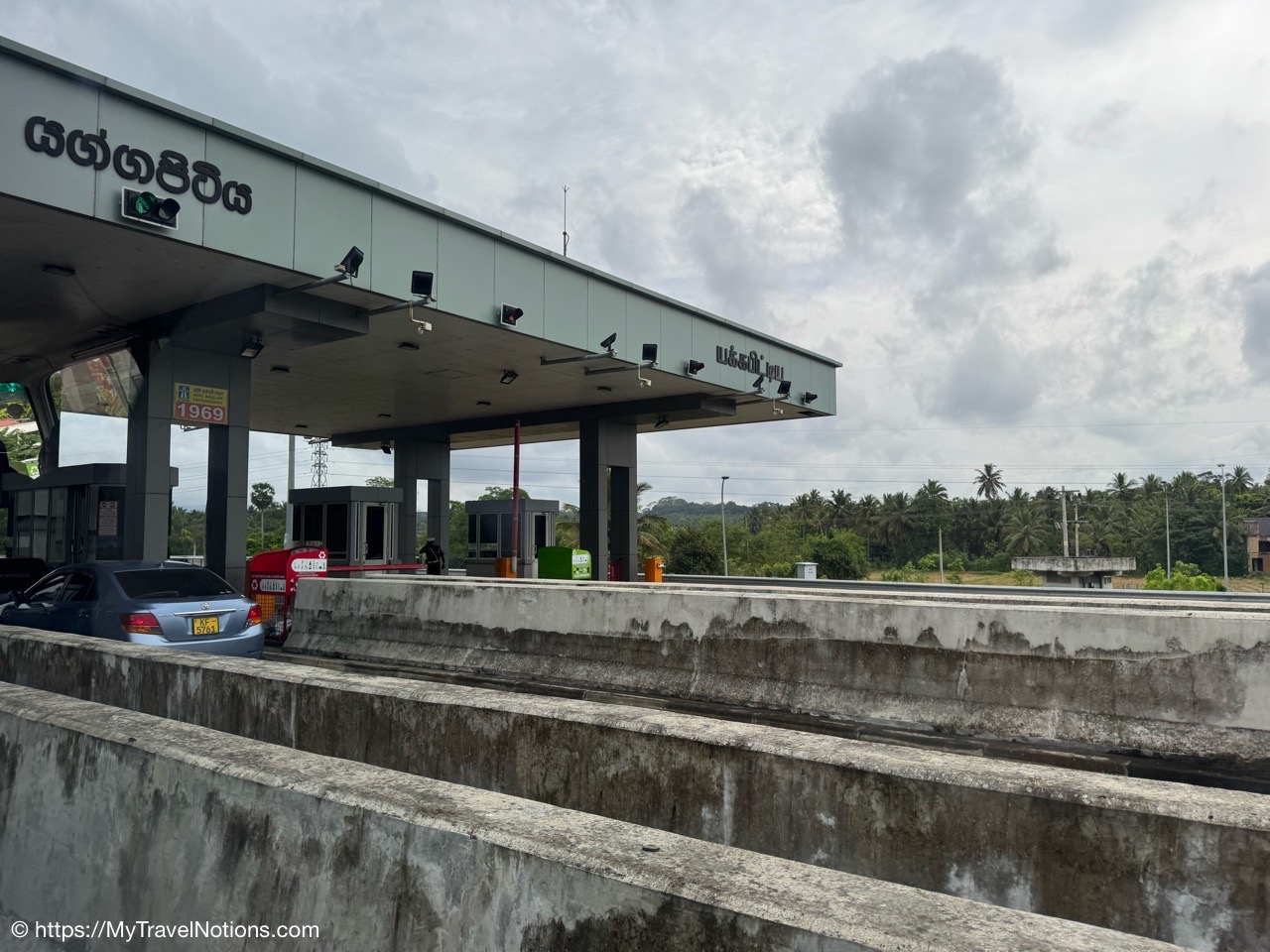
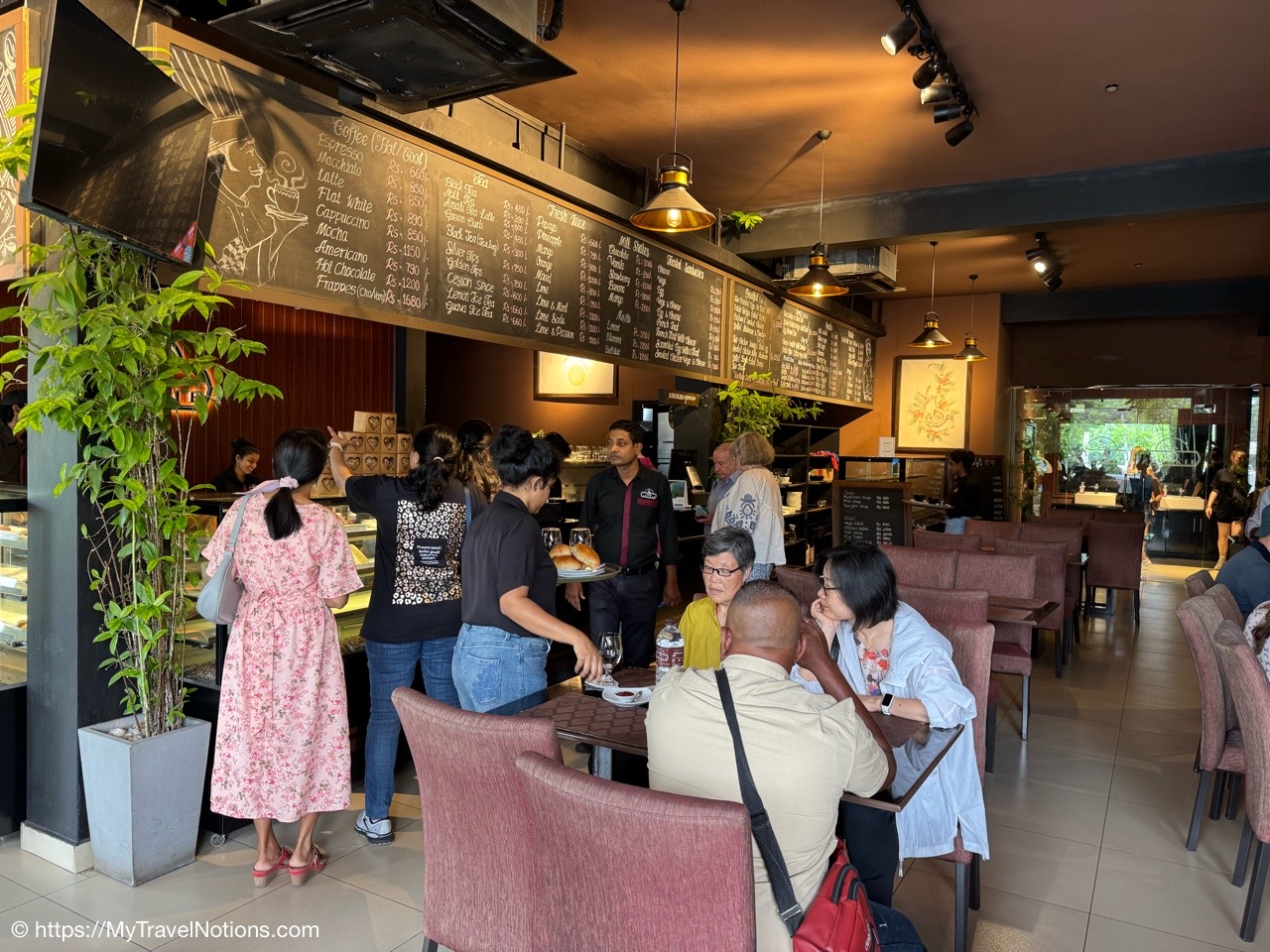
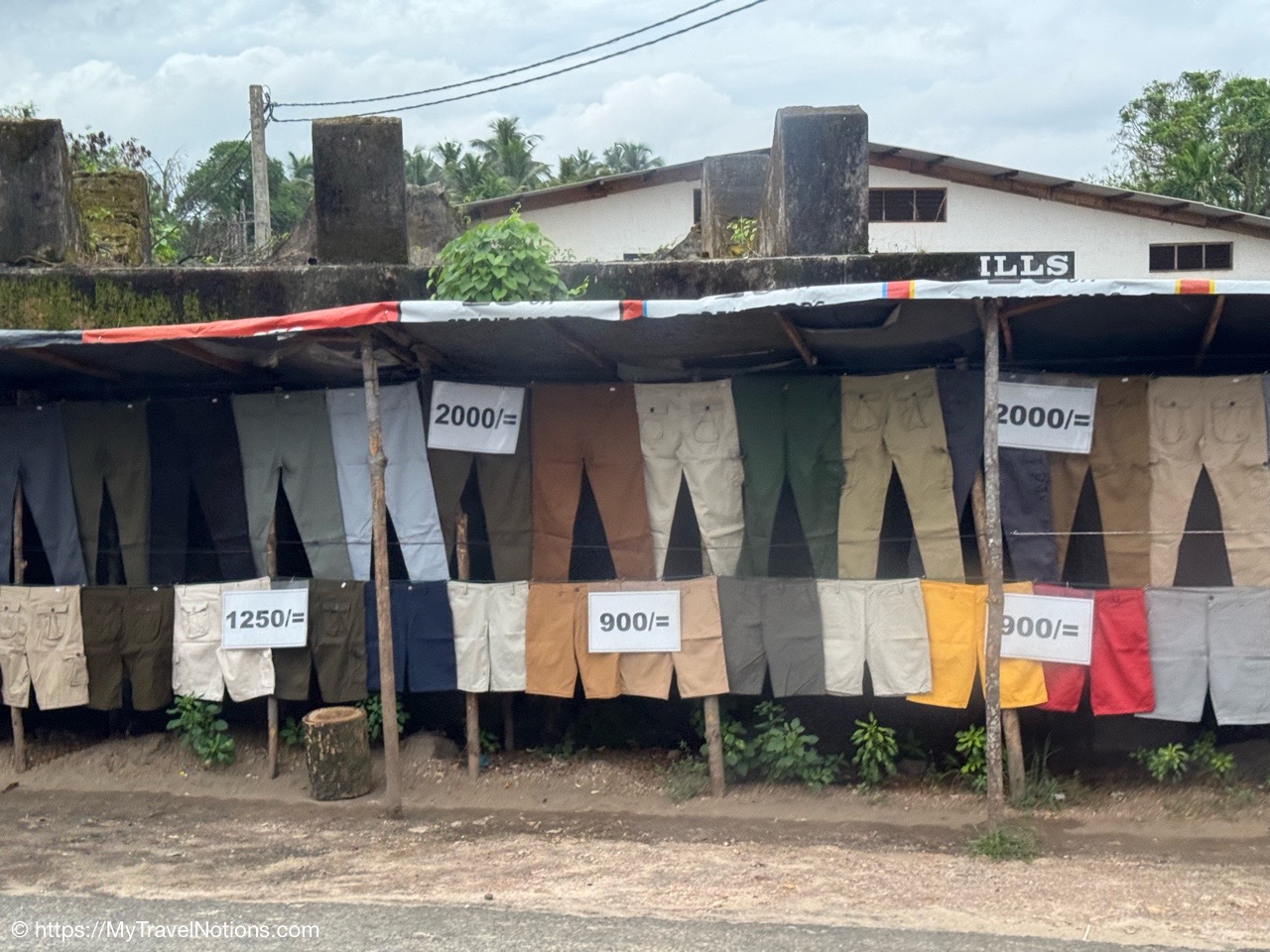
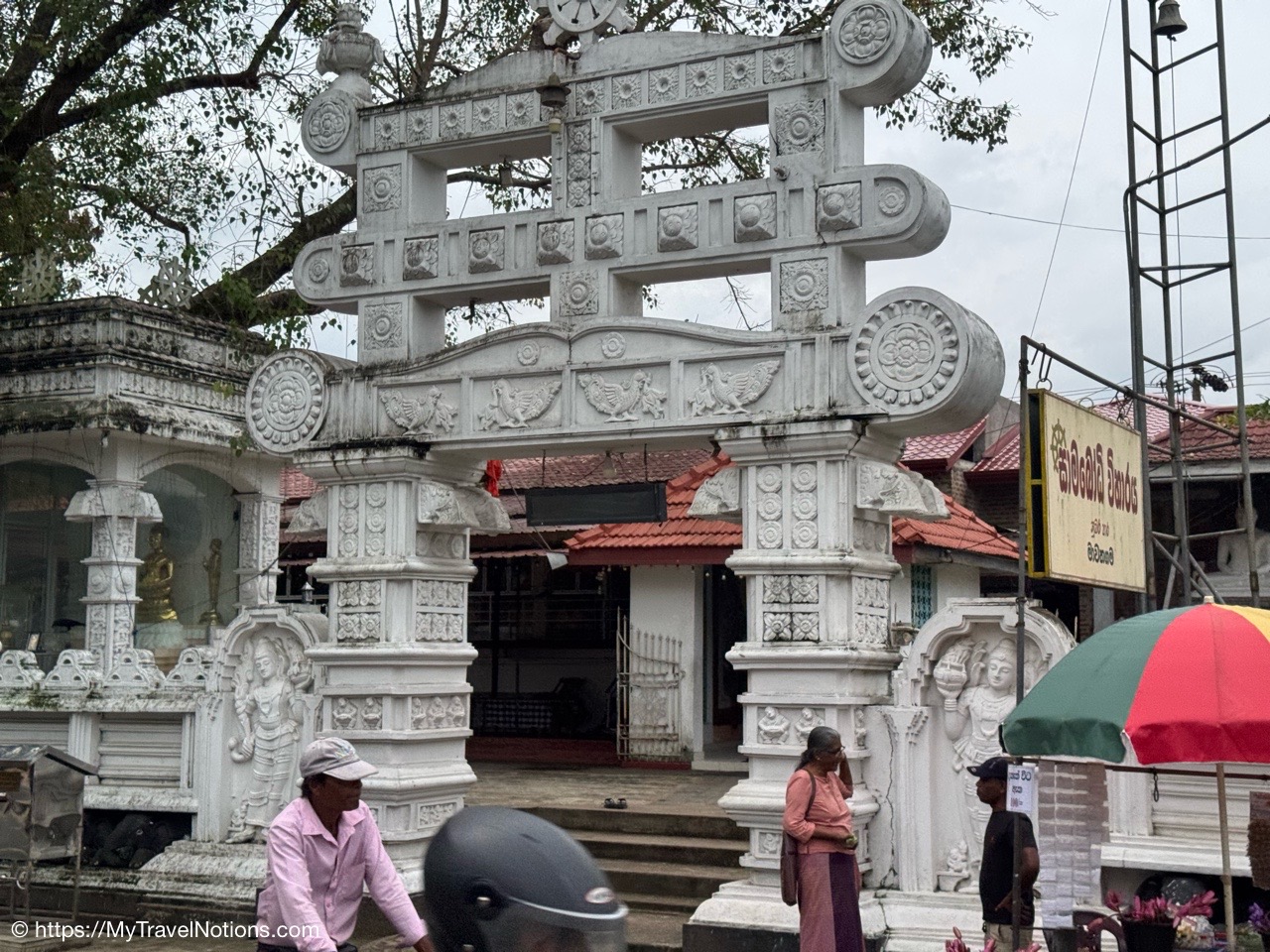
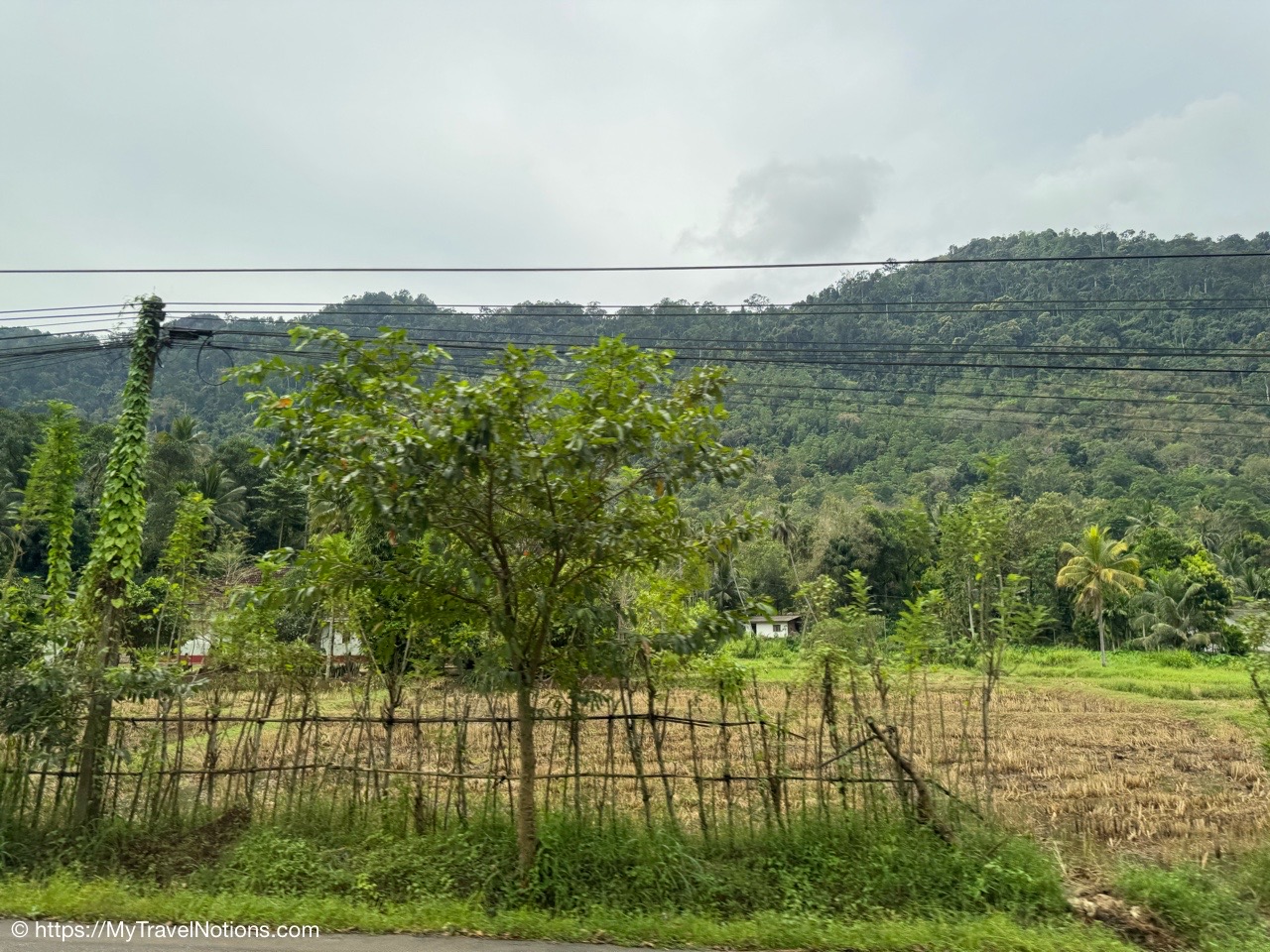
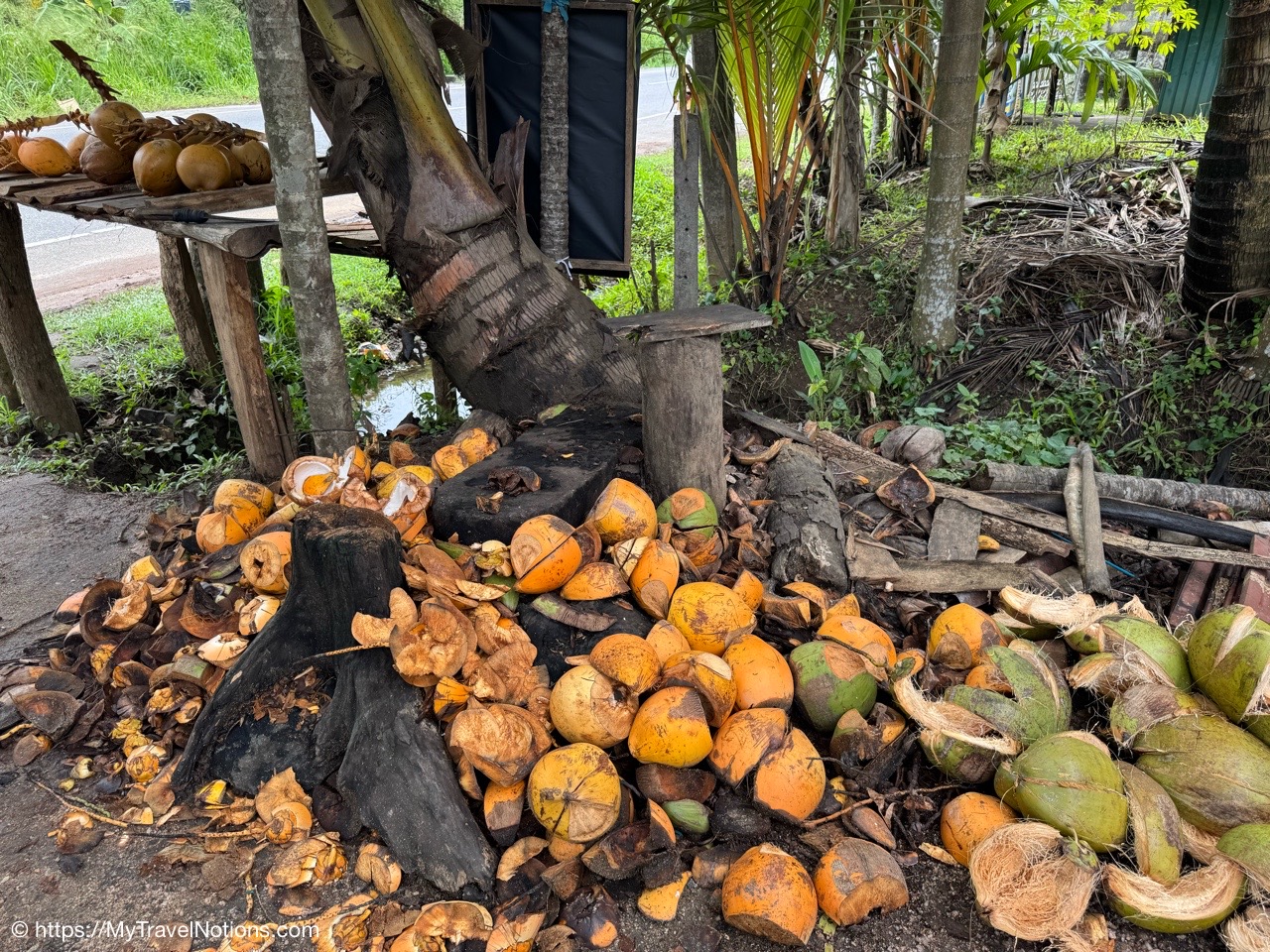
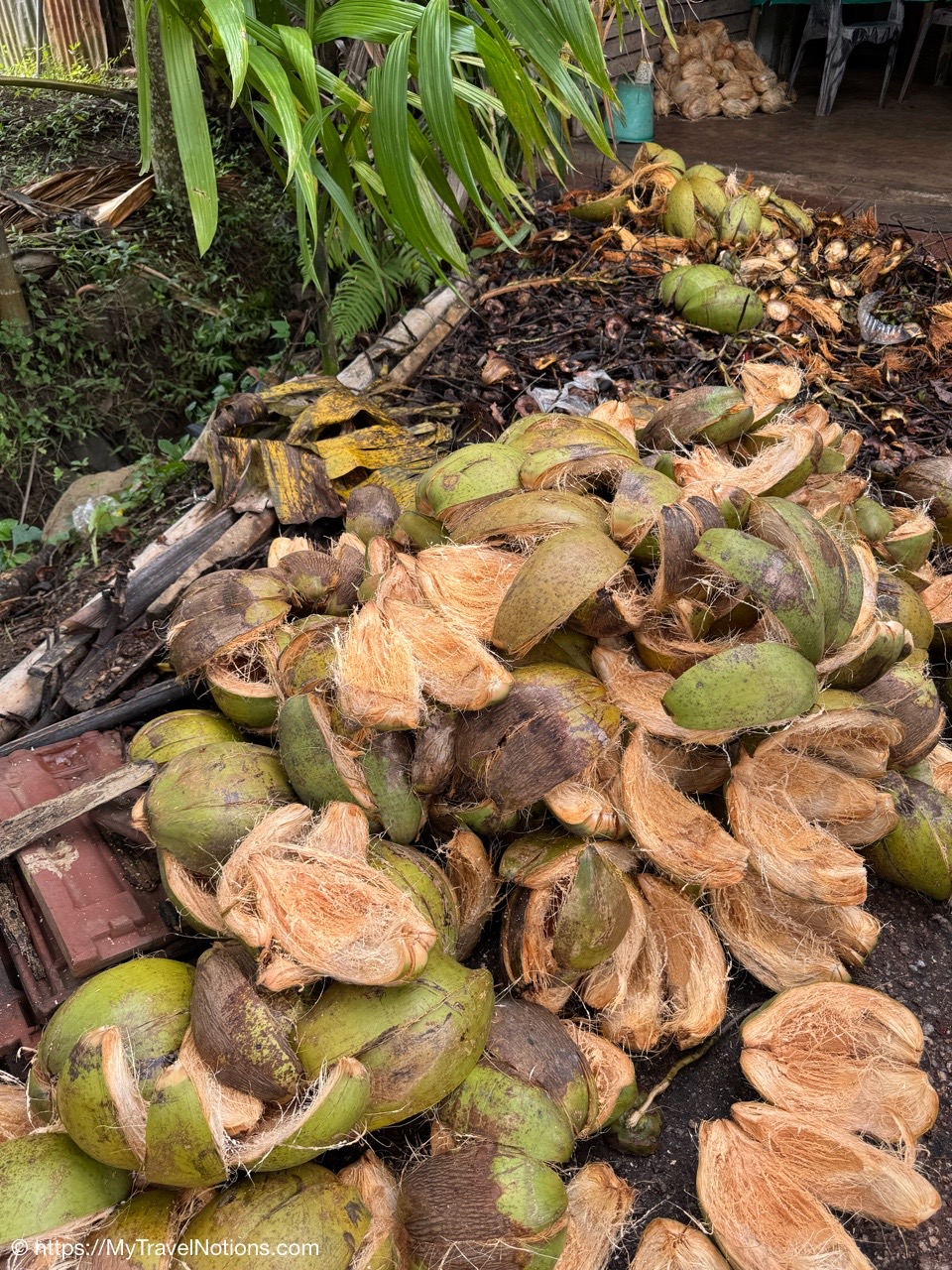
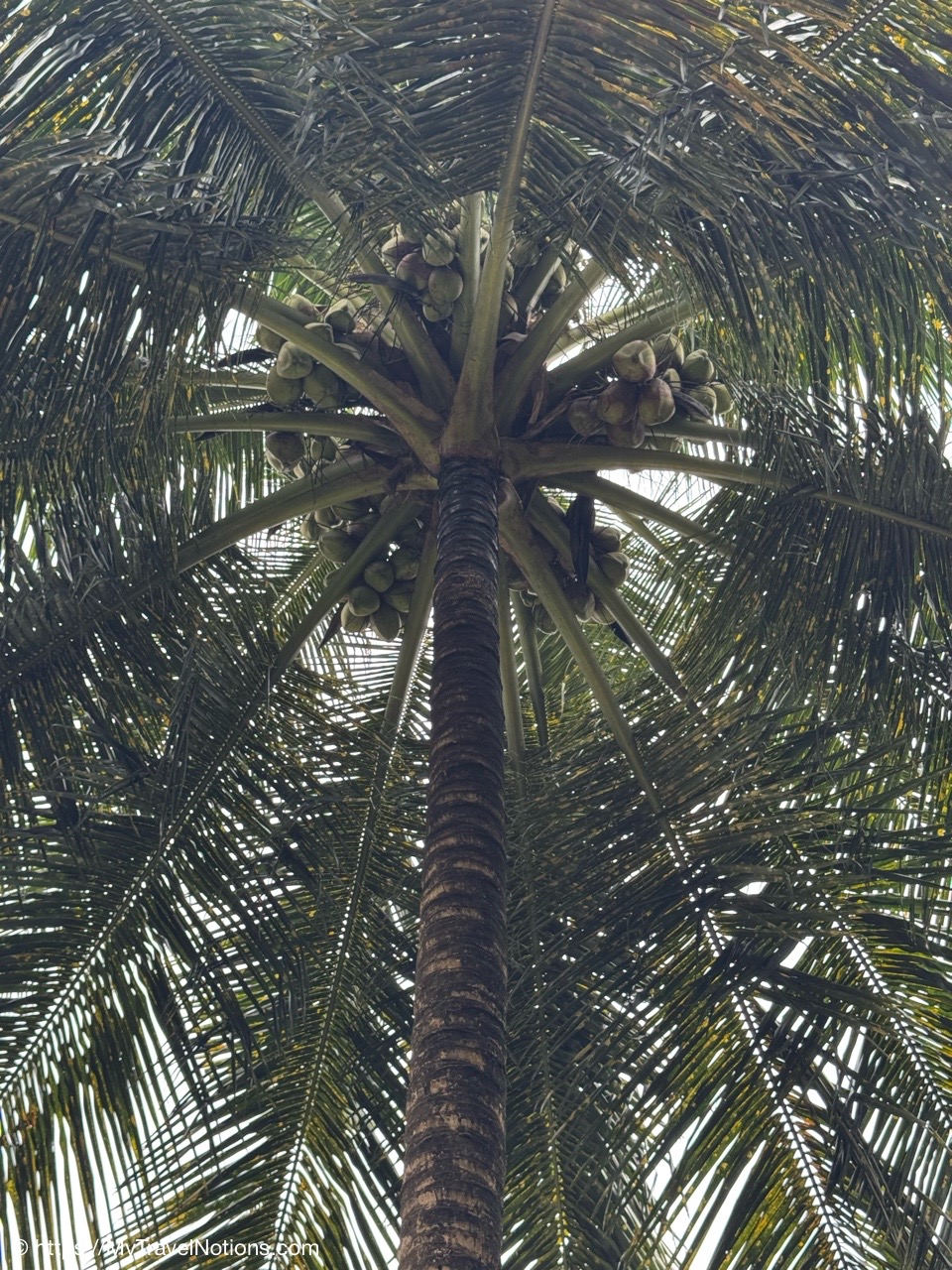
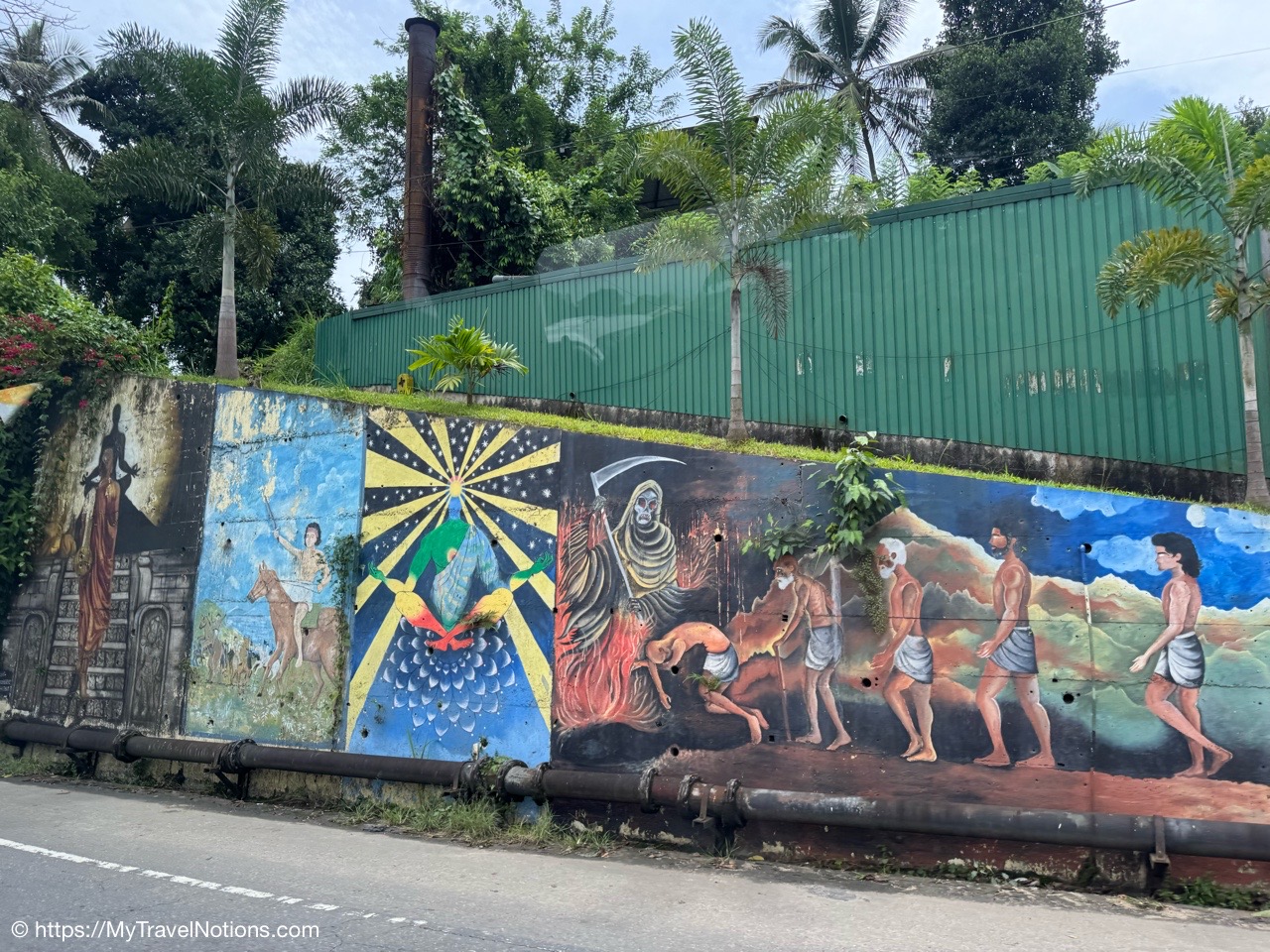
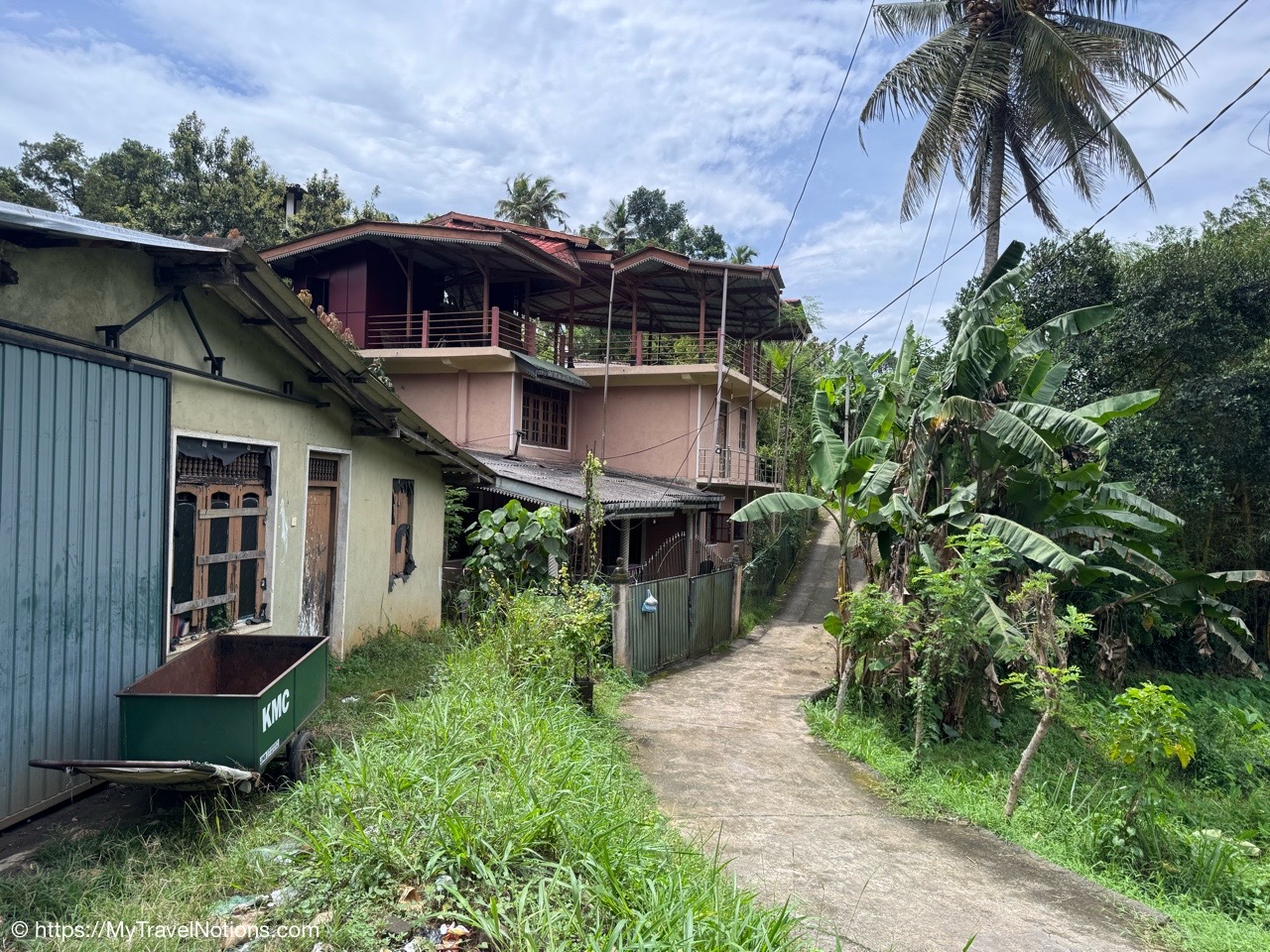
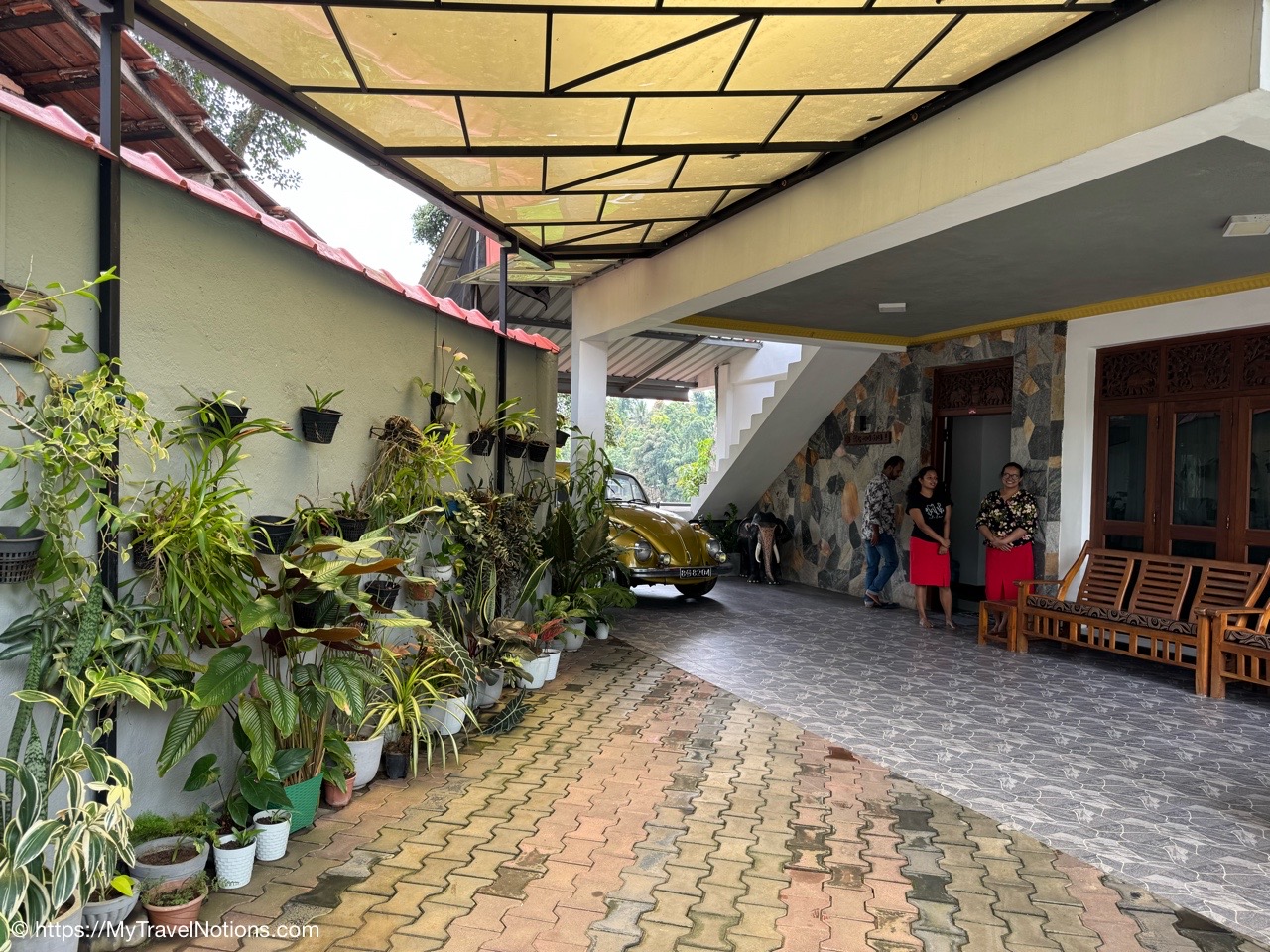
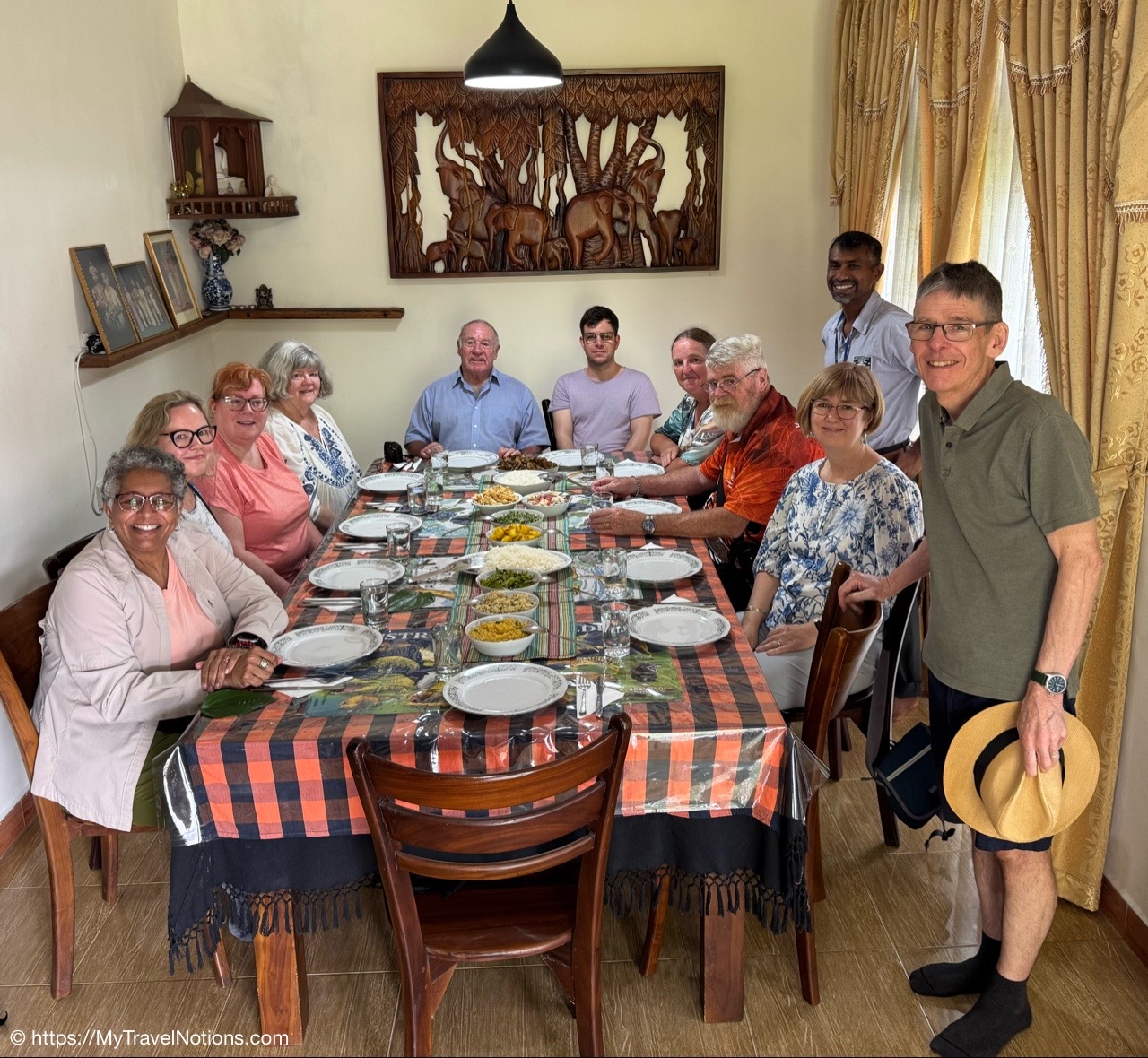
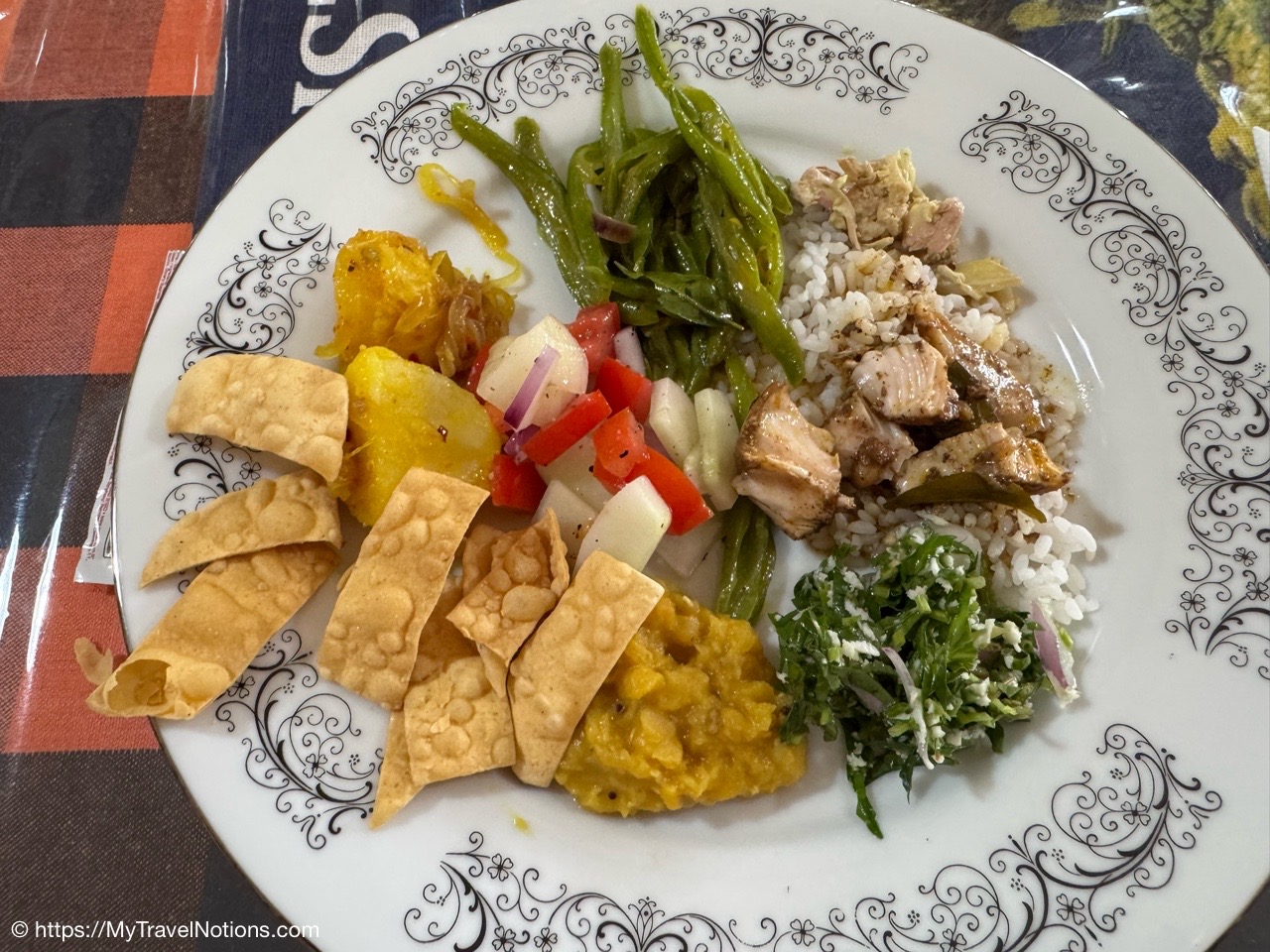
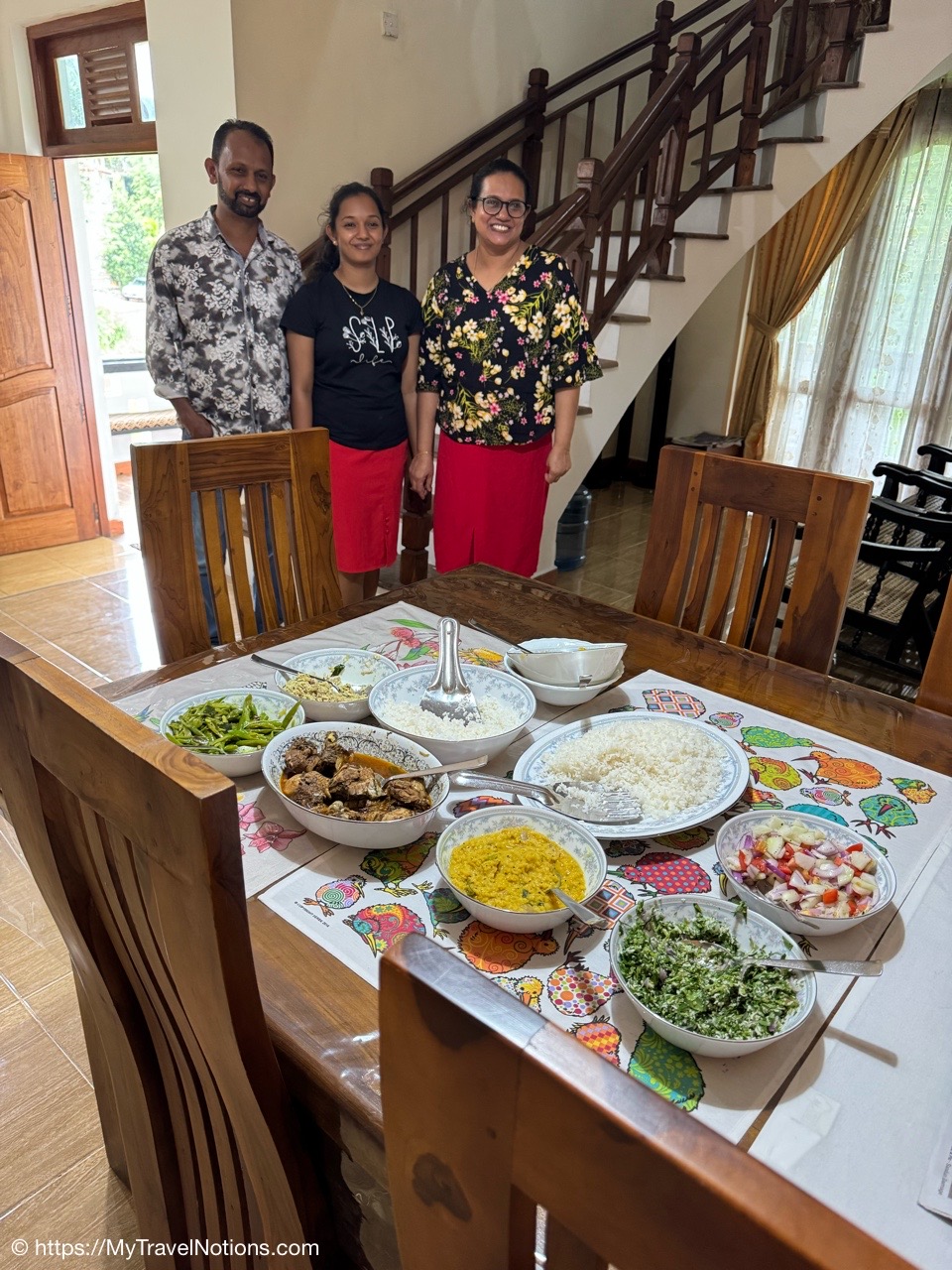
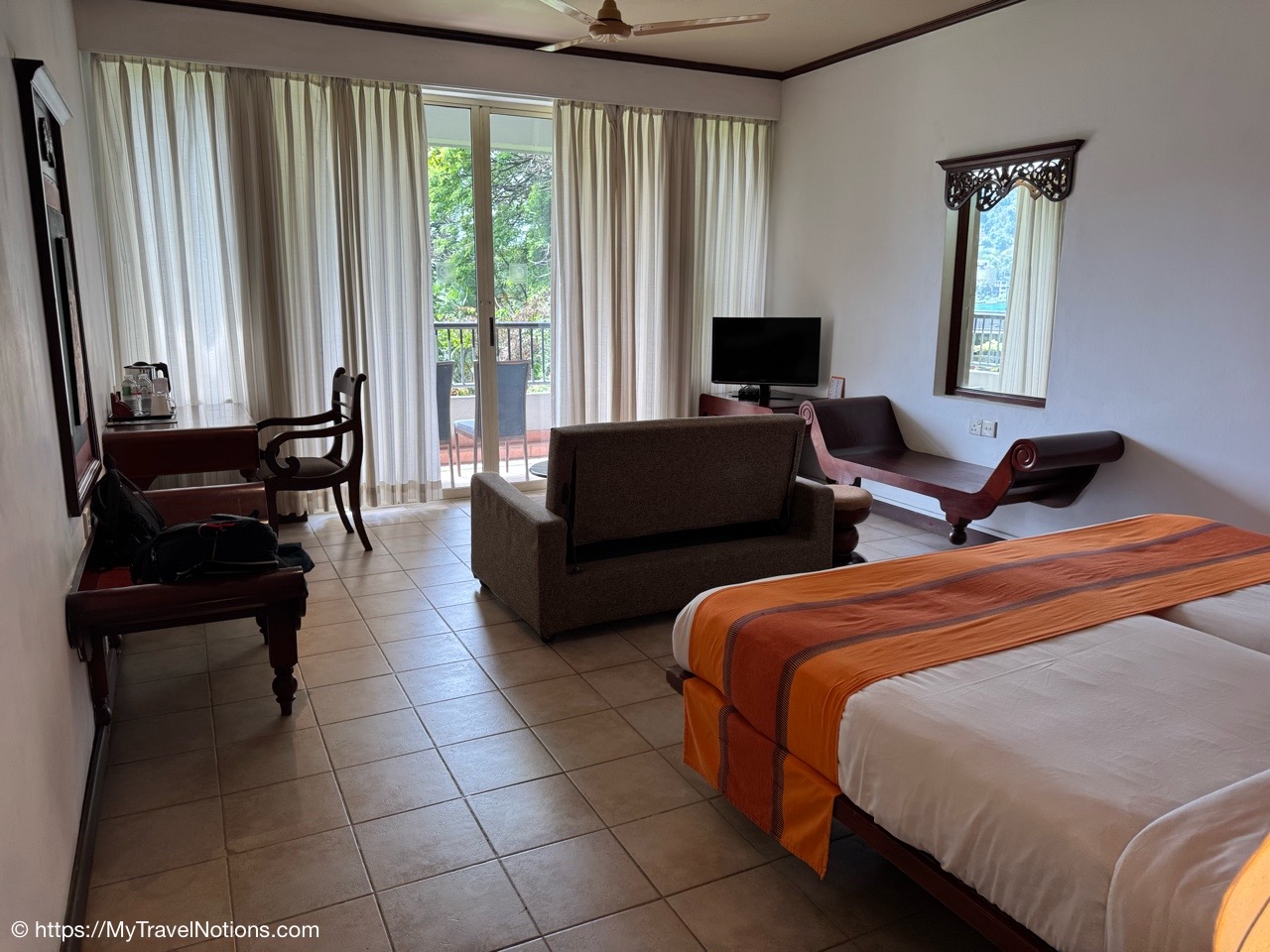
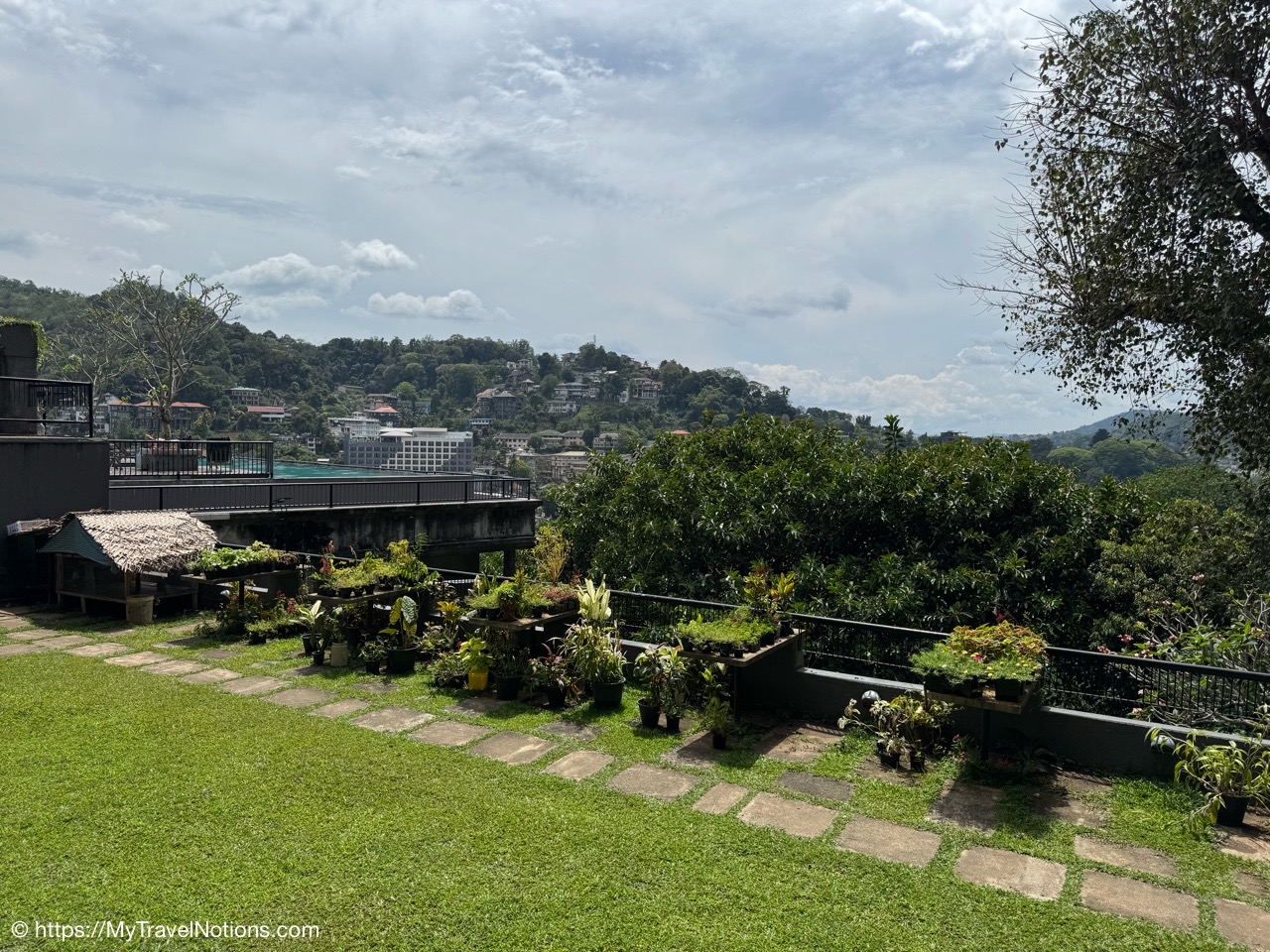
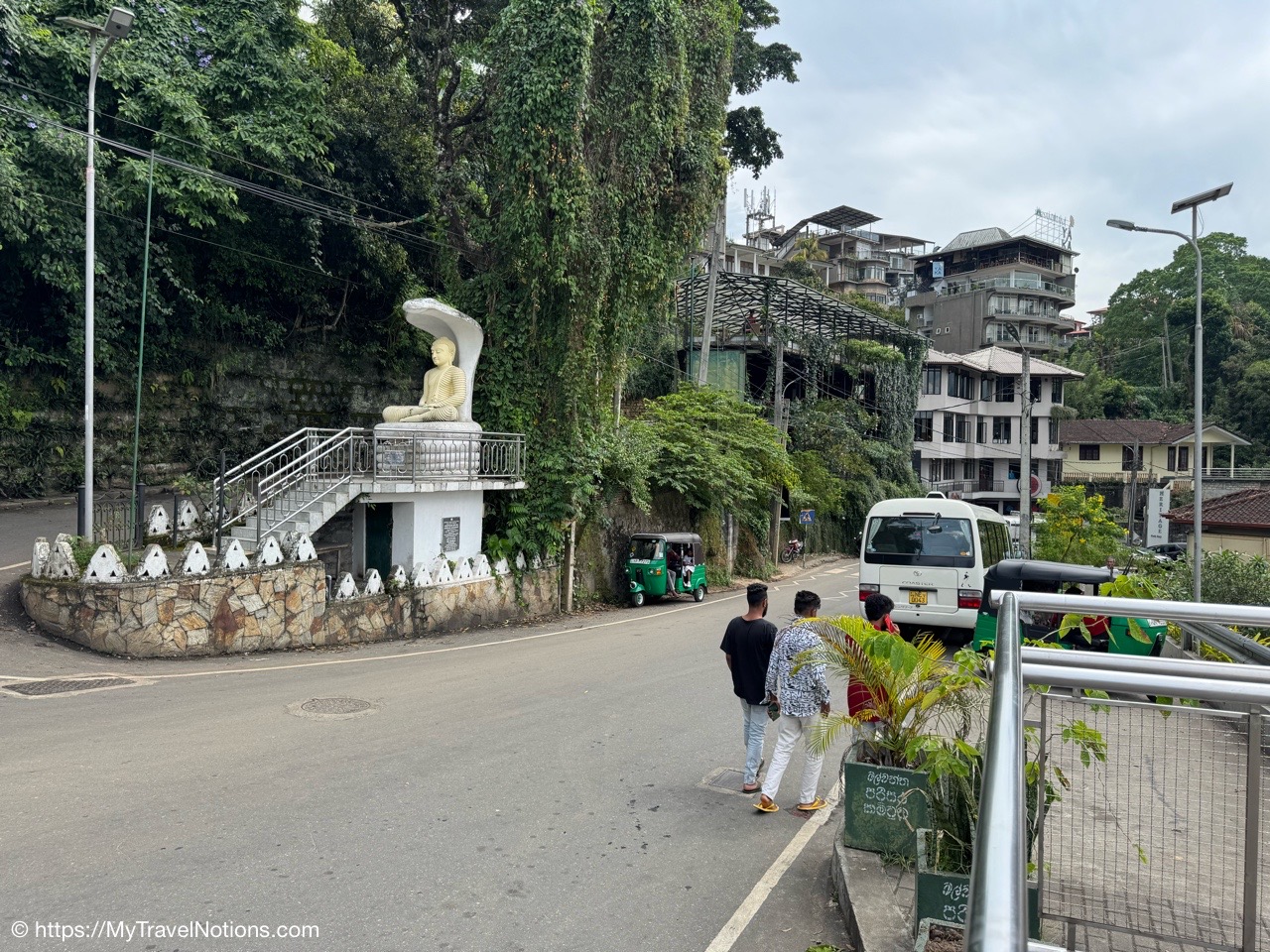
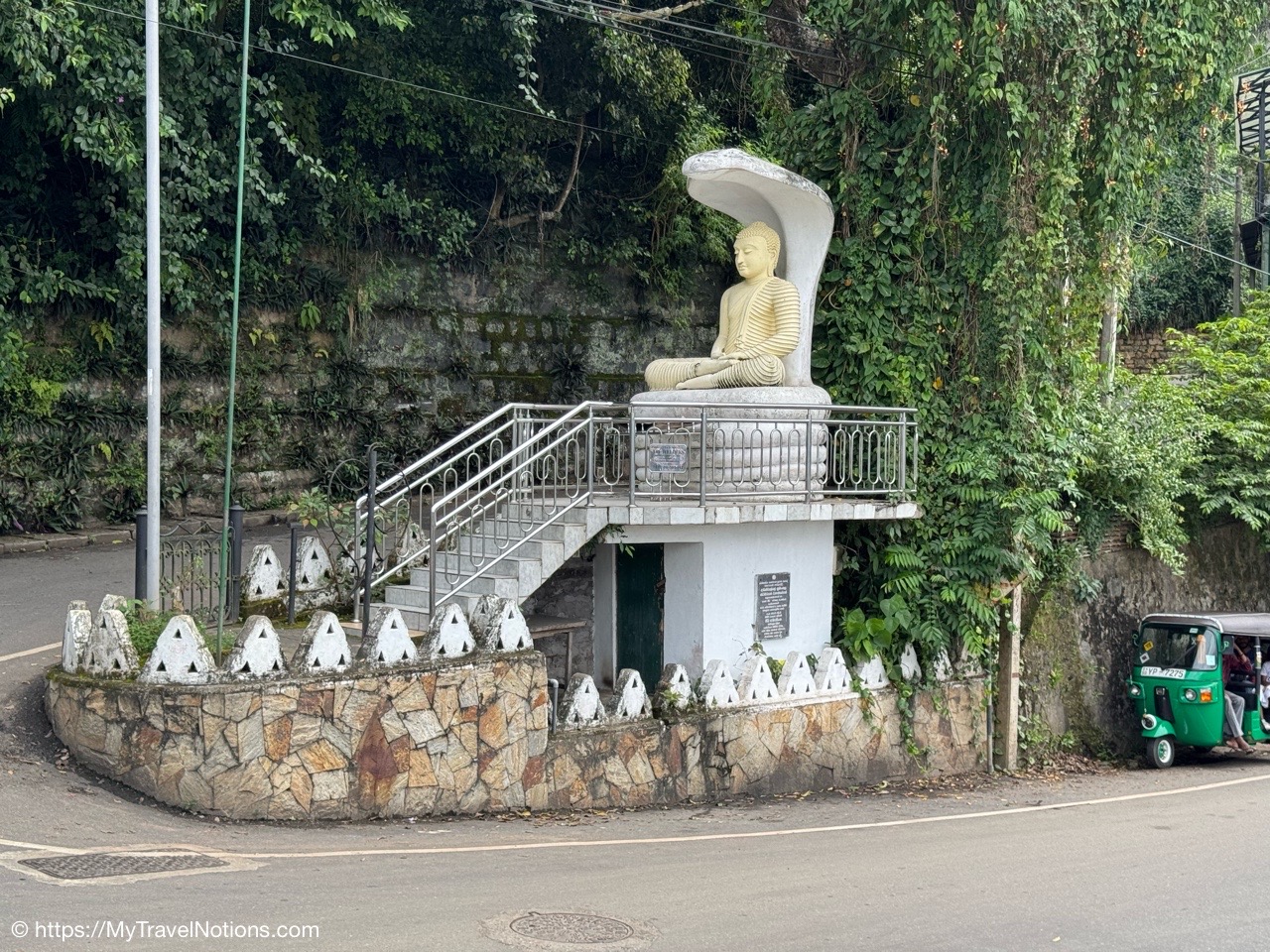
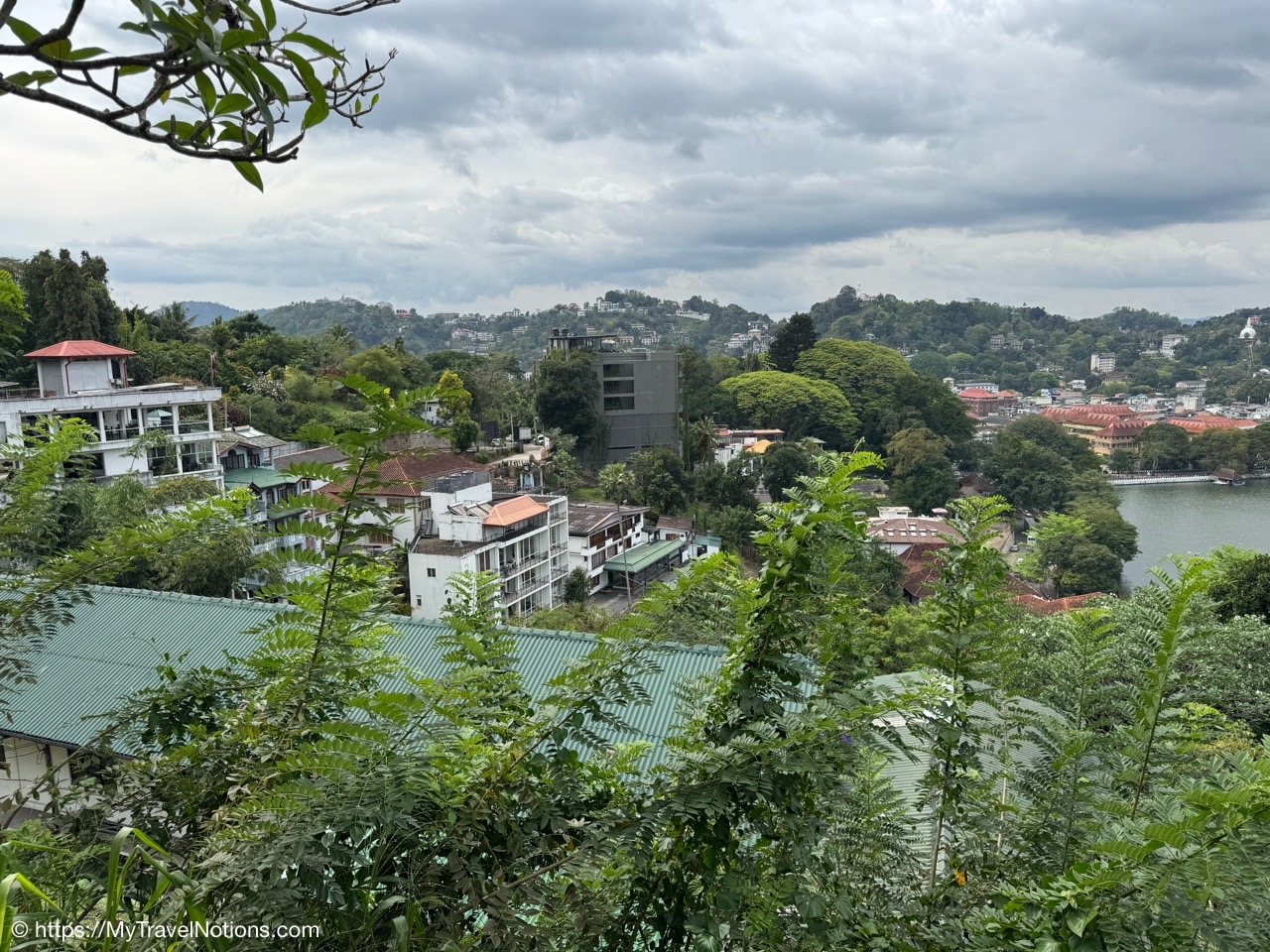
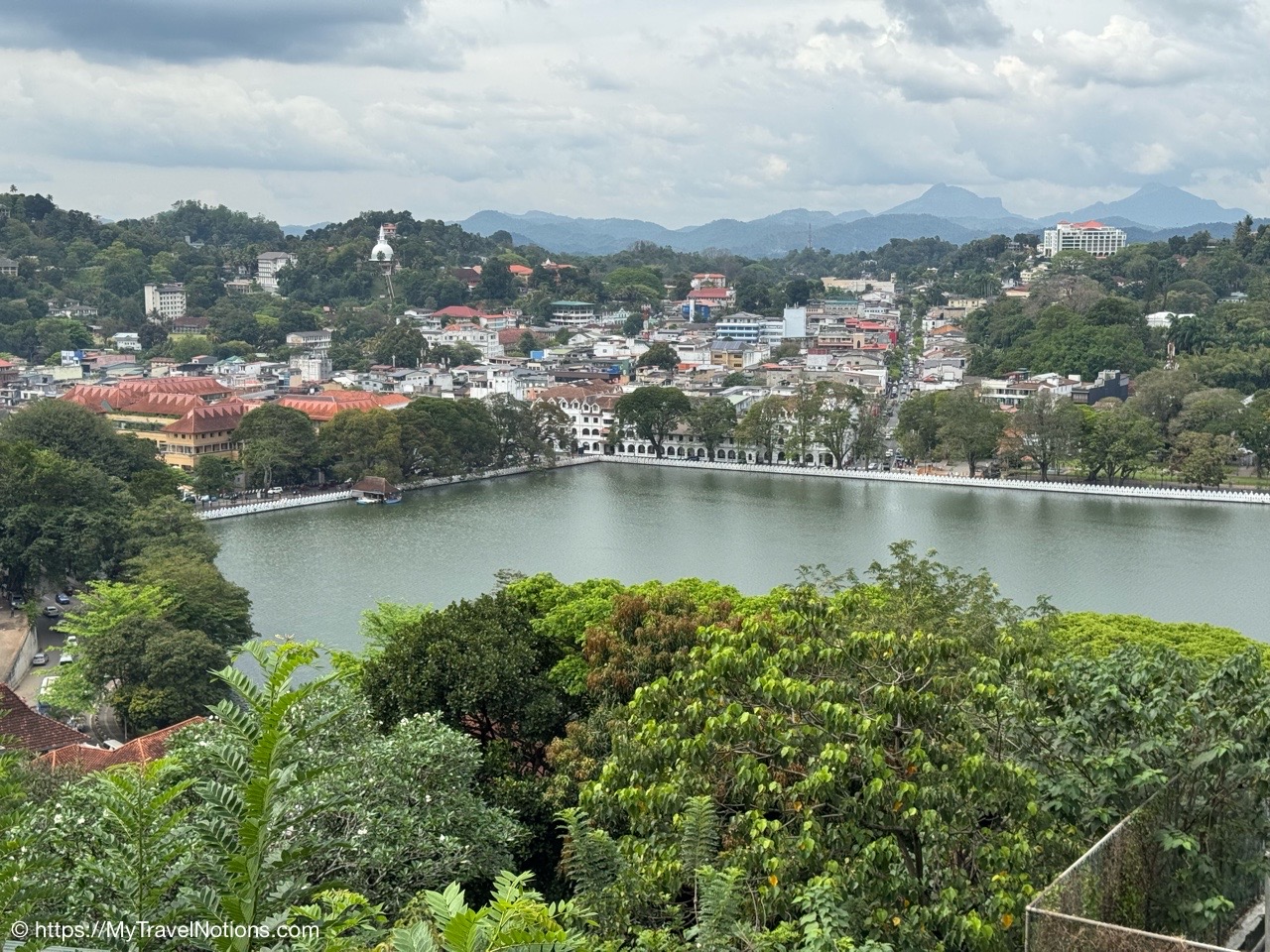
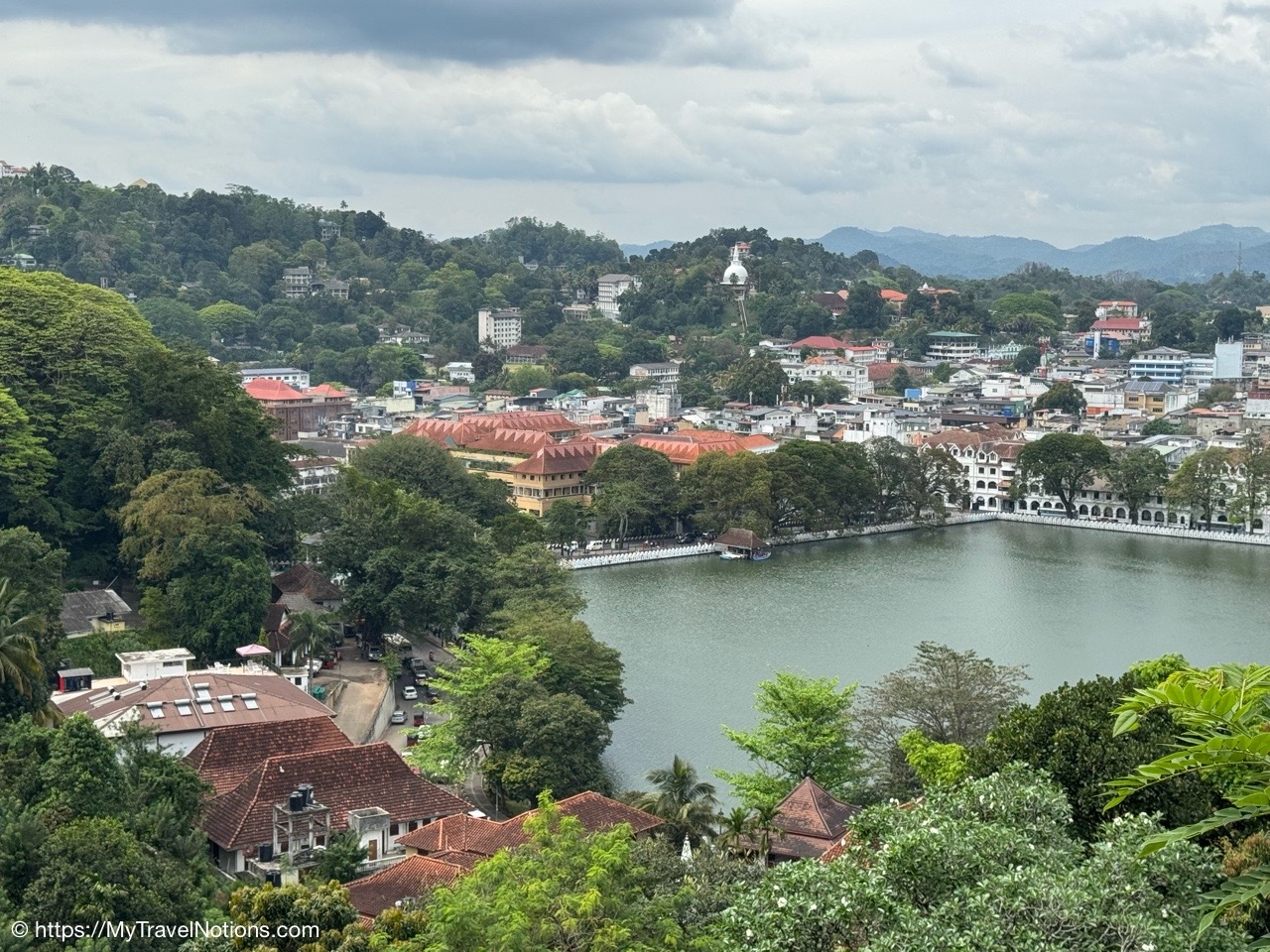
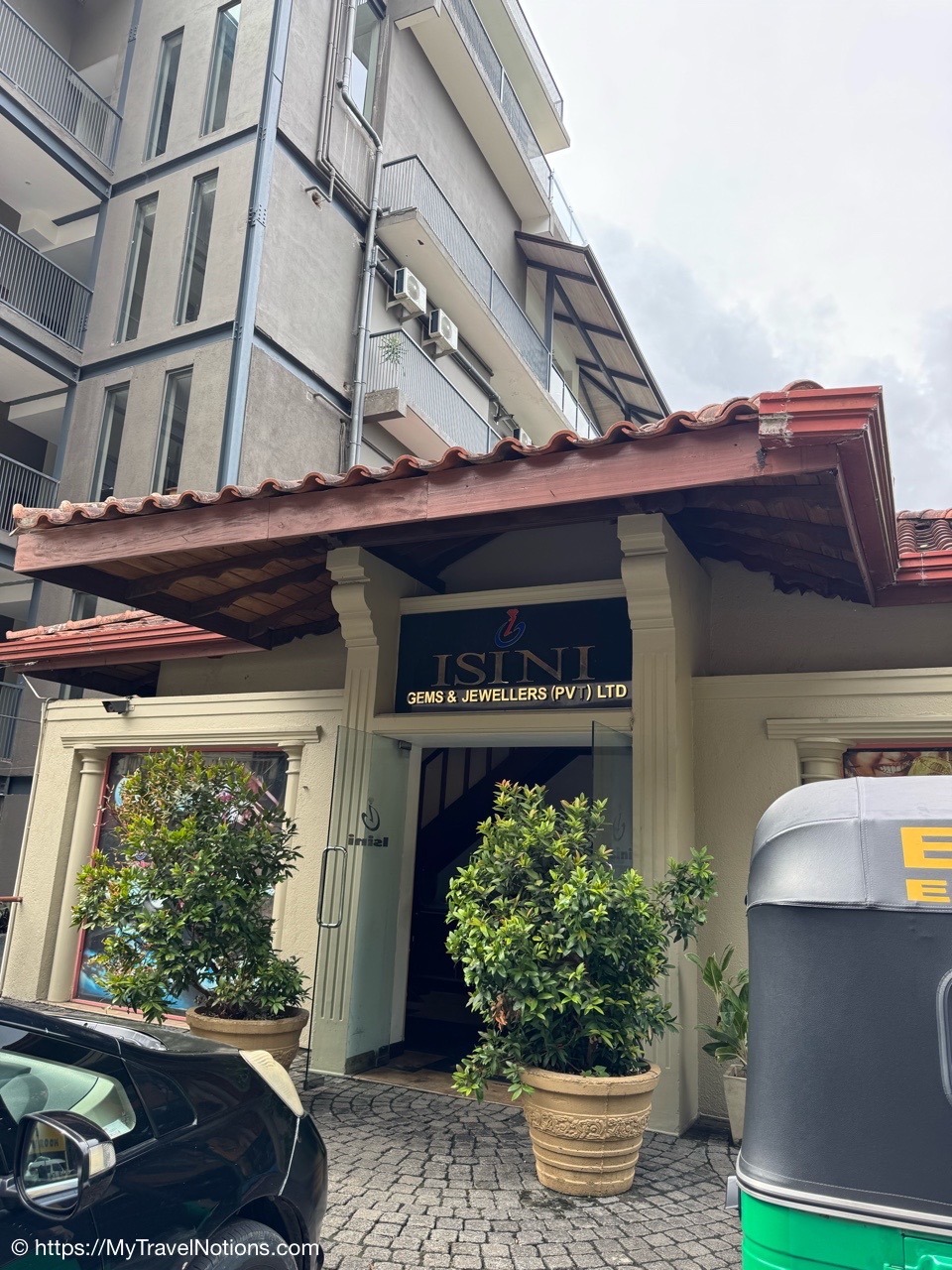
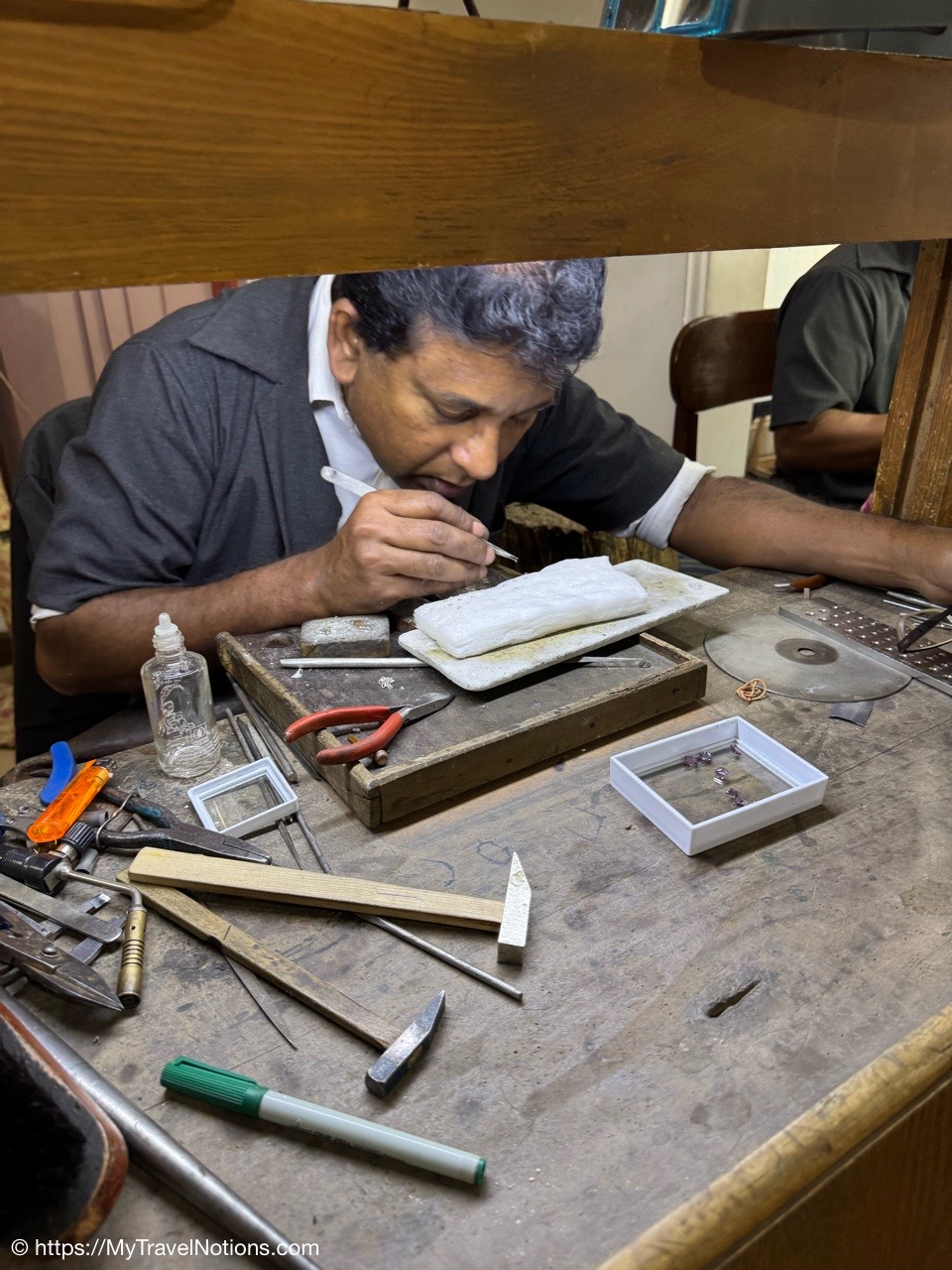
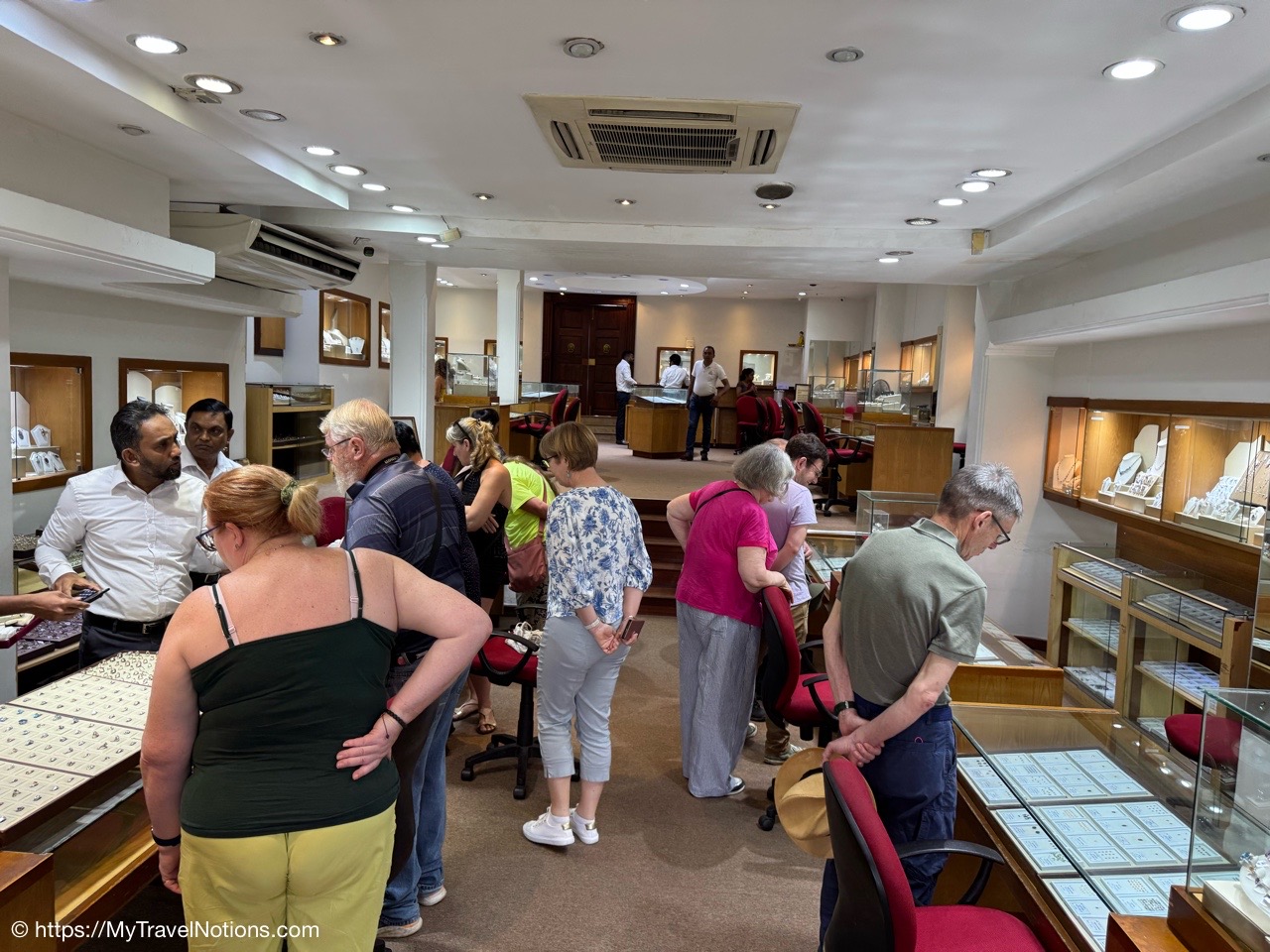
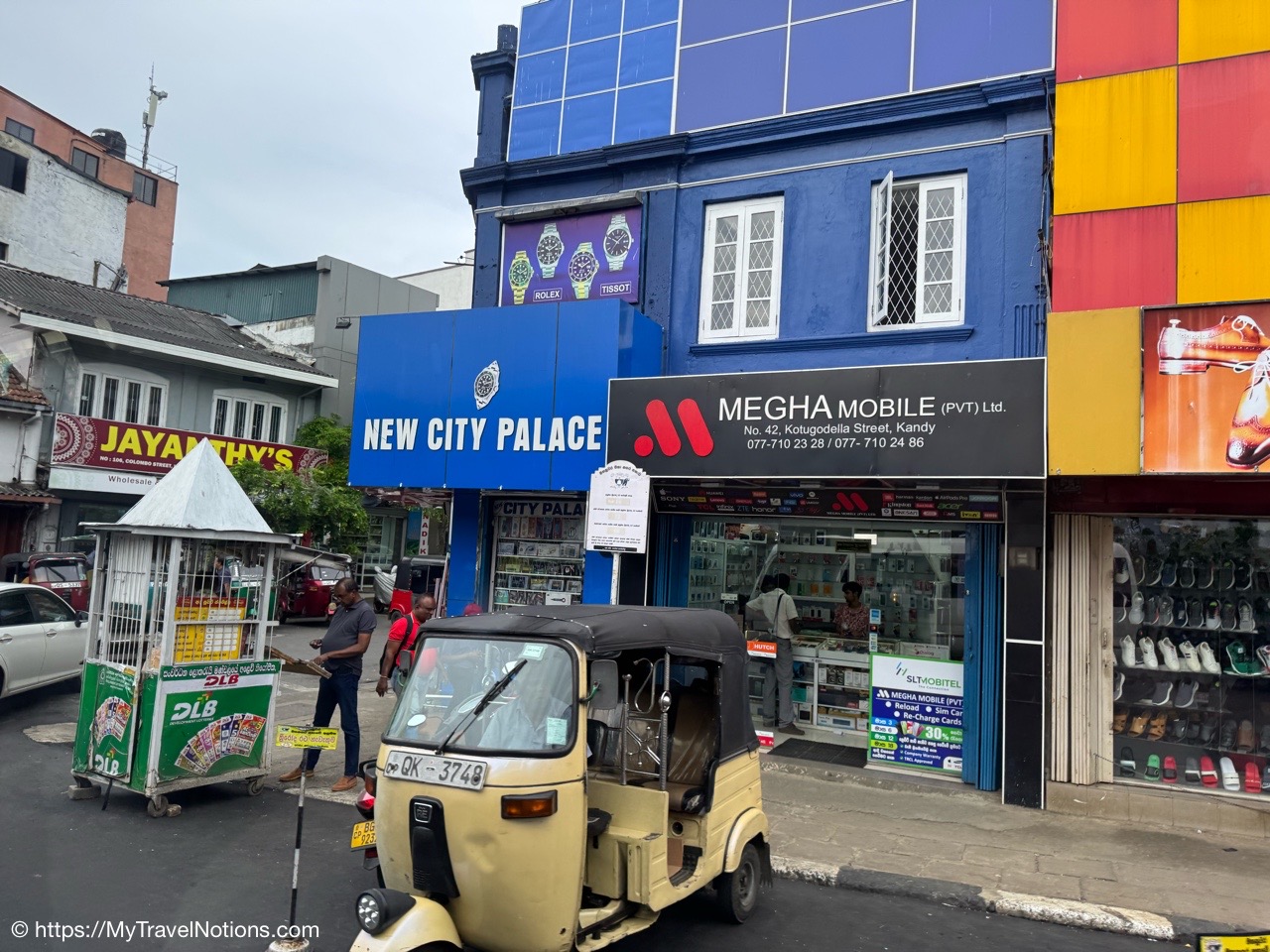
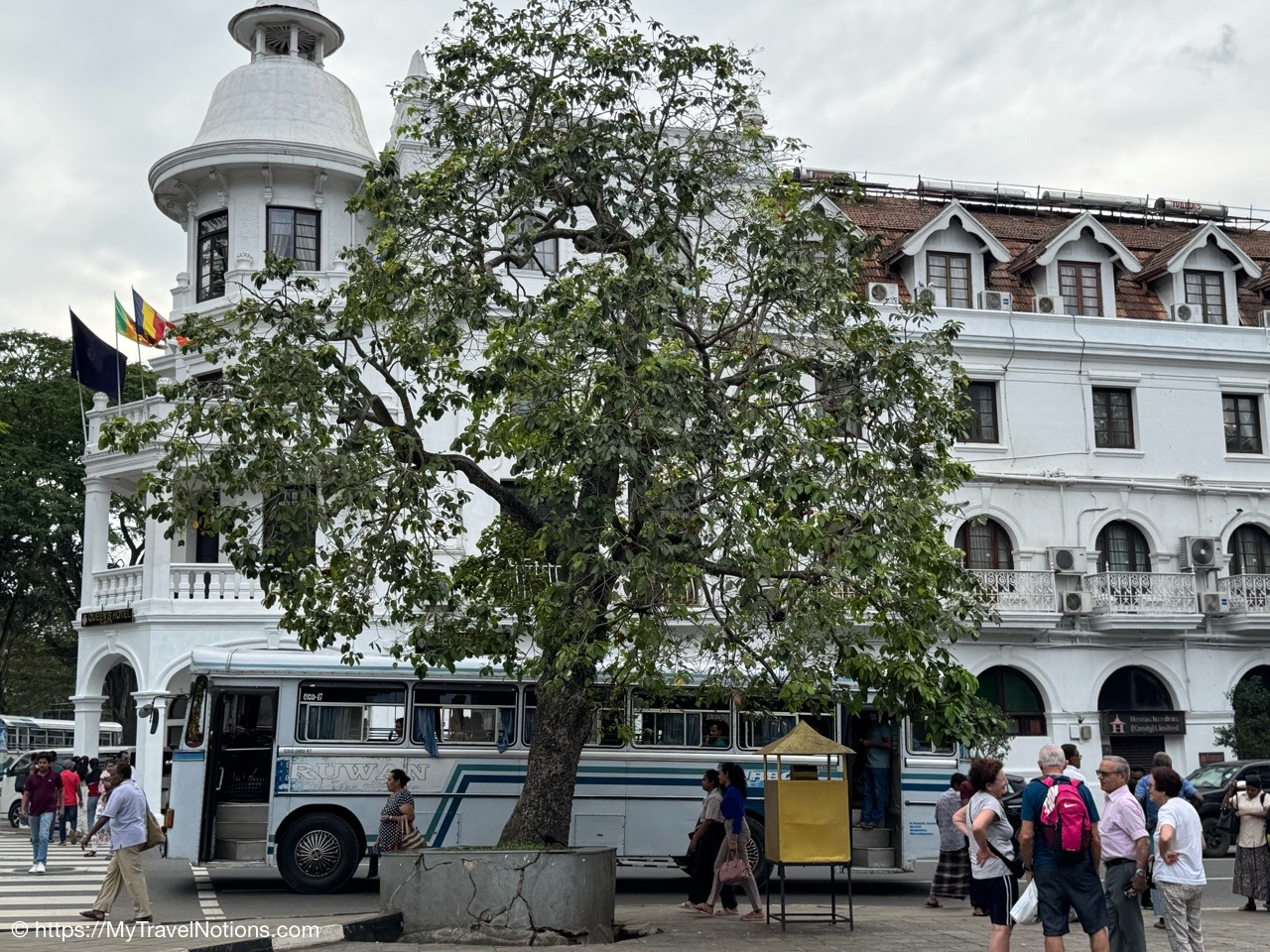
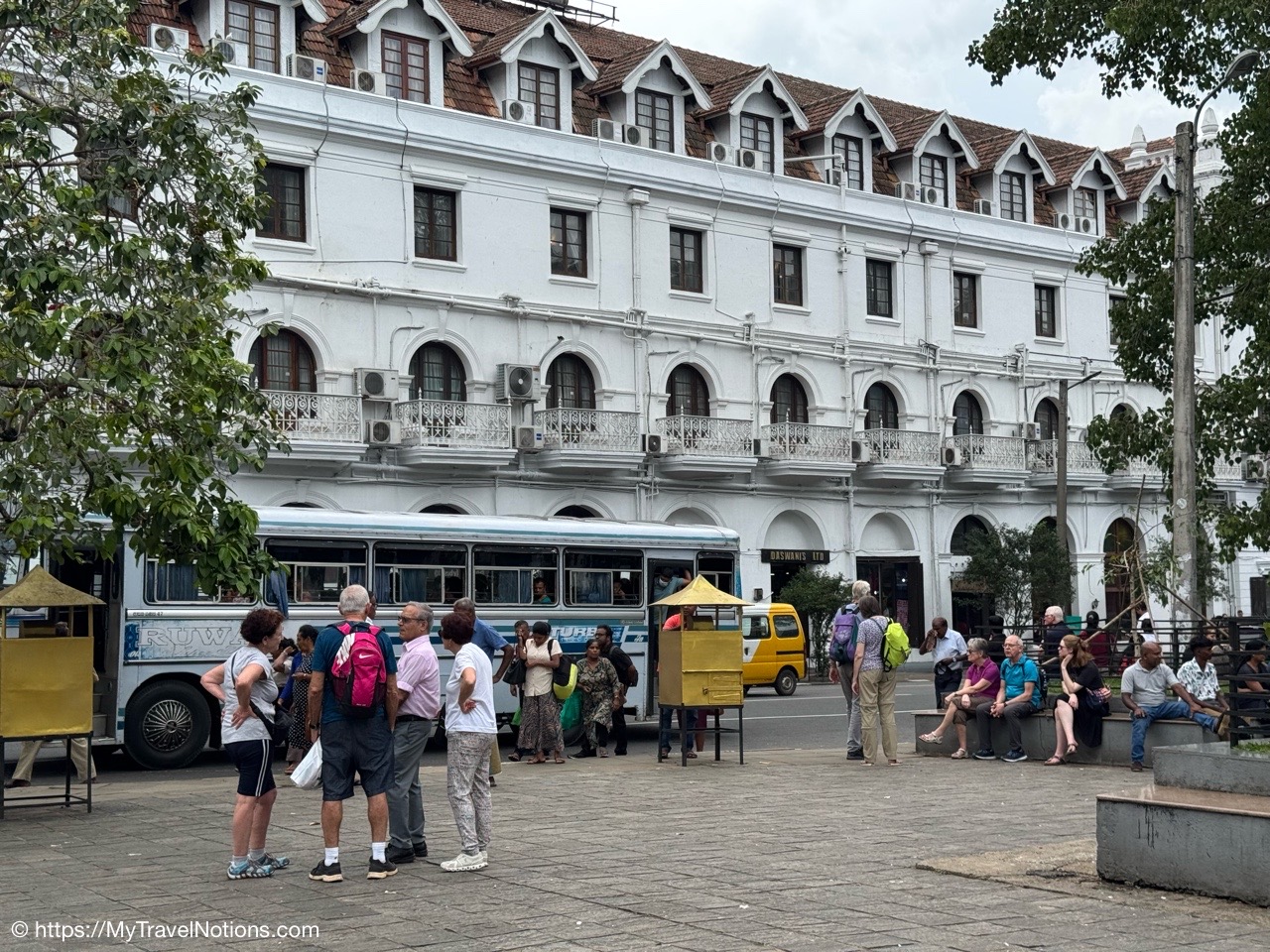
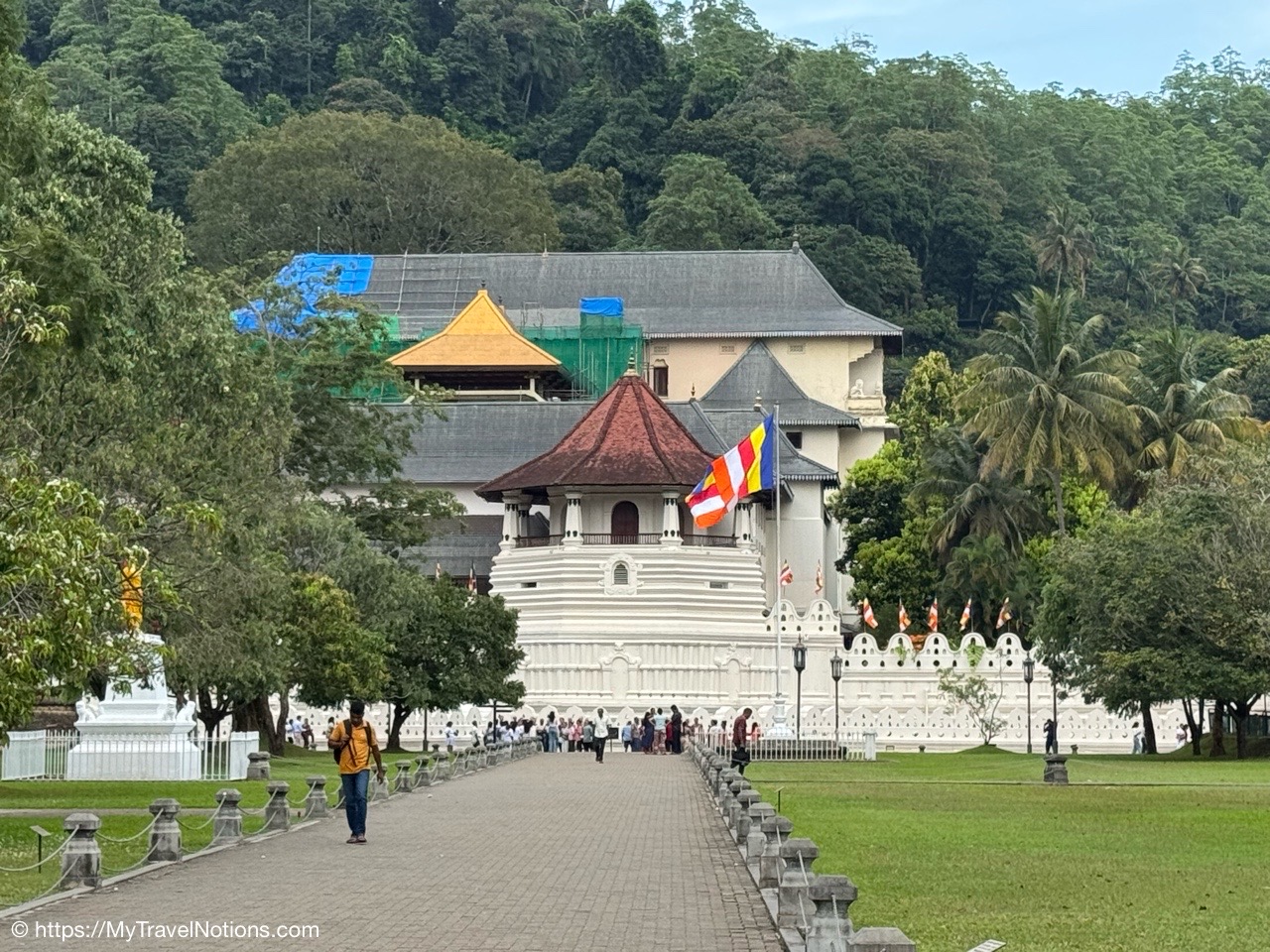
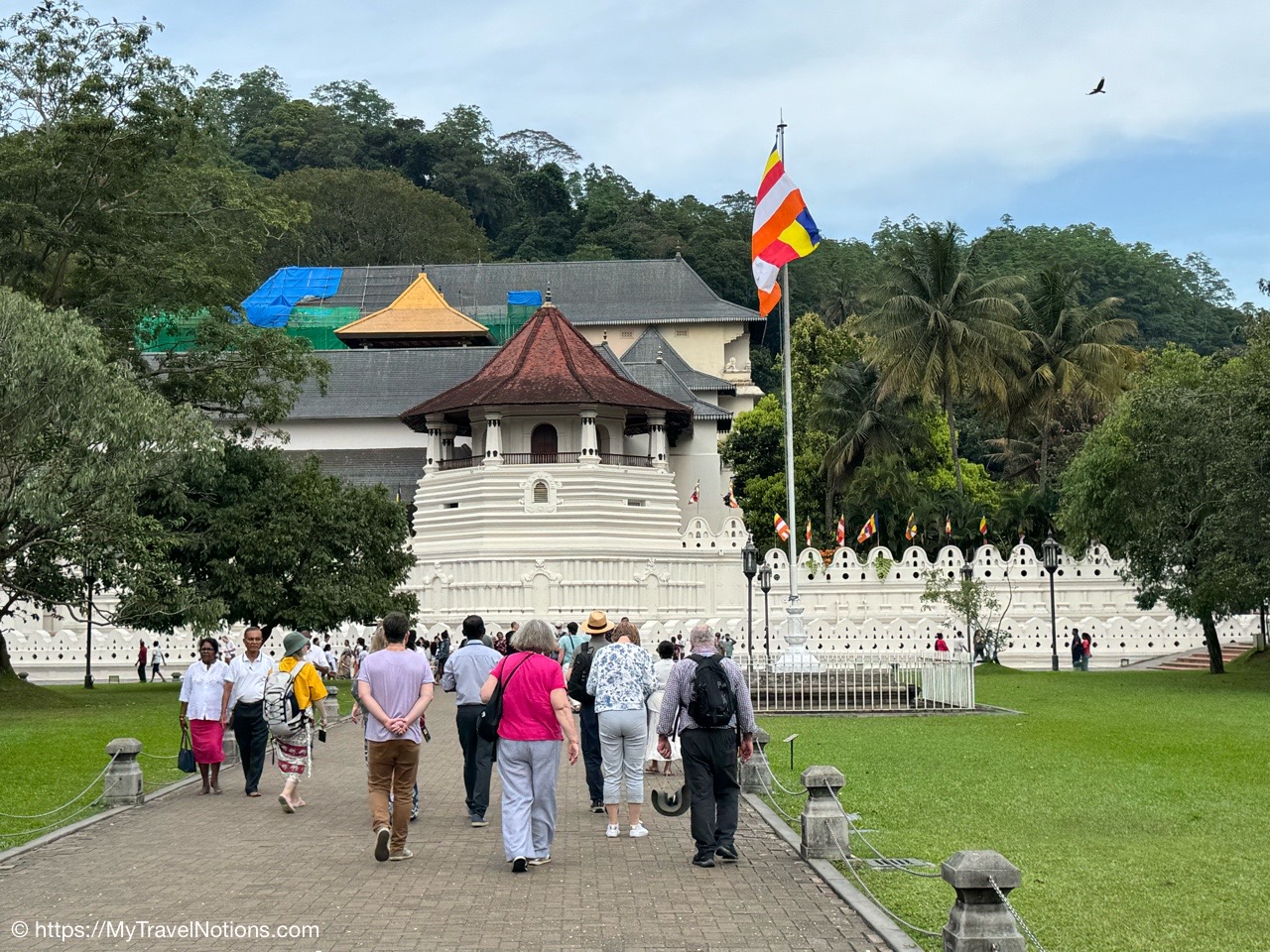
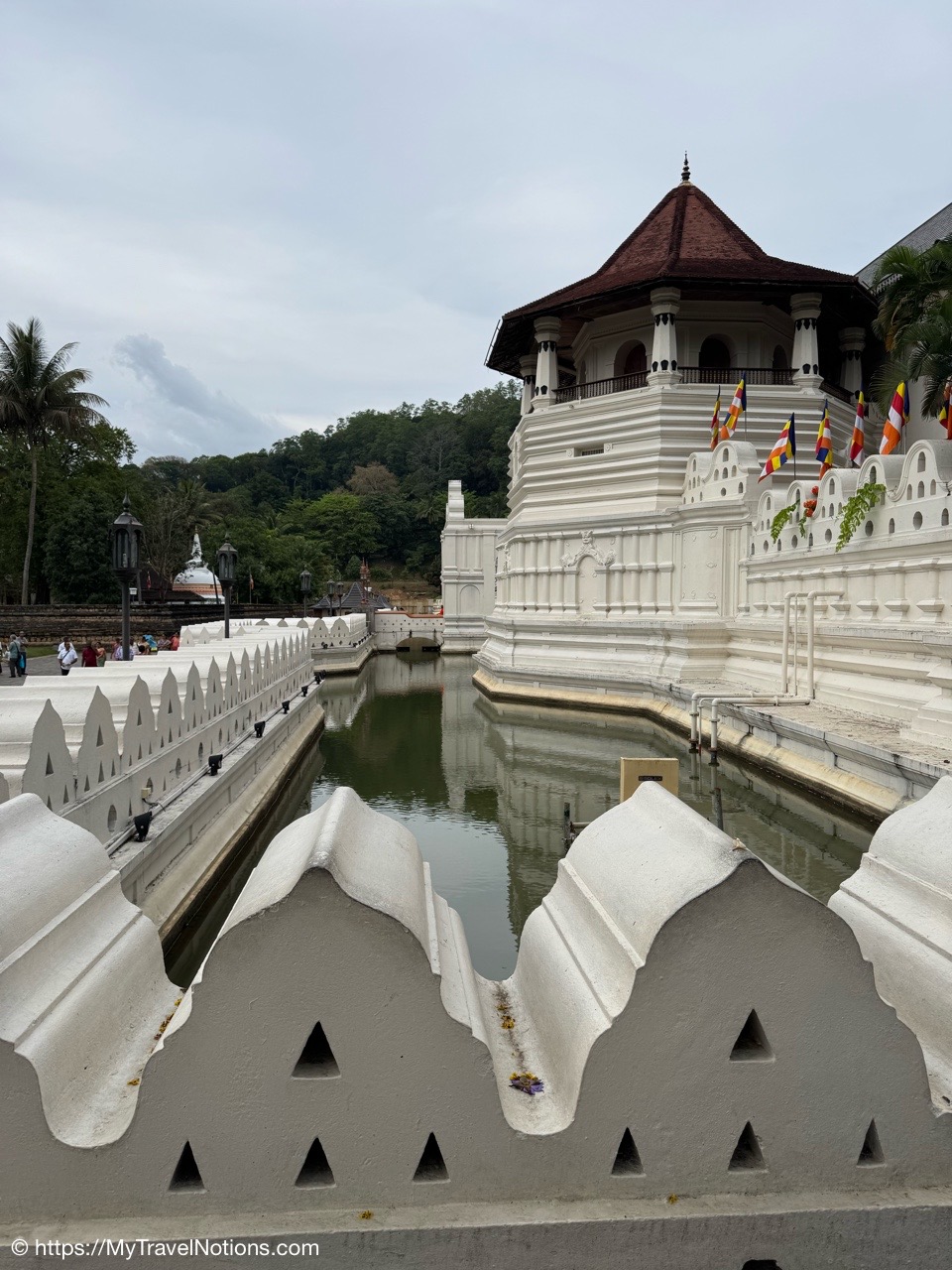
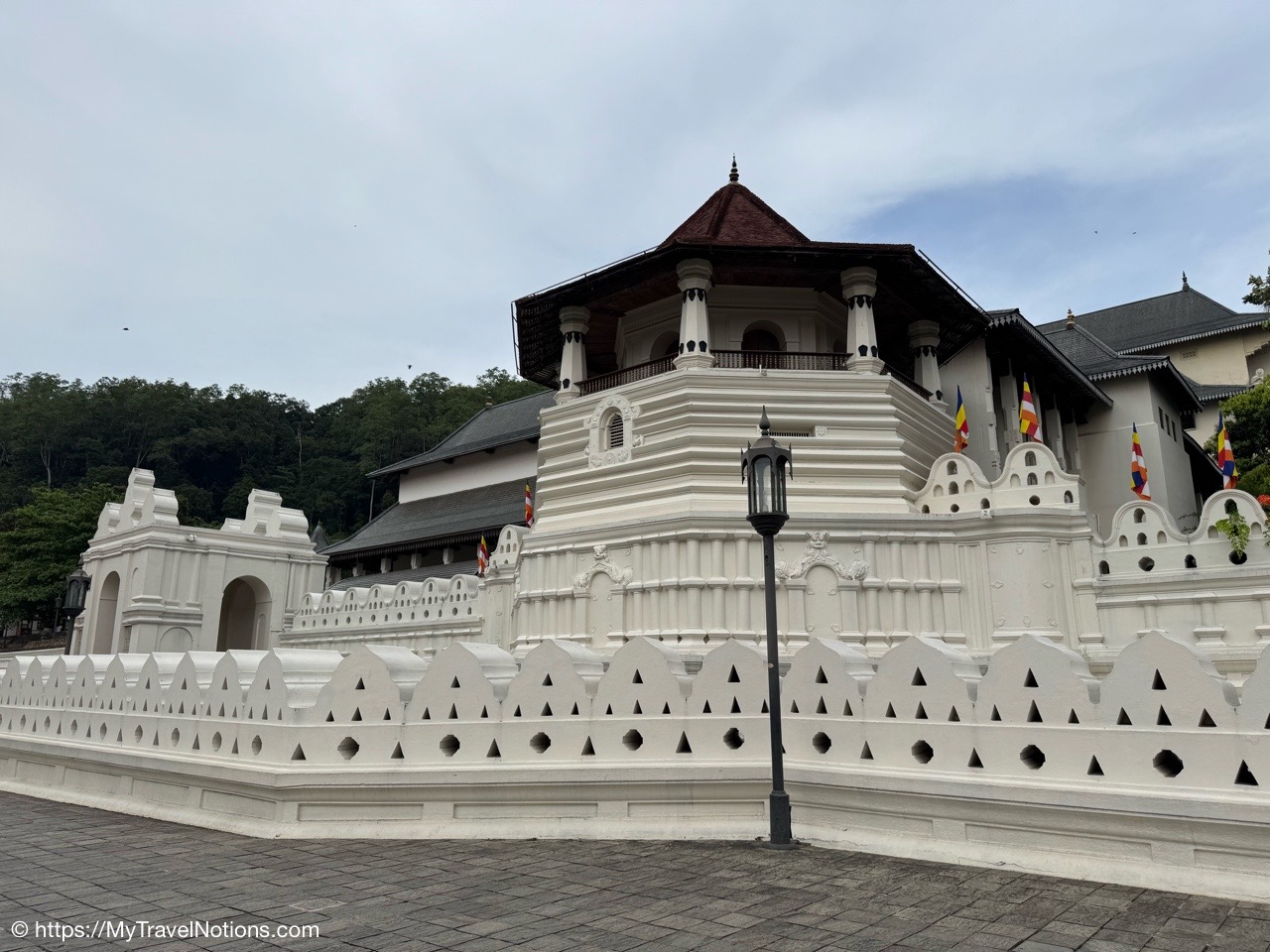
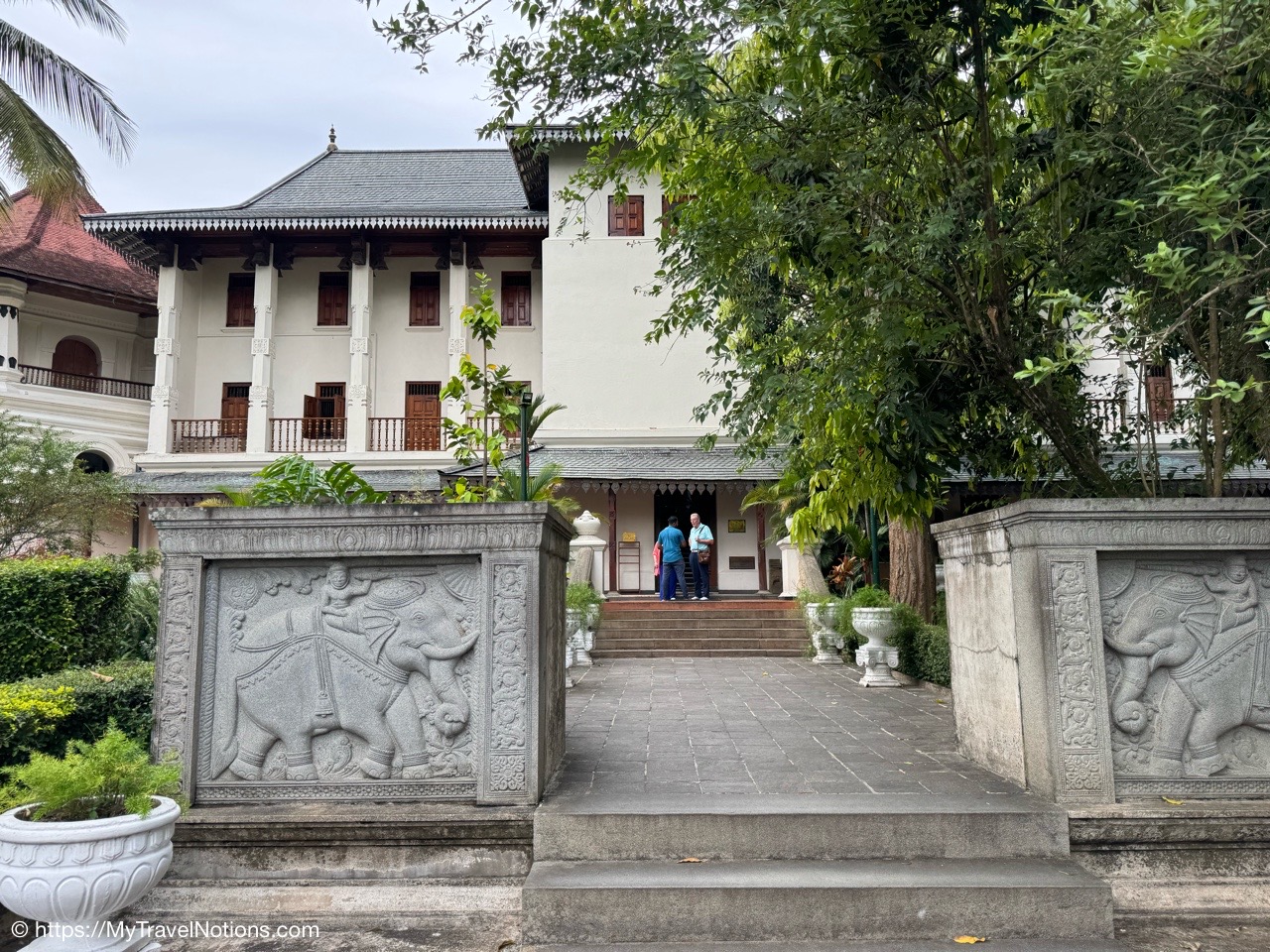
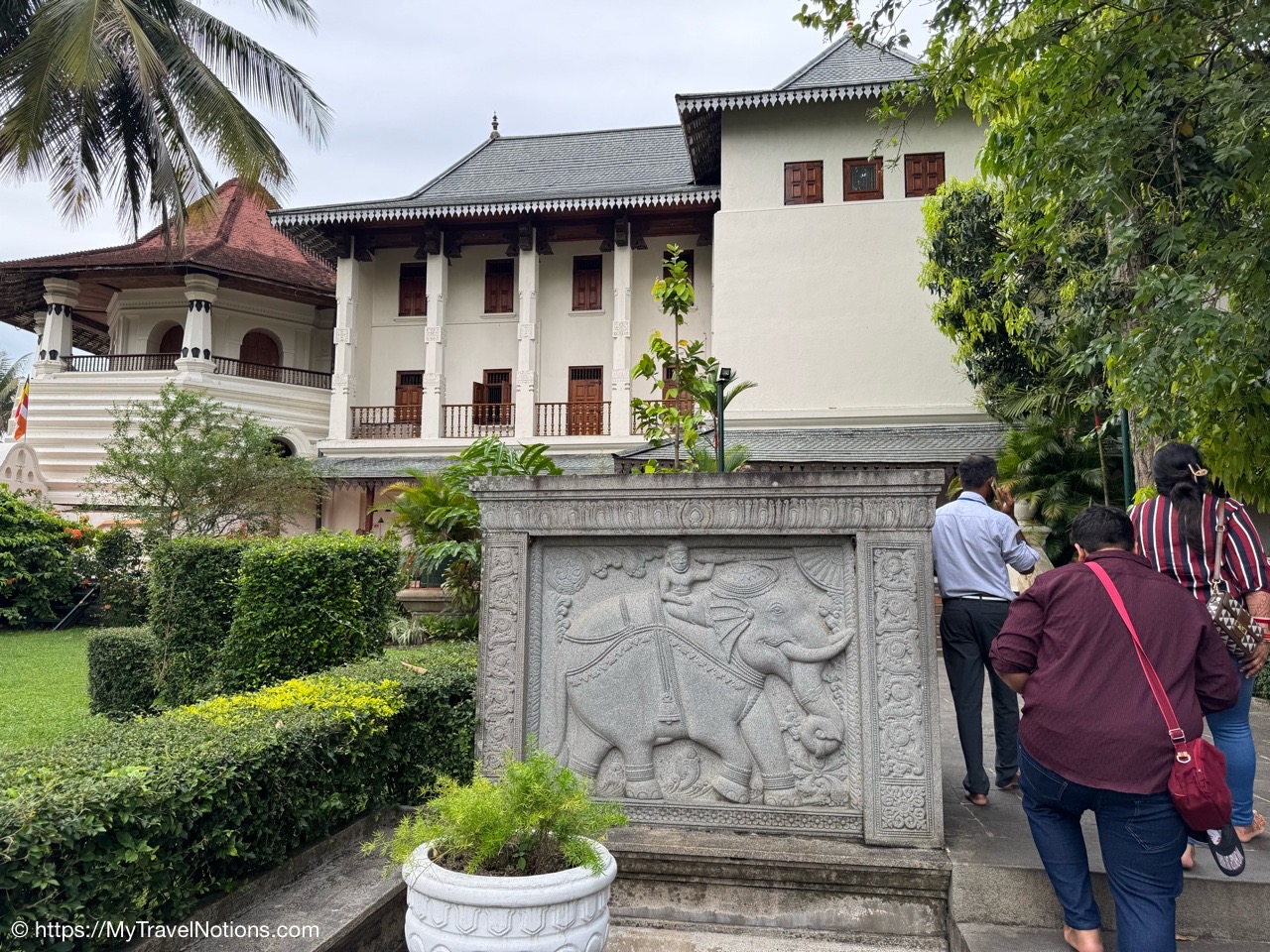
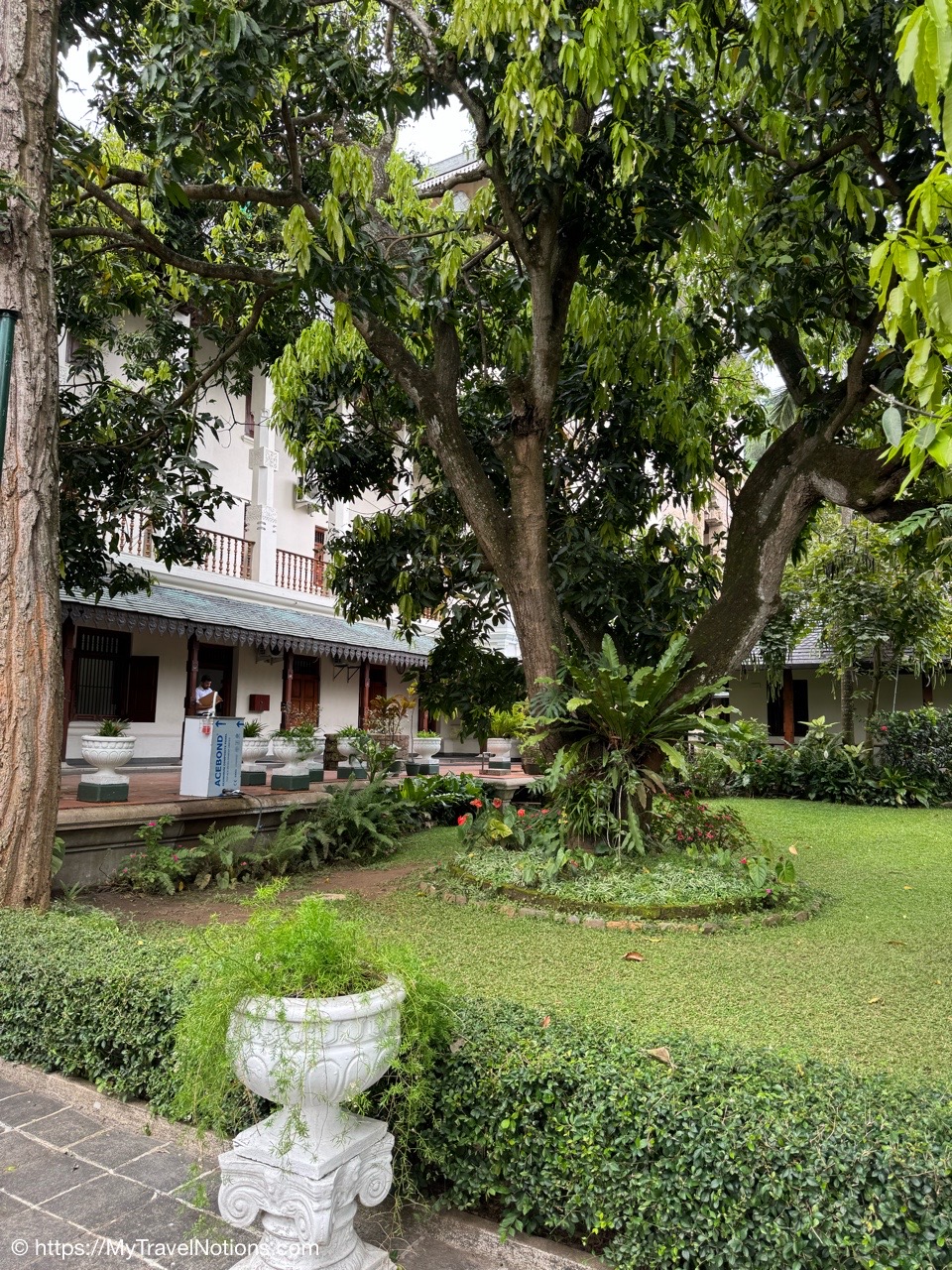
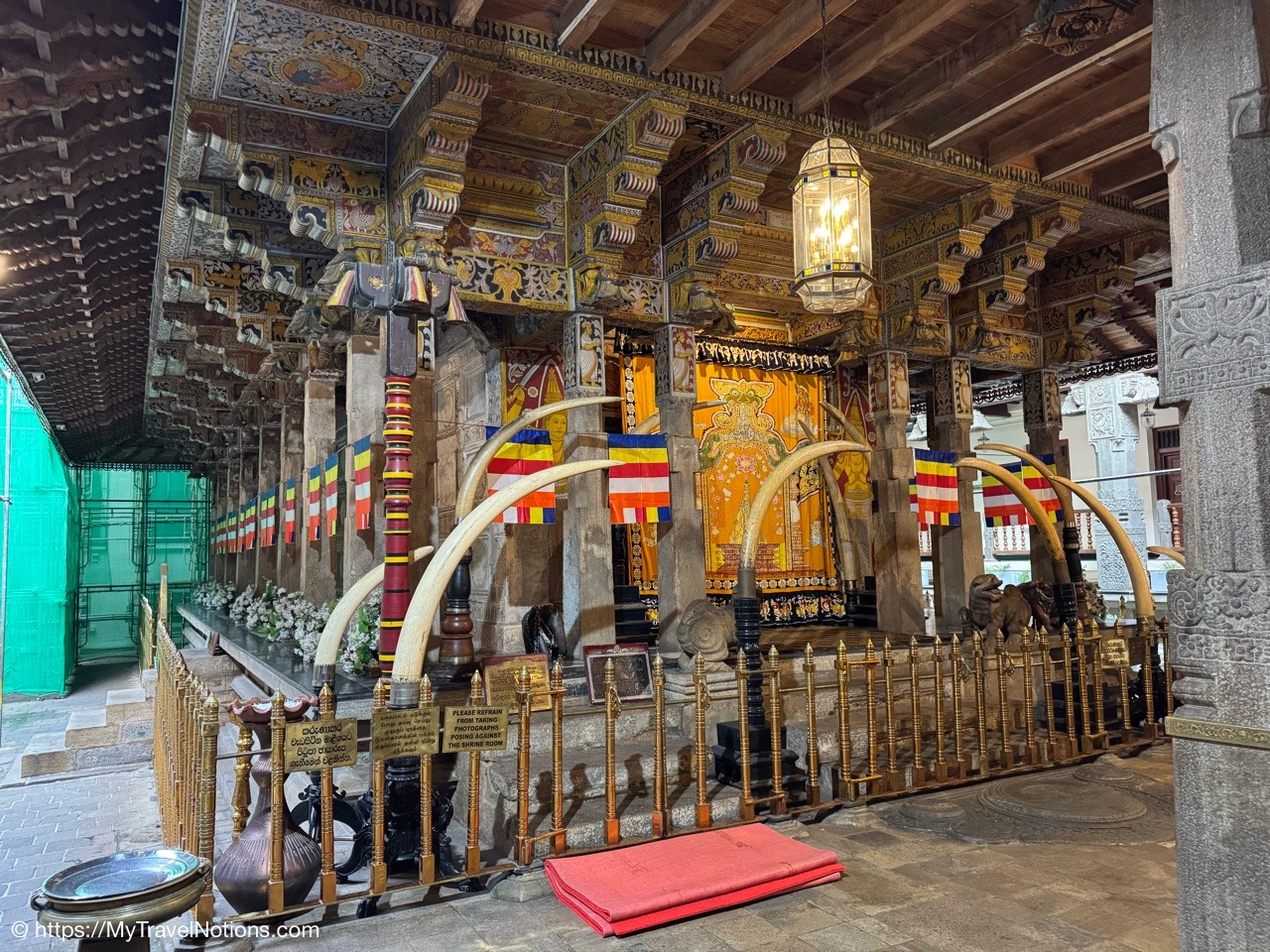
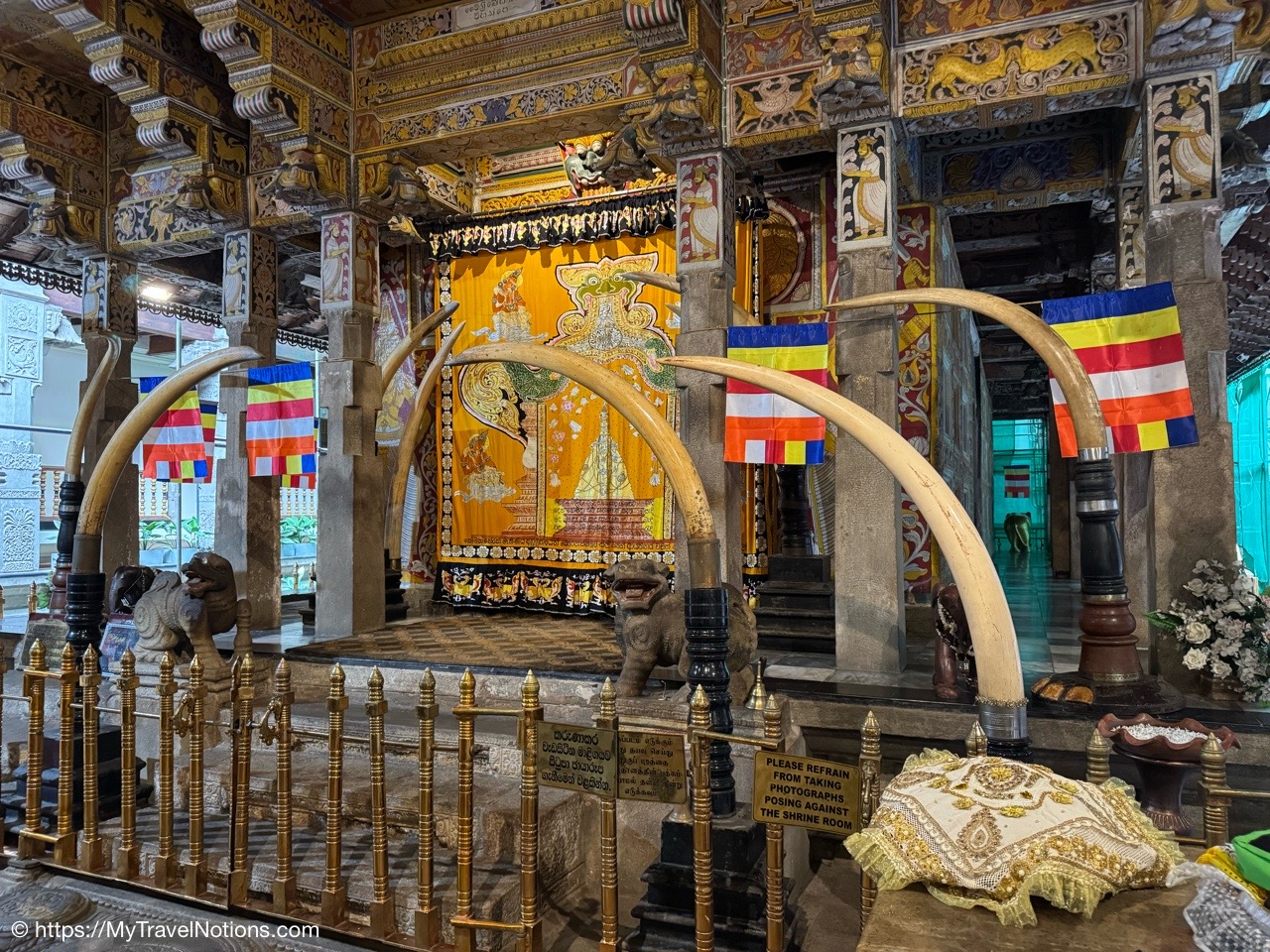
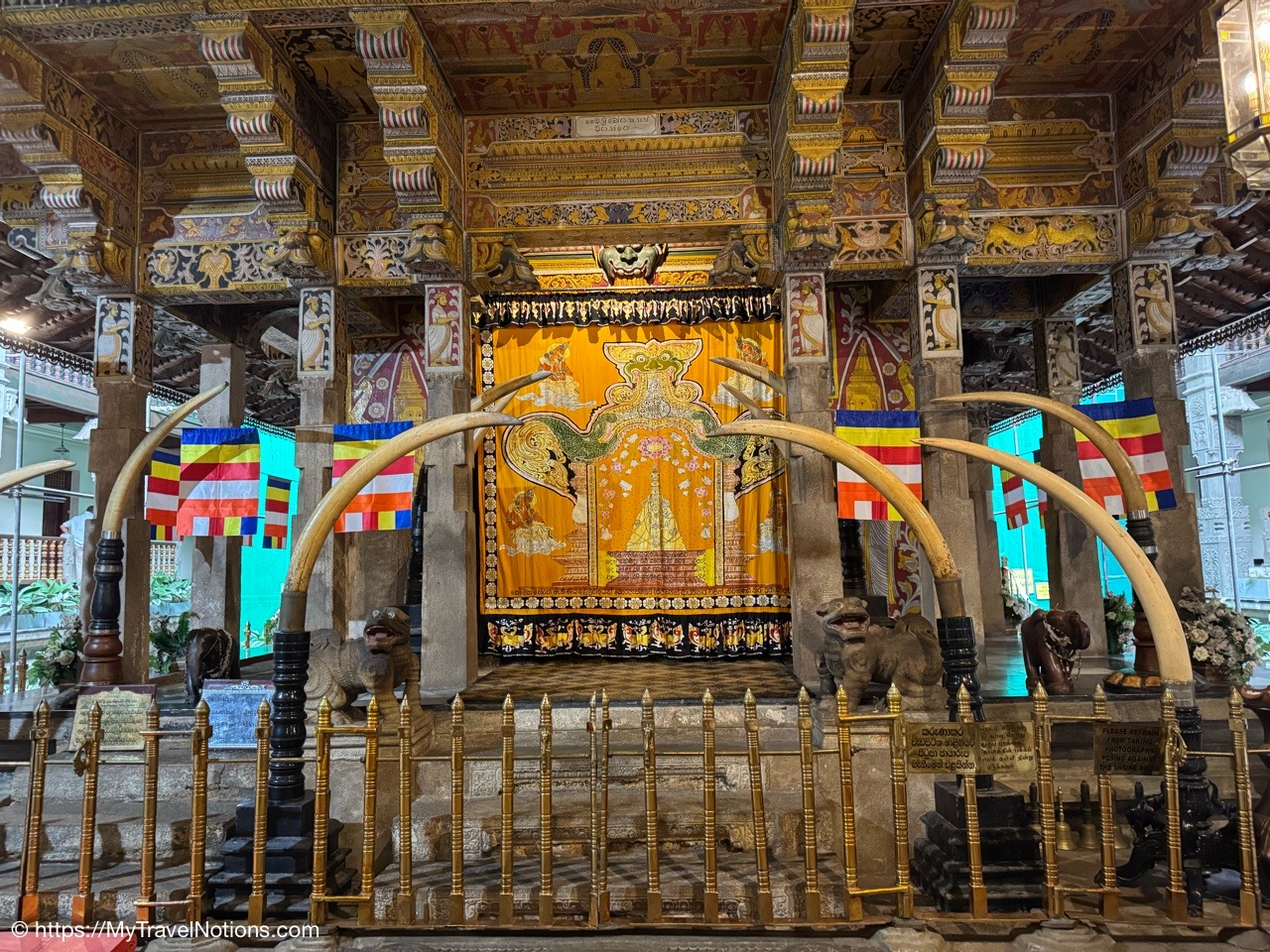
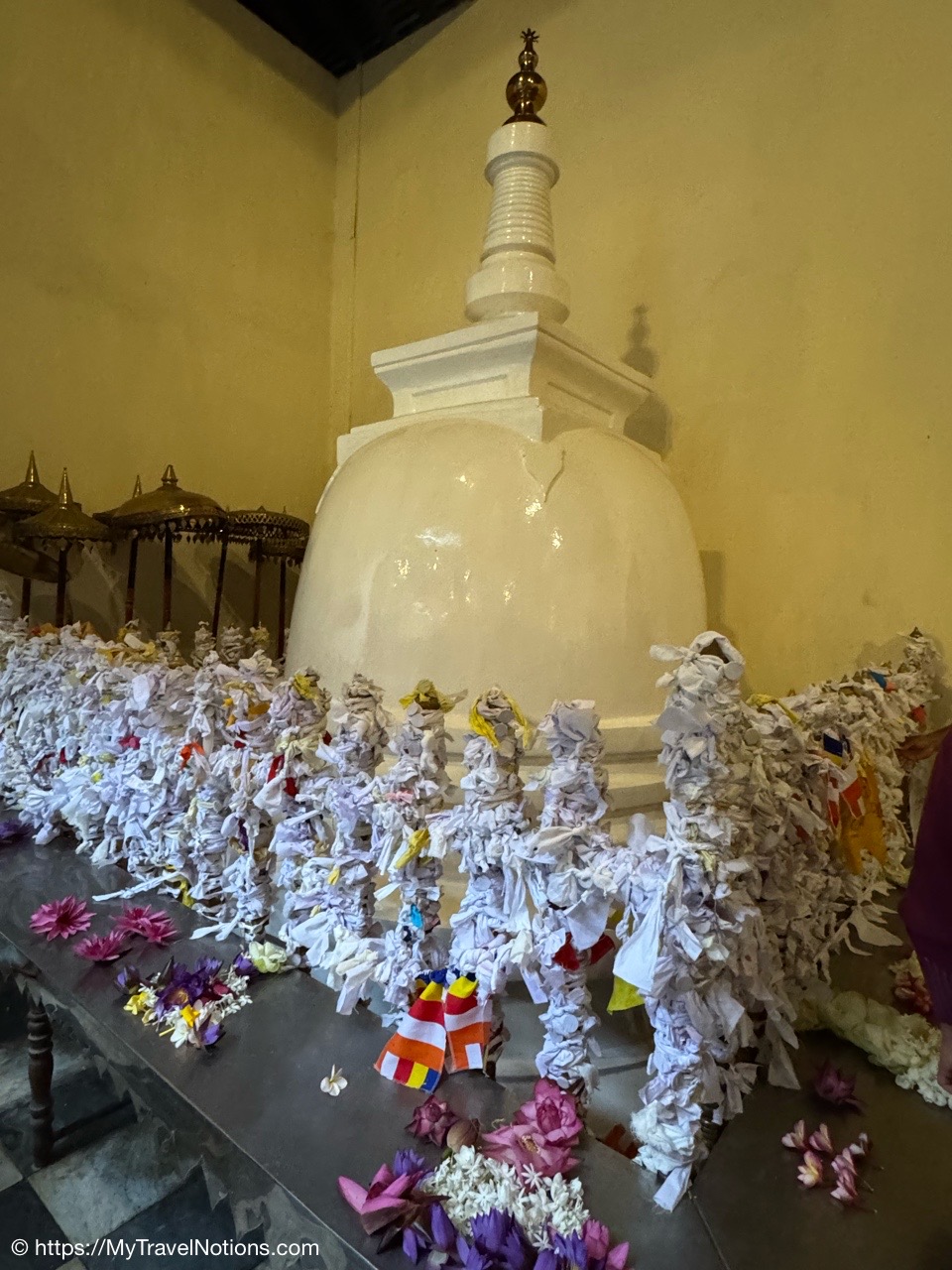
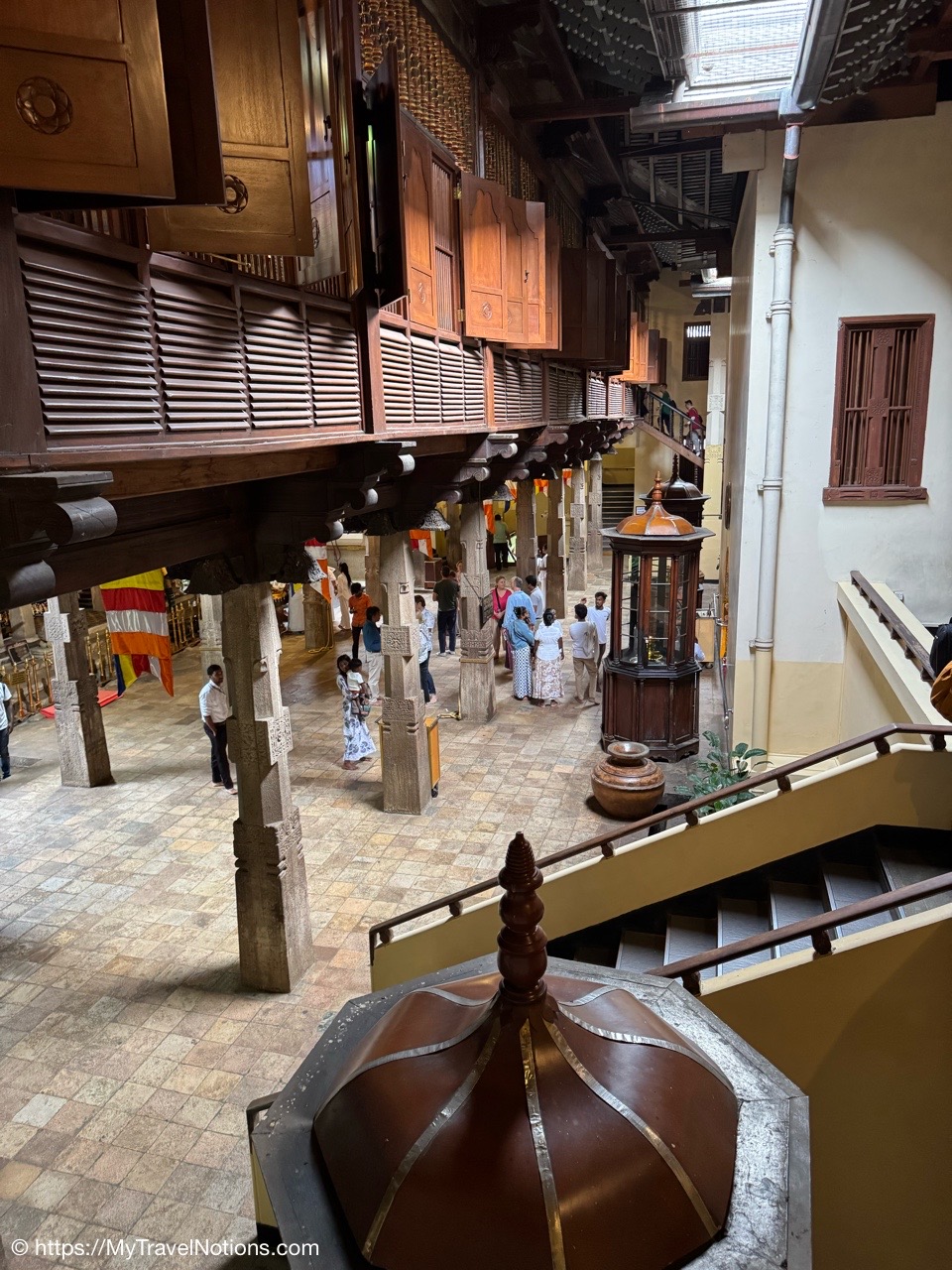
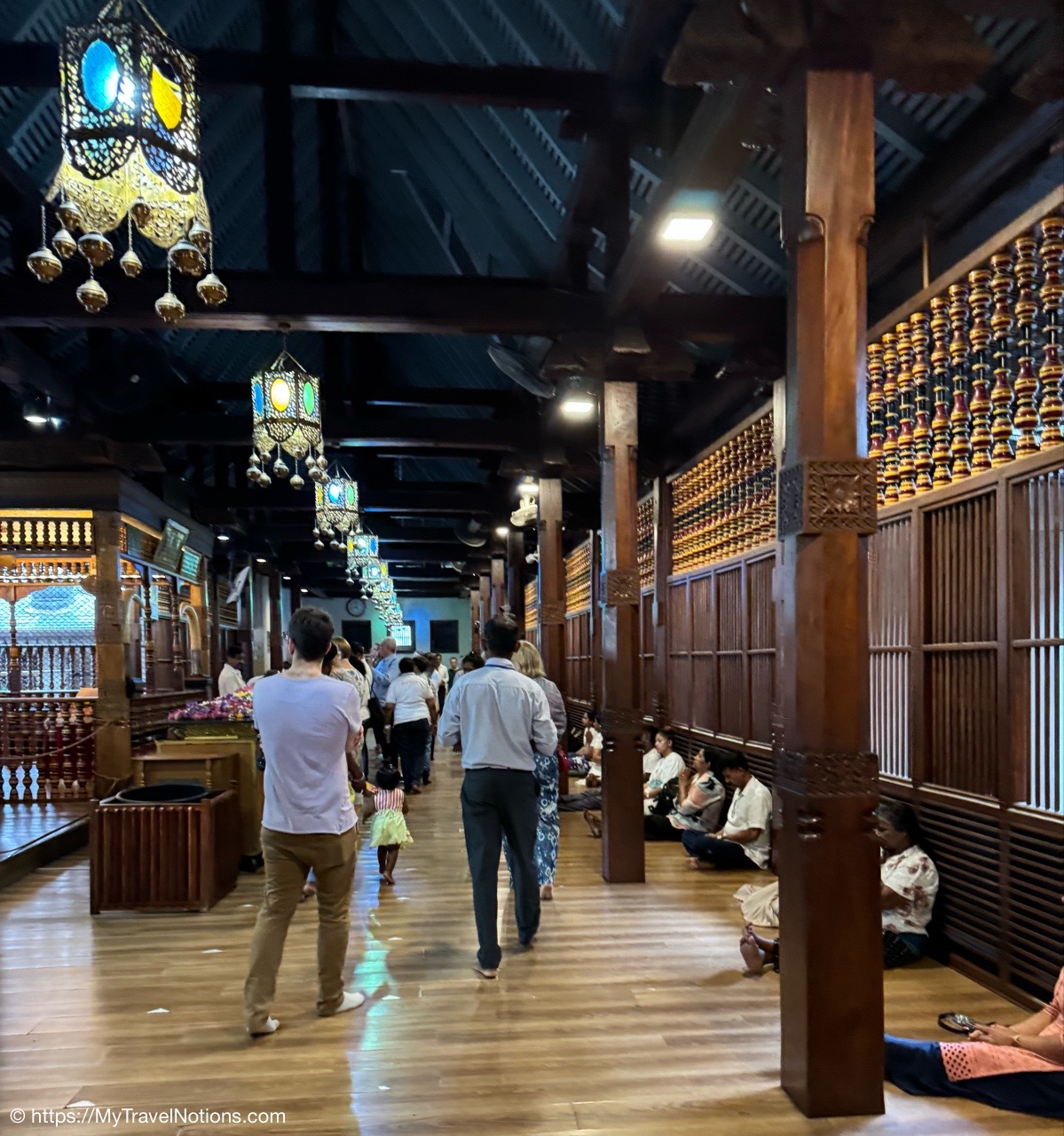
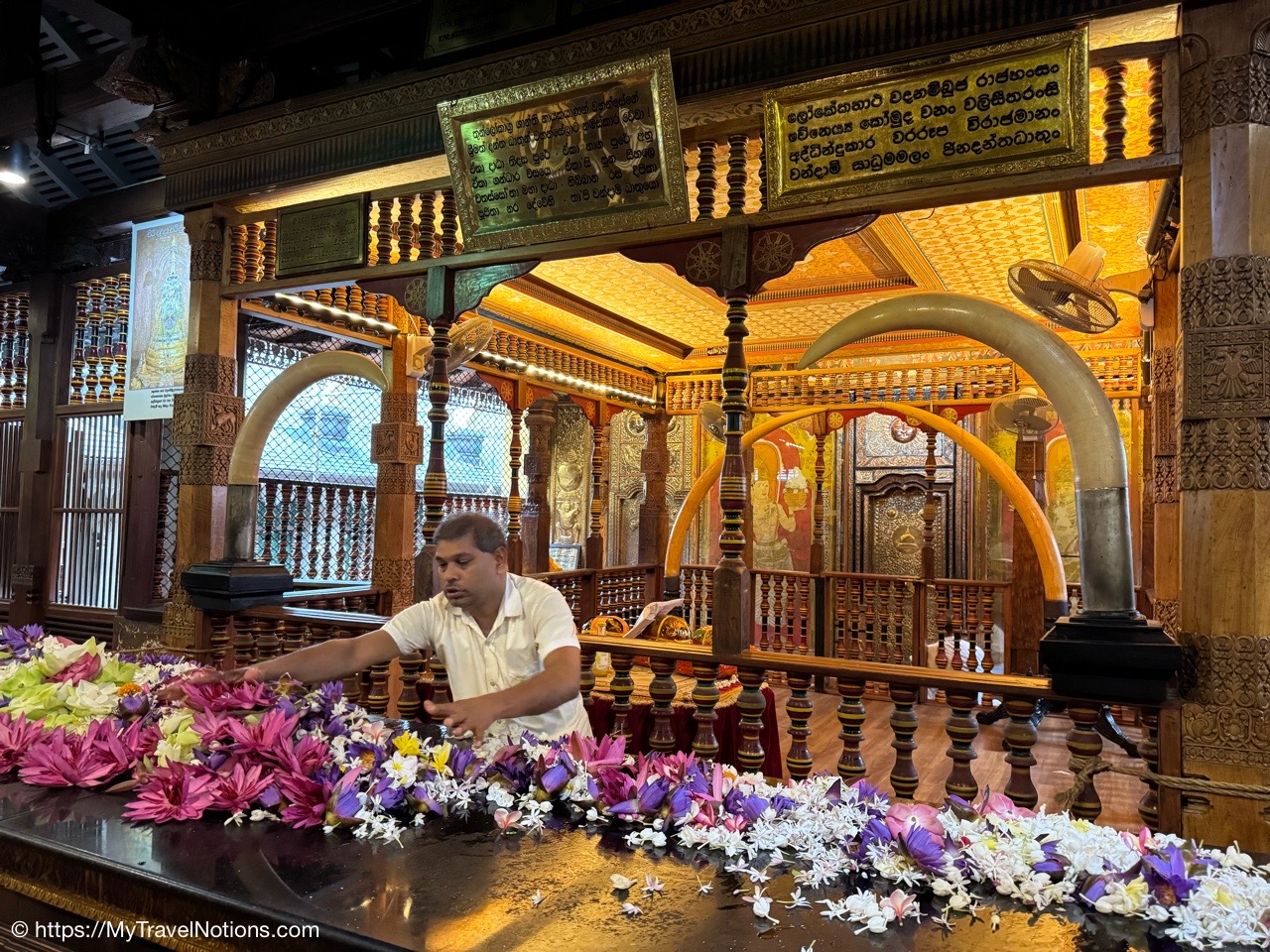
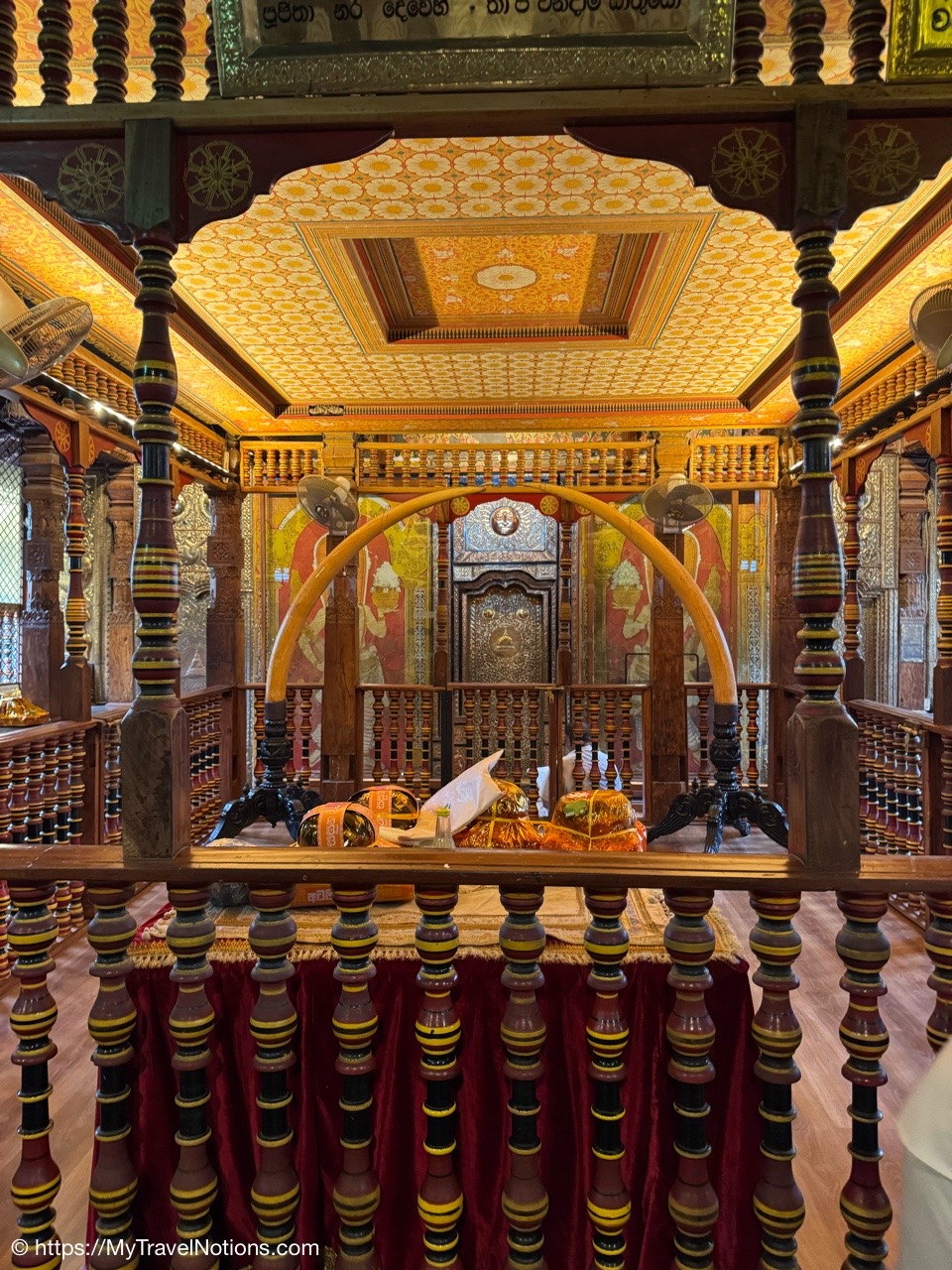
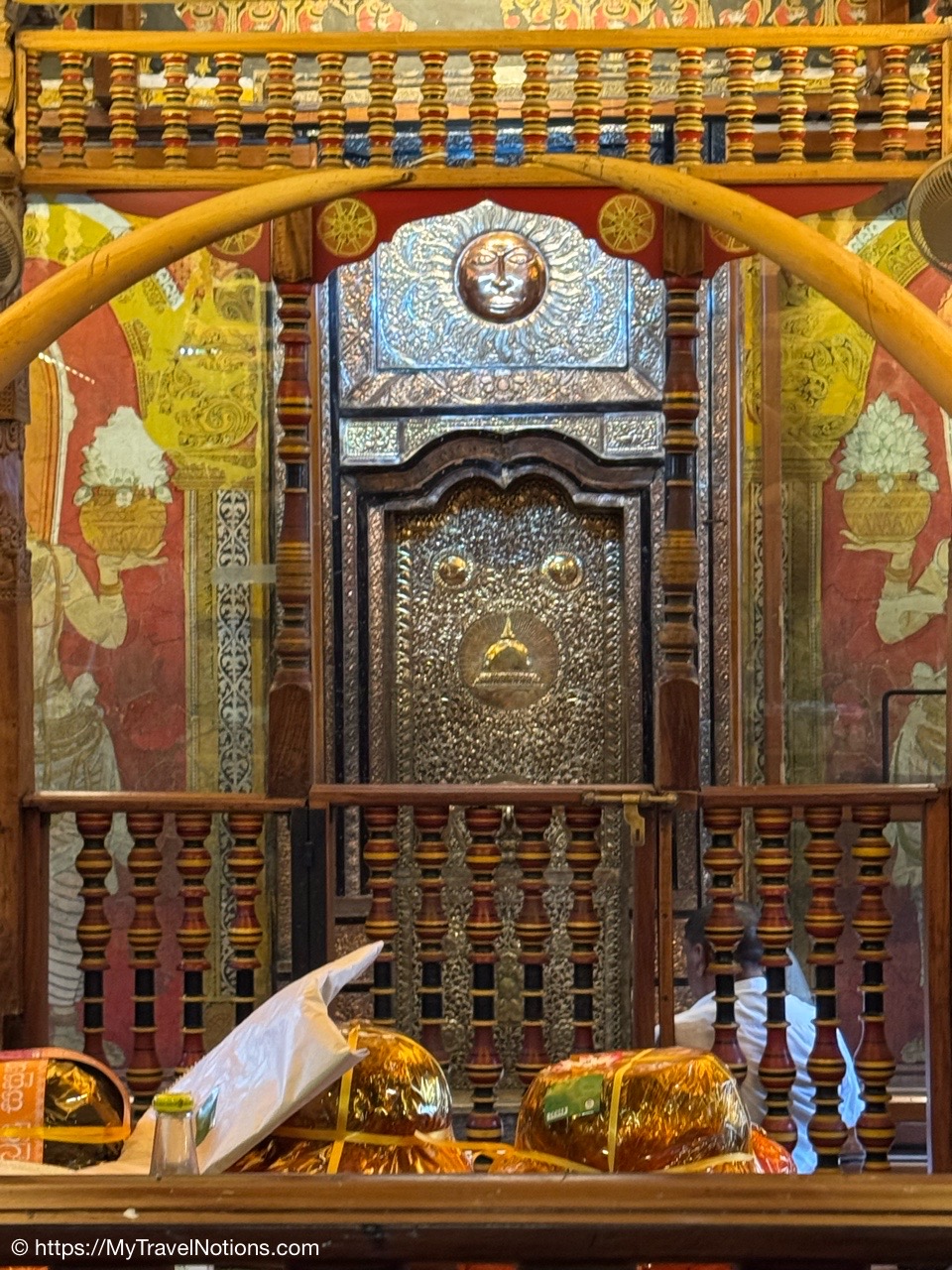
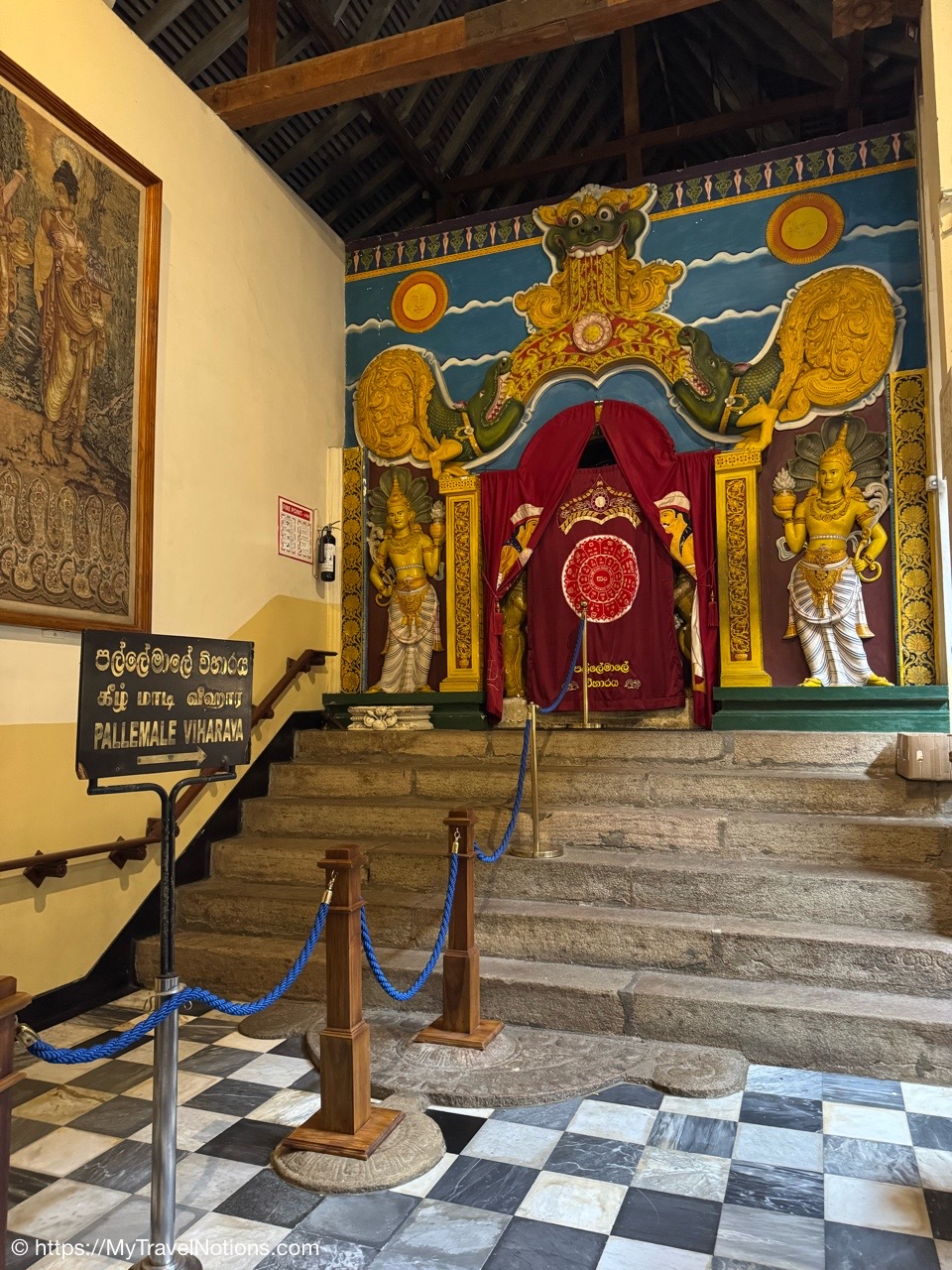
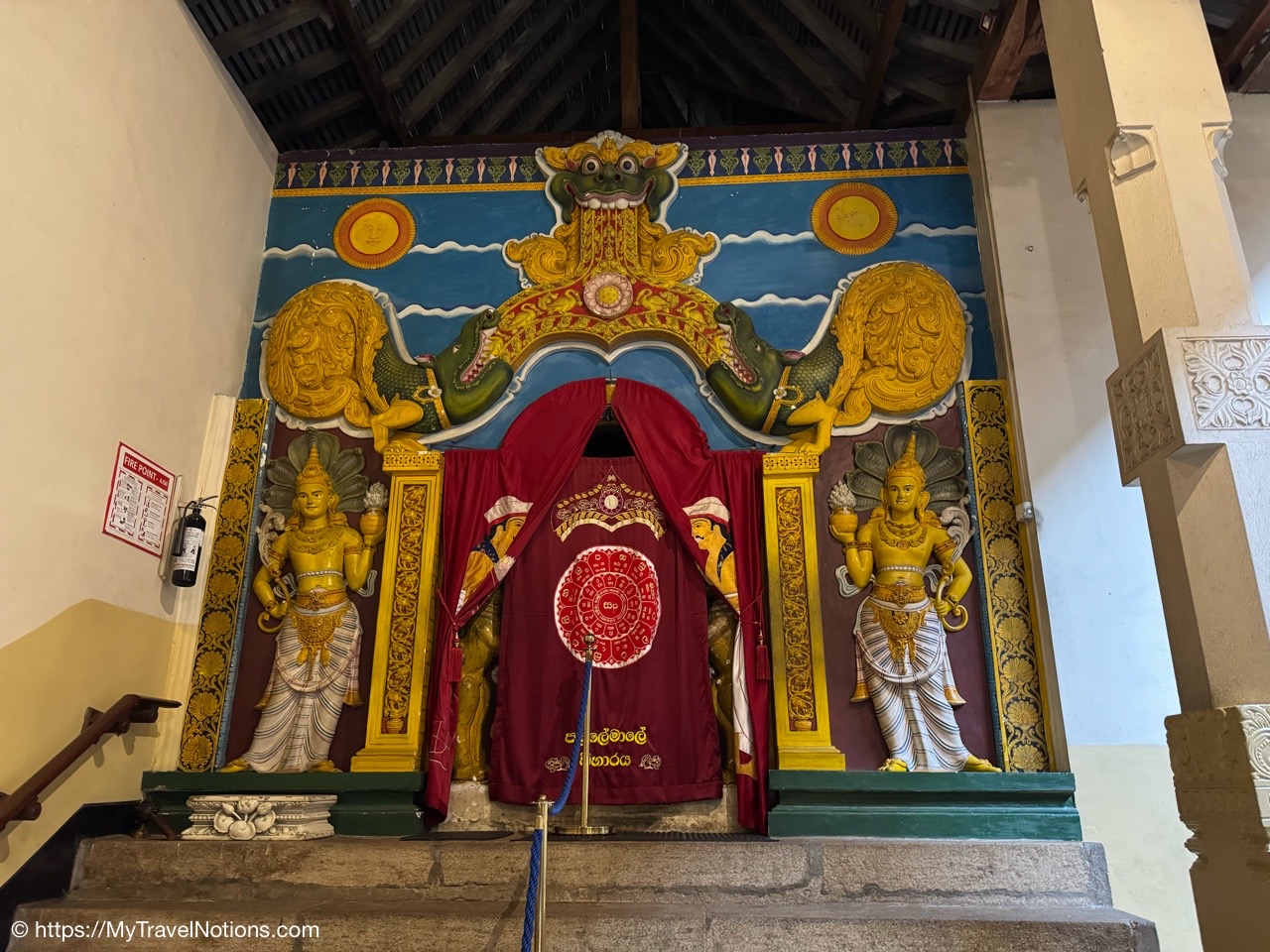
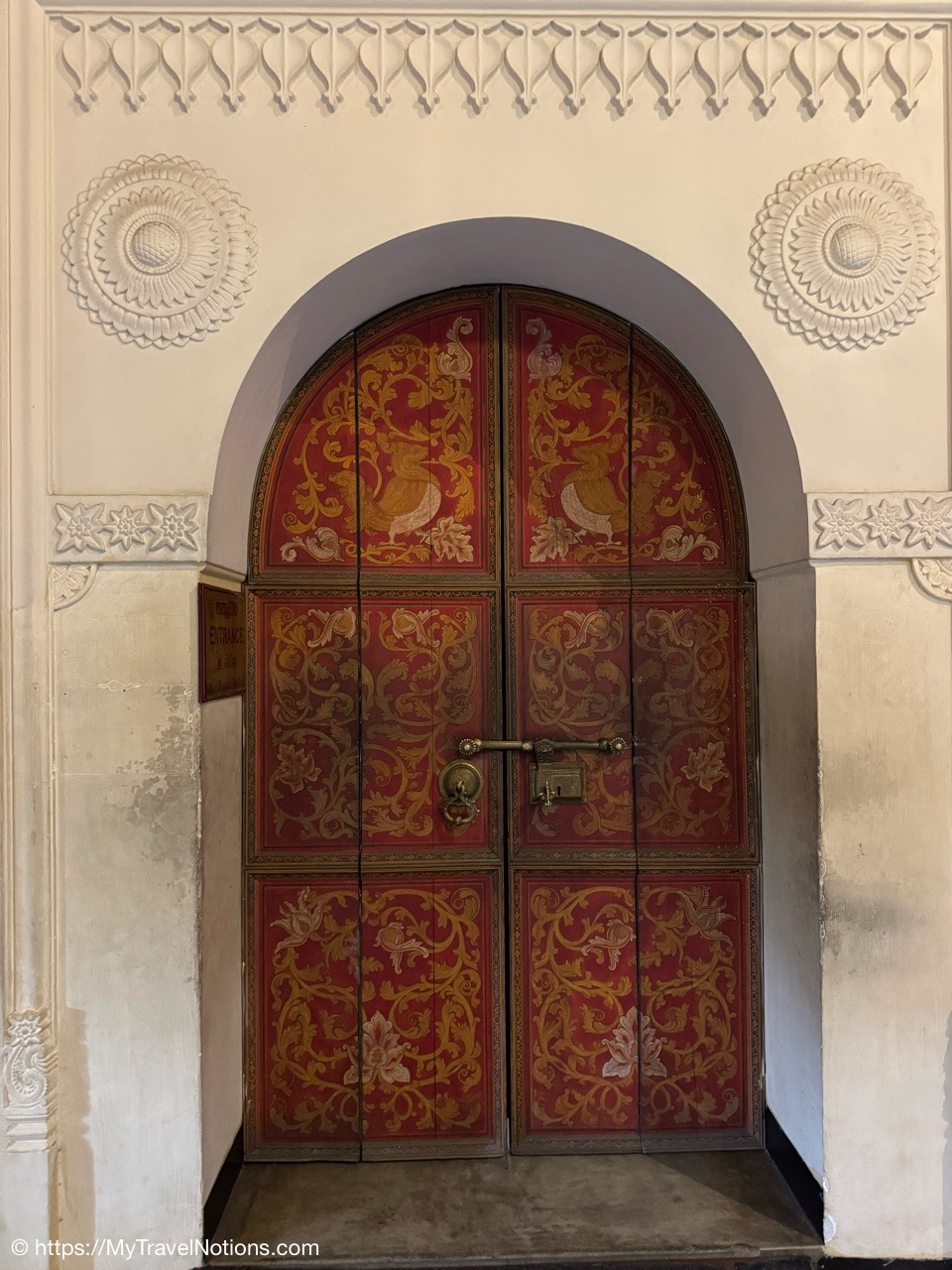
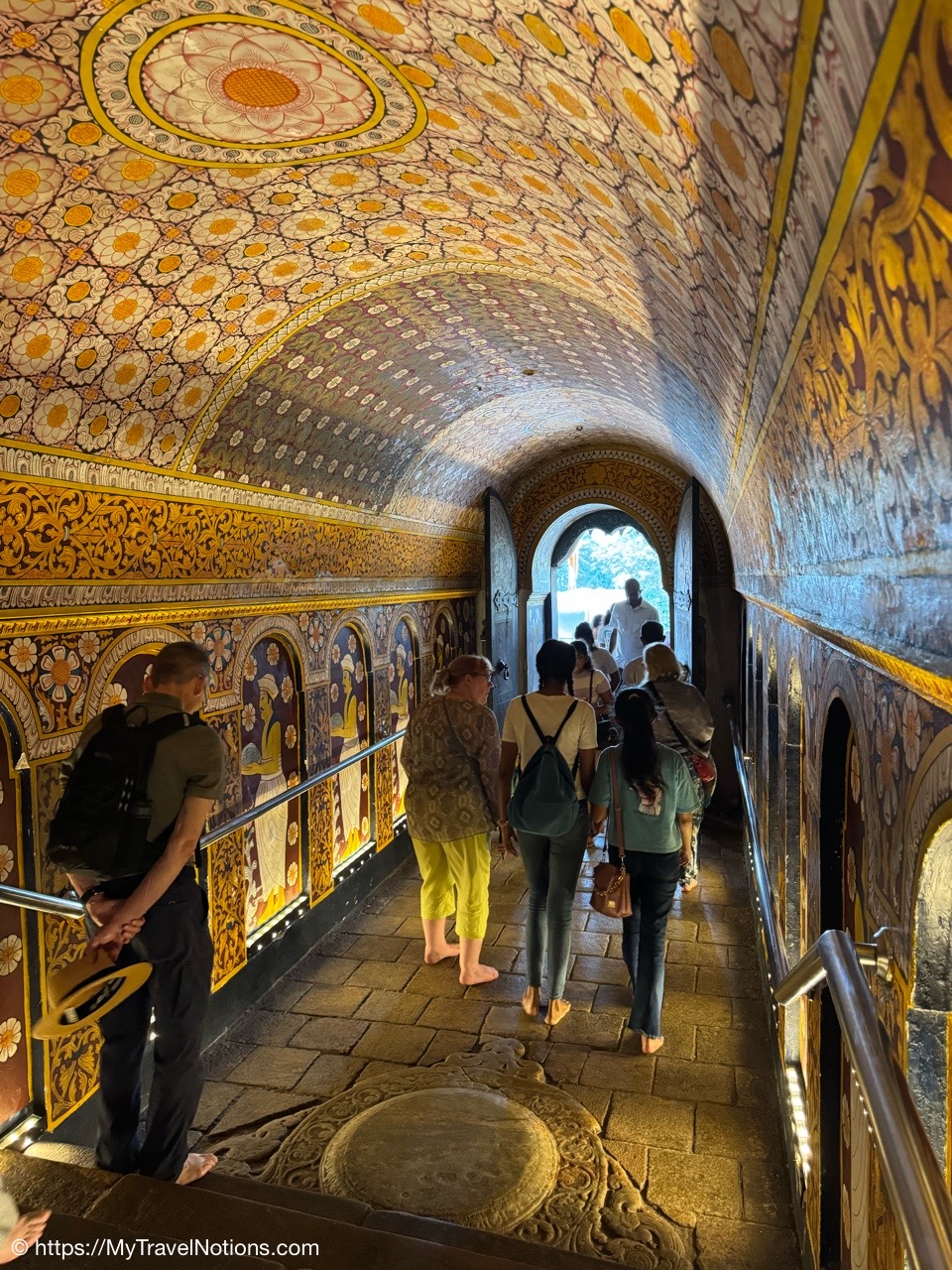
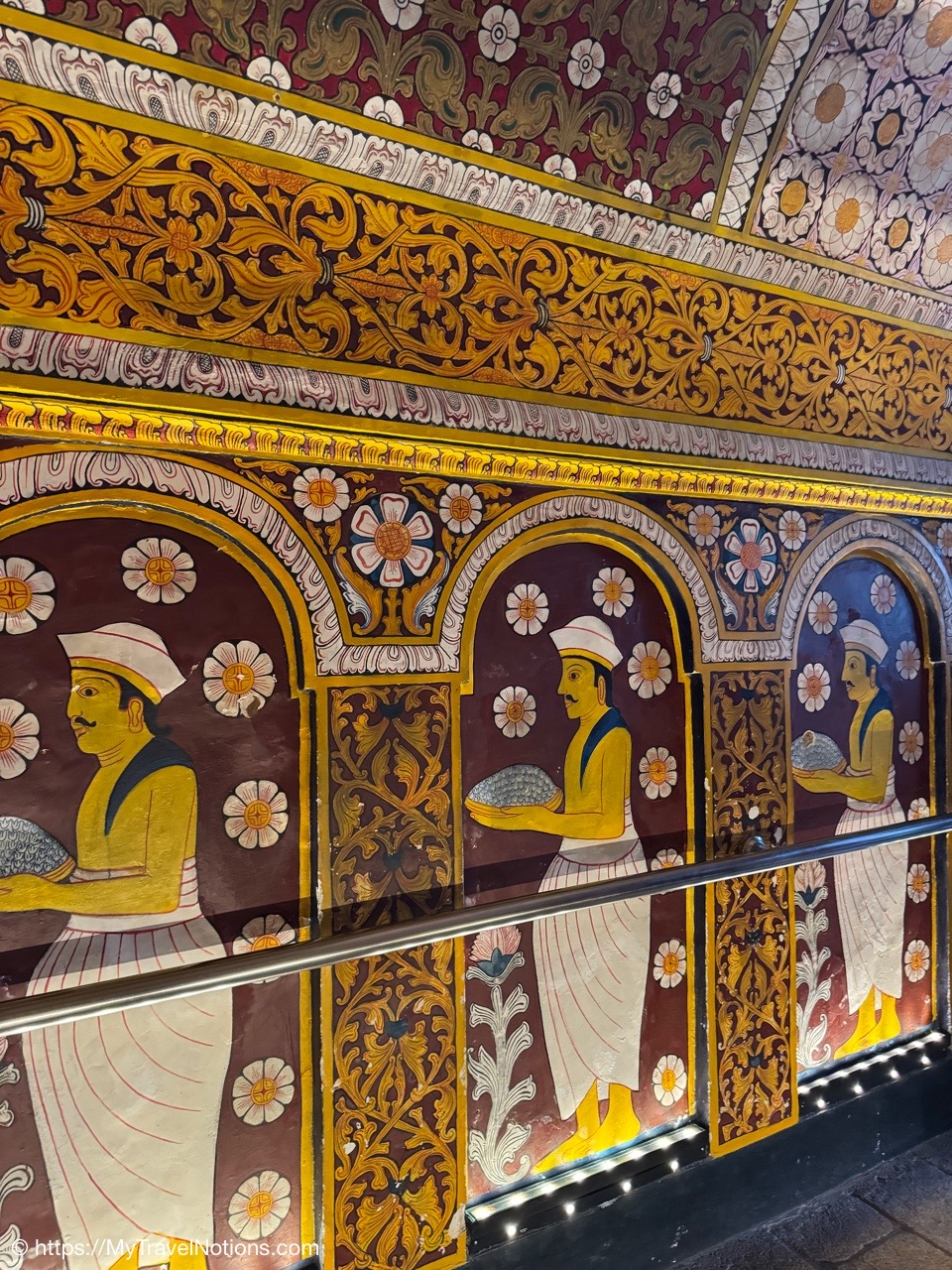
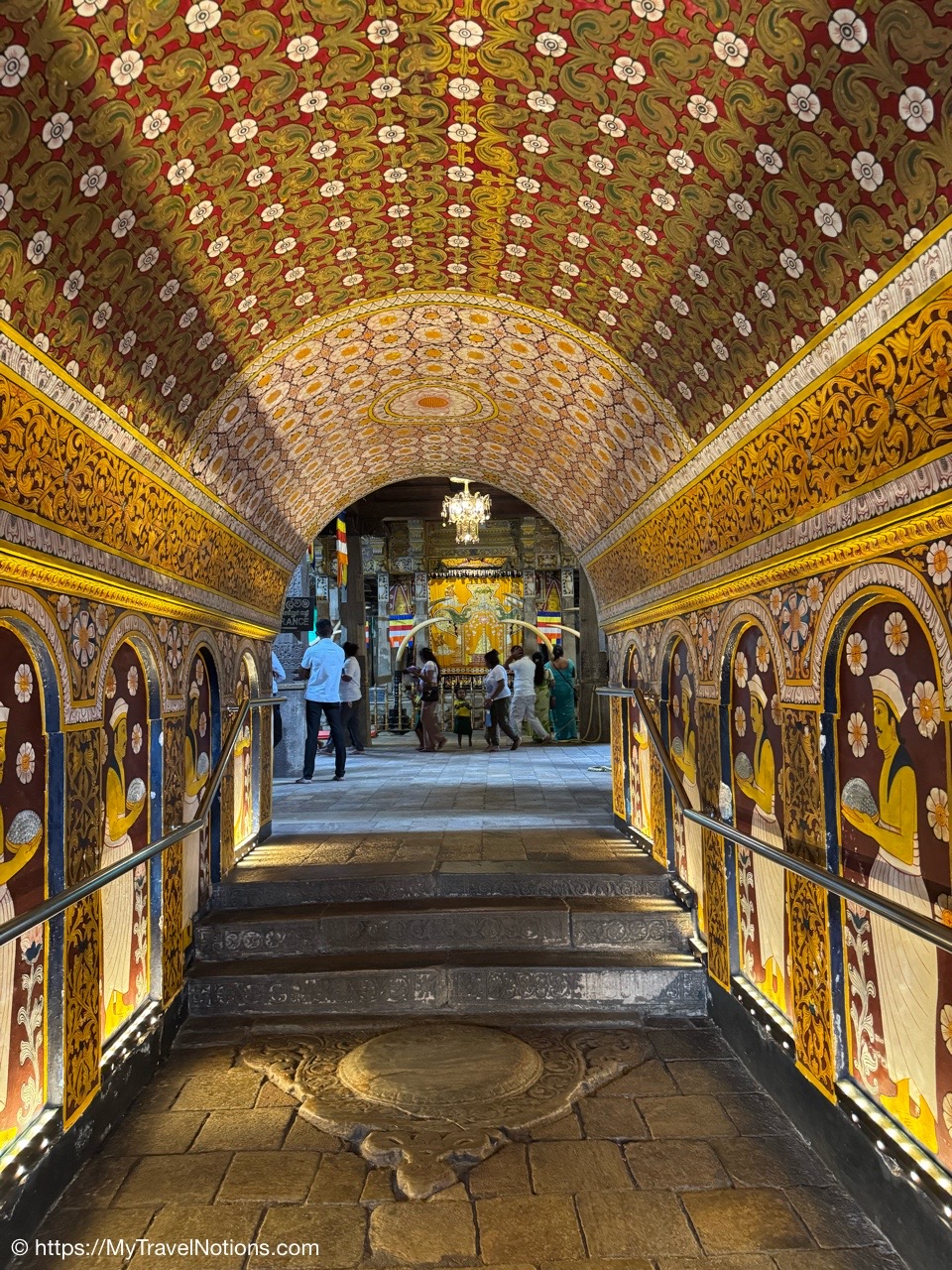
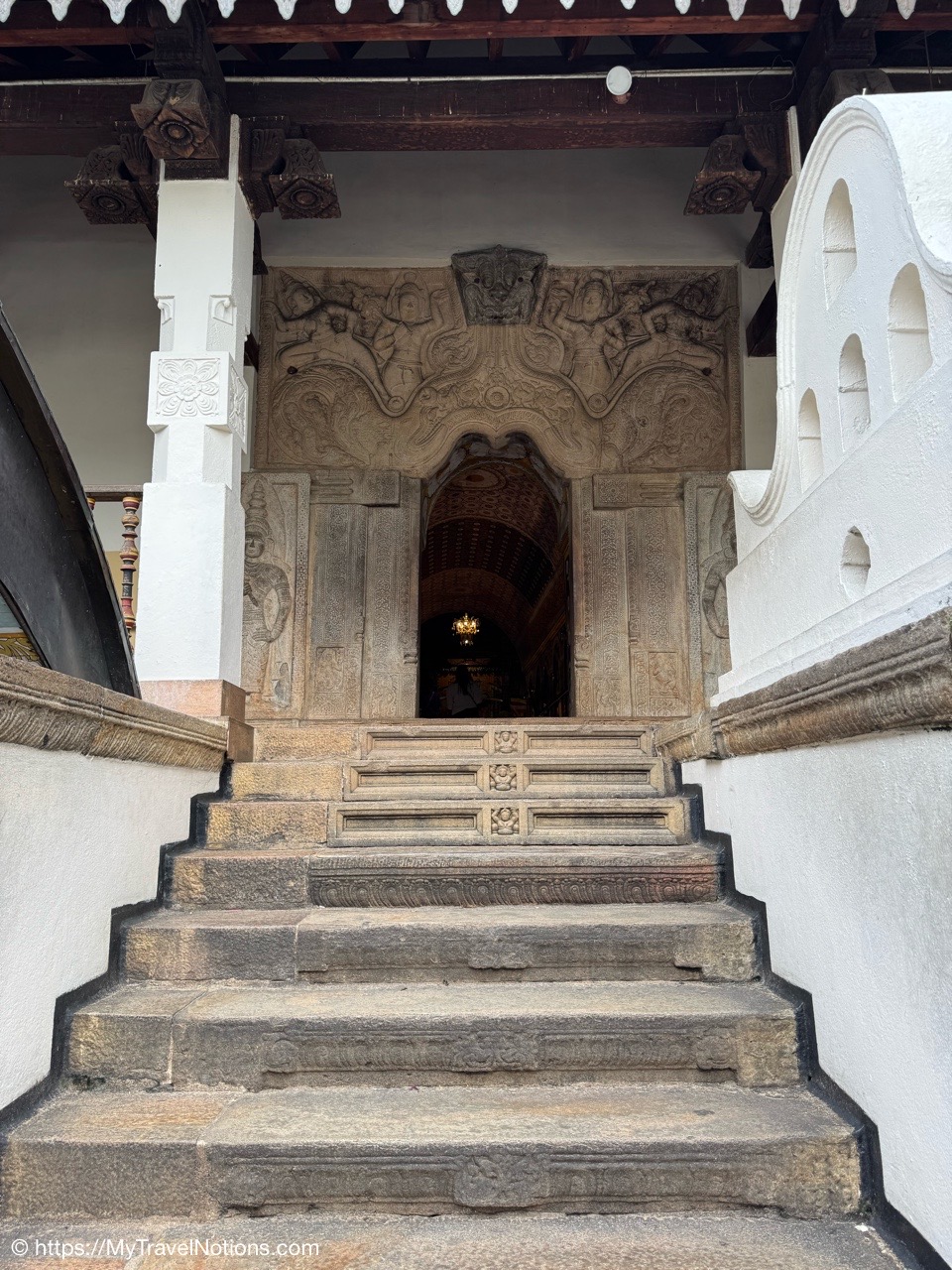
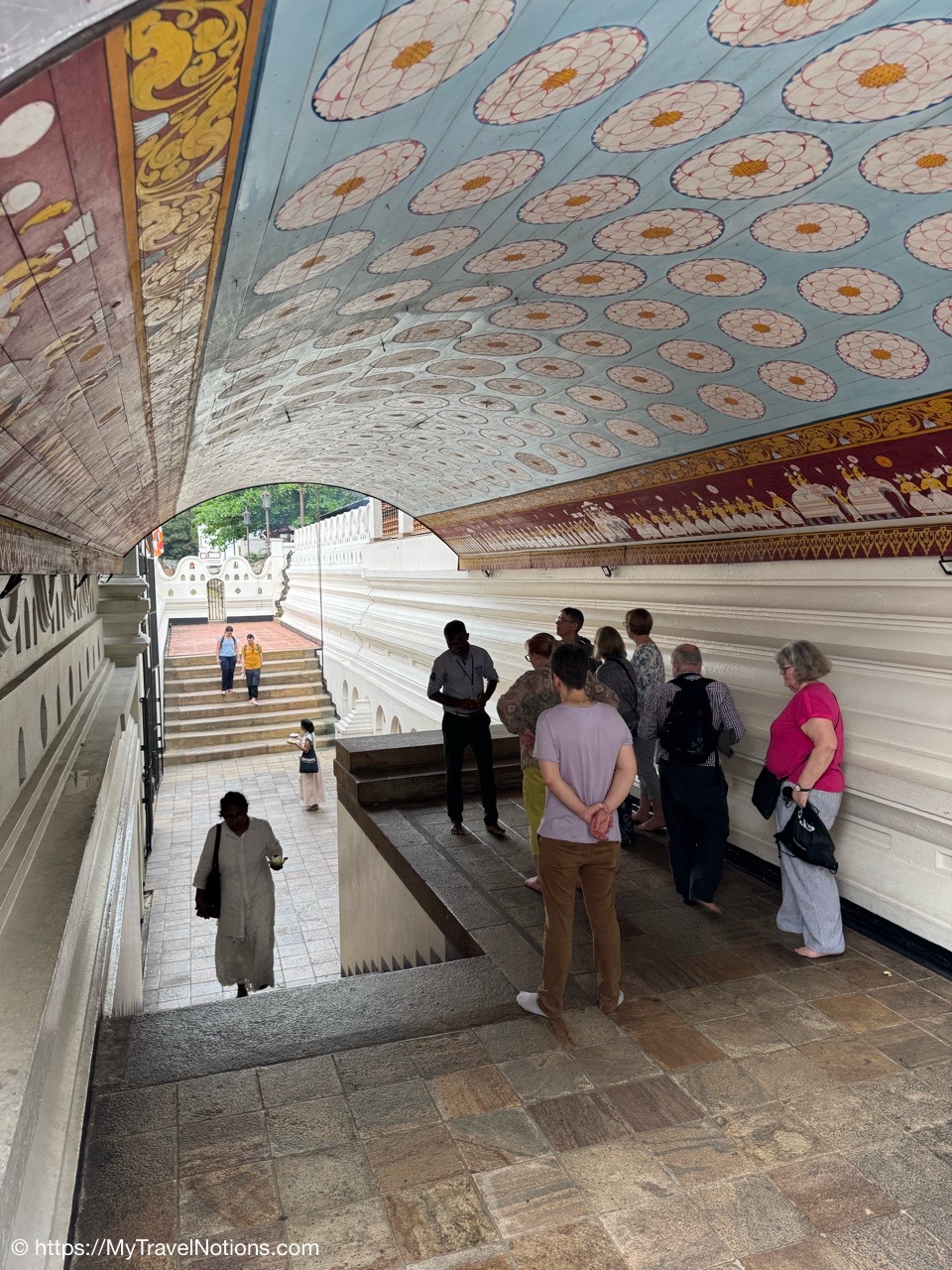
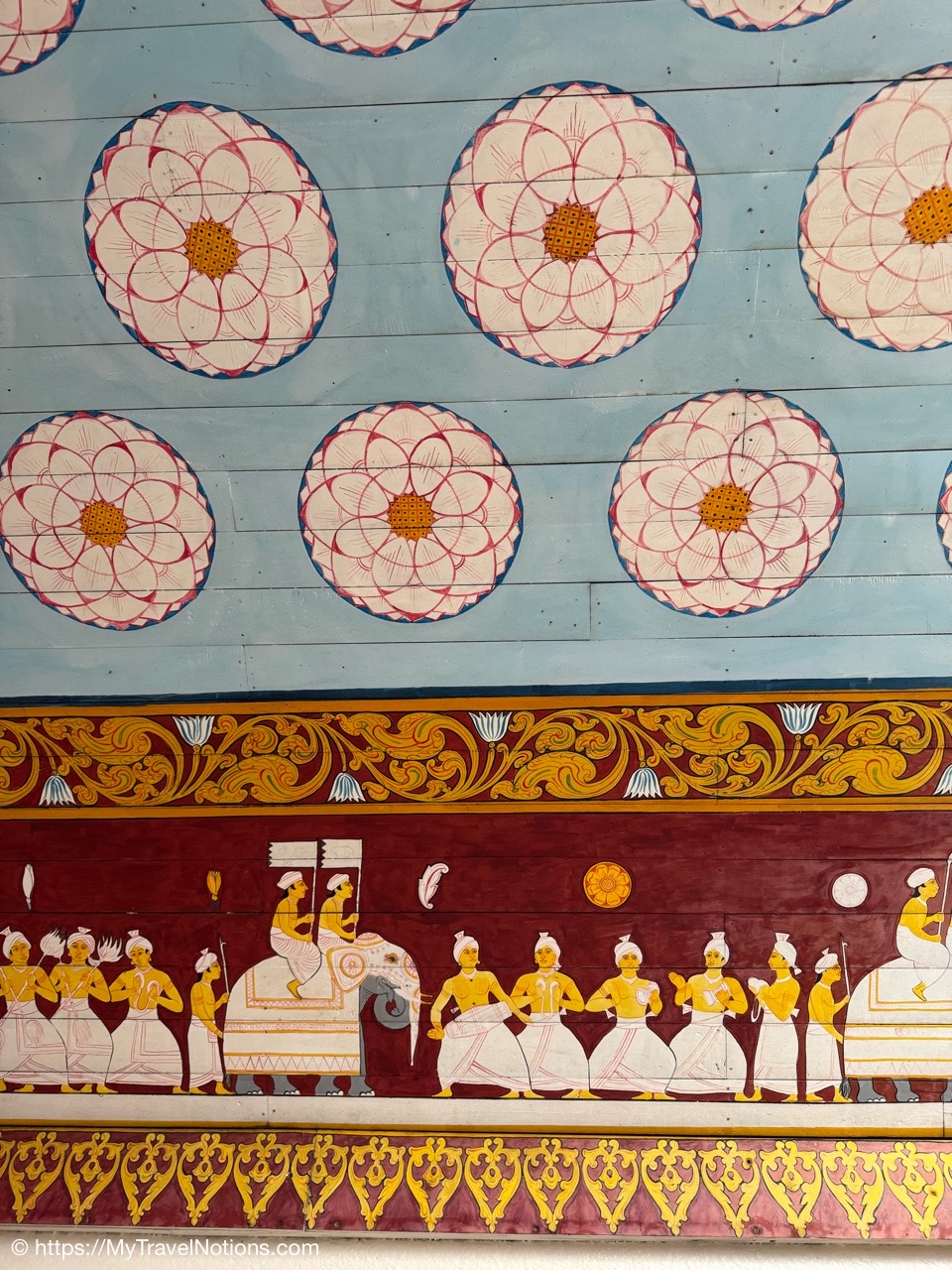
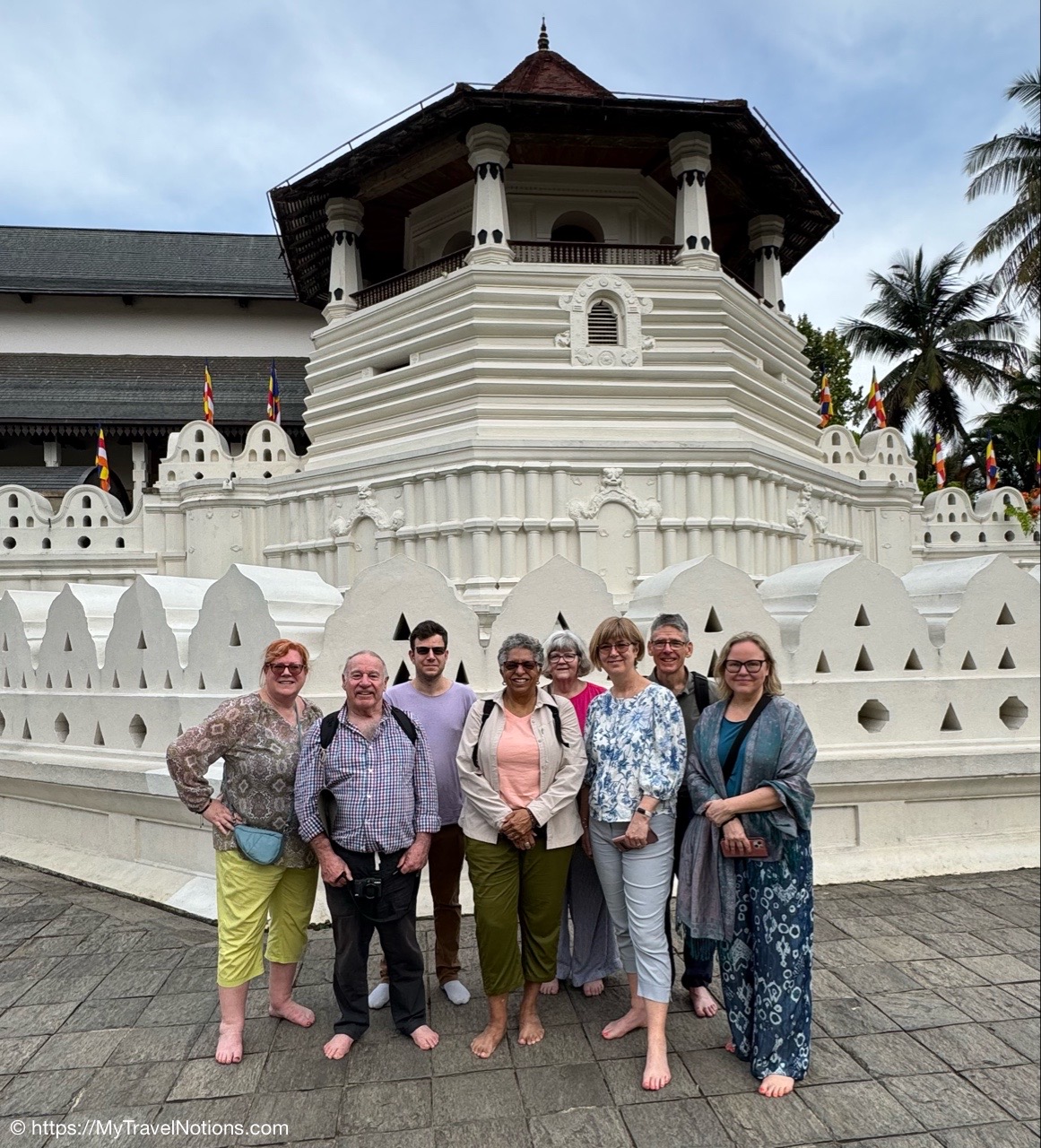
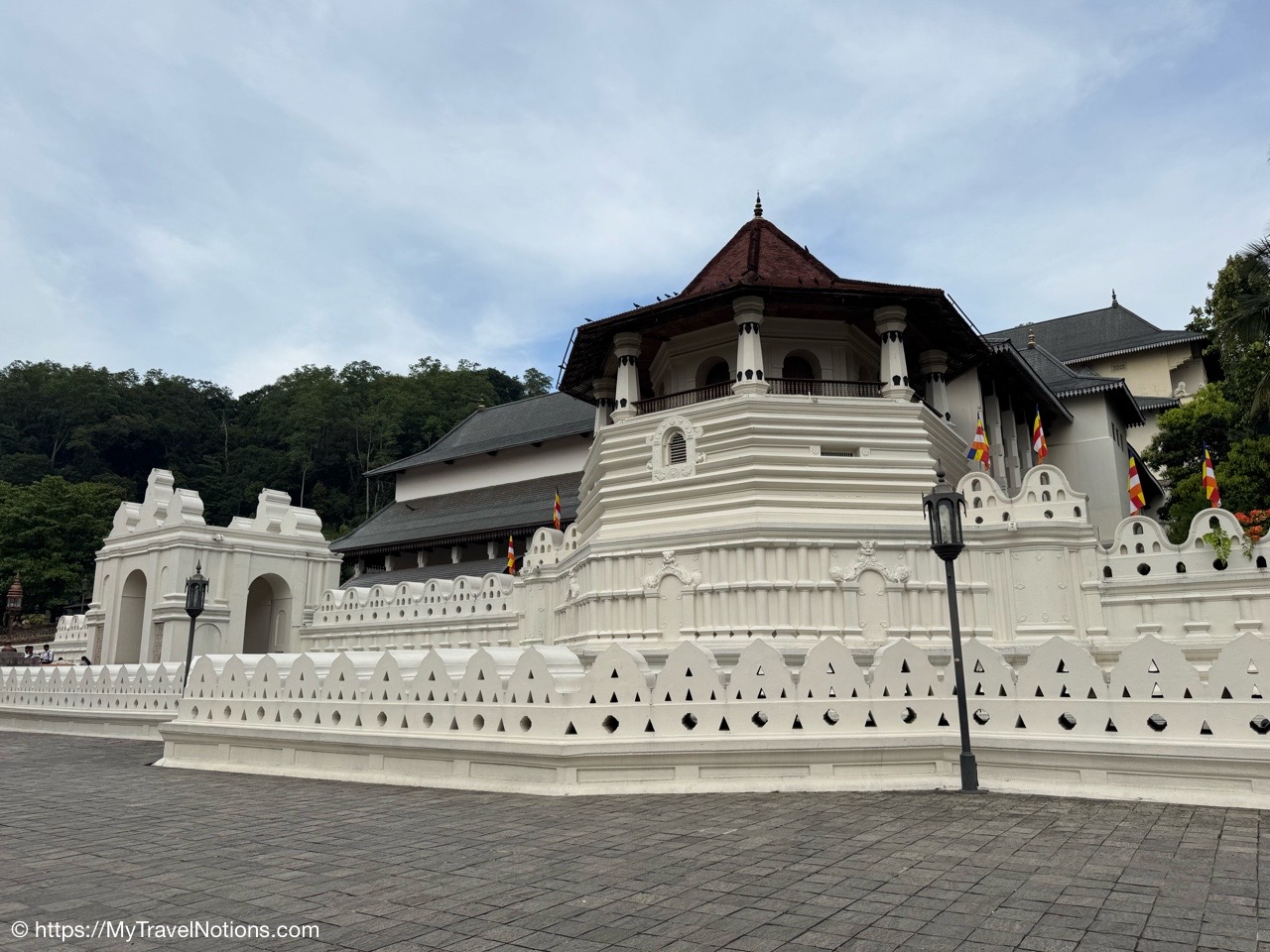
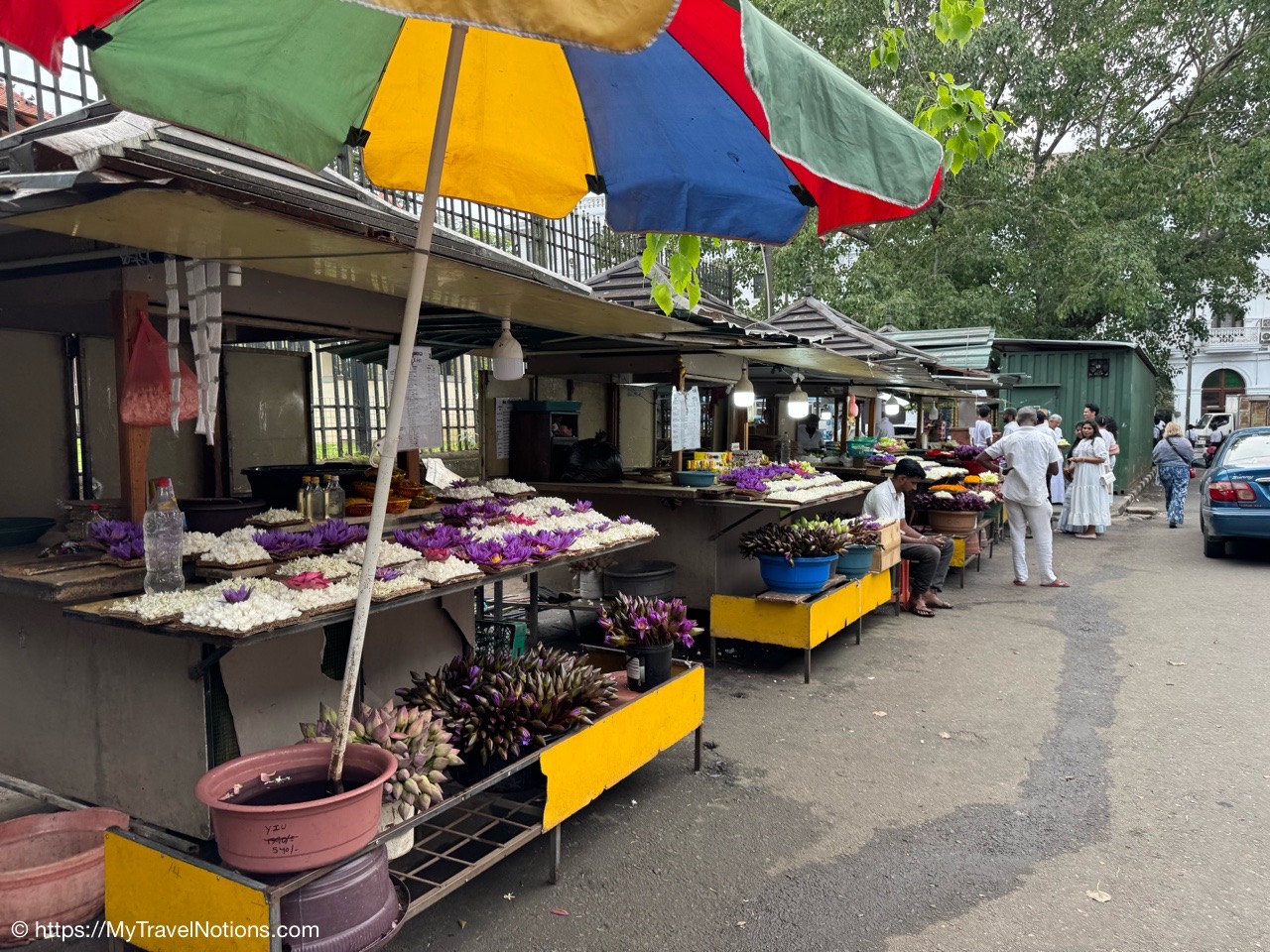
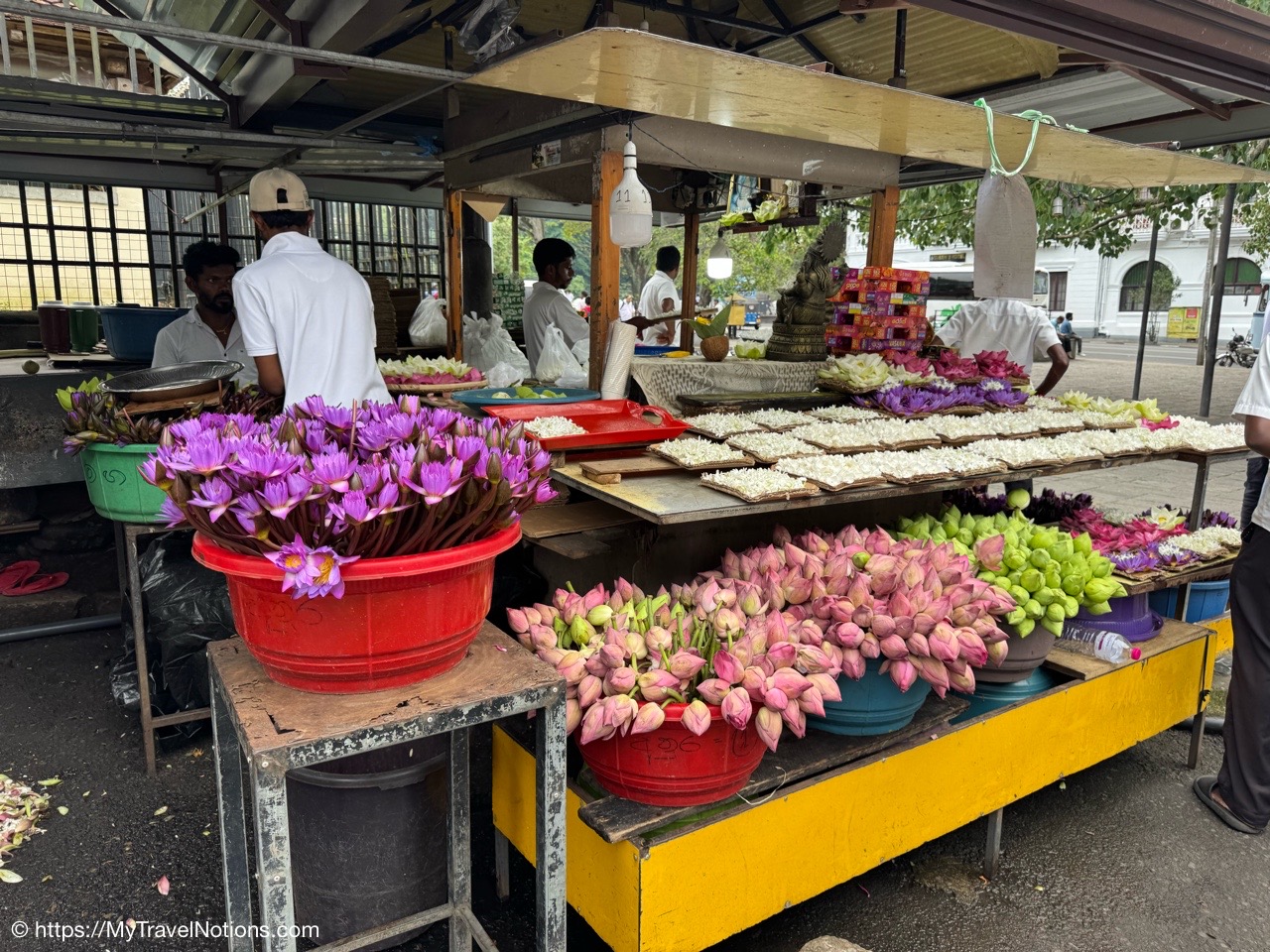
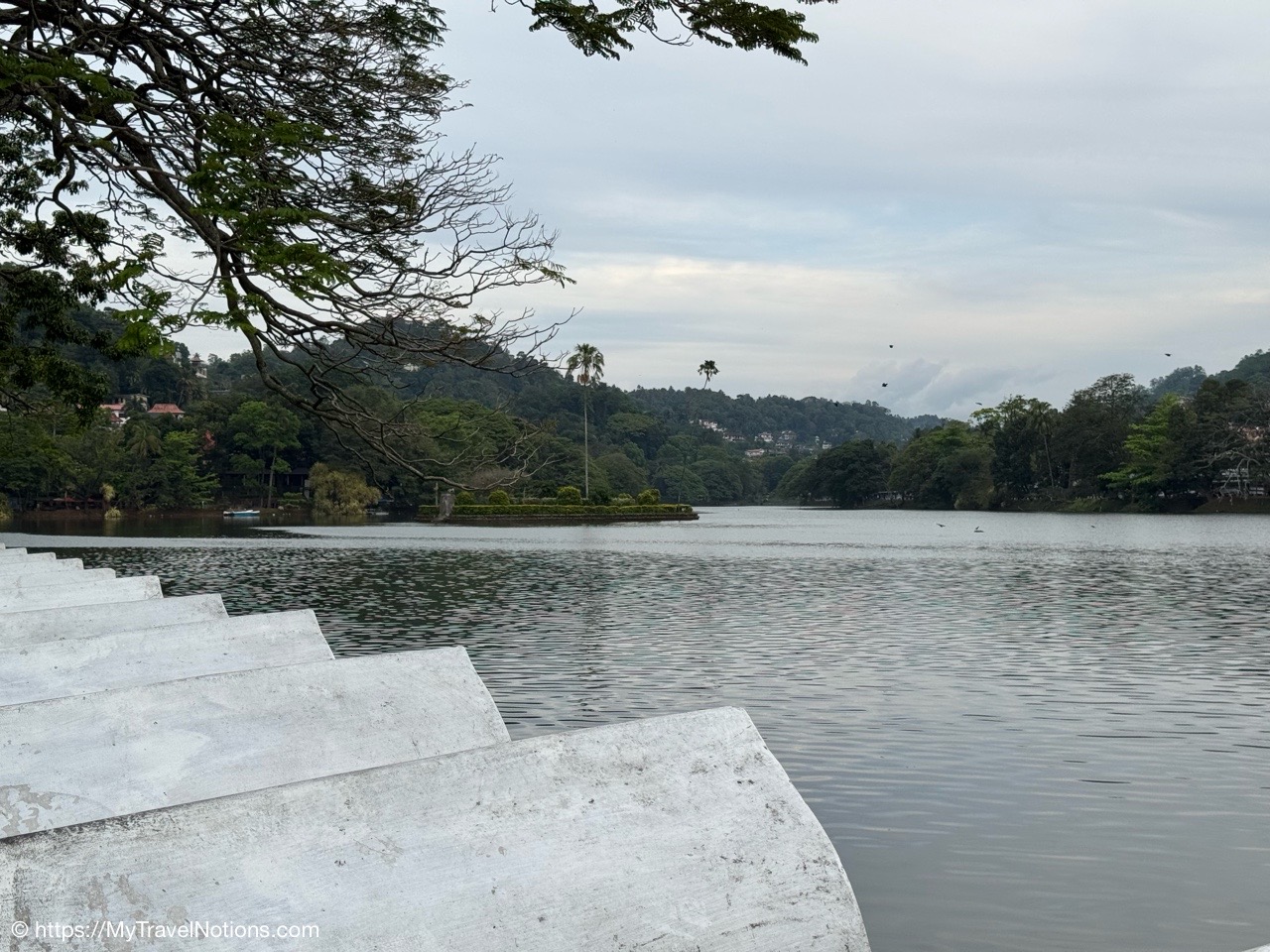
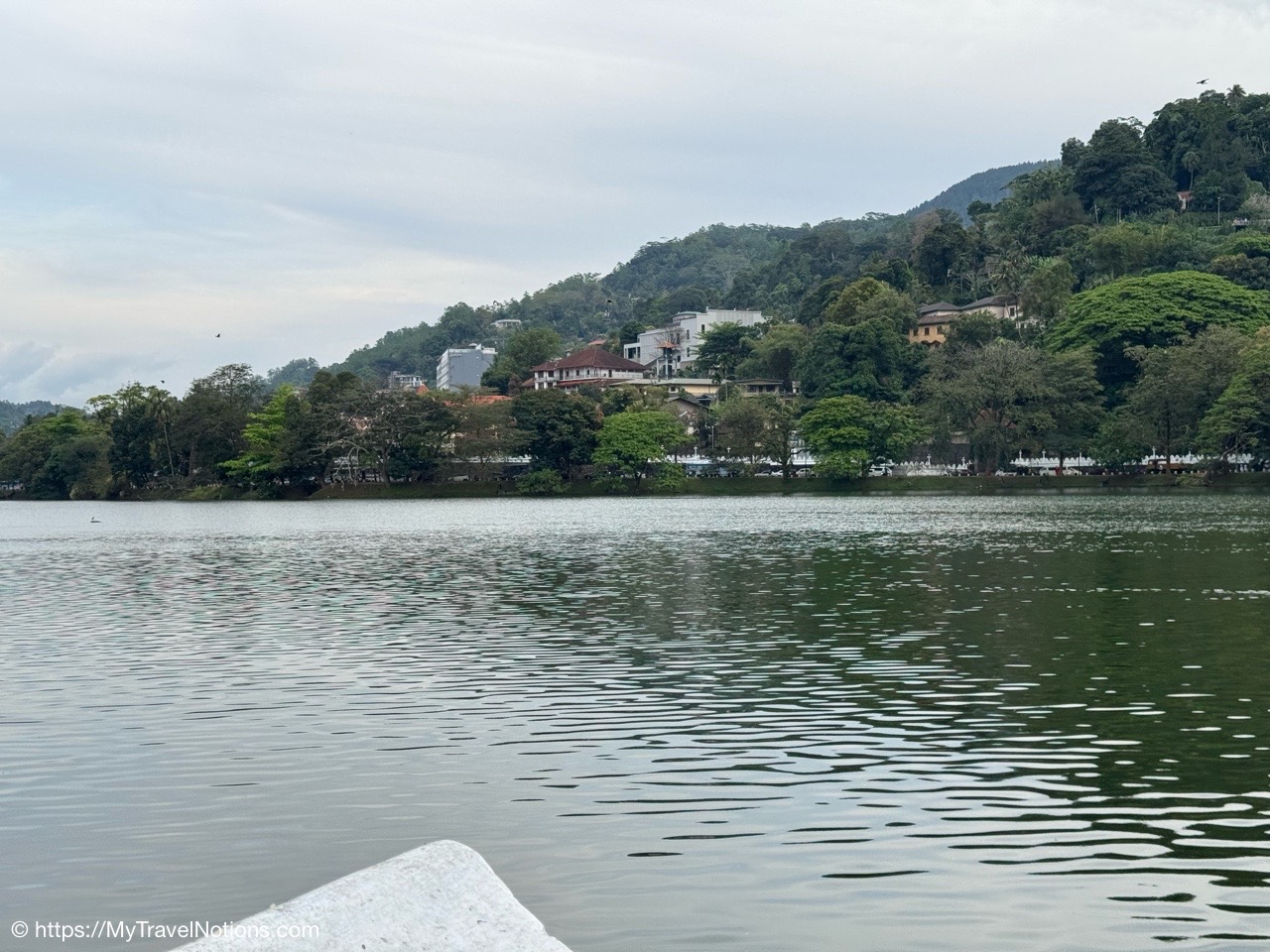
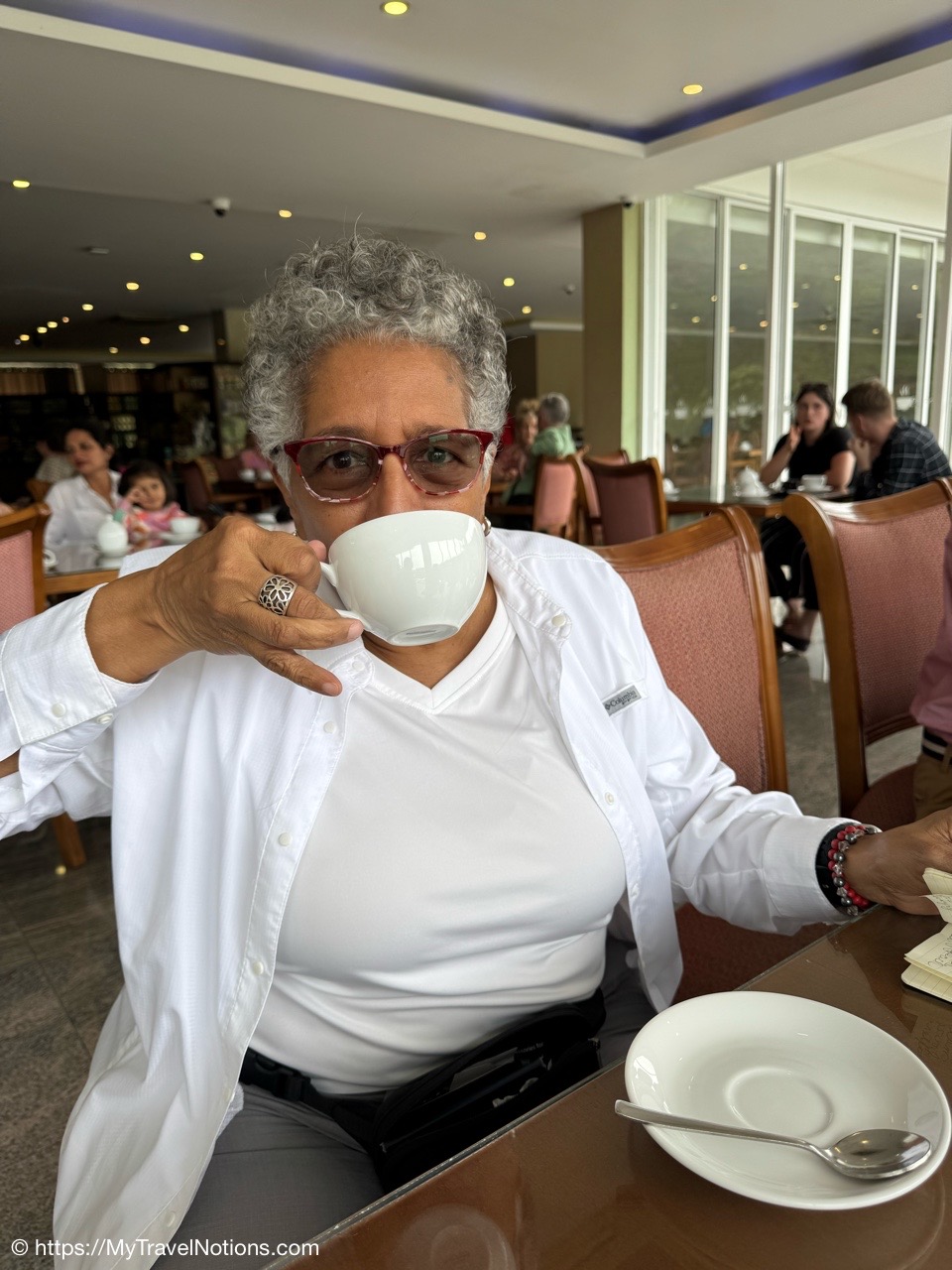
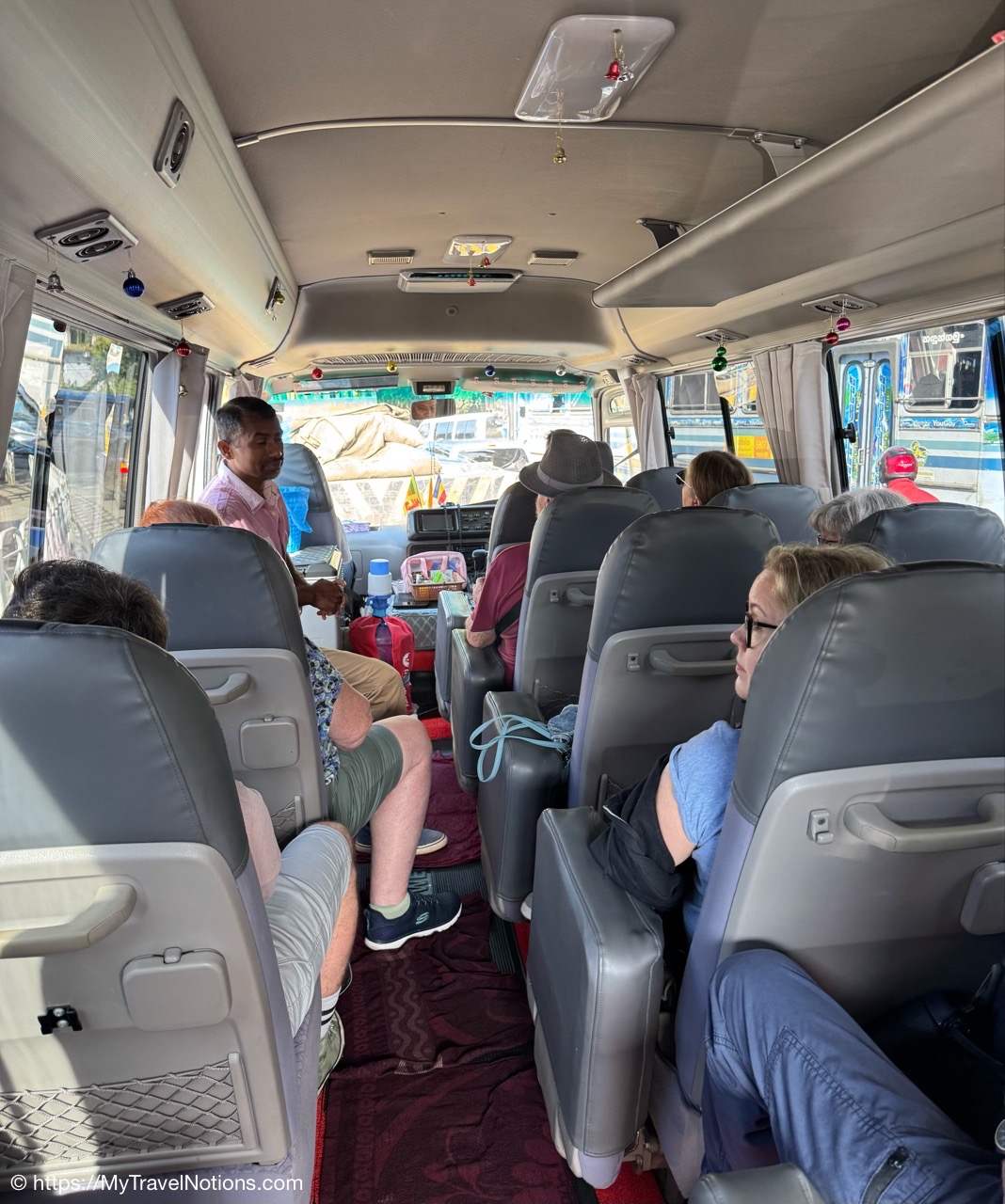
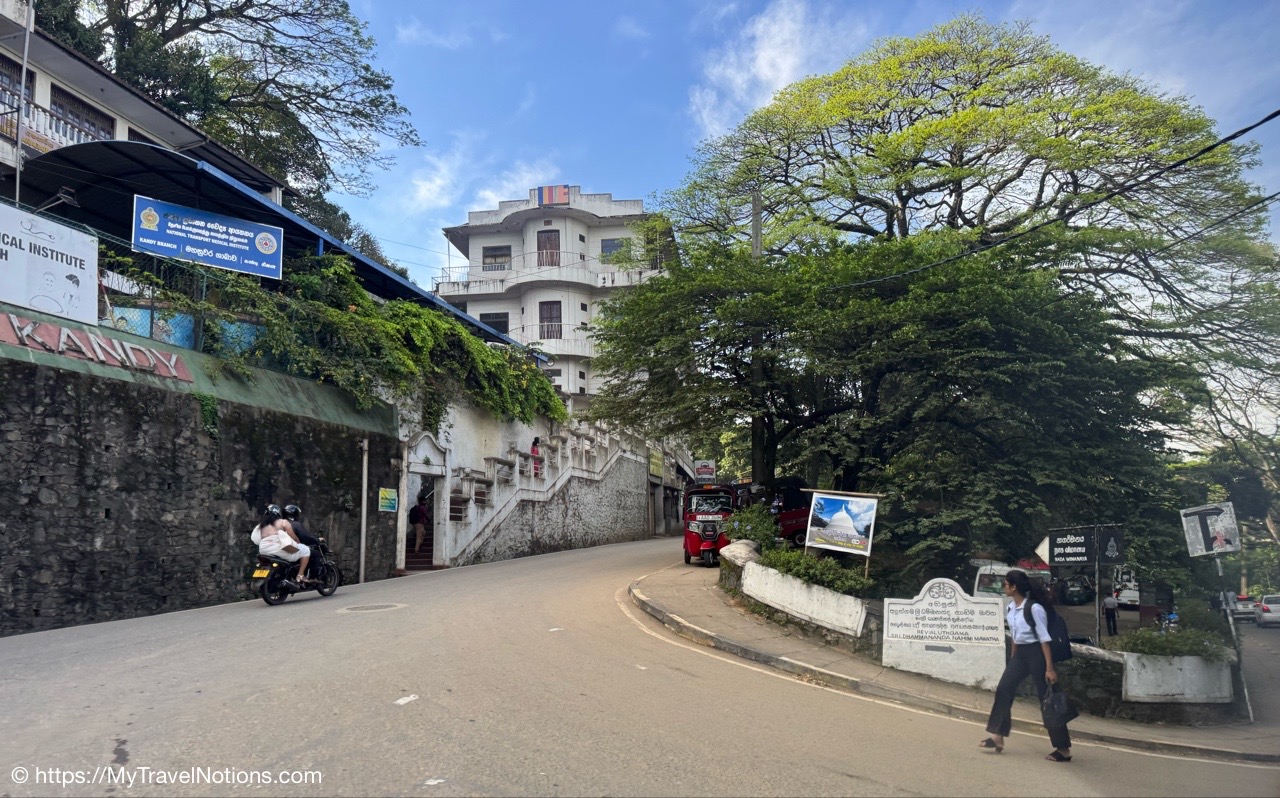
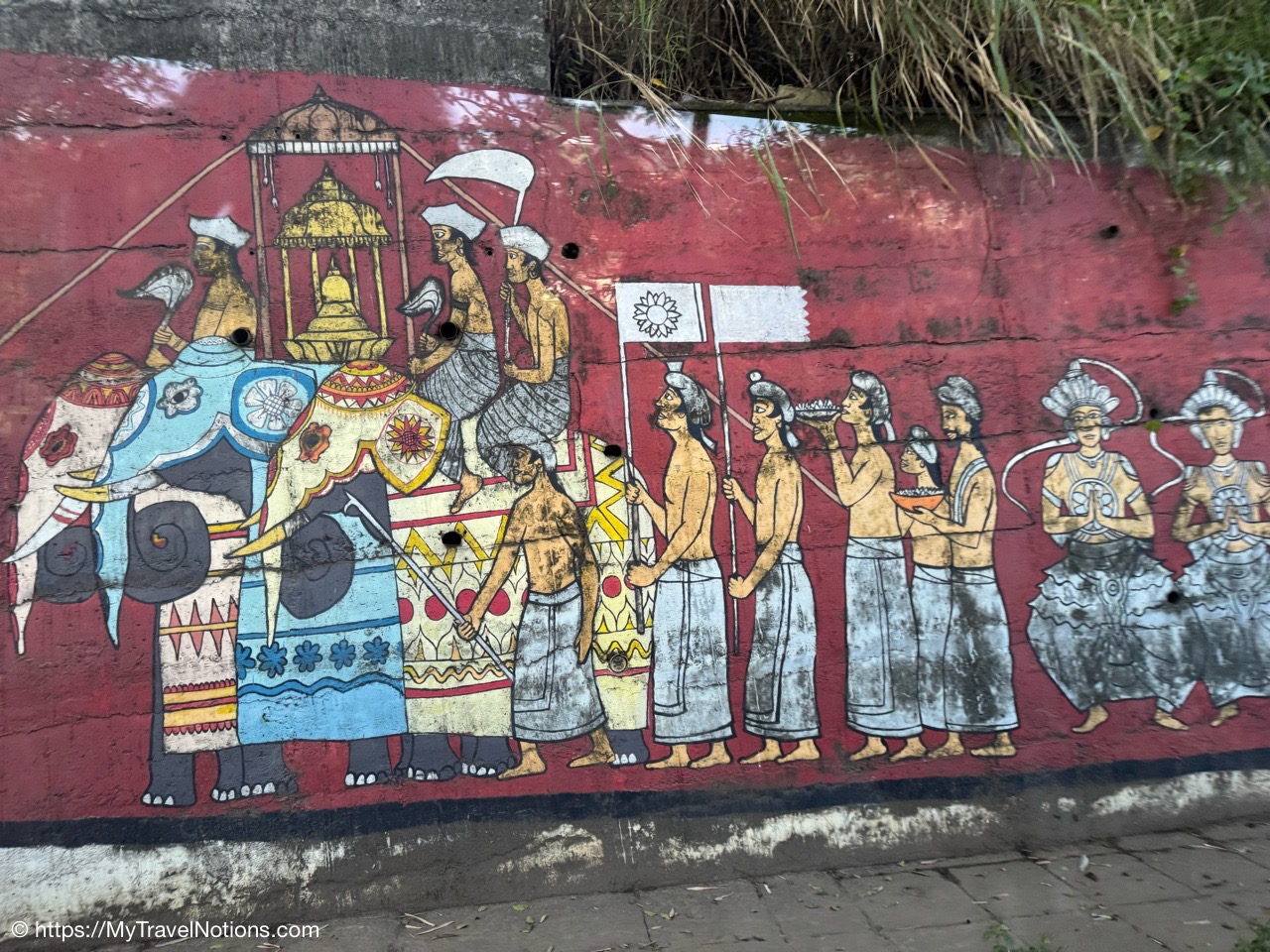
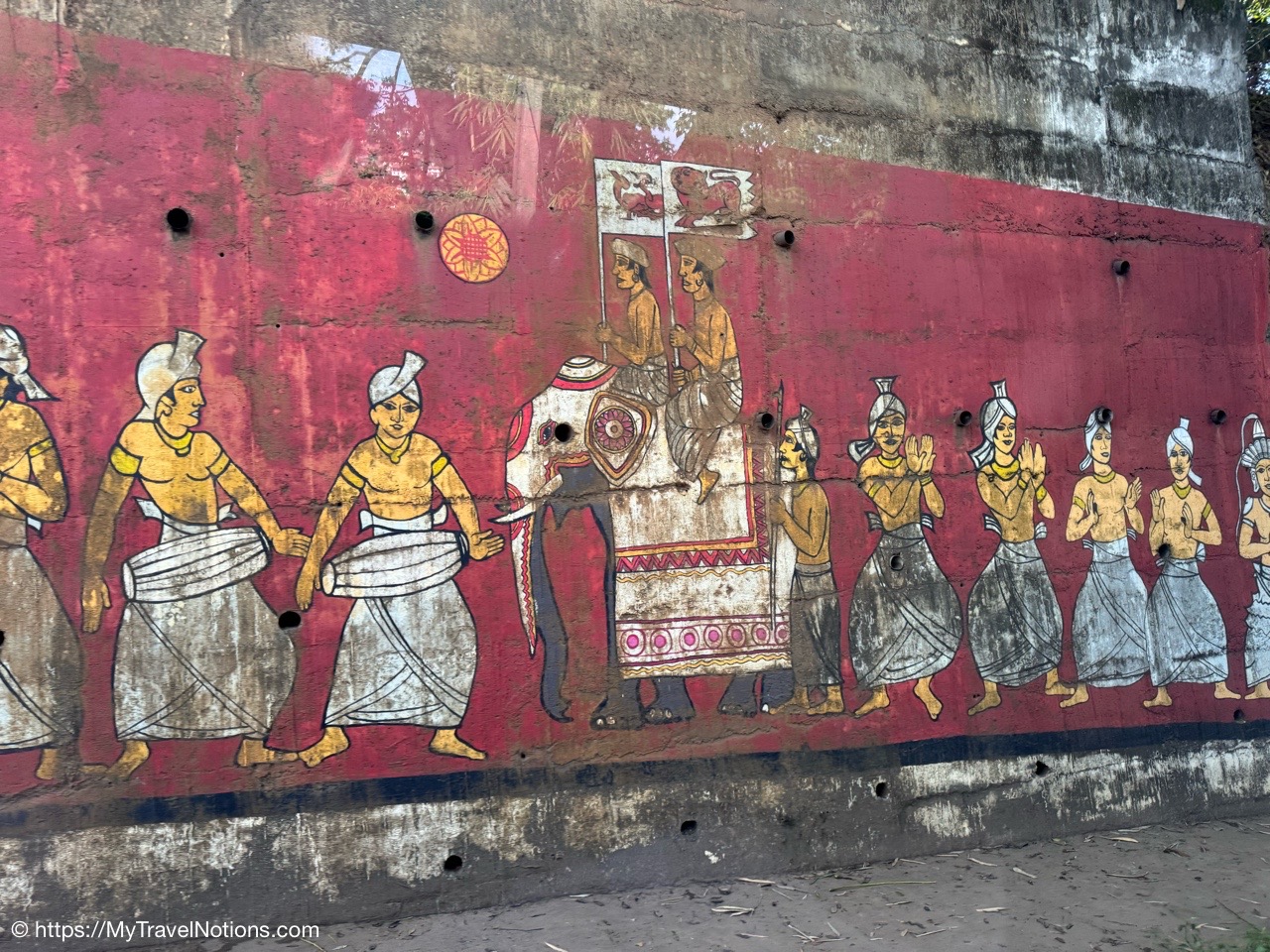
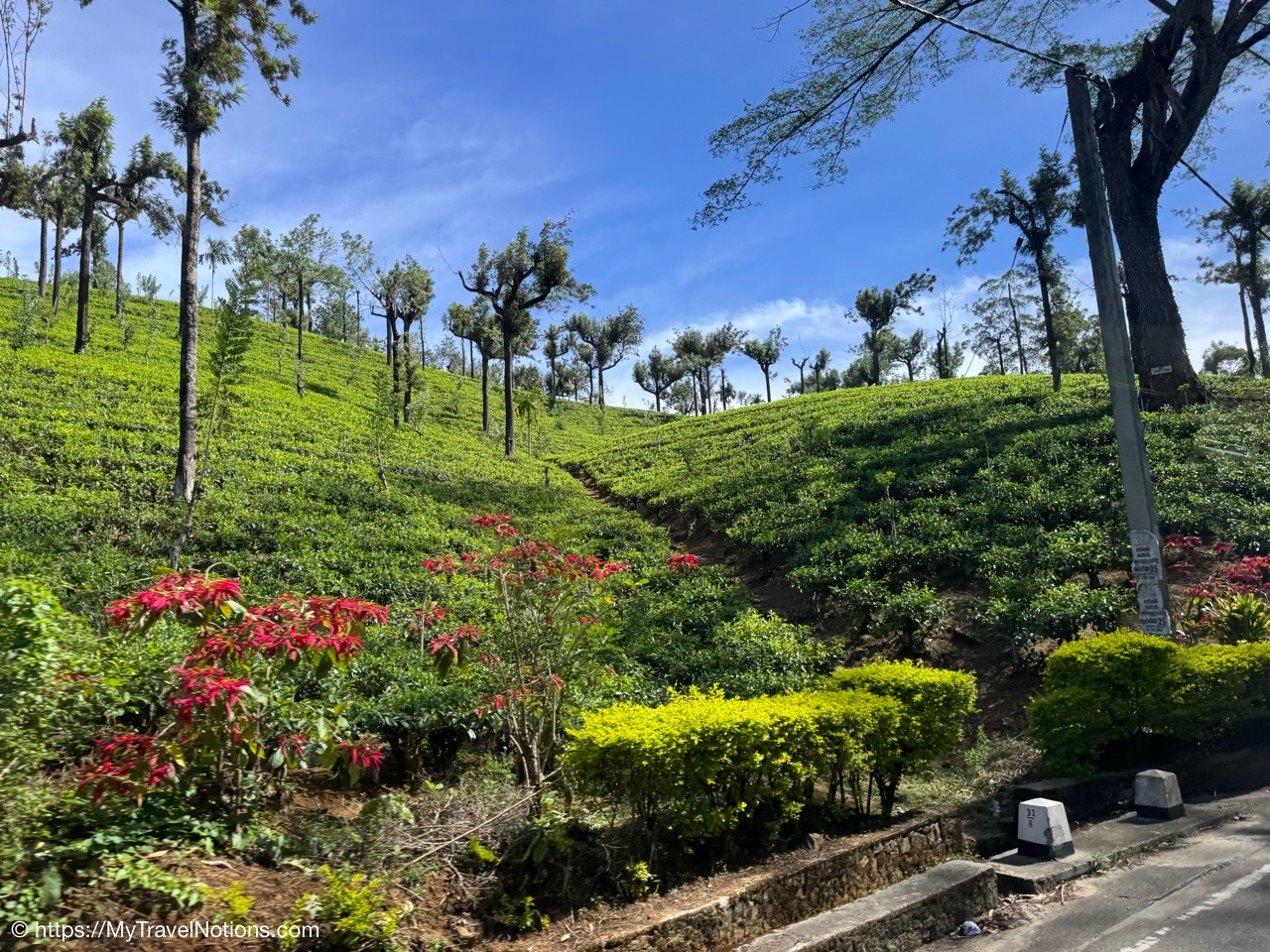
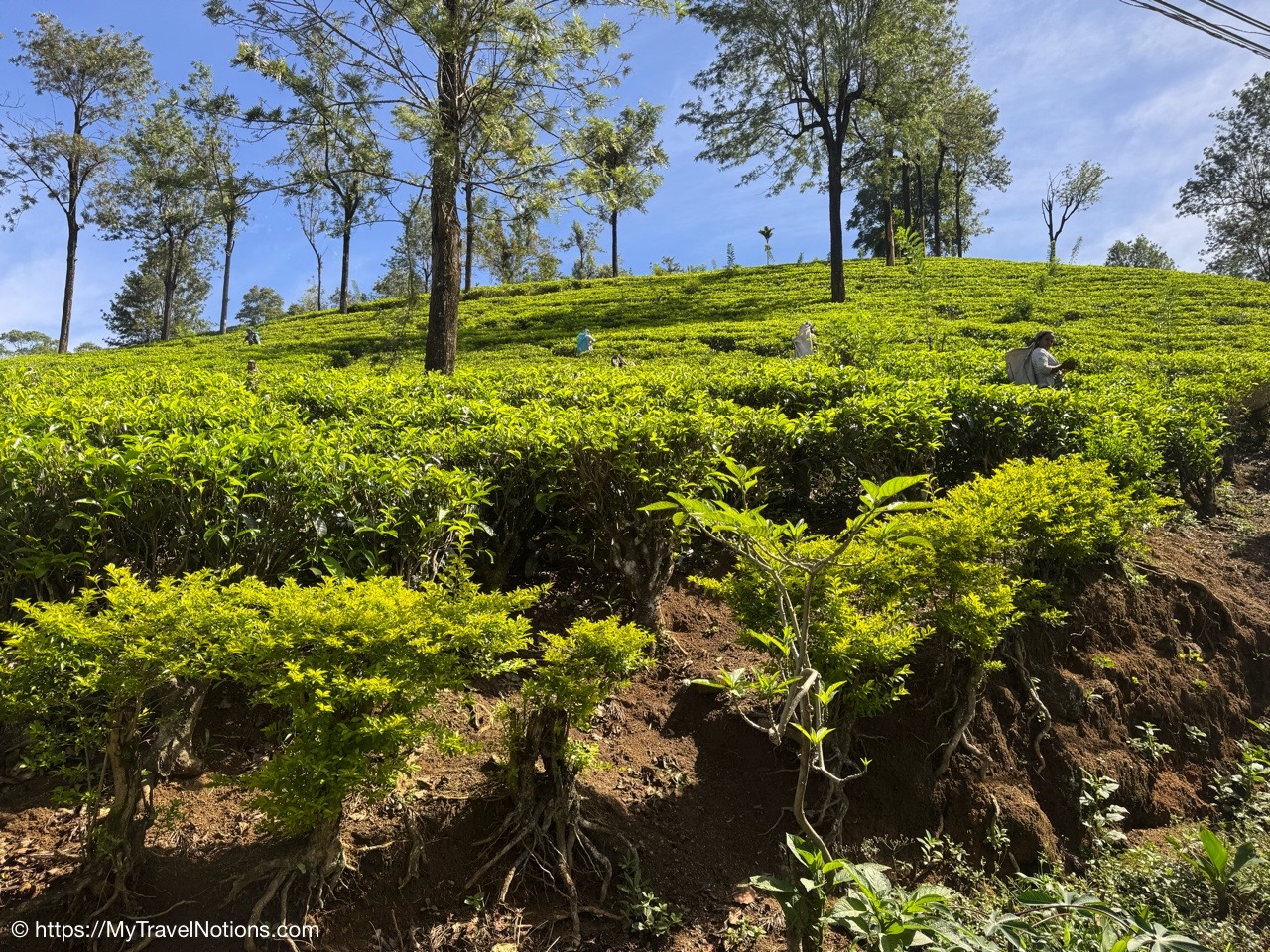
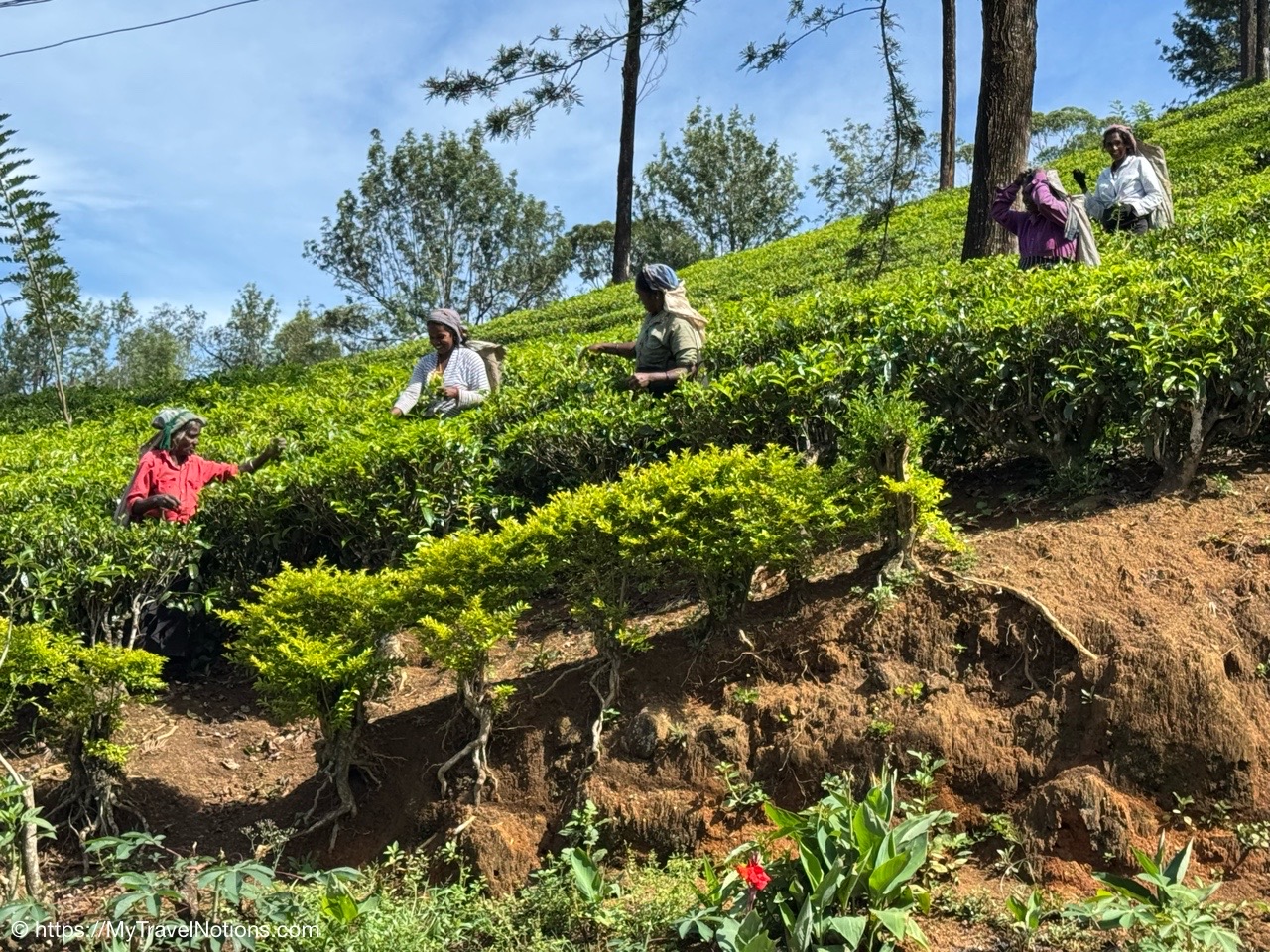
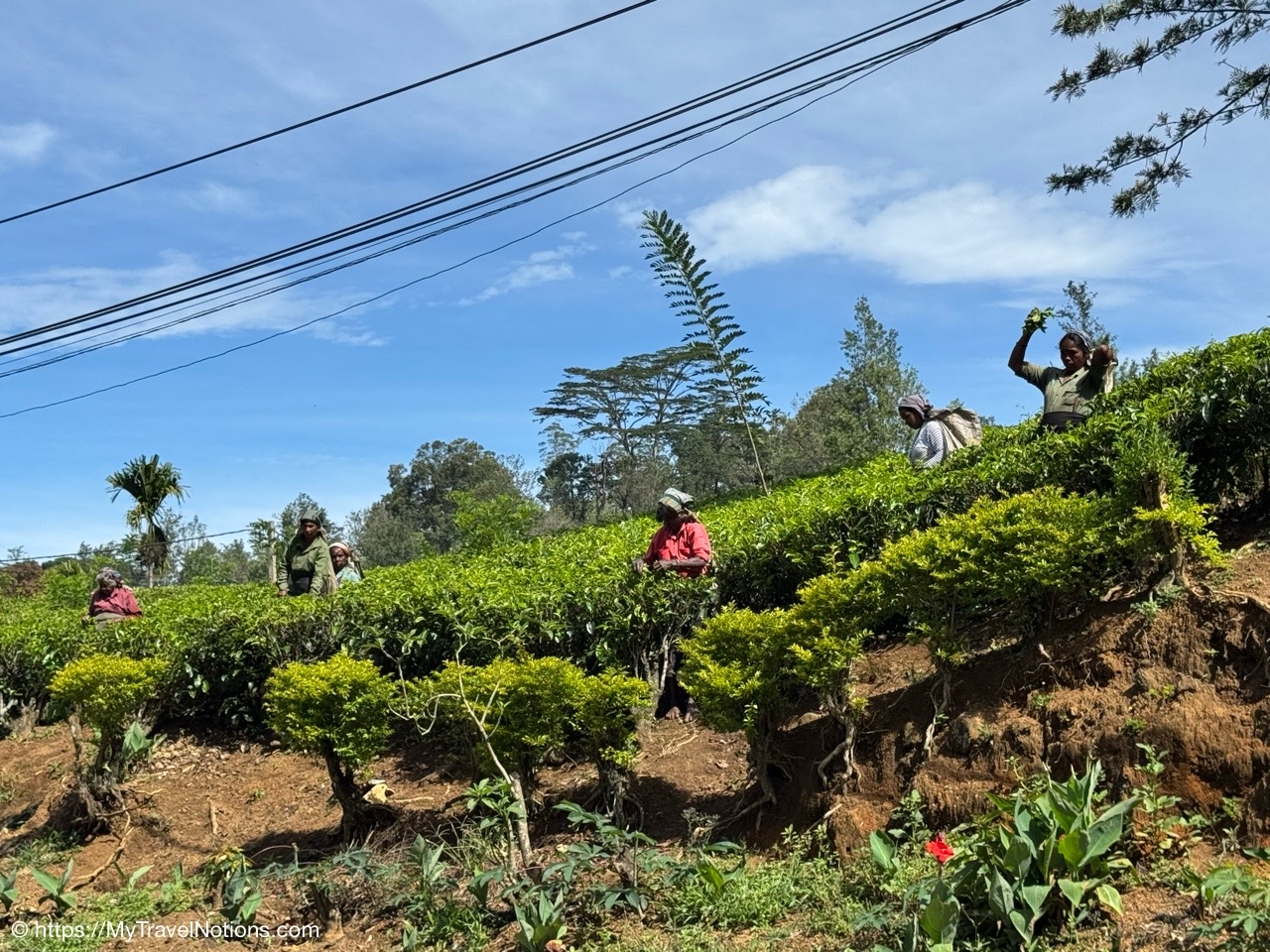
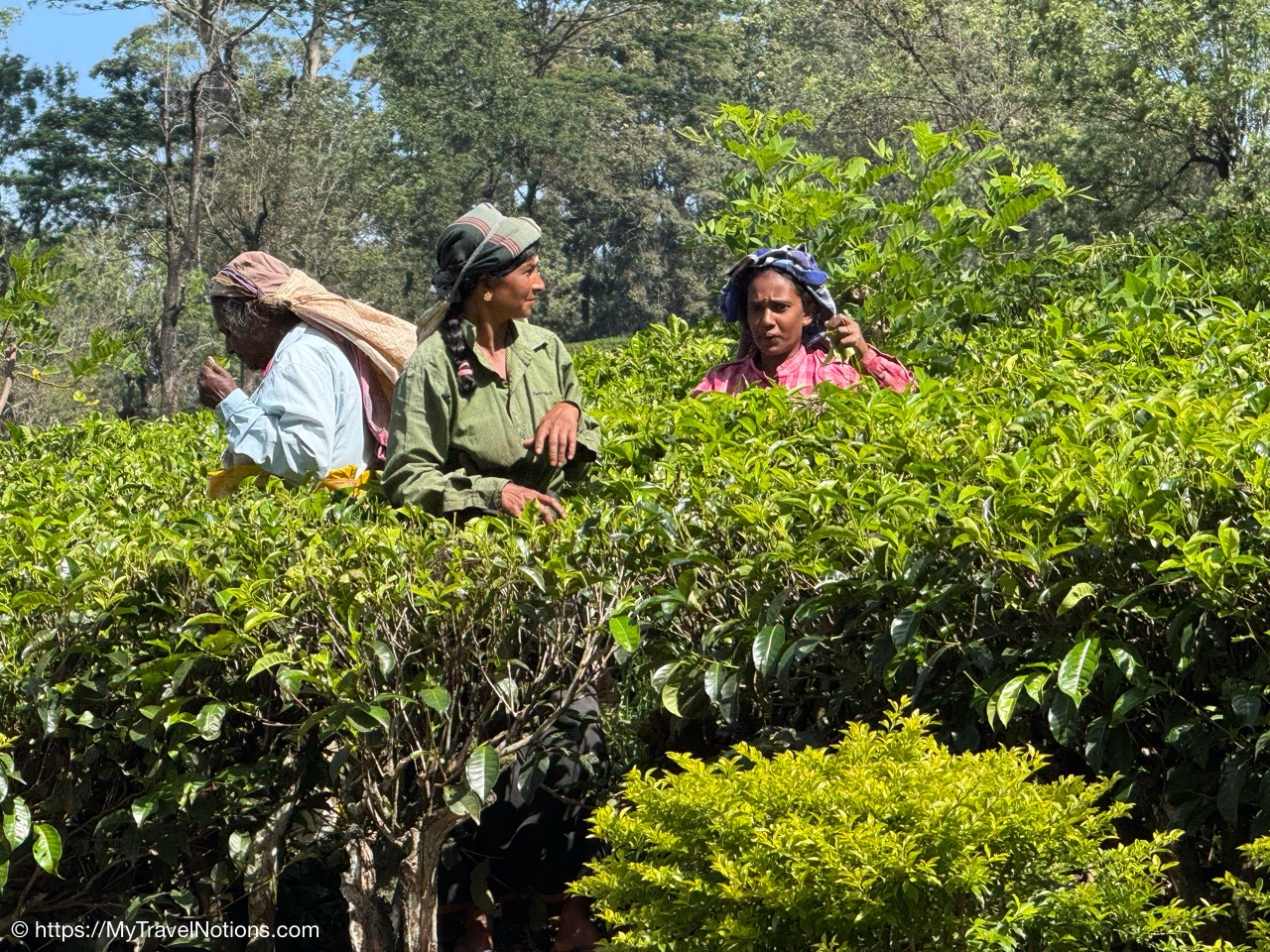
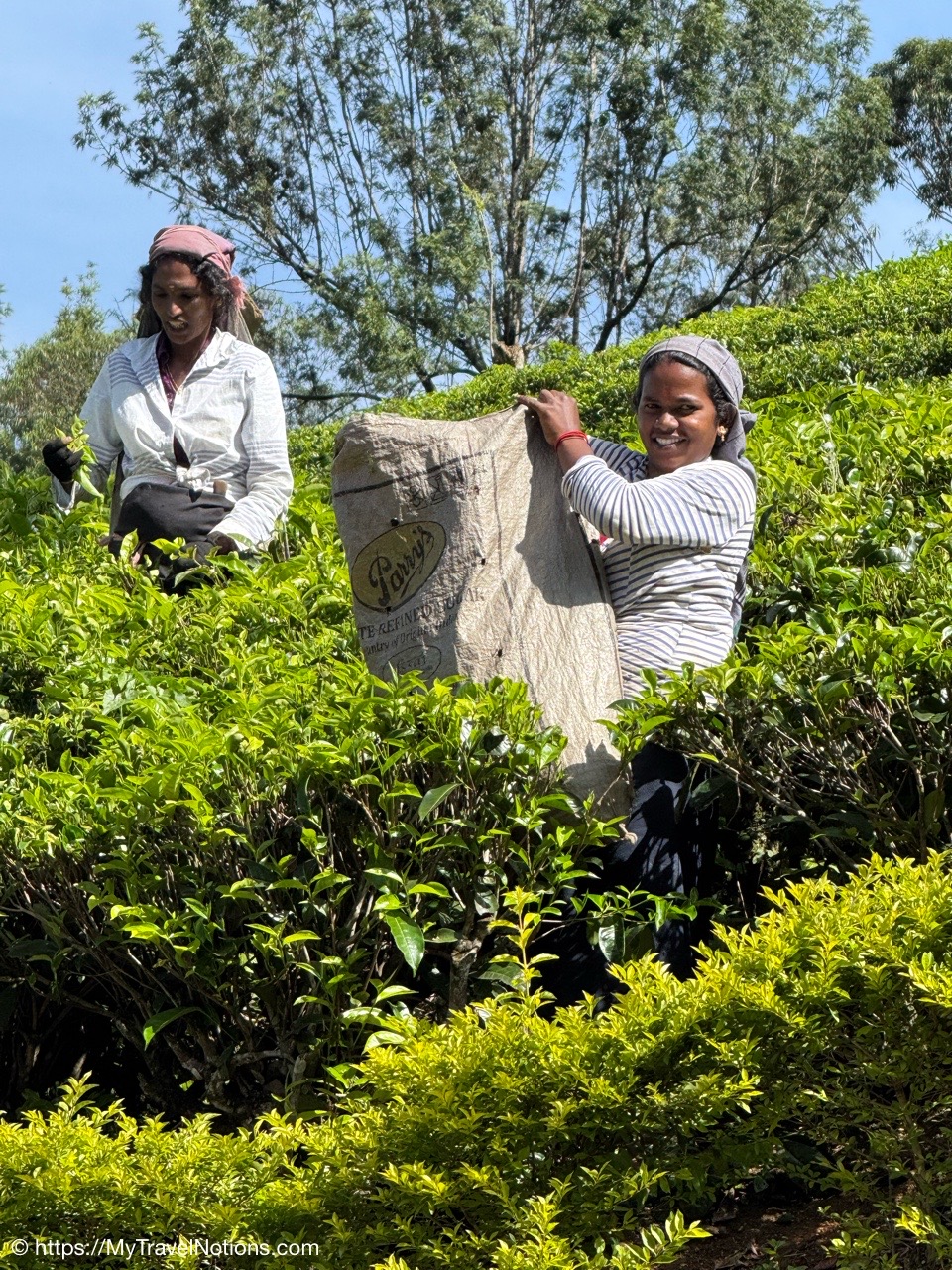
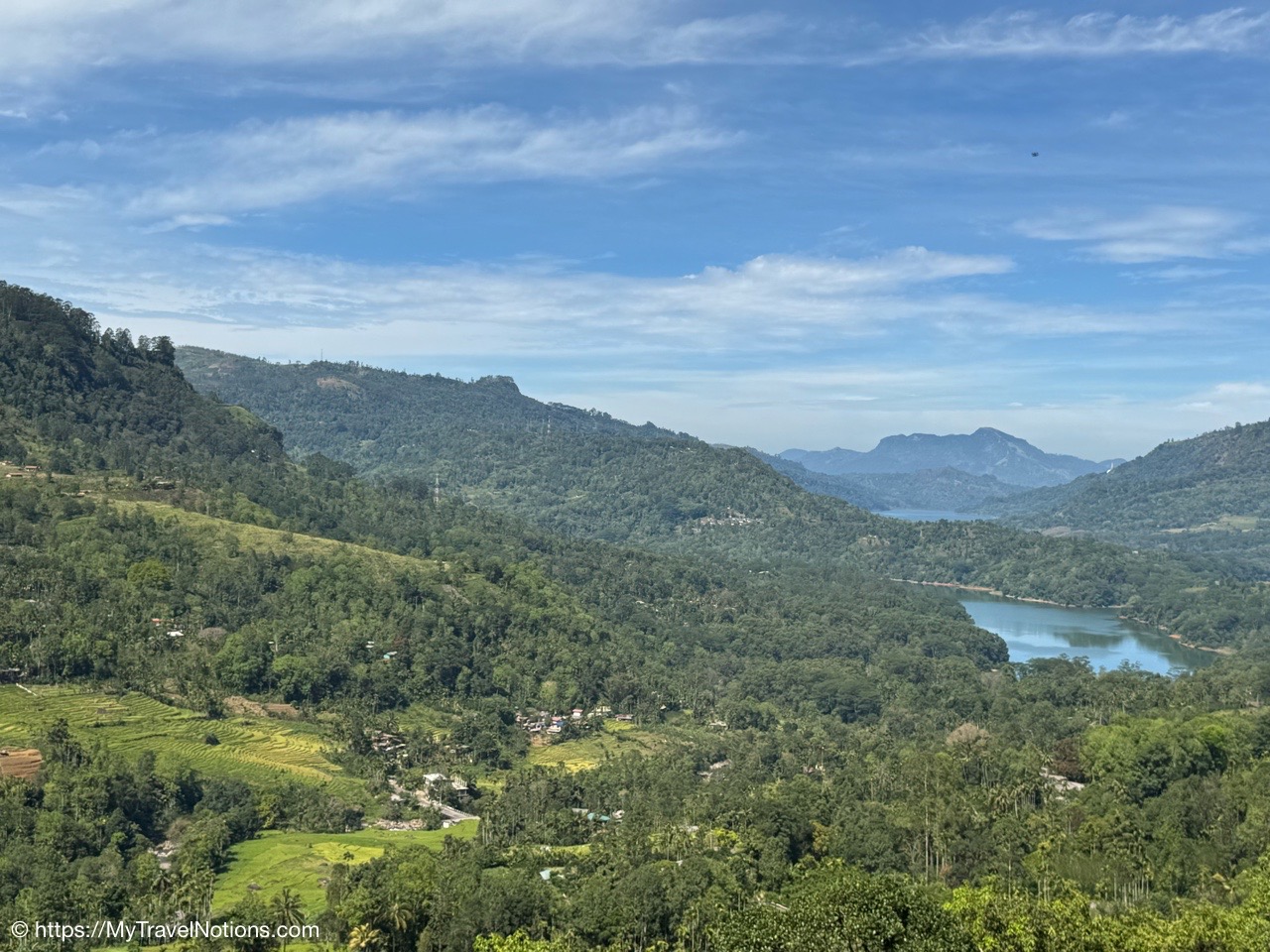
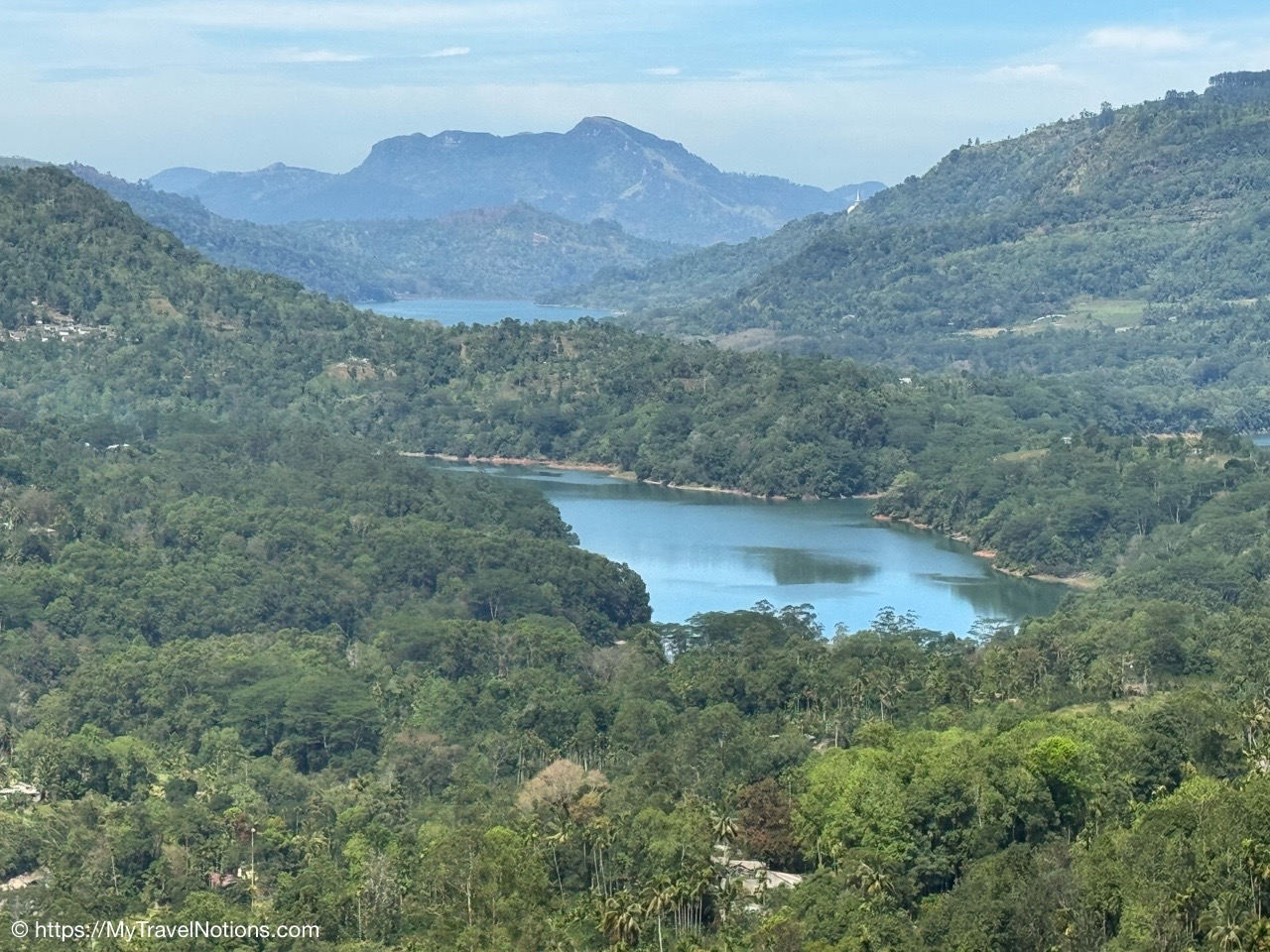
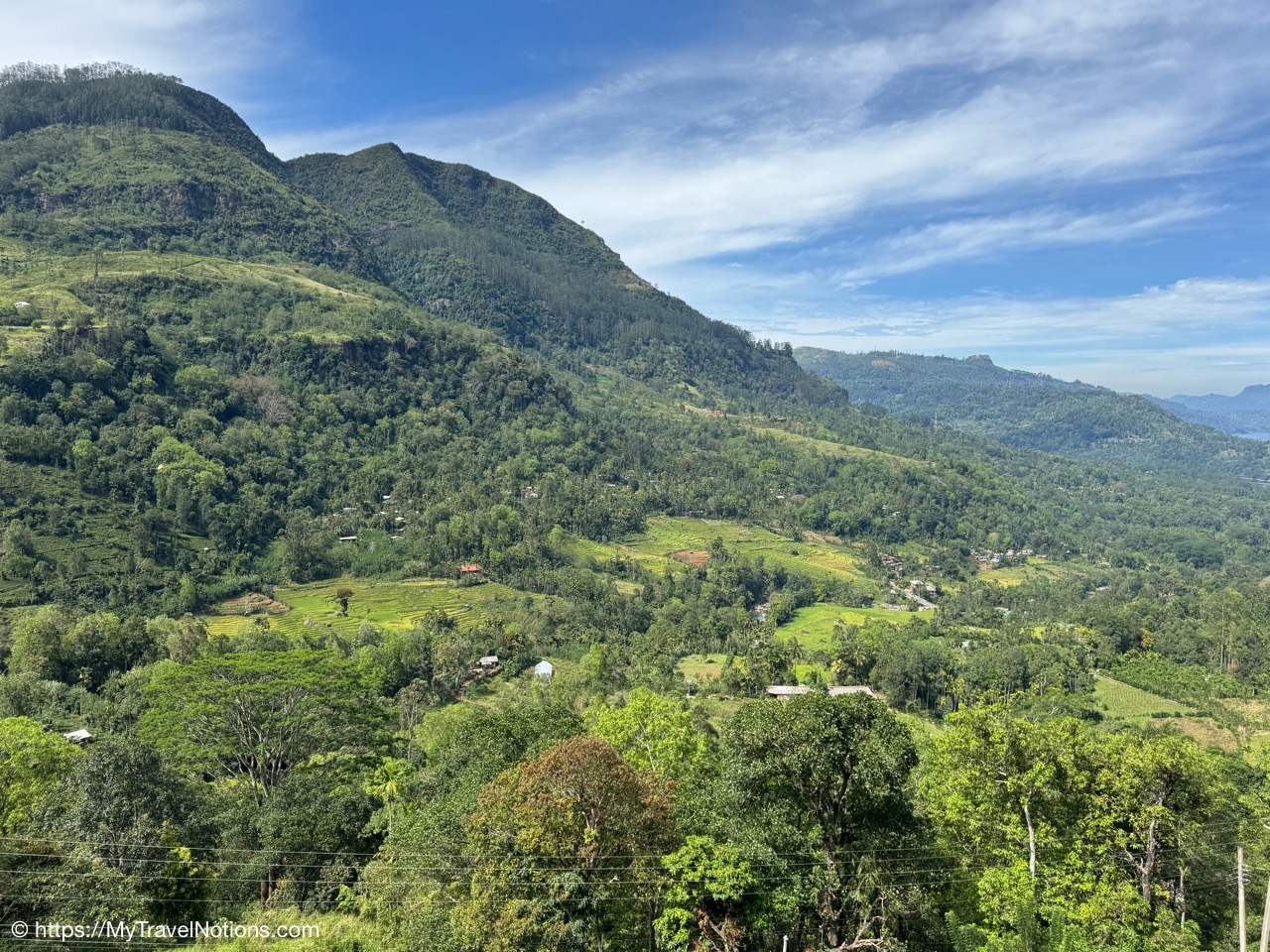
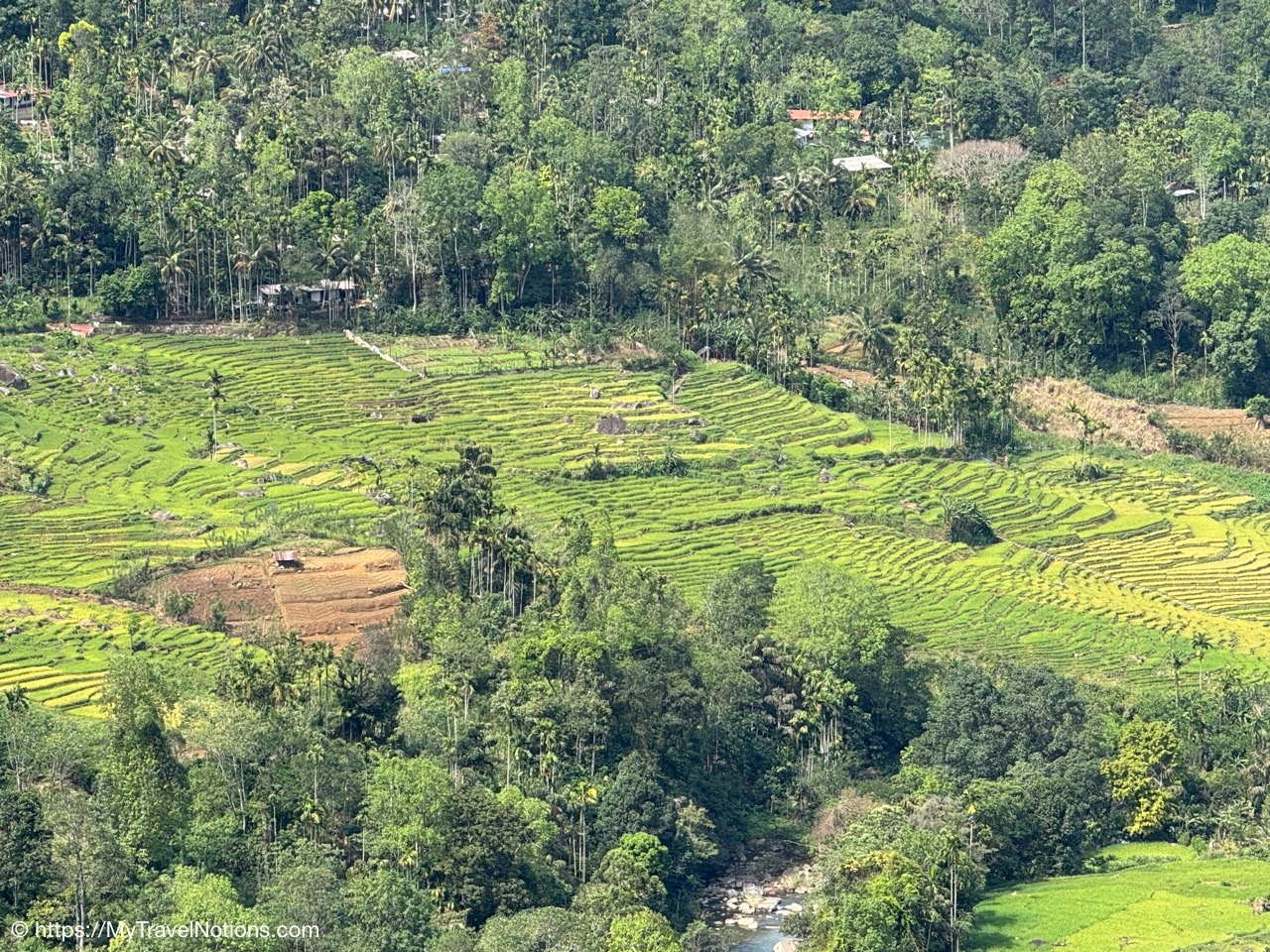
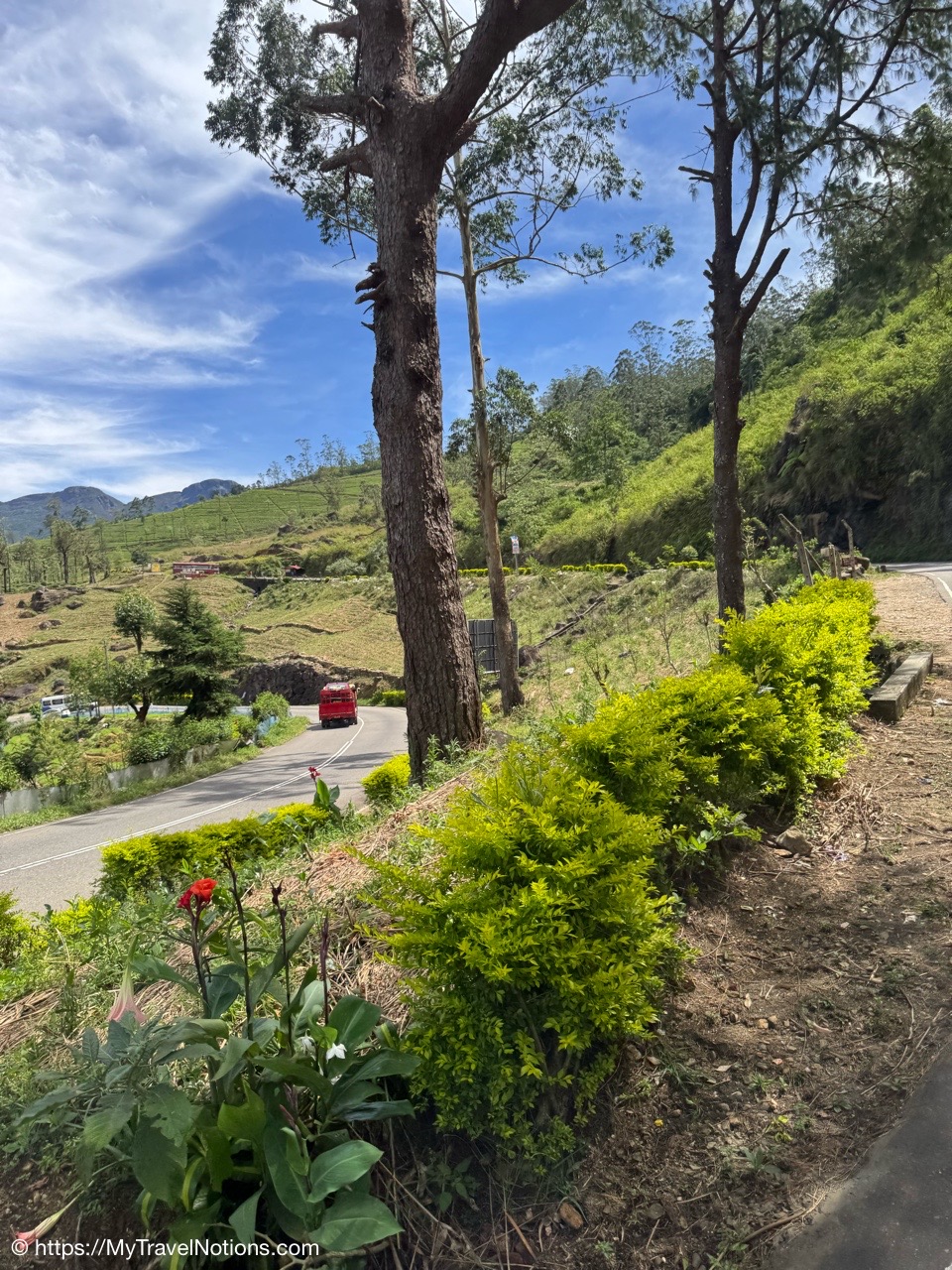
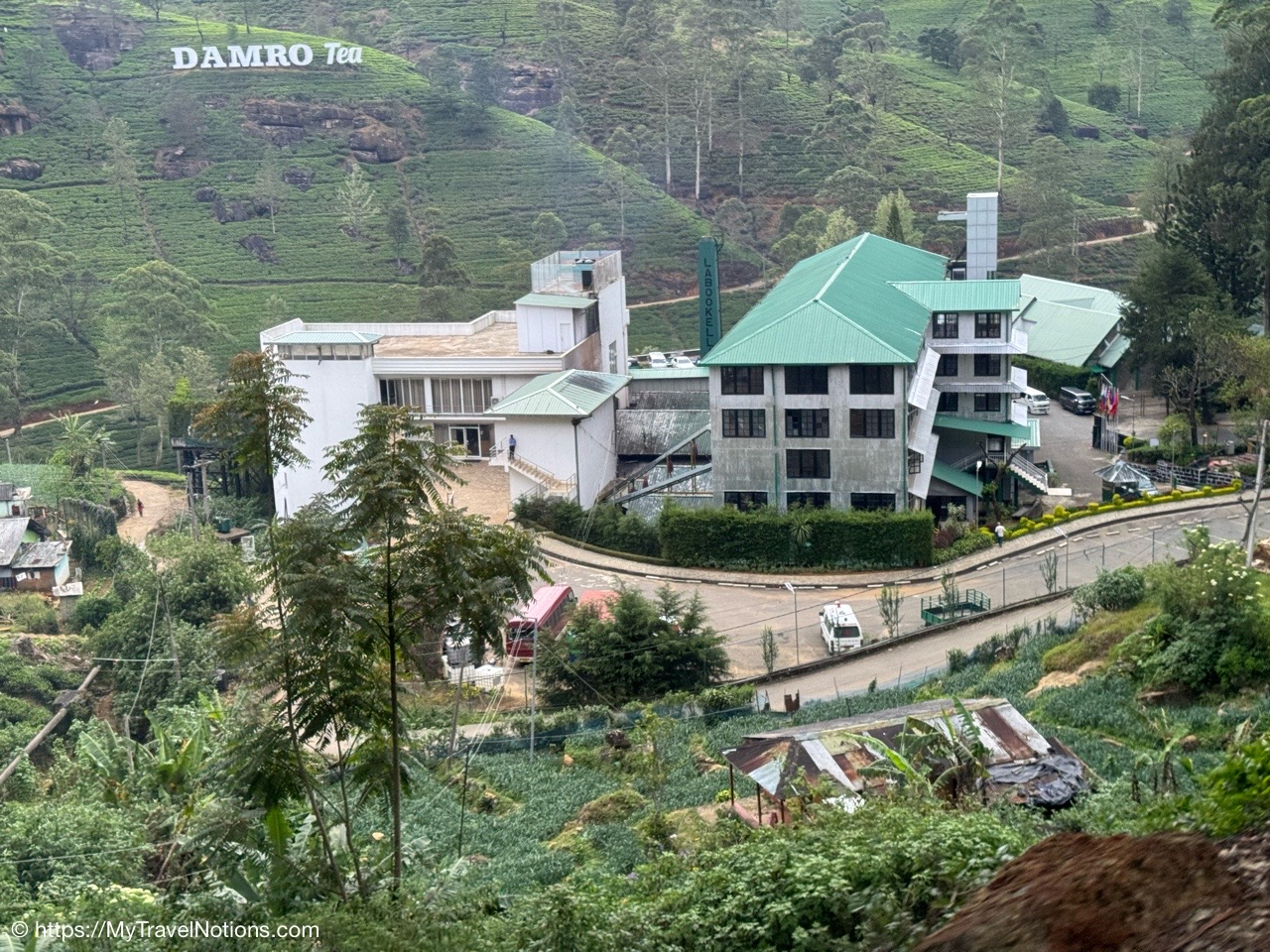
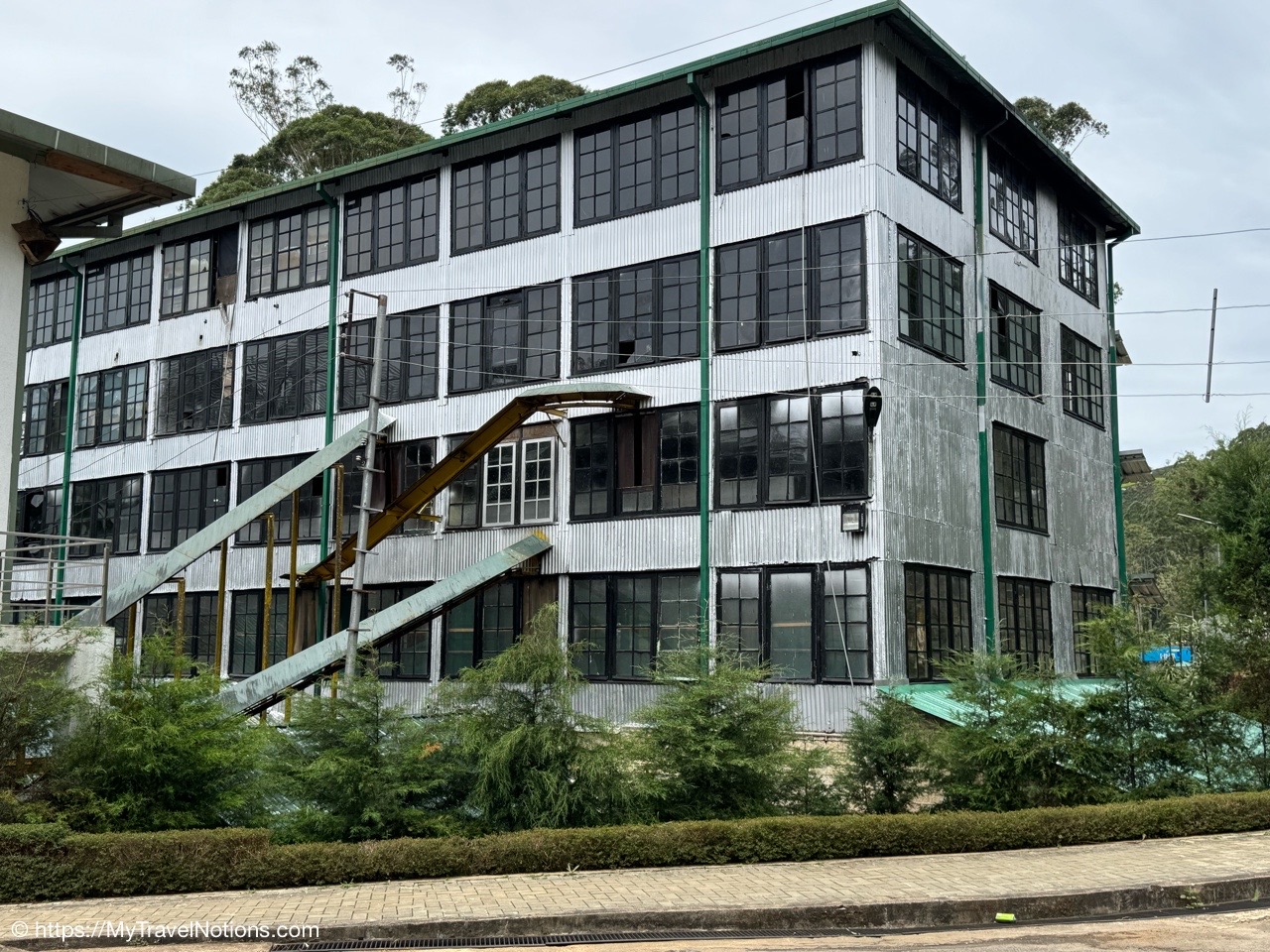
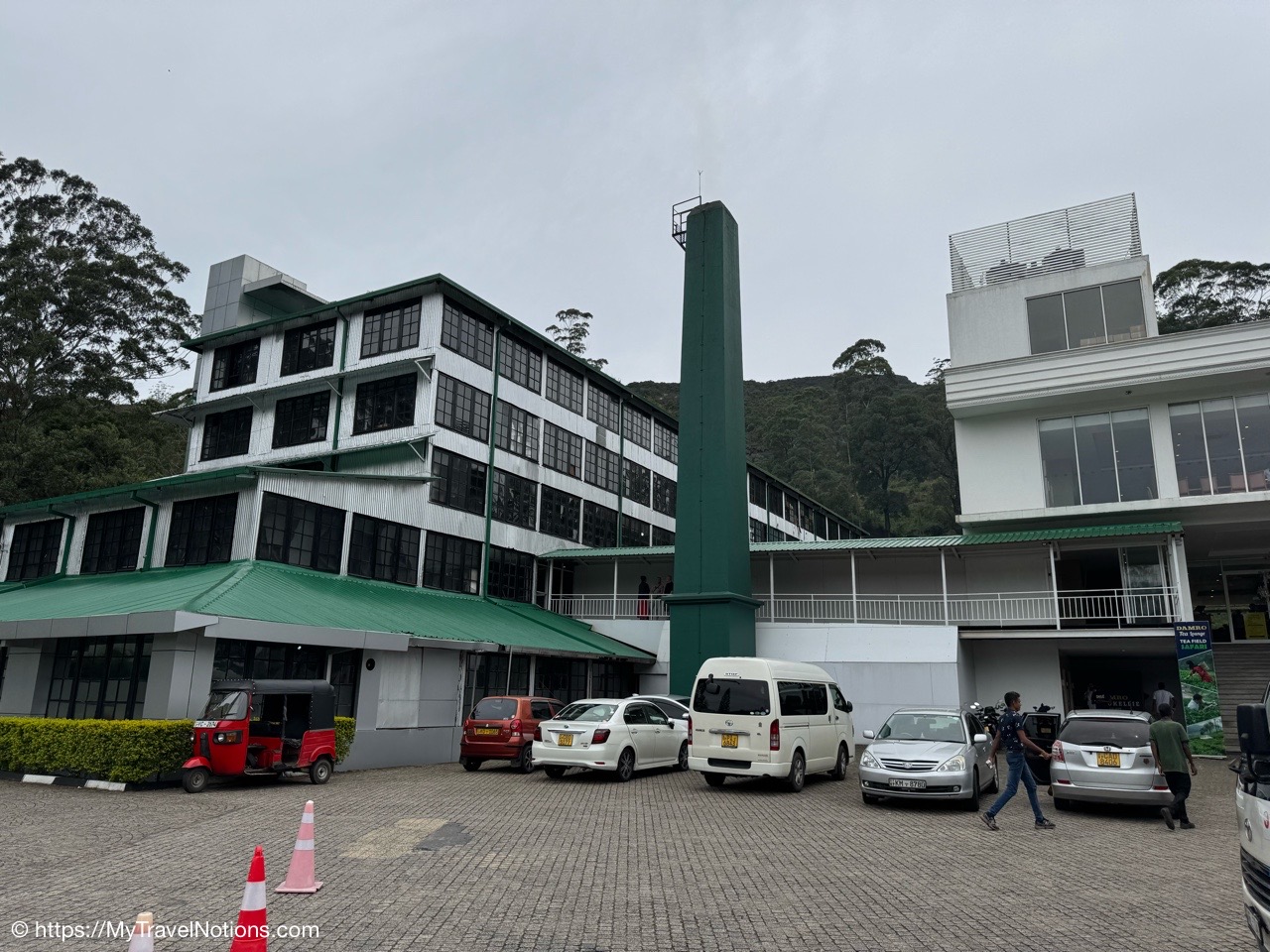
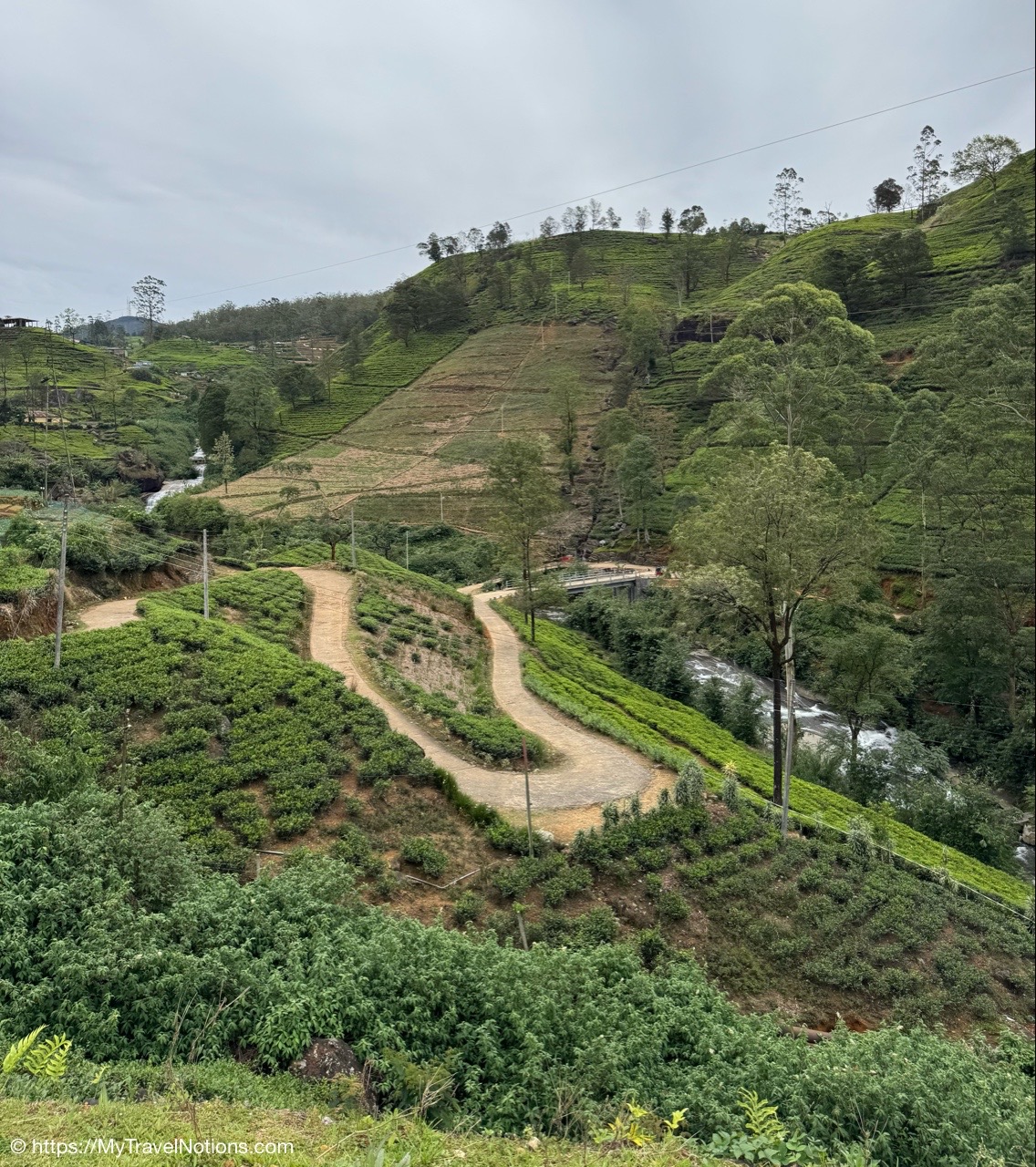
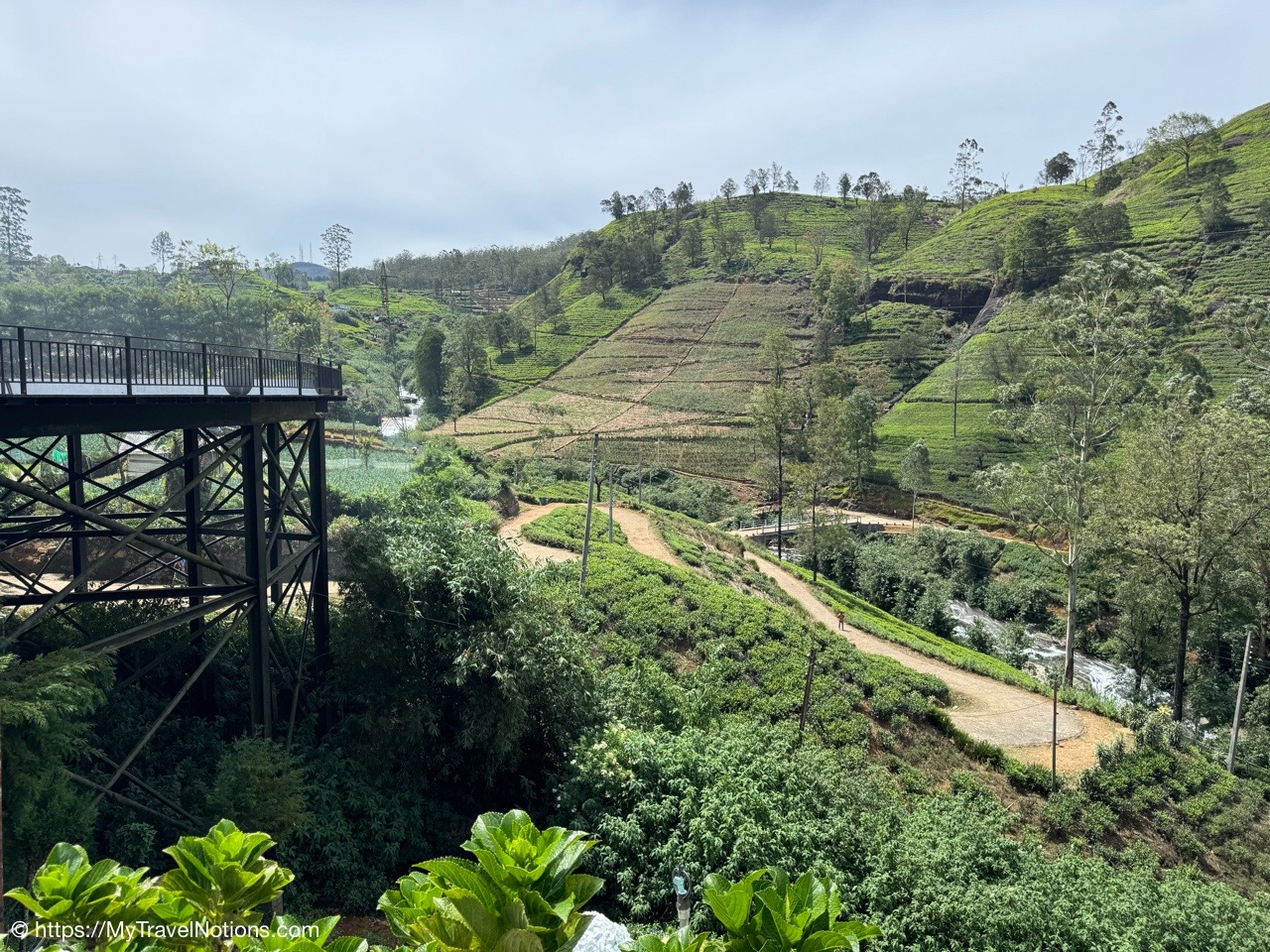
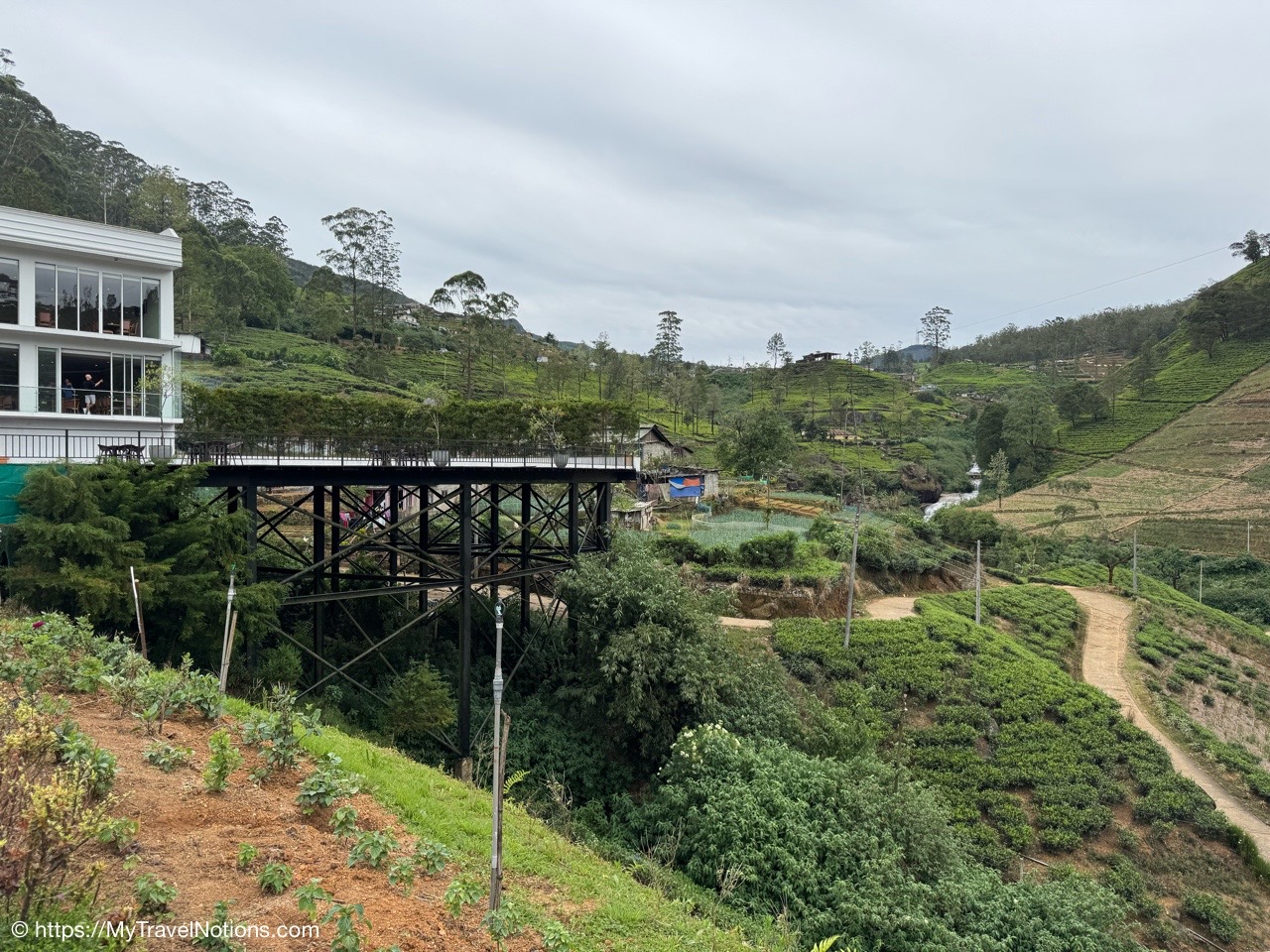
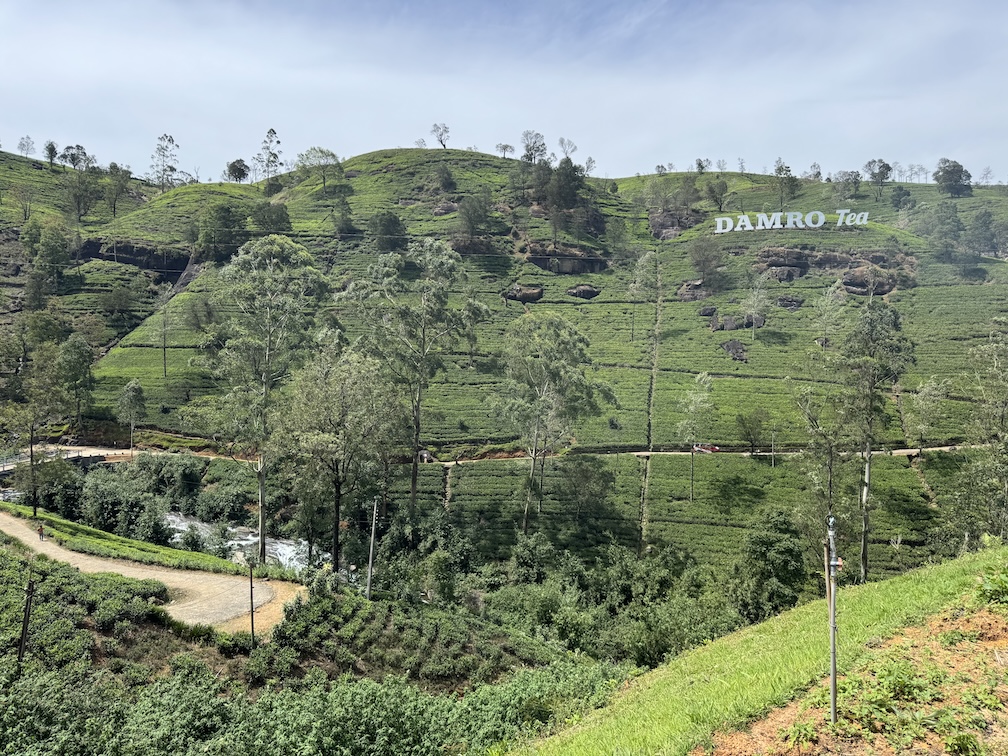
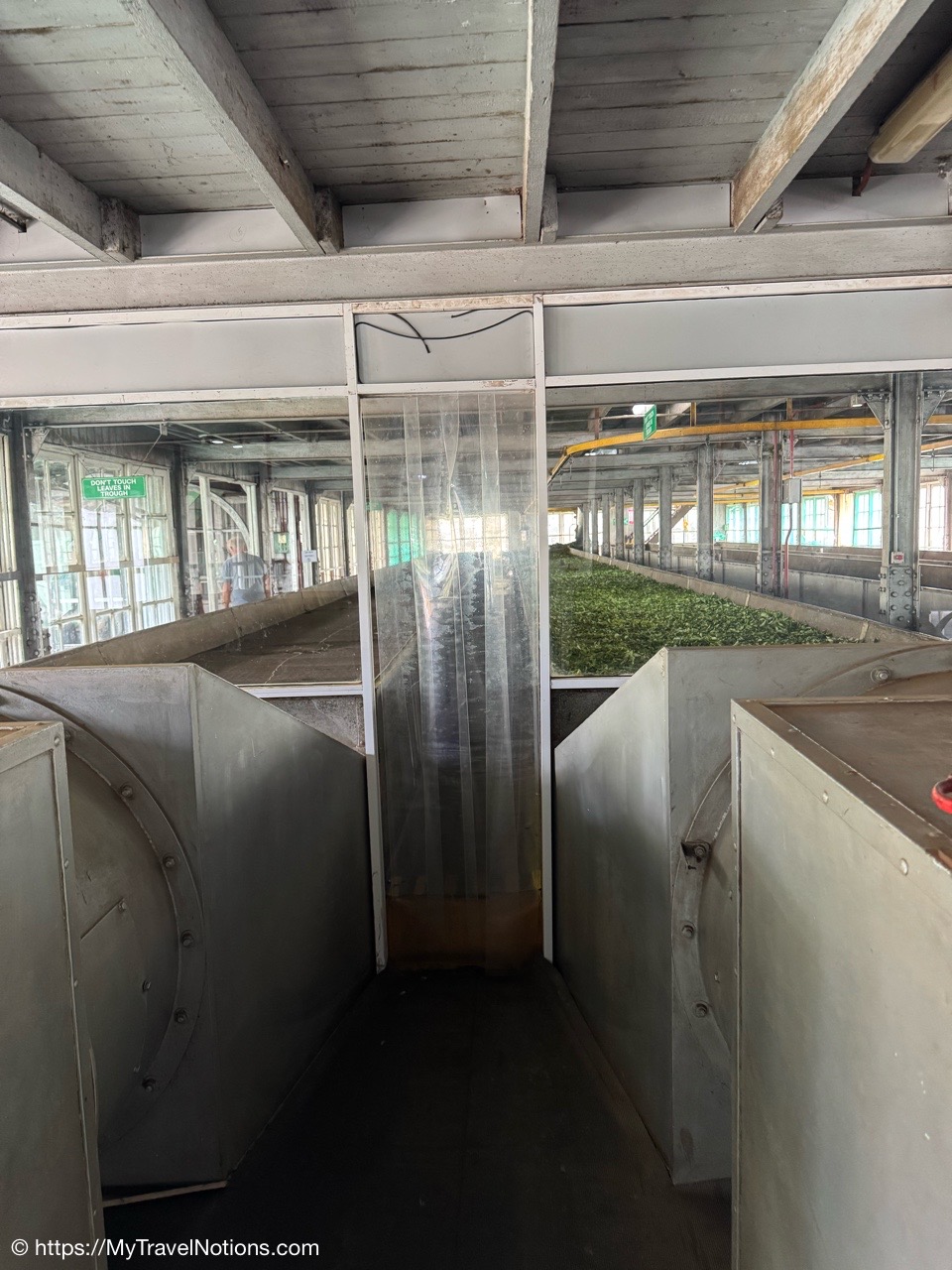
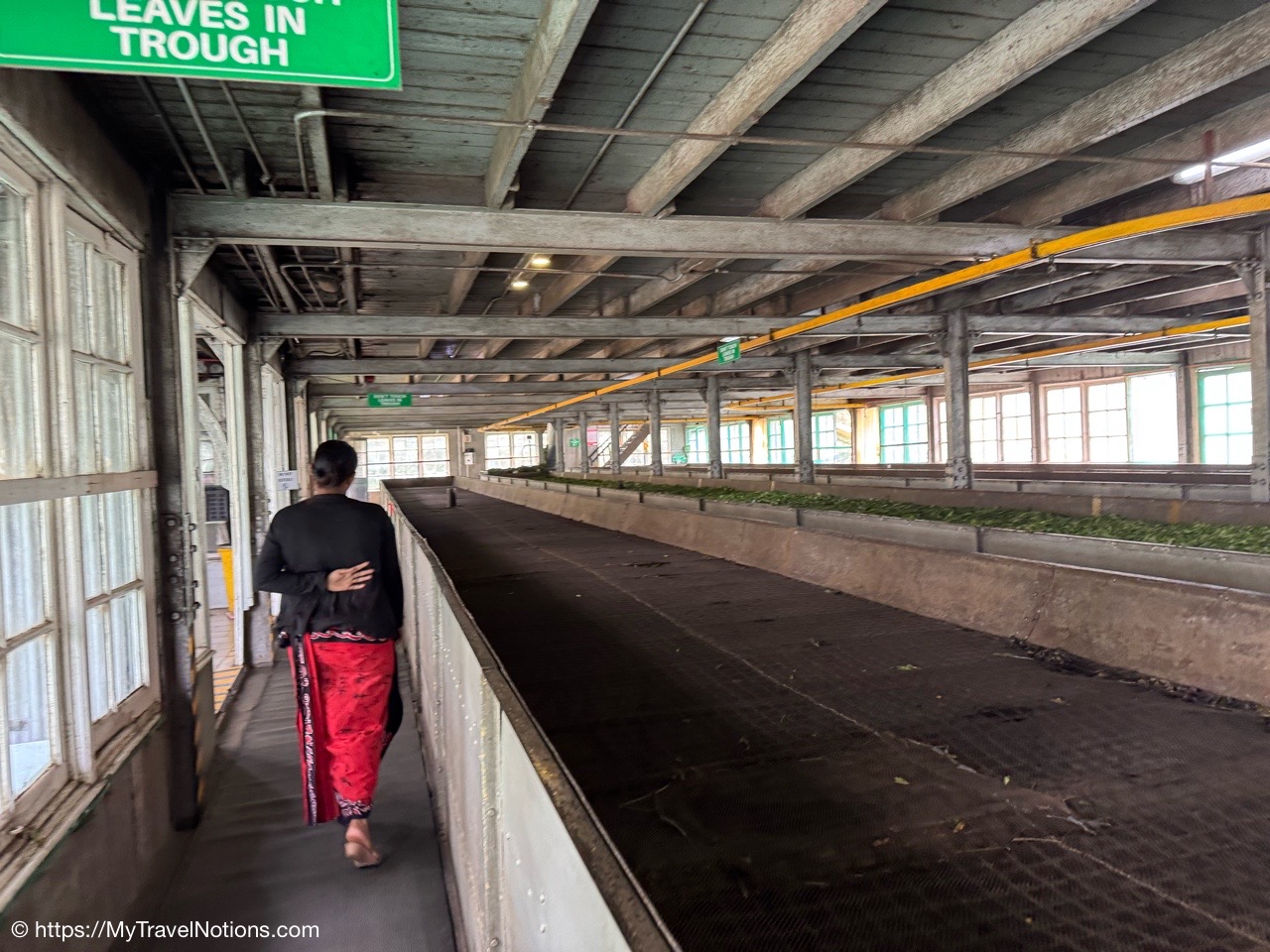
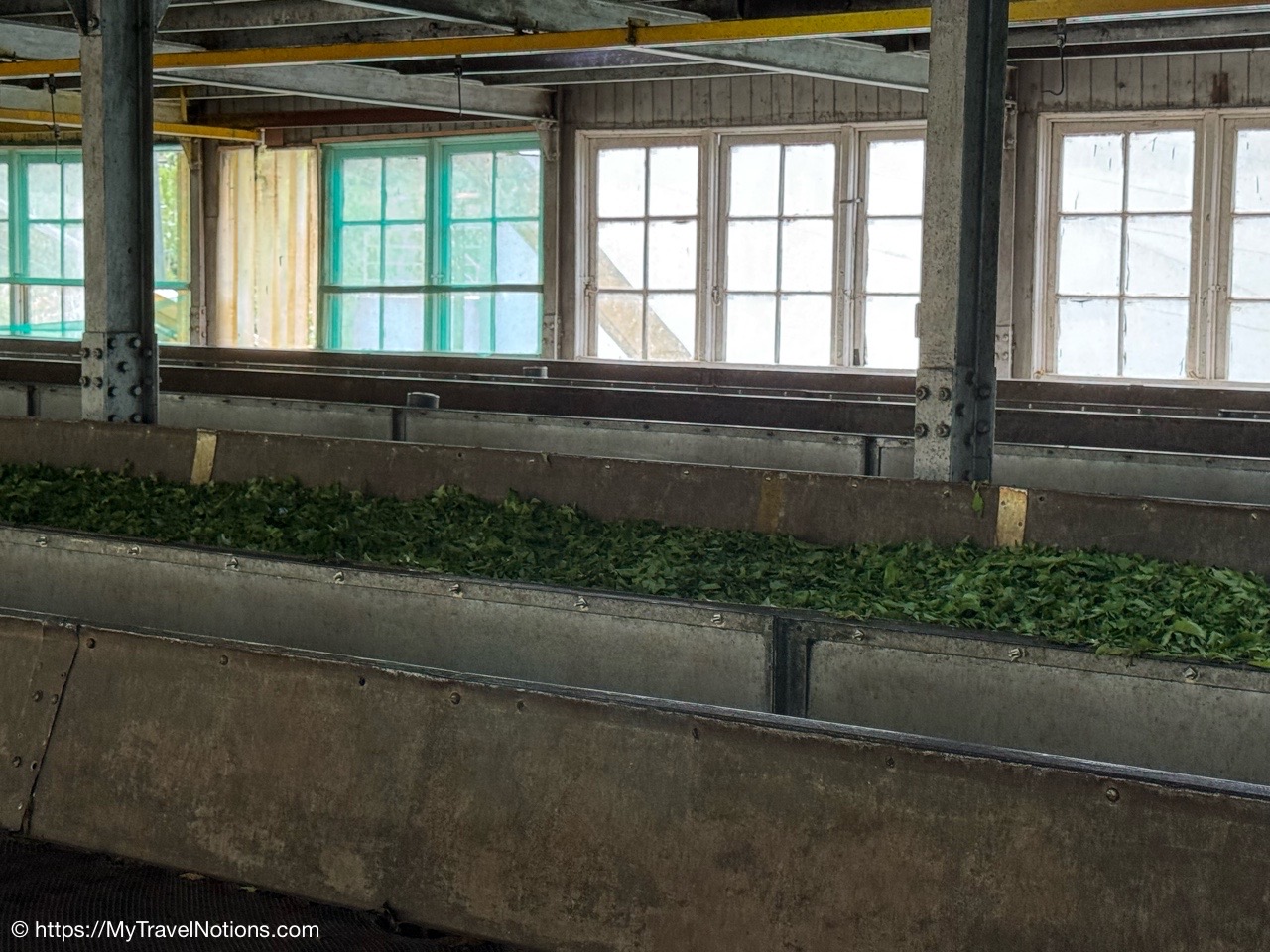
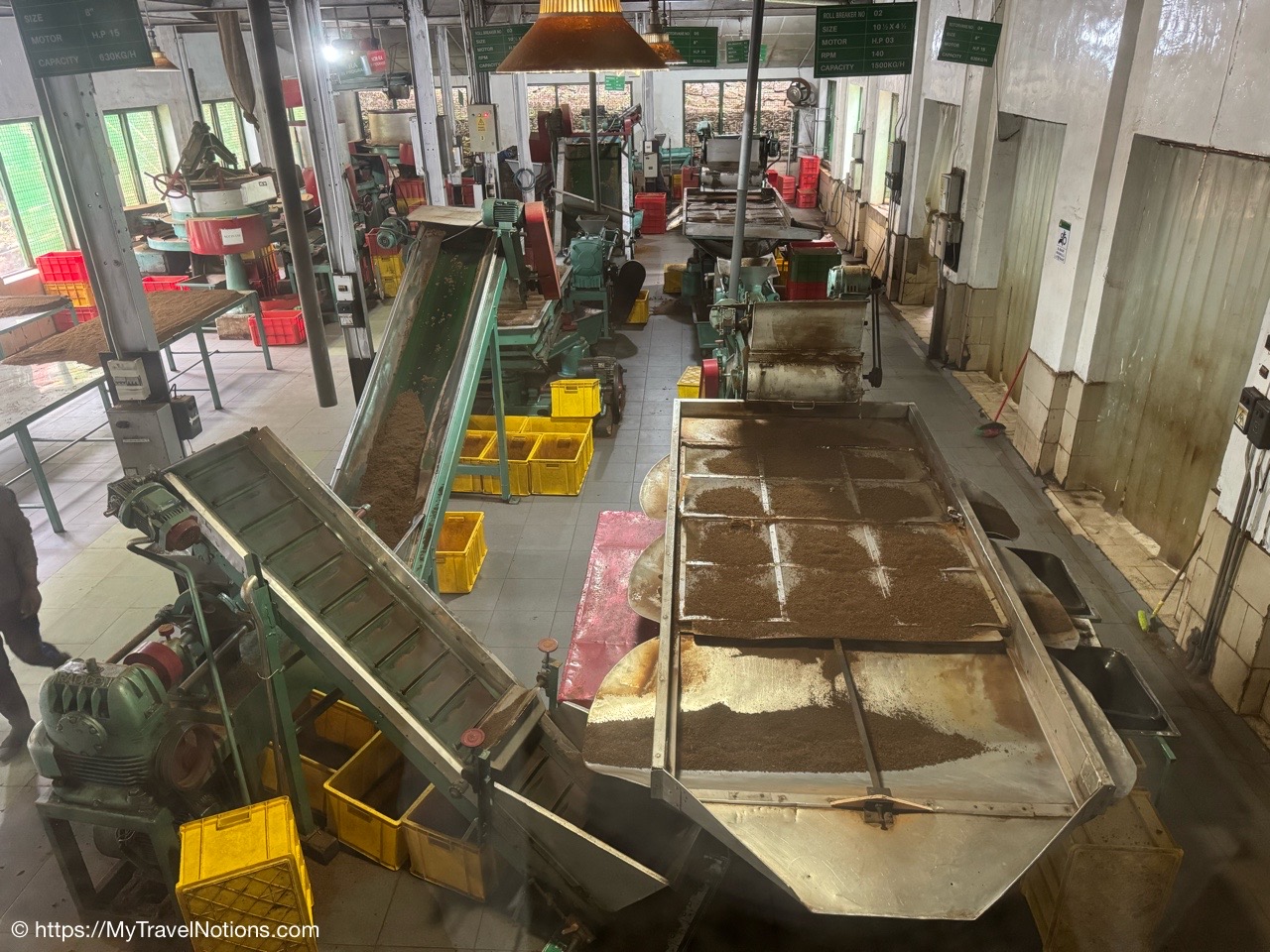
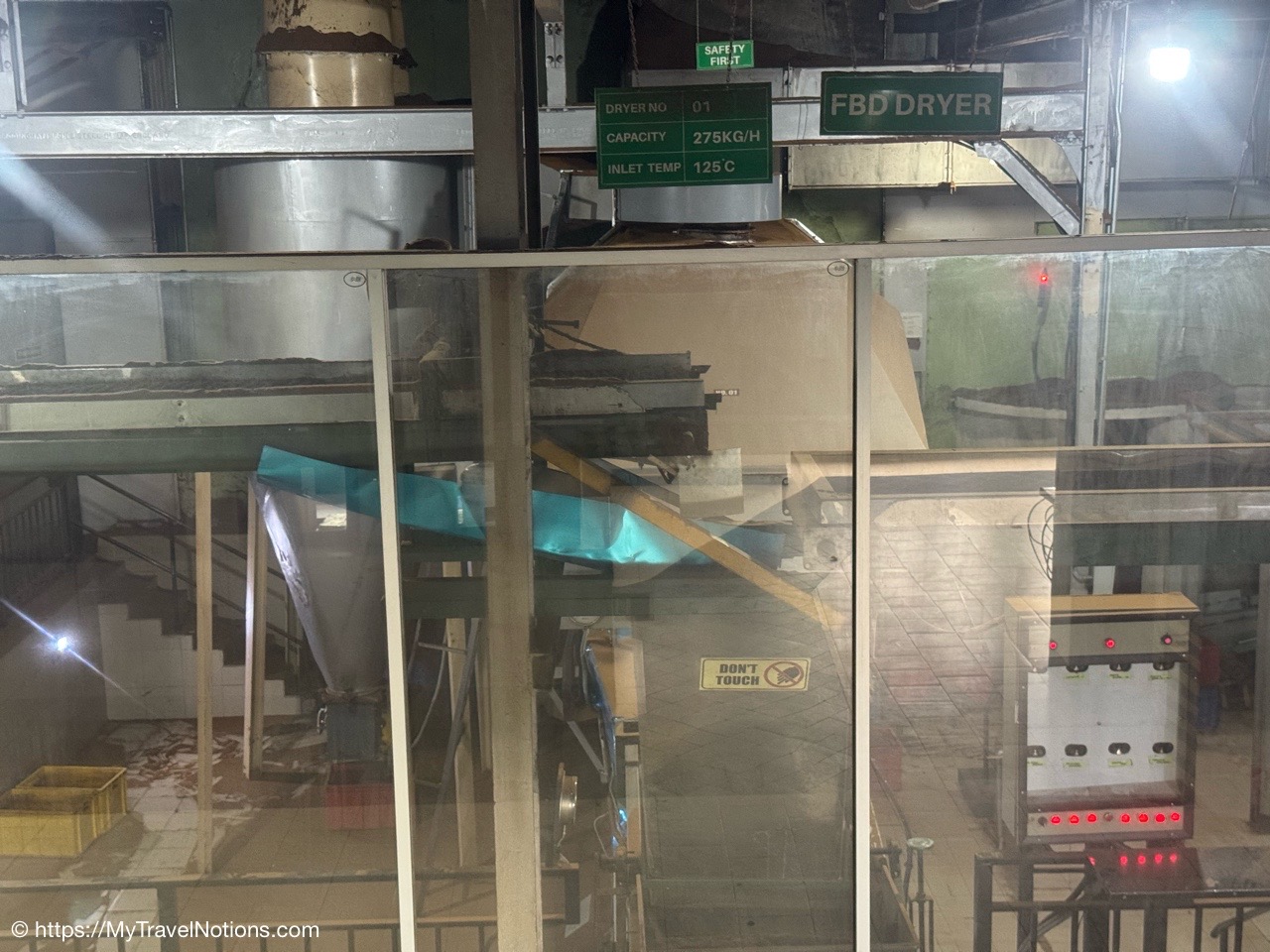
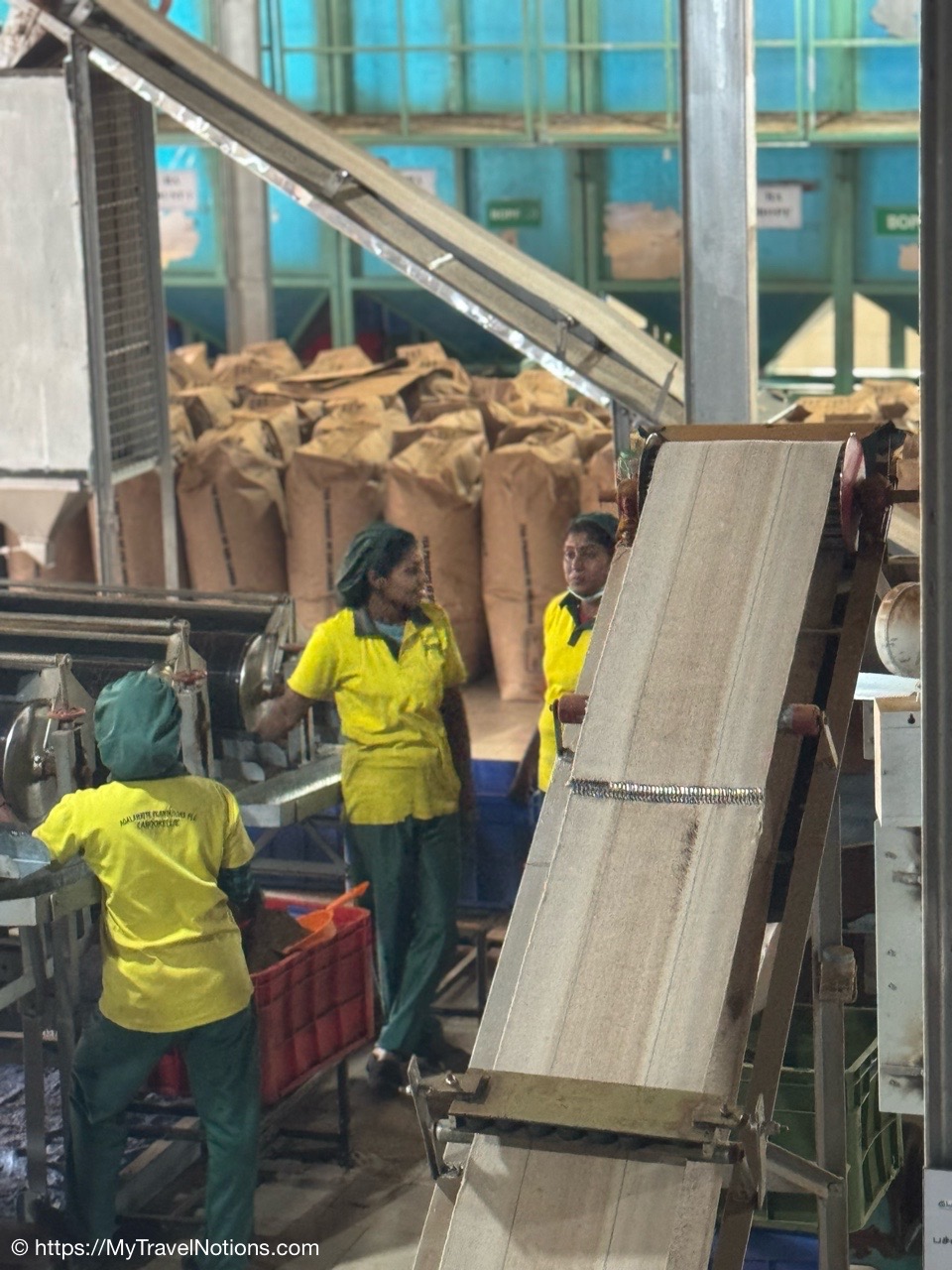
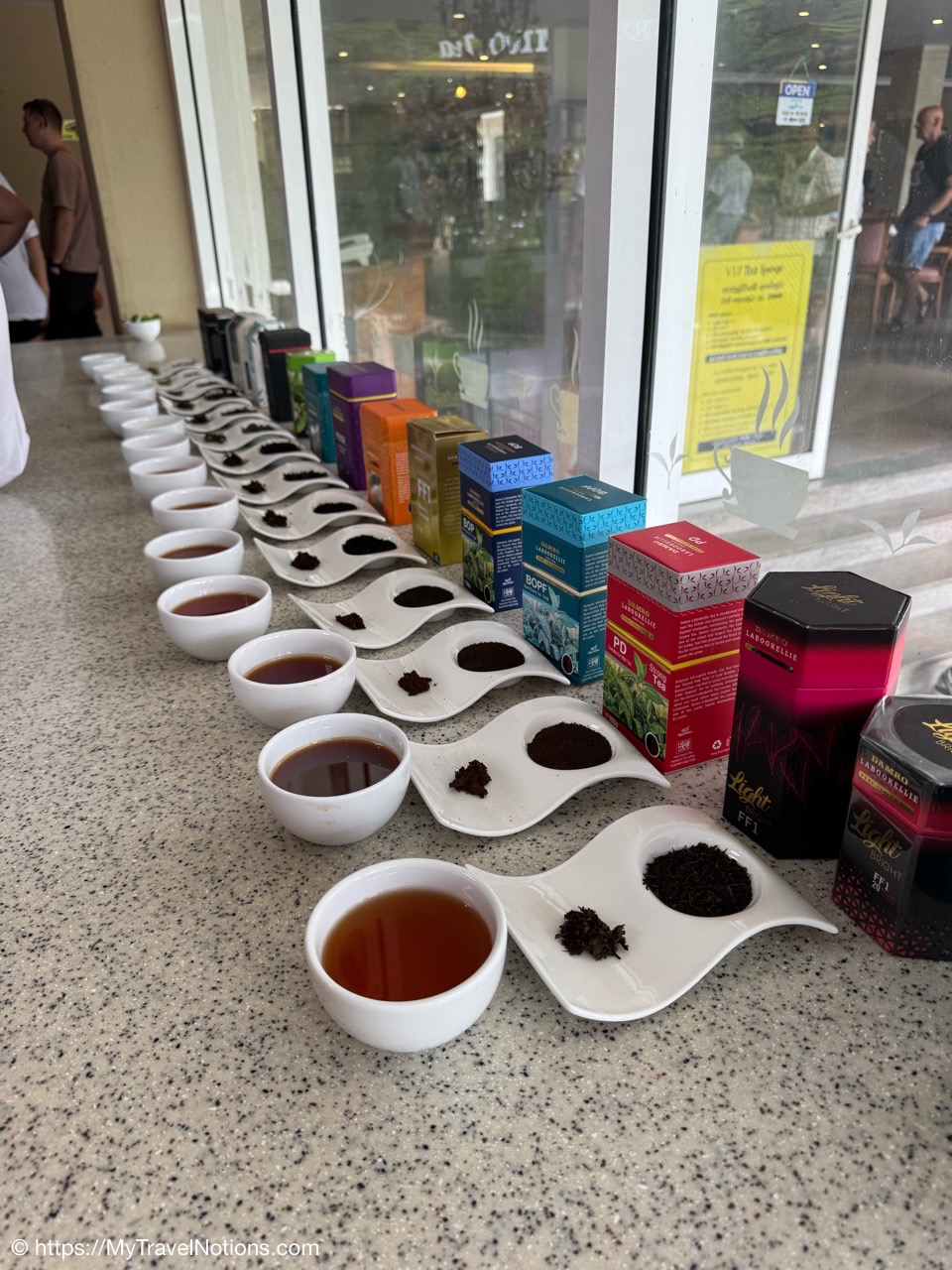
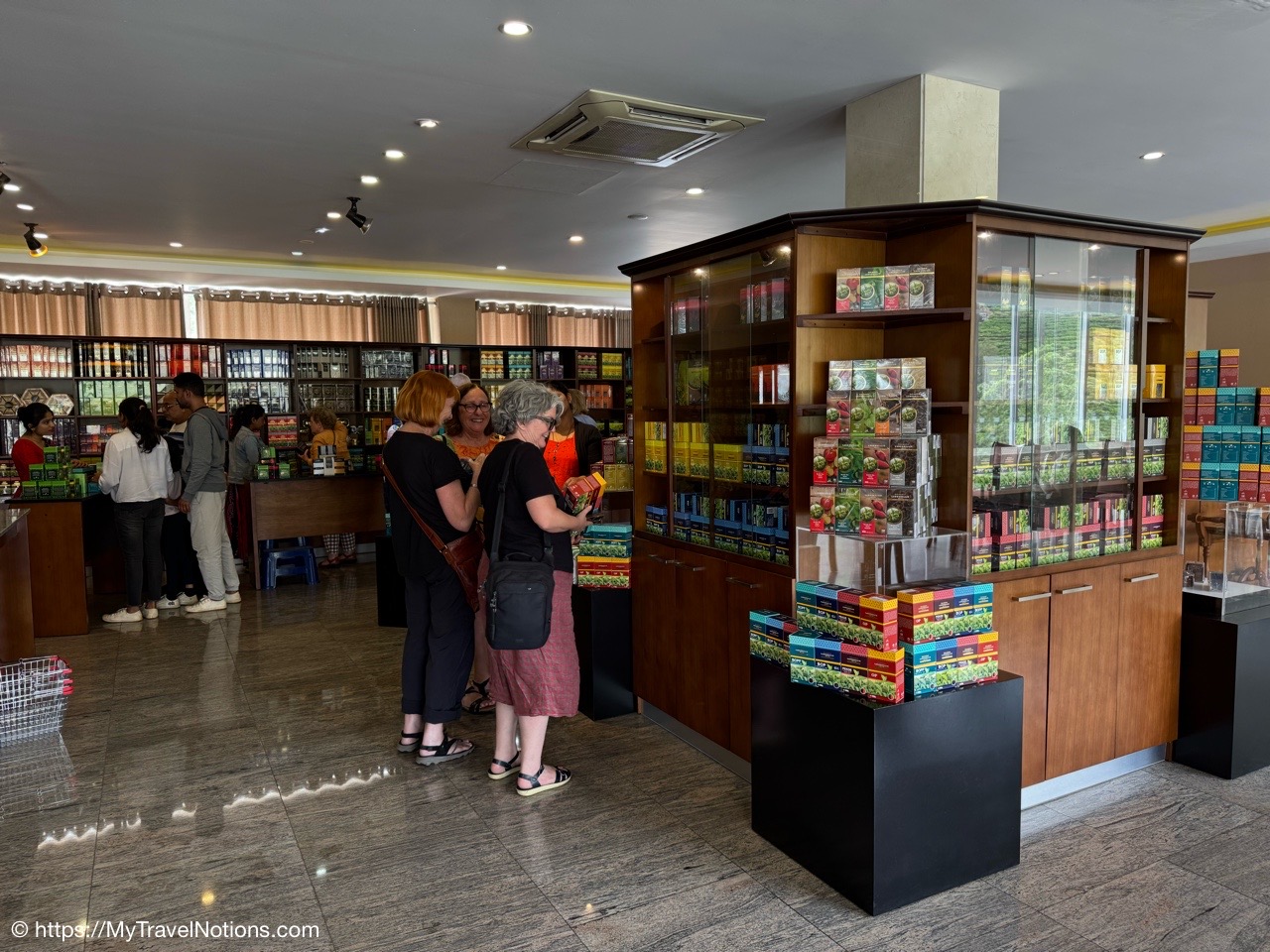
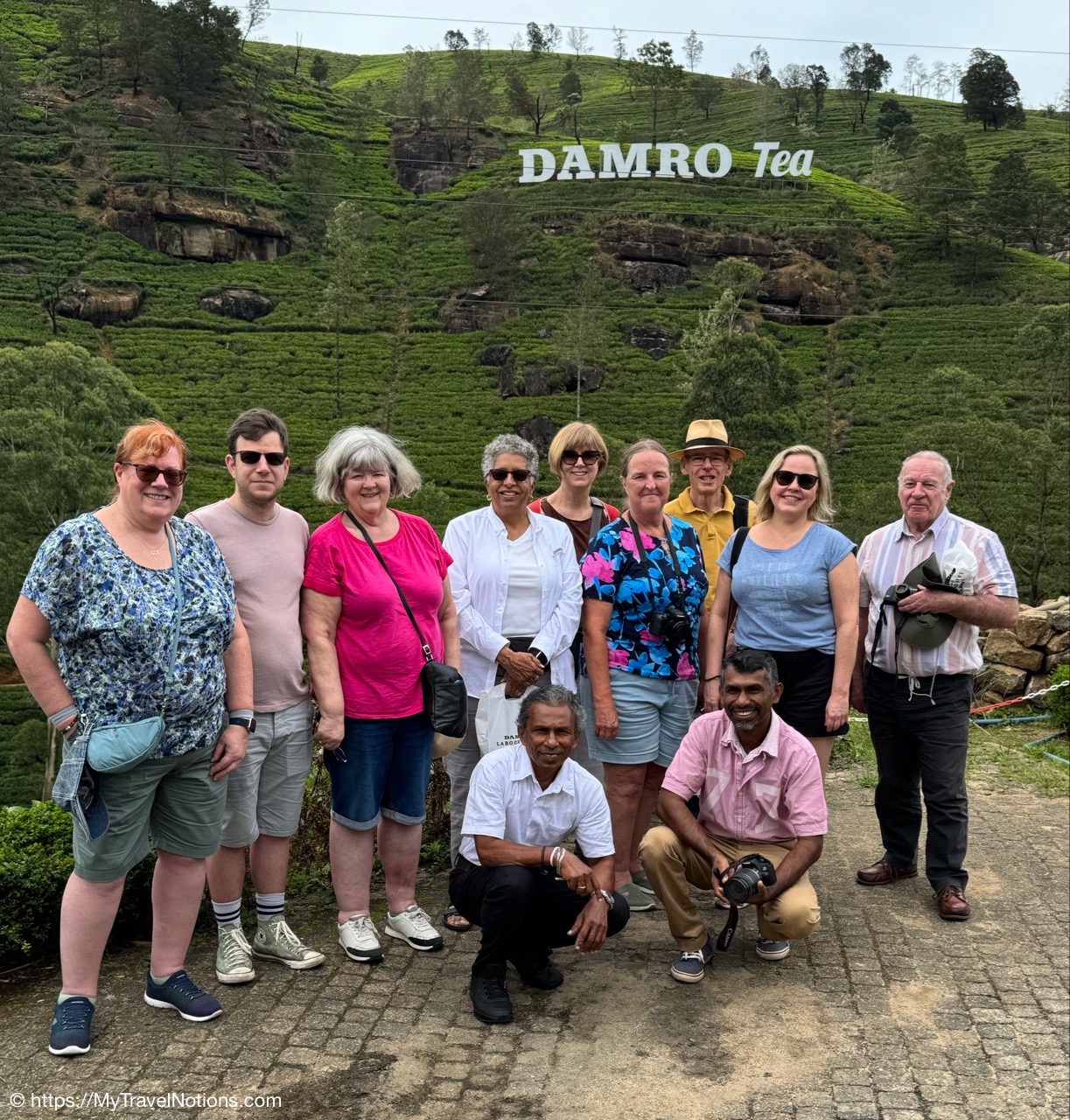
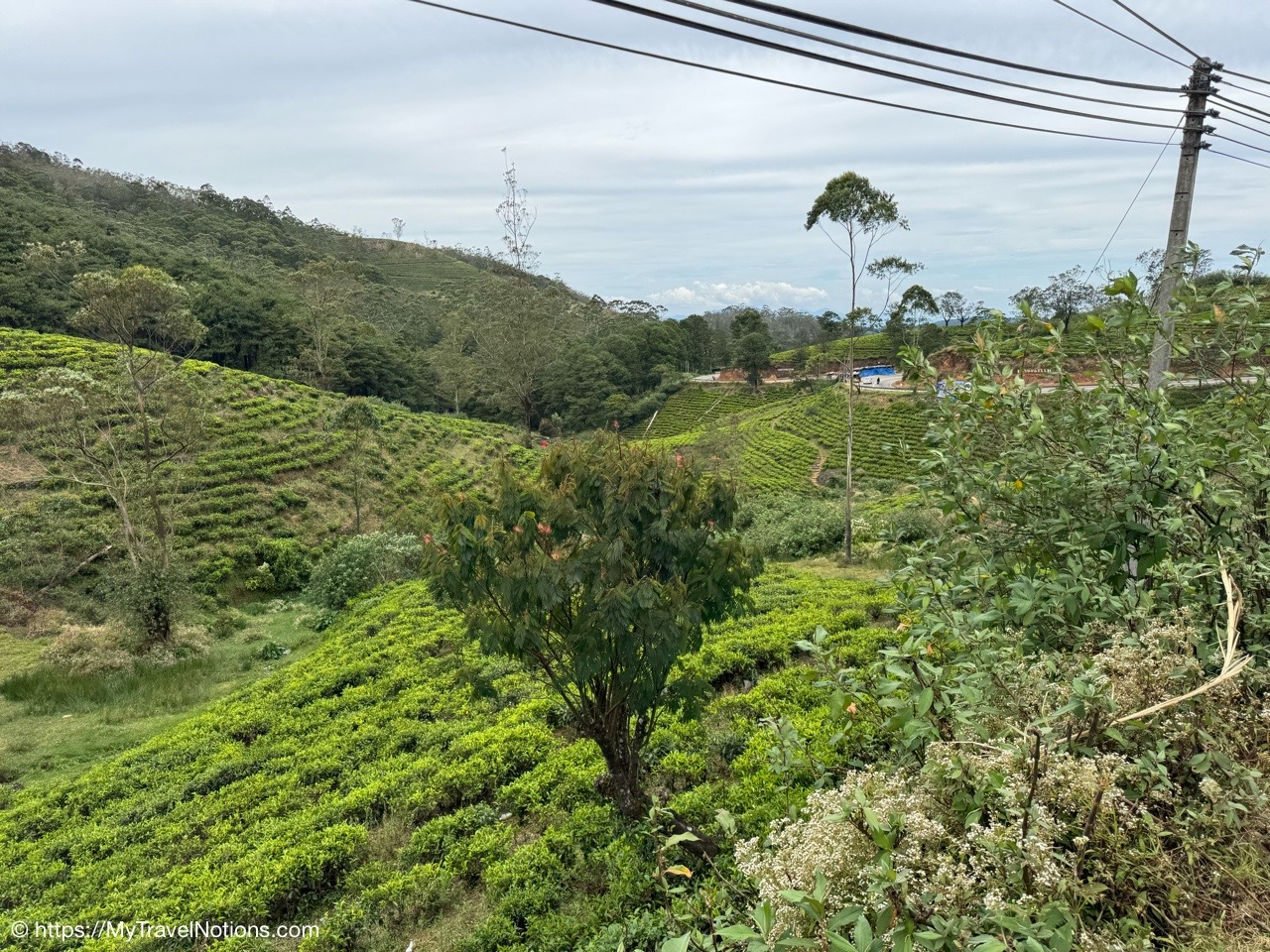
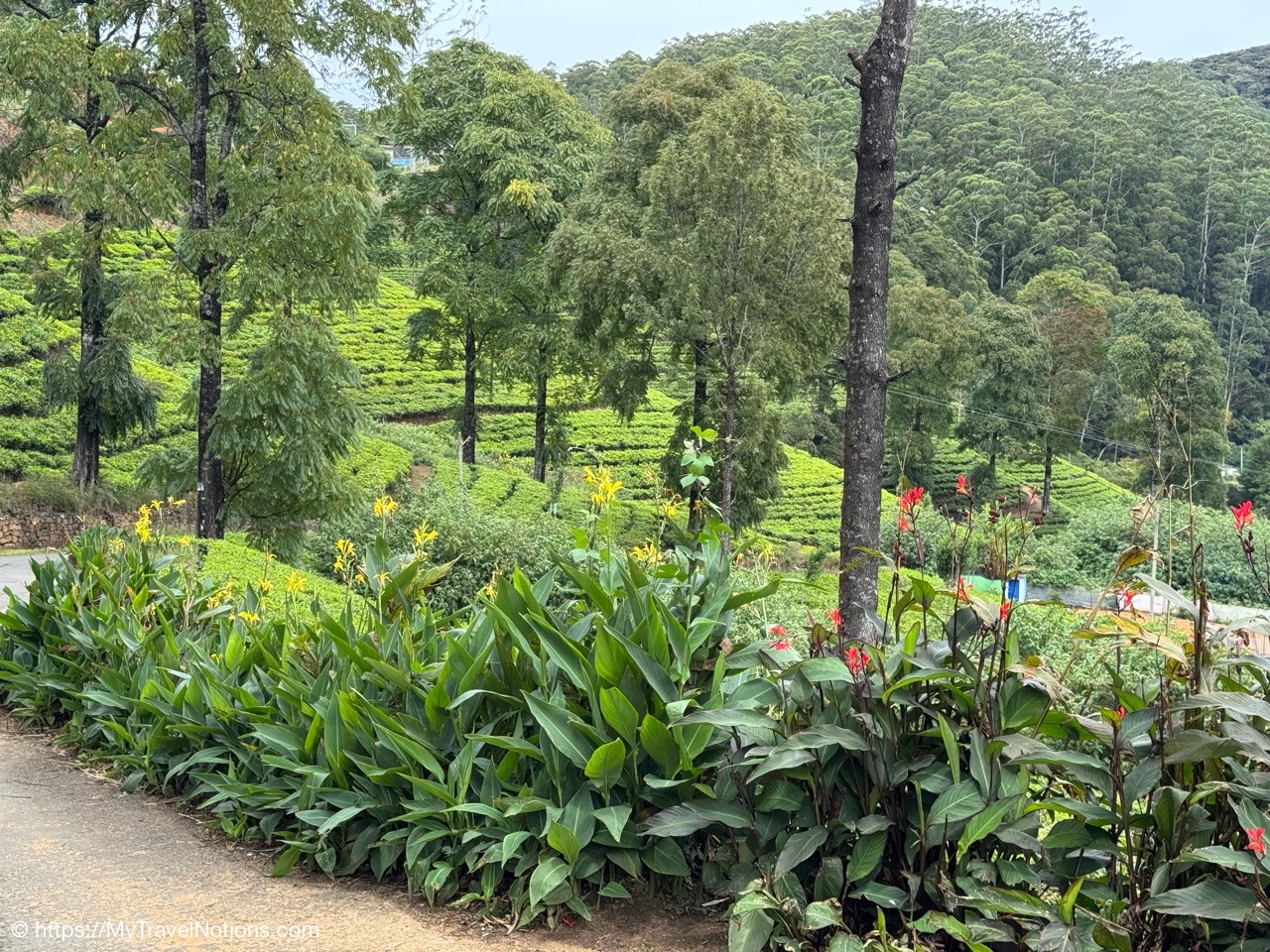
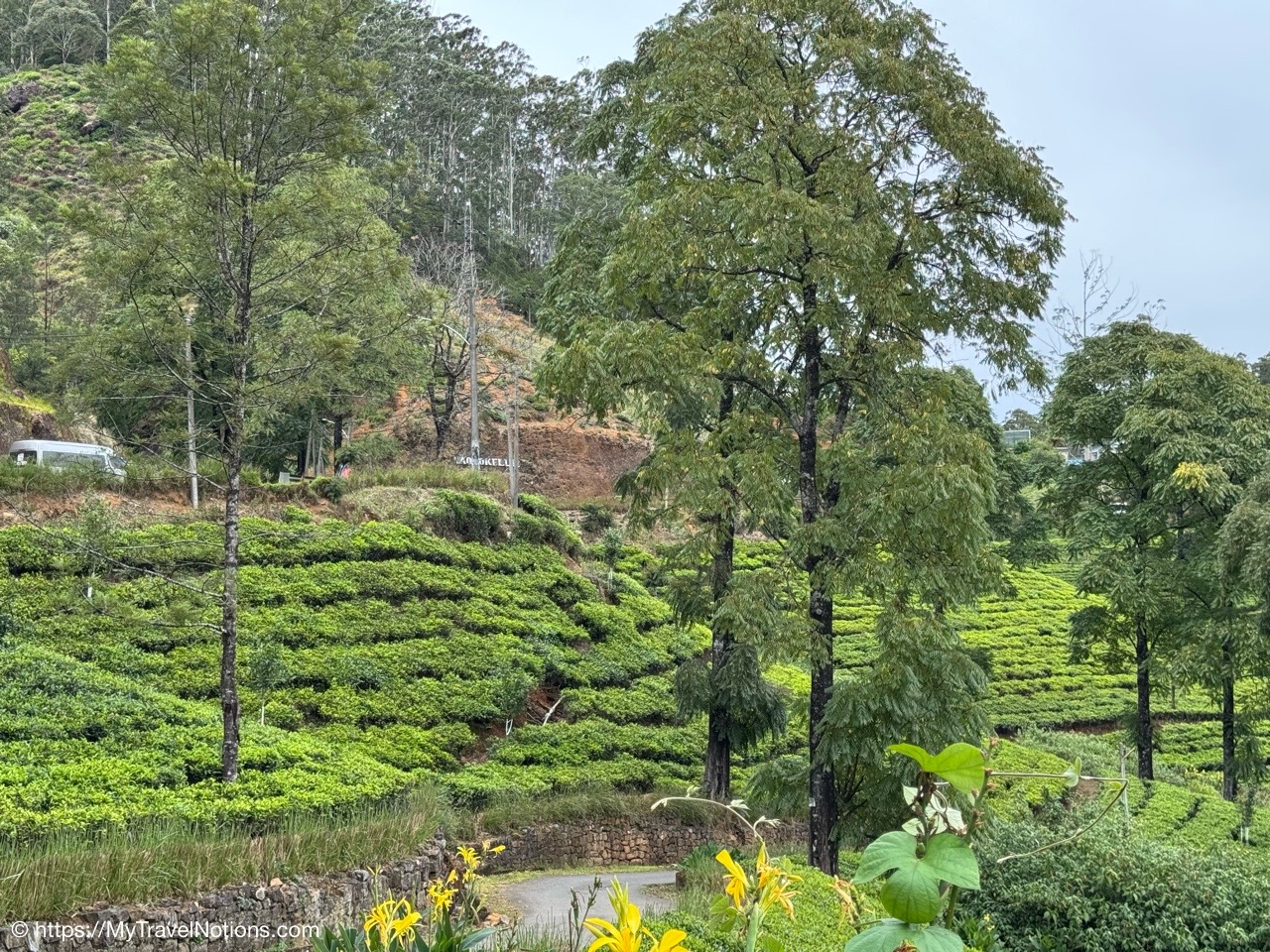
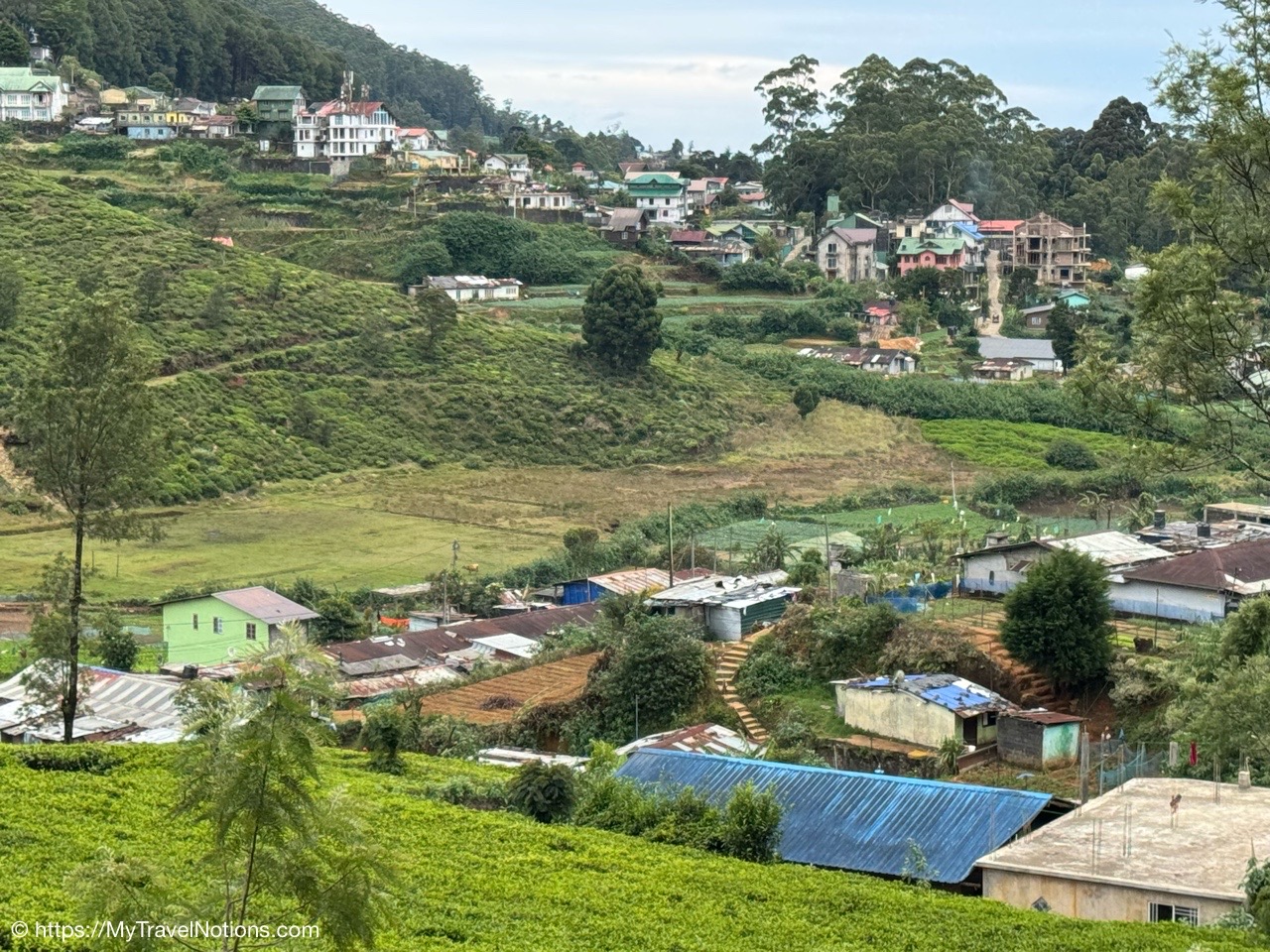
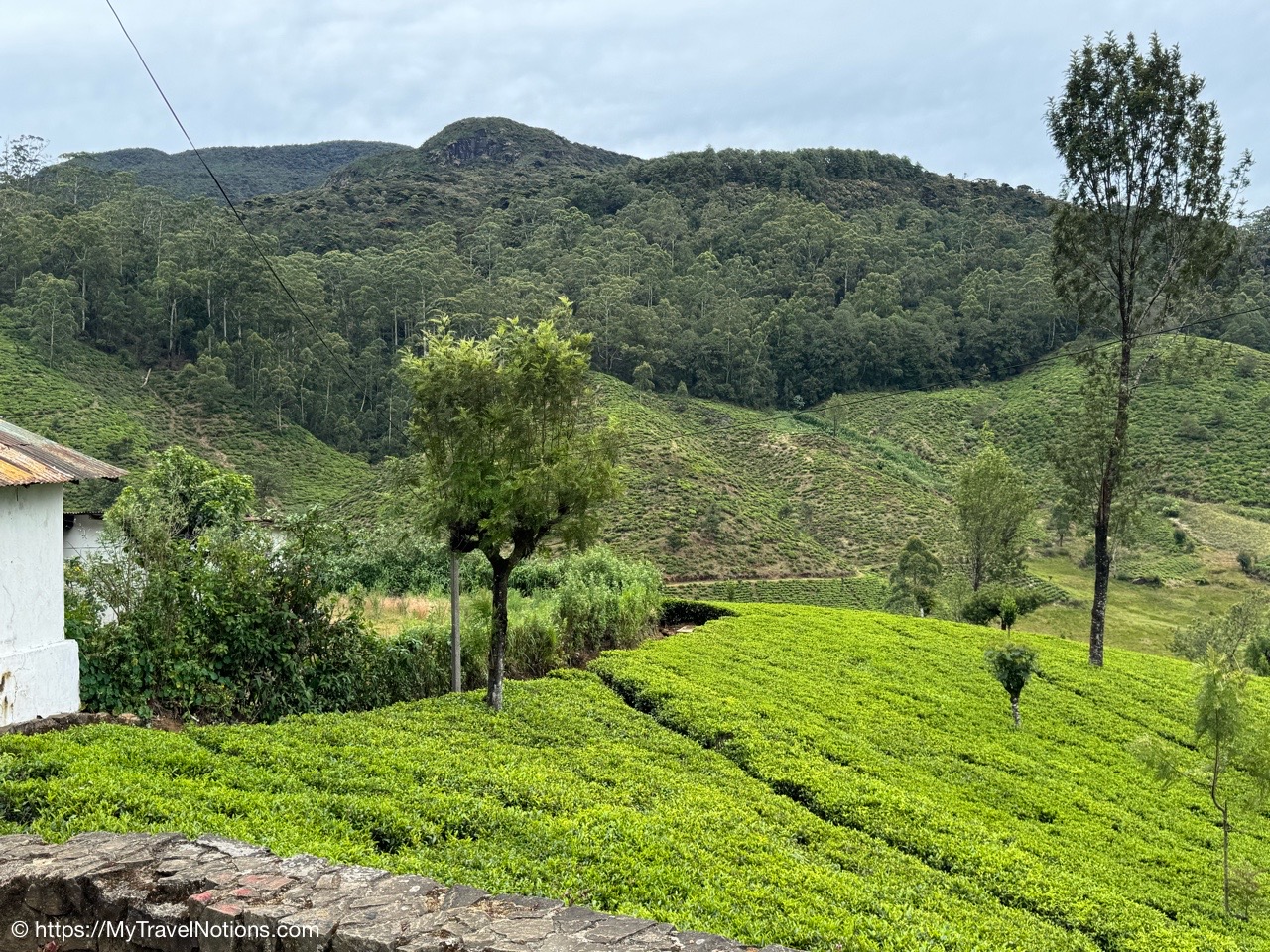
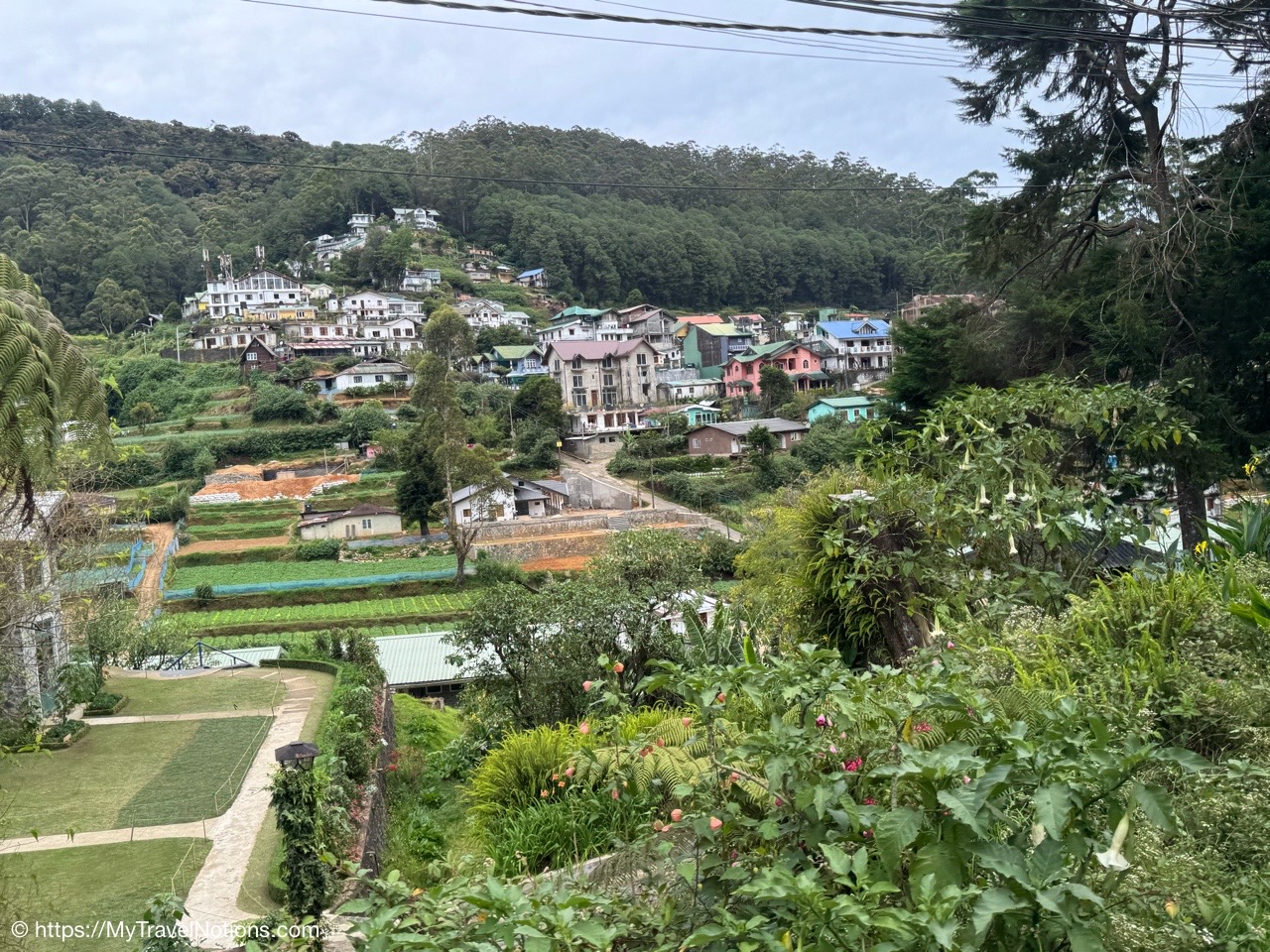
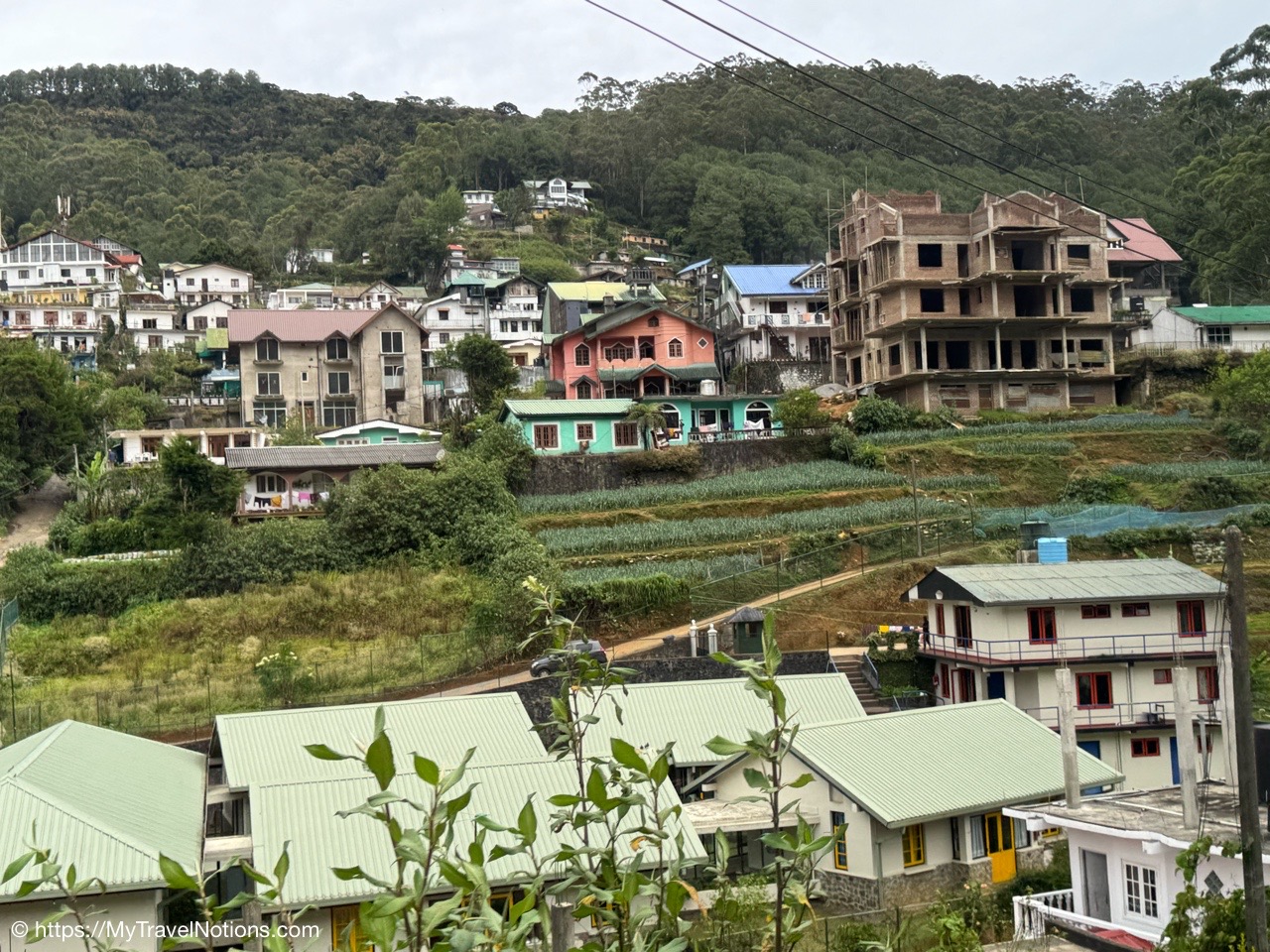
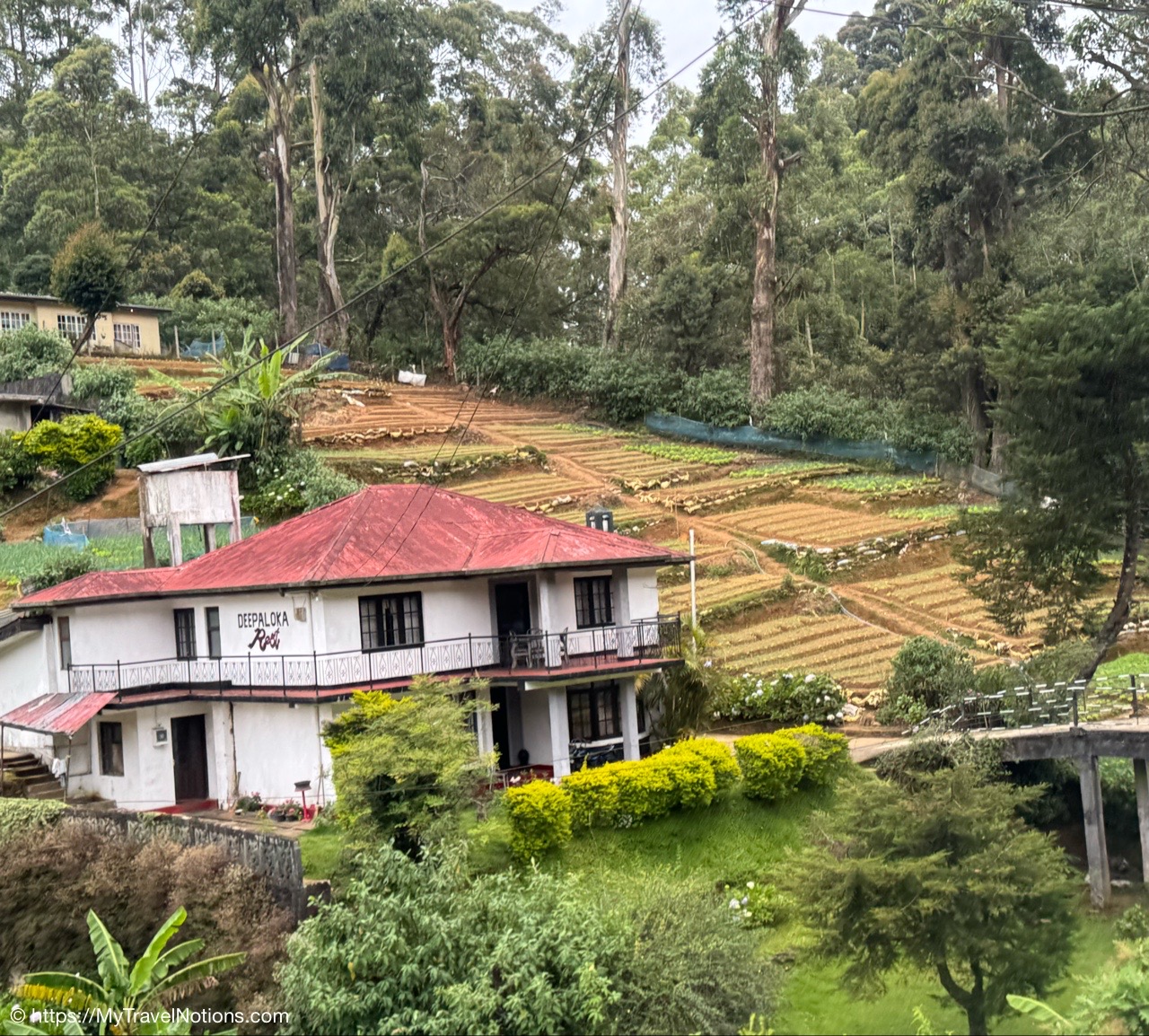
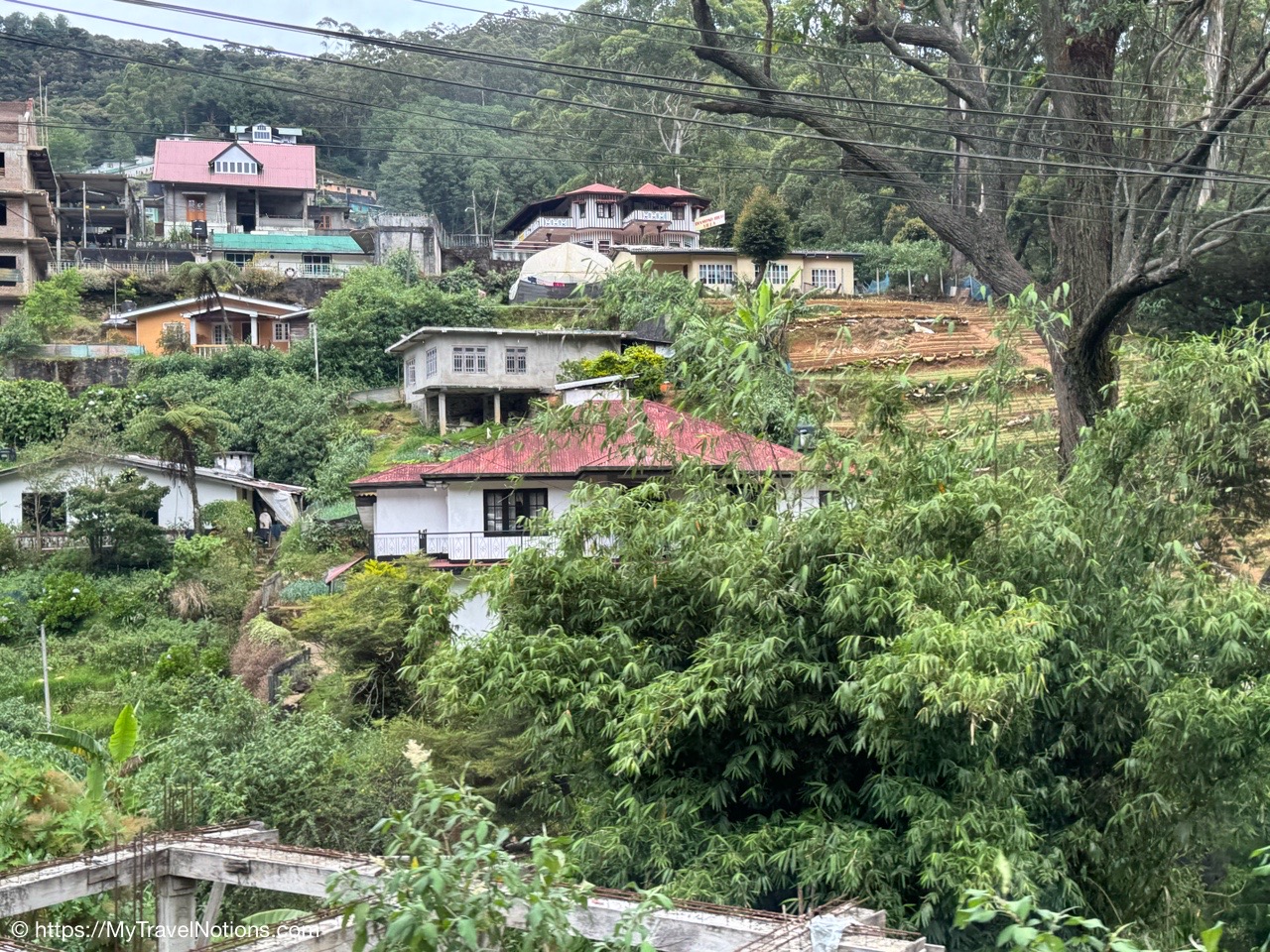
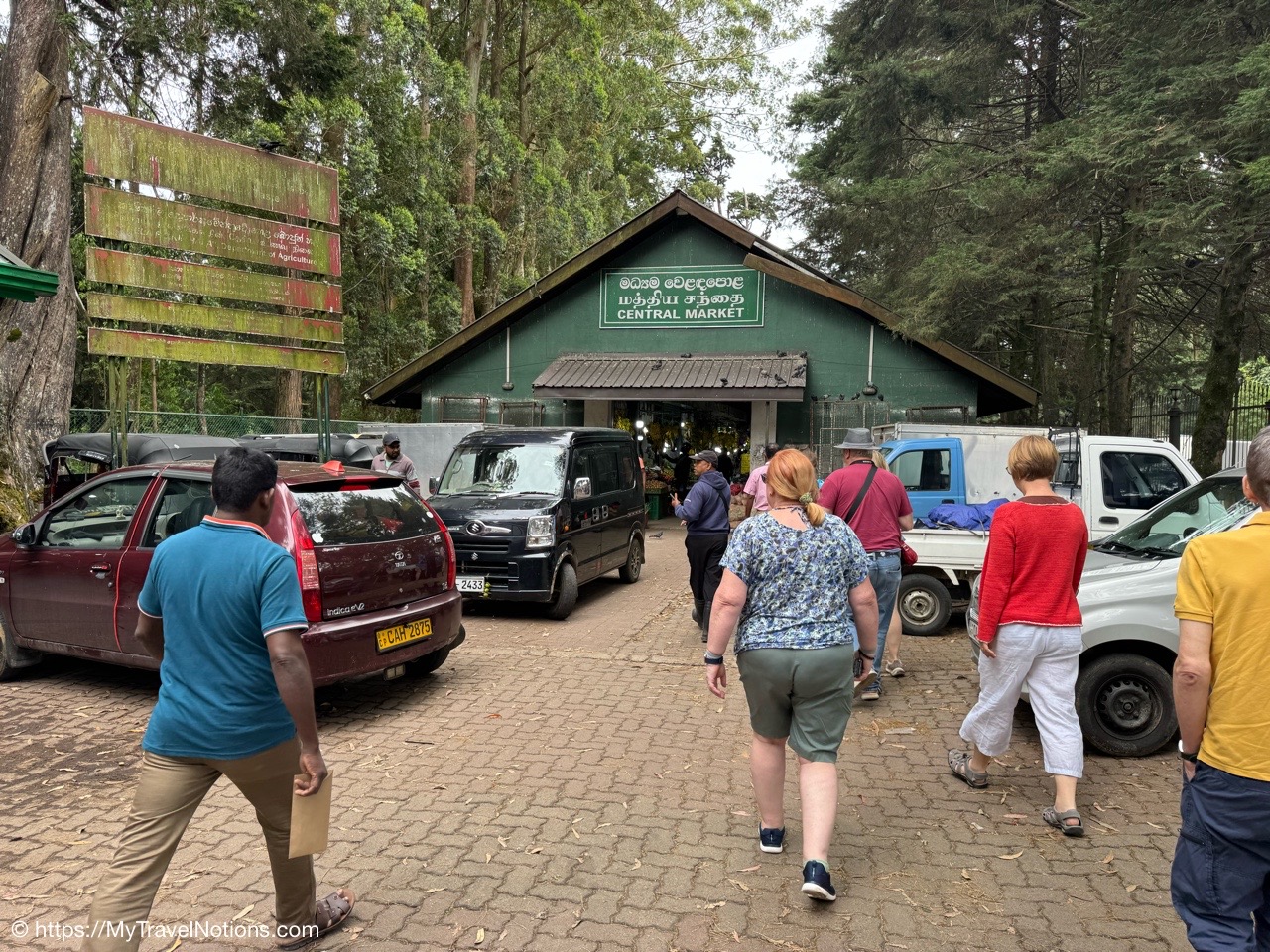
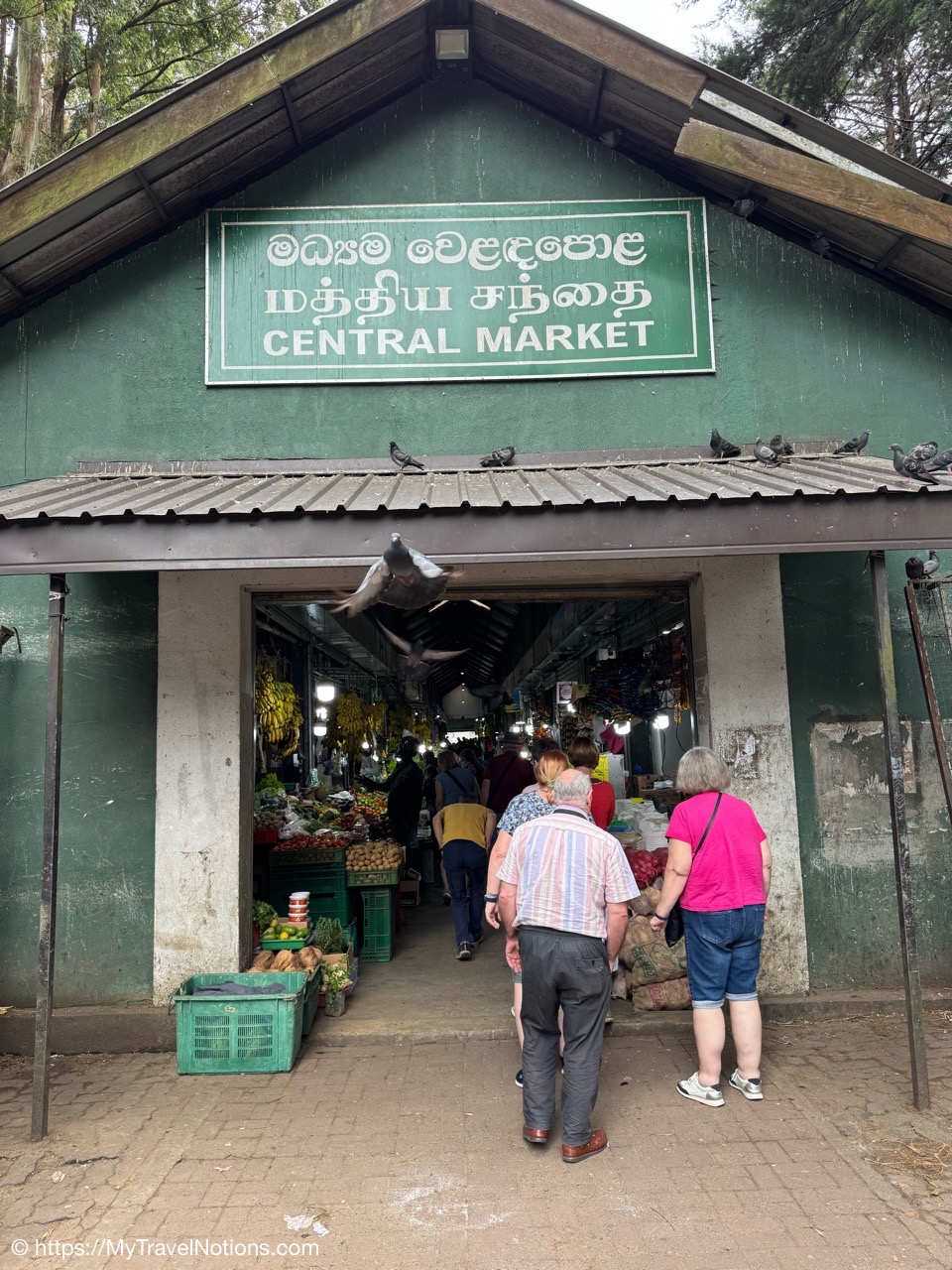
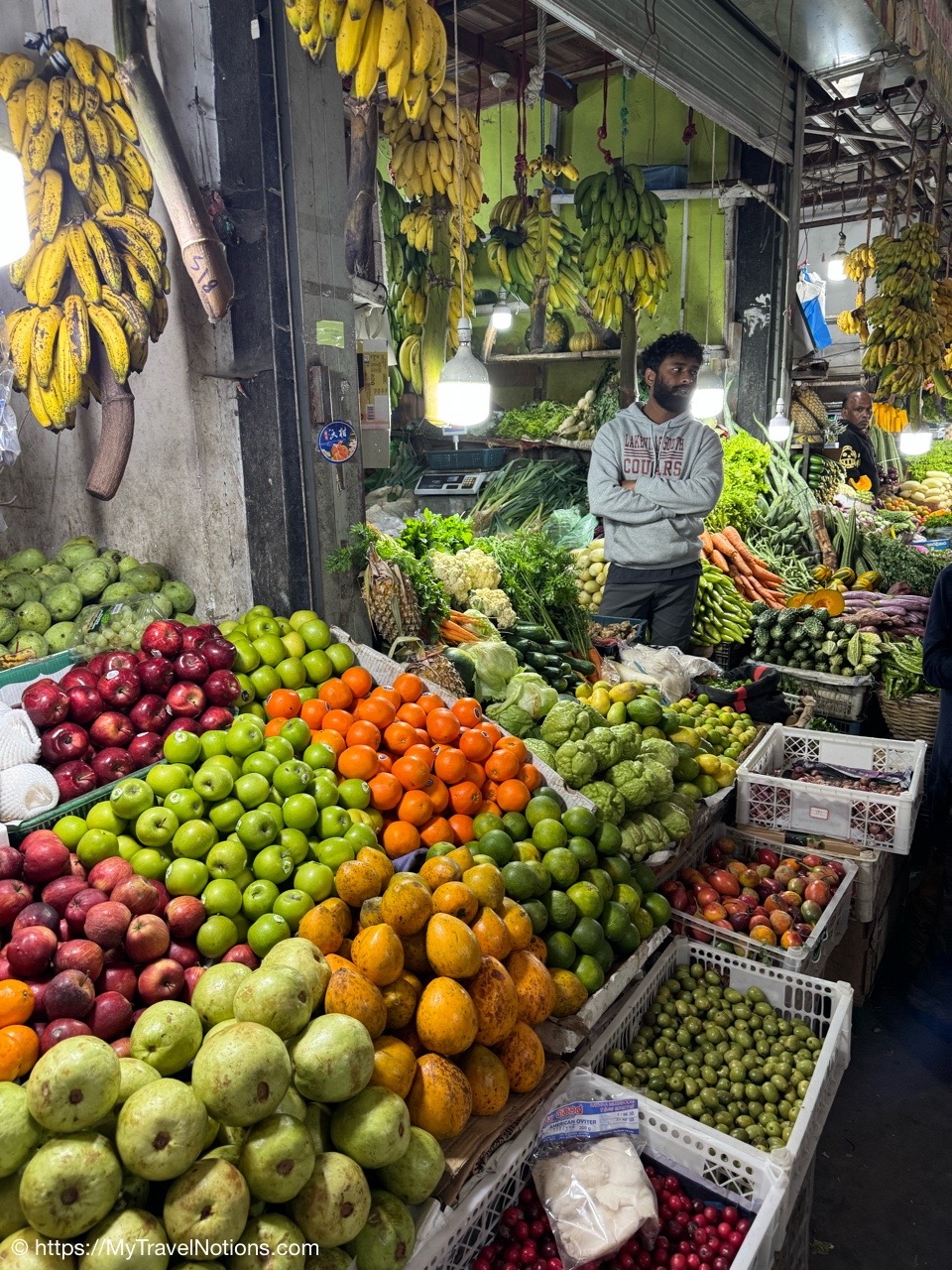
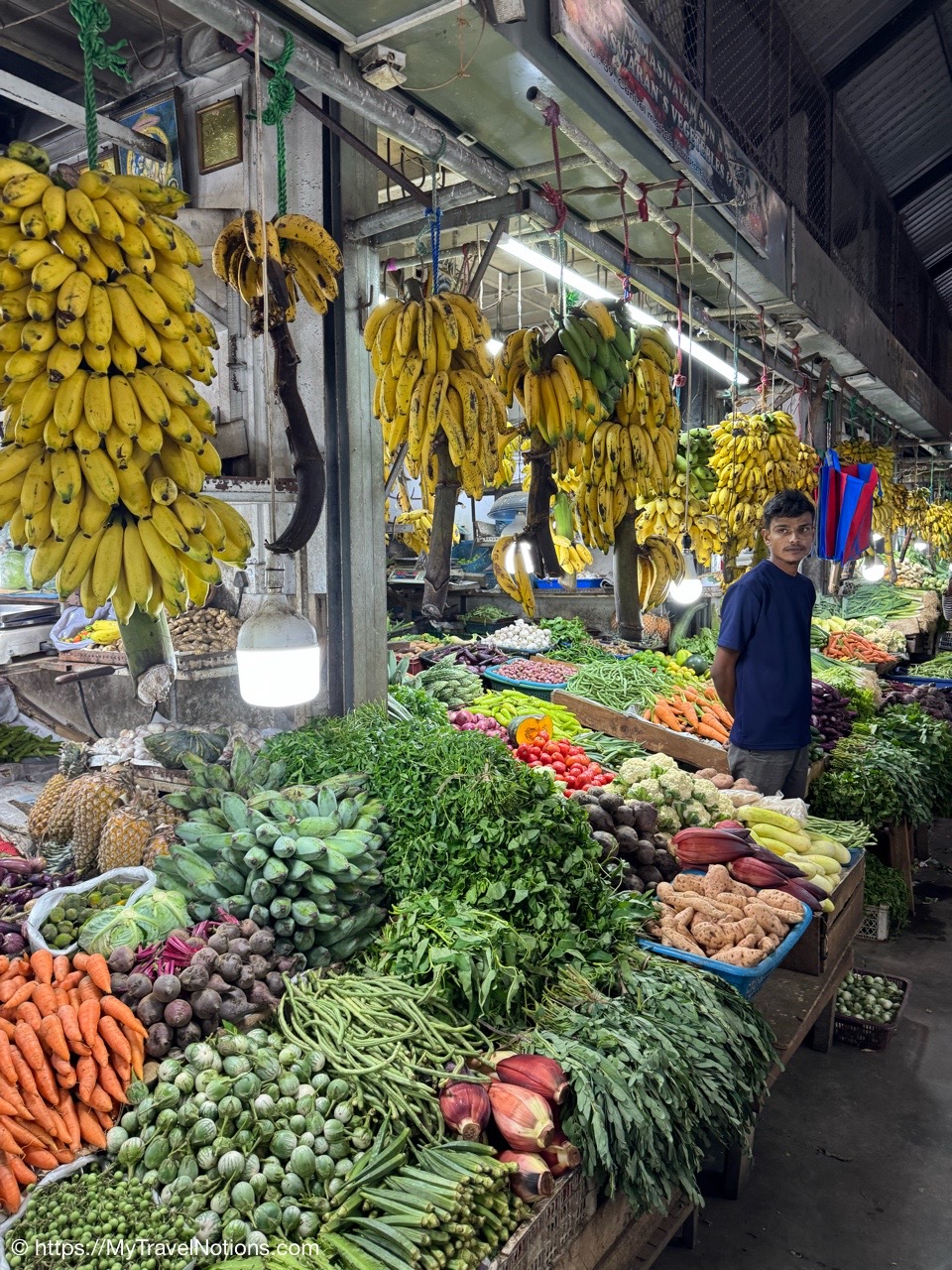
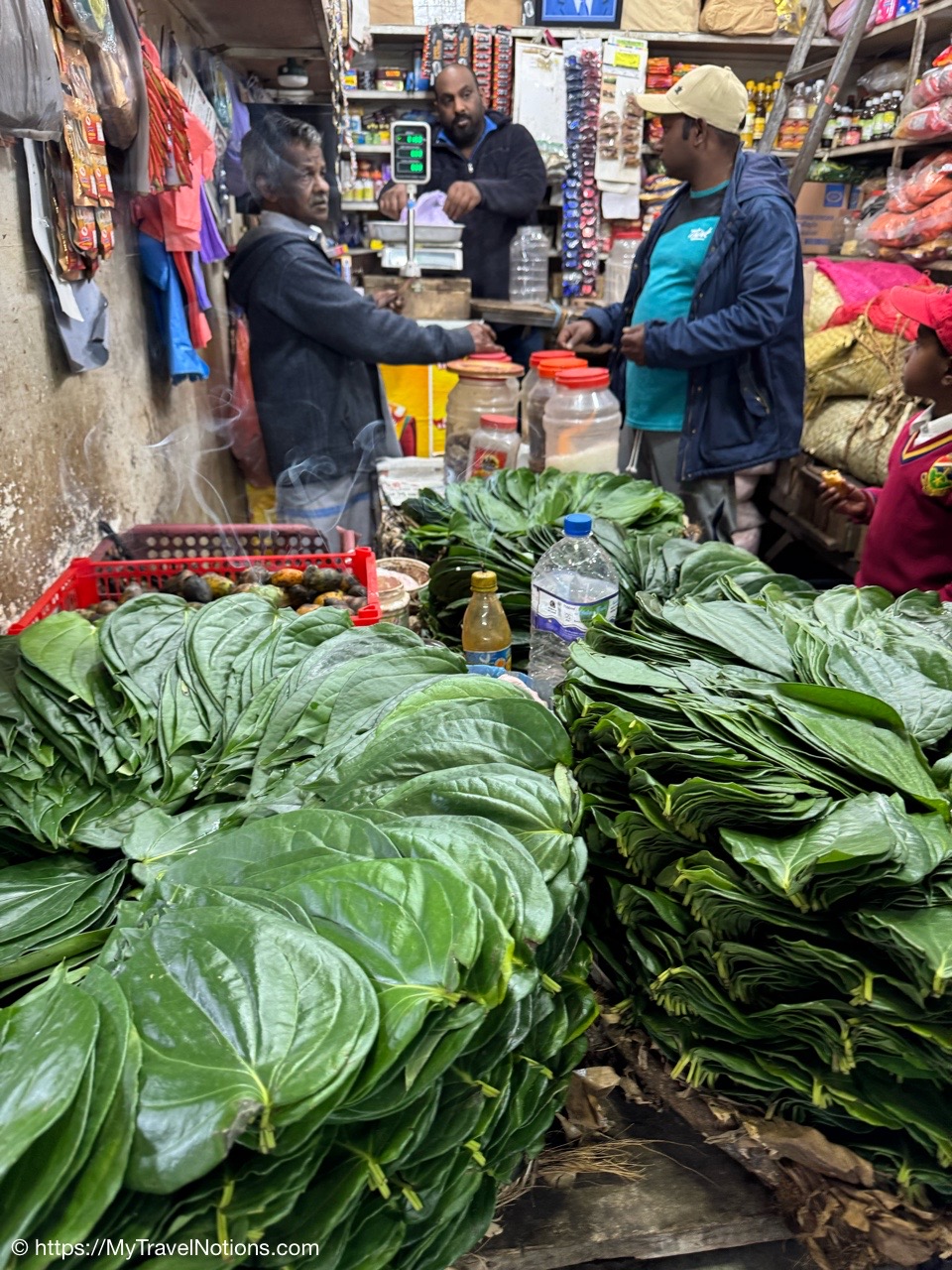
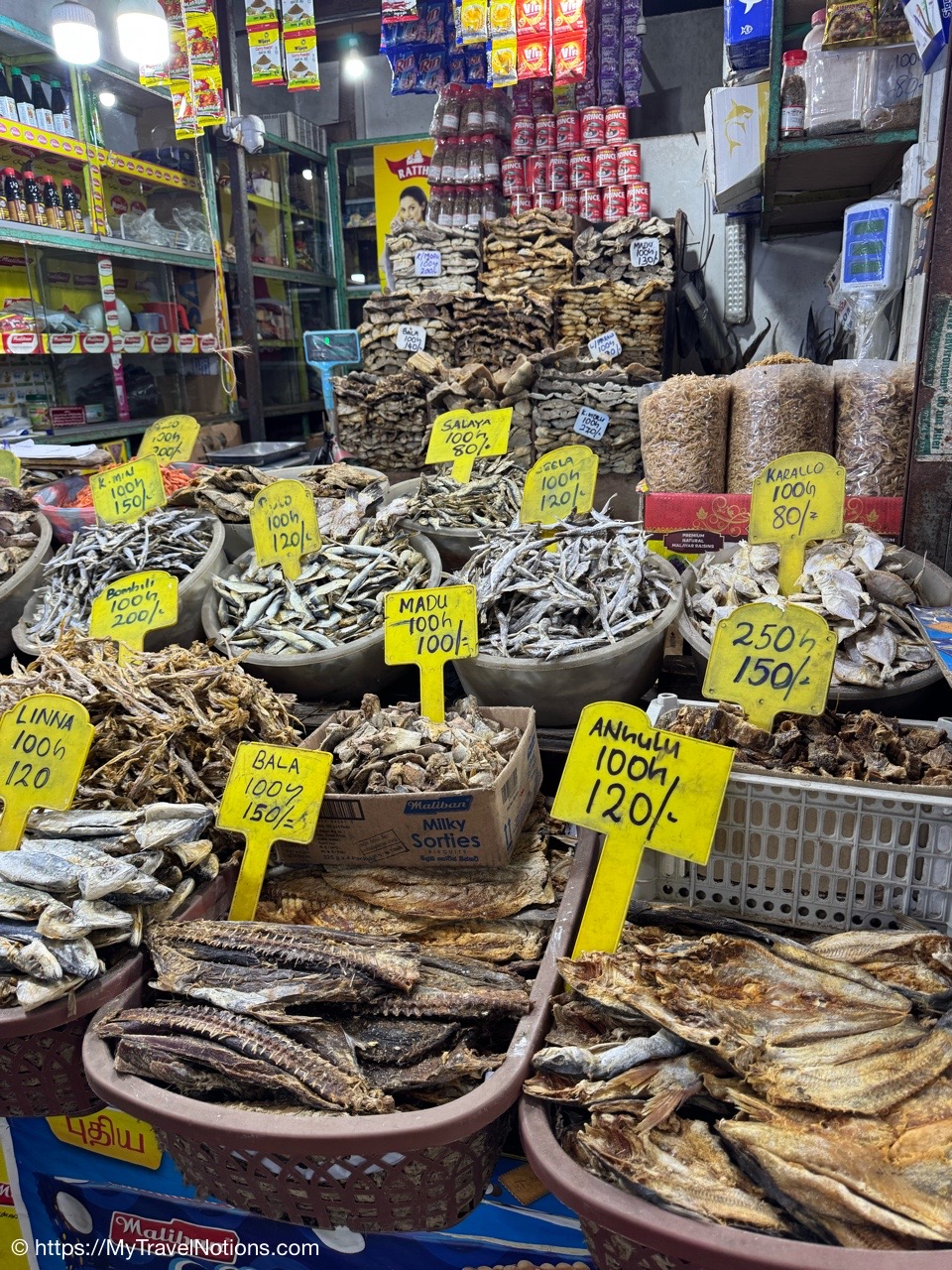
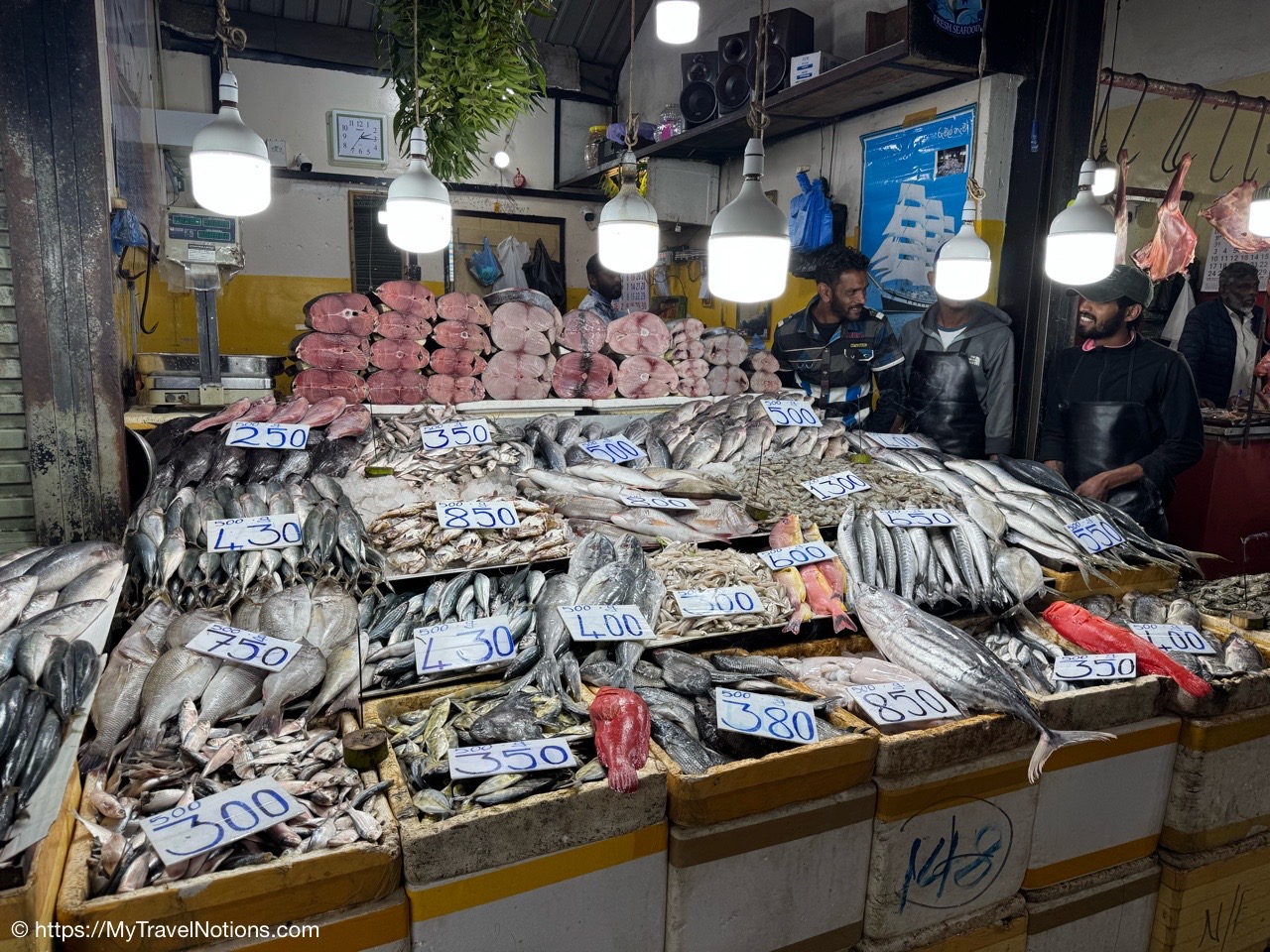
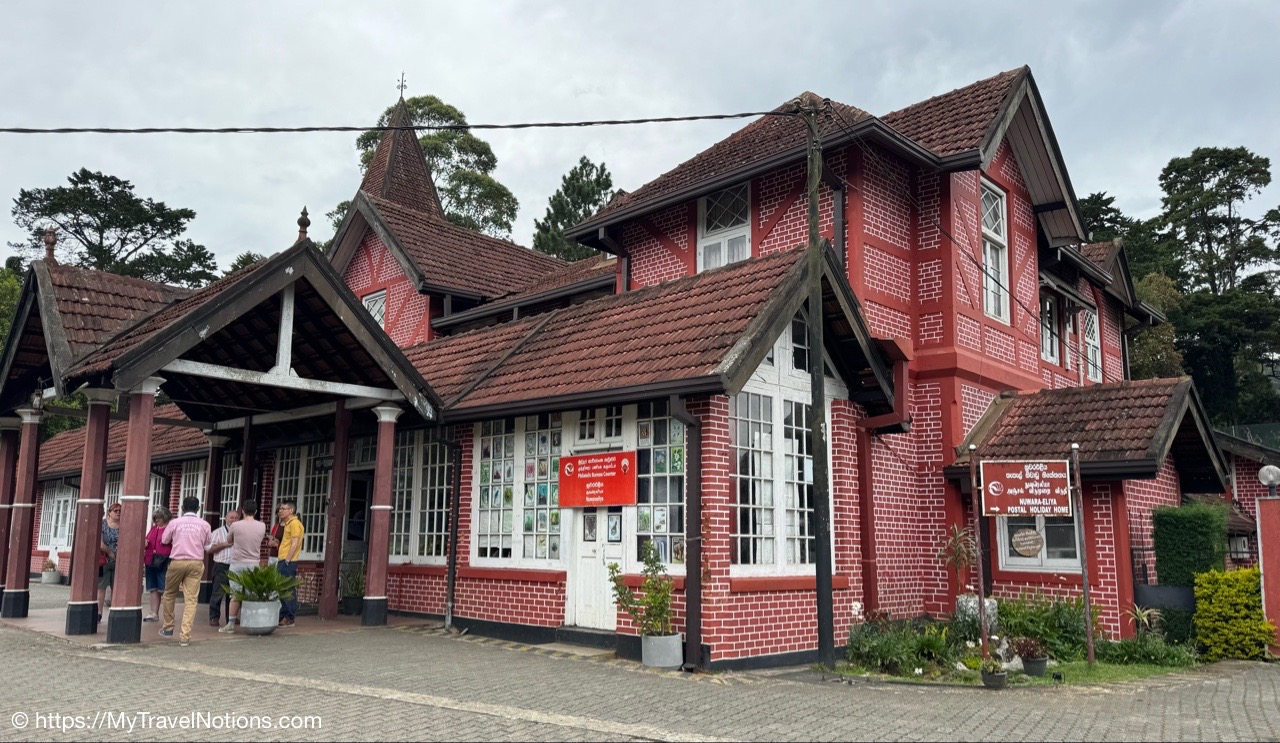
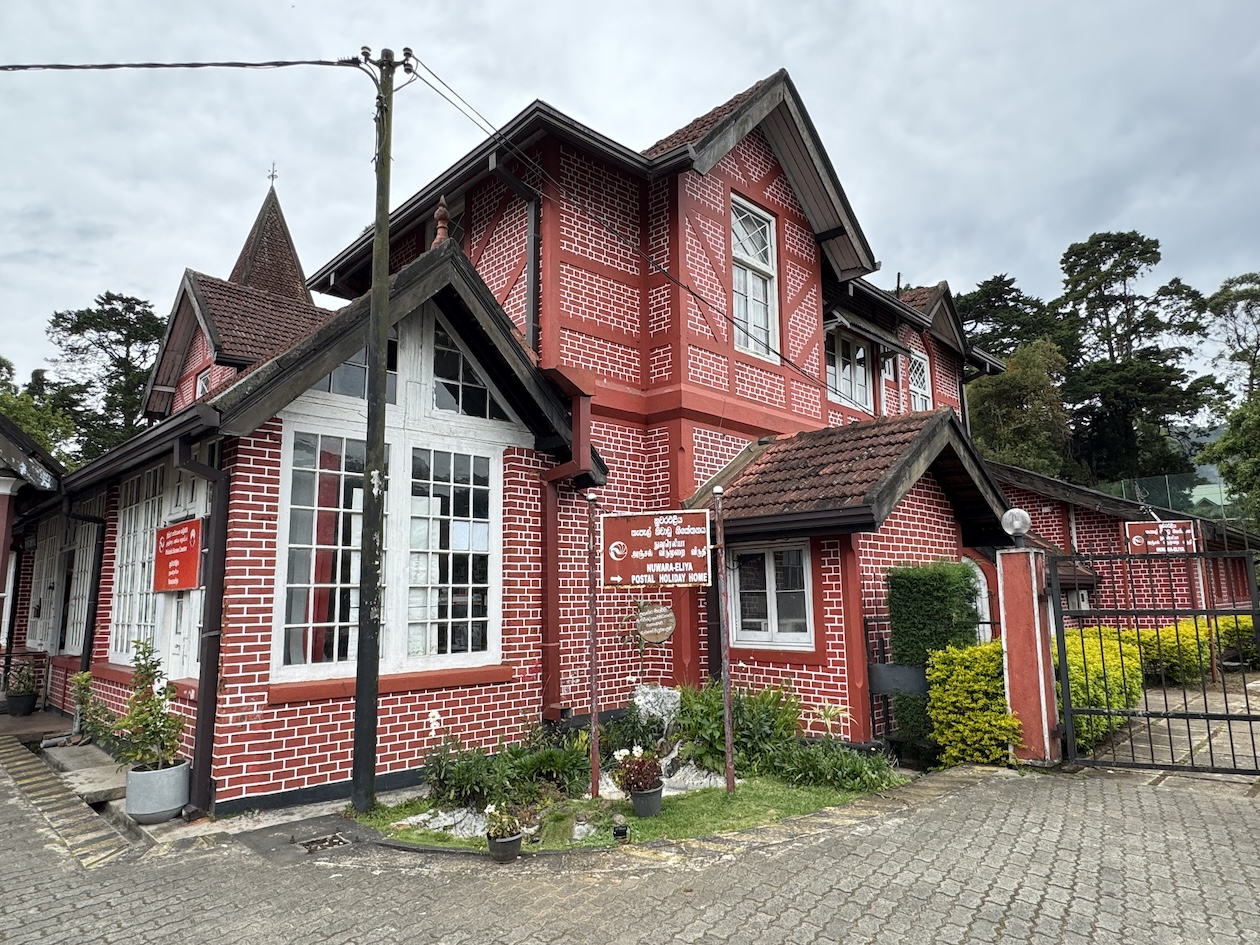
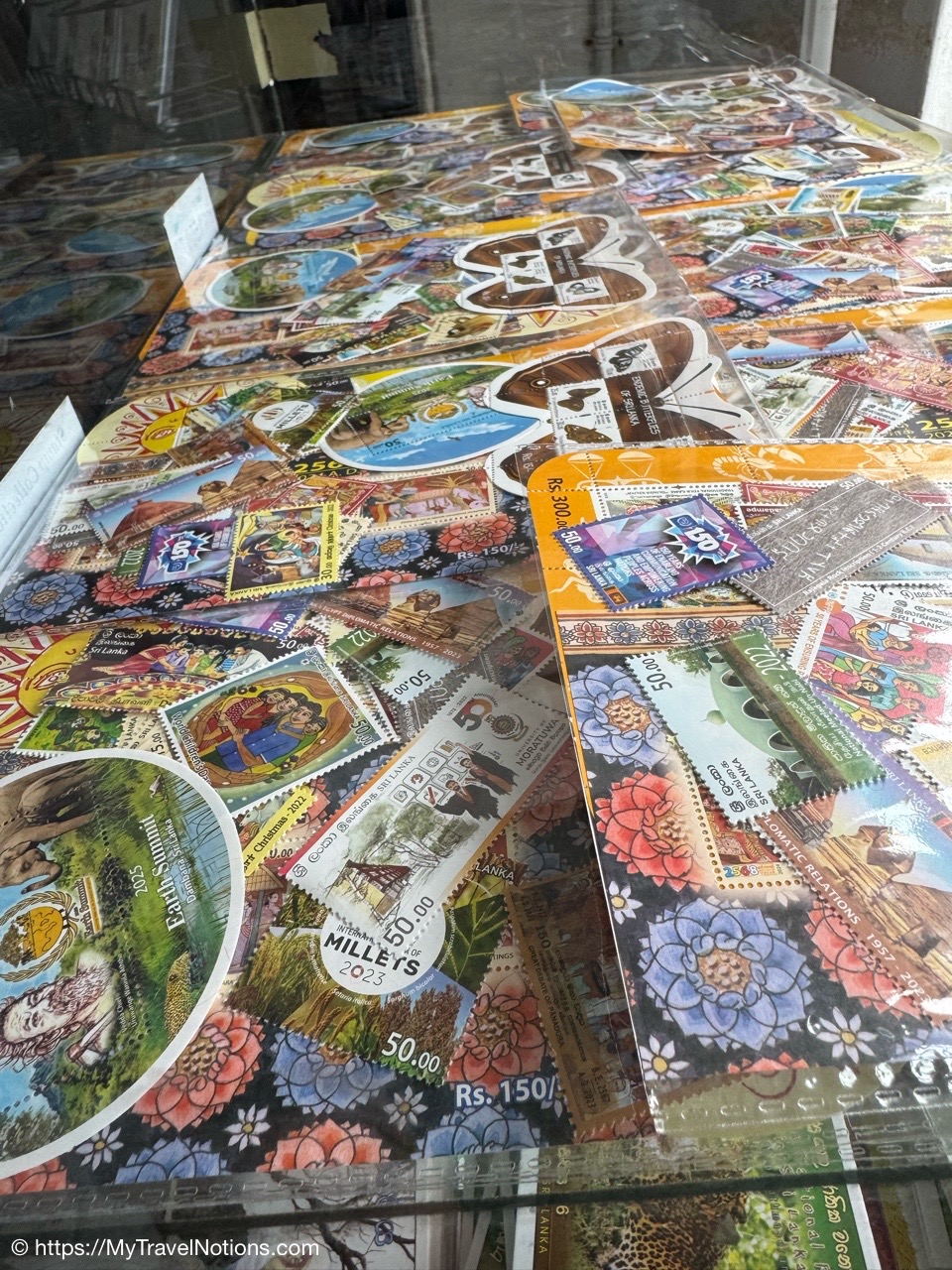
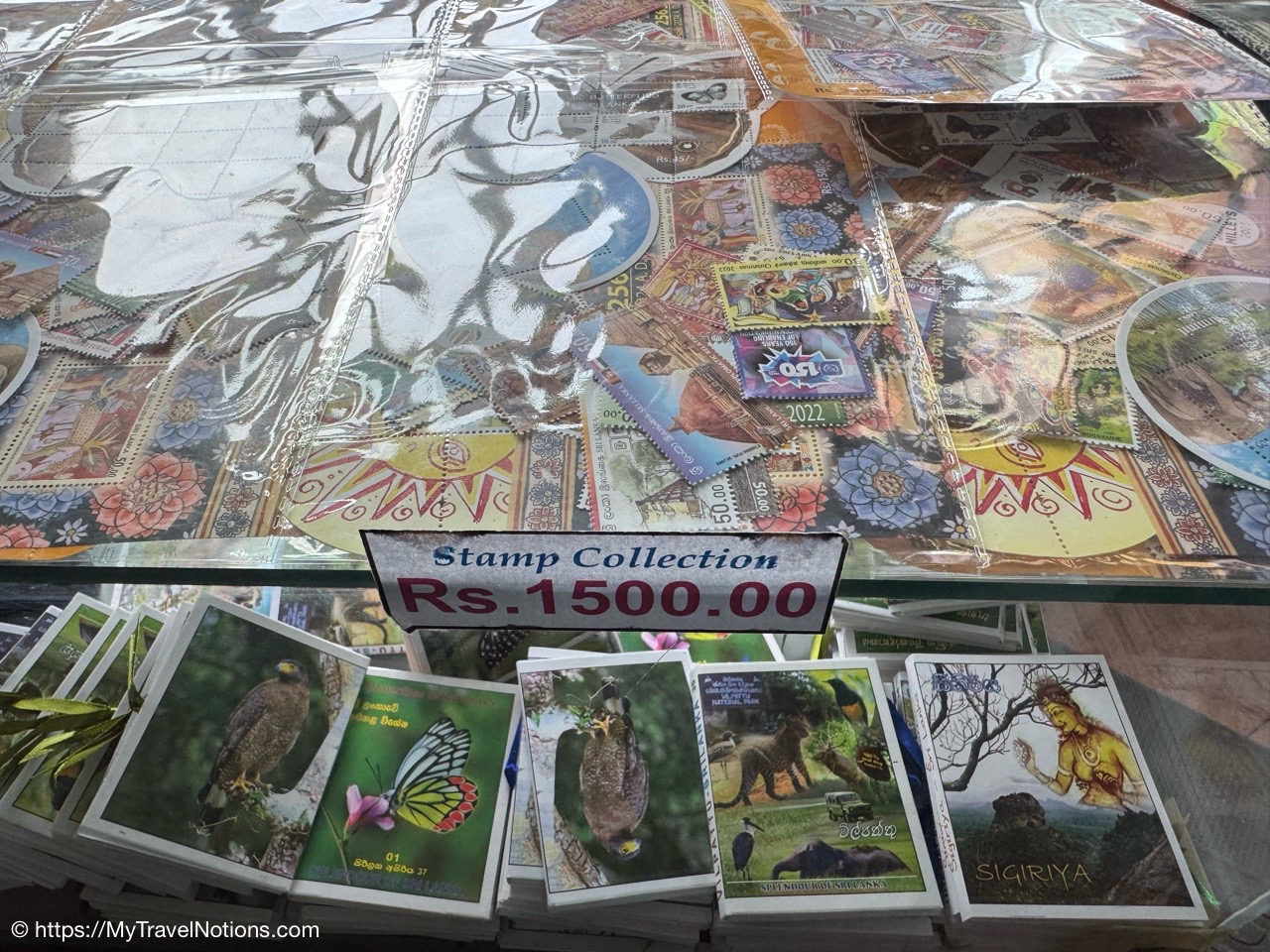
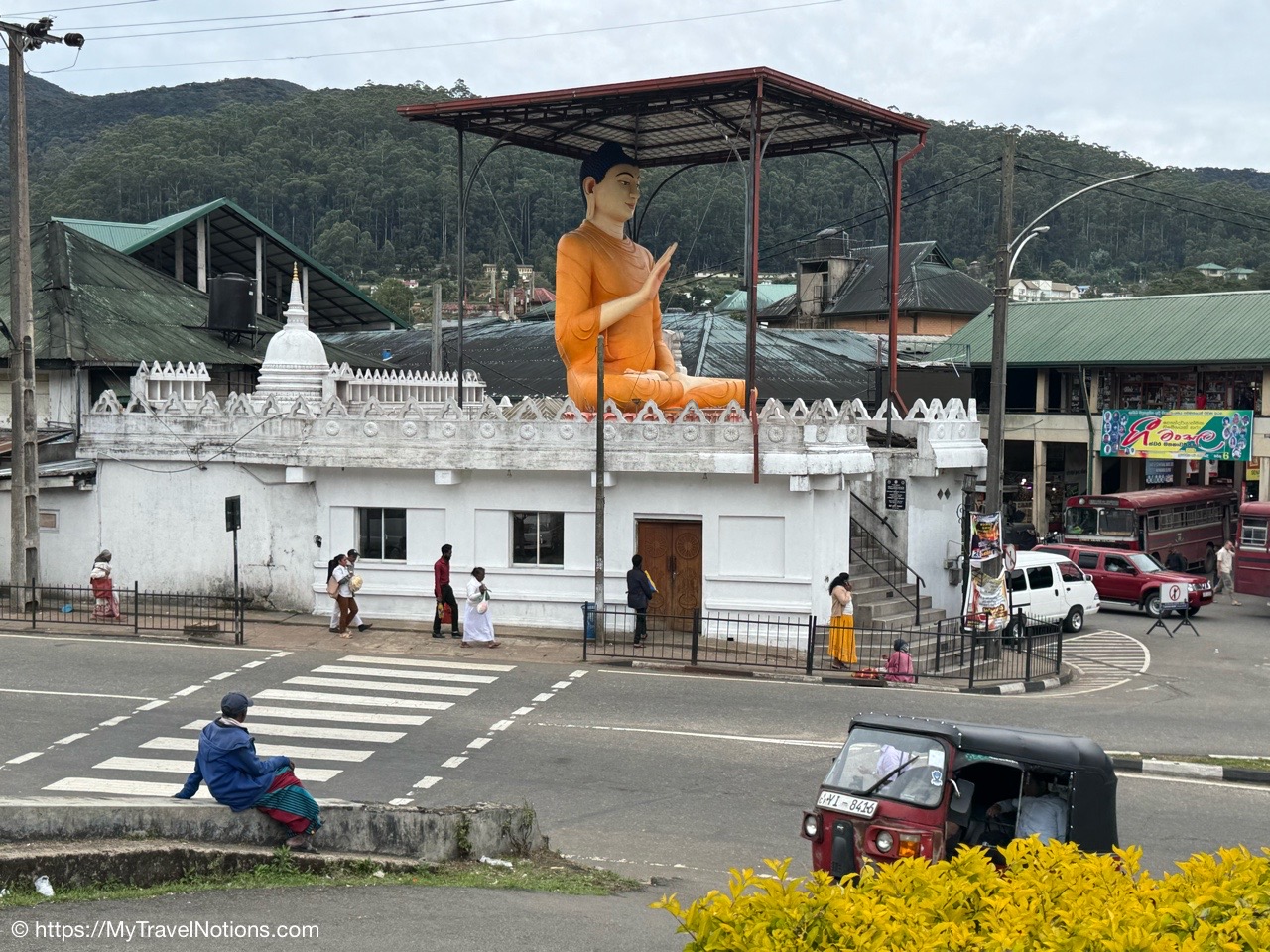
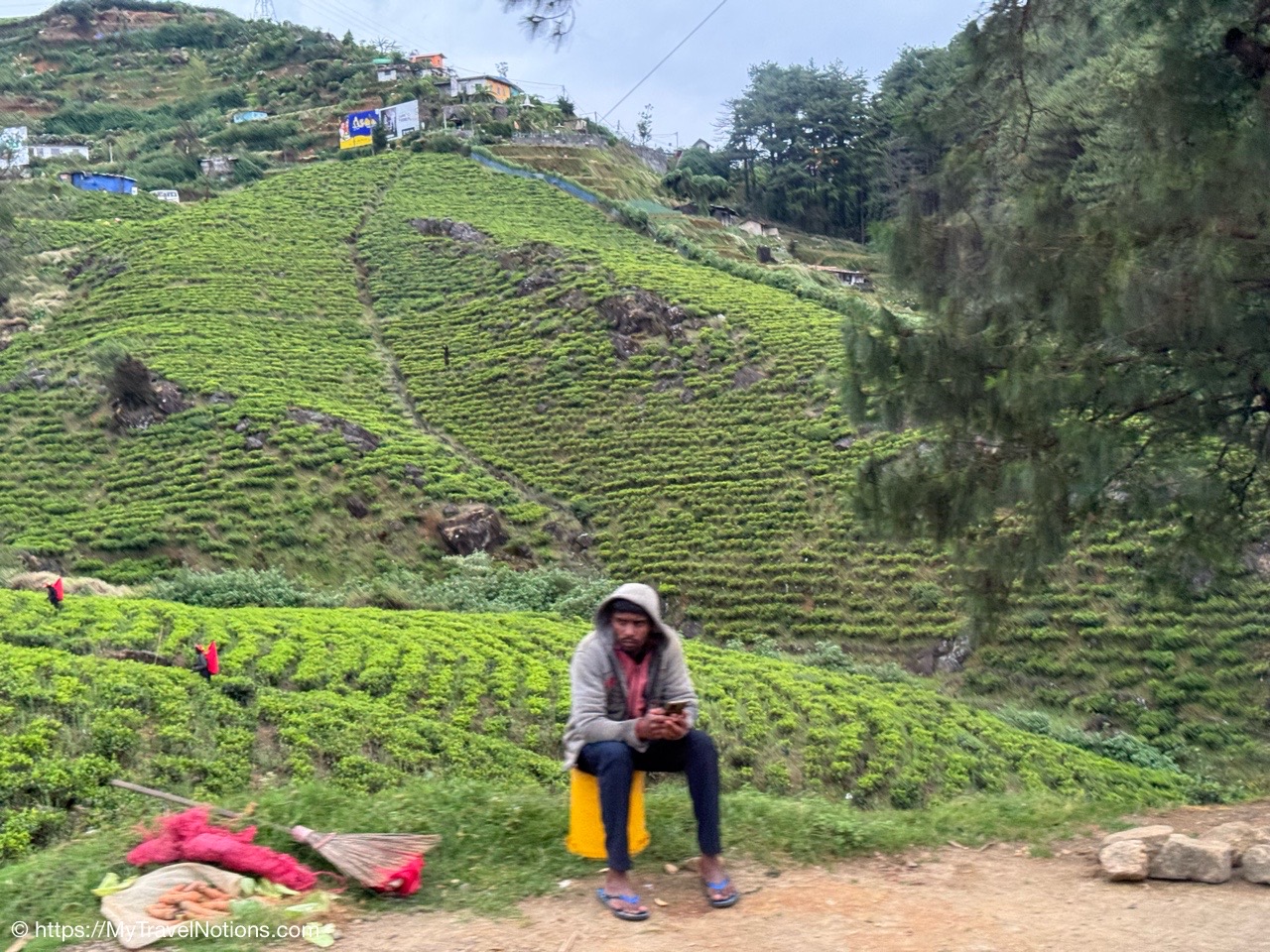
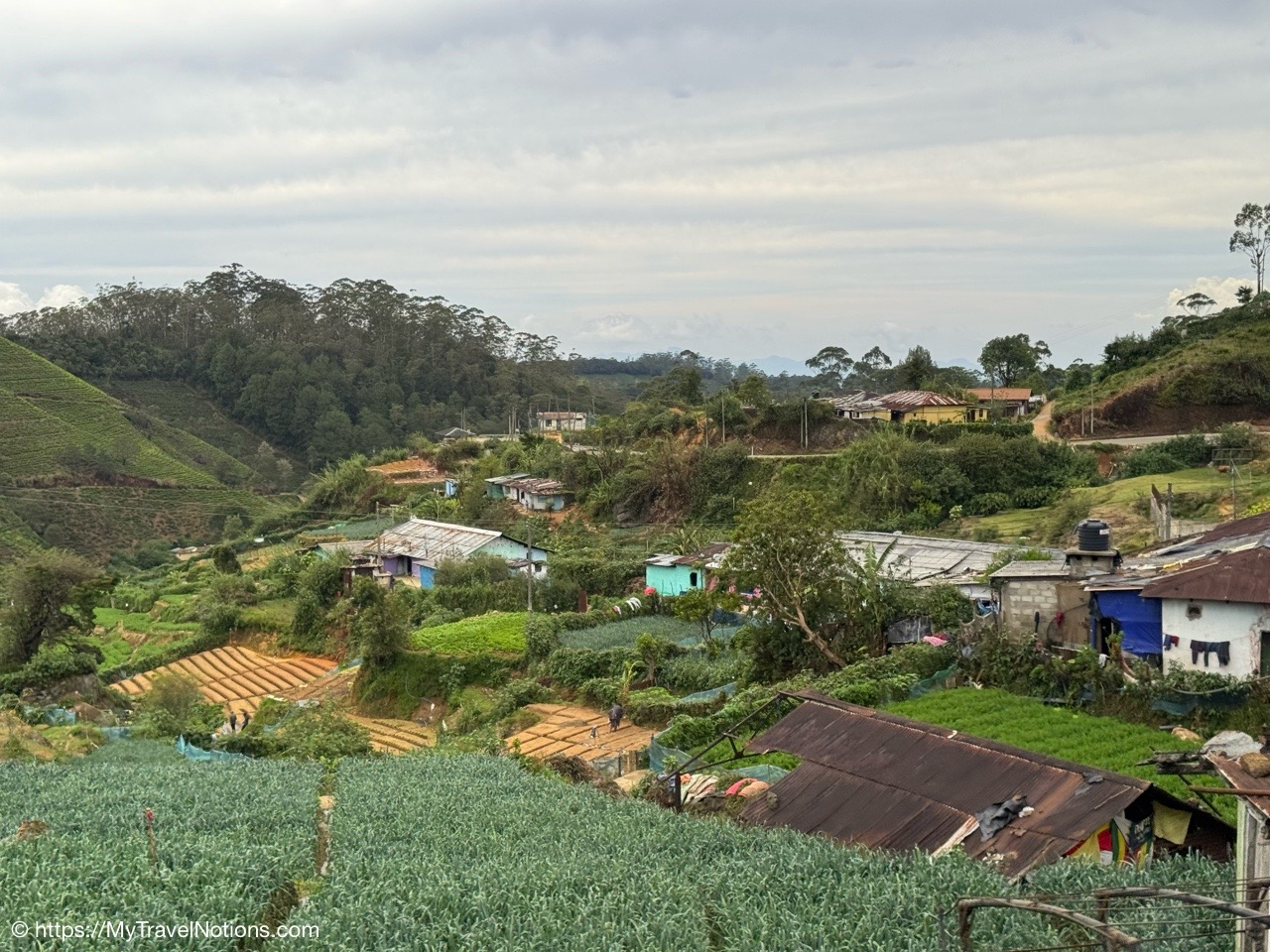
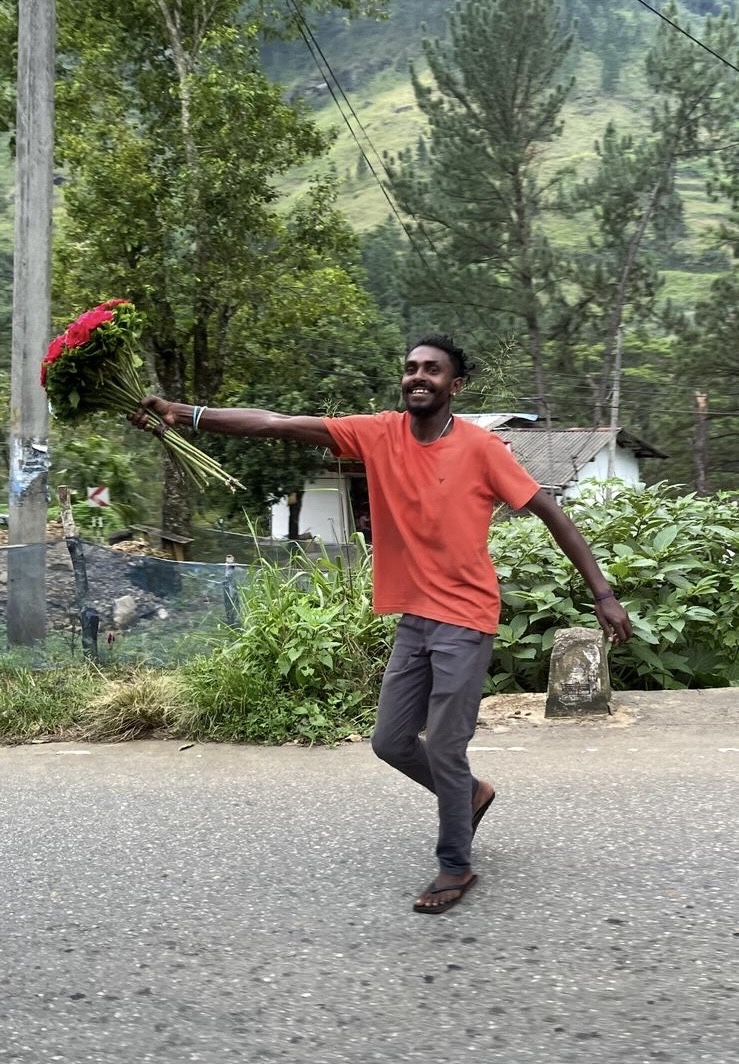
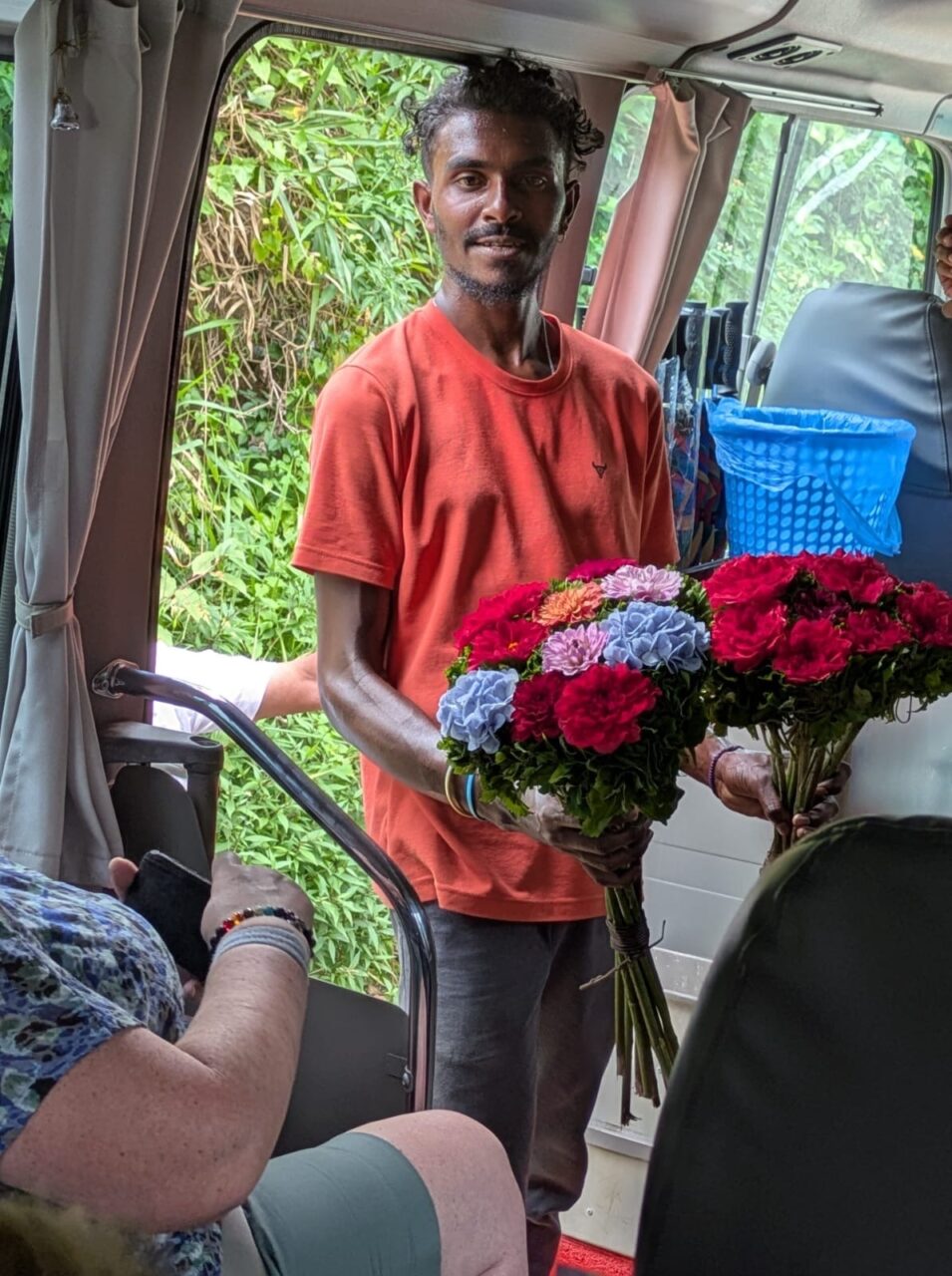
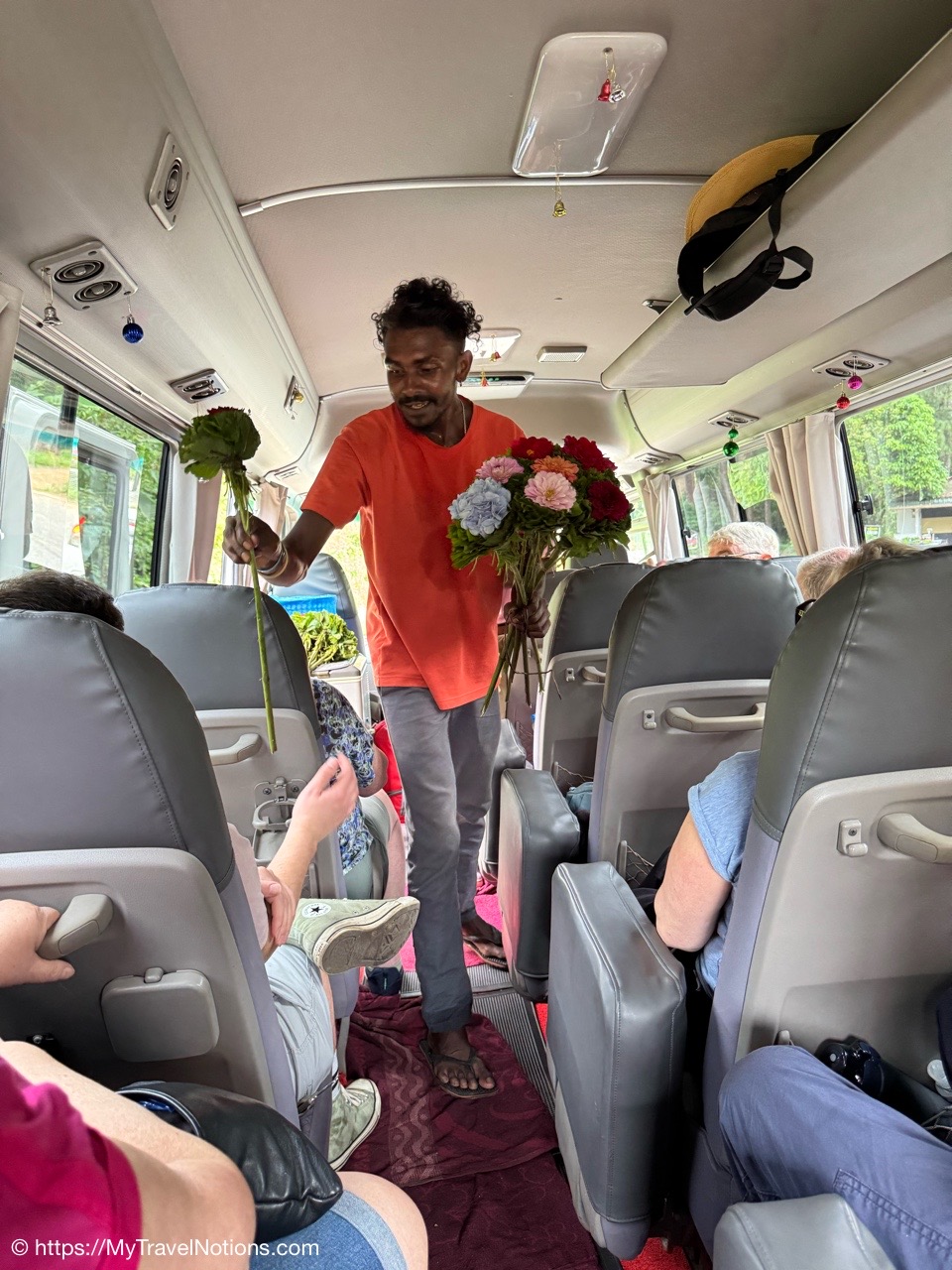
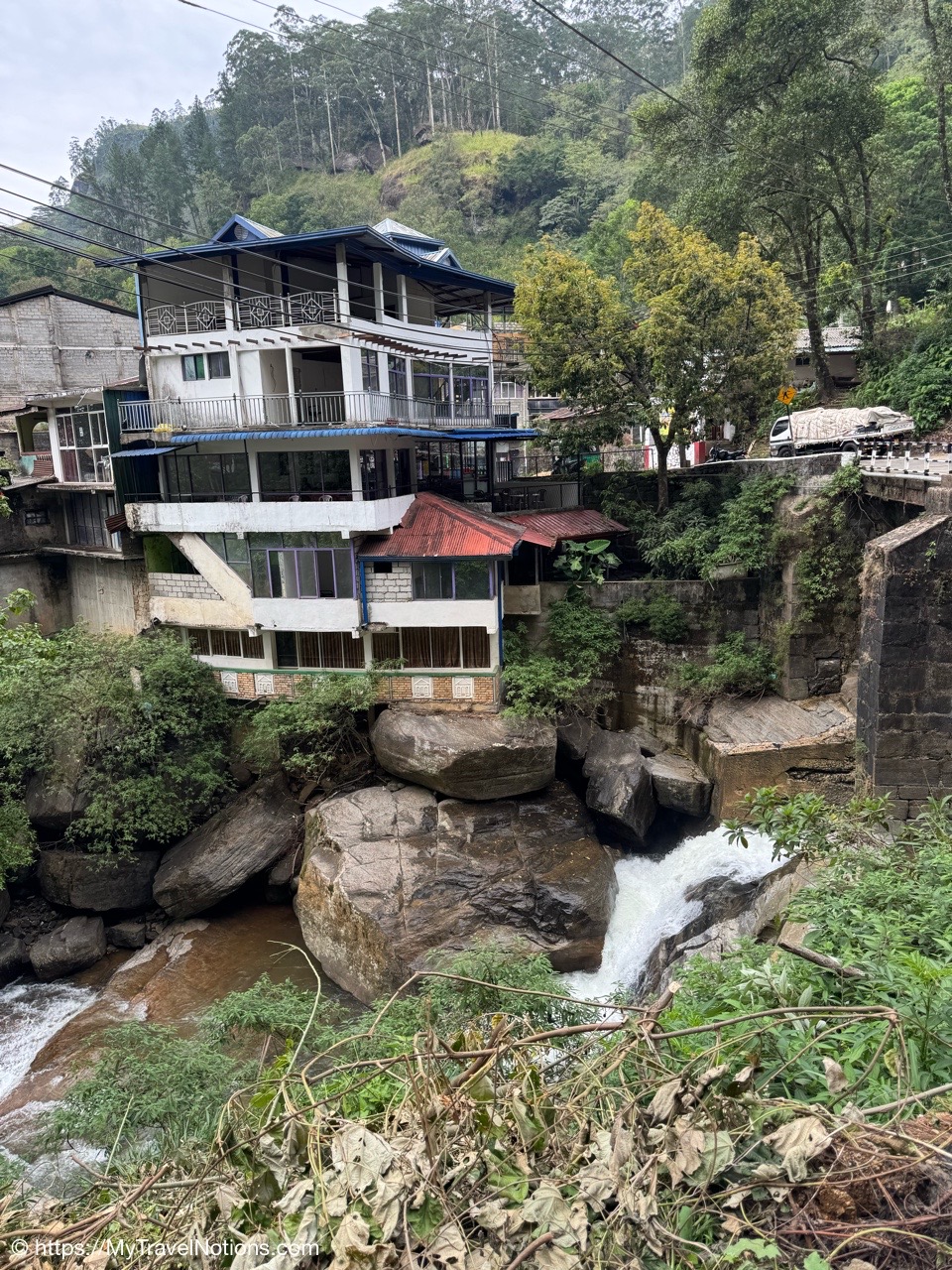
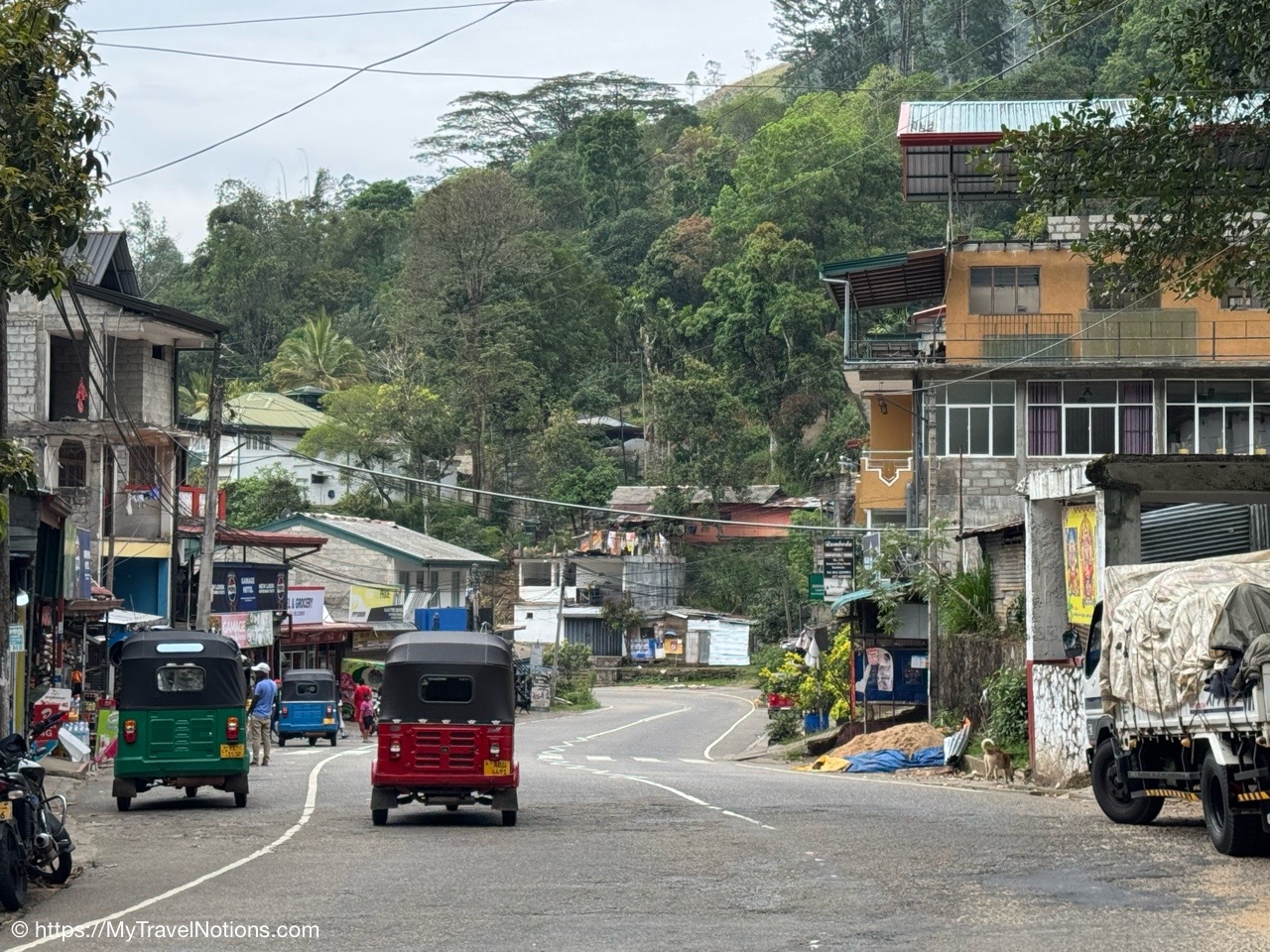
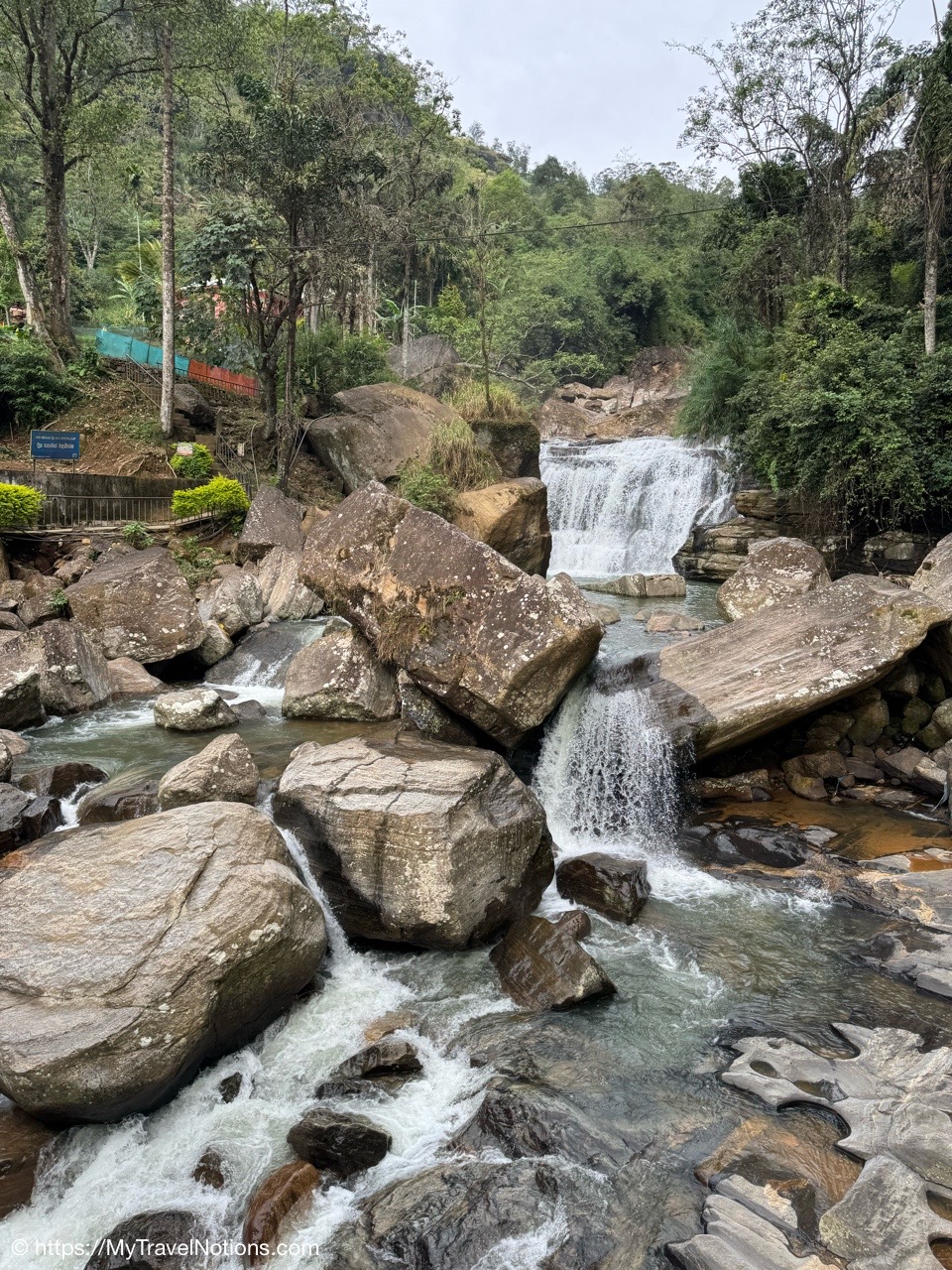
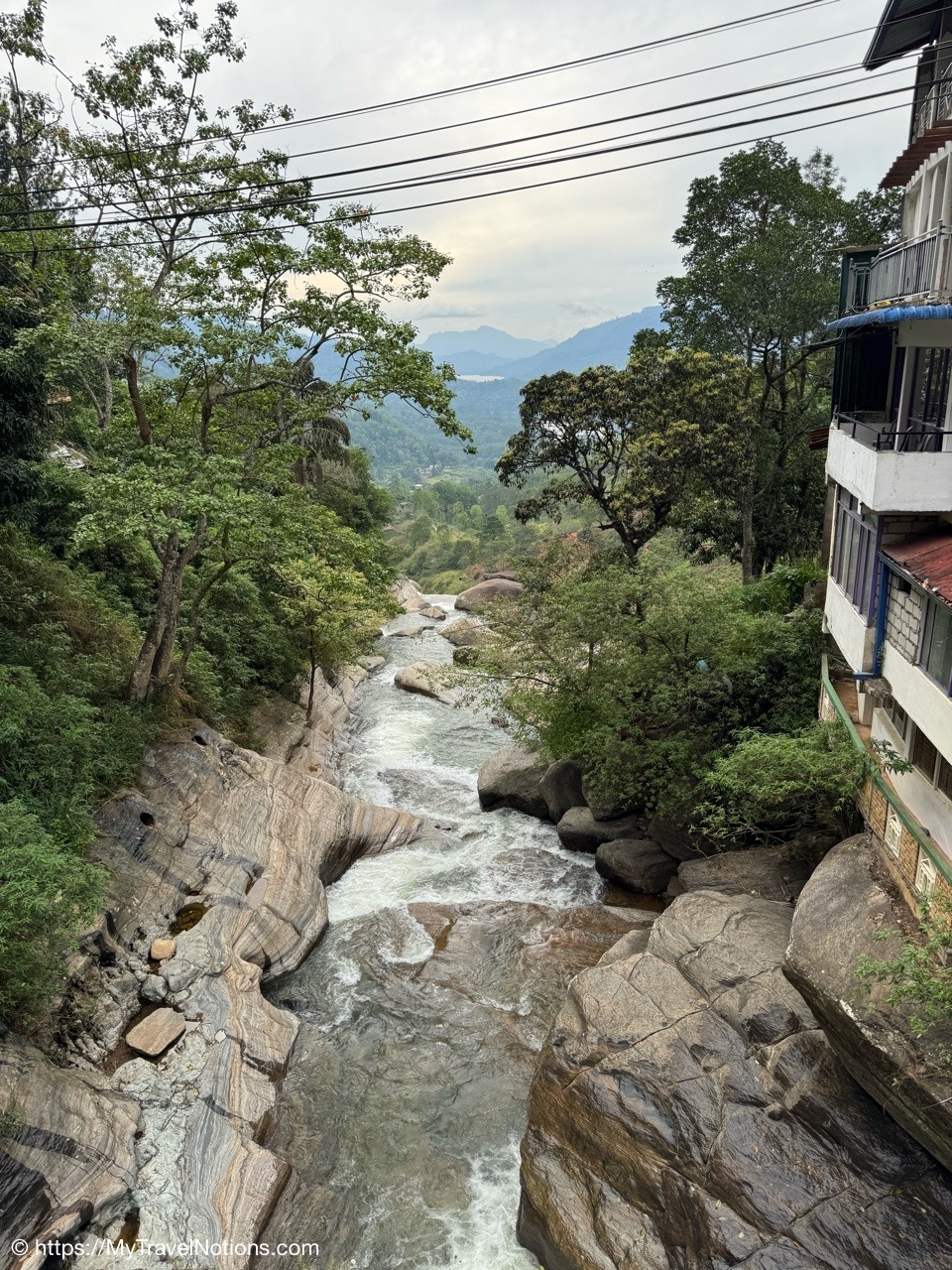
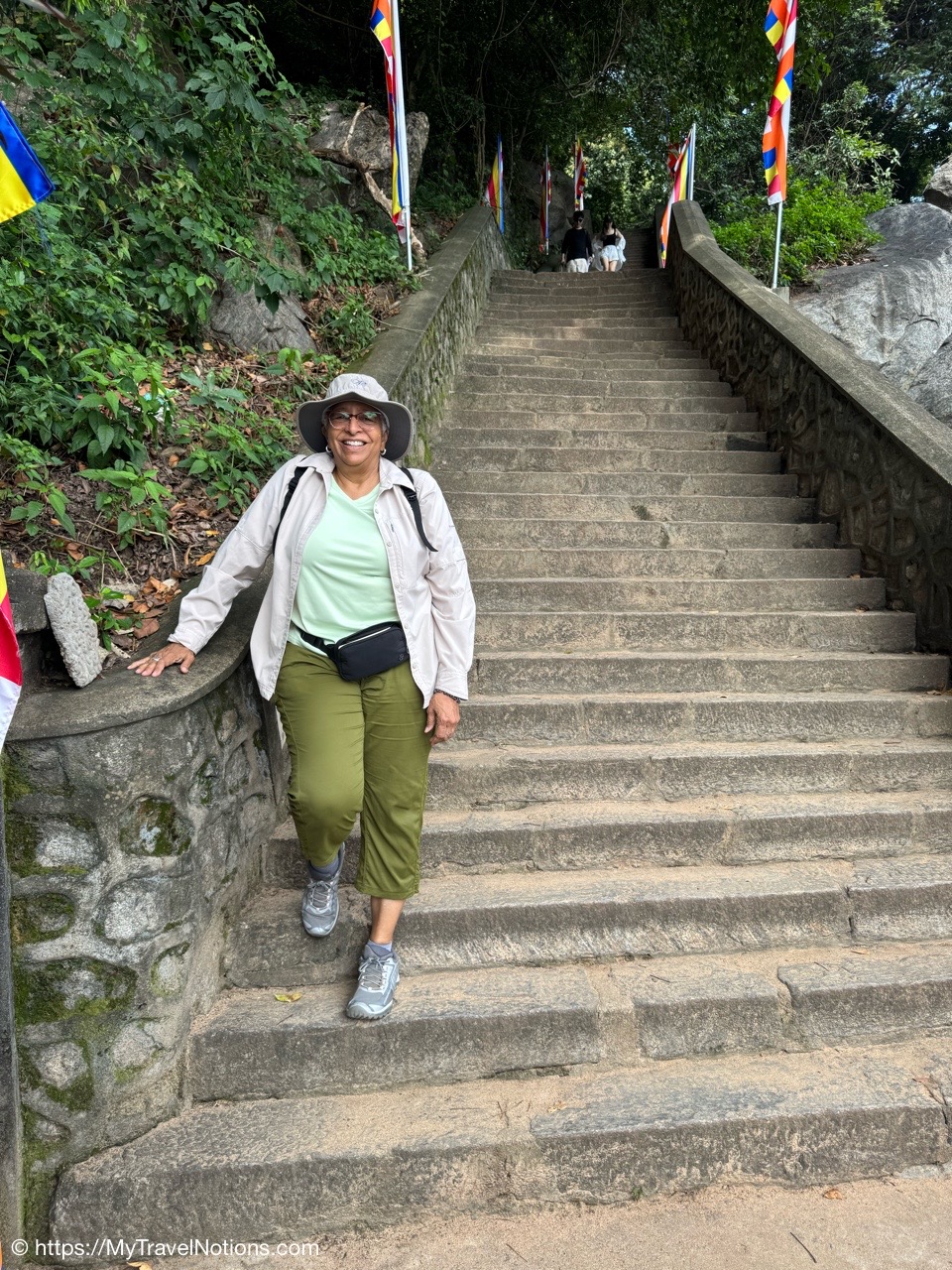
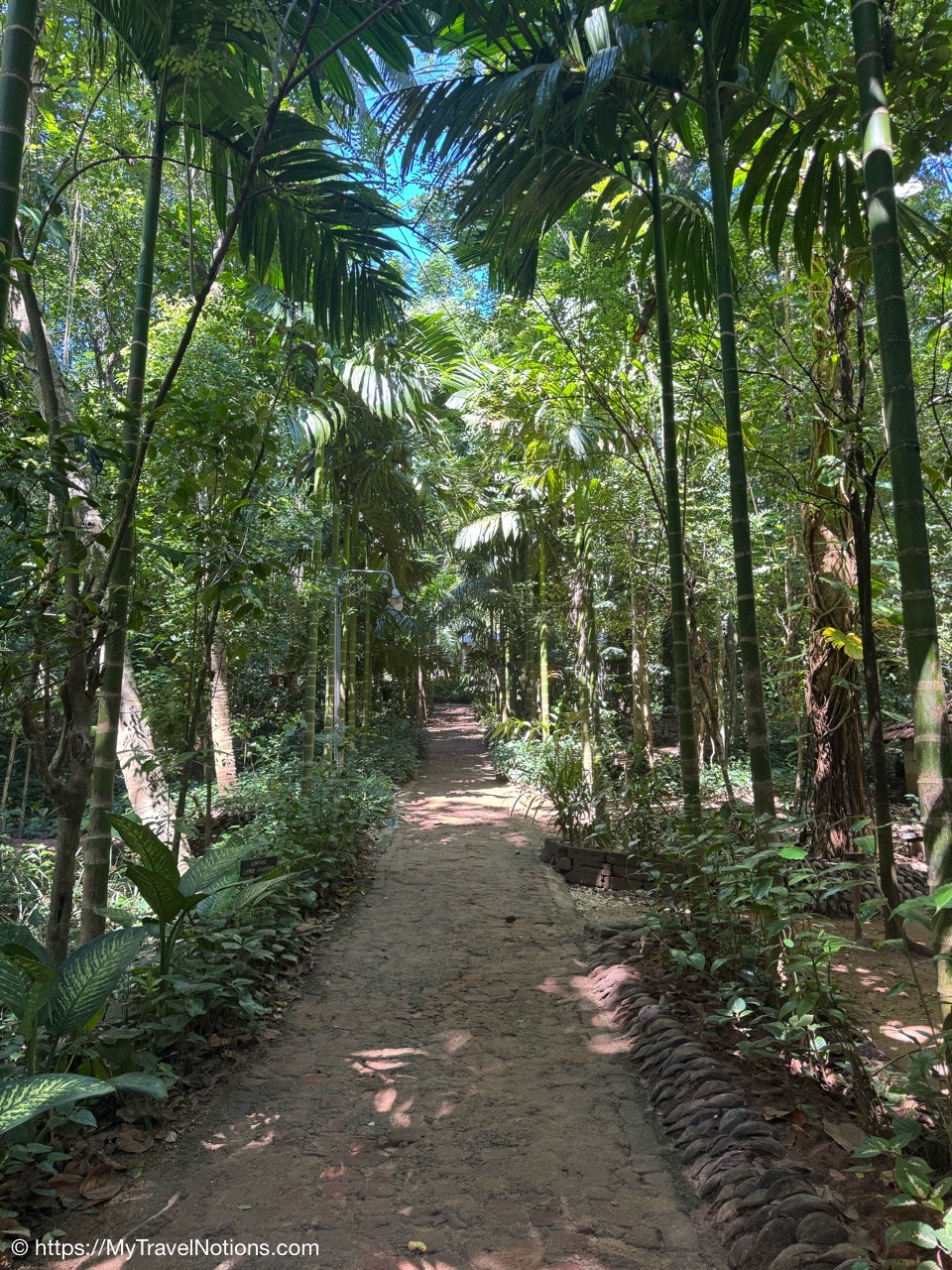
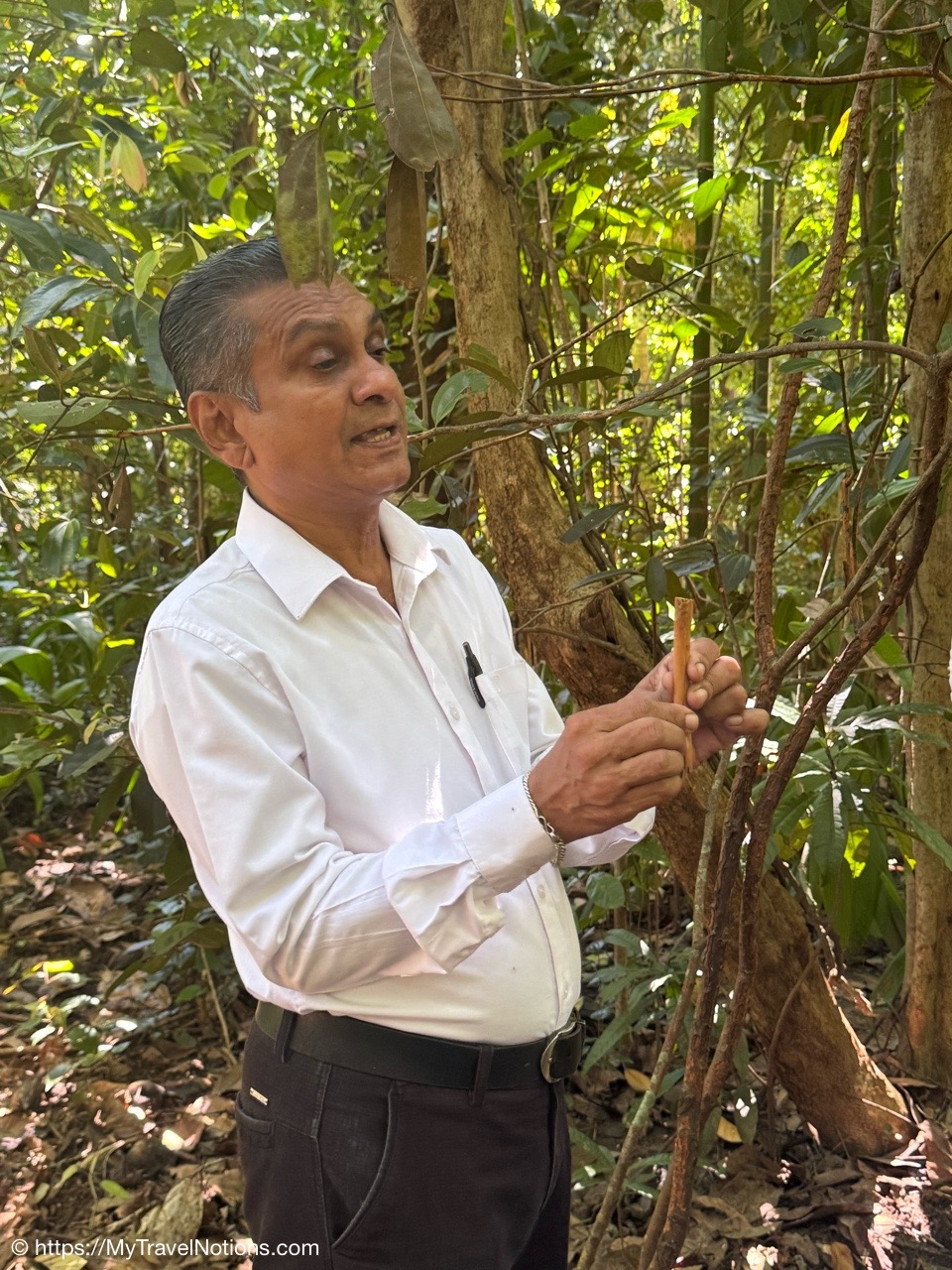
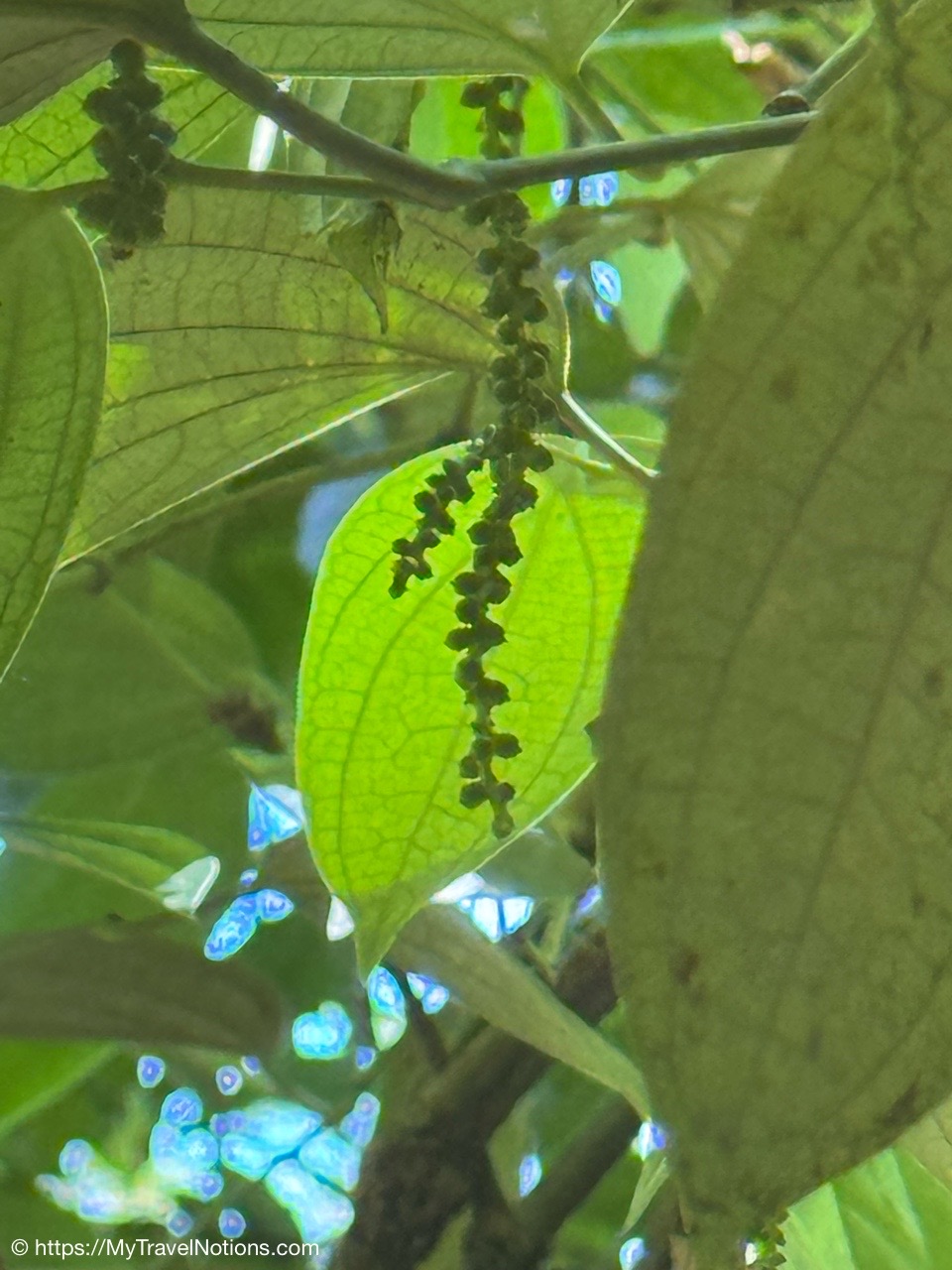
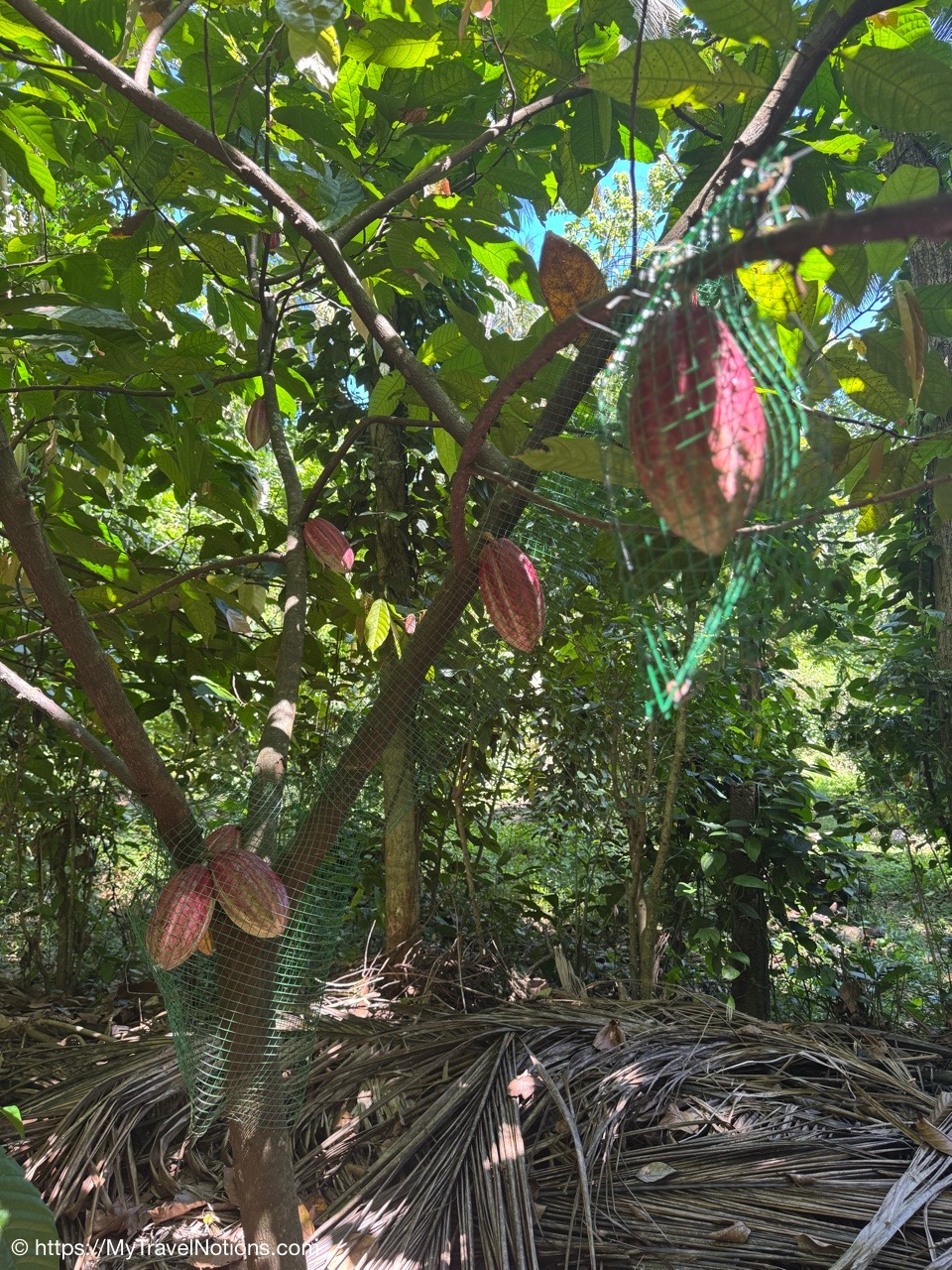
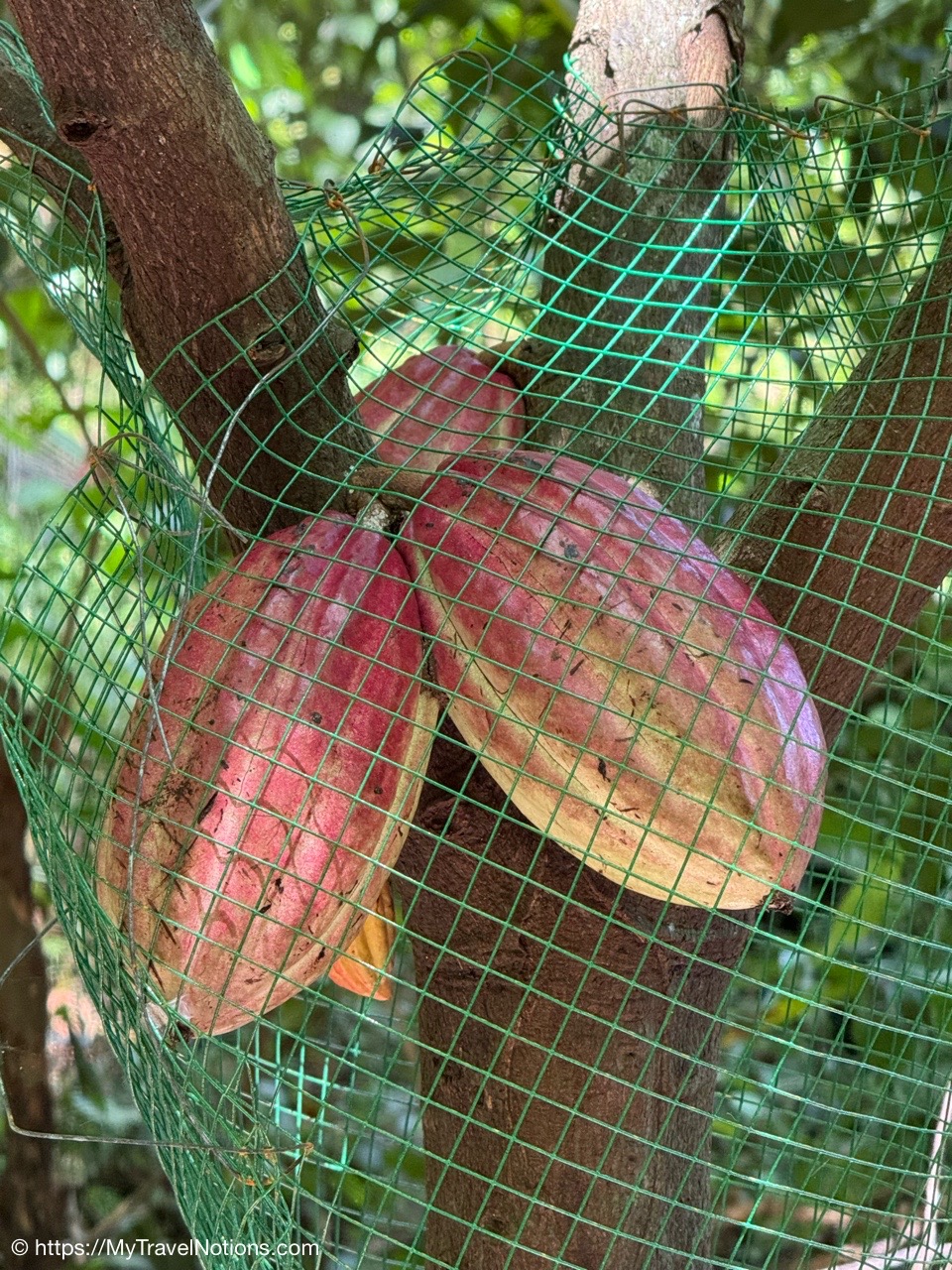
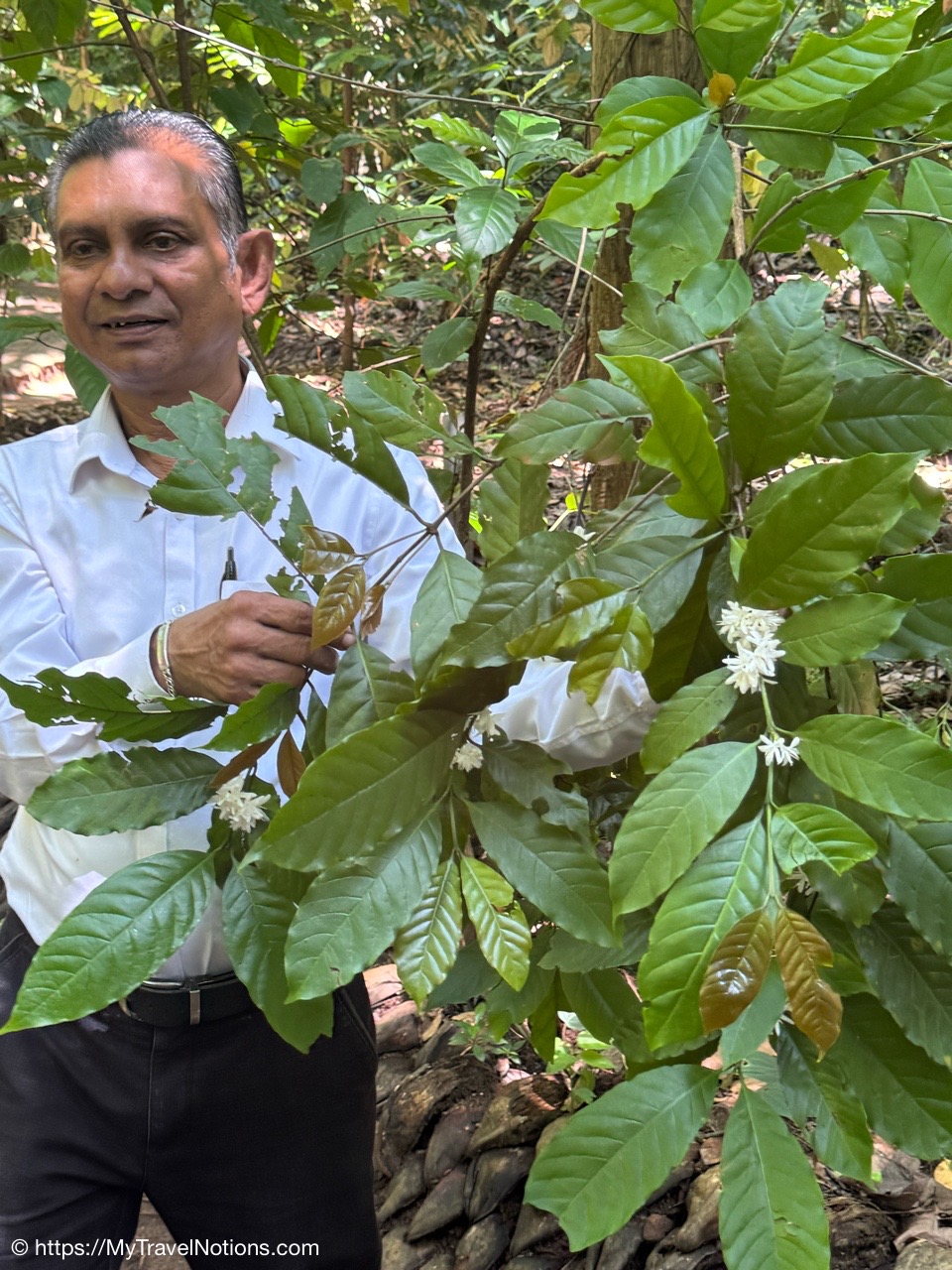
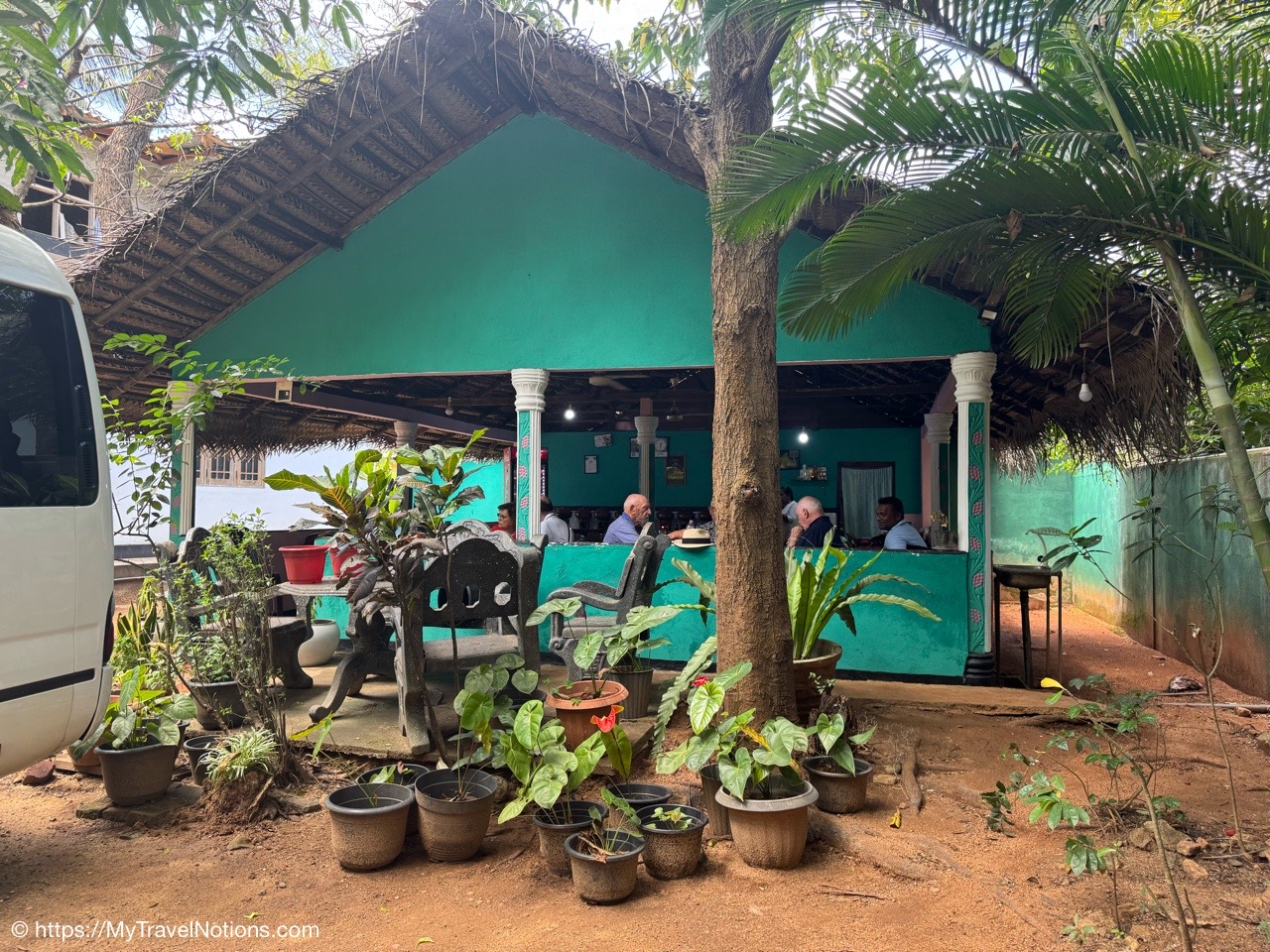
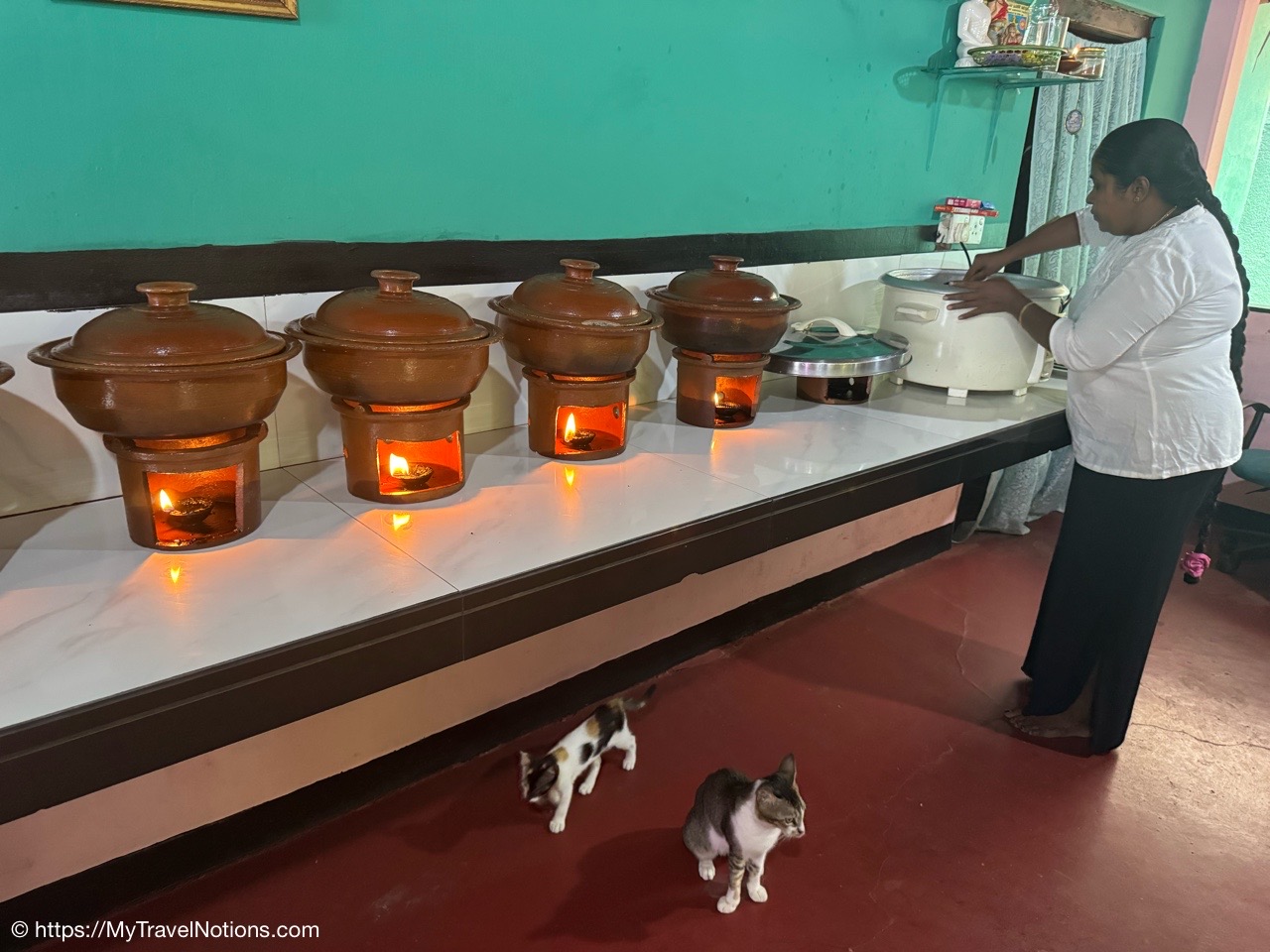
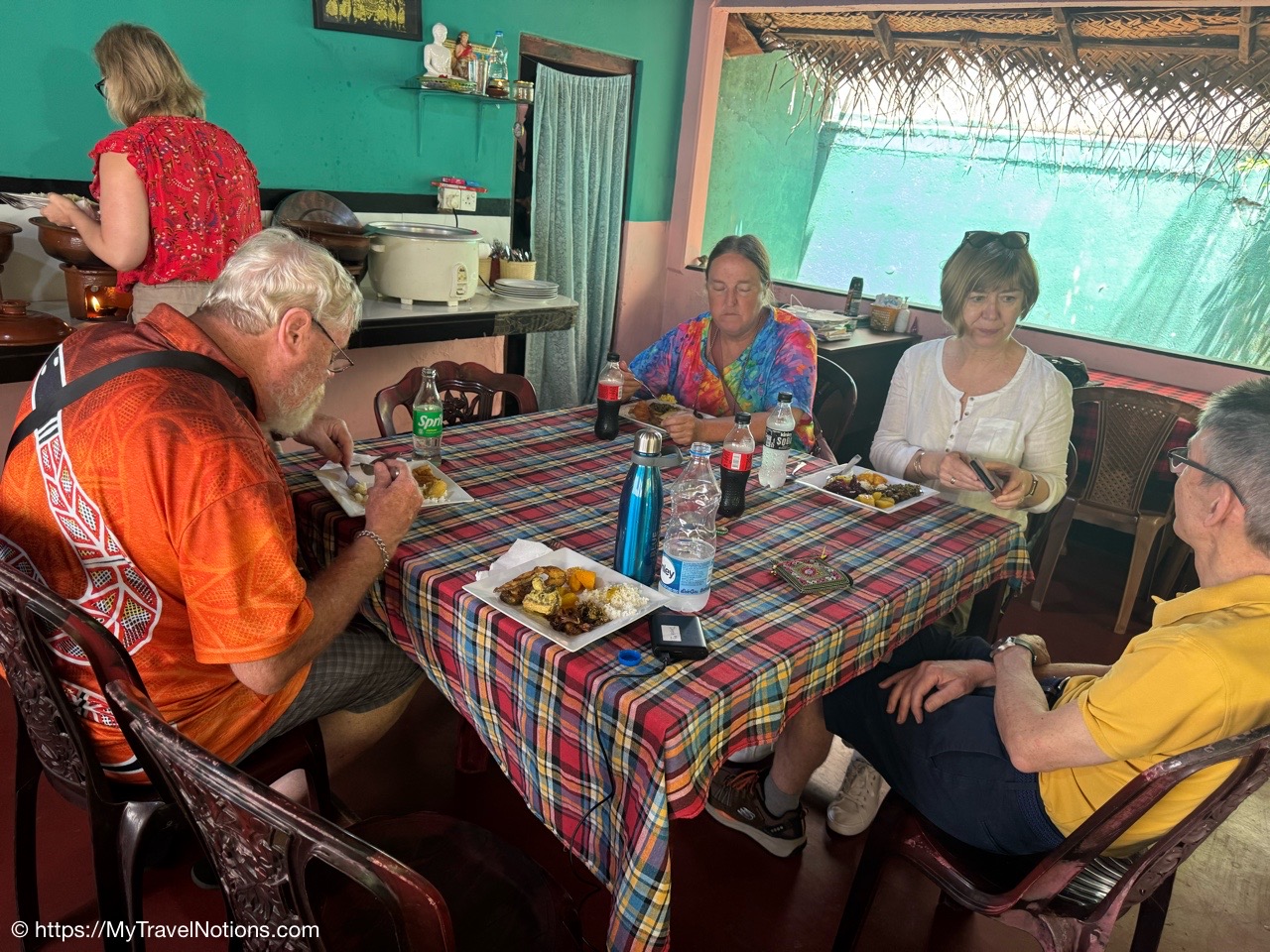
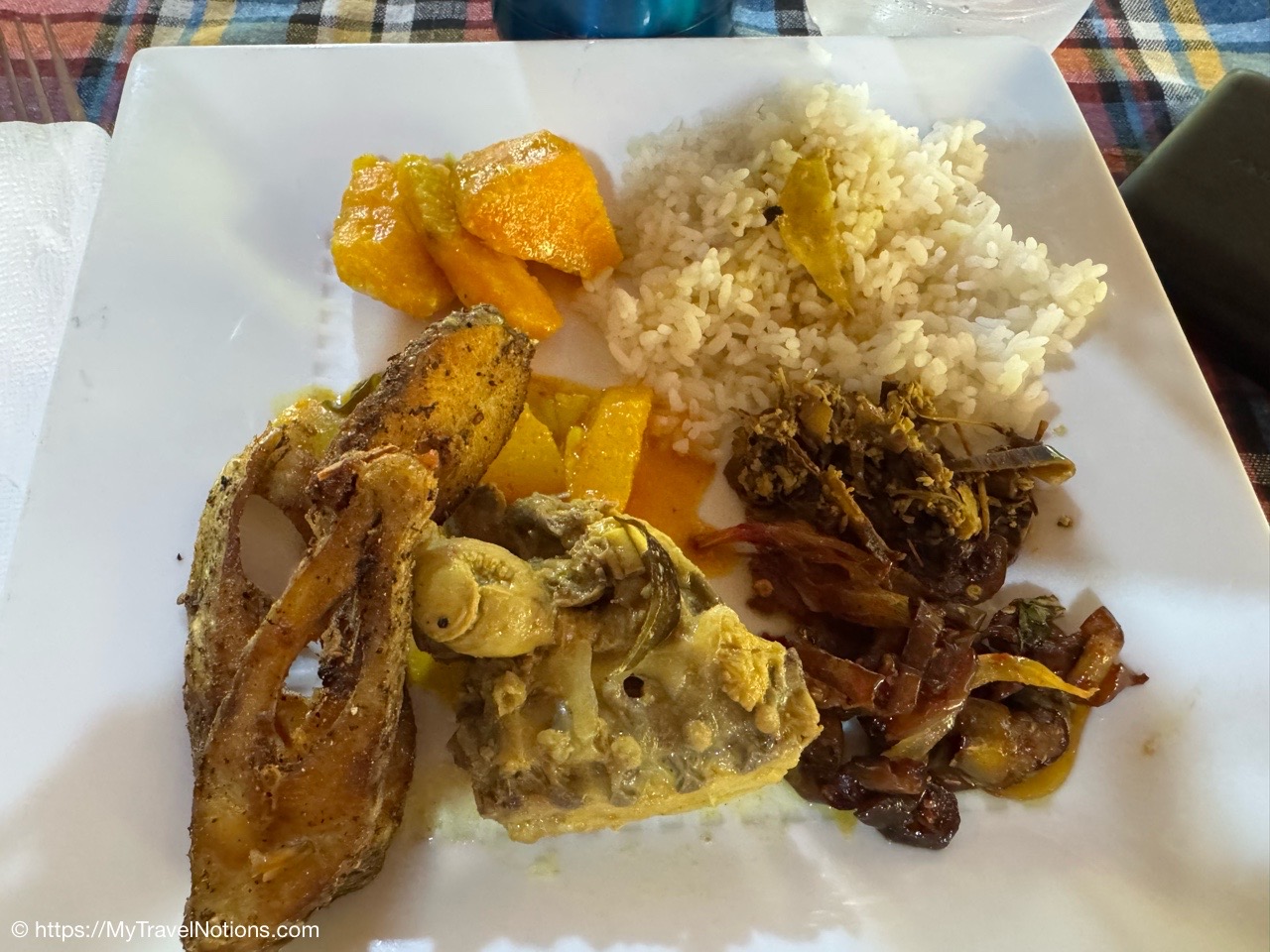
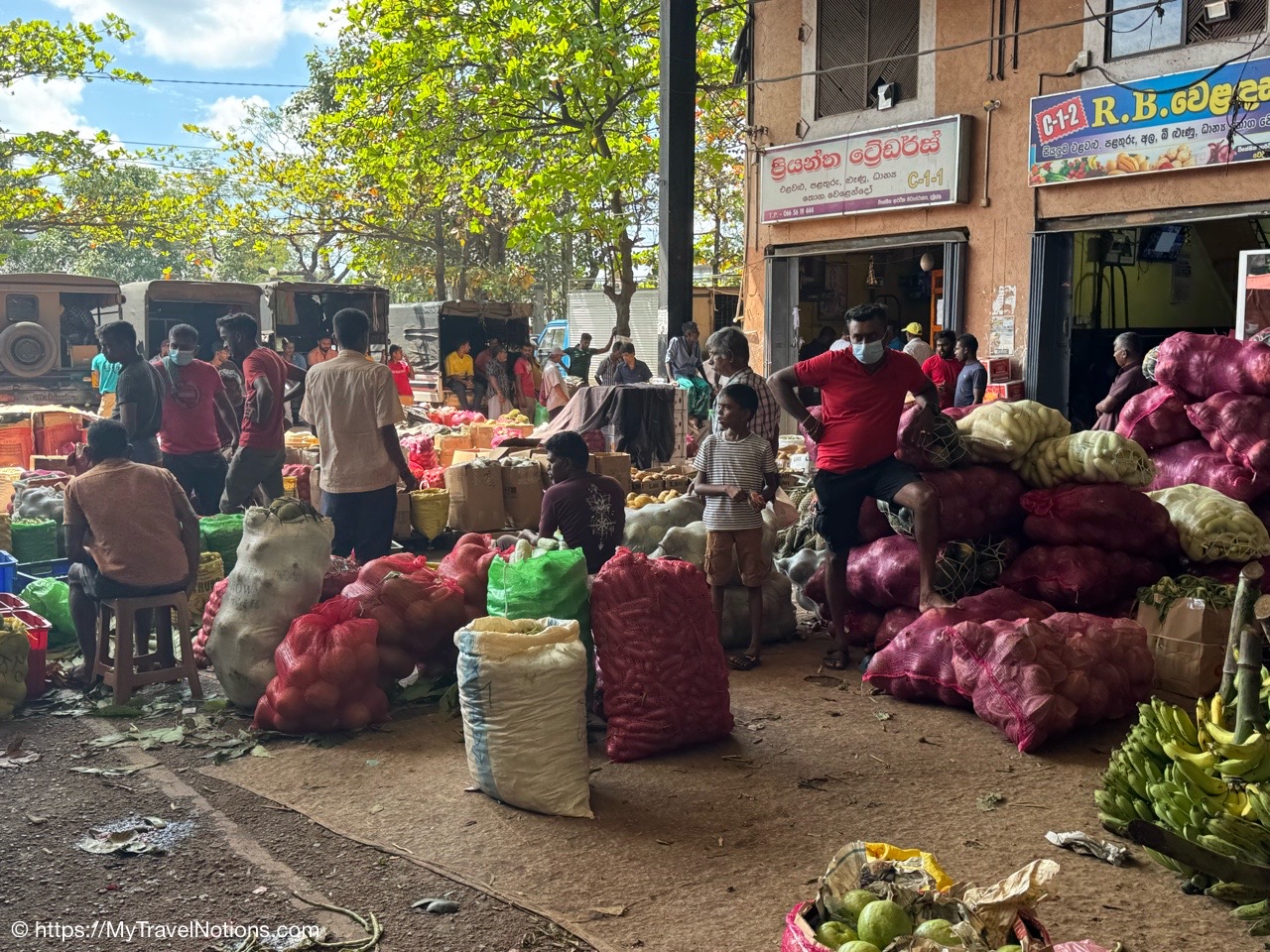
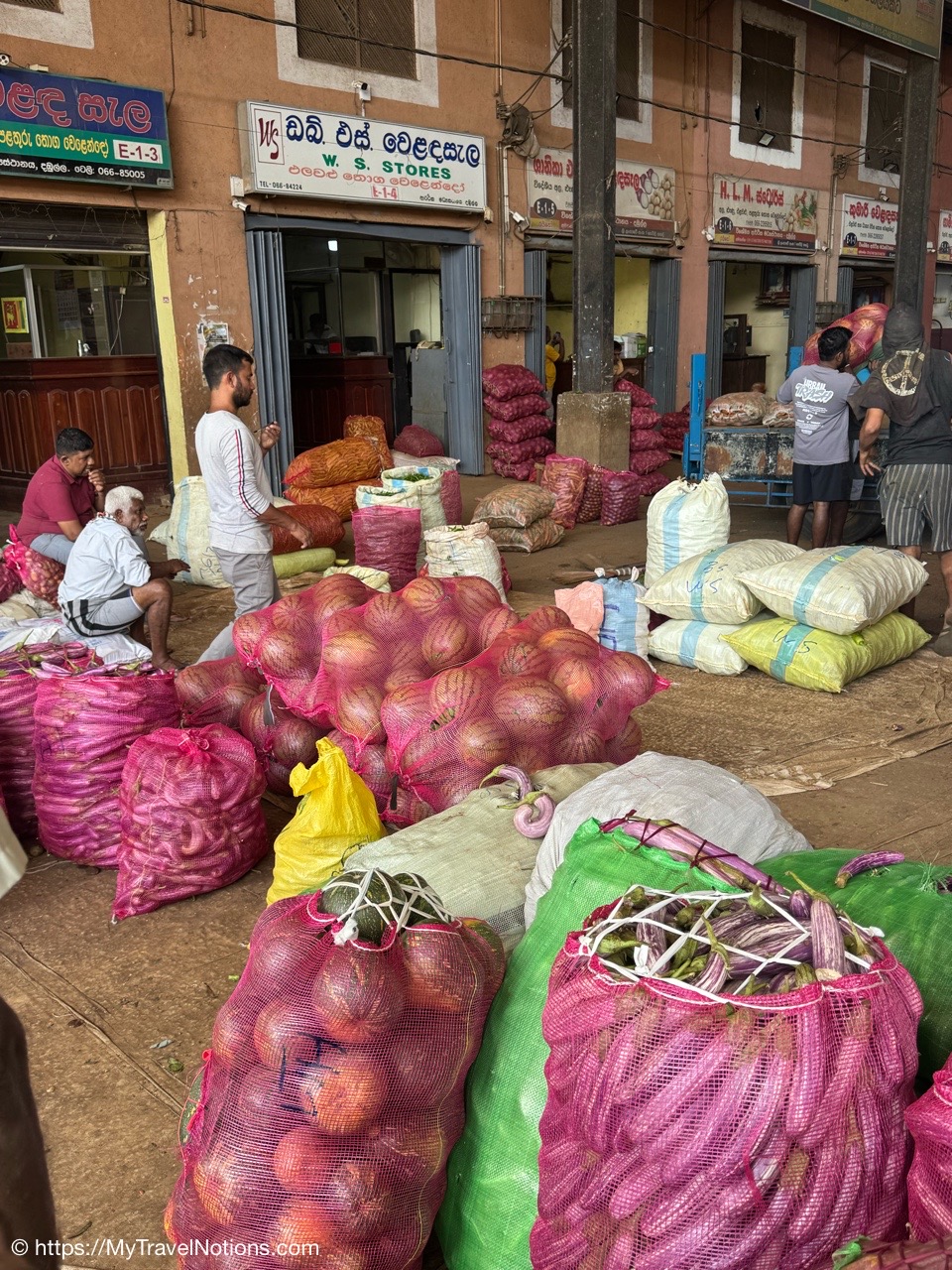
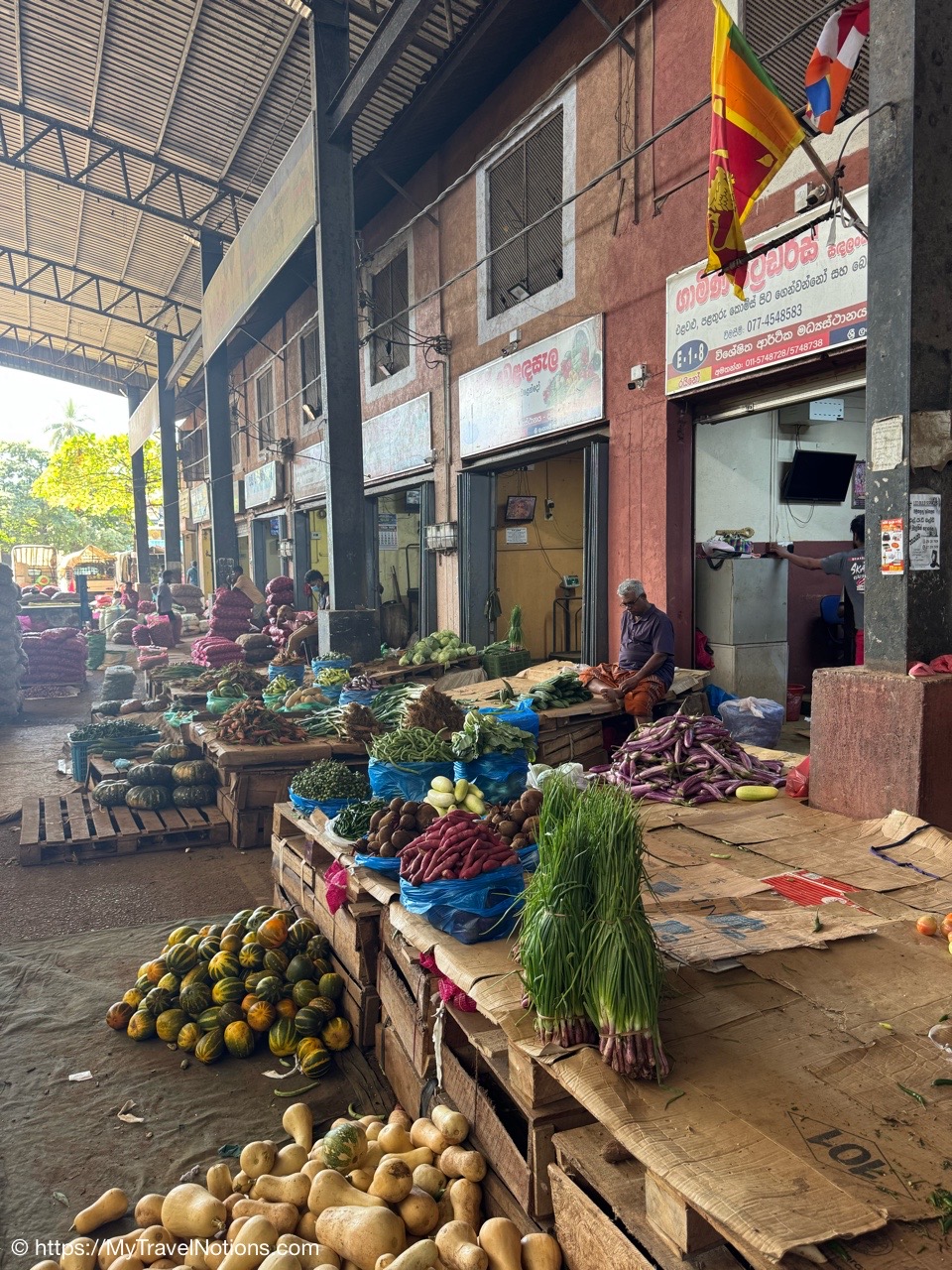
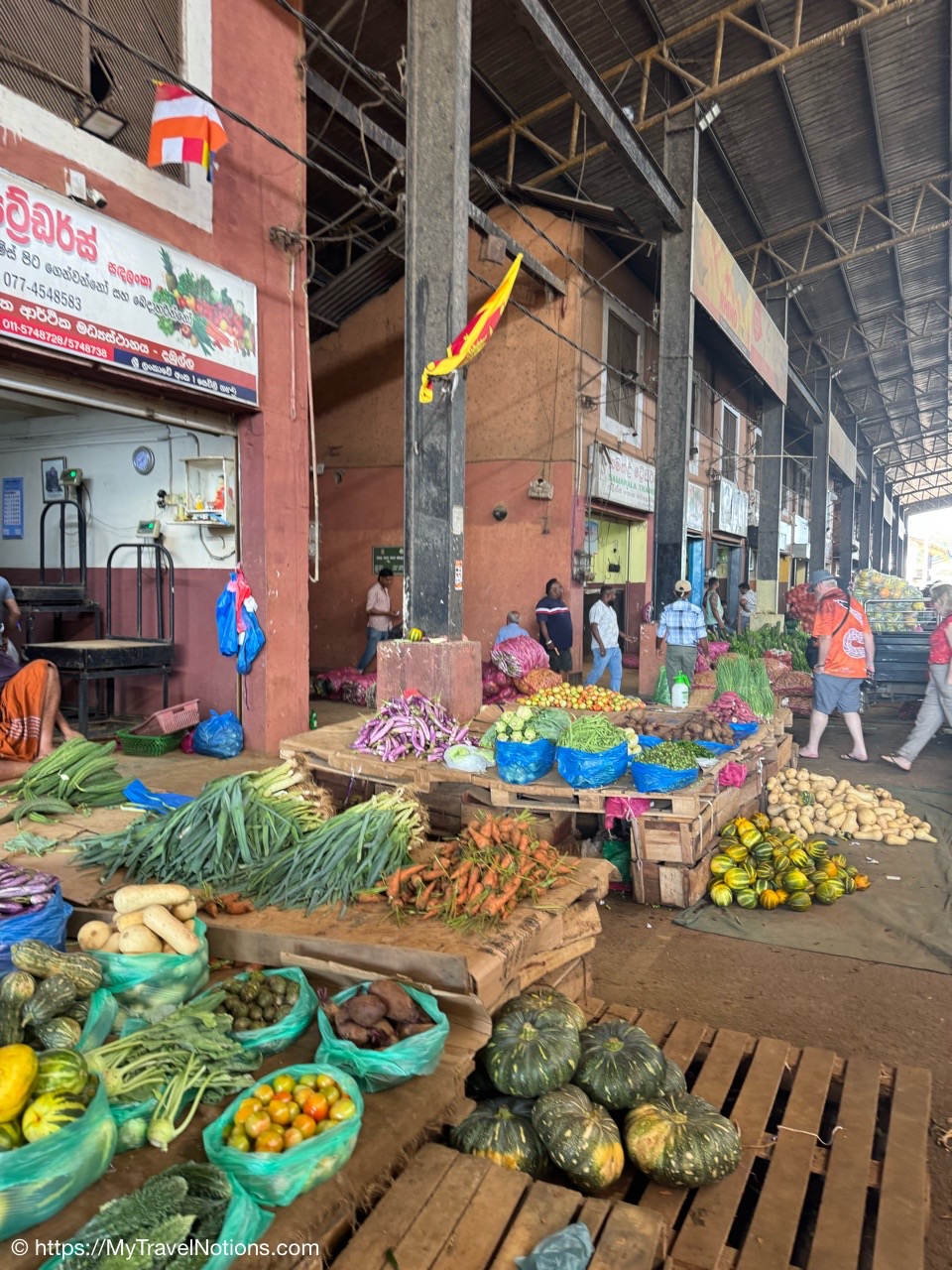
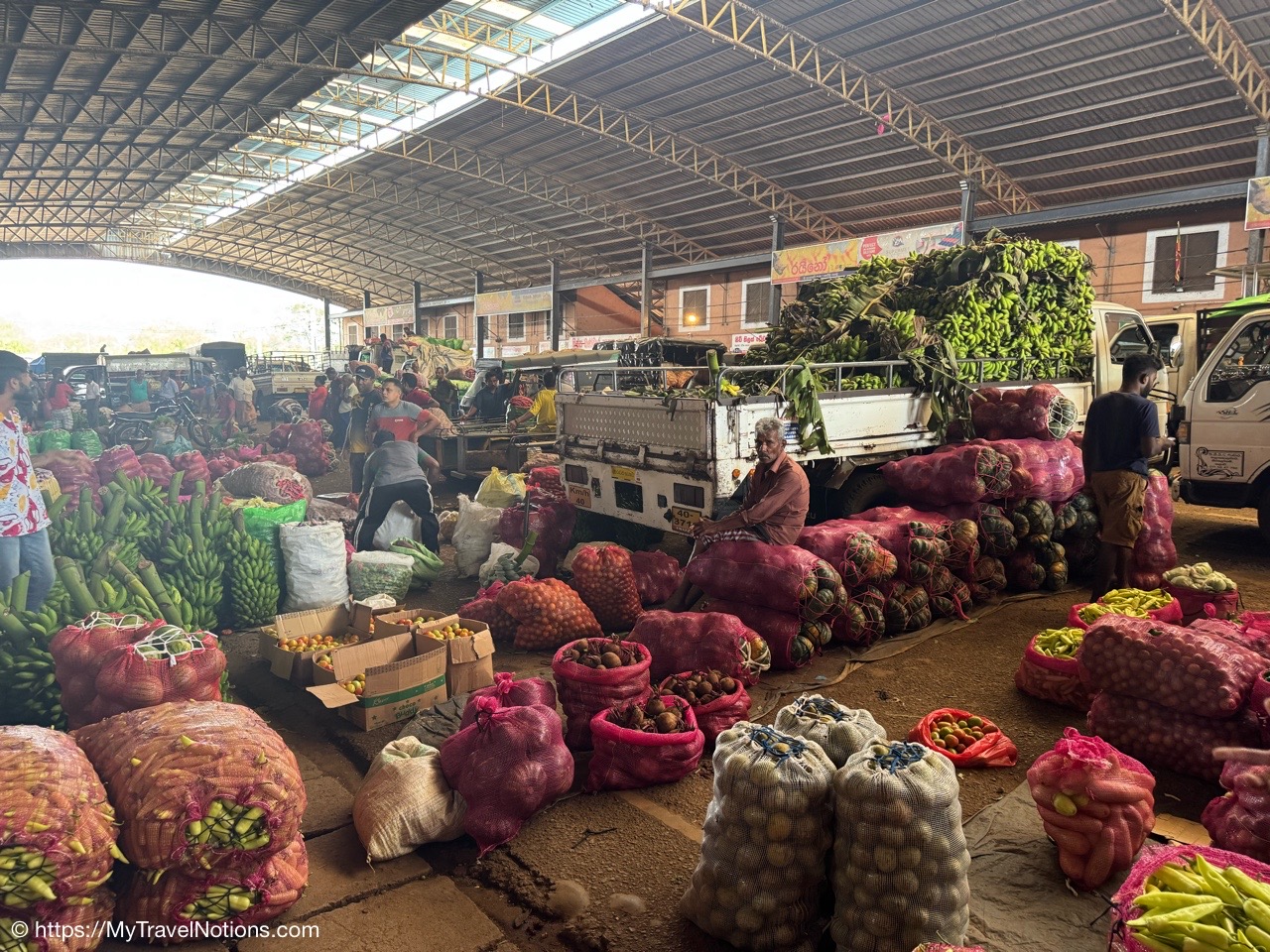
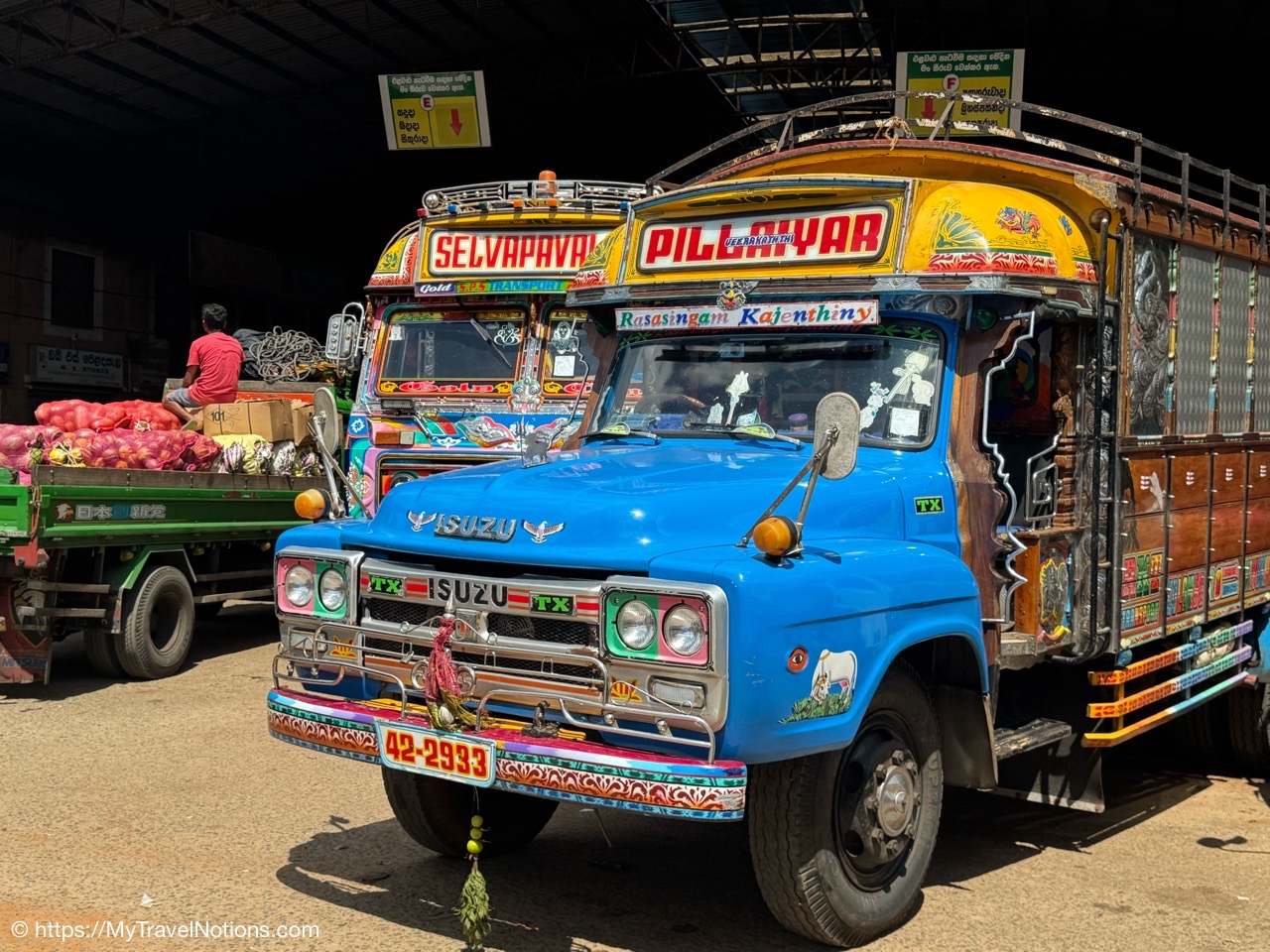
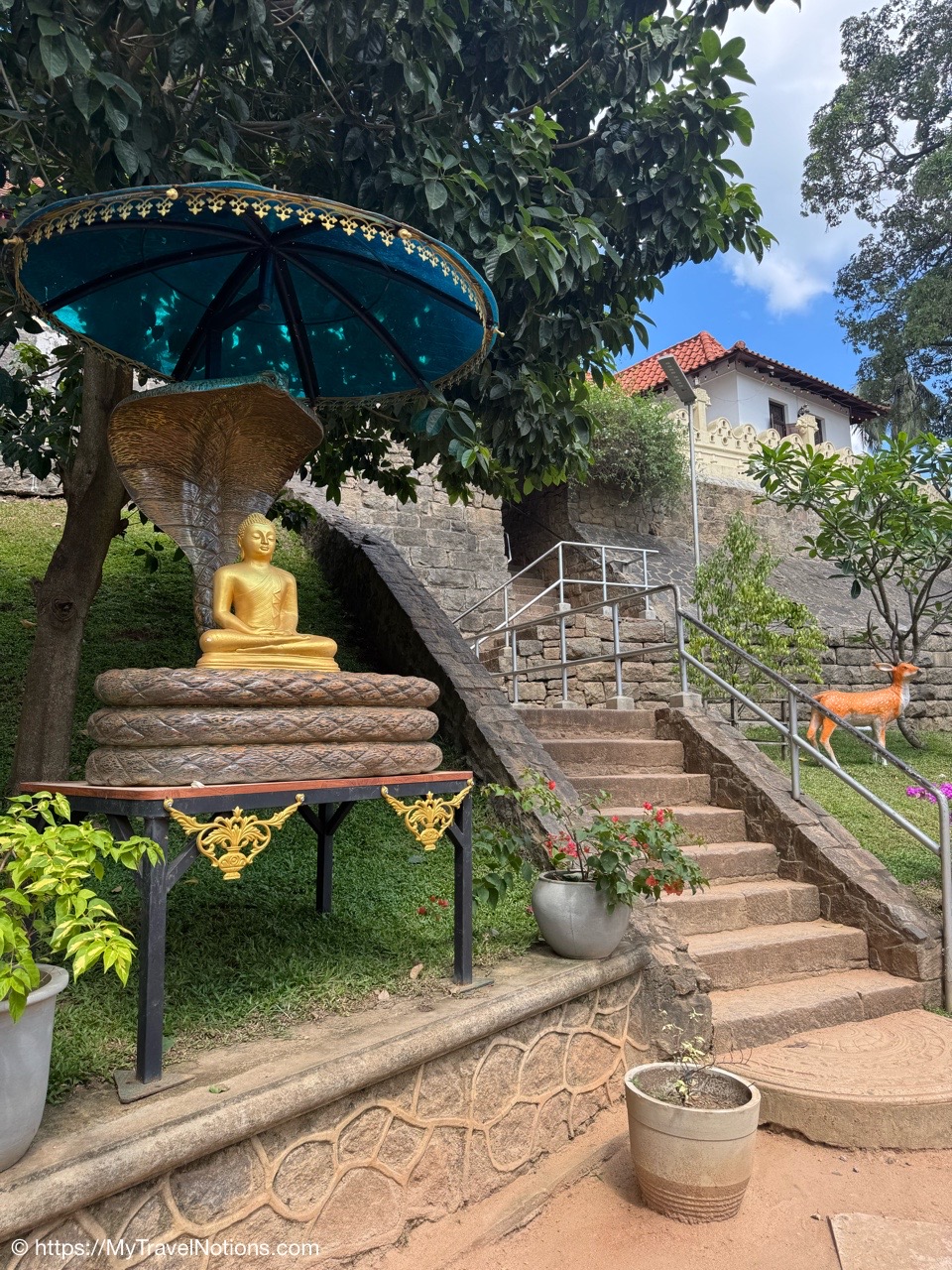
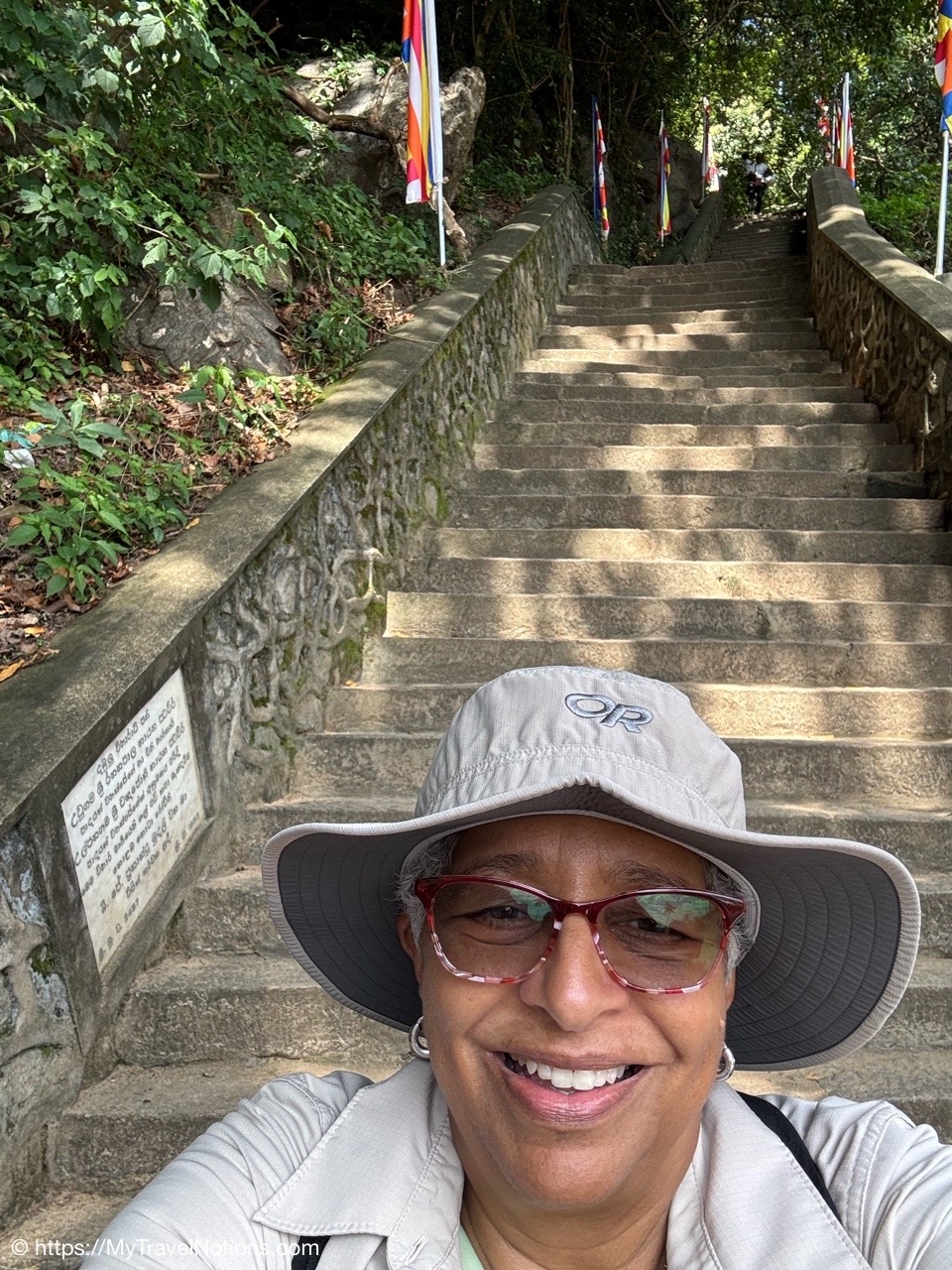
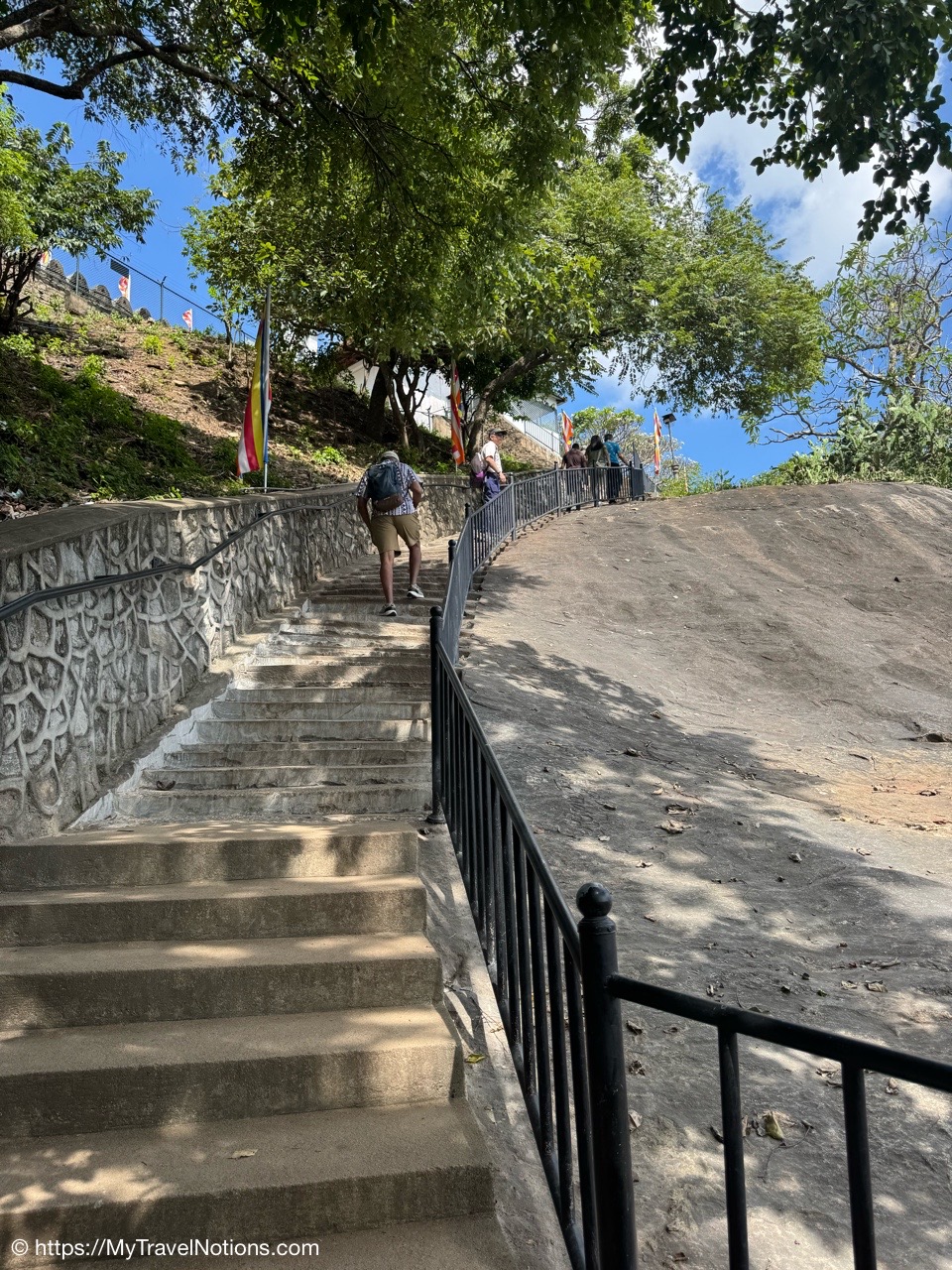
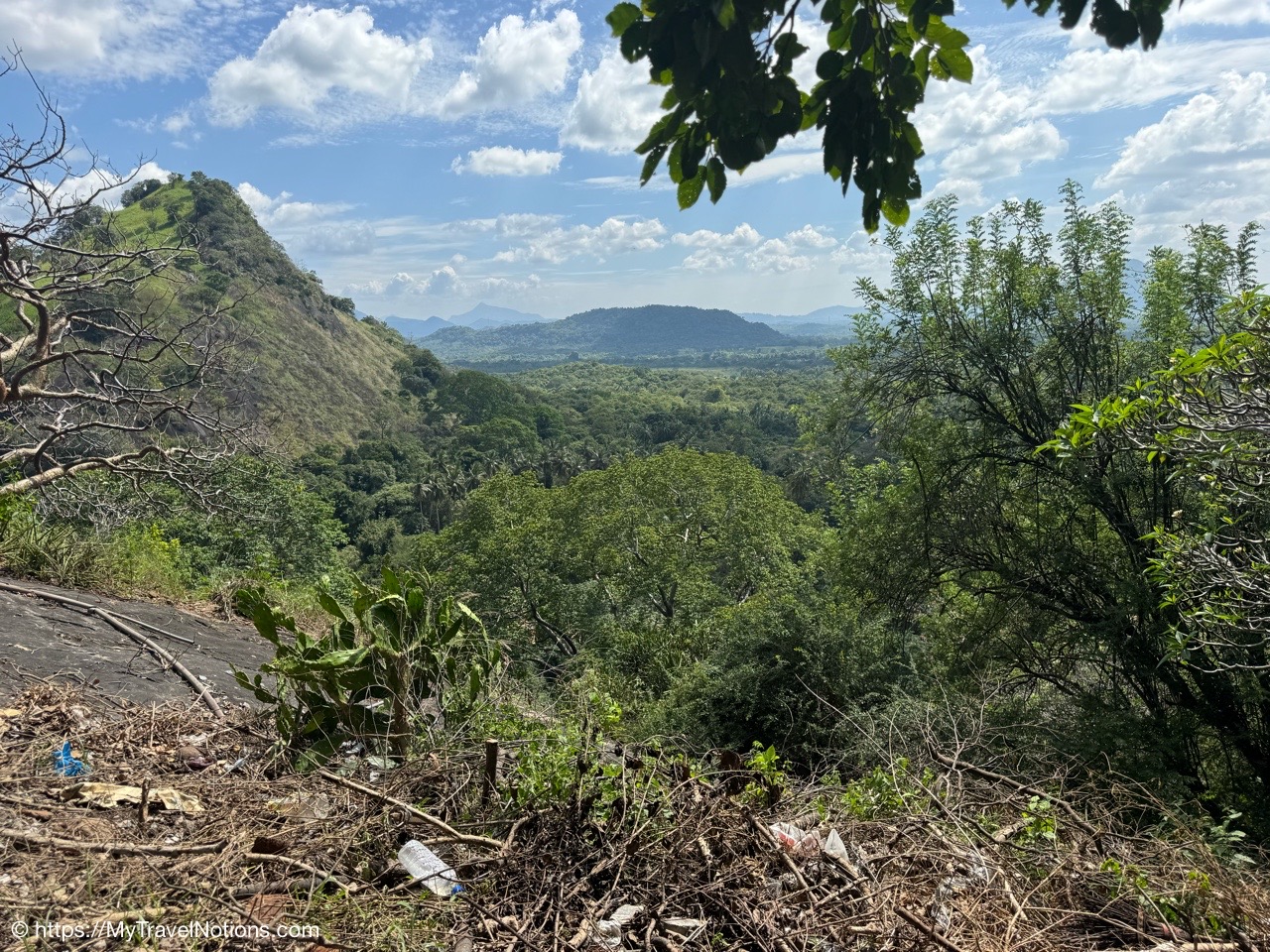
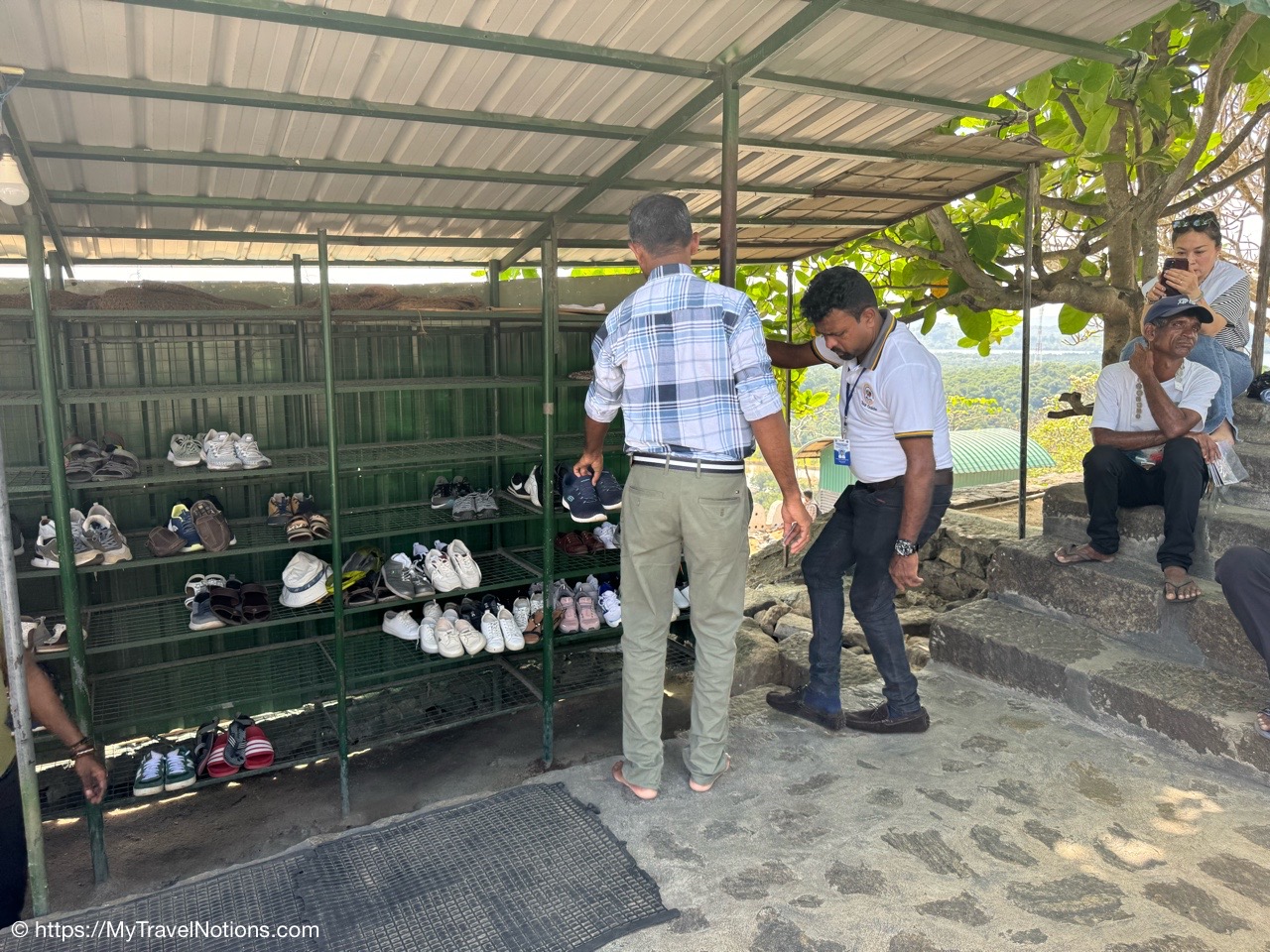
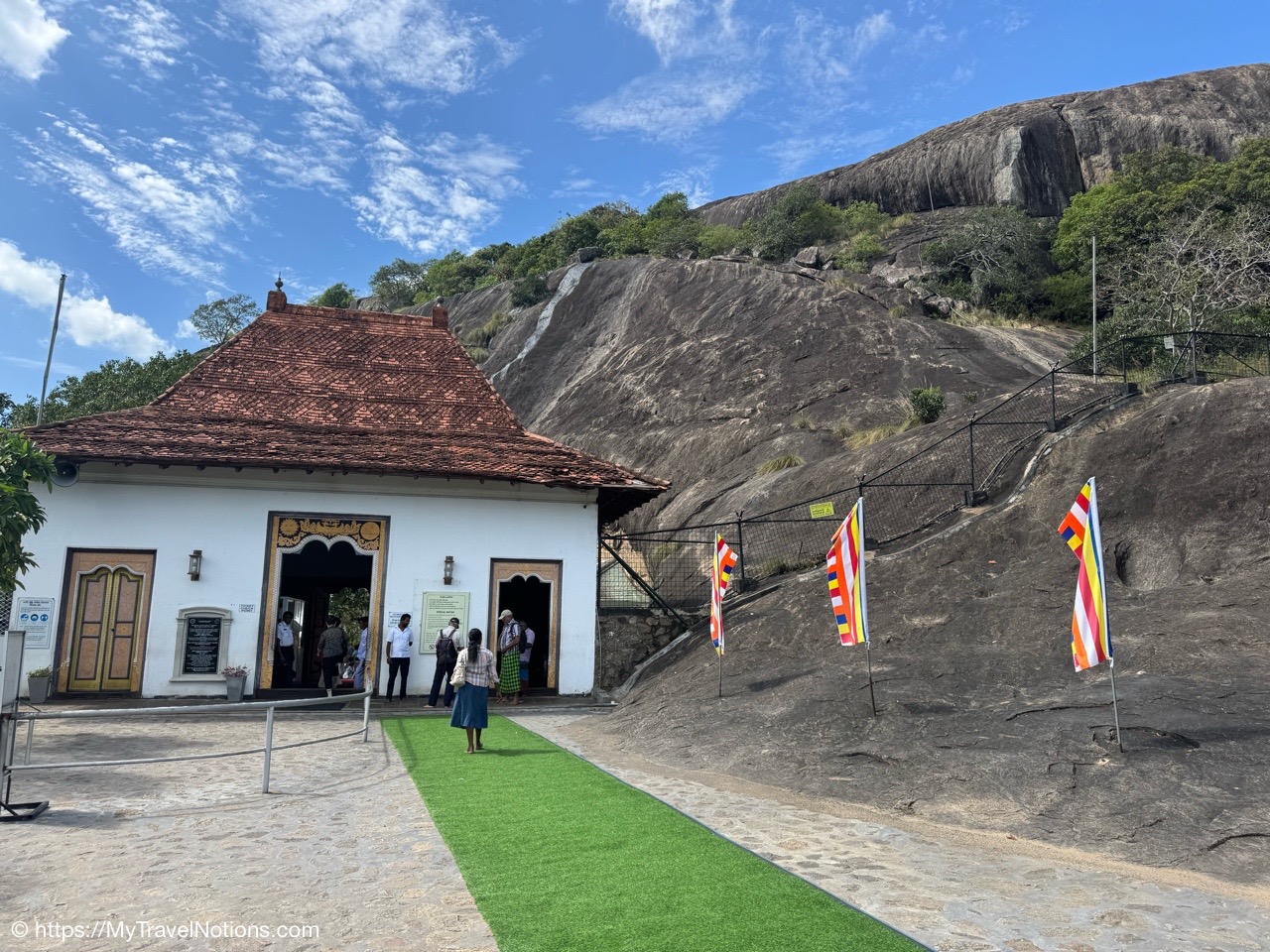
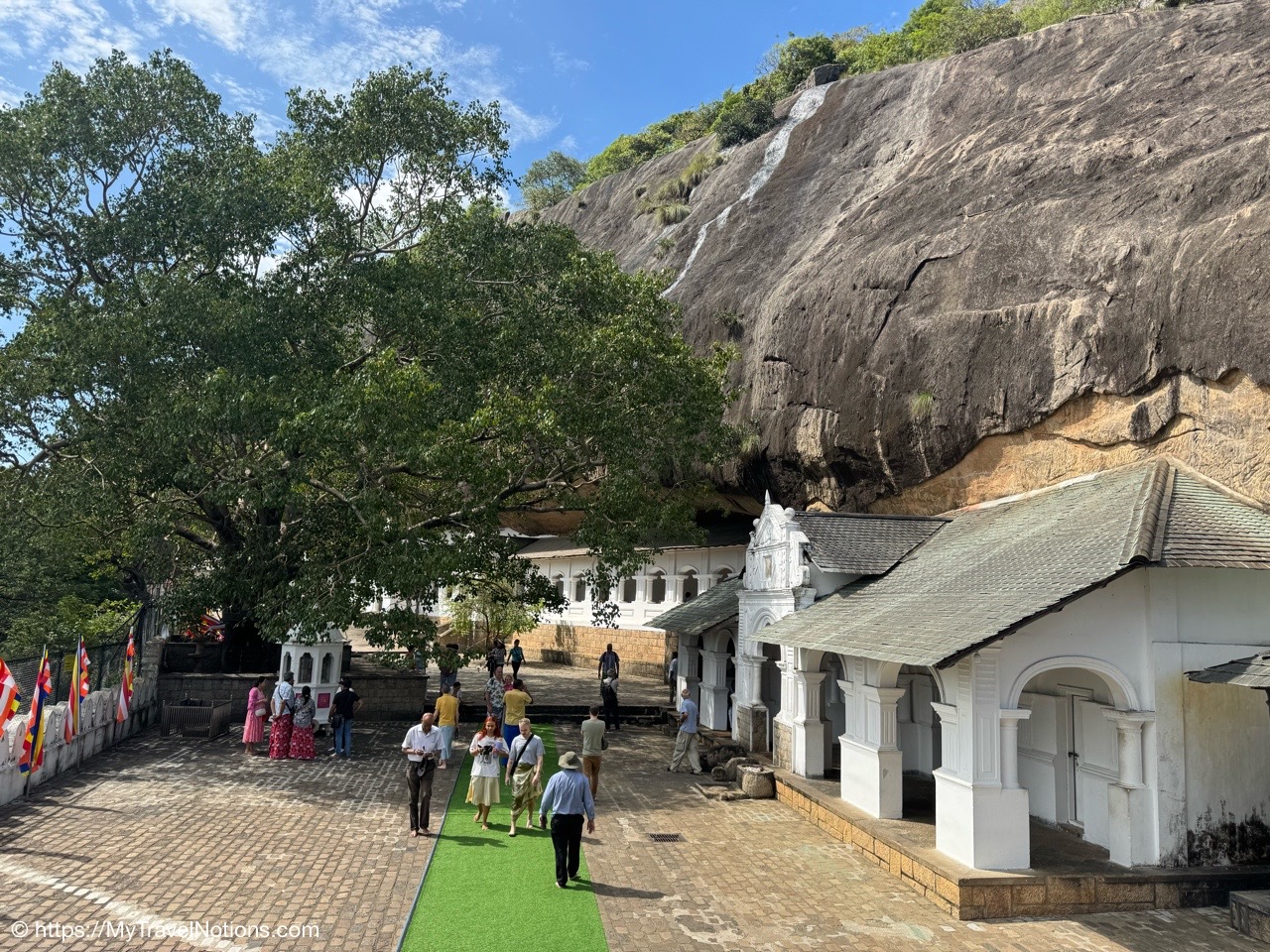
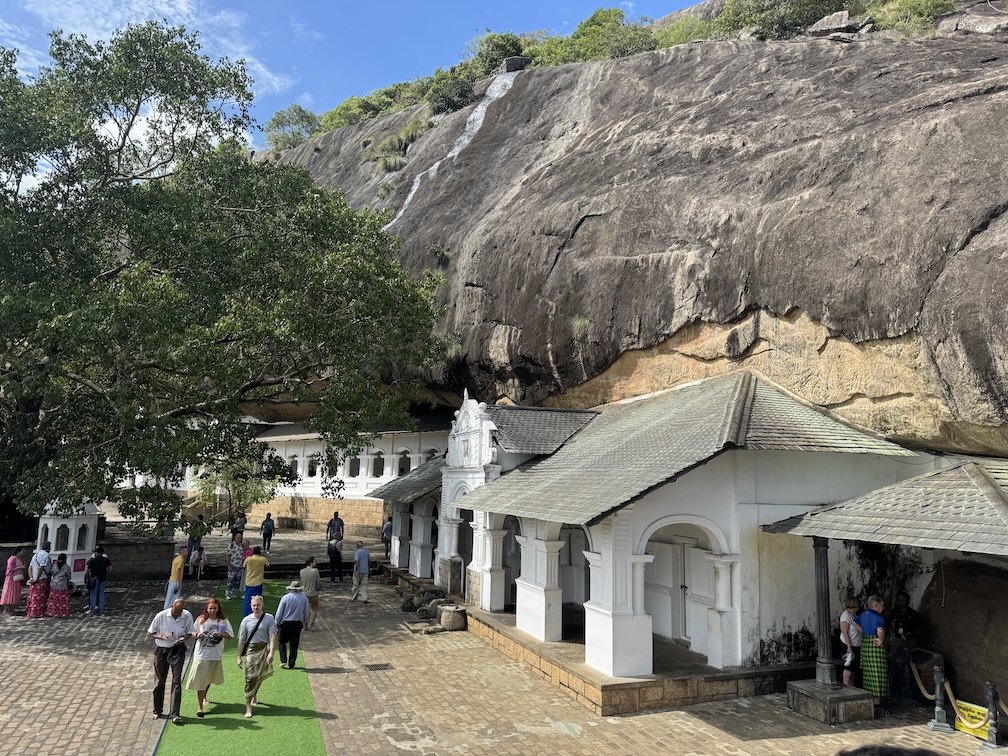
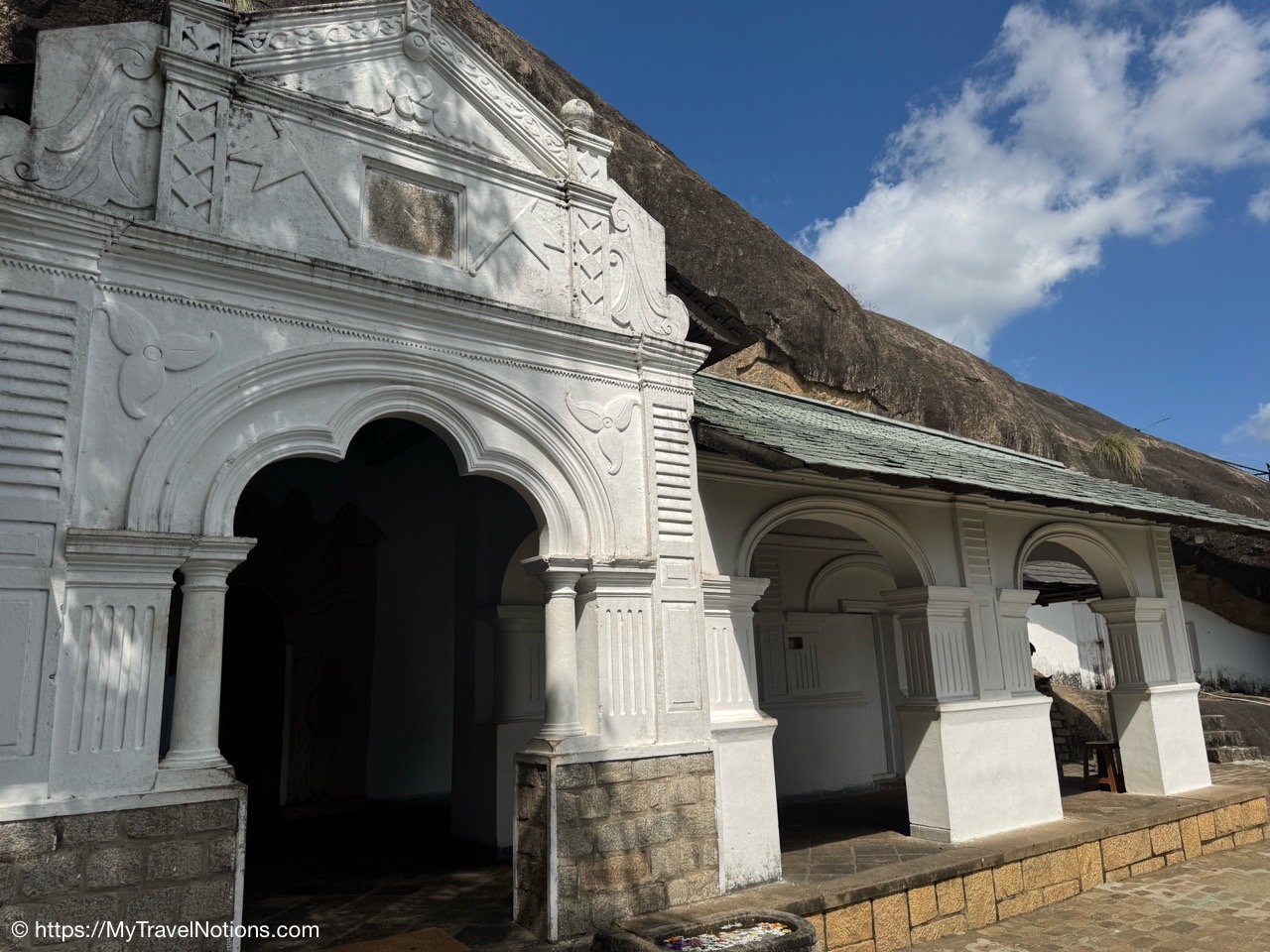
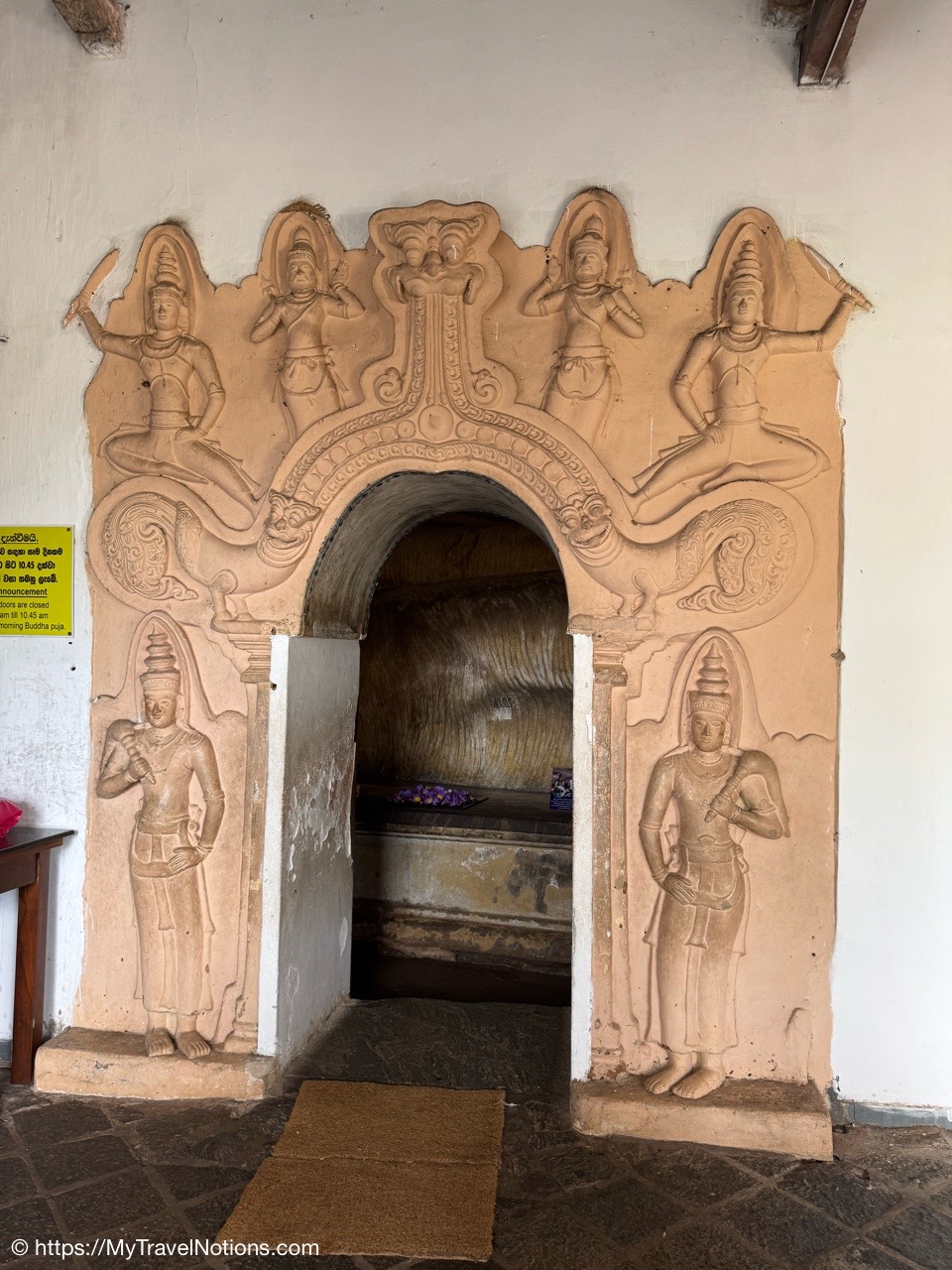
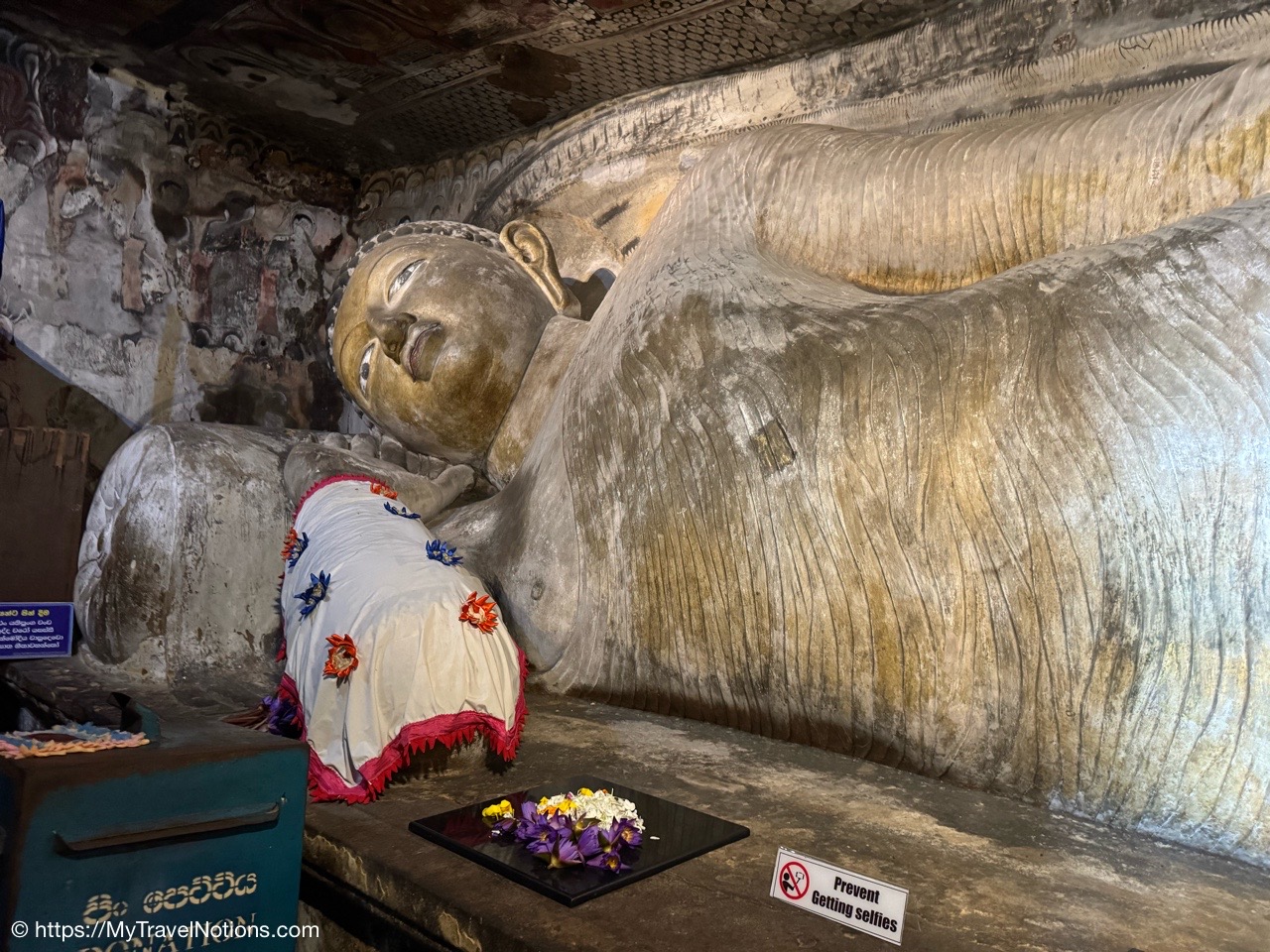
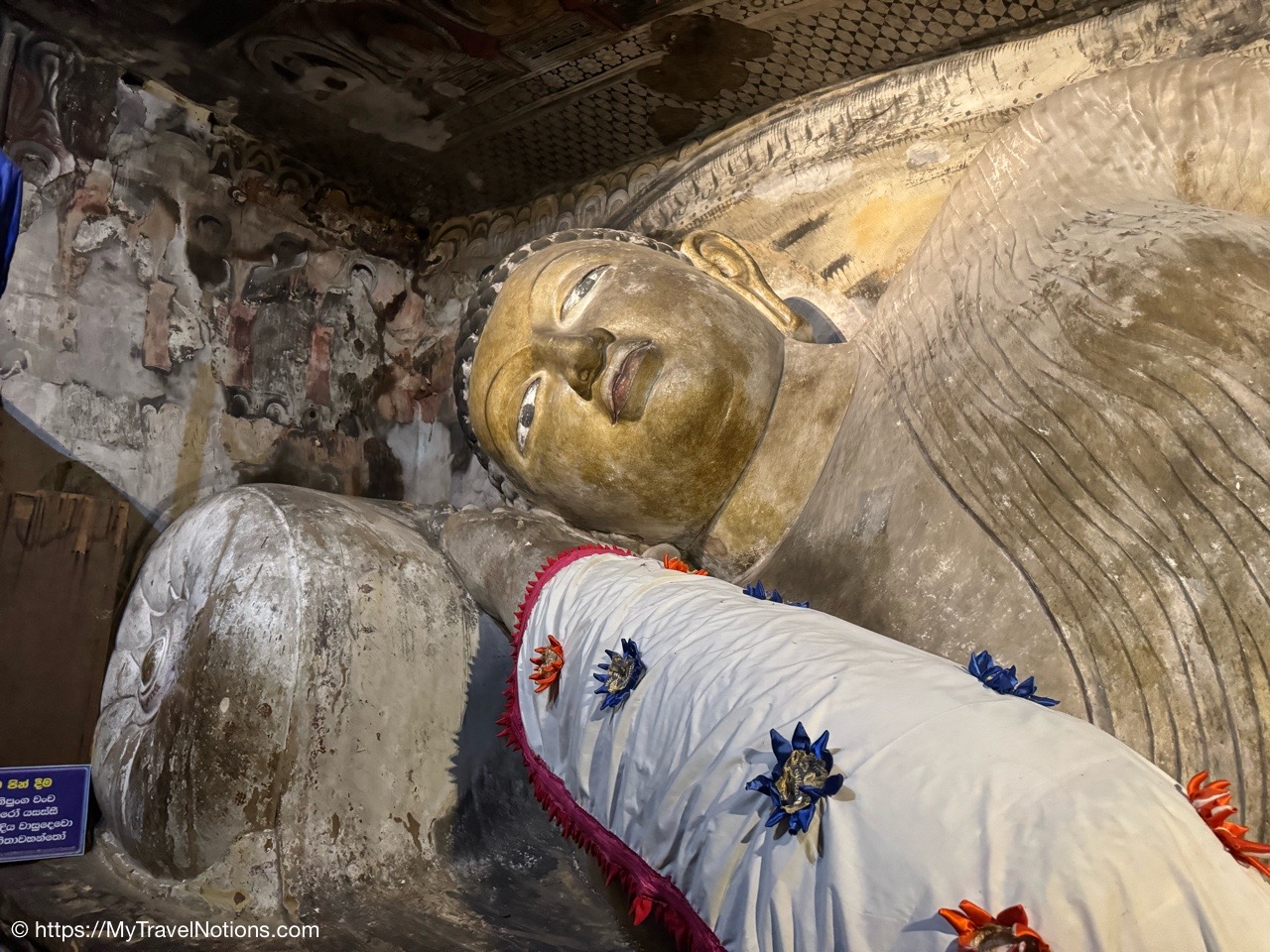
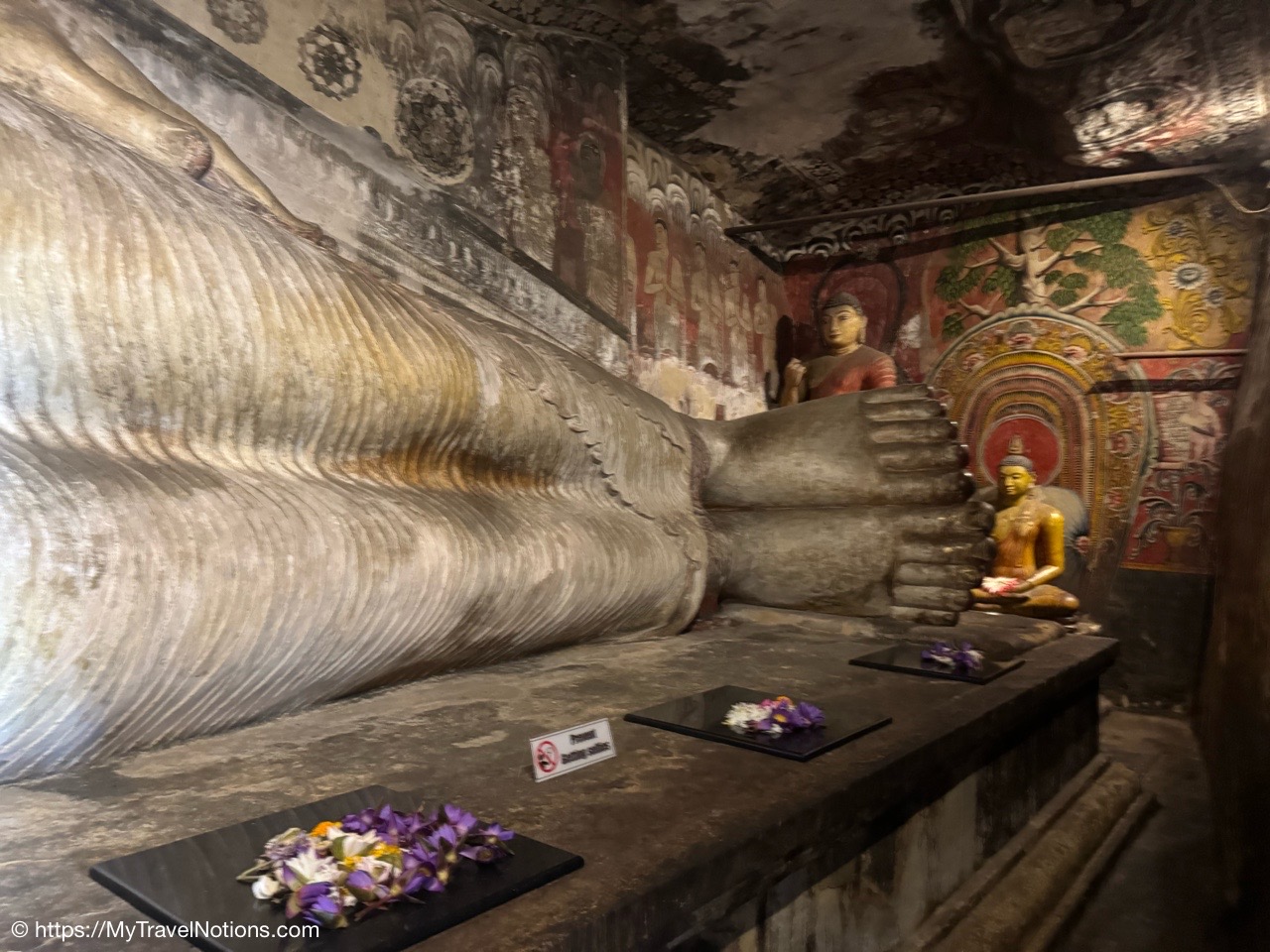
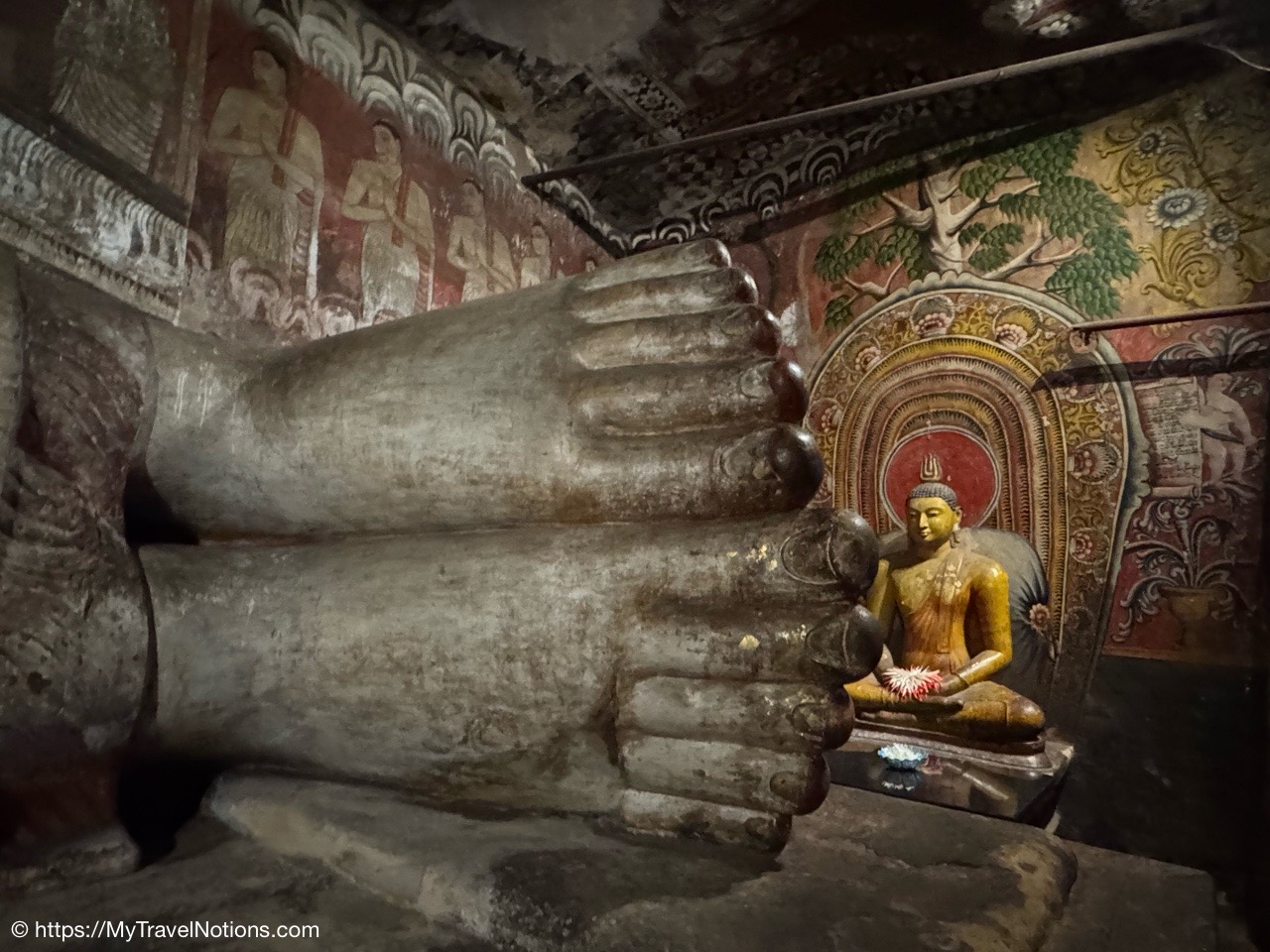
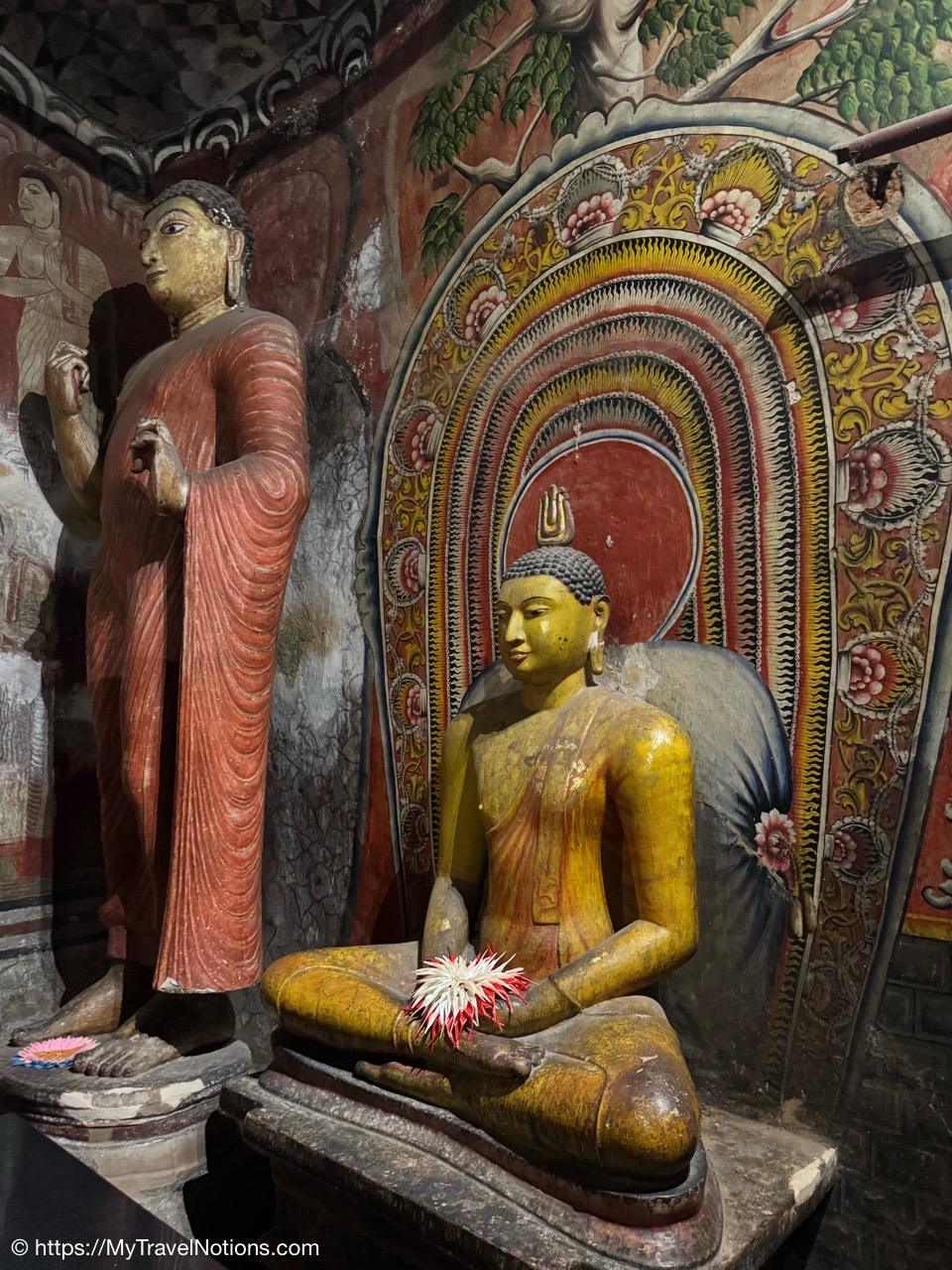
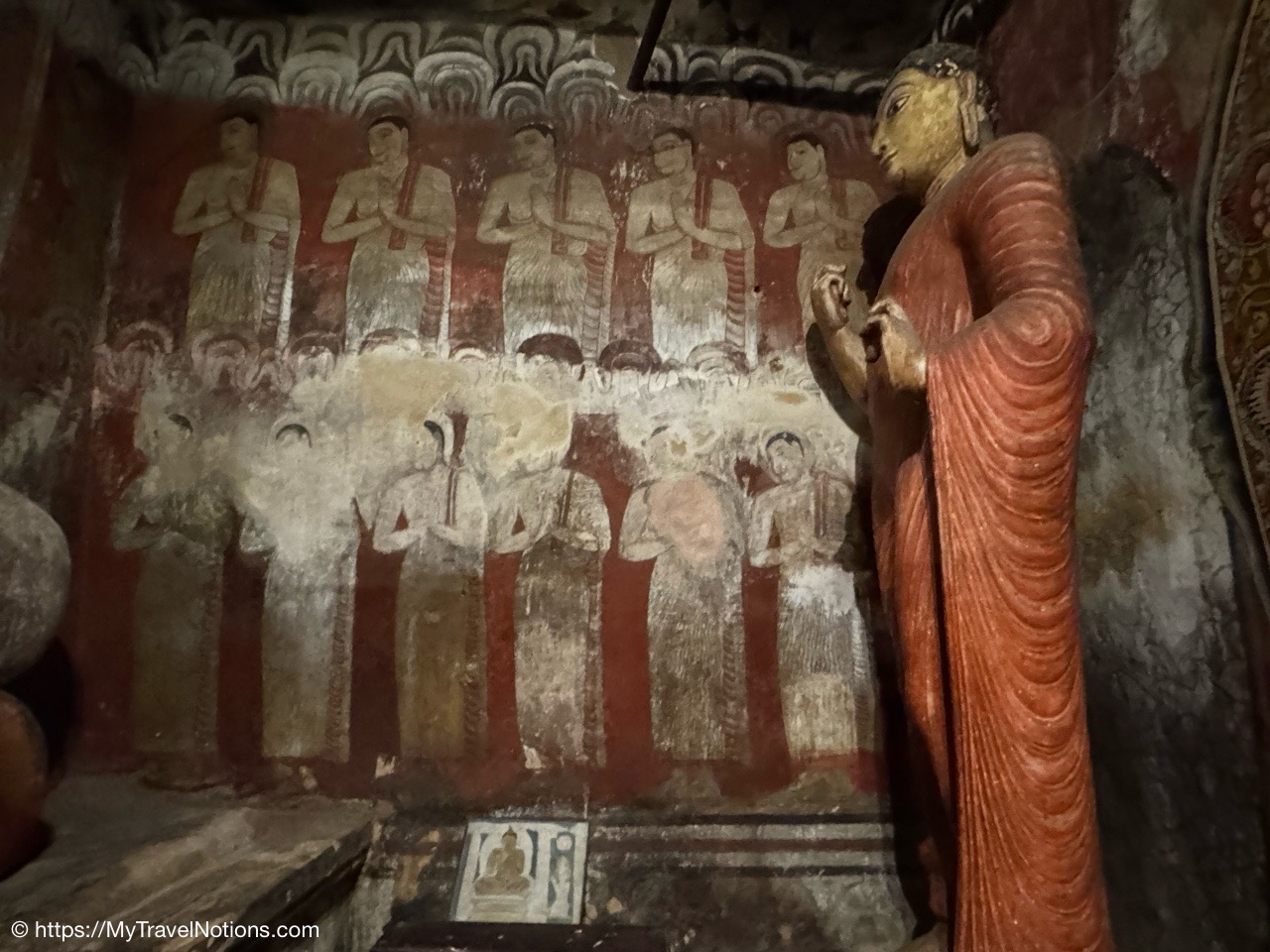
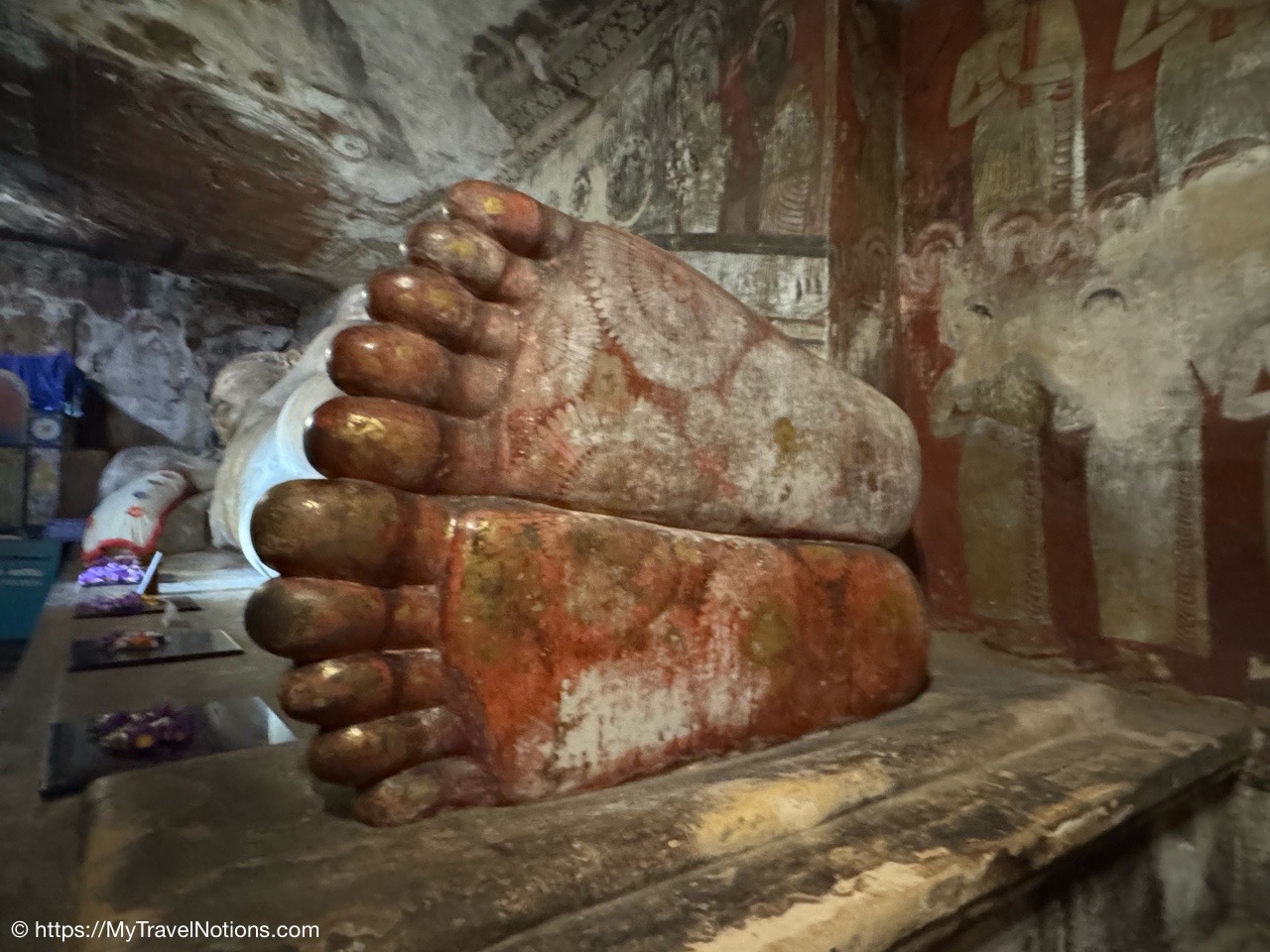
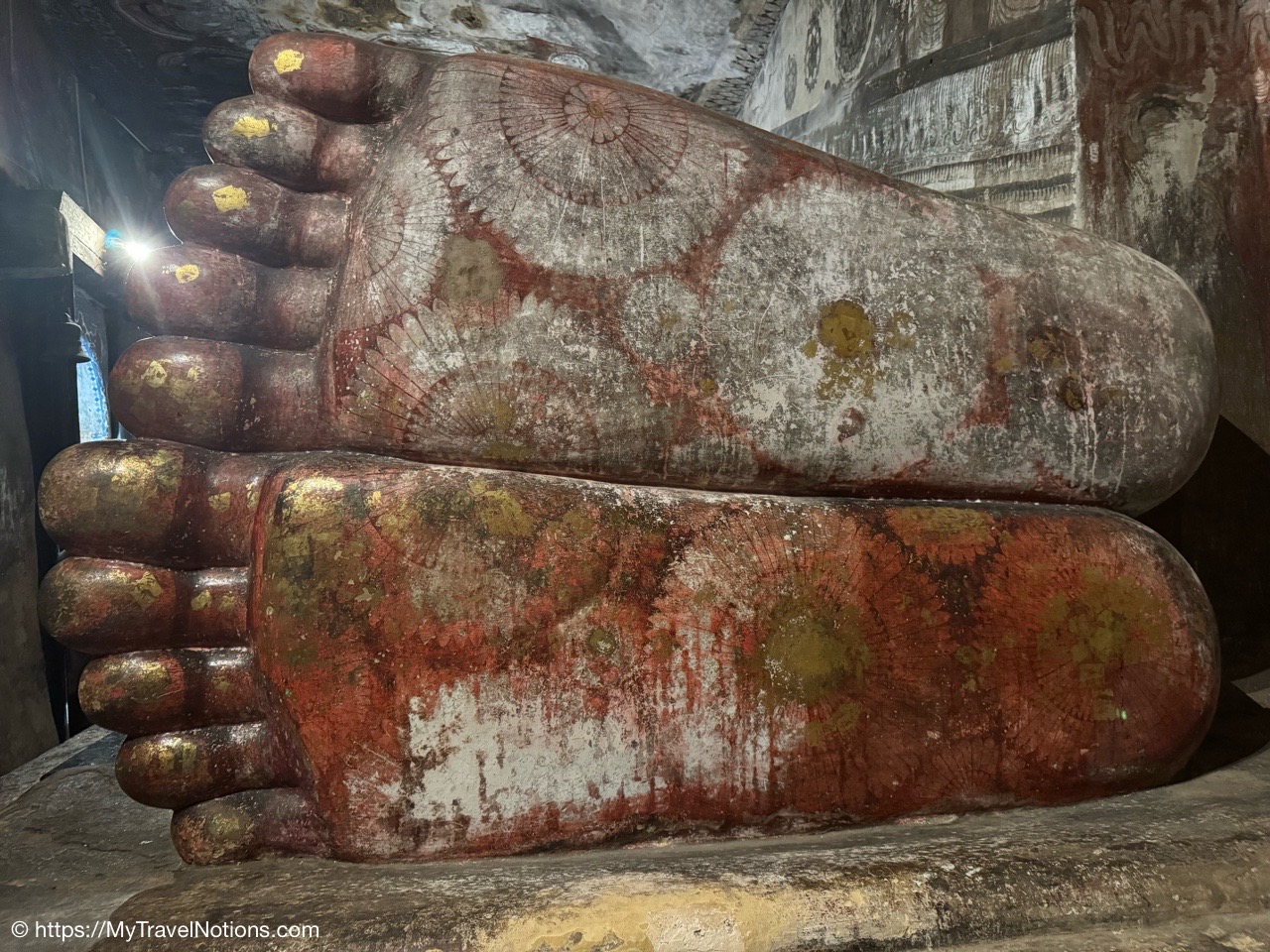
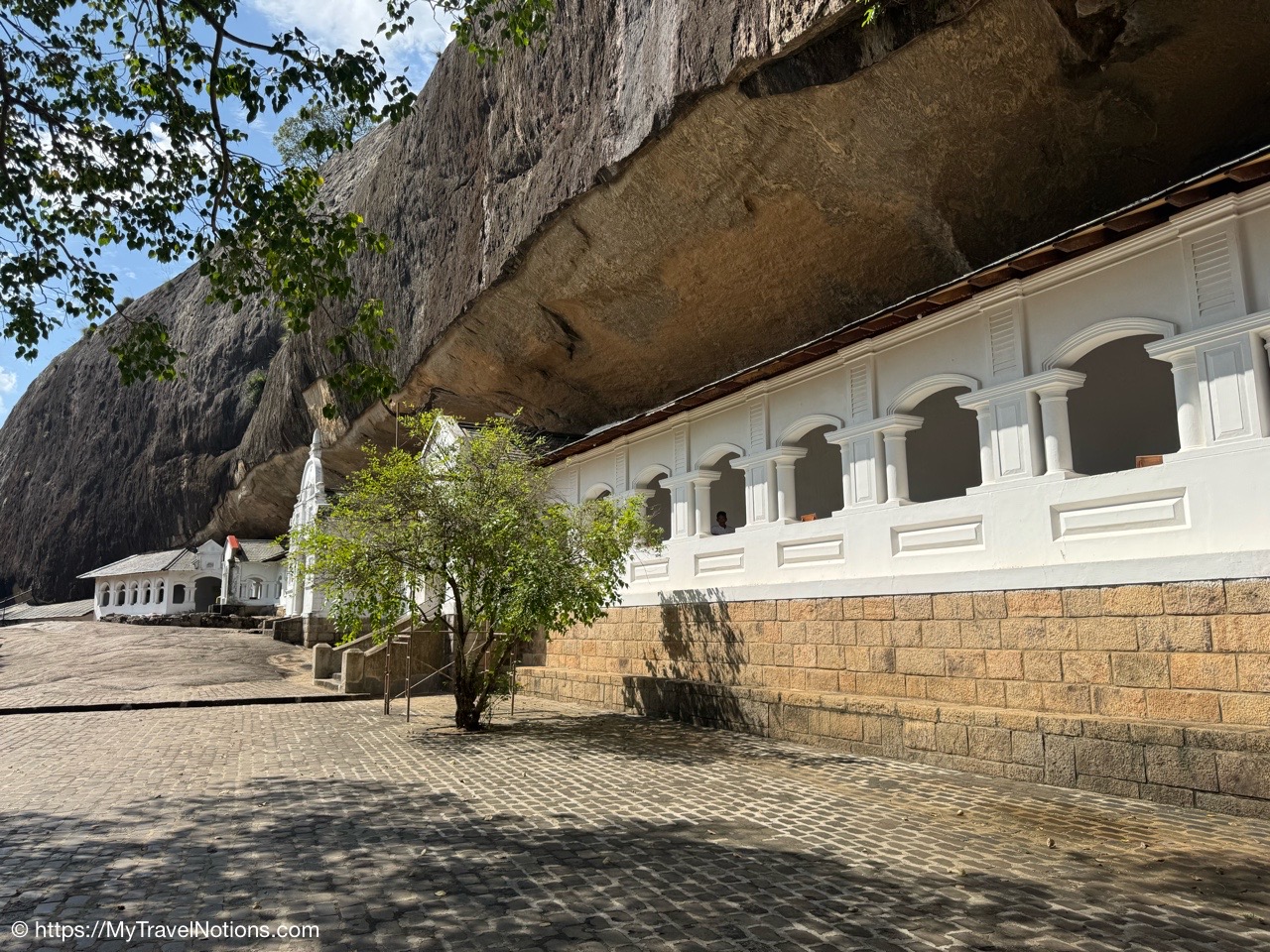
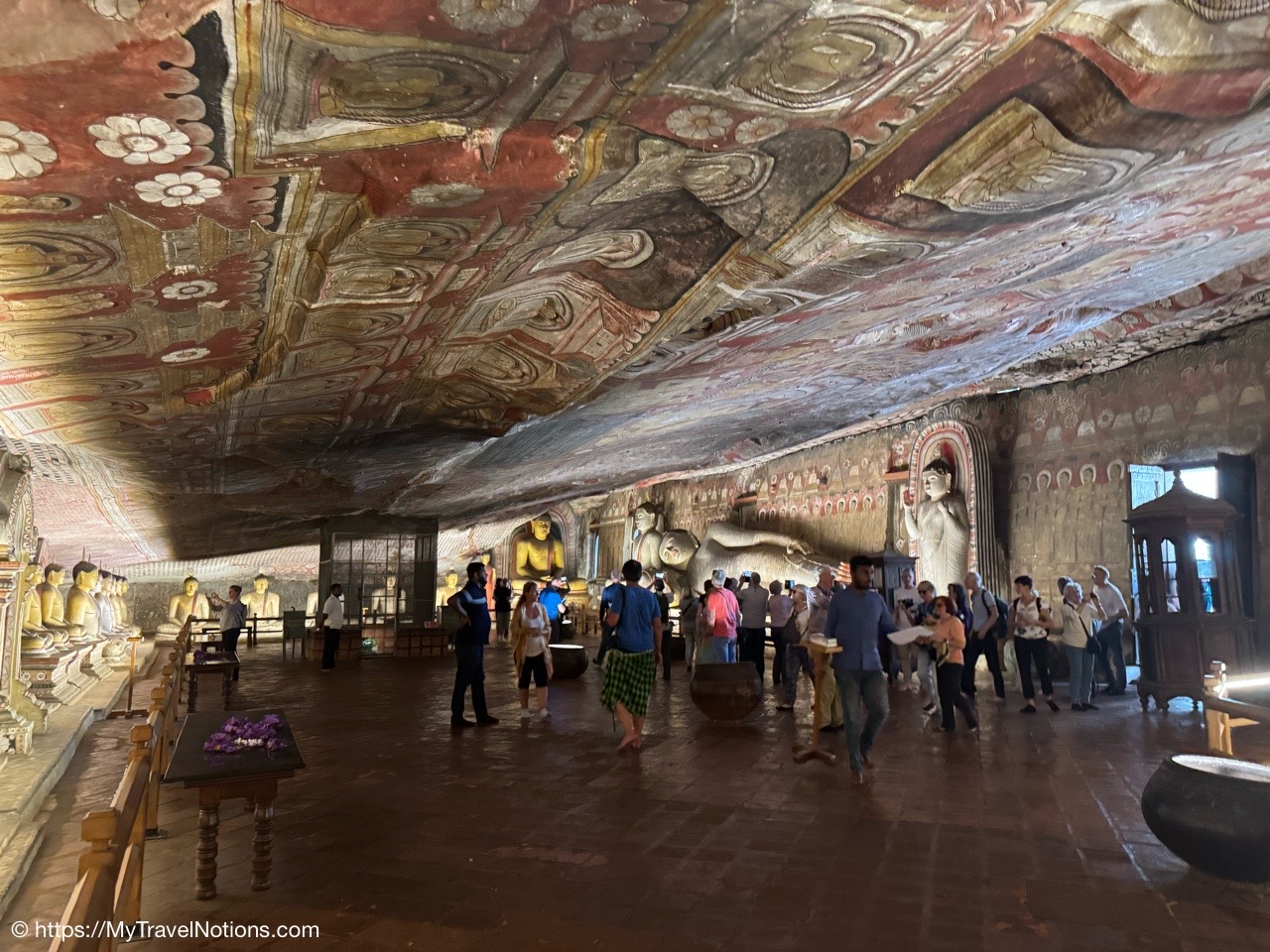
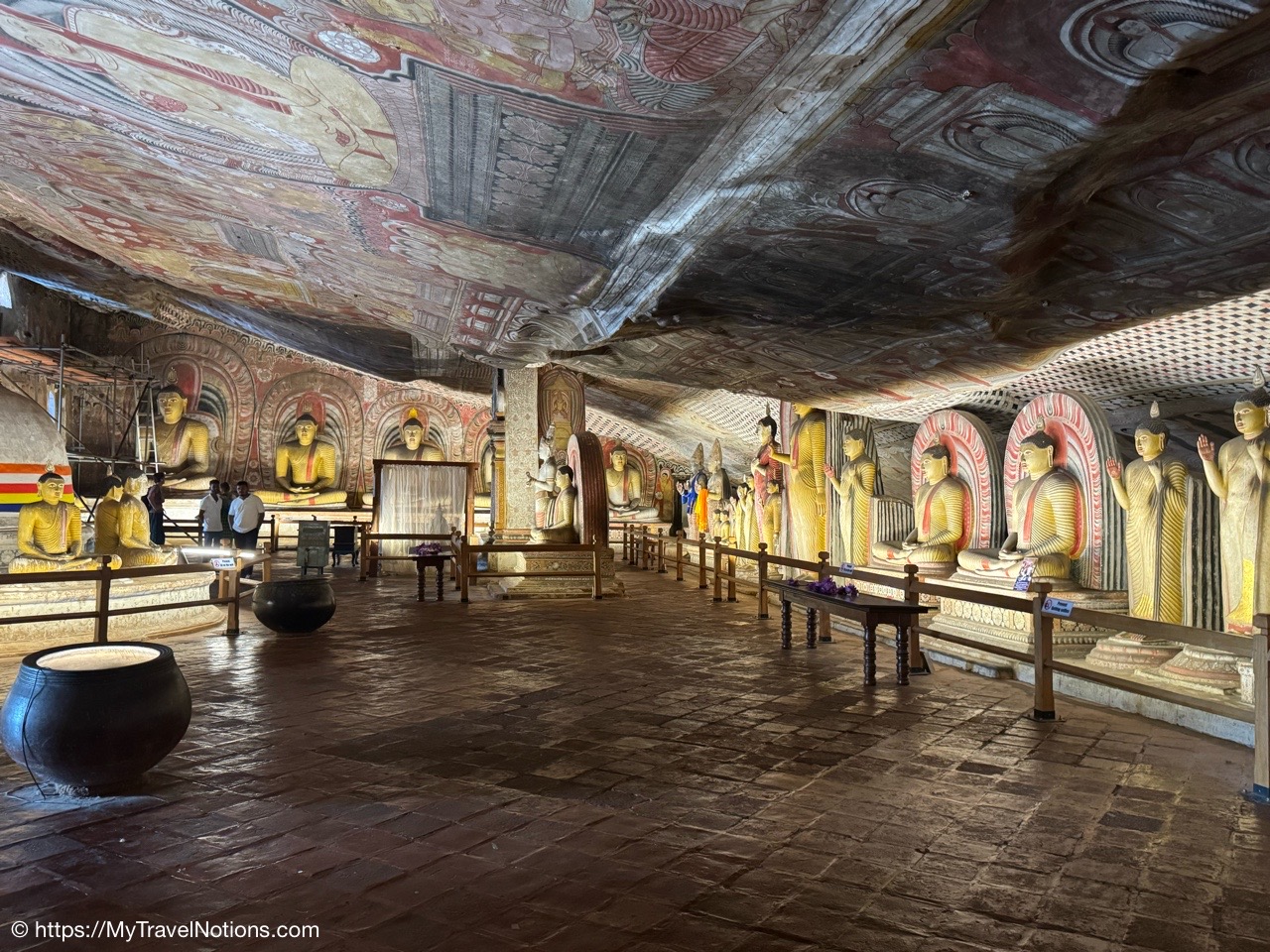
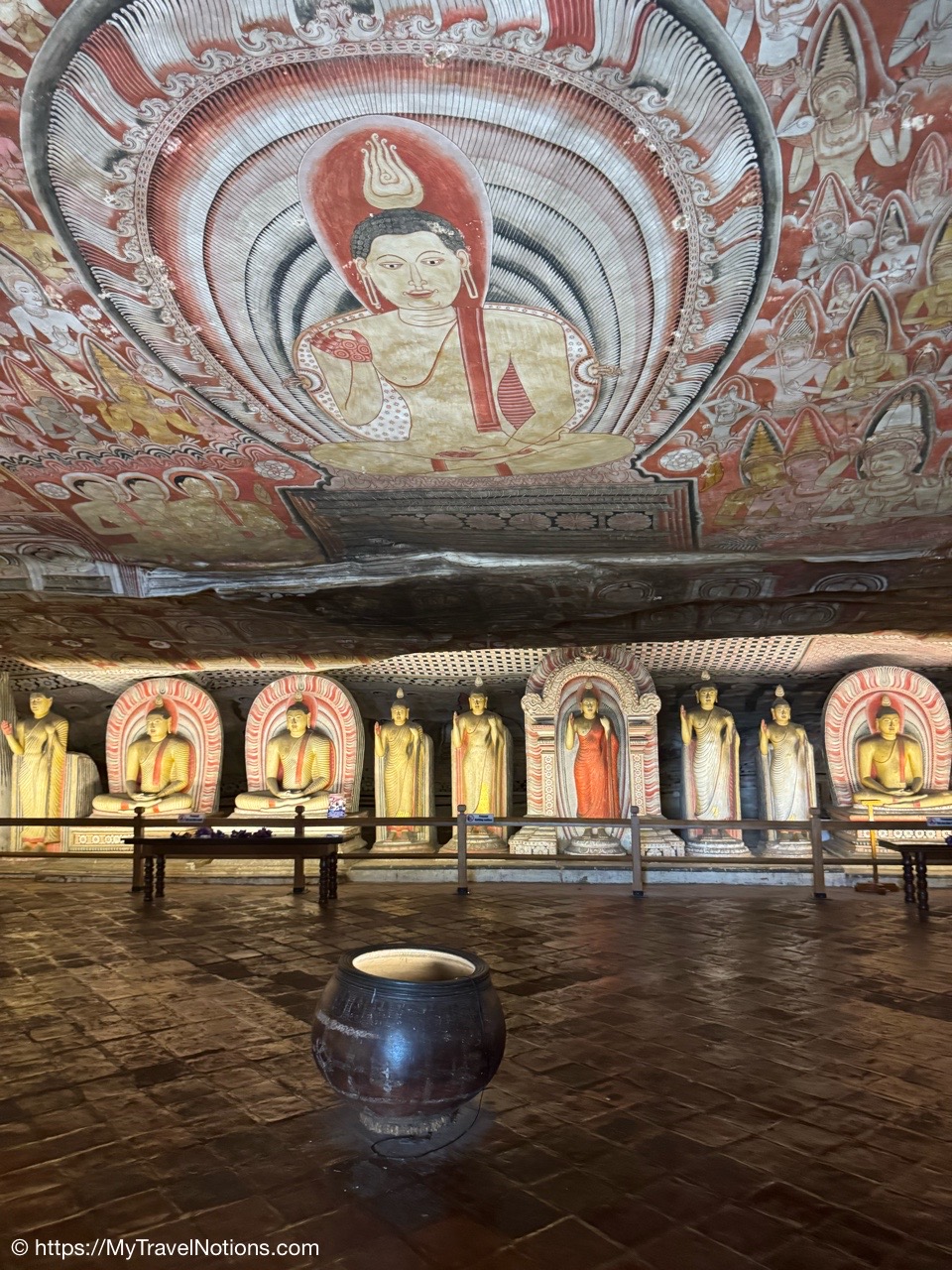
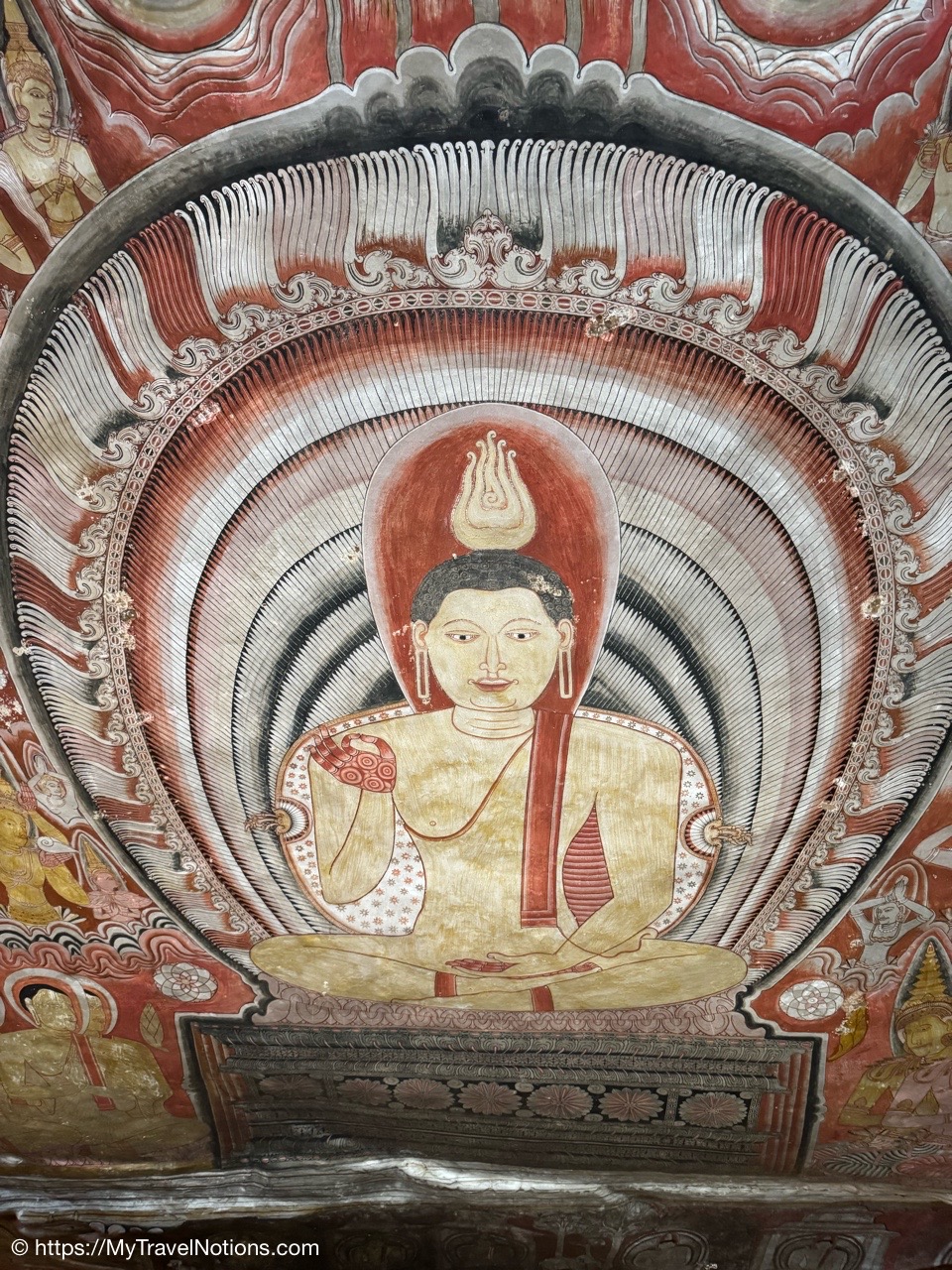
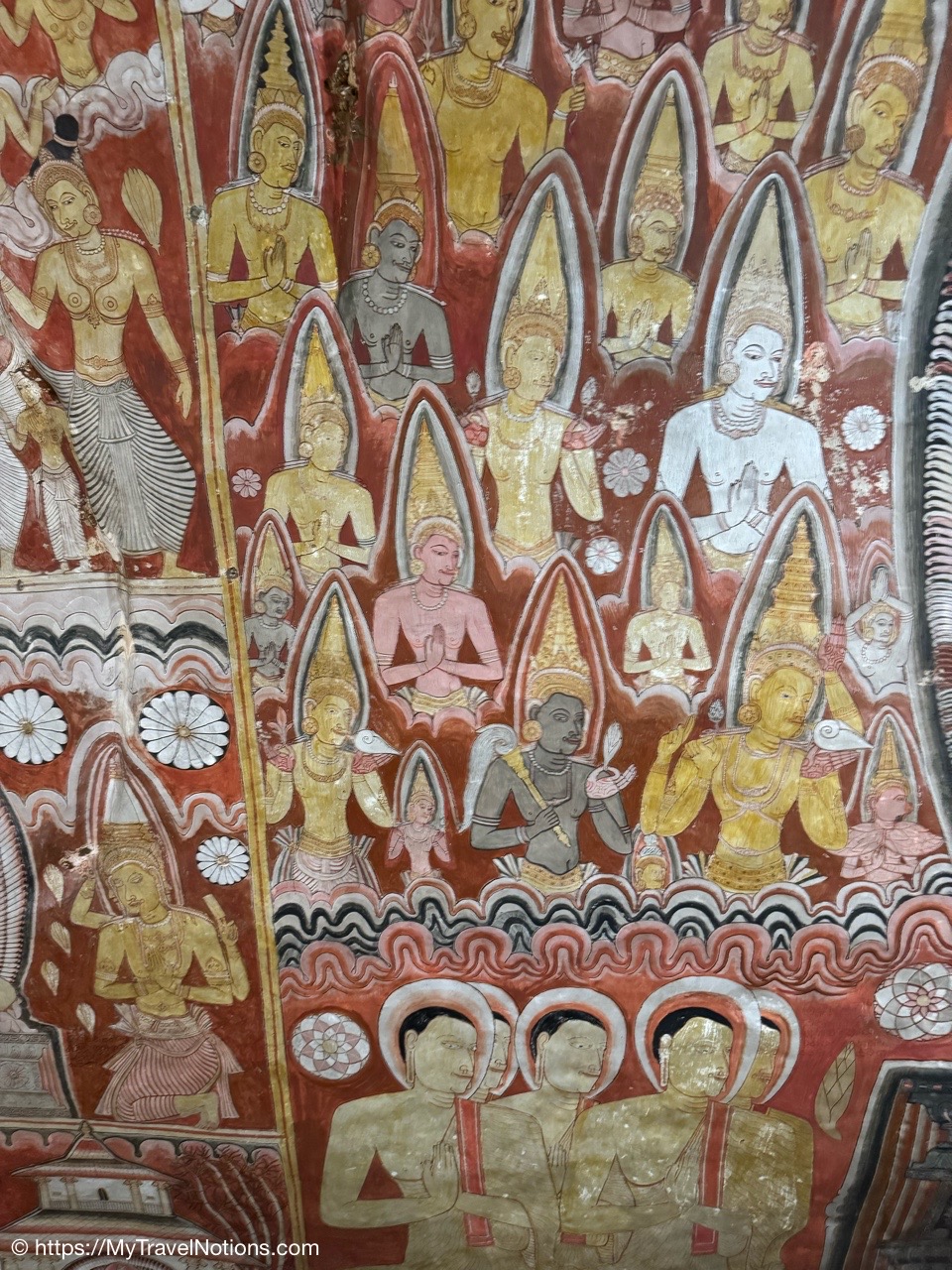
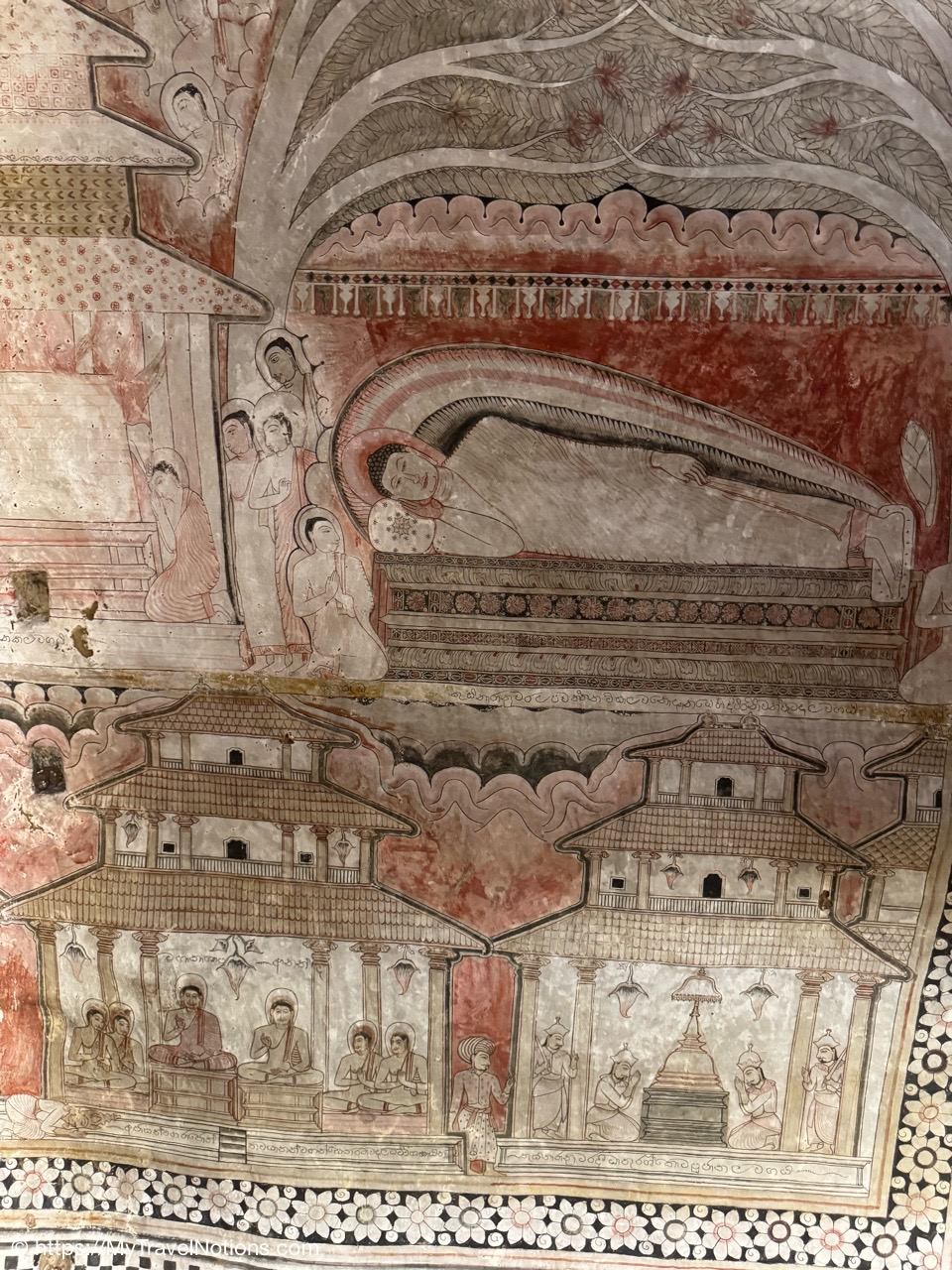
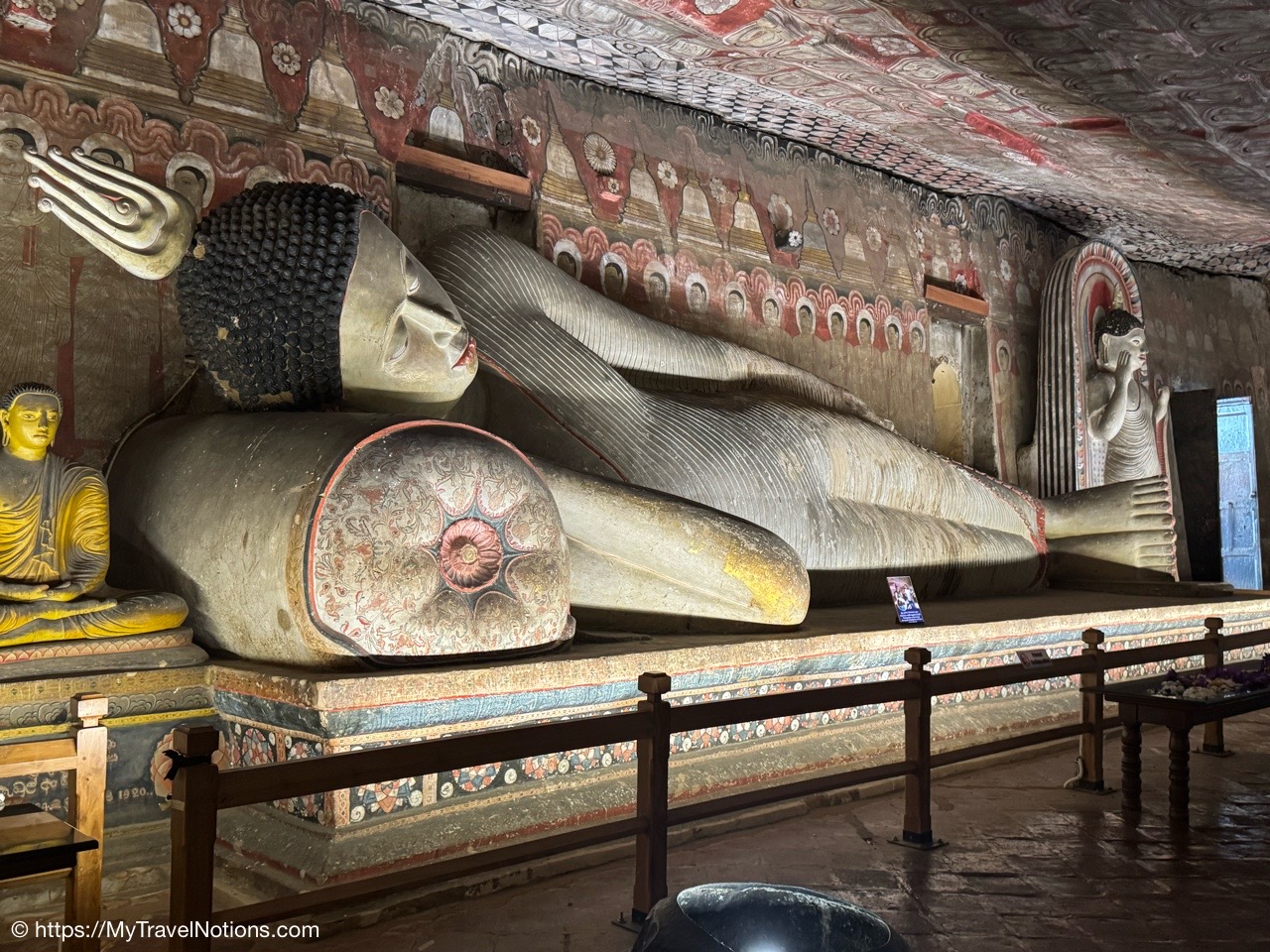
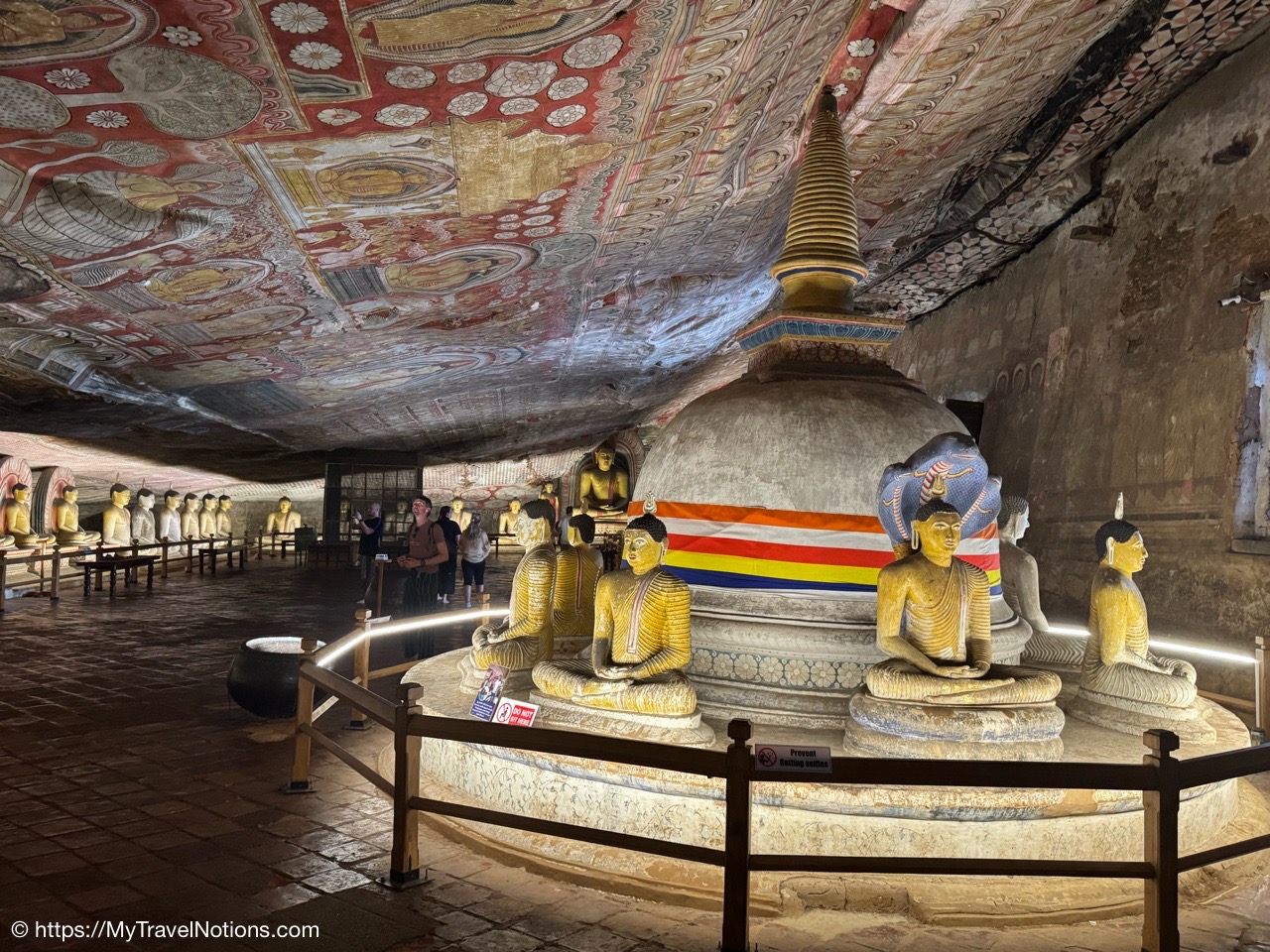
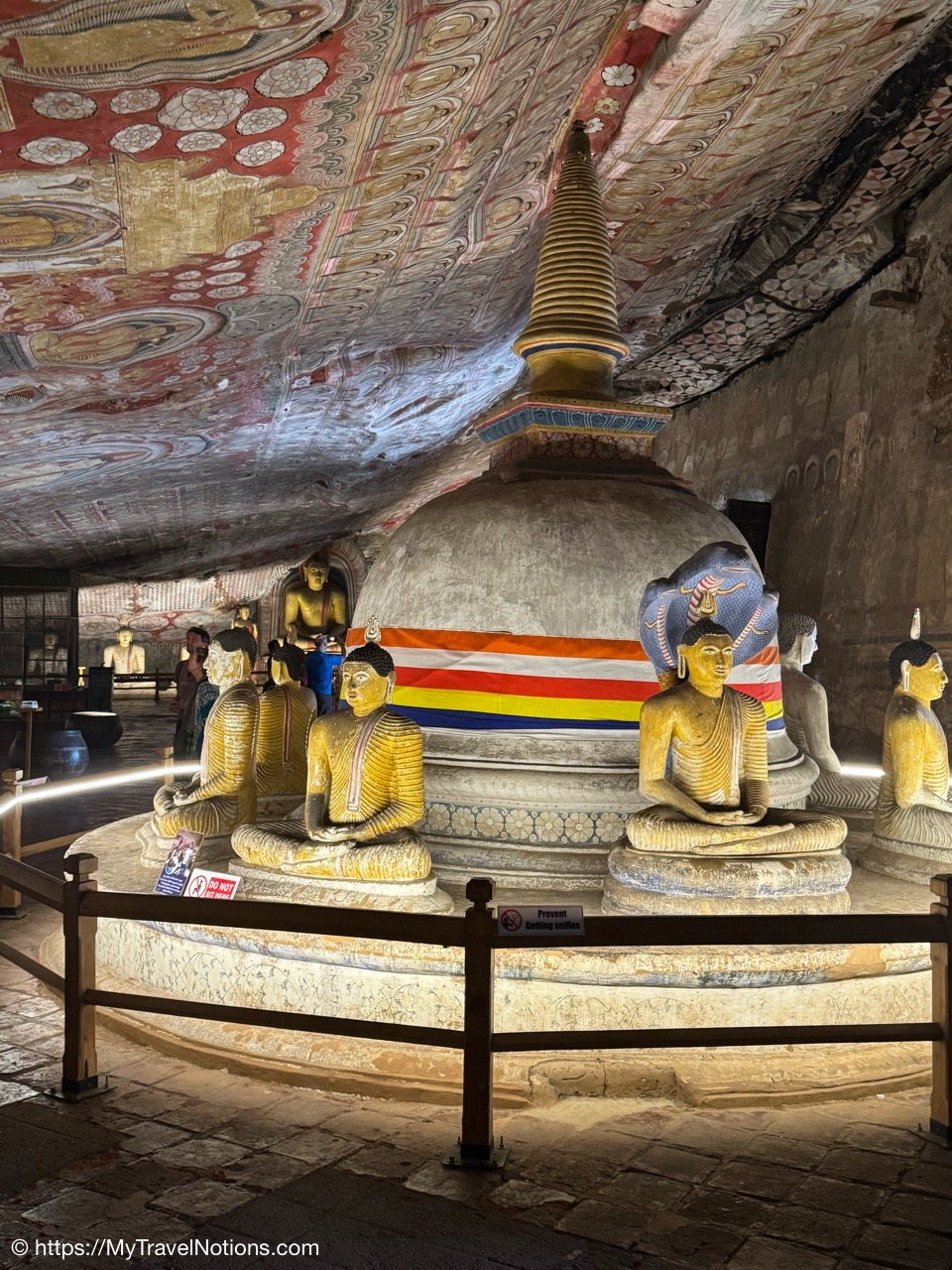
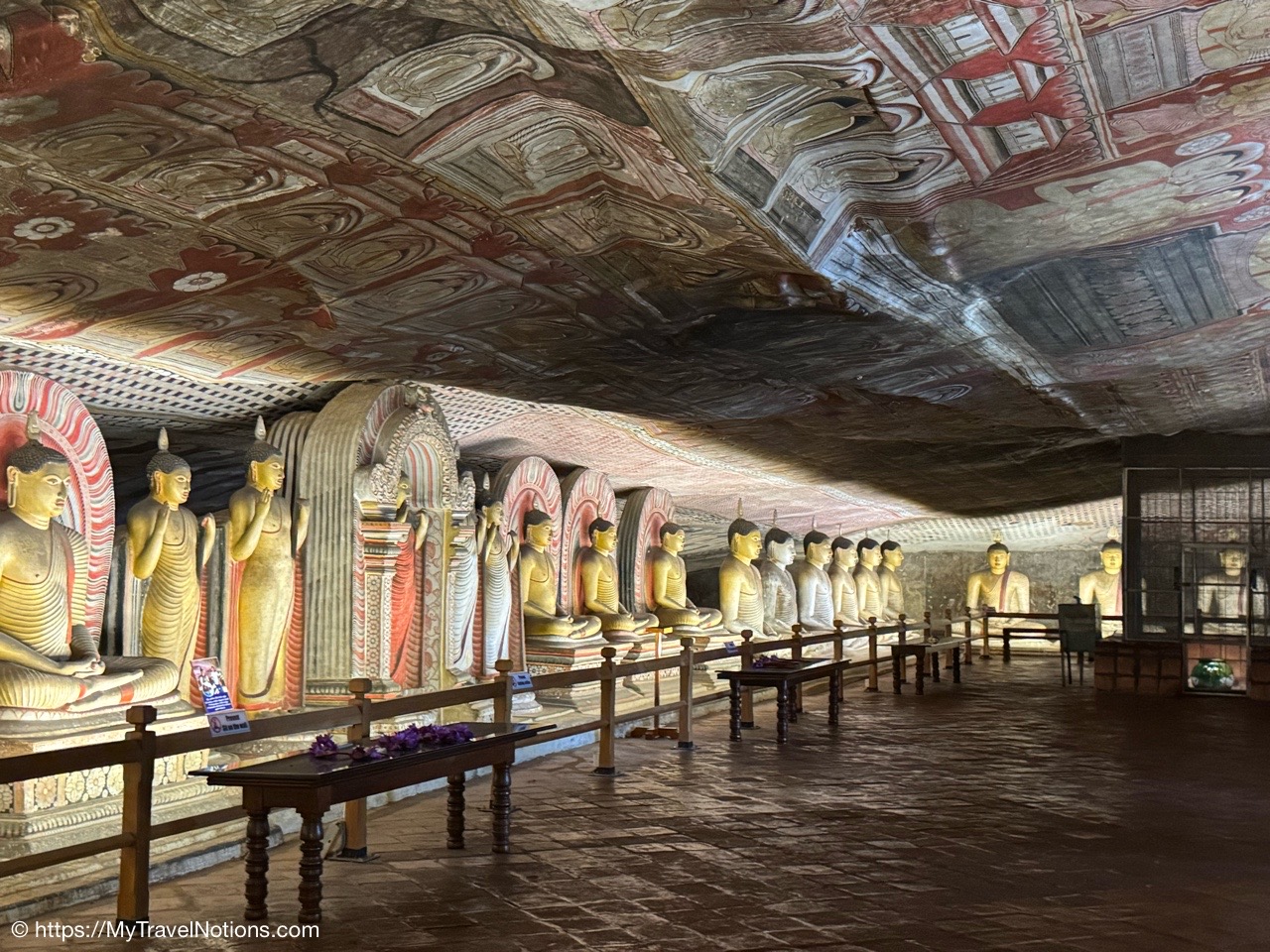
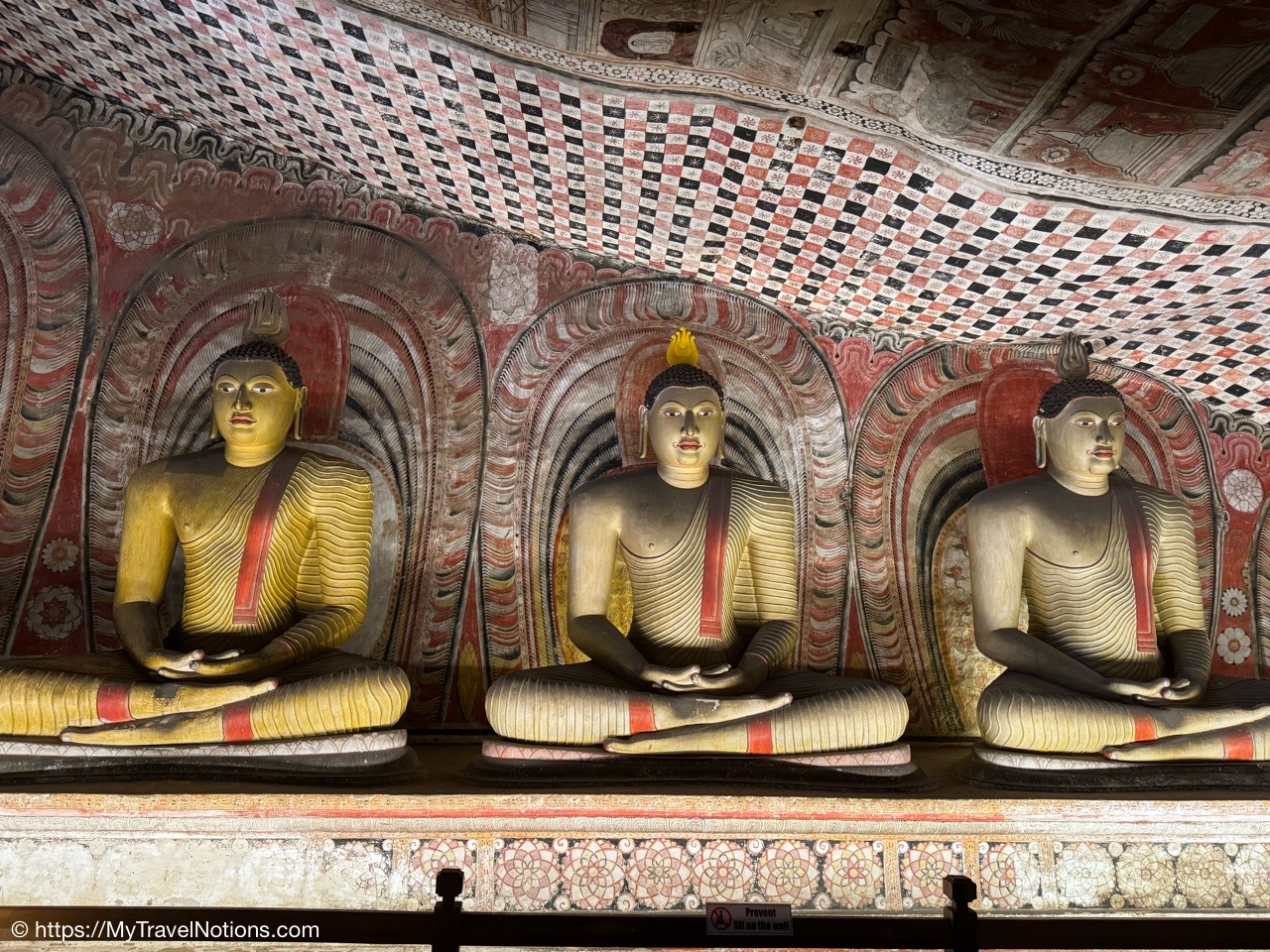
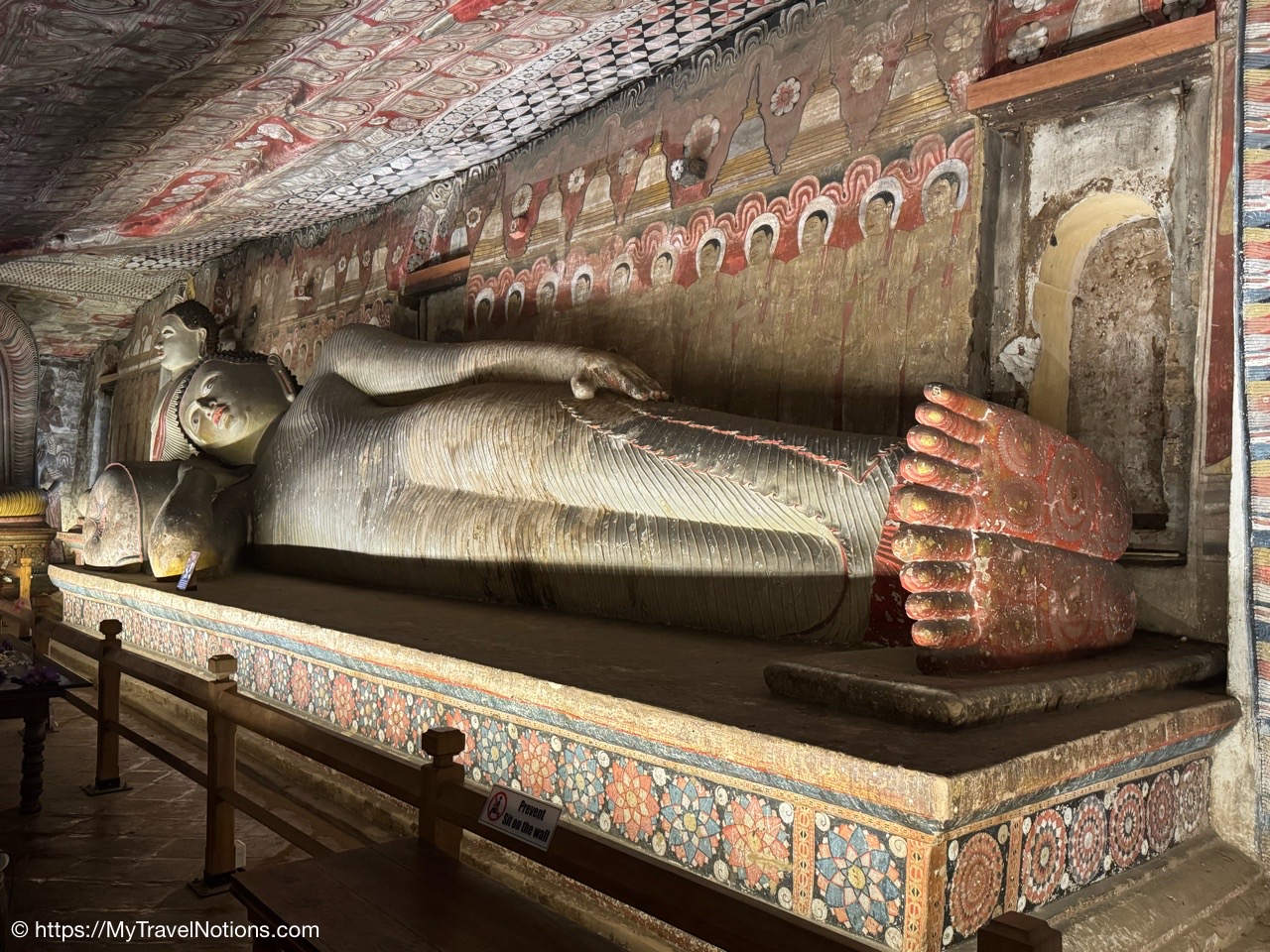
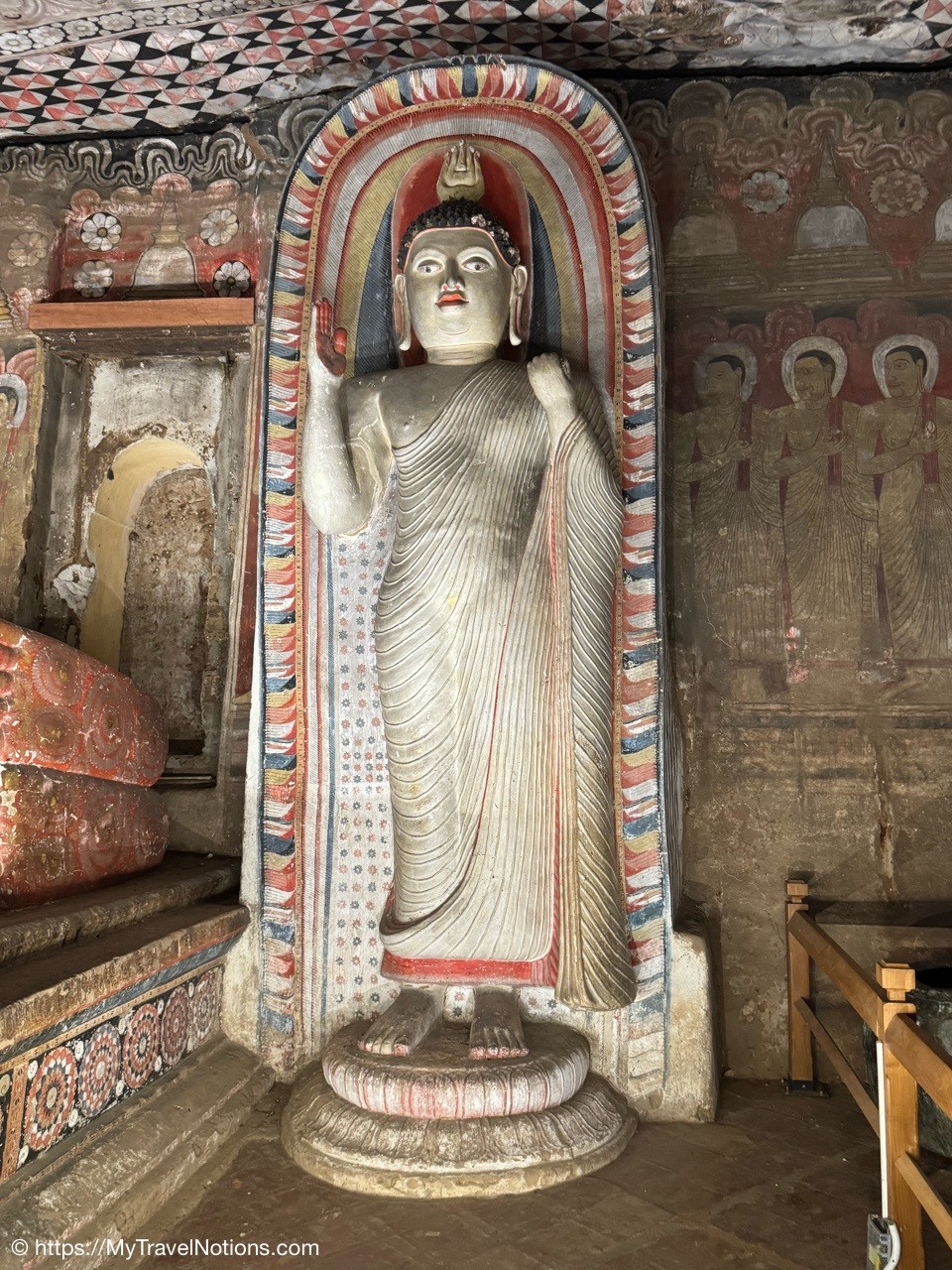
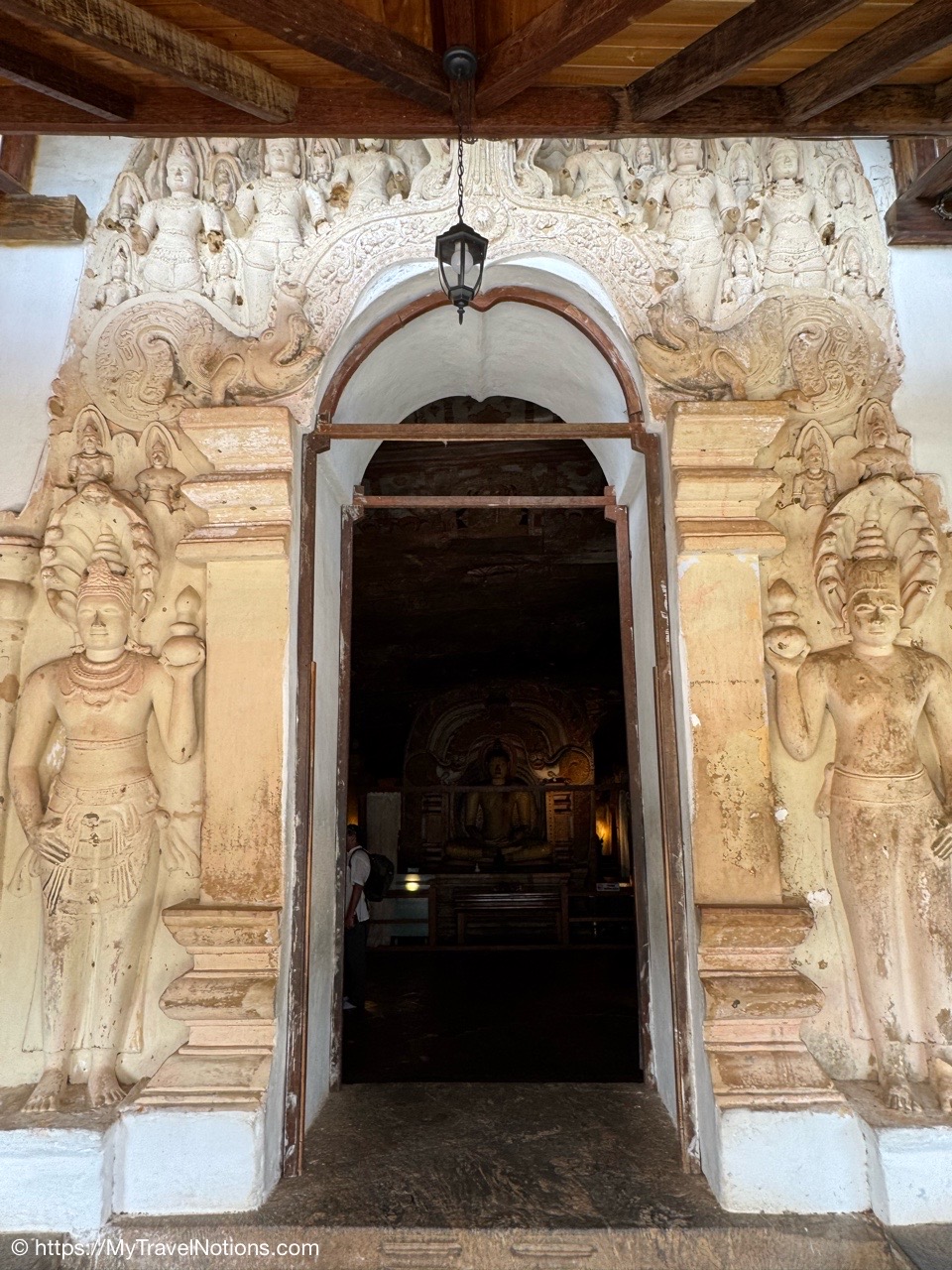
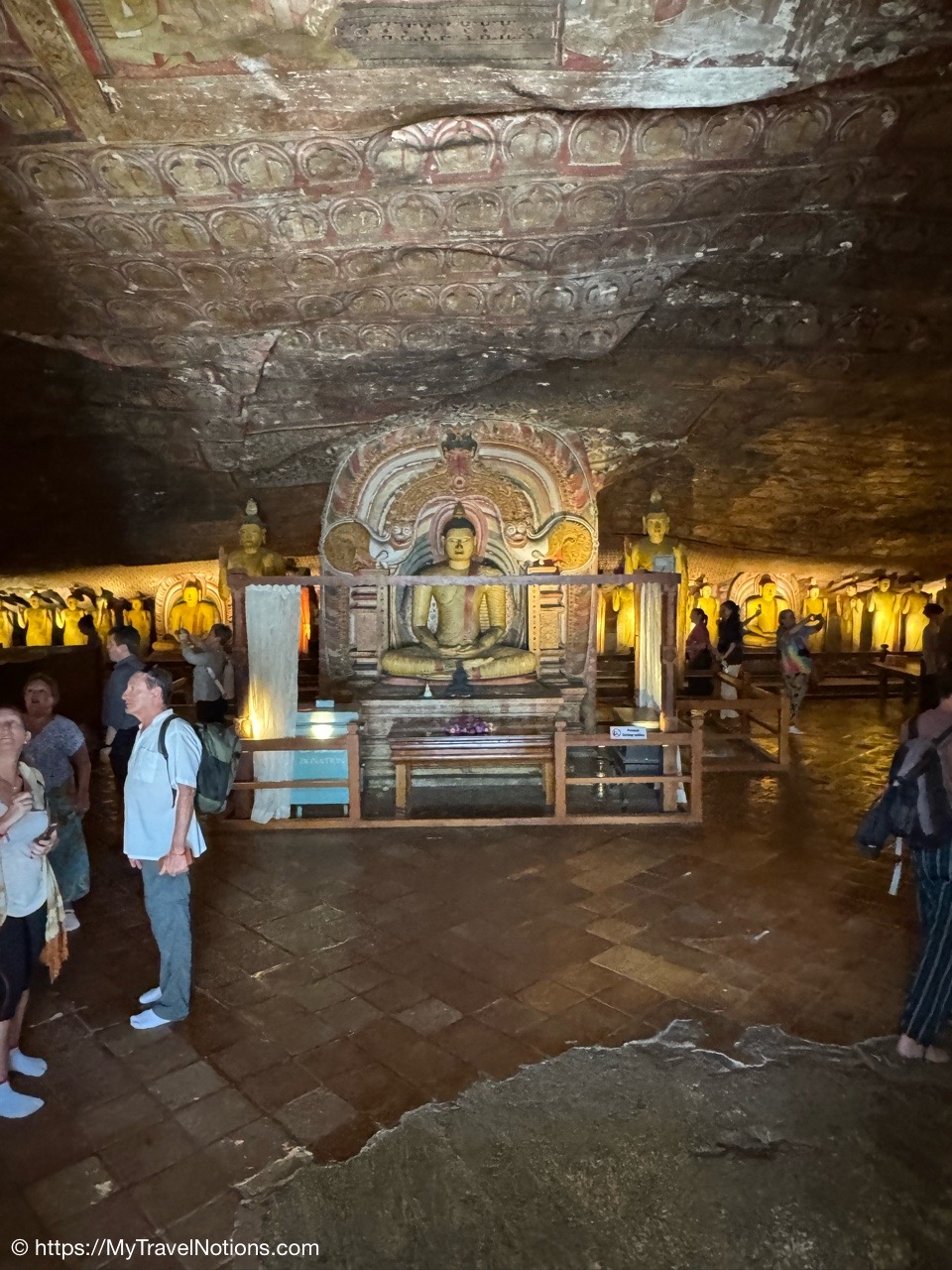
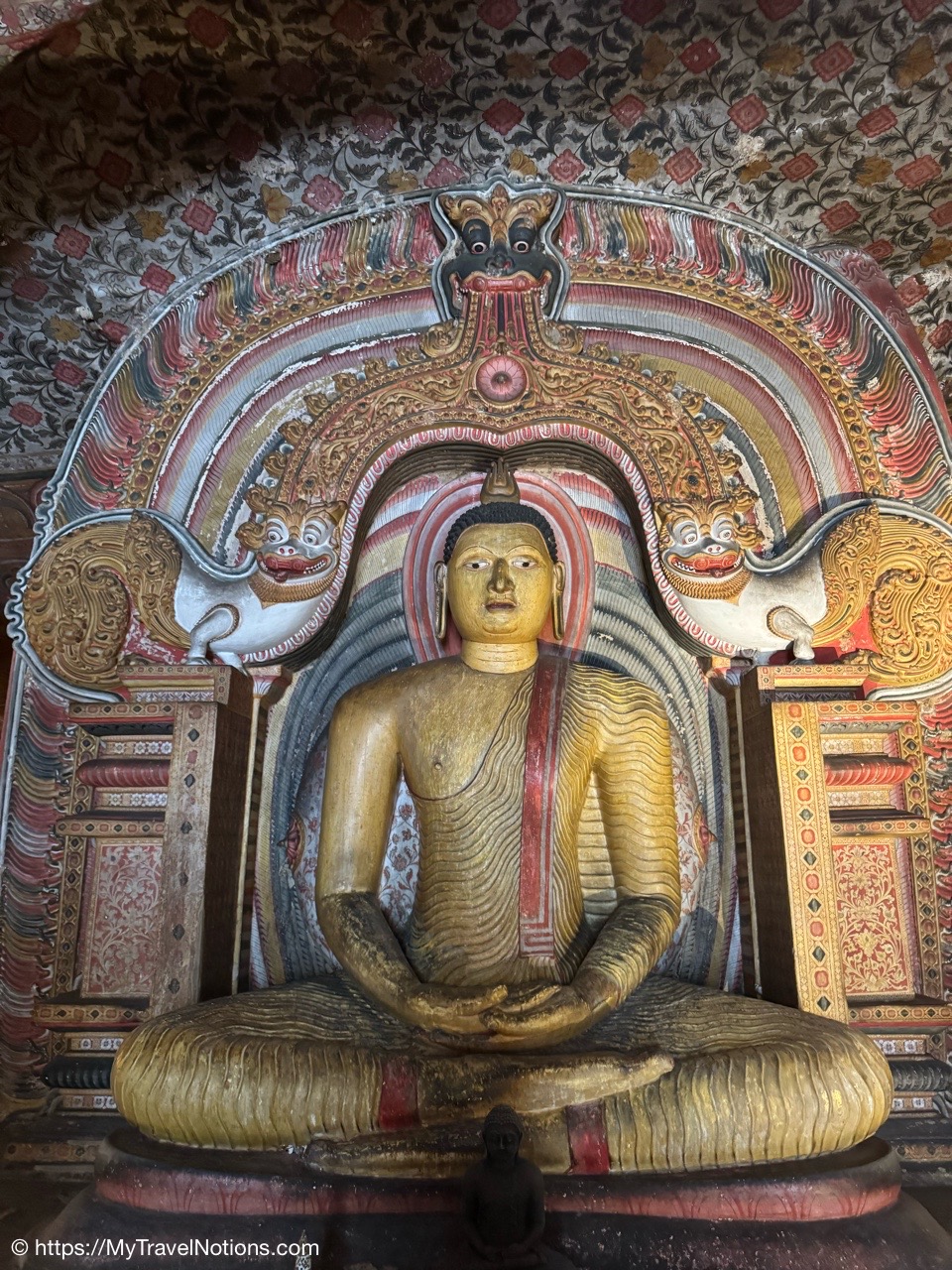
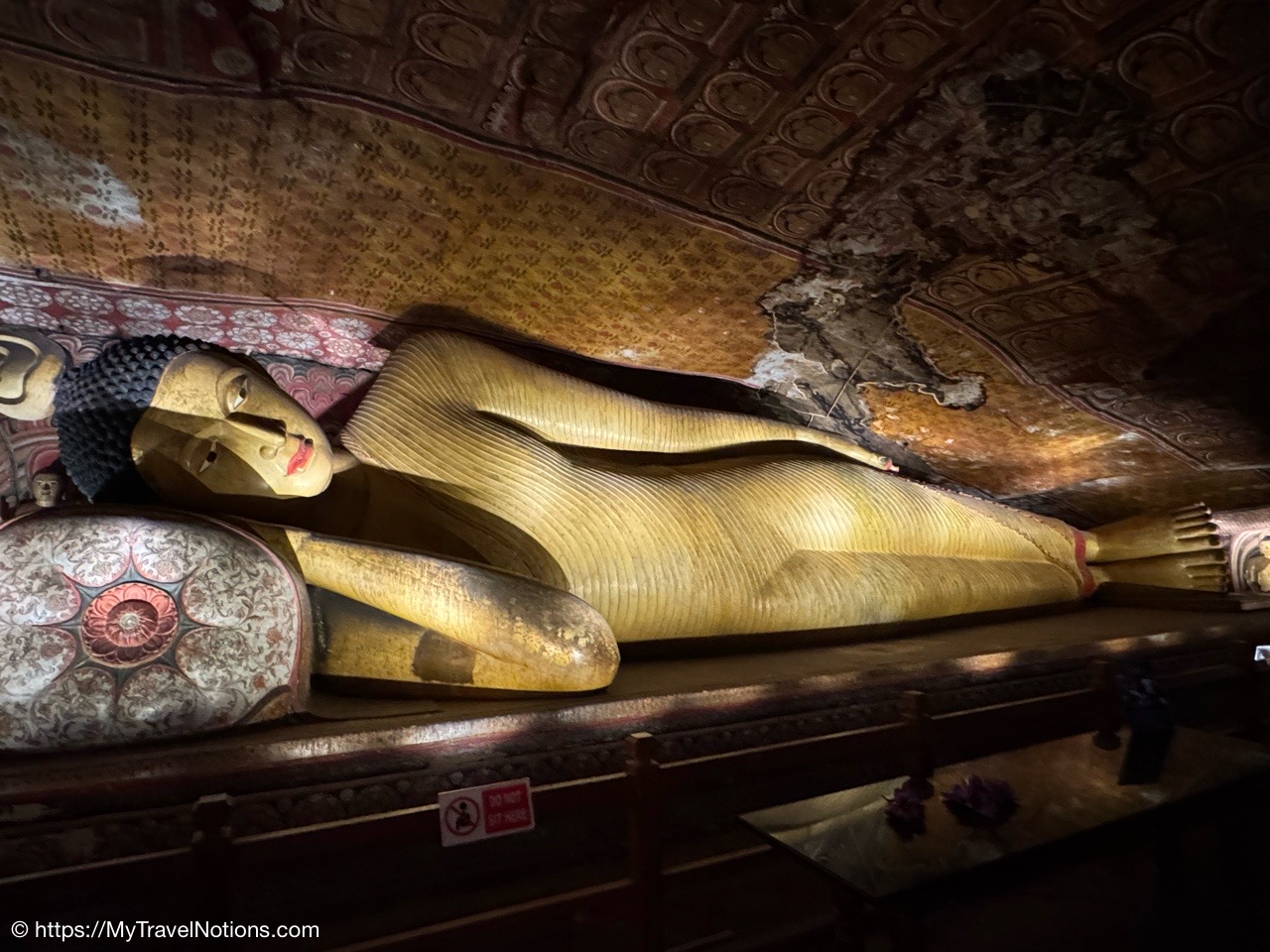
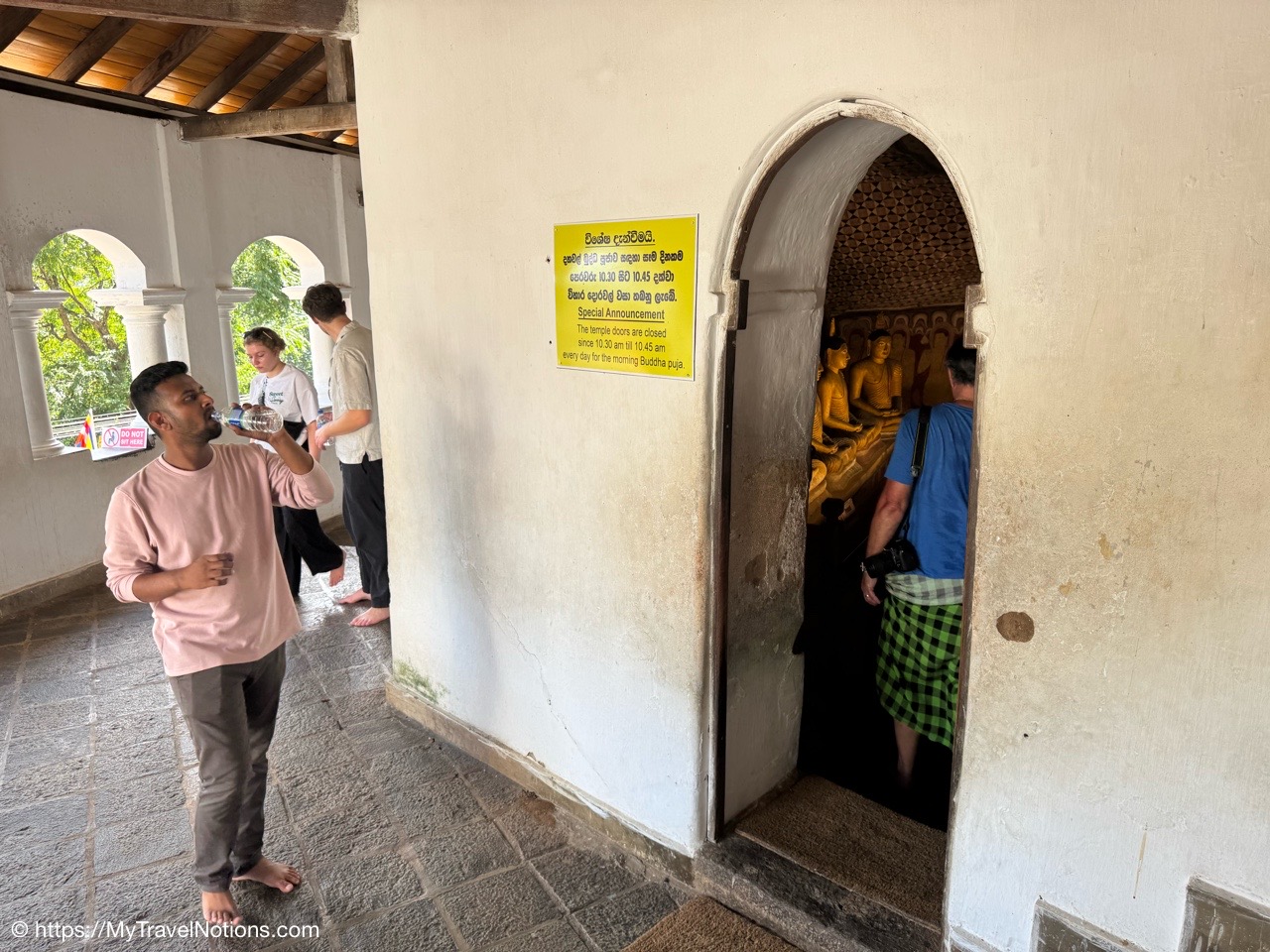
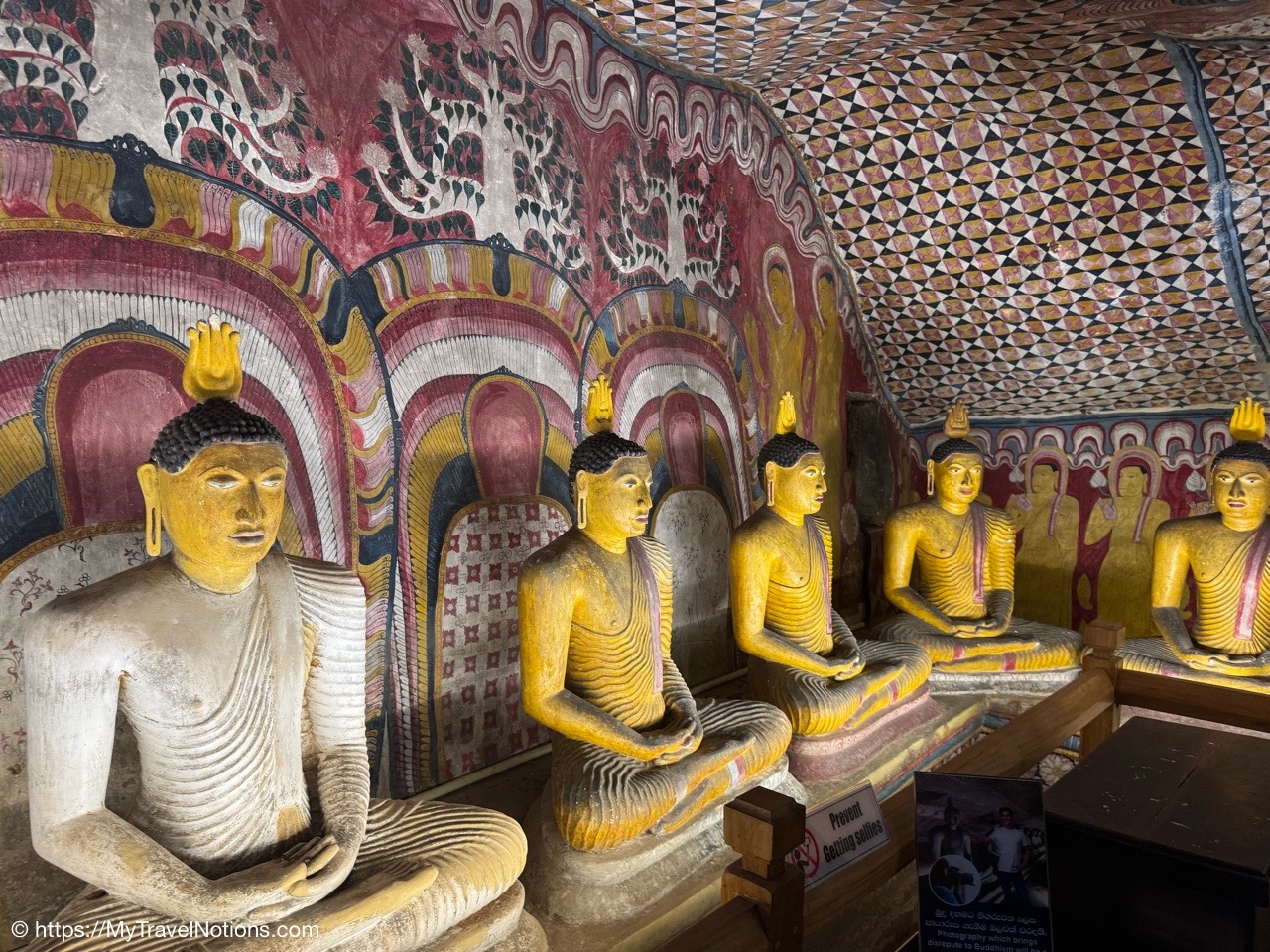
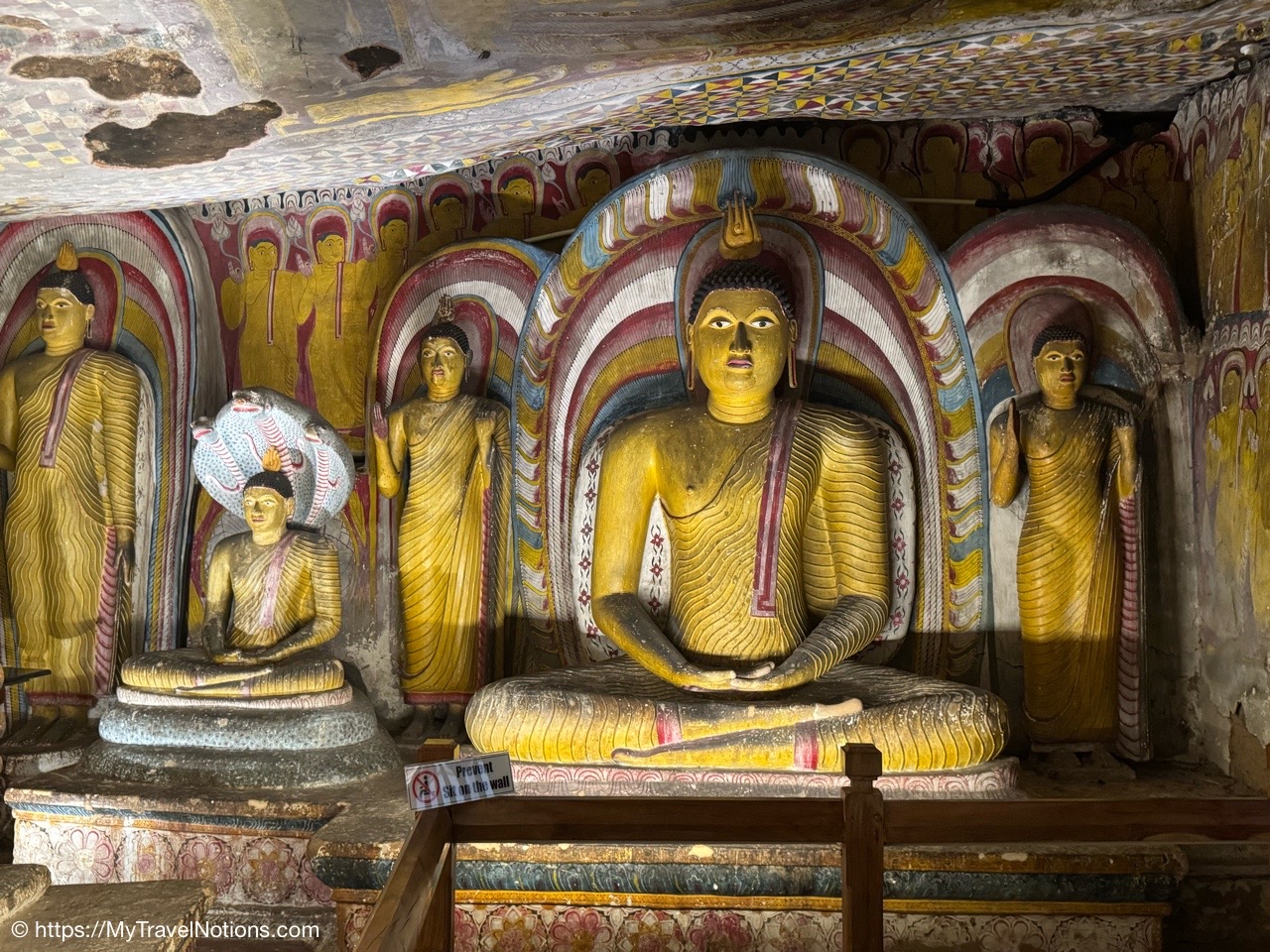
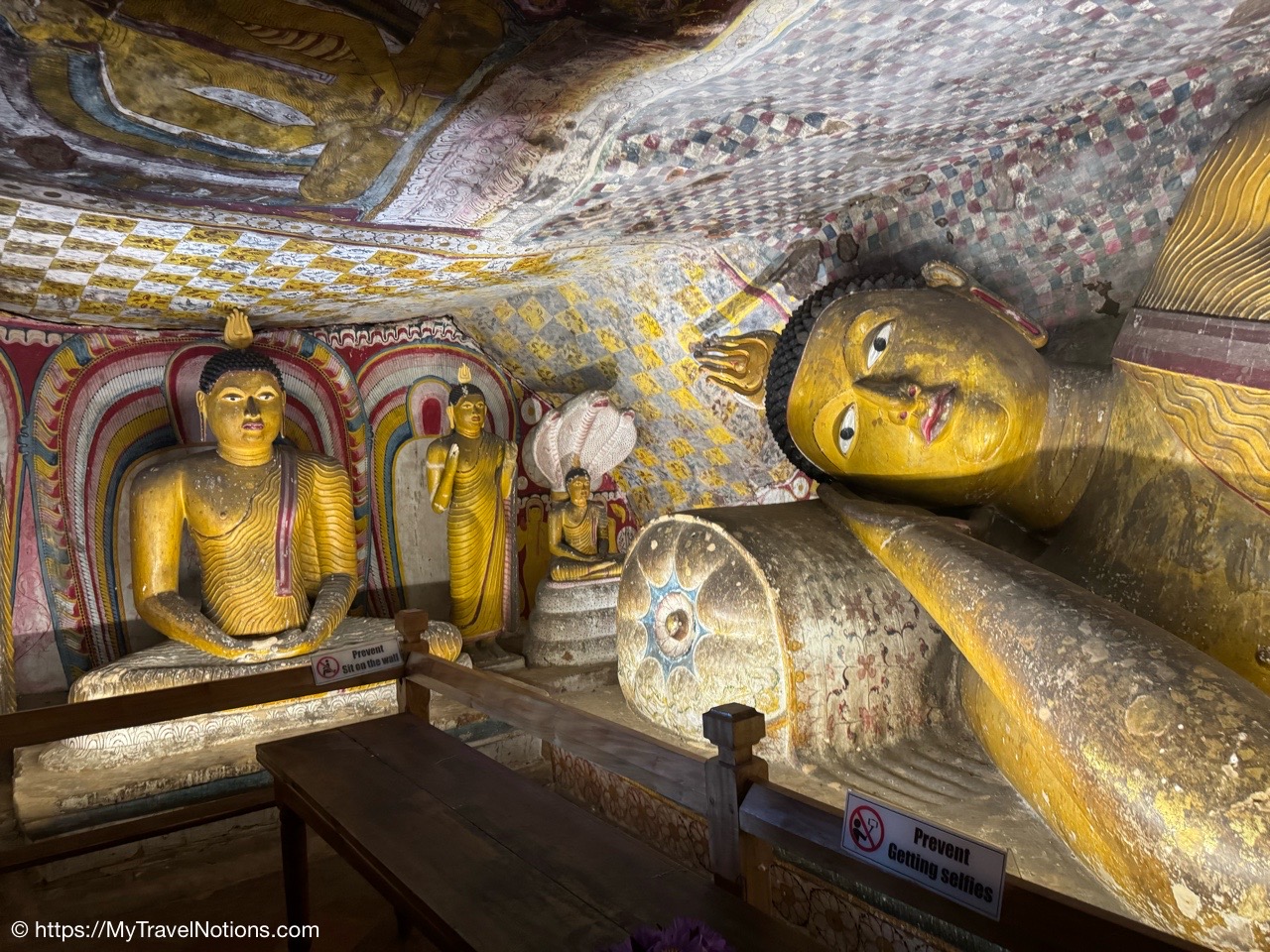
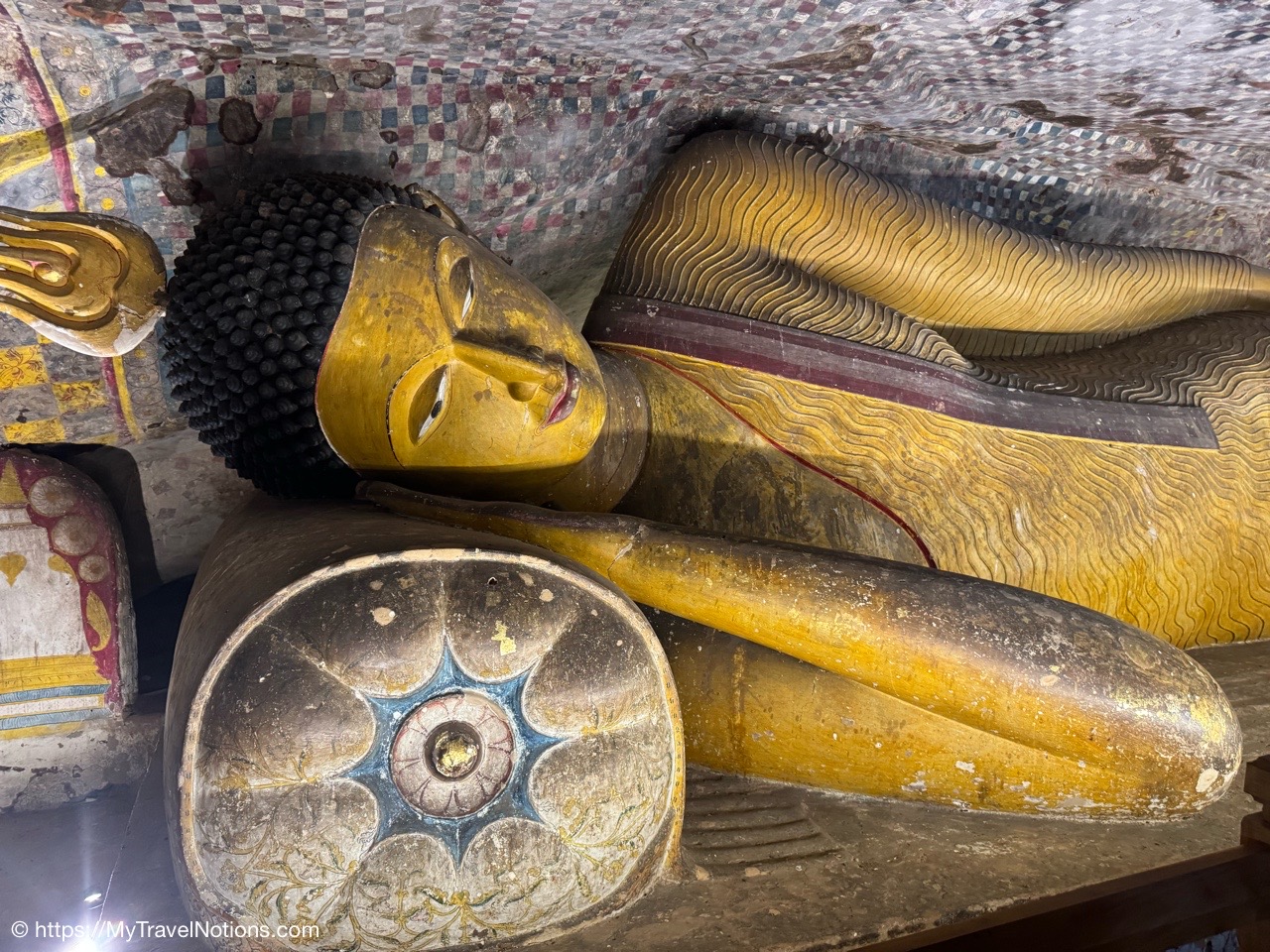
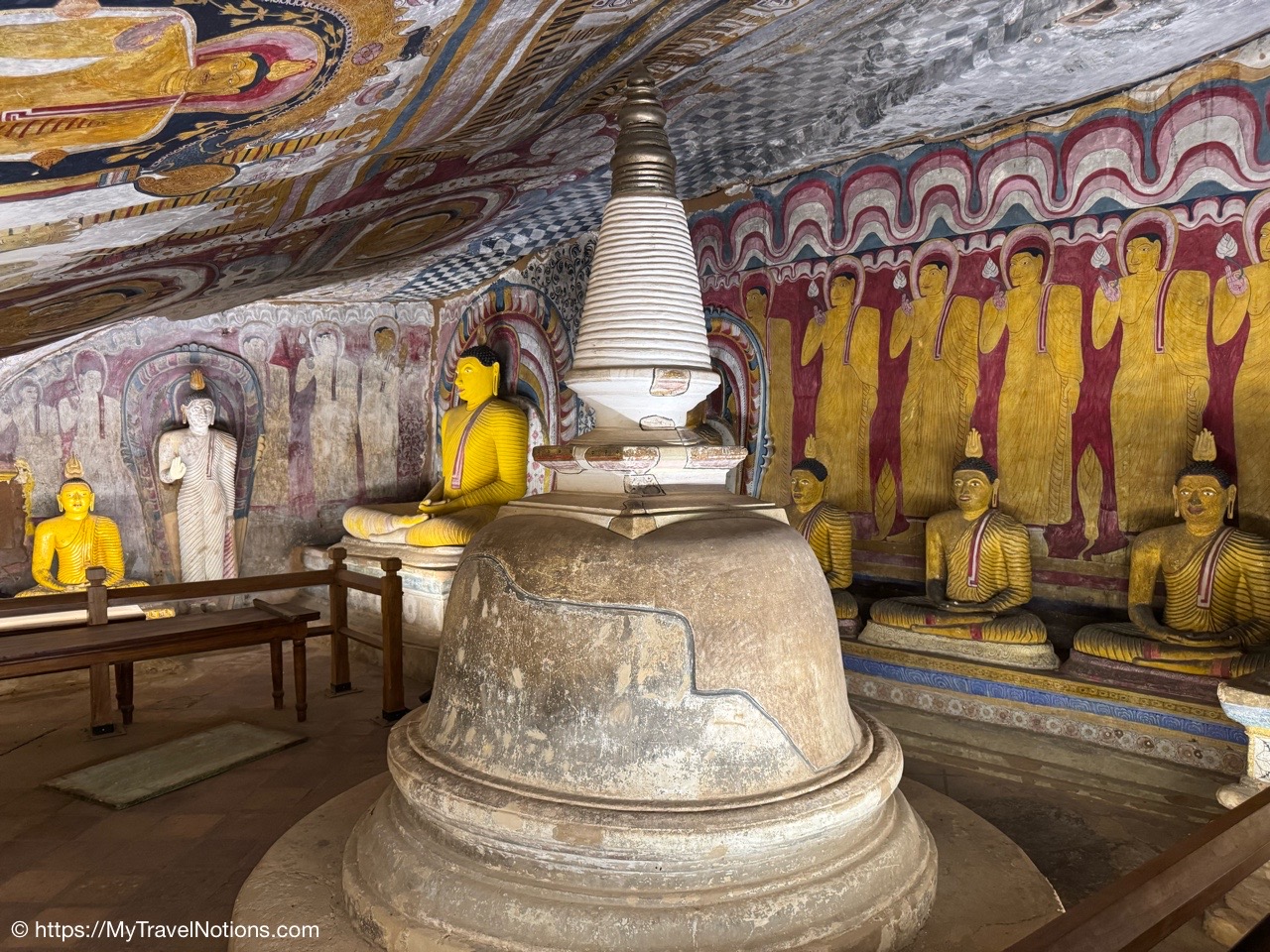
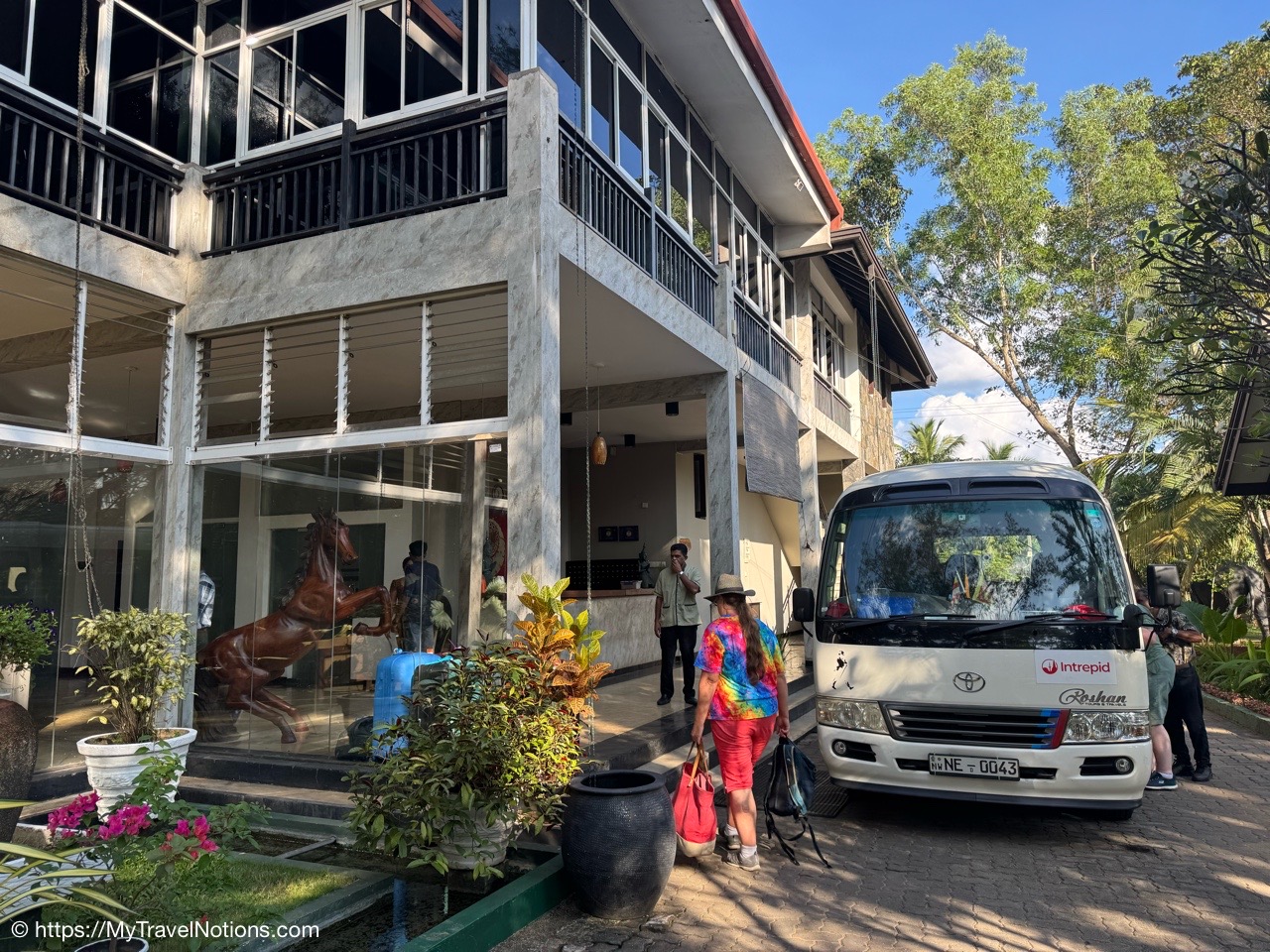
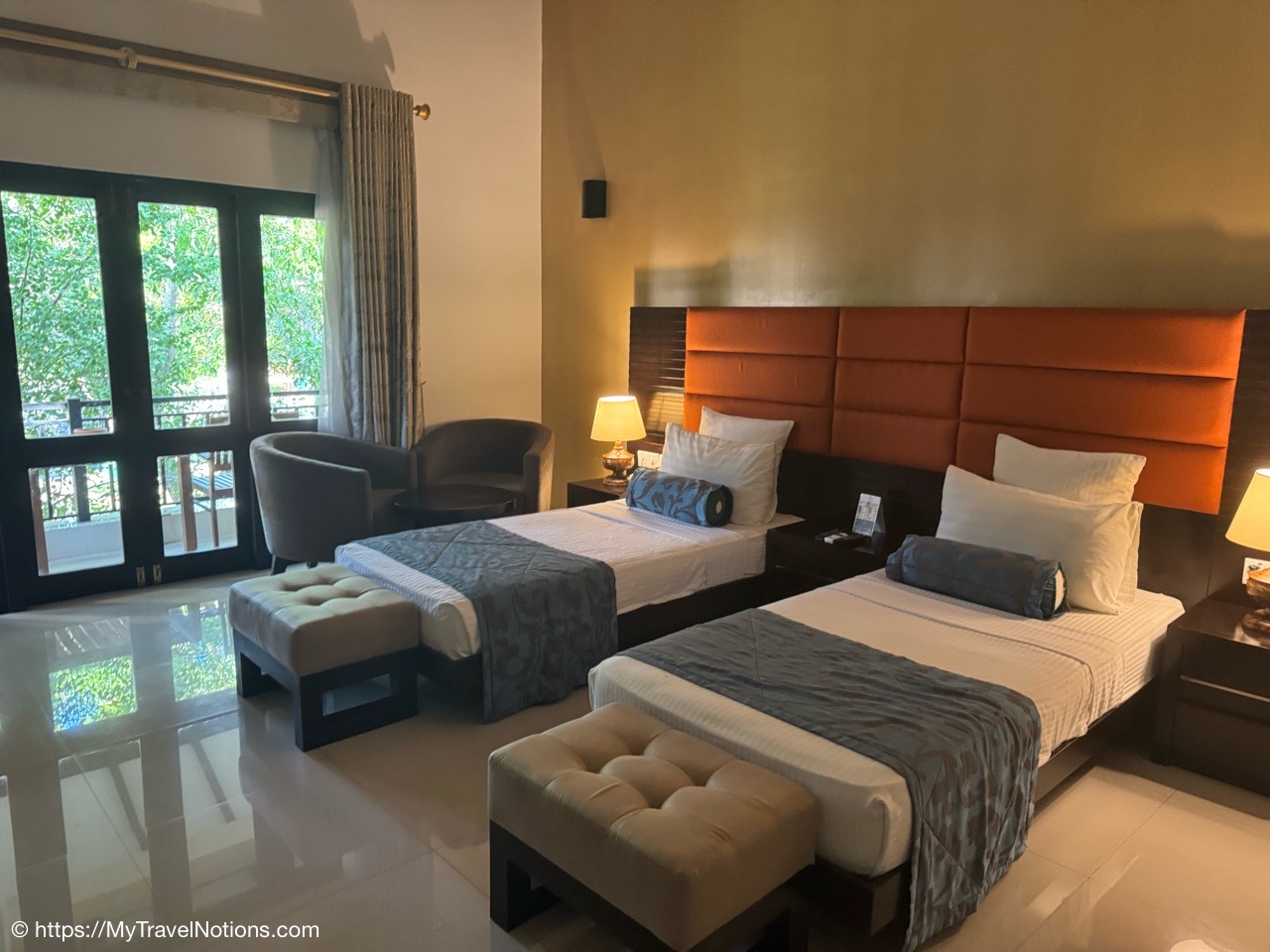
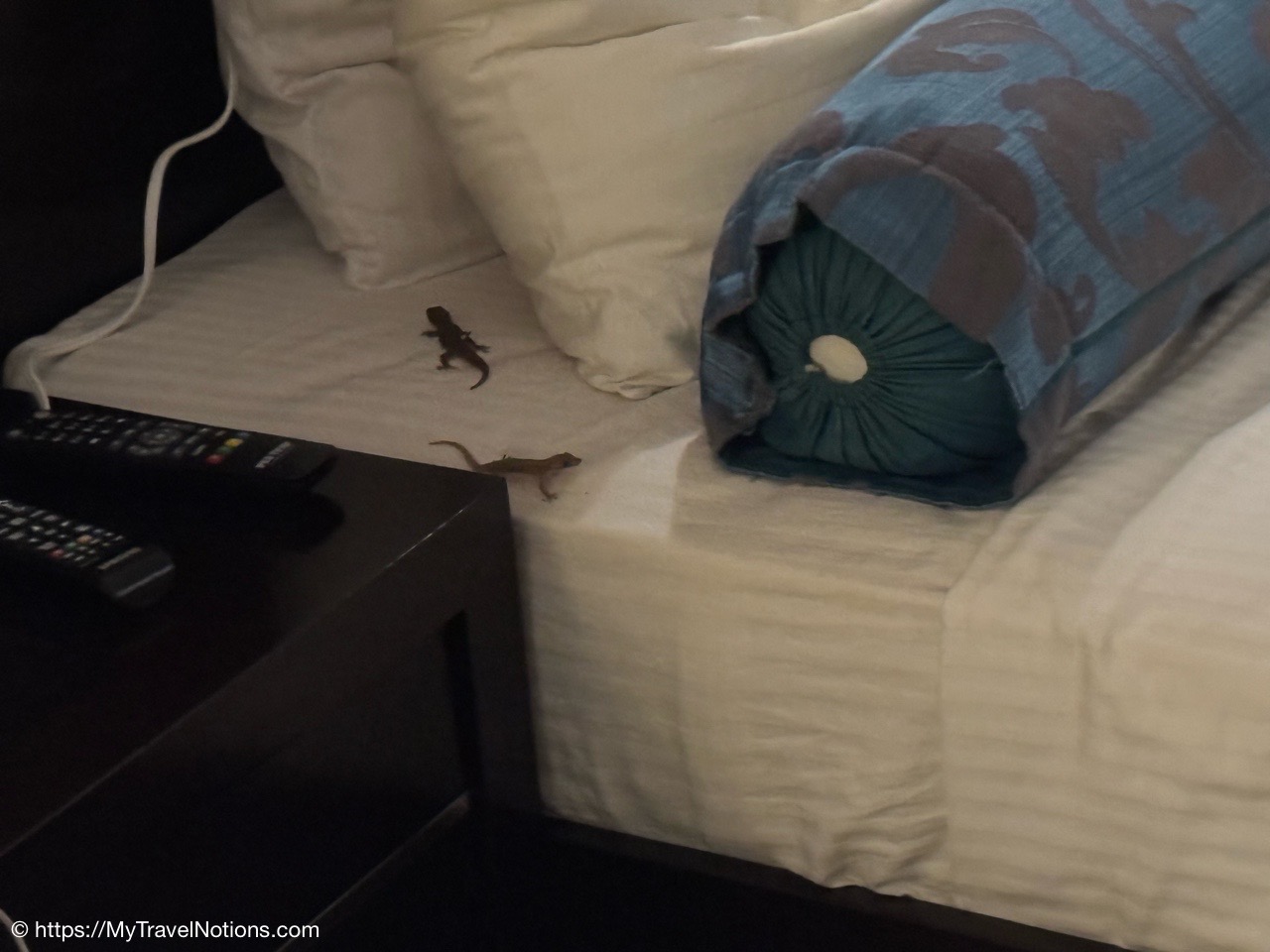
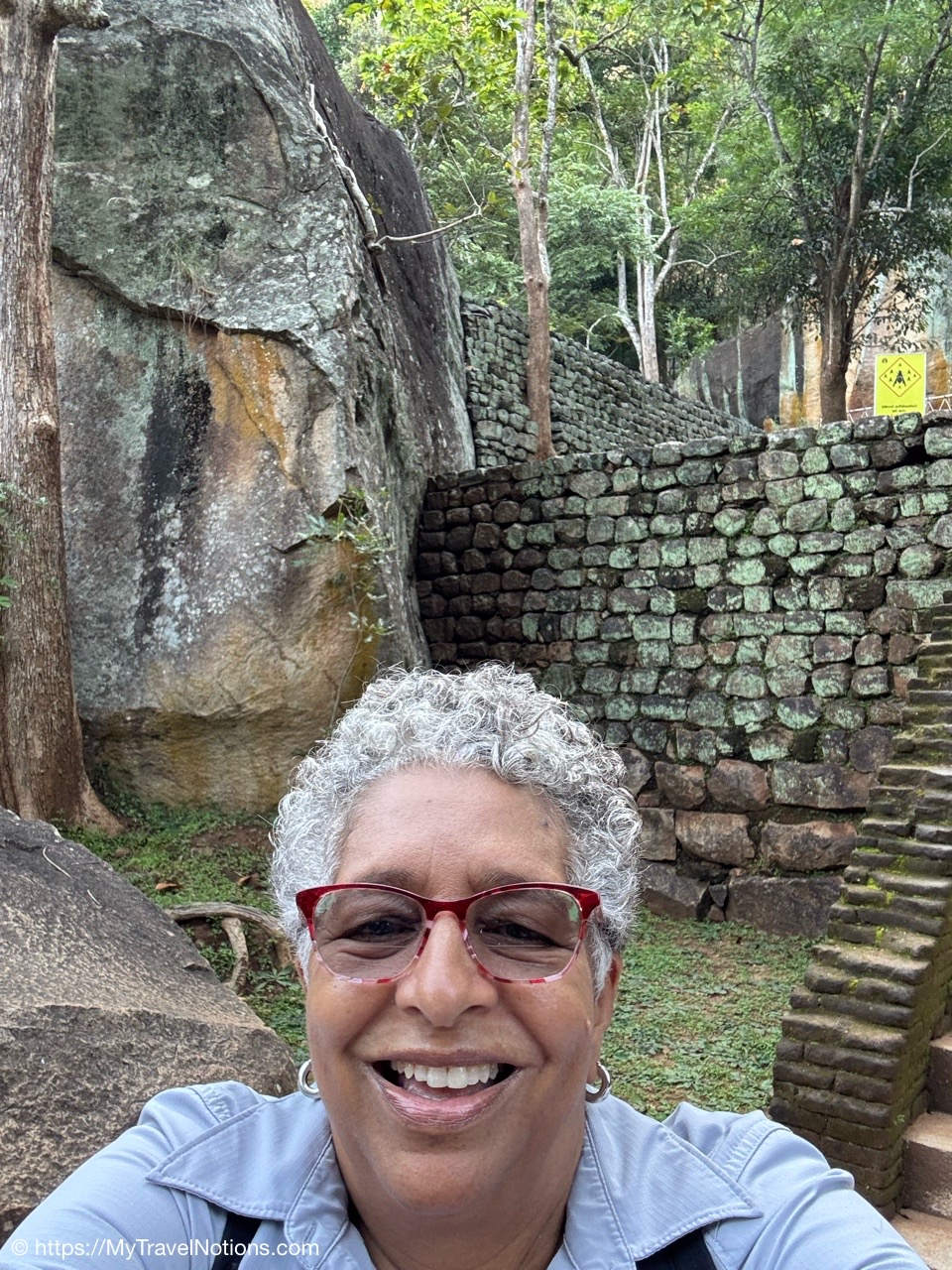
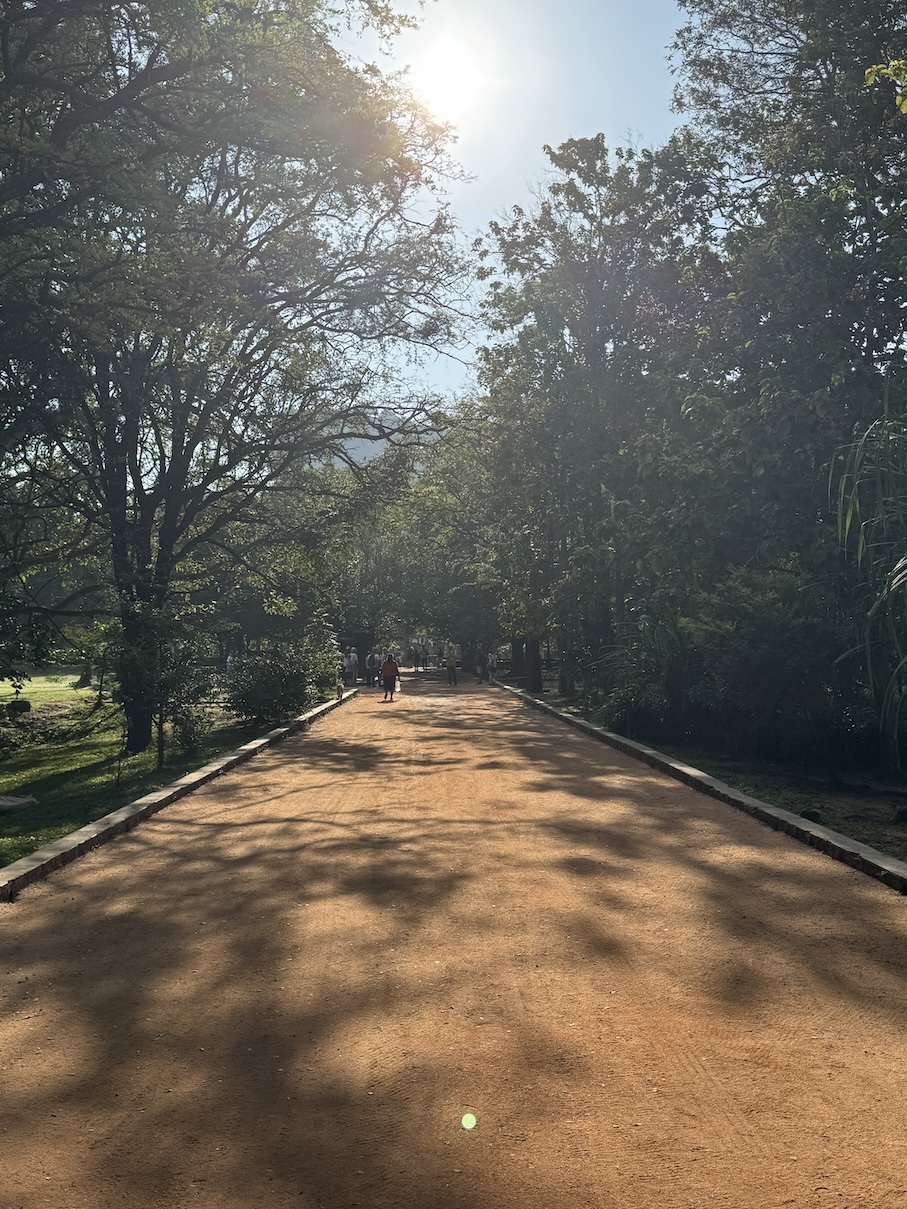
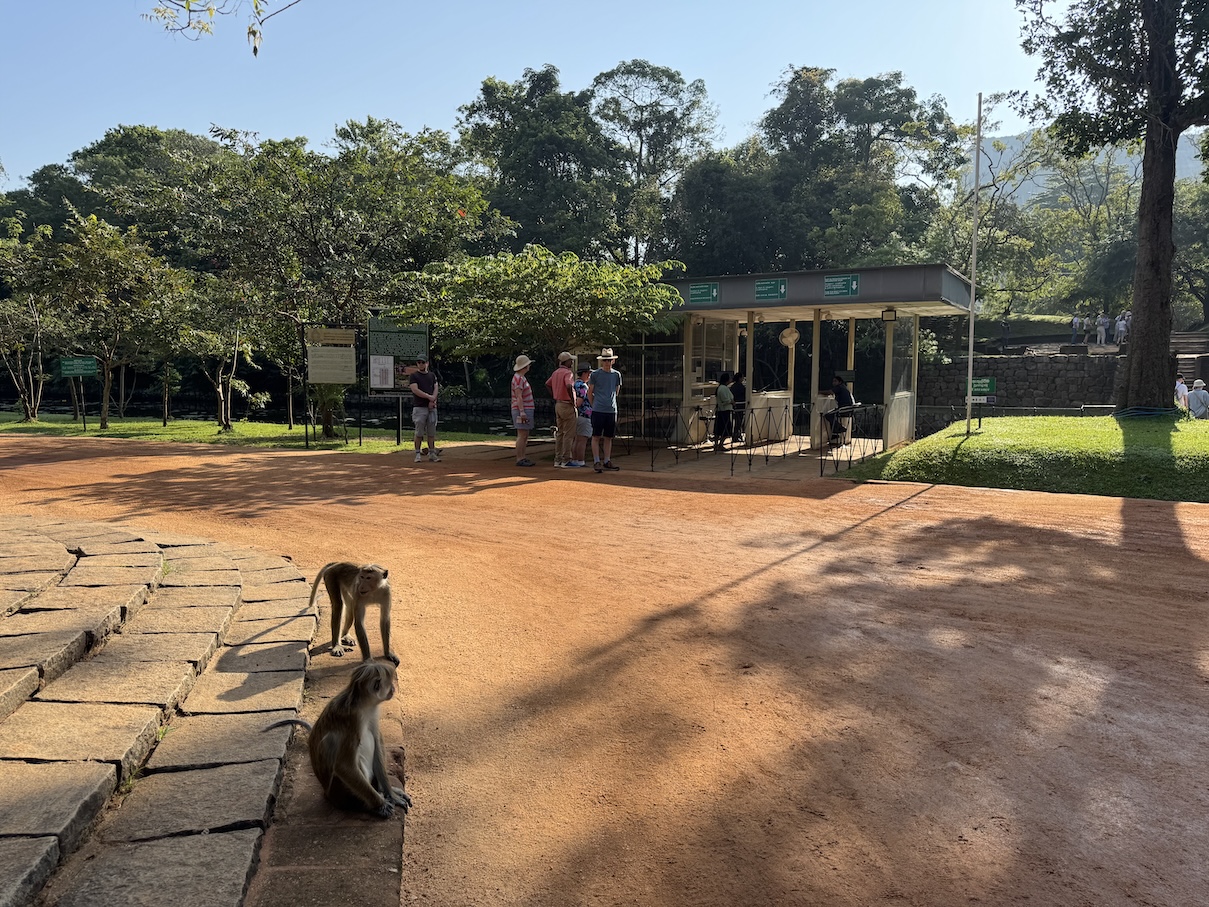
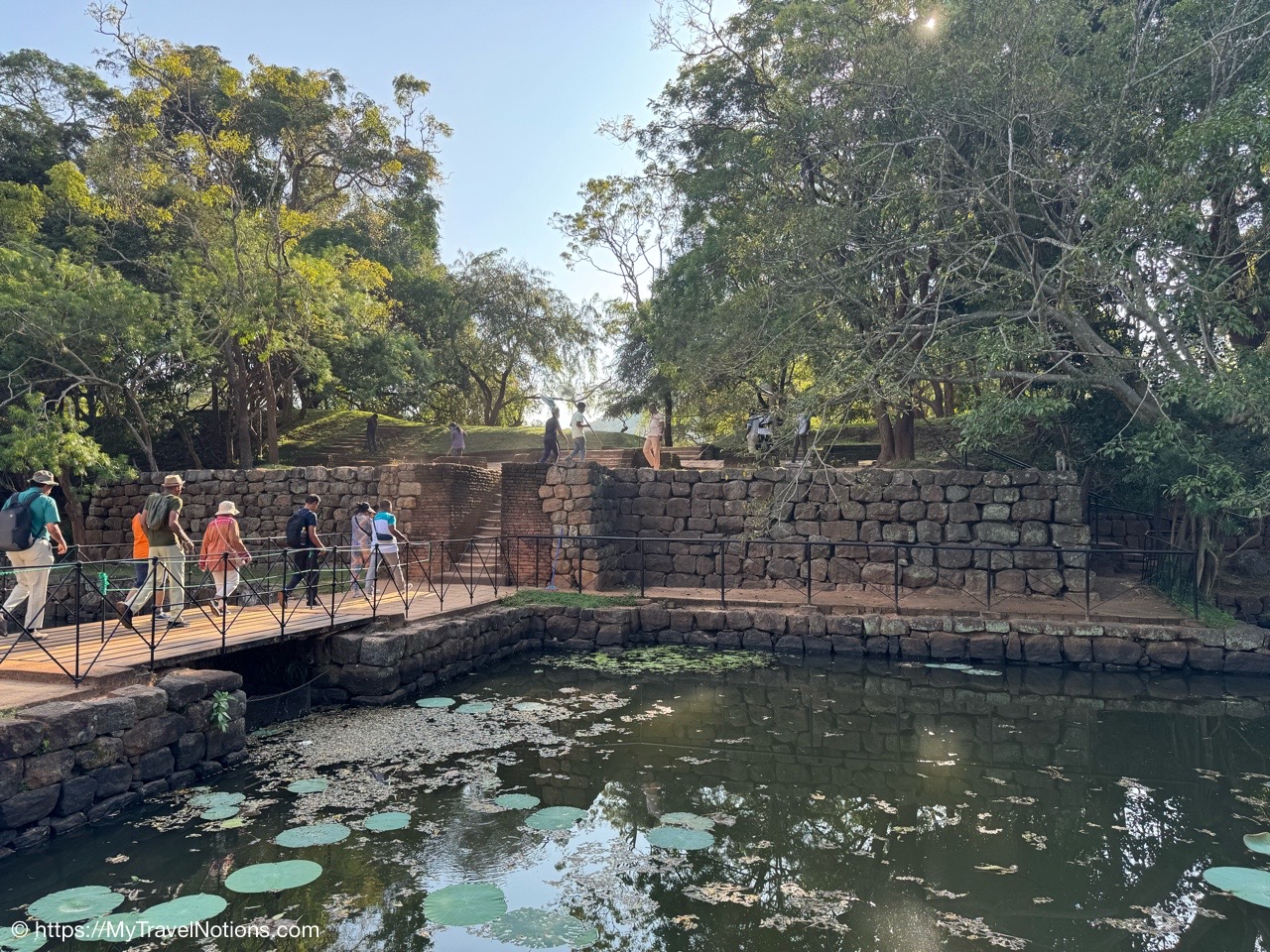
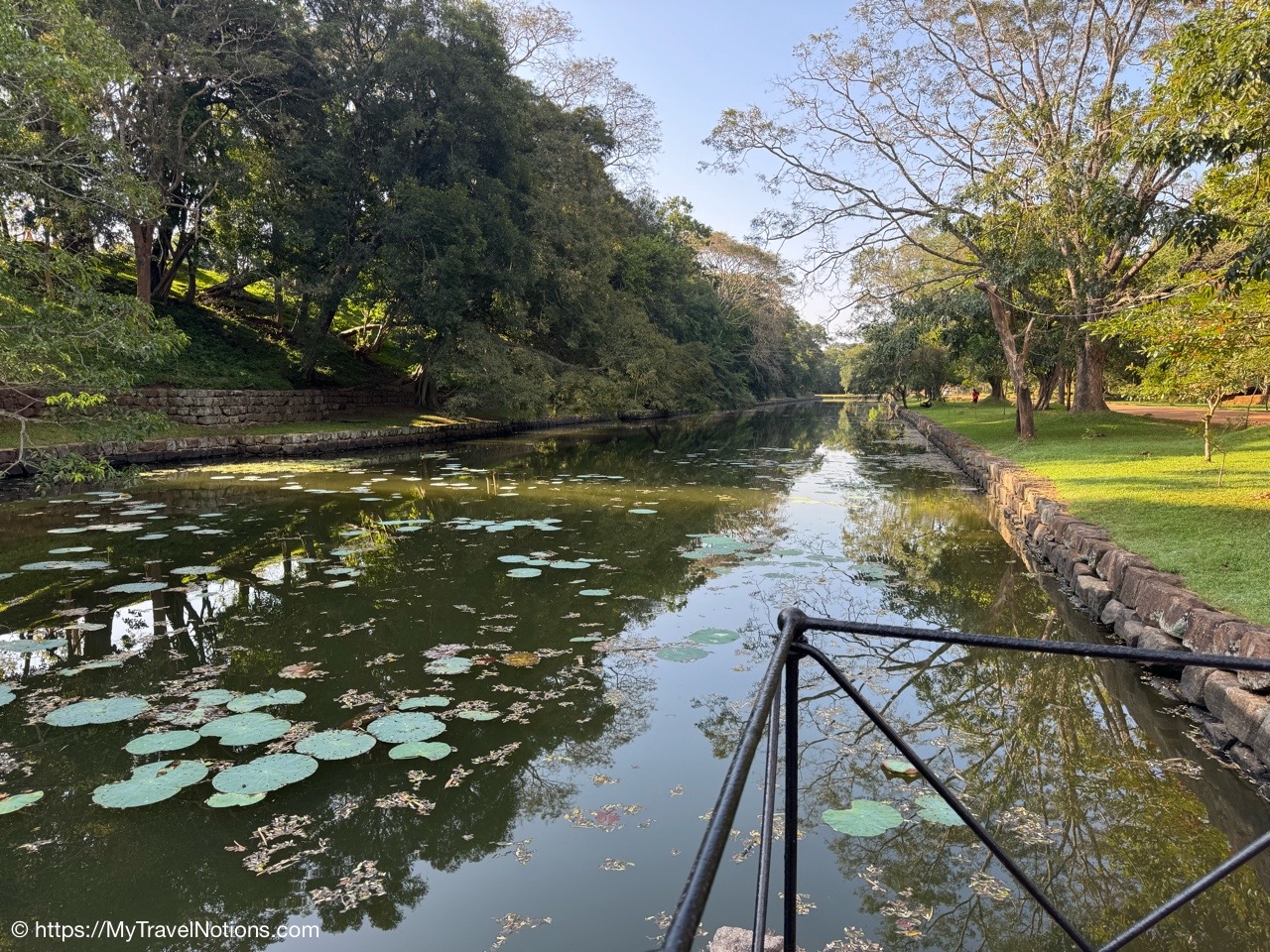
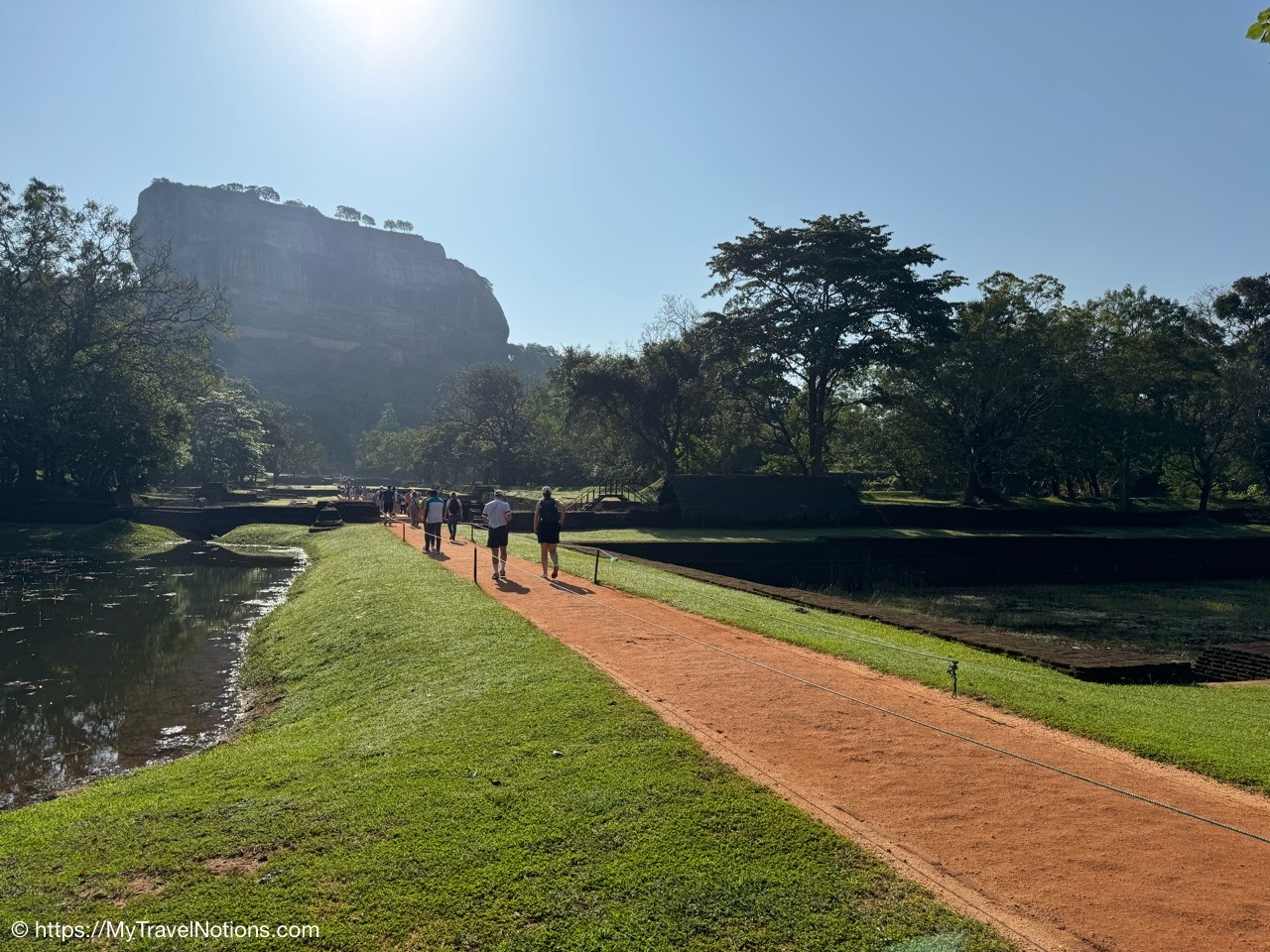
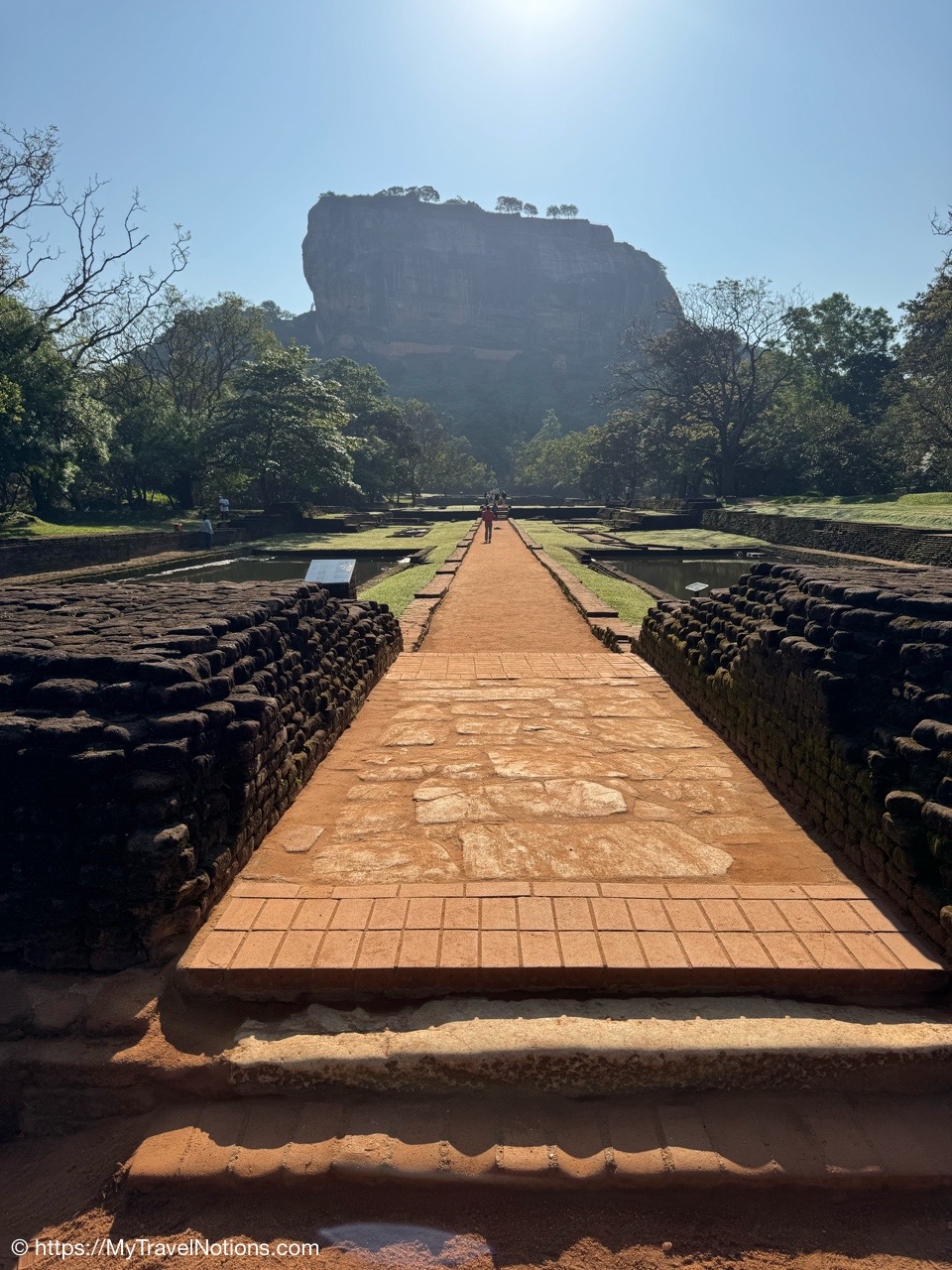
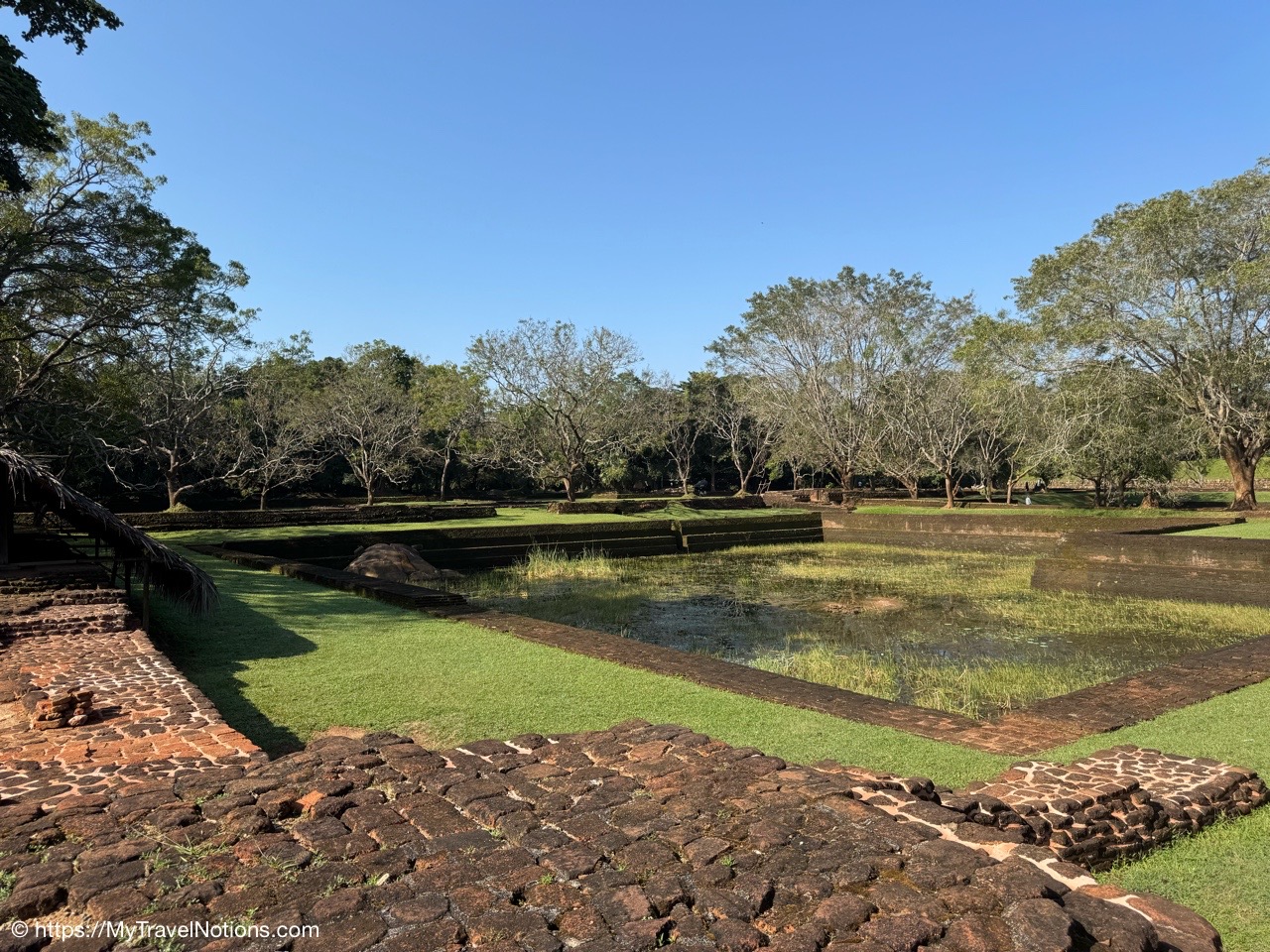
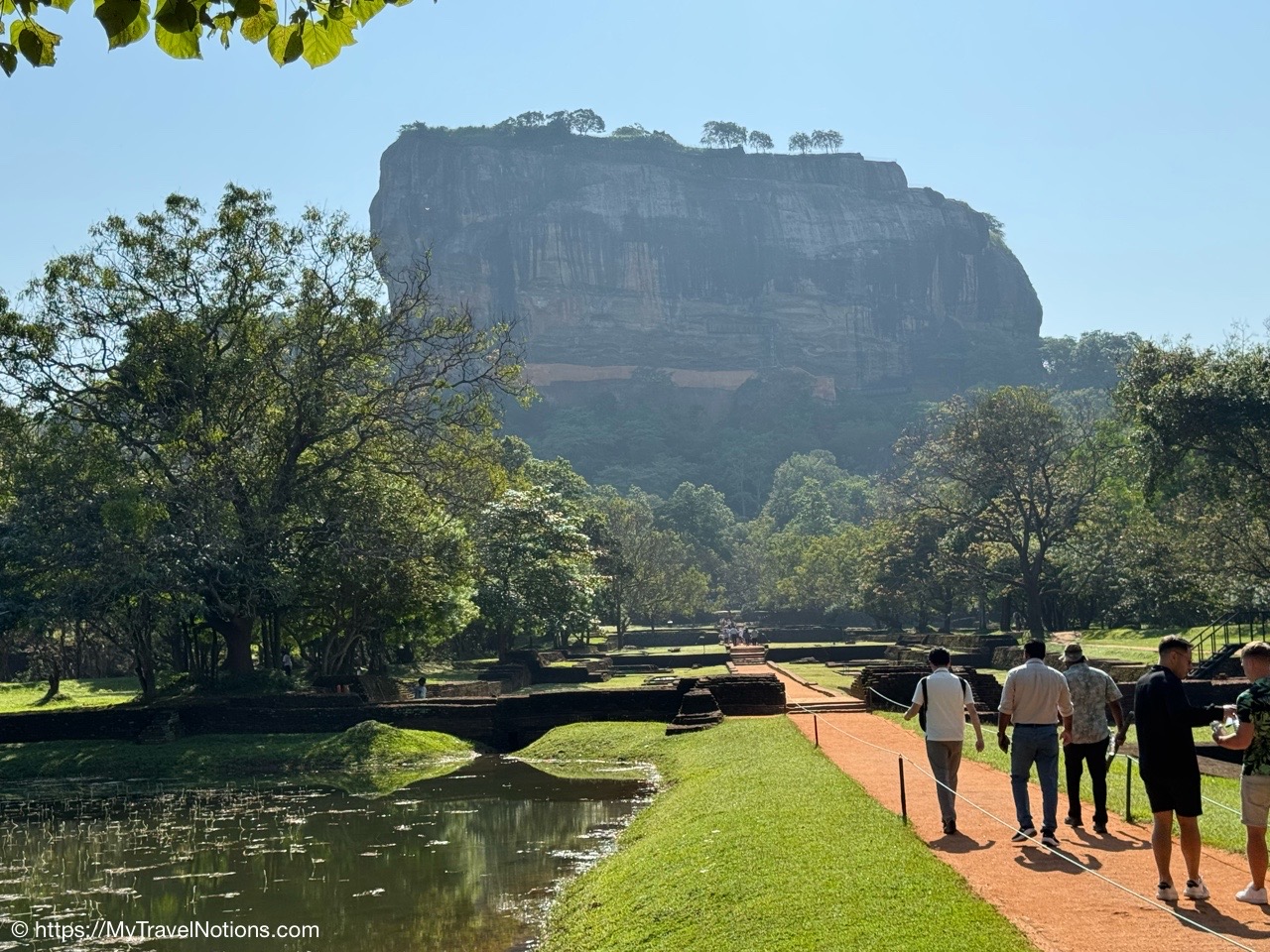
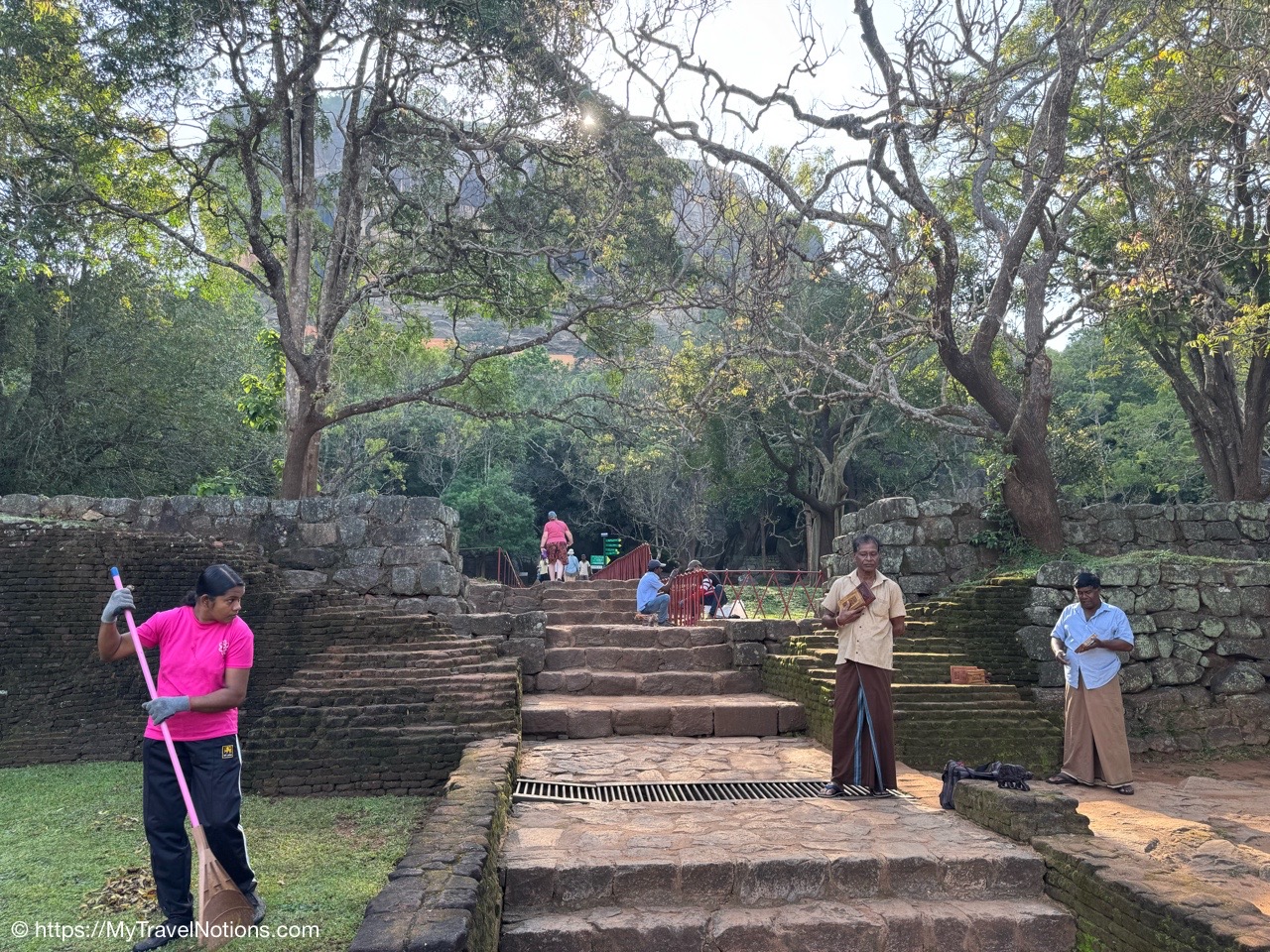
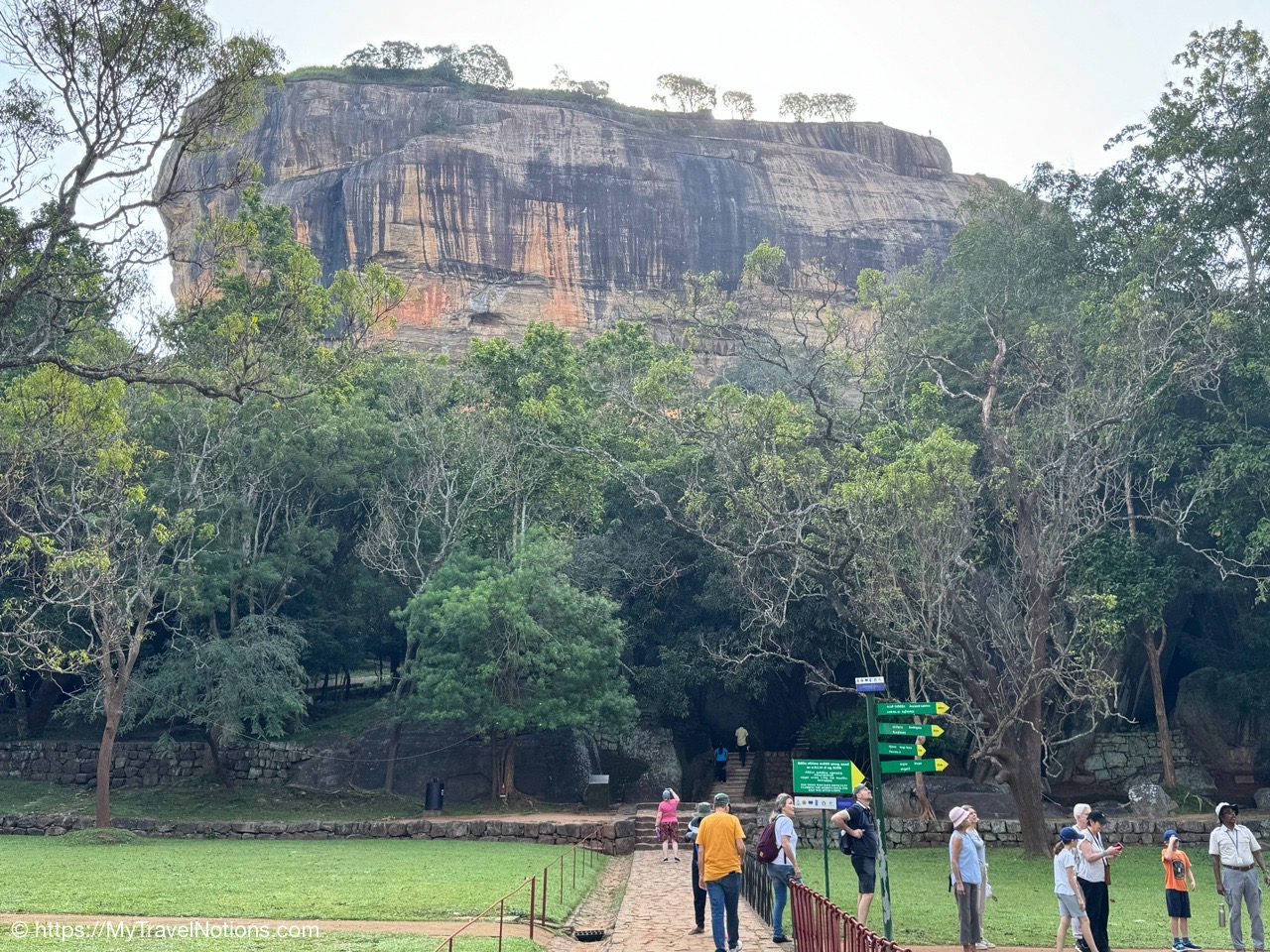
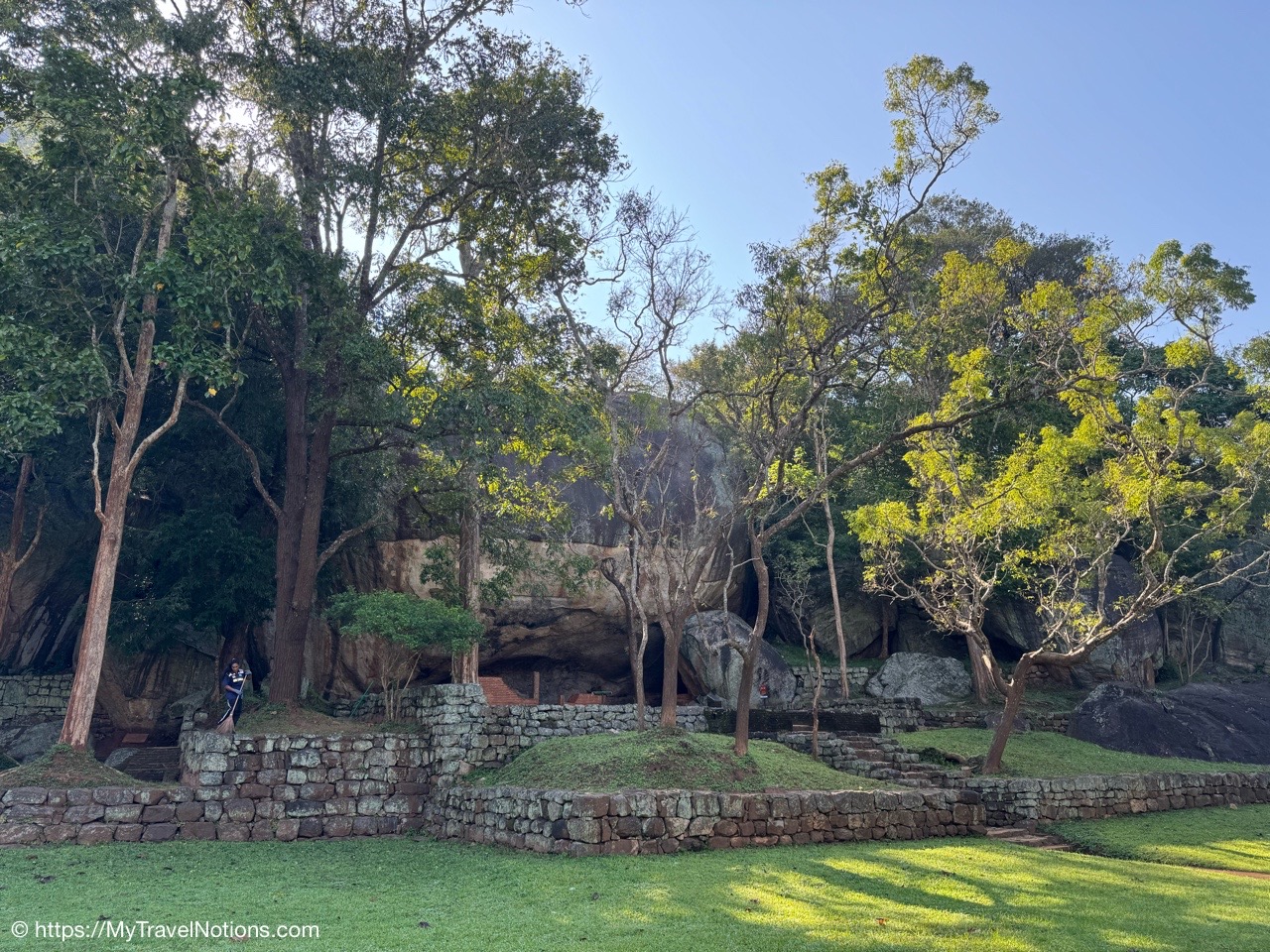
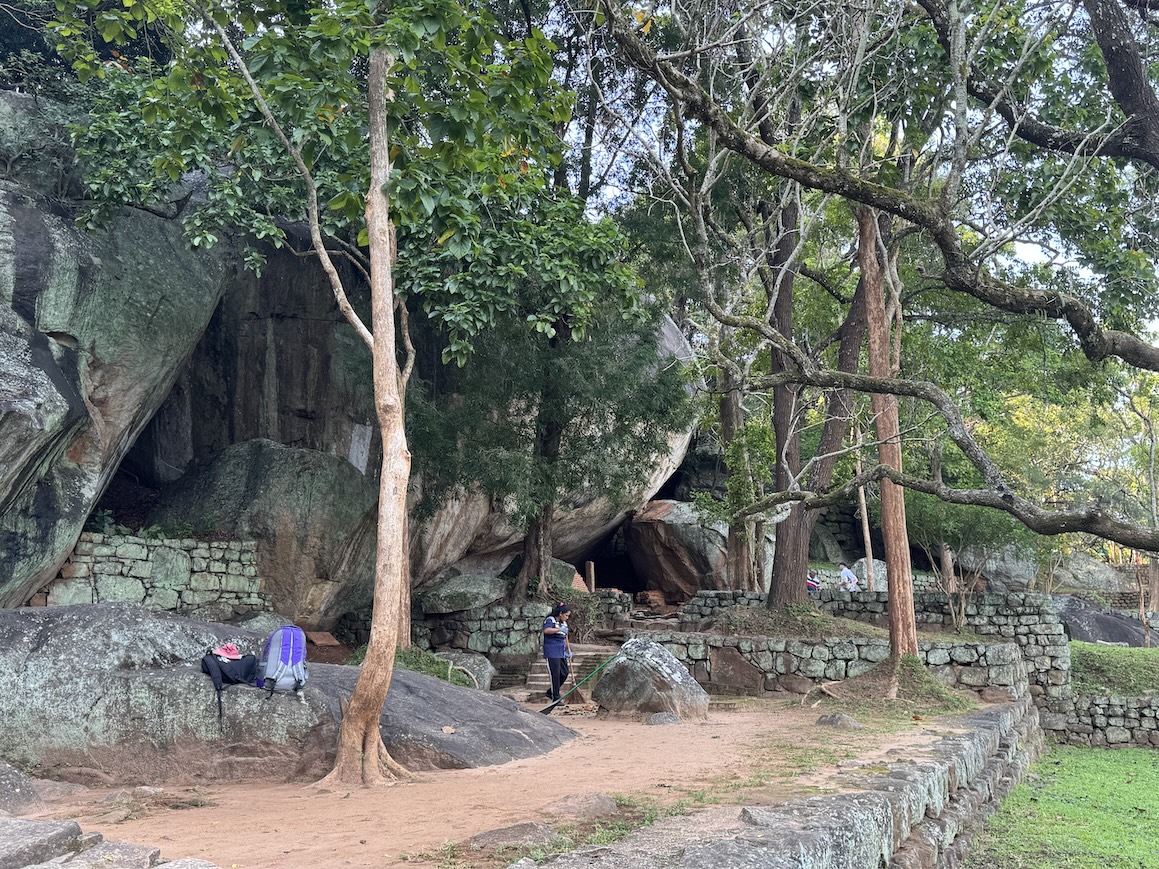
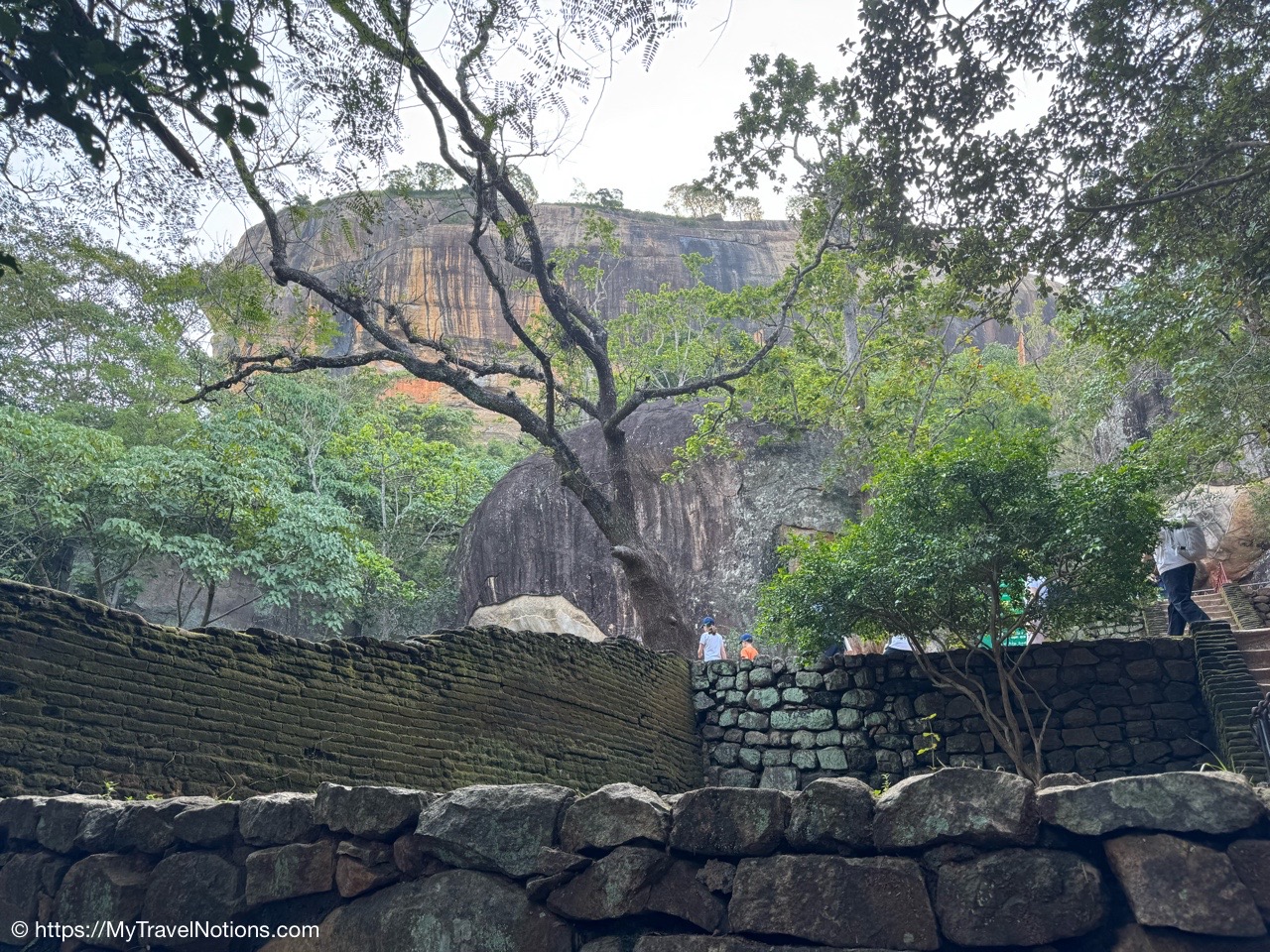
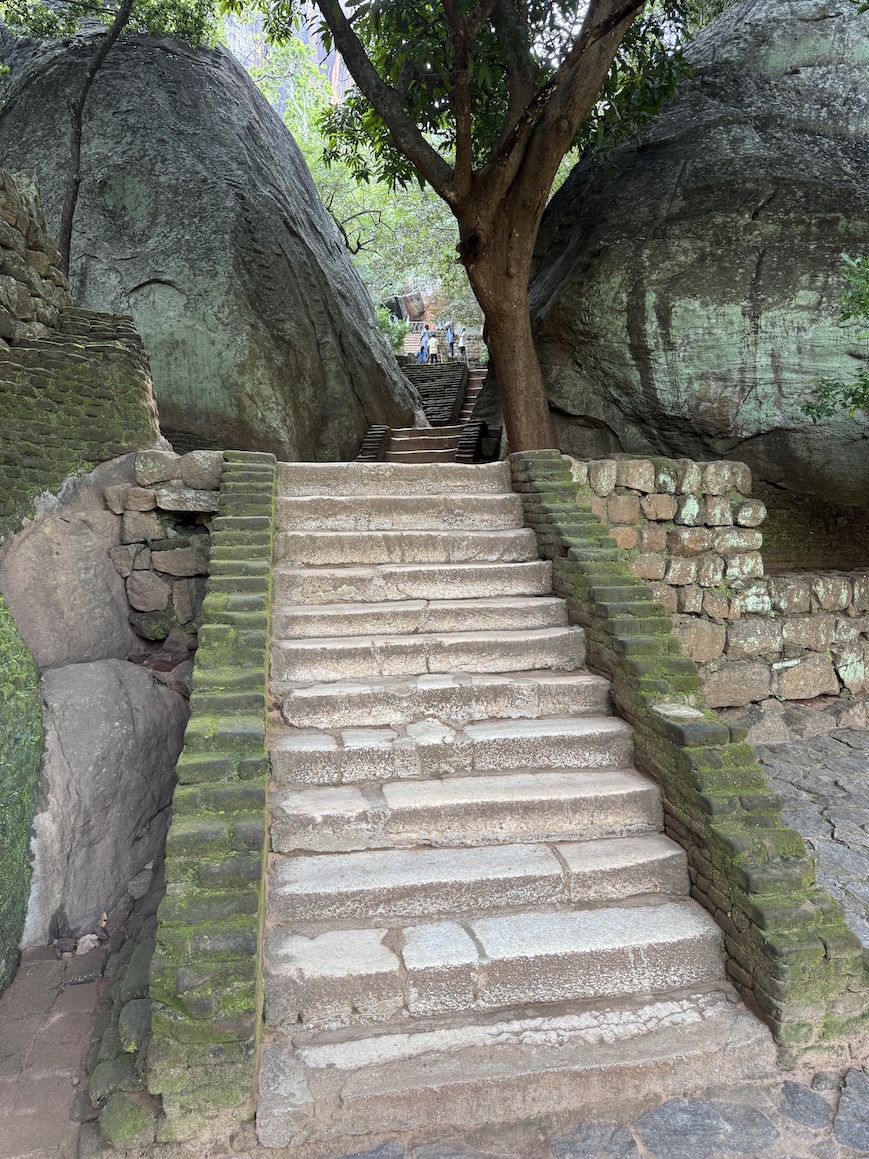
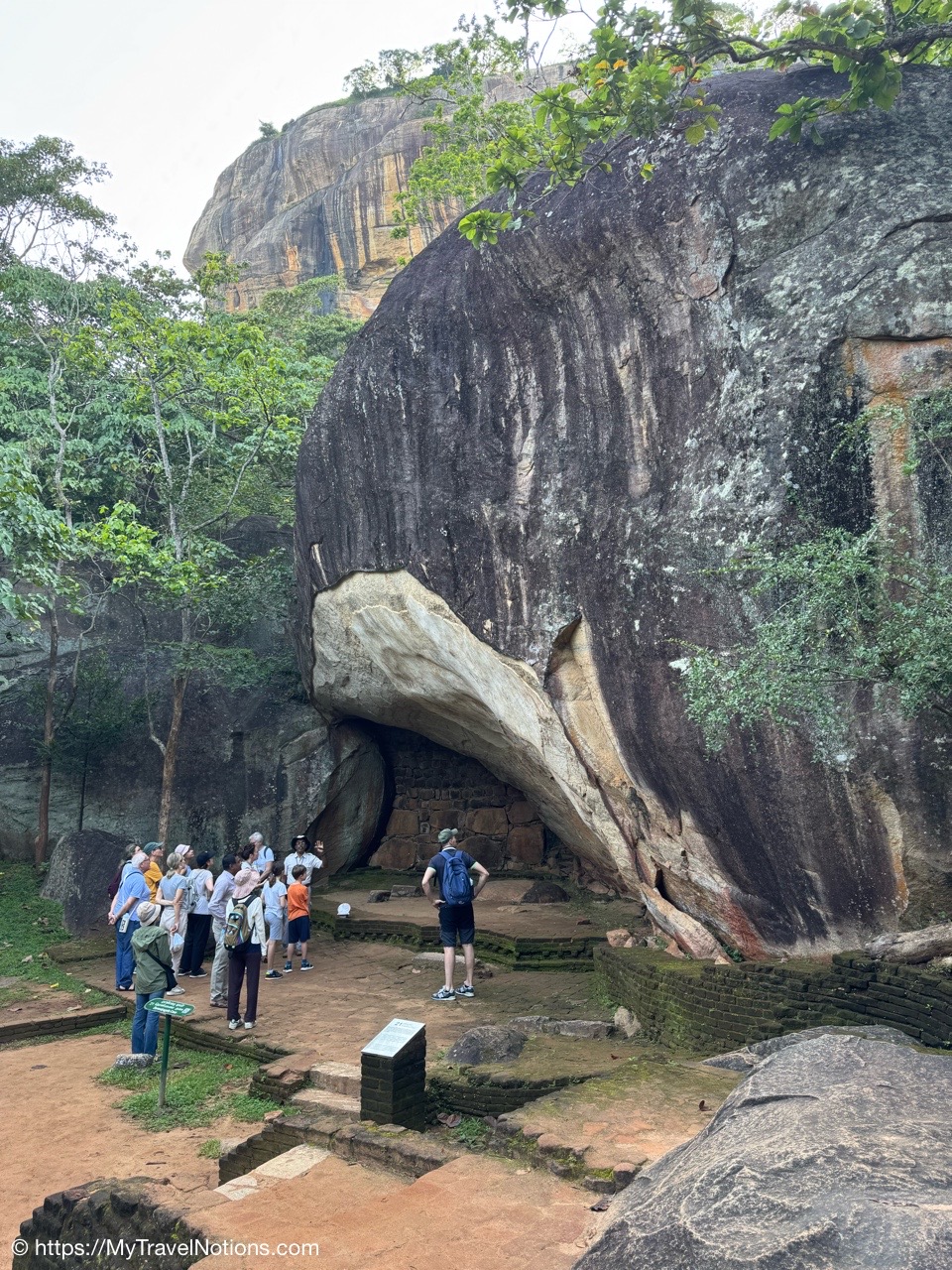
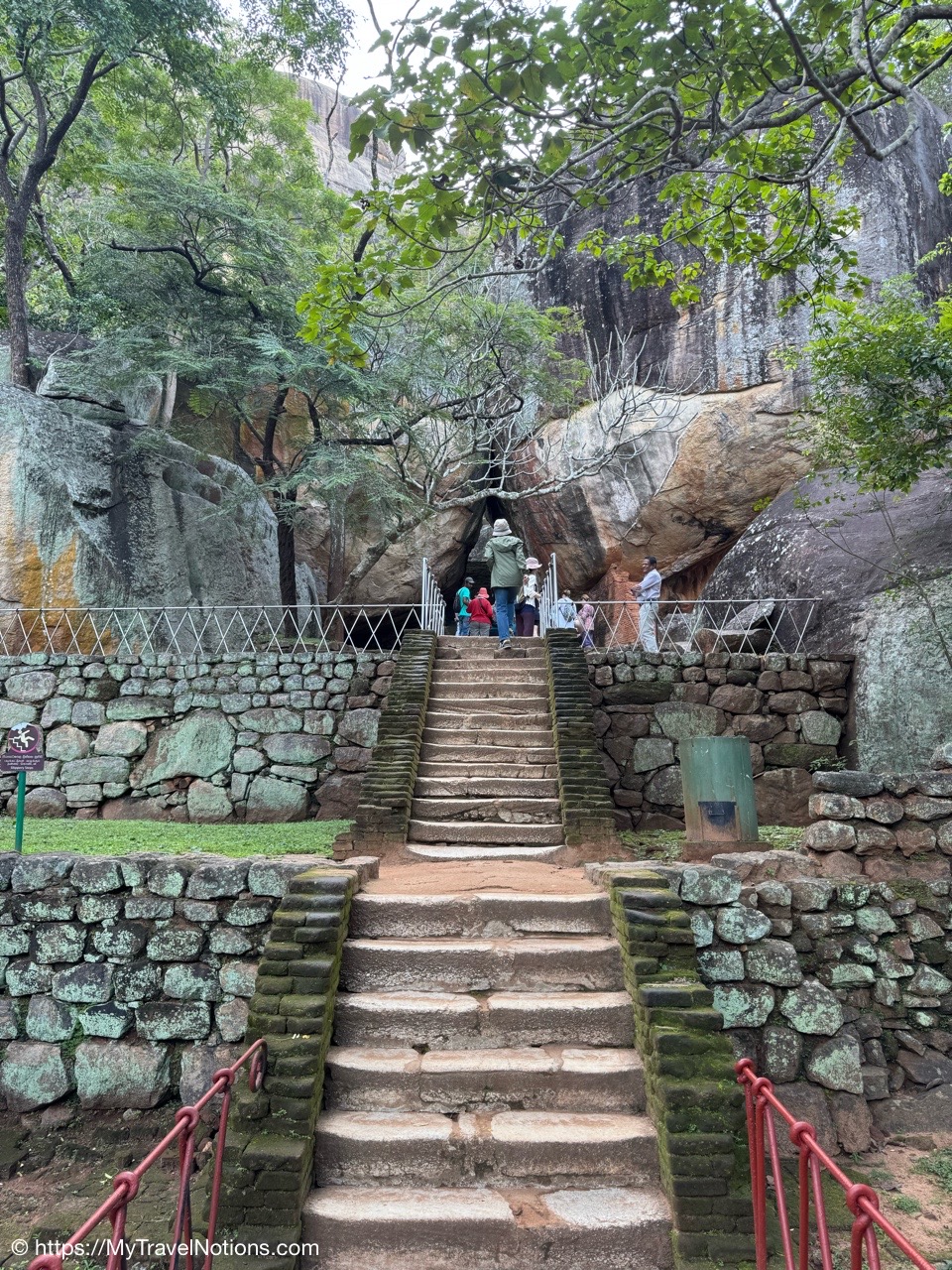
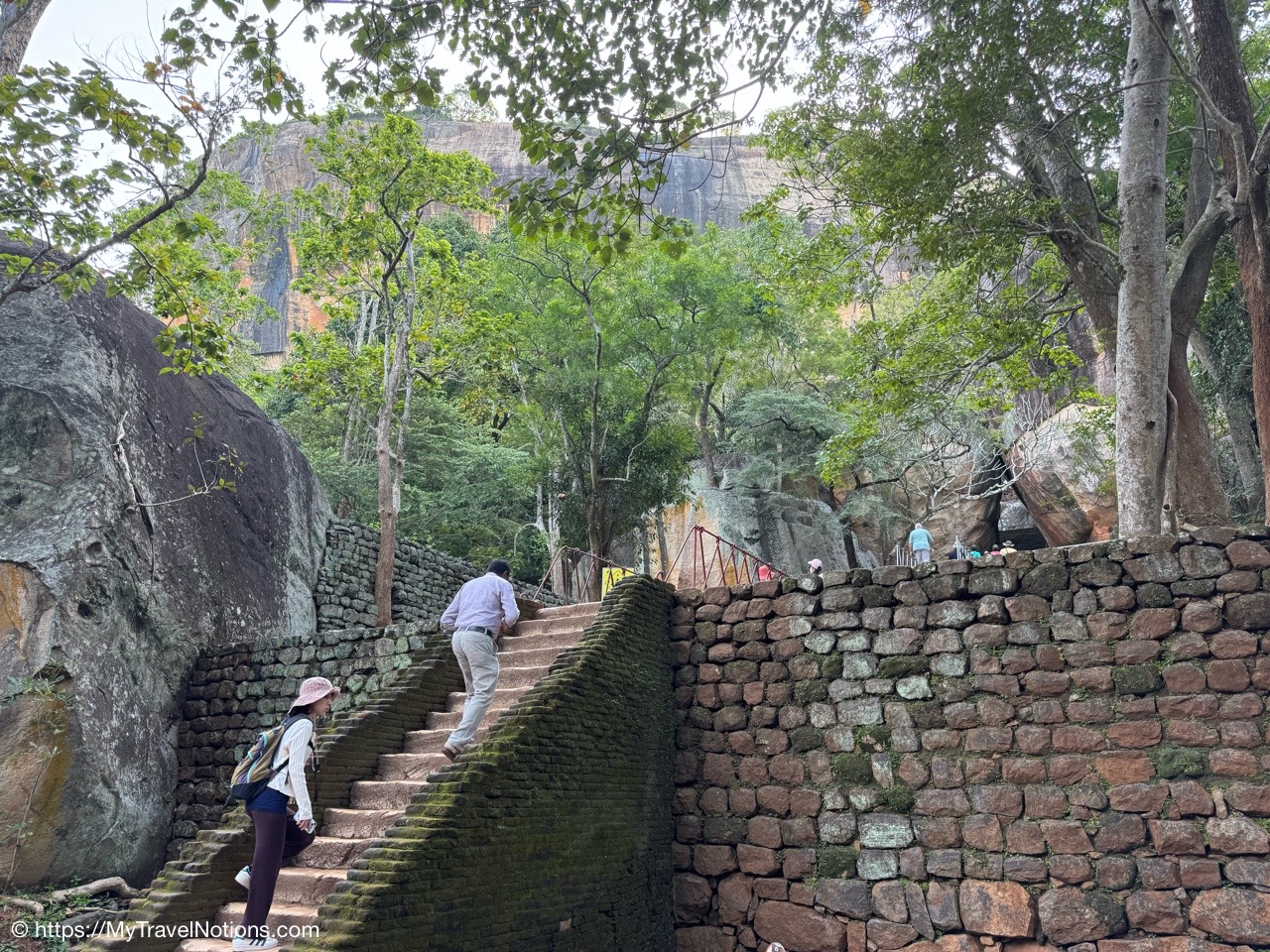
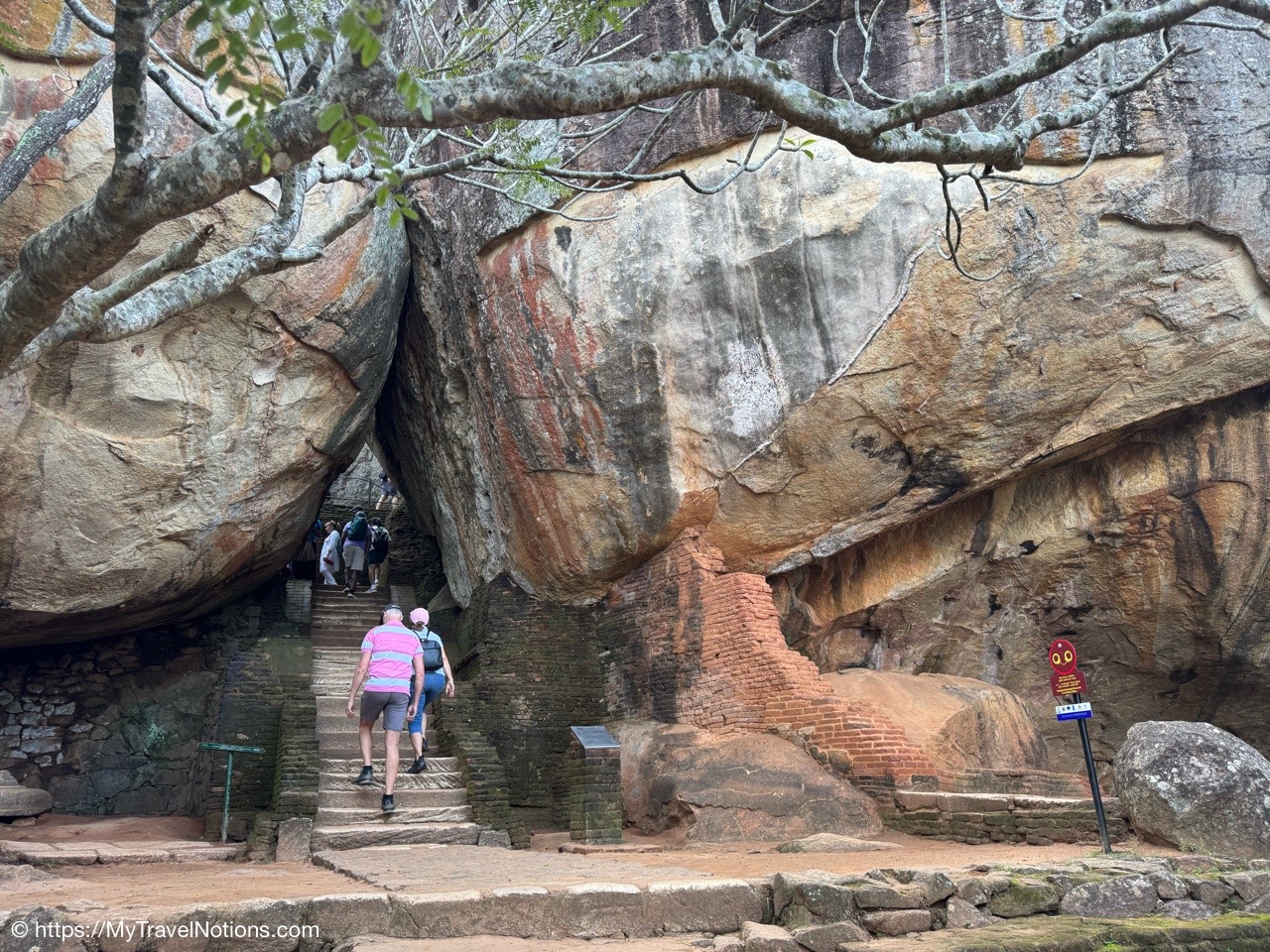
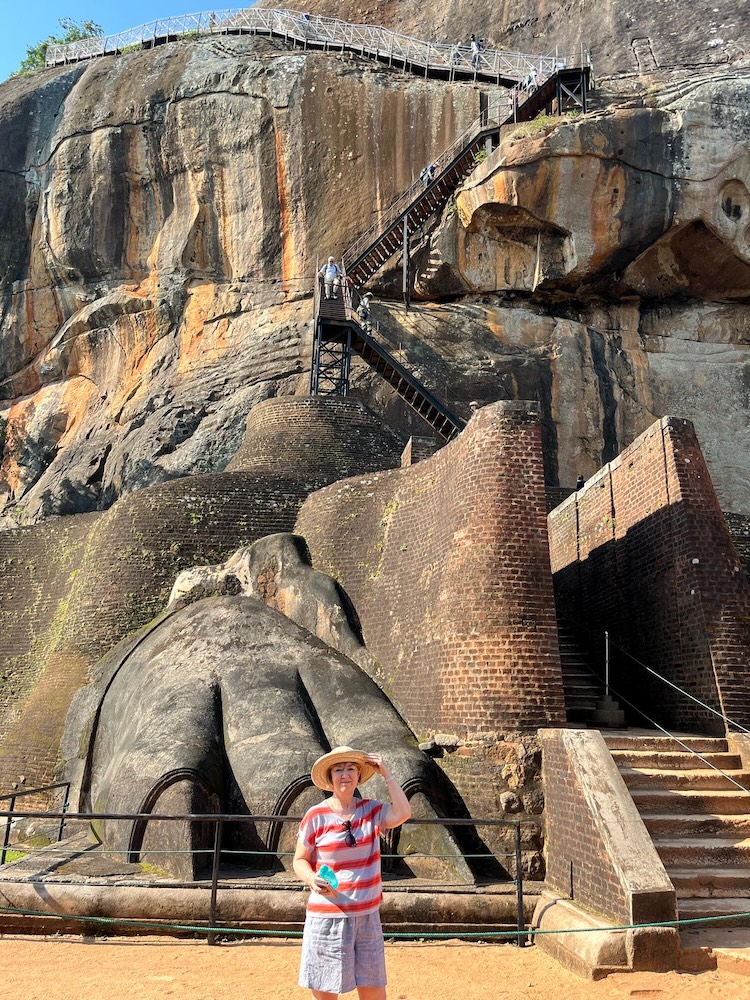
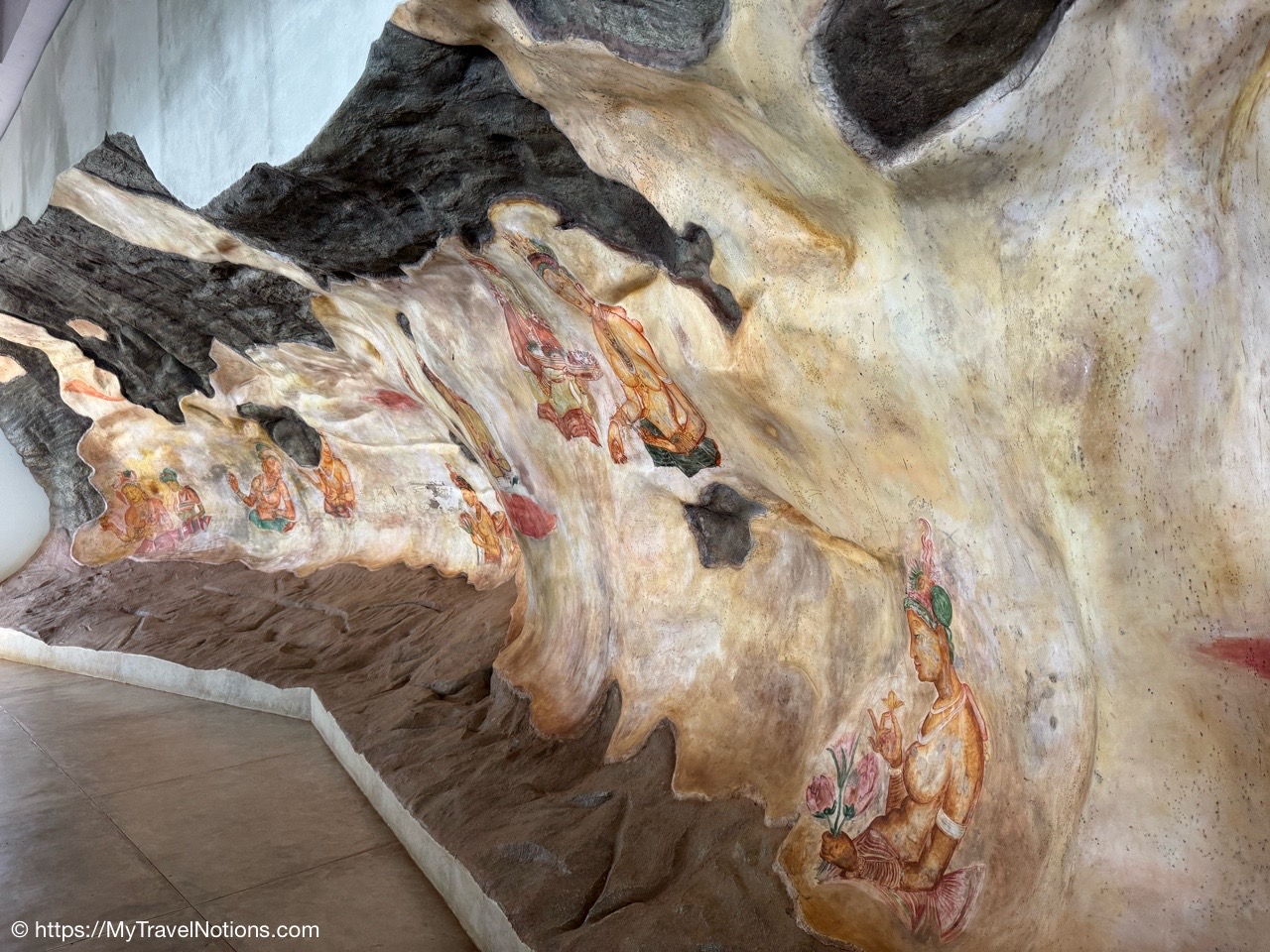
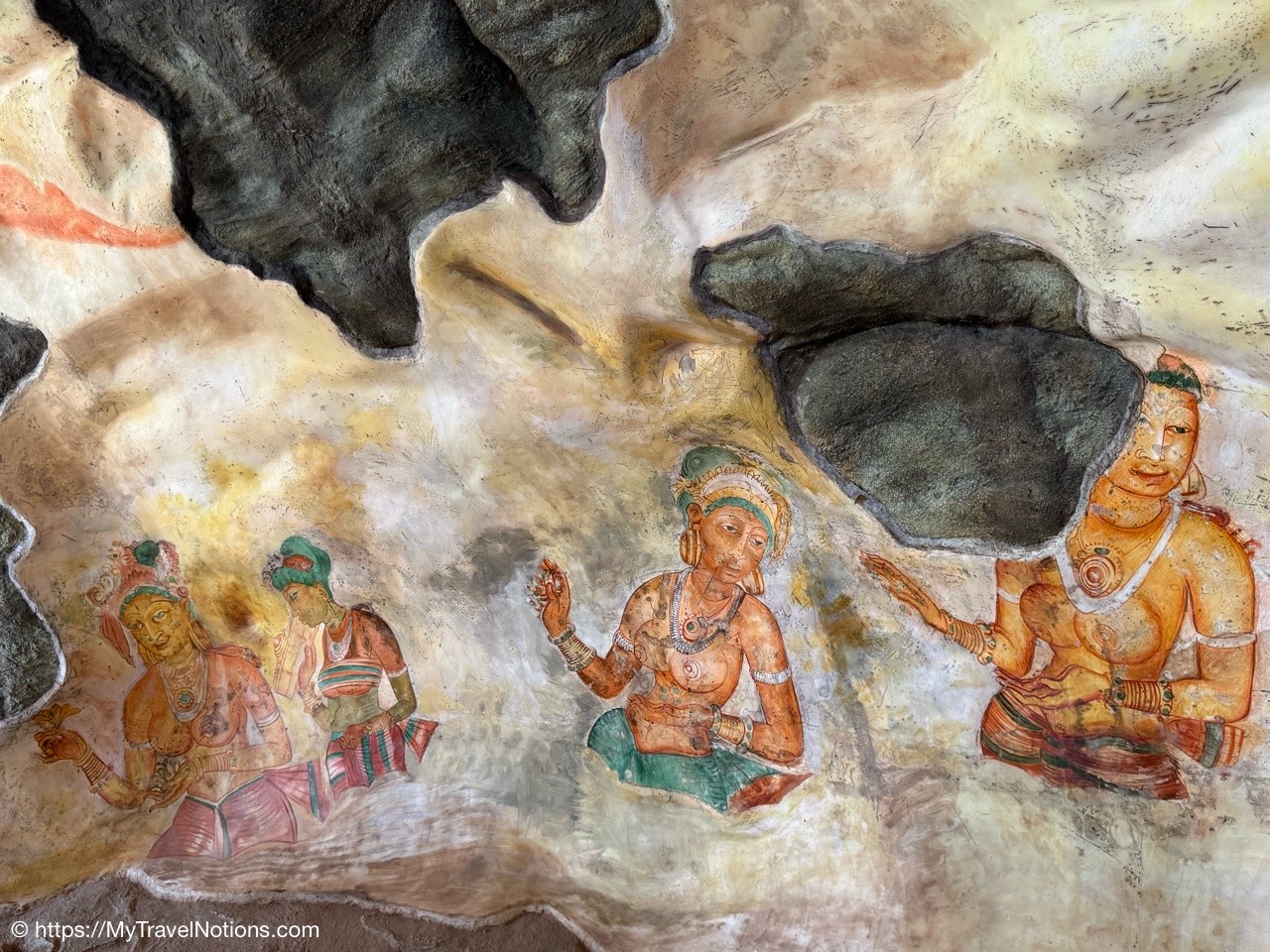
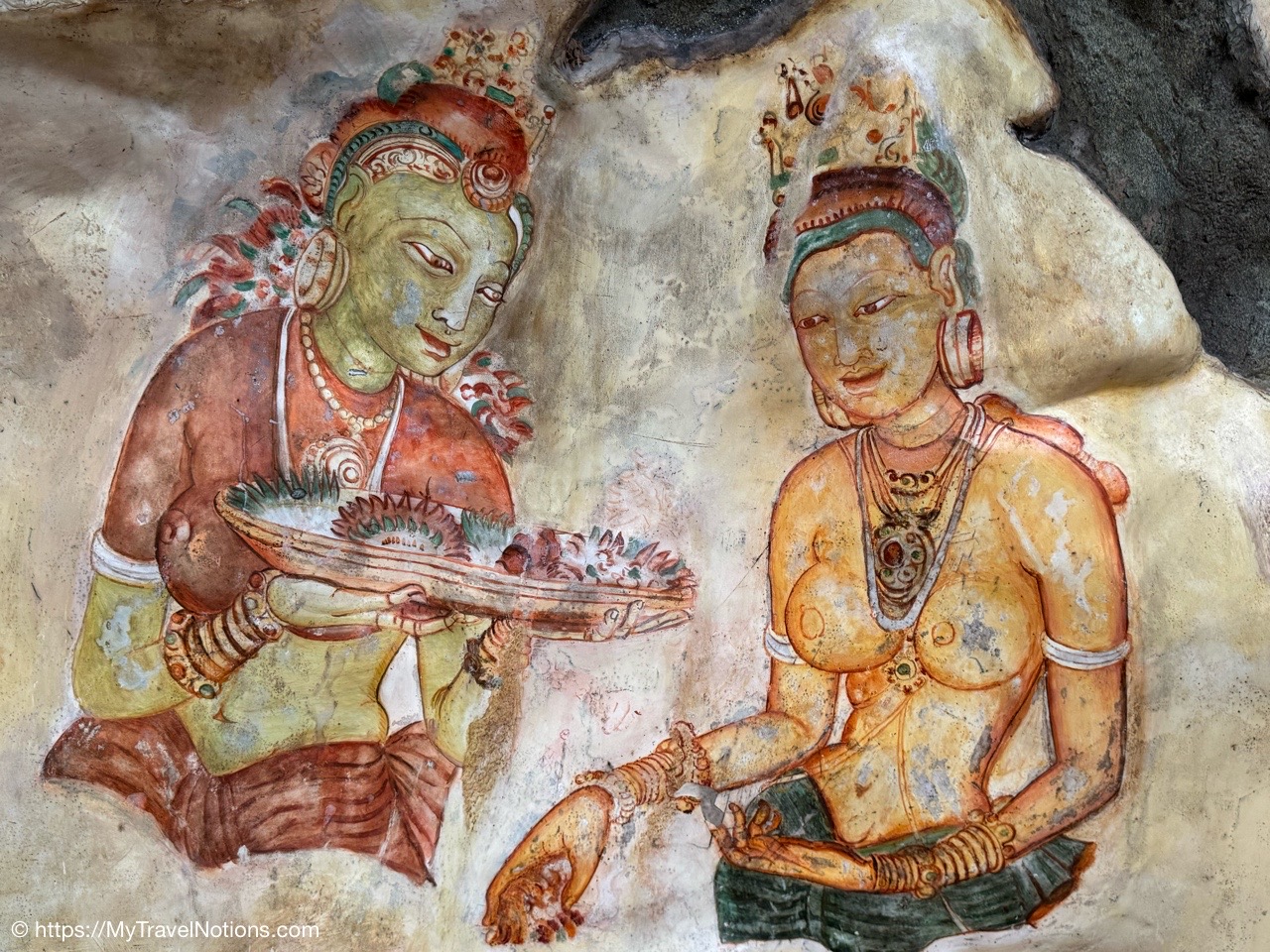
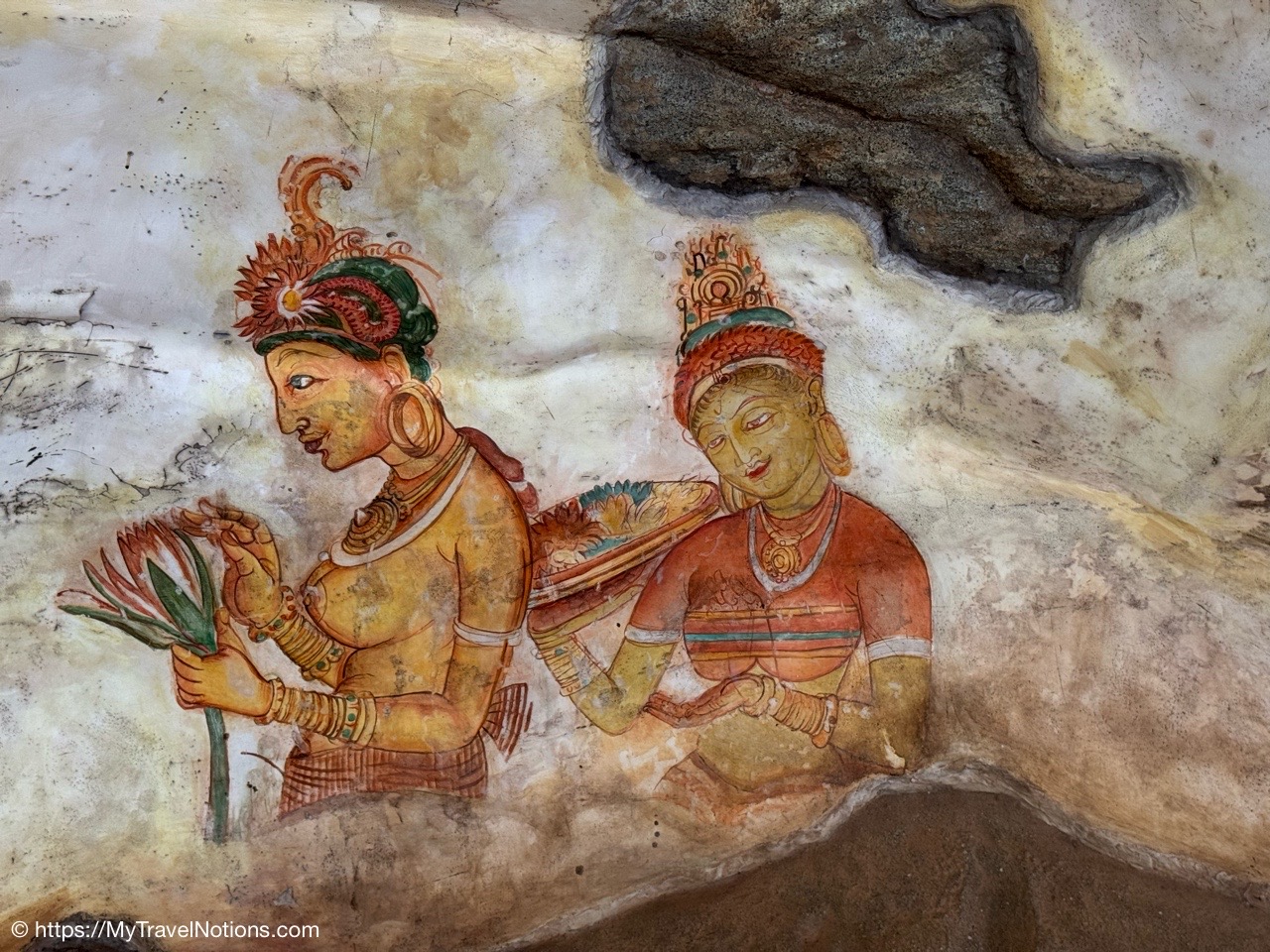
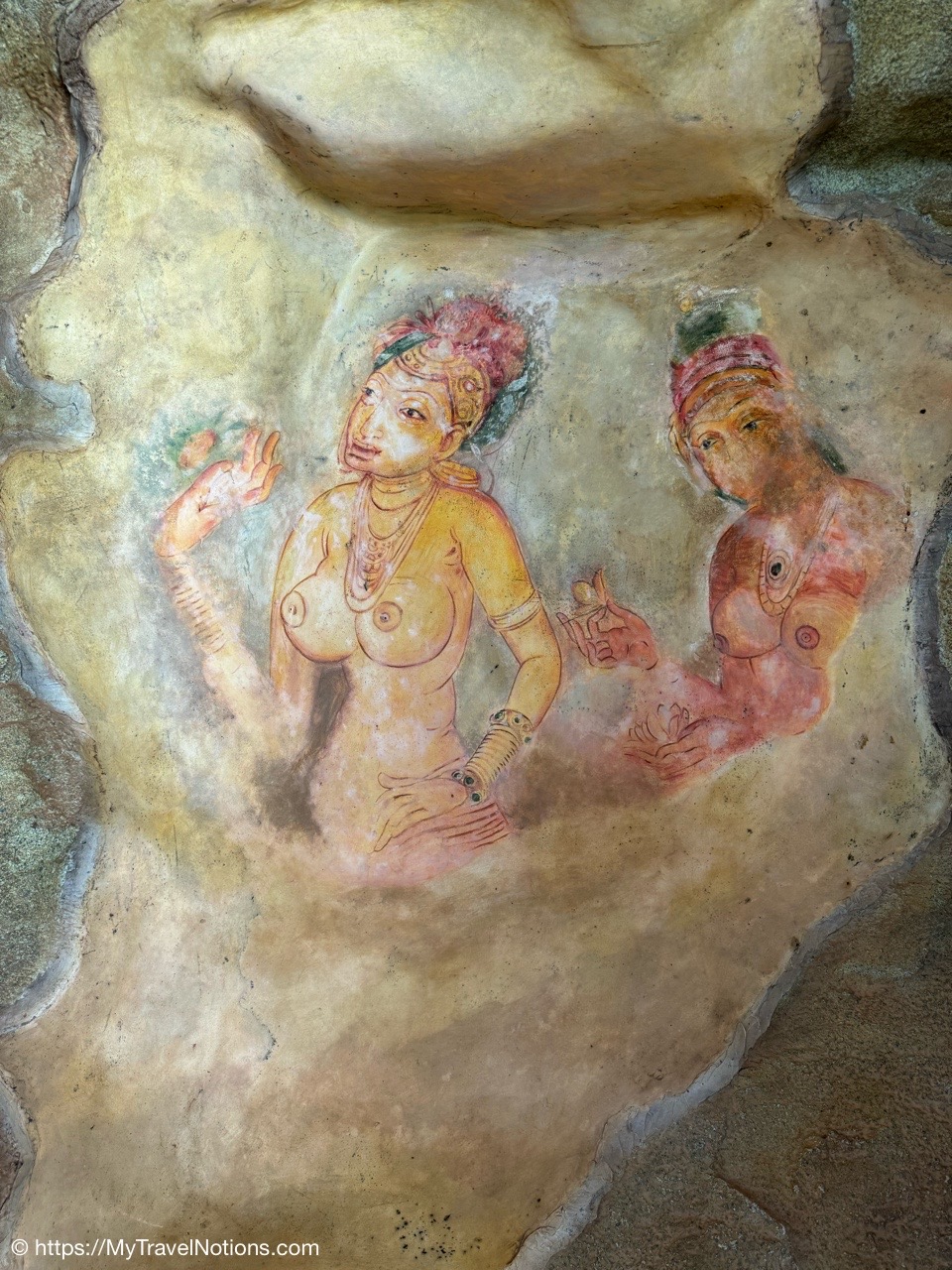
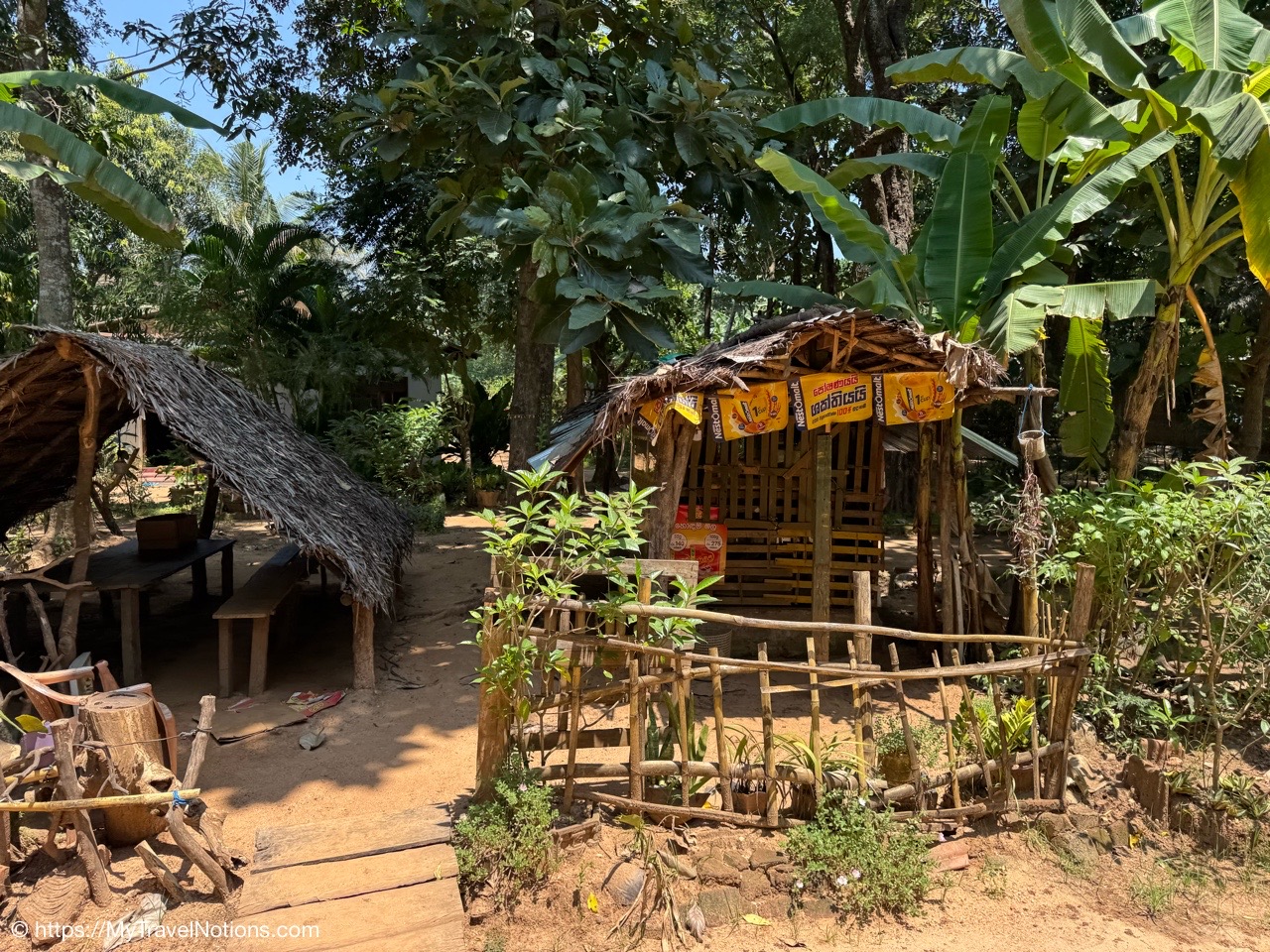
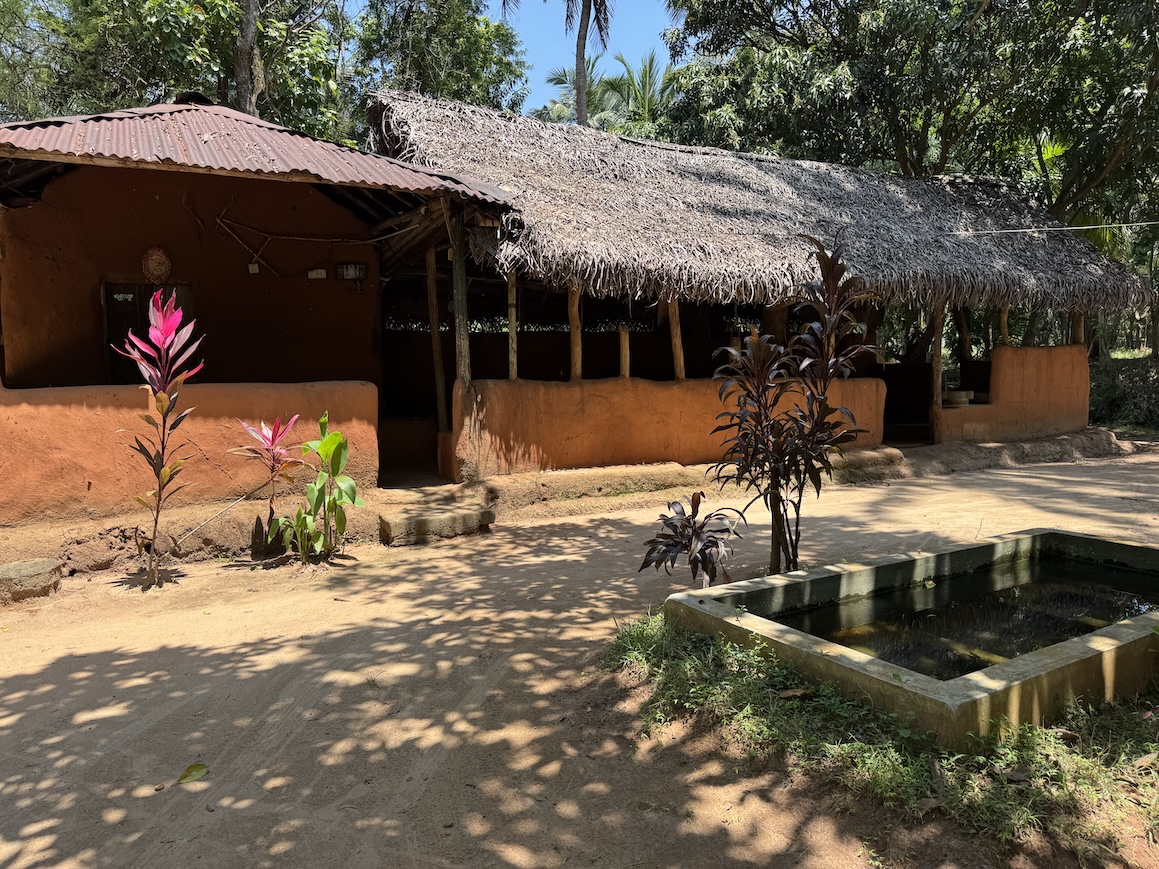
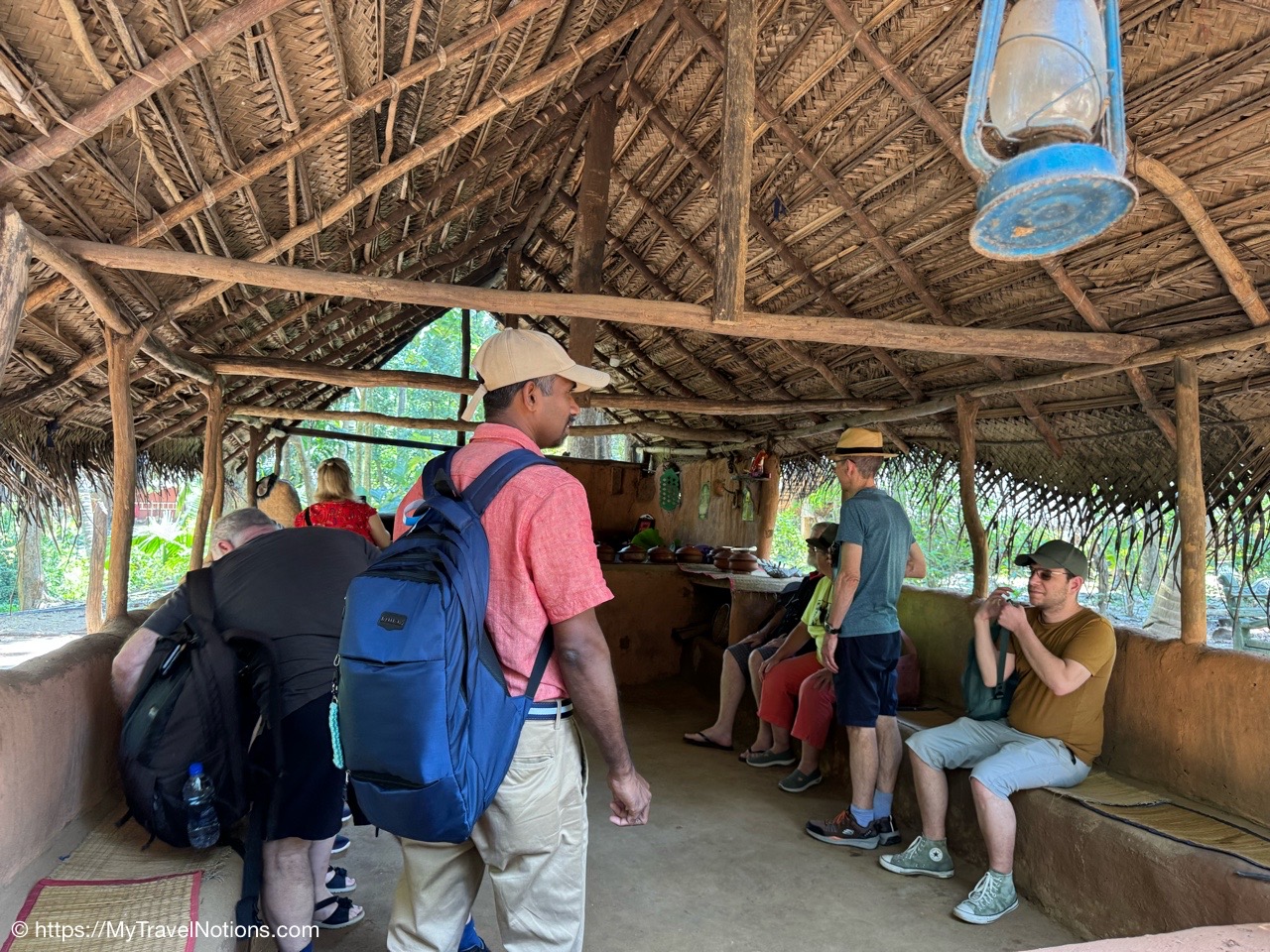
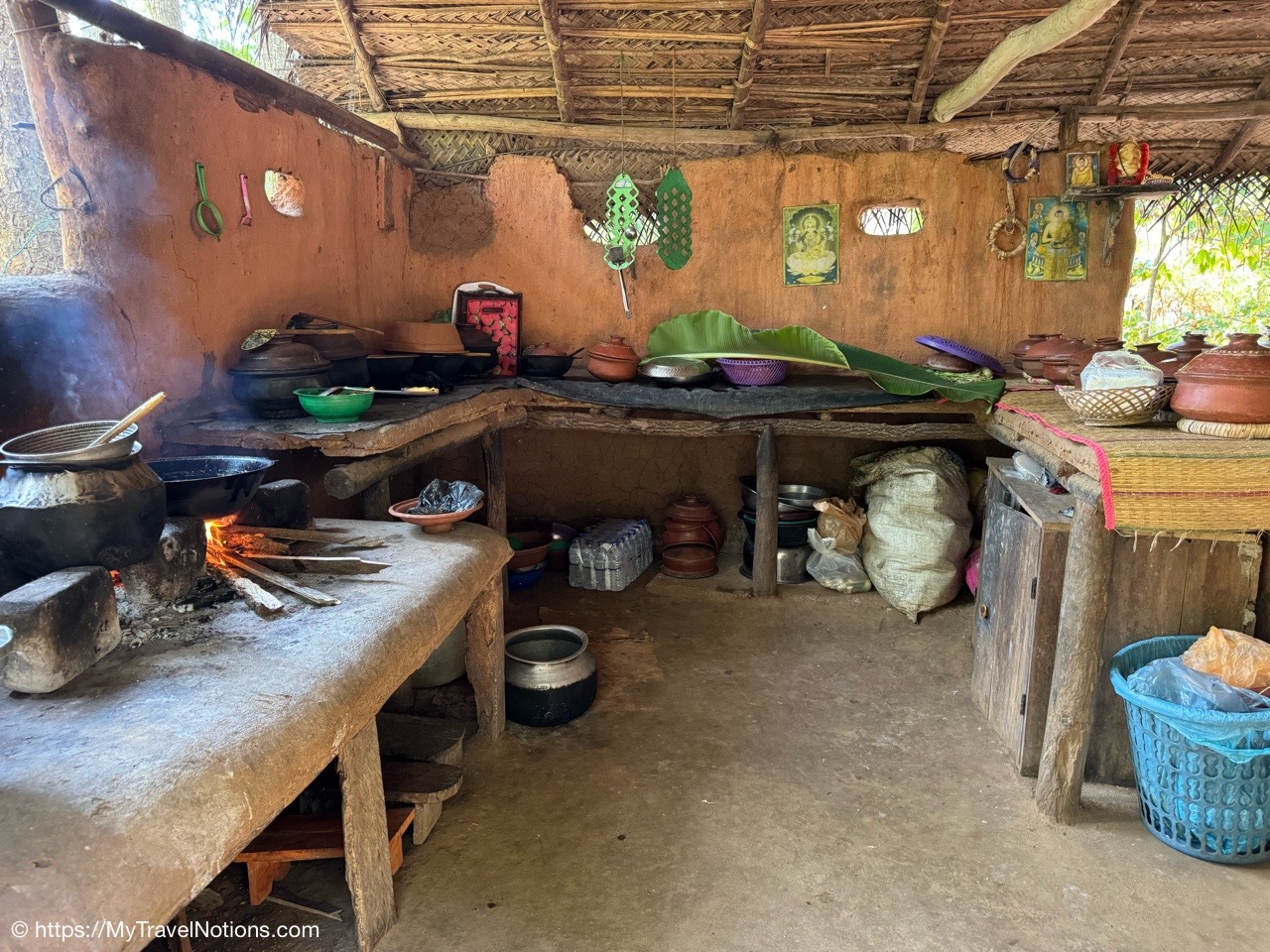
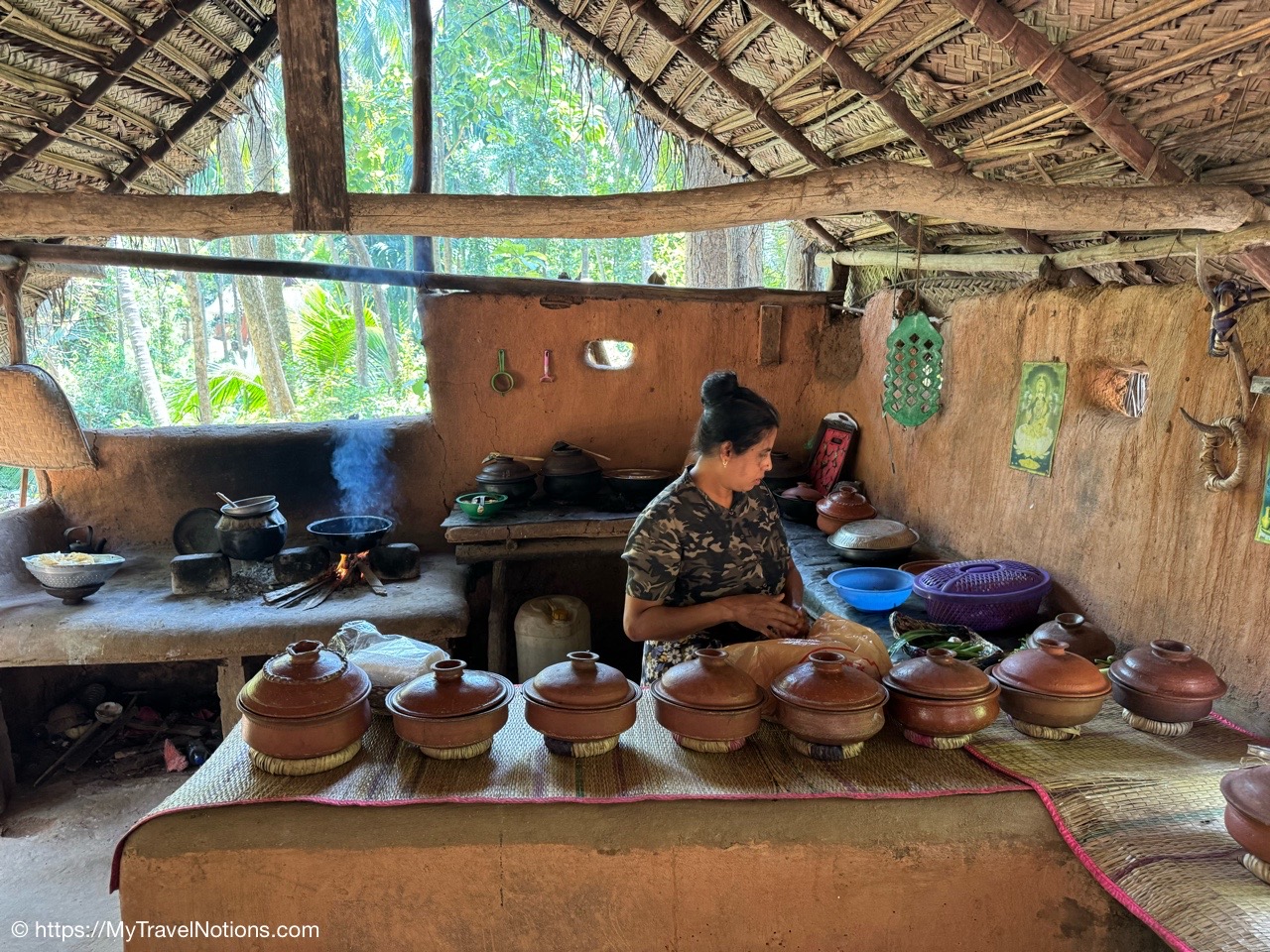
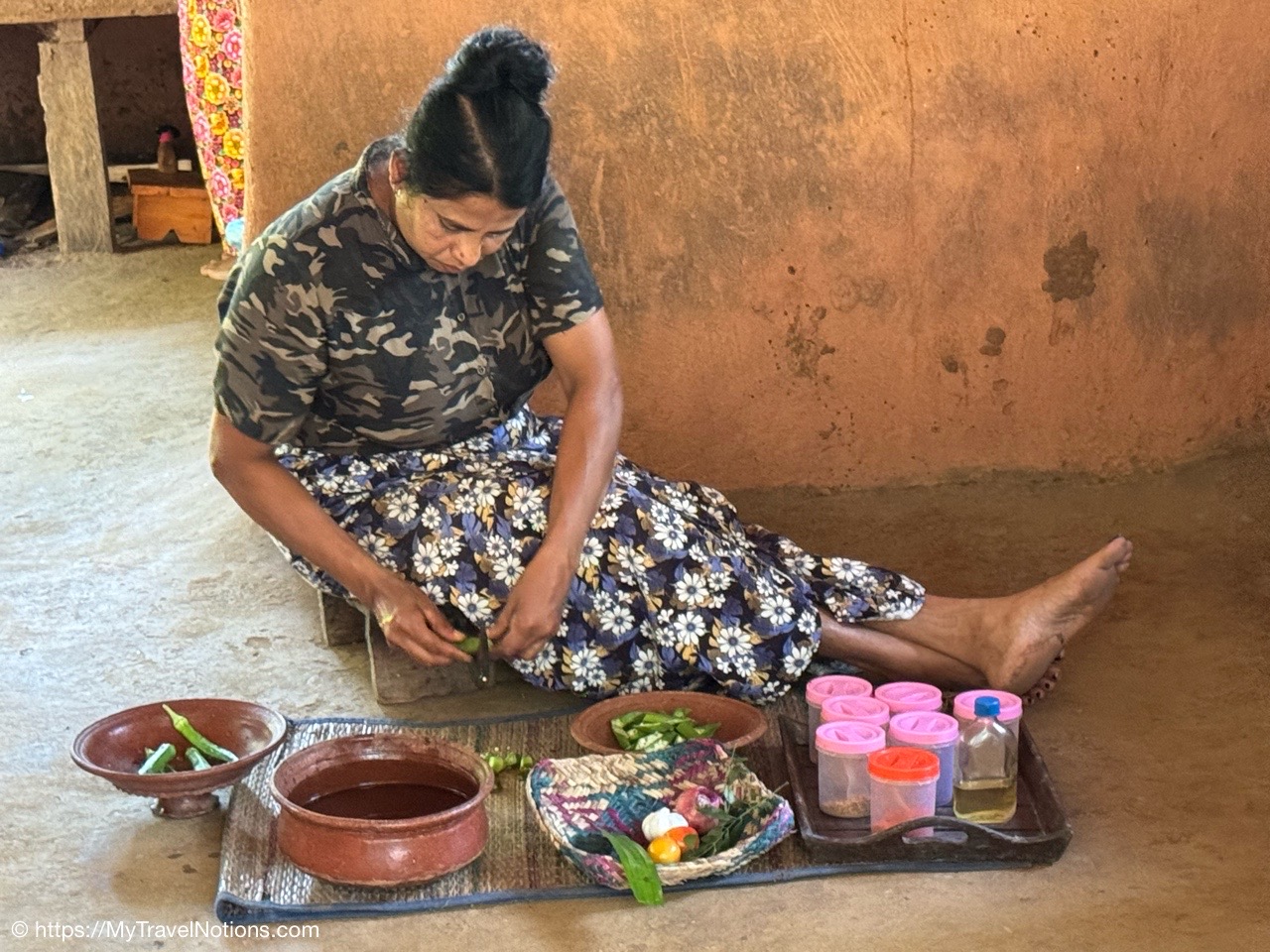
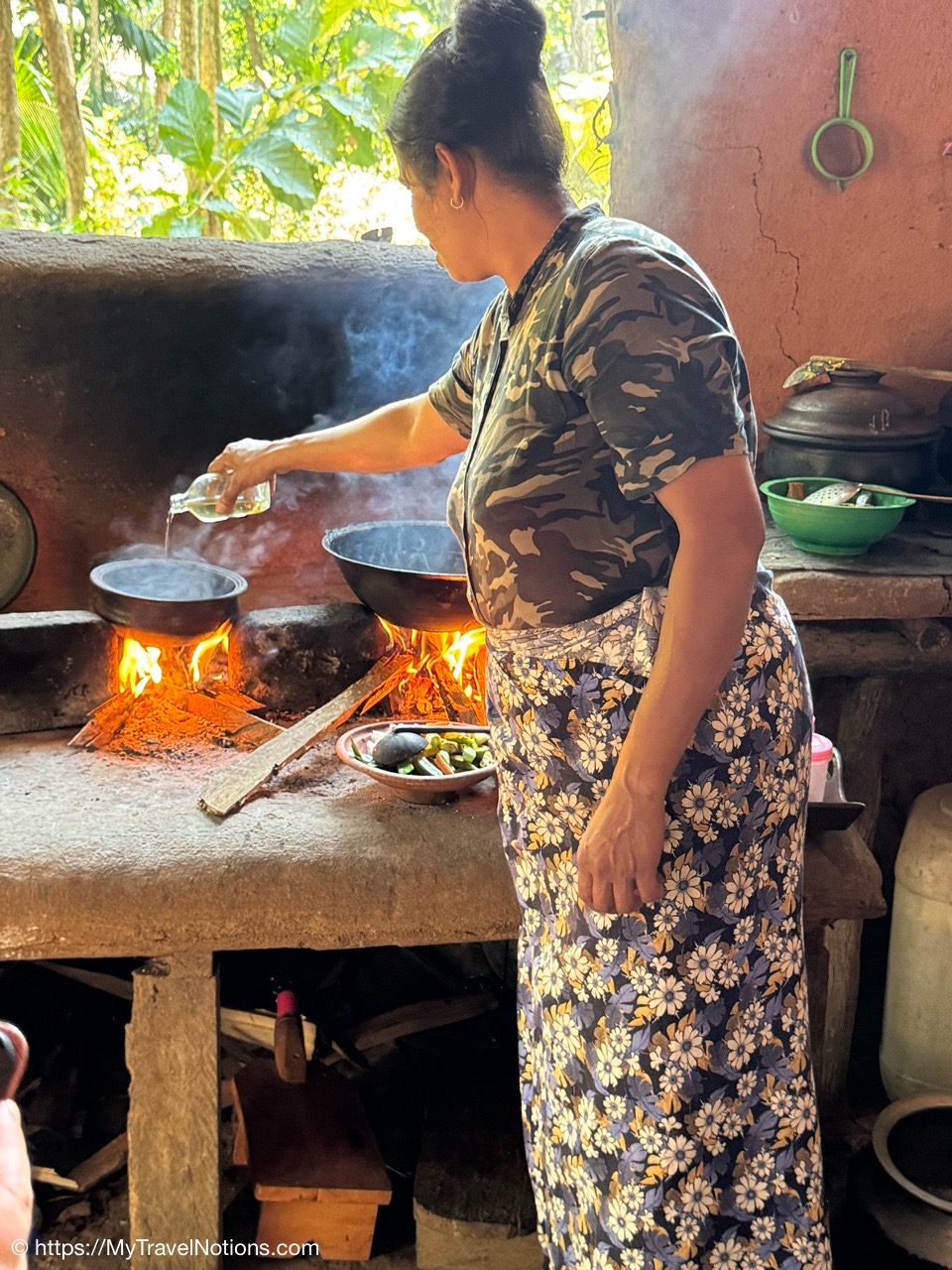
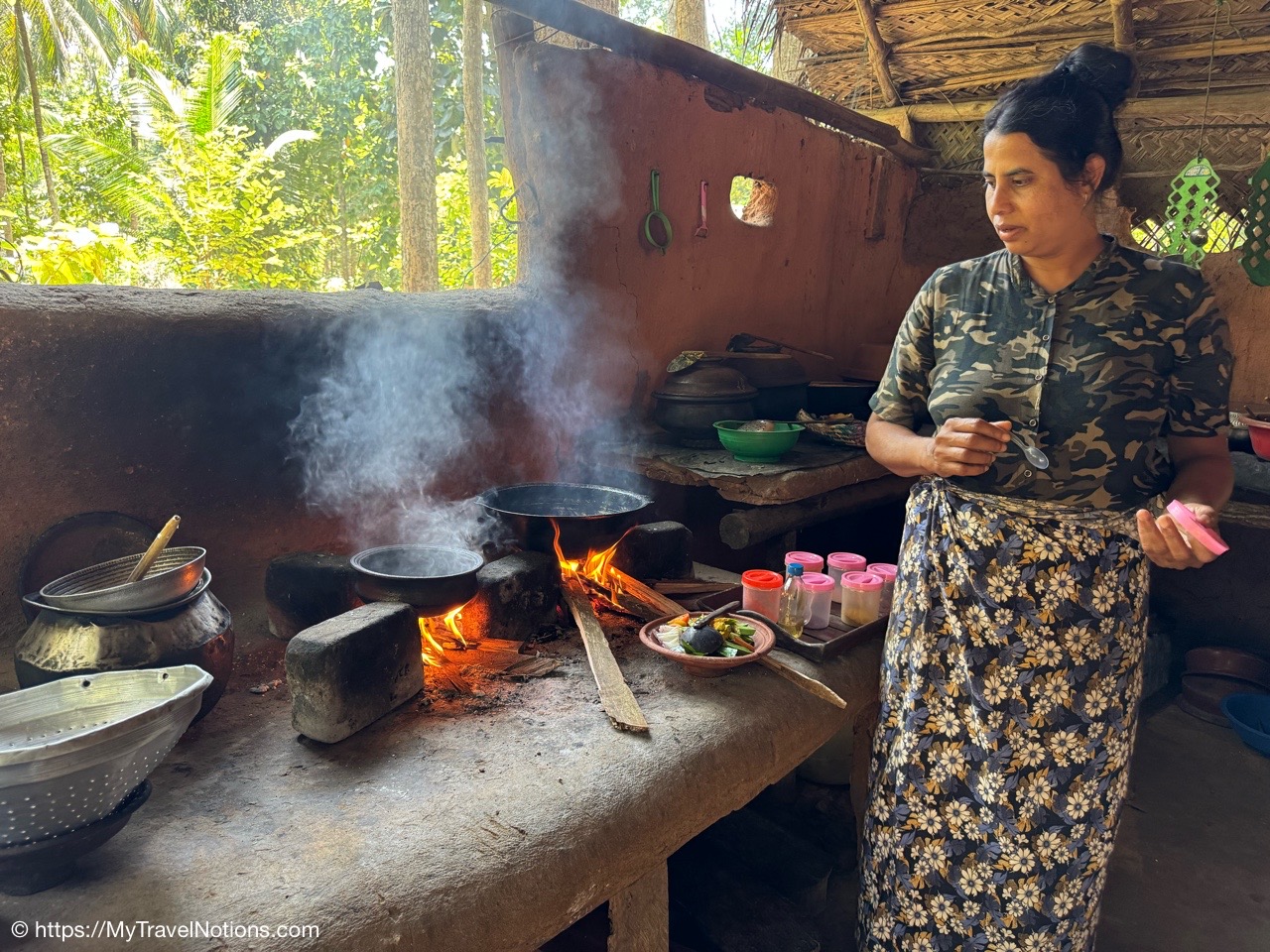
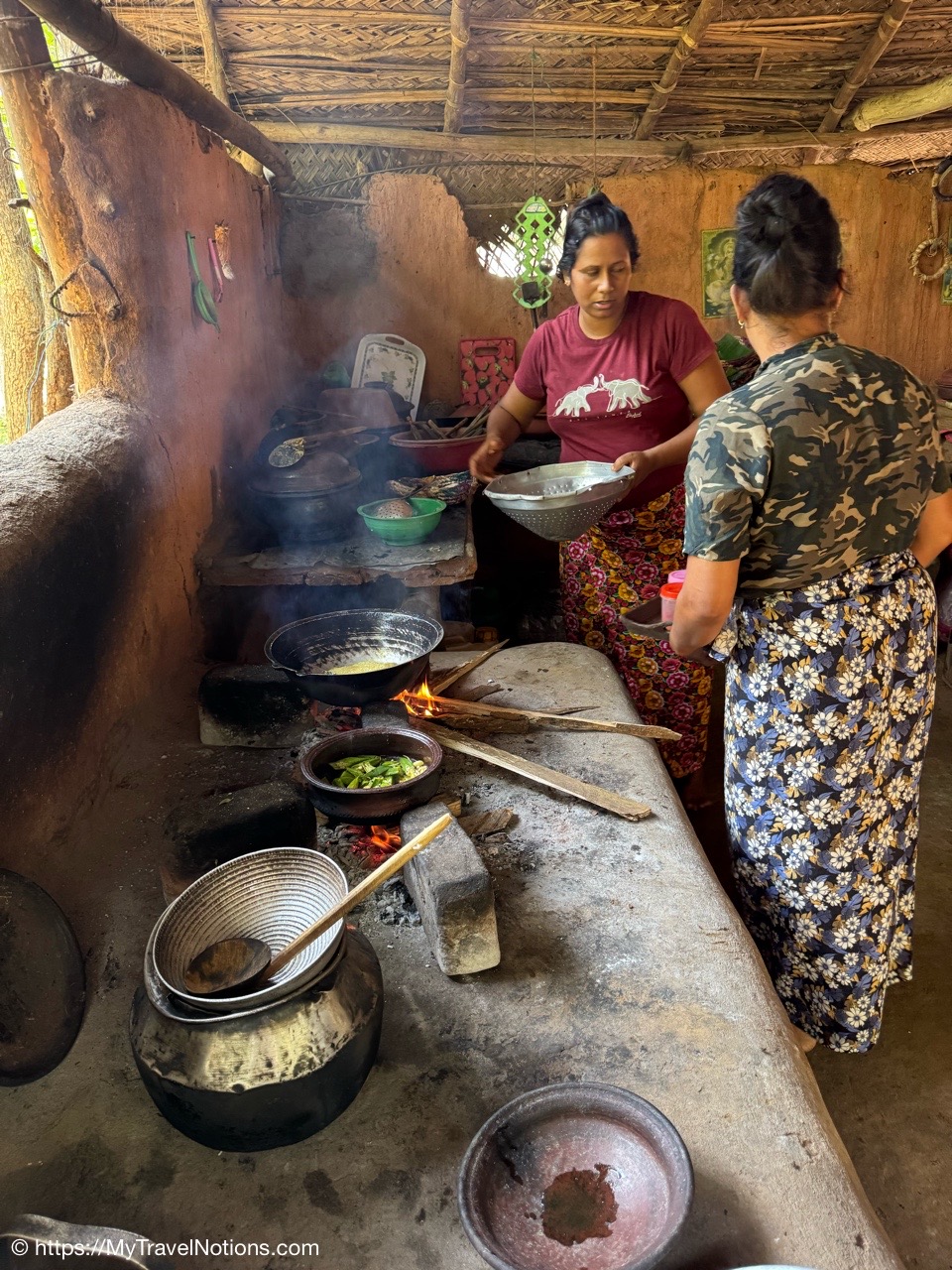
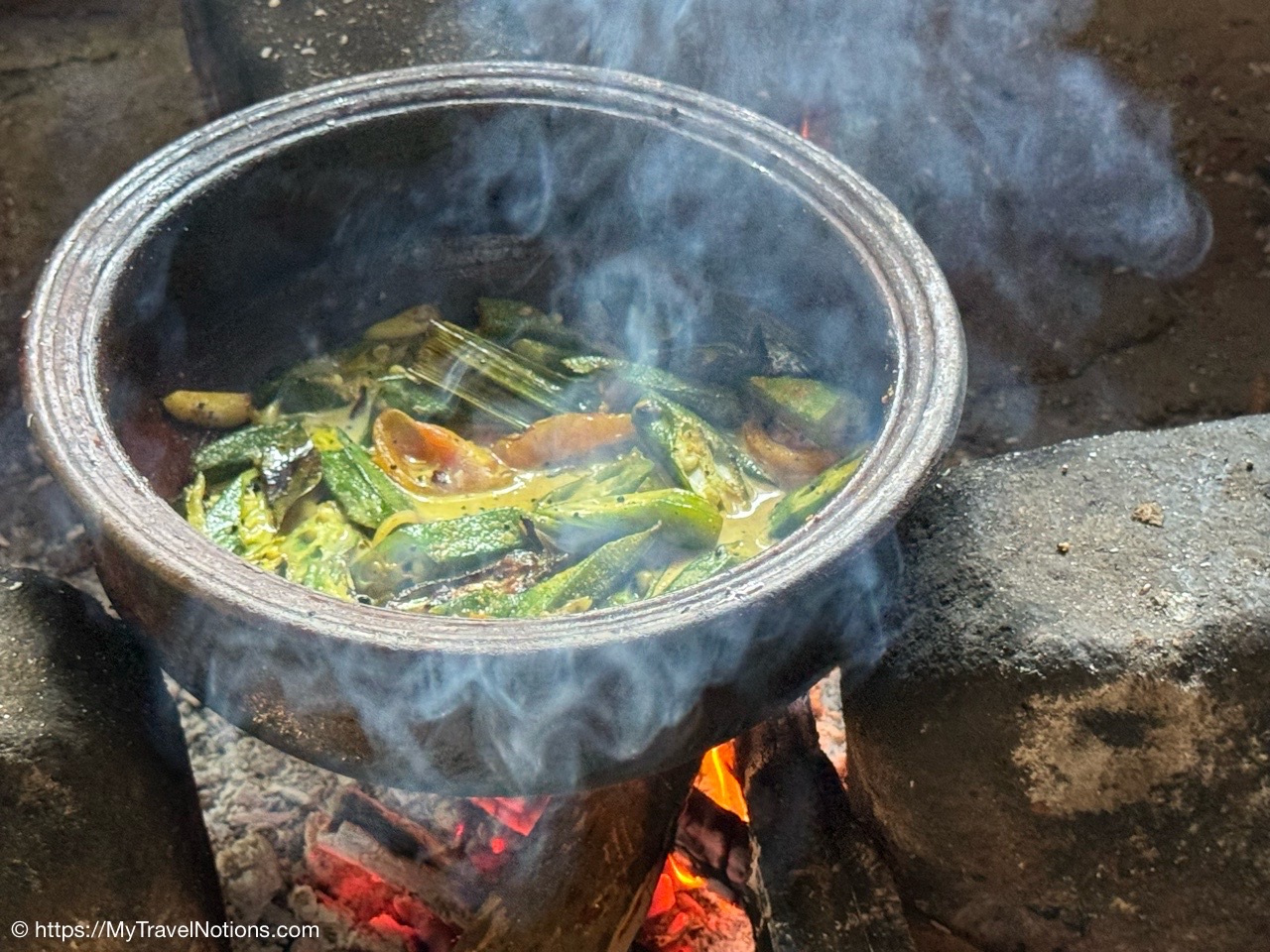
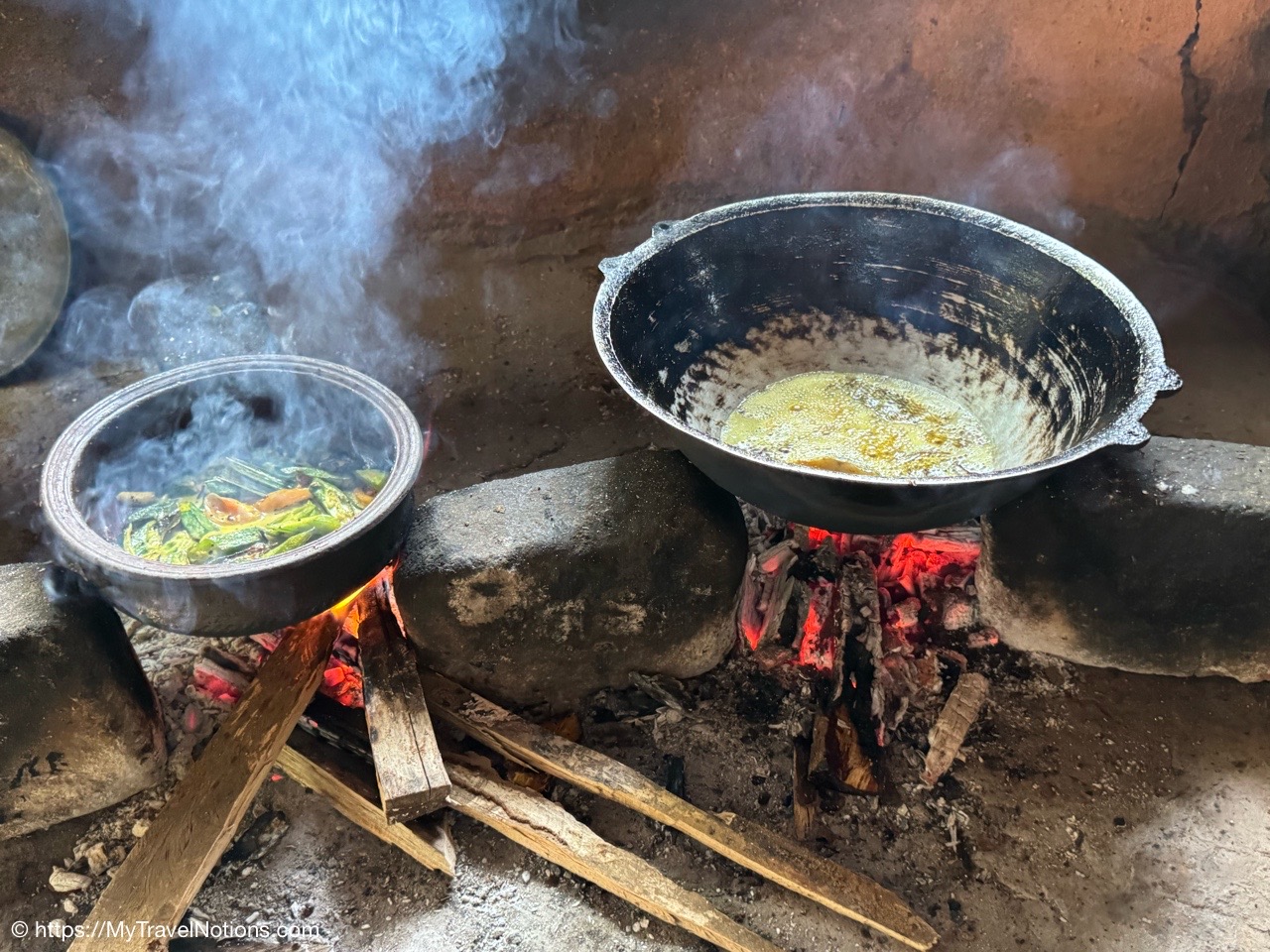
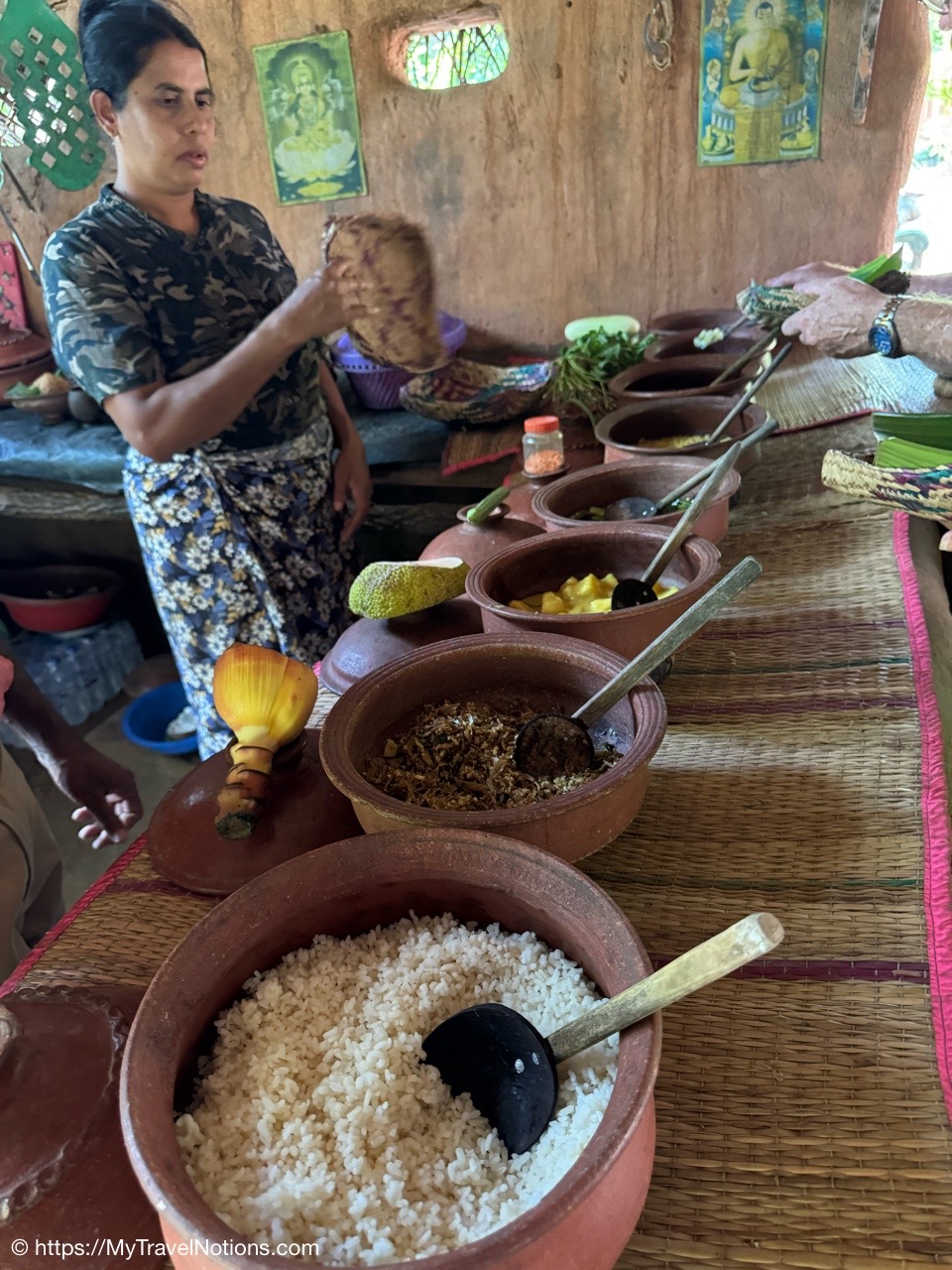
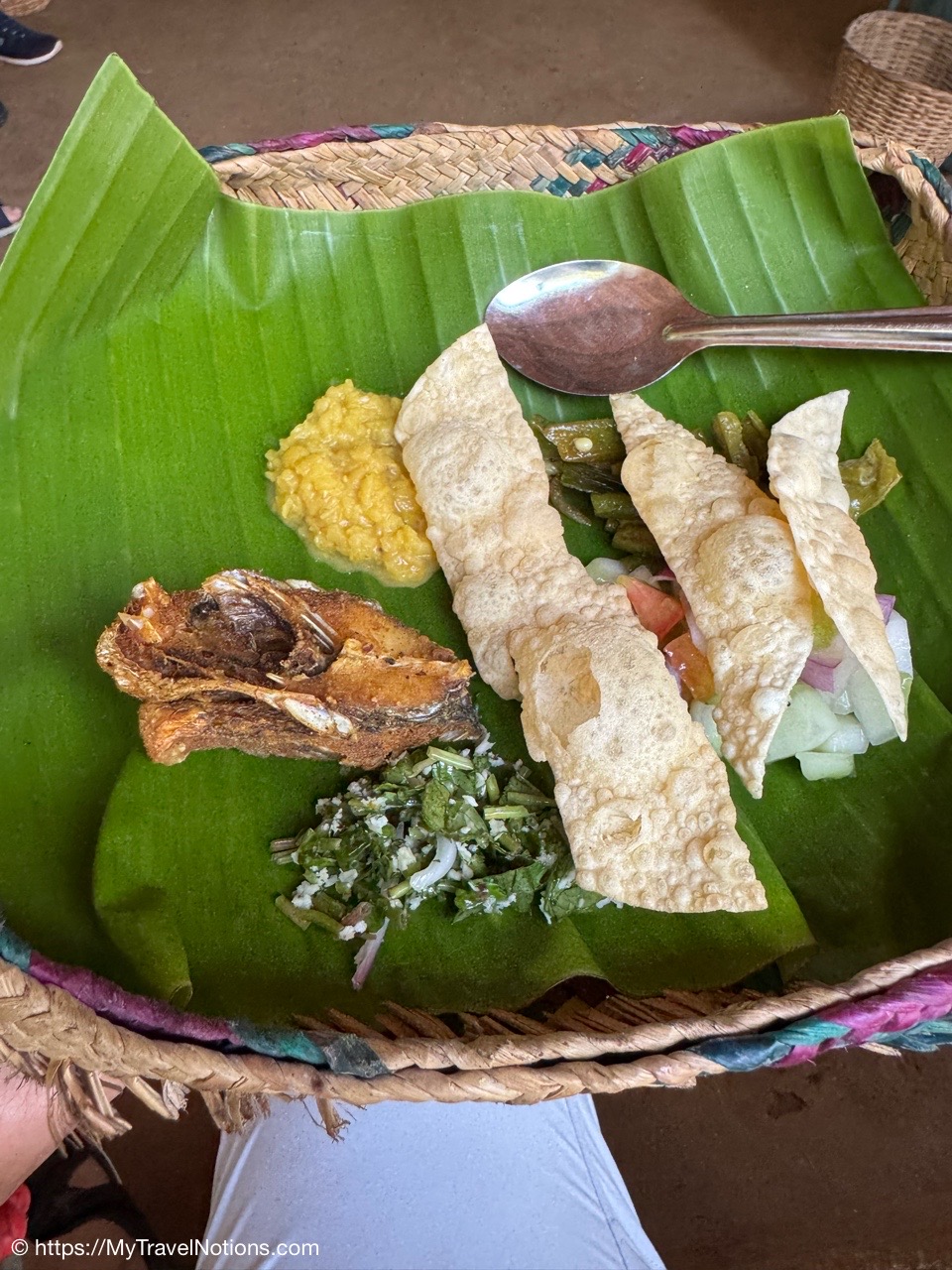
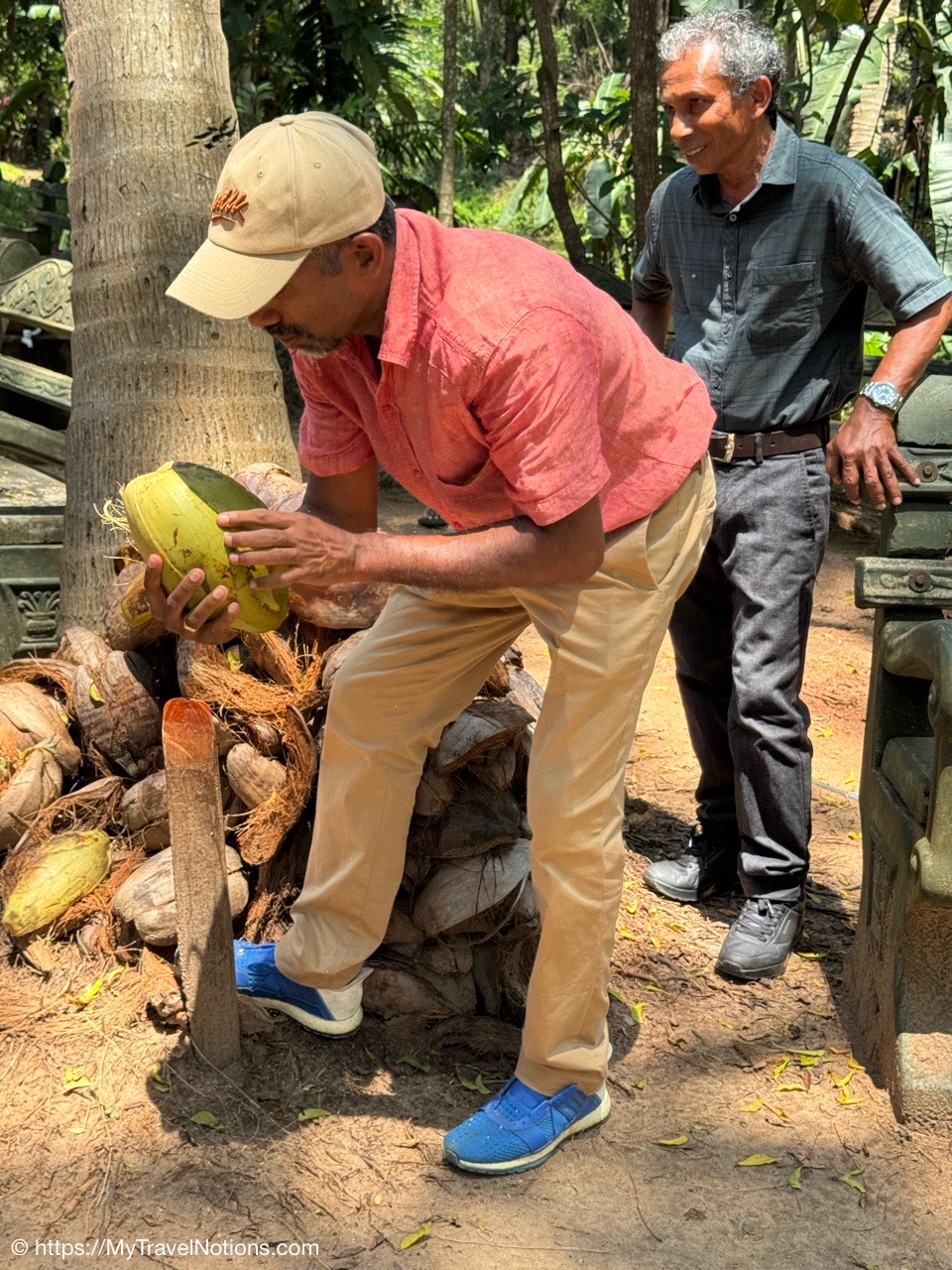
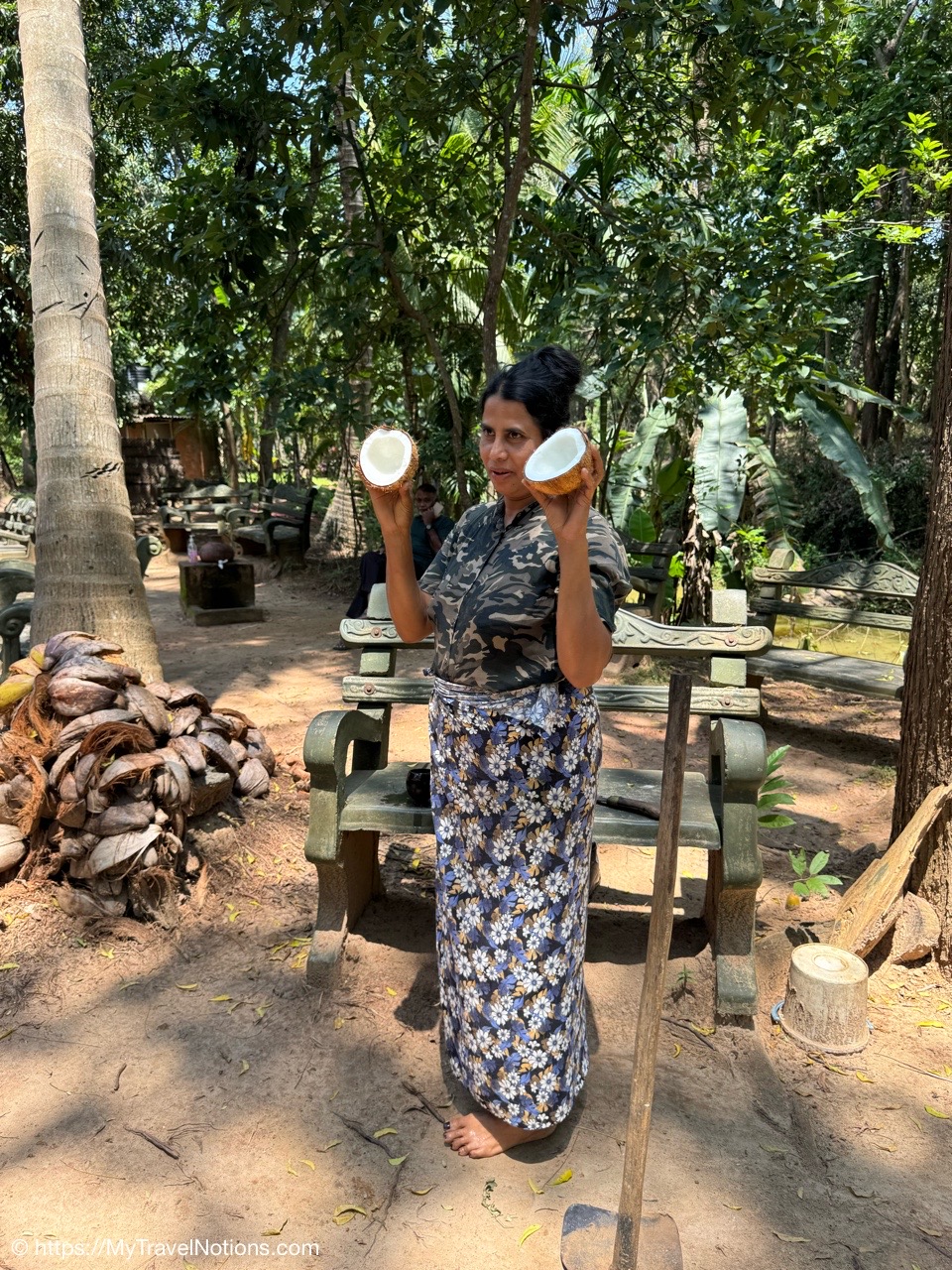
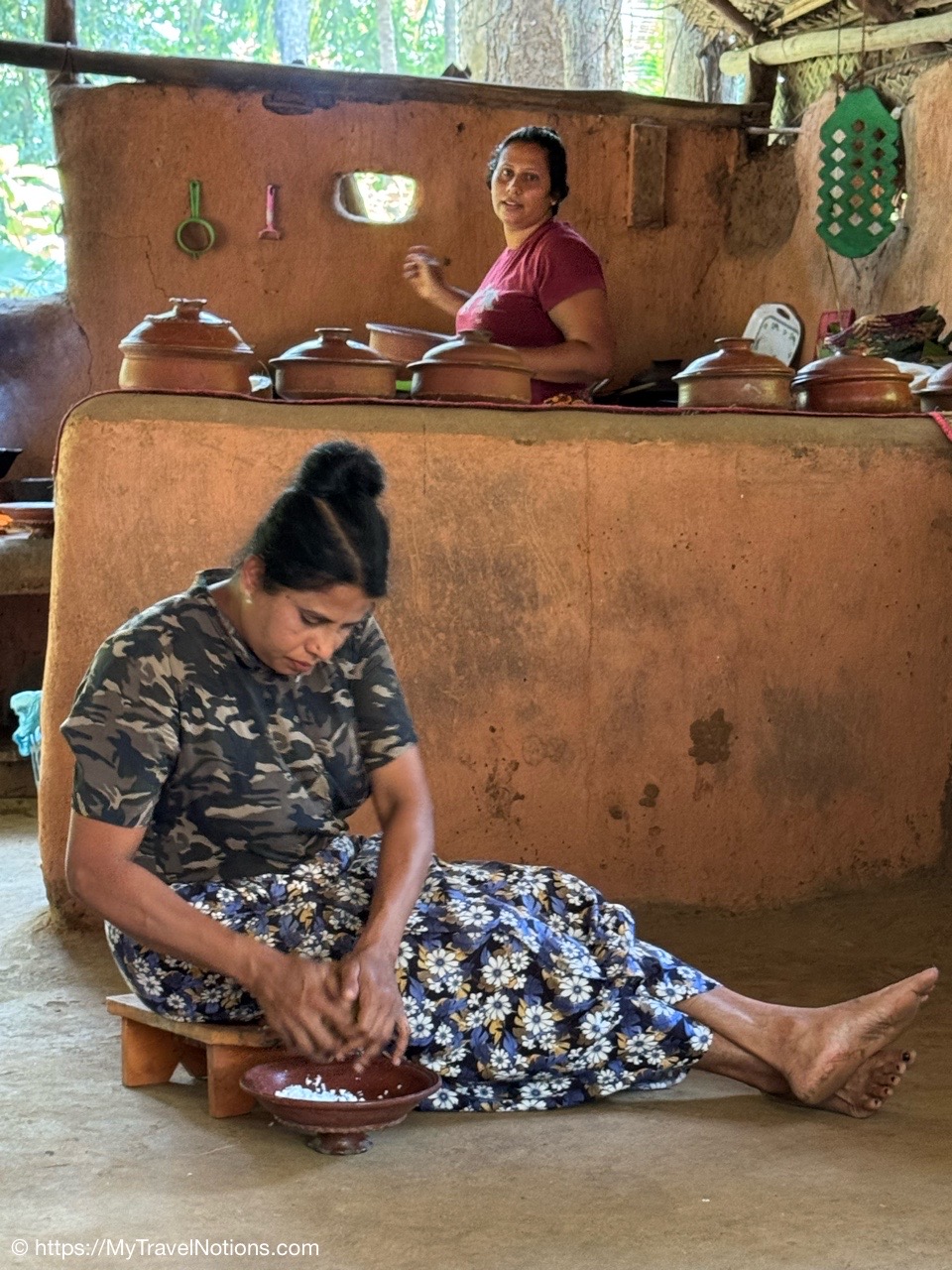
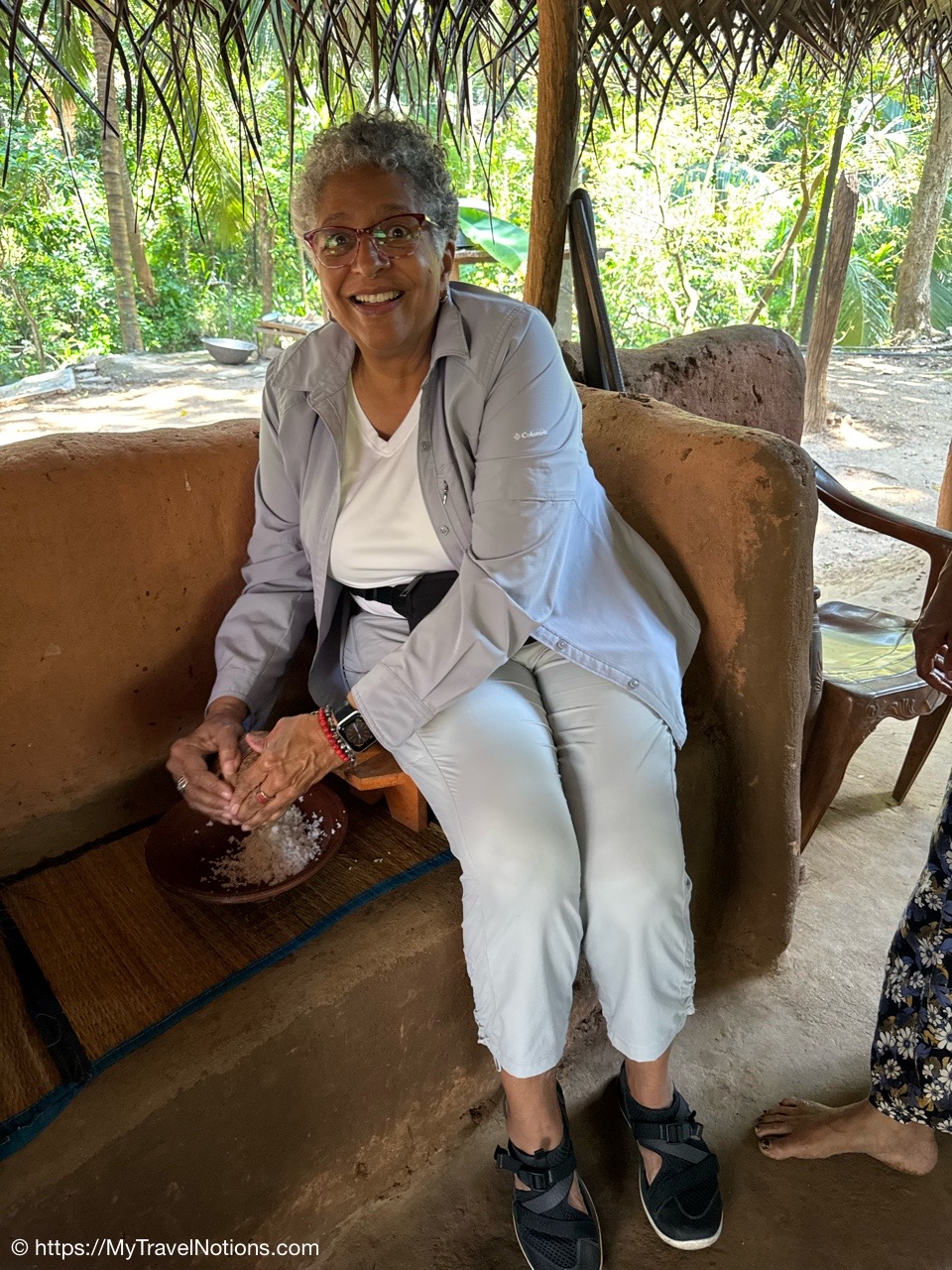
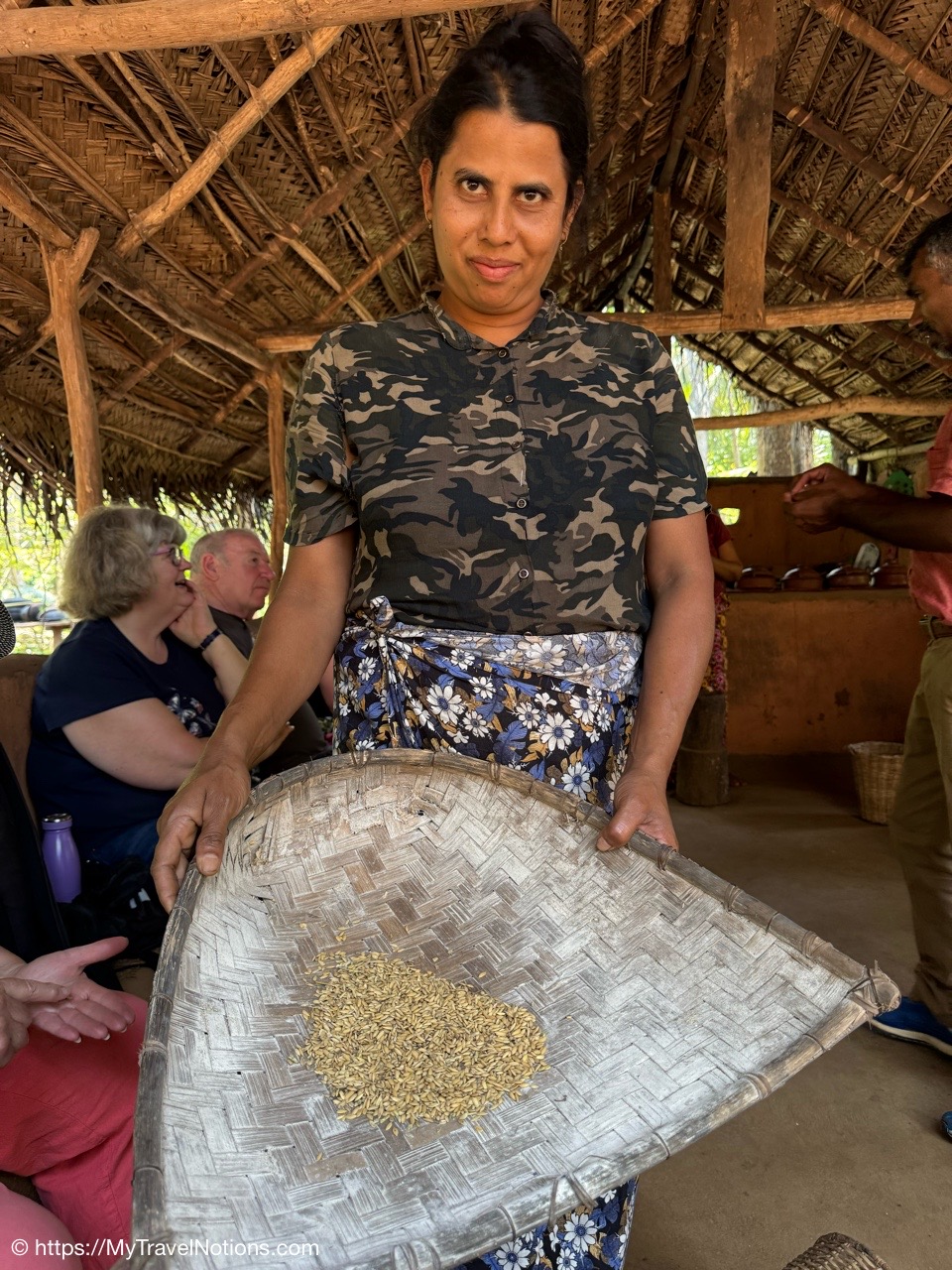
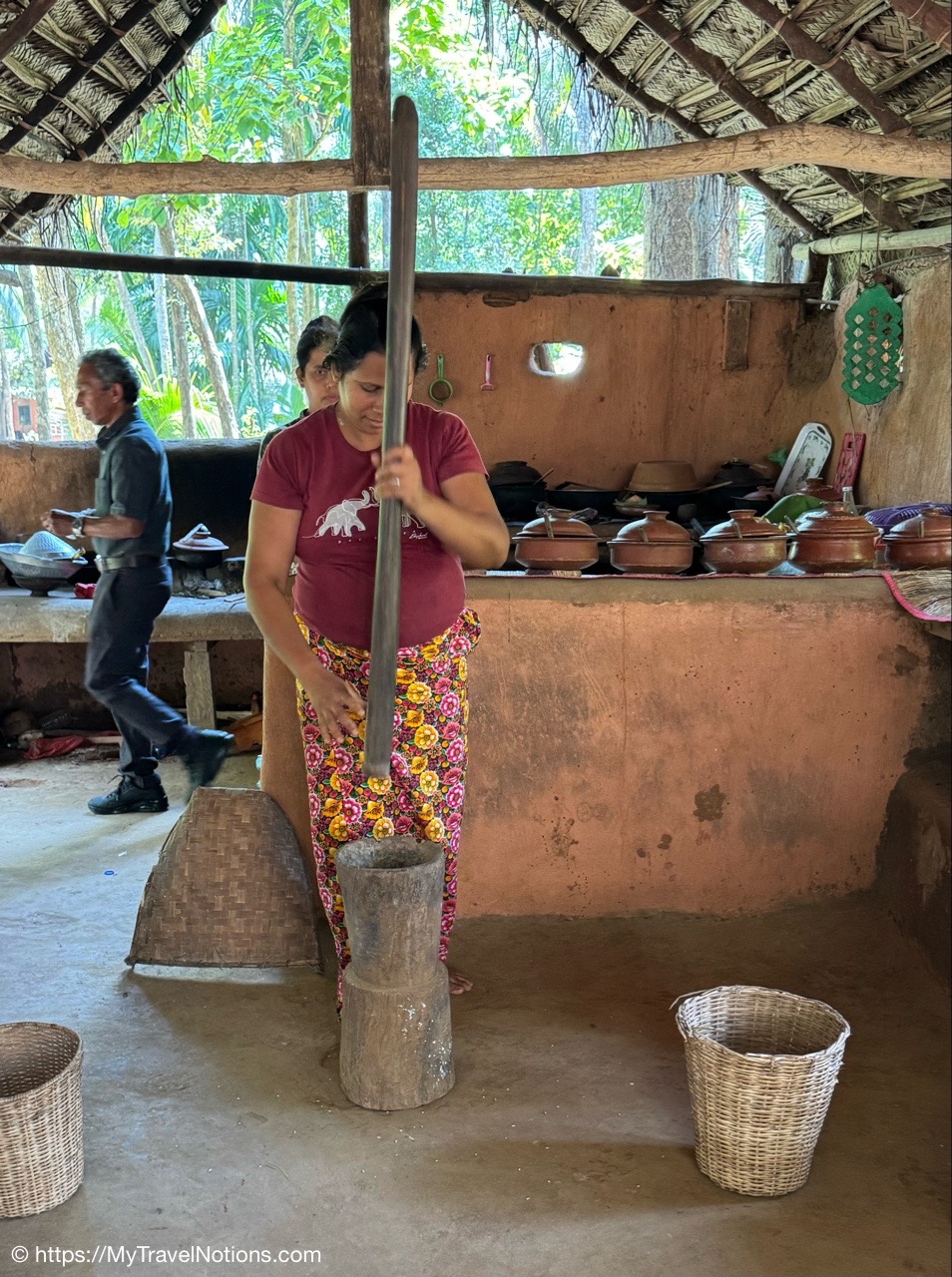
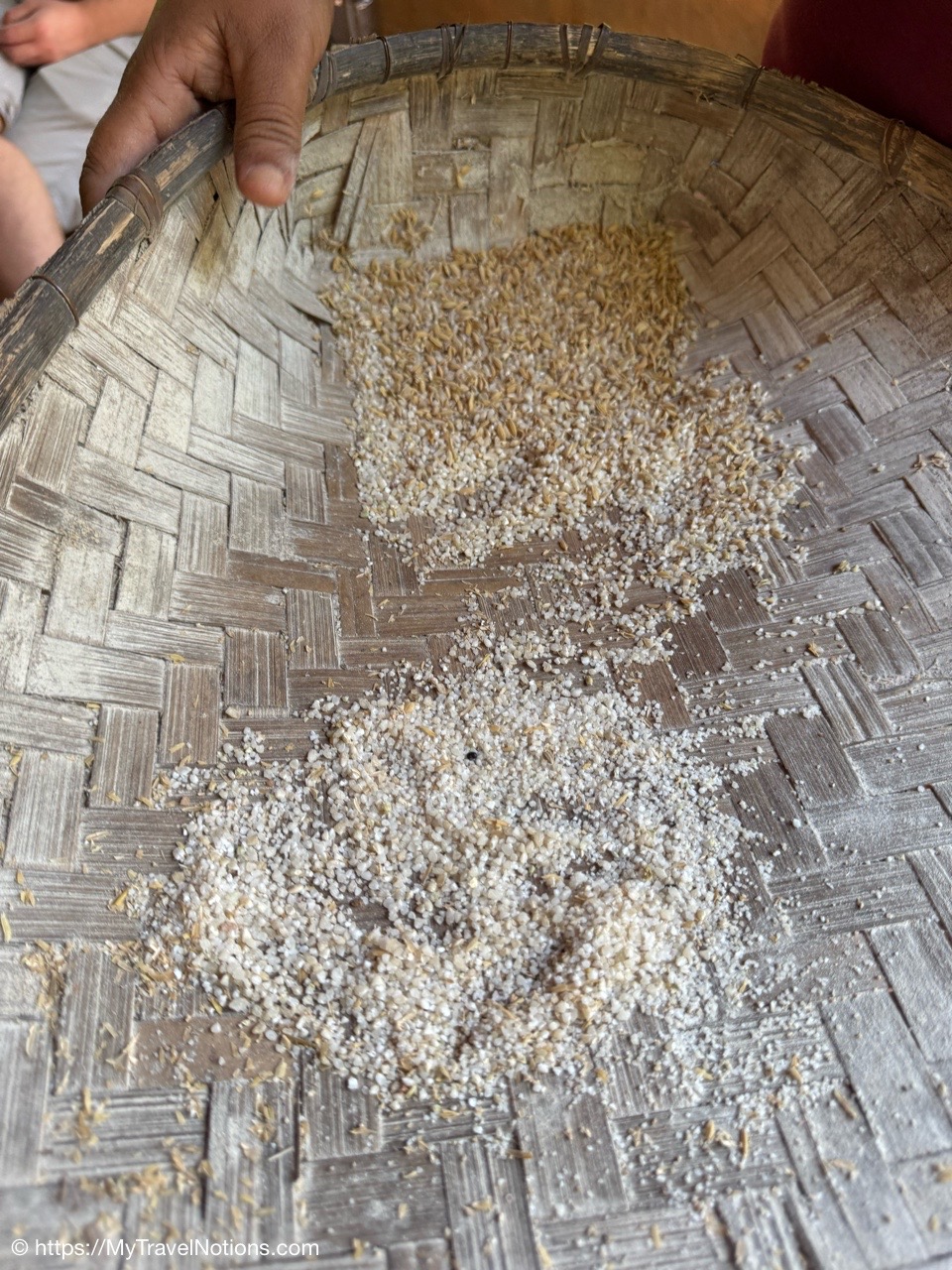
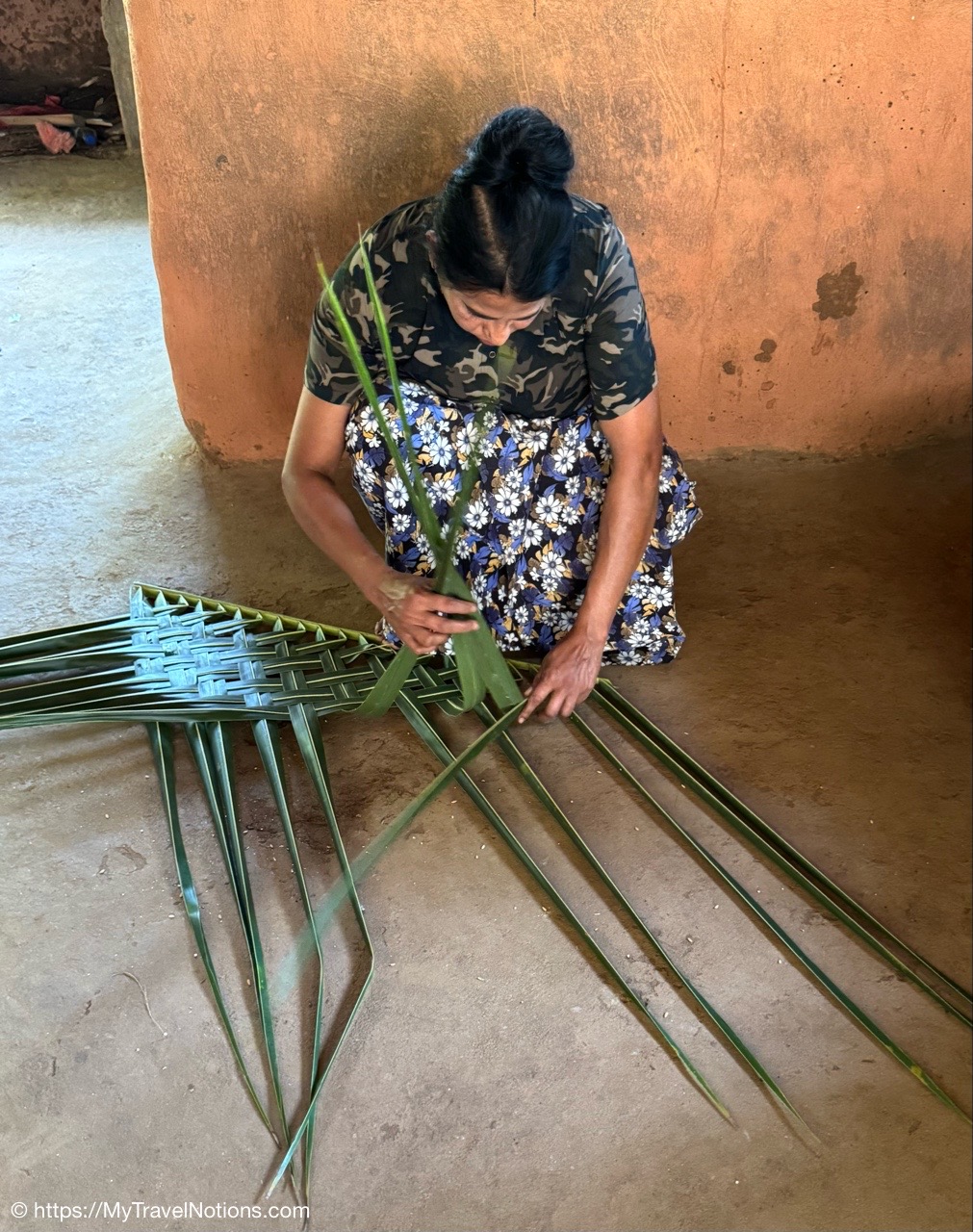
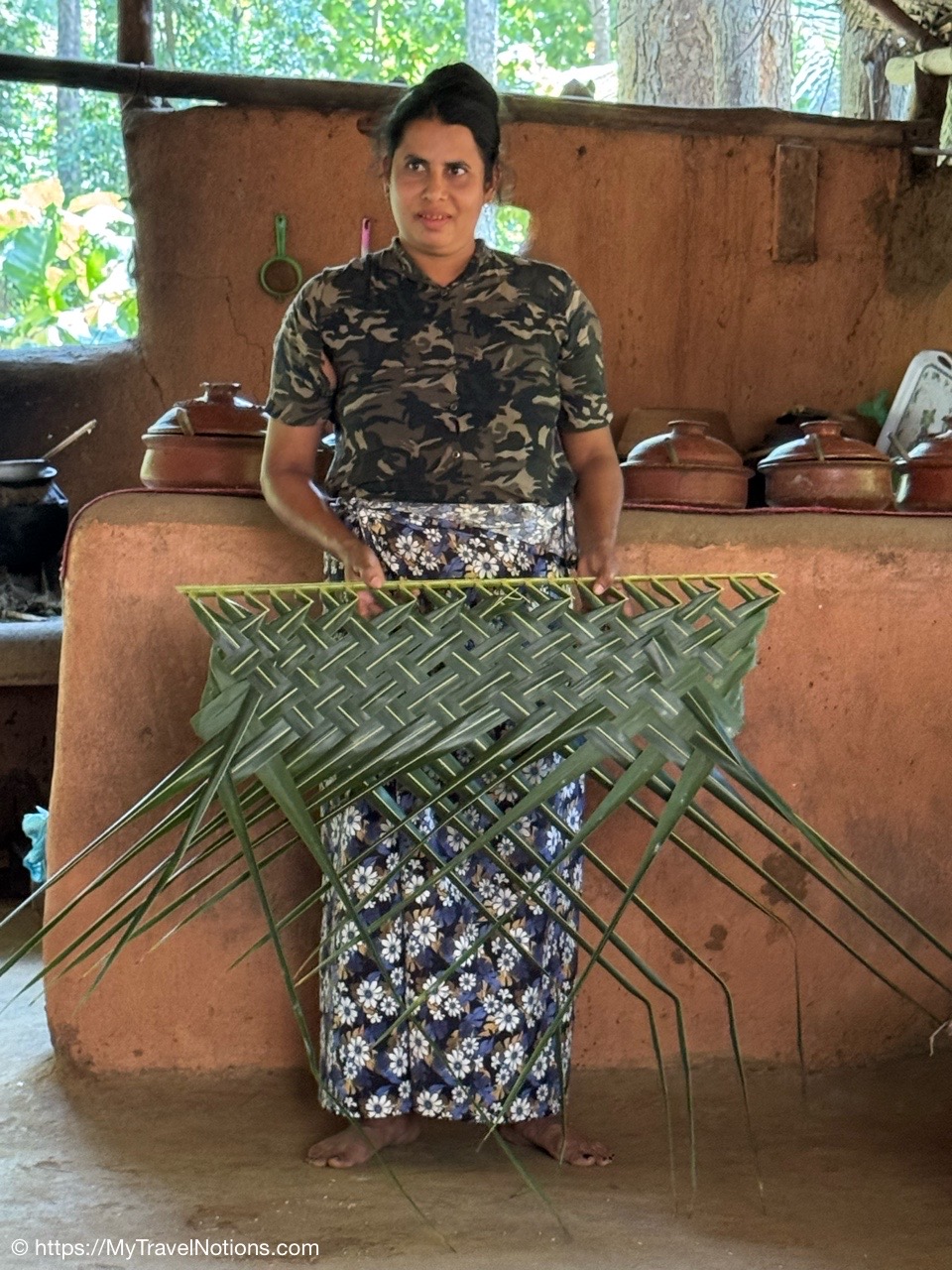
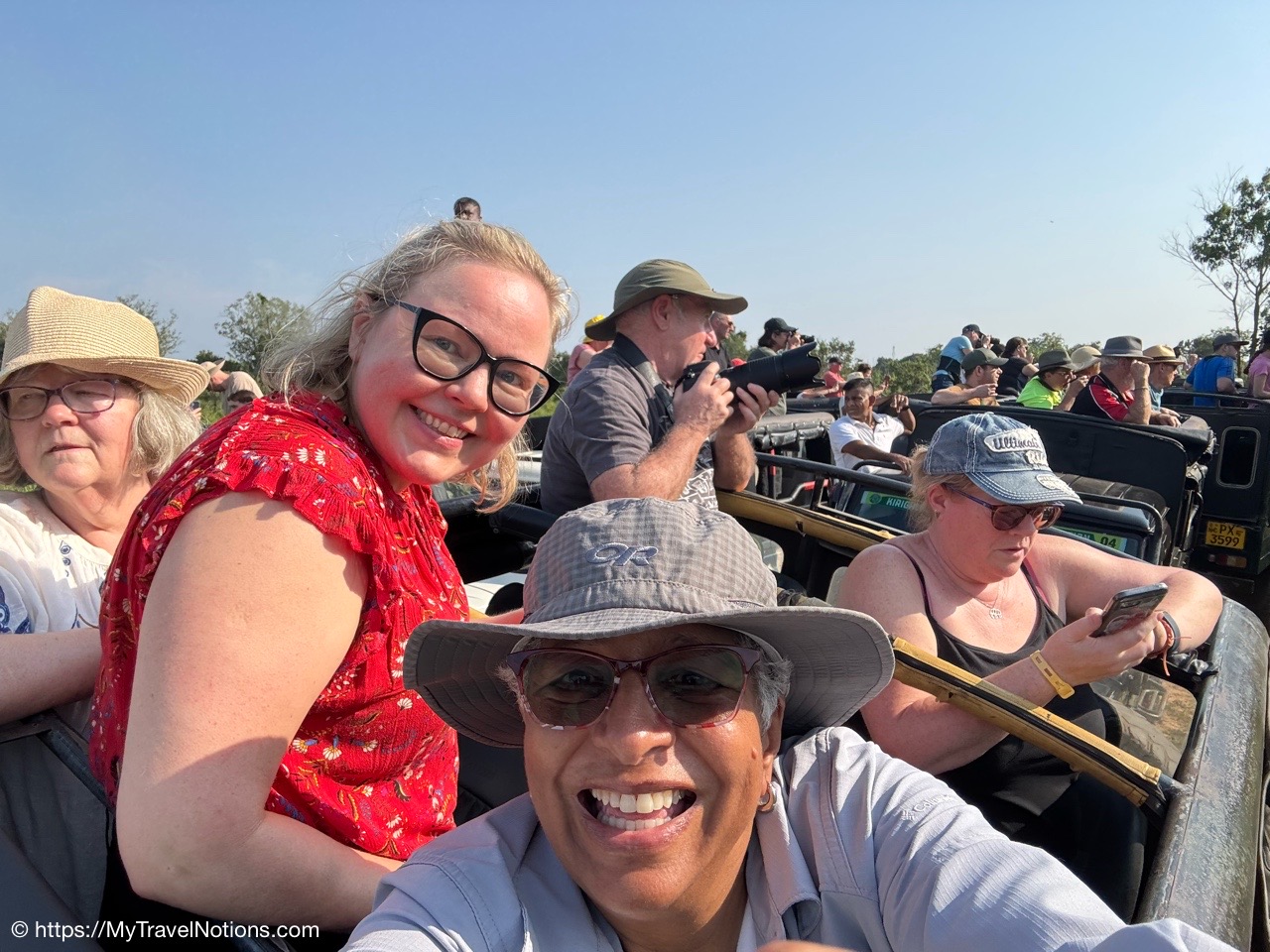
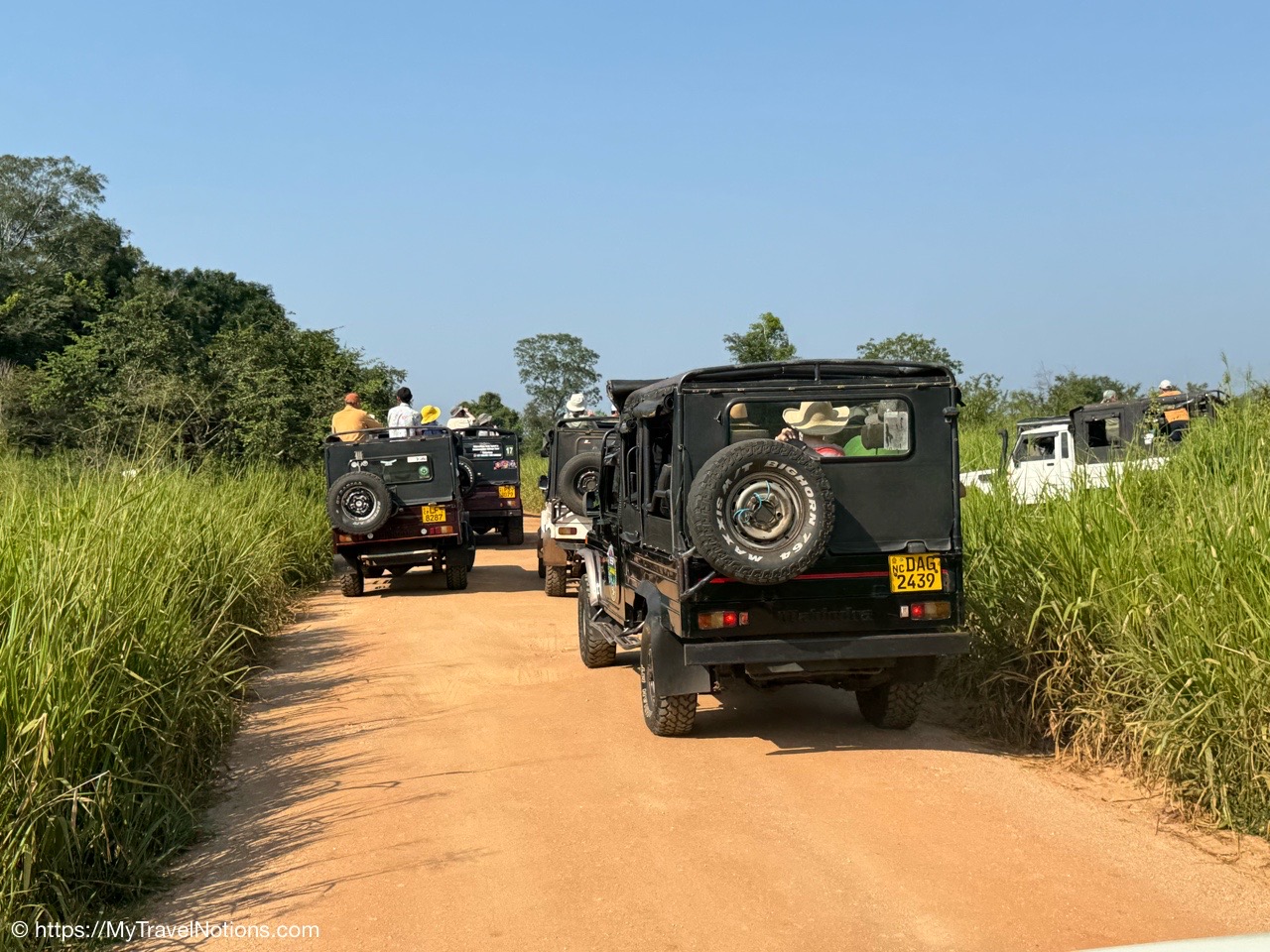
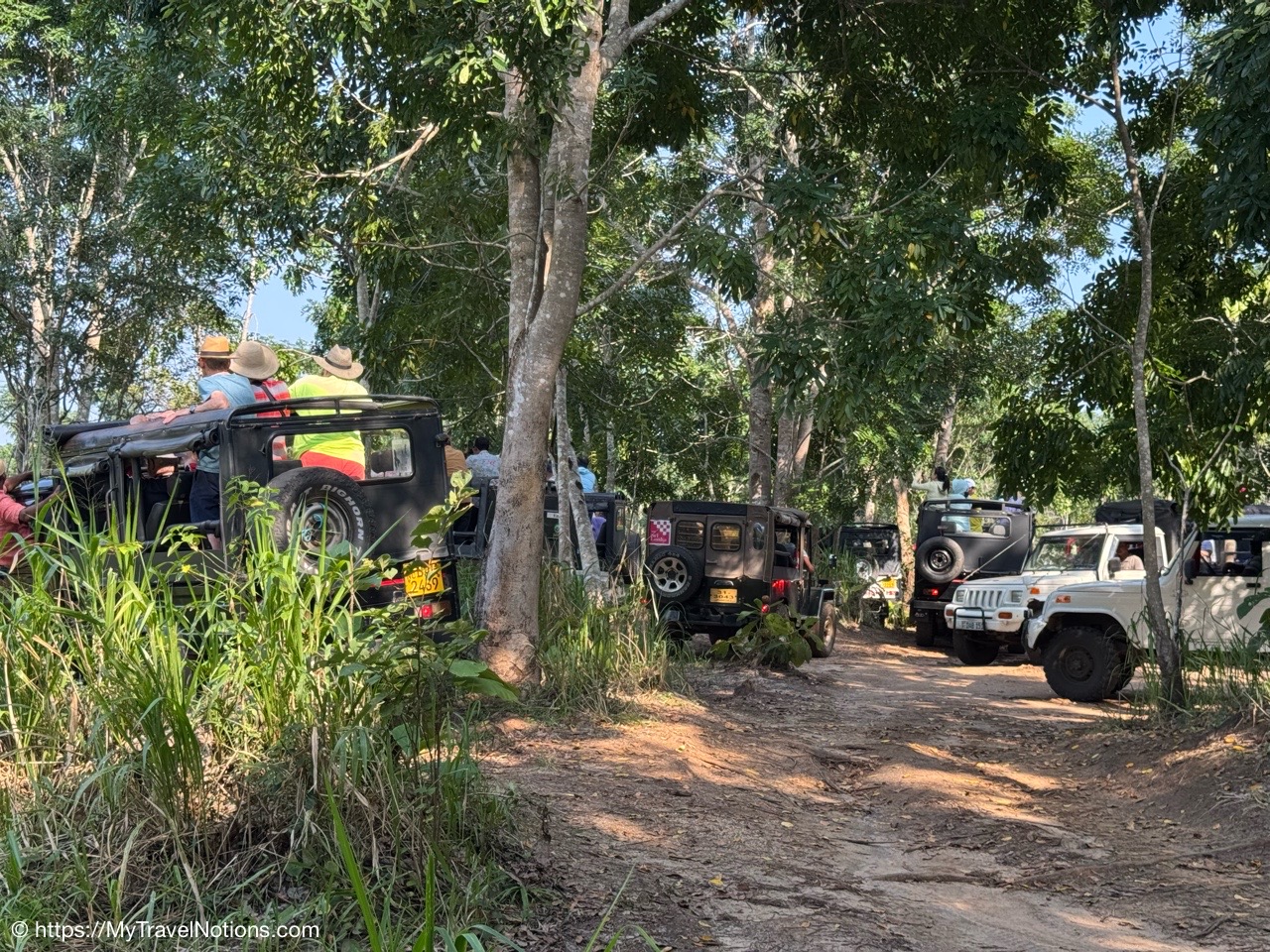
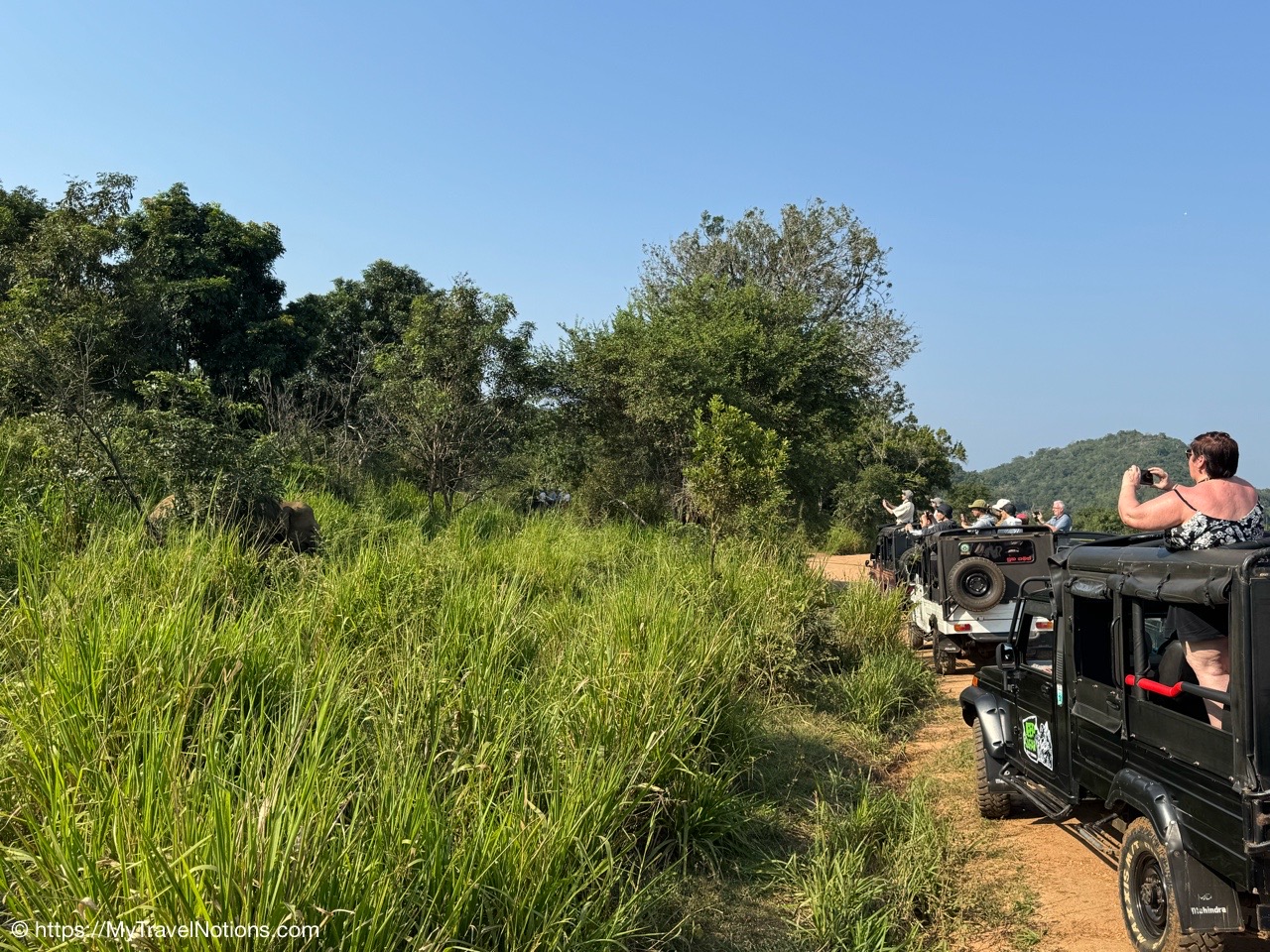
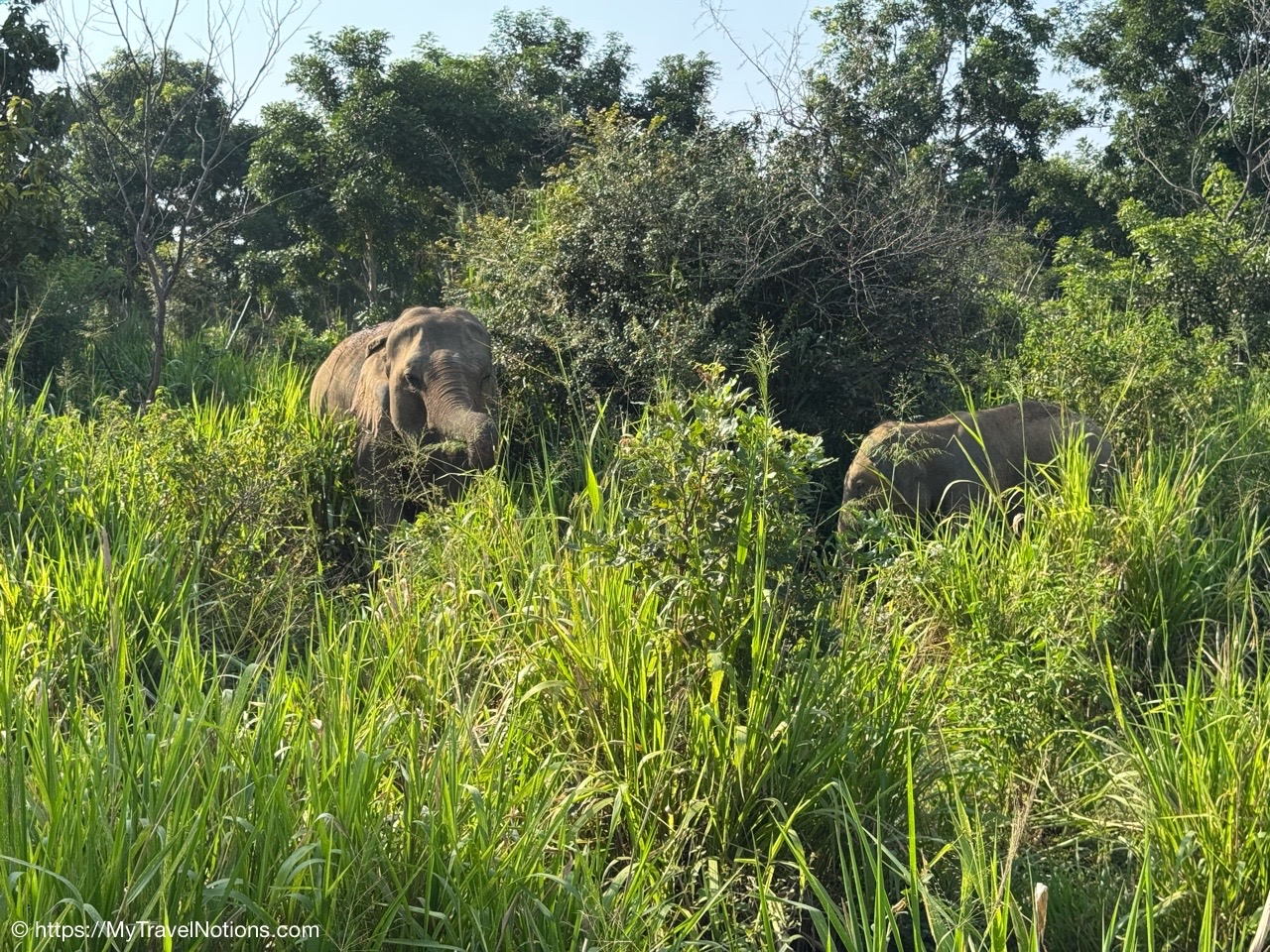
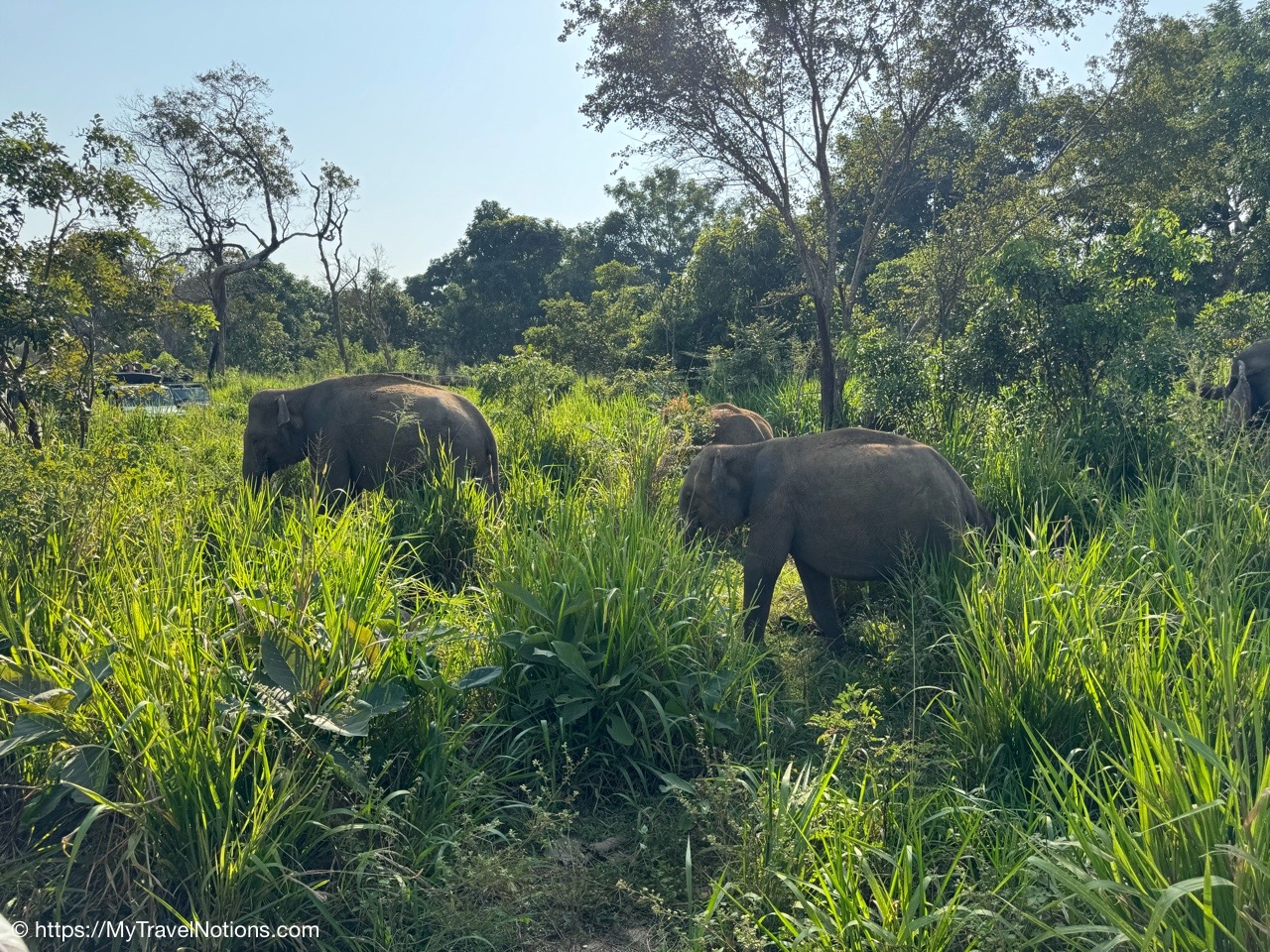
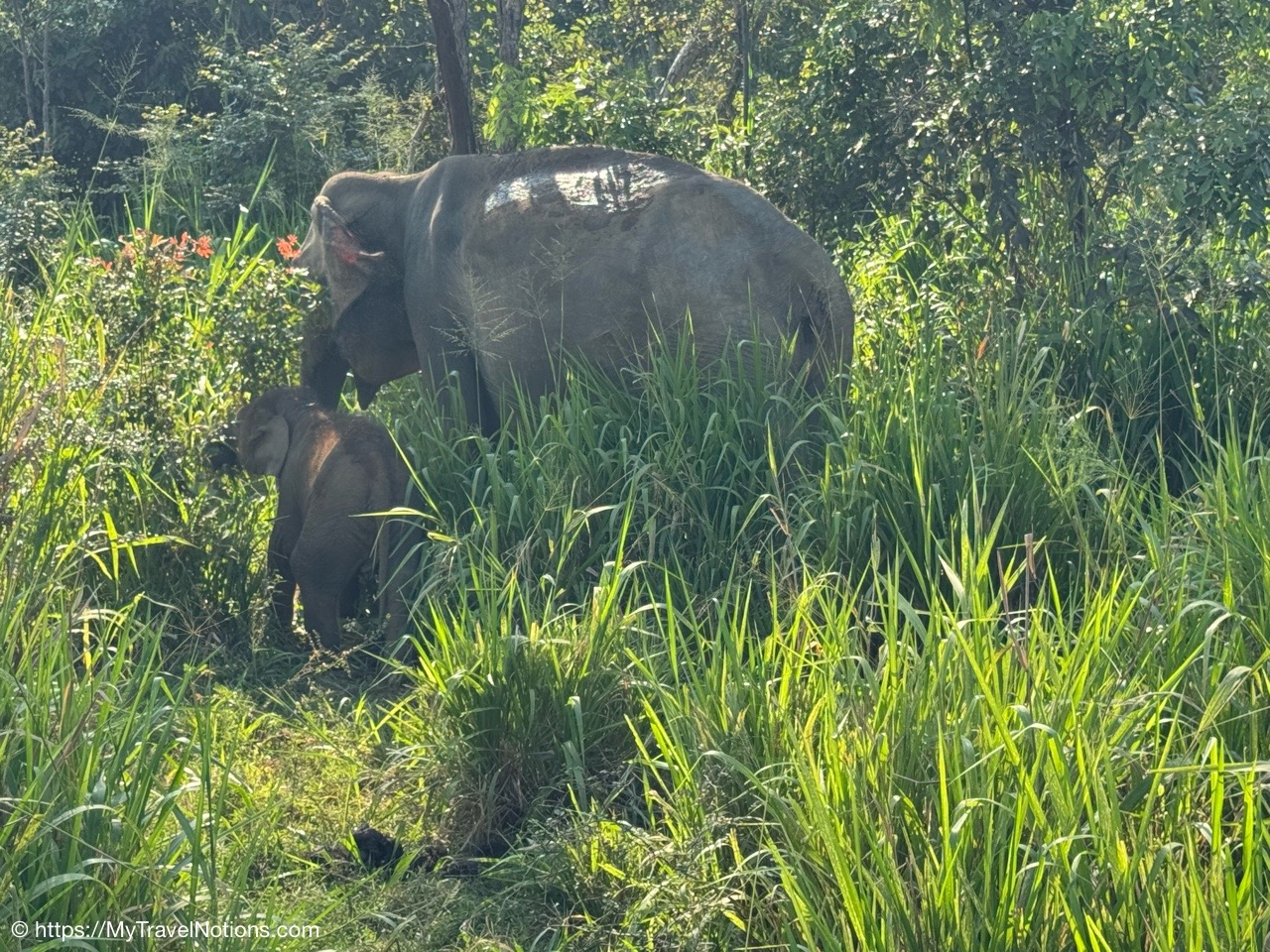
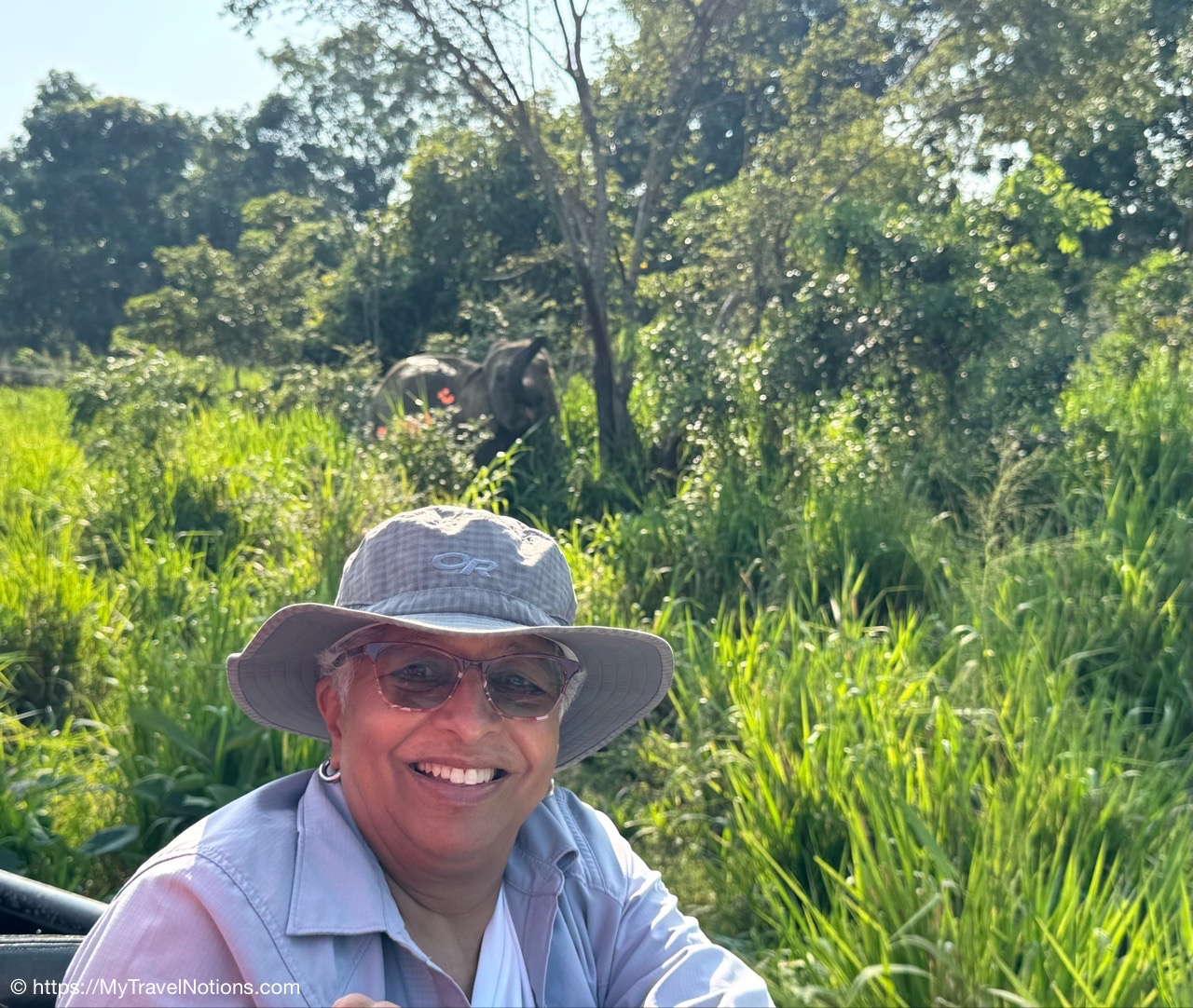
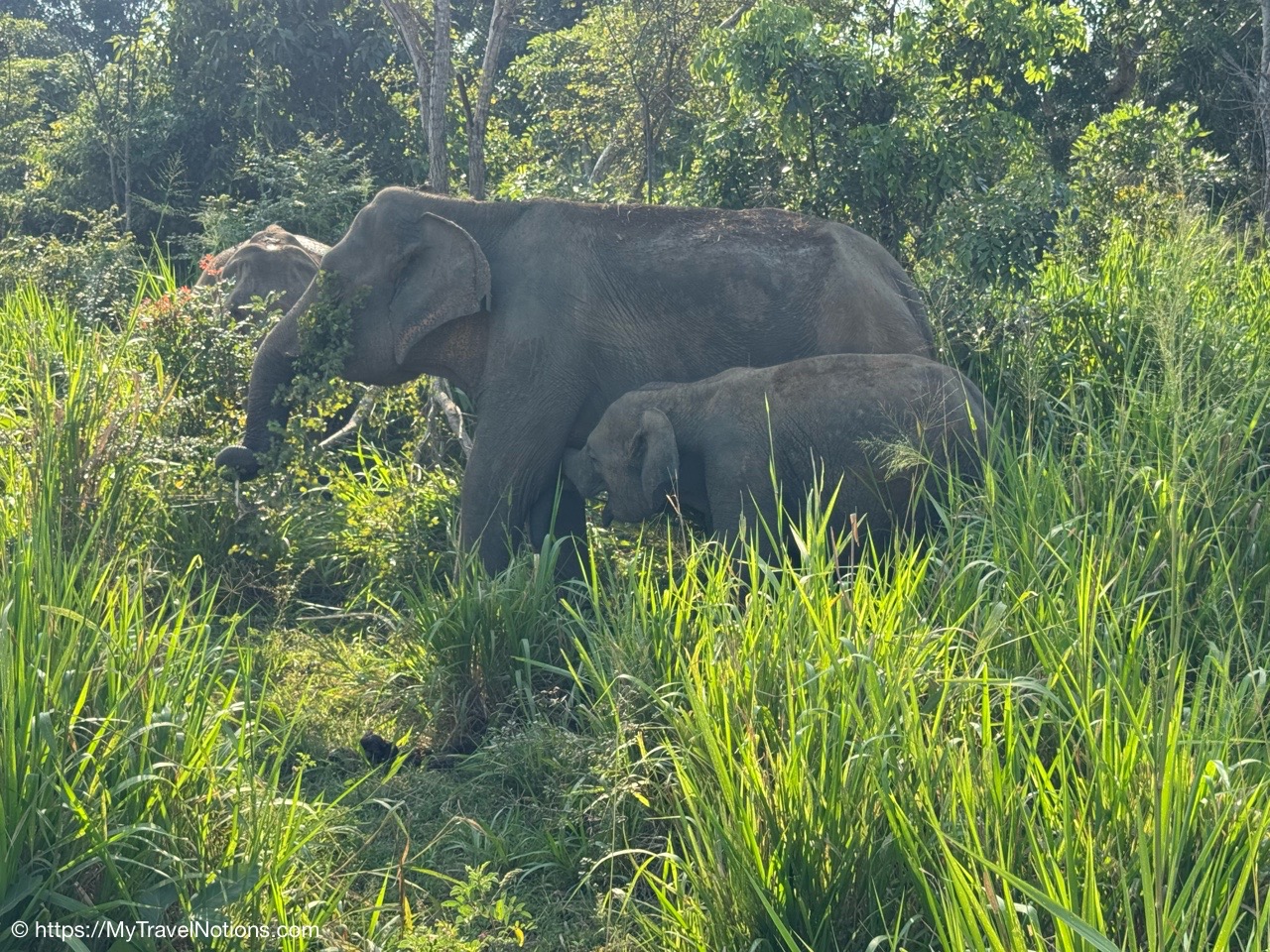
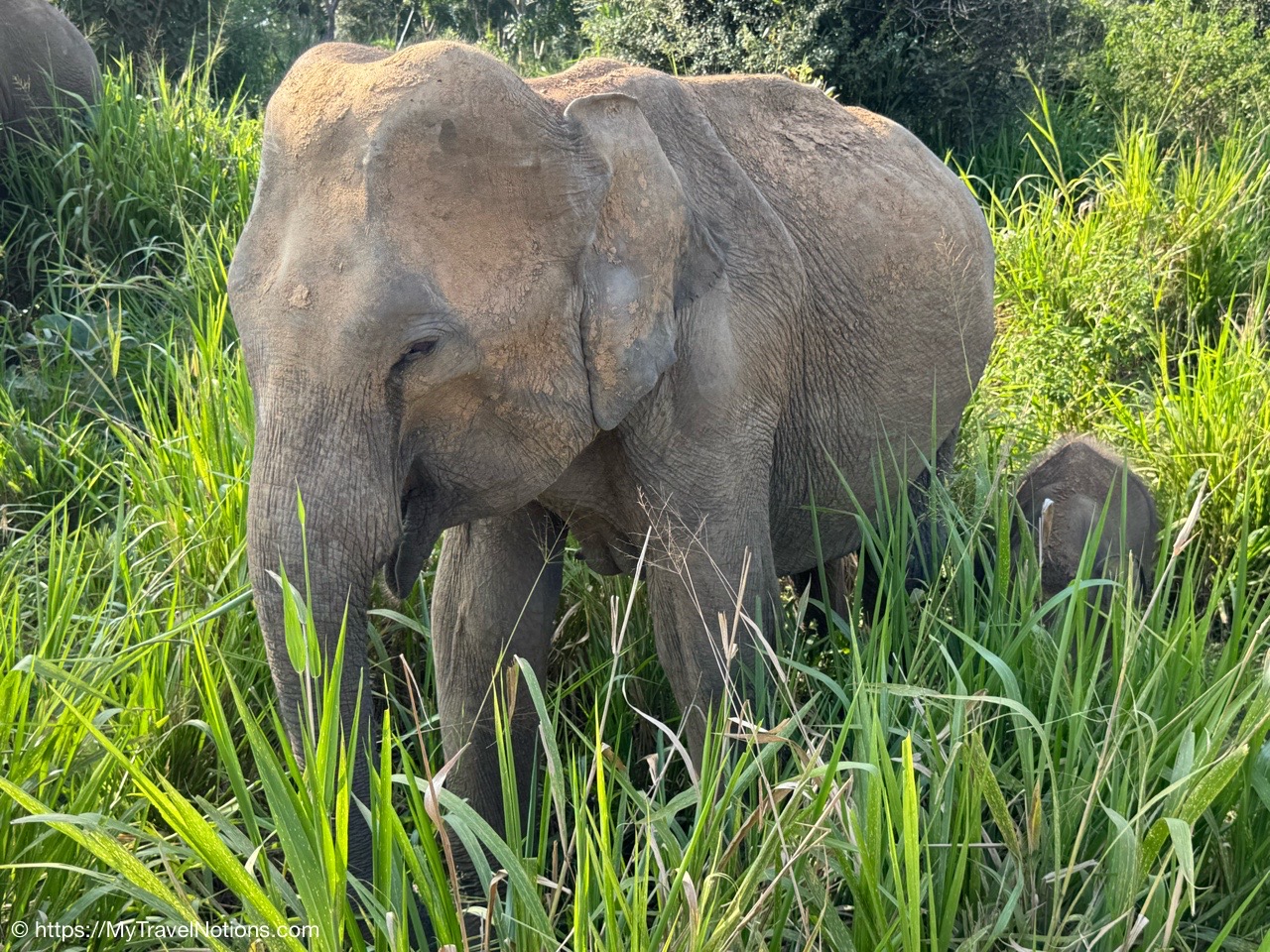
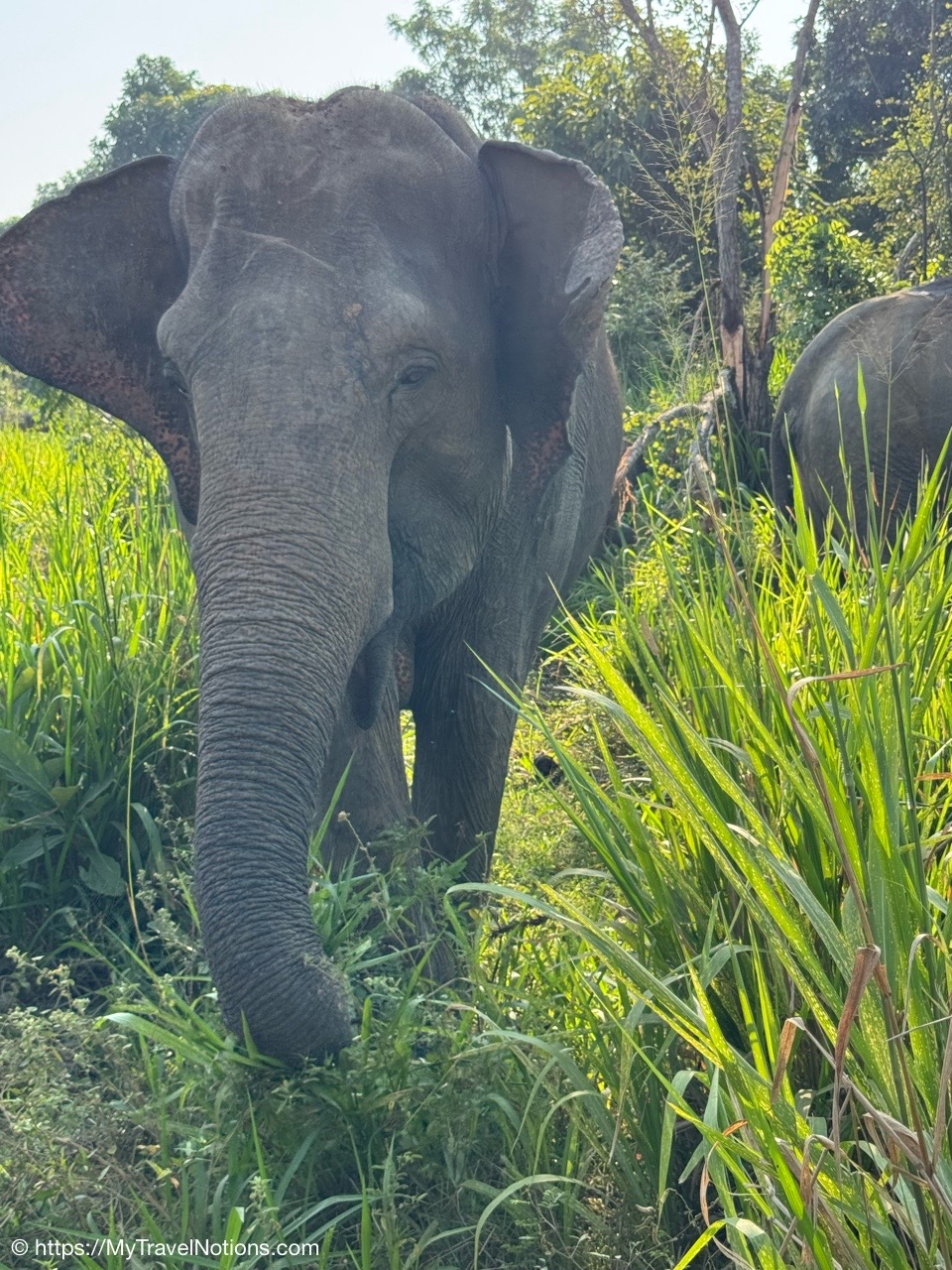
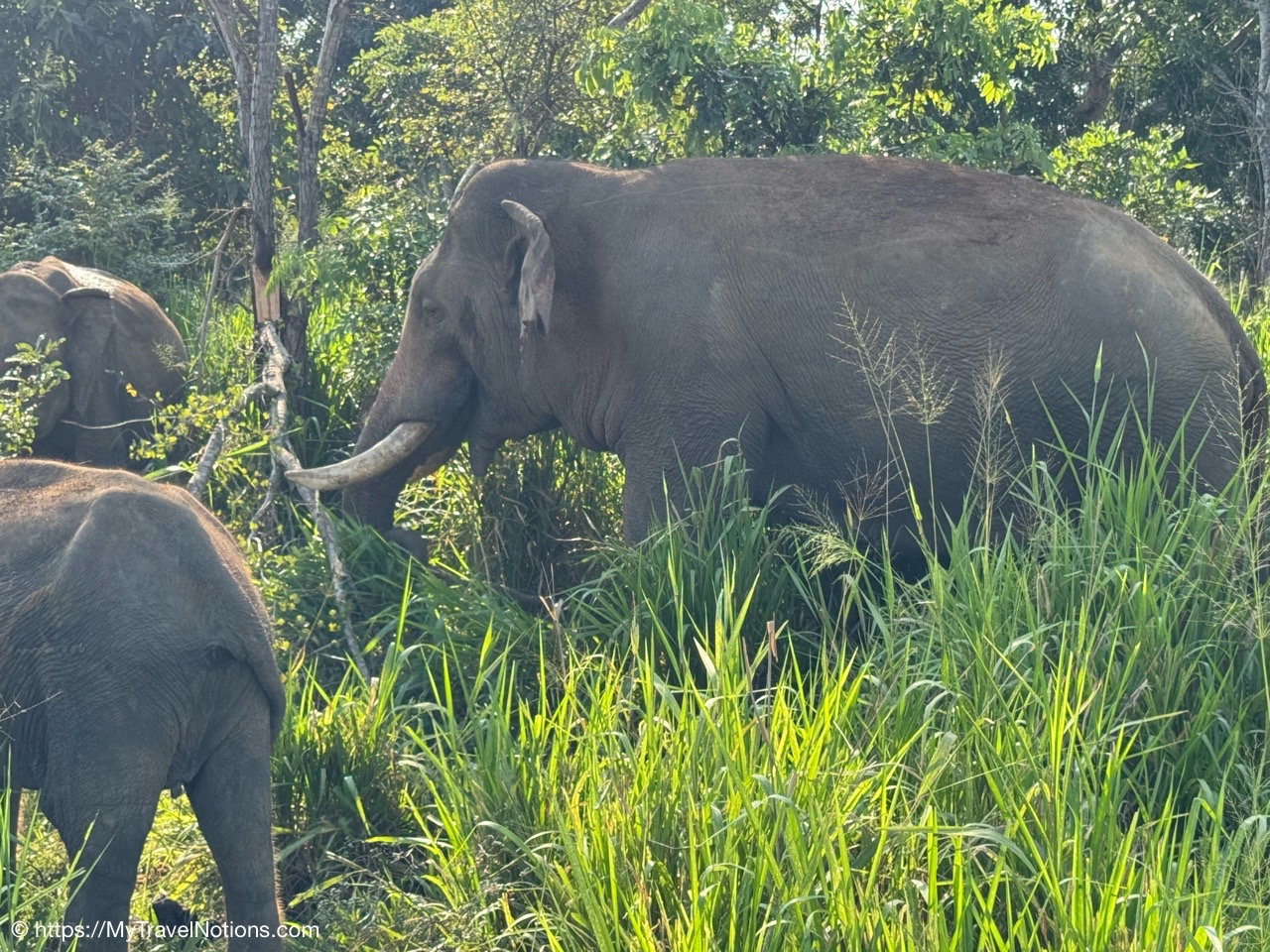
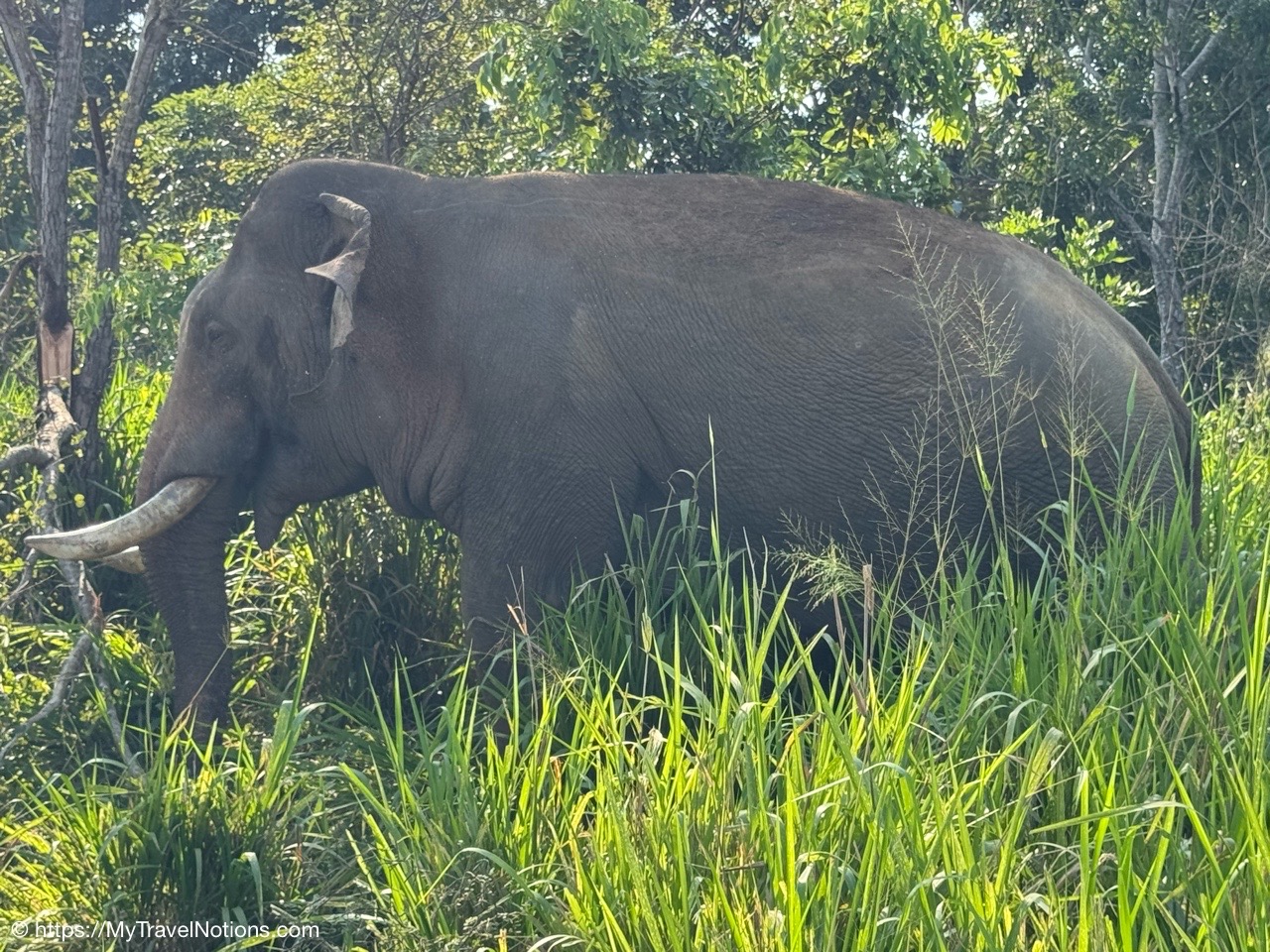
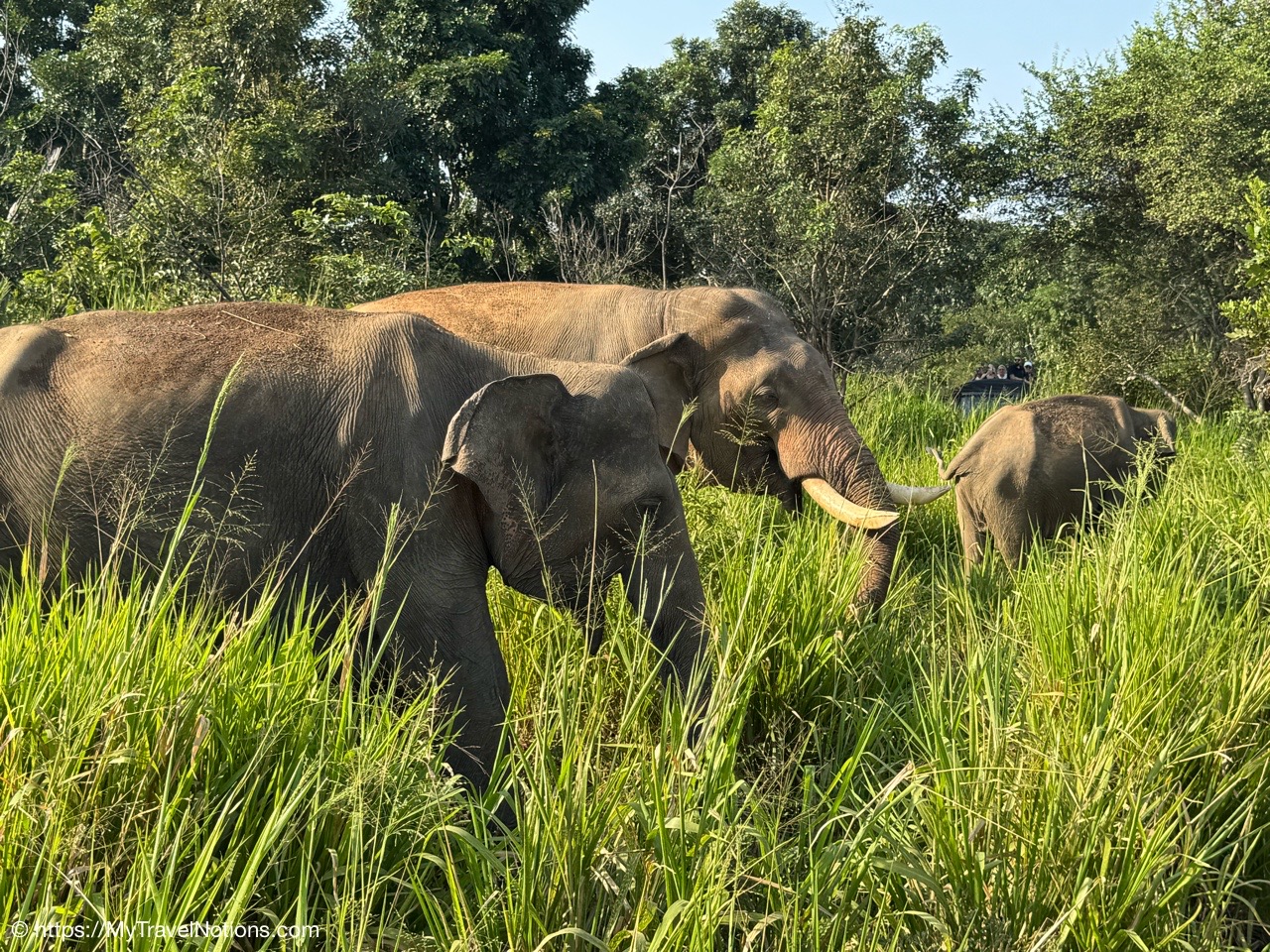
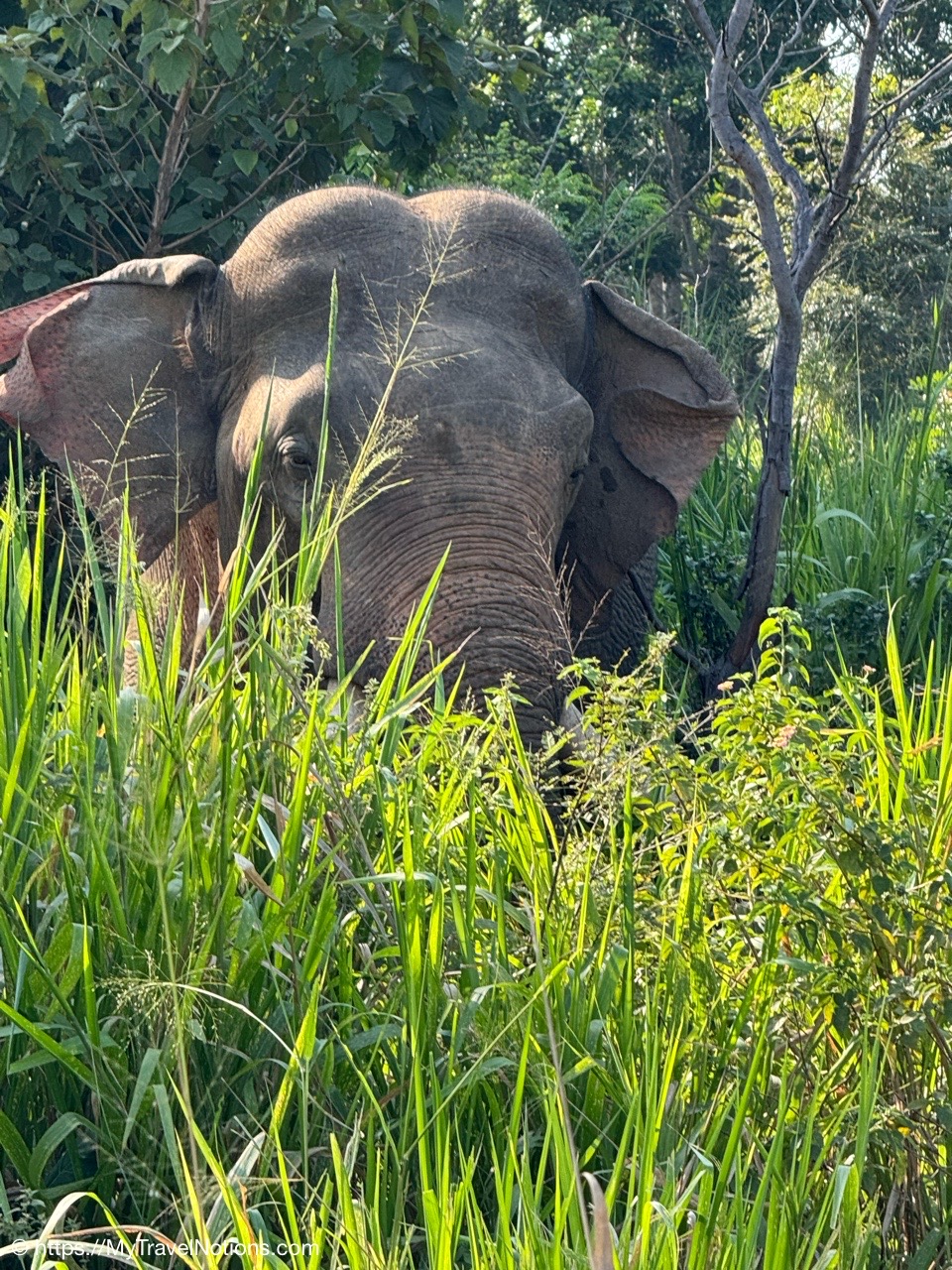
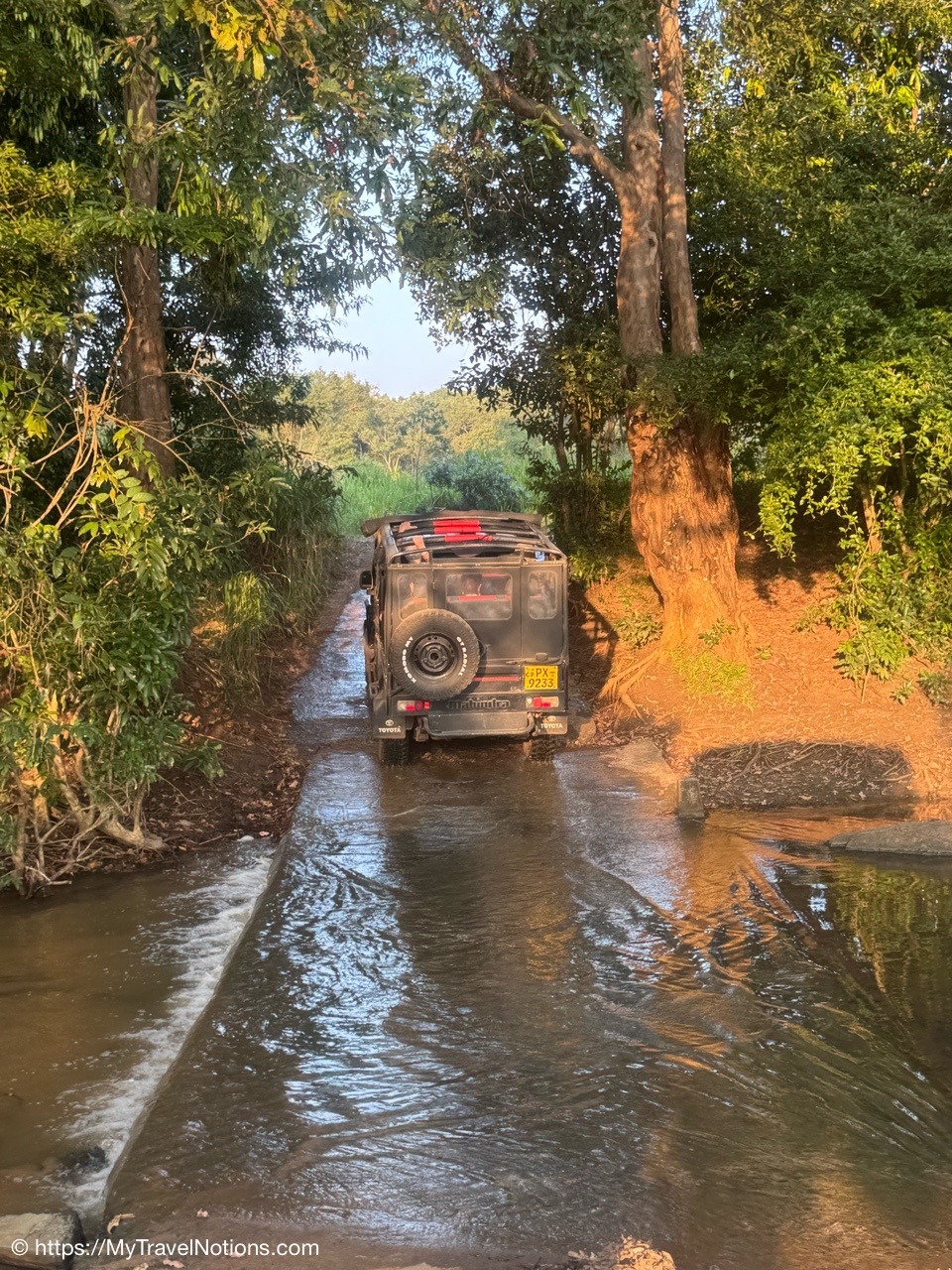
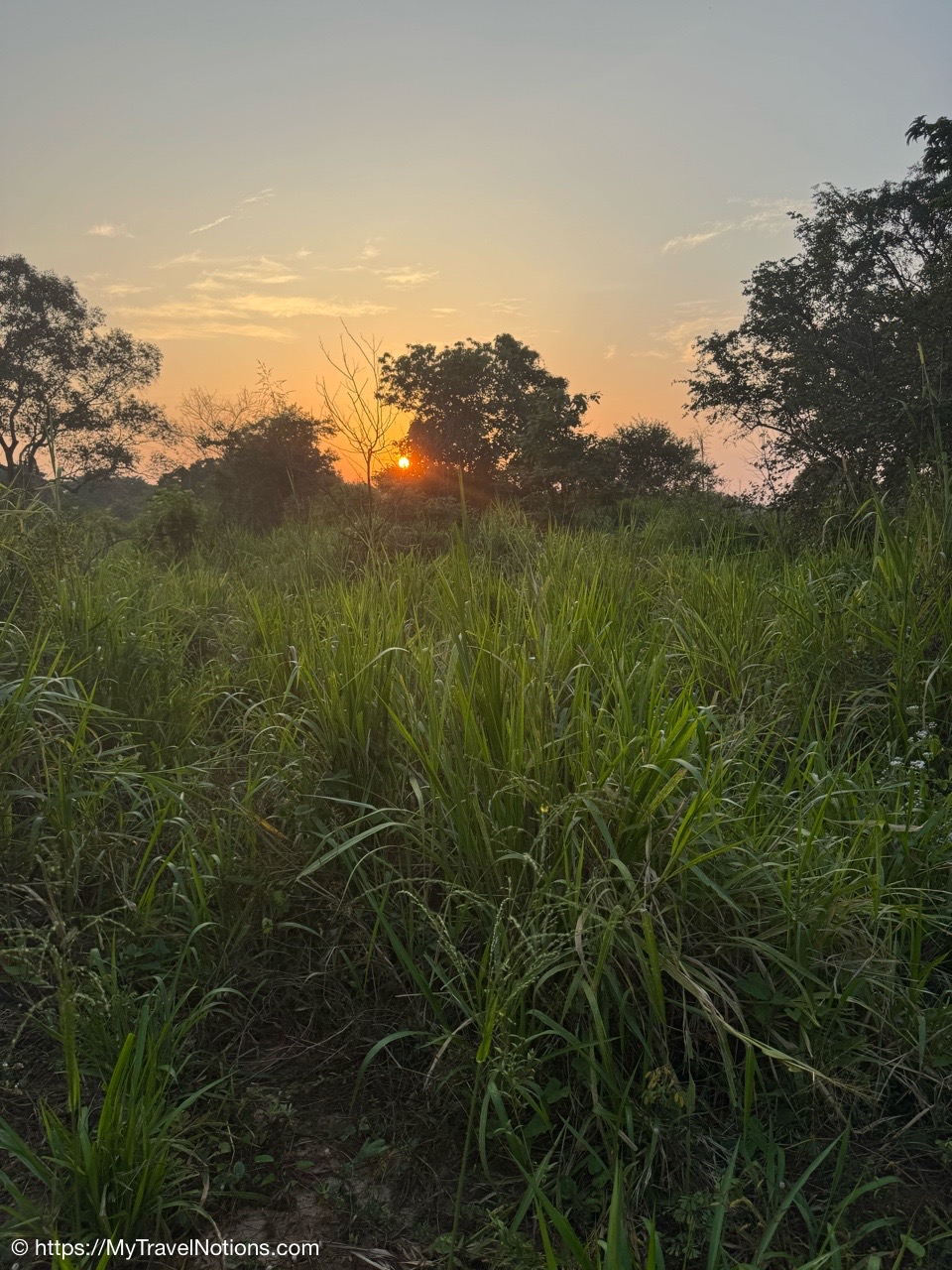
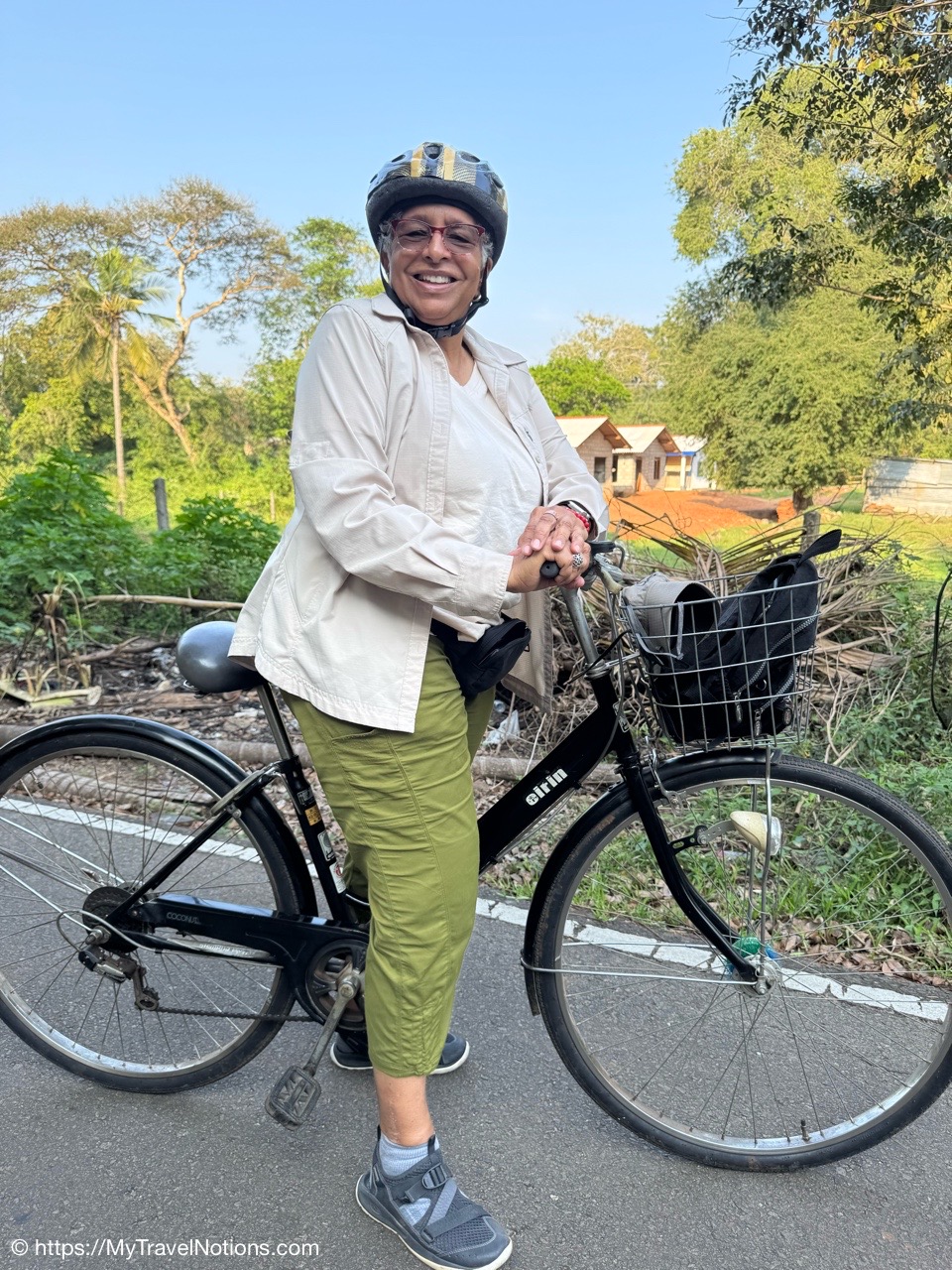
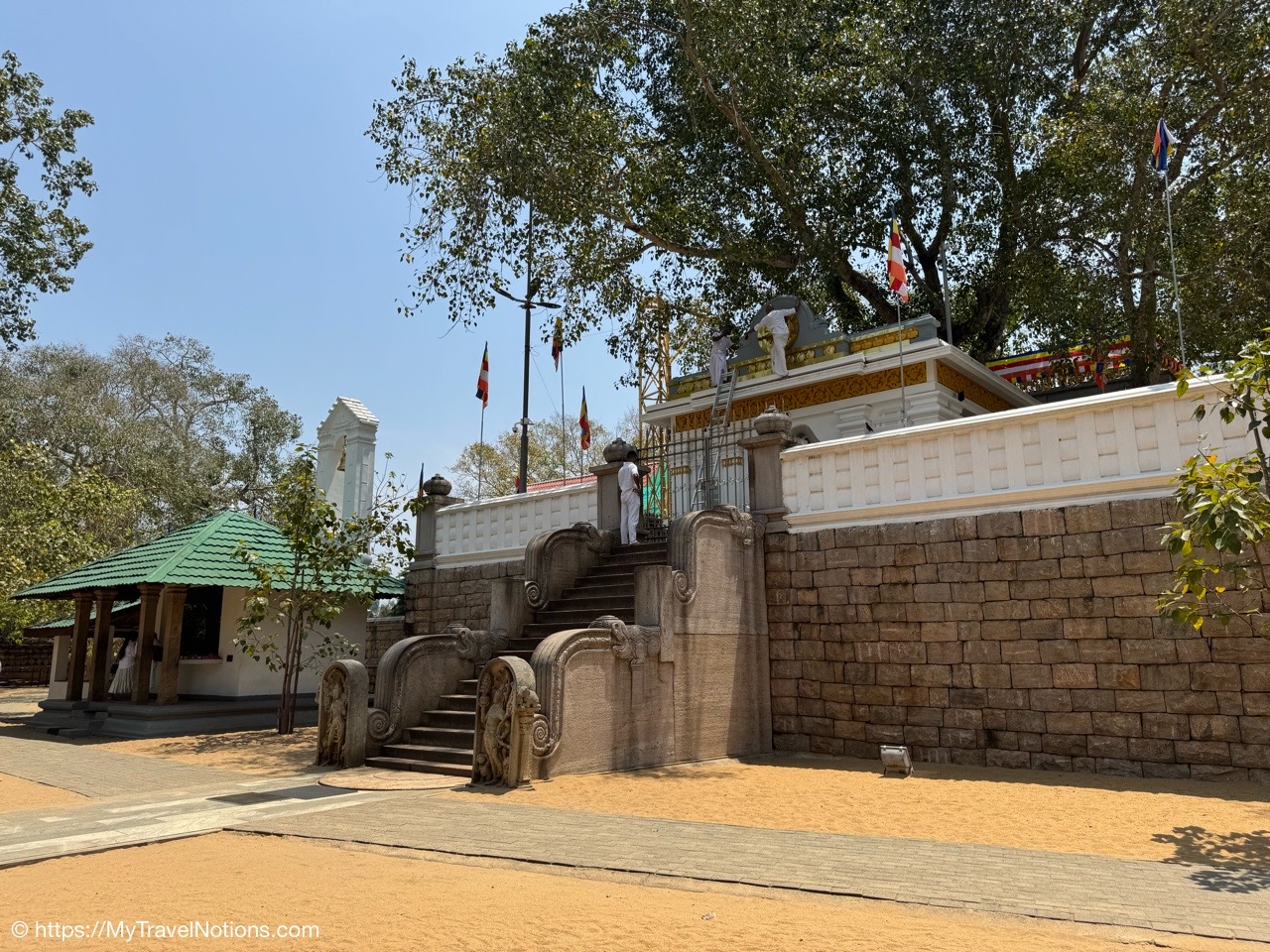
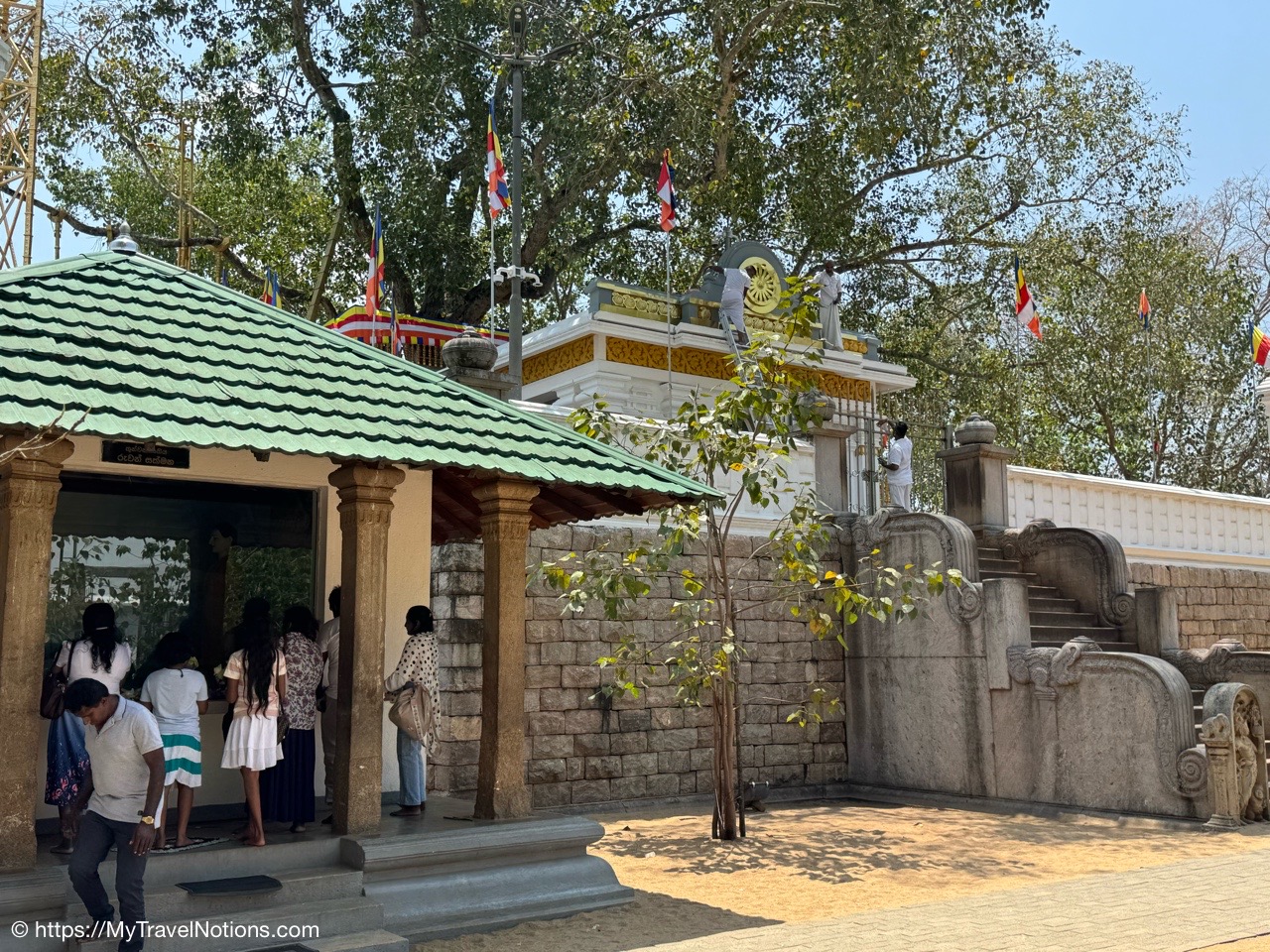
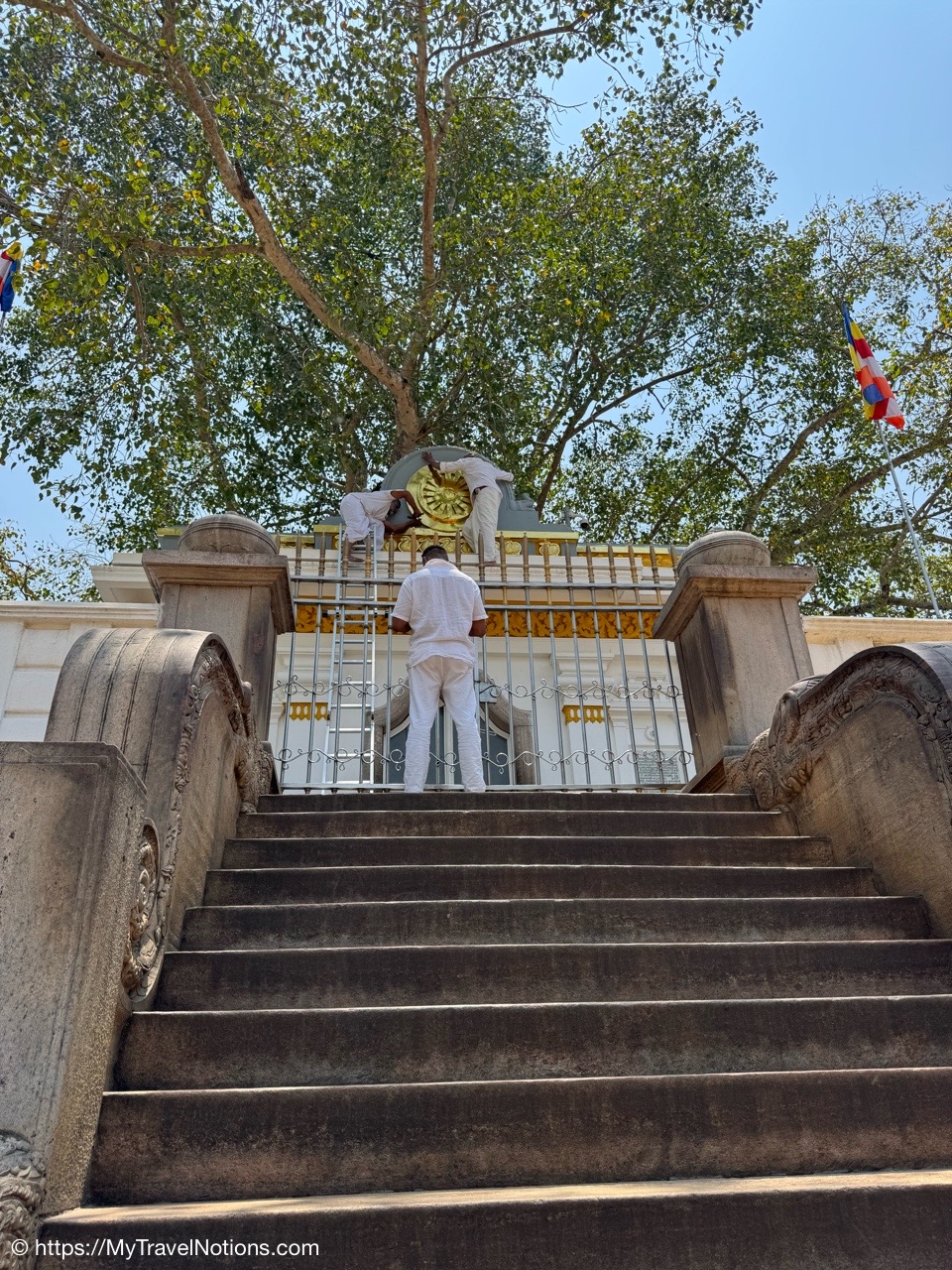
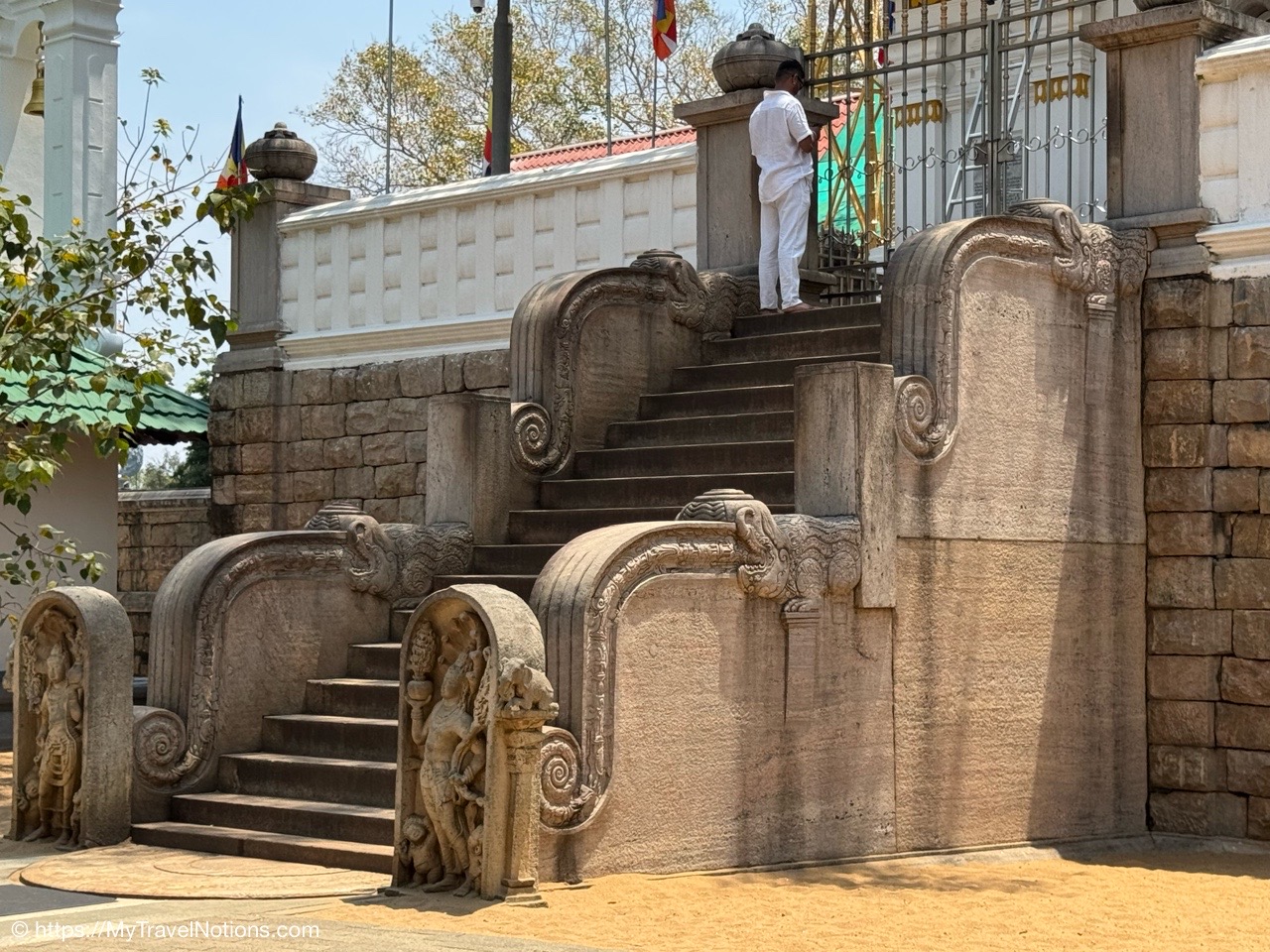
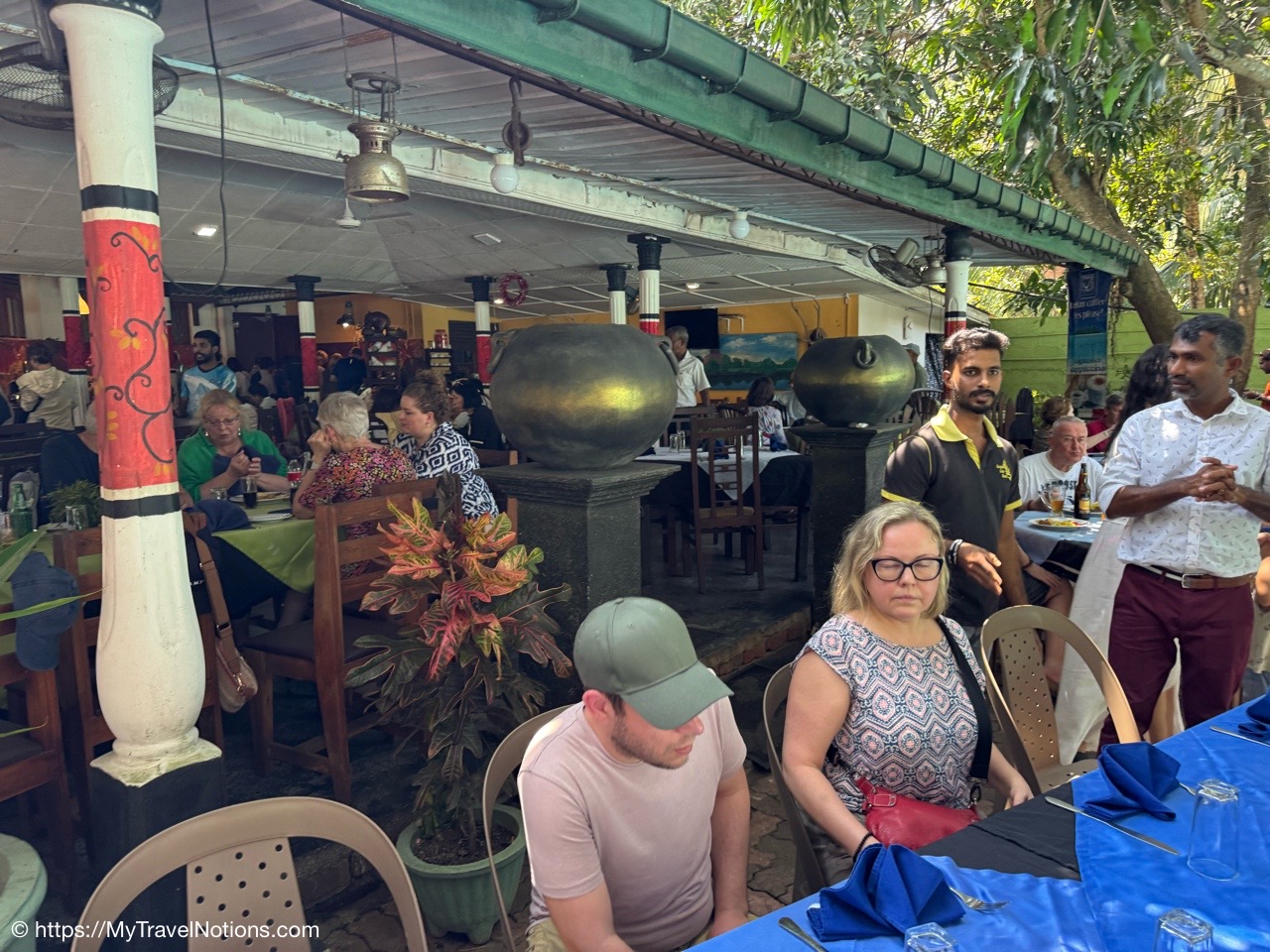
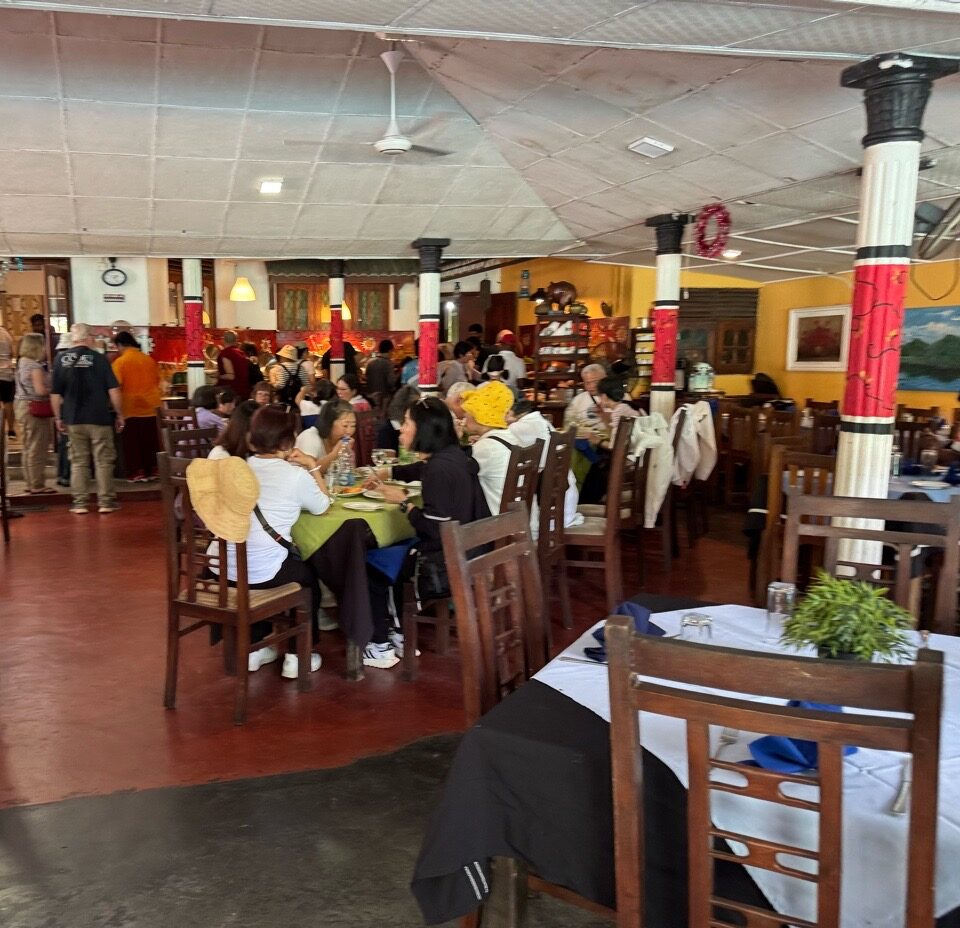
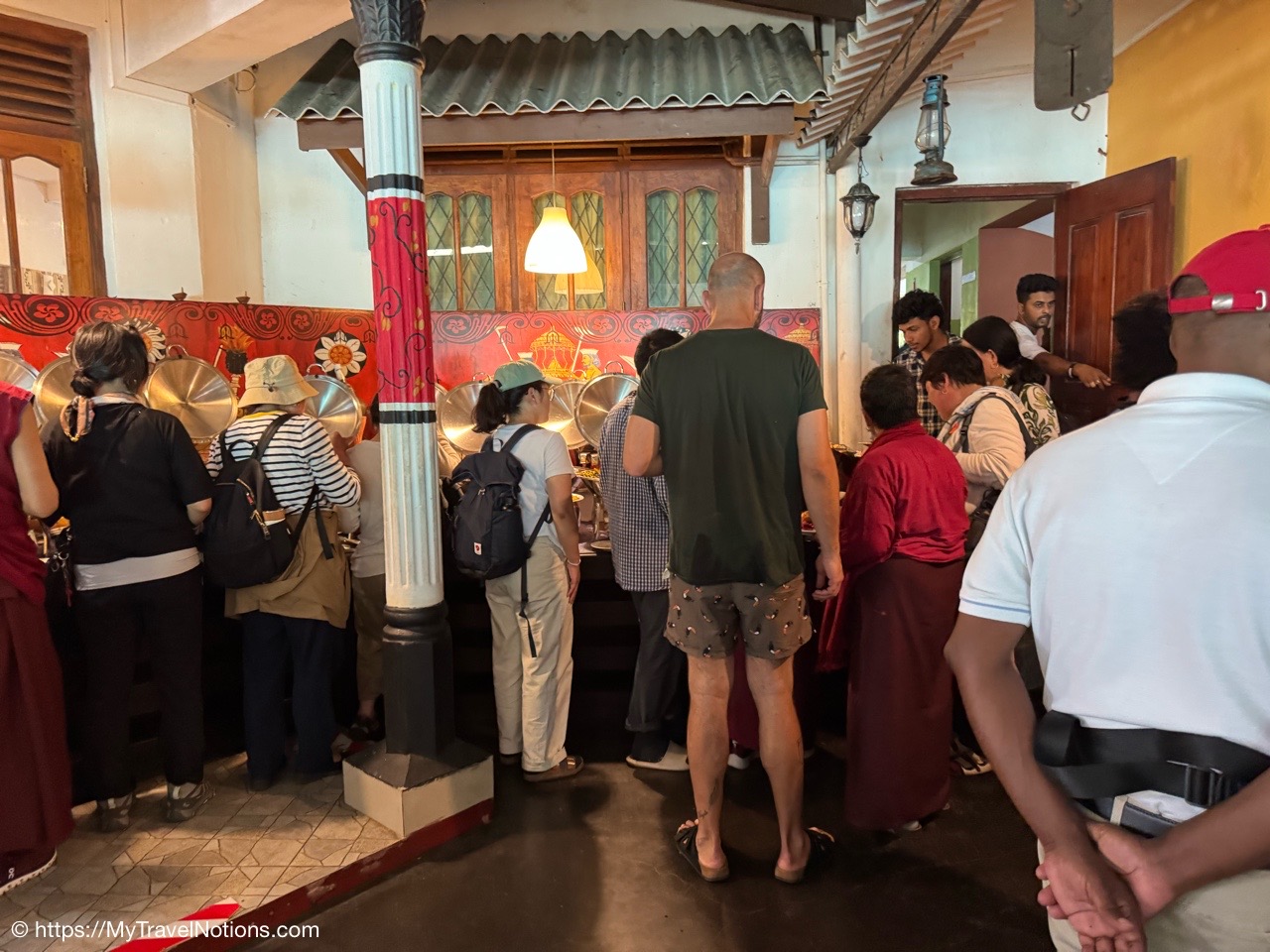
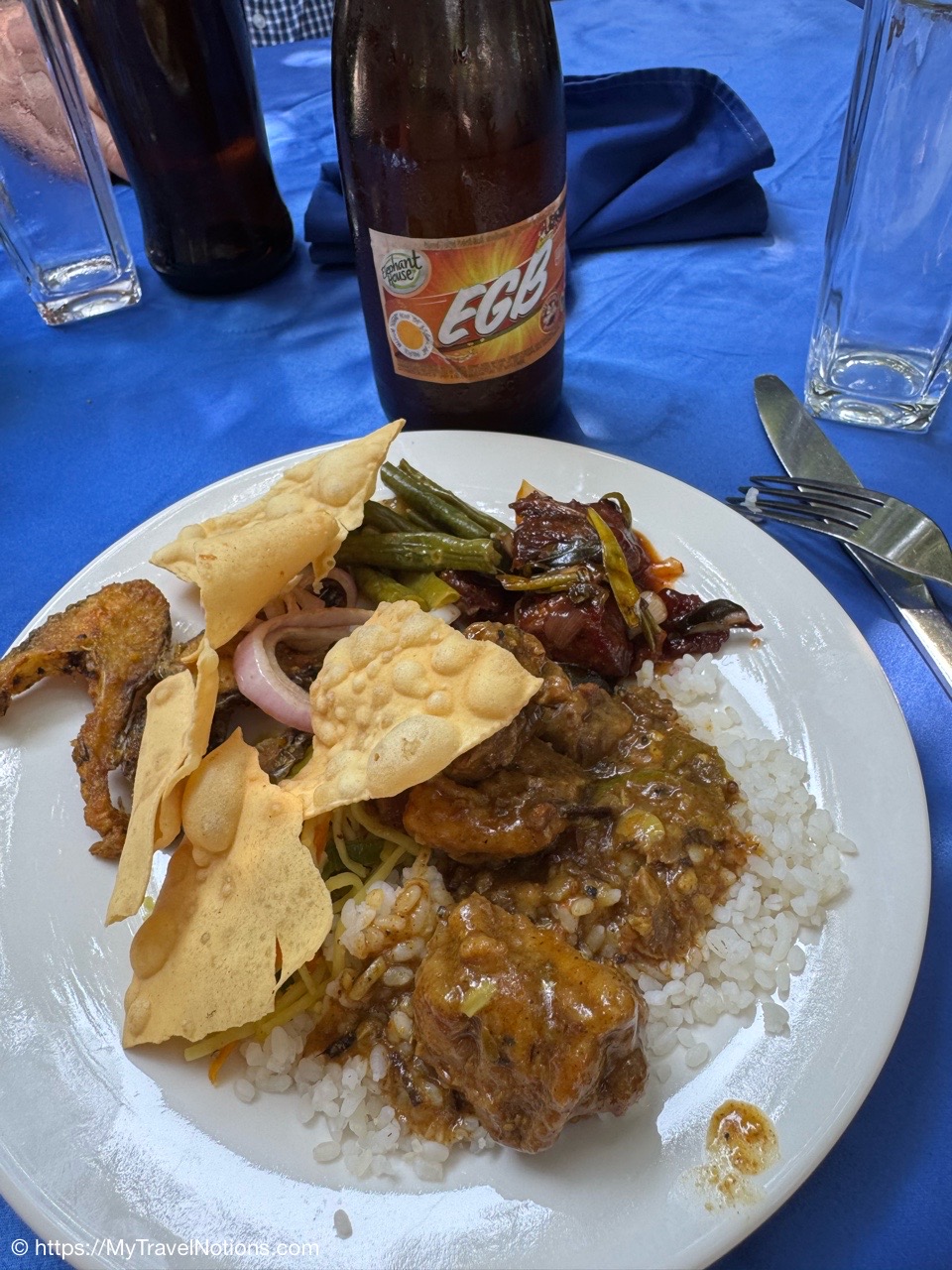
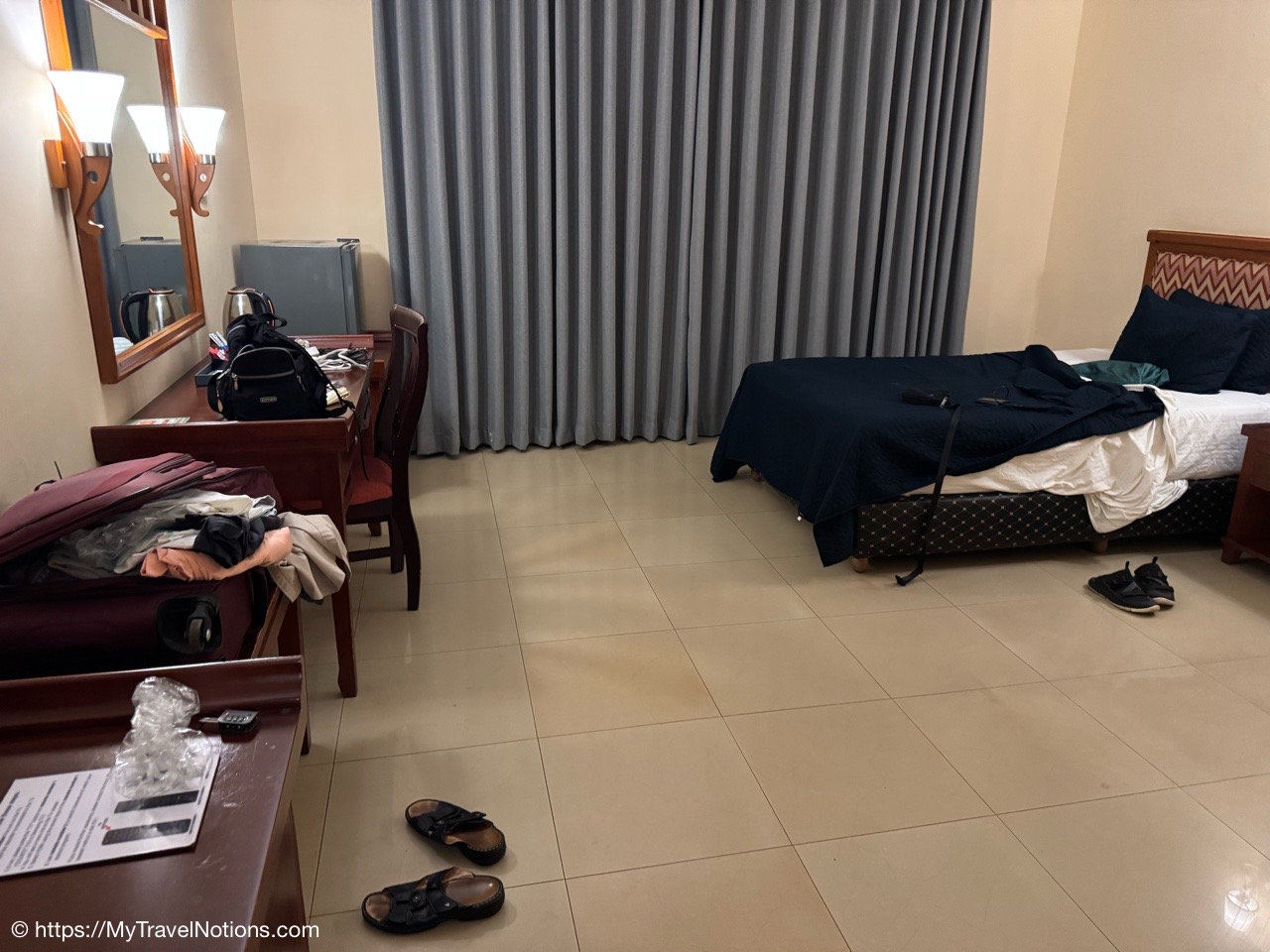
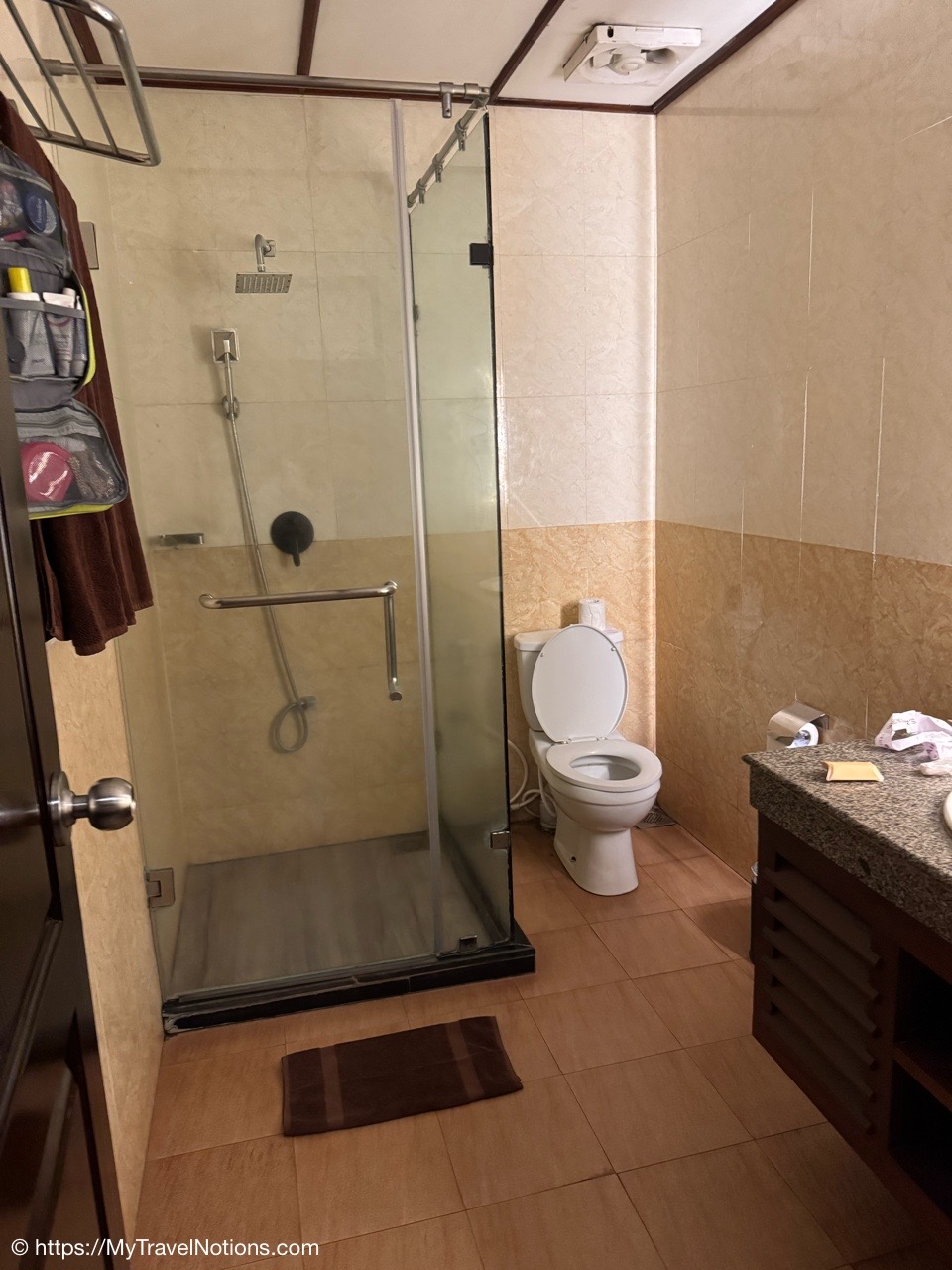
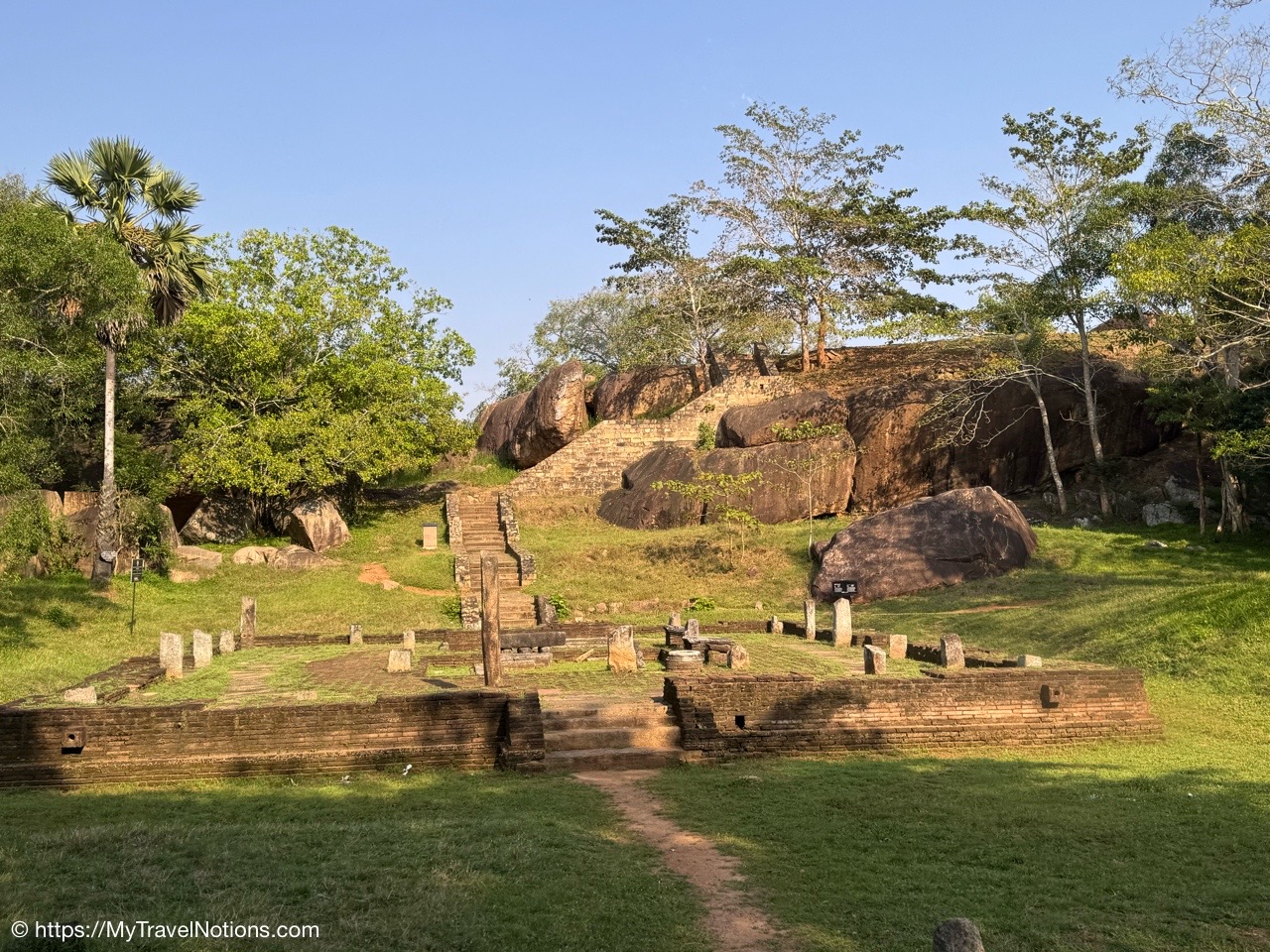
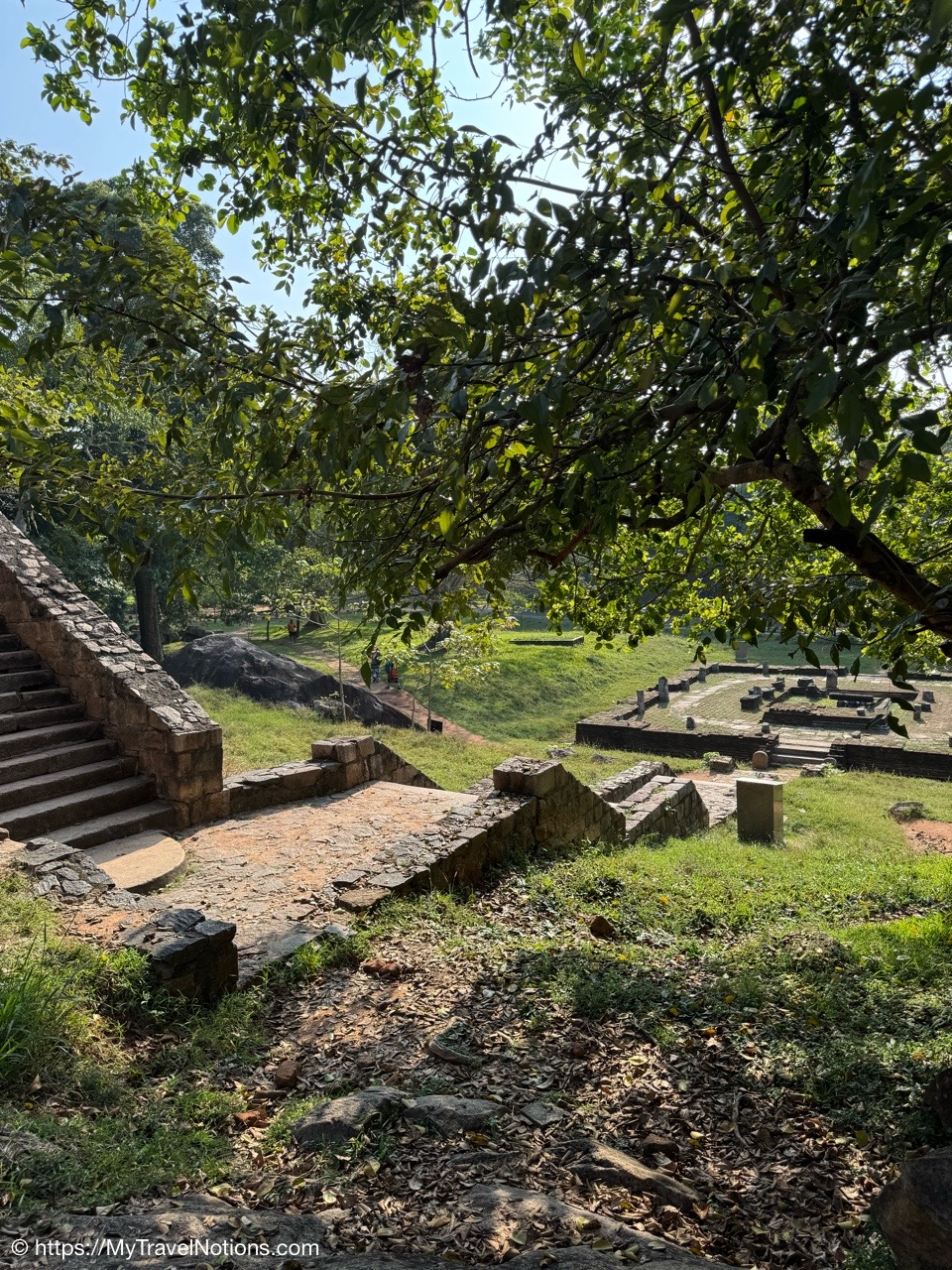
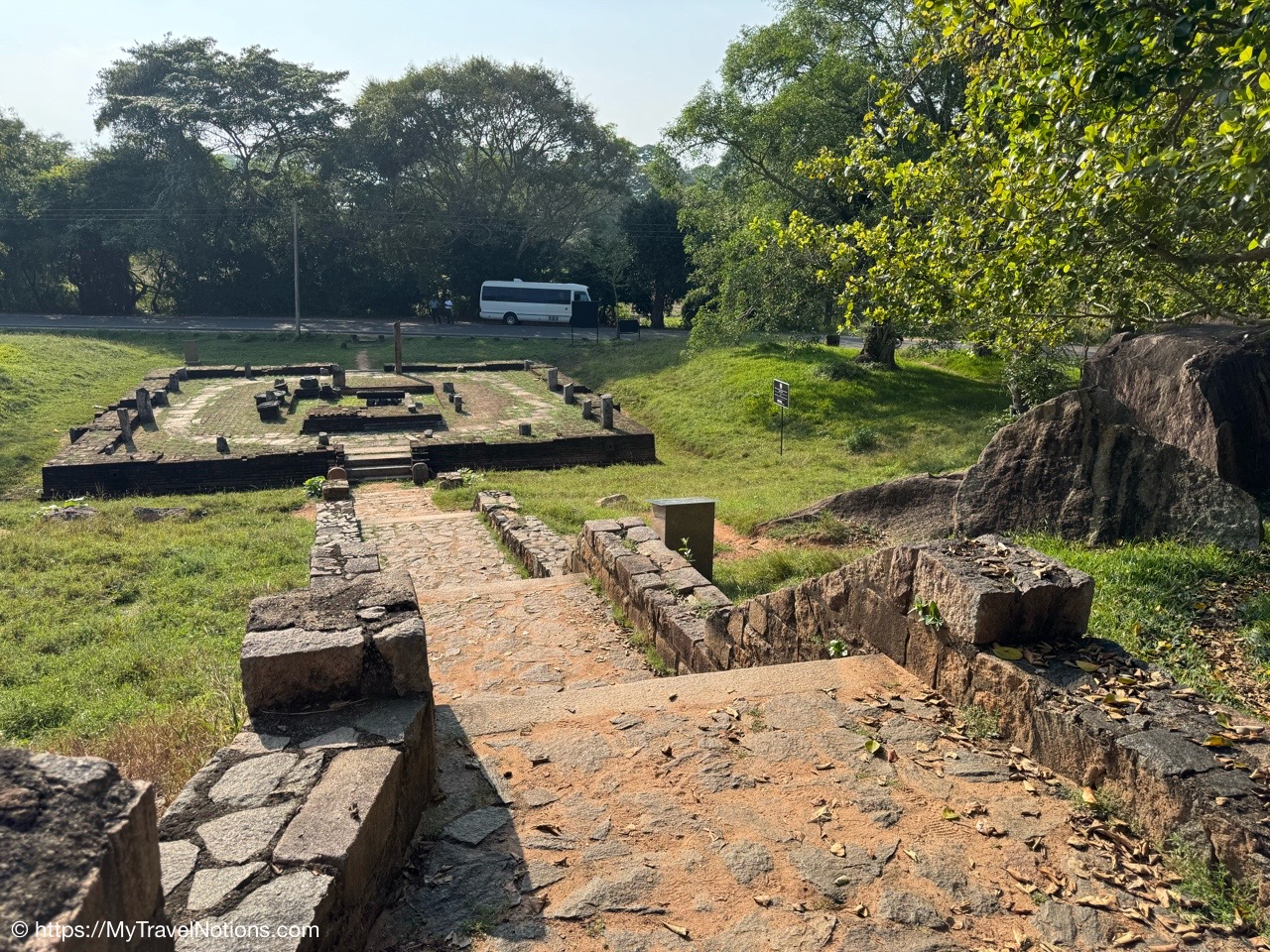
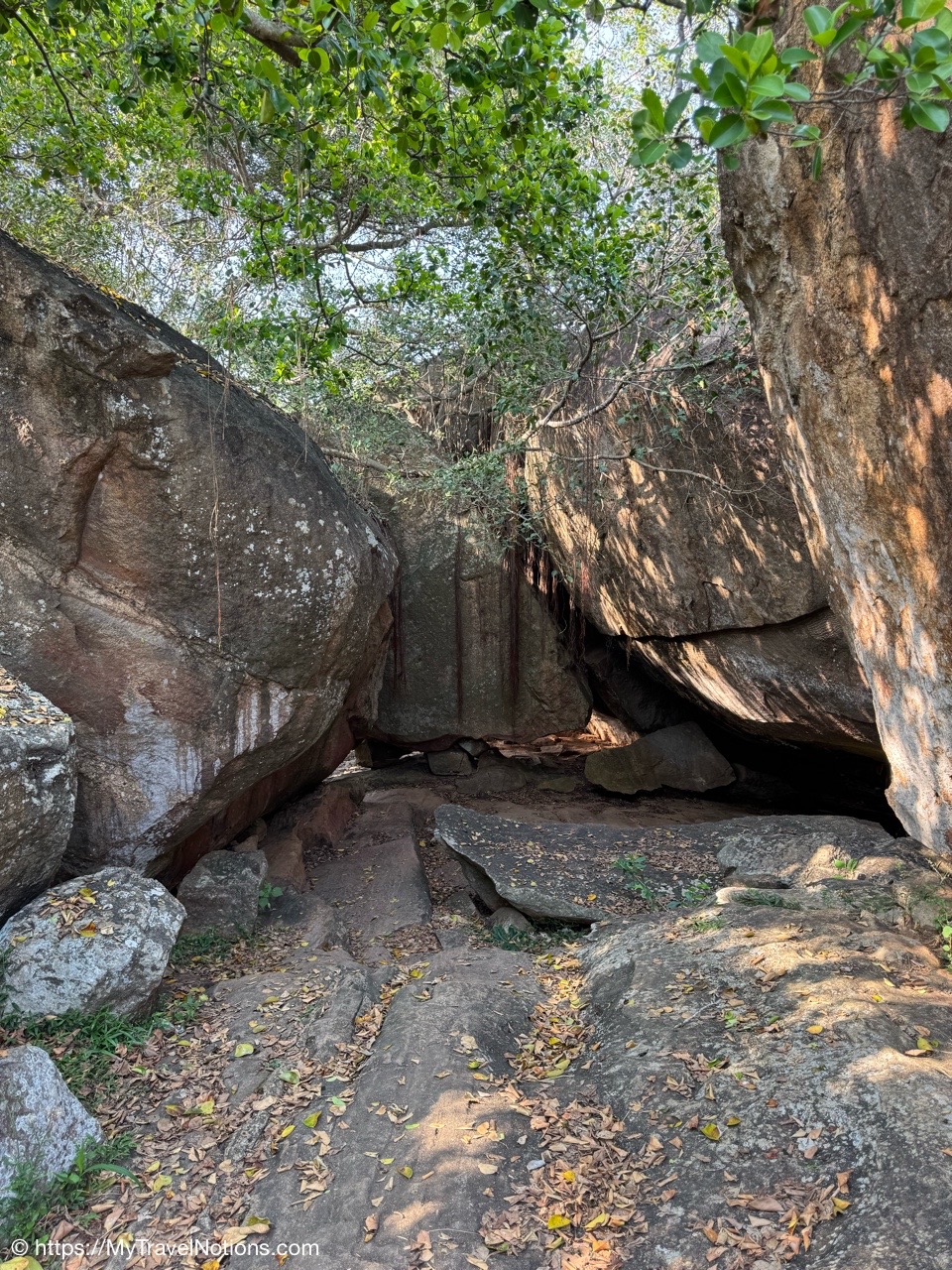
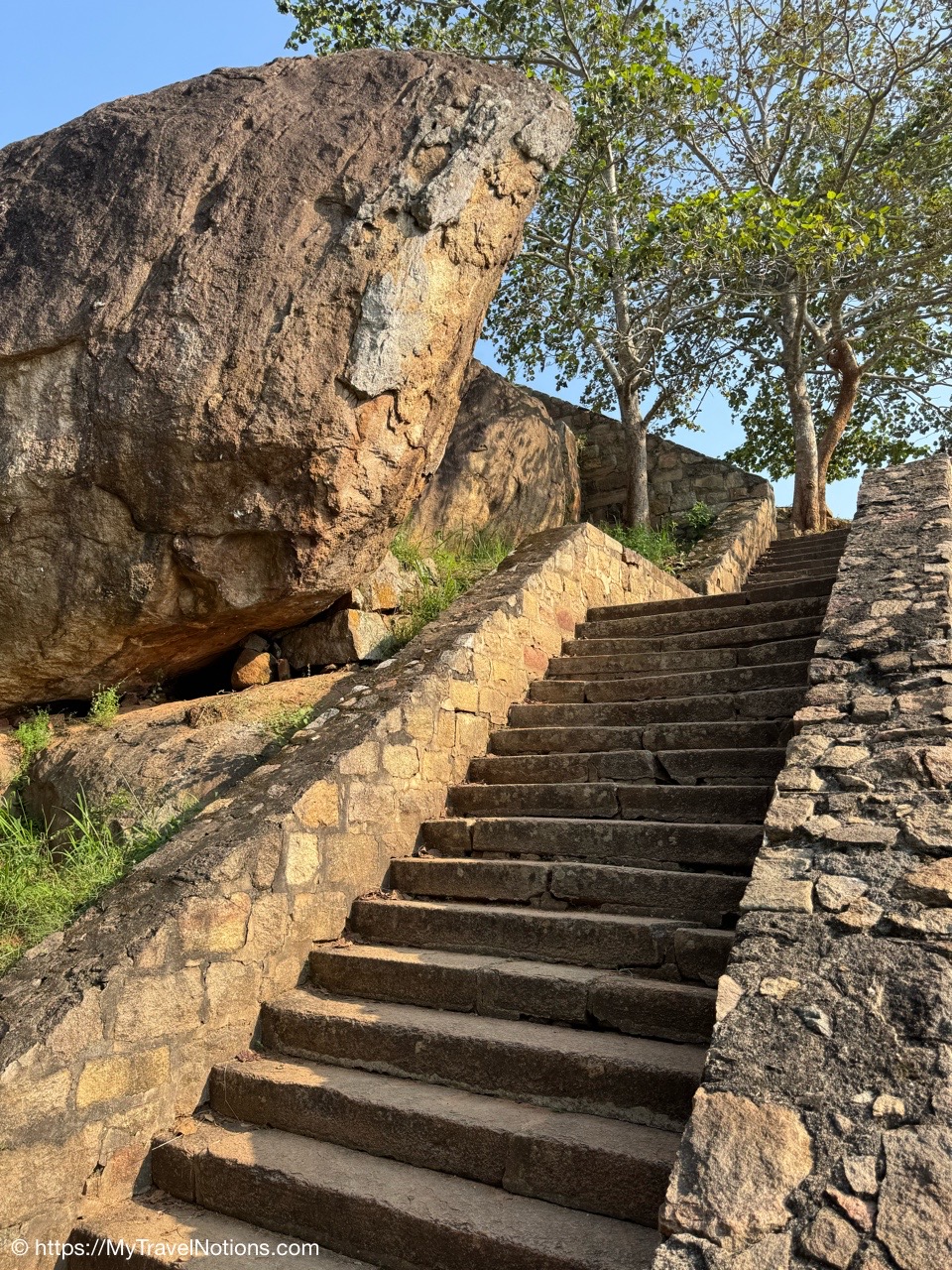
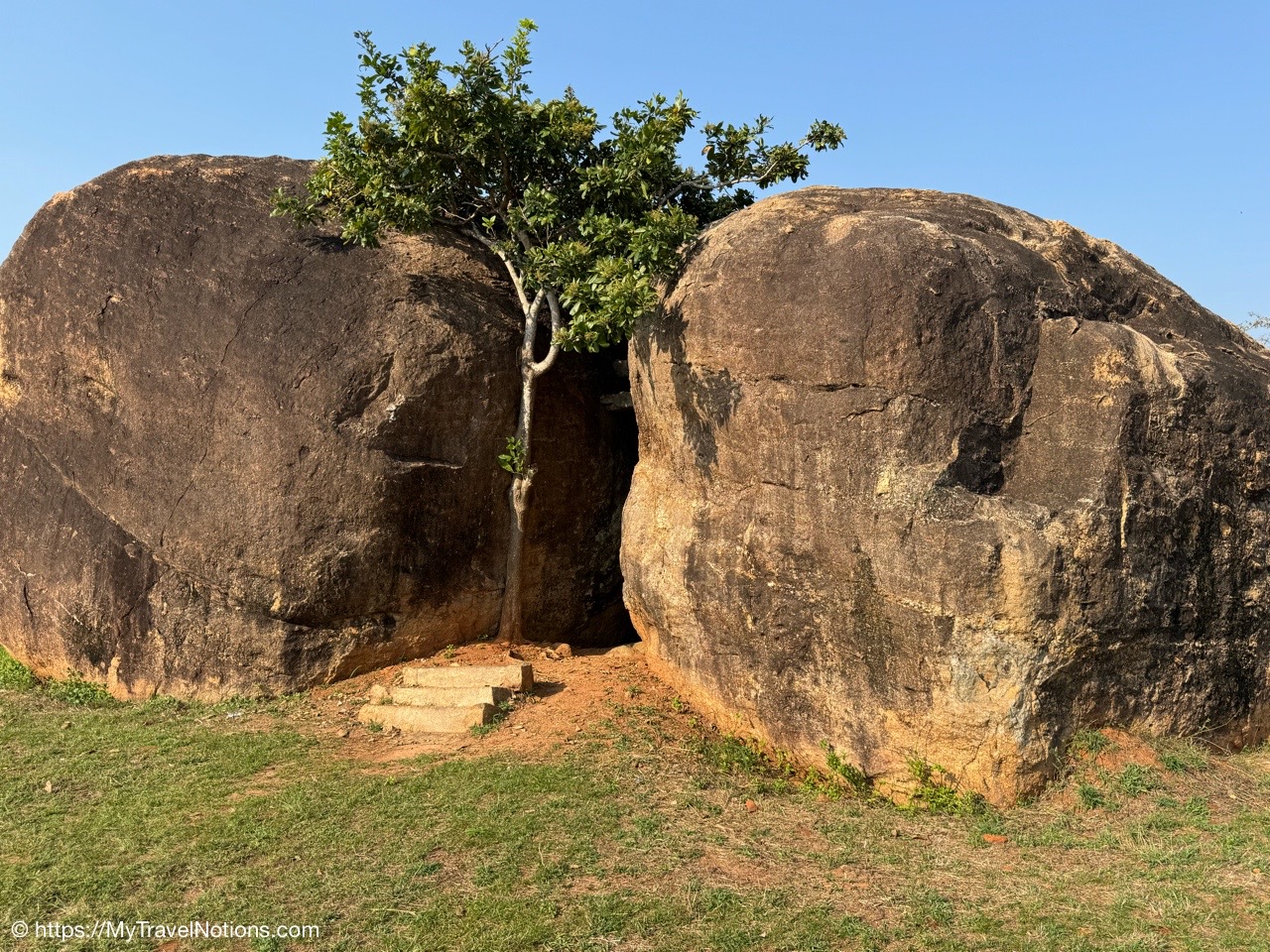
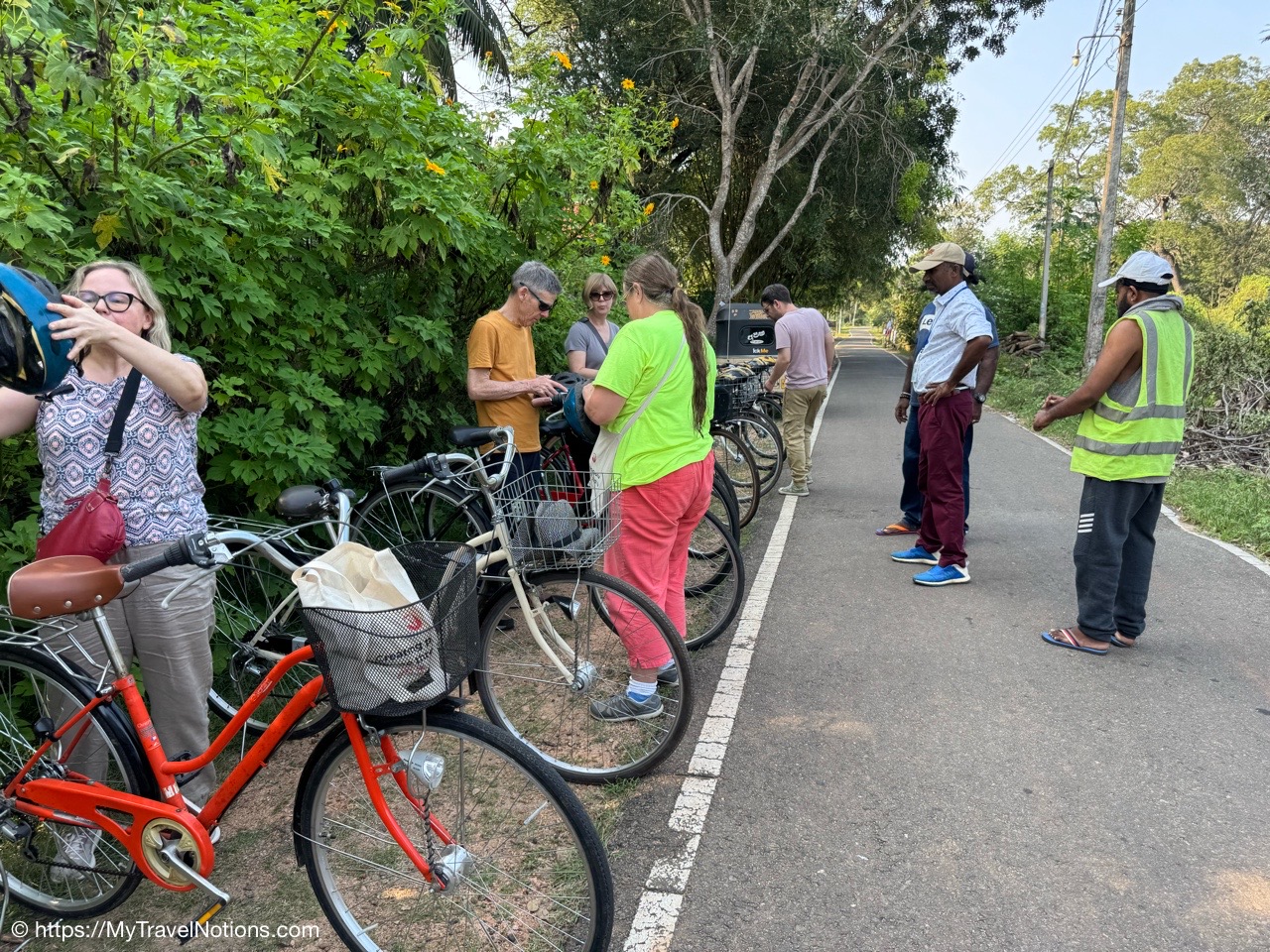
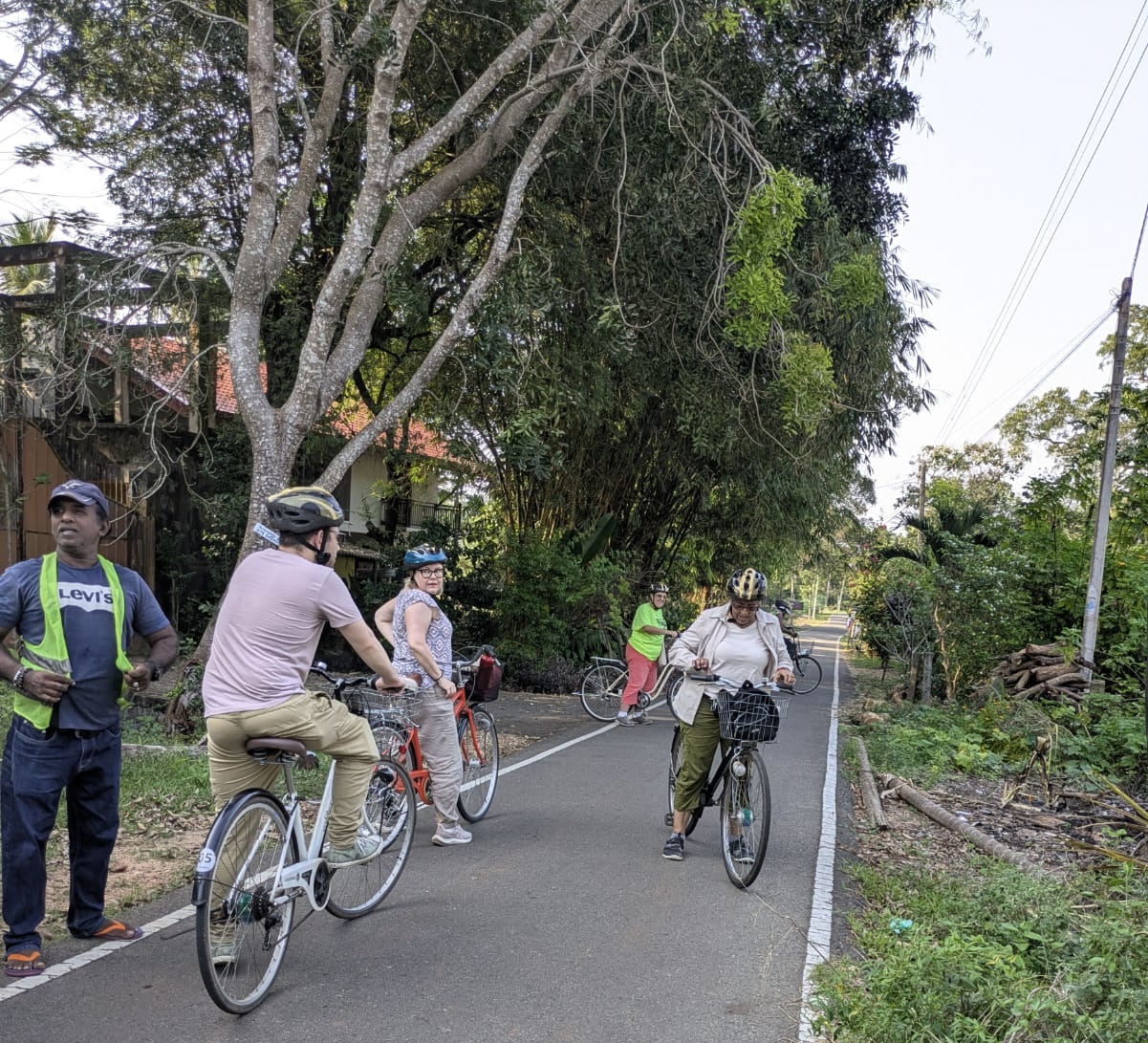
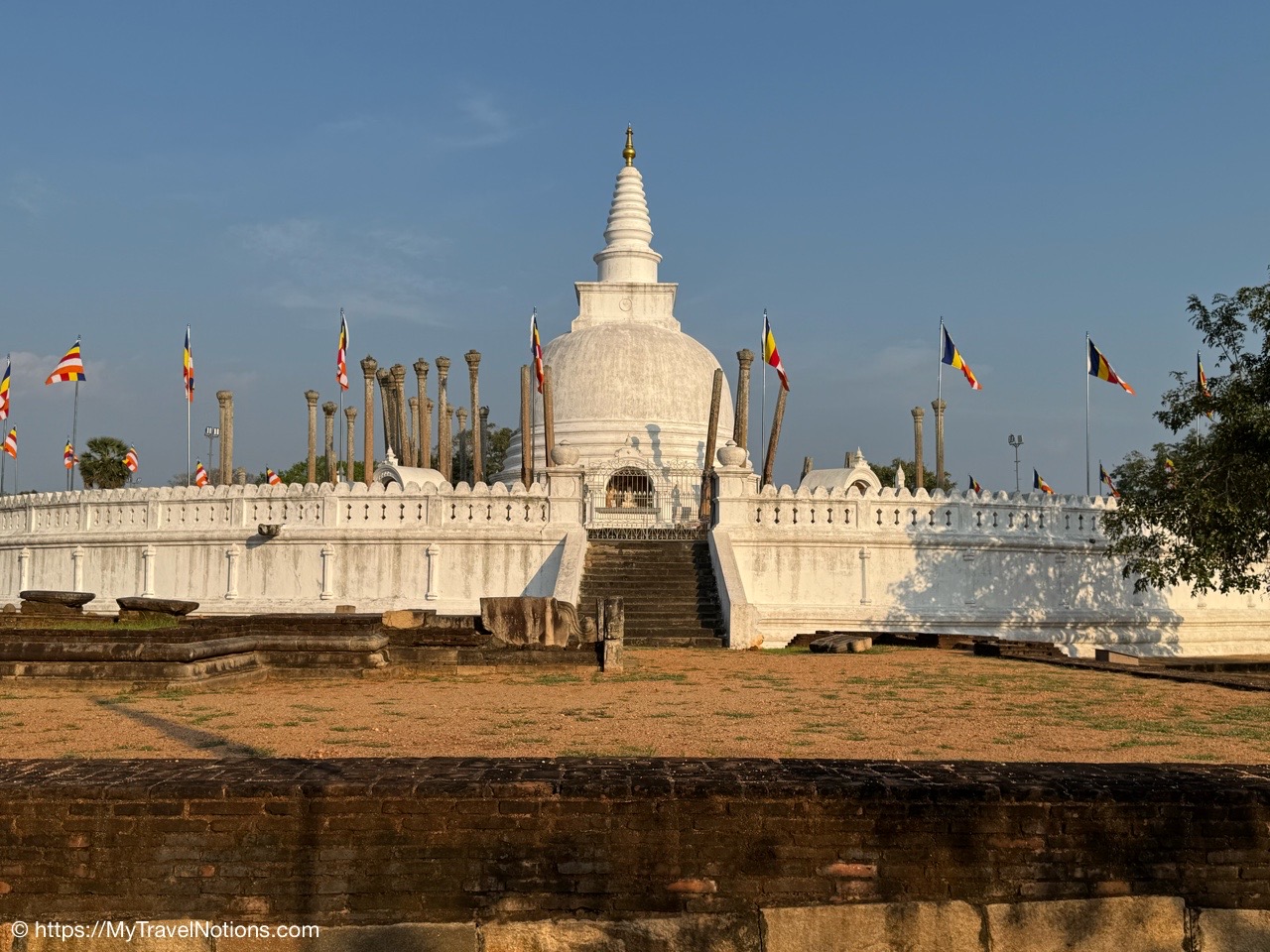
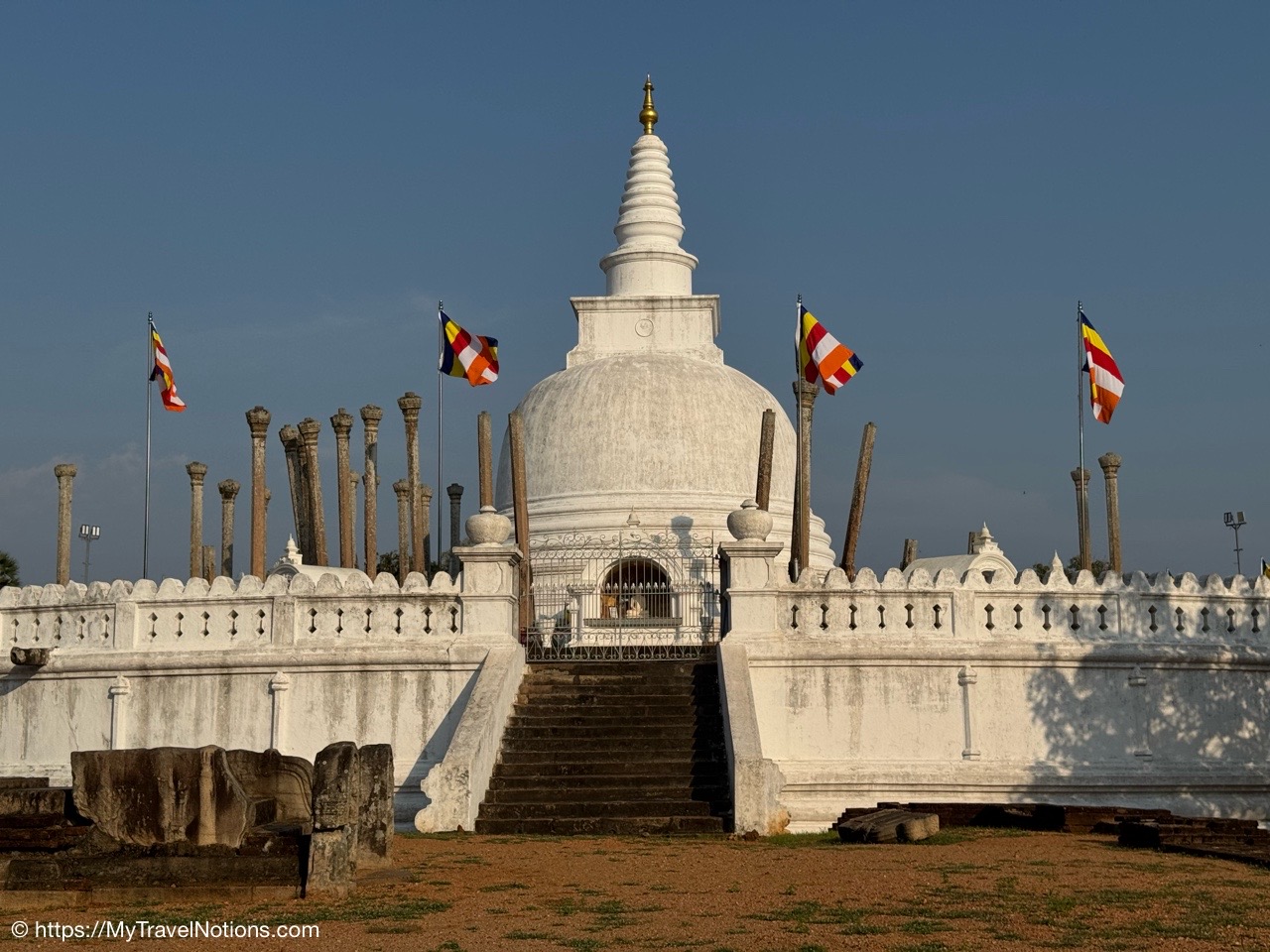
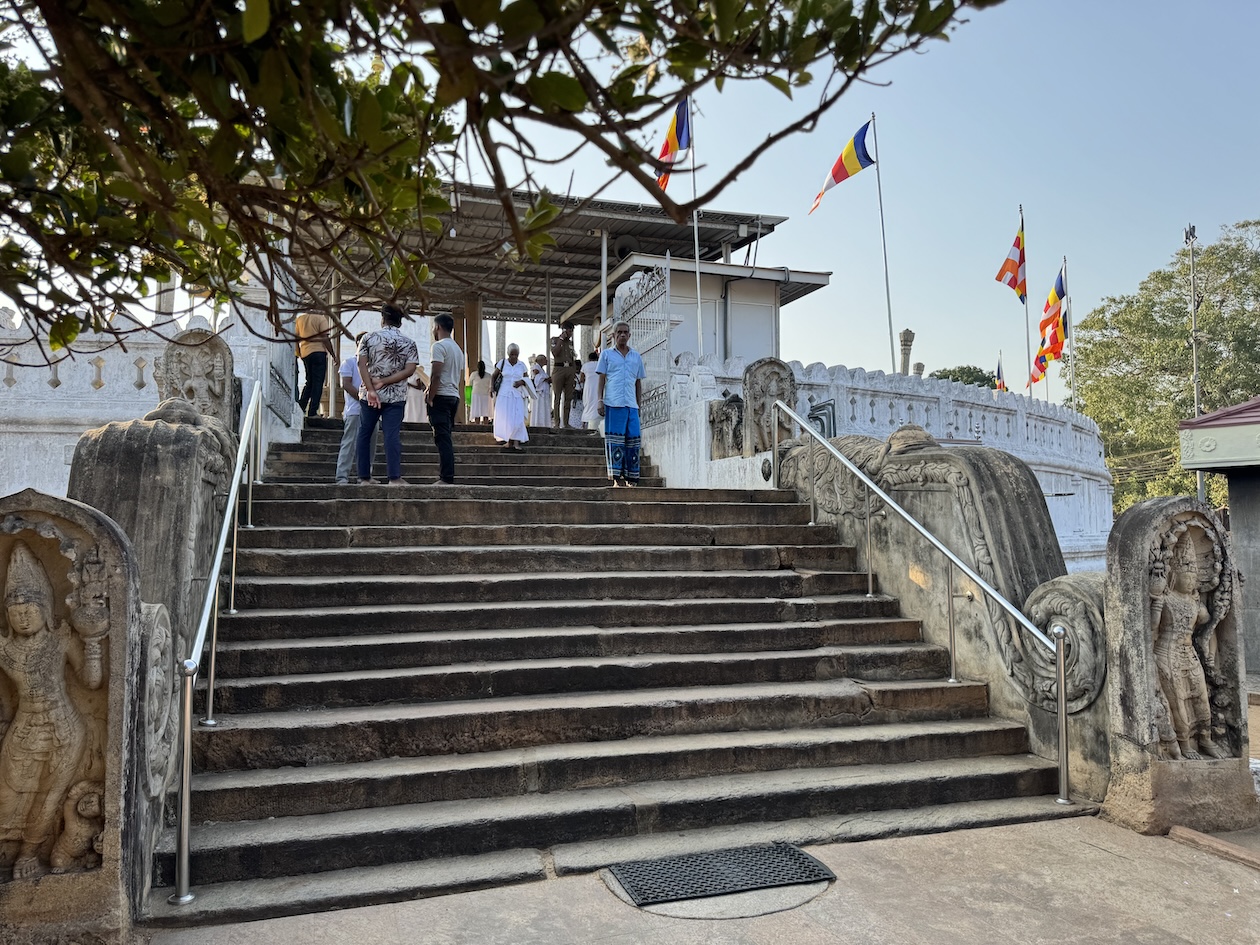
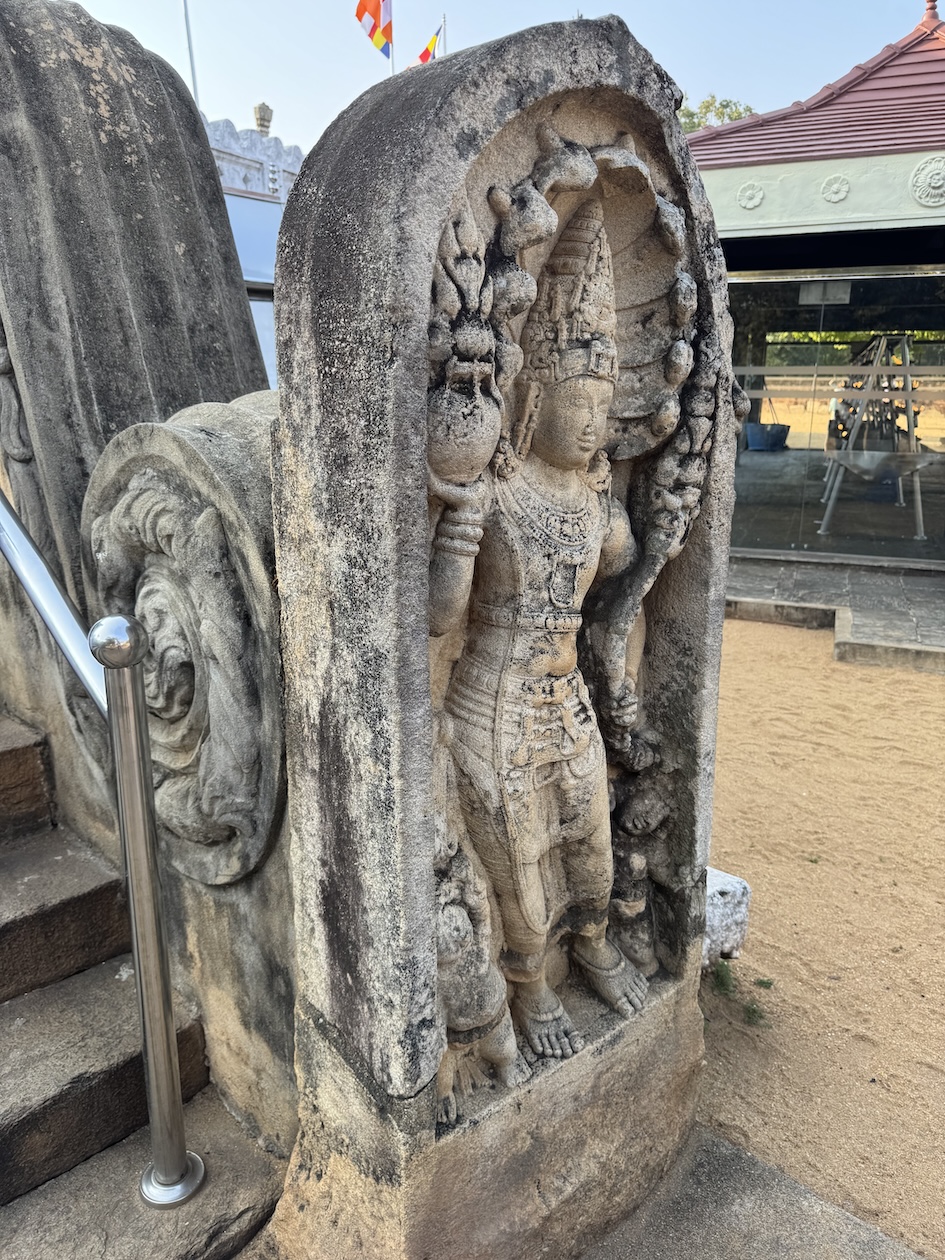
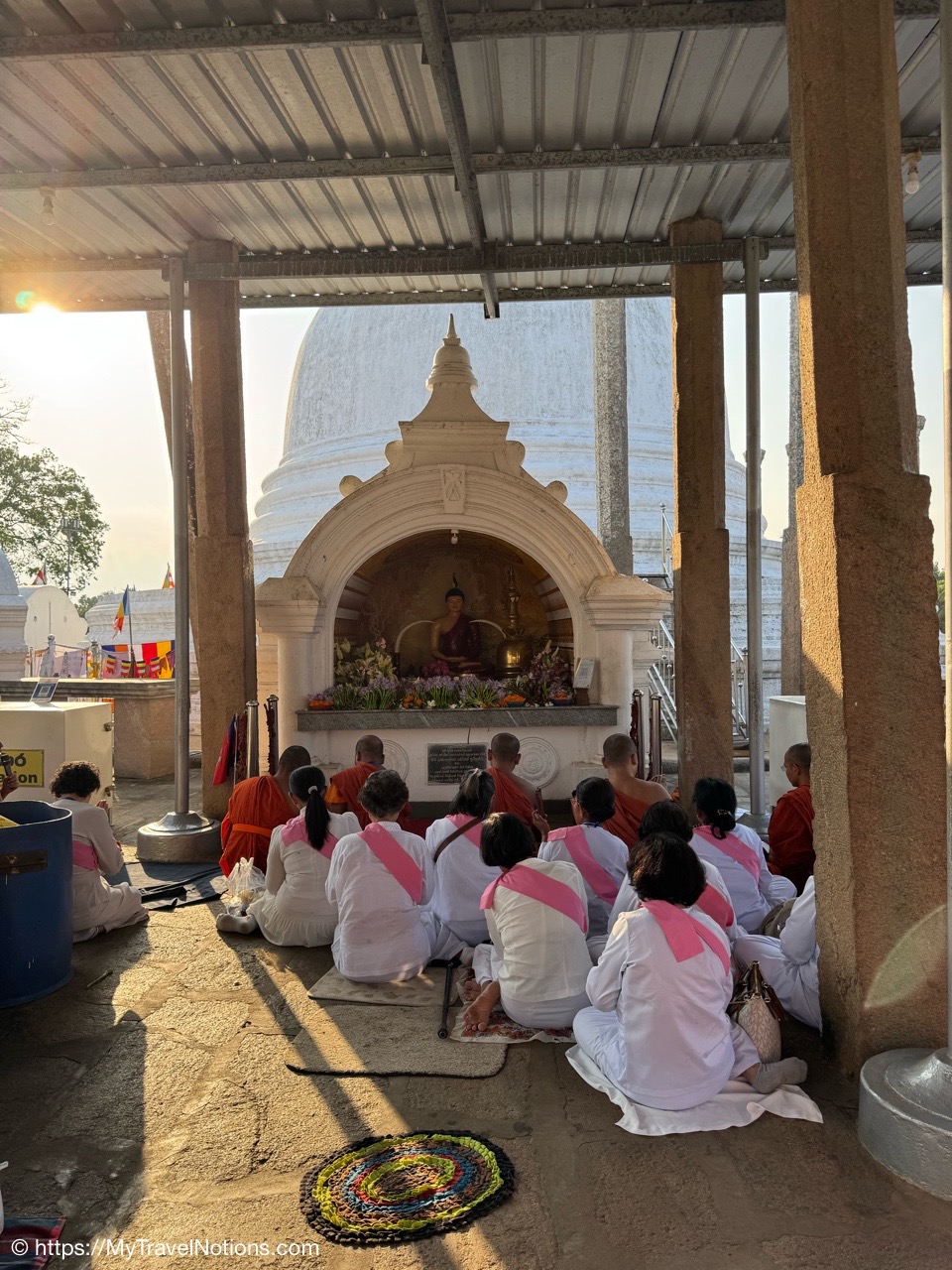
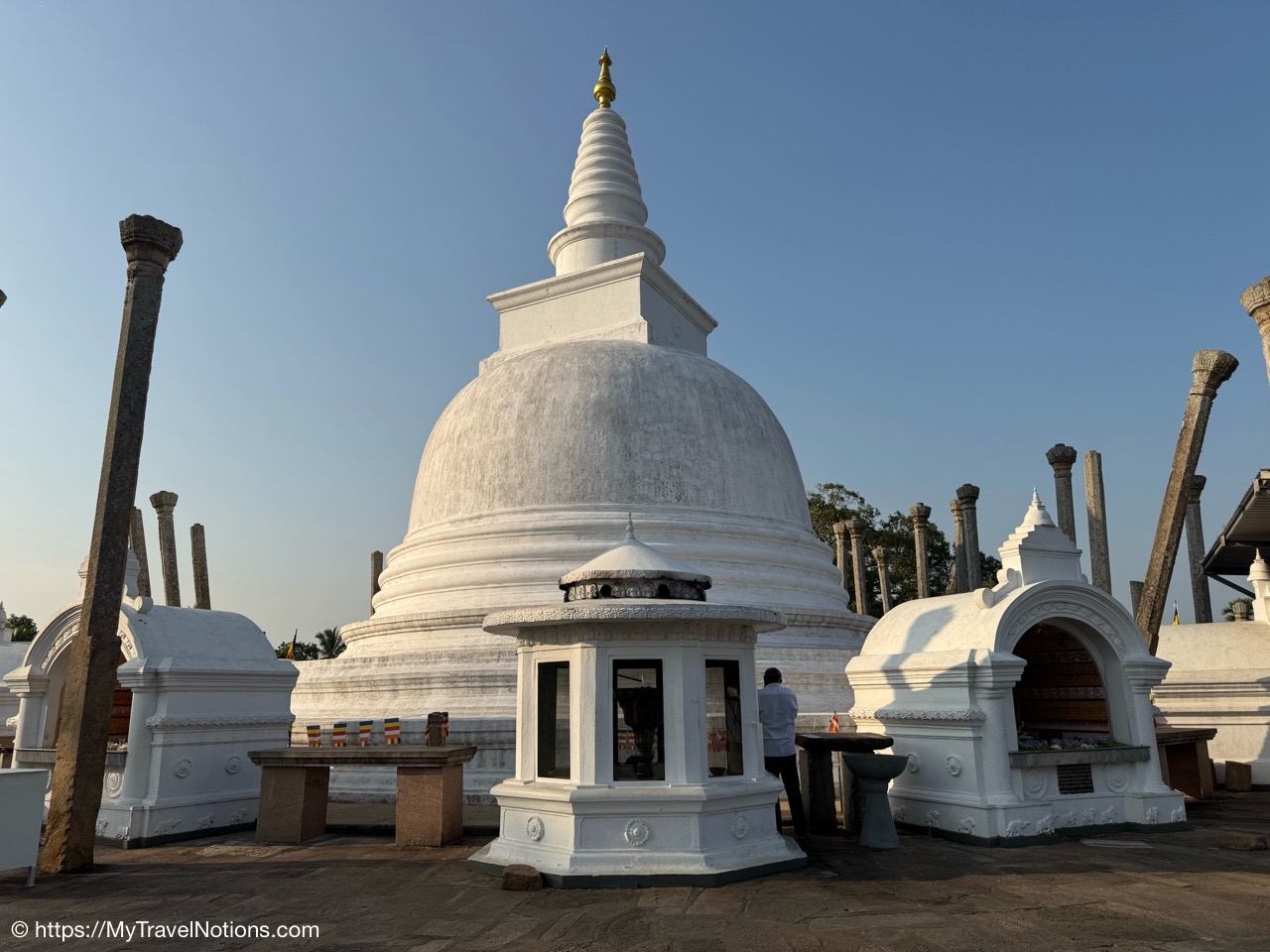
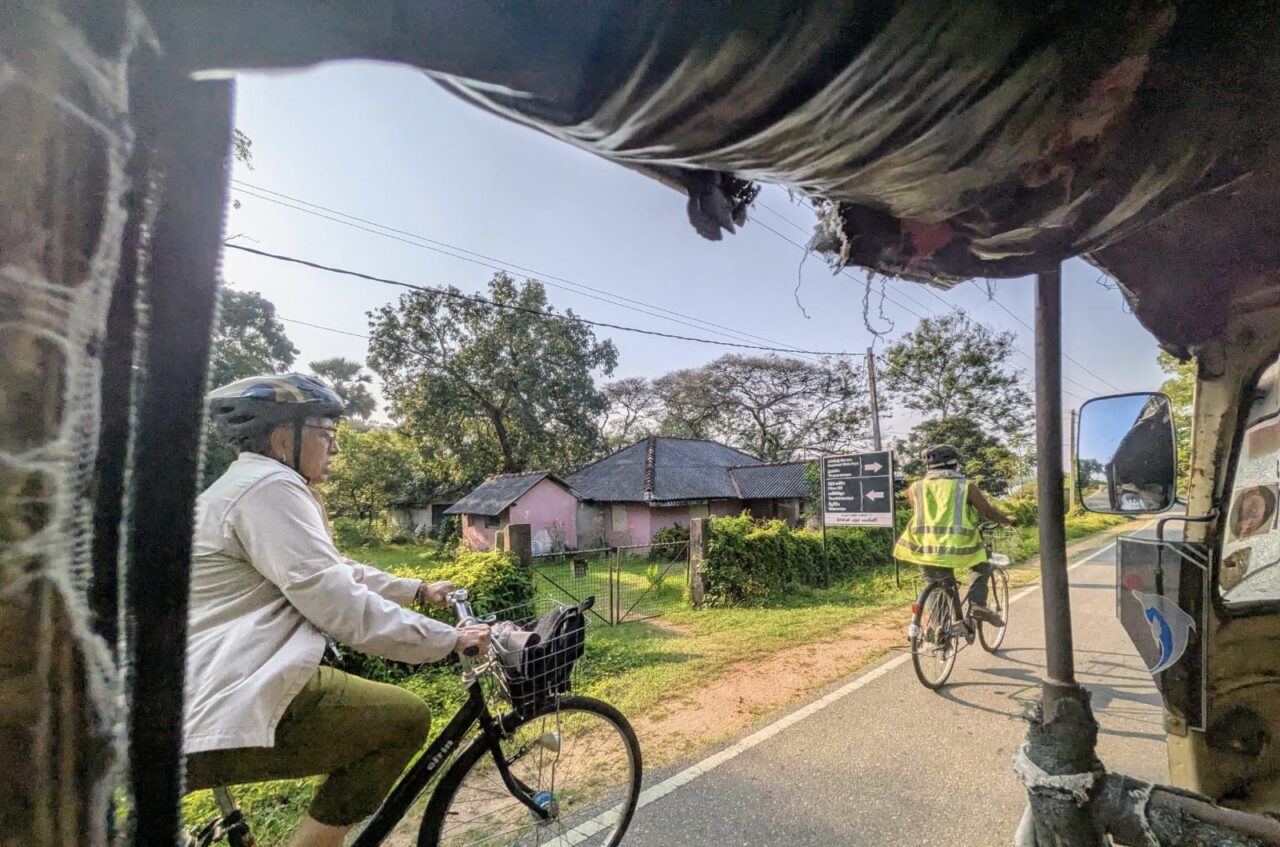
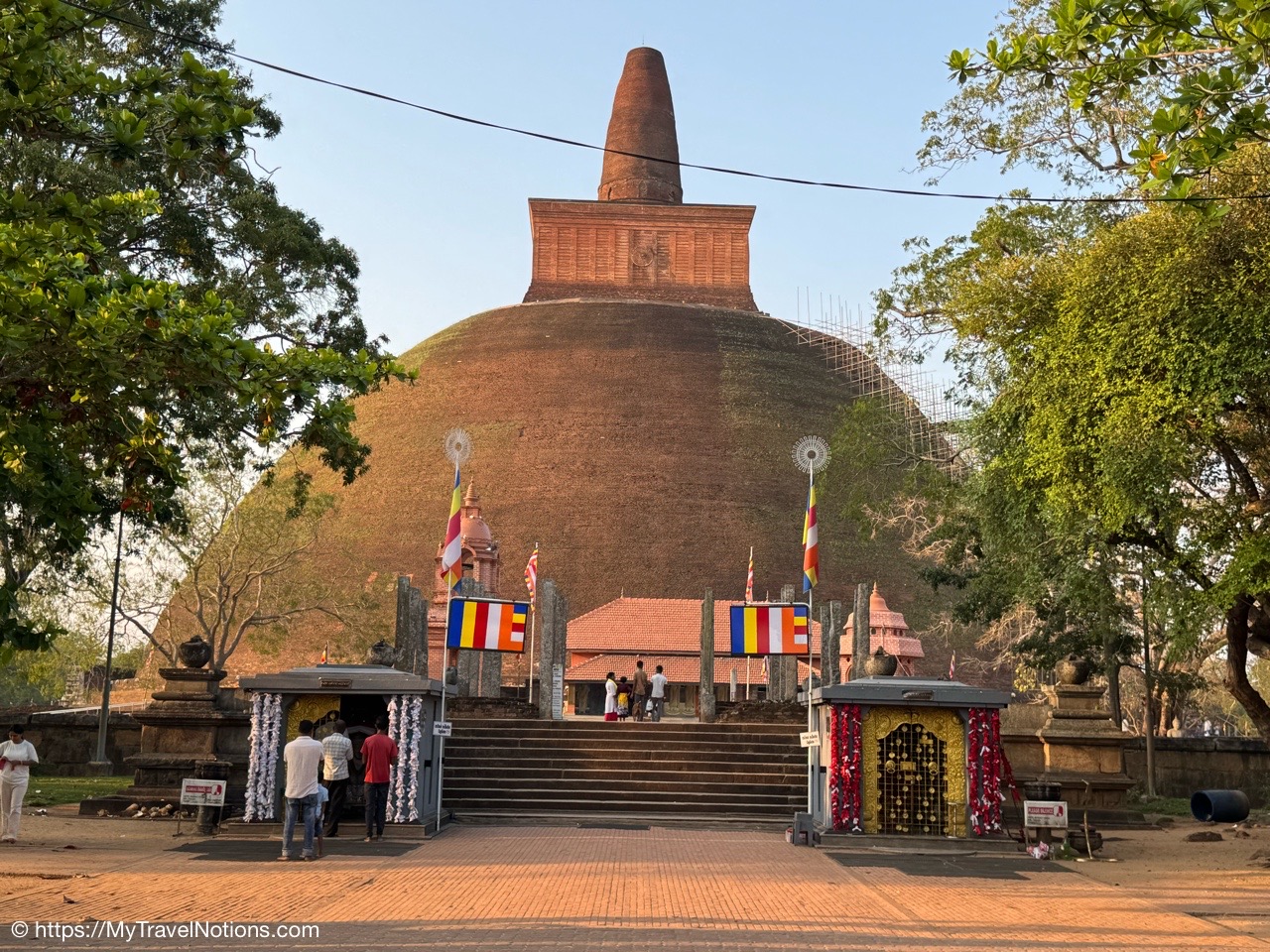
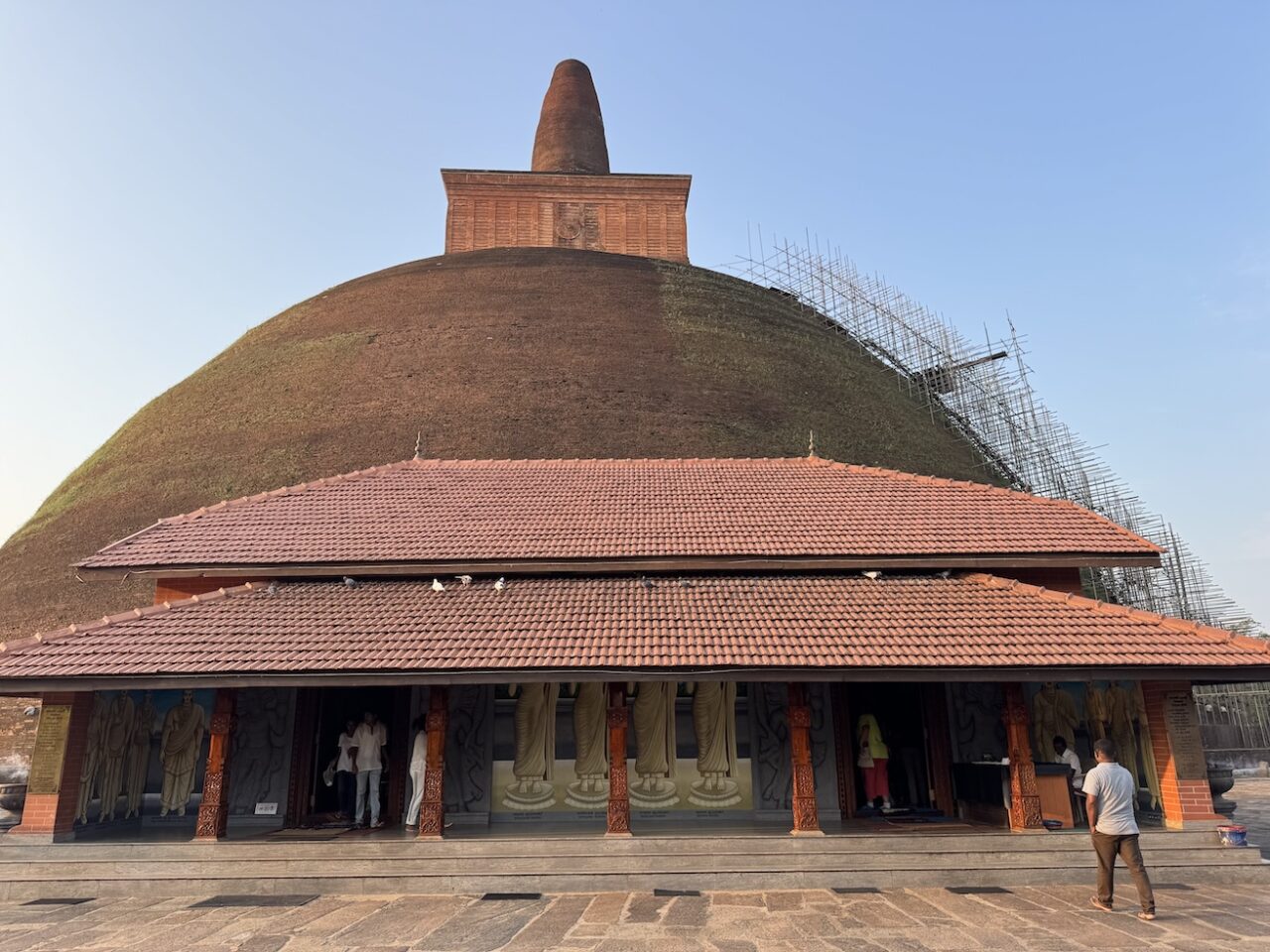
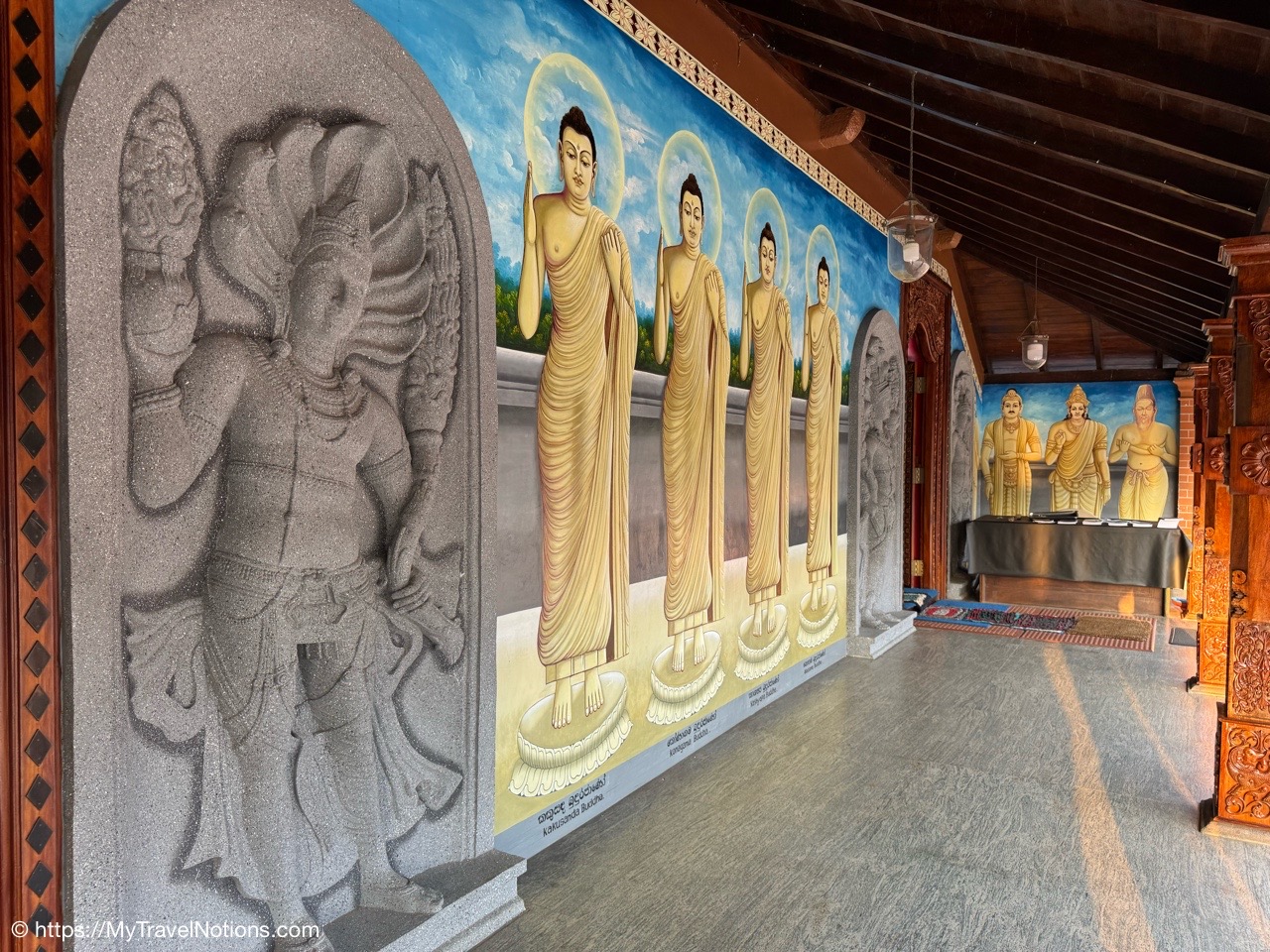
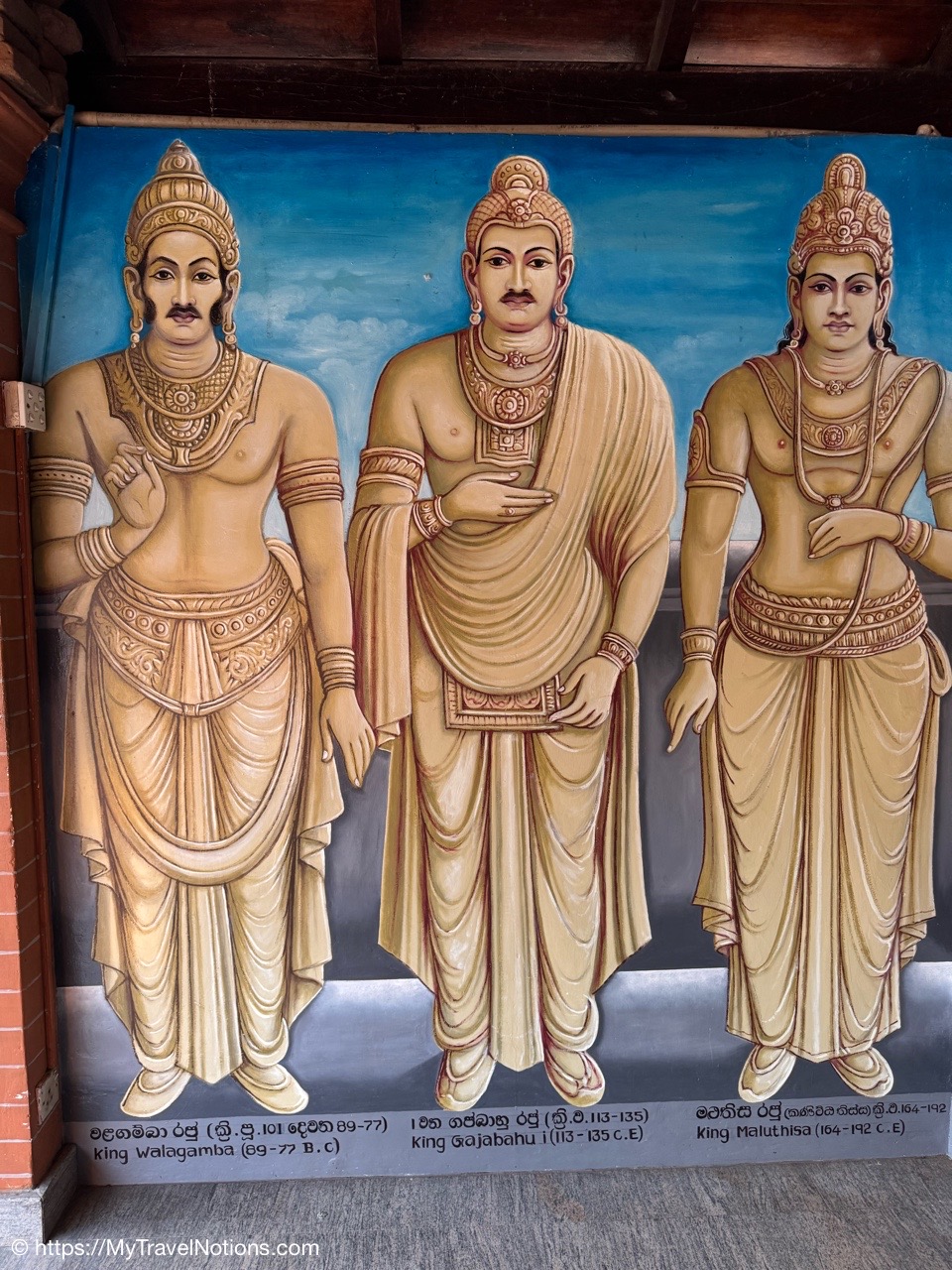
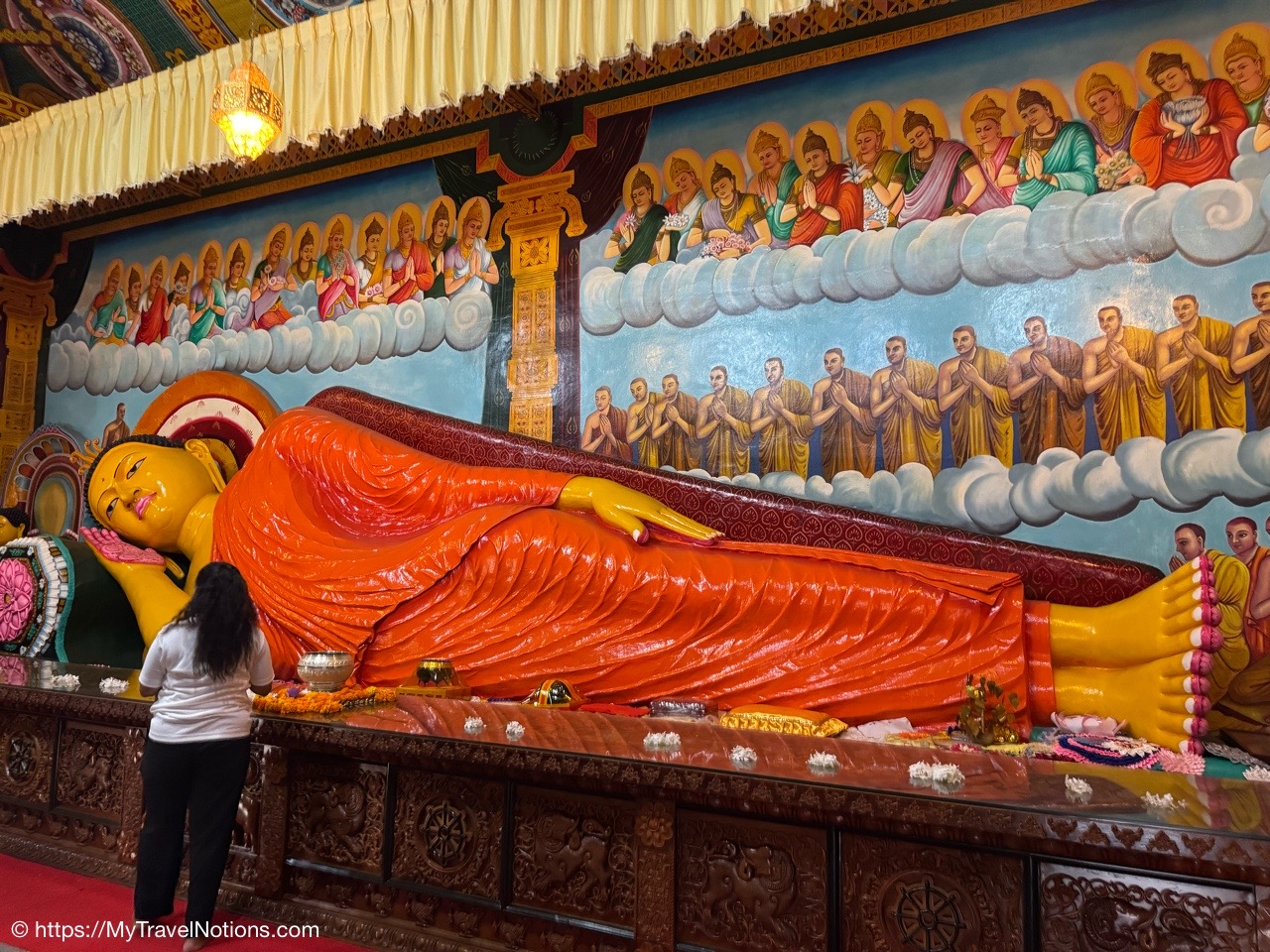
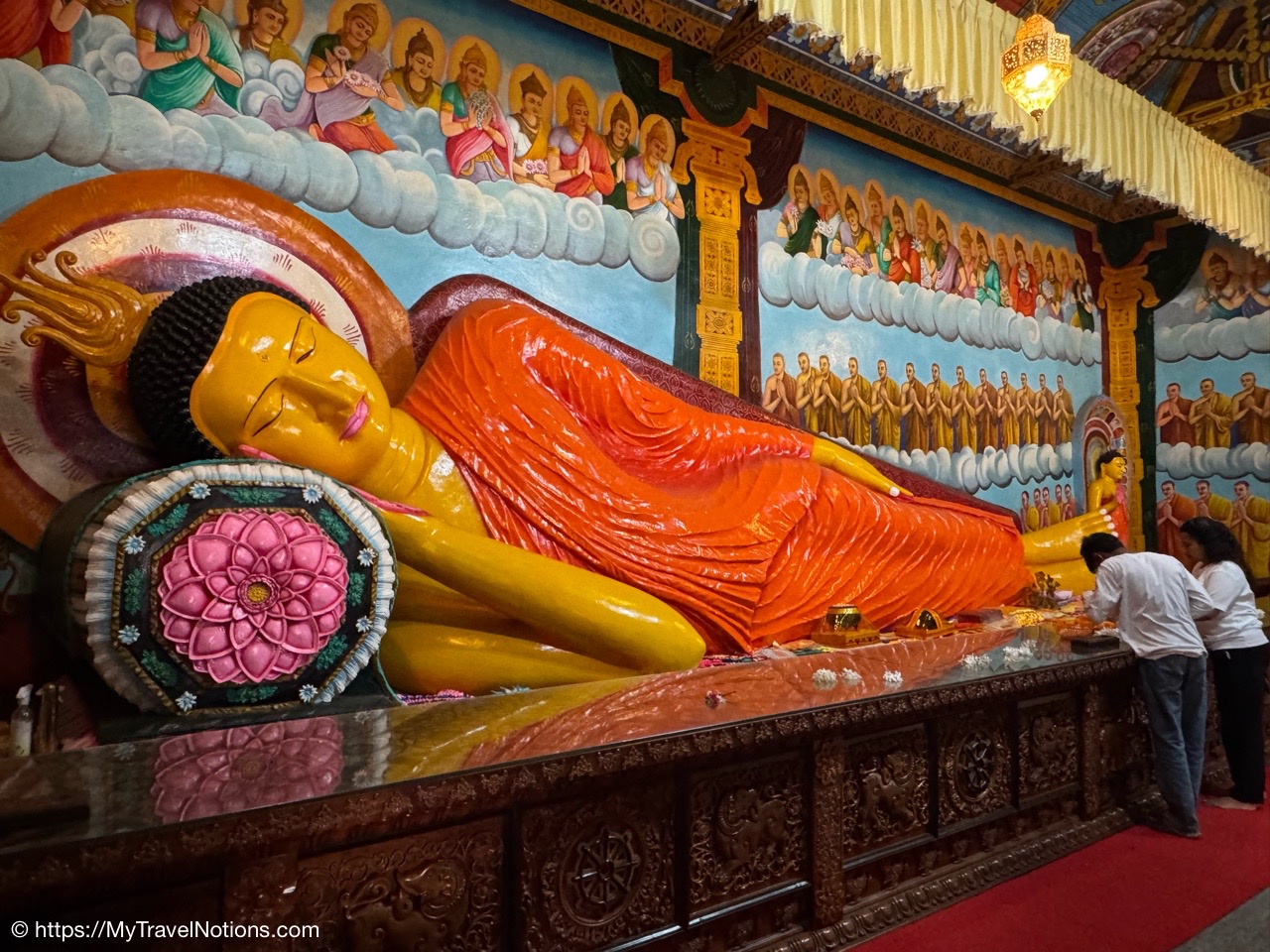
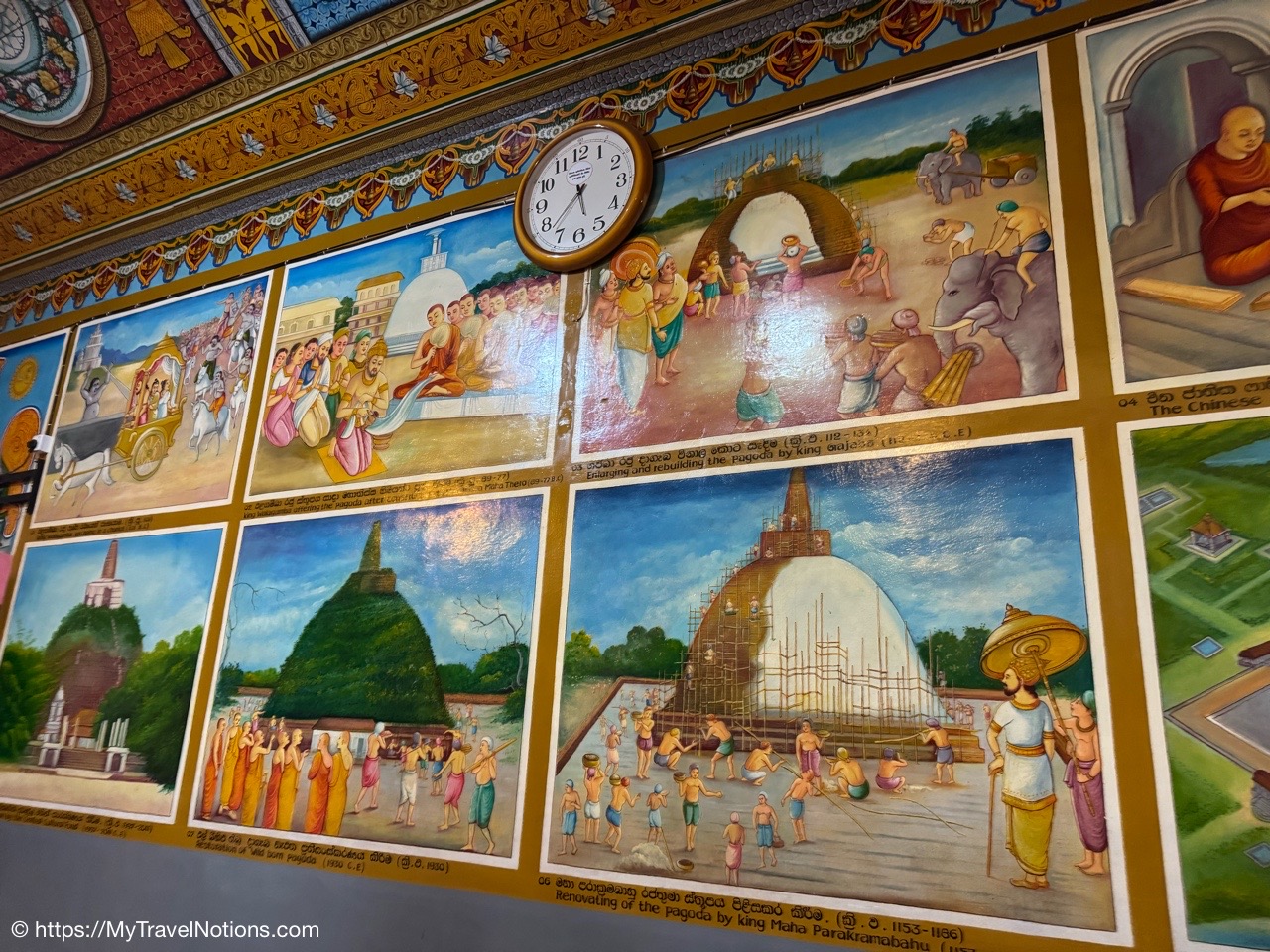
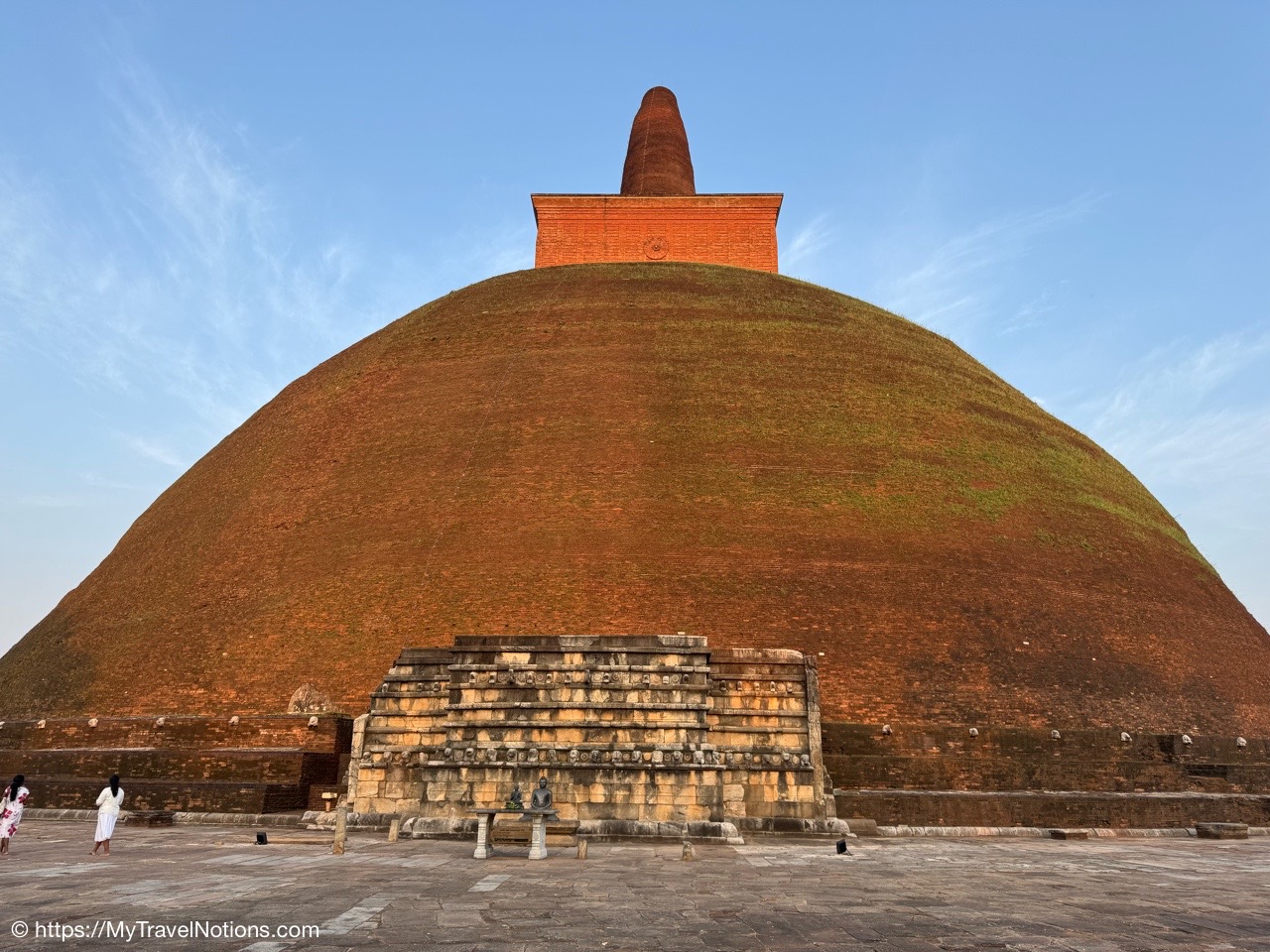
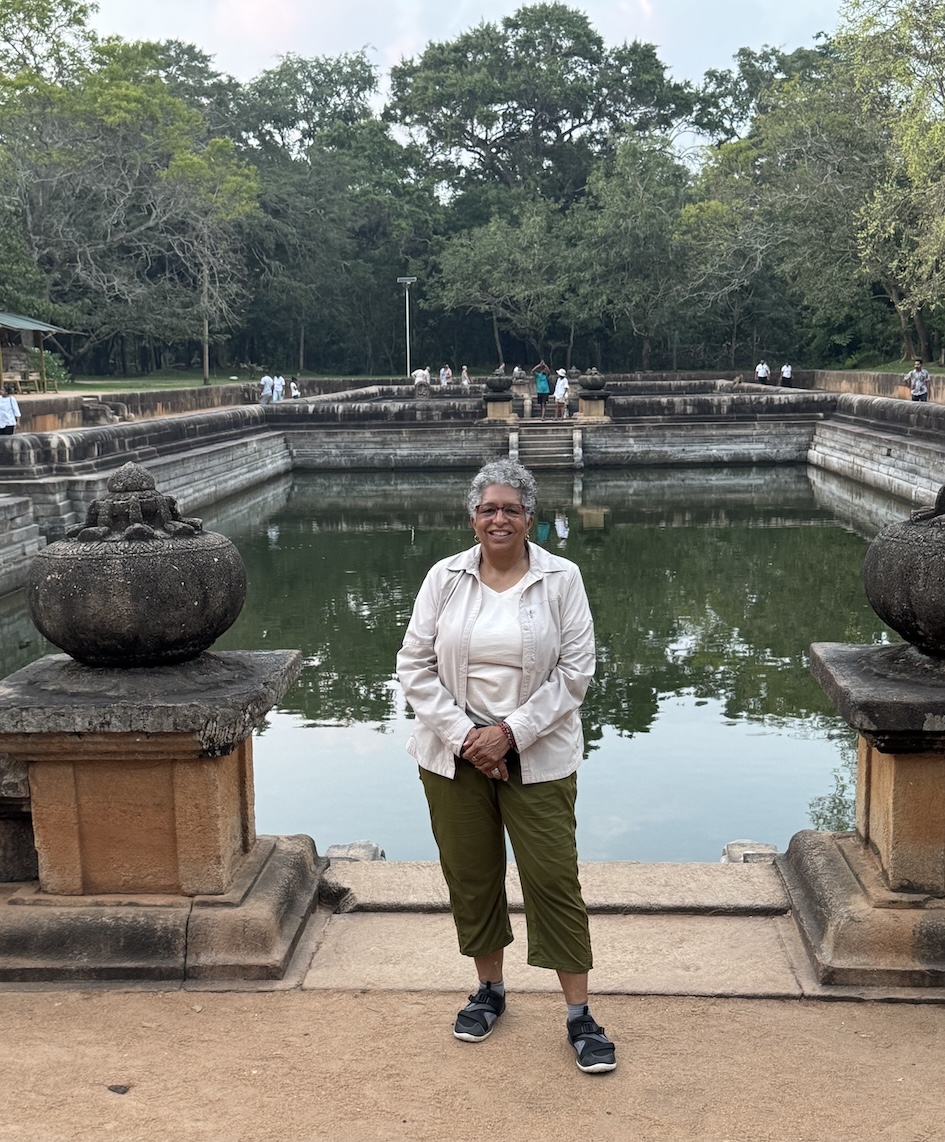
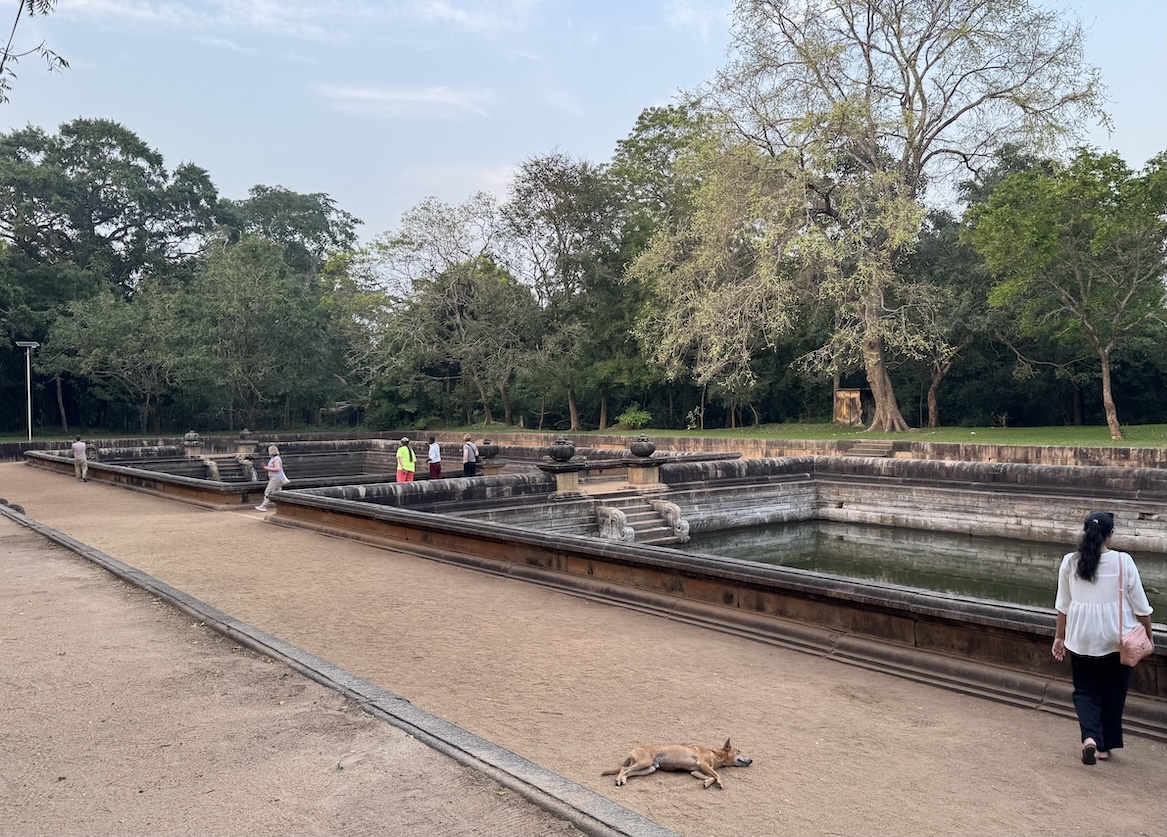
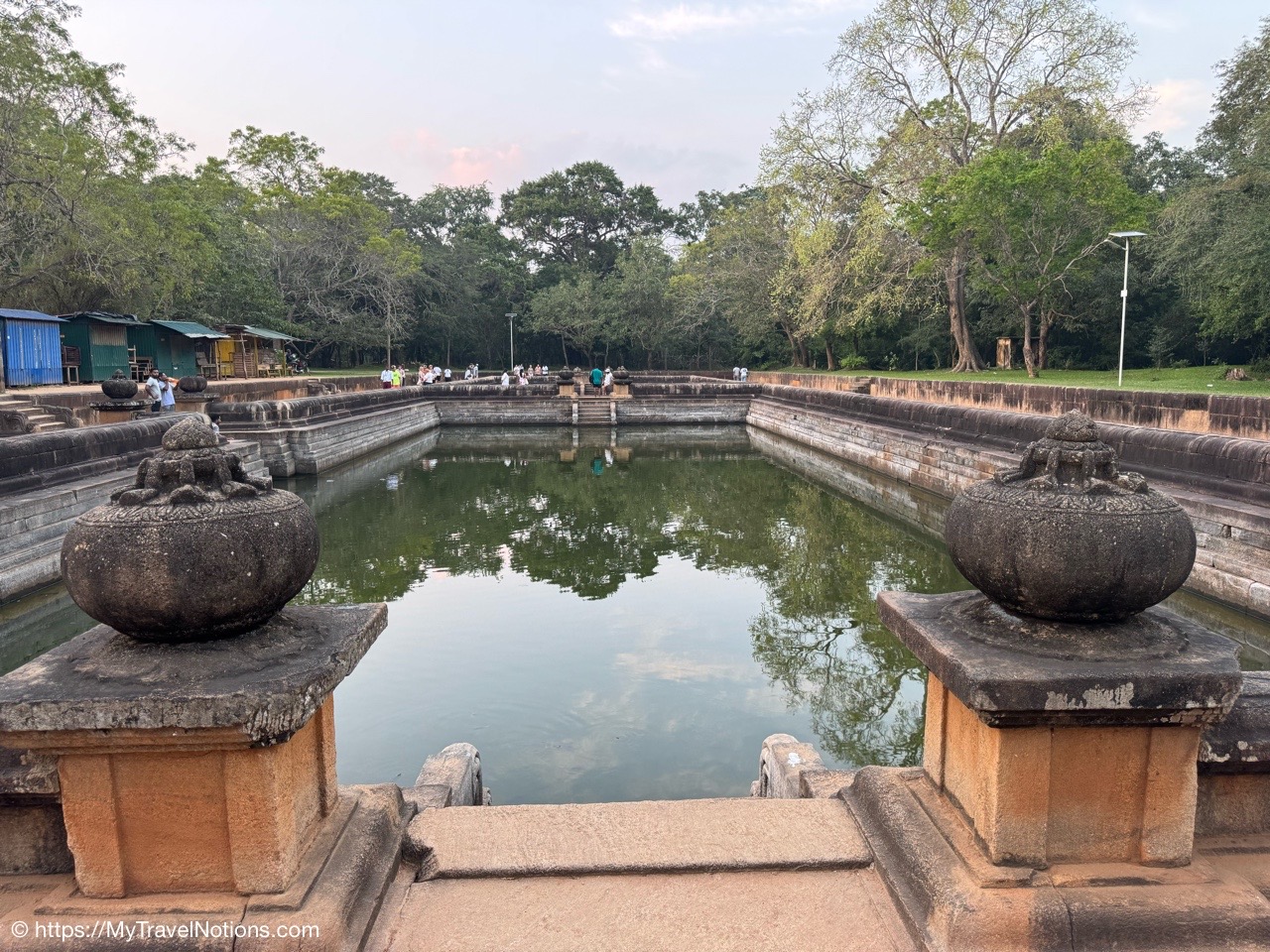
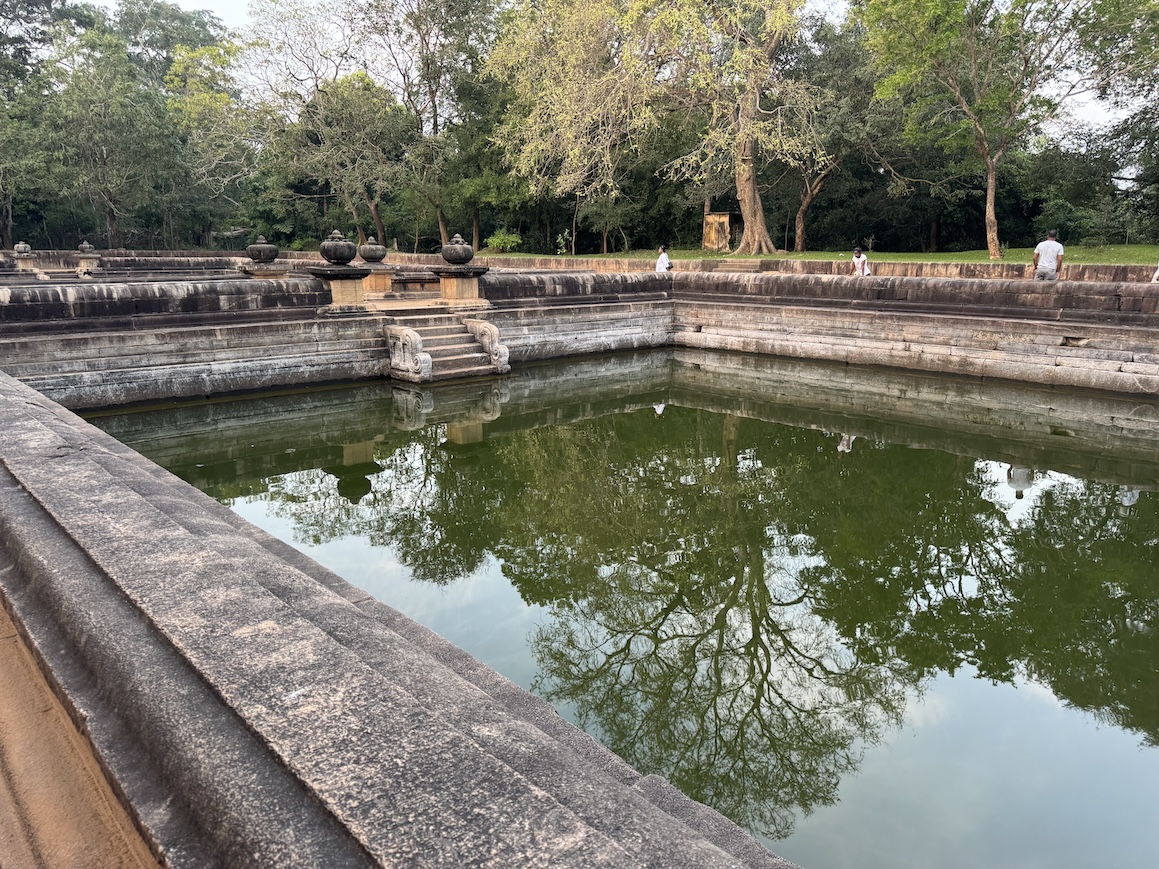
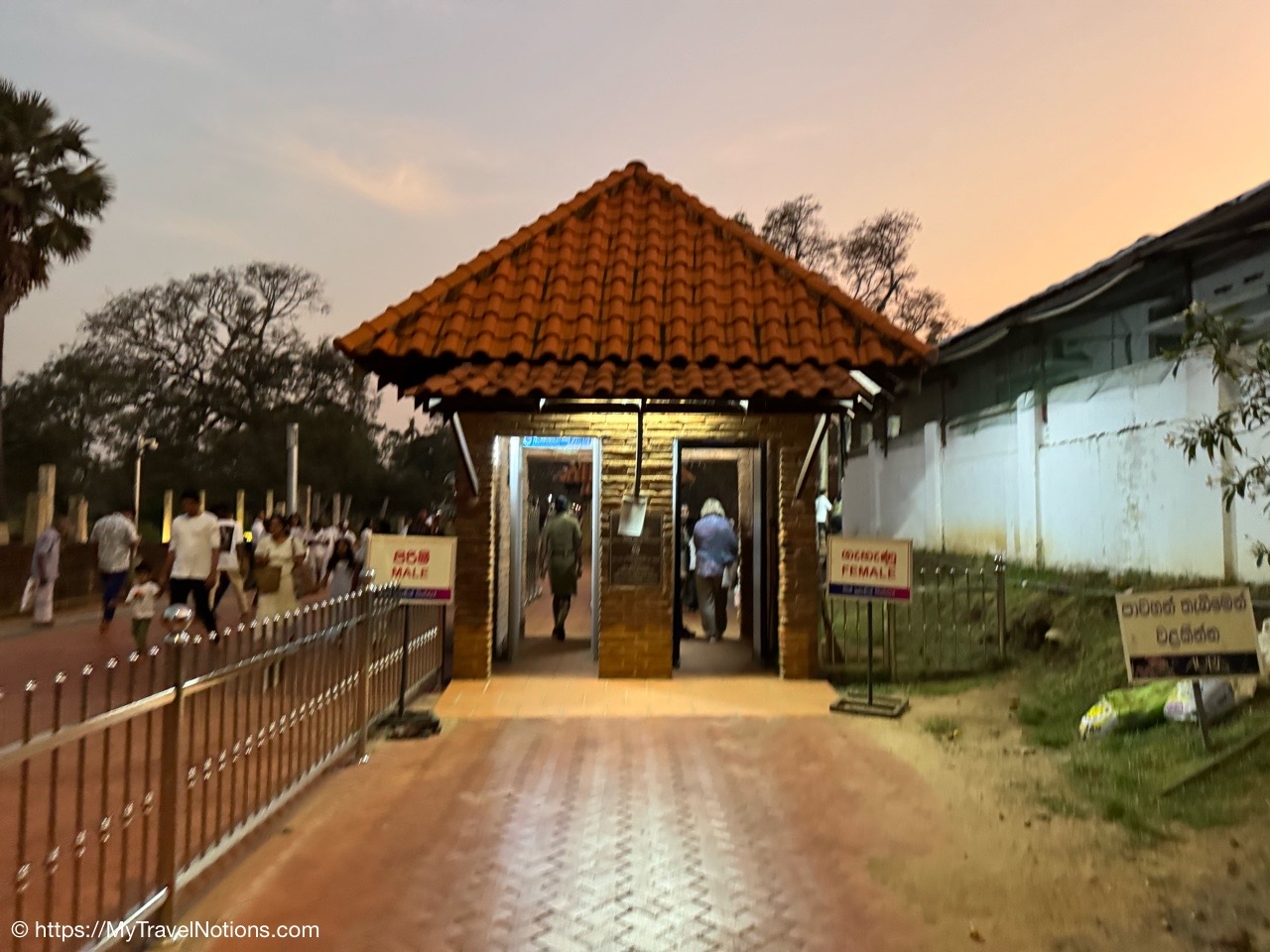
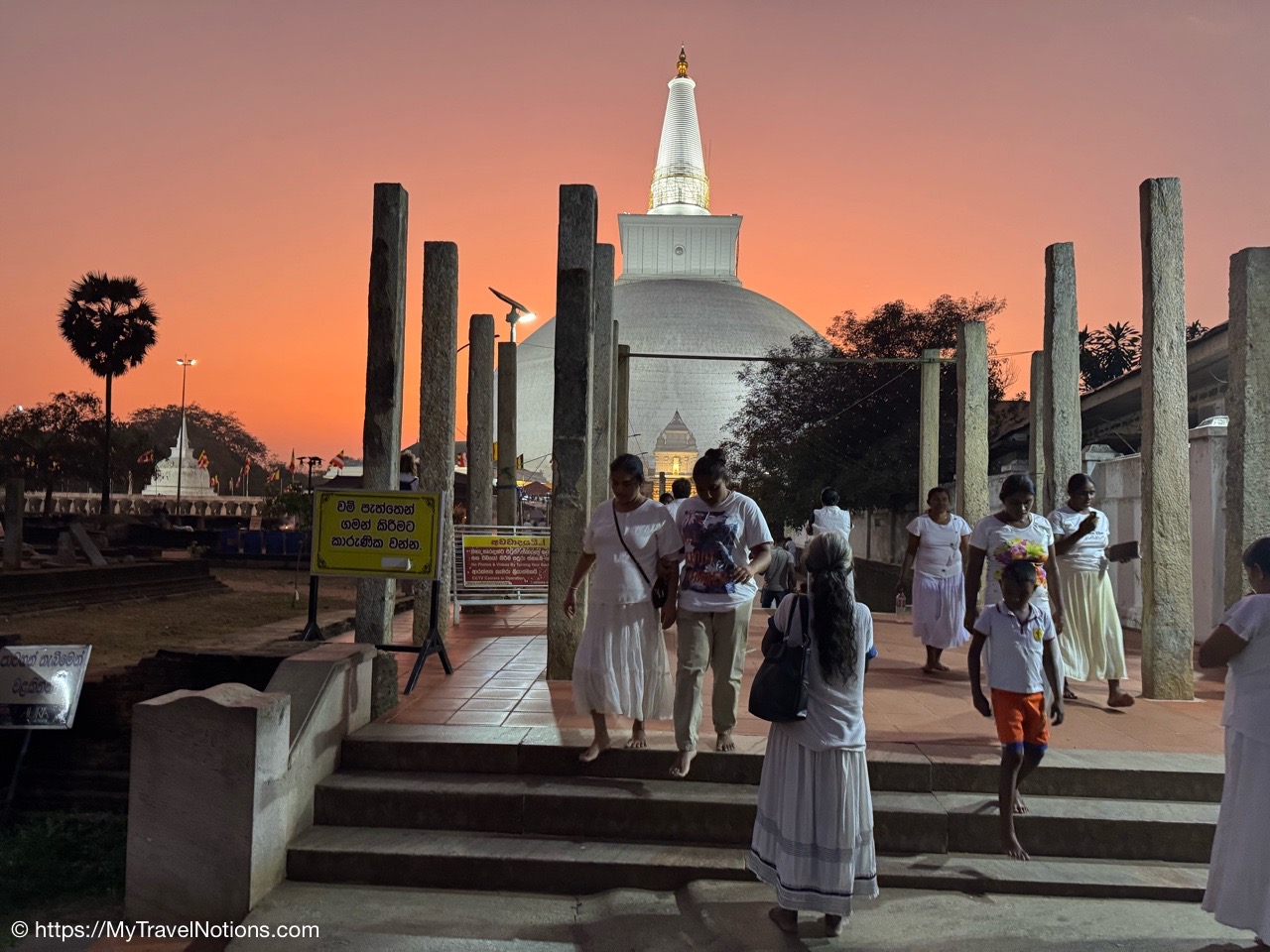
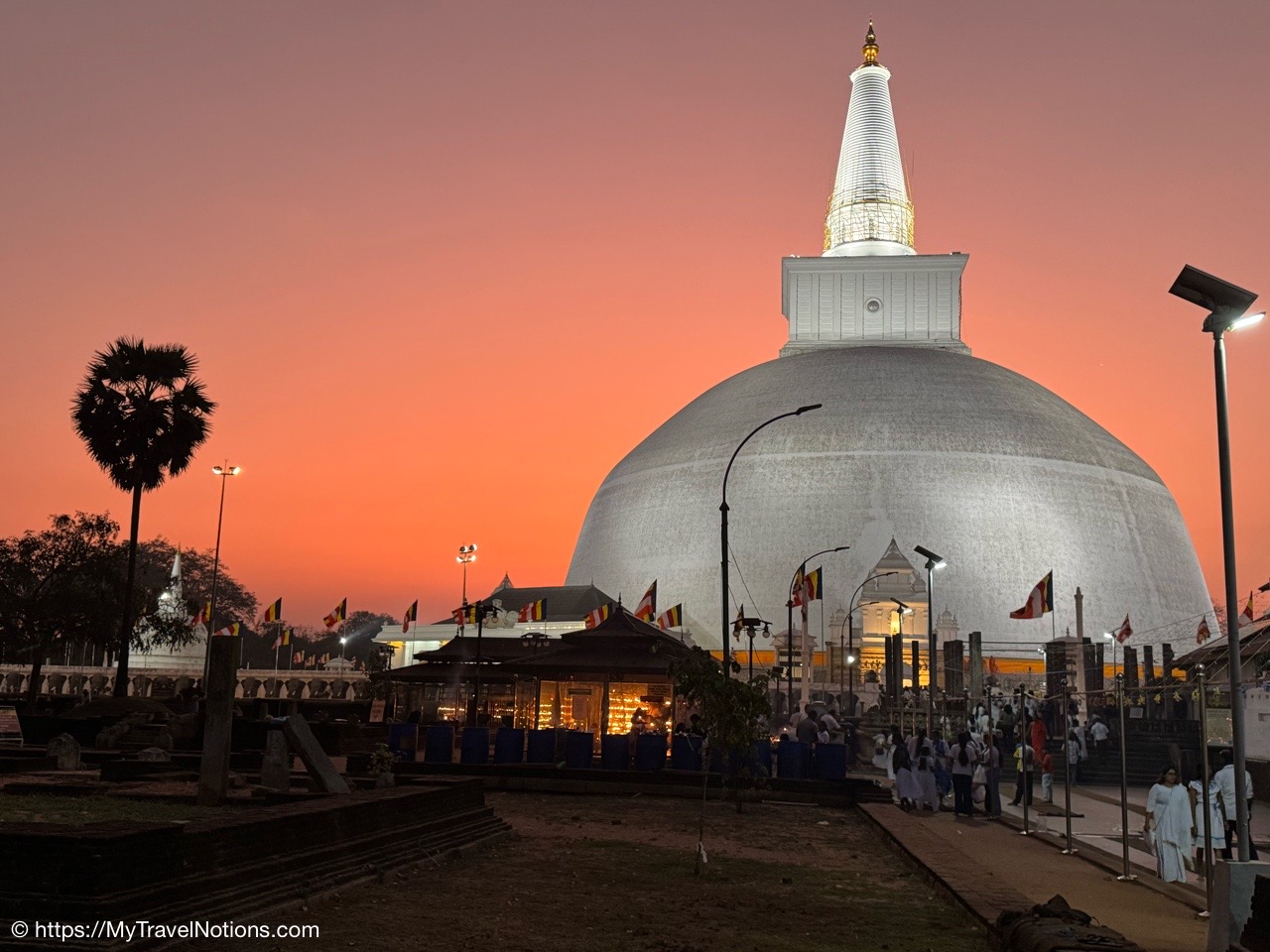
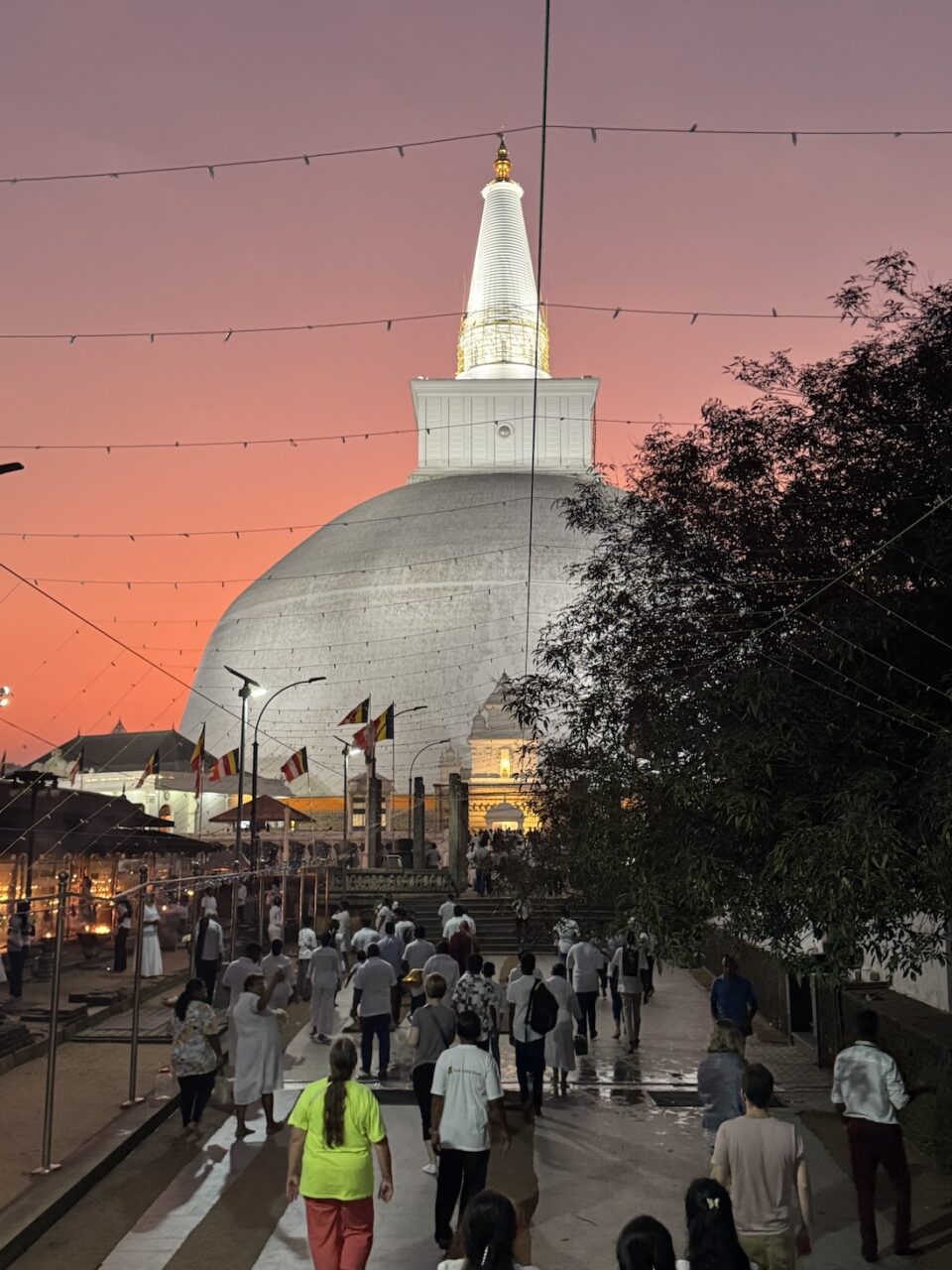
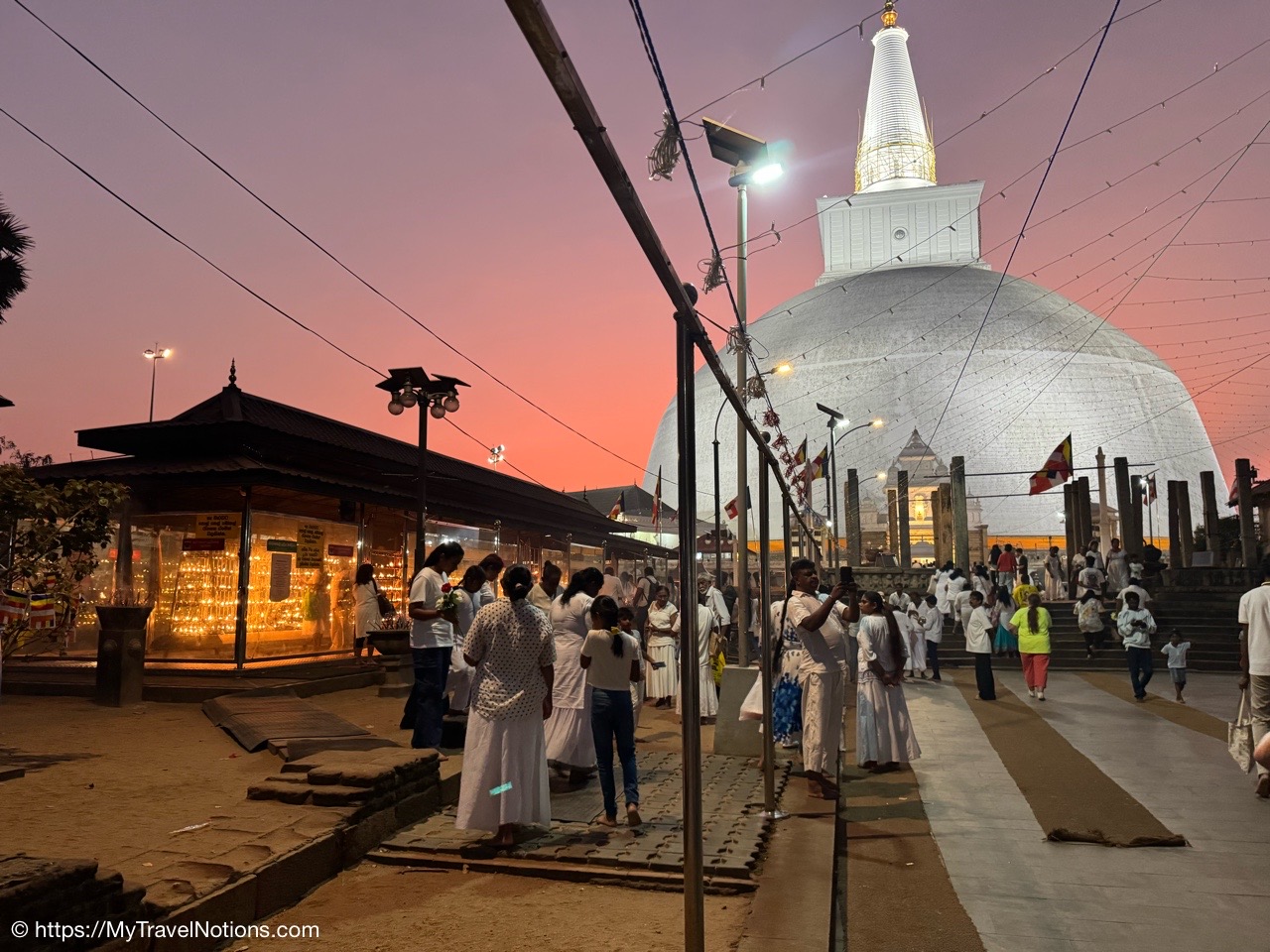
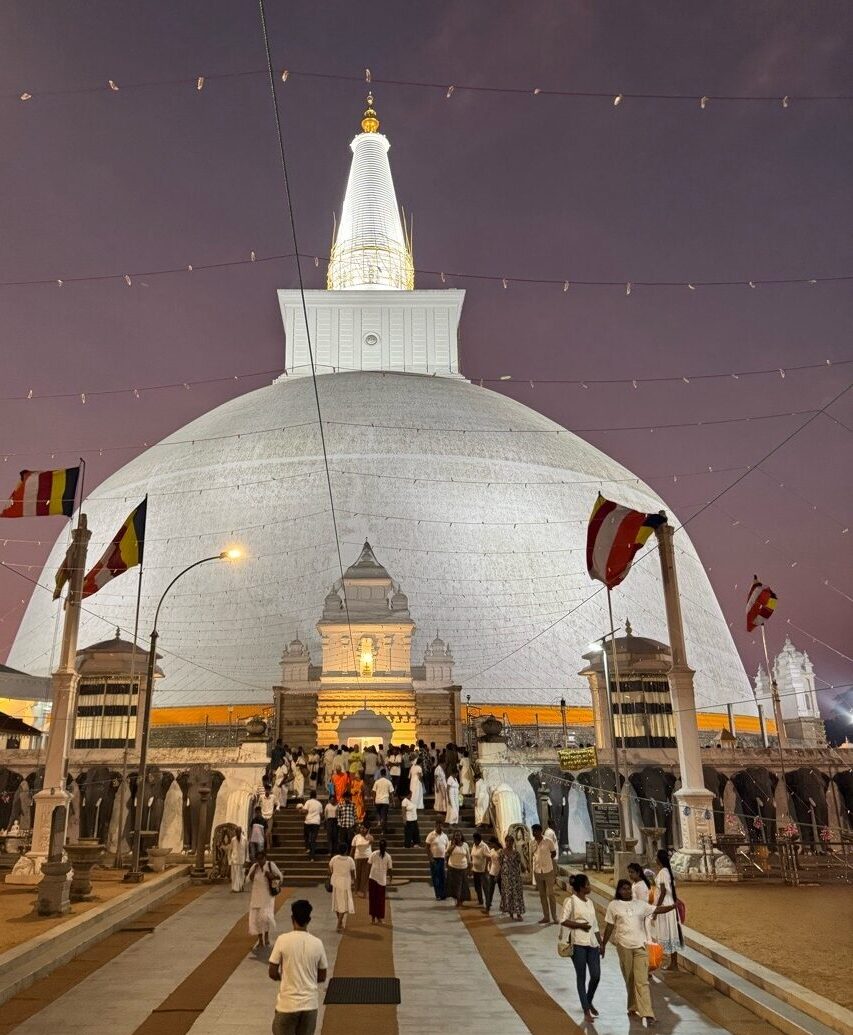
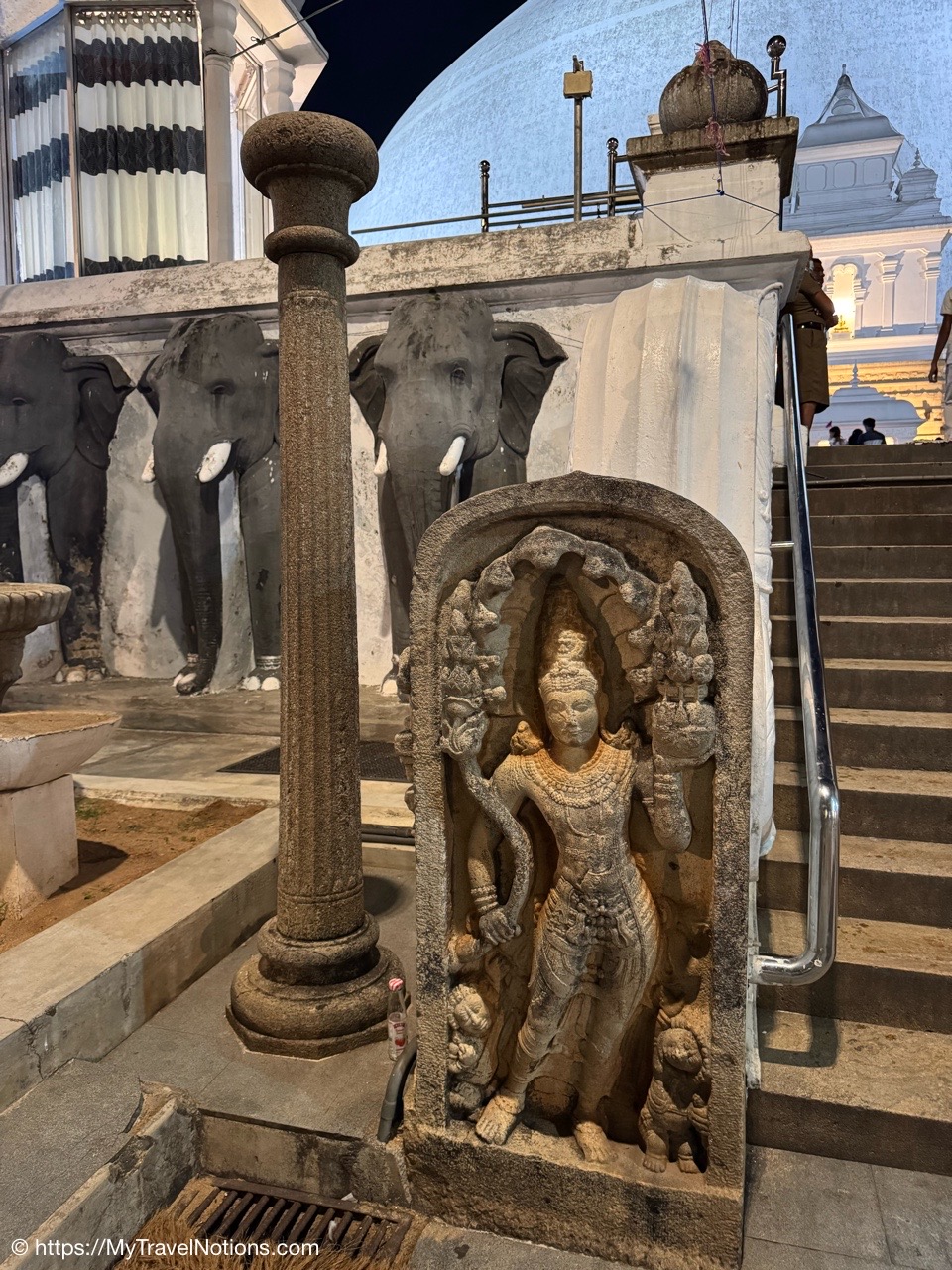
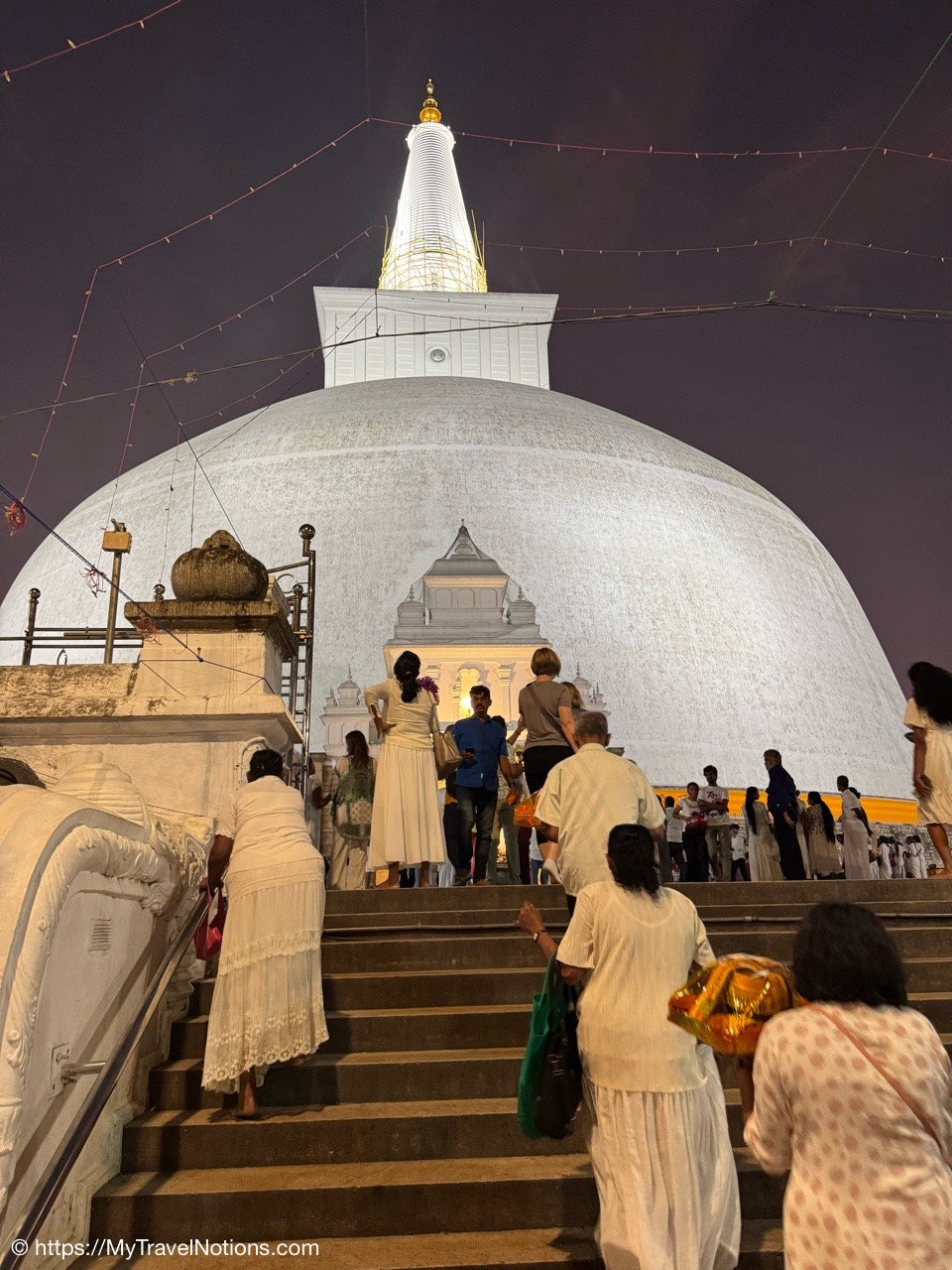
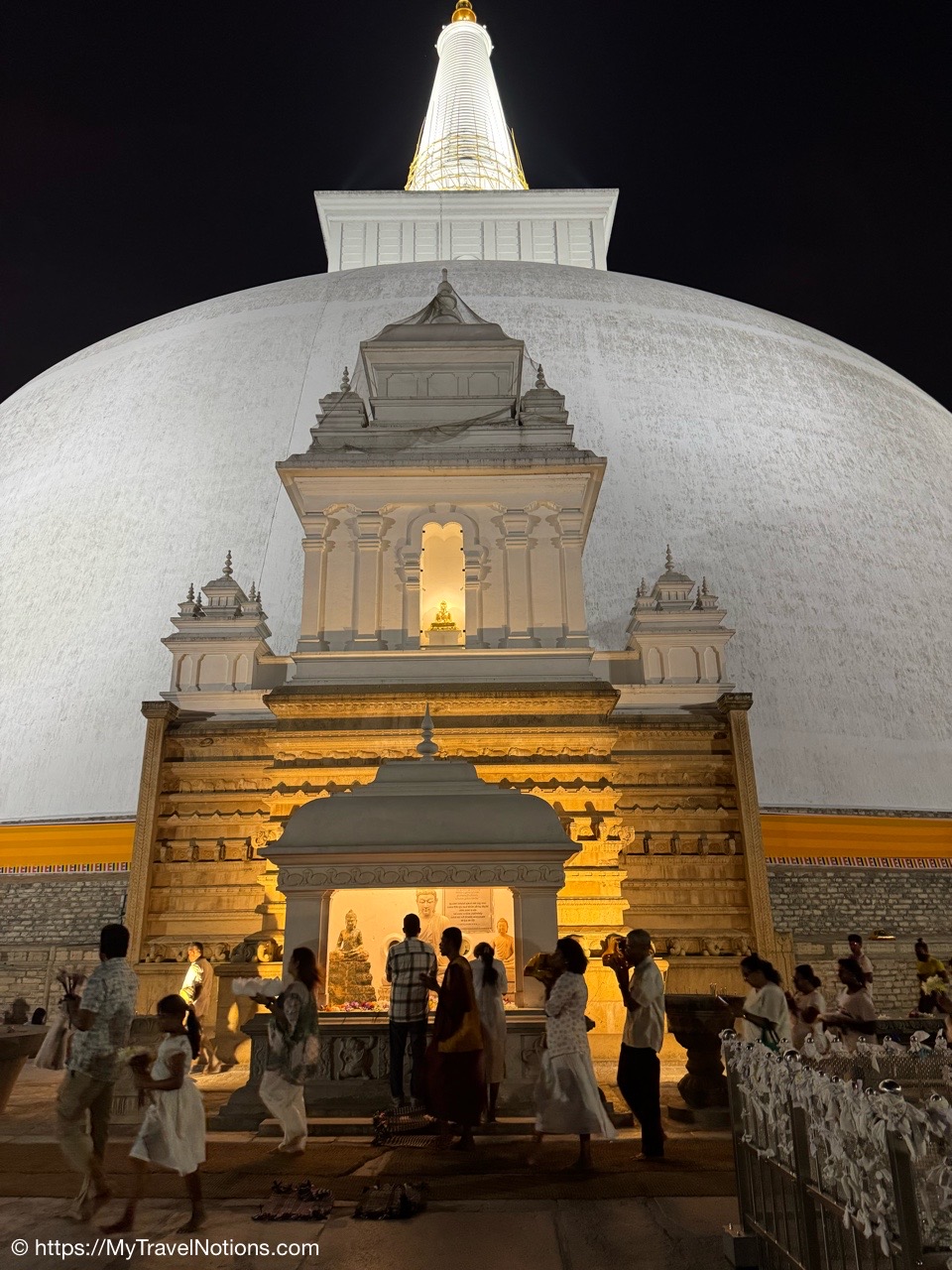
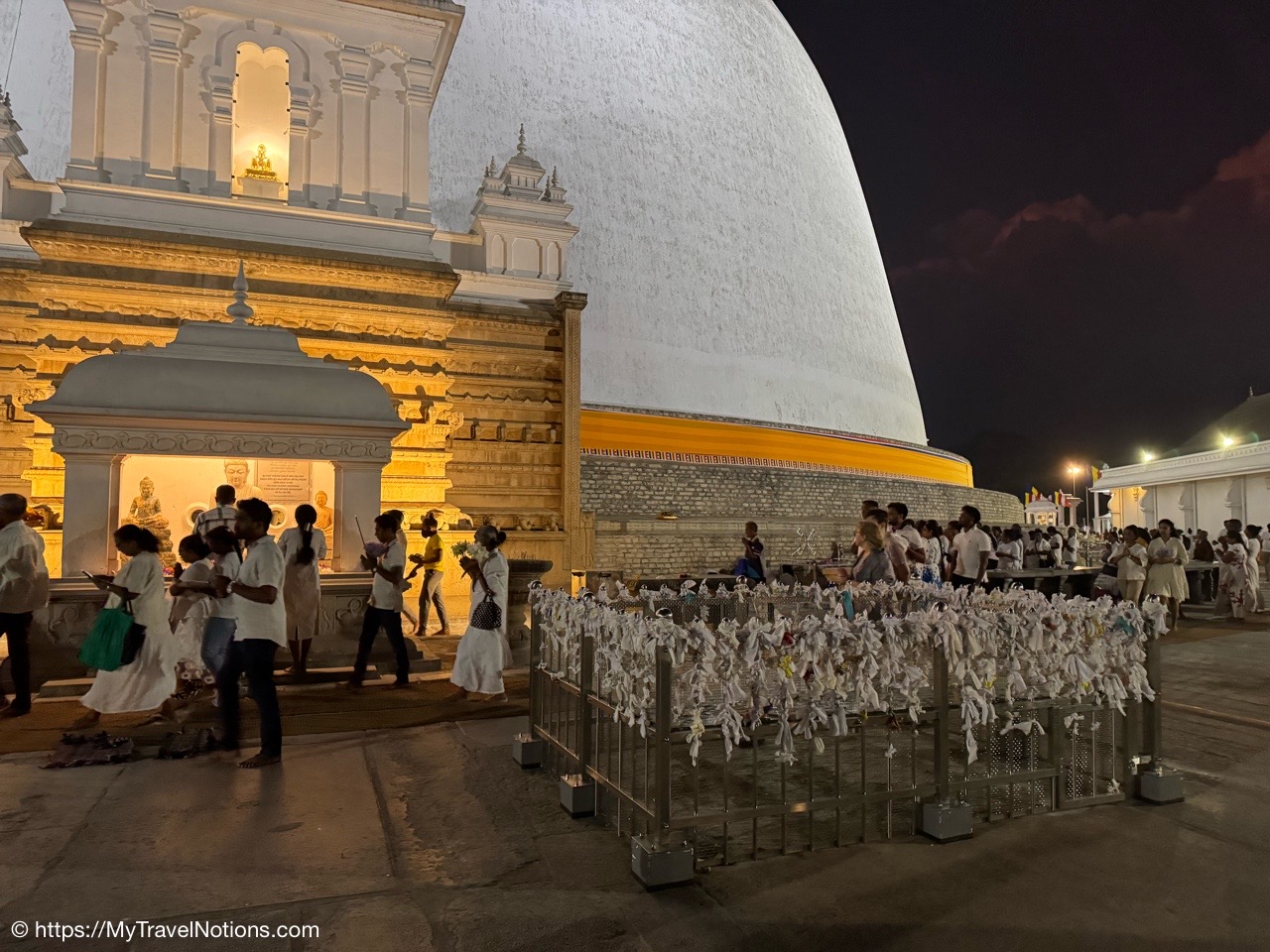
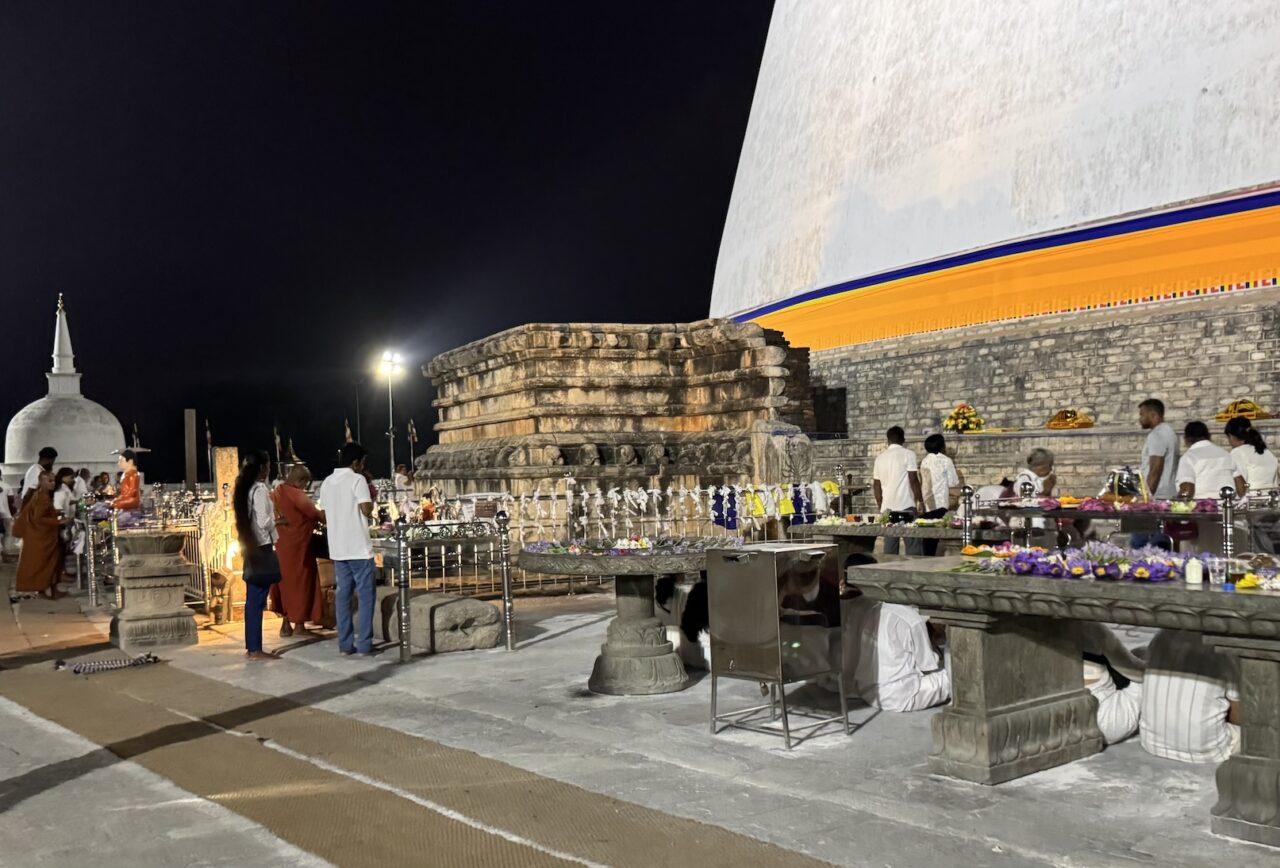
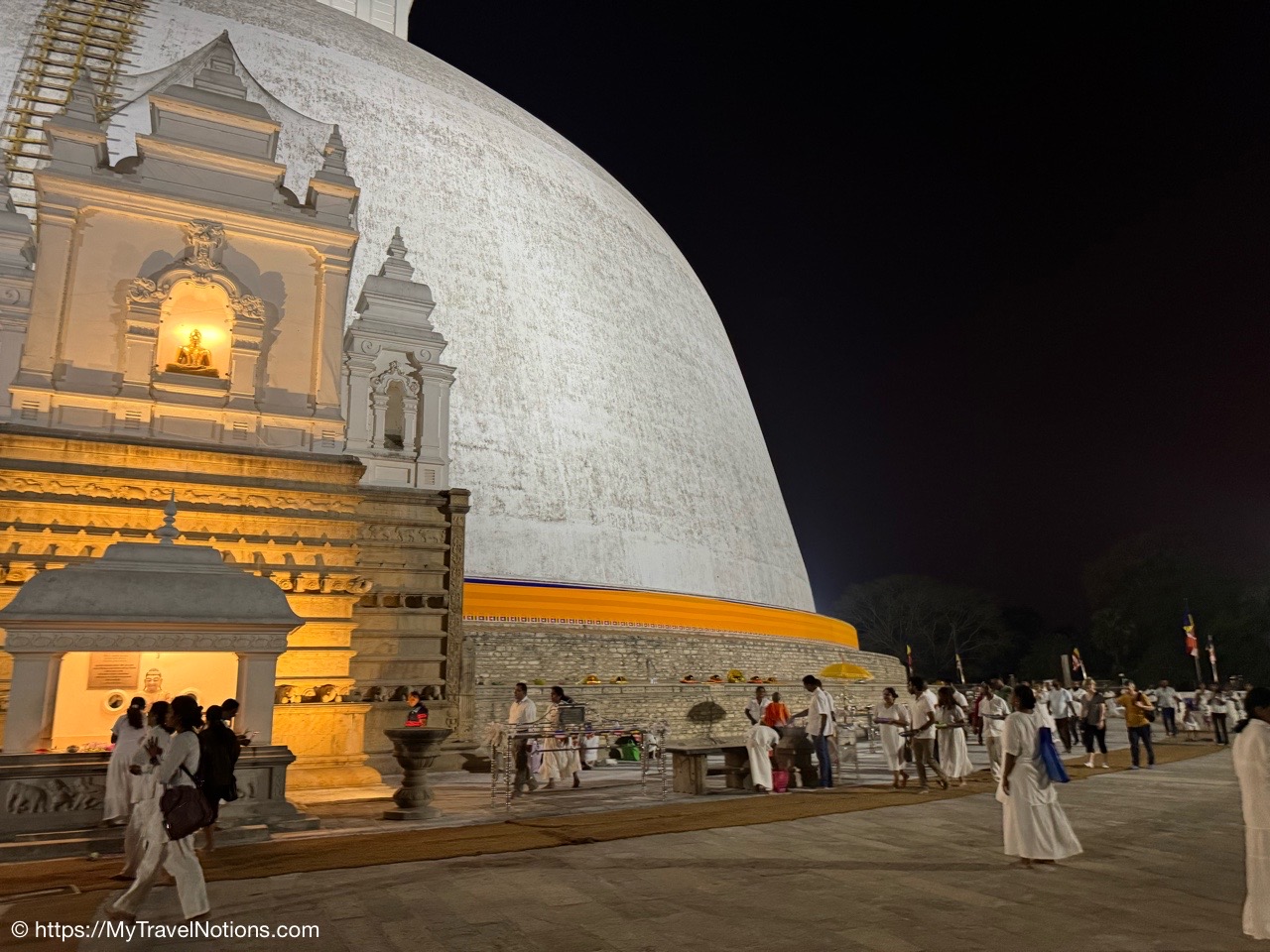
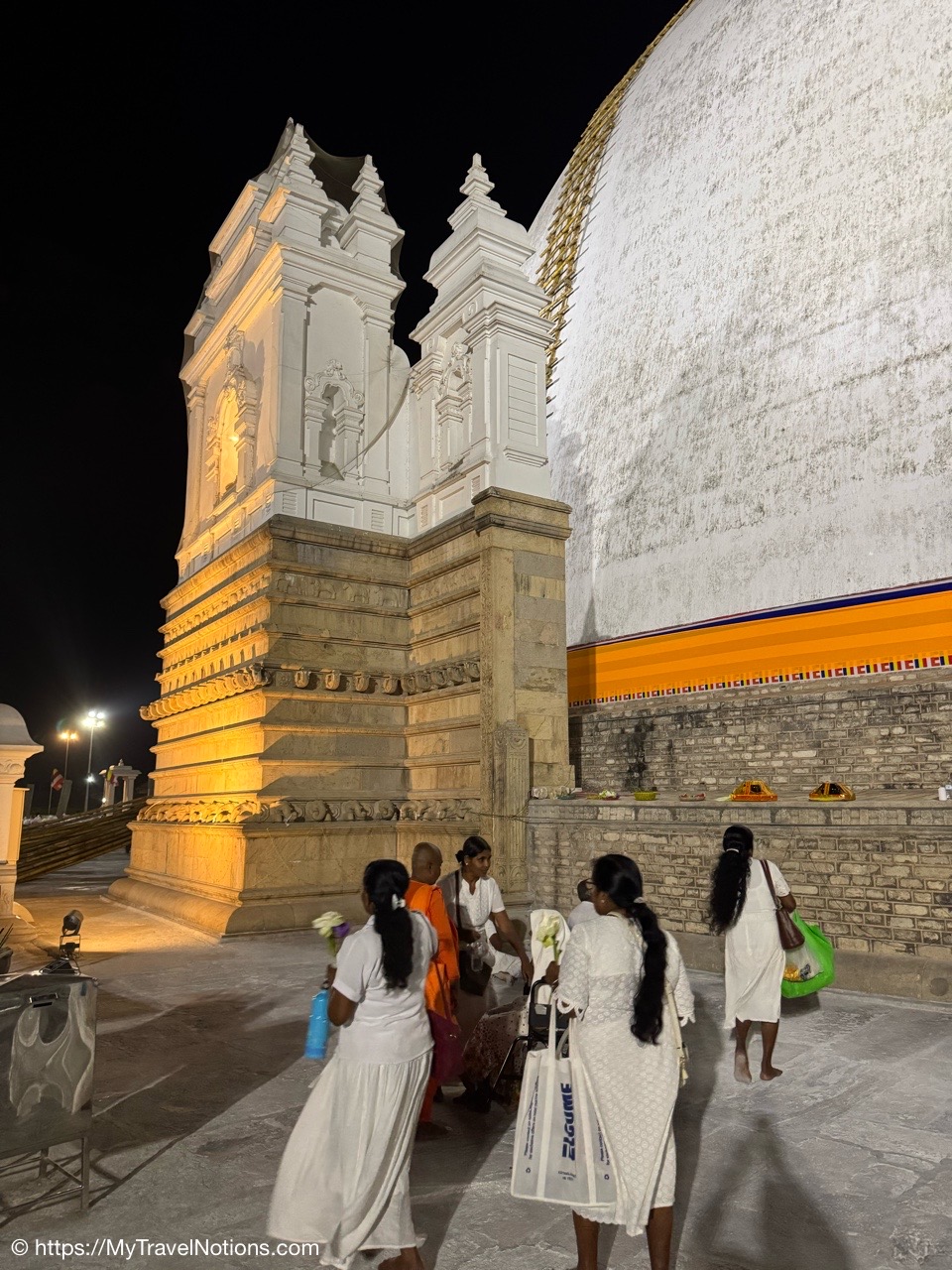
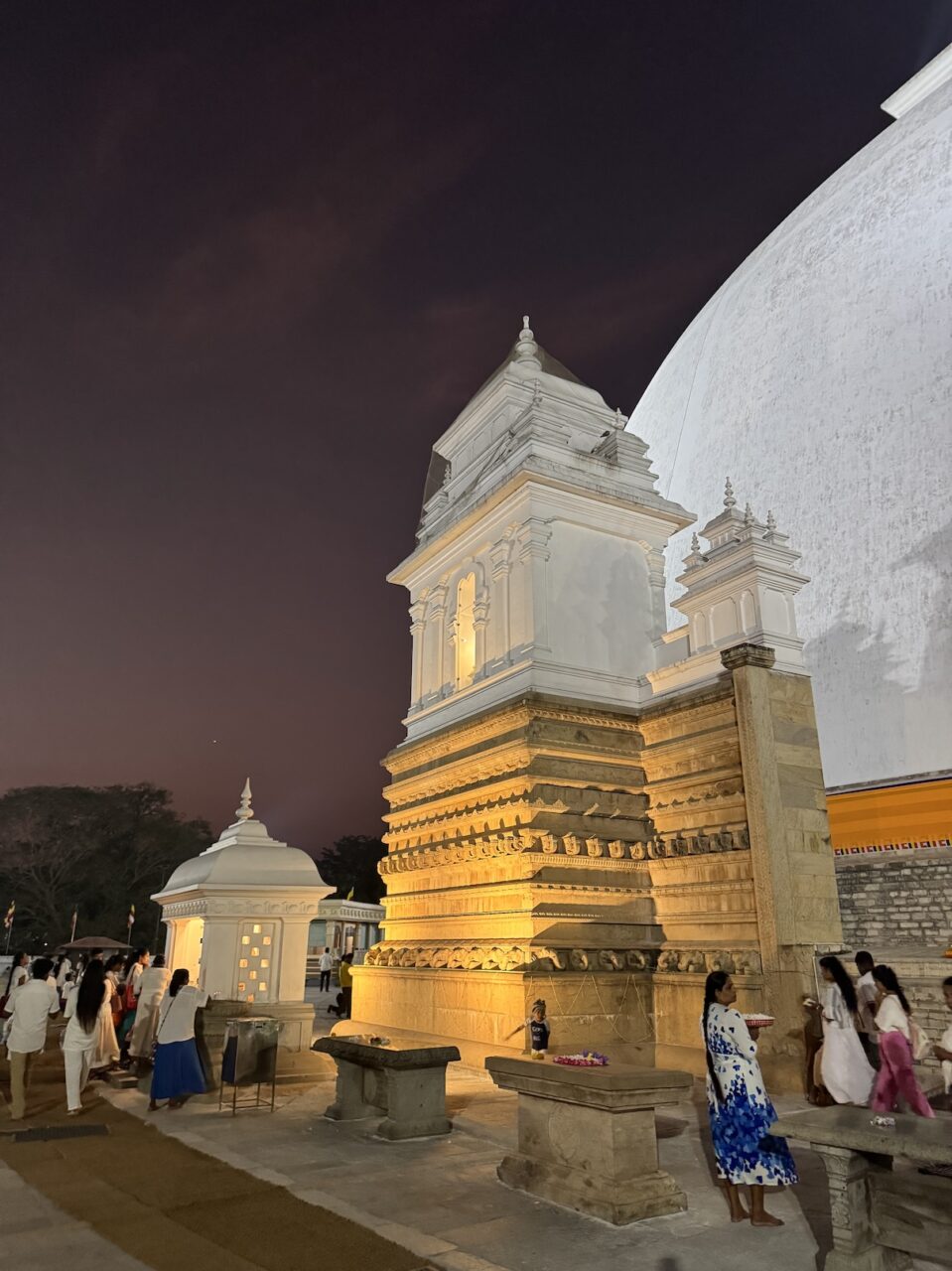
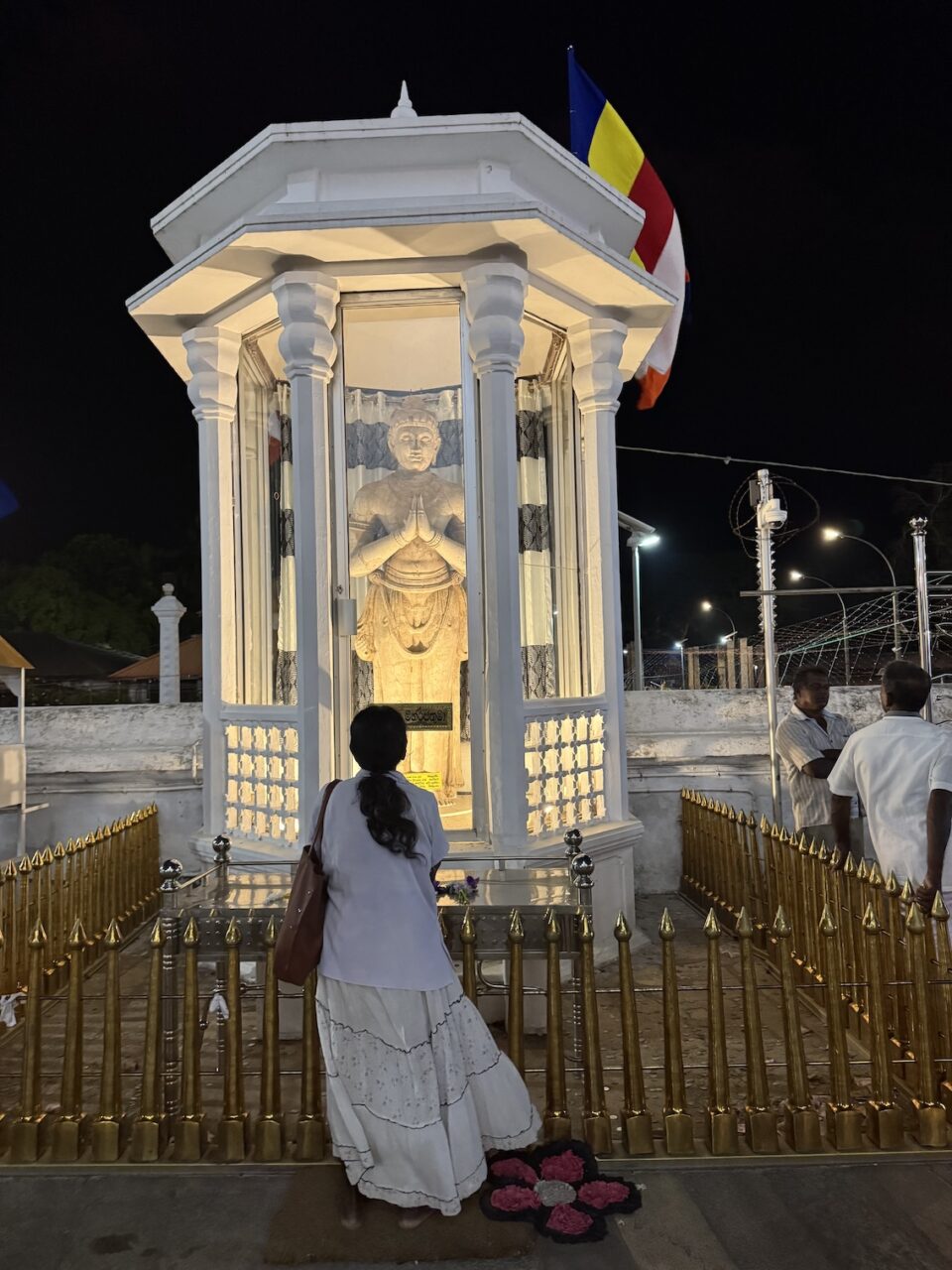
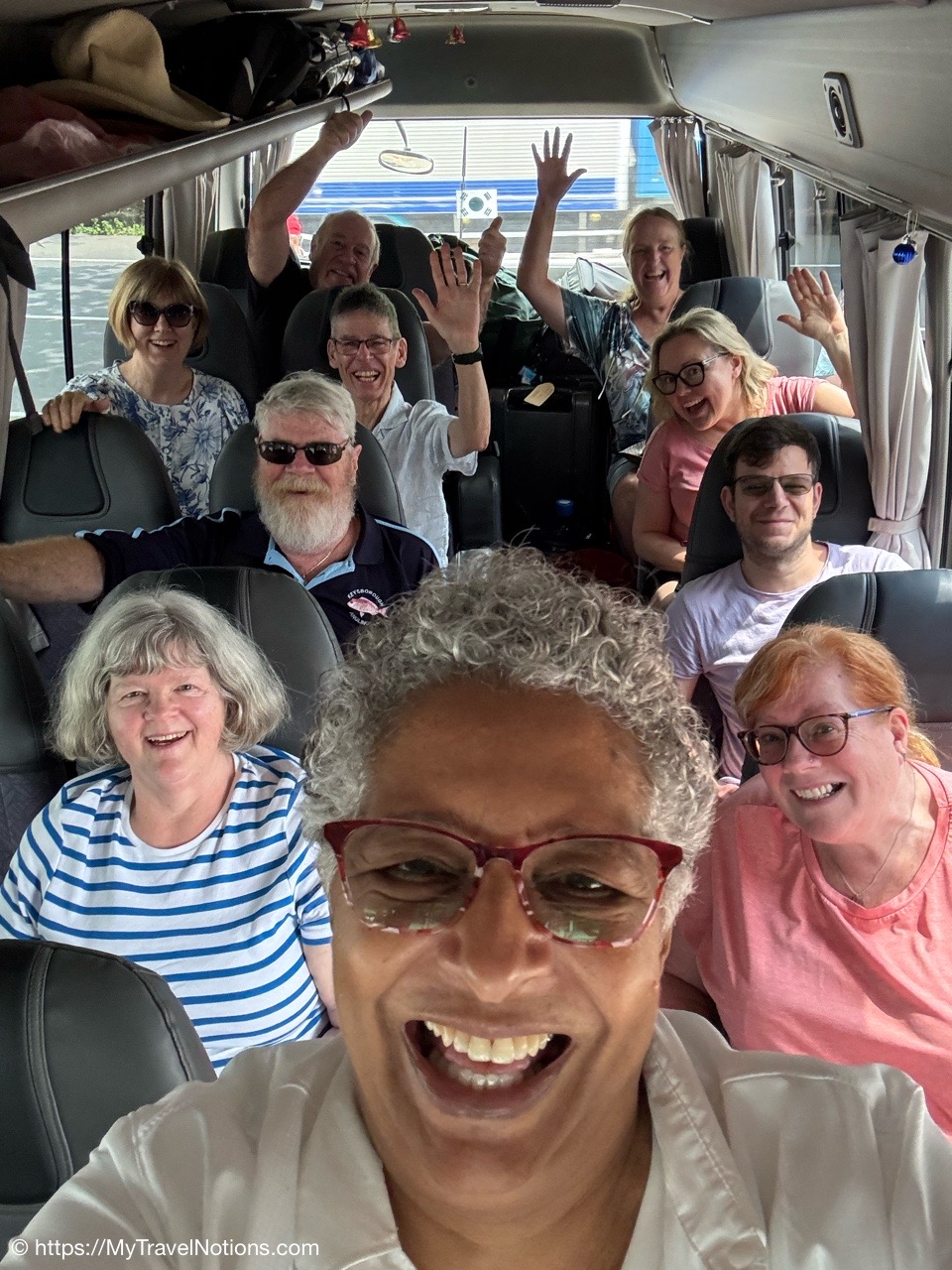
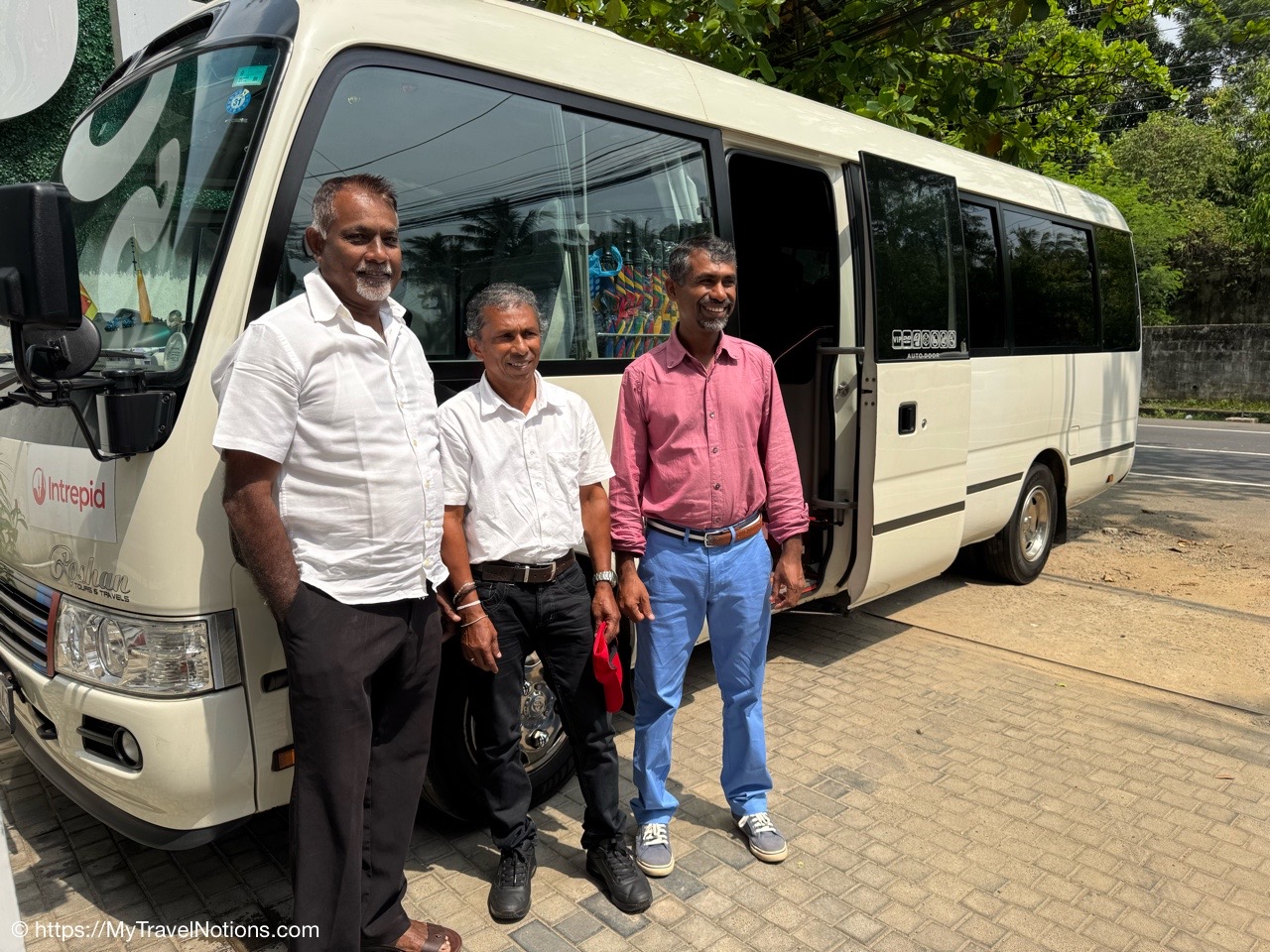
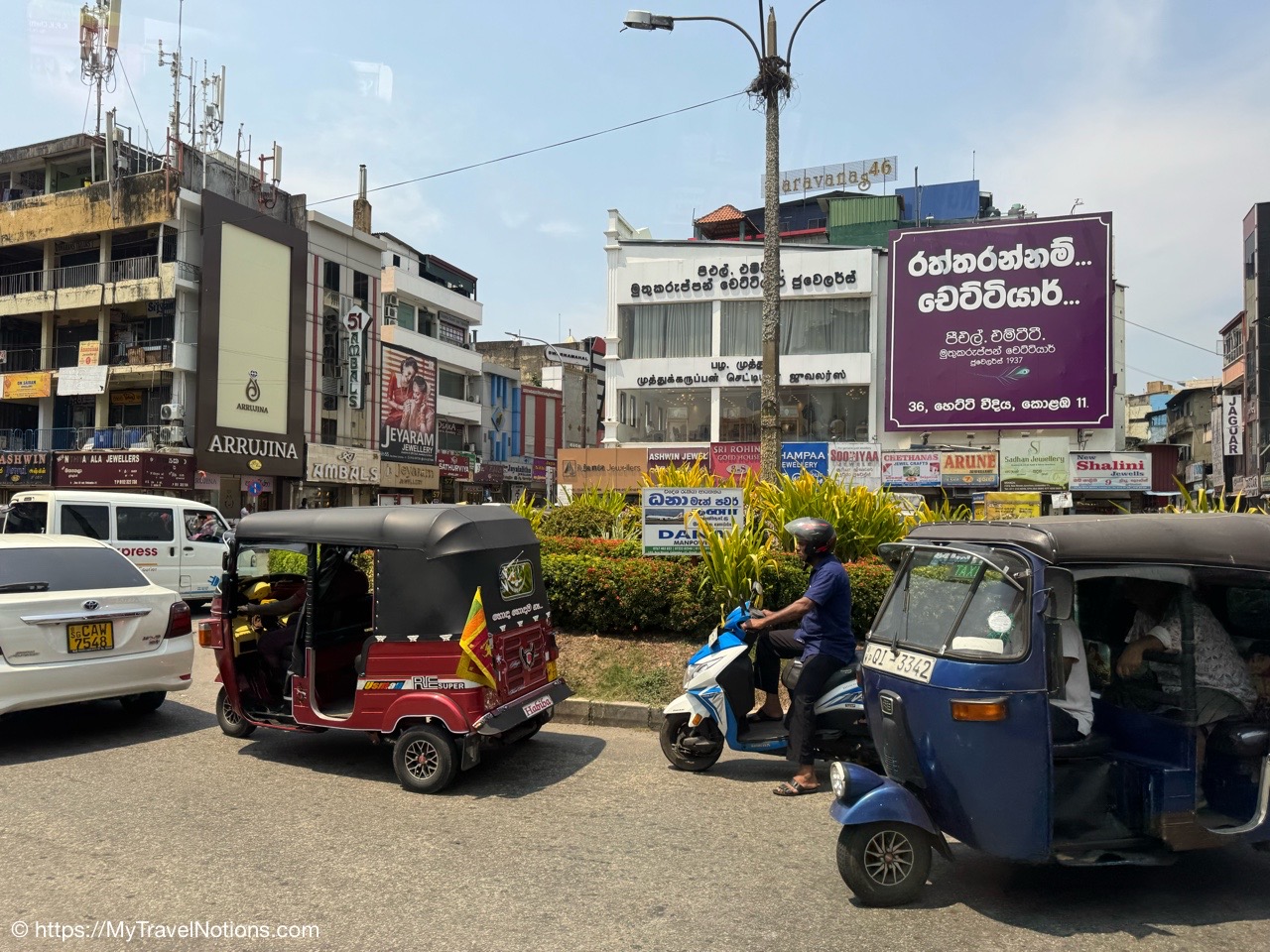
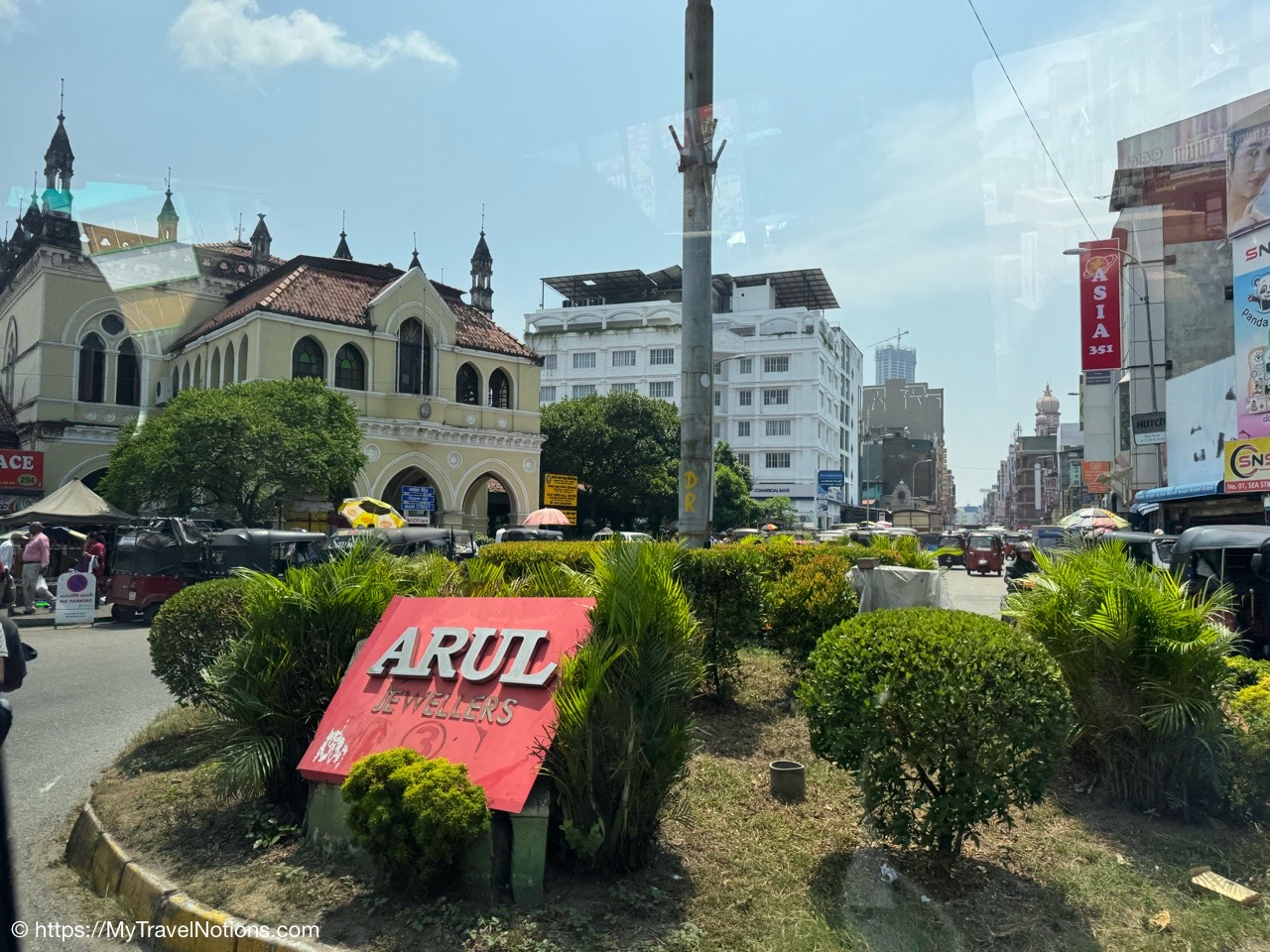
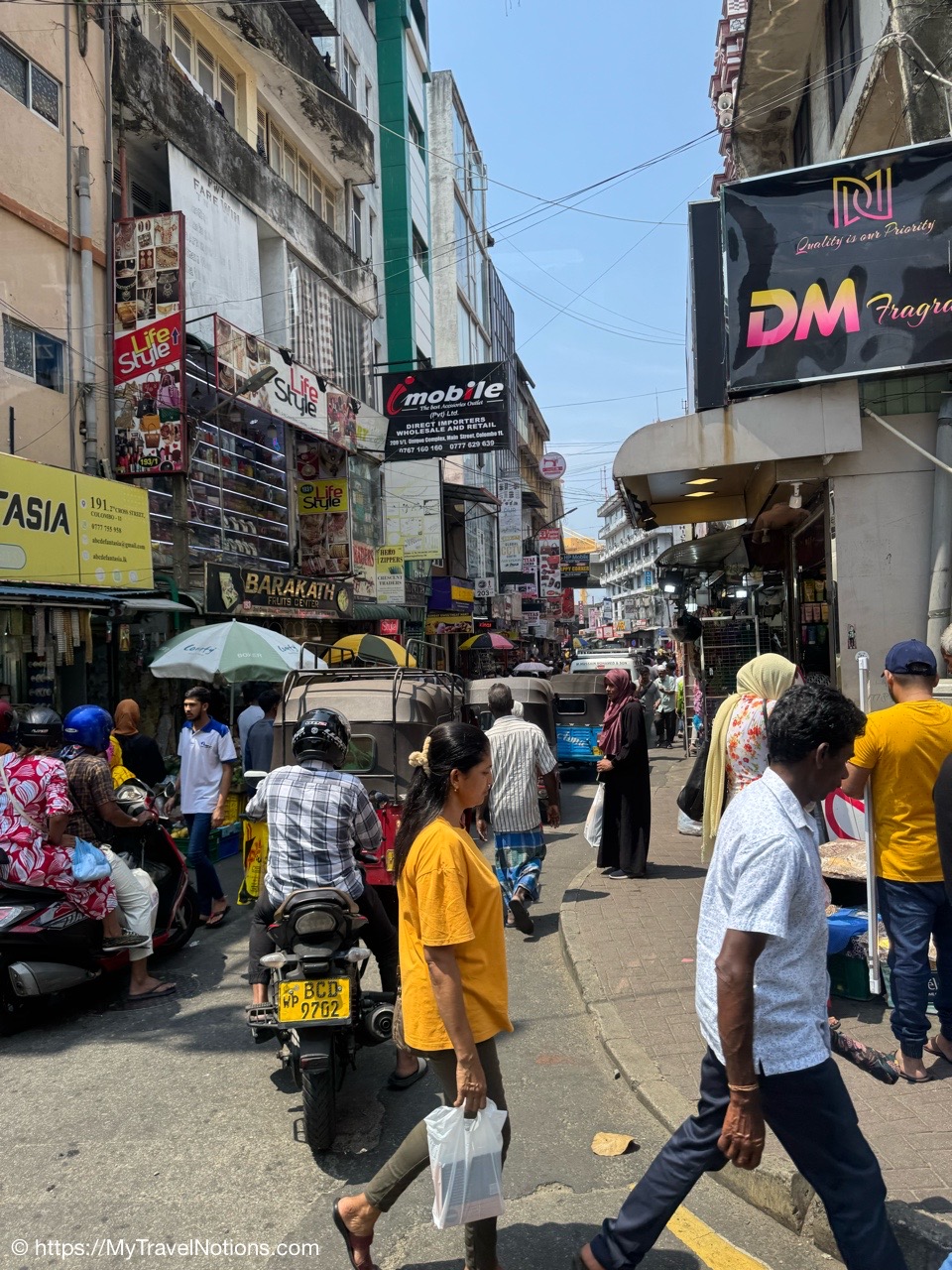
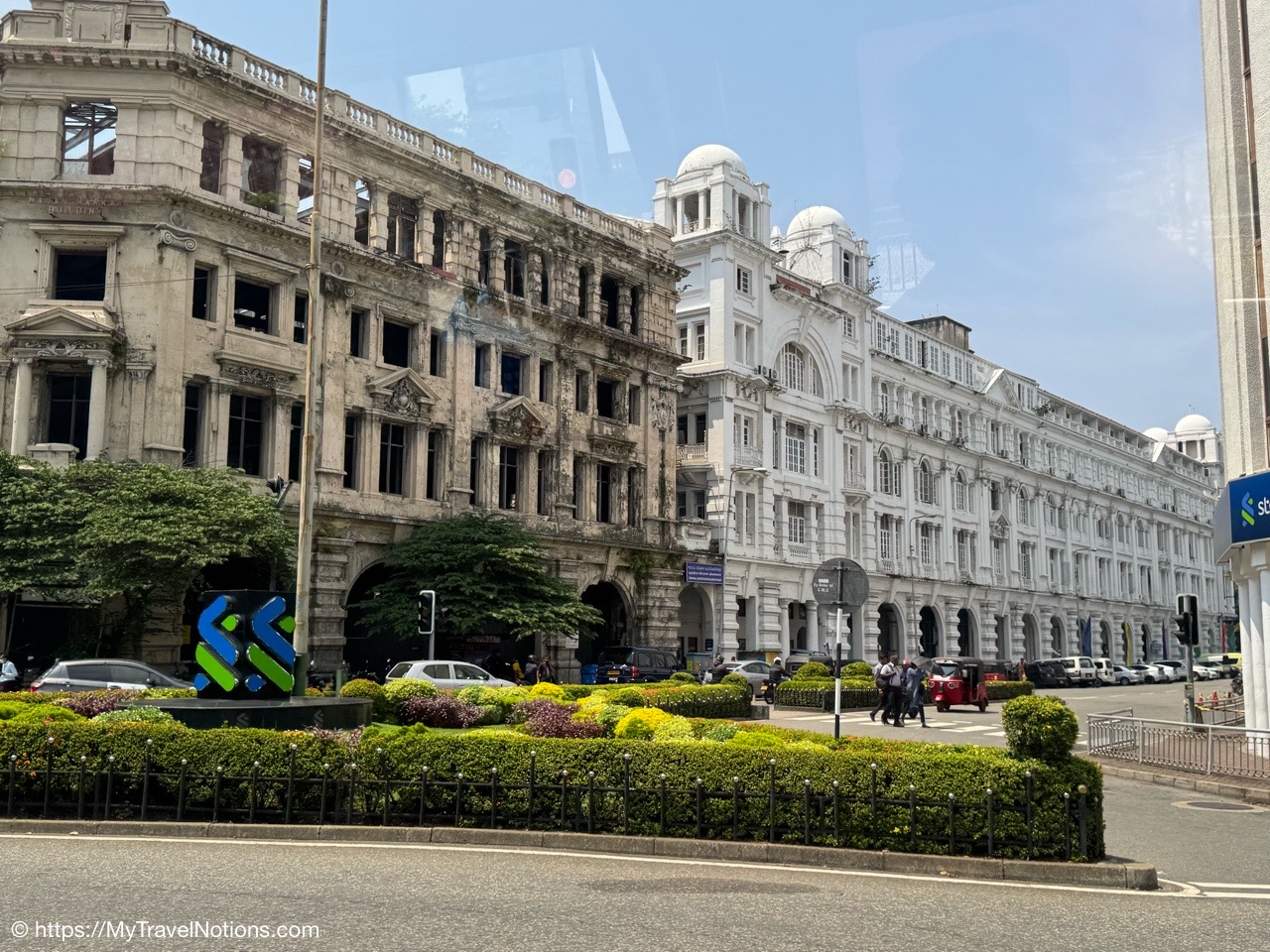
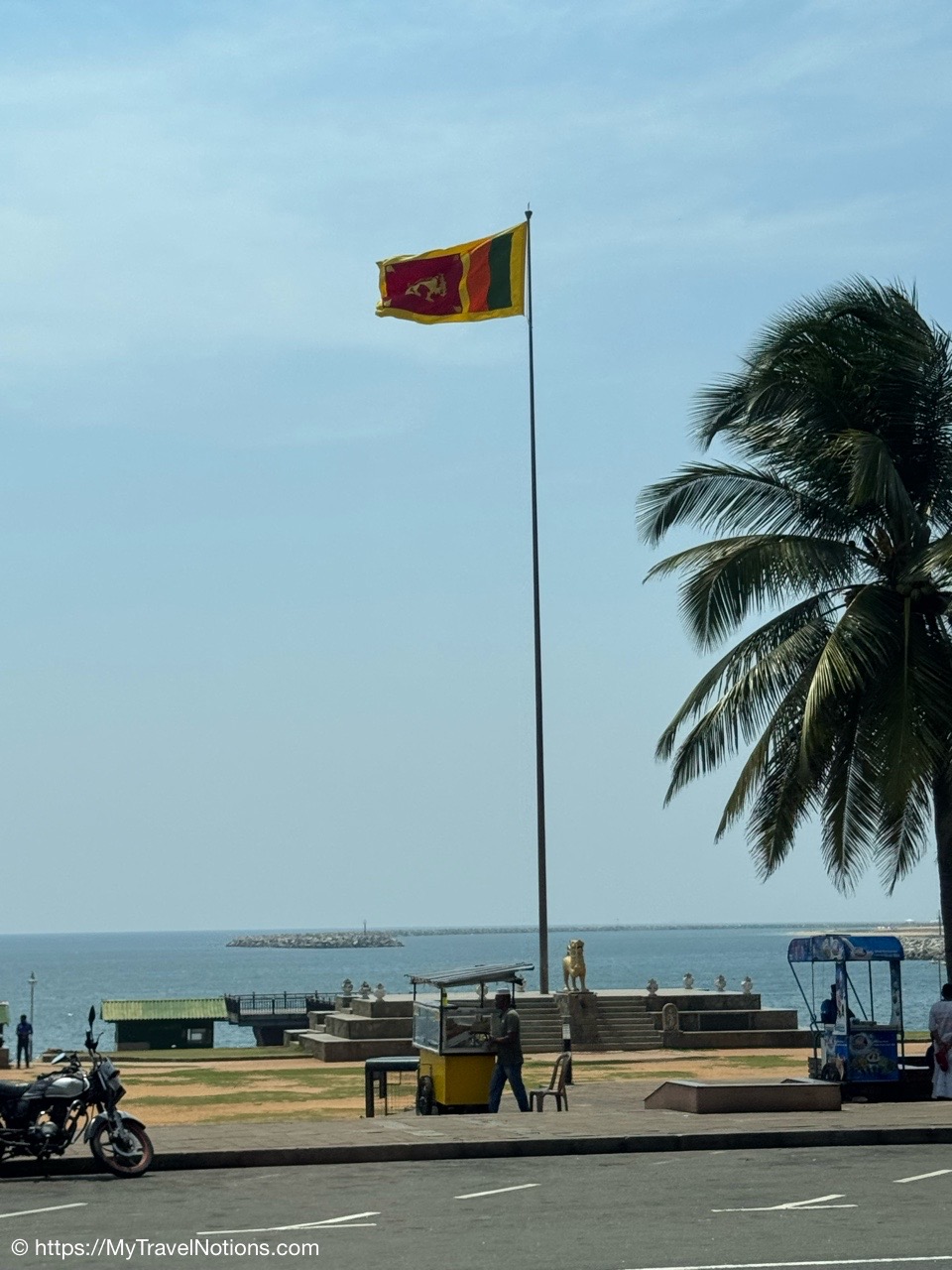
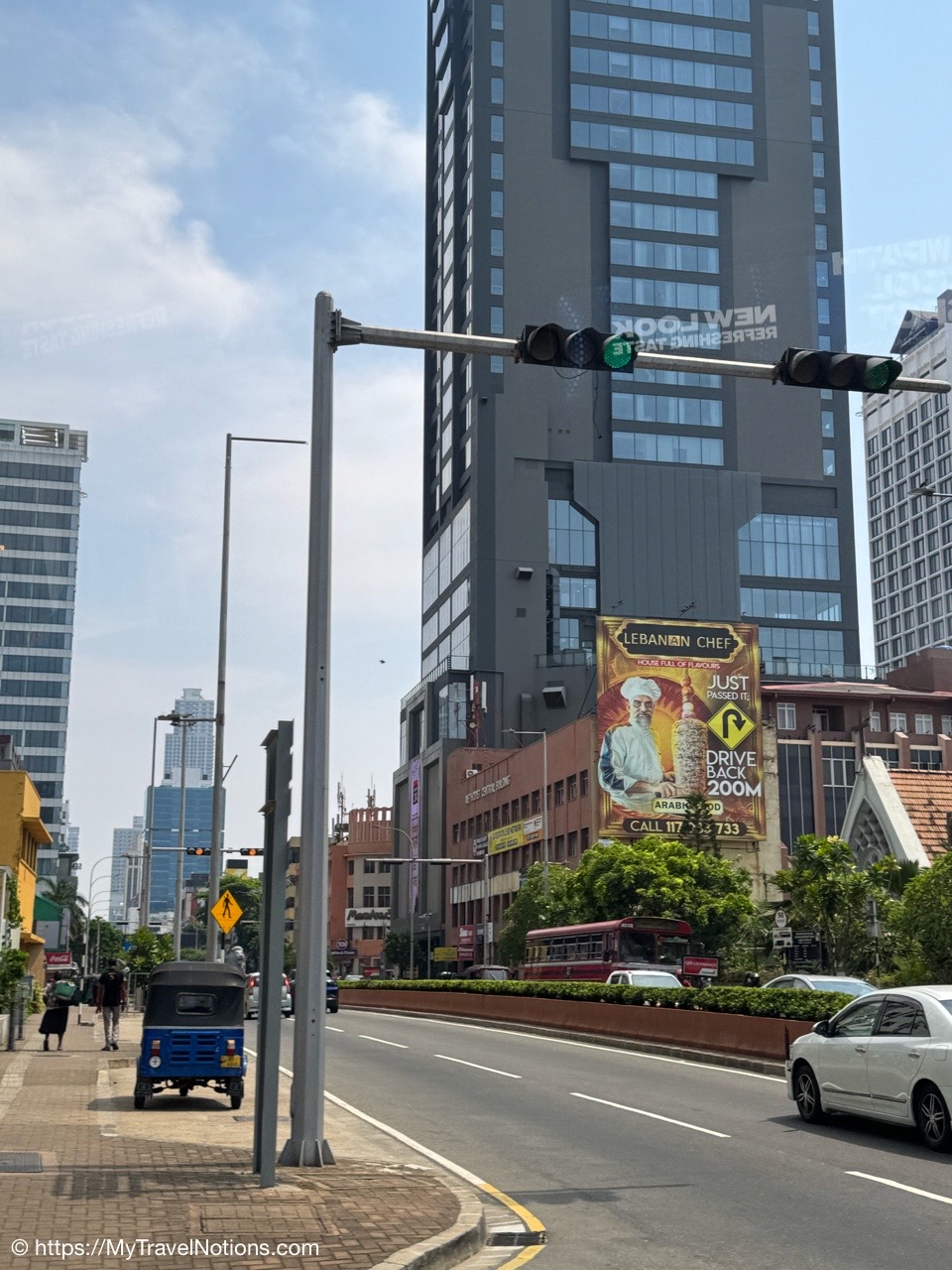
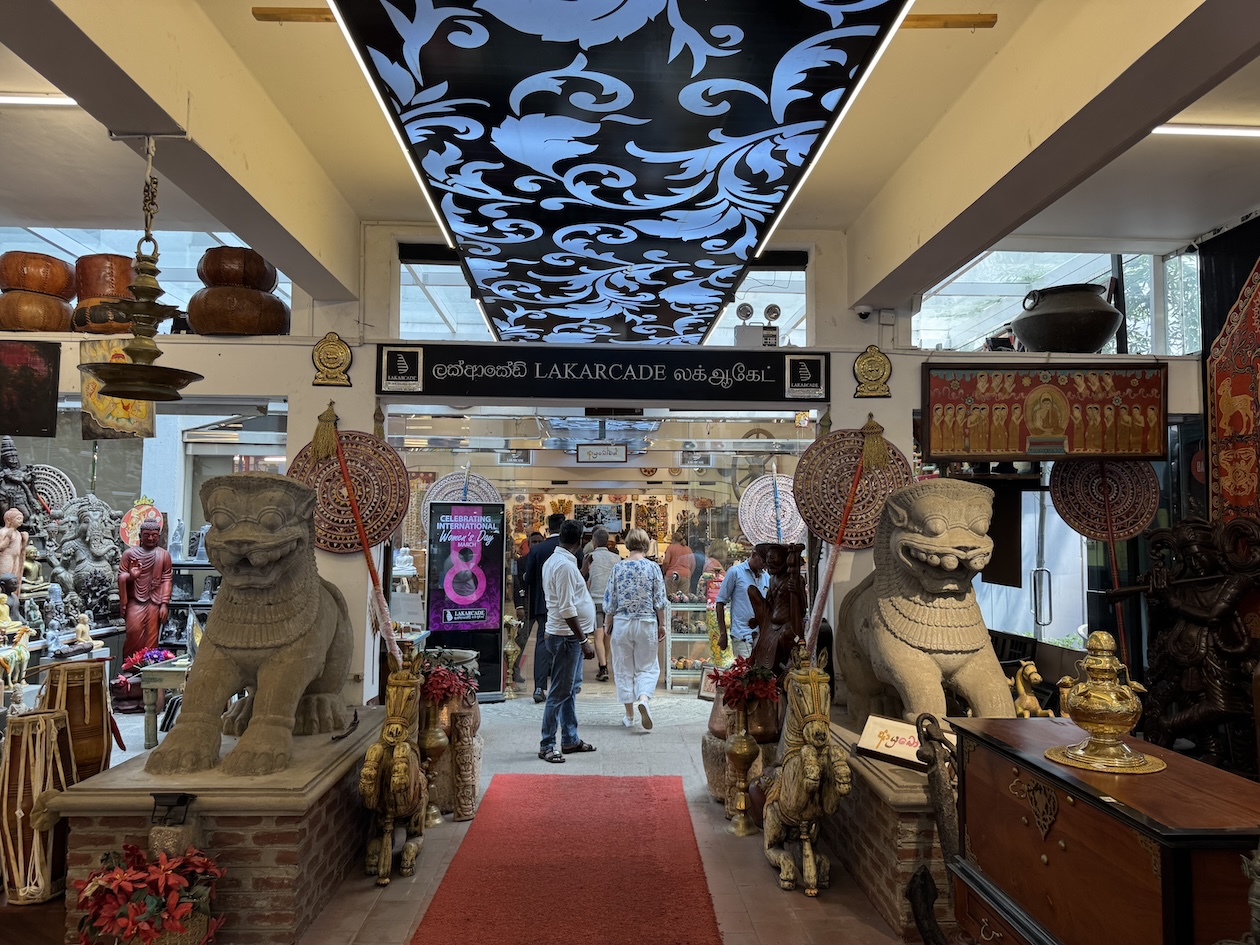
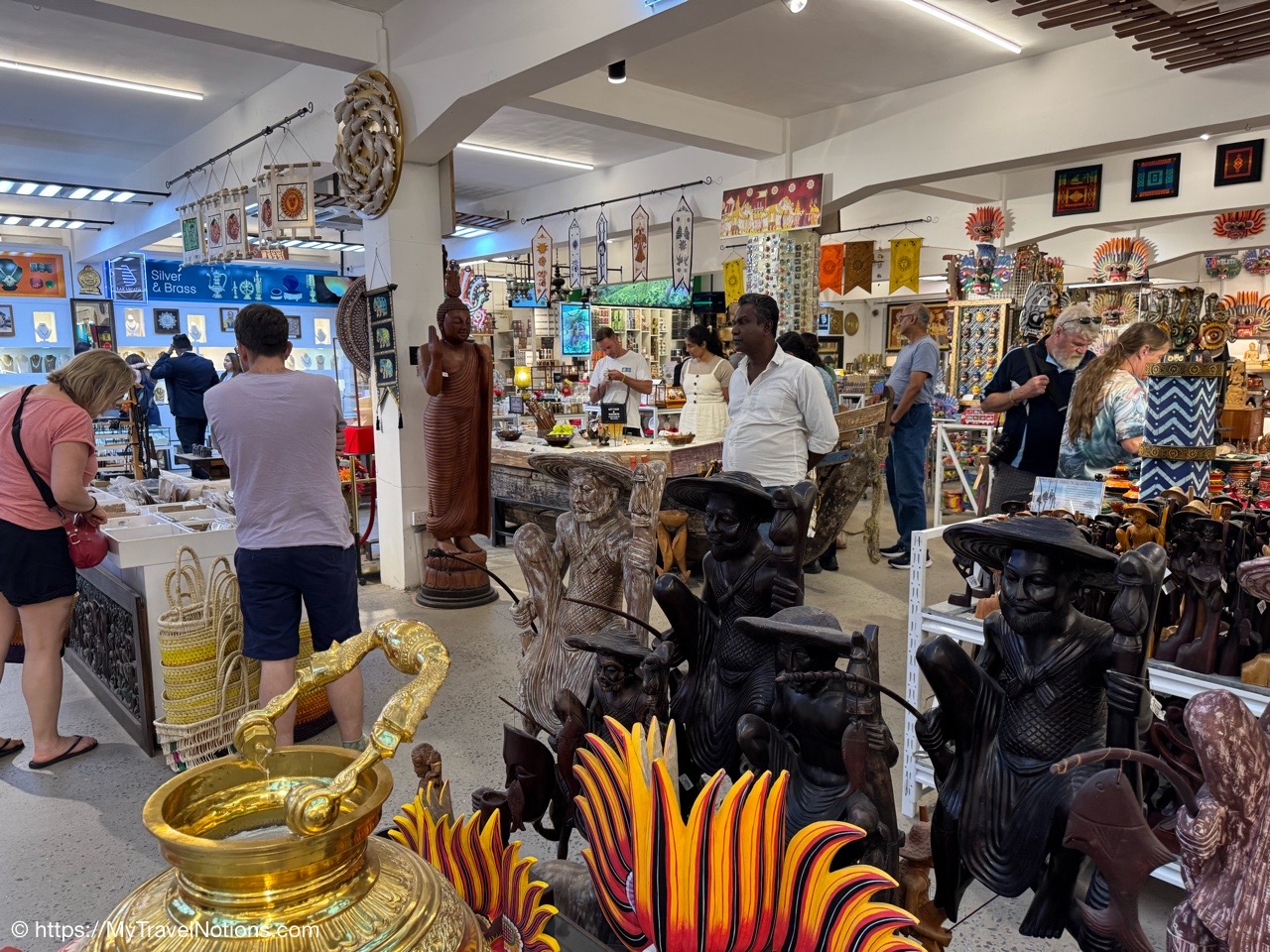
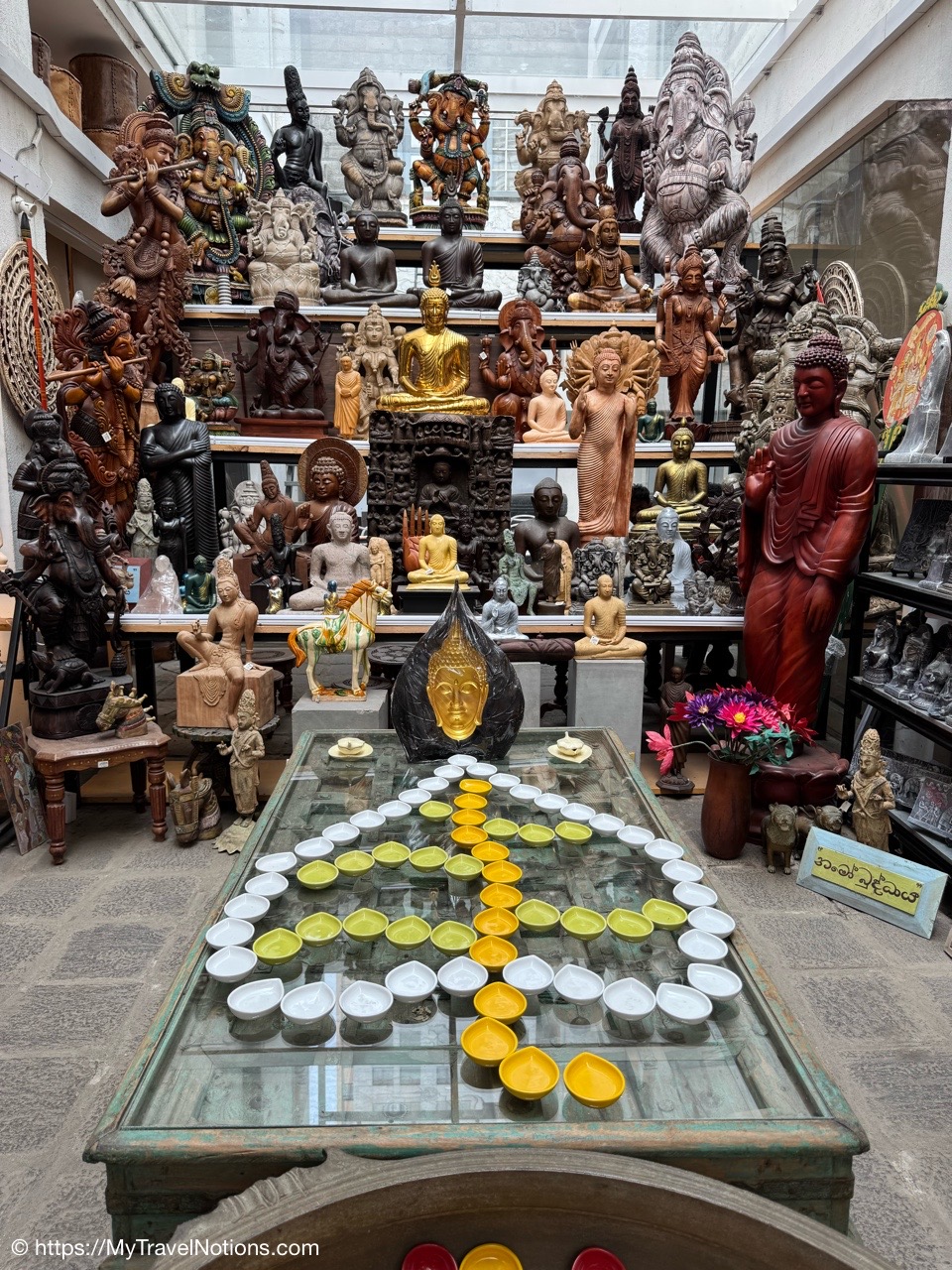
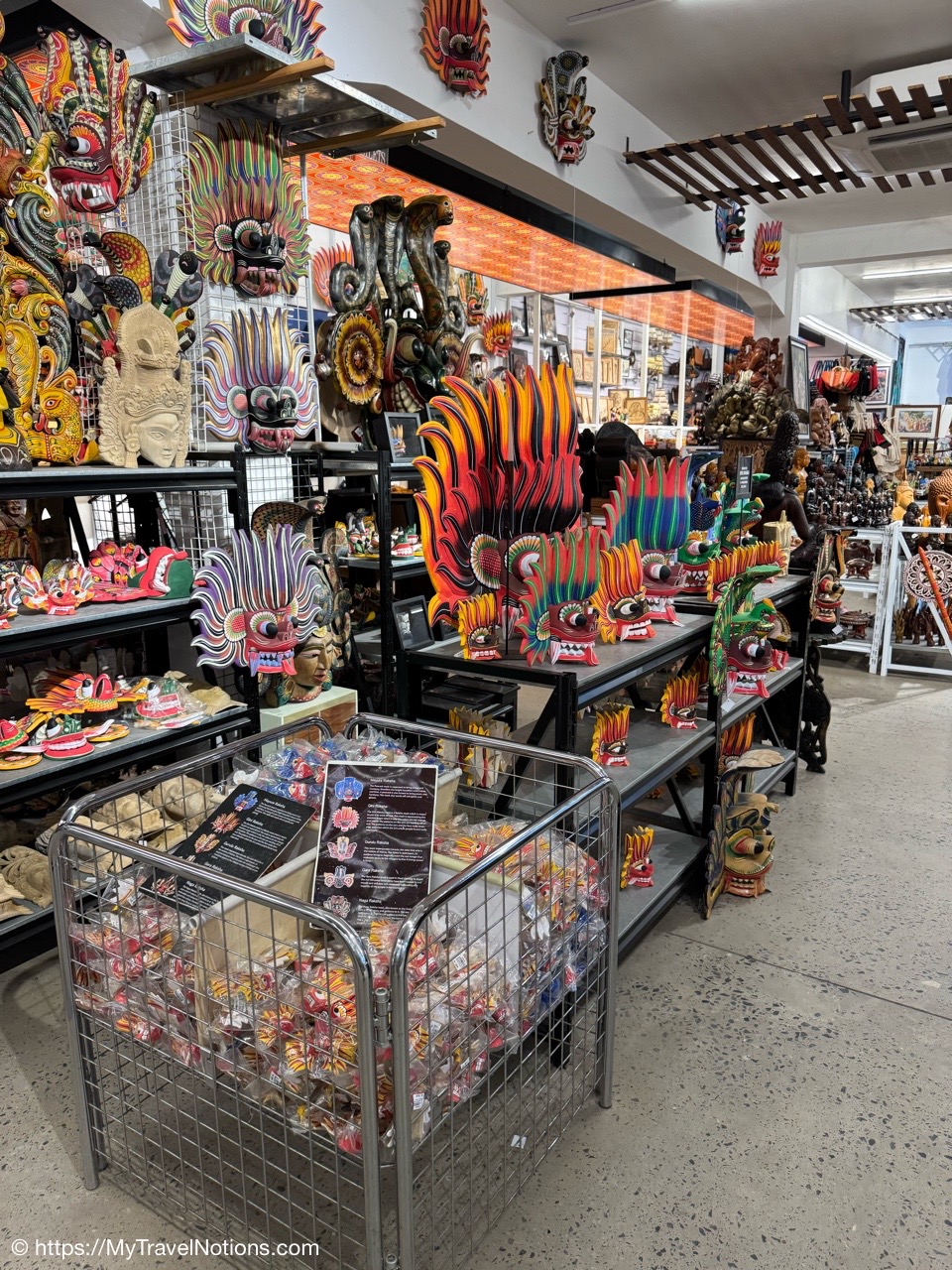
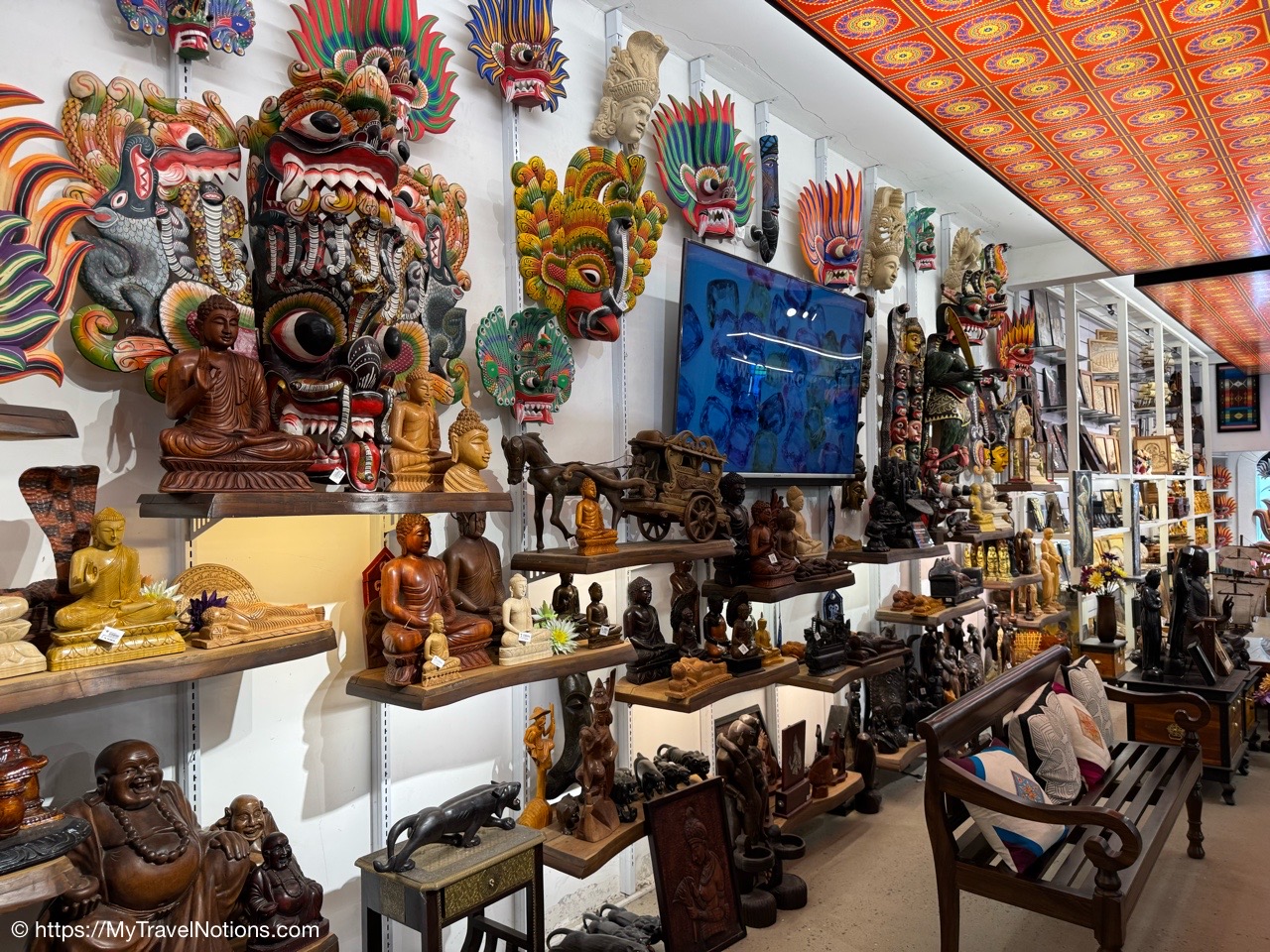
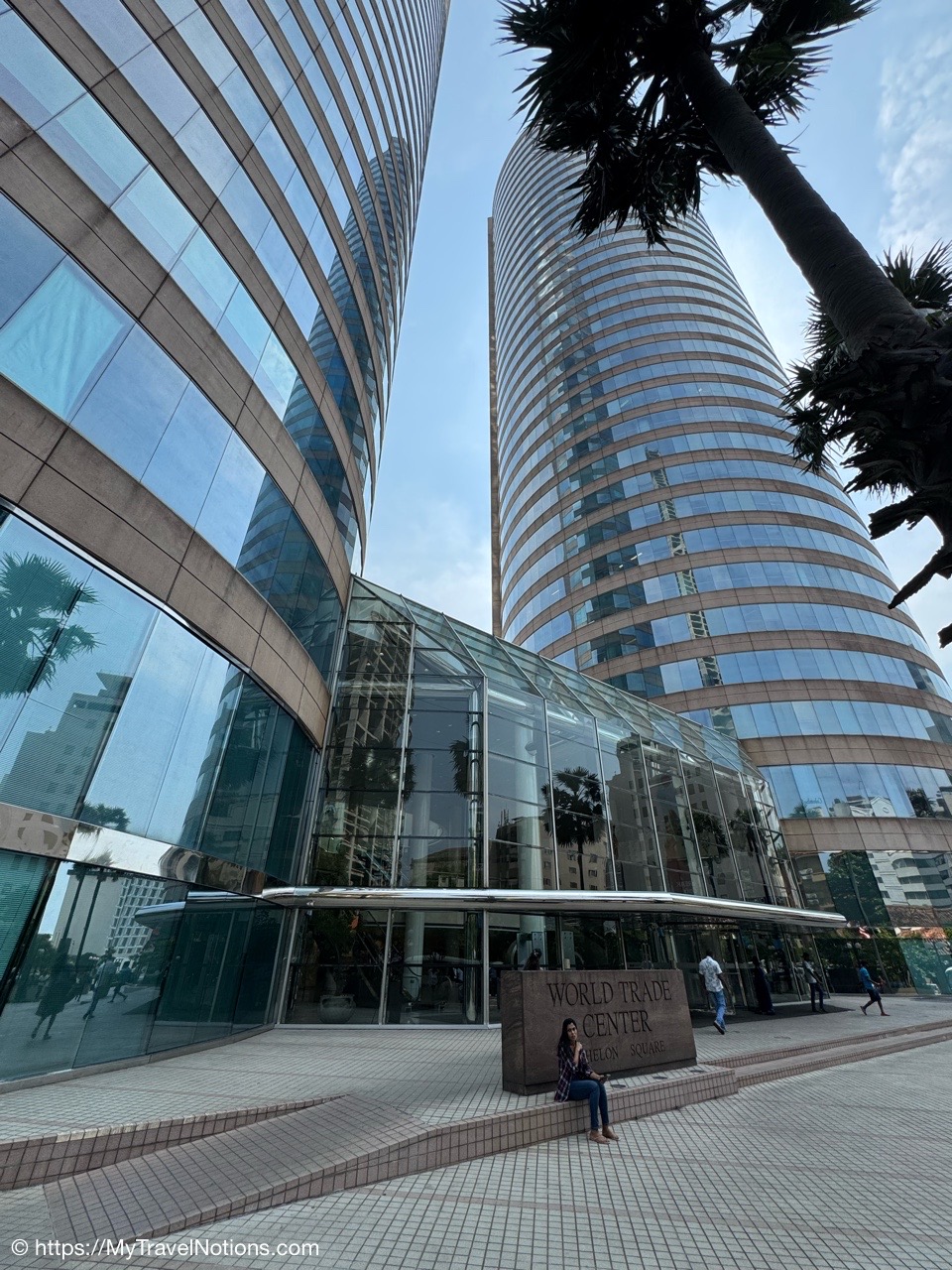
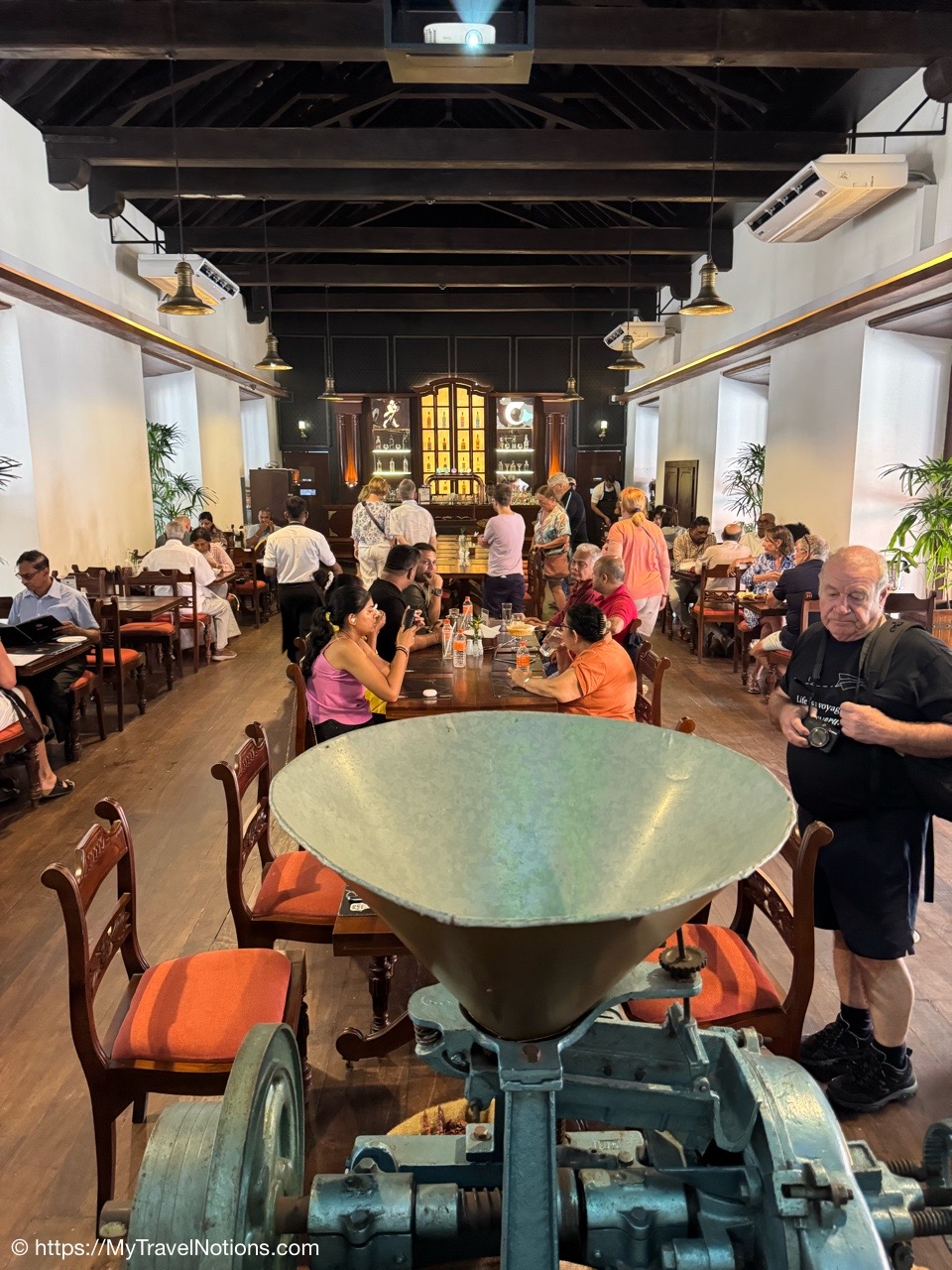
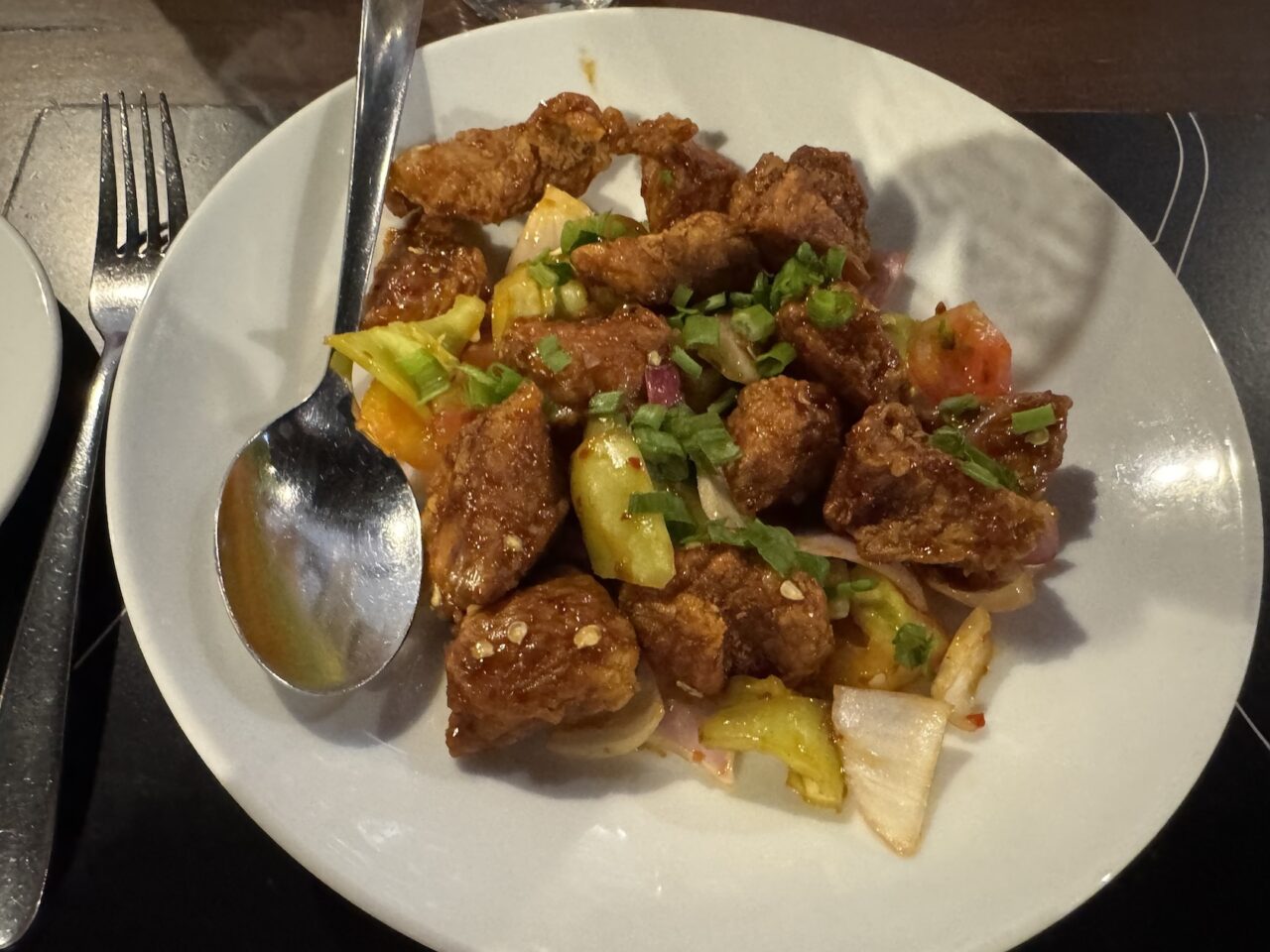
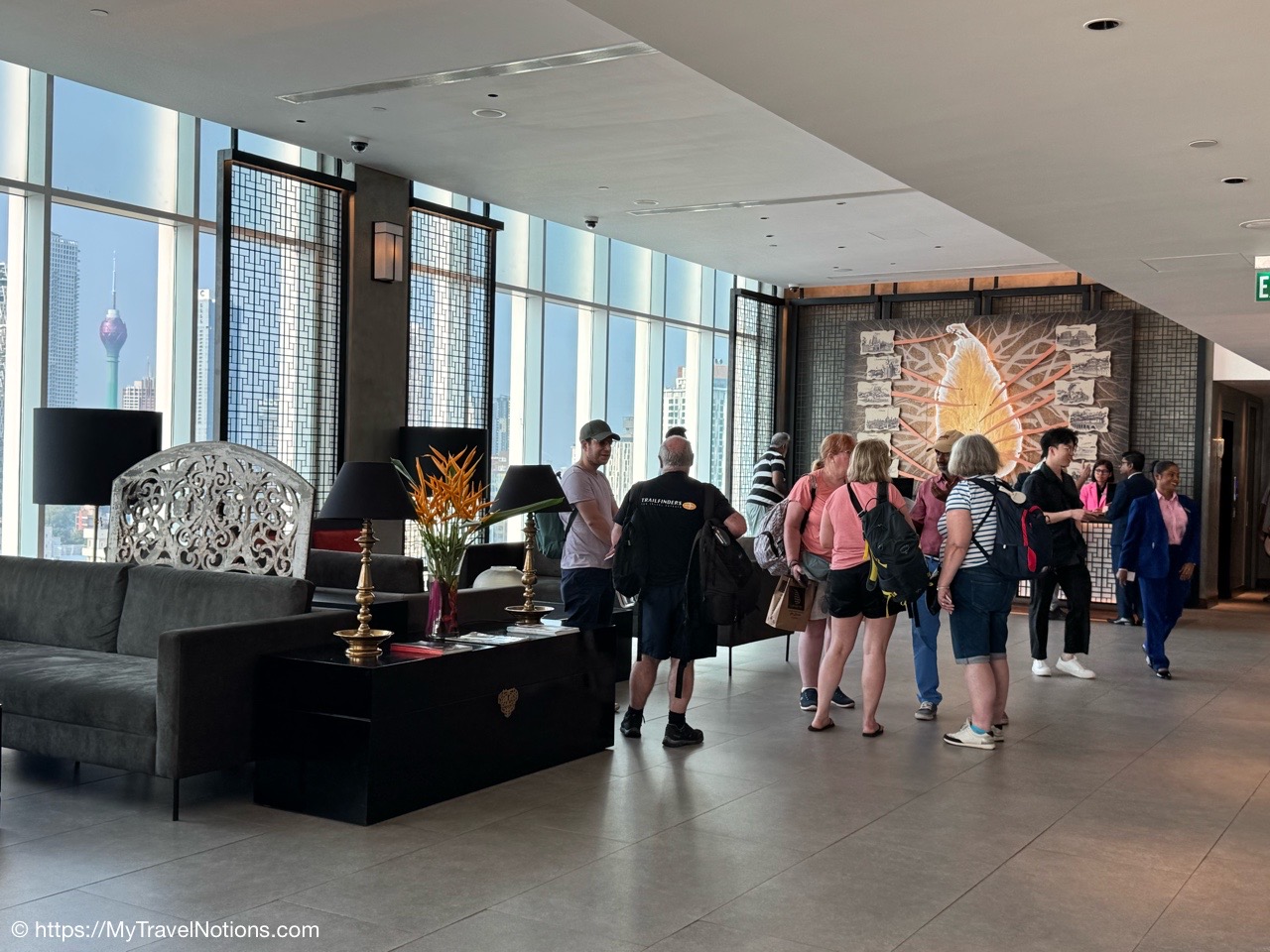
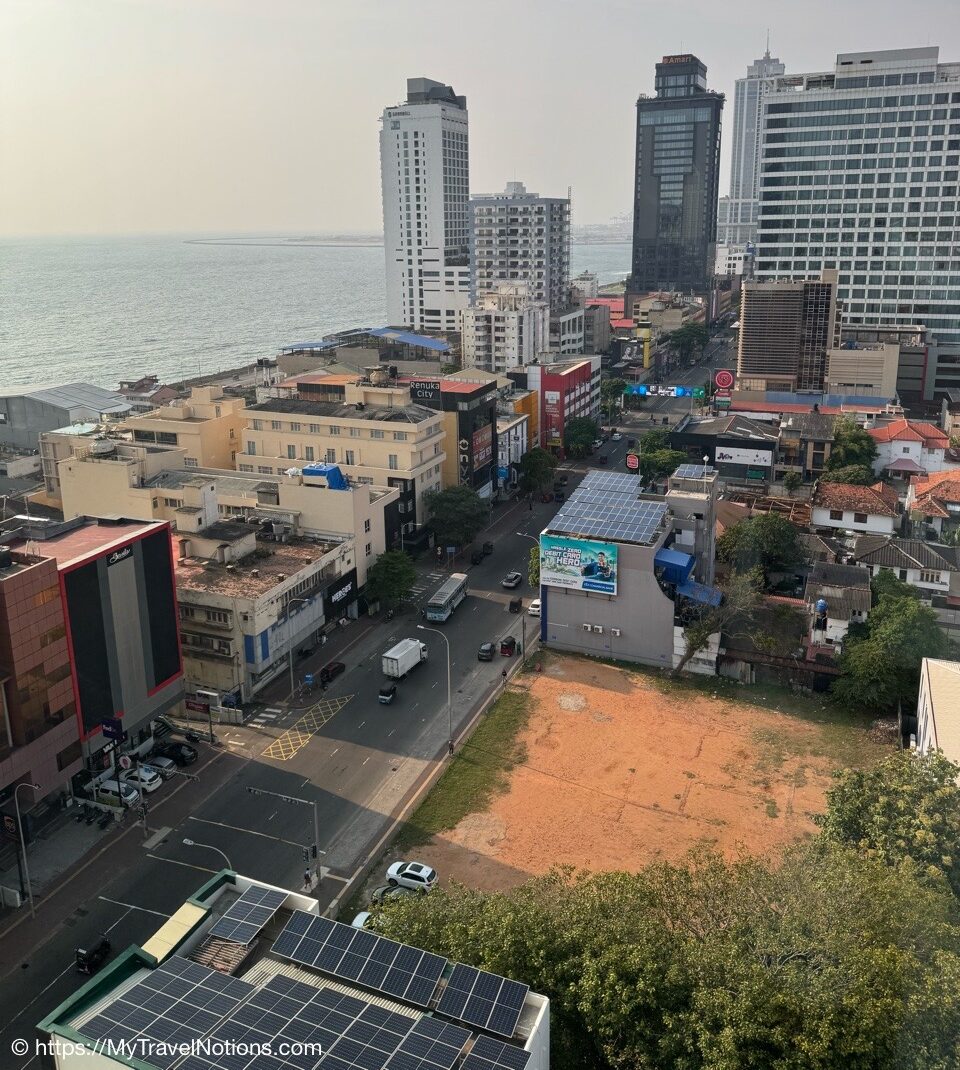
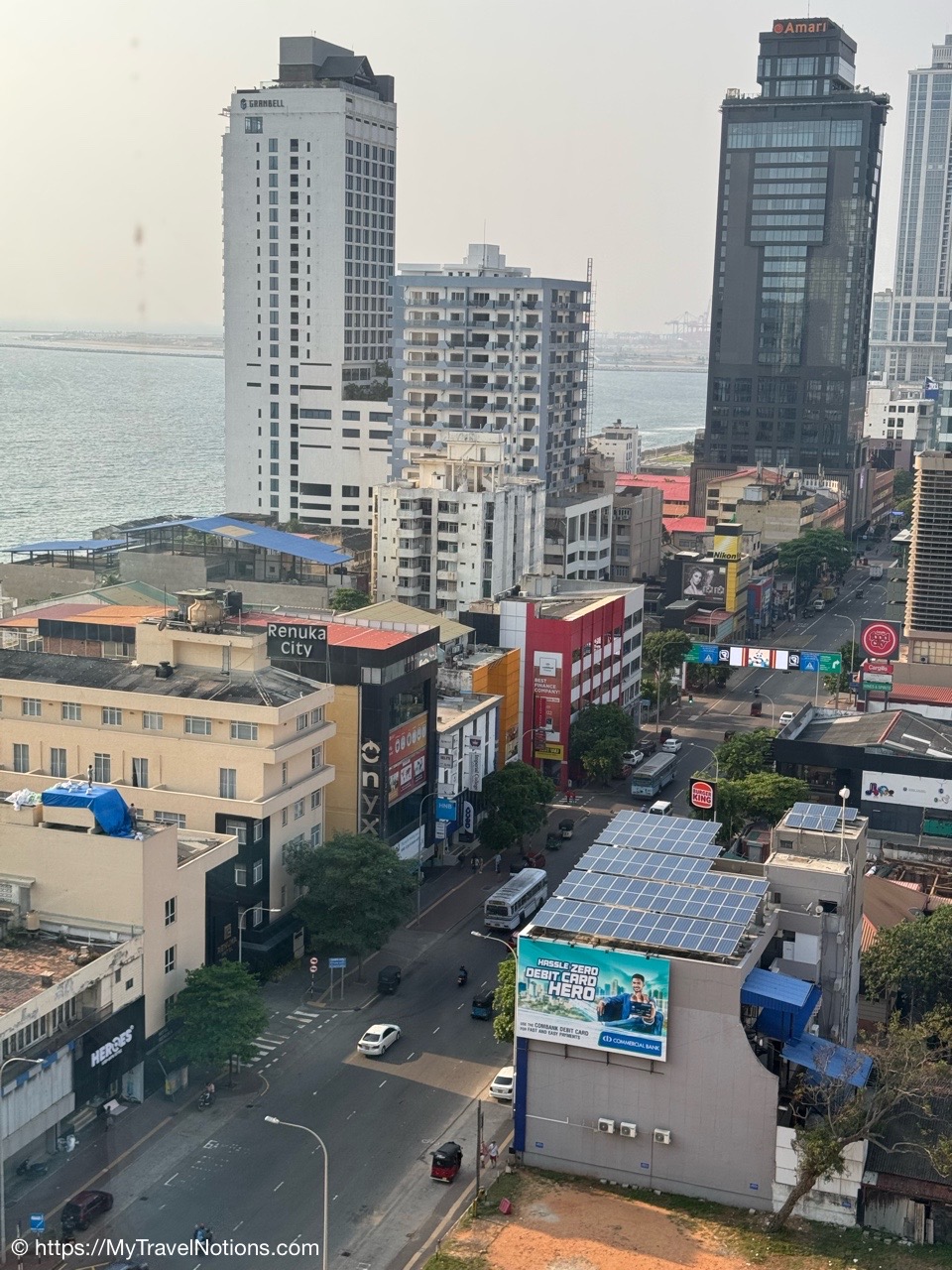
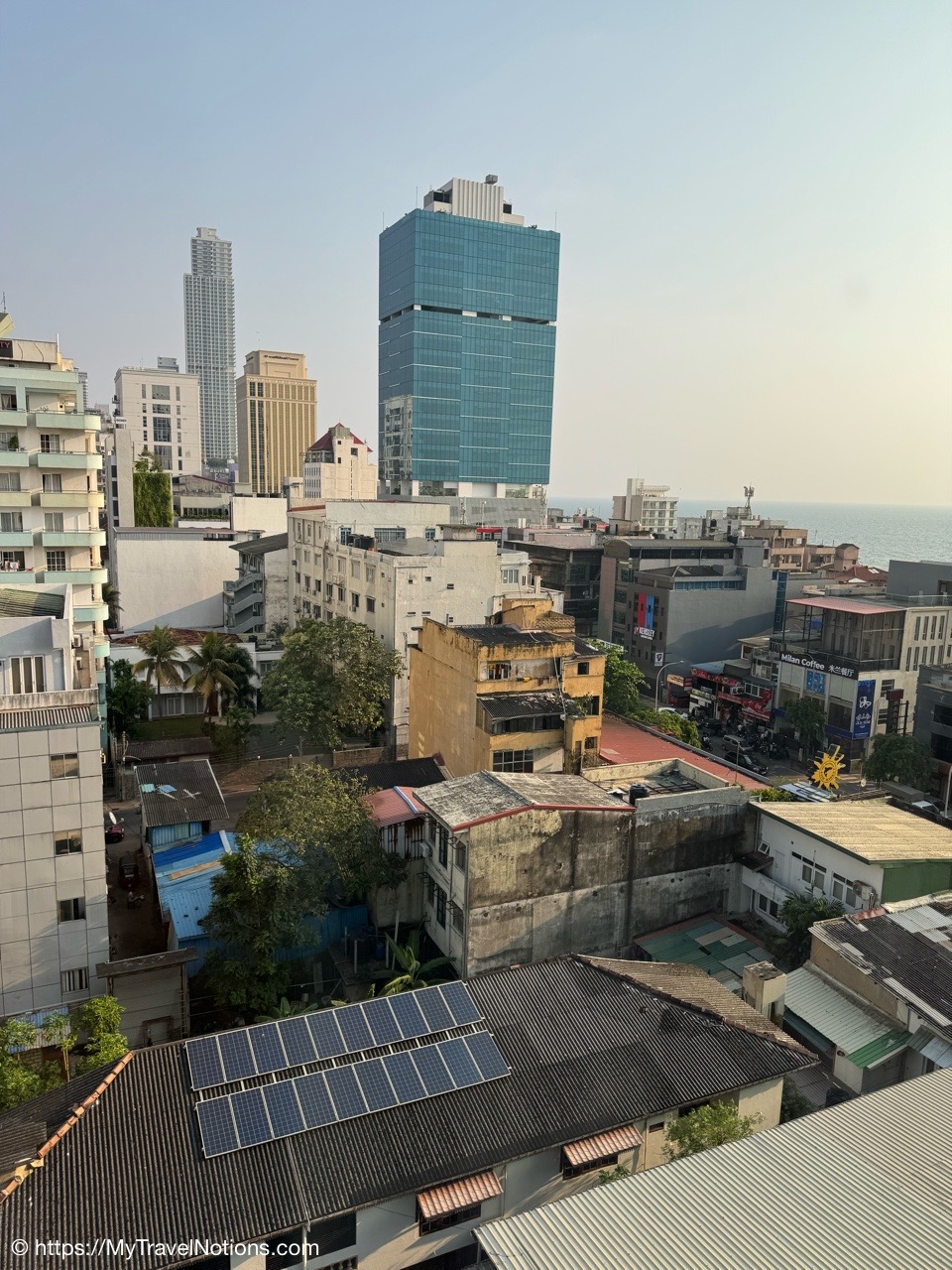
Thank you for reaching out.